
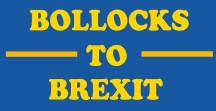
 I have the Brexit blues.
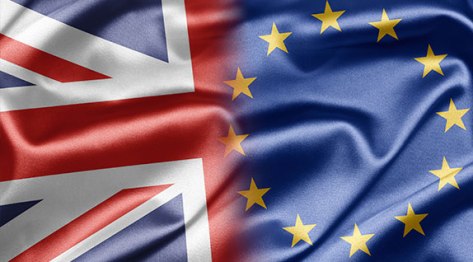
While I probably can’t add much to the debate, I feel I have to express my frustration, angst even, about the Brexit state of play, and what it portends for this (soon to be impoverished) nation of ours. And hopefully explain to many of my blog followers and readers overseas what Brexit means. I offer no apologies for being decidedly pro-European Union (EU).
Just over a month ago I returned from a five week vacation in the USA. Prior to traveling I had become increasingly depressed about the whole Brexit fiasco and where this incompetent Tory government was leading us. I’d even decreased my exposure to Twitter as the exasperation that I read there only fueled my own anxieties. So, I took a break from the news and Twitter for five weeks. My spirits revived.
Five weeks on and I feel myself sinking into a state of despair once again. We’re still getting the Brexit is Brexit line from the government, and taking back control of our border, laws, and money. Following the publication of the ‘agreed’ but soon unraveling Chequers Plan that Theresa May foisted on her Cabinet, it’s clear that Leavers also don’t have a plan for what happens following Brexit, be it a Cliff-edge Brexit, a Hard or a Soft one. Ask them to put it down on paper or explain in detail what the future holds under each scenario and they have little to say. Even the future status of the border between Northern Ireland and the Irish Republic—a key sticking point in the negotiations with the EU—remains unresolved. Government and Parliament is paralyzed. The only solution is to ask the electorate again.
I need someone to square the circle for me and explain why Brexiteers can still claim that leaving the European Union is akin to entering the land of milk and honey. Facing the real risk of a no deal Brexit, HM Government has now started to publish technical notes (two years too late) outlining (and often short on crucial details) what will be the consequences of the UK leaving the EU next March without a withdrawal agreement. The government has even suggested that businesses should consult the Irish government regarding trade across the border post-Brexit. Talk about dereliction of duty.
It feels as though most of my waking hours are pervaded by Brexit news, and the half-truths as well as the outright mendacity of those on the Leave side of the referendum campaign who sold us (illegally, as it turned out) an illusion.

Jacob Rees-Mogg
Even the most optimistic commentators and partners now fear that the UK will crash out of the EU without a deal. That would be disastrous. The Tory Party is at war with itself. Theresa May’s Chequers Plan has been dismissed by Hard Brexiteers on the right of the Tory party like Jacob Rees-Mogg and his European Research Group (ERG) cronies. The talk is all about trade and how we will be better off striking our own trade deals. No mention of the other benefits of EU membership that we will forfeit at 11 pm on 29 March next year if there is no deal.
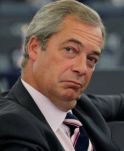
Nigel Farage
Two years on, Brexiteers are unable to provide any details or are extremely vague about what a post-Brexit United Kingdom will look like, and what actual benefits we will gain. Arch-Brexiteer Nigel Farage (MEP and former leader of UKIP) claims he never said that the UK would be better off outside the EU: I made ONE absolute promise in that campaign … We will be in control … for good or for bad … I never promised it would be a huge success, I never said it would be a failure, I just said we’d be in control. Independent, and with blue passports! Rees-Mogg has unequivocally stated that it might take 50 years for any benefits to accrue. Good grief! This is not the vision that the electorate was sold during the referendum campaign.
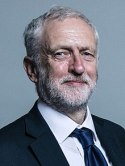
Jeremy Corbyn
Even Labour Party Leader Jeremy Corbyn can’t—or won’t—state categorically whether we’d be better off or not outside the EU. What a pathetic politician. But that’s for another post some other time.
With nothing better to say, It’s the same old mantra of taking back control of our border, laws, and money. Well, I thought we always had control of our borders; there’s more immigration from countries outside the EU than from EU countries. In terms of laws, it comes down to alignment with EU frameworks and regulations, and oversight by the European Court of Justice (that’s anathema to Brexiteers). Furthermore, Parliament seems always to be busy, passing sovereign legislation on one thing or another. Even outside the EU we will still be subject to oversight by external bodies, such as the World Trade Organization (WTO). That’s what peaceful coexistence means: compliance to agreed rules and standards. And while we make a financial contribution to the EU, we have successfully negotiated favorable rebates, we have our own currency, and many parts of the country (even those that voted overwhelmingly to Leave) have benefited from inward investment from the EU in ways that a UK government wouldn’t or couldn’t make.
It seems to me that we face four options:
- No Withdrawal Deal, Catastrophic Brexit (it’s not just about trade), increasingly likely
- Withdrawal Deal, Hard Brexit, beloved by many Brexiteers
- Withdrawal Deal, Soft Brexit – but for some on the Brexit side, it will be like the curate’s egg, good (or softer) in parts: retaining membership of the Customs Union (CU), or the Single Market (SM), or both (but having no say in how regulation of the CU or SM continue to operate)
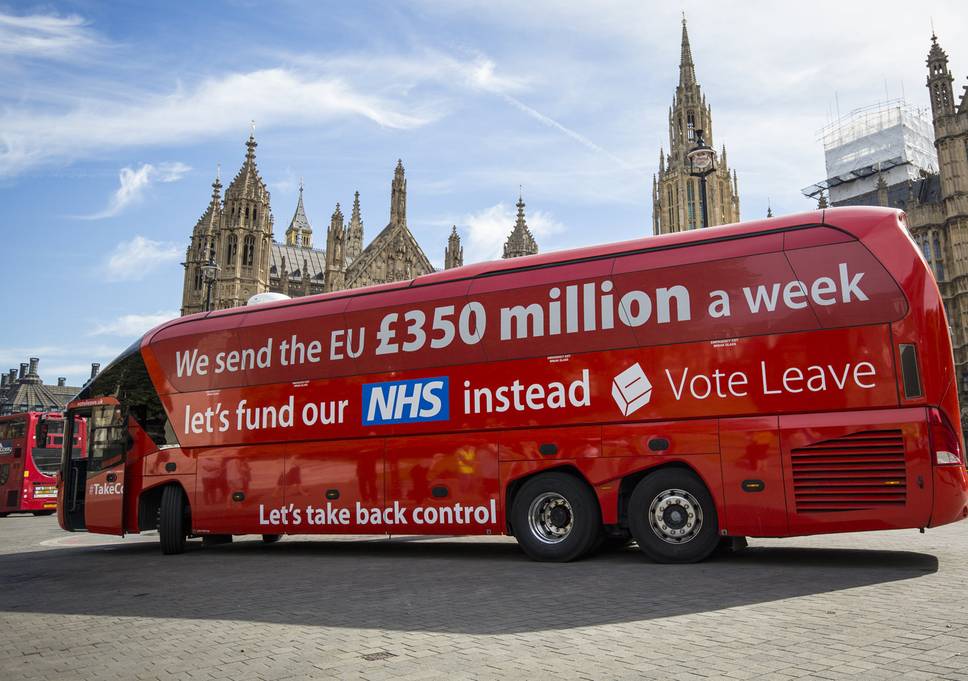
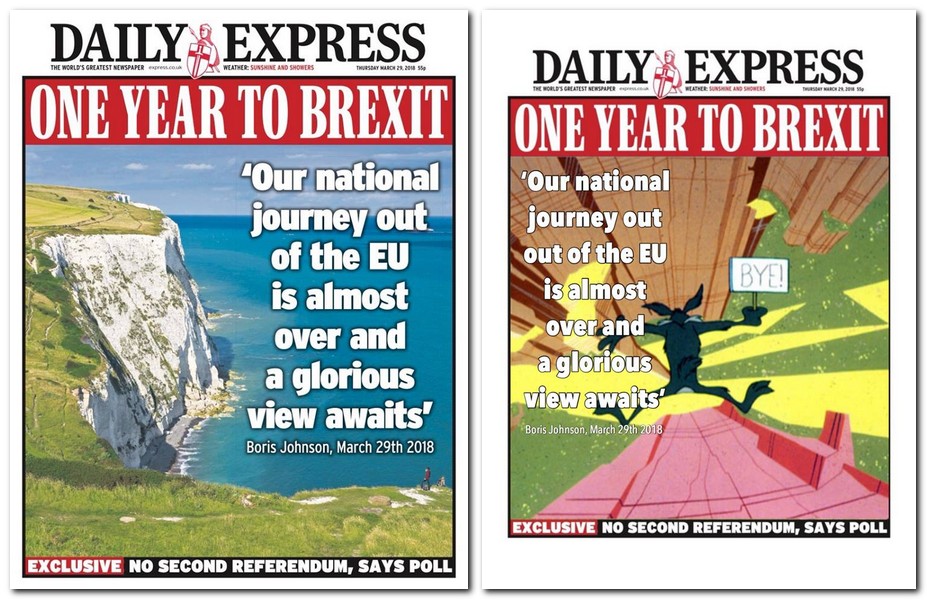
- NO BREXIT – an aspiration that is growing. Having looked at what’s really on offer, not the illusion that was offered on the side of a large red bus during the referendum campaign, the electorate should be given the opportunity to pass judgment in a second referendum. This is only way to break the impasse of Parliament, and for the electorate to confirm its decision to leave the EU if that’s how the majority still feel.

Michael Morpurgo
Democracy is, however, also about changing one’s mind, and there is growing polling data to indicate that many who voted to Leave the EU now regret their decision. The problem is that many Brexiteers claim that the ‘British people’ have spoken, and there can be no reversal of that decision (even though it was taken without the necessary knowledge—or understanding—of what Brexit would entail). However, just a few years ago, even Rees-Mogg favored a second referendum once the terms of a withdrawal deal were known. Here’s a Twitter link that shows Rees-Mogg speaking to that effect in the House of Commons in 2011. A couple of weeks ago I was listening to Radio 4 and heard this Point of View by War Horse author Michael Morpurgo. It lasts almost 10 minutes, but is well worth taking time out to listen to his words of wisdom. He makes a strong case for thinking again.
The Brexit lies continue. Just a few days ago (17 August) I saw an official tweet from the Department for International Trade about the UK’s trading links with the USA. Liam Fox (Secretary of State at the DIT) claimed that the USA was the UK’s single largest trading partner. Lie!
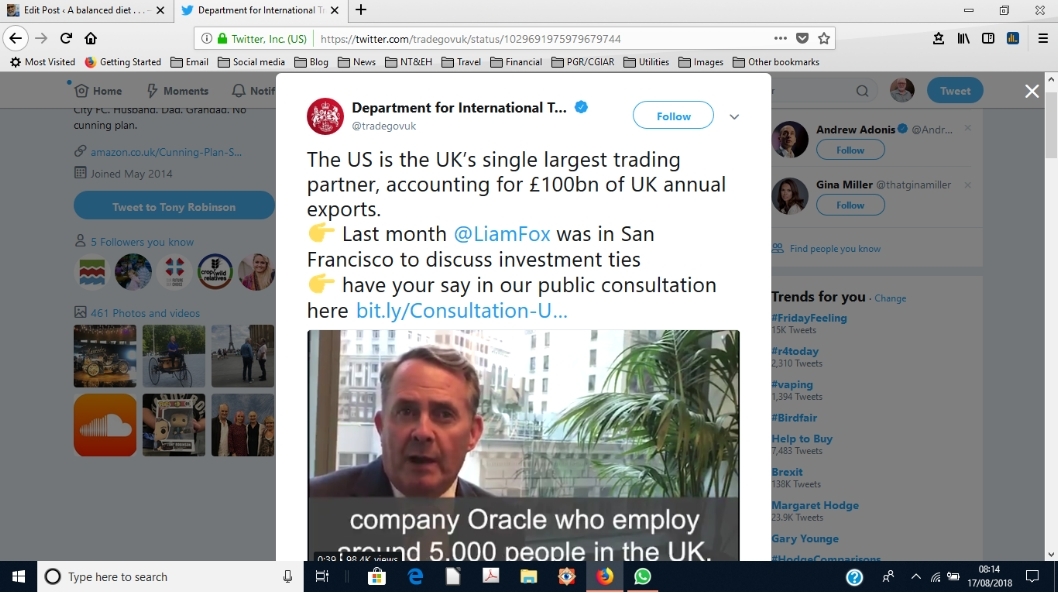
Yes, we have exports of almost £100 billion to the USA, according to the Office for National Statistics (2016 data published in 2017). And from what I can determine the USA is the largest country we trade with in terms of exports. But the DIT/Fox said trading partner, and the UK’s largest trading partner is the European Union (EU), with UK exports valued at £235.8 billion through seamless trading (compared with £284.1 billion with the Rest of the World, mostly conducted through trade agreements negotiated through our membership of the EU).
But hey, why let facts get in the way of a good Brexit lie. Fox’s focus on expanding trade with the USA—some might say obsession—is a major part of his Brexit narrative about seizing opportunities to trade with other nations around the world on our terms, not the EU’s. However, these Brexiteers seem to forget (conveniently so) that negotiations are two-sided, and the completion of any trade agreement will require concessions on both sides. Would the price of an agreement with the USA lead for example to imports of food produced to lower standards than we currently enjoy under the EU, or more US healthcare company involvement in the NHS, for example?
It never ceases to amaze me that Brexiteers seem to imply that it’s only under post-Brexit trade deals that we can increase our exports. Even a recent trade deal with China was touted as an example of what the UK could achieve, notwithstanding it was signed under the trade agreement we already have with China through the EU. Liam Fox is certainly economic with the truth.
Post-Brexit, we will have to develop all the schedules to operate under WTO rules and, in any case, deals could take years to negotiate. Furthermore, I can see no reason why manufacturers are already unable to expand exports under the umbrella of existing trade agreements negotiated by the EU. Maybe increased exporting capacity is non-existent. We are no longer a manufacturing nation.
There’s hardly been mention of financial services, which account for about half of our exports. There are serious implications of leaving the EU without an agreement. Just listen to an experienced trade negotiator on James O’Brien‘s LBC show.
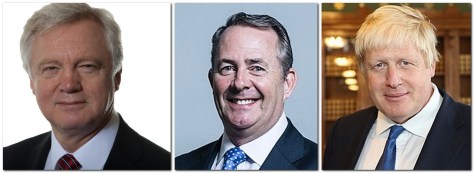
The focus has been/is almost entirely on trade post-Brexit, but there’s so much more to our membership of the EU that is not covered—and never will be—by the WTO. These are all the many frameworks and agreements that have brought 28 nations together (and probably more cost effectively than if they had acted independently) that regulate aviation and safety, nuclear fuels and isotopes, environmental protection, animal welfare, food standards, and employment law, to list just a few. I have yet to hear any of the likes of Jacob Rees-Mogg, John Redwood, Iain Duncan-Smith, David Davis, Peter Bone, Bernard Jenkin, not even Theresa May, raise any concerns or offer any perspectives on these issues that are as important—perhaps even more important—than the trade issues.
The Government’s narrative is that its Chequers Plan should be accepted, lock, stock and barrel, by the EU. Sorry Theresa, it doesn’t work like that any more. Gun boat diplomacy died with the Empire.
Although there is a groundswell of support for a second referendum, or at least a say on any agreement negotiated with Brussels, there’s no certainty that one will be held. For one thing the practicalities of legislating for a referendum rule out the possibilities before Article 50 becomes a reality next March, crashing, hard or soft.
Nevertheless, there does need to be some sort of People’s Vote. Furthermore, for an issue that has such long-lasting constitutional, economic, and social implications for the future of this country, politicians need to put the welfare of the country ahead of their own party political considerations. The fact that we have a divided and incompetent governing party, and an Opposition that’s equally divided, with a leader who’s inept and misguided in the face of what many Labour supporters are saying, is perhaps unprecedented. Political turmoil is the last thing that’s needed right now.
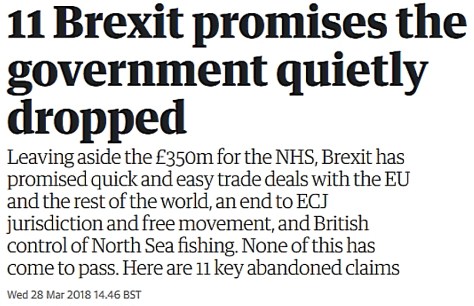
I’m sure many who voted to Leave did not foresee or expect many of the scenarios that are looming before us. For example, the National Health Service (NHS) will not reap any ‘Brexit Dividend’. Why? There simply is no dividend. Brexit will impact almost every aspect of our lives for years to come.
There. I’ve said it. I’ve expressed my frustrations. I don’t expect to write much more about Brexit. But once 29 March 2019 has come and gone, I expect I’ll have plenty more to say, no doubt.
 A balanced diet . . .