
New Year’s Eve, and another year coming to a close.
We just celebrated our fifth Christmas here in the northeast, on the eastern outskirts of Newcastle upon Tyne and a few miles inland from the North Sea coast. I thought I’d take this opportunity to look back on some of our 2024 highlights.
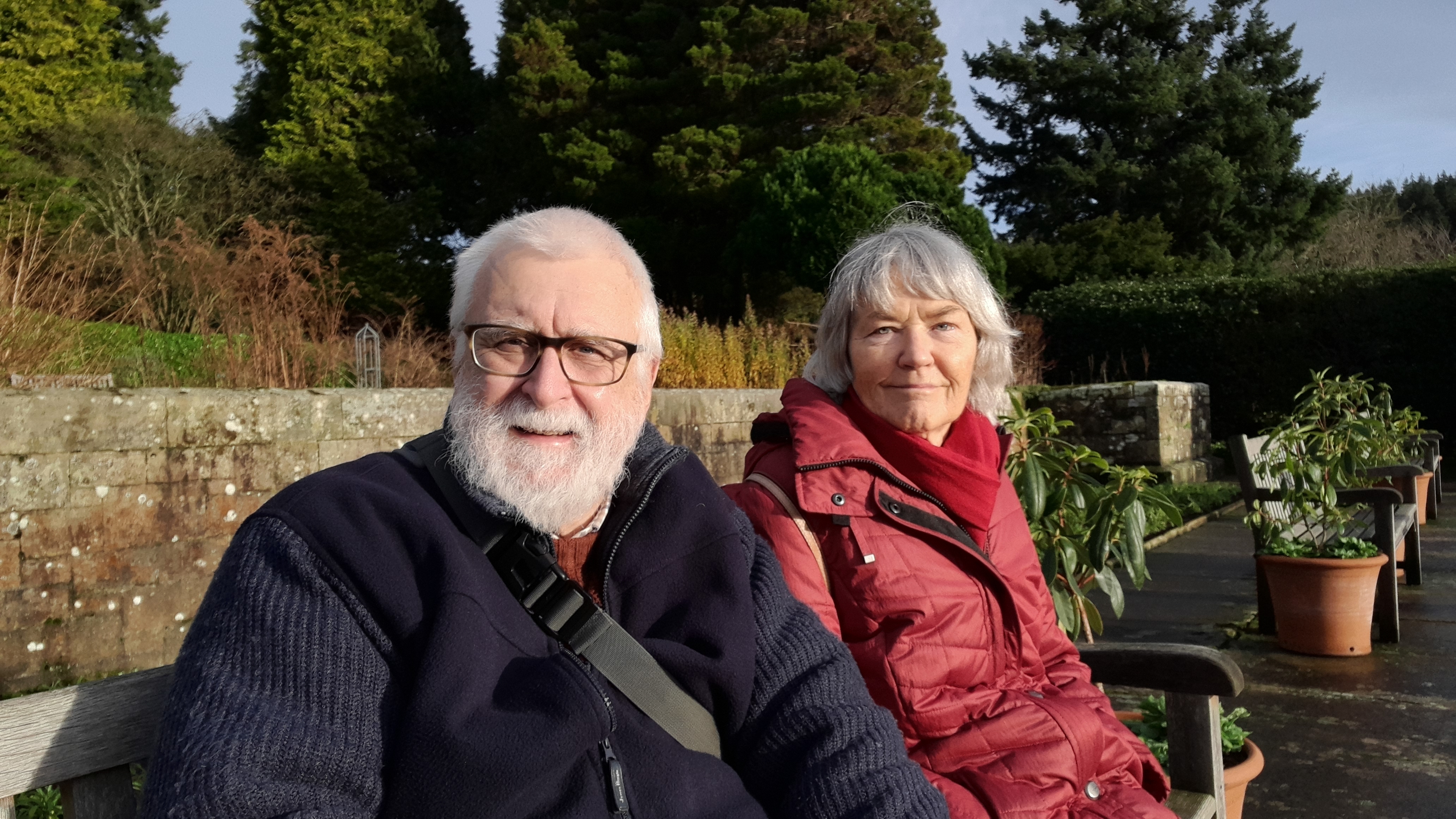
In the walled garden at Cragside, a National Trust property near Rothbury in Northumberland, in early December.
We’re both now in our mid-70s and fortunately keeping in reasonably good health. Steph has her daily yoga session before breakfast. I try (but don’t always succeed) to take a daily walk locally. As often as possible—weather-permitting—we head out to explore more of the glorious landscapes here in the northeast of England.
This past year, we’ve explored some new beaches just 10-15 miles north, at Cambois (pronounced Ka-miss) and Newbiggin-by-the-Sea, as well as returning to one of our favorite haunts: Hauxley Wildlife Discovery Centre, where there is always an abundance of bird species to observe. And it was there, around August, that I was able to tick one bird off my ornithological bucket list: a kingfisher, that we watched for almost 30 minutes from the Wildlife Centre café, as it flew from branch to branch beside the lake, occasionally diving for fish. What a sight! It’s only taken me almost 70 years!
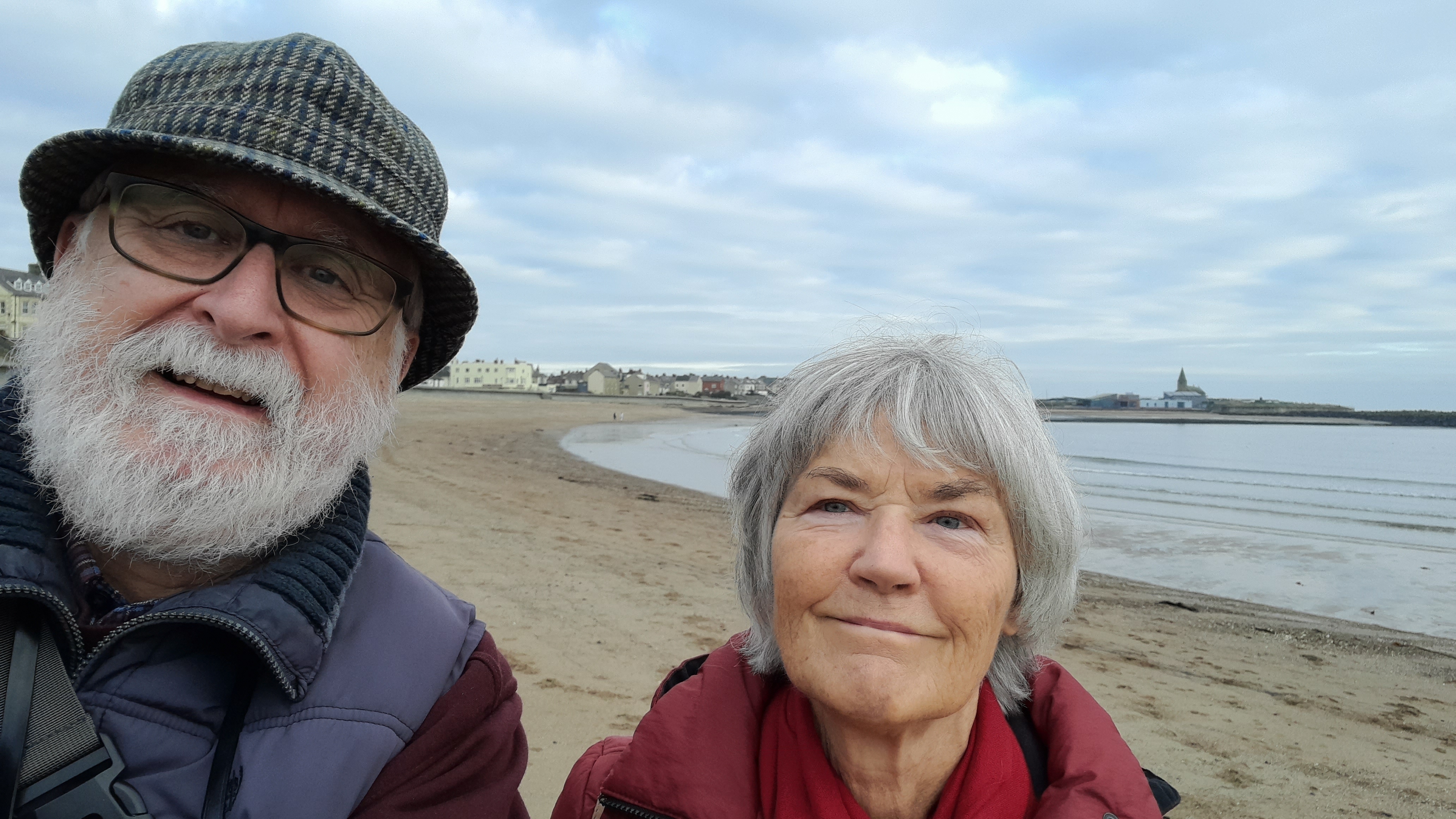
On the beach at Newbiggin at the beginning of November
At the end of June we headed south of the River Tyne into Teesdale to visit one of the most spectacular waterfalls in the country, at High Force on the River Tees.
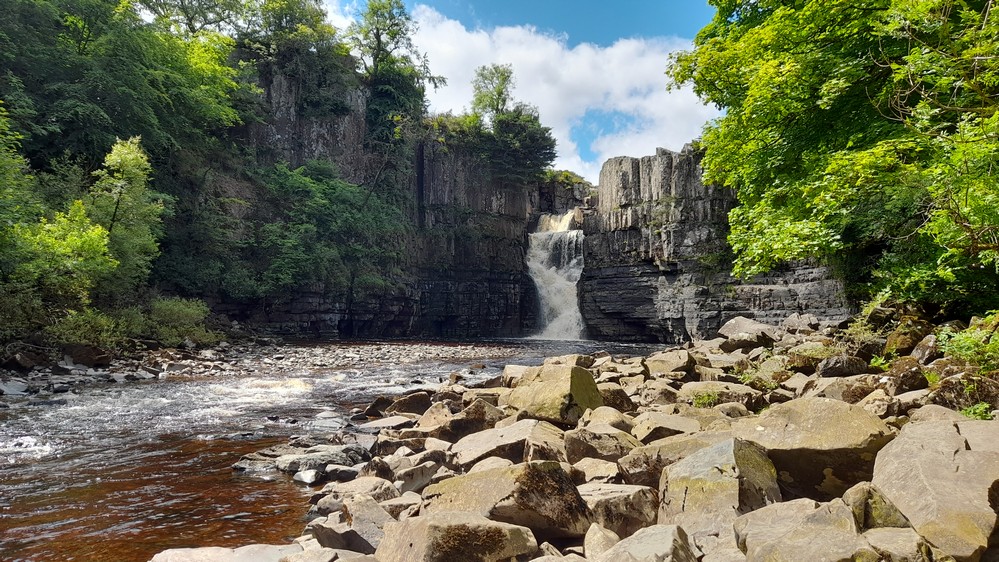
Afterwards, we headed up to Cow Green Reservoir in the hope of seeing some of the special Teesdale flora there, but they were past flowering. But we did enjoy crossing over into Weardale to the north, and exploring upland landscapes that were new to us.
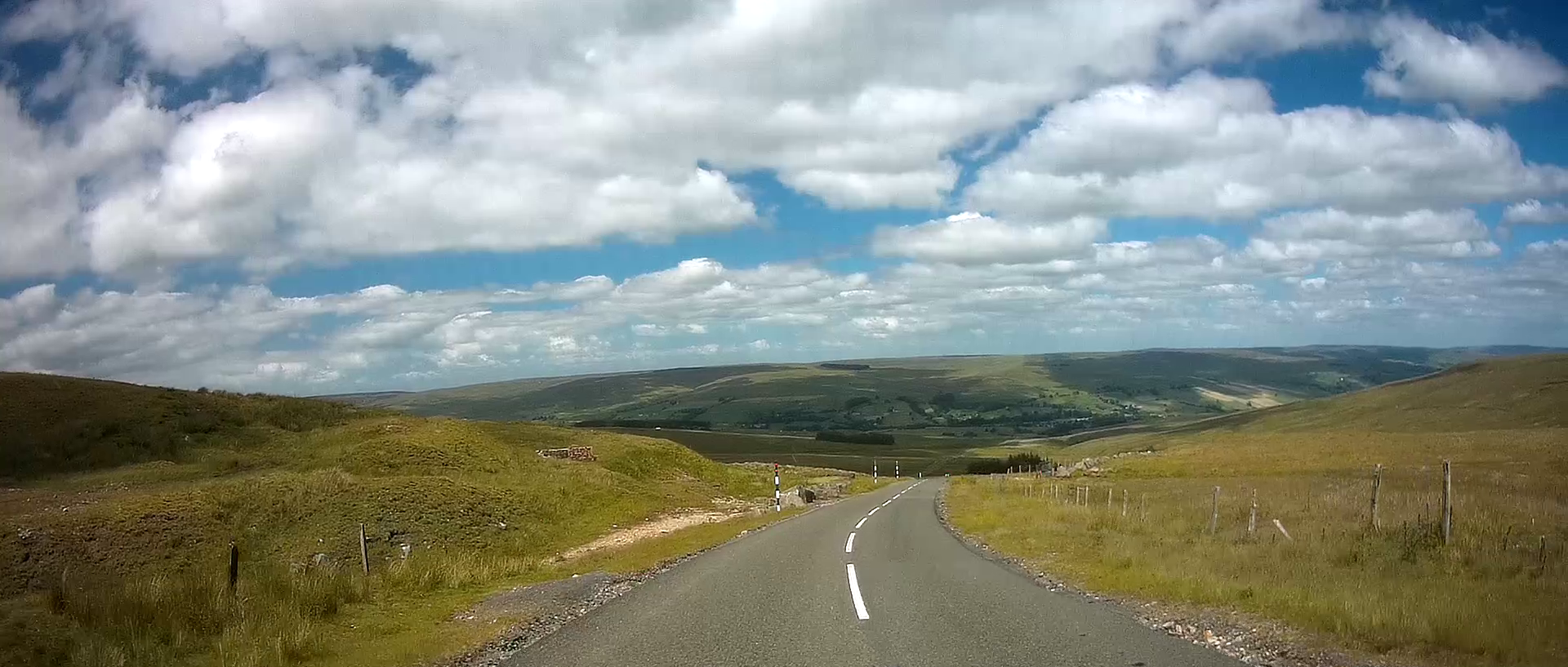
Crossing north from Teesdale into Weardale
In mid-August we set off early one bright and sunny morning 55 miles north towards the border with Scotland, to visit four ancient sites. First of all there was the site of the Battle of Flodden Field, fought in 1513 between King James IV of Scotland and King Henry VIII of England, and in which James was killed.
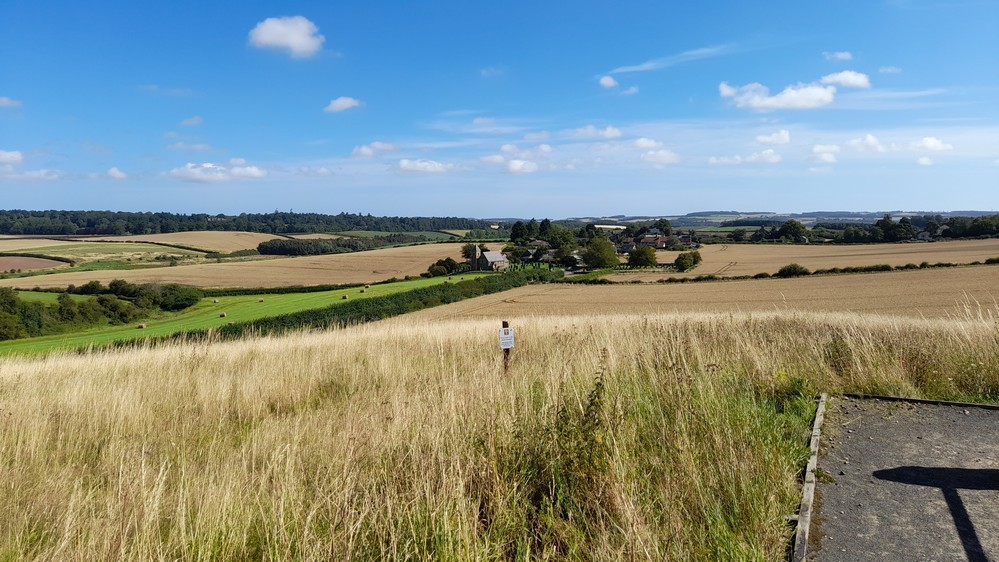
The site of the Battle of Flodden Field. near Braxton Hill.
From there we headed to the Duddo Five Stones Circle, dating from the Neolithic/Bronze Age, and from where there are panoramic views of the Cheviot Hills to the south and the Lammermuir Hills to the north.
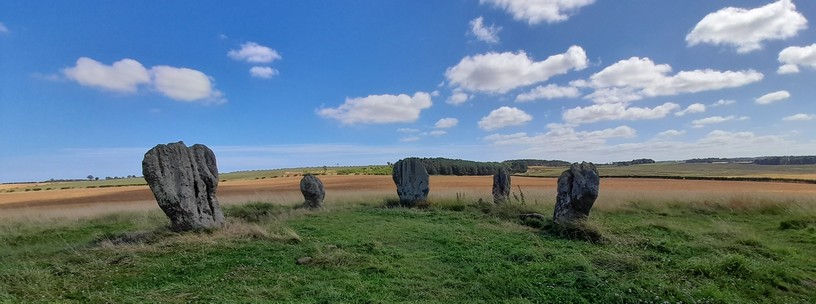
Then it was on to two castles managed by English Heritage at Etal and Norham, the latter overlooking the River Tweed, which is the border between England and Scotland. In fact, all four sites were within an easy 10 miles of each other, but it was nevertheless quite a full day. I wrote about those four visits in this post.
There is just a handful of National Trust properties in the northeast, among them Gibside (west of Newcastle), Seaton Delaval Hall (close to home), Wallington, and Cragside, all of which we visited this year.
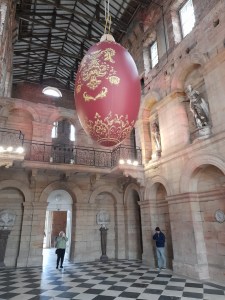 Each Christmas we try to visit one of Trust properties to see their Christmas decorations. And this year it was Cragside and Seaton Delaval in early December, where there was the most enormous bauble hanging from the ceiling of the main hall (which was destroyed by fire at the beginning of the 19th century).
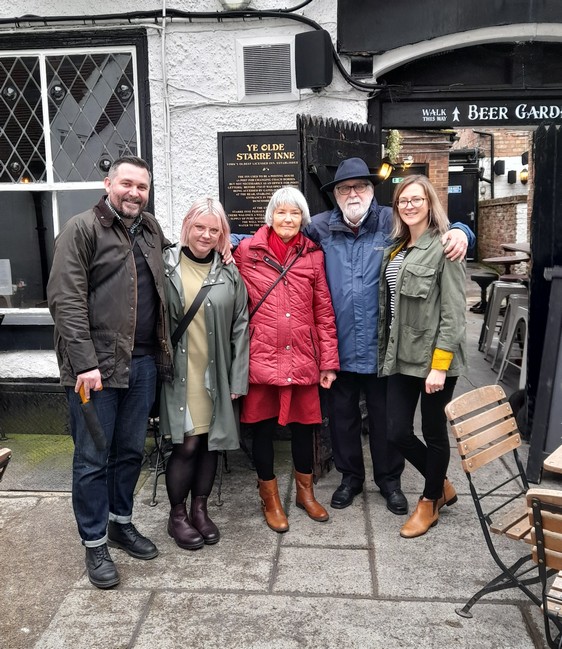
Other excursions south of the Tyne took us to York in early March to meet up with my nephew Nicholas and his wife Metta from Edmonton, Canada. Nicholas is the younger son of my late elder brother Edgar and wife Linda. Philippa joined us on this trip as she hadn’t seen Nicholas since he was a small boy. We enjoyed a satisfying pub lunch before taking a walk around the city walls.
In April, we headed south again, calling in at Mount Grace Priory for a welcome cup of coffee before heading on to our destination, Byland Abbey. En route, we stopped off at the Church of St Mary the Virgin beside the A19 trunk road south that we’d often passed but never taken the opportunity to stop. I wrote about both visits in this post.
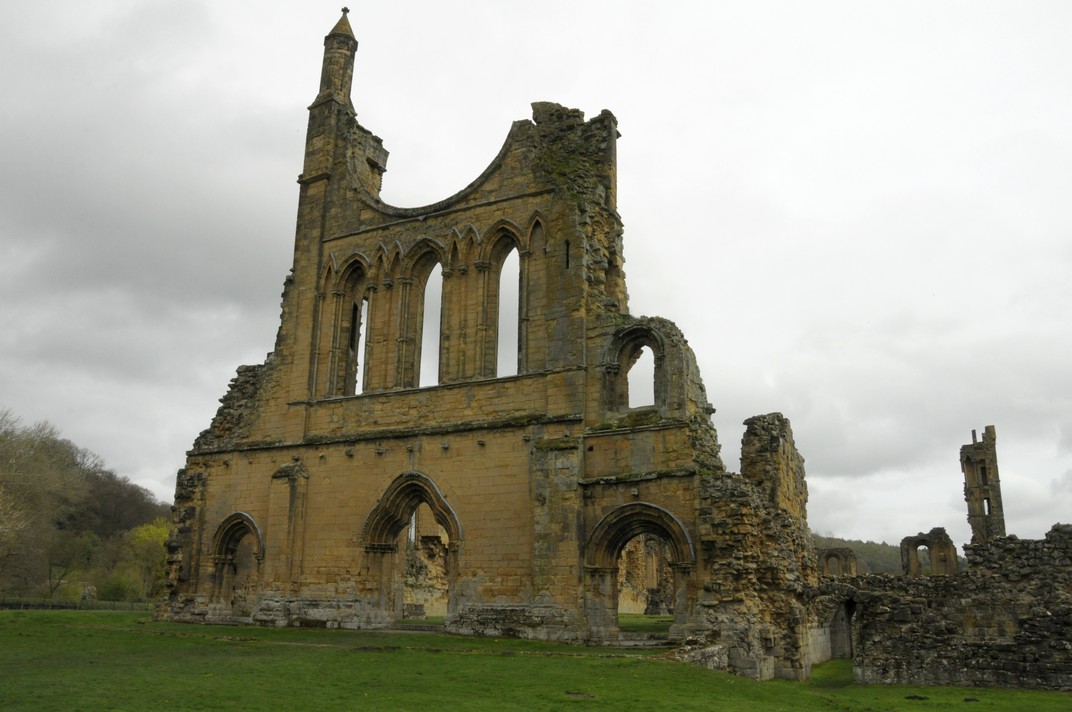
The west front of Byland Abbey
We have to travel much further afield now to find National Trust and English Heritage properties new to us. So in September we spent a week in East Anglia, visiting twelve properties over six days. I wrote about that trip here. We rented a small cottage on a farm near the Suffolk market town of Eye.
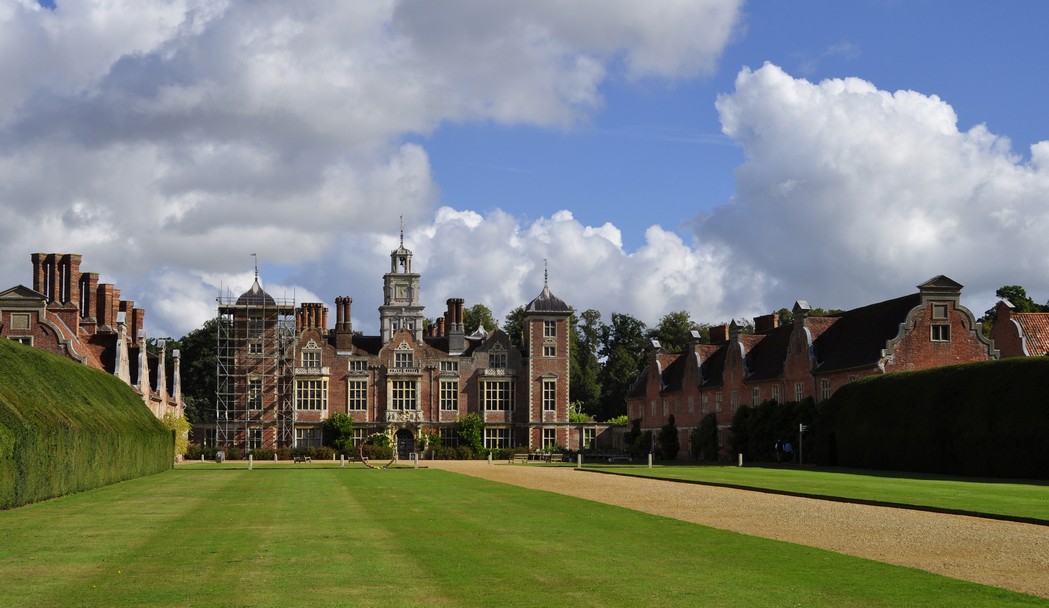
It’s hard to choose a favorite property, but if ‘forced’ to it would be Blickling Hall. What an awesome view along the gravel drive to the entrance of this magnificent Jacobean country house.
Our big trip of the year was our annual visit from early May to June (just over three weeks) to stay with Hannah and family in St Paul, Minnesota. After our last road trip in 2019 I had wondered if we’d make another one. But nothing ventured nothing gained, we decided to hit the road again, crossing Utah and Colorado, and visiting some of the best national parks and enjoying some spectacular desert and Rocky Mountain landscapes. You can read about that trip in this post.
Flying into Las Vegas, we immediately headed to the Hoover Dam, then traveling north to Zion National Park, and on to Bryce Canyon National Park. Heading east we visited Arches and Canyonlands National Parks near Moab in eastern Utah. Then we crossed over into Colorado taking in the ‘Million Dollar Highway’ south through the San Juan range before arriving at Mesa Verde National Park. From there we headed east to Denver for the flight back to Minneapolis-St Paul.


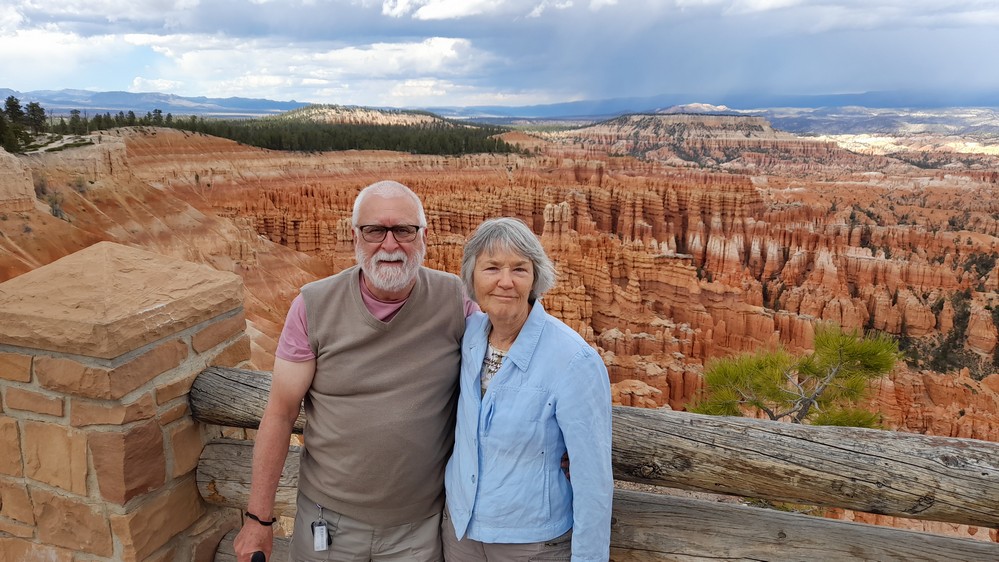
Without doubt Bryce Canyon National Canyon was the highlight of the trip, but only just ahead of all the other fascinating places we visited.
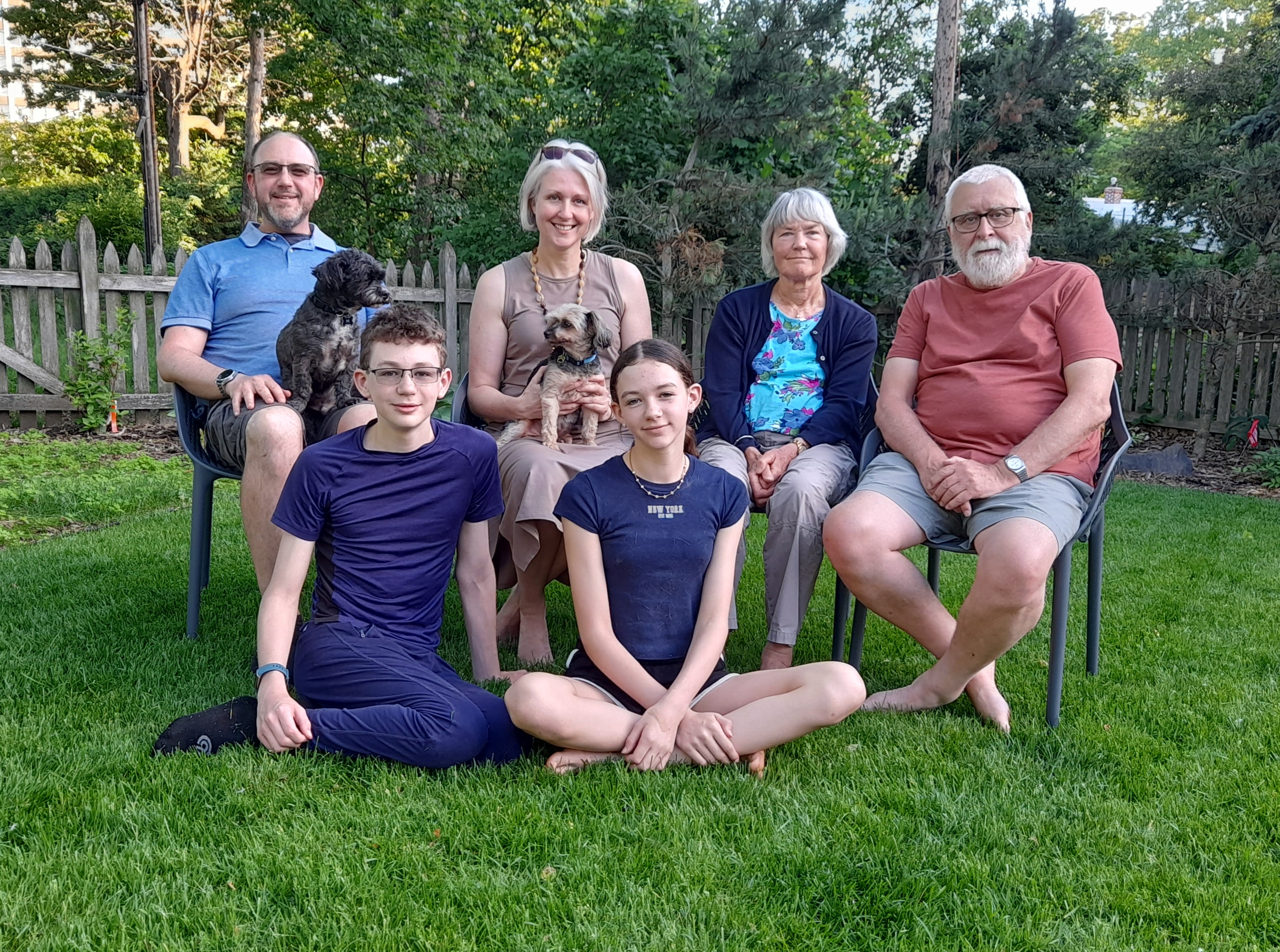
We had a delightful time with Hannah, Michael, Callum (then 13), and Zoë (12), and their doggies Bo and Ollie, and cat Hobbes (sadly no longer with us).
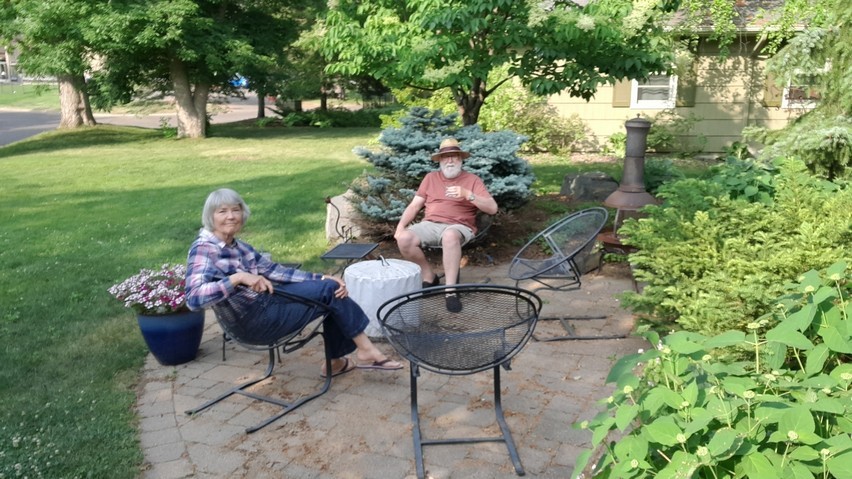
Enjoying the warm weather in St Paul, we spent much of our time relaxing in the garden, taking walks around the neighbourhood, or sitting on the front patio in the late afternoon/early evening just watching the world go by on Mississippi River Boulevard (Hannah’s house is just 50 m from the bluff overlooking the Mississippi River), savouring a gin and tonic (or two).
At the end of July, Callum and Zoë flew over to Newcastle to spend a couple of weeks with us, but more importantly to hang out with their cousins Elvis (now 13) and Felix (now 11), Phil and Andi’s boys.
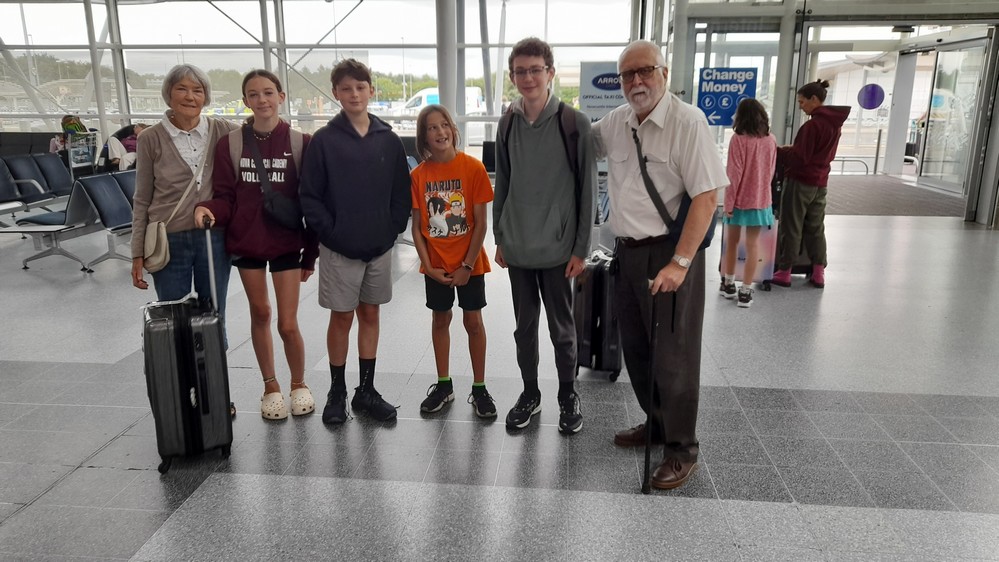
Arrival at NCL on 25 July
They all went camping (a first for Callum and Zoë) to Bamburgh on the north Northumberland coast, and we spent a day with them.


All too soon, their visit came to an end, but it seems plans are afoot for them to repeat the visit in 2025.
We enjoyed a couple of outings with Elvis and Felix during the year—they are so busy with all their extracurricular activities—to Belsay Hall, and we enjoyed a performance of the Alice in Wonderland pantomime in Newcastle just before Christmas.


We spent Christmas Day with Phil and Andi and family followed, on Boxing Day, by a brisk walk at Souter Lighthouse and Marsden Beach.


I’m sure there must have been other things we got up to but I don’t recall. These have certainly been many of the year’s highlights.
So as the year comes to an end, I’ll take this opportunity to wish all my followers on this blog (and others who come across it by chance) A Happy, Peaceful, and Prosperous New Year 2025!
My blog activity was much reduced this past year, just 30 stories posted with 46,000 words compared to previous years, although on average each post was longer.
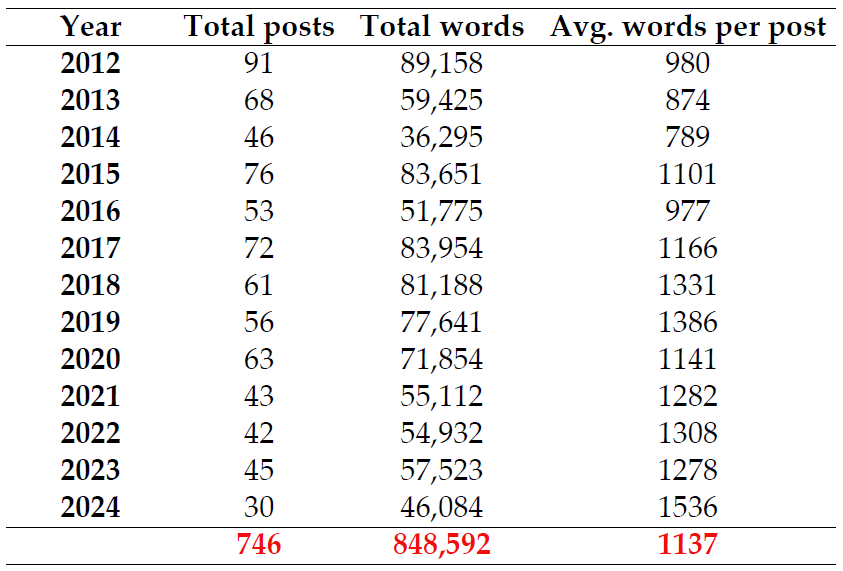
I’m not sure why I’ve been less productive. While I felt quite elated mid-year about the General Election win by Labour, having booted the Conservatives out after 14 years in power, I have to admit to becoming rather depressed at the beginning of November when Donald Trump reclaimed the US presidency. His occupancy of the White House does not bode well for 2025.
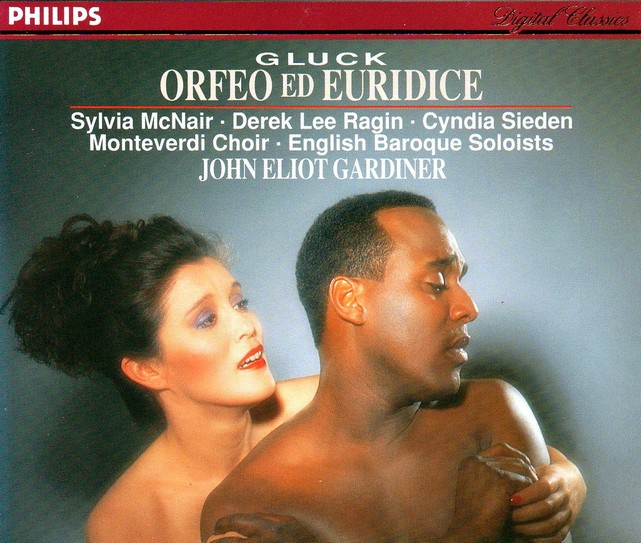
 With some free time in Dublin, I took the opportunity of walking around the city center, and came across a record store on Grafton Street, where this recording of Orfeo ed Euridice was in stock. I also bought Mark Knopfler’s Golden Heart that had just been released. It’s remained a favorite of mine ever since.
 Well, I had been invited to interview for the Chair of Botany (1711) at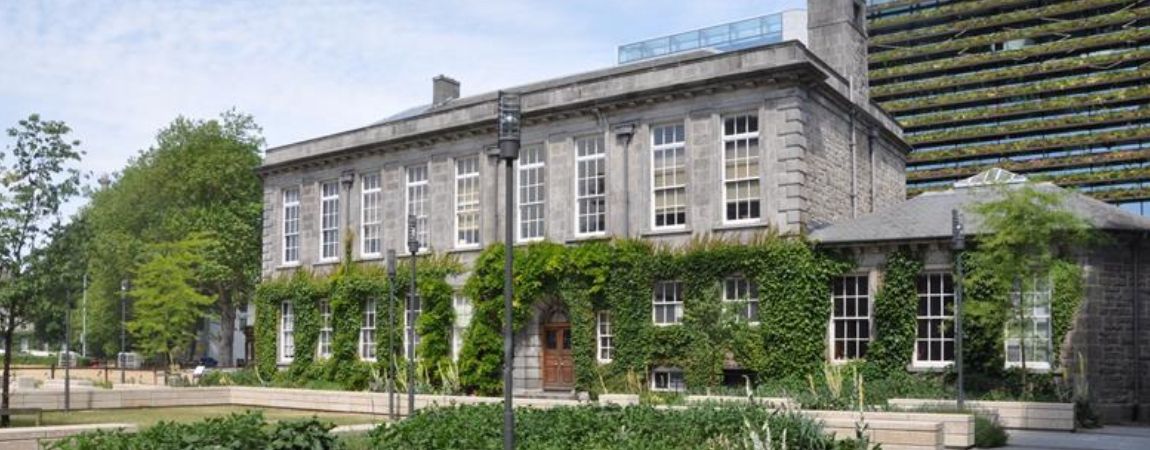
 We first visited the National Trust’s


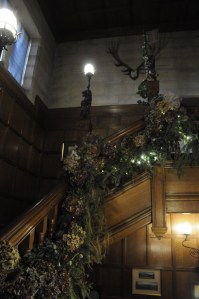 Moving to the first floor, the main staircase was sheathed in foliage and lights, but that didn’t prepare for the spectacle to come in the Gallery and Drawing Room.


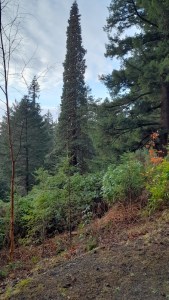 On 28 November, 2000 lights on a 42m giant redwood close to the house were switched 0n. Although the lights were on during the day, they can hardly be seen in this image on the right.


 A balanced diet . . .