I am a reasonably avid reader, but not of fiction. My literary genres are history and biography.
I guess I’ve always been interested in history, although I did not enjoy it very much at school; and I put that down to poor teaching rather than any innate lack of historical ability. My two daughters had excellent history teachers at the International School Manila (ISM) and I saw just how an inspiring teacher could make this subject come alive. There are many history programs on TV, and a whole new (and not so new) cadre of presenters: Mary Beard, Amanda Vickery, Lucy Worsley, Bettany Hughes, Dan Snow, and Michael Wood of course (who’s returning to the BCC next week). Simon Schama and Niall Ferguson have also made significant TV contributions. And many of these presenters also write books.
I think we all like to know where we come from, and how events in the distant and not-so-distant past have influenced who we are as a nation. Although I’ve recently taken a shine to medieval history (the 15th century Wars of the Roses period is interesting), much of my reading has focussed in fact on the 18th century, spilling over into the early 19th and the rise and fall of Napoleon. I find the 18th century particularly fascinating for a number of reasons. First, the monarchy changed fundamentally with the accession of a German king, George I and the subsequent Hanoverians. Second, there was the beginnings of a party system that forms the basis of the parliamentary system today, and the appointment of the first Prime Minister, Walpole. And third, the 18th century was a time of great industrial and scientific innovation and change – the beginnings of a ‘modern’ Britain. There were also great changes among the European powers, and Britain ruled the waves.
I get most of my books I read from the local public library, and generally just pick up a book on a whim, so-to-speak. Sometimes I come up trumps, but occasionally what I have chosen is a really difficult read. And that’s just happened.
Having read an excellent biography of William Pitt the Younger by William Hague a couple of years ago (and another more recently about anti-slavery campaigner William Wilberforce), I was hoping for the same when I came across a biography of his father, William Pitt the Elder (later the Earl of Chatham), 1708-1778. Published by The Bodley Head in 2010, Pitt the Elder – Man of War was written by political journalist and author Edward Pearce. How wrong I was! I struggled with this biography as I have never struggled before, and finally gave up after about 180 pages (of 346). It wasn’t that the topic and subject were not interesting – Pitt was a fascinating and complex character, beset by illness (gout) and mental problems much of his life. But he rose to become one of the most powerful politicians of his age.
The problem was Pearce’s impenetrable and turgid writing style – which a good editor should have sorted out. As one reviewer commented it served him well as a political journalist, but gets in the way of a flowing narrative that other historians seem to achieve without also getting bogged down with too many footnotes (endnotes are fine).
I went looking for reviews of the book to find out what others thought (The Independent, The Spectator, The Bookbag). Some were reasonably positive, but not glowing. Just by chance I looked on the Amazon website, and came across nine reviews by readers who had apparently spent good cash on this book – and the majority were not especially favorable. In fact, one of the reviews, by a certain S Kay, reflected exactly the perspectives that I had after 180 pages (although this reviewer didn’t get past 30!) This is what reviewer Kay had to say: In complete contradiction to the other reviews, I disliked what I read of ‘William Pitt the Elder’ – and I could only fight my way through the first thirty pages before giving up. Unfortunately I consider it to be very badly written. Sentences drift on through a mass of commas, as unnecessary adverbs and adjectives are thrown into the narrative, with the result that many sentences have to be re-read. Once or twice on each page these rambling sentences become so convoluted as to be ungrammatical, the verbs lost in a maze of tangential comments. My other problem with the book is that the author throws in many glib comments, as if he is trying to be funny. This may add spice to the newspaper columns that the author apparently writes, but for me it doesn’t work in what I thought would be a serious work of history. Sadly I bought this book before reading the reviews of the author’s biography of Walpole, most of which seemed to be negative. As someone who reads nothing but history books, I am disappinted [sic] by the fact that this is the first time in a few decades that I have given up on a book before finishing it.
Pearce should perhaps stick to political journalism – but never having read any of his pieces, I have no idea how good they are. But based on my ‘Pitt experience’ I shall give Edward Pearce a wide berth in the future, and would recommend the same to anyone else. If you decide not to choose any book in the future, make it this one.
I quite like dogs – in fact, I think it would be great to have a dog along (to talk to) when I go out on my daily walk (weather permitting). My parents had a wonderful smooth-haired Jack Russell terrier, Chem – a big buddy of mine in the 1960s and early 70s. Great empathy between us. I only had to look at her and tilt my head, and she knew that it was time for Walkies! and rushed off to find her leash.
And how did she get her name? Do you recall the logo on a certain record label – the dog looking into the trumpet of the gramophone. HMV of course!
So what’s that got to do with our dog? Well she looked just like the HMV dog – or ‘aitch-em-vee’. Chem!
My sister had a beautiful Pembroke Corgi, called Scamp – a real terror towards other dogs, but very friendly towards humans. I remember when he was off the leash one time, he chased another dog, barreling into its side and knocking it over, winded. He stood over his victim, lion-like, with one paw on its belly, but showing no other aggression, just looking triumphant in the process.
I have a number of relatives and friends who seem also to have a great relationship with their pooches.
Take one of my former staff, Sol, for example. She has a Pug called Seth, and it seems (from her Facebook page) that Seth is the apple of her eye.
Then there’s Craig – looks like a Mastiff – who’s Mexico-bound to join Darrell and Vivay over there very soon. Here’s Craig at his despedida!
My cousin Karen from Canada, but who lives in Indiana, has a hound called Bruce. She says he’s not spoiled at all, but from this photo I do wonder.
And finally, my communications friend and former colleague Ruth, has the mischievous-looking Morgan, a Terrier. Morgan lives in Rome, maybe ‘speaks’ Italian, and even has his own Facebook page.
These pooches look fine and friendly, and clearly cherished by their humans. But having lived abroad for so many years, in countries where pets are often not well looked after, and rabies is an issue, I have to say I’ve become somewhat wary of dogs I’ve not been introduced to.
The responsibility of dog ownership
Even in this country I’m afraid to say that there are too many irresponsible dog owners. Either it’s that they fail to clean up after their pooches (dog mess is huge public issue here), or they do not have their dogs under control, or at least don’t appear to have them under control. Let me explain a little more.
If I see a dog, whatever its size, bounding towards me when I’m out on my walk, I generally tend to slow down or even stop, and never make any move that might ‘provoke’ it in any way. And especially if the dog barks or growls. That’s just not acceptable, and in open spaces, dogs should be kept under control – and under most circumstances that means ON THE LEASH!
Some months back, I was out walking close to home, when this large retriever bounded out from a side path, no owner in sight. It stopped in the middle of the path, about 10 m away, ears pricked, challenging me to walk past. When the owner lady arrived, just a little while after, she asked why I’d stopped. So I explained that the dog had shown an ‘interest’ in me and I wasn’t going to take any chances. But it was completely under control, she told me. I explained that never having seen the dog before, I had no idea what it might do. She then suggested I should take my walk elsewhere since all the dog owners exercised their dogs in that area! One man even suggested it was my fault that his dogs (off the leash) bounded up growling and snarling. On another occasion I asked a woman to pull her dog over – it was on one of those damned extending leashes – since it was blocking my way. She said it was no problem, but as I passed and it began to growl at me, she ‘remembered’ her dog apparently didn’t ‘like men with beards or hats’. Heavens knows what rage the double combination in my case stirred up in this pooch.
Canis vs. Felis
So having waxed lyrical on the canine front, I have to admit that I’m actually more of a cat person, and would love the opportunity of having another feline friend one day.
When I moved to Los Baños in July 1991, my wife and two daughters stayed behind in the UK, not joining me until the end of December that year. I spent about three weeks in the institute’s guesthouse before my house was ready for me to move in. It must have been the day before or so when I was exchanging dollars for pesos at the cashier that a noticed one of my communications colleagues, LaRue Pollard, striding somewhat purposefully towards me.
‘Hi Mike’, she said, ‘do you like cats?’ I told her I loved cats. ‘I have just the cat for you!’, she replied.
And Pusa, a 12 year-old Siamese cat took up residence with me the next day when I moved into my house.
Looking for a home Pusa (which means ‘cat’ in Tagalog) originally belonged to IRRI economist John Flynn and his family. Sadly John (who I never met) developed cancer, and left IRRI to return to his native Australia, where he died a few months later. Pusa was handed from pillar to post, ending up in the Hargrove household. but he wasn’t happy there – the Hargroves had a houseful of children, two (maybe three) dogs, and a couple of cats. Well, I gather Pusa was accustomed to being top dog, so to speak, and didn’t settle Chez Hargrove. LaRue had found him sheltering from the dogs under the Hargrove car – looking very sorry for himself – and took him in.
The only problem was that LaRue already had a housecat, Blue (a refined pedigree kitty) who resented Pusa’s arrival, so LaRue was desperate to find a permanent solution. And that solution was found Chez Jackson. It didn’t take Pusa long to settle in. Ours was as good a house to occupy as any other. He had his couple of square meals a day (having survived for many years on boiled rice and dried fish – which I soon changed to a better balanced diet of tinned food) and a roof over his head at night, although Pusa was a great IRRI staff housing prowler. He’d always jump up on my lap in the evening, and usually begin to groom me – a hairy arm or leg. And he demanded to be let into the bedroom in the morning, jumping up and making himself comfy.
Like all cats, he had his special relaxation spots, a favorite being the roof of the car in the car port, a great vantage point from which to survey his surroundings, better still if the sun had warmed the bodywork.
Sadly, Pusa’s kidneys gave out just after Christmas 1997, and in early January 1998 we took advice to have him put to sleep. By then he was almost 20 years old as far as we could determine, and he’d had a great innings. But it was still a very sad day when we had to say goodbye to him. My flight to Kenya that night was a sad affair.
A bundle of fur Then Tara came into our lives in April 1998. Tara was an eight week old Siamese kitten that we purchased in Manila, but sadly not properly socialized. When we got her home, she dashed from the box we’d carried her in, right across the living room, and hid away for the next few hours – hunger eventually brought her out. But that initial dash led to her name. Philippa, our younger daughter, 15 at the time, thought that she should be called Cheetara, after one of the characters in the cartoon series ThunderCats, then playing on TV; but this was abbreviated to just Tara.
Tara was a lovely cat, and as with all Siamese, had a mind of her own. As a young cat one of her favorite games was to fetch a small toy that we would throw for her – behaving just like a dog! She’d jump at our bedroom door in the morning, asking to be let in, and then snuggle up, under the bedclothes. Just like Pusa, she had her favorite snoozing places, including our bed and the bookcase in the study. Tara remained a house cat (unlike prowler Pusa), since we didn’t want her to get beaten up by all the other moggies on the IRRI staff housing (some of which were strays). But she had the run of quite a large house – and took advantage of that.
In January 2009, she sadly developed a bladder problem that could not be easily sorted by surgery, so we took the painful decision to put her to sleep. I was badly affected by that, for several months. But we have so many wonderful memories of our beautiful Tara. The video below was taken at Christmas 2008, just a couple of weeks before she was put to sleep – who would have guessed?
Finally, our elder daughter Hannah and husband Michael had a beautiful cat, Carmen, that they got through a rescue center. She also passed away quite recently and is sorely missed in the Foldes household.
We invest a lot of emotion and love in our pets – be they dogs or cats. They support us instinctively, and they look to us for their well-being. But the rewards of having a canine or feline companion are huge, and I look forward – whenever – to having that ‘friendship’ once more.
I never imagined for one minute when I moved to the Philippines in 1991 that I’d ever take up scuba diving. I’ve never been one for water sports, or lazing about on the beach either. But that changed not long after Steph, Hannah and Philippa arrived in the Philippines, and we decided to see what the beach had to offer. This is how it happened.
Our first beach trip was to Puerto Galera (at the bottom of the map below) in February 1992, taking the ferry from Batangas City.
We went there with IRRI entomologist Jim Litzinger and his family, and a couple of other IRRI staff at that time (Jim left IRRI during 1992). Much as I enjoyed walking along the beach, taking the odd dip every now and then, I’d never even considered snorkeling (something I hadn’t actually tried before). Well, I borrowed a mask and snorkel, and some fins, and off I went for my first attempt at snorkeling. Not being a very competent swimmer (I almost drowned when I was about 10 – my elder brother Ed had to dive into the river and drag me out), I found it quite a challenge to relax and breathe through the snorkel – it just didn’t feel right. However, I persevered, and after about 30 minutes I was beginning to get the hang of it, and the wealth of marine life that opened up to me in the shallows of a coral garden was just stunning. “That’s it” I thought, “something to keep me occupied if and when we come to the beach again.” Just to add, we never did go back to Puerto Galera. Instead, we discovered Anilao.
Arthur’s Place in Anilao
A few weeks after our Mindoro trip, another IRRI colleague, Jean-Claude Prot (a French nematologist), suggested we try a resort in Anilao – Arthur’s Place [1]- about 95 km south of Los Baños, at the tip of the Mabini Pensinsula, to the west of Batangas City.
Arthur’s Place was opened in the 1980s by local divemaster Arturo Abrigonda and his wife Lita.
Sadly, Arthur died in September 2002, but Lita has kept the business going – and has expanded it significantly in terms of rooms and other facilities. And of course the resort is a haven for divers who come from all over the world, although most are actually based in the Philippines. It rapidly became a focal point for IRRI staff wanting a weekend away at the beach.
In 1992, the paved road did not reach Anilao, and even along the main roads between Calamba and Batangas the journey was quite slow due to the volume of traffic on a single carriageway highway – mainly jeepneys and tricycles. Between Anilao itself and Arthur’s Place there was just a mud road, essentially impassable except for a few vehicles. So we used to drive to Anilao, and then take an outrigger boat, known locally as a banca, sent by the resort to pick us up. Quite often we’d set off from Los Baños after 5 pm once work was over on a Friday afternoon, and Hannah and Philippa had arrived back from school in Manila. Taking the banca in the darkness was always enjoyable on a calm and moonlit night, but if squally could be quite unpleasant. After a couple of years I became increasingly uncomfortable driving at night, so we’d get up early on the Saturday morning and head off to Anilao before the traffic became too heavy. With the opening of better highways over the past decade, that by-passed most of the towns on the old highway where most traffic congestion occurred, the journey from Los Baños to Arthur’s Place could be made in 90 minutes or less on a good day. Over the years the road from Anilao to Arthur’s Place was widened and eventually paved, and a road down the hill to the beach was constructed. Before this road to the beach was opened we had to park at the top and walk down – I can’t remember the number of steps, fine on the way down, somewhat more taxing on the way up. Fortunately there was always a helping hand from the resort staff to carry all our dive gear in crates. Take a look at the video below to see how things have improved on the 15 minute drive from Arthur’s Place to Anilao.
Unless there were no vacancies at Arthur’s Place, that’s where we spent our Anilao beach weekends over the next 18 years, trying to get away once a month, about eight times a year. Most often the resort would be full of other guests, but just occasionally we would essentially have the resort to ourselves – time for chilling out with a good book, a backlog of the Guardian Weekly, and some great music on my iPod.
In 2010, I was honored to be invited by Lita’s daughter Joanne and her fiancé Rhonson to be a principal sponsor (or ninong) at their January wedding. And Steph and I were the only non-Filipinos at the wedding and reception, held at the resort – and there must have been more than 200 people at the reception.
Learning to dive As I said earlier, in my wildest dreams I never expected to learn to become a PADI Open Water Diver, but that’s what I achieved in March 1993. Hannah had received her NAUI certification the previous year (I was too busy during 1992 at the time when she took the course), and Philippa received her PADI certification in 1995.
Diving was THE hobby among IRRI staff in the early to mid-1990s, and several courses were organized to train groups of budding divers.
Instructors would come down from Manila to give the theory classes over a week, we’d take the confined water training in the IRRI pool, and then head off to the beach the next weekend for the open water training sessions.
We were fortunate to have an excellent dive instructor, Ramon E (Boy) Siojo, assisted by Mario Elumba. I’ve lost contact with Boy Siojo, but I ran into Mario several times while diving, and am still in contact through Facebook [2]. Our dive group included IRRI physiologist Tim Setter and his son, Crissan Zeigler, Jane Guy, Michael Goon Jr, and Art and Victor Gomez.
With Crissan Zeigler after completing one of the open water certification dives at Anilao.
Our open water training session was held over the weekend of 13-14 March 1993, in Anilao. Everything went well, and for one of our training sessions, the instructors took us to Layag-Layag, a banca ride across the channel from the Mabini peninsular (check the dive site map below). What an experience – I knew then that diving was for me! On the trip back to the mainland, we rescued passengers from a large banca that started to sink – men, women and children in the water, even babies. I was facing towards the bow of our banca, and one of the instructors was sat facing me, looking over the stern. I suddenly saw his jaw drop, and he screamed for the boat to stop. We turned round, as did the other banca in our group and we headed back for the rescue, with dive instructors donning their scuba equipment again. After all the passengers were safe, we began to tow the stricken banca back to its port, but the engine fell through the boat’s bottom and sank. By the time we arrived back at Bethlehem, and were greeted by the villagers – silent and stunned; you’d have thought half the passengers had drowned. But they were on their way to a wedding across the channel, and had lost everything.
I received my PADI certification on 17 March 1993, and the rest is history. I completed all my 356 dives from 1993 until 2010 (my last dive was on 14 March 2010) in the Anilao area. In the early days I would dive with Arthur, but when he became ill, he hired Lito Bonquin as the resident divemaster at Arthur’s Place. I made most of my dives with Lito, but there was a two year period 2002-2004 when Clare O’Nolan (wife of IRRI’s IT manager Paul O’Nolan) was my regular dive buddy. Judy Baker, a teacher at the International School Manila (ISM) was also a regular dive buddy.
Anilao dive sites
Anilao is a biodiversity hotspot, especially for soft corals, and is reported to be one of the most diverse marine sites in the Philippines. There are about 40 dive sites within easy reach of Arthur’s Place, the furthest being only a 30 minute or so banca ride away.
Most sites were relatively easy to dive, especially when you had a good divemaster like Lito to show you the ropes. Visibility was mostly fair to good, occasionally excellent with more than 100 feet. Some sites like Bahura, Beatrice and Mainit Point could be quite challenging if the tide was running – strong currents. But my favorite sites were Kirby’s Rock and Twin Rocks. Kirby’s was a 15 minute banca ride straight across the channel from Arthur’s Place. It was a site I got to know extremely well, and I must have dived there over 50 times, and each time was different, in terms of conditions, and what we saw. At Kirby’s there are two rocks, one of which (to the west) mostly peaks above the surface, depending on the tide). It drops steeply to about 75 feet, where there is an overhang; the ocean floor then slopes away north to deep water.
To the east (shown on the left in the dive plan drawing above) is another rock, with its tip at about 55 feet, and base at 125 feet. On most of our dives we’d explore the first rock before crossing to the second, spending about five minutes at 125 feet, and then slowly ascending round and over the rock before making our way back to Kirby’s and the banca. I’ve dived to 140 feet here. As I gained experience I was able to make a deep dive yet have enough air to spend more than 60 minutes underwater. In the video below, I was able to dive only to 95 feet because of the limitations on the housing for my Canon Powershot S40 camera (which permitted only 30 second video clips); you can see the other divers dropping well below 100 feet at the second rock. Kirby’s Rock was a Sunday morning dive, and we aimed to be in the water before 7 am if possible – often when there was calm water and no current. Returning to Arthur’s Place for a breakfast of toast, bacon and fried eggs, and coffee was always a delight!
Another favorite was Twin Rocks, which just got better and better over the years. When we first went to Anilao in 1992 there were few resorts, and the local fishermen were still practising dynamite fishing, causing untold damage to the reefs. But as the tourist trade developed and more resorts were opened, then the reefs began to recover and fish return. Now, Twin Rocks is a marine sanctuary where you regular see giant clams, batfish, a huge school of jacks, barracuda, and cuttlefish among others.
Anilao is not visited by many pelargics, although tuna and barracuda are quite frequent. Whale sharks are seen occasionally, and dolphins come through from time to time; sea turtles are regular visitors. White-tip reef sharks are quite common at Bahura (up to 2 m in length), but the one creature that always made me feel uncomfortable was the giant triggerfish, which can be extremely aggressive. On one dive with Lito and two teachers from ISM at Bahura, we hadn’t noticed one particular critter, about 1 m, in the vicinity. Lito had handed me a shell, and turning around, there was this fish about two meters in front of him – decidely pissed off. It chased him up to the surface (about 60 feet – apologies for the mix of metric and feet in this post; I learnt to dive in feet!), and not having success, came back after me and the other two. We were crouching behind some rocks and eventually it swam off. These fish can inflict serious bites, and afterwards we always gave them a wide berth if possible.
In all my dives there were few incidents that I look back on as being difficult. On one dive that I was leading at Kirby’s with two Americans, as we descended and reached about 90 feet, my regulator went into free flow (it had been serviced just a couple of weeks previously!). I took it from my mouth, and gave it a bash – something that would often correct this sort of problem. Well, I reached for my spare, and before I knew it, it had the same problem. So there I was at 90 feet, losing air by the second. I alerted my dive buddies and indicated we had to surface. I slowly ascended – it took about 90 seconds – just breathing into the air bubbles streaming from the mouthpiece. I had no air left in my tank once we surfaced. But I walked away from the dive – a success.
Here are some photos I took at various dive sites at Anilao:
When I retired from IRRI and left the Philippines, I sold much of my dive equipment, although I kept my mask and fins. Whether I shall dive again, I have no idea – it was great fun while I had opportunity. But it’s now a case of ‘been there, done that’. I have no plans (or desire) to dive in the cold waters around the UK. I look back on all those years of visits to Anilao with great affection – and I still miss my trips there. We were always made most welcome at Arthur’s Place by Lita and her staff, and left to our own devices. I always returned home from a weekend away at Anilao with my batteries recharged. I’m sure most of the folks who stay there have the same experience.
Here is an album of photos of Arthur’s Place and underwater images as well; just click on the image below to open.
There have been some interesting articles recently in The Guardian recently about academic publishing. In his blog, Cambridge mathematician Tim Gowers has vowed never to publish in or referee for any scientific journal published by the Dutch company Elsevier. He – and the majority of academics, I guess – are horrified about the huge profits that Elsevier (and other companies it has to be said) make from academic publishing. More than 10,000 academics have signed up to Gowers’ protest.
The current system depends on the goodwill of academics reviewing and editing scientific papers – essentially for free – while the publishers charge very high subscriptions for the ‘most prestigious’ journals. And it seems that some of their practices in terms of bundling journals are questionable to say the least.
In the UK, the Wellcome Trust is looking to establish an open access journal. Even that bastion of learning and wealth, Harvard University, is pleading poverty when it comes to journal subscriptions, and encouraging its academics to publish in open access journals.
Now, I’ve been publishing my research now for many decades – in scientific journals and books (as well as writing and editing books). I’ve never used an open access journal, and I guess now that I’m retired it’s highly unlikely that I ever will.
One thing’s for certain, open access does not mean free. Someone has to pay – and it’s usually the author who pays an upfront fee once a manuscript has passed through the normal peer review process and accepted for publication. Thereafter, everyone can access the work through the Internet.
One of the main arguments in favor of open access is that since much of the research is publicly funded – by the taxpayer – there is no justification for hiding it away behind a pay wall. In searching for information for this blog, and some editing and writing I’m doing in connection with a new book on genetic resources and climate change, I am unable to access the scientific papers I would like to without making a pay-per-view payment (usually around USD30 or so for many journals). I don’t have access to that sort of money. In any case, it seems outrageous to me to be charging a pay-per-view fee for papers that were published more than a couple of years ago. I’ve seen these fee requests for work published 30 years ago, and which lies locked up in the cyber vaults of the publishers.
Some open access journals, likePLoS (Public Library of Science) have become very succesful. I also saw reference to another which prides itself on how it was established and is run – the International Journal of the Commons.
But there’s another issue that is not addressed very much in the debate on open access, indeed on academic publication in general. Most academics progress through their careers on the strength of their scientific papers, and are expected to publish in journals with a high impact factor (whether or not perhaps one of these is particularly relevant to the field of study), and on the expectation that this will lead to more citations.
When I taught at the University of Birmingham in the 1980s I used to enjoy a weekly bulletin that was published (by the Education faculty, I believe), called Teaching News. In one issue there was a very interesting article about the dangers of using citation indices. The author argued that a scholarly paper of the highest quality on say, rural poverty in Wales was unlikely – just because of the nature of the study and the likely size of the readership – to be cited very frequently. On the other hand, a less erudite paper on the rise of the Nazis in Germany in the 1930s would probably be cited (condemned even) many times. A ‘raw’ citation index would never take into account the academic quality.
But impact factors and citations are taken into account in the promotion stakes. So while encouraging more use of open access journals (which I applaud) – and this is now a condition of some funding bodies – it flies in the face of promotion policies, the demands of university rankings, etc. This is an aspect that has to be addressed forthwith.
Establishing a regional program
In April 1976, CIP opened an office in Turrialba, Costa Rica, hosted by the Centro Agronómico Tropical de Investigación y Enseñanza (CATIE). My role there was to support the regional office based in Toluca, Mexico, and to carry out research on breeding potatoes to tropical conditions, and once we’d realized the problem of bacterial wilt, searching for resistance to this insidious disease.
In July 1997, the regional leader, Ing. Oscar Hidalgo (a Peruvian bacteriologist) departed for his PhD studies in the USA, and instead of transferring me to Toluca, the Turrialba office became the regional headquarters. And in doing so, my responsibilities changed considerably; I became CIP’s primary link with the national potato programs in Mexico, Central America and the Caribbean.
I was supported by my boss in Lima, Dr Ken Brown, who had joined CIP in early 1976 to support the Outreach Program, and soon becoming the head of the Regional Research Program, replacing Dick Wurster. Ken was a cotton physiologist, and had spent most of his career in various parts of Africa, especially Nigeria, and just before joining CIP had headed a cotton research project in Pakistan. Ken was a fantastic person to work with – he knew just how to manage people, was very supportive, and the last thing he ever tried to do was micromanage other people’s work. I learnt a great deal about program and people management from Ken.
Towards the end of 1977, Dr John Niederhauser, proposed the idea of a cooperative regional network among several countries. I worked closely with John over about six months developing and refining ideas, and travelling together to meet program leaders (and even ministers and vice ministers of agriculture) in six countries: Mexico, Guatemala, Honduras, Costa Rica, Panama, and the Dominican Republic. In April 1978 a meeting was held in Guatemala City to launch the Programa Regional Cooperativa de Papa – PRECODEPA, with funding from the Swiss Agency for Development and Cooperation (SDC).
The inaugural meeting of PRECODEPA in Guatemala City, April 1978. L to R (sitting): Ken Brown, me, Richard Sawyer, John Niederhauser (CIP), Carlos Crisostomo (ICTA-Guatemala), unknown. I don’t recognise/remember the two gentlemen standing in the rear.
The SDC was just the right donor agency – one with a long-term commitment. Although I’m not able to determine the current status of PRECODEPA, it was supported by the SDC for more than 25 years, and expanded from the initial six countries to 10 or more, with French and English-speaking countries participating. Of course the original members were all Spanish-speaking – one of the major advantages of this regional program in its early years.
For the next three years, much of my time as CIP’s regional leader was spent supporting PRECODEPA and contributing my own work on bacterial wilt and seed production. However, I have to say that my role during this period – especially during the inception design and development phase – has essentially been removed from the record. And for reasons I could never understand, John Niederhauser chose not to recognize the important contributions that CIP (and me) made to the overall success of PRECODEPA.
Why was PRECODEPA needed, and what did it achieve? While potato was an important commodity in most of the countries of the region, it was never in the same league as other staples such as maize and beans. Mexico had (and still has) the largest area of potato cultivation in the region, but even this pales into insignificance compared to maize. While agriculture ministries supported potato production, this crop was not a top priority, nor did the countries have the resources (both finance and staff) to support and maintain a fully-rounded potato program. Thus the principal idea behind PRECODEPA was a distributed research effort among the member countries, with each taking leadership in one or more areas of potato research and production which had a high national priority, and sharing that expertise with the other members of the network. This also facilitated support from CIP in that CIP specialists were able to meet with their counterparts from one or two countries in the region rather than all of them, and then the national programs supporting each other, as explained earlier.
Thus, Mexico took a lead in seed potato production and late blight research (Phytophthora infestans; some of the pioneer research funded by the Rockefeller Foundation was carried out in the Toluca valley); Guatemala concentrated on post harvest storage, Costa Rica on bacterial wilt (Ralstonia solanacearum), and Panama on potato cyst nematode (Globodera spp.) After 40 years I cannot remember the lead activities for Honduras and the Dominican Republic. With support from the SDC and back stopping from CIP each country developed its capabilities in its lead area, offered training and technical support to the other members, and in turn received support from the others in those areas where it was ‘weaker’.
Among the first national members of PRECODEPA were Ing. Manuel Villareal (Mexico), who had once served as CIP’s regional leader for Region II, Ing. Alberto Vargas (Vice Minister) and Ing. Fernando Cartín from the agriculture ministry in Costa Rica, Ing. Roberto Rodriguez (IDIAP) from Panama, and Ing. Polibio Vargas from the Dominican Republic. Unfortunately, after 38 years, I am unable to remember the names of the Guatemala (ICTA) and Honduras representatives. In 1979, I think it was, Peruvian scientist Dr Jorge Christiansen was appointed to PRECODEPA and based in Guatemala.
The fact that all original members spoke Spanish was a huge advantage. This greatly facilitated all the nitty-gritty discussions needed to achieve consensus among the members about the advantages of working together – as equals. The fact that the SDC supported PRECODEPA for so many years is one indication of its success. On the SDC website there is this succinct assessment: PRECODEPA’s achievements include increases in yields, output and profitability; substantial reduction in the use of pesticides – representing savings for Central American farmers and reducing the impact on the environment and consumers; the beginnings of a processing industry (French fries, crisps) – meaning regional products entered a market previously dominated by their powerful northern neighbours; production of quality potato seed and the development of a regional potato seed market; and training for thousands of farmers and technicians.
I’m proud to have been part of this innovative program – one of the first such research networks or regional programs established by the centers of the CGIAR.
CIP’s direct involvement
CIP contributed specifically in a couple of areas. In an earlier post I have described the work we did on resistance to bacterial wilt. Some of those resistant materials found their way into the Costarrican seed potato program.
Seed production through rapid multiplication techniques was another important area, and I supported in this by seed production specialist Jim Bryan who spent a sabbatical year with me in 1979-80. We developed further (from Jim’s initial work in Lima) the techniques of stem, sprout and single-node cuttings [1], bringing these to the field to produce disease-free seed potatoes, and help establish a vibrant seed potato industry in Costa Rica.
Since I left CIP (in March 1981) PRECODEPA increased in size, and the members continued to share the coordination of the program among the members. As the information on the SDC website indicates, PRECODEPA was indeed the blueprint for other regional programs on maize and beans, and for other collaborative programs around the world. It was a model for the various consortia that have developed among the centers of the CGIAR and national program partners.
Lies, damned lies, and statistics – a saying popularised by Mark Twain who attributed it to Victorian Prime Minister Benjamin Disraeli; but there are others. It generally refers to the bolstering of weak arguments with statistics. And you only have the watch the news each day to see how sloppily statistics are used, often by politicians.
I was crap at mathematics at school – only just scraping a pass in my GCE ‘O Level’ examination at the age of 15, whereupon I dropped the subject completely afterwards. But I love playing with numbers – data, especially data I have generated myself through my own research. There’s just so much information to mine in data sets, looking for patterns that throw up lots of different questions, hypotheses even.
Not everyone sees it that way, however. I remember having an argument with one of my students – I can’t remember if it was an undergraduate who had completed a final year honours project with me, or one of my postgraduates. But we disagreed about how best to present data in tabular format. When this student handed me a draft, I asked some pertinent questions about the data and what she thought they indicated. The student was not able to answer with any conviction. I suggested she should reorganize the data in several ways to see if any patterns emerged. ‘You can’t do that’, she retorted, ‘you are placing a bias on the data’. ‘Humor me’, I asked her, and she duly made the adjustments I had suggested. Lo and behold, she was able to detect a number of patterns, relationships even, that had not been apparent in her ‘random’ tabulation of data. Now, it was still necessary to undertake appropriate statistical tests to see if the relationships she observed were cause and effect, so to speak, or had occurred merely by chance.
But I think this example just highlights how much information can be ‘hidden’ in data sets.
And one man, who is passionate about statistics, is on a mission to make statistics meaningful for everyone. He’s Professor Hans Rosling, a global health expert and Professor of International Health at the Karolinska Institute in Sweden. Last night I watched a highly entertaining – and illuminating – one hour program on BBC4 titled The Joy of Stats. So enthusiastic is he to uncover the hidden messages in data sets, he’s set up an organization called Gapminder Foundation that aims to visualise data in a way that teases out lots of the underlying detail.
In the video below (taken from the BBC4 program, both of which are freely available on the Gapminder web site), and using some 120,000 data points, Rosling tracks the relationship of life expectancy and income in 200 countries over 200 years.
Rosling is now a highly acclaimed speaker at conferences around the world, especially at TED meetings (Technology, Entertainment & Design). He emphasises the need to access publicly funded databases, to link them, search them, and bring the underlying data messages to the surface, often in the face of those who curate the databases and tell him it’s not possible.
In my own field of agricultural research, Rosling has, in Gapminder Agriculture, taken 700 indicators on production of crops, livestock, etc. from the Food and Agriculture Organization.
As I said, Rosling is a man on a mission – but a highly worthwhile and innovative one. Do take time to watch the videos. Your patience will be rewarded.
I’m talking about earthquakes – not just a little tremble (known in Peru as a temblor), but a full-bloodied bone rattler that occurred on 3 October 1974, at 09:21. Although I’d felt a number of tremors of various magnitudes since my arrival in Lima in January 1973, I wasn’t prepared for what happened that morning and continued for many weeks afterwards.
Getting the shakes in 1974 I was working in La Molina on the eastern outskirts of Lima. Usually when an earthquake hit, we would first hear a rumbling noise (somewhat like the sound of a train passing) just before everything started shaking, and often building in intensity. But not the October 1974 earthquake.
I was busy showing a colleague how to make cell preparations to count potato chromosomes (rather tiny and many of them). I was also enjoying (if that’s the right word, given the strength of the CIP brew) my first cup of coffee of the day. And then it hit, without warning, no noise. Just a massive sideward shaking of the building. We immediately joined everyone else in making a beeline for the exit – somehow I even carried my coffee cup outside – and assembling in the car park. The shaking continued for more than two minutes, as strong at the end as when it commenced. Parked cars were bouncing up and down, and I had a hard time even standing up, since the ground was moving about a meter back and forth. As abruptly as it had started, it stopped and we were all left dazed to contemplate what we had just experienced. We later found out that it was a 8.1 M earthquake, the biggest in Peru since those of 1966 and 1970. It was felt about 1300 km north and south of Lima, as well as in the selva to the east of the Andes. The whole country and its major mountain chain rocked for two minutes!
During the earthquake we could hear walls in the CIP building cracking, and shelves falling down. Afterwards we discovered a bizarre cocktail of various chemicals that had mixed together as their containers had smashed on the floor. This was enough, in the months to follow, to re-design all storage cupboards, to segregate potentially flammable materials, and generally improve the housekeeping, having taken serious advice from an agency of the Japanese government.
The earthquake was centered in the Pacific Ocean about 80 km southwest of Lima. There were reports of the ocean retreating off the coast of Miraflores, but no tsunami occurred. The remarkable thing however is that there were few casualties although many properties were badly damaged. Some attribute this to the fact that many people were at work or children in school, in buildings that were safer than their homes. Additionally, the earthquake was hardly felt in some parts of Lima, where buildings had been constructed on alluvial sands near to the River Rimac, the sands having absorbed much of the violent movements.
In La Molina, where buildings had been constructed on bed rock, damage even to new buildings was considerable, particularly in the National Agrarian University.
Once the shaking had stopped, I ran off to find my wife Steph and check if she was alright. She was. Another colleague, Maria Scurrah, had just entered the toilet on the first (upper) floor when the shaking started, and she was unable to escape from the building, and spent the entire time clutching one of the main support pillars. The first thing everyone wanted to do was get home, to check on family and friends – and property. We had an apartment on the 12th floor, and did wonder what we might find. Another problem at that time was the shortage of motor transport. Why? Well, the Peruvian government had introduced a fuel rationing system whereby each car was assigned a different color decal which allowed it to circulate on just certain days of the week. While the CIP buses quickly set off taking staff home, I used my car to ferry quite a number of staff home in the La Molina area before setting off to our Miraflores apartment.
There was little damage to speak of – just a few cracks, but large pieces of furniture had waltzed around the living room, and some items had smashed on the floor. But with aftershocks continuing, we didn’t really want to spend a night on the 12th floor. So we arranged to stay the night with our good friends, Jim and Jeanne Bryan, sleeping on their living room floor. After the earthquake it was agreed that a group of us would return that afternoon to begin the clean-up in the laboratories; eventually large quantities of peat were used to soak up the various spilled chemicals. While I had been fine in the morning, cool and calm, and in full possession of my faculties, by the early afternoon, shock had set in, and I was unable to get up out of my seat, and continued to sit there, hands shaking.
Just less than a week later, on a national holiday to commemorate the naval Battle of Angamos in 1879 against Chile (which Peru lost), there was a major aftershock that occurred as the president of the republic, General Juan Velasco, was about to make a speech. And so they continued week after week, some minor, one or two quite hefty – keeping everyone alert and tense. All the secretaries at CIP were put into a communal office space on the ground floor, but they kept the doors open all the way to the exit. At the first hint of an aftershock there was a stampede down the corridor – woe betide anyone who got in the way!
Ever since I have been incredibly sensitive to the slightest movement that even hints of a tremor or worse, and ready to make my escape. I used to have very dark hair, but from 3 October 1974 my hair started to turn grey.
The earthquake of May 1970 This was a major earthquake that caused the death of tens of thousands of Peruvians. It occurred off the coast of Chimbote, north of Lima. While damage was severe in Chimbote and Casma on the coast, inland in the Callejón de Huaylas, a long valley nestling below the highest snow-capped peaks of the Andes in the Department of Ancash, there was a major landslide.
This fell from near the summit of Nevado Huascarán, Peru’s highest mountain. I read that more than 80 million cubic meters of rock and ice fell at a speed of more than 250 kph. Click on the photo to the left to see the path of the landslide. The towns of Yungay and Ranrahirca were in the path of this landslide, known in Peru as a huayco, and were totally destroyed. In Yungay, just a few palm trees were left standing, and the statue of Christ in the cemetery, where some of the only survivors were visiting when the landslide hit.
Experiences in other countries
I never again experienced another earthquake of such magnitude while I lived in Peru (until early 1976) nor on the many occasions afterwards that I visited. But there were some in Costa Rica and Mexico during the mid- to late-1970s, and during the 19 years we lived in the Philippines, we felt the odd tremor from time-to-time. The strongest earthquake in the Philippines for many years had occurred in July 1990 which did some damage in Los Baños at IRRI. Many of the bookshelves in the library toppled like dominoes. Elsewhere, and in Baguio in particular, there was serious damage, and deaths.
We’ve even felt a few tremors in the UK over the years, both here in Worcestershire, as well as on the Welsh coast in Pembrokeshire in about 1983 or so.
Typhoons
Of course, living in the Philippines we experienced typhoons on a regular basis, several each year in fact. While many of them headed west towards Luzon from the open Pacific, most of these usually headed north to clip the top of the island and regularly doing great damage there. But on a couple of occasions, major typhoons did pass over Los Baños. One of these was Typhoon Milenyo in September 2006. Although the winds were strong it was the typhoon’s slow progress coupled with heavy rain, dumping an enormous amount of water and causing massive flooding, that did most damage and leading to loss of life over a wide area. Laguna de Bay rose several meters, flooding villages along the shoreline.
Botanist. That’s right. Not plant scientist or plant biologist. Botanist!
Call me old-fashioned, but I prefer the term ‘botany’ to ‘plant sciences’ or ‘plant biology’ that are now preferentially used to give the study of plants a more ‘modern’ image.
And I’m proud that I received my university education in botany: BSc at Southampton (combined with geography, 1970), and MSc (in genetic resources, 1971) and PhD (botany – biosystematics of potatoes, 1975) at Birmingham. By the time I returned to teach at the University of Birmingham in 1981, the Department of Botany had already become the Department of Plant Biology, a decision made in the late 1970s in the hope of attracting more undergraduates to study plant courses offered as part of the biological sciences degree.
For one thing there’s an image issue. It’s often seen as old-fashioned, the purview of enthusiastic Victorian amateurs like country parsons collecting and studying wild flowers, and perhaps not relevant for today’s society. Nothing could be further from the truth. Given that food security is dependent upon the productivity of agricultural systems – all life depends on plants in one way or another – the study of plants is essential for humanity’s survival.
In an interesting article [1], Grierson et al. (2011) ask what are the 100 most important questions for plant science research. They also propose that “We need to radically change our culture so that ‘plant scientist’ (or, if we can rehabilitate the term, ‘botanist’) can join ‘doctor’, ‘vet’ and ‘lawyer’ in the list of top professions to which our most capable young people aspire.”
I’ve had a successful career over 40 years based on botany, one way or the other. So why did I become a botanist in the first place? In high school, I didn’t study biology until I began my GCE Advanced Level courses in 1965. Biology was not taught at my school in earlier years, and only accepted a handful of students for the advanced course. I’d always had an interest in natural history, particularly bird watching, and had harbored ideas at one time of becoming a professional ornithologist. But over the two years of the biology ‘A level’, I came to realize there was likely to be a more secure future in plants, and even the possibility of getting into agriculture in some way, better still if that would take me overseas.
Southampton University was not my first choice, but once I’d attended an interview there, I knew that was where I wanted to study. As a botany-geography undergraduate, I knew that there would be a focus on plant ecology, even though we took the full honours course for two years, and selected modules in the final year. My tutor was Dr Joyce Lambert, Reader in Ecology, who had studied the origin of the Norfolk Broads in the east of England, and shown that they were actually man-made, the result of medieval peat diggings that became flooded. Just before I went to Southampton (and for the rest of her career at Southampton – she retired in 1979) she began working on multivariate methods to study plant communities (with former head of department Bill Williams, who had left Southampton in 1966 to join CSIRO in Australia). I even completed my dissertation on an assessment of vegetation sampling techniques based on quadrat size related to the height of the vegetation (not really a success). I made this study in the Back Forest area of the Roaches in the Staffordshire Moorlands. I measured quadrats along a 200 m transect from open heath to larch-oak woodland dropping steeply to the Black Brook and River Dane. I used a tape recorder with a thumb switch microphone to record the presence and absence of species in each quadrat, using a checklist of species.
As a final year student, however, my interests had already begun to turn from ecology. I took courses on plant speciation and plant breeding with geneticist Dr Joe Smartt, and a special course in flowering plant taxonomy offered by Professor Vernon Heywood of Reading University. Southampton’s own taxonomist, Leslie Watson had emigrated to Australia in 1969, and it was felt that a botany degree without any taxonomy component was not complete. Heywood travelled down from Reading once a week for 10 weeks, giving two lectures each time. This was not one of my specific elective courses for examination, but I decided to sit in and listen – and I was hooked. Linking what I heard in Heywood’s lectures with the plant speciation and plant breeding courses, and ecology was the foundation for my career-long study of plant variation, and entry into the world of plant genetic resources.
But there was one research endeavor that really fired my imagine (and others) – and it’s as good today as when it was originally published in the 1930s, 40s and 50s. In a ground-breaking series of experiments, geneticist/ecologist Jens Clausen, taxonomist David Keck, and plant physiologist William Hiesey, from the Carnegie Institute of Washington located on the campus of Stanford University, studied the adaptation of plants to their environments, the variation in plant populations, and the genetical and physiological basis of the variation they observed.
Establishing a series of experimental stations across California, they undertook transplant experiments in a range of species such as Achillea and Potentilla, to understand the nature of variation and species, and published in a series of monographs Experimental Studies on the Nature of Species.
Similar work had been carried out in Scandinavia by Turesson and in Scotland by Gregor, but the Californian group was, in my estimation, pre-eminent. Thus was the concept of the ecotype established. And the methods of experimental taxonomy and genecology which they developed are used to study the nature of variation in the genetic resources of crop plants conserved in genebanks around the world – and certainly the approach I took with my own work on lentils and grasspea (Lathryus sativus), potatoes, and rice.
Another influence was Missouri Botanical Garden geneticist Edgar Anderson. If you’ve not read his highly entertaining and readable Plants, Man & Life, then grab yourself a copy.
But the most influential concept he developed was introgressive hybridization, the merging of plant species populations through crossing and backcrossing – a phenomenon we believe to have played a major role in the evolution of many crop plants.
Joe Smartt encouraged me to follow a career in plant genetic resources. In fact he was the one who suggested I should apply for a place on the Birmingham MSc course on Conservation and Utilization of Plant Genetic Resources, founded by Jack Hawkes in 1969. Joe had studied the cytogenetics of groundnut (= peanut, Arachis spp.) under Walter C Gregory at North Carolina State University, and joined the Department of Botany at Southampton in 1967. He had also spent time in Northern Rhodesia (= Zambia) working on groundnuts in the 1950s.
And the rest is history, as they say, and I spent the rest of my career studying genetic resources and agriculture in many different countries (Peru, Costa Rica, Canary Islands, Philippines and other countries in Asia).
Some of my own interests have included the species relationships of triploid potatoes, and we have looked at the compatibility relationships between wild and cultivated forms.
These photos show the growth of pollen tubes in compatible (left) and incompatible (right) crosses between wild potato species.
In potatoes and rice we made tens of thousands of crosses to understand the biological relationships between different species.
It’s important to make many crosses when the chances of success are quite low. And we have looked at the morphological and biochemical variation in different plant populations – the ability to study species relationships at the molecular level is throwing a whole new perspective on plant speciation; applications of GIS permit easier mapping of diversity.
One of the concepts that has guided much of my work with genetic resources is the genepool concept developed by Illinois geneticists Harlan and de Wet in 1971 [2]. This allows one to assess the relationship between crops and their wild relatives based on crossability, and the accessibility of different genetic resources that can be used in crop improvement.
I’ve been very fortunate in my career choices – all because of my decision to become a botanist. Who says that botany is an old-fashioned science? Just look through the 100 science challenges I referred to earlier on and you will see just how and why it’s ever more important that we invest in the study of plants.
[1] C. S. Grierson, S. R. Barnes, M. W. Chase, M. Clarke, D. Grierson, K. J. Edwards, G. J. Jellis, J. D. Jones, S. Knapp, G. Oldroyd, G. Poppy, P. Temple, R. Williams, and R. Bastow, 2011. One hundred important questions facing plant science research. New Phytologist 192 (1): 6-12.
[2] J.R. Harlan and J.M.J. de Wet, 1971. Toward a rational classification of cultivated plants. Taxon 20: 509-517.
Potatoes were not my first choice Hindsight is a wonderful thing. Although I spent more than 20 years studying potatoes – in a variety of guises – that had not been my first choice. I originally wanted to become the world’s lentil expert.
Well, not exactly. When I joined the 1970 intake on the MSc course Conservation and Utilization of Plant Genetic Resources at the University of Birmingham, I quickly decided to work with Trevor Williams on the taxonomy and origin of lentils (Lens culinaris). I wanted to study variation in a crop species that had received little attention; and preferably it had to be a legume species.
Working our way through Flora Europaea, we came across the notation under lentil: Origin unknown. Now that seemed like an interesting challenge, and we began to plan a suitable dissertation project on that basis. I completed my dissertation in September 1971.
Interestingly, unknown to Trevor and me, renowned Israeli expert on crop evolution Professor Daniel Zohary (of the Hebrew University of Jerusalem) had been working on the same problem, and published his results in Economic Botany in 1972 [1], which essentially confirmed the conclusions I’d reached a year earlier.
As it turned out – and this is the hindsight bit – continuing work on lentils was not really an option; and funding for a lentil PhD would have been very difficult to find.
In any case, the MSc course leader Professor Jack Hawkes had, by March 1971, already raised the possibility of spending a year in Peru (see my posts about potatoes in Peru and about Peru in general), which I jumped at. So in January 1973, I landed in Lima, an employee of the recently-founded International Potato Center (CIP).
First impressions Then, CIP was housed in just a single building on a developing campus in La Molina, on the eastern outskirts of Lima, where the National Agrarian University is located (in fact, just across the road from CIP). In those days, the journey to La Molina from the Lima suburbs of San Isidro or Miraflores (we lived in Miraflores on Av. Larco, close to the cliffs overlooking the Pacific Ocean) took about 20 minutes. Around La Molina it was essentially a rural setting. But even in those days, housing developments were already underway, and today what were once fields of maize are now ‘fields of concrete’. I’m told that the journey can now take forever, and CIP staff often plan to arrive early or depart late just to avoid the horrendous traffic.
But I digress. The CIP building was essentially an empty shell on both floors. This was gradually partitioned to form offices and laboratories, and over the years, new buildings were added. On my first day at CIP (Friday 5 January) I was shown to my ‘office’ on the upper (first) floor. The whole floor at that time was completely open plan from one end to the other, except for one room opposite the staircase that actually had two solid walls either side (the toilets were located on either side), and a wooden panel front. Inside was a desk, a chair, a filing cabinet, and a bookshelf. That was it!
While there were no laboratories as such at CIP until a few months later (the pathologists were using space in a national program laboratory building across the street), we did have access to a couple of screenhouses at La Molina for growing experimental materials, but that was quite a challenge in the heat of the Lima summer from January to April until facilities with some sort of cooling system were constructed.
I must admit I did wonder what I’d let myself in for. There were no established research facilities such as laboratories, I didn’t speak Spanish (although that was rectified in about six months), and went through all the stages of ‘culture shock’.
A planning meeting on germplasm
The following week CIP held the second planning workshop (but the first on germplasm and taxonomy) of a whole series that would be convened over the next decade to help plan its program. The participants were Jack Hawkes, taxonomist Carlos Ochoa (Peru), potato breeder Frank Haynes (North Carolina State University), geneticist Roger Rowe (then with the USDA regional potato germplasm project in Sturgeon Bay, Wisconsin, and later to join CIP in July 1973 as head of the breeding and genetics department), ethnobotanist and taxonomist Don Ugent (Southern Illinois University-Carbondale), and potato breeder Richard Tarn (from Agriculture and Agri-Food Canada, New Brunswick, and a former PhD student of Jack Hawkes), and myself. We made a trip to Huancayo in the central Andes (more than 3000 m above sea level) where CIP proposed to establish its highland field station (more of that below), and also to Cuzco in southern Peru (where I seized the opportunity, with Richard Tarn, of making a day trip to Machu Picchu). In Huancayo, we visited the small, but growing, potato germplasm collection which in those days was being multiplied on rented land.
The field supervisor was a young agronomist, David Baumann, who can be seen in this photo explaining the collection to the workshop participants. Around this time, plant pathologist Dr Marco Soto – who had just returned from his PhD studies in the USA – was named as the head of the Huancayo station.
The arrangements for that meeting say a lot about the early CIP days. We traveled to Huancayo by road, in two Iranian-built Hillman station wagons, one of them driven by the CIP Director General, Richard Sawyer. Another point worth mentioning is the research planning strategy that CIP implemented. Since potato research was strong in many countries around the world, Sawyer decided it would be effective to engage potato scientists from elsewhere in CIP’s research. Not only were they invited to participate in planning workshops, they also received research grants to carry out specific research projects (such as the potato breeding and nematology resistance research at Cornell University, for example), and provide graduate opportunities for students sponsored by CIP. This approach, as well as developing a regional program for research and dissemination, were heavily criticised in the early days of the CGIAR. This was not the approach taken by other centers such as IRRI, CIMMYT, and CIAT for example. It now seems a rather silly opposition, and is more the norm than the exception in how the centers of the CGIAR do business.
So who worked at CIP in the early days? In Lima, there were only a handful of staff in January 1973 (click on the photo to see the list), me included as a Fellow in Taxonomy, even though I only had a masters degree, and would continue with my PhD research while working for CIP.
Head of plant pathology, and long-time North Carolina team member, Ed French (a US citizen of Anglo-Argentinian ancestry) had already begun to recruit staff. Post-doctoral fellow John Vessey from the UK worked on resistance to bacterial wilt, and he and his wife Marian became close friends (we are still in touch with them), although John departed for CIMMYT in Mexico in 1974, followed by United Fruit in Honduras – more bacterial wilt – before returning to the UK (John was my principal contact for the somaclone project I reported in another post).
At first, there were few internationally-recruited staff, but throughout 1973, the staff increased quite rapidly. Rainer Zachmann, a German plant pathologist working on Rhizoctonia solani, joined in February, followed by Julia Guzman, a late blight specialist from Colombia; Parviz Jatala, a nematologist from Iran; Ray Meyer, an agronomist from the USA; and Dick Wurster as head of the Outreach Dept. , among others. Dick had been working in Uganda prior to joining CIP.
A qualified pilot, Dick brought his plane with him (it had two engines – one at the front, and one behind!), which was also used by CIP to ferry staff to Huancayo on occasion, although we usually made the six hour journey by road. Jim Bryan returned from his leave in the USA to join CIP as a seed specialist.
Among the Peruvian staff were virologist Luis Salazar (who gained his PhD some years later from the University of Dundee in Scotland), nematologist Javier Franco (who studied at Rothamsted for a University of London PhD), and plant pathologist Oscar Hidalgo (who went to North Carolina State University). Just returned from Cornell was Dr Marco Soto (a plant pathologist) who became superintendent of the Huancayo experiment station. About to return from graduate studies overseas were plant physiologists Willy Roca (and his wife Charo) and Fernando Ezeta, and virologist Anna-Maria Hinostroza. Nematologist Maria Scurrah (who was born in Huancayo of German parents, and who spoke Spanish, German and English will equal rapidity) returned from her PhD studies at Cornell in 1972. Entomologist Luis Valencia was mentored by Maurie Semel who was on sabbatical from Cornell. Zosimo Huaman returned from Birmingham in April 1973.
The first support staff included secretaries Rosa Benavides (who sadly succumbed to cancer just a few years later) and Haydee de Zelaya, caretaker José Machuca, messenger Victor Madrid (who eventually became a very talented member of the communications support team), carpenter Maestro Caycho, and screenhouse technicians, the Gomez brothers – Lauro, Felix, and Walter.
My fiancée Stephanie joined me in Lima in July 1973 and began work as a germplasm expert with the CIP potato collection. We married in October 1973 in the Municipalidad de Miraflores, near to where we were renting a 12th floor apartment on Av. Larco.
[1] Zohary, D. 1972. The wild progenitor and the place of origin of the cultivated lentil: Lens culinaris. Economic Botany 26: 326-332.
When the late Professor Jack Hawkes was appointed to a lectureship in botany at the University of Birmingham in 1952, he had already been working on potatoes for more than a decade. And immediately prior to arriving in Birmingham he’d spent three years in Colombia helping to establish a national potato breeding program. From then until his retirement in 1982 – and indeed throughout the 1980s – Birmingham was an important center for potato studies.
The potato germplasm that Hawkes collected (with EK Balls and W Gourlay in the 1938-39 expedition to South America) eventually formed the basis of the Empire then Commonwealth Potato Collection, maintained at the James Hutton Institute in Scotland. Throughout the 50s, 60s, 70s, and 80s Jack also had a large collection of wild potato (Solanum) species at Birmingham. This was a special quarantine collection; in the 1980s for potato quarantine purposes, Birmingham was effectively outside the European Union! For more than two decades Jack was assisted by horticultural technician Dave Downing, seen in the photo below. At the end of the 1980s we decided to donate the seed stocks from Jack’s collection to the Commonwealth Potato Collection, and it went into quarantine in Scotland. As the various lines were tested for viruses diseases they were introduced into the main collection. Jack used this collection to train a succession of PhD students on the biosystematics of potatoes. I continued with this tradition after I joined the University of Birmingham in 1981. My first student graduated in 1982 (after I had taken over supervision from Jack).
Here is the list of University of Birmingham PhD students who worked on potatoes, as far as I can remember. All of them from 1975 (with the exception of Ian Gubb) had also attended the MSc course on genetic resources:
Richard Lester (UK), 1962. Taught at Makerere University in Uganda, before joining the Dept. of Botany at Birmingham in 1969. Retired in 2002, and died in 2006. Studied the biochemical systematics of Mexican wild Solanum species. The species Solanum lesteri is named after him.
Richard Tarn (UK), 1967. Emigrated to Canada in 1968, and joined Agriculture Canada as a potato breeder in Fredericton, New Brunswick. Retired in 2008. Studied the origin of ploidy levels in wild species.
Katsuo Armando Okada (Argentina), 1970 (?). Retired. Was with IBPGR for a while in the 1980s (?) in Colombia. Studied the origin of Solanum x rechei from Argentina.
Phillip Cribb (UK), 1972. He joined the Royal Botanic Gardens – Kew, and became a renowned orchid taxonomist. Studied the origin of the tetraploid Solanum tuberosum ssp. andigena.
Mike Jackson (UK), 1975. Studied the triploid cultigen Solanum x chaucha. Joint with CIP and Roger Rowe.
David Astley (UK), 1975. Became the curator of the vegetable genebank at Wellesbourne (now the Warwick Crop Centre). Studied the Bolivian wild species Solanum sucrense. The species S. astleyi is named after Dave.
Zosimo Huaman (Peru), 1976. He returned to the International Potato Center (CIP) in Lima, and continued working with the germplasm collection until December 2000; he then began work with several NGOs on biodiversity issues in Peru. Studied the origin of the diploid cultigen Solanum x ajanhuiri. Joint with CIP and Roger Rowe.
Peter Schmiediche (Germany), 1977. He continued working with CIP as a potato breeder (for resistance to bacterial wilt), and was later CIP’s regional leader based in Indonesia. Now retired and sharing his time between Texas (where his children settled) and his native Berlin. Studied the bitter potatoes Solanum x juzepczukii (3x) and S. x curtilobum (5x). Joint with CIP and Roger Rowe.
Luis Lopez (Colombia), 1979. Studied wild species in the Series Conicibaccata.
Lenny Taylor (UK), late 1970s. I don’t remember his thesis topic, but I think it had something to do with tetraploid forms. He joined the Potato Marketing Board (now the Potato Council) but I’ve lost contact.
Lynne Woodwards (UK), 1982. Studied the Mexican tetraploid Solanum hjertingii, which does not show enzymic blackening in cut tubers.
Rene Chavez (Peru), 1984. He returned to the University of Tacna, Peru, but also spent time at CIAT in Cali, Colombia studying a large wild cassava (Manihot spp.) collection. He sadly died of cancer a couple of years ago. Studied wide crossing to transfer resistance to tuber moth and potato cyst nematode. Joint with CIP and Peter Schmiediche.
Elizabeth Newton (UK), 1987? Studied sexually-transmitted viruses in potato. Joint with former CIP virologist Roger Jones (now at the University of Western Australia) at the MAFF Harpenden Laboratory.
Denise Clugston (UK), 1988. Studied embryo rescue and protoplast fusion to use wild species in potato breeding.
Carlos Arbizu (Peru), 1990. An expert on minor Andean tuber crops, he came from the University of Ayacucho. Spent time working in the germplasm program at CIP. Studied the origin and value of resistance to spindle tuber viroid in Solanum acaule. Joint with CIP and principal virologist Luis Salazar (who gained his PhD while studying at the Scottish Crop Research Institute in Dundee).
Ian Gubb (UK), 1991. Studied the biochemical basis of non-blackening in Solanum hjertingii. Joint with the Food Research Institute, Norwich.
Susan Juned (UK), 1994. Now a sustainable technology consultant, Sue is an active local government councillor, and has stood for election to parliament on a couple of occasions for the Liberal Democrats. Studied somaclonal variation in potato cv. Record; this commercial contract research was commissioned by United Biscuits.
David Tay (Malaysia), 2000. He worked in Australia and then was Director of the USDA Ornamental Plant Germplasm Center in Columbus, Ohio, but returned to CIP as head of the genetic resources unit in 2007. He’s now left CIP. I think he worked on diploid cultivated species. Joint with CIP. Not sure why his PhD is dated 2000, as he’d been in CIP in the late 70s.
I also supervised several MSc students who completed dissertations on potatoes (Reiner Freund from Germany, and Beatrice Male-Kayiwa and Nelson Wanyera from Uganda).
The Birmingham link with CIP is rather interesting. In the early 70s, staff at CIP seemed to have a graduate degree in the main from one of four universities: Cornell, North Carolina State, Wisconsin, or Birmingham.
Besides the Birmingham PhD students who went on to work at CIP, my wife Stephanie (MSc 1972, who had been working with the Commonwealth Potato Collection from November 1972 – June 1973 when it was still based at the Scottish Plant Breeding Station – now closed) joined the Breeding and Genetics Dept. at CIP in July 1973.
Roger Rowe, who had been in charge of the US potato genebank in Sturgeon Bay, Wisconsin, also joined CIP in July 1973 as head of the Breeding and Genetics Dept. He co-supervised (with Jack Hawkes) a number of Birmingham PhD students.
With the closure of Jack’s collection at Birmingham we were able to develop other potato research ideas since there were no longer any quarantine restrictions. In 1984 we secured funding from the Overseas Development Administration (now the Department for International Development – DfID) to work on single seed descent (SSD) from diploid potatoes to produce true potato seed (TPS). Diploids are normally self-incompatible, but evidence from a range of species had shown that such incompatibility could be broken and transgressive segregants selected. The work was originally started in collaboration with the Plant Breeding Institute (PBI) in Cambridge, but when the Thatcher government privatized the PBI and sold it to Monsanto in 1988, we continued the work at Birmingham. After a further year we hit a ‘biological brick wall’ and decided that the resources needed would be too great to warrant continued effort. This paper reflects our philosophy on TPS [1]. Another paper [2] spells out the approach we planned.
[1] Jackson, M.T., 1987. Breeding strategies for true potato seed. In: G.J. Jellis & D.E. Richardson (eds.), The Production of New Potato Varieties: Technological Advances. Cambridge University Press, pp. 248-261.
[2] Jackson, M.T., L. Taylor & A.J. Thomson, 1985. Inbreeding and true potato seed production. In: Report of a Planning Conference on Innovative Methods for Propagating Potatoes, held at Lima, Peru, December 10-14, 1984, pp. 169-179.
Ms. Genoveva ‘Eves’ Loresto passed away in Cebu on 5 April after a long battle with cancer.
In 2000, Eves retired after 37 years of outstanding, long, and valuable service to the International Rice Research Institute (IRRI). Her many contributions to the well-being of the Institute and the awards she received are too numerous to recount. She was ever-willing to share her experience with colleagues. She will be missed by her many friends and former colleagues.
Eves joined IRRI in January 1963 (less than three years after the institute had been founded) as a Student Assistant in Plant Breeding, and rose through the ranks over the years to the position of Senior Associate Scientist in 1994 in the TT Chang Genetic Resources Center (GRC). In May 1997, she was appointed as Project Scientist and Assistant Coordinator of the SDC-funded project Safeguarding and Preservation of the Biodiversity of the Rice Genepool. Throughout her career at IRRI, she trained more than 400 national program staff in different aspects of germplasm conservation and use.
For many years, Eves worked as assistant to the late Dr TT Chang in upland rice breeding, conducting studies on drought tolerance and developing methodologies involving patterns of root development to screen germplasm for drought. She was a member of the team that bred the upland rice variety Makiling that was released in 1990.
When I joined IRRI in July 1991 I had been set a major goal by IRRI management to bring about significant changes to the operations of the International Rice Genebank (International Rice Germplasm Center as it was called then) and, with the creation of the Genetic Resources Center, the whole field of genetic resources conservation received a much higher profile in the institute and internationally. After a period of observation and analysis, it became clear to me that the changes needed could be made if we had a flatter management structure in GRC, with individual members of staff given responsibility and accountability for the different genebank operations, such as germplasm multiplication, characterization, and conservation per se, shown in this short video.
This is what we did, but it left me with the issue of how best to employ Eves’ considerable experience and expertise since other staff took on the genebank operations.
I asked Eves to take a broader strategic responsibility, and act as a liaison with many of our national partners. Once we received financial support through the SDC-funded biodiversity project, Eves moved into a project management role, helping to monitor progress as well taking a major role in training. In particular, she was responsible for conducting training courses on rice germplasm collection and conservation in Bangladesh, Bhutan, Cambodia, Indonesia, Lao PDR, Madagascar, Malaysia, Mozambique, Myanmar, Nepal, Philippines, and Vietnam. Her involvement in these activities was invaluable and much appreciated by those who participated.
Eves training Bhutanese staff in rice collecting
We certainly felt a gap in the GRC team when Eves retired in 2000. It would have been very difficult for me to make the needed changes to GRC and successfully wrap-up the biodiversity project without Eves’ support. And for that I shall forever remain grateful to her.
I have just finished reading a very entertaining book, The Restless Generation by Pete Frame (see my 5 April post). The sub-title is How rock music changed the face of 1950s Britain. It’s definitely worth a read if you get chance – I left the important book information in the other post, at the end.
Pete Frame discusses the roots of rock music in Britain during the mid- to late-1950s, the personalities involved, and the development of the various music genres – and the opposition to and lack of understanding of this music by the powers that be in the BBC and the music recording industry. It’s also interesting to know how few (of the thousands) of young men (and just a handful of women) who took up the guitar actually ever made a success in show business. And to a certain extent the book relates how they were exploited by the industry.
The traditional jazz revival, spear-headed by Ken Colyer and Chris Barber really lies at the roots of skiffle music in Britain, and its further evolution into rock ‘n’ roll. Barber in particular has to be credited with bringing over to the UK many American black musicians who had a rhythm and blues background, especially from delta blues as they developed into southern Chicago blues. Rock music (and the recording of music) was way ahead in the USA. Early rock musicians in the USA had access to recording studios and instruments (such as the Fender Stratocaster, for example) which were just not available in the UK. And, more importantly, record producers who understood the music.
Skiffle (headed by Lonnie Donegan) led to rock ‘n’ roll, to folk, to the blues, alongside the continuation of jazz of course. In the USA the evolution moved towards bluegrass as well.
Famous rock singers in the UK were Tommy Steele (featured on the book cover), Marty Wilde, Cliff Richard and Billy Fury.
But what’s also interesting is how the various musicians moved back and forth between groups, constantly falling out, making up, moving on – and sometimes achieving fame. And another thing – how young many of them were when they started, only 15 or 16 in some cases.
But don’t take my word for it. Go and find a copy of The Restless Generation, and have yourself a good read. You won’t be disappointed.
A passion for science
A few weeks ago, I watched Sir Paul Nurse, Nobel Laureate and President of the Royal Society in the UK present the 2012 Dimbleby Lecture on the BBC. Titled The New Enlightenment, it was a brilliant analysis of why science is relevant to and important for society. He argued the need for quality science based on empiricism, and not a science burdened by preconceived ideas or politics. And Sir Paul’s passion for science shone through.
A copy of the lecture is available on the Royal Society’s website.
For a month or two – ever since I began this blog – I’ve been bouncing a few ideas around in my head about science communication, one of the things I’m quite passionate about. And that’s because for nine years at IRRI I was Director for Program Planning and Communications. Among my responsibilities was ‘getting the message out’, ensuring that the institute’s great science was understood by the various agencies around the world that provided financial support. Since most of the funding is ultimately provided by the taxpayer in each country, it’s vitally important that a science organization like IRRI is able to articulate clearly – and in language that is easily understood – why the mission of the institute is important and how science can help bring about a change to people’s lives. Now IRRI has an important research mandate, because the crop it focuses on feeds half the world’s population several times a day. So it’s important to make sure that those funding IRRI buy into the research, and in turn are able in simple terms able to account to their constituencies as well.
Scientists are human after all
In putting some ideas together for this post, I came across this interview with the late Dr Jacob Bronowski, an eminent mathematician, who became an acclaimed television presenter responsible for the outstanding series The Ascent of Man, first broadcast in 1973. Bronowski talks about the need for scientists to come down from their ivory towers and show the relevance of science to society (my paraphrase).
Making science accessible – choosing the right language Then my friend Luigi Guarino at the Global Crop Diversity Trust (who maintains a blog about agrobiodiversity in the main, but which is a fountain of very useful information) posted a link to an article by Dr Anne Osterrieder from Oxford Brookes University about how researchers and academics should make their work more accessible to the public by using a variety of media approaches available to them. Then a former colleague at IRRI sent me a link to a short article by Adam Ruben (who must have just graduated with his PhD) published recently in Science [1]. Ruben discusses the problems we often have as scientists – that we are ‘taught’ to write like scientists, and that very language places a barrier between us (the science community) and the general reader of science (let’s hark back to what Bronowski said at the end of the interview).
Highlighting rice science
So, in my communications role at IRRI – and working very closely with my colleague and head of Communication and Publications Services, Gene Hettel (aka Chuck Norris) – I set about revamping the approach to the institute’s Annual Report, as well as PR materials for the annual meetings of the CGIAR where donors and centers (and other interested parties) would come together to review and plan the agenda and financial support for the 15 centers. IRRI had been producing three types of reports: a Program Report full of data and figures, that took about a year to compile and publish, but which had been the mainstay of reports since the institute was founded in 1960; a report from the Director General to the Board of Trustees; and lastly, and a new approach in the 1990s, a type of corporate report. In the 1999 version of this last report we published, much to the ‘horror’ of quite a few staff, a brief biography of the staff mentioned in each story – to bring a human element, and let the reader understand just what had attracted many scientists to up-sticks and, for some, move half way across the world to work on rice.
Two things became apparent very quickly. For the annual reports it was important to write them in language that did not confuse the non-technical reader, and if jargon had to be used, then it must be explained in a meaningful way [2]. For PR materials, the messages must be simple, direct, brief, and supported by strong visuals. For all research proposals or technical reports sent to donors we ensured that a science editor (Bill Hardy) always reviewed every document to remove ambiguity and to improve clarity.
And we used professional science writers, when and where appropriate. I think we were also very fortunate a very talented support team in Gene’s shop who were open to new ideas and approaches, and quickly turned what at first seemed to be crazy ideas into stunning science communications products.
It seemed to me that we were trying to publish too many different reports – ostensibly aimed at different audiences – and that we ought to try and consolidate these into a single publication. For many reasons (cost, shipping, other publication avenues) we dropped the Program Report – much to the chagrin of some scientists who felt that IRRI should continue to publish this report, whatever, and that it provided an opportunity to publish research that might not be published elsewhere. That was not what the Program Report was for, in my opinion. We also decided to use, for about five years or so, only black and white images, since the costs of full colour reproduction were becoming very expensive (click here to see one such example, the report for 2006-2007).
For the 2007 report we went further – producing the report only on DVD, but which also published on the IRRI web site. That provided the opportunity of returning to full color, and also including short videos, often of a staff member talking about and the significance of their research. We did the same for the 2008 report, but after I retired in 2010, the 2009 report was a hybrid: DVD plus a short booklet. And in all these reports, we provided stories focusing on an area of rice science for development, and its outcomes, rather than individual pieces of science as previously reported in the Program Reports.
I think the reports were successful (they received some prestigious awards from the US-based Association for Communication Excellence), and were well received by the donors, since they were able to lift stories (relevant to their financial support), because they were written for easy reading and understanding.
Not everyone was happy. Did our research partners in the different national research institutes, for example, have access to computers or the Internet (notwithstanding that both had become much more commonplace by then, and we were laying some publishing foundations for the future)? But a bigger concern, especially over the use of video, and the overall format of the reports, were we somehow making less of their science. Were we, in fact, dumbing down their science? Personally I do not think so. For a research institute like IRRI, there are several constituencies who must be catered for. But the scientific credibility and credentials of any science organization must be constantly tested. And that’s achieved through publication in peer-review journals (whatever the shortcomings of this system). Scientific publication is often seen as elitist among the research for development community. I couldn’t disagree more. It is an integral and essential part of research for the reasons I just gave.
We have to use all approaches to get over the importance – and excitement – of science, what it has achieved (in terms of affecting people’s lives), and where the next challenges lie, and how people can connect with science.
PR – or is it spin? I firmly believe that the combination of short, to-the-point messages, combined with a strong visual is an excellent way to make science accessible. Here are some examples of what I mean. As a research institute working on rice, IRRI faces several development challenges. It’s important to show the link between research and development. Click on the image to see some other examples.
In another case I wanted to show the relevance of rice science to other crops, and how investment in rice would also impact positively on other cereals, for example. We knew about the similarity of the rice genome to those of other cereals like wheat, maize, and sorghum. In pioneering research at the John Innes Centre, Graham Moore and his colleagues [3] had shown how the genetic makeup of these crops was similar. In other words, finding a gene in once crop was a good indicator that a similar gene could be found in another – and it’s all based on a common ancestry. This is how the John Innes group presented their work in Current Biology.
And this is how we used the same concept to illustrate the relevance of rice science to discovery in other cereals at a CGIAR annual meeting in Nairobi in 2003.
When the late Mike Gale saw this poster, he was over the moon. He explained to me that he’d been invited to give a talk to a local Women’s Institute group in Norwich, and had been wondering how to explain his research on crop similarities. ‘This is just what I’m looking for’, he said, and asked if he could use it for his talk. It’s all about analogies. In the rice world we often talk about the amount of water needed to produce 1 kg of rice. If you’re interested, you’ll find an answer on page 28 in this issue of Rice Today. But whatever the actual amount, 500 liters or 4000, this is not easily comprehended when scaled up to a field. So, using an analogy might help – bottles of whisky, Olympic swimming pools, perhaps?
Social media There’s no doubt that social media such as blogs or Facebook are being increasingly used to get the science messages across. Indeed this is the point made by Anne Osterrieder earlier in this post. In a research institute like IRRI this presents some interesting challenges. What are the roles and responsibilities of the individual versus the institute? I have known instances where two scientists hold very different perspectives – for whatever reasons – about a particular area of research and how to achieve outcomes. Should each be allowed to put out their messages into the ether, or do they have the responsibility to toe the institutional line which often reflects policy approved by the Board of Trustees. Academic freedom? A research institute like IRRI is not like a university of independent researchers, each doing his or her own thing. Differences should be ironed beyond the ‘glare’ of social media web sites. Research that leads to farmer recommendations needs to be clear and unequivocal.
I’ve also see instances where someone has kept a personal blog, but to read it you would think that it was an official one, such was the format and topics addressed. Again, what are the responsibilities of such employees. These issues will continue to challenge us as we adopt more and more the full potential of social media and other ‘non-traditional’ approaches.
But whatever route we choose, we must ensure that the public engages with science, sees its benefits and how science is conducted. Paul Nurse was clear on this. I was interested to find out, just a couple of days ago, that my alma mater The University of Birmingham, recently appointed Dr Alice Roberts (a young presenter of science TV programs, but also a accomplished scientist and medic in her own right) as its first Professor of Public Engagement in Science, much like the role, I assume, that Professor Richard Dawkins (of Selfish Gene fame) played at the University of Oxford. Getting the message out is certainly something that several institutions are now taking very seriously indeed.
[2] When I worked at CIP in the 70s, there was one plant breeder who had trained in quantitative genetics. Now this discipline is all about how gene frequencies change, and researchers use algebra – some quite sophisticated – to show how frequencies change from generation to generation. And at each annual program review he would show slide after slide full of algebraic formula that most of the audience did not understand, but the concepts behind which could have been explained in plain English. This was a trick, often used by presenters, to maintain control and ‘demonstrate’ their scientific superiority (or perhaps I should say inferiority complex). In any case to a large part of the audience this geneticist’s research was utterly inaccessible.
[3] G Moore, KM Devos, Z Wang and MD Gale, 1995. Grasses, line up and form a circle. Current Biology 5: 737-739.
If you visit The Beatles Story in Liverpool, you will see this photo (taken in about 1958) in one of the exhibits. Two small boys – one playing guitar, the other (literally) on tea chest bass – entertaining their Mum and Dad and two friends, Geoff and Susan Sharratt. That’s my elder brother Ed and me on guitar and bass. The reason why will become apparent as you work your way through this post. Incidentally, through this post, I’ve reconnected with Geoff and Susan after more than 50 years!
Fast forward three years to November 1961. I became a teenager. Time to rebel, join the throng.
Trouble was, the infamous rebel years of early rock ‘n’ roll in the UK had come and gone, and passed me by. The rock ‘n’ roll phenomenon first hit the UK around 1956 with Bill Haley & His Comets (he of the kiss curl) with Rock Around The Clock, that had teenagers all around country dancing in the aisles – and elsewhere. The Establishment (and the musical press) was outraged. Elvis was still big of course; Tommy Steele had made a name for himself, and others like Marty Wilde, Cliff Richard, and Billy Fury would take up the cause.
It was just 15 months before The Beatles would have their first No. 1 with Please Please Me in early 1963, and followed by She Loves You in August that same year (I was 14 by then and vividly remember the electrifying moment when it was debuted live on black and white TV), one of the fastest selling singles of all time, and immediately cementing the reputation the the band.
But in the mid- to late-fifties there was another genre that influenced hundreds of musicians and, for a few brief years, was one of the biggest musical crazes in the country.
That craze was skiffle, a fusion of rythm and blues, folk, and country that originated among African Americans in the southern states of the USA, but which was given an upbeat treatment over here. The term ‘skiffle’ was apparently coined by Bill Colyer, elder brother of jazz cornet/trumpet player Ken Colyer, who had led the traditional jazz revival at the end of the 1940s. After a spell in New Orleans immersing himself in jazz, Colyer managed to get himself deported from the USA (for breaking Louisiana segregation laws), and on returning to the UK became a member of a ready-made band that had been formed by jazz trombonist Chris Barber. To attract Colyer to join they agreed to call the band Ken Colyer’s Jazzmen. But rather than spend time writing about this, let’s hear Ken Colyer himself talk about those early days in an interview with George Melly in 1980.
In the rhythm section was a young banjo player, Anthony Donegan, who was to become one of the most influential musicians of the 1950s, and change his name to Lonnie (as a salute to black blues and jazz guitarist, Alonzo ‘Lonnie’ Johnson). Well, for whatever reason, Colyer fell out with the entire rhythm section of the band, especially Lonnie Donegan, and wanted to fire them. Instead, he ‘left’ the band, and was replaced by trumpeter Pat Halcox who would remain with Chris Barber’s Jazz Band (in its many guises) for many decades*.
During the interval at jazz gigs, The Lonnie Donegan Skiffle Group would play, with Lonnie on guitar and vocals, Barber on double bass, and Beryl Bryden on washboard (watch the videos at the end of this post, taken from a 1991 TV program This Is Your Life, and has Lonnie with Beryl Bryden and Chris Barber reunited in Part 2). Released on Decca in 1956, Rock Island Line (first recorded in 1937 and popularized by black blues artist Lead Belly) was a major hit, and the first of many for Lonnie Donegan.
Skiffle took off in a big way, and was soon being emulated by young boys (and some girls) all over the country. Skiffle was accessible. All you needed was a cheap guitar (and learn some rudimentary chords), a tea chest bass or washboard for rhythm, and you were in business. Apparently at one time there were 700 skiffle groups in Liverpool alone, among them The Quarrymen fronted by John Lennon.
And that’s how my elder brother Ed and I got into skiffle. We had fun, and on occasion we’d be rolled out to sing in public. I hate to think what we sounded like, but we were always politely received.
We sang Lonnie’s songs: John Henry, It Takes A Worried Man, Cumberland Gap, Digging My Potatoes (all about infidelity and oral sex – I wonder if we or our parents had understood the lyrics we would have been allowed to sing them), Putting On The Style, and my favorite, I Shall Not Be Moved.
Now, back to The Beatles Story. In developing the exhibits the curators wanted to tell the story of skiffle and how that had been a major influence on budding musicians in the 1950s, including The Beatles. And trawling the Internet, they came across the photo of Ed and me on his personal web site, and asked permission to use it. Below is the first version of the exhibit display they shared with us, but it has changed in some of the text and captions subsequently.
My nephew Alec took the next two photos on a recent visit to The Beatles Story. That’s my great-nephew Sammy standing in front of the display; he’s 10, and 1.40 m tall.
And here is Ed’s guitar, more than 50 years later, minus a couple of strings.
It was made by Alfredo Albertini of Catania (Italy), although on the metal saddle it does say Made in West Germany.
Ed developed a real passion for jazz, particularly for the music of Chris Barber and Duke Ellington. He’s one of the webmasters for the Official Chris Barber site. I moved towards traditional folk music for many years, and particular folk dance. Now my tastes are quite eclectic, as I have discussed in recent posts (on being a castaway; Fleetwood Mac; AKUS). But it’s interesting to know how many musicians today owe their roots to Lonnie Donegan and skiffle (such as Mark Knopfler, for example).
Lonnie in later years
In 1991, Lonnie was the guest on the popular TV series This Is Your Life. Here are two videos (Part 1 and Part 2) from YouTube, with Lonnie reunited with Rock Island Line colleagues Chris Barber and Beryl Bryden (at the end of Part 2). Chris Barber talks about Lonnie and the band at the end of Part 1.
Click to watch Lonnie being interviewed by the late great John Peel at Glastonbury in 1999. Lonnie died of a heart attack in 2002.
And if you want to read more about the music of the fifties – and the influence that Lonnie Donegan had on a whole raft of musicians – I thoroughly recommend The Restless Generation, by Pete Frame, published in 2007 (ISBN 978-0-95295-407-1). It’s available through Amazon for about £12.50, and in the USA for $22-30 (also on Kindle). It’s a highly entertaining, amusing, and an ever-so-irreverent account of the rise and social influence of jazz, skiffle and rock ‘n’ roll.
~~~~~~~~~~~~~~~~~~~~~~~~~
*Chris Barber turned 80 in 2010, and is still playing after more than 60 years. He has probably had more influence on jazz and popular music than any other musician in the UK in the 20th century.
The weather has made a turn for the worse here in the UK. After summer-like temperatures just last week, we now have gales, rain or sleet, and temperatures hovering around 4°C; some parts of the country are covered in snow. So I’m sitting here enjoying the wonderful music of Fleetwood Mac.
Before I moved to the Philippines to join IRRI in 1991, I bought a new hi-fi system including, for the first time, a CD player. The first CD I purchased was Fleetwood Mac: Greatest Hits. I’m not sure now why I decided to buy this. I was, of course, familiar with the name, but actually had no real knowledge of their music. I knew the track Albatross, but had never followed their career as I had other bands. And I’d never heard of Peter Green.
Greatest Hits was a revelation, and I became an instant fan. In fact I developed a passion (some would say an obsession) for their music, and acquired several of their CDs. I was living in Costa Rica when their seminal Rumours album was released in 1977 – one of the highest selling albums ever – and I was totally unaware of it at that time. I’ve caught up since!
I guess it was the release of the reunion concert The Dance on CD and DVD in 1997 that cemented my attachment to their music. Just watch the virtuosity of Lindsey Buckingham on Go Your Own Way.
In June 2003, on our way home to the UK from the Philippines for our annual leave, my wife and I visited old friends from CIP Jim and Jeanne Bryan in Seattle, as they celebrated their 50th wedding anniversary. Then we travelled on to St Paul to stay with our daughter Hannah and husband Michael. And they had a very big surprise for me. Michael had been able to get three tickets for Fleetwood Mac’s Say You Will tour concert on the 19th, and held at the Xcel Energy Center in downtown St Paul. Joining more than 18,000 fans we were treated to a fantastic concert, the only disappointment being the absence of Christine McVie who had left the band and retired to the UK.
I’d never been to a rock concert before so didn’t know quite what to expect. As an undergraduate at Southampton University in the late 1960s I’d attended some small live concerts, but nothing on the scale of this Say You Will one. We had seats in Section 102 of the arena, just left of the stage and had a great view.
The concert began with The Chain – the thump, thump, thump of drums and bass. And as the music built up, I marvelled at being able not only hear the music, but also feel it! My viscera were dancing to the beat as well. But the thing that I most remember were the tears streaming down my cheeks – I just couldn’t hold back the emotion of the occasion. The music just took me over. Well, I recovered by the second or third song, and by then everyone was grooving. And I don’t think we sat down again for almost two hours.
And there’s one interesting snippet – an IRRI connection. Christine McVie’s brother, John Perfect, an entomologist, and his wife Anthea spent some time at IRRI in the late 1980s; I met them there some time in 1991 on one of their visits.
The weather was glorious – again – today. In fact, it’s more like early summer than the end of March (although the forecast is for low temperatures once again this weekend).
So we took the opportunity to make another National Trust property visit, and this time headed off northwest from Bromsgrove to Kinver Edge in south Staffordshire, only about 16 miles away.
Kinver Edge is a red sandstone escarpment where, in centuries past, there was a small community of residents who carved homes from the soft sandstone. The cave dwellings, known as the Holy Austin Rock Houses, were occupied until the 1930s, after which they fell into disrepair. There are records of occupation in the 1700s, but it’s believed that the caves were occupied much earlier than that.
The climb to the top of Kinver Edge is quite fierce, and the slopes are very steep indeed. But the view from the top is worth it, looking out over Staffordshire (and Wolverhampton and Dudley) to the north, Shropshire to the west, Worcestershire and Warwickshire to the east, and south towards Worcester, the Malvern Hills, and Severn Estuary beyond. It was a little hazy today but nevertheless we had some good views.
A rather interesting experiment was reported on the BBC TV news at 6 o’clock this evening. Tree scientists in 12 European countries will assess the response of many different tree species at 37 locations along a 1600 mile stretch of Atlantic coastline. The saplings planted at all sites come from the Mediterranean, eastern Europe, California, and beyond. The experiment will last for decades as scientists monitor the growth and health of the trees.
Multilocation field trials of this type are essential if we are ever to get a handle on how plants (and crops) respond under a changing climate, and what germplasm (and in the case of trees, for example, which provenances) should be tapped to maintain productivity.
It’s not only response to increasing temperature that will be critical. It’s that we’ll be experiencing higher temperatures under existing daylengths (or photoperiod). So experiments over a wide range of latitude can begin to investigate some of these temperature x photoperiod relationships.
In December 1990 (while I was at the University of Birmingham) I presented a paper on crop networks and global warming [1] at a joint EUCARPIA/IBPGR symposium, held in Wageningen, the Netherlands. I put forward a proposal to establish a network of field trials of barley (Hordeum vulgare) landraces from a very wide geographical range across Europe, to cover the broadest distribution of both latitude and longitude. Since barley is a weakly buffered genetically – it has 2n=2x=14 chromosomes, and is a self-fertilizing diploid – most of the genetic variation in any line should be expressed.
The barley germplasm exists, as do the databases. Click on the image for an interesting link.
In this way I suggested that we could use the power of multilocation trials to help identify germplasm traits for use in breeding under climate change. Needless to say, the idea went down like a lead balloon, and I didn’t pursue it further; in any case I moved on and joined IRRI. Quite a number of the symposium participants told me that my proposal was not worth pursuing, simply because climate change was not a reality. Now we know different. But just think how much further we would be ahead today if multilocation trials had been started a couple of decades ago.
When I joined IRRI in 1991, I had, as head of the Genetic Resources Center, overall responsibility for INGER – the International Network for the Genetic Evaluation of Rice, but not day-to-day management. At one early meeting I suggested that perhaps a new model for multilocation testing should be adopted with proper randomized and replicated trials at carefully selected locations – but only where collaborators would be willing to conduct rather more sophisticated field trials, as well as collect accurate weather data. I was told, in no uncertain terms, that this was not INGER, and despite my best efforts to bring about change and inject some science, the network continued on its merry way, collecting volumes of data of little use to anyone. Another opportunity lost!
So it is rather heartening to see that, at last, some scientists have bitten the bullet – and a big one at that, since the trials will last several decades. Now that’s what I call commitment.
[1] Jackson, MT, 1991. Global warming: the case for European cooperation for germplasm conservation and use. In: Th.J.L. van Hintum, L. Frese & P.M. Perret (eds.), Crop Networks. Searching for New Concepts for Collaborative Genetic Resources Management. International Crop Network Series No. 4. International Board for Plant Genetic Resources, Rome, Italy. Papers of the EUCARPIA/IBPGR symposium held in Wageningen, the Netherlands, December 3-6, 1990. pp. 125-131.
The University of Birmingham, a major English university, received its royal charter in 1900, although a predecessor medical college was founded in Birmingham in 1825.
Although strong in the various biological sciences – with leading botany, zoology, microbiology, and genetics departments (now combined into a School of Biosciences), Birmingham never had an agriculture faculty. Yet its impact on agriculture worldwide has been significant.
For decades it had one of the strongest genetics departments in the world, with luminaries such as Professor Sir Kenneth Mather FRS* and Professor John Jinks FRS**, leading the way in cytology, and population and quantitative genetics.
In fact, genetics at Birmingham was renowned for its focus on quantitative genetics and applications to plant breeding. For many years it ran a one-year MSc course in Applied Genetics.
The head of the department of botany and Mason Professor of Botany during the 1960s was Jack Heslop-Harrison FRS*** whose research and reviews on genecology would make such valuable contributions to the field of plant genetics resources.
Professor Jack Hawkes OBE succeeded Heslop-Harrison as Mason Professor of Botany in 1967, although he’d been in the department since 1952. Jack was a leading taxonomist of the tuber-bearings Solanums – potatoes! Since 1938 he had made several collecting expeditions to the Americas (often with his Danish colleague JP Hjerting) to collect and study wild potatoes. And it was through his work on potatoes that Jack became involved with the newly-founded plant genetic resources movement under the leadership of Sir Otto Frankel. Jack joined a Panel of Experts at FAO, and through the work of that committee plans were laid at the end of the 1960s to collect and conserve the diversity of crop plants and their wild relatives worldwide, and establish an international network of genebanks.
Jack wondered how a university might contribute effectively to the various genetic resources initiatives, and decided that a one-year training course leading to a masters degree (MSc) would be the best approach. With support from the university, the course on Conservation and Utilization of Plant Genetic Resources took its first intake of four students (from Australia, Brazil, Candada, and the UK) in September 1969. I joined the course in September 1970, alongside Ayla Sencer from Izmir, Turkey, Altaf Rao from Pakistan, Folu Dania Ogbe from Nigeria, and Felix Taborda-Romero from Venezuela. Jack invited many of the people he worked with worldwide in genetic resources to come to Birmingham to give guest lectures. And we were treated to several sessions with the likes of Dr Erna Bennett from FAO and Professor Jack Harlan from the University of Illinois.
From the outset, Frankel thought within 20 years everyone who needed training would have passed through the course. He was mistaken by about 20 years. The course remained the only formal training course of its kind in the world, and by 2008 had trained over 1400 MSc and 3-month short course students from more than 100 countries, many becoming genetic conservation leaders in their own countries. Although the course, as such, is no longer offered, the School of Biosciences still offers PhD opportunities related to the conservation, evaluation and use of genetic resources.
The first external examiner (for the first three years) was Professor Hugh Bunting, Professor of Agricultural Botany at the University of Reading. Other examiners over the years have included Professor Eric Roberts (Reading) and Professor John Cooper FRS (Aberystwyth) and directors of Kew, Professor Sir Arthur Bell and Professor Sir Peter Crane FRS. Students were also able to carry out their dissertation research over the years at other institutions, such as Kew-Wakehurst Place (home of the Millennium Seed Bank) and the Genetic Resources Unit, Warwick Crop Centre (formerly the National Vegetable Genebank at Wellesbourne) where the manager for many years was Dr Dave Astley, a Birmingham graduate from the 1971 intake.
And what has been the impact of training so many people? Most students returned to their countries and began work in research – collecting and conserving. In 1996, FAO presented a report, The State of the World’s Plant Genetic Resources, to the Fourth International Technical Conference on Plant Genetic Resources held in Leipzig, Germany, in June 1996, and published in 1998. Many Birmingham graduates attended that conference as members of national delegations, and some even headed their delegations. In the photo below, everyone is a Birmingham graduate, with the exception of Dr Geoff Hawtin, Director General (fourth from the right, at the back) and Dr Lyndsey Withers, Tissue Culture Specialist (seventh from the right, front row) from IPGRI (now Bioversity International) that provided scholarships to students from developing countries, and guest lectures. Two other delegates, Raul Castillo (Ecuador) and Zofia Bulinska-Radomska (Poland), are not in the photo, since they were occupied in delicate negotiations at the time.
In 1969, two new members of staff were recruited to support the new MSc course. Dr J Trevor Williams (shown on the right in this photo taken at the 20th anniversary meeting at Birmingham in November 1989) acted as the course tutor, and lectured about plant variation.
Dr Richard Lester (who died in 2006) was a chemotaxonomist and Solanaceae expert. Trevor left Birmingham at the end of the 70s to become Executive Secretary, then Director General of the International Board for Plant Genetic Resources (which in turn became IPGRI, then Bioversity International).
Brian Ford-Lloyd (now Professor of Conservation Genetics and Director of the university Graduate School) joined the department in 1979 and was the course tutor for many years, and contributing lectures in data management, among others.
With the pending retirement of Jack Hawkes in September 1982, I was appointed in April 1981 as a lecturer to teach evolution of crop plants, agroecology, and germplasm collecting among others, and to supervise dissertation research. I eventually supervised more than 25 MSc students in 10 years, some of whom continued for a PhD under my supervision (Susan Juned, Denise Clugston, Ghani Yunus, Javier Francisco-Ortega) as well as former students from Peru (René Chavez and Carlos Arbizú) who completed their PhD on potatoes working at CIP while registered at Birmingham. I was also the short course tutor for most of that decade.
IBPGR provided funding not only for students, but supported the appointment of a seed physiologist, Dr Pauline Mumford until 1990. This was my first group of students who commenced their studies in September 1981. Standing are (l to r): Reiner Freund (Germany), Pauline Mumford, and two students from Bangladesh. Seated (l to r) are: Ghani Yunus (Malaysia), student from Brazil, Ayfer Tan (Turkey), Margarida Texeira (Portugal), student from Indonesia. Missing from that photo is Yen-Yuk Lo from Malaysia.
MSc students from Malaysia, Germany, Uruguay, Turkey, Portugal, Indonesia and Bangladesh. Dr Pauline Mumford, seed physiologist, stands in the second row.
The course celebrated its 20th anniversary in November 1989, and a group of ex-students were invited to Birmingham for a special workshop, sponsored by IBPGR. In the photo below are (l to r): Elizabeth Acheampong (Ghana), Indonesia, Trevor Williams, Yugoslavia, Zofia Bulinska-Radomska (Poland), India, Carlos Arbizu (Peru), Philippines, ??, Andrea Clausen (Argentina), Songkran Chitrakon (Thailand), ??.
We also planted a medlar tree (Mespilus germanica); this photo was taken at the tree planting, and shows staff, past and current students.
After I resigned from the university to join IRRI in 1991, Dr Nigel Maxted was appointed as a lecturer, and has continued his work on wild relatives of crop plants and in situ conservation. He has also taken students on field courses to the Mediterranean several times.
I was privileged to attend Birmingham as a graduate student (I went on to complete a PhD under Jack Hawkes’ supervision) and become a member of the faculty. The University of Birmingham has made a very significant contribution to the conservation and use of plant genetic resources around the world.
Graduation December 1975 L to r: ?, Bryn ?, me, Trevor Williams, Jack Hawkes, Jean Hanson, ?, Jane Toll, Steve Smith
Today, hundreds of Birmingham graduates are involved daily in genetic conservation or helping to establish policy concerning access to and use of genetic resources around the world. Their work has ensured the survival of agrobiodiversity and its use to increase the productivity of crops upon which the world’s population depends.
~~~~~~~~~~~~~~~~~~~~~~~~~~~~~~~~~~~~~~~~
* Mather was Vice Chancellor (= CEO) of the University of Southampton when I was an undergraduate there from 1967-1970. After retirement from Southampton, Mather returned to Birmingham and had an office in the Department of Genetics. In the late 1980s when I was teaching at Birmingham, and a member of the Genetics Group, I moved my office close-by Mather’s office, and we would frequently meet to discuss issues relating to genetic resources conservation and use. He often told me that a lot of what I mentioned was new to him – especially the genepool concept of Harlan and de Wet, which had been the basis of a Genetics Group seminar by one of my PhD students, Ghani Yunus from Malaysia, who was working on Lathyrus sativus, the grasspea. Mather and I agreed to meet a few days later, but unfortunately we never met since he died of a heart attack in the interim.
** John Jinks was head of department when Nobel Laureate Sir Paul Nurse applied to the university in 1967. Without a foreign language qualification it looked like he would not be offered a place. Until Jinks intervened. Paul Nurse often states that had it not been for John Jinks, he would not have made it to university. Jinks was the head of the Agricultural Research Council when he died in 1987. He was chair of the interview panel when I was appointed to a lectureship in plant biology at Birmingham in April 1981.
*** Heslop-Harrison became Director of the Royal Botanic Gardens, Kew, 1970-1976.
I can’t remember why I had always wanted to visit Peru. All I know is that since I was a small boy, Peru had held a big fascination for me. I used to spend time leafing through an atlas, and spending most time looking at the maps of South America, especially Peru. And I promised myself (in the way that you do when you’re small, and can’t see how it would ever happen) that one day I would visit Peru.
Just a few months after I had begun my graduate studies at the University of Birmingham in October 1973, my head of department, Professor Jack Hawkes, returned from a 2-month trip to Bolivia to collect wild potatoes, and had spent time in Lima with Dr Richard Sawyer who became the first Director General of the International Potato Center (CIP) in October 1971. He was looking for someone to work at CIP for one year from September 1971 to look after a large collection of native Peruvian potato varieties while a young Peruvian took his MSc degree at Birmingham.
To cut a long story short, I didn’t go in 1971, but landed in Lima at the beginning of January 1973 after a long and gruelling flight on B.O.A.C. from London via Antigua (in the Caribbean), Caracas, and Bogotá.
Until I was able to rent an apartment, I stayed in the Pensión Beech (a boarding house) in San Isidro for about three weeks. Arriving at night, I was driven through the darkness to the pensión and hadn’t a clue where I was or where I was going. The following morning I woke to a bright summer’s day, and was amazed at the beauty of Lima gardens, particularly the stunning bougainvilleas that seemed to be growing everywhere, as well as bright red poinsettia shrubs (small trees actually), a plant I had only ever seen growing as a pot plant!
Eventually, I found a one bedroom apartment in the center of Miraflores, next to the Todos supermarket (I wonder if it’s still there?), and then, once my wife had joined me in July 1973 (we were married in the Municipalidad de Miraflores in October 1973) we rented a 12th floor apartment on Av. Larco near the corner with Av. Benavides (there was an ice cream parlor on the ground floor – 20 Sabores). But the 12th floor is not ideal place to be when an earthquake struck, as they did with increasing regularity after the massive quake of October 1974 (measured at 8.1 on the Richter scale at La Molina where I was working, and lasting for more than 2 minutes).
Peru is a country of amazing contrasts. Just click here to view a web album of photos I took during 1973.
First there is the geography: the long coastal desert stretching north from Lima to the border with Ecuador, and south to Chile where it merges with the Atacama Desert. It hardly ever rains on the coast, but the sea mists that are prevalent during the months of July-September do provide sufficient moisture in some parts (lomas) to develop quite a rich flora. The Andes mountains take your breath away with their magnificence. The foothills begin just a few kilometers from the coast, and the mountains rise to their highest point in Huascarán (6,768 m), the fourth highest mountain in the western hemisphere.
And to the east of the Andes is the selva, the vast plain of tropical rainforest, dissected by huge rivers, flowing north towards the River Amazon, and, thousands of kilometers later, eastwards to the Atlantic Ocean.
Second, Peru is a country of cultural diversity and a rich archaeology. Everyone has heard of the Lost City of the Incas, Machu Picchu, ‘discovered’ by Yale professor Hiram Bingham in 1911. But throughout the country there are many sites that demonstrate the long cultural development of different groups, especially along the coast oases where rivers flowing westwards from the Andes brought life-giving water to the coastal desert. And there is also considerable evidence for the range of plants and animals that these peoples domesticated: the potato, beans, cotton, peanut, and llamas to name but a few. Fortunately this rich history has been preserved and Lima boasts some of the best museums in the world.
From north to south, different peoples wear different dress. In Cajamarca, the typical dress is a tall straw hat and a russet-colored poncho. In central Peru, the women wear hats like the one shown in the photo on the right. The south of Peru, around Cuzco and Puno is more traditional still.
Peru is also a country of great handicrafts – from the leather goods made in Lima, to the carved gourds or mate burilado, clay figures of farmers or religious effigies, to a wealth of brightly colored textiles.
Lastly on this short celebration of Peru, I have to mention some of my favorite food – and I’ve learned that in recent years Lima has become one of the top gourmet capitals of the world. If I had to mention just a couple of dishes they would be ceviche (fish marinated in lime juice and hot chili peppers, and served with sweet potato) and papa a la huancaina, made from sliced yellow potatoes, and boiled eggs, and covered with a spicy sauce.
And one of the great ways of serving food is the pachamanca. Of course, all washed down with a good Peruvian beer – Cusqueña, Arequipeña, or Pilsen Callao (my favorite). But I have to mention my favorite drink: pisco sour. Whoever invented that deserves a medal! The only drink better than a pisco sour is a second one.
I was privileged to live in Peru for three years, and have visited there many times since. My work took me all over the country to collect native varieties of potatoes, and to carry out field studies on how farmers adopt and use different varieties. I never lost the excitement of arriving in Lima and waiting to get out into the wild country.
Lima is an enormous city now. It’s been more than a decade since I was last there. In 1973 it seemed there was hardly enough water for a population of about 1.5 million if my memory serves me well. The latest data indicate that Lima now has a population in excess of 9.3 million. I’m told the traffic situation is horrendous.
Certainly the road network around the country has improved – much of my time was spent on dirt roads, hugging the sides of mountains, with precipices up to 1000 m. Not the sort of place to take your eyes off the road.
Given the opportunity I would go back to Peru tomorrow. Although I have seen a good deal of the country, there’s still more to see. I traveled by road, by air, on foot, and on horseback. I slept in schools and a post office, and been eaten up by fleas in a hotel in northern Peru. But I enjoyed (almost) every minute – the friendliness and friendship of Peruvians, and the wonderful paisajes (landscapes), and its illustrious history.
My wife and I are members of the National Trust, and this allows us to visit a whole range of historic houses and gardens that the organization maintains. This is a great reason for getting out-and-about – but only if the weather is good.
Well, yesterday, we really did begin to feel as if winter was finally over. After a bit of a disappointing start, the day did brighten, and most of the clouds blocking the sun did disperse. It actually began to feel warm in the sun, even though there was a cold breeze.
And we headed for Baddesley Clinton, a moated house from the 15th century, owned and occupied for over 500 years by the Ferrers family.
They were Catholics at a time in English history when it was not a wise choice – when Elizabeth I and James I were on the throne. The house has three priestholes. Click on the photograph above to view a web album.
The grounds are not extensive, but with the spring flowers (particularly the daffodils, in full bloom – and more yet to flower) they were attractive. No doubt the estate was much bigger in times past.
Today, the weather is even better, and promises a fine weekend – almost BBQ weather. The long, dark days of winter are behind us, the clocks move forward 1 hour tomorrow night, and summer is fast approaching.

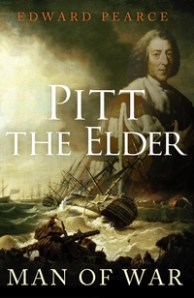 Having read an excellent biography of William Pitt the Younger by William Hague a couple of years ago (and another more recently about anti-slavery campaigner William Wilberforce), I was hoping for the same when I came across a biography of his father, William Pitt the Elder (later the Earl of Chatham), 1708-1778. Published by The Bodley Head in 2010, Pitt the Elder – Man of War was written by political journalist and author Edward Pearce. How wrong I was! I struggled with this biography as I have never struggled before, and finally gave up after about 180 pages (of 346). It wasn’t that the topic and subject were not interesting – Pitt was a fascinating and complex character, beset by illness (gout) and mental problems much of his life. But he rose to become one of the most powerful politicians of his age.

 So what’s that got to do with our dog? Well she looked just like the HMV dog – or ‘aitch-em-vee’. Chem!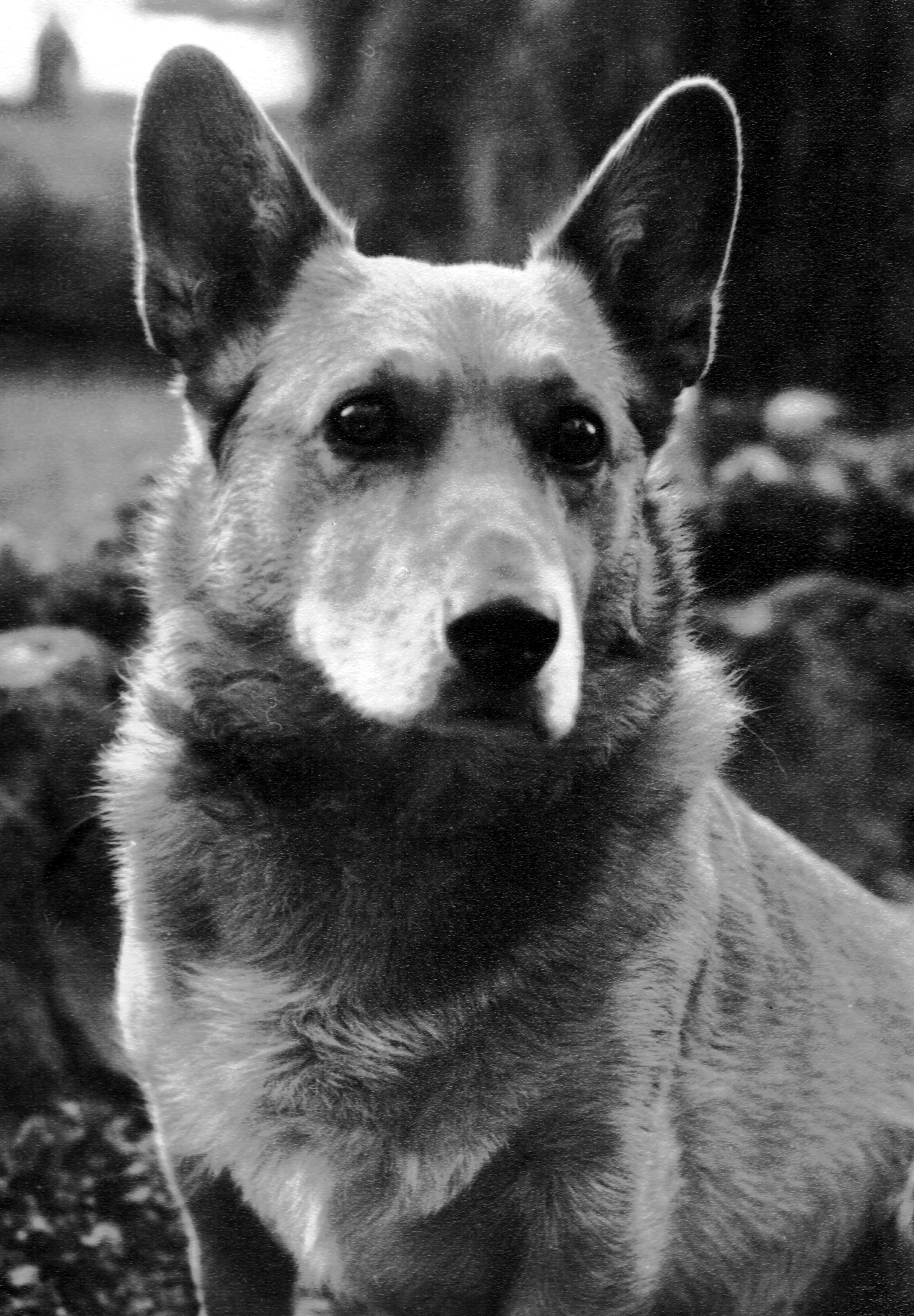


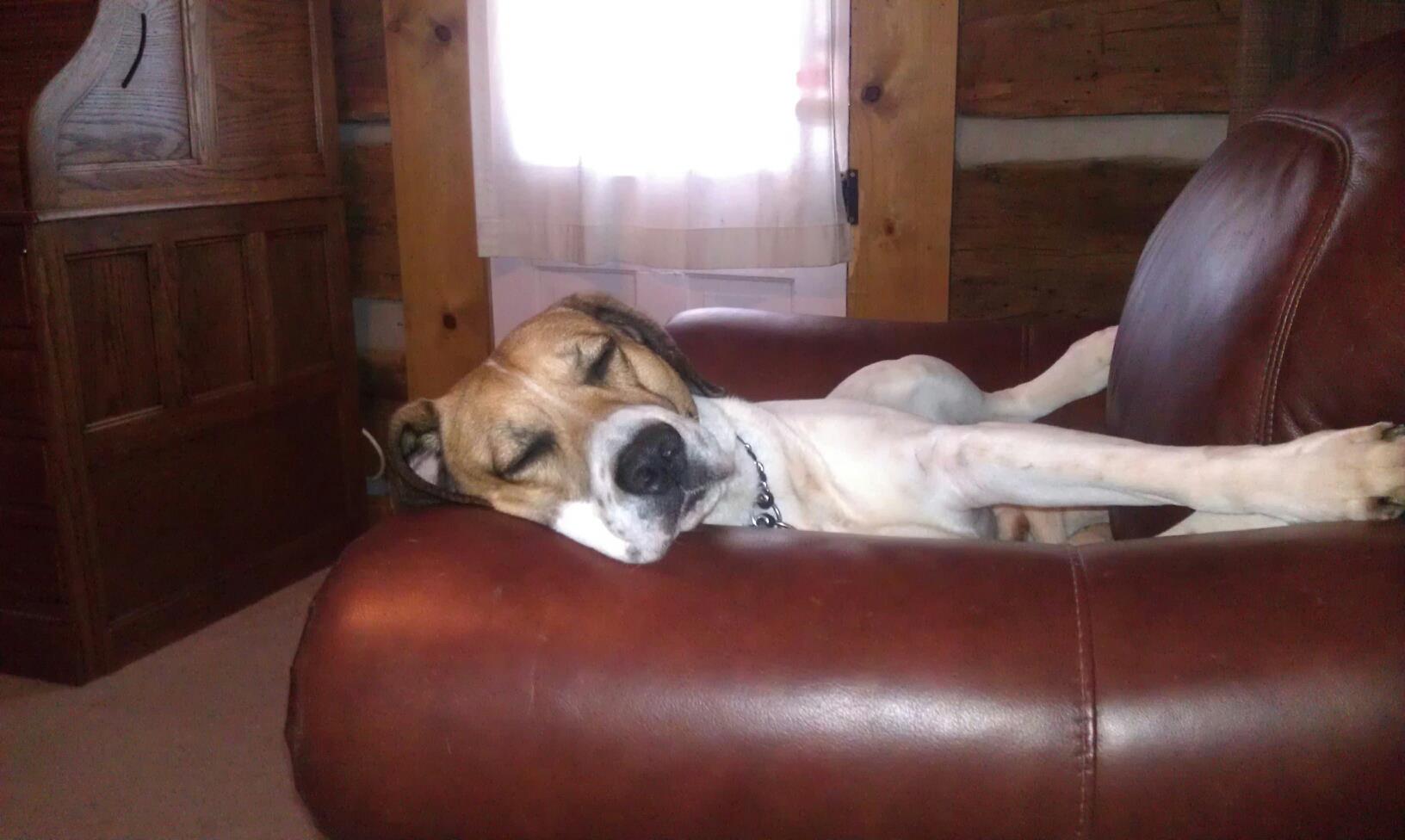

 Canis vs. Felis
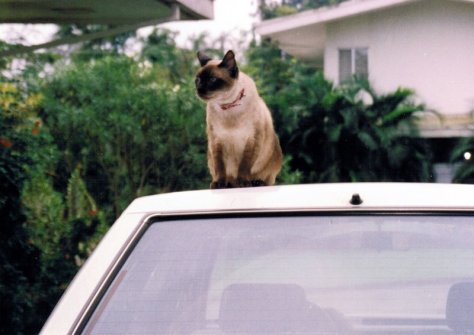
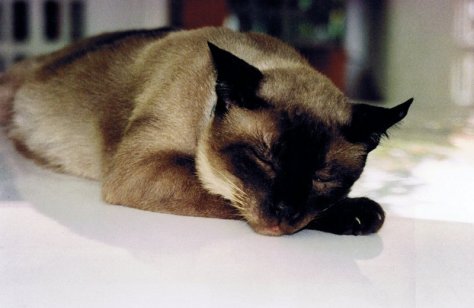


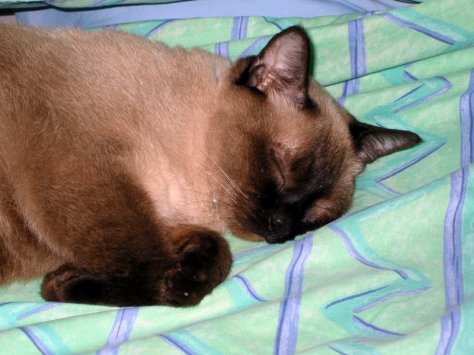

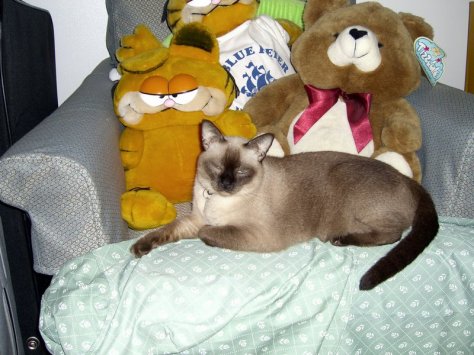
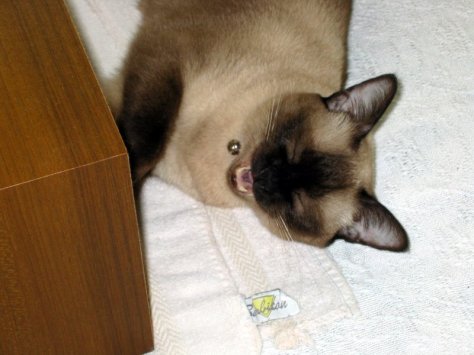


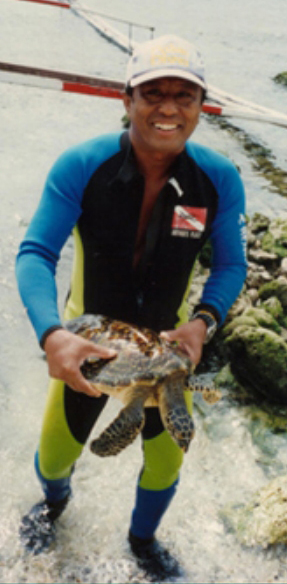
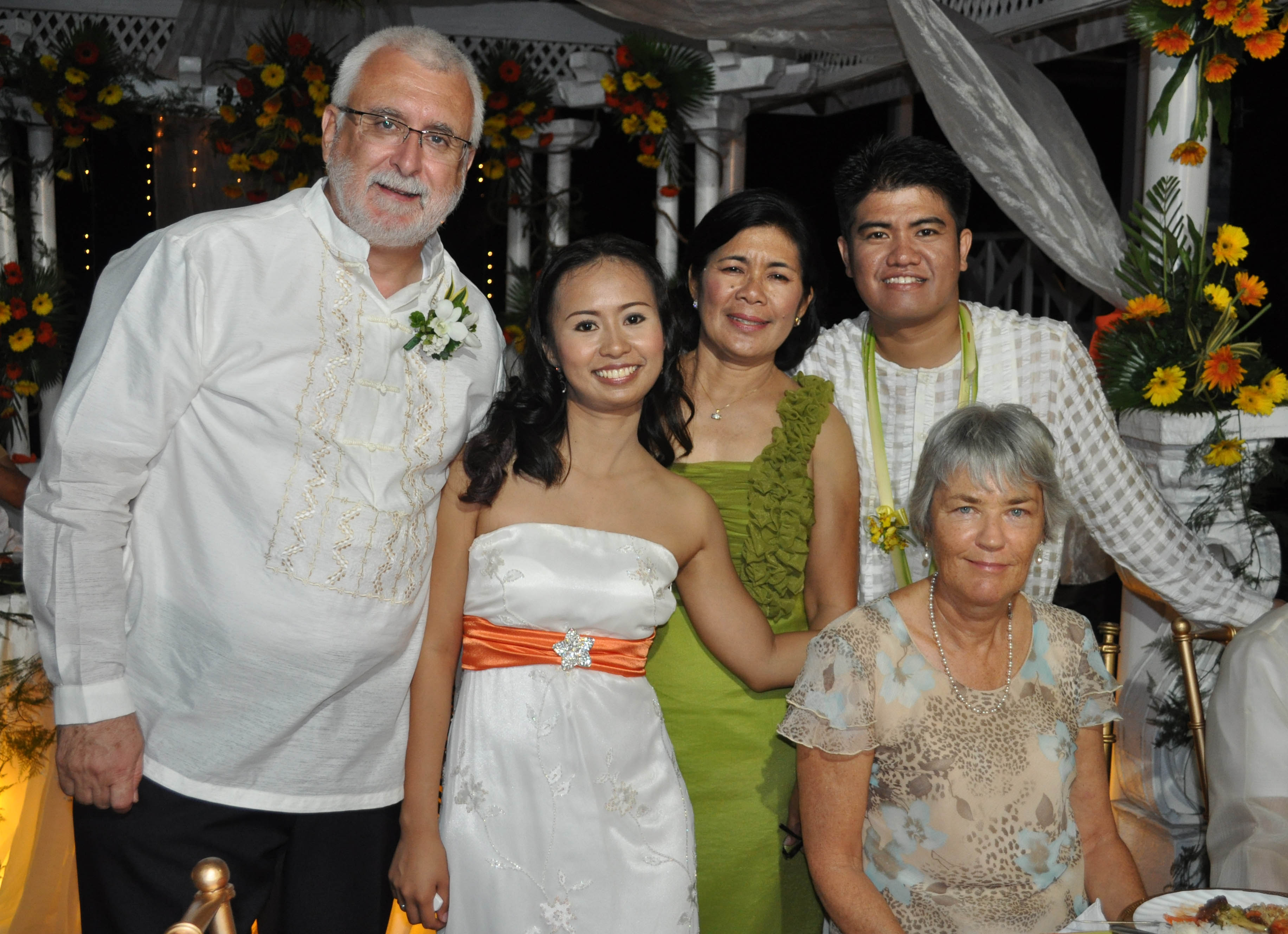

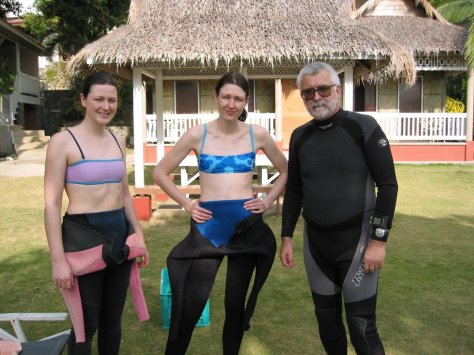
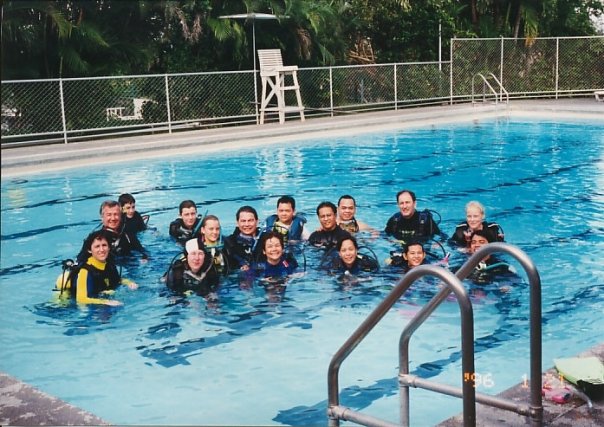
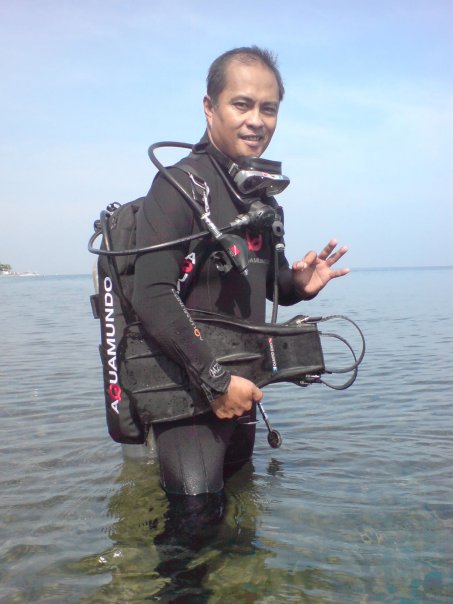
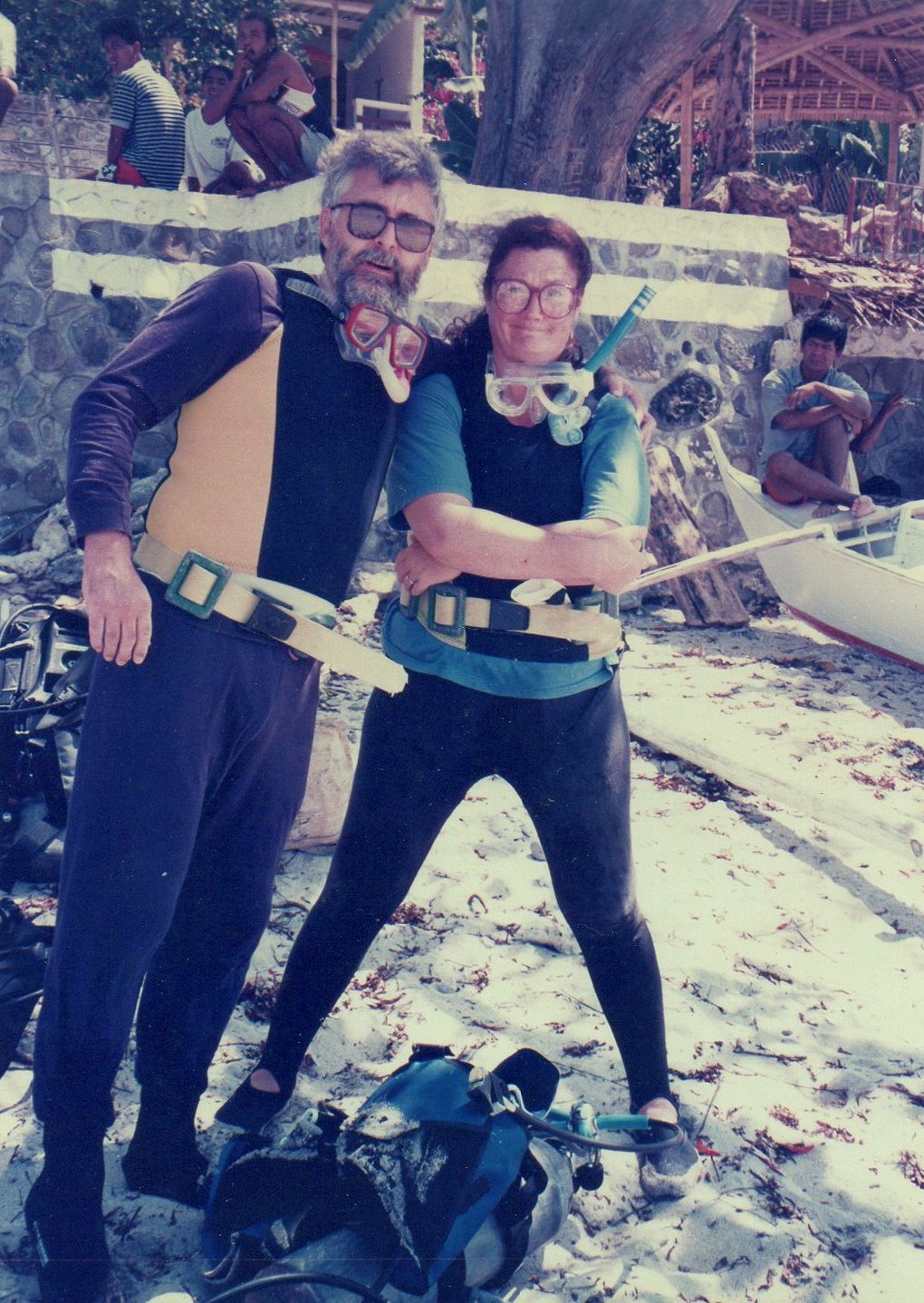
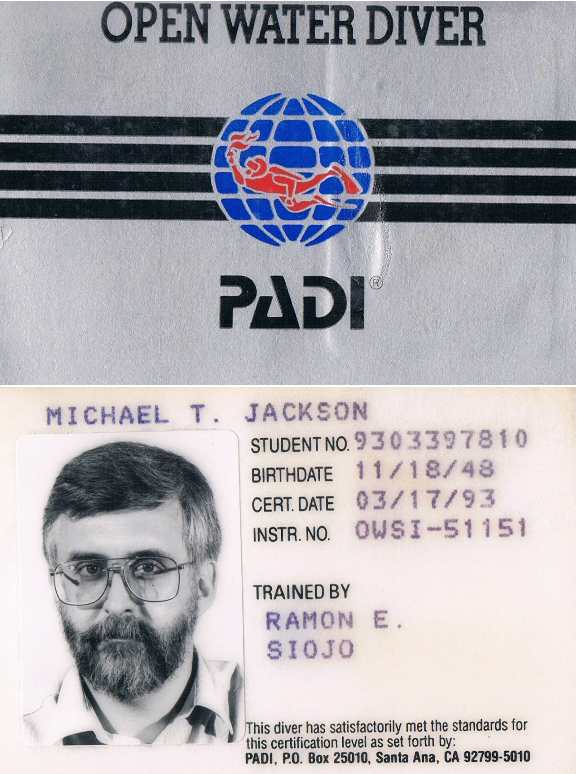
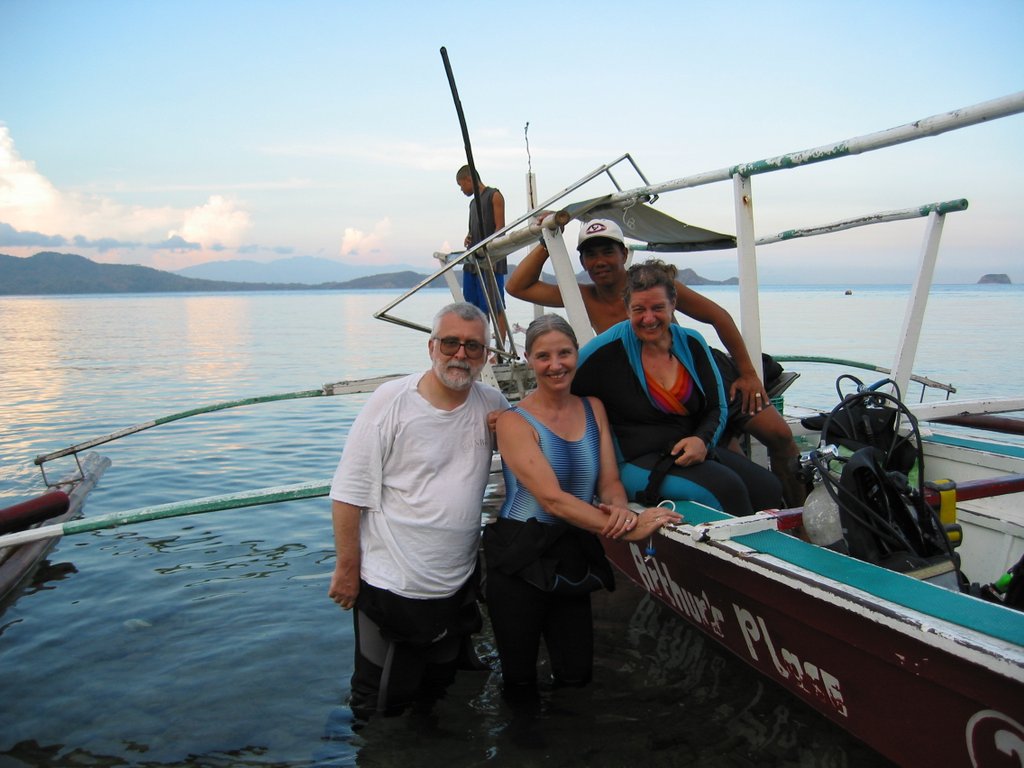
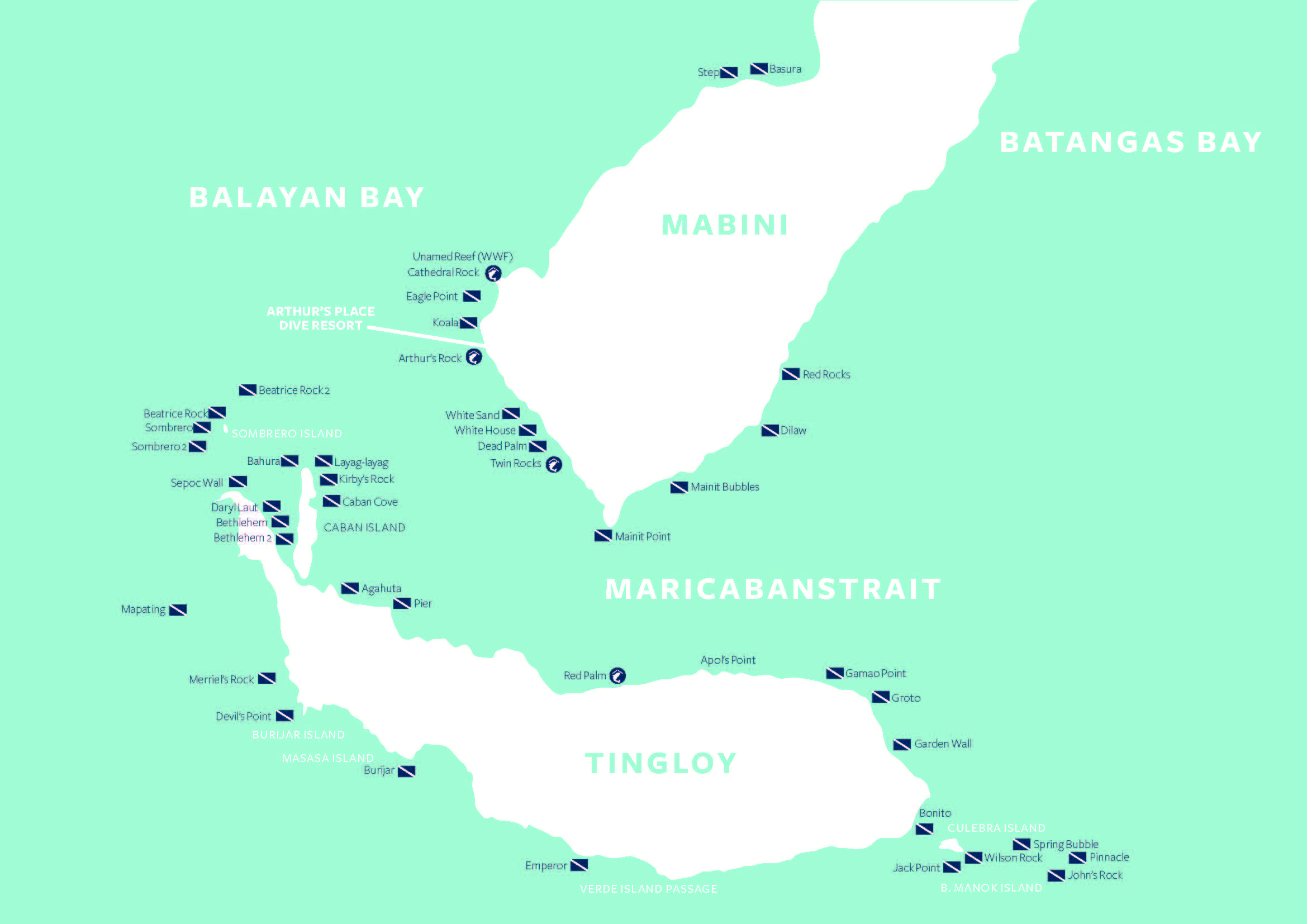
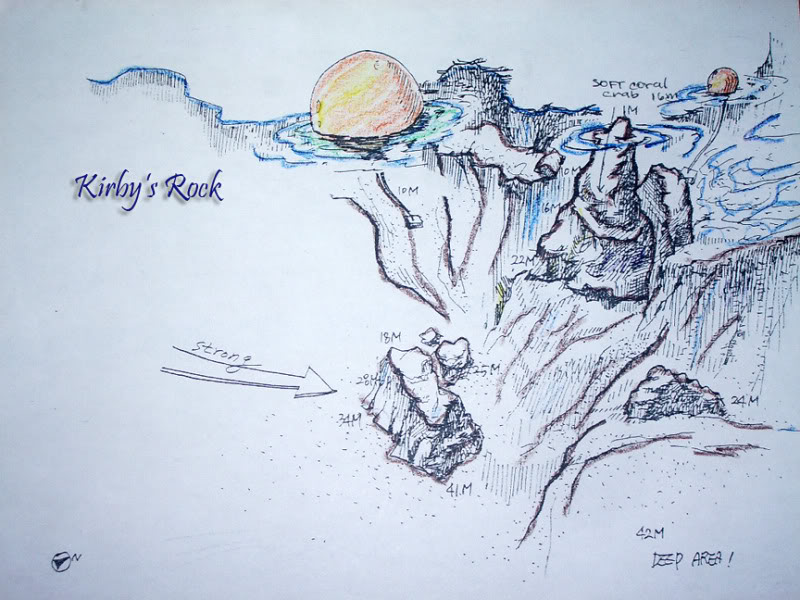
 Anilao is not visited by many pelargics, although tuna and barracuda are quite frequent. Whale sharks are seen occasionally, and dolphins come through from time to time; sea turtles are regular visitors. White-tip reef sharks are quite common at Bahura (up to 2 m in length), but the one creature that always made me feel uncomfortable was the giant triggerfish, which can be extremely aggressive. On one dive with Lito and two teachers from ISM at Bahura, we hadn’t noticed one particular critter, about 1 m, in the vicinity. Lito had handed me a shell, and turning around, there was this fish about two meters in front of him – decidely pissed off. It chased him up to the surface (about 60 feet – apologies for the mix of metric and feet in this post; I learnt to dive in feet!), and not having success, came back after me and the other two. We were crouching behind some rocks and eventually it swam off. These fish can inflict serious bites, and afterwards we always gave them a wide berth if possible.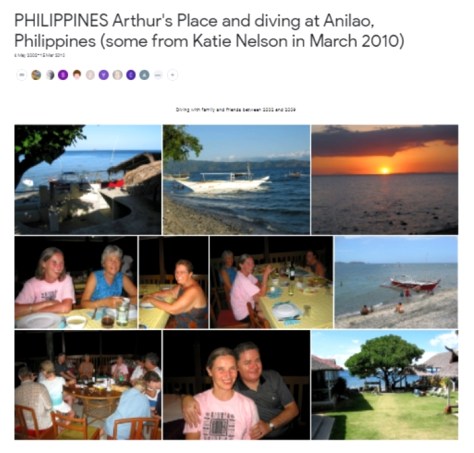
 There have been some interesting articles recently in The Guardian recently about academic publishing. In his
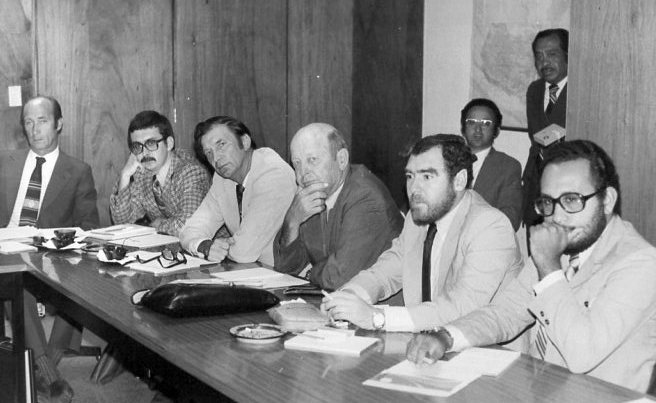


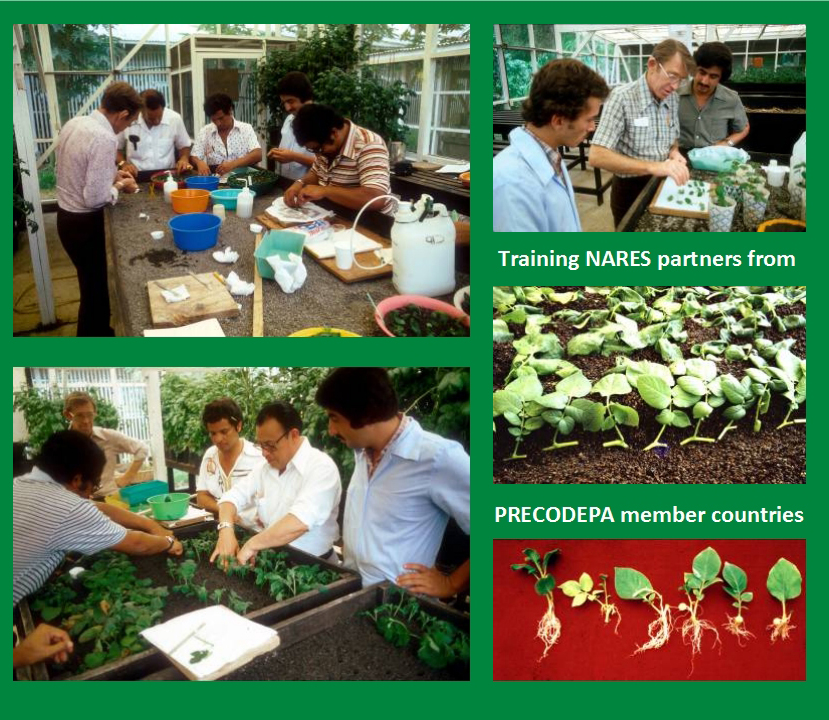
 Lies, damned lies, and statistics – a saying popularised by Mark Twain who attributed it to Victorian Prime Minister Benjamin Disraeli; but there are
  And one man, who is passionate about statistics, is on a mission to make statistics meaningful for everyone. He’s Professor Hans Rosling, a global health expert and Professor of International Health at the Karolinska Institute in Sweden. Last night I watched a highly entertaining – and illuminating – one hour program on BBC4 titled The Joy of Stats. So enthusiastic is he to uncover the hidden messages in data sets, he’s set up an organization called
 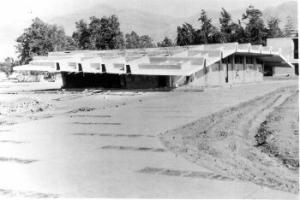 In La Molina, where buildings had been constructed on bed rock, damage even to new buildings was considerable, particularly in the National Agrarian University.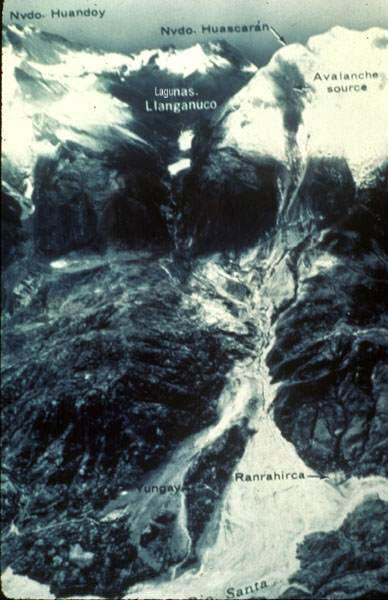
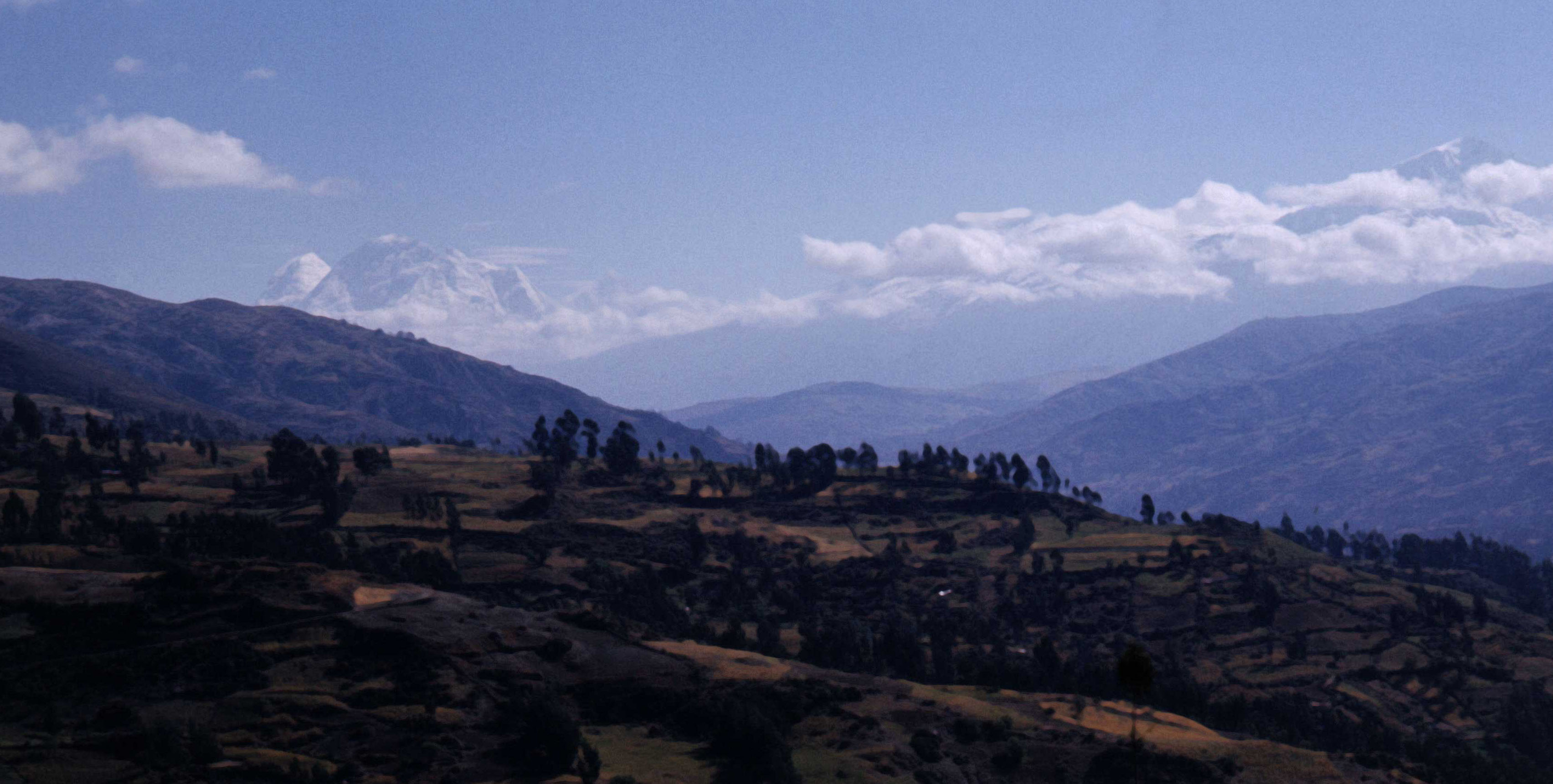

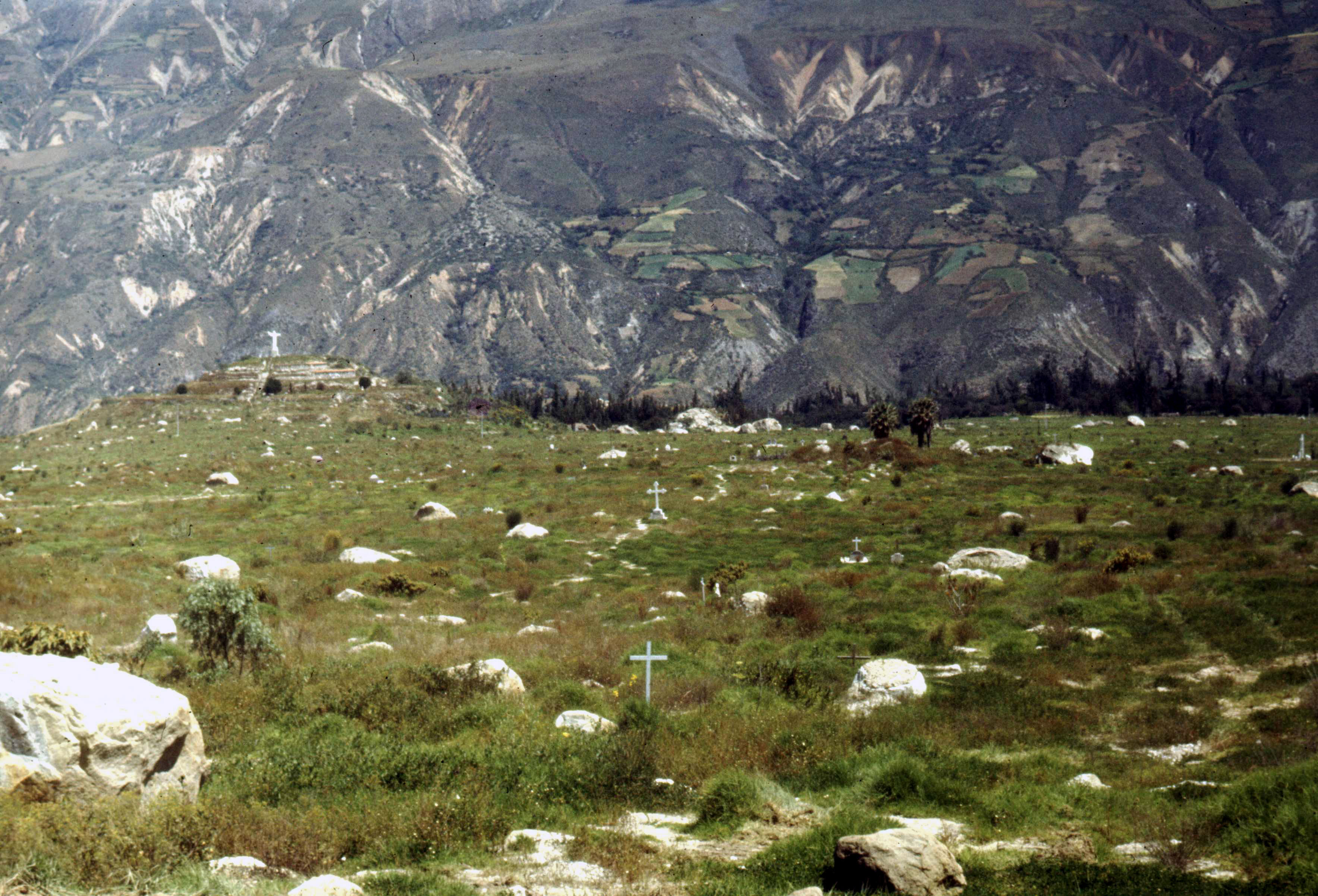

 Botanist. That’s right. Not plant scientist or plant biologist. Botanist!


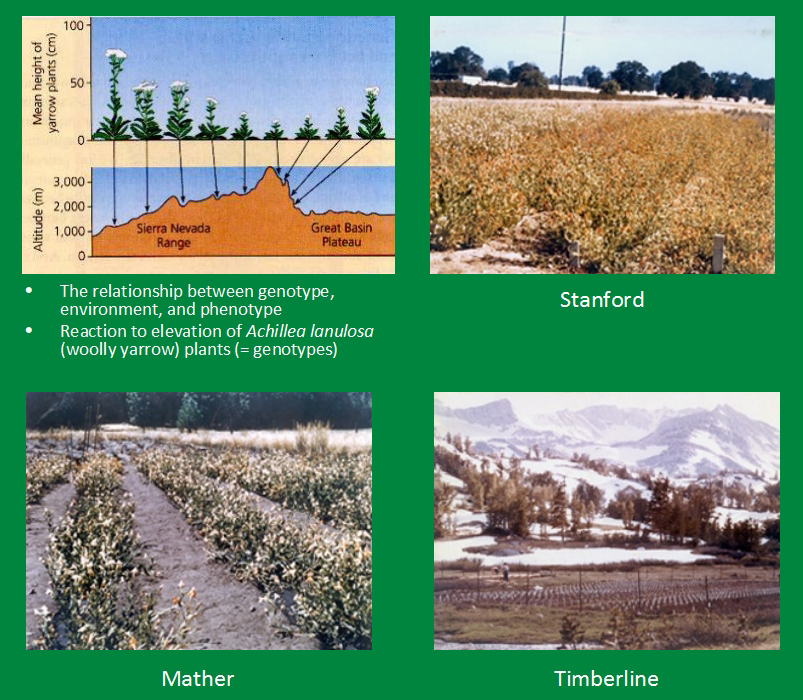
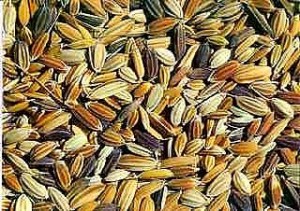
 Another influence was Missouri Botanical Garden geneticist Edgar Anderson. If you’ve not read his highly entertaining and readable Plants, Man & Life, then grab yourself a copy.

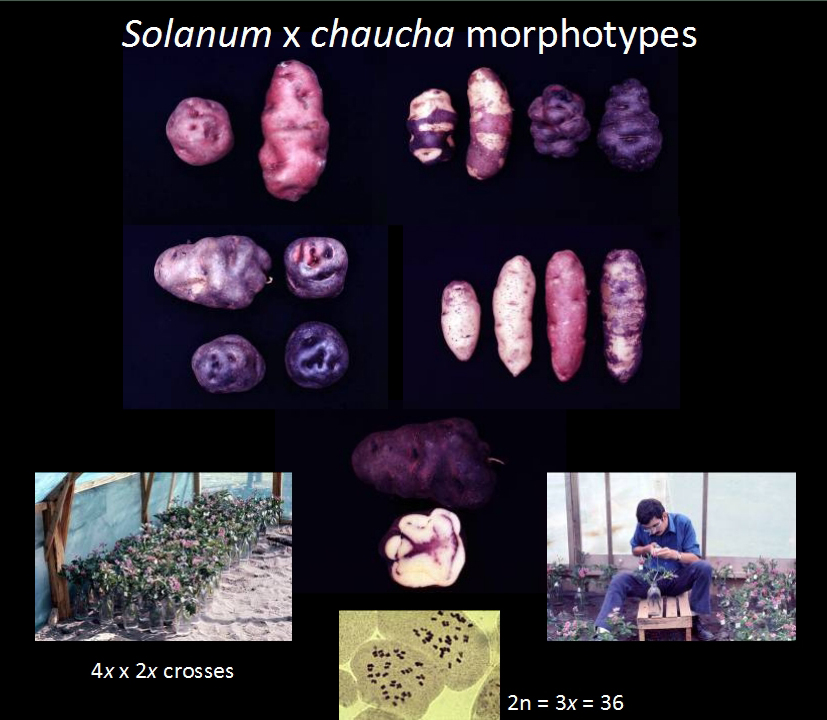
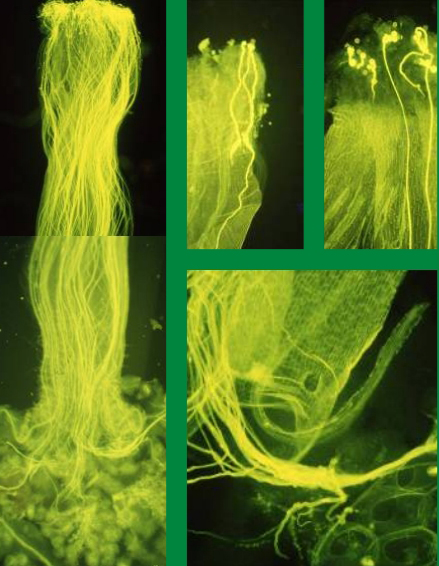
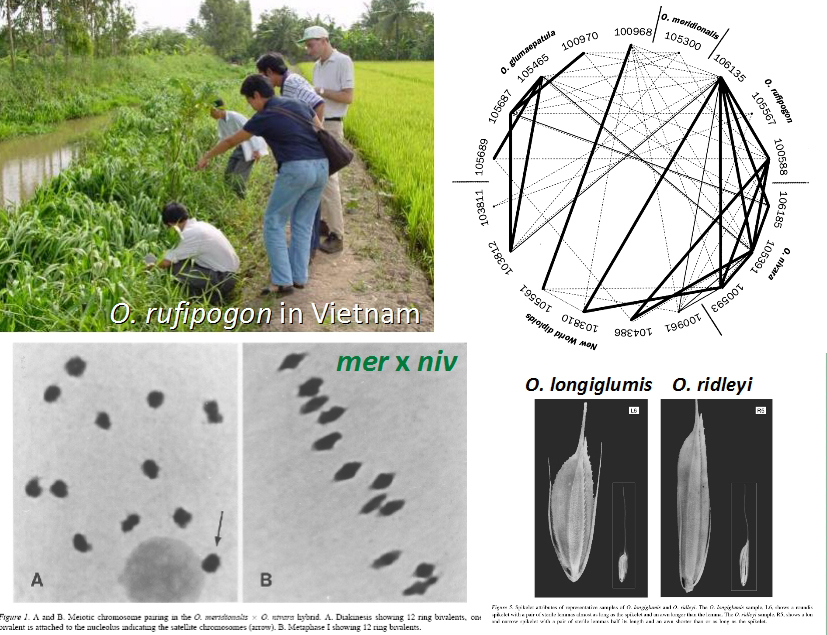
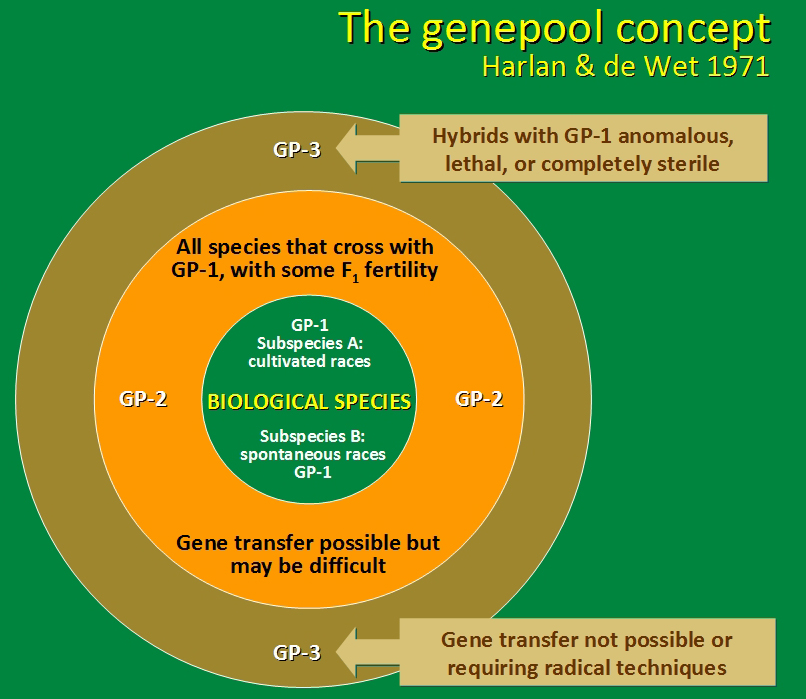
 Hindsight is a wonderful thing. Although I spent more than 20 years studying potatoes – in a variety of guises – that had not been my first choice. I originally wanted to become the world’s lentil expert.
 Interestingly, unknown to Trevor and me, renowned Israeli expert on crop evolution Professor Daniel Zohary (of the Hebrew University of Jerusalem) had been working on the same problem, and published his results in Economic Botany in 1972 [1], which essentially confirmed the conclusions I’d reached a year earlier.
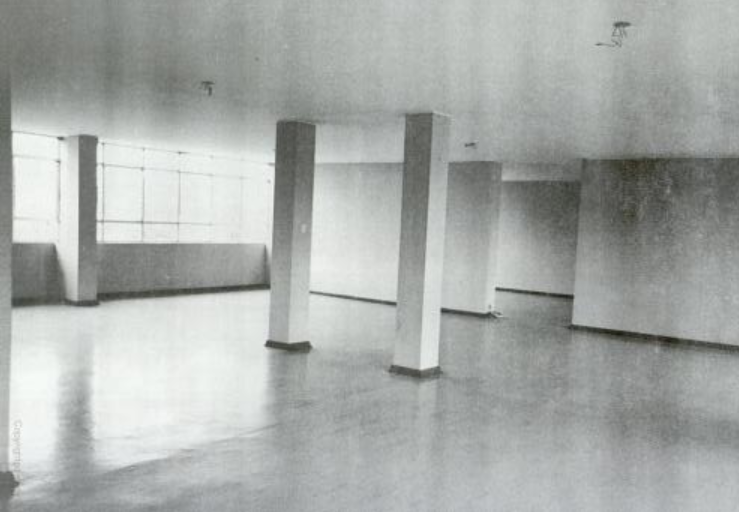
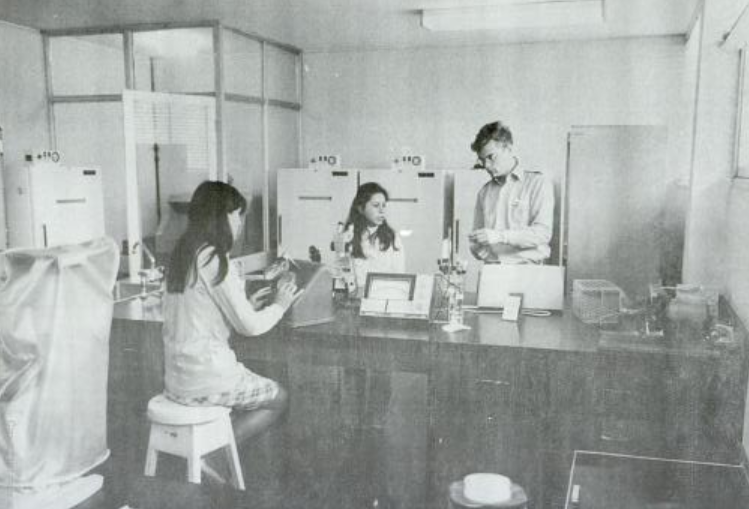

 (then with the USDA regional potato germplasm project in Sturgeon Bay, Wisconsin, and later to join CIP in July 1973 as head of the breeding and genetics department), ethnobotanist and taxonomist
  and potato breeder


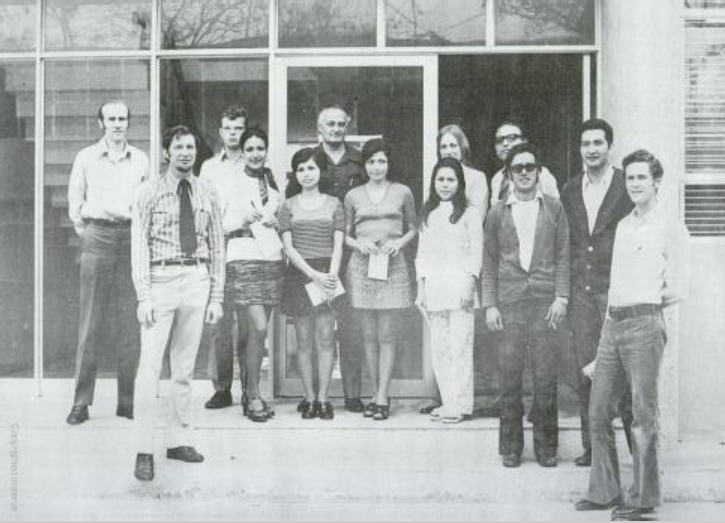
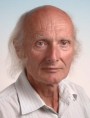 At first, there were few internationally-recruited staff, but throughout 1973, the staff increased quite rapidly. Rainer Zachmann, a German plant pathologist working on Rhizoctonia solani, joined in February, followed by Julia Guzman, a late blight specialist from Colombia; Parviz Jatala, a nematologist from Iran; Ray Meyer, an agronomist from the USA; and Dick Wurster as head of the Outreach Dept. , among others. Dick had been working in Uganda prior to joining CIP.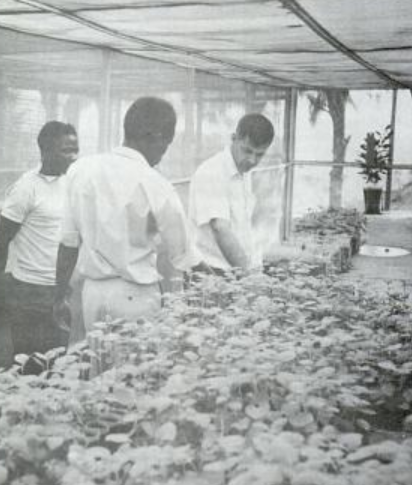
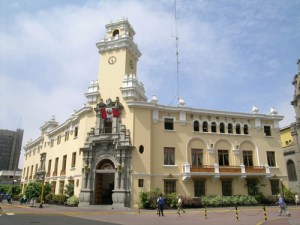 My fiancée
 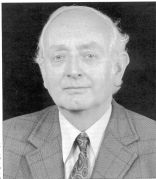 When the late
 Here is the list of University of Birmingham PhD students who worked on potatoes, as far as I can remember. All of them from 1975 (with the exception of Ian Gubb) had also attended the MSc course on genetic resources:
 Richard Lester (UK), 1962. Taught at Makerere University in Uganda, before joining the Dept. of Botany at Birmingham in 1969. Retired in 2002, and died in 2006. Studied the biochemical systematics of Mexican wild Solanum species. The species Solanum lesteri is named after him.
 Katsuo Armando Okada (Argentina), 1970 (?). Retired. Was with IBPGR for a while in the 1980s (?) in Colombia. Studied the origin of Solanum x rechei from Argentina.
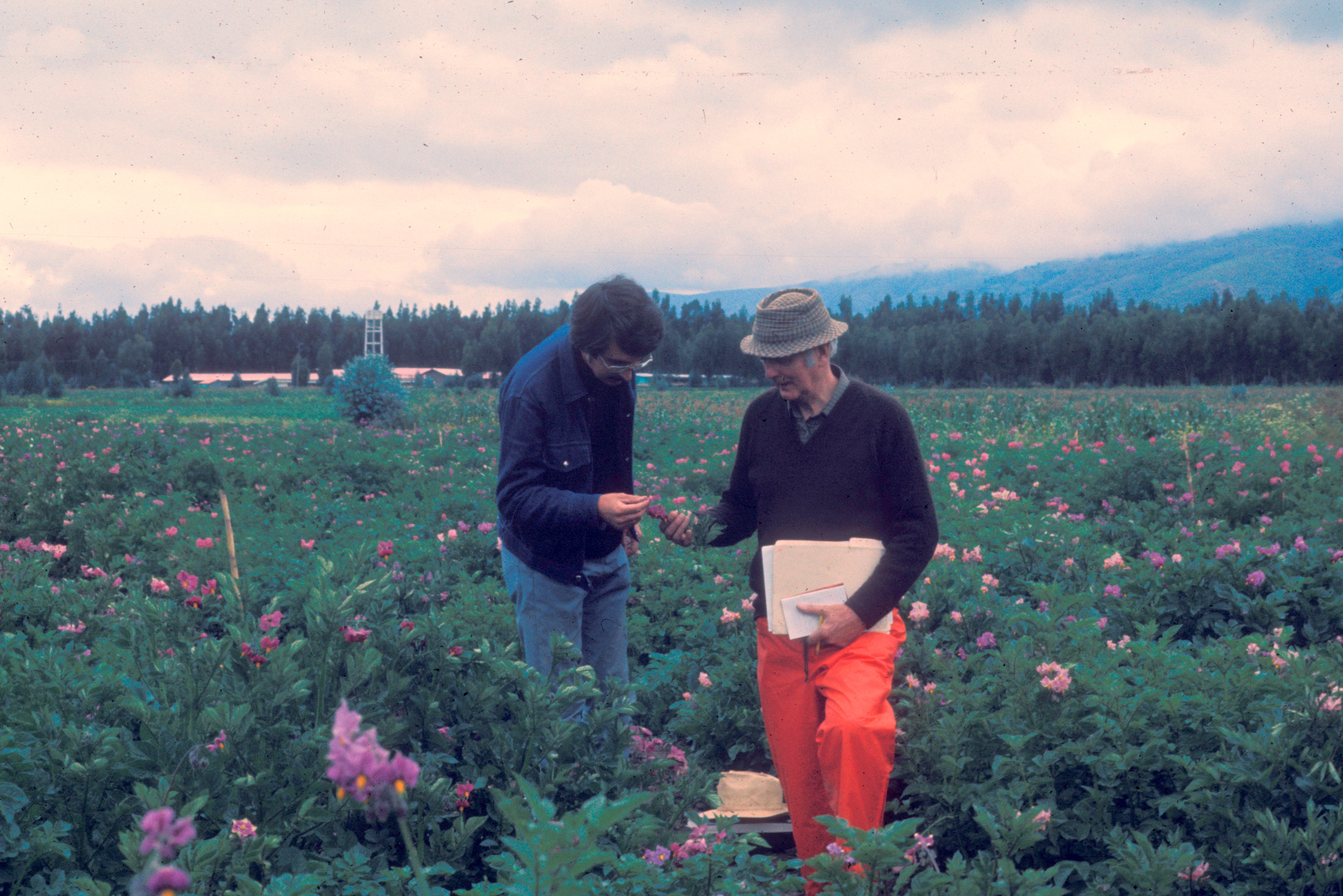
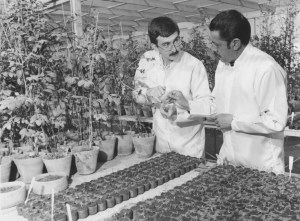
 David Astley (UK), 1975. Became the curator of the vegetable genebank at Wellesbourne (now the
 Peter Schmiediche (Germany), 1977. He continued working with CIP as a potato breeder (for resistance to bacterial wilt), and was later CIP’s regional leader based in Indonesia. Now retired and sharing his time between Texas (where his children settled) and his native Berlin. Studied the bitter potatoes Solanum x juzepczukii (3x) and S. x curtilobum (5x). Joint with CIP and Roger Rowe.
 Carlos Arbizu (Peru), 1990. An expert on minor Andean tuber crops, he came from the University of Ayacucho. Spent time working in the germplasm program at CIP. Studied the origin and value of resistance to spindle tuber viroid in Solanum acaule. Joint with CIP and principal virologist Luis Salazar (who gained his PhD while studying at the
  Susan Juned (UK), 1994. Now a sustainable technology consultant, Sue is an active local government councillor, and has stood for election to parliament on a couple of occasions for the Liberal Democrats. Studied
  David Tay (Malaysia), 2000. He worked in Australia and then was Director of the USDA Ornamental Plant Germplasm Center in Columbus, Ohio, but returned to CIP as head of the genetic resources unit in 2007. He’s now left CIP. I think he worked on diploid cultivated species. Joint with CIP. Not sure why his PhD is dated 2000, as he’d been in CIP in the late 70s.
 Roger Rowe, who had been in charge of the
  Ms. Genoveva ‘Eves’ Loresto passed away in Cebu on 5 April after a long battle with cancer.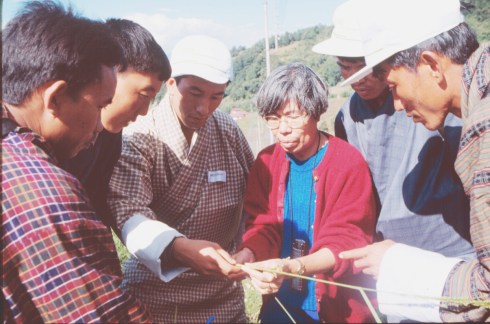


 A passion for science
 Highlighting rice science
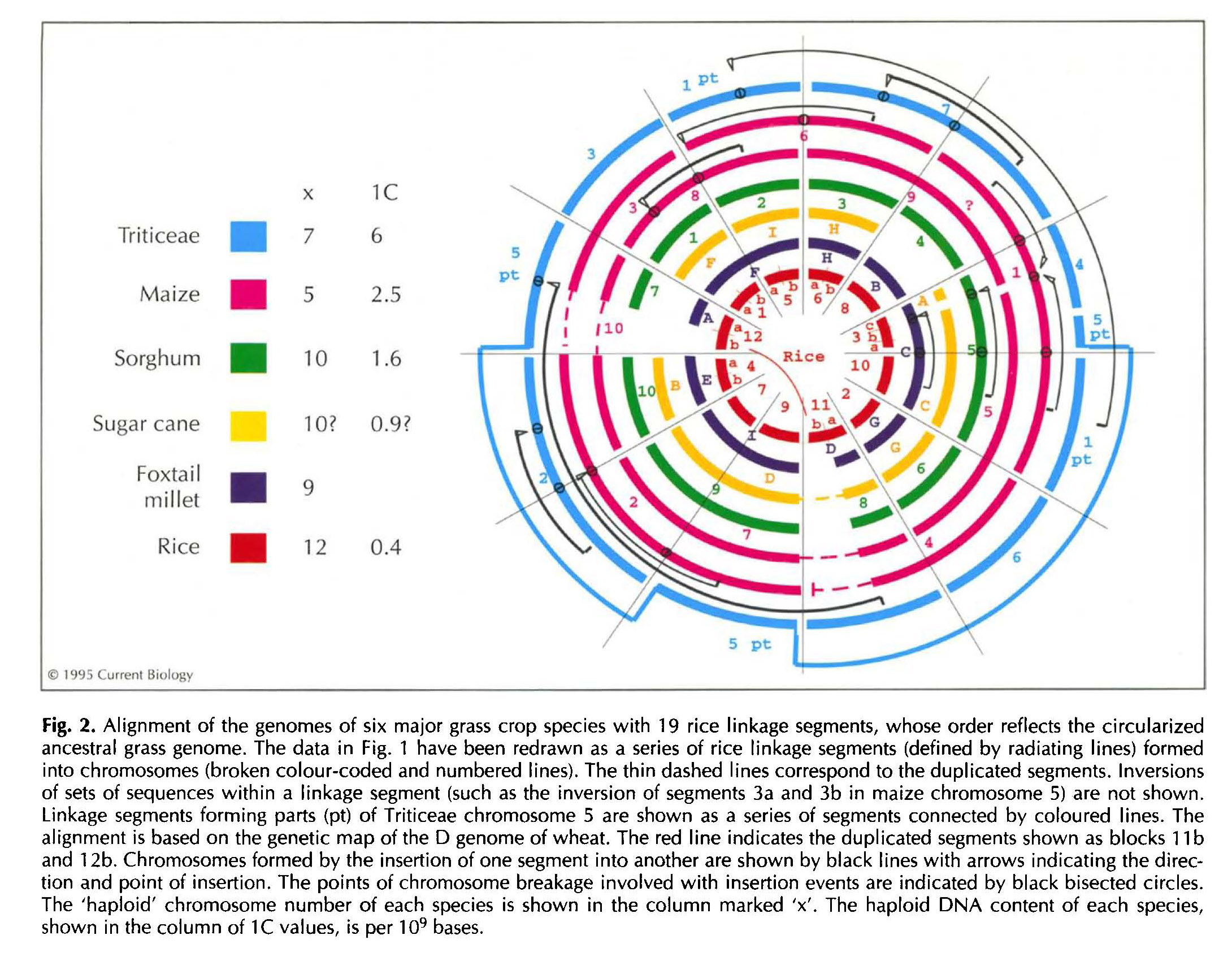

 And that’s how my elder brother
 The weather has made a turn for the worse here in the UK. After summer-like temperatures just last week, we now have gales, rain or sleet, and temperatures hovering around 4°C; some parts of the country are covered in snow. So I’m sitting here enjoying the wonderful music of Fleetwood Mac.
 Greatest Hits was a revelation, and I became an instant fan. In fact I developed a passion (some would say an obsession) for their music, and acquired several of their CDs. I was living in Costa Rica when their seminal Rumours album was released in 1977 – one of the highest selling albums ever – and I was totally unaware of it at that time. I’ve caught up since!
 The weather was glorious – again – today. In fact, it’s more like early summer than the end of March (although the forecast is for low temperatures once again this weekend).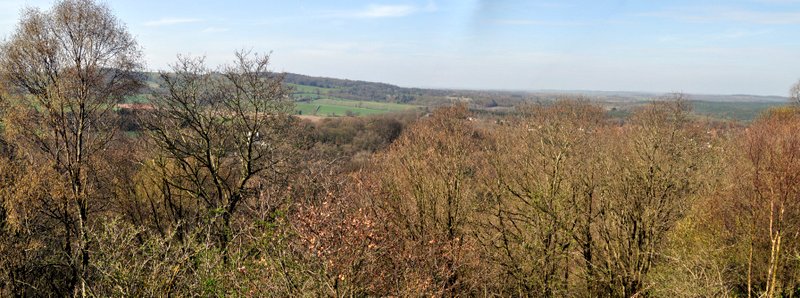
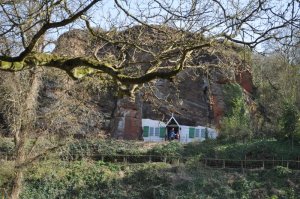 Kinver Edge is a red sandstone escarpment where, in centuries past, there was a small community of residents who carved homes from the soft sandstone. The cave dwellings, known as the Holy Austin Rock Houses, were occupied until the 1930s, after which they fell into disrepair. There are records of occupation in the 1700s, but it’s believed that the caves were occupied much earlier than that.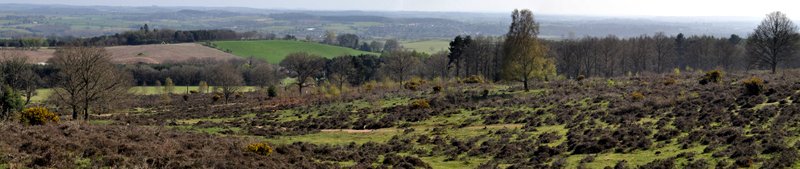

 The
The 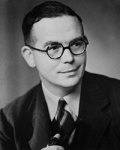 For decades it had one of the strongest genetics departments in the world, with luminaries such as Professor Sir Kenneth Mather FRS* and Professor John Jinks FRS**, leading the way in cytology, and population and quantitative genetics.
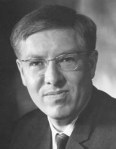 In fact, genetics at Birmingham was renowned for its focus on quantitative genetics and applications to plant breeding. For many years it ran a one-year MSc course in Applied Genetics.
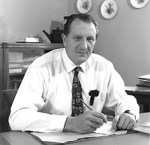 The head of the department of botany and Mason Professor of Botany during the 1960s was Jack Heslop-Harrison FRS*** whose research and reviews on genecology would make such valuable contributions to the field of plant genetics resources.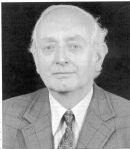
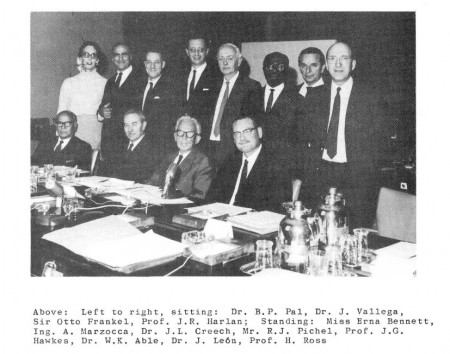
 The culmination of that initiative – four decades later – was the opening in 2008 of the

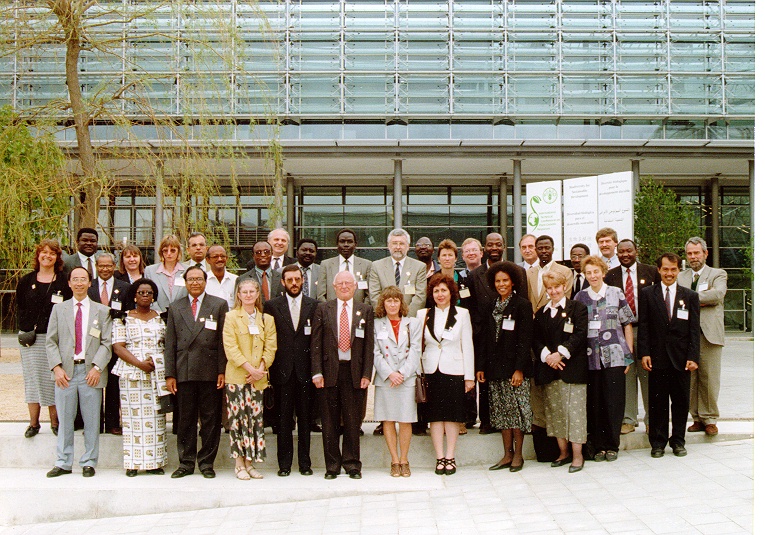
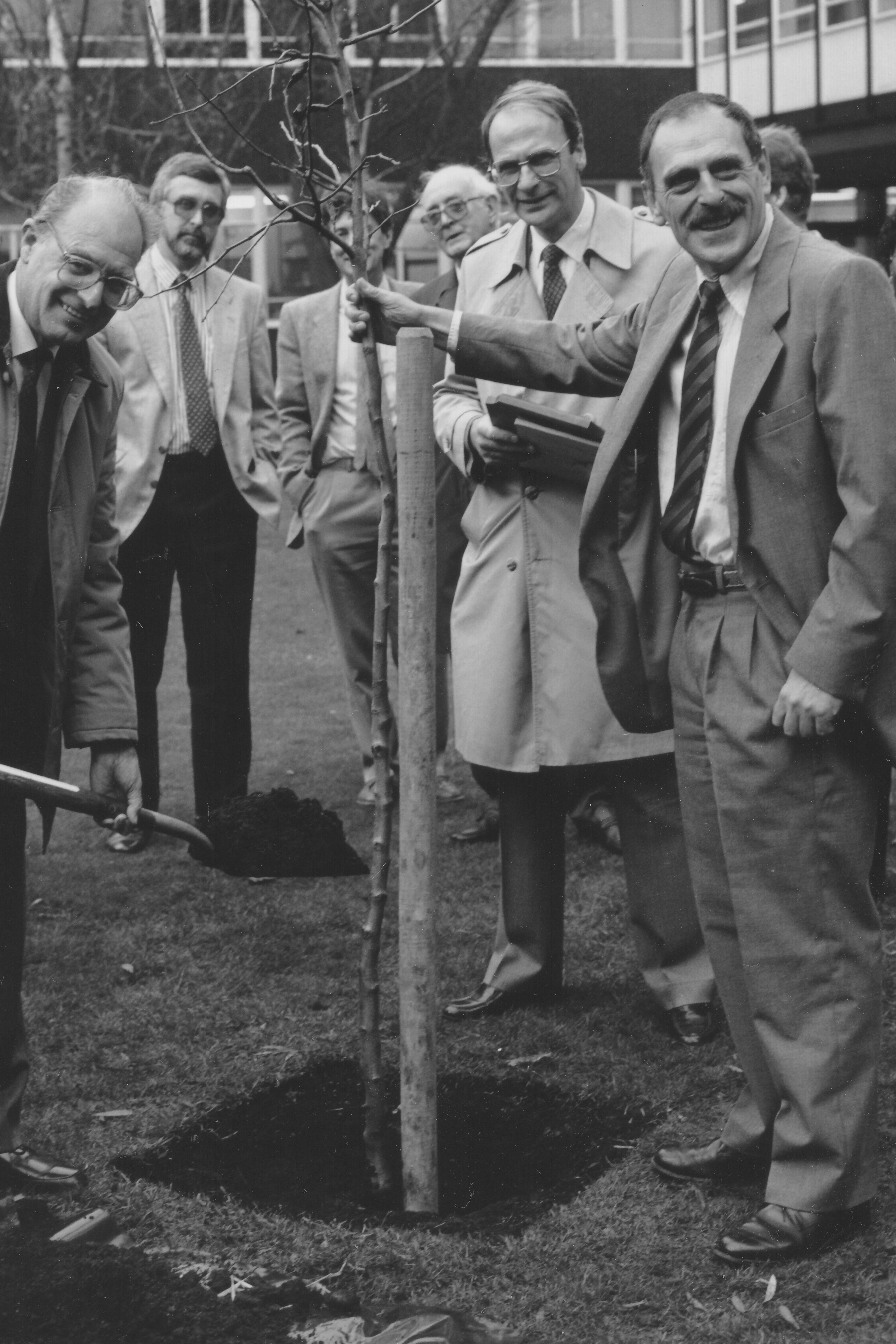
 Dr Richard Lester (who died in 2006) was a chemotaxonomist and Solanaceae expert. Trevor left Birmingham at the end of the 70s to become Executive Secretary, then Director General of the International Board for Plant Genetic Resources (which in turn became IPGRI, then Bioversity International).
 Brian Ford-Lloyd (now Professor of Conservation Genetics and Director of the university Graduate School) joined the department in 1979 and was the course tutor for many years, and contributing lectures in data management, among others.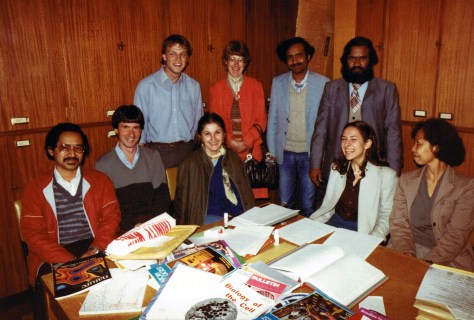
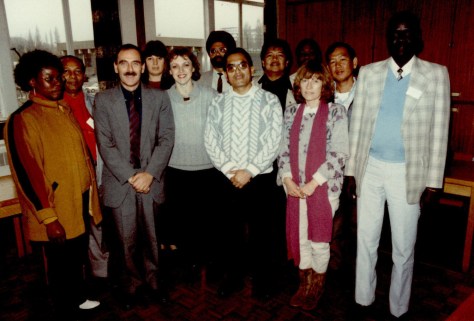
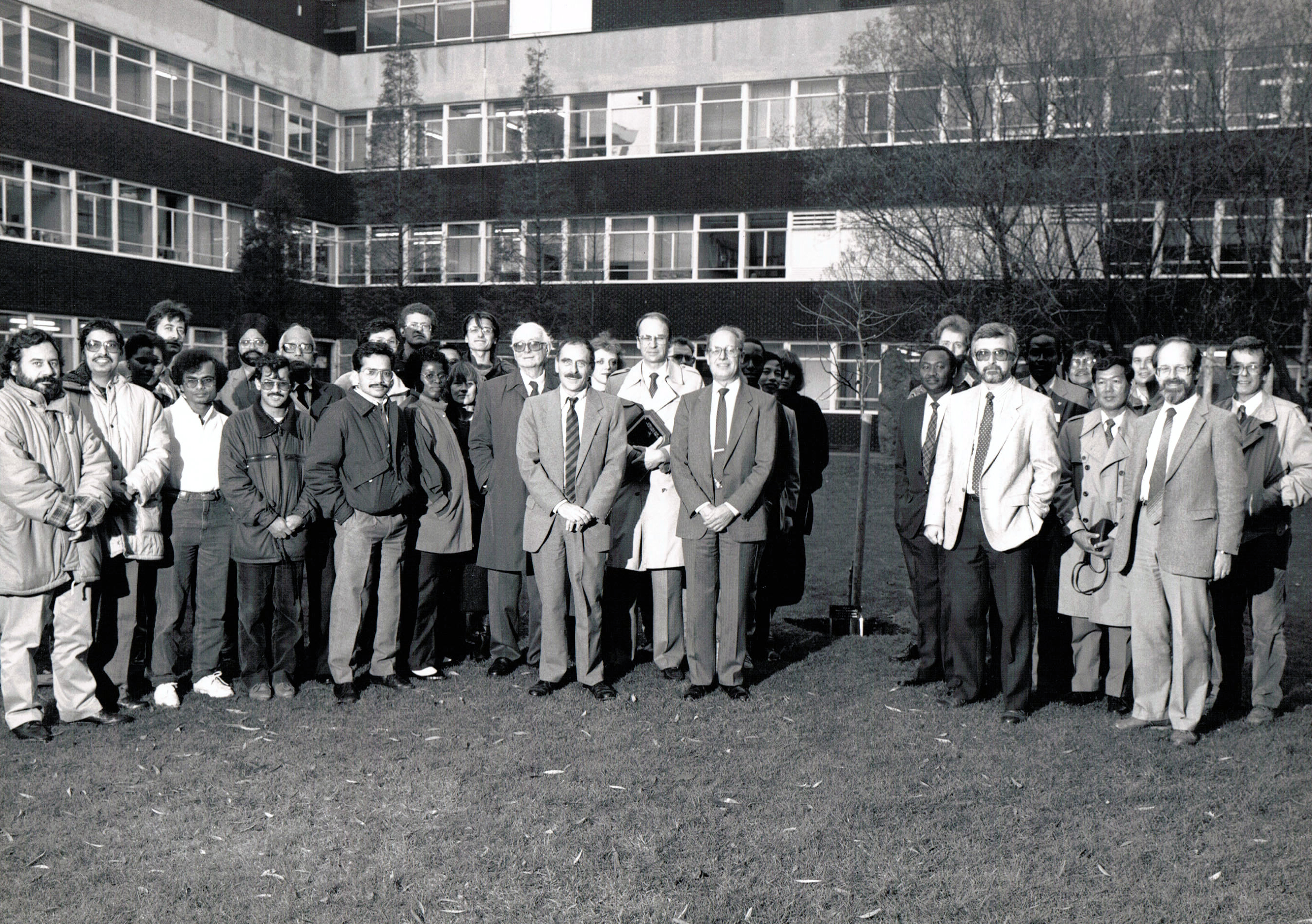
 After I resigned from the university to join IRRI in 1991, Dr Nigel Maxted was appointed as a lecturer, and has continued his work on wild relatives of crop plants and in situ conservation. He has also taken students on field courses to the Mediterranean several times.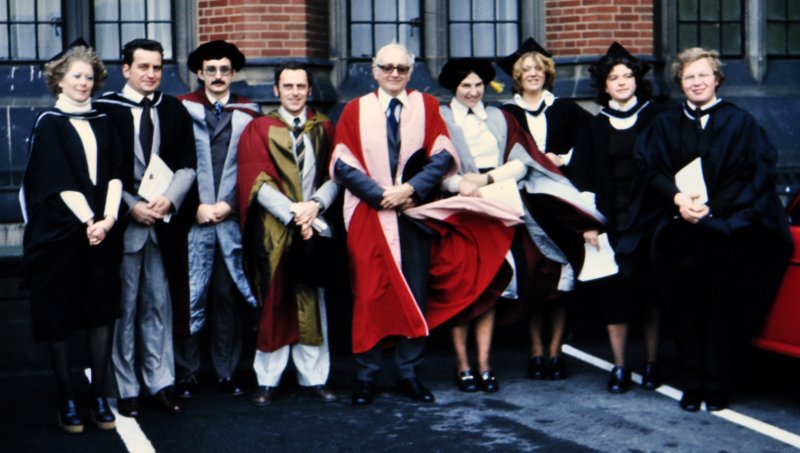
 I can’t remember why I had always wanted to visit Peru. All I know is that since I was a small boy, Peru had held a big fascination for me. I used to spend time leafing through an atlas, and spending most time looking at the maps of South America, especially Peru. And I promised myself (in the way that you do when you’re small, and can’t see how it would ever happen) that one day I would visit Peru.
 To cut a long story short, I didn’t go in 1971, but landed in Lima at the beginning of January 1973 after a long and gruelling flight on B.O.A.C. from London via Antigua (in the Caribbean), Caracas, and Bogotá.
 First there is the geography: the long coastal desert stretching north from Lima to the border with Ecuador, and south to Chile where it merges with the Atacama Desert. It hardly ever rains on the coast, but the sea mists that are prevalent during the months of July-September do provide sufficient moisture in some parts (lomas) to develop quite a rich flora.
  The Andes mountains take your breath away with their magnificence. The foothills begin just a few kilometers from the coast, and the mountains rise to their highest point in Huascarán (6,768 m), the fourth highest mountain in the western hemisphere.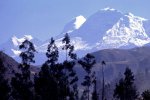
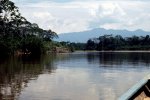
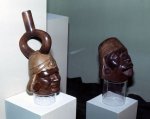 And there is also considerable evidence for the range of plants and animals that these peoples domesticated: the potato, beans, cotton, peanut, and llamas to name but a few. Fortunately this rich history has been preserved and Lima boasts some of the best museums in the world.
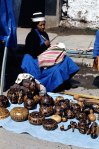 From north to south, different peoples wear different dress. In Cajamarca, the typical dress is a tall straw hat and a russet-colored poncho. In central Peru, the women wear hats like the one shown in the photo on the right. The south of Peru, around Cuzco and Puno is more traditional still.
 Peru is also a country of great handicrafts – from the leather goods made in Lima, to the carved gourds or mate burilado, clay figures of farmers or religious effigies, to a wealth of brightly colored textiles.
 The grounds are not extensive, but with the spring flowers (particularly the daffodils, in full bloom – and more yet to flower) they were attractive. No doubt the estate was much bigger in times past.
 A balanced diet . . .