One man saved more lives than anyone else in history . . .

A billion lives, it is said.
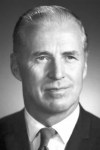
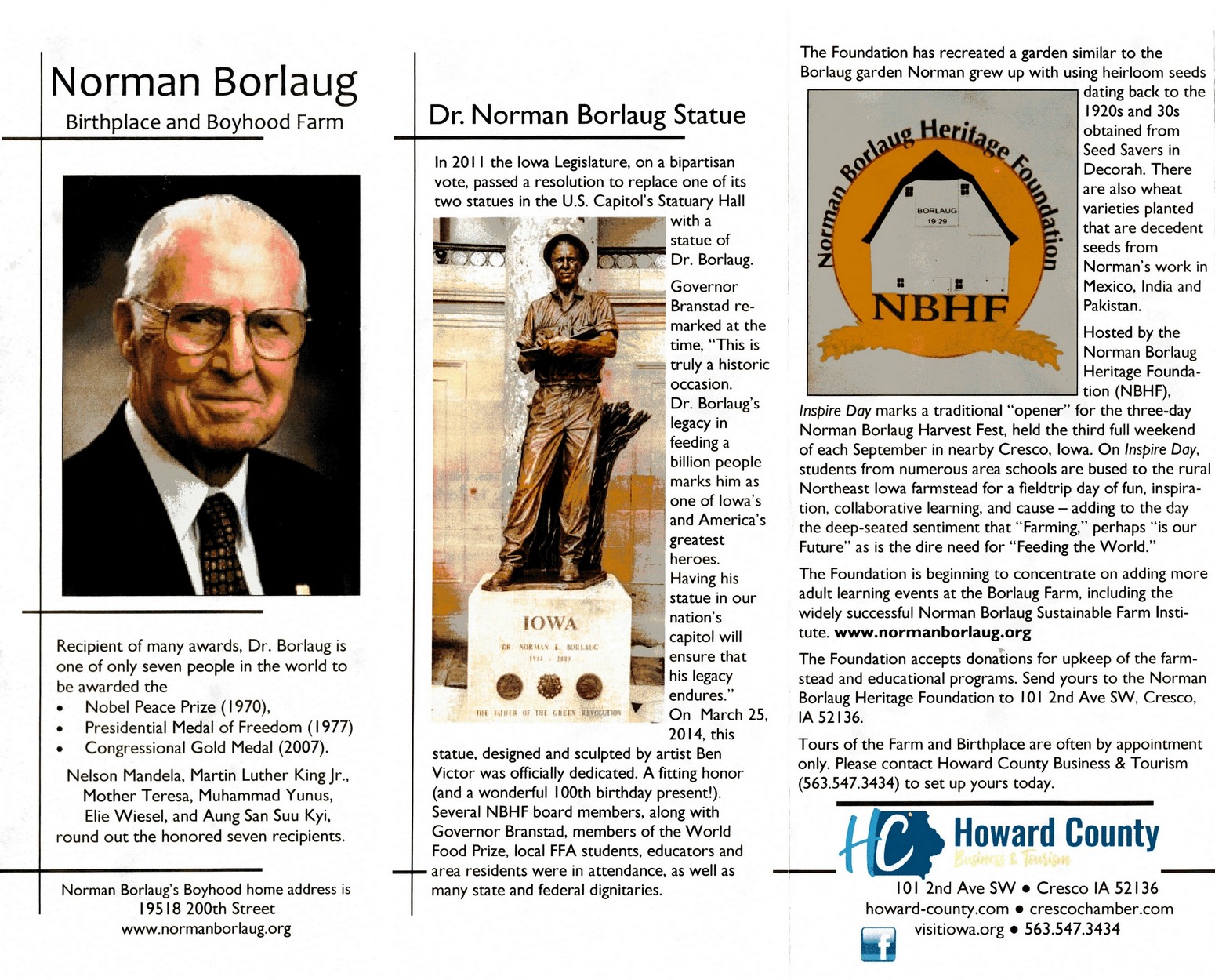
Official portrait of Norman Borlaug for his Nobel Peace Prize.

And that man was Dr Norman Ernest Borlaug (1914-2009), an agricultural scientist from northeast Iowa, whose research to develop short-strawed and high-yielding varieties staved off predicted widespread famines in the 1960s.

It was the beginning of an international effort to enhance agricultural productivity that endures to this day through the centers of the Consultative Group on International Agricultural Research or CGIAR, one of which is CIMMYT¹ (the International Center for Maize and Wheat Improvement in Mexico) where Borlaug spent many years as Director of the International Wheat Improvement Program (now the Global Wheat Program).

Dr Borlaug was awarded the 1970 Nobel Peace Prize for his work to promote global food supply, an act that contributes greatly to peace. And for having given a well-founded hope – the green revolution.

The expression “the green revolution” is permanently linked to Norman Borlaug’s name. He obtained a PhD in plant protection [from the University of Minnesota] at the age of 27, and worked in Mexico in the 1940s and 1950s to make the country self-sufficient in grain. Borlaug recommended improved methods of cultivation, and developed a robust strain of wheat – dwarf wheat – that was adapted to Mexican conditions. By 1956 the country had become self-sufficient in wheat.

Success in Mexico made Borlaug a much sought-after adviser to countries whose food production was not keeping pace with their population growth. In the mid-1960s, he introduced dwarf wheat into India and Pakistan, and production increased enormously. The expression “the green revolution” made Borlaug’s name known beyond scientific circles, but he always emphasized that he himself was only part of a team. (Source: www.nobelprize.org).

You can read his Nobel Prize lecture here.

Almost thirty years later, Borlaug returned to Oslo and reflected (in this lecture) on the progress that had been made since his 1970 Nobel Peace Prize.

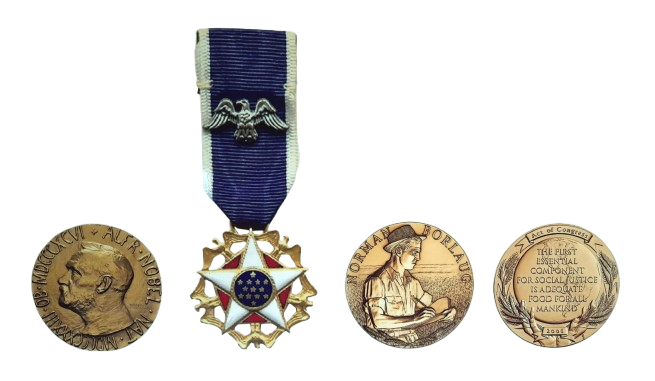
He received many other awards in addition to the Nobel Peace Prize, including the Presidential Medal of Freedom (1977) and the Congressional Gold Medal (2006), one of only seven individuals worldwide to receive all three awards².
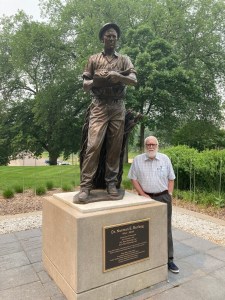
His is one of two Iowa statues in the US Capitol’s Statuary Hall, unveiled in 2014 and replacing one of the state’s existing statues. It was sculpted by Benjamin Victor. A duplicate stands on the University of Minnesota campus in St Paul, outside the building named in his honour.

He founded the World Food Prize in 1986, a prestigious, international award given each year to honor the work of great agricultural scientists working to end hunger and improve the food supply.

It was initially sponsored and formed by businessman and philanthropist John Ruan Sr with support from the Governor and State Legislature of Iowa. Since 1987, there have been 55 laureates from 21 countries.


On 9 June 2017, Steph and I were on the last day of a 10 day road trip that had taken us from Atlanta, Georgia down to the coast at Savannah, then up through South Carolina, North Carolina, Tennessee, Virginia, West Virginia, Kentucky, Illinois, Missouri, Iowa, and back to the Twin Cities in Minnesota. Almost 2800 miles.

We’d spent our last night in a suburb of Iowa City before setting off north to St Paul the following morning. In a little under 3 hours, we found ourselves in Cresco, the county seat of Howard County (just south of the state line with Minnesota) in the lovely Bluff Country that encompasses northeast Iowa, southeast Minnesota, and southwest Wisconsin.

On the eastern outskirts of Cresco we came across this large billboard beside the road.
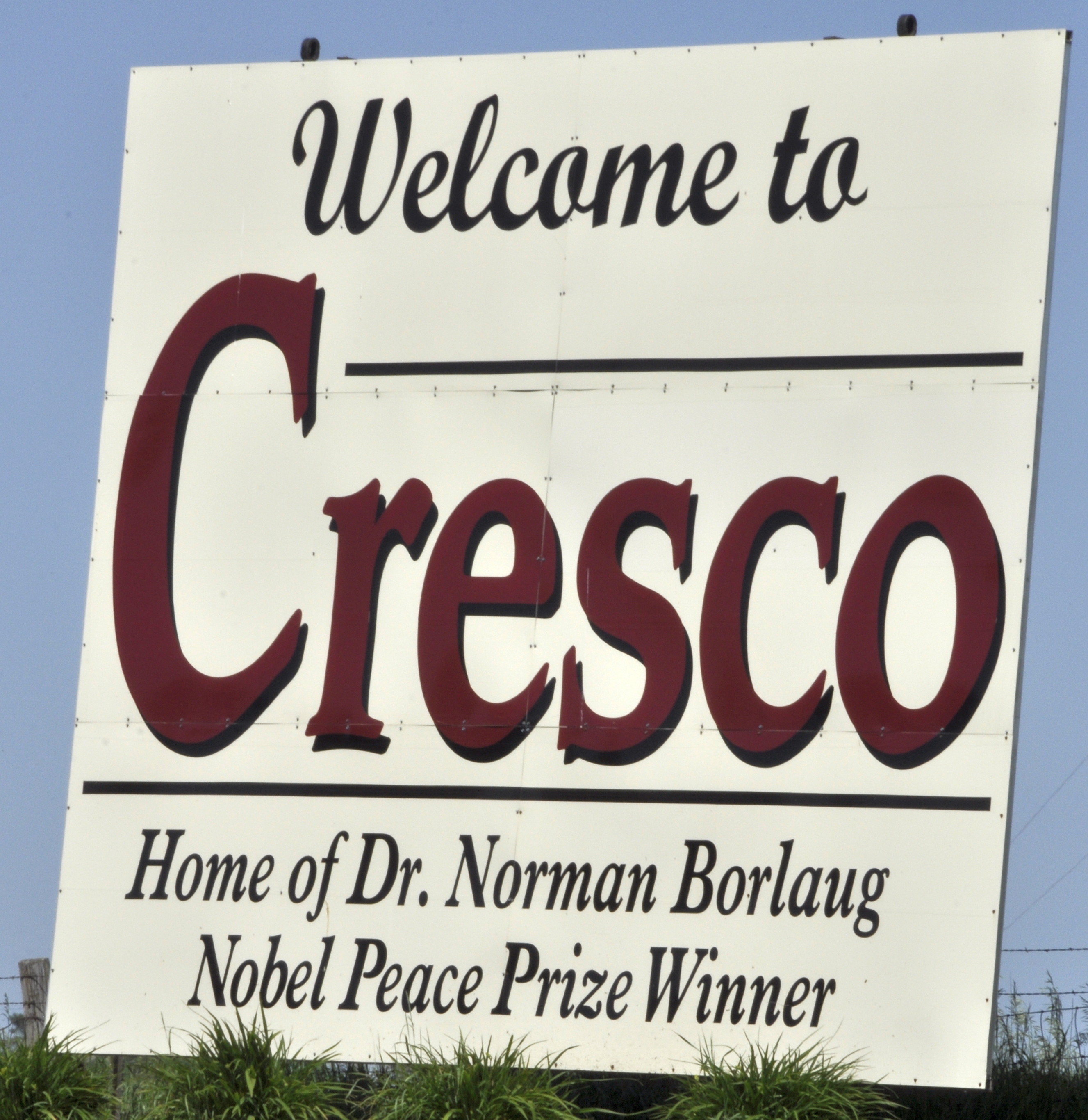
Anyway, as I stopped to take a photograph, I recalled having caught a glimpse—some miles south of Cresco—of a signpost to the ‘Borlaug Birthplace Farm’. Well, being somewhat pressed for time (and having another 180 miles to complete our journey to St Paul), we didn’t turn round and explore.

So it was just a vague hope that someday I might return, since I had met Dr Borlaug in April 1999 when he visited the International Rice Research Institute (IRRI, another of the CGIAR centers) in the Philippines where I was working at the time. It was a hope recently fulfilled.
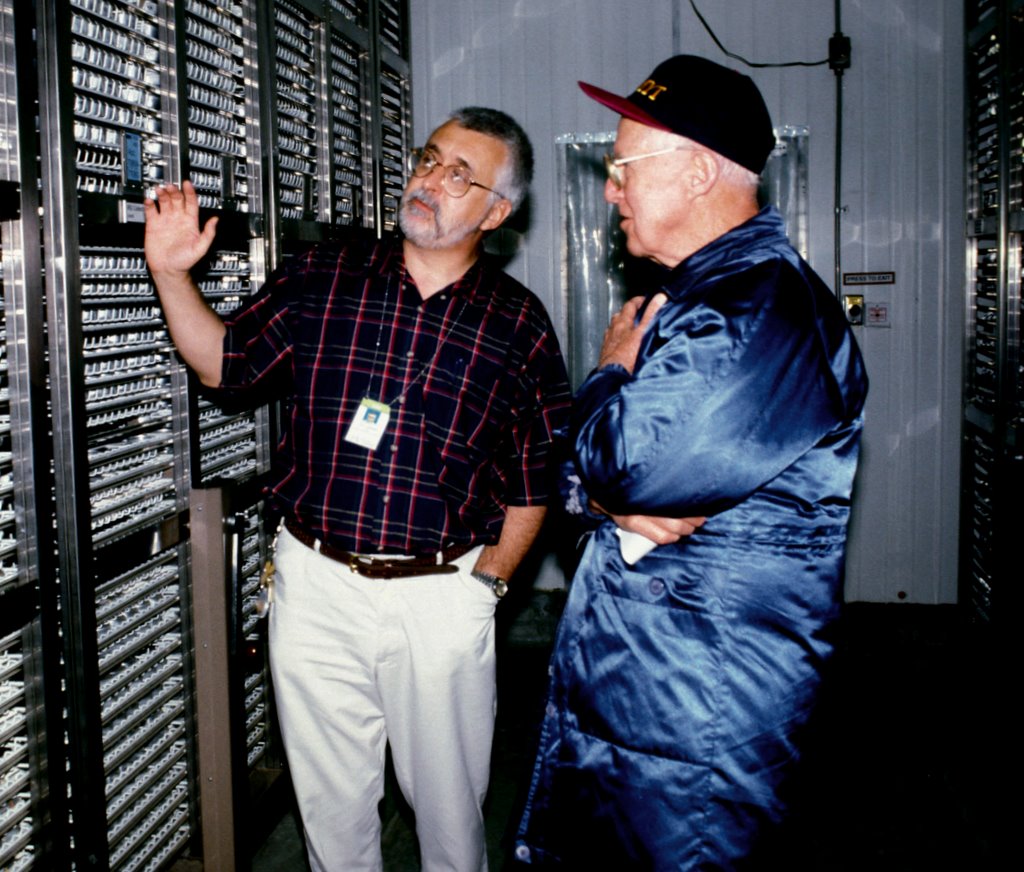
Explaining how rice seeds are stored in the International Rice Genebank to Nobel Laureate Norman Borlaug

Earlier this year, I had contacted Seed Savers Exchange in Decorah, Iowa asking if Steph and I could have a ‘behind-the-scenes’ visit during our vacation in the USA, a vacation we have just returned from. It was then I discovered that Cresco was just a short drive west from Decorah, and I contemplated whether a tour of the Borlaug Birthplace and Boyhood Farms might be feasible.

So I contacted the Norman Borlaug Heritage Foundation (NBHF, set up in 2000) and very quickly received a reply that NBHF board members would be delighted to arrange a tour.
And that’s what we did on 3 June, setting off from Decorah in time to meet up with board members Tom Spindler (Tours) and Gary Gassett (Co-Treasurer) at the Borlaug Boyhood Farm.
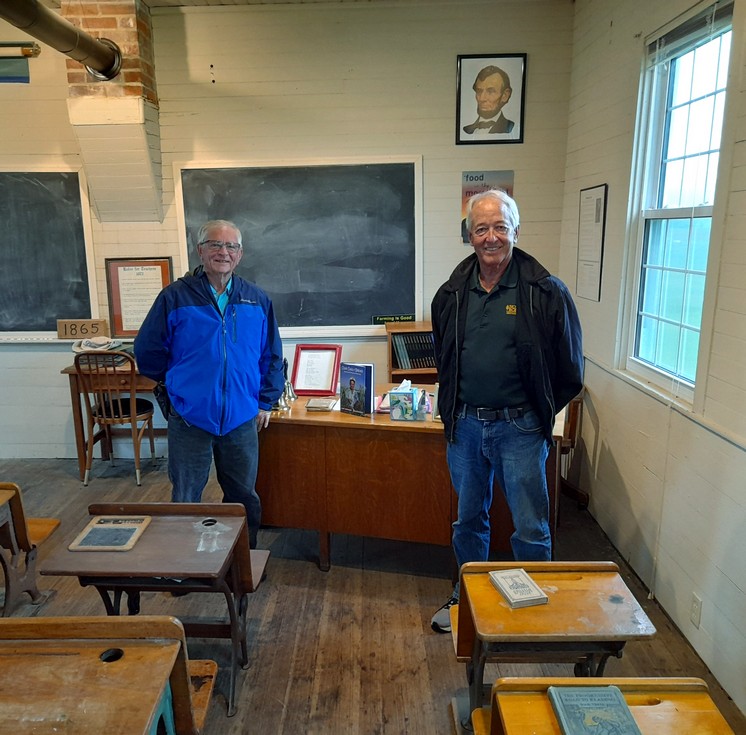
NBHF board members Gary Gassett (L) and Tom Spindler (R) in the old school room on the Borlaug boyhood farm site.


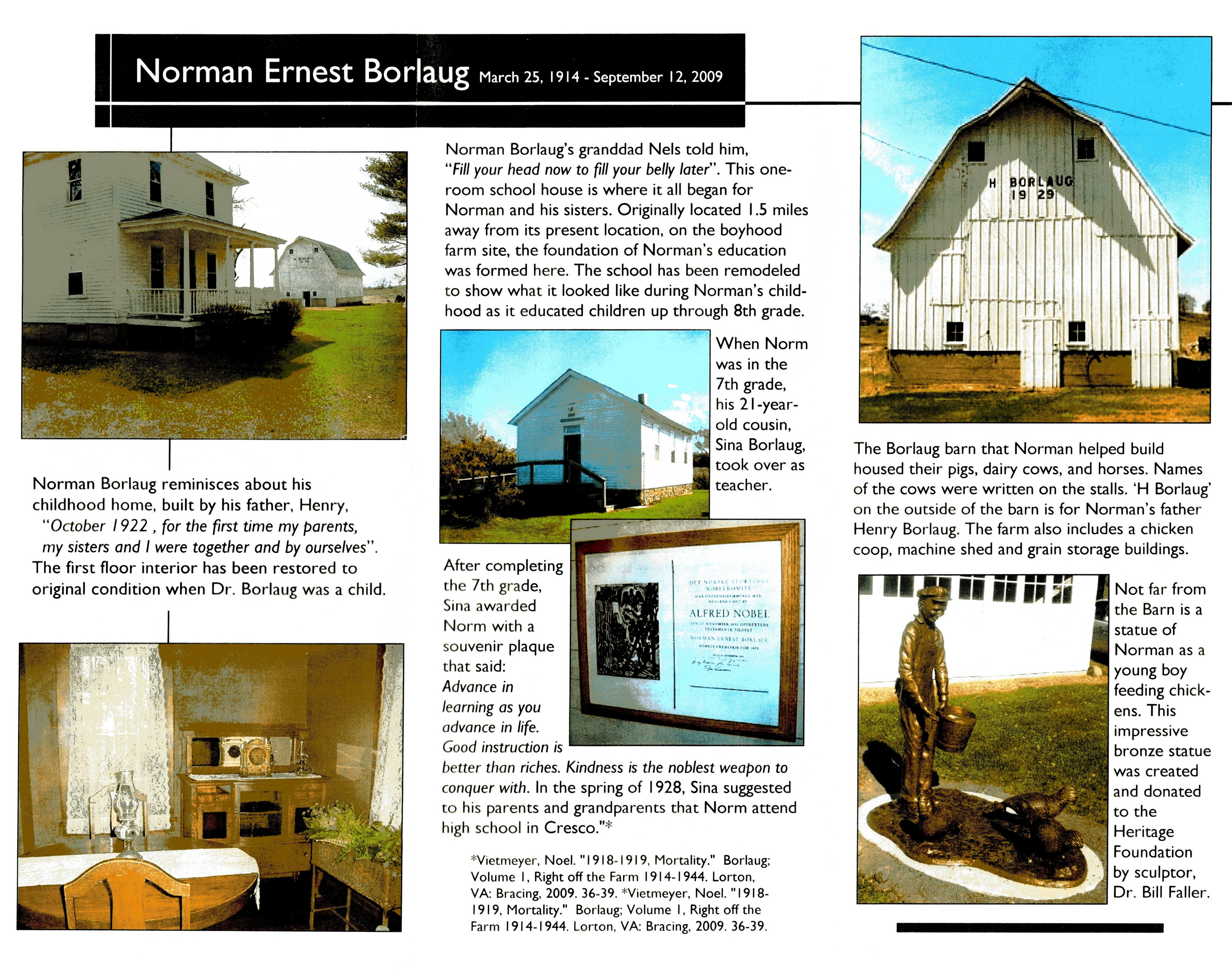
Norman Borlaug came from humble beginnings, the great-grandson of Norwegian immigrants in the late 19th century.
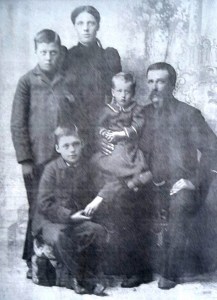
Norman’s grandparents, Emma and Nels (and others of the Borlaug clan) settled in the Cresco area. They had three sons: Oscar, Henry (Norman’s father, second from left), and Ned.

Henry married Clara Vaala, and after Norman was born on 25 March 1914 in his grandparents house, the family lived there for several years. Norman had three younger sisters, Palma Lilian, Charlotte, and Helen (who was born and died in 1921).

The house is currently not open for visitors, as several parts are undergoing extensive repair and renovation.

Henry and Clara bought a small plot of land (around 200 acres) less than a mile from their parent’s farm, but until he was 8, Norman continued to live with his grandparents. By then, in 1922, Henry and Clara had built their own home, ordered from Sears, Roebuck of Chicago. The original flatpack!

Life must have been hard on the Borlaug farm, the winters tough. Heating for the house came solely from the stove in the kitchen with warm(er) air rising to the four bedrooms bedrooms upstairs through a metal grill in the ceiling. There was an outhouse privy some 15 m or so from the back porch.

Besides the kitchen, with its hand pump to deliver water for washing, the other room on the ground floor was a combined parlour cum dining room.

On the front of the house there is a set of steps leading to a porch along the width of the house. Mature pine trees now surround the house, with a row to the front of the house planted by Norman when he was studying for his BS in forestry at the University of Minnesota (only later did he turn to plant pathology for his graduate studies).

On the farm, Henry eventually built a barn in 1929 to house their livestock There is a long chicken coop, beside which is a bronze statue of Norman as a boy feeding the chickens. It was created by Dr Bill Faller and donated to the NBHF, as was another nearby depicting Norman’s work around the world.

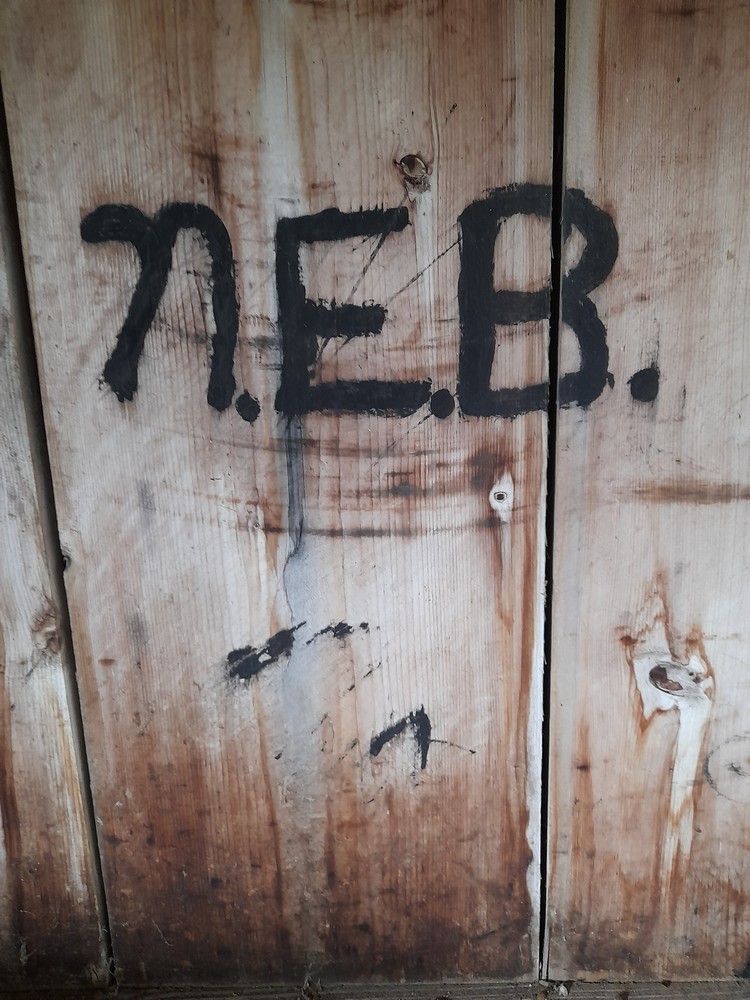
In one outhouse there’s a nice memento of Norman’s boyhood here: his initials inscribed on a wall.

It’s said that Norman was an average student. From an early age, until Grade 8, he joined his classmates (of both Lutheran Norwegian and Catholic Czech descent – Czechs had settled in the area of Protivin and Spillville west of the Borlaug farms) in a one room schoolroom (built in 1865) that was originally located about a mile away from the farm. Norwegian children on one side of the room, the Czechs on the other.

At that time, most pupils reaching Grade 8 would leave full-time education and return to working on the family farm. But Norman’s teacher at the time, his cousin Sina Borlaug (right), encouraged both parents and grandparents to permit Norman to attend high school in Cresco. Which he did, boarding with a family there Monday to Friday, returning home each weekend to take on his fair share of the farm chores.

And the rest is history, so to speak. He eventually made it to the University of Minnesota in St Paul to study forestry, spending some time working in that field before completing (in 1942) his PhD on variation and variability in the pathogen that causes flax wilt, Fusarium lini (now F. oxysporum f.sp. lini).

He joined a small group of scientists on a Rockefeller Foundation funded project in Mexico in 1944, and remained in Mexico until he retired. Among these colleagues was potato pathologist, Dr John Niederhauser, who became a colleague of mine as we developed a regional potato program (PRECODEPA) in the late 1970s.

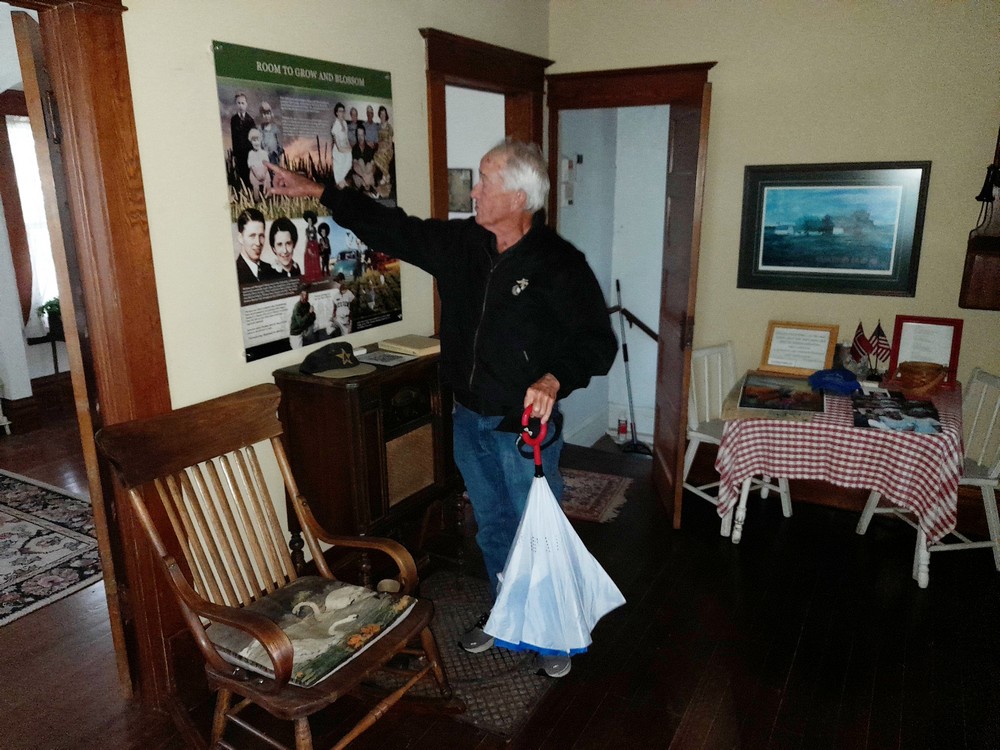
Borlaug and Niederhauser were very keen baseball fans, and they introduced Little League Baseball to Mexico. That achievement is mentioned in one of the posters (below) in the Borlaug home, and our two NBHF guides, Tom and Garry, were surprised to learn that not only had I met Borlaug, but had worked with Niederhauser as well.
Active to the end of his life, Dr Borlaug passed away in Texas on 12 September 2009. His ashes were scattered at several places, including the Iowa farms.

To the end of his life he was passionate about the need for technology to enhance agricultural productivity. And one point of view remained as strong as ever: peace and the eradication of human misery were underpinned by food security.


It was a fascinating tour of the Borlaug Birthplace and Boyhood Farms, and Steph and I are grateful to Tom and Garry for taking the time (over 2.5 hours) to give us a personal tour.

The NBHF has several programs, including internships and one designed especially for schoolchildren to make them aware of Borlaug’s legacy, and why it is important. You can find much more information on the Foundation website.
¹ Many of Dr Borlaug’s day-to-day belongings (including his typewriter) are displayed in the office suite he occupied at CIMMYT. The photos are courtesy of two former IRRI colleagues, plant breeder Dr Mark Nas and Finance Manager Remy Labuguen who now work at CIMMYT.

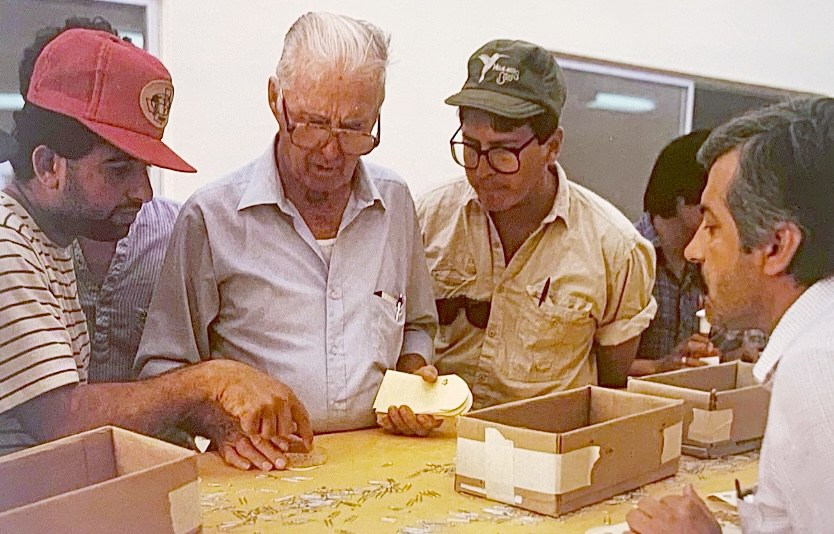
Dr Borlaug stepped down as head of CIMMYT’s wheat program around 1982, but he remained as active as ever. He especially enjoyed spending time with trainees, passing on his wealth of knowledge about wheat improvement to the next generation of breeders and agronomists.

In this photo, he is showing trainees how to select viable seeds at CIMMYT’s Obregon Wheat Research Station in the spring of 1992.
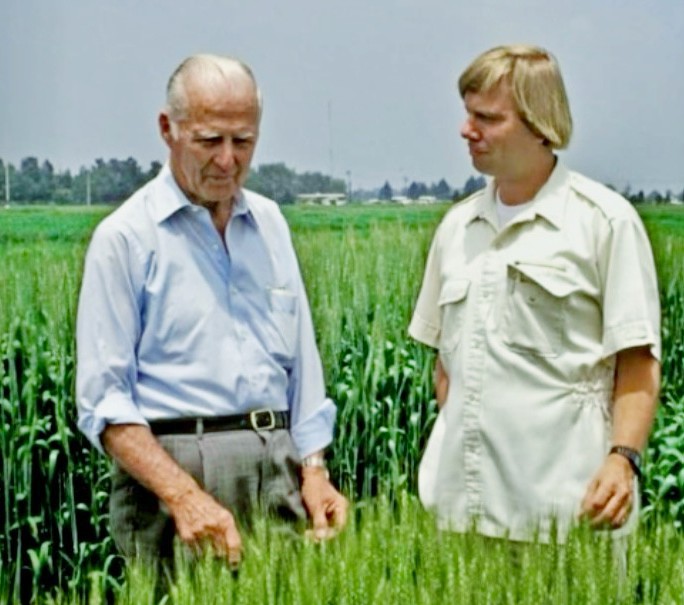
One of my colleagues at IRRI, Gene Hettel, was the communications specialist in the wheat program at CIMMYT between 1986 and 1995.

Gene told me that Borlaug’s office was directly above mine—that made it handy for when he had editorial chores for me. Sometimes he would call me up to his office if he had a really big job—maybe a major book chapter to edit. Other times he dropped by my office with a grin on his face: “Are you busy?”

Here they are together in the wheat plots just outside their offices to get away from all the paperwork and just “talk” to the plants!
² The other six are: Nelson Mandela (South Africa), Martin Luther King Jr (USA), Mother Teresa (Albania-India), Muhammad Yunus (Bangladesh), Elie Wiesel (USA), and Aung San Suu Kyi (Myanmar). Mohammad Yunus (currently Chief Advisor of the interim government of Bangladesh) was a member of IRRI’s Board of Trustees (1989 to 1994) when I joined the institute in 1991.
If it’s Wednesday, it must be Colombia . . .

Not quite the ‘Road to Rio . . .’
I have just returned from one of the most hectic work trips I have taken in a very long time. I had meetings in three countries: Peru, Colombia, and Mexico in just over 6½ days.

And then, of course, there were four days of travel, from Birmingham to Lima (via Amsterdam), Lima to Cali (Colombia), then on to Mexico City, and back home (again via Amsterdam). That’s some going. Fortunately the two long-haul flights (BHX-AMS-LIM and MEX-AMS-BHX) were in business class on KLM. Even so the journeys from Lima to Cali (direct, on Avianca) and Cali to Mexico (via Panama City, on COPA) were 12 hours and 11 hours door-to-door, respectively, the former taking so long because we were delayed by more than 5 hours.

As I have mentioned in an earlier blog post, I am leading the evaluation of the program to oversee the genebank collections in eleven of the CGIAR centers (known as the Genebanks CRP). Together with my team colleague, Marisé Borja, we met with the genebank managers at the International Potato Center (CIP, in Lima), the International Center for Tropical Agriculture (CIAT, in Cali), and the International Maize and Wheat Improvement Center (CIMMYT, in Texcoco near Mexico City).

20160724 018

A drop of cognac.

It all started on Sunday 24 July, when I headed off to Birmingham Airport at 04:30 for a 6 o’clock flight to Amsterdam. Not really having slept well the night before, I can’t say I was in the best shape for flying half way round the world. I had a four hour stopover in Amsterdam, and managed to make myself more or less comfortable in the KLM lounge before boarding my Boeing 777-300 Lima flight sometime after noon. There’s not a lot to do on a long flight across the Atlantic except eat, drink and (try to) sleep. I mainly did the first two.

It never ceases to impress me just how vast South America is. Once we crossed the coast of Venezuela and headed south over the east of Colombia and northern Peru we must have flown for about three hours over rain forest as far as you could see. I wish I’d taken a few pictures of the interesting topography of abandoned river beds and oxbow lakes showing through all that dense vegetation. At one point we flew over a huge river, and there, on its banks, was a city, with an airport to the west. I checked later on Google Maps, and I reckon it must have been Iquitos in northern Peru on the banks of the Amazon. Over 2000 miles from the Atlantic, ocean going ships can sail all the way to Iquitos. I once visited Iquitos in about 1988 in search of cocoa trees, and we crossed the Amazon (about two miles wide at this point) in a small motorboat.

Then the majestic Andes came into view, and after crossing these we began our long descent into Lima, with impressive views of the mountains all the way and, nearer Lima, the coastal fogs that creep in off the Pacific Ocean and cling to the foothills of the Andes.

We landed on schedule at Jorge Chavez International Airport in Lima around 18:00 (midnight UK time) so I had been travelling almost 20 hours since leaving home. I was quickly through Immigration and Customs, using the Preferencial (Priority) line reserved for folks needing special assistance. My walking stick certainly gives me the edge these days on airlines these days.

Unfortunately, the taxi that had been arranged to take me to my hotel, El Condado, in the Lima district of Miraflores (where Steph and I lived in the 1970s) was a no-show. But I quickly hired another through one of the official taxi agencies inside the airport (necessary because of the various scams perpetrated by the cowboy taxi drivers outside the terminal) at half the price of the pre-arranged taxi.

After a quick shower, I met up with old friends and former colleagues at CIP, Dr Roger Rowe and his wife Norma. I first joined CIP in January 1973, and Roger joined in July that same year as CIP’s first head of Breeding & Genetics. He was my first boss!

20160724 001

They were in the bar, and we enjoyed several hours of reminiscences, and a couple of pisco sours (my first in almost two decades), and a ‘lite bite’ in the restaurant. It must have been almost 11 pm before I settled into bed. That was Sunday done and dusted. The work began the following morning.

All things potatoes . . . and more
I haven’t been to CIP since the 1990s. Given the tight schedule of meetings arranged for us, I didn’t get to see much more than the genebank and dining room.

CIP has a genebank collection of wild and cultivated potatoes (>4700 samples or accessions, most from the Andes of Peru), wild and cultivated sweet potatoes (>6400, Ipomoea spp.), and Andean roots and tubers (>1450) such as ulluco (Ullucus tuberosus), mashua (Tropaeolum tuberosum), and oca (Oxalis tuberosa).

20160726 028

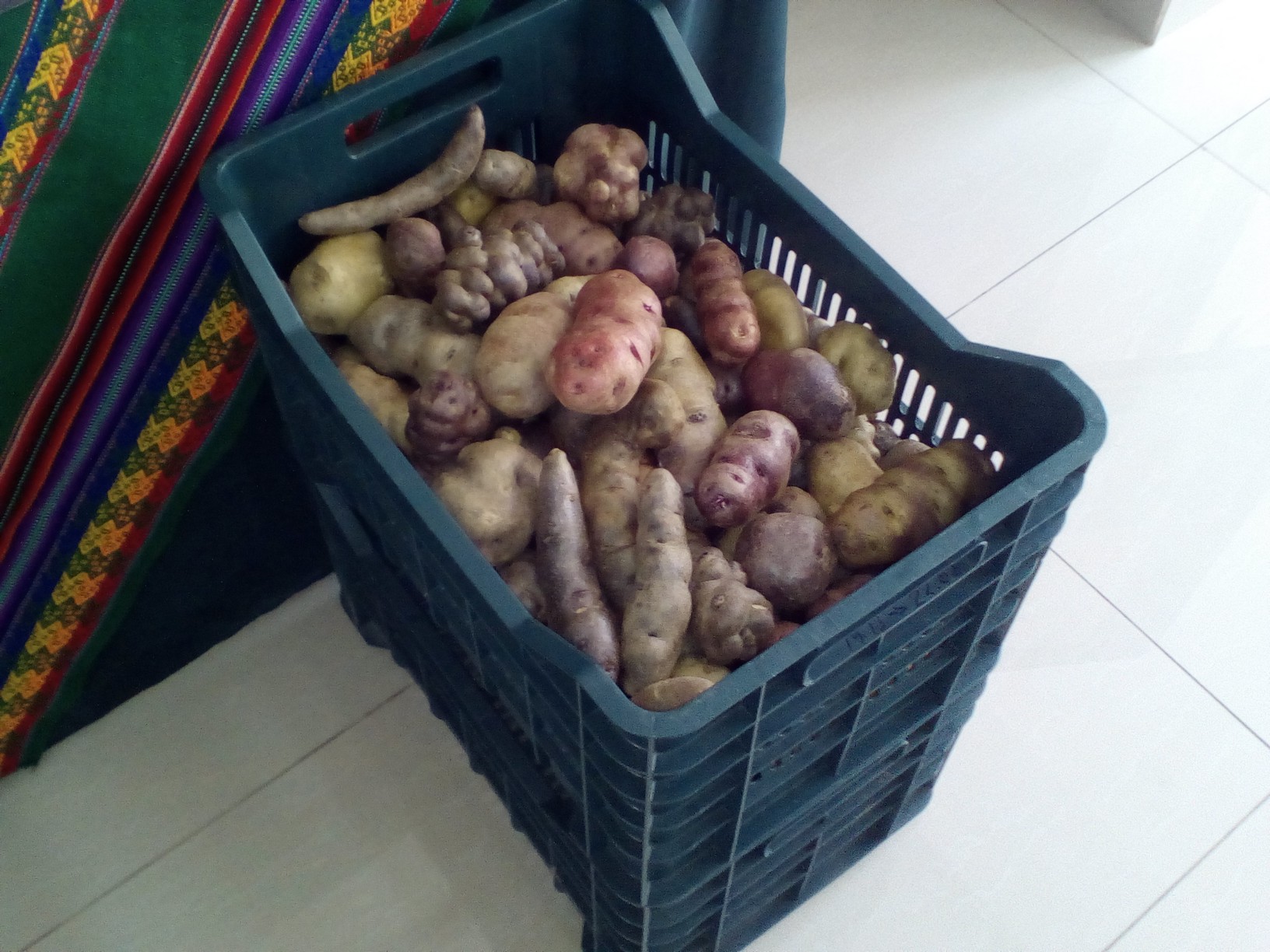
Native potato varieties.

Although potatoes are grown annually at the CIP experiment station at Huancayo, some six or more hours by road east of Lima, at over 10,000 feet in the Mantaro Valley, and sweet potatoes multiplied in greenhouses at CIP’s coastal headquarters at La Molina, the collections are maintained as in vitro cultures and, for potatoes at least, in cryopreservation at the temperature of liquid nitrogen. The in vitro collections are safety duplicated at other sites in Peru, with Embrapa in Brazil, and botanical seeds are safely stored in the Svalbard Global Seed Vault.

With a disease pressure from the many diseases that affect potato in its center of origin—fungal, bacterial, and particularly viruses—germplasm may only be sent out of the country if it has been declared free of these diseases. That requires growth in aseptic culture and treatments to eradicate viruses. It’s quite an operation. And the distribution does not even take into account all the hoops that everyone has to jump through to comply with local and international regulations for the exchange of germplasm.

The in vitro culture facilities at CIP are rather impressive. When I worked at CIP more than 40 years ago, in vitro culture was really in its infancy. Today, its application is almost industrial in scale.

Our host at CIP was Dr David Ellis, genebank manager, but we also met with several of the collection curators and managers.

20160725 009

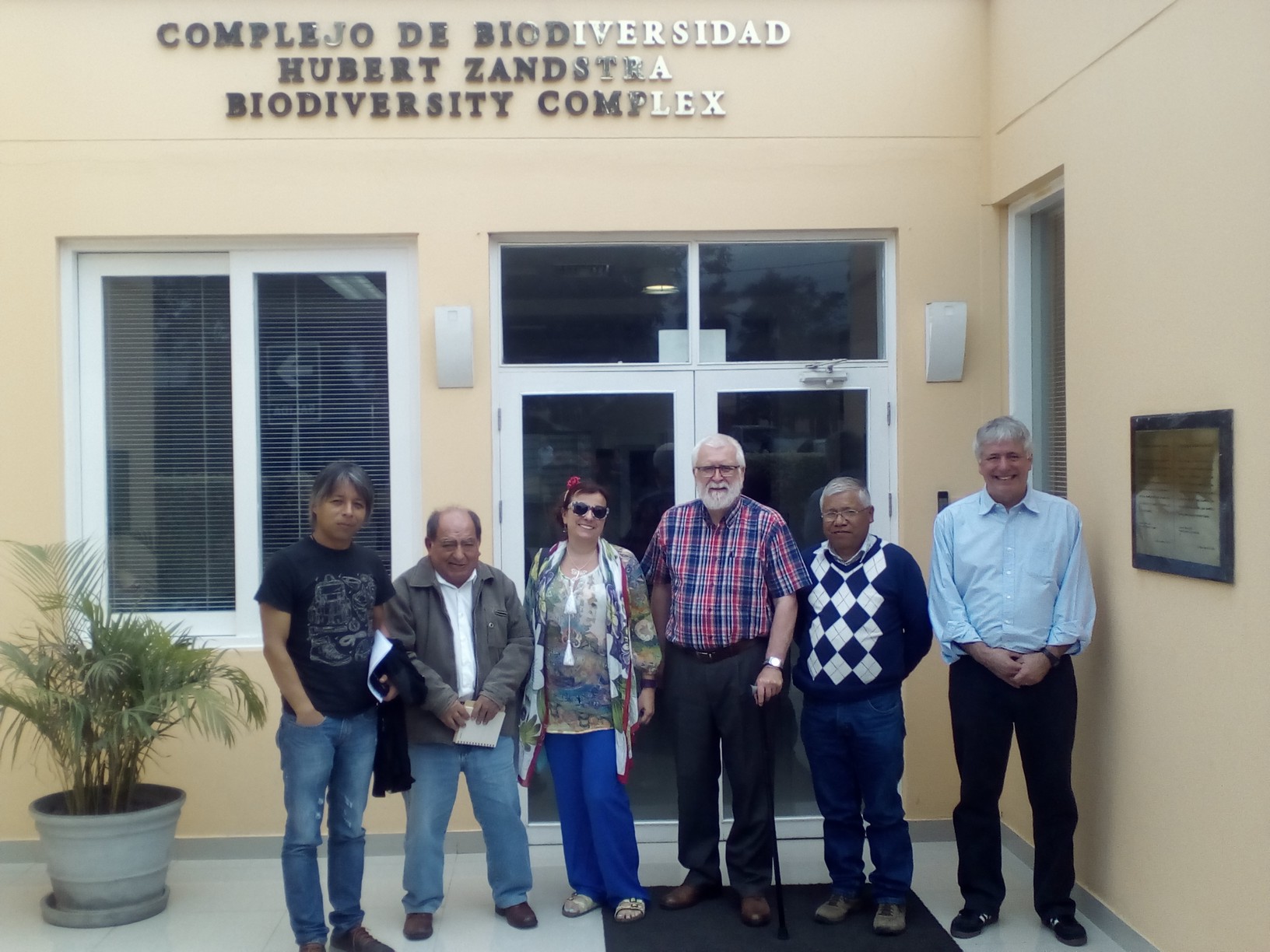
L to R: Ivan Manrique (Andean roots and tubers), Alberto Salas (consultant, wild potatoes), Marisé Borja (evaluation team), me, René Gómez (Senior Curator), David Ellis.

20160725 010

Alberto Salas, now in his 70s, worked as assistant to Peruvian potato expert Prof. Carlos Ochoa. Alberto’s wealth of knowledge about wild potatoes is enormous. I’ve known Alberto since 1973, and he is one of the most humble and kind persons I have ever met.

Prior to our tour of the genebank, René Gómez and Fanny Vargas of the herbarium had found some specimens that I had made during my studies in Lima during 1973 and 1974. I was also able to confirm how the six digit germplasm numbering system with the prefix ’70’ had been introduced and related to earlier designations.

It was great to see how the support from the Genebanks CRP has brought about so many changes at CIP.

Lima has changed so much over the past couple of decades. It has spread horizontally and upwards. So many cars! In the district of Miraflores where we used to live, the whole area has been refurbished and become even smarter. So many boutiques and boutique restaurants. My only culinary regret is that the famous restaurant La Rosa Nautica, on a pier over the Pacific Ocean closed down about two months ago. It served great seafood and the most amazing pisco sours.

All too soon our two days in Lima were over. Next stop: Cali, Colombia.

Heading to the Cauca Valley . . . 
Our Avianca flight to Cali (an Embraer 190, operated by TACA Peru) left on time at 10:25. Once we’d reached our cruising altitude, the captain turned off the seat belt sign, and I headed to the toilet at the front of the aircraft, having been turned away from the one at the rear. Strange, I thought. I wasn’t allowed to use the one at the front either. It seems that both refused to flush. The captain decided to return to Lima, but as we still almost a full load of fuel, he had to burn of the excess so we could land safely. So, at cruising altitude and as we descended, he lowered the undercarriage and flaps to create drag which meant he had to apply more power to the engines to keep us flying, thereby burning more fuel. Down and down we went, circling all the time, for over an hour! We could have made it to Cali in the time it took us to return to Lima. We could have all sat there with legs crossed, I guess.

Once back on the ground, engineers assessed the situation and determined they could fix the sensor fault in about a couple of hours. We were taken back to the terminal for lunch, and around 15:30 we took off again, without further incident.

But as we waited at the departure gate for a bus to the aircraft, there was some impromptu entertainment by a group of musicians.

Unfortunately because of our late arrival in Cali, we missed an important meeting with the CIAT DG, who was not available the following days we were there.

CIAT was established in 1967, and is preparing for its 5oth anniversary next year.

Daniel Debouck, from Belgium, is CIAT’s genebank manager, and he has been there for more than 20 years. He steps down from this position at the end of the year, and will be replaced by Peter Wenzl who was at the Global Crop Diversity Trust in Bonn until the end of April this year. Daniel is an internationally-recognised expert on Phaseolus beans.

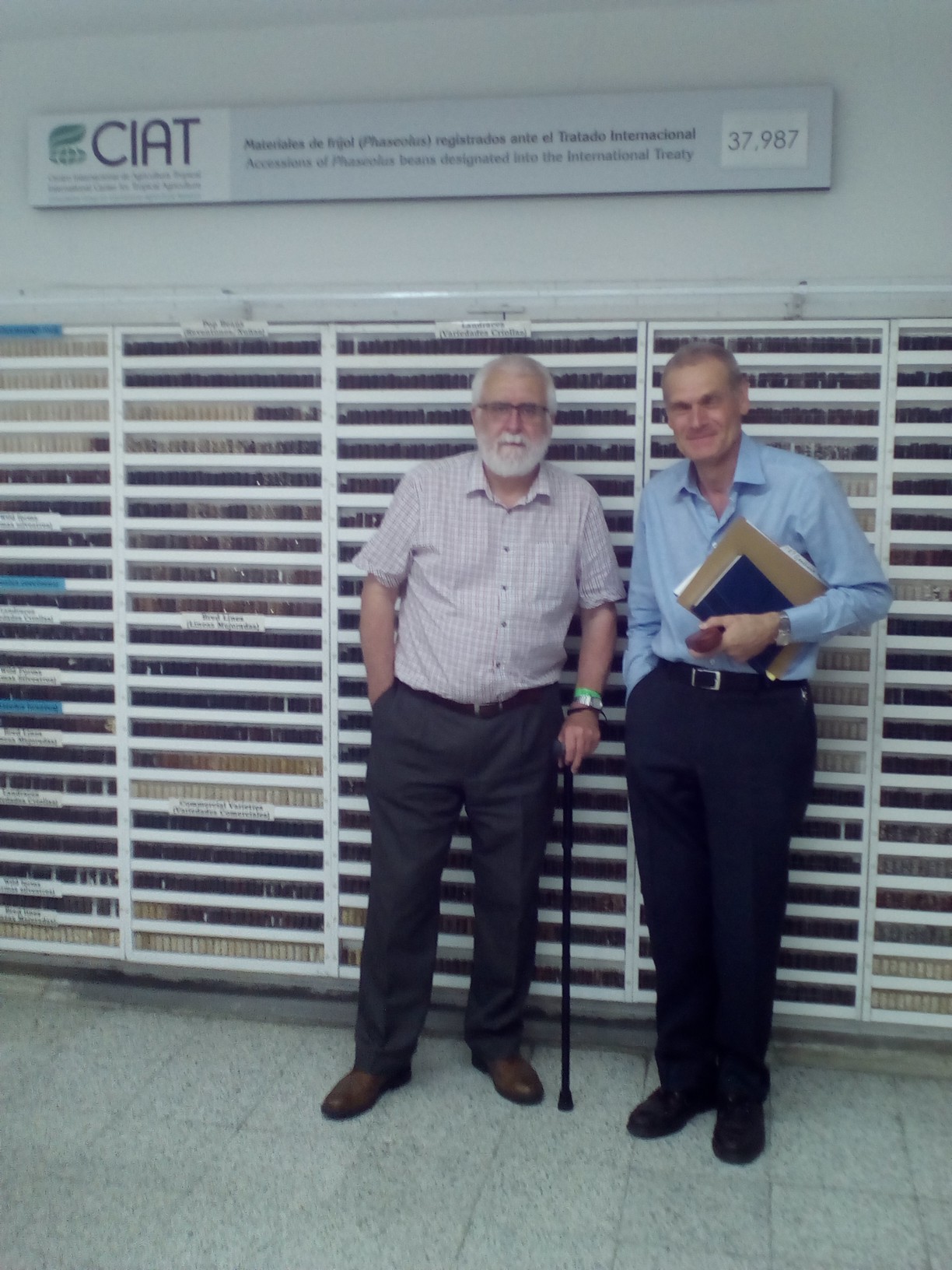
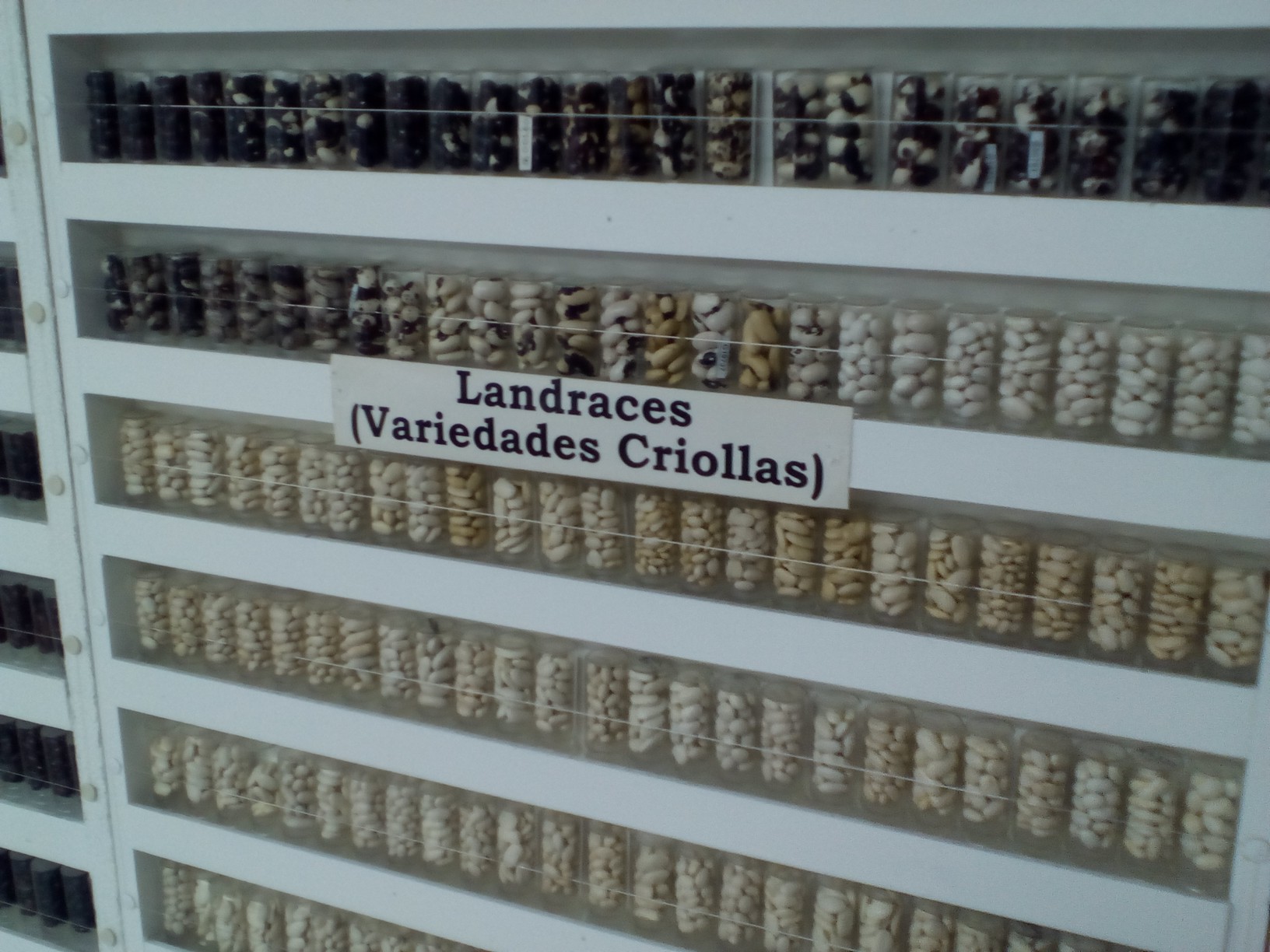
The CIAT genebank has three significant collections: wild and cultivated Phaseolus beans (almost 38,000 accessions), wild and cultivated cassava (Manihot spp., >6600 accessions in vitro or as ‘bonsai’ plants), and more than 23,000 accessions of tropical forages. Here’s an interesting fact: one line of the forage grass Brachiaria is grown on more than 100 million hectares in Brazil alone!

20160729 021

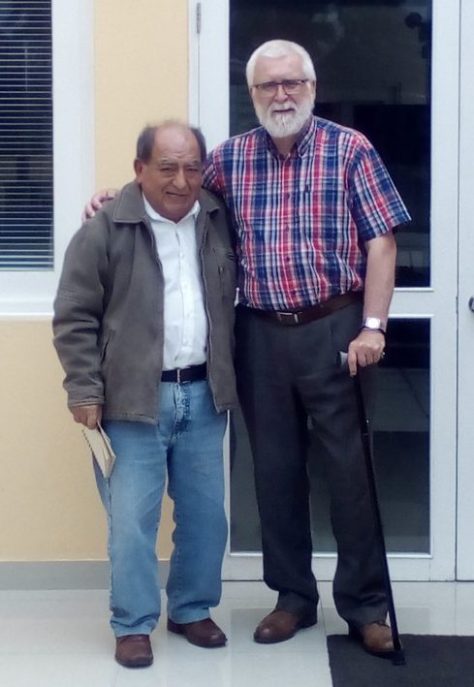
Me and Daniel Debouck.

20160729 022

Bean varieties.

The bean collections are easily maintained as seeds in cold storage, as can most of the forages. But, like potato, the cassava accessions present many of the same quarantine issues, have to be cleaned of diseases, particularly viruses, and maintained in tissue culture. Cryopreservation is not yet an option for cassava, and even in vitro storage needs more research to optimise it for many clones.

20160729 040

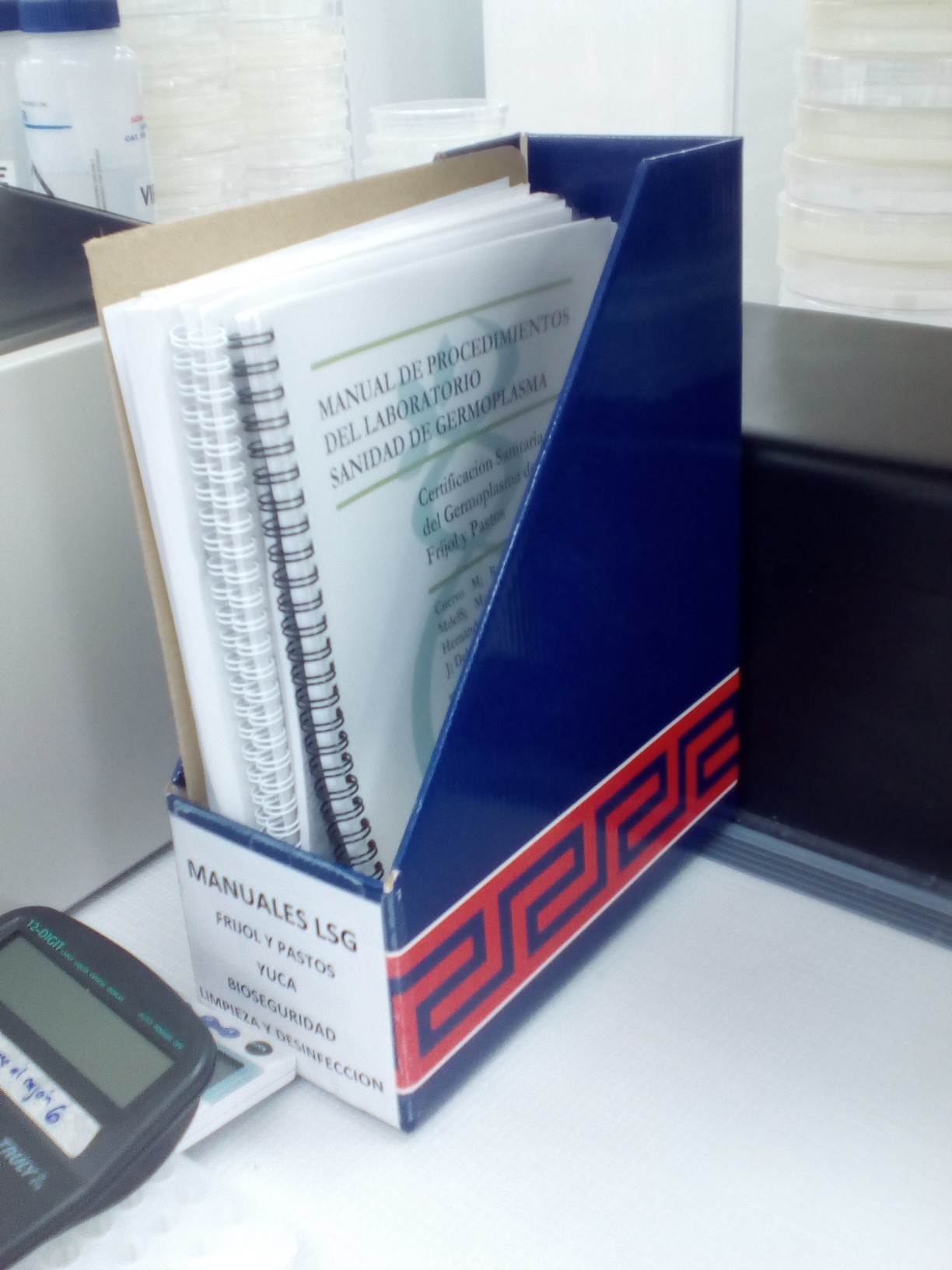
QMS manuals in the germplasm health laboratory.

Like many of the genebanks, CIAT has been upgrading its conservation processes and procedures through the application of a Quality Management System (QMS). A couple of genebanks (including CIP) have opted for ISO certification, but I am of the opinion that this is not really suitable for most genebanks. Everything is documented, however,  including detailed risk assessments, and we saw that the staff at CIAT were highly motivated to perform to the highest standards. In all the work areas, laboratory manuals are always to hand for easy reference.

An exciting development at CIAT is the planned USD18-20 million biodiversity center, with state of the art conservation and germplasm health facilities, construction of which is expected to begin next year. It is so designed to permit the expected thousands of visitors to have good views of what goes on in a genebank without actually having to enter any of the work areas.

On our first night in Cali, our hosts graciously wined and dined us at Platillos Voladores, regarded as one of Cali’s finest restaurants.

1520778_329652313848934_5424856017809772967_n

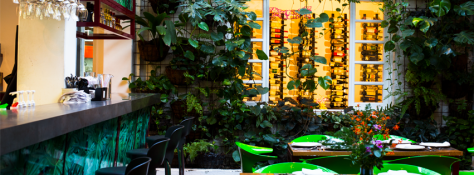
We had the private room for six persons with all the wine bottles on the wall, which can be seen in this photo above.

Arriba, arriba! Andale!
On Saturday afternoon around 15:30, we headed to Mexico City via Tocumen International Airport in Panama City. Cali’s international airport is being expanded significantly and there are now international flights to Europe as well as the USA. This must be great for CIAT staff, as the airport is only 15 minutes or so from the research center.

After takeoff, we climbed out of the Cauca Valley and had great views of productive agriculture, lots of sugar cane.

Tocumen is lot busier than when I was travelling through therein the late 1970s. With several wide-bodied jets getting set to depart to Europe, the terminal was heaving with passengers and there was hardly anywhere to sit down. On our COPA 737-800 flight to Mexico I had chosen aisle seat 5D immediately behind the business class section, so had plenty of room to stretch my legs. Much more comfortable than had I stayed with the seat I was originally assigned. I eventually arrived to CIMMYT a little after midnight.

CIMMYT is the second oldest of the international agricultural centers of the CGIAR, founded in 1966. And it is about to celebrate its 50th anniversary in about 1 month from now. IRRI, where I worked for 19 years, was the first center.

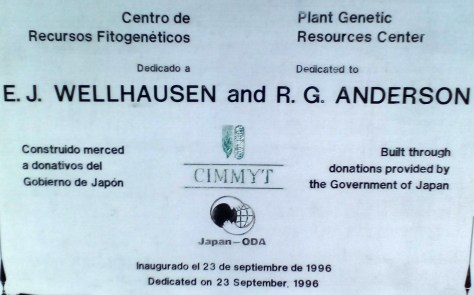
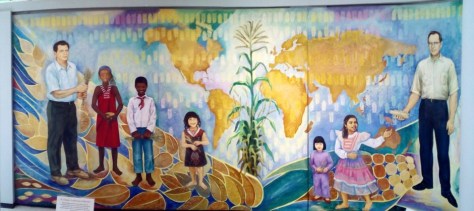
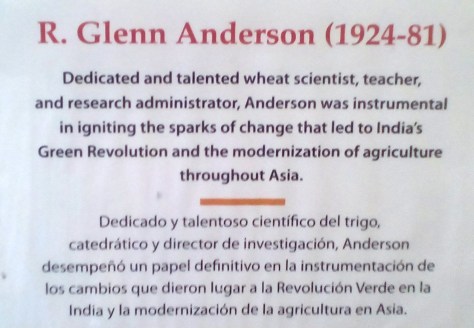
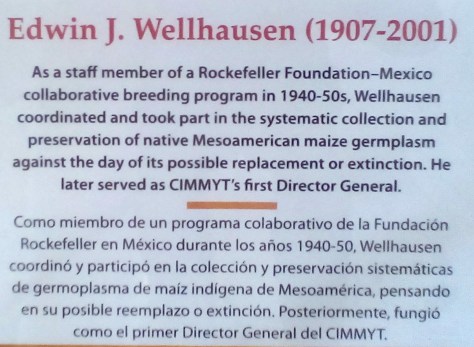
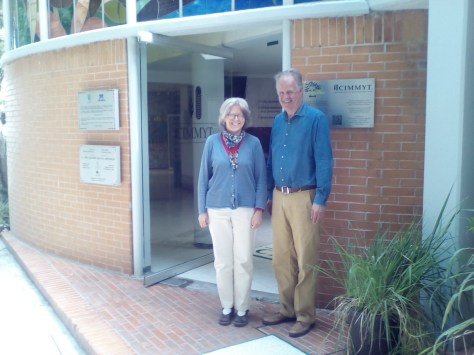
Unlike many of the CGIAR centers that have multi-crop collections in their genebanks (ICARDA, ICRISAT, and IITA for example), CIMMYT has two independent genebank collections for maize and wheat in a single facility, inaugurated in 1996, and dedicated to two renowned maize and wheat scientists, Edwin Wellhausen and Glenn Anderson. But CIMMYT’s most famous staff member is Nobel Peace prize Laureate, Norman Borlaug, ‘Father of the Green Revolution’.

Tom Payne and Denise Costich are the wheat and maize genebank managers. CIMMYT’s genebank has ISO 9001:2008 accreditation.

20160802 014

20160802 003

Ayla Sençer

Tom has been at CIMMYT in various wheat breeding capacities for more than 25 years. In addition to managing the wheat genebank, Tom manages the wheat international nurseries. One of the first curators of the wheat collection was Ayla Sençer from Turkey, and a classmate of mine when we studied at Birmingham in 1970 for the MSc in Conservation and Utilisation of Plant Genetic Resources. The CIMMYT wheat collection is unlike many other germplasm collections in that most of the 152,800 samples are actually breeding lines (in addition to landrace varieties and wild species).

Denise joined CIMMYT just a year or so ago, from the USDA. She has some very interesting work on in situ conservation and management of traditional maize varieties in Mexico and Guatemala. A particular conservation challenge for the maize genebank is the regeneration of highland maizes from South America that are not well-adapted to growing conditions in Mexico. The maize collection comprises over 28,000 accessions including a field collection of Tripsacum (a wild relative of maize).

In recent years has received major infrastructure investments from both the Carlos Slim Foundation and the Bill & Melinda Gates Foundation. New laboratories, greenhouses and the like ensure that CIMMYT is well-placed to deliver on its mission. And the support received through the Genebanks CRP has certainly raised the morale of genebank staff.

On our last day at CIMMYT (Wednesday), we met with Janny van Beem from the Crop Trust. Janny is a QMS expert, based in Houston, Texas, and she flew over to Mexico especially to meet with Marisé and me. When we visiited Bonn in April we only had opportunity to speak by Skype with Janny for jsut 30 minutes. Since the implementation of QMS in the genebanks seems to be one of the main challenges—and success stories—of the Genebanks CRP, we thought it useful to have an in-depth discussion with Janny about this. And very useful it was, indeed!

On the previous evening (Tuesday) Tom, Denise, Marisé, Janny and I went out for dinner in Texcoco, to a well-known tacqueria, then into the coffee shop next door afterwards. No margaritas that night – we’d sampled those on Monday.

20160802 044

L to R: Janny, me, Tom, Marisé, and Denise.

But on this trip we did have one free day, Sunday. And I met up with members of CIMMYT’s Filipino community, many of them ex-IRRI employees, some of who worked in units for which I had management responsibility. They organised a ‘boodle fight‘ lunch, and great fun was had by one and all.

Hasta la vista . . .
At 6 pm on Wednesday I headed into Mexico City to take the KLM flight to Amsterdam. It was a 747-400 Combi (half passengers, half cargo). I haven’t flown a 747 for many years, and I’d forgotten what a pleasant experience it can be. It’s remarkable that the 747 is being phased out by most airlines; they are just not as economical as the new generation twin engine 777s, 787s, and A350s.

With the new seating configuration, I had a single seat, 4E, in the center of the main deck forward cabin. Very convenient. I was glad to have the opportunity of putting my leg up for a few hours. Over the previous 10 days my leg had swelled up quite badly by the end of each day, and it was quite painful. The purser asked if I had arranged any ground transport at Schipol to take me from the arrival to departure gates. I hadn’t, so she arranged that for me before we landed. The distances at Schipol between gates can be quite challenging, so I was grateful for a ride on one of the electric carts.

But after we went through security, my ‘assistant’ pushed me to my gate in a wheelchair. I must admit I felt a bit of a fraud. An electric cart is one thing, and most welcome. But a wheelchair? Another was waiting for me on arrival at Birmingham. Go with the flow!

20160804 014

I was all alone in Business Class from Schipol to Birmingham. We were back at BHX on time, and I was out in the car park looking for my taxi home within about 20 minutes, and home at 6 pm.

Now the hard work really begins—synthesising all the discussions we had with so many staff at CIP, CIAT, and CIMMYT. For obvious reasons I can’t comment about those discussions, but visiting these important genebanks in such a short period was both a challenging but scientifically enriching experience.