Just do a Google search on “Cruza 148” and and you will see more than 1,350 hits. Even Google Scholar generates more than 100 publications that make reference to Cruza 148. How did this potato clone from Mexico achieve its celebrity status? It is known for its resistance to bacterial wilt and late blight, and that it has been released in Burundi (as Ndinamagara), Uganda (as Cruza), Rwanda, and the Democratic Republic of Congo. Indeed, CIP scientist Greg Forbes reported in 2006 that it’s grown in the ‘poorest of poor areas’, and suggested that Cruza 148 is ‘the Superman of potatoes’. So how was this potato clone discovered, and what steps were taken to validate its resistance to bacterial wilt?
I spent my first three years with CIP in Lima, but in mid-1976 Dick Sawyer posted me to then Region II (Mexico, Central America, and the Caribbean), to undertake research on adaptation of the potato to the lowland tropics, as part of the the Regional Research Program (formerly Outreach). So I landed in Turrialba, Costa Rica at the Centro Agronómico Tropical de Investigación y Enseñanza (CATIE), where I was to remain for the next four and a half years, supported first by Head of Outreach Dick Wurster and then by Ken Brown after Dick left CIP. Deputy Director General-Research Ory Page was also keen to establish some specific research projects in the regions.
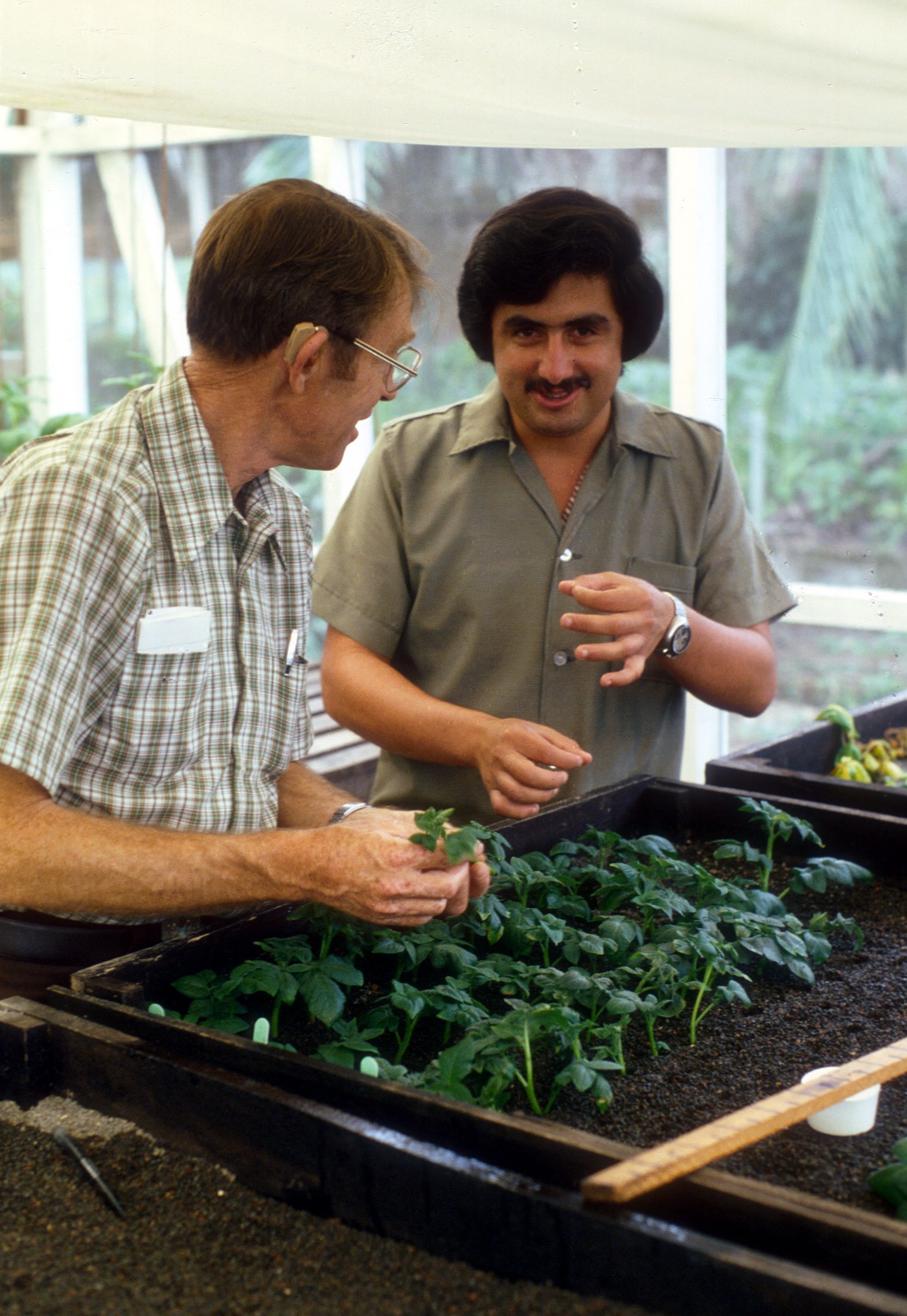
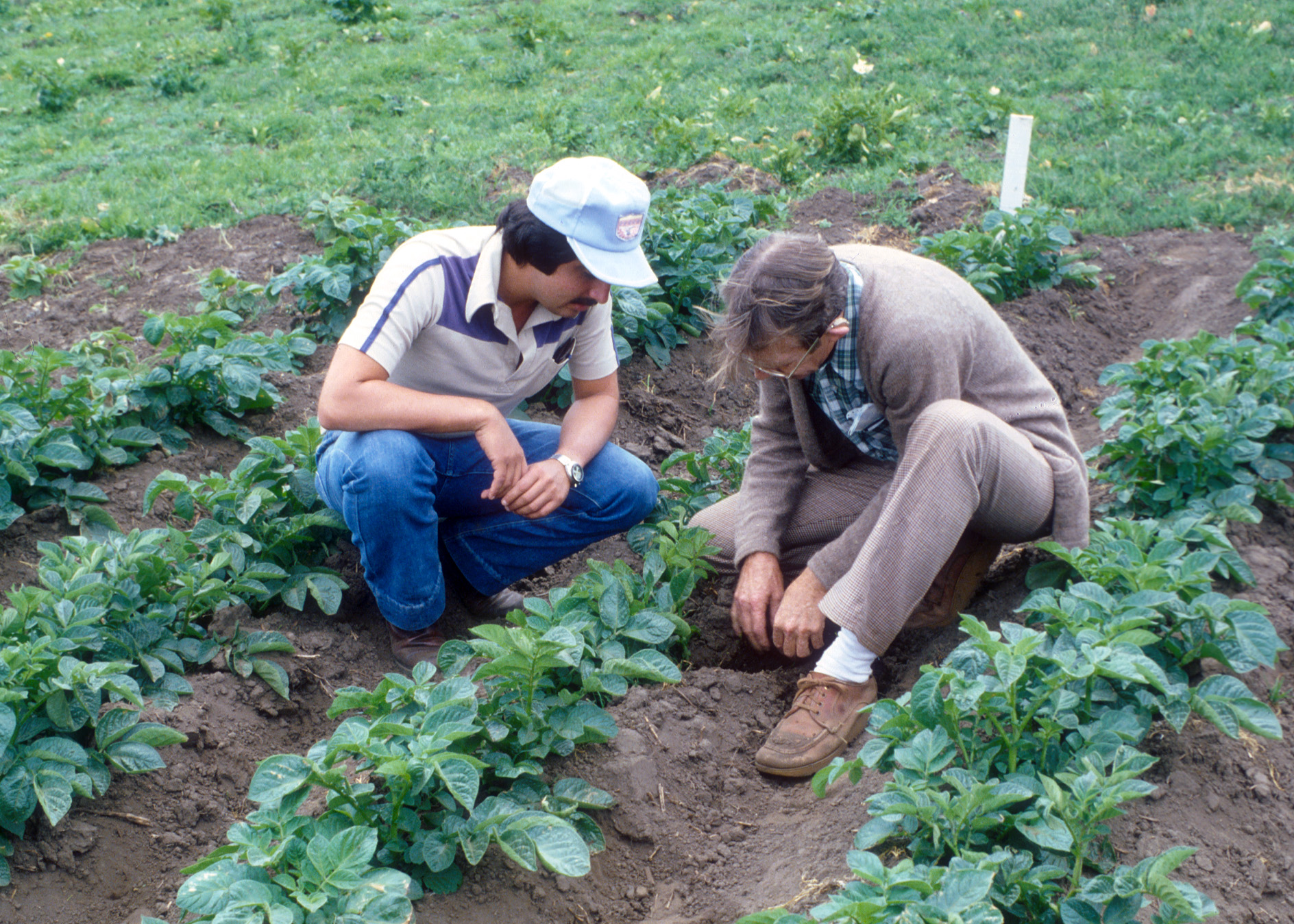
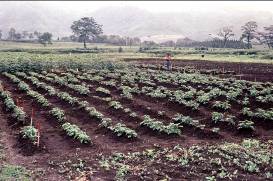 After refurbishing a screen-house and office space, and hiring a couple of field assistants, Jorge Aguilar and Moises Pereira, and getting to know the region, I finally started my research. I received a batch of 207 late blight resistant clones from CIP’s regional office in Toluca, Mexico that were planted in a first trial in July 1977 on the CATIE experiment station. There had been no cultivation (at least for more than 20 years) of any solanaceous crops [1]. Each clone was planted in a 5-hill plot, in a randomized complete block, with just a single plot replication per clone.
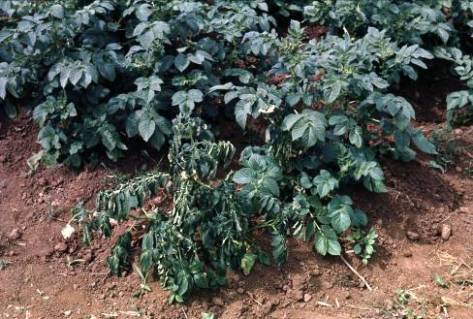
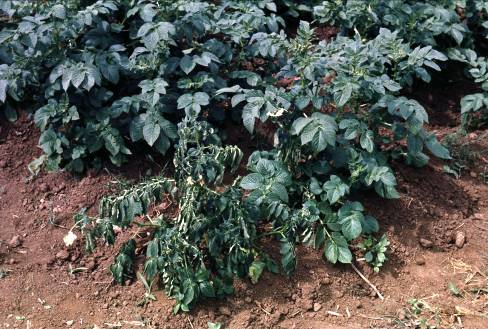
There was no problem with initial growth of all clones, despite the rather warmer and wetter growing conditions in Turrialba. But after a few weeks we noticed, in just one of two plants, the first signs of the asymmetrical wilt typical of bacterial wilt (Ralstonia solanacearum, formerly known as Pseudomonas solanacearum).
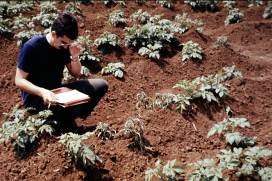
I was fortunate that I had a contact, Dr. Luis Carlos Gonzalez, in the Universidad de Costa Rica – Laboratorio de Fitopatología, an acknowledged expert in bacterial wilt who had completed his PhD studies under Professor Luis Sequeira at the University of Wisconsin-Madison. Luis Carlos soon confirmed the presence of bacterial wilt, and we took steps to carefully map the spread of the disease across all plots. Each week we carefully scored the presence/absence of wilt in every plant, and built up a comprehensive picture of the development of the disease among the clones under evaluation. But that mapping also showed us where there could be hotspots in the trial plots. After some 12 weeks or so, almost all of the clones were dead – except three apparently resistant, one of which was Cruza 148. Eight further clones showed only some slight symptoms of bacterial wilt.
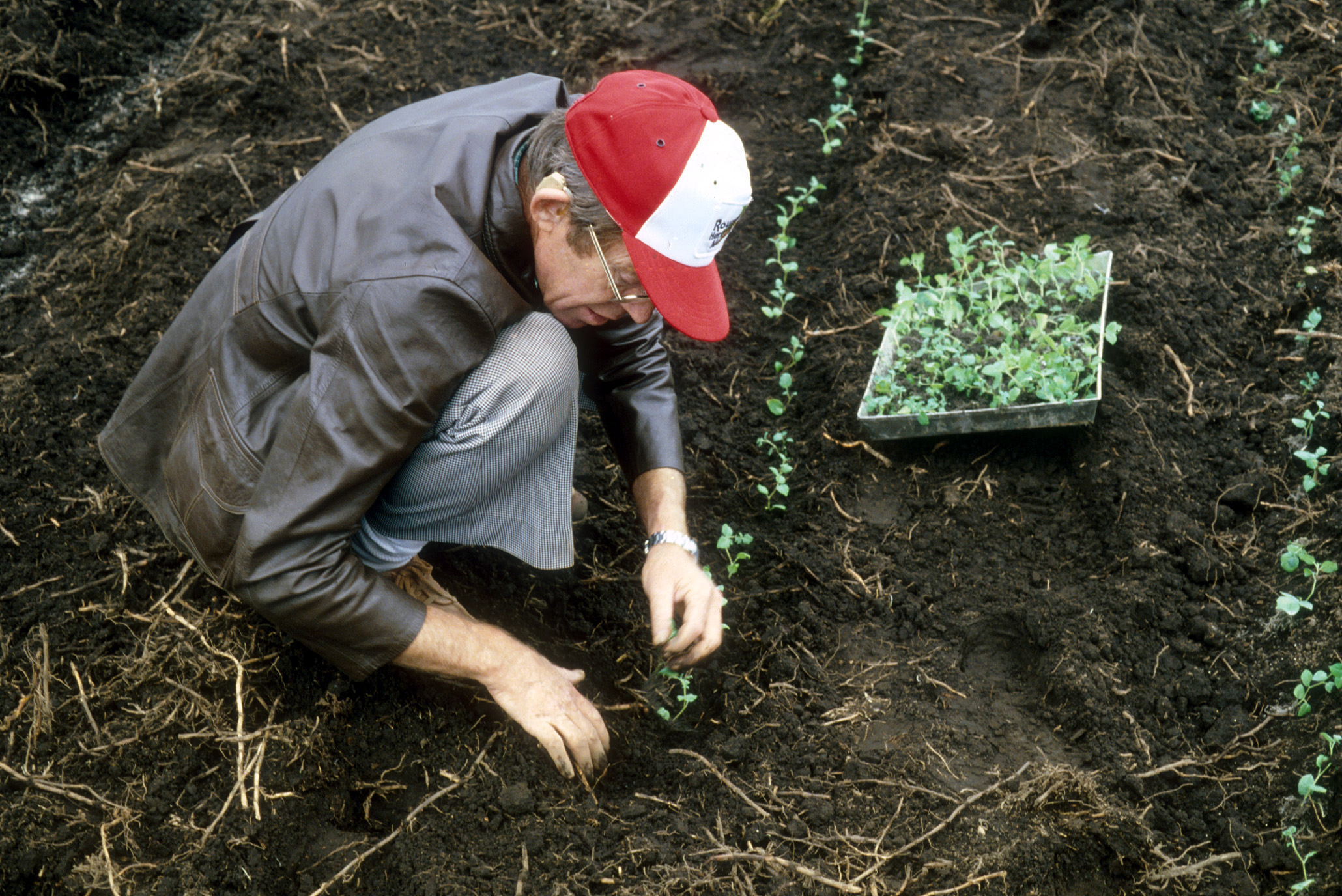
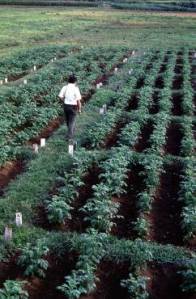 Our first question was whether these disease-free clones had somehow escaped infection, even though we had the evidence that the disease was spread right across the site, and in the clones surrounding ‘resistant’ ones. Fortunately all three did produce a good crop of tubers, which we harvested and stored for future evaluation. After chitting we were ready for a second evaluation. We decided to use the same site on the experiment station, carefully tilling and mixing the soil to ensure that the potatoes we planted would come into contact with the bacterium. Not long after sprouting, the two Indian varieties (I don’t remember the clone numbers, but hopefully our original data and reports, even the plot maps, are still filed away somewhere at CIP) succumbed to wilt, but Cruza 148 remained healthy, showing no signs of bacterial wilt.
We repeated the evaluation for a third time, using tubers harvested from the second evaluation plots. And once again in this third trial – in the same soil – Cruza 148 showed no signs of infection. But where had the resistance to bacterial wilt come from, and why was there such a high inoculum of the bacterium in these soils on the CATIE experiment station? Now although bananas were grown at CATIE, we did show that the bacterial strain was not the one that infected bananas, but Race 1 (as it was then classified).
 It also happened that Luis Sequeira (a Costarrican by birth) was holidaying in Costa Rica and visited our plots in Turrialba. And very quickly, and based on his broader experience, he spotted a number of common weeds, family Asteraceae [1, 2] that were wilting.
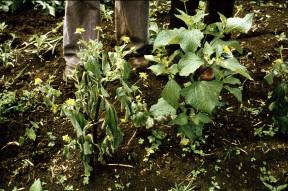
We collected samples, and undertook all the appropriate phytopathological tests to show that extracts from these weeds were pathogenic on potato. That finding led to us develop a research project looking at the persistence of the bacterium in these Turrialba soils, and how the incidence of bacterial wilt could be reduced through various agronomic practices.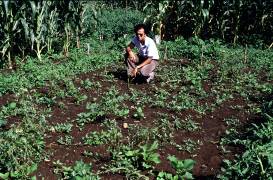
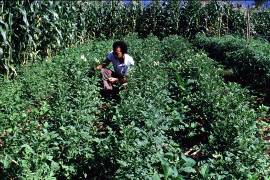
Reports about Cruza 148 are still being published 34 years after its potential was first uncovered in those early Turrialba trials. Now, we know that it is a carrier of the bacterium, which is rather a disappointment. But Cruza 148 has been used a standard control variety in hundreds of disease resistance experiments, and Peter Schmiediche was one of the first CIP breeders to include Cruza 148 in his program. And as far as I know it is still grown in those central African countries. Even if it has been replaced, it achieved impact for many years providing important food for many farmers and their families. I remember discussing Cruza 148 with Jim Bryan. He pointed out that one of its disadvantages was the coloured flesh, and that it would be unlikely to be adopted by farmers. We now know that was not the case. In fact I have read some reports that farmers in Burundi use the tuber flesh colour to identify tubers of Ndinamagara!
Cruza 148 is one of those happy accidents of germplasm evaluation – you sometimes never know just what might turn up. Maybe it’s not a ‘Superman’ but, rather by chance, it has played a significant role in confronting a serious disease of potatoes, and contributing to food security.
[1] Jackson, M.T., L.C. González & J.A. Aguilar, 1979. Avances en el combate de la marchitez bacteriana de papa en Costa Rica. Fitopatología 14, 46-53.
[2] Jackson, M.T. & L.C. González, 1981. Persistence of Pseudomonas solanacearum (Race 1) in a naturally infested soil in Costa Rica. Phytopathology 71, 690-693.
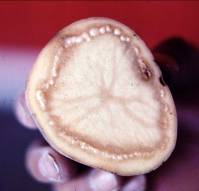
The images below show bacterial wilt in a mature potato plant, with the typical asymmetrical wilt, and the vascular system of the tuber exuding millions of bacterial cells.

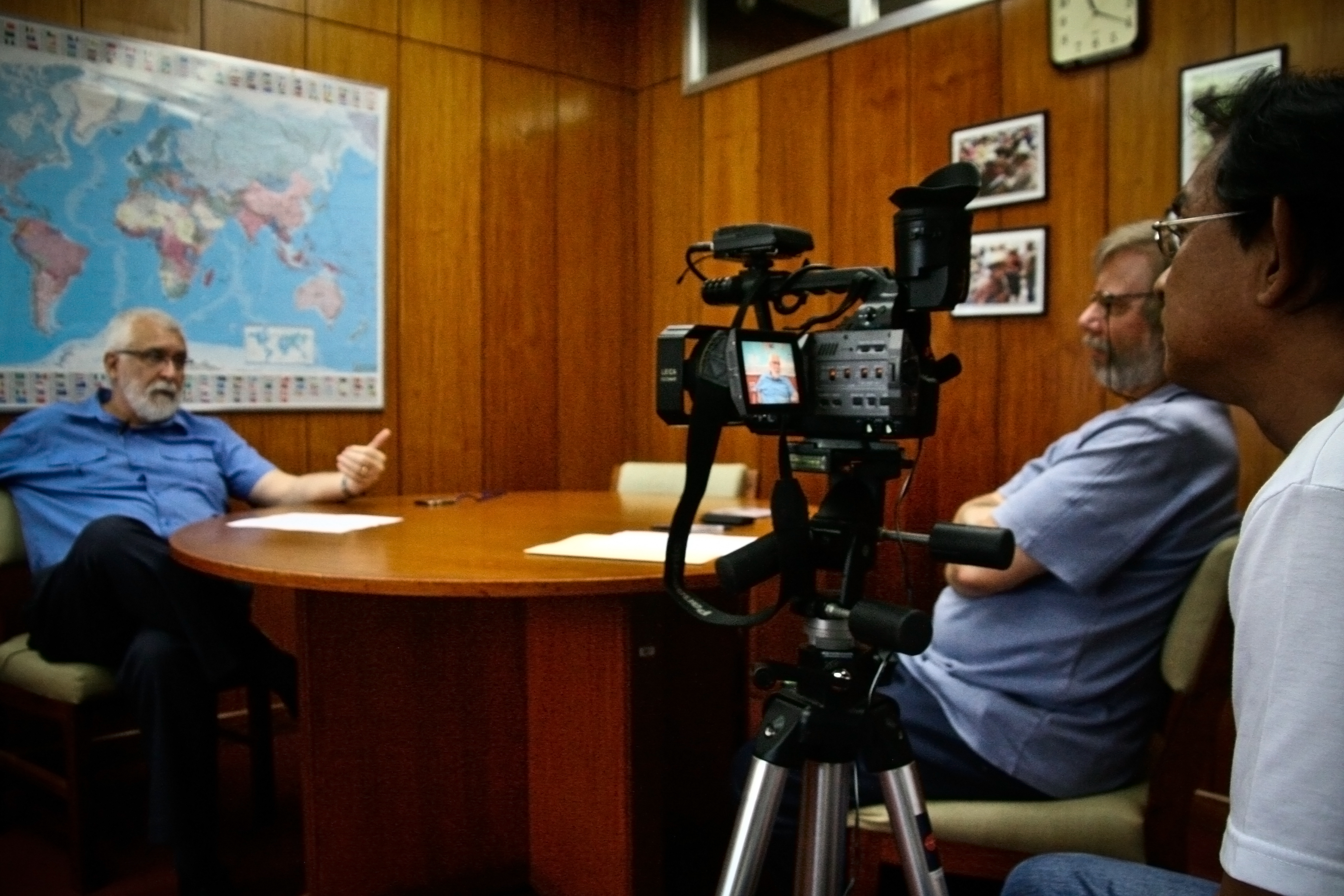 In mid-February 2010, just over two months before I retired from the institute, Gene and I found a time for my Pioneer Interview. If you want to know about many of the things I did at IRRI, and elsewhere – and some of my opinions about international agricultural research and how it’s organized, just watch the videos.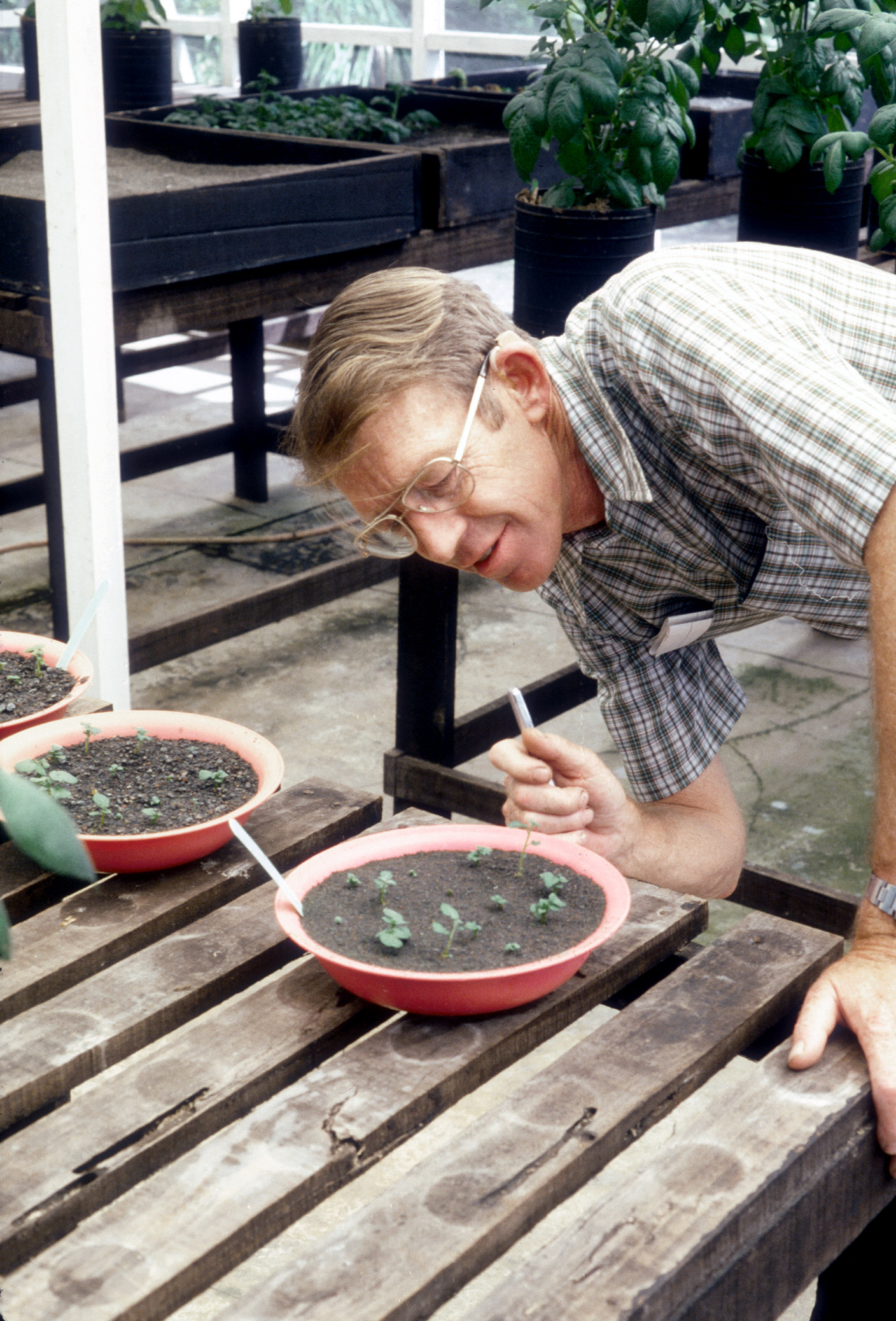



 A balanced diet . . .
