I was going to say ‘disaster’, but that would be an exaggeration.
Let me take you back to mid-November 2008. It was my 60th birthday, and Steph and I had planned a small dinner—just a handful of close friends—to celebrate with. I didn’t want a big party.
So we invited one of my closest colleagues at the International Rice Research Institute (IRRI) in Los Baños in the Philippines, plant physiologist Dr John Sheehy (with whom I shared the OBE in 2012), my second-in-command in the Office for Program Planning & Communications, Corinta Guerta, and Duncan Macintosh (IRRI’s Director for Development in my office) and his fiancée Cel (now Mrs Macintosh).
A week earlier, during our regular monthly shop at Alabang (47 km north towards Manila) we selected a nice looking complete beef tenderloin, perhaps 3-4 kg, which we placed in the freezer in readiness for the dinner party. I also chose a simple starter of delicious local king prawns, and asparagus spears and broccoli with the beef. Fresh mangoes and vanilla ice-cream (my favorites) completed the dessert.
We invited our guests to arrive around 6:30 pm, to enjoy a glass of champagne (or three) before dinner. I’d placed two bottles of Veuve Cliquot Brut on ice beforehand.
Anyway, I decided to leave the office a little earlier the day of my birthday, at 4 pm, to check on preparations at home (we lived on the Staff Housing gated community, just 10 minutes from the IRRI research center).
Imagine my horror when I found that our helper Lilia had not even taken the beef from the freezer. Just two hours before our guests arrived and we were faced with a frozen slab of beef. I had asked Lilia not to prepare everything too early. Although a fabulous cook, unless checked, she had the habit (tradition even) of preparing and cooking our meals way ahead. I also discovered that she had diced the asparagus into small pieces! This was not an auspicious start to my 60th birthday bash.
What to do? We initially thawed the beef under the hot water tap, then placed it in the microwave on the highest setting for several minutes. That at least thawed the beef to a couple of centimeters or so. Then I asked Lilia to brown the beef in a pan on the stove, thawing it even more, before placing it in a hot oven, wrapped in foil to cook for the next hour or so.
We sat down to prawns a little after 7 pm, and as we finished that course, I slipped into the kitchen to check on the beef, heart in mouth. Removing the foil, the beef was delightfully cooked on the outside, but what about the center? I prodded it with a fork. It was thawed, and the fork felt warm when I removed it. Taking courage in both hands, I gingerly sliced the beef in two. And, lo and behold, it was cooked to perfection: tender, juicy, and slightly pink in the middle. What a relief doesn’t quite capture my feelings just then.
Washed down with several bottles of Cabernet Shiraz or similar, and some digestifs to follow, this was a delightful way to celebrate my birthday. All’s well that ends well.
I was searching YouTube the other day for videos about the recent 5th International Rice Congress held in Singapore, when I came across several on the IRRI channel about a long-time friend and former colleague, Professor Gelia Castillo, who passed away in August 2017 at the age of 89¹.
Gelia was a distinguished rural sociologist, emeritus professor at the University of the Philippines-Los Baños (UPLB) and, since 1999, a National Scientist of the Philippines, the highest honor that can be bestowed on any scientist.
I’m proud to have counted her among my friends.
I’d known Gelia since the late 1970s when she joined the Board of Trustees of the International Potato Center (CIP) in Lima, Peru, the first woman board member and, if memory serves me correctly, one of the first women to serve on any board among the CGIAR centers when they were dominated by white Caucasian males (a situation that no longer obtains, thankfully).
The CGIAR centers in 2018 (from CIAT Annual Report 2017-2018).
I know that Gelia went to serve on the board of the International Plant Genetic Resources Institute (now Bioversity International) based in Rome, and other boards inside and outside the CGIAR.
I was a young scientist, in my late 20s, working for CIP in Costa Rica (and throughout Central America) when Gelia joined the center’s board, bringing (as she did everywhere she went) a welcome breath of fresh air—and a clarity of independent thinking—that categorized all her intellectual contributions. She influenced policymakers in government, international development circles, and academe, [and] pioneered the concept of participatory development.
Gelia was born into a poor family in Pagsanjan in Laguna Province, just 31 km east of Los Baños, the city² where she spent her entire academic career. She completed her graduate studies in the United States with MS (1953) and PhD (1960) degrees in rural sociology from Penn State and Cornell, respectively. She retired from UPLB in 1993, a couple of years after I landed in the Philippines, when we renewed our friendship after more than a decade.
But retirement did not mean slowing down. Besides her international board commitments, Gelia became ‘synthesizer-in-chief’ at IRRI, an honorary role through which she attended institute seminars and science reviews. She was also a valued adviser to successive Directors General. Let Gelia herself explain.
Gelia kept us honest! Why do I say this? She had an uncanny ability always to see the broader picture and bring together quite different perspectives to bear on the topic in hand. She herself admitted that, early in her career, she decided to concentrate on ‘synthesis’, an academic and intellectual focus and a skill (gift almost) that few manage to harness successfully. It wasn’t just her social sciences training.
In developing a research strategy and plan, any organization like IRRI needs skilled and dedicated researchers. But often, because each is deeply involved in his or her own projects, they find it hard to see (often necessary) links with other disciplines and research outcomes. Gelia was able to extract the essence of the institute’s research achievements and pull it together, mostly with approval but sometimes with justified criticism. Given her expertise in participatory research, working with poor families in rural areas (the ‘clients, as it were, of IRRI’s research and products), and promoting gender studies, Gelia could, almost at the drop of a hat, deliver a succinct synthesis of everything she had listened to, and provide suggestions for future directions. After a week of intense annual science review presentations and discussions, Gelia would be called upon, at the end of the final afternoon, to deliver her synthesis. Here she is, at the IRRI science review in 2010.
And almost without fail, she could hit the mark; and while she could be critical, never were criticisms aimed at individuals. Her analysis never became personal. I’m sure her wise words are sorely missed at IRRI.
Permit me to finish with a personal recollection. I retired from IRRI in April 2010 and, in subsequent years, I only saw her a couple of times, later that same year and in August 2014, when I was organizing the 3rd and 4th International Rice Congresses, and had to visit IRRI in that capacity.
Sharing cake and reminiscences with Gelia (in the DPPC office) on my last day at IRRI, 30 April 2010.
But just before I retired, in March 2010, I delivered my ‘exit’ seminar: Potatoes, pulses and rice – a 40 year adventure, a synthesis of my career in international agricultural research and academia. It must have struck a chord with Gelia. Because after it was all over, she came up to me, took me by the hand, and planted a large kiss on my cheek. That was praise indeed! A memory I cherish.
¹ Written by my friend and former colleague, Gene Hettel (who had been Head of IRRI’s Communication & Publication Services), IRRI published this obituary shortly after her death. There you will also find links to the speeches at her memorial service.
² In 2000, under Presidential Proclamation Order No. 349, the Municipality of Los Baños was designated and declared a Special Science and Nature City of the Philippines.
Would you knowingly eat something that could harm you? That’s the dilemma facing millions of poor, subsistence farmers and their families from time to time, especially in India, Bangladesh, and Ethiopia, when the alternative is not eating anything at all. Famine.
From the beginnings of agriculture and earlier, 10,000 or more years ago, farmers have cultivated and consumed in times of adversity, the seeds of a plant known scientifically as Lathyrus sativus L.¹ Or, more commonly, the grasspea. It’s also an important fodder crop for livestock.
On the plus side, grasspea has a good protein profile and, as a legume, it supplies nitrogen to the soil through its root nodules. Its particular agricultural value is that it can be grown in times of drought, as well as when the land is flooded. It’s the ultimate insurance crop for poor, subsistence farmers.
Yet, it holds a deadly secret. β-ODAP. Or more precisely, β-L-oxalyl-2,3-diaminopropionic acid to give its full name, an amino acid that is also a neurotoxin responsible for the condition known as lathyrism, a non-reversible paralysis. No wonder, then, that its cultivation is banned in some Indian states. In the past, its consumption has also had severe consequences in Europe.
‘Gracias a la Almorta’ or ‘Thanks to the Grasspea’ by Francisco de Goya (painted between 1811 and 1813), painted during the Spanish War of Independence, when poor people turned to eating grasspea, and suffered paralysis from lathyrism. However, on the British Museum website it suggests grain (millet) rather than ‘grasspea’, and no mention of lathyrism. ‘Almorta’ is a Spanish word for grasspea.
Yet, when needs must, poor farmers turn to the grasspea when there is nothing else to eat because drought or floods have wiped out other crops.
I learned about this project yesterday evening when I happened to tune into BBC Radio 4’s Inside Science (you can listen from about 11′ 20″ into the program). The John Innes Centre in the UK is one of the project members, and in Prof. Cathie Martin‘s lab, Dr Anne Edwards is screening about 500 different grasspea lines, testing them for β-ODAP content, and also introgressing the lower content trait into different genetic backgrounds, for future testing in the field.
I was fascinated to hear how this international collaboration was making progress towards defeating the scourge of lathyrism, as I’d also worked on grasspea almost 40 years ago. But from a crop evolution and genetic resources point of view.
When I returned to The University of Birmingham in 1981, I decided to start a small research project on grasspea, looking at the diversity and broader genetic resources of this important but somewhat neglected crop, in addition to continuing my research on potatoes.
In 1981, one of the students attending the one-year MSc Course on Conservation and Utilization of Plant Genetic Resources was Abdul bin Ghani Yunus from Malaysia. He worked on his dissertation project under my supervision, to study the diversity of grasspea. I already had assembled a collection of grasspea varieties from different sources around the world including the Vavilov Institute in St Petersburg, so Ghani had quite a stock of varieties to work with.
His dissertation led to one scientific paper, Variation in the grasspea, Lathyrus sativus L. and wild species, published in the journal Euphytica in 1984. There were two principal conclusions:
L. sativus is a highly variable species, and there is a clear distinction between the blue-flowered forms from south-west Asia, Ethiopia and the Indian subcontinent, and the white and white and blue flowered forms with white seeds which have a more westerly distribution. Differences in vegetative parts may be due to selection for forage types.
L. sativus appears to be closely related to L. cicera and L. gorgoni, and this relationship needs further investigation.
Ghani returned to Malaysia in 1982 to continue his research and teaching at the University of Agriculture, Selangor and I heard little from him, until about 1986. Then, he contacted me again, asking about the possibilities of returning to Birmingham to complete a PhD under my supervision. He wanted to work on a tropical species from Malaysia. But since he did not envision spending time back in Malaysia during his PhD program, I explained that working on this species (I don’t now remember what it was) was not feasible, since we wouldn’t be able to grow it successfully in the glasshouse at Birmingham. After all, it wasn’t the species per se that was the most important aspect for his PhD; it would be the focus, the scientific methods and approaches he would learn and employ that were more important.
I convinced him to continue his work on Lathyrus, but broadening its scope to study the biosystematics or biological relationships of the grasspea with the species considered to be its closest relatives. In that way we anticipated better defining the genetic resources or gene pools of the grasspea (an essential prerequisite if, at some time in the future, a breeding program was set up that needed to exploit more diversity), as well as trying to shed some light on the origin of this neglected food crop.
In 1990, Ghani successfully presented his PhD thesis, Biosystematics of Lathyrus Section Lathyrus with special reference to the grass pea, L. sativus L., leading to two more useful scientific papers that have been widely cited:
The genepools of the grasspea, Lathyrus sativus L., in Plant Breeding (1991). This research concerned the cross-breeding relationships of the grasspea and its closest relatives, based on experimental pollinations, pollen tube growth microscopy, and chromosome pairing, confirming one of our earlier hypotheses about L. cicera.
Phenotypic polymorphism of six isozymes in the grasspea (Lathyrus sativus L.), in Euphytica (1991). Ghani concluded that there was more genetic variation than perhaps expected in this self-pollinating species, and we discussed the implications of exploiting this diversity in plant breeding.
Of course, grasspea is not the only edible plant species that comes with a health risk. In South America, for example, there are so-called ‘bitter’ varieties of cassava, an important source of carbohydrate, producing cyanogenic compounds that must be removed before the roots are safe to eat. Indigenous communities throughout Brazil evolved techniques to express the poisonous juice and make the food safe. In other parts of South America ‘sweet’ varieties were selected over thousands of years, and became the genetic base of commercial cassava varieties grown world-wide. The International Center for Tropical Agriculture (CIAT), based in Cali, Colombia has the world’s largest cassava germplasm that I was privileged to see in 2016 when I was conducting an evaluation of the CGIAR’s genebanks program.
This grasspea story is a good example of how progress can be made when there’s a clear research project objective, funding is available, and researchers around the world agree to pool their expertise towards solving an important problem. With recent reports that the head of DFID (the UK’s government department managing overseas development assistance or ODA) is seriously considering making changes to the 0.7% of national income commitment to the ODA budget, grasspea improvement for marginalized communities goes to show just how important such funding is, and the potential impact it can have on the lives of some of the poorest people around the world. This is the raison d’être of international agricultural research for development, an endeavor in which I participated over four decades.
¹ Grasspea is a relative of the garden sweetpea, Lathyrus odoratus, a plant that is grown for its showy, fragrant blooms.
John Bull is, according to the article in Wikipedia, the national personification of the United Kingdom in general, and England in particular.
One of my family names is Bull.
My grandmother, Alice Maud Bull, born on 16 April 1880, married my grandfather Thomas (Tom) Jackson on 23 August 1904. They had four children together, and she was also stepmother to Tom’s daughter and son by his first wife Maria Bishop, who died in childbirth in 1900.
Alice hailed from the village of Hollington in Derbyshire, about halfway between Ashbourne and Derby. Tom and Alice set up married life together in Burton-on-Trent, but returned to Hollington after Tom retired. Grandma was 68 when I was born; grandad was almost 76. So I only ever knew them as elderly folks.
My parents and my elder brother Edgar and myself with Grandma and Grandad Jackson at Ebenezer Cottage in Hollington, around 1958.
My father Frederick was the second child born to Alice and Tom, in September 1908. My dad married Lilian Healy in 1936; I was born 12 years later in November 1948, the youngest of four children. My middle name is Thomas, after my grandad. My wife Stephanie and I named our younger daughter Philippa Alice after my grandmother.
After my father passed away in 1980, my eldest brother Martin began a long search into our family ancestry, that has lasted more than 37 years. He has uncovered many of our family ties, stretching back (on the Bull line at least) to the late 15th century, some fifteen generations, and almost as far on several other lines.
I’m the 13th great-grandson of a man named Bull who was born around 1480 on the Staffordshire/Derbyshire border (where many of my ancestors hailed from), probably in or near Ellastone (as that was where his son and grandson were born and buried). Several generations of Bulls over 200 years lived in the village of Cubley in Derbyshire, less than five miles from Ellastone.
I’m also the 6th great-grandson of John Jackson (b. 1711, m. Hannah Clark 1732), the 9th great-grandson of Thomas Holloway (b. 1600, m. Isabella ?? around 1620), and 10th great-grandson of Hugh Tipper (b. 1574, m. Ellen Crichelowe in 1604 or 1605).
My father’s side of the family comprised, at the beginning of the 16th century, some 16,000+ direct ancestors, about 0.5% of the population of England. Do the maths. We can’t all have completely independent family lines, so they must come together in a vast web of inter-relatedness, sharing many ancestors in common, if we could just make the connections.
Knowing the names of my ancestors in this way also helps me connect vicariously with the major historical events through which they lived. But, because they were living in rural Staffordshire and Derbyshire, it’s hard to fathom how their lives might have been affected. The Bulls were, in general, farming and laboring stock.
King Richard III
Mr Bull was born, in 1480, at the end of the reign of King Edward IV, and five years before King Richard III was killed at the Battle of Bosworth Field that, as the last major battle of the Wars of the Roses as they became known, heralded the founding of the Tudor dynasty by Lancastrian claimant to the throne, Henry Tudor, who became Henry VII. Henry Tudor passed through this area, or perhaps a little to the south on his way to Bosworth Field. Were men from the villages around forced to join his army?
By the time his son and grandson, also both Thomas, had passed away, Elizabeth 1’s long reign had come to an end; the Tudors were history, and James I (and VI of Scotland) was on the throne, the beginning of the ill-fated Stuart dynasty. Thomas (b. 1581) and his son Robert (b. 1613) lived through the English Civil Wars between 1642 and 1651, the defeat of the Royalists, and the execution of Charles I in 1649, an event that must have rocked England to its very soul whether you favored the Royalist or Parliamentary side. Who did Thomas and Robert favor? The closest major conflict to where they lived in Cubley was the 1643 Royalist Siege of Lichfield, just 20 miles due south. Certainly both Royalist and Parliamentary armies criss-crossed this area of Mercia.
Here is a timeline of England during the 17th century.
Working class dress of the late 17th century
Robert (b. 1613), his son Robert (b. 1653), and grandson Joseph (b. 1679) knew the restoration of Charles II in 1680, then lived through the tumultuous years of James II and William III and Mary II, the Glorious Revolution, the consequences of which passed through to the late 20th century in Northern Ireland. During the reign of Queen Anne (1702-1714), the kingdoms of England and Scotland were united into a single nation, Great Britain, under the Acts of Union. John Churchill, 1st Duke of Marlborough (an ancestor of Sir Winston Churchill) achieved significant military success in Europe during the War of the Spanish Succession.
Late 18th century dress, as depicted by Henry Singleton, ‘The Ale-House Door’ c. 1790
Joseph, son William (b. 1712), grandson Samuel (b. 1761), and great-grandson John (b. 1793) were Hanoverians through and through. This is an English timeline of the 18th century of industrial innovation.
Joseph lived through the two Jacobite uprisings of 1715 and 1745, the latter experienced very close to home as the Scots under Bonny Prince Charlie reached as far south as Derby. Fear and alarm must have spread throughout all communities in their path.
Samuel and John lived through the French Revolution in 1789, and the wars with Napoleon Bonaparte until his defeat at the Battle of Waterloo in 1815. Were they or their relatives called upon to serve under the Duke of Wellington?
John Bull, my 2nd great-grandfather was born in 1825, half way through the reign of George IV, and died in 1900 just as Queen Victoria’s reign was coming to an end. All my subsequent Bull ancestors were Victorians – a period of industrial expansion, the building of the railways (and demise of the canals), and Empire! My great-grandfather, John, was born in Hollington in 1855, and worked as smallholder farmer and coal merchant. The family remained in the same area of Derbyshire throughout the 19th century.
During five centuries many of my Bull family (and probably those who married into the Jackson line as well) came from and continued to live in quite a small area of Staffordshire and Derbyshire. People mostly married from the same communities, or from others not more than a handful of miles away. After all, a man had to do his courting on foot, until the late 19th century¹ at least. I’ve heard that Tom Jackson walked miles to court Alice.
It has been fascinating to see my family history unfold, and what Martin has achieved is truly incredible and inspiring. People, names, and dates bring history to life.
¹ John Jinks, who was Professor of Genetics at the University of Birmingham, hailed the safety bicycle as one 19th century invention that probably did more for human population genetics than had ever before occurred, since couples could now more easily court over greater distances.
Surely one of Baldrick’s¹ ‘cunning plans’ can be no more preposterous than what Prime Minister (but for how much longer?) Theresa May² has tabled as her (non-negotiable) Brexit deal, or how the country will prosper post-Brexit?
I actually tweeted the other day that, for once, I was in agreement with Boris Johnson. Heaven forfend! He derided Theresa May’s Chequers Plan as ‘deranged’. I completely agree. But so are the ‘Titanic’ plans he and others have proposed. He’s also pretty deranged himself. Brexit and its adherents deserve to be taken down a peg or two in this video (that I came across on Facebook). The depiction of Jeremy Corbyn fiddling while the Titanic sinks is precious.
Almost everyone seems opposed to ‘Chequers’ – many of the PM’s own pro-Brexit MPs, as well as Remain MPs of all parties in the House of Commons. And, perhaps most significantly, those representing the EU in this Brexit negotiation (is it really a negotiation?). Everyone is getting brassed off by the whole Brexit process. Realistically, Chequers is dead in the water.
Brexit and the status of post-Brexit Britain has essentially become a belief system. Theresa May has accused those opposed to her ‘Chequers Plan’ as playing politics with the future of the country. But that’s what it’s been all about since before the referendum – appeasing the hard right of the Tory Party. No wonder Guy Verhoftadt made these comments yesterday in the European Parliament, in response to the latest proposals from Home Secretary, and Bromsgrove MP, Sajid Javid, about post-Brexit immigration and status of EU nationals.
On Brexit, we will never accept discrimination based on skills and nationality. We will never accept an extension on article 50. Enough mess has been created by Brexit. Let's stop it! We will never undermine the principles of our Union to rescue the Tory party 🇪🇺 🇬🇧 pic.twitter.com/7uD4Scw03j
Immigration was one of the key concerns that swung the referendum to the Leave side. Nevertheless, Conservatives continue to misunderstand how free movement can (and does) operate elsewhere in the Single Market. Just watch this interview yesterday with two Young Conservatives at the party’s annual conference in Birmingham.
MUST WATCH! Brexiteer tells @Femi_Sorry that the EU forces uncontrolled and harmful immigration on the United Kingdom. You can guess what happened next! #CPC18 "Sajid Javid" pic.twitter.com/qKekxYYyIu
And Theresa May’s stance and strategy on Brexit has been aided and abetted by the Labour Party under Jeremy Corbyn’s equivocating leadership. He’s more interested in a General Election that, he believes, will sweep Labour into power, him into No 10 Downing Street, to implement its hard left agenda that the country will probably be unable to afford post-Brexit, and I guess the majority of the electorate would not support in any case.
In terms of what happens post-Brexit, the likes of Jacob Rees-Mogg and his European Research Group (ERG) of right-wing Brexiteer Tory MPs continually refer to the WTO option, as though membership of the EU is simply about trade. They never mention, never mind discuss, the implications of falling out of all the agencies that regulate (and mostly improve) our lives today – aviation, medicines, security, science, etc., to name just a few. Who knows what will be the consequences when we are no longer a member deriving the benefits of common regulations and standards.
From many statements I have heard from the likes of JR-M (a rather wealthy hedge fund manager as well as an MP) and the remarkably under-qualified Secretary of State for International Trade Liam Fox (a medical doctor by training), they have pretty limited understanding of how international trade works, especially under WTO rules, nor how trade negotiations are conducted. It’s illuminating therefore to listen to a seasoned trade negotiator explain the consequences of operating under WTO rules.
The UK expects to strike free trade deals all around the world as soon as it leaves the EU in March 2019. Well, the only free trade agreement (rather than ‘freer’ trade deals as most are) that we are likely ever to secure is the one under which we currently operate, in the Customs Union and Single Market as a member of the EU. Beyond that, it is pie in the sky. Maybe this should become the Brexiteers anthem (with apologies to Queen). Anyone for JR-M or BoJo in drag?
Anyway, to return to the ERG. I’m pretty certain they have no idea what the word ‘research’ actually means, nor what it entails. It’s certainly based on empiricism and a rigorous analysis of data and facts, something that seems to be lacking in much of what they have proposed. They also appear to have a serious problems with experts, people who actually do know what they are talking about, and have experience managing the very challenges the country faces as Brexit approaches.
In general, I have given up on BBC Radio 4’s Today program that I used to listen to religiously first thing in the morning, while supping a cup of tea in bed. Yesterday, however, I switched on and was fascinated to hear a Canadian trade expert, Christophe Bondy, talk about the signing of the new USMCA (US, Mexico and Canada) trade agreement. He was interviewed by the program’s business news presenter, Dominic O’Connell.
Dominic O’Connell (L) and Christophe Bondy (R)
Mr Bondy is an internationally-respected lawyer, now resident in London, who had held senior positions in Canada’s trade negotiations for USMCA, and even the Canada-Europe (CETA) deal that is being touted by so many Brexiteers as the model to follow, and knows what he is talking about. He has an impressive CV, one that not even the likes of JR-M can dispute.
Describing the Canada-USA trade negotiations as ‘bloody hard’, the discussion inevitably moved on to Brexit. It’s worth a few minutes of your time to listen to what Mr Bondy had to say.
Not only did he imply that the UK is not equipped to take on the task of negotiating ‘freer’ trade deals (just imagine the resources Canada deployed for USMCA), but by no longer protecting our biggest and closest or ‘home market’ of >350 million (i.e. the EU) we would enter into any future negotiations from a position of weakness, with a ‘home market’ of just 65 million. This is an approach that just doesn’t make sense from a trade point of view.
JR-M et al. take note!
So what now? One pace forward, please, Baldrick!
As a postscript, I should just mention that in a recent Brexit post I did state that I didn’t expect to write much more on this topic. I just couldn’t help myself.
¹ For my followers overseas, I must explain. Baldrick was a character in the four series comedy program Blackadder aired by the BBC in the 1980s. Baldrick (played by Tony, now Sir Tony, Robinson) was the dogsbody of the main character Edmund Blackadder, played by Rowan (‘Mr Bean’) Atkinson. Whenever a difficult situation arose from which Blackadder and Baldrick had to extricate themselves, Baldrick had his ‘cunning plan’, always and immediately dismissed by Blackadder.
For Baldrick and Blackadder read Theresa May (and others) and Michel Barnier (the EU Chief negotiator)?
In the context of this blog post therefore, a ‘Baldrick cunning plan’ is probably no more silly or outrageous than any other that I’ve yet heard – apart from remaining as a member of the European Union.
² Theresa May came on stage at her party’s annual conference today to give her keynote speech ‘dancing’ to the ABBA song Dancing Queen. I wondered if the Tories got permission to use this track. Embarrassing, to say the least.
William Tecumseh Sherman. Red-haired. Union Major-General in the American Civil War. Outstanding military strategist. Commander of the Army of the Tennessee. Mastermind of the March to the Sea (that culminated in the capture of Savannah, GA) and the Carolinas Campaign, both of which contributed significantly to the end of the Civil War in 1865.
Born in 1820, Sherman was a native of Lancaster, Ohio (map). I wish I’d known that just a few weeks ago.
As Steph and I crossed Ohio on our road trip from Massachusetts to Minnesota, we passed through Lancaster on the route I’d planned from Canton, OH to Bloomington, IN. I do recall saying to Steph how prosperous it looked compared to others.
I only learned of the Sherman connection from a biography that I’m reading right now¹, and which I picked up at my favorite bookstore in St Paul, Half Price Books on Ford Parkway in the Highland Park area. This year I added three more to my American Civil War collection.
I could have made the Sherman connection in Lancaster had I looked in my rear-view mirror at the right moment, but I was too intent on following the sat nav instructions. There, on a west-facing wall on Main Street (we were heading west) is a full height mural of Sherman. I didn’t see it, more’s the pity. I would have stopped to explore further.
During the first part of our 2017 USA road trip, from Atlanta, GA (which Sherman ransacked in 1864) to Savannah, our route more or less mirrored Sherman’s March to the Sea. In the historic neighborhoods of Savannah his name appears on several historical markers, as you might expect.
And there were other surprises. Just 18 miles northeast of Lancaster is the small community of Somerset, OH. It has a lovely town square, in the middle of which is an impressive statue of a mounted soldier, Philip Sheridan, a Major-General of Cavalry during the Civil War, who was eventually promoted to four star rank. Sheridan grew up in Somerset. After the Civil War he served on the Great Plains during the Indian Wars. He was also instrumental in developing Yellowstone as a national park.
Despite its incredibly bloody outcomes and destructive consequences, the American Civil War, 1861-65 holds a certain fascination. To a large extent, it was the first war to be extensively documented photographically, many of the images coming from the lens of Mathew Brady.
But in terms of the war’s theater of operations, much of the fighting took place east of the Mississippi River, across the southern states, and into the maritime states as far north as Pennsylvania.
Imagine the topography, especially in the Appalachians, across which huge armies marched and fought each other. Imagine the effort needed to transport tens of thousands of men and their equipment and supplies over almost impenetrable terrain, along river valleys, crossing ridges, swamps, and huge rivers, while constantly being harassed by and engaging with the enemy.
We saw much of this landscape along our 2017 road trip. At Cumberland Gap there were even reminders how the opposing armies had fought to gain the upper hand and strategic overlook that was afforded on the hills surrounding this important pass through the mountains.
In that Sherman biography, I also learned that his superior, Major-General (then Brigadier General) Ulysses S Grant² (yet another Buckeye from Point Pleasant [map], just across the Ohio River from where we traveled this year) had his headquarters at Cairo (map) at the southern tip of Illinois in 1861, just a couple of miles north of Fort Defiance on the promontory at the confluence of the Mississippi and Ohio Rivers. Fort Defiance was on our route west in 2017.
Southwest from Canton, OH we passed by close to Dover (map), birthplace of one the Civil War’s most notorious Confederate raiders or bushwhackers, William Clarke Quantrill³. His theater of operations was the Kansas-Missouri border, an area that was already experiencing conflict between abolitionists and those who wanted to keep slavery in Missouri as early as 1858. Quantrill’s Raiders were the perpetrators of one of the Civil War’s most outrageous atrocity, the Lawrence (Kansas) massacre. Sherman’s brother-in-law, Thomas Ewing, Jr was a key Union general opposing Quantrill.
So while I may have missed out on some interesting historical aspects during this year’s road trip, that was not the case in 2011 when we toured extensively in Arizona and New Mexico. Earlier that year I had read an interesting biography of mountain man and Indian fighter Kit Carson whose campaigns against the Navajo are well documented. I planned parts of the trip around locations where he had been active. He is buried in Taos, NM, and after spending time at the Canyon de Chelly (site of a massacre of Navajos) in northeast Arizona, we headed for Taos.
Spider Rock in the Canyon de Chelly.
History is undoubtedly one of my principal hobbies, and occupies much of my reading. On retirement eight years ago I almost enrolled for a history degree with the Open University, but eventually decided to keep it just as a hobby. I read very little fiction, and the catalyst for my 2017 challenge – to read all of the novels by Charles Dickens – was a book (also bought at Half Price Books) about the terrible plight of children (early in the 19th century) in factories and cotton mills in the north of England.
Here in the UK, Steph and I are very active members of the National Trust and English Heritage. Whenever we get the opportunity, we head off to one of their many properties (stately homes, castles, archaeological sites, gardens) open to the public. And we learn a little more each time about the history of this country and the people who shaped events over the centuries, for better or worse.
~~~~~~~~~~~~~~~~~~~~~~~~~~~~~~~~~~~~~~~~~~~~~
¹ Robert L O’Connell (2014). Fierce Patriot – The Tangled Lives of William Tecumseh Sherman. Random House. ISBN 978-0-8129-8212-1.
² I picked up this biography of Grant which I have yet to start: HW Brands (2012). Ulysses Grant in War and Peace. Anchor Books. ISBN 978-0-307-47515-2.
³ I started this book about Quantrill’s Raiders first. Jesse and Frank James were members of Quantrill’s guerilla band. Edward E Leslie (1998). The Devil Knows How to Ride – the True Story of William Clarke Quantrill and His Confederate Raiders. Da Capo Press. ISBN 0-306-80865-X.
It seems that the [Dis]United Kingdom is inexorably on the path to the ‘Brexit Promised Land’, the Conservative’s ‘Land of Milk and Honey’, as we prepare to leave the European Union (EU) less than one year from now (at 23:00 on Friday 29 March 2019 to be precise, midnight Brussels time). Can that Brexit rollercoaster be stopped in its tracks? Regrettably, I’m less sanguine about that prospect than I was just a month or so back. The UK’s place should be in Europe, taking an active and leading role, bringing our renowned pragmatism to bear on the issues of the day.
What have we done over the past 40 years? Carped and whinged from the sidelines.
As I read online the other day, we spent decades seeking various opt-outs under the terms of the various EU treaties. Now that we are on course to leave, our negotiators are seeking to secure various opt-ins—the cherished ‘bespoke’ agreement that Prime Minister ‘Come What’ May tells us is the government’s end game. Ironic.
Recently, Brexit was knocked off the headlines. Why? Russia! While I agree that there is considerable (circumstantial) evidence linking the Russian government to the recent poisoning by nerve agent of a former Russian double agent and his daughter in Salisbury in the west of England, the government has done its best to exploit that incident, in my opinion, to remove Brexit from daily headlines. Isn’t that what all politicians do when faced with internal dissent. They try to galvanize support around an actual or perceived external threat. Result? Brexit hasn’t been hitting the headlines so much. Until yesterday, that is.
Woe is me! What have I done?
With one year to go, the Prime Minister embarked on a whistle-stop tour of the nation, visiting locations in England, Wales, Scotland, and Northern Ireland to spread the good word about our bright future once we have left the EU. She even raised, once again, the prospect of a ‘Brexit dividend‘ that would permit us to spend more on the National Health Service (NHS) and education. For my readers outside the UK, let me explain. During the 2016 referendum campaign, the Leave side toured the country in a bright red bus with this slogan emblazoned on its side:
Before the referendum, the UK had the fastest-growing economy among the G7 countries; now it’s the slowest, and we haven’t even left the EU yet.
It’s easy to quantify what we will lose when we leave the EU. What has not been spelled out without equivocation is what we stand to gain. Apart from the usual platitudes negotiating free trade agreements with nations around the world (assuming that they want to have agreements with us), the main driving force seems to be ‘taking back control’. But of what?
Of our borders, our laws, and our money, apparently. After 45 years of being a member of the EU (and the EEC/EC before that), our economy and fabric of the nation is intimately tied to Europe. Unraveling those close ties is complex and a daunting challenge.
The immigration card was played unashamedly by the Leavers during the referendum campaign, the despicable Nigel Farage (of UKIP) chief among them. Yes, membership of the Single Market does mean that citizens of other EU countries have the right to come to live and work in the UK. Many did come, and occupied jobs that UK citizens were often unwilling to take on (such as in the agricultural/horticultural and service/hospitality industries). They also paid their taxes and National Insurance (Social Security) contributions.
Already there has been a negative Brexit effect with EU citizens returning home, leaving vacancies that are hard to fill from local labor pools. The government has been and is obsessed by the immigration statistics, harking back surely to the time when Theresa May was Secretary of State for the Home Office. However, the data show that there has been more immigration from nations from outside the EU than from within.
What about our laws? I haven’t seen the British Parliament sitting on their laurels or out of a job since we joined the EU. Parliamentarians are constantly enacting new legislation. The bugbear of arch-Brexiteers such as Ian Duncan-Smith, Bernard Jenkin, Bill Cash, John Redwood, Peter Bone, and the pompous and inimitable Jacob Rees-Mogg, is the role of the European Court of Justice (ECJ). Being a member of the European club, we are subject to its rules and regulations but benefit from common rights, and any infringements come under the jurisdiction of the ECJ which is anathema to Brexiteers. The worry for Remainers is that when we leave the EU, and powers are repatriated to the British Parliament, there will be a wholesale ditching of many of these hard-won rights. Time will tell, but will be resisted fiercely.
DaDa, LiFo, and BoJo – the three Brexiteers
The UK is one of the top financial contributors to the EU budget, and there will be a black hole when we leave. That’s why, in the Brexit negotiations, the EU has (rightly) insisted that the UK meets its financial contributions to commitments it has already made. These stretch into decades in the future and amount to tens of billions of pounds. So much for the ‘Brexit dividend’ that the delusional Boris Johnson promoted (and successfully duped a section of the electorate) on the Leave campaign bus. As our economy slows, as the tax base declines, as trading possibly becomes more difficult, what will be the real economic outcome for us all? I cannot believe it can be as rosy as Secretary of State for Exiting the European Union David Davis has indicated, or the number of free trade agreements lined up as International Trade Secretary Liam Fox seems to believe.
At almost 70, I’m part of the demographic that overwhelmingly voted to leave the EU. Which I didn’t, I hasten to add, something you must have realized by now reading this blog post.
The next years outside the EU are likely to be tough economically and financially. There will be inconveniences that I guess we will cope with, albeit grumbling all the time. I have fewer years ahead of me than I have enjoyed. I fear for the younger generations, and how life outside the EU will impact on them. Our younger daughter and husband live in the northeast, one of the areas that is predicted to be most negatively impacted by Brexit (even though a majority there voted to leave). They have two young boys, six and four. What does the future hold for them. Our elder daughter lives in the USA and will soon become a US citizen. There again, the USA is going through its own Trumpian dystopia right now.
Listening to pro-Leave supporters interviewed on various news channels yesterday, it seems to me that they haven’t yet fully understood the impact of their fateful voting decisions two years ago. It’s hard to appreciate just what factors drove their agendas. Even regions of the nation that have benefited from EU regional development funds voted to leave. Extraordinary! But it will come home to them in due course in a very personal way, when they make plans for their annual summer vacations in Spain or Portugal, the south of France or sunny Greece. No more reciprocal health cover arrangements probably, possible airline and flights issues, long queues to pass through immigration, unexpected mobile phone roaming charges, among many others. Once their pockets are hit—and hard—for things they have come to expect, they will complain that they never signed up for these restrictions when they voted Leave.
Of course, everything is going to be fine, say May & Co. Even though we are leaving the Single Market and the Customs Union, we will eventually come to agreement with the EU for a sensible solution, if they would just stop bullying us. Or are we going to face that oft-quoted ‘cliff edge’ Here are two views.
And still nothing appropriate is said about the border between the Irish Republic and Northern Ireland, the only part of the UK that has a land border with another EU country. David Davis seems to be in ‘La-La Land’ on this issue.
The real negotiations for our future prosperity and security have yet to start. Liam Fox and others talk about free trade talks and agreements as if they are a one-way ticket. It is about arriving at a position acceptable to both parties to the negotiation. Compromise, give-and-take is the name of the game. Win some, lose some. That probably means that more of the so-called ‘red lines’ will be crossed, positions abandoned in the interests of an overall agreement. The fishermen (and their parliamentary supporters like Farage and Rees-Mogg) who were so enraged last week when the transition agreement was announced, and which did not exclude access to British territorial waters by boats from other EU countries, will probably find that in order to secure a comprehensive free trade agreement with the EU, fishing rights will be sacrificed. That’s just the reality.
Here are some more broken promises. Just click on the image below to read the article in The Guardian from a couple of days ago.
Another concern is that the UK just not have the technical capacity to negotiate multiple trade agreements. The government is frantically recruiting trade negotiators. Surely, heavyweights like the USA (with whom we have been ‘promised’ a quick and comprehensive free trade agreement after Brexit, notwithstanding Trump’s current protectionist stance) will flex their muscles, to ensure access by US corporations to UK markets and the NHS, the former for food produced under lower standards than we currently enjoy through the EU, and the latter with the aim of privatizing health cover. I envisage our government just rolling over in its desperation to secure the deal.
Will there be a second referendum to vote on the actual terms of the final agreement with the EU? While I hope there will be, I’m not optimistic, although I will continue to support efforts to make one a reality.
With less than a year to go before Brexit, and almost two years after the referendum, we are still no closer to knowing, never mind understanding, what a post-Brexit relationship with the EU (or the rest of the world for that matter) will look like. Either the Theresa May, David Davis et al. are playing their cards very close to their chests, or they simply have no idea, nor have effectively planned for the future. I fear the latter. The sooner the Conservatives are voted out of power the better. Unfortunately, the Labour alternative under left-wing Jeremy Corbin looks no more rosy. Where is the middle ground of politics? Where are the statesmen and women who are more concerned about the fate of the nation rather than their own political party or career? I despair of politics in the UK today, and I despair that the country is meandering down a path to its own economic decline.
Taking back control? Humbug! This must be the first time, as someone wrote recently, that a government is actively working to bring about a decline in the nation’s prosperity rather than the reverse.
The weather was awful last Sunday, very cold, with snow showers blowing in on a strong easterly wind throughout the day. From time to time, I found myself staring out of the window at the blizzards and letting my mind wander. A couple of seemingly unconnected ideas were triggered by a tweet about genebanks I’d read earlier in the day, and something I’d seen about a former IRRI colleague on Facebook the day before.
That got me thinking. It’s almost eight years now since I retired from the International Rice Research Institute (IRRI) in the Philippines where I worked for almost 19 years from July 1991 until the end of April 2010. As the snowflakes fell in increasing abundance, obscuring the bottom of our garden some 15 m away, I began to reminisce on the years I’d spent at IRRI, and how they’d been (mostly) good years to me and my family. My work had been very satisfying, and as I retired I felt that I’d made a useful contribution to the well-being and future of the institute. But one thought struck me particularly: how privileged I felt to have worked at one of the world’s premier agricultural research institutes. It was though I was recalling a dream; not reality at all.
In rice fields at IRRI, with magnificent Mt. Makiling in the background.
Behind the plough – now that IS reality. I still have that sombrero, which I purchased shortly after I arrived in Peru in January 1973.
That journey began, as I said, in July 1991 when I became the first head of IRRI’s Genetic Resources Center (GRC) taking responsibility for one of the world’s largest and most important genebanks, the International Rice Genebank (IRG), as well as providing administrative oversight to the International Network for Genetic Evaluation of Rice (INGER). I gave up genebanking in 2001 and joined the institute’s senior management team as Director for Program Planning and Coordination (DPPC, later Communications). As I had made many important changes to the genebank operations and how rice germplasm was managed, my successor, Dr Ruaraidh Sackville Hamilton (who joined IRRI in 2002) probably did not face so many operational and staff challenges. However, he has gone on to make several important improvements, such as bar-coding, commissioning new facilities, and overseeing the first germplasm deposits (in 2008) in the Svalbard Global Seed Vault.
Any success I achieved at IRRI during those 19 years is also due to the fine people who worked closely with me. Not so long ago, I wrote about those who brought success to IRRI’s project management and resource mobilization. I haven’t, to date, written so much about my Filipino colleagues who worked in GRC, although you will find several posts in this blog about conserving rice genetic resources and how the genebank operates (or operated until 2010). The 15 minute video I made about the genebank shortly before leaving IRRI shows what IRRI’s genebank is and does, and featuring several staff.
The tweet I referred to earlier was posted by someone who I follow, Mary Mangan (aka mem_somerville | Wossamotta U, @mem_somerville), commenting on a genebank video produced by the Crop Trust on behalf of the CGIAR’s Genebank Platform.
She tweeted: Finally someone did a genebank video. People don’t understand that scientists are doing this; they are told by PBS [the broadcaster] that some grizzled farmer is the only one doing it.
What particularly caught my attention (apart from viewing the entertaining and informative video) was her comment about the role of scientists and, by implication I suppose, that genebanking is (or should be) supported by scientific research. From my own experience, however, a research role for genebanks has not been as common as you might think, or wasn’t back in the day. Unlike IRRI, where we did have a strong genebanking research program¹.
When I interviewed for the head of GRC in January 1991, I made it quite plain that I hoped for—expected even, almost a condition of accepting an appointment—a research role around germplasm conservation and use, something that had not been explicitly stated in the job description. Once I was appointed, however, at the same senior level as any other Division (i.e. department) Head or Program Leader, I was able to bring my genebanking perspectives directly to discussions about the institute’s research and management policies and program. In that respect, I was successful and, having secured an appropriate budget and more staff, I set about transforming the genebank operations.
The IRG organizational structure then was extremely hierarchical, with access to the head by the national staff often channeled through one senior member, Eves Loresto. That was how my predecessor, Dr TT Chang ran the genebank. That was not my style, nor did I think it an effective way to operate. I also discovered that most of the Filipino scientific staff, as Research Assistants, had been in those positions for several years, with little expectation of promotion. Something had to be done.
In 1991, the genebank collection comprised more than 70,000 seed samples or accessions² of cultivated rices (Oryza sativa or Asian rice, and O. glaberrima or African rice) and the 20 or so wild species of Oryza. I needed to understand how the genebank operated: in seed conservation; data management; the various field operations for regeneration, characterization and evaluation of germplasm; and germplasm exchange, among others. I’d never worked on rice nor managed a genebank, even though my professional formation was in the conservation and use of plant genetic resources for food and agriculture. That was a steep learning curve.
So I took my time, asked lots of questions, and listened patiently (mostly) to the detailed explanations of how and why rice germplasm was handled in this way and not that. It was also the period during which I got to know my Filipino staff. I say ‘got to know’ with some reservation. I’m ashamed to admit that I never did learn to speak Tagalog, although I could, at times, understand what was being said. And while almost all the staff spoke good English, there was always a language barrier. Obviously they always spoke Tagalog among themselves, even when I was around, so I came to rely on one or two staff to act as go-betweens with staff whose English was not so fluent.
After six months I’d developed a plan how to upgrade the genebank operations, and felt confident to implement staff changes. I was also able eventually to find a different (and more significant) role for Eves Loresto that took her out of the ‘chain of command’ between me and other staff members. We took on new ‘temporary’ staff to assist with the burdensome seed handing operations to prepare samples for long-term conservation (many of whom are still with the institute a quarter of century later), and I was able, now that everyone had better-defined responsibilities, to achieve the promotion of more than 70% of the staff.
The genebank needed, I believed, a flatter organizational structure, with each area of the genebank’s critical operations assigned to a single member of staff, yet making sure that everyone had a back-up person to take over whenever necessary. In the structure I’d inherited it was not uncommon for several members of staff to have overlapping responsibilities, with no-one explicitly taking a lead. And no-one seemed to be accountable. As I told them, if they wanted to take on more responsibility (which was a common aspiration) they had to be accountable for their own actions. No more finger-pointing if something went wrong.
How they all grew in their posts! Today, several of the national staff have senior research support positions within the institute; some have already retired.
Flora de Guzman, known to one and all as Pola, is the genebank manager. It soon became obvious to me that Pola was someone itching to take on more responsibility, who was dedicated to germplasm conservation, and had a relevant MS degree. She didn’t let me down, and has become one of the leading lights in genebank management across the eleven CGIAR genebanks that are supported through the Genebank Platform that I mentioned earlier.
Pola manages all the operations inside the genebank: germplasm acquisition; seed cleaning and storage; and exchange (and all the paperwork that goes with that!). Take a peek inside the genebank with Pola, from 1:00 in the video. She worked closely with Renato ‘Ato’ Reaño for the multiplication/regeneration of seeds when seed stocks run low, or seed viability declines. She has done a fantastic job, leading a large team and has eliminated many of the seed conservation backlogs that were like a millstone around our collective necks in the early 1990s. She will be a hard act to follow when the time comes for her to retire.
Ato is a self-effacing individual, leading the genebank field operations. Just take a look at the video I mentioned (at around 2:03 onwards) to see Ato in his domain of several hectares of rice multiplication plots.
Taking the lead from my suggestions, Ato brought all the genebank field operations back on to the institute’s experimental station from farmers’ fields some distance away where they were when I joined IRRI. He enthusiastically adopted the idea of separating multiplication/regeneration of germplasm accessions from those related to characterization, effectively moving them into different growing seasons. For the first years, his colleague Tom Clemeno took on the germplasm characterization role until Tom moved away from GRC and eventually out of the institute. After a battle with cancer, Tom passed away in 2015. ‘Little Big Man’ is sadly missed.
Soccie Almazan became the curator of the wild rices that had to be grown in a quarantine screenhouse some distance from the main research facilities, on the far side of the experiment station. But the one big change that we made was to incorporate all the germplasm types, cultivated or wild, into a single genebank collection, rather than the three collections. Soccie brought about some major changes in how the wild species were handled, and with an expansion of the screenhouses in the early 1990s (as part of the overall refurbishment of institute infrastructure) the genebank at last had the space to adequately grow (in pots) all this valuable germplasm that required special attention. See the video from 4:30. Soccie retired from IRRI in the last couple of years.
I’ve written elsewhere about the challenges we faced in terms of data management, and the significant changes we had to make in fusing what were essentially three separate databases using different coding systems for the same characters across the two cultivated species of rice and the wild species. There were three data management staff in 1991: Adel Alcantara, Vanji Guevarra, and Myrna Oliva.
L to R: Myrna, Adel’s daughter, Adel, and Vanji, during a GRC reunion in Tagaytay, just before my retirement in 2010.
One of the first changes we made during the refurbishment of GRC was to provide each of them with a proper workstation, and new computers. Each time our computers were upgraded, the data management staff were the first to benefit from new technology. Once we had made the necessary data structure changes, we could concentrate on developing a genebank management system that would incorporate all aspects from germplasm acquisition through to exchange and all steps in between. After a year or so we had a working system, the International Rice Genebank Collection Information System (IRGCIS). Myrna left IRRI by the mid-90s, and Adel and Vanji have retired or moved on. But their contributions to data management were significant, as access to and manipulation of data were fundamental to everything we did.
In terms of research per se, there were two young members of staff in 1991, Amy Juliano and Ma. Elizabeth ‘Yvette’ Naredo, who were tinkering with several projects of little consequence. They were supervised by a British scientist, Duncan Vaughan (who spent about six months a year collecting wild rices and writing his trip reports). As I said, I was keen to establish a sound research base to rice conservation in GRC, and felt that Amy and Yvette’s talents were not being put to good use. In my opinion we needed a better taxonomic understanding of the genus Oryza based on sound experimental taxonomic principles and methods. After all, the genebank contained several thousand samples of wild rice seeds, a resource that no other laboratory could count on so readily. Despite my best efforts to encourage Duncan to embrace more research he was reluctant to do so. I wasn’t willing to tolerate ‘passengers’ in my group and so encouraged him to seek ‘pastures greener’ more suitable to his personal objectives. By mid-1993 he had left IRRI for a new position in Japan, and we could recruit his replacement to lead the taxonomic research effort.
L to R: Duncan Vaughan inside the genebank’s cold store; Bao-Rong collecting wild rices in Irian Jaya.
Bao-Rong Lu joined us in 1994, having completed his PhD in Sweden, and took Amy and Yvette under his taxonomic wing, so to speak. Amy and Yvette flourished, achieving thousands of crosses between the different wild and cultivated rices, developing tissue culture techniques to rescue seedlings through embryo culture and, once we had a collaborative research project with the University of Birmingham and the John Innes Centre (funded by UK government department for international aid, DFID), establishing a laboratory to study molecular markers in rice germplasm.
Amy Juliano in the molecular marker laboratory in GRC that she developed (with Sheila Quilloy).
Amy spent a couple of months at Birmingham around 1996 learning new molecular techniques. She was destined for so much more. Sadly, she contracted cancer and passed away in 2004, a great loss to her family and GRC.
I knew from my early days at IRRI that Yvette had considerable promise as a researcher. She was curating the wild species collection, among other duties, and her talents were under-utilized. She took the lead for the biosystematics and cytogenetic research, and under my partial supervision, completed her MS degree at the University of the Philippines – Los Baños (UPLB).
Bao-Rong moved back to China around 2000, giving us the opportunity of moving the research in another direction, and recruiting molecular biologist/biochemist Ken McNally. Ken was already at IRRI, completing an assignment on a perennial rice project. Ken took GRC’s molecular research to another level, with Yvette working alongside, and expanding the research into genomics, culminating in the 3000 rice genomes project. Yvette completed her PhD at UPLB in 2013 as part of that international collaboration, but has now recently retired from IRRI. It was the Facebook post about her being recognized last weekend as a UPLB Outstanding Alumnus that partly triggered this post.
In the early 90s Dr Kameswara Rao and I, supported by Ato, looked at the effects of seed-growing environment and its effect on long-term viability of rice seeds. More recently, Ato worked with Fiona Hay, a British seed physiologist who was recruited to GRC around 2007 or 2008 to extend this research, and they made some interesting changes to seed multiplication protocols and how to dry them post harvest.
The collection grew significantly between 1995 and 2000, with funding from the Swiss Development Cooperation (SDC), especially with regard to germplasm from the Lao PDR where GRC staff member Dr Seepana Appa Rao was based. We also had an important research component about on-farm conservation of rice varieties recruiting staff with expertise in population genetics and social anthropology. You can read more about that particular Swiss-funded project, and the staff involved, in this story from 2015.
The GRC secretaries who worked with me (L ro R): Zeny (1997-2001); Sylvia (1991-1997), and Tessie (1991 until her retirement a couple of years ago).
There were many support staff who all played their roles, and formed a great team. But I cannot end this post without mentioning the secretaries, of course. When I joined GRC, my secretary was Sylvia Arellano. She helped me through those first months as I was finding my feet. Syl was supported by Tessie Santos. When Sylvia was ‘poached’ by the Director General George Rothschild to become his secretary in 1997 (a position she would occupy until her retirement a couple of years back), Zeny Federico became my secretary. When I crossed over to senior management in 2001, Zeny came with me.
Working with such dedicated staff in GRC made my job easier, and very enjoyable. It was always a pleasure to show others just what the staff had achieved, and invariably visitors to the genebank came away impressed by what they had seen. And they understood that conserving rice varieties and wild species was not just a case of putting seeds in a cold store, but that there were many important and inter-linked components, underpinned by sound research, that enabled to the genebank to operate efficiently and safely preserve rice germplasm long into the future.
~~~~~~~~~~~~~~~~~~~~~~~~~~~~~~~~~~~~~~~~~~~~
¹ The research led to many publications. Click here to see a list (and many more that I have published on crop species other than rice).
² The collection has now grown to almost 128,000 samples. During my tenure the collection grew by more than 25%.
There was a germplasm-fest taking place earlier this week, high above the Arctic Circle.
The Svalbard Global Seed Vault celebrated 10 years and, accepting new seed samples from genebanks around the world (some new, some adding more samples to those already deposited) brought the total to more than 1 million sent there for safe-keeping since it opened in February 2008. What a fantastic achievement!
Establishment of the Svalbard Global Seed Vault really does represent an extraordinary—and unprecedented—contribution by the Norwegian government to global efforts to conserve plant genetic resources for food and agriculture. Coinciding with the tenth anniversary, the Norwegian government also announced plans to contribute a further 100 million Norwegian kroner (about USD13 million) to upgrade the seed vault and its facilities. Excellent news!
An interesting article dispelling a few myths about the vault was published in The Washington Post on 26 February.
The CGIAR genebank managers also met in Svalbard, and there was the obligatory visit to the seed vault.
Genebank managers from: L-R front row: ICRAF, Bioversity International, and CIAT, CIAT; and standing, L-R: CIMMYT, ILRI, IITA, ICRISAT, IRRI, ??, CIP, ??, Nordgen, ICRAF
Several of my former colleagues from six genebanks and Cary Fowler (former director of the Crop Trust) were recognized by the Crop Trust with individual Legacy Awards.
Crop Trust Legacy Awardees, L-R: Dave Ellis (CIP), Hari Upadhyaya (ICRISAT), Ruaraidh Sackville Hamilton (IRRI), Daniel Debouck (CIAT), Ahmed Amri (ICARDA), Cary Fowler (former Director of the Crop Trust). and Jean Hanson (ILRI). Photo courtesy of the Crop Trust.
This timely and increased focus on the Svalbard Global Seed Vault, celebrities getting in on the act, and HRH The Prince of Wales hosting (as Global Patron of the Crop Trust) a luncheon and meeting at Clarence House recently, help raise the profile of safeguarding genetic diversity. The 10th anniversary of the Svalbard vault was even an item on BBC Radio 4’s flagship Today news program this week. However, this is no time for complacency.
We need genebanks
The management and future of genebanks have been much on my mind over the past couple of years while I was leading an evaluation of the CGIAR’s research support program on Managing and Sustaining Crop Collections (otherwise known as the Genebanks CRP, and now replaced by its successor, the Genebank Platform). On the back of that review, and reading a couple of interesting genebank articles last year [1], I’ve been thinking about the role genebanks play in society, how society can best support them (assuming of course that the role of genebanks is actually understood by the public at large), and how they are funded.
Genebanks are important. However, don’t just believe me. I’m biased. After all, I dedicated much of my career to collect, conserve, and use plant genetic resources for the benefit of humanity. Genebanks and genetic conservation are recognized in the Zero HungerGoal 2: End hunger, achieve food security and improved nutrition and promote sustainable agriculture of the United Nation’s 17 Sustainable Development Goals.
There are many examples showing how genebanks are the source of genes to increase agricultural productivity or resilience in the face of a changing climate, reduce the impact of diseases, and enhance the nutritional status of the crops that feed us.
In the fight against human diseases too I recently heard an interesting story on the BBC news about the antimicrobial properties of four molecules, found in Persian shallots (Allium hirtifolium), effective against TB antibiotic-resistance. There’s quite a literature about the antimicrobial properties of this species, which is a staple of Iranian cuisine. Besides adding to agricultural potential, just imagine looking into the health-enhancing properties of the thousands and thousands of plant species that are safely conserved in genebanks around the world.
Yes, we need genebanks, but do we need quite so many? And if so, can we afford them all? What happens if a government can longer provide the appropriate financial support to manage a genebank collection? Unfortunately, that’s not a rhetorical question. It has happened. Are genebanks too big (or too small) to fail?
Fewer than 100 genebanks/collections have so far safeguarded their germplasm in the Svalbard Global Seed Vault, just 5% or so, but among them are some of the largest and most important germplasm collections globally such as those in the CGIAR centers, the World Vegetable Center in Taiwan, and national genebanks in the USA and Australia, to name but a few.
I saw a tweet yesterday suggesting that 40% of the world’s germplasm was safely deposited in Svalbard. I find figure that hard to believe, and is more likely to be less than 20% (based on the estimate of the total number of germplasm accessions worldwide reported on page 5 of this FAO brief). I don’t even know if Svalbard has the capacity to store all accessions if every genebank decided to deposit seeds there. In any case, as explained to me a couple of years ago by the Svalbard Coordinator of Operation and Management, Åsmund Asdal, genebanks must meet several criteria to send seed samples to Svalbard. The criteria may have been modified since then. I don’t know.
First, samples must be already stored at a primary safety back-up site; Svalbard is a ‘secondary’ site. For example, in the case of the rice collection at IRRI, the collection is duplicated under ‘black-box’ conditions in the vaults of the USDA’s National Lab for Genetic Resources Preservation in Fort Collins, Colorado, and has been since the 1980s.
The second criterion is, I believe, more difficult—if not almost impossible—to meet. Apparently, only unique samples should be sent to Svalbard. This means that the same sample should not have been sent more than once by a genebank or, presumably, by another genebank. Therein lies the difficulty. Genebanks exchange germplasm samples all the time, adding them to their own collections under a different ID. Duplicate accessions may, in some instances, represent the bulk of germplasm samples that a genebank keeps. However, determining if two samples are the same is not easy; it’s time-consuming, and can be expensive. I assume (suspect) that many genebanks just package up their germplasm and send it off to Svalbard without making these checks. And in many ways, provided that the vault can continue to accept all the possible material from around the world, this should not be an issue. It’s more important that collections are safe.
Incidentally, the current figure for Svalbard is often quoted in the media as ‘1 million unique varieties of crops‘. Yes, 1 million seed samples, but never 1 million varieties. Nowhere near that figure.
In the image below, Åsmund is briefing the press during the vault’s 10th anniversary.
Svalbard is a very important global repository for germplasm, highlighted just a couple of years ago or so when ICARDA, the CGIAR center formerly based in Aleppo, Syria was forced to relocate (because of the civil war in that country) and establish new research facilities—including the genebank—in Lebanon and Morocco. Even though the ICARDA crop collections were already safely duplicated in other genebanks, Svalbard was the only location where they were held together. Logistically it was more feasible to seek return of the seeds from Svalbard rather than from multiple locations. This was done, germplasm multiplied, collections re-established in Morocco and Lebanon, and much has now been returned to Svalbard for safe-keeping once again. The seed vault played the role that was intended. To date, the ICARDA withdrawal of seeds from Svalbard has been the only one.
However, in terms of global safety of all germplasm, blackbox storage at Svalbard is not an option for all crops and their wild relatives. Svalbard can only provide safe storage for seeds that survive low temperatures. There are many species that have short-lived seeds that do not tolerate desiccation or low temperature storage, or which reproduce vegetatively, such as potatoes through tubers, for example. Some species are kept as in vitro or tissue culture collections as shown in the images below for potatoes at CIP (top) or cassava at CIAT (below).
Some species can be cryopreserved at the temperature of liquid nitrogen, and is a promising technology for potato at CIP.
I believe discussions are underway to find a global safety back-up solution for these crops.
How times have changed
Fifty years ago, there was a consensus (as far as I can determine from different publications) among the pioneer group of experts (led by Sir Otto Frankel) that just a relatively small network of international and regional genebanks, and some national ones, was all that would be needed to hold the world’s plant genetic resources. How times have changed!
Sir Otto Frankel and Ms Erna Bennett
In one of the first books dedicated to the conservation and use of plant genetic resources [2], Sir Otto and Erna Bennett wrote: A world gene bank may be envisaged as an association of national or regional institutions operating under international agreements relating to techniques and the availability of material, supported by a central international clearing house under the control of an international agency of the United Nations. Regional gene banks which have been proposed could make a contribution provided two conditions are met—a high degree of technical efficiency, and unrestricted international access. It is of the greatest importance that both these provisos are secured; an international gene bank ceases to fulfil its proper function if it is subjected to national or political discrimination. In the light of subsequent developments, this perspective may be viewed as rather naïve perhaps.
Everything changed in December 1993 when the Convention on Biological Diversity (CBD) came into force. Until then, plant genetic resources for food and agriculture had been viewed as the ‘heritage of mankind’ or ‘international public goods’. Individual country sovereignty over national genetic resources became, appropriately, the new norm. Genebanks were set up everywhere, probably with little analysis of what that meant in terms of long-term security commitments or a budget for maintaining, evaluating, and using these genebank collections. When I was active in genebank management during the 1990s, and traveling around Asia, I came across several examples where ‘white elephant’ genebanks had been built, operating on shoe-string budgets, and mostly without the resources needed to maintain their collections. It was not uncommon to come across genebanks without the resources to maintain the integrity of the cold rooms where seeds were stored.
Frankel and Bennett further stated that: . . . there is little purpose in assembling material unless it is effectively used and preserved. The efficient utilization of genetic resources requires that they are adequately classified and evaluated. This statement still has considerable relevance today. It’s the raison d’être for genetic conservation. As we used to tell our genetic resources MSc students at Birmingham: No conservation without use!
The 11 genebanks of the CGIAR meet the Frankel and Bennet criteria and are among the most important in the world, in terms of: the crop species and wild relatives conserved [3]; the genebank collection size (number of accessions); their remarkable genetic diversity; the documentation and evaluation of conserved germplasm; access to and exchange of germplasm (based on the number of Standard Material Transfer Agreements or SMTAs issued each year); the use of germplasm in crop improvement; and the quality of conservation management, among others. They (mostly) meet internationally-agreed genebank standards.
For what proportion of the remaining ‘1700’ collections globally can the same be said? Many certainly do; many don’t! Do many national genebanks represent value for money? Would it not be better for national genebanks to work together more closely? Frankel and Bennett mentioned regional genebanks, that would presumably meet the conservation needs of a group of countries. Off the top of my head I can only think of two genebanks with a regional mandate. One is the Southern African Development Community (SADC) Plant Genetic Resource Centre, located in Lusaka, Zambia. The other is CATIE in Turrialba, Costa Rica, which also maintains collections of coffee and cacao of international importance.
The politics of genetic conservation post-1993 made it more difficult, I believe, to arrive at cooperative agreements between countries to conserve and use plant genetic resources. Sovereignty became the name of the game! Even among the genebanks of the CGIAR it was never possible to rationalize collections. Why, for example, should there be two rice collections, at IRRI and Africa Rice, or wheat collections at CIMMYT and ICARDA? However, enhanced data management systems, such as GRIN-Global and Genesys, are providing better linkages between collections held in different genebanks.
Running a genebank is expensive. The CGIAR genebanks cost about USD22 million annually to fulfill their mandates. It’s not just a case of putting seed packets in a large refrigerator (like the Svalbard vault) and forgetting about them, so-to-speak. There’s a lot more to genebanking (as I highlighted here) that the recent focus on Svalbard has somewhat pushed into the background. We certainly need to highlight many more stories about how genebanks are collecting and conserving genetic resources, what it takes to keep a seed accession or a vegetatively-propagated potato variety, for example, alive and available for generations to come, how breeders and other scientists have tapped into this germplasm, and what success they have achieved.
Until the Crop Trust stepped in to provide the security of long-term funding through its Endowment Fund, these important CGIAR genebanks were, like most national genebanks, threatened with the vagaries of short-term funding for what is a long-term commitment. In perpetuity, in fact!
Many national genebanks face even greater challenges and the dilemma of funding these collections has not been resolved. Presumably national genebanks should be the sole funding responsibility of national governments. After all, many were set up in response to the ‘sovereignty issue’ that I described earlier. But some national collections also have global significance because of the material they conserve.
I’m sure that genebank funding does not figure prominently in government budgets. They are a soft target for stagflation and worse, budget cuts. Take the case of the UK for instance. There are several important national collections, among which the UK Vegetable Genebank at the Warwick Crop Centre and the Commonwealth Potato Collection at the James Hutton Institute in Scotland figure prominently. Consumed by Brexit chaos, and despite speaking favorably in support of biodiversity at the recent Clarence House meeting that I mentioned earlier in this post, I’m sure that neither of these genebanks or others is high on the agenda of Secretary of State for Environment, Food, and Rural Affairs (DEFRA), Michael Gove MP or his civil servants. If a ‘wealthy’ country like the UK has difficulties finding the necessary resources, what hope have resource-poorer countries have of meeting their commitments.
However, a commitment to place their germplasm in Svalbard would be a step in the right direction.
I mentioned that genebanking is expensive, yet the Crop Trust estimates that an endowment of only USD850 million would provide sufficient funding in perpetuity to support the genebanks. USD850 million seems a large sum, yet about half of this has already been raised as donations, mostly from national governments that already provide development aid. In the UK, with the costs of Brexit becoming more apparent day-by-day, and the damage that is being done to the National Health Service through recurrent under-funding, some politicians are now demanding changes to the government’s aid budget, currently at around 0.7% of GDP. I can imagine the consequences for food security in nations that depend on such aid, were it reduced or (heaven help us) eliminated.
On the other hand, USD850 million is peanuts. Take the cost of one A380 aircraft, at around USD450 million. Emirates Airlines has just confirmed an order for a further 36 aircraft!
The Bill & Melinda Gates Foundation continues to do amazing things through its generous grants. A significant grant from the BMGF could top-up the Endowment Fund. The same goes for other donor agencies.
Let’s just do it and get it over with.
Then we can get on with the job of not only making all germplasm safe, especially for species that are hard to or cannot be conserved as seeds, but by using the latest ‘omics’ technologies [4] to understand just how germplasm really is the basis of food security for everyone on this beautiful planet of ours.
~~~~~~~~~~~~~~~~~~~~~~~~~~~~~~~~~~~
[1] One, on the Agricultural Biodiversity Weblog (that is maintained by two friends of mine, Luigi Guarino, the Director of Science and Programs at the Crop Trust in Bonn, and Jeremy Cherfas, formerly Senior Science Writer at Bioversity International in Rome and now a Freelance Communicator) was about accounting for the number of genebanks around the world. The second, published in The Independent on 2 July 2017, was a story by freelance journalist Ashley Coates about the Svalbard Global Seed Vault, and stated that it is ‘the world’s most important freezer‘.
[2] Frankel, OH and E Bennett (1970). Genetic resources. In: OH Frankel and E Bennett (eds) Genetic Resources in Plants – their Exploration and Conservation. IBP Handbook No 11. Blackwell Scientific Publications, Oxford and Edinburgh.
[3] The CGIAR genebanks hold major collections of farmer varieties and wild relatives of crops that feed the world’s population on a daily basis: rice, wheat, maize, sorghum and millets, potato, cassava, sweet potato, yam, temperate and tropical legume species like lentil, chickpea, pigeon pea, and beans, temperate and tropical forage species, grasses and legumes, that support livestock, and fruit and other tree species important in agroforestry systems, among others.
[4] McNally, KL, 2014. Exploring ‘omics’ of genetic resources to mitigate the effects of climate change. In: M Jackson, B Ford-Lloyd and M Parry (eds). Plant Genetic Resources and Climate Change. CABI, Wallingford, Oxfordshire. pp.166-189 (Chapter 10).
Elgar was born in June 1857 in a small cottage, The Firs, in the village of Lower Broadheath, a stone’s throw west of Worcester, and 20 miles southwest from our home in Bromsgrove. The cottage (formerly the Elgar Birthplace Museum) came into the care of the National Trust in 2016 following an agreement with the Elgar Foundation. Closed for a year for some refurbishment, and the addition of a tea-room at the existing Visitor Centre among other improvements, The Firs re-opened in September 2017.
As the weather forecast for Friday (yesterday) had looked promising from earlier in the week, Steph and I made plans for a day out. But where to go? Looking through the 2018 handbook I came across The Firs (which had not featured in the 2017 handbook for obvious reasons). And with the added attraction of a two-mile circular walk in Elgar country in the vicinity, this was just what the doctor ordered!
Our visit to The Firs was beyond my expectations and unbelievably moving, even bringing me to the point of tears as I watched the 15-20 minute film about Elgar in the Visitor Centre. Throughout our visit, but especially in ‘Elgar’s Study’, I really had the feeling of being in the presence of greatness, and I can’t recall ever having had that reaction before.
Elgar’s parents William and Anne had seven children, although two died young.
William was a piano tuner, and held a warrant from Queen Adelaide (wife of William IV).
Although Elgar moved away to Worcester with his family at the age of two, he retained a life-long attachment to The Firs. At the bottom of the cottage garden (see map) there is a lovely life-size sculpture of Elgar sitting on a bench (by Jemma Pearson) gazing through a gap in the hedge towards the Malvern Hills that he loved so much. It was commissioned by the Elgar Foundation in 2007 to celebrate the 150th anniversary of Elgar’s birth.
Elgar’s daughter, Carice (born in 1890) was the inspiration, in 1935, to acquire The Firs as a memorial to her father.
Entrance to the house is by timed tickets. There’s obviously not a great deal of space inside to accommodate too many visitors at a time.
Inside the entrance porch was a small room with an iron range for heating water and cooking. Today, the National Trust has decorated the room with contemporary though not original-to-the-house items, including a piano tuner’s set of instruments.
On the ground floor, the Parlour (dedicated to Carice Elgar) has a lovely piano, possibly played by Elgar.
At the top of the stairs is a room the full width of the cottage (perhaps earlier divided into two rooms) where Elgar was born. Two other rooms and this one have displays of various musical instruments, his sporting and scientific interests, and other personal belongings such as watches.
Elgar was apparently a keen cyclist, and on one wall of the Visitor Centre there’s a mural of an exuberant cycling Elgar. We were told, although this may well only be anecdotal, that Elgar once cycled from Malvern to Wolverhampton to watch his favorite football team Wolverhampton Wanderers play. A round trip of 100 miles!
Alice and Edward Elgar in 1890
Inside the Visitor Centre, an exhibition illustrates highlights from Elgar’s life and career. He married Caroline Alice Roberts in 1889. Her parents disapproved of Elgar—a ‘jobbing musician’—and did not attend their wedding in the Brompton Oratory in London. I hadn’t realized until yesterday that Elgar was a Catholic.
Alice (who died in 1920) was his inspiration, and early on in their relationship recognized his genius. And that leads to the second point I didn’t know. Elgar received no formal musical training. It wasn’t until 1899, with the first performance of the Enigma Variations, that his growing reputation as a composer was sealed.
In ‘Elgar’s study’ there are original scores of some of his most famous works, as well as the desk at which he worked.
Alice used to prepare the paper on which Elgar composed. Apparently, specially printed paper with the staves was not available, and had to be drawn by hand using the five-pointed pen you can see in a couple of the photos above.
‘Land of Hope and Glory, Mother of the free‘. Famous words by Arthur C Benson put to music in Elgar’s 1901 Pomp and Circumstance March No. 1, sung here by contralto Clara Butt.
A page from the original score of ‘Land of Hope and Glory’
Who hasn’t heard Land of Hope and Glory? It’s the theme accompanying high school and university graduations around the world. Our two daughters graduated from Manila International School in the Philippines in the 1990s, and it was used then.
Another large room in the Visitor Centre, the Carice Room, is used for concerts, and where we watched the film about Elgar. There was also a lovely exhibition yesterday of watercolors by Worcestershire artist David Birtwhistle.
After a spot of lunch—we even sat outside at one of the many picnic tables—we set off on our walk, which took just over an hour. The walk begins on a public bridleway just behind The Firs, and then crosses three fields sown with oilseed rape and winter barley. By the time we reached terra firma again at Bell Lane, it felt as though we were carrying half of Worcestershire on our muddy boots.
And at this point I must come back to Vaughan Williams for a moment, because as we were walking across the barley field, and looking back towards Worcester Cathedral to the east, a skylark rose into the air in front of us, singing lustily throughout its ascent and as it glided slowly back to earth.
What a wonderful sight and sound, reminding me instantly of Vaughan Williams’s The Lark Ascending premiered in 1920, although originally written for violin and piano in 1914.
The staff and volunteers at The Firs were outstanding, and their friendliness and readiness to engage with us added to the enjoyment of our visit. As I said at the outset, we didn’t have any particular expectations when deciding to visit Elgar’s birthplace. I came away deeply affected by what I saw, heard, and learned, and I’m sure that the emotion will stay with me for many days to come. And, coincidentally, as I am finishing writing this post, while listening to Classic FM, Elgar’s Cello Concerto in E minor, Op. 85 has just been featured.
Amber Butchart (photo by Jo Duck – used with permission)
Just when you least expect it, a real gem of a television series comes along. You’re gathered in. Then you’re hooked!
And that was our experience with fashion historian Amber Butchart’s six part series, A Stitch In Time, recently screened on BBC4.
This is what Amber has to say about the series on her blog: Fusing biography, art and the history of fashion, throughout A Stitch in Time I get to explore the lives of historical figures through the clothes they wore, while key garments are recreated using the original techniques.
She peers into the mirror and helps us to interpret the costume clues held within Van Eyck’s mysterious Arnolfini portrait, the role of hand-me-downs among 18th century workers, the impact of cotton on British life, a flamboyant armorial piece which sits at odds with the allegedly brutal nature of its wearer and the impact a scandalously informal gown would have on an already unpopular queen.
What an eye-opener A Stitch in Time has been! And from what I’ve seen in various media, we are not alone in being enthralled by the series.
My wife Steph and I enjoy watching almost any history-related program, so tuned into the first episode on 3 January almost by default. We had no idea what to expect, and we’d never heard of Amber Butchart (herself a fashion icon) even though (as I’ve now discovered) she has broadcast regularly over the past four or five years on BBC radio.
To recreate the items of clothing, Amber relied on the talents and experience of historical costumier Ninya Mikhaila and her team, Harriet Waterhouse and Hannah Marples. It was amazing to see how every item of clothing was hand stitched. Not a sewing machine is sight, nor an electric iron.
L to R: Harriet, Ninya, Amber, and Hannah
In each program Amber talked about a particular painting—and a tomb effigy in one program—and what each tells us about the person(s) portrayed, how their clothing speaks to us about their social status, and the society in which they lived. And then she enjoyed modeling each of the recreated costumes.
She also delved into other background issues that are part of the story, none perhaps more emotive than that of Dido Belle, born in 1761 the natural (i.e. illegitimate) daughter of Sir John Lindsay and a slave, who moved in the highest circles of English aristocracy since her great uncle was Lord Mansfield, the Lord Chief Justice. I was already familiar with her story having read the 2014 book that same year by Paula Byrne.
Choosing the topics
I asked Amber how she came to choose the six subjects for the series. She replied: I wanted to show a real range of clothing from history—not just womenswear and royalty. I also wanted to touch on stories that are harder to uncover, to show the difficulties that can be part of the process when looking at marginalised histories. So I chose the artworks for a mixture of these reasons—plus some which are more well known within fashion history, such as Marie Antoinette and Charles II.
Once thought to portray a pregnant Mrs Arnolfini, wife of a wealthy merchant, this is no longer believed to be the case. She’s just holding up the rather large amount of cloth that went into making her dress—just because she could, a sign of the family’s wealth. The resulting recreation was stunning, and it was also interesting to watch how the green dye was made. Not for those of a weak olfactory constitution!
The ‘common man’ was the subject of the third program, depicted in a full-size portrait at Broughton Castle in Oxfordshire. Portraits of working men are uncommon. Just take a visit to any National Trust property, as Steph and I do all year round, and there are a thousand and one portraits of members of the aristocracy in all their finery. Such statements of power and fashion!
But The Hedge Cutter at Broughton shows a working man wearing a hand-me-down leather coat, evidently worn by several generations and generously patched. It’s dark and stained, tattered in places.
The coat expertly recreated by Ninya and her team from soft, pale leather was a delight to behold. Even more compelling were the sewing techniques they had to employ to join the expensive pieces of leather together.
The story of Dido Belle in Program 4, was particularly interesting. In the painting of Dido (with Lady Elizabeth Murray), on display at Scone Palace in Scotland, not all of her dress can be seen, so Ninya and her team had to interpret how it might have been made.
Calling upon all their knowledge and experience, they recreated a dress that they believe was close to the original. Ninya confirmed to me that Dido’s clotheswere the biggest challenge to research, mainly because so much of them are obscured in the painting, and because very little survives in the way of informal dress. Loose, voluminous garments made from expensive silk are prime targets for being made over, cut and reused. As we said in the programme, we were very happy with the results, but there were definitely several possible answers for how this gown was actually cut and constructed!
The Black Prince, son of King Edward III and father of King Richard II, is buried in Canterbury Cathedral, and Amber took us to look at the prince’s gilt-bronze tomb effigy, which shows the item of clothing that was the focus of this episode. The prince is wearing a jupon, a close-fitting tunic worn over a suit of armor and bearing heraldic arms. Warriors wore such an item of clothing in battle so they could be recognized and serve as a rallying point for their troops.
What was particularly interesting about this program (5) is that the prince’s original jupon still exists although no longer on display. After 600 years it’s just too fragile. But after his death in 1376, the jupon was hung above the prince’s tomb and remained there for centuries. Now stored carefully away in a box at the cathedral, the jupon no longer displays its vibrant colors, and although there was perhaps less interpretation needed to reconstruct it, there were still some challenges. The principal one was how to sew the cotton protective wadding between the layers of linen as a backing and the red and blue velvet of the outer layer.
Nevertheless, the completed garment was the most exuberant of the series. As Ninya told me: I loved working on the Black Prince’s jupon. It was an incredibly time-consuming process but it was so rewarding seeing it emerge in all its brightly coloured, gold-embellished glory!
Apparently the gold embroidery alone took 900 hours to complete, stitched on to a linen backing, cut out, and then sewn on to the jupon. Stunning!
In the final programme, Amber explained the court reaction to the most unroyal-like muslin dress (chemise de la reine) worn by the unpopular Austrian-born Queen Marie Antoinette, wife of Louis XVI, in an infamous portrait painted by Louise Élisabeth Vigée Le Brun in 1783. Such was the uproar, that the artist had to paint another portrait in a more appropriate dress worthy of a French queen. Muslin was used for undergarments, not for royal portraits. Vigée Le Brun painted more than 30 portraits of Marie Antoinette.
The recreation was an elegant, free-flowing gown, but not (to our modern eyes) the scandalous display for which Marie Antoinette was censured. She would have worn this type of dress in informal settings such as her retreat in the grounds of the Palace of Versailles, the Petit Trianon, surrounded by intimates. Underneath the dress Marie Antoinette would have worn stays, and these were also part of the recreation. Ninya told me: . . . the silk damask stays that Harriet made for Marie Antoinette were ridiculously beautiful. There was an elegant sash at the waist, made by Hannah.
Even though the dress looks simple in style, it would nevertheless have been costly to make in the 18th century, as was demonstrated in its reconstruction. Ninya also gave a useful tip to all budding seamstresses on how to make a level hem. Tip of the series!
Perspectives
On reflection, I found the story of Dido Belle the most compelling. And while her dress appeared the most simple among the six, it was, as Ninya told me, a challenge for her team.
But as I think back on the last program and the beautiful dress that was worn by Marie Antoinette, I have to say that was my favorite. Elegant in its ‘simplicity’.
I asked Amber which costume she found the most challenging. This is what she told me: The most challenging to research in many ways was Dido Belle, and also the Hedge Cutter. Researching working dress can be difficult as it doesn’t tend to be kept in museums and wasn’t seriously written about until relatively recently. Dido has a really compelling story, and the transatlantic slave trade played a huge part in our history but is often overlooked. It runs like a thread through fashion history as it relates to cotton, and so I felt it needed to be addressed.
But what was her favorite costume? Having discovered online (from an interview she once gave) that green is apparently her favorite color, I expected her to choose the Arnolfini dress. But no!
In terms of aesthetic, I love the Charles II suit and would absolutely wear it, she replied (in the photo above it does really look elegant on her). In terms of uniqueness of experience, she continued, and historical revelation, it would be the Black Prince’s jupon. Such an incredible experience to literally walk in his shoes, and so far from the clothing that we’re used to today. Experimental archaeology at its best!
So there you have it.
I don’t think I’ll look at a portrait again in quite the same way during one of my many National Trust visits. This series has certainly opened my eyes to another aspect of social history that had, until now, passed me by.
If I have one criticism of the series, it would be this. Each program was short by about 15 minutes, that would have allowed just a little more time to explore the background story, and to focus in on some more detail of the actual techniques for making the costumes. BBC producers take note!
So, I hope that the BBC will commission another series, and allocate sufficient air time to do justice to this fascinating subject. Amber Butchart’s A Stitch in Time has been a joy to watch. This is why we willingly pay the TV licence fee.
Pioneers. That’s what we were. Or, at least, that’s what we thought we were.
Five individuals arriving at The University of Birmingham’s Department of Botany in September 1970 to study on the one-year MSc degree course Conservation and Utilization of Plant Genetic Resources (CUPGR).
Professor Jack Hawkes (L) and Dr Trevor Williams (R)
The MSc course had its first intake (of four students from Canada, Brazil, and the UK) in September 1969. Twenty years later (which was celebrated at the time), hundreds of students had received training in genetic conservation at Birmingham. The course would continue to flourish for a further decade or so, but by the early 2000s there was less demand, limited financial resources to support students, and many of the staff at the university who were the lynch-pins of teaching on the course had moved on or retired.
However, the course had made its impact. There is no doubt of that. Birmingham genetic resources graduates were working all around the world, leading collection and conservation efforts at national levels and, in many cases, helping their countries—and the world—to set policy for the conservation and use of plant genetic resources for food and agriculture (PGRFA). At the FAO conference on PGRFA held in Leipzig, Germany in 1996, for example, about 50 of the national delegations were led by, or had members, who had received training at Birmingham.
Former Birmingham MSc and Short Course PGR students (and two staff from IPGRI), at the Leipzig conference in 1996. Trevor Sykes (class of 1969) is wearing the red tie in the middle of the front row. Just two former students who attended the conference do not feature in this photo.
The Class of ’71 So, in September 1970, who comprised the second CUPGR cohort? We came from five countries:
Felix Taborda-Romero from Venezuela
Altaf-ur-Rehman Rao from Pakistan
Ayla Sencer from Turkey
Folu Dania-Ogbe from Nigeria
Mike Jackson (me!) from the UK
Having just graduated a couple of months earlier from the University of Southampton with a BSc degree in Botany and Geography, I was the youngest of the group, just approaching my 22nd birthday. Folu was almost four years my senior, and Ayla was perhaps in her late twenties or early thirties, but I’m not sure. Altaf was 34, and Felix the ‘elder’ of the class, at 38.
I guess Ayla was the only one with a specific genetic resources background, coming to Birmingham from an agricultural research institute near Izmir, and having already been involved with conservation work. Felix and Altaf were both academics. As recent graduates, Folu and I were just starting to think about a career in this new field of plant genetic resources. We wouldn’t be disappointed!
Studying alongside mature students who were not only older than my eldest brother (nine years my senior), but who had taken a year out from their jobs to study for a higher degree, was a novel experience for me. There was also a language barrier, to some extent. Felix probably had the weakest English skills; Ayla had already made some good progress before arriving in Birmingham but she struggled with some aspects of the language. Both Altaf and Folu spoke English fluently as a second language.
We occupied a small laboratory on the north corridor, first floor of the School of Biological Sciences building, just a couple of doors down from where Jack, as Mason Professor of Botany and Head of Department, had his office, and just across from Trevor’s office. In 1981, when I returned to Birmingham as Lecturer in Plant Biology, that same room became my research laboratory for six or seven years.
Folu and myself had desk space on one side of the lab, and the others on the other side. We spent a lot of time huddled together in that room. In order to save us time hunting for literature in the university library, we had access to a comprehensive collection of photocopies of many, if not most, of the scientific papers on the prodigious reading lists given to us.
Richard Lester
We had a heavy schedule of lectures, in crop evolution, taxonomic methods, economic botany (from Dr Richard Lester), population genetics and statistics (from staff of the Department of Genetics), computer programming and data management (in its infancy then), germplasm collection, and conservation, among others. At the end of the course I felt that the lecture load during that one year was equivalent to my three-year undergraduate degree course. We also had practical classes, especially in crop diversity and taxonomy, and at the end of the teaching year in May, we had to sit four written exam papers, each lasting three hours.
There were also guest lectures from the likes of experts like Erna Bennett (from FAO) and Jack Harlan from the University of Illinois.
We also had to choose a short research project, mostly carried out during the summer months through the end of August, and written up and presented for examination in September. While the bulk of the work was carried out following the exams, I think all of us had started on some aspects much earlier in the academic year. In my case, for example, I had chosen a topic on lentil evolution by November 1970, and began to assemble a collection of seeds of different varieties. These were planted (under cloches) in the field by the end of March 1971, so that they were flowering by June. I also made chromosome counts on each accession in my spare time from November onwards, on which my very first scientific paper was based.
At the end of the course, all our work, exams and dissertation, was assessed by an external examiner (a system that is commonly used among universities in the UK). The examiner was Professor Norman Simmonds, Director of the Scottish Plant Breeding Station (SPBS) just south of Edinburgh [2]. He made his scientific reputation working on bananas and potatoes, and published several books including an excellent text on crop evolution [3].
We graduated on 17 December 1971. I chose not to receive my degree in person although I attended the graduation ceremony to watch Folu receive hers. I did however borrow an academic gown (minus mortarboard) to have this photo with Trevor Williams.
Then and now So how did we all end up in Birmingham, and what happened after graduation?
Felix received his first degree in genetics (Doutor em Agronomia) in 1955 from the Escola Superior de Agricultura Luiz de Queiroz, Universidade de São Paulo in Brazil. He was a contemporary of Almiro Blumenschein, who went on to collaborate with geneticist and Nobel Laureate Barbara McLintock on the maizes of South America, and head the Brazilian agricultural research institute EMBRAPA (which is the parent organization for the Brazilian national genebank CENARGEN).
Returning to Venezuela, Felix was involved (from 1956-1961) with a national project to breed the first Venezuelan hybrid corns and to organize commercial seed production while also looking after a collection of local varieties and races of corn.
In 1961 he started to work in the Facultad de Agronomía at the Universidad del Zulia, now one of the largest and most important universities in Venezuela. It seems he found out about the Birmingham course in 1969 through contact with Dr Jorge León, a Costarrican botanist working for IICA who had also been worked at FAO in genetic resources, and was a contemporary of Jack Hawkes in the 1960s genetic resources movement. León is second from right, standing, in the photo below. But Felix had also been inspired towards plant genetic resources by the book Plants, Man and Life by American geneticist Edgar Anderson.
Felix self-financed his studies at Birmingham, having taken a sabbatical leave from his university, and arriving in Birmingham by the middle of August. In December 1970, Felix returned briefly to Venezuela to bring his young wife Laura and his newly-born son Leonardo to Birmingham. They took up residence in a house owned by Jack Hawkes in Harborne, a suburb close to the university.
His dissertation, on the effect on growth of supra-optimal temperatures on a local Venezuelan sorghum variety, was supervised by plant physiologist Digby Idle. Having been awarded his MSc (the degree was conferred in December 1971), Felix returned to his university in Maracaibo, and continued his work in sorghum breeding. He was one of the pioneers to introduce grain sorghums in Venezuela, and continued working at the university up until about five years ago when, due to the deteriorating economic and social situation in his native country, Felix and Laura (who has an MSc degree from Vanderbilt University) decided to move to Florida and enjoy their retirement there. His three sons and six grandchildren had already left Venezuela.
Felix and I made contact with each other through Facebook, and it has been wonderful to catch up with him after almost five decades, and to know that since his Birmingham days he has enjoyed a fruitful career in academia and agricultural research, and remains as enthusiastic today, in his mid-eighties, as he was when I first knew him in September 1970.
Altaf was born in Faisalabad in December 1936, and when he came to Birmingham in 1970 he was already Assistant Professor in the Department of Botany at the University of Agriculture in Faisalabad. He had received his BSc (Agric.) degree from that university in 1957, followed by an MSc (Agric.) in 1962.
I cannot remember the topic of his dissertation nor who supervised it, perhaps Richard Lester. After graduation he moved to Bangor University to complete a PhD in 1974 on the genetic variation and distribution of Himalayan wheats and barleys, under the supervision of Professor John Witcombe (from whom I obtained the various photos of Altaf). In 1974 he joined a joint Bangor University-Lyallpur University to collect wheats and barley in northern Pakistan.
He continued his teaching at Faisalabad until 1996 when he retired as Professor of Botany. But he wasn’t finished. He joined the Cholistan Institute of Desert Studies at Islamia Universty and was director from 1998 to 2000. Sadly, in December 2000, just four days after his 64th birthday, Altaf passed away, leaving a wife, two daughters and four sons. Remembered for his devotion to plant genetic resources and desert ecology, you can read his obituary here.
Genetic resources conservation in Turkey received a major boost in the mid-1960s when an agreement was signed between the Government of Turkey and the United Nations Special Fund to establish a ‘Crop Research and Introduction Centre‘ at Menemen, Izmir. The Regional Agricultural Research Institute (ARARI, now the Aegean Agricultural Research Institute) became the location for this project, and Ayla was one of the first scientists to be involved.
Ayla came to Birmingham with a clear focus on what she wanted to achieve. She saw the MSc course as the first step to completing her PhD, and even arrived in Birmingham with samples of seeds for her research. During the course she completed a dissertation (with Jack Hawkes) on the origin of rye (Secale cereale), and she continued this project for a further two years or so for her PhD. I don’t recall whether she had the MSc conferred or not. In those days, it was not unusual for someone to convert an MSc course into the first year of a doctoral program; I’m pretty sure this is what Ayla did.
Completing her PhD in 1973 or 1974, Ayla continued to work with the Turkish genetic resources program until 1981 when she accepted a position at the International Maize and Wheat and Improvement Center (CIMMYT) near Mexico City, as the first curator of the center’s wheat collection.
I believe Ayla stayed at CIMMYT until about 1990 or so, and then returned to Turkey. I know that she has retired with her daughter to a small coastal town southwest from Izmir, but I’ve been unable to make contact with her directly. The photo below was sent to me by Dr Tom Payne who is the current curator of CIMMYT’s wheat collection. He had dinner with Ayla a couple of years ago during one of his visits to Turkey.
Folu married shortly before traveling to Birmingham. Her husband had enrolled for a PhD at University College London. He had seen a small poster about the MSc course at Birmingham on a notice board at the University of Ibadan, Nigeria where Folu had completed her BSc in Botany. She applied successfully for financial support from the Mid-Western Nigeria Government to attend the MSc course, and subsequently her PhD studies.
Dr Dennis Wilkins
Before coming to Birmingham, Folu had not worked in genetic resources, but had a flair for genetics. Like me, she hoped that the course would be a launch pad for an interesting career. Her MSc dissertation—on floating rice—was supervised Dr Dennis Wilkins, an ecophysiologist. In the late 70s and early 80s, Dennis supervised the PhD of World Food Prize Laureate Monty Jones, who is now the Minister of Agriculture, Forestry and Food Security in Sierra Leone.
After completing her MSc, Folu began a PhD under the supervision of Trevor Williams on the taxonomy of West African rice, which she completed in 1974. To successfully grow her rice varieties, half of one glasshouse at the department’s garden at Winterbourne was successfully converted to a rice paddy.
In this photo, taken during her PhD studies, Folu’s mother (who passed away in January 2018) visited her in Birmingham. Folu can’t remember the three persons between her and her mother, but on the far left is Dr Rena Martins Farias from Brazil, who was one of the first cohort of MSc students in 1969.
Folu also had the opportunity of joining a germplasm collecting mission to Turkey during 1972. In this photo, Folu (on the right) and Ayla (on the left) are collecting wheat landrace varieties.
Returning to Nigeria, Folu joined the Department of Plant Biology at the University of Benin, Benin City until 2010, when she retired. She taught a range of courses related to the conservation and use of plant genetic resources, and conducted research on the taxonomy of African crop plants, characterization of indigenous crops from West Africa, and the ethnobotany of useful indigenous African plants. She counts among her most important contributions to genetic resources the training courses she helped deliver, and the research linkages she promoted among various bodies in Nigeria. She has published extensively.
After retirement from the University of Benin, she was seconded to the new Samuel Adegboyega University at Ogwa in Edo State, where she is Professor and Dean of the College of Basic and Applied Sciences. She has three children and five grandchildren.
As for myself, I was the only member of our class to be interviewed for a place on the MSc course, in February 1970. I’d heard about it from genetics lecturer at Southampton, Dr Joe Smartt, who stopped me in the corridor one day and gave me a pamphlet about the course, mentioning that he thought this would be right up my street. He wasn’t wrong!
However, my attendance was not confirmed until late August, because Jack Hawkes was unable to secure any financial support for me until then.
Trevor Williams supervised my dissertation on the origin of lentil (Lens culinaris), but as early as February 1971, Jack Hawkes had told me about an opportunity to work in Peru for a year after I’d completed the course, looking after a germplasm collection of native potato varieties at the newly-established International Potato Center (CIP) in Lima. In October 1971 I began a PhD (under Jack’s supervision) on the relationships between diploid and tetraploid potatoes (which I successfully defended in October 1975), and joined CIP in January 1973. Continuing with my thesis research, I also made several potato collecting missions in different regions of Peru.
But I’ve not rested on my laurels. Since retirement, I’ve organized two international rice science conferences for IRRI in Vietnam and Thailand, co-edited a second book on genetic resources and climate change, and led a review of the CGIAR’s genebank program.
My wife Steph is a genetic resources graduate from Birmingham, in 1972, and she joined me at CIP in July 1973 after leaving her position at the Scottish Plant Breeding Station where she helped to curate the Commonwealth Potato Collection (CPC).
We have two daughters, Hannah and Philippa (both PhD psychologists), and four grandchildren.
Sitting (L to R): Callum, Hannah, Zoe, Mike, Steph, Elvis, Felix, and Philippa. Standing: Michael (L) and Andi (R).
Looking back at the past five decades, I think I can speak for all of us that we had successful careers in various aspects of the conservation and use of plant genetic resources, repaying the investments supporting us to study at Birmingham all those years ago. What a journey it has been!
[1] Trevor left Birmingham at the end of the 1970s to become the first Director General of the International Board for Plant Genetic Resources (now Bioversity International) in Rome.
[2] The SPBS merged with the the Scottish Horticultural Research Institute in Dundee in 1981 to become the Scottish Crops Research Institute. It is now the James Hutton Institute.
[3] Simmonds, NW (ed), 1976. Evolution of Crop Plants. Longman, London. A second edition, co-edited with Joe Smartt was published in 1995.
I came across this short account of Winterbourne Gardens (where the MSc course was ‘housed’ for many years, written by departmental secretary, Diane Wilson.
As regular readers of this blog will know, one of my hobbies is history (and archeology to some extent). I’ve often wondered whether I should have read history at university instead of botany. And, when I retired almost eight years ago, I did ponder taking a history degree course at the Open University. However, having decided that retirement meant I no longer had to meet deadlines any more, the allure of studying again soon faded.
Nevertheless, much of my reading focuses on history, and I’ve built up a sizeable library (mostly paperbacks) covering all periods and disciplines (social, economic, cultural, etc.). When we lived overseas in the Philippines I would take back half a suitcase of books after each annual home-leave in the UK. Near where my elder daughter lives in St Paul, Minnesota there is an excellent book store where I’ve been able to pick up a whole range of texts, many about the American Civil War, that I’ve never seen on sale over this side of the Atlantic. There are several university colleges near Half Price Books on Ford Parkway, where students divest themselves of course books each year—to my great advantage.
Here in the UK we are also fortunate that BBC2, BBC4 and Channel 4 regularly broadcast history programs of high quality, and others on archaeology, that provide interesting perspectives on how cultures and societies evolved. Steph and I have been enjoying many of these since we returned to the UK in 2010.
I guess my own fascination with history and archaeology on TV began with Sir Kenneth Clark’s Civilisation, a thirteen part documentary series, first broadcast on BBC2 in 1969 about the history of Western art, architecture and philosophy since the Dark Ages. It was apparently the first series commissioned specifically for colour television in the UK (by Sir David Attenborough, then Controller of BBC2). I didn’t actually see the series then; I was too busy being an undergraduate. We acquired the DVD in 2005.
Jacob Bronowski’s The Ascent of Man, broadcast in 1973 (and which we also viewed years later on DVD), was a highly-acclaimed personal view about the development of human society through its understanding of science.
Simon Schama’s A History of Britain (broadcast from September 2000, over 15 hour-long programs in three series until June 2002) was his personal view of different periods of British (actually, mainly English) history and its events. Once again, we caught up on DVD.
And during this period of working overseas, we enjoyed (on DVD) an impressive list of programs by Michael Wood, in a broadcasting career that began in 1979. He has had several series since we returned to the UK.
David Starkey is a hardy perennial who focuses on the Tudors. Despite several controversies that have surrounded him, he still appears quite regularly.
There is quite a long list of presenters (see below) whose programs we have enjoyed since 2010, covering a wide range of topics and periods. Just this past few weeks we’ve enjoyed a three-part series by Helen Castor about England’s first queen, Jane (great granddaughter of Henry VII), whose reign lasted just nine days in July 1553.
Art historian Andrew Graham-Dixon is the ‘flavor of the month’ right now. A two part series, Rome Unpacked, co-presented with chef Giorgio Locatelli about the cultural history of Rome and its cuisine concluded last week. For some reason we didn’t watch the three series of Italy Unpacked broadcast between 2013 and 2015. He’s just started a four part series about the Royal Collection on BBC4, and next week he has a one-off program on BBC2 about the theft of two paintings by Van Gogh from a museum in Amsterdam in 2002. He’s certainly one of the most engaging presenters currently on TV.
But there are two presenters who are new to me with series showing right now on BBC2 and BBC4, respectively.
David Olusoga is a British Nigerian historian, writer and broadcaster who I’d never heard of until his four part series A House Through Time began three weeks ago. It tells the social history of Liverpool through the lives of families who occupied a single house, from when it was built about 200 years ago until the present day.
62 Falkner Street (at one time, number 58) is a four storey terraced house in what was once a fashionable neighborhood, in the Georgian Quarter east of the city center, but within easy striking distance of the docks that were the basis of the city’s prosperity for so many decades.
It has been painstakingly researched. There must be a large team of researchers behind the scenes digging into the census records and other documents published in Liverpool that have provided insights into the business and economic history of the city. It’s a very engaging way to tell the social history of this important port city in England’s northwest, that climbed to the pinnacle of economic prosperity in the 19th century, and fell to the depths of economic decline in the late 20th.
Combining the history of art and fashion, A Stitch in Time (a six part series on BBC4) is presented by TV newcomer Amber Butchart, who has published several books and appears regularly apparently on BBC radio.
Amber is certainly a breath of fresh air, with her flamboyant fashion style, bright red hair, and piercingly blue eyes. Her range of clothes certainly needs a personality like Amber’s to carry off successfully. Elegant!
Working with historical costumier Ninya Mikhaila and her team, Amber fuses biography, art, and the history of fashion, and explores the lives of historical figures through the clothes they wore.
In the first program, she looked at the fashion of Charles II’s restoration, and in the second the green gown worn by the lady in the 1434 Arnolfini portrait, painted by Jan van Eyck. The third program was unusual in that the portrait was of a working man, a hedge-cutter, wearing a hand-me-down leather coat.
In each program Amber talks about the social status and lives of the subjects that we can deduce from each painting, while Ninya and her team recreate a costume just from their view of the painting and their detailed understanding of how clothes were made in the past. The Arnolfini recreation was outstanding.
From the outset I wouldn’t have imagined that a series along these lines would grab my attention. I guess we watched the first episode because there was nothing else worth watching across the channels. But then we were hooked, and I hope that the BBC will commission Amber to undertake other projects in the future.
~~~~~~~~~~~~~~~~~~~~~~~~~~~~~~~~~~~~
Dan Snow: a Modern History graduate from Oxford University, Snow has an impressive list of programs under his belt.
Mary Beard: Professor of Classics at Cambridge University, Beard has presented programs on Rome and Pompeii, among others. Very entertaining.
Niall Ferguson: Scottish-born Ferguson has affiliations with many academic institutions on both sides of the Atlantic and specializes in economic and financial history.
Simon Sebag-Montefiore: he has presented some excellent city histories, on Jerusalem, Rome, Byzantium, and Vienna.
Lucy Worsley: she is Joint Chief Curator of Historic Royal Palaces, and has been presenting since 2009, and has written a number of books. Renowned for her penchant for dressing up in her programs, I guess she is not everyone’s cup of tea. But we find her engaging.
Suzannah Lipscombe: is Reader in Early Modern History at the University of Roehampton, and has an impressive list of TV programs to her name.
Bettany Hughes: specializes in classical history, and has been broadcasting since the late 1990s.
Clare Jackson: is a senior tutor at Cambridge University and has a particular interest in 17th century English history.
Dan Jones: a writer and historian, his book on the Plantagenets was adapted for television in 2014 on Channel 5.
Sam Willis: is a military historian affiliated with the University of Plymouth.
Saul David: is Professor of Military History at the University of Buckingham.
Ruth Goodman: is a British freelance historian of the early modern period, specializing in offering advice to museums and heritage attractions.
Janina Ramirez: is an art and cultural historian, who works at Oxford University’s Department of Continuing Education.
Jago Cooper: archaeologist and the Curator of the Americas at the British Museum, and specializes in the history and pre-Columbian archaeology of South America. He has presented programs on the Incas and lost kingdoms of Central America (areas particularly close to my heart, having lived in Peru and Costa Rica for over eight years in the 1970s).
Neil Oliver: is a Scottish archaeologist who has presented programs on the Vikings and is a resident presenter on Coast.
Alice Roberts: is Professor of Public Engagement in Science at The University of Birmingham. A medical doctor and anatomist by training, Roberts front many programs bringing together expertise in archaeology and history, and appears frequently on the BBC.
Waldemar Januszczak: is an art critic and TV presenter and documentary producer, with many films to his credit since 1997.
I’d left my apartment in Birmingham, said goodbye to many friends in the Department of Botany at The University of Birmingham, and headed the 60 miles north to Leek in Staffordshire to spend what would be my last Christmas in the UK for almost a decade with my parents, my elder brother Ed who had arrived from Canada. Then after Christmas, I spent a couple of days in London with my girlfriend, Steph; we married in Lima later in 1973.
I’d turned 24 a month earlier, and two weeks hence on 4 January 1973 I would be on a flight from London to Lima, Peru to join the International Potato Center (CIP) as an Associate Taxonomist. I can’t deny that I faced that journey and joining CIP with a certain amount of trepidation. I’d only been outside the UK on one occasion (to Turkey in early 1972). My horizons were definitely limited.
Furthermore, I spoke hardly a word of Spanish. Now that was my fault. And it wasn’t. I’d had ample opportunity while at Birmingham once I knew I’d be working in Peru to make an effort to learn some basic Spanish. But I was rather dilatory in my approach.
On the top of the university’s Muirhead Tower, a language laboratory was open to all staff and students to improve, at their own pace, their existing language skills or ones that they wished to acquire. The laboratory was equipped with a number of individual audio booths where you could listen to classes on tape, and follow along with the standard text from which the classes had been developed.
I started, and really intended to continue. Then the only copy of the text book went missing. I gave up.
So, my language skills were essentially non-existent when I landed in Lima on Thursday 4 January 1973. Staying at the Pensión Beech on Los Libertadores in the Lima suburb of San Isidro, I couldn’t even order my breakfast the following morning. Fortunately, Mrs. Beech, the formidable British-born proprietor, came to my rescue. Thereafter I quickly gained enough vocabulary so I didn’t starve. But it was a month or two before I plucked up enough courage to visit a barber’s shop (peluquería) to have my hair cut.
The secretarial and some of the administrative staff at CIP spoke English, and I was indeed very fortunate to receive great support from them, particularly in my first months as I found my feet and started to pick up the language.
All expat staff were offered Spanish classes, provided by freelance teacher Sr Jorge Palacios. And it was that gentleman who had, in my opinion, the patience of Job, listening, day after day, to our pathetic attempts to make sense of what is a beautiful language. Some long-term CIP staff never really did become that fluent in Spanish. I’m sure my old CIP friends can guess who they were.
Unfortunately I don’t have any photo of Sr Jorge*. Yesterday, I placed a comment on a Friends of CIP Facebook group page asking if anyone had a photo. An old and dear friend from my very first days at CIP, Maria Scurrah replied: I certainly remember that thin, never-aging but already old, proper Spanish teacher. And that’s how I also remember Jorge. It was impossible to tell just how old he was, maybe already in his 50s when I first knew him in January 1973.
It was arranged to meet with Sr Jorge at least a couple of times a week; maybe it was more. We agreed that the most convenient time would be the early evening. He would come to my apartment (in Los Pinos in Miraflores), and spend an hour working our way through different exercises, using exactly the same text that was ‘lost’ in Birmingham! Anther colleague who joined CIP within a week or so of me was German pathologist Rainer Zachmann. He also took an apartment in the same building as me. I was on the 12th floor, he on the sixth. So Sr Jorge would call on me, then descend to spend an hour with Rainer, after which we would all go out to dinner at a local restaurant. Through these Spanish classes, and dinner conversation, Jorge introduced me to the delights of Peruvian Chinese cuisine, and there was a good restaurant or chifa just a block or so away from our apartment building, perhaps further along Av. Larco.
It didn’t take long, however, before my classes became intermittent. I was travelling to and spending more time in Huancayo, and in May that year, my germplasm colleague Zosimo Huaman and I spent almost a month exploring for potato varieties in the Departments of Ancash and La Libertad. With the basics that I’d learned from Sr Jorge, and being put in situations where my companions/co-workers did not speak English, I was ‘forced’ to practice—and improve—my rudimentary Spanish.
End of the road – getting to walk into several communities, May 1973
During that trip to Ancash, Zosimo and I found ourselves in a remote village that had been very badly affected by the May 1970 earthquake that had devastated many parts of Ancash. I don’t remember the names or exact locations of the two communities we walked into, except that they were deep in the mountains beyond Chavín de Huantar. It was their fiesta day, and we were welcomed as auspicious visitors, particularly me, as once it was revealed that I was from England, I became a representative of La Reina Isabel (Queen Elizabeth II).
The schoolmaster and his wife and son, with Zosimo Huaman on the right.
A ‘town meeting’ was quickly called and organized by the rather inebriated schoolmaster. Zosimo and I were the guests of honor, and it became clear during the schoolmaster’s speech of welcome that I would have to respond in some way. But what about my lack of Spanish? The schoolmaster explained that the community felt abandoned by the Peruvian government, and even three years on from the earthquake had still not received any material assistance. He implored me to bring their plight to the attention of the British Government and, as the ‘Queen’s representative’, get assistance for them. What was I to reply?
I was able to follow, more or less, what the schoolmaster was saying, and Zosimo filled in the bits I missed. I asked him how to say this or that, and quickly jotted down some sentences on the palm of my hand.
It was now my turn to reply. I congratulated the community on its festive day, stating how pleased Zosimo and I were to be there, and taking note of their situation which I would mention to the British ambassador in Lima (my position at CIP was funded through the then Overseas Development Administration, now the Department for International Development, and I would regularly meet the ODA representative in the embassy, or attend social functions at the ambassador’s residence).
As I sat down, everyone in that room, 150 or more, stood up and each and everyone one came and shook my hand. It was quite overwhelming.
I found that trying to use what little Spanish I had was more useful than having continuous lessons. Nevertheless, the solid grounding I received from Sr Jorge stood me in good stead. When we moved to Costa Rica in April 1976, I had to speak Spanish almost all the time. Very few of the persons I worked with in national programs spoke any English; my two assistants in Turrialba none at all.
By the time I left Latin America in March 1991 I was pretty fluent in Spanish. I could hold my own, although I have to admit that I have never been any good at writing Spanish. During the 1980s when I had a research project with CIP, I travelled to Lima on several occasions. By then, Sr Jorge was no longer freelancing and had become a CIP staff member. We always took time during one of those visits to having lunch together and reminiscing over times past. By the time I visited CIP once again in the mid-1990s he must have retired, as I never saw him again.
My Spanish still resurfaces from time to time. I can follow it quite easily if I hear it on the TV, and during my visit to CIP, CIAT, and CIMMYT in 2016 (as part of a review of genebanks) I was able to participate in the discussions easily enough that took place in Spanish. My Spanish teacher had obviously given me a very good grounding of the basics.
Sr Jorge Palacios – a real gentleman, with the patience of Job.
~~~~~~~~~~~~~~~~~~~~~~~~~~~~~~~~~~~~~~~~~~~~~~~
* If anyone who reads this post has such a photo, or knows how/where to get hold of one, I’d appreciate hearing from you and receiving a copy. Thank you.
From 1995 to late 2000, the International Rice Research Institute (IRRI) through its Genetic Resources Center (GRC, now the TT Chang Genetic Resources Center) coordinated a project to collect and conserve the genetic diversity of rice varieties that smallholder farmers have nourished for generations in Asia and Africa. The collecting program also targeted many of the wild species relatives of cultivated rice found in those continents as well as Latin America.
With a grant of more than USD3 million from the Swiss Agency for Development Cooperation (SDC) the project made significant collections of rice varieties and wild species at a time when, in general, there was a moratorium on germplasm exploration worldwide. The Convention on Biological Diversity had come into force at the end of December 1993, and many countries were developing and putting in place policies concerning access to germplasm. Many were reluctant to allow access to non-nationals, or even exchange germplasm internationally. It’s not insignificant then that IRRI was able to mount such a project with the full cooperation of almost 30 countries, and many collecting expeditions were made, many of them including IRRI staff.
As Head of GRC from 1991 to 2001, I developed the project concept and was responsible for its implementation, recruiting several staff to fill a number of important positions for germplasm collection, project management, and the research and training components. I have written about the project in more detail elsewhere in this blog.
One of the most important strategic decisions we took was to locate one staff member, Dr Seepana Appa Rao, in Laos (also known as the Lao People’s Democratic Republic) where IRRI already managed the Lao-IRRI project for the enhancement of the rice sector. This project was also funded by the SDC, so it was a natural fit to align the rice germplasm activities alongside, and to some extent within, the ongoing Lao-IRRI Project.
The leader of the Lao-IRRI Project was Australian agronomist, Dr John Schiller, who had spent about 30 years working in Thailand, Cambodia and Laos, and whose untimely death was announced just yesterday¹.
Until Appa Rao moved to Laos, very little germplasm exploration had taken place anywhere in the country. It was a total germplasm unknown, but with excellent collaboration with national counterparts, particularly Dr Chay Bounphanousay (now a senior figure in Lao agriculture), the whole of the country was explored and more than 13,000 samples of cultivated rice collected from the different farming systems, such as upland rice and rainfed lowland rice. A local genebank was constructed by the project, and duplicate samples were sent to IRRI for long-term storage as part of the International Rice Genebank Collection in GRC. Duplicate samples of these rice varieties were also sent to the Svalbard Global Seed Vault when IRRI made its various deposits in that permafrost facility inside the Arctic Circle.
Appa Rao and John Schiller (in the center) discussing Lao rice varieties. Im not sure who the person in the blue shirt is. In the background, IRRI scientist Eves Loresto describes rice diversity to her colleague, Mauricio Bellon.
Of particular interest is that Lao breeders immediately took an interest in the collected germplasm as it was brought back to the experiment station near the capital Vientiane, and multiplied in field plots prior to storage in the genebanks. There are few good examples where breeders have taken such an immediate interest in germplasm in this way. In so many countries, germplasm conservation and use activities are often quite separate, often in different institutions. In some Asian countries, rice genebanks are quite divorced from crop improvement, and breeders have no ready access to germplasm samples.
Appa Rao was an assiduous rice collector, and spent weeks at a time in the field, visiting the most remote localities. He has left us with a wonderful photographic record of rice in Laos, and I have included a fine selection below. We also published three peer-reviewed papers (search for Appa Rao’s name here) and seven of the 25 chapters in the seminal Rice in Laos edited by John and others.
The rices from Laos now represent one of the largest components (maybe the largest) of the International Rice Genebank Collection. Many are unique to Laos, particularly the glutinous varieties.
This slideshow requires JavaScript.
~~~~~~~~~~~~~~~~~~~~~~~~~~~~~~~~~~~~~~~~~~~~~~
¹ Yesterday, I received an email from one of my former IRRI colleagues, Professor Melissa Fitzgerald who is now at the University of Queensland, with the very sad news that John Schiller had been found in his apartment just that morning. It’s believed he had passed away due to heart failure over the course of the weekend.
I first met John in November 1991, a few months after I’d joined IRRI. He and I were part of a group of IRRI scientists attending a management training course, held at a beach resort bear Nasugbu on the west coast of Luzon, south of Manila. The accommodation was in two bedroom apartments, and John and I shared one of those, so I got to know him quite well.
Our friendship blossomed from 1995 onwards when we implemented the rice biodiversity project, Appa Rao was based in Vientiane, and I would travel there two or three times a year. In February 1997, I had the opportunity of taking Steph with me on one trip, and that coincided with the arrival of another IRRI agronomist, Bruce Linquist (with his wife and small son) to join the Lao-IRRI Project. We were invited to the Lao traditional welcoming or Baci ceremony at John’s house, for the Linquists and Steph. I’d already received this ceremony on my first visit to Laos in 1995 or 1996.
John also arranged for Appa and Chay to show Steph and me something of the countryside around Vientiane. Here were are at the lookout over the Ang Nam Ngum Lake, just north of the capital, where we took a boat trip.
L to R: Mrs Appa Rao, Appa, Kongphanh Kanyavong, Chay Bounphanousay, Steph, and me.
After he retired from IRRI, John moved back to Brisbane, and was given an honorary fellowship at the University of Queensland. He continued to support training initiatives in Laos. As he himself said, his heart was with those people. But let John speak for himself.
My other close colleague and former head of IRRI’s Communication and Publications Services, Gene Hettel, overnight wrote this eloquent and touching obituary about John and his work, that was published today on the IRRI News website. Just click on the image to read this in more detail.
Yesterday, I was sorting through some old 35 mm slides and came across this one taken at Istanbul’s Yeşilköy Airport, in April 1972. There, on the tarmac, are a Turkish Airlines DC-9 and Boeing 707 and, on the left, a Sabena Sud Aviation Caravelle (last flown by any airline in 2005). I’ve flown that aircraft, but I can’t remember when or where. I first flew the 707 in April 1972 on Turkish Airlines from London to Istanbul. Then next, in January 1973, on the B.O.A.C. (that’s British Airways today) route to Lima, Peru via Antigua in the Caribbean, Caracas (Venezuela), and Bogotá (Colombia).
One aircraft that I have since flown countless times is the iconic Boeing 747, in at least five of its configurations: 200, 300, 400, 400-Combi, and SR. So the news that United Airlines had retired its 747 fleet caught my eye a few days ago.
On 7 November, United Airlines flew its last 747 flight. Ever! Flight UA747 between San Francisco (SFO) and Honolulu (HNL) recreated the first ever 747 flight on the same route, on 23 July 1970.
The Boeing 747 flew for the very first time on 9 February 1969, and its launch airline was Pan American World Airways, on 22 January 1970.
The Boeing 747, being displayed to the public for the first time, on 30 September 1968.
Just 50 years since it made its maiden flight, and the 747 is on its way out. Not only has it been retired from United’s fleet, by the end of this year no US airline will operate this beautiful aircraft, the Queen of the Skies, at least as a passenger aircraft. Cathay Pacific had already retired its last passenger jumbo 747-400 in 2016, as did Air France. Singapore Airlines retired its 747 fleet as long ago as 2012. British Airways still has the largest fleet [1], and Lufthansa and KLM operate significant fleets. But for how much longer? I guess that before long the 747’s recognisable bubble will no longer be seen at airports around the world.
Fifty years ago, the 747 was a game-changer, making intercontinental travel accessible and affordable to the masses.
When did you last fly a 747? It must be a decade ago that Steph and I flew to Minnesota for Christmas on Northwest Airlines. I think our first 747 flight was from Miami to London Heathrow on British Airways, in November 1978. But I’m not sure.
For a decade, when we lived in the Philippines, we regularly flew back to Europe on homeleave on KLM’s 747 (often Combi aircraft) service via Bangkok or Kuala Lumpur to Amsterdam’s Schipol. Many work trips to Europe were enjoyed on Lufthansa, or to the US on Northwest Airlines, and subsequently Delta. Some of the more exciting landings on an aircraft of this size were into Hong Kong’s former Kai Tak airport, as this Malaysian Airlines 747 shows.
I’ve flown in all three classes on the 747, mostly in Business Class. Whenever possible on Lufthansa, I upgraded to First Class using airmiles. It was on one of these flights from Frankfurt to Manila via Bangkok (and a colleague of mine and I were the only passengers in First Class out of Bangkok) that I had the opportunity of sitting in the jump seat on the flight deck for the landing at Manila. Magical! Those were, of course, pre-9/11 days.
At its launch, and for several decades afterwards, aircraft flying over oceans were required to have four engines. That’s no longer the case, and most long-distance flights now operate on twin-engined aircraft, since engines have become much more reliable. Today, most airlines operate twin-engined Boeing 777s or Airbus A330s (although they are also on their way out), and now the ‘new’ Boeing 787 Dreamliner and its competitor Airbus A350. The days of the four engine behemoths are past, it seems. Almost.
The Airbus A380 came on to the scene just a decade ago. It made its maiden flight in April 2005, and went into service, with Singapore Airlines two and a half years later. Just 10 years later however (reported yesterday in fact), Singapore Airlines has ‘mothballed’ the first of its A380s.
Sales of the A380 have flagged, and Airbus is now making just a handful a year. Emirates Airlines operates the world’s largest fleet of this aircraft (many times more than any other airline), has just taken delivery of its 100th A380, and waits delivery of a further 45. But the airline is also staking its future also on the new generation 777s, with 150 on order, and has also just announced an order for 40 Dreamliners (much to the disappointment of Airbus that had hoped to woo Emirates with the A350).
I have flown the A380 on three occasions. In October 2010, I flew from Dubai to Bangkok, and was upgraded from Business Class to First since another passenger ‘claimed’ my seat. Then in November 2014, I flew in Business Class from Dubai to Bangkok in Business Class and used airmiles to upgrade to First for the return leg. Then a year ago, I flew Business Class from Birmingham (BHX) via Dubai (DXB) to Melbourne (MEL), Australia, with the DXB-MEL-DXB-BHX sectors on the A380. It’s a beautiful aircraft that I have waxed lyrical about before.
However, I think there’s one aircraft, sadly no longer operational, that’s even more iconic than the 747. The Anglo-French Concorde! With her distinctive shape and profile, Concorde turned heads wherever she flew around the world.
The last ever flight of any Concorde, 26th November 2003.
I got up close and personal with Concorde on one occasion. In June 1970, I’d just finished my final exams at the University of Southampton, and travelled to Fairford in Gloucestershire to spend a long weekend with my eldest brother Martin and his wife Pauline; also young Alex, just two years old. Martin was an engineer on the Concorde flight test program based at RAF Fairford, and took me to see the sleek bird. I remember walking around the aircraft, but whether we went on board or not is no longer clear to me.
Then in the 1980s I saw Concorde twice in the air. During the summer months, it’s not unusual for aircraft heading to Birmingham International (about 15 miles due east from Bromsgrove) to be placed in a holding pattern overhead. One weekend, I heard an approaching aircraft whose engines sounded very different from the usual suspects. Looking up, I saw Concorde banking towards Birmingham, at perhaps no more than 5000 feet. What a spectacular sight. Then, one holiday in Pembrokeshire in South Wales with Steph, Hannah, and Philippa, I heard a loud ‘bang’. I saw a white dot at high altitude streaking westwards across the sky to the south of where we were sitting on the beach. With my binoculars I confirmed it was a British Airways Concorde, heading for New York or Washington. The ‘bang’ must have been its sonic boom.
Concorde 001 flew for the first time from Toulouse on 2 March 1969, just a month after the 747 took to the skies. A month later still, on 9 April, Concorde 002, built in the UK by the British Aircraft Corporation (BAC) took off from Filton north of Bristol and flew the short distance to RAF Fairford. During the flight test program, Martin went with Concorde around the world, where it was tested under different landing and take-off conditions. I’m not sure if he ever flew the aircraft.
Only ever operated by British Airways and Air France, Concorde’s supersonic service was launched on 21 January 1976. Just 14 of the 20 Concorde’s built were flown commercially.
Concorde’s fate was sealed however by a small piece of debris on the runway at Charles de Gaulle Airport in Paris on 20 July 2000, which flew up and punctured one of the fuel tanks on AF4590, a charter flight from Paris to New York. Catching fire, Concorde plunged to the ground just minutes after take-off, killing all on board. Three years later, and also citing dwindling revenues, both airlines retired Concorde from their fleets. The supersonic era was over almost before it had begun.
And now I’ll never have that chance. But my mother did!
My brother was one of the lucky ones whose name ‘was pulled from the hat’ to enjoy a special flight on a British Airways Concorde from Filton. Instead, Martin and Pauline gave the seat to my Mum, and she took to the air on BA9082C on 14 July 1984, seat 16B. She was 76 years of age.
I guess the flight must have been a spin around the Bay of Biscay to the north coast of Spain and back to Filton, around two to three hours, and going supersonic for part of the flight. It was always one of Mum’s brightest memories.
On 13 July 1985, the Live Aid concert opened at Wembley Stadium in London at noon, then at the US venue in Philadelphia just under two hours later. Phil Collins (formerly of Genesis) performed his set in Wembley, took a helicopter to Heathrow and by flying on Concorde to the US, was able to join Eric Clapton on stage in Philadelphia a few hours later.
While the supersonic age has passed me by, and almost certain not to return in my lifetime, there are still many new aviation adventures to explore. I look forward to my first flights—whenever they may be—on the Dreamliner and the A350.
[1] On Friday 17 July 2020, British Airways announced it was retiring its entire fleet of 747 aircraft with immediate effect, a consequence of the downturn in air travel due to the Covid-19 pandemic. That leaves Lufthansa as the airline operating the largest number of this aircraft for passenger operations. Of course, the freighter version of the 747 is being operated by a significant number of airlines.
On the same day that the British Airways announcement was made, Qantas operated its last passenger carrying 747 flight, a special excursion out of Canberra south over the Snowy Mountains, and a circuit around the capital before landing there. This video was just posted on YouTube. There was excellent visibility.
Much of my work with plant genetic resources has concerned the conservation and use of landrace varieties, of potatoes and rice.
Diversity in potatoes and rice
Yes, I have done some work with wild species, and helped occasionally with collection of wild species germplasm. In terms of research, I managed an active group of scientists at IRRI in the Philippines working on the biosystematics of rice (mainly AA genome species relationships). I also had undergraduate and postgraduate students work on the wild species of Lathyrus and potatoes during the years I taught at The University of Birmingham.
I made just one short collecting trip with Jack Hawkes in early 1975, into the Andes of Central Peru to find wild potatoes. That was a fascinating trip. He knew his potato ecology; he could almost smell them. On returning to the UK in 1981, I joined my colleague Brian Ford-Lloyd to collect wild beets in the Canary Islands, and some years later assisted one of my PhD students, Javier Francisco-Ortega, to collect seeds of a forage legume in Tenerife. I wrote about these two collecting trips recently. I also helped to collect some wild rices during a visit to Costa Rica in the late 1990s but, in the main, orchestrated a major germplasm collecting program while leaving the actual collecting to my other colleagues in IRRI’s Genetic Resources Center.
Collecting Oryza latifolia in northwest Costa Rica
With Jack Hawkes, collecting Solanum multidissectum in the central Andes north of Lima
Collecting escobon (Chamaecytisus proliferus) in Tenerife in 1989
Me, Arnoldo, and Manuel in La Gomera, June 1981
One of my teaching assignments at Birmingham was a 10-week module, two or three classes a week plus plus an afternoon practical, on crop diversity and evolution. Many of the world’s most important crops such as wheat and barley, and a plethora of legume species such as lentil, chickpea, and faba bean originated in the so-called Fertile Crescent of the Middle East. Apart from a couple of short trips to western Turkey, I had limited experience of Mediterranean environments where these crops were domesticated. I’ve since been in Syria a couple of times in the 1990s.
That was all rectified in at the end March-early April 1982¹ when I had the good fortune to participate in a course—two weeks long if my memory serves me well—in Israel, organized by Profs. Gideon Ladizinsky and Amos Dinoor of the Hebrew University of Jerusalem, at the Rehovot campus near Tel Aviv.
Gideon Ladizinsky explains the ecology of wild lentils (or is that wild chickpea?) while Amos Dinoor looks on.
I recall that the course was funded (or at least supported in part) by the International Board for Plant Genetic Resources (IBPGR). Among the other participants were several MSc students, class of 1981-82, from The University of Birmingham attending the Conservation and Utilization of Plant Genetic Resources course in the Department of Plant Biology. Not all the students of that intake could take up the invitation to travel to Israel. Those from Bangladesh, Malaysia, and Indonesia for example were not permitted (under their national laws) to visit Israel, even though an invitation had been extended to all students regardless of nationality, and the Israeli authorities would have issued visas without a stamp in their passports.
I don’t remeber all the other participants. We must have been half a dozen or so from Birmingham, plus Bruce Tyler from the Welsh Plant Breeding Station (now part of the Institute of Biological, Environmental and Rural Sciences, IBERS, at Aberystwyth University), George Ayad from IBPGR, Zofia Bulinska-Radomska and one of her colleagues from the National Centre for Plant Genetic Resources, IHAR, near Warsaw, Poland, Luis Gusmão from Portugal (who attended a short course at Birmingham), and others whose names I cannot remember.
Standing, L-R: Zofia Bulinska-Radomska (Poland), Mike Jackson, ??, ??, ??, ??, George Ayad (Egypt, IBPGR), Rainer Freund (Germany), Bruce Tyler (WPBS), Amos Dinoor, ??, Luis Gusmao (Portugal). Front row, L-R: Krystina ?, ??, Brazilian MSc student, Gideon Ladizinsky, Ayfer Tan (Turkey), Margarida Texeira (Portugal).
Bruce Tyler, from the WPBS. An inveterate smoker, one of Bruce’s comments on almost anything was ‘He’s a cracker!’
We stayed at a kibbutz near to Rehovot, and were quite comfortable there. It was a short drive each day into the campus for the classroom activities, some lectures and practical classes. But we also made excursions from the north to the south of the country, and east to the Dead Sea to find crop wild relatives in their native habitats. I wonder, 35 years on, how many of those habitats exist. We travelled freely between Israel and parts of what are now the Palestine Authority controlled West Bank.
Wild legumes, probably lentils
Mount Hermon, that straddles the border between Lebanon and Syria
Looking for wild legumes
In northern Israel, close to the Sea of Galilee.
In the Elah Valley, where ‘David slew Goliath’.
Wild Lathyrus sp.
Wild Cyclamen sp.
Wild Lathyrus sp.
In northern Israel, close to the Sea of Galilee.
We had opportunity of seeing these wild relatives in what was essentially a living laboratory. Both Gideon and Amos, experts in their fields of crop diversity and domestication, and disease epidemiology in wild species, respectively, used many of these wild populations for their research and of their students.
My eyes were opened to the important role of ecology in these seasonally dry-wet landscapes, often on limestone, and the differences to be found between north- and south-facing slopes. I unfortunately no longer have some of the photos I took during that trip of the populations of wild barley, Hordeum spontaneum, that grew over large swathes of the landscape, looking to all intents and purposes like a field of cultivated barley. It was in populations like these, and of wild oats that Amos Dinoor studied the dynamics of disease spread and resistance.
Gideon had a wonderful way of linking species in different habitats, how they maintained they biological identity, often through flowering at different times of the day. I remember on one occasion as we walked through a mixture of oat species with different chromosome numbers, or ploidy. I asked Gideon the time, but he didn’t look at his watch. Instead, he picked a panicle of one of the oats alongside the path, and replied ‘It’s about 4:15 pm’. Then he looked at his watch. It was almost 4:15 pm! He was so familiar with the ecology of these species that, under defined conditions, he could predict when different species would flower. Remarkable! On the coast, south of Tel Aviv, we did look at disease in different wild species. I certainly learned a great deal from this course, and discussing crop evolution and domestication with these experts from the Fertile Crescent, and others like Daniel Zohary (who had published on the origin of lentils about the same time as me in the mid-1970s; he passed away in December 2016). Among the young scientists we met was Dani Zamir who pioneered the use of enzymes, or isozymes,to study the diversity of crops and their wild relatives, tomatoes in his case.
There was one interesting episode during the course. When teaching crop evolution to my Birmingham students, I encouraged them to analyse the evidence presented to account for the origin and evolution of different crop species, often based on conflicting hypotheses. So, it was natural for them to ask questions at the end of each lecture, and even question the interpretations they had heard. After just one or two sessions, and much to the consternation of my students, the ‘professors’ refused to take any questions. As I explained to my group, their hosts had worked on a range of species in depth, and were convinced that their interpretations were the correct (and only?) ones to be believed. My students hadn’t been impolite or ‘aggressive’ in their questioning, just keen to explore more ideas.
We did also have opportunities for sight-seeing, around Jerusalem and to the Dead Sea, as well as understand some more about irrigation agriculture for which Israeli scientists and engineers had become renowned.
~~~~~~~~~~~~~~~~~~~~~~~~~~~~~~~~~~~~~~~~~
¹ I remember the dates quite well, as they coincided with the invasion of the Falkland Islands in the South Atlantic by Argentina, and the course group had many discussions in the bar at night what the reaction of Margaret Thatcher’s government would be.
A couple of months back, I enjoyed an excellent 672 page biography of Confederate Major General Thomas J ‘Stonewall’ Jackson. Written by SC Gwynne in 2014, Rebel Yell: The Violence, Passion, and Redemption of Stonewall Jacksonis an account of Jackson’s theatre of operations in Virginia (and in those areas that became West Virginia after it broke from Virginia in 1863), which centered on the Shenandoah Valley, a region just north of where Steph and I travelled across the Appalachians in June this year.
Jackson’s death (from pneumonia after he was wounded in the arm by friendly fire) following the Battle of Chancellorsville in Virginia from 30 April to 6 May 1863 is perhaps among the most significant ‘What if’s’ of the American Civil War. Stonewall was undoubtedly one of the Confederacy’s most successful generals, and history is left to ponder what the outcome of the Civil War might have been had he lived longer, and his success rate against Union forces maintained.
Steph and I saw evidence of the conflict, the to-ing and fro-ing of opposing forces, when we visited the Pinnacle at Cumberland Gap on the borders between Virginia, Kentucky and Tennessee. Successive Union and Confederate forces fought over and continually swapped possession of this key passage through the mountains.
And now I have just finished another book, Noah Andre Trudeau’s 2008 Southern Storm: Sherman’s March to the Sea(at 671 pages) based in large part on the personal accounts of officers and men among the 60,000 who took part in the November-December 1864 campaign in Georgia (the Empire State of the South) led by Union Major General William Tecumseh Sherman, from Atlanta to Savannah, 250 miles to the southeast on the Atlantic coast. They were divided into different columns, and lived off the land as they moved south, through landscapes that hindered their progress as much as did the continual harassment from Confederate forces on their periphery.
Our 2017 USA road trip began in Atlanta, and paralleled, I now discover, the route of Sherman’s March to the Sea although his route took him further east. His occupation of Savannah (where we stayed for a night), and subsequent move up through South Carolina (just as we did) marked the beginning of the end for the Confederacy, as Sherman and his superior, Ulysses S Grant, closed in on Confederate capital Richmond in Virginia, and the final capitulation of Confederate forces under General Robert E Lee at the Appomattox Courthouse in April 1865.
Arriving in Savannah, Union forces found an elegant city of wide, tree-lined boulevards (hanging with Spanish moss) and quiet squares, much as Steph and I did on our trip. Savannah was a delight.
After the end of the Civil War, Sherman’s ‘exploits’ in Georgia were immortalised in Marching Through Georgia, composed by Henry Clay Work.
To me, three aspects of the Civil War stand out. This must have been one of the first wars in which an extensive railway network transported troops and supplies over long distances. In Georgia, Sherman’s troops ripped up hundreds of miles of railway tracks on their March to the Sea. Second, the electric telegraph was an essential (but not always available) system of communication between armies and civilian administrations. Thirdly, the war must also be one of the first to be documented in detail photographically. New York-born Matthew Brady was one of the earliest photographers in the country, renowned for his Civil War output.
Having criss-crossed this region and the southern Appalachians myself, I remain in awe of the feats undertaken by both Union and Confederate armies, tens of thousands of men marching across some of the most difficult terrain, under the most adverse weather conditions, and then having to face each other in battle. The casualties on both sides were catastrophic, the wounds inflicted unimaginable, and rudimentary surgery and medical care often leading to as many deaths after the battles as during them. Conditions in camps were frequently squalid, and diseases were rife. In fact, as many soldiers may have died from disease as on the battlefield.
So what has this whole saga got to do with genetic resources? Let me explain. In an earlier post about crop diversity, I’d commented on soldiers’ accounts of the ‘corn fields’ which they passed, the long-strawed varieties grown, and through which they trampled during the Battle of Waterloo.
In their commentaries during the March to the Sea, Union soldiers were fortunate to live quite well off their foraging activities. In fact, this was part of Sherman’s overall strategy, although backed up with sufficient supplies and beef-on-the-hoof for about five to six weeks, and his calculations based on an understanding of the agricultural economy of the region through which his army would pass.
Soldiers report dining on hogs and chicken, potatoes and sweet potatoes in abundance, peanuts, rice, molasses and honey. I think that, in general, ‘potatoes’ probably refers just to sweet potatoes (Ipomoea batatas) rather than so-called Irish potato, Solanum tuberosum. It interesting to note how important were three crops not native to this southeast region of the country, nor the USA in general: sweet potatoes (from the Asia-Pacific region), peanuts from South America, and rice from Africa and Asia.
This was, of course, a slave-based economy. Without slave labour, the growing of cotton and rice would have been almost impossible. In antebellum Georgia (as in South Carolina) rice cultivation was very important since the early 18th century. As Sherman’s armies approached Savannah, they encountered rice paddies more frequently. Some had standing crops which they harvested and processed in numerous rice mills once they got them operational again. Other rice paddies, closer to the city, had been flooded (perhaps also with brackish or salt water) and were formidable barriers to infantry. Crossing these wide open landscapes, deep in mud, attacking Union troops were clearly exposed to Confederates entrenched behind carefully-sited defensive lines.
On Monday 19 December 1864, during a manoeuvre on difficult terrain to cross over the Savannah River into South Carolina, one soldier from Massachusetts wrote: We came across rice fields all cut up with ditches from 1 to 10 ft wide, which we had to get over as best we could; part of the way was through rice as high as our heads & all wet with dew. Clearly not a modern HYV! So what could this rice be?
It was probably Carolina Gold, a variety originally thought to have been introduced into South Carolina and Georgia from Madagascar¹. The slaves, many from West Africa, knew all about growing rice, since there is an indigenous rice culture in that part of the continent.
Rice paddy (of Carolina Gold?) near Savannah, GA
Rice cultivation went into decline after the Civil War, due to many factors including the destruction of paddies, reluctance of emancipated slaves to take on this work, and other global trade pressures. Other parts of the USA became important rice-growing areas, such as California, southern Texas, Louisiana, and Arkansas. By the 1940s Carolina Gold was hardly in cultivation anywhere. Was it lost? Not completely.
In the 1980s, a eye doctor from Savannah by the name of Dr Richard Schulze (and a keen duck hunter) discovered that seeds of Carolina Gold were held in a USDA collection at Beaumont in Texas (the USDA’s rice collection is now held at the Dale Bumpers National Rice Research Center-DBNRRC- in Stuttgart, Arkansas). Scientists at Beaumont multiplied seeds of this accession, sending Schultze some 14 pounds of seeds. By 1988, these had been multiplied to 10,000 pounds. Carolina Gold is now grown quite widely, among other heirloom varieties.
There is even a Carolina Gold Rice Foundation whose mission is to advance the sustainable restoration and preservation of Carolina Gold Rice and other heirloom grains and raise public awareness of the importance of historic ricelands and heirloom agriculture.
In October 2010, my former IRRI colleague, Tom Hargrove (who passed away in January 2011) writing forRice Today about two varieties of rice, Carolina Gold and Carolina White, found along the banks of the Amazon in northeast Peru, conjectured that they were taken there by Confederados, people from the southern US who moved to Brazil around the time of the Civil War. The rice, called Carolino by local farmers, was found by CIAT rice breeder (and an old friend of mine), César Martínez.
When I checked the Genesys database, I found 19 accessions with the name Carolina Gold, in the USDA collection and in the International Rice Genebank Collection at IRRI. Most have available seeds. The accessions at IRRI are duplicates of USDA accessions. Some are breeding materials or selections. I wonder which one was provided to Richard Schulze? In any case, even though they have the same Carolina Gold name, I wonder how genetically distinct they are from one another.
Once again, my interest in the American Civil War (and history more generally) has come together with my other ‘obsession’, the conservation and use of plant genetic resources.
~~~~~~~~~~~~~~~~~~~~~~~~~~~~~~~~~~~~~~~~
¹ Just after I posted this story earlier today, one of my friends from the Crop Trust, Luigi Guarino, Director of Science & Programs at the Crop Trust, told me that he had also posted something about Carolina Gold in the Agricultural Biodiversity Weblog in November 2007. He was commenting on a paper by Anna McLung (Director of the DBNRRC) and a colleague who used molecular markers to assess the affinity of Carolina Gold with other germplasm from Africa. It seems it was more closely aligned with germplasm from Ghana than Madagascar, fitting in better with the slave trade links between West Africa and the early colonies on the east coast of the United States. Hargrove refers to a Madagascar origin for Carolina Gold, and was obviously not aware of the paper by Anna McLung.
And it seems there’s more to be found about Carolina Gold from a whole slew of stories on the Agricultural Biodiversity Weblog.
I own an Android smart phone. It’s a Doogee. Nothing remarkable about that, you might say. Certainly not.
However, I’ve had a smart phone only since May 2016. Before that I used a basic Nokia that allowed me to make calls and send SMS messages. While I was recovering from my accident in January that same year, I’d thought more about the advantages of having a smart phone, and decided to invest in one that wasn’t too expensive. I have a SIM-only plan with Talk Mobile that gives me a respectable number of text messages and calls to other phones on a monthly basis.
To be honest, I rarely use my phone, mainly to keep in touch with family by text message, or some social media use, and occasionally phone calls. However, it seems that almost anything you want to do these days, places to go, assumes you have access to a smart phone. I also find it reassuring to have a mobile phone in my pocket when we travel, in case of emergency.
But, and it’s a very big but, I could never see myself spending upwards of £1200 here in the UK on an iPhone X, for example, or any other model approaching that cost, never mind how great these gadgets are, much as I wouldn’t say No if someone gifted me one.
We take our phones for granted. No doubt. They have become indispensable. They have more computing power than took us to the Moon 48 years ago. But the history of mobile phones stretches back not much more than than 30-35 years in reality.
During the 1980s, in my home town of Bromsgrove, local Anglican priest, the Rev. John Eley of All Saints was often seen using his ‘mobile’ phone in the High Street. Known as The Cooking Canon, the Rev. Eley was a regular on the BBC show Pebble Mill at One, demonstrating his culinary skills, always wearing his dog collar. So, having a mobile phone—rudimentary as the technology was then—must have been quite important for him to be able to keep in contact for the ‘show business’ side of his life.
I use the word ‘mobile’ advisedly. It was more like a brick that he carried around, rather like the model (but not the same) illustrated below. Heaven knows how much it weighed, a couple of pounds at least. So much for mobile, and keeping in touch, on the go (but slowly).
This phone, a Nokia, is not the one he used as far as I can recall, but it’s of the same sort of dimensions as that he used to haul around. How far we have come, and how much we take mobile telephony for granted. Just a few taps of the screen and you can be talking to anyone on the other side of the world.
But of course it wasn’t always like that. For many decades after the invention of the telephone, an operator had to connect the call. Direct dialling by the customer, or Subscriber Trunk Dialling (STD), didn’t come to my home town of Leek in North Staffordshire until August 1968. And my Dad, Fred Jackson, had something to do with its first use.
We moved to Leek in 1956 from Congleton in Cheshire, about 12 miles away. In Congleton, Dad had been elected a member of the borough council in the early 1950s, but once we’d been settled in Leek for a few years, he sought election to Leek Urban District Council (LUDC, subsumed many years ago into the larger Staffordshire Moorlands District Council) in 1960, as an Independent. He couldn’t abide party politics in local government (Conservative or Labour, or whatever) that have unfortunately became the norm today.
By 1968, he’d moved to the top of the councillors’ roster, so to speak, and was elected Chairman of the LUDC.
Then, a few weeks later there was a special ceremony, Chairman’s Sunday, when the installation of the new chairman was celebrated in the town.
Chairman’s Sunday in Leek, outside the Parish Church of St. Edward the Confessor. L-R: Church warden, Mrs. Gibson, Vice-Chairman Stan Gibson, Rev. Duder (of St. Edward’s), Dad, Mum, Chief Executive of LUDC, Rev. Cyril Greene (an old friend from Congleton), Verger
At the Chairman’s Ball in Leek Town Hall
A council chair has to fulfil many ceremonial functions during his/her year of office, and among those that fell to my Dad was making the first STD phone call from the new Leek exchange on Thursday 22 August 1968.
My elder brother Ed had married his first wife Christine in Brighton just a few days earlier, and they were preparing to depart the UK for a new life in Canada, where Ed was to start graduate studies in the Department of Geography at the University of Calgary, Alberta. Who better to make the call to.
Just yesterday I came across the original program for the opening of the new exchange. It’s interesting to note that my Dad had written the Brighton number to be dialled in his copy of the program, in case he forgot. Just click on the image below to open a full copy of the program, read about the history of the telephone in Leek since 1892, and why a new STD exchange was needed. Also there are newspaper clippings about the background to the new telephone exchange, and that first call.
My Dad also told me although the call had been pre-arranged with my brother, Ed let it ring five or six times before picking up the receiver, leaving those at the Leek end somewhat concerned that maybe there was no-one home.
Who would think that making a phone call before STD was so labour-intensive? But what to me are even more amazing are the recent innovations that allow you to phone ‘on the go’, almost anywhere. Who would have predicted how our lives would be revolutionised by this technology, or even dominated by it? Such a lot of progress in 50 years, and over the past 15-20 years in particular. You have to be connected.
Where Worcestershire Sauce was first concocted. But Worcestershire is also the birthplace (just outside Worcester) in 1857 of Sir Edward Elgar, one of the nation’s most renowned composers.
While reading this post, why not listen to celebrated contralto Clara Butt sing, in this 1911 recording, one of Elgar’s most famous compositions, Land of Hope and Glory (written in 1902, with words by AC Benson).
Bounded on the north by the West Midlands and Staffordshire, to the northwest by Shropshire, Herefordshire to the west, Gloucestershire to the south, and Shakespeare’s county, Warwickshire to the east, Worcestershire is a mainly rural county in the English Midlands. It has an area of 672 square miles, and is 38th out of 48 counties in size. Click on the map below to explore further. The estimated population (in 2016) was a little under 600,000. Ethnically it’s mostly white British (>91%).
Setting up home
Worcestershire is my home, but I’m not a native. I was born and raised in Cheshire and Staffordshire, some 70 miles to the north. My wife hails from Essex, east of London. We chose Worcestershire—Bromsgrove in the northeast of the county to be specific (shown by the blue star on the map above)—more by chance than design. Let me explain.
In March 1981, Steph, Hannah (almost three), and I returned to the UK after living more than eight years in Peru and Costa Rica. I’d just been appointed to a lectureship at The University of Birmingham, in the Department of Plant Biology, School of Biological Sciences. Until we found somewhere to live permanently, Steph and Hannah stayed with her parents in Southend-on-Sea, while I settled into lecturing life at Birmingham. And launch ourselves into the housing market.
Before we left Peru, we had asked Steph’s parents to contact on our behalf as many estate agents (realtors) as they could identify from locations in a wide arc from the west of Birmingham, south into Worcestershire, and southeast towards the Solihull area. We already had decided that we didn’t want to live in Birmingham itself.
Arriving back in the UK we encountered a very large pile of house specs waiting for us at Steph’s parents, and began to work our way through these, rejecting immediately any that did not meet our expected needs. We quickly whittled around 500 down to a handful of fewer than fifty or so.
It must have been the Wednesday of my first week at the university in April, a slack period with no lectures or practical classes scheduled. So I decided to take the afternoon off and go house viewing. But in which direction to strike out?
Bromsgrove is just 13 miles south of the university, connected by the A38, a route that crosses the city right by the university in Edgbaston. We had selected a couple of properties in Bromsgrove that seemed promising, and the drive there was likely to be the easiest of any of the other locations on our list. So I made appointments that same afternoon to view these two properties. And the first house I saw was the one we actually ended up buying. It just ticked all the boxes. Later that evening I phoned Steph to tell her what I’d been up to, and that she should schedule to come up to Birmingham on the train as soon as possible to take a look for herself. Within a week we’d made an offer for the house, and started to sort out a mortgage—at 16¾% interest in the first year or so!
Our younger daughter, Philippa, was born in Bromsgrove in 1982. New house, new baby!
In July 1991, I accepted a position at the International Rice Research Institute in the Philippines, and we stayed there until April 2010, almost 19 years. All the while we kept our home in Bromsgrove, fully furnished, but unoccupied, and available for us to return to whenever we came home on annual leave, and to take up residence once again on retirement.
Worcestershire is a lovely county, dotted with picturesque villages, rolling hills in the north and west, magnificent river valleys slicing through the landscape, and fertile agricultural land to the southeast. We’ve never regretted making the choice to move here. Being located in the middle of England, it’s not too far from anywhere. Our younger daughter lives in Newcastle upon Tyne in the northeast, a smidgen under 250 miles away. And during their lifetime, visiting Steph’s parents in Essex, just 160 miles away, was an (mostly) easy trip. Over the past seven years of retirement, we are enjoying getting out and about to explore not only our ‘home’ county, but also places within a 80-100 mile radius for day trips.
Administration, political life, and towns
Worcestershire has few urban areas. The City of Worcester lies in the center of the county, just 16 miles south of Bromsgrove. It’s the seat of the county council, and also of the Diocese of Worcester and its magnificent cathedral.
There are six local government authorities: 1. Worcester; 2. Malvern Hills; 3. Wyre Forest; 4. Bromsgrove; 5. Redditch; and 6. Wychavon.
There are seven parliamentary constituencies, all held by Conservative politicians. That says a lot about the county. The Member of Parliament for the Bromsgrove constituency is Sajid Javid, Secretary of State for Communities and Local Government, a member of the Cabinet, and once considered as a high flyer and Tory Party leadership contender. His star has waned somewhat.
Bromsgrove is famous for its 17th century nail-making industry, and the iron gates of Buckingham Palace¹ made by the Bromsgove Guild of Applied Arts. Carpet-making Kidderminster is nine miles to the west of Bromsgrove.
Redditch, nine miles to the east, was home from the 18th century to a needle-making industry, and Droitwich Spa, founded on extensive salt and brine deposits, lies about six miles south. In the far south of the county, market town Evesham serves the agricultural community in the fertile Vale of Evesham.
Landscape
Geographically, Worcestershire has some important features. England’s longest river, the Severn, enters the county northwest of Kidderminster (south of Bridgnorth), and flows for some 45 miles south before reaching the Severn Estuary in Gloucestershire and beyond. The River Avon (Shakespeare’s Avon) meanders east to west across the southern part of the county, round Evesham and to the north of Bredon Hill, before joining the Severn at Tewksbury in Gloucestershire.
In the north of the county, to the north and west of Bromsgrove, the Lickey Hills (between Bromsgrove and Birmingham) and Clent Hills rise to 978 and 1037 feet, respectively. On a clear day, the view from the top of Clent can be spectacular, as far as the Black Mountains of South Wales.
The view south towards the Malvern Hills (on the right), the Severn Estuary, and the Cotswolds (on the left).
Looking further west towards Abberley Hill, beyond Great Witley.
Straddling the county border between Worcestershire and Herefordshire, the Malvern Hills are an easily recognisable north-south spine, rising to over 1300 feet, and offering an unsurpassed panorama over the Severn Valley to the east, and the Cotswolds further southeast.
The Malverns (R) looking south to Bredon Hill (center) and the Cotswolds, and the Vale of Evesham, from just south of Great Witley.
This is a view, to the west, of the northern section of the Malverns and the Severn Valley from the Panorama Tower (designed by James Wyatt in 1801) at Croome.
In the south of the county, Bredon Hill (at 981 feet) is a Jurassic limestone outlier of the Cotswolds, affording views north and east over the Vale of Evesham, and south to the steep north-facing escarpment of the Cotswolds proper.
This is the view from Broadway Hill, looking north over the Vale of Evesham, with Bredon Hill on the left.
Horticulturally, the Vale of Evesham is one of the most important areas in the country, famous for its extensive orchards of apples, pears, and plums, vegetables (especially asparagus), and hop gardens, among others. Worcestershire is also ‘home’ to The Archers, an every day story of country folk, based on villages close to Bromsgrove.
In the northwest of the county, and spreading into Shropshire, the Wyre Forest is an important semi-natural woodland, and Site of Special Scientific Interest (SSSI). It covers an area of about 10 square miles.
Transport
Summer visitors to Worcestershire must be very high indeed, but perhaps for just an hour at most as they cross the county. That’s because the M5 motorway is a 32 mile corridor ferrying holidaymakers south to the West Country or north to Lancashire, the Lake District, and Scotland.
Worcestershire has two other motorways. A section of the M42 (the southern orbital around Birmingham) passes north of Bromsgrove, and joins the M5 there. The M50, in the southwest of the county, branches off the M5 and takes traffic west into Herefordshire and south to South Wales.
Worcestershire has two particular transport claims to fame. Running north-south, just over a mile east of Bromsgrove town center, the main-line railway (connecting Birmingham with Bristol and the southwest) traverses the Lickey Incline (currently being electrified as far as Bromsgrove), the steepest sustained main-line incline in Great Britain, for a little over two miles, at 2.65%.
The Incline was first surveyed, but then abandoned, by Isambard Kingdom Brunel in 1832 as a route for the Birmingham & Gloucester Railway.
Just a little further east, the Worcester & Birmingham Canal, completed in 1815, connects the River Severn at Worcester with Canal Basin in the heart of Birmingham, a distance of 29 miles. The 30 lock Tardebigge Flight, close to Bromsgrove, is the longest flight of locks in the UK. I have written about both the Lickey Incline and the canal here.
Tardebigge Top Lock
Part of the Tardebigge Flight
The view from Tardebigge church (above Tardebigge Top Lock) over Bromsgrove to the Malverns (in the southwest on the left) and to Clee Hill (due west, in Shropshire) in the distance.
Another canal, the 46 mile long Staffordshire & Worcestershire Canal (completed in 1771) branches from the River Severn at Stourport on Severn, crosses the northwest part of the county through Kidderminster, eventually joining the Trent and Mersey Canal at Great Haywood in Staffordshire. This was a vital link for 18th century industry.
Famous sons and daughters of Worcestershire
Earlier I mentioned Sir Edward Elgar. He is perhaps the most famous son of Worcestershire. He was appointed the first professor of Music at The University of Birmingham in 1905. The Elgar Concert Hall at the university, opened in 2012, is named after him. It is one of the venues in The Bramall that sits alongside the university’s Great Hall, an extension of the Aston Webb building, completing the red-brick semi-circle vision of Sir Joseph Chamberlain, which has been at the heart of the University since 1909.
In addition to his Pomp and Circumstance Marches, Elgar is also renowned for his Enigma Variations, composed in 1898/99 (0f which the evocative Nimrod must be the most loved). But I think his tour de force must be his Cello Concerto in E minor, Op. 85 played in this video by Jacqueline du Pré, one of the 20th century’s most talented musicians.
AE Housman
Classical scholar and poet Alfred Edward Housman was born in Fockbury, just outside Bromsgrove in 1859. His most famous cycle of poems is A Shropshire Lad, first published in 1896. His statue stands proudly over the High Street in Bromsgrove.
Conservative politician and Prime Minister at the time of the abdication of Edward VIII in 1936, Stanley Baldwin was born in Bewdley in 1857. Roland Hill, credited with the concept of a modern postal service, and the postage stamp, was born in Kidderminster in 1795. William Morris, later Lord Nuffield, and motor magnate and philanthropist, was born in Worcester in 1877.
Led Zeppelin’s Robert Plant was born in Kidderminster in 1948, actor Charles Dance (born 1946) hails from Redditch, and Sting’s wife Trudie Styler was born in Bromsgrove in 1956.
Heritage Historically, Worcestershire has much to offer. Two major—and pivotal—battles were fought in the county. In August 1265, the forces of Simon de Montfort, 6th Earl of Leicester were defeated at the Battle of Evesham by the army of King Henry III led by his son Edward, later Edward I. Almost 400 years later, in the final battle of the English Civil Wars, the forces of King Charles II (who wasn’t restored to the crown until 1660) were defeated at Worcester in 1651 by Oliver Cromwell’s Parliamentarian New Model Army.
Today, the Monarch’s Way is a long distance footpath (>600 miles) that traces the route of Charles II’s escape after his defeat at the Battle of Worcester. Earlier this year we visited Boscobel House in Shropshire (the furthest north Charles fled) where he hid in an oak tree.
The Monarch’s Way crosses the Worcester & Birmingham Canal in places, and passes through Pepper Wood, just west of Bromsgrove.
Standing proudly above the River Severn in the center of Worcester, the cathedral is the final resting place of King John (of Magna Carta fame).
The tomb of King John in Worcester Cathedral.
The cathedral was built between 1084 and 1504, combining different architectural styles from Norman to Perpendicular Gothic. There are many other abbeys and religious buildings throughout the county, most destroyed during the Dissolution of the Monasteries by Henry VIII in the sixteenth century.
There are two outstanding medieval threshing barns standing in the south of the county, near Bredon, and at Littleton near Evesham, as well as good examples of dovecotes at Hawford and Wichenford (both owned by the National Trust).
The medieval barn at Bredon.
The roof of Littleton barn.
Hawford dovecote on the left, and Wichenford on the right.
One of the oldest public schools (i.e. private school) in the country, Bromsgrove School, was founded as a chantry school in 1476, and re-founded in 1553. It takes pupils from all over the world, but despite occupying a large chunk of real estate in the town, seems to have very little connection with the community (even though it’s quite often featured in the local weekly newspapers).
The National Trust also owns two large estates in Worcestershire at Hanbury Hall (just seven miles southwest of Bromsgrove), and Croome Court, southeast of Worcester. Both are impressive 18th century houses. Greyfriars is a medieval merchant’s house and walled garden in the center of Worcester.
Hanbury Hall, built in 1701.
Croome Court, home of the 6th Earl of Coventry, and the first park designed by Lancelot ‘Capability’ Brown.
Looking south along Friar Street in Worcester. Greyfriars is the double gabled building on the left.
At Great Whitley, some 16 miles west of Bromsgrove, stand the ruins of Witley Court, owned by English Heritage, destroyed by a catastrophic fire in 1937. It has become a favorite place for us to visit, since the early 1980s when we moved to the county.
We have yet to visit the only other English Heritage property in Worcestershire, Leigh Court Barn.
The heritage, standard gauge Severn Valley Railway, formed in 1965, runs 16 miles from Kidderminster to Bridgnorth, beside the River Severn, with intermediate stops at several picturesque stations. It’s a delightful way to spend the day, with the opportunity for a good walk around Bridgnorth before returning to Kidderminster.
Worcestershire has such a lot to offer, and to some extent we have just scratched the surface. We look forward to many more years of getting to know this corner of England we call home.
Land of hope and glory? Much of Worcestershire is glorious. Hope? Well, while this Conservative government remains in power, and facing Brexit, there’s little optimism for hope, especially with all Worcestershire MPs being members of the Conservative Party.
~~~~~~~~~~~~~~~~~~~~~~~~~~~~~~~~~~~~
¹ In February 2012, I attended an investiture at Buckingham Palace and received an OBE from HRH The Prince of Wales. In this post-investiture photo in front of the gates at Buckingham Palace, I’m wearing the OBE medal, which is made by Worcestershire Medal Service based in Bromsgrove.
With Steph on 29 February 2012 outside Buckingham Palace after the OBE investiture.

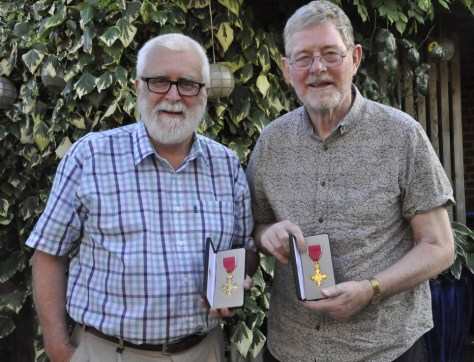
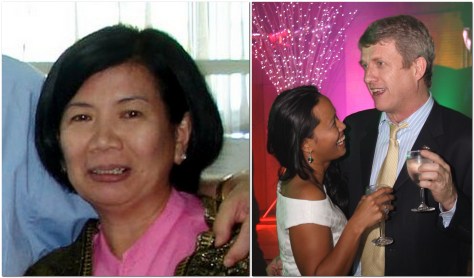
 Imagine my horror when I found that our helper Lilia had not even taken the beef from the freezer. Just two hours before our guests arrived and we were faced with a frozen slab of beef. I had asked Lilia not to prepare everything too early. Although a fabulous cook, unless checked, she had the habit (tradition even) of preparing and cooking our meals way ahead. I also discovered that she had diced the asparagus into small pieces! This was not an auspicious start to my 60th birthday bash.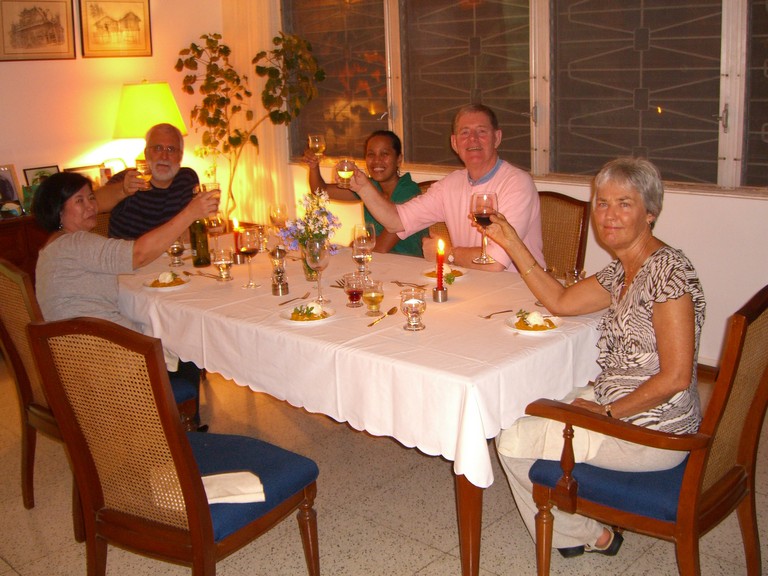
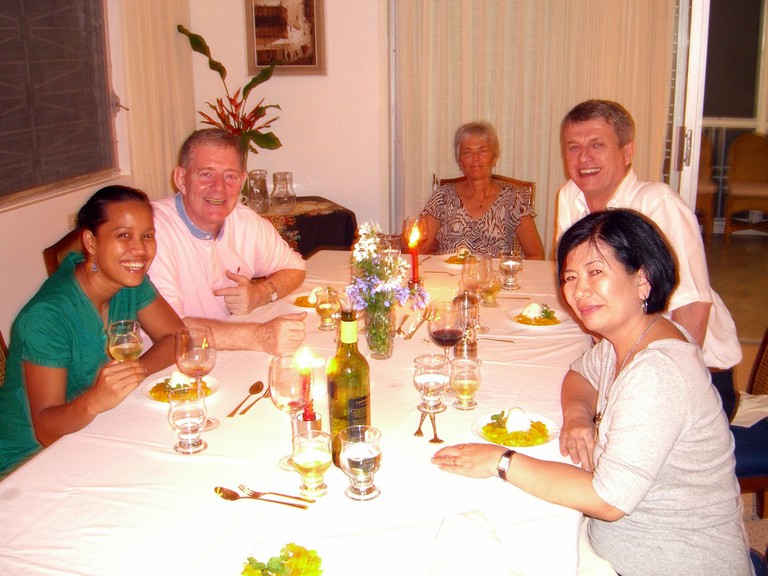
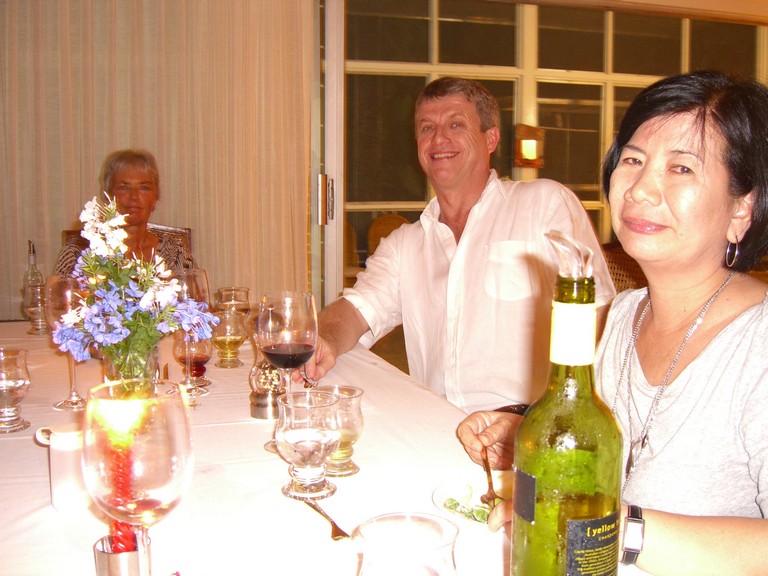
 I was searching YouTube the other day for videos about the recent 5th International Rice Congress held in Singapore, when I came across several on the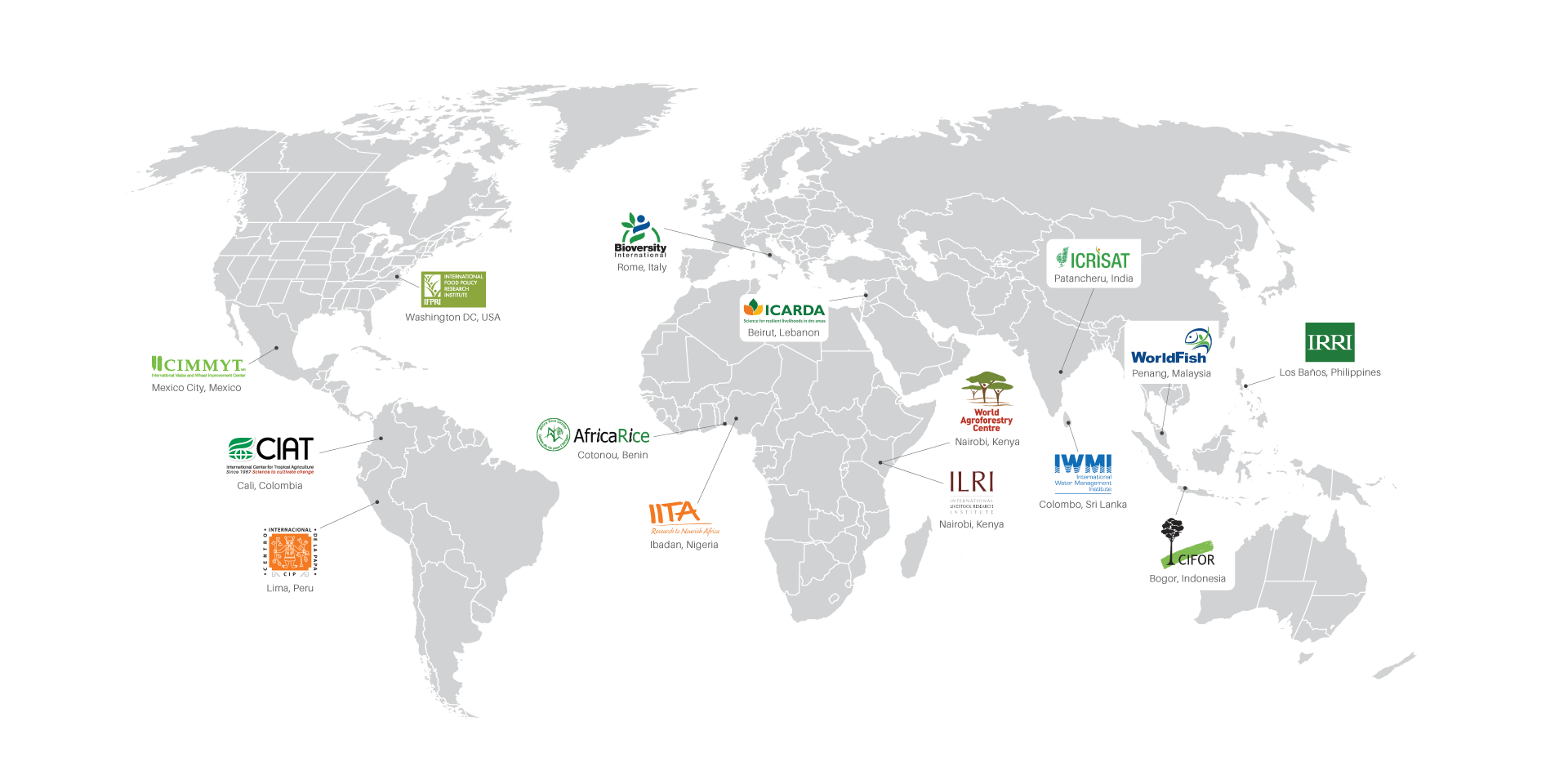
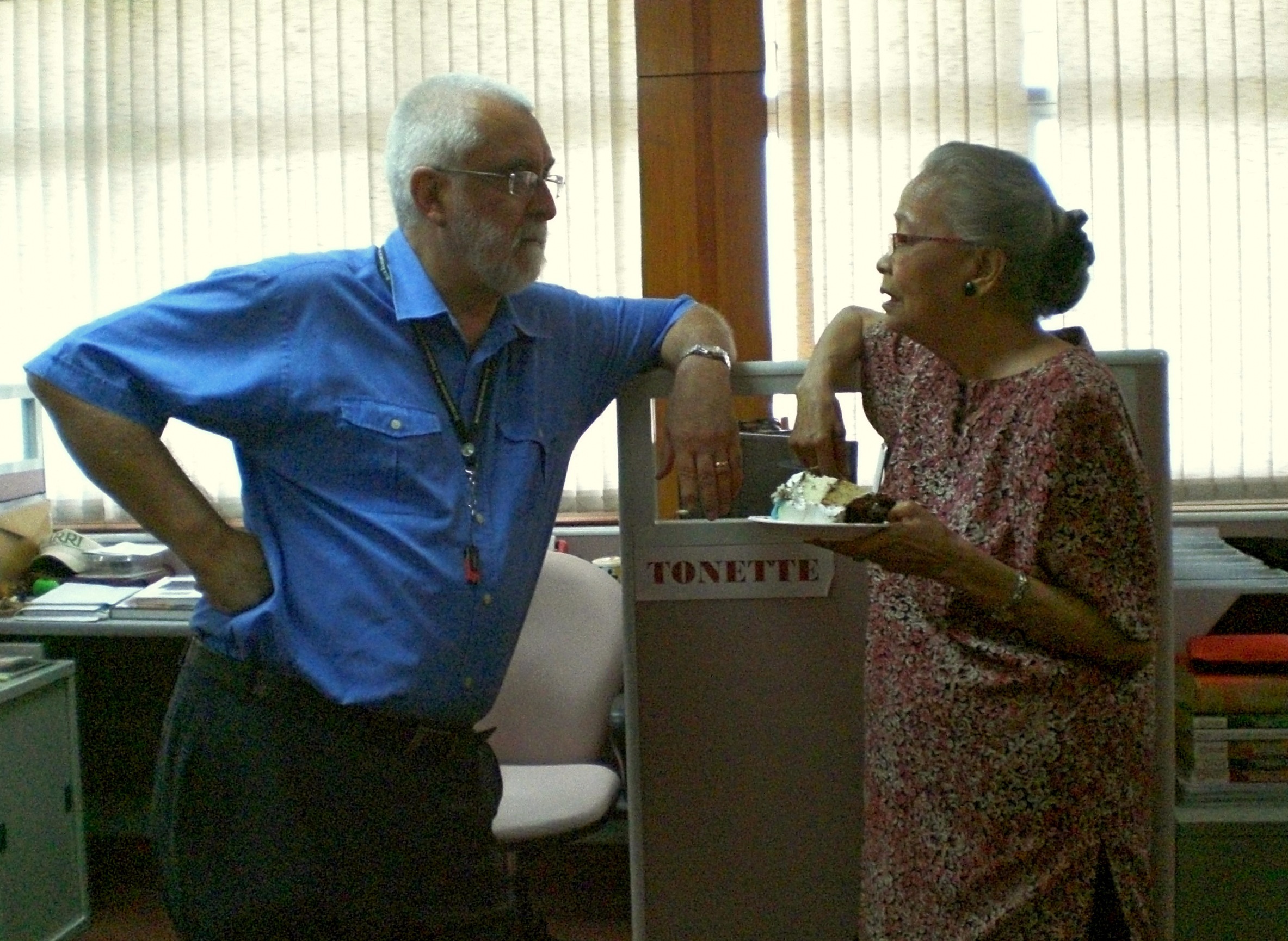

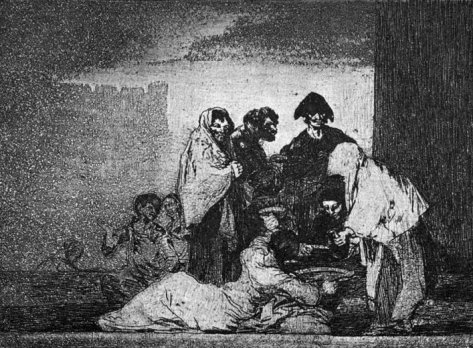
 In 1981, one of the students attending the one-year
  Today, the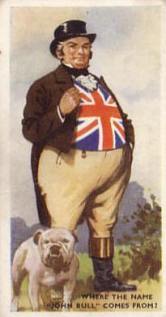
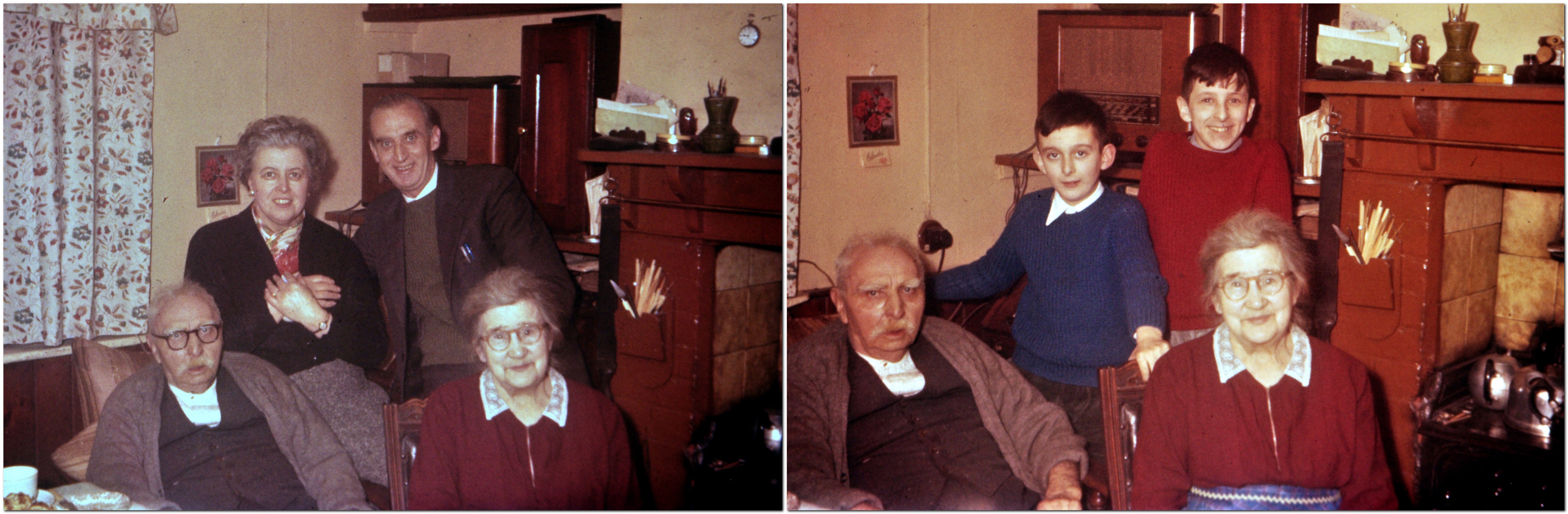
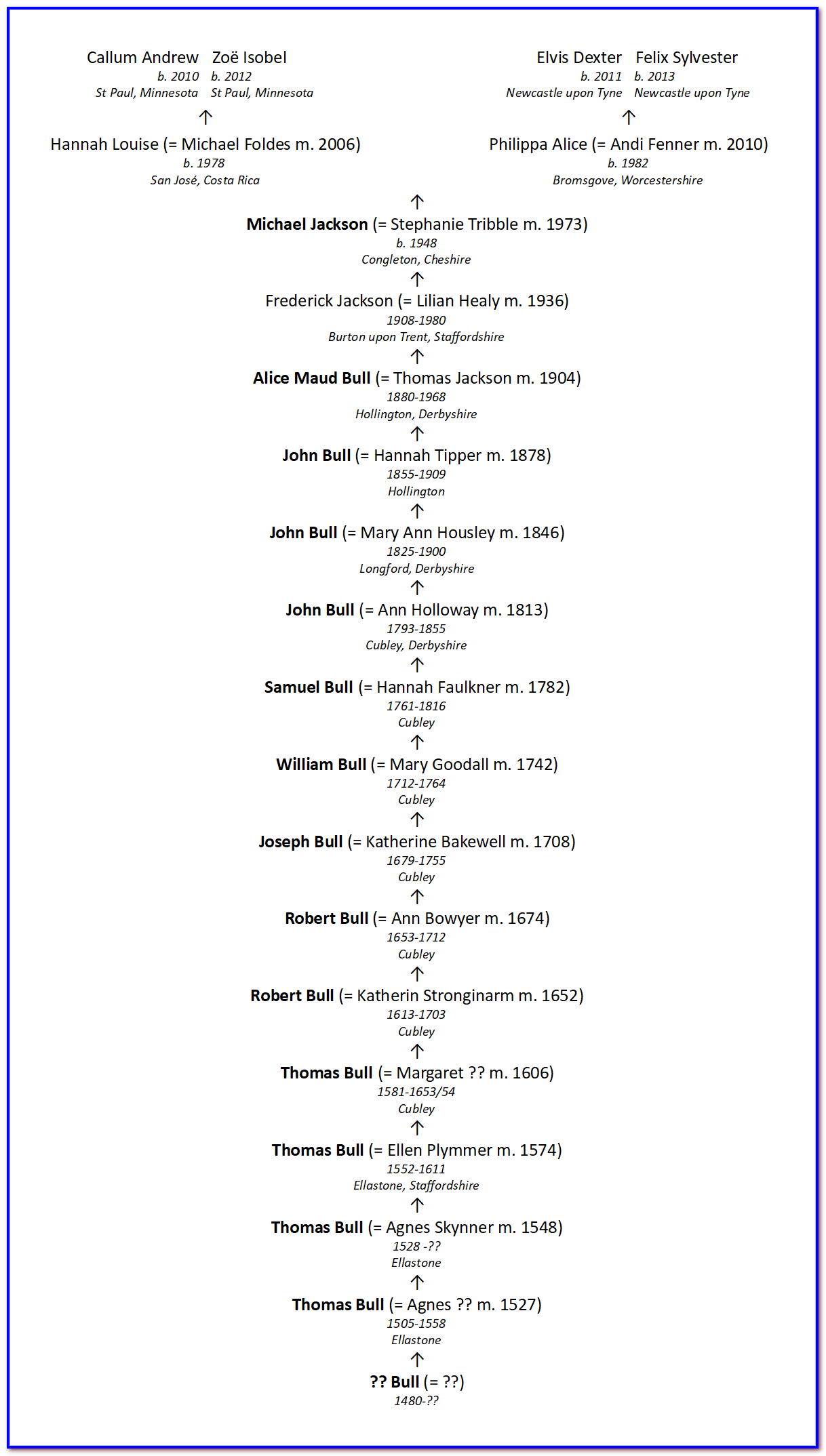
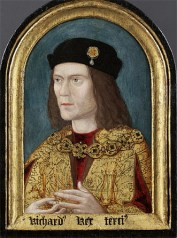
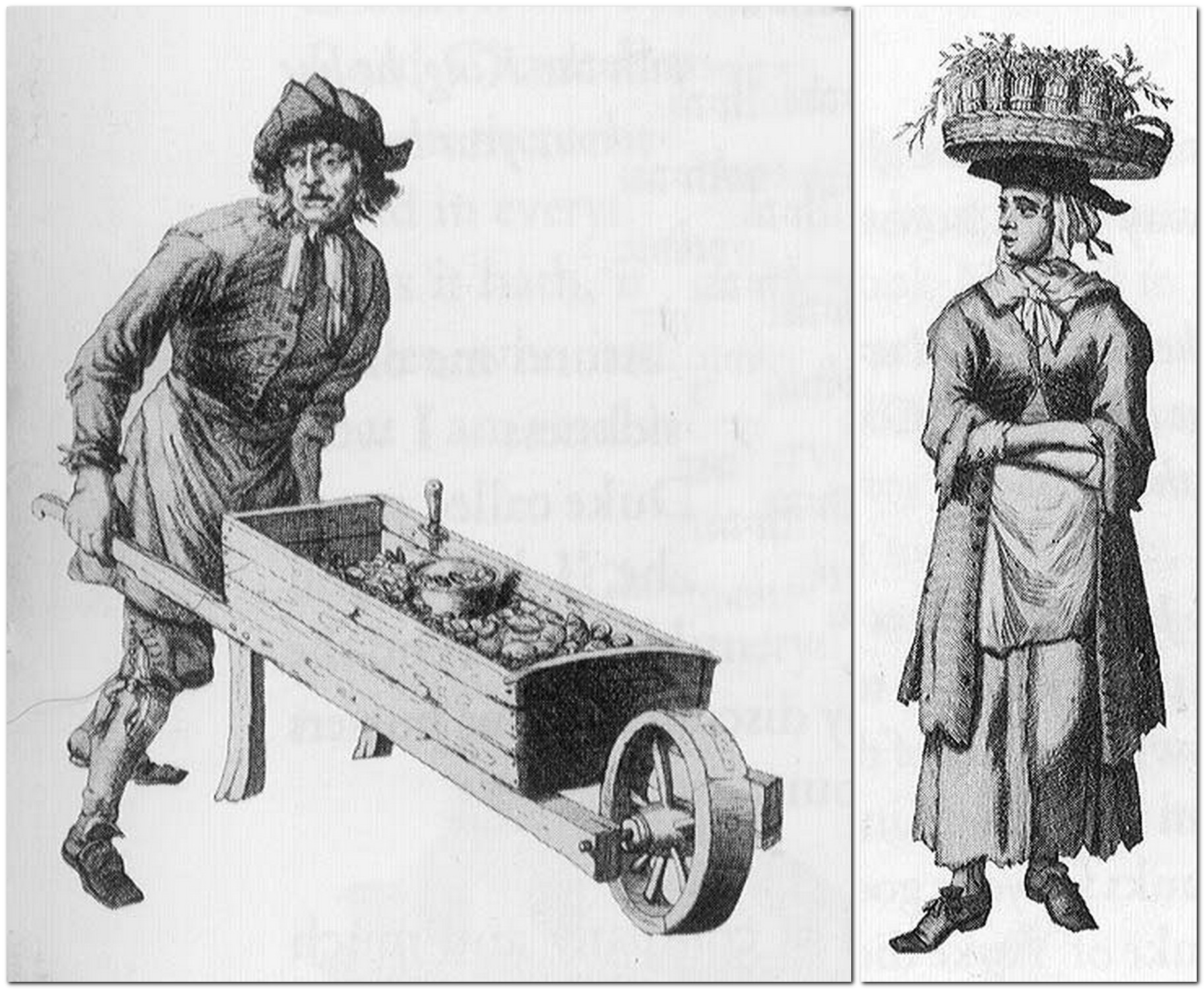
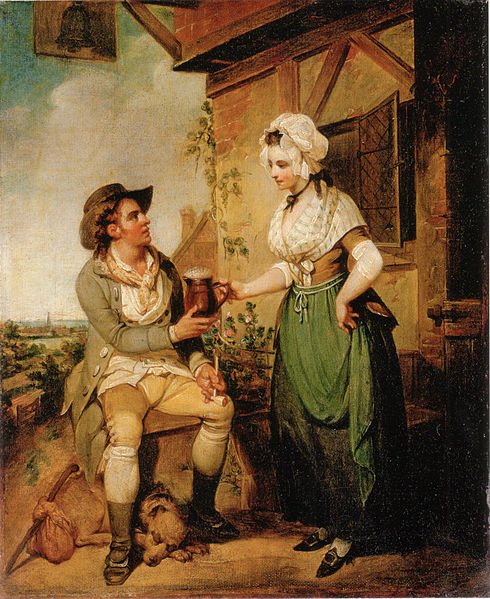
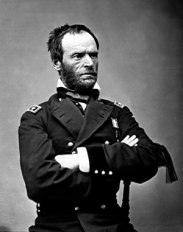
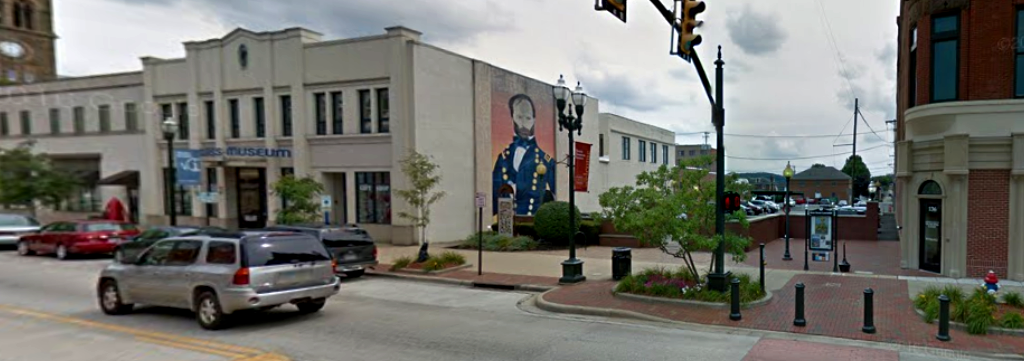
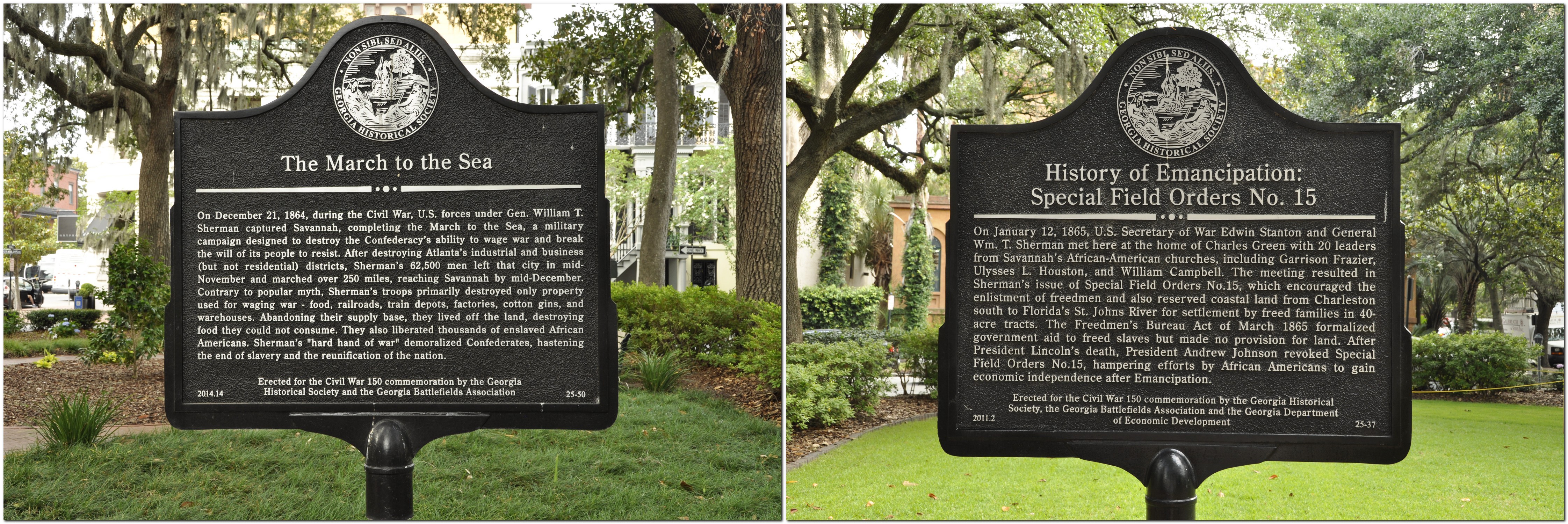
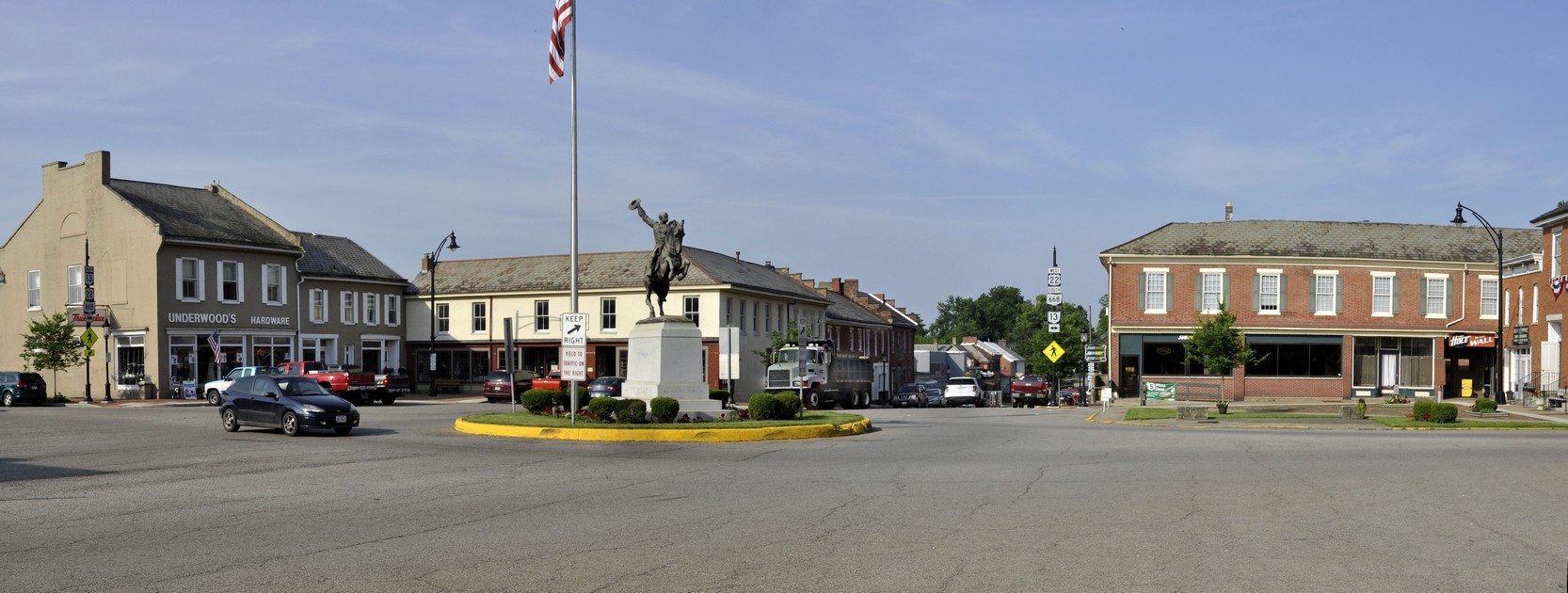
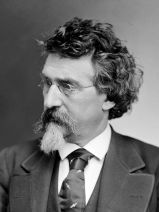 Despite its incredibly bloody outcomes and destructive consequences, the American Civil War, 1861-65 holds a certain fascination. To a large extent, it was the first war to be extensively documented photographically, many of the images coming from the lens of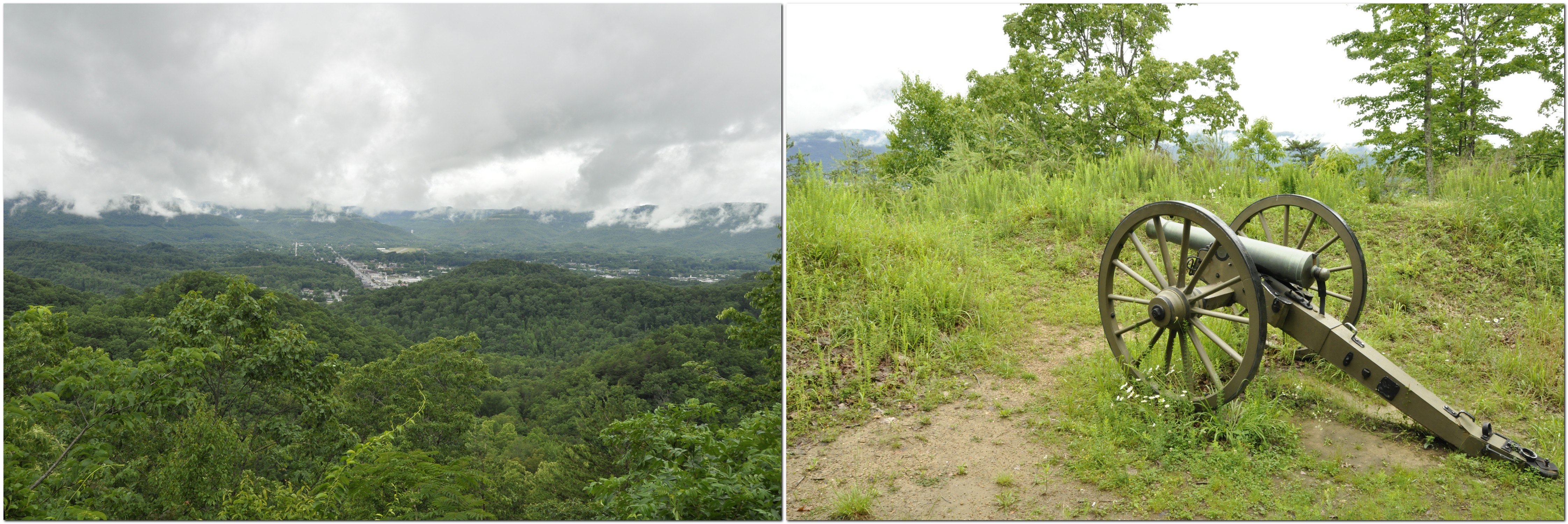
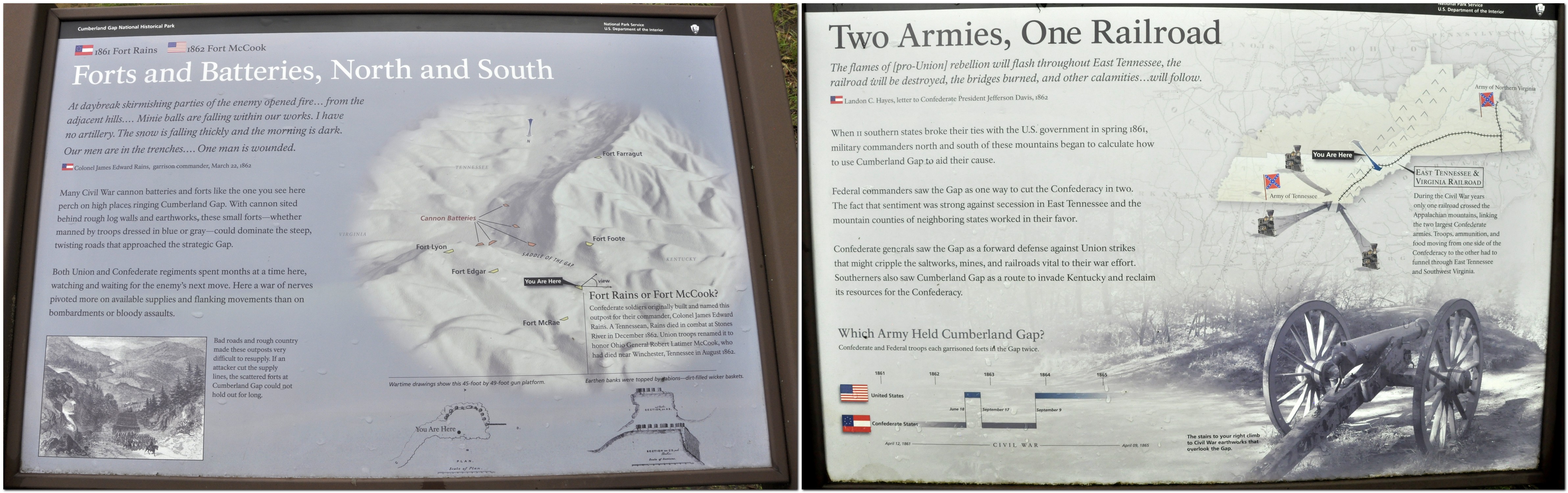
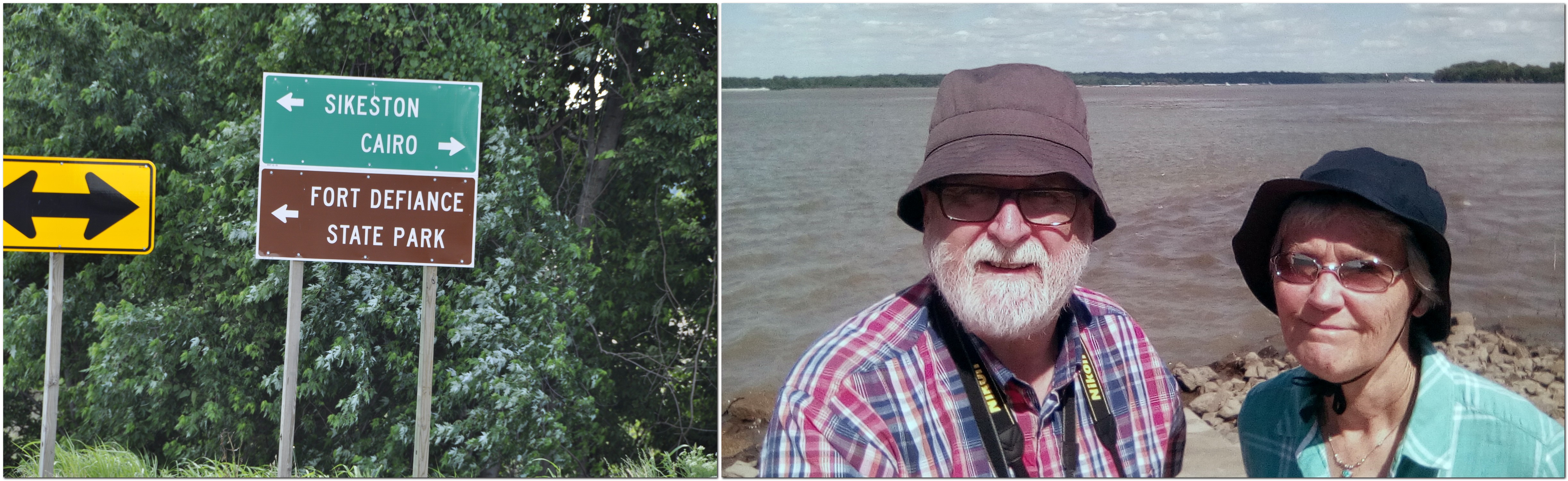
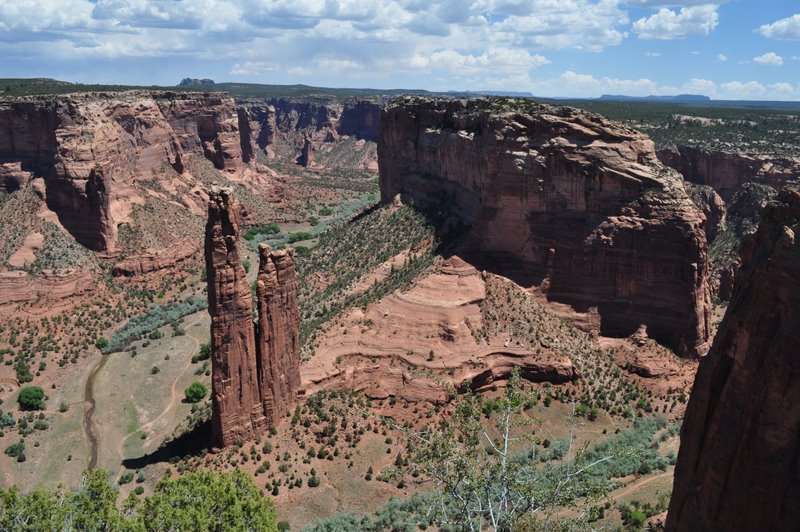



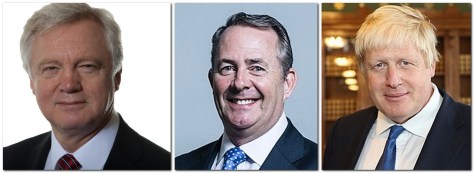


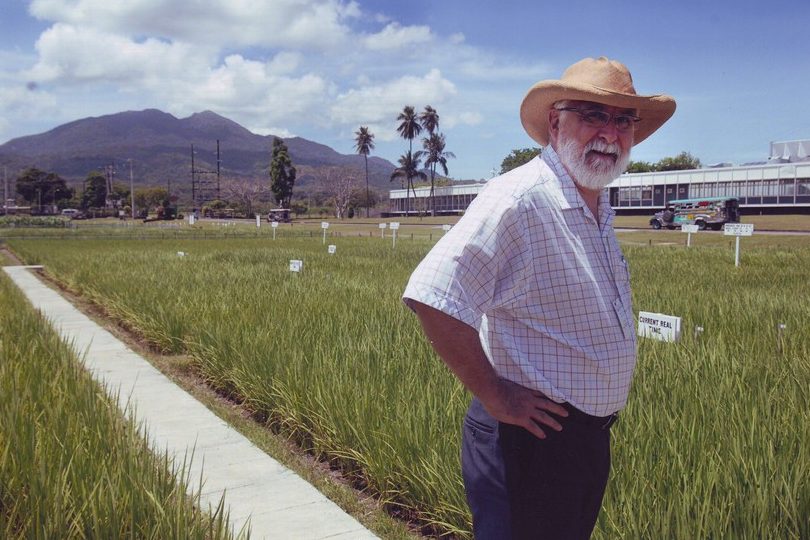
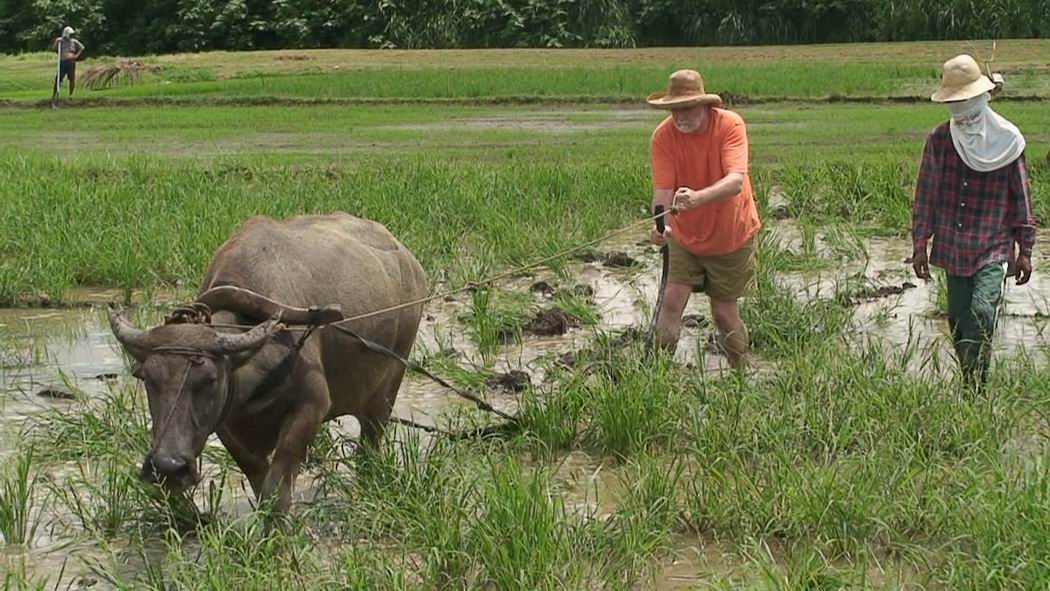


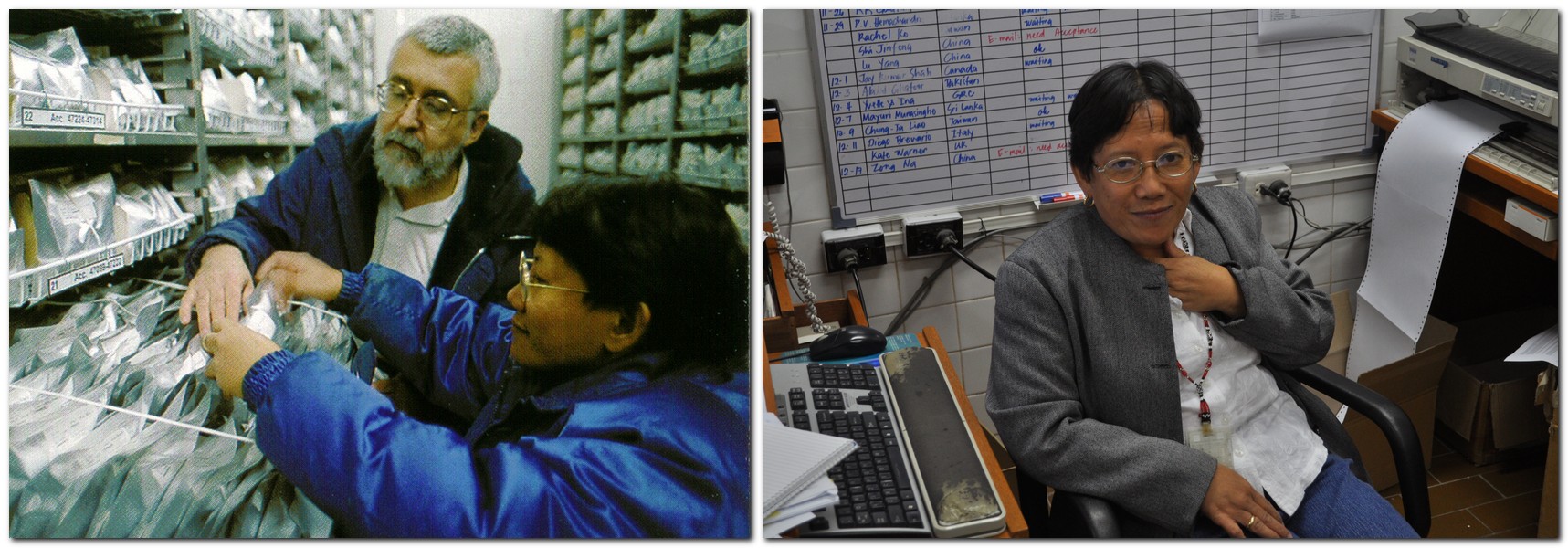
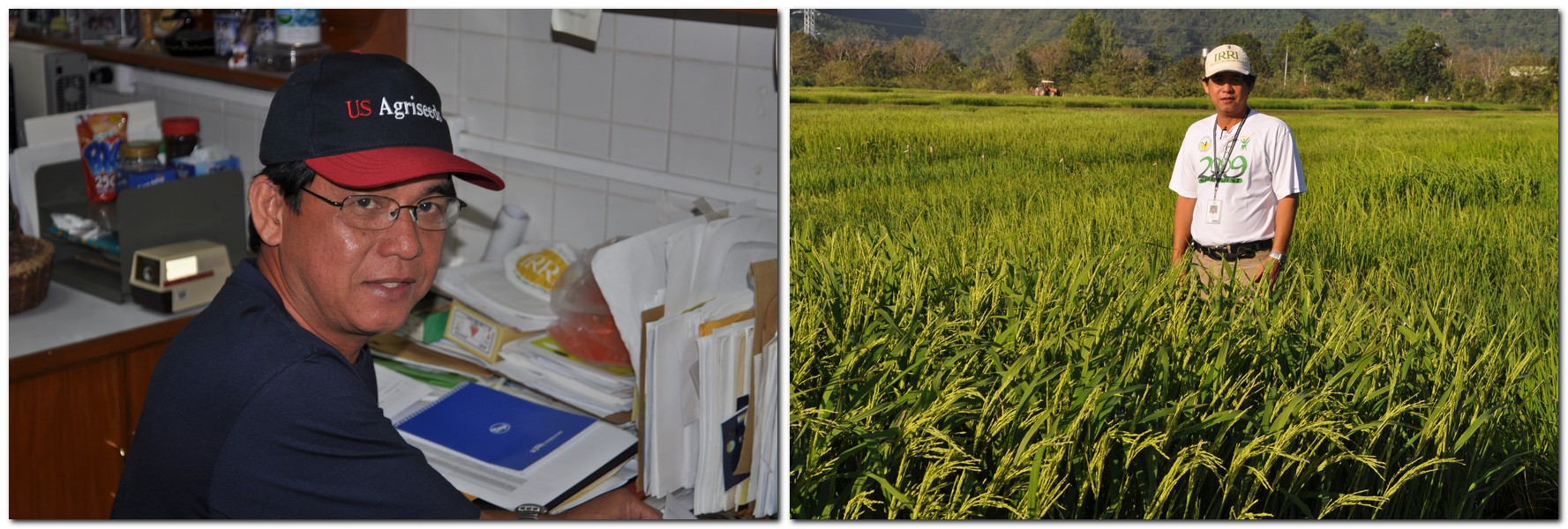
 Soccie Almazan became the curator of the wild rices that had to be grown in a quarantine screenhouse some distance from the main research facilities, on the far side of the experiment station. But the one big change that we made was to incorporate all the germplasm types, cultivated or wild, into a single genebank collection, rather than the three collections. Soccie brought about some major changes in how the wild species were handled, and with an expansion of the screenhouses in the early 1990s (as part of the overall refurbishment of institute infrastructure) the genebank at last had the space to adequately grow (in pots) all this valuable germplasm that required special attention. See the video from 4:30. Soccie retired from IRRI in the last couple of years.
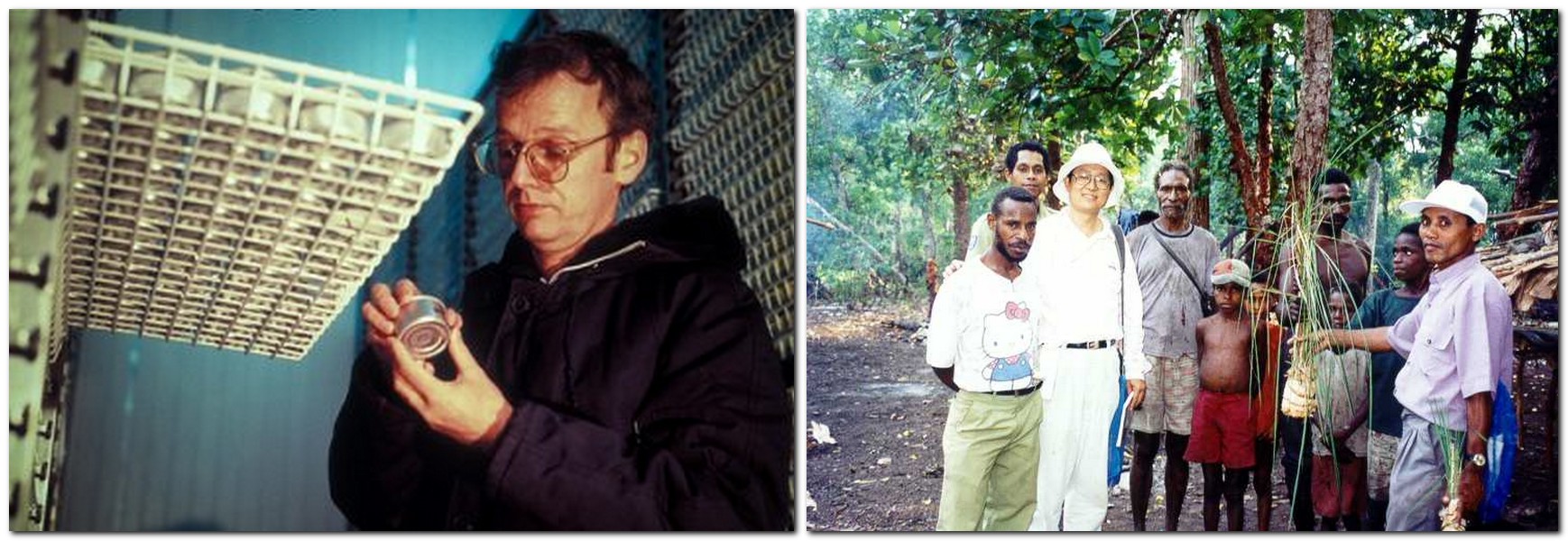
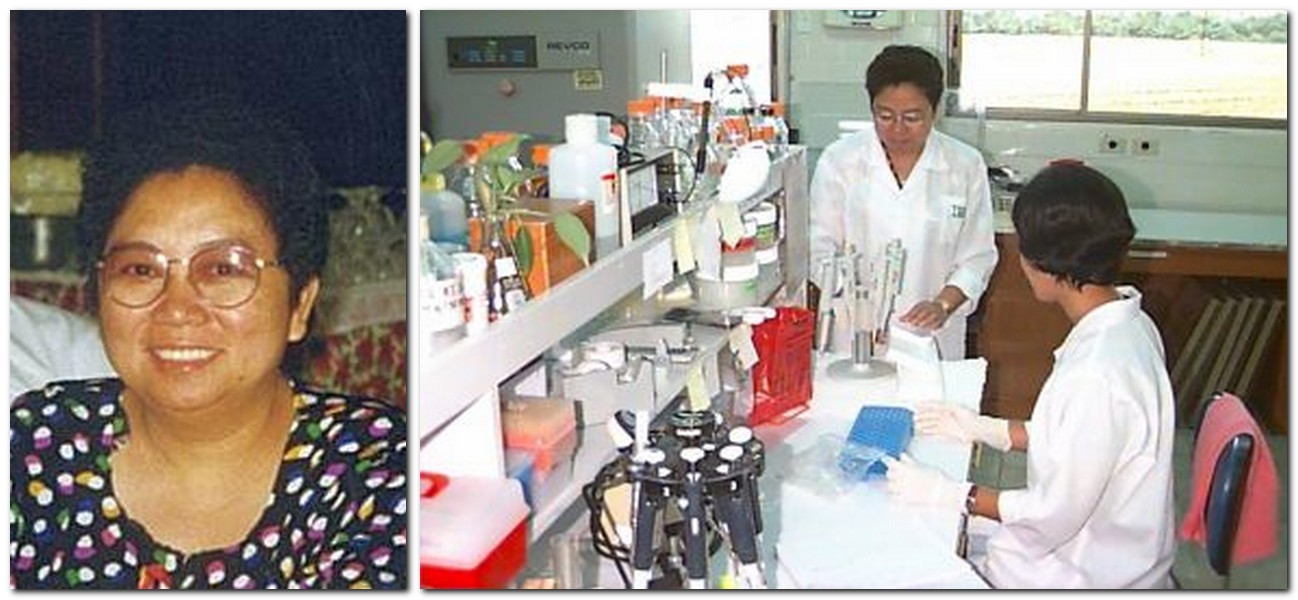
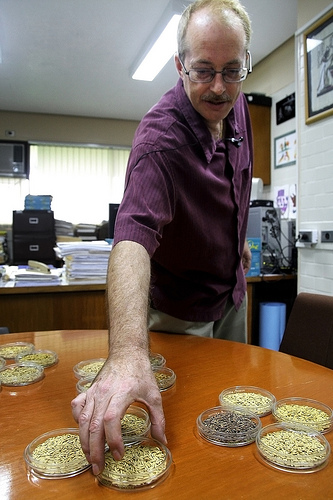
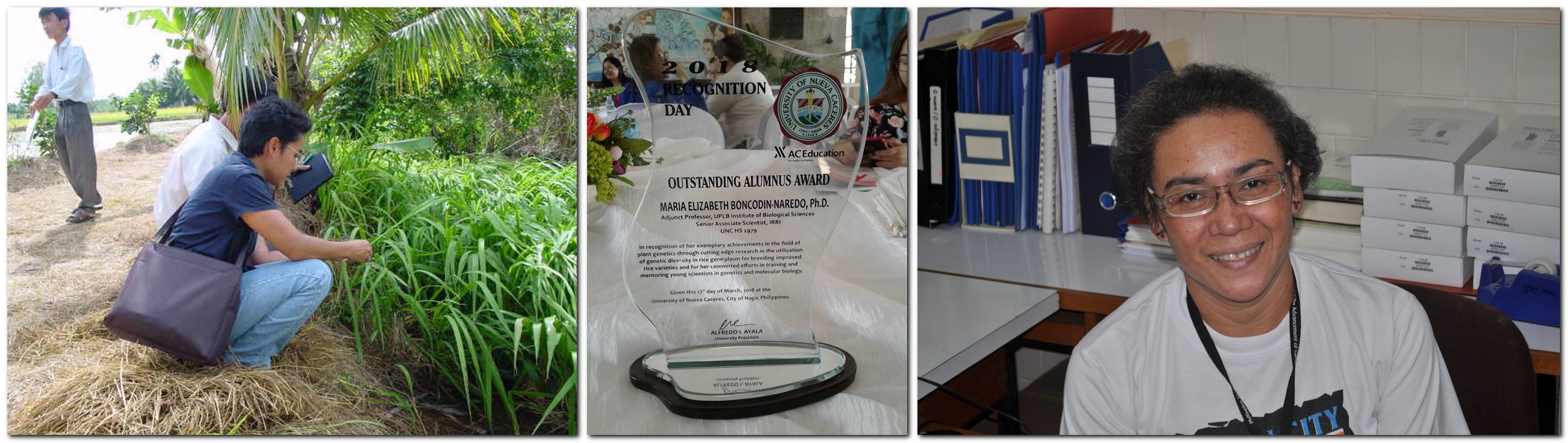
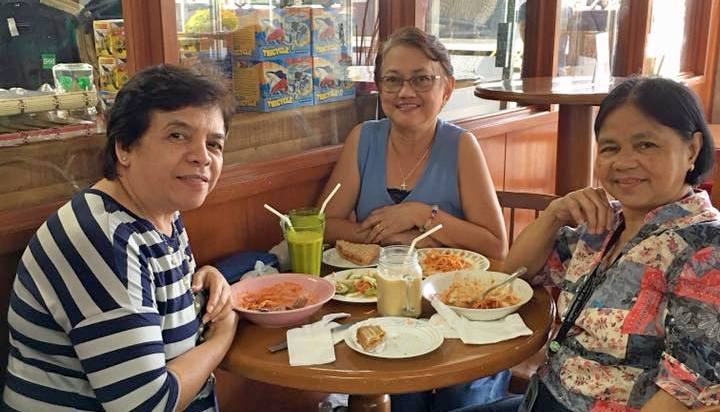
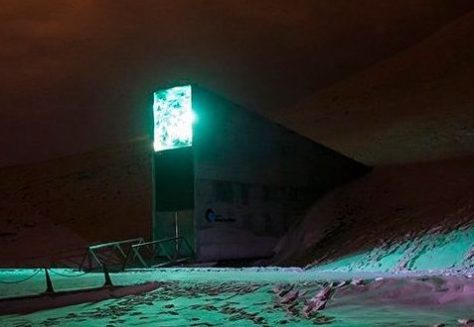
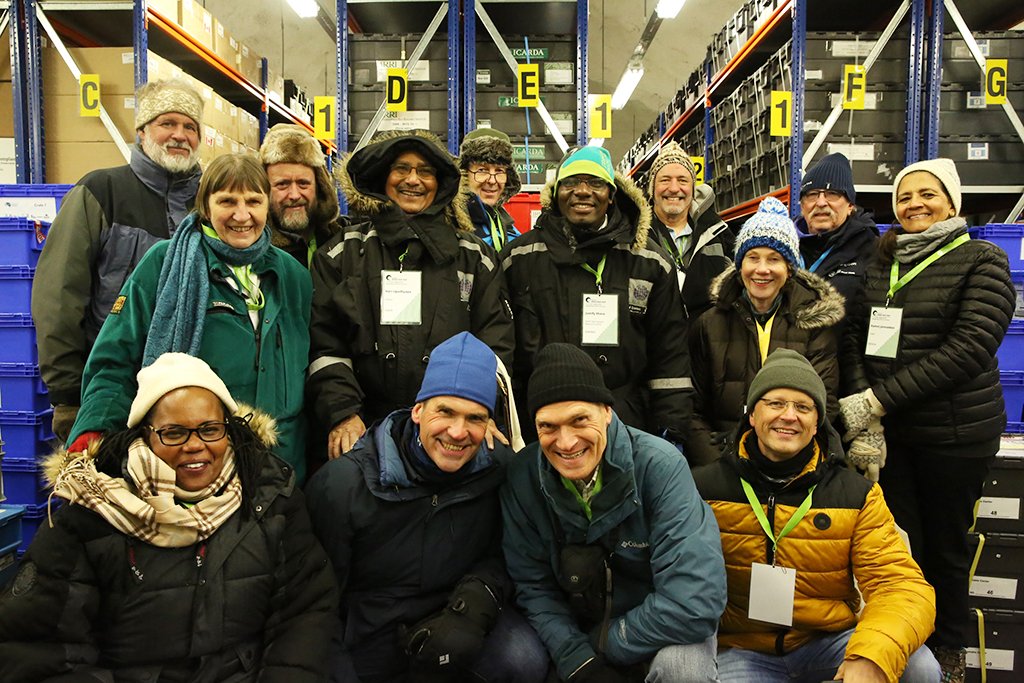

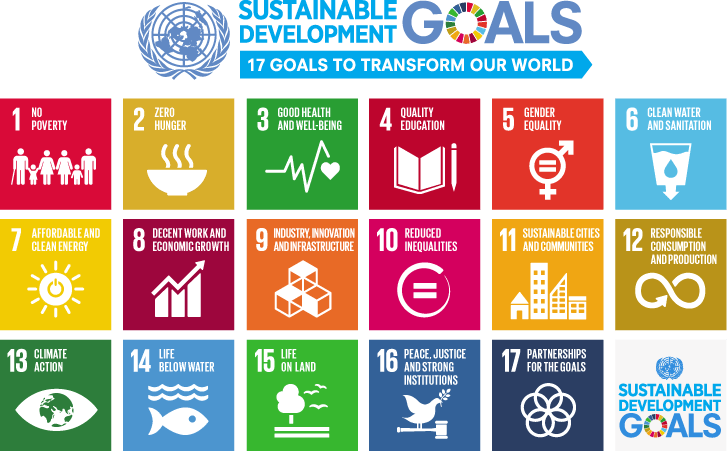
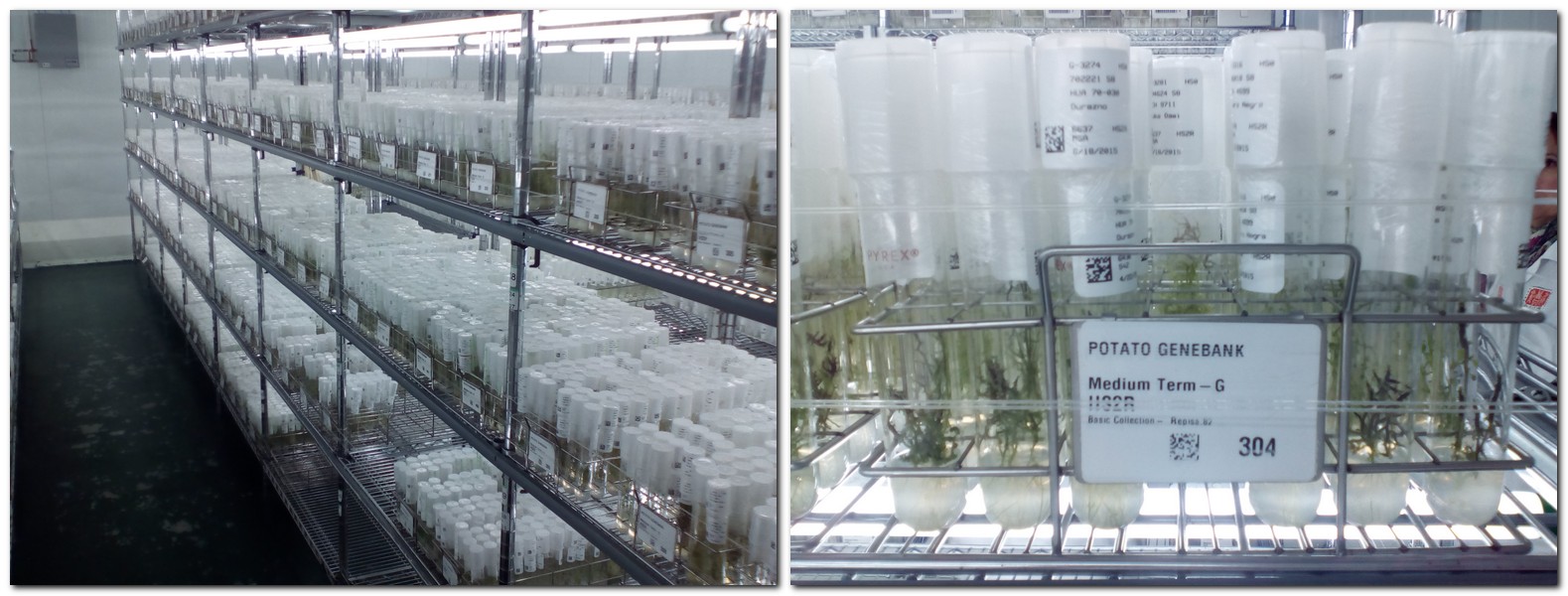

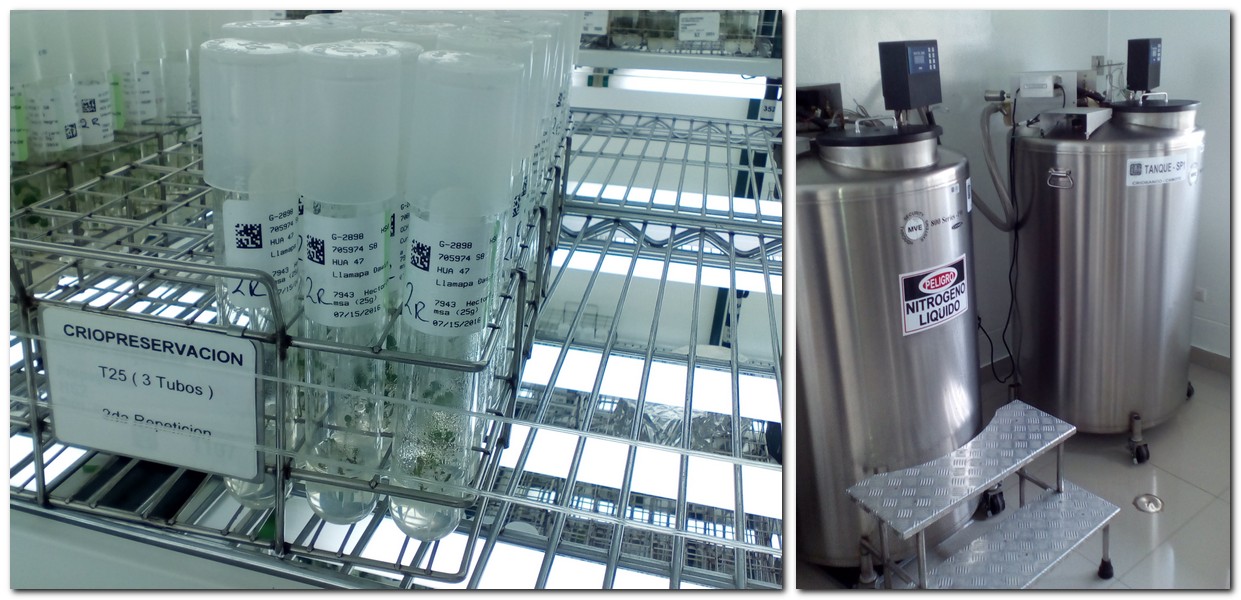
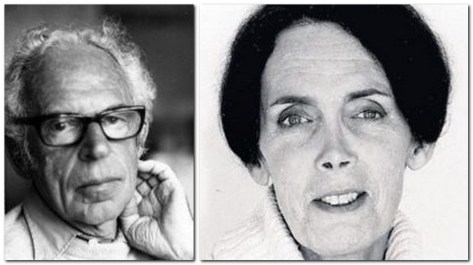

 Until the Crop Trust stepped in to provide the security of long-term funding through its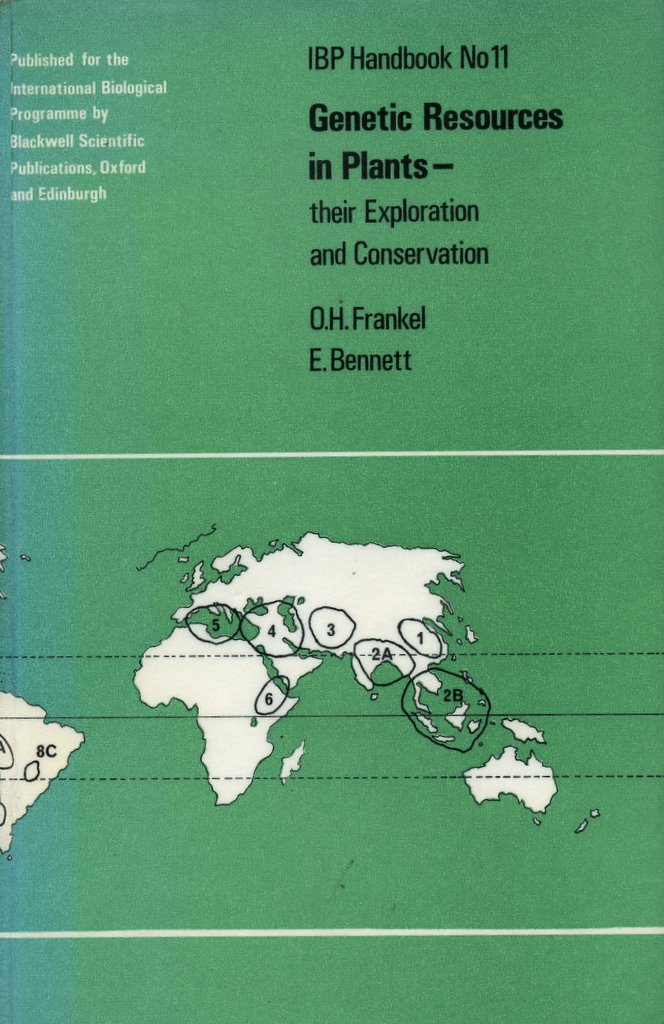
 Elgar was born in June 1857 in a small cottage, The Firs, in the village of
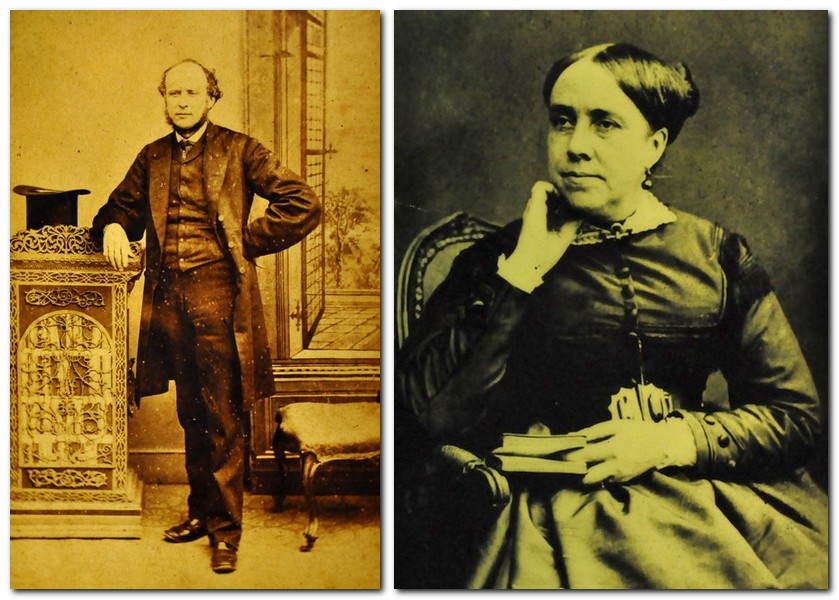

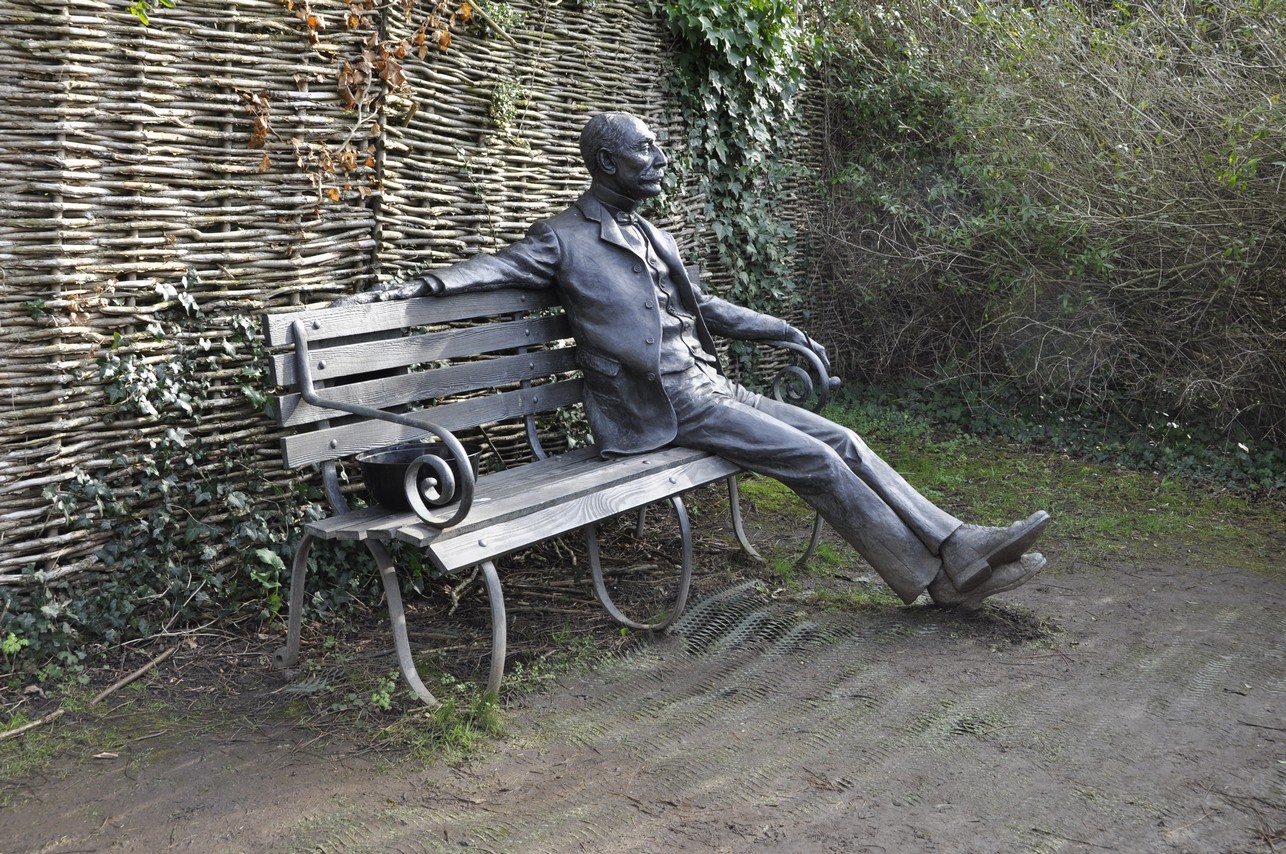


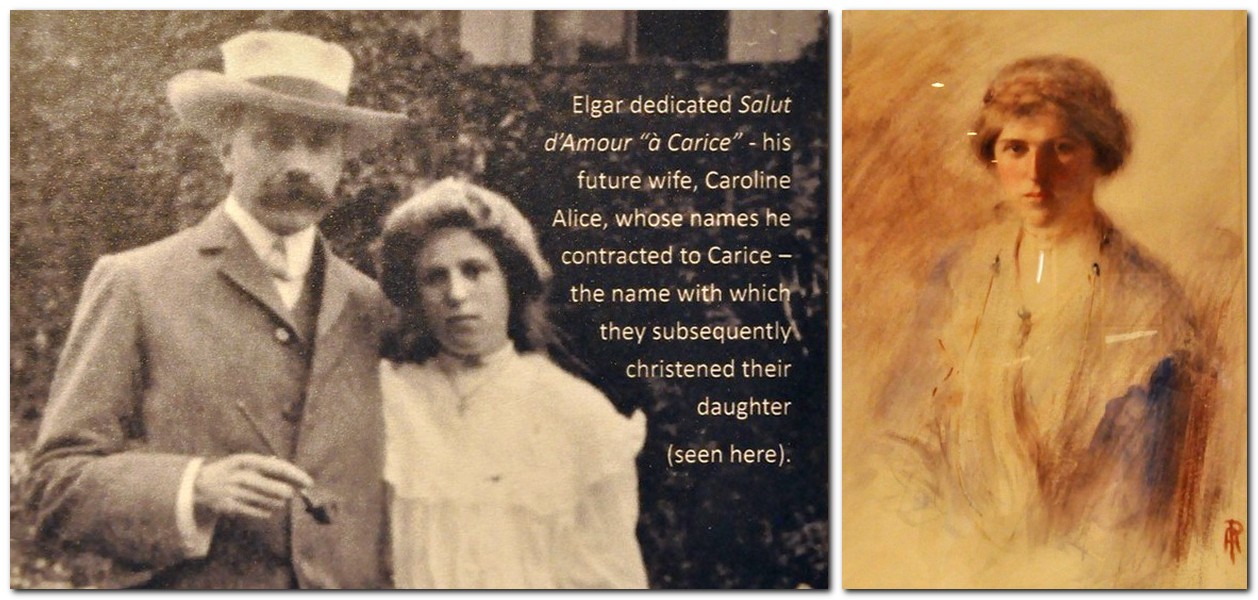
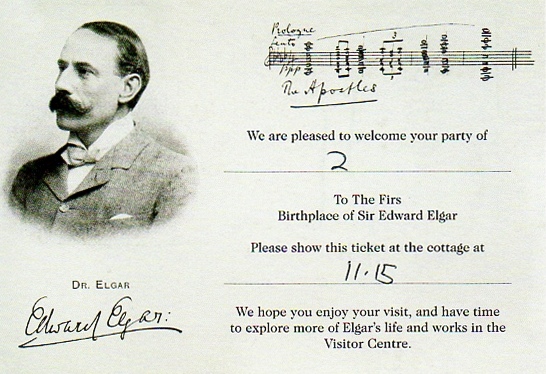


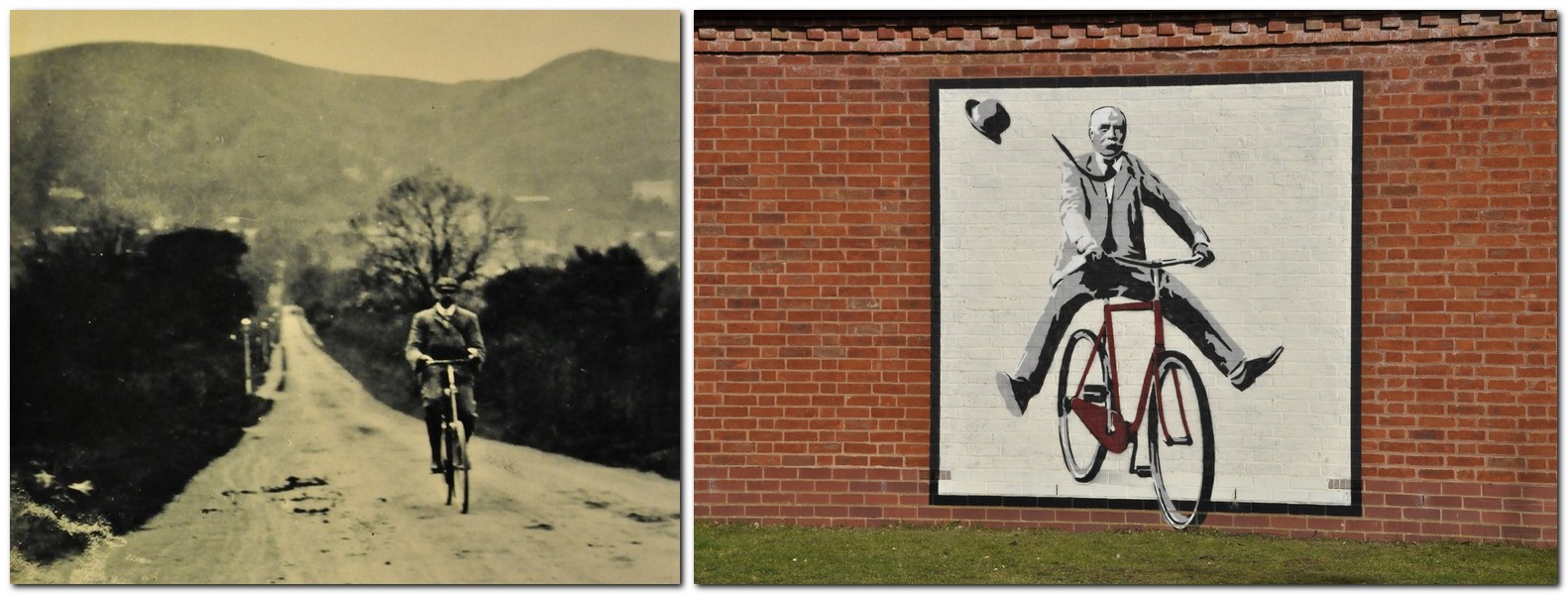
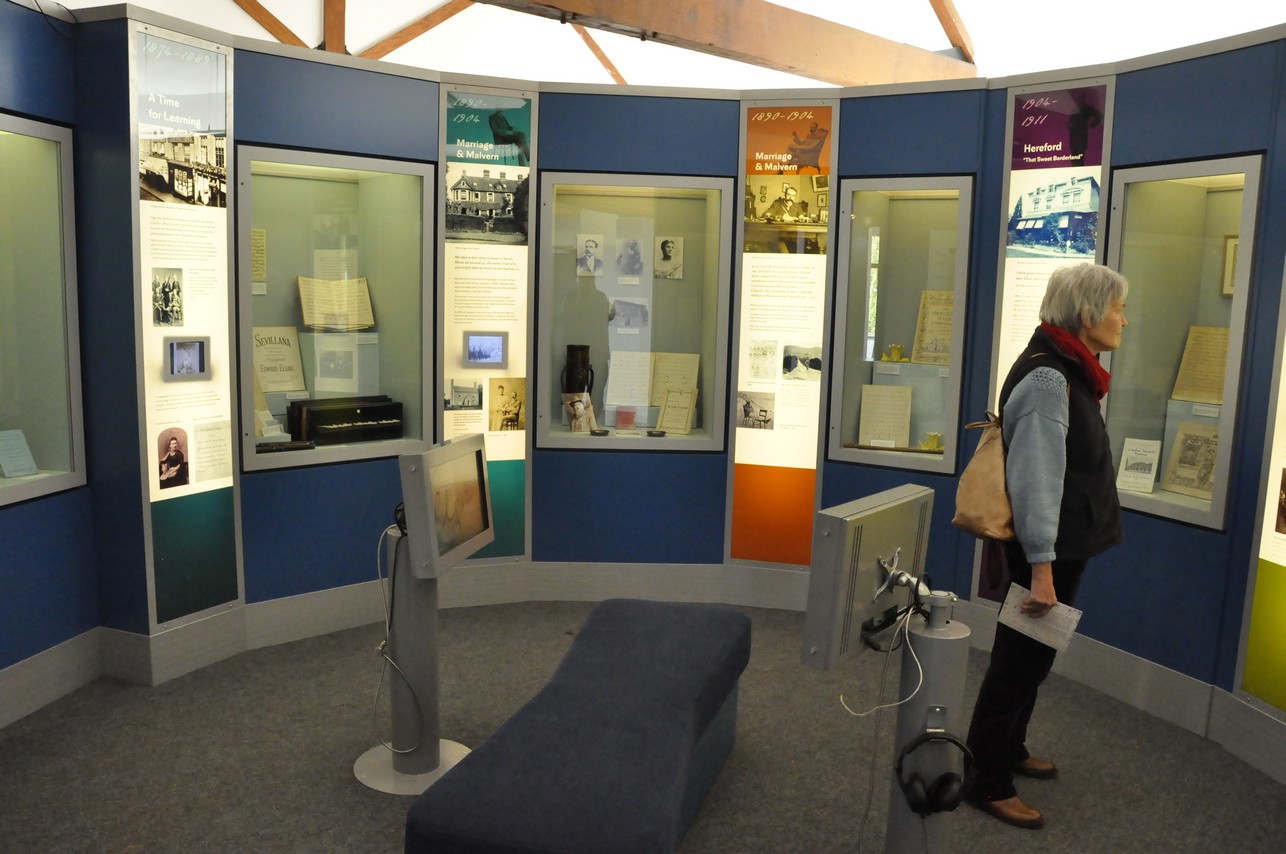
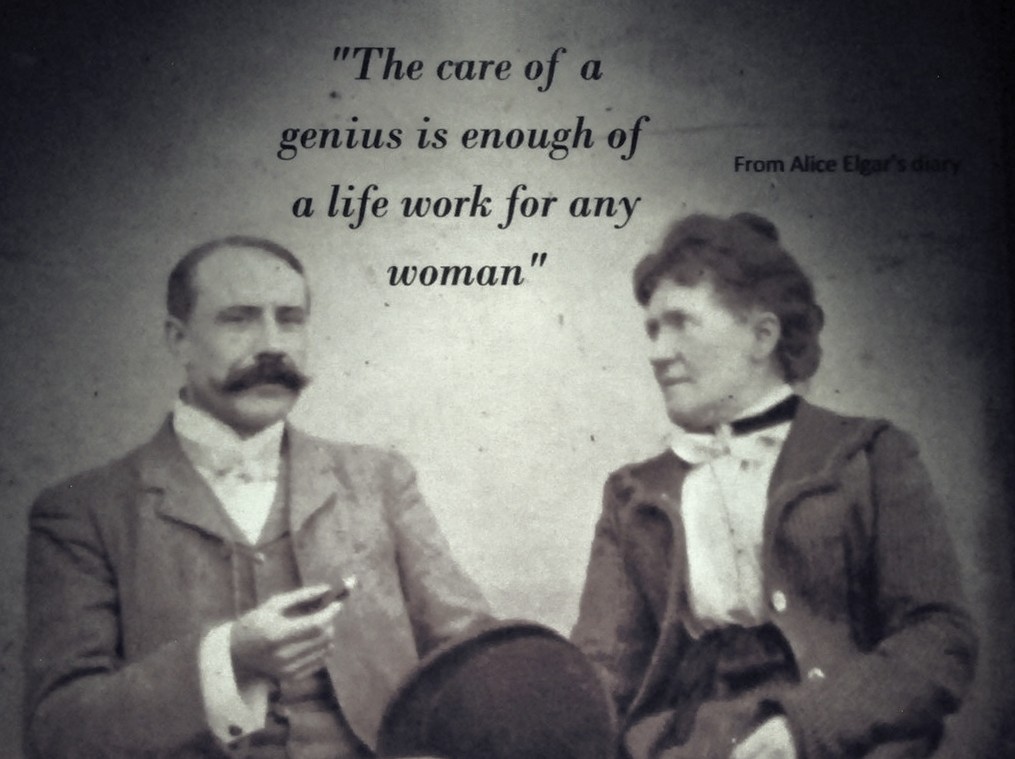
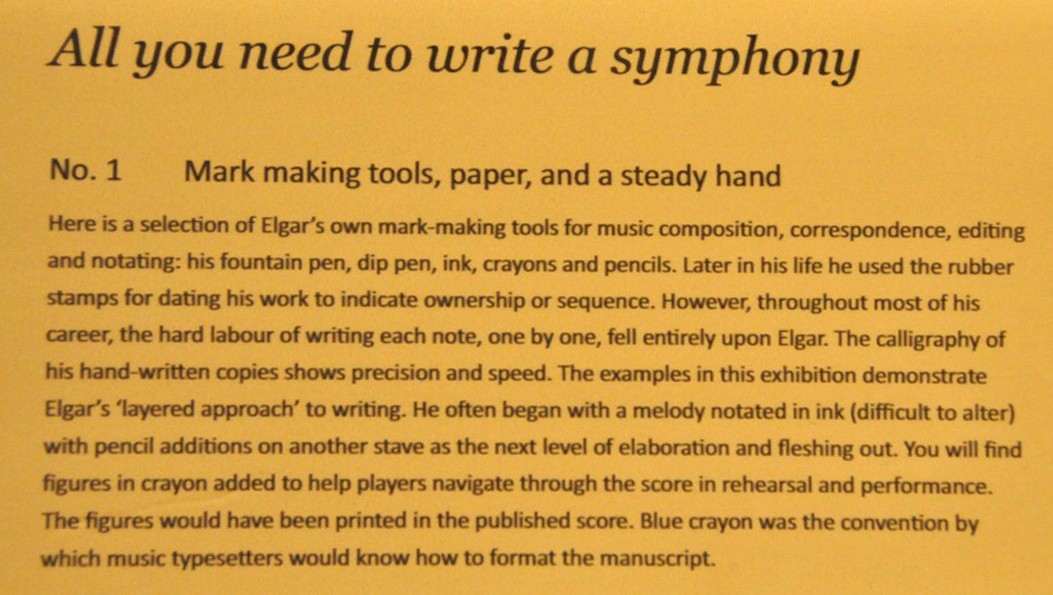






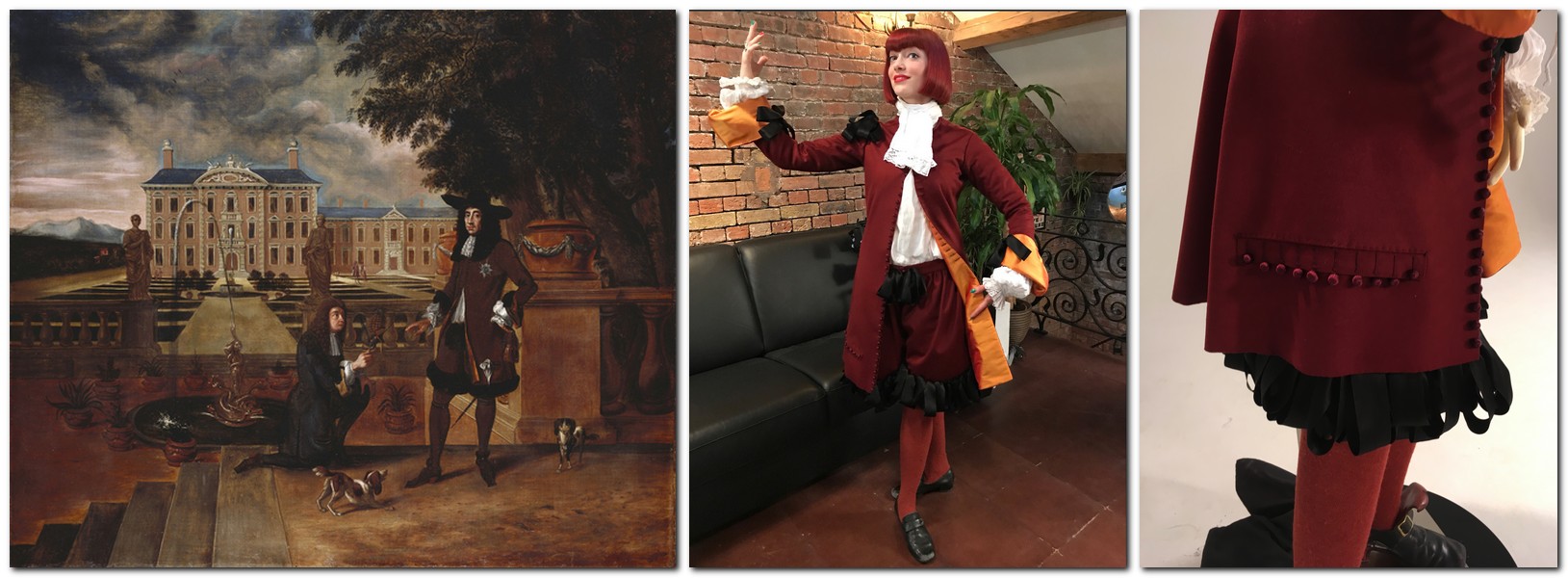


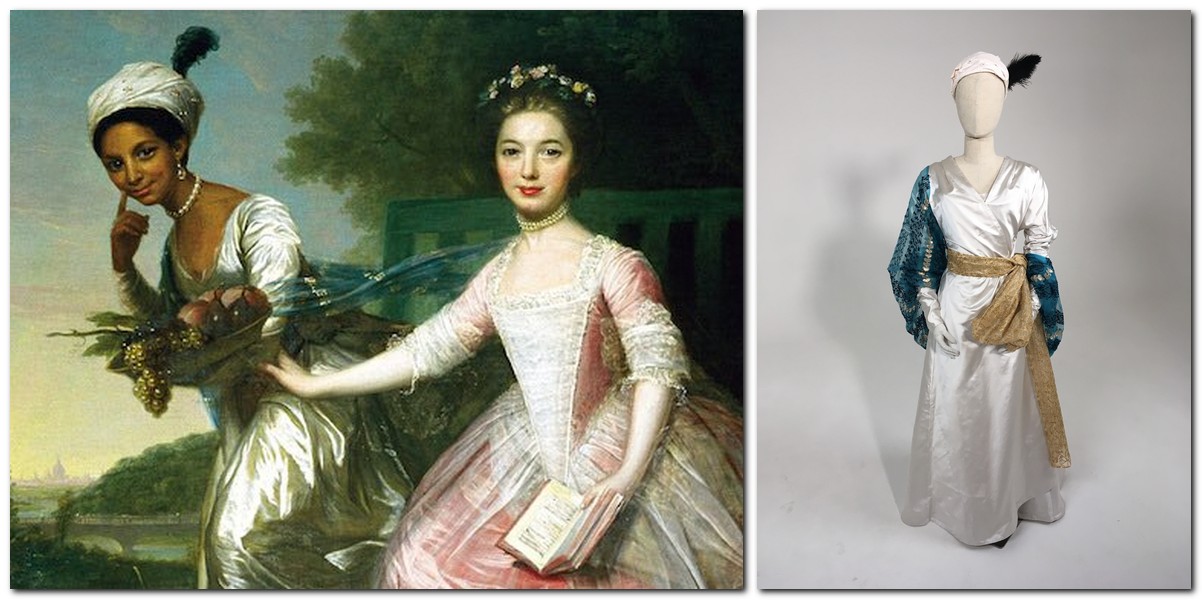

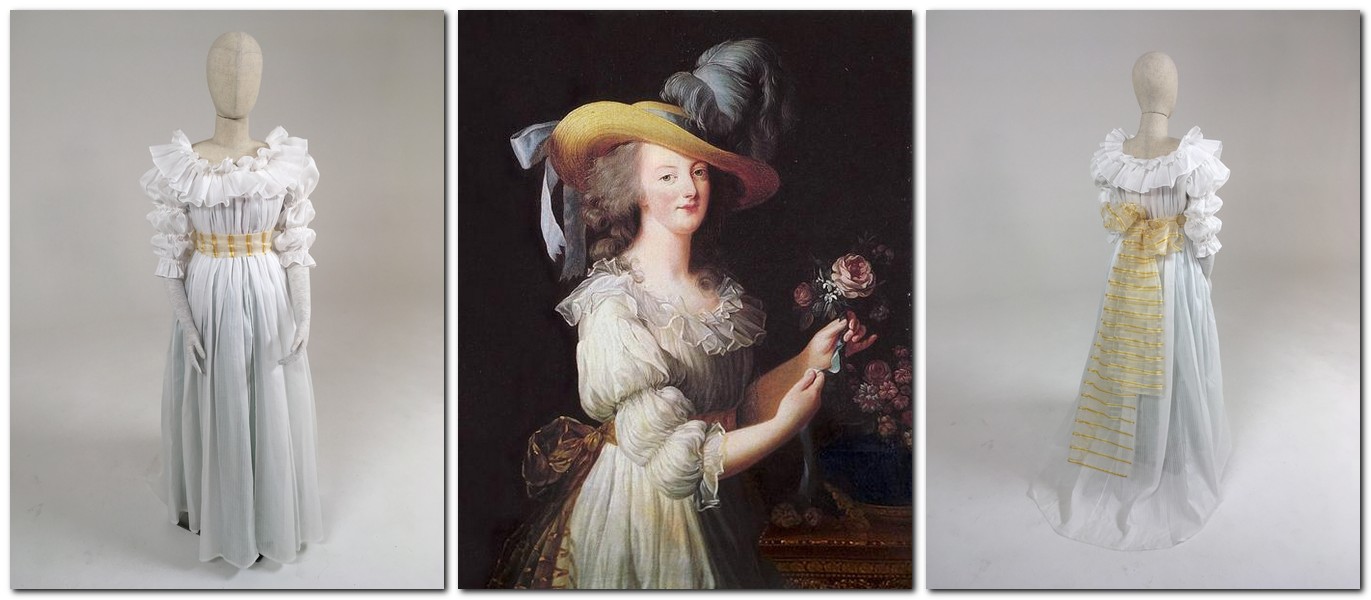
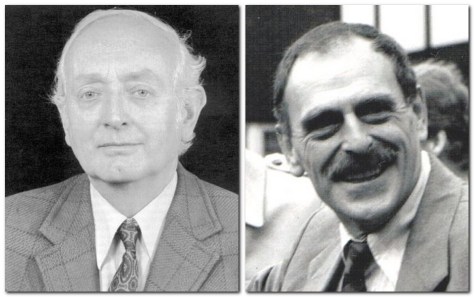
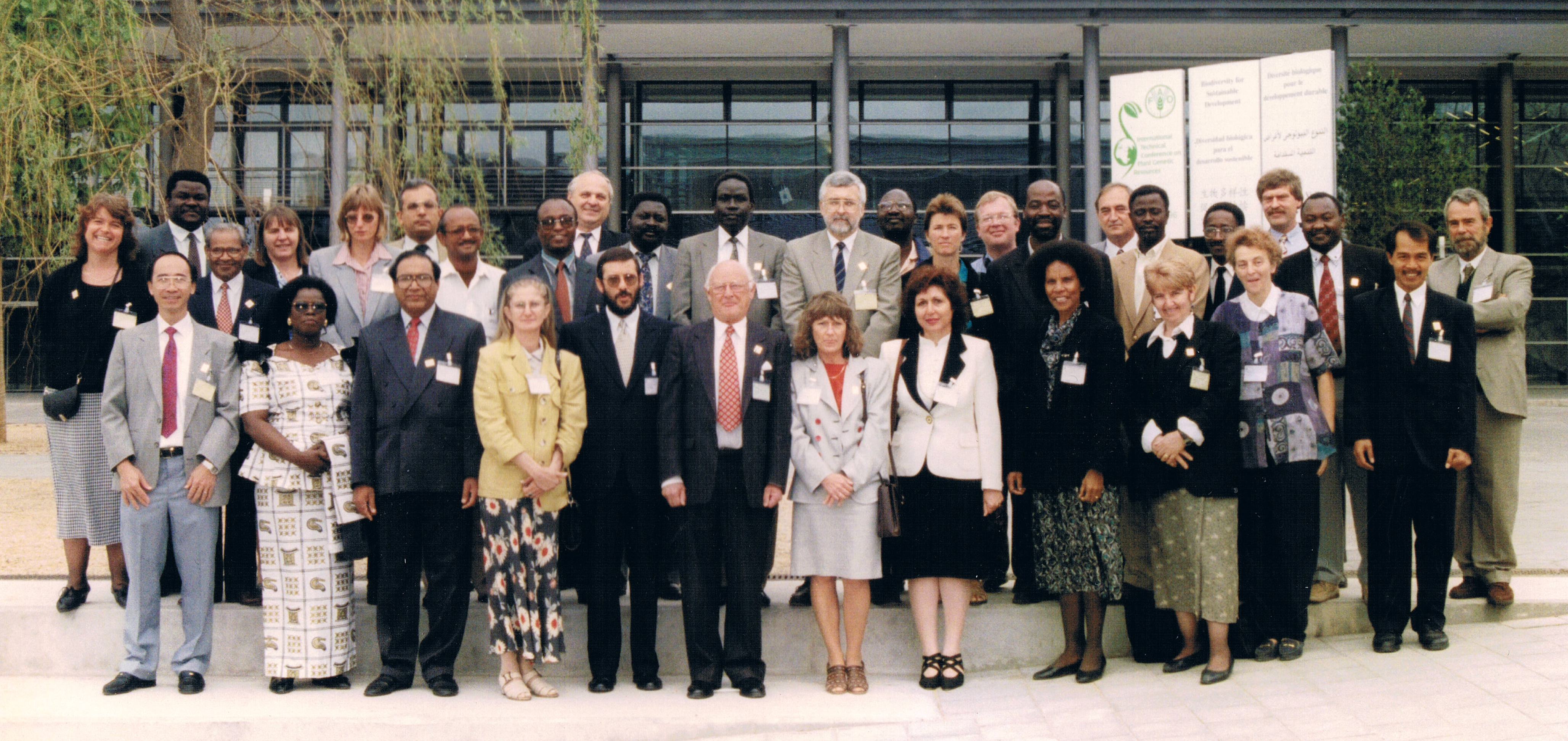

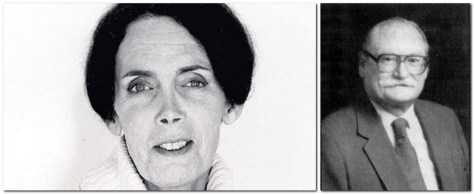 We also had to choose a short research project, mostly carried out during the summer months through the end of August, and written up and presented for examination in September. While the bulk of the work was carried out following the exams, I think all of us had started on some aspects much earlier in the academic year. In my case, for example, I had chosen a topic on lentil evolution by November 1970, and began to assemble a collection of seeds of different varieties. These were planted (under cloches) in the field by the end of March 1971, so that they were flowering by June. I also made chromosome counts on each accession in my spare time from November onwards, on which my very first
  At the end of the course, all our work, exams and dissertation, was assessed by an external examiner (a system that is commonly used among universities in the UK). The examiner was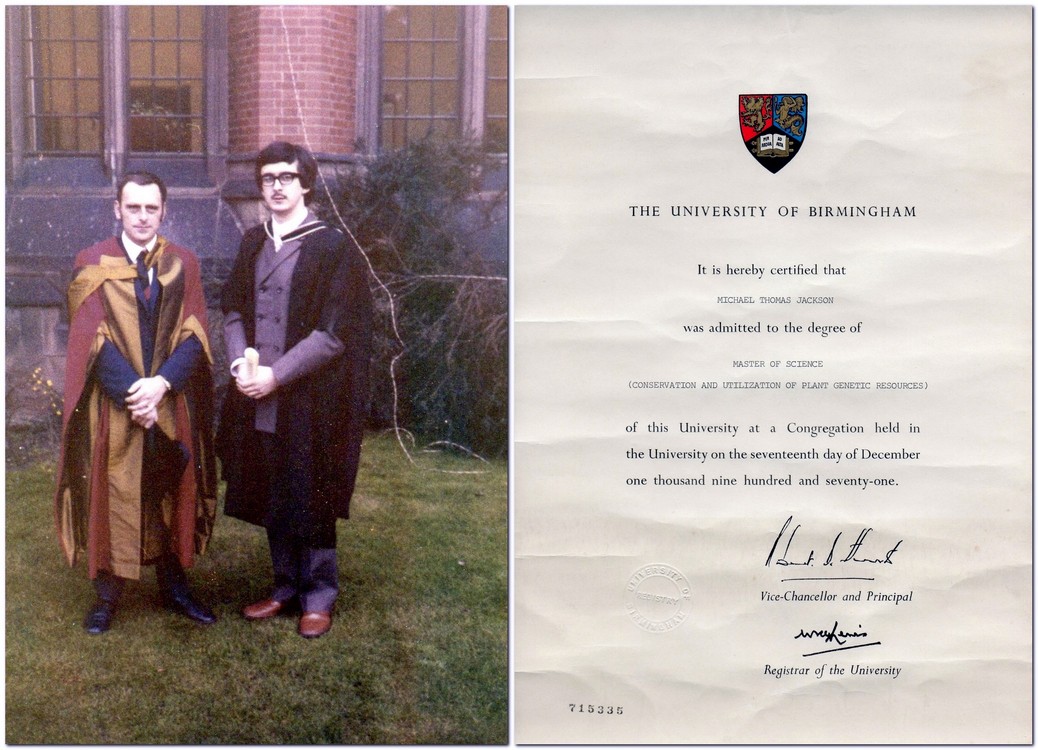
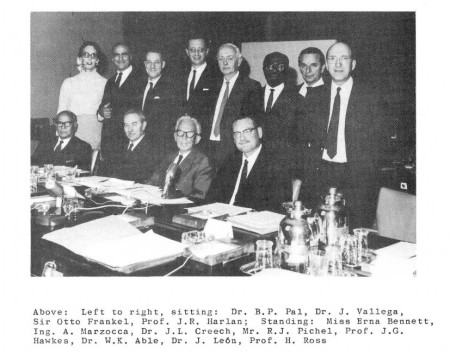
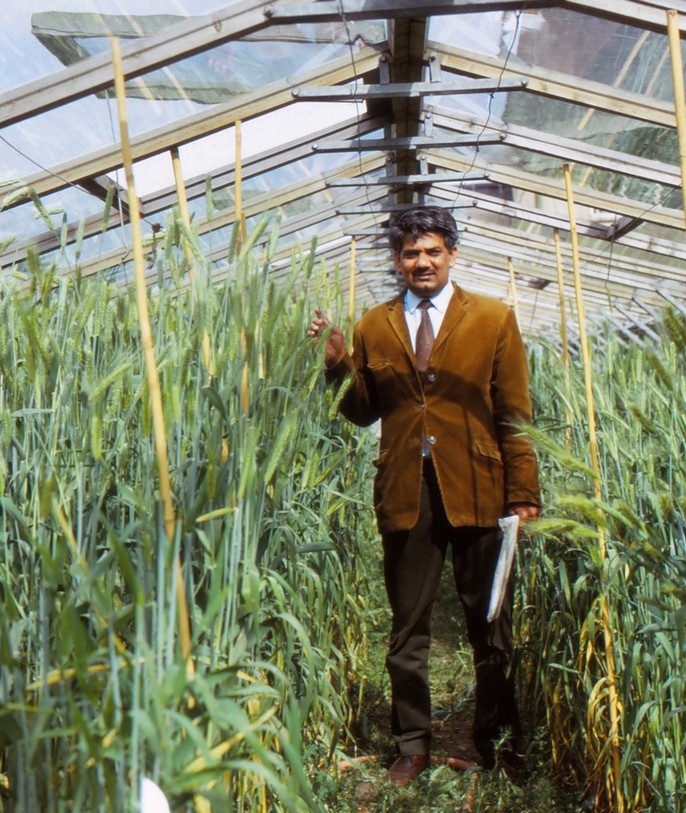


 Ayla came to Birmingham with a clear focus on what she wanted to achieve. She saw the MSc course as the first step to completing her PhD, and even arrived in Birmingham with samples of seeds for her research. During the course she completed a dissertation (with Jack Hawkes) on the origin of rye (Secale cereale), and she continued this project for a further two years or so for her PhD. I don’t recall whether she had the MSc conferred or not. In those days, it was not unusual for someone to convert an MSc course into the first year of a doctoral program; I’m pretty sure this is what Ayla did.
 Folu married shortly before traveling to Birmingham. Her husband had enrolled for a PhD at University College London. He had seen a small poster about the MSc course at Birmingham on a notice board at the University of Ibadan, Nigeria where Folu had completed her BSc in Botany. She applied successfully for financial support from the Mid-Western Nigeria Government to attend the MSc course, and subsequently her PhD studies.
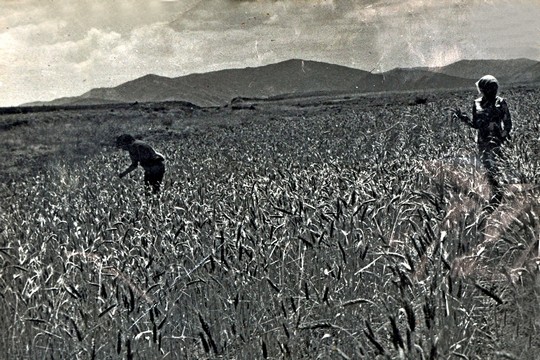
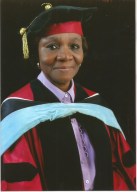 genetic resources the training courses she helped deliver, and the research linkages she promoted among various bodies in Nigeria. She has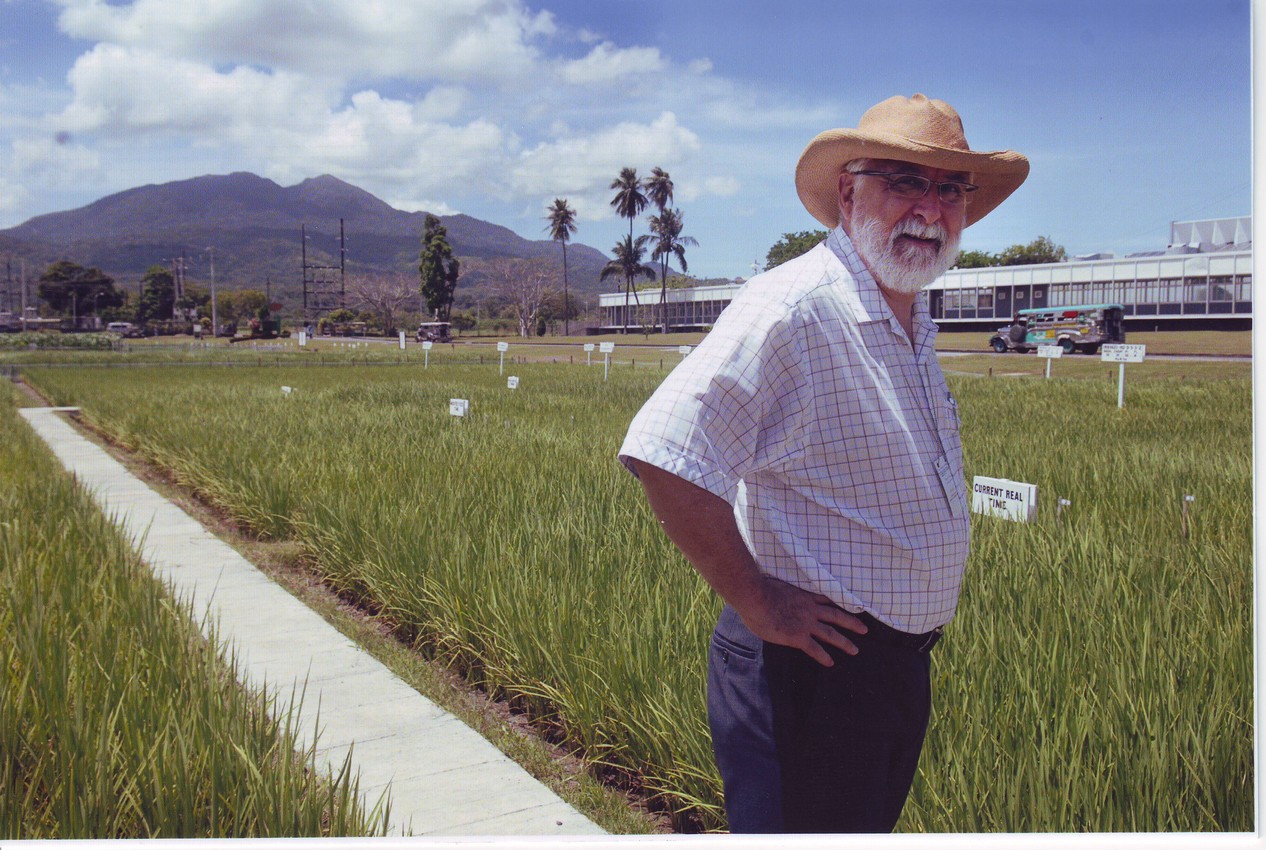
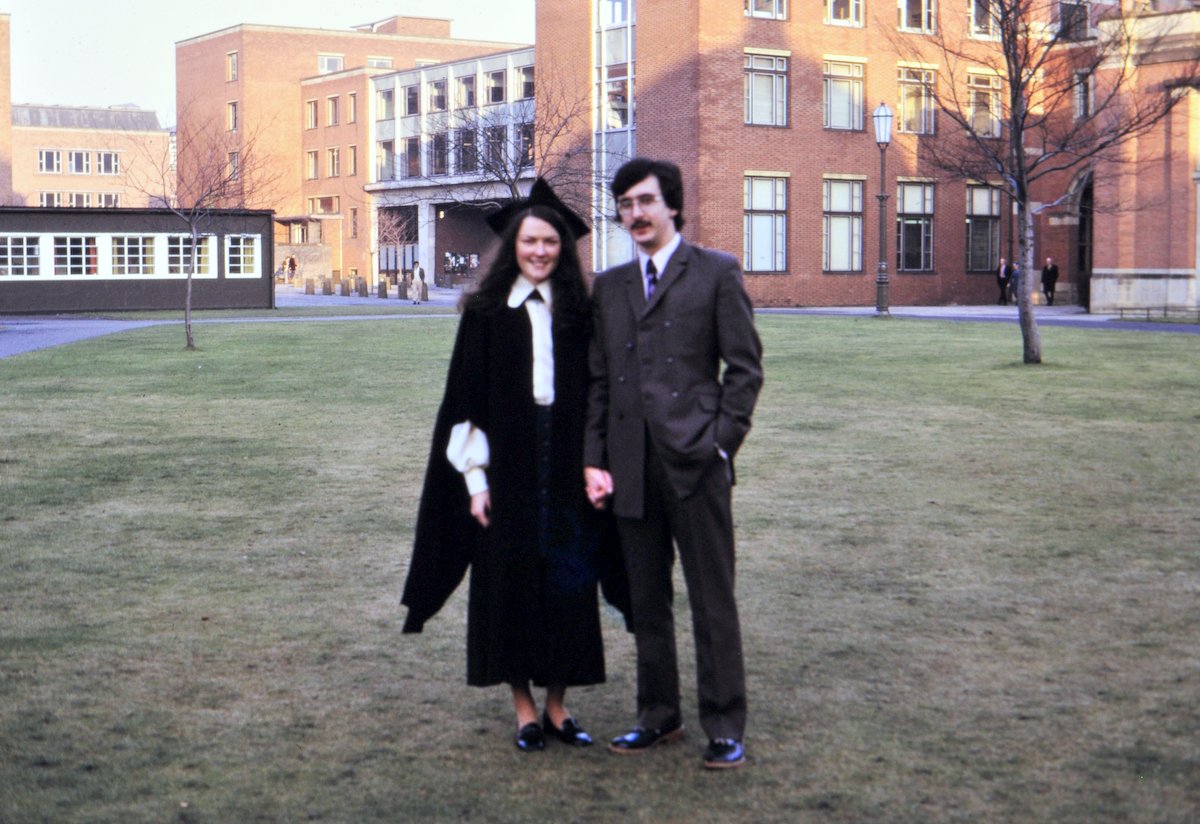
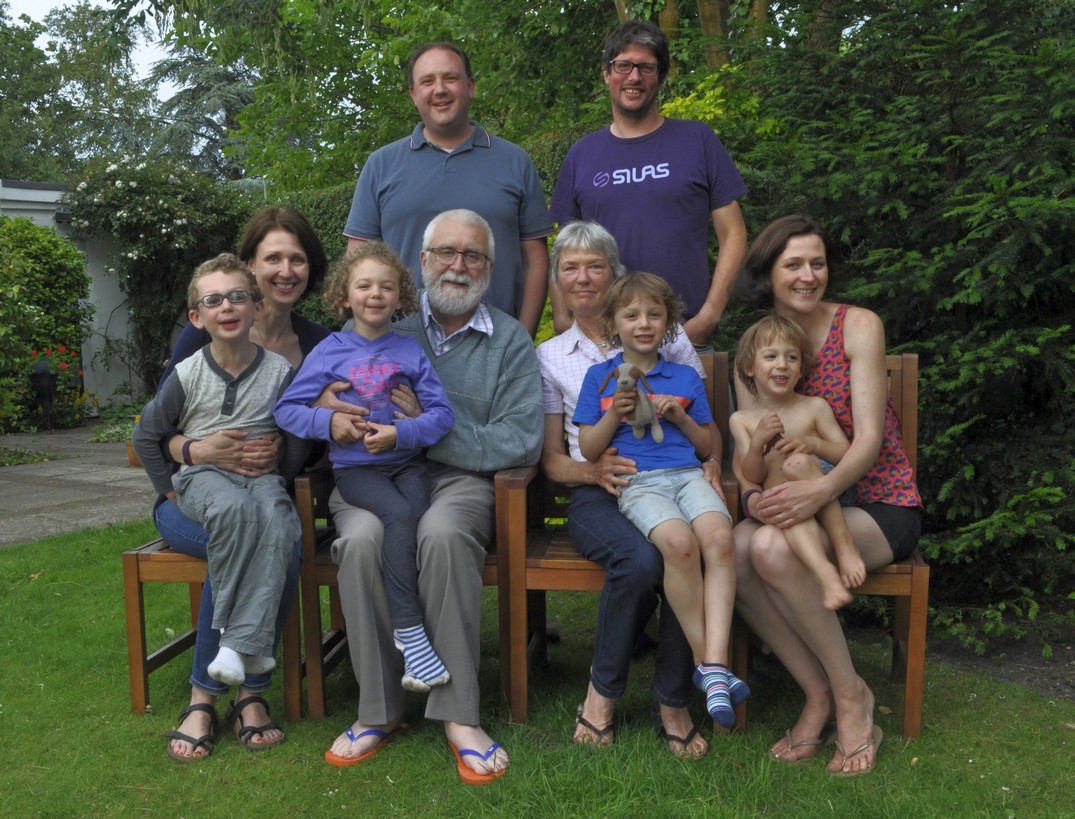
 I guess my own fascination with history and archaeology on TV began with Sir Kenneth Clark’s
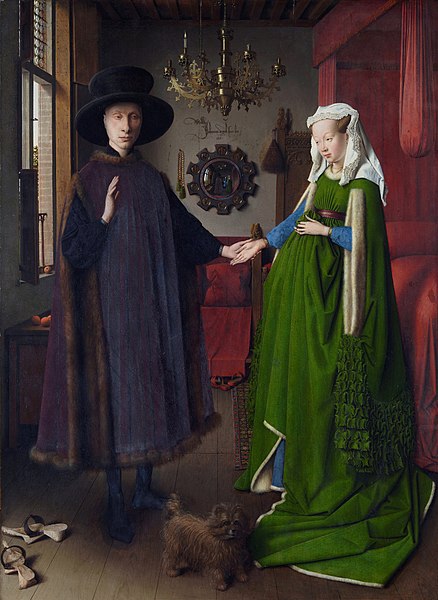
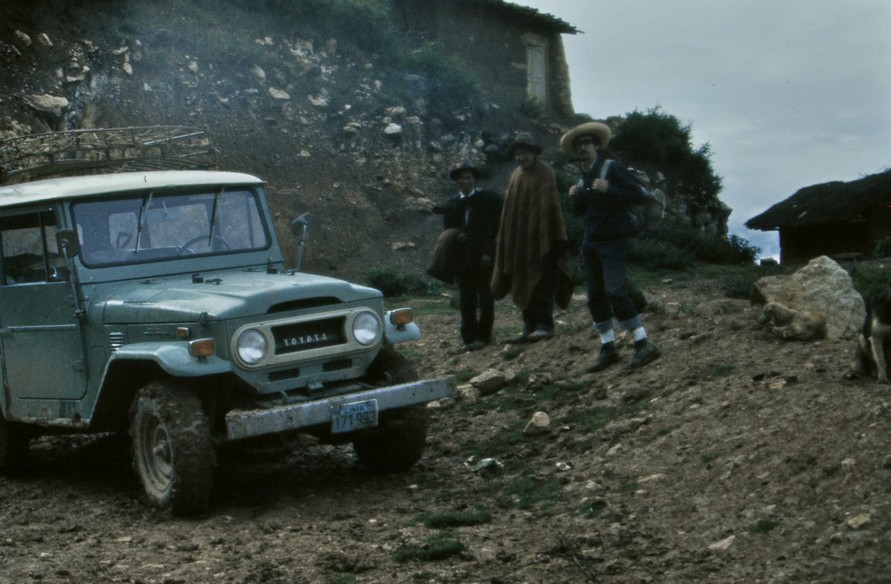
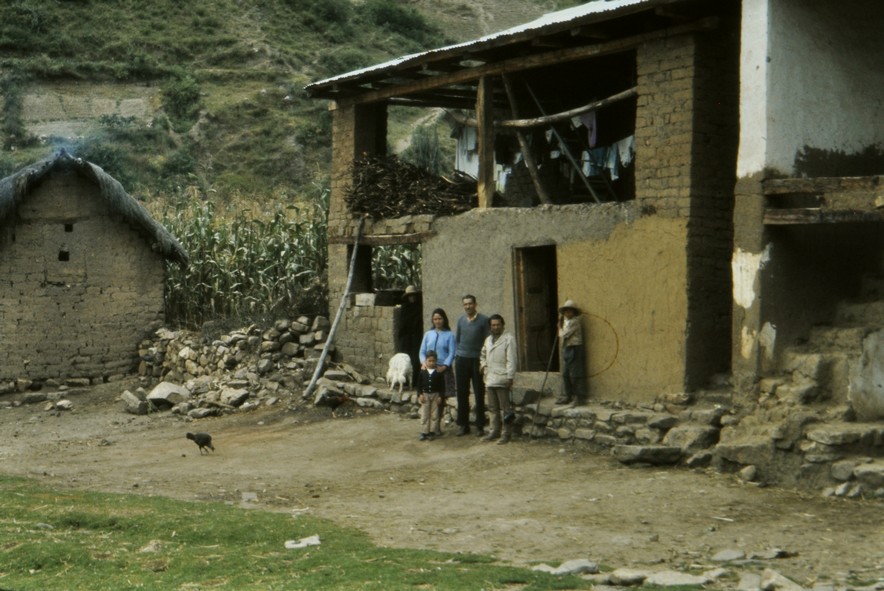
 One of the most important strategic decisions we took was to locate one staff member, Dr Seepana Appa Rao, in
  The leader of the Lao-IRRI Project was Australian agronomist, Dr John Schiller, who had spent about 30 years working in Thailand, Cambodia and Laos, and whose untimely death was announced just yesterday¹.
 Until Appa Rao moved to Laos, very little germplasm exploration had taken place anywhere in the country. It was a total germplasm unknown, but with excellent collaboration with national counterparts, particularly Dr Chay Bounphanousay (now a senior figure in Lao agriculture), the whole of the country was explored and more than 13,000 samples of cultivated rice collected from the different farming systems, such as upland rice and rainfed lowland rice. A local genebank was constructed by the project, and duplicate samples were sent to IRRI for long-term storage as part of the International Rice Genebank Collection in GRC. Duplicate samples of these rice varieties were also sent to the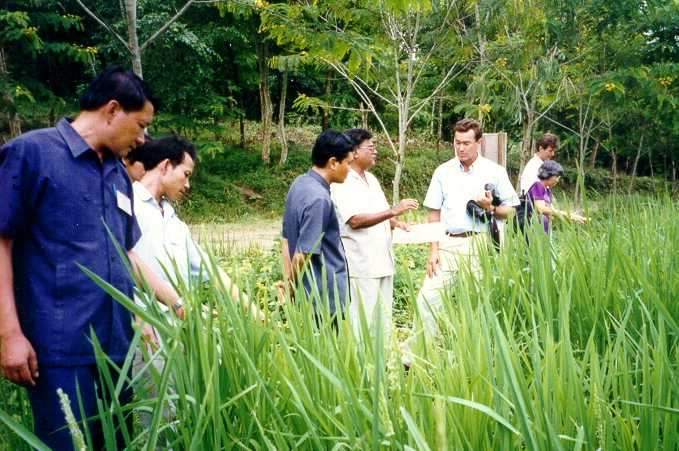
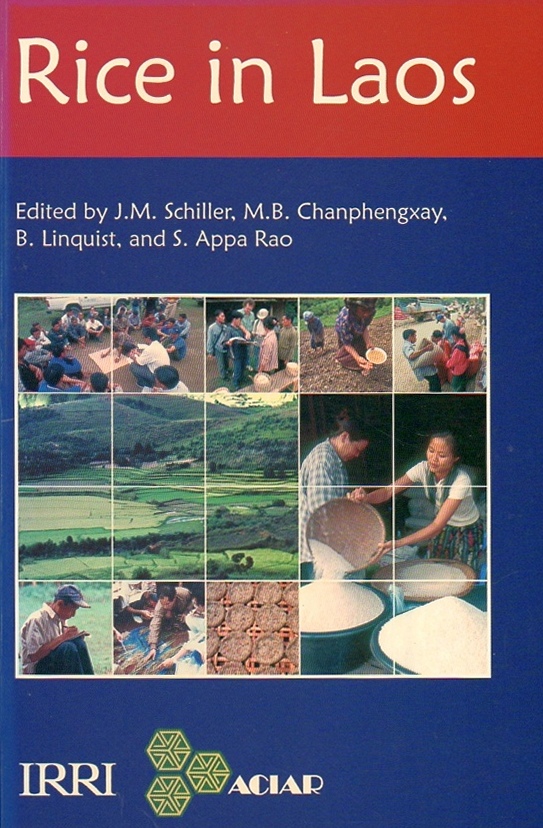
 I first met John in November 1991, a few months after I’d joined IRRI. He and I were part of a group of IRRI scientists attending a management training course, held at a beach resort bear Nasugbu on the west coast of Luzon, south of Manila. The accommodation was in two bedroom apartments, and John and I shared one of those, so I got to know him quite well.
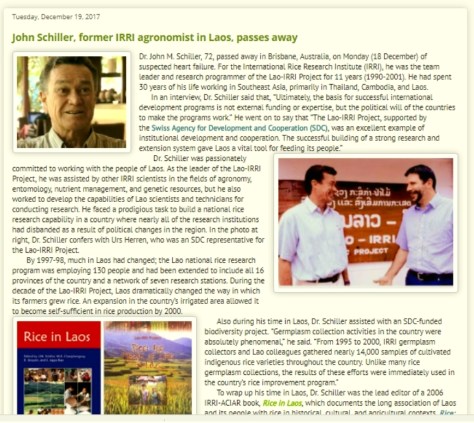
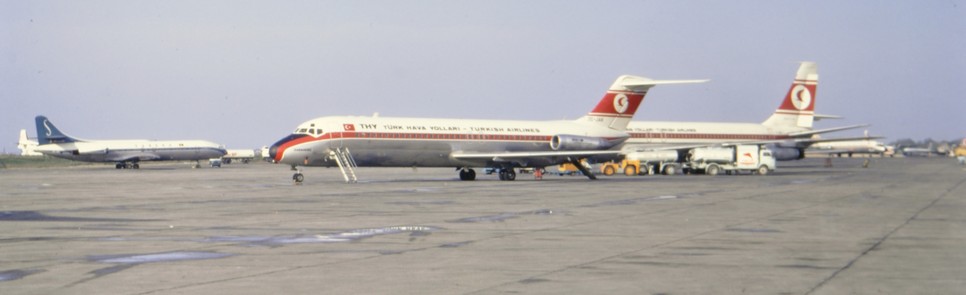
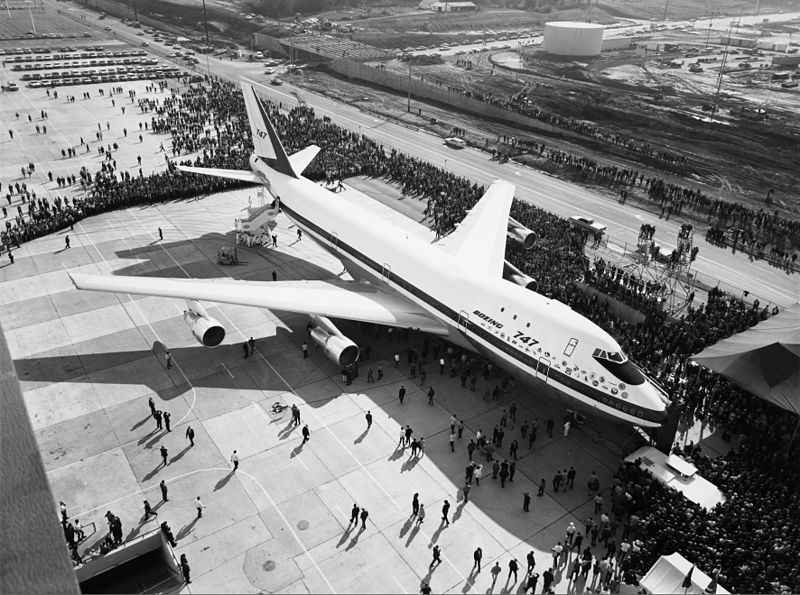
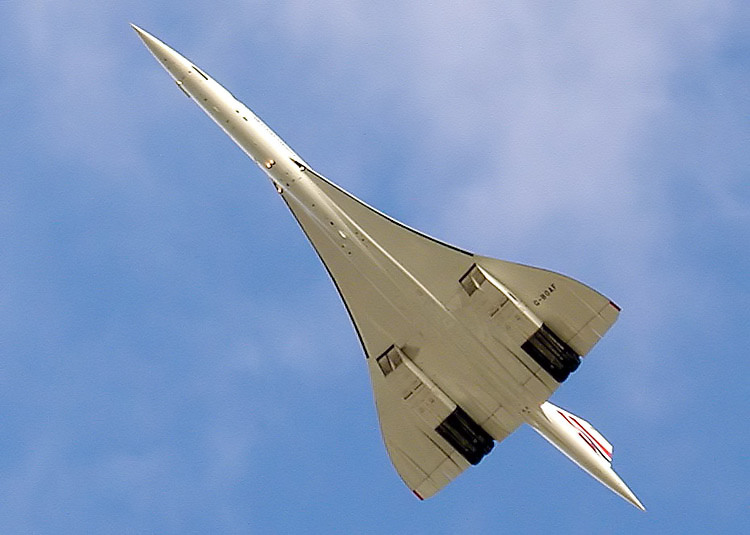


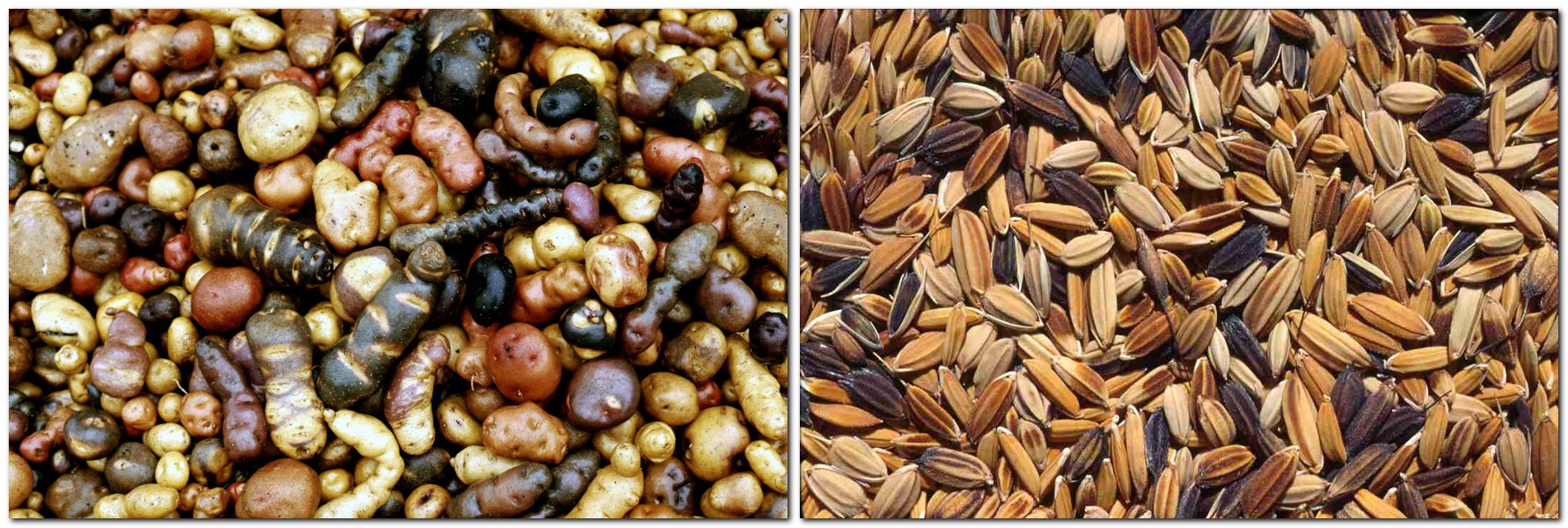


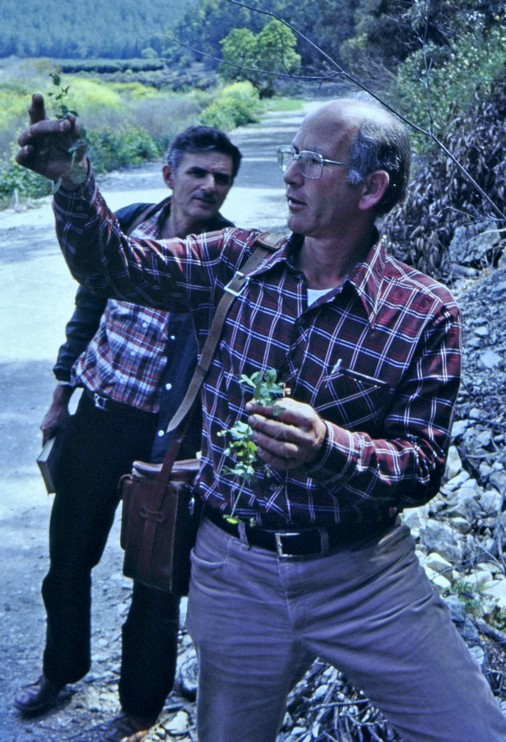
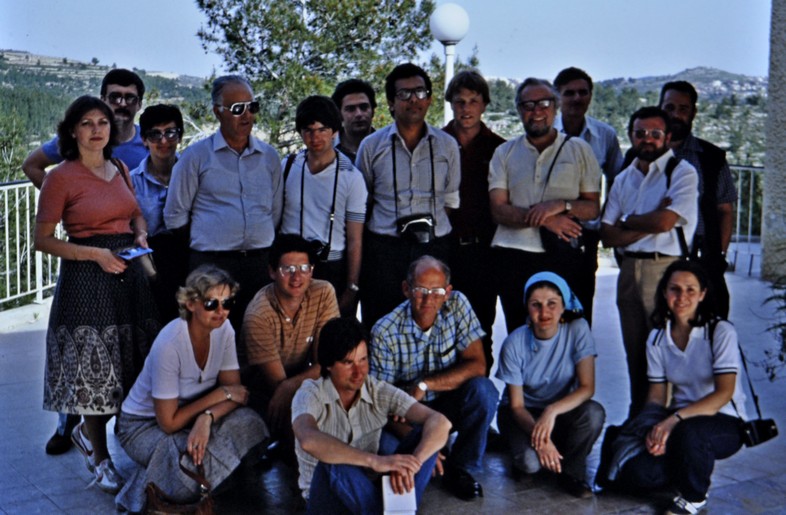


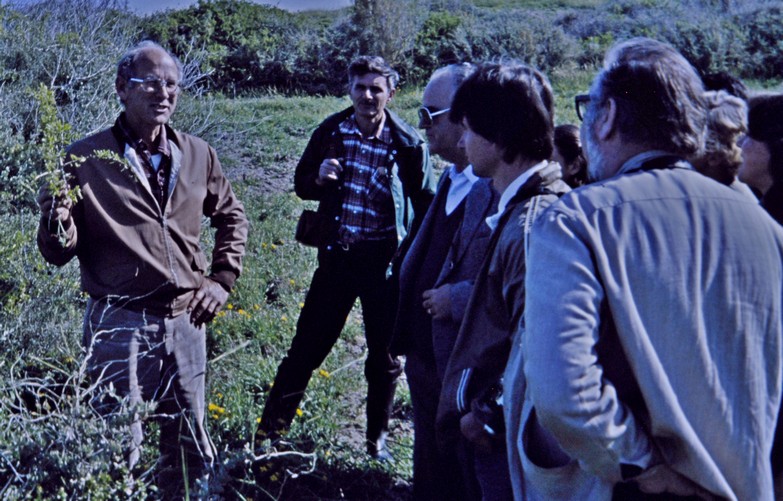
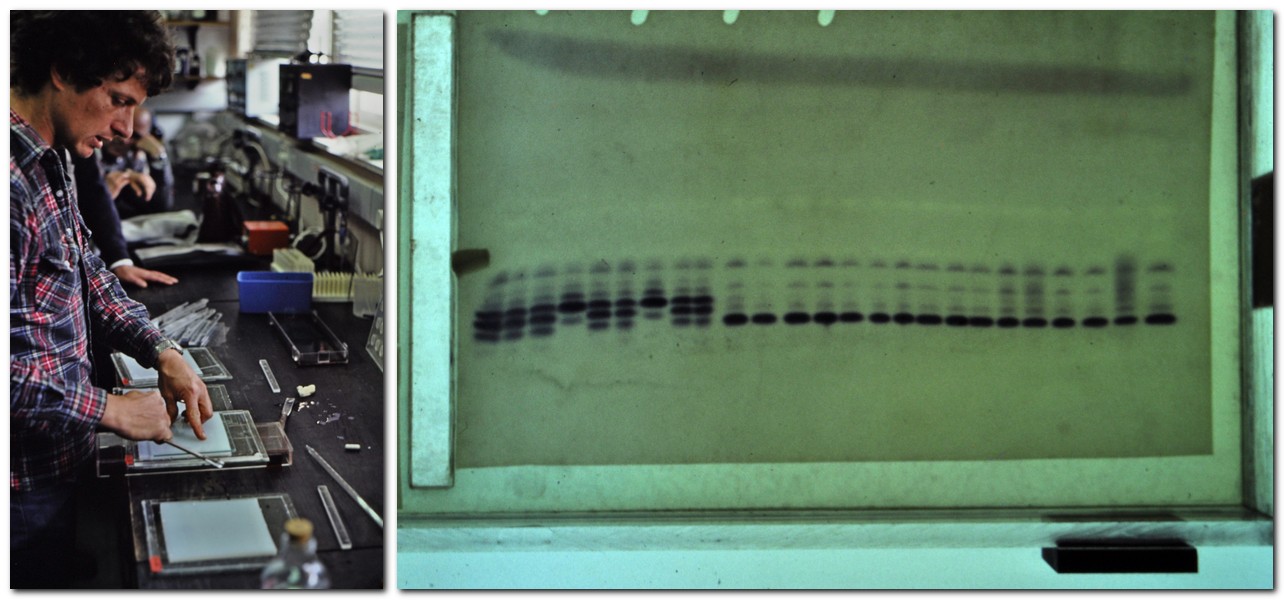
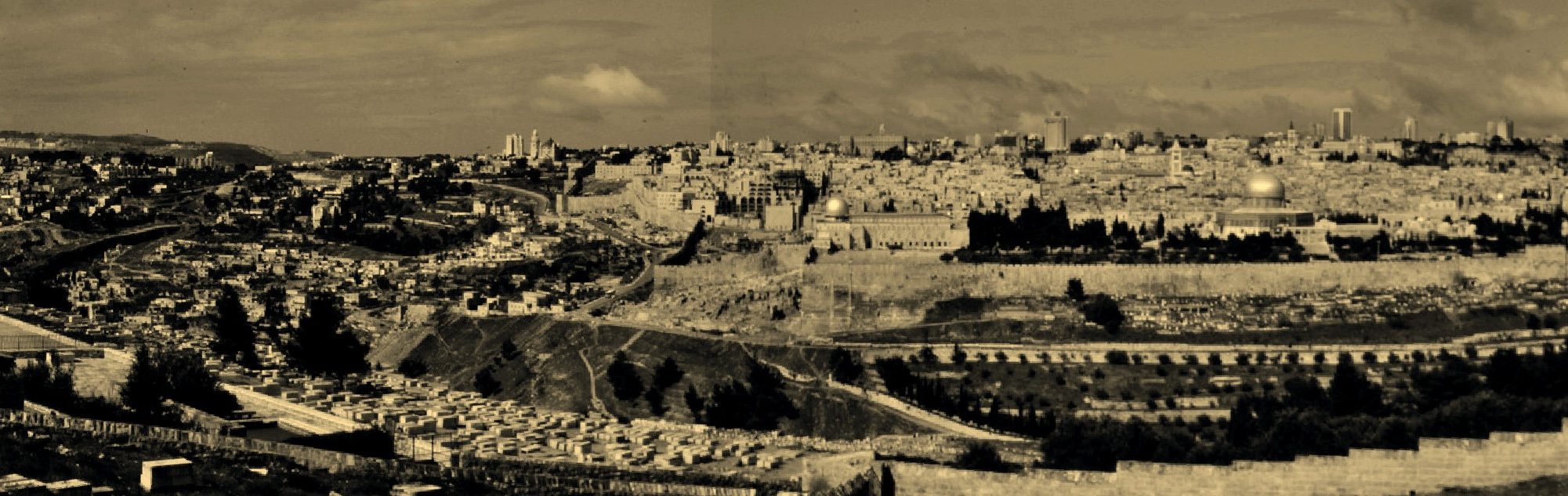


 A couple of months back, I enjoyed an excellent 672 page biography of Confederate Major General


 And now I have just finished another book, Noah Andre Trudeau’s 2008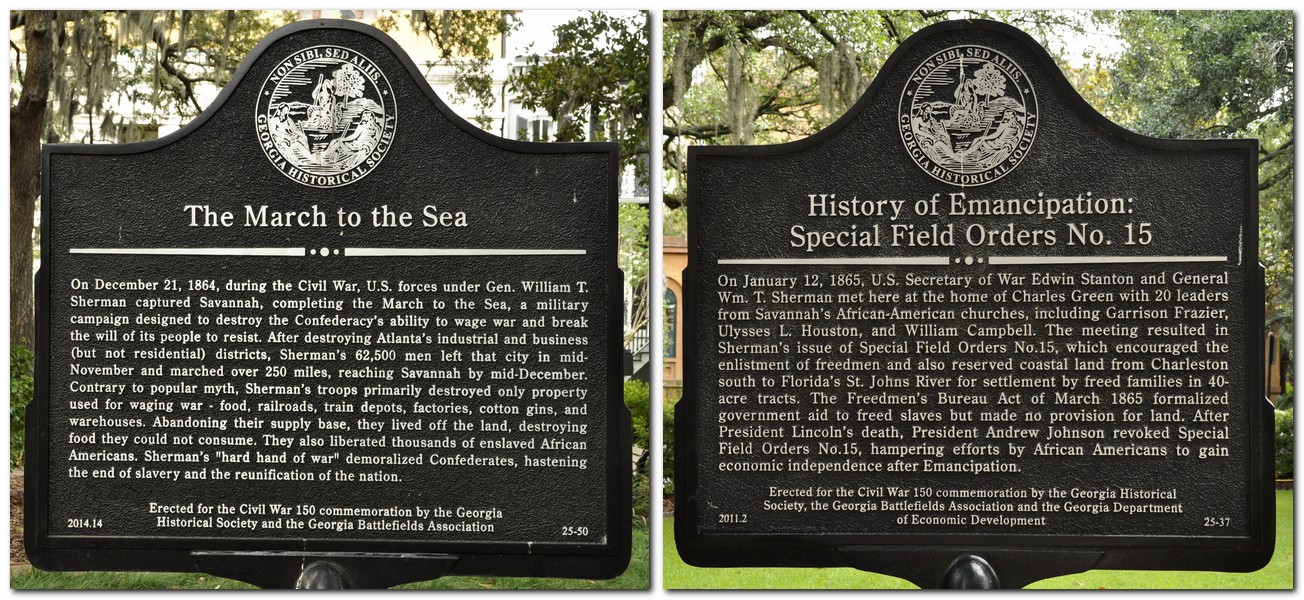

 However, I’ve had a smart phone only since May 2016. Before that I used a basic Nokia that allowed me to make calls and send SMS messages. While I was recovering from my accident in January that same year, I’d thought more about the advantages of having a smart phone, and decided to invest in one that wasn’t too expensive. I have a SIM-only plan with Talk Mobile that gives me a respectable number of text messages and calls to other phones on a monthly basis.
 This phone, a Nokia, is not the one he used as far as I can recall, but it’s of the same sort of dimensions as that he used to haul around. How far we have come, and how much we take mobile telephony for granted. Just a few taps of the screen and you can be talking to anyone on the other side of the world.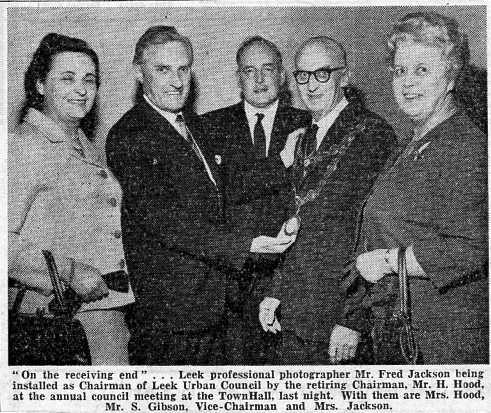
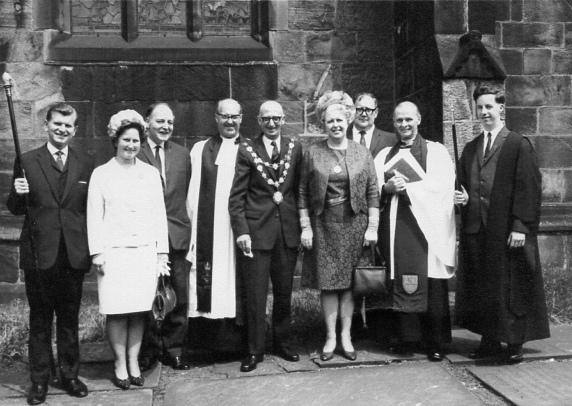
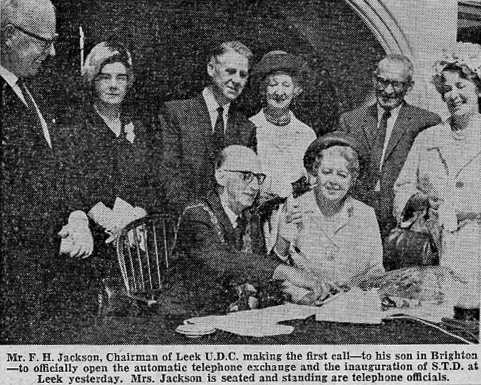

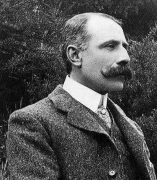 Where
Where 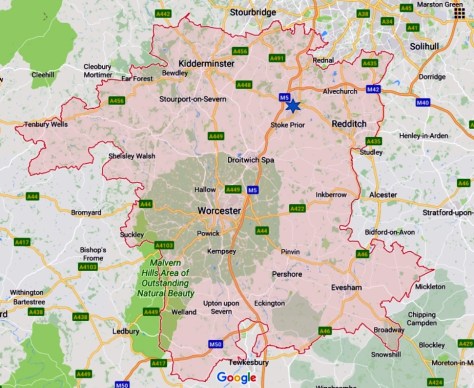
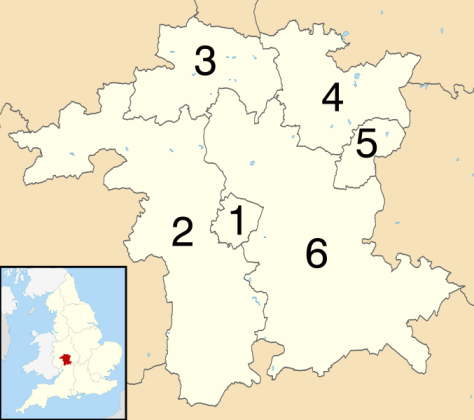



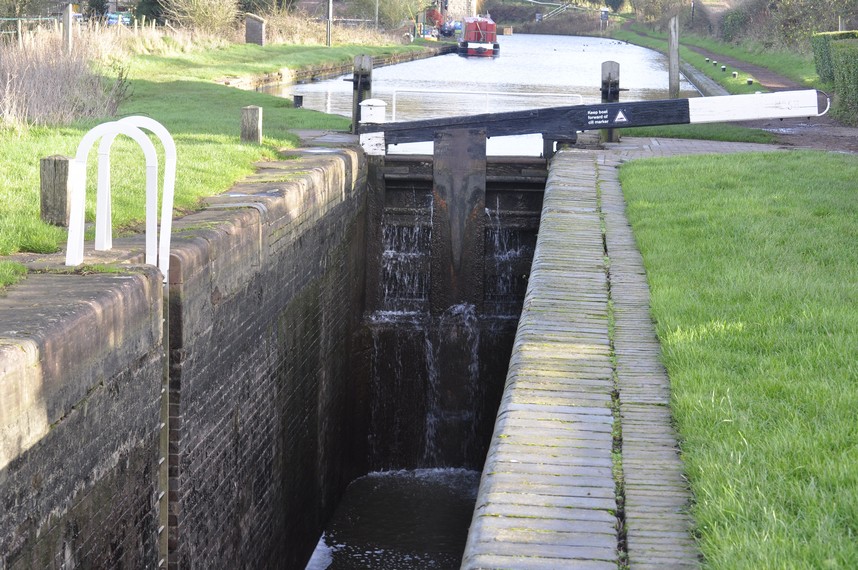
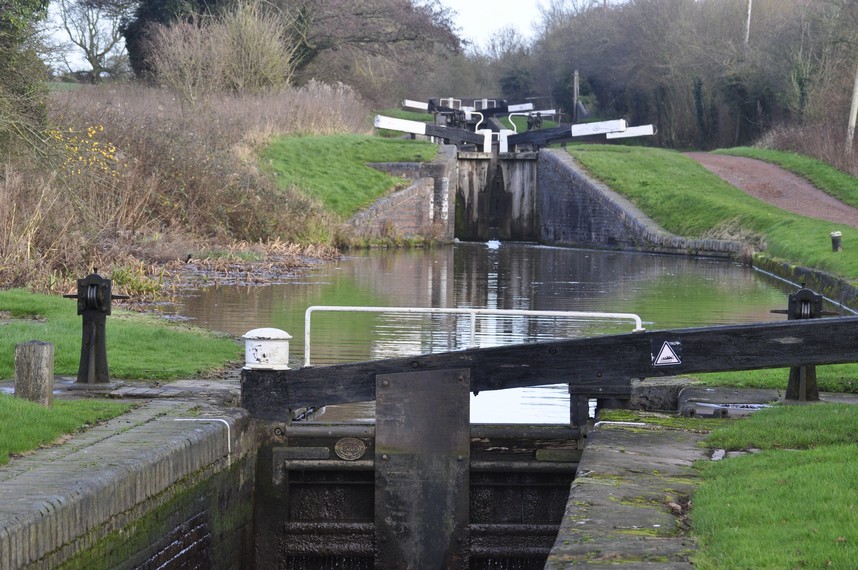
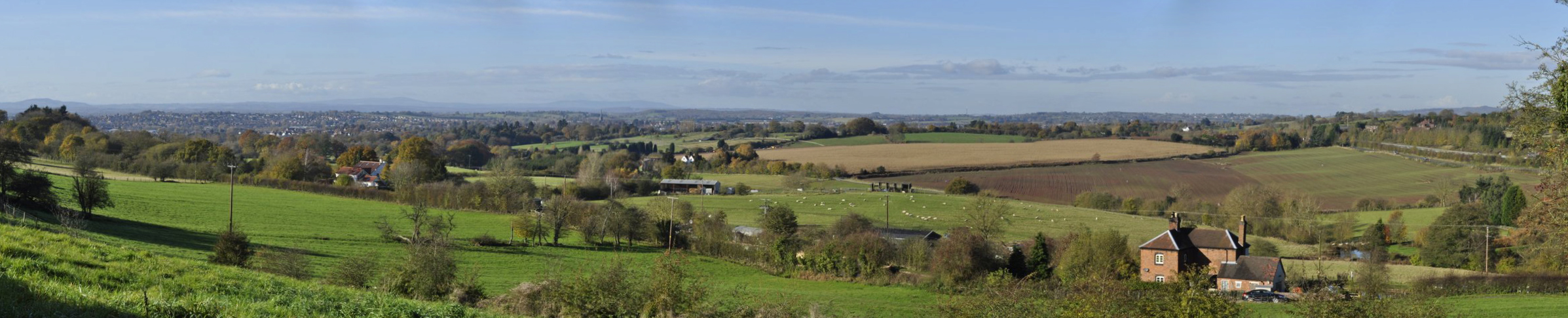
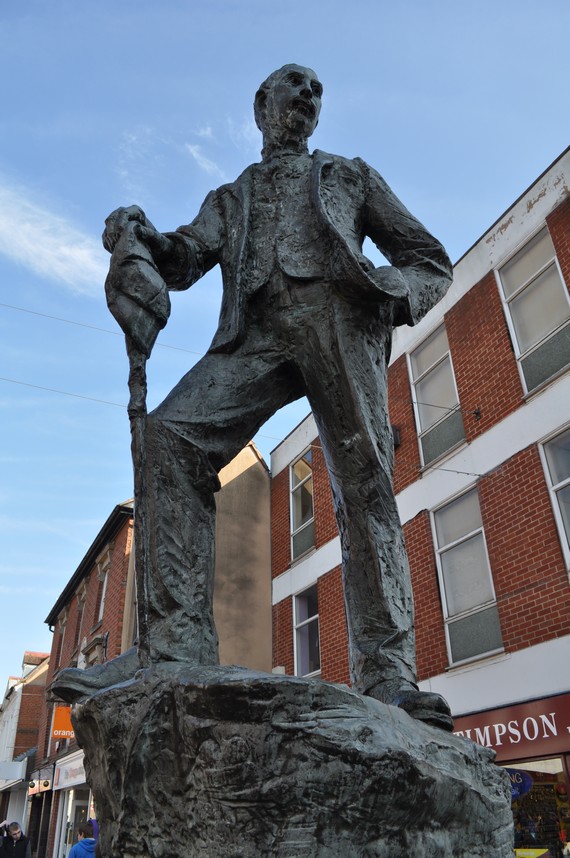
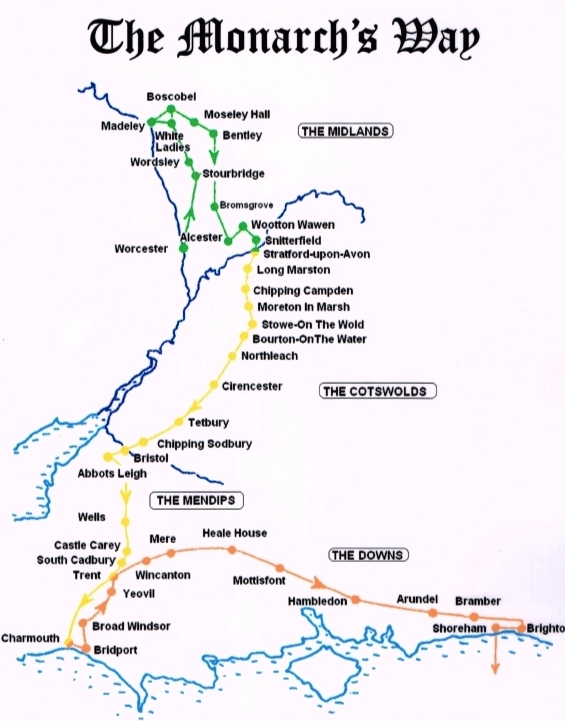
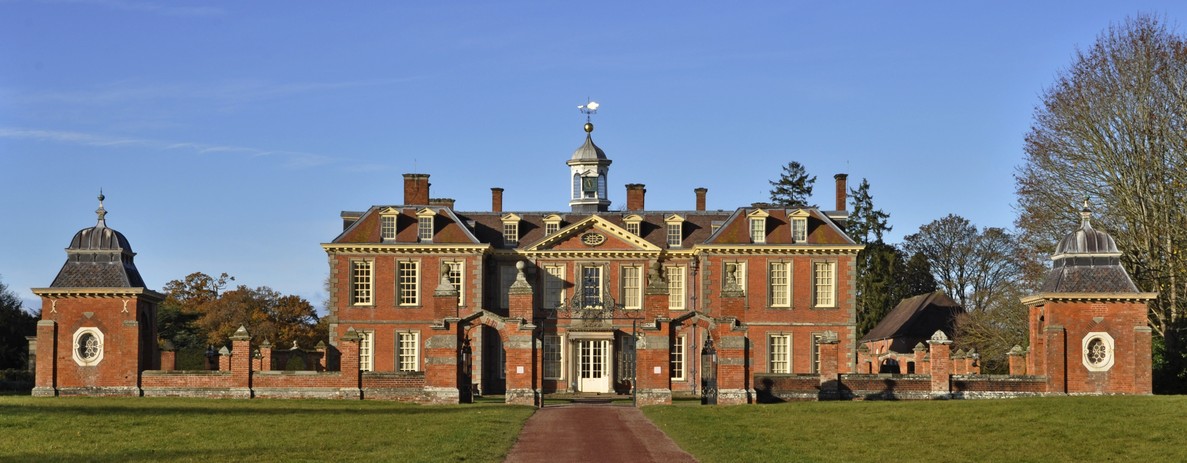
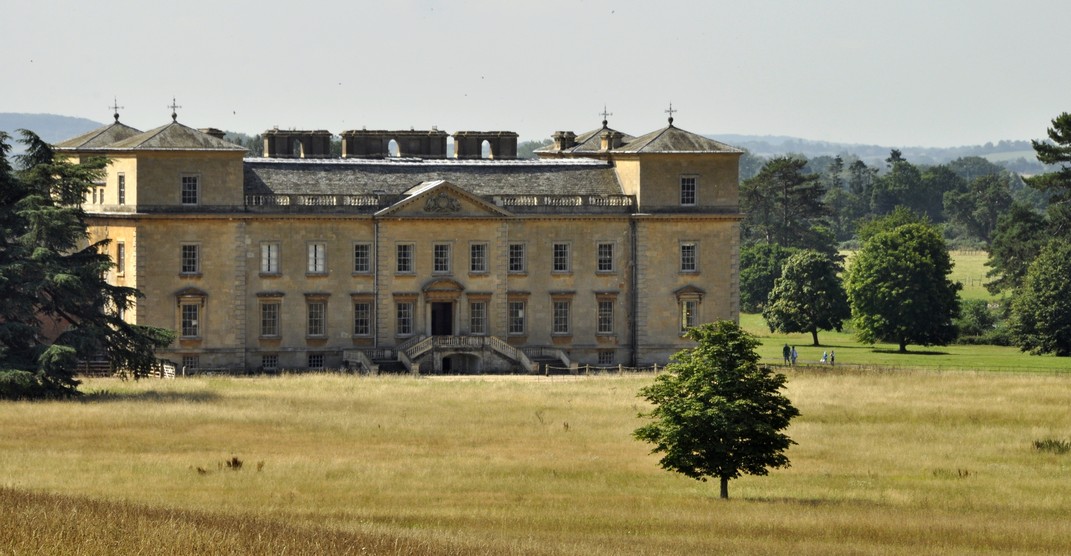
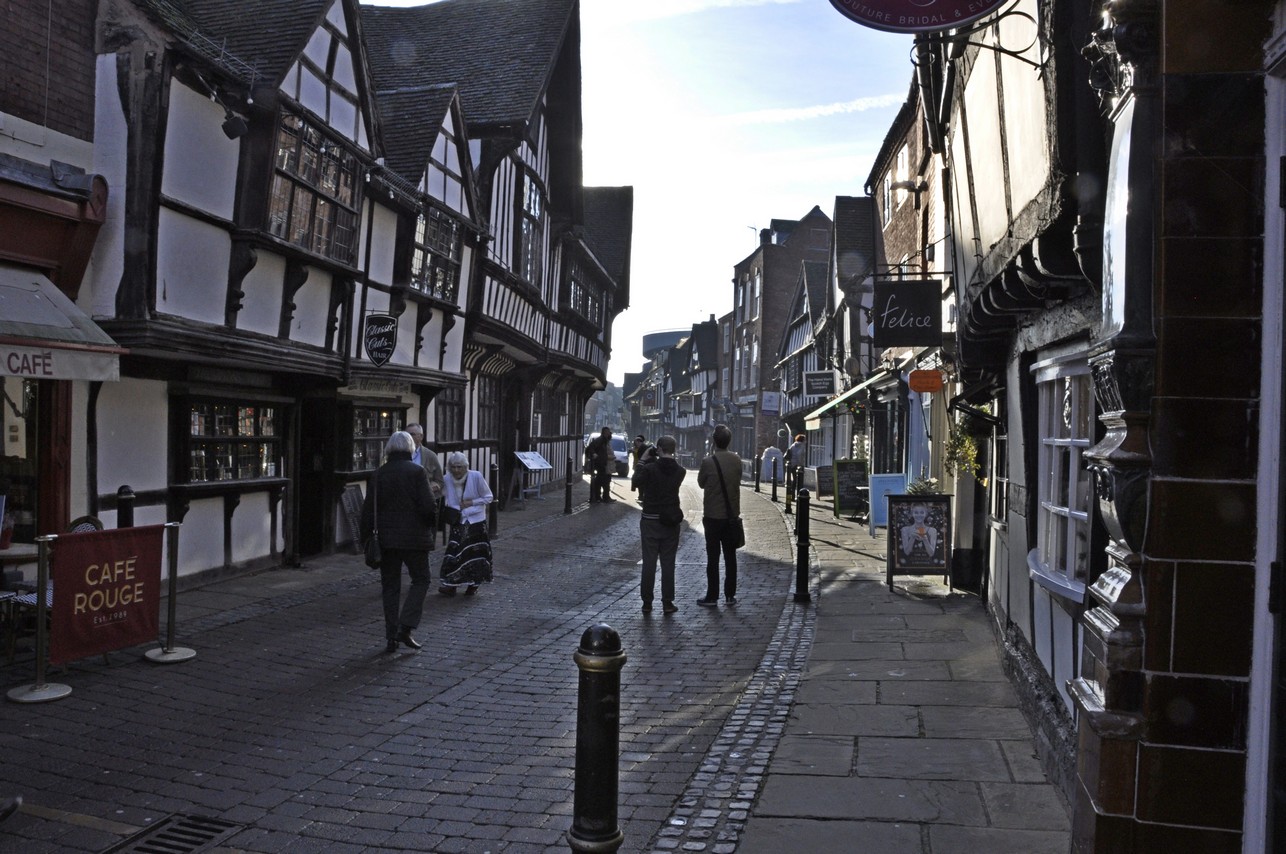
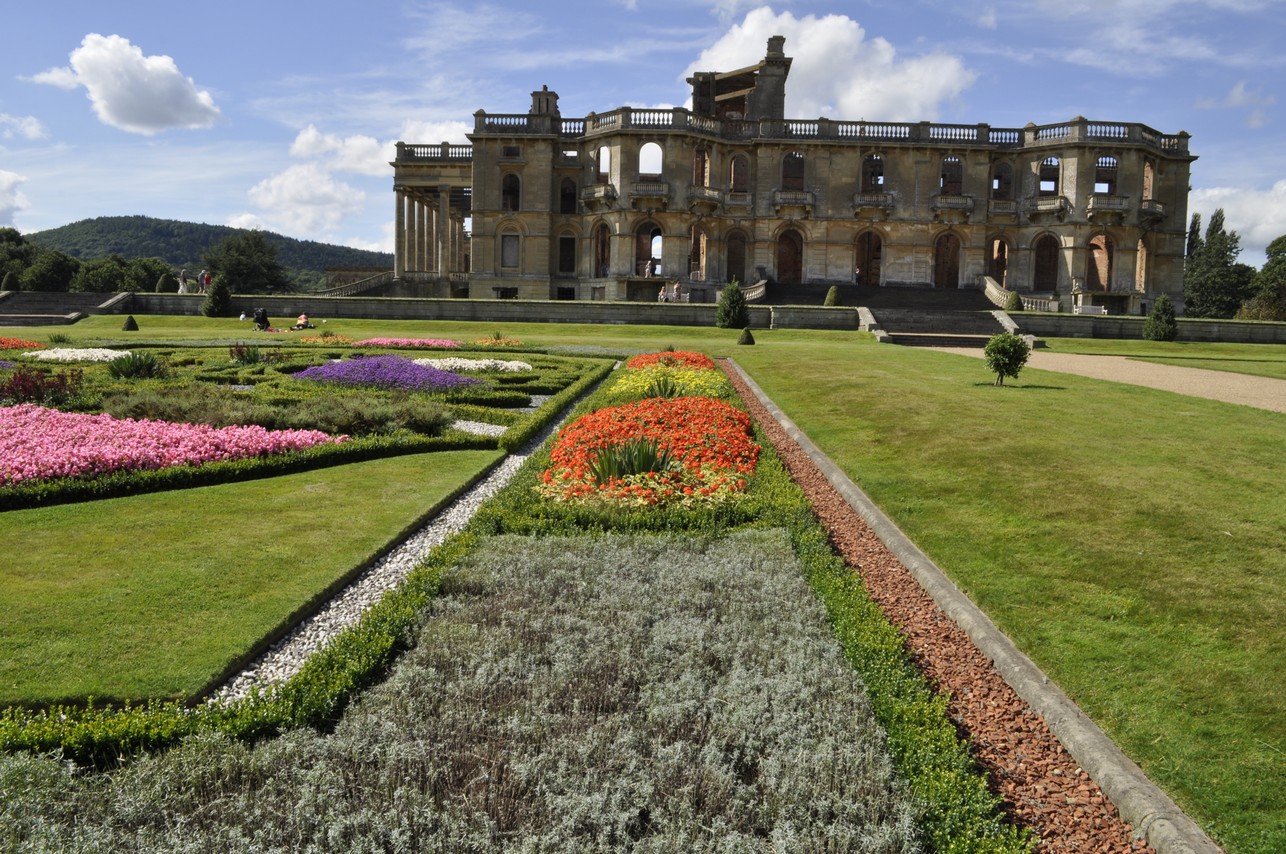
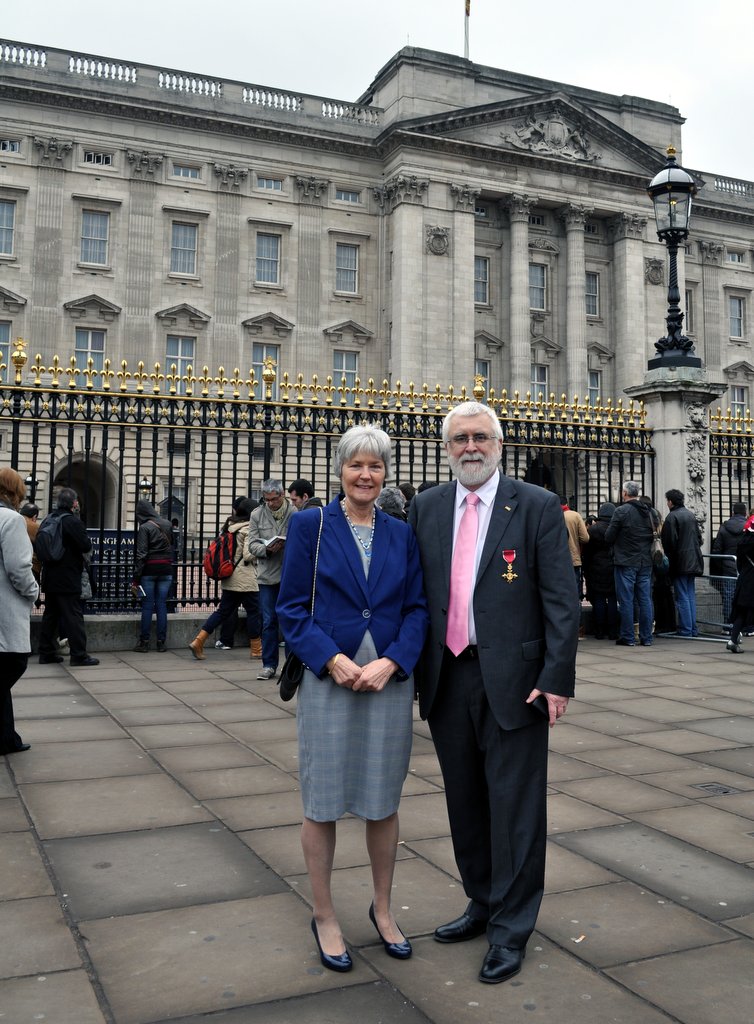
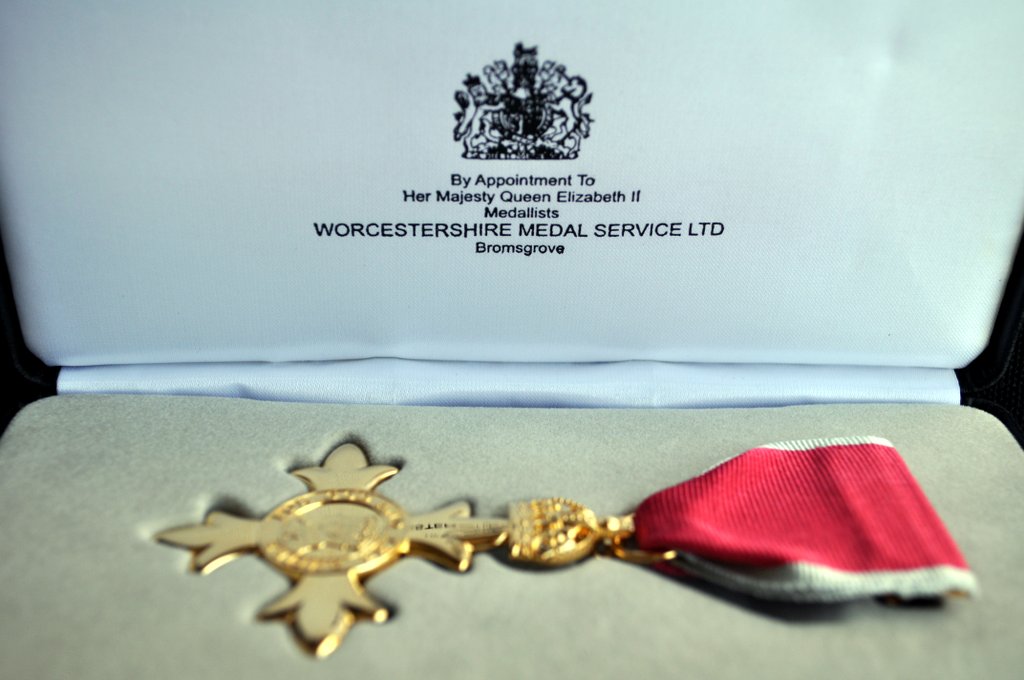
 A balanced diet . . .