Friday 23 February. A bright, sunny day, and not too much of a breeze. Although the day dawned with a covering of frost everywhere, it was not as cold as I feared. Still, there was a need to wrap up warm.
It looks like things will be rather different next week when the Beast from the East hits the UK. Beast from the East? That’s what the weather system from deepest Siberia has been labeled, and due to hit the UK early in the week, with Arctic sub-zero temperatures, and possibly significant snow fall. There’s a more or less stationary high pressure system over Scandinavia to the northeast of the UK, blocking ‘warmer’ weather systems driving in from the Atlantic, and at the same time drawing in all that cold Siberian air on a strengthening easterly air flow.
So, with much more inclement weather forecast, Steph and I decided that we’d better take advantage of yesterday’s decent weather and head out for a walk, and visit yet another National Trust property: Knowles Mill, a derelict 18th century flour mill alongside Dowles Brook in the heart of the Wyre Forest on the outskirts of Bewdley, about 18 miles west from Bromsgrove.
Knowles Mill along Dowles Brook in the Wyre Forest, with the mill cottage (privately-owned and undergoing renovation) behind.
There are no National Trust signs to Knowles Mill. It’s located within the Wyre Forest National Nature Reserve, and parking (with space for up to a dozen cars) can be found at the end of the very narrow Dry Mill Lane. We arrived around 10:20, and took one of the remaining spaces. Best to get there early although by the time we departed, just after noon, many of the cars had already left. As with all my blog posts, just click on the images to open a larger version.
We decided to follow the Dowles Brook Trail (marked red on the map below), although there is a public bridleway on the other side of the brook, and a bridge over it at Knowles Mill.
This route initially follows the Wyre Forest Butterfly Trail along the bed of the disused Tenbury and Bewdley Railway that was opened in 1864, and closed in July 1961. Then there’s a steep walk down into the valley, with the path emerging behind the mill and cottage.
So what was a mill doing beside Dowles Brook, how long had it been there, and what was its history?
The millstones and gearing mechanisms inside the mill are still in quite good shape.
On the west side of the mill the skeleton of the water wheel can be seen, and beside that the drained mill pond (although with some standing water today).
I couldn’t help wondering how life at the mill must have changed once construction of the railway began in 1860. The peace and tranquility of the site must have been shattered as the gangs of navvies moved in to build the massive embankments across all the small valleys that cut through the hillside above Dowles Brook.
After visiting the mill, we headed upstream, passing Cooper’s Mill (just a cottage now) before crossing over Dowles Brook and returning to the car park along the disused railway. At the car park we enjoyed a hot cup of coffee (we’d brought a flask with us) before setting off home in time for a later than usual lunch.
The walk, just on three miles, had no challenging sections to speak of, and combined the best of both worlds: local history and the enjoyment of beautiful woodland landscapes.
Elgar was born in June 1857 in a small cottage, The Firs, in the village of Lower Broadheath, a stone’s throw west of Worcester, and 20 miles southwest from our home in Bromsgrove. The cottage (formerly the Elgar Birthplace Museum) came into the care of the National Trust in 2016 following an agreement with the Elgar Foundation. Closed for a year for some refurbishment, and the addition of a tea-room at the existing Visitor Centre among other improvements, The Firs re-opened in September 2017.
As the weather forecast for Friday (yesterday) had looked promising from earlier in the week, Steph and I made plans for a day out. But where to go? Looking through the 2018 handbook I came across The Firs (which had not featured in the 2017 handbook for obvious reasons). And with the added attraction of a two-mile circular walk in Elgar country in the vicinity, this was just what the doctor ordered!
Our visit to The Firs was beyond my expectations and unbelievably moving, even bringing me to the point of tears as I watched the 15-20 minute film about Elgar in the Visitor Centre. Throughout our visit, but especially in ‘Elgar’s Study’, I really had the feeling of being in the presence of greatness, and I can’t recall ever having had that reaction before.
Elgar’s parents William and Anne had seven children, although two died young.
William was a piano tuner, and held a warrant from Queen Adelaide (wife of William IV).
Although Elgar moved away to Worcester with his family at the age of two, he retained a life-long attachment to The Firs. At the bottom of the cottage garden (see map) there is a lovely life-size sculpture of Elgar sitting on a bench (by Jemma Pearson) gazing through a gap in the hedge towards the Malvern Hills that he loved so much. It was commissioned by the Elgar Foundation in 2007 to celebrate the 150th anniversary of Elgar’s birth.
Elgar’s daughter, Carice (born in 1890) was the inspiration, in 1935, to acquire The Firs as a memorial to her father.
Entrance to the house is by timed tickets. There’s obviously not a great deal of space inside to accommodate too many visitors at a time.
Inside the entrance porch was a small room with an iron range for heating water and cooking. Today, the National Trust has decorated the room with contemporary though not original-to-the-house items, including a piano tuner’s set of instruments.
On the ground floor, the Parlour (dedicated to Carice Elgar) has a lovely piano, possibly played by Elgar.
At the top of the stairs is a room the full width of the cottage (perhaps earlier divided into two rooms) where Elgar was born. Two other rooms and this one have displays of various musical instruments, his sporting and scientific interests, and other personal belongings such as watches.
Elgar was apparently a keen cyclist, and on one wall of the Visitor Centre there’s a mural of an exuberant cycling Elgar. We were told, although this may well only be anecdotal, that Elgar once cycled from Malvern to Wolverhampton to watch his favorite football team Wolverhampton Wanderers play. A round trip of 100 miles!
Alice and Edward Elgar in 1890
Inside the Visitor Centre, an exhibition illustrates highlights from Elgar’s life and career. He married Caroline Alice Roberts in 1889. Her parents disapproved of Elgar—a ‘jobbing musician’—and did not attend their wedding in the Brompton Oratory in London. I hadn’t realized until yesterday that Elgar was a Catholic.
Alice (who died in 1920) was his inspiration, and early on in their relationship recognized his genius. And that leads to the second point I didn’t know. Elgar received no formal musical training. It wasn’t until 1899, with the first performance of the Enigma Variations, that his growing reputation as a composer was sealed.
In ‘Elgar’s study’ there are original scores of some of his most famous works, as well as the desk at which he worked.
Alice used to prepare the paper on which Elgar composed. Apparently, specially printed paper with the staves was not available, and had to be drawn by hand using the five-pointed pen you can see in a couple of the photos above.
‘Land of Hope and Glory, Mother of the free‘. Famous words by Arthur C Benson put to music in Elgar’s 1901 Pomp and Circumstance March No. 1, sung here by contralto Clara Butt.
A page from the original score of ‘Land of Hope and Glory’
Who hasn’t heard Land of Hope and Glory? It’s the theme accompanying high school and university graduations around the world. Our two daughters graduated from Manila International School in the Philippines in the 1990s, and it was used then.
Another large room in the Visitor Centre, the Carice Room, is used for concerts, and where we watched the film about Elgar. There was also a lovely exhibition yesterday of watercolors by Worcestershire artist David Birtwhistle.
After a spot of lunch—we even sat outside at one of the many picnic tables—we set off on our walk, which took just over an hour. The walk begins on a public bridleway just behind The Firs, and then crosses three fields sown with oilseed rape and winter barley. By the time we reached terra firma again at Bell Lane, it felt as though we were carrying half of Worcestershire on our muddy boots.
And at this point I must come back to Vaughan Williams for a moment, because as we were walking across the barley field, and looking back towards Worcester Cathedral to the east, a skylark rose into the air in front of us, singing lustily throughout its ascent and as it glided slowly back to earth.
What a wonderful sight and sound, reminding me instantly of Vaughan Williams’s The Lark Ascending premiered in 1920, although originally written for violin and piano in 1914.
The staff and volunteers at The Firs were outstanding, and their friendliness and readiness to engage with us added to the enjoyment of our visit. As I said at the outset, we didn’t have any particular expectations when deciding to visit Elgar’s birthplace. I came away deeply affected by what I saw, heard, and learned, and I’m sure that the emotion will stay with me for many days to come. And, coincidentally, as I am finishing writing this post, while listening to Classic FM, Elgar’s Cello Concerto in E minor, Op. 85 has just been featured.
Amber Butchart (photo by Jo Duck – used with permission)
Just when you least expect it, a real gem of a television series comes along. You’re gathered in. Then you’re hooked!
And that was our experience with fashion historian Amber Butchart’s six part series, A Stitch In Time, recently screened on BBC4.
This is what Amber has to say about the series on her blog: Fusing biography, art and the history of fashion, throughout A Stitch in Time I get to explore the lives of historical figures through the clothes they wore, while key garments are recreated using the original techniques.
She peers into the mirror and helps us to interpret the costume clues held within Van Eyck’s mysterious Arnolfini portrait, the role of hand-me-downs among 18th century workers, the impact of cotton on British life, a flamboyant armorial piece which sits at odds with the allegedly brutal nature of its wearer and the impact a scandalously informal gown would have on an already unpopular queen.
What an eye-opener A Stitch in Time has been! And from what I’ve seen in various media, we are not alone in being enthralled by the series.
My wife Steph and I enjoy watching almost any history-related program, so tuned into the first episode on 3 January almost by default. We had no idea what to expect, and we’d never heard of Amber Butchart (herself a fashion icon) even though (as I’ve now discovered) she has broadcast regularly over the past four or five years on BBC radio.
To recreate the items of clothing, Amber relied on the talents and experience of historical costumier Ninya Mikhaila and her team, Harriet Waterhouse and Hannah Marples. It was amazing to see how every item of clothing was hand stitched. Not a sewing machine is sight, nor an electric iron.
L to R: Harriet, Ninya, Amber, and Hannah
In each program Amber talked about a particular painting—and a tomb effigy in one program—and what each tells us about the person(s) portrayed, how their clothing speaks to us about their social status, and the society in which they lived. And then she enjoyed modeling each of the recreated costumes.
She also delved into other background issues that are part of the story, none perhaps more emotive than that of Dido Belle, born in 1761 the natural (i.e. illegitimate) daughter of Sir John Lindsay and a slave, who moved in the highest circles of English aristocracy since her great uncle was Lord Mansfield, the Lord Chief Justice. I was already familiar with her story having read the 2014 book that same year by Paula Byrne.
Choosing the topics
I asked Amber how she came to choose the six subjects for the series. She replied: I wanted to show a real range of clothing from history—not just womenswear and royalty. I also wanted to touch on stories that are harder to uncover, to show the difficulties that can be part of the process when looking at marginalised histories. So I chose the artworks for a mixture of these reasons—plus some which are more well known within fashion history, such as Marie Antoinette and Charles II.
Once thought to portray a pregnant Mrs Arnolfini, wife of a wealthy merchant, this is no longer believed to be the case. She’s just holding up the rather large amount of cloth that went into making her dress—just because she could, a sign of the family’s wealth. The resulting recreation was stunning, and it was also interesting to watch how the green dye was made. Not for those of a weak olfactory constitution!
The ‘common man’ was the subject of the third program, depicted in a full-size portrait at Broughton Castle in Oxfordshire. Portraits of working men are uncommon. Just take a visit to any National Trust property, as Steph and I do all year round, and there are a thousand and one portraits of members of the aristocracy in all their finery. Such statements of power and fashion!
But The Hedge Cutter at Broughton shows a working man wearing a hand-me-down leather coat, evidently worn by several generations and generously patched. It’s dark and stained, tattered in places.
The coat expertly recreated by Ninya and her team from soft, pale leather was a delight to behold. Even more compelling were the sewing techniques they had to employ to join the expensive pieces of leather together.
The story of Dido Belle in Program 4, was particularly interesting. In the painting of Dido (with Lady Elizabeth Murray), on display at Scone Palace in Scotland, not all of her dress can be seen, so Ninya and her team had to interpret how it might have been made.
Calling upon all their knowledge and experience, they recreated a dress that they believe was close to the original. Ninya confirmed to me that Dido’s clotheswere the biggest challenge to research, mainly because so much of them are obscured in the painting, and because very little survives in the way of informal dress. Loose, voluminous garments made from expensive silk are prime targets for being made over, cut and reused. As we said in the programme, we were very happy with the results, but there were definitely several possible answers for how this gown was actually cut and constructed!
The Black Prince, son of King Edward III and father of King Richard II, is buried in Canterbury Cathedral, and Amber took us to look at the prince’s gilt-bronze tomb effigy, which shows the item of clothing that was the focus of this episode. The prince is wearing a jupon, a close-fitting tunic worn over a suit of armor and bearing heraldic arms. Warriors wore such an item of clothing in battle so they could be recognized and serve as a rallying point for their troops.
What was particularly interesting about this program (5) is that the prince’s original jupon still exists although no longer on display. After 600 years it’s just too fragile. But after his death in 1376, the jupon was hung above the prince’s tomb and remained there for centuries. Now stored carefully away in a box at the cathedral, the jupon no longer displays its vibrant colors, and although there was perhaps less interpretation needed to reconstruct it, there were still some challenges. The principal one was how to sew the cotton protective wadding between the layers of linen as a backing and the red and blue velvet of the outer layer.
Nevertheless, the completed garment was the most exuberant of the series. As Ninya told me: I loved working on the Black Prince’s jupon. It was an incredibly time-consuming process but it was so rewarding seeing it emerge in all its brightly coloured, gold-embellished glory!
Apparently the gold embroidery alone took 900 hours to complete, stitched on to a linen backing, cut out, and then sewn on to the jupon. Stunning!
In the final programme, Amber explained the court reaction to the most unroyal-like muslin dress (chemise de la reine) worn by the unpopular Austrian-born Queen Marie Antoinette, wife of Louis XVI, in an infamous portrait painted by Louise Élisabeth Vigée Le Brun in 1783. Such was the uproar, that the artist had to paint another portrait in a more appropriate dress worthy of a French queen. Muslin was used for undergarments, not for royal portraits. Vigée Le Brun painted more than 30 portraits of Marie Antoinette.
The recreation was an elegant, free-flowing gown, but not (to our modern eyes) the scandalous display for which Marie Antoinette was censured. She would have worn this type of dress in informal settings such as her retreat in the grounds of the Palace of Versailles, the Petit Trianon, surrounded by intimates. Underneath the dress Marie Antoinette would have worn stays, and these were also part of the recreation. Ninya told me: . . . the silk damask stays that Harriet made for Marie Antoinette were ridiculously beautiful. There was an elegant sash at the waist, made by Hannah.
Even though the dress looks simple in style, it would nevertheless have been costly to make in the 18th century, as was demonstrated in its reconstruction. Ninya also gave a useful tip to all budding seamstresses on how to make a level hem. Tip of the series!
Perspectives
On reflection, I found the story of Dido Belle the most compelling. And while her dress appeared the most simple among the six, it was, as Ninya told me, a challenge for her team.
But as I think back on the last program and the beautiful dress that was worn by Marie Antoinette, I have to say that was my favorite. Elegant in its ‘simplicity’.
I asked Amber which costume she found the most challenging. This is what she told me: The most challenging to research in many ways was Dido Belle, and also the Hedge Cutter. Researching working dress can be difficult as it doesn’t tend to be kept in museums and wasn’t seriously written about until relatively recently. Dido has a really compelling story, and the transatlantic slave trade played a huge part in our history but is often overlooked. It runs like a thread through fashion history as it relates to cotton, and so I felt it needed to be addressed.
But what was her favorite costume? Having discovered online (from an interview she once gave) that green is apparently her favorite color, I expected her to choose the Arnolfini dress. But no!
In terms of aesthetic, I love the Charles II suit and would absolutely wear it, she replied (in the photo above it does really look elegant on her). In terms of uniqueness of experience, she continued, and historical revelation, it would be the Black Prince’s jupon. Such an incredible experience to literally walk in his shoes, and so far from the clothing that we’re used to today. Experimental archaeology at its best!
So there you have it.
I don’t think I’ll look at a portrait again in quite the same way during one of my many National Trust visits. This series has certainly opened my eyes to another aspect of social history that had, until now, passed me by.
If I have one criticism of the series, it would be this. Each program was short by about 15 minutes, that would have allowed just a little more time to explore the background story, and to focus in on some more detail of the actual techniques for making the costumes. BBC producers take note!
So, I hope that the BBC will commission another series, and allocate sufficient air time to do justice to this fascinating subject. Amber Butchart’s A Stitch in Time has been a joy to watch. This is why we willingly pay the TV licence fee.
Pioneers. That’s what we were. Or, at least, that’s what we thought we were.
Five individuals arriving at The University of Birmingham’s Department of Botany in September 1970 to study on the one-year MSc degree course Conservation and Utilization of Plant Genetic Resources (CUPGR).
Professor Jack Hawkes (L) and Dr Trevor Williams (R)
The MSc course had its first intake (of four students from Canada, Brazil, and the UK) in September 1969. Twenty years later (which was celebrated at the time), hundreds of students had received training in genetic conservation at Birmingham. The course would continue to flourish for a further decade or so, but by the early 2000s there was less demand, limited financial resources to support students, and many of the staff at the university who were the lynch-pins of teaching on the course had moved on or retired.
However, the course had made its impact. There is no doubt of that. Birmingham genetic resources graduates were working all around the world, leading collection and conservation efforts at national levels and, in many cases, helping their countries—and the world—to set policy for the conservation and use of plant genetic resources for food and agriculture (PGRFA). At the FAO conference on PGRFA held in Leipzig, Germany in 1996, for example, about 50 of the national delegations were led by, or had members, who had received training at Birmingham.
Former Birmingham MSc and Short Course PGR students (and two staff from IPGRI), at the Leipzig conference in 1996. Trevor Sykes (class of 1969) is wearing the red tie in the middle of the front row. Just two former students who attended the conference do not feature in this photo.
The Class of ’71 So, in September 1970, who comprised the second CUPGR cohort? We came from five countries:
Felix Taborda-Romero from Venezuela
Altaf-ur-Rehman Rao from Pakistan
Ayla Sencer from Turkey
Folu Dania-Ogbe from Nigeria
Mike Jackson (me!) from the UK
Having just graduated a couple of months earlier from the University of Southampton with a BSc degree in Botany and Geography, I was the youngest of the group, just approaching my 22nd birthday. Folu was almost four years my senior, and Ayla was perhaps in her late twenties or early thirties, but I’m not sure. Altaf was 34, and Felix the ‘elder’ of the class, at 38.
I guess Ayla was the only one with a specific genetic resources background, coming to Birmingham from an agricultural research institute near Izmir, and having already been involved with conservation work. Felix and Altaf were both academics. As recent graduates, Folu and I were just starting to think about a career in this new field of plant genetic resources. We wouldn’t be disappointed!
Studying alongside mature students who were not only older than my eldest brother (nine years my senior), but who had taken a year out from their jobs to study for a higher degree, was a novel experience for me. There was also a language barrier, to some extent. Felix probably had the weakest English skills; Ayla had already made some good progress before arriving in Birmingham but she struggled with some aspects of the language. Both Altaf and Folu spoke English fluently as a second language.
We occupied a small laboratory on the north corridor, first floor of the School of Biological Sciences building, just a couple of doors down from where Jack, as Mason Professor of Botany and Head of Department, had his office, and just across from Trevor’s office. In 1981, when I returned to Birmingham as Lecturer in Plant Biology, that same room became my research laboratory for six or seven years.
Folu and myself had desk space on one side of the lab, and the others on the other side. We spent a lot of time huddled together in that room. In order to save us time hunting for literature in the university library, we had access to a comprehensive collection of photocopies of many, if not most, of the scientific papers on the prodigious reading lists given to us.
Richard Lester
We had a heavy schedule of lectures, in crop evolution, taxonomic methods, economic botany (from Dr Richard Lester), population genetics and statistics (from staff of the Department of Genetics), computer programming and data management (in its infancy then), germplasm collection, and conservation, among others. At the end of the course I felt that the lecture load during that one year was equivalent to my three-year undergraduate degree course. We also had practical classes, especially in crop diversity and taxonomy, and at the end of the teaching year in May, we had to sit four written exam papers, each lasting three hours.
There were also guest lectures from the likes of experts like Erna Bennett (from FAO) and Jack Harlan from the University of Illinois.
We also had to choose a short research project, mostly carried out during the summer months through the end of August, and written up and presented for examination in September. While the bulk of the work was carried out following the exams, I think all of us had started on some aspects much earlier in the academic year. In my case, for example, I had chosen a topic on lentil evolution by November 1970, and began to assemble a collection of seeds of different varieties. These were planted (under cloches) in the field by the end of March 1971, so that they were flowering by June. I also made chromosome counts on each accession in my spare time from November onwards, on which my very first scientific paper was based.
At the end of the course, all our work, exams and dissertation, was assessed by an external examiner (a system that is commonly used among universities in the UK). The examiner was Professor Norman Simmonds, Director of the Scottish Plant Breeding Station (SPBS) just south of Edinburgh [2]. He made his scientific reputation working on bananas and potatoes, and published several books including an excellent text on crop evolution [3].
We graduated on 17 December 1971. I chose not to receive my degree in person although I attended the graduation ceremony to watch Folu receive hers. I did however borrow an academic gown (minus mortarboard) to have this photo with Trevor Williams.
Then and now So how did we all end up in Birmingham, and what happened after graduation?
Felix received his first degree in genetics (Doutor em Agronomia) in 1955 from the Escola Superior de Agricultura Luiz de Queiroz, Universidade de São Paulo in Brazil. He was a contemporary of Almiro Blumenschein, who went on to collaborate with geneticist and Nobel Laureate Barbara McLintock on the maizes of South America, and head the Brazilian agricultural research institute EMBRAPA (which is the parent organization for the Brazilian national genebank CENARGEN).
Returning to Venezuela, Felix was involved (from 1956-1961) with a national project to breed the first Venezuelan hybrid corns and to organize commercial seed production while also looking after a collection of local varieties and races of corn.
In 1961 he started to work in the Facultad de Agronomía at the Universidad del Zulia, now one of the largest and most important universities in Venezuela. It seems he found out about the Birmingham course in 1969 through contact with Dr Jorge León, a Costarrican botanist working for IICA who had also been worked at FAO in genetic resources, and was a contemporary of Jack Hawkes in the 1960s genetic resources movement. León is second from right, standing, in the photo below. But Felix had also been inspired towards plant genetic resources by the book Plants, Man and Life by American geneticist Edgar Anderson.
Felix self-financed his studies at Birmingham, having taken a sabbatical leave from his university, and arriving in Birmingham by the middle of August. In December 1970, Felix returned briefly to Venezuela to bring his young wife Laura and his newly-born son Leonardo to Birmingham. They took up residence in a house owned by Jack Hawkes in Harborne, a suburb close to the university.
His dissertation, on the effect on growth of supra-optimal temperatures on a local Venezuelan sorghum variety, was supervised by plant physiologist Digby Idle. Having been awarded his MSc (the degree was conferred in December 1971), Felix returned to his university in Maracaibo, and continued his work in sorghum breeding. He was one of the pioneers to introduce grain sorghums in Venezuela, and continued working at the university up until about five years ago when, due to the deteriorating economic and social situation in his native country, Felix and Laura (who has an MSc degree from Vanderbilt University) decided to move to Florida and enjoy their retirement there. His three sons and six grandchildren had already left Venezuela.
Felix and I made contact with each other through Facebook, and it has been wonderful to catch up with him after almost five decades, and to know that since his Birmingham days he has enjoyed a fruitful career in academia and agricultural research, and remains as enthusiastic today, in his mid-eighties, as he was when I first knew him in September 1970.
Altaf was born in Faisalabad in December 1936, and when he came to Birmingham in 1970 he was already Assistant Professor in the Department of Botany at the University of Agriculture in Faisalabad. He had received his BSc (Agric.) degree from that university in 1957, followed by an MSc (Agric.) in 1962.
I cannot remember the topic of his dissertation nor who supervised it, perhaps Richard Lester. After graduation he moved to Bangor University to complete a PhD in 1974 on the genetic variation and distribution of Himalayan wheats and barleys, under the supervision of Professor John Witcombe (from whom I obtained the various photos of Altaf). In 1974 he joined a joint Bangor University-Lyallpur University to collect wheats and barley in northern Pakistan.
He continued his teaching at Faisalabad until 1996 when he retired as Professor of Botany. But he wasn’t finished. He joined the Cholistan Institute of Desert Studies at Islamia Universty and was director from 1998 to 2000. Sadly, in December 2000, just four days after his 64th birthday, Altaf passed away, leaving a wife, two daughters and four sons. Remembered for his devotion to plant genetic resources and desert ecology, you can read his obituary here.
Genetic resources conservation in Turkey received a major boost in the mid-1960s when an agreement was signed between the Government of Turkey and the United Nations Special Fund to establish a ‘Crop Research and Introduction Centre‘ at Menemen, Izmir. The Regional Agricultural Research Institute (ARARI, now the Aegean Agricultural Research Institute) became the location for this project, and Ayla was one of the first scientists to be involved.
Ayla came to Birmingham with a clear focus on what she wanted to achieve. She saw the MSc course as the first step to completing her PhD, and even arrived in Birmingham with samples of seeds for her research. During the course she completed a dissertation (with Jack Hawkes) on the origin of rye (Secale cereale), and she continued this project for a further two years or so for her PhD. I don’t recall whether she had the MSc conferred or not. In those days, it was not unusual for someone to convert an MSc course into the first year of a doctoral program; I’m pretty sure this is what Ayla did.
Completing her PhD in 1973 or 1974, Ayla continued to work with the Turkish genetic resources program until 1981 when she accepted a position at the International Maize and Wheat and Improvement Center (CIMMYT) near Mexico City, as the first curator of the center’s wheat collection.
I believe Ayla stayed at CIMMYT until about 1990 or so, and then returned to Turkey. I know that she has retired with her daughter to a small coastal town southwest from Izmir, but I’ve been unable to make contact with her directly. The photo below was sent to me by Dr Tom Payne who is the current curator of CIMMYT’s wheat collection. He had dinner with Ayla a couple of years ago during one of his visits to Turkey.
Folu married shortly before traveling to Birmingham. Her husband had enrolled for a PhD at University College London. He had seen a small poster about the MSc course at Birmingham on a notice board at the University of Ibadan, Nigeria where Folu had completed her BSc in Botany. She applied successfully for financial support from the Mid-Western Nigeria Government to attend the MSc course, and subsequently her PhD studies.
Dr Dennis Wilkins
Before coming to Birmingham, Folu had not worked in genetic resources, but had a flair for genetics. Like me, she hoped that the course would be a launch pad for an interesting career. Her MSc dissertation—on floating rice—was supervised Dr Dennis Wilkins, an ecophysiologist. In the late 70s and early 80s, Dennis supervised the PhD of World Food Prize Laureate Monty Jones, who is now the Minister of Agriculture, Forestry and Food Security in Sierra Leone.
After completing her MSc, Folu began a PhD under the supervision of Trevor Williams on the taxonomy of West African rice, which she completed in 1974. To successfully grow her rice varieties, half of one glasshouse at the department’s garden at Winterbourne was successfully converted to a rice paddy.
In this photo, taken during her PhD studies, Folu’s mother (who passed away in January 2018) visited her in Birmingham. Folu can’t remember the three persons between her and her mother, but on the far left is Dr Rena Martins Farias from Brazil, who was one of the first cohort of MSc students in 1969.
Folu also had the opportunity of joining a germplasm collecting mission to Turkey during 1972. In this photo, Folu (on the right) and Ayla (on the left) are collecting wheat landrace varieties.
Returning to Nigeria, Folu joined the Department of Plant Biology at the University of Benin, Benin City until 2010, when she retired. She taught a range of courses related to the conservation and use of plant genetic resources, and conducted research on the taxonomy of African crop plants, characterization of indigenous crops from West Africa, and the ethnobotany of useful indigenous African plants. She counts among her most important contributions to genetic resources the training courses she helped deliver, and the research linkages she promoted among various bodies in Nigeria. She has published extensively.
After retirement from the University of Benin, she was seconded to the new Samuel Adegboyega University at Ogwa in Edo State, where she is Professor and Dean of the College of Basic and Applied Sciences. She has three children and five grandchildren.
As for myself, I was the only member of our class to be interviewed for a place on the MSc course, in February 1970. I’d heard about it from genetics lecturer at Southampton, Dr Joe Smartt, who stopped me in the corridor one day and gave me a pamphlet about the course, mentioning that he thought this would be right up my street. He wasn’t wrong!
However, my attendance was not confirmed until late August, because Jack Hawkes was unable to secure any financial support for me until then.
Trevor Williams supervised my dissertation on the origin of lentil (Lens culinaris), but as early as February 1971, Jack Hawkes had told me about an opportunity to work in Peru for a year after I’d completed the course, looking after a germplasm collection of native potato varieties at the newly-established International Potato Center (CIP) in Lima. In October 1971 I began a PhD (under Jack’s supervision) on the relationships between diploid and tetraploid potatoes (which I successfully defended in October 1975), and joined CIP in January 1973. Continuing with my thesis research, I also made several potato collecting missions in different regions of Peru.
But I’ve not rested on my laurels. Since retirement, I’ve organized two international rice science conferences for IRRI in Vietnam and Thailand, co-edited a second book on genetic resources and climate change, and led a review of the CGIAR’s genebank program.
My wife Steph is a genetic resources graduate from Birmingham, in 1972, and she joined me at CIP in July 1973 after leaving her position at the Scottish Plant Breeding Station where she helped to curate the Commonwealth Potato Collection (CPC).
We have two daughters, Hannah and Philippa (both PhD psychologists), and four grandchildren.
Sitting (L to R): Callum, Hannah, Zoe, Mike, Steph, Elvis, Felix, and Philippa. Standing: Michael (L) and Andi (R).
Looking back at the past five decades, I think I can speak for all of us that we had successful careers in various aspects of the conservation and use of plant genetic resources, repaying the investments supporting us to study at Birmingham all those years ago. What a journey it has been!
[1] Trevor left Birmingham at the end of the 1970s to become the first Director General of the International Board for Plant Genetic Resources (now Bioversity International) in Rome.
[2] The SPBS merged with the the Scottish Horticultural Research Institute in Dundee in 1981 to become the Scottish Crops Research Institute. It is now the James Hutton Institute.
[3] Simmonds, NW (ed), 1976. Evolution of Crop Plants. Longman, London. A second edition, co-edited with Joe Smartt was published in 1995.
I came across this short account of Winterbourne Gardens (where the MSc course was ‘housed’ for many years, written by departmental secretary, Diane Wilson.
September 1973. One of our first road trips in Peru, a circular route taking in Pisco on the coast south of Lima, before heading up into the Andes to Ayacucho, before heading north to Huancayo, and then back down to Lima. I’m sure the trip today is much easier than 43 or 44 years ago.
On the first day we drove south just as far as Pisco, spending one night there before attempting the next stage over the mountains to Ayacucho. Apart from the coastal Panamerican Highway and the road from Huancayo back to Lima, which were paved, the others were dirt roads in various states of repair. At the highest point on the road between Pisco and Ayacucho, we encountered one particularly stretch of muddy road that I thought we just might halt our trip. But with some expeditious maneuvering, I managed to extricate us from mud almost up to the axles.
The road up from Pisco.
If I remember correctly, the road dropping down to Ayacucho seemed to last forever, a long and relatively gentle decline. It was above Ayacucho where I took this photo, one of my favorites in all I took during our three years in Peru.
Staying at the turista hotel just off the main square, we spent a couple of nights in Ayacucho, and enjoyed its pleasant climate, lying as it does in a wide, fertile valley, just below 2800 m above sea level.
This slideshow requires JavaScript.
North from Ayacucho the road crosses a wide, high altitude plain, dotted everywhere with cacti. Further north, it follows the steep-sided valley of the Mantaro River, and is carved into the side of the mountain. Maybe it has been widened today, but back in the day, it was so narrow that traffic flow was one-way only on alternate days. This had to be factored into our road trip planning of course.
This slideshow requires JavaScript.
It was an easy day’s drive between Ayacucho and Huancayo, and we spent a couple of nights there. As the International Potato Center (CIP) had its highland experiment station close to Huancayo in the Mantaro Valley, and Steph and I would travel there almost every week during the potato growing season between November and May, we took the opportunity of passing through Huancayo to check a few work-related items before passing through on our way back down to Lima along that familiar road that crosses Ticlio at almost 5000m.
This trip must have lasted about seven days, maybe eight. With the others we made, as well as the various potato collecting trips that I made as part of my work, we were fortunate to explore many parts of this beautiful country.
As regular readers of this blog will know, one of my hobbies is history (and archeology to some extent). I’ve often wondered whether I should have read history at university instead of botany. And, when I retired almost eight years ago, I did ponder taking a history degree course at the Open University. However, having decided that retirement meant I no longer had to meet deadlines any more, the allure of studying again soon faded.
Nevertheless, much of my reading focuses on history, and I’ve built up a sizeable library (mostly paperbacks) covering all periods and disciplines (social, economic, cultural, etc.). When we lived overseas in the Philippines I would take back half a suitcase of books after each annual home-leave in the UK. Near where my elder daughter lives in St Paul, Minnesota there is an excellent book store where I’ve been able to pick up a whole range of texts, many about the American Civil War, that I’ve never seen on sale over this side of the Atlantic. There are several university colleges near Half Price Books on Ford Parkway, where students divest themselves of course books each year—to my great advantage.
Here in the UK we are also fortunate that BBC2, BBC4 and Channel 4 regularly broadcast history programs of high quality, and others on archaeology, that provide interesting perspectives on how cultures and societies evolved. Steph and I have been enjoying many of these since we returned to the UK in 2010.
I guess my own fascination with history and archaeology on TV began with Sir Kenneth Clark’s Civilisation, a thirteen part documentary series, first broadcast on BBC2 in 1969 about the history of Western art, architecture and philosophy since the Dark Ages. It was apparently the first series commissioned specifically for colour television in the UK (by Sir David Attenborough, then Controller of BBC2). I didn’t actually see the series then; I was too busy being an undergraduate. We acquired the DVD in 2005.
Jacob Bronowski’s The Ascent of Man, broadcast in 1973 (and which we also viewed years later on DVD), was a highly-acclaimed personal view about the development of human society through its understanding of science.
Simon Schama’s A History of Britain (broadcast from September 2000, over 15 hour-long programs in three series until June 2002) was his personal view of different periods of British (actually, mainly English) history and its events. Once again, we caught up on DVD.
And during this period of working overseas, we enjoyed (on DVD) an impressive list of programs by Michael Wood, in a broadcasting career that began in 1979. He has had several series since we returned to the UK.
David Starkey is a hardy perennial who focuses on the Tudors. Despite several controversies that have surrounded him, he still appears quite regularly.
There is quite a long list of presenters (see below) whose programs we have enjoyed since 2010, covering a wide range of topics and periods. Just this past few weeks we’ve enjoyed a three-part series by Helen Castor about England’s first queen, Jane (great granddaughter of Henry VII), whose reign lasted just nine days in July 1553.
Art historian Andrew Graham-Dixon is the ‘flavor of the month’ right now. A two part series, Rome Unpacked, co-presented with chef Giorgio Locatelli about the cultural history of Rome and its cuisine concluded last week. For some reason we didn’t watch the three series of Italy Unpacked broadcast between 2013 and 2015. He’s just started a four part series about the Royal Collection on BBC4, and next week he has a one-off program on BBC2 about the theft of two paintings by Van Gogh from a museum in Amsterdam in 2002. He’s certainly one of the most engaging presenters currently on TV.
But there are two presenters who are new to me with series showing right now on BBC2 and BBC4, respectively.
David Olusoga is a British Nigerian historian, writer and broadcaster who I’d never heard of until his four part series A House Through Time began three weeks ago. It tells the social history of Liverpool through the lives of families who occupied a single house, from when it was built about 200 years ago until the present day.
62 Falkner Street (at one time, number 58) is a four storey terraced house in what was once a fashionable neighborhood, in the Georgian Quarter east of the city center, but within easy striking distance of the docks that were the basis of the city’s prosperity for so many decades.
It has been painstakingly researched. There must be a large team of researchers behind the scenes digging into the census records and other documents published in Liverpool that have provided insights into the business and economic history of the city. It’s a very engaging way to tell the social history of this important port city in England’s northwest, that climbed to the pinnacle of economic prosperity in the 19th century, and fell to the depths of economic decline in the late 20th.
Combining the history of art and fashion, A Stitch in Time (a six part series on BBC4) is presented by TV newcomer Amber Butchart, who has published several books and appears regularly apparently on BBC radio.
Amber is certainly a breath of fresh air, with her flamboyant fashion style, bright red hair, and piercingly blue eyes. Her range of clothes certainly needs a personality like Amber’s to carry off successfully. Elegant!
Working with historical costumier Ninya Mikhaila and her team, Amber fuses biography, art, and the history of fashion, and explores the lives of historical figures through the clothes they wore.
In the first program, she looked at the fashion of Charles II’s restoration, and in the second the green gown worn by the lady in the 1434 Arnolfini portrait, painted by Jan van Eyck. The third program was unusual in that the portrait was of a working man, a hedge-cutter, wearing a hand-me-down leather coat.
In each program Amber talks about the social status and lives of the subjects that we can deduce from each painting, while Ninya and her team recreate a costume just from their view of the painting and their detailed understanding of how clothes were made in the past. The Arnolfini recreation was outstanding.
From the outset I wouldn’t have imagined that a series along these lines would grab my attention. I guess we watched the first episode because there was nothing else worth watching across the channels. But then we were hooked, and I hope that the BBC will commission Amber to undertake other projects in the future.
~~~~~~~~~~~~~~~~~~~~~~~~~~~~~~~~~~~~
Dan Snow: a Modern History graduate from Oxford University, Snow has an impressive list of programs under his belt.
Mary Beard: Professor of Classics at Cambridge University, Beard has presented programs on Rome and Pompeii, among others. Very entertaining.
Niall Ferguson: Scottish-born Ferguson has affiliations with many academic institutions on both sides of the Atlantic and specializes in economic and financial history.
Simon Sebag-Montefiore: he has presented some excellent city histories, on Jerusalem, Rome, Byzantium, and Vienna.
Lucy Worsley: she is Joint Chief Curator of Historic Royal Palaces, and has been presenting since 2009, and has written a number of books. Renowned for her penchant for dressing up in her programs, I guess she is not everyone’s cup of tea. But we find her engaging.
Suzannah Lipscombe: is Reader in Early Modern History at the University of Roehampton, and has an impressive list of TV programs to her name.
Bettany Hughes: specializes in classical history, and has been broadcasting since the late 1990s.
Clare Jackson: is a senior tutor at Cambridge University and has a particular interest in 17th century English history.
Dan Jones: a writer and historian, his book on the Plantagenets was adapted for television in 2014 on Channel 5.
Sam Willis: is a military historian affiliated with the University of Plymouth.
Saul David: is Professor of Military History at the University of Buckingham.
Ruth Goodman: is a British freelance historian of the early modern period, specializing in offering advice to museums and heritage attractions.
Janina Ramirez: is an art and cultural historian, who works at Oxford University’s Department of Continuing Education.
Jago Cooper: archaeologist and the Curator of the Americas at the British Museum, and specializes in the history and pre-Columbian archaeology of South America. He has presented programs on the Incas and lost kingdoms of Central America (areas particularly close to my heart, having lived in Peru and Costa Rica for over eight years in the 1970s).
Neil Oliver: is a Scottish archaeologist who has presented programs on the Vikings and is a resident presenter on Coast.
Alice Roberts: is Professor of Public Engagement in Science at The University of Birmingham. A medical doctor and anatomist by training, Roberts front many programs bringing together expertise in archaeology and history, and appears frequently on the BBC.
Waldemar Januszczak: is an art critic and TV presenter and documentary producer, with many films to his credit since 1997.
The 10th World Potato Congress takes place in the southern Peruvian city of Cuzco at the end of May this year. I wish I was going.
It would be a great opportunity to renew my links with potato research, and revisiting one of Peru’s most iconic cities would be a joy.
I like this quotation from the Congress website: Potatoes are the foundation of Andean society. It shaped cultures and gave birth to empires. As the world population explodes and climate change places increased demands on the world’s farmers, this diverse and hearty tuber will play an instrumental role in feeding a hungry planet.
Cuzco lies at the heart of the Andean potato culture. The region around Cuzco, south to Lake Titicaca and into northern Bolivia is where most diversity in potatoes and their wild species relatives has been documented. When I worked for the International Potato Center (CIP) in Peru during the early 1970s I had several opportunities of looking for potatoes on the Peruvian side of the border, and made three (possibly four) visits to Cuzco. I see from a quick scrutiny of the street map of Cuzco on Google maps that the city has changed a great deal during the intervening years. That’s hardly surprising, including many fast food outlets dotted around the city. The golden M get everywhere! Also there are many more hotels (some of the highest luxury) in the central part of the city than I encountered 45 years ago.
At Machu Picchu in January 1973
I visited Cuzco for the first time within two weeks of arriving in Peru in January 1973. The participants of a potato germplasm workshop (that I described just a few days ago) spent a few days in Cuzco, and I had the opportunity of taking in some of the incredible sights that the area has to offer, such as Machu Picchu and the fortress of Sacsayhuamán on the hillside outside the city.
Steph and I were married in Lima in October 1973, but we delayed our honeymoon until December. And where could there be a more romantic destination than Cuzco, taking in a trip to Machu Picchu (where we stayed overnight at the turista hotel right beside the ruins), Sacsayhuamán, the Sacred Valley, and the Sunday market at Pisac.
In the early 70s, the Peruvian airline Faucett flew Boeing 727s into Cuzco. In January 1973 I’d only ever flown three times: in 1966 to the Outer Hebrides in Scotland on a BEA Viscount turboprop; from London to Istanbul on Turkish Airlines to attend a scientific meeting in Izmir; and the intercontinental flight from London to Lima with BOAC.
Flying into Cuzco was (is) quite an experience. There’s only one way in, and out! It is quite awesome (if not a little unnerving) dropping through the cloud cover, knowing that some of the highest mountains in the world are just below, then seeing the landscape open as you emerge from the clouds, banking hard to the left and follow the valley, landing at Cuzco from the east.
The city has now expanded eastwards beyond the airport, but in 1973 it was more or less at the city limits. The main part of the city lies at the western end of the runway, and hills rise quite steeply just beyond, thus the single direction for landing and the reverse for take-off. Maybe with new, and more highly powered aircraft, it’s now possible to take off to the west. Those attending the World Potato Congress should have a delightful trip from the coast. By the end of May the dry season should be well-established, and the skies clear.
So, what is so special about Cuzco? It’s a city steeped in history, with Spanish colonial buildings blending into, and even constructed on top of the Inca architecture. That architecture leaves one full of wonder, trying to imagine how the stones were brought to the various sites, and sculpted to fit so snugly. Perhaps the best example is the twelve-sided (or angled) stone in the street named Hatun Rumiyoc (a couple of blocks east of the Plaza de Armas). This is taken to an even greater level at Sacsayhuamán, with an enormous eleven-sided stone.
My first impressions of Cuzco were the orange-tiled roofs of most buildings in the city.
One of the finest examples of the Inca-Colonial mixed architecture is the Coricancha temple upon which was constructed the Convent of Santo Domingo. The Incan stonework is exquisite (although showing some earthquake damage), and inside 16th/17 century paintings have survived for centuries.
Another aspect of Cuzco’s architectural heritage that caught our attention were the balconies adorning many (if not most) buildings on every street, at least towards the city center.
In the early 1970s steam locomotives were still in operation around Cuzco and, being somewhat of a steam buff, I had to take the opportunity of wandering around the locomotive shed. During our trip to Machu Picchu, our tourist diesel-powered train actually crossed with another pulled by a steam locomotive.
This slideshow requires JavaScript.
Outside the city, to the north lies the Inca fortress citadel of Sacsayhuamán, the park covering an area of more than 3000 hectares. Steph and I spent a morning exploring the fortress, viewing it from many different angles, and pondering just how a workforce (probably slave labour) came to construct this impressive site, with its huge stones so closely sculpted against each other that it’s impossible to insert the blade of a knife.
This slideshow requires JavaScript.
Among the most commonly visited locations by many tourists is the small town of Pisac, some 35 km from northeast of Cuzco at the head of the Sacred Valley, where a vibrant market is held each Sunday. We took a taxi there, and joined quite a small group of other tourists to wander around, bargain for various items (including an alpaca skin rug that we still had until just a couple of years ago). This is not a tourist market, however—or at least it wasn’t in December 1973 when we visited. As you can see in the slideshow below, it was very much a place and occasion frequented by people coming from the surrounding communities to sell their produce, and meet up with family and friends. Whenever I look at these photographs I always feel quite sad, as it’s likely that many who appear have since passed away.
This slideshow requires JavaScript.
It’s no wonder that Cuzco and surrounding areas have been afforded UNESCO World Heritage status (as so many other treasures in this wonderful country). So, as I think about the opportunities that potato scientists from all around the world will enjoy when they visit Cuzco at the end of May, I can’t help but feel a tinge of envy. However, they’d better take advantage of the odd cup of coca tea, or maté de coca, if offered. An infusion of coca leaves (yes, that coca!), it really does help mitigate the effects of high altitude and the onset of so-called ‘altitude sickness’.
Just three decades after Spanish conquistador Francisco Pizarro first encountered the potato in the high Andes of Peru in 1532, the potato was already being grown in the Canary Islands. And it found its way to mainland Europe via the Canaries shortly afterwards [1].
The first known published illustration of the potato in Gerard’s Herball of 1597.
The potato was described by English herbalist John Gerard in his Herball published in 1597. In a revised version, published in 1633 over 20 years after his death, there is another beautiful woodcut of the potato, referred to Battata Virginiana or Virginian potatoes.
Potatoes became an important crop by the late 18th century, and particularly the staple of Ireland’s impoverished citizens in the years leading up to the Irish Potato Famine of the mid-1840s.
Today, potatoes are one of the world’s most important crops, grown in every continent except Antarctica. Known scientifically as Solanum tuberosum, it was given this name by the famous Swedish naturalist, Carl Linnaeus in his 1753 magnum opus, Species Plantarum.
The potato and its wild relatives must be one of the most studied groups of crop plants. Not that I’m biased (having researched potatoes for more than 20 years).
Potato diversity and germplasm collections
Its clear that there is a wealth of information about the diversity within the section of the genus Solanum that encompasses the potato. They have been studied extensively from a taxonomic point of view, breeding efforts worldwide have incorporated genes from many wild species to enhance productivity, and important germplasm collections were set up decades ago to preserve this important diversity, to study it, and use it in potato breeding.
My former colleague (and fellow PhD student at Birmingham), Dr Zosimo Huaman, describes the management of CIP’s wild potato collection in Huancayo to members of the CGIAR’s Inter-Center Working Group on Genetic Resources who held their annual meeting at CIP in 1996.
Among the most important collections are held at:
the International Potato Center in Peru (conserving the world’s largest collection of indigenous varieties from the Andes, as well as wild species);
the Commonwealth Potato Collection at the James Hutton Institute in Scotland (a large collection of predominantly wild species);
the CGN Potato Collection (formerly the Dutch-German Potato Collection maintained at Braunschweig, Germany) at Wageningen, the Netherlands.
The wild relatives of the potato have one of the broadest geographical and ecological ranges among species that have been domesticated for human consumption. While the various forms of cultivated potatoes were domesticated in the Andes of Peru and Bolivia, and on the coast of Chile, the wild species are found from the southwest USA (in the coniferous forests of Arizona, for instance) through Mexico and the countries of Central America to Panama, along the Andes south to Chile and northern Argentina, and south and east on to the plains of Argentina, Brazil, Paraguay and Uruguay. Wild species are found in the coastal desert of Peru, in the cloud forests of central America to almost 3000 m, at the highest altitudes of the Andes, well over 4000 m, and also growing in the highly humid transition zone on the eastern side of the Andes dropping down to the lowland forests (known as the ‘eyebrow of the mountain’ or ceja de la montaña).
Here is just a very small sample of the diversity—and beauty—of wild potato species (photos courtesy of my friends at the Commonwealth Potato Collection).
Solanum acaule
A hybrid between two subspecies of Solanum acaule
Berries from a cross between Solanum brachycarpum and S. berthaultii
Flowers of Solanum brevicaule
Solanum circaeifolium
Solanum circaeifolium
Solanum jamesii
Solanum jamesii
Solanum lignicaule
Solanum lignicaule
Solanum neorossii
Solanum neorossii
Solanum pinnatisectum
Solanum pinnatisectum
Solanum schenckii
Solanum lignicaule
Solanum pinnatisectum
A hybrid between Solanum leptophyes and S. gourlayi
Solanum circaeifolium
How many potato species are there?
Well, it depends, to some extent, on one’s perspectives as a taxonomist, use of different species concepts, and the methods used to study species diversity, and also on the work that earlier taxonomists published.
Essentially, there are three basic taxonomic approaches:
Morphology: often based on the study of dried herbarium specimens collected in the wild. In the case of potatoes, this has led to the description of a multiplicity of species, with almost every variant being described as a separate species. This reliance on plant morphology was the approach taken by the 19th and early 20th century botanists.
Biosystematics: takes an experimental view of species diversity, of breeding behaviour and relationships, and very much based on collections in the field and the study of ecology, and growing samples in a uniform environment such as the study one of my PhD students, Susan Juned, made of Solanum chacoense, a species from Argentina and Paraguay.
Molecular biology: methods have become available in the last couple of decades to analyse the most basic variation in DNA, and helped to refine further how potato taxonomists view the diversity within the tuber-bearing Solanums, and the relationships between species.
While these different approaches still do not provide a definitive answer to the question of how many species there are, we know that taxonomists have described and named more than 200 species. To some extent it’s like asking how long is a piece of string. And that helps me to provide an analogy.
Take a piece of string. If you were to view this string along its length that, to your vision would be fore-shortened, it would be very difficult to say with any degree of certainty just how long the string actually was. However, if you increase the angle at which you view the string, until you are looking at right angles, your ability to estimate its length also increases. At right angles you can see the whole length, and measure it accurately in many different ways.
Taxonomic study is a bit like looking at the string from different angles. Each taxonomist builds on earlier studies, and describing new species or subsuming previously described ones into another species (as merely variants). This is one of the challenges of studying wild potato species: they are highly variable and show considerable phenotypic (or morphological) plasticity. It’s not always possible to study large numbers of plants under uniform conditions to reduce the variation caused by differences in habitats.
The 2n=3x=36 chromosomes of a triploid potato, from a root-tip squash in two cells.
Furthermore potatoes have considerable chromosomal variation, with a base number of x=12, with diploids (2n=24) the most frequent, and mostly self-incompatible (i.e. they cannot self fertilise), infertile triploids (2n=36, including two cultivated species), tetraploids with 2n=48 (mostly self-fertile, and including the cultivated Solanum tuberosum of world-wide agriculture), some pentaploids (2n=60; including one cultivated form), and a few hexaploids with 2n=72. Wild potatoes are uncommonly promiscuous when grown together under experimental conditions, and will inter-cross readily (they are bee-pollinated), yet hybrids often do not survive beyond the second generation in the wild. Many species are separated by ecology, and generally do not come into contact with each other, thus maintaining their species identity.
Nevertheless, this is what makes the study of potatoes and wild species so very interesting, and that captured my interest directly for over two decades, and continues to do so, even though I moved on to the study of other crops like rice and grain legumes.
The potato taxonomists
Many botanists have taken an interest in wild potatoes. During the 19th century, the Swiss-French botanist Alphonse de Candolle (d. 1893) named a number of species, as did François Berthault (d. 1916). But the first decades of the 20th century leading up to the Second World War saw a lot of collecting and taxonomic description. In Germany, Friedrich August Georg Bitter, who specialised in the genus Solanum, described and named many species. However, it was the involvement of several Russian botanists and geneticists, under the leadership of Nicolai Vavilov, that saw an expansion in the collection of potatoes throughout the Americas, but a systematic evaluation of this germplasm leading to even more species being described.
SM Bukasov
Two names come to mind, in particular: SM Bukasov and VS Juzepczuk. They were active during the 1920s and 30s, taking part in several missions to South America, and developing further the concept of potato species. But much of their work was based on morphological comparison leading to the identification of even small variants as new species.
In August 1938, a young Cambridge graduate, Jack Hawkes, traveled to Leningrad in Russia to meet and discuss with Bukasov and Juzepczuk (and Vavilov himself) in preparation for the 1938-39 British Empire Potato Collecting Expedition to South America (which Jack has described in his 2004 memoir Hunting the Wild Potato in the South American Andes [2]).
A young Jack Hawkes (second from right) stands outside a church near Lake Titicaca in northern Bolivia, alongside expedition leader Edward Balls (second from the left).
Jack Hawkes
That collecting expedition, and the subsequent studies (which led to Hawkes being awarded his PhD from the University of Cambridge in 1941 for a thesis Cytogenetic studies on South American potatoes supervised by renowned potato scientist Sir Redcliffe N Salaman), was the launch pad, so to speak, of potato taxonomy research for the rest of the 20th century, in which Hawkes became one of the leading exponents.
After Cambridge, Hawkes spent some years in Colombia (where he no doubt continued his studies of wild potatoes) but it was on his return to the UK in 1952 when appointed to a lectureship in the Department of Botany at The University of Birmingham (where he was to remain until his retirement in 1982) that his potato studies flourished, leading him to publish in 1956 his first taxonomic revision of the tuber-bearing Solanums (with a second edition appearing in 1963).
In 1990, he published his final synopsis of the tuber-bearing Solanums [3]; that taxonomic treatment is the one followed by the curators of the Commonwealth Potato Collection.
Jack’s approach to potato taxonomy was based on a thorough study of morphology backed up by rigorous crossing experiments, and a cytogenetic and sometimes serological evaluation of species relationships.
I first met Jack in February 1970 when he interviewed me for a place on his newly-founded MSc course on plant genetic resources, joining the course later that same year. In September 1971 I became one of Jack’s PhD students, joining others who were looking at the origin and evolution of the cultivated species [4].
Donovan S CorrellIn these revisions he was also taking into account the work of US botanist, Donovan S Correll who published his own potato monograph in 1962 [5], as well as three important South American botanists with whom he would collaborate from time-to-time: Professor César Vargas from the National University of Cuzco; Professor Martín Cárdenas from Cochabamba in Bolivia; and Professor Carlos Ochoa, originally from Cuzco, who was a professor at the Universidad Nacional Agraria (UNA) in La Molina, Lima and, around 1975 or so, joined the International Potato Center across the street from the UNA.
L-R: Danish botanist J Peter Hjerting, Martin Cardenas, and Jack Hawkes in Cochabamba.
Vargas published a number of species descriptions in the 1950s, but made his most significant contribution in his two part monographs, Las Papas Sudperuanas published in 1949 and 1956. I met Vargas on a couple of occasions, first in January 1973 just after I’d joined CIP as Associate Taxonomist. And a second time in February 1974 when I was passing through Cuzco with Dr Peter Gibbs from the University of St Andrews in Scotland. Peter was making a study of incompatibility among different forms of the Andean tuber crop, oca (Oxalis tuberosa), and had joined me on an excursion to Cuyo-Cuyo in the Department of Puno. Vargas’s daughter Martha was studying for her MSc degree under Peter’s supervision at St Andrews.
With Prof Cesar Vargas at his home in Urubamba, near Cuzco
It was Carlos Ochoa, however, whose studies of potatoes and their relatives rivalled (and in some respects eclipsed) those of Jack Hawkes. They were quite intense taxonomic rivals, with a not-altogether harmonious relationship at times. Carlos certainly played his taxonomic cards very close to his chest.
Me consulting with Carlos Ochoa concerning the identity of some triploid potatoes, in one the screenhouses at the International Potato Center in 1974.
But the fact that he grew up in the Andes and had, from an early age, taken an interest in the diversity of this quintessential Andean crop and its wild relatives, led him to dedicate his life to uncovering the diversity of potatoes in his homeland. He was also a potato breeder and released some of the most important varieties in Peru, such as Renacimiento, Yungay, and Tomasa Condemayta.
In this video (in Spanish, and broadcast on Peruvian TV on his death in 2008) he talks about his early life in Cuzco, the pressures on him to study medicine or become a lawyer, and how he found his true vocation: the study of wild potatoes.
Setting potato taxonomy and germplasm exploration priorities at CIP
Forty-five years ago this week, CIP convened the first planning workshop on the exploration and taxonomy of potatoes [6], inviting a group of taxonomists and potato breeders to meet in Lima and mull over the ‘state of play’ taking into consideration what taxonomic research had already been accomplished, what was in the pipeline, and what CIP’s germplasm exploration policy (especially in Peru) should be. I attended that meeting (as an observer), having landed in Lima just a few days earlier.
On the taxonomic side were Jack Hawkes, Carlos Ochoa, and Donald Ugent who was a ethnobotany professor at Southern Illinois University in Carbondale. Richard Tarn, a potato breeder from Agriculture Canada at Fredericton, New Brinswick, had completed his PhD under Jack’s supervision at Birmingham. Frank Haynes, a professor of genetics and potato breeder at North Carolina State University (and long-time friend and colleague of CIP’s first Director General, Richard Sawyer) and Roger Rowe [7], then curator of the USDA’s potato collection at Sturgeon Bay (who would join CIP in July 1973 as the Head of Breeding and Genetics, and become my PhD co-supervisor) were the other participants.
Workshop participants looking at CIPs germplasm collection in the field at Huancayo (3000 m) in central Peru. L-R: David Baumann (CIP field manager), Frank Haynes, Jack Hawkes, Roger Rowe, and Don Ugent.
In 1969, Jack had published (with his Danish colleague Peter Hjerting [8]) a monograph of the potatoes of southern cone countries of South America [9], and by the time of the CIP 1973 workshop was well into research on the potatoes of Bolivia [10], leading publication of a monograph in 1989.
Peter Hjerting collecting Solanum chacoense in Bolivia in 1980. Standing next to him is Ing. Israel Aviles, a Bolivian member of the expedition. Their driver looks on.
What I’ve never been able to fathom after all these years is why Ochoa decided to write his own monograph of the Bolivian species rather than concentrating in the first instance on the Peruvian species. Nevertheless Ochoa did produce his own fine monograph in 1990 [11], beautifully illustrated with some fine watercolours by CIP plant pathologist Franz Frey. This was followed by an equally magnificent volume on the potatoes of Peru in 2004 [12], also illustrated by Frey.
Throughout his expeditions and research, Ochoa was supported by several assistants, the most notable being Ing. Alberto Salas. Now in his mid-70s, he has been collecting wild potatoes for five decades.
Unstoppable agronomist, Alberto Salas, is on an unquenchable quest to find, preserve, and study potato wild relatives. pic.twitter.com/mnuIKpKWnf
I knew Alberto when I first joined CIP in 1973, and it was a delight to meet him again (although he had retired) during my visit to CIP in July 2016.
Taking up the baton
With retirement, Hawkes and Ochoa passed the potato taxonomy baton to a new generation of researchers, principally David Spooner, a USDA scientist at the University of Wisconsin-Madison who made several collecting trips throughout the Americas.
David Spooner
David’s research took potato systematics to a new level, employing the developing molecular and genomic approaches, and use of different classes of markers to help him refine his understanding of the diversity of the tuber-bearing Solanums, building of course on the very solid Hawkes and Ochoa foundations.
Although no longer working on potatoes (his most recent focus on carrots supported the PhD thesis of Carlos Arbizu, Jr, the son of one of my PhD students at Birmingham in the 1980s), David’s scientific output on potatoes has been prodigious. With molecular insights supporting more traditional methods he has proposed a 50% reduction in the number of potato species from the more than 200 listed in Hawkes’s 1990 publication.
Is this the end of the potato taxonomy story? Probably for the time-being. It’s unlikely that anyone will pursue these studies to the same depth as Hawkes and Hjerting, Ochoa, or Spooner. Nevertheless, as the curators of the Commonwealth Potato Collection have done, most potato researchers will take a pragmatic approach and fix on a particular taxonomic treatment on which to base their management or use of germplasm. Taxonomy is one of those disciplines in which subjective interpretations (obviously based on empirical studies of diversity) can lead to contrary classifications. What is a distinct species to one taxonomist may be merely a variant to another. Undoubtedly these different taxonomic treatments of the tuber-bearing Solanums have permitted us to have a much better appreciation of just how long ‘the potato piece of string’ really is.
[2] Hawkes, JG, 2004. Hunting the Wild Potato in the South American Andes – Memories of the British Empire Potato Collectiing Expedition to South America 1938-1939. Wageningen, the Netherlands. ISBN: 90-901802-4.
[3] Hawkes, JG, 1990. The Potato – Evolution, Biodiversity and Genetic Resources. Belhaven Press, London.
[4] Since I was working on the origin and evolution of a cultivated species of potato for my PhD, I made only one short collecting trip for wild species with Jack in early 1975, to the Departments of Huanuco, Cerro de Pasco, and Lima. On his trips to Peru between 1973 and 1975 he would join me in the field to look at the germplasm I was studying and give me the benefit of his potato wisdom.
[5] Correll, DS, 1962. The Potato and its Wild Relatives. Contributions from the Texas Research Fiundation 4, pp. 606. Texas Research Foundation, Renner, Texas.
[7] I’ve kept in touch with Roger and his wife Norma all these years. After I left CIP in 1981, Roger moved to East Africa to work with the animal diseases center that became ILRI after its merger with another CGIAR livestock center in Ethiopia. He was DDG-Research at CIMMYT in Mexico in the late 1980s and early 1990s. While I was at IRRI, he was based in Cairo working for the CGIAR center that became WorldFish (with its headquarters in Penang, Malaysia). Before it moved to Malaysia, ICLARM as it then was had its offices in Manila, and we would see Roger in the Philippines from time-to-time. It was great to meet up with Roger and Norma again in July 2016 when I was in Lima for the genebank review that I led.
[8] From what I can determine through a Google search, as of January 2018, Peter celebrated his 100th birthday in 2017. He has a Mexican tetraploid (2n=4x=48) species named after him, Solanum hjertingii. When I was at Birmingham in the 1980s I had two PhD students, Lynne Woodwards and Ian Gubb who studied this species because its tubers lack so-called enzymatic blackening, a trait that could be very useful in potato breeding.
[9] Hawkes, JG & JP Hjerting, 1969. The Potatoes of Argentina, Brazil, Paraguay, and Uruguay – A Biosystematic Study. Annals of Botany Memoirs No. 3. Clarendon Press, Oxford.
[10] Hawkes, JG & JP Hjerting, 1989. The Potatoes of Bolivia – Their Breeding Value and Evolutionary Relationships. Clarendon Press, Oxford.
[11] Ochoa, CM, 1990. The Potatoes of South America: Bolivia. Cambridge University Press, Cambridge.
[12] Ochoa, CM, 2004. The Potatoes of South America: Peru. International Potato Center, Lima, Peru.
Forty-five years ago today, 1 January 1973, the United Kingdom (along with Denmark and Ireland) became a member of the European Economic Community (EEC), now the European Union (EU). Now we are on the verge of leaving the EU. March 2019 is not so far away.
Brexit is and, I believe, will become a social, political, and economic catastrophe for this country. I am firm Remainer, yet a member of that demographic who apparently swung the referendum vote in favour of Leave (I turn 70 in November this year). I refuse to be labelled a ‘Remoaner’.
What beggars belief is that the government apparently had no end-plan developed when Article 50 was triggered earlier in 2016 (and only just beginning to discuss this!), nor had they carried out comprehensive risk analyses or impact studies, never mind what Brexit Secretary David Davis has or has not said. His vagueness and the way he has approached the Brexit negotiations seemingly as a game with limited or no consequences is an insult to the nation.
What I still cannot fathom—and the blame must be placed at the door of former Prime Minister David Cameron—is why the referendum bar (which was ‘advisory’) was never set higher. By this I mean that there should there have been an absolute majority of the electorate required in favour of leaving the EU. As it is, only 37% of the electorate (almost 52% of those who voted) are forcing us out of the EU with all the consequences for our economy, for trade, security, travel, education, science, health, human rights. Every part of the fabric of the nation will be affected in one way or another. It’s also astonishing to me that parts of the UK that have benefited especially from EU membership (in terms of regional grants and the like) voted to leave, or that constituencies like the fishermen believe that things will improve for them post-Brexit.
I’m sick to death of hearing Brexit means Brexit, the will of the British people, the best deal possible, or taking back control. Well, Theresa, David, Boris Johnson and all you other second class politicians (or failed ones like Ian Duncan-Smith and Chris Grayling, to mention but two among the many, especially on the Conservative benches), I’m afraid the EU holds all the cards in these negotiations. Our status as a small island of diminishing consequence off the coast of mainland Europe will be confirmed.
Our accession to the EEC came a decade after the President of France, Charles de Gaulle famously failed to back the UK’s application to become a member stating that the British government lacks commitment to European integration. In November 1967, he vetoed the UK’s application a second time.
In the light of what has happened ever since, including a confirmatory membership referendum in 1975 under the Labour government headed by Harold Wilson, and subsequent constant carping from the sidelines by the British government under Margaret Thatcher, you have to admit that de Gaulle’s perspective was somewhat prescient.
From my own perspective, I was proud that Prime Minister Edward Heath eventually prevailed and signed the terms of accession to the EEC in December 1972.
I believe that membership has brought a level of stability and economic prosperity to the UK that we could not have achieved on our own. The EU represents a market for 50% or more of our international trade. And now we are about to throw that away and jeopardise our future. Talk about baby and the bath water.
More than 50% of the UK population (based on 2011 census demographic data) were born at or after the UK joined the EEC. That goes up to around 75% if you take into account those who were teenagers or so on accession. The UK inside the EEC/EU is all they have ever known.
I’m a passionate supporter of continued membership of the EU. Well, perhaps passionate is a little strong. But I’m certainly an keen advocate for continued (and pro-active) membership. Yes, there are problems, issues, challenges being a member of the EU; no doubt about it. The EU is not a perfect institution, by any stretch of the imagination. Had the UK been a more committed member (rather than carping constantly from the sidelines), then I believe we could have brought much of our renowned British pragmatism to help resolve many of the structural and operational issues that bedevil the EU.
Theresa May’s government is incompetent (more a Coalition of Chaos than Strong and Stable), and while the Brexit ‘divorce’ negotiations are said to have made some progress (although I’m not really sure what), her ministers, especially David Davis, have become increasingly mendacious. Their arrogance and lack of respect for the electorate and facts is truly staggering. The Conservative Party has become a party of ostriches (especially MPs like the honorable member for the eighteenth century, Jacob Rees-Mogg). Furthermore we are being held to ransom by the short-sighted, bigoted, and lack of imagination Democratic Unionist Party (DUP) in Northern Ireland, that May now has to rely on for support in the House of Commons. What a mess we are in.
The lack of focus and understanding in particular over the border issues between Northern Ireland and the Irish Republic are not only worrying but potentially dangerous. In September I spent 10 days in Northern Ireland, and witnessed how that part of the UK has benefited from a couple of decades of prosperity and peace, now in jeopardy because of Brexit.
But a dilemma I face is that I cannot imagine the opposition Labour Party flourishing in government under Jeremy Corbyn, nor can I see myself supporting Labour in an election. I make no bones about it. I am no fan of Corbyn and his closest acolytes. He is not a credible Prime Minister-in-waiting. I regret that he and his party did not take a stronger pro-EU position. His equivocation is reprehensible. I worry for the future of the Labour Party as the left-wing Momentum group strengthens its stranglehold. Likewise, I am no supporter of what the Conservatives now stand for, and its right-wing agenda.
I can only hope that sounder minds will prevail and brought to bear during 2018. Can Brexit be stopped? More from hope than expectation, I think it just might. But will the EU exert a forfeit to allow us back in, requiring the UK to sign up for measures that we have opted out of? Perhaps.
That is my wish for 2018, and although I never make New Year resolutions, I will continue to support pro-EU initiatives as I am able.
Croome Court, some 20 miles south of our home in Bromsgrove, and nestling beneath the Malvern Hills, is one of our ‘local’ National Trust properties. In fact, it was the second property we visited, at the end of March 2011, just after we’d become members of the National Trust.
And a couple of days ago, on a very bright but cold morning, we made our fifth visit to Croome. The ideal setting for a bracing walk, and not only to recover from some of the excesses of Christmas, but also take a peek inside the house since we’d not done that since 2011.
We can see the Malverns from Bromsgrove, and there is often a clear view south down the valley of the River Severn near Croome, with the Costwolds outlier of Bredon Hill on the east side and, more spectacularly on the west, the line of the Malverns stretching some eight miles north to south and separating Worcestershire from Herefordshire.
As we drove south along the M5 motorway I wasn’t expecting to see the Malverns as we did that morning, covered in snow, and looking even more stately, impressive, and higher than we normally see them. What a surprise! Once at Croome, we had magnificent views of the whole line of hills due west. The snow had somehow ‘etched’ new landscape perspectives that we’d never observed before.
The magnificent Malvern Hills, looking more like the Alps than a modest range of hills on the Worcestershire-Herefordshire border.
The northern end of the Malverns, with Croome’s Temple Greenhouse on the far right, and the Croome River snaking past trees towards the left.
The Panorama Tower has a view westwards towards the Malverns, and east towards Croome Park itself. It lies about 1 mile as the crow flies due west from the house.
First things first, however. We arrived just after 10:45, after a 30 minute drive from home. Fortunately although the night before had been very cold, with a little dusting of snow and some icy patches on rural roads, we did not encounter any holdups at all. Nevertheless, the first place we headed to was Croome’s 1940s-style canteen to enjoy a cup of frothy cappuccino to set us up for the walk around the park.
In the past we’ve taken in the whole circuit of the park, to the far end of the Croome River (see map). But on this day, we walked as far at the Island Pavilion (21 on the map), and back along the far side of the Croome River to the Chinese Bridge (16). After touring the house, we headed to the Rotunda (13) and along the east side of the Walled Garden to exit through the Visitor Centre. It was a walk of around three miles, and most welcome.
The winter walk . . .
Looking east along the ha-ha to the Church of St Magdalene
The Temple Greenhouse
Croome Court from the Temple Greenhouse
The Island Pavilion
The south facade of Croome Court from the Chinese Bridge
A painting by Richard Wilson in 1758 is on display in one of the ground floor rooms. Not much has changed in the intervening 260 years.
Since our first visit, the main entrance to Croome Court is now through the Hall on the north side of the building. Inside, there are few significant changes from our last visit, although I think there were more rooms open on the first floor.
The Robert Adam ceiling in the Long Gallery is a sight to behold. The decorated plaster-work of the dining room is as delightful as ever, likewise the main doorway and ceiling of the Saloon. The bare wooden walls of the Tapestry Room are testament to what was; the tapestries now hang in the Metropolitan Museum in New York.
The wallpaper in the Chinese Bedroom on the first floor caught my eye, as did the portraits of the 9th Earl of Coventry and his wife propped up against the wall of an adjacent room.
Two exhibits stand out above the others. I love porcelain, and in the dining room there is a stunning exhibit, The Golden Box (designed by Dutch artist Bouke de Vries, whose War and Pieces we saw at Berrington Hall in April this year), of some of Croome’s porcelain. The Golden Box took my breath away.
On the first floor, in what was Lady Coventry’s Dressing Room, is the recently opened ‘I AM Archive’, a vortex construction that will eventually house information and documents about Croome. A truly inspirational design.
Finally, it was outside again through the doors of the Saloon, and on to the south-facing steps flanked by two sphinxes. In the early afternoon sunshine, the light coloured stone of the façade glowed a deep gold. At the Rotunda there was a good view over much of the park to the west and south.
Croome was heaving with visitors, all taking advantage of the lovely day, many following children along the ‘Gingerbread Trail’, or taking dogs for walks in the park’s wide open spaces. Everyone seemed to be having fun, as we did, and we look forward to our next visit some time during 2018.
Steph and I made two road trips together to the small town of San Ramón (see map), that lies at just over 800 m on the eastern slopes of the Andes in the Department of Junín.
Nothing particularly special or interesting in that, you might ask, especially if you know the region. The International Potato Center (CIP) opened an experiment station there in the 1970s, as somewhere it could evaluate potato breeding lines against several pests and diseases that appeared more regularly at this site than at higher elevations. But also for testing potatoes in their ability to grow under higher temperatures than usual for potatoes, a temperate crop that evolved in the Tropics. This emphasis on adaptation to high temperatures, with the aim of potentially expanding potato production worldwide into less favorable environments, was work I would continue once I moved to Costa Rica in 1976.
San Ramón today has a population of 30,000 inhabitants but was very much smaller when we first visited. It was not normally on our itinerary, since Steph’s and my work only took us to Huancayo high up in the central Andes, at over 3000 m.
Our first trip, in August 1973 (with CIP plant pathologist John Vessey and physiologist Ray Meyer) was just a few weeks after Steph joined me in Peru. This was our first experience of the hot and humid lowland tropics. Little did we imagine that just a few years later (from 1976) we would spend almost five years in Costa Rica living under those conditions in Turrialba, nor that almost two decades later we would move to the Philippines for 19 years.
Our second and short vacation trip was in September 1974.
I’ve been back only a couple of times, once in early 1976 before we headed off to Costa Rica, and another¹ in the mid-1980s when, working at The University of Birmingham, I had a research project with CIP, and took the opportunity of a visit to Lima to travel from Huancayo to San Ramón.
Dropping down to San Ramón the only road passes through the town of Tarma, famous for its flower production. What a delight. Higher up, the road sweeps round broad valleys with it patchwork of fields, one of the most attractive views I think I’ve seen in all my travels across the Andes.
Below Tarma, the valley narrows, and winds its way beside a fast flowing river (that becomes the Chanchamayo River beyond San Ramón), with numerous tunnels carved through the rock, and barely wide enough in places for two vehicles to pass. There are steep precipices into the river below at numerous locations.
And given that the San Ramón region and beyond is (was) a particularly important fruit-growing one (especially for papayas), there was always a constant stream of lorries loaded with fruit grinding their way out of the valley to climb over Ticlio (at almost 5000 m) before dropping rapidly to Lima on the coasts.
Steph’s first trip to Huancayo (and San Ramon) in August 1973.
On the second morning of our September 1974 trip, we set off after breakfast along the Chanchamayo River towards La Merced, stopping frequently to look at the vegetation, explore the river bank, and take photos. It’s hard to imagine that La Merced now has a population approaching 170,000. Beyond La Merced we had thoughts of eventually reaching Oxapampa, but as the road deteriorated so did our expectations of being able to travel there and back in a single day. With some regret we turned around. Oxapampa was (is) an interesting community, founded in the 19th century by German immigrants, and retaining much of that influence today.
Our trip on the third day was much more eventful. Following a suggestion by John Vessey, we decided to take advantage of the local light aircraft flights from San Ramón servicing communities further out in the lowland areas (the ‘jungle’) and visit one such beside the Pichis River, Puerto Bermúdez (some 550 m lower in altitude than San Ramón). Today, Puerto Bermúdez is connected by road to La Merced and San Ramón, a drive of some 176 km, and about four hours. There was no road in 1974, and flights were the only option. From satellite images, the town does not appear to have an airstrip anymore. What looks like a former airstrip is flanked by buildings and criss-crossed by streets. Maybe with the road now reaching the town, an air bridge to San Ramón or other towns is no longer economically viable.
Having purchased our tickets, we arrived at the airfield early the next morning, and found ourselves squeezed into the rear seats of a single engine plane (probably a Cessna) for the 45 minute flight to Puerto Bermúdez. We were scheduled to return mid-afternoon, and had decided that we’d try and rent a boat for a trip along the river.
In 1974, Puerto Bermúdez was a very small settlement, and the area is home to one of Peru’s largest indigenous communities in its Amazon region, the Asháninka².
We soon found somewhere to buy a quick cup of coffee, and someone who would rent his boat to us for several hours for a trip along the Pichis, a river that flows north to join the even bigger Ucayali River south of Pucallpa, being some of the headwaters of the River Amazon.
In this gallery of photos, you can see the type of dugout canoes that are common along the river, with their long shaft outboard motors. In the distance along the river you can also see the Andes rising in the west. And also some of the communities we observed along the riverbanks, and the rafts carrying fruits. This was our first experience of an environment like this, and we thoroughly enjoyed ourselves. Everyone was most friendly.
After a quick bite to eat for lunch, we headed back to the airstrip for our mid-afternoon flight back to San Ramón.
And that’s when we had our next surprise. There was an aircraft waiting for the return flight. We were the only passengers. But the aircraft had no seats for us. There was some ‘freight’ to take: several dead pigs that were loaded along with empty beer crates that we were to use as seats. No seat belts!
Communicating with base back in San Ramón, the pilot told us that the weather had ‘closed in’ and that our departure would be delayed. And there we sat, looking westwards towards the Andes and wondering when we would be able to take off. After about an hour, the pilot told us that there was still ‘weather’ along the proposed return route, but ‘bugger it’ or words to that effect in Spanish, he said we should leave, and we’d better climb aboard if we wanted to return to San Ramón that same day.
With some trepidation—that I can still feel after all these years (I’ve never been the world’s best flier)—Steph and I climbed aboard, settled ourselves on our respective beer crates (or maybe they were cases of beer), and held on for dear life to anything we could as the plane hurtled down the runway and took to the air.
All was well for the first half of the flight. We gained height easily (after all the plane was carrying quite a light load and I was very much lighter than I am, unfortunately, today). We could see the foothills of the Andes approaching, with rain squalls across our path. Needless to say things became rather more uncomfortable as we crossed that weather system, and bounced our way into San Ramón. But we lived to tell the tale.
Given the chance to make a journey like that again, I’d probably decline. The enthusiasm of youth, the risk taking. In any case one might hope that today, safety regulations are much more assiduously applied. The only time I’ve ever shared a flight with three dead pigs.
~~~~~~~~~~~~~~~~~~~~~~~~~~~~~~~~~~~~~~~~
¹ The 1980s were the Michael Jackson years. The singer, not me. Arriving at our hotel in San Ramón, it didn’t take long before a very large crowd of children had assembled outside the hotel and chanting ‘We want Michael Jackson‘. Some mix-up!
² Puerto Bermúdez’s Asháninka suffered during the years of the Sendero Luminoso (Shining Path) guerrilla insurrection of the 1990s, and many inhabitants of the town were massacred.
I’d left my apartment in Birmingham, said goodbye to many friends in the Department of Botany at The University of Birmingham, and headed the 60 miles north to Leek in Staffordshire to spend what would be my last Christmas in the UK for almost a decade with my parents, my elder brother Ed who had arrived from Canada. Then after Christmas, I spent a couple of days in London with my girlfriend, Steph; we married in Lima later in 1973.
I’d turned 24 a month earlier, and two weeks hence on 4 January 1973 I would be on a flight from London to Lima, Peru to join the International Potato Center (CIP) as an Associate Taxonomist. I can’t deny that I faced that journey and joining CIP with a certain amount of trepidation. I’d only been outside the UK on one occasion (to Turkey in early 1972). My horizons were definitely limited.
Furthermore, I spoke hardly a word of Spanish. Now that was my fault. And it wasn’t. I’d had ample opportunity while at Birmingham once I knew I’d be working in Peru to make an effort to learn some basic Spanish. But I was rather dilatory in my approach.
On the top of the university’s Muirhead Tower, a language laboratory was open to all staff and students to improve, at their own pace, their existing language skills or ones that they wished to acquire. The laboratory was equipped with a number of individual audio booths where you could listen to classes on tape, and follow along with the standard text from which the classes had been developed.
I started, and really intended to continue. Then the only copy of the text book went missing. I gave up.
So, my language skills were essentially non-existent when I landed in Lima on Thursday 4 January 1973. Staying at the Pensión Beech on Los Libertadores in the Lima suburb of San Isidro, I couldn’t even order my breakfast the following morning. Fortunately, Mrs. Beech, the formidable British-born proprietor, came to my rescue. Thereafter I quickly gained enough vocabulary so I didn’t starve. But it was a month or two before I plucked up enough courage to visit a barber’s shop (peluquería) to have my hair cut.
The secretarial and some of the administrative staff at CIP spoke English, and I was indeed very fortunate to receive great support from them, particularly in my first months as I found my feet and started to pick up the language.
All expat staff were offered Spanish classes, provided by freelance teacher Sr Jorge Palacios. And it was that gentleman who had, in my opinion, the patience of Job, listening, day after day, to our pathetic attempts to make sense of what is a beautiful language. Some long-term CIP staff never really did become that fluent in Spanish. I’m sure my old CIP friends can guess who they were.
Unfortunately I don’t have any photo of Sr Jorge*. Yesterday, I placed a comment on a Friends of CIP Facebook group page asking if anyone had a photo. An old and dear friend from my very first days at CIP, Maria Scurrah replied: I certainly remember that thin, never-aging but already old, proper Spanish teacher. And that’s how I also remember Jorge. It was impossible to tell just how old he was, maybe already in his 50s when I first knew him in January 1973.
It was arranged to meet with Sr Jorge at least a couple of times a week; maybe it was more. We agreed that the most convenient time would be the early evening. He would come to my apartment (in Los Pinos in Miraflores), and spend an hour working our way through different exercises, using exactly the same text that was ‘lost’ in Birmingham! Anther colleague who joined CIP within a week or so of me was German pathologist Rainer Zachmann. He also took an apartment in the same building as me. I was on the 12th floor, he on the sixth. So Sr Jorge would call on me, then descend to spend an hour with Rainer, after which we would all go out to dinner at a local restaurant. Through these Spanish classes, and dinner conversation, Jorge introduced me to the delights of Peruvian Chinese cuisine, and there was a good restaurant or chifa just a block or so away from our apartment building, perhaps further along Av. Larco.
It didn’t take long, however, before my classes became intermittent. I was travelling to and spending more time in Huancayo, and in May that year, my germplasm colleague Zosimo Huaman and I spent almost a month exploring for potato varieties in the Departments of Ancash and La Libertad. With the basics that I’d learned from Sr Jorge, and being put in situations where my companions/co-workers did not speak English, I was ‘forced’ to practice—and improve—my rudimentary Spanish.
End of the road – getting to walk into several communities, May 1973
During that trip to Ancash, Zosimo and I found ourselves in a remote village that had been very badly affected by the May 1970 earthquake that had devastated many parts of Ancash. I don’t remember the names or exact locations of the two communities we walked into, except that they were deep in the mountains beyond Chavín de Huantar. It was their fiesta day, and we were welcomed as auspicious visitors, particularly me, as once it was revealed that I was from England, I became a representative of La Reina Isabel (Queen Elizabeth II).
The schoolmaster and his wife and son, with Zosimo Huaman on the right.
A ‘town meeting’ was quickly called and organized by the rather inebriated schoolmaster. Zosimo and I were the guests of honor, and it became clear during the schoolmaster’s speech of welcome that I would have to respond in some way. But what about my lack of Spanish? The schoolmaster explained that the community felt abandoned by the Peruvian government, and even three years on from the earthquake had still not received any material assistance. He implored me to bring their plight to the attention of the British Government and, as the ‘Queen’s representative’, get assistance for them. What was I to reply?
I was able to follow, more or less, what the schoolmaster was saying, and Zosimo filled in the bits I missed. I asked him how to say this or that, and quickly jotted down some sentences on the palm of my hand.
It was now my turn to reply. I congratulated the community on its festive day, stating how pleased Zosimo and I were to be there, and taking note of their situation which I would mention to the British ambassador in Lima (my position at CIP was funded through the then Overseas Development Administration, now the Department for International Development, and I would regularly meet the ODA representative in the embassy, or attend social functions at the ambassador’s residence).
As I sat down, everyone in that room, 150 or more, stood up and each and everyone one came and shook my hand. It was quite overwhelming.
I found that trying to use what little Spanish I had was more useful than having continuous lessons. Nevertheless, the solid grounding I received from Sr Jorge stood me in good stead. When we moved to Costa Rica in April 1976, I had to speak Spanish almost all the time. Very few of the persons I worked with in national programs spoke any English; my two assistants in Turrialba none at all.
By the time I left Latin America in March 1991 I was pretty fluent in Spanish. I could hold my own, although I have to admit that I have never been any good at writing Spanish. During the 1980s when I had a research project with CIP, I travelled to Lima on several occasions. By then, Sr Jorge was no longer freelancing and had become a CIP staff member. We always took time during one of those visits to having lunch together and reminiscing over times past. By the time I visited CIP once again in the mid-1990s he must have retired, as I never saw him again.
My Spanish still resurfaces from time to time. I can follow it quite easily if I hear it on the TV, and during my visit to CIP, CIAT, and CIMMYT in 2016 (as part of a review of genebanks) I was able to participate in the discussions easily enough that took place in Spanish. My Spanish teacher had obviously given me a very good grounding of the basics.
Sr Jorge Palacios – a real gentleman, with the patience of Job.
~~~~~~~~~~~~~~~~~~~~~~~~~~~~~~~~~~~~~~~~~~~~~~~
* If anyone who reads this post has such a photo, or knows how/where to get hold of one, I’d appreciate hearing from you and receiving a copy. Thank you.
At 3812 m above sea level, Lake Titicaca straddles the border between Peru and Bolivia, and is the ‘highest navigable lake in the world’. It’s more than 1200 km south from Lima by road, and was the destination of a trip that Steph and I made in November 1974. Our first idea was to drive to La Paz, the capital of Bolivia, some 256 km southeast from Puno. However, we decided that would be one sector too far in the time we had available.
Most of the drive follows the Panamericana Sur for 850 km through a coastal desert, one of the driest in the world.
The highway crosses the Nazca Plain about 450 km south of Lima, and is the site of the world famous Nazca Lines (yet another UNESCO World Heritage Site in Peru!), ancient geoglyphs that can only be appreciated from the air. Sadly, we never took the opportunity for a flight over the Lines¹.
The Nazca monkey. Photo taken by renowned archaeologist Maria Reiche in 1953.
Much further south, at Camana, the road branches north towards the southern city of Arequipa, some 180 km away, and at an altitude of around 2330 m. Puno is reached from Arequipa after a climb to well over 4000 m before dropping to 3800 m on the shore of Lake Titicaca, crossing (among other locations) the Reserva Nacional Salinas y Aguada Blanca (and its flamingos).
We had already decided to drive ourselves just as far as Arequipa, then take a colectivo (a communal taxi) for the rest of the journey to Puno, and use taxis to move between the various sites we wanted to visit around Puno. On reflection we could have taken our VW the whole distance given some of the other trips we made around Peru and the state of some of those roads. From Arequipa to Puno we left the asphalt behind, travelling on a graded dirt road.
We spent the first night in Nazca, traveling on to Camana and its turista hotel on the second day. Like most of our travels there were frequent stops to admire the landscape, take photos, and investigate the local flora, especially the various cactus species, a particular hobby of Steph’s at that time.
This cactus, possibly an Echinocactus species, was less than 3 inches in diameter.
On the Nazca plain
Earthquake damage in Ica
The highway crosses quite a number of rivers that flow down from the Andes. In the desert, and along the valleys themselves, irrigated rice cultivation is quite important. I had no idea when looking at these rice paddies in the 1970s that I’d be working on that crop across the other side of the world two decades later².
In Arequipa, we found a garage where we could leave the car safely for a few days while we traveled on to Puno. And then spent the next day and a half walking around the city to enjoy some of its sites.
Arequipa, founded in 1540, is (was) an elegant city, with a skyline dominated by the symmetrical cone of the Misti volcano, rising to over 5800 m. It is seasonally snow-capped, but with the effects of climate change affecting so many mountain ranges in the Andes today, I wonder to what extent Misti now has any snow cover at all during the year.
There were two sites we wanted to visit: the Basilica Cathedral, located on the north side of the Plaza de Armas, Arequipa’s central square. It has a facade of beautifully carved white stone, like the cathedral in Cajamarca that we visited in June 1974.
It was constructed over more than two centuries beginning in the 1540s. Progress was interrupted many times by volcanic eruptions and earthquakes, and the church had to be reconstructed several times. As recently as June 2001, one of its towers was toppled by a powerful earthquake that shook southern Peru. It is a building of great beauty, and dominates the Plaza de Armas.
A short distance north of the Plaza de Armas, the 16th century Dominican Convent of Saint Catherine (Monasterio Santa Catalina) is a quiet haven among the bustle of a busy city, and open for tourists to visit. Well, that was the situation four decades ago, so it must be even more so today. It has the feel of a small Spanish village, with winding streets, open doorways off to the side, and colonnaded hidden courtyards. And all decorated in a glorious umber.
The nuns could not receive visitors inside the convent, but could communicate with the outside world through grills. Natural light brightens the visitors’ corridor through skylights hewn from rock crystal. Inside the convent there are beautiful murals dating from as early as 1516. That’s interesting, because in the article about the convent on Wikipedia linked to above, the founding date is given as 1579, and Arequipa was not founded until 1540. Maybe some early buildings were incorporated into the convent. Nevertheless, there are some date inconsistencies I need to check further.
In Puno, there were three attractions we wanted to visit: the harbour and its large steamships; the floating islands made from the local totora reeds (Schoenoplectus californicus subsp. tatora), and home to a community of indigenous Urus; and the pre-Incan archaeological site of Sillustani, some 32 km northwest from Puno towards the airport town of Juliaca.
Some of the vessels that ply (or used to ply) Lake Titicaca are remarkable for their size. So how did they come to be sailing around the lake? The SS Ollanta was built in 1929 in Kingston upon Hull in England, in kit form, and sent out to Peru in pieces. The original Lego! Transported from the port of Mollendo to Puno by rail, it was riveted together on the shore of Lake Titicaca, and launched in 1931. It is still sailing today, but no longer on any scheduled services.
Tourism was, and must still be, a significant source of income for the Uru community that lives on the totora reed islands just offshore from Puno. Steph and I took the short motor boat trip from Puno to spend a couple of hours there. It is quite a remarkable community, seemingly self-sufficient, and getting around on their beautifully-crafted reed boats (the inspiration for Thor Heyerdahl’s Ra II expedition).
Given my interest in potatoes, I was fascinated to come across this brilliant example of potato hydroponics. Now that’s a good use for an old totora reed boat. Ingenious!
Although we didn’t make it into Bolivia, we did head out along the south shore of the lake towards the border, as far as Juli, just over 80 km southeast from Puno. As with so many small communities in the Andes, the town is dominated by a Catholic church, that we took the opportunity of visiting. The opulence of its interior was quite unexpected.
Our final visit in the Puno area was to the pre-Incan cemetery of Sillustani constructed by the Qulla people on the edges of Lake Umayo, and comprising a series of round towers called chullpas. The stones making up the chullpas are smooth and regular is shape, and one is left, yet again, with a sense of awe, at how such beautiful pieces of architecture were actually constructed. Interestingly, the Qulla are an indigenous people of western Bolivia, northern Argentina, and Chile. Sillustani must have been at the northern limit of their territory and range.
And then the vacation was over and we were headed back to Arequipa, to pick up our car and drive to Camana on the coast for an overnight stop. I think we made it back to Lima from there is one very long day of driving.
Besides this visit, I’d been in Puno on two previous occasions. One of my abiding memories was to seemingly acquire a taste for the algarrobina cocktail, made with Pisco. While I love a delicious Pisco sour, the thought of this rather sweet concoction now sends shivers down my spine. Happy days!
~~~~~~~~~~~~~~~~~~~~~~~~~~~~~~~~~~~~~~~~
¹ The Greenpeace delinquents who staged a protest on and defaced the Lines in December 2014 should have faced the full force of the law.
² In about 1996, the then President of Peru, Alberto Fujimori (now disgraced and serving a prison term for various human rights crimes, among others), visited the International Rice Research Institute (IRRI) in Los Baños, Philippines. I showed him around the genebank, and then joined discussions with IRRI’s Director General George Rothschild about rice production in Peru. Peru grows a number of IRRI varieties that have fallen out of favor in other parts of the world because of their susceptibility to pests and diseases. These, including IR43 and IR48 were less affected in Peru.
From 1995 to late 2000, the International Rice Research Institute (IRRI) through its Genetic Resources Center (GRC, now the TT Chang Genetic Resources Center) coordinated a project to collect and conserve the genetic diversity of rice varieties that smallholder farmers have nourished for generations in Asia and Africa. The collecting program also targeted many of the wild species relatives of cultivated rice found in those continents as well as Latin America.
With a grant of more than USD3 million from the Swiss Agency for Development Cooperation (SDC) the project made significant collections of rice varieties and wild species at a time when, in general, there was a moratorium on germplasm exploration worldwide. The Convention on Biological Diversity had come into force at the end of December 1993, and many countries were developing and putting in place policies concerning access to germplasm. Many were reluctant to allow access to non-nationals, or even exchange germplasm internationally. It’s not insignificant then that IRRI was able to mount such a project with the full cooperation of almost 30 countries, and many collecting expeditions were made, many of them including IRRI staff.
As Head of GRC from 1991 to 2001, I developed the project concept and was responsible for its implementation, recruiting several staff to fill a number of important positions for germplasm collection, project management, and the research and training components. I have written about the project in more detail elsewhere in this blog.
One of the most important strategic decisions we took was to locate one staff member, Dr Seepana Appa Rao, in Laos (also known as the Lao People’s Democratic Republic) where IRRI already managed the Lao-IRRI project for the enhancement of the rice sector. This project was also funded by the SDC, so it was a natural fit to align the rice germplasm activities alongside, and to some extent within, the ongoing Lao-IRRI Project.
The leader of the Lao-IRRI Project was Australian agronomist, Dr John Schiller, who had spent about 30 years working in Thailand, Cambodia and Laos, and whose untimely death was announced just yesterday¹.
Until Appa Rao moved to Laos, very little germplasm exploration had taken place anywhere in the country. It was a total germplasm unknown, but with excellent collaboration with national counterparts, particularly Dr Chay Bounphanousay (now a senior figure in Lao agriculture), the whole of the country was explored and more than 13,000 samples of cultivated rice collected from the different farming systems, such as upland rice and rainfed lowland rice. A local genebank was constructed by the project, and duplicate samples were sent to IRRI for long-term storage as part of the International Rice Genebank Collection in GRC. Duplicate samples of these rice varieties were also sent to the Svalbard Global Seed Vault when IRRI made its various deposits in that permafrost facility inside the Arctic Circle.
Appa Rao and John Schiller (in the center) discussing Lao rice varieties. Im not sure who the person in the blue shirt is. In the background, IRRI scientist Eves Loresto describes rice diversity to her colleague, Mauricio Bellon.
Of particular interest is that Lao breeders immediately took an interest in the collected germplasm as it was brought back to the experiment station near the capital Vientiane, and multiplied in field plots prior to storage in the genebanks. There are few good examples where breeders have taken such an immediate interest in germplasm in this way. In so many countries, germplasm conservation and use activities are often quite separate, often in different institutions. In some Asian countries, rice genebanks are quite divorced from crop improvement, and breeders have no ready access to germplasm samples.
Appa Rao was an assiduous rice collector, and spent weeks at a time in the field, visiting the most remote localities. He has left us with a wonderful photographic record of rice in Laos, and I have included a fine selection below. We also published three peer-reviewed papers (search for Appa Rao’s name here) and seven of the 25 chapters in the seminal Rice in Laos edited by John and others.
The rices from Laos now represent one of the largest components (maybe the largest) of the International Rice Genebank Collection. Many are unique to Laos, particularly the glutinous varieties.
This slideshow requires JavaScript.
~~~~~~~~~~~~~~~~~~~~~~~~~~~~~~~~~~~~~~~~~~~~~~
¹ Yesterday, I received an email from one of my former IRRI colleagues, Professor Melissa Fitzgerald who is now at the University of Queensland, with the very sad news that John Schiller had been found in his apartment just that morning. It’s believed he had passed away due to heart failure over the course of the weekend.
I first met John in November 1991, a few months after I’d joined IRRI. He and I were part of a group of IRRI scientists attending a management training course, held at a beach resort bear Nasugbu on the west coast of Luzon, south of Manila. The accommodation was in two bedroom apartments, and John and I shared one of those, so I got to know him quite well.
Our friendship blossomed from 1995 onwards when we implemented the rice biodiversity project, Appa Rao was based in Vientiane, and I would travel there two or three times a year. In February 1997, I had the opportunity of taking Steph with me on one trip, and that coincided with the arrival of another IRRI agronomist, Bruce Linquist (with his wife and small son) to join the Lao-IRRI Project. We were invited to the Lao traditional welcoming or Baci ceremony at John’s house, for the Linquists and Steph. I’d already received this ceremony on my first visit to Laos in 1995 or 1996.
John also arranged for Appa and Chay to show Steph and me something of the countryside around Vientiane. Here were are at the lookout over the Ang Nam Ngum Lake, just north of the capital, where we took a boat trip.
L to R: Mrs Appa Rao, Appa, Kongphanh Kanyavong, Chay Bounphanousay, Steph, and me.
After he retired from IRRI, John moved back to Brisbane, and was given an honorary fellowship at the University of Queensland. He continued to support training initiatives in Laos. As he himself said, his heart was with those people. But let John speak for himself.
My other close colleague and former head of IRRI’s Communication and Publications Services, Gene Hettel, overnight wrote this eloquent and touching obituary about John and his work, that was published today on the IRRI News website. Just click on the image to read this in more detail.
During the three years that Steph and I lived in Peru between 1973 and 1976, we made several long-distance road trips. In those days, once you turned off the main coastal highway, the Panamericana, you left the asphalt behind and traveled only on graded dirt roads.
We also drove a car—a Volkswagen Variant—that had good clearance, and traveled comfortably on these roads. We had also fitted heavy-duty shock absorbers as well as a good set of radial tyres. So we were never concerned about leaving the paved highways. In fact, we often spent time during the weekends visiting one of our favorite destinations on the eastern side of Lima, climbing route 116 into the Andes mountains in the Santa Eulalia valley near Chosica. We enjoyed hunting for wild potatoes on the higher slopes.
In the Santa Eulalia valley, hunting for wild potatoes
In May 1973 and May 1974 I’d made two trips into the Departments of Ancash and La Libertad, and Cajamarca, respectively to collect cultivated varieties of potatoes to add to the world germplasm collection curated by the International Potato Center (CIP) for which I was working as a germplasm expert and Associate Taxonomist. Steph also worked in the germplasm program as an Associate Geneticist.
Both trips took me through some stunning landscapes, and interesting cities like Cajamarca. So, in June 1974 we made an eight-day trip to visit some of those same places. Joining us on the trip were our friends and fellow Brits, John and Marion Vessey. They were our witnesses when Steph and I married in October 1973, in the Lima suburb of Miraflores.
After our wedding ceremony in the Miraflores Municipalidad, we enjoyed lunch at the Granja Azul near Chosica.
John also worked as a plant pathologist at CIP on the same bacterial wilt disease that I’d spend several years studying when I transferred to Costa Rica in 1976. John’s work often took him to Cajamarca and beyond, almost always by road, a round trip of almost 1700 km.
Anyway, our plan was to visit the Callejon de Huaylas in Ancash, see the highest mountains in the country, and from there returning to the coast and traveling north to Cajamarca via Trujillo, taking in several interesting archaeological sites on the way both in the mountains and on the coast.
This was a round trip of almost 2800 km or thereabouts, and John and I shared the driving. Setting out from Lima early one morning, our first destination was Huaraz, the departmental capital of Ancash, in the heart of the Callejón de Huaylas, with the highest mountains of the Cordillera Blanca on the east side (including Peru’s highest peak, Huascarán) and the lower Cordillera Negra on the west (or coastal) side.
Looking north along the Callejón de Huaylas towards Nevado Huascarán.
The gallery below shows Cordillera Blanca mountains at the southern approaches to the Callejón de Huaylas, near the turn-off to Chavín de Huántar. The last image in the gallery shows the Cordillera Negra on the western side of the Callejón de Huaylas.
The Callejón de Huaylas runs north-south, parallel to the coast, and was the site of a major earthquake in May 1970 that destroyed the towns of Ranrahirca and Yungay north of Huaraz, and killing tens of thousands of inhabitants. The gallery below shows where the landslide fell from Huascarán, with boulders the size of houses, obliterating Yungay and Ranrahirca. In Yungay, just a few palm trees and a statue of Christ at the cemetery were all that remained of the town in 1974.
We spent three nights in the turista hotel in Huaraz, traveling on the day after our arrival to Yungay, and then higher still to a lake nestling in a valley beneath Huascarán, Laguna de Llanganuco at 3850 m above sea level.
The day after we made a side trip of just under 100 km each way to the east of the Cordillera Blanca, to visit the ruins at Chavín de Huántar, a UNESCO World Heritage Site, built by a pre-Inc culture at least 3000 years ago.
On the journey to Chavín (I was driving at the time), and only a few km short of the town, I was coming round a blind bend, and found myself facing some difficulty to avoid a rather large rock in the middle of the road. So I attempted to straddle it, but was unsuccessful; some part of the chassis connected with the rock. It sounded bad, but a close inspection underneath the vehicle showed no visible damage, so we carried on. The next morning we loaded the car and set out due west from Huaraz to cross the Cordillera Negra before dropping down to the coast near Casma, where we planned to stop at the archaeological site of Cerro Sechín.
As we climbed out of Huaraz, I could hear unnerving creaks and groans emanating from behind me. So after about 30 minutes we stopped to make another inspection underneath. To my horror I saw that there was a visible crack in one of the shock absorber mounts. I could see daylight! I hadn’t realised just how hard I’d hit that rock the previous day.
Well, we couldn’t continue with that sort of damage, so I carefully reversed the car and we returned—slowly—to Huaraz and found a repair shop alongside the road. When the mechanic jacked up the car, the absorber mount gave way. In such a remote location there was no chance that any dealer would have the exact mount in stock. However, all was not lost, and with great skill the mechanic welded a piece of steel around the fracture, taking less than an hour to make the repair. And we set off, much relieved with a vehicle almost as good as new, although we’d lost about 4 hours in total, putting back our destination for the night at Trujillo further up the coast until after dark.
Cerro Sechín, a few km inland from the Casma, is a very unusual site. Excavations began there 80 years ago, and the site has been dated to almost 4000 years. Its outstanding features are the stone bas-reliefs depicting victorious warrior-priests and their dismembered victims. What do they all mean? Some suggest that this is the site of a battle, others that it commemorates the vanquishing of a rebellion. Perhaps we’ll never know. What I can say is that I never saw any other archaeological site in Peru with any similarity to Sechín.
After spending a night in Trujillo, we took a morning to visit the extensive ruins of Chan Chan just west of the city, whose mud walls and reliefs have survived the ravages of time in this extremely arid desert. Dating from the mid-ninth century AD, it was the capital of the pre-Incan Chimú, who were defeated by the Incas in the fifteenth century. Chan Chan is now a UNESCO World heritage Site.
Along the coast, and even in some of the valleys heading into the mountains, there are mud brick pyramids, known as huacas standing proudly in the landscape, reminders of ancient pre-Incan cultures that once thrived there.
Huacas erected in coastal valleys.
In 1974, the highway to Cajamarca diverged from the Panamericana just north of Trujillo. It climbed along a fertile valley with rice cultivation alongside the river, then crossing over into the valley of Cajamarca at around 2500 m or so.
I’ve visited Cajamarca three times. It is undoubtedly one of my favorite cities in the whole of Peru. Located in a broad and fertile valley, it has an agreeable climate. No doubt it has expanded considerably since I was last there in about 1988.
Cajamarca (from the north) in the early morning light. You can see the steam from the Inca baths on the east of the city.
The beautiful Cathedral of Saint Catherine (Santa Catalina) occupies the northwest side of the main square, the Plaza de Armas. Begun in the seventeenth century, it has the appearance of a half-completed building. But this does not take away anything from the exquisite construction and carving of white stone on the entrance facade.
The Plaza de Armas, with the Cathedral of Sant Catherine on the left.
To the east of the city, by about 3 km lie the Baños del Inca, a site of geothermal hot springs where we luxuriated in the spa’s deep and soothing waters.
It was also in Cajamarca that the army of the last Inca emperor Atahualpa was defeated by Francisco Pizarro and his band of adventurers. Captured and imprisoned by Pizarro, Atahualpa was executed in July 1533 bringing an end to the illustrious Incan culture, and the subsequent colonisation not only of Peru but much of South America by the Spanish.
I’m sure we must have stayed at the turista hotel in Cajamarca close to the Plaza de Armas. Around the square were many small restaurants where, as in so many Andean towns and cities, you could enjoy an excellent and reasonably-priced meal. But Cajamarca is famous for one dish, and a sweet one at that: leche asade (crème caramel), one of my favorite desserts. There was one restaurant on the northeast corner of the Plaza renowned for its leche asada.
After a couple of nights in Cajamarca, we headed back down to Trujillo on the coast, and made it back home to Lima the next day. Quite an eventful trip, taking in some breath-taking sites and landscapes. As I reflect on all those magical Peruvian experiences, I realise more than ever, just what attracted me to want to visit all those years ago when I was just a small boy. Ambition fulfilled, and beyond expectations!
During the three years Steph and I lived in Lima, working at the International Potato Center (CIP) at La Molina on the eastern outskirts of the city (now totally enveloped by it), one or the other of us had to travel almost on a weekly basis between December and April from Lima to Huancayo. At an altitude of more than 3000 m above sea level (over 10,000 feet), Huancayo was the location of CIP’s highland experiment station.
During the first season I worked there (between January and April 1973, and before Steph joined me in Peru) most of the potato hybridization work I did was carried out in the garden of the parents of one of my colleagues, Dr Maria Scurrah. CIP didn’t have any facilities of its own during that first year, and also rented land north of the city to grow its large germplasm collection of indigenous potato varieties.
It was only after I’d moved to Costa Rica to become CIP’s regional leader in Mexico, Central America and the Caribbean in 1976 that permanent laboratories, greenhouses, and a guesthouse were constructed (put in jeopardy by the rise of the terrorist organisation Sendero Luminoso in the late 1980s and 1990s).
A distance of almost 300 km by road on the Carretera Central, the journey would take around six hours. Usually we’d leave CIP before mid-morning, and aim to reach San Mateo (about 95 km) a couple of hours or so later, in time for lunch. Sometimes we’d drive as far as La Oroya on the eastern side of the highest point of the road. La Oroya, a town dominated by ore smelters and awesome pollution is one of the most depressing places I have ever visited. The fumes from the smelters have blasted all the vegetation from hillsides for miles around.
The road to Huancayo crosses the Andes watershed at the highest point, Ticlio, at 4843 m. From there the road drops quickly towards La Oroya before flattening out along the Mantaro River, and southeast into the broad Mantaro Valley.
We usually travelled, after 1974, in a Chevrolet Suburban (like the one illustrated below) that carried about four passengers plus driver, or in a pickup.
In early 1974, when I took the photo on the left, snow covered the ground at Ticlio. Two decades later during a meeting of the Inter-Center Working Group on Genetic Resources, there was hardly any snow to be seen.
One of my colleagues at CIP, and Head of CIP’s Outreach Program from 1973-76 or so, was Richard ‘Dick’ Wurster who had spent some years with a potato program in East Africa (Uganda I believe) before being recruited to join CIP. Dick was independently wealthy, and a licensed pilot. He brought his own aircraft with him! And CIP took advantage of that to use it to ferry staff to Huancayo, landing at the unmanned airstrip in Jauja, now the Francisco Carle Airport served by scheduled airlines. It was a six-seater I believe, maybe a Cessna O-2 Skymaster. Anyway, CIP had a full time pilot. A year or so later, CIP purchased its own aircraft, a much more powerful model with a longer range.
To fly to Jauja safely, the flight path had to cross the Andes at around 22-24,000 feet. Dick’s plane was not sufficiently powered to climb directly from Lima over the mountains. So it would take off from Jorge Chavez Airport (Lima’s international airport) on the coast, and climb inland, more or less following the Carretera Central, before turning around and heading back to the coast, climbing all the time. Then it would head east once again, having gained sufficient height in the meantime to cross the watershed, and miss all the mountains that stand in the way.
Flying on a cloudy day was always a tense trip, because the pilot had to dead reckon where he was, then, seeing an opening in the cloud cover, dive down to come in over the Mantaro Valley, making at least one pass over Jauja airstrip to check there were no human or animal obstacles blocking the runway.
That’s looks like Dr Parviz Jatala (one of CIP’s nematologists) alongside the pilot.
Anyway when I recently came across the photos below (taken around 1974), on a clear day crossing the Andes, I was struck by the amount of snow and ice cover, glaciers even. And that made me wonder, in these times of global warming, how that phenomenon has affected the snow cover on these Andes peaks today.
A serious decline in snow and ice cover would have considerable knock-on effects in terms of water availability east towards the Mantaro Valley, and more seriously to the west, down the River Rimac to Lima that depends so heavily on this source of water from the mountains.
In a corner of the Lima suburb of Pueblo Libre, on one side of Plaza Bolivar, the Museo Nacional de Arqueología, Antropología e Historia del Perú (the National Archeological, Anthropological and History of Peru Museum) is arguably one of the most important buildings in Lima. Peru, even. When Steph and I lived in Lima, we visited the museum on several occasions. It looks as though it has had a major face-lift since the 1970s.
It houses one of the finest collections of pre-Columbian artefacts. Anywhere. There are more than 70,000 pieces of ceramic alone. Many must be priceless. These reflect the various indigenous cultures that grew up in Peru (over hundreds and thousands of years) along the coast and in the mountains, before the Spanish arrived in the early 16th century and destroyed them.
As a student of the origins and evolution of crop plants I’m particularly interested in what these fine ceramics can tell us about the crops that dominated ancient cultures. I would relish the opportunity to return and, on this occasion, more carefully document what I saw.
Most of the plants we eat were domesticated from wild plants by farmers thousands of years ago, who developed agricultural systems to grow them and provide food for their families and communities. Peru is the home of many crops important in world agriculture, not least, of course, being the potato. When we begin to look at the origins and evolution of crop plants, we examine the distribution of indigenous crop varieties and where these overlap with the wild species from which they were originally derived. We study their genetic variation patterns, make experimental crosses (pollinations) between crops and wild species to see how inter-related they might be, and compare the offspring with existing varieties. My own research on potatoes, grain legumes, and rice has followed this pattern.
But we also want to be able to track when things happened. And that’s where archaeology and anthropology come into play. In many famous archaeological sites in the so-called Fertile Crescent of the Middle East (one of the earliest cradles of agriculture), carbon-dated remains of cereals are associated with the earliest stages of agriculture, some 10,000 years ago, at a time that is often referred to as the Neolithic Revolution. Archaeologists can tell from these plant remains whether human communities were collecting grains from wild plants or whether they were growing a crop (domesticated cereals, for example, have lost the ability to disperse their seeds, and there are clear anatomical and morphological characteristics that differentiate these from wild plants). Here is an example of such remains (of several crops) from a Central Eurasian site.
The second millennium BC carbonized domesticated crop remains from Central Eurasian seasonal campsites. Tasbas: (a) naked six-row barley, (b) barley rachis, (c) broomcorn millet, (d) green pea (arrow pointing to hilum), and (e) highly compact free-threshing wheat; Ojakly: (f) broomcorn millet, (g) free-threshing wheat, and (h) barley rachises. From: Robert Spengler, Michael Frachetti, Paula Doumani, Lynne Rouse, Barbara Cerasetti, Elissa Bullion, Alexei Mar’yashev (2014) Early agriculture and crop transmission among Bronze Age mobile pastoralists of Central Eurasia. Proceedings of the Royal Society B. Published 2 April 2014.DOI: 10.1098/rspb.2013.3382
But an additional source of information about pre-Columbian cultures and their agriculture in Peru for example can be found in the exquisite ceramics (or huacos) that so many coastal cultures—Chavín, Nazca, Moche, Chimu, among many—left behind, and which have been recovered from graves in the vast cemeteries along the coast.
Many pots have the form of crops grown at that time, 1000 years ago or more, such as potatoes, cassava, lima bean, and many more. There are also representations of animals such as llamas and monkeys. Some ceramics of fruits and vegetables have even taken on human form!
An anthropomorphic potato ceramic
My inspiration was Professor Jack Hawkes, my mentor and PhD supervisor, potato taxonomist extraordinaire! He was fascinated by archaeology, and pre-Columbian archaeology in particular, an interest that he had developed following his first visit to Peru in 1938-39. In this photo, Jack is describing to CIP colleague Jim Bryan, a particularly fine Hauri (Wari)ceremonial urn – just look at the size – decorated around the rim with portrayals of different crops. Can you recognise any? There’s certainly potatoes (Solanum tuberosum) and chili peppers (Capsicum spp.). Maybe even peanuts (Arachis hypogaea).
On a second pot, there’s oca (Oxalis tuberosa) and maize (Zea mays).
If I had been more assiduous 40 years ago I would have carefully noted the details of each pot. But I didn’t. In the gallery below, the brightly painted pots are from the Nazca culture I believe, and the others from the Moche/Huari cultures.
Then there are the ‘other’ ceramics, in a discreet section of the museum (or at least that was the case in the 1970s) of the rather explicit ceramics related to fertility rituals presumably. My, he’s a big boy!
Many of the ceramics were found wrapped inside so-called mummy bundles, buried in the sand of the coastal desert. Bodies were quite well-preserved because of the very dry conditions, and wrapped in beautiful textiles.
On display in the museum there are examples of skull distortion practised by some of these ancient cultures, as well as head surgery or trepanning.
There are also examples of the famous Incan counting string orquipu, and some gold artefacts that I remember, like this solid gold tumi, a ceremonial axe or knife.
In this post I have just lightly touched on the splendour and interest of pre-Columbian Peru.
Peru justly has a proud heritage, both human and crop, that must be cherished. In a small way, and over the decades I have been able to experience these at first hand. No visit to Lima should miss a visit to this national museum.
There are many fake ceramics around for tourists to buy. This is a ‘Mochica’ one that Steph and I purchased while in Lima. Yes, we knew it was a fake, and paid a token amount.
But we liked it, and it has graced a shelf in our homes in Peru, Costa Rica, and the UK ever since.
What if it were genuine? It would be worth a pretty penny.
Byzantium. Constantinople. Istanbul. The bridge connecting Europe and Asia. Gateway to the East or the West, depending from which side of the Bosphorus you look.
An ancient city, capital of the Eastern Roman Empire. Fought over for millenia, before falling to the Ottoman Turks in the 15th century. Where religions meet, and Islam became the dominant force.
The Bosphorus Bridge, opened in 1973. Two more bridges have now been added, and a tunnel under the Bosphorus.
I once spent a whole day in Istanbul. It was late summer in 1978 or ’79, or thereabouts. I’d attended a meeting on potatoes organized by the International Potato Center’s regional office in Izmir, and was headed back to the UK to meet up with my wife Steph and daughter Hannah to complete our home-leave before heading back to our home in Costa Rica.
I must have taken the earliest flight possible from Izmir to Istanbul. In those days, Turkish Airlines flew DC9s on many of its internal routes, and they were fearsome flights. Hardly had we left the runway when the cabin was thick with the smoke from dozens of foul-smelling Turkish cigarettes. (I’m a non-smoker, so any cigarette smells are unpleasant; these cigarettes were particularly so).
A Turkish Airlines DC9 (with a Boeing 707 behind).
And I think many of the pilots were ex-air force, given their propensity to ‘throw’ the aircraft around the sky. In those days the DC9 had one of the steepest rates of climb of any aircraft, and the pilots certainly exploited that performance. It was also not unusual for the pilot to deploy the ailerons at 20,000 feet, and the plane would drop like a high-speed lift. Talk about losing your stomach.
Since my flight to London didn’t leave until the evening, I’d decided to take a tour of Istanbul. But for the life of me I can’t remember how this was arranged. I do remember that I had a taxi driver to myself all day, who picked me up at the airport, took me round the city, waited while I visited various attractions, and then dropped me off at the airport. Now whether this had been pre-arranged, or I just chose the first taxi I came across and negotiated a ‘tourist deal’ I simply cannot remember. Not surprising really, almost four decades later.
There were three attractions I wanted to see: the Blue Mosque, the Hagia Sophia, and the Topkapi Palace. And any other views along the waterfront of the Bosphorus that would give me a good view over Istanbul. I was not disappointed.
The Istanbul skyline, with the minarets of the Sultan Ahmed or Blue Mosque on the left, and the Hagia Sophia lower down to the right.
Taking in the Sultan Ahmed Mosque, also known as the Blue Mosque, dominates Istanbul’s skyline, with its six minarets. I find Islamic art and architecture very beautiful, and the interiors of the mosque are a joy to gaze at.
It was built at the beginning of the 17th century during the rule of Ahmed I.
Not too far away and closer to the shore on the northern side of the Bosphorus, the Hagia Sophia stands proudly, though not quite as grand as the Blue Mosque.
Hagia Sophia – Greek orthodox cathedral, mosque, and now a museum.
It is more than 1500 years old, Hagia Sophia was the first Christian cathedral of the Roman Empire, became a mosque in the 1400s, and a museum in 1935. Rather plain on the outside, it contains some of the most beautiful icons and mosaics you can behold almost anywhere. They lift your spirit. I’m not a religious person (in fact, an enthusiastic atheist), yet I was moved by the spirituality of this wonderful creation.
The Topkapi Palace, also on the north shore of the Bosphorus, was the administrative headquarters and residence of the Ottoman sultans. It was built in the mid-15th century. It’s now a museum, and houses many fabulous treasures. I don’t think I’ve ever seen so many large gemstones (diamonds and emeralds) as I saw on display there. And lots of exquisite porcelain from China. I have few photographs from inside.
The sultan’s throne perhaps, or from inside the harem
Then along the shore of the Bosphorus, as people waited for ferries across the water, or shopped for fresh fish, I’m sure the hustle and bustle today must be much more than when I spent one memorable day in Istanbul, taking in its centuries of Greek, Roman, Christian, and Muslim heritage.
If you are interested in the origins of the crops we grow, as I am, and the history of civilizations in general, then a visit to the eastern Mediterranean and the Middle East must be high on your list of travel destinations. This area encompasses the so-called Fertile Crescent, one of the cradles of agriculture dating back some 10,000 years.
As I recently wrote, I had an interesting visit to Israel in 1982, and saw many of the wild relatives of wheat and barley, and legumes such as lentil and chickpea, growing in their native habitats, and learning more about the importance of ecology in the evolution of these plant populations.
I have also visited Syria a couple of times. The first time was in January 1995 when the CGIAR’s Inter-Center Working Group on Genetic Resources held its annual meeting at the International Center for Agricultural Research in the Dry Areas (ICARDA) in Aleppo¹. The second time was in 2000 when I went for a job interview at ICARDA. On both occasions I had overnight stops in Damascus, and on the second had the opportunity of touring the city, exploring the famous souk, and purchasing some beautifully-woven fabrics.
I regret there was never enough time to explore Damascus and its region, or visit Palmyra, the World Heritage Site of an ancient Semitic city that has been in the news in recent years after the philistines of Daesh (Isis, IS, ISIL, so-called Islamic State) destroyed so many of its iconic buildings and priceless artefacts.
Paul the Apostle will be forever associated with Damascus, as it was supposedly on the road to that city that he had his ‘Damascene experience‘. I was never struck the same way. He spent some months, after his conversion to Christianity, in the city of Ephesus that was once one of the most important port cities of Ancient Greece, on the western coast of Turkey. Did St Paul set sail from Ephesus to Rome? It seems a plausible conclusion.
And, of course, Ephesus became immortalized in Paul’s Letter (Epistle) to the Ephesians, the tenth book of the Bible’s New Testament that was written from Rome. But perhaps not by him after all.
I’ve had the good fortune to visit Ephesus on two occasions. In April 1972 I attended a meeting² in Izmir, about 80 km north of the site of Ephesus. Then, in about 1978 or 1979, while on home-leave in the UK, I attended another meeting in Izmir, this time on potatoes organized by the International Potato Center’s regional program based in that city. And we enjoyed another excursion south to Ephesus.
Just the other day, I came across a set of 35 mm slides from both trips, and that has been the impetus for this blog post.
Approaching the site of Ephesus, the first thing you see is a hill fort at the town of Selçuk, that grew up alongside the ancient city. I’ve read that the Ayasuluk fortress is Byzantine, and that the walls date from the Seljuk period (11th and 12th centuries) and Ottoman empire that superseded it.
Below the fortress lies the Basilica of St John the Baptist, who spent his last years at Ephesus and is reported to be buried here. The Basilica was built in the 6th century by Byzantine Emperor Justinian I.
The region around Ephesus has been occupied for more than 8000 years. The site of Ephesus itself is indeed impressive. A brief description of each of the locations on the map can be found here.
Entering the city along Curetes Street, with a view of the Library of Celsus in the distance, one can’t help wondering about the three millennia of history since its founding. Of course Ephesus has strong links with the founding and dissemination of Christianity in the Middle East and westwards through the Mediterranean, a region where three great religions of Juadaism, Christianity, and Islam came together, and in conflict regrettably.
When I first visited Ephesus, the Library of Celsus was in ruins, destroyed by an earthquake. By the end of the 70s it had been partially reconstructed.
In the upper part of Ephesus alongside Curetes Street, lies the Odeon (a sort of mini-theater).
Then, further down the street, also on the right, is the Temple of Hadrian.
Past the Library of Celsus, Marble Street brings you to the mighty Theater of Ephesus, or Great Theater, which took 60 years to build.
From the theater there are views along Harbour Street to the west. The sea is now more than three kilometers away.
There are the remains of many other buildings, isolated columns, mosaics, and statues lying around the site. Unfortunately, I no longer recall where these photos were taken around the city. Nevertheless, they show the beauty and magnificence of what Ephesus must have once looked like.
Among the distinguished residents of Ephesus was Heraclitus, a Greek philosopher who died around 475 BC, whose writing is known only as a series of fragments. I wonder in which corners of this once great city Heraclitus found solitude on which to ponder the nature of life and relationships?
~~~~~~~~~~~~~~~~~~~~~~~~~~~~~~~~~~~~~~~~~~~
¹ Due to the civil war in Syria, and the destruction of much of Aleppo, ICARDA has now moved to new sites in Lebanon and Morocco.
² Hawkes, JG & W Lange (eds.) 1973. European and regional gene banks. Proceedings of a Conference on European and Regional Gene Banks, Izmir, Turkey, 10-15 April, 1972. Wageningen, EUCARPIA.
Yesterday, I was sorting through some old 35 mm slides and came across this one taken at Istanbul’s Yeşilköy Airport, in April 1972. There, on the tarmac, are a Turkish Airlines DC-9 and Boeing 707 and, on the left, a Sabena Sud Aviation Caravelle (last flown by any airline in 2005). I’ve flown that aircraft, but I can’t remember when or where. I first flew the 707 in April 1972 on Turkish Airlines from London to Istanbul. Then next, in January 1973, on the B.O.A.C. (that’s British Airways today) route to Lima, Peru via Antigua in the Caribbean, Caracas (Venezuela), and Bogotá (Colombia).
One aircraft that I have since flown countless times is the iconic Boeing 747, in at least five of its configurations: 200, 300, 400, 400-Combi, and SR. So the news that United Airlines had retired its 747 fleet caught my eye a few days ago.
On 7 November, United Airlines flew its last 747 flight. Ever! Flight UA747 between San Francisco (SFO) and Honolulu (HNL) recreated the first ever 747 flight on the same route, on 23 July 1970.
The Boeing 747 flew for the very first time on 9 February 1969, and its launch airline was Pan American World Airways, on 22 January 1970.
The Boeing 747, being displayed to the public for the first time, on 30 September 1968.
Just 50 years since it made its maiden flight, and the 747 is on its way out. Not only has it been retired from United’s fleet, by the end of this year no US airline will operate this beautiful aircraft, the Queen of the Skies, at least as a passenger aircraft. Cathay Pacific had already retired its last passenger jumbo 747-400 in 2016, as did Air France. Singapore Airlines retired its 747 fleet as long ago as 2012. British Airways still has the largest fleet [1], and Lufthansa and KLM operate significant fleets. But for how much longer? I guess that before long the 747’s recognisable bubble will no longer be seen at airports around the world.
Fifty years ago, the 747 was a game-changer, making intercontinental travel accessible and affordable to the masses.
When did you last fly a 747? It must be a decade ago that Steph and I flew to Minnesota for Christmas on Northwest Airlines. I think our first 747 flight was from Miami to London Heathrow on British Airways, in November 1978. But I’m not sure.
For a decade, when we lived in the Philippines, we regularly flew back to Europe on homeleave on KLM’s 747 (often Combi aircraft) service via Bangkok or Kuala Lumpur to Amsterdam’s Schipol. Many work trips to Europe were enjoyed on Lufthansa, or to the US on Northwest Airlines, and subsequently Delta. Some of the more exciting landings on an aircraft of this size were into Hong Kong’s former Kai Tak airport, as this Malaysian Airlines 747 shows.
I’ve flown in all three classes on the 747, mostly in Business Class. Whenever possible on Lufthansa, I upgraded to First Class using airmiles. It was on one of these flights from Frankfurt to Manila via Bangkok (and a colleague of mine and I were the only passengers in First Class out of Bangkok) that I had the opportunity of sitting in the jump seat on the flight deck for the landing at Manila. Magical! Those were, of course, pre-9/11 days.
At its launch, and for several decades afterwards, aircraft flying over oceans were required to have four engines. That’s no longer the case, and most long-distance flights now operate on twin-engined aircraft, since engines have become much more reliable. Today, most airlines operate twin-engined Boeing 777s or Airbus A330s (although they are also on their way out), and now the ‘new’ Boeing 787 Dreamliner and its competitor Airbus A350. The days of the four engine behemoths are past, it seems. Almost.
The Airbus A380 came on to the scene just a decade ago. It made its maiden flight in April 2005, and went into service, with Singapore Airlines two and a half years later. Just 10 years later however (reported yesterday in fact), Singapore Airlines has ‘mothballed’ the first of its A380s.
Sales of the A380 have flagged, and Airbus is now making just a handful a year. Emirates Airlines operates the world’s largest fleet of this aircraft (many times more than any other airline), has just taken delivery of its 100th A380, and waits delivery of a further 45. But the airline is also staking its future also on the new generation 777s, with 150 on order, and has also just announced an order for 40 Dreamliners (much to the disappointment of Airbus that had hoped to woo Emirates with the A350).
I have flown the A380 on three occasions. In October 2010, I flew from Dubai to Bangkok, and was upgraded from Business Class to First since another passenger ‘claimed’ my seat. Then in November 2014, I flew in Business Class from Dubai to Bangkok in Business Class and used airmiles to upgrade to First for the return leg. Then a year ago, I flew Business Class from Birmingham (BHX) via Dubai (DXB) to Melbourne (MEL), Australia, with the DXB-MEL-DXB-BHX sectors on the A380. It’s a beautiful aircraft that I have waxed lyrical about before.
However, I think there’s one aircraft, sadly no longer operational, that’s even more iconic than the 747. The Anglo-French Concorde! With her distinctive shape and profile, Concorde turned heads wherever she flew around the world.
The last ever flight of any Concorde, 26th November 2003.
I got up close and personal with Concorde on one occasion. In June 1970, I’d just finished my final exams at the University of Southampton, and travelled to Fairford in Gloucestershire to spend a long weekend with my eldest brother Martin and his wife Pauline; also young Alex, just two years old. Martin was an engineer on the Concorde flight test program based at RAF Fairford, and took me to see the sleek bird. I remember walking around the aircraft, but whether we went on board or not is no longer clear to me.
Then in the 1980s I saw Concorde twice in the air. During the summer months, it’s not unusual for aircraft heading to Birmingham International (about 15 miles due east from Bromsgrove) to be placed in a holding pattern overhead. One weekend, I heard an approaching aircraft whose engines sounded very different from the usual suspects. Looking up, I saw Concorde banking towards Birmingham, at perhaps no more than 5000 feet. What a spectacular sight. Then, one holiday in Pembrokeshire in South Wales with Steph, Hannah, and Philippa, I heard a loud ‘bang’. I saw a white dot at high altitude streaking westwards across the sky to the south of where we were sitting on the beach. With my binoculars I confirmed it was a British Airways Concorde, heading for New York or Washington. The ‘bang’ must have been its sonic boom.
Concorde 001 flew for the first time from Toulouse on 2 March 1969, just a month after the 747 took to the skies. A month later still, on 9 April, Concorde 002, built in the UK by the British Aircraft Corporation (BAC) took off from Filton north of Bristol and flew the short distance to RAF Fairford. During the flight test program, Martin went with Concorde around the world, where it was tested under different landing and take-off conditions. I’m not sure if he ever flew the aircraft.
Only ever operated by British Airways and Air France, Concorde’s supersonic service was launched on 21 January 1976. Just 14 of the 20 Concorde’s built were flown commercially.
Concorde’s fate was sealed however by a small piece of debris on the runway at Charles de Gaulle Airport in Paris on 20 July 2000, which flew up and punctured one of the fuel tanks on AF4590, a charter flight from Paris to New York. Catching fire, Concorde plunged to the ground just minutes after take-off, killing all on board. Three years later, and also citing dwindling revenues, both airlines retired Concorde from their fleets. The supersonic era was over almost before it had begun.
And now I’ll never have that chance. But my mother did!
My brother was one of the lucky ones whose name ‘was pulled from the hat’ to enjoy a special flight on a British Airways Concorde from Filton. Instead, Martin and Pauline gave the seat to my Mum, and she took to the air on BA9082C on 14 July 1984, seat 16B. She was 76 years of age.
I guess the flight must have been a spin around the Bay of Biscay to the north coast of Spain and back to Filton, around two to three hours, and going supersonic for part of the flight. It was always one of Mum’s brightest memories.
On 13 July 1985, the Live Aid concert opened at Wembley Stadium in London at noon, then at the US venue in Philadelphia just under two hours later. Phil Collins (formerly of Genesis) performed his set in Wembley, took a helicopter to Heathrow and by flying on Concorde to the US, was able to join Eric Clapton on stage in Philadelphia a few hours later.
While the supersonic age has passed me by, and almost certain not to return in my lifetime, there are still many new aviation adventures to explore. I look forward to my first flights—whenever they may be—on the Dreamliner and the A350.
[1] On Friday 17 July 2020, British Airways announced it was retiring its entire fleet of 747 aircraft with immediate effect, a consequence of the downturn in air travel due to the Covid-19 pandemic. That leaves Lufthansa as the airline operating the largest number of this aircraft for passenger operations. Of course, the freighter version of the 747 is being operated by a significant number of airlines.
On the same day that the British Airways announcement was made, Qantas operated its last passenger carrying 747 flight, a special excursion out of Canberra south over the Snowy Mountains, and a circuit around the capital before landing there. This video was just posted on YouTube. There was excellent visibility.

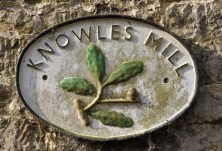 So, with much more inclement weather forecast, Steph and I decided that we’d better take advantage of yesterday’s decent weather and head out for a walk, and visit yet another National Trust property: Knowles Mill, a derelict 18th century flour mill alongside Dowles Brook in the heart of the Wyre Forest on the outskirts of Bewdley, about 18 miles west from Bromsgrove.
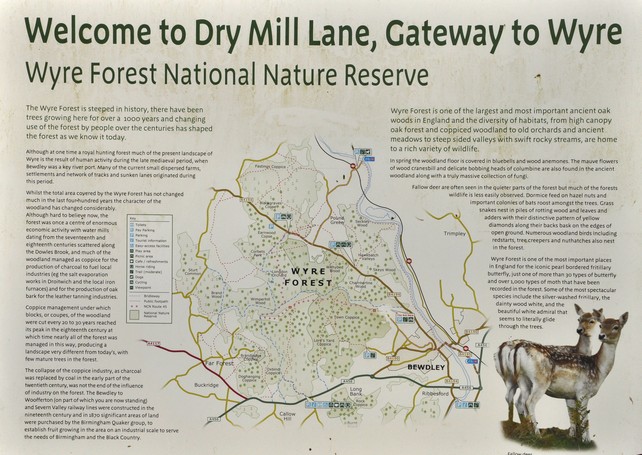
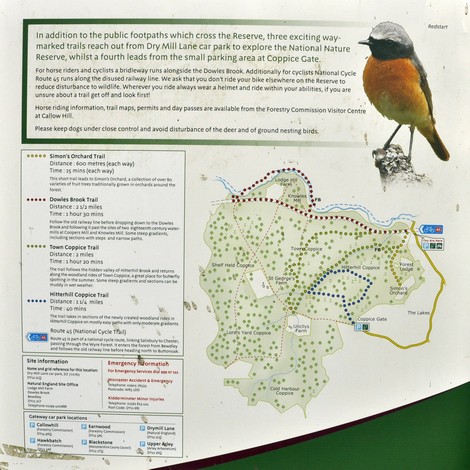
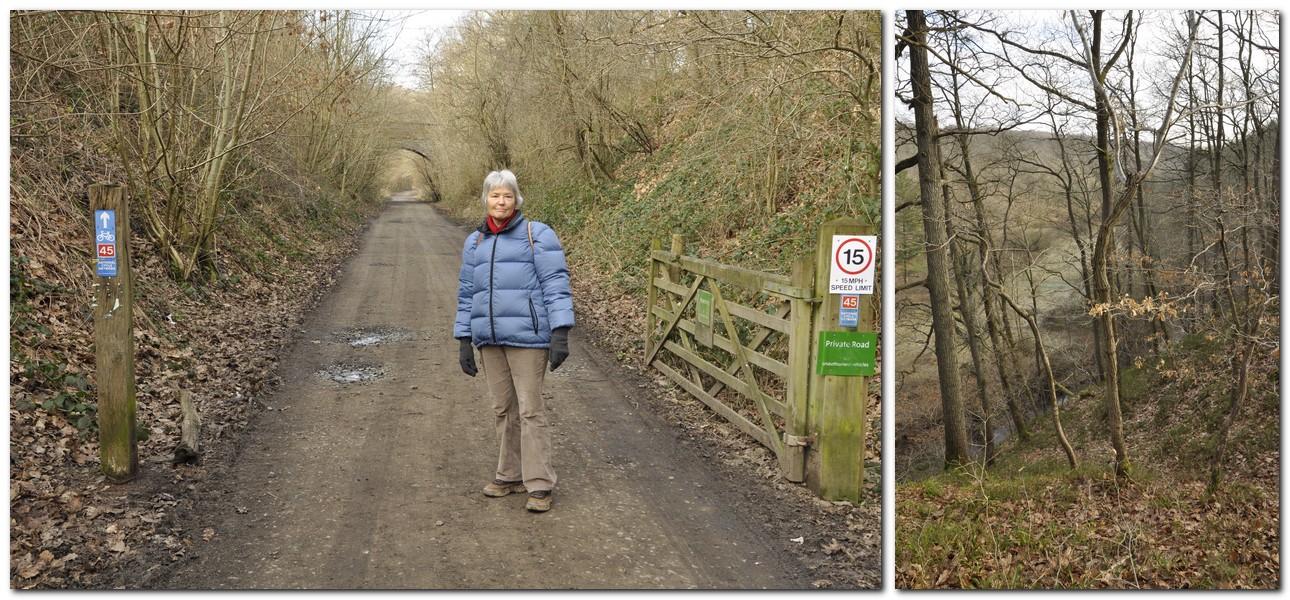
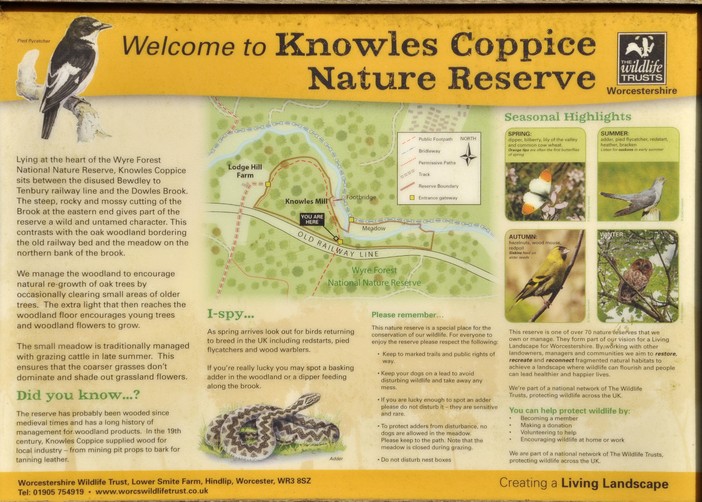
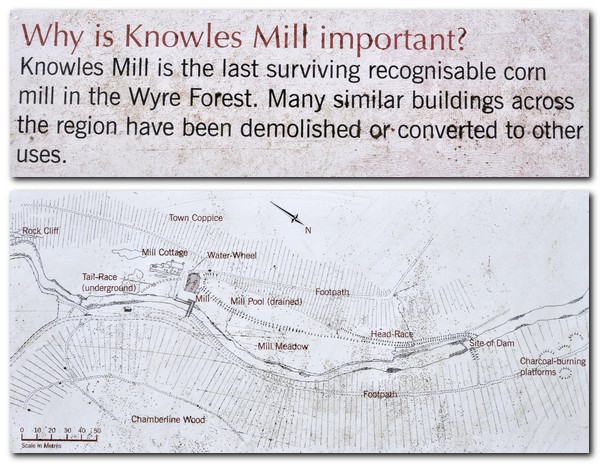
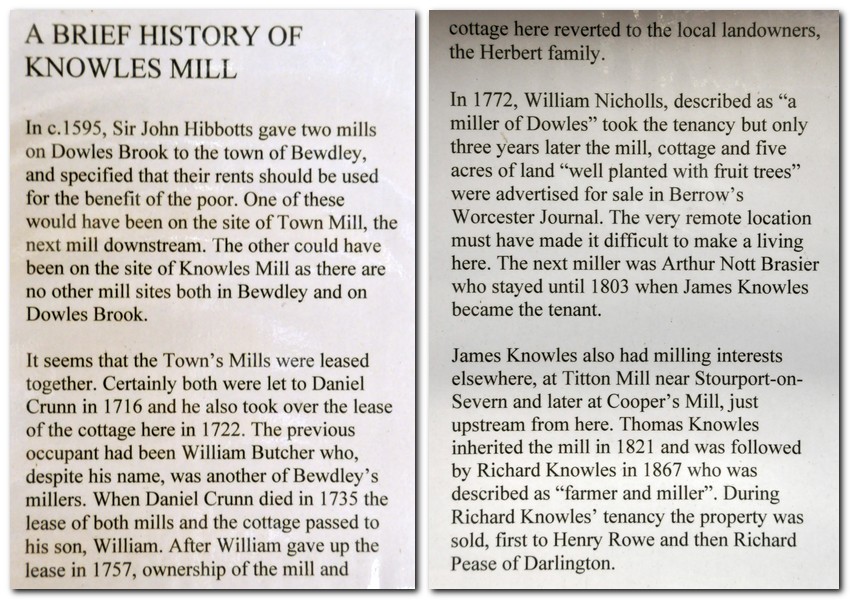
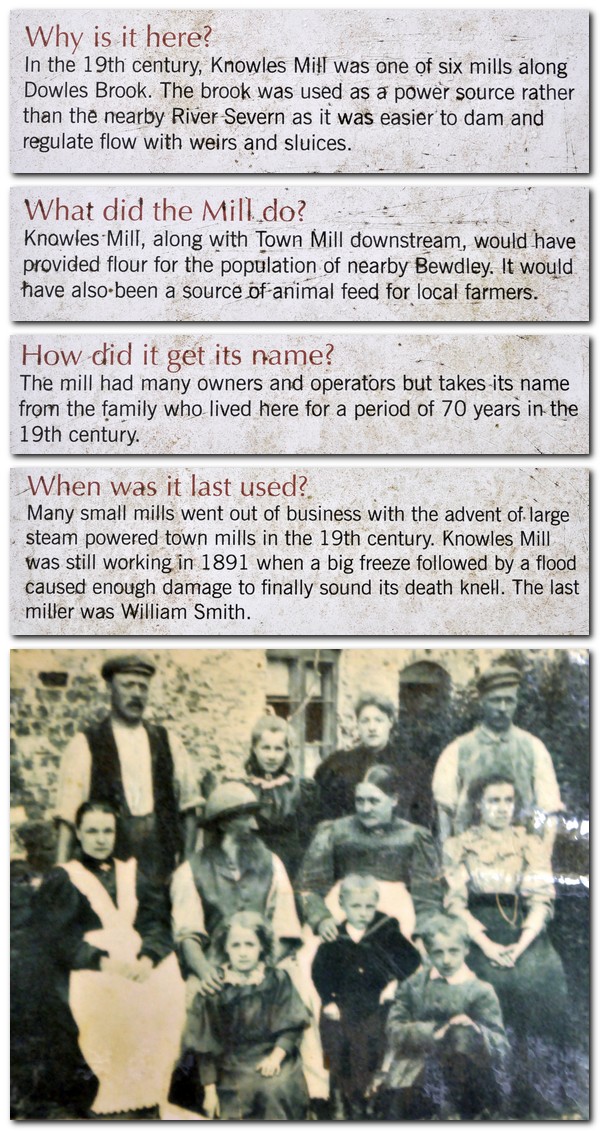
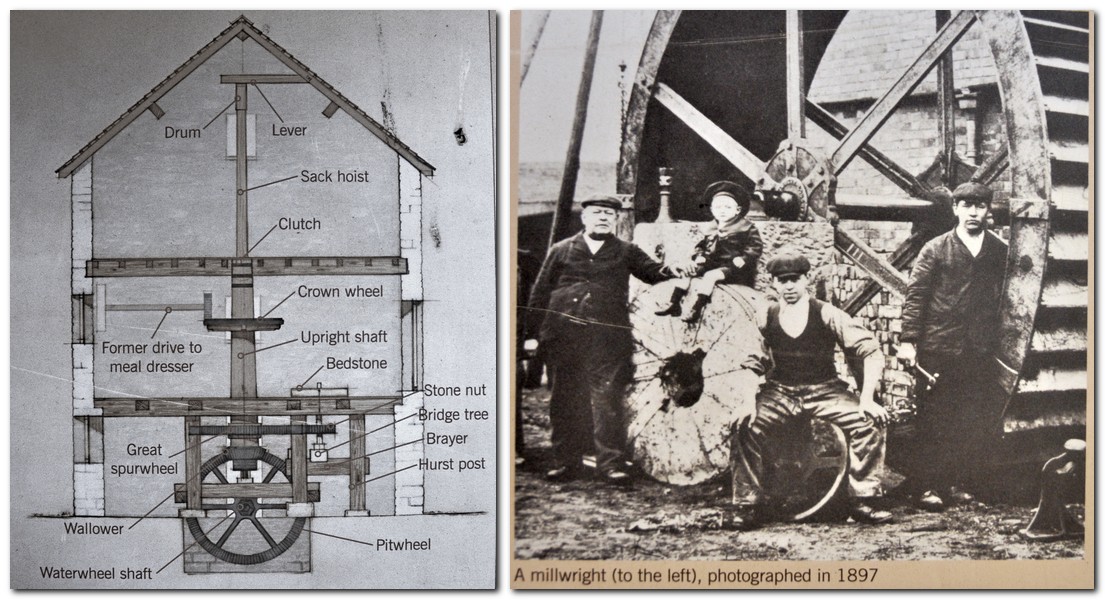


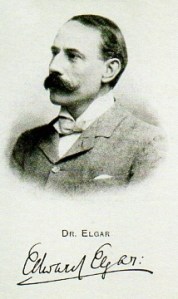 Elgar was born in June 1857 in a small cottage, The Firs, in the village of
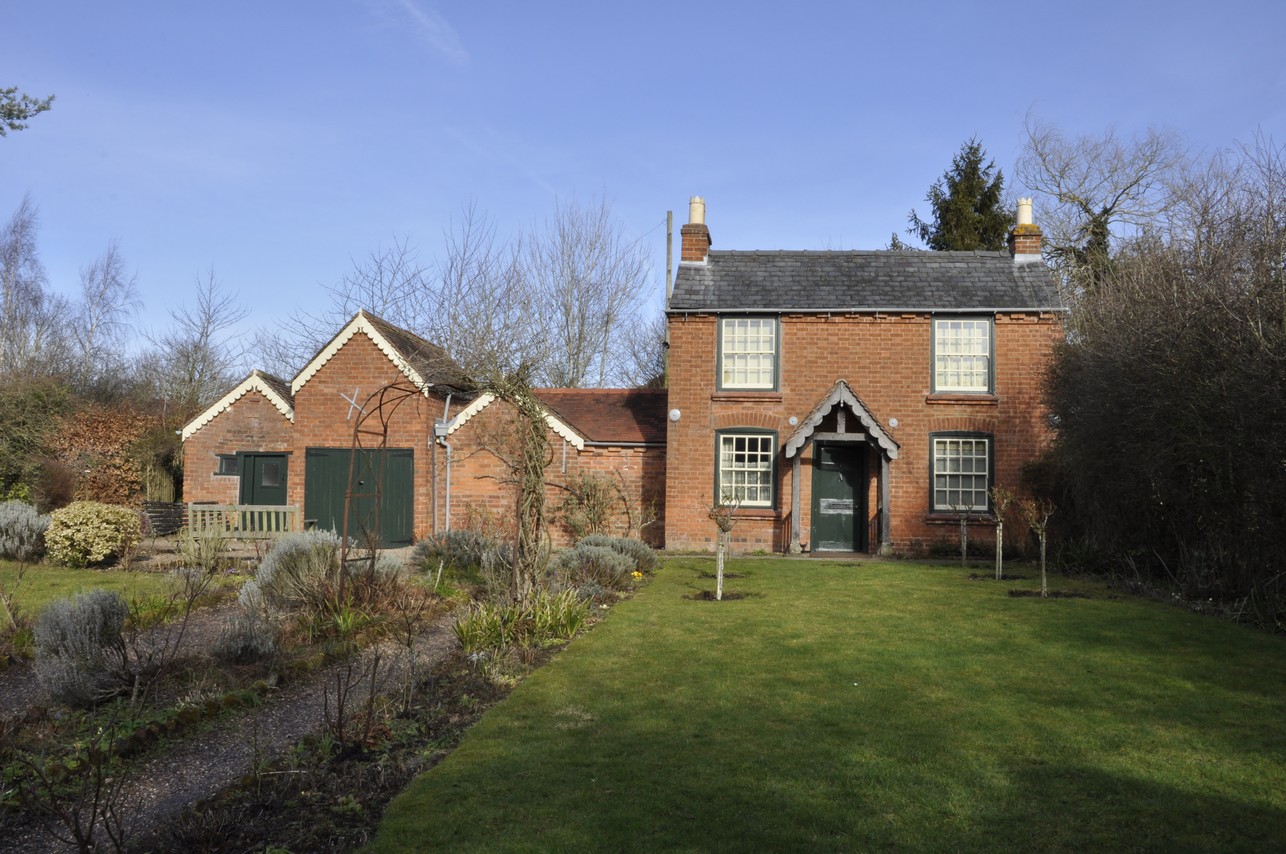
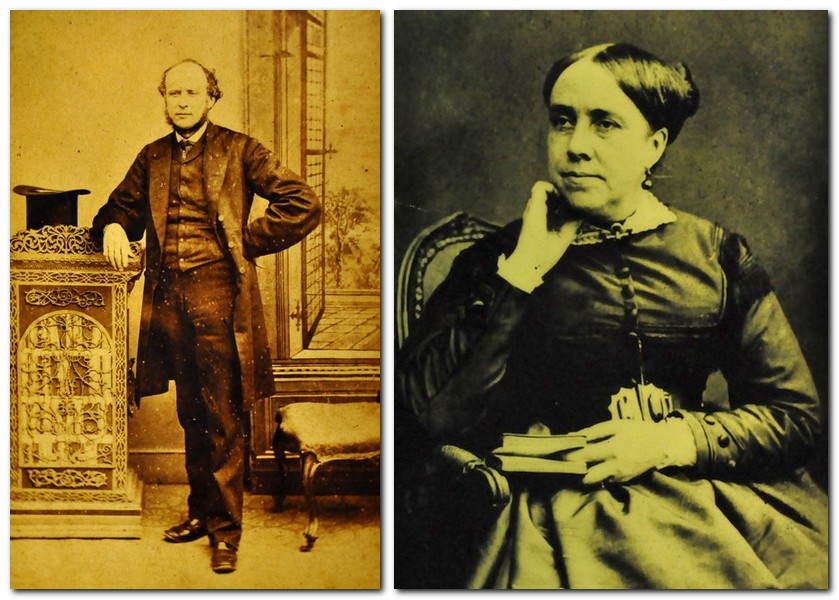

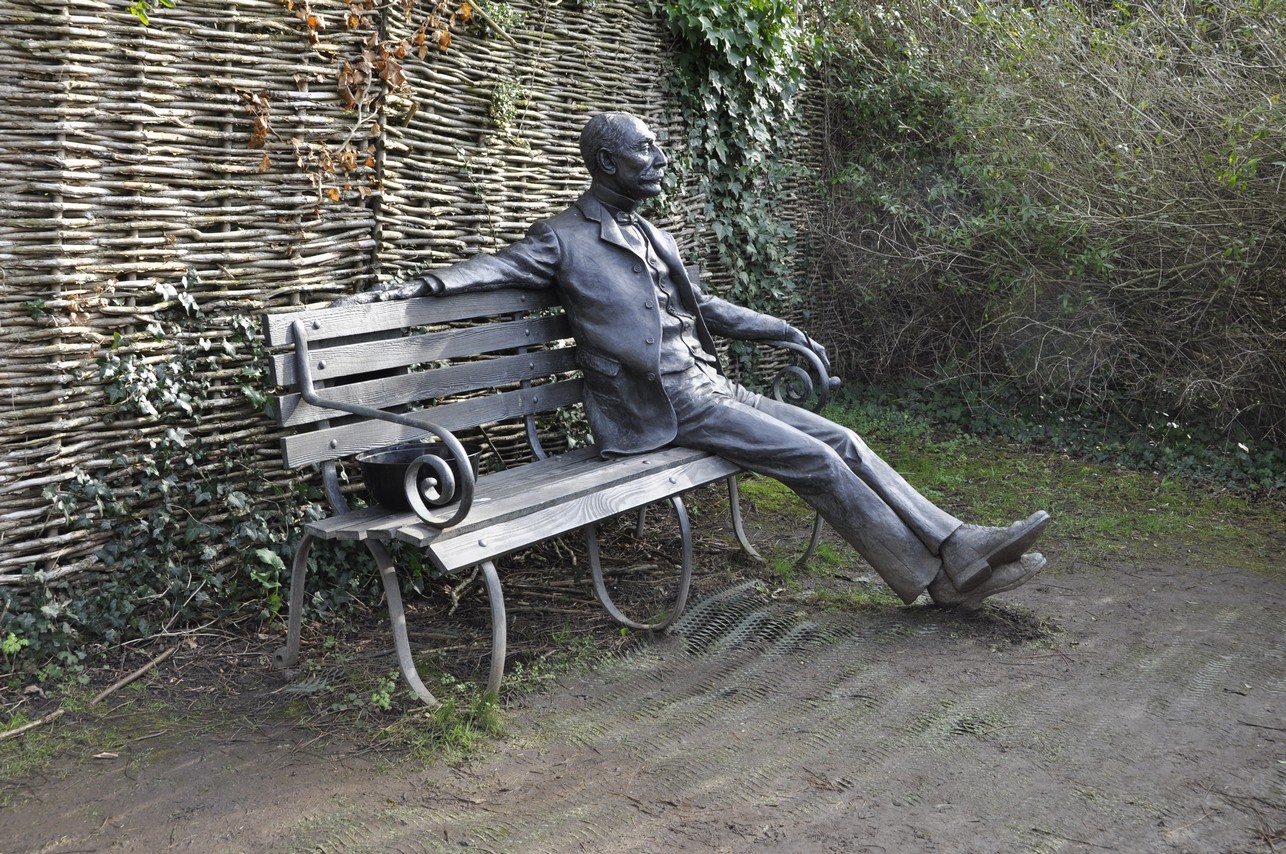


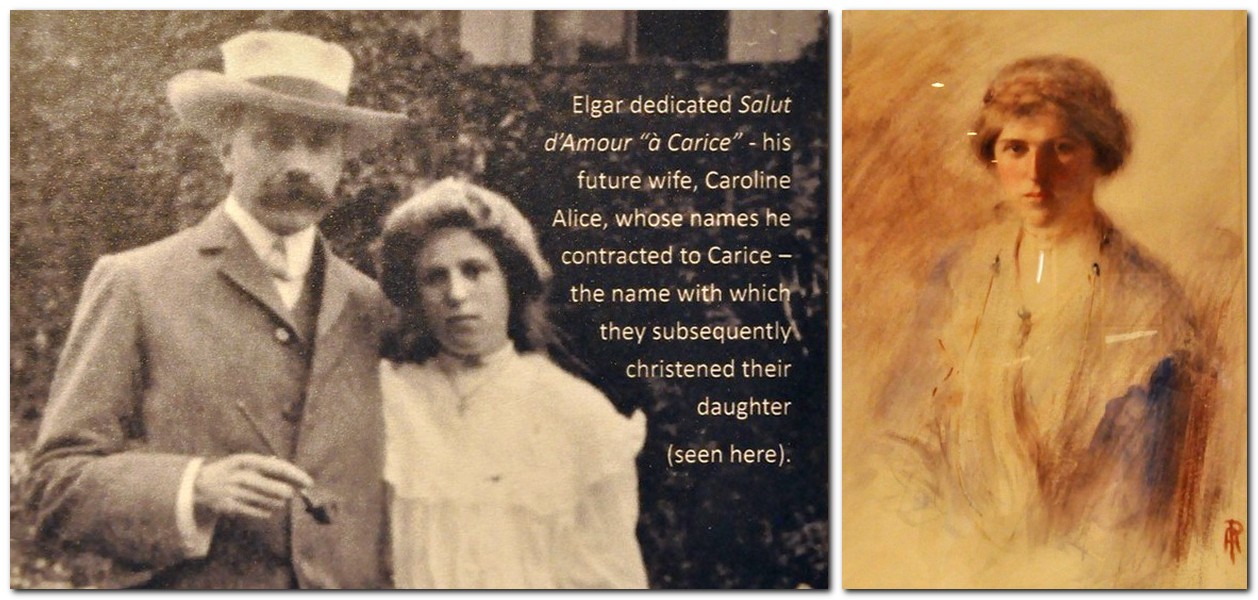
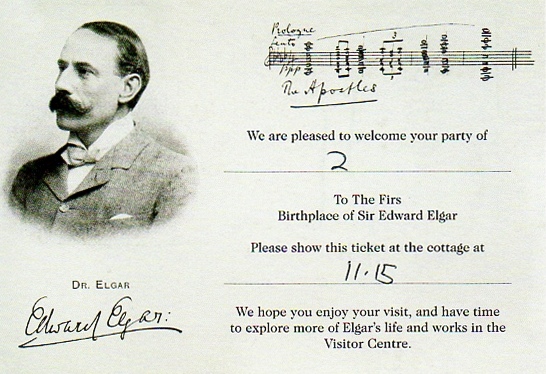


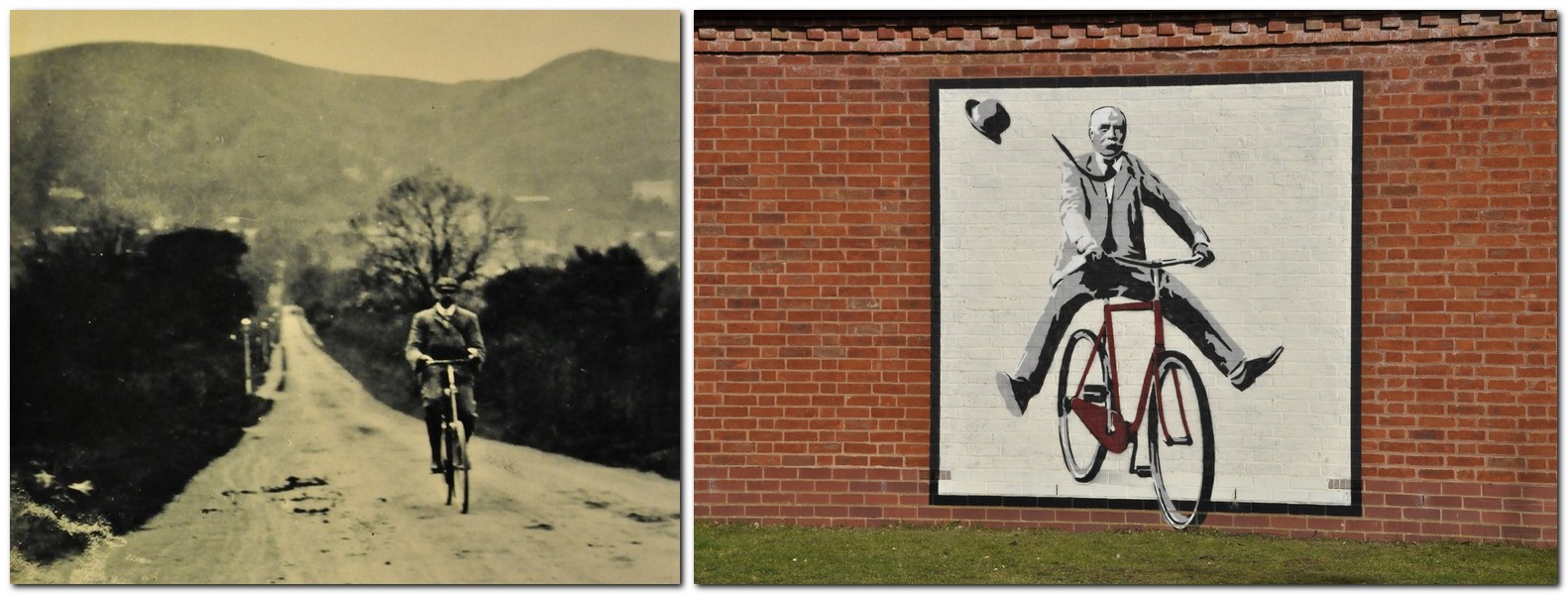
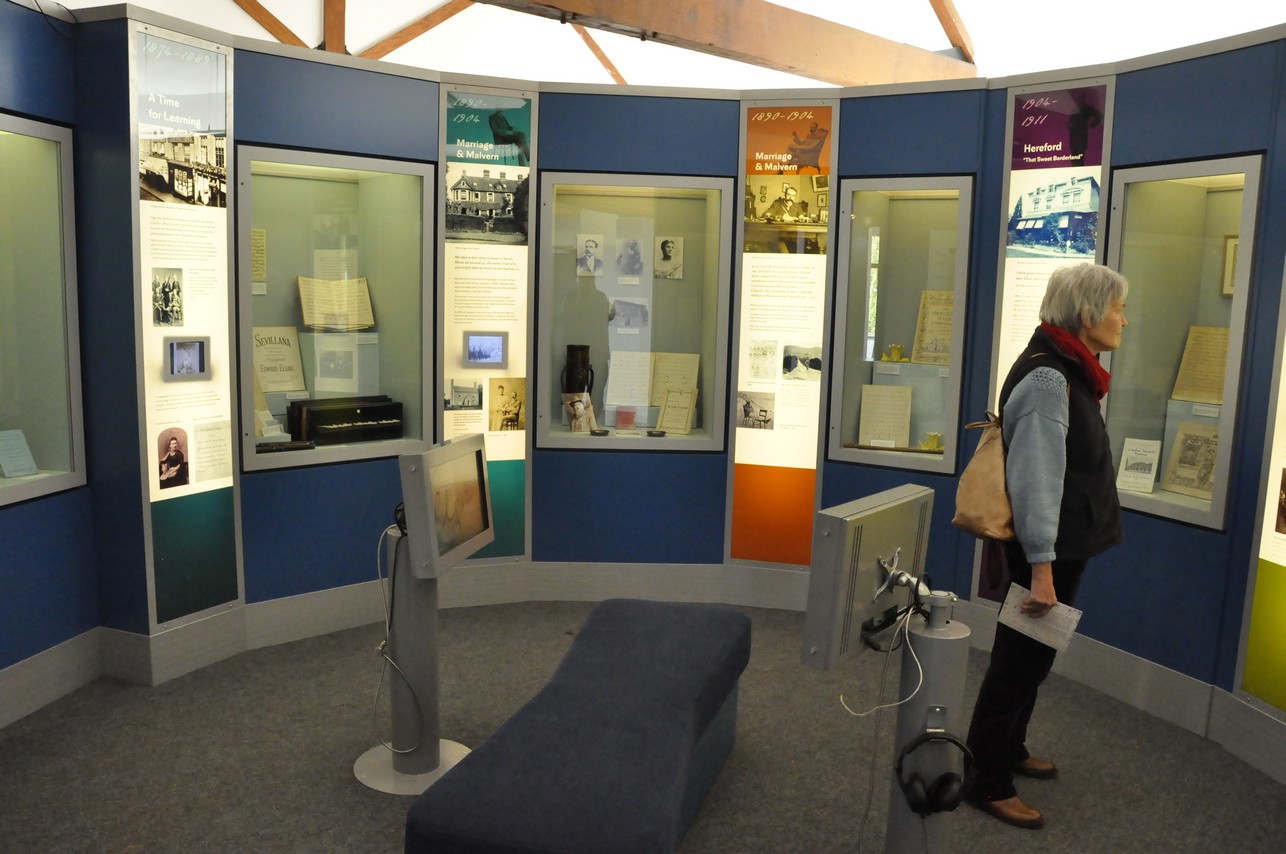
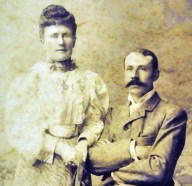
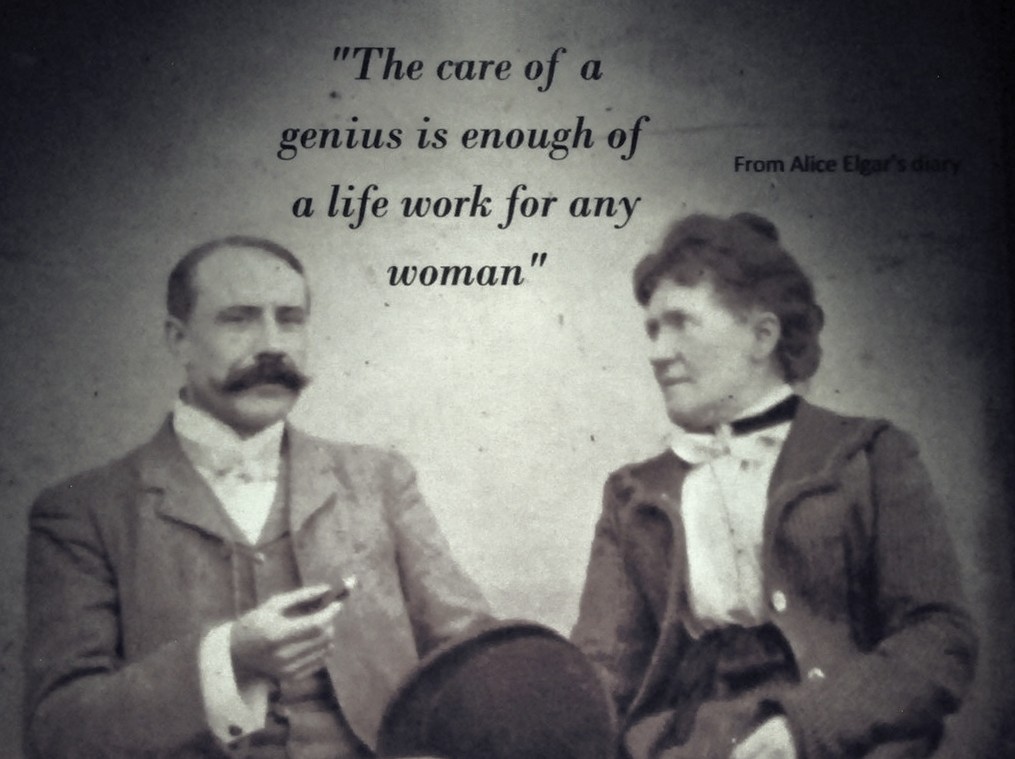
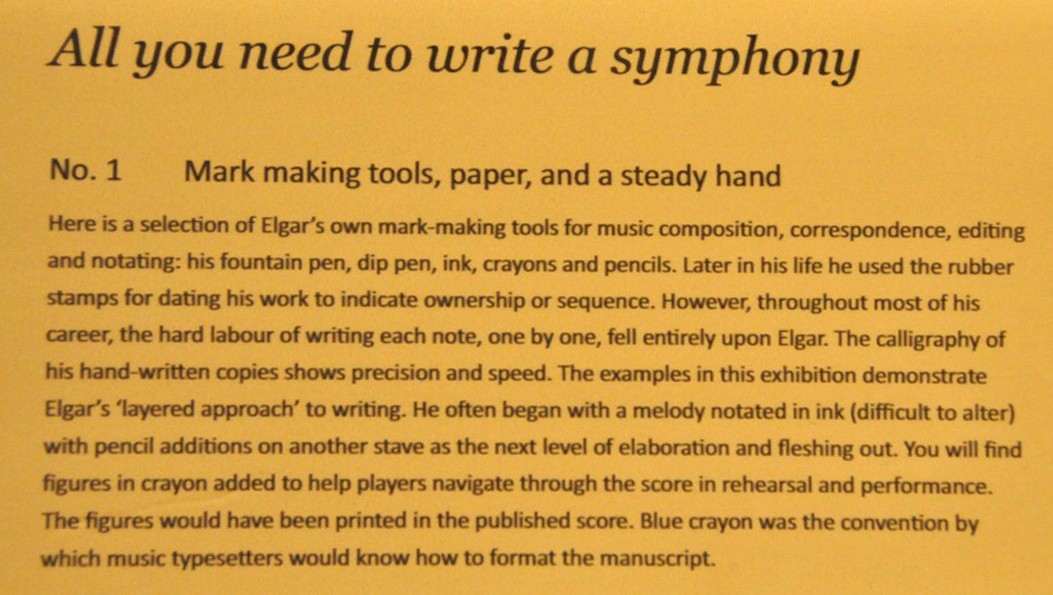


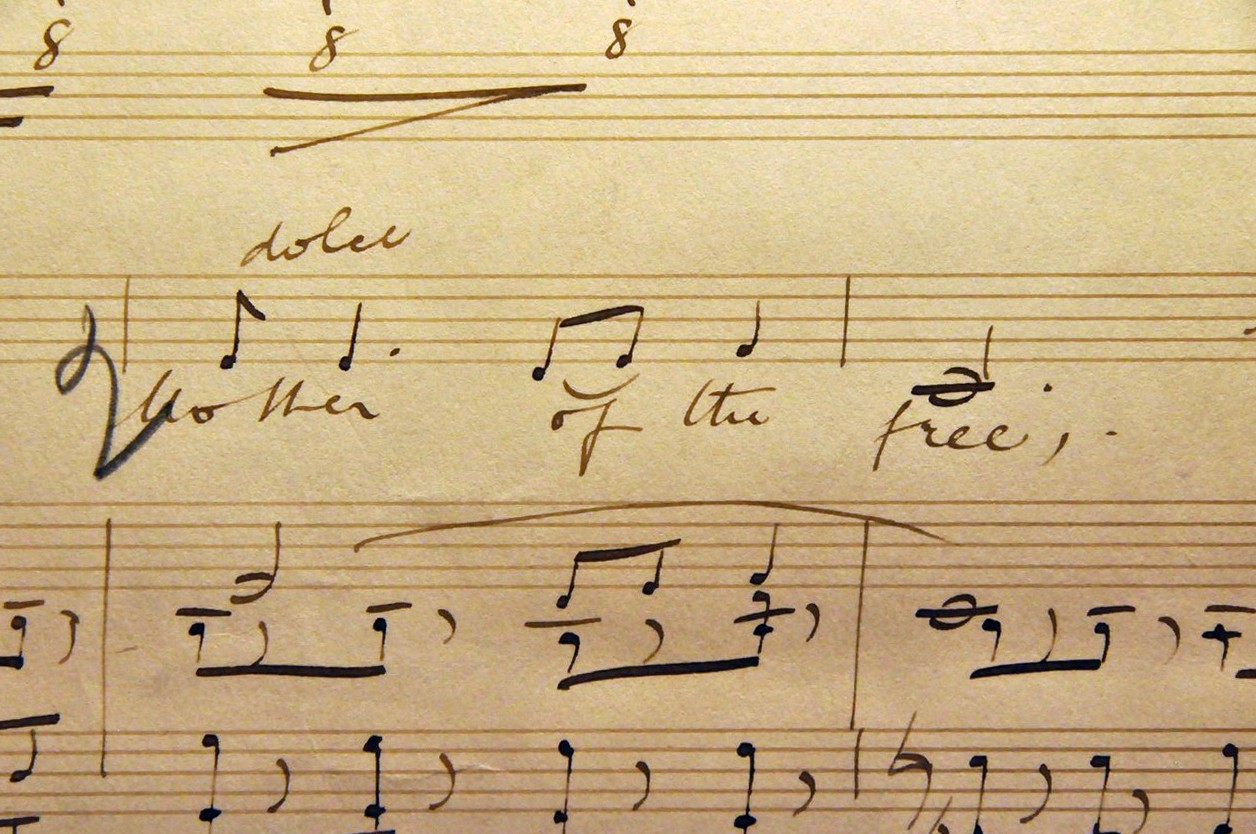
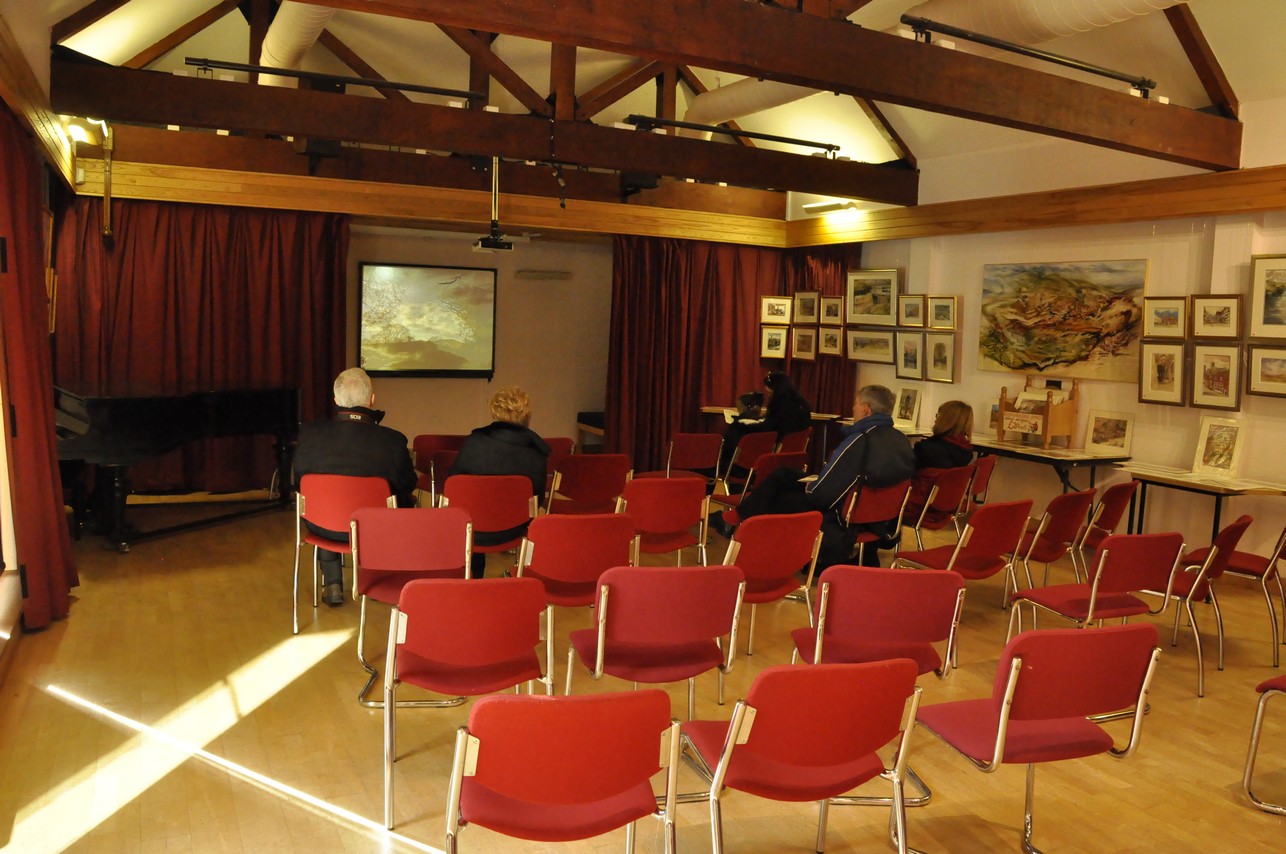


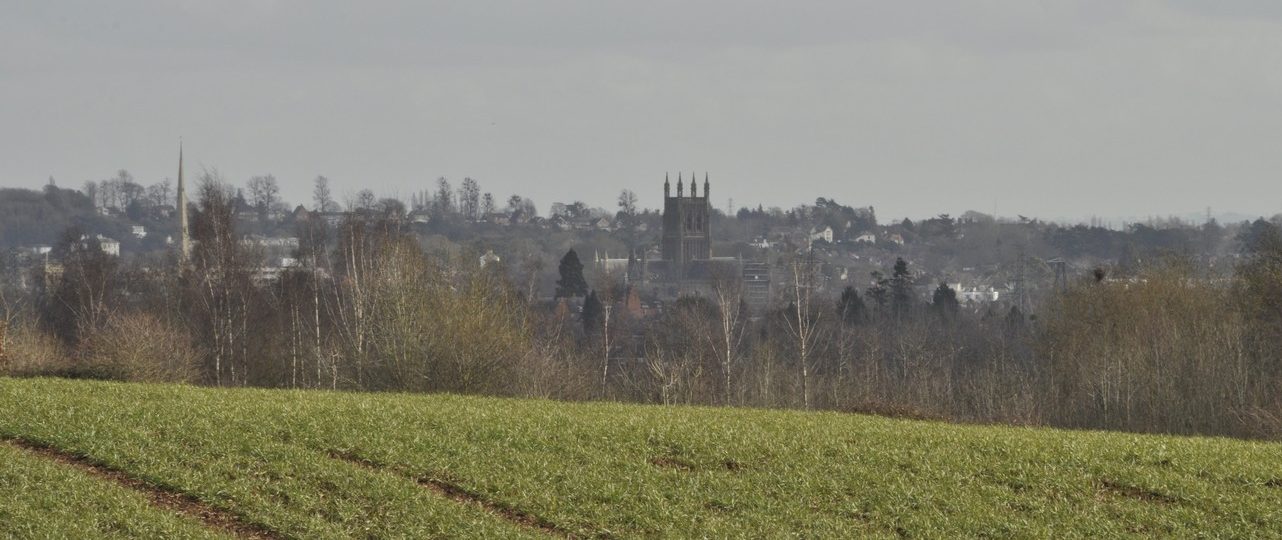


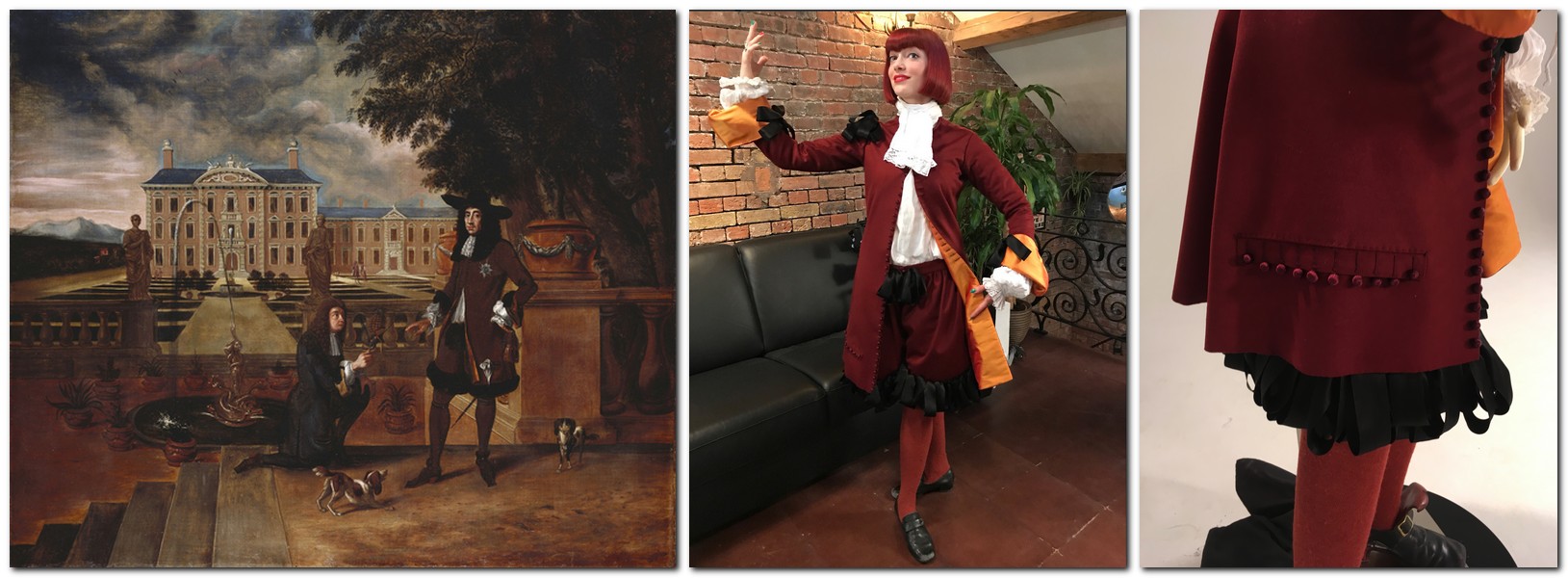


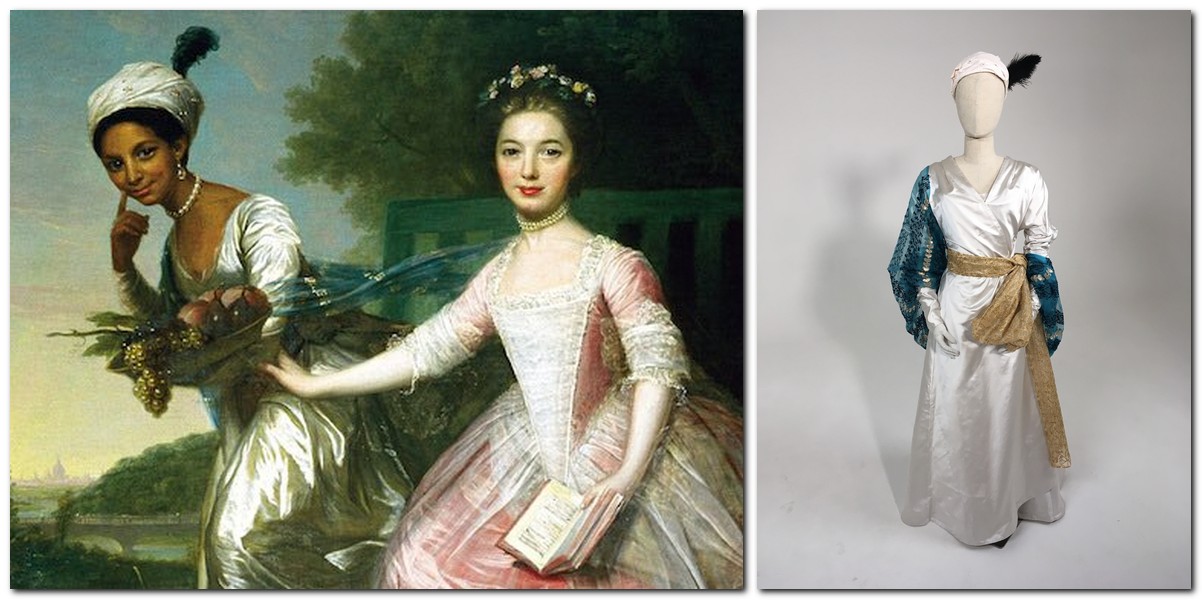

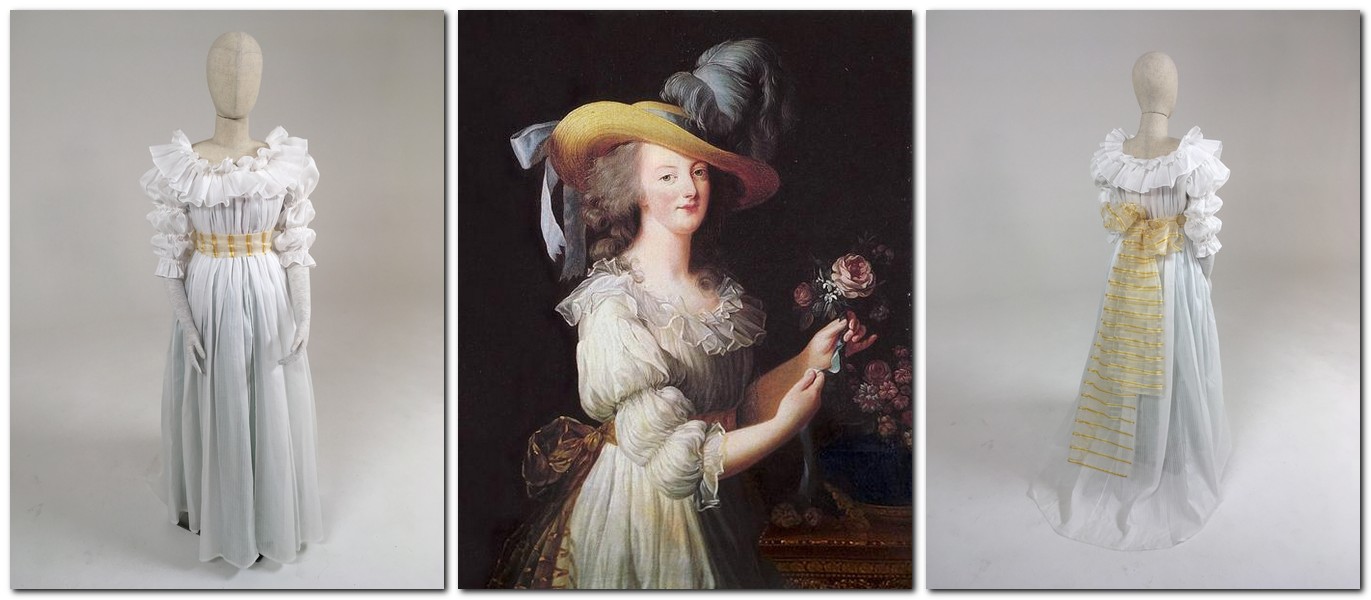
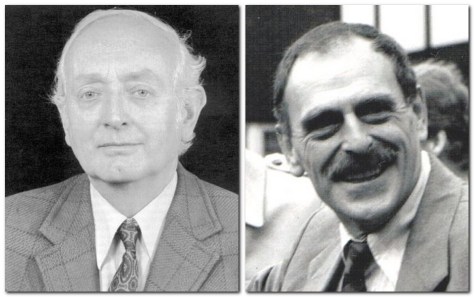
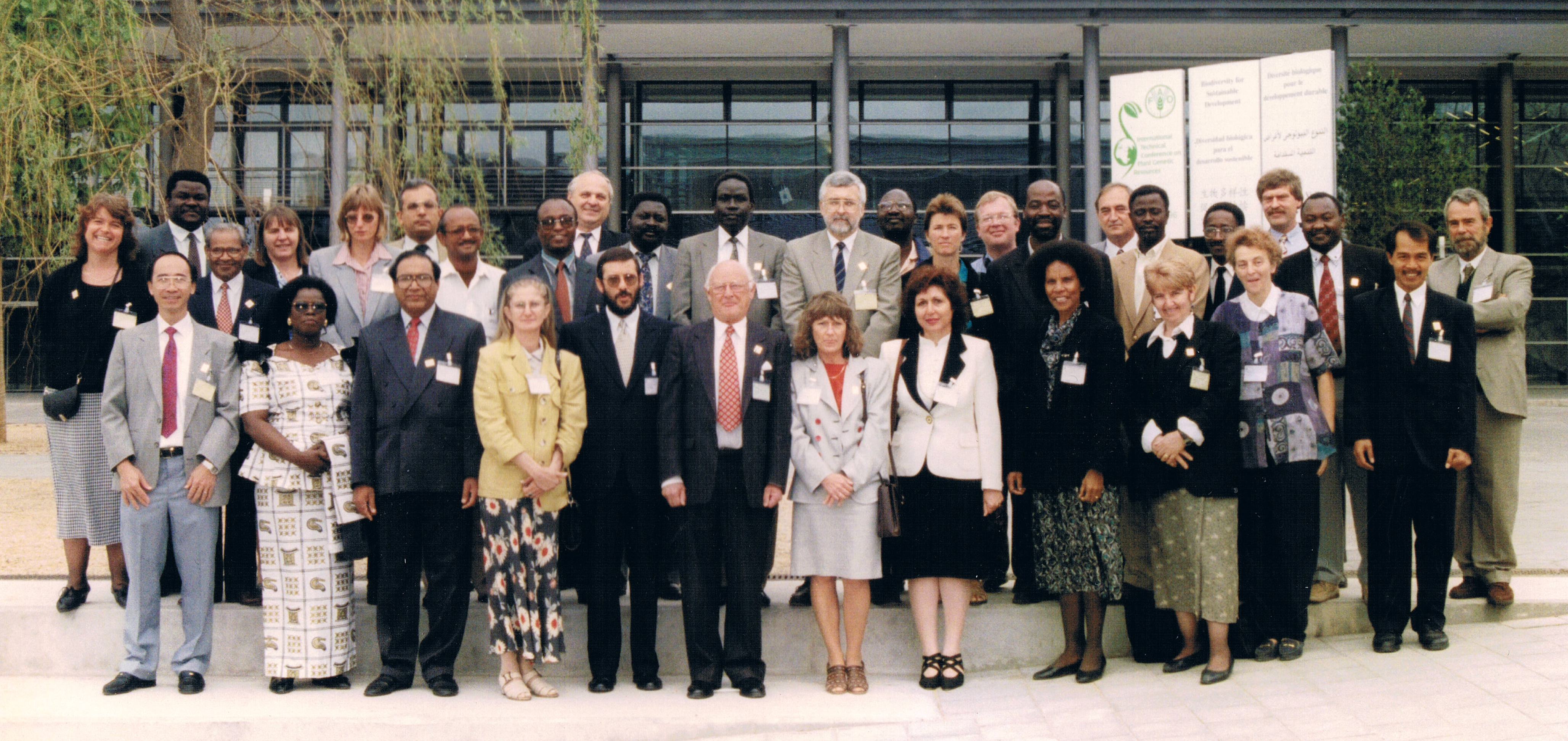

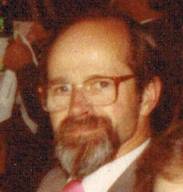
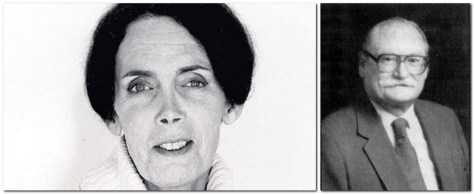 We also had to choose a short research project, mostly carried out during the summer months through the end of August, and written up and presented for examination in September. While the bulk of the work was carried out following the exams, I think all of us had started on some aspects much earlier in the academic year. In my case, for example, I had chosen a topic on lentil evolution by November 1970, and began to assemble a collection of seeds of different varieties. These were planted (under cloches) in the field by the end of March 1971, so that they were flowering by June. I also made chromosome counts on each accession in my spare time from November onwards, on which my very first
  At the end of the course, all our work, exams and dissertation, was assessed by an external examiner (a system that is commonly used among universities in the UK). The examiner was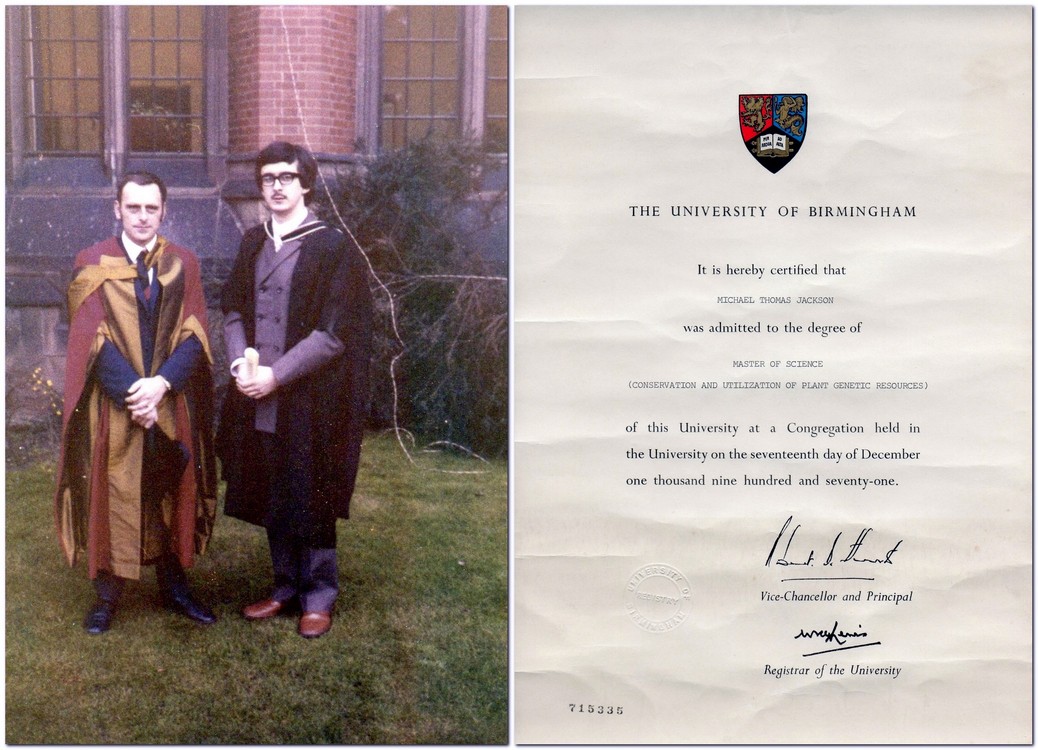
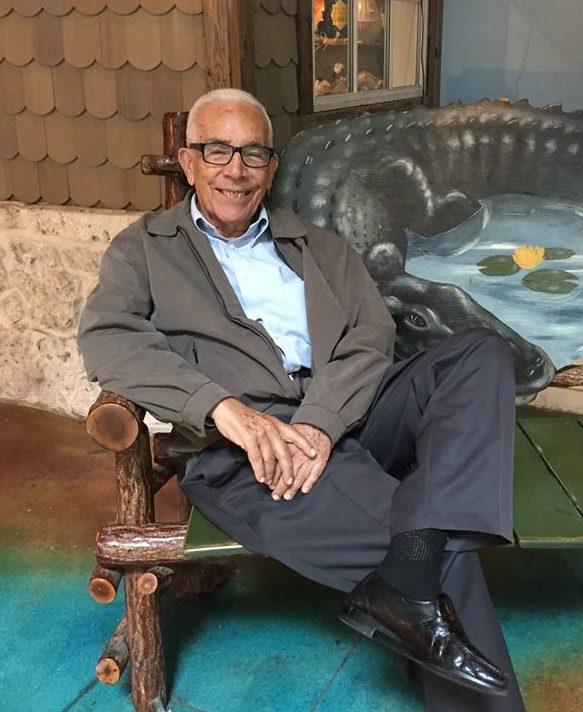
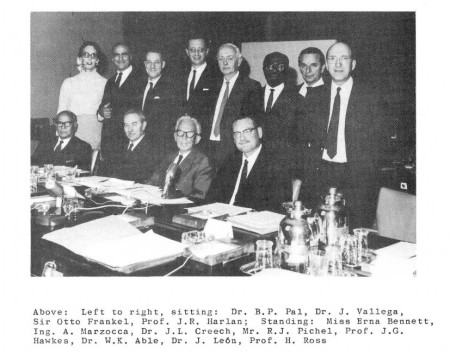
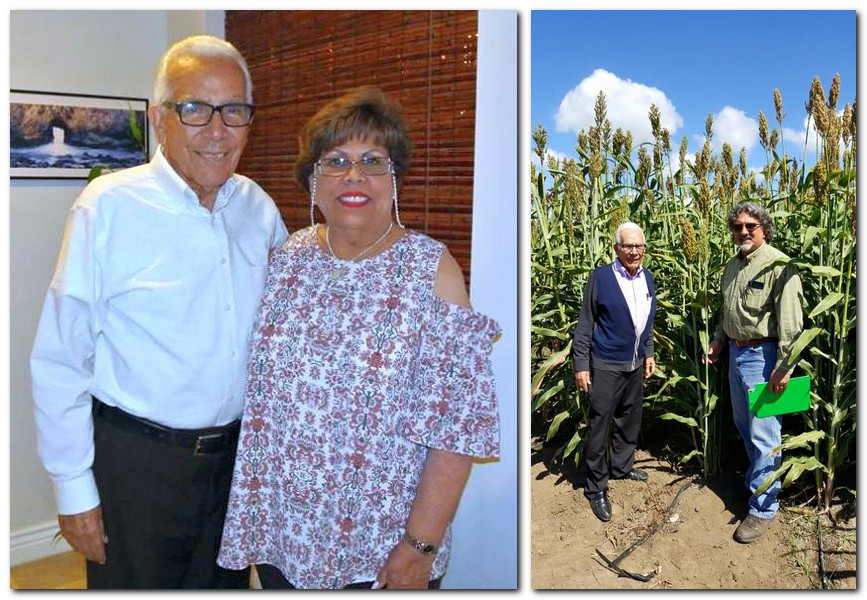
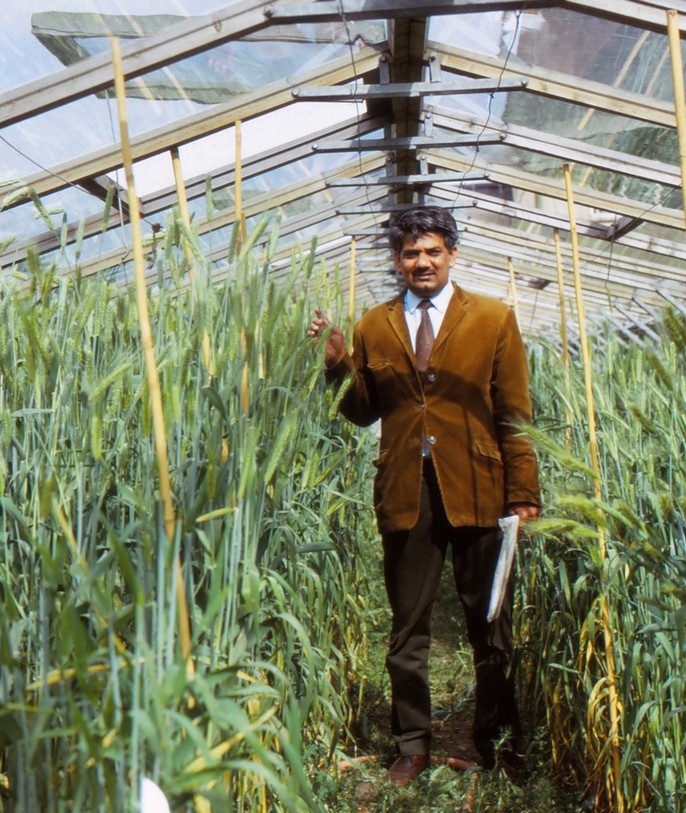


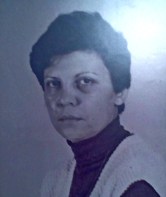 Ayla came to Birmingham with a clear focus on what she wanted to achieve. She saw the MSc course as the first step to completing her PhD, and even arrived in Birmingham with samples of seeds for her research. During the course she completed a dissertation (with Jack Hawkes) on the origin of rye (Secale cereale), and she continued this project for a further two years or so for her PhD. I don’t recall whether she had the MSc conferred or not. In those days, it was not unusual for someone to convert an MSc course into the first year of a doctoral program; I’m pretty sure this is what Ayla did.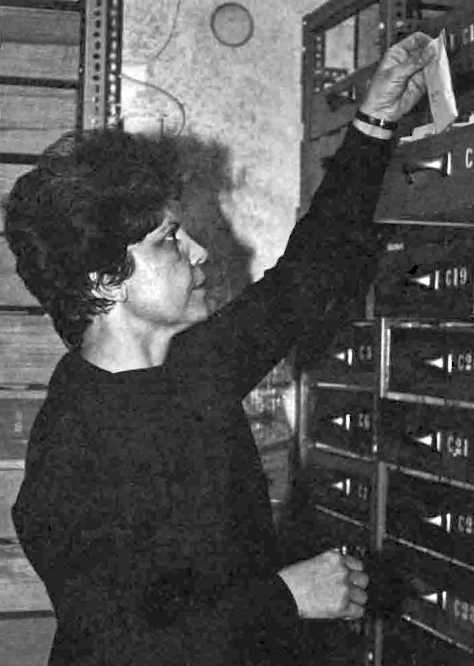
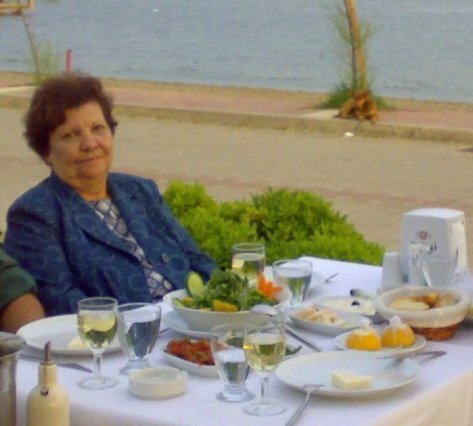
 Folu married shortly before traveling to Birmingham. Her husband had enrolled for a PhD at University College London. He had seen a small poster about the MSc course at Birmingham on a notice board at the University of Ibadan, Nigeria where Folu had completed her BSc in Botany. She applied successfully for financial support from the Mid-Western Nigeria Government to attend the MSc course, and subsequently her PhD studies.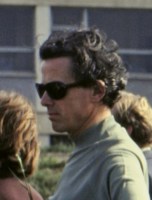
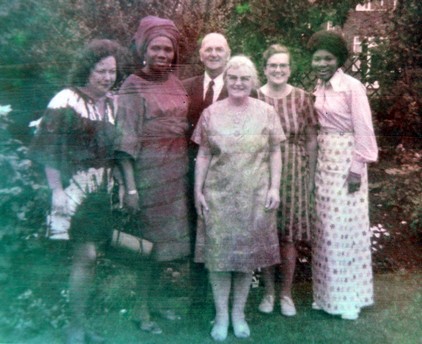
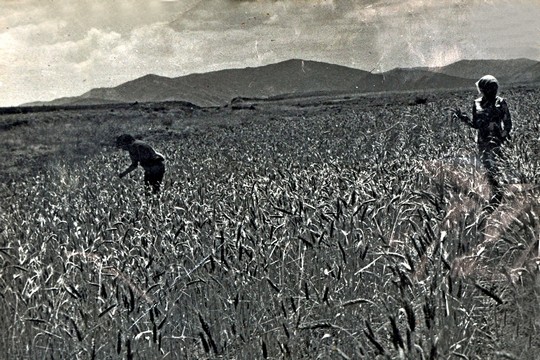
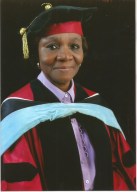 genetic resources the training courses she helped deliver, and the research linkages she promoted among various bodies in Nigeria. She has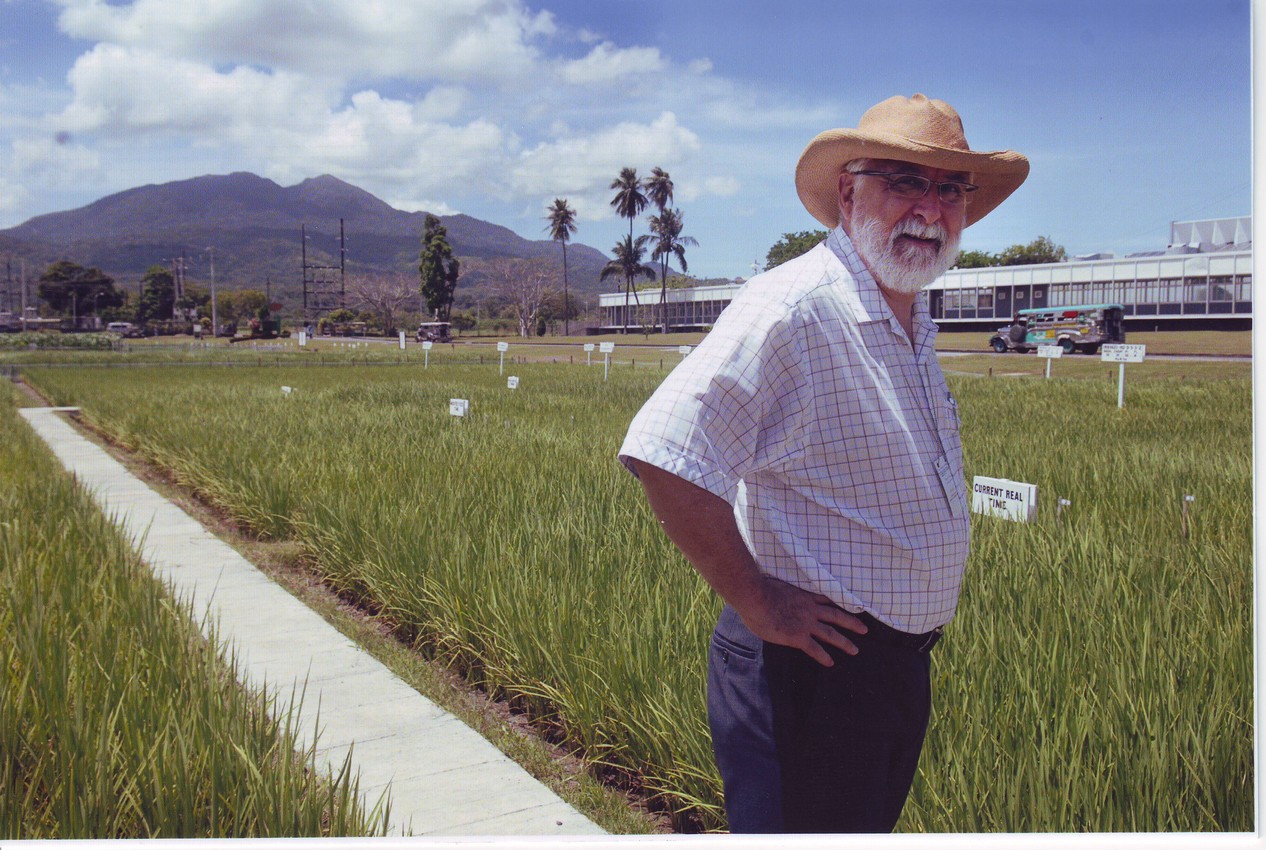
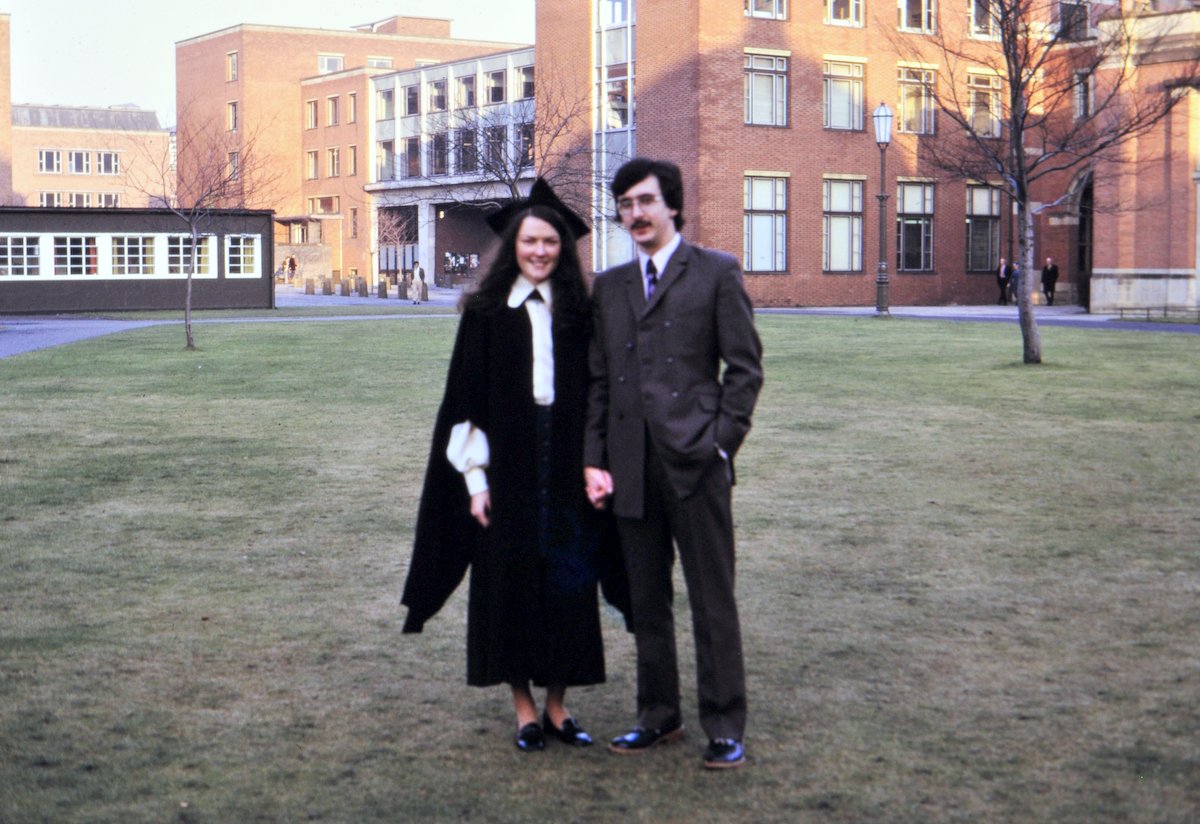
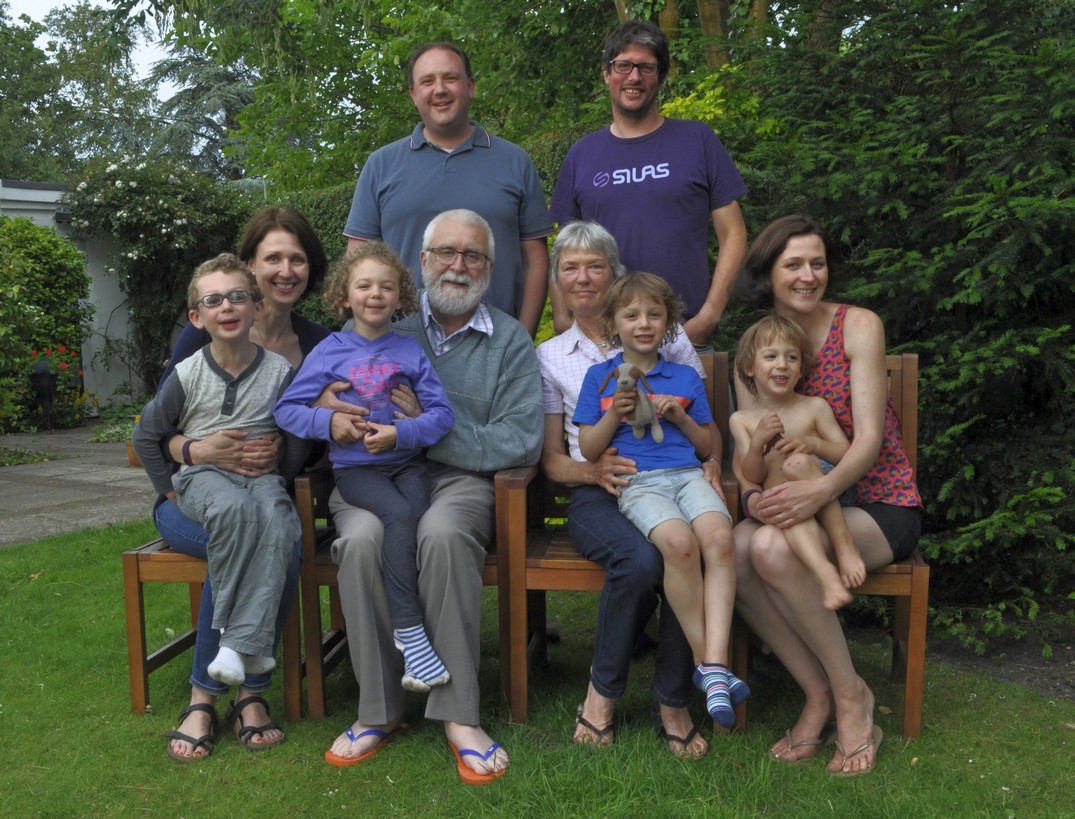

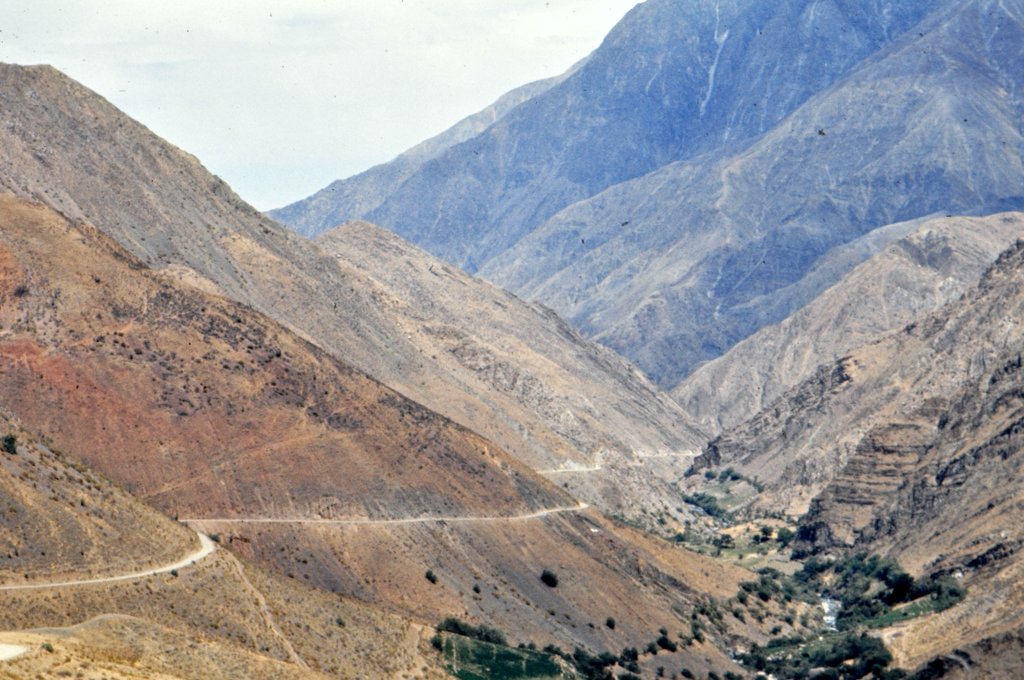
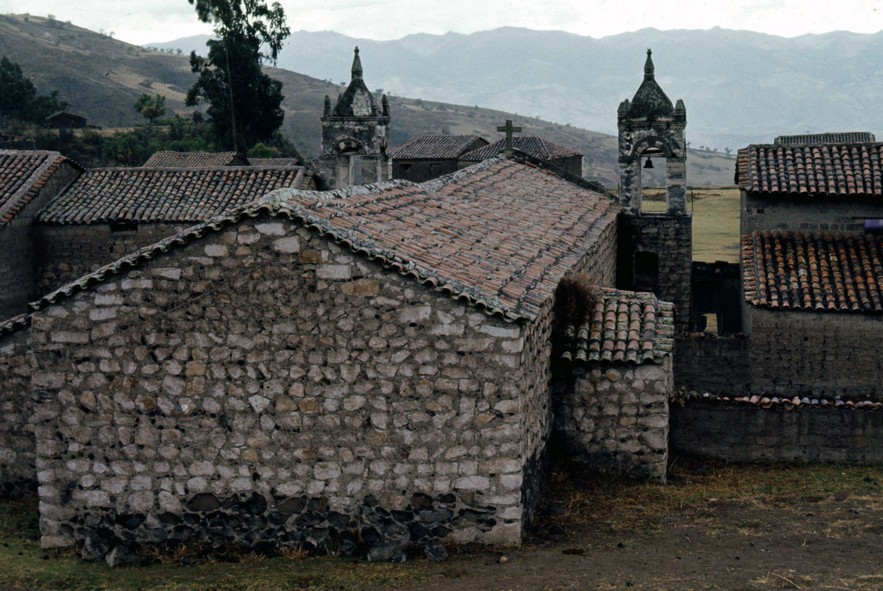
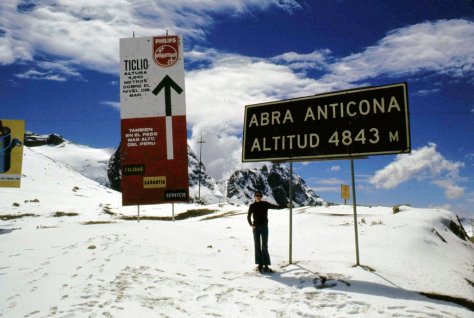

 I guess my own fascination with history and archaeology on TV began with Sir Kenneth Clark’s
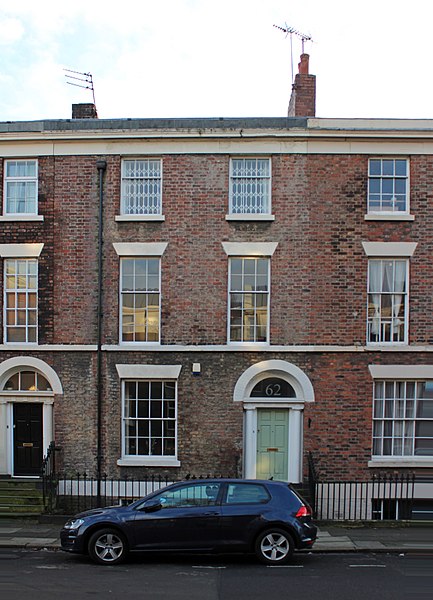

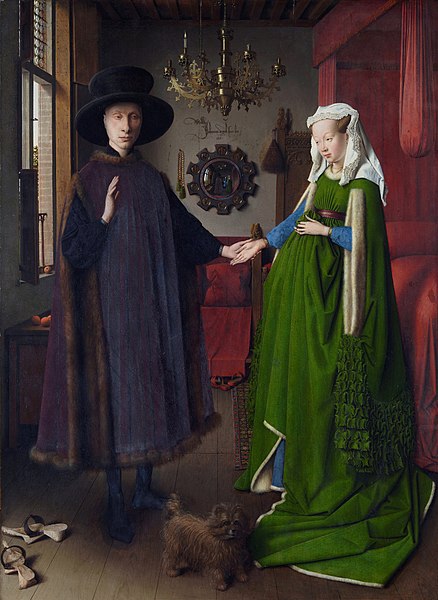

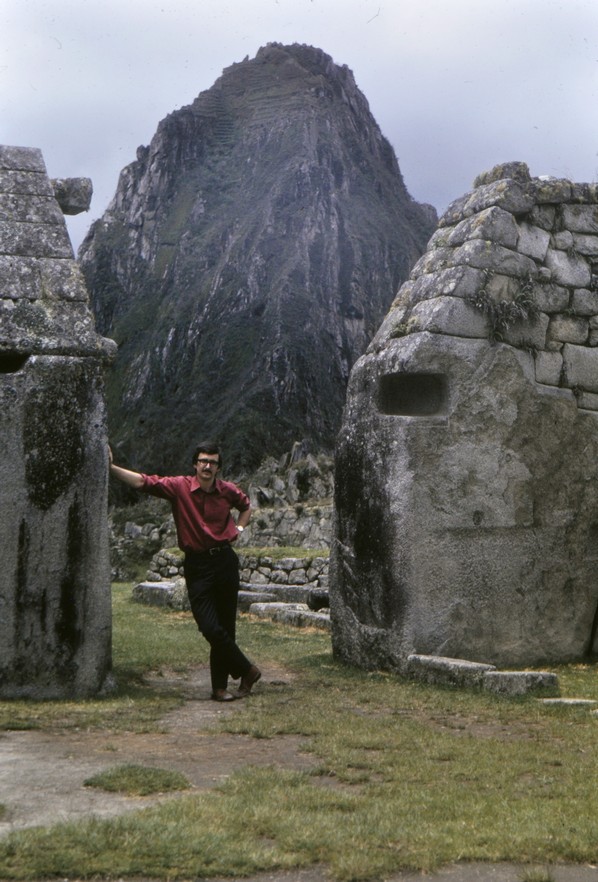
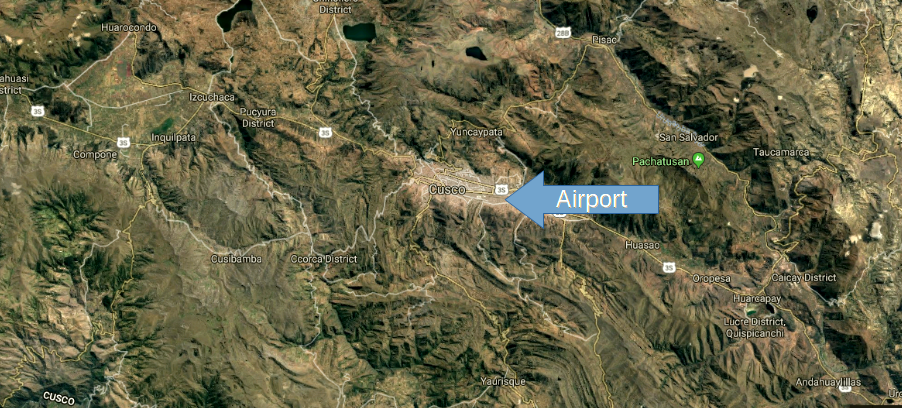
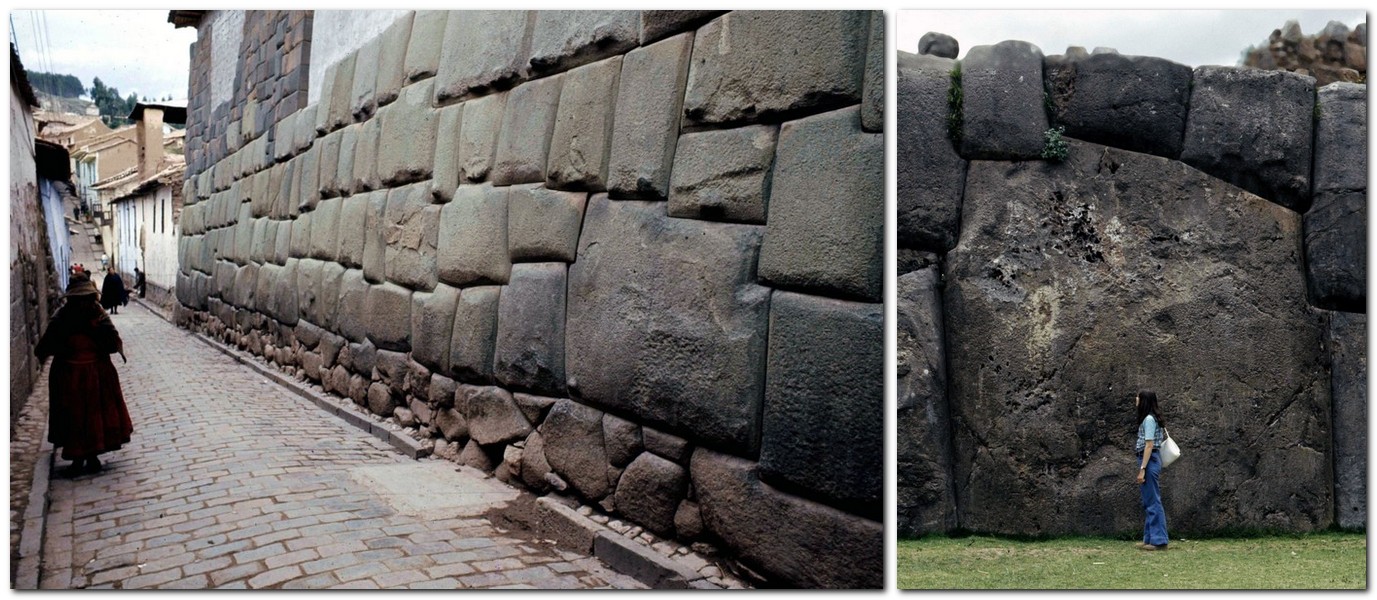


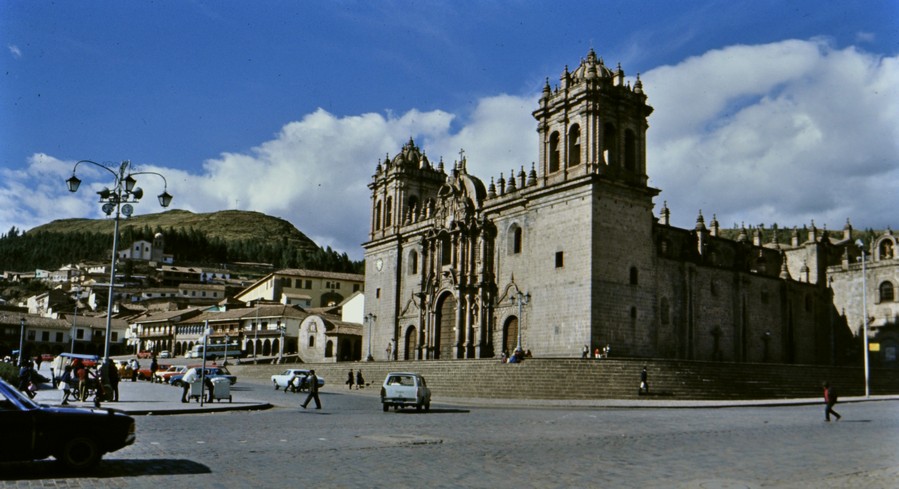


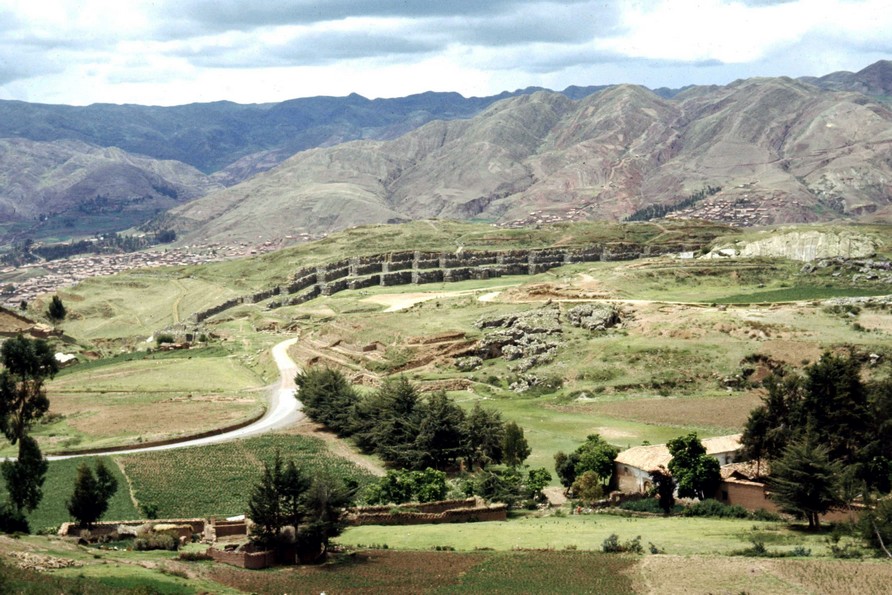
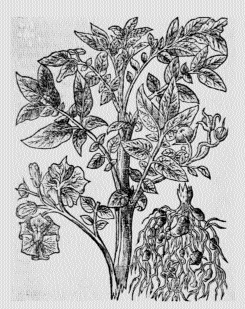
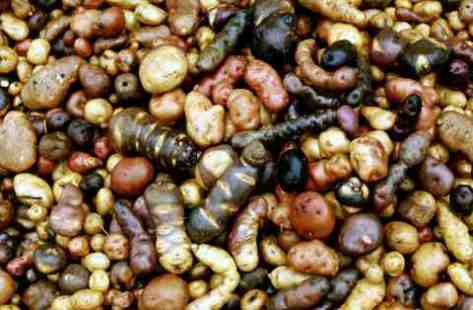





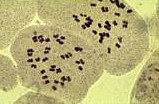
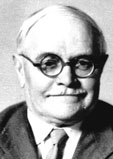
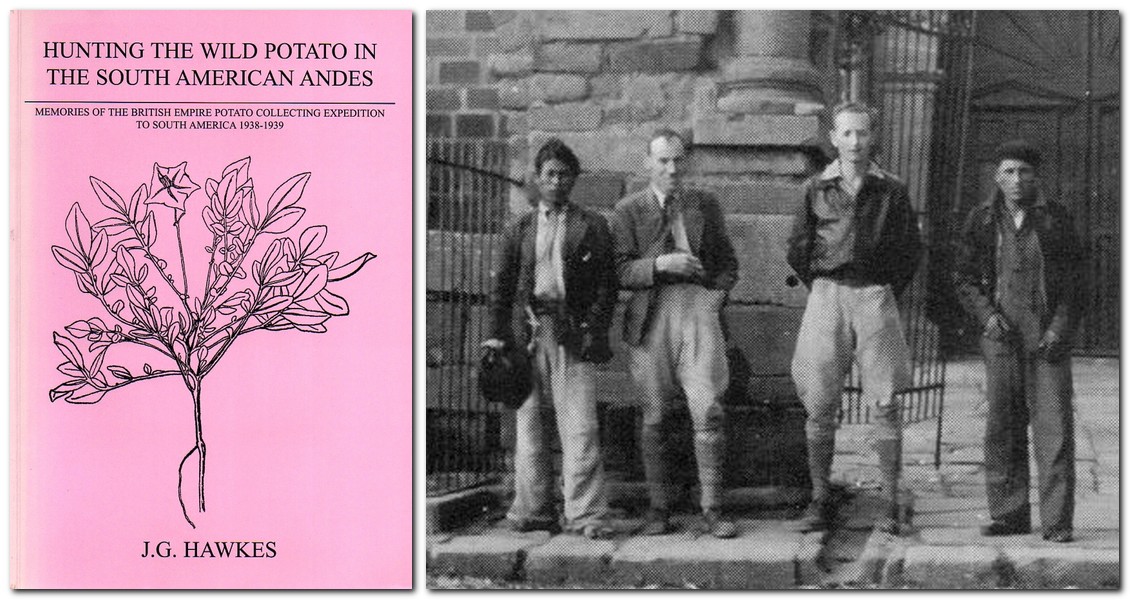
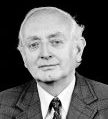
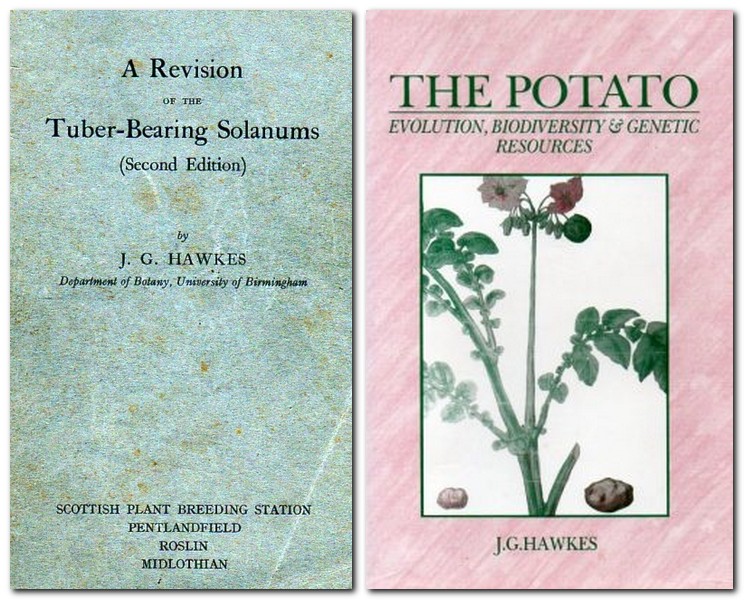
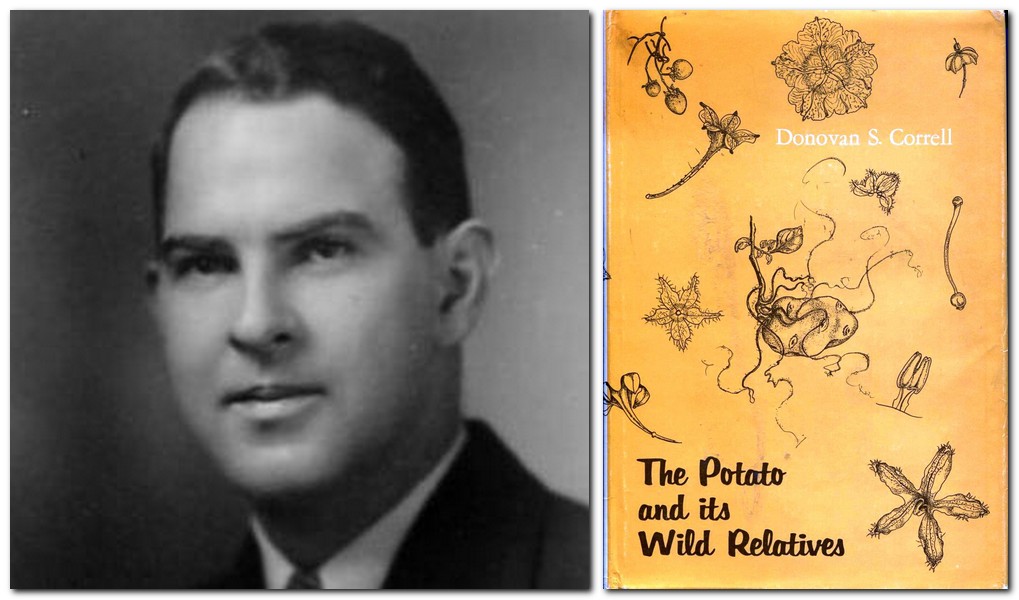


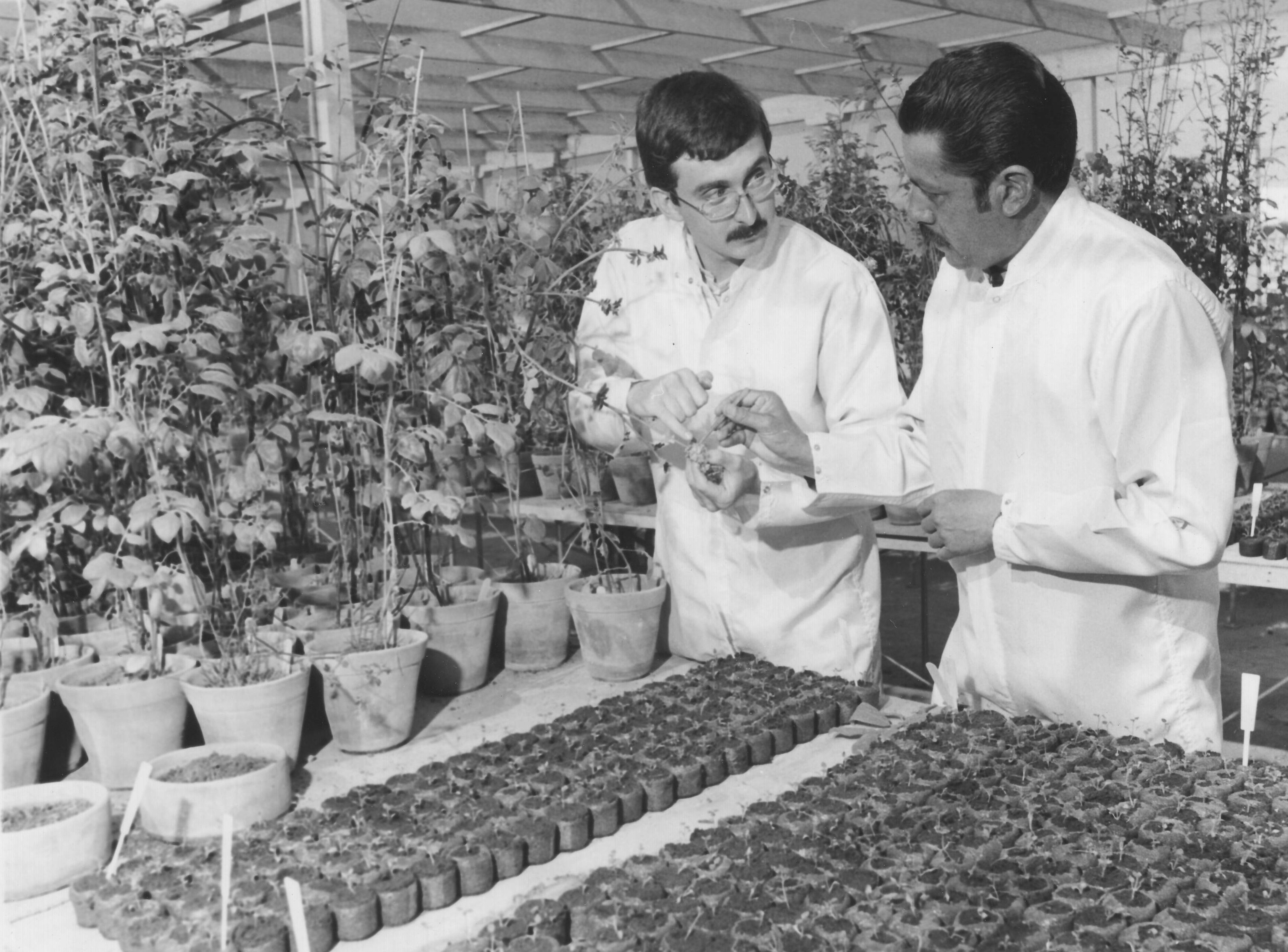
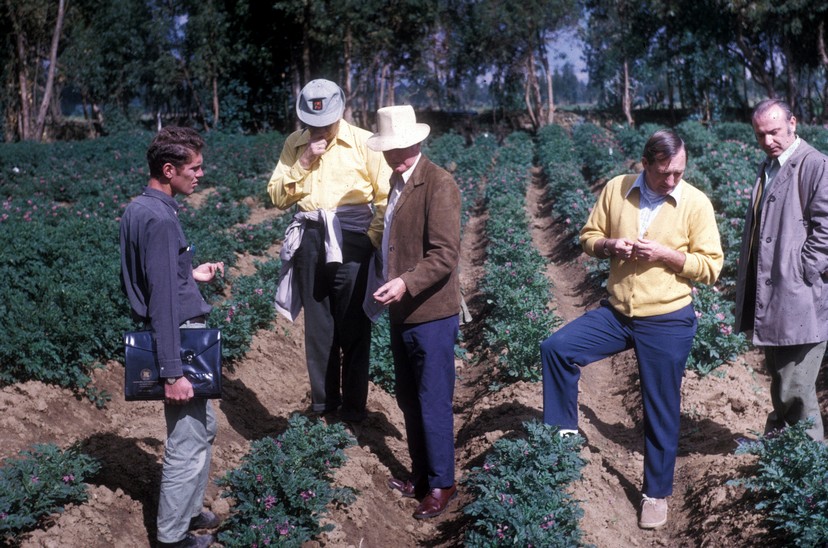

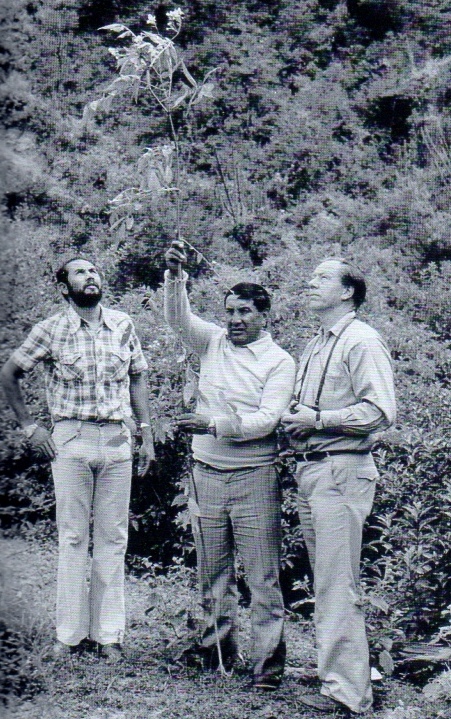
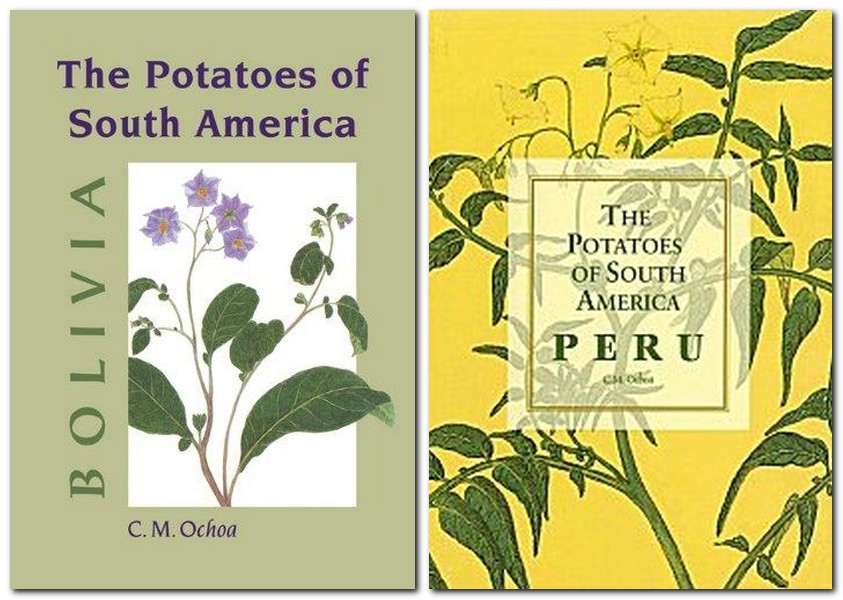
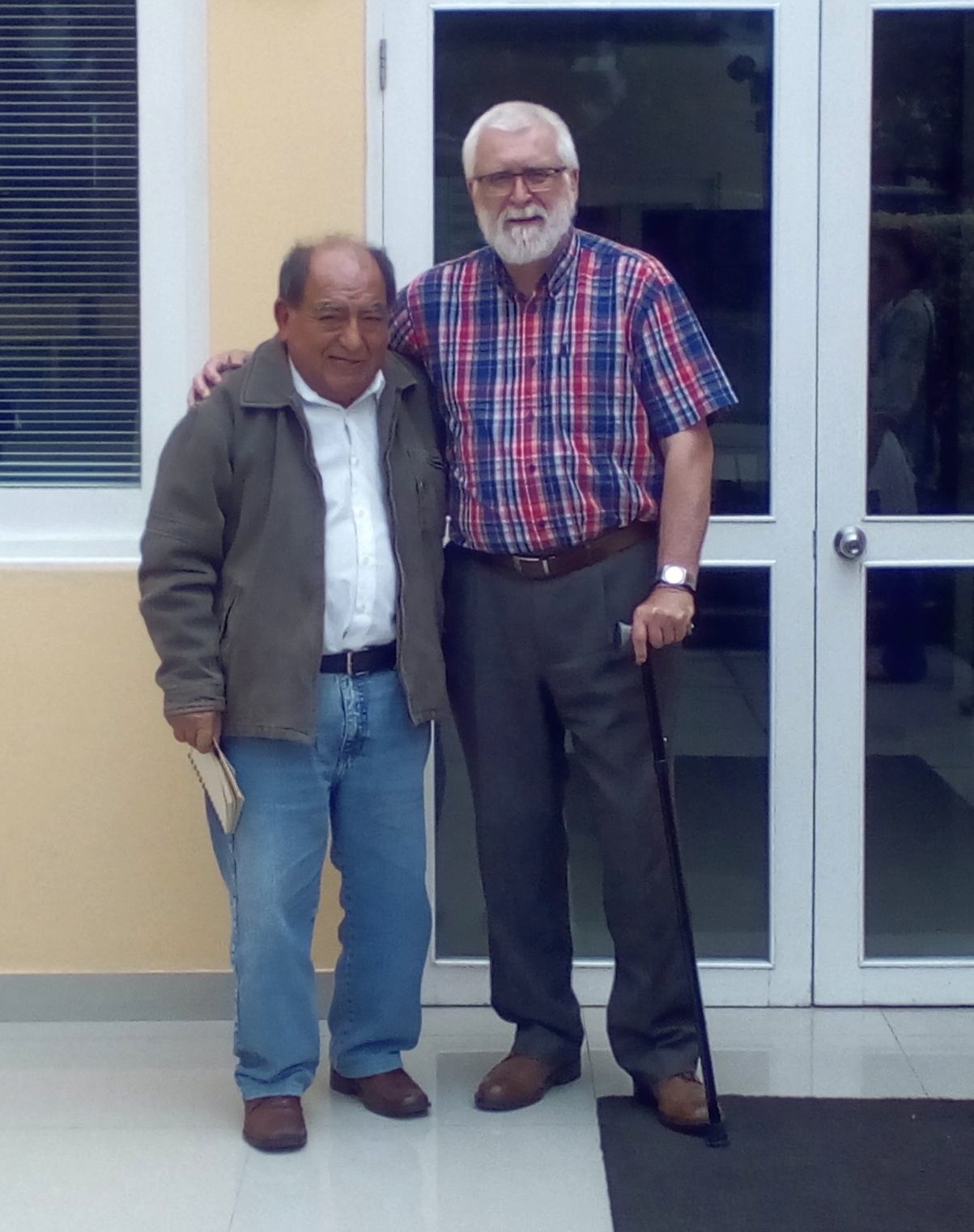


 Our accession to the EEC came a decade after the President of France, Charles de Gaulle famously failed to back the UK’s application to become a member stating that the British government lacks commitment to European integration. In November 1967, he vetoed the UK’s application a second time.

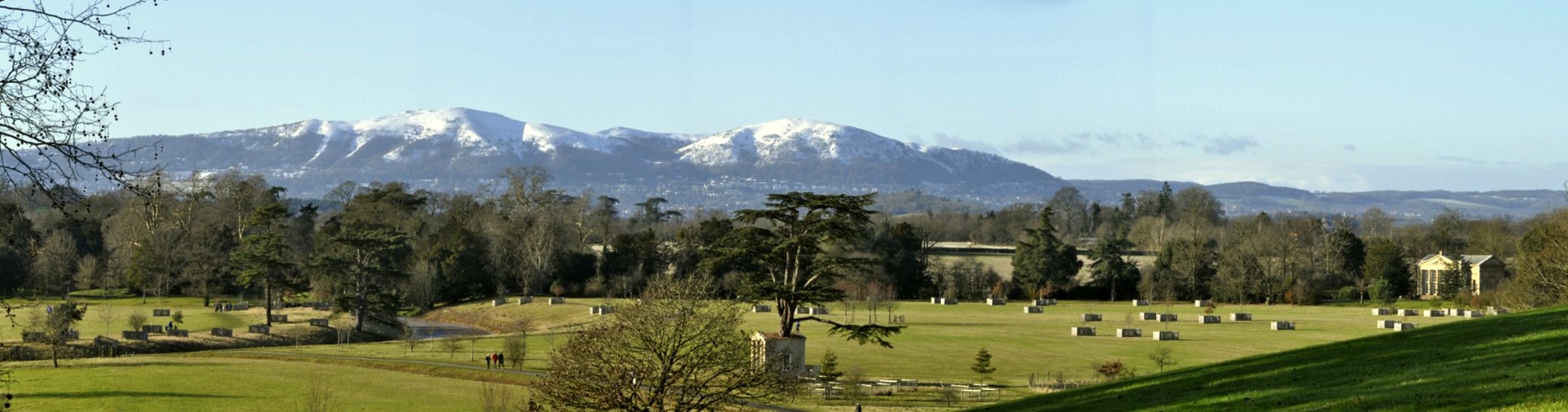
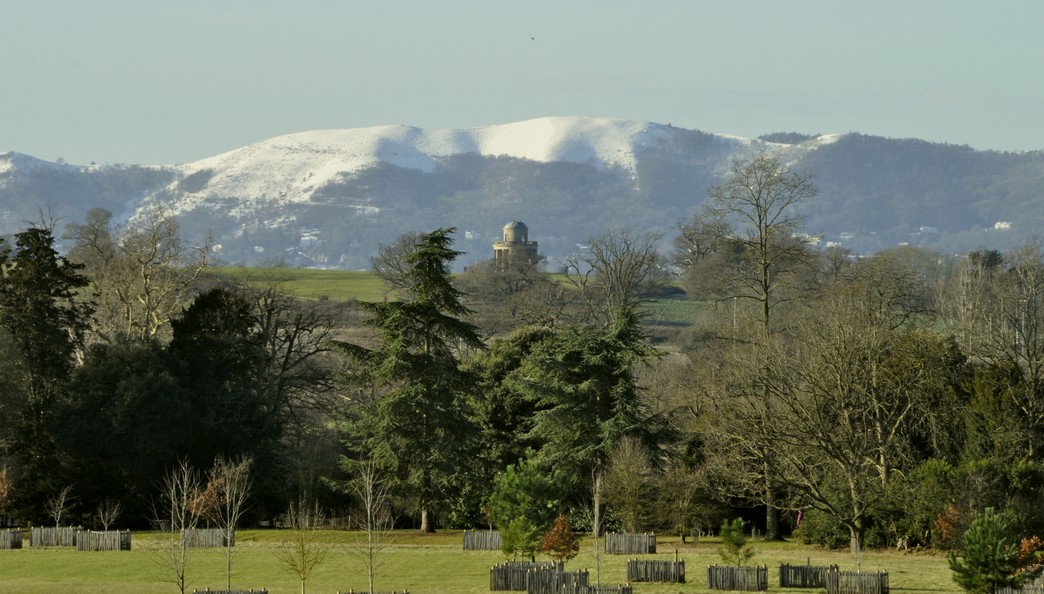


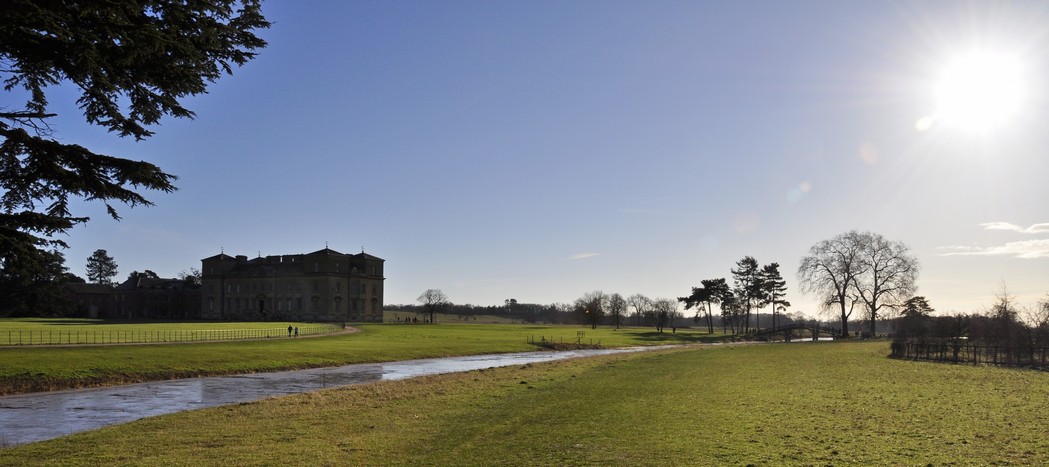


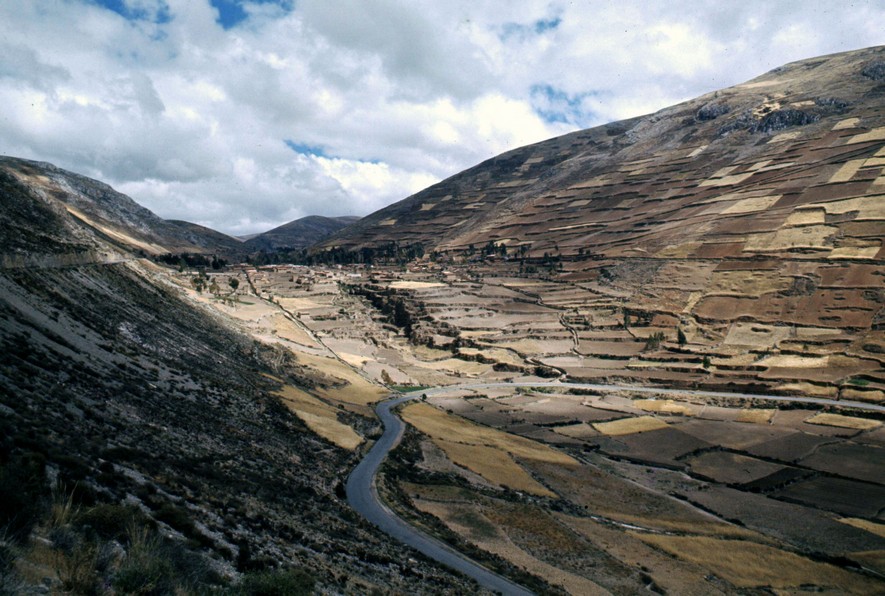
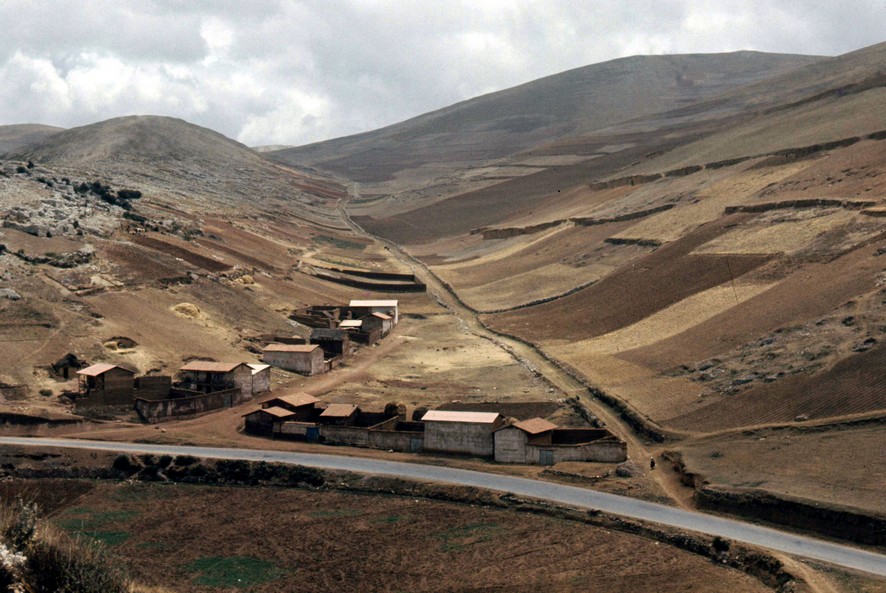
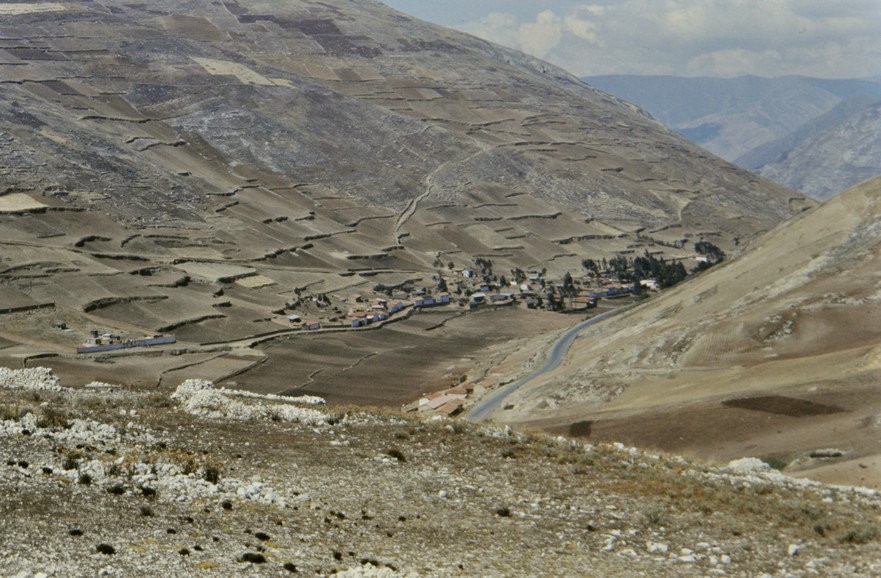


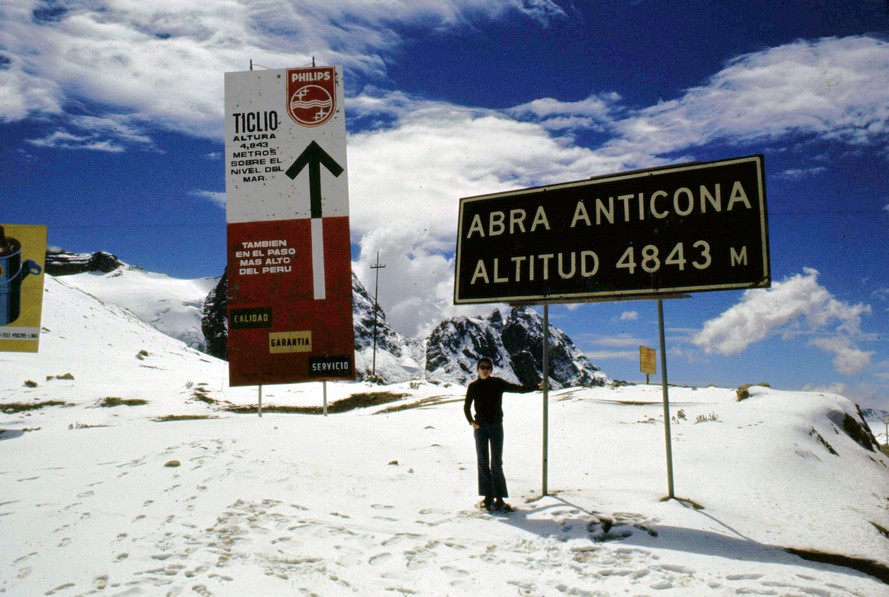


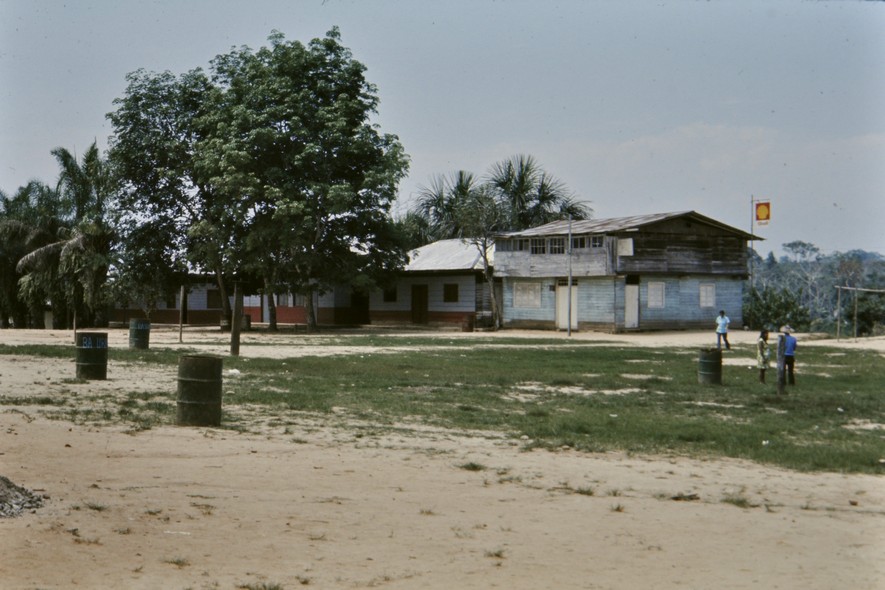
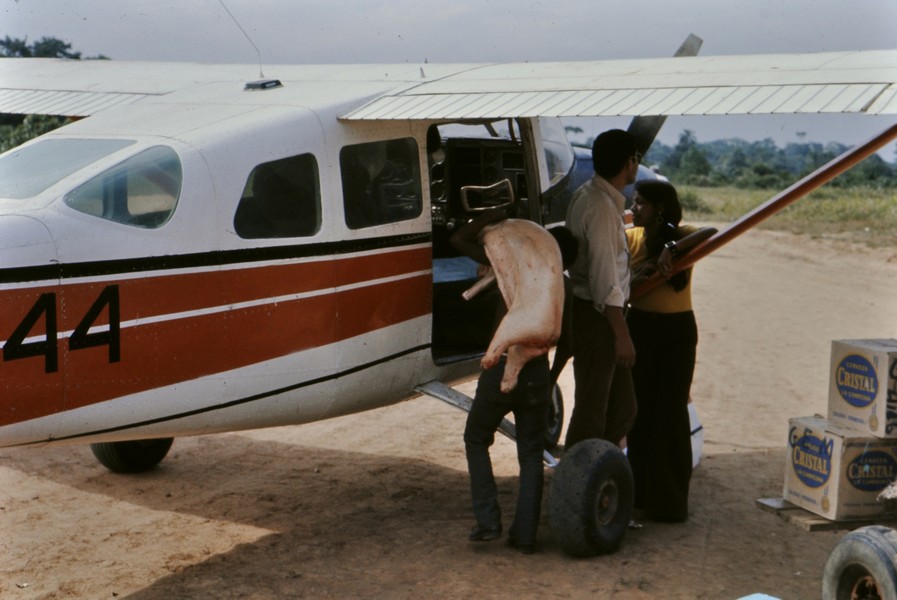
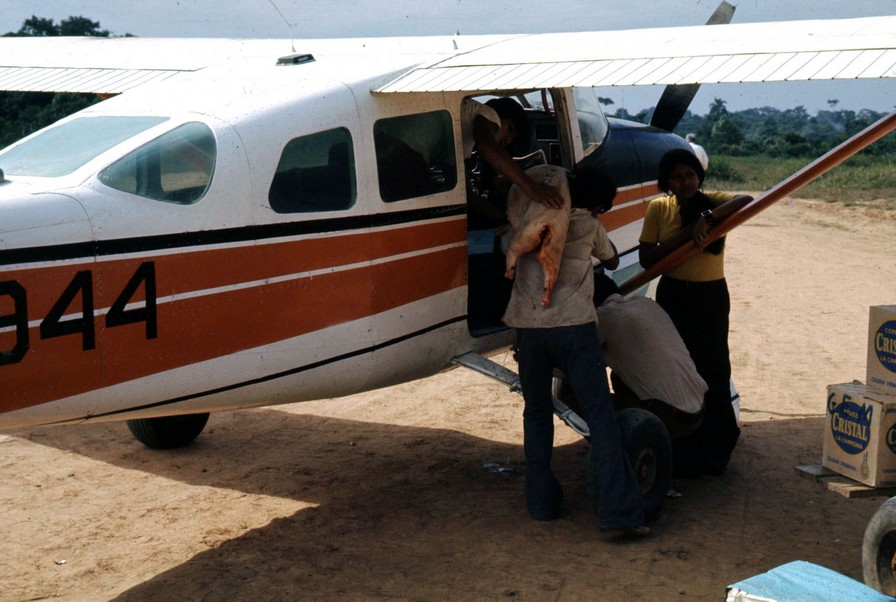
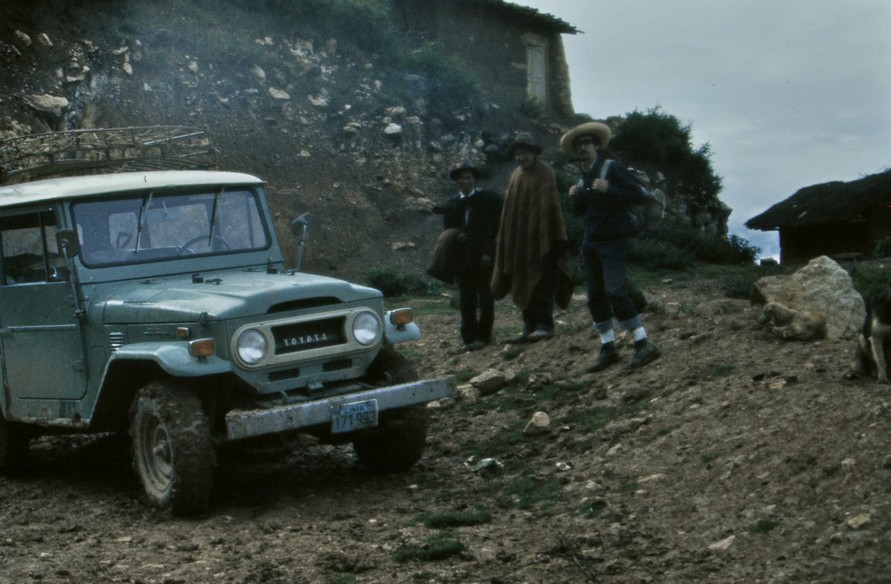
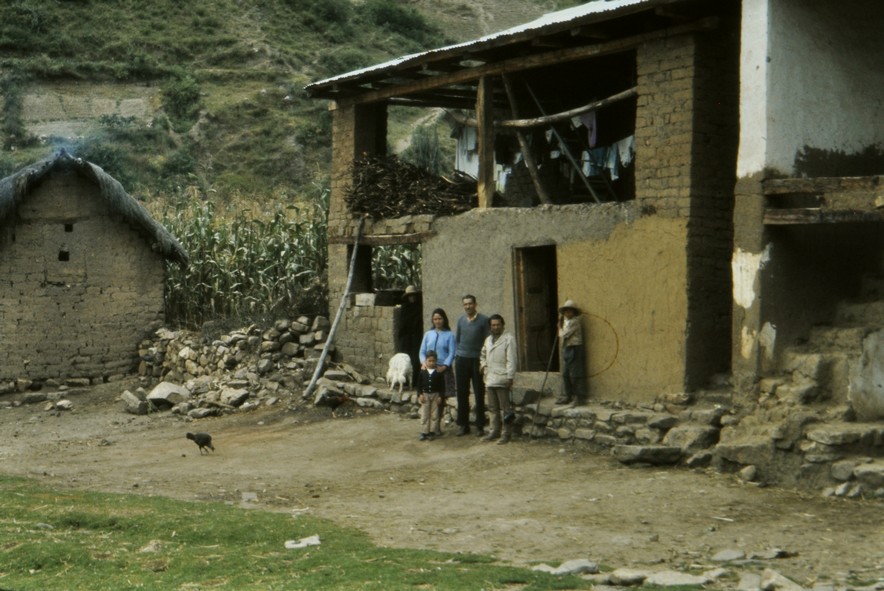
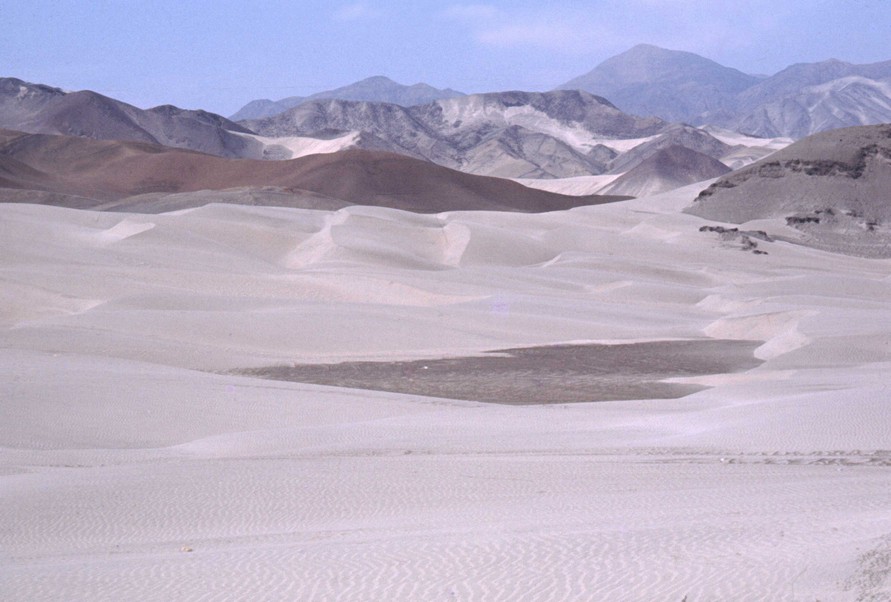
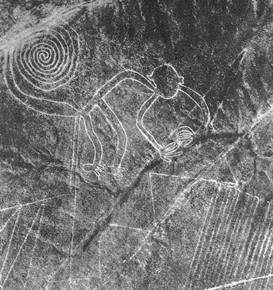


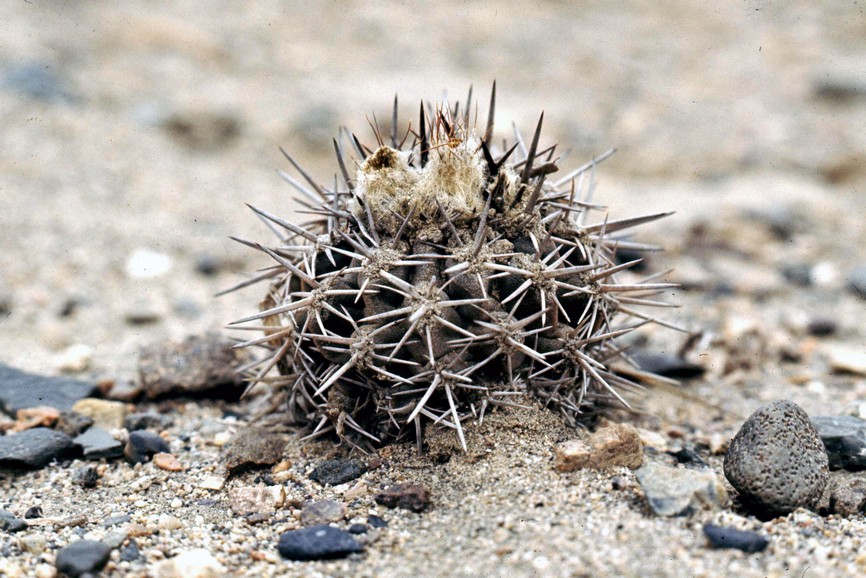


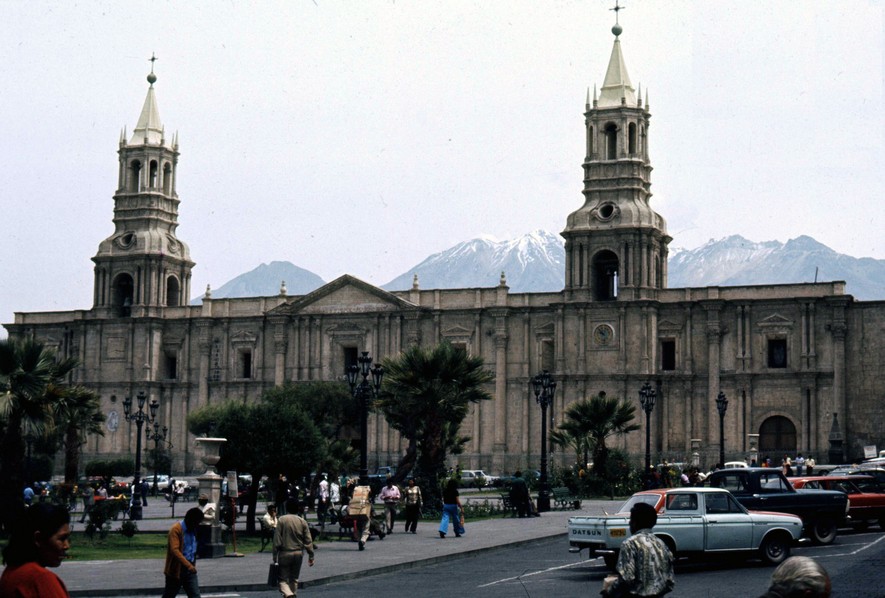


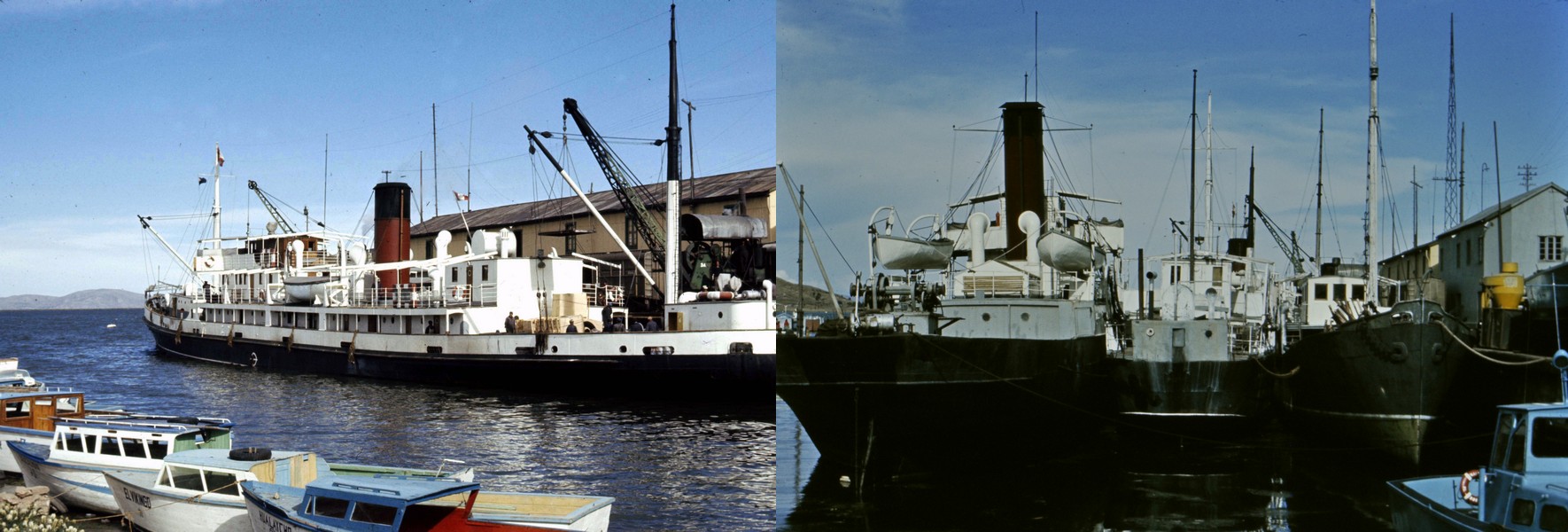


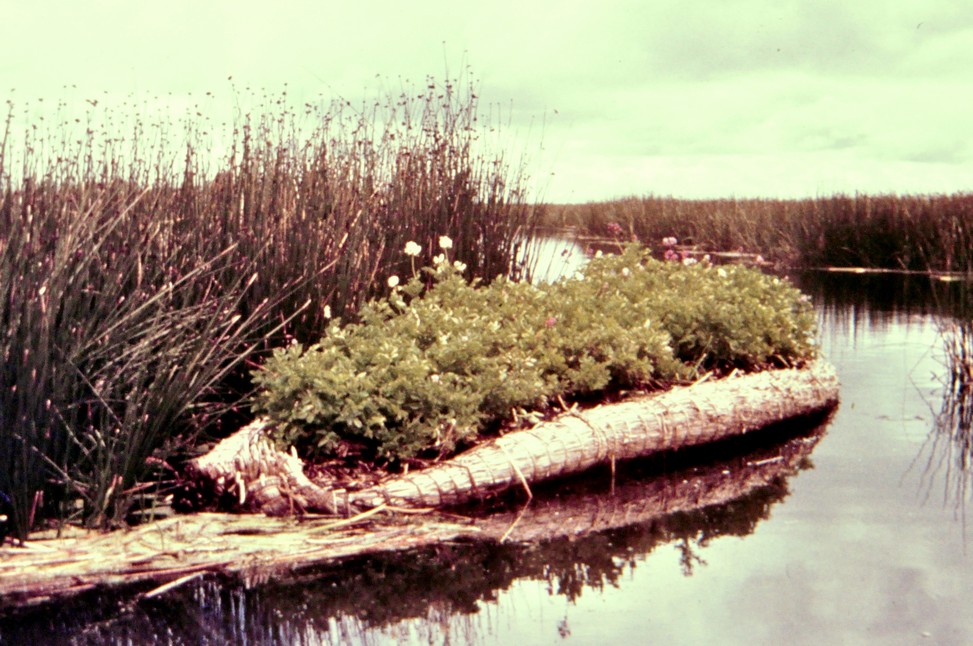


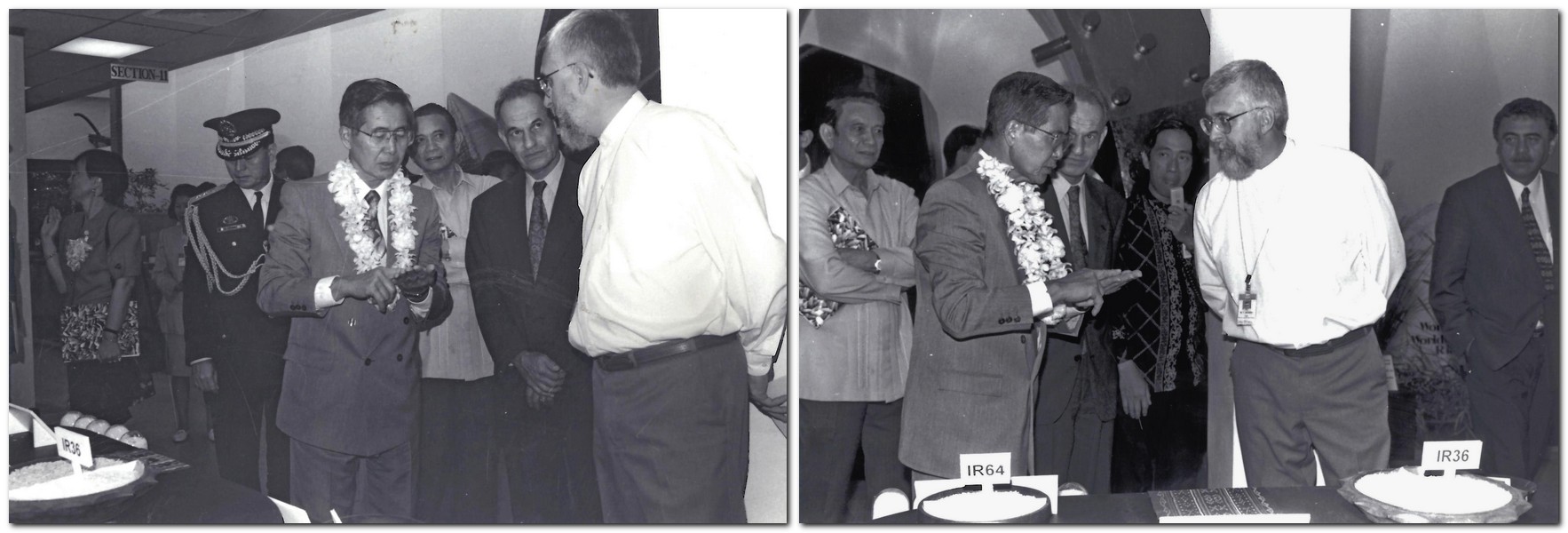
 One of the most important strategic decisions we took was to locate one staff member, Dr Seepana Appa Rao, in
  The leader of the Lao-IRRI Project was Australian agronomist, Dr John Schiller, who had spent about 30 years working in Thailand, Cambodia and Laos, and whose untimely death was announced just yesterday¹.
 Until Appa Rao moved to Laos, very little germplasm exploration had taken place anywhere in the country. It was a total germplasm unknown, but with excellent collaboration with national counterparts, particularly Dr Chay Bounphanousay (now a senior figure in Lao agriculture), the whole of the country was explored and more than 13,000 samples of cultivated rice collected from the different farming systems, such as upland rice and rainfed lowland rice. A local genebank was constructed by the project, and duplicate samples were sent to IRRI for long-term storage as part of the International Rice Genebank Collection in GRC. Duplicate samples of these rice varieties were also sent to the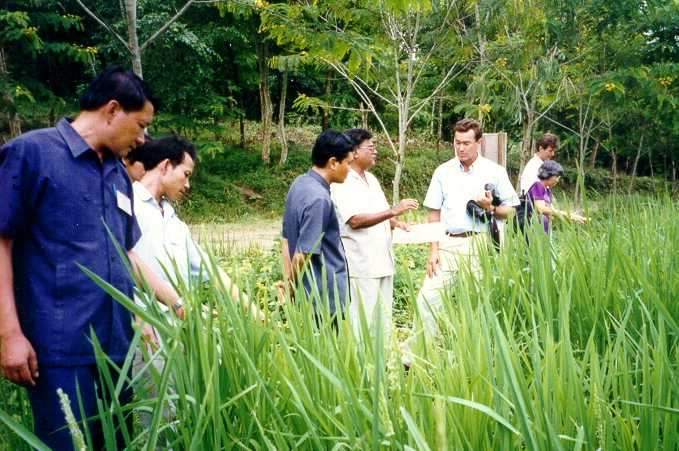
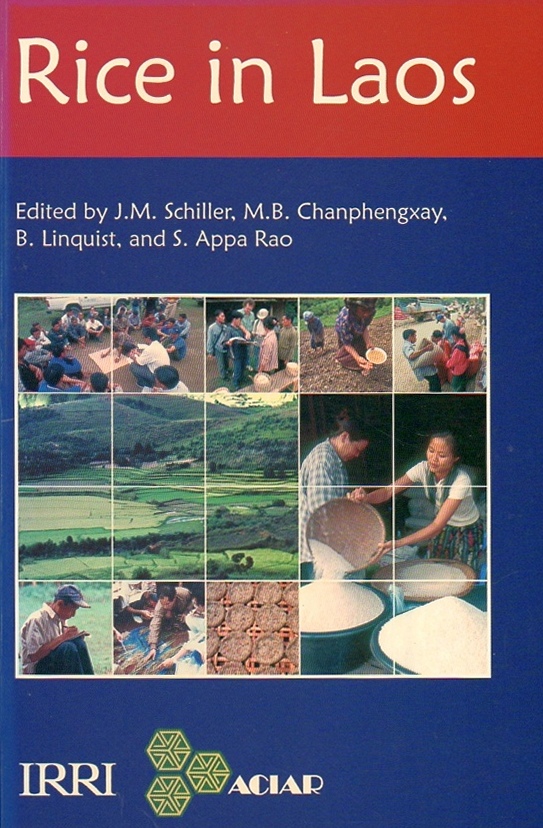
 I first met John in November 1991, a few months after I’d joined IRRI. He and I were part of a group of IRRI scientists attending a management training course, held at a beach resort bear Nasugbu on the west coast of Luzon, south of Manila. The accommodation was in two bedroom apartments, and John and I shared one of those, so I got to know him quite well.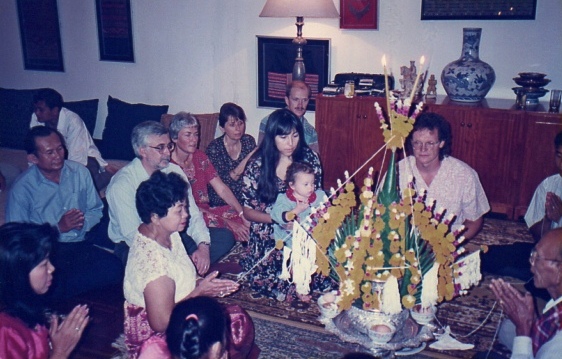
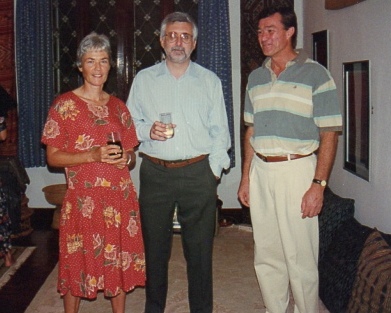
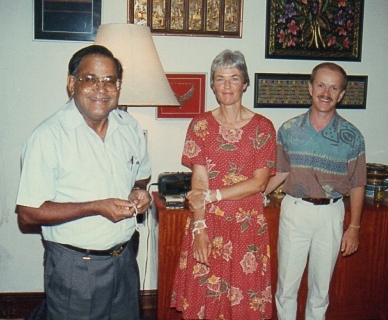
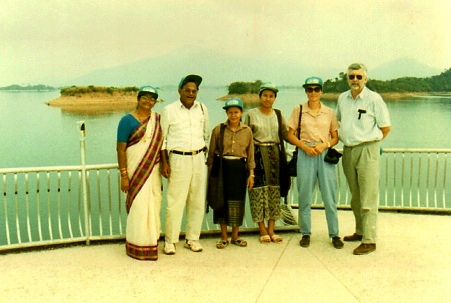
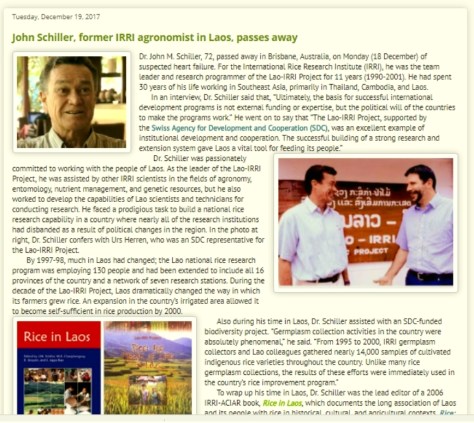
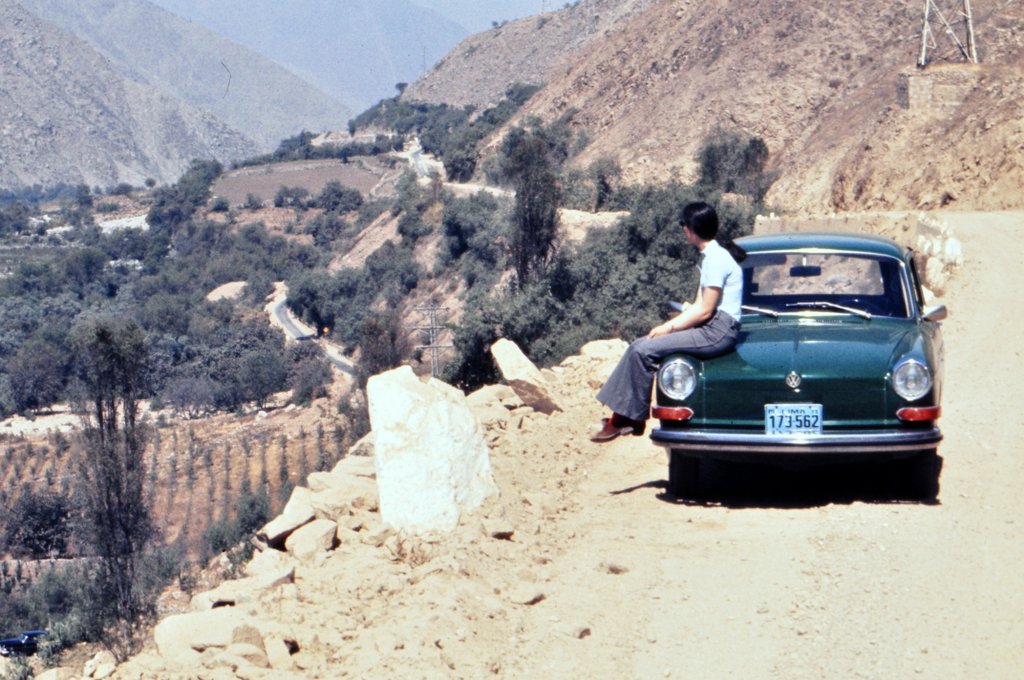
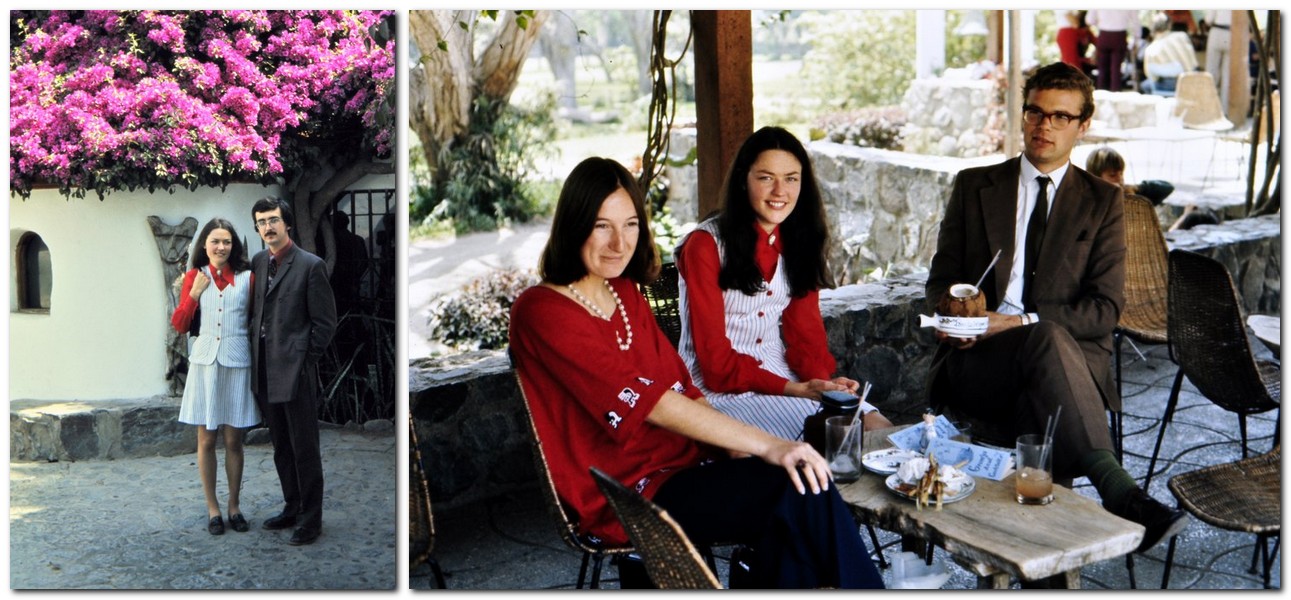
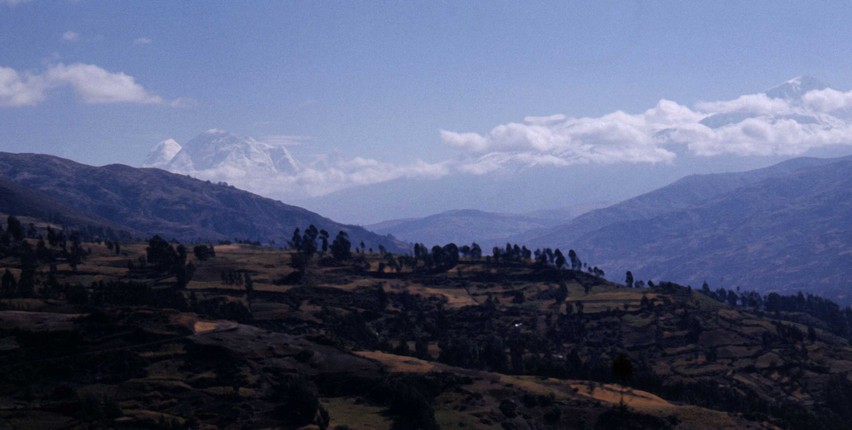


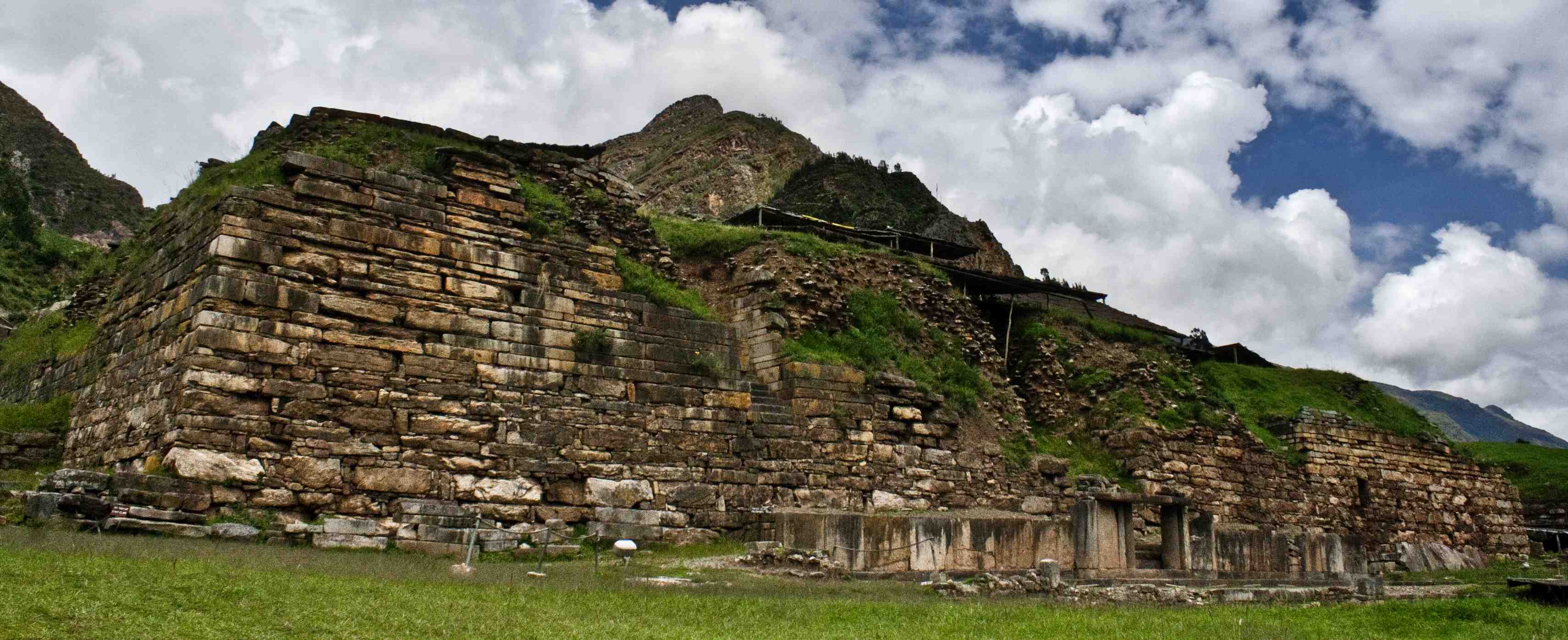
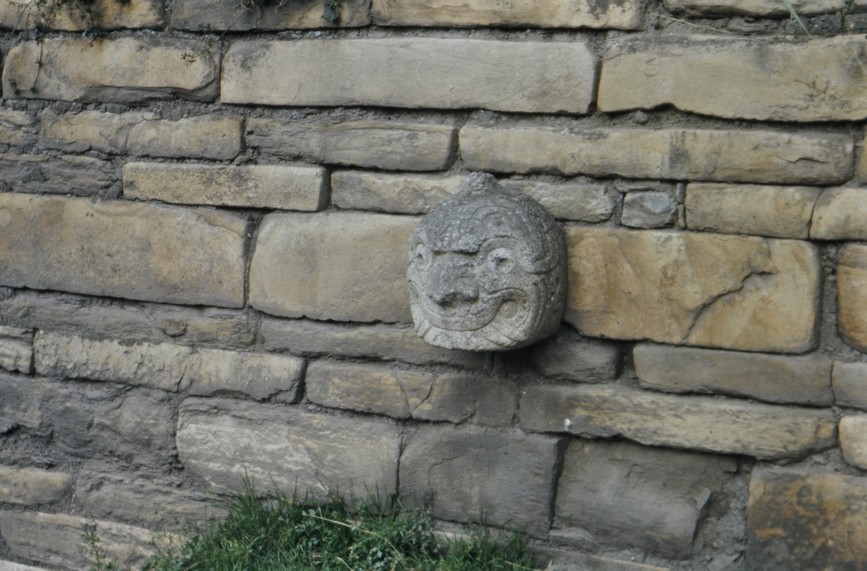


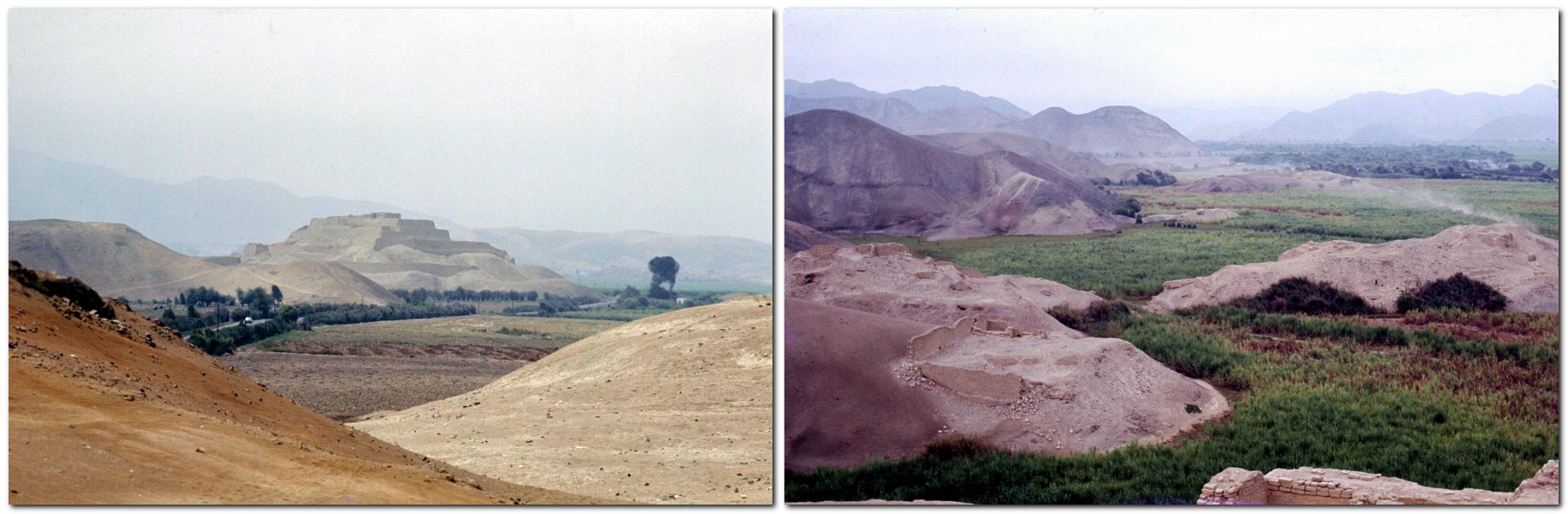


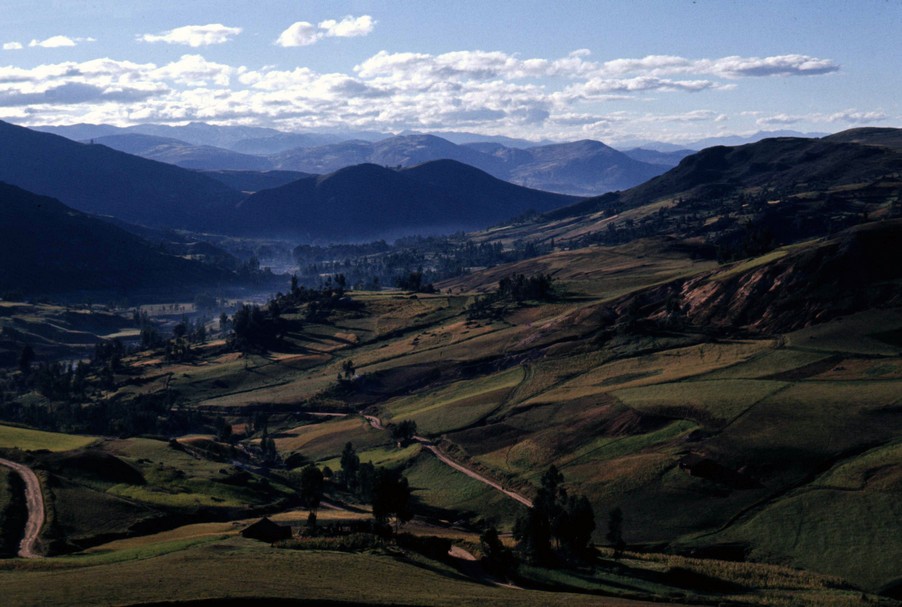
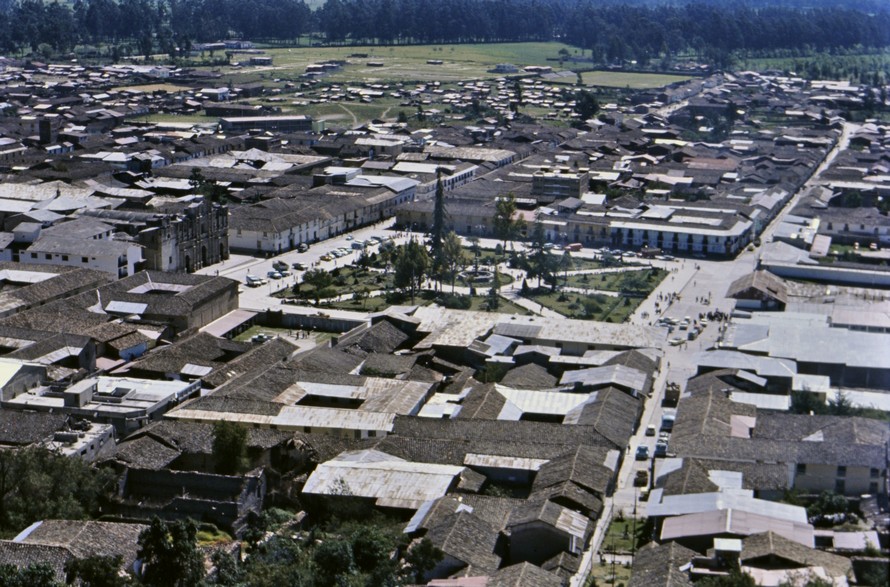


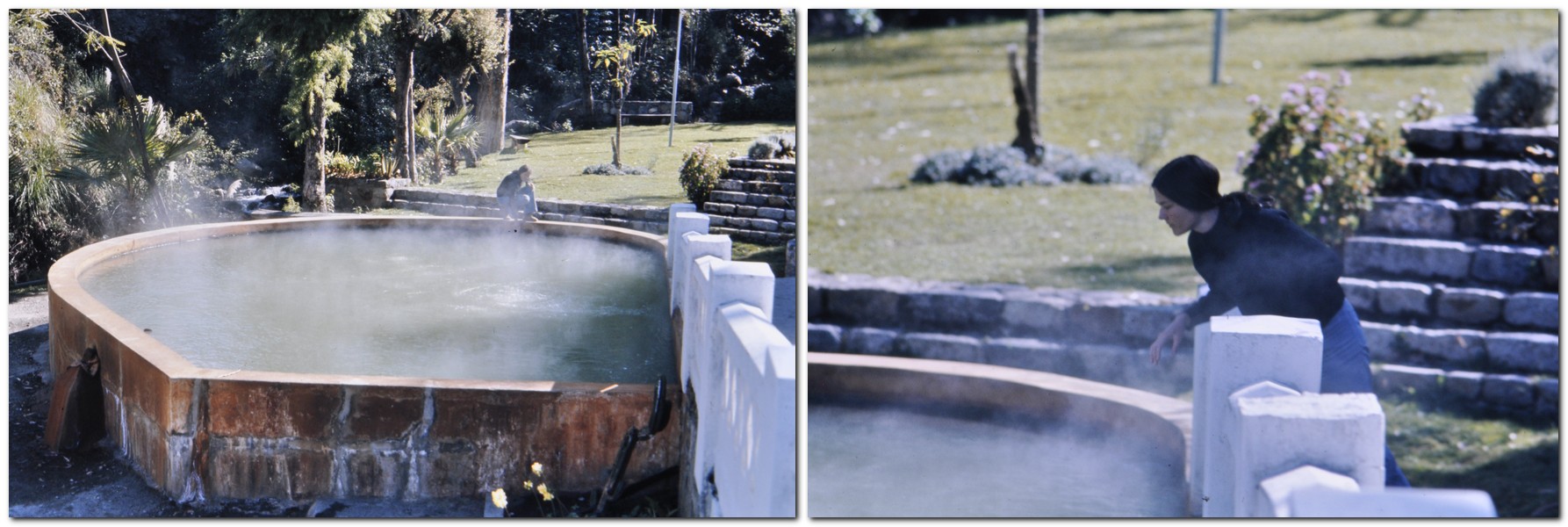
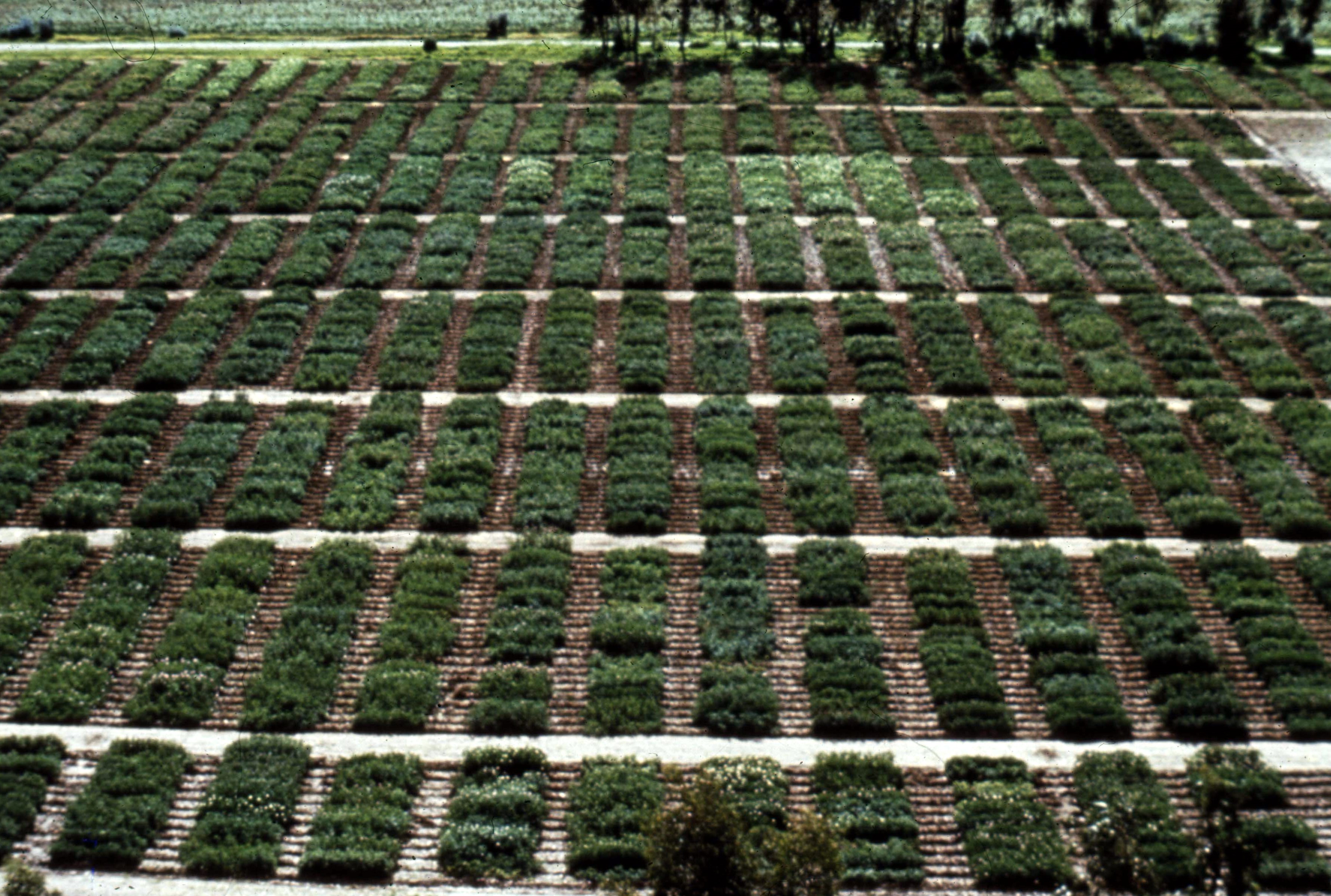
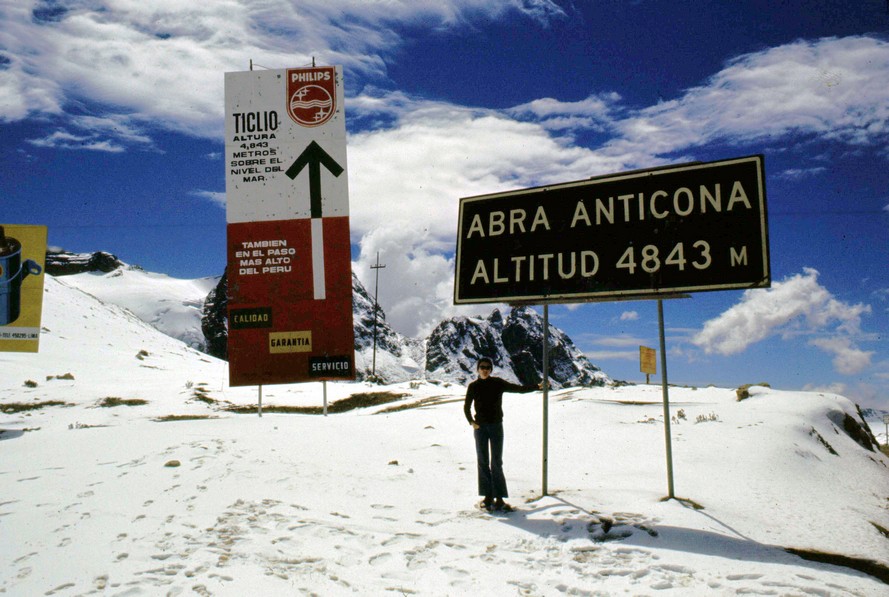
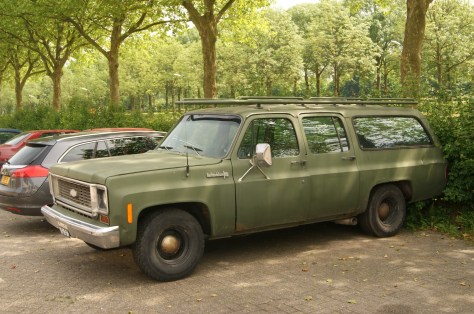


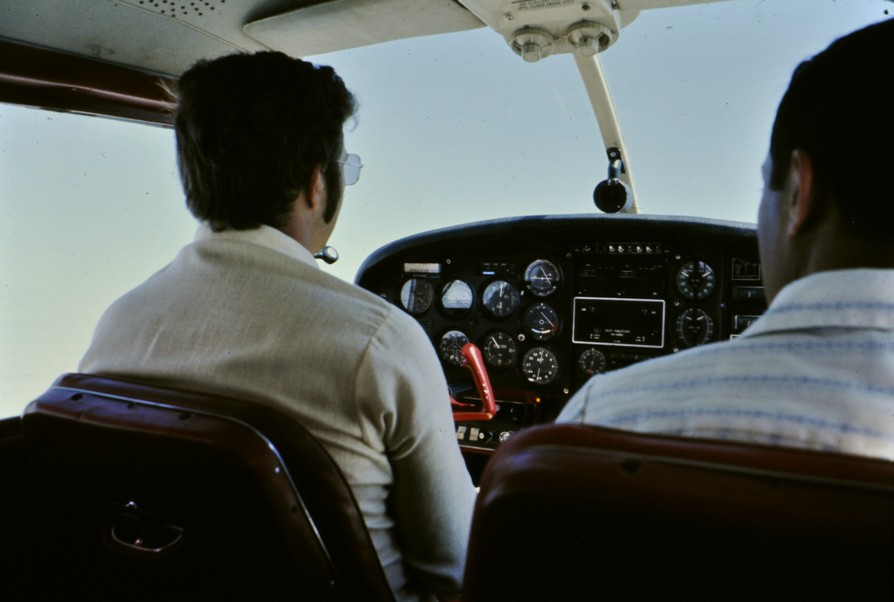


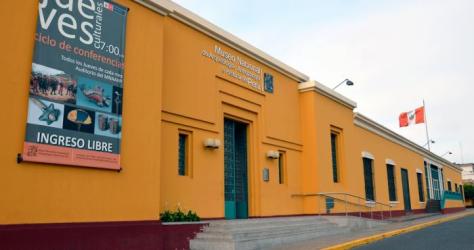
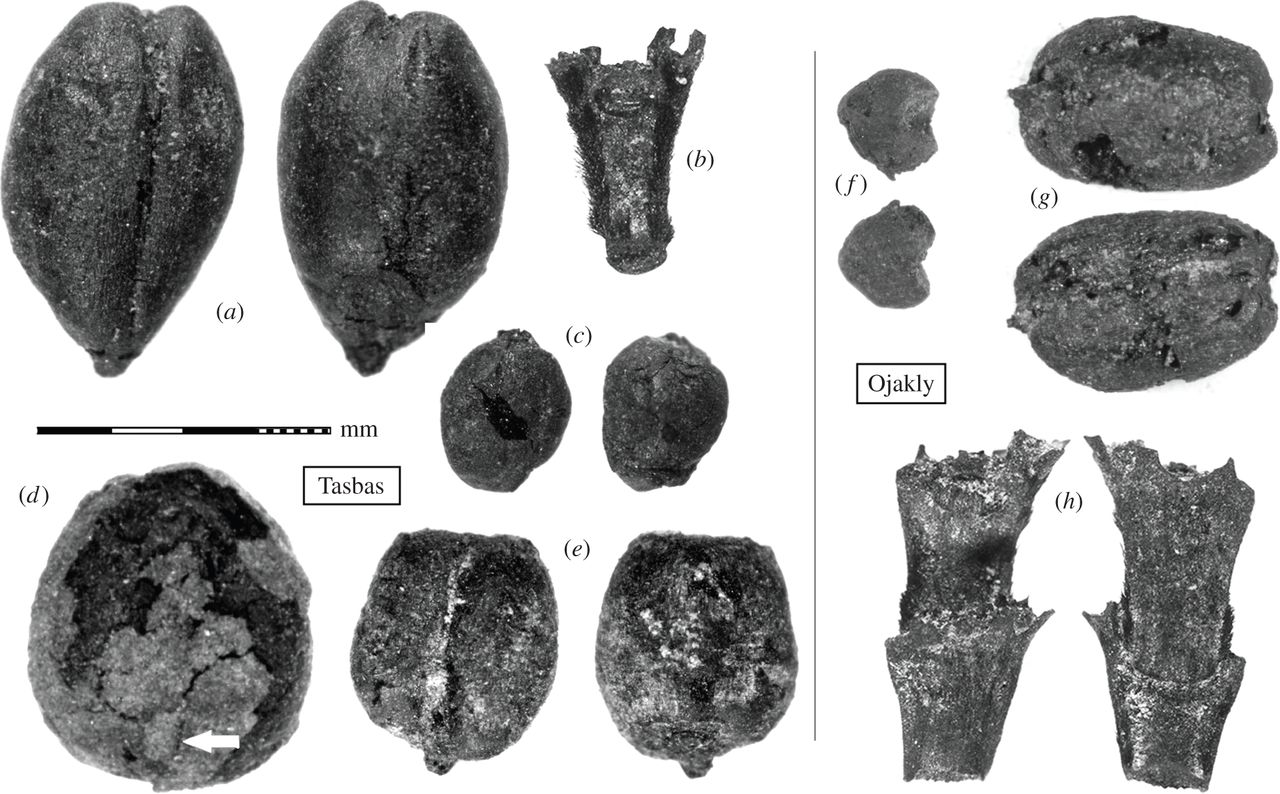
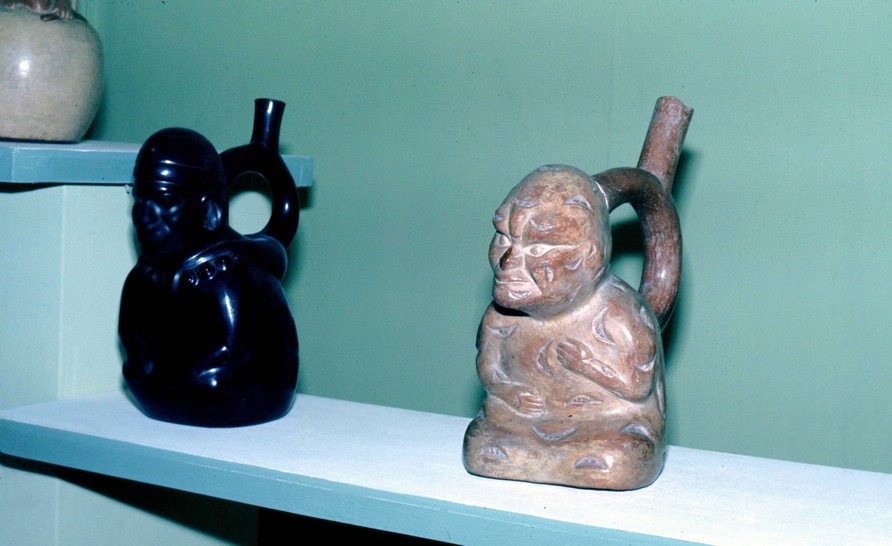
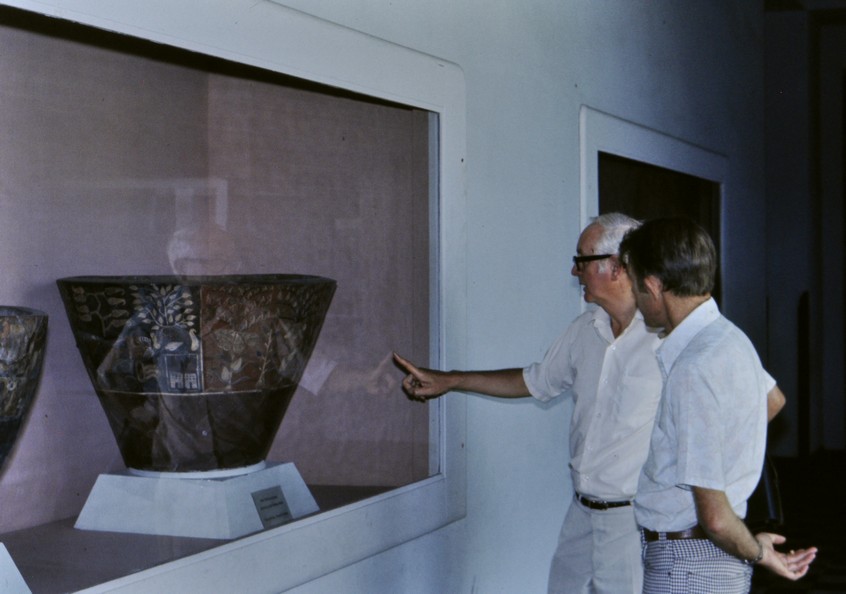
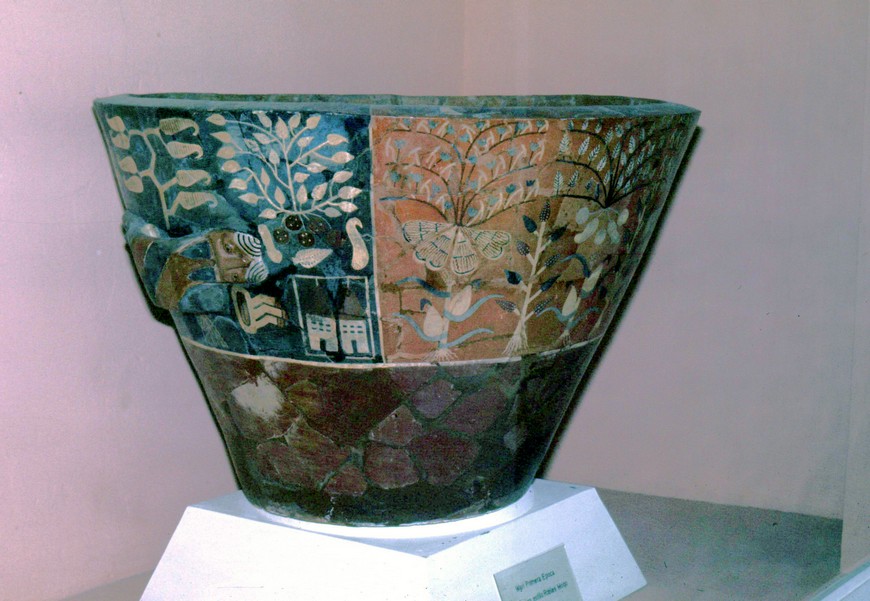
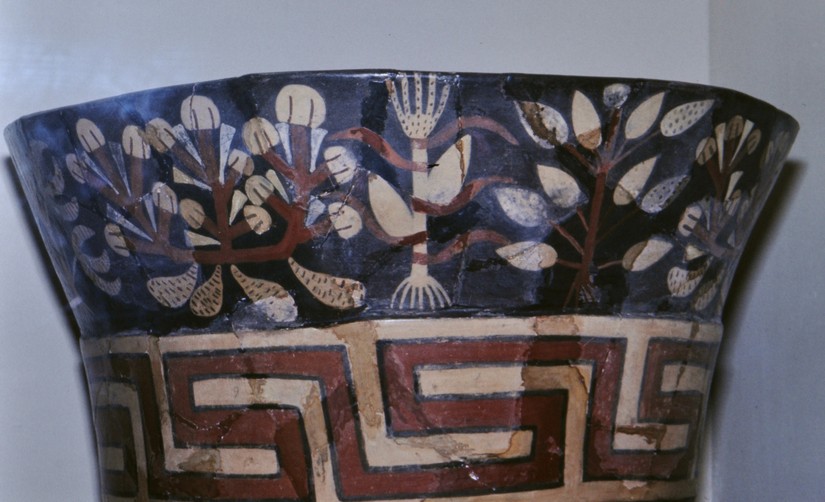


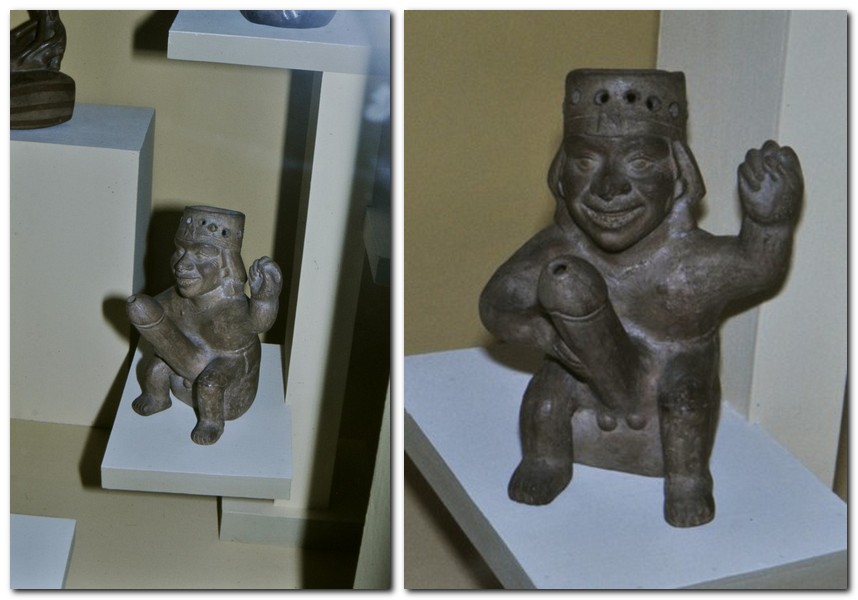
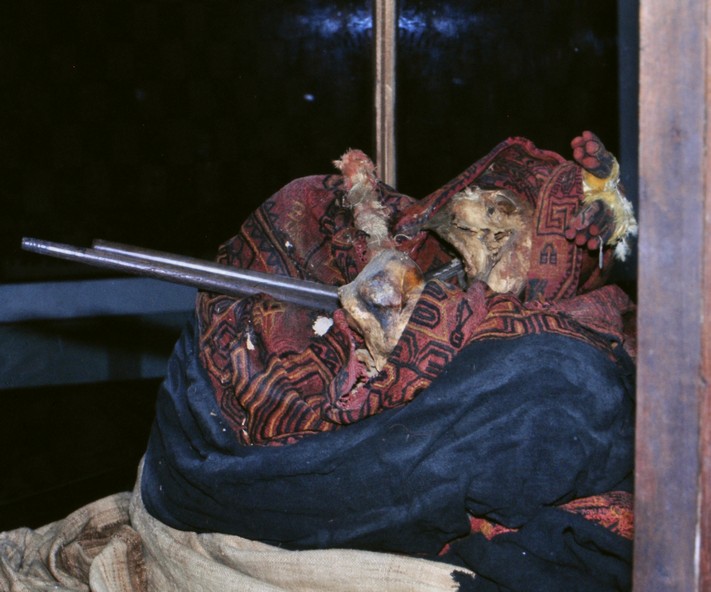


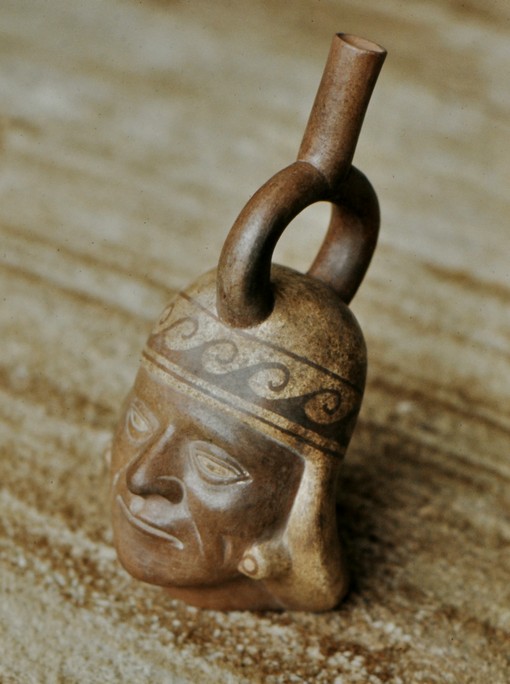
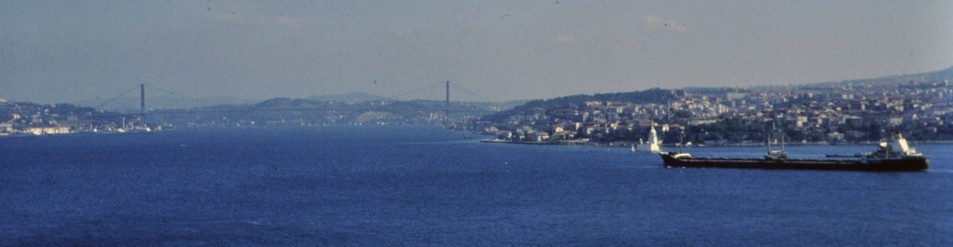
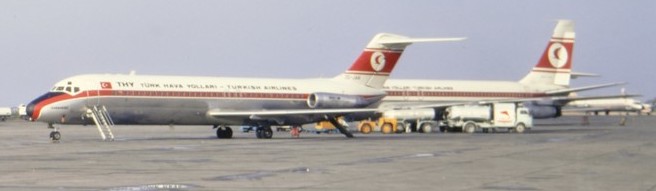
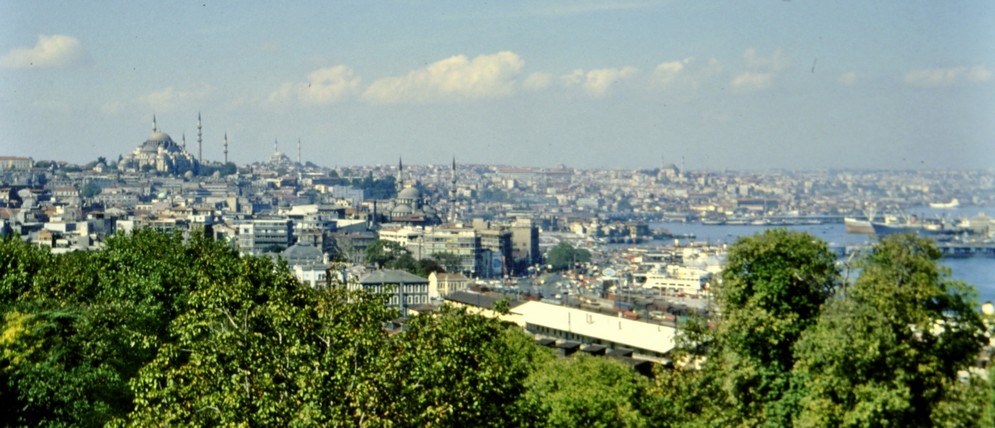
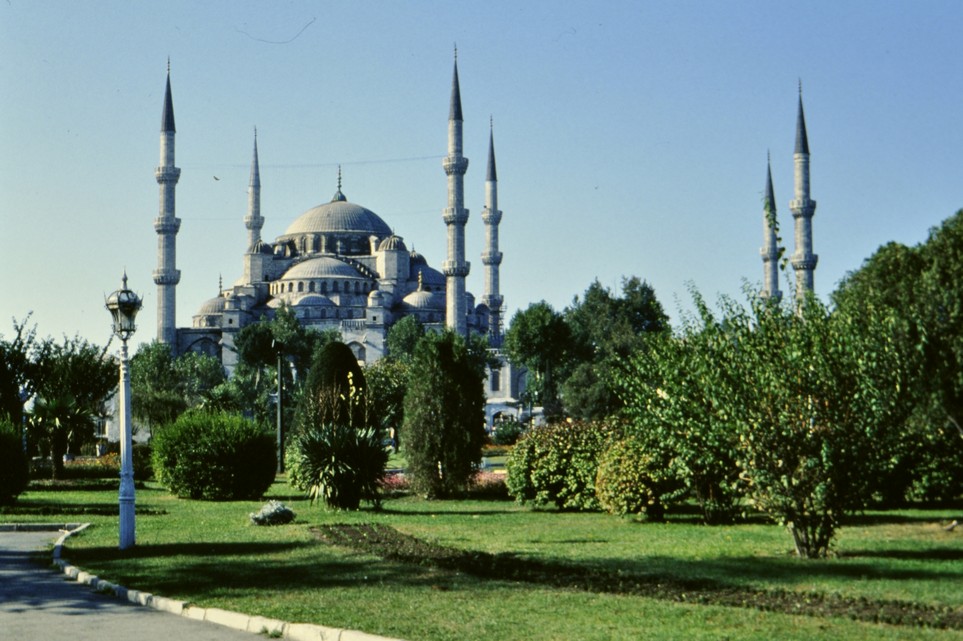


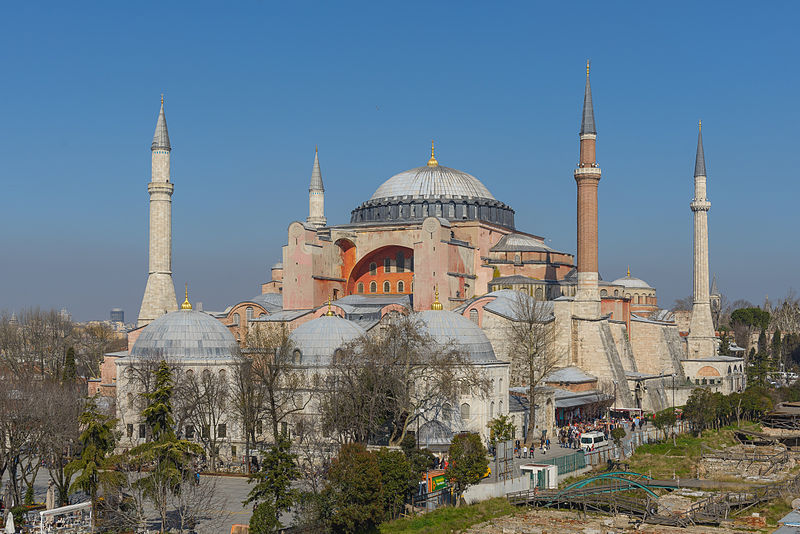
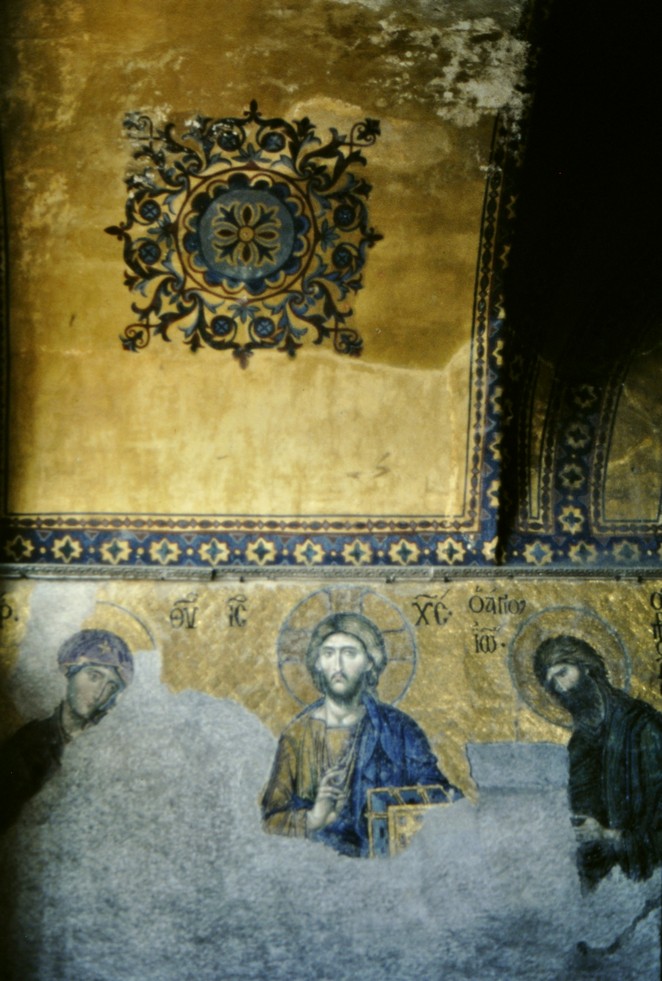


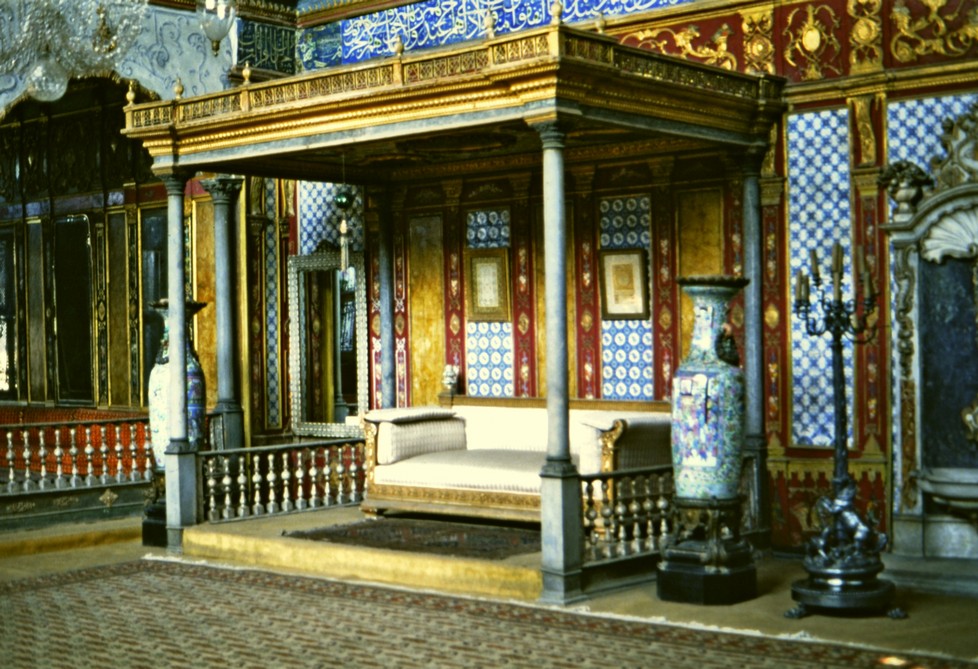


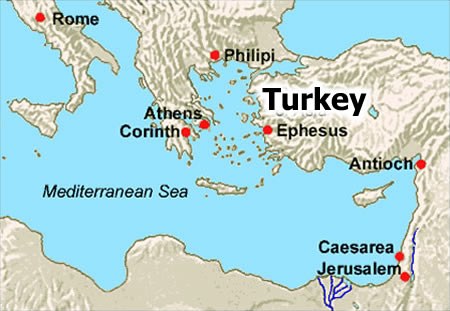
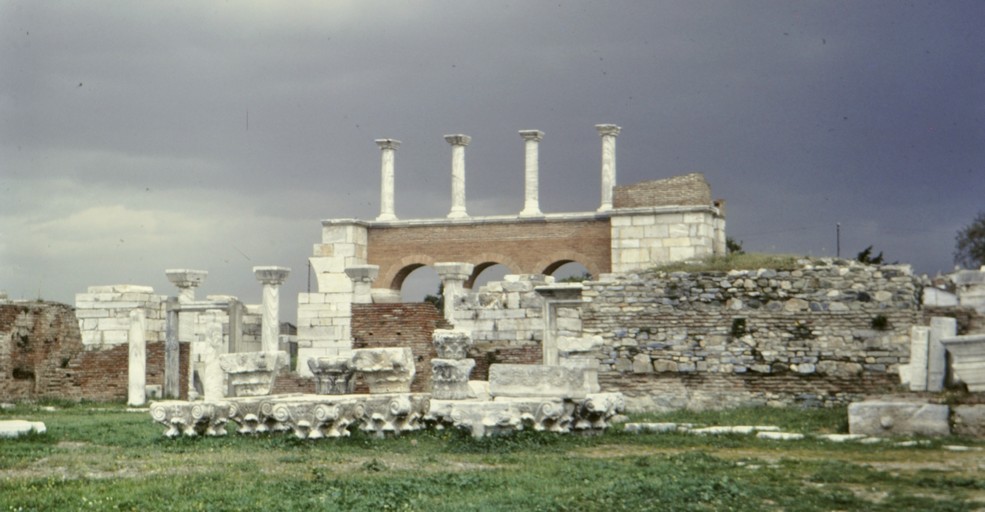
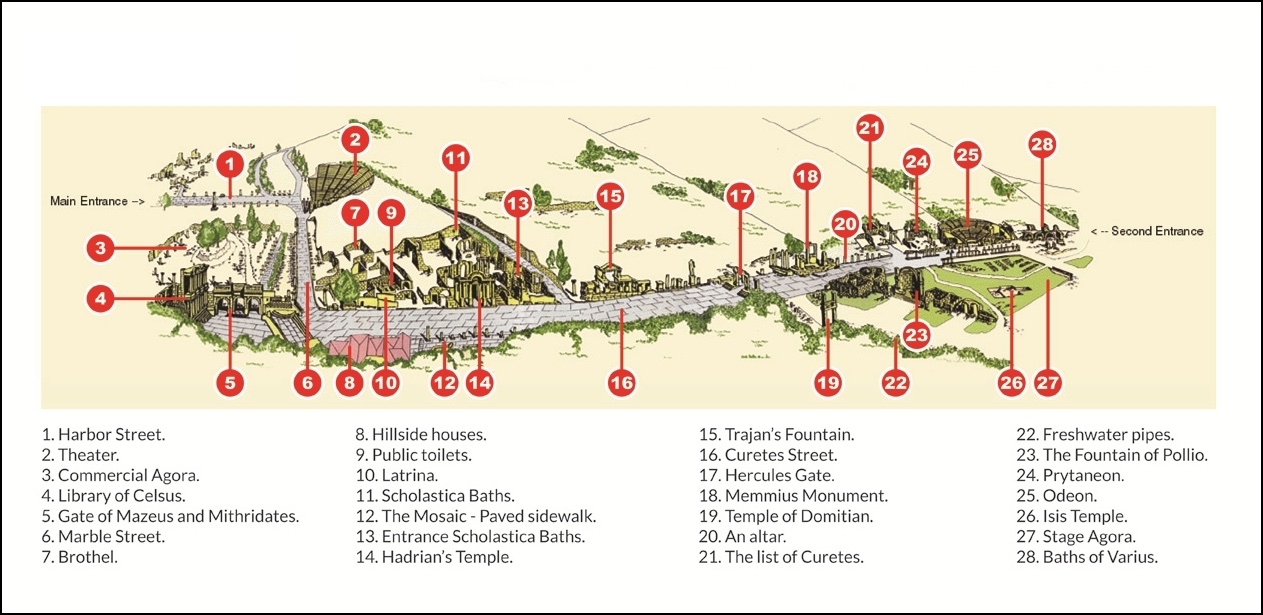
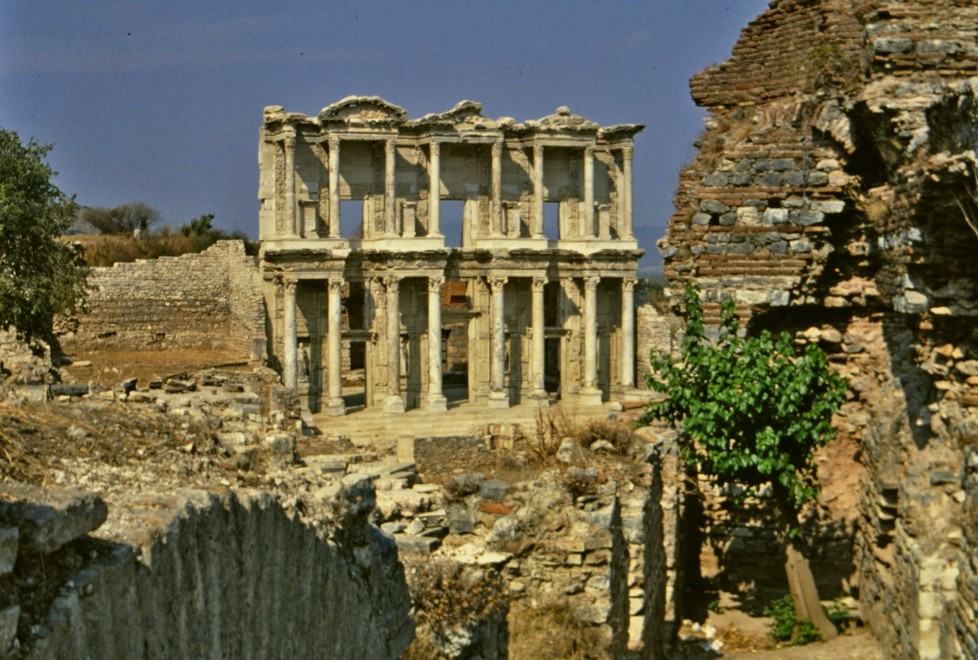
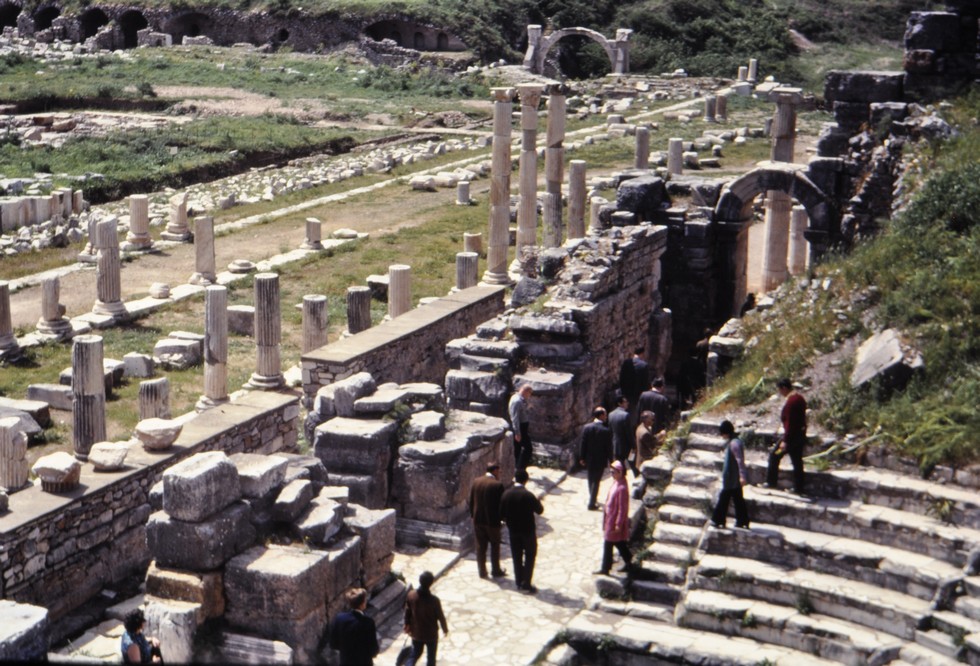
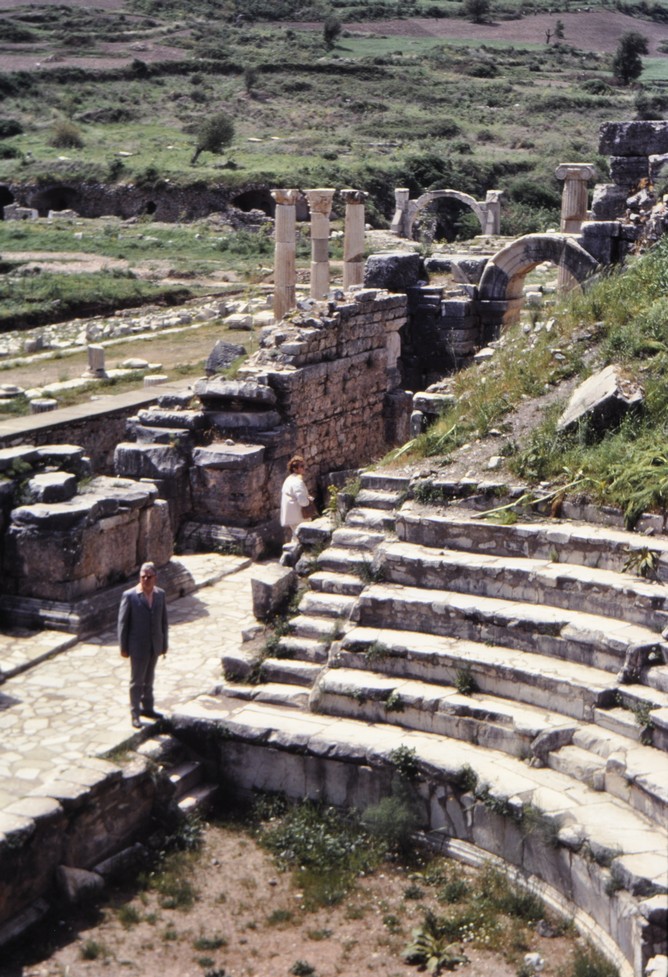


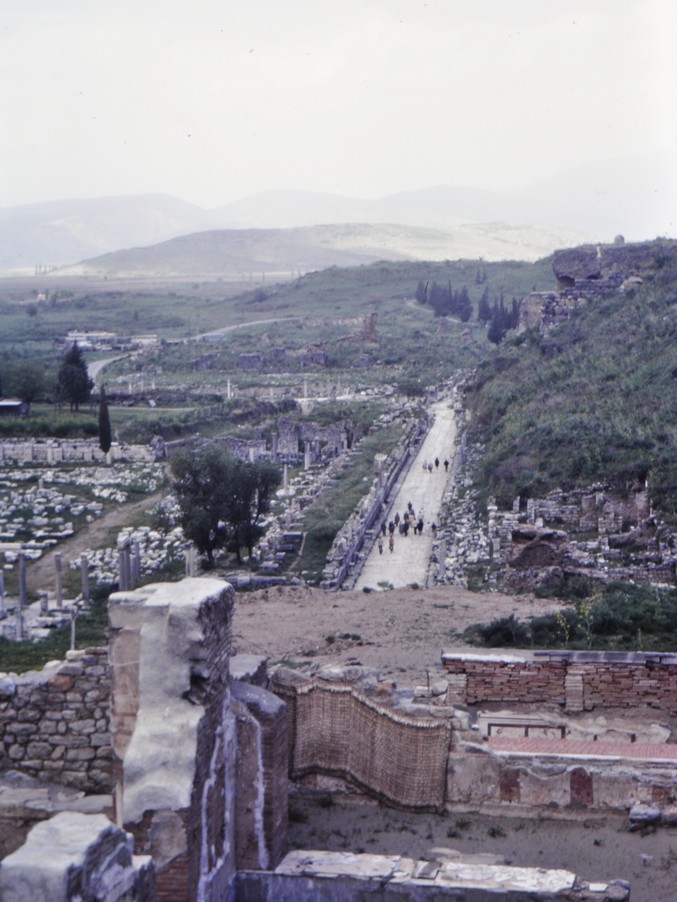
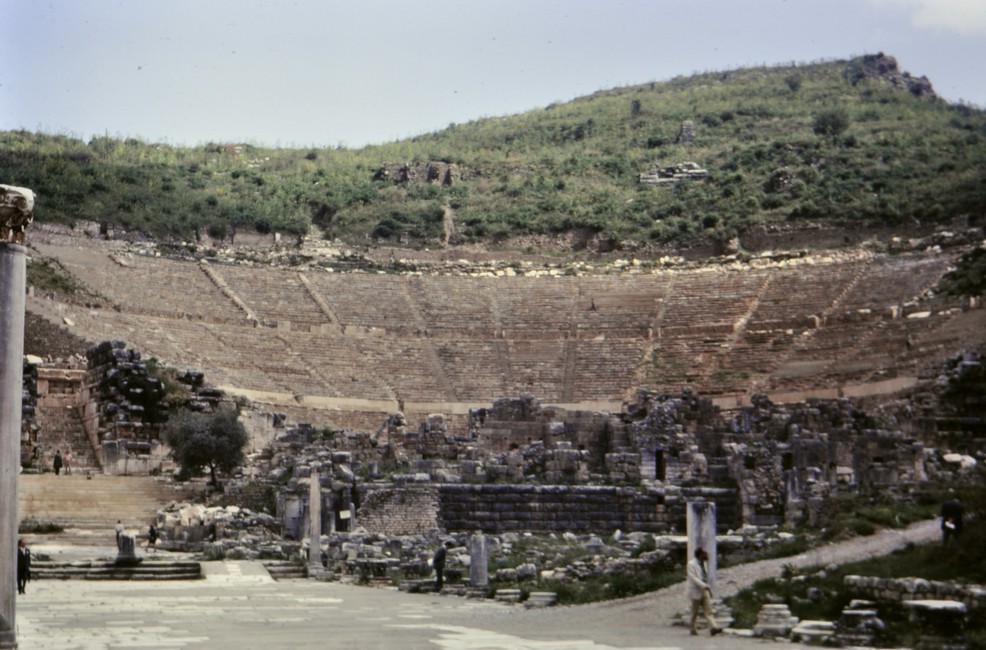
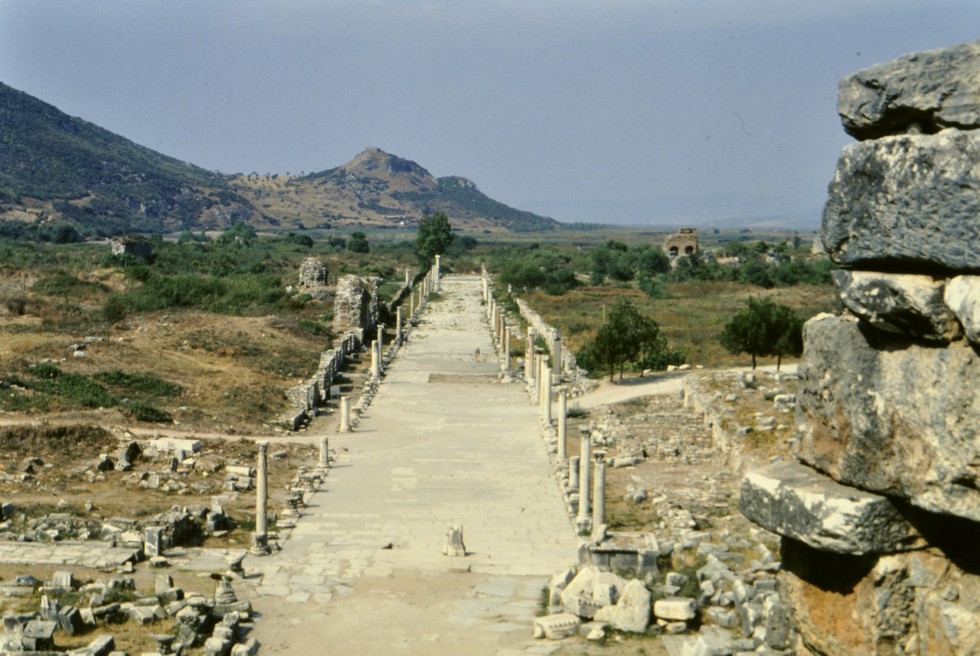
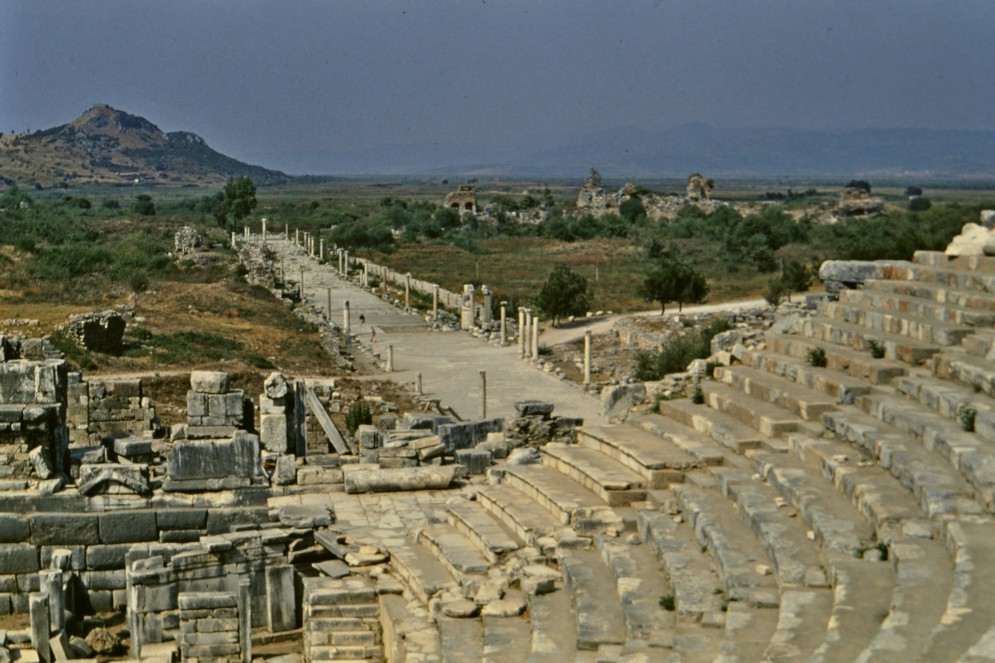


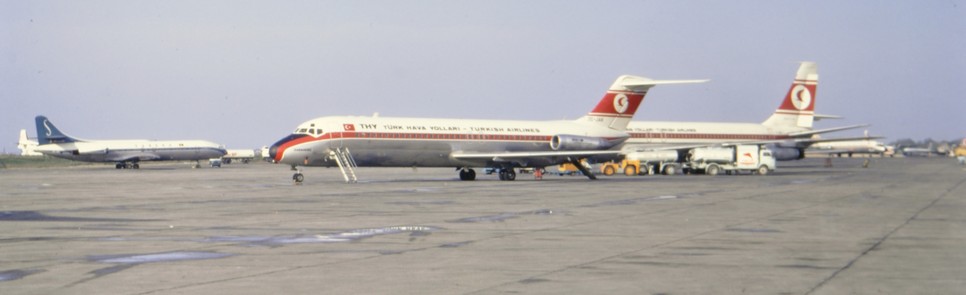
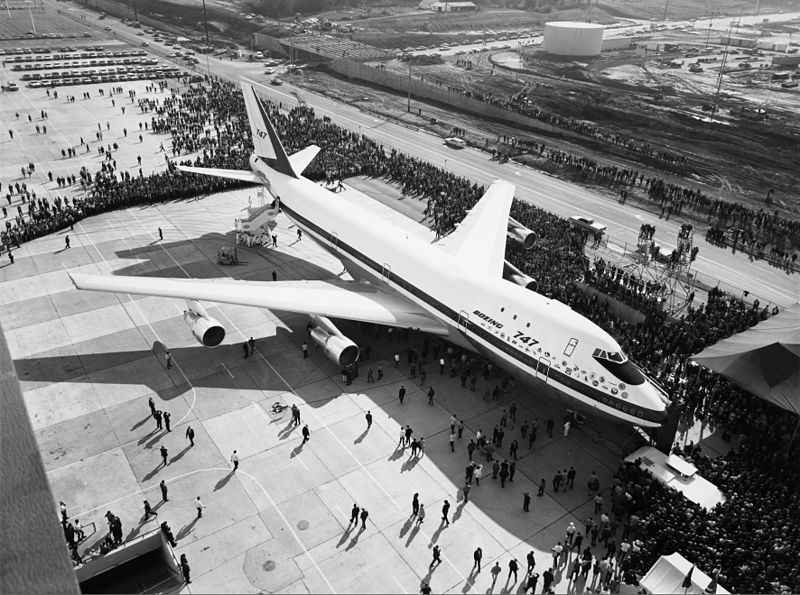
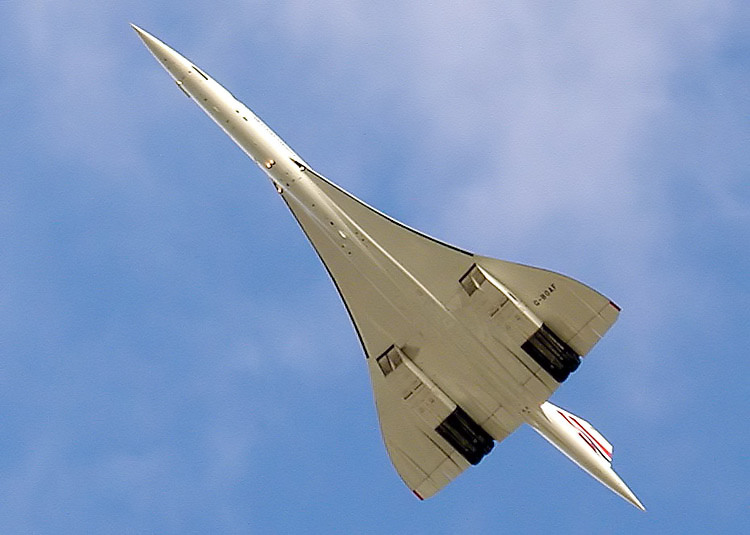
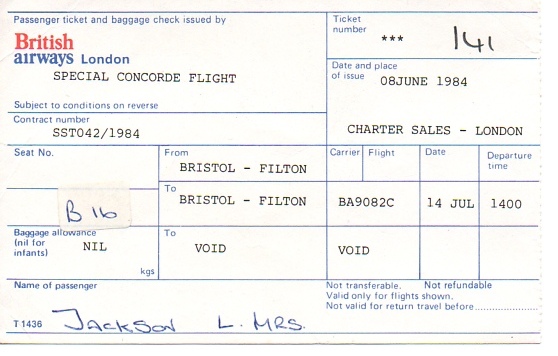
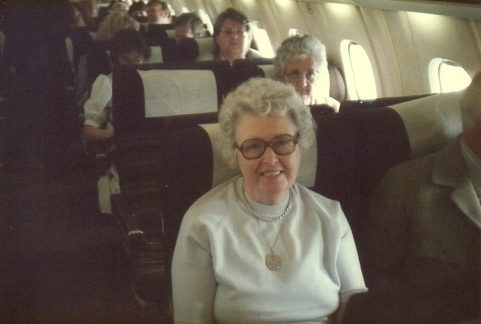


 A balanced diet . . .