
Like Topsy, my blog just growed

A few days ago I came across this post by Donna Halper (media historian, author, professor, public speaker, former rock & roll deejay best known for having discovered the rock band Rush) in which she described how and why she began blogging ten years ago. Just click on the red box (and others) below.
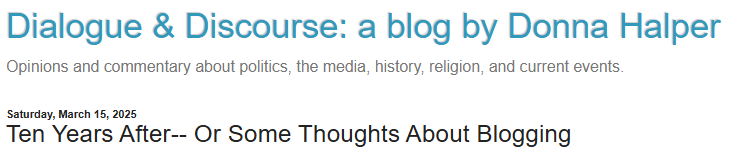
It was a credit option for a course she was taking at New York University at the time, and she hasn’t stopped since.

That got me thinking about why I started this blog, A Balanced Diet, way back in February 2012, with a short story of just 131 words about a visit my wife Steph and I made to a canal pumping station in Wiltshire.

If you’d asked me then if I would still be writing 13 years later, I probably would have dismissed such an idea as preposterous. I write for myself, but it’s always a pleasure if others appreciate what I publish.

I have kept the overall format of the blog the same, although I have tweaked some aspects, like how I include links and other media items, for example.

Having retired in April 2010 (after a successful career in international agricultural research in South and Central America and the Philippines as well as a decade in academia in the UK), I wanted to record my memories of growing up, studying at university and, of course, those interesting and challenging years working overseas. And what we’ve been up to in the years since.


It was my daughters Hannah and Philippa who suggested I start a blog. So with their encouragement I began putting ‘pen to paper’, so to speak, with that first short attempt.

And here I am, still writing on a regular basis, although I have slowed down somewhat from my early blog years. I write about whatever takes my fancy. That’s one of the joys for me of this blog.

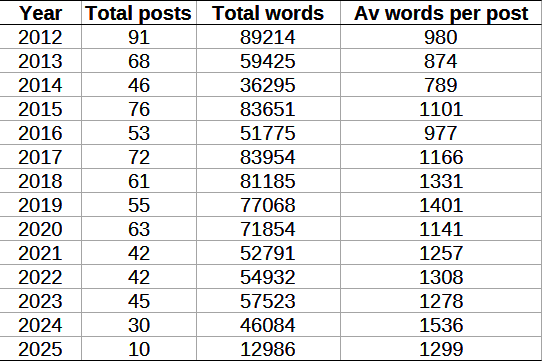
This post is number 755. I can’t quite believe it. That’s an average of just under five posts per month, a total of around 859,000 words, and an average of 1100 words per post! There are more than 18,000 media items (photos, videos, and maps). Most of the photos are mine.
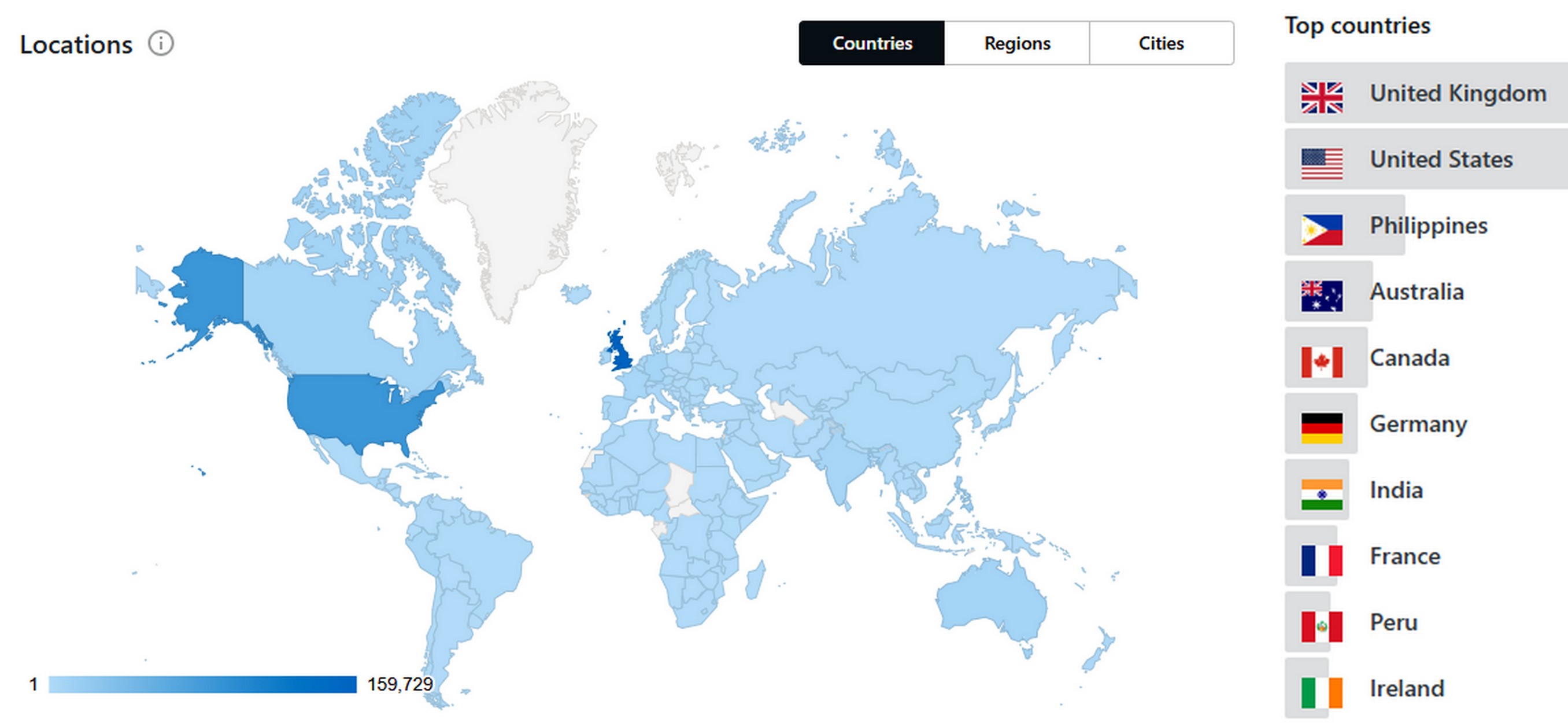
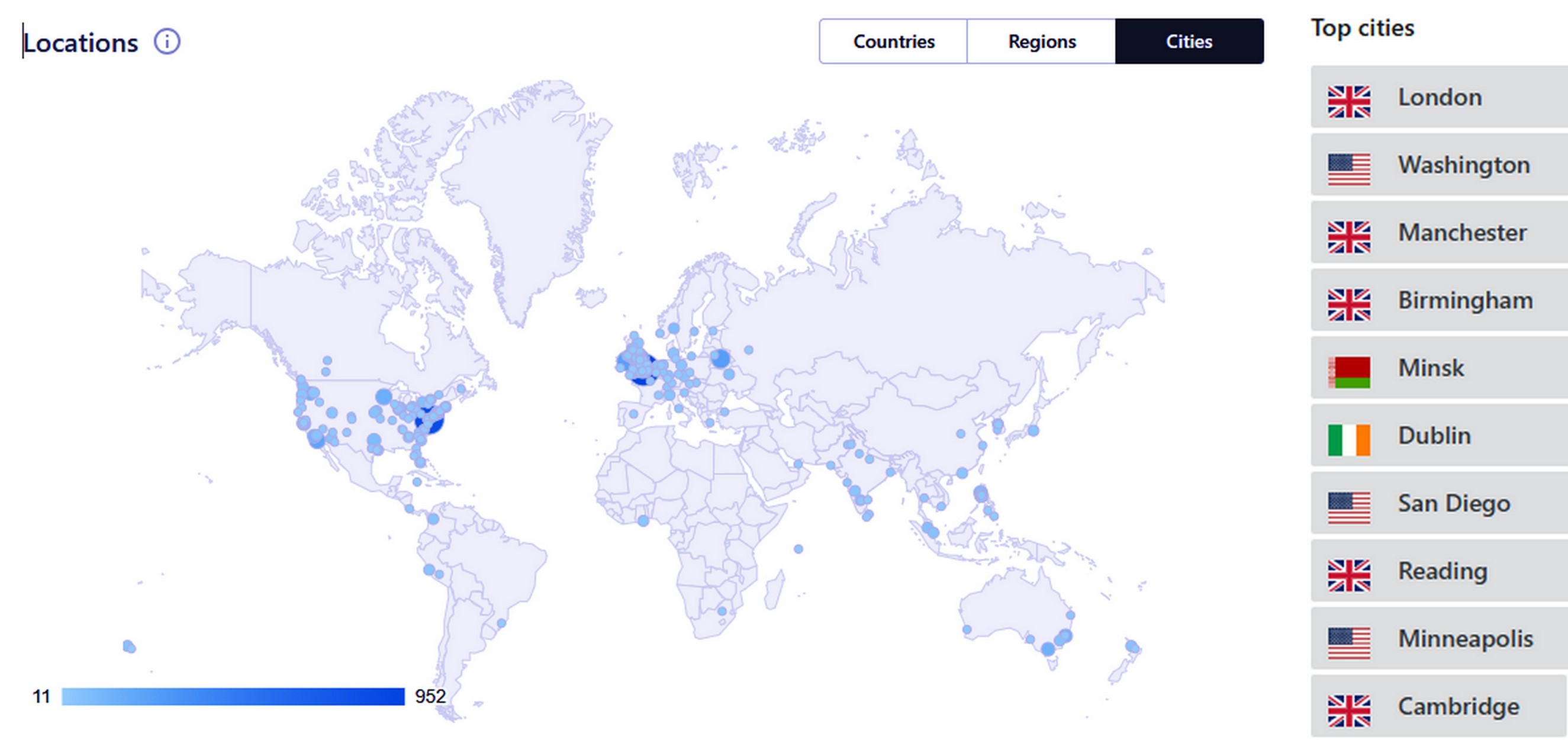
So where is my blog being read? Almost everywhere, it seems. However, I wonder how to attract attention from Greenland without mentioning Donald Trump.
My blog covers a wide range of themes (it is, after all, a balanced diet of ideas), but these are the three main ones:

  • I studied environmental botany and geography as an undergraduate, and was fortunate to make a career from my plant sciences background in the field of conservation and use of plant genetic resources. These posts describe my work on potatoes and rice, collecting potatoes in the Andes of Peru, and running one of the world’s largest and most important genebanks in the Philippines, among others.

  • Through my work I have been lucky to visit almost 70 countries. My elder daughter studied and has settled in the USA (in glorious Minnesota), and apart from the recent Covid years, we have visited the USA each years and have made some epic road trips.

  • All our National Trust and English Heritage and other heritage site visits are described here.

But I have also written about music, books, history, and politics as well. There are also links to these in the column to the right. I really must update those pages.

Regarding politics, I’ve written more posts than I had realised. But it was two events in particular that were the impetus to comment: the 2016 Brexit referendum in the UK and Donald Trump’s election (twice!) in the USA.


These are the seven posts that have received more than 3000 views, with the first two (at 7553 and 6890, respectively) almost twice as many as the next highest:

  • I love Test cricket, and enjoyed listening to commentary on the radio as I was growing up. In this post, I describe some of the most amusing commentaries I’ve heard.

  • For many years I was a fan of Garrison Keillor and his program on Minnesota Public Radio, A Prairie Home Companion, sadly no longer broadcast. In 2015, we had the opportunity of attending a live broadcast in St Paul.
  • In 1968, at the end of my first or freshman year at the University of Southampton, the botany students attended a two-week field course in the west of Ireland in Co. Clare. This post describes the beauty of the limestone landscape that’s The Burren.

  • I worked on potatoes for 20 years, spending 1973-1975 at the International Potato Center in Lima, Peru, exploring the Andes for native varieties.

  • In 2020, we moved 230 miles north to Newcastle upon Tyne, leaving our home of 40 years in Worcestershire. The Romans left an impressive and extensive legacy here in the northeast.

  • In 2017, I decided to read all the novels of English author Charles Dickens. At high school we had to read his novels as part of the English Literature curriculum. And I wasn’t impressed. However, many decades later I came to realise just what a impressive writer Dickens had been.

  • And for a bit of humour, I wrote about two comedy programs that was broadcast on the BBC 60 years ago. The anniversary of the first broadcast was celebrated just a few days ago. Round the Horne and Beyond Our Ken were way ahead of their time – which you will appreciate if you take a read.

With some travel planned for May (to the USA) and September (in the southwest of England in Somerset), there will be plenty to write about. But I am having to restrain myself from commenting further about Trump and Musk. I get too wound up.

 

A triple century . . .

300_tl copy

Yes, this is my 300th blog post! I can hardly believe it. What started, rather tentatively in September 2011 (when I first tried my hand at blogging on WordPress), has become a regular pastime for me.

I posted my first public post on 1 February 2012—all about a visit we’d made in 2008 to a pumping station on the Kennet and Avon Canal. And from that modest beginning, my blog A Balanced Diet has grown quite significantly. Maybe it’s rather self-indulgent, but I’ve written this blog for my own pleasure. However, it’s also quite gratifying to know that so many folks around the world have also found interesting some of what I write about.

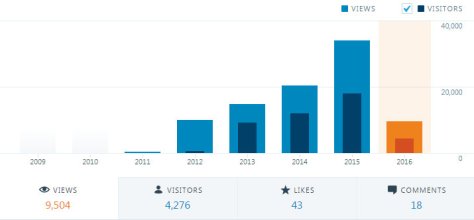
Visitors to my blog have grown over the past four years, and there are few countries that are not represented, as this slide show illustrates year by year.

This slideshow requires JavaScript.

And, to date there have been almost 88,000 views.

views and visitors

Popular topics include genetic resources (and especially one post about potatoes in the Andes), various travels around the world, and our visits to National Trust properties.

But also popular are my two blogs about the investiture I attended at Buckingham Palace at the end of February 2012, and what to wear to an investiture. I think other honorees have faced the same dilemma I did. Another popular post, about cricket, must reflect the popularity of the sport and the various formats played around the world. Last year one of the most read posts was the obituary I wrote for my friend and former colleague, Professor Trevor Williams.

It’s strange how an idea will suddenly come to me, and then I can see how a blog post might be written. It could be hearing a piece of music, reading a book, or seeing something on television.

I hope you will continue to enjoy my random musings as much as I enjoy putting them together. Finding additional information from resources like Wikipedia (and yes, I have made a subscription to support that) and YouTube make my task easier. There’s often no need to go into great detail as there are already better resources out in the ether. I’ve uploaded more than 6000 images! I must have written more than 300,000 words over the past four years, maybe more. Well, as long as the ol’ neurons keep on being fired up, I’ll continue to blog.

Do keep coming back.


What’s wrong with a rogue apostrophe or an Oxford comma?

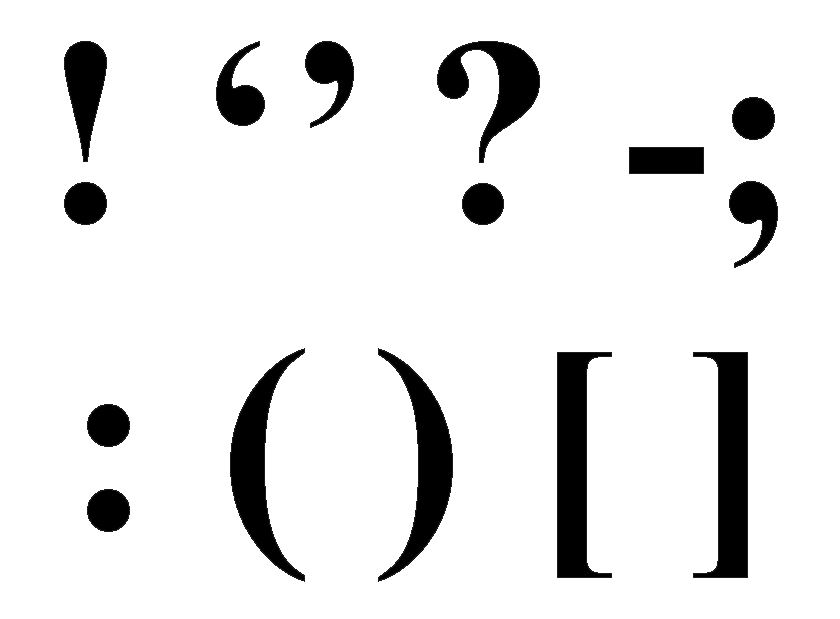
punctuationIn the past few days I’ve seen string of Facebook posts—and elsewhere—about the validity of using the so-called Oxford comma. And once something like that appears on social media, Pandora’s grammar box is well and truly opened. Everyone, it seems, has an opinion about what is correct grammar or otherwise. Such passions inflamed!

Since I started this blog back in February 2012, I reckon I’ve written 200,000 words or thereabouts. I hope many—most?—of my readers appreciate my writing style. I actually get quite a buzz from writing, and it’s always a pleasure when a piece that I’m tackling comes out as good as I had hoped, better even. I’m the first to admit that’s not always the case. I try to keep my style informal, informative, but—as far as I detect—grammatically correct (whatever that really means). And for someone trained as a scientist, and all the scientific writing principles that were drilled into me as an undergraduate (stay remote, young man), moving into a informal mode has not been entirely pain free.

When I worked at IRRI and had responsibility for all donor relations, I soon realized that we would fail to engage with the donors if we sent them reading material written in rather turgid science-speak. What was required was a lighter touch: keep the science true to itself, but just explain it in terms that are more easily understandable and accessible to a wider audience. I guess I had some experience of what this is all about when I lectured at the University of Birmingham during the 1980s. Most of my teaching was to graduate students, the majority of whom did not have English as a first language. You just had to find ways of explaining sometimes complex ideas in more straightforward terms, often using analogies to get the point across. It was a good training.

I read all the time, and always have a book on the go: invariably some history tome, hardly ever fiction, sometimes biography. I’m convinced that if you want to improve your writing it is necessary to read the output of others. I’m always amazed how quickly I seem to storm through one book, and struggle with the next. Most often it’s just down to the author’s writing style. I commented recently how easy I found a book by Bernard Cornwell about the Battle of Waterloo. He brought his fiction author strengths to an enjoyable non-fiction historical account. The narrative just flowed, and he used many of the fiction writer’s tricks to keep the reader interested in what happened next.

I always have three books to hand: a good English dictionary; Roget’s Thesaurus; and a book about writing styles and grammatical use (I find Martin Cutts’ The Plain English Guide very helpful).

And this brings me on to the focus of this particular post. The apostrophe. Such a useful, idiosyncratic, and controversial grammatical tool—only found in English as far as I could determine. Used correctly, what a beautiful addition to language. But its misuse (or should that be it’s?) just highlights what poor grammatical training and discipline results in. Added when it shouldn’t be, and forgotten when its presence is an absolute necessity.

But I have been intrigued, as I said these past few days, over a string of stories about the need for the Oxford comma, the one you place before ‘and’ in a list of items. Is it necessary? I would have to review all my writing to check what my practice is. I think I probably use it when necessary to ensure clarity of meaning and omit it when I feel it really is not necessary.

I’m also a fan of the em dash (not to be confused with the en dash)—I’d rather use this grammatical aid than parentheses. I’ve just discovered there’s an em dash in the special characters menu here in WordPress! Maybe I use the em dash a little too frequently, but not as much as I saw in another book I read recently. Used judiciously, the em dash is a great addition to any writing. But the author of that book must have used five or more per page. They appeared to leap off the page.

Anyway, I believe that we can always keep improving. Keep the dictionary and thesaurus to hand (and a mouse click away from the spellchecker). There’s a real elegance to good writing.