Early morning cup of tea . . .

Tea – the elixir of life.

It was just before 6 am today. I was lying in bed, enjoying my early morning cup of tea, and waiting for the news bulletin on Radio 4 on the hour.

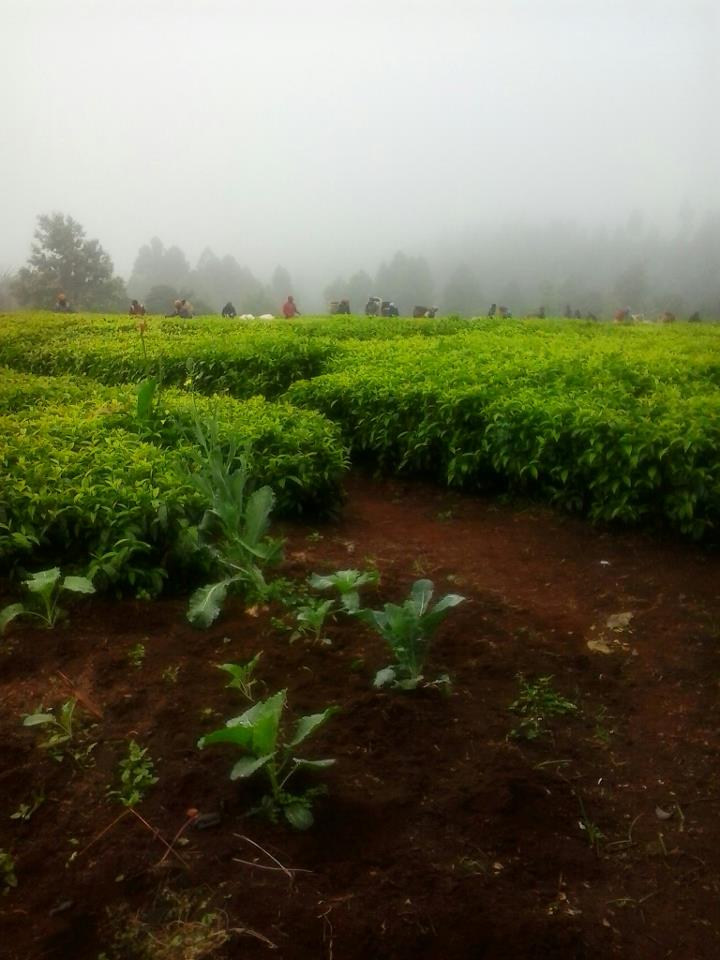
And I got to thinking about this photo of tea pickers in the highlands of Kenya that my friend Luigi had posted on Facebook yesterday. Tea is a very important crop in Kenya, and it now ranks as the world’s third largest producer, after China and India, with Sri Lanka and Turkey coming fourth and fifth, respectively. I’ve seen tea cultivation in Sri Lanka (above Kandy) and Indonesia (in the hills east-southeast of Bogor).

Tea is not, however, a crop that is native to Kenya, having originated in east Asia. And the same could be said for most of the plants we consume today. Just a quick survey of country of origin of fruits and vegetable on sale in supermarkets here in the UK demonstrates the global system of food production, and how far from their original regions of cultivation many of them have spread – beans from Kenya, asparagus from Peru, etc. The potato is referred to in the USA as the ‘Irish potato’ (presumably to distinguish it from the sweet potato, to which it is not related at all; or was it because of the dependence of the Irish in the 19th century on this one crop that led to mass emigration, most often to the USA, during and after the potato famine of the mid-1840s), but comes from the Andes of South America, with its greatest diversity in southern Peru and northern Bolivia. It’s now a major crop worldwide. Maize originated in the Americas but is a major staple today in many parts of Africa, although the major production area is the Corn Belt of the USA. Wheat originated in the Middle East, but major wheat-producing countries are the USA and Canada, Australia, and Russia. Rice is still the staple of Asia where it originated – probably in several centers of domestication.

In the 1980s, when I was on the faculty at the University of Birmingham, I taught a graduate course on crop evolution. I guess this interest in and research on crop origins had been instilled in me by Jack Hawkes, former head of the Department of Plant Biology at Birmingham (and my PhD supervisor), and I continued my work on potatoes for more than 20 years before moving on to rice.

One of the reasons why I find the study of crop evolution so fascinating is that it is a synthesis of so many seemingly unrelated disciplines: the biology of the wild and domesticated plants themselves, their genetics and molecular biology, ecology, and use plant breeding and farming, as well as their history and archaeology, social context, and economics over the past 10,000 years or so since the beginnings of agriculture in the Middle East, in China, and in parts of South and Central America. An interesting introductory text for anyone interested in the origins of crops is Evolution of Crop Plants (1995) edited by Joe Smartt and Norman Simmonds.

Today, the application of molecular techniques is helping to unravel further the ancestry of crop plants, showing linkages to their related wild species, and opening up many opportunities of using these genetic resources for the benefit of farmers and consumers alike, making the crops we depend on more productive, climate resilient, and pest and disease resistant.

In the 1980s the two BBC TV series of Geoffrey Smith’s World of Flowers documented the origins and history of many of the flowers that we grow in our gardens today – roses, tulips, daffodils, fuchsias, dahlias, and lilies, to name just a few. Based on the success of these programs, I did contact the series producer and sent in a prospectus for a series of programs about the origins of crop plants.

I could imagine a program on potatoes, for example, that would take the viewer to the Andes of Peru, looking at indigenous potato cultivation, linking it to the origins of Inca agriculture and the archaeology of the coastal cultures, the wealth of diversity of more than 200 wild species in the Americas, how these are conserved in major genebank collections in the USA and Europe (as well as at the International Potato Center in Lima), and how this diversity is used in potato breeding. No longer would we take these crops for granted! And the same could be done for wheat and barley – the cereal staples of the Middle east, with its wealth of archaeology in Turkey, Syria and Iraq, maize in Mexico and coastal Peru, and many other examples.

I even spent some time with a BBC producer who visited me at Birmingham – but to no avail. While they liked the idea, there was no budget to do the programs justice. I could just imagine Sir David Attenborough waxing lyrical – in his inimitable way – about our food and where it comes from. Who knows – it might happen one day (but Sir D is an unlikely presenter given his age).

Has the Earth ever moved for you?

For me? Frequently. And in many countries.

I’m talking about earthquakes – not just a little tremble (known in Peru as a temblor), but a full-bloodied bone rattler that occurred on 3 October 1974, at 09:21. Although I’d felt a number of tremors of various magnitudes since my arrival in Lima in January 1973, I wasn’t prepared for what happened that morning and continued for many weeks afterwards.

Getting the shakes in 1974
I was working in La Molina on the eastern outskirts of Lima. Usually when an earthquake hit, we would first hear a rumbling noise (somewhat like the sound of a train passing) just before everything started shaking, and often building in intensity. But not the October 1974 earthquake.

I was busy showing a colleague how to make cell preparations to count potato chromosomes (rather tiny and many of them). I was also enjoying (if that’s the right word, given the strength of the CIP brew) my first cup of coffee of the day. And then it hit, without warning, no noise. Just a massive sideward shaking of the building. We immediately joined everyone else in making a beeline for the exit – somehow I even carried my coffee cup outside – and assembling in the car park. The shaking continued for more than two minutes, as strong at the end as when it commenced. Parked cars were bouncing up and down, and I had a hard time even standing up, since the ground was moving about a meter back and forth. As abruptly as it had started, it stopped and we were all left dazed to contemplate what we had just experienced. We later found out that it was a 8.1 M earthquake, the biggest in Peru since those of 1966 and 1970. It was felt about 1300 km north and south of Lima, as well as in the selva to the east of the Andes. The whole country and its major mountain chain rocked for two minutes!

During the earthquake we could hear walls in the CIP building cracking, and shelves falling down. Afterwards we discovered a bizarre cocktail of various chemicals that had mixed together as their containers had smashed on the floor. This was enough, in the months to follow, to re-design all storage cupboards, to segregate potentially flammable materials, and generally improve the housekeeping, having taken serious advice from an agency of the Japanese government.

The earthquake was centered in the Pacific Ocean about 80 km southwest of Lima. There were reports of the ocean retreating off the coast of Miraflores, but no tsunami occurred. The remarkable thing however is that there were few casualties although many properties were badly damaged. Some attribute this to the fact that many people were at work or children in school, in buildings that were safer than their homes. Additionally, the earthquake was hardly felt in some parts of Lima, where buildings had been constructed on alluvial sands near to the River Rimac, the sands having absorbed much of the violent movements.

In La Molina, where buildings had been constructed on bed rock, damage even to new buildings was considerable, particularly in the National Agrarian University.

Once the shaking had stopped, I ran off to find my wife Steph and check if she was alright. She was. Another colleague, Maria Scurrah, had just entered the toilet on the first (upper) floor when the shaking started, and she was unable to escape from the building, and spent the entire time clutching one of the main support pillars. The first thing everyone wanted to do was get home, to check on family and friends – and property. We had an apartment on the 12th floor, and did wonder what we might find. Another problem at that time was the shortage of motor transport. Why? Well, the Peruvian government had introduced a fuel rationing system whereby each car was assigned a different color decal which allowed it to circulate on just certain days of the week. While the CIP buses quickly set off taking staff home, I used my car to ferry quite a number of staff home in the La Molina area before setting off to our Miraflores apartment.

There was little damage to speak of – just a few cracks, but large pieces of furniture had waltzed around the living room, and some items had smashed on the floor. But with aftershocks continuing, we didn’t really want to spend a night on the 12th floor. So we arranged to stay the night with our good friends, Jim and Jeanne Bryan, sleeping on their living room floor. After the earthquake it was agreed that a group of us would return that afternoon to begin the clean-up in the laboratories; eventually large quantities of peat were used to soak up the various spilled chemicals. While I had been fine in the morning, cool and calm, and in full possession of my faculties, by the early afternoon, shock had set in, and I was unable to get up out of my seat, and continued to sit there, hands shaking.

Just less than a week later, on a national holiday to commemorate the naval Battle of Angamos in 1879 against Chile (which Peru lost), there was a major aftershock that occurred as the president of the republic, General Juan Velasco, was about to make a speech. And so they continued week after week, some minor, one or two quite hefty – keeping everyone alert and tense. All the secretaries at CIP were put into a communal office space on the ground floor, but they kept the doors open all the way to the exit. At the first hint of an aftershock there was a stampede down the corridor – woe betide anyone who got in the way!

Ever since I have been incredibly sensitive to the slightest movement that even hints of a tremor or worse, and ready to make my escape. I used to have very dark hair, but from 3 October 1974 my hair started to turn grey.

The earthquake of May 1970
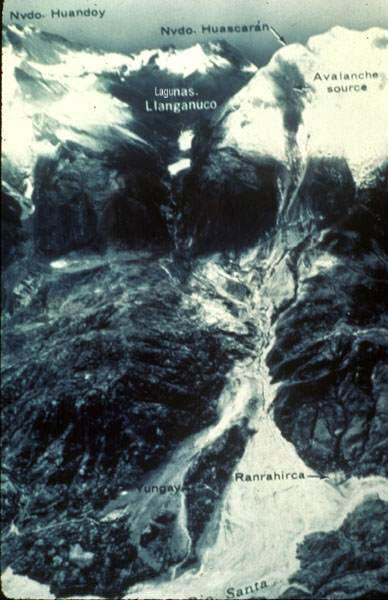
This was a major earthquake that caused the death of tens of thousands of Peruvians. It occurred off the coast of Chimbote, north of Lima. While damage was severe in Chimbote and Casma on the coast, inland in the Callejón de Huaylas, a long valley nestling below the highest snow-capped peaks of the Andes in the Department of Ancash, there was a major landslide.

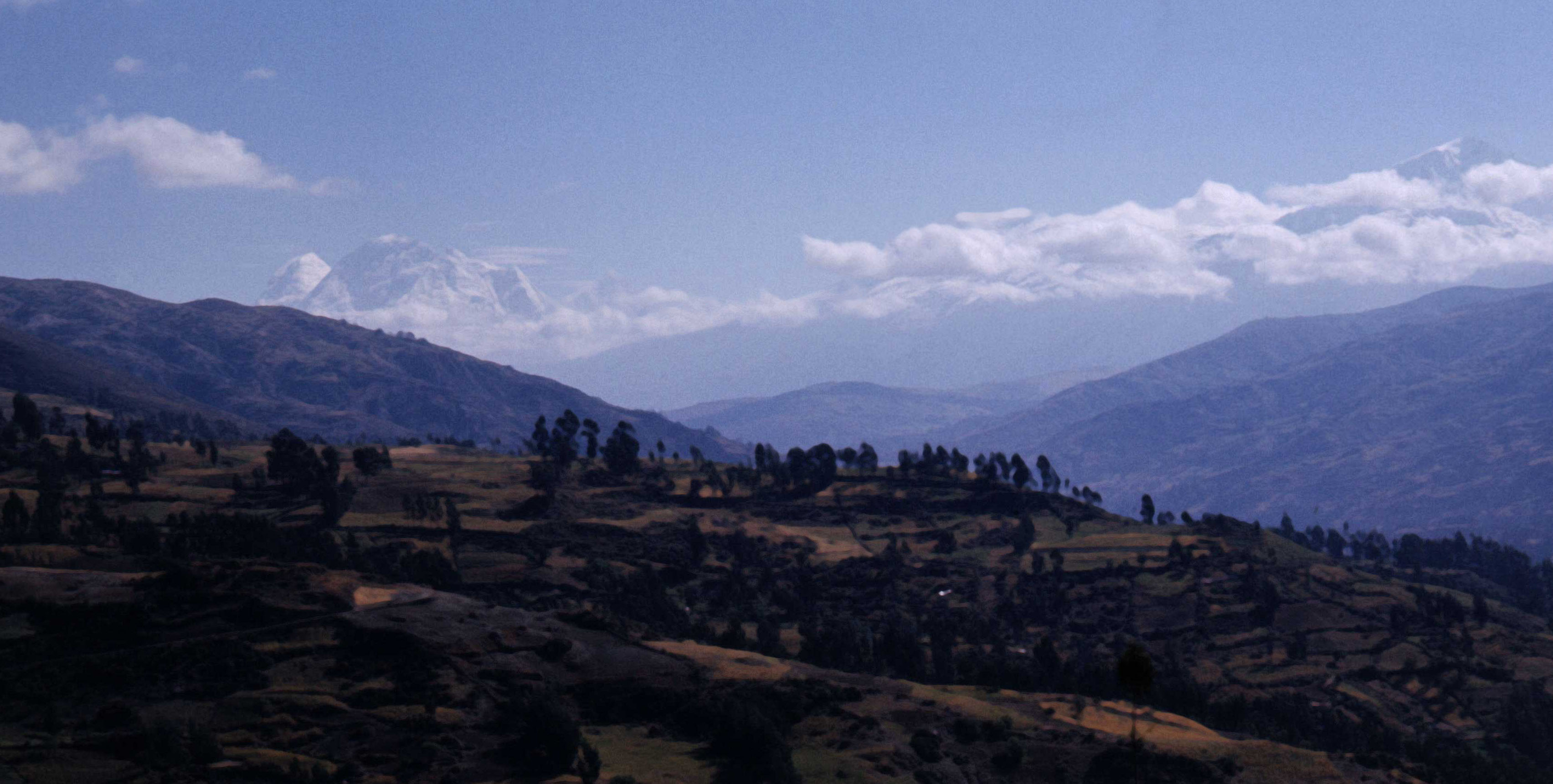
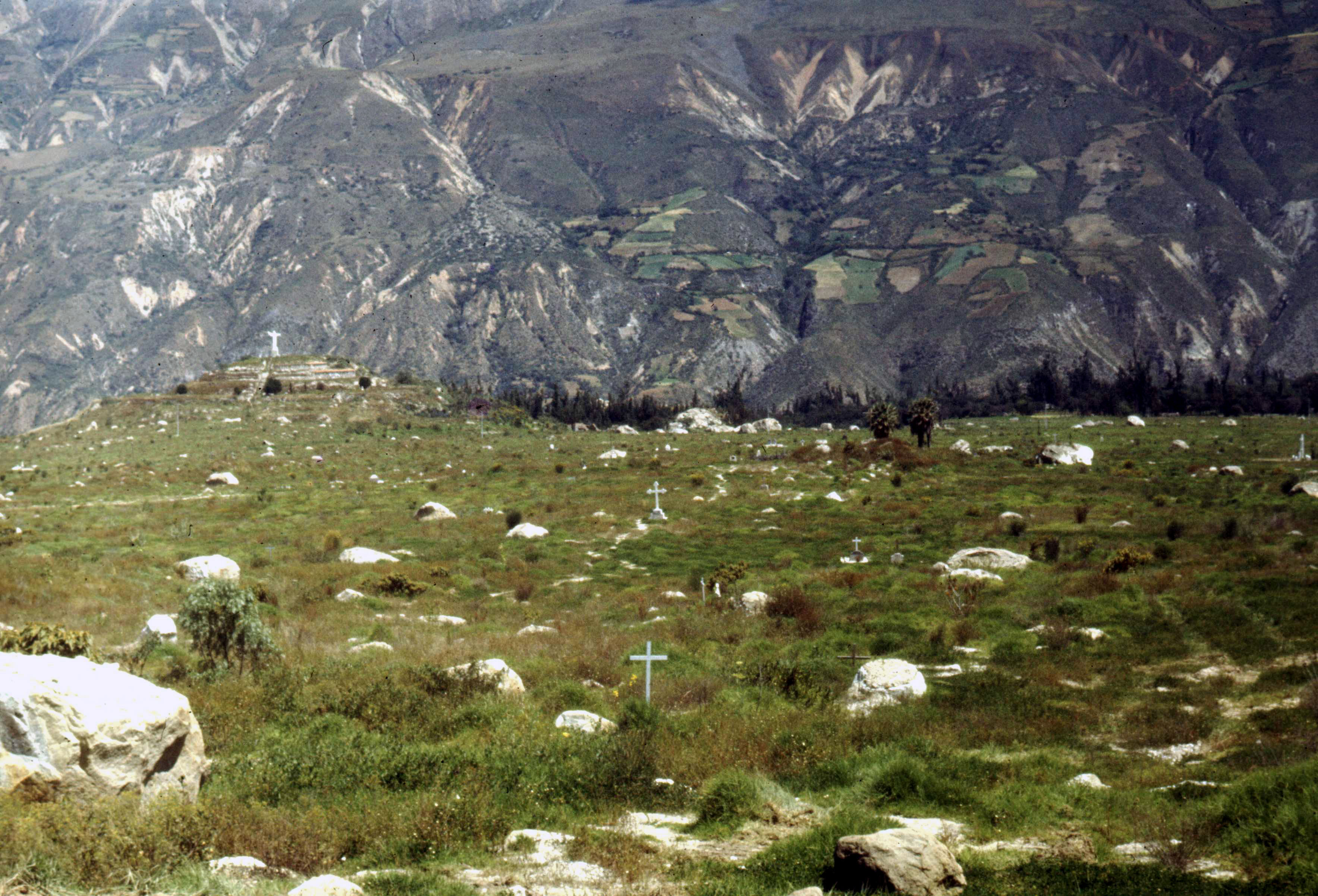
This fell from near the summit of Nevado Huascarán, Peru’s highest mountain. I read that more than 80 million cubic meters of rock and ice fell at a speed of more than 250 kph. Click on the photo to the left to see the path of the landslide. The towns of Yungay and Ranrahirca were in the path of this landslide, known in Peru as a huayco, and were totally destroyed. In Yungay, just a few palm trees were left standing, and the statue of Christ in the cemetery, where some of the only survivors were visiting when the landslide hit.

Experiences in other countries
I never again experienced another earthquake of such magnitude while I lived in Peru (until early 1976) nor on the many occasions afterwards that I visited. But there were some in Costa Rica and Mexico during the mid- to late-1970s, and during the 19 years we lived in the Philippines, we felt the odd tremor from time-to-time. The strongest earthquake in the Philippines for many years had occurred in July 1990 which did some damage in Los Baños at IRRI. Many of the bookshelves in the library toppled like dominoes. Elsewhere, and in Baguio in particular, there was serious damage, and deaths.

We’ve even felt a few tremors in the UK over the years, both here in Worcestershire, as well as on the Welsh coast in Pembrokeshire in about 1983 or so.

Typhoons
Of course, living in the Philippines we experienced typhoons on a regular basis, several each year in fact. While many of them headed west towards Luzon from the open Pacific, most of these usually headed north to clip the top of the island and regularly doing great damage there. But on a couple of occasions, major typhoons did pass over Los Baños. One of these was Typhoon Milenyo in September 2006. Although the winds were strong it was the typhoon’s slow progress coupled with heavy rain, dumping an enormous amount of water and causing massive flooding, that did most damage and leading to loss of life over a wide area. Laguna de Bay rose several meters, flooding villages along the shoreline.

Early days in Lima – 1973

Potatoes were not my first choice
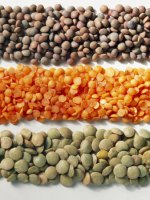
Hindsight is a wonderful thing. Although I spent more than 20 years studying potatoes – in a variety of guises – that had not been my first choice. I originally wanted to become the world’s lentil expert.

Well, not exactly. When I joined the 1970 intake on the MSc course Conservation and Utilization of Plant Genetic Resources at the University of Birmingham, I quickly decided to work with Trevor Williams on the taxonomy and origin of lentils (Lens culinaris). I wanted to study variation in a crop species that had received little attention; and preferably it had to be a legume species.

Working our way through Flora Europaea, we came across the notation under lentil: Origin unknown. Now that seemed like an interesting challenge, and we began to plan a suitable dissertation project on that basis. I completed my dissertation in September 1971.
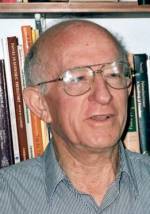
Interestingly, unknown to Trevor and me, renowned Israeli expert on crop evolution Professor Daniel Zohary (of the Hebrew University of Jerusalem) had been working on the same problem, and published his results in Economic Botany in 1972 [1], which essentially confirmed the conclusions I’d reached a year earlier.

As it turned out – and this is the hindsight bit – continuing work on lentils was not really an option; and funding for a lentil PhD would have been very difficult to find.

In any case, the MSc course leader Professor Jack Hawkes had, by March 1971, already raised the possibility of spending a year in Peru (see my posts about potatoes in Peru and about Peru in general), which I jumped at. So in January 1973, I landed in Lima, an employee of the recently-founded International Potato Center (CIP).
First impressions
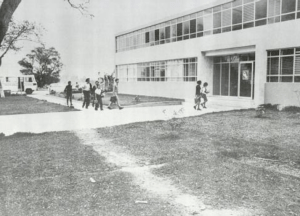
Then, CIP was housed in just a single building on a developing campus in La Molina, on the eastern outskirts of Lima, where the National Agrarian University is located (in fact, just across the road from CIP). In those days, the journey to La Molina from the Lima suburbs of San Isidro or Miraflores (we lived in Miraflores on Av. Larco, close to the cliffs overlooking the Pacific Ocean) took about 20 minutes. Around La Molina it was essentially a rural setting. But even in those days, housing developments were already underway, and today what were once fields of maize are now ‘fields of concrete’. I’m told that the journey can now take forever, and CIP staff often plan to arrive early or depart late just to avoid the horrendous traffic.
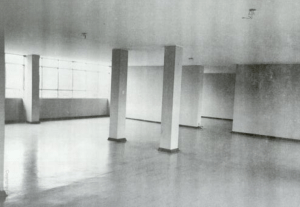
But I digress. The CIP building was essentially an empty shell on both floors. This was gradually partitioned to form offices and laboratories, and over the years, new buildings were added. On my first day at CIP (Friday 5 January) I was shown to my ‘office’ on the upper (first) floor. The whole floor at that time was completely open plan from one end to the other, except for one room opposite the staircase that actually had two solid walls either side (the toilets were located on either side), and a wooden panel front. Inside was a desk, a chair, a filing cabinet, and a bookshelf. That was it!
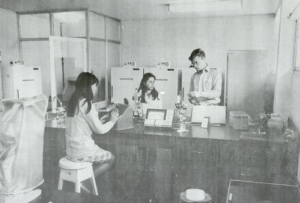
While there were no laboratories as such at CIP until a few months later (the pathologists were using space in a national program laboratory building across the street), we did have access to a couple of screenhouses at La Molina for growing experimental materials, but that was quite a challenge in the heat of the Lima summer from January to April until facilities with some sort of cooling system were constructed.

I must admit I did wonder what I’d let myself in for. There were no established research facilities such as laboratories, I didn’t speak Spanish (although that was rectified in about six months), and went through all the stages of ‘culture shock’.
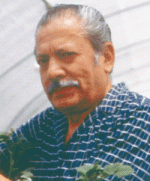
A planning meeting on germplasm
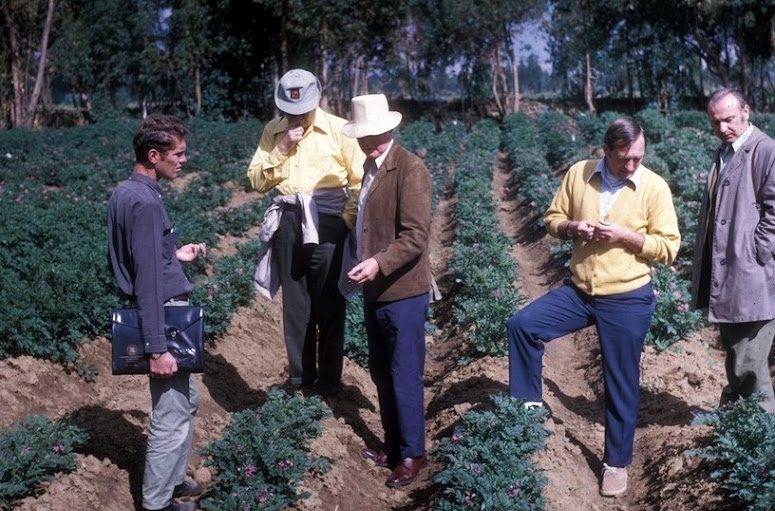
The following week CIP held the second planning workshop (but the first on germplasm and taxonomy) of a whole series that would be convened over the next decade to help plan its program. The participants were Jack Hawkes, taxonomist Carlos Ochoa (Peru), potato breeder Frank Haynes (North Carolina State University), geneticist Roger Rowe (then with the USDA regional potato germplasm project in Sturgeon Bay, Wisconsin, and later to join CIP in July 1973 as head of the breeding and genetics department), ethnobotanist and taxonomist Don Ugent (Southern Illinois University-Carbondale), and potato breeder Richard Tarn (from Agriculture and Agri-Food Canada, New Brunswick, and a former PhD student of Jack Hawkes), and myself. We made a trip to Huancayo in the central Andes (more than 3000 m above sea level) where CIP proposed to establish its highland field station (more of that below), and also to Cuzco in southern Peru (where I seized the opportunity, with Richard Tarn, of making a day trip to Machu Picchu). In Huancayo, we visited the small, but growing, potato germplasm collection which in those days was being multiplied on rented land.

The field supervisor was a young agronomist, David Baumann, who can be seen in this photo explaining the collection to the workshop participants. Around this time, plant pathologist Dr Marco Soto – who had just returned from his PhD studies in the USA – was named as the head of the Huancayo station.

The arrangements for that meeting say a lot about the early CIP days. We traveled to Huancayo by road, in two Iranian-built Hillman station wagons, one of them driven by the CIP Director General, Richard Sawyer. Another point worth mentioning is the research planning strategy that CIP implemented. Since potato research was strong in many countries around the world, Sawyer decided it would be effective to engage potato scientists from elsewhere in CIP’s research. Not only were they invited to participate in planning workshops, they also received research grants to carry out specific research projects (such as the potato breeding and nematology resistance research at Cornell University, for example), and provide graduate opportunities for students sponsored by CIP. This approach, as well as developing a regional program for research and dissemination, were heavily criticised in the early days of the CGIAR. This was not the approach taken by other centers such as IRRI, CIMMYT, and CIAT for example. It now seems a rather silly opposition, and is more the norm than the exception in how the centers of the CGIAR do business.

So who worked at CIP in the early days?
In Lima, there were only a handful of staff in January 1973 (click on the photo to see the list), me included as a Fellow in Taxonomy, even though I only had a masters degree, and would continue with my PhD research while working for CIP.
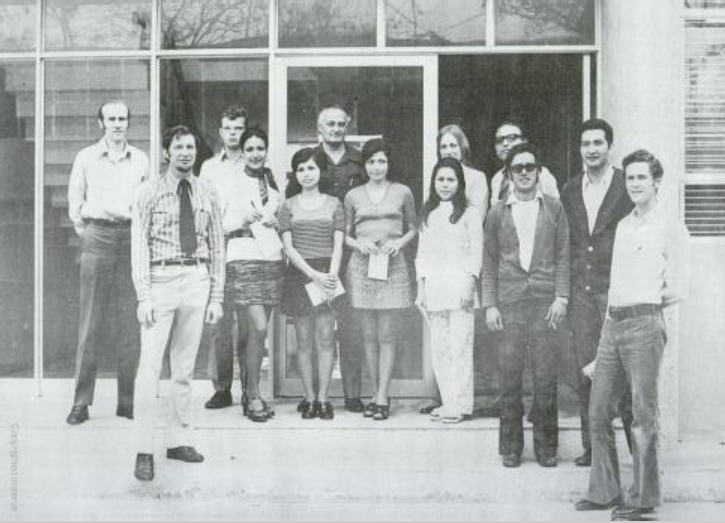
Head of plant pathology, and long-time North Carolina team member, Ed French (a US citizen of Anglo-Argentinian ancestry) had already begun to recruit staff. Post-doctoral fellow John Vessey from the UK worked on resistance to bacterial wilt, and he and his wife Marian became close friends (we are still in touch with them), although John departed for CIMMYT in Mexico in 1974, followed by United Fruit in Honduras – more bacterial wilt – before returning to the UK (John was my principal contact for the somaclone project I reported in another post).
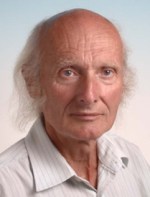
At first, there were few internationally-recruited staff, but throughout 1973, the staff increased quite rapidly. Rainer Zachmann, a German plant pathologist working on Rhizoctonia solani, joined in February, followed by Julia Guzman, a late blight specialist from Colombia; Parviz Jatala, a nematologist from Iran; Ray Meyer, an agronomist from the USA; and Dick Wurster as head of the Outreach Dept. , among others. Dick had been working in Uganda prior to joining CIP.
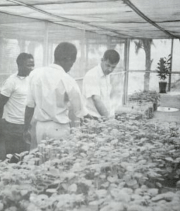
A qualified pilot, Dick brought his plane with him (it had two engines – one at the front, and one behind!), which was also used by CIP to ferry staff to Huancayo on occasion, although we usually made the six hour journey by road. Jim Bryan returned from his leave in the USA to join CIP as a seed specialist.

Among the Peruvian staff were virologist Luis Salazar (who gained his PhD some years later from the University of Dundee in Scotland), nematologist Javier Franco (who studied at Rothamsted for a University of London PhD), and plant pathologist Oscar Hidalgo (who went to North Carolina State University). Just returned from Cornell was Dr Marco Soto (a plant pathologist) who became superintendent of the Huancayo experiment station. About to return from graduate studies overseas were plant physiologists Willy Roca (and his wife Charo) and Fernando Ezeta, and virologist Anna-Maria Hinostroza. Nematologist Maria Scurrah (who was born in Huancayo of German parents, and who spoke Spanish, German and English will equal rapidity) returned from her PhD studies at Cornell in 1972. Entomologist Luis Valencia was mentored by Maurie Semel who was on sabbatical from Cornell. Zosimo Huaman returned from Birmingham in April 1973.

The first support staff  included secretaries Rosa Benavides (who sadly succumbed to cancer just a few years later) and Haydee de Zelaya, caretaker José Machuca, messenger Victor Madrid (who eventually became a very talented member of the communications support team), carpenter Maestro Caycho, and screenhouse technicians, the Gomez brothers – Lauro, Felix, and Walter.
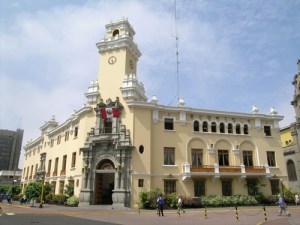
My fiancée Stephanie joined me in Lima in July 1973 and began work as a germplasm expert with the CIP potato collection. We married in October 1973 in the Municipalidad de Miraflores, near to where we were renting a 12th floor apartment on Av. Larco.

[1] Zohary, D. 1972. The wild progenitor and the place of origin of the cultivated lentil: Lens culinaris. Economic Botany 26: 326-332.

Birmingham – a center for potato studies

When the late Professor Jack Hawkes was appointed to a lectureship in botany at the University of Birmingham in 1952, he had already been working on potatoes for more than a decade. And immediately prior to arriving in Birmingham he’d spent three years in Colombia helping to establish a national potato breeding program. From then until his retirement in 1982  – and indeed throughout the 1980s – Birmingham was an important center for potato studies.

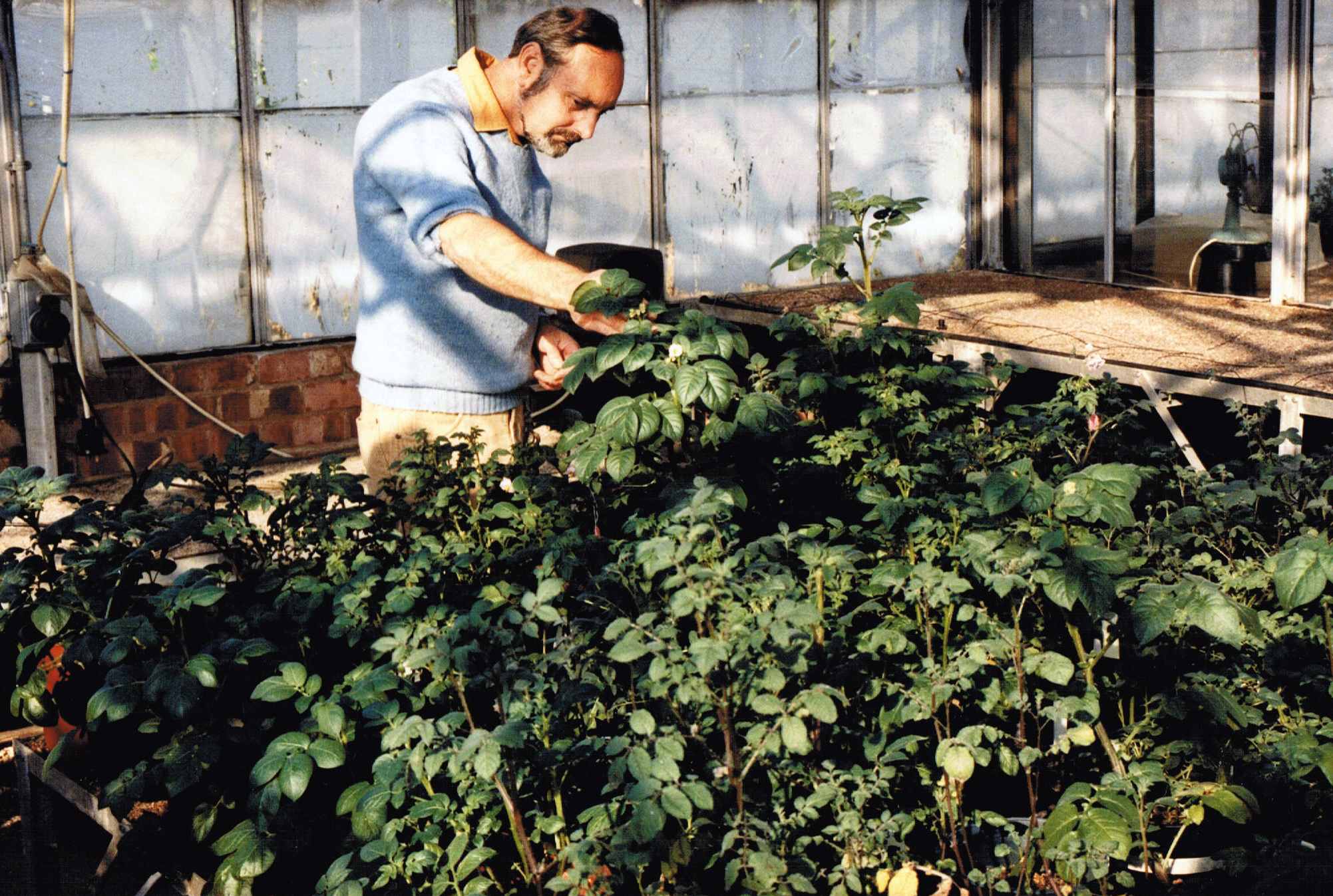
The potato germplasm that Hawkes collected (with EK Balls and W Gourlay in the 1938-39 expedition to South America) eventually formed the basis of the Empire then Commonwealth Potato Collection, maintained at the James Hutton Institute in Scotland. Throughout the 50s, 60s, 70s, and 80s Jack also had a large collection of wild potato (Solanum) species at Birmingham. This was a special quarantine collection; in the 1980s for potato quarantine purposes, Birmingham was effectively outside the European Union! For more than two decades Jack was assisted by horticultural technician Dave Downing, seen in the photo below. At the end of the 1980s we decided to donate the seed stocks from Jack’s collection to the Commonwealth Potato Collection, and it went into quarantine in Scotland. As the various lines were tested for viruses diseases they were introduced into the main collection.  Jack used this collection to train a succession of PhD students on the biosystematics of potatoes. I continued with this tradition after I joined the University of Birmingham in 1981. My first student graduated in 1982 (after I had taken over supervision from Jack).

Here is the list of University of Birmingham PhD students who worked on potatoes, as far as I can remember. All of them from 1975 (with the exception of Ian Gubb) had also attended the MSc course on genetic resources:

Richard Lester (UK), 1962. Taught at Makerere University in Uganda, before joining the Dept. of Botany at Birmingham in 1969. Retired in 2002, and died in 2006. Studied the biochemical systematics of Mexican wild Solanum species. The species Solanum lesteri is named after him.

Richard Tarn (UK), 1967. Emigrated to Canada in 1968, and joined Agriculture Canada as a potato breeder in Fredericton, New Brunswick. Retired in 2008. Studied the origin of ploidy levels in wild species.

Katsuo Armando Okada (Argentina), 1970 (?). Retired. Was with IBPGR for a while in the 1980s (?) in Colombia. Studied the origin of Solanum x rechei from Argentina.
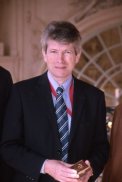
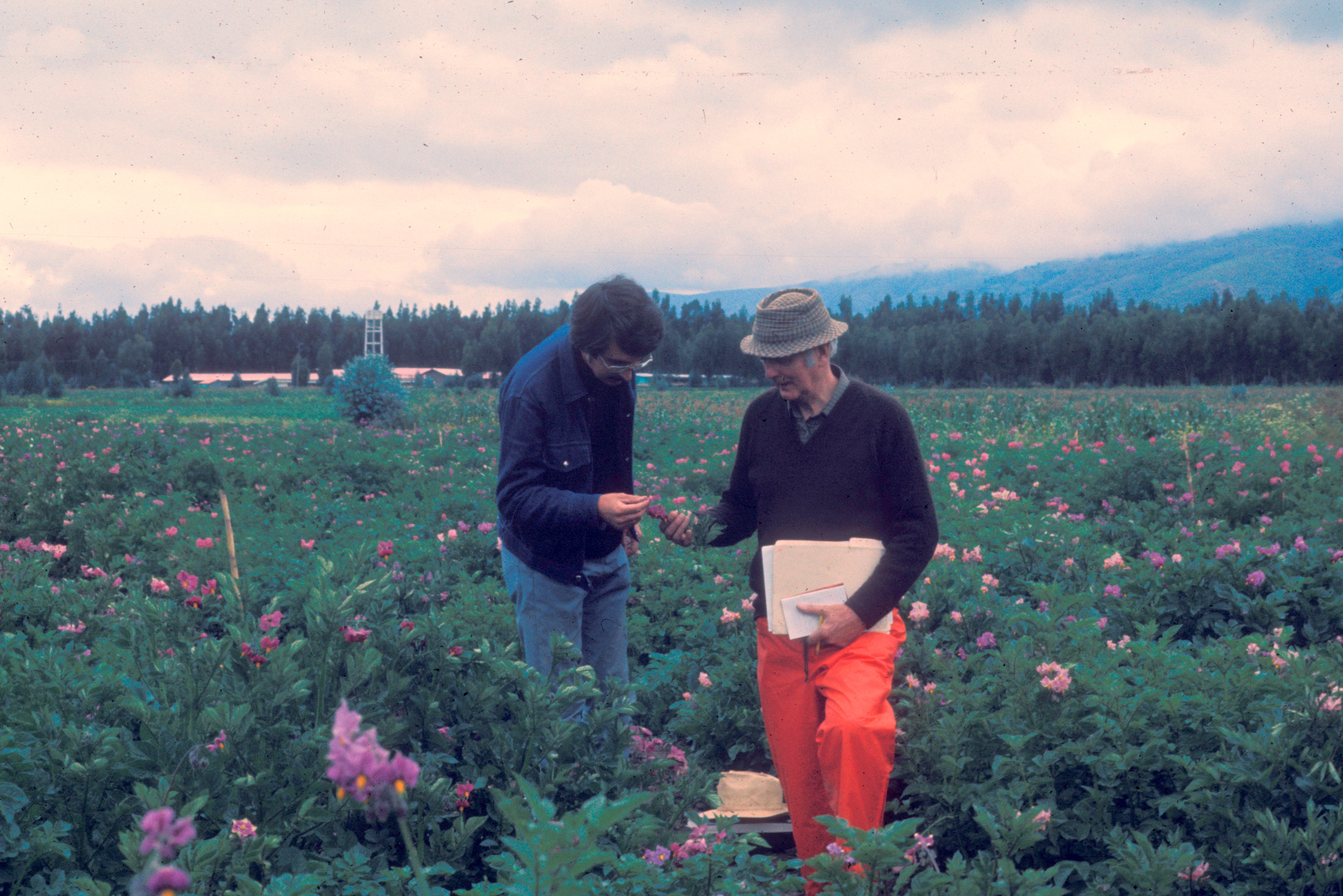
Phillip Cribb (UK), 1972. He joined the Royal Botanic Gardens – Kew, and became a renowned orchid taxonomist. Studied the origin of the tetraploid Solanum tuberosum ssp. andigena.

Mike Jackson (UK), 1975. Studied the triploid cultigen Solanum x chaucha. Joint with CIP and Roger Rowe.

David Astley (UK), 1975. Became the curator of the vegetable genebank at Wellesbourne (now the Warwick Crop Centre). Studied the Bolivian wild species Solanum sucrense. The species S. astleyi is named after Dave.
Zosimo Huaman (Peru), 1976. He returned to the International Potato Center (CIP) in Lima, and continued working with the germplasm collection until December 2000; he then began work with several NGOs on biodiversity issues in Peru. Studied the origin of the diploid cultigen Solanum x ajanhuiri. Joint with CIP and Roger Rowe.

Peter Schmiediche (Germany), 1977. He continued working with CIP as a potato breeder (for resistance to bacterial wilt), and was later CIP’s regional leader based in Indonesia. Now retired and sharing his time between Texas (where his children settled) and his native Berlin. Studied the bitter potatoes Solanum x juzepczukii (3x) and S. x curtilobum (5x). Joint with CIP and Roger Rowe.

Luis Lopez (Colombia), 1979. Studied wild species in the Series Conicibaccata.

Lenny Taylor (UK), late 1970s. I don’t remember his thesis topic, but I think it had something to do with tetraploid forms. He joined the Potato Marketing Board (now the Potato Council) but I’ve lost contact.

Lynne Woodwards (UK), 1982. Studied the Mexican tetraploid Solanum hjertingii, which does not show enzymic blackening in cut tubers.

Rene Chavez (Peru), 1984. He returned to the University of Tacna, Peru, but also spent time at CIAT in Cali, Colombia studying a large wild cassava (Manihot spp.) collection. He sadly died of cancer a couple of years ago. Studied wide crossing to transfer resistance to tuber moth and potato cyst nematode. Joint with CIP and Peter Schmiediche.

Elizabeth Newton (UK), 1987? Studied sexually-transmitted viruses in potato. Joint with former CIP virologist Roger Jones (now at the University of Western Australia) at the MAFF Harpenden Laboratory.

Denise Clugston (UK), 1988. Studied embryo rescue and protoplast fusion to use wild species in potato breeding.

Carlos Arbizu (Peru), 1990. An expert on minor Andean tuber crops, he came from the University of Ayacucho. Spent time working in the germplasm program at CIP. Studied the origin and value of resistance to spindle tuber viroid in Solanum acaule. Joint with CIP and principal virologist Luis Salazar (who gained his PhD while studying at the Scottish Crop Research Institute in Dundee).

Ian Gubb (UK), 1991. Studied the biochemical basis of non-blackening in Solanum hjertingii. Joint with the Food Research Institute, Norwich.

Susan Juned (UK), 1994. Now a sustainable technology consultant, Sue is an active local government councillor, and has stood for election to parliament on a couple of occasions for the Liberal Democrats. Studied somaclonal variation in potato cv. Record; this commercial contract research was commissioned by United Biscuits.
David Tay (Malaysia), 2000. He worked in Australia and then was Director of the USDA Ornamental Plant Germplasm Center in Columbus, Ohio, but returned to CIP as head of the genetic resources unit in 2007. He’s now left CIP. I think he worked on diploid cultivated species. Joint with CIP. Not sure why his PhD is dated 2000, as he’d been in CIP in the late 70s.

I also supervised several MSc students who completed dissertations on potatoes (Reiner Freund from Germany, and Beatrice Male-Kayiwa and Nelson Wanyera from Uganda).

The Birmingham link with CIP is rather interesting. In the early 70s, staff at CIP seemed to have a graduate degree in the main from one of four universities: Cornell, North Carolina State, Wisconsin, or Birmingham.

Besides the Birmingham PhD students who went on to work at CIP, my wife Stephanie (MSc 1972, who had been working with the Commonwealth Potato Collection from November 1972 – June 1973 when it was still based at the Scottish Plant Breeding Station – now closed) joined the Breeding and Genetics Dept. at CIP in July 1973.

Roger Rowe, who had been in charge of the US potato genebank in Sturgeon Bay, Wisconsin, also joined CIP in July 1973 as head of the Breeding and Genetics Dept. He co-supervised (with Jack Hawkes) a number of Birmingham PhD students.

With the closure of Jack’s collection at Birmingham we were able to develop other potato research ideas since there were no longer any quarantine restrictions. In 1984 we secured funding from the Overseas Development Administration (now the Department for International Development – DfID) to work on single seed descent (SSD) from diploid potatoes to produce true potato seed (TPS). Diploids are normally self-incompatible, but evidence from a range of species had shown that such incompatibility could be broken and transgressive segregants selected. The work was originally started in collaboration with the Plant Breeding Institute (PBI) in Cambridge, but when the Thatcher government privatized the PBI and sold it to Monsanto in 1988, we continued the work at Birmingham. After a further year we hit a ‘biological brick wall’ and decided that the resources needed would be too great to warrant continued effort. This paper reflects our philosophy on TPS [1]. Another paper [2] spells out the approach we planned.

[1] Jackson, M.T., 1987. Breeding strategies for true potato seed. In: G.J. Jellis & D.E. Richardson (eds.), The Production of New Potato Varieties: Technological Advances. Cambridge University Press, pp. 248-261.

[2] Jackson, M.T., L. Taylor & A.J. Thomson, 1985. Inbreeding and true potato seed production. In: Report of a Planning Conference on Innovative Methods for Propagating Potatoes, held at Lima, Peru, December 10-14, 1984, pp. 169-179.

Perú – país precioso

I can’t remember why I had always wanted to visit Peru. All I know is that since I was a small boy, Peru had held a big fascination for me. I used to spend time leafing through an atlas, and spending most time looking at the maps of South America, especially Peru. And I promised myself (in the way that you do when you’re small, and can’t see how it would ever happen) that one day I would visit Peru.
Just a few months after I had begun my graduate studies at the University of Birmingham in October 1973, my head of department, Professor Jack Hawkes, returned from a 2-month trip to Bolivia to collect wild potatoes, and had spent time in Lima with Dr Richard Sawyer who became the first Director General of the International Potato Center (CIP) in October 1971. He was looking for someone to work at CIP for one year from September 1971 to look after a large collection of native Peruvian potato varieties while a young Peruvian took his MSc degree at Birmingham.

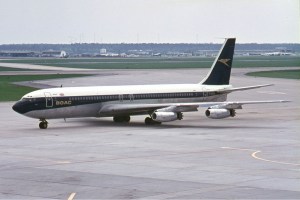
To cut a long story short, I didn’t go in 1971, but landed in Lima at the beginning of January 1973 after a long and gruelling flight on B.O.A.C. from London via Antigua (in the Caribbean), Caracas, and Bogotá.
Until I was able to rent an apartment, I stayed in the Pensión Beech (a boarding house) in San Isidro for about three weeks. Arriving at night, I was driven through the darkness to the pensión and hadn’t a clue where I was or where I was going. The following morning I woke to a bright summer’s day, and was amazed at the beauty of Lima gardens, particularly the stunning bougainvilleas that seemed to be growing everywhere, as well as bright red poinsettia shrubs (small trees actually), a plant I had only ever seen growing as a pot plant!

Eventually, I found a one bedroom apartment in the center of Miraflores, next to the Todos supermarket (I wonder if it’s still there?), and then, once my wife had joined me in July 1973 (we were married in the Municipalidad de Miraflores in October 1973) we rented a 12th floor apartment on Av. Larco near the corner with Av. Benavides (there was an ice cream parlor on the ground floor – 20 Sabores). But the 12th floor is not ideal place to be when an earthquake struck, as they did with increasing regularity after the massive quake of October 1974 (measured at 8.1 on the Richter scale at La Molina where I was working, and lasting for more than 2 minutes).

Peru is a country of amazing contrasts. Just click here to view a web album of photos I took during 1973.

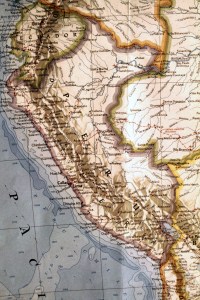
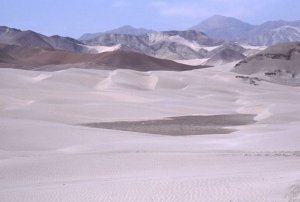
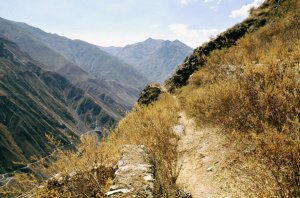
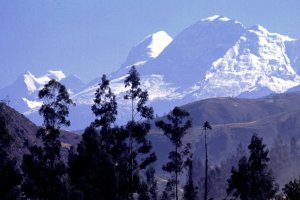
First there is the geography: the long coastal desert stretching north from Lima to the border with Ecuador, and south to Chile where it merges with the Atacama Desert. It hardly ever rains on the coast, but the sea mists that are prevalent during the months of July-September do provide sufficient moisture in some parts (lomas) to develop quite a rich flora. The Andes mountains take your breath away with their magnificence. The foothills begin just a few kilometers from the coast, and the mountains rise to their highest point in Huascarán (6,768 m), the fourth highest mountain in the western hemisphere.

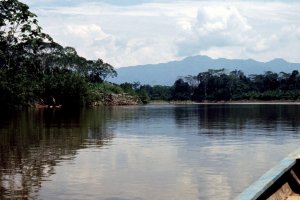
And to the east of the Andes is the selva, the vast plain of tropical rainforest, dissected by huge rivers, flowing north towards the River Amazon, and, thousands of kilometers later, eastwards to the Atlantic Ocean.

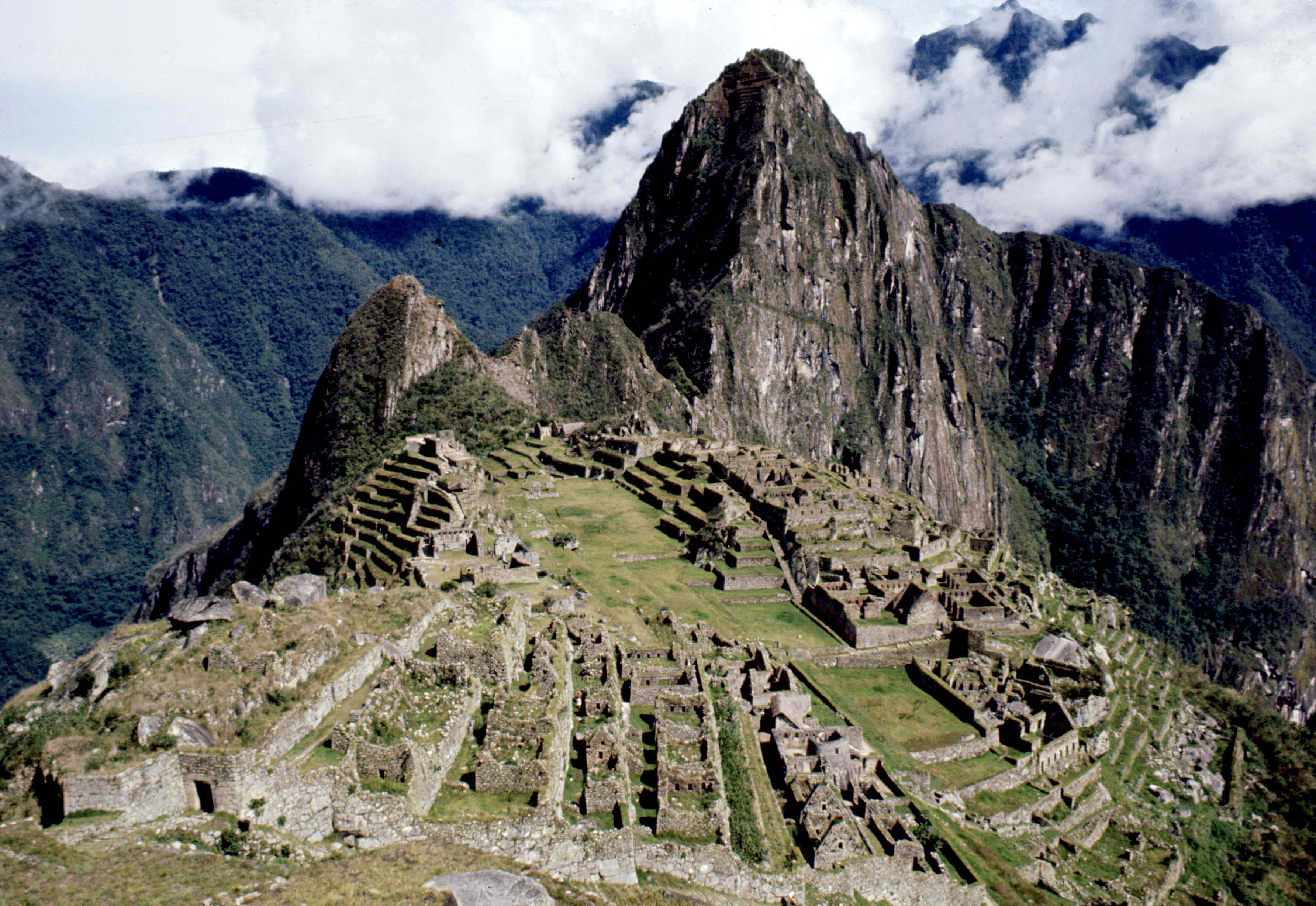
Second, Peru is a country of cultural diversity and a rich archaeology. Everyone has heard of the Lost City of the Incas, Machu Picchu, ‘discovered’ by Yale professor Hiram Bingham in 1911. But throughout the country there are many sites that demonstrate the long cultural development of different groups, especially along the coast oases where rivers flowing westwards from the Andes brought life-giving water to the coastal desert. And there is also considerable evidence for the range of plants and animals that these peoples domesticated: the potato, beans, cotton, peanut, and llamas to name but a few. Fortunately this rich history has been preserved and Lima boasts some of the best museums in the world.

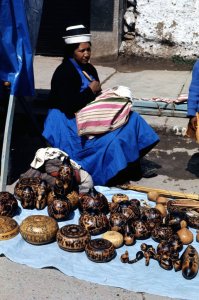
From north to south, different peoples wear different dress. In Cajamarca, the typical dress is a tall straw hat and a russet-colored poncho. In central Peru, the women wear hats like the one shown in the photo on the right. The south of Peru, around Cuzco and Puno is more traditional still.

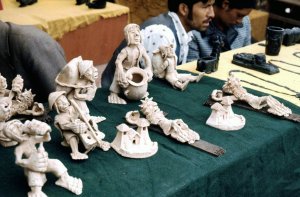
Peru is also a country of great handicrafts – from the leather goods made  in Lima, to the carved gourds or mate burilado, clay figures of farmers or religious effigies, to a wealth of brightly colored textiles.

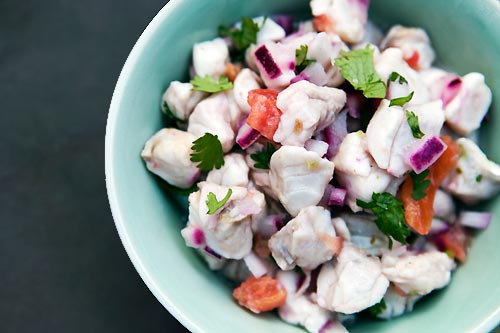
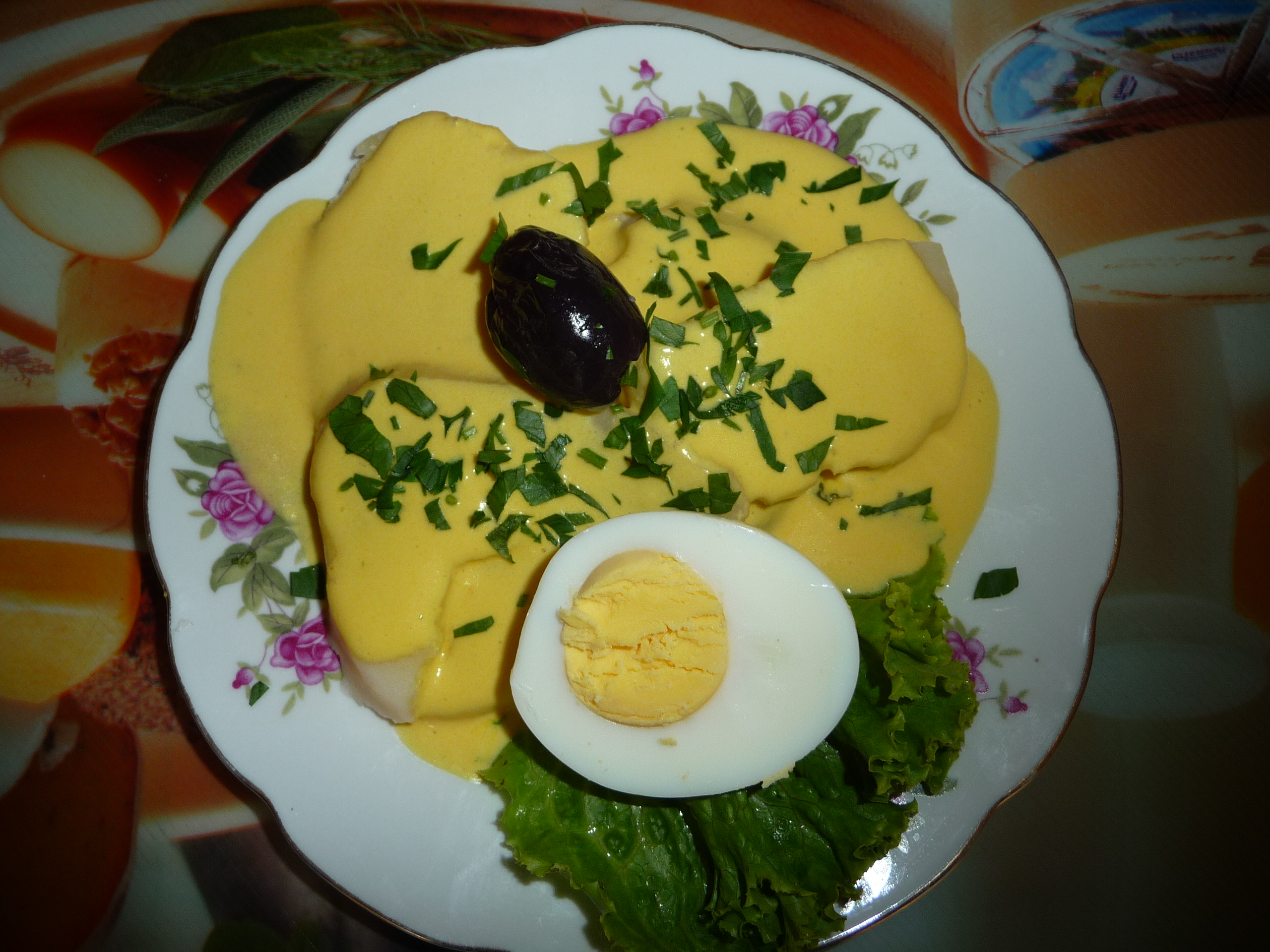
Lastly on this short celebration of Peru, I have to mention some of my favorite food – and I’ve learned that in recent years Lima has become one of the top gourmet capitals of the world. If I had to mention just a couple of dishes they would be ceviche (fish marinated in lime juice and hot chili peppers, and served with sweet potato) and papa a la huancaina, made from sliced yellow potatoes, and boiled eggs, and covered with a spicy sauce.

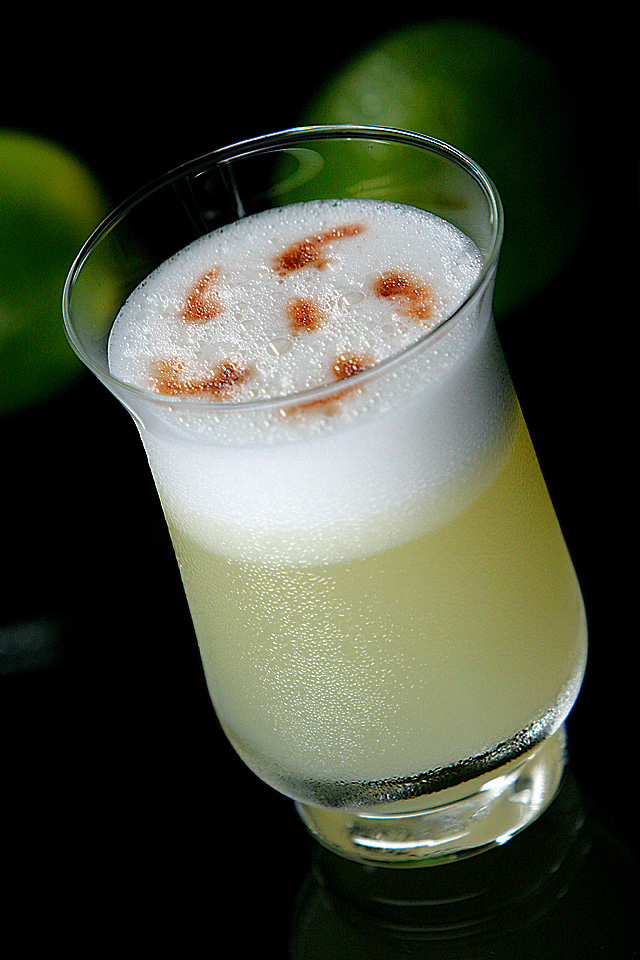
And one of the great ways of serving food is the pachamanca. Of course, all washed down with a good Peruvian beer – Cusqueña, Arequipeña, or Pilsen Callao (my favorite). But I have to mention my favorite drink: pisco sour. Whoever invented that deserves a medal! The only drink better than a pisco sour is a second one.

I was privileged to live in Peru for three years, and have visited there many times since. My work took me all over the country to collect native varieties of potatoes, and to carry out field studies on how farmers adopt and use different varieties. I never lost the excitement of arriving in Lima and waiting to get out into the wild country.

Lima is an enormous city now. It’s been more than a decade since I was last there. In 1973 it seemed there was hardly enough water for a population of about 1.5 million if my memory serves me well. The latest data indicate that Lima now has a population in excess of 9.3 million. I’m told the traffic situation is horrendous.

Certainly the road network around the country has improved – much of my time was spent on dirt roads, hugging the sides of mountains, with precipices up to 1000 m. Not the sort of place to take your eyes off the road.

Given the opportunity I would go back to Peru tomorrow. Although I have seen a good deal of the country, there’s still more to see. I traveled by road, by air, on foot, and on horseback. I slept in schools and a post office, and been eaten up by fleas in a hotel in northern Peru. But I enjoyed (almost) every minute – the friendliness and friendship of Peruvians, and the wonderful paisajes (landscapes), and its illustrious history.

The agricultural terraces of Cuyo Cuyo, southern Peru

In early 1974 I travelled to southern Peru with a taxonomist friend from the University of St Andrews, Dr Peter Gibbs.

Peter and I had become friends when he visited the International Potato Center (CIP) in 1973. At that time Peter was supervising the Master’s thesis of a Peruvian student, Martha Vargas (daughter of renowned Peruvian botanist Professor César Vargas from Cuzco). At CIP he wanted to see if he could hitch a ride to the south of Peru on any germplasm collecting trips planned to that region, so that he could make some collections of oca (Oxalis tuberosa), a minor Andean tuber crop.

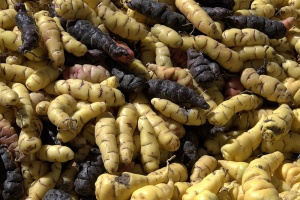
Oca tubers

As it happened, I was looking to carry out some ethnobotanical studies on the different potato varieties grown by farmers as part of my PhD research – but where would be a good site?

Peter showed me an old scientific paper (from 1951) by WH Hodge from the University of Massachusetts [1] about the cultivation of different tuber crops, including potatoes and oca, in the village of Cuyo Cuyo, located about 140 km northeast of Puno (69˚50’W, 14˚50’S) at the head of the Sandia Gorge. Well, this seemed like too good an opportunity to miss, and we agreed to pool our resources for the trip.

The drive south in a small Land Rover – down the coastal desert Panamericana highway, across the Nasca plain, climbing to Arequipa, and even higher to Puno – took three days. After resting up in Puno (next to Lake Titicaca), and getting used to the 3827 m altitude, we set off for Cuyo Cuyo. Dropping down from the altiplano at well over 4000 m, Cuyo Cuyo lies at an altitude of about 3300 m. Below the village the valley drops quickly towards the ceja de la montaña – literally ‘eyebrow of the mountain’ – where the humid air of the rainforests below rises up east-facing valleys to form cloud forest.
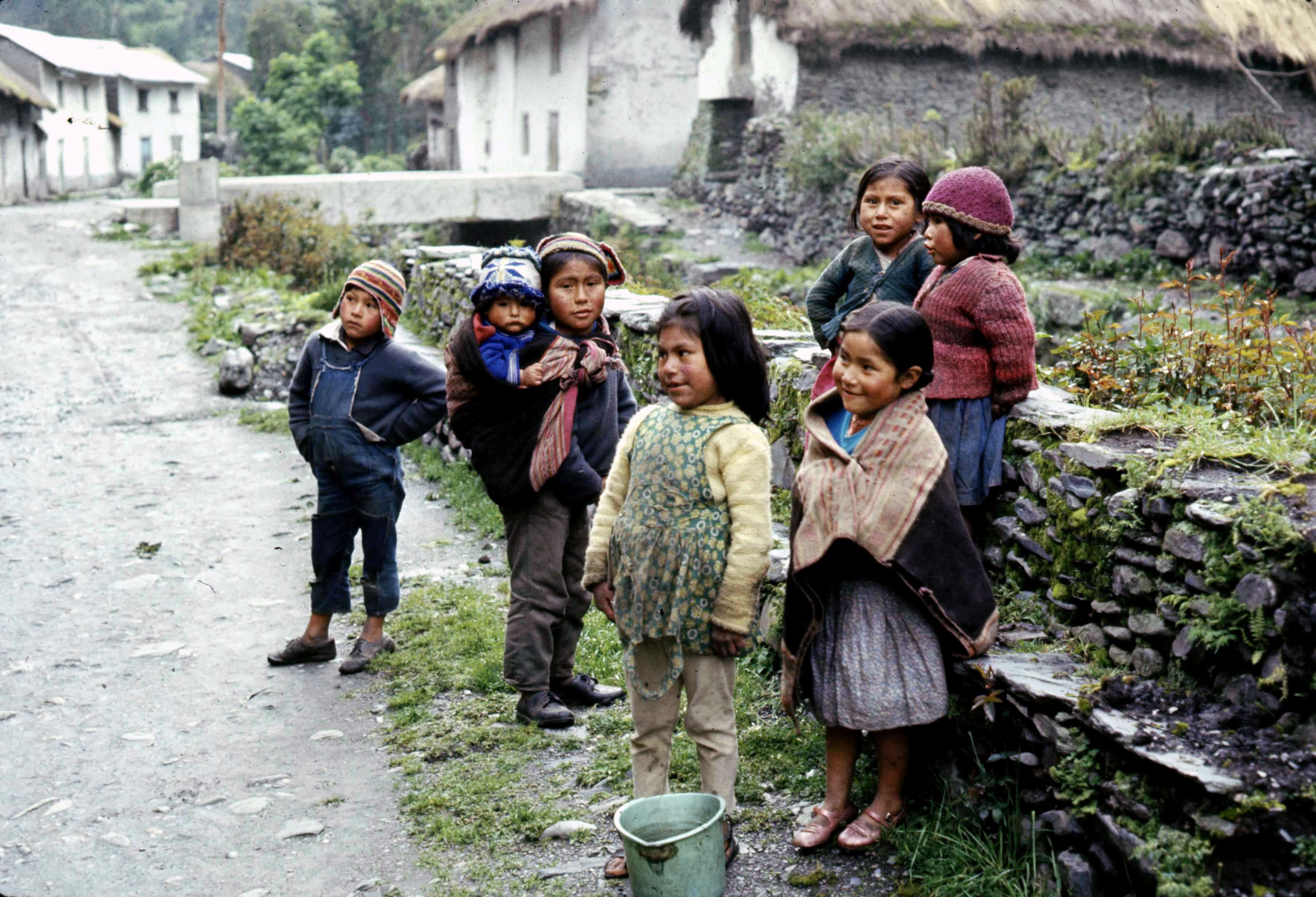
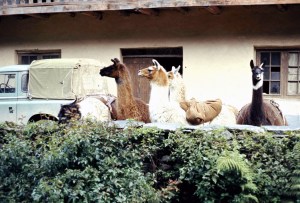
No-one in Cuyo Cuyo was expecting us, so there were quite a few surprised faces when these two gringos drove into town. Cuyo Cuyo was not on the ‘research-tourist’ trail in 1974, but many researchers have visited Cuyo Cuyo since I was there (see below), and there are quite a few publications now about the socio-economic systems and agriculture there.

Peru 110

Under these circumstances (as on other germplasm collecting trips) I’d found it useful to find the local mayor (alcalde) or schoolteacher and explain what we were up to and have them in turn explain to the local farmers and their families (in Quechua). On a previous trip to the north of Peru in May 1973, a local schoolteacher (rather drunk at the time as we’d arrived on his village’s fiesta) hailed me as a representative of La Reina Isabel (HM The Queen), promptly calling a village meeting, and asked me to give a ‘loyal address’. At that time I had fairly rudimentary Spanish, but it didn’t matter. After a few words of congratulations for the fiesta, every person in the hall (maybe 200 or so) came and shook me by the hand!

Peter and I set up camp, so-to-speak, in the local post office where we could sleep, brew the odd cup of tea (there was a small café in the village where we could eat), and gather our specimens together, including a rudimentary drier for the extensive set of oca herbarium samples that Peter intended to make. But more of that particular story later.
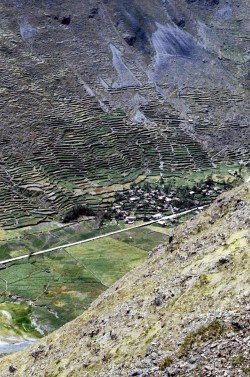
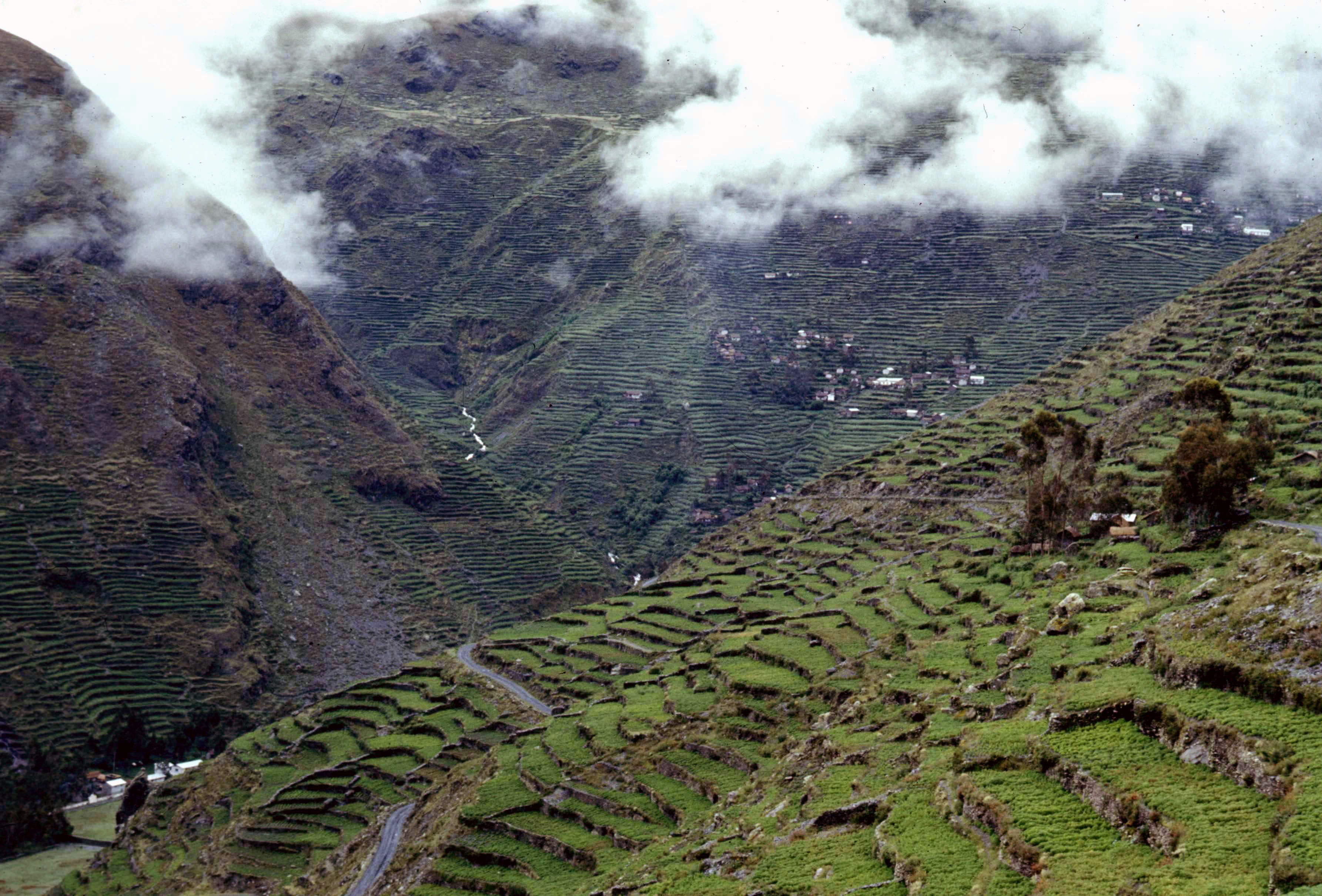
The sides of the Cuyo Cuyo valley are covered with the most wonderful system of agricultural terraces, called andenes, which must have been constructed centuries ago, in Inca times, and have been cultivated ever since. Farmers have different terraces dotted around the valley, and when I was there, at least, farmers were still using a communal rotation system. Thus in one part of the valley the terraces were covered in potatoes (year 1 after a fallow), and oca (years 2 and 3), barley or beans (year 4), or fallow (years 5-8) elsewhere. Sheep are corralled on a terrace prior to planting potatoes, and their urine and dung used as fertilizer. Whether, almost 40 years later, this remains the case I do not know.
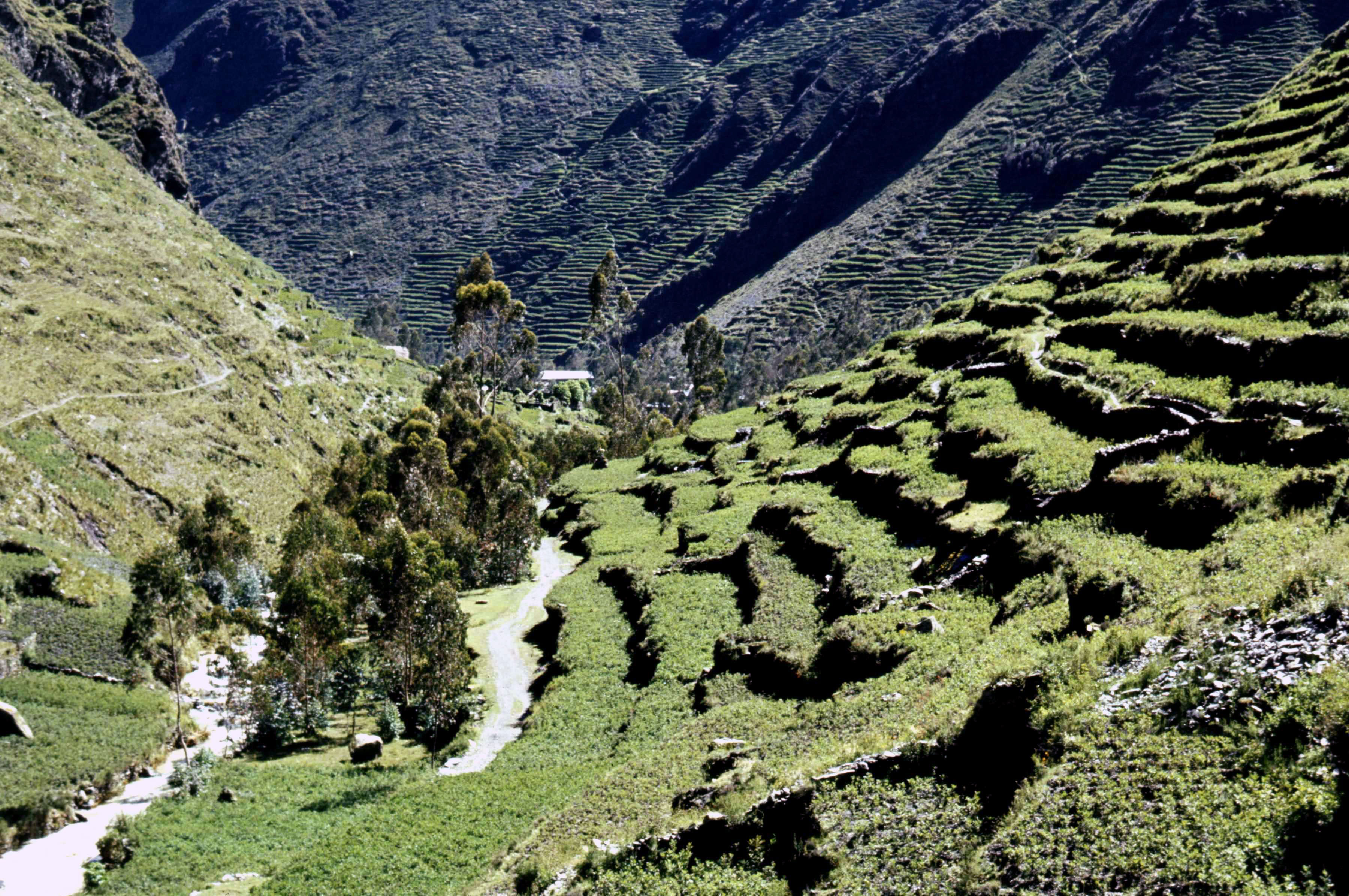
But this system of potato and oca cultivation allowed me to make some detailed studies of the diversity of potato fields in terms of varieties grown and their genetic make-up (chromosome number). I eventually published this work in Euphytica in 1980 [2]. And there’s a story about that publication that’s also worth repeating, a little later on.

Since the terraces are quite small, only the native foot plough is used to till the soil (see my earlier post about potatoes). I discovered that different varieties were apparently suited to the growing conditions in different parts of the valley. The most highly prized varieties with a high dry matter content, termed harinosa or floury, were grown on the upper terraces where there was little chance of flooding. Whereas on the valley floor, which was flooded from time-to-time, farmers grew varieties which tended to be more ‘watery’ and used preferentially in soups.

Another very interesting discovery, for me at least, was seeing freshly harvested potatoes dipped in a clay paste after cooking. This practice, known generally as geophagy, has been reported from many societies, as well as observed in animals and birds.

Farmers told me that freshly harvested potatoes (but not the so-called bitter potatoes – see below) tended to be somewhat ‘peppery’ (that’s the best word I can find to describe the sharp taste of some varieties), and that dipping the tubers in the clay paste helped not only with digestion but also reduced the sharpness of the taste. One of the farmers showed me the site where they collected lumps of clay that were then ground to a fine powder and mixed with water. What’s interesting, however, is that I did not find any frost tolerant, bitter potatoes (Solanum juzepczukii or Solanum curtilobum) that have to be processed to make chuño before they can be eaten.

After two or three days, Peter and I felt that we’d done sufficient field work there, and headed north towards Cuzco to visit some additional sites. From there we returned to Lima by air, leaving the Land Rover behind for a CIP colleague.

But what about all those oca herbarium specimens? Despite our best efforts, we had great difficulty in drying the specimens that Peter collected, for two reasons. It was quite wet during our visit to Cuyo Cuyo, and all the samples were covered in moisture even before we attempted to turn them into dried herbarium sheets. Furthermore, oca has rather fleshy stems that just wouldn’t dry. Even after a couple more weeks of drying in Lima, Peter packed up what he had and posted them to St Andrews. After he arrived home, he found that his herbarium specimens were not only alive, but had begun to sprout – so he promptly planted them all in his university glasshouse, and had a range of living samples to use in his study of pollination mechanisms!

And what about the ethnobotany paper that I referred to earlier? I completed my PhD in 1975, and began to write-up my work for publication in scientific journals. I chose the Wageningen-based journal Euphytica for two papers submitted in 1977 on triploid potatoes and crossability studies, and Economic Botany for the Cuyo Cuyo paper. Well, that paper was finally accepted by mid-1977, and I waited for it to appear in print (by that time I’d already moved to Costa Rica and was busy with other potato research).

I didn’t hear anything for many months, but then, out of the blue, I received a letter from the new Editor-in-Chief of Economic Botany asking me if I’d published the paper elsewhere. In taking over the helm at Economic Botany, he’d found manuscripts in the files that had been accepted for publication up to two decades earlier, but had never been published! Well, at about the same time, the Editor of Euphytica, Prof. Anton Zeven, wrote to me, commenting on my PhD thesis (he’d obtained a copy through interlibrary loan) and wondering if I had published my Cuyo Cuyo research. And if I hadn’t, would I seriously consider doing so. What an invitation! With some revisions (but unfortunately removal of some of the more anthropological aspects) I submitted the paper to Euphytica in early 1979, and it was published some months later in 1980.

Cuyo Cuyo in 2006
Among the researchers to have visited Cuyo Cuyo more recently than me – in early 1997 and May 2006 – is University of Wisconsin-Madison associate professor of botany Dr Eve Emshwiller, who has been studying oca for many years now. In a recent message (15 March 2014)  she commented that Cuyo Cuyo was a fascinating place, but changing fast. I’m sure that’s something that could be said about many of the places I visited in the 1970s, then quite remote, but now opened up through better roads and telecommunications. Eve has kindly given me permission to include here some of her wonderful photos taken in 2006 of the oca harvest in Cuyo Cuyo. In one of the photos you can see the patchwork of fields, some with oca, others with potatoes. That cropping system certainly hadn’t changed in more than 30 years.

[1] Hodge, WH, 1951. Three native tuber foods of the high Andes. Economic Botany 5 (No. 2): 185-201.

[2] Jackson, MT, JG Hawkes and PR Rowe, 1980. An ethnobotanical field study of primitive potato varieties in Peru. Euphytica 29: 107-113. Click to read the paper in full.

Potatoes – the real treasure of the Incas . . .

Home of the potato
The Andes of South America are the home of the potato that has supported indigenous civilizations for thousands of years. As many as 4,000 native potato varieties are still grown. The region around Lake Titicaca in southern Peru and northern Bolivia is particularly rich in genetic diversity, and the wild potatoes from here are valuable for their disease and pest resistance [1].

For three years, from 1973-1975 I had the privilege of living and working in Peru (fulfilling an ambition I’d had since I was a boy) and studying the potato in its homeland. My work took me all over the mountains to collect potato varieties (for conservation in the germplasm collection of the International Potato Center (CIP), and to carry out studies of potato cultivation that I hoped would throw some light on different aspects of potato evolution [2].

I joined CIP in January 1973 as Associate Taxonomist, charged with the task of collecting potato varieties and helping them to maintain the large germplasm collection, that grew to at least 15,000 separate entries (or clonal accessions), but was reduced to a more manageable number through the elimination of duplicate samples. The germplasm collection was planted each year from October through April, coinciding with the most abundant rains, in the field in Huancayo, central Peru at an altitude of more than 3,100 meters.
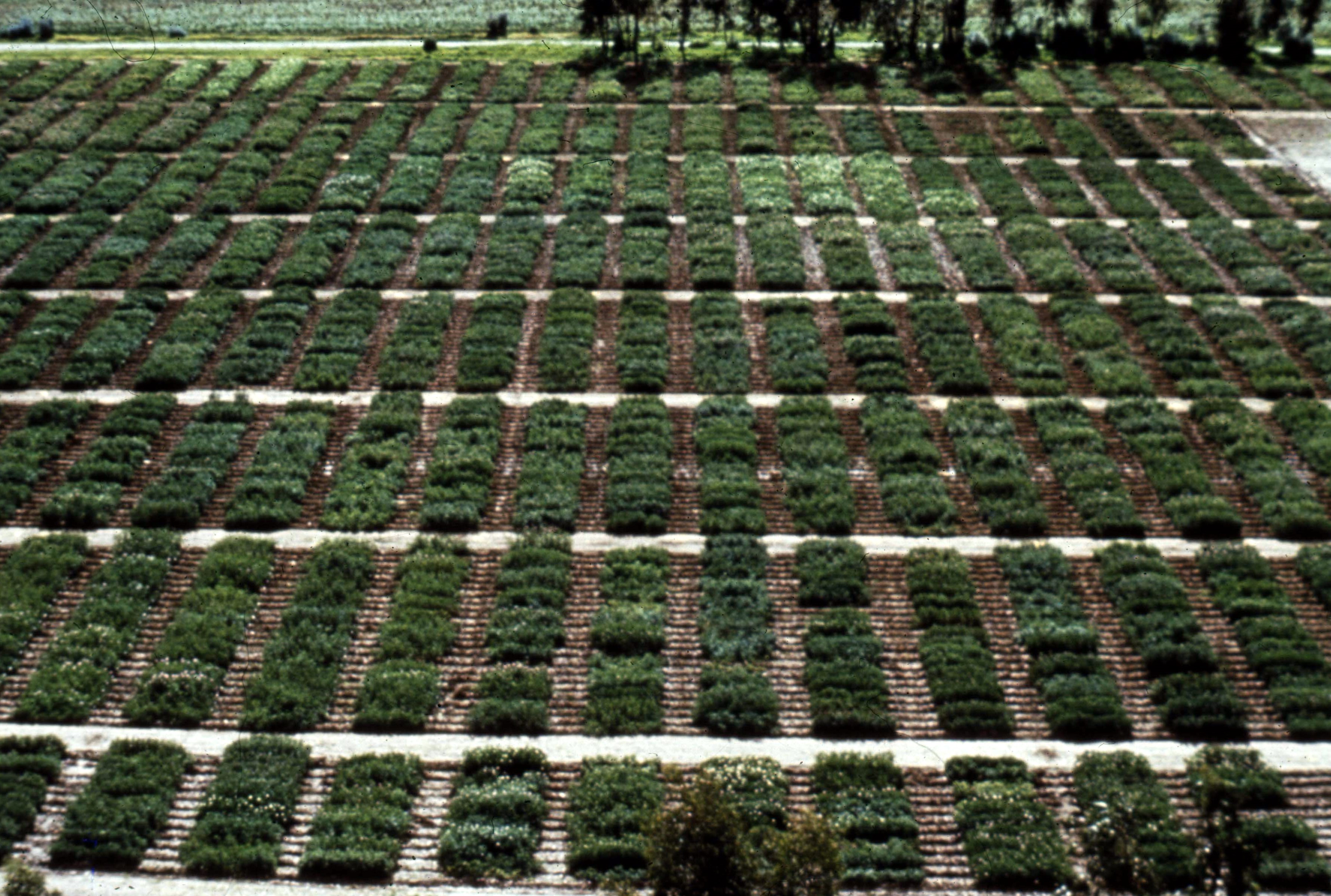
Potato collection at CIP, grown in the field at Huancayo, central Peru, at 3100 m. Taken around mid 1980s.

When CIP was founded in 1971, several germplasm collections from various institutes in Peru and elsewhere were donated to the new collection, but from 1973 CIP organized a program of collecting throughout Peru – and I was fortunate to be part of that endeavour. In May 1973 I joined my colleague Zosimo Huaman to collect potatoes in the Departments of Ancash and La Libertad, to the north of Lima. The highest mountains in Peru are found in Ancash, and our route took us through into the Callejón de Huaylas (between two ranges of the highest mountains in Peru, the Cordillera Blanca on the east, and Cordillera Negra on the west), and over the mountains to valleys on the eastern flanks. This was my first experience of collecting germplasm, and it was exhilarating. I think we did quite well in terms of the varieties collected, and the photograph below illustrates some of  their  immense genetic diversity.

Genetic diversity in cultivated potatoes

The following year I traveled with just a driver, Octavio (who was unfortunately killed in a road accident a couple of years later) further north into the Department of Cajamarca during April-May 1974. The photograph below shows the view, in the early morning sun, south towards Cajamarca city. The mist hanging over the city comes from hot springs that were utilized centuries ago by the Incas to build bath houses.

We collected potatoes in the field at the time of harvest, but also in markets (here is shown the market of Bambamarca), and from farmers’ own potato stores. Incidentally, the tall straw hats are very typical Cajamarca, as are the russet-colored ponchos.

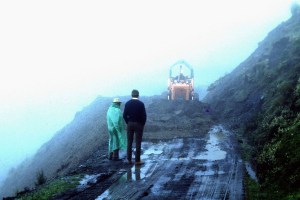
In January 1974 I made a trip south, with Dr Peter Gibbs, a taxonomist from the University of St Andrews, Scotland, who was interested in the tri-styly pollination of a minor Andean tuber crop called oca (Oxalis tuberosa). We went to the village of Cuyo Cuyo, more than 100 km north of Puno in southern Peru. Dropping down from the altiplano, the road hugs the sides of the valley, and is often blocked by landslides (a very common occurrence throughout Peru in the rainy season). Along the way – and due to the warmer air rising from the selva (jungle) to the east – the vegetation is quite luxurious in places, as the white begonia below shows (the flowers were about 8 cm in diameter). Eventually the valley opens out, with terraces on all sides. These terraces (or andenes) are ancient structures constructed by the Incas to make the valley more productive.

In Cuyo Cuyo, I studied the varieties growing in farmers’ fields, and their uses [3].

Getting to some locations by four-wheel drive vehicle was often difficult. Then it was either ‘shanks’ pony’, or real pony. I do remember that I became very sore after many hours in the saddle. Incidentally, I still have that straw hat and it’s as good as the day I bought it in January 1973.

But studying potato systems, and working with farmers was fascinating. Here I am collecting flower buds, and preserving them in alcohol ready to make chromosome counts in the laboratory, back in Lima.

The next photograph shows a community we visited close to Chincheros, near Cuzco in southern Peru. While farmers grew commercial varieties to send to market in Cuzco – the large plantings of potatoes in the distance -closer to their dwellings they grew complex mixtures of varieties, with different cooking and eating qualities.

Most farmers do not have access to mechanization, apart from manual labor and oxen to pull ploughs. In any case, much of the land in these steep valleys is unsuitable for mechanization. For centuries, farmers use the chakitaqlla or foot plough illustrated by Peruvian chronicler Felipe Guaman Poma de Ayala in the early 17th century. There are many different foot ploughs in used throughout Peru. The foot plough shown below in one of Poma de Ayala’s illustrations is the same as that used by farmers in Cuyo Cuyo. The photograph underneath shows farmers near Huanuco in central Peru.

I never collected wild potatoes as such, but it was fun on two occasions to accompany my thesis supervisor and mentor, Jack Hawkes (a world-renowned expert on the taxonomy and evolution of potatoes, and one of the founders of the genetic resources movement in the 1960s) on short trips. In January 1973 we visited Cuzco, and Jack found Solanum raphanifolium growing among the ruins of the Inca fortress of Sacsayhuaman.

Early 1975 (during one of his annual trips to CIP)  Jack, Juan Landeo (then a research assistant, who later became one of CIP’s potato breeders), and I traveled over four days through the central Andes just north and east of Lima, in the Departments of Cerro de Pasco, Huanuco, and Lima. It was fascinating watching an expert at work, especially someone so familiar with the wild potatoes and their ecology. We’d be driving along, and suddenly Jack would say “Stop the car! I can smell potatoes”. And more than nine times out of ten we’d find clumps of wild potatoes after just a few minutes of searching. Here we are (looking rather younger) about to make a herbarium collection just south of Cerro de Pasco (I don’t remember which wild species, however).

Markets are always fascinating places to collect germplasm of many different crops. The next two photographs show colorful diversity in maize and peppers.

Among the many you can find in the market is chuño, a type of freeze-dried potato, made from several varieties of so-called bitter potatoes, which have a high concentration of alkaloids which must be removed before eating. This is done by first leaving the tubers on the ground on frosty nights to freeze, and then thaw the following morning. After several cycles of freezing and thawing the tubers are then soaked for several weeks in fast-flowing streams to leach out the bitter compounds. Afterwards, they are left to dry in the sun, and in this preserved state will last for months. This photograph was taken in the Sunday market at Pisac, near Cuzco.

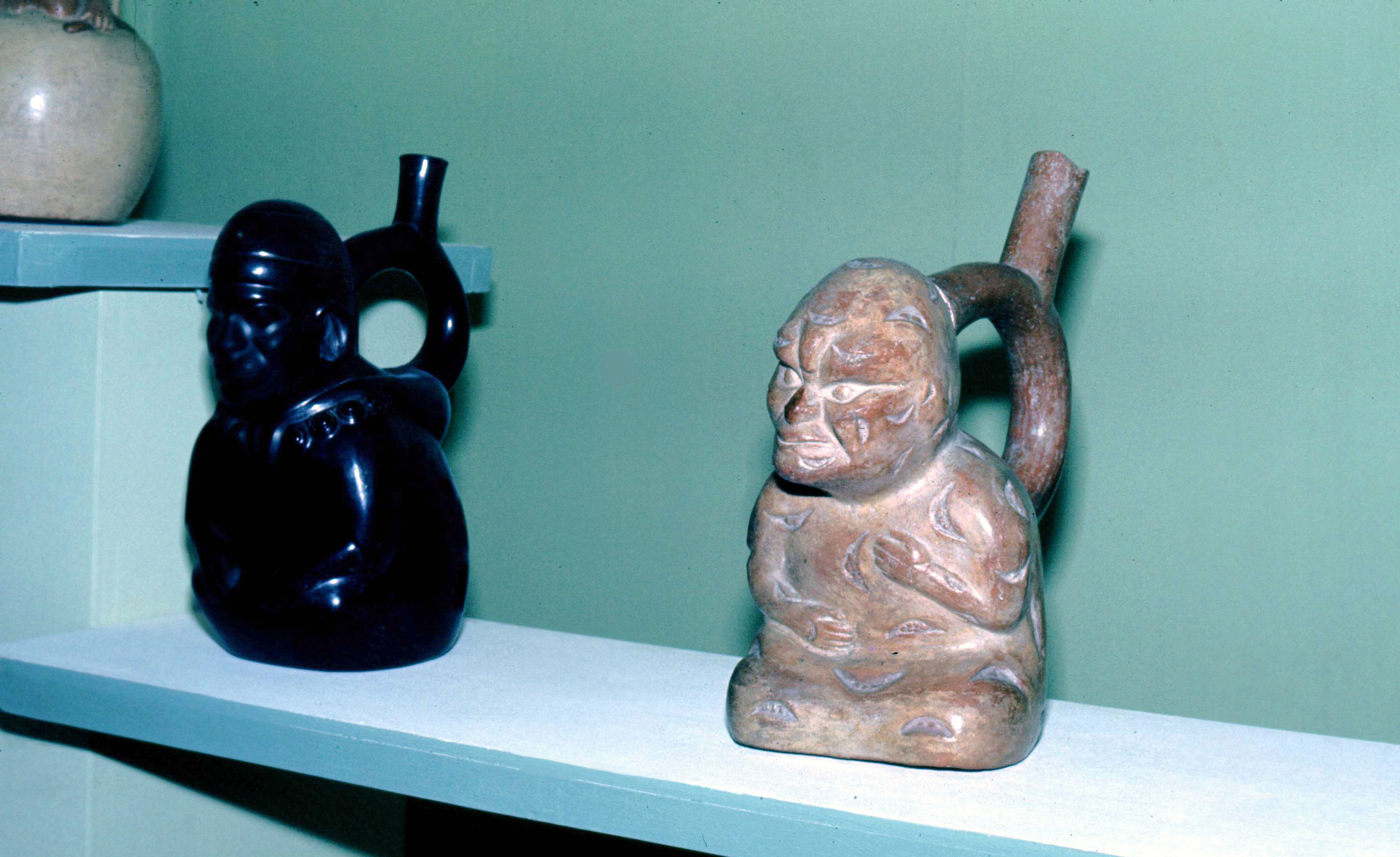
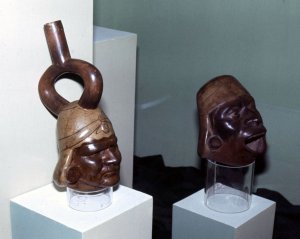
Clearly the potato is an ancient crop in Peru (and other countries of the South American Andes), and domesticated several thousand years ago. It was revered by ancient civilizations, as these anthropomorphic potato pots (or huacos) show. The national anthropological museum in Lima has a fine collection of these pots showing a vast array of different crop plants. It also holds an extensive collection of erotic ceramics for which the Incas, Moche, and other coastal civilizations were equally famous.

After the conquest of the Incan empire by Francisco Pizarro González in the 16th century, the Spanish plundered all the gold and other precious items they could find, and sent everything back to Spain. It’s often said, however, that the value of all this gold fades into insignificance compared to the value of the potato crop today worldwide. The real treasure of the Incas has certainly been put to better use.

~~~~~~~~~~~~~~~~~~~~~~~~~~~~~~~~~~~~~~~~~~~~~

[1] Jackson, M.T., J.G. Hawkes, B.S. Male-Kayiwa & N.W.M. Wanyera, 1988. The importance of the Bolivian wild potato species in breeding for Globodera pallida resistance. Plant Breeding 101, 261-268.

[2] Jackson, M.T., J.G. Hawkes & P.R. Rowe, 1977. The nature of Solanum x chaucha Juz. et Buk., a triploid cultivated potato of the South American Andes. Euphytica 26, 775-783.

[3] Jackson, M.T., J.G. Hawkes & P.R. Rowe, 1980. An ethnobotanical field study of primitive potato varieties in Peru. Euphytica 29, 107-113.


City in the sky . . . celebrating Machu Picchu

Like many of the people I worked with over the years, I have been able to combine pleasure with business travel. I have seen some spectacular sights in the many countries I have visited, none more so perhaps, than the Lost City of the Incas, Machu Picchu in southern Peru.

Having joined CIP at the beginning of January 1973, I participated in a research planning workshop on the taxonomy and genetic resources of potato. And while we visited Cuzco, I took a day off (with Richard Tarn from Agriculture Canada in Fredericton, New Brunswick – and also a former PhD student of Jack Hawkes) to make the 80 km journey to Machu Picchu, which lies to the northwest of Cuzco. After Steph and I were married in Lima in October 1973, we delayed a honeymoon until December, but then flew south to enjoy a week in Cuzco and an overnight stay at the turista hotel at Machu Picchu itself. And what a bonus that was since the hotel accommodated only a small number of guests – in those days the tourist pressure on the site was much less – and we saw no evidence of travelers camping there. So it was great to see the sunset and sunrise over the magnificent ruins, and to have opportunity to take all the photos we wanted without too many people in the frame.


‘Thank you, Margaret Thatcher’ – my Pioneer Interview with Gene Hettel

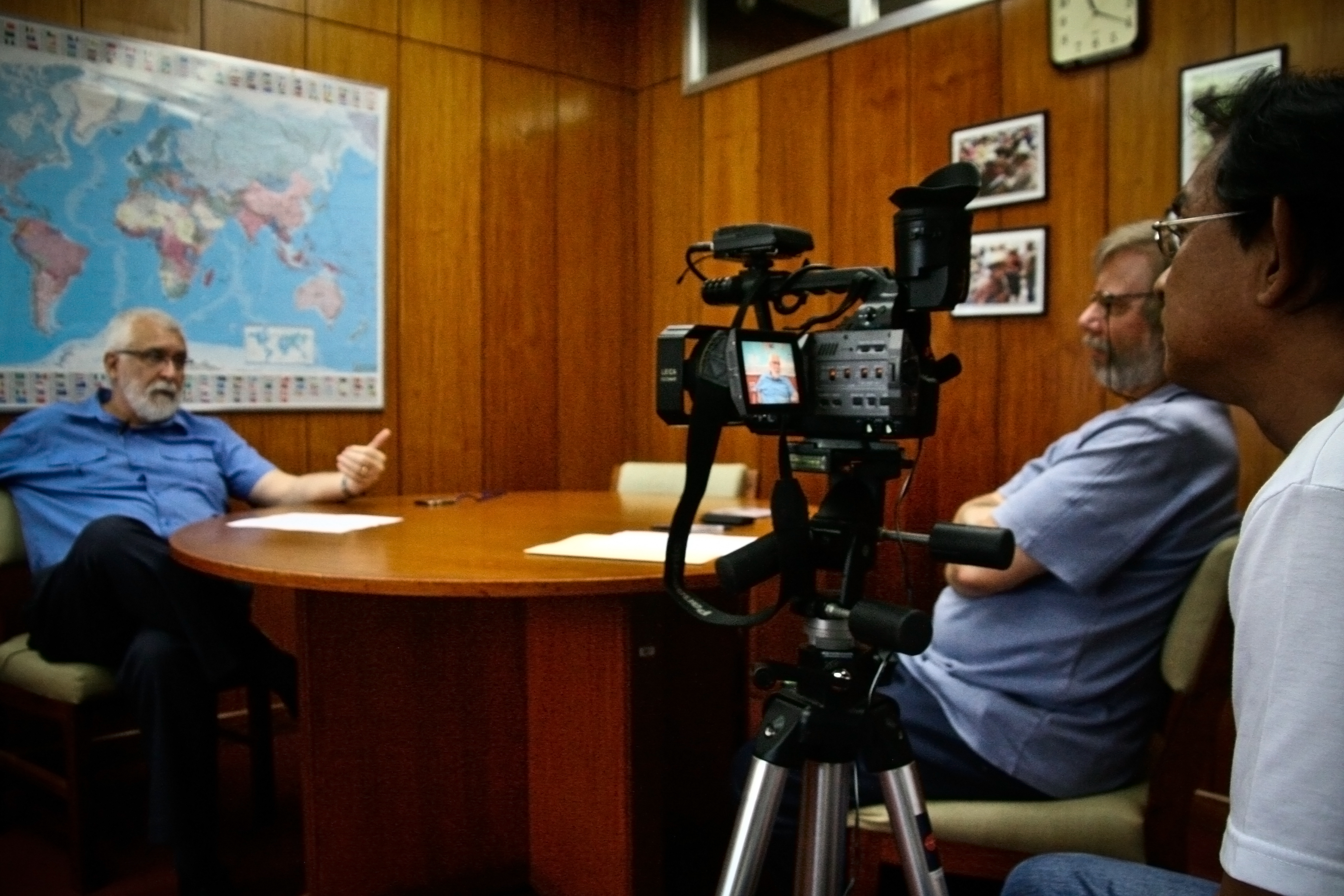
The head of IRRI’s Communication and Publications Services (CPS), Gene Hettel, is compiling a set of Pioneer Interviews with IRRI staff, past and present. These have been published in IRRI’s in house magazine for the past decade, Rice Today. In addition he usually also makes a video.

In mid-February 2010, just over two months before I retired from the institute, Gene and I found a time for my Pioneer Interview. If you want to know about many of the things I did at IRRI, and elsewhere – and some of my opinions about international agricultural research and how it’s organized, just watch the videos.

Jack Hawkes – a plant genetic resources pioneer

Jack Hawkes

I was privileged to have known Jack Hawkes for almost 40 years. I first met him in February 1970 when he interviewed me for a place on the recently-established MSc course at the University of Birmingham on the conservation and use of plant genetic resources. I then went on to complete a PhD on potatoes under his co-supervision (with Dr Roger Rowe at the International Potato Center, in Lima, Peru). Since Jack was due to retire from the university in September 1982, I was appointed to a lectureship in plant biology in April 1981 to take on Jack’s teaching commitments on crop evolution and other genetic resources topics.

The post below is based on an article I wrote for the Oxford Dictionary of National Biography, published last year.

John Gregory ‘Jack’  Hawkes – botanist, educator, and visionary – was born in Bristol in 1915. After completing his secondary education at Cheltenham Grammar School in 1934, he won a place at Christ’s College, University of Cambridge, graduating with a BA (Natural Sciences, first class honours) in 1937. His MA was awarded in 1938, and he completed his PhD in 1941 under the supervision of the noted potato breeder and historian, Dr Redcliffe N Salaman FRS. The university awarded Jack the ScD degree in 1957.
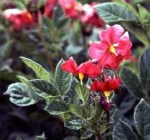
On 20 December 1941 Jack married Barbara Ellen Leather. They had two daughters, born in 1944 and 1946, and twin sons born in Colombia in 1950.

On graduation in 1937 Jack successfully applied for the position of assistant to Dr PS Hudson, Director of the Imperial Bureau of Plant Breeding and Genetics in Cambridge, for an expedition to Lake Titicaca in the South American Andes. In the event this expedition did not materialize due to Hudson’s poor health, but a more comprehensive expedition was then planned for 1939, led by EK Balls, a professional plant collector. Thus began Jack’s lifelong interest in ‘the humble spud’.
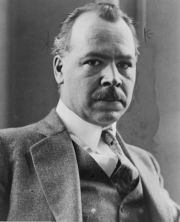
In order to prepare himself for the expedition, and because Jack himself recognized that he ‘knew virtually nothing about the scientific aspects of potato species’, he received permission to travel to Leningrad to meet Russian scientists SM Bukasov and SW Juzepczuk who had already collected potatoes in South America, and to seek their advice about the planned British expedition.

Nikolai Vavilov

And it was during this visit that Jack met the world-famous geneticist NI Vavilov, who he described as ‘a colossus among his colleagues both within and outside the USSR….’. He acknowledged that it had been ‘a privilege to have known him’, and was certain that Vavilov’s influence helped to shape his career. The authorities in Leningrad even attempted to recruit Jack, perhaps half-halfheartedly, as a Soviet spy – a suggestion that horrified him and which he hastily rejected.

On a later visit he also met the controversial Trofim Lysenko whose influence with Stalin led to the banning of Mendelian genetics in the Soviet Union for a generation. Jack did not like Lysenko one little bit and thought him ‘a dangerous and wholly repellent person… a politician rather than a scientist’. Lysenko’s ascendancy under Stalin led to Vavilov’s disgrace and early death in 1943.

CCI05022012_00001The 1939 expedition was the first of more than a dozen that Jack made to South and North America in search of wild potato species, and became the basis of his taxonomic treatment of potatoes, first published in 1956, with several later revisions. He had a long collaboration with Danish botanist J Peter Hjerting. Together they published two major monographs on the wild potatoes of Argentina, Brazil, Paraguay and Uruguay (1969) and Bolivia (1989) emphasizing not only the taxonomy but also breeding relationships to facilitate use in potato improvement.

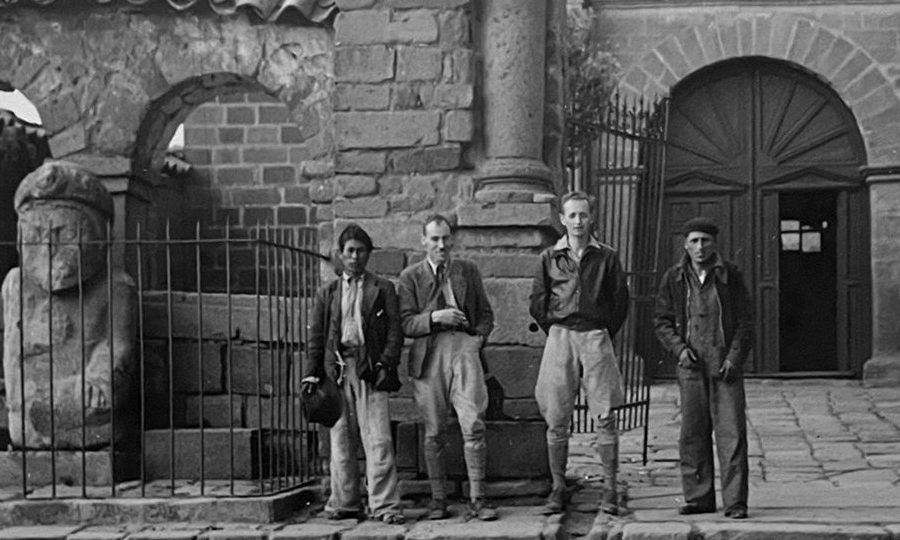
Hawkes (second from right) with Edward Balls on his right, and two assistants outside a church in La Paz in 1939

Jack was seconded for three years (1948-1951) by the Colombian government to establish a potato research station. Dr Nelson Estrada, a renowned Colombian potato breeder, was one of Jack’s protégés, and their hybridization research became a model for potato breeding programs.

Nelson Estrada and Jack Hawkes evaluating potato hybrids in the field

Not long after returning to the UK, Jack was appointed lecturer in botany at the University of Birmingham in 1952, and he remained there until his retirement in 1982. In 1961 he received a personal Chair in Taxonomic Botany, and in 1967 was appointed Mason Professor of Botany and head of department. Jack actively supported the genetic resources program at the International Potato Center (CIP) in Lima, Peru from 1973, and several of his PhD students did their thesis research there. He also acted as scientific adviser to the Commonwealth Potato Collection in Scotland (founded from germplasm he collected in 1939) and the USDA potato collection at Sturgeon Bay, Wisconsin.

Jack Hawkes (center) with Frank Haynes (NCSU) on his right and Roger Rowe (USDA) and Don Ugent (Southern Illinois University-Carbondale) looking at CIP’s germplasm collection in Huancayo, January 1973. Ing. Agr. David Baumann (CIP) is explaining how the collection is maintained.

In addition to his lifelong research on potatoes, Jack also spearheaded scientific interest in the Solanaceae plant family that also includes tomato, tobacco, chili peppers, and eggplant, and many species with pharmaceutical properties. With colleagues at Birmingham in the late 1950s he developed serological methods to study relationships between potato species. He was also one of the leading lights to produce a computer-mapped Flora of Warwickshire, a first of its kind, published in 1971.
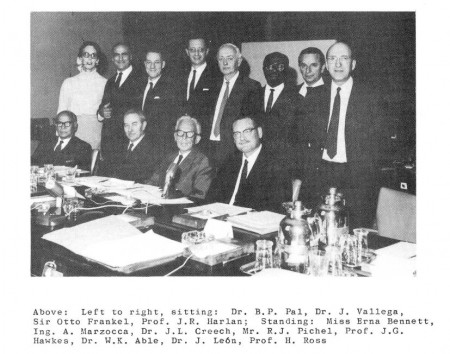
One of Jack’s most important legacies, stemming from his knowledge of potatoes, was his participation in and contributions to the nascent genetic resources conservation movement of the 1960s. Led by eminent Australian wheat breeder, Sir Otto Frankel FRS, Jack joined the FAO Panel of Experts that included plant collector Erna Bennett and Illinois professor and cereals expert Jack Harlan, among others.

They envisioned a world-wide effort to conserve plant genetic resources in a network of genebanks, and gave impetus to international efforts to collect and conserve plant varieties that were threatened with extinction. These efforts led eventually to the establishment of the International Board for Plant Genetic Resources (IBPGR, now Bioversity International) in Rome, Italy under the auspices of the FAO.

Shortly after being appointed Mason Professor of Botany, Jack received support from the university to develop an international 1-year training course in plant genetic resources. In September 1969 five students enrolled on this MSc course that was subsequently offered for almost four decades – significantly longer than Frankel had predicted when Jack first mooted the idea. The course remained the only formal training course of its kind in the world, and by 2008 had trained over 1400 MSc and 3-month short course students from more than 100 countries, many becoming genetic conservation leaders in their own countries. The training continues at Birmingham, but in a different format.

Jack received many honors and awards, including the 1973 Frank N Meyer Memorial Award from the American Genetic Association for services to plant introduction, and the 1996 Distinguished Economic Botanist Award from The Society for Economic Botany. In 1984 he received the Linnean Medal from the Linnean Society of London, of which he was later elected president (1991-1994), a role that gave him immense pleasure*. He received an OBE for services to botany in 1994. He was awarded the Congress Medal of the XII International Botanical Congress held in Leningrad in 1975, of which he was a Vice President. In 1989 the Potato Association of America elected Jack as an Honorary Life Member. But what probably gave him most pleasure was the Vavilov Medal and the Honorary Professorship from the NI Vavilov Institute of Plant Industry, awarded only twice, and Jack the only non-Russian. In a sense, his life’s work had come full circle from the moment in 1938 when, as a young man of 23, he met the great geneticist at the institute that now bears his name.

L, from top: the Frank N Meyer Memorial Medal; the Linnean Medal; the Vavilov Medal; and on the R: the OBE insignia

Following retirement from the university Jack continued to actively publish until 2004 when his memories of the 1939 expedition – and his initiation into the world of the potato – were published under the title Hunting the Wild Potato in the South American Andes.

A website featuring the 16 mm films (and photo albums) that Jack made during the 1939 expedition, and other expeditions to the USA, Mexico and Central America in 1958 and to Bolivia in 1971 can be viewed here.

After Barbara died in 2005, and increasingly frail, Jack left his home of more than 50 years in Harborne, Birmingham and moved to Reading to be near family. And there he died in September 2007, aged 92.

* A meeting, The Future of Plant Genetic Resources, was held in Jack’s honour at The Linnean Society in May 2009.