
A short break
My wife Steph and I have just returned from a short holiday in central Portugal, staying with my eldest brother Martin and his wife in their beautiful home in central Portugal. I had visited Portugal only once before – in July 2003 – and then just to Lisbon. So Steph and I were looking forward to exploring the Ribatejo, and specifically the geographical sub-region of the Medio Tejo. And it did not disappoint! Just click on the photos below to open a larger image or link to web albums of the places we visited.
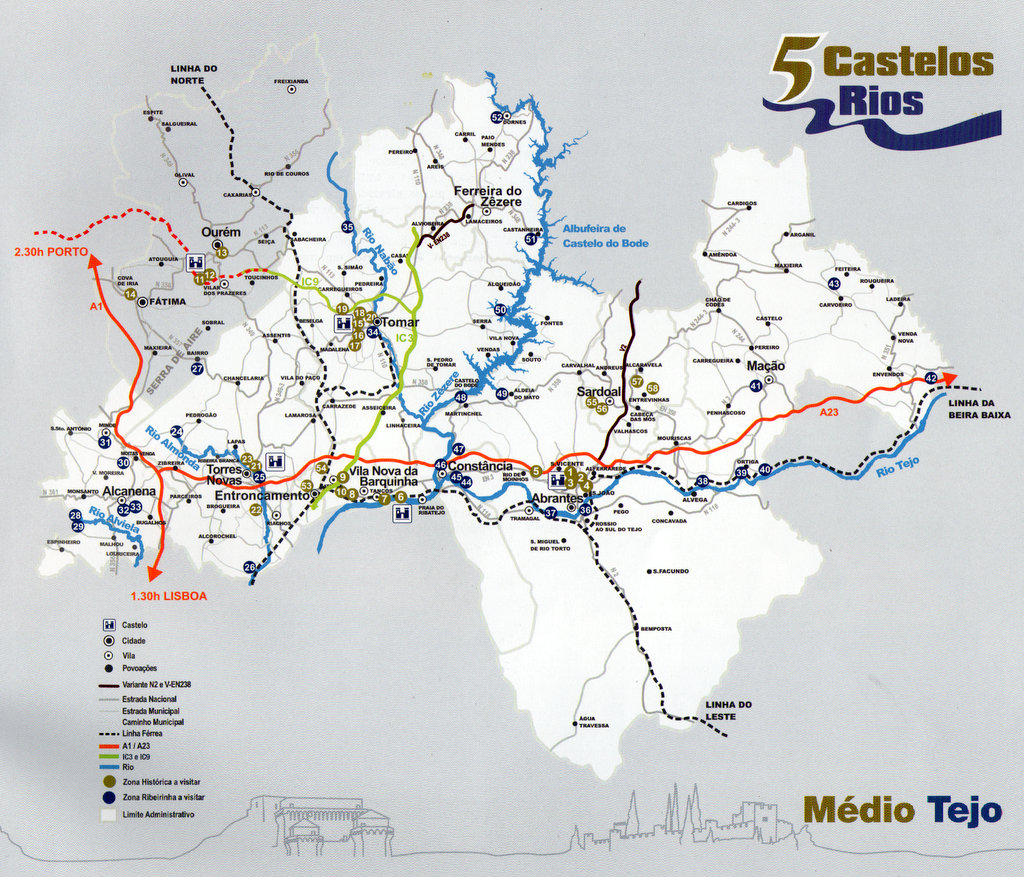 Five rivers and five Templar castles define the Medio Tejo, and we saw some of them, across a landscape of rolling hills that are not very high at all. Everywhere is covered in pine trees and cork oaks – as well as commercial eucalyptus plantings – and, unfortunately, subject to periodic wildfires during the hot summer months.
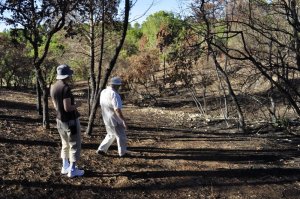 In fact, there had been a spate of fires just a week or so before we travelled to Portugal, and we saw many areas close to Tomar that had been burnt through. The fires even crept up to the boundary wall and fence of my brother’s house, and singed a couple of trees in the garden. Fortunately there was no other damage – just a lot of soot and ash to cope with for several weeks. Others close by were not so lucky.
Tomar
Tomar is about 140 km northeast of Lisbon, connected by an excellent network of motorways, mostly empty except closer to Lisbon.
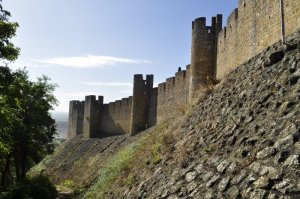 Dominating the Tomar skyline is the Convento de Cristo and castle, built by the Templar knights in the 12th century. In fact, Tomar was founded by D. Gualdim Pais after evicting the Moors – a sequence of events that is encountered at most if not all of the Templar castles that are found in several towns in the Medio Tejo. Tomar was the headquarters of the Order of the Knights Templar. The Templar castles are mostly in a very good state of repair. It seems that they were not ravaged by internal conflicts such as those that affected most of the castles in England and Wales, for example.
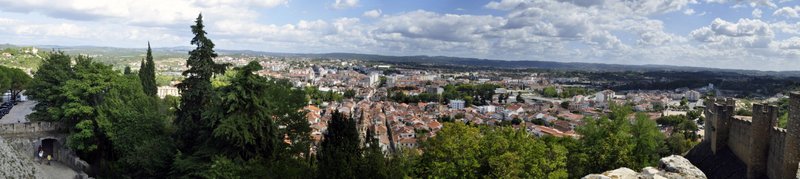 While a walk along the castles walls – with amazing views over the old town of Tomar – is possible, the keep and other castle buildings are closed to visitors. But adjacent to, and surrounded on three sides by the castle walls, is the Convento de Cristo (a monastery) itself, a magnificent series of buildings, arches and cloisters.
Among the most inspiring of the decorative stonework is the Claustro de Santa Bárbara window on the west wall of the monastery church. From the various roof terraces are impressive views into the different cloisters, and of course the ubiquitous arched passageways. Particularly impressive are a couple of seemingly ‘floating’ stone spiral staircases leading to one of the roof terraces.


Looking over towards the old town of Tomar, the monks’ gardens are adjacent to the monastery itself, and beyond the castle walls to the west is the Mata Nacional de Sete Montes, once upon a time the hunting grounds of the Templar knights, but now a 37 ha garden and forested area freely accessible to the public.
 At the gates to the garden there is an impressive statue of Henry the Navigator (the Infante Henrique), once the governor of the Order of Christ (Portuguese successor to the Order of the Knights Templar in the 15th century), and considered to be the patron of the age of Portuguese exploration.
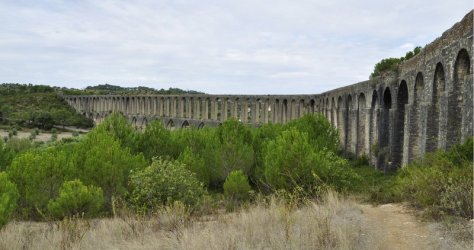
Water was supplied to the monastery and castle over the Aqueduto de Pegões, constructed in the early 16th century, and comprising – at its highest point – 180 double arches, and stretching more than 7 km into the countryside to the northwest of Tomar.
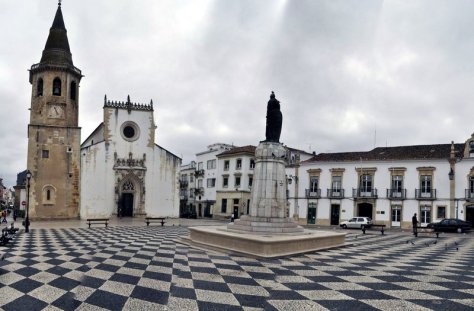
Below the castle, the old town of Tomar nestles lazily against the hill on which the castle and monastery were built. From the Rio Nabão (that separates the old town from the new) a network of cobbled streets meets in the main square, the Praça da Republica, with its town hall, Igreja de São João Baptista and, facing the main entrance of the church in the center of the square, a statue of Gualdim Pais.
An old bridge – named after King Manuel I – crosses the Nabão, linking the old and new towns. On a small island in the river is the Parque de Mouchão, with a large traditional water wheel at the entrance across a small bridge. The wheel has traditional pots on its rotating rim to capture the water.

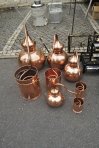 New Tomar is much larger than the old town, and a weekly market is held along the banks of the river, where all manner of goods are sold: fruits, vegetables and flowers; meat; live animals, including rabbits, songbirds, ducks, chickens, geese, and even peacocks; tools and gardening implements; household pots and pans, and impressive copper stills; and a wide range of clothes and shoes.
Further afield
We had the opportunity of visiting two more Templar castles: at Ourém, some 27 km to the northwest of Tomar; and at Almourol on an island in the middle of the Rio Tejo, near Vila Nova de Barquinha, about 23 km due south of Tomar.
The castle at Ourém was constructed on the top of a hill, and is approached up a very steep road; at the top there is a wonderful 360° panorama, for at least 50 km on the day of our visit.
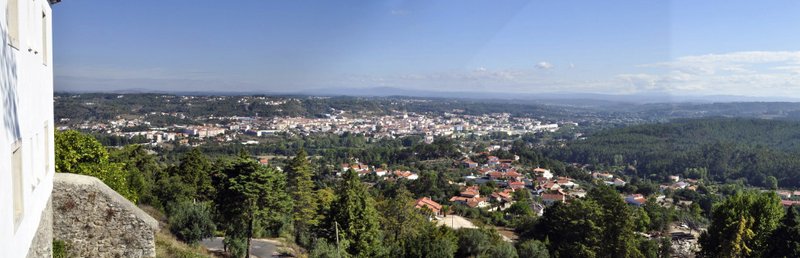
A village of white rendered houses and narrow winding streets clings to the hillside below the castle, with a small main square and church. By coincidence it was the twelfth anniversary when a local baker had been severely burned in an accident, and not expected to survive. He apparently had a ‘vision’ of the 14th century general and Carmelite friar Nuno Álvares Pereira, and his subsequent ‘miraculous’ recovery was enough for Pope Benedict XVI to canonize the friar in April 2009. Just a few kilometers across the valley to the southwest lies the village of Fátima, site of the ‘apparition’ in 1917 to three local children by the Virgin Mary.
One of the interesting features of the twin towers of Ourém castle are the red tiles incorporated into the stonework.

On another day we visited the castle at Almourol. If you asked a young child to draw a castle, then this one would be just as you might imagine. 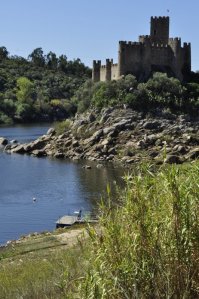 Built on a small island in the middle of the Tejo, there are impressive castellated walls and tower, silhouetted against the skyline. Under normal circumstances, access to the island and castle is only possible by a small boat, but on the day we visited the river level was so low that it would have been possible to hop across the rocks on to the island. This is not, however, permitted! After all, the boatman has the concession and has to make a livelihood.
Apart from these excursions, we enjoyed wonderful hospitality. Even on the less sunny days we enjoyed a dip in their pool, and a glass or three of excellent (and exceptionally cheap – by UK standards at least) of vinho tinto or vinho verde.
All too soon our 10-day holiday was over, and we were on the easyJet flight back to London-Luton from Lisbon. Needless to say, the weather on arrival at Luton – wet, windy and cool – was a bit of a shock to the system, and a world away from that we had enjoyed in Tomar. So while most tourists tend to head to the Algarve and points south, the Ribatejo region is well worth a visit and, I guess, is less busy for much of the year, except every four years when Tomar celebrates its Festa dos Tabuleiros (the next one is in 2015).










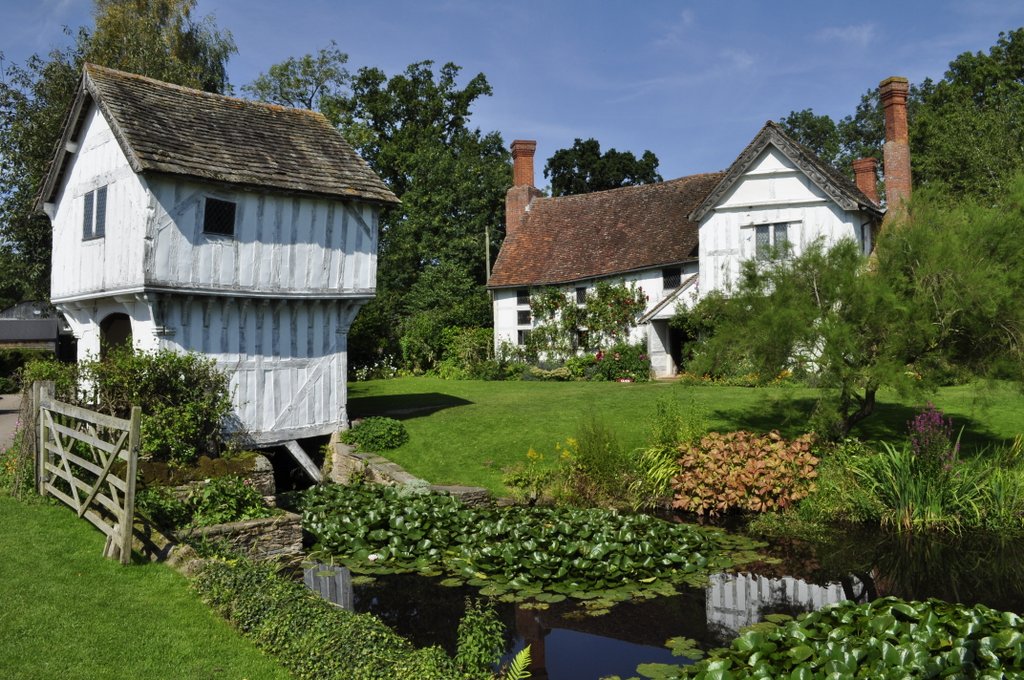


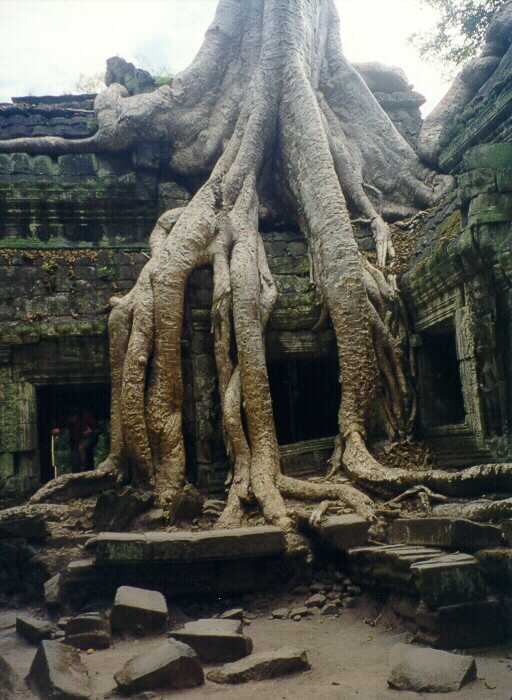
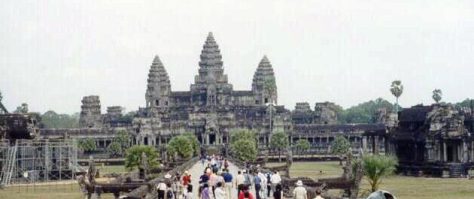
 Over my career, I was very fortunate to be able to combine business trips with short visits to some of the world’s iconic heritage sites, or take time out for a quick vacation in the region without having to fly half way round the world.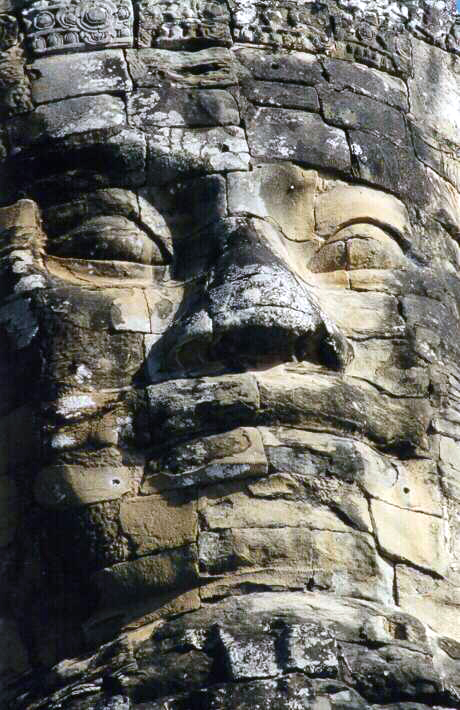
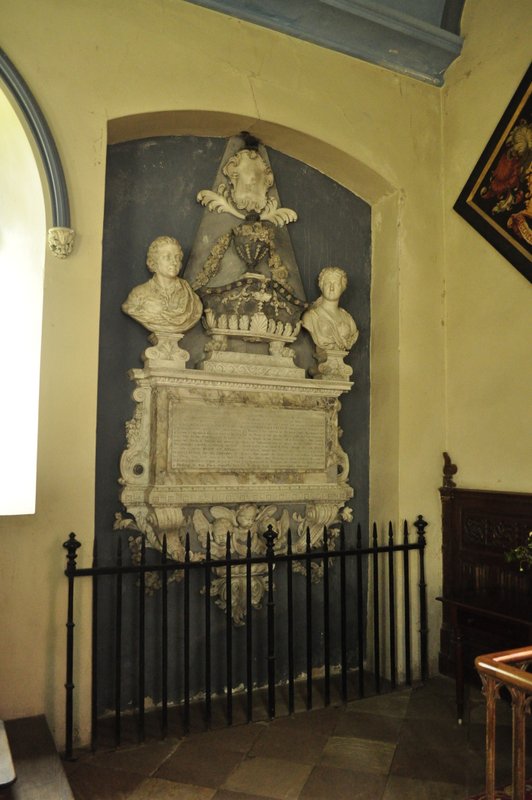
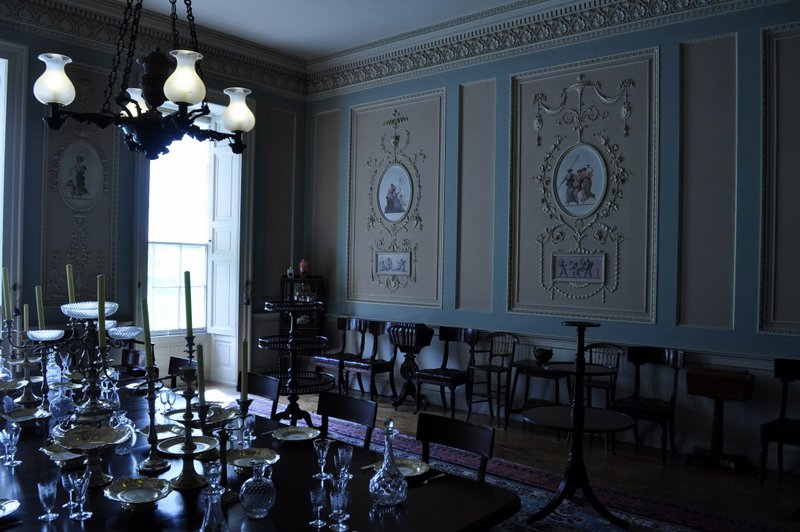
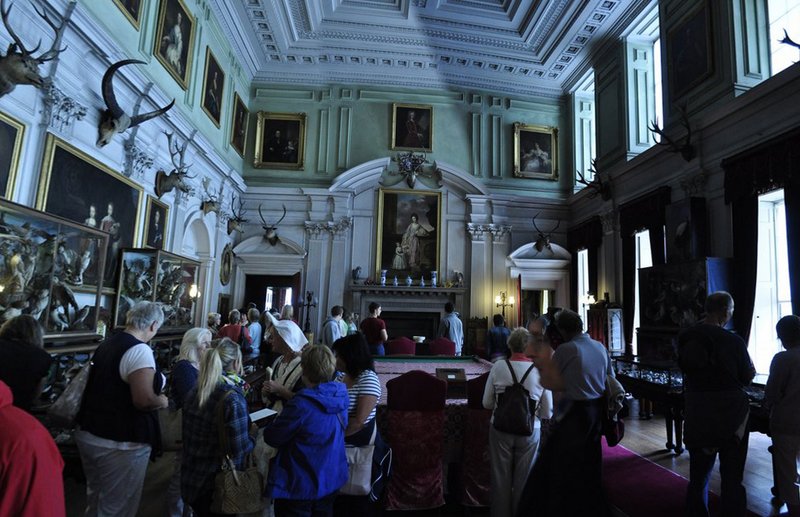
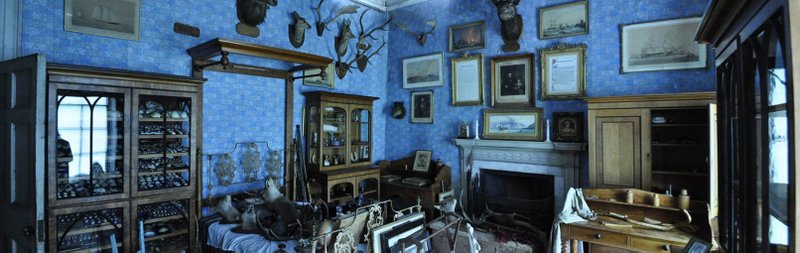
 A few days ago, with a fair to promising weather forecast (it actually turned out much brighter and warmer than expected) we made another of our National Trust visits – this time to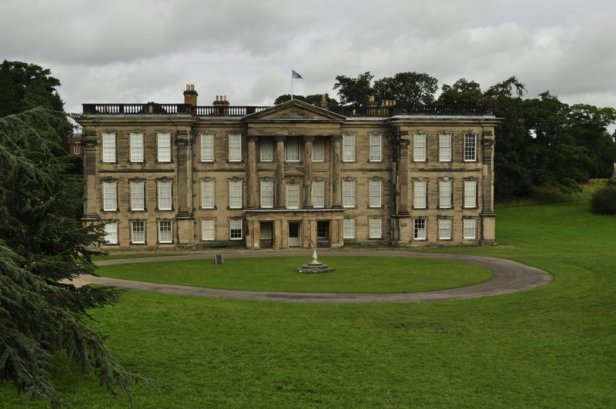



 But today has been different. Although it’s been breezy at times, we’ve had a bright sunny morning, and quite warm, thanks to a weak ridge of high pressure shown in the map above.




 I’m not a great sports fan, on the whole. But, from time-to-time, I do enjoy watching some. Cricket is a particular favorite. And recent GB successes in cycling and rowing have caught my attention.
 I’m British.

 he evening of our stay we decided to eat in the steakhouse attached to our hotel. It was offering a free appetizer per table and free drinks (it was happy hour). For the appetizer we chose local Minnesota (and Wisconsin) speciality – you’d hardly call it a delicacy: cheese curds. Actually these are pieces of cheese (usually Cheddar or Monterrey Jack), coated in batter, and deep fried! One plate for the two of us was plenty. I wonder how much that contributed to my cholesterol levels?
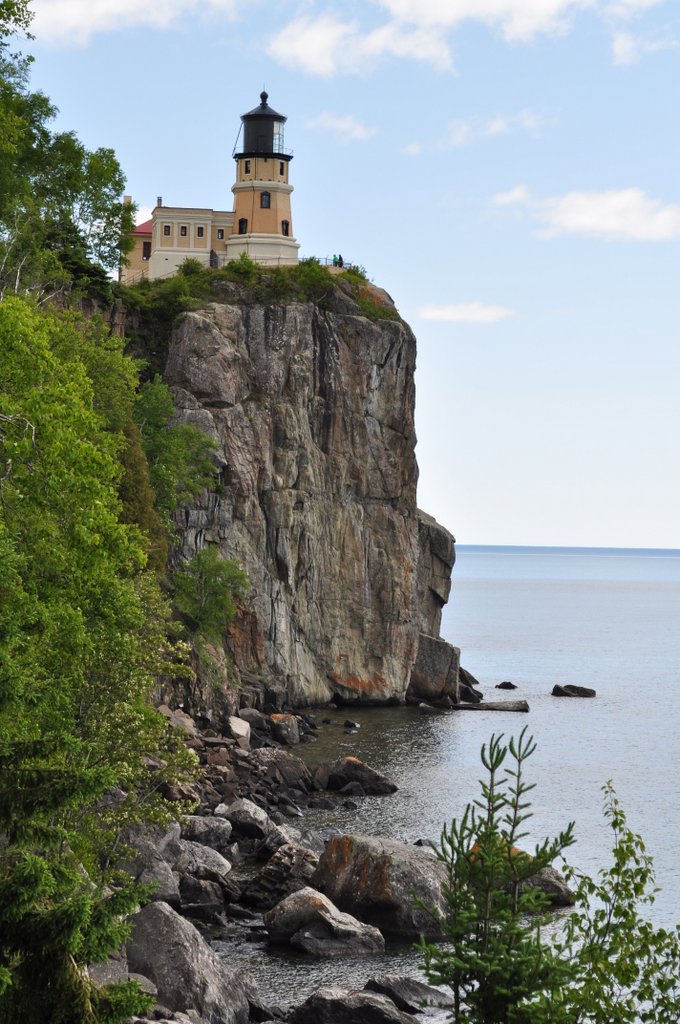
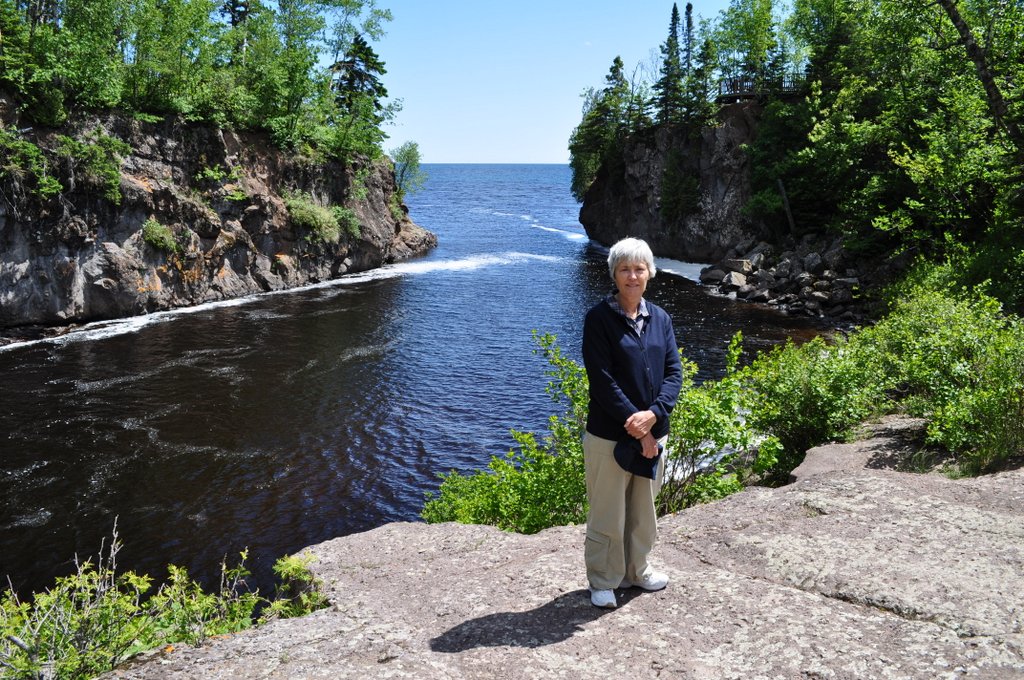
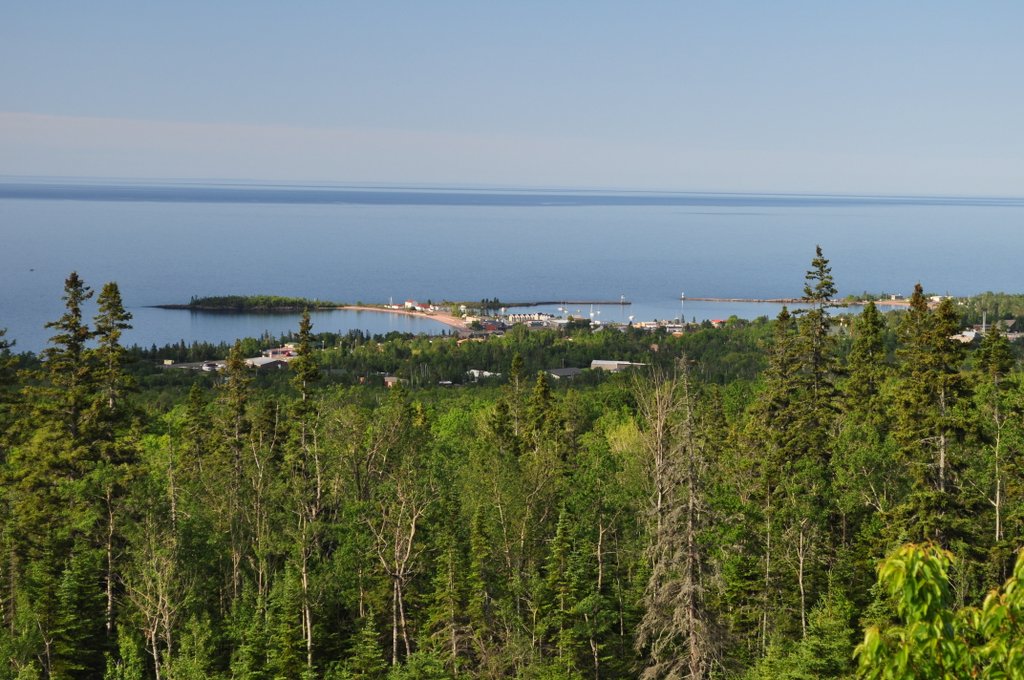
 And one of the aspects of American life I have come to enjoy very much is the ‘tradition’ of going out to eat breakfast – and a whole host of diners has developed nationwide. Getting out of bed on a Sunday morning, and first of all deciding which diner to visit. Then there’s the anticipation of a full breakfast: eggs, bacon or sausage, hash browns, and a myriad of choices of bread for toast. Or will it be a stack of pancakes, with exquisite maple syrup (the real deal – not some concoction that we buy over here in the UK, which has a hint of maple added as flavoring), or maybe the french toast, inch-thick slices of course, dusted with powdered sugar. As one sits down to make a choice, the server immediately pours a cup of steaming, freshly-brewed coffee. Heaven!
 I’m most familiar with the
  Along Selby Avenue, at the junction with Dale, is the
  At one time the walls were covered with paintings by British cartoonist Ralph Steadman. On the two or three occasions I’ve had breakfast there, we had to wait quite some time for a table – it’s a popular venue. In December 2007, when we visited Hannah and Michael, we had a long and rather cold wait in the lobby. The outside temperature was well below zero – we’d just flown in from the Philippines. The breakfast more than made up for the wait.












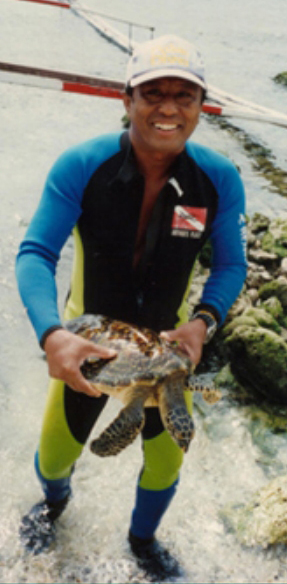

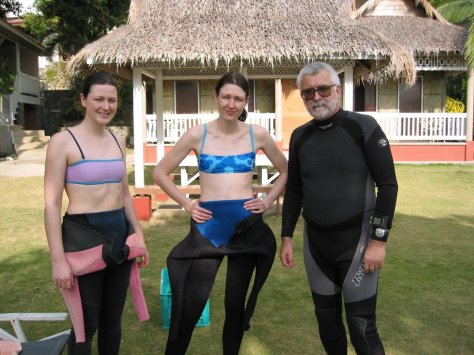
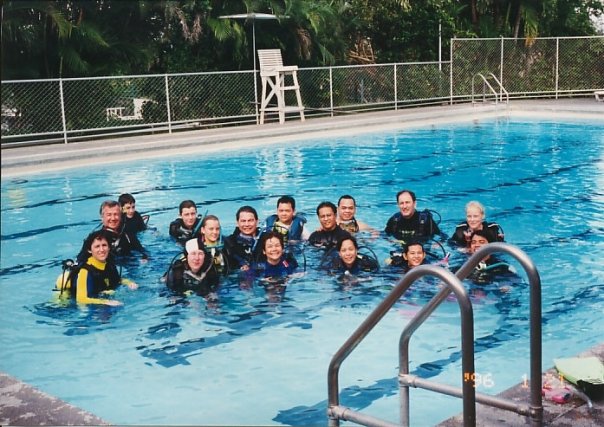
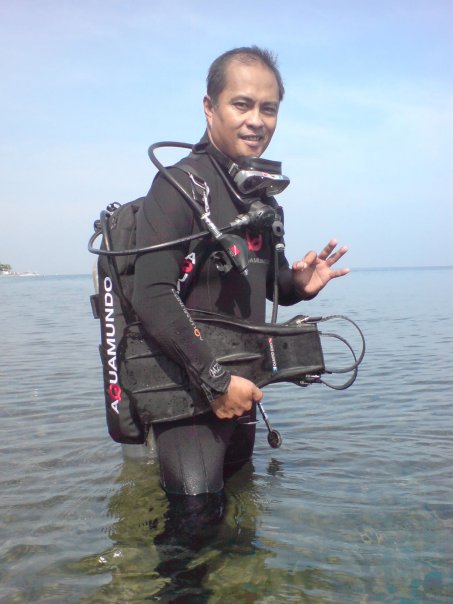
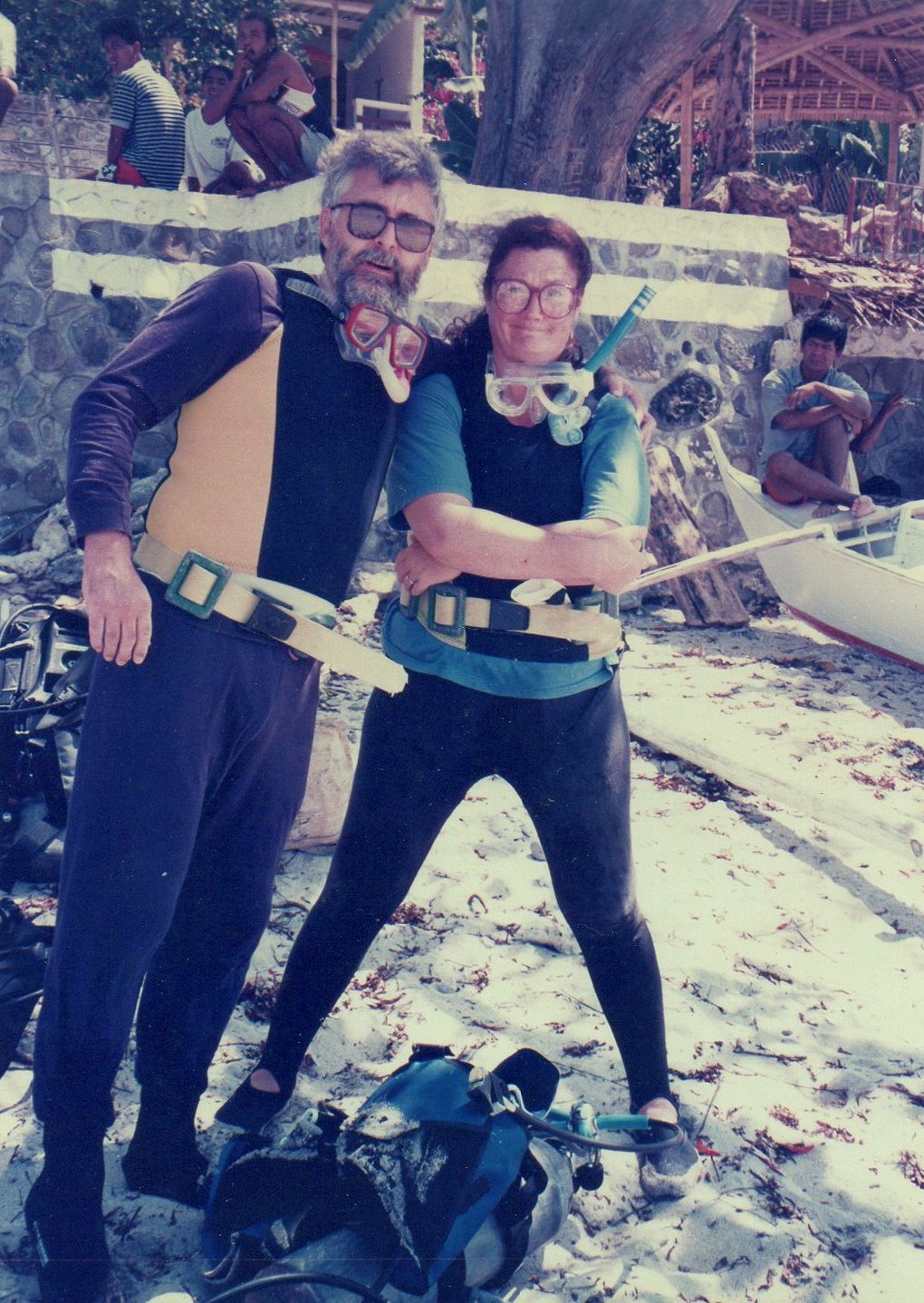
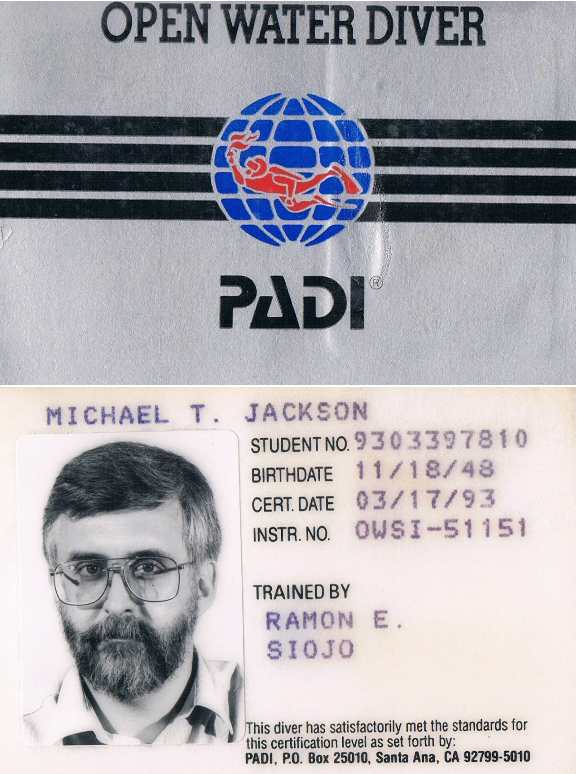
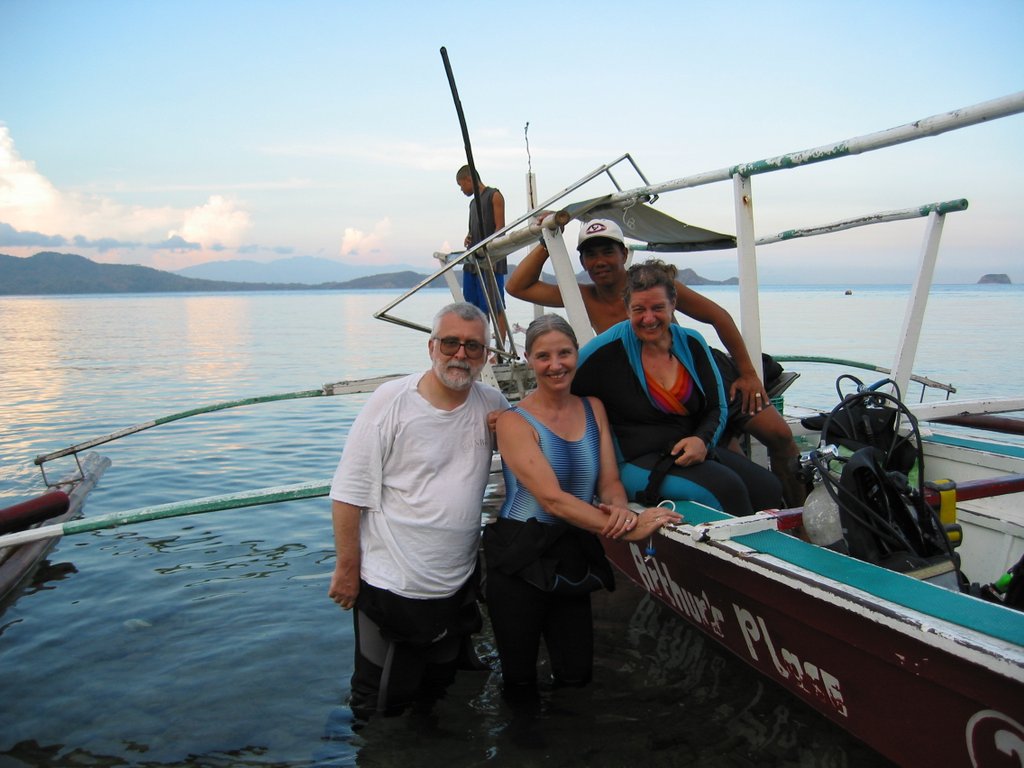
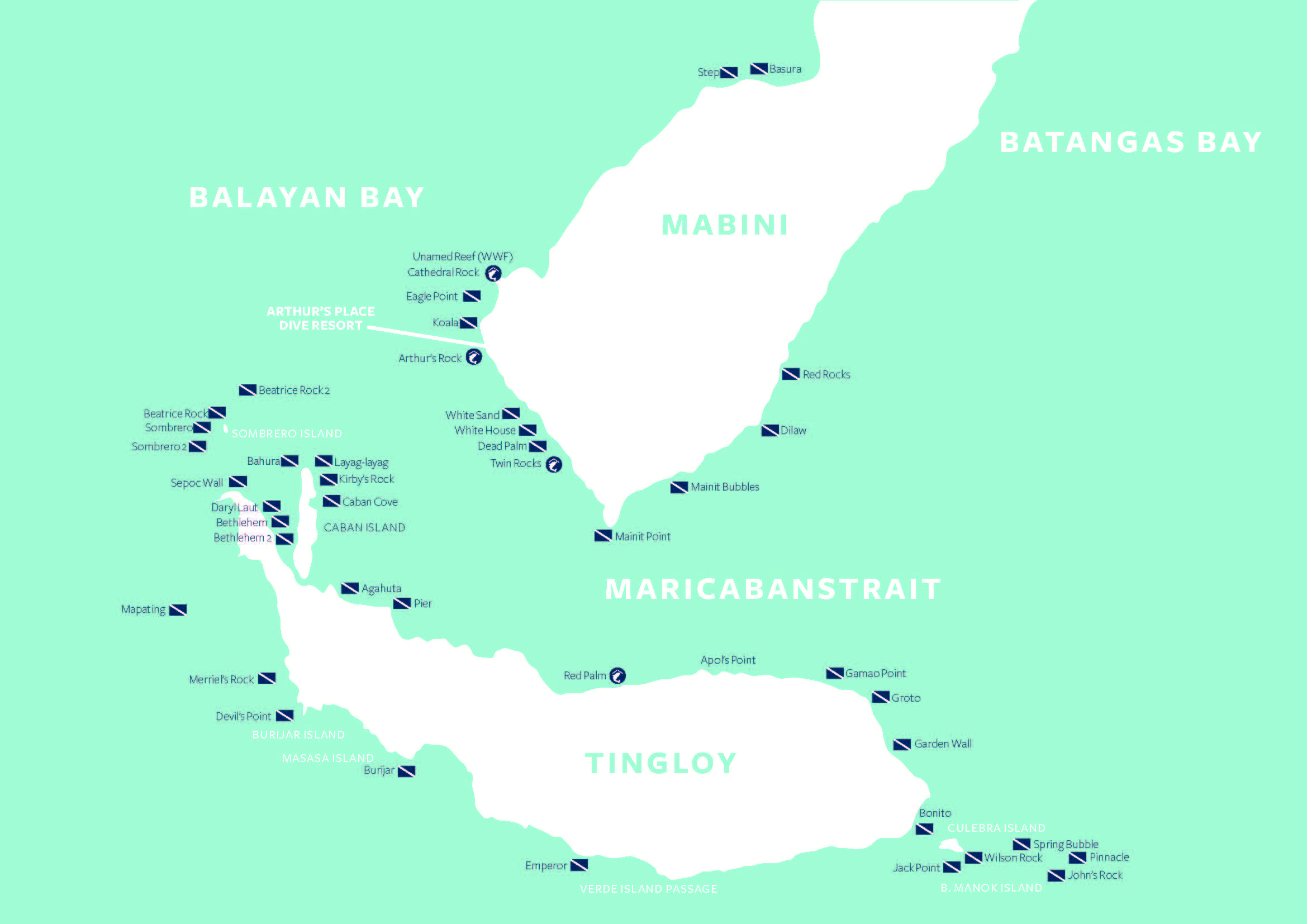
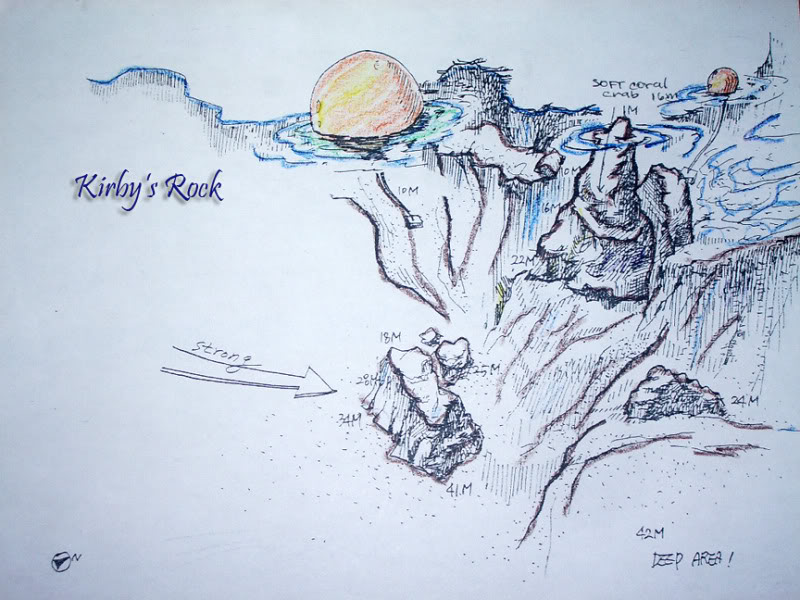
 Anilao is not visited by many pelargics, although tuna and barracuda are quite frequent. Whale sharks are seen occasionally, and dolphins come through from time to time; sea turtles are regular visitors. White-tip reef sharks are quite common at Bahura (up to 2 m in length), but the one creature that always made me feel uncomfortable was the giant triggerfish, which can be extremely aggressive. On one dive with Lito and two teachers from ISM at Bahura, we hadn’t noticed one particular critter, about 1 m, in the vicinity. Lito had handed me a shell, and turning around, there was this fish about two meters in front of him – decidely pissed off. It chased him up to the surface (about 60 feet – apologies for the mix of metric and feet in this post; I learnt to dive in feet!), and not having success, came back after me and the other two. We were crouching behind some rocks and eventually it swam off. These fish can inflict serious bites, and afterwards we always gave them a wide berth if possible.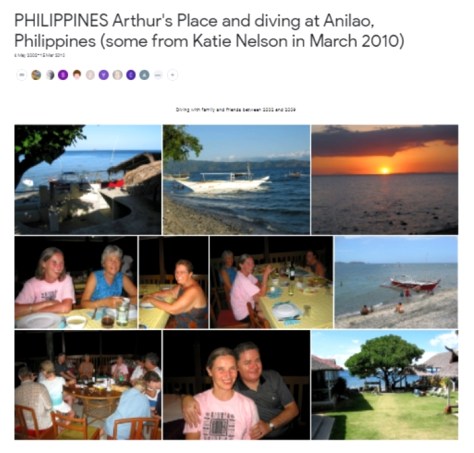
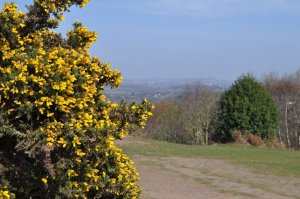 The weather was glorious – again – today. In fact, it’s more like early summer than the end of March (although the forecast is for low temperatures once again this weekend).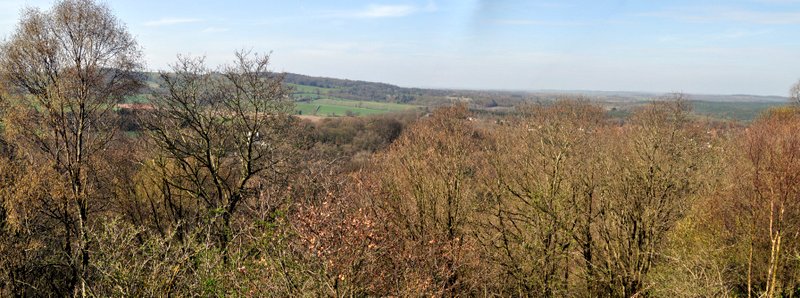
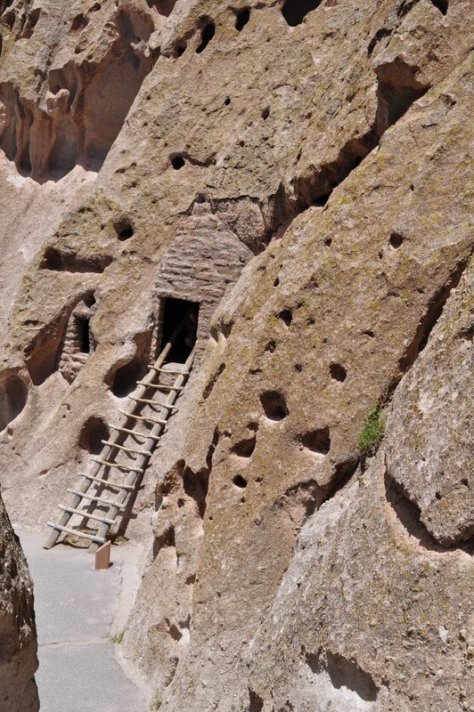
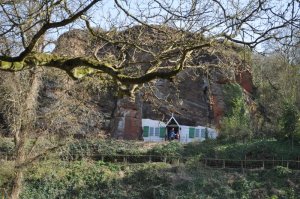 Kinver Edge is a red sandstone escarpment where, in centuries past, there was a small community of residents who carved homes from the soft sandstone. The cave dwellings, known as the Holy Austin Rock Houses, were occupied until the 1930s, after which they fell into disrepair. There are records of occupation in the 1700s, but it’s believed that the caves were occupied much earlier than that.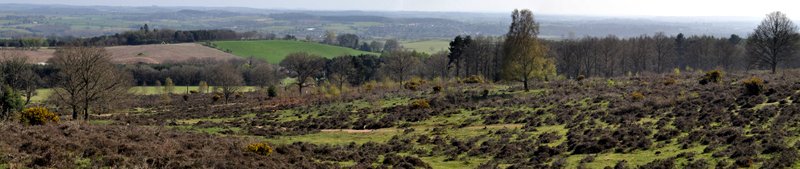
 I can’t remember why I had always wanted to visit Peru. All I know is that since I was a small boy, Peru had held a big fascination for me. I used to spend time leafing through an atlas, and spending most time looking at the maps of South America, especially Peru. And I promised myself (in the way that you do when you’re small, and can’t see how it would ever happen) that one day I would visit Peru.
 To cut a long story short, I didn’t go in 1971, but landed in Lima at the beginning of January 1973 after a long and gruelling flight on B.O.A.C. from London via Antigua (in the Caribbean), Caracas, and Bogotá.
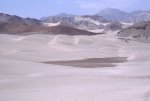 First there is the geography: the long coastal desert stretching north from Lima to the border with Ecuador, and south to Chile where it merges with the Atacama Desert. It hardly ever rains on the coast, but the sea mists that are prevalent during the months of July-September do provide sufficient moisture in some parts (lomas) to develop quite a rich flora.
 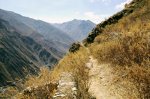 The Andes mountains take your breath away with their magnificence. The foothills begin just a few kilometers from the coast, and the mountains rise to their highest point in Huascarán (6,768 m), the fourth highest mountain in the western hemisphere.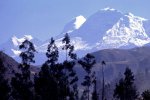
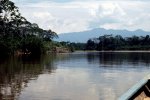
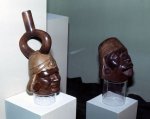 And there is also considerable evidence for the range of plants and animals that these peoples domesticated: the potato, beans, cotton, peanut, and llamas to name but a few. Fortunately this rich history has been preserved and Lima boasts some of the best museums in the world.
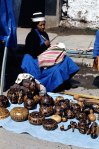 From north to south, different peoples wear different dress. In Cajamarca, the typical dress is a tall straw hat and a russet-colored poncho. In central Peru, the women wear hats like the one shown in the photo on the right. The south of Peru, around Cuzco and Puno is more traditional still.
 Peru is also a country of great handicrafts – from the leather goods made in Lima, to the carved gourds or mate burilado, clay figures of farmers or religious effigies, to a wealth of brightly colored textiles.
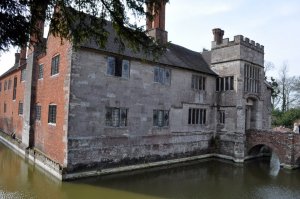
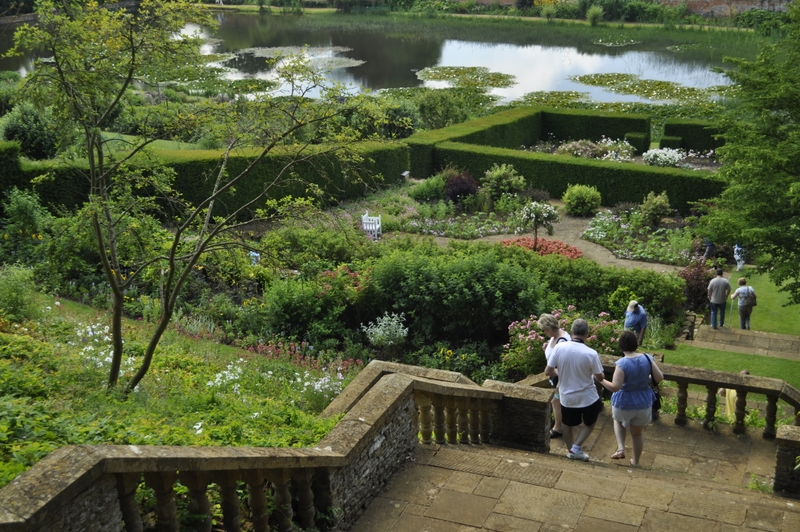
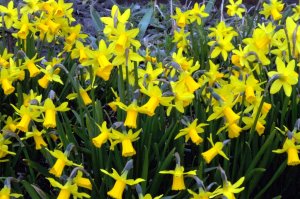 The grounds are not extensive, but with the spring flowers (particularly the daffodils, in full bloom – and more yet to flower) they were attractive. No doubt the estate was much bigger in times past.
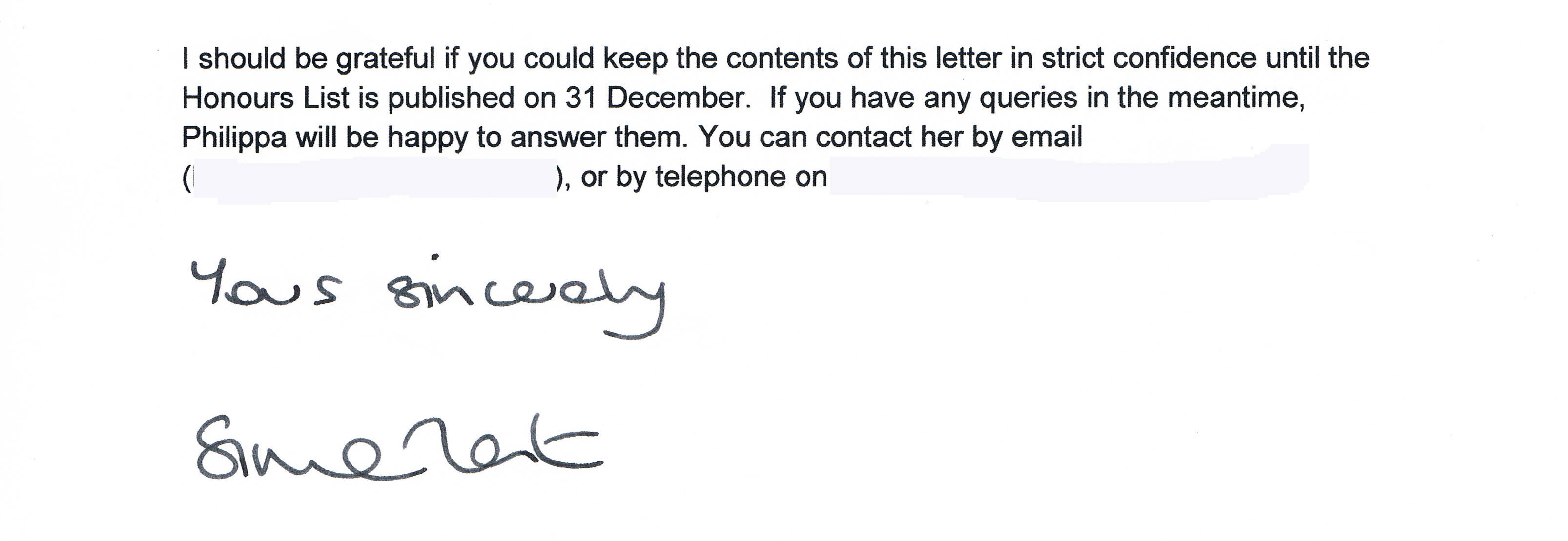
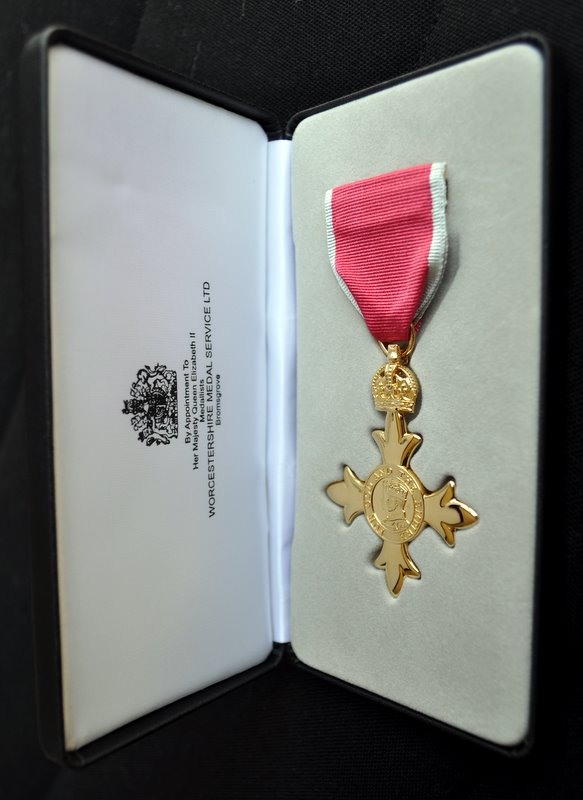
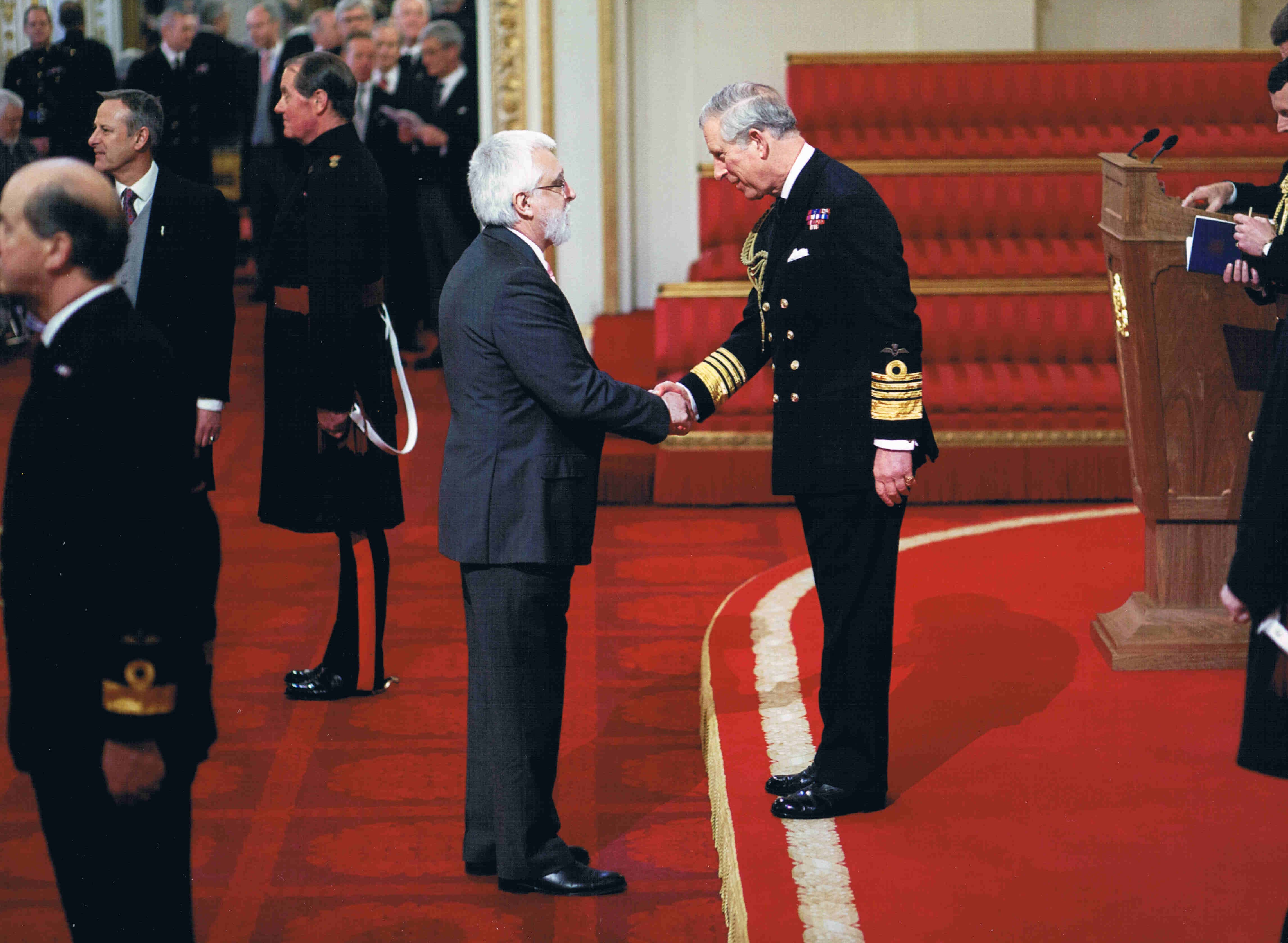
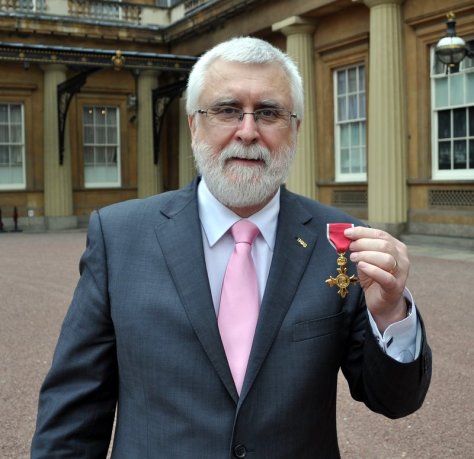
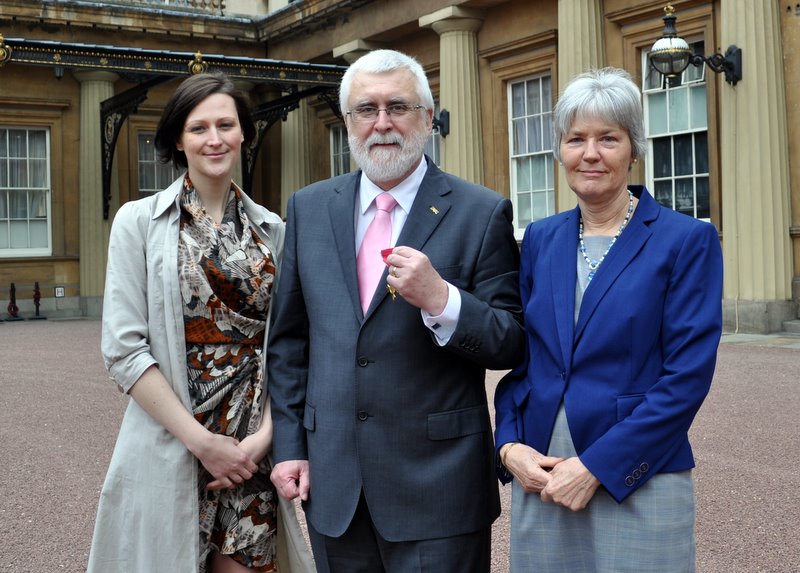
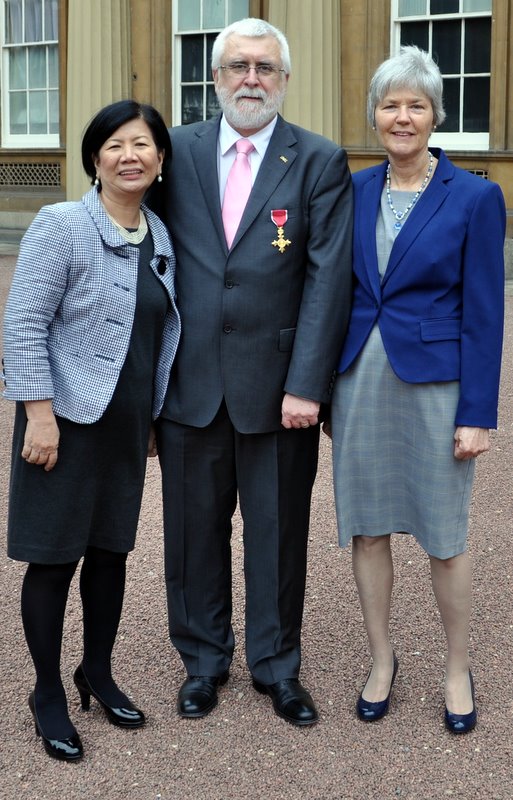
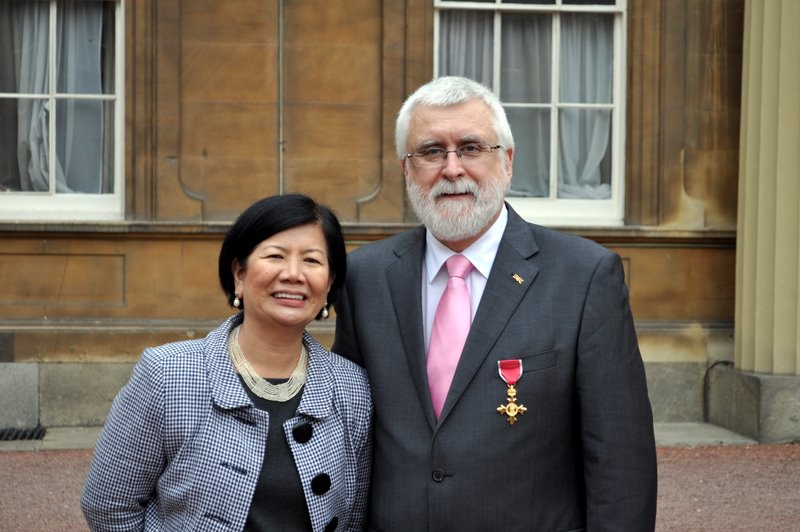
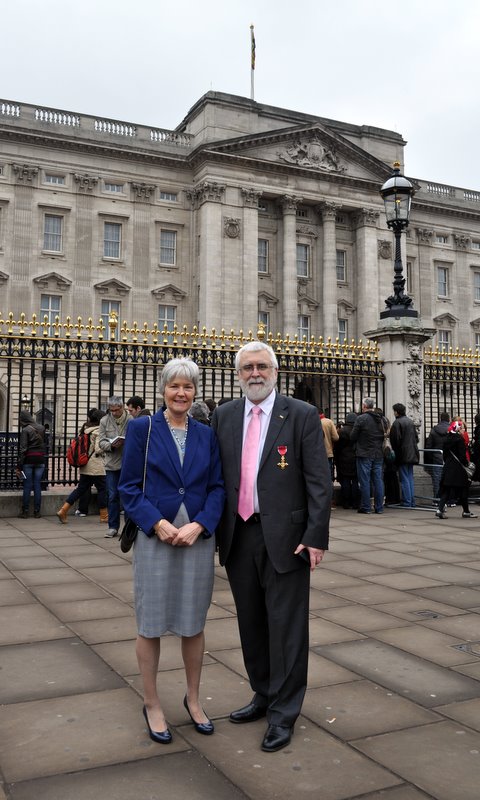
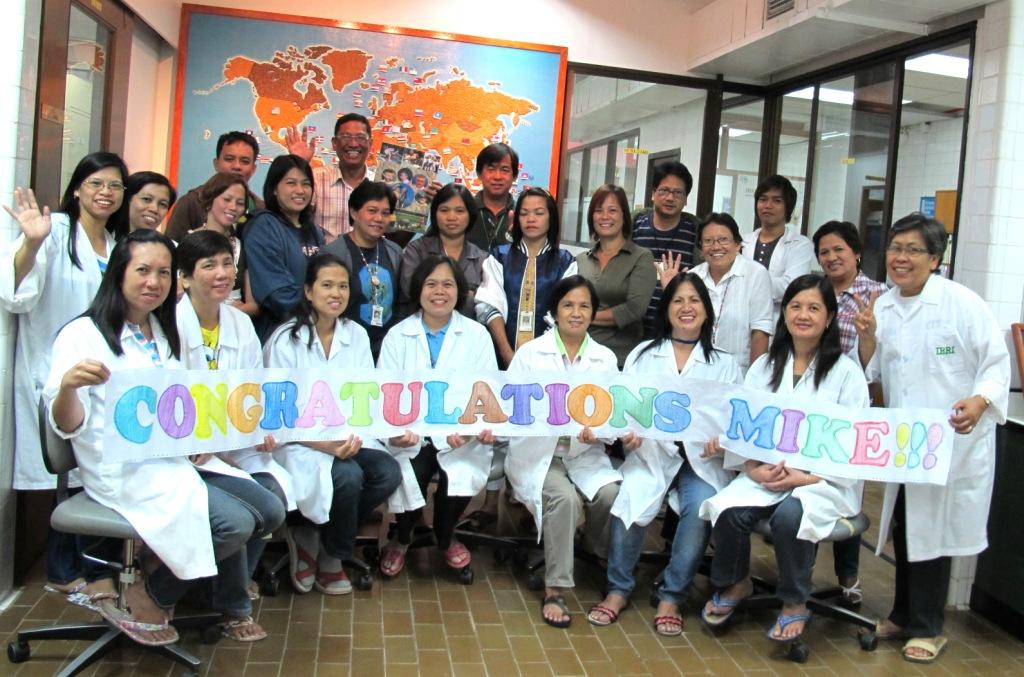
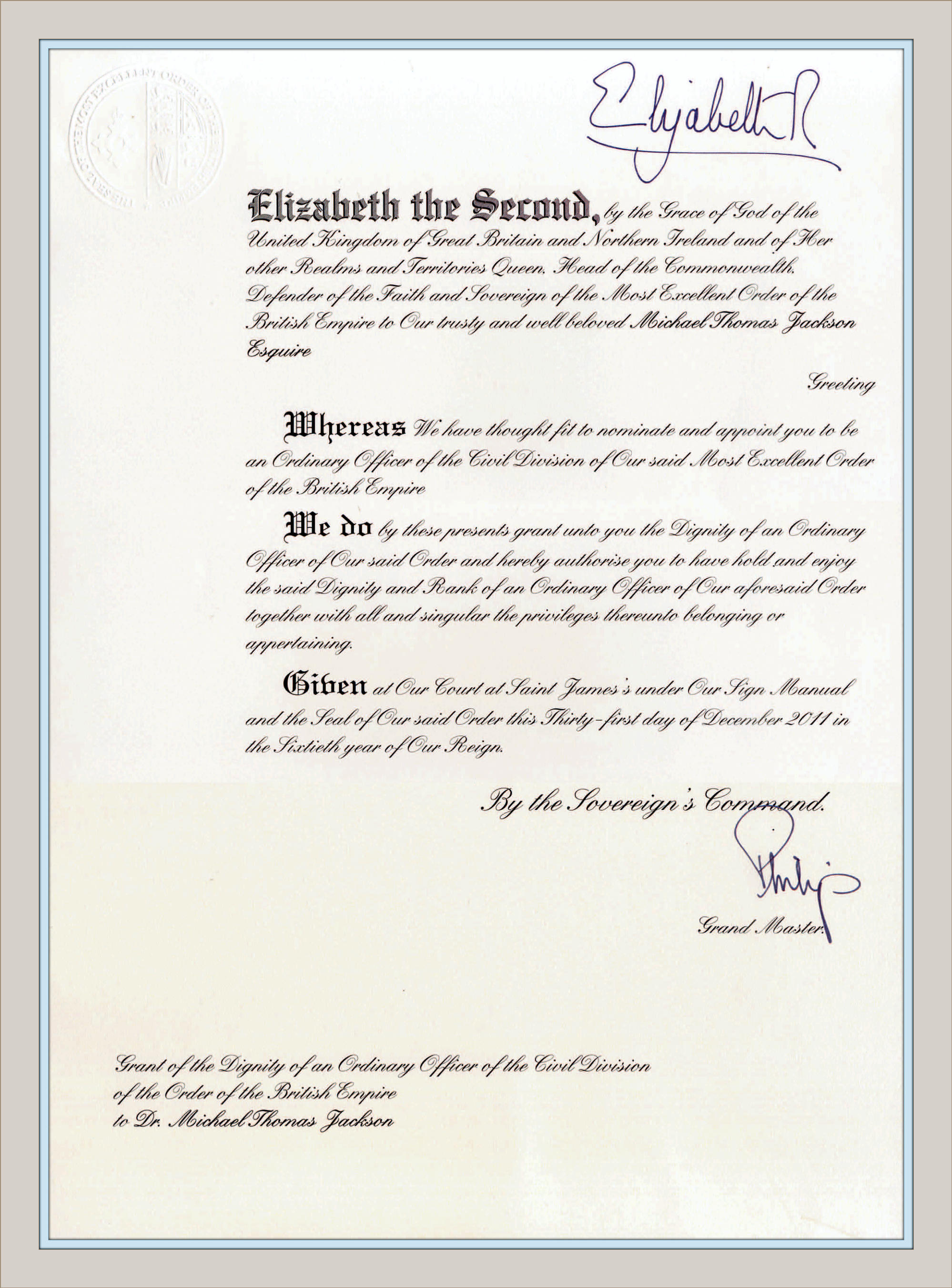
 On a bright, sunny day last November (my birthday, actually) I was outside cleaning the car, when the postman passed by. He handed me several envelopes and my immediate reaction was that this was another load of the usual junk mail. So you can imagine my surprise when I came across one that seemed rather official looking. And I was even more surprised when I read what it had to say – that I had been nominated to become an Officer of the Most Excellent Order of the British Empire, or OBE, for services to international food science. Well, I was gob-smacked, quite emotional really. I rushed inside to tell Steph – who was equally stunned, and we set to ponder how on earth this had come about. I did some Google detective work, and was able to find out a little more about the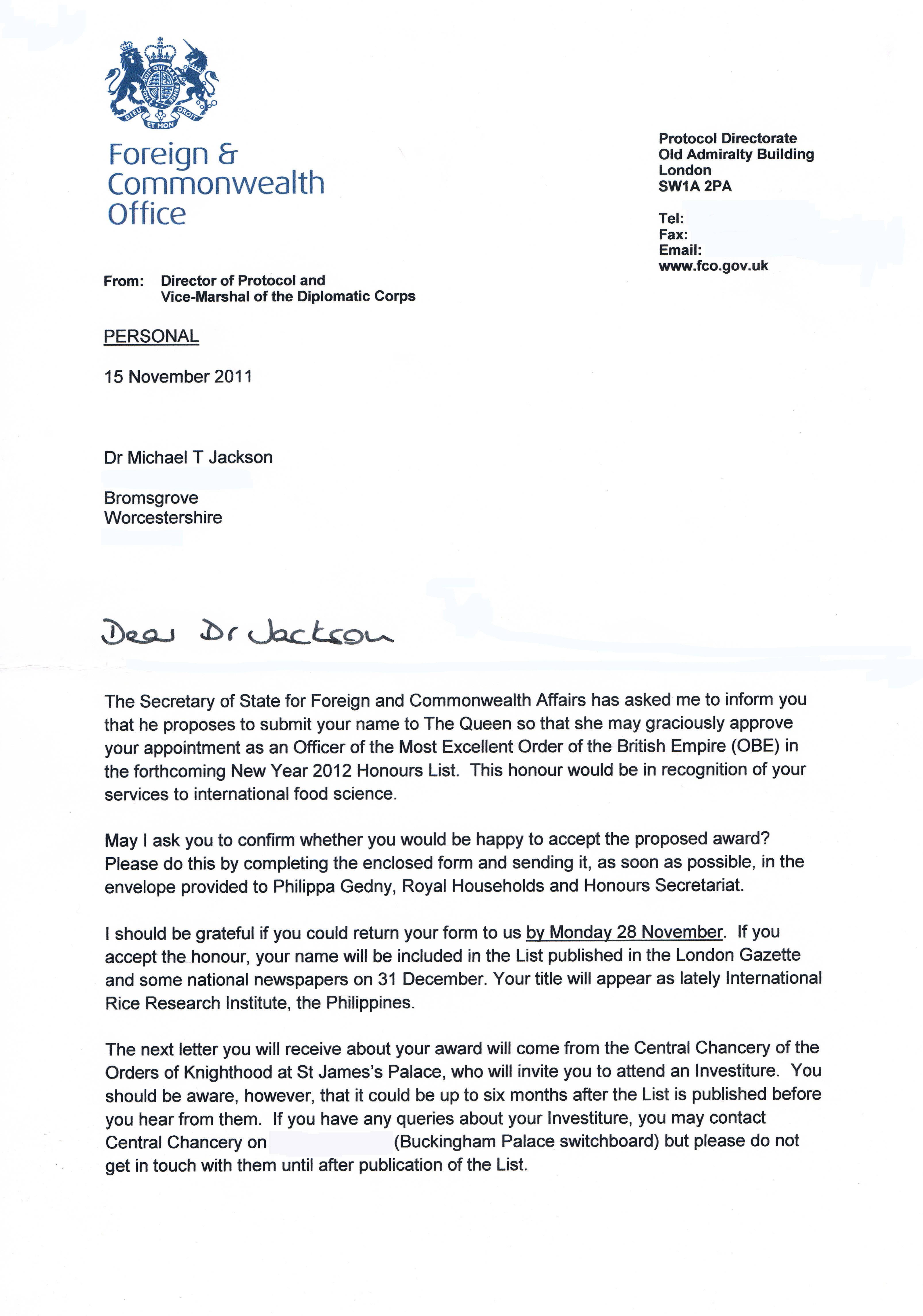






 A balanced diet . . .