Steph and I first visited San Francisco in July 1979, en route from Costa Rica (where I was working for the International Potato Center, CIP) to a potato conference in Vancouver, Canada. Then, less than two years later, in March 1981, we were in New York for just a couple of nights. We had passed through JFK in 1975, but not stopped over.
On the west coast
Yes, a potato conference in Vancouver. The 63rd annual meeting of the Potato Association of America where I was to present some of my research on the control of a bacterial disease of potatoes¹. We were taking advantage of CIP’s spouse travel policy for Steph to accompany me, as did our 15 month old daughter, Hannah.
In 1979 there were no direct flights to San Francisco from Costa Rica; that still appears to be the situation today. The most direct routing was via Guatemala City to Los Angeles on Pan Am, and then a ‘local’ connection on to San Francisco. Pan Am used Guatemala City as their Central America regional hub in the 1970s.
As we lived in Turrialba, about 86 km west of San José’s Juan Santamaria Airport, we must have left for the airport in the early hours to catch the morning flight. It was a bit of a hassle in Los Angeles, going through immigration and customs, and transferring terminals. Thankfully, Hannah was mostly a good flier and, as I recall, we had an uneventful journey.
I’d made a hotel reservation in the center of San Francisco, but had wanted to stay at another, the Hotel Beresford on Sutter Street close by Union Square. In those days there was no online booking, of course. So, it wasn’t until we arrived in San Francisco that we discovered the Beresford was just a couple of blocks away, and so transferred the next day. My parents had stayed there when they visited San Francisco on their once-in-a-lifetime post-retirement trip to the USA in 1976.
Mum at the Golden Gate in summer 1976
I think my elder brother Ed had also stayed at the Beresford when he was doing part of his PhD research in the San Francisco area. It came highly recommended, and we certainly felt more comfortable there than our first hotel.
So. You’re in San Francisco for the first time. What do you do, remembering, of course, that anything we planned had to take into account the eating and sleeping needs of a small child? Wandering around the Union Square district we opted for a Gray Line bus tour of the city, taking in a crossing of the Golden Gate Bridge into Marin County among other sights.
Otherwise, we wandered around on foot, or took a taxi to specific places we thought would be interesting. And of course there was the requisite tour of the bay around Alcatraz Island and its former penitentiary, a wander around Fisherman’s Wharf, and dinner on Pier 39.
Steph and Hannah at the Golden Gate Bridge
The Golden Gate Bridge from Marin County side
The Golden Gate Bridge
On the bay boat trip . . .
The entrance to Chinatown
Fisherman’s Wharf
Alcatraz
The Golden Gate
Too soon, our short visit to SF was over and we headed north to Vancouver, the next leg of a journey that would take us also on a road trip from Vancouver to Edmonton, Alberta, a flight to Madison, Wisconsin and a side-trip to the USDA’s potato station in the northeast of Wisconsin at Sturgeon Bay, before returning to Costa Rica via Chicago O’Hare and Miami International.
The Big Apple In March 1981 I resigned from CIP having accepted a lectureship at The University of Birmingham. Although we could have flown directly back to the UK, we planned to travel via New York. We held a bank account with Citibank in New York, and wanted to close that account, withdrawing our savings for transfer to the UK. That meant visiting the bank, completing all the necessary paperwork, then walking out of the bank with a bank draft.
It’s remarkable how smoothly everything went. I’d obviously advised the branch president (manager) of my visit. In those days it was still possible to have personal contact with someone in the bank, and she told me to ask for her when I arrived at the branch. I headed off to the bank first thing in the morning, and was waiting for. She had the forms ready for me to sign, and while she personally transacted the paperwork through the system, gave me several cups of coffee while I waited. After about 45 minutes, I guess, she came back with the cheque, and I went away several thousands of dollars to the better.
That left the rest of the morning and afternoon for sight-seeing, fulfilling two ambitions: a trip to the top of the Empire State Building and a walk round Macy’s. Sight-seeing with Hannah was easier than two years earlier. She was now almost three and seemed to take everything in her stride.
On Park Avenue, looking towards Grand Central Station
The Chrysler Building
Looking north to Central Park
The East Side and East River
Steph and Hannah at the top of the Empire State Building
The East River
Looking south towards the World Trade Center over Lower Manhattan
Statue of Liberty
The World Trade Center
Lowe Manhattan and the towers of the World Trade Center
I’m not sure how we came to choose our hotel, on Park Avenue or close by. Maybe the travel office at CIP in Lima had made the booking for us. The name ‘Loew’s Drake’ comes to mind. But from what I can find through a Google search, that hotel ‘The Drake’ would have been beyond my means. Who knows?
We arrived late to New York on a Lufthansa DC-10 flight from Peru, and went straight to bed. The second night we decided to dine in-house. You can imagine my consternation when I sat down and the maitre d’ placed a jacket on the back of my chair. I hadn’t complied with an implicit (but not obvious) dress code, by not wearing a jacket of my own or a tie.
Deaorting for the UK, we took a British Airways flight from JFK to London Heathrow, occupying a row of three seats (window, middle and aisle), with Hannah in between Steph and me. We must have been about 20 minutes into the flight when I heard a British gentleman in the row in front mutter, rather loudly, to his wife that he hoped the little girl behind wouldn’t bother him throughout the flight. I hadn’t noticed until then that Hannah was sitting with her legs out straight, pushing against the back of this man’s seat. I told her to stop immediately, and she didn’t do it again for the rest of the flight. Anyway, I got out of my seat (I was on the aisle) and moved round to face this man, and explained that I hadn’t noticed what Hannah was up to, it would stop henceforth, and I apologised profusely for the inconvenience. You can imagine how gobsmacked I was when he refused my apology. So I just returned to my seat, somewhat nonplussed. One of the cabin crew had seen this unfold, and as she passed, discreetly encouraged Hannah to continue pushing the seat. We had a good laugh at that.
I’ve been back to New York on at least one more occasion since, in the early noughties. It’s a city I’d like to return to and explore more, maybe arriving there on the Queen Mary 2, sailing under the Verrazon-Narrows Bridge, past the Statue of Liberty, and taking in the iconic Manhattan skyline, just as my father did in the 1930s as a ship’s photographer for the Cunard White Star Line. My mother trained as an orthopedic nurse in New Jersey across the river from New York, and watched the Empire State Building being erected in 1930/31. Stories about New York were part of my childhood years.
New York skyline in the early 1930s
~~~~~~~~~~~~~~~~~~~~~~~~~~~~~~~~~~~~~~~~~~~
¹ Jackson, M.T. & L.C. González, 1979. Persistence of Pseudomonas solanacearum in an inceptisol in Costa Rica. Am. Potato J. 56, 467 (abst.). Paper presented at the 63rd Annual meeting of the Potato Association of America, Vancouver, British Columbia, July 22-27, 1979.
I’m fascinated by canals. You have to admire the visionaries who financed and built the canals, and the armies of men who constructed them.
Most canals in England and Wales were dug by gangs of navvies in the 18th and early 19th centuries. However, within just a generation or two the canals were already in decline as an expanding railway network made transportation of goods cheaper and faster. The writing was on the wall for the canals once George Stephenson had demonstrated the power of steam locomotion.
The economic justification for and value of the canals waned, and they fell into disuse, and no longer navigable. However, in recent decades there has been a resurgence in the use of inland waterways. Today some 2000 miles of navigable waterways (canals and rivers) are managed by the Canal & River Trust, used mainly for pleasure traffic. Narrowboat holidays on the canals are very popular.
I have written several stories about the pleasure Steph and I take from walking along the towpath of the Worcester & Birmingham Canal, that runs north-south between Gas Street Basin in the center of Birmingham and the River Severn at Worcester. The canal is less than two miles east of our home in Bromsgrove in north Worcestershire. Our walks normally cover small sections of the towpath between Tardebigge Top Lock (No. 58) and Astwood Bottom Lock (No. 17), a distance of about 5½ miles.
We not only enjoy the surrounding countryside, tranquil for the most part (unless a mainline express is speeding by about half a mile to the west), but also watching the canal narrowboats navigating their way up and down the Tardebigge Flight, the longest flight (of 30 locks) in the country, some with a greater degree of proficiency than others. Some days it can be like Piccadilly Circus¹ with boats queuing up to pass through the locks.
Taking to the water
We have taken only one canal holiday, in the summer of 1983, when Steph, Hannah (just five years old), Philippa (15 months) and me took to the water for a week, to navigate the Stourport Ring.
The Ring, for our purposes, comprised four waterways:
the Birmingham Main Line Canal (red, part of the Birmingham Canals Navigation, BCN), from Aldersley Junction to Gas Street Basin.
If I remember correctly, the various links connecting the Staffordshire & Worcestershire Canal with the BCN via the Stourbridge Canal and the Dudley Canals were not navigable in 1983.
Setting out, and setting some rules
It was early July, and we took Hannah out of school for the week with readily-granted permission from Mr Richards, the headmaster at Finstall First School. That would be almost impossible nowadays. We had chosen a small, 4-berth narrowboat for our holiday, Blue Heron, from a hire-boat center operating out of Alvechurch, about 15 minutes from home. So, packing clothes for a week, and several boxes of groceries (including the inevitable wine boxes that were very popular in the 80s), we headed to Alvechurch to board our boat.
Blue Heron, with Steph at the helm, and Philippa in the bow.
After a familiarization tour of the boat, one of the marina staff joined us for the first three miles to the first lock on our trip, Tardebigge Top Lock. Not only would that be the first lock we’d encounter over the next week, but it was one of the deepest. So, the marina staff not only wanted to guide us safely through this lock but also to show us the rudiments of safe canal navigation.
Looking at the various photos I have included in this post, you might be forgiven for questioning our apparent lack of awareness of on-board safety. Only Hannah is wearing a life jacket, something that would not be allowed more than three decades later. At five years old, we had to set Hannah some strict limits how to move around the boat. At 15 months, Philippa was already walking, and would crawl and stagger around the cabin whenever we moored for a meal break or at night. With either Steph or me steering the boat, one of us had to operate the locks, raising/ lowering the paddles to empty or fill each lock, and open the lock gates. So it was important we knew where the girls were at all times.
To keep Philippa safe, we put her in a high chair in the bow of the boat, and with her mob cap for protection, and a good coating of sun cream, she was (mostly) quite happy watching the world go by at a leisurely 4 mph (the maximum speed permitted on the canals), waving to passers-by, or falling asleep when the fancy took her. Hannah would often sit beside whoever was steering at the stern of the boat, or ‘help’ with the locks.
Our journey continues
Having successfully passed through Tardebigge Top Lock, we headed down a few more on our own, before mooring for the night just below the Engine House, then a nightclub/restaurant (but now converted into luxury apartments), near Lock 55 or 54, in the early evening. With two small children on board, we had to get them fed and not too late bedded down for the night.
The view from Tardebigge Top Lock (No. 58).
Looking south on the Worcester & Birmingham Canal near Lock 54. The Malvern Hills can be seen in the far distance.
We spent all the next day completing the Tardebigge flight, but I’m not sure if we reached Worcester that same day, or took another day. Probably the latter. However, we spent one night at Worcester’s Diglis Basin before facing the River Severn.
It had become clear on the final stretch into Worcester that Hannah was not her usual perky self. And by bedtime, she had a temperature. The next morning she really looked very unwell, so she and I headed off into the center of Worcester in search of medical help. Although only 15 miles or so from home, it felt like 100 miles. I didn’t have our doctor’s telephone number with me. In any case, there were no mobile phones in 1983.
Nevertheless, we finally got to see a doctor (after completing a slew of NHS forms because we were being treated as ‘visitors’, not our own doctor), who diagnosed tonsillitis, and prescribed a course of antibiotics. It was remarkable how quickly those had an effect, because by late afternoon Hannah was feeling very much better, and almost back to her normal self by bedtime.
Diglis Basin in Worcester.
Our departure from Worcester was delayed until after lunch. We steeled ourselves for the section of our trip on the River Severn. We had good weather (and for the whole week), and no particular difficulties on the river itself. But we did have to pass through the Diglis Lock connecting Diglis Basin with the River Severn. This lock is wide and deep, and a challenge for two canal novices like Steph and myself. I don’t remember that this lock was assisted.
Once on the Severn we turned north, having a grandstand view from the center of the river of Worcester Cathedral on the east bank, and the city center.
There was just one other lock on the Severn itself, at Holt, to bypass a weir. That lock had lock keepers, and was electrically operated. Once we reached Stourport-on-Severn, it was time to leave the river and join the Staffordshire & Worcestershire Canal, for the next stage of our trip.
Entering the Staffordshire & Worcestershire Canal at Stourport-on-Severn.
This canal passes through the center of Kidderminster, a town famous world-wide for its carpet-making industry, then on through some lovely and peaceful red sandstone landscapes near Kinver in South Staffordshire.
Along the Stafforshire & Worcestershire Canal.
Approaching Kidderminster
Lock in Kidderminster
Near Kinver
We must have taken a couple of days to travel this section as far as Aldersley Junction, where we had to turn east and join the Birmingham Canals Navigation. However, as we needed water and some other supplies, we travelled a couple of miles further north, joining the Shropshire Union Canal at Autherley Junction for a very short distance before turning around to moor up for the night by Aldersley Junction. At Autherley Junction, there is a stop lock, with just a small height difference, a matter of inches, between the two canals to prevent drainage of one canal into the other.
The next section on the BCN was our penultimate day, taking us from Aldersley Junction, through the Black Country, Birmingham city center, and south again on to the Worcester & Birmingham Canal, mooring up north of Alvechurch in order to arrive back on time at the marina the next day.
From Aldersley Junction there is a flight of 21 locks that raise the canal 132 feet. We made an early start, with the idea of stopping about half way for breakfast. However, we discovered at about one third of the climb that a previous boat had left the lock paddles open and several pounds between the locks had drained completely. The photo below was taken on the Worcester & Birmingham Canal a couple of years ago when several refurbishment projects were underway. But it shows the sort of scene that greeted us that morning on the BCN. It must have taken an hour or more to restore water levels to the pounds before we could get on the move once again.
Travelling between Wolverhampton and Birmingham in 1983 was like passing through a desolate lunar landscape, with scenes of dereliction all around. This is part of the so-called Black Country of Dudley and Tipton, formerly an important industrial area. Today this whole area has been reclaimed for housing. Even the derelict warehouses along the canals in the center of Birmingham have either been refurbished as ‘desirable residences’ or demolished and replaced by new housing and offices.
Near Gas Street Basin in 1983.
Signposts on the canal, Wolverhampton to the left, Worcester to the right.
However in 1983, there was little shade along the banks of the BCN in the Black Country of Dudley and Tipton. It was a very hot day, and the sun was beating down. Because we had to travel more miles than usual, I had my lunch and tea breaks on the move, so to speak. Just as we crossed Gas Street Basin, the weather broke and there was a tremendous thunderstorm. With that, we decided to moor until the storm had passed, before continuing south, past the University of Birmingham Edgbaston campus, and through the one and a half mile long Wast Hills Tunnel (under the Lickey Hills) north of Alvechurch, one of the longest in the country. We moored close to where the A441 crosses the canal at Hopwood, and enjoyed an evening meal at the Hopwood House pub.
The University of Birmingham campus from the canal near Selly Oak.
Just passed through one of the tunnels north of Alvechurch.
With only a short distance to Alvechurch, we spent a couple of hours cleaning the boat on the final morning, getting everything shipshape and Bristol fashion, and arriving back at the marina by the noon deadline.
From there, it was just a case of hopping into our car, and within 15 minutes we were back home. A very enjoyable holiday and, as you can tell as you read this post, one that left me with long-lasting memories.
~~~~~~~~~~~~~~~~~~~~~~~~~~~~~~~~~~~~~~~~
¹ The phrase it’s like Piccadilly Circus is commonly used in the UK to refer to a place or situation which is extremely busy with people.
Where Worcestershire Sauce was first concocted. But Worcestershire is also the birthplace (just outside Worcester) in 1857 of Sir Edward Elgar, one of the nation’s most renowned composers.
While reading this post, why not listen to celebrated contralto Clara Butt sing, in this 1911 recording, one of Elgar’s most famous compositions, Land of Hope and Glory (written in 1902, with words by AC Benson).
Bounded on the north by the West Midlands and Staffordshire, to the northwest by Shropshire, Herefordshire to the west, Gloucestershire to the south, and Shakespeare’s county, Warwickshire to the east, Worcestershire is a mainly rural county in the English Midlands. It has an area of 672 square miles, and is 38th out of 48 counties in size. Click on the map below to explore further. The estimated population (in 2016) was a little under 600,000. Ethnically it’s mostly white British (>91%).
Setting up home
Worcestershire is my home, but I’m not a native. I was born and raised in Cheshire and Staffordshire, some 70 miles to the north. My wife hails from Essex, east of London. We chose Worcestershire—Bromsgrove in the northeast of the county to be specific (shown by the blue star on the map above)—more by chance than design. Let me explain.
In March 1981, Steph, Hannah (almost three), and I returned to the UK after living more than eight years in Peru and Costa Rica. I’d just been appointed to a lectureship at The University of Birmingham, in the Department of Plant Biology, School of Biological Sciences. Until we found somewhere to live permanently, Steph and Hannah stayed with her parents in Southend-on-Sea, while I settled into lecturing life at Birmingham. And launch ourselves into the housing market.
Before we left Peru, we had asked Steph’s parents to contact on our behalf as many estate agents (realtors) as they could identify from locations in a wide arc from the west of Birmingham, south into Worcestershire, and southeast towards the Solihull area. We already had decided that we didn’t want to live in Birmingham itself.
Arriving back in the UK we encountered a very large pile of house specs waiting for us at Steph’s parents, and began to work our way through these, rejecting immediately any that did not meet our expected needs. We quickly whittled around 500 down to a handful of fewer than fifty or so.
It must have been the Wednesday of my first week at the university in April, a slack period with no lectures or practical classes scheduled. So I decided to take the afternoon off and go house viewing. But in which direction to strike out?
Bromsgrove is just 13 miles south of the university, connected by the A38, a route that crosses the city right by the university in Edgbaston. We had selected a couple of properties in Bromsgrove that seemed promising, and the drive there was likely to be the easiest of any of the other locations on our list. So I made appointments that same afternoon to view these two properties. And the first house I saw was the one we actually ended up buying. It just ticked all the boxes. Later that evening I phoned Steph to tell her what I’d been up to, and that she should schedule to come up to Birmingham on the train as soon as possible to take a look for herself. Within a week we’d made an offer for the house, and started to sort out a mortgage—at 16¾% interest in the first year or so!
Our younger daughter, Philippa, was born in Bromsgrove in 1982. New house, new baby!
In July 1991, I accepted a position at the International Rice Research Institute in the Philippines, and we stayed there until April 2010, almost 19 years. All the while we kept our home in Bromsgrove, fully furnished, but unoccupied, and available for us to return to whenever we came home on annual leave, and to take up residence once again on retirement.
Worcestershire is a lovely county, dotted with picturesque villages, rolling hills in the north and west, magnificent river valleys slicing through the landscape, and fertile agricultural land to the southeast. We’ve never regretted making the choice to move here. Being located in the middle of England, it’s not too far from anywhere. Our younger daughter lives in Newcastle upon Tyne in the northeast, a smidgen under 250 miles away. And during their lifetime, visiting Steph’s parents in Essex, just 160 miles away, was an (mostly) easy trip. Over the past seven years of retirement, we are enjoying getting out and about to explore not only our ‘home’ county, but also places within a 80-100 mile radius for day trips.
Administration, political life, and towns
Worcestershire has few urban areas. The City of Worcester lies in the center of the county, just 16 miles south of Bromsgrove. It’s the seat of the county council, and also of the Diocese of Worcester and its magnificent cathedral.
There are six local government authorities: 1. Worcester; 2. Malvern Hills; 3. Wyre Forest; 4. Bromsgrove; 5. Redditch; and 6. Wychavon.
There are seven parliamentary constituencies, all held by Conservative politicians. That says a lot about the county. The Member of Parliament for the Bromsgrove constituency is Sajid Javid, Secretary of State for Communities and Local Government, a member of the Cabinet, and once considered as a high flyer and Tory Party leadership contender. His star has waned somewhat.
Bromsgrove is famous for its 17th century nail-making industry, and the iron gates of Buckingham Palace¹ made by the Bromsgove Guild of Applied Arts. Carpet-making Kidderminster is nine miles to the west of Bromsgrove.
Redditch, nine miles to the east, was home from the 18th century to a needle-making industry, and Droitwich Spa, founded on extensive salt and brine deposits, lies about six miles south. In the far south of the county, market town Evesham serves the agricultural community in the fertile Vale of Evesham.
Landscape
Geographically, Worcestershire has some important features. England’s longest river, the Severn, enters the county northwest of Kidderminster (south of Bridgnorth), and flows for some 45 miles south before reaching the Severn Estuary in Gloucestershire and beyond. The River Avon (Shakespeare’s Avon) meanders east to west across the southern part of the county, round Evesham and to the north of Bredon Hill, before joining the Severn at Tewksbury in Gloucestershire.
In the north of the county, to the north and west of Bromsgrove, the Lickey Hills (between Bromsgrove and Birmingham) and Clent Hills rise to 978 and 1037 feet, respectively. On a clear day, the view from the top of Clent can be spectacular, as far as the Black Mountains of South Wales.
The view south towards the Malvern Hills (on the right), the Severn Estuary, and the Cotswolds (on the left).
Looking further west towards Abberley Hill, beyond Great Witley.
Straddling the county border between Worcestershire and Herefordshire, the Malvern Hills are an easily recognisable north-south spine, rising to over 1300 feet, and offering an unsurpassed panorama over the Severn Valley to the east, and the Cotswolds further southeast.
The Malverns (R) looking south to Bredon Hill (center) and the Cotswolds, and the Vale of Evesham, from just south of Great Witley.
This is a view, to the west, of the northern section of the Malverns and the Severn Valley from the Panorama Tower (designed by James Wyatt in 1801) at Croome.
In the south of the county, Bredon Hill (at 981 feet) is a Jurassic limestone outlier of the Cotswolds, affording views north and east over the Vale of Evesham, and south to the steep north-facing escarpment of the Cotswolds proper.
This is the view from Broadway Hill, looking north over the Vale of Evesham, with Bredon Hill on the left.
Horticulturally, the Vale of Evesham is one of the most important areas in the country, famous for its extensive orchards of apples, pears, and plums, vegetables (especially asparagus), and hop gardens, among others. Worcestershire is also ‘home’ to The Archers, an every day story of country folk, based on villages close to Bromsgrove.
In the northwest of the county, and spreading into Shropshire, the Wyre Forest is an important semi-natural woodland, and Site of Special Scientific Interest (SSSI). It covers an area of about 10 square miles.
Transport
Summer visitors to Worcestershire must be very high indeed, but perhaps for just an hour at most as they cross the county. That’s because the M5 motorway is a 32 mile corridor ferrying holidaymakers south to the West Country or north to Lancashire, the Lake District, and Scotland.
Worcestershire has two other motorways. A section of the M42 (the southern orbital around Birmingham) passes north of Bromsgrove, and joins the M5 there. The M50, in the southwest of the county, branches off the M5 and takes traffic west into Herefordshire and south to South Wales.
Worcestershire has two particular transport claims to fame. Running north-south, just over a mile east of Bromsgrove town center, the main-line railway (connecting Birmingham with Bristol and the southwest) traverses the Lickey Incline (currently being electrified as far as Bromsgrove), the steepest sustained main-line incline in Great Britain, for a little over two miles, at 2.65%.
The Incline was first surveyed, but then abandoned, by Isambard Kingdom Brunel in 1832 as a route for the Birmingham & Gloucester Railway.
Just a little further east, the Worcester & Birmingham Canal, completed in 1815, connects the River Severn at Worcester with Canal Basin in the heart of Birmingham, a distance of 29 miles. The 30 lock Tardebigge Flight, close to Bromsgrove, is the longest flight of locks in the UK. I have written about both the Lickey Incline and the canal here.
Tardebigge Top Lock
Part of the Tardebigge Flight
The view from Tardebigge church (above Tardebigge Top Lock) over Bromsgrove to the Malverns (in the southwest on the left) and to Clee Hill (due west, in Shropshire) in the distance.
Another canal, the 46 mile long Staffordshire & Worcestershire Canal (completed in 1771) branches from the River Severn at Stourport on Severn, crosses the northwest part of the county through Kidderminster, eventually joining the Trent and Mersey Canal at Great Haywood in Staffordshire. This was a vital link for 18th century industry.
Famous sons and daughters of Worcestershire
Earlier I mentioned Sir Edward Elgar. He is perhaps the most famous son of Worcestershire. He was appointed the first professor of Music at The University of Birmingham in 1905. The Elgar Concert Hall at the university, opened in 2012, is named after him. It is one of the venues in The Bramall that sits alongside the university’s Great Hall, an extension of the Aston Webb building, completing the red-brick semi-circle vision of Sir Joseph Chamberlain, which has been at the heart of the University since 1909.
In addition to his Pomp and Circumstance Marches, Elgar is also renowned for his Enigma Variations, composed in 1898/99 (0f which the evocative Nimrod must be the most loved). But I think his tour de force must be his Cello Concerto in E minor, Op. 85 played in this video by Jacqueline du Pré, one of the 20th century’s most talented musicians.
AE Housman
Classical scholar and poet Alfred Edward Housman was born in Fockbury, just outside Bromsgrove in 1859. His most famous cycle of poems is A Shropshire Lad, first published in 1896. His statue stands proudly over the High Street in Bromsgrove.
Conservative politician and Prime Minister at the time of the abdication of Edward VIII in 1936, Stanley Baldwin was born in Bewdley in 1857. Roland Hill, credited with the concept of a modern postal service, and the postage stamp, was born in Kidderminster in 1795. William Morris, later Lord Nuffield, and motor magnate and philanthropist, was born in Worcester in 1877.
Led Zeppelin’s Robert Plant was born in Kidderminster in 1948, actor Charles Dance (born 1946) hails from Redditch, and Sting’s wife Trudie Styler was born in Bromsgrove in 1956.
Heritage Historically, Worcestershire has much to offer. Two major—and pivotal—battles were fought in the county. In August 1265, the forces of Simon de Montfort, 6th Earl of Leicester were defeated at the Battle of Evesham by the army of King Henry III led by his son Edward, later Edward I. Almost 400 years later, in the final battle of the English Civil Wars, the forces of King Charles II (who wasn’t restored to the crown until 1660) were defeated at Worcester in 1651 by Oliver Cromwell’s Parliamentarian New Model Army.
Today, the Monarch’s Way is a long distance footpath (>600 miles) that traces the route of Charles II’s escape after his defeat at the Battle of Worcester. Earlier this year we visited Boscobel House in Shropshire (the furthest north Charles fled) where he hid in an oak tree.
The Monarch’s Way crosses the Worcester & Birmingham Canal in places, and passes through Pepper Wood, just west of Bromsgrove.
Standing proudly above the River Severn in the center of Worcester, the cathedral is the final resting place of King John (of Magna Carta fame).
The tomb of King John in Worcester Cathedral.
The cathedral was built between 1084 and 1504, combining different architectural styles from Norman to Perpendicular Gothic. There are many other abbeys and religious buildings throughout the county, most destroyed during the Dissolution of the Monasteries by Henry VIII in the sixteenth century.
There are two outstanding medieval threshing barns standing in the south of the county, near Bredon, and at Littleton near Evesham, as well as good examples of dovecotes at Hawford and Wichenford (both owned by the National Trust).
The medieval barn at Bredon.
The roof of Littleton barn.
Hawford dovecote on the left, and Wichenford on the right.
One of the oldest public schools (i.e. private school) in the country, Bromsgrove School, was founded as a chantry school in 1476, and re-founded in 1553. It takes pupils from all over the world, but despite occupying a large chunk of real estate in the town, seems to have very little connection with the community (even though it’s quite often featured in the local weekly newspapers).
The National Trust also owns two large estates in Worcestershire at Hanbury Hall (just seven miles southwest of Bromsgrove), and Croome Court, southeast of Worcester. Both are impressive 18th century houses. Greyfriars is a medieval merchant’s house and walled garden in the center of Worcester.
Hanbury Hall, built in 1701.
Croome Court, home of the 6th Earl of Coventry, and the first park designed by Lancelot ‘Capability’ Brown.
Looking south along Friar Street in Worcester. Greyfriars is the double gabled building on the left.
At Great Whitley, some 16 miles west of Bromsgrove, stand the ruins of Witley Court, owned by English Heritage, destroyed by a catastrophic fire in 1937. It has become a favorite place for us to visit, since the early 1980s when we moved to the county.
We have yet to visit the only other English Heritage property in Worcestershire, Leigh Court Barn.
The heritage, standard gauge Severn Valley Railway, formed in 1965, runs 16 miles from Kidderminster to Bridgnorth, beside the River Severn, with intermediate stops at several picturesque stations. It’s a delightful way to spend the day, with the opportunity for a good walk around Bridgnorth before returning to Kidderminster.
Worcestershire has such a lot to offer, and to some extent we have just scratched the surface. We look forward to many more years of getting to know this corner of England we call home.
Land of hope and glory? Much of Worcestershire is glorious. Hope? Well, while this Conservative government remains in power, and facing Brexit, there’s little optimism for hope, especially with all Worcestershire MPs being members of the Conservative Party.
~~~~~~~~~~~~~~~~~~~~~~~~~~~~~~~~~~~~
¹ In February 2012, I attended an investiture at Buckingham Palace and received an OBE from HRH The Prince of Wales. In this post-investiture photo in front of the gates at Buckingham Palace, I’m wearing the OBE medal, which is made by Worcestershire Medal Service based in Bromsgrove.
With Steph on 29 February 2012 outside Buckingham Palace after the OBE investiture.
Compared to the countries to the north (Mexico and Guatemala, for instance) and those in South America such as Peru, there are few archaeological remains of indigenous people in the Central American country of Costa Rica, where I lived from April 1976 until November 1980.
One exception is Guayabo, a Pre-Columbian site that was apparently occupied from about 1000 BC until 1400 AD, and then abandoned. Little is known about the people who lived at Guayabo, but it is believed to have been home to a population of more than 2000.
Guayabo National Monument lies about 18 km (and about 35 minutes) northeast of Turrialba in the Province of Cartago, and east of the capital city of San José, on the southeast slopes of Volcán Turrialba (that has been explosively active for the past few years).
Looking north to the summit of Volcán Turrialba from CATIE where I lived in Turrialba from 1976-1980.
In January 1980 when Steph and I (and a very young Hannah) visited Guayabo, it took about two hours each way from Turrialba, in a 4×4 vehicle. Obviously, in the intervening years, the roads have improved (map).
It is Costa Rica’s largest archaeological monument, covering more than 200 hectares. More has been uncovered since we visited in 1980. The various structures include mounds, staircases, roads, open and closed aqueducts, water tanks, tombs, petroglyphs, monoliths and sculptures. Some of its features show Mesoamerican influences, and others from South America, not surprising given Costa Rica’s location on the land bridge between North and South America
Carlos Humberto Aguilar
Artefacts from Guayabo had been studied in the late 19th century, but somewhat dismissed as insignificant. It took until 1968, when University of Costa Rica archaeology professor Carlos Aguilar Piedra (d. 2008) realised Guayabo’s true significance and excavations began.
More recent photo and artists impressions of the settlement can be seen in this post from the Two Weeks in Costa Rica blog.
Have you ever been surprised walking through an 18th century landscape? Ha-ha!
Well, you’ve probably come across numerous ha-has without stopping to think what or why?
A ha-ha is a recessed landscape design element that creates a vertical barrier while preserving an uninterrupted view of the landscape beyond. They became very popular in the 18th century, as landscape architects like Capability Brown developed their visions of an open landscape connecting house and surrounding land.
In some ways, they are like a dry moat, built for protection—not against human marauders, but animals. Grazing animals were excluded from the lawns and gardens immediately adjacent to a house. But, with a ha-ha separating this area from the ‘wild’ grazing outside, there was a continuity, a oneness with the surrounding landscape in which a house sat. (Think of an infinity pool as a modern equivalent having the same visual effect).
I first saw a ha-ha when I was a young boy growing up in Leek in North Staffordshire. There’s a good example on one side of the pitch at Leek Cricket Club where my Mum and Dad often took me on a Saturday evening in the summer.
Ha-has are more common than you might think. During our visits to National Trust properties over the past six years, we’ve seen some very good examples. Standing at the entrance of a stately home, gazing out over the landscape, your mind is easily transported back 250 years or so. Magnificent today, what must have been the wonder at these new landscapes in their heyday, and the unlimited vistas that the addition of a ha-ha opened up?
At Hanbury Hall, the National Trust property closest to our home in northeast Worcestershire, from the ha-ha just west of the formal garden and parterre, there is an open view to the northwest, across what must have once been a deer park.
In Herefordshire, a ha-ha separates the lawn in front of the main entrance from the meadows beyond atBerrington Hall.
The ha-ha at Berrington Hall encircles the main entrance to the house, and encloses a lawn and gravel drive.
Croome Court is southeast of Worcester, about 20 miles from home. The park at Croome was the first landscape designed by Capability Brown. However, the ha-ha does not separate the land immediately surrounding the house itself, but an area to the west of the house, around the Croome River, about half a mile from the house, where an orangery, a temple and a grotto were built. From the ha-ha there is an uninterrupted view back to the house.
The view from the edge of the ha-ha in front of the Orangery at Croome, looking towards the house
We just returned from Northern Ireland, where we visited eleven National Trust properties in eight days! In Co. Fermanagh, Florence Court sits comfortably in its landscape. It’s the National Trust’s furthest west property. The ha-ha is particularly impressive.
In these two photos, looking across the lawn in front of the house, the edge of the ha-ha can be easily discerned as a slight change in colour of the grass.
Belton House, near Grantham in Lincolnshire, and 100 miles east from home, is a magnificent property. We visited last August. On the east-southeast side of the house, there is a tree-lined avenue and vista to Belmont Tower, about 1 mile away.
Belmont Tower from inside the house. The ha-ha is just beyond the people in between the trees.
Looking back to Belton House from the ha-ha that is about half way to the Belmont Tower.
Just under half way from the house, a curved ha-ha separates the gardens from the park beyond.
Aerial view of the ha-ha at Belton House (from Google Maps)
Steph standing on the edge of the ha-ha.
I expect there will be many more to find and photograph in the coming years.
In general, I do not read up about any of the National Trust properties we visit ahead of the visit. Maybe I should, from time to time. On our way to Holyhead recently, for an overnight stop before we took the ferry over to Ireland early the next morning (for our National Trust tour of Northern Ireland), we visited Plas Newydd, a mansion alongside the Menai Strait, and home to the Paget family, Marquesses of Anglesey.
There has been a house at Plas Newydd since the late 13th century. The house today reflects the significant changes made by James Wyatt in the late 18th century. There are stunning views along the Menai Strait north to the famous Stephenson Britannia Bridge (the original was constructed in 1850), south towards Caernarvon on the mainland, and further east, of course, the Snowdonia panorama fills the skyline.
The original Paget family home was at Beaudesert, an estate near Cannock Chase in Staffordshire, in the 16th century. Plas Newydd, acquired by the Pagets in the 18th century, was only a holiday retreat, but eventually became their permanent residence.
I didn’t know too much about the estate nor the family, apart from something I’d read about the flamboyant 5th Marquess (featured on the cover of the National Trust magazine for Spring 2017) who squandered much of the family’s wealth, and died, aged 29, in 1905. The consequence of his debts was the sale of Beaudesert by the 6th Marquess in the 1930s, which was demolished but not in its entirety. Many of the contents, particularly paintings, were brought to Plas Newydd. Those in the drawing-room are particularly notable.
The 1st Marquess, Henry William Paget (as the Earl of Uxbridge) was one of the Duke of Wellington’s senior commanders (of the heavy cavalry) at the Battle of Waterloo, who was elevated to the marquessate of Anglesey just three weeks after the battle. Towards the end of the battle, he was struck on the leg by a cannonball, apparently eliciting the exchange between him and Wellington that I have used as the title of this post.
The Duke of Wellington was not well disposed towards Uxbridge, who had eloped with the Duke’s sister-in-law, but who he eventually married. He had eight children by his first wife, and seven surviving infancy from his second marriage. There is a several displays in the house of the Marquess’s regalia, his uniforms, even one of his artificial legs. He was eventually promoted Field Marshal.
In the ample grounds there are many walking trails, a small arboretum, and a terraced garden on the north side of the house.
On the wall of the small Gothick Hall, with its balcony, are early Paget ancestor (which you can just see through the open door from the Music Room). The Music Room itself opens off the left side of the hall.
Through a small door in the far corner of the Music Room, there is an elegant staircase leading to the first floor bedrooms. On the wall above the staircase is an impressive full-length portrait of the Duke of Wellington.
Just a few bedrooms are open to view, including the Alcove Bedroom, opened to the public in 2013, from which there is a wonderful of the Menai Strait. Very relaxing! The bedroom of Shirley, Lady Anglesey and wife of the 7th Marquess, is decorated in pink. Either side of the fireplace are paintings by Constant Joseph Brochart (d. 1889). But what is more remarkable is the hand decoration to the bed posts and canopy that was added by family friend and British artist, designer and illustrator Rex Whistler (d. 1944). More of him later, downstairs. Beyond Lady Anglesey’s bedroom is the bedroom of the 7th Marquess. In several rooms there are examples of old wallpapers.
The study of the 7th Marquess on the ground floor has several desks, piled high with books and documents. He was an enthusiastic military historian. The wallpaper reflects this interest.
Lady Anglesey kept a study at the south end of the house, overlooking the Menai Strait.
Along the east side of the hall (Menai Strait side), several rooms flow from one to another: the drawing-room, a breakfast room, and the dining room with the famous room-length painting by Whistler, and some exquisite trompe d’oeil illustrations on the end walls.
From a vestibule behind the Gothick Hall, you pass through to the drawing-room. At first glance, its colour scheme doesn’t seem to work: green and blue, and a red smaller carpet in front of the fireplace. But I had an enormous feeling of relaxation just walking into this room. Several large landscape paintings by Flemish painter,Balthazar Paul Ommeganck (c. 1789), cover the walls. They were brought from Beaudesert, and cropped to fit the available space. The effect is most pleasing.
Beyond the drawing-room is the breakfast room, with a bust of the 7th Marquess, by Whistler, on the mantelpiece.
Then you come to the masterpiece that is the Whistler painting in the dining room. And how stunning it is, providing different perspectives on the mountains when viewed from different angles.
What a stunning finale to our tour of Plas Newydd, which fitted in perfectly with our plans to visit Northern Ireland. I’m sure we will repeat the pleasure one day.
24 September 2023
During our recent holiday in North Wales, we stopped off at Plas Newydd on the way back to our holiday cottage from a trip to South Stack cliffs on the northwest tip of Anglesey. It was almost exactly six years since we first visited.
In particular we wanted to revisit the Whistler mural and take in the Italian garden. We weren’t disappointed.
We saw the Whistler room at Mottisfont in Hampshire in 2022.
The Italian garden was looking particularly fine, perhaps down to the appointment of a new head gardener since our last visit, who had certainly added some extra color to this Grade 1 listed garden.
Springhill House, near Moneymore in Co. Londonderry, Northern Ireland, is a typical ‘Plantation House‘, a 17th century farmhouse that was embellished in the 18th century with the addition of single storey wings, and pavilions with Dutch gables on either side of the avenue leading up to the front of the house.
Constructed in about 1680, it was the home of the Conyngham family of Scottish settlers who came to Northern Ireland from Ayrshire around 1611. Becoming the property of the National Trust in 1957, the house had remained in the same family until then. The family name had changed to Lenox-Conyngham in the early 18th century. The genealogy is complicated by there being multiple Georges and Williams.
To one side of the entrance hall is a small study with a fine display or guns and swords, especially a long gun on one side of the fireplace. Original 18th century wallpaper was uncovered during the restoration of Springhill by the National Trust.
Ceilings are quite low in the 17th century parts of the house, but much higher in the 18th added wings. This can be seen quite distinctly, moving from the library, to the drawing room, and into the dining room.
Springhill is said to be haunted, by the ghost of Olivia, second wife of George Lenox-Conyngham (whose portrait hangs in the ‘haunted’ bedroom). Was he murdered by his wife or did he commit suicide? A secret door and passage were found in the bedroom, which you can just make out in the far right corner beyond the wash-stand, in the photo below. Was this how Olivia crept in to commit the foul deed? Some documents were found, but the evidence is circumstantial. We will never know for sure.
There’s an interesting costume museum, and ample opportunity for long walks on the estate. The weather (and time) was against us.
With extensive parkland, some of the most beautiful formal gardens, an elegant yet somewhat understated house that simply oozes wealth, position, and history, Mount Stewart on the Ards Peninsula in Co. Down has everything (map).
The Mount Stewart estate (then known as Mount Pleasant) was purchased in 1744 by wealthy merchant Alexander Stewart. His son became the 1st Marquess of Londonderry in 1816. Mount Stewart is the family home.
If I mentioned the name Robert Stewart, this would probably just evince a shrug of the shoulders. Mention Viscount Castlereagh, however, and the reaction would probably be very different, as he was one of the most influential politicians and diplomats of his age, Foreign Secretary in the British government, and a visionary of the Congress of Vienna in 1814-15 that sought to re-establish peace and order (and national borders) to post-Napoleonic Europe. Castlereagh became the 2nd Marquess of Londonderry in 1821 on the death of his father, the 1st Marquess. Yet he had committed suicide just a year later, and the title passed to his half-brother, Charles, who married (as his second wife) one of the wealthiest heiresses of the age, Lady Frances Anne Vane-Tempest. Her wealth gave the impetus for expansion and refurbishment of Mount Stewart. Charles had served as one of the Duke of Wellington’s generals in the Peninsula War, and was Ambassador to Austria at the time of the Congress of Vienna. After this marriage, the family name became, and continues as, Vane-Tempest-Stewart.
Mount Stewart became the principal home of the 7th Marquess and his wife Edith. She was a great socialite and political hostess, and much of today’s decor and the impressive formal gardens are due to her influence and creativity. Their youngest daughter, Mairi, their only child to be born there, was bequeathed Mount Stewart in the 7th Marquess’s will. One of Mairi’s daughters, Lady Rose Lauritzen, still has an apartment at Mount Stewart, and while we were touring the house, I saw her describing some ‘Congress chairs’ to one of the National Trust volunteers in the dining room.
There’s so much to see at Mount Stewart. It must be the ‘Jewel in the Crown’ of the National Trust in Northern Ireland. I’ve read that the Mount Stewart is counted among the world’s top ten gardens!
So let’s start with the grounds, followed by the formal garden, and then a tour of the house.
We took the lakeside walk, about a mile and a half, encountering the White Stag of Celtic legend, and visiting the family burial plot, Tir n’an Og.
To the south of the house, and up a slight hill about 10 minutes walk, you can find the Temple of the Winds, built in the late 18th century (before the house was even built). There are wonderful views over Strangford Lough to the west, and Scrabo Tower, just south of Newtownards on the other side of the lough. Scrabo Tower was constructed in 1857 as a memorial to Charles, 3rd Marquess. It has now been re-opened in partnership with the National Trust.
On the west side of the house, which faces southwest, there is a Sunken Garden and the Shamrock Garden, with a topiary Irish harp, as well as the Red Hand of Ulster planted with bright red salvias. Along the top of the hedges, there are other topiary figures.
You enter the larger garden through an impressive black and gilded gate. What a feast for the eyes, with lots of mythical animals, extinct ones like the dodo for example, and one clearly male fox!
You can explore the house on your own, but there are very knowledgeable and friendly National Trust volunteers in each room, ready and able to fill in the detail.
The entrance hall is quite unexpected, as you first pass through a modest vestibule, with the hall opening out into a sea of light.
Passing from the hall, towards the dining room, there is a very large portrait of the 3rd Marquess above an arch. To one side are some cabinets with articles of the family’s wealth and connections on display. In the room itself, there is a fine portrait of Castlereagh (the 2nd Marquess), and the ‘Congress chairs’ lining the wall beneath a portrait of a familiar figure: Napoleon Bonaparte.
From the dining room, you can enter the study of the 7th Marquess, and through to a Saloon-cum-breakfast room. The ceiling rose is mirrored in the beautiful inlaid woodwork on the floor. The table standing in the middle of the room is a so-called Irish coffin or wake table.
Lady Edith developed her own drawing room, luxuriously furnished, but homely at the same time. There’s a portrait of her on the wall.
At the bottom of the staircase, there are cabinets on either side displaying the family china. The cantilevered staircase divides halfway up, beneath a huge painting of a racehorse, that’s clearly out of proportion: in the horse itself, the length of the groom’s legs, and the right arm of the other boy.
Finally, in a large and very grand drawing room the walls are covered with portraits of family members, and lined with other objets d’art.
It’s no wonder that Mount Stewart is one of the National Trust’s most popular destinations. The history of the house and the family is almost unparalleled. And if you are ever in Northern Ireland, the trip out to Strangford Lough and Mount Stewart has to be high on your list of attractions. We were not disappointed. You won’t be either.
The National Trust manages three properties in Co. Fermanagh in the southwest of Northern Ireland: Castle Coole; Florence Court; and Crom. Florence Court is the Trust’s furthest west property in the United Kingdom. We took in all three on our recent tour of National Trust properties in Northern Ireland, but not on the same day.
Castle Coole and Florence Court and are elegant 18th century mansions, just a few miles apart near Enniskillen. Crom is a little further south, on the east shore of Upper Lough Erne, close to the border with the Irish Republic (map).
Interior photography is not permitted inside Castle Coole and Florence Court. The interior images included in this blog post are providedcourtesy of, and used with permission, from the National Trust, to which I am most grateful. Access to both houses is through a guided tour.
Castle Coole was built by Armar Lowry-Corry, 1st Earl Belmore between 1789 and 1798. He was the grandson of Belfast merchant John Corry who had purchased the estate in 1656. A fine Queen Anne house used to stand on the estate, to the north of the present mansion. The current and 8th Earl still lives in a cottage on the estate, and the family still has access to the south wing. It became the property of the National Trust in 1951 (from the 7th Earl), although the family still own most if not all the contents.
Castle Coole is a very grand, somewhat austere, Neo-Classical mansion with Portland stone façades, built to impress. It appears to have just been placed in the middle of a parkland. Nothing to soften the exterior. But that belies a delight for the eyes inside.
The rear of the house, from the north at the site of the Queen Anne house
There are no formal gardens at all close by. Irish architect Richard Johnston was originally commissioned to design Castle Coole, but got no further than the basement, after which renowned English architect James Wyatt was handed the brief to redesign and complete the building. He also designed some extremely elegant interiors, especially the Saloon, and the furniture to fill it. In fact, the Saloon is one of the most elegant rooms I have seen in my many visits to National Trust properties, and it’s a pity that I’m unable to share any images here.
The entrance hall has four massive scagliola columns, and beyond an impressive double cantilevered staircase, there is another saloon on the first floor, also with scagliola columns.
There is an impressive State Bedroom, decorated in a deep red, on the first floor that was prepared in 1821 for the expected visit to Castle Coole by King George IV. He never got much further north than the outskirts of Dublin, having encountered one of his many ‘lady friends’ there. Obviously he must have found a visit to Castle Coole (and the long journey that would have entailed) less attractive than the charms of M’Lady. Apparently the bedroom has never used on a regular basis subsequently.
All around the outside of the building is an underground passage way, that permitted servants to move about unseen from the residents above. This passage connects, through an impressively wide tunnel (wide enough to accommodate a carriage and four, apparently) to a large stable yard to the north east. Supplies for the house, coal in particular, could be brought right up to the house and stored for easy access in underground storage rooms.
Florence Court sits well in its landscape, the estate nestling below Benaughlin Mountain in the Cuilcagh Mountain range, that straddles the border between C. Fermanagh in Northern Ireland and Co. Cavan in the Republic.
Home to the Earls of Enniskillen, the exact architectural history of Florence Court is somewhat of a mystery. Its central structure is flanked by two pavilions connected by colonnaded passages.
Like at Castle Coole, there is an underground passage that allowed servants to move around without being seen.
The decor of the rooms is defined by stucco plasterwork of the highest quality. When a major fire gutted the entrance hall and rooms immediately above in 1955, the National Trust was faced with a major challenge to repair the damage to the same standard. It is remarkable what they achieved. It’s somewhat ironic that Florence Court had no electricity supply until 1954, and it was an electrical fault that caused the fire! Fortunately, the fire itself did little damage to the rooms either side of the central section, apart from water damage that, at one point, threatened to bring down the ceiling in the drawing room. This was quickly rectified by the judicious drilling of several holes (two of which can still be seen) to allow the water to drain. What is also remarkable is how many of the original pieces of furniture, paintings and other objets d’art were saved. In the entrance hall, there is a rather fine bust of King William III. His travelling trunk is also in the hall, and that of his wife, Mary II, is on display in one of the bedrooms. The nose of the bust has clearly been damaged. Apparently, in the haste to remove artefacts from the burning building, King Billy was unceremoniously thrown on to the lawn outside, and the end of his nose broke off. The butler found it a few days later and glued it back on!
View of the Entrance Hall at Florence Court looking towards the cantilevered staircase. An entablature with a frieze of triglyphs run around the hall, supported by rusticated Doric Pillars.
The Entrance Hall at Florence Court, from the staircase. Fine plasterwork includes the entablature with a frieze of triglyphs. Note: Side table to the right is not shown with leaves extended.
The Entrance Hall at Florence Court looking towards the door with its tripartite doorcase. An entablature with a frieze of triglyphs runs around the hall with rusticated Doric pillars.
The Entrance Hall at Florence Court showing the doric stone chimney piece with triglyphs and pediment and the rusticated doric pillaster on the window wall.
The staircase at Florence Court showing the inner hall with pediment and pendant frieze and the cantilevered staircase with fluted pearwood banisters and polished yew handrail.
View from the Broad Landing at Florence Court looking towards the window. The cantilevered staircase rises in two flights and survived the 1955 fire.
Close up of the plaster detail on the cornice at Florence Court in the Drawing Room. It is one of two masks that depict Comedy and Tragedy.
Detail of the plaster panel on the wall of the Inner Hall at Florence Court. The pattern includes many flowers and leaves in white.
Detail of the ceiling at Florence Court in the Dining Room.This is the most elaborate ceiling in the house and survived the 1955 fire. The centre shows an eagle surrounded by the four winds.
Detail of the ceiling in the Venetian Room at Florence Court. This ceiling decoration was restored after the 1955 fire and shows a mixture of birds, flowers and leaves.
The Dining Room with dust covers over the chairs and table, and paintings off the wall, during the winter months of housekeeping at Florence Court, Co. Fermanagh, Northern Ireland.
Drawing Room at Florence Court. The chimneypiece is neoclassical Carrara marble with Ionic columns & elaborate frieze. The room is filled with Enniskillen family portraits and furnishings.
The outbuildings include a laundry with the highest ceilings I think I’ve seen in such a room, just appropriate for hanging out the drying linen.
There are extensive trails to explore throughout the estate, with views of the surrounding mountains. Because of the weather, and wanting to take an early tour of the house in the afternoon, we only took a short walk. There is a working water-wheel-driven sawmill, as well as a smithy in the grounds.
A large walled garden was developed by Charlotte, wife of the 4th Earl in the 1880s. The National Trust is working hard, and with results already, to restore this garden to its former glory.
Florence Court is well worth a visit. It had been high on my list of Trust properties in Northern Ireland. We had to dodge some pretty serious showers (as we did throughout our week in Northern Ireland), but we enjoyed about four hours walking around the estate, and taking the house tour. We learned that the title went to Andrew John Galbraith Cole in Kenya, who became the 7th earl in 1989, and who still resides in Kenya on his 40,000 acre estate!
There is privately-owned castle (not open to the public) on the Crom Estate, home to the Creighton (or Chrichton) family, Earls of Erne, built in 1820. The family acquired the estate in 1609, and there is also a ruined castle on the estate, on the shore of Upper Lough Erne. The estate is managed by the National Trust.
Leaving Florence Court by mid-afternoon, we reached the Visitor Centre by about 4 pm, and apart from two other couples we were the only visitors. The Visitor Centre closed at 5 pm. In any case, we wanted to take the short walk (less than a mile) to the ruins to take in a view of the lough, and the Creighton Tower on Gad Island, about half a mile offshore. Near the ruins are some impressive yew trees said to be about 1000 years old.
Following this visit, and closer to 6 pm, we headed back to our base on Mid-Ulster, via Co. Monaghan in the Republic and along one road, the A3/N54, that almost imperceptibly crisscrosses the border in just a few miles, and will be a complex situation to resolve during the Brexit talks.
Thus end verses in the 1937 song penned by George and Ira Gershwin. And that’s what I was humming to myself after a recent visit to the National Trust’s Castle Ward, on the shore of Strangford Lough in Co. Down, Northern Ireland (map). It was built in the 1760s for Bernard Ward, 1st Viscount Bangor. However, the Ward family (originally from Cheshire) owned the estate since the 16th century, and an Old Castle (from about 1590) still stands north of the house.
The 1st Viscount and his good lady, Lady Ann Bligh, had very different tastes. It’s a wonder they went on to create a dynasty. But they did, having four sons and four daughters.
Bernard and Ann didn’t see eye to eye on all things architectural. As you drive up to Castle Ward (from the west) you see a typical Neo-Classical 18th century mansion, epitomised by its symmetry. Walk round to the east side, with its views over Strangford Lough, and you are faced with something quite different: 18th century Gothic. What an unexpected surprise, and a dramatic contrast. Certainly an interesting combination.
Neo-Classical and Georgian Gothic side by side, back to front
The view of Strangford Lough from the Gothic, east-facing side of Castle Ward
But the Bangor husband and wife differences were not restricted to the house’s exterior. It is almost perfectly divided down the center, Neo-Classical decor on one side, Gothic on the other. Quite extraordinary!
Ward’s son Nicholas succeeded as the 2nd Viscount, but having been declared insane, he died in 1827, unmarried and childless. The title passed to his nephew Edward. The current Viscount Bangor, the 8th, lives in London with his wife, Royal biographer Sarah Bradford, but they have an apartment at Castle Ward for their use. Castle Ward passed to the National Trust after 1950 when the 6th Viscount died, and the estate was accepted in lieu of death duties.
Entering through a Victorian porch on the south end, there is a staircase on the right leading to bedrooms on the first floor.
Just off this entrance is Lady Ann’s boudoir, with its flamboyant ceiling based apparently on that in Henry VII’s chapel in Westminster Abbey.
Passing through Boudoir into the Drawing Room, one encounters a room full of the Ward treasures, paintings, objets d’art, and furniture.
Further on, a study has paintings of the various Viscounts. The 5th Viscount (d. 1911) I think it was, had been a keen sailor, and desired to be buried at sea. It’s said that immediately after the funeral the Dowager Viscountess had his body consigned to Strangford Lough from the end of the family jetty. At least this is what National Trust volunteer guide George told us. You can see George in the photos above describing a beautiful tea chest.
On the west side of the house (the Neo-Classical side), there is a grand entrance hall, and off that a fine dining room.
From the Library, there is a ‘secret’ door to passages and a stairwell that would have been used by the servants to come and go without being seen.
Several bedrooms are open on the first floor. The Viscountess’s bedroom has original 18th century wallpaper, and there’s a wonderfully decorated screen in front of the fire.
The estate is extensive at Castle Ward, with walks down to the Old Castle, the farmyard, and along Lough (estate map).
Close to the house and stable yard is a Victorian sunken garden and a rockery.
We also discovered that Castle Ward is one of the locations for ‘Game of Thrones’. And I suspect that many of the tourists we saw that day had come to Castle Ward for that purpose rather than taking in the beauty of the house itself.
On our way to Castle Ward, we stopped at Rowallane Garden (map) and had a very enjoyable wander through its natural and formal parts over almost 90 minutes. It’s certainly a haven of tranquility. And we discovered that Rowallane Garden is the headquarters of the National Trust in Northern Ireland. Rowallane Garden was laid out by the Rev. John Moore in the 1860s, and developed further by his nephew, Hugh Armytage Moore after 1903.
Built by Walter MacGeough Bond in the 1820s along the banks of the River Blackwater in Co. Armagh, The Argory was the fourth National Trust property we visited during our recent tour of Northern Ireland.
The estate was in the family since the 1740s. The family name was originally just MacGeough, but Bond (the maiden name of the grandmother of Walter) was added by Royal Licence in 1824. Walter was the fourth child of Joshua McGeough of Drumshill. Because of particular restrictions in his father’s will, Walter did not inherit Drumsill House (now a hotel), so invested in expanding his estate at The Argory. It remained the family home until 1979, and its interiors have remained unchanged since 1900.
The main entrance on the west front
The east front entrance, used increasingly as there was better coach access
The hallway from the west entrance catches one’s attention immediately. There is a spiral cantilever staircase, one of the finest examples I think I have ever seen. A large stove dominates the floor space; electricity was a late introduction to The Argory.
Off the hall is the dining room, and a very fashionable drawing room off to the other side, with several pieces of outstanding furniture, including Italian marble top tables.
Upstairs, the landing is dominated by an organ.
In one of the bedrooms, a story about the second owner Ralph (Walter’s second son), also known as Captain Shelton, is captured in a painting (a copy of the ca. 1892 original by Thomas Hemy) of the sinking of HMS Birkenhead, a troopship that foundered off the coast of South Africa in February 1852. You can see it on the wall to the left of the bed.
Captain Shelton was on board – and survived. He is depicted as the officer on the right hand side carrying two small children. On the other side of the deck the troops line up in a disciplined way, allowing the women and children into the life boats, the first instance of ‘women and children first’ enshrined in what became known as ‘the Birkenhead Drill‘. Only 193 (out of almost 650 persons on board) were saved.
The Argory is a beautiful house, quite understated on the outside, but a feast for the eyes awaits within. We enjoyed our visit, having combined it with a visit to Springhill House earlier that same day. National Trust volunteer Rosheen was an excellent guide.
We landed in Dublin just after noon, taking the M50 tunnel to cross the city northwards to Northern Ireland.
We were headed to Ardboe and the west shore of Lough Neagh, where we had booked a seven night stay at a guesthouse there. Our route north took us past three of the National Trust properties that were on our list for our week-long holiday. We initially intended just to visit Derrymore House, a few miles west of Newry in Co. Armagh, then head off to Ardboe. But we found that we could also spend a couple of hours at Ardress House. And, as it turned out, there was a loose link between the two properties.
Derrymore House is only open on five afternoons a year. The National Trust rents it out as a private residence, and only one room, the so-called ‘Treaty Room’ is open to the public on these days, although there is year round access to the grounds.
Derrymore House is an eighteenth century thatched cottage, ‘in a landscape demesne’, built on land inherited from his father by Isaac Corry, born in Newry in 1755, who became MP for that city in 1776 in the Irish House of Commons. At that time, Great Britain (England, Wales and Scotland) and Ireland were separate kingdoms until the Act of Union was signed in 1800, coming into effect on 1 January 1801. Corry was Chancellor of the Irish Exchequer and government spokesman for the Act of Union.
Cottages of this type were often built just for show, to enhance a landscape, to be used for recreation. It seems, however, that Derrymore was used as a residence on a continual basis. In fact, when Chancellor of the Irish Exchequer, Corry introduced an unpopular window tax, and his coach was stoned by residents near Newry on the road to Dublin, he had a by-pass road built to avoid such confrontations.
There is anecdotal evidence to suggest that the 1800 Act of Union was drafted in the ‘Treaty Room’.
There is a black and white photo among the National Trust’s information showing a fine Irish harp table, made by James Flood in 1799, which is purported to have some connections with the 1800 Act of Union¹. No longer at Derrymore, it now can be seen at Ardress House, less than 30 miles north, and which we visited that same afternoon.
Although photography is not normally permitted inside the house, I was given special permission (for which I am most grateful) to photograph this beautiful piece of Irish craftsmanship. It’s a feast for the eyes, with marquetry of the highest quality, showing the rose, thistle, and shamrock of England, Scotland, and Ireland, respectively (what about the poor Welsh?) inlaid in the table top. The support for the table is in the form of a shamrock, and an Irish harp is also part of that support.
Ardress House was a 17th century farmhouse, nestling in 40 acres of farmland, in the apple orchards of C. Armagh that was remodelled and embellished in 1760 by Dublin chief architect Charles Ensor. His family originally came from Coventry (some 35 miles from where I live in Worcestershire), and he married the heiress of Ardress, Sarah Clarke.
It’s quite easy to see the differences between the two phases of building: lower ceilings and smaller rooms in the 17th centry farmhouse parts; higher ceiling, Neo-Classical design in those from the 18th century.
But Ardress does have another interesting feature: a perfect traditional farmyard. Just like the ones I remember from my childhood when visiting my grandparents in rural Derbyshire.
Such was the start to our Northern Ireland National Trust adventure. The omens were good the following days!
~~~~~~~~~~~~~~~~~~~~~~~~~~~~~~~
¹ There is no evidence it was ever used to sign the Act of Union. However, King George V signed the new constitution of Northern Ireland on this table in Belfast in 1921. For many years, it was ‘lost’ in storage in England, before being returned to Ardress House in 2006.
I’ve been very fortunate (and privileged) to have visited many places of interest all over the world: Machu Picchu in Peru; the temples of Tikal and Angkor Wat in Guatemala and Cambodia, respectively; some of the world’s iconic cities like New York, Sydney, and Hong Kong, to name just three; and many of the wonderful parks and monuments throughout the USA, such as the Grand Canyon, Devil’s Tower, or Crater Lake. I’ve written about these, and many others, in this blog.
But there is one place, much closer to home, that I wanted to see as long as I can remember. And that place is the Giant’s Causeway, on the north coast of Antrim in Northern Ireland. Last week I was finally able to tick the Giant’s Causeway on my travel bucket list.
Steph and I have just returned from a week-long road trip to Northern Ireland, mainly to visit most of the properties owned by the National Trust over there. We actually got to visit nine houses, one garden, and the Giant’s Causeway.
It took a little under two hours to drive north from our guesthouse in Ardboe, beside Lough Neagh, to the Visitor Centre – mainly because we decided to take back roads to avoid the expected early morning congestion around Coleraine, and also because we missed one turn and found ourselves heading east instead of north, delaying about 15 minutes as a consequence.
It must have been around 10:30 or so when we parked, and already the site was busy. The Giant’s Causeway is a UNESCO World Heritage Site, and attracts visitors—by the coach-load—from all over the world, most of whom (not being National Trust members) must handsomely boost the National Trust’s finances. I was surprised to note how many Chinese visitors we met at the Causeway.
The National Trust has built a fine Visitor Centre, with its gift shop and cafeteria, and many exhibits describing the geology and history of the site.
I was surprised how much limestone and chalk can be seen on the north Antrim coast, having been protected, as it were, by an overlay of volcanic rocks. Interesting geology!
It’s the volcanic history that we see at the Giant’s Causeway, an outcrop of beautiful pentagonal and hexagonal basalt columns, stretching from the shore northwards into the incoming tide.
You have to walk just under a mile from the Visitor Centre down the cliff face to reach the Causeway itself. Fortunately, the National Trust does provide a regular shuttle bus service back up, free to members. We were happy to take the bus after wandering over the Causeway for well over an hour.
But the Causeway is not the only landscape attraction. The spectacular cliff backdrop to the landscape just adds that extra grandeur and mystery. Old Irish myths spring to mind! We also took a walk on Runkerry Head (on the left of the map below) so that we could view the Causeway from a distance through a gap in the next headland east (between Portnaboe and Port Ganny). In the far distance the crags of The Amphitheatre just add to the drama.
Looking east from Runkerry Head towards The Amphitheatre (in the far distance) and the Giant’s Causeway that can be seen through the gap in the next headland. The road down the cliff passes through that gap.
With some clever angles and hiding behind various basalt columns I was able to take most photos without any tourists showing, despite there being several hundred or more there at the time. I was also a little surprised at how small an area the Giant’s Causeway covered, but I guess that as the tide was in (or coming in) more would be exposed at low tide. I’m quite happy with my photos, but I have seen several more spectacular photos of the Causeway taken at dawn or sunset.
The Giant’s Causeway is certainly an impressive landscape. If you do plan a visit, do check the weather forecasts carefully. Although mainly overcast, we did have some sunny weather. Half an hour after we left, heading further east and south on the Antrim coast, the heavens opened, and visitors to another National Trust site, the Rope Bridge (where we stopped for a picnic only) were probably soaked to the skin, with the weather turning in the bat of an eyelid. Further south, the chalk is exposed at a number of points including here at Garron Point (map).
Well, if I count the visit to Plas Newydd on the southern shore of Anglesey, on the way to Holyhead to catch the ferry over to Ireland, Steph and I visited twelve National Trust properties in eight days.
We have wanted to visit Northern Ireland for many years, but until now never really had the opportunity, or we felt that the security situation didn’t make for a comfortable visit. All that has changed. Now retired, we have time on our hands. ‘The Troubles‘ are a thing of the past (fortunately), and the Peace Process in Northern Ireland has transformed the opportunities for that part of the United Kingdom.
Being members of the National Trust, and knowing that there were some splendid houses to see over in Northern Ireland, as well as some Trust-owned landscapes such as the spectacular Giant’s Causeway on the north Antrim coast, this was just the incentive we needed to decide, once and for all, to cross over to the island of Ireland again. We have visited south of the border several times. I first went to Co. Clare in 1968, and Steph and I had holidays there traveling around in 1992 and 1996.
Planning the trip – finding somewhere to stay
For a number of recent holidays, I have used booking.com to search for hotels when I was planning our road trips across the USA. So I used this company this time round when looking for an overnight stay in Holyhead, convenient for the ferry to Ireland early the next morning.
In Northern Ireland we were looking for somewhere central from where it would be a relatively easy drive each day to any part because the National Trust properties we wanted to visit were scattered all over (as shown in the map above). After reading various online reviews (are they always reliable?), and looking for value for money, we chose The Drummeny Guest House in Ardboe, Co. Tyrone (Mid-Ulster council district), on the west shore of Lough Neagh.
Me and Tina Quinn on the morning of our departure from The Drumenny Guest House
What a find! Our hosts, Tina and Damien Quinn, were the best. What a friendly welcome, and hospitality like you would never believe. The reviews on booking.com were all very positive. Were they accurate? Absolutely! In fact, our experience was even better than previous reviewers had described. Such a breakfast (full Irish), and lots of other extras that Tina provided. In fact, staying with Tina and Damien it felt as though we were staying with family, and a week at The Drumenny was better than we ever anticipated. So, if you ever contemplate a Northern Ireland holiday, there’s only one place to head for: The Drumenny Guest House in Ardboe. You won’t be disappointed.
Less than a mile away there’s a good restaurant, The Tilley Lamp, that serves good, simple food, and lots of it. Very convenient.
Day 1: 8 Sep — home to Holyhead, via Plas Newydd (168 miles; map) Our Northern Ireland trip started just after 09:15, and because of major road works (and almost certain traffic congestion) we decided to travel northwest from Bromsgrove via Kidderminster and Bridgnorth, before joining the A5 south of Shrewsbury. We then continued on the A5 through Snowdonia, and over the Menai Strait to Plas Newydd House and Gardens, just a few miles west of Llanfairpwllgwyngyllgogerychwyrndrobwllllantysiliogogogoch.
Home to the Marquesses of Anglesey (descendants of the 1st, who as the Earl of Uxbridge, served alongside the Duke of Wellington at the Battle of Waterloo, and had his leg blown off by a cannonball), Plas Newydd stands on the shore of the Menai Strait that separates Anglesey from mainland Wales.
Day 2: 9 Sep — Dublin to Ardboe, calling at Derrymore House near Newry, and Ardress House (120 miles), Co. Armagh
Our Stena Line Superfast X ferry arrived to Dublin Port on time, just after noon, and we quickly headed north on the M1, crossing into Northern Ireland just south of Newry in Co. Armagh.
Derrymore House lies a few miles west of the A1, and is open for just five afternoons a year. That was a piece of luck that we happened to pass by on one of those days. It’s a late 18th century thatched cottage. The ‘Treaty Room’ is the only room open to the public, and the 1800 Act of Union uniting the Kingdom of Great Britain and the Kingdom of Ireland is supposed to have been drafted there.
Further north, and the route to Ardboe, we also visited Ardress House, built in the 17th century, and embellished in the 18th. It has a traditional farmyard.
We arrived to our guesthouse around 18:00, and enjoyed a meal out that evening at The Tilley Lamp. The best pork chops I’ve ever tasted.
Day 3: 10 Sep — Ardboe Cross, Co. Tyrone, Springhill House, Co. Londonderry and The Argory, Co. Armagh (53 miles)
Sunday morning. We decided to briefly explore the Lough Neagh shore near Arboe, and see one of Ireland’s national monuments, the Ardboe Cross.
The Argory is just 20 miles south of Springhill, and was built in the 1820s and was the home of the MacGeough Bond family, and has remained unchanged since 1900. It has magnificent interiors, particularly the cantilevered staircase.
Day 4: 11 Sep — Florence Court and Crom Castle, Co. Fermanagh (169 miles) Florence Court is the furthest west of all of the National Trust’s properties, a few miles southwest of Enniskillen in Co. Fermangh. It was the home of the Earls of Enniskillen, and was built in the 18th century. There are beautiful views of the nearby mountains from the front of the house. Inside, where photography is not permitted, the walls and ceilings have some of the finest stucco plaster work I have seen. In 1955 there was a disastrous fire and it’s credit to the National Trust how well they accomplished the refurbishment. Remarkably many of the precious items in the house were saved.
On our route back to Ardboe, we diverted to make a quick visit to the ruins of Crom Castle, on the banks of Upper Lough Erne. There was time for a walk to the ruins from the Visitor Centre before it closed for the day, and approaching showers drenched us. There were some lovely views over the lough to Creighton Tower.
We also saw how convoluted the border is between Northern Ireland and the Republic. Sorting that out during the Brexit negotiations will be a challenge, nightmare even, and so unnecessary. It is an invisible border, and hopefully obstacles will not be put in place by this incompetent Conservative government that will undermine the economic and social progress that Northern Ireland has made in recent years. This story on the BBC website (20 September) has a video of the very road we took back to Ardboe between the counties of Fermanagh (Northern Ireland) and Monaghan (Republic).
Day 5: 12 Sep — Giant’s Causeway and the Antrim coast, Co. Antrim (162 miles)
The Giant’s Causeway has long been on my Bucket List of attractions to visit. And we weren’t disappointed. We had carefully monitored the weather forecasts and chose what we hoped would be the best day of the week. In general it was. The drive north from Ardboe took just under 2 hours. We passed through the small town of Bellaghy, Co. Londonderry, burial site of Nobel Literature Laureate Seamus Heaney. I wish we had stopped.
Although it was not yet 10:30 when we reached the Visitors’ Centre at the Giant’s Causeway, it was already very busy, and just got busier over the three hours we stayed there. There were visitors from all over the world – particularly from China.
It’s a walk of more than a mile down the cliff to the actual Causeway, so we took a leisurely stroll there. But we did take advanatge of the free bus ride (as National Trust members) to go back up the cliff road.
We then headed east along the north Antrim coast, and stopped for a picnic at the Rope Bridge car park where a torrential downpour spoiled the view and prompted us to move on rather than have a wander around. Then we headed down the east coast on a road that hugs the bottom of cliffs along the seashore, before reaching Larne and then heading west around the top of Lough Neagh and home to The Drumenny.
Day 6: 13 Sep — Mount Stewart, Co. Down (127 miles)
On the northeast shore of Strangford Lough, just south of Newtownards, the Mount Stewart estate was purchased in the mid-18th century, and became the home of the Marquesses of Londonderry when the current house was built at the beginning of the 19th century. It has a beautiful formal garden, mostly the work of Lady Edith, wife of the 7th Marquess.
Day 7: 14 Sep — Castle Coole, Co. Fermanagh, Donegal (Republic of Ireland), and the Sperrin Mountains in Co. Londonderry and Co. Tyrone (200 miles)
On Day 7, we headed west once again to visit Castle Coole, situated just outside Enniskillen. We were not able to visit there when we had travelled west on Day 4, as the property had been closed for a special BBC Proms in the Park event.
Castle Coole was built by the 1st Earl Belmore between 1789 and 1797. It’s mostly the design of famous English architect James Wyatt, who also designed much of the interior and even the furniture. Photography is not permitted inside, and I’m unable to show you some of the splendours of this house, particularly the Saloon, which must rank as one of the finest examples of its kind among any of the stately homes in this country. The current Earl Belmore resides in a cottage on the estate.
Leaving Castle Coole, we headed west into the Republic, turning north at Donegal and crossing back into Northern Ireland at Strabane. We decided to cross the Sperrin Mountains, and had the weather been better (much of the journey north of Donegal was in torrential rain), I could have taken some nice photos. But we did have one surprise. Having taken one wrong turn too many when road signs petered out, we stumbled across a Bronze Age site of stone circles and cairns, at Beaghmore. It had stopped raining, everywhere was sparkling in the evening sun, and we enjoyed a half hour walk around the site.
Given the sunshine and showers, conditions just right for the appearance of rainbows. We saw ten throughout the day, some double.
Day 8: 15 Sep — Rowallane Garden and Castle Ward, Co. Down (136 miles)
Just south of Saintfield alongside the A7, Rowallane Garden is a haven of tranquility, about 50 acres, created in the mid-19th century by the Revd. John Moore and his nephew Hugh Armytage Moore. It’s also the headquarters of the National Trust in Northern Ireland.
Then we headed the further 16 miles southeast to Castle Ward on the tip of Strangford Lough. It’s an extraordinary building: Neo-Classical Gothic! The two architectural styles are reflected on the front and rear of the building, and mirrored inside, because, it is said, the 1st Viscount Bangor and his wife could not agree.
The Ward family, originally from Cheshire, settled here in the late 16th century, and there is an old castle on the estate – used in the hit HBO TV series Game of Thrones.
Steph (L) and Clare at Kilmacurragh Botanic Gardens
Day 9: 16 Sep — Arboe, Co. Tyrone to Rathdrum, Co. Wicklow (224 miles)
We travelled south into the Republic, taking a winding route through Co. Monaghan, Cavan, Longford, Westmeath, Offaly, Kildare and Wicklow to spend the night with old IRRI friends Paul and Clare O’Nolan. Paul had been the IT Manager at IRRI; Clare was my scuba dive buddy (video) for several years. On the evening of our arrival, Clare took us on a tour of the Kilmacurragh Botanic Gardens close to where they live on the edge of the Wicklow Mountains.
Day 10: 17 Sep — Rathdrum to Dublin, Holyhead to home (235 miles)
We left the O’Nolans just before noon, and headed north around the M50 to Dublin Port for our 15:10 Stena Superfast X ferry to Holyhead. We disembarked at exactly 19:00, and the drive home to Bromsgrove took four hours. Fortunately the roads were quite quiet and we made reasonably good progress until we were less than 20 miles from home when we were slowed down by major roadworks on the M5 motorway.
Ten days away, 1594 miles covered, twelve National Trust properties visited, seven enormous Irish breakfasts enjoyed. Northern Ireland was everything we hoped for: beautiful landscapes and friendly people. We had delayed our visit there for too long. And the National Trust was our excuse, if one was needed, to make the effort to visit.
All in all, ten days well spent! Here are the detailed posts for the properties:
Witley Court. Just a few miles west of Droitwich in north Worcestershire. A shell of a ruin, having been destroyed by fire in 1937. It had been the home of the Earls of Dudley.
The grand entrance to Witley Court, with the Church of St Michael and All Angels to the right
Witley Court, fountain and gardens from the south. The golden dome of the Baroque Church of St Michael and All Angels can be seen to the rear on the left
I’m not sure who actually owns Witley Court today; it’s managed by English Heritage. And being just 30 minutes by car from home, we consider it as one of our ‘local’ heritage destinations. We’ve been visiting Witley Court since the 1980s. Then it was freely open to the public. There was no paid access as there is now. Alongside the ruin stands the proud Baroque Church of St Michael and All Angels, not actually part of the English Heritage management of the site, and still in use as a parish church to this day. It must boast one of the most illustrious interiors of any church in the country.
Anyway, to cut a long story short, and it being a fine bright day yesterday, we decided to make another visit, have a walk through the grounds, see the Perseus and Andromeda Fountain fired up (every hour on the hour from 11 am onwards, for about 15 minutes), have a picnic lunch, and still have an afternoon to spend at home. I didn’t feel like making a long journey as we will be off to Northern Ireland a week hence, exploring that Province and all the National Trust treasures it has to offer.
And wandering around the grounds, I took time to carefully read the various information signs that I hadn’t bothered with in the past. And I learnt several new things about Witley Court.
There’s been a house on the site for several hundred years, being transformed from a relatively modest 17th century Jacobean mansion, to the magnificent, somewhat ostentatious Victorian mansion, the ruins of which are still standing.
One of the glories of Witley Court today is the East Parterre. Planted with a variety of plants, the lavender was past its best, and perhaps the overall was not as vibrant as when we saw it in 2016, almost exactly one year ago.
After the 1937 fire, most of what was not damaged was stripped from the house. The grand conservatory on the west side of the house was not damaged in the fire, but was nevertheless stripped. Today it’s planted with lavender, and gazing through the empty windows towards the Perseus and Andromeda Fountain, one can imagine what the house must have been like in its heyday.
Probably the most admired feature at Witley Court is the Perseus and Andromeda Fountain, that was completely refurbished in 2003 (at quite a staggering cost, more than £1 million). But it was worthwhile. It’s magnificent! It was undergoing further renovation in August last year when we visited, but was re-opened in April this year.
There are also woodland walks, taking around 30-40 minutes, the ubiquitous shop, and a tea room is open at the church (but not managed by English Heritage). Entrance to the church is, by the way, free.
To appreciate more fully what the Witley Court estate and ruin looks like, I came across this aerial video on YouTube, taken by drone.
A week ago, Steph and I headed 100 miles northeast from home to visit Belton House in Lincolnshire. On Thursday, it was 75 miles northwest, just south of Wrexham in North Wales, to visit Erdigg Hall, a Restoration house built between 1684 and 1687, and standing in 1200 acres. It was the home to the Yorke family for 250 years, although it didn’t come into their possession until 1733. Seven generations! Here is an interesting Erddig timeline.
Interestingly, we discovered a family connection between the Yorkes of Erddig and the Custs of Belton. Elizabeth, daughter of Sir John Cust, Speaker of the House of Commons, married Philip Yorke I in July 1770, three years after he inherited Erddig. Philip Yorke I was author of the The Royal Tribes of Wales, published in 1799.
Erddig (pronounced Erthigg) is a veritable Aladdin’s Cave. Over the centuries, the Yorkes hardly threw anything away; what’s on display today at Erdigg is a fraction of what the National Trust has in storage (more than 30,000 items). There are even vintage cars and old bicycles in some of the outbuildings. In that respect, Erddig must be almost unique among National Trust properties in that all its contents are ‘original’ – somewhat like Calke Abbey in Derbyshire.
The main entrance of Erddig Hall, facing west towards the Welsh hills
This is the rear of the house, facing east, overlooking the formal gardens and lake.
In 1947, disaster almost struck. Following nationalization of the coal industry, the coal mines just beyond the Erddig estate began to mine underneath the house – contrary to what had been apparently agreed over decades if not centuries with the owners of the private mine. The result was massive subsidence, up to five feet on one side of the house. Faced with significant expenditures to make the property safe and not falling into further disrepair, and with no family to pass it on to, the last Squire, Philip Yorke III bequeathed the estate, house and all contents to the National Trust in 1973.
It took four years to carry out all the work necessary to the house, and rehabilitate the gardens. In June 1977, Erddig was opened to the public. This is Erddig’s Ruby Jubilee, 40 years. And the planting designs in the formal garden reflect this, as you will note from many of the photos I have chosen to illustrate this post.
Structurally, the house is aligned north-south, and is a long ‘thin’ building, with a line of rooms along each side and a narrow corridor in between. There’s a grand staircase at the northern end, leading down to the family chapel. Stairs at the south end gave access to all floors for the servants.
A fine complex of red brick out buildings is located on the south side of the house, with a sawmill, workshops, stables and a coach house among others.
Delightful, formal gardens are laid out to the rear (east side) of the house. It’s hard to imagine what the overgrown gardens must have looked like when the National Trust took over Erddig. The fruits of 40 years labour and TLC are apparent in abundance. There are more extensive walks through the park, but we didn’t take any of these.
The National Trust has carefully laid out a route for visitors to enjoy Erddig Hall. The entrance to the house is through the ‘working’ wing of the house through the bakery, scullery and laundry, along a servants’ passage with offices for the housekeeper, butler, and estate manager.
Entrance to the house through the servants’ quarters
Housekeeper’s room
Estate manager’s office
Kitchen
Refrigerator
Scullery
Laundry
Laundry
Bakery
What is also interesting is that the Yorkes ‘celebrated’ their staff, and apparently were very conscientious for their welfare. The servants’ passage is lined with photos of servants from as early as the mid-19th century.
One of the most striking rooms on the ground floor (at the south end, and east side) is the Dining Room, with its pillars and impressive paintings.
Further along are the Saloon (with its unusual metal ceiling), the Tapestry Room, Chinese Room and Chapel.
Saloon
Tapestry Room
Saloon
North staircase
Chapel
Chapel
Chapel
On the front of the house are the Library, the Entrance Hall (Music Room), and Drawing Room.
Library
Entrance Hall / Music Room
Music Room
Charles II
Judge Jeffreys of the Bloody Assizes
Drawing Room
Drawing Room
Central corridor
On the First Floor are several bedrooms: Red, White, and Blue as well as the State Bedroom with some of the Hall’s oldest artefacts; and the Nursery. There is also access to attic bedrooms on the top floor.
Red Bedroom
View of garden from Red Bedroom
White Bedroom
Attic Room
Attic Room
Nursery
State Bedroom
Blue Bedroom
Erddig was so much more than we expected, and well worth the two hour plus travel time from north Worcestershire. I think we were lucky to hit the gardens at just the right time of the season. Everything was at its best and in full bloom. Credit goes to the Erddig garden staff.
Squire Philip Yorke III must have been quite a remarkable man. He died peacefully while attending a church service, in 1978. These quotes from his diary sum up the Yorke family outlook on life.
Letters will be dropping through mailboxes all over England and Wales this week. High school students are anxiously waiting for their Advanced or A Level exam results. Fifty years ago I was in the same boat.
I’d sat my exams—GCE A Levels in Biology, Geography, English Literature, and General Studies (set by the Joint Matriculation Board)—a few weeks earlier in June, just as the Six Day War broke out between Israel and its Arab neighbours.
Then it was the long wait, constantly full of nagging doubts that I would make the grade to get into university. I nearly didn’t!
I had received offers of places at King’s College and Queen Mary College, University of London, and the University of Southampton. But I’d already decided that if I met their offer (of three Cs) I would accept the place at Southampton to study for a BSc Combined Honours degree in Botany and Geography.
To fill in the time, I took a summer job working as a driver’s mate on lorries (trucks) delivering butter all over the country for Adams Butter, a local company in my home town of Leek in north Staffordshire. Anyway, about a week after I’d received my exam results, having arrived back at the Adams depot late one afternoon from a trip to Liverpool, the supervisor handed me a message that my dad had left there during the course of the day. The message was short and sweet: Southampton wants you! What a relief!
And it really was a relief, because my exam results were not quite up to snuff. Just Grade C for Biology and Geography, and Grade E for English Literature and General Studies. I hadn’t quite met the Southampton offer. However, Lady Luck must have been on my side, because I was accepted on to the course, and duly set of for Southampton in early October to join four other students on the same course.
Burning the candle at only one end
I was not a good student, but I did enjoy being at university.
I scraped through a Geology course in my first year at Southampton. One of the other Botany and Geography students (I only remember he was another Michael, and he came from Birmingham) failed that course, and since there were no re-sit exams in those days (1968), he had to withdraw. Now we were four.
Come Final Exams (or Finals) in May 1970, I was awarded a Lower Second Class degree (often denoted 2:2 or 2ii), with an overall score of 58% apparently, just shy of the Lower Second / Upper Second boundary of 60%. My classmates, John, Stuart and Jane, were awarded Upper Seconds.
Now I should add, for the benefit of my readers outside the UK, that exams are marked on a scale of 1 – 100%, right across the scale. At university, the pass mark was 40%. A First Class degree merited 70% and higher. There were no transcripts, just an overall classification (such as First, Upper Second, Lower Second, etc.) that, for reasons I’ll mention shortly, is increasingly falling out of favour. Fortunately when I was an undergraduate, Finals exams were based just on the courses taken in the third or final year of the degree course. I’m not sure when the changes were made, but in earlier years, Finals were often based on courses taken throughout the whole degree course over three years.
In February 1970, I had applied for a place on a recently established MSc Course on Conservation and Utilization of Plant Genetic Resources in the Department of Botany at the University of Birmingham under the direction of Professor Jack Hawkes. Once I had my BSc under my belt I had to wait for a confirmation from Birmingham. Professor Hawkes very quickly told me that he would take me on the course despite my 2:2, but funding was a problem. No student grant available. I didn’t hear back from him until late August or early September that he had been able to find a small maintenance grant (just sufficient to keep body and soul together), and that my tuition fees would be paid by the university.
I redeemed myself at Birmingham. The course was all I expected, the subject matter fired my enthusiasm and, for the first time, I learned how to study efficiently, and take and pass exams with flying colours. The rest is history. Professor Hawkes took me on as his PhD student, and I started a great career in international agricultural research.
I remember leaving his office after I had successfully defended my thesis in October 1975. I think I must have danced a little jig down the corridor, reflecting that I had just taken (and passed) my last exam. Ever! Now that really was a milestone.
The tables turned
Less than six years later, in April 1981, I returned to Birmingham as Lecturer in the Department of Plant Biology (Botany having changed its name in the interim). As a faculty member I developed and taught various courses at undergraduate and postgraduate levels, setting and marking exams for each.
There is growing concern about grade inflation, and the number of top degrees that are now being awarded. In my graduation year (1970) at Southampton, there were no Firsts in Botany, and from a class of maybe 40 Geography undergraduates, there were only two. There were certainly more 2:2s awarded that 2:1 degrees.
That’s not the case today; most undergraduates obtain a top degree. Remarkable! Does that mean they are better students than we were? Perhaps. It might also reflect more generous decisions while marking exam papers, some justified no doubt, others not. Let me explain.
In the UK, undergraduate degree courses and exams are monitored by External Examiners, with the aim of ensuring standards and equability across universities and degree courses. When it came to Finals exams and course work for the Biological Sciences degree at Birmingham, we marked on a 15 point scale, with 13 and above equating to a score of 70% plus or First Class. I didn’t mark my first Finals papers until May/June 1982. Even then, External Examiners were questioning the low number of First Class degrees being awarded in Biological Sciences, and encouraged staff to use the whole marking range. Many staff were reluctant to awards marks higher than 13 (70-75%) for work that clearly merited a higher mark for a First Class answer. As final degree classification was based on the aggregate score for all examinations taken, higher scores in one would compensate for any lower ones elsewhere with, of course, a minimum number of First Class marks having been awarded. Awarding scores of 14 and 15 was, for some, a tough examination culture change.
On reflection, I did not find it that challenging to assign appropriate marks. I remember giving one second year undergraduate a score 0% for his answer to a question about breeding systems in flowering plants and their relevance to taxonomy. His answer consisted of a single paragraph about goldfish!
On another occasion I gave a score of 100% to one of my MSc students (who subsequently went on to complete a PhD under the supervision of my colleague Brian Ford-Lloyd and myself). 100%? Is that really possible? As I reviewed her answer to a question about the origins of agriculture, I came to the conclusion that it was as good as anyone might be expected to achieve. It was a consistent and well-reasoned discussion that I could not fault, especially since there was only one hour in which to answer.
Students are perhaps under greater pressure today than my generation was. Everyone needs—and probably expects—a top degree. But I find it hard to believe that half a class of students merit a First Class degree. I think it’s about time that we adopted a detailed transcript system (I know there was talk of this at Birmingham after I left in 1991), that provides documentary evidence of a student’s strengths and weaknesses, if any.
Schools are under pressure to ensure that students achieve the minimum expected grades in their GCSE exams. Universities want to demonstrate their academic worth, leading to better employment prospects for students with top degrees. It’s an academic rat race, and one that I’m glad to have left behind many years ago.
Built in the 1680s for Sir John Brownlow, Belton House is an elegant Restoration mansion that retains much of its original structure externally, but which has been remodelled from time-to-time internally over the past 300 years to meet changing demands for its occupancy. English architect James Wyatt had a major influence on the redesign of parts of Belton House in the late 18th century, as he did on many country houses.
The Brownlow fortune came from sheep and wool and, like may wealthy families, the construction of a large home was a sine qua non. Belton House remained the family seat of the Brownlow and Cust families into the 1980s.
The south front – and main entrance – of Belton House
The north front overlooking a parterre garden
We visited Belton House last Friday. Since we became members in 2011, we have ‘picked all the low-hanging fruit’, more or less (visiting most if not all properties within 50 miles or so of home), so must now travel further afield as active (and enthusiastic) ‘Trusters’.
Belton House is almost exactly 100 miles from home, door-to-door. The ‘best’ route (A38-M42-M6-M69-A46-A52-A607) on Google Maps indicated a journey of about 1 hr 40 minutes. And that’s how long it took (although somewhat slower on the return journey after 2:30 pm as the Friday afternoon traffic picked up).
Belton has much to offer: the house itself, formal gardens, long walks through the park, and one of the Trust’s largest adventure playgrounds for children. No wonder the car park was quite full when we arrived before 11 am, and filled up even further by mid-afternoon.
Not being entirely sure of the weather on Friday (fortunately it remained dry although did become quite overcast for a while around noon), we decided to take in the gardens and the grounds close to the house as far as the Boathouse, Lake and Maze (17 on the map below).
The Boathouse was built in the 1820s in a Swiss chalet style. From a distance the walls appear to be made from woven panels of rushes or the like. But no, the walls are solid with a sculpted surface to resemble panels.
A short distance from the east face of the house is the Mirror Pond (16), from which the house can be seen in all its glory, and reflected in the Pond.
A small maze offers a challenge to many of Belton’s younger (and older) visitors.
To the east of the house a long avenue of trees draws you towards a rather high ha-ha, and beyond that more parkland rises to Belmont Tower a further mile out. From the house’s main entrance there is also a mile-long drive through a deer park leading up to the front door. How magnificent it must have been to arrive by horse-drawn carriage and met by footmen. The views are stunning but of course we are seeing the parkland today as the house architects envisioned them three centuries ago, with majestic mature trees spread across the landscape.
On the north side of the house there are two formal gardens: a 19th century parterre, and another with pond and fountain laid out in front of a very impressive Orangery (14).
Much of the house is open to the public. We opted not to take the below stairs tour, which lasted 50 minutes. First, given the long journey home, we wanted to maximise our viewing of the main parts of the house. Second, a tour of this type would probably have involved standing around as the tour guide described each room; since I broke my leg at the beginning of 2016, I no longer find standing still comfortable .
All rooms on Upper Ground Floor are open to the public.
Marble Hall Not particularly large by some country house standards, the Marble Hall is elegantly proportioned, with an array of portraits on the walls, and fine ceramics around the perimeter. On the east wall is a large portrait of Sir John Cust, 3rd Bt (1718-1770) who was twice Speaker of the House of Commons. A couple of portraits have fine wood carving surrounds, reminiscent of the work of Grinling Gibbons (d. 1721) to whom some of this work has been attributed. We first saw his exquisite work during our visit to Sudbury Hall earlier this year.
Staircase Hall
What an elegant staircase, climbing in three sweeps to the first floor. It’s lined with some fine portraits, and overlooks a black and white marbled floor, a continuation from the Marble Hall.
Blue Dressing Room
Adjacent to the Blue Bedroom, this small room has some interesting treasures: a whole array of paintings, including the one shown here which portrays the Madonna and Child, attributed to Italian painter Pier Francesco Fiorentino from the 15th century. Behind the door is a cabinet made from lapis lazuli. And some intricate and very beautiful carving on the fireplace surround.
Blue Bedroom
This is the oldest bed in the house, and has a fine view over the parkland and main entrance driveway from the south.
Chapel, Gallery, and Drawing Room
In the Drawing Room hand two fine 17th century tapestries by Huguenot weaver John Vanderbank, modelled on tapestries owned by Queen Mary II at Kensington Palace.
Saloon
The Saloon has views over the parterre garden on the north side, and has several interesting features, paintings, and pieces of furniture.
Tyrconnel Room
This room has undergone a number of changes over the centuries. This is an impressive portrait of Viscount Tyrconnel (1690-1754) wearing his robes as a Knight of the Order of the Bath. The wide floorboards show the Brownlow coat of arms.
Red Drawing Room
This room was rather dimly lit (although these poor quality photos don’t show that).
Study
What caught my fancy in the Study were the gold busts lining the top of the west wall.
Tapestry Room
This is, in my opinion, undoubtedly the most elegant room in the whole house, and has undergone several changes of use over the centuries. It’s warm, intimate, inviting, and lined with tapestries that, at one time, were found in the attic rooms being used as carpets! The tapestries depict the life of ancient Greek philosopher Diogenes.
One can imagine enjoying a welcome gin and tonic in this room at the end of stressful day. On the piano is a photograph of the Duke of Windsor and Wallis Simpson (it looks like one’s I’ve seen from their wedding in 1937. The Duke certainly spent time at Belton. It’s not certain if Wallis did.
Breakfast Room
There are 20th century portraits of the Cust family in this room.
Hondecoeter Room
Swans seem to be a theme in this room which became a dining room in 1876. The large canvasses by 17th century painter Melchior d’Hondecoeter were installed then. A larger canvas was sold to a buyer in the USA as it did not fit in this room. The fireplace came from another family property.
On a table by the window, overlooking the parterre, is a large vessel (a soup tureen, a wine cooler?) made from more than 41 kg of solid silver. It was commissioned by Speaker Cust, referred to earlier. He died, however, before the vessel was completed.
On the First Floor, some apartments are still reserved for the Cust family if they care to visit, and therefore not open to the public. The Cretonne Bedroom was closed as well.
Yellow Bedroom
The Yellow Bedroom is immediately above the Blue Bedroom, and also benefited from structural changes that James Wyatt made, bricking up windows on the east and west walls, leaving just the windows overlooking the south landscape. You can see how these changes were made on the photograph below, on the farthest side of the house.
Chinese Bedroom
This is a quirky room, with 18th century wallpaper designed specifically for the room, but apparently not hung until about 1840. The bamboo door surrounds are painted not made from bamboo.
Queen’s Bedroom
This room was redecorated in 1840 for the visit of Queen Adelaide, widow of King William IV, and has been known as the Queen’s Bedroom ever since. Her monogram adorns the bed’s headboard.
Ante Library and Library
The Library is approached from one side from an Ante Library, and from the main staircase on the other. It has a domed ceiling. High on the walls at either end of the Library are ‘frescoes’ painted by daughters of the Cust family. The one shown here was painted by younger daughter Lucy Cust (bn. 1784).
Boudoir
This was originally a bedroom but in the 1770s was remodeled by James Wyatt as a dressing room. Only some of Wyatt’s designs remain (such as the ceiling). Its presence design and use dates from 1963.
Windsor Bedroom
I suppose the claim to fame of this bedroom is that it was used by HRH The Prince of Wales while undergoing jet aircraft training at nearby RAF Cranwell in 1971. He apparently preferred to stay at Belton House than in the officers’ mess at Cranwell. Maybe this room was also used by the Duke of Windsor, presumably when he was still Prince of Wales. Or did he visit as Edward VIII?
West Staircase
Not as grand as the main staircase, this one is nevertheless quite impressive. It was originally used just by servants, but in 1810, the 1st Earl made the west entrance into the family entrance. The large painting shows the Cust family in 1741. You can see the West Entrance (opening into a courtyard) in the house photograph under the Yellow Bedroom (above).
Belton House certainly has a lot to offer with its mix of indoor and outdoor interests. The National Trust volunteers were very knowledgeable and freely shared intriguing details of the house’s history. For a day trip, four hours on the road, just under four hours at Belton, it was quite tiring. And I was quite relieved to arrive home and enjoy a late afternoon cup of tea. But as I mentioned from the outset, we will now have to travel further and further afield to visit new properties, and probably plan for several overnight stays into the bargain.
Put Belton House on your National Trust ‘bucket list’!
St Paul, Minnesota is almost a second home. I’ve been visiting there regularly since 1998 when Hannah, our elder daughter, transferred from Swansea University in the UK to Macalester College, a private liberal arts college in St Paul. Incidentally, Macalester is the alma mater of former UN Secretary General Kofi Annan.
Hannah settled in St Paul after graduation, completed her graduate studies at the University of Minnesota, married Michael, and home is now complete with our two American grandchildren Callum (who will be seven in mid-August) and Zoë (five last May). So you see, Steph and I have many reasons for returning to the Twin Cities.
St Paul was the destination of our 2800 mile road trip from Georgia, beginning in Atlanta on 31 May and lasting 10 days, and covering 11 states. It was a great trip, but I was somewhat relieved when we pulled into Hannah’s driveway on the Friday afternoon, having covered the final 333 miles from Iowa City, looking forward to almost three weeks with the family and exploring favourite haunts, and hopefully discovering a few new ones. We are less familiar with the other half of the Twin Cities, Minneapolis (and currently in the news for all the wrong reasons), that lies on the opposite bank of the Mississippi from where Hannah and Michael’s home is in the Highland Park area of St Paul.
Callum finished the school year on the day we arrived, and Zoë didn’t complete her final childcare year at the St Paul Jewish Community Center until the following Wednesday. For the first three days of that first St Paul week we had Callum to ourselves, and both of them for the Thursday and Friday. So we had to find some fun things for Grandma and Grandad to do with them. The second week they went off to summer camp.
We visited Camp Butwin to check it out. Then the following Monday, it was Callum and Zoë’s first day. I was on drop-off and pickup duties!
Stillwater
Stillwater, a small town on the banks of the St Croix River (the state line between Minnesota and Wisconsin), some 27 miles east from Hannah’s home, is one of our favorite places. I first went there in 2004 with Hannah and Michael, and heard my first Lake Wobegon monologue from Garrison Keillor as we sat in the car park beside the river.
It’s a pleasant riverside town, that will become even better once the new bridge over the St Croix River is opened in August. This bridge will replace a narrow, 80 year old lift bridge in the town center.
This is the first time I have seen the bridge raised, to allow a paddleship through. The new bridge can be seen in the distance
The Lift Bridge at Stillwater
Being a main route over to Wisconsin, much heavy traffic currently passes through the town center; this should disappear after August. No doubt to the relief of Stillwater residents and presumably many businesses. But will the diversion away from the town center take away some passing trade? Probably not, as Stillwater has its own attractions for visitors.
Stillwater high street has numerous antique and souvenir shops, and bookshops. One gift shop, Art ‘n Soul, on the corner opposite the lift bridge, sells beads, mainly crystals. Every time we visit Stillwater, Steph (an avid beader) has to pop in just to check things out.
On the hillside above the town there is an excellent children’s play park, and Callum spent a very enjoyable hour amusing himself on all the apparatus.
The St Paul-Minneapolis Light Rail
Opened in June 2014, the Green Line of Metro Transit connects downtown St Paul with downtown Minneapolis, passing through the campus of the University of Minnesota. On a very cold June day in 2014, we queued up to take the first train from St Paul on the Green Line. Then the heavens opened, and we beat a hasty retreat to the car parked nearby. This was our first opportunity since then to ride the Light Rail.
Callum and Zoë couldn’t keep still, and I warned them about standing up while the train was moving. It travels at quite a lick, as the clip below shows, and the cross-city journey takes about 40 minutes.
On the return from Minneapolis (we’d met up with Hannah and Michael in downtown Minneapolis for lunch), and as we were approaching the Capitol/Rice St stop, there was an almighty bang, and the driver slammed on his brakes. We’d hit a car (with five passengers, including a baby) that had apparently tried to run a red light. Within minutes we were surrounded by police cars, rescue vehicles, the fire service, and ambulances. One woman was taken to hospital although did not appear to be seriously injured. For our part, Callum and Zoë happened to be sitting when the impact occurred. No-one was hurt on the train.
While St Paul exudes ‘old money’ and extravagant mansions along Summit Avenue, downtown Minneapolis is the bright and brash commercial center. Skyscrapers gleaming in the sunlight, reflections, and on one building, celebrating a local boy made good. Who? Nobel Laureate (for Literature) and sometime troubadour, Bob Dylan.
Local boy made good . . .
The McNeely Conservatory at Como Park
This is one of St Paul’s jewels. It is always a treat to see what delights the seasonal planting design brings. So, it is no surprise that we had to visit once again this year.
American Swedish Institute Midsummer, and we headed off to the American Swedish Institute, just off E 26th St in Minneapolis. It was a very hot Saturday, so we were glad to be able to tour the Turnblad Mansion, the focus of the institute today. Built by newspaperman Swan Turnblad at the turn of the 20th century. It’s ostentatious but so elegant, and a delight to view. I was fascinated by the Swedish ceramic stoves, known as a kakelugn, in many of the rooms. I didn’t have my Nikon with me, so the quality of the photos I took with a small Casio is less than I’d like. Nevertheless, they do give you an impression of this beautiful building.
Although I’d never been to the American Swedish Institute before, I was ‘familiar’ with the Turnblad Mansion, as I mentioned to one of the volunteers, John Nelson. The mansion featured in one of the programs by Tory politician-turned-TV presenter, Michael Portillo (he of the flamboyant trousers and jacket) about the Twin Cities, in his series Great American Railroad Journeys (a spin-off from his popular Great British Railway Journeys), and broadcast earlier this year on the BBC. I mentioned this to Mr Nelson, and he told me he had sat next to Portillo in the sequence where he dined at the mansion. He said he hadn’t seen the program nor met anyone, until that moment, who had!
The Minnesota Landscape Arboretum
This was our third visit to the arboretum. Again, we enjoyed a tour round the ‘Three Mile Drive’, discovering new landscapes where we didn’t stop last year, and renewing our acquaintance with those we had see previously only on the Autumn.
The St Paul waterfront
Finally, we took advantage of the excellent weather to explore the walks along the Mississippi close to where Hannah and Michael live, at Hidden Falls Regional Park, and beside the Downtown area of St Paul.
Finally, of course, we had time to sit back, relax and just enjoy being with Hannah and Michael and the grandchildren. And, of course, the addition to the family: Hobbes the cat!
All too soon our 2017 visit to the USA was over, and on 28 June we headed back to MSP to catch our overnight flight on Delta to AMS, with a connection to BHX. It’s three weeks today since we came home. It seems a lifetime ago. But there’s always next year!
It’s not even the longest river, as such, in North America. From its source at Lake Itasca in northern Minnesota (that we visited in 2016) until the Gulf of Mexico, the Mississippi is 2320 miles long.
The Missouri, on the other hand, which joins the Mississippi near St Louis, MO, flows eastwards for 2341 miles from its source high in the Rockies of western Montana before it reaches that confluence.
One of the other main tributaries of the Mississippi is the Ohio River, at a mere 981 miles, yet its flow is much greater than the Mississippi, and at its deepest point, near Louisville, KY, it is over 130 feet deep. That’s some river! The Mississippi and its tributaries drain almost half the land mass of the the United States.
The Ohio joins the Mississippi at the southernmost point of Illinois, Fort Defiance, just south of Cairo, an almost abandoned town that looks like it has suffered one flooding event too many over the years.
Cairo was, apparently, the prototype for Charles Dickens’ ‘City of Eden’ in his novel Martin Chuzzlewit (which I read recently as part of my 2017 Charles Dickens challenge) published serially between 1842 and 1844. Dickens visited the USA in 1842. He was not impressed with Cairo; neither were we.
We left Cave City, KY just before noon on the Wednesday (Day 8 of our road trip), heading to Troy, IL, and then to follow the Mississippi north through Missouri, Iowa, and southern Minnesota to St Paul. This is our route from Cave City to Iowa City.
Before reaching Fort Defiance, we had already crossed the Tennessee River, which joins the Ohio River near Paducah, KY. Just before Paducah, we turned west and reached the banks of the Mississippi at Wickliffe, just down river from the confluence.
There are two impressive bridges crossing the Ohio and Mississippi. Seeing the enormity of these constructions makes you really wonder at how much an obstacle these rivers were during the westward expansion of the settlers in the 18th and 19th centuries. Today the Mississippi alone boasts more than 130 bridges along its length.
The Cairo Ohio River bridge on the left (5863 feet) and the Cairo Mississippi River Bridge on the right (5175 feet)
Explorers Meriwether Lewis and William Clark camped here in 1803, and it was a strategic location during the Civil War, for obvious reasons commanding the approaches upriver to both the Ohio and Mississippi.
River selfies! We are standing at the tip of Fort Defiance, the southernmost tip of Illinois. Top: the Ohio River, with Kentucky on the far bank. Middle: the confluence of the the Ohio and Mississippi, looking south, with Kentucky on the left bank, and Missouri on the right. Bottom: the Mississippi River, with Missouri on the far bank over the Cairo Mississippi Road Bridge.
Leaving Fort Defiance, we headed north along the Mississippi, on IL3 until Red Bud, when we headed north and skirted around St Louis to the northeast to reach our next stop at Troy, IL.
The following day, the penultimate one of the trip, took us from Troy all the way north to Iowa City, mostly along the banks of the Mississippi. I can’t deny I faced the 43 miles from our hotel on I-270/70 around the north of St Louis with some trepidation. Although it wasn’t quite as busy as I had feared, there was some careful navigation and changing lanes constantly to ensure we headed out in the right direction. Eventually we reached our exit and headed north on MO79, having crossed the Mississippi to cross into Missouri, and then the Missouri River.
Just over 40 miles north from where we left I-70, the road ran parallel to the Mississippi, and just a few meters away. Having been on the road for a couple of hours, and looking for the inevitable comfort break, we stopped in the small community of Clarksville. There’s a lock and a dam at this point on the Mississippi, and just at that moment a large grain barge (probably empty) was moving through on its way north.
Clarksville has been flooded many times, and some of the riverside properties looked as though they wouldn’t be able to sustain yet another one.
At Louisiana, MO (about 36 miles north of Clarksville) we stopped to view the Champ Clark Bridge from a high vantage point. Built in 1928, this bridge no longer has the capacity for the traffic on US54. By the end of 2019 a new and wider bridge will be in place.
In southern Iowa, north of Montrose, we were reminded once again of the great migration westwards, of pioneers seeking a better life, in this case Mormons heading to Utah. In 1846, Mormons were hounded out of Illinois just across the river, at Nauvoo. The river is well over 1 mile wide here.
A bystander told us that the white building on the opposite bank in Illinois was a Mormon temple, now abandoned.
We turned inland at Muscatine, IA to spend our last night at Coralville, a suburb of Iowa City.
The following morning, we continued our route north across Iowa: flat, rather boring landscape, and mile upon mile of maize. Once we crossed into Minnesota, we turned northeast to Winona and the Mississippi once again. To the west of the town, there is access to Garvin Heights Lookout, some 500 feet above the river. What a view, north and south!
In this stretch of the river, it forms a series of wide lakes. North of Winona, we stopped briefly to view Lake Pepin.
Then it was time to push on, and complete the final 63 miles of our epic road trip via Red Wing and Hastings, MN. Leaving the Mississippi at Hastings and pushing westwards to wards St Paul, we finally arrived at the home of our elder daughter Hannah and her family alongside the Mississippi in the Highland area. The final three days were certainly a Mississippi adventure, although I never aspired to be a latter-day Huckleberry Finn.
The video below covers the final three days of our trip from Fort Defiance to the Twin Cities.

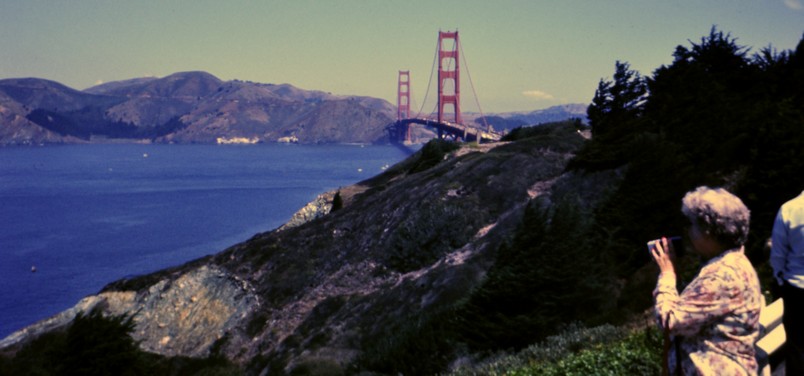


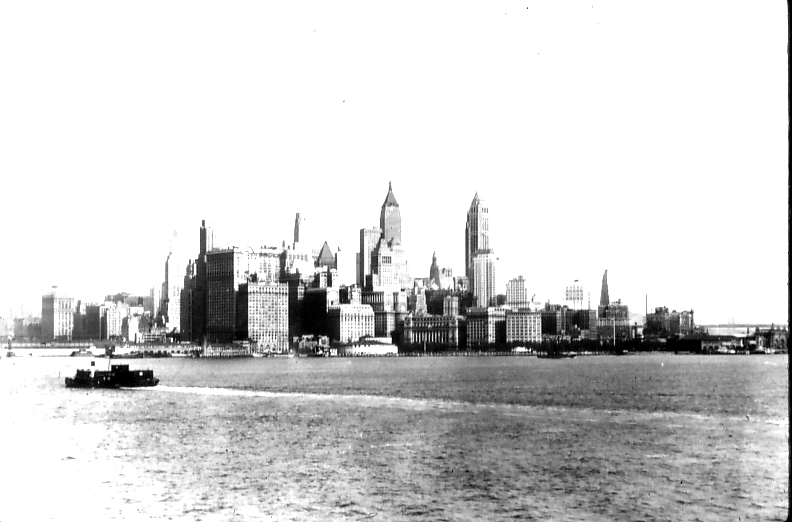
 The economic justification for and value of the canals waned, and they fell into disuse, and no longer navigable. However, in recent decades there has been a resurgence in the use of inland waterways. Today some 2000 miles of navigable waterways (canals and rivers) are managed by the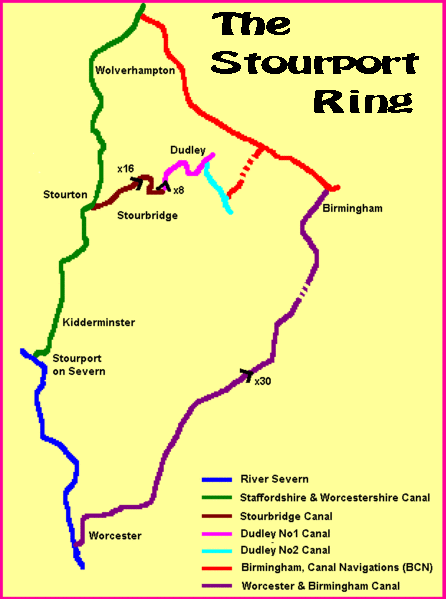
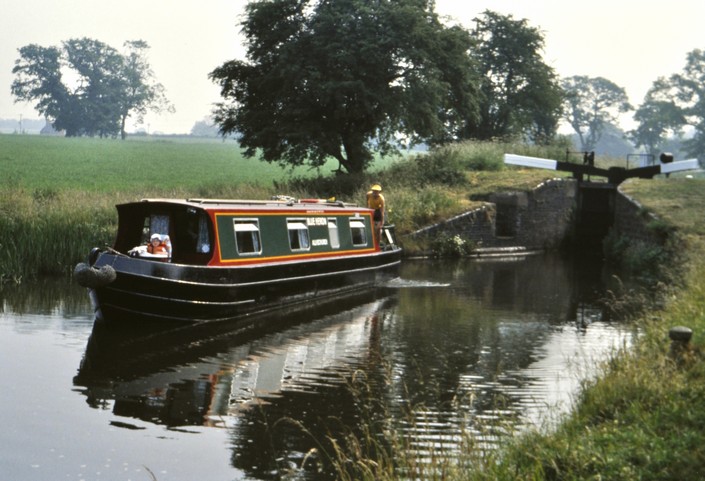
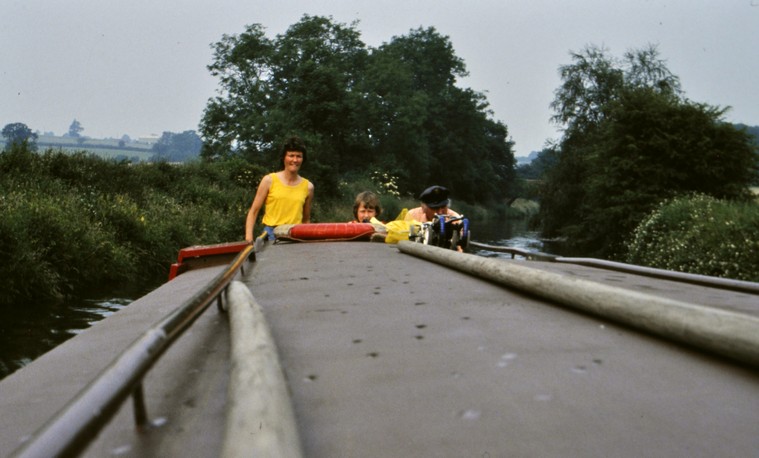
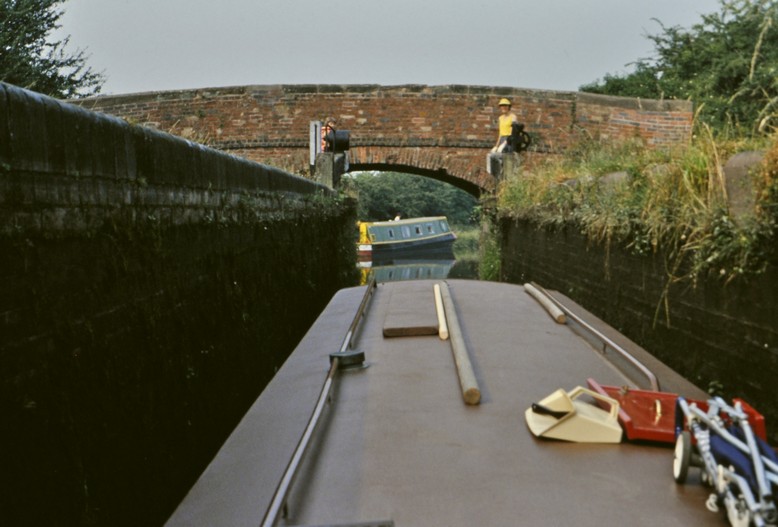
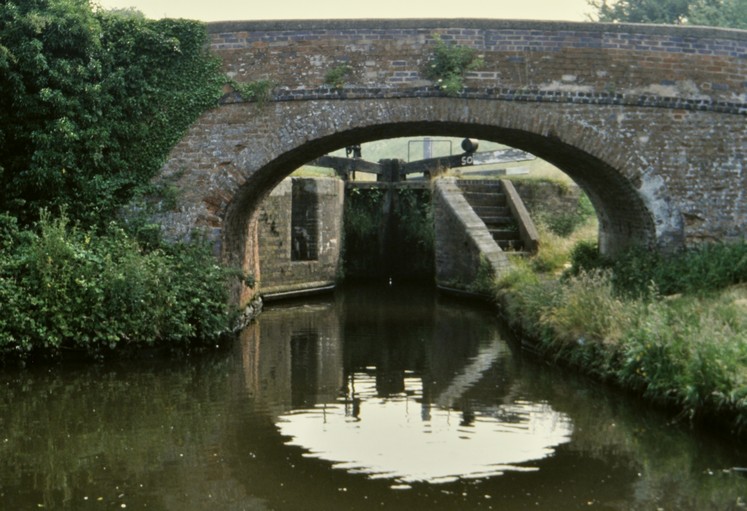
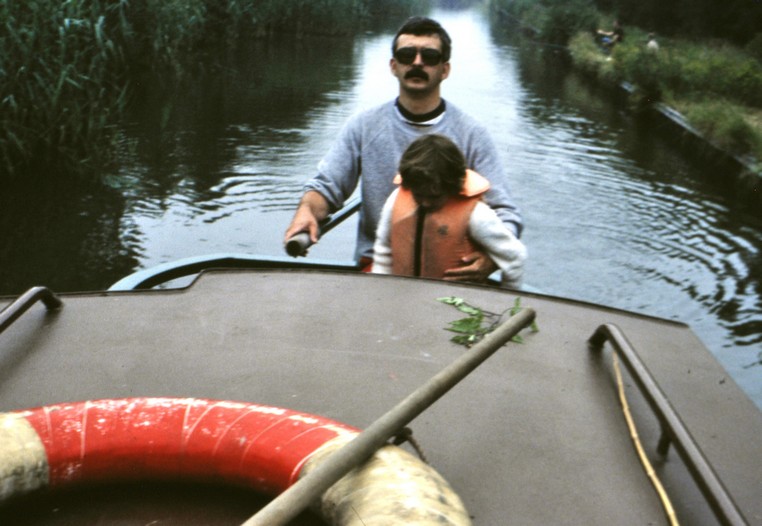
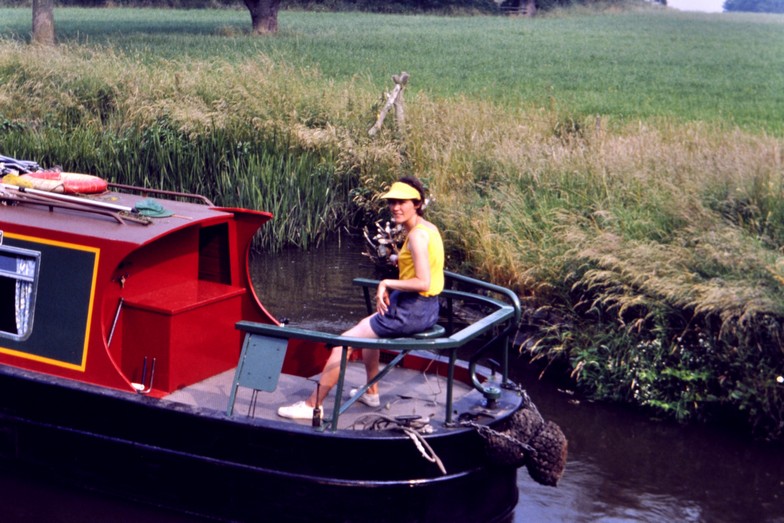
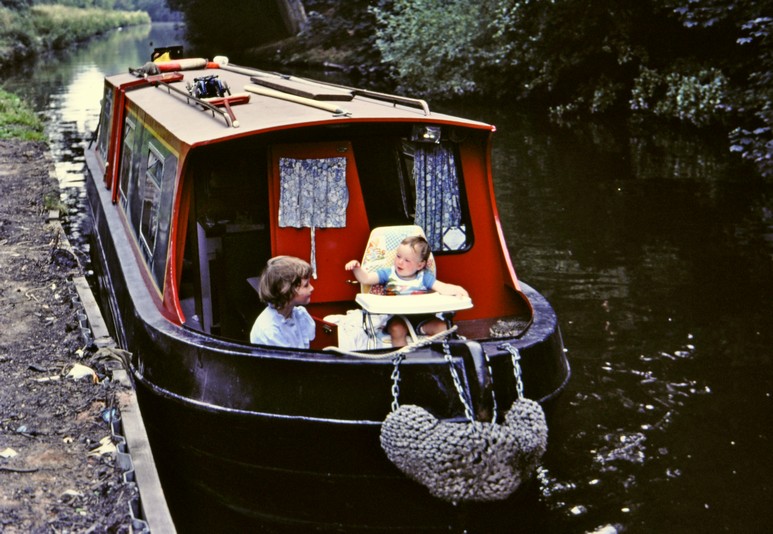
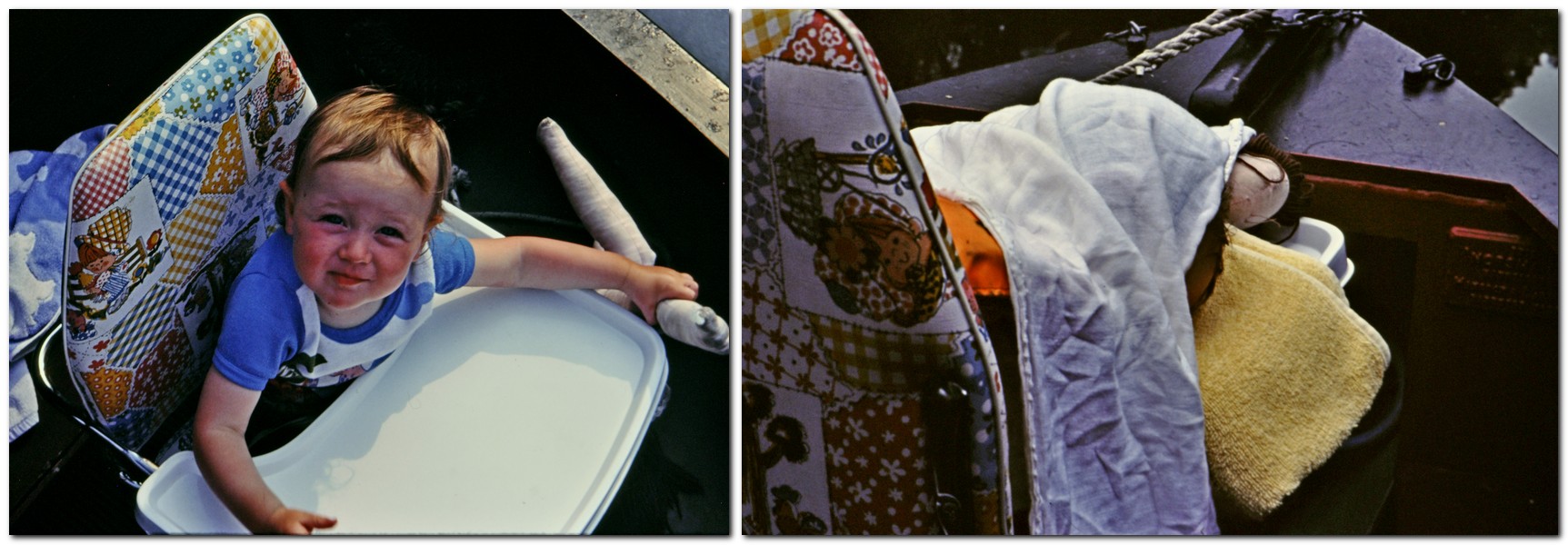
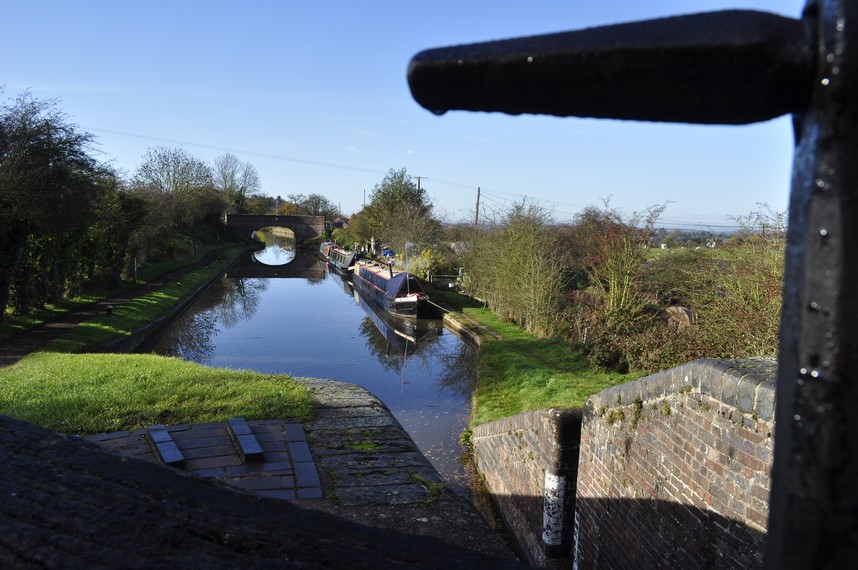
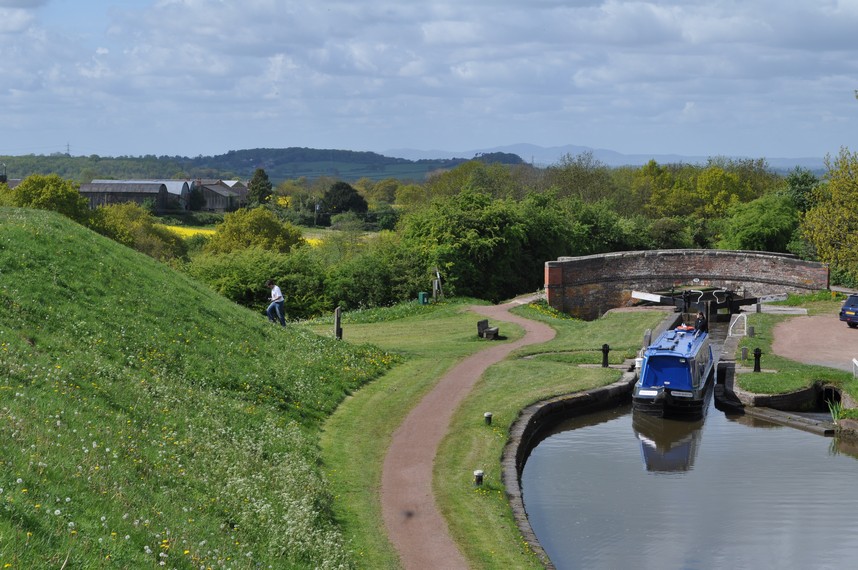


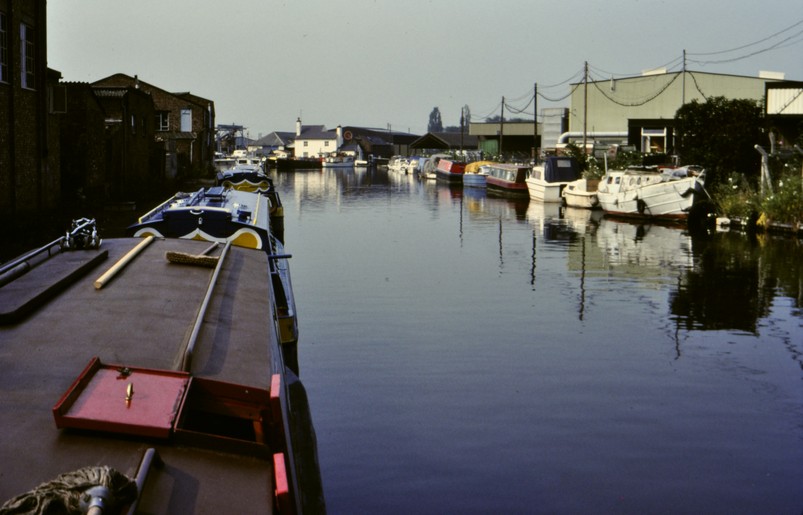
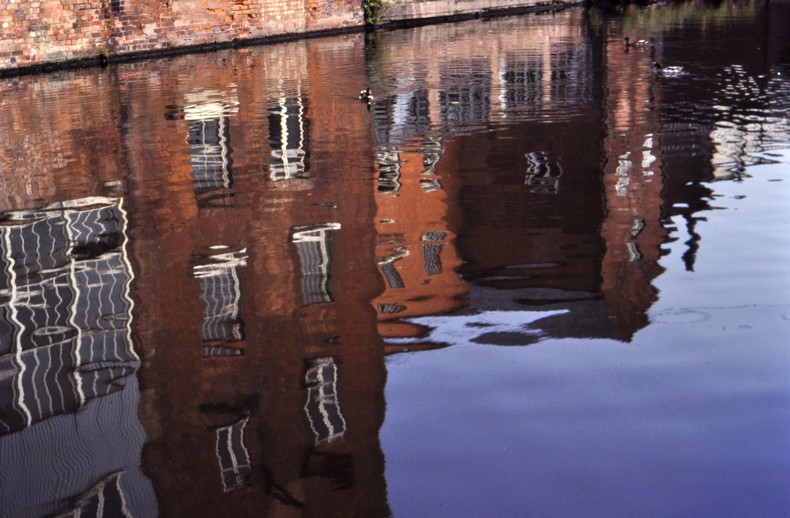
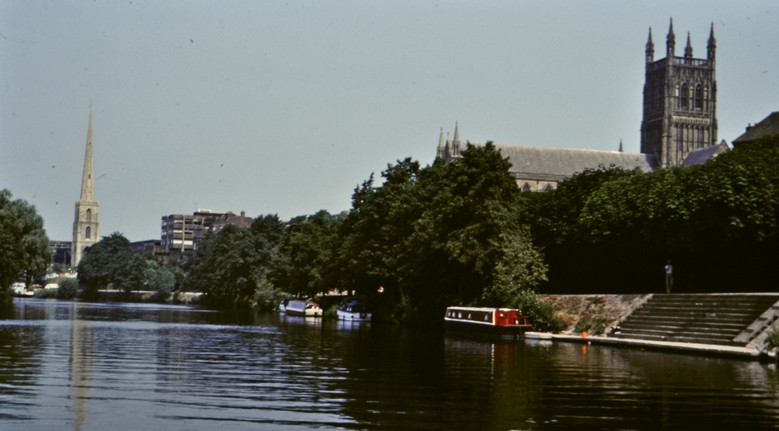
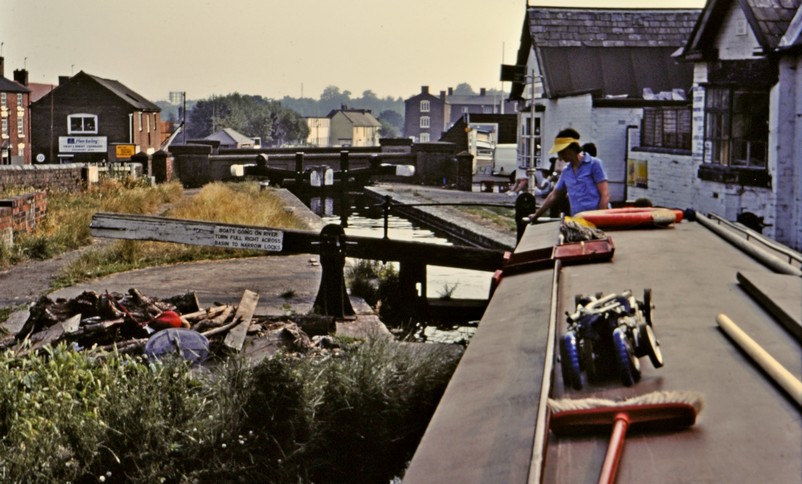


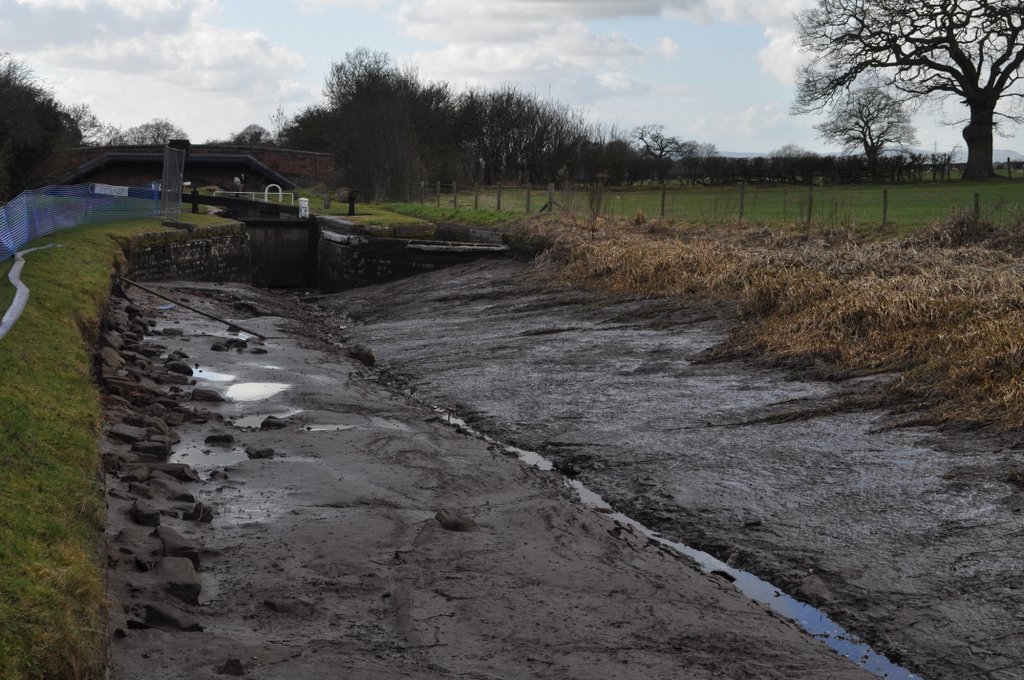
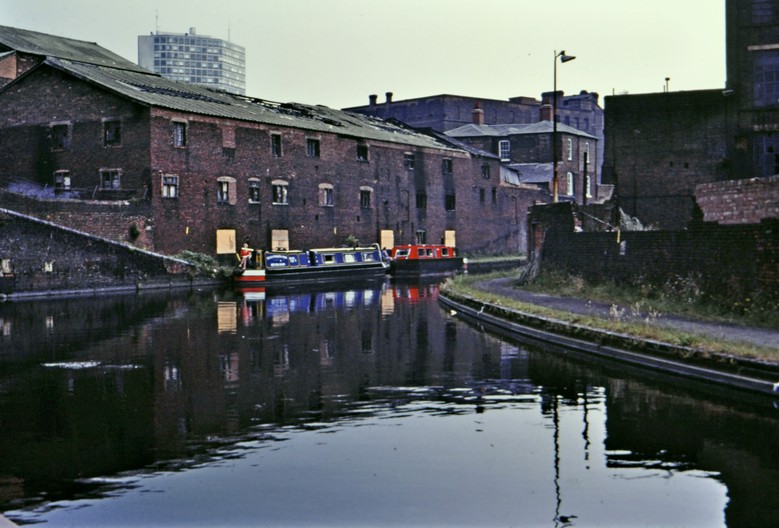
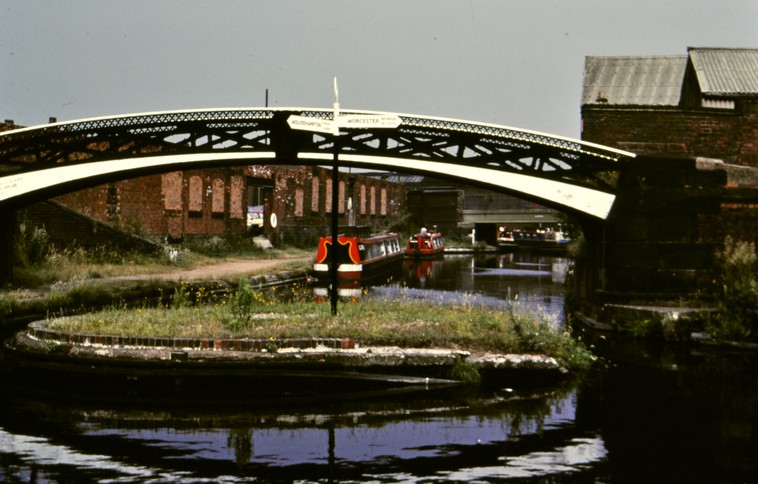
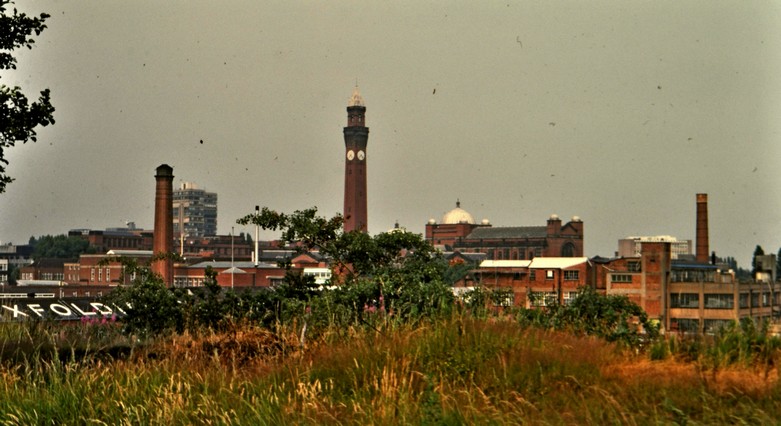
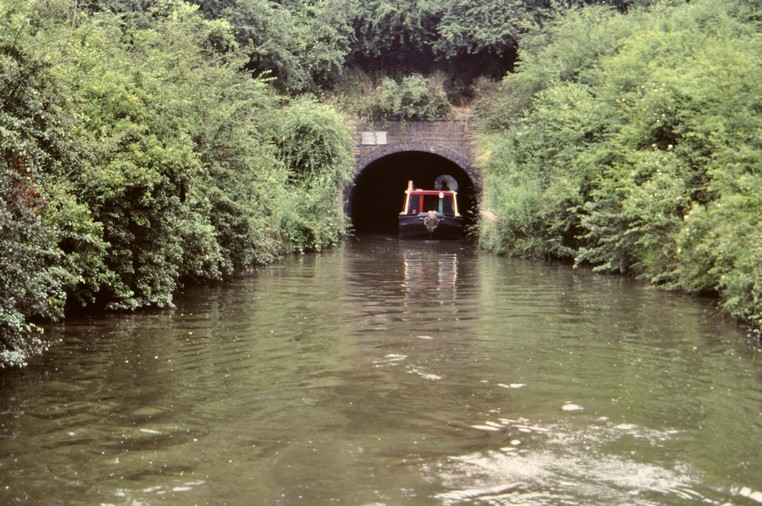
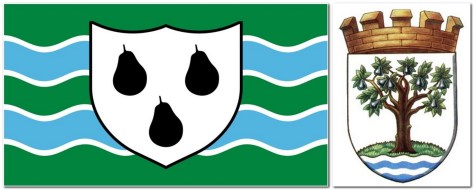
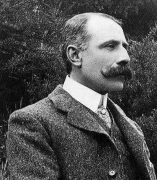 Where
Where 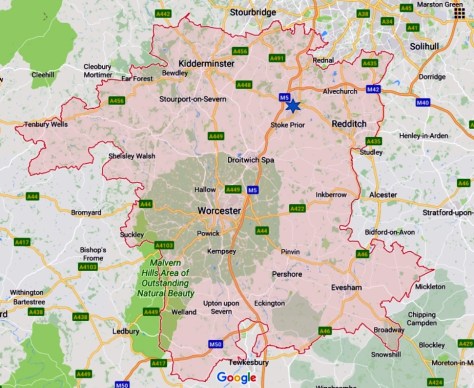
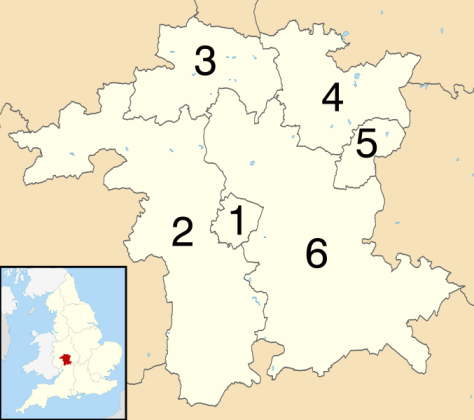
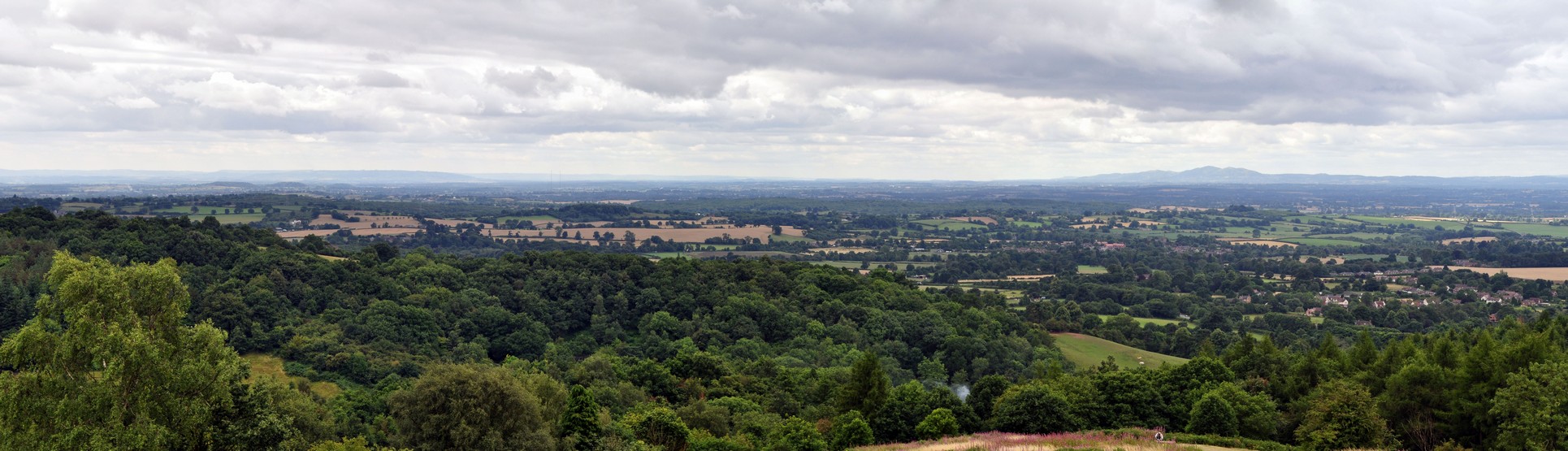
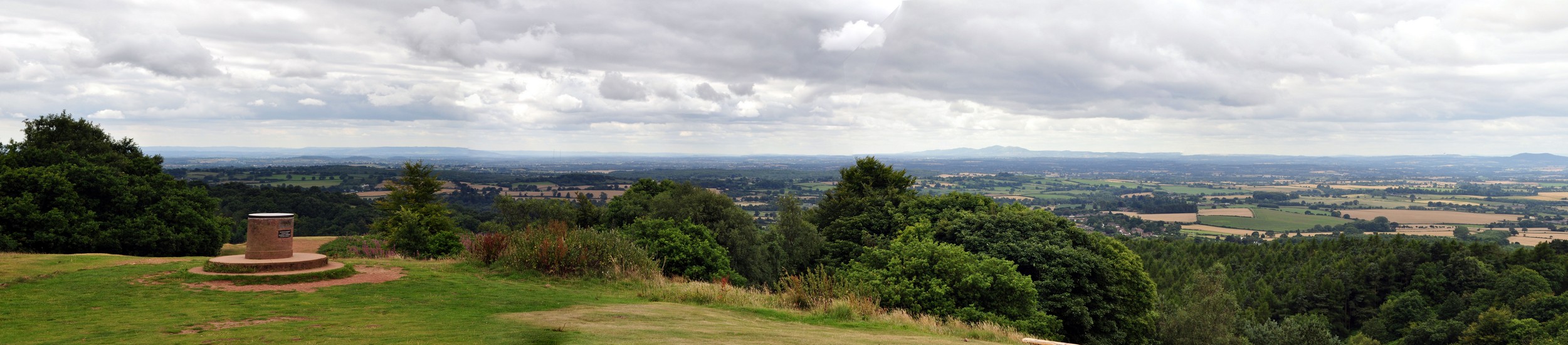


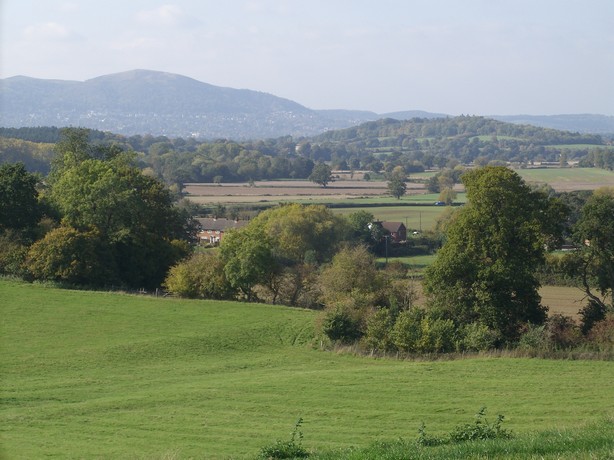

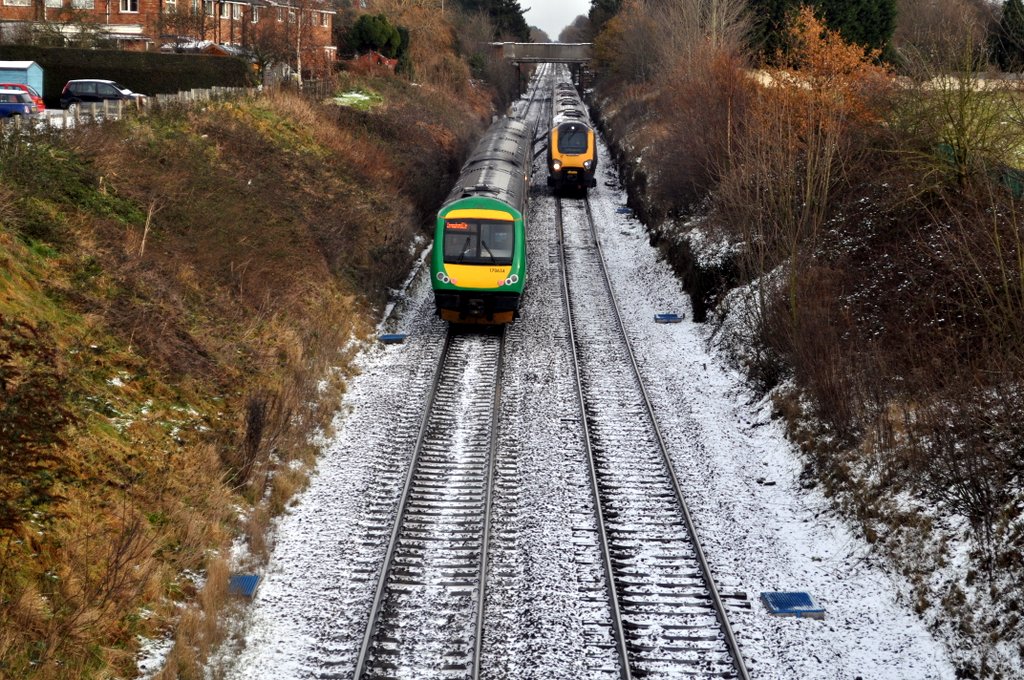
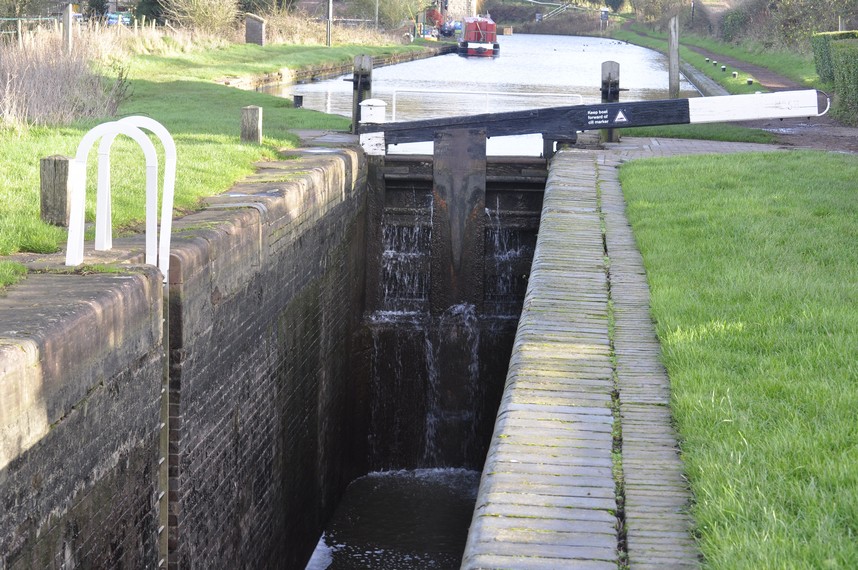
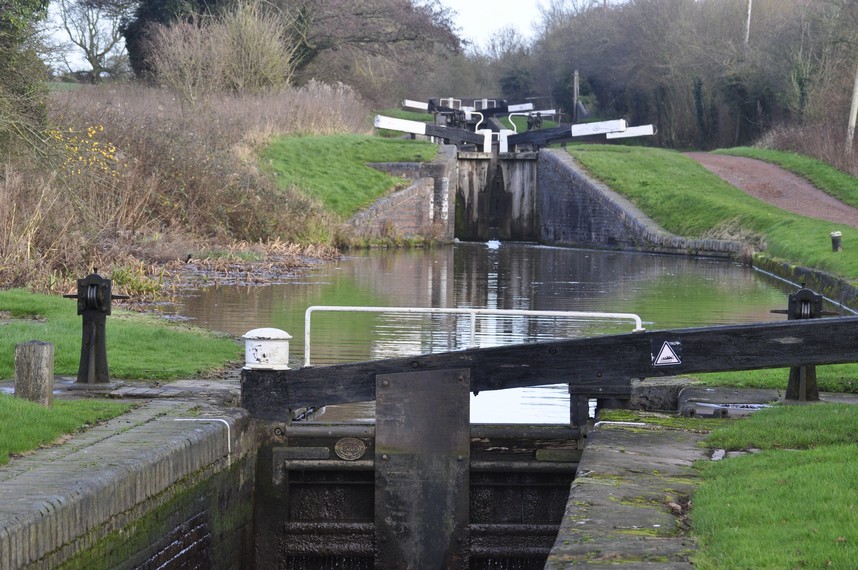
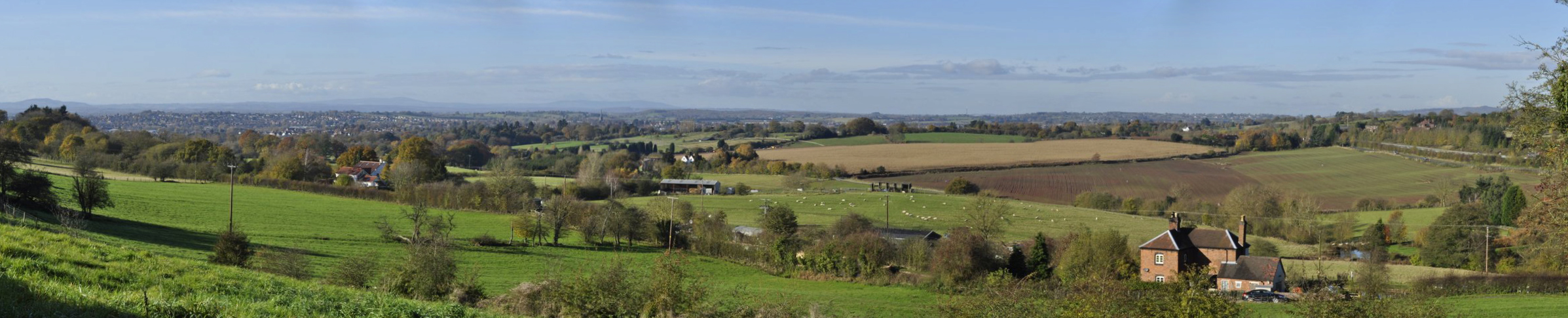
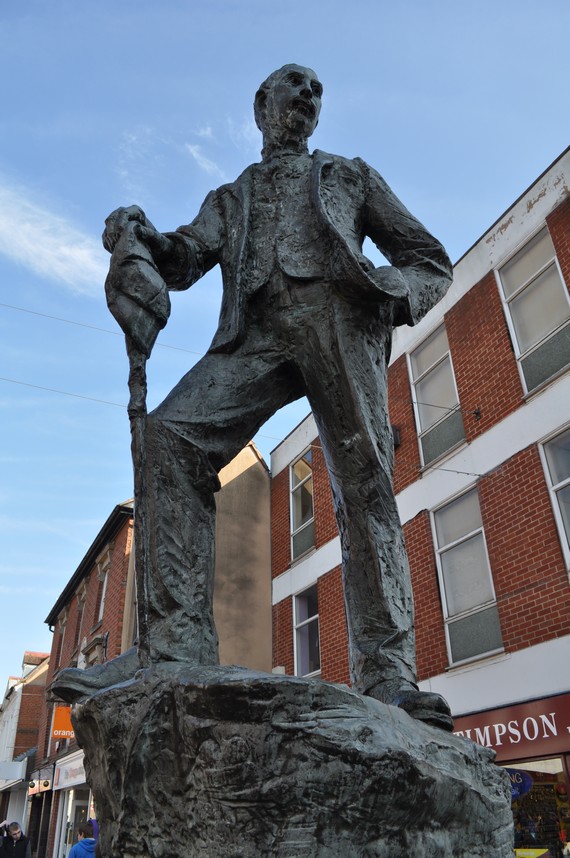
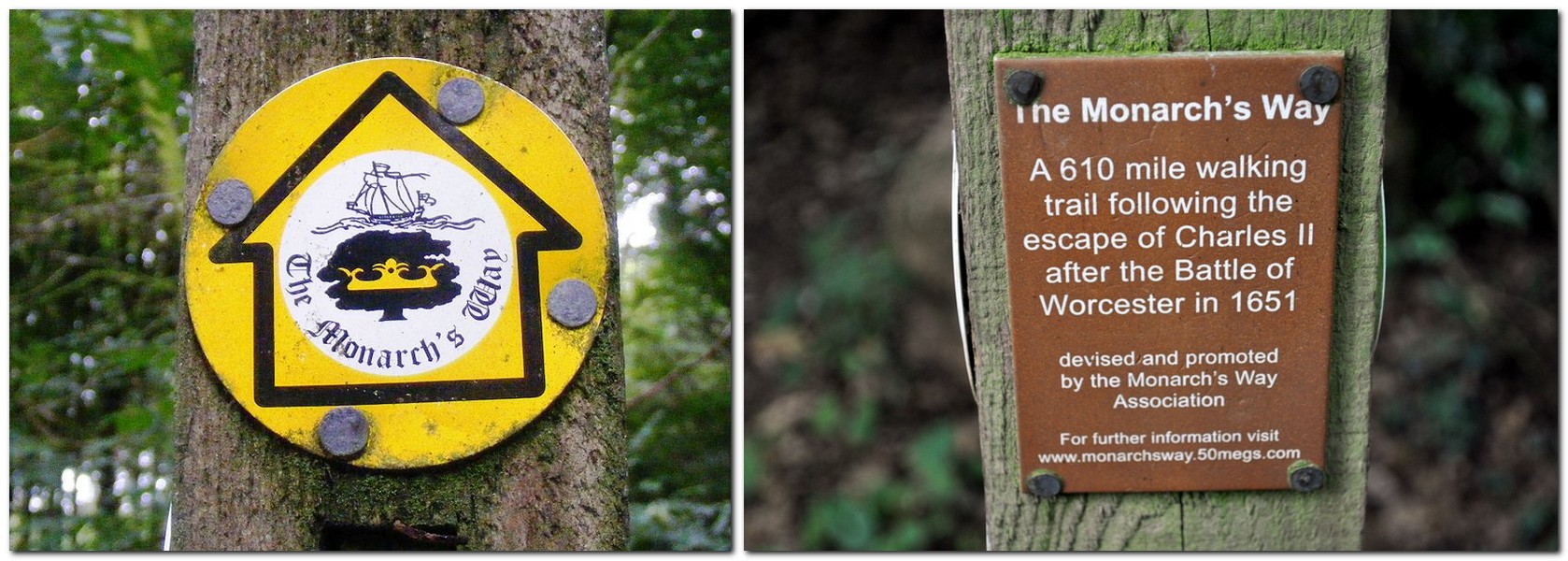
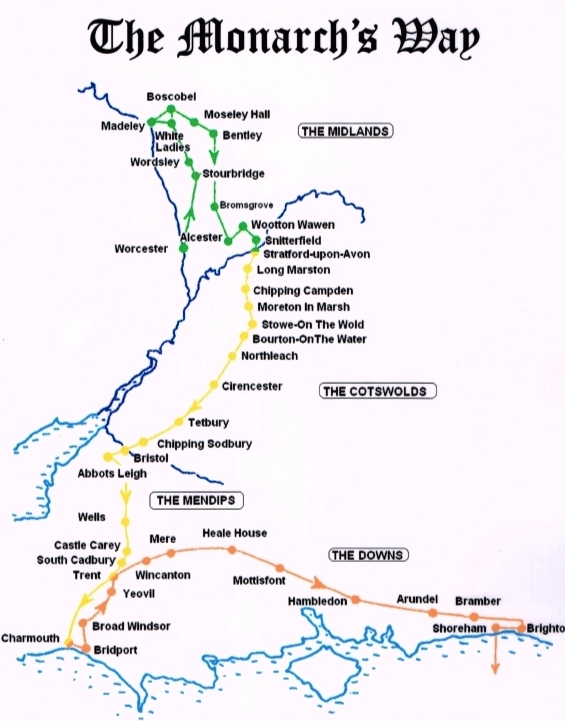
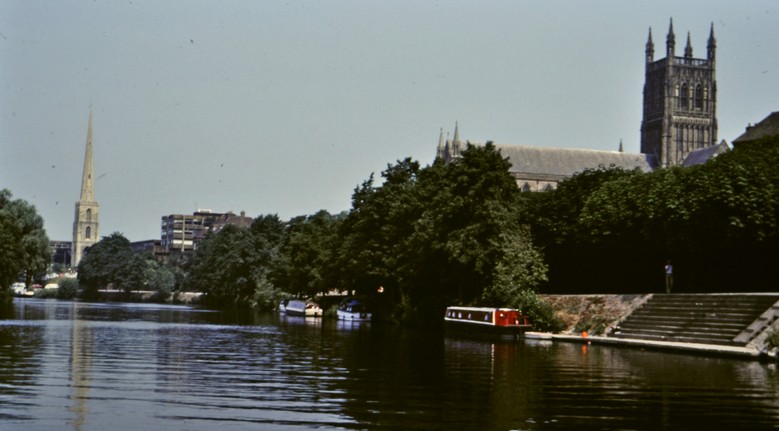
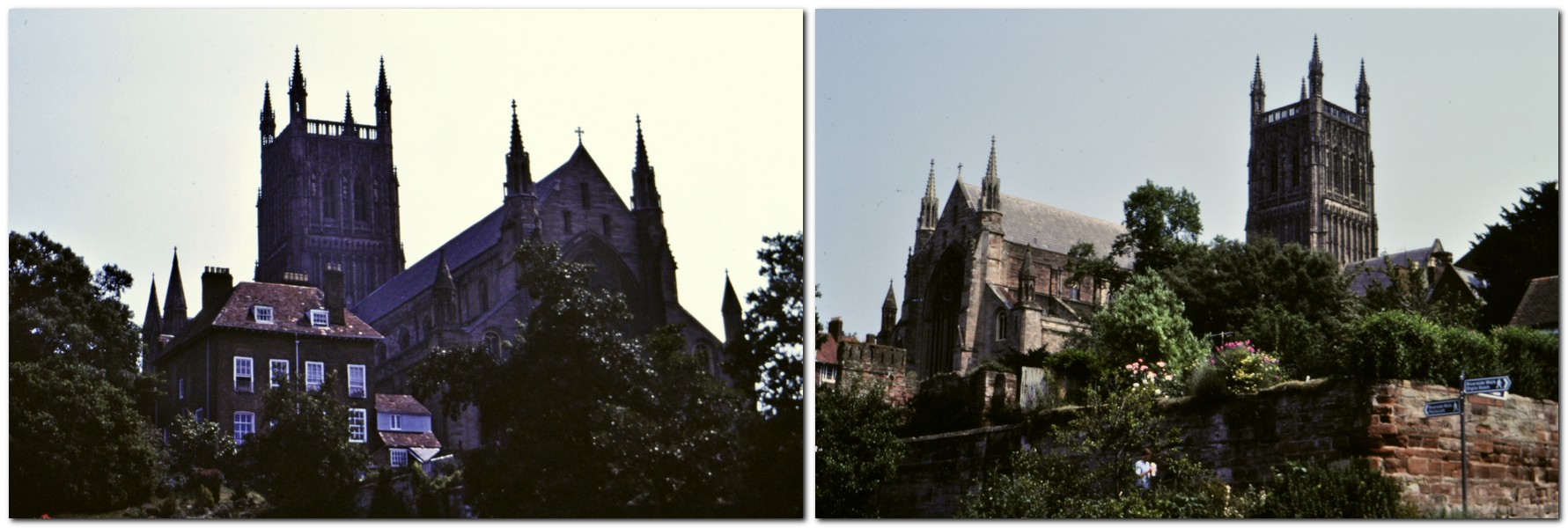
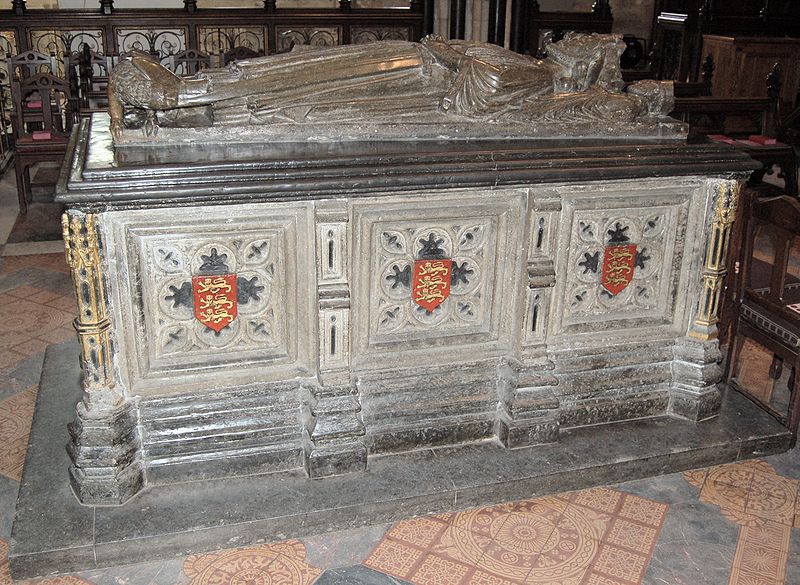
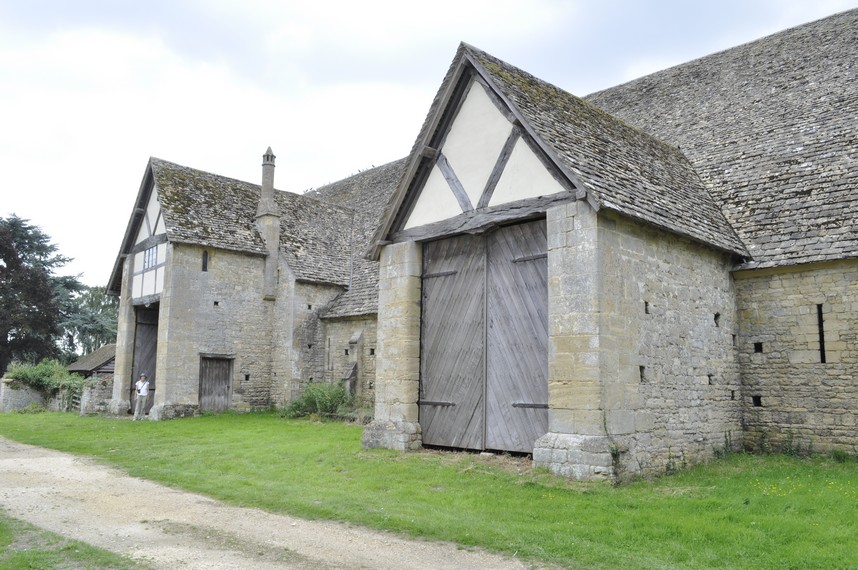
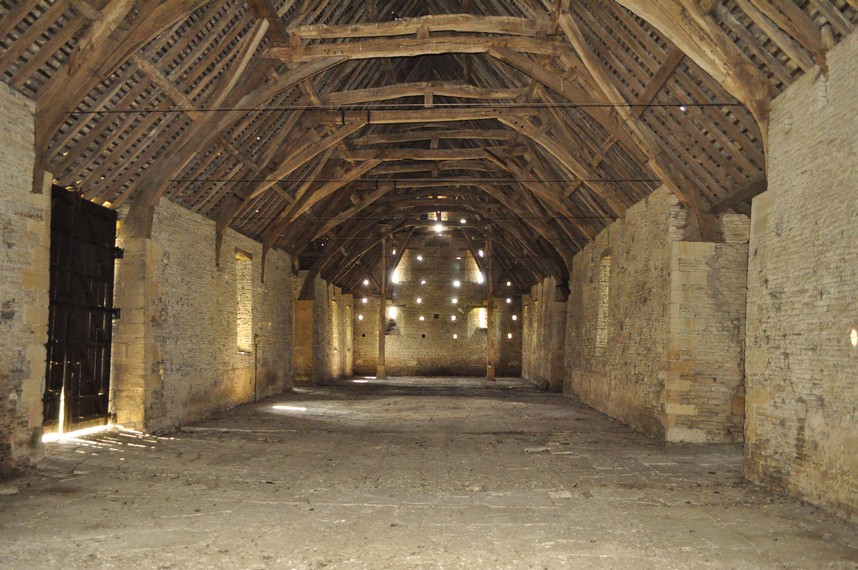
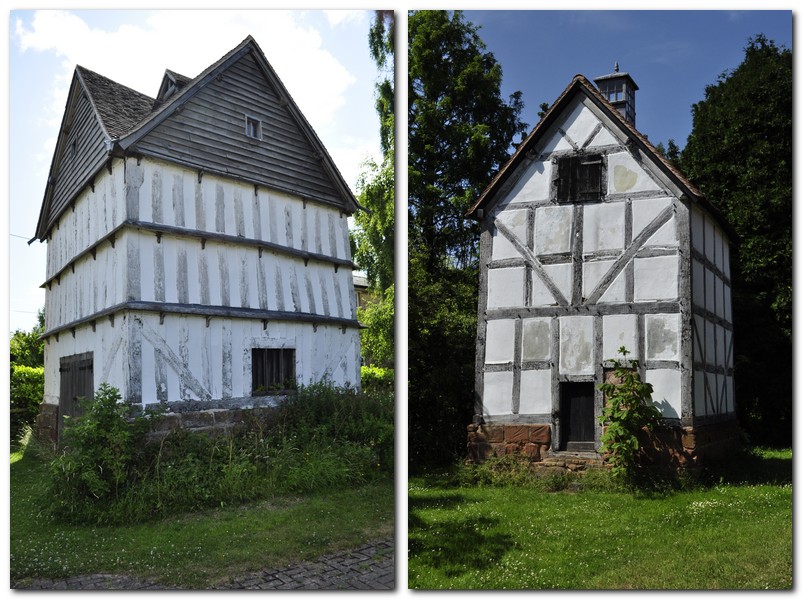
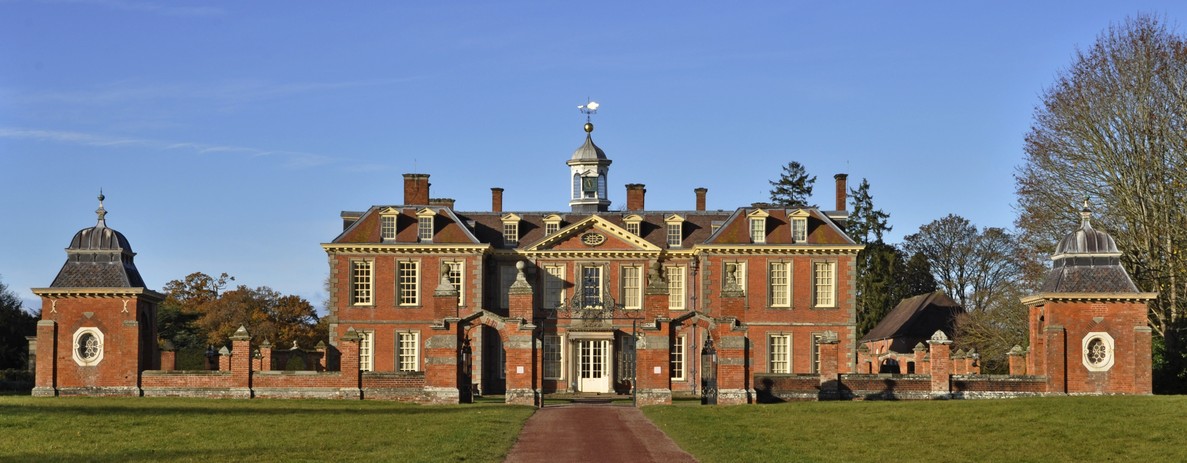
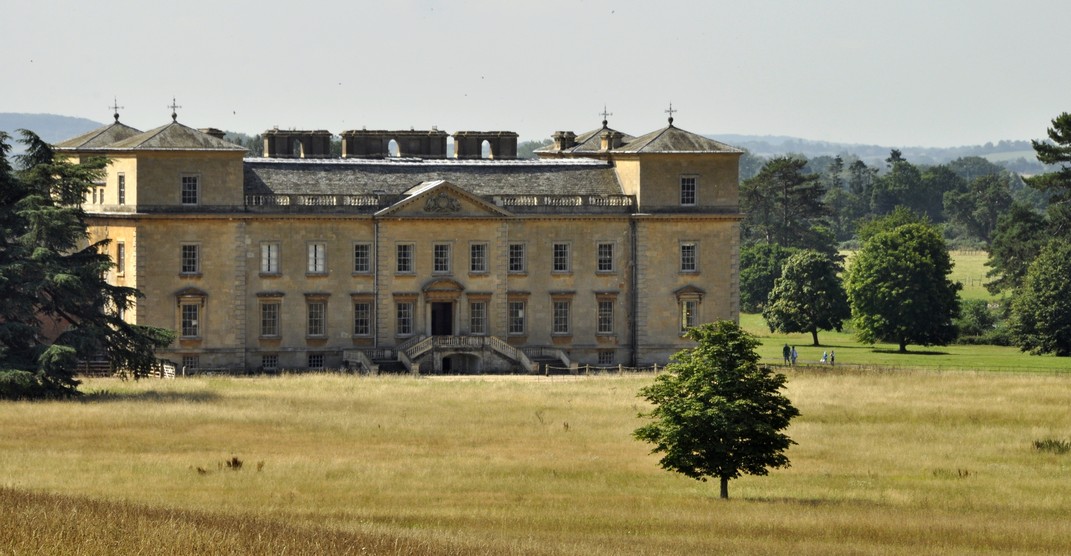
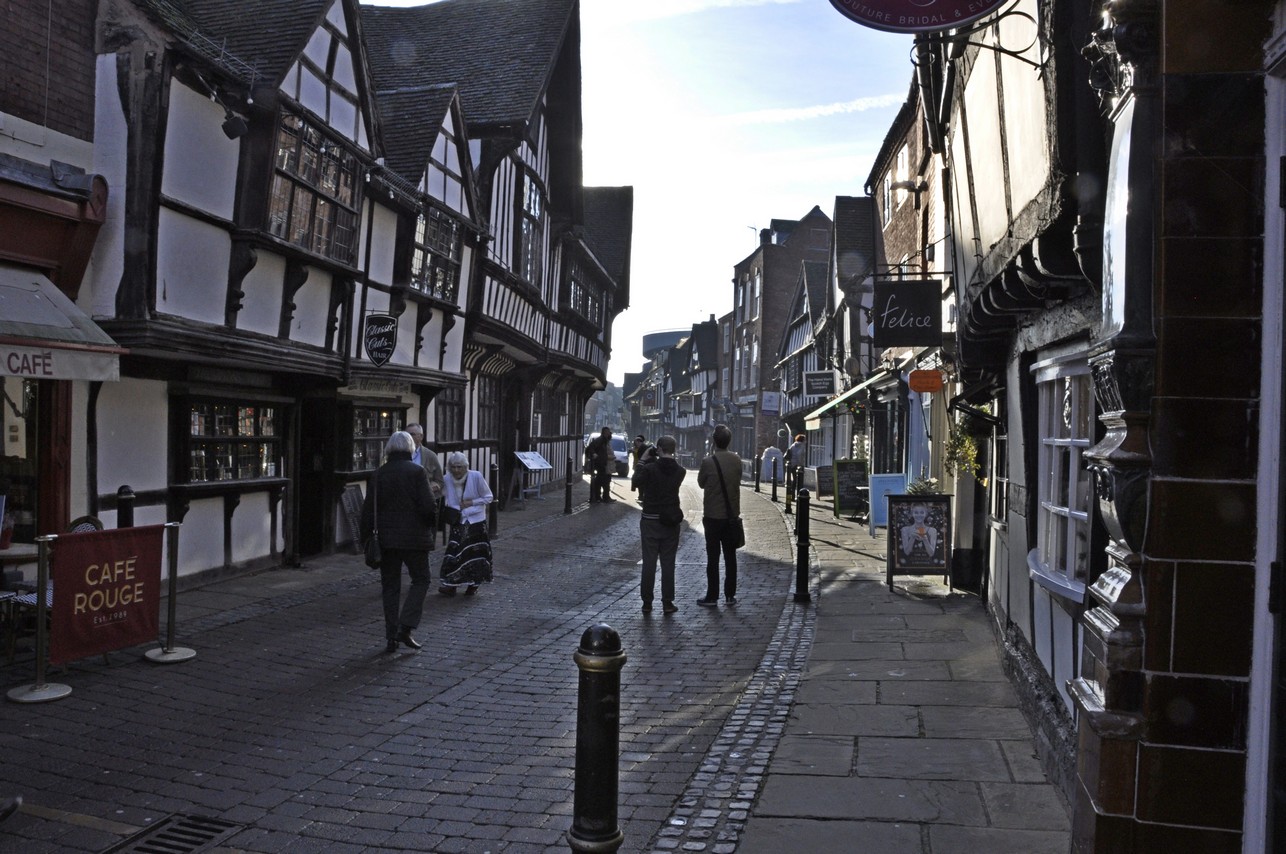
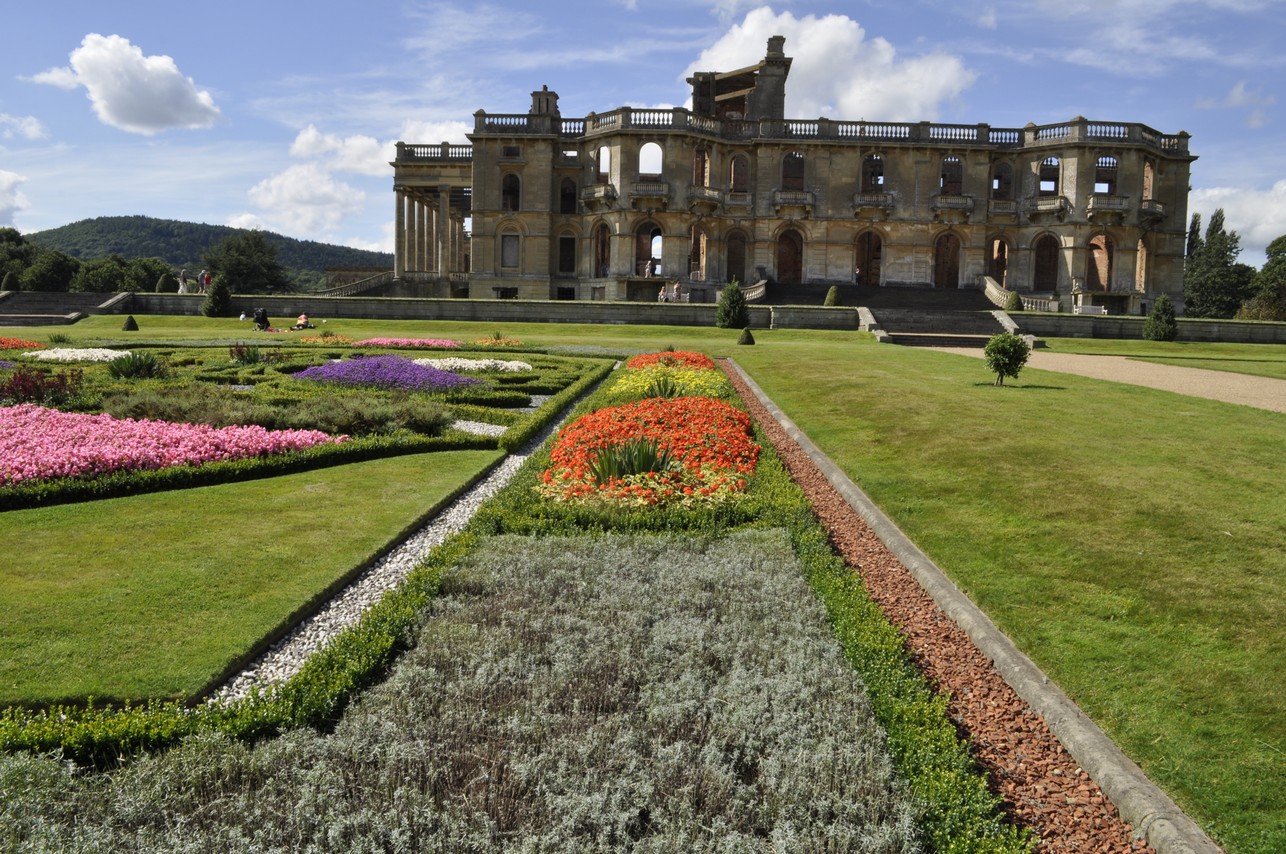
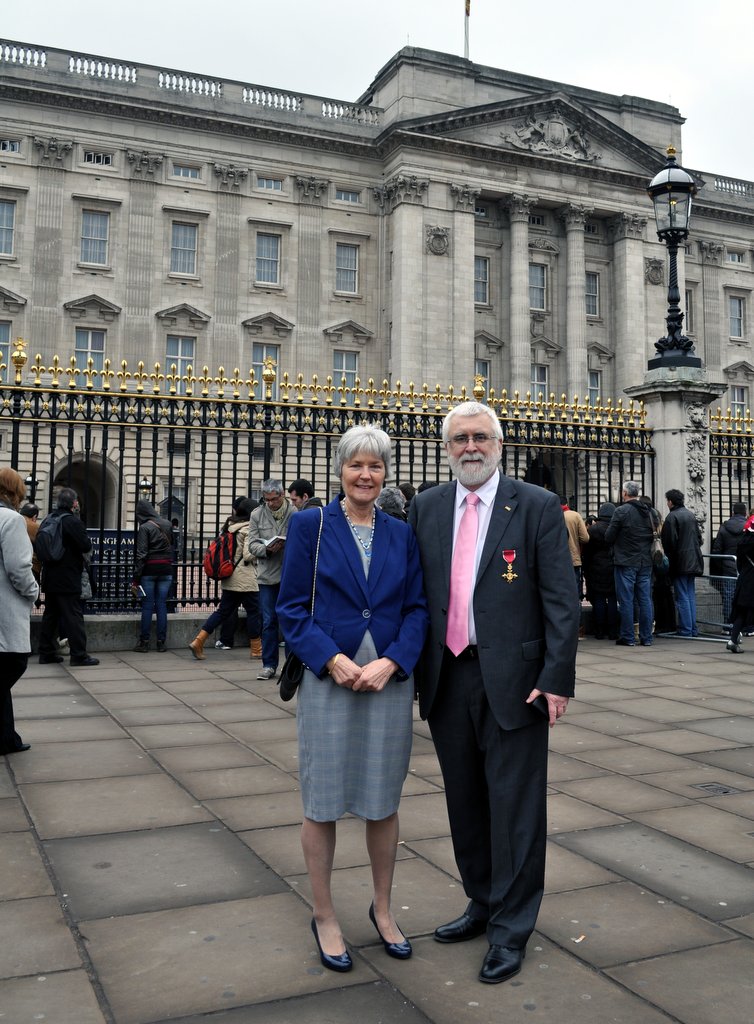
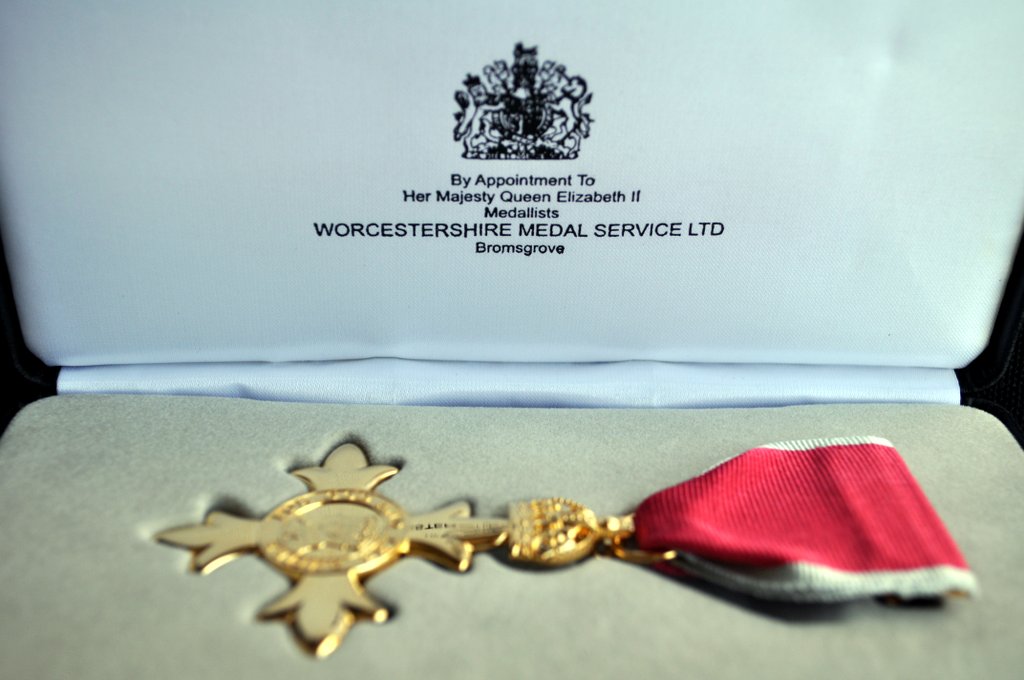

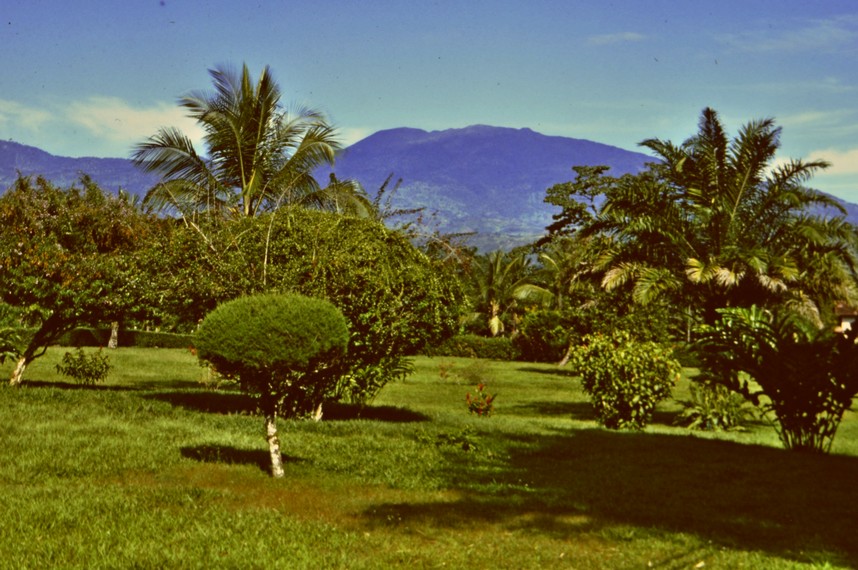


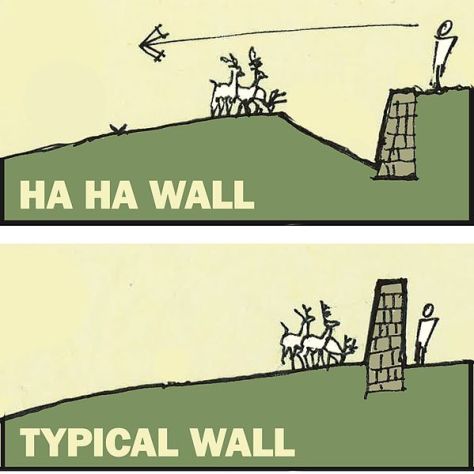


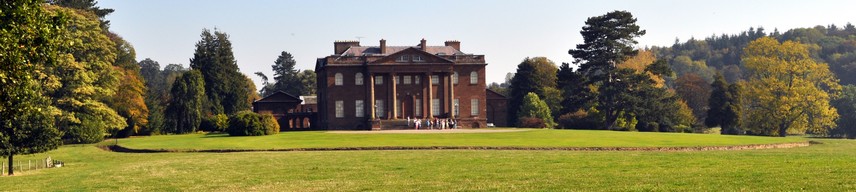


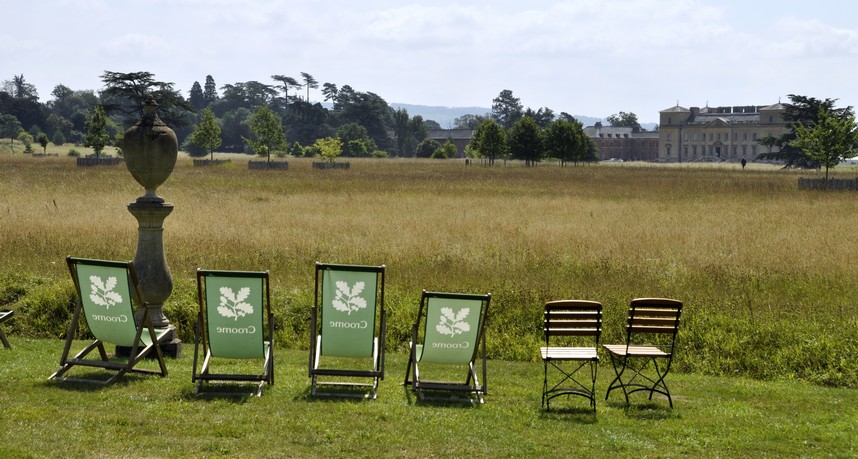


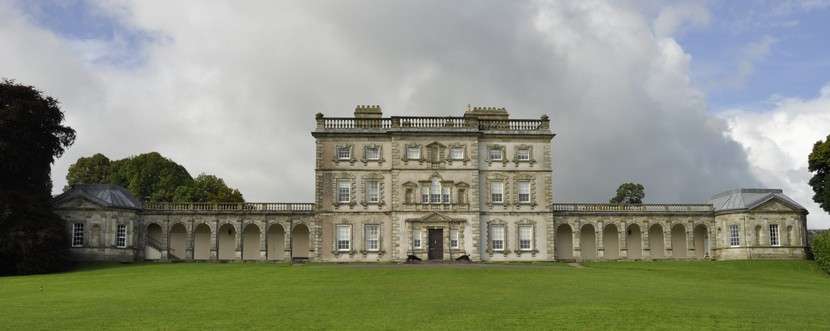


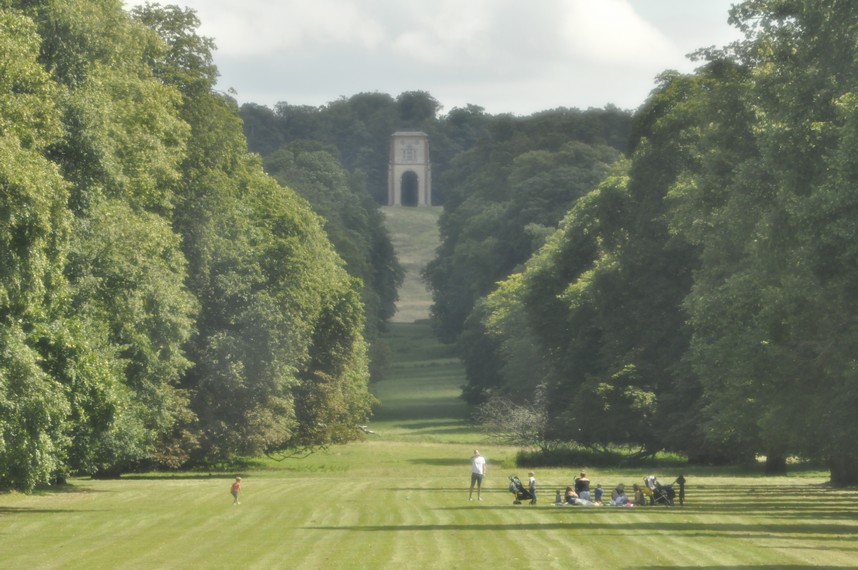
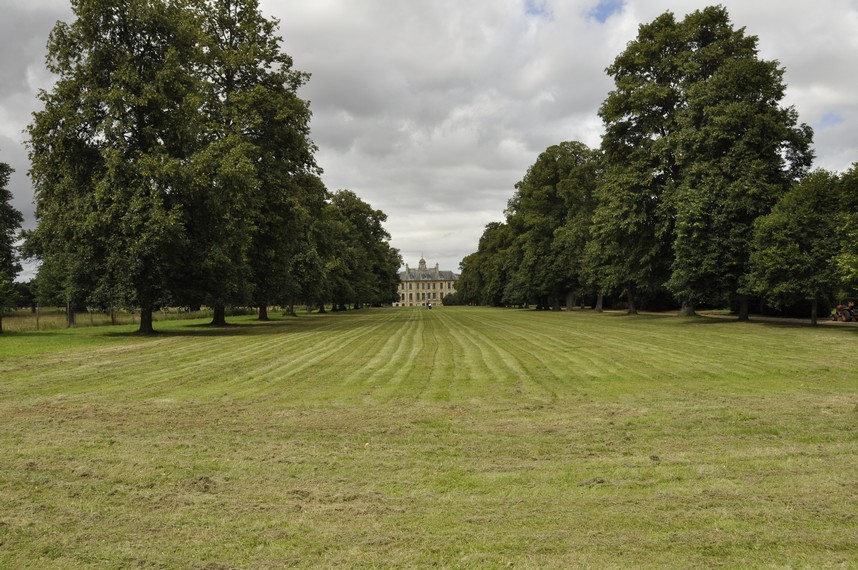


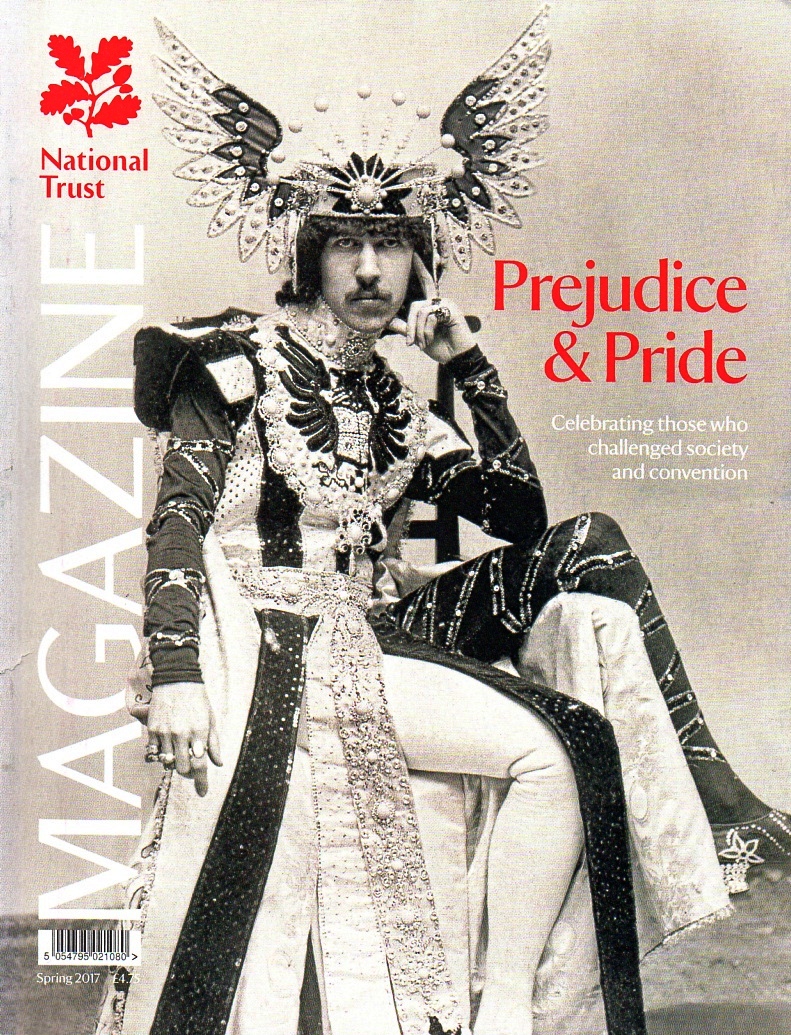


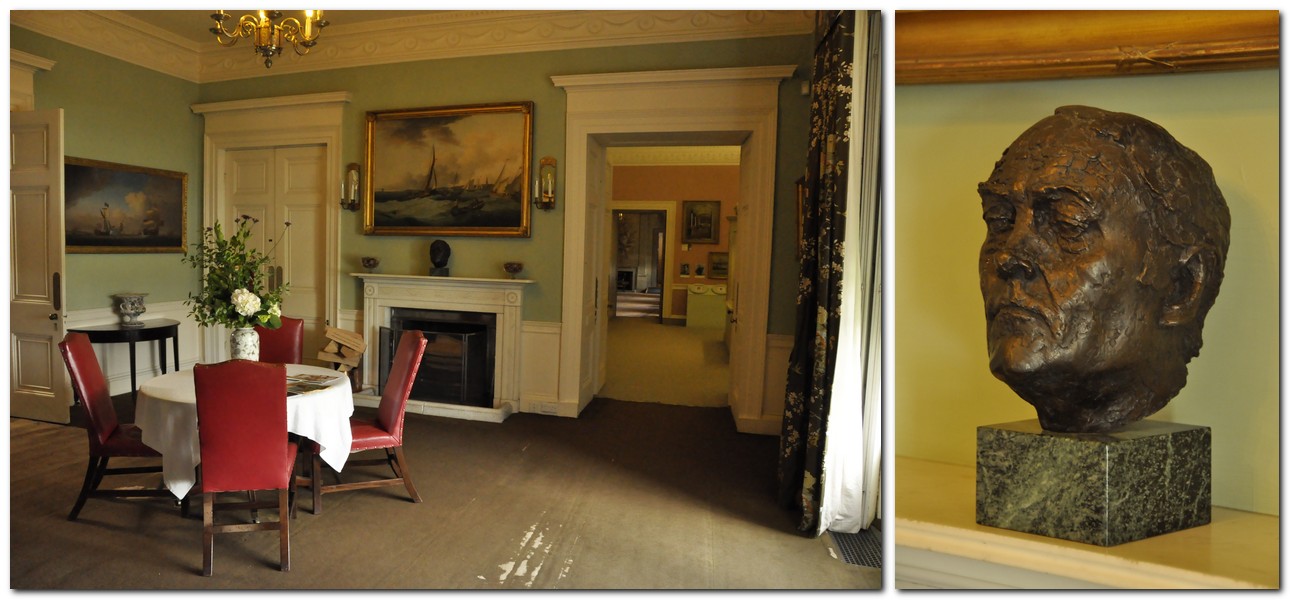
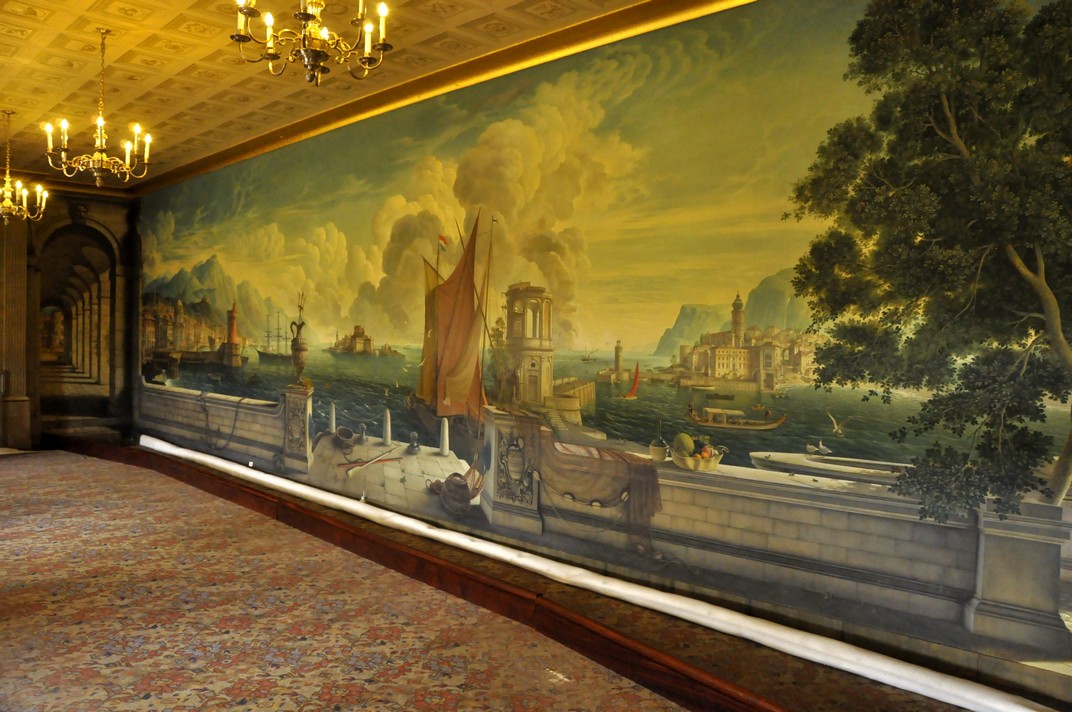



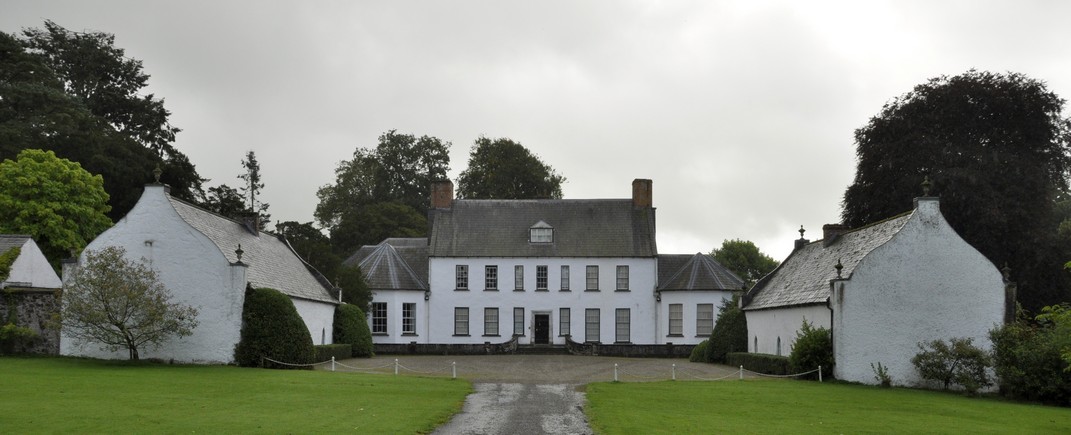


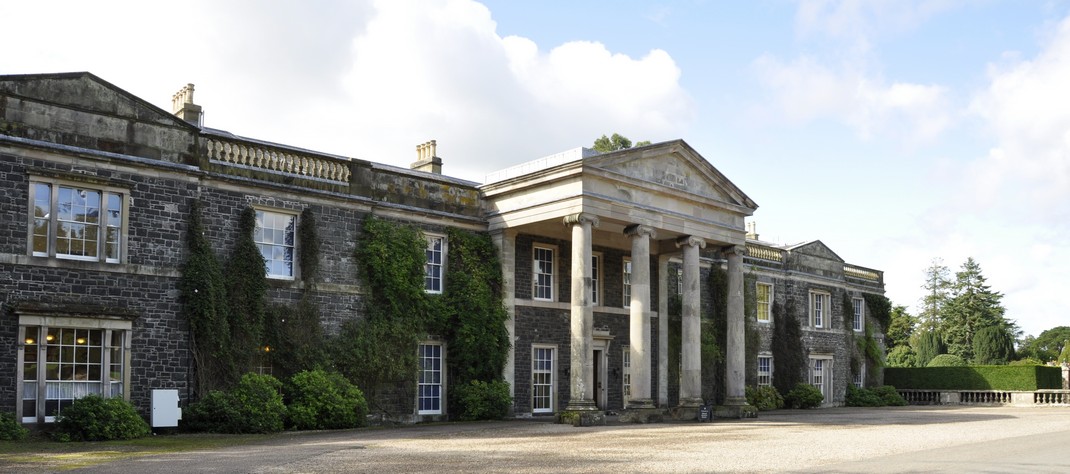


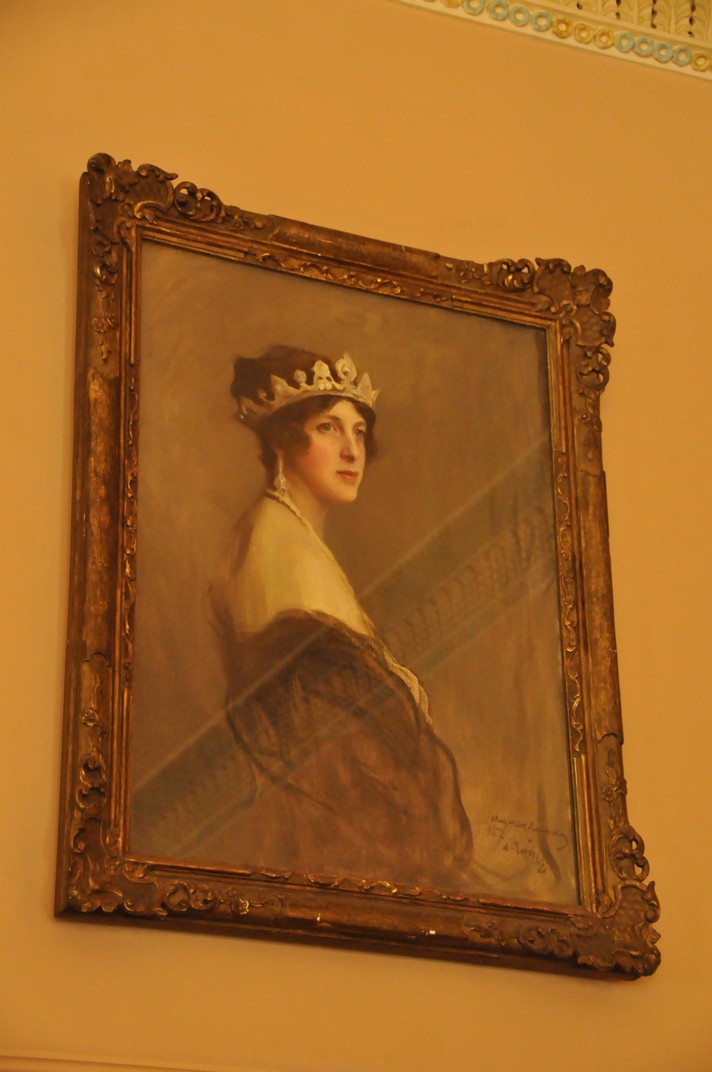


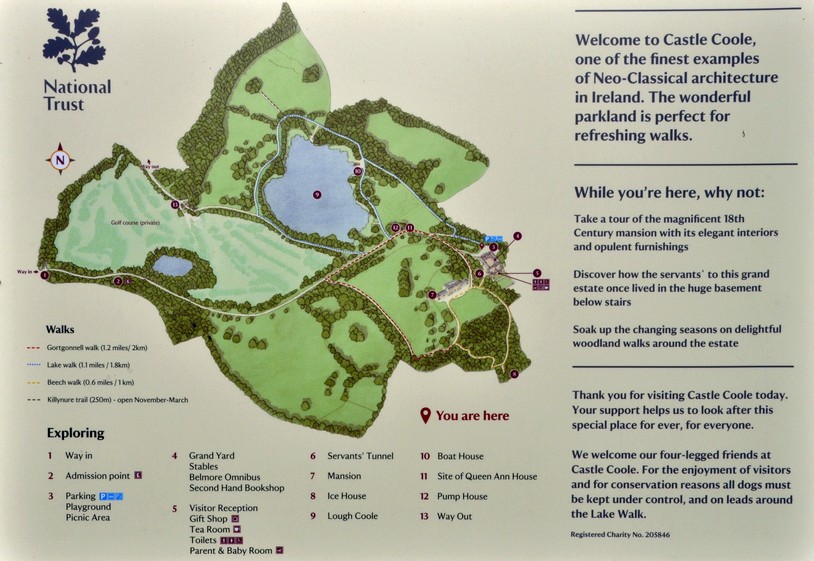
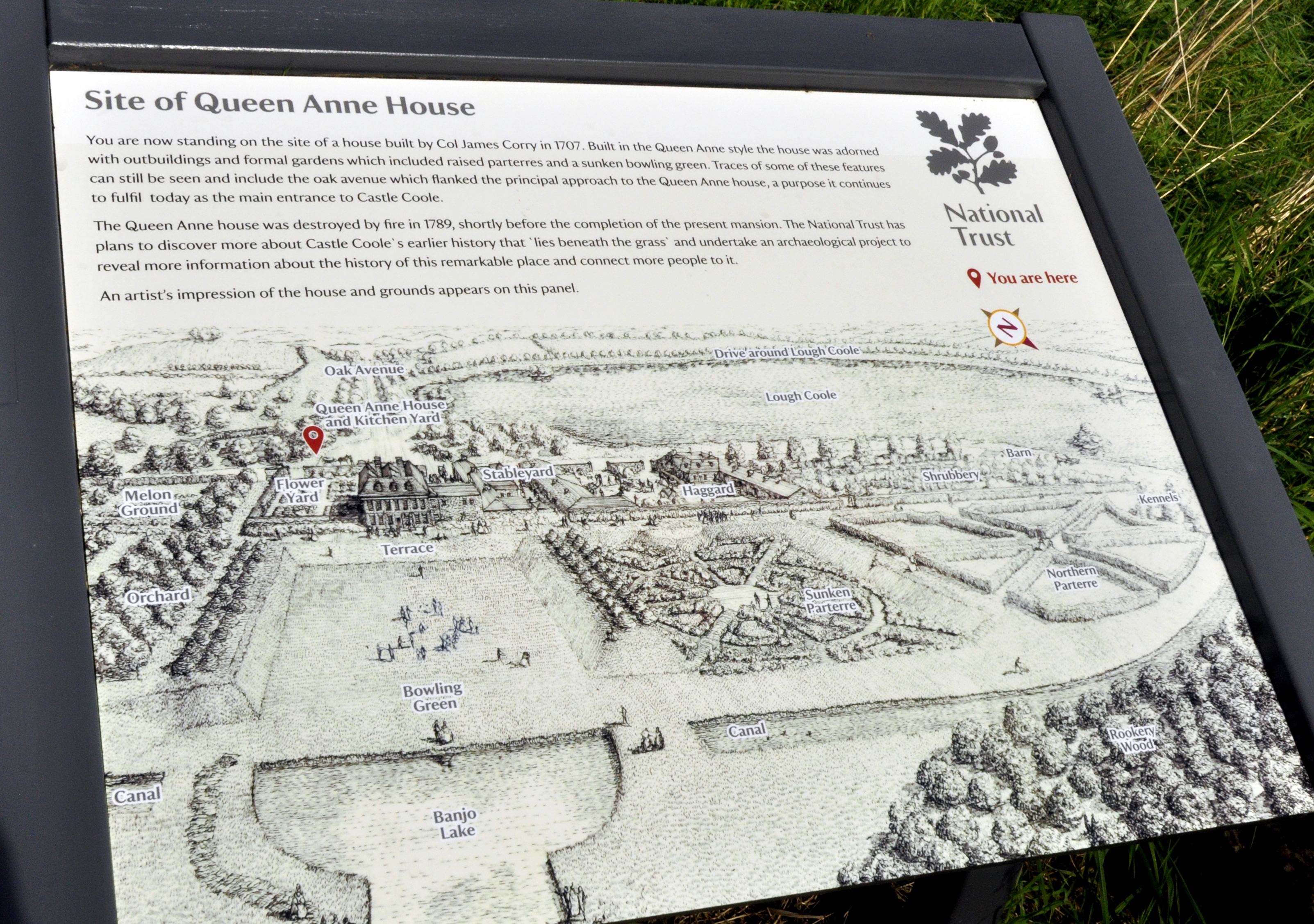
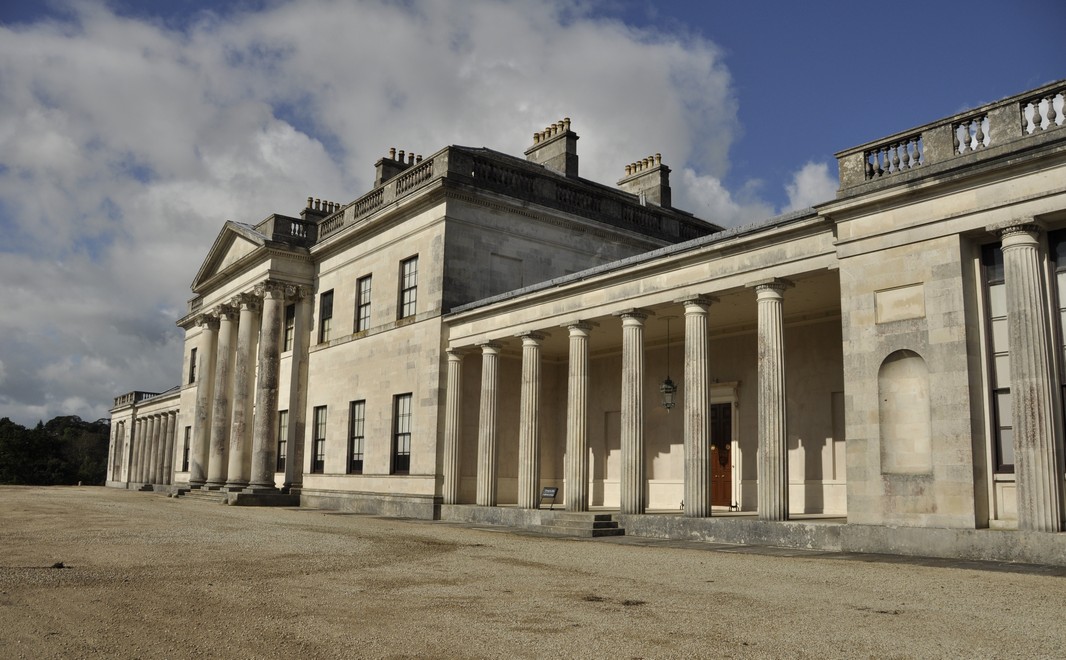


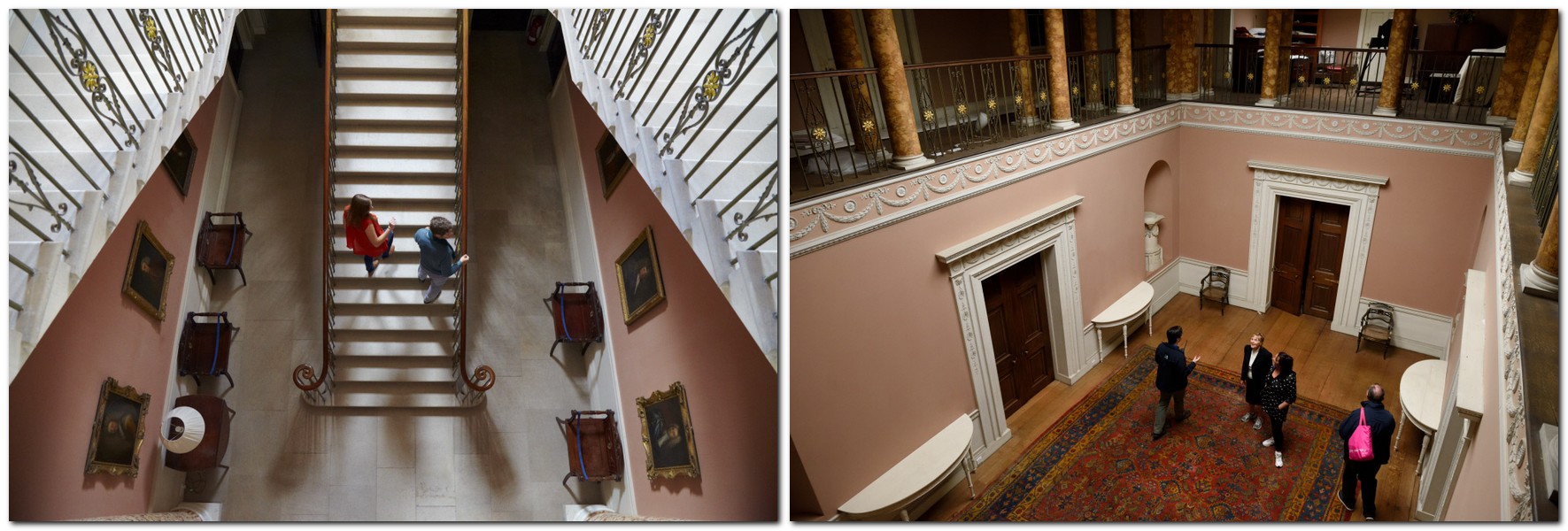


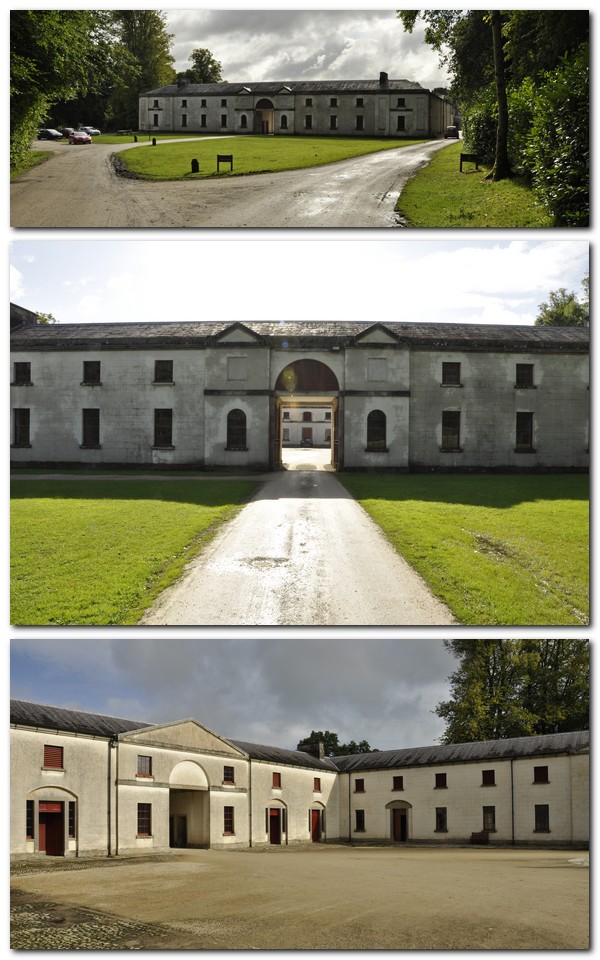
 Florence Court sits well in its landscape, the estate nestling below
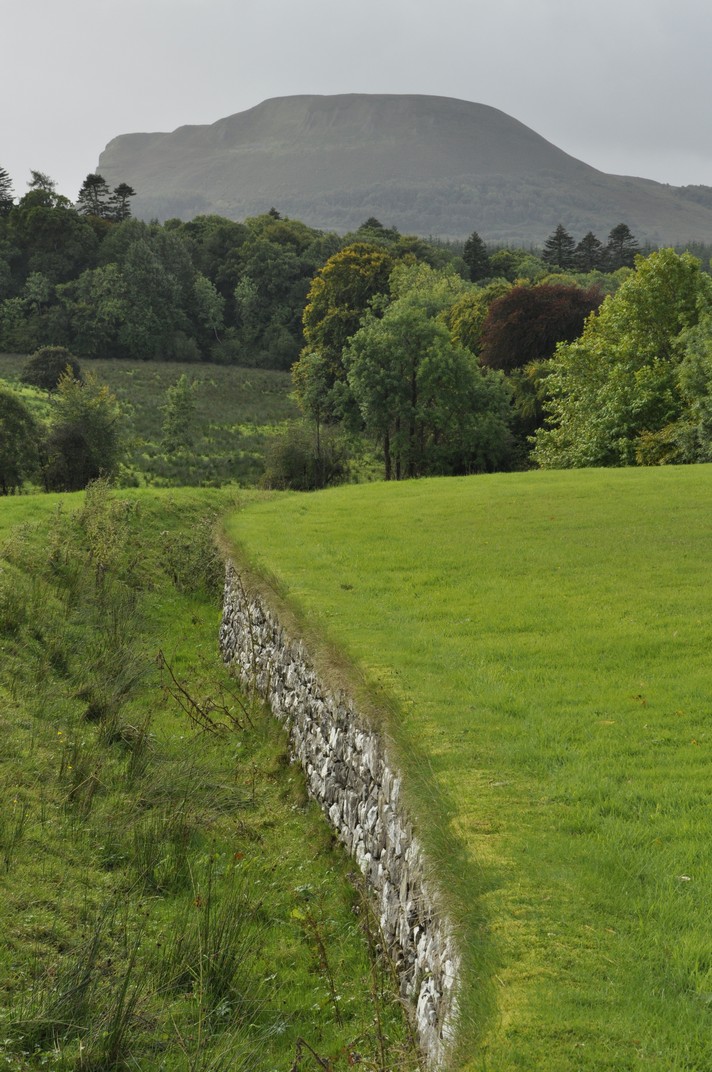


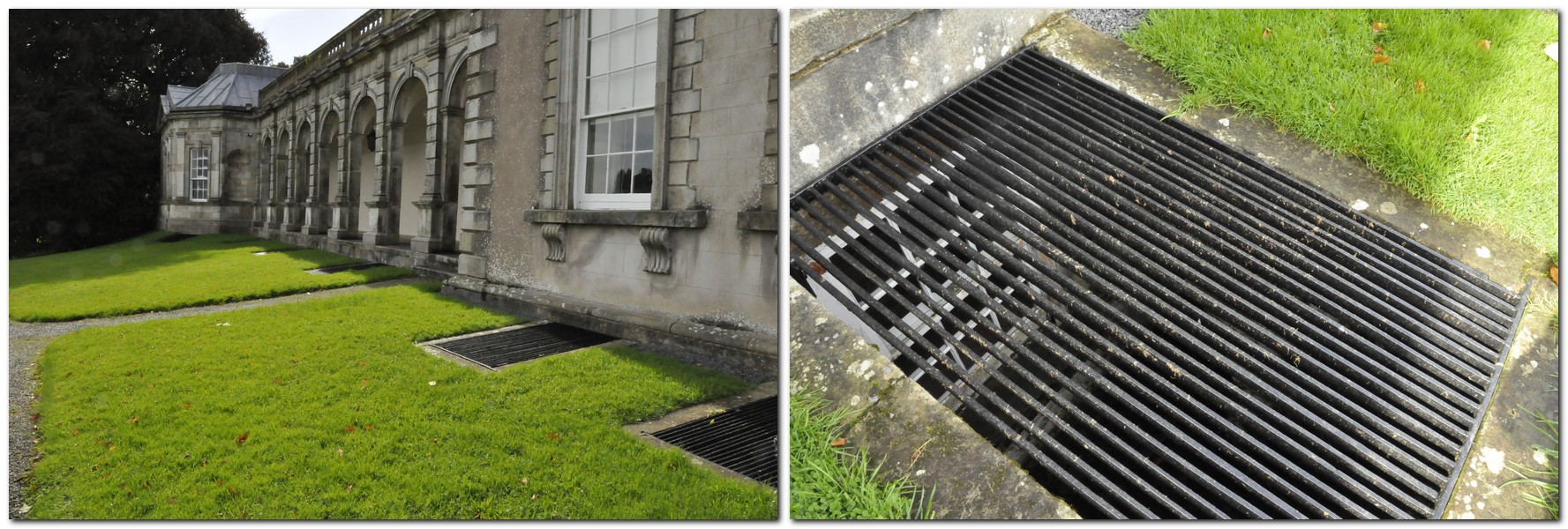


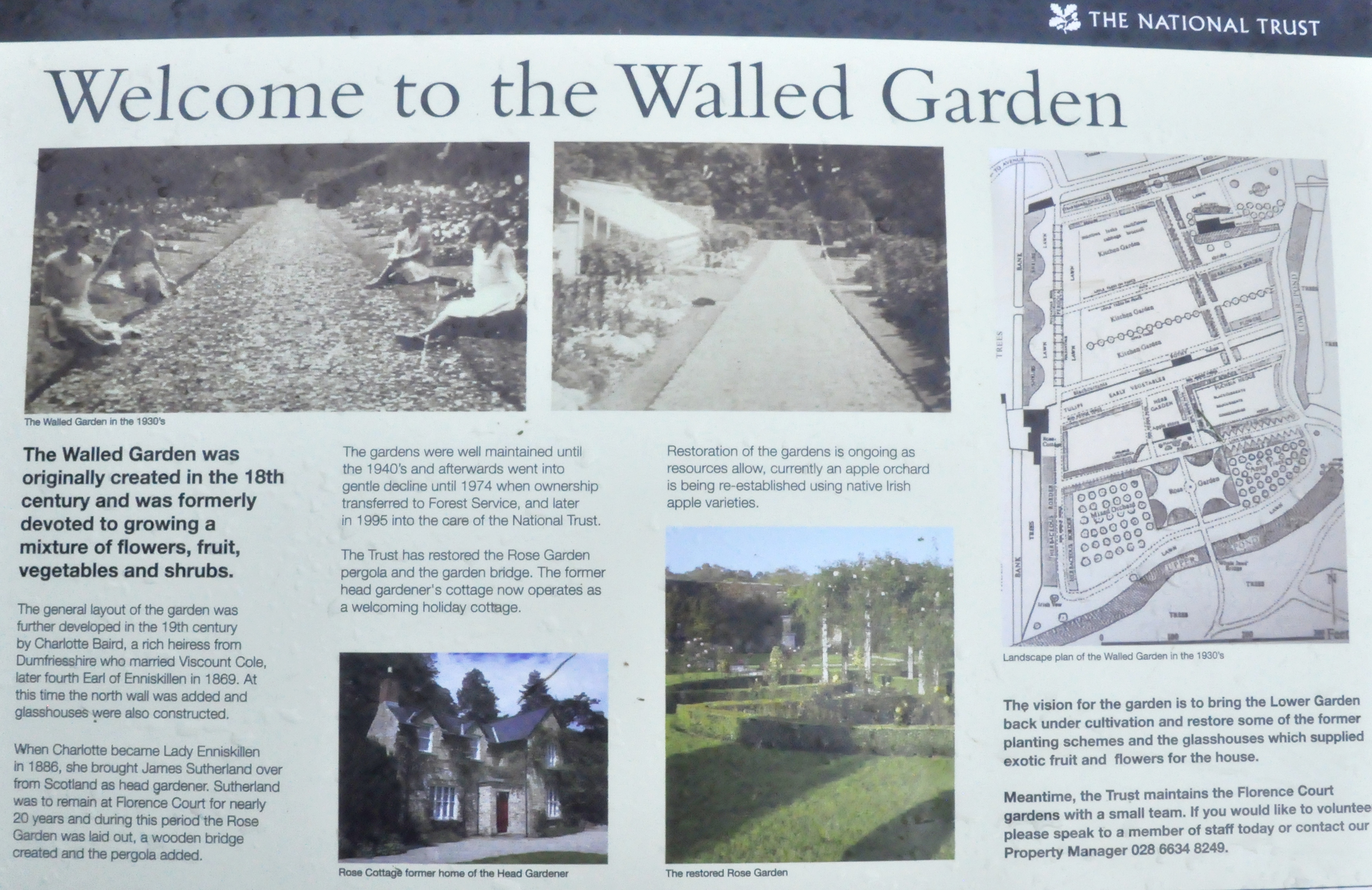


 There is privately-owned castle (not open to the public) on the Crom Estate, home to the Creighton (or Chrichton) family,


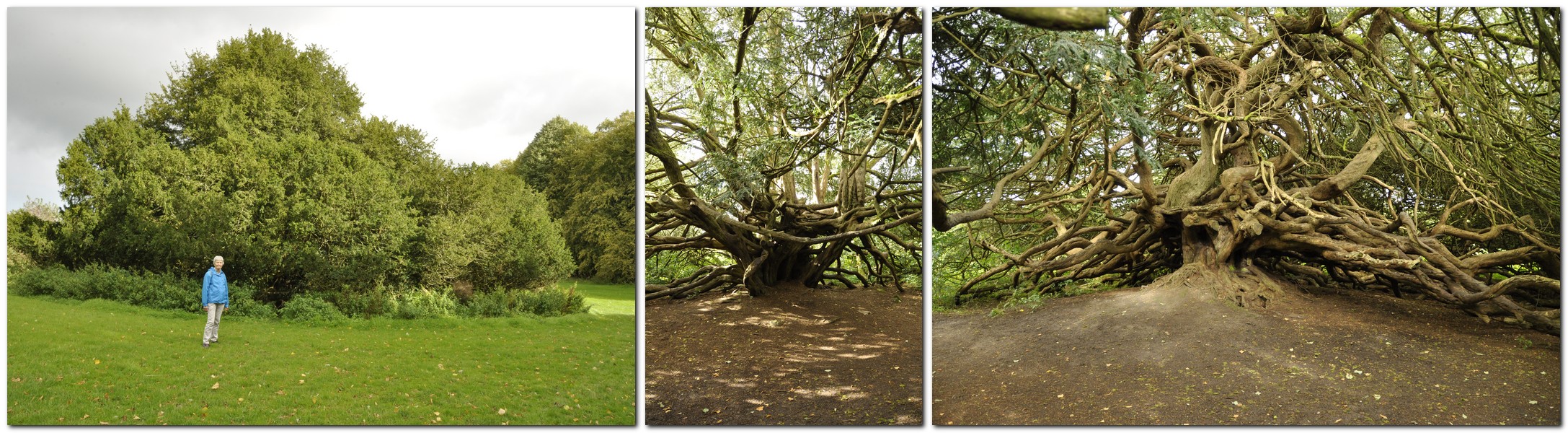

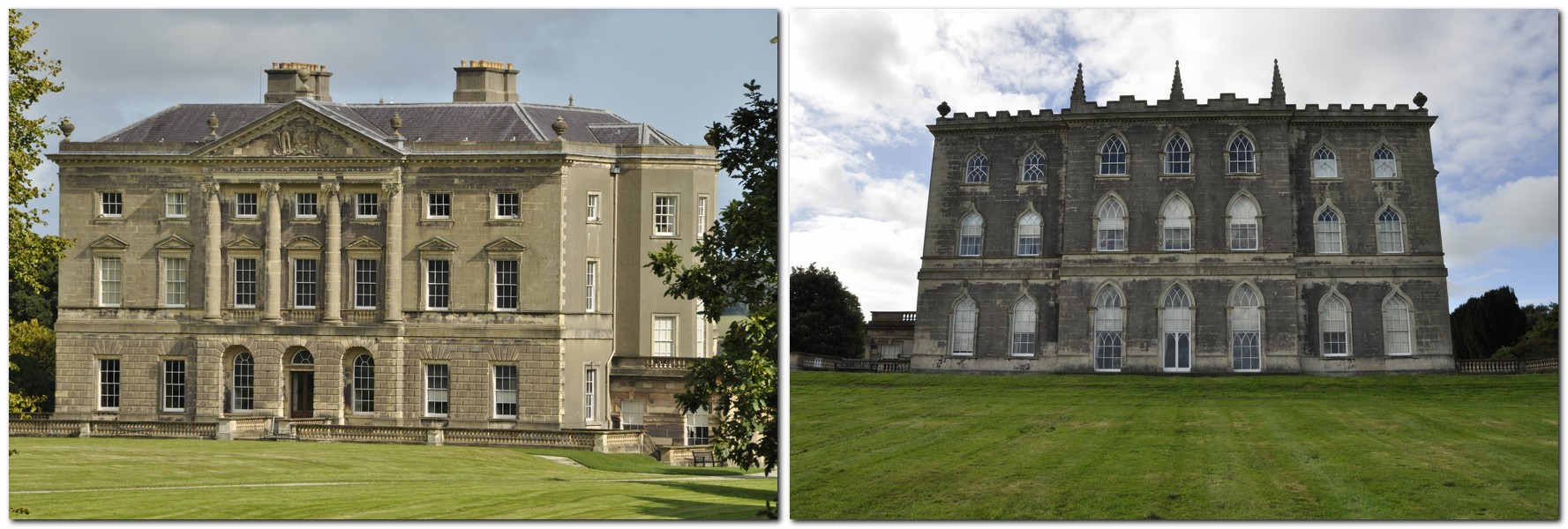


 Ward’s son


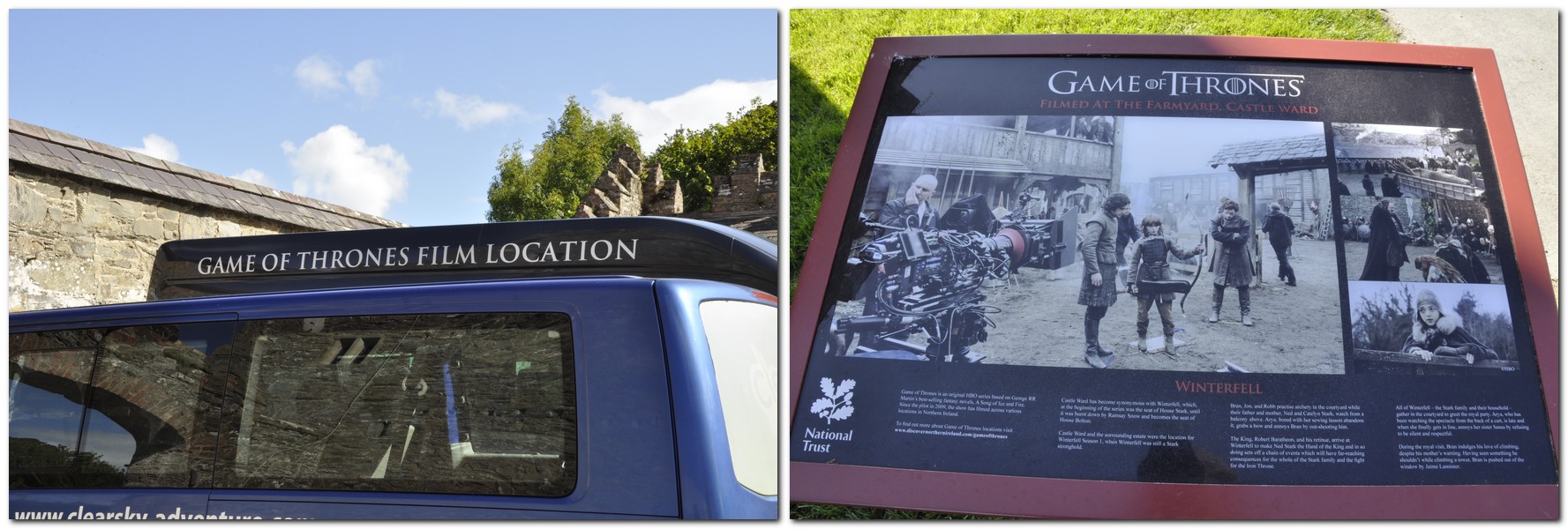


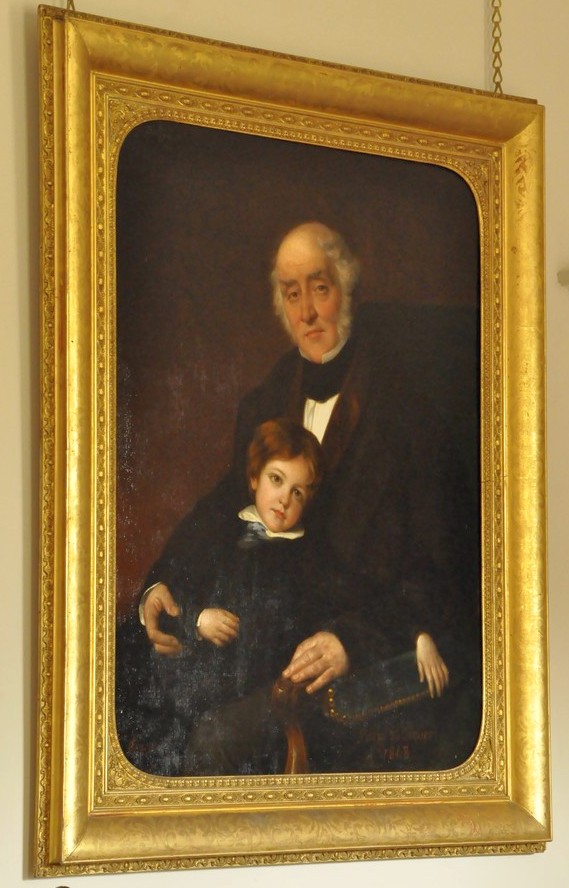
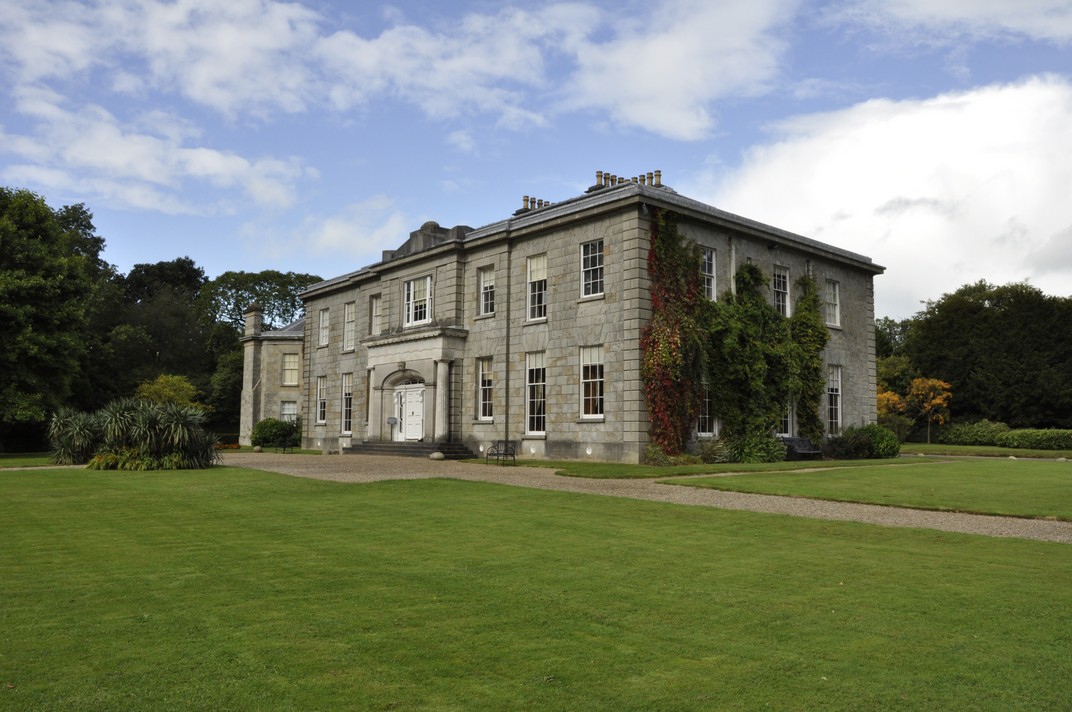
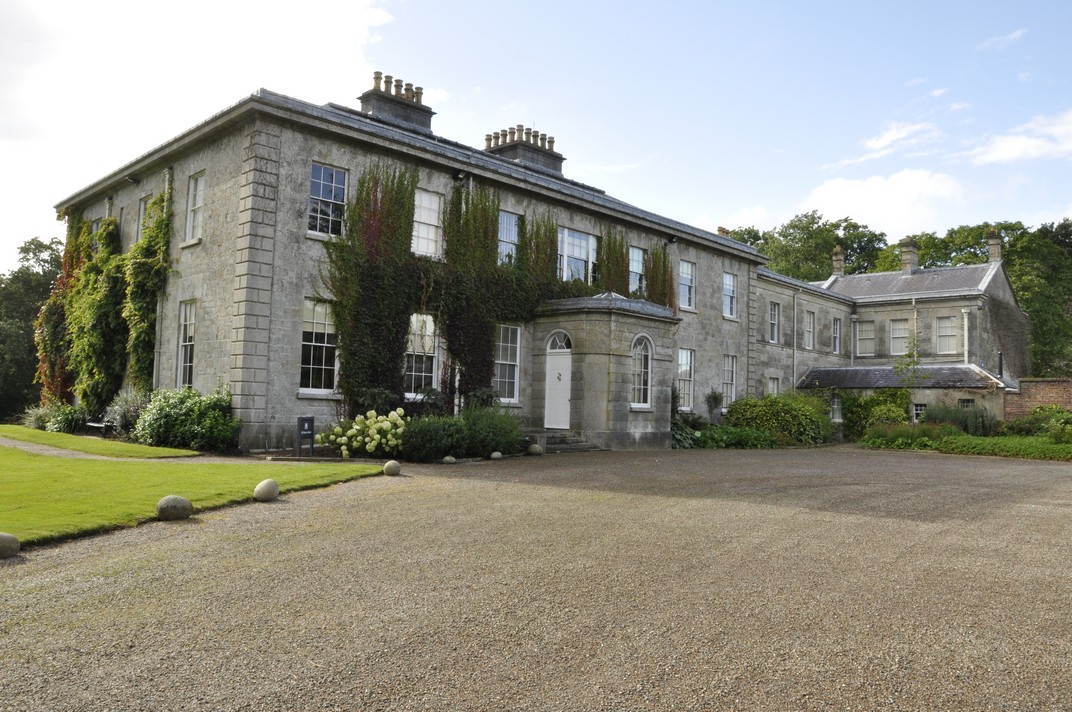
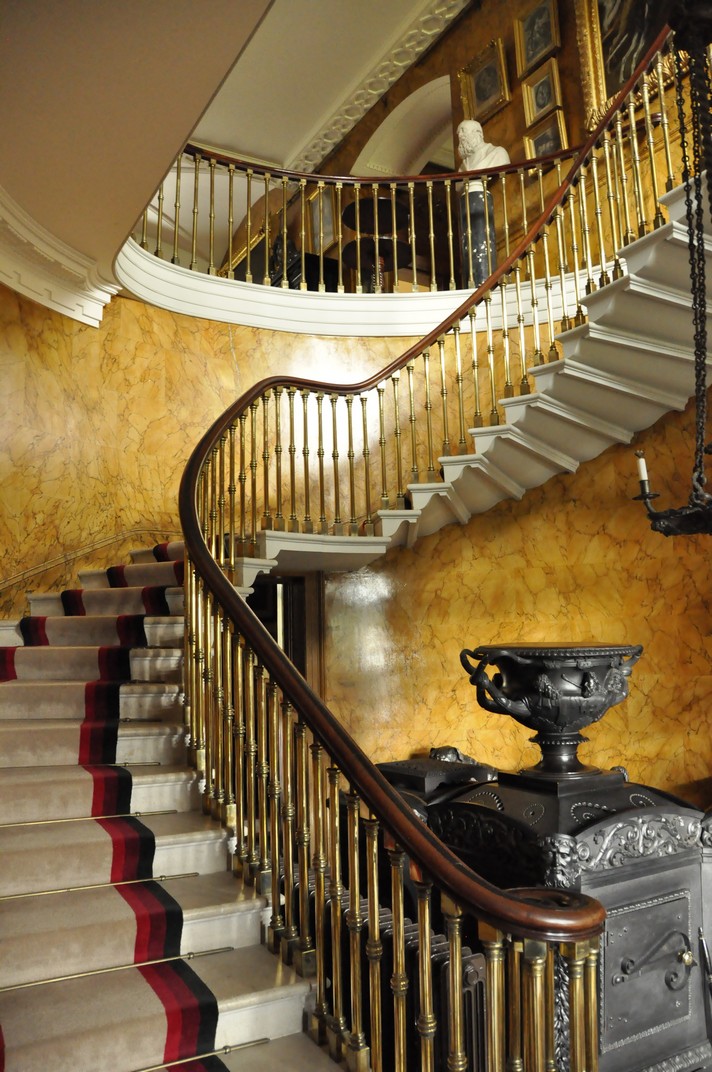


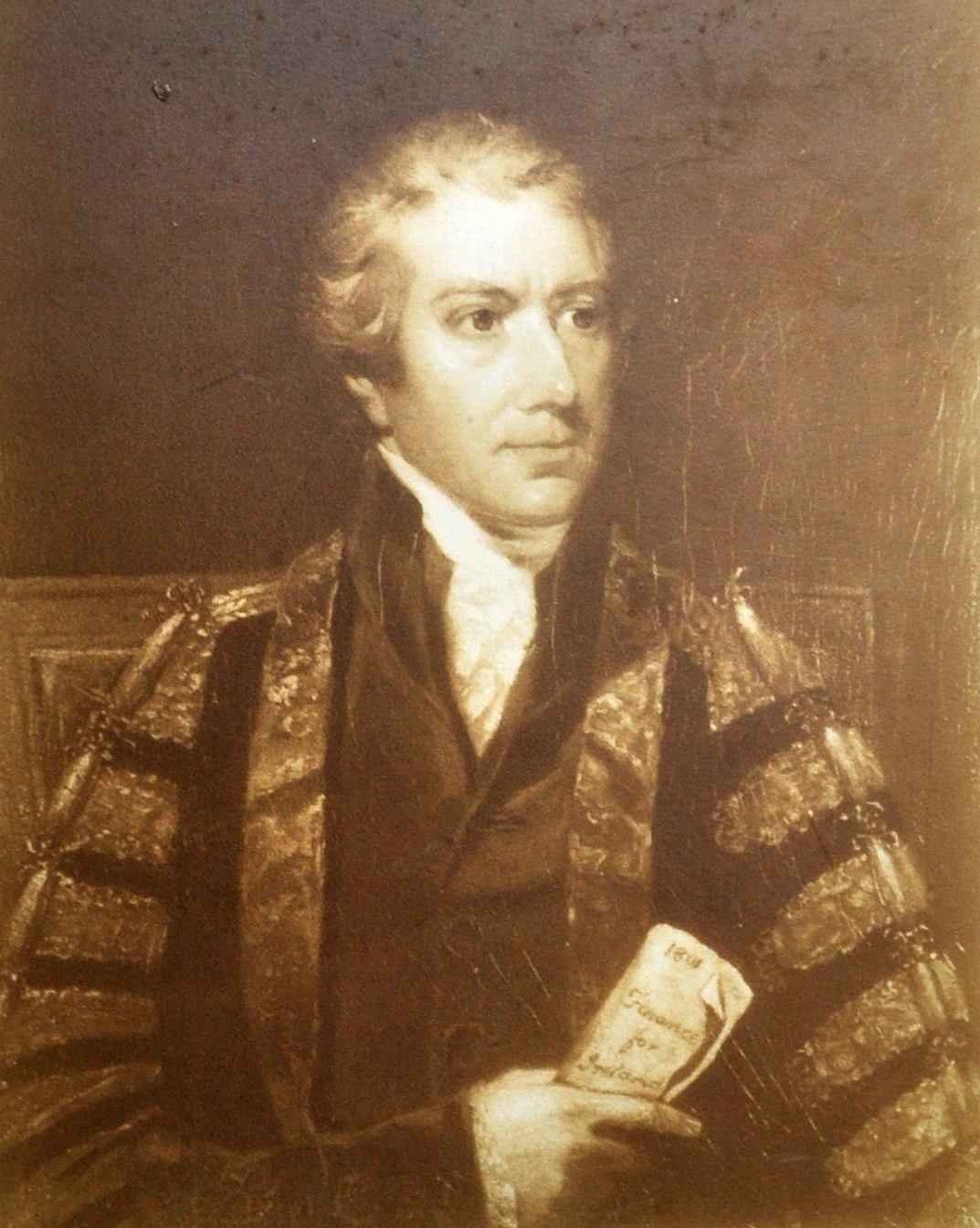
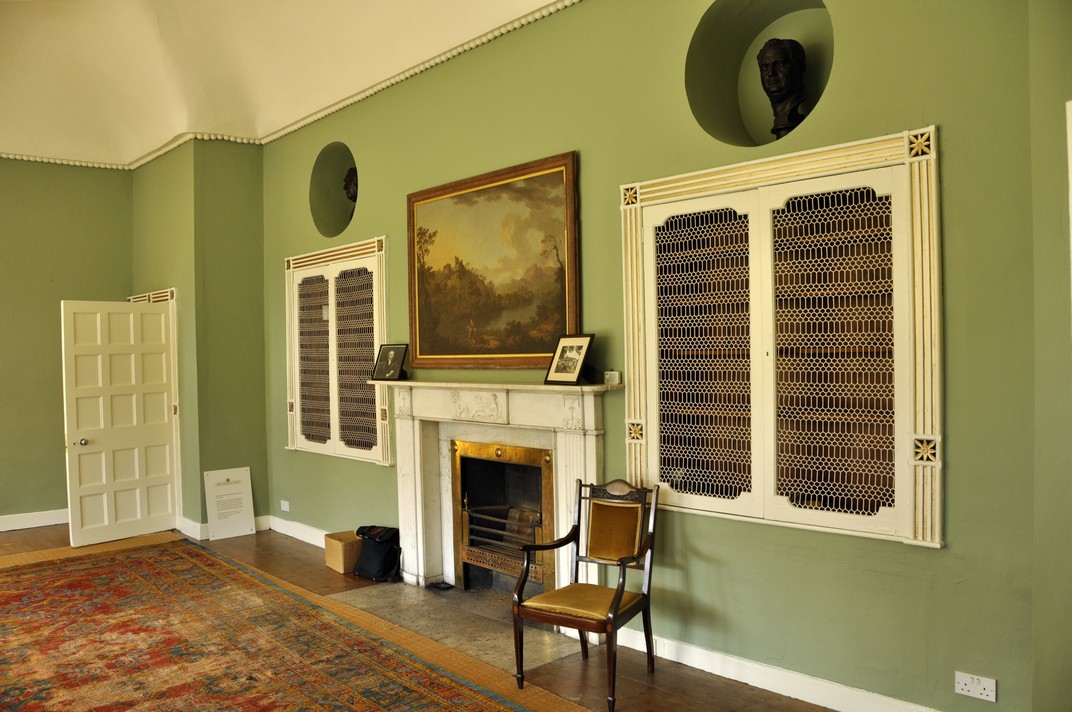


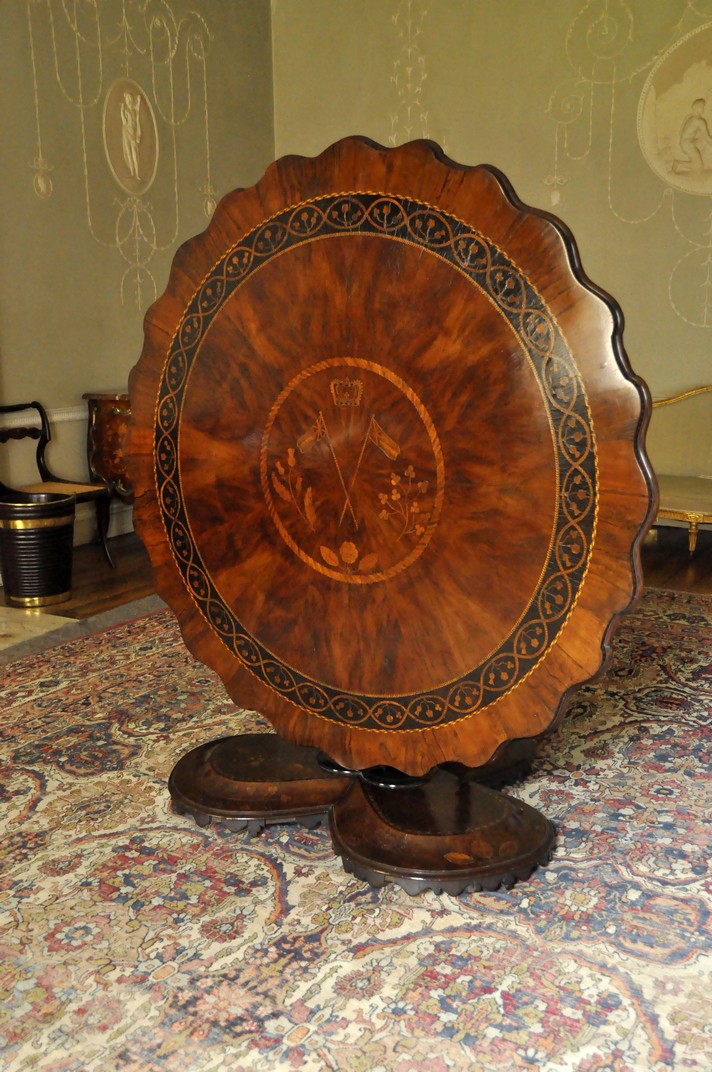


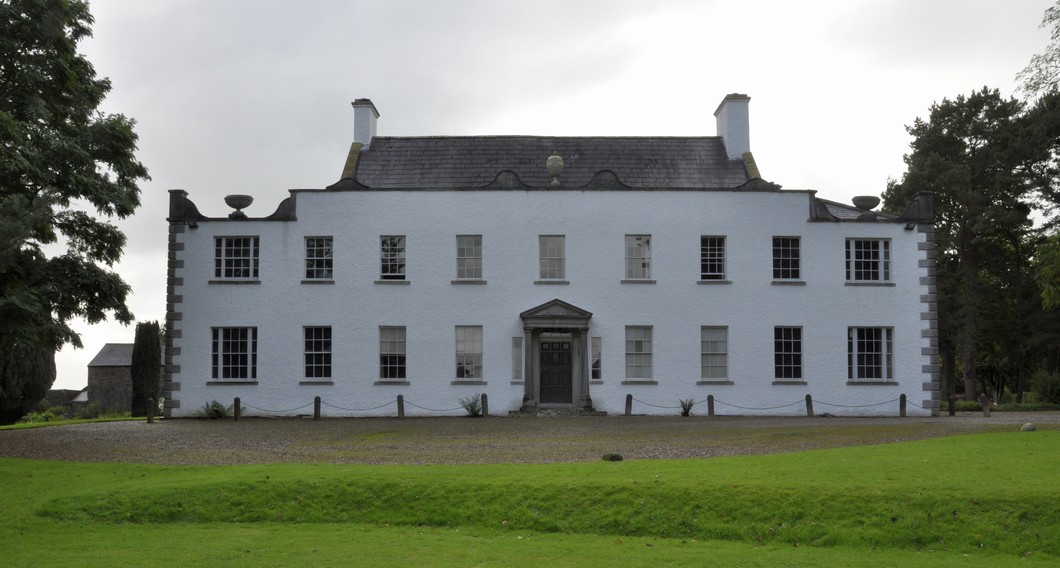


 But there is one place, much closer to home, that I wanted to see as long as I can remember. And that place is the
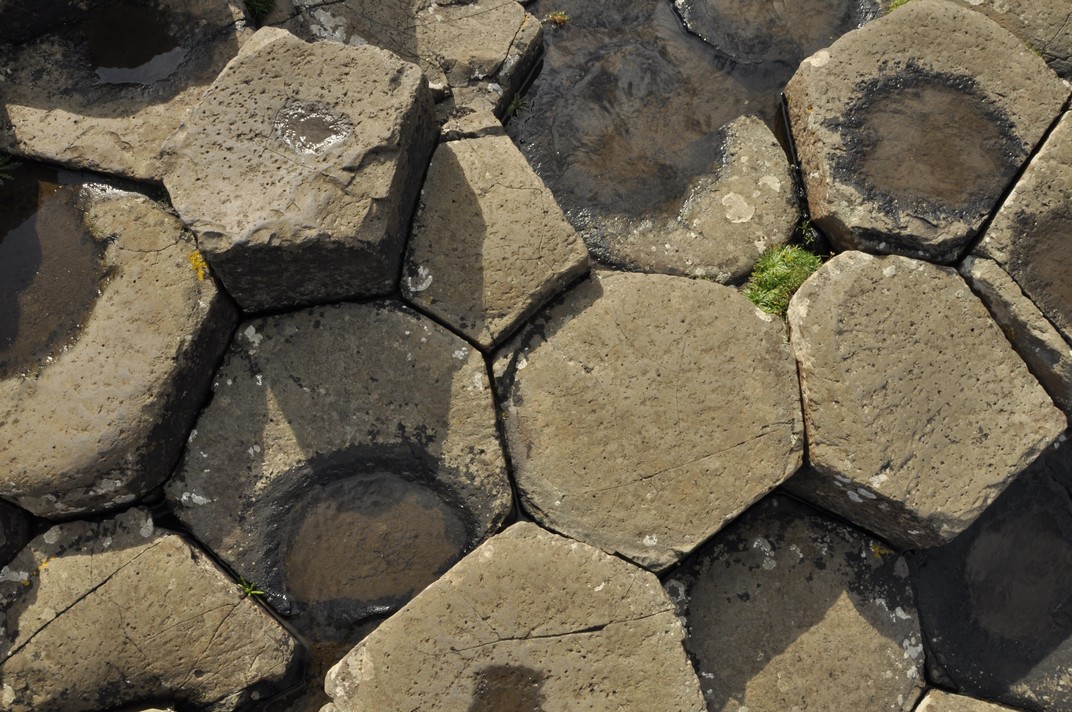
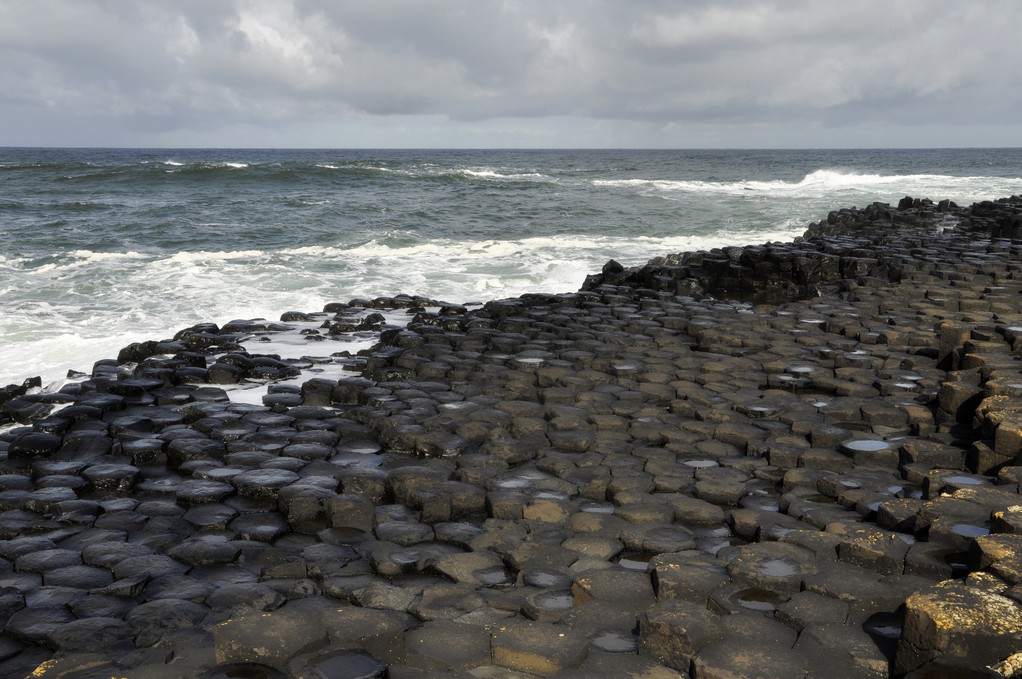
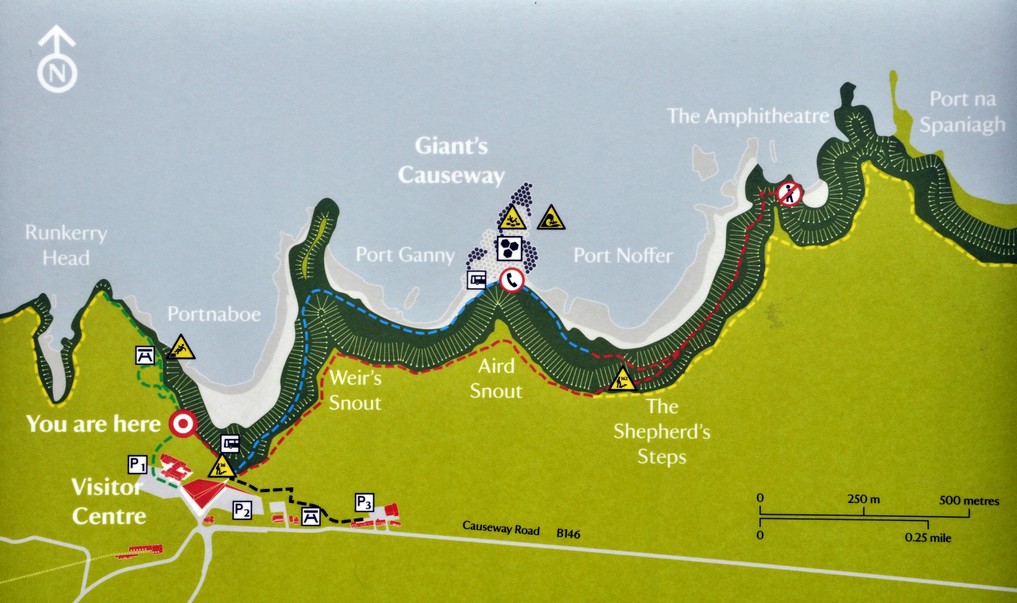
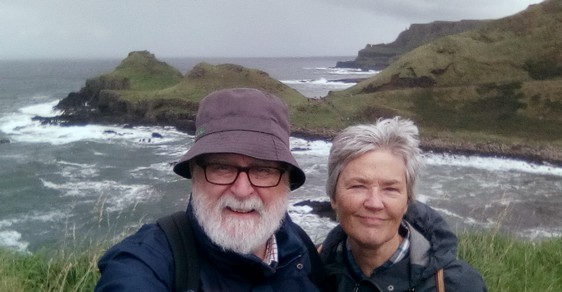


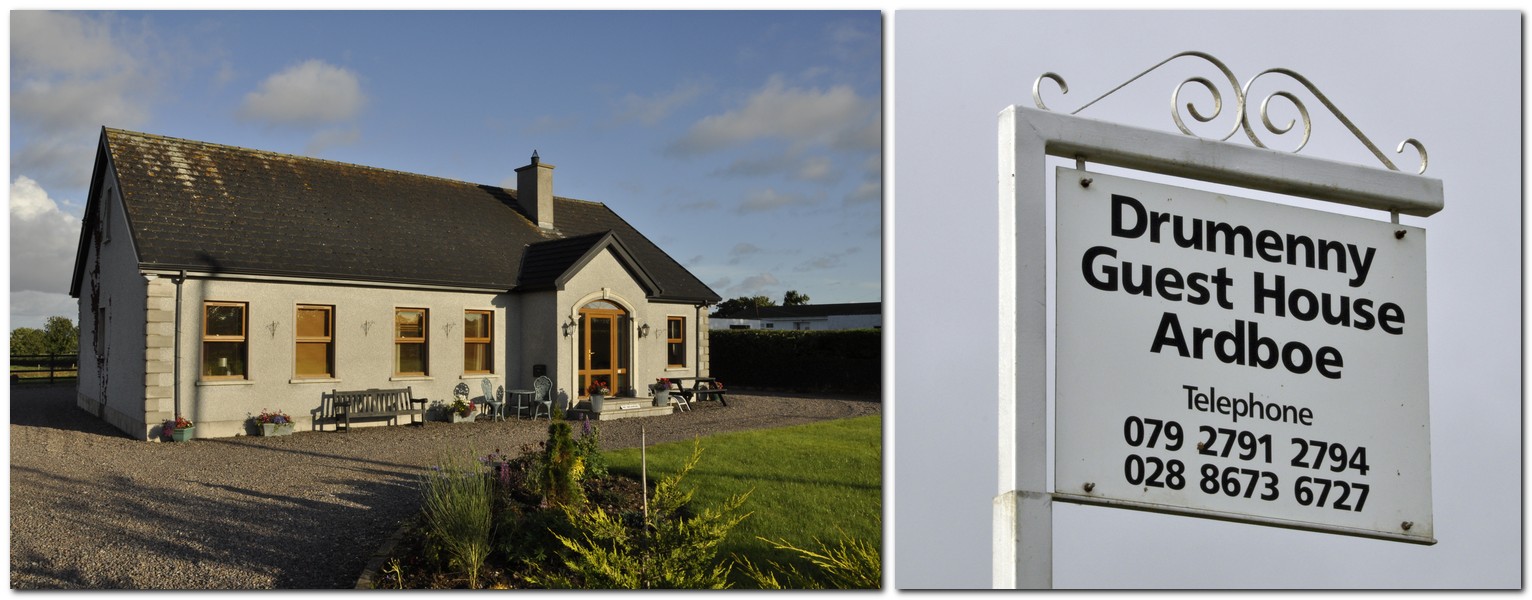
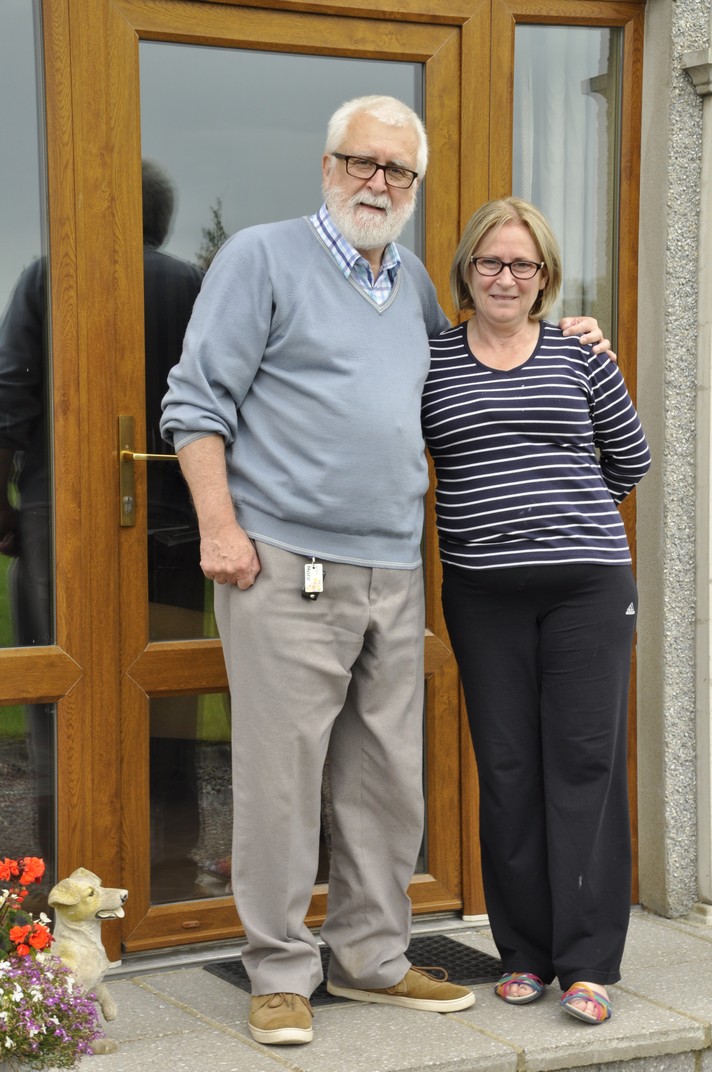
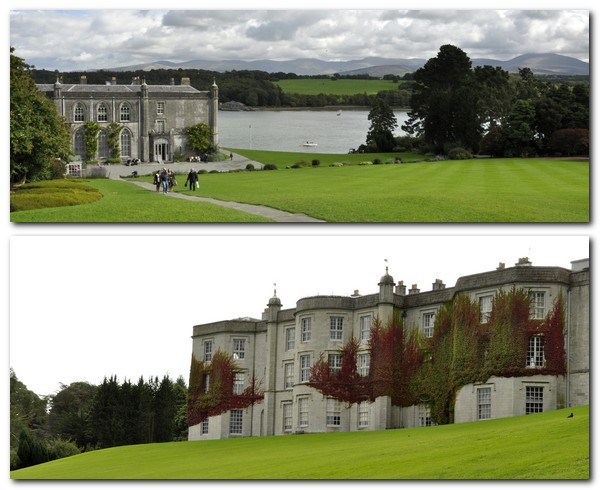


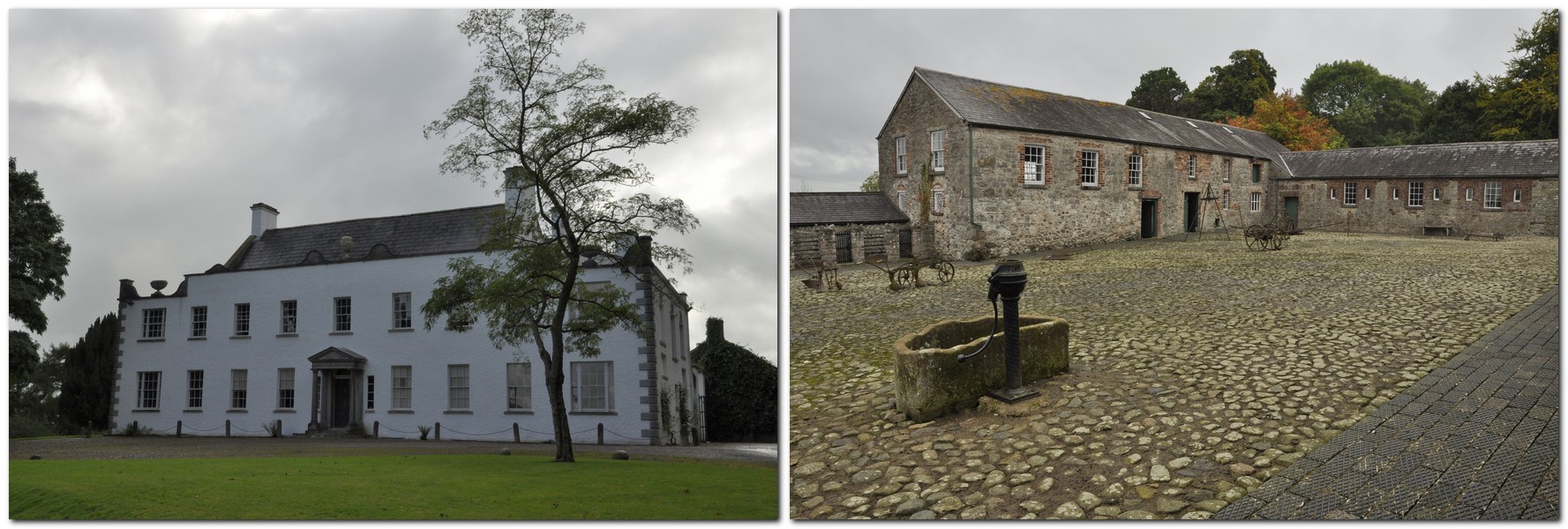



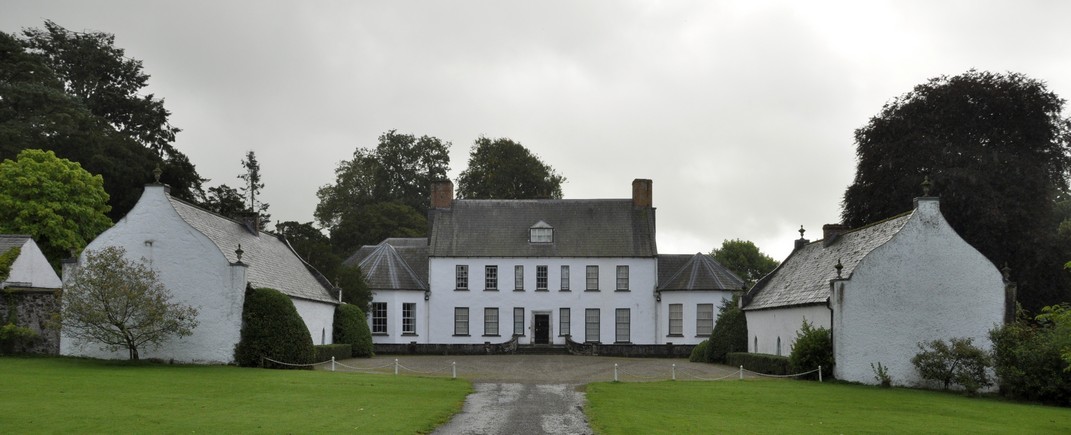


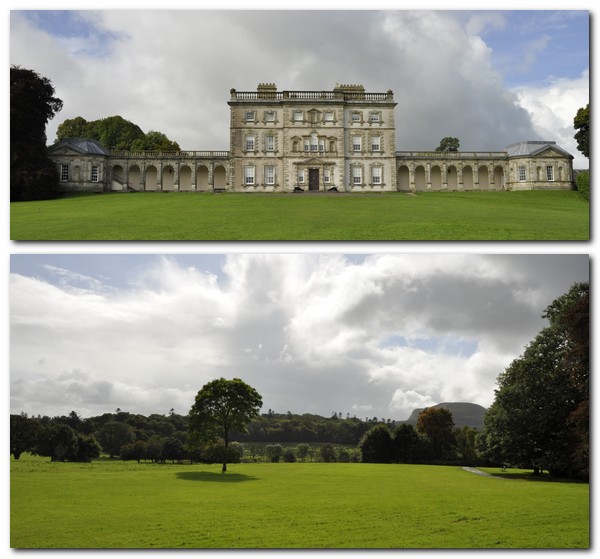
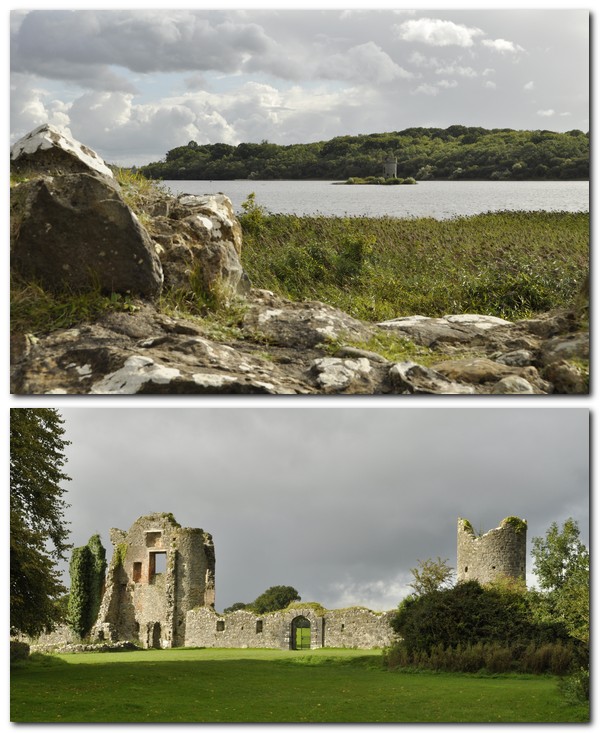


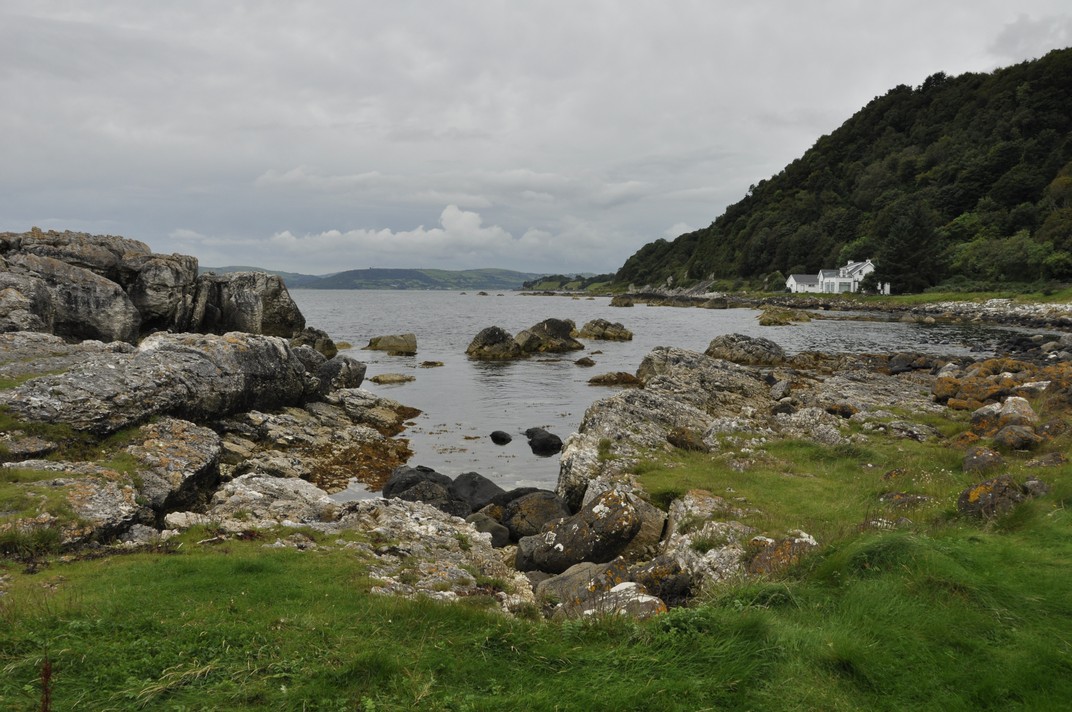

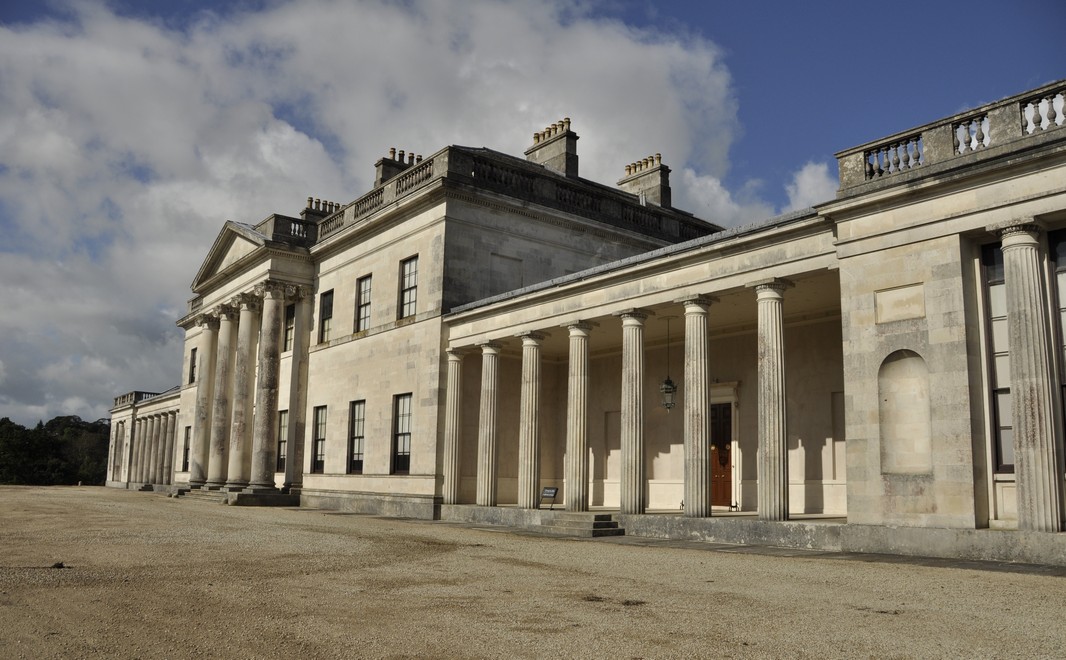


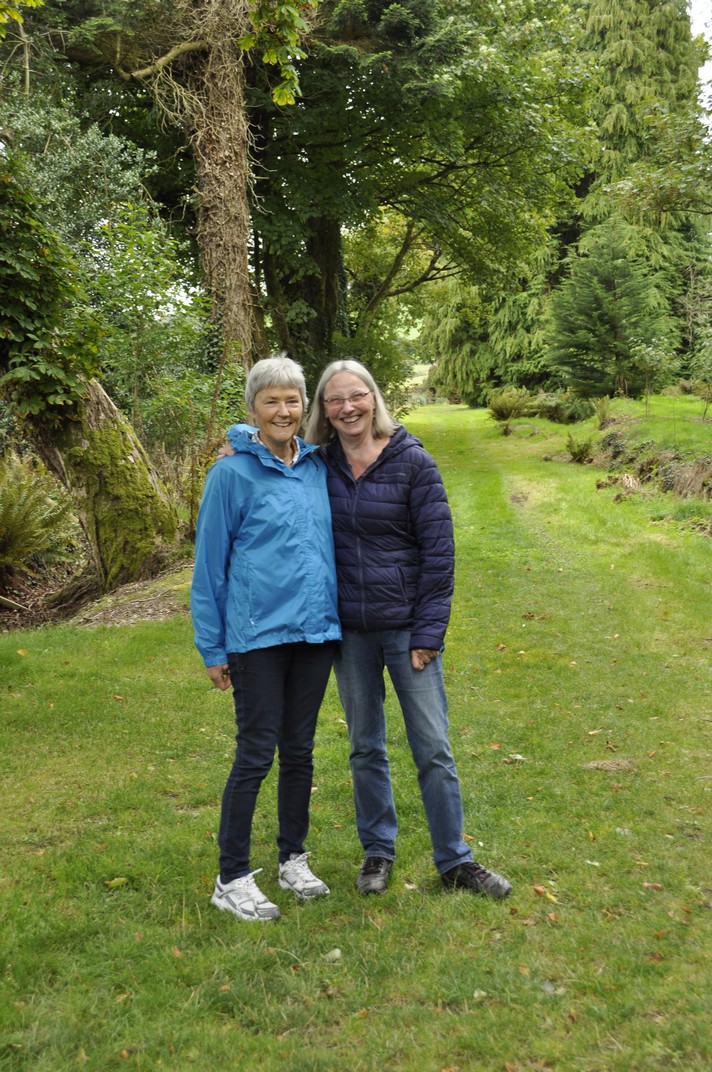
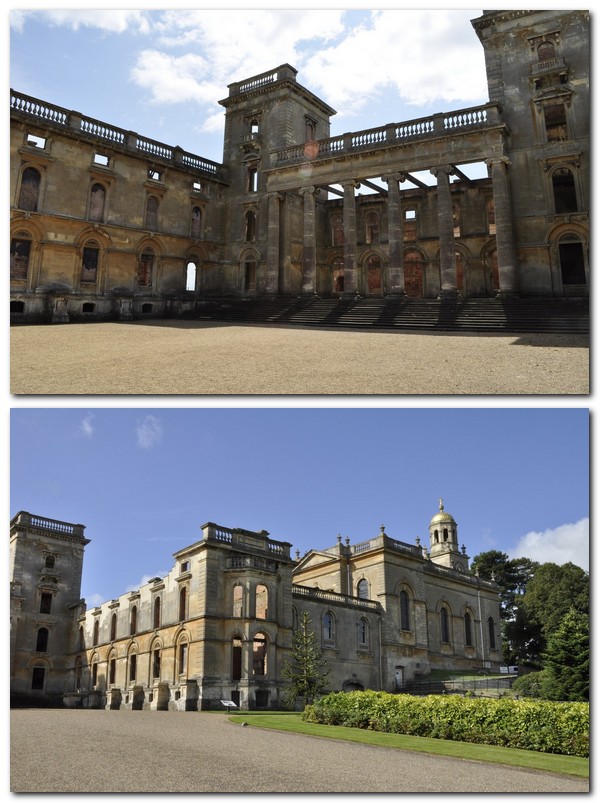
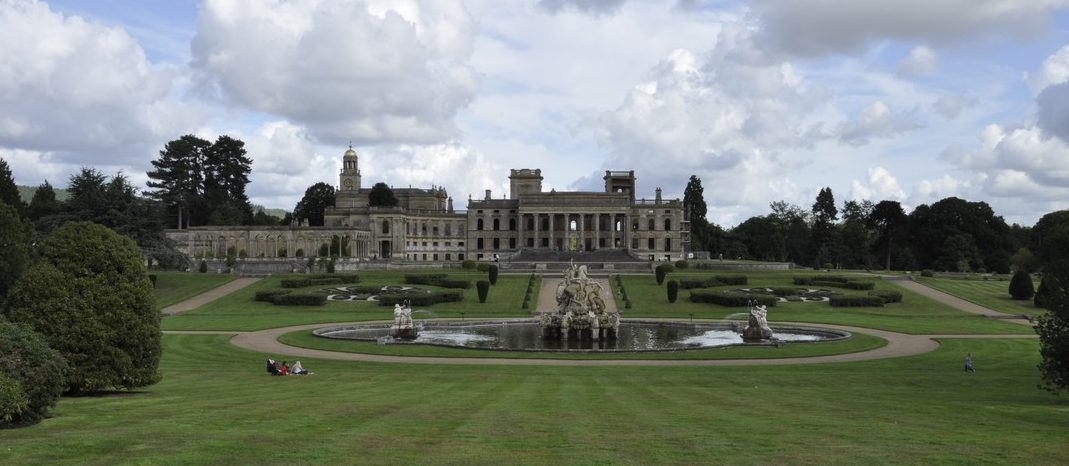

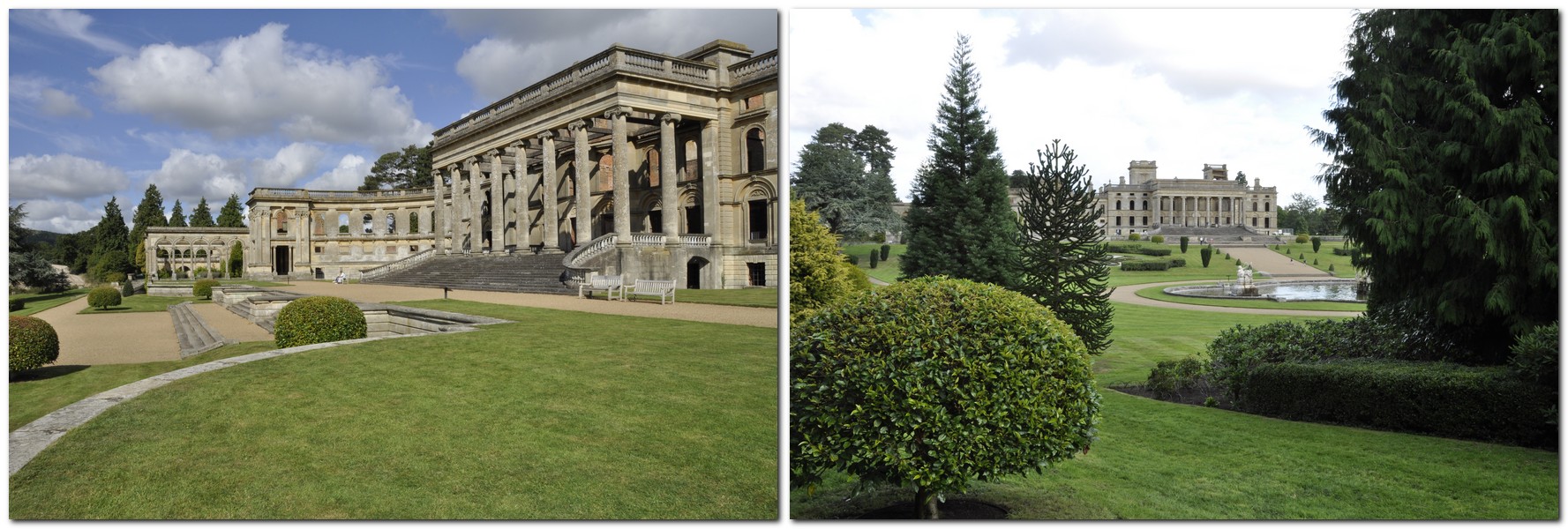
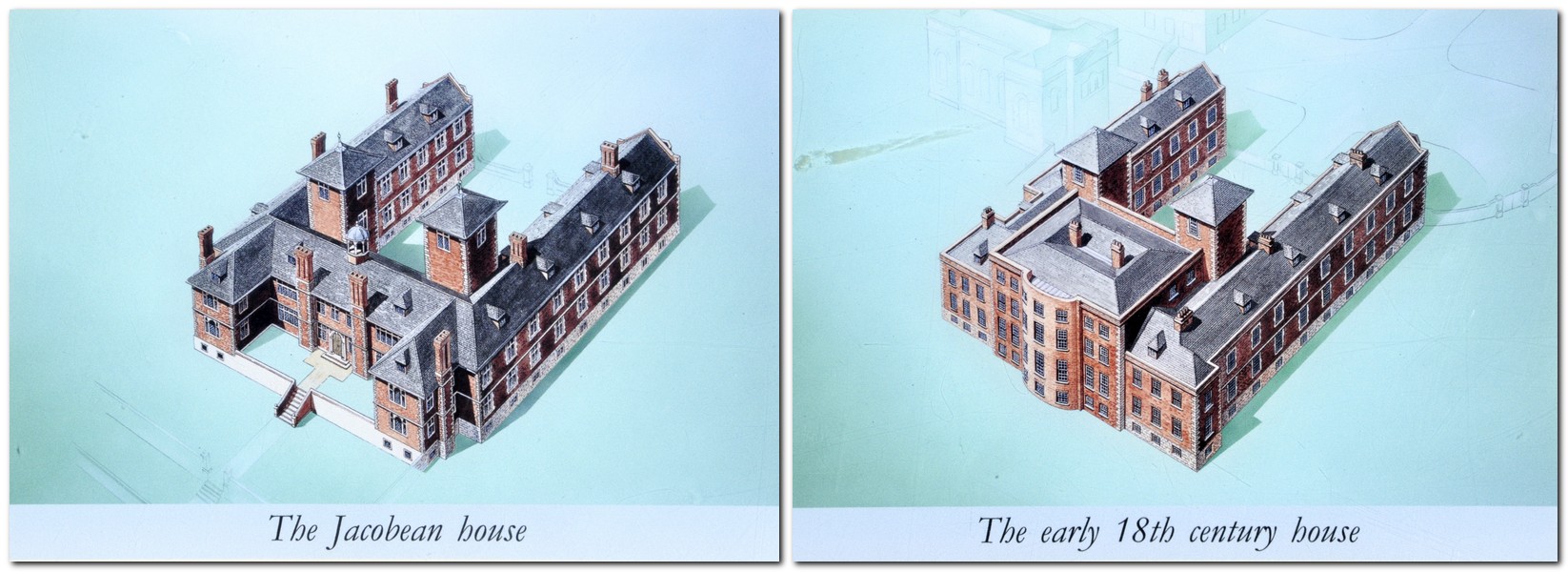
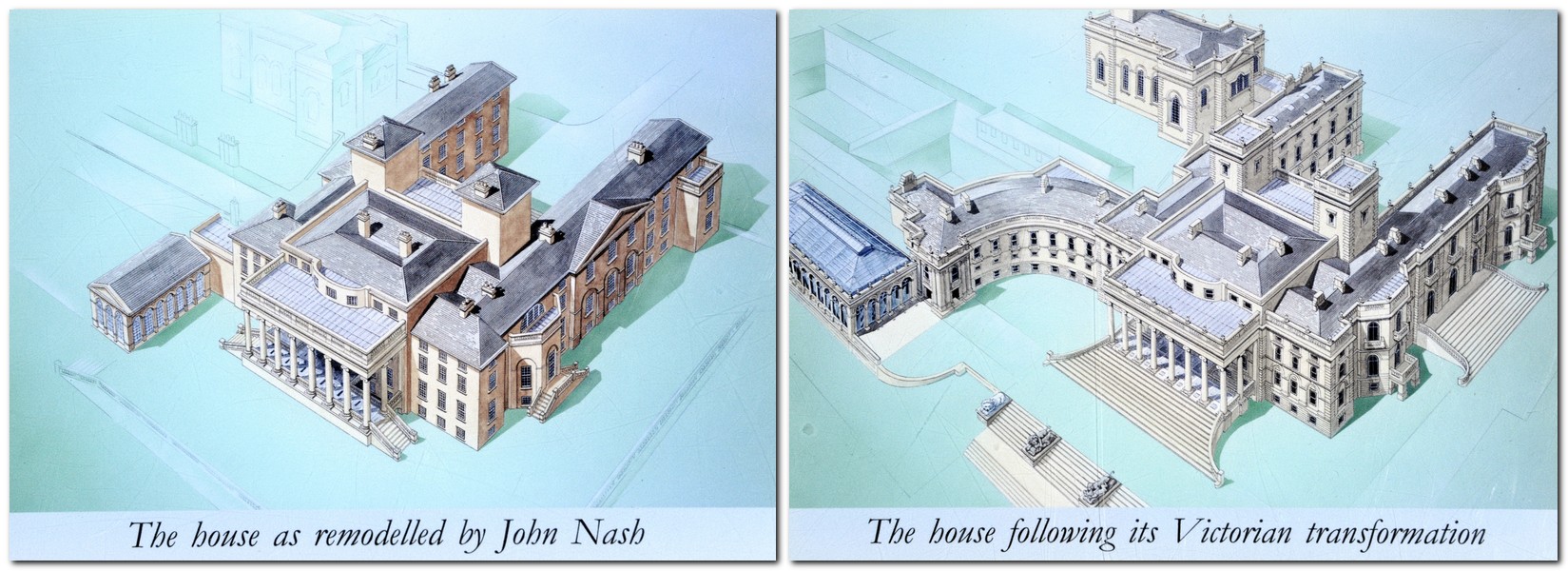
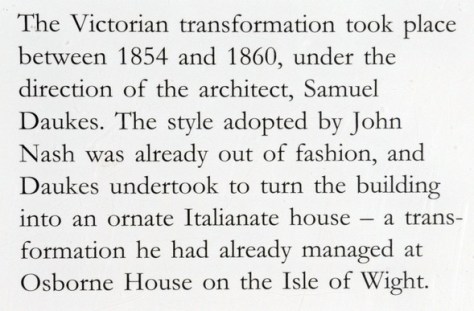


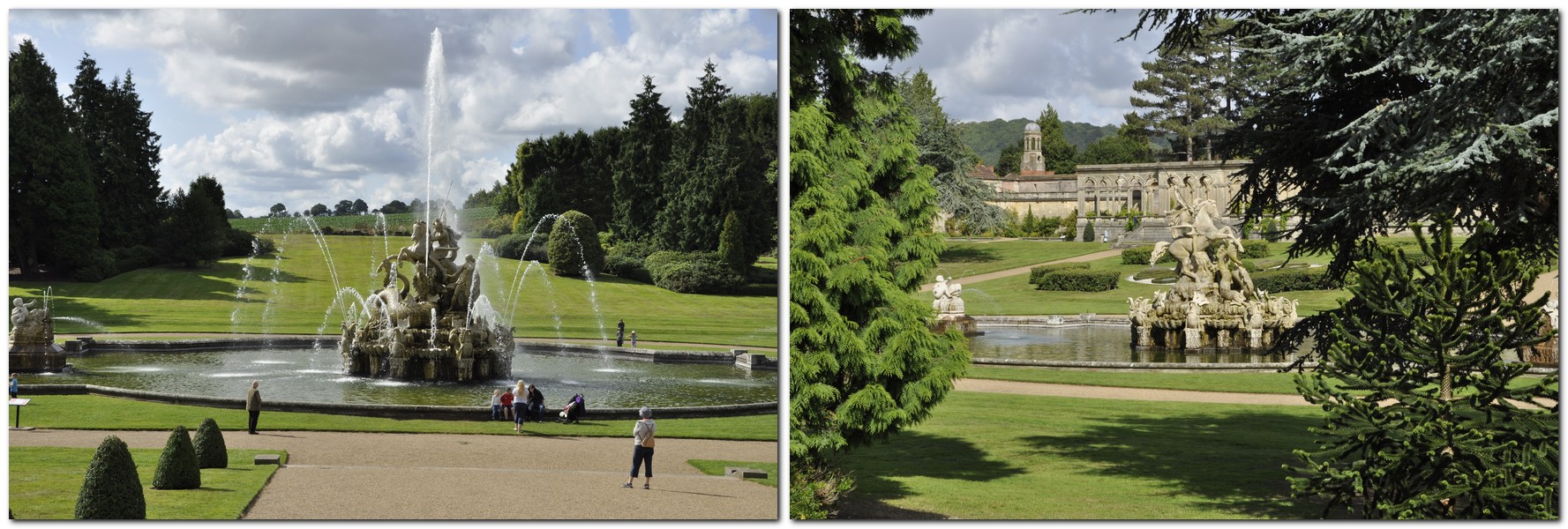

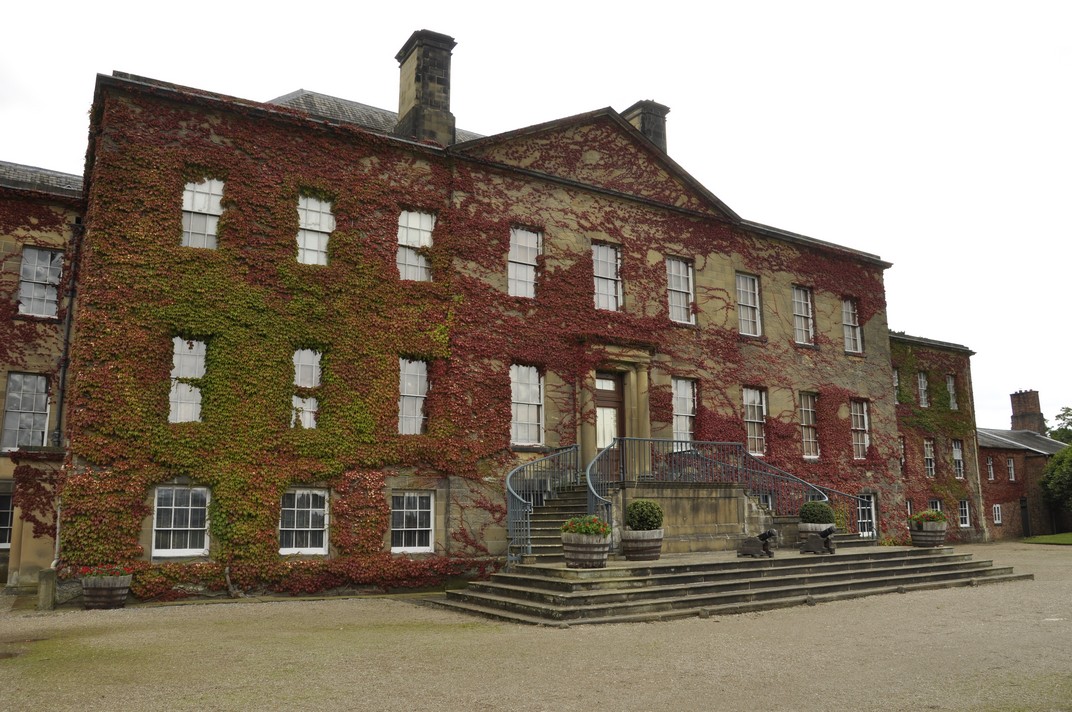


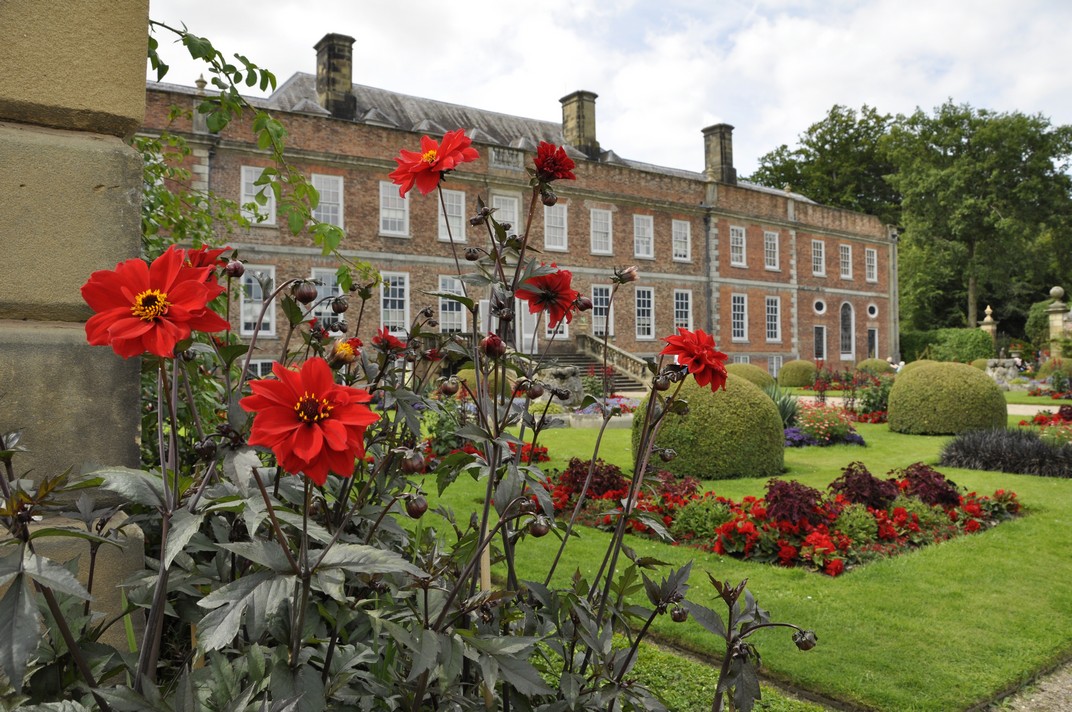

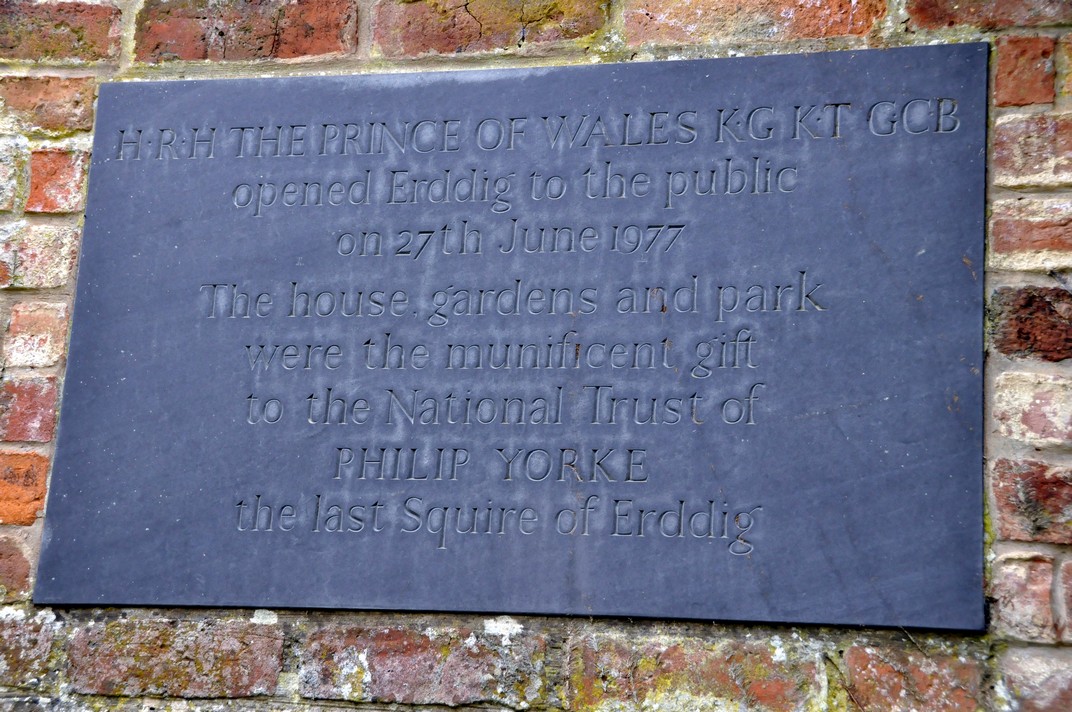


 To fill in the time, I took a
  In February 1970, I had applied for a place on a recently established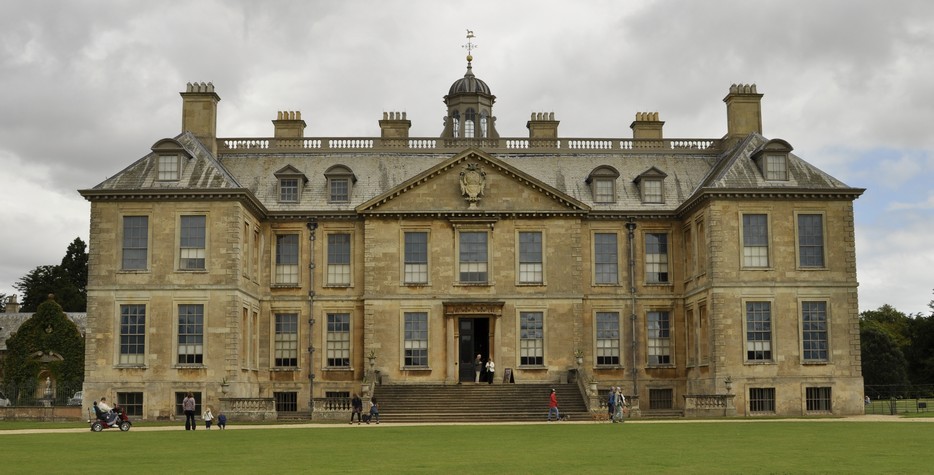
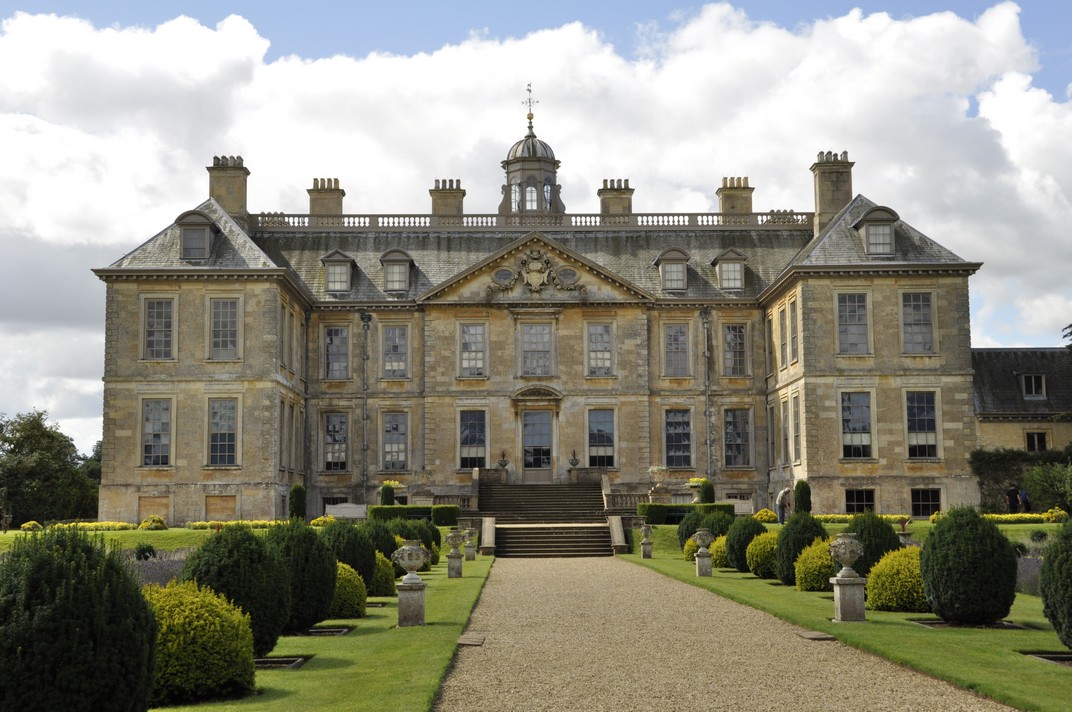

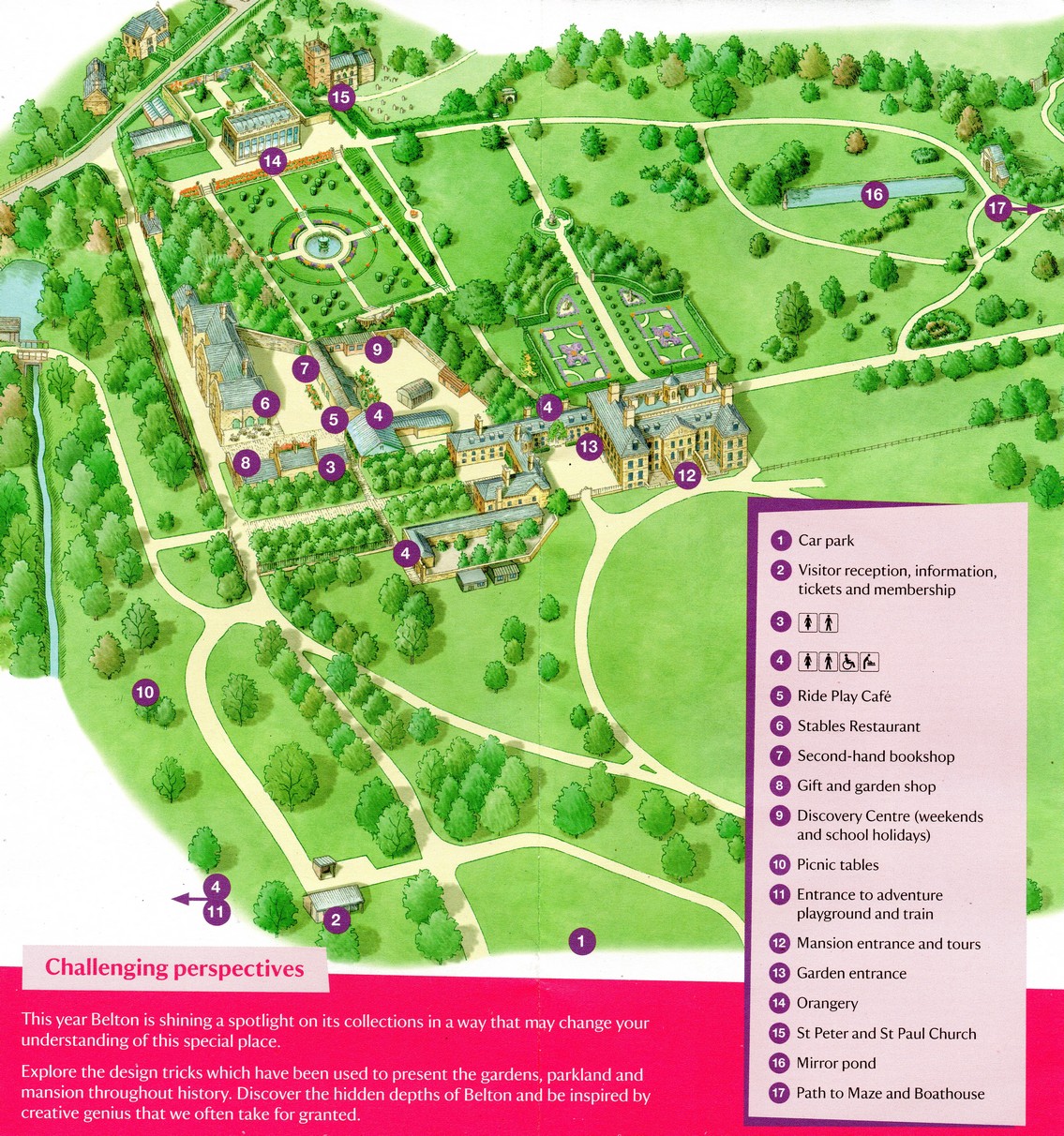


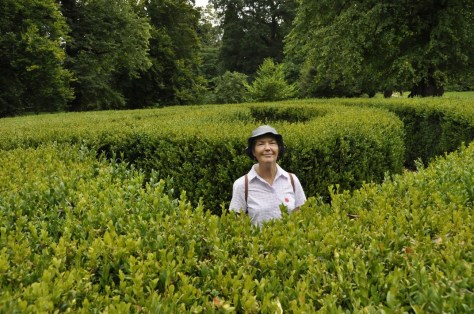


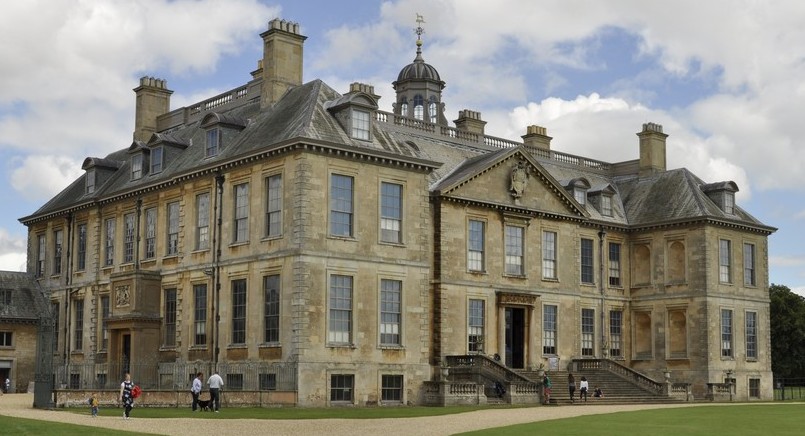


 St Paul, Minnesota is almost a second home. I’ve been visiting there regularly since 1998 when Hannah, our elder daughter, transferred from Swansea University in the UK to


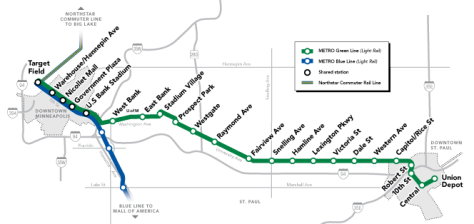





 Midsummer, and we headed off to the




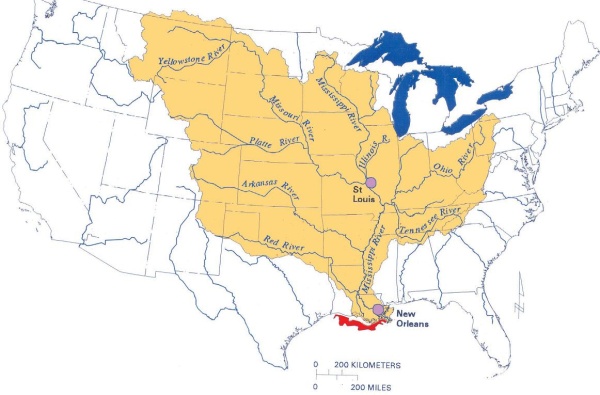


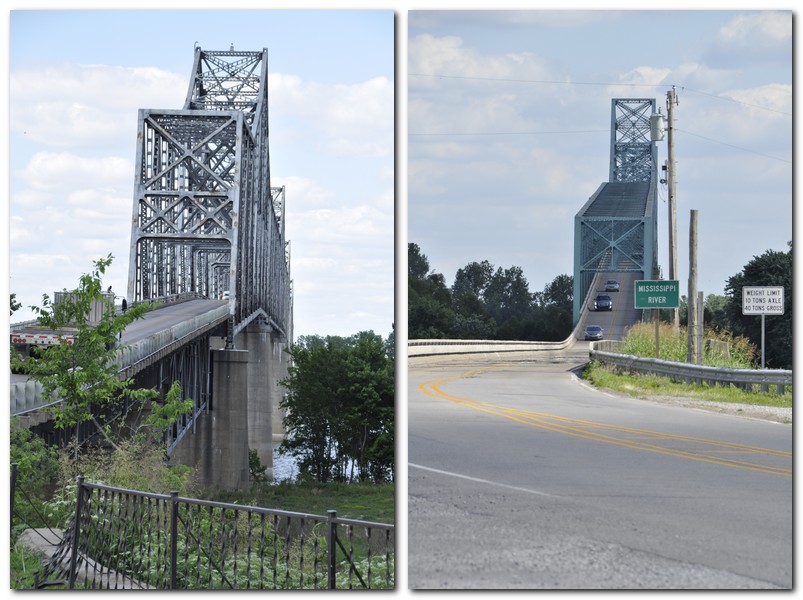
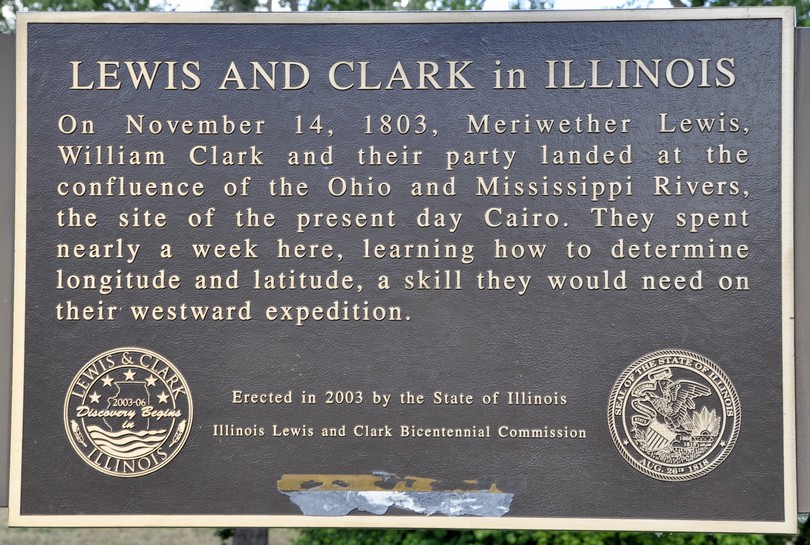
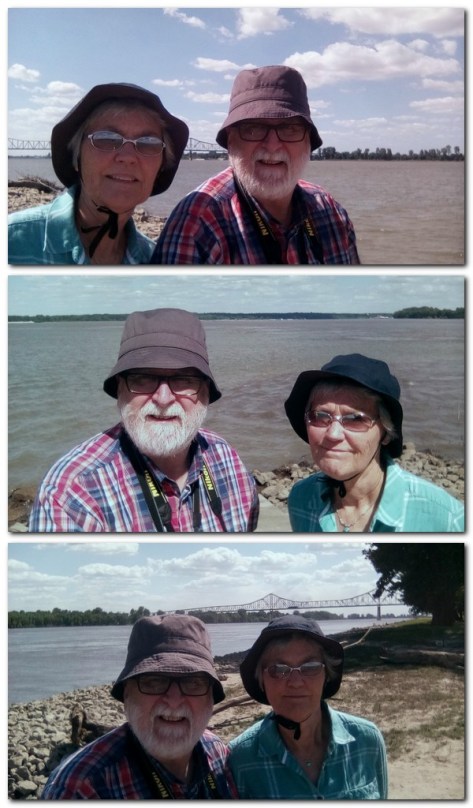
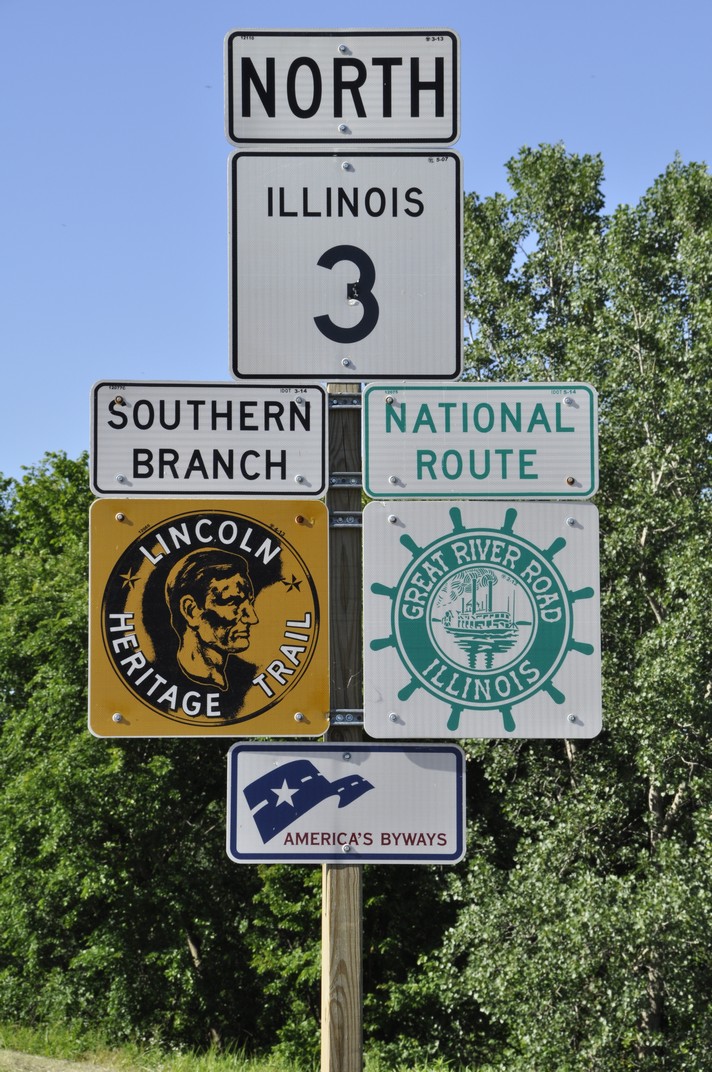


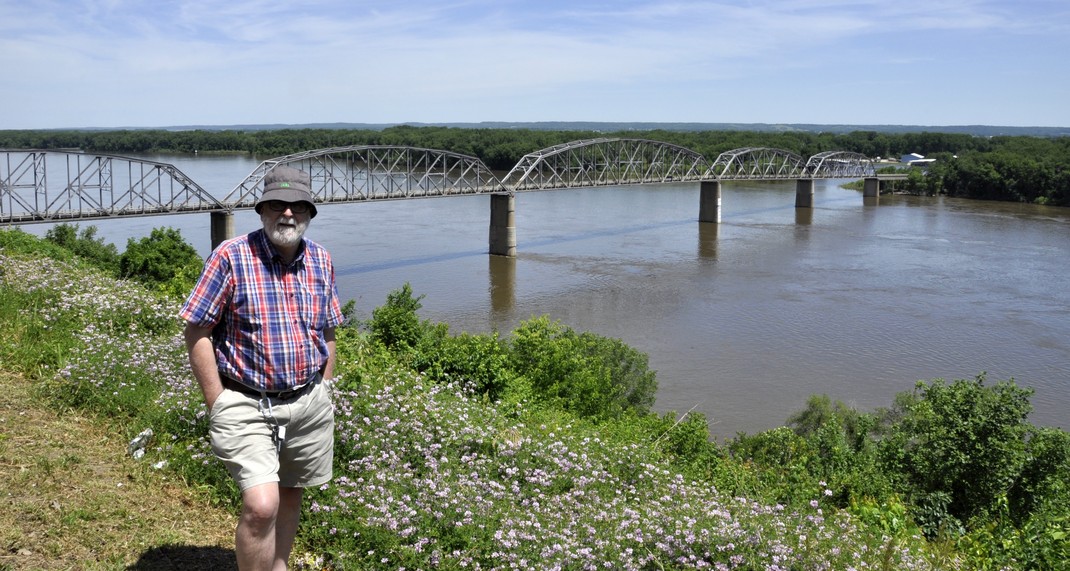
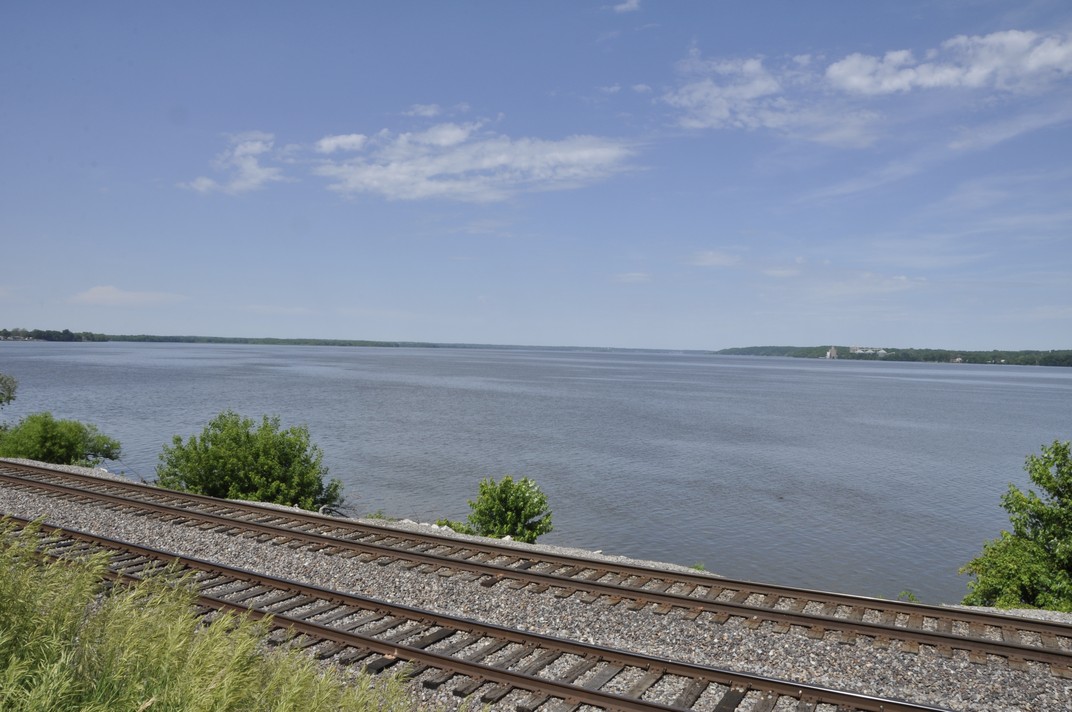
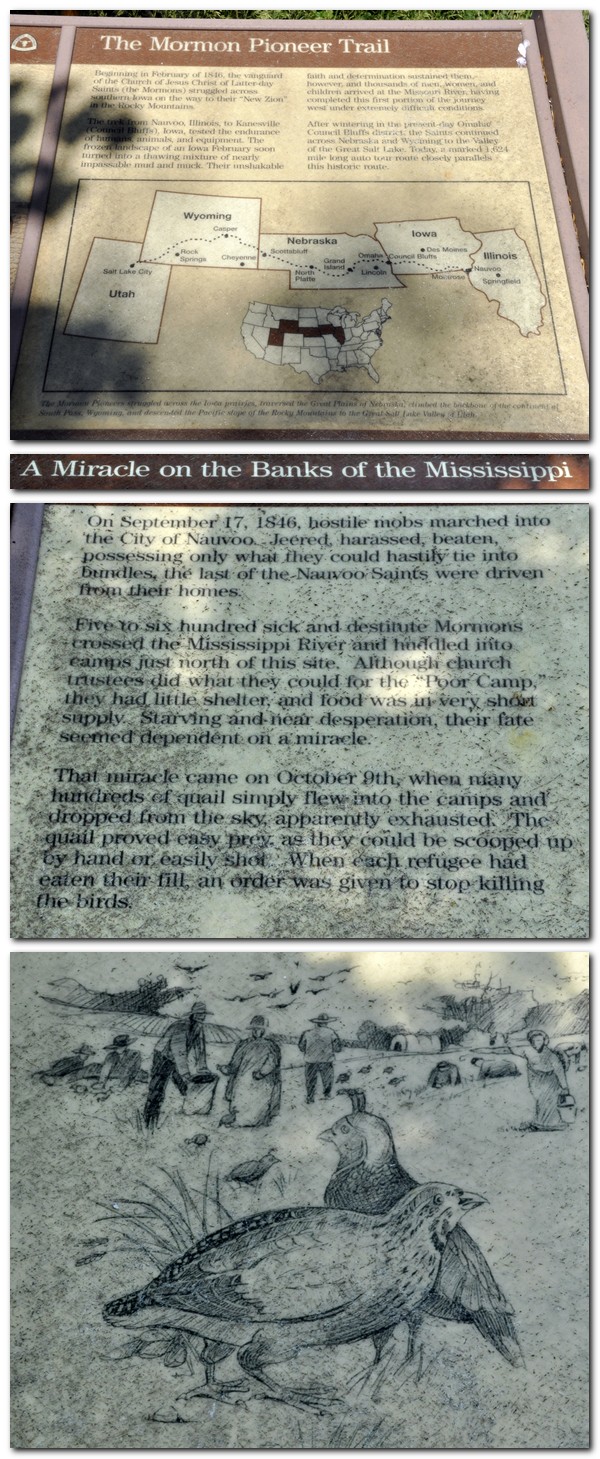
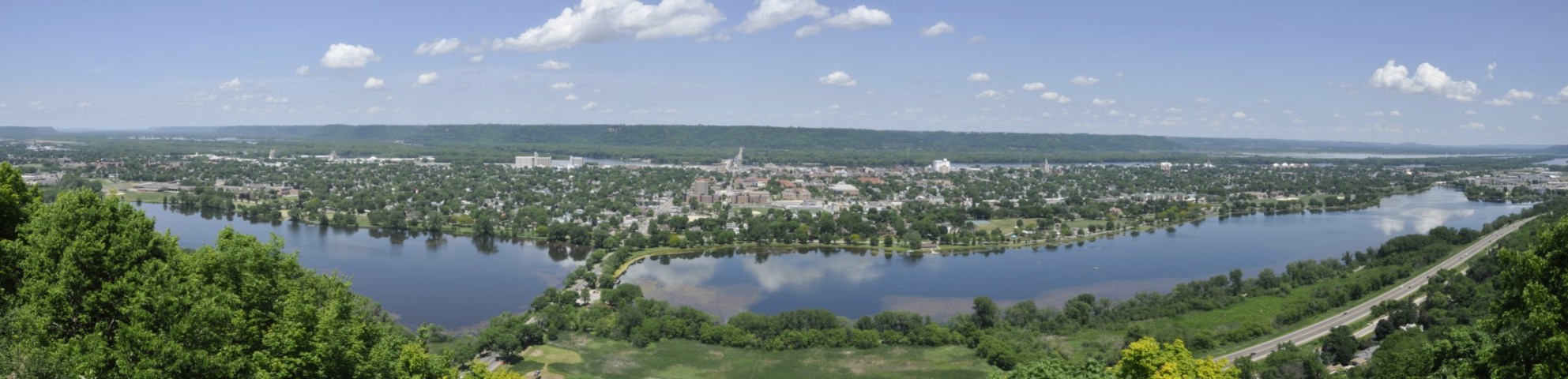
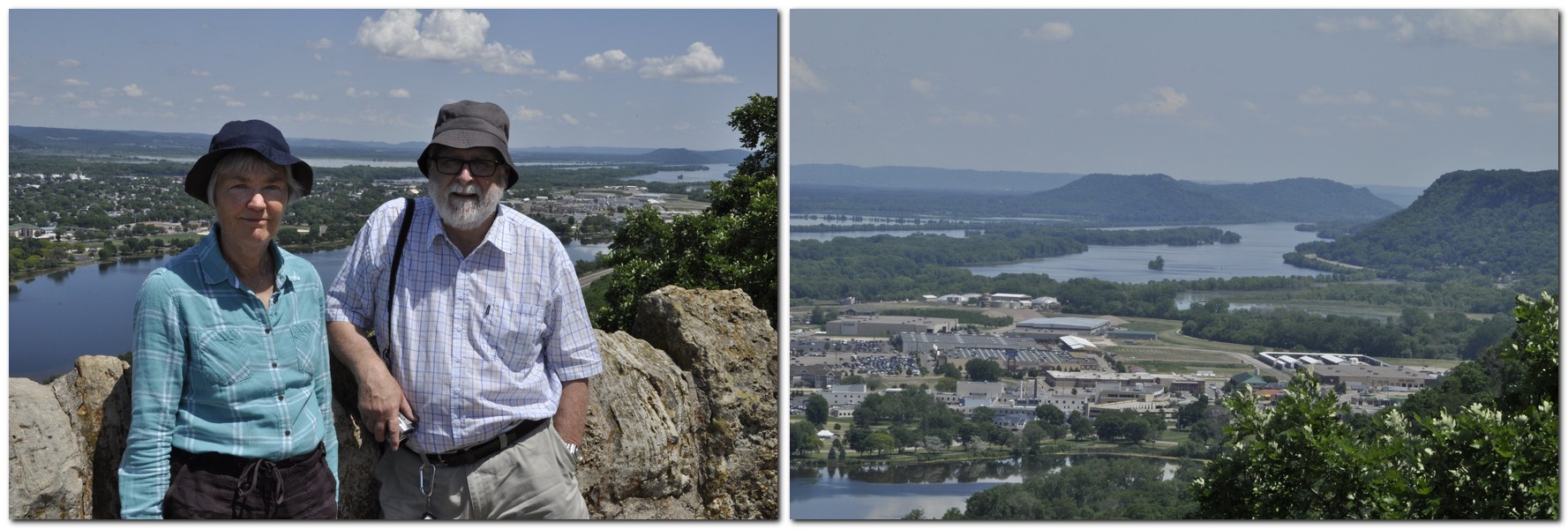
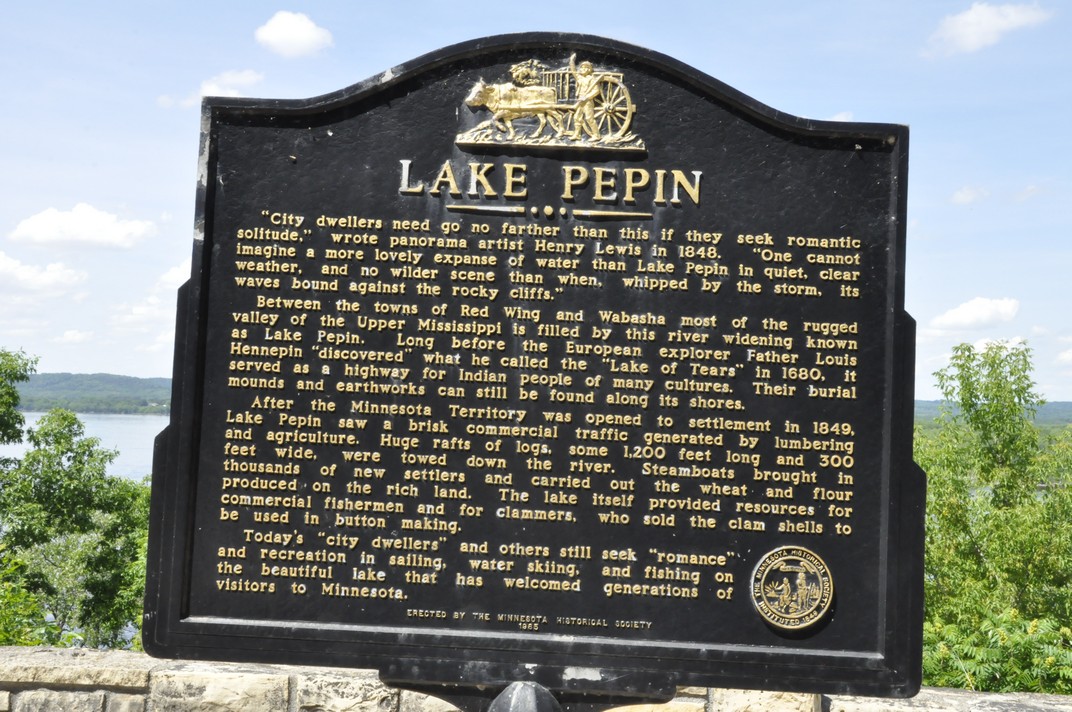
 A balanced diet . . .