
 and the CGIAR
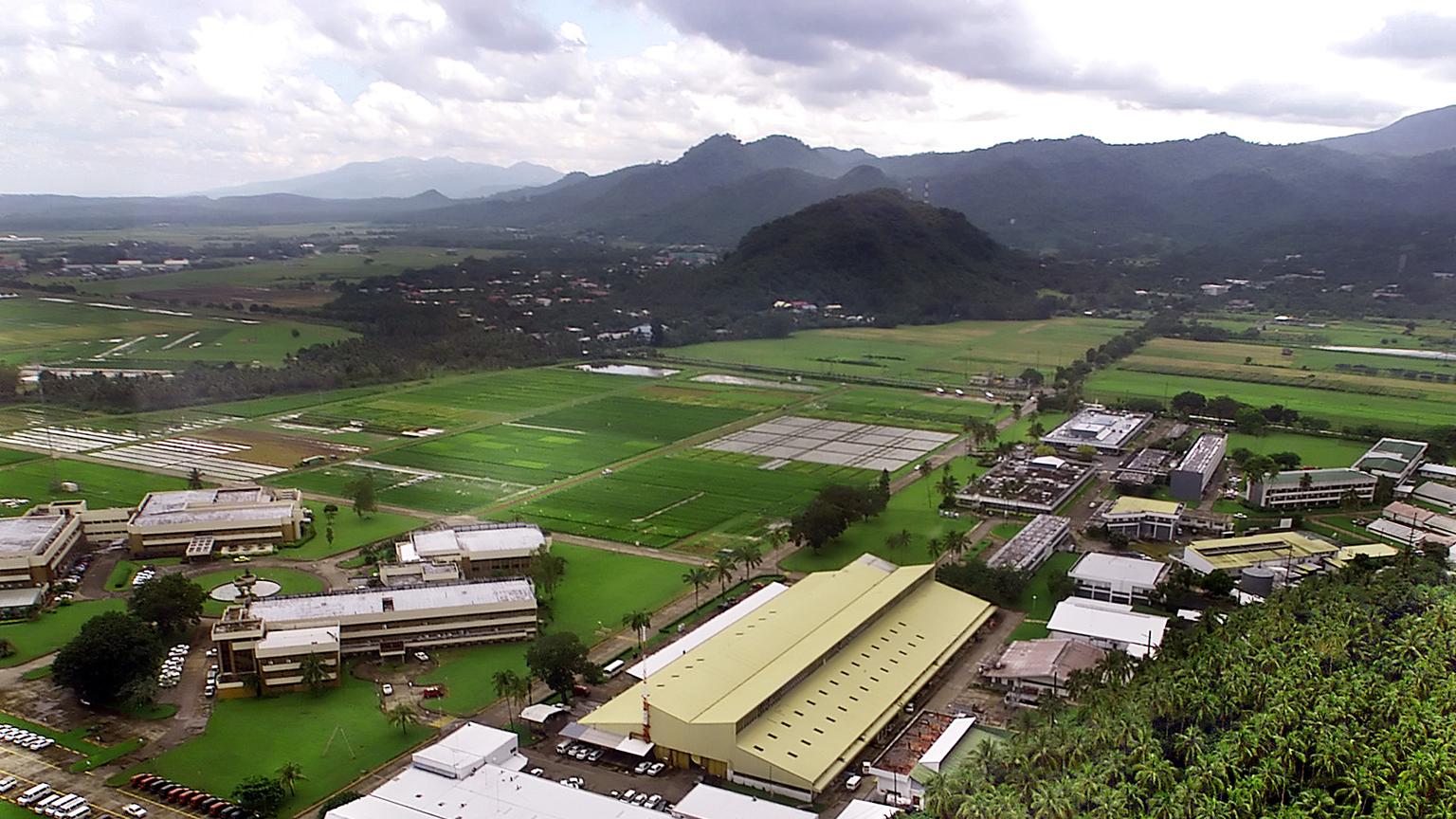
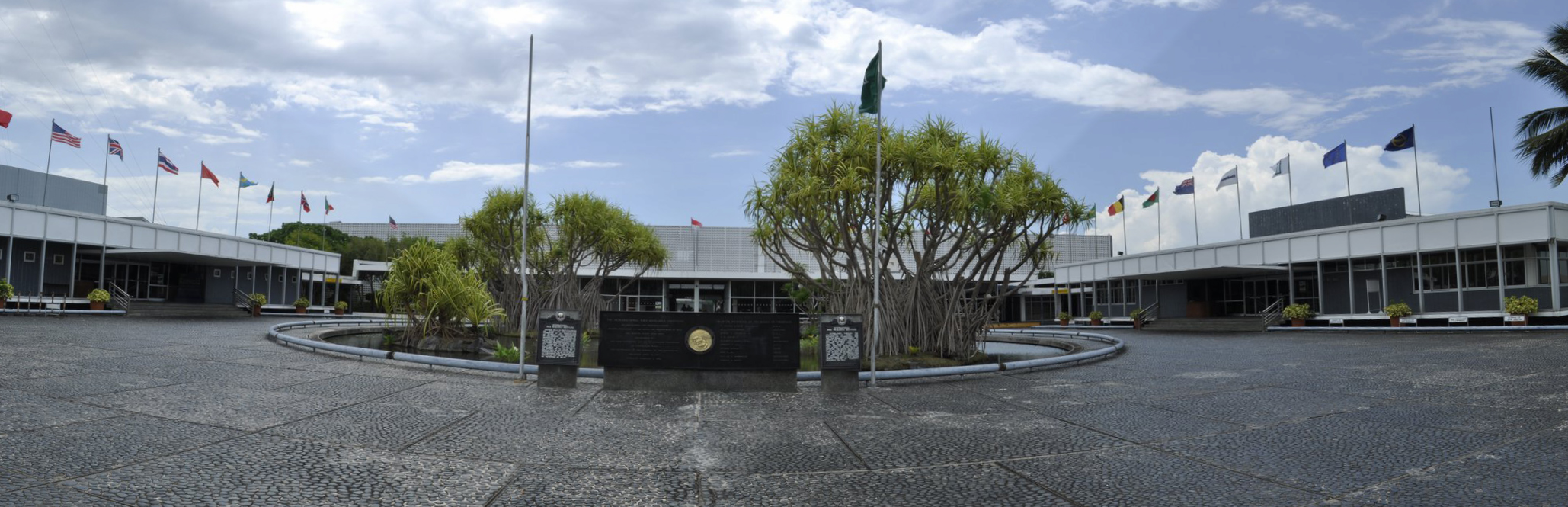
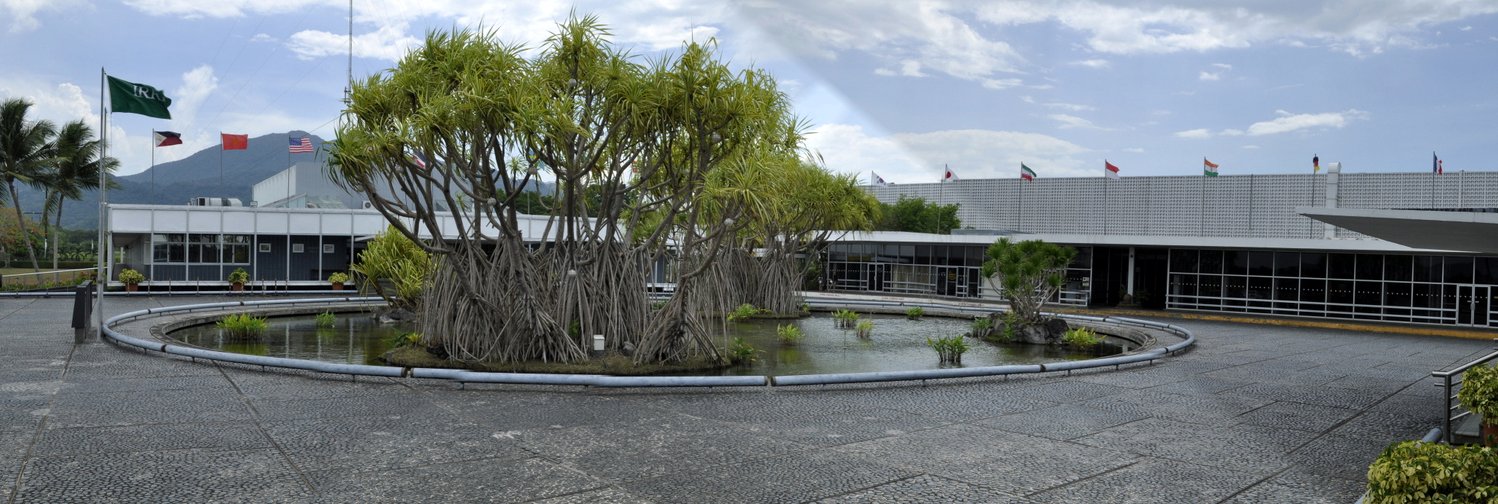
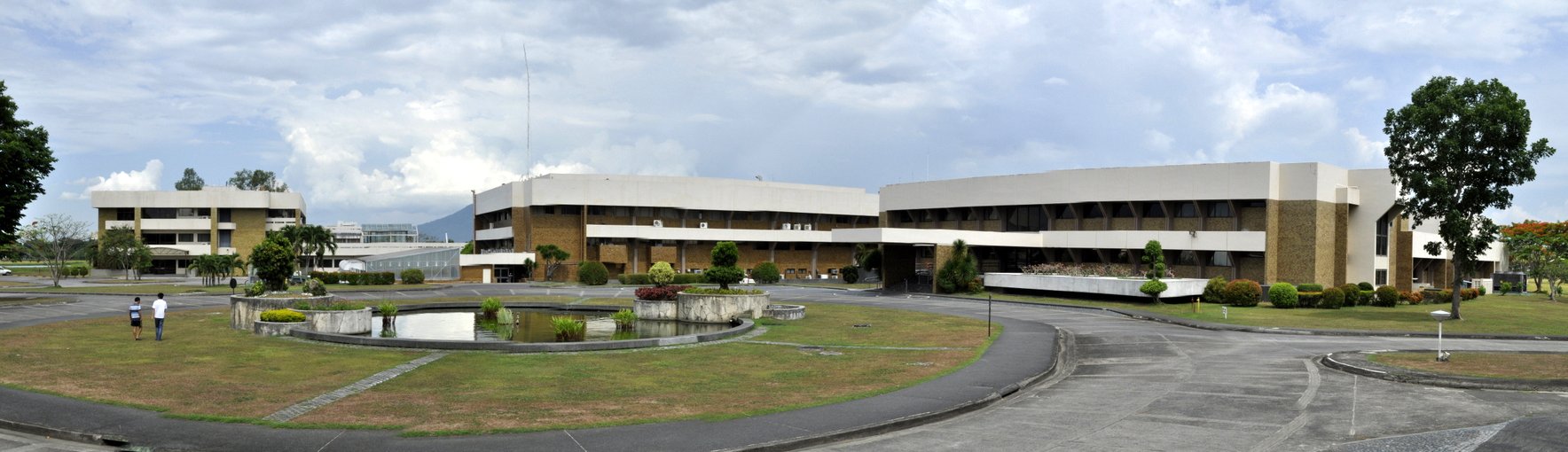
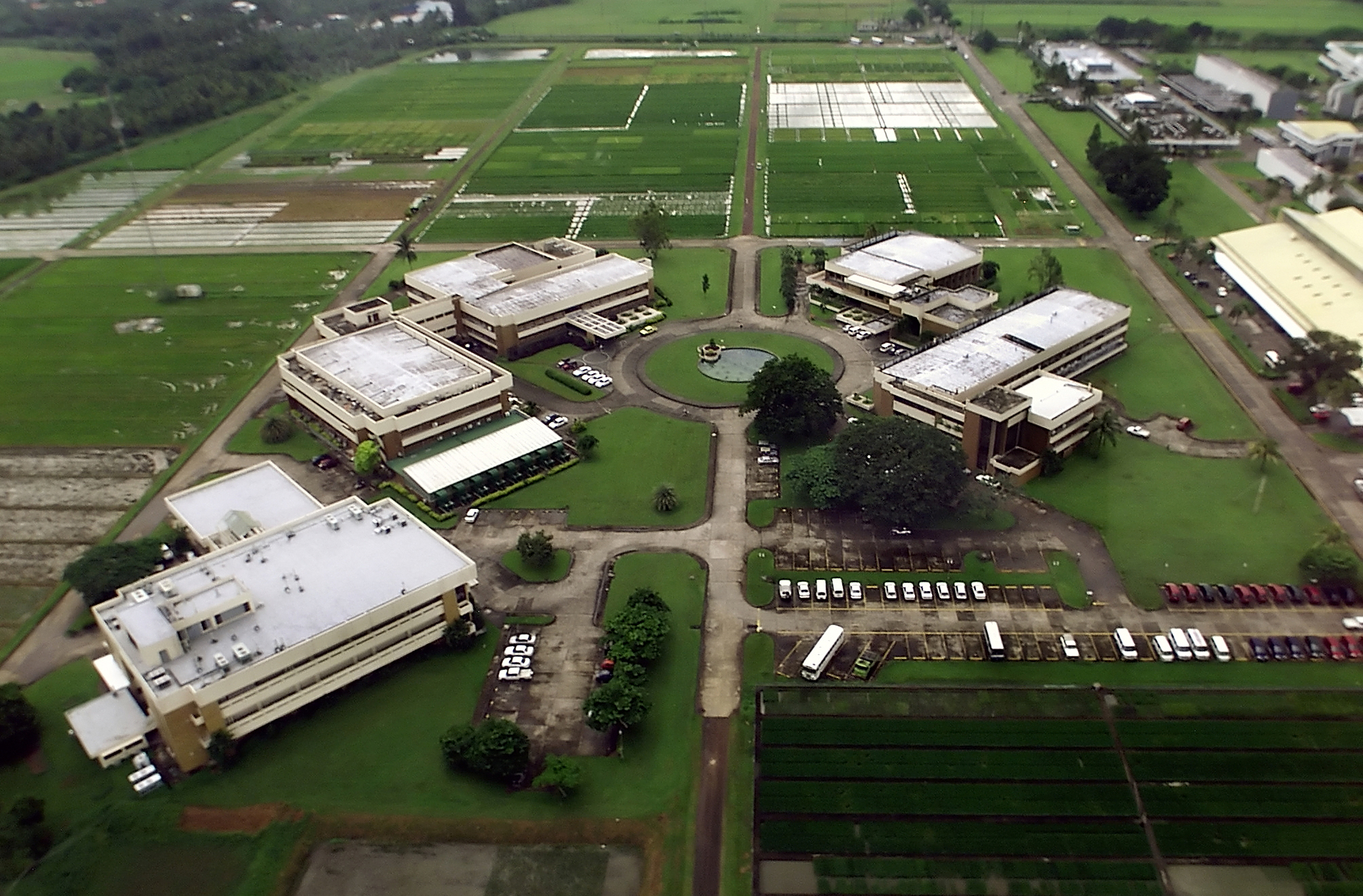
The International Rice Research Institute (IRRI), based in Los Baños, Philippines (about 65 km south of Manila), was founded in 1960, the first of what would become a consortium of 15 international agricultural research institutes funded through the Consultative Group on International Agricultural Research (CGIAR).
Listen to CGIAR pioneers Dr Norman Borlaug and former World Bank President (and US Defense Secretary) Robert McNamara talk about how the CGIAR came into being in 1971.
I spent almost 19 years at IRRI, more than eight years at a sister center in Peru, the International Potato Center (CIP), and worked closely with another, Bioversity International (formerly known as the International Board for Plant Genetic Resources – IBPGR – from its foundation in 1974 to October 1991, when it became the International Plant Genetic Resources Institute – IPGRI – until 2006).
Who funds IRRI and the other centers of the CGIAR?
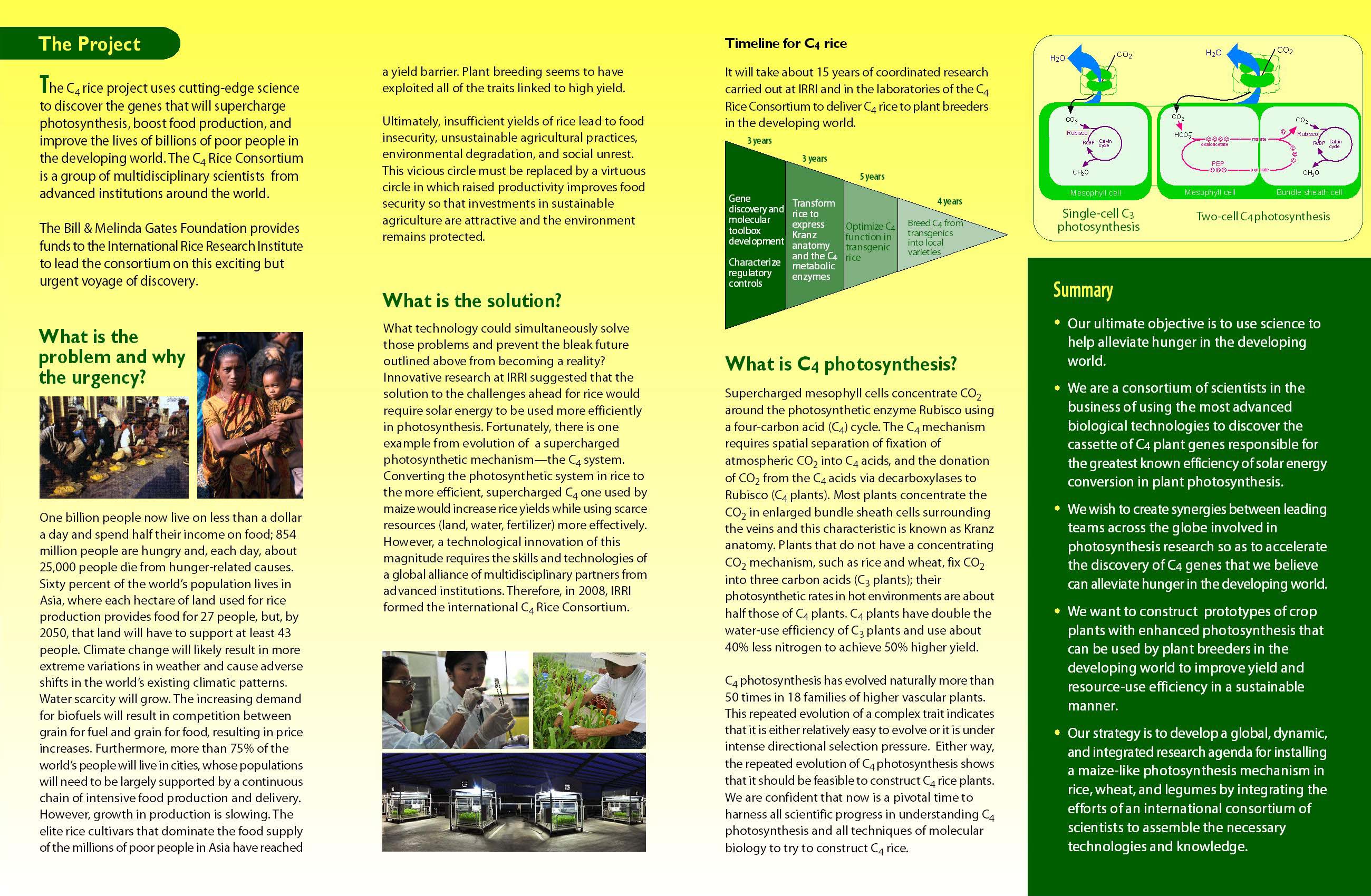
IRRI and the other centers receive much of their financial support as donations from governments through their overseas development assistance budgets. In the case of the United Kingdom, the Department for International Development (DFID)is the agency responsible for supporting the CGIAR, it’s USAID in the USA, and the Swiss Agency for Development and Cooperation (SDC) in Switzerland, for example. In the last decade, the Bill & Melinda Gates Foundation has become a major donor to the CGIAR.
During my second career at IRRI, from May 2001 until my retirement at the end of April 2010 I was responsible, as Director for Program Planning and Communications (DPPC), for managing the institute’s research portfolio, liaising with the donor community, and making sure, among other things, that the donors were kept abreast of research developments at IRRI. I had the opportunity to visit many of the donors in their offices in the capitals of several European countries and elsewhere. However, very few of the people responsible for the CGIAR funding in the donor agencies had actually visited IRRI (or, if they had, it wasn’t in recent years). One thing that did concern me in working with some donors was their blinkered perspectives on what constituted research for development, and the day-to-day challenges that an international institute like IRRI and its staff face. I guess that’s not surprising really since some had never worked outside their home countries let alone undertake field research.
International Centers Week 2002
In those days, the CGIAR used to hold its annual meeting – International Centers Week – in October, and for many years this was always held at the World Bank in Washington, DC. But from about 2000 or 2001, it was decided to move this annual ‘shindig’ outside the Bank to one of the countries where a center was located. In October 2002, Centers Week came to Manila in the Philippines, hosted by the Department of Agriculture.
What an opportunity, one that IRRI was not going to ignore, to have many of the institute’s donors visit IRRI and see for themselves what this great institution was all about. Having seen the initial program that would bring several hundred delegates to Los Baños over two days – on the 28th (visiting Philippine institutions) and 29th October (at IRRI) but returning to Manila overnight in between – we decided to invite as many donors as wished to be our guests overnight. Rumour had it that the Chair of the CGIAR then, Ian Johnson (a Vice President of the World Bank) and CGIAR Director Dr Franscisco Reifschneider, were not best pleased about this IRRI ‘initiative’.
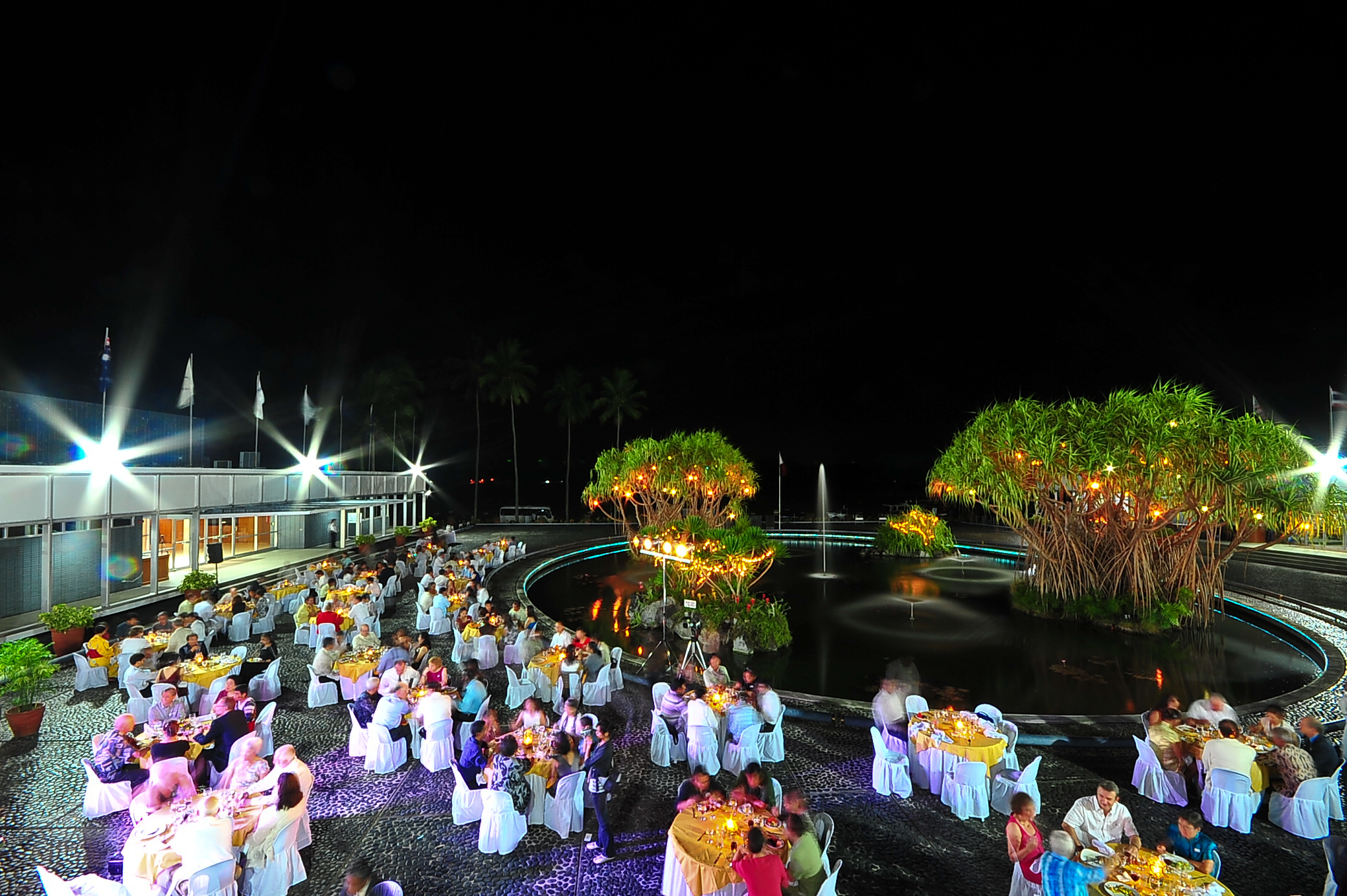
Most donors did accept our invitation, and we hosted a dinner reception on the Monday evening, returning some of the hospitality we’d been offered during our visits to donor agencies. This also gave our scientists a great chance to meet with the donors and talk about their science. Most (but not all scientists) are the best ambassadors for their research and the institute; however, some just can’t avoid using technical jargon or see past the minutiae of their scientific endeavors.
As the dinner drew to a close, I spread word that the party would continue at my house, just a short distance from IRRI’s Guesthouse. As far as I remember about a dozen or so donor friends followed me down the hill, and we continued our ‘discussions’ into the small hours. Just after dawn I staggered out of bed and, with a rather ‘thick head’, went to see the ‘damage’ in our living room, where I found a large number of empty glasses, and several empty whisky, gin and wine bottles. A good time was had by all! Unfortunately it was also pouring with rain, which did nothing to lift my spirits. Our program for the day had been developed around a series of field visits – we didn’t have an indoor Plan B in case of inclement weather.
However, I’m getting ahead of myself. Let me tell you how did we went about organizing the IRRI Day on the 29th October.
Getting organized
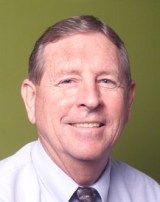 Ron Cantrell, IRRI’s Director General in 2002 asked me to organize IRRI Day. But what to organize and who to involve? We decided very early on that, as much as possible, to show our visitors rice growing in the field, but with some laboratory stops where appropriate or indeed feasible, taking into account the logistics of moving a large number of people through relatively confined spaces.
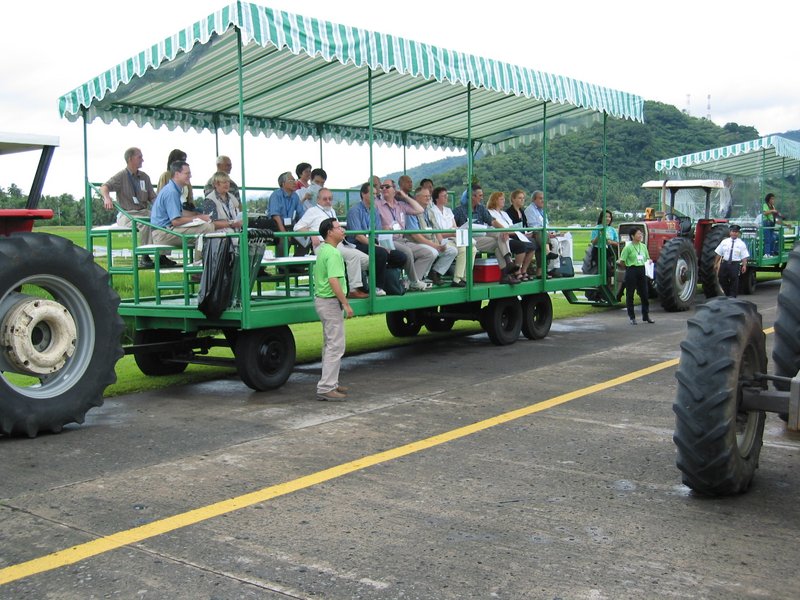
How to move everyone around the fields without having the inconvenience getting on and off buses? In 1998 I had attended a symposium to mark the inauguration of the Dale Bumpers National Rice Research Center in Stuttgart, Arkansas (self-proclaimed Rice and Duck Capital of the World). To visit the various field plots we were taken around on flat-bed trailers, towed by a tractor. We sat on straw bails, and each trailer also had an audio system. It was easy to hop on and off at each of the stops along the tour. However, we had nothing of that kind at IRRI and, in any case, we reckoned that any trailers would need some protection against the sun – or worse, a sudden downpour.
And that’s how I began a serious collaboration with our Experimental Farm manager, Joe Rickman to solve the transport issue.

Joe Rickman
We designed and had constructed at least 10 trailers, or bleachers as they became known. As far as I know these are still used to take visitors around the experimental plots when appropriate.
So, transport solved. But what program of field and laboratory visits would best illustrate the work of the institute? In front of the main entrance to IRRI are many demonstration plots with roads running between them where we could show research on water management, long-term soil management, rice breeding, and pest management. We also opened the genetic transformation and molecular biology labs and, I think, the grain quality lab. I just can’t remember if the genebank was included. The genebank is usually on the itinerary for almost all visitors to IRRI but, given the numbers expected on IRRI Day, and that the labs are environment controlled – coll and low humidity – I expect we decided to by-pass that.
The IRRI All Stars
From the outset I decided that we would need staff to act as guides and hosts, riding the trailers, providing a running commentary between ‘research stations’. I put word out among the local staff that I was looking to recruit about 20-30 staff to act as tour guides; I also approached several staff who I knew quite well and who I thought would enjoy the opportunity of taking part. What amazed me is that several non-research staff approached me asking if they could participate, and once we’d made the final selection, we had both human resources and finance staff among the IRRI All Stars.
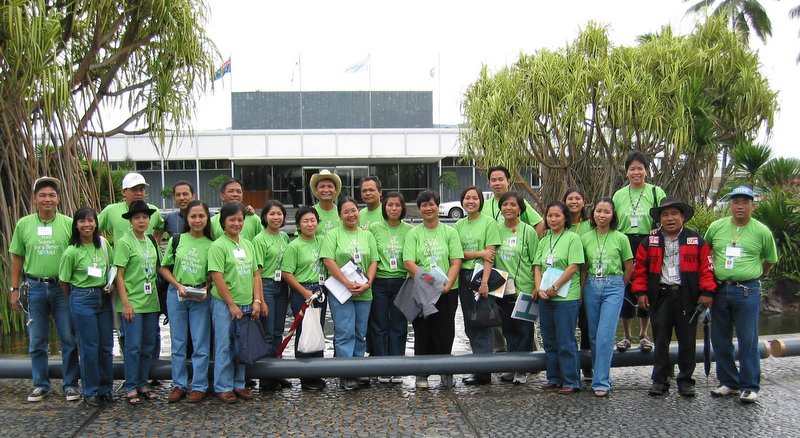
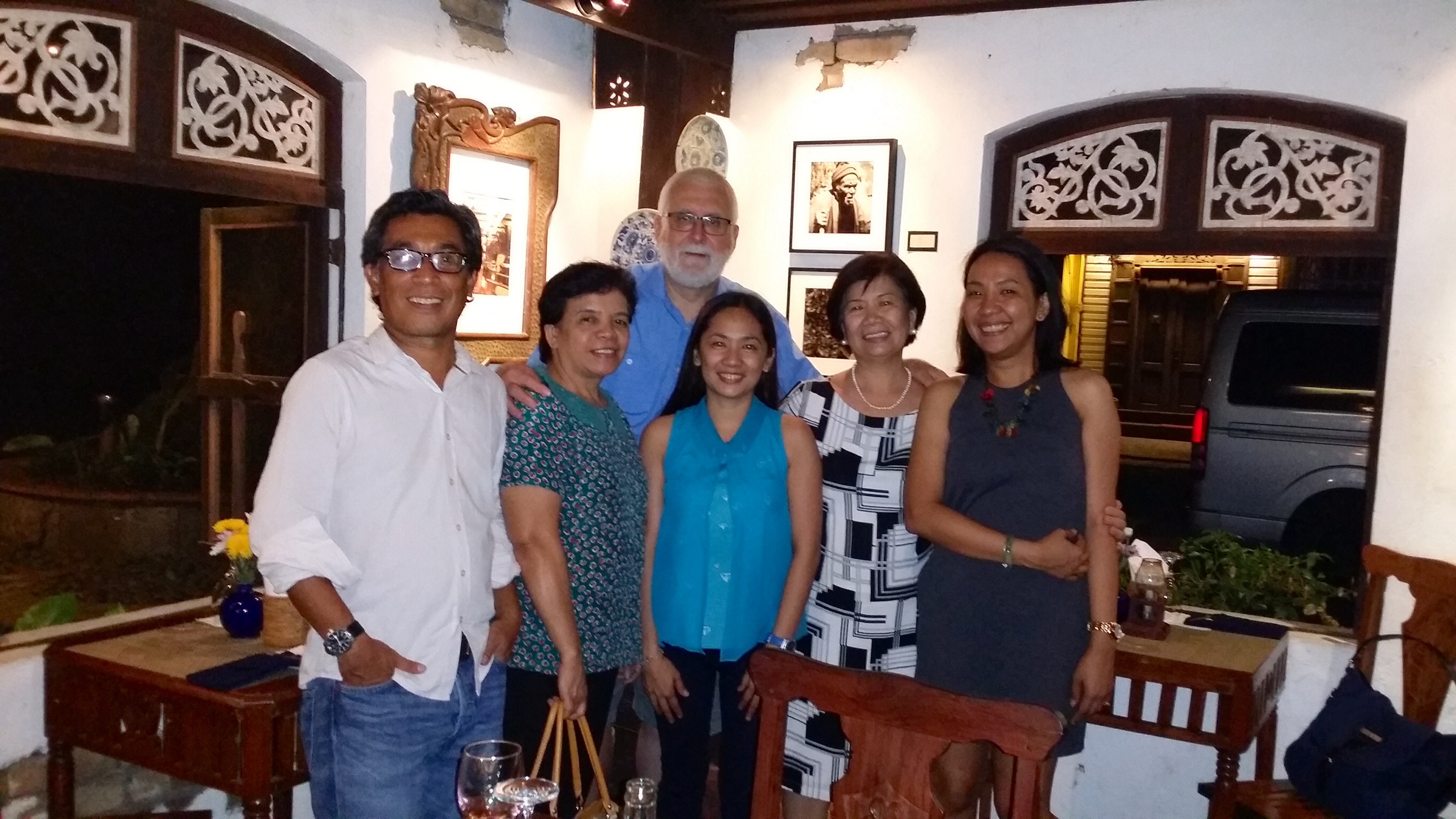
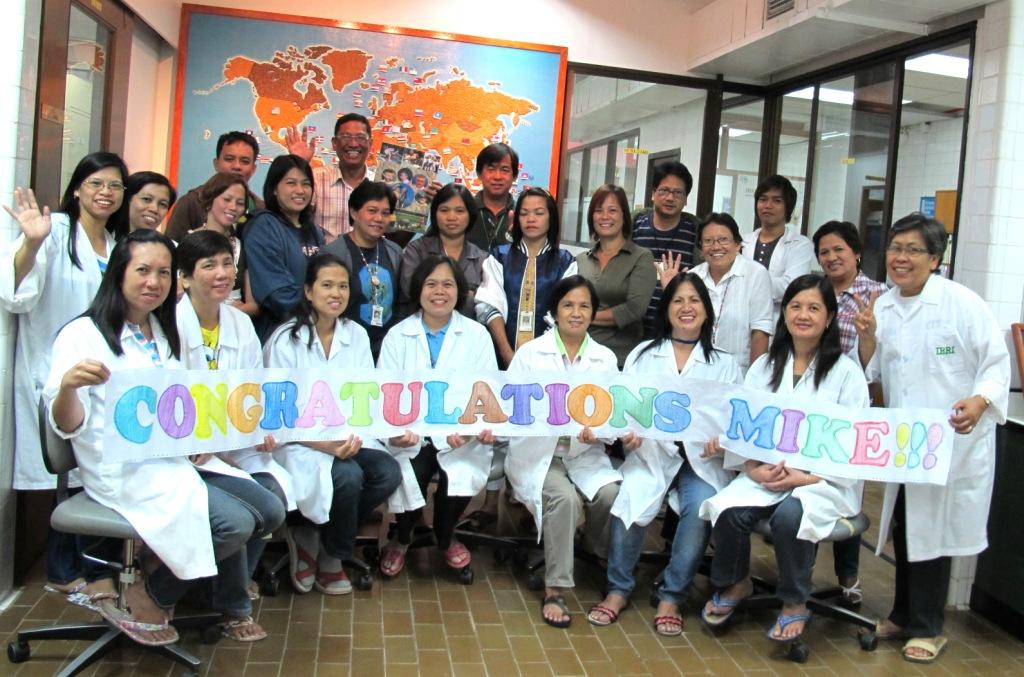
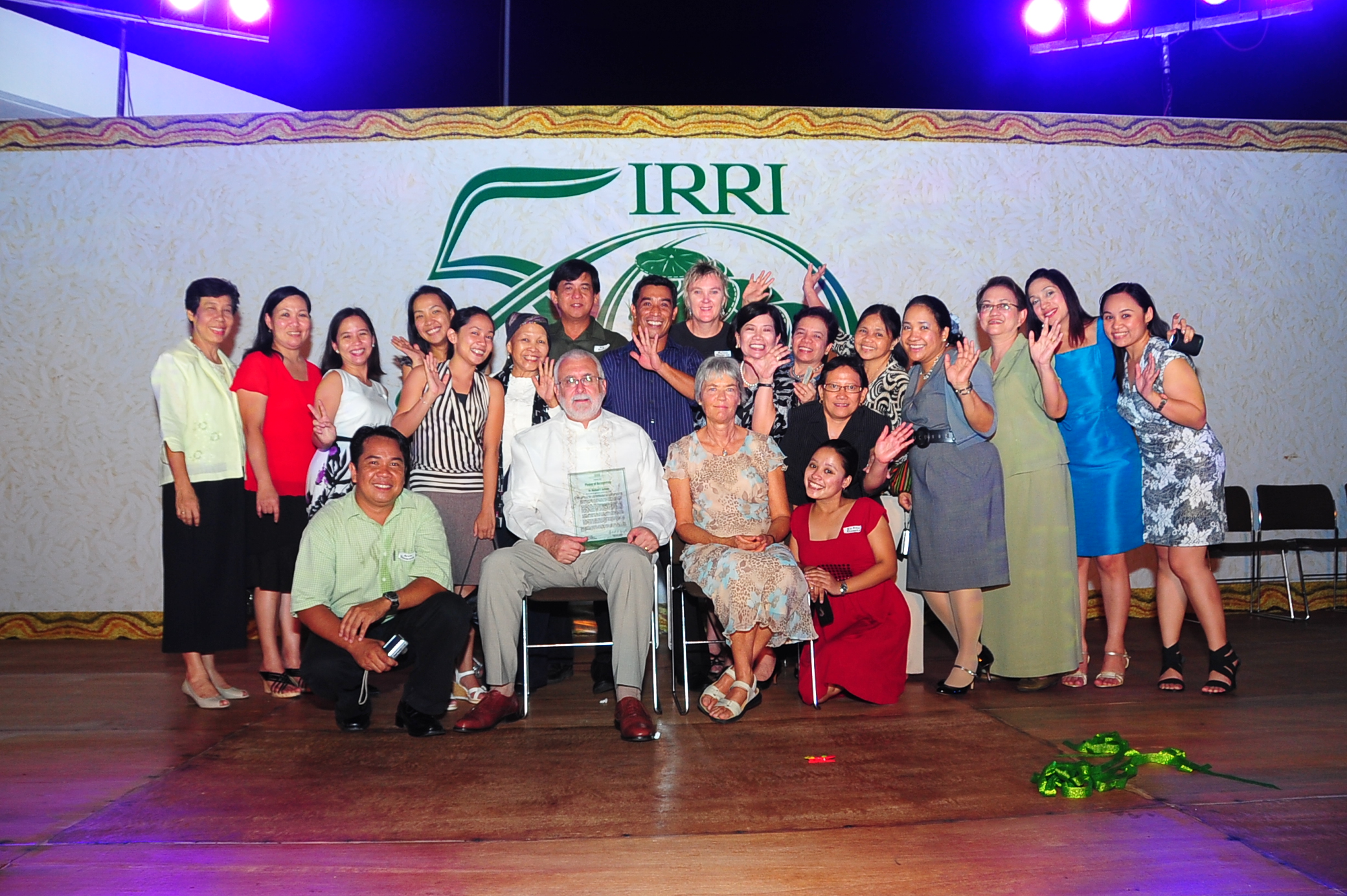
The IRRI All Stars L-R: Carlos Casal, Jr., Josefina Narciso, Ato Reano, Reycel Maghirang-Rodriguez, Arnold Manza, Crisel Ramos, Varoy Pamplona, Lina Torrizo, Tina Cassanova, Jessica Rey, Caloy Huelma, Beng Enriquez, Joe Roxas, Remy Labuguen, Sylvia Avance, Ailene Garcia-Sotelo, Mark Nas, Ofie Namuco, Estella Pasuquin, Ria Tenorio, Ninay Herradura, Lily Molina, Tom Clemeno, Joel Janiya.
Once we had a trailer available, then we began planning and practising in earnest. I wanted my colleagues to feel confident in their roles, knowledgeable about what everyone would see in the field, as well as feeling comfortable fielding any questions thrown at them by the visitors.
I think some of the All Stars felt it was a bit of a baptism by fire. I was quite tough on them, and encouraged everyone to critique each other’s ‘performance’. And things got tougher once we had the research scientists in the field strutting their stuff during the practice runs. My guides were merciless in their comments to colleagues about their research explanations. Not only did we reduce the jargon to a manageable level, but soon everyone appreciated that they had to be able to explain not only what they were researching, but why it was important to rice farmers. And in doing so, to actually talk to their audience, making eye contact and engaging with them.
It was worth all the time and effort we spent before IRRI Day. Because on the day itself, everyone shone. I don’t think I’ve been prouder of my colleagues. After the early morning rain, the clouds parted and by 9 am when we started the tours, it was a glorious Los Baños day at IRRI. The feedback from the delegates, especially the donor representatives, was overwhelming. Many had, as I mentioned earlier, a blinkered view of research for development, and rice research in particular. More than a few had a ‘Damascene experience’. Many had never even seen a rice paddy before. I believe that IRRI’s stock rose among the donor community during the 2002 International Centers Week – due in no small part to their very positive interactions with IRRI’s research staff and the All Stars.


On reflection, we had a lot of fun at the same time. It was extremely rewarding to see how positive all the staff were about contributing to the success of IRRI Day. But that’s the IRRI staff for you. Many a visitor has mentioned as they leave what a great asset are the staff to IRRI’s success. I know from my own 19 years there. In fact we had so much fun that just over a week later we held another IRRI Day for all staff, following the same route around the field and listening to the same researchers.
Using camera-mounted drones, it’s now possible to give IRRI’s visitors a whole new perspective.




 Sponsored by the International Rice Research Institute (IRRI), the 4th International Rice Congress brought together rice researchers from all over the world. Previous congresses had been held in Japan, India and last time, in 2010, in Hanoi, Vietnam (for which I also organized the science conference). This fourth congress, known as IRC2014 for short, had three main components:


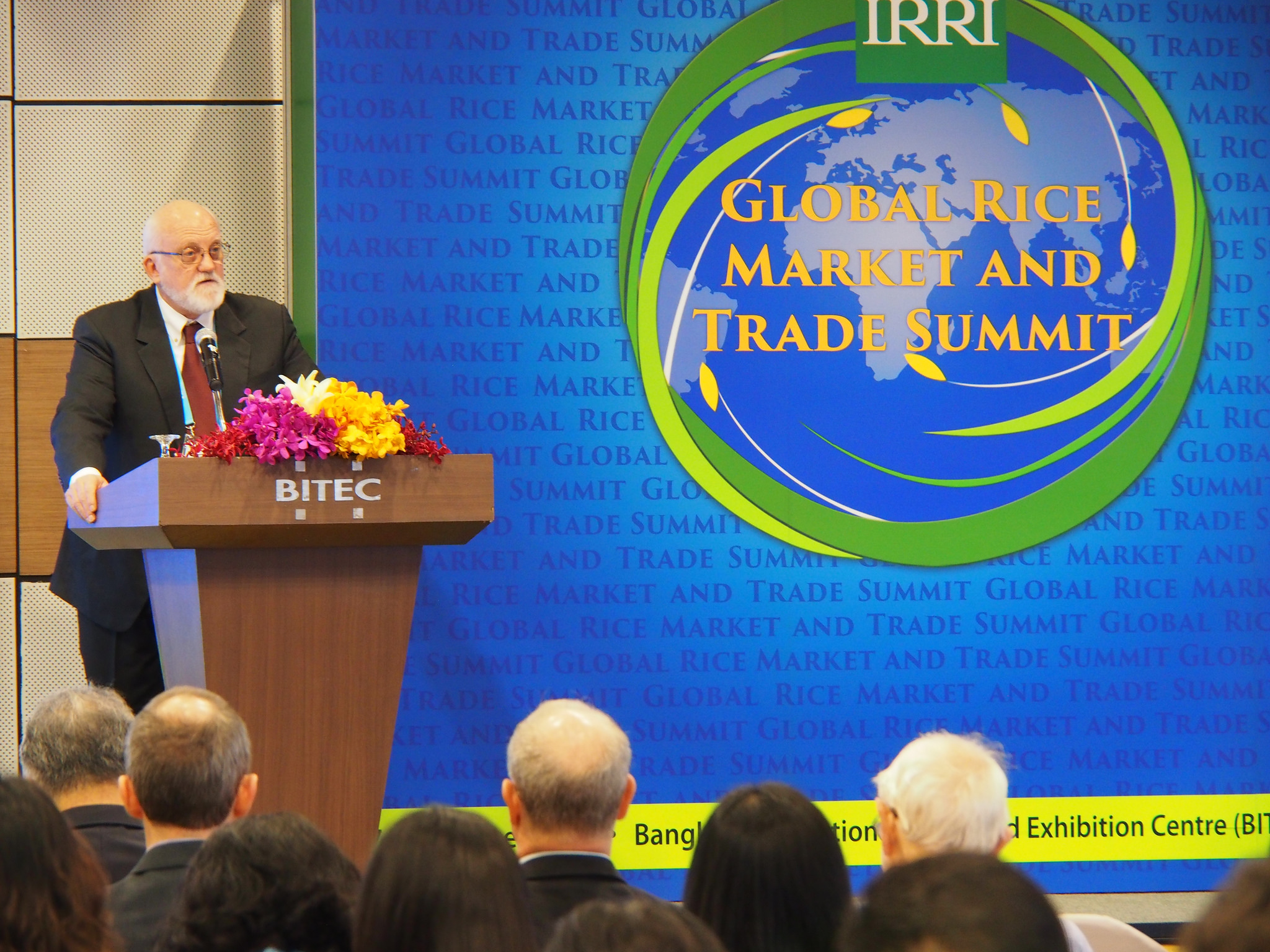


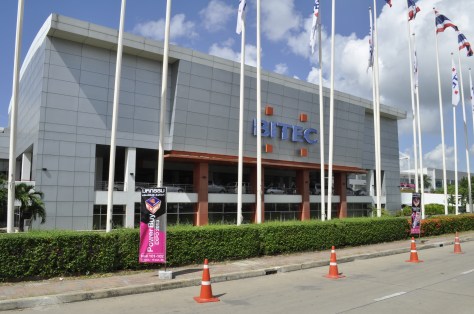 Way back at the beginning of 2013 IRRI management asked me if I would like to organize the science conference in Bangkok, having taken on that role in 2009 before I retired from IRRI and for six months after I left. From May 2013 until IRC2014 was underway, I made four trips to the Far East, twice to Bangkok and three times to IRRI. We formed a






 Eat genetically-modified foods? I’ve been eating them all my life and I haven’t noticed any negative effects yet.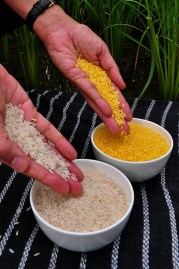





 My flight from Manila arrived quite late at night, and a vehicle and driver were sent to KL airport to pick me up. On the journey from the airport my driver became quite chatty. He asked where I was from, and when I told him I was working in the Philippines on rice, he replied ‘You must be working at IRRI, then‘ (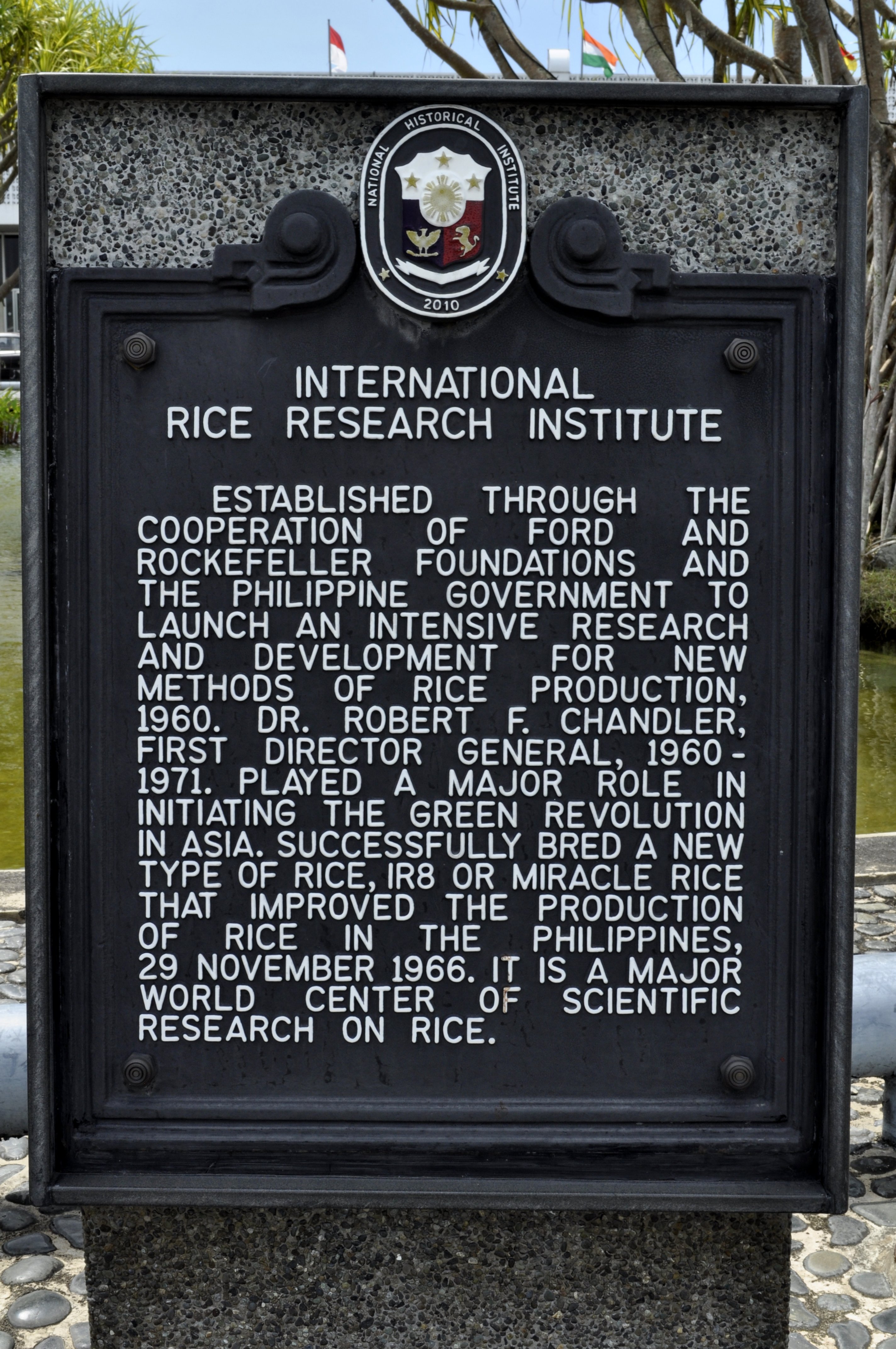

 I was visiting in connection with the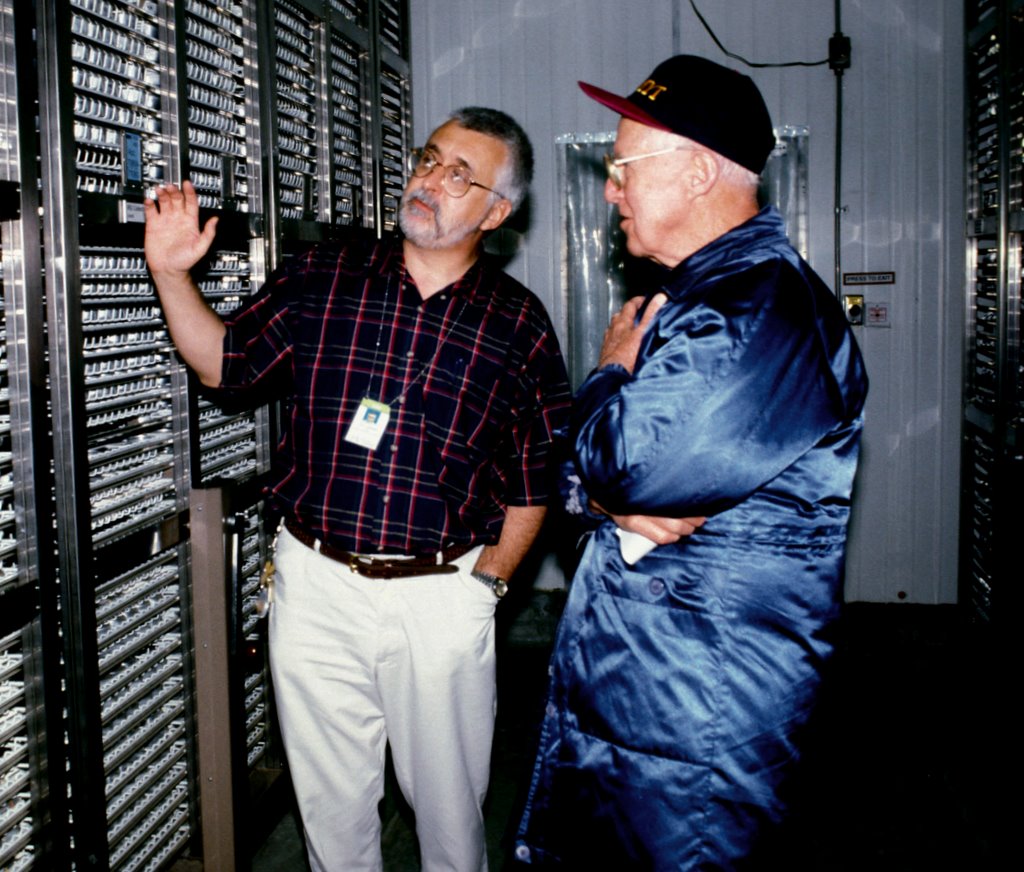






 Getting back to Christmas at IRRI. A number of staff take their annual leave from mid-December, especially those from the Antipodes, and parts of Asia. So it became a tradition for the Director General and his wife to host a Christmas party on the second Sunday of December, especially for all the children, and have Santa Claus make an appearance and distribute presents to one and all. One of the happiest responsibilities I had for about a decade was to dig out my Santa suit each year – and my make-up, and put in an appearance as Santa. From about mid-September onwards I’d let my beard and moustache grow so that by early December it was quite bushy. Although my hair and beard are mostly white now, a little make-up always added to the impression. During the 1990s, the role of Santa had been taken by my old friend, the late Bob Huggan, and then Bob Zeigler (now Director General) when he was a Program Leader.
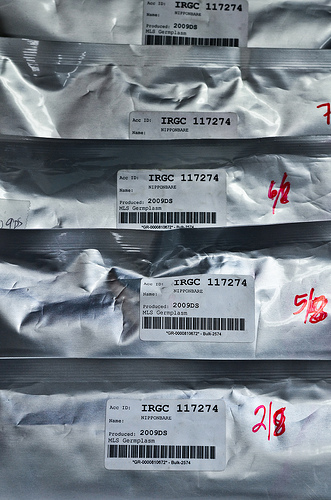
 My predecessor at IRRI was Dr Te-Tzu Chang, known to everyone as ‘TT’. He joined IRRI in 1962 and over the years had built the germplasm collection to about 75,000 or so accessions by the time I joined the institute, as well as leading IRRI’s upland rice breeding efforts.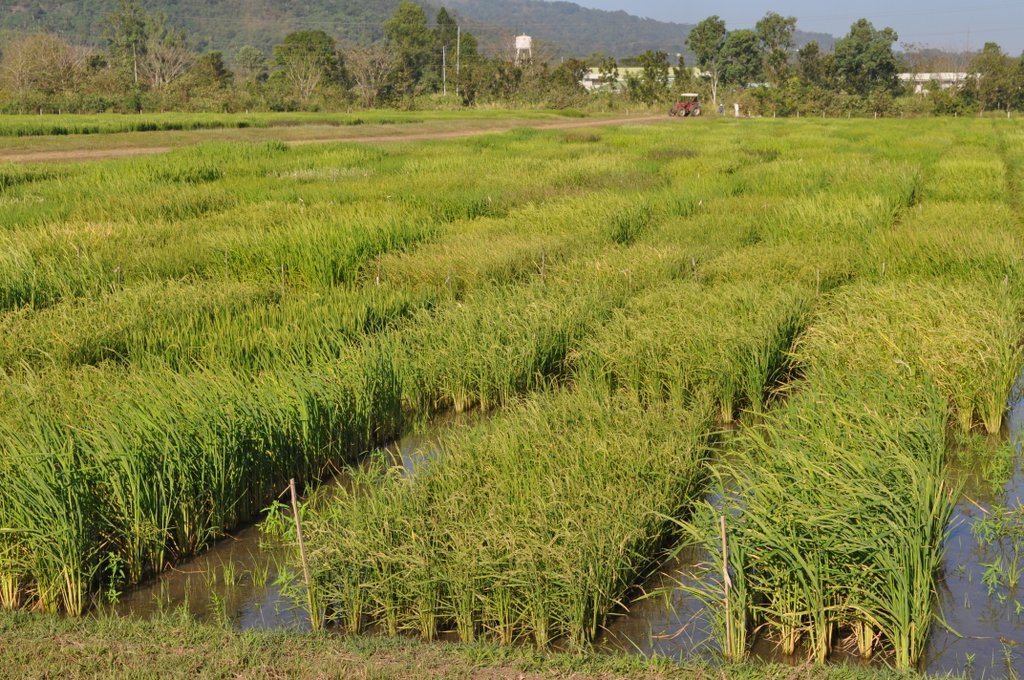





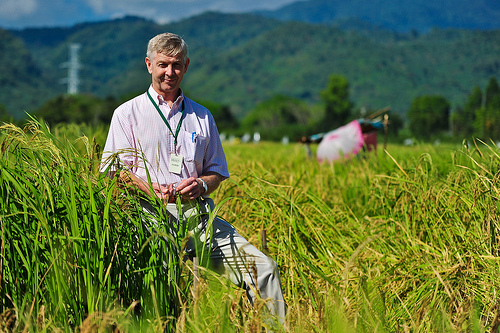
 This was not a task I could undertake by myself. I was fortunate that the CGIAR Internal Audit Unit (IAU) was hosted by IRRI, and based in an office just down the corridor from mine. At that time, the IAU was headed by Australian John Fitzsimon (who became a good friend of mine – and who taught me a good deal about the need for and workings of internal audit). John has subsequently left the CGIAR and is now based in the Food and Agriculture Organization (FAO) in Rome as its Inspector general and head of internal audit. Over many discussions John and I developed a framework to analyze and document risks at IRRI based on two simple criteria: impact of a risk actually occurring, and the probability that it might occur, based on a simple score of High, Medium, and Low.
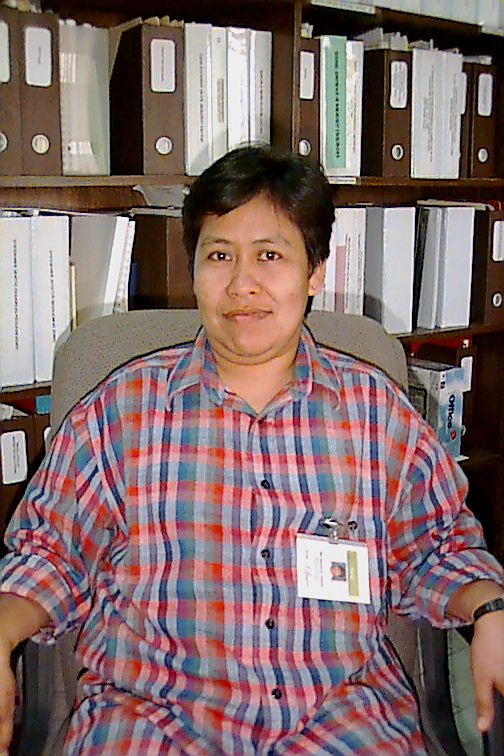
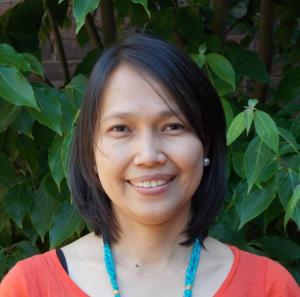 To handle the risk assessment on a day-to-day basis, we appointed Ms Alma Redillas-Dolot, a Certified Public Accountant, a Certified Internal Auditor, and a Certified Information Systems Auditor. Alma worked tirelessly with the various IRRI organizational units to complete risk assessments and develop mitigation plans. By the time Alma moved to the CGIAR Internal Audit Unit (she subsequently moved to Nairobi as head of internal audit for the
 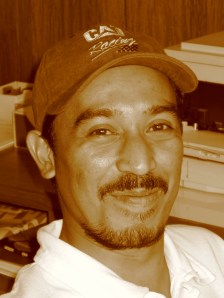 develop – based on my perceived needs and ideas – a sophisticated project management system (still among the best in the CGIAR, despite the development of a new approach across centers) but working with Alma and me, Eric very quickly developed an online system to log risks and mitigation approaches that could be accessed by everyone at IRRI, which allowed the different organizational units to work independently yet permit the central risk management group (Alma, Eric, and me) to monitor and edit, and produce the necessary reports for the Board and donors.
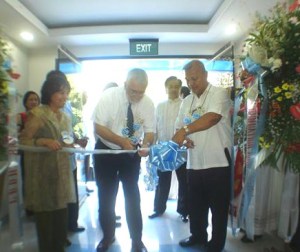 invited to open a new wing of the hospital in 2006!), we emphasized the importance of hand washing, and doing it correctly! Incidentally, in an interview during the Olympic Games recently, Director for Performance of the GB cycling team, Dave Brailsford (who was also involved with the Tour de France winning Sky team) had spoken about incremental advances to performance, and cited maintenance of good health was important, and that correct hand washing was one of the critical components (were they so diligent in some hospitals). Anyway, we produced a video with the help of nurses from the LBDH, which ends with a most amusing Filipino take on things. Enjoy. The video was also screened frequently for several months on the local community TV station in Los Baños.
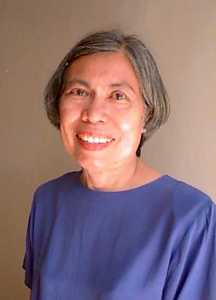 Ms. Genoveva ‘Eves’ Loresto passed away in Cebu on 5 April after a long battle with cancer.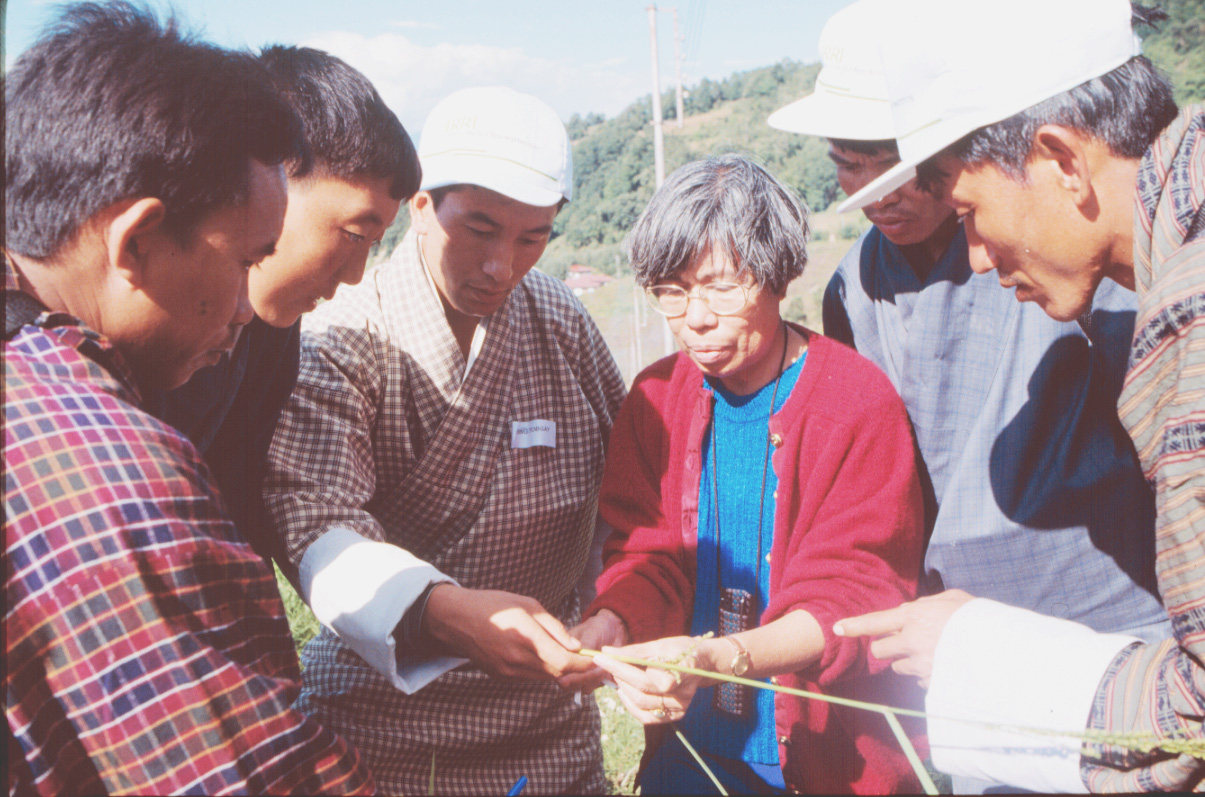
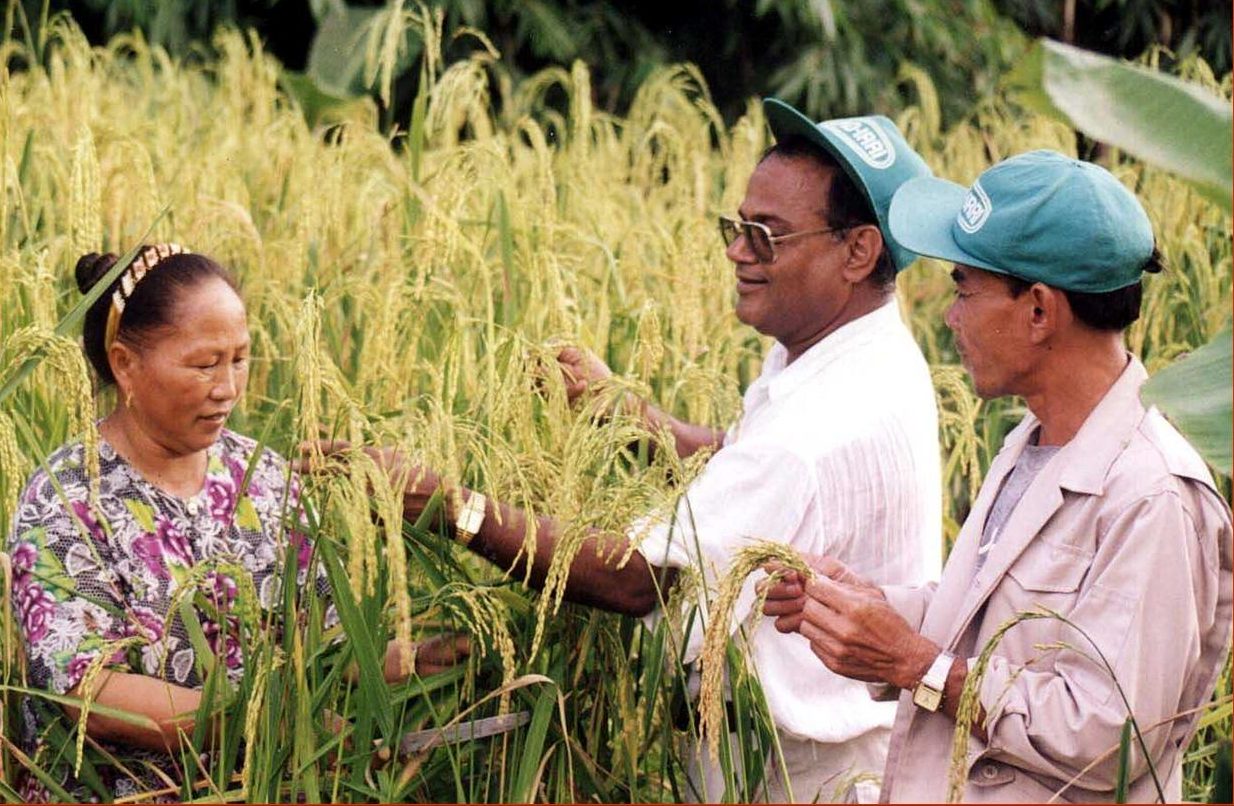
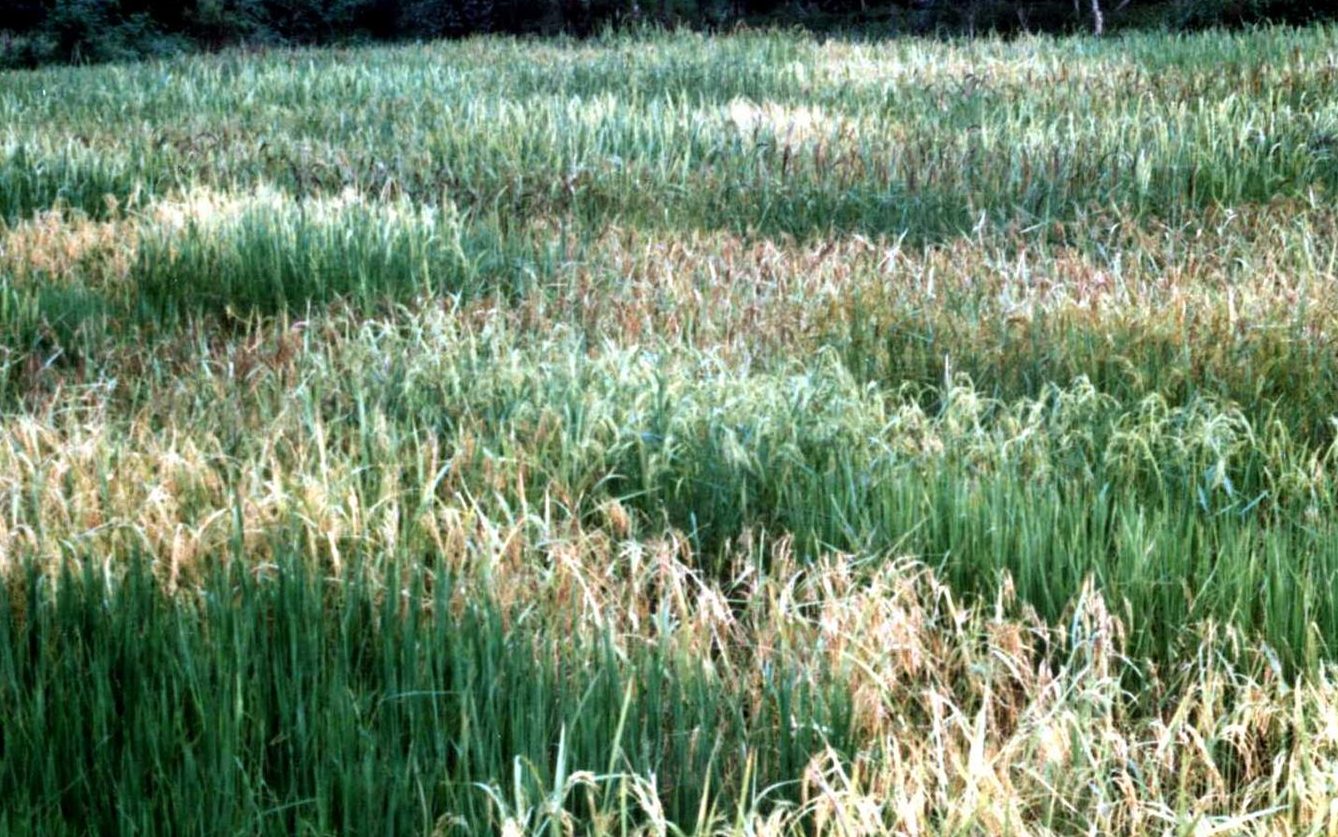

 And germplasm collecting was repeated in Bangladesh, Bhutan, Cambodia, Indonesia, Malaysia, Myanmar, Nepal, Philippines, Thailand and Vietnam in Asia, and countries in East and southern Africa including Uganda and Madagascar, as well as Costa Rica in Central America (for wild rices). We invested a lot of efforts to train local scientists in germplasm collecting methods. Long-time IRRI employee (now retired) and genetic resources specialist, Eves Loresto (right), visited Bhutan on several occasions.
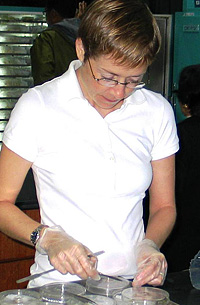
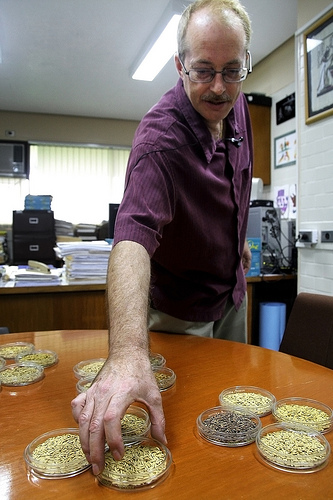
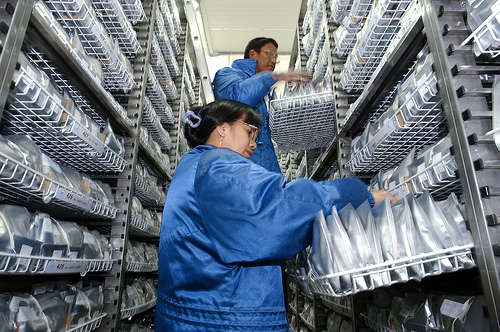
 The genebank now has three storage vaults (one was added in the last couple of years) for medium-term (Active) and long-term (Base) conservation. Rice varieties are grown on the IRRI farm, and carefully dried before storage. Seed viability and health is always checked, and resident seed physiologist, Fiona Hay (right, formerly at the
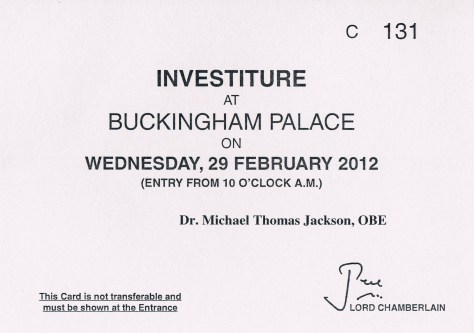
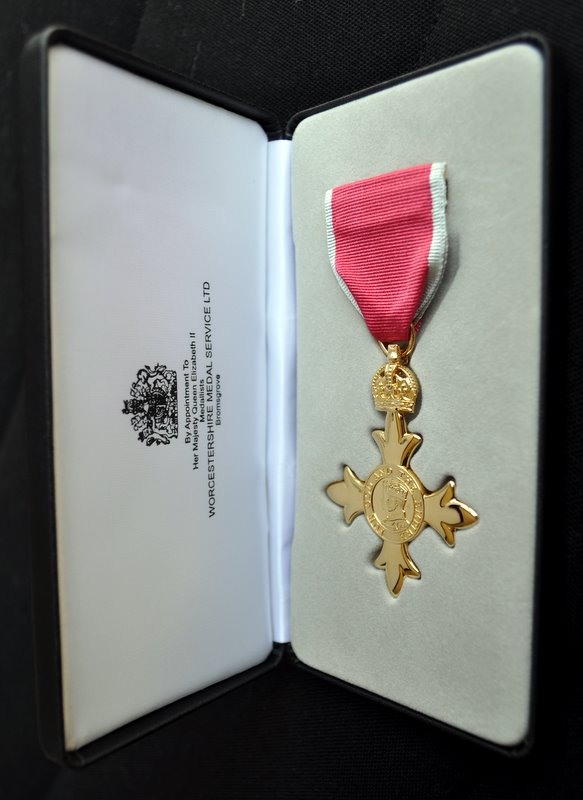
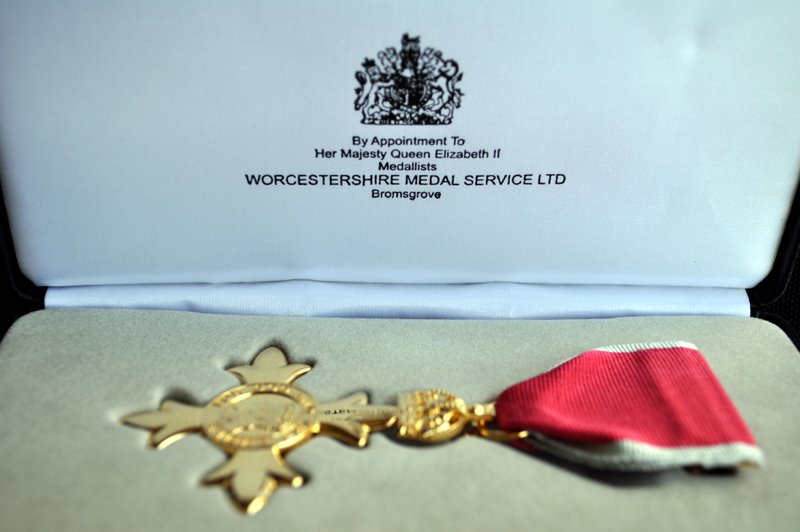
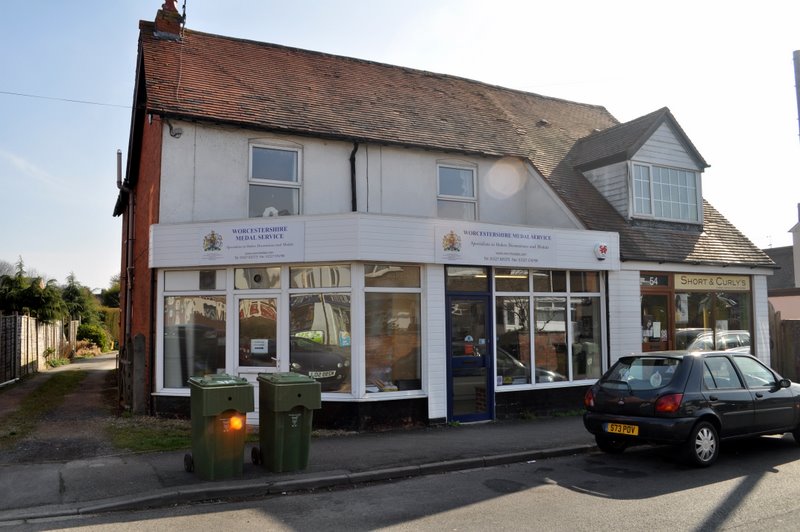
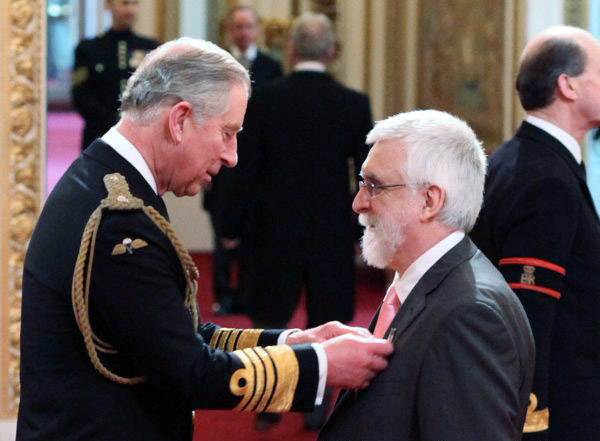
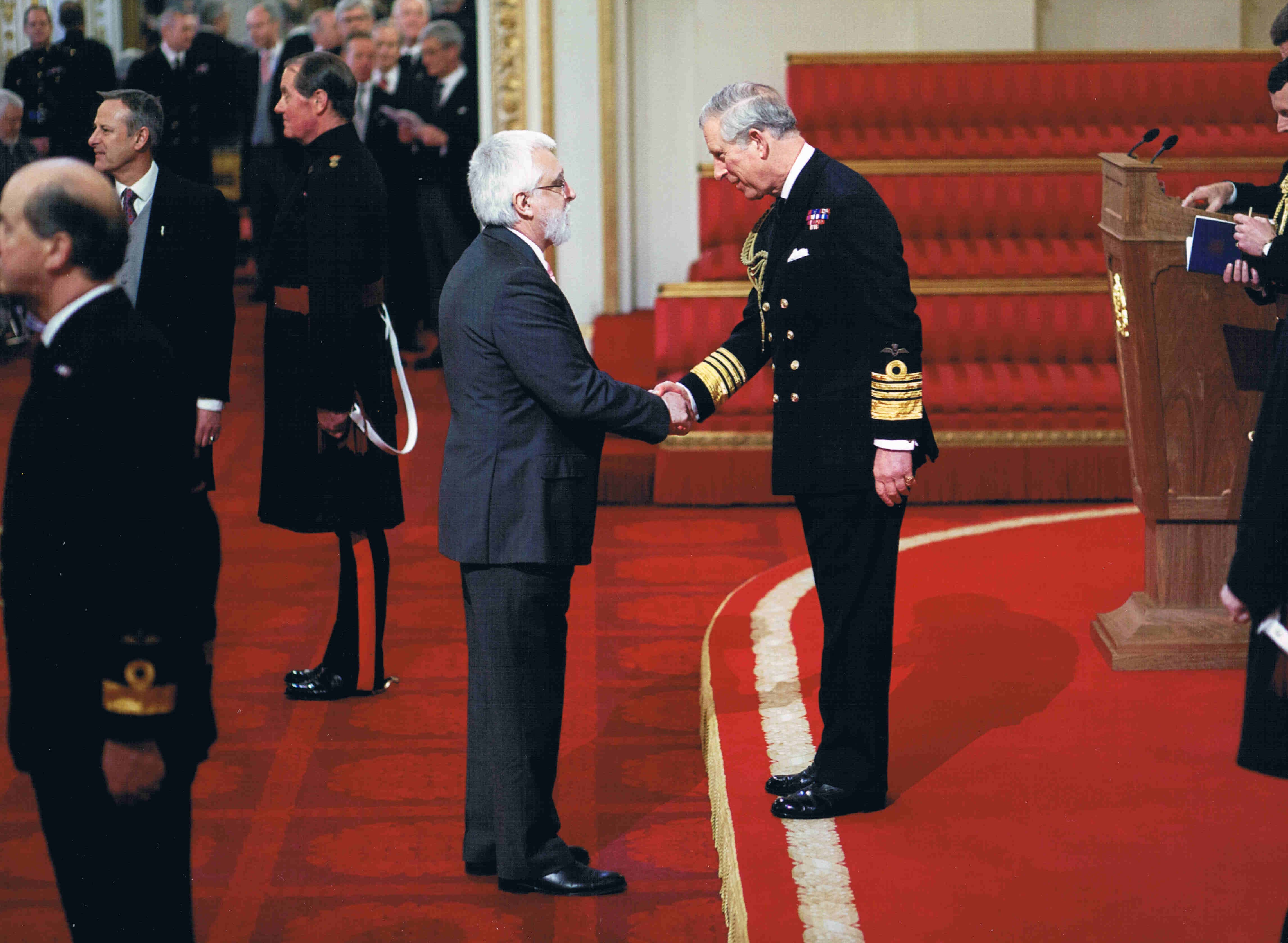
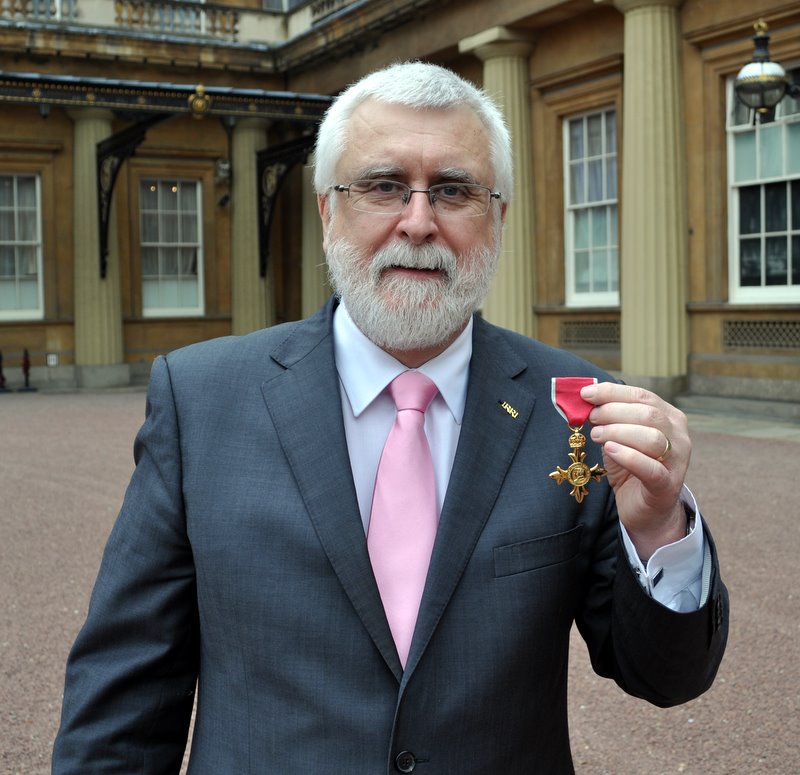
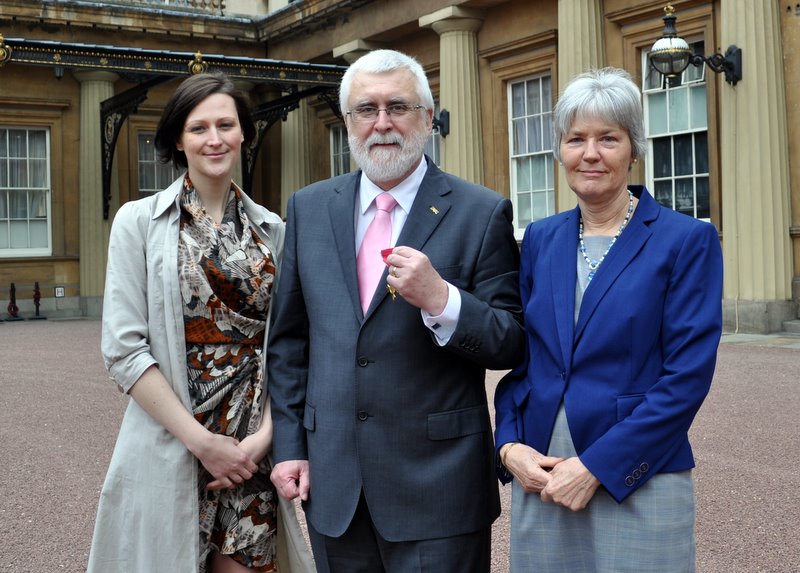
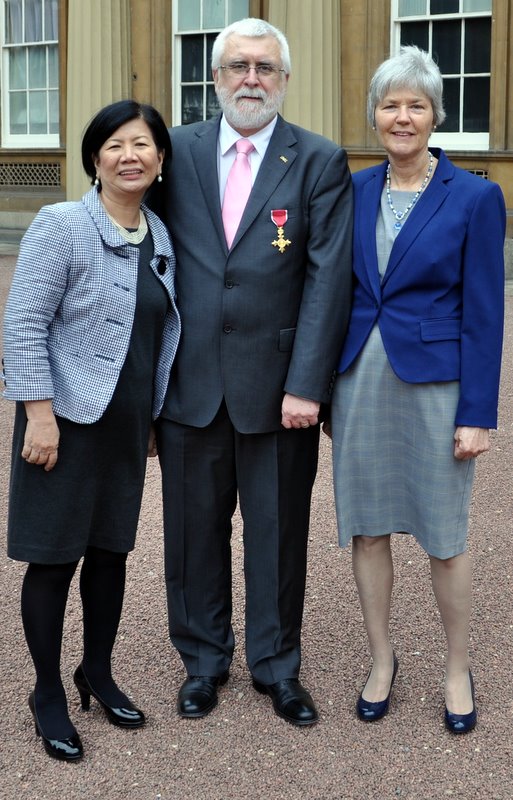
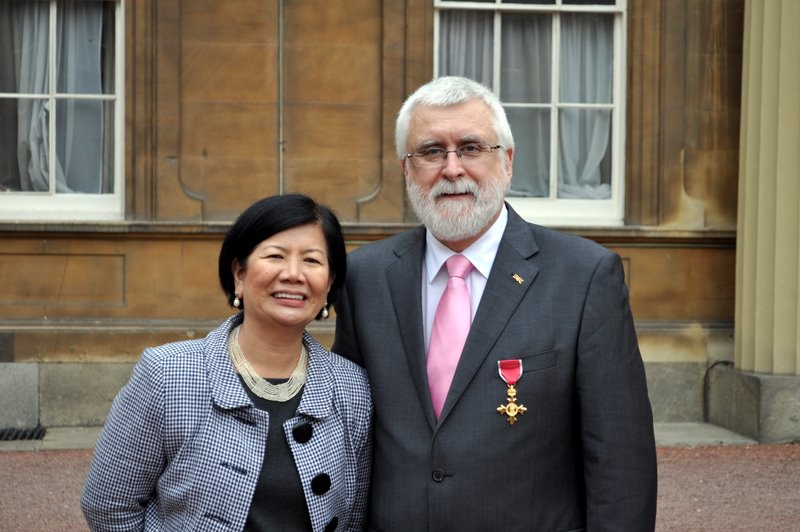
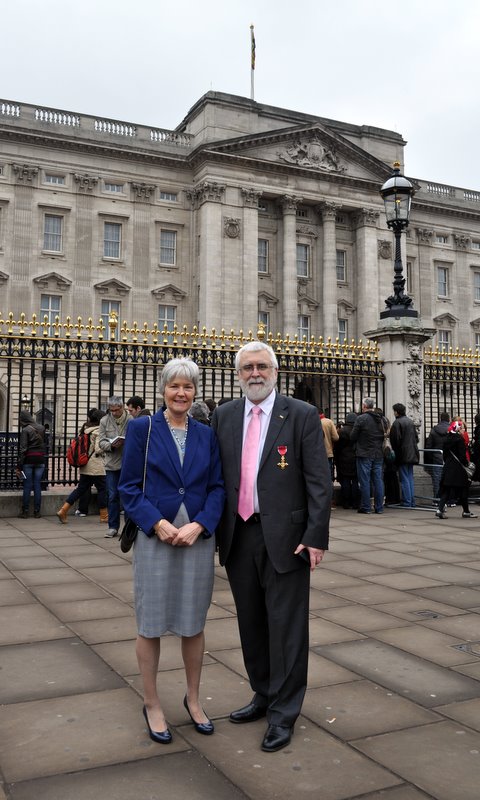
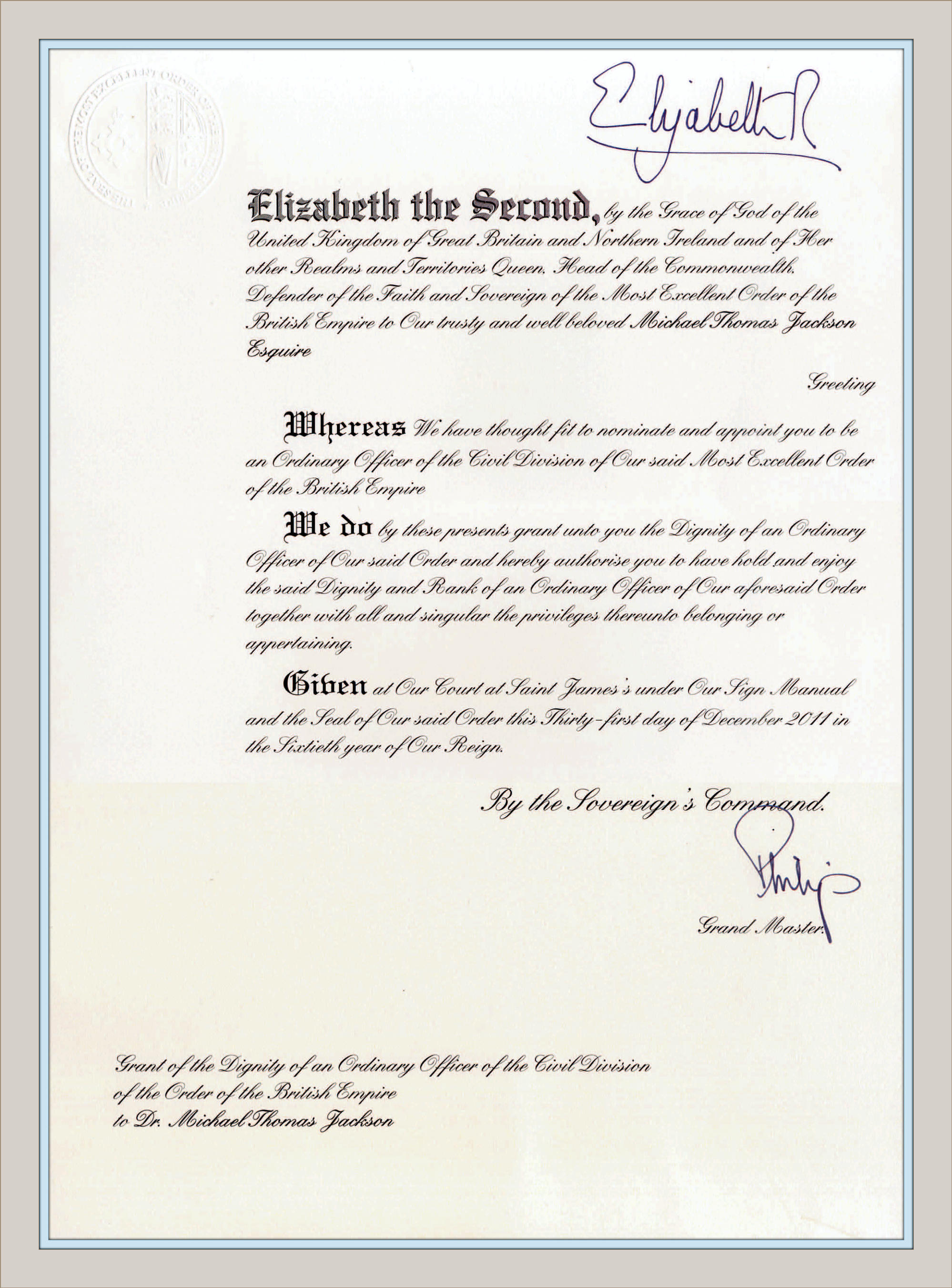
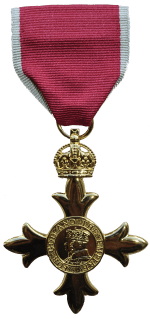 On a bright, sunny day last November (my birthday, actually) I was outside cleaning the car, when the postman passed by. He handed me several envelopes and my immediate reaction was that this was another load of the usual junk mail. So you can imagine my surprise when I came across one that seemed rather official looking. And I was even more surprised when I read what it had to say – that I had been nominated to become an Officer of the Most Excellent Order of the British Empire, or OBE, for services to international food science. Well, I was gob-smacked, quite emotional really. I rushed inside to tell Steph – who was equally stunned, and we set to ponder how on earth this had come about. I did some Google detective work, and was able to find out a little more about the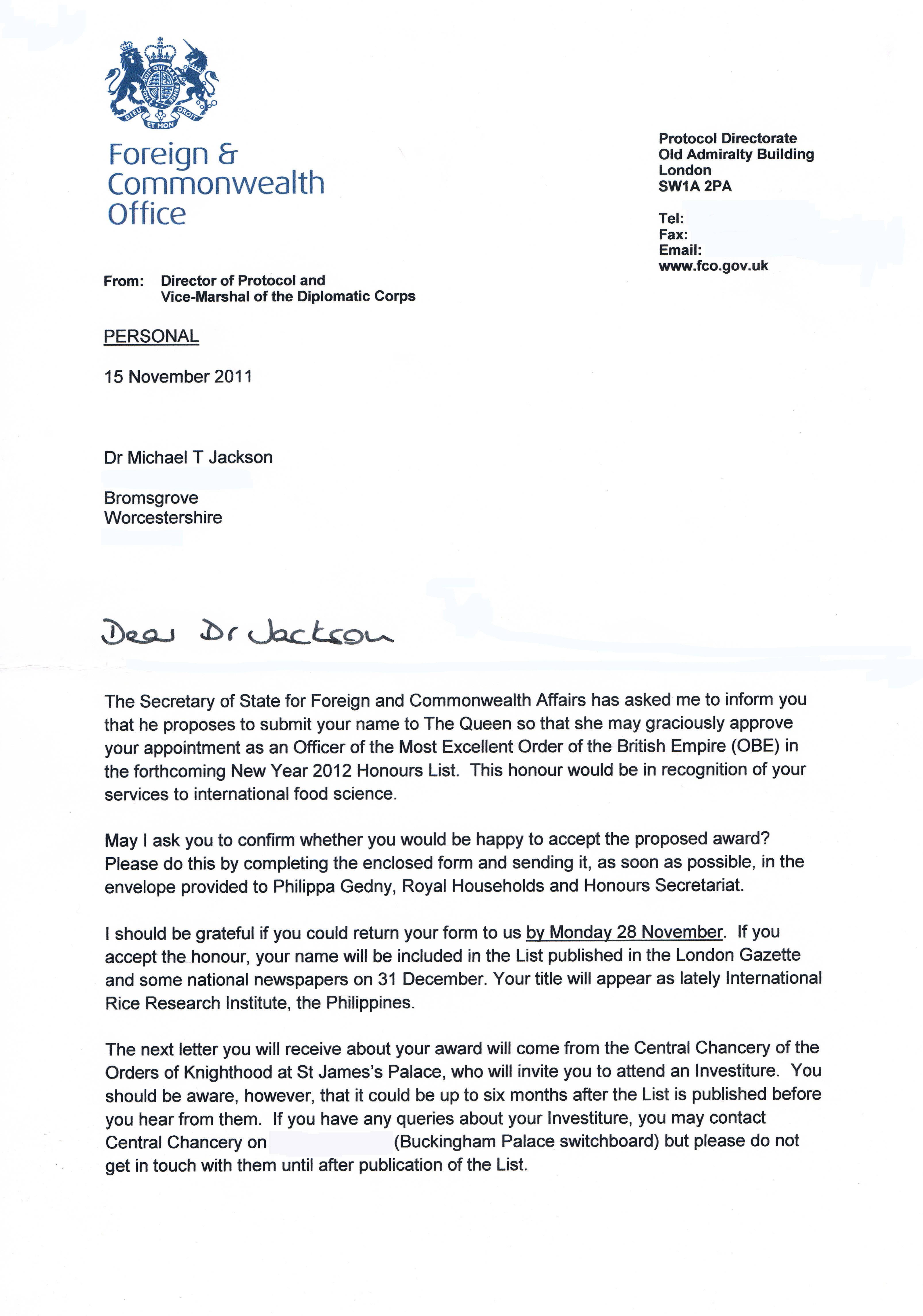

 A balanced diet . . .