
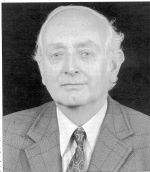
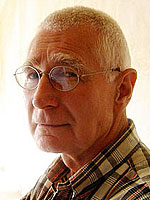
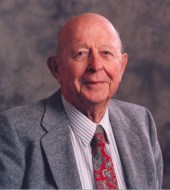
 When the late Professor Jack Hawkes (right) was appointed to a lectureship in botany at the University of Birmingham in 1952, he had already been working on potatoes for more than a decade. And immediately prior to arriving in Birmingham he’d spent three years in Colombia helping to establish a national potato breeding program. From then until his retirement in 1982 – and indeed throughout the 1980s – Birmingham was an important center for potato studies.
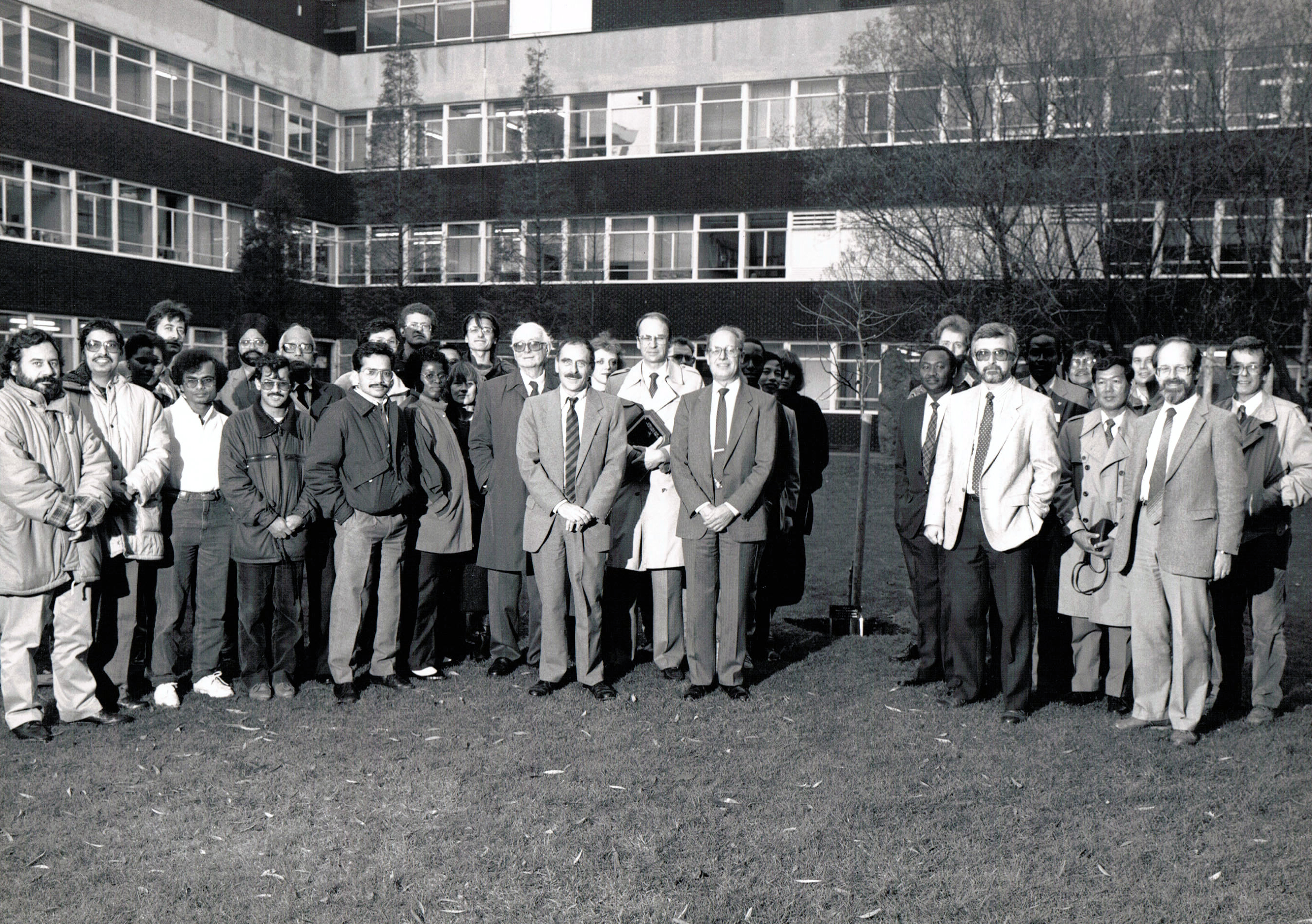
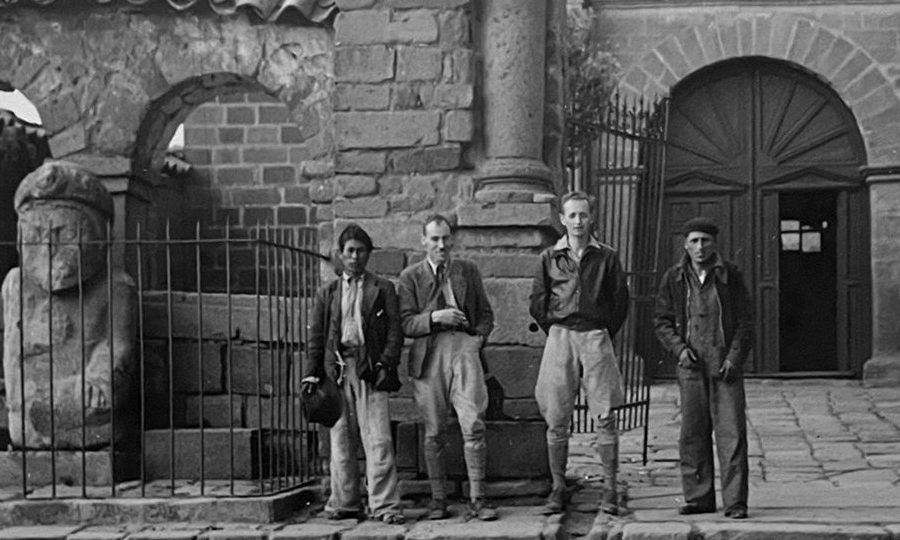
The potato germplasm that Hawkes collected (with EK Balls and W Gourlay in the 1938-39 expedition to South America) eventually formed the basis of the Empire then Commonwealth Potato Collection, maintained at the James Hutton Institute in Scotland. Throughout the 50s, 60s, 70s, and 80s Jack also had a large collection of wild potato (Solanum) species at Birmingham. This was a special quarantine collection; in the 1980s for potato quarantine purposes, Birmingham was effectively outside the European Union! For more than two decades Jack was assisted by horticultural technician Dave Downing, seen in the photo below. At the end of the 1980s we decided to donate the seed stocks from Jack’s collection to the Commonwealth Potato Collection, and it went into quarantine in Scotland. As the various lines were tested for viruses diseases they were introduced into the main collection. Jack used this collection to train a succession of PhD students on the biosystematics of potatoes. I continued with this tradition after I joined the University of Birmingham in 1981. My first student graduated in 1982 (after I had taken over supervision from Jack).
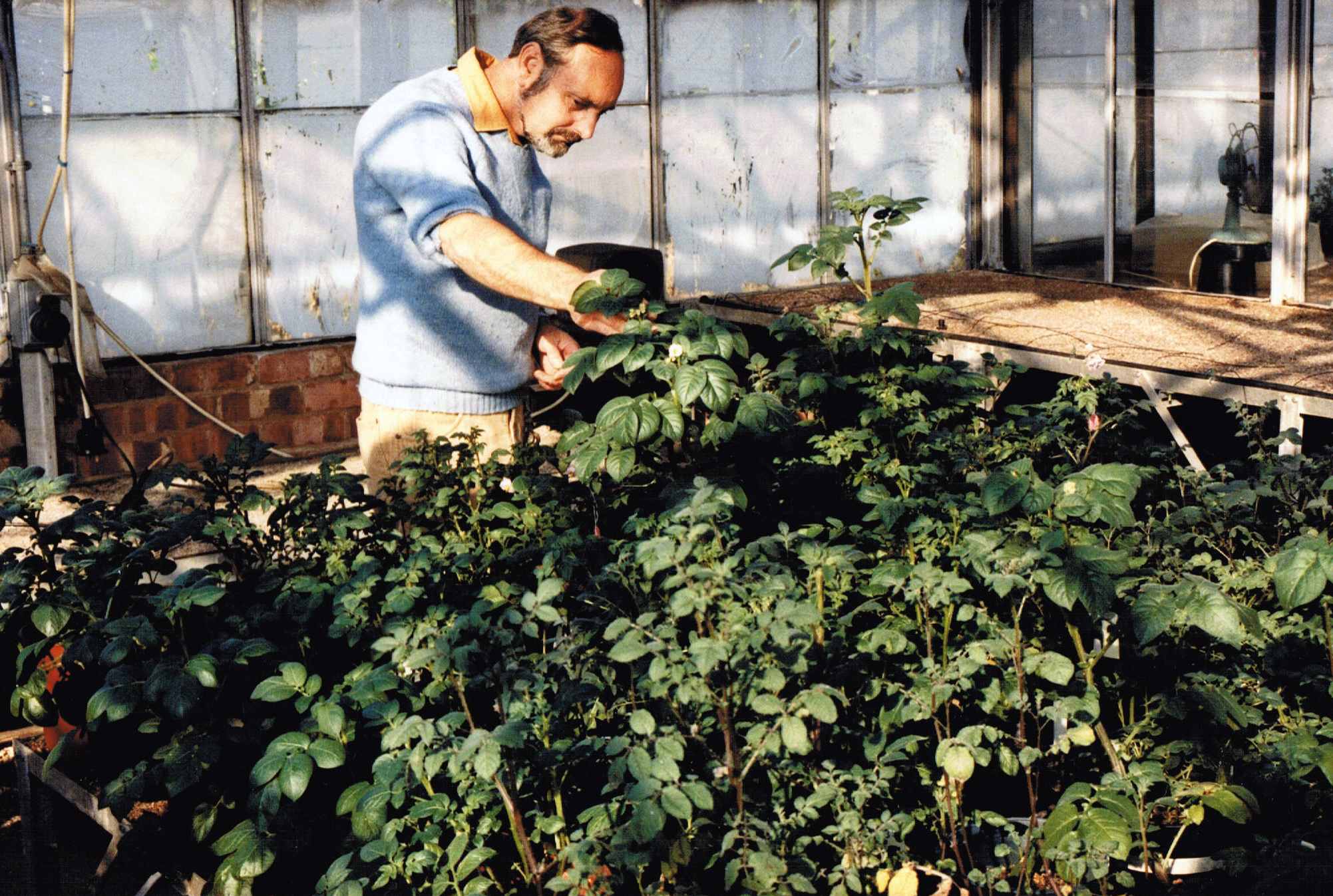
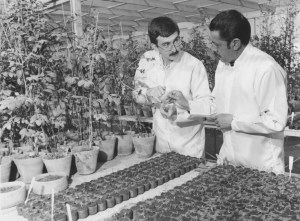
Horticultural technician Dave Downing, who worked with the Hawkes collection at Birmingham for more than two decades.
 Here is the list of University of Birmingham PhD students who worked on potatoes, as far as I can remember. All of them from 1975 (with the exception of Ian Gubb) had also attended the MSc course on genetic resources:
 Richard Lester (UK), 1962. Taught at Makerere University in Uganda, before joining the Dept. of Botany at Birmingham in 1969. Retired in 2002, and died in 2006. Studied the biochemical systematics of Mexican wild Solanum species. The species Solanum lesteri is named after him.
 Richard Tarn (UK), 1967. Emigrated to Canada in 1968, and joined Agriculture Canada as a potato breeder in Fredericton, New Brunswick. Retired in 2008. Studied the origin of ploidy levels in wild species.
 Katsuo Armando Okada (Argentina), 1970 (?). Retired. Was with IBPGR for a while in the 1980s (?) in Colombia. Studied the origin of Solanum x rechei from Argentina.
 Phillip Cribb (UK), 1972. He joined the Royal Botanic Gardens – Kew, and became a renowned orchid taxonomist. Studied the origin of the tetraploid Solanum tuberosum ssp. andigena.
Mike Jackson (UK), 1975. Studied the triploid cultigen Solanum x chaucha. Joint with CIP and Roger Rowe.
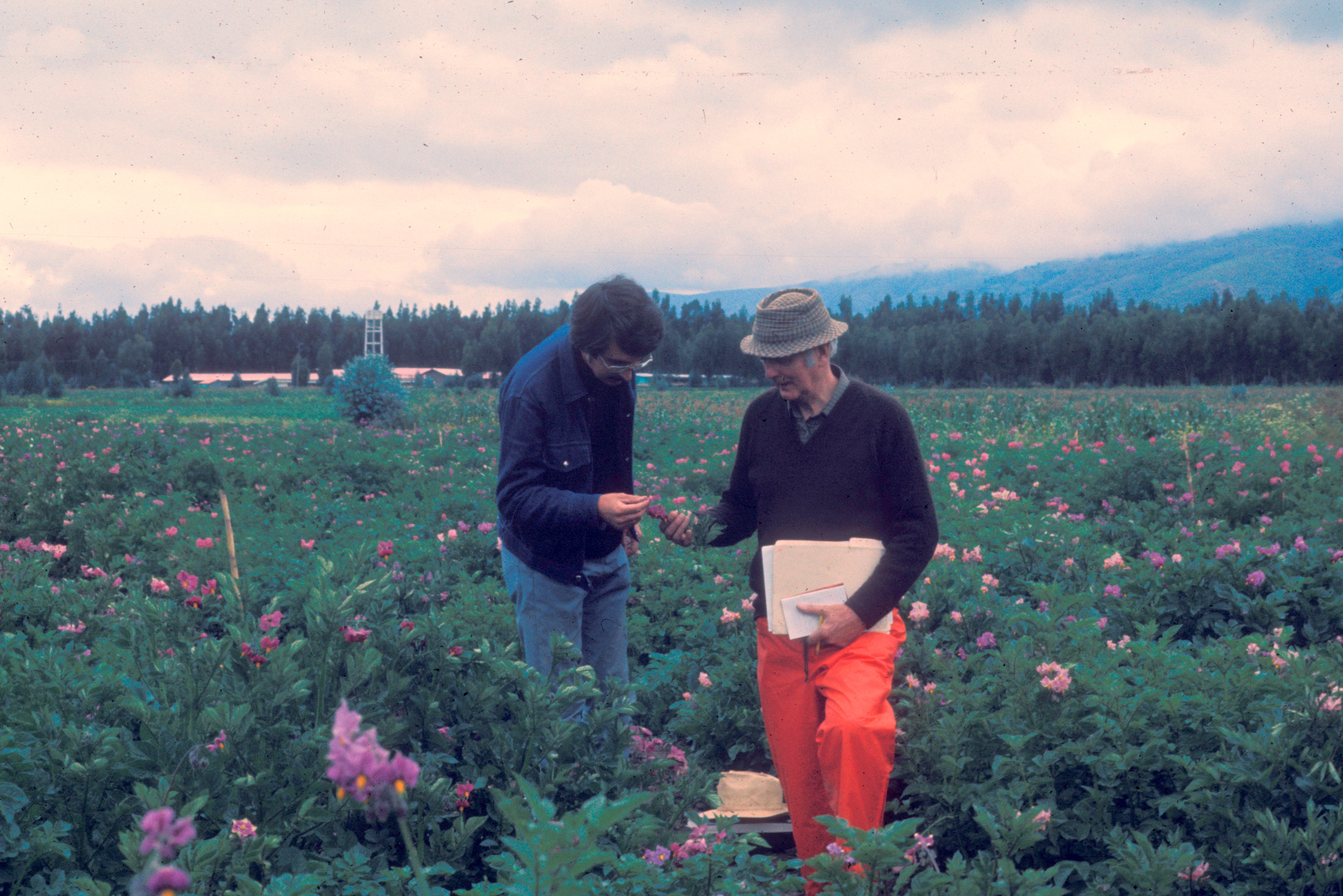
 David Astley (UK), 1975. Became the curator of the vegetable genebank at Wellesbourne (now the Warwick Crop Centre). Studied the Bolivian wild species Solanum sucrense. The species S. astleyi is named after Dave.
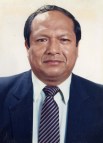 Zosimo Huaman (Peru), 1976. He returned to the International Potato Center (CIP) in Lima, and continued working with the germplasm collection until December 2000; he then began work with several NGOs on biodiversity issues in Peru. Studied the origin of the diploid cultigen Solanum x ajanhuiri. Joint with CIP and Roger Rowe.
 Peter Schmiediche (Germany), 1977. He continued working with CIP as a potato breeder (for resistance to bacterial wilt), and was later CIP’s regional leader based in Indonesia. Now retired and sharing his time between Texas (where his children settled) and his native Berlin. Studied the bitter potatoes Solanum x juzepczukii (3x) and S. x curtilobum (5x). Joint with CIP and Roger Rowe.
Luis Lopez (Colombia), 1979. Studied wild species in the Series Conicibaccata.
Lenny Taylor (UK), late 1970s. I don’t remember his thesis topic, but I think it had something to do with tetraploid forms. He joined the Potato Marketing Board (now the Potato Council) but I’ve lost contact.
Lynne Woodwards (UK), 1982. Studied the Mexican tetraploid Solanum hjertingii, which does not show enzymic blackening in cut tubers.
Rene Chavez (Peru), 1984. He returned to the University of Tacna, Peru, but also spent time at CIAT in Cali, Colombia studying a large wild cassava (Manihot spp.) collection. He sadly died of cancer a couple of years ago. Studied wide crossing to transfer resistance to tuber moth and potato cyst nematode. Joint with CIP and Peter Schmiediche.
Elizabeth Newton (UK), 1987? Studied sexually-transmitted viruses in potato. Joint with former CIP virologist Roger Jones (now at the University of Western Australia) at the MAFF Harpenden Laboratory.
Denise Clugston (UK), 1988. Studied embryo rescue and protoplast fusion to use wild species in potato breeding.
 Carlos Arbizu (Peru), 1990. An expert on minor Andean tuber crops, he came from the University of Ayacucho. Spent time working in the germplasm program at CIP. Studied the origin and value of resistance to spindle tuber viroid in Solanum acaule. Joint with CIP and principal virologist Luis Salazar (who gained his PhD while studying at the Scottish Crop Research Institute in Dundee).
Ian Gubb (UK), 1991. Studied the biochemical basis of non-blackening in Solanum hjertingii. Joint with the Food Research Institute, Norwich.
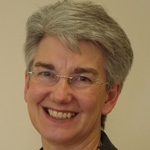
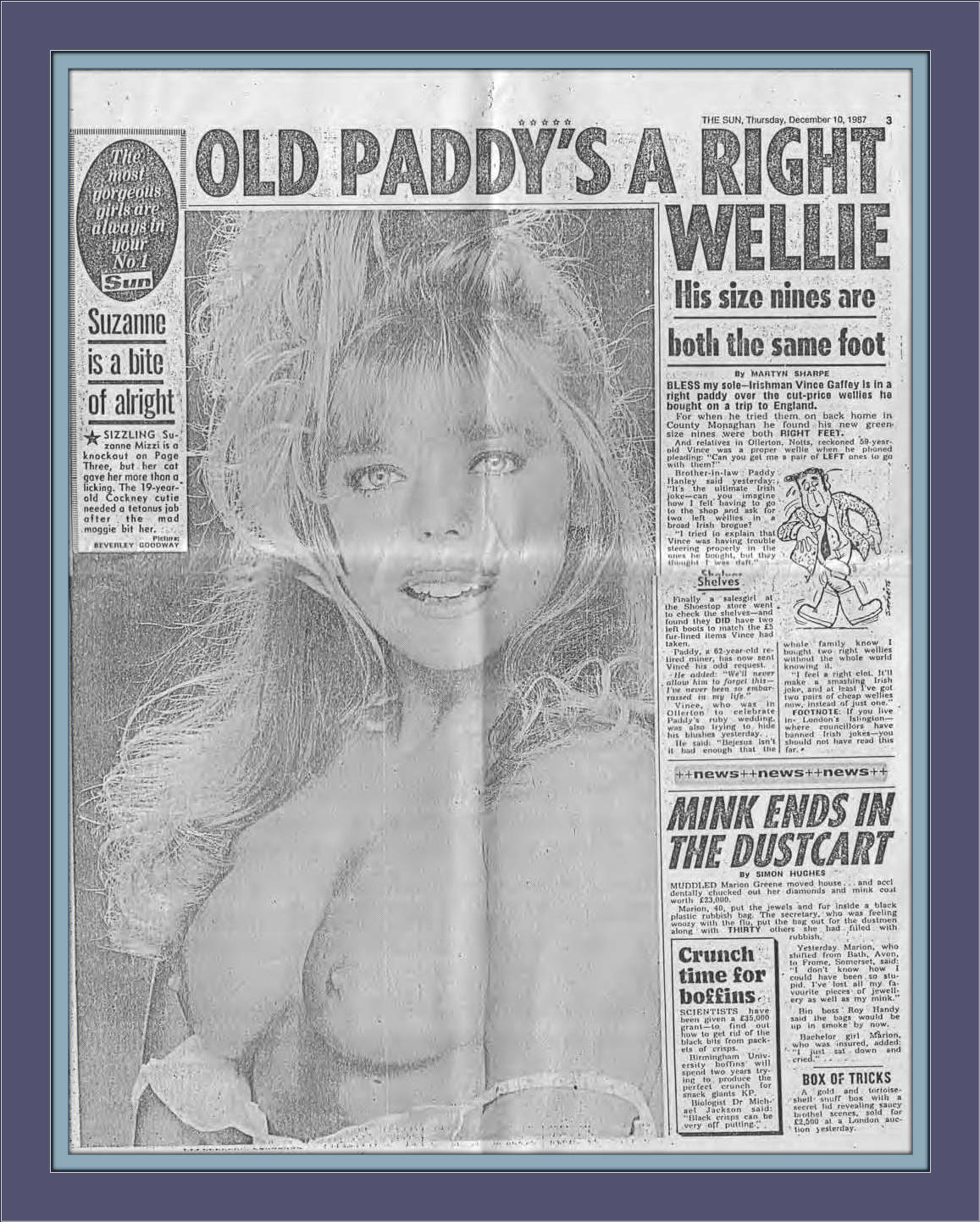
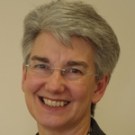 Susan Juned (UK), 1994. Now a sustainable technology consultant, Sue is an active local government councillor, and has stood for election to parliament on a couple of occasions for the Liberal Democrats. Studied somaclonal variation in potato cv. Record; this commercial contract research was commissioned by United Biscuits.
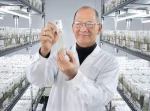 David Tay (Malaysia), 2000. He worked in Australia and then was Director of the USDA Ornamental Plant Germplasm Center in Columbus, Ohio, but returned to CIP as head of the genetic resources unit in 2007. He’s now left CIP. I think he worked on diploid cultivated species. Joint with CIP. Not sure why his PhD is dated 2000, as he’d been in CIP in the late 70s.
I also supervised several MSc students who completed dissertations on potatoes (Reiner Freund from Germany, and Beatrice Male-Kayiwa and Nelson Wanyera from Uganda).
The Birmingham link with CIP is rather interesting. In the early 70s, staff at CIP seemed to have a graduate degree in the main from one of four universities: Cornell, North Carolina State, Wisconsin, or Birmingham.
Besides the Birmingham PhD students who went on to work at CIP, my wife Stephanie (MSc 1972, who had been working with the Commonwealth Potato Collection from November 1972 – June 1973 when it was still based at the Scottish Plant Breeding Station – now closed) joined the Breeding and Genetics Dept. at CIP in July 1973.

 Roger Rowe, who had been in charge of the US potato genebank in Sturgeon Bay, Wisconsin, also joined CIP in July 1973 as head of the Breeding and Genetics Dept. He co-supervised (with Jack Hawkes) a number of Birmingham PhD students.
With the closure of Jack’s collection at Birmingham we were able to develop other potato research ideas since there were no longer any quarantine restrictions. In 1984 we secured funding from the Overseas Development Administration (now the Department for International Development – DfID) to work on single seed descent (SSD) from diploid potatoes to produce true potato seed (TPS). Diploids are normally self-incompatible, but evidence from a range of species had shown that such incompatibility could be broken and transgressive segregants selected. The work was originally started in collaboration with the Plant Breeding Institute (PBI) in Cambridge, but when the Thatcher government privatized the PBI and sold it to Monsanto in 1988, we continued the work at Birmingham. After a further year we hit a ‘biological brick wall’ and decided that the resources needed would be too great to warrant continued effort. This paper reflects our philosophy on TPS [1]. Another paper [2] spells out the approach we planned.
[1] Jackson, M.T., 1987. Breeding strategies for true potato seed. In: G.J. Jellis & D.E. Richardson (eds.), The Production of New Potato Varieties: Technological Advances. Cambridge University Press, pp. 248-261.
[2] Jackson, M.T., L. Taylor & A.J. Thomson, 1985. Inbreeding and true potato seed production. In: Report of a Planning Conference on Innovative Methods for Propagating Potatoes, held at Lima, Peru, December 10-14, 1984, pp. 169-179.
 The
The 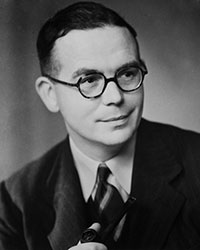
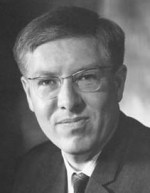


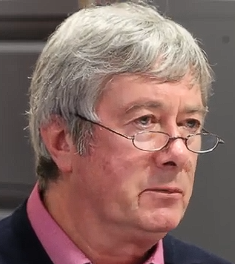 Brian Ford-Lloyd (right, now Professor of Conservation Genetics and Director of the university Graduate School) joined the department in 1979 and was the course tutor for many years, and contributing lectures in data management, among others.

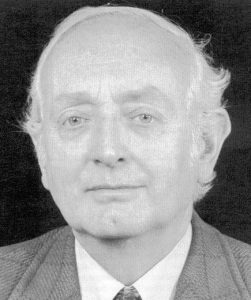
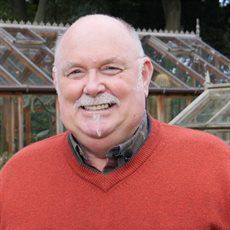 After I resigned from the university to join IRRI in 1991, Dr Nigel Maxted (right) was appointed as a lecturer, and has continued his work on wild relatives of crop plants and in situ conservation. He has also taken students on field courses to the Mediterranean several times.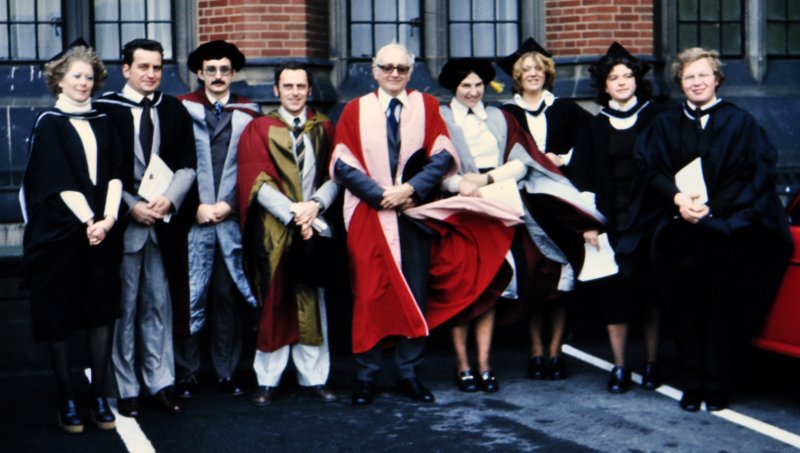
 In early 1974 I travelled to southern Peru with a taxonomist friend from the University of St Andrews, Dr Peter Gibbs (right).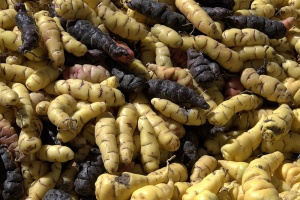
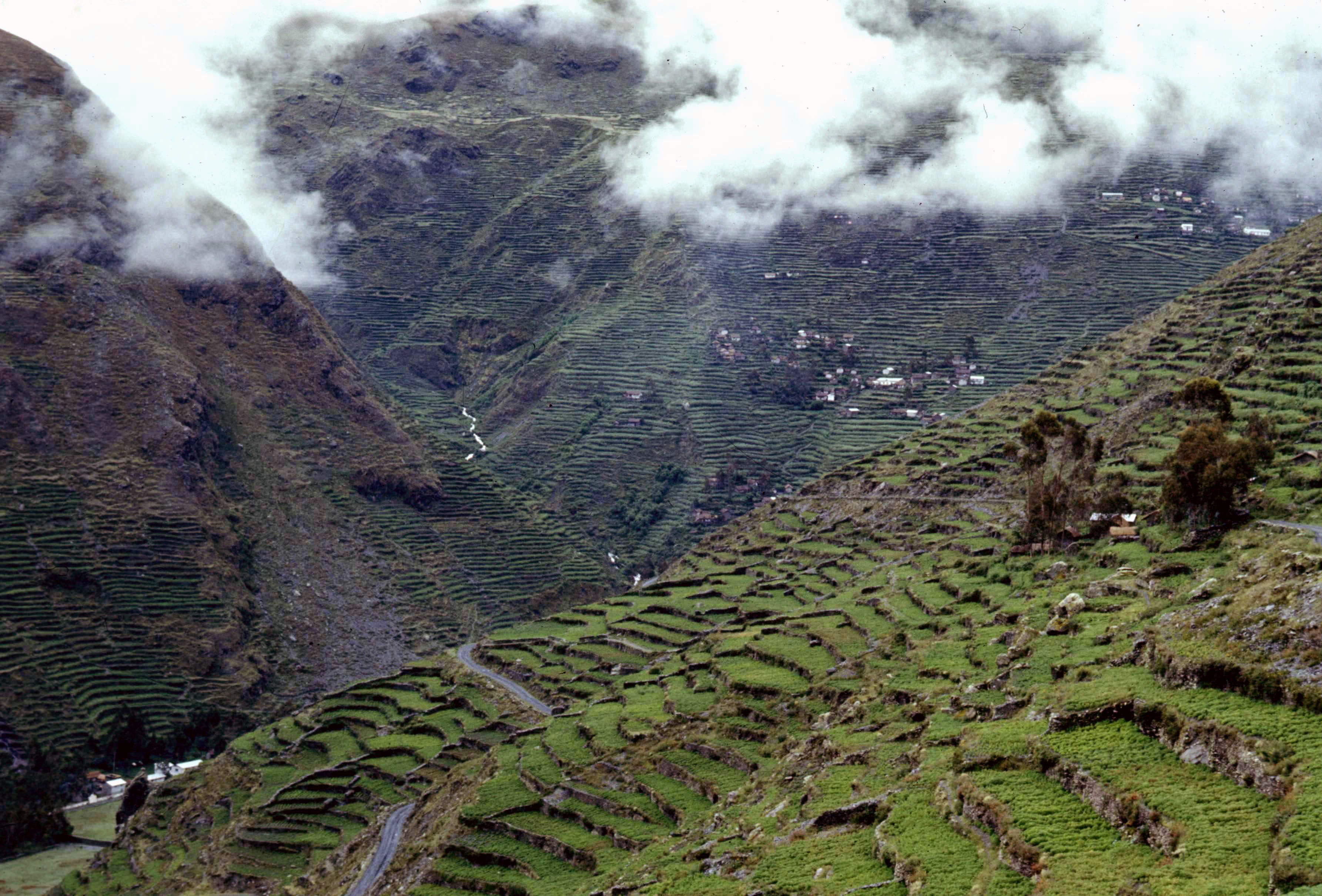
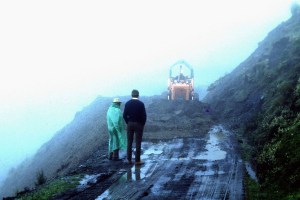 The drive south in a small Land Rover – down the coastal desert Panamericana highway, across the Nasca plain, climbing to Arequipa, and even higher to Puno – took three days. After resting up in Puno (next to Lake Titicaca), and getting used to the 3827 m altitude, we set off for Cuyo Cuyo. Dropping down from the altiplano at well over 4000 m, Cuyo Cuyo lies at an altitude of about 3300 m. Below the village the valley drops quickly towards the ceja de la montaña – literally ‘eyebrow of the mountain’ – where the humid air of the rainforests below rises up east-facing valleys to form cloud forest.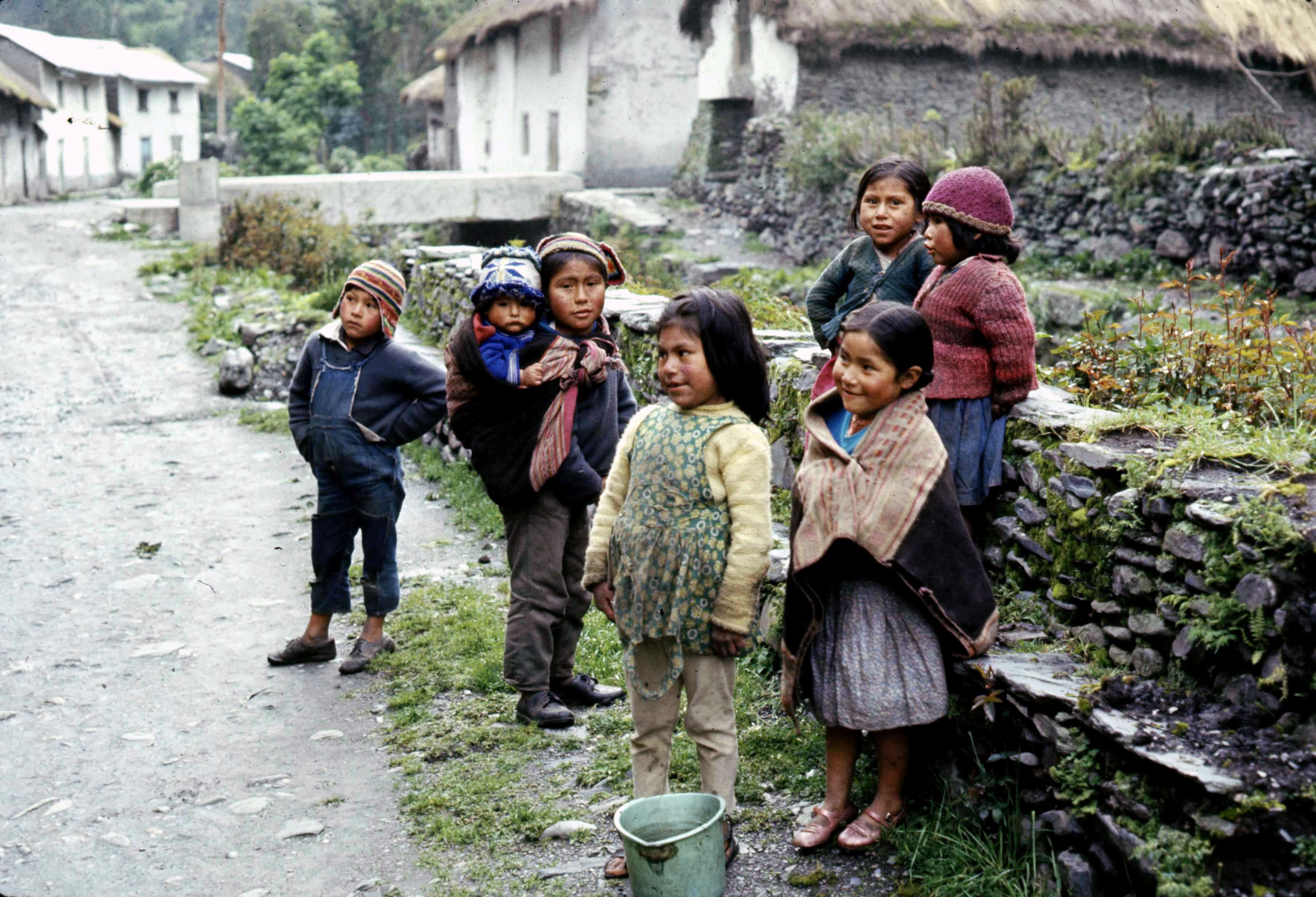
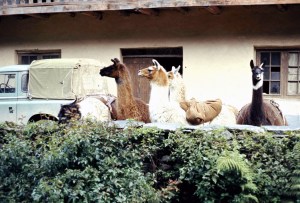 Peter and I set up camp, so-to-speak, in the local post office where we could sleep, brew the odd cup of tea (there was a small café in the village where we could eat), and gather our specimens together, including a rudimentary drier for the extensive set of oca herbarium samples that Peter intended to make. But more of that particular story later.
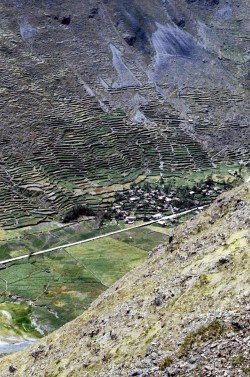 The sides of the Cuyo Cuyo valley are covered with the most wonderful system of agricultural terraces, called andenes, which must have been constructed centuries ago, in Inca times, and have been cultivated ever since. Farmers have different terraces dotted around the valley, and when I was there, at least, farmers were still using a communal rotation system. Thus in one part of the valley the terraces were covered in potatoes (year 1 after a fallow), and oca (years 2 and 3), barley or beans (year 4), or fallow (years 5-8) elsewhere. Sheep are corralled on a terrace prior to planting potatoes, and their urine and dung used as fertilizer. Whether, almost 40 years later, this remains the case I do not know.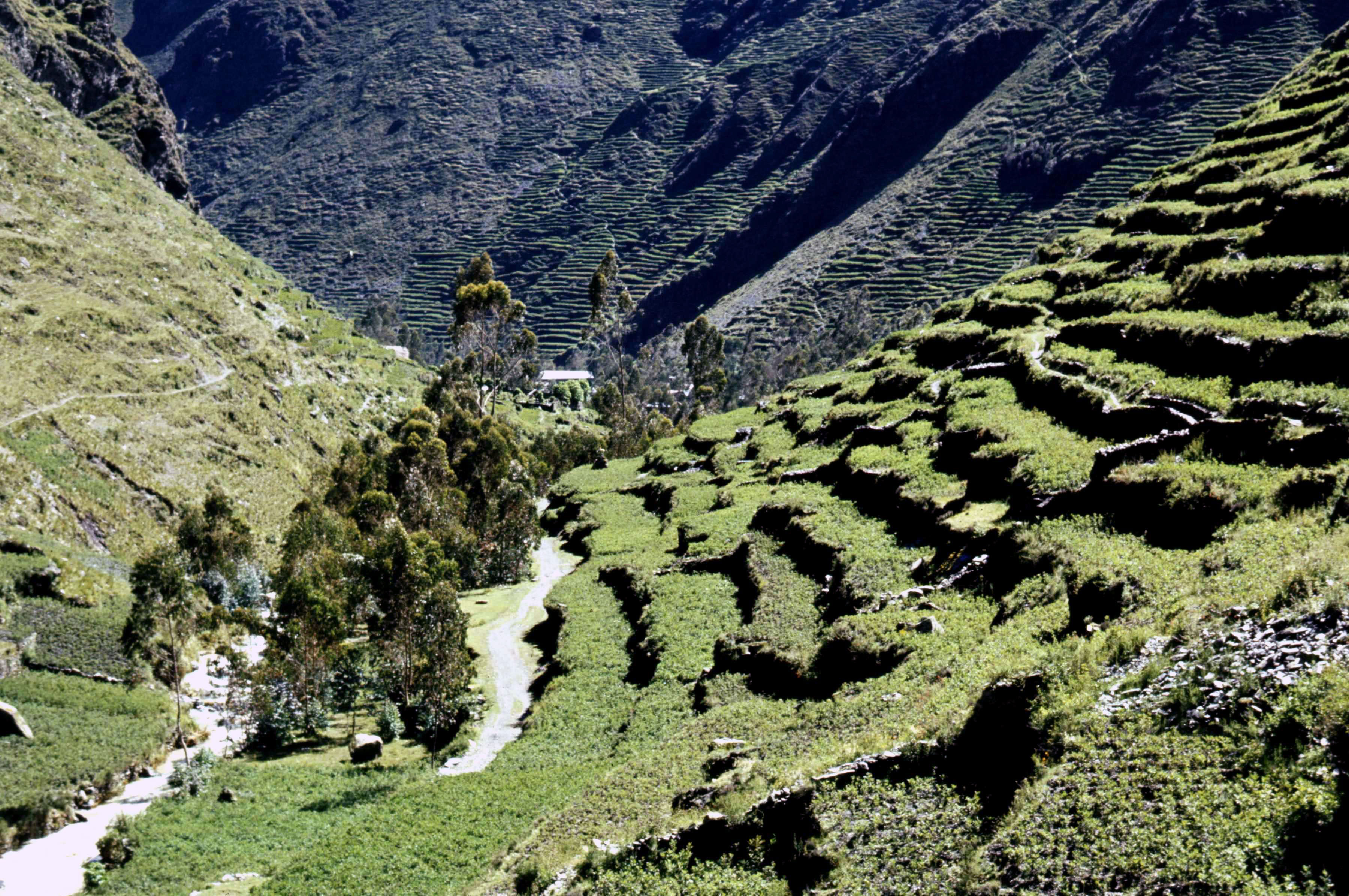


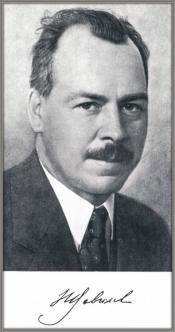
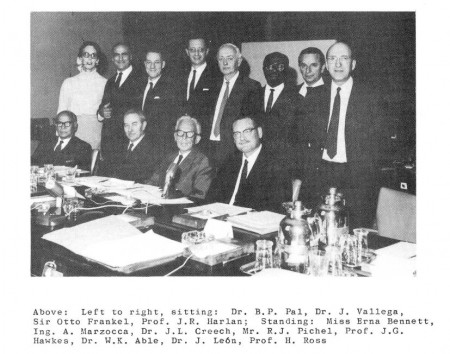
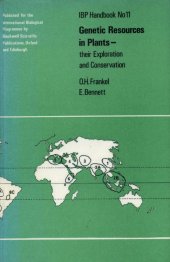 In preparation for Birmingham, I’d been advised to purchase and absorb a book that was published earlier that year, edited by Sir Otto Frankel and Erna Bennett [1] on genetic resources, and dedicated to NI Vavilov. And I came across Vavilov’s name for the first time in the first line of the Preface written by Frankel, and in the first chapter on Genetic resources by Frankel and Bennett. I should state that this was at the beginning of the genetic resources movement, a term coined by Frankel and Bennett at the end of the 60s when they had mobilized efforts to collect and conserve the wealth of diversity of crop varieties (and their wild relatives) – often referred to as landraces – grown all around the world, but were in danger of being lost as newly-bred varieties were adopted by farmers. The so-called Green Revolution had begun to accelerate the replacement of the landrace varieties, particularly among cereals like wheat and rice.
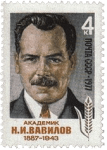 Vavilov died of starvation in prison at the relatively young age of 55, following persecution under Stalin through the shenanigans of the charlatan Trofim Lysenko. Lysenko’s legacy also included the rejection of Mendelian genetics in the Soviet Union for many years. Eventually Vavilov was rehabilitated, long after his death, and he was commemorated on postage stamps at the time of his centennial.
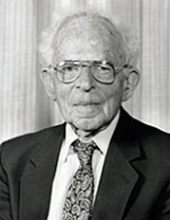 First,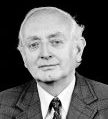
 During the late 1980s, when I was on the faculty of the University of Birmingham, my colleague, Brian Ford-Lloyd (now Emeritus Professor of Conservation Genetics) and I had a research grant from United Biscuits to work on somaclonal variation in potatoes. Whatever is that? I hear you cry. Well, it’s technique to grow plants from small pieces of plant tissue on sterile nutrient agar (a jelly-like substance), and try and bring about genetic changes which are primarily due to disorganized tissue growth and chromosome changes. The plants thus produced are called somaclones. And our aim was to produce a somaclonal variant of the potato variety Record, which was at that time, one of the most important varieties for producing potato crisps (chips in American parlance).


 John Gregory ‘Jack’ Hawkes – botanist, educator, and visionary – was born in Bristol in 1915. After completing his secondary education at Cheltenham Grammar School in 1934, he won a place at Christ’s College, University of Cambridge, graduating with a BA (Natural Sciences, first class honours) in 1937. His MA was awarded in 1938, and he completed his PhD in 1941 under the supervision of the noted potato breeder and historian, Dr Redcliffe N Salaman FRS. The university awarded Jack the ScD degree in 1957.
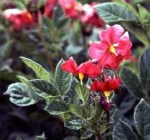 On graduation in 1937 Jack successfully applied for the position of assistant to Dr PS Hudson, Director of the Imperial Bureau of Plant Breeding and Genetics in Cambridge, for an expedition to Lake Titicaca in the South American Andes. In the event this expedition did not materialize due to Hudson’s poor health, but a more comprehensive expedition was then planned for 1939, led by EK Balls, a professional plant collector. Thus began Jack’s lifelong interest in ‘the humble spud’.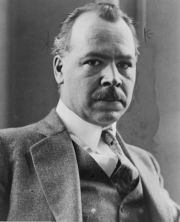

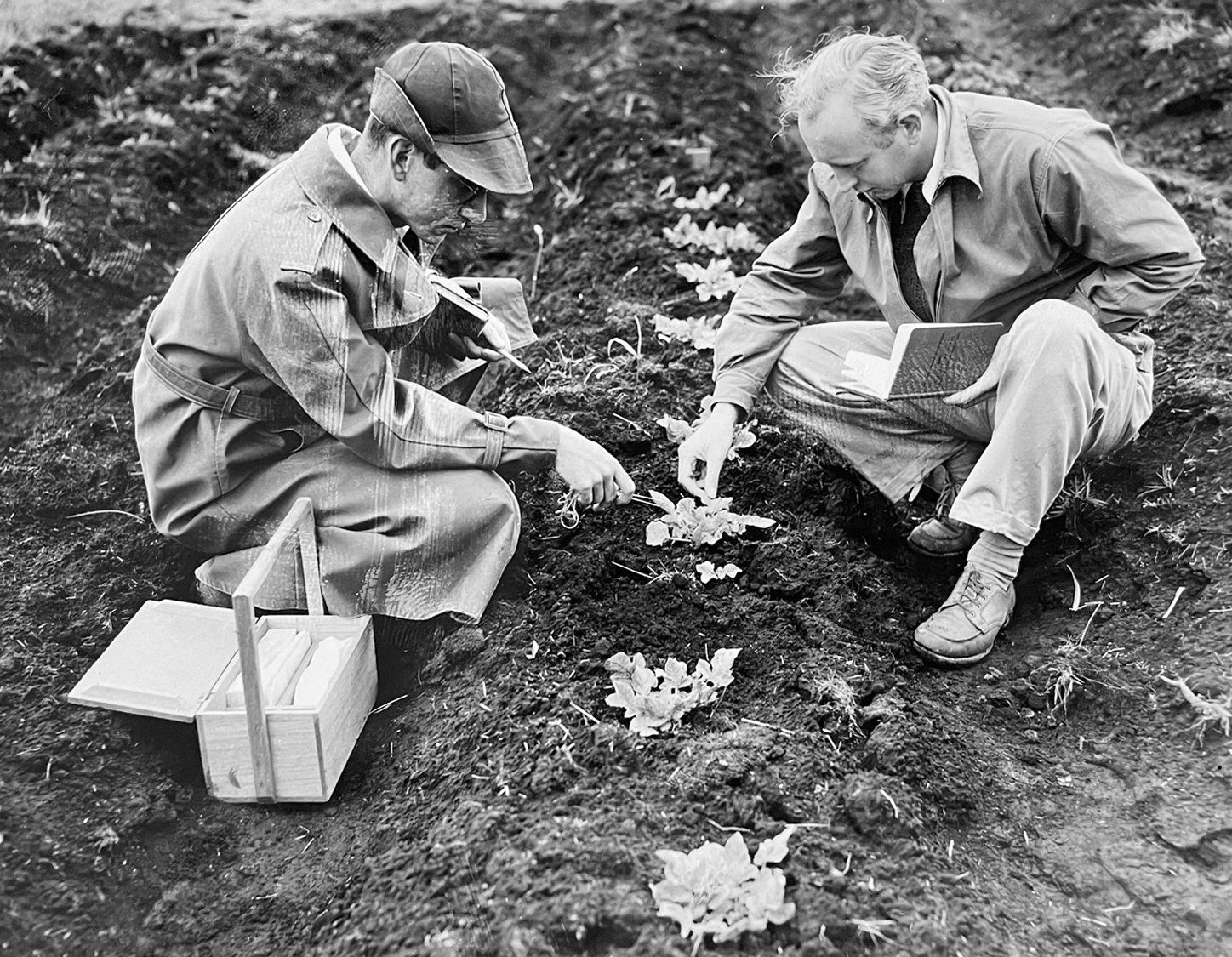
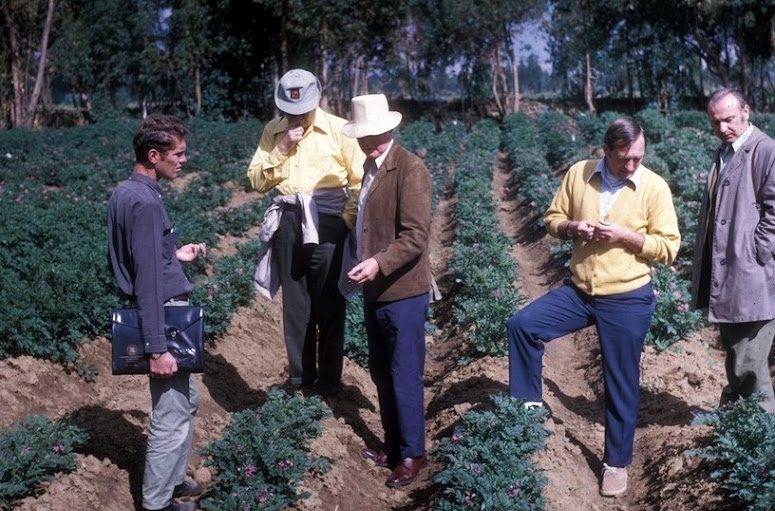
 In addition to his lifelong research on potatoes, Jack also spearheaded scientific interest in the Solanaceae plant family that also includes tomato, tobacco, chili peppers, and eggplant, and many species with pharmaceutical properties. With colleagues at Birmingham in the late 1950s he developed serological methods to study relationships between potato species. He was also one of the leading lights to produce a computer-mapped Flora of Warwickshire, a first of its kind, published in 1971.

 A balanced diet . . .