The RHS Chelsea Flower Show . . . 100 not out!

The Chelsea Flower Show – one of the most prestigious – is 100 years old this year. Organised by the Royal Horticultural Society, it’s held in the grounds of the Royal Hospital in Chelsea along the Thames Embankment in London.

1-20130523  234 Chelsea Flower Show

CFC timelineBut although it’s 100 years since the very first show in 1913, this year’s show is not the 100th (click on the timeline at the right). That’s because no shows were held during the First and Second World Wars. Patronized throughout its history by the UK’s Royal Family, the 2013 show was no different, as HM The Queen attended earlier in the week when the show was not open to the general public, and Prince Harry was involved in the design of the B&Q Sentebale Forget-Me-Not Garden inspired by his Lesotho charity, also the memory of his mother, Diana, Princess of Wales.

And yesterday, 23 May, Steph and I spent five hours at the CFS during which we walked more than 5 miles around the showground, viewing the various show and artesan gardens, and the magnificent displays of blooms in the Great Pavilion. Our daughters Hannah and Philippa had given tickets to the show as their 2012 Christmas present to us. Thank you!
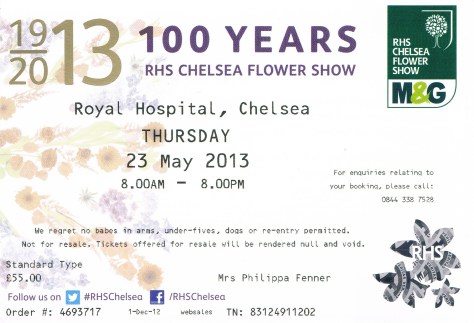
CFC ticketWe left home just after 09:00, and arrived back home just after 21:00, rather tired (by the end of the day my ‘dogs were barking’*) but it was a very enjoyable day out in London. We took a train from Warwick Parkway, about 25 miles from where we live, to London Marylebone, arriving there just after 11:30. We were at the show just after noon having had a surprisingly smooth trip across London on the Underground (and the same was the case on the return journey, although I’d expected it to be much busier).

There’s so much to see at the CFS it’s hard to know where to begin. And of course there are thousands and thousands of visitors each day, and yesterday was no exception. The weather forecast was not promising from the outset. But apart from a couple of short, sharp showers – when we had to take shelter in the Pavilion – the weather was fine with sunny periods, but generally overcast. There was, however, a stiff  cold breeze which took the edge off things. It was hard to believe this was almost the last weekend in May – with the temperatures hovering around 10-12C most of the day.

It would be wonderful to visit the CFS when there are fewer visitors – there must have been well over 20,000 all the time we were there. Click on any other galleries below to open larger images, and press Esc to return to his post.

That meant it was often difficult to get close to some of the gardens, especially the artisan gardens that were spaced rather closely down a quite narrow path on one side of the show ground. But as we went round the whole show about three times, we did manage to see pretty much everything  and even when it was crowded (like trying to get into the Pavilion when the first shower passed by) by and large we saw – and photographed – what we wanted. Lots of people were taking photographs and all manner of cameras were being used. However, I guess the most common were smartphone cameras, and quite a number of iPads even. But people using their phones to send texts or even make calls were a real pain in the backside – suddenly stopping in among the throngs, or shuffling along causing the flow of visitors to be disrupted.

The Show Garden chosen as Best in Show – The Trailfinders Garden designed and built by Fleming’s nursery from Victoria in Australia – was so popular that there was a one-way flow for viewing, and impossible to get near. The two gardens which caught my eye in this category however were the East Village Garden, a delightful blend of traditional and contemporary design, and the M&G Centenary Windows through Time Garden which I found very inspiring.

To enhance any garden there was a huge selection of ornaments and statues to grace any space, from weird and wonderful animals made from wire or driftwood, fountains, and all manner of objects.

And of course, the fabulous displays of flowers in the Great Pavilion. Three stalls caught my fancy – and I made a beeline for them because I’d seen them featured on one of the BBC broadcasts from the CFS earlier in the week. I think the most stunning display was one of carnivorous plants – that although appearing incredibly exotic are apparently quite easy to grow. But I wonder how much effort it takes to grow them to this standard?

Then there were the narcissi – a small selection of the 400 varieties that Walkers Bulbs of Lincolnshire cultivate.

And finally, an exceptional display of auriculas – a hardy species of Primula that were very popular in Victorian and Edwardian times, but have since fallen out of fashion. With blooms and displays like these I’m sure they will find favor once again.

Now while these certainly attracted my attention, I could have included here special galleries of tulips, roses, irises, rhododendrons, alliums and amaryllis lilies, besides huge blousy lilies. Here’s just a taster.

What a day . . . certainly I think Steph has got some further inspiration from the various gardens. Most handed out a leaflet that also included lists of the plants used – very helpful.

After quite a long day it was good to sit down in London Marylebone station, and grab a bite to eat before catching out 19:15 train back north. A cup of tea on arrival back home quickly revived us both. I slept like a log. And today, the weather here at home is dreadful – incredibly windy, and I’ve heard reports that there is heavy rain in London. What luck we had!

__________
* a colloquial term for ‘sore feet’, origin uncertain

Rice for the world . . .

Conferences are an important part of any scientist’s annual plans. You could attend a conference almost on any subject, and held in almost any part of the world. Many scientific societies hold annual meetings, and sometimes specialist meetings in between. When I was an active potato scientist in the 1970s I did manage to attend at least one Annual Meeting of the Potato Association of America. The 63rd Annual Conference was held in Vancouver, Canada on the campus of the University of British Columbia, 22-27 July 1979, and I was working for the International Potato Center in Central America at the time. I was able to combine this work trip with some vacation, and my wife Steph and 15 month old daughter Hannah came along. We had two or three days in San Francisco on the way north (my only visit to that wonderful city, apart from an overnight airport stop), several days in Vancouver (where the sun shone brightly all the time we were there), followed by a road trip through the Canadian Rockies to Edmonton, Alberta to spend a few days with my elder brother Ed and his wife Linda. From there we went on to Madison, Wisconsin to visit with Profs. Luis Sequeira and Arthur Kelman at the university, to discuss my work on bacterial wilt of potatoes. And then we flew home to Costa Rica via Chicago and Miami.

When I was with IRRI I managed to attend four or five annual meetings of the Tri-Societies (ASA-CSSA-SSSA): the Agronomy Society of America, the Crop Science Society of America, and the Soil Science Society of America, a huge shindig of several thousand attendees. I was a member of Division C-8 of the CSSA on genetic resources and was invited a few times to present my rice research.

IRC 2014 logo finalFor rice, however, there is only one meeting of significance, and that’s the International Rice Congress, with the 4th Congress (IRC2014) scheduled to take place in Bangkok, Thailand from 27-31 October 2014. And I have been taken on as a consultant by the International Rice Research Institute (IRRI) to lead the development of the congress science program. Before I retired from IRRI in 2010 I had a similar role for the 3rd Congress (IRC2010) that was held in Hanoi, Vietnam in early November 2010. Planning had begun in early 2009, and after retiring I completed my role from my home in the UK.

I’m excited to be involved in IRC2014, not only because the congress is a prestigious meeting for rice science, bringing together rice scientists from all over the world (there were more than 2000 attendees in 2010), but it will help keep me up to date with latest advances in the rice world.

Planning is at an early stage, and a possible theme will be Rice for the World . . . watch this space; I’ll link to the official congress website when it’s up. I’ll be going out to Thailand at the end of April for a few days to meet with colleagues at Kenes Asia, the company that will handle all the logistics for IRC2014. Then it’s on to IRRI in Los Baños in the Philippines for about 10 days. Hopefully at the end of that trip we’ll have a science support committee in place, ad the broad structure of the science sessions mapped out. Of course there’s an enormous amount of work to arrive at a final scientific program, not least determining the detailed structure of the program – along scientific themes or disciplines, geographical regions, or even rice ecosystems. Lots of points to discuss and decisions to make.

bitecThe congress will be held at BITEC – the Bangkok International Trade & Exhibition Centre. Hopefully I’ll have chance to visit the venue during my two days in Bangkok. That’s very important to get a much better idea of just what is possible in terms of parallel sessions, space for poster sessions, and the all important plenary or plenaries. I haven’t been to Bangkok for many years and although traffic congestion is still bad, getting around has improved considerably, I’m led to believe, following the opening of the Skytrain.

Once the congress website is up and running, and there’s more to report about the science program at IRC2014, I’ll be making regular updates. Do come back.

From car park to cathedral . . . missing no longer!

King Richard III

King Richard III

It’s been a remarkable six month or so journey. Who would have believed that when archaeologists from the University of Leicester began digging up a municipal car park in the the city in August 2012 – on the supposedly wild goose chase to find the remains of the last Plantagenet king, Richard III – that they would have been so incredibly successful. And in such a short time.

I’ve been fascinated by the unfolding story of the dig, and the extraordinary ‘appliance of science’ to arrive at irrefutable conclusions. From all appearances, the project has demonstrated remarkable teamwork among staff at the university (primarily the Departments of Archaeology & Ancient History and Genetics) and the King Richard III Society. And the team reached out to other experts to fill in the gaps, so to speak.

Last week there was a fascinating TV program that filled in some of the details about how the discovery of the skeleton came about, and how the people involved went about to confirm its identity.

Of course, one has to pay credit to Philippa Langley of the King Richard III Society who seems to have been the driving force behind the whole project – and believed! But the project also seems to be a good example of ‘the perfect storm’ – so many things came together at the same time.

It was long believed that King Richard had been buried in Leicester, probably at the Greyfriars Friary that disappeared after the Reformation in the sixteenth century. But where to begin to look in a city that had been paved over for centuries.

Piece of luck, number 1. It seems there is still a good coincidence between today’s streets and those of medieval times. Overlaying maps, the team was able to focus in on a part of the city that is still known as Greyfriars, in fact to a municipal car park. And the archaeology team opened three trenches. Almost immediately they uncovered human remains. But were they the remains of King Richard III? That’s where the appliance of science came to the fore. However, as one of the archaeology team pointed out, opening a trench just 50 cm to one side or the other and they would have missed the skeleton altogether.

So what was the evidence that this really was King Richard III?

  • The skeleton appeared to have been buried in haste, possibly with wrists bound together, and showing considerable trauma such as fatal blows to the skull.
  • The spine showed severe twisting or scoliosis which Richard was known to suffer from, although there was no evidence of a withered left arm (another piece of Tudor propaganda?).
  • On closer analysis, however, there were features of the skeleton which suggested that it might be female (subsequently disproved), such as shape of the pelvis and slender forearms. Apparently Richard was reported, even in his own lifetime, to be somewhat ‘slender’.
  • Careful CT scans were made of the skeleton before cleaning, and 3D images of the skull were used by Professor Caroline Wilkinson, Professor of Craniofacial Identification at the University of Dundee to attempt a facial reconstruction (that was revealed after the skeleton’s identity was confirmed as that of Richard III).
  • Carbon dating evidence was rather interesting. From unadjusted data it appeared that the person had died some decades before Richard did at the Battle of Bosworth in August 1485. However, it seems that this person had a diet rich in fish and seafood (a sign of affluence) and this made the skeleton appear older than it was. An adjusted date covered the 1485 period.
  • Then there’s the genealogical data. Some years earlier, direct descendants of Richard III’s elder sister, Anne of York, had been traced (over 18 generations). In fact several descendants have been traced, but some wish to remain anonymous. One was a Canadian cabinet maker living in London, who is the great, great, great . . . nephew of Richard III. And this leads on to the most exciting aspect – the DNA analysis.

  • Genetic fingerprinting was ‘invented’ at the University of Leicester by Professor Sir Alec Jeffreys FRS in the 1980s. And it turns out that there are several lines of research in the Department of Genetics at Leicester studying lines of descent and their correlation with surnames. Using mitochondrial DNA (mtDNA), which is inherited only through the female side, geneticist Dr Turi King was able to show unequivocally that there was a perfect match between the mtDNA of the skeleton and our Canadian cabinet maker, thus proving that the skeleton was indeed that of King Richard III. Perfect matches were also made with another descendant of Anne of York, and the skeleton was confirmed as ‘male’ through analysis of Y chromosome DNA.

So many different strands of interest and expertise came together in this exciting project, and all at the right time. The team has to be congratulated for all their efforts – it really has been a most exciting story to follow. Now let’s see where they do finally decide to re-bury the king: Leicester or York (which is lobbying hard). I think Leicester will win out.

Update (18 March 2015)
Well, Leicester has ‘won’ if that’s the correct description, and the remains of Richard III will be interred next week – with all appropriate honour – in Leicester Cathedral. And rightly so. The hoo-ha of where he should be buried has certainly demeaned this incredible project.

Anyway, to cut a long story short, as I was surfing through the web pages of The Guardian earlier this morning, I came across a link where you can find much more information about the whole Richard III project since I first wrote this particular blog post just two years ago.


The missing monarchs . . .

Although I studied botany and geography as an undergraduate, and then went on to complete graduate degrees in botany, I have often hankered to become an historian. For the past decade much of my reading material has been history – I devour almost anything that looks interesting, and I actively seek out books by authors who I have already enjoyed. And when I retired I did consider taking another undergraduate degree in history.

I find the 18th century a particularly interesting one, because of the significant social changes and transition from an rural-agricultural society to an urban-industrial one. But I don’t focus on that century exclusively.

I have begun to find medieval history rather fascinating, and it comes to mind that the 15th century must be the most violent perhaps in our history. The century began with the usurpation of Richard II’s throne by Henry IV, there was a continuation of the wars with the French, with remarkable success under Henry V (despite the success at Agincourt in 1415, all was lost less than a generation later under the more pacific Henry VI), and of course the Wars of the Roses between the Yorkists and the Lancastrians.

The most brutal and bloody battle of those wars was the Battle of Towton in March 1461, when Yorkist Edward IV defeated the troops of Henry VI. It’s said that more than 28,000 soldiers lost their lives. But despite its tragic cost, I read somewhere that there was proportionately greater loss of life during the English Civil Wars from 1642-1651 than in any other conflict in these islands. No doubt the Black Death of the late 14th century must also have been a serious genetic bottleneck for the population at large to survive.

But I digress. We know the burial sites for all English monarchs from William the Conqueror until the accession of James VI and I in 1603, for the Stuart kings and queens of both England and Scotland, and monarchs of the United Kingdom from 1714 onwards when George I (great grandson of James VI and I through his eldest daughter Elizabeth of Bohemia, the so-called Winter Queen) came to the throne.

With the exception of two – but that may be about to change.*

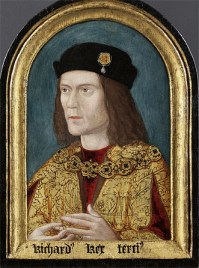
Richard_III_earliest_surviving_portraitI refer of course to Edward V (never-crowned elder son of Edward IV, and one of the Princes in the Tower) and Richard III.

It’s always thought that the princes, Edward and his brother Richard, were murdered on the orders of Richard III when he, shall we say, extended his powers as Lord Protector, and had himself crowned king in 1483. Although skeletons thought to be those of the princes were found in the Tower in 1674 and later re-interred in Westminster Abbey on the orders of Charles II, we cannot be sure that these remains are theirs.

Our image of Richard III – who was widely admired, and loved even, in his northern lands during his lifetime – comes down to us from Shakespeare and Tudor propaganda. After the Battle of Bosworth Field in 1485, when Richard III was killed, Henry Tudor (who became Henry VII) established the Tudor dynasty on the flimsiest of claims, and he and his son, Henry VIII, did their best to eliminate any possible Yorkist rivals (and any others who might have a better claim to the throne than themselves). Best not to think of Laurence Olivier’s cinema portrayal of Shakespeare’s Richard III, although I fear that’s the wicked image many of us continue to carry in our minds.  Of course there are those who have always felt that Richard III was maligned.

http://youtu.be/px5hvNWoVLE

Now although there’s a tomb for Richard III in Leicester Cathedral, there’s no body – it was lost after Bosworth, but reportedly buried in Greyfriars priory in Leicester that was subsequently destroyed, and now the site of a car park.

And that’s what we hope to find out very soon. Bringing together the best of modern science: GIS, geophys (as Time Team‘s Tony Robinson would say) to explore underground structures, carbon dating, and DNA analysis (presumably of mitochondrial DNA), a team of archaeologists from the University of Leicester descended some months ago on Greyfriars car park in the city. Very soon they discovered a skeleton that had obviously undergone some trauma, as well as showing a deformation of the spine, or scoliosis, that Richard was reported to suffer from.

Could these be the remains of Richard III, and if so, where should he be reburied? Soon we will find out, once the carbon dating and DNA analysis are completed by the beginning of February. How exciting! Reports leaking to the media are definitely supporting the Richard III identity. Here’s a link to a recent interview given by the project team.

If we have found our last remaining monarch, where should he be buried? The Ministry of Justice will make a decision, it’s said, next week. In any case, one of the conditions of the excavation and exhumation of the skeleton was that any remains would be re-interred in Leicester. And as I mentioned earlier, he already has a tomb in the cathedral, albeit empty. The residents of York would like him buried in York Minster, and there are those who argue he should be buried alongside other monarchs in Westminster Abbey in London. After all, that’s where Richard’s queen, Anne, is buried.

So, fingers crossed, we’ll soon have an answer to a long-standing mystery, and one that modern science is helping to solve.

* Today (4 February 2013) the archaeologists at the University of Leicester have announced that the skeleton unearthed in the Greyfriars carpark in Leicester is indeed that of King Richard III.

They’re changing the guard at Buckingham Palace . . .

A letter in the mail – The Queen’s New Year’s Honours
On a bright, sunny day last November (my birthday, actually) I was outside cleaning the car, when the postman passed by. He handed me several envelopes and my immediate reaction was that this was another load of the usual junk mail. So you can imagine my surprise when I came across one that seemed rather official looking. And I was even more surprised when I read what it had to say – that I had been nominated to become an Officer of the Most Excellent Order of the British Empire, or OBE, for services to international food science. Well, I was gob-smacked, quite emotional really. I rushed inside to tell Steph – who was equally stunned, and we set to ponder how on earth this had come about. I did some Google detective work, and was able to find out a little more about the nomination process, and how successful nominees are chosen. But beyond that, I had no idea. Subsequently (in early January 2012), there was a press release from the British Embassy in the Philippines. There is some more information about the British honours system on the BBC website.
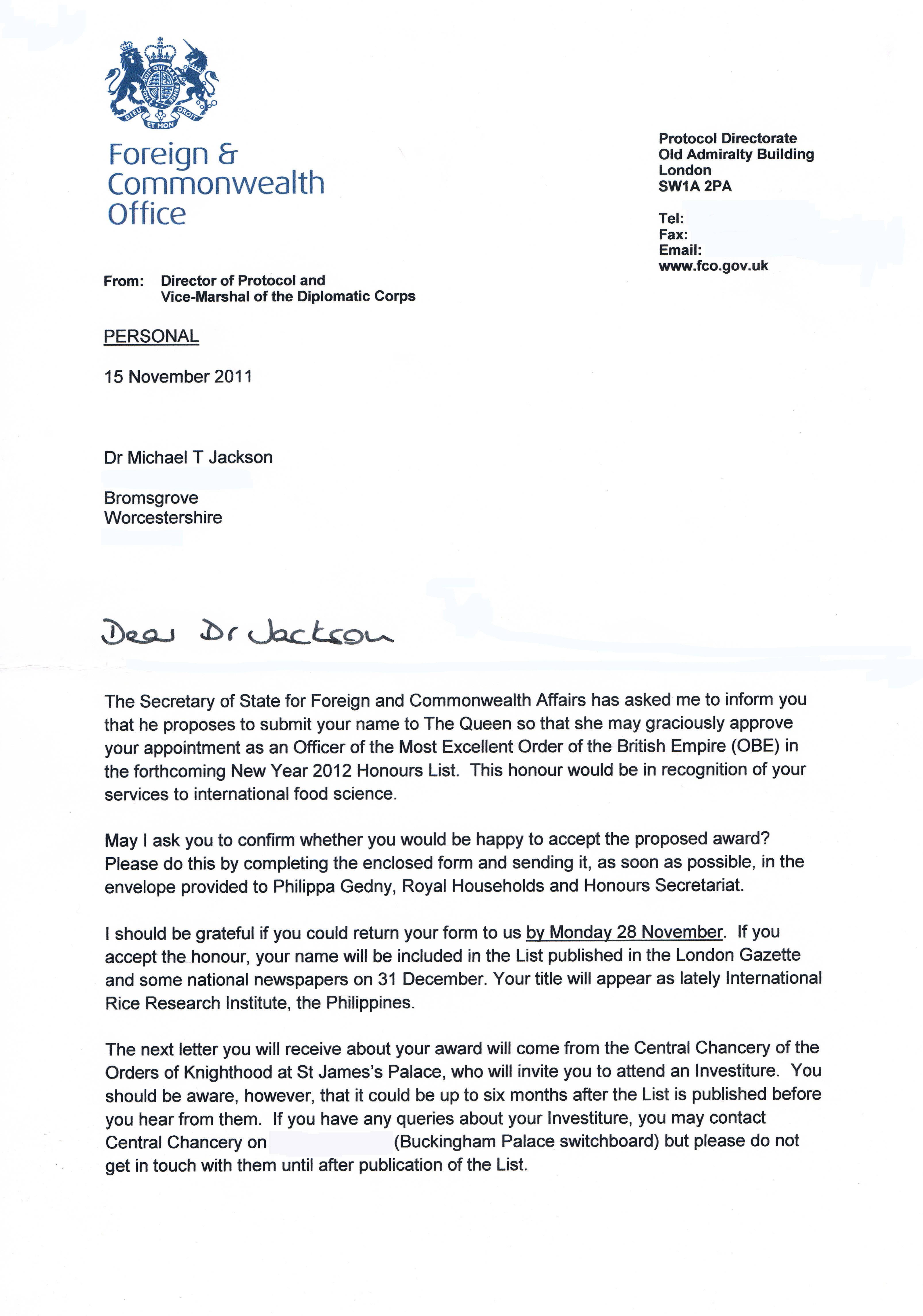
And then began six weeks of purgatory – nominees are sworn to secrecy until the honours list is published officially in The London Gazette, scheduled for 31 December! Anyway, on the 31st I came down for breakfast, and went to the website to see my name in print. And I couldn’t find it! I began to wonder if I had ticked the right box when I sent the form back. But then I found it (page N24) – under the Diplomatic Service and Overseas list. And looking down the list, it was then that I discovered that my good friend and former colleague at IRRI, John Sheehy, had also been made an OBE. A great day for IRRI!

Going to the Palace – next steps
Not long after the New Year, I received a package of information from the Central Chancery of the Orders of Knighthood, with the date of the investiture: 29 February. I applied for tickets – for Steph, daughter Philippa, and my closest colleague in the DPPC at IRRI, Corinta Guerta.

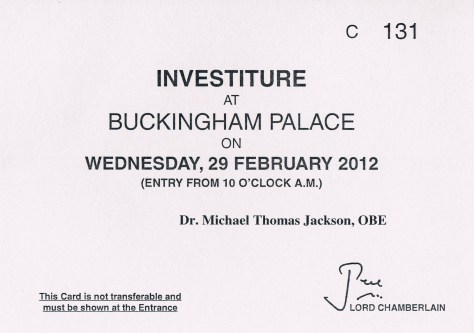
Not long afterwards, the tickets arrived in the mail.

Corinta arrived to the UK on 26 February, and after her meeting at DfID in London on the Monday morning, came up to Bromsgrove to spend a couple of nights with us, and to join us for the investiture. We agreed to meet Philippa in London.

One other issue for me was what to wear: morning dress (top hat and tails) or lounge suit (and even which tie to choose).* I finally settled on my lounge suit and pink tie.

Investiture day
It was an early start on the 29th: up at 5 am, and off to Solihull to catch the 7:41 am Chiltern Railways service from Solihull (about 25 minutes from Bromsgrove by car) to London Marylebone. The train eventually was very crowded, with some passengers standing all the way from Banbury to London; but we had good seats. We met up with Philippa at Marylebone, had a quick cup of coffee, and then took a taxi to the Palace.

Security was extremely tight, and we had to show photo IDs and our tickets for access. It’s quite some feeling walking through the gates of the Palace (made in Bromsgrove), past the guards, and through into the inner quadrangle. At the main entrance, under a glass canopy, our tickets were again checked, and we headed inside. What a spectacle: guardsmen in their metal breastplates and equerries in morning suits; everyone was very polite and friendly. After a quick comfort stop, Steph, Philippa, and Corinta headed for the Ballroom, and I headed off in another direction to meet the other honours recipients. The recipients of knighthoods and CBEs were together in one room, the OBEs and MBEs in another. Mineral water and juices were provided – in bottles with The Queen’s crest, and little goblets with EIIR engraved (not to be left on a mantelpiece next to a priceless ceramic vase). We waited in a long gallery full of the most incredible pieces of art – goodness knows what their value was.

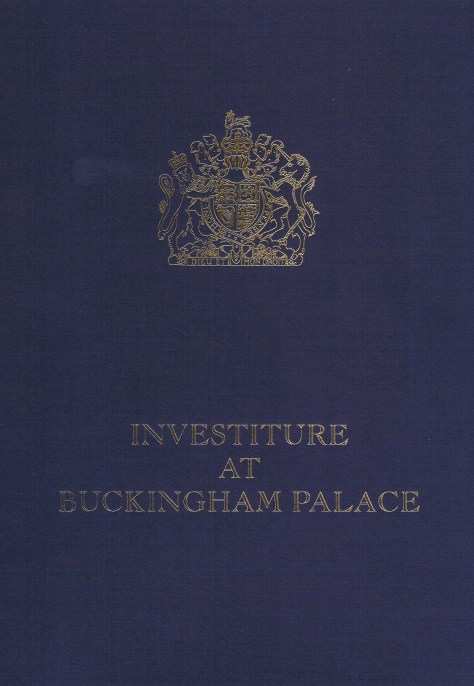
One of the Officers on Duty gave a briefing about the ceremony, that it would be held by HRH The Prince of Wales (not HM The Queen, much to my initial disappointment). It began precisely at 11 am, and the first batch of recipients was called away. I was in the second batch. Click on the image below to read the investiture program.

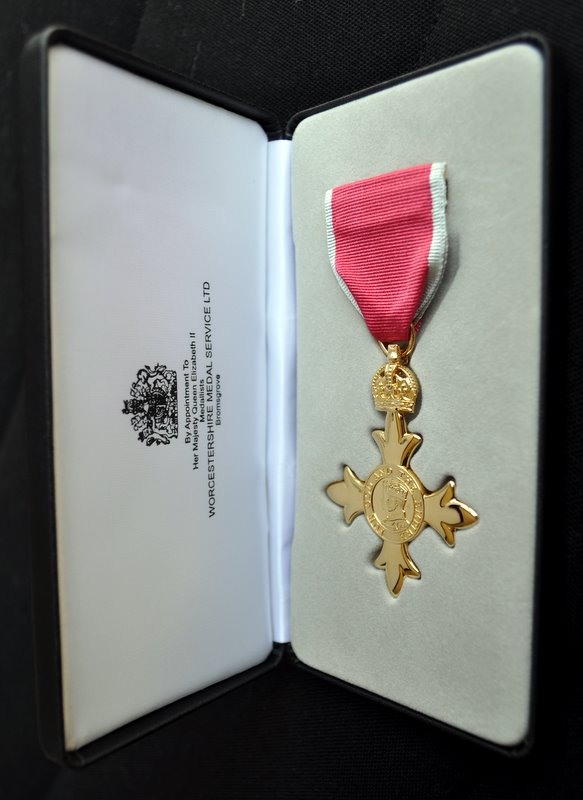
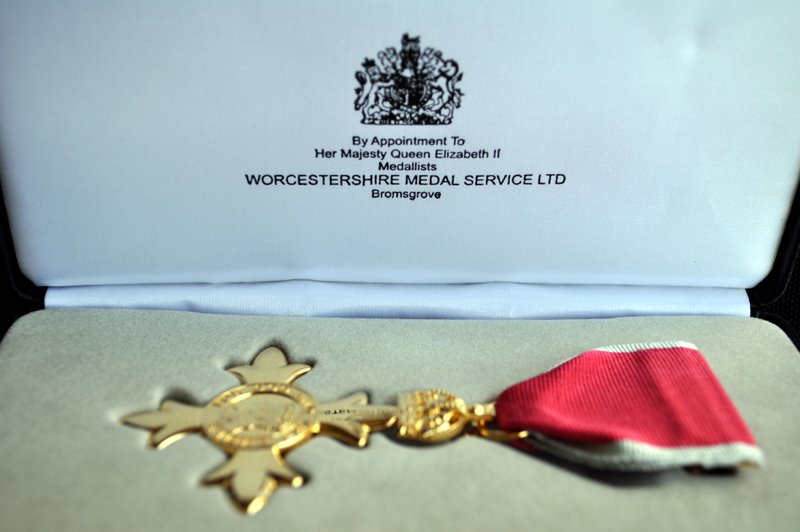
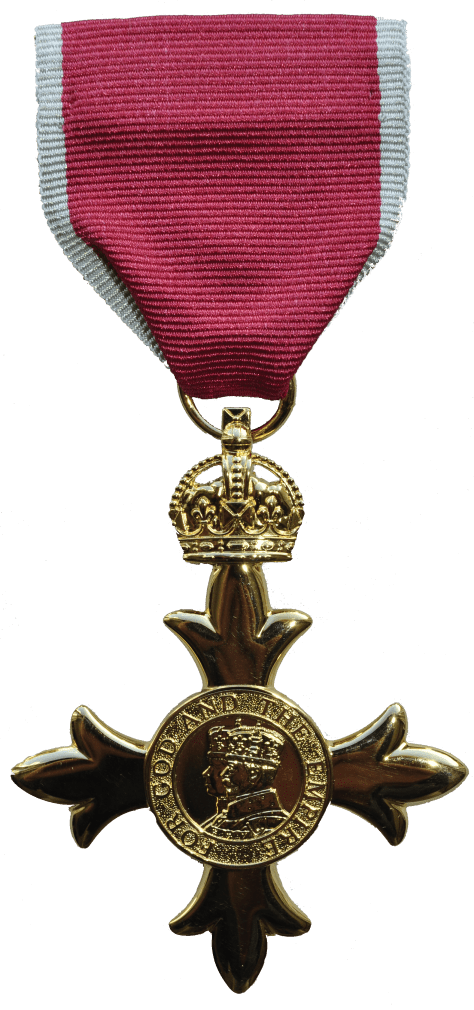
I guess I must have been called to receive my OBE at around 11:15; and afterwards the recipients returned to the back of the ballroom and took their seats to watch the rest of the proceedings. Immediately after the presentation, the insignia was removed and placed in a special case.

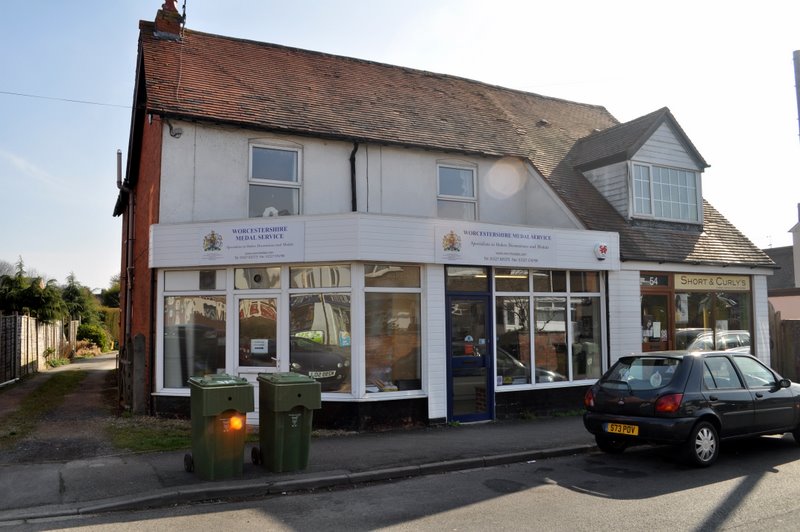
I was intrigued to see that the insignia was made by a company based in Bromsgrove, the Worcestershire Medal Service Ltd.

The medals are actually manufactured at a site in Birmingham’s Jewellery Quarter, but the head office is a small shop on one of my daily walk routes!

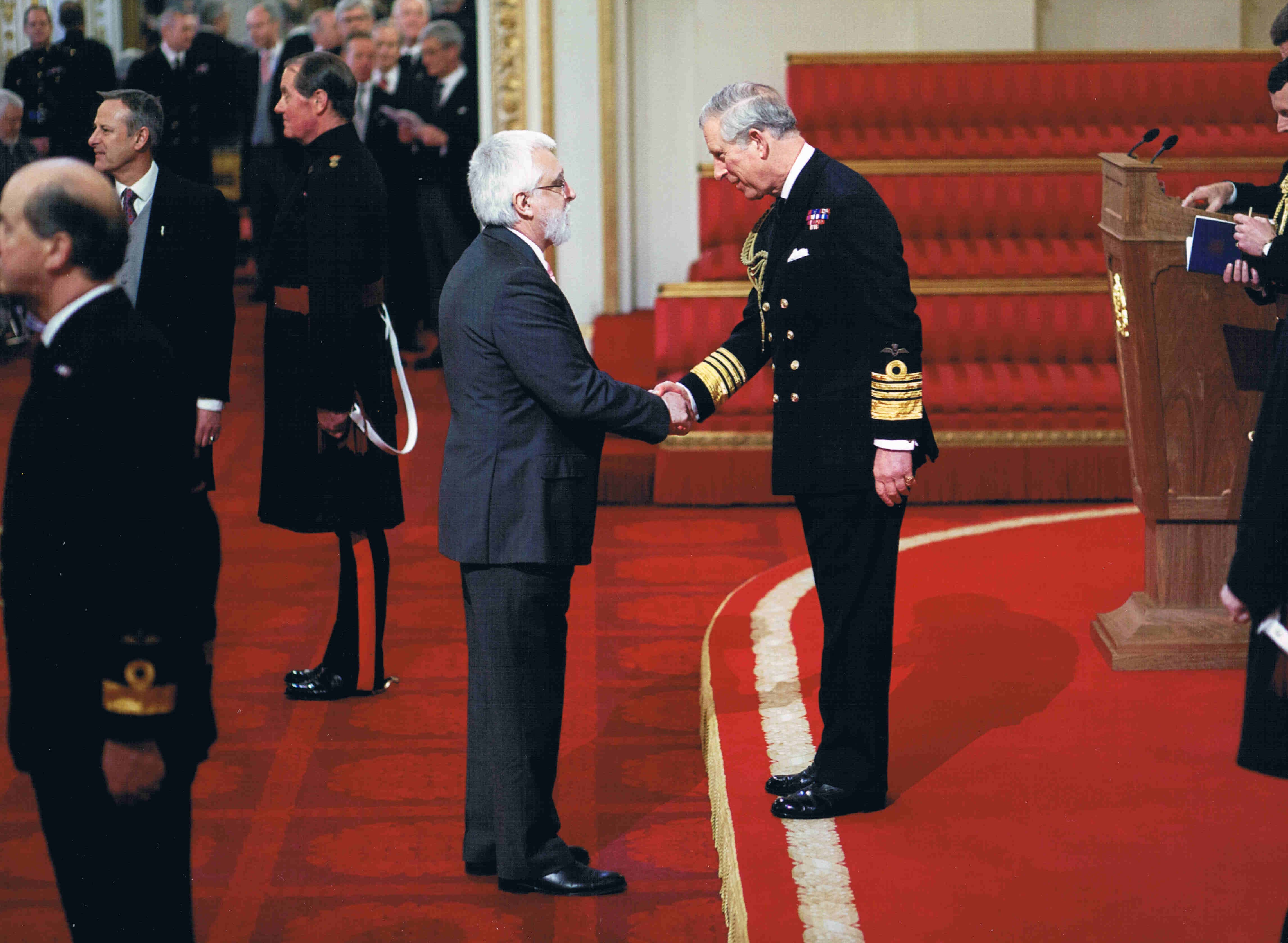
Anyway, to get back to the ceremony. Each batch of recipients crossed the ballroom at the rear, to enter a corridor on the other side. And it was from there that each recipient was called forward, to wait beside one of the Officers on Duty, and then move forward again as the surname was announced (and the reason for the honour). Turning towards HRH, men gave a small bow from the neck and women a curtsy. The insignia was pinned on, and a few words exchanged.

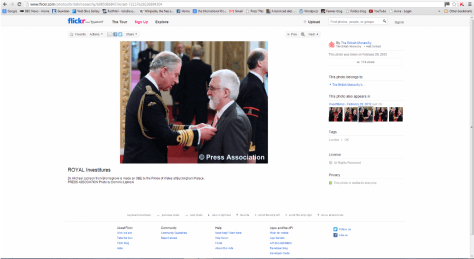
Receiving my medal from HRH The Prince of Wales (screenshot from The British Monarch website)

HRH asked if I was still working in the Philippines – he had been well briefed, and then we spoke briefly about different varieties of rice. Then, after some words of thanks from HRH and a warm handshake that was it – my moment of glory all over, and I exited through a door on the opposite side from where I had entered. The ballroom itself was quite dimly lit, from several huge chandeliers. On the video footage I have seen, and on the close circuit TV that was broadcast to waiting recipients, the ballroom look very bright indeed.

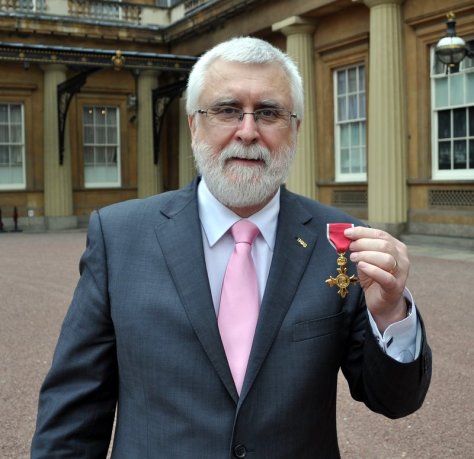
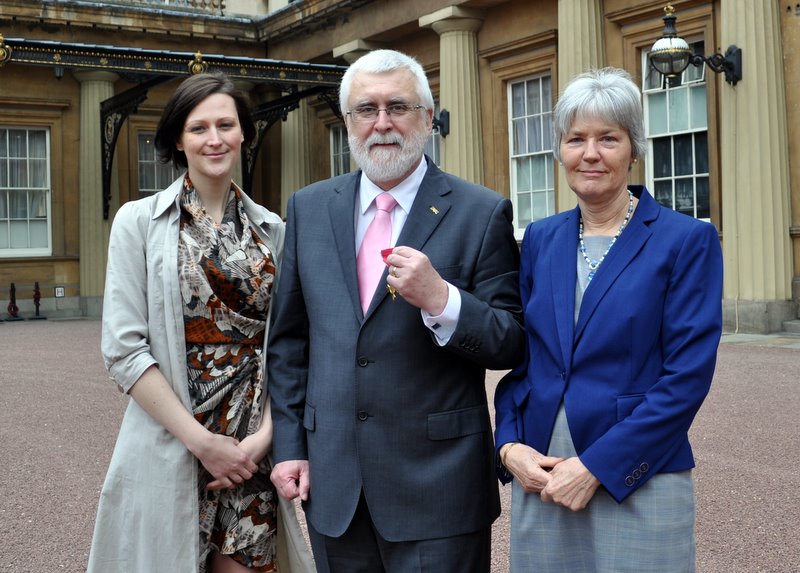
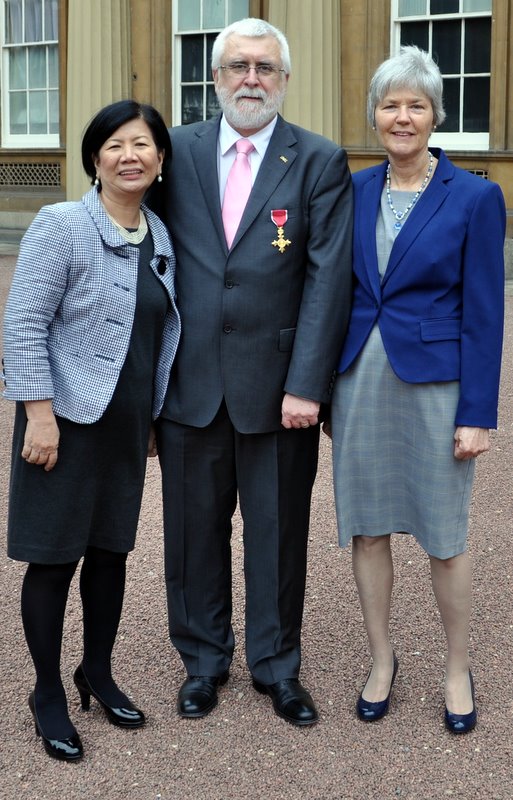
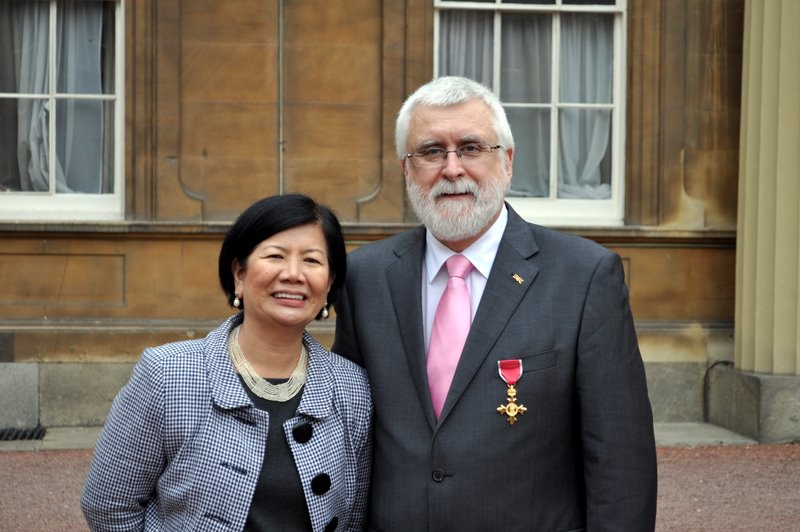
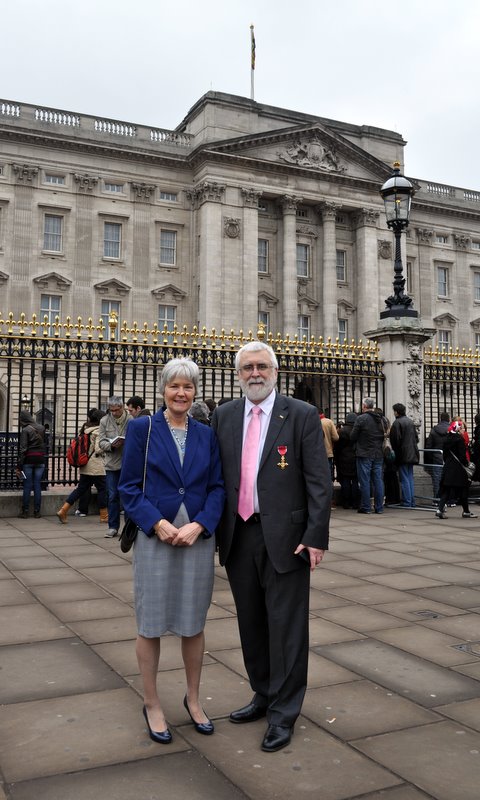
Considering the number of honours recipients and that HRH spoke to each person individually, the investiture was over just after 12 noon. Then we were able to meet up with our guests. Steph, Philippa, and Corinta had found seats at the back of the ballroom. We then made our way outside for picture taking.

Here are just a few, but click on the image immediately below and a web album of the best photographs will open.

Unfortunately we were not able to stay long in London, since Corinta was due to fly back to the Philippines from Birmingham Airport (BHX) at 8:30 pm. So, once we had taken all the photographs we wanted, I hailed a taxi (much easier outside the Palace than I had envisaged) and we set off for Marylebone and the train. We had a quick bite to eat at the station, and our train to Solihull departed at 2:37 pm, arriving in Solihull on time just after 4 pm. Corinta had plenty of time to get changed, complete some last minute packing, and even enjoy a cup of tea and some home-made Victoria sponge before heading off to BHX in an Emirates Airlines limo.

Reflections
Originally we thought about driving to London for the investiture. Hindsight is a wonderful thing. I would have been stupid to have attempted this trip by car, even though we could have parked right inside Buckingham Palace. On the afternoon of 29 February there were serious traffic incidents on one of the main motorways (M40) into London that we would have used, and there were holdups for several hours. So instead of an anticipated stressed journey by car, we let the train take the strain.

As Steph and I reflected on the day over dinner and a cup of tea that same evening, it was quite surreal to think we had been inside Buckingham Palace just a few hours before. But what a privilege it was, and what a fantastic honour to have received in recognition of the work I did in agricultural research, especially the conservation and use of crop genetic resources.

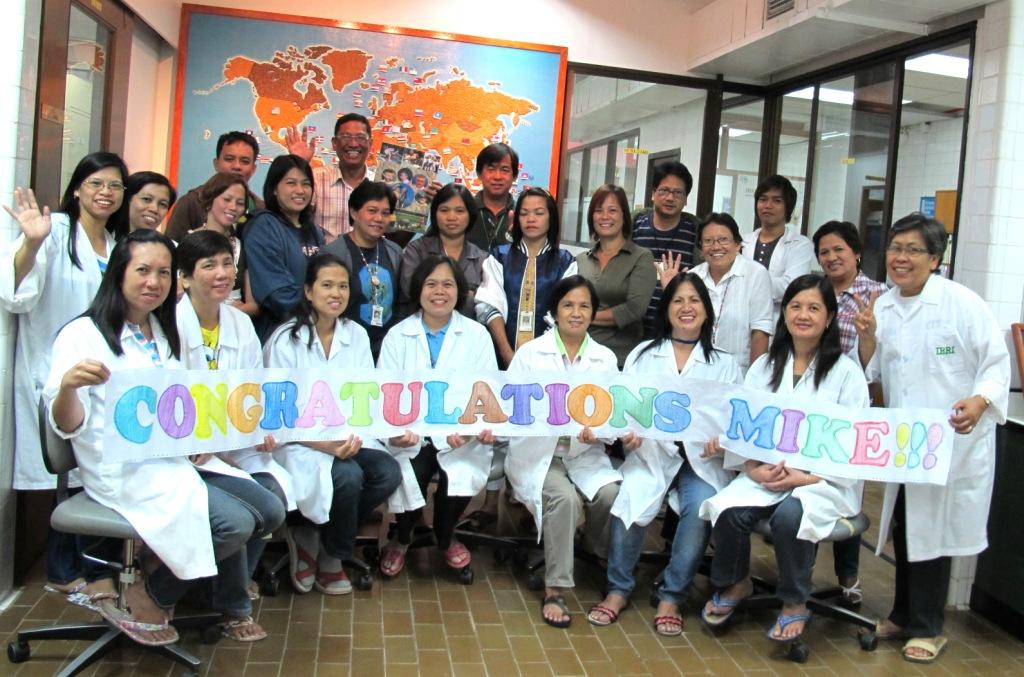
My former staff in the International Rice Genebank at IRRI sent me this photo – a very thoughtful touch.

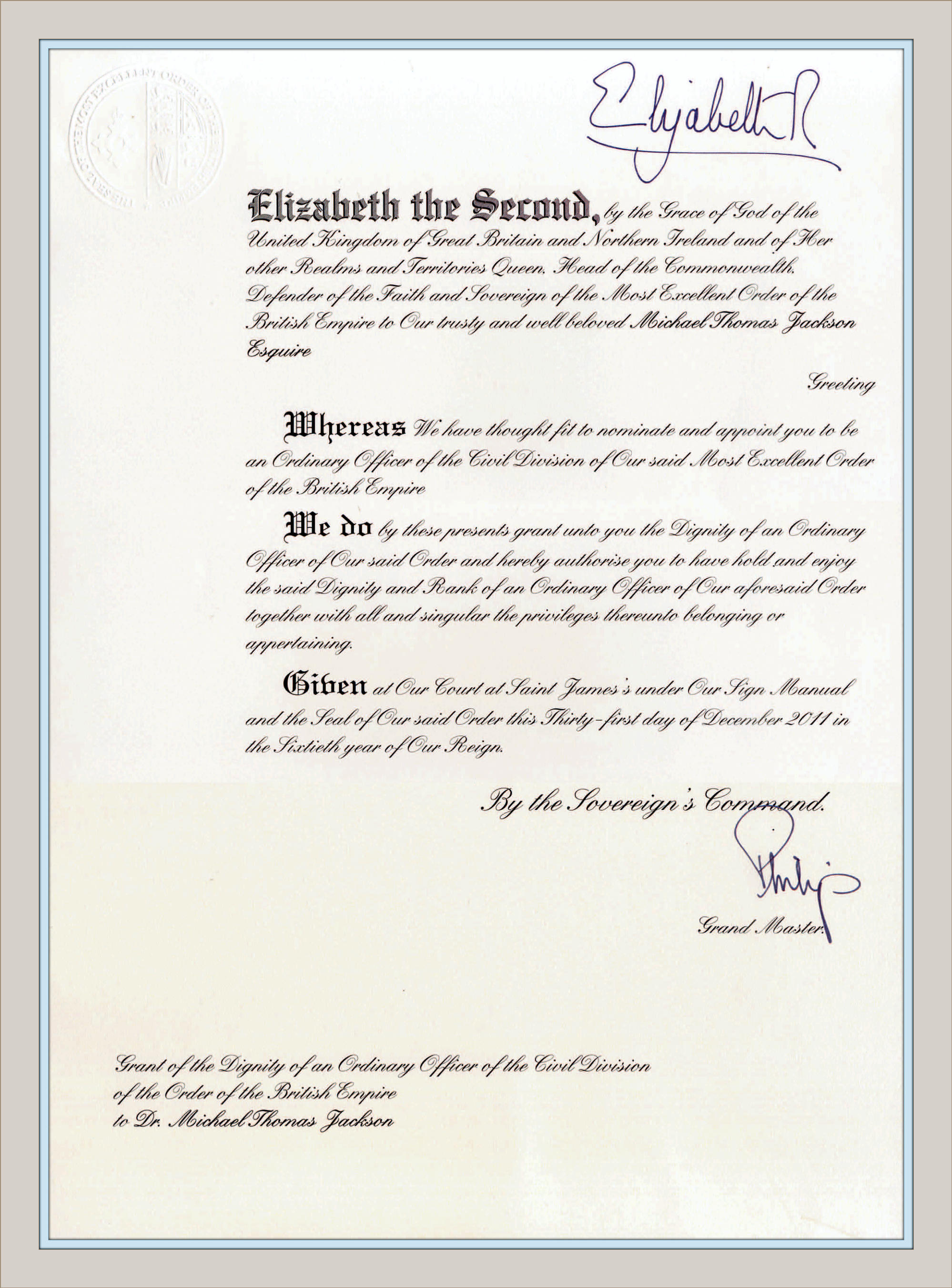
Warrant of Appointment
On 22 May I received my Warrant of Appointment as an Officer of the Most Excellent Order of the British Empire. This is printed on parchment, has an embossed Seal of the Order in the top left corner, and measures 11.5 x 16.5 inches approx.

* Over the past year since I first posted this story, lots of other recipients of awards have also worried about what to wear to an investiture, and their web searches have often led to my blog. I hope my advice has been useful. I know in at least one case that it has been, since there are a couple of comments to that effect.

Barack Obama belts out the blues at event with Mick Jagger

Methinks this wouldn’t happen in a Romney or Santorum White House . . . click here


BBC News – Canadian government is ‘muzzling its scientists’

BBC News – Canadian government is ‘muzzling its scientists’.

I think there are two sides to this argument. On the one hand we need to encourage scientific entrepreneurship and creativity, and freedom to publish. On the other, it’s important for institutions to protect their ‘brands’ so to speak. Having been responsible for communications policy at IRRI, I saw some at first hand how differences of scientific perspective could lead to conflicting messages emerging from the institute. While such debate internally is healthy, sending mixed messages is oftentimes just not understood by the constituencies that the institute is there to serve. And I have seen instances of  bloody-minded scientists being singular in their pursuit of a specific idea and outcome, not just at IRRI but in other CGIAR centers.

And this is the debate between policy and science that needs to continue.

Dumbing down science . . . only in The Sun

A sweet crisp
During the late 1980s, when I was on the faculty of the University of Birmingham, my colleague, Brian Ford-Lloyd (now Emeritus Professor of Conservation Genetics) and I had a research grant from United Biscuits to work on somaclonal variation in potatoes. Whatever is that? I hear you cry. Well, it’s technique to grow plants from small pieces of plant tissue on sterile nutrient agar (a jelly-like substance), and try and bring about genetic changes which are primarily due to disorganized tissue growth and chromosome changes. The plants thus produced are called somaclones. And our aim was to produce a somaclonal variant of the potato variety Record, which was at that time, one of the most important varieties for producing potato crisps (chips in American parlance).

Now, the main crop of potatoes is harvested in the autumn in the UK, and they are stored at low temperature over many months while stocks last. But this leads to a problem that is significant for producing good crisps. And that is, low temperature sweetening that is due to the conversion of starch to sugars, such as glucose and fructose. In itself this would not be a particular problem, but when potato slices are deep fried to produce crisps, any that have a relatively high sugar content will caramelize and the crisps themselves will be much darker in colour – even some ‘black bits (although some of these are due to use of diseased potatoes) – which the consumer does not like. The ideal potato crisp should be a light golden colour.

Anyway, our aim was to try and produce a non-sweetening variant of Record. I left Birmingham before the project was completed, but by that time we had sent a number of clones for field testing. I don’t know if any of these ever went into commercial production.

Susan Juned joined the project as a research associate, and successfully went on to complete a PhD based on this work. Since leaving Birmingham, Susan has had a distinguished career in local politics, as a Liberal Democrat councillor for Stratford-on-Avon and Warwickshire County Council. She unsuccessfully contested three parliamentary elections for the Stratford constituency.

Publish and be damned
Since the research was funded by a commercial company, we had to seek approval before we were permitted to publish any of our work. But after a couple of years, everyone agreed that a small story in the university bulletin would be appropriate (in November 1987)  and that’s when some of our headaches began, although in hindsight rather humorous. The story was picked up in the local media, and one afternoon I received a phone call from someone at the BBC asking if I’d like to appear on the breakfast show on national TV the following morning to discuss our work. The editorial assistant wanted some more details, and when it became apparent to her that I was talking about a serious piece of research – and not a wind-up about ‘black crisps’, the BBC dropped the story like the proverbial hot potato.

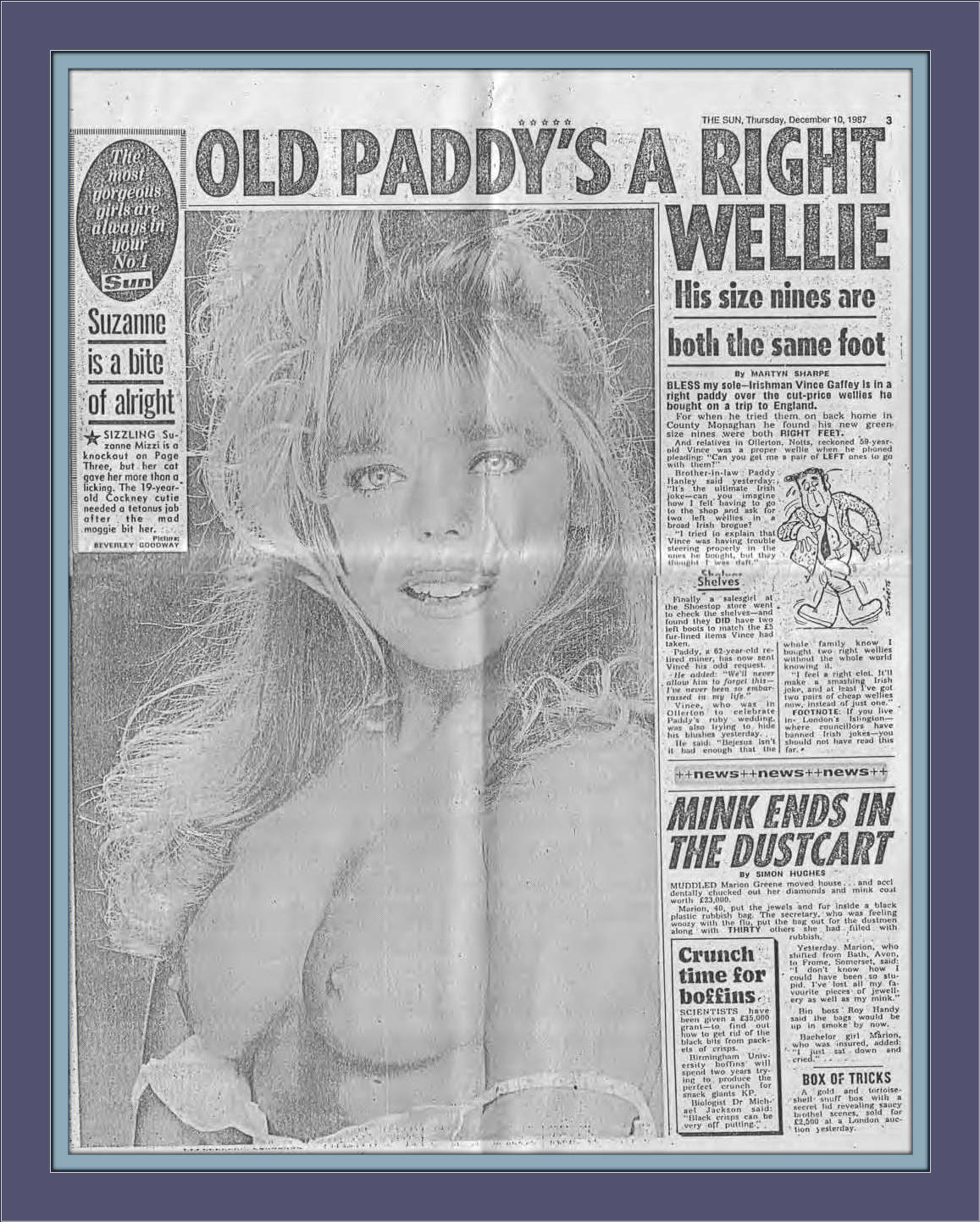
But it was picked up by the tabloid newspaper, The Sun, one of Murdoch’s publications, notorious for its Page Three girl, always half naked! And that’s where our story was published – just check out the tiny item at the bottom of the page (Crunch time for boffins) right next to Suzanne, who’s apparently ‘a bite of alright‘!

A proper scientific outcome
But the research did have some implications for the tissue culture of plants like potatoes that are produced vegetatively through tubers, and also for their genetic conservation in vitro. We showed that the ability to produce somaclones was not the same in all of the cv. Record tubers we started the research project with, and that the whole process of multiplication of disease-free stocks might be leading to a certain level of genetic change and selection. We published this work in the Annals of Botany [1].

~~~~~~~~~~~~~~~~~~~~~~

[1] Juned, S.A., M.T. Jackson & B.V. Ford-Lloyd, 1991. Genetic variation in potato cv. Record: evidence from in vitro “regeneration ability”. Annals of Botany 67, 199-203.

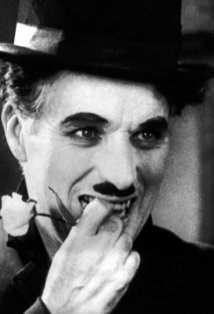
MI5 spied on Charlie Chaplin after FBI asked for help to banish him from US

Joke of the year

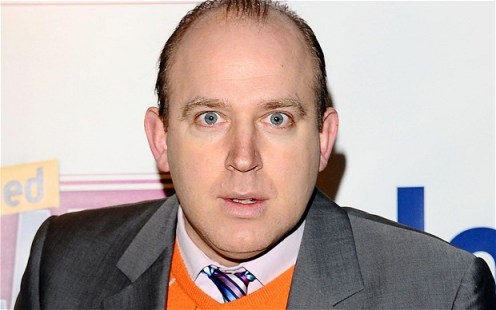
I watched the BBC One Show last night, and one of the guests was comedian Tim Vine (below), who is renowned for his fast talking joke abilities (he held the record for most gags in one hour). Even during the course of the program he was dropping gags into the conversations as they unfolded. In today’s eTelegraph there is a story about the funniest jokes of the year (Joke of the year: dwarf gag is Telegraph readers’ favourite one-liner – Telegraph). I’m sure you’ll find at least one there that will tickle your ribs. I’m still chuckling . . .

India tells Britain: no more aid, thank you

Some days ago I posted a comment on my Facebook page about the UK’s overseas aid to India, and whether it was justified when that country was spending £10 billion on fighter jets – to be purchased from France. There are arguments for and against such aid. In favor, it could be argued that it reaches projects and poor people that the Indian government may be less favored to support.

Now here’s an interesting twist to the story, published in today’s eTelegraph (see the link below). India wants to terminate the aid relationship with the UK. The UK government would find that politically embarrassing apparently, given the campaigning it has done to maintain and even increase the overseas aid budget.

What do you think?  India tells Britain: We don’t want your aid – Telegraph.