Late afternoon in front of Arthur’s Place, Anilao (with Maricaban Island in the distance)
I’ve never been one for competitive sport, or strenuous outdoors exercise. No fell or hill walking for me, nor rock climbing, potholing, or other like pursuits.
So it was rather out of character that I took to scuba diving in the Philippines with such enthusiasm. Although I’d lived in the Tropics before moving to the Philippines in 1991, in Peru, I only went occasionally to the beach south of Lima during the summer months from January to March; and when we lived in Costa Rica, the best beaches were hours away by road.
In the Philippines, on the other hand, quite a number of IRRI staff had learned to scuba dive, and spent weekends away, either in Anilao (about 90 km or so south of Los Baños) or at Puerto Galera on Mindoro, the next island south of Luzon.
In fact, when we did go to the beach in Puerto Galera for the first time, in February 1992 (just a few weeks after Steph, Hannah and Philippa had joined me from the UK), I’d never even snorkeled before! So the last thing on my mind was the idea of taking a scuba diving course. Snorkeling was fine – once I’d got the hang of it, and learned to relax and actually breathe with my face in the water. So we invested in masks, boots and fins, and started visiting Anilao about once a month. Our first resort was Arthur’s Place, established by local dive master and entrepreneur Arturo Abrigonda and his wife Lita. Arthur’s Place was quite modest in 1992, just a few rooms available. And since there was no telephone at that time, making a reservation was rather hit-and-miss. In fact, it was only possible to reach the resort from Anilao village by outrigger canoe or banca, which took about 30 minutes or so. Eventually, the road was opened up, the mobile phone network spread to include the Mabini peninsula, and Arthur’s Place even had email and a web presence. But I’m getting ahead of myself.
My elder daughter Hannah took a NAUI dive course in 1992, not long after we first went to Puerto Galera (my one and only visit there). She’d have been about 14 or 15 at the time. There was a group of IRRI staff and children taking a course, and the dive instructors came down to the staff housing where we had a 20 m pool to conduct the theory classes and confined water exercises. The open water exercises and final certification were carried out at Anilao. Well, for a year I watched Hannah getting ready for one of her dives each time we went down to Anilao, and began to wonder what it would be like.
Mario Elumba – a recent pic
And my opportunity came in March 1993 when a group of us got together to arrange dive classes with two PADI instructors – Boy Siojo and Mario Elumba. I took to scuba diving like a duck to water, and I have to say it has been one of the best things I have ever done. Including my four open water exercises dives (just prior to receiving my Open Water Diver certification) I completed 356 dives, making my first on 13 March 1993, and my last (just before I retired from IRRI and returned to the UK) on 14 March 2010. I only dived in the Anilao area – there’s just so much to see, and in any case, as Steph did not dive but loved just to snorkel, there was no reason to go elsewhere. The reefs just in front of Arthur’s Place were ideal for this, and for about 18 years she kept quite detailed records of what she observed, some 100-150 m either side of Arthur’s Place.
Steph checking her records after another successful snorkel
I also kept a detailed log of all my dives, who I dived with, where we dived, the conditions, and how long each dive lasted. For the first few years, my main dive buddy was Arthur. Most weekends I would complete three dives (very occasionally four, and exceptionally five). But three dives was a comfortable number: a morning and afternoon dive on the Saturday, and an early morning dive (usually to Kirby’s Rock) on the Sunday morning (that was always followed by a great plate of bacon and eggs, toast and coffee).
Sunday morning – post Kirby’s. Bacon and eggs on the table.
We stayed at Arthur’s Place as often as we could but when full, we had to stay at other resorts along the coast. However, I guess we stayed at Arthur’s more than 95% of the time, and by the time we left the Philippines, we had become the longest term clients at the resort. So much so, that Lita’s younger daughter Joanne invited me to be one of the ‘godfathers’ or ninong at her wedding in January 2010. Steph and I were the only non-Filipinos at the wedding – a great honour.
There are many great dive sites around Anilao, but my two favorites have to be Kirby’s Rock and Twin Rocks. I think Arthur was one of the pioneers of the conservation strategy along the coast, and the development of many dive resorts led, quite quickly, to an overall increase in health of the many reefs, because the presence of divers (a considerable economic benefit to the local communities reduced the incidence of dynamite and cyanide fishing.
One or two sites were famous for their fierce currents, especially Beatrix and Bahura. Both Kirby’s Rock and Seepok Wall had impressive walls to explore. At Kirby’s it is possible to descend about 140 feet to the bottom of one of the walls – which I did many times. The feeling of the water pressure, the (general) clarity of the water (many times over 100 feet of visibility), and the wealth of marine life make this a special dive site for me.
Nudibranchs at Mainit Point, 27 March 2004
There’s so much I could write about. We often saw white-tipped reef sharks, and my particular bugaboo was the giant triggerfish, a particular aggressive beastie that has chased us around the reef from time to time. The myriad of brightly coloured shoals of small fish, especially the butterfly fish in all their diversity, the jacks, and tuna, the occasional turtle, the soft corals and nudibranchs – what sights on a bright morning to make one’s heart sing. And the big advantage as far as I was concerned – no-one could phone me or send me an email, or bother me about work whatsoever, when I was diving.
L to r: me, Clare, Lito, and Judy, in front of Arthur’s Place, 4 May 2003, just after diving at Kirby’s Rock
Sadly Arthur died of cancer in 2002, but in any case once I had gained some diving experience I did not really need him to be my dive buddy. I used to take Hannah and Philippa diving (Philippa learned to dive in January 1995 when she was 12), and for many years I used to buddy with one of the International School Manila teachers, Judy Baker, or Clare O’Nolan, the wife of IRRI’s IT Services manager Paul. Lito Bonquin became the resident dive master at Arthur’s Place in the late 1990s, and he was the person I dived with most over my almost 18 years of diving. He was very experienced and a safe buddy to dive with – and we had great fun exploring familiar sites.
Lito and me after my last dive (at Kirby’s Rock) on 14 March 2010
Do I miss scuba diving? From time-to-time, especially on a grey winter morning, or after someone at Arthur’s Place has posted a particularly nice photo on the Facebook page. I’m pleased I had the opportunity of taking up this great sport. I enjoyed diving with most folks I came into contact with, but there were one or two (including some of my IRRI colleagues – no name, no pack-drill who I was less than enthusiastic to dive with, because I just didn’t feel safe buddying with them And I was quite an experienced diver.
I remained an Open Water Diver – I had no interest in gaining further certification as an Advanced Diver, or rescue, wreck or whatever diver. I still have my mask (with its prescription lenses), my boots and fins, and my wet suit. Maybe I’ll get the chance to dive again some day, and if I do get back to the Philippines before I’m too old to enjoy diving again, I reckon there’ll be a welcome for me at Arthur’s Place, and marine friends at Kirby’s Rock and Twin Rocks might ‘realize’ their old ‘buddy’ is back in town.
One evening in February 1971 I received a phone call from Professor Jack Hawkes who was head of the Department of Botany at the University of Birmingham, and Course Director for the MSc on Conservation and Utilization of Plant Genetic Resources. I’d begun my studies at Birmingham in September 1970 after graduating some months earlier from the University of Southampton with a BSc in environmental botany and geography. He asked me if I was interested in working in Peru for a year. Well, it had been my ambition for many years to visit Peru, and here was my chance.
Jack was a world-renowned authority on the potato, its taxonomy and origins in the Andes of South America. And on the day that he phoned me, he had just returned from a two month expedition to Bolivia to collect samples of wild potato species. He had been joined on that expedition by his close collaborator from Denmark, Dr Peter Hjerting, and one of his PhD students, Phillip Cribb (who went on to become an orchid expert at the Royal Botanic Gardens – Kew).
Dr Richard L Sawyer, Director General of CIP, 1971-1991
The expedition also received logistical support from the North Carolina State University-Peru USAID project, led at that time by Dr Richard Sawyer who would go on to found and become the first Director General of the International Potato Center (CIP) in October 1971.
Peruvian potato expert, Dr Zosimo Huaman
While in Lima at the start and end of the expedition, Jack has stayed with Richard and his wife Norma. Richard talked of his vision to found CIP, and that he wanted to send a young Peruvian to study on the MSc course at Birmingham. That was Zosimo Huaman, who would go on to complete his PhD with Jack, and stay with CIP for the next 20 or more years. Zosimo was helping to manage a collection of native varieties of potato from Peru that the USAID project had taken over, and which would pass to CIP once that institute was open for business.
But if Zosimo went off to the UK, who would look after the potato collection? Richard asked Jack if he knew of anyone from Birmingham who might be interested in going out to Peru, just for a year, while Zosimo was completing his master’s studies. ‘I think I know just the person’, was Jack’s reply. And that’s how Jack came to phone me that February evening over 40 years ago.
But it wasn’t quite that simple.
There was the question of funding to support my year-long appointment, and Richard Sawyer was hoping that the British government, through the then Overseas Development Administration (now the Department for International Development – DfID) might cough up the support. The intention was for me to complete my MSc and fly out to Peru in September 1971. In the event, however, my departure was delayed until January 1973.
By February 1971, an initiative was already under way that would lead to the formation of the Consultative Group on International Agricultural Research (CGIAR) later that same year, and the ODA was contemplating two issues: whether to join the CGIAR, and whether to fund a position at CIP on a bilateral basis, or on a multilateral basis if it became a member of the CGIAR. But that decision would not be made before my expected move to Peru in September.
At what became a pivotal meeting in London in mid-1971, Jack argued – convincingly as it turned out – that he’d identified a suitable candidate, me, to join CIP’s genetic resources program, and that if some funding support was not found quickly, I’d likely find a job elsewhere. And so ODA agreed to support me at Birmingham on a Junior Research Fellowship for 15 months until December 1972, and that if negotiations to join the CGIAR went smoothly, I could expect to join CIP in January 1973. In the interim, Richard Sawyer did come through Birmingham and I had the chance to meet him, and for him to give me the once over. All seemed set for a January 1973 move to Peru, and I settled down to begin a PhD study under Jack’s supervision, working on the group of triploid potatoes known as Solanum x chaucha.
Mike discussing potato taxonomy with renowned Peruvian potato expert, Prof. Carlos Ochoa
Steph checking potatoes in the CIP germplasm collection in one of the screenhouses at La Molina
Although I went on to the CIP payroll on 1 January 1973, I didn’t fly out to Peru until the 4th (a Thursday). After spending Christmas with my parents in Leek, then a couple of days in London with my girlfriend Stephanie (who joined me in Peru in July 1973, where we were married in October, and she joined CIP’s staff as well) I spent a couple of nights in Birmingham with Jack and his wife Barbara before we set out on the long journey to Lima.
In those days, the ‘direct’ route to Peru from the UK was with BOAC from London-Heathrow, with three intermediate stops: in St John’s, Antigua in the Caribbean; in Caracas, Venezuela; and finally in Bogotá, Colombia. We finally arrived in Lima late at night, were met at Jorge Chavez airport by plant pathologist Ed French, and whisked off to our respective lodgings: me to the Pension Beech on Los Libertadores in the San Isidro district of Lima, and Jack to stay with the Sawyers. Thus began my association with CIP – for the next eight and a half years (I moved to Costa Rica in April 1976), and with the CGIAR until my retirement in 2010.
Celebrating the 20th anniversary of the Birmingham genetic resources MSc course in 1989. R to L: Trevor Williams, Jim Callow (Mason Professor of Botany), Jack Hawkes, Brian Ford-Lloyd, Mike Jackson, not sure
After CIP I returned to the UK to teach at the University of Birmingham. By then, many of the overseas MSc students were being supported by another of the CGIAR institutes, the International Board for Plant Genetic Resources, IBPGR (later to become the International Plant Genetic Resources Institute, IPGRI, then Bioversity International) based in Rome. A former Birmingham faculty member, Dr Trevor Williams (who had supervised my master’s thesis) was the first Director General of IBPGR. I maintained my links with CIP, and for a number of years had a joint research project with it and the Plant Breeding Institute in Cambridge on true potato seed. I also took part in a very detailed project review for CIP in about 1988.
The CGIAR gave me a great career. I was able to work for excellent scientific research organizations that had noble goals to reduce rural poverty, increase food security, ensure better nutrition and health, and manage resources sustainably. As a small cog in a big wheel it’s hard to fathom what contribution you might be making. But I often thought that if people were going to bed less hungry each night, then we were making a difference. This does not diminish the scale of the continuing problems of poverty and food security problems in the developing world, which are all-too-often exacerbated by civil strife and conflict in some of the most vulnerable societies. Nevertheless, I feel privileged to have played my part, however small. It was my work with the CGIAR that led to my appointment as an OBE by HM The Queen in 2012, for services to international food science.
Hobbit mania has gripped the media in recent weeks, as the release of Peter Jackson’s next blockbuster approached. In fact it was hard to get away from ‘all things Hobbit’. Fortunately, I was able to.
It seems that my namesake has enough footage in the can to release two more films – or was it that he plans to film two more? What can we expect? Gone With The Hobbit, Return of The Hobbit, True Hobbit?
Let me lay my cards on the table: I am NOT a Middle Earth, elvish, LOTR fan in any shape whatsoever. I’ve not read any of the books – and doubt I ever will – or seen any of the films. One of my daughters gave my wife a DVD some Christmases ago of the first LOTR film. I fell asleep.
I’d never heard of The Hobbit until I went to university in 1967. One of my fellow botany students, Allan Mackie, was a serious Hobbit fan. I couldn’t see the point.
Bust of JRR Tolkien in Exeter College, Oxford University
But on reflection, I should have known more about the LOTR and JRR Tolkien.
In 1960, I passed my 11-plus exam, and won a place to a Catholic grammar school, St Joseph’s College, in Trent Vale on the south side of Stoke-on-Trent, a 28 mile or so daily round trip from my home in Leek. So what has this got to do with JRR Tolkien and his Middle Earth stories?
St Joseph’s was run (controlled would be a better description) by Irish Christian Brothers, whose education ethos came with a heavy dose of corporal punishment. But the school chaplain was none other than Fr JFR Tolkien, JRR’s eldest son. At the time that meant nothing to me, and even when the eminent professor was the guest of honour at the school prize-giving one year (I don’t remember the actual year, but probably between 1964 and 1966) there was no indication of the fame yet to come with The Hobbit and the LOTR.
In fact, what I do remember is this rather tall, gaunt, unsmiling gentleman making one of the most boring and tedious speeches it has been my misfortune to listen to. There was absolutely nothing of the inspiration that so many have commented on. Just the other day I listened to actor Robert Hardy waxing lyrical about his undergraduate days at Oxford and having JRR Tolkien as his tutor.
During my time at St Joseph’s I got to know Fr Tolkien quite well. Although my first impressions were of an austere, rather severe persona, he was, in fact, a gentle, kindly man. Before he died in 2003 he was sadly accused of – all without foundation as it turned out – child abuse some 40 years earlier when he was Scout master at a parish in Birmingham¹. Maybe the accusations against Fr Tolkien were a consequence of the publicity surrounding the release of the first LOTR film, and expectations of cashing in on the family wealth. A sad indictment of society.
¹ There may well have been more to these allegations than I realized when I first wrote this post on 23 December 2012. In an article that appeared in The Guardian on 13 December 2018, Cardinal Vincent Nichols (who used to be Archbishop of Birmingham) is reported to have covered up claims of abuse by Fr. Tolkien. Sad.
This article appeared in The Guardian on 28 April 2019, in which, it is claimed, there is a recording in which Fr Tolkien says he himself was abused as a boy.
Twas the night before Christmas, when all through the house Not a creature was stirring, not even a mouse . . .
Are you familiar with this delightful poem? It’s been around for a long time, and was first published – anonymously – in 1823. For many decades there was uncertainty, controversy even, as to the poem’s author.
Although authorship has been claimed by the family of Henry Livingston, Jr. (1748-1828), the most widely accepted author is Clement Clarke Moore (1779-1863), an American professor of Oriental and Greek Literature at Columbia College, the forerunner of Columbia University.
Well, whoever wrote The Night Before Christmas, it has become a firm favorite in households around the world. It also gave us the images of Santa that are familiar everywhere.
And just recently, I came across a rather dog-eared copy of the poem that I remember from my childhood. According to my eldest brother Martin, he thinks it has been in our family since 1942 or thereabouts, before I was born.
Anyway, I used to read it to my daughters when they were small. I heard from a friend recently on Facebook who told me (after I’d posted a copy of the book), ‘My father has read this to us every year on Xmas Eve since I can remember. Still does and the youngest kid is 47!‘ What a lovely tradition.
Just click on the next image to open a copy (a PDF file) of the version that the Jacksons have treasured since the dark days of the Second World War.
But can you believe that a Canadian publisher released an updated version in September having deleted references to and images of Santa smoking a pipe, arguing it would limit children’s exposure to images of smoking? Whatever next!
And talking of traditions – well, we celebrated many at IRRI in the Philippines during my years there. As the staff are from all over the world, we had many opportunities to come together and enjoy each other’s festivals, mostly in the last quarter of the year: the Hindu festival of light, or diwali; the Chinese mooncake festival; the end of Ramadan, or Eid-ul-Fitr; Halloween (with lots of trick or treats); Thanksgiving on the fourth Thursday in November; and Christmas and New Year, of course.
The Philippines is a great place to celebrate Christmas – it’s so exuberant. We always listened out for the first Christmas music in the malls, often by the last weekend in August or first weekend in September. And the spirit of Christmas continues until the following February. The parol is one of the visual delights among Filipino Christmas decorations – which you can see during the opening and ending sequences of this video (and just watching it makes me feel very nostalgic and appreciate how much I enjoyed living and working in the Philippines).
I just had to have a parol to take back to the UK when I retired in 2010, and since then it has been hung in our porch at Christmas for everyone to enjoy. But this is filmed against a background of snow – so different from the tropical conditions in Manila!
Getting back to Christmas at IRRI. A number of staff take their annual leave from mid-December, especially those from the Antipodes, and parts of Asia. So it became a tradition for the Director General and his wife to host a Christmas party on the second Sunday of December, especially for all the children, and have Santa Claus make an appearance and distribute presents to one and all. One of the happiest responsibilities I had for about a decade was to dig out my Santa suit each year – and my make-up, and put in an appearance as Santa. From about mid-September onwards I’d let my beard and moustache grow so that by early December it was quite bushy. Although my hair and beard are mostly white now, a little make-up always added to the impression. During the 1990s, the role of Santa had been taken by my old friend, the late Bob Huggan, and then Bob Zeigler (now Director General) when he was a Program Leader.
No reindeer and sleighs in the Philippines – so we had to improvise. On a couple of occasions I arrived by tricycle. Another time it was on the front of a jeepney. In 2008, it was a water buffalo or carabao. Here are four videos (all made by my good friend and colleague Gene Hettel, Head of IRRI’s Communication and Publications Services), from 2003 to 2008, of Santa’s arrival at the IRRI Christmas Party at Staff Housing.
Since I started this blog in February, I’ve had more than 8200 views, an average of almost 30 per day; these come from 127 countries, with only 15% of these representing a single view.
I’ve now published 87 stories. It’s interesting to see which ones have attracted most attention. The stories about potatoes and Norman Borlaug are up there, and early on, my post about Fred Astaire had many hits. In terms of searches, one of the most commonly searched terms concerns attending an investiture at Buckingham Palace. Before my investiture in February I had also ‘agonized’ over what to wear. It seems there are quite a few folks out there having the same worries.
I have my blog set up such that spam comments are automatically blocked by the site, and I can review them, but all legitimate comments are not posted until I’ve had chance to review and approve them. I haven’t had that many comments added to my posts, but there was one recently (at the end of October) that certainly caught my attention – but not in relation to the actual post to which it was linked (about running the IRRI genebank). It came from someone who I have not seen for over 50 years, and who had been directed to my blog while researching her family history.
Earlier this year I posted a story about skiffle music, and how a photograph of my elder brother Ed and me had been used in The Beatles Story in Liverpool Here’s my great-nephew Sammy standing in front of the exhibit.
Sammy at The Beatles Story exhibition in Liverpool. That’s Ed on guitar, and me on tea chest bass.
Watching in that photo are my mother (she must have been about 50 or so when the photo was taken in the late 50s; she passed away in 1992), and beside her is my best friend at that time, Geoff Sharratt. Sitting on my Mum’s knee is Geoff’s sister Susan, who must have been about three or four. And it was Susan who commented on my rice genebank post!
Well, I was – to say the least – quite gob-smacked. Imagine, after more than 50 years. I contacted Sue by email, and through her I have now been in contact with Geoff, and we have been able to exchange quite a few memories and photographs of growing up in Leek during the 1950s. Geoff and Susan’s parents, Geoff Snr. and Rene, were the licensees of the Quiet Woman pub in St Edward Street, just a few doors down from No 65 where my father had opened a photographic retail business in April 1956 when we moved from Congleton, a small Cheshire town just over 10 miles northwest of Leek.
The Quiet Woman pub in St Edward Street, Leek. Our home, No 65, is just to the left of the photo.
Approaching the St Edward Street crossroads and traffic lights, near the Quiet Woman pub. Our home, No 65 is just to the left of the photo.
However, Geoff was not the first person of my age I met when we moved in. That was Philip Porter and his sister Jill who lived next to us – their father was a tailor. But quickly I got to know Geoff and Sue, and with Philip, and young David Philips who lived across the street, we formed ‘the Army Gang’, and often went out on manoeuvres to the local Brough Park, where we’d play all day long – weather permitting – especially in a large clump of rhododendron bushes that made an excellent hideout.
The ‘Army Gang’, l to r: Sue, Geoff, me, Philip Porter, David Philips, taken in about 1958.
And if the weather wasn’t so good, we always had access to the lofts and other rooms at the pub, especially those used by the Royal Antediluvian Order of Buffaloes (RAOB) – the Buffs – a ‘fraternal organization’ (I guess a bit like the Free Masons). Well, these rooms were magic – lots of chairs and high benches to play around, and hide in. Geoff had an attic bedroom that had a door leading into a loft, and he recently reminded me of some of the mischief we got up to – like melting lead soldiers to make new ones, playing with mercury, testing the ‘courage’ of his sister who wanted to join our gang, so we apparently tied a rope round her waist and lowered her from a first floor window!
Playing in a tributary of the River Dane at Quarnford, near Flash, the highest village in England; with Rene Sharratt.
Beside Rudyard Lake, with Mike on the right, and Geoff and Sue on the left. We have no idea who the other little girl is, next to Mike.
On one occasion, my brother Ed, Geoff and me went trap bottle fishing (today kids use old plastic Coke bottles; we used a wine bottle with the bottom ‘dimple’ opened) in the River Churnet where it crossed the Newcastle Road in Leek at the bottom of Ladderedge, just over a mile from home. Well, silly me, I leaned over too far to retrieve one of my traps, and tumbled into the water, base over apex – and at that time (it must have been 1958 or 1959) I couldn’t swim. And although beside the bank, I was certainly out of my depth. Geoff raised the alarm to Ed (so it was reported in the local newspaper, the Leek Post & Times), and he came running along the bank and dived in after me. Meanwhile, as the drama unfolded, the golfers at Westwood Golf Club on the opposite bank stood and watched. But one kindly gentleman did come to our aid, and soaking wet, drove us home. Both Ed and I remember that our mother (who I recall was not well at that time, and in bed) was not best pleased when she saw a couple of rather bedraggled urchins dripping water all over her kitchen floor.
In 1960 I moved on to a Catholic grammar school in Stoke-on-Trent, a 12 mile or so daily journey. Geoff attended school in Leek, and gradually our paths diverged. I hadn’t realized until he told me recently that his parents left the Quiet Woman in 1960, and by 1963 had moved to Rocester, about 17 miles away (and quite close to the area of Staffordshire-Derbyshire where my Jackson-Bull ancestors come from) to manage another pub. By 1963, we had also moved away from St Edward Street into Leek’s Market Place where my father bought a property and transferred his photographic business there until his retirement in 1976.
And until that comment on my blog from Susan a month ago, I’d had no contact with her or Geoff since about 1961 – and I’d often wondered what had happened to them. And what a pleasure it is to be in contact with them once again. Ah, the power of the Internet!
And here’s the difference that 50+ years make.
Ed on guitar, Mike on bass, and being watched by Sue (on my Mum’s knee) and Geoff.
Ed in 2011.
Mike in October 2012.
Geoff and Sue at the wedding of Sue’s daughter.
As for the other members of ‘the Army Gang’, neither Geoff nor I know anything about Philip Porter’s whereabouts. But I am in contact now and again with David Philips through Facebook – he now lives part of each year in Florida and the rest of the year in Leek. His father Jimmy was a painter and decorator whose parents were the licensees of The Wilkes Head pub at the very top of St Edward Street. David’s mother Gwen was a ladies’ hairdresser and did my Mum’s hair every week.
In March this year, I posted a story about the International Rice Genebank (IRG) at the International Rice Research Institute (IRRI) in Los Baños, the Philippines. Now, I thought it would be interesting to describe some of my early challenges when I joined IRRI as head of the Genetic Resources Center (GRC) in July 1991.
Running a genebank is not one of your run-of-the-mill endeavors even though the individual technical aspects that make up genebank operations are relatively straightforward – for rice, at least. It’s their integration into a seamless, smooth and efficient whole, to ensure long-term genetic conservation, that is so demanding.
This is how the genebank is running, more or less, today:
Before I joined IRRI I’d never actually managed a genebank, although I had trained in genetic conservation, worked in South America on potato genetic resources, and spent a decade teaching various aspects of genetic resources conservation and use at the University of Birmingham.
My predecessor at IRRI was Dr Te-Tzu Chang, known to everyone as ‘TT’. He joined IRRI in 1962 and over the years had built the germplasm collection to about 75,000 or so accessions by the time I joined the institute, as well as leading IRRI’s upland rice breeding efforts.
Following in the footsteps of such a renowned scientist was, to say the least, quite a challenge. I was also very conscious of the great loyalty that the genebank staff had to TT. But I had to look at the genebank through a fresh pair of eyes, and make changes I thought necessary and appropriate to what it did and how it was managed.
Upping-the-game I spent several months learning about rice (since I’d never worked on this important crop until then), about the workings of the genebank (in July 1991 it was still called the International Rice Germplasm Center), and assessing the genebank staff for possible new roles. I asked a lot of questions, and slowly formulated a plan of the changes I thought were necessary to significantly up-the-game, so to speak, of genetic resources conservation at IRRI.
From the outset, the local staff were rather wary of this assertive Brit who IRRI Management had brought in to deliver change. After all, most of them had only ever worked for TT. Here I was, asking lots of questions and expecting straight answers. But until I arrived on the scene – with rather a different management approach and style – they’d been used to a regime under which they were merely expected to follow instructions, and were given little if any individual responsibility.
Elaborating the best personnel structure with sufficient staff was a critical issue from the outset, just as important as upgrading genebank operations and the physical infrastructure. I was determined to eliminate duplication of effort across staff working in different (sometimes overlapping) areas of the genebank, who seemed to be treading on each other’s toes, with little or no accountability for their actions. In 1991, it was clear to me that making progress in areas such as seed viability testing, germplasm regeneration, data management, and curation of the wild rices would be hard going if we had to depend on just the existing staff. Furthermore, many of the genebank facilities were showing their age.
So I was fortunate to persuade IRRI Management that the genebank should be one of its priorities in the institute-wide plan for an infrastructure upgrade. I developed several initiatives to enhance the conservation of rice, eliminate geographical gaps in the collection, as far as possible, through a major collecting program, as well as begin research about on farm conservation, seed conservation, and the taxonomy of the wild rices. In November 1993, the Swiss Development Cooperation (SDC) approved a five year project, which eventually ran until early 2000, and provided a grant of more than USD 3.2 million. Click on the CD image to read the Final Report published in July 2000, just a few weeks after the project ended. We also released this on an interactive CD, with the Final, Annual and Interim Reports, copies of published papers, etc., all collecting trip reports, and those about the various training courses, as well as some 1000 images showing all aspects of the project.
I should add that starting research on rice genetic resources had been one of the conditions I made when accepting the headship of GRC.
Quite quickly I’d also come to the conclusion that I needed a focal person in the genebank who would in effect become the genebank manager, as well as other staff having responsibility for the different genebank operations, such as seed viability testing, regeneration, characterization, the wild rices, and data management. I just felt that I needed to be able to go to a single person to get information and answers rather than several staff each with only part of what I needed.
By the end of 1991 I’d named Flora ‘Pola’ de Guzman as the genebank manager. She had a background in seed technology, so seemed the right person to take on this important role. Pola is now a Senior Manager, the highest level among the national staff, although in 1991 she was only a Research Assistant.
I placed all field operations under Renato ‘Ato’ Reaño, who also took direct responsibility for germplasm multiplication and regeneration, while Tom Clemeno managed the characterization efforts of GRC.
Socorro ‘Soccie’ Almazan became the curator of the wild rice collection and manager of the special quarantine screenhouses where all the wild rices had to be grown – at a site about 4.5 km away across the IRRI experiment station.
Adelaida ‘Adel’ Alcantara became the lead database specialist (supported by Myrna Oliva, Evangeline ‘Vangie’ Guevarra, and Nelia Resurreccion).
And two staff, Amita ‘Amy’ Juliano (who sadly succumbed to cancer in 2004) and Ma. Elizabeth ‘Yvette’ Naredo (now Dr Naredo since 16 October 2012) moved over to full-time research activities related to rice taxonomy.
One of my staff concerns was what to do with Genoveva ‘Eves’ Loresto. I needed to find her a role that took her away from any direct supervision over the others. She helped me with the overall infrastructure changes, liaising with contractors, but once we had the SDC funding secured, I was able to ask Eves to take on a major project management role, as well having her lead the germplasm conservation training courses we organized in many of the 23 countries that were project partners. Eves eventually retired from IRRI in 2000.
A ‘new’ genebank In terms of infrastructure, we had opportunity to make many changes. We remodelled the data management suite, giving each staff member proper workstations, and constantly upgrading when possible the computers they used. I made it clear to everyone that the database staff would have first access to any computer upgrades, and their machines would filter down to other staff whose work depended less on using a computer. And of course in 1991 (and for some years afterwards) the PC revolution was only just beginning to have an effect on everyone’s day-to-day activities.
Seed drying was one of my concerns. Before my arrival seed drying was done on batch driers immediately after harvest, with no precise temperature control but certainly above 40°C; or in ovens well over the same temperature. We designed and had installed a seed drying room with a capacity for 15 tonnes of seeds, at 15°C and 15% RH, and seeds dried slowly over about two weeks to reach equilibrium moisture content suitable for long-term conservation.
Incidentally, in recent research [1] supervised by Dr Fiona Hay, GRC’s resident seed physiologist, initial drying for up to four days in a batch drier before slower drying at 15°C and 15% RH seems to have a beneficial effect on viability.
We doubled the size of the wild rices screenhouses, and converted the large short-term storage room in the genebank to a seed cleaning and sorting laboratory for about 20 technicians. Previously they’d been squeezed into a small room not much more that 4m square. Another general purpose room was converted to a dedicated seed testing laboratory, and a bank of the latest spec incubators installed. We converted a couple of other rooms to cytology and tissue culture (for low viability seeds or for embryo rescue) laboratories. Finally, in the mid 90s we opened a molecular marker laboratory, initially studying RAPD and RFLP/AFLP markers, but it’s now taken off in a big way, and a whole range of markers are used [2, 3], led by Dr Ken McNally (who was my last appointment to GRC before I moved from there to become one of IRRI’s directors in 2001).
We were also fortunate in the mid 90s to have a very successful collaboration with the University of Birmingham (and the John Innes Centre in Norwich, UK) to explore the use of molecular markers to study rice germplasm, funded in the UK by the Department for International Development (DfID). One of the most significant achievements was to demonstrate – in one of the first studies of its kind – the predictive value of molecular markers (RAPD) for quantitative traits, the basis of what is now known as association genetics [4]
Today, the genebank has an Active Collection (using hermetically-sealed high quality aluminium foil packs, based on advice from seed physiology colleagues Roger Smith and Simon Linington at Kew’s Wakehurst Place) at about 2-3°C, and a Base Collection (a much smaller room, with two sealed aluminium cans, about 150 g, per accession) maintained at -18°C. In recent years a third cold room has been added.
The herbarium of the wild species was also expanded significantly, and provides an invaluable resource for both the conservation and taxonomy research of the wild rices.
The challenge of data management There are two cultivated species of rice: Oryza sativa (commonly referred to as Asian rice) and O. glaberrima, found mainly in West Africa. There are also more 20 species of wild Oryza, and several genera in the same broad taxonomic group as rice, some of which have been looked by breeders as sources of useful genes; because of their genetic distance from rice, however, their use in breeding is both complex and complicated.
I discovered – to my great surprise – that, in effect, there were three rice collections in the genebank, all managed differently. One of the fundamental issues I grappled with immediately was the need for a functional database system encompassing all the germplasm, not three separate systems that could hardly communicate with each other. These had been developed on an Oracle platform (and an old version that we didn’t have the resources to upgrade). But more fundamentally, database structures and data coding were neither compatible nor consistent across the cultivated and wild species. Many database field names were not the same, nor were the field lengths. Let me give just one fundamental example – the accession number. For O. sativa and the wild species this was a numeric field (but not the same length) while for O. glaberrima, it was alphanumeric! Even the crop descriptors (now updated) were not the same across the collection. For example, the code value for ‘white’ was not consistent. As you can imagine making all the database conversions to achieve consistency and harmony was not without its pitfalls – without losing any data – but we did it. We also went on to develop a comprehensive genebank data management system, the IRGCIS, linking germplasm and genebank management modules with passport, characterization, and evaluation data.
Seed conservation The FAO Genebank Standards provide guidelines to manage many different operations of a genebank, including seed drying. The drying of rice seeds to a low moisture content and storage at low temperature (as indicated earlier) presents few problems, as such. What is more of a challenge is the multiplication and regeneration of rice germplasm in a single environment at Los Baños in the Philippines, especially for less adapted lines like the japonicarices that are more temperate adapted. We began a collaboration with Professor Richard Ellis at the University of Reading and a leading expert in the whole area of seed conservation. To assist with this research looking at the seed production environment and its effect on seed quality and viability in storage, I hired a germplasm expert from ICRISAT in Hyderabad, Dr N Kameswara Rao, who had completed his PhD with Richard and Professor Eric Roberts a few years earlier. We had already decided to multiply or regenerate germplasm only during the Los Baños dry season (from December to May) when the nights are cooler in the first part of this growing season, and the days are generally bright and sunny. We had anecdotal evidence that seed quality was higher from rice grown at this time of the year than in the so-called wet season, from about July onwards (and the main rice growing season in the Philippines) which is characterized by overcast and wet days, often with a much higher pest and disease pressure. In parallel approaches at Reading (in more or less controlled environments) and in Los Baños, we looked at the response of different rice lines to the growing conditions, and their viability after seed ageing treatments, and confirmed the regeneration approach we had taken on pragmatic grounds. Incidentally, we also moved all field characterization to the wet season, which gave us the advantage of having the field technicians concentrating on only one major operation in each growing season, rather than being split between two or more per season and at different sites on the experiment station.
Germplasm collecting In 1992 the Convention on Biological Diversity was agreed at the Rio Earth Summit, and is now the legal basis for the biodiversity activities of 193 parties (192 countries plus the European Union) that have ratified the convention, or formally agreed to accept its provisions. For many years, uncertainty over access to and use of biodiversity placed a major block on germplasm collecting activities – but not for rice. Through the SDC-funded project referred to above, we successfully sponsored collecting missions in most of the 23 countries, mainly for traditional varieties in the Asian countries and Madagascar, and for wild rices in these, several eastern and southern African countries, and Costa Rica. We based one staff member, Dr Seepana Appa Rao in the Lao People’s Democratic Republic (Lao PDR). Over more than four years, the various teams collected more than 25,000 samples of rice, and with other donations to the IRG, the collection now stands at more than 110,000 accessions.
Appa Rao and his Lao counterparts visited almost every part of that country, and collected more than 13,000 samples, and in the process learned a great deal about rice variety names and management approaches used by Lao farmers. Duplicates of this valuable germplasm were sent to IRRI, and Lao breeders immediately began to study these varieties with a view to using them to increase the productivity of rice varieties grown by Lao farmers. I believe this is one of the few good examples, within a national program, of an organic link between conservation and use. Regrettably in many national programs conservation and use efforts are often quite separated, so germplasm remains locked up in genebanks that some commentators refer to as ‘germplasm mausoleums’, fortunately not the case with IRRI nor the other CGIAR Consortium centers.
An active research program In addition to the molecular marker research described earlier, our research focus was on the AA genome wild and cultivated rices, germination standards for wild rices, and on farm conservation.
In 1991, there was a British researcher in the IRGC, Dr Duncan Vaughan, who undertook collecting trips for wild rices, and made some preliminary taxonomic studies. When Duncan moved to the National Institute of Agrobiological Sciences in Tsukuba, Japan in 1993, I hired Dr Bao-Rong Lu, a Chinese national who had completed his PhD on wheat cytogenetics with Professor Roland von Bothmer at the Swedish University of Agricultural Sciences. Bao-Rong stayed at IRRI until 2000, when he moved to Shanghai to become Professor in Biology/Genetics, and Chairman of the Department of Ecology and Evolutionary Biology at Fudan University. He developed an active group working on the wild rices, and also made several collecting trips to Indonesia, Cambodia, and Australia, among other countries, to collect wild rice species.
In 1995 the genetic resources literature was full of papers advocating the virtues and necessity of both in situ conservation of wild species, and the on farm conservation or management of farmers’ varieties as a parallel to conservation, ex situ, in a genebank. While I was neither for or against on farm conservation, I was very concerned that this approach was being ‘pushed’ – at the expense of ex situ conservation, or so it seemed – without really having any empirical evidence to support the various ideas being put around. So I decided to do something about this, and hired a population geneticist and a social anthropologist to study the dynamics of farmer-managed systems in the Philippines, Vietnam, and eastern India. Geneticist Dr Jean-Louis Pham joined IRRI on secondment from IRD (Institut de recherche pour le développement, formerly ORSTOM) in Montpellier, France until 2000 when he returned to IRD.
There were two social anthropologists. Dr Mauricio Bellon, from Mexico, joined in 1995 and stayed for a couple of years before moving to CIMMYT in Mexico; he’s currently with Bioversity International in Rome. He was replaced by Dr Steve Morin from Nebraska in the USA. When the SDC-funded rice biodiversity project ended in 2000, Steve stayed on for a couple of years in IRRI’s Social Sciences Department, but is now with USAID in the Middle East.
Two important findings from this on farm research concern development of different cropping systems options to permit farmers to continue to grow their own ‘traditional’ varieties while increasing productivity; and responses of farmers to loss of diversity after natural disasters (such as typhoons in the case of the Philippines), and how different approaches are applicable for long-term conservation and adaptation.
The new century After I left GRC in May 2001 to become IRRI’s Director for Program Planning and Communications, my successor as head of GRC, Dr Ruaraidh Sackville Hamilton, joined IRRI in August 2002. An evolutionary biologist, Ruaraidh is a graduate of Cambridge University, and came to IRRI from the Institute for Grassland and Environmental Research (IGER), now part of the Institute of Biological, Environmental and Rural Sciences at Aberystwyth University.
Fiona Hay joined IRRI in 2009 from the Millennium Seed Bank at Kew, and Ken McNally, who originally joined IRRI in the 1990s as a post-doctoral fellow working on perennial rice, has taken GRC’s molecular research from strength to strength for over a decade, and this has been accelerated by the completion of the rice genome and identification of whole suites of molecular markers.
I am gratified to know that many of the changes I made in GRC are still in place today, even though Ruaraidh has made further improvements, such as the bar coding of all germplasm accessions, and a re-jigging of some of the laboratories to accommodate greater priority on seed physiology and molecular research. Ruaraidh has further championed links with the International Treaty on Plant Genetic Resources for Food and Agriculture, and securing long-term financial support.
A major step forward came about three to four years ago when the Global Crop Diversity Trust began to support the International Rice Genebank. When the Global Seed Vault at Svalbard was opened in 2008, the first samples placed inside were from the International Rice Genebank.
~~~~~~~~~~~~~~~~~~~~~~~~~~~~~~~~~~~~
[1] Crisostomo, S., Hay, F.R., Reaño, R. and Borromeo, T. (2011) Are the standard conditions for genebank drying optimal for rice seed quality? Seed Science and Technology 39, 666-672.
[2] McCouch, S.R., McNally, K.L., Wang, W. and Sackville Hamilton, R. (2012) Genomics of gene banks: a case study in rice. American Journal of Botany 99, 407-423.
[3] McNally, K.L., Bruskiewich, R., Mackill, D., Buell, C.R., Leach, J.E. and Leung, H. (2006) Sequencing multiple and diverse rice varieties. Connecting whole-genome variation with phenotypes. Plant Physiology 141, 26–31.
[4] Virk, P.S., Ford-Lloyd, B.V., Jackson, M.T., Pooni, H.S., Clemeno, T.P. and Newbury, H.J. (1996) Predicting quantitative variation within rice using molecular markers. Heredity 76, 296-304.
I was just leaving the university library at Southampton where I was studying botany and geography. I should add that this was one of my too infrequent visits to the library.
As I headed for the main entrance, I was approached by two teenage girls, one of whom had long, dark, straight hair. They ‘invited’ me to purchase a raffle ticket – I think it was something to do with one of the charity events that students tend to organize each year, and these two girls were at one of the education colleges in Southampton. So I bought a couple of tickets, and then did something rather out of character.
Turning to the girl with long hair, I asked: ‘Is your name Jackson?’
Well, the look on her face made me think I was right.
‘Yes’, she replied, still looking rather surprised.
‘In that case’, I answered, ‘I think you are my cousin Caroline’.
And she was. As soon as I saw her, something inside told me she was ‘family’.
Now I should point out that I had last met Caroline maybe a decade earlier – she would have been five or six, and me about eleven. In some ways it was not such a total surprise, since her father (my dad’s younger brother Edgar) and his family lived in one of the small towns in the New Forest, to the west of Southampton. But I hadn’t made contact with them since arriving in Southampton two or more years earlier, although I had seen Uncle Edgar and his wife Marjorie at the funerals of my grandparents in 1967 and 1968.
Now this memory came to the fore just the other day for a couple of reasons. I’ve been doing some web searches for friends from my university days, so all-things-Southampton were on my mind. Secondly, my youngest grandchild Zoë was born (in the USA) at the beginning of May, and I’d been thinking that she was the youngest of a long line of Jacksons and Healys (Healy being my mother’s maiden name), and wondering what she will make of her antecedents. In just a few generations (my great-great-great grandfather) we’re back to the time of the French Revolution. I also heard in June (via my brother Martin) that my mother’s younger brother Pat had recently died at the ripe old age of 97 – he was the last surviving of eight siblings. Martin had heard about Uncle Pat’s death through his son, Pat – a cousin I did not know I had.
After my dad died in 1980, Martin began a major project to research the family genealogy, which is available online. On the Jackson side of the family he’s been able to trace back to about 1711, and on the Bull side (my paternal grandmother’s side of the family), there’s information stretching back about 12 or 13 generations to around 1480! Other lines – the Tippers and Holloways – can be traced back to 1610 and 1600 respectively.
Martin is going to have a more challenging time of it on the Healy-Lenane side of the family, who hailed from Ireland, Co. Kilkenny and Co. Waterford.
I have now made Facebook contact with cousin Pat, who lives in the Forest of Dean, about 60 miles south of Bromsgrove where I live. And through Facebook, I was contacted by two cousins, Karen and Patsy – daughters of one of my mother’s younger sister Bridie who emigrated to Canada in the 1940s – who live in Indiana, USA and Ontario, Canada, respectively.
There’s only one of my father’s siblings alive – my Aunty Becky, 96, who lives near Newcastle Upon Tyne, and who I’ve visited a couple of times recently since we have been travelling to there to visit our younger daughter Philippa and her family.
But to get back to the genes. As I look at the photos of my parents and grandparents, I can see very clear resemblances of my daughters to one side of the family or the other. Hannah favours, I think, the Jackson side. Philippa is a strong Healy!
I haven’t mentioned anything about Steph’s side of the family: Tribble / Legg. Steph’s parents came from small families. Her father had just one sister, and I believe her mother was a single child, so there’s not the raft of aunts and uncles and cousins on her side of the family as on the Jackson-Healy side. But both Tribble (a West Country name) and Legg are not that common, so I guess if someone with the time and inclination were to look into this side of the family, some quite rapid progress could be made.
Completing a PhD thesis is one thing. Supervising the research of someone else is another.
And when I joined the University of Birmingham in April 1981 as lecturer in plant sciences, one of the duties expected of me was to supervise graduate students. Since I had already spent over eight years overseas, I was quite keen to take on graduate students from different countries. So over the decade I remained at Birmingham, half of my PhD students were from overseas, as were many of the students on the genetic resources MSc course.
Apart from advice to give a prospective student regarding a suitable thesis topic (and the opportunity to secure adequate funding), it’s very important for a supervisor to be ‘there’ for a graduate student, to be a sounding board, to be available for discussion on a regular basis, to help make contacts with others working in the same or similar field, and to dedicate a good deal of attention when students begins to write their thesis in earnest. I remember very clearly how my PhD supervisor helped me during the writing phase. And the most important aspect was that he gave me thorough, detailed and prompt feedback – usually no more than 24 hours or so after I had handed a draft to him. Over the years I’ve heard horror stories of supervisors not being available at this critical stage, of taking weeks, months even, to read drafts and provide feedback. I decided from the outset that I would always provide feedback promptly.
Professor Jack Hawkes was still head of department when I joined Plant Biology (in the School of Biological Sciences); we overlapped for just over a year, since he retired in September 1992. I took on a couple of Jack’s PhD students who were, in April 1991, about half way through their PhD programs. Most of the theses I supervised were about potatoes, and a couple on legume species. Some were carried out entirely at Birmingham, but most were collaborative studies with research institutes in the UK or overseas (in Peru and Italy). Unfortunately I have lost touch with some of these students and have been unable to find out what they are now up to.
In any case, here’s a brief description of them all.
Lynne Woodwards 1982: The non-blackening character of Solanum hjertingii Hawkes – studies on its nature and transference into European potato cultivars Lynne had completed her MSc degree and began this study with Jack Hawkes, who asked me to take on responsibility for her supervision as soon as I arrived at Birmingham. Solanum hjertingii is a tetraploid species from Mexico. In most potatoes the tuber flesh begins to blacken since cells when sliced because cells are ruptured and phenols are oxidised. We looked at the variation in various accessions of this wild potato and others in the same taxonomic group, and investigated how easily the character might be bred into commercial varieties. Lynne published just one paper from her thesis:
Woodwards, L. & M.T. Jackson, 1985. The lack of enzymic browning in wild potato species, Series Longipedicellata, and their crossability with Solanum tuberosum. Zeitschrift für Pflanzenzüchtung 94, 278-287.
Ardeshir B Damania 1983: Variation in wheat and barley landraces from Nepal and the Yemen Arab Republic
Adi carried out much of his field work at the Italian genebank at Bari in southern Italy, and was co-supervised by Prof. Enrico Porceddu. Adi is now working in the genetic resources program at the University of California-Davis, and has been a collaborator of emeritus professor and cereal breeder Cal Qualset for many years. We published two papers:
Damania, A.B., E. Porceddu & M.T. Jackson, 1983. A rapid method for the evaluation of variation in germplasm collections of cereals using polyacrylamide gel electrophoresis. Euphytica 32, 877-883
Rene Chavez 1984: The use of wide crosses in potato breeding
Rene had come to Birmingham as an MSc student from the University of Tacna in the south of Peru. He then started a PhD with me in 1981 based at CIP, working on the problems of inter-ploidy crosses to transfer pest resistance from wild to cultivated potatoes. At CIP, his principal supervisor was Peter Schmiediche (also a Birmingham graduate), but was supported by other CIP staff whose names appear on the three papers we published:
Chávez, R., M.T. Jackson, P.E. Schmiediche & J. Franco, 1988. The importance of wild potato species resistant to the potato cyst nematode, Globodera pallida, pathotypes P4A and P5A, in potato breeding. I. Resistance studies. Euphytica 37, 9-14
Chávez, R., M.T. Jackson, P.E. Schmiediche & J. Franco, 1988. The importance of wild potato species resistant to the potato cyst nematode, Globodera pallida, pathotypes P4A and P5A, in potato breeding. II. The crossability of resistant species. Euphytica 37, 15-22
After returning to South America, Rene spent a couple of years at CIAT, in Cali, Colombia, helping to curate a large field collection of wild species of Manihot – cassava. He then returned to the University of Tacna, and as far as I’m aware, developed some collaborative research on potatoes with CIP. Sadly Rene died of cancer a couple of years ago.
Denise B Clugston 1988: Embryo culture and protoplast fusion for the introduction of Mexican wild species germplasm into the cultivated potato
Denise came to Birmingham as an MSc student in the early 80s and stayed on to complete her PhD on different biotechnology options to transfer genes from the valuable Mexican wild potato species into commercial forms. She had studied originally at the Royal College of Music in London, and had played the oboe professionally. She then took an Open University degree in biology, and came to Birmingham to study genetic resources. Regretfully I have lost touch with her completely.
Elizabeth L Newton 1989: Studies towards the control of viruses transmitted through true potato seed
Beth was a Birmingham graduate in biological sciences. I was able to offer her a studentship in collaboration with the then Ministry of Agriculture, Food and Fisheries (MAFF) Harpenden Laboratory to study the mechanisms of sexual transmission of potato viruses. Her co-supervisor at Harpenden was Dr Roger Jones, an ex-colleague of mine from CIP in the 70s. As a government laboratory the Harpenden lab had permission to study several dangerous viruses under quarantine, so Beth had to carry out her practical work there. Before she completed her PhD, Roger moved to Australia in 1986 where he is now a Research Professor at the University of Western Australia. Supervision of the work at Harpenden was then taken over by Dr Lesley Torrance, who subsequently moved to Dundee to what is now the James Hutton Institute. I’ve lost touch with Beth.
Carlos Arbizu 1990: The use of Solanum acaule as a source of resistance to potato spindle tuber viroid (PSTV) and potato leaf roll virus (PLRV)
Another Birmingham MSc genetic resources graduate, Carlos hails from Ayacucho in central Peru, and can relate many stories about the emergence of the terrorist group Sendero Luminoso and how it affected him and his family, and some of the adventures he found himself in while collecting germplasm in the Andes. He is also a widely-acclaimed expert on minor Andean tuber crops. At CIP, he worked with eminent virologist Luis Salazar (now retired, but who obtained his PhD in Scotland). Carlos stayed with CIP for several years, but has now retired.
Abdul Ghani Yunus 1990: Biosystematics of Lathyrus Section Lathyrus with special reference to the grass pea, L. sativus L.
Ghani is from Malaysia. He first came to Birmingham in the early 80s, and completed his MSc dissertation on Lathyrus. Later on in the decade he successfully applied for a government scholarship and returned to Birmingham, and made an excellent study of breeding relationships among Lathyrus species, several aspects of which were published:
Ian R Gubb 1991: The biochemical and genetic basis for the lack of enzymic browning in the wild potato species Solanum hjertingii Hawkes
We continued our work on non-blackening potatoes and, with a joint studentship with Dr JG Hughes at the Institute of Food Research in Norwich, we recruited Ian to carry out this much more detailed study on Solanum hjertingii. After completing his PhD, Ian moved to Wye College for a while, but I’ve lost contact with him. Just one paper was published:
Gubb, I.R., J.C. Hughes, M.T. Jackson & J.A. Callow, 1989. The lack of enzymic browning in the wild potato species Solanum hjertingii Hawkes compared with commercial Solanum tuberosum varieties. Annals of Applied Biology 114, 579-586.
F Javier Franisco Ortega 1992: An ecogeographical study within the Chamaecytisus proliferus (L.fil.) Link complex (Fabaceae: Genisteae) in the Canary Islands
Javier came to Birmingham as a self-funded MSc student from Spain. He completed a dissertation with me on Lathyrus pratensis, which led to one publication:
Francisco-Ortega, J. & M.T. Jackson, 1992. The use of discriminant function analysis to study diploid and tetraploid cytotypes of Lathyrus pratensis L. (Fabaceae: Faboideae). Acta Botanica Neerlandica 41, 63-73.
Having obtained a Spanish government scholarship, Javier undertook an extraordinary ecogeographical study of a perennial forage legume species, known locally as tagasaste, from his native Canary Islands, and our field studies in 1989 were supported by the International Board for Plant Genetic resources (now Bioversity International). Javier published prolifically afterwards:
Francisco-Ortega, F.J. & M.T. Jackson, 1993. Conservation strategies for tagasaste and escobón (Chamaecytisus proliferus (L. fil.) Link) in the Canary Islands. Boletim do Museu Municipal do Funchal, Sup. N° 2, 99-105.
Francisco-Ortega, J., M.T. Jackson, A.R. Socorro-Monzon & B.V. Ford-Lloyd, 1992. Ecogeographical characterization of germplasm of tagasaste and escobón (Chamaecytisus proliferus (L. Fil.) Link sensu lato) from the Canary Islands: soil, climatological and geographical features. Investigación Agraria: Producción y Protección Vegetal 7, 377-388.
Javier is now an Associate Professor at Florida International University in Miami, USA and holds a joint appointment at the Fairchild Tropical Botanic Garden.
Susan A Juned 1994: Somaclonal variation in the potato (Solanum tuberosum L.) cultivar Record with particular reference to the reducing sugar variation after cold storage Sue came to Birmingham to study genetic resources, and when my colleague Brian Ford-Lloyd and I were awarded a commercial grant to study low temperature sweetening and somaclonal variation in potatoes (see an earlier post), we offered her the research position attached to the grant. Sue had completed her MSc dissertation with me on variation in a wild potato species from southern South America:
The somaclonal project, funded by United Biscuits, was quite successful, and although we did identify several somaclones that responded better to low storage temperatures, none were taken into commercial production, as the variety Record was increasingly dropped in favor of better crisping varieties. But we did demonstrate some of the disadvantages of producing seed potatoes from tissue culture and its implications for different ‘clones’ to emerge:
After leaving Birmingham, Sue became involved with Liberal Democrat politics, serving in local government in Warwickshire, and standing as a candidate twice in parliamentary elections. Sue now works as an environmental consultant.
When I resigned from Birmingham in 1991 to join IRRI as head of the Genetic Resources Center, two students had already begun their PhD studies with me in October 1990. Since I already knew by the beginning of February 1991 that I would be leaving the university later that year, I arranged for other colleagues to take over their supervision.
Gisella Orjeda (Peru) transferred to geneticist Dr Mike Lawrence and completed her study in 1995 on ploidy manipulations for sweet potato breeding and genetic studies, in collaboration with the International Potato Center (CIP). Gisella is now the President (CEO) of CONCYTEC (Consejo Nacional de Ciencia, Tecnología e Innovación Tecnológica) in Lima, Peru.
I never imagined for one minute when I moved to the Philippines in 1991 that I’d ever take up scuba diving. I’ve never been one for water sports, or lazing about on the beach either. But that changed not long after Steph, Hannah and Philippa arrived in the Philippines, and we decided to see what the beach had to offer. This is how it happened.
Our first beach trip was to Puerto Galera (at the bottom of the map below) in February 1992, taking the ferry from Batangas City.
We went there with IRRI entomologist Jim Litzinger and his family, and a couple of other IRRI staff at that time (Jim left IRRI during 1992). Much as I enjoyed walking along the beach, taking the odd dip every now and then, I’d never even considered snorkeling (something I hadn’t actually tried before). Well, I borrowed a mask and snorkel, and some fins, and off I went for my first attempt at snorkeling. Not being a very competent swimmer (I almost drowned when I was about 10 – my elder brother Ed had to dive into the river and drag me out), I found it quite a challenge to relax and breathe through the snorkel – it just didn’t feel right. However, I persevered, and after about 30 minutes I was beginning to get the hang of it, and the wealth of marine life that opened up to me in the shallows of a coral garden was just stunning. “That’s it” I thought, “something to keep me occupied if and when we come to the beach again.” Just to add, we never did go back to Puerto Galera. Instead, we discovered Anilao.
Arthur’s Place in Anilao
A few weeks after our Mindoro trip, another IRRI colleague, Jean-Claude Prot (a French nematologist), suggested we try a resort in Anilao – Arthur’s Place [1]- about 95 km south of Los Baños, at the tip of the Mabini Pensinsula, to the west of Batangas City.
Arthur’s Place was opened in the 1980s by local divemaster Arturo Abrigonda and his wife Lita.
Sadly, Arthur died in September 2002, but Lita has kept the business going – and has expanded it significantly in terms of rooms and other facilities. And of course the resort is a haven for divers who come from all over the world, although most are actually based in the Philippines. It rapidly became a focal point for IRRI staff wanting a weekend away at the beach.
In 1992, the paved road did not reach Anilao, and even along the main roads between Calamba and Batangas the journey was quite slow due to the volume of traffic on a single carriageway highway – mainly jeepneys and tricycles. Between Anilao itself and Arthur’s Place there was just a mud road, essentially impassable except for a few vehicles. So we used to drive to Anilao, and then take an outrigger boat, known locally as a banca, sent by the resort to pick us up. Quite often we’d set off from Los Baños after 5 pm once work was over on a Friday afternoon, and Hannah and Philippa had arrived back from school in Manila. Taking the banca in the darkness was always enjoyable on a calm and moonlit night, but if squally could be quite unpleasant. After a couple of years I became increasingly uncomfortable driving at night, so we’d get up early on the Saturday morning and head off to Anilao before the traffic became too heavy. With the opening of better highways over the past decade, that by-passed most of the towns on the old highway where most traffic congestion occurred, the journey from Los Baños to Arthur’s Place could be made in 90 minutes or less on a good day. Over the years the road from Anilao to Arthur’s Place was widened and eventually paved, and a road down the hill to the beach was constructed. Before this road to the beach was opened we had to park at the top and walk down – I can’t remember the number of steps, fine on the way down, somewhat more taxing on the way up. Fortunately there was always a helping hand from the resort staff to carry all our dive gear in crates. Take a look at the video below to see how things have improved on the 15 minute drive from Arthur’s Place to Anilao.
Unless there were no vacancies at Arthur’s Place, that’s where we spent our Anilao beach weekends over the next 18 years, trying to get away once a month, about eight times a year. Most often the resort would be full of other guests, but just occasionally we would essentially have the resort to ourselves – time for chilling out with a good book, a backlog of the Guardian Weekly, and some great music on my iPod.
In 2010, I was honored to be invited by Lita’s daughter Joanne and her fiancé Rhonson to be a principal sponsor (or ninong) at their January wedding. And Steph and I were the only non-Filipinos at the wedding and reception, held at the resort – and there must have been more than 200 people at the reception.
Learning to dive As I said earlier, in my wildest dreams I never expected to learn to become a PADI Open Water Diver, but that’s what I achieved in March 1993. Hannah had received her NAUI certification the previous year (I was too busy during 1992 at the time when she took the course), and Philippa received her PADI certification in 1995.
Diving was THE hobby among IRRI staff in the early to mid-1990s, and several courses were organized to train groups of budding divers.
Instructors would come down from Manila to give the theory classes over a week, we’d take the confined water training in the IRRI pool, and then head off to the beach the next weekend for the open water training sessions.
We were fortunate to have an excellent dive instructor, Ramon E (Boy) Siojo, assisted by Mario Elumba. I’ve lost contact with Boy Siojo, but I ran into Mario several times while diving, and am still in contact through Facebook [2]. Our dive group included IRRI physiologist Tim Setter and his son, Crissan Zeigler, Jane Guy, Michael Goon Jr, and Art and Victor Gomez.
With Crissan Zeigler after completing one of the open water certification dives at Anilao.
Our open water training session was held over the weekend of 13-14 March 1993, in Anilao. Everything went well, and for one of our training sessions, the instructors took us to Layag-Layag, a banca ride across the channel from the Mabini peninsular (check the dive site map below). What an experience – I knew then that diving was for me! On the trip back to the mainland, we rescued passengers from a large banca that started to sink – men, women and children in the water, even babies. I was facing towards the bow of our banca, and one of the instructors was sat facing me, looking over the stern. I suddenly saw his jaw drop, and he screamed for the boat to stop. We turned round, as did the other banca in our group and we headed back for the rescue, with dive instructors donning their scuba equipment again. After all the passengers were safe, we began to tow the stricken banca back to its port, but the engine fell through the boat’s bottom and sank. By the time we arrived back at Bethlehem, and were greeted by the villagers – silent and stunned; you’d have thought half the passengers had drowned. But they were on their way to a wedding across the channel, and had lost everything.
I received my PADI certification on 17 March 1993, and the rest is history. I completed all my 356 dives from 1993 until 2010 (my last dive was on 14 March 2010) in the Anilao area. In the early days I would dive with Arthur, but when he became ill, he hired Lito Bonquin as the resident divemaster at Arthur’s Place. I made most of my dives with Lito, but there was a two year period 2002-2004 when Clare O’Nolan (wife of IRRI’s IT manager Paul O’Nolan) was my regular dive buddy. Judy Baker, a teacher at the International School Manila (ISM) was also a regular dive buddy.
Anilao dive sites
Anilao is a biodiversity hotspot, especially for soft corals, and is reported to be one of the most diverse marine sites in the Philippines. There are about 40 dive sites within easy reach of Arthur’s Place, the furthest being only a 30 minute or so banca ride away.
Most sites were relatively easy to dive, especially when you had a good divemaster like Lito to show you the ropes. Visibility was mostly fair to good, occasionally excellent with more than 100 feet. Some sites like Bahura, Beatrice and Mainit Point could be quite challenging if the tide was running – strong currents. But my favorite sites were Kirby’s Rock and Twin Rocks. Kirby’s was a 15 minute banca ride straight across the channel from Arthur’s Place. It was a site I got to know extremely well, and I must have dived there over 50 times, and each time was different, in terms of conditions, and what we saw. At Kirby’s there are two rocks, one of which (to the west) mostly peaks above the surface, depending on the tide). It drops steeply to about 75 feet, where there is an overhang; the ocean floor then slopes away north to deep water.
To the east (shown on the left in the dive plan drawing above) is another rock, with its tip at about 55 feet, and base at 125 feet. On most of our dives we’d explore the first rock before crossing to the second, spending about five minutes at 125 feet, and then slowly ascending round and over the rock before making our way back to Kirby’s and the banca. I’ve dived to 140 feet here. As I gained experience I was able to make a deep dive yet have enough air to spend more than 60 minutes underwater. In the video below, I was able to dive only to 95 feet because of the limitations on the housing for my Canon Powershot S40 camera (which permitted only 30 second video clips); you can see the other divers dropping well below 100 feet at the second rock. Kirby’s Rock was a Sunday morning dive, and we aimed to be in the water before 7 am if possible – often when there was calm water and no current. Returning to Arthur’s Place for a breakfast of toast, bacon and fried eggs, and coffee was always a delight!
Another favorite was Twin Rocks, which just got better and better over the years. When we first went to Anilao in 1992 there were few resorts, and the local fishermen were still practising dynamite fishing, causing untold damage to the reefs. But as the tourist trade developed and more resorts were opened, then the reefs began to recover and fish return. Now, Twin Rocks is a marine sanctuary where you regular see giant clams, batfish, a huge school of jacks, barracuda, and cuttlefish among others.
Anilao is not visited by many pelargics, although tuna and barracuda are quite frequent. Whale sharks are seen occasionally, and dolphins come through from time to time; sea turtles are regular visitors. White-tip reef sharks are quite common at Bahura (up to 2 m in length), but the one creature that always made me feel uncomfortable was the giant triggerfish, which can be extremely aggressive. On one dive with Lito and two teachers from ISM at Bahura, we hadn’t noticed one particular critter, about 1 m, in the vicinity. Lito had handed me a shell, and turning around, there was this fish about two meters in front of him – decidely pissed off. It chased him up to the surface (about 60 feet – apologies for the mix of metric and feet in this post; I learnt to dive in feet!), and not having success, came back after me and the other two. We were crouching behind some rocks and eventually it swam off. These fish can inflict serious bites, and afterwards we always gave them a wide berth if possible.
In all my dives there were few incidents that I look back on as being difficult. On one dive that I was leading at Kirby’s with two Americans, as we descended and reached about 90 feet, my regulator went into free flow (it had been serviced just a couple of weeks previously!). I took it from my mouth, and gave it a bash – something that would often correct this sort of problem. Well, I reached for my spare, and before I knew it, it had the same problem. So there I was at 90 feet, losing air by the second. I alerted my dive buddies and indicated we had to surface. I slowly ascended – it took about 90 seconds – just breathing into the air bubbles streaming from the mouthpiece. I had no air left in my tank once we surfaced. But I walked away from the dive – a success.
Here are some photos I took at various dive sites at Anilao:
When I retired from IRRI and left the Philippines, I sold much of my dive equipment, although I kept my mask and fins. Whether I shall dive again, I have no idea – it was great fun while I had opportunity. But it’s now a case of ‘been there, done that’. I have no plans (or desire) to dive in the cold waters around the UK. I look back on all those years of visits to Anilao with great affection – and I still miss my trips there. We were always made most welcome at Arthur’s Place by Lita and her staff, and left to our own devices. I always returned home from a weekend away at Anilao with my batteries recharged. I’m sure most of the folks who stay there have the same experience.
Here is an album of photos of Arthur’s Place and underwater images as well; just click on the image below to open.
Lies, damned lies, and statistics – a saying popularised by Mark Twain who attributed it to Victorian Prime Minister Benjamin Disraeli; but there are others. It generally refers to the bolstering of weak arguments with statistics. And you only have the watch the news each day to see how sloppily statistics are used, often by politicians.
I was crap at mathematics at school – only just scraping a pass in my GCE ‘O Level’ examination at the age of 15, whereupon I dropped the subject completely afterwards. But I love playing with numbers – data, especially data I have generated myself through my own research. There’s just so much information to mine in data sets, looking for patterns that throw up lots of different questions, hypotheses even.
Not everyone sees it that way, however. I remember having an argument with one of my students – I can’t remember if it was an undergraduate who had completed a final year honours project with me, or one of my postgraduates. But we disagreed about how best to present data in tabular format. When this student handed me a draft, I asked some pertinent questions about the data and what she thought they indicated. The student was not able to answer with any conviction. I suggested she should reorganize the data in several ways to see if any patterns emerged. ‘You can’t do that’, she retorted, ‘you are placing a bias on the data’. ‘Humor me’, I asked her, and she duly made the adjustments I had suggested. Lo and behold, she was able to detect a number of patterns, relationships even, that had not been apparent in her ‘random’ tabulation of data. Now, it was still necessary to undertake appropriate statistical tests to see if the relationships she observed were cause and effect, so to speak, or had occurred merely by chance.
But I think this example just highlights how much information can be ‘hidden’ in data sets.
And one man, who is passionate about statistics, is on a mission to make statistics meaningful for everyone. He’s Professor Hans Rosling, a global health expert and Professor of International Health at the Karolinska Institute in Sweden. Last night I watched a highly entertaining – and illuminating – one hour program on BBC4 titled The Joy of Stats. So enthusiastic is he to uncover the hidden messages in data sets, he’s set up an organization called Gapminder Foundation that aims to visualise data in a way that teases out lots of the underlying detail.
In the video below (taken from the BBC4 program, both of which are freely available on the Gapminder web site), and using some 120,000 data points, Rosling tracks the relationship of life expectancy and income in 200 countries over 200 years.
Rosling is now a highly acclaimed speaker at conferences around the world, especially at TED meetings (Technology, Entertainment & Design). He emphasises the need to access publicly funded databases, to link them, search them, and bring the underlying data messages to the surface, often in the face of those who curate the databases and tell him it’s not possible.
In my own field of agricultural research, Rosling has, in Gapminder Agriculture, taken 700 indicators on production of crops, livestock, etc. from the Food and Agriculture Organization.
As I said, Rosling is a man on a mission – but a highly worthwhile and innovative one. Do take time to watch the videos. Your patience will be rewarded.
Botanist. That’s right. Not plant scientist or plant biologist. Botanist!
Call me old-fashioned, but I prefer the term ‘botany’ to ‘plant sciences’ or ‘plant biology’ that are now preferentially used to give the study of plants a more ‘modern’ image.
And I’m proud that I received my university education in botany: BSc at Southampton (combined with geography, 1970), and MSc (in genetic resources, 1971) and PhD (botany – biosystematics of potatoes, 1975) at Birmingham. By the time I returned to teach at the University of Birmingham in 1981, the Department of Botany had already become the Department of Plant Biology, a decision made in the late 1970s in the hope of attracting more undergraduates to study plant courses offered as part of the biological sciences degree.
For one thing there’s an image issue. It’s often seen as old-fashioned, the purview of enthusiastic Victorian amateurs like country parsons collecting and studying wild flowers, and perhaps not relevant for today’s society. Nothing could be further from the truth. Given that food security is dependent upon the productivity of agricultural systems – all life depends on plants in one way or another – the study of plants is essential for humanity’s survival.
In an interesting article [1], Grierson et al. (2011) ask what are the 100 most important questions for plant science research. They also propose that “We need to radically change our culture so that ‘plant scientist’ (or, if we can rehabilitate the term, ‘botanist’) can join ‘doctor’, ‘vet’ and ‘lawyer’ in the list of top professions to which our most capable young people aspire.”
I’ve had a successful career over 40 years based on botany, one way or the other. So why did I become a botanist in the first place? In high school, I didn’t study biology until I began my GCE Advanced Level courses in 1965. Biology was not taught at my school in earlier years, and only accepted a handful of students for the advanced course. I’d always had an interest in natural history, particularly bird watching, and had harbored ideas at one time of becoming a professional ornithologist. But over the two years of the biology ‘A level’, I came to realize there was likely to be a more secure future in plants, and even the possibility of getting into agriculture in some way, better still if that would take me overseas.
Southampton University was not my first choice, but once I’d attended an interview there, I knew that was where I wanted to study. As a botany-geography undergraduate, I knew that there would be a focus on plant ecology, even though we took the full honours course for two years, and selected modules in the final year. My tutor was Dr Joyce Lambert, Reader in Ecology, who had studied the origin of the Norfolk Broads in the east of England, and shown that they were actually man-made, the result of medieval peat diggings that became flooded. Just before I went to Southampton (and for the rest of her career at Southampton – she retired in 1979) she began working on multivariate methods to study plant communities (with former head of department Bill Williams, who had left Southampton in 1966 to join CSIRO in Australia). I even completed my dissertation on an assessment of vegetation sampling techniques based on quadrat size related to the height of the vegetation (not really a success). I made this study in the Back Forest area of the Roaches in the Staffordshire Moorlands. I measured quadrats along a 200 m transect from open heath to larch-oak woodland dropping steeply to the Black Brook and River Dane. I used a tape recorder with a thumb switch microphone to record the presence and absence of species in each quadrat, using a checklist of species.
As a final year student, however, my interests had already begun to turn from ecology. I took courses on plant speciation and plant breeding with geneticist Dr Joe Smartt, and a special course in flowering plant taxonomy offered by Professor Vernon Heywood of Reading University. Southampton’s own taxonomist, Leslie Watson had emigrated to Australia in 1969, and it was felt that a botany degree without any taxonomy component was not complete. Heywood travelled down from Reading once a week for 10 weeks, giving two lectures each time. This was not one of my specific elective courses for examination, but I decided to sit in and listen – and I was hooked. Linking what I heard in Heywood’s lectures with the plant speciation and plant breeding courses, and ecology was the foundation for my career-long study of plant variation, and entry into the world of plant genetic resources.
But there was one research endeavor that really fired my imagine (and others) – and it’s as good today as when it was originally published in the 1930s, 40s and 50s. In a ground-breaking series of experiments, geneticist/ecologist Jens Clausen, taxonomist David Keck, and plant physiologist William Hiesey, from the Carnegie Institute of Washington located on the campus of Stanford University, studied the adaptation of plants to their environments, the variation in plant populations, and the genetical and physiological basis of the variation they observed.
Establishing a series of experimental stations across California, they undertook transplant experiments in a range of species such as Achillea and Potentilla, to understand the nature of variation and species, and published in a series of monographs Experimental Studies on the Nature of Species.
Similar work had been carried out in Scandinavia by Turesson and in Scotland by Gregor, but the Californian group was, in my estimation, pre-eminent. Thus was the concept of the ecotype established. And the methods of experimental taxonomy and genecology which they developed are used to study the nature of variation in the genetic resources of crop plants conserved in genebanks around the world – and certainly the approach I took with my own work on lentils and grasspea (Lathryus sativus), potatoes, and rice.
Another influence was Missouri Botanical Garden geneticist Edgar Anderson. If you’ve not read his highly entertaining and readable Plants, Man & Life, then grab yourself a copy.
But the most influential concept he developed was introgressive hybridization, the merging of plant species populations through crossing and backcrossing – a phenomenon we believe to have played a major role in the evolution of many crop plants.
Joe Smartt encouraged me to follow a career in plant genetic resources. In fact he was the one who suggested I should apply for a place on the Birmingham MSc course on Conservation and Utilization of Plant Genetic Resources, founded by Jack Hawkes in 1969. Joe had studied the cytogenetics of groundnut (= peanut, Arachis spp.) under Walter C Gregory at North Carolina State University, and joined the Department of Botany at Southampton in 1967. He had also spent time in Northern Rhodesia (= Zambia) working on groundnuts in the 1950s.
And the rest is history, as they say, and I spent the rest of my career studying genetic resources and agriculture in many different countries (Peru, Costa Rica, Canary Islands, Philippines and other countries in Asia).
Some of my own interests have included the species relationships of triploid potatoes, and we have looked at the compatibility relationships between wild and cultivated forms.
These photos show the growth of pollen tubes in compatible (left) and incompatible (right) crosses between wild potato species.
In potatoes and rice we made tens of thousands of crosses to understand the biological relationships between different species.
It’s important to make many crosses when the chances of success are quite low. And we have looked at the morphological and biochemical variation in different plant populations – the ability to study species relationships at the molecular level is throwing a whole new perspective on plant speciation; applications of GIS permit easier mapping of diversity.
One of the concepts that has guided much of my work with genetic resources is the genepool concept developed by Illinois geneticists Harlan and de Wet in 1971 [2]. This allows one to assess the relationship between crops and their wild relatives based on crossability, and the accessibility of different genetic resources that can be used in crop improvement.
I’ve been very fortunate in my career choices – all because of my decision to become a botanist. Who says that botany is an old-fashioned science? Just look through the 100 science challenges I referred to earlier on and you will see just how and why it’s ever more important that we invest in the study of plants.
[1] C. S. Grierson, S. R. Barnes, M. W. Chase, M. Clarke, D. Grierson, K. J. Edwards, G. J. Jellis, J. D. Jones, S. Knapp, G. Oldroyd, G. Poppy, P. Temple, R. Williams, and R. Bastow, 2011. One hundred important questions facing plant science research. New Phytologist 192 (1): 6-12.
[2] J.R. Harlan and J.M.J. de Wet, 1971. Toward a rational classification of cultivated plants. Taxon 20: 509-517.
Potatoes were not my first choice Hindsight is a wonderful thing. Although I spent more than 20 years studying potatoes – in a variety of guises – that had not been my first choice. I originally wanted to become the world’s lentil expert.
Well, not exactly. When I joined the 1970 intake on the MSc course Conservation and Utilization of Plant Genetic Resources at the University of Birmingham, I quickly decided to work with Trevor Williams on the taxonomy and origin of lentils (Lens culinaris). I wanted to study variation in a crop species that had received little attention; and preferably it had to be a legume species.
Working our way through Flora Europaea, we came across the notation under lentil: Origin unknown. Now that seemed like an interesting challenge, and we began to plan a suitable dissertation project on that basis. I completed my dissertation in September 1971.
Interestingly, unknown to Trevor and me, renowned Israeli expert on crop evolution Professor Daniel Zohary (of the Hebrew University of Jerusalem) had been working on the same problem, and published his results in Economic Botany in 1972 [1], which essentially confirmed the conclusions I’d reached a year earlier.
As it turned out – and this is the hindsight bit – continuing work on lentils was not really an option; and funding for a lentil PhD would have been very difficult to find.
In any case, the MSc course leader Professor Jack Hawkes had, by March 1971, already raised the possibility of spending a year in Peru (see my posts about potatoes in Peru and about Peru in general), which I jumped at. So in January 1973, I landed in Lima, an employee of the recently-founded International Potato Center (CIP).
First impressions Then, CIP was housed in just a single building on a developing campus in La Molina, on the eastern outskirts of Lima, where the National Agrarian University is located (in fact, just across the road from CIP). In those days, the journey to La Molina from the Lima suburbs of San Isidro or Miraflores (we lived in Miraflores on Av. Larco, close to the cliffs overlooking the Pacific Ocean) took about 20 minutes. Around La Molina it was essentially a rural setting. But even in those days, housing developments were already underway, and today what were once fields of maize are now ‘fields of concrete’. I’m told that the journey can now take forever, and CIP staff often plan to arrive early or depart late just to avoid the horrendous traffic.
But I digress. The CIP building was essentially an empty shell on both floors. This was gradually partitioned to form offices and laboratories, and over the years, new buildings were added. On my first day at CIP (Friday 5 January) I was shown to my ‘office’ on the upper (first) floor. The whole floor at that time was completely open plan from one end to the other, except for one room opposite the staircase that actually had two solid walls either side (the toilets were located on either side), and a wooden panel front. Inside was a desk, a chair, a filing cabinet, and a bookshelf. That was it!
While there were no laboratories as such at CIP until a few months later (the pathologists were using space in a national program laboratory building across the street), we did have access to a couple of screenhouses at La Molina for growing experimental materials, but that was quite a challenge in the heat of the Lima summer from January to April until facilities with some sort of cooling system were constructed.
I must admit I did wonder what I’d let myself in for. There were no established research facilities such as laboratories, I didn’t speak Spanish (although that was rectified in about six months), and went through all the stages of ‘culture shock’.
A planning meeting on germplasm
The following week CIP held the second planning workshop (but the first on germplasm and taxonomy) of a whole series that would be convened over the next decade to help plan its program. The participants were Jack Hawkes, taxonomist Carlos Ochoa (Peru), potato breeder Frank Haynes (North Carolina State University), geneticist Roger Rowe (then with the USDA regional potato germplasm project in Sturgeon Bay, Wisconsin, and later to join CIP in July 1973 as head of the breeding and genetics department), ethnobotanist and taxonomist Don Ugent (Southern Illinois University-Carbondale), and potato breeder Richard Tarn (from Agriculture and Agri-Food Canada, New Brunswick, and a former PhD student of Jack Hawkes), and myself. We made a trip to Huancayo in the central Andes (more than 3000 m above sea level) where CIP proposed to establish its highland field station (more of that below), and also to Cuzco in southern Peru (where I seized the opportunity, with Richard Tarn, of making a day trip to Machu Picchu). In Huancayo, we visited the small, but growing, potato germplasm collection which in those days was being multiplied on rented land.
The field supervisor was a young agronomist, David Baumann, who can be seen in this photo explaining the collection to the workshop participants. Around this time, plant pathologist Dr Marco Soto – who had just returned from his PhD studies in the USA – was named as the head of the Huancayo station.
The arrangements for that meeting say a lot about the early CIP days. We traveled to Huancayo by road, in two Iranian-built Hillman station wagons, one of them driven by the CIP Director General, Richard Sawyer. Another point worth mentioning is the research planning strategy that CIP implemented. Since potato research was strong in many countries around the world, Sawyer decided it would be effective to engage potato scientists from elsewhere in CIP’s research. Not only were they invited to participate in planning workshops, they also received research grants to carry out specific research projects (such as the potato breeding and nematology resistance research at Cornell University, for example), and provide graduate opportunities for students sponsored by CIP. This approach, as well as developing a regional program for research and dissemination, were heavily criticised in the early days of the CGIAR. This was not the approach taken by other centers such as IRRI, CIMMYT, and CIAT for example. It now seems a rather silly opposition, and is more the norm than the exception in how the centers of the CGIAR do business.
So who worked at CIP in the early days? In Lima, there were only a handful of staff in January 1973 (click on the photo to see the list), me included as a Fellow in Taxonomy, even though I only had a masters degree, and would continue with my PhD research while working for CIP.
Head of plant pathology, and long-time North Carolina team member, Ed French (a US citizen of Anglo-Argentinian ancestry) had already begun to recruit staff. Post-doctoral fellow John Vessey from the UK worked on resistance to bacterial wilt, and he and his wife Marian became close friends (we are still in touch with them), although John departed for CIMMYT in Mexico in 1974, followed by United Fruit in Honduras – more bacterial wilt – before returning to the UK (John was my principal contact for the somaclone project I reported in another post).
At first, there were few internationally-recruited staff, but throughout 1973, the staff increased quite rapidly. Rainer Zachmann, a German plant pathologist working on Rhizoctonia solani, joined in February, followed by Julia Guzman, a late blight specialist from Colombia; Parviz Jatala, a nematologist from Iran; Ray Meyer, an agronomist from the USA; and Dick Wurster as head of the Outreach Dept. , among others. Dick had been working in Uganda prior to joining CIP.
A qualified pilot, Dick brought his plane with him (it had two engines – one at the front, and one behind!), which was also used by CIP to ferry staff to Huancayo on occasion, although we usually made the six hour journey by road. Jim Bryan returned from his leave in the USA to join CIP as a seed specialist.
Among the Peruvian staff were virologist Luis Salazar (who gained his PhD some years later from the University of Dundee in Scotland), nematologist Javier Franco (who studied at Rothamsted for a University of London PhD), and plant pathologist Oscar Hidalgo (who went to North Carolina State University). Just returned from Cornell was Dr Marco Soto (a plant pathologist) who became superintendent of the Huancayo experiment station. About to return from graduate studies overseas were plant physiologists Willy Roca (and his wife Charo) and Fernando Ezeta, and virologist Anna-Maria Hinostroza. Nematologist Maria Scurrah (who was born in Huancayo of German parents, and who spoke Spanish, German and English will equal rapidity) returned from her PhD studies at Cornell in 1972. Entomologist Luis Valencia was mentored by Maurie Semel who was on sabbatical from Cornell. Zosimo Huaman returned from Birmingham in April 1973.
The first support staff included secretaries Rosa Benavides (who sadly succumbed to cancer just a few years later) and Haydee de Zelaya, caretaker José Machuca, messenger Victor Madrid (who eventually became a very talented member of the communications support team), carpenter Maestro Caycho, and screenhouse technicians, the Gomez brothers – Lauro, Felix, and Walter.
My fiancée Stephanie joined me in Lima in July 1973 and began work as a germplasm expert with the CIP potato collection. We married in October 1973 in the Municipalidad de Miraflores, near to where we were renting a 12th floor apartment on Av. Larco.
[1] Zohary, D. 1972. The wild progenitor and the place of origin of the cultivated lentil: Lens culinaris. Economic Botany 26: 326-332.
When the late Professor Jack Hawkes was appointed to a lectureship in botany at the University of Birmingham in 1952, he had already been working on potatoes for more than a decade. And immediately prior to arriving in Birmingham he’d spent three years in Colombia helping to establish a national potato breeding program. From then until his retirement in 1982 – and indeed throughout the 1980s – Birmingham was an important center for potato studies.
The potato germplasm that Hawkes collected (with EK Balls and W Gourlay in the 1938-39 expedition to South America) eventually formed the basis of the Empire then Commonwealth Potato Collection, maintained at the James Hutton Institute in Scotland. Throughout the 50s, 60s, 70s, and 80s Jack also had a large collection of wild potato (Solanum) species at Birmingham. This was a special quarantine collection; in the 1980s for potato quarantine purposes, Birmingham was effectively outside the European Union! For more than two decades Jack was assisted by horticultural technician Dave Downing, seen in the photo below. At the end of the 1980s we decided to donate the seed stocks from Jack’s collection to the Commonwealth Potato Collection, and it went into quarantine in Scotland. As the various lines were tested for viruses diseases they were introduced into the main collection. Jack used this collection to train a succession of PhD students on the biosystematics of potatoes. I continued with this tradition after I joined the University of Birmingham in 1981. My first student graduated in 1982 (after I had taken over supervision from Jack).
Here is the list of University of Birmingham PhD students who worked on potatoes, as far as I can remember. All of them from 1975 (with the exception of Ian Gubb) had also attended the MSc course on genetic resources:
Richard Lester (UK), 1962. Taught at Makerere University in Uganda, before joining the Dept. of Botany at Birmingham in 1969. Retired in 2002, and died in 2006. Studied the biochemical systematics of Mexican wild Solanum species. The species Solanum lesteri is named after him.
Richard Tarn (UK), 1967. Emigrated to Canada in 1968, and joined Agriculture Canada as a potato breeder in Fredericton, New Brunswick. Retired in 2008. Studied the origin of ploidy levels in wild species.
Katsuo Armando Okada (Argentina), 1970 (?). Retired. Was with IBPGR for a while in the 1980s (?) in Colombia. Studied the origin of Solanum x rechei from Argentina.
Phillip Cribb (UK), 1972. He joined the Royal Botanic Gardens – Kew, and became a renowned orchid taxonomist. Studied the origin of the tetraploid Solanum tuberosum ssp. andigena.
Mike Jackson (UK), 1975. Studied the triploid cultigen Solanum x chaucha. Joint with CIP and Roger Rowe.
David Astley (UK), 1975. Became the curator of the vegetable genebank at Wellesbourne (now the Warwick Crop Centre). Studied the Bolivian wild species Solanum sucrense. The species S. astleyi is named after Dave.
Zosimo Huaman (Peru), 1976. He returned to the International Potato Center (CIP) in Lima, and continued working with the germplasm collection until December 2000; he then began work with several NGOs on biodiversity issues in Peru. Studied the origin of the diploid cultigen Solanum x ajanhuiri. Joint with CIP and Roger Rowe.
Peter Schmiediche (Germany), 1977. He continued working with CIP as a potato breeder (for resistance to bacterial wilt), and was later CIP’s regional leader based in Indonesia. Now retired and sharing his time between Texas (where his children settled) and his native Berlin. Studied the bitter potatoes Solanum x juzepczukii (3x) and S. x curtilobum (5x). Joint with CIP and Roger Rowe.
Luis Lopez (Colombia), 1979. Studied wild species in the Series Conicibaccata.
Lenny Taylor (UK), late 1970s. I don’t remember his thesis topic, but I think it had something to do with tetraploid forms. He joined the Potato Marketing Board (now the Potato Council) but I’ve lost contact.
Lynne Woodwards (UK), 1982. Studied the Mexican tetraploid Solanum hjertingii, which does not show enzymic blackening in cut tubers.
Rene Chavez (Peru), 1984. He returned to the University of Tacna, Peru, but also spent time at CIAT in Cali, Colombia studying a large wild cassava (Manihot spp.) collection. He sadly died of cancer a couple of years ago. Studied wide crossing to transfer resistance to tuber moth and potato cyst nematode. Joint with CIP and Peter Schmiediche.
Elizabeth Newton (UK), 1987? Studied sexually-transmitted viruses in potato. Joint with former CIP virologist Roger Jones (now at the University of Western Australia) at the MAFF Harpenden Laboratory.
Denise Clugston (UK), 1988. Studied embryo rescue and protoplast fusion to use wild species in potato breeding.
Carlos Arbizu (Peru), 1990. An expert on minor Andean tuber crops, he came from the University of Ayacucho. Spent time working in the germplasm program at CIP. Studied the origin and value of resistance to spindle tuber viroid in Solanum acaule. Joint with CIP and principal virologist Luis Salazar (who gained his PhD while studying at the Scottish Crop Research Institute in Dundee).
Ian Gubb (UK), 1991. Studied the biochemical basis of non-blackening in Solanum hjertingii. Joint with the Food Research Institute, Norwich.
Susan Juned (UK), 1994. Now a sustainable technology consultant, Sue is an active local government councillor, and has stood for election to parliament on a couple of occasions for the Liberal Democrats. Studied somaclonal variation in potato cv. Record; this commercial contract research was commissioned by United Biscuits.
David Tay (Malaysia), 2000. He worked in Australia and then was Director of the USDA Ornamental Plant Germplasm Center in Columbus, Ohio, but returned to CIP as head of the genetic resources unit in 2007. He’s now left CIP. I think he worked on diploid cultivated species. Joint with CIP. Not sure why his PhD is dated 2000, as he’d been in CIP in the late 70s.
I also supervised several MSc students who completed dissertations on potatoes (Reiner Freund from Germany, and Beatrice Male-Kayiwa and Nelson Wanyera from Uganda).
The Birmingham link with CIP is rather interesting. In the early 70s, staff at CIP seemed to have a graduate degree in the main from one of four universities: Cornell, North Carolina State, Wisconsin, or Birmingham.
Besides the Birmingham PhD students who went on to work at CIP, my wife Stephanie (MSc 1972, who had been working with the Commonwealth Potato Collection from November 1972 – June 1973 when it was still based at the Scottish Plant Breeding Station – now closed) joined the Breeding and Genetics Dept. at CIP in July 1973.
Roger Rowe, who had been in charge of the US potato genebank in Sturgeon Bay, Wisconsin, also joined CIP in July 1973 as head of the Breeding and Genetics Dept. He co-supervised (with Jack Hawkes) a number of Birmingham PhD students.
With the closure of Jack’s collection at Birmingham we were able to develop other potato research ideas since there were no longer any quarantine restrictions. In 1984 we secured funding from the Overseas Development Administration (now the Department for International Development – DfID) to work on single seed descent (SSD) from diploid potatoes to produce true potato seed (TPS). Diploids are normally self-incompatible, but evidence from a range of species had shown that such incompatibility could be broken and transgressive segregants selected. The work was originally started in collaboration with the Plant Breeding Institute (PBI) in Cambridge, but when the Thatcher government privatized the PBI and sold it to Monsanto in 1988, we continued the work at Birmingham. After a further year we hit a ‘biological brick wall’ and decided that the resources needed would be too great to warrant continued effort. This paper reflects our philosophy on TPS [1]. Another paper [2] spells out the approach we planned.
[1] Jackson, M.T., 1987. Breeding strategies for true potato seed. In: G.J. Jellis & D.E. Richardson (eds.), The Production of New Potato Varieties: Technological Advances. Cambridge University Press, pp. 248-261.
[2] Jackson, M.T., L. Taylor & A.J. Thomson, 1985. Inbreeding and true potato seed production. In: Report of a Planning Conference on Innovative Methods for Propagating Potatoes, held at Lima, Peru, December 10-14, 1984, pp. 169-179.
Ms. Genoveva ‘Eves’ Loresto passed away in Cebu on 5 April after a long battle with cancer.
In 2000, Eves retired after 37 years of outstanding, long, and valuable service to the International Rice Research Institute (IRRI). Her many contributions to the well-being of the Institute and the awards she received are too numerous to recount. She was ever-willing to share her experience with colleagues. She will be missed by her many friends and former colleagues.
Eves joined IRRI in January 1963 (less than three years after the institute had been founded) as a Student Assistant in Plant Breeding, and rose through the ranks over the years to the position of Senior Associate Scientist in 1994 in the TT Chang Genetic Resources Center (GRC). In May 1997, she was appointed as Project Scientist and Assistant Coordinator of the SDC-funded project Safeguarding and Preservation of the Biodiversity of the Rice Genepool. Throughout her career at IRRI, she trained more than 400 national program staff in different aspects of germplasm conservation and use.
For many years, Eves worked as assistant to the late Dr TT Chang in upland rice breeding, conducting studies on drought tolerance and developing methodologies involving patterns of root development to screen germplasm for drought. She was a member of the team that bred the upland rice variety Makiling that was released in 1990.
When I joined IRRI in July 1991 I had been set a major goal by IRRI management to bring about significant changes to the operations of the International Rice Genebank (International Rice Germplasm Center as it was called then) and, with the creation of the Genetic Resources Center, the whole field of genetic resources conservation received a much higher profile in the institute and internationally. After a period of observation and analysis, it became clear to me that the changes needed could be made if we had a flatter management structure in GRC, with individual members of staff given responsibility and accountability for the different genebank operations, such as germplasm multiplication, characterization, and conservation per se, shown in this short video.
This is what we did, but it left me with the issue of how best to employ Eves’ considerable experience and expertise since other staff took on the genebank operations.
I asked Eves to take a broader strategic responsibility, and act as a liaison with many of our national partners. Once we received financial support through the SDC-funded biodiversity project, Eves moved into a project management role, helping to monitor progress as well taking a major role in training. In particular, she was responsible for conducting training courses on rice germplasm collection and conservation in Bangladesh, Bhutan, Cambodia, Indonesia, Lao PDR, Madagascar, Malaysia, Mozambique, Myanmar, Nepal, Philippines, and Vietnam. Her involvement in these activities was invaluable and much appreciated by those who participated.
Eves training Bhutanese staff in rice collecting
We certainly felt a gap in the GRC team when Eves retired in 2000. It would have been very difficult for me to make the needed changes to GRC and successfully wrap-up the biodiversity project without Eves’ support. And for that I shall forever remain grateful to her.
The University of Birmingham, a major English university, received its royal charter in 1900, although a predecessor medical college was founded in Birmingham in 1825.
Although strong in the various biological sciences – with leading botany, zoology, microbiology, and genetics departments (now combined into a School of Biosciences), Birmingham never had an agriculture faculty. Yet its impact on agriculture worldwide has been significant.
For decades it had one of the strongest genetics departments in the world, with luminaries such as Professor Sir Kenneth Mather FRS* and Professor John Jinks FRS**, leading the way in cytology, and population and quantitative genetics.
In fact, genetics at Birmingham was renowned for its focus on quantitative genetics and applications to plant breeding. For many years it ran a one-year MSc course in Applied Genetics.
The head of the department of botany and Mason Professor of Botany during the 1960s was Jack Heslop-Harrison FRS*** whose research and reviews on genecology would make such valuable contributions to the field of plant genetics resources.
Professor Jack Hawkes OBE succeeded Heslop-Harrison as Mason Professor of Botany in 1967, although he’d been in the department since 1952. Jack was a leading taxonomist of the tuber-bearings Solanums – potatoes! Since 1938 he had made several collecting expeditions to the Americas (often with his Danish colleague JP Hjerting) to collect and study wild potatoes. And it was through his work on potatoes that Jack became involved with the newly-founded plant genetic resources movement under the leadership of Sir Otto Frankel. Jack joined a Panel of Experts at FAO, and through the work of that committee plans were laid at the end of the 1960s to collect and conserve the diversity of crop plants and their wild relatives worldwide, and establish an international network of genebanks.
Jack wondered how a university might contribute effectively to the various genetic resources initiatives, and decided that a one-year training course leading to a masters degree (MSc) would be the best approach. With support from the university, the course on Conservation and Utilization of Plant Genetic Resources took its first intake of four students (from Australia, Brazil, Candada, and the UK) in September 1969. I joined the course in September 1970, alongside Ayla Sencer from Izmir, Turkey, Altaf Rao from Pakistan, Folu Dania Ogbe from Nigeria, and Felix Taborda-Romero from Venezuela. Jack invited many of the people he worked with worldwide in genetic resources to come to Birmingham to give guest lectures. And we were treated to several sessions with the likes of Dr Erna Bennett from FAO and Professor Jack Harlan from the University of Illinois.
From the outset, Frankel thought within 20 years everyone who needed training would have passed through the course. He was mistaken by about 20 years. The course remained the only formal training course of its kind in the world, and by 2008 had trained over 1400 MSc and 3-month short course students from more than 100 countries, many becoming genetic conservation leaders in their own countries. Although the course, as such, is no longer offered, the School of Biosciences still offers PhD opportunities related to the conservation, evaluation and use of genetic resources.
The first external examiner (for the first three years) was Professor Hugh Bunting, Professor of Agricultural Botany at the University of Reading. Other examiners over the years have included Professor Eric Roberts (Reading) and Professor John Cooper FRS (Aberystwyth) and directors of Kew, Professor Sir Arthur Bell and Professor Sir Peter Crane FRS. Students were also able to carry out their dissertation research over the years at other institutions, such as Kew-Wakehurst Place (home of the Millennium Seed Bank) and the Genetic Resources Unit, Warwick Crop Centre (formerly the National Vegetable Genebank at Wellesbourne) where the manager for many years was Dr Dave Astley, a Birmingham graduate from the 1971 intake.
And what has been the impact of training so many people? Most students returned to their countries and began work in research – collecting and conserving. In 1996, FAO presented a report, The State of the World’s Plant Genetic Resources, to the Fourth International Technical Conference on Plant Genetic Resources held in Leipzig, Germany, in June 1996, and published in 1998. Many Birmingham graduates attended that conference as members of national delegations, and some even headed their delegations. In the photo below, everyone is a Birmingham graduate, with the exception of Dr Geoff Hawtin, Director General (fourth from the right, at the back) and Dr Lyndsey Withers, Tissue Culture Specialist (seventh from the right, front row) from IPGRI (now Bioversity International) that provided scholarships to students from developing countries, and guest lectures. Two other delegates, Raul Castillo (Ecuador) and Zofia Bulinska-Radomska (Poland), are not in the photo, since they were occupied in delicate negotiations at the time.
In 1969, two new members of staff were recruited to support the new MSc course. Dr J Trevor Williams (shown on the right in this photo taken at the 20th anniversary meeting at Birmingham in November 1989) acted as the course tutor, and lectured about plant variation.
Dr Richard Lester (who died in 2006) was a chemotaxonomist and Solanaceae expert. Trevor left Birmingham at the end of the 70s to become Executive Secretary, then Director General of the International Board for Plant Genetic Resources (which in turn became IPGRI, then Bioversity International).
Brian Ford-Lloyd (now Professor of Conservation Genetics and Director of the university Graduate School) joined the department in 1979 and was the course tutor for many years, and contributing lectures in data management, among others.
With the pending retirement of Jack Hawkes in September 1982, I was appointed in April 1981 as a lecturer to teach evolution of crop plants, agroecology, and germplasm collecting among others, and to supervise dissertation research. I eventually supervised more than 25 MSc students in 10 years, some of whom continued for a PhD under my supervision (Susan Juned, Denise Clugston, Ghani Yunus, Javier Francisco-Ortega) as well as former students from Peru (René Chavez and Carlos Arbizú) who completed their PhD on potatoes working at CIP while registered at Birmingham. I was also the short course tutor for most of that decade.
IBPGR provided funding not only for students, but supported the appointment of a seed physiologist, Dr Pauline Mumford until 1990. This was my first group of students who commenced their studies in September 1981. Standing are (l to r): Reiner Freund (Germany), Pauline Mumford, and two students from Bangladesh. Seated (l to r) are: Ghani Yunus (Malaysia), student from Brazil, Ayfer Tan (Turkey), Margarida Texeira (Portugal), student from Indonesia. Missing from that photo is Yen-Yuk Lo from Malaysia.
MSc students from Malaysia, Germany, Uruguay, Turkey, Portugal, Indonesia and Bangladesh. Dr Pauline Mumford, seed physiologist, stands in the second row.
The course celebrated its 20th anniversary in November 1989, and a group of ex-students were invited to Birmingham for a special workshop, sponsored by IBPGR. In the photo below are (l to r): Elizabeth Acheampong (Ghana), Indonesia, Trevor Williams, Yugoslavia, Zofia Bulinska-Radomska (Poland), India, Carlos Arbizu (Peru), Philippines, ??, Andrea Clausen (Argentina), Songkran Chitrakon (Thailand), ??.
We also planted a medlar tree (Mespilus germanica); this photo was taken at the tree planting, and shows staff, past and current students.
After I resigned from the university to join IRRI in 1991, Dr Nigel Maxted was appointed as a lecturer, and has continued his work on wild relatives of crop plants and in situ conservation. He has also taken students on field courses to the Mediterranean several times.
I was privileged to attend Birmingham as a graduate student (I went on to complete a PhD under Jack Hawkes’ supervision) and become a member of the faculty. The University of Birmingham has made a very significant contribution to the conservation and use of plant genetic resources around the world.
Graduation December 1975 L to r: ?, Bryn ?, me, Trevor Williams, Jack Hawkes, Jean Hanson, ?, Jane Toll, Steve Smith
Today, hundreds of Birmingham graduates are involved daily in genetic conservation or helping to establish policy concerning access to and use of genetic resources around the world. Their work has ensured the survival of agrobiodiversity and its use to increase the productivity of crops upon which the world’s population depends.
~~~~~~~~~~~~~~~~~~~~~~~~~~~~~~~~~~~~~~~~
* Mather was Vice Chancellor (= CEO) of the University of Southampton when I was an undergraduate there from 1967-1970. After retirement from Southampton, Mather returned to Birmingham and had an office in the Department of Genetics. In the late 1980s when I was teaching at Birmingham, and a member of the Genetics Group, I moved my office close-by Mather’s office, and we would frequently meet to discuss issues relating to genetic resources conservation and use. He often told me that a lot of what I mentioned was new to him – especially the genepool concept of Harlan and de Wet, which had been the basis of a Genetics Group seminar by one of my PhD students, Ghani Yunus from Malaysia, who was working on Lathyrus sativus, the grasspea. Mather and I agreed to meet a few days later, but unfortunately we never met since he died of a heart attack in the interim.
** John Jinks was head of department when Nobel Laureate Sir Paul Nurse applied to the university in 1967. Without a foreign language qualification it looked like he would not be offered a place. Until Jinks intervened. Paul Nurse often states that had it not been for John Jinks, he would not have made it to university. Jinks was the head of the Agricultural Research Council when he died in 1987. He was chair of the interview panel when I was appointed to a lectureship in plant biology at Birmingham in April 1981.
*** Heslop-Harrison became Director of the Royal Botanic Gardens, Kew, 1970-1976.
In the 1960s the world faced a huge challenge: how to feed an ever-increasing population, especially in the poorer, developing countries with large agriculture-based societies.
One man, Dr Norman Borlaug, had the vision – and the energy – to do something about this, and spent his entire career, right up until the day he died at the age of 94, applying the best of plant science, and being a tireless advocate for agricultural research for development.
Widely hailed as one of the greatest Americans of the 20th century, Borlaug was awarded the Nobel Peace Prize in 1970 for his work in breeding and releasing high-yielding varieties of wheat, in what became known as the Green Revolution. In 2007 he was awarded the US Congressional Gold Medal.
For many years Borlaug was head of the Wheat Program at the International Maize and Wheat Improvement Center (CIMMYT) near Mexico City (a sister center to the International Rice Research Institute, IRRI, where I worked for 19 years). Exploiting wheat genetic resources, and producing short-strawed wheat varieties that yielded much higher than farmers’ landrace varieties, Borlaug has been credited with saving over a billion lives.
Even after retiring from CIMMYT he continued to travel the world, pushing for the resources to make a difference to people’s lives. And in the last years of his life he pushed for a greater effort to bring a Green Revolution to Africa that had largely been bypassed in earlier decades.
Borlaug often said that he’d been awarded the Nobel Peace Prize because there was no such prize for agriculture. So he set about to rectify that and helped to set up the World Food Prize in 1986, which has been recognizing laureates each year since 1987 (five scientists associated with the International Rice Research Institute – IRRI – have won the prize including two former directors general, two plant breeders, and a member of the institute’s Board of Trustees).
In April 1999, I met Norman Borlaug for the first and only time, during his visit to IRRI. As one of IRRI’s department heads I was invited to an ‘audience’ with Dr Borlaug. I remember it was a Friday morning, and a group of us met with him – maybe 10 or so staff – ostensibly for a round-table discussion. However, the meeting turned into what I thought was a rambling and confused monologue by Borlaug, and we all came away rather disappointed and disillusioned. Quite frankly, I had the distinct impression that Borlaug (who was about 80 at the time) had lost his marbles. Consequently, I was not looking forward to a one-on-one session the following day to show him around the rice genebank (something I was expected to do rather often whenever VIPs visited the institute), especially since there would be no support staff on duty to show how we ran things.
How wrong first impressions can be! Our meeting had been scheduled for just 30 minutes. After 3 hours we decided to call a halt and let him move on to other colleagues who were waiting (im)patiently to meet him.
Discussing genetic conservation and related issues with Dr Borlaug was a delight. He was no longer ‘the great man’ expected to ‘perform’ in front of an audience, so-to-speak. Instead, we met as fellow scientists with a passion for agricultural research, for the conservation of genetic resources, and how these could be used for the benefit of humanity.
It also helped that we knew several people in common, such as Jack Hawkes and John Niederhauser (who had been a Rockefeller Foundation colleague of Borlaug’s in Mexico), and of course Richard Sawyer, the first Director General of the International Potato Center (CIP) in Peru, where I had worked from 1973-1981.
The memory of that meeting has stayed with me. Borlaug’s energy and vision has inspired many scientists to embrace the challenge of agricultural research for development. His legacy endures through the World Food Prize Foundation and several other awards that bear his name.
In an interesting twist to the Borlaug story, American illusionists and comedians, Penn and Teller, have taken a sceptical look – through their Showtime network television show Bullshit! – at the role of pressure groups who are against the use of genetic modification (GM) to produce more food. In the video below (which contains some STRONG language) both pro- and anti-GM views are presented, and Norman Borlaug is featured (starting at about 1:50). It’s well worth spending 10 minutes to listen to the different perspectives. Borlaug’s arguments are compelling.
Nikolai Ivanovich Vavilov (1887-1943). Not a name familiar to many people. Vavilov is, however, one of my scientific heroes.
Until I began graduate school in September 1970, when I joined the MSc course at the University of Birmingham on Conservation and Utilization of Plant Genetic Resources, I’d never even heard of him. In fact, looking back, I’m rather surprised that his name didn’t crop up once during my undergraduate years. I’d been encouraged to apply for a place on the Birmingham course by a lecturer in genetics at Southampton University, Dr Joe Smartt. But Vavilov and his work was not on the curriculum of botany courses that I took.
In preparation for Birmingham, I’d been advised to purchase and absorb a book that was published earlier that year, edited by Sir Otto Frankel and Erna Bennett [1] on genetic resources, and dedicated to NI Vavilov. And I came across Vavilov’s name for the first time in the first line of the Preface written by Frankel, and in the first chapter on Genetic resources by Frankel and Bennett. I should state that this was at the beginning of the genetic resources movement, a term coined by Frankel and Bennett at the end of the 60s when they had mobilized efforts to collect and conserve the wealth of diversity of crop varieties (and their wild relatives) – often referred to as landraces – grown all around the world, but were in danger of being lost as newly-bred varieties were adopted by farmers. The so-called Green Revolution had begun to accelerate the replacement of the landrace varieties, particularly among cereals like wheat and rice.
Thus began my fascination with Vavilov’s work, and a career in genetic resources in a broad sense that was to last 40 years until my retirement in 2010.
Vavilov was a botanist, geneticist and plant breeder who rose to the top of agricultural research in the Soviet Union who, through his many expeditions around the world (described in the book Five Continents [2], published posthumously in English in 1997) assembled a vast array of diversity in many crop species. Vavilov developed two seminal theories of crop evolution, which have influenced the science of genetic resources ever since.
The first was his Centers of Diversity and Origin, in which he stated that “the place of origin of a species of a cultivated plant is to be found in the area which contains the largest number of genetic varieties of this plant.” While we now appreciate that this was an oversimplification, his ideas about the origin of crop diversity have been the foundation for much of the genetic resources exploration carried out in subsequent decades.
The second was his Law of Homologous Series in the Case of Variation, published in Russian in 1920 and in English in 1922. I applied this concept in my search for pest resistance in wild potatoes, which I presented at a Symposium organized by the Linnean Society of London and the Institute of Archaeology, University College, London in 1987 to celebrate the centenary of Vavilov’s birth [3].
Vavilov died of starvation in prison at the relatively young age of 55, following persecution under Stalin through the shenanigans of the charlatan Trofim Lysenko. Lysenko’s legacy also included the rejection of Mendelian genetics in the Soviet Union for many years. Eventually Vavilov was rehabilitated, long after his death, and he was commemorated on postage stamps at the time of his centennial.
Although never having the privilege of knowing Vavilov, I do feel that I met him vicariously through three people I have known, who did meet him, and I worked with two of these for many years.
First, Sir Otto Frankel FRS, who I first met at a genetic resources meeting in Jakarta in the mid-80s, was an eminent wheat breeder and geneticist, and one of the founders of the genetic resources movement. Originally from Austria, he had escaped before the Nazis came to power, and moved to New Zealand and Australia afterwards. Frankel visited Vavilov in Leningrad (now St Petersburg again) in 1935.
Jack Hawkes, Mason Professor of Botany at the University of Birmingham and my PhD supervisor, travelled to Leningrad in 1938 to consult with Vavilov’s colleague, SM Bukasov, about the potatoes he had collected in South America. He wrote about his meeting with Vavilov, which he presented at the Vavilov Symposium referred to above [4].
John S Niederhauser was an eminent plant pathologist who spent many years researching the potato late blight fungus in Mexico. He was awarded the World Food Prize in 1990. I worked for several years with John in the 1970s when I was regional leader for the International Potato Center in Costa Rica, and we were developing and implementing what turned out to be the first consortium, PRECODEPA (Cooperative Regional Potato Program – in four Central American countries, Mexico and the Dominican Republic), of the Consultative Group on International Agricultural Research (CGIAR). As a young man of about 17, so John told me, he’d asked a travel agent how far he would be able to travel (return) from San Francisco with the money he had available: Leningrad was the destination. Walking around a research garden there one day, he was approached by a kindly gentleman – Vavilov as it turned out – who offered him the chance to work for a few weeks harvesting germplasm evaluation trials on one of his institute’s research stations in the Soviet southeast.
What all three emphasised – in their writings or related to me personally – was Vavilov’s friendliness, generosity of spirit, his boundless energy, and above all, his humanity, and that he treated everyone as an equal, even young persons as Hawkes and Niederhauser were when they met him.
Vavilov’s legacy endures. He is recognized as one of the giants of 20th century biology. And he has been an inspiration for countless students of genetic resources conservation and use.
[1] Frankel, OH & E Bennett (eds), 1970. Genetic Resources in Plants – their Exploration and Conservation. IBP Handbook No 11. International Biological Programme, London and Blackwell Scientific Publications, Oxford and Edinburgh. pp. 554. SBN 632 05730 0.
[2] Vavilov, NI, 1997. Five Continents. International Plant Genetic Resources Institute, Rome, Italy. pp. 198. ISBN 92-9043-302-7.
[3] Jackson, MT, 1990. Vavilov’s Law of Homologous Series – is it relevant to potatoes? Biological Journal of the Linnean Society 39, 17-25.
[4] Hawkes, JG, 1990. NI Vavilov – the man and his work. Biological Journal of the Linnean Society 39, 3-6.
I’m not really a movie buff. In fact I can’t remember the last time I went to the cinema. It might even have been 1977 when I saw Star Wars in San José, Costa Rica. But I do catch the odd movie from time-to-time on the TV, and I particularly like westerns and musicals (although I still haven’t seen The Sound of Music.) The musicals of the thirties were something special and surrealistic – especially those directed by Busby Berkeley, which featured hundreds of showgirls in fantasy routines that would be almost impossible to mount in a real theatre.
But it’s also the music – that silky combination of wind instruments (banks of saxophones and clarinets) and muted brass, overlain with strings, typified by the Glenn Miller sound.
And the dancing of course. Now I’m a huge fan of Fred Astaire and could watch any of his movies over and over again. This solo sequence of Puttin’ On The Ritz from the movie Blue Skies (actually made in 1946, and co-starring Bing Crosby), exemplifies what a perfectionist Astaire was.
I learned recently that Astaire always added the tap sounds to the soundtrack after a sequence had been filmed.
But when Fred partnered with Ginger Rogers, what more can one say? Choreographic perfection! These next clips show what a magnificent duo they were – just click on the image below.
The sequence of Never Gonna Dance is pure theatre. I read that there were more than 40 takes before Astaire was satisfied with the sequence, and Ginger Rogers’ feet were bleeding in her shoes.
Gene Kelly was wonderful dancer as well, and the Good Morning routine (made in 1952) with a young Debbie Reynolds and Donald O’Connor is a classic.
So is Kelly’s solo Singin’ in the Rain (which he apparently performed while suffering from ‘flu and with a temperature of 103F!).
I can’t say that I am an aficionado of ballet (although I do appreciate its artistic qualities and the skills of the dancers), and much of what purports to be modern dance – more like gymnastics – on the TV ‘dance’ shows leaves me quite cold. Michael Jackson apparently devised the dance routine to Smooth Criminal as a tribute to Fred Astaire and who himself acknowledged Jackson’s talent and that he was the greatest dancer of his generation.
Nevertheless, the magic of Astaire and Rogers lives on, and long may it do so.
The head of IRRI’s Communication and Publications Services (CPS), Gene Hettel, is compiling a set of Pioneer Interviews with IRRI staff, past and present. These have been published in IRRI’s in house magazine for the past decade, Rice Today. In addition he usually also makes a video.
In mid-February 2010, just over two months before I retired from the institute, Gene and I found a time for my Pioneer Interview. If you want to know about many of the things I did at IRRI, and elsewhere – and some of my opinions about international agricultural research and how it’s organized, just watch the videos.
I first met Jim Bryan in February 1973, just under two months after I’d first arrived in Lima, Peru to join the International Potato Center (CIP) as associate taxonomist. Jim had returned from home leave in the USA taken at the end of 1972 after completing his contract with the USAID-North Carolina State University potato project in Peru. He joined CIP as Seed Production Specialist. Over time, Jim became my closest friend and colleague at CIP, but we didn’t always see eye-to-eye. Early on, Jim thought it was his role to ‘supervise’ my work – something I didn’t take kindly to, and told him so in no uncertain terms. But as I got to know Jim (and his wife Jeanne and family) better, I came to realise what a firm friend he could be, and how much about growing potatoes and potato production I could learn from him.
A native of Gooding, Idaho, Jim was born in March 1930. He served in the Korean War, and afterwards gained BS and MS degrees in agricultural education. He taught vocational agriculture for four years, then joined the potato program at the University of Idaho. In 1966 Jim was recruited as a Seed Specialist to join the North Carolina project by Dick Sawyer (who was to become the first Director General of CIP when it was founded in 1971), and moved to Lima with his wife, three daughters (Wendy, Julie and Mary) and son Chris. I guess he hadn’t expected to remain in Peru for the next 30 years, mostly at CIP. Like many expat staff joining CIP, Jim did not initially speak Spanish, and despite his best efforts he never really did develop a good command of the language. But that didn’t really matter; he tried . . . and if he couldn’t think of the words he needed, some arm-waving and the use of “X, X, X” usually got him by, and was much appreciated by local administrative and research staff.
Jim’s work in seed production took him all over the world and he was much in demand by colleagues in national potato programs in many countries. That was because his feet were firmly planted in the potato fields that he loved. He always looked for practical solutions, and ones that were doable and affordable. He was an excellent teacher, never afraid to get stuck in, and his hands dirty. And this was the best way to get across the important concepts and practices of potato seed production and health. Jim was responsible for setting up the germplasm export facilities and procedures at CIP, to make sure that the diseases endemic to potatoes in Peru, especially virus diseases, were not spread around the world. In recognition of his important contributions to potato science, Jim was elected an Honorary Life Member of the Potato Association of America in 1992.
I moved to Costa Rica in 1976, and Jim joined my regional program for one year in 1979. He was assigned as a seed specialist for the new consortium program – Programa Regional Cooperativa de Papa (PRECODEPA) – funded by the Swiss government. One of the projects that Jim and I worked on was the development of rapid multiplication techniques for potatoes such as stem cuttings, leaf bud cuttings, and sprout cuttings through which it’s possible to produce 1 tonne of potatoes from a single tuber in a year. And we did achieve this with several varieties, producing the various cuttings in a screen house in Turrialba, and transplanting them to fields on the slopes of the Irazu volcano. Jim also trained many national program staff in these techniques. We developed a useful booklet on rapid multiplication techniques and some training slide sets, which seem quite crude today when you think what digital technologies can offer.
Checking potatoes grown from stem cuttings in the field, with Jorge Aguilar.
After retirement Jim and Jeanne moved to Seattle to be near their three daughters (meanwhile Chris was across the other side of the USA in Florida), and Steph and I had opportunity of visiting them there on more than one occasion.
Jim and Jeanne’s Golden Wedding anniversary in Seattle, June 2003. Standing, L-R: Wendy, Mary, Julie, and Chris.
Jim was an avid stamp collector, and built up a wonderful collection of British stamps and any depicting potatoes from all around the world. A heavy smoker all his life, this eventually affected Jim’s health and he developed emphysema, and became dependent on an oxygen bottle. The last letter I received from Jim in early 2010, just after his 80th birthday, was still full of optimism however. He told me that one of his goals had been to reach 80, and every day afterwards would be a bonus. Sadly Jim died in August later that year.
Update: 23 February 2025
I just received an email from Wendy, Jim and Jeanne’s eldest daughter, that Jeanne passed away on Friday 21 February. Sad news!

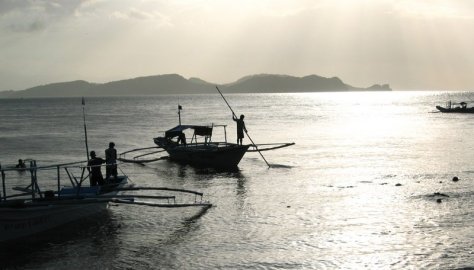
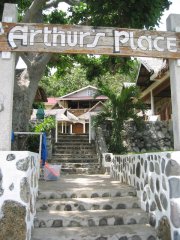 In fact, when we did go to the beach in Puerto Galera for the first time, in February 1992 (just a few weeks after Steph, Hannah and Philippa had joined me from the UK), I’d never even snorkeled before! So the last thing on my mind was the idea of taking a scuba diving course. Snorkeling was fine – once I’d got the hang of it, and learned to relax and actually breathe with my face in the water. So we invested in masks, boots and fins, and started visiting Anilao about once a month. Our first resort was Arthur’s Place, established by local dive master and entrepreneur Arturo Abrigonda and his wife Lita. Arthur’s Place was quite modest in 1992, just a few rooms available. And since there was no telephone at that time, making a reservation was rather hit-and-miss. In fact, it was only possible to reach the resort from Anilao village by outrigger canoe or banca, which took about 30 minutes or so. Eventually, the road was opened up, the mobile phone network spread to include the Mabini peninsula, and Arthur’s Place even had email and a web presence. But I’m getting ahead of myself.
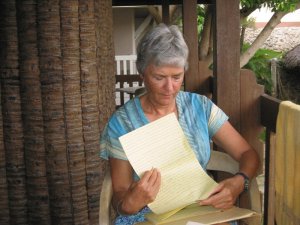
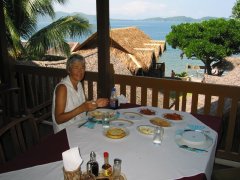
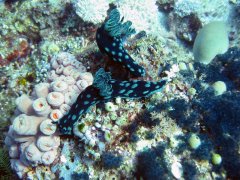
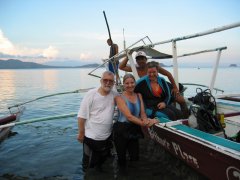
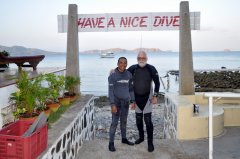
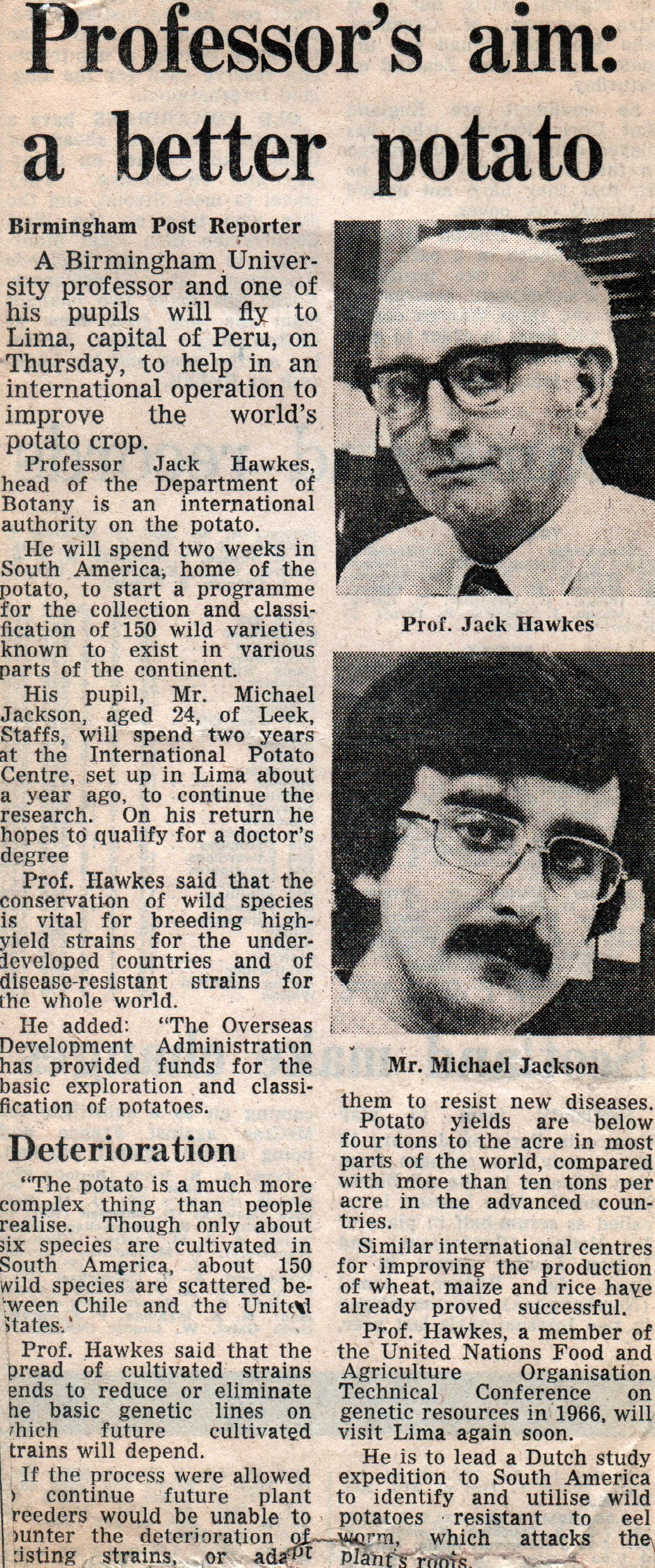
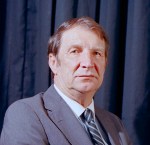
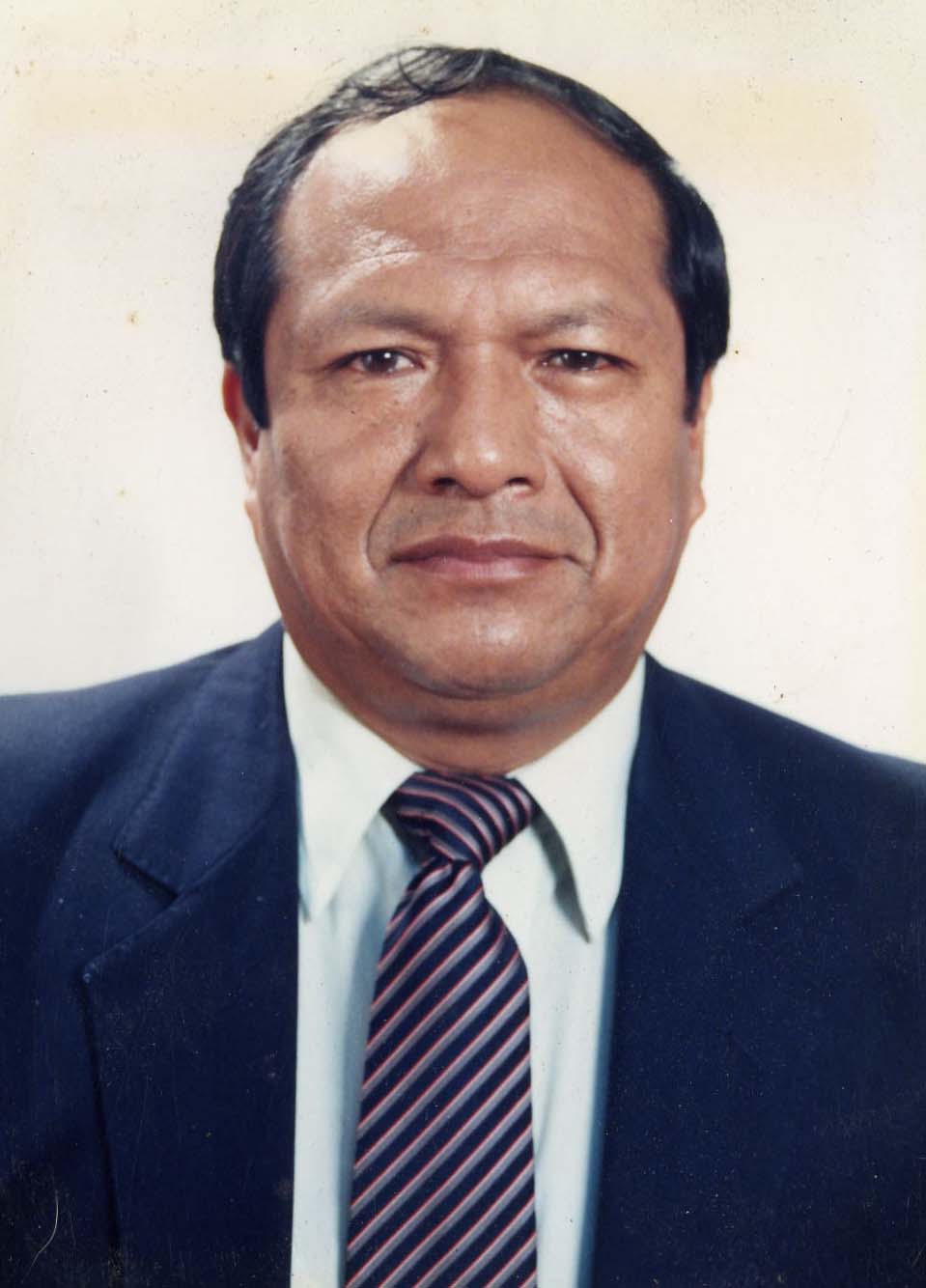
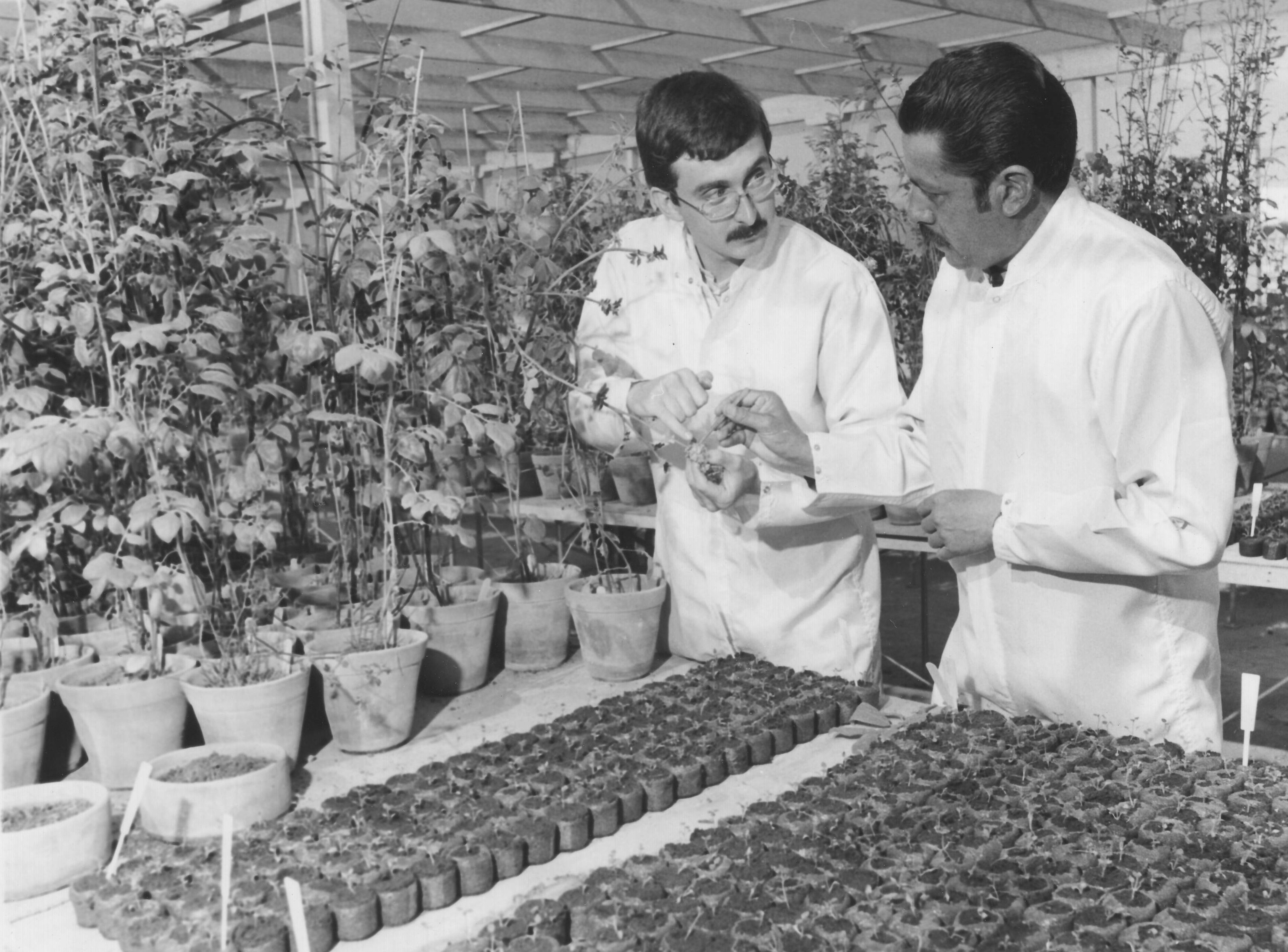
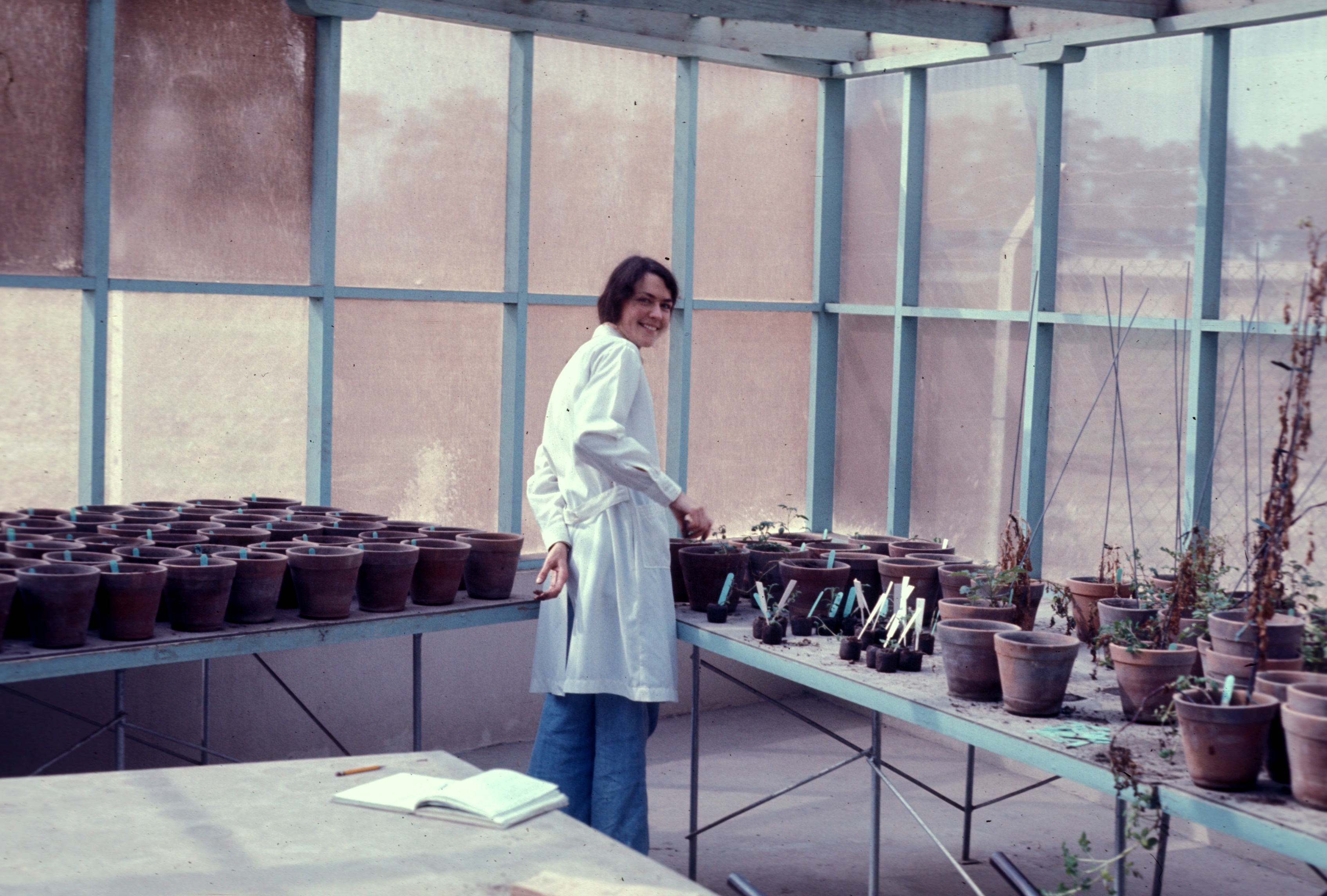
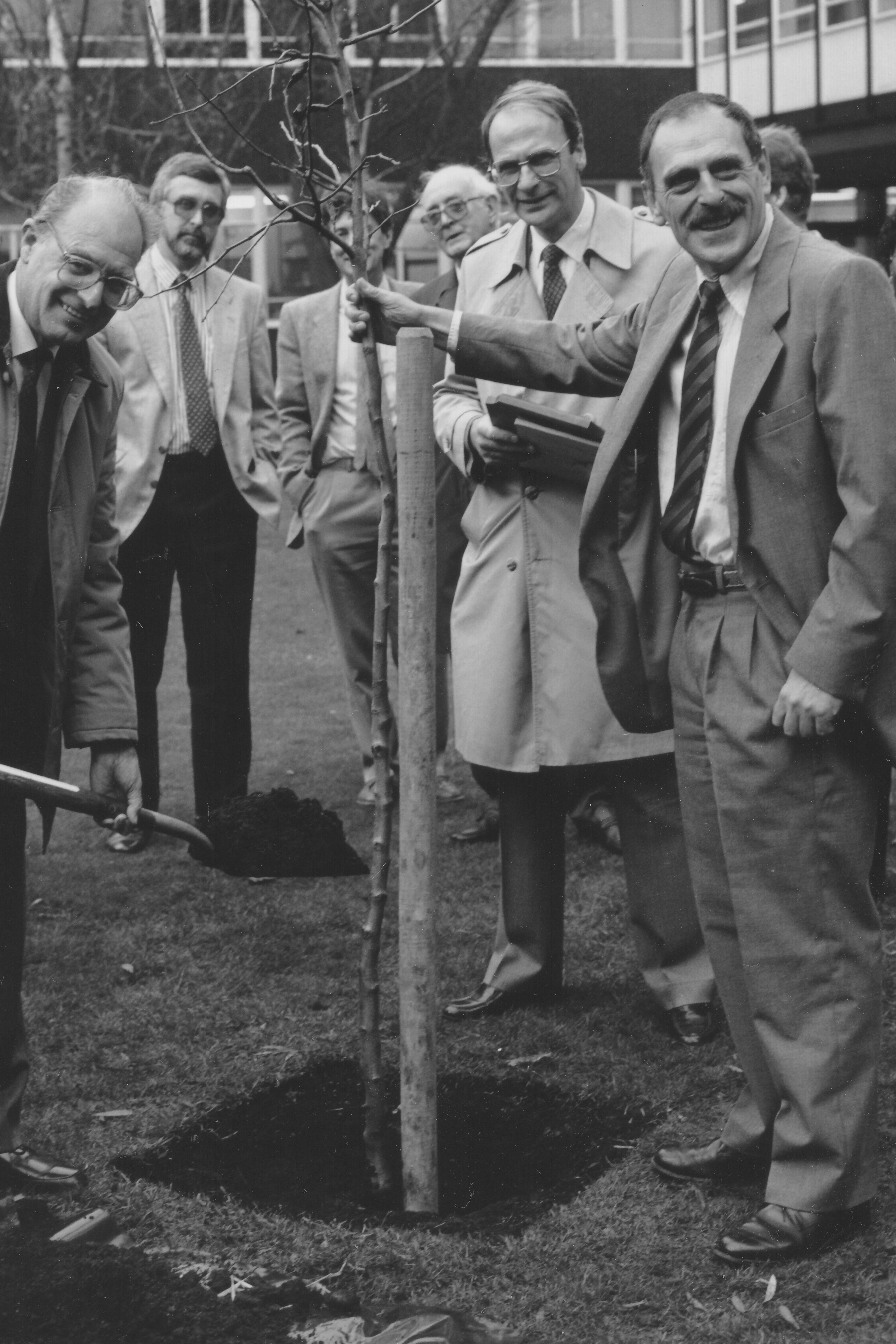
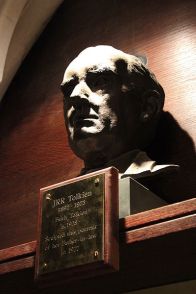



 Getting back to Christmas at IRRI. A number of staff take their annual leave from mid-December, especially those from the Antipodes, and parts of Asia. So it became a tradition for the Director General and his wife to host a Christmas party on the second Sunday of December, especially for all the children, and have Santa Claus make an appearance and distribute presents to one and all. One of the happiest responsibilities I had for about a decade was to dig out my Santa suit each year – and my make-up, and put in an appearance as Santa. From about mid-September onwards I’d let my beard and moustache grow so that by early December it was quite bushy. Although my hair and beard are mostly white now, a little make-up always added to the impression. During the 1990s, the role of Santa had been taken by my old friend, the late Bob Huggan, and then Bob Zeigler (now Director General) when he was a Program Leader.
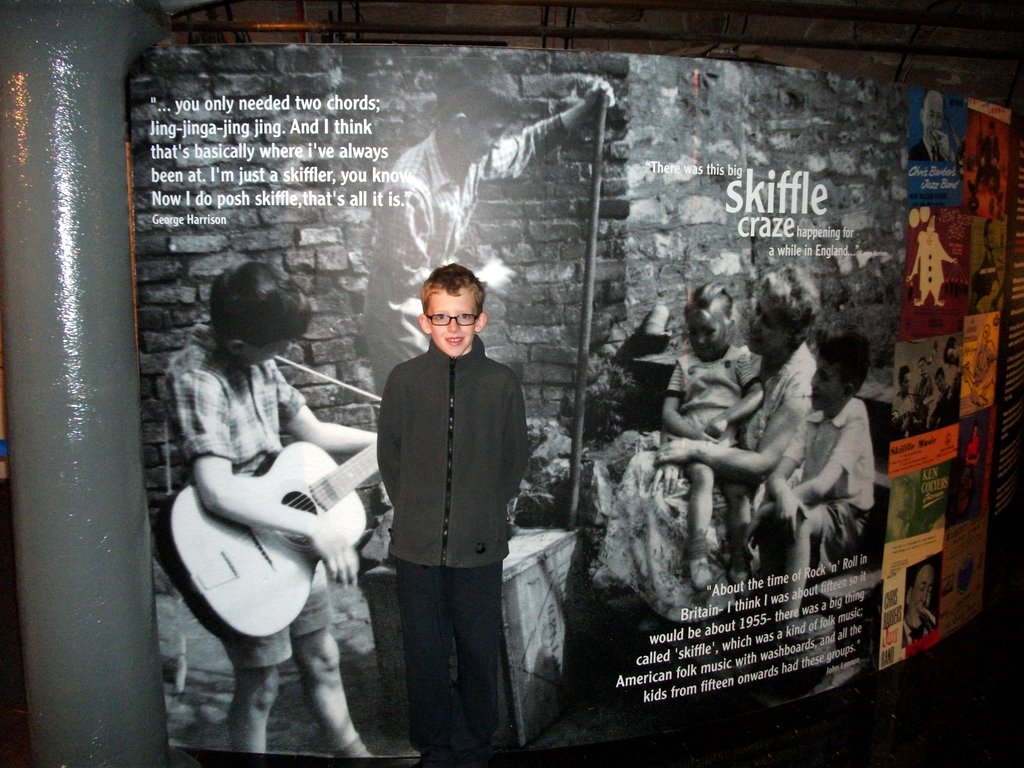
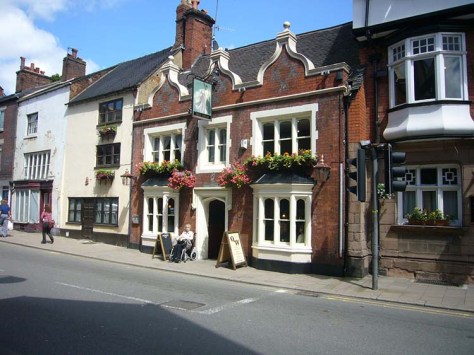
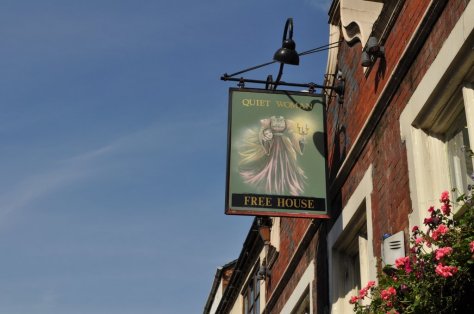
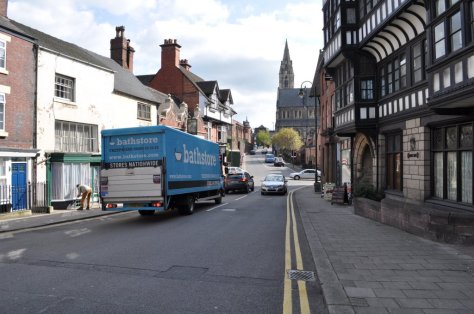
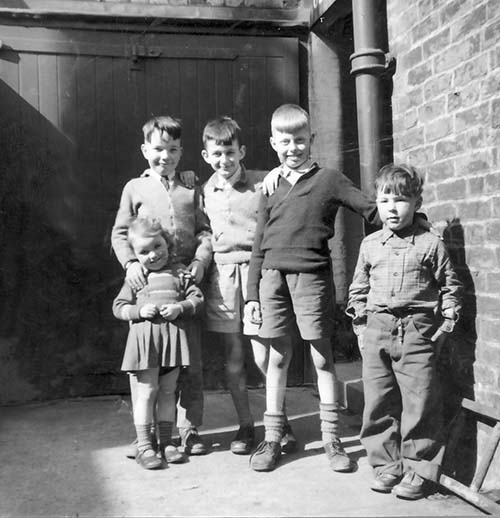
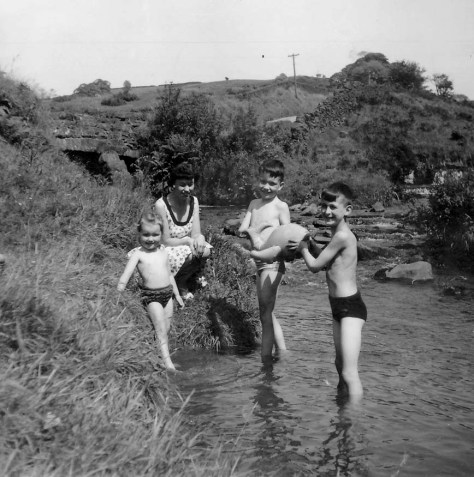
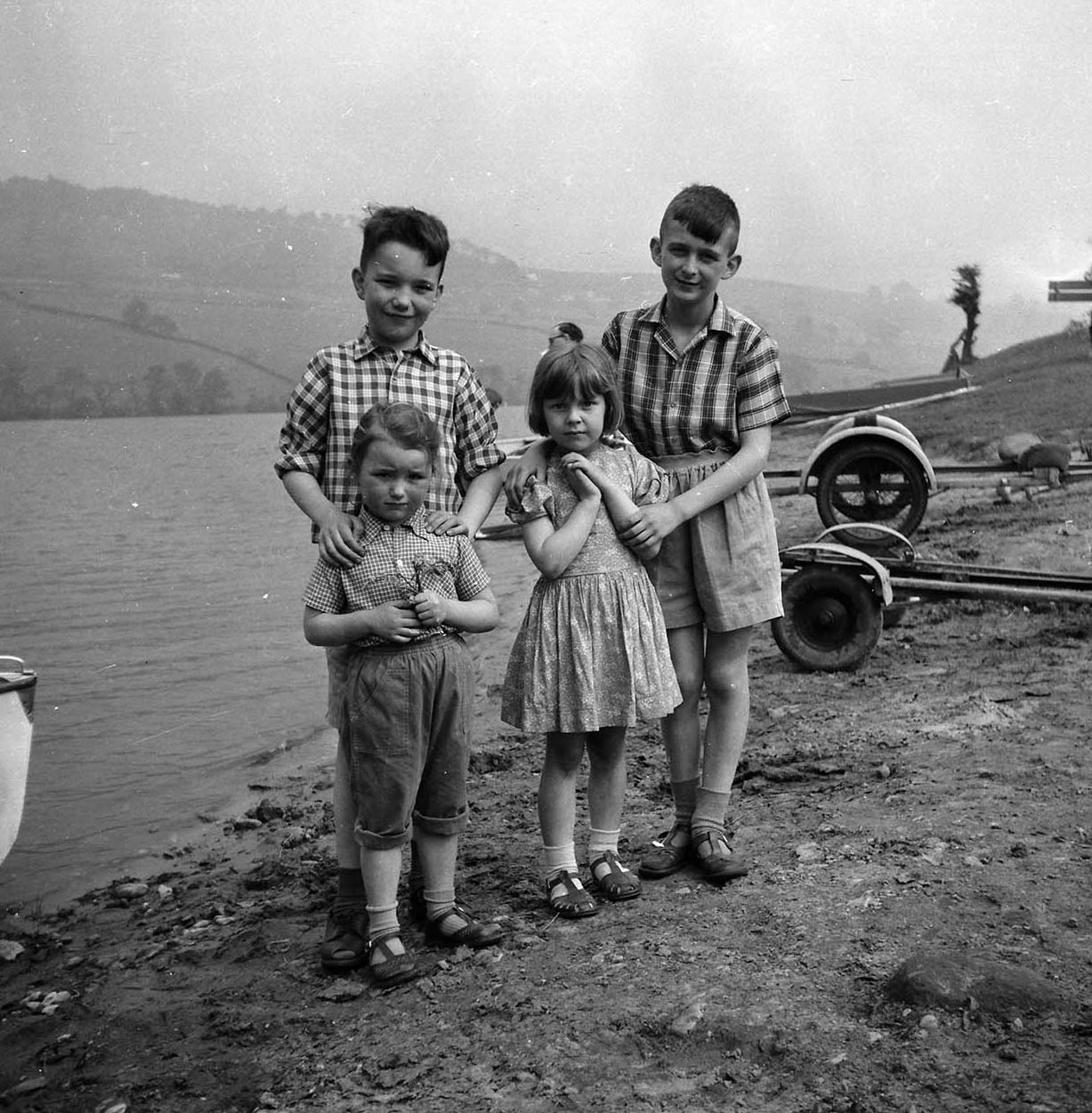
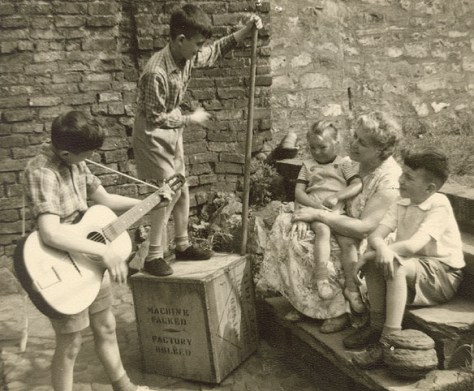
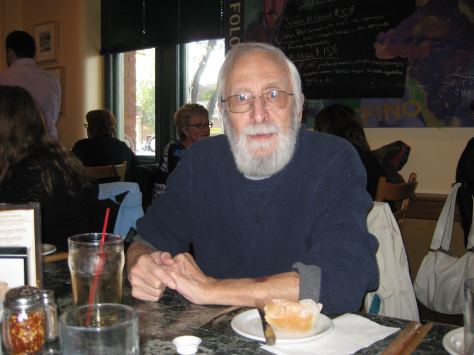
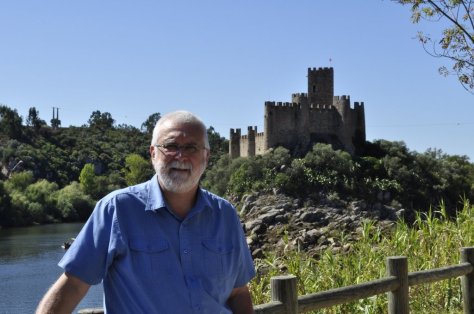
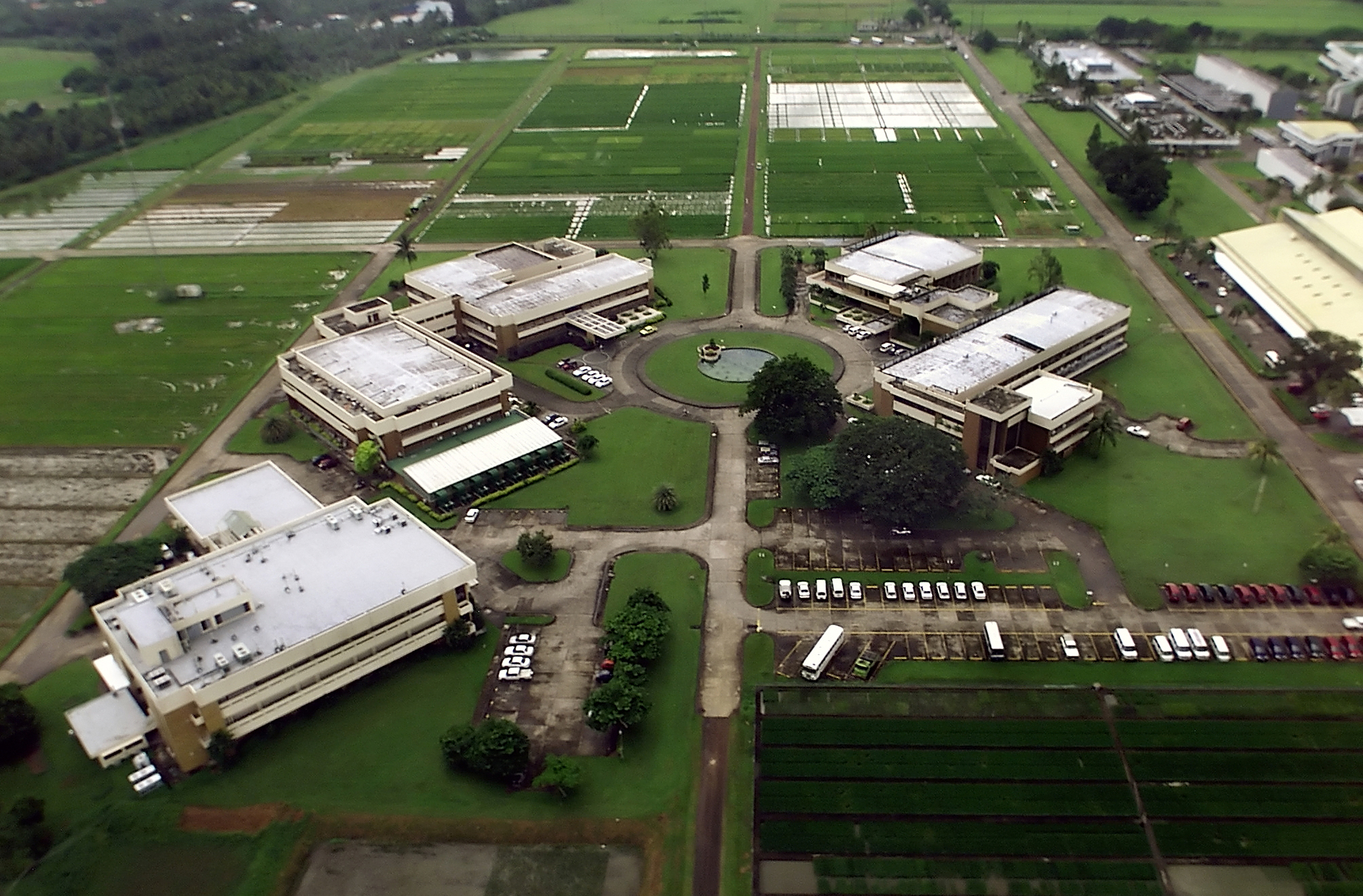
 My predecessor at IRRI was Dr Te-Tzu Chang, known to everyone as ‘TT’. He joined IRRI in 1962 and over the years had built the germplasm collection to about 75,000 or so accessions by the time I joined the institute, as well as leading IRRI’s upland rice breeding efforts.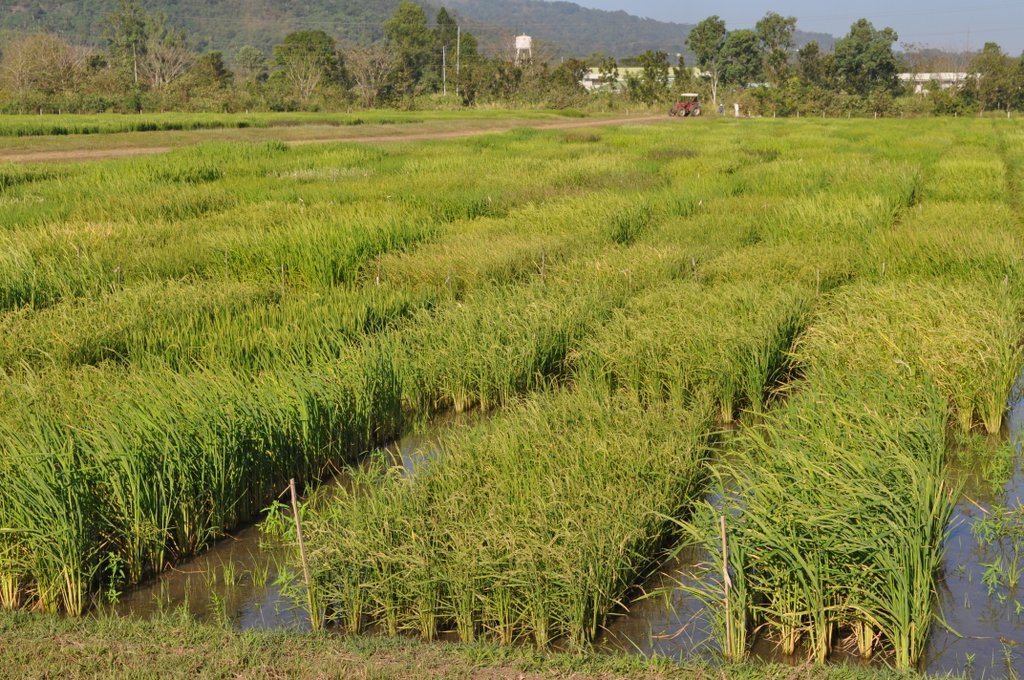
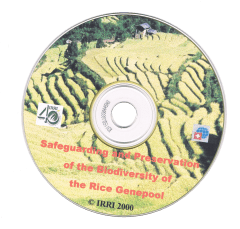


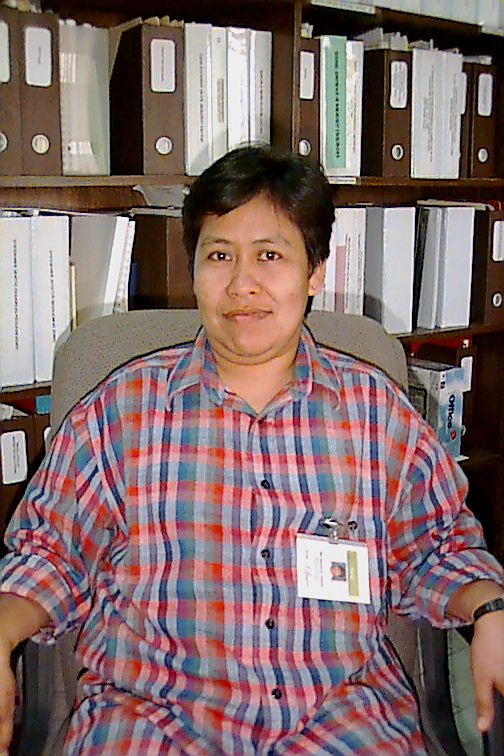

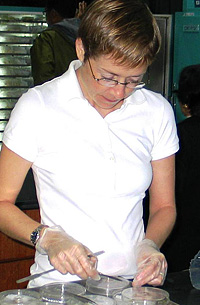
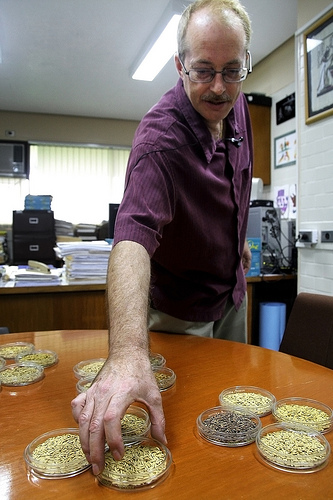
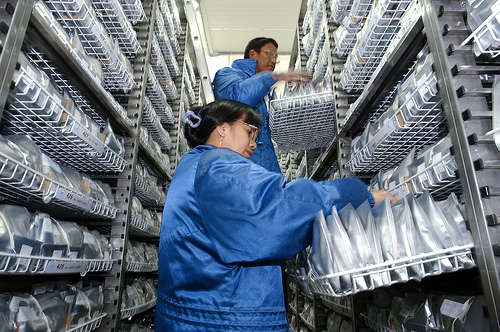

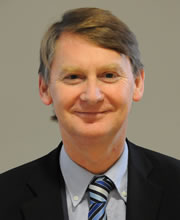
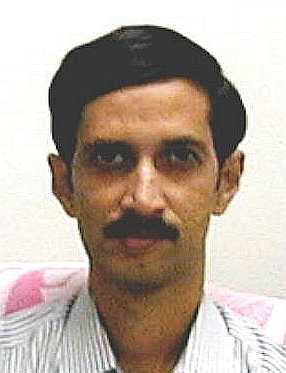
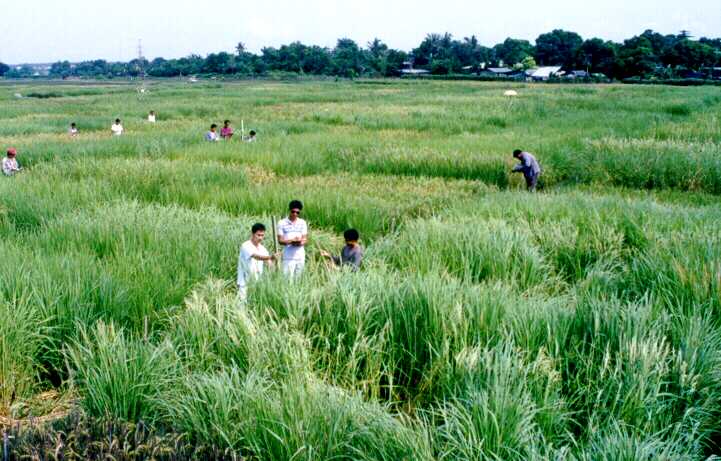

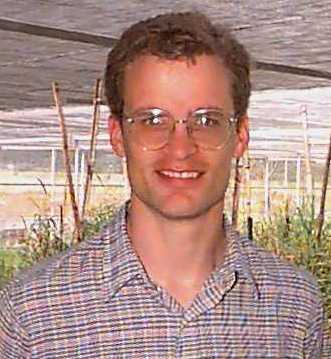
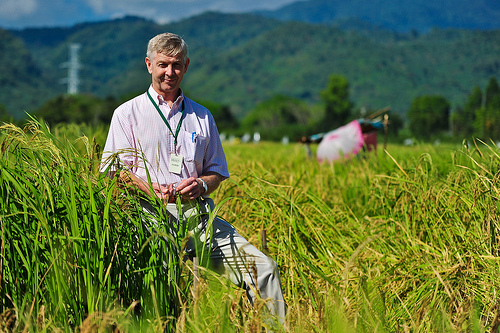
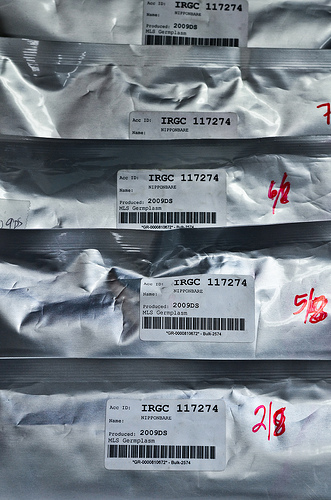
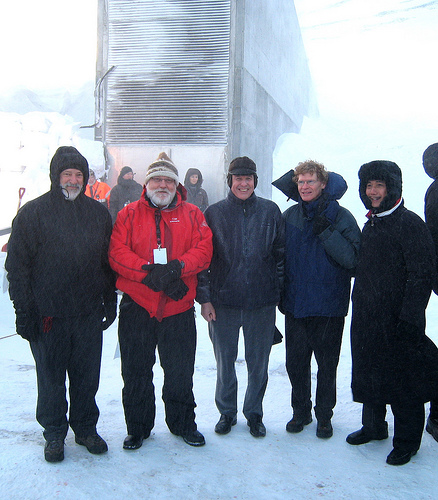

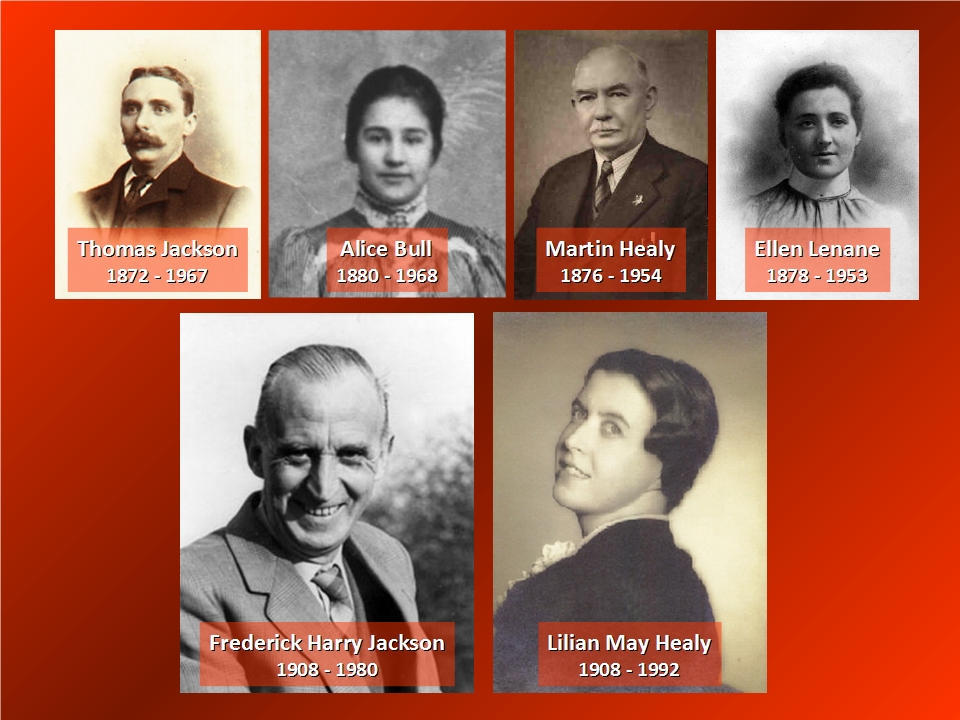
 Completing a PhD thesis is one thing. Supervising the research of someone else is another.
 Ardeshir B Damania 1983: Variation in wheat and barley landraces from Nepal and the Yemen Arab Republic
 Rene Chavez 1984: The use of wide crosses in potato breeding
 Denise B Clugston 1988: Embryo culture and protoplast fusion for the introduction of Mexican wild species germplasm into the cultivated potato
 Carlos Arbizu 1990: The use of Solanum acaule as a source of resistance to potato spindle tuber viroid (PSTV) and potato leaf roll virus (PLRV)
 Abdul Ghani Yunus 1990: Biosystematics of Lathyrus Section Lathyrus with special reference to the grass pea, L. sativus L.
 F Javier Franisco Ortega 1992: An ecogeographical study within the Chamaecytisus proliferus (L.fil.) Link complex (Fabaceae: Genisteae) in the Canary Islands
 Susan A Juned 1994: Somaclonal variation in the potato (Solanum tuberosum L.) cultivar Record with particular reference to the reducing sugar variation after cold storage
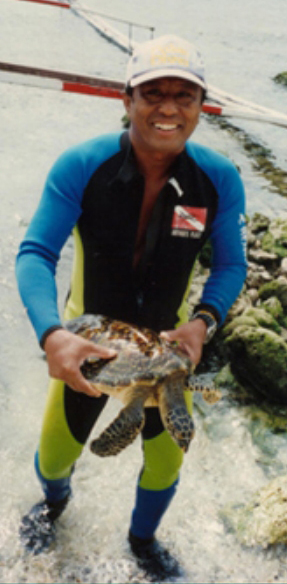

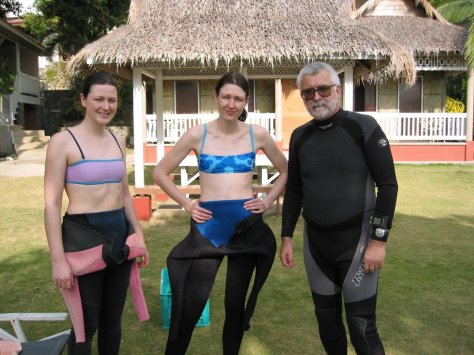
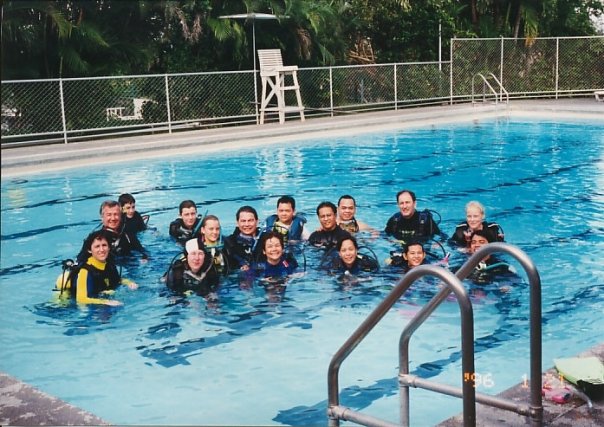
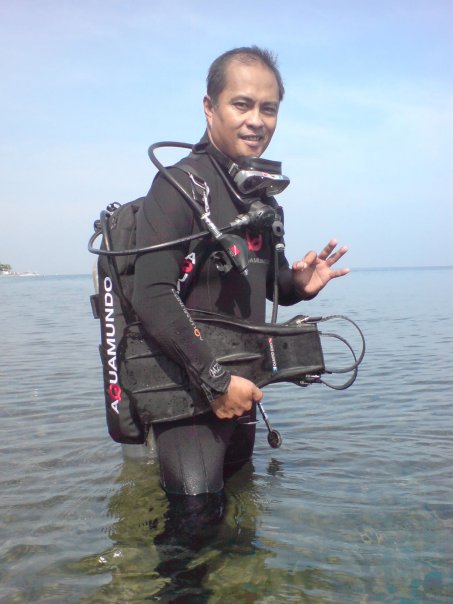
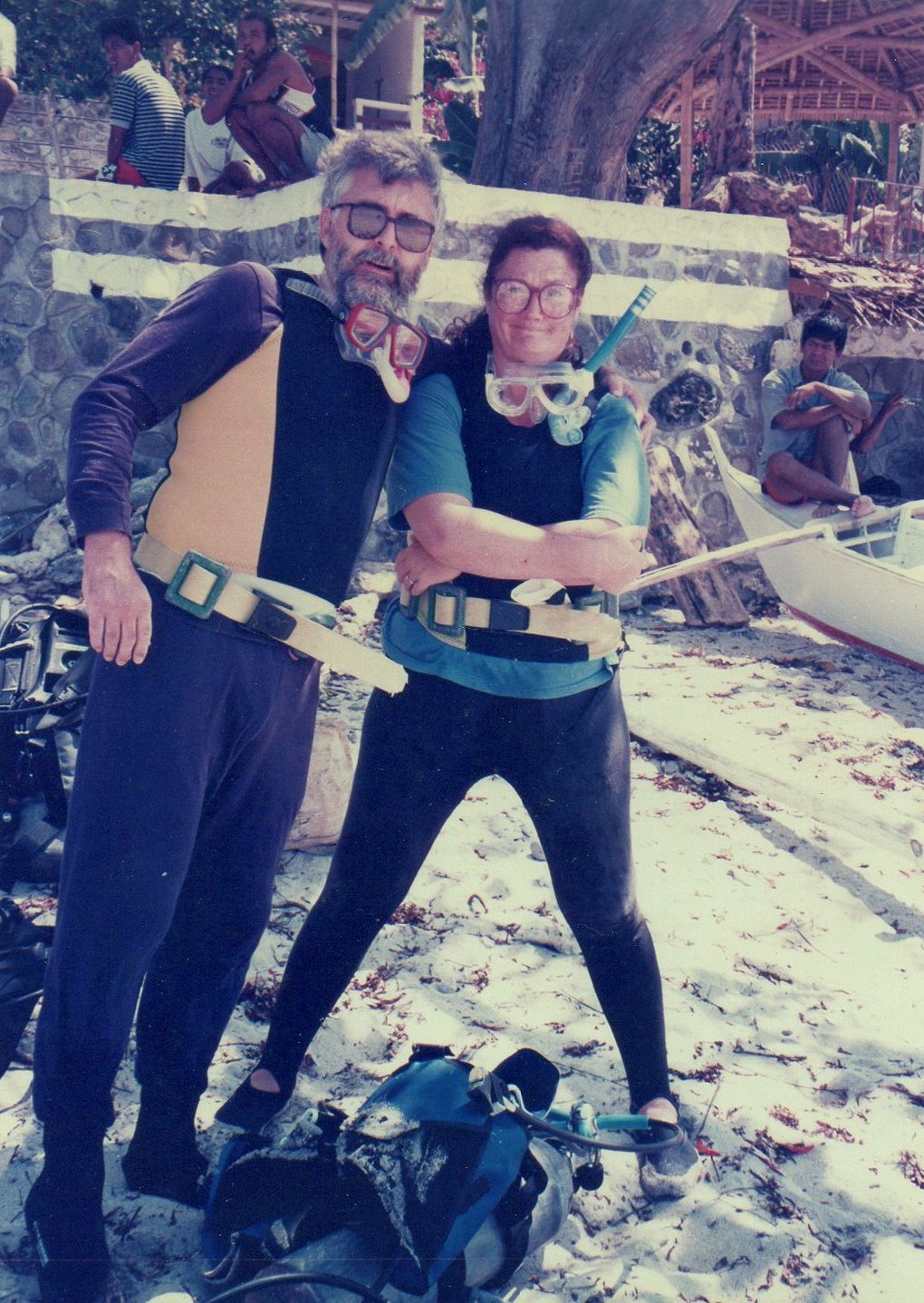
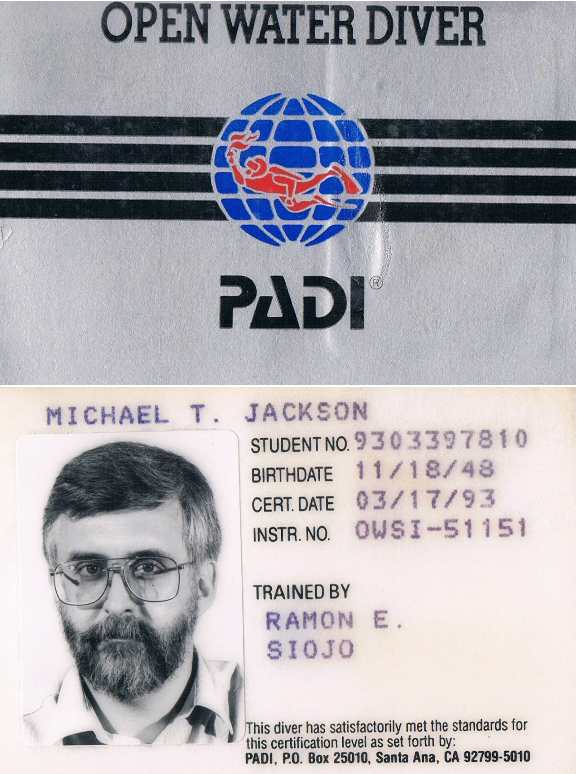
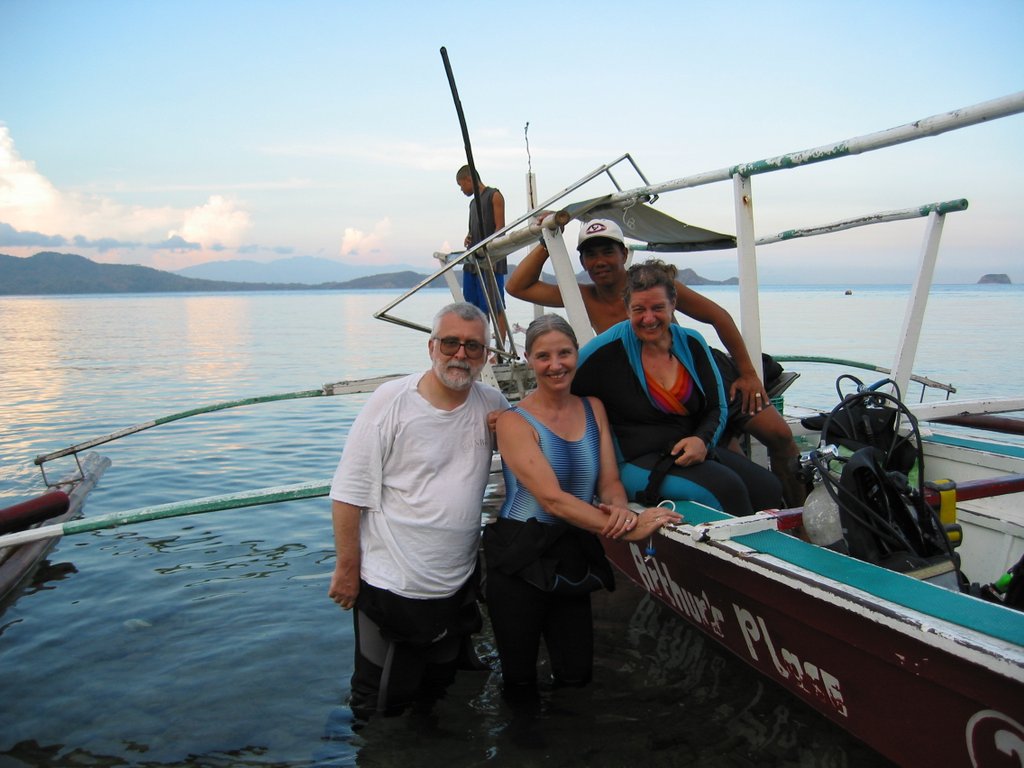
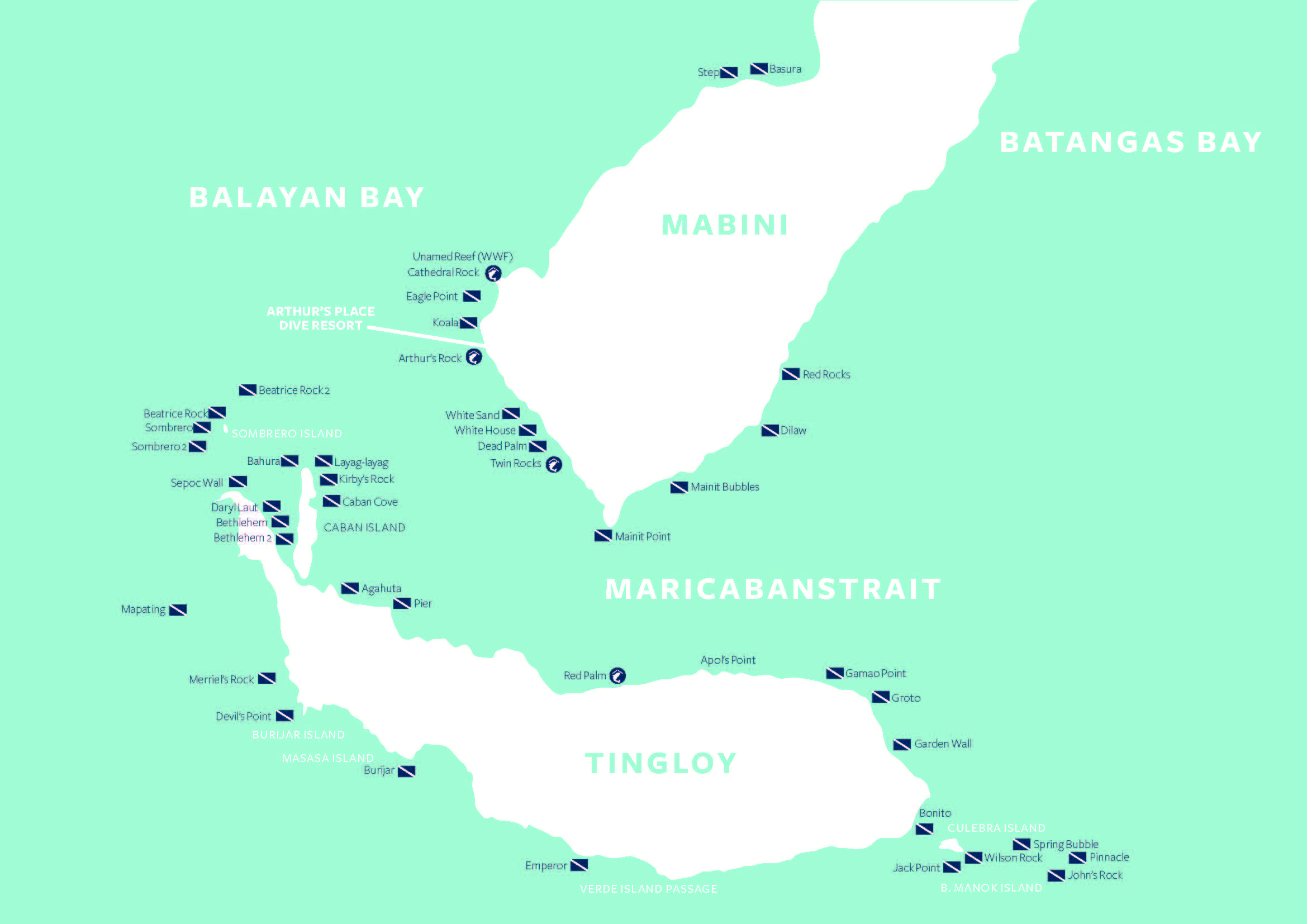
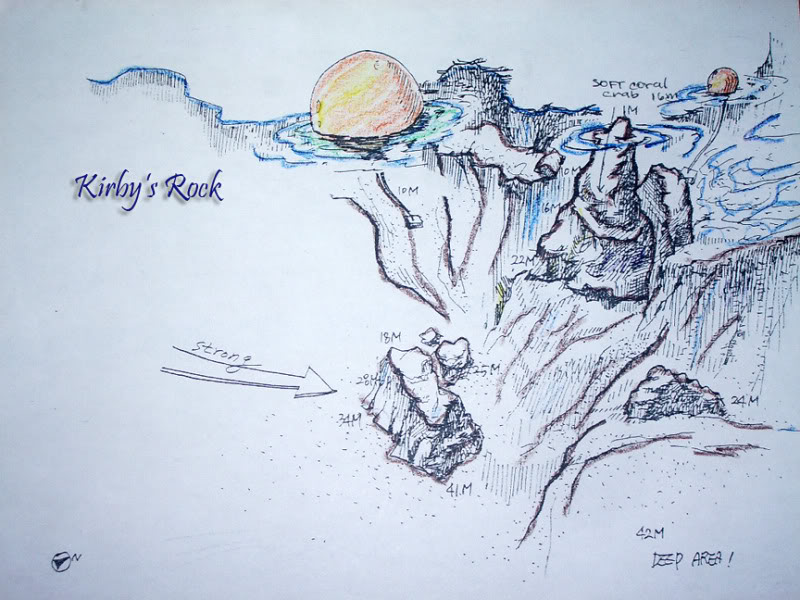
 Anilao is not visited by many pelargics, although tuna and barracuda are quite frequent. Whale sharks are seen occasionally, and dolphins come through from time to time; sea turtles are regular visitors. White-tip reef sharks are quite common at Bahura (up to 2 m in length), but the one creature that always made me feel uncomfortable was the giant triggerfish, which can be extremely aggressive. On one dive with Lito and two teachers from ISM at Bahura, we hadn’t noticed one particular critter, about 1 m, in the vicinity. Lito had handed me a shell, and turning around, there was this fish about two meters in front of him – decidely pissed off. It chased him up to the surface (about 60 feet – apologies for the mix of metric and feet in this post; I learnt to dive in feet!), and not having success, came back after me and the other two. We were crouching behind some rocks and eventually it swam off. These fish can inflict serious bites, and afterwards we always gave them a wide berth if possible.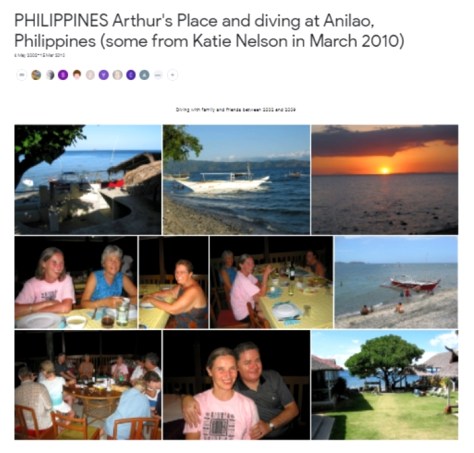
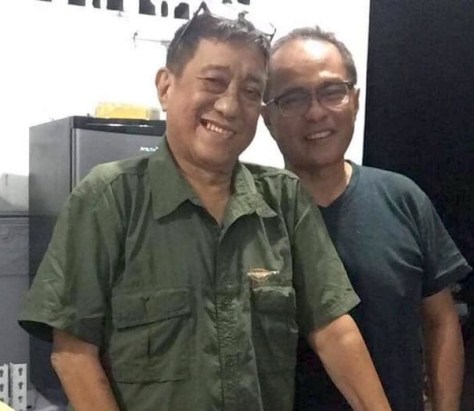
 Lies, damned lies, and statistics – a saying popularised by Mark Twain who attributed it to Victorian Prime Minister Benjamin Disraeli; but there are
  And one man, who is passionate about statistics, is on a mission to make statistics meaningful for everyone. He’s Professor Hans Rosling, a global health expert and Professor of International Health at the Karolinska Institute in Sweden. Last night I watched a highly entertaining – and illuminating – one hour program on BBC4 titled The Joy of Stats. So enthusiastic is he to uncover the hidden messages in data sets, he’s set up an organization called
  Botanist. That’s right. Not plant scientist or plant biologist. Botanist!


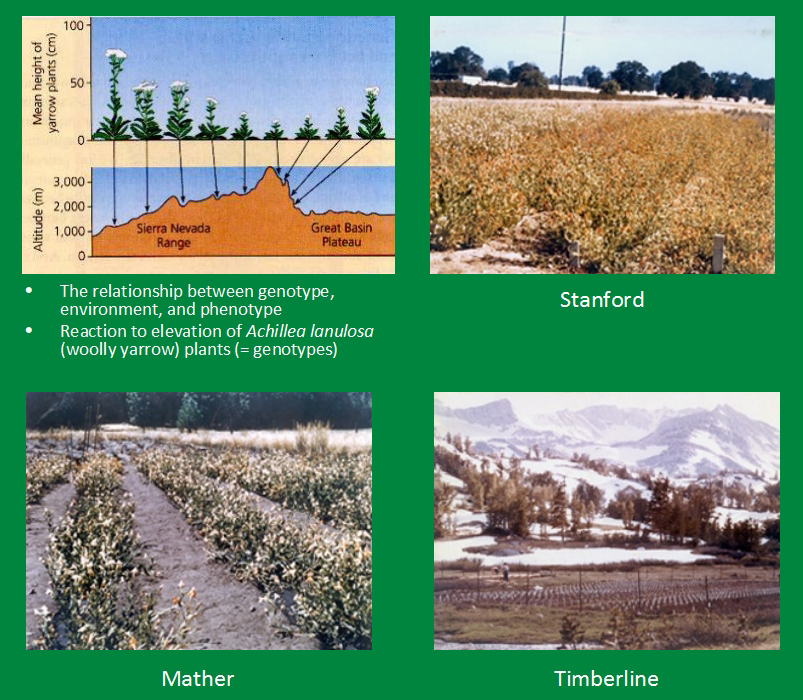
 Another influence was Missouri Botanical Garden geneticist Edgar Anderson. If you’ve not read his highly entertaining and readable Plants, Man & Life, then grab yourself a copy.

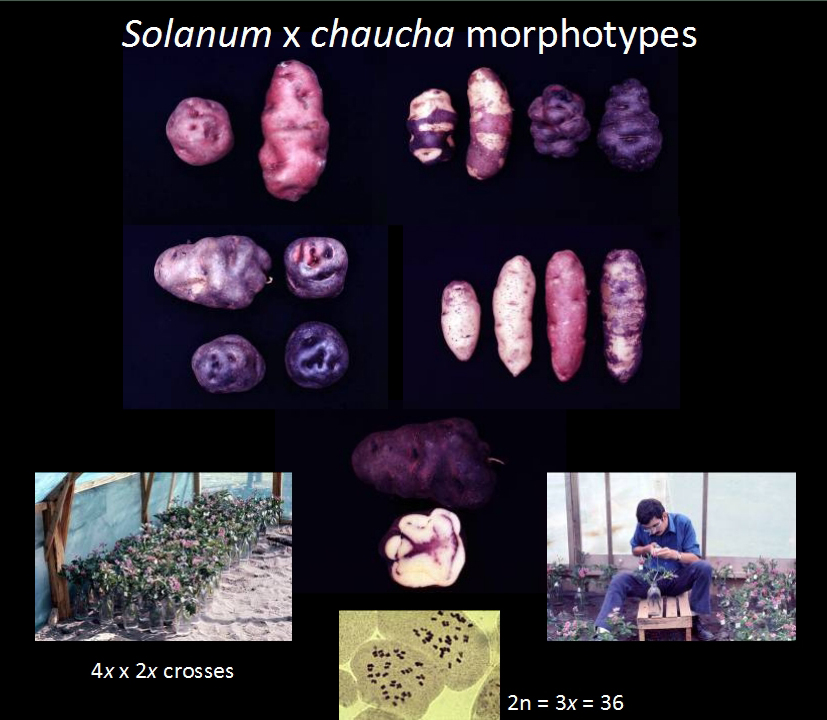
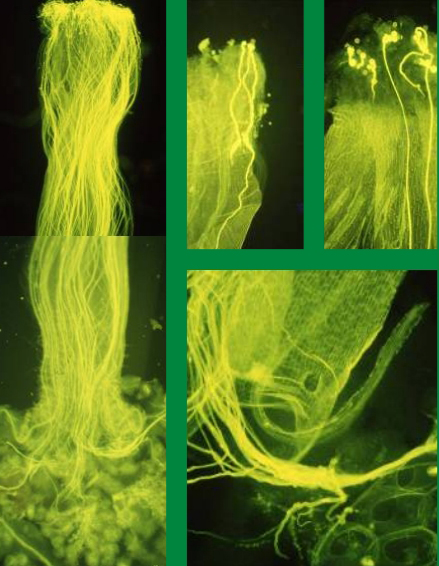
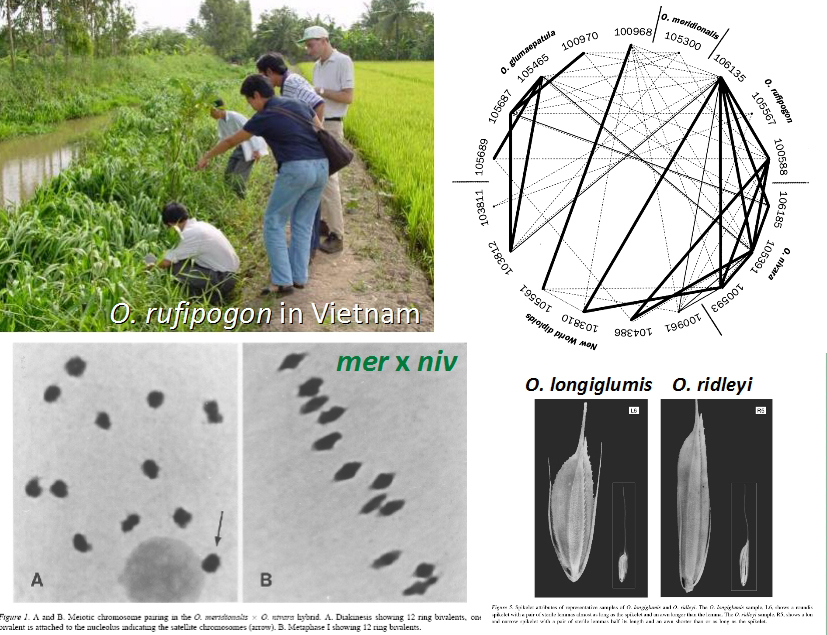
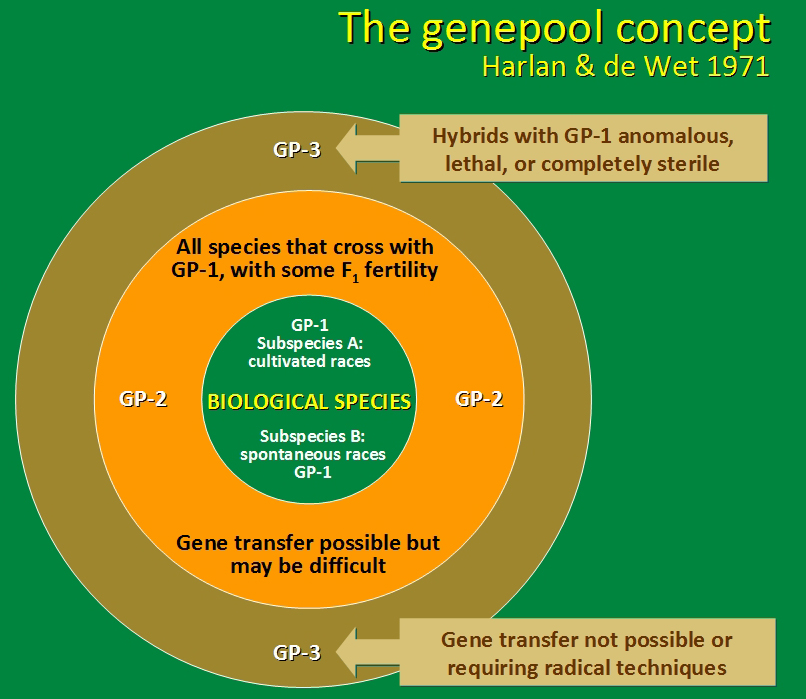
 Hindsight is a wonderful thing. Although I spent more than 20 years studying potatoes – in a variety of guises – that had not been my first choice. I originally wanted to become the world’s lentil expert.
 Interestingly, unknown to Trevor and me, renowned Israeli expert on crop evolution Professor Daniel Zohary (of the Hebrew University of Jerusalem) had been working on the same problem, and published his results in Economic Botany in 1972 [1], which essentially confirmed the conclusions I’d reached a year earlier.

 (then with the USDA regional potato germplasm project in Sturgeon Bay, Wisconsin, and later to join CIP in July 1973 as head of the breeding and genetics department), ethnobotanist and taxonomist
  and potato breeder


 At first, there were few internationally-recruited staff, but throughout 1973, the staff increased quite rapidly. Rainer Zachmann, a German plant pathologist working on Rhizoctonia solani, joined in February, followed by Julia Guzman, a late blight specialist from Colombia; Parviz Jatala, a nematologist from Iran; Ray Meyer, an agronomist from the USA; and Dick Wurster as head of the Outreach Dept. , among others. Dick had been working in Uganda prior to joining CIP.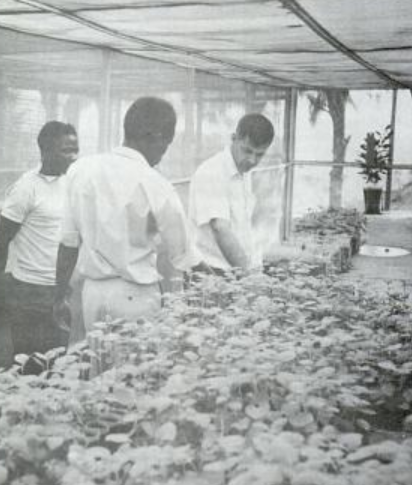
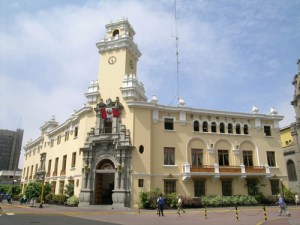 My fiancée
 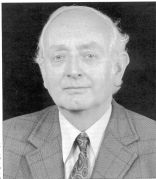 When the late
 Here is the list of University of Birmingham PhD students who worked on potatoes, as far as I can remember. All of them from 1975 (with the exception of Ian Gubb) had also attended the MSc course on genetic resources:
 Richard Lester (UK), 1962. Taught at Makerere University in Uganda, before joining the Dept. of Botany at Birmingham in 1969. Retired in 2002, and died in 2006. Studied the biochemical systematics of Mexican wild Solanum species. The species Solanum lesteri is named after him.
 Katsuo Armando Okada (Argentina), 1970 (?). Retired. Was with IBPGR for a while in the 1980s (?) in Colombia. Studied the origin of Solanum x rechei from Argentina.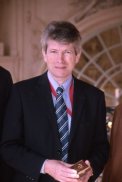
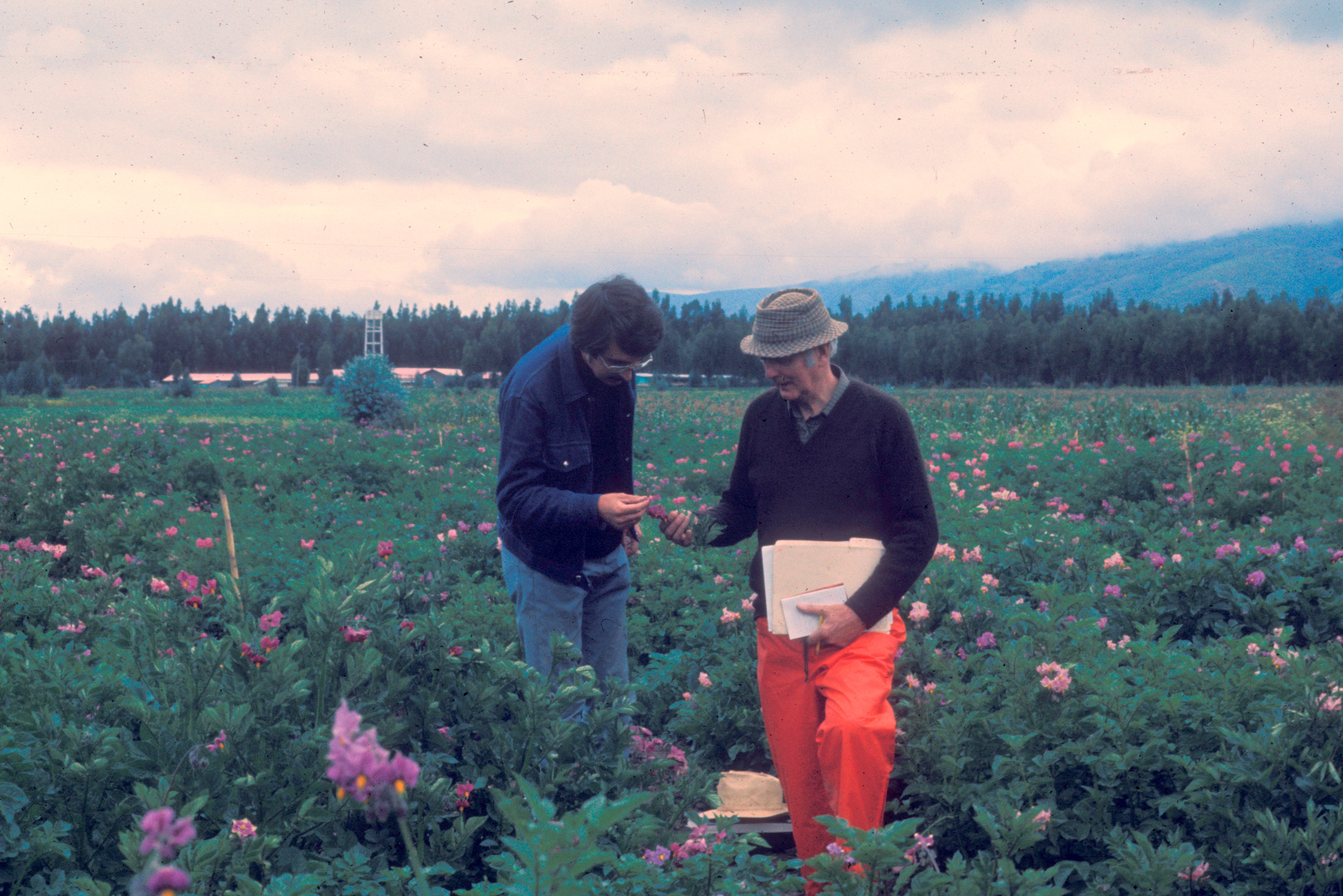
 David Astley (UK), 1975. Became the curator of the vegetable genebank at Wellesbourne (now the
 Peter Schmiediche (Germany), 1977. He continued working with CIP as a potato breeder (for resistance to bacterial wilt), and was later CIP’s regional leader based in Indonesia. Now retired and sharing his time between Texas (where his children settled) and his native Berlin. Studied the bitter potatoes Solanum x juzepczukii (3x) and S. x curtilobum (5x). Joint with CIP and Roger Rowe.
 Carlos Arbizu (Peru), 1990. An expert on minor Andean tuber crops, he came from the University of Ayacucho. Spent time working in the germplasm program at CIP. Studied the origin and value of resistance to spindle tuber viroid in Solanum acaule. Joint with CIP and principal virologist Luis Salazar (who gained his PhD while studying at the
 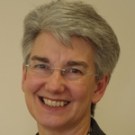 Susan Juned (UK), 1994. Now a sustainable technology consultant, Sue is an active local government councillor, and has stood for election to parliament on a couple of occasions for the Liberal Democrats. Studied
 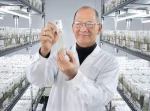 David Tay (Malaysia), 2000. He worked in Australia and then was Director of the USDA Ornamental Plant Germplasm Center in Columbus, Ohio, but returned to CIP as head of the genetic resources unit in 2007. He’s now left CIP. I think he worked on diploid cultivated species. Joint with CIP. Not sure why his PhD is dated 2000, as he’d been in CIP in the late 70s.
 Roger Rowe, who had been in charge of the
 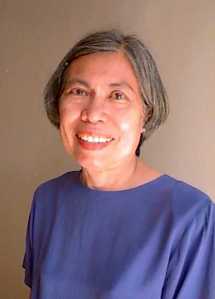 Ms. Genoveva ‘Eves’ Loresto passed away in Cebu on 5 April after a long battle with cancer.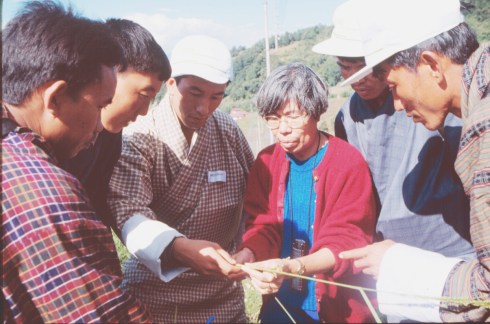
 The
The 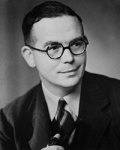 For decades it had one of the strongest genetics departments in the world, with luminaries such as Professor Sir Kenneth Mather FRS* and Professor John Jinks FRS**, leading the way in cytology, and population and quantitative genetics.
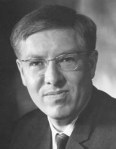 In fact, genetics at Birmingham was renowned for its focus on quantitative genetics and applications to plant breeding. For many years it ran a one-year MSc course in Applied Genetics.
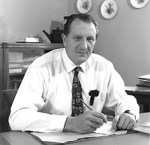 The head of the department of botany and Mason Professor of Botany during the 1960s was Jack Heslop-Harrison FRS*** whose research and reviews on genecology would make such valuable contributions to the field of plant genetics resources.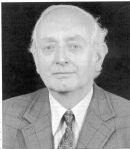
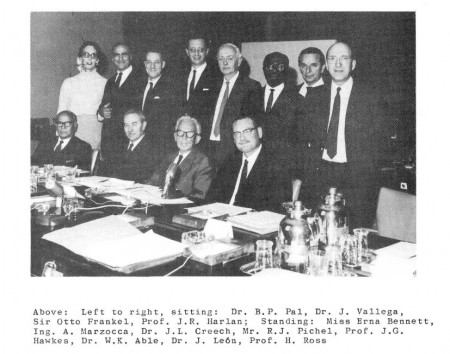
 The culmination of that initiative – four decades later – was the opening in 2008 of the

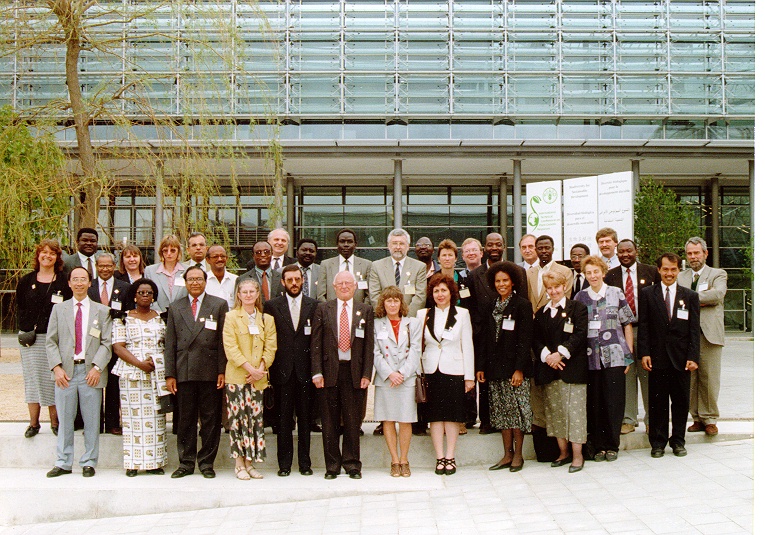
 Dr Richard Lester (who died in 2006) was a chemotaxonomist and Solanaceae expert. Trevor left Birmingham at the end of the 70s to become Executive Secretary, then Director General of the International Board for Plant Genetic Resources (which in turn became IPGRI, then Bioversity International).
 Brian Ford-Lloyd (now Professor of Conservation Genetics and Director of the university Graduate School) joined the department in 1979 and was the course tutor for many years, and contributing lectures in data management, among others.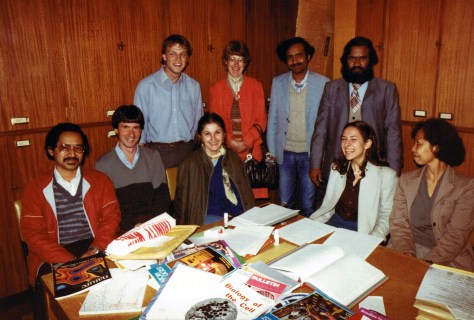
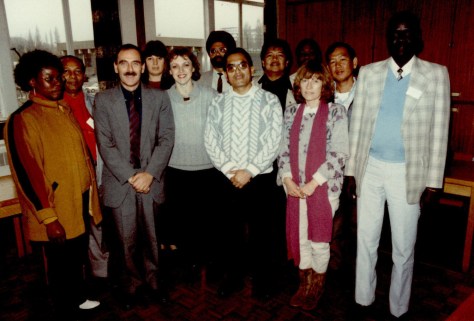
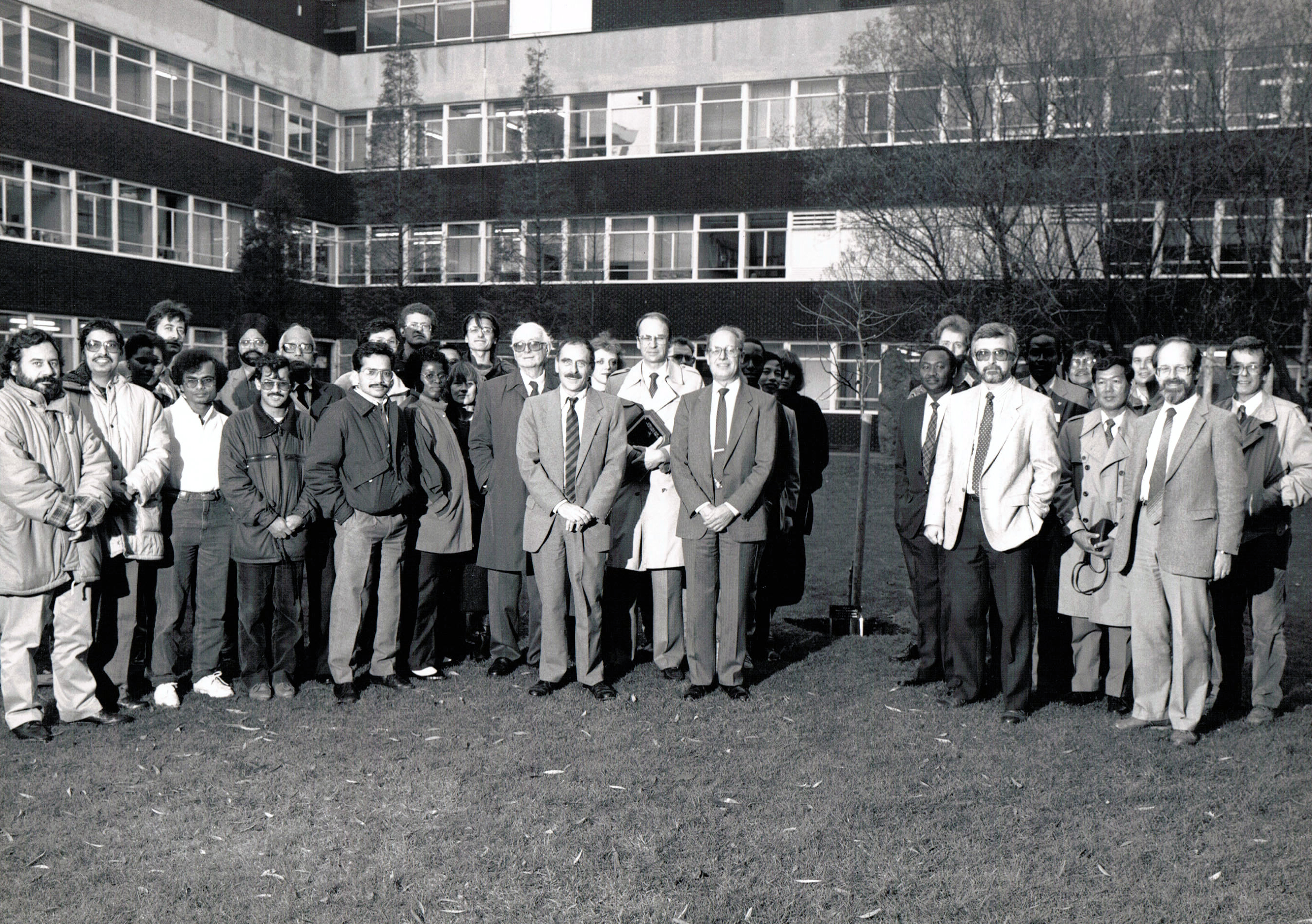
 After I resigned from the university to join IRRI in 1991, Dr Nigel Maxted was appointed as a lecturer, and has continued his work on wild relatives of crop plants and in situ conservation. He has also taken students on field courses to the Mediterranean several times.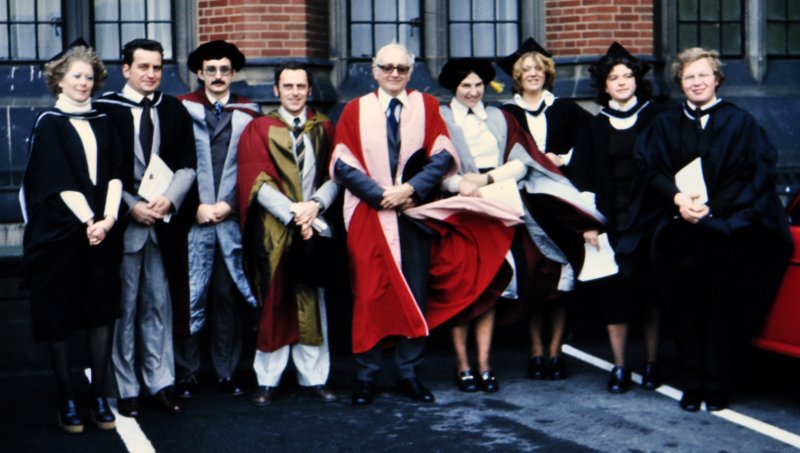
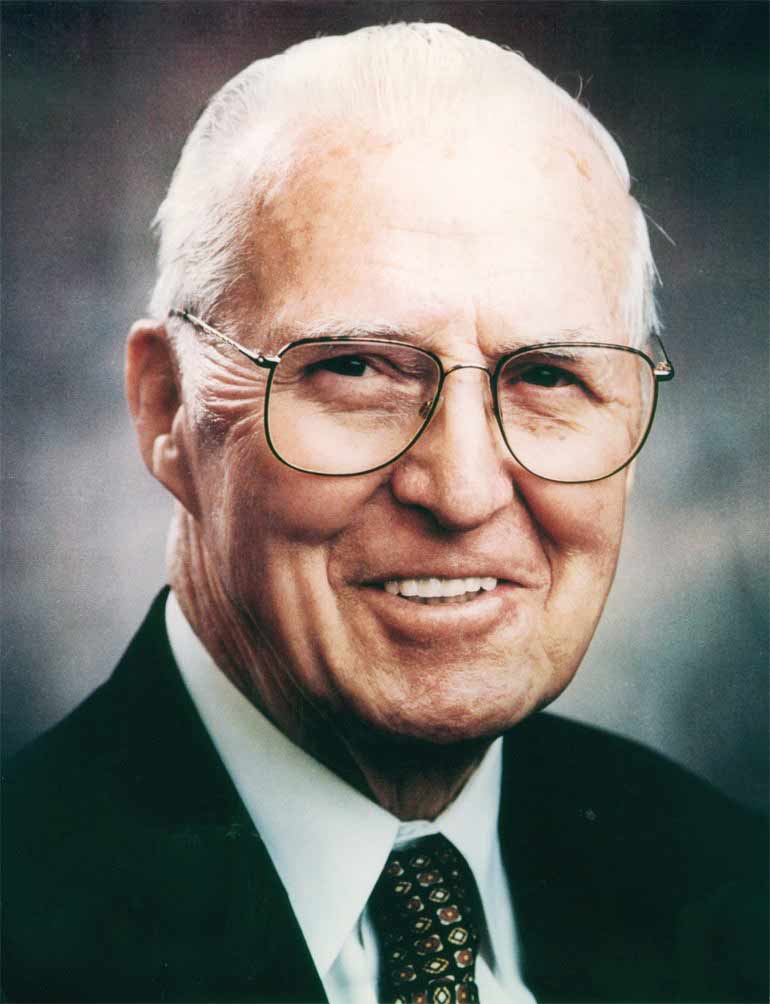
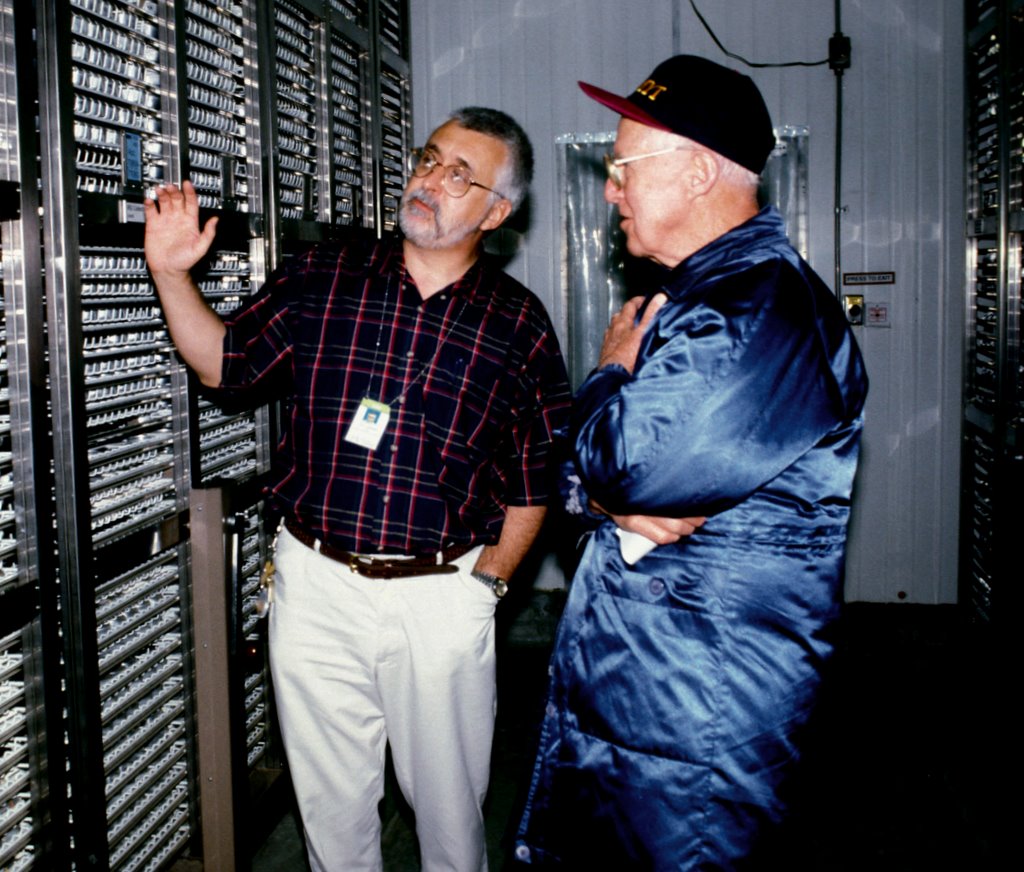
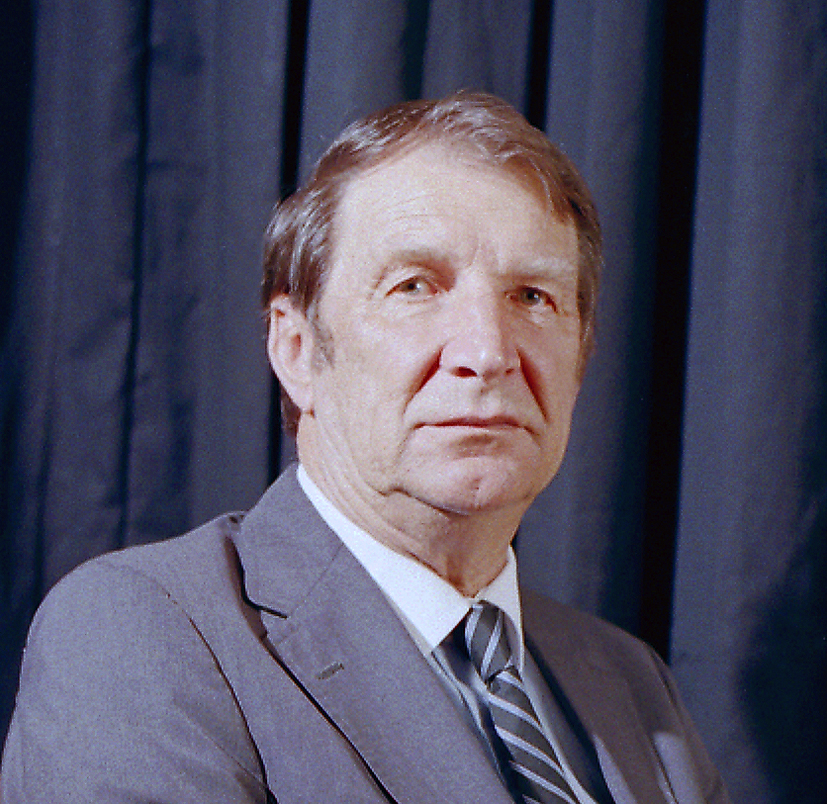
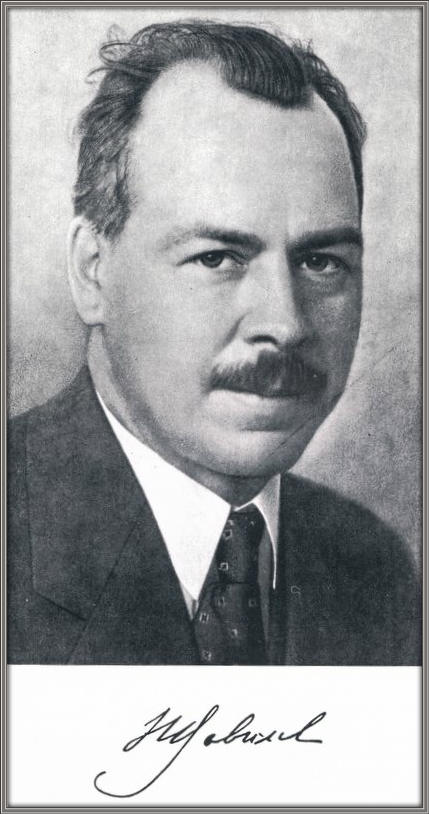
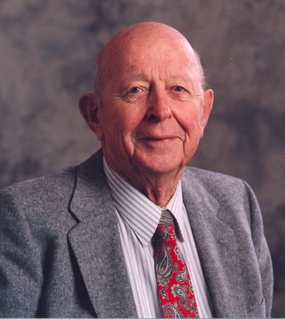
 I’m not really a movie buff. In fact I can’t remember the last time I went to the cinema. It might even have been 1977 when I saw Star Wars in San José, Costa Rica. But I do catch the odd movie from time-to-time on the TV, and I particularly like westerns and musicals (although I still haven’t seen The Sound of Music.) The musicals of the thirties were something special and surrealistic – especially those directed by
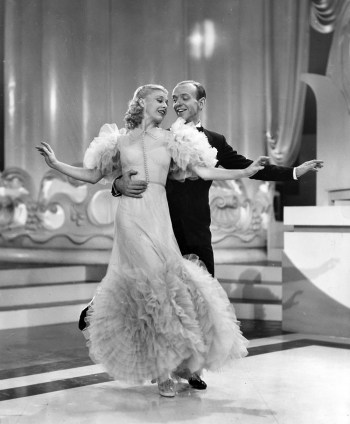
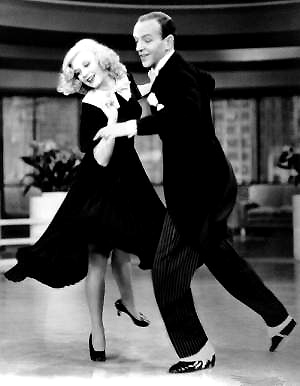
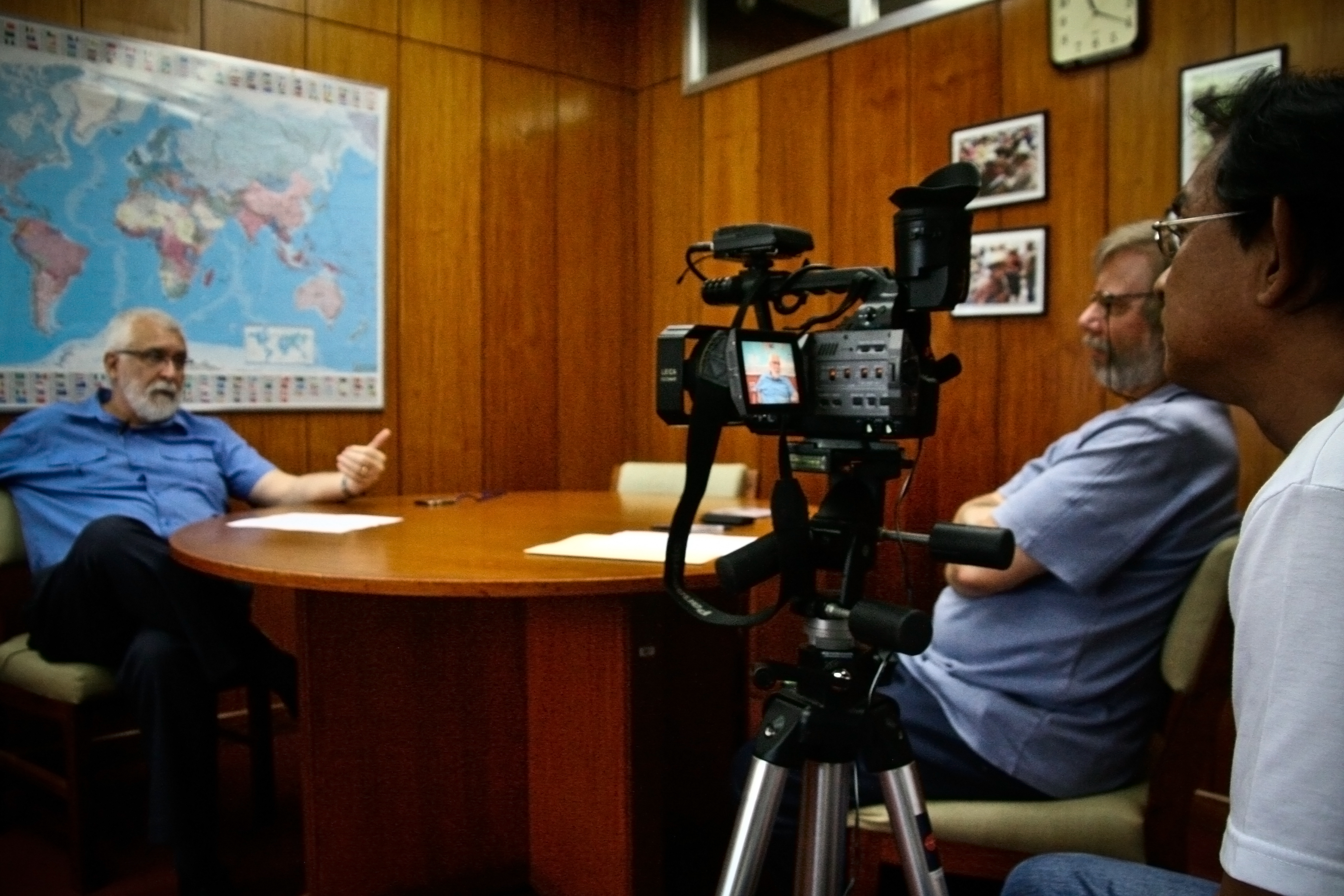
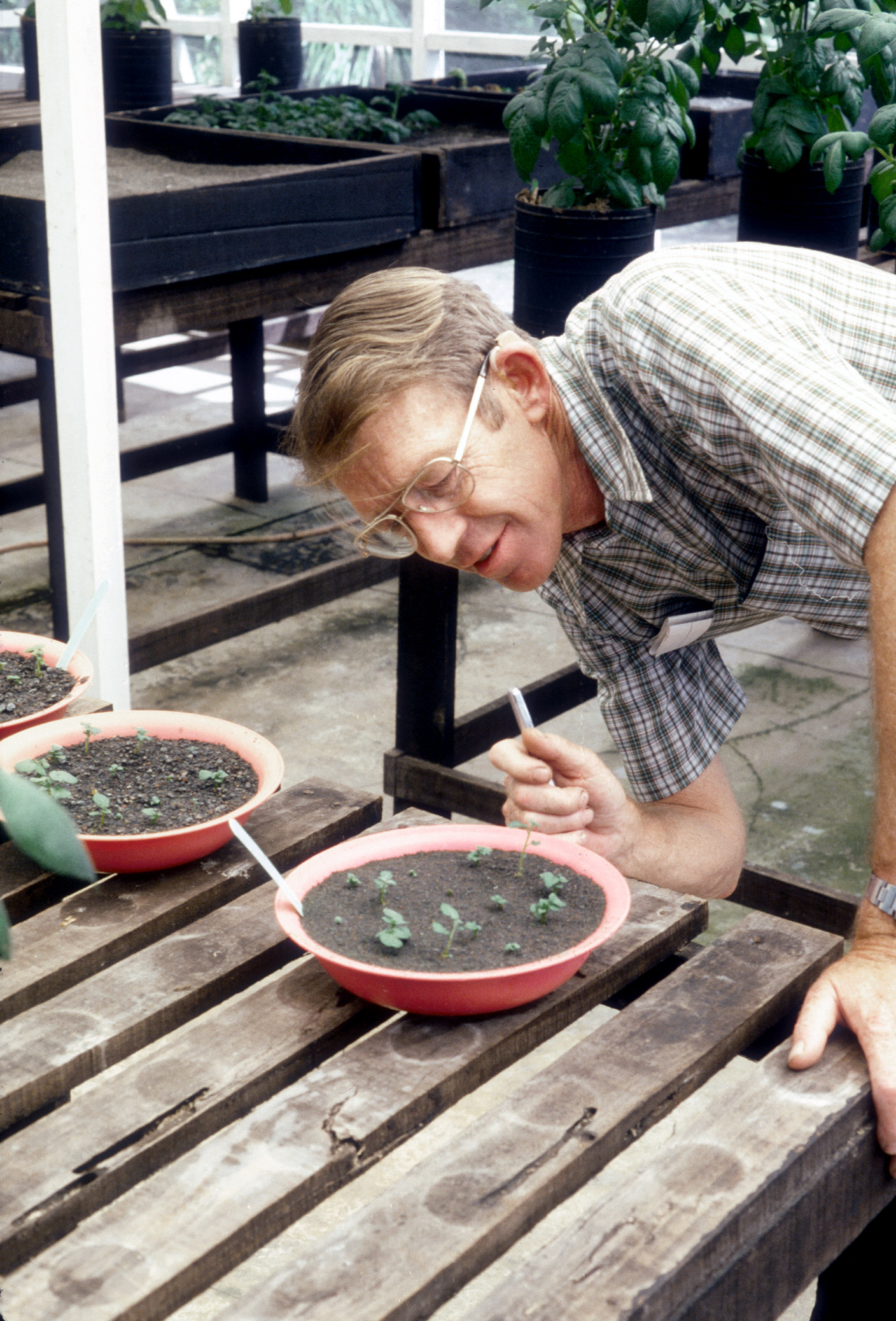
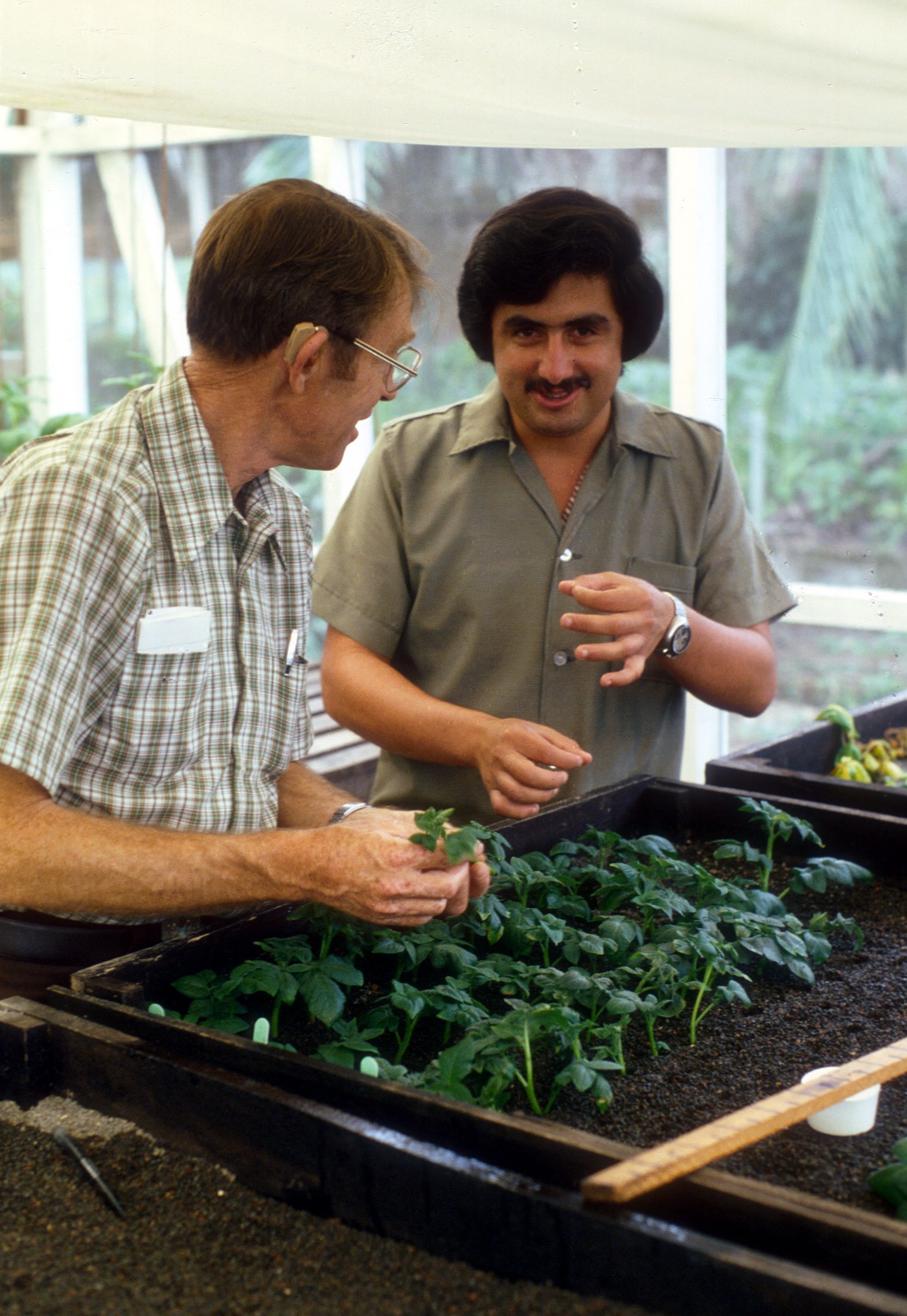
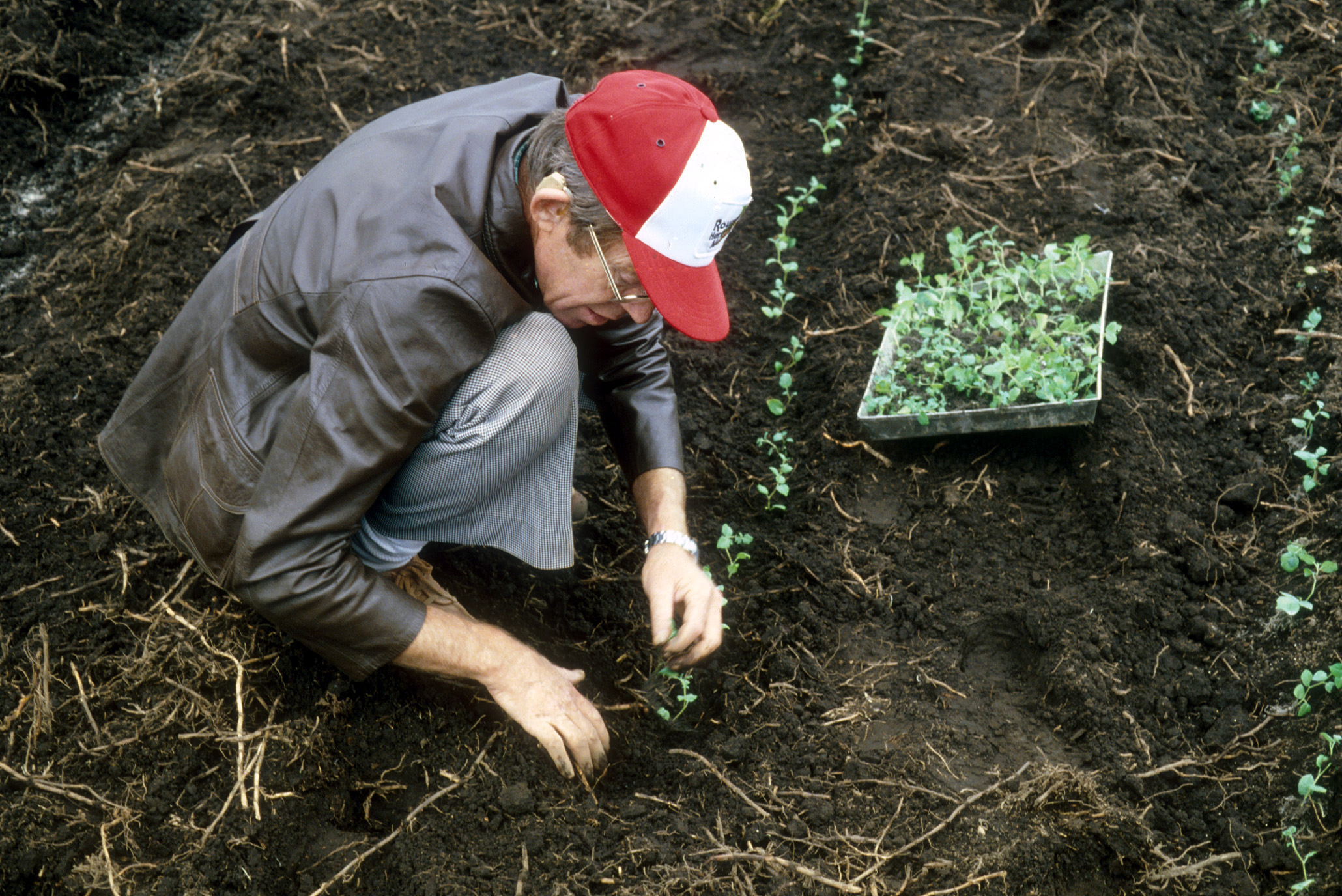
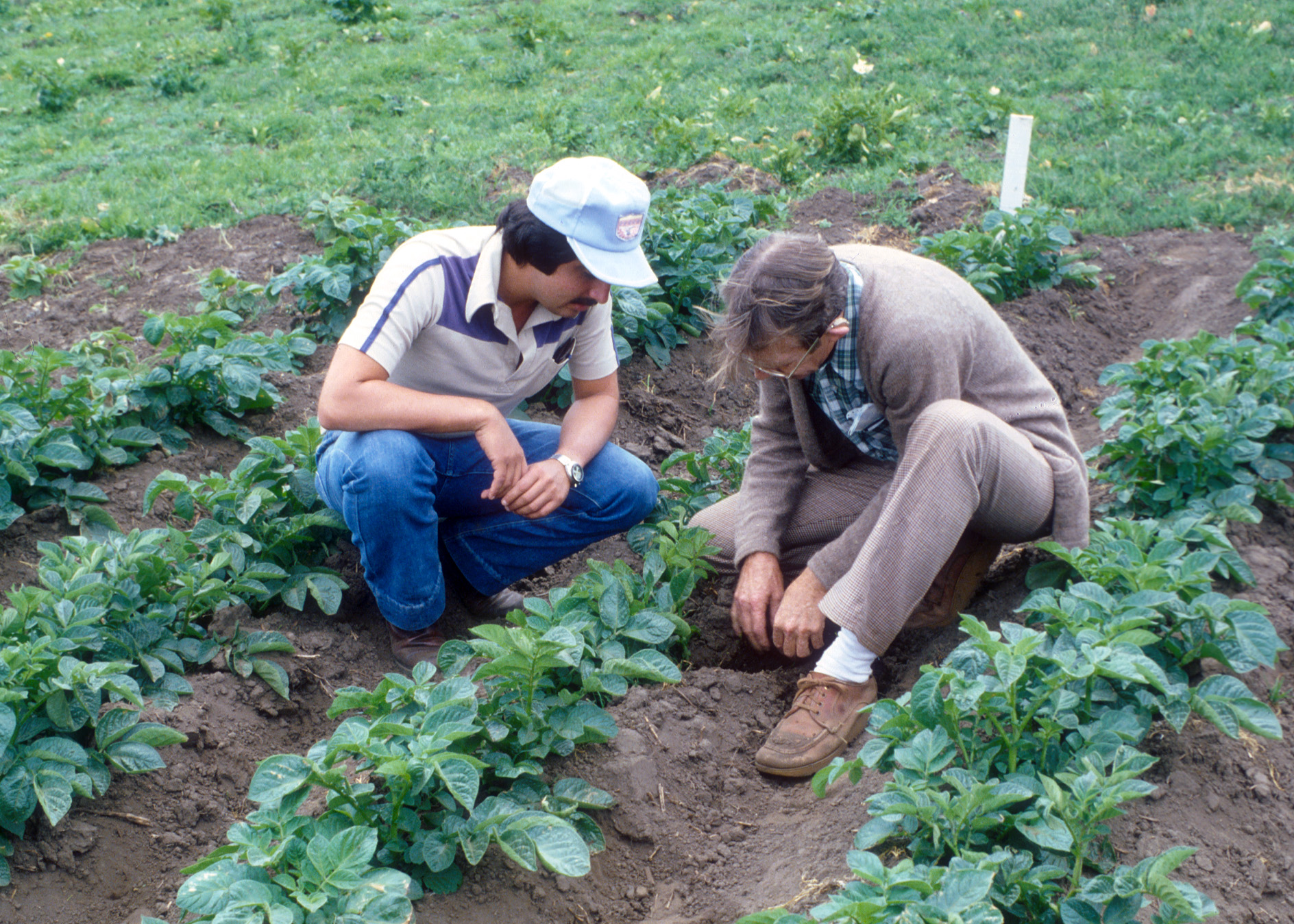
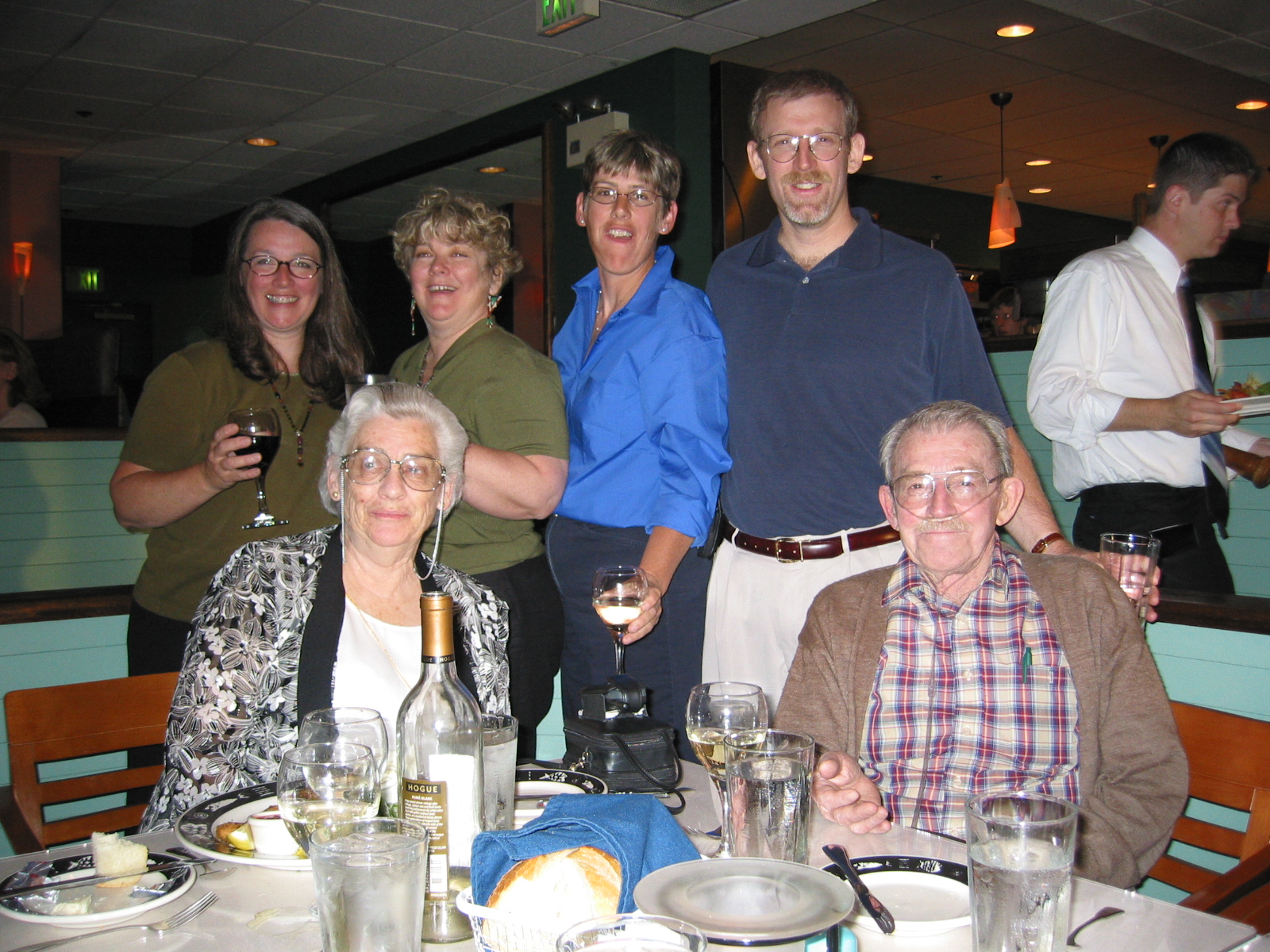
 A balanced diet . . .
