Beets, ‘beans’, and Canaries

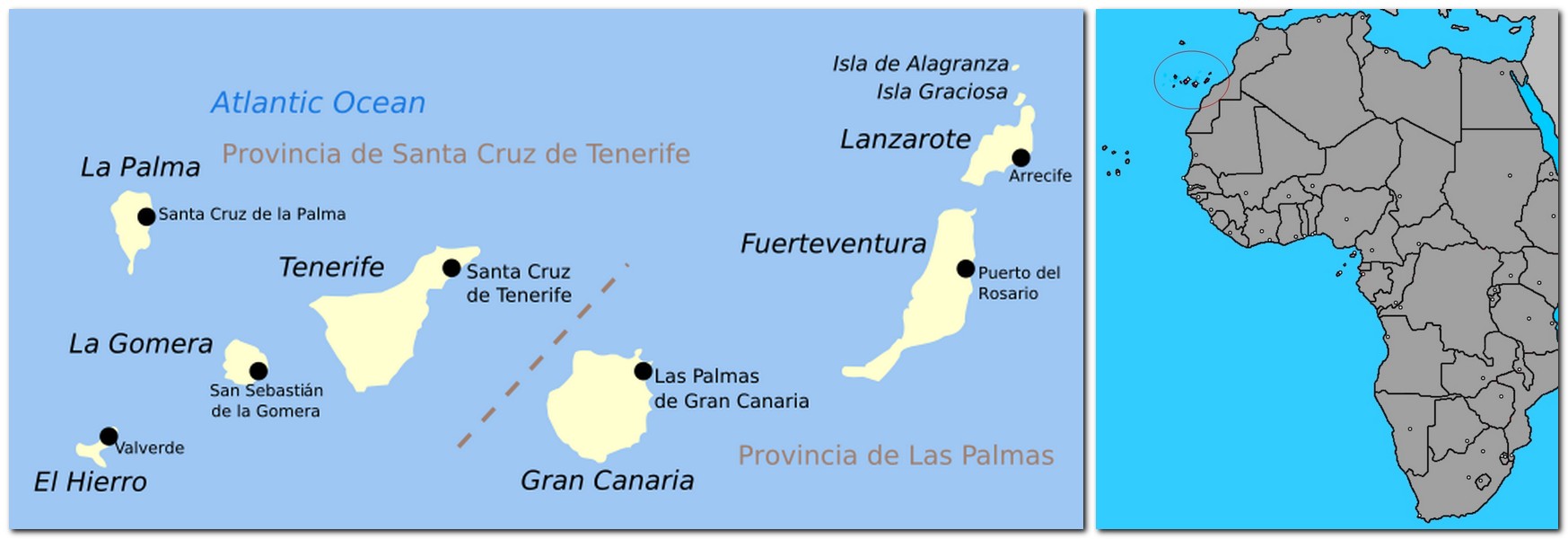
Lying off the Atlantic coast of northwest Africa by less than 600 miles, the Canary Islands archipelago comprises seven large islands, and a small group of islets off the north coast of Lanzarote, the island that lies furthest east and north. Volcanic in origin, and arid for the most part, their flora comprises many interesting endemic species found only on the Atlantic islands of MacaronesiaI’ve visited the Canaries twice, both in the 1980s, to collect plant germplasm (and also take a family holiday). Both expeditions were funded by the International Board for Plant Genetic Resources (IBPGR, now Bioversity International, based in Rome, Italy). So, as someone who studied potatoes and rice (and some legumes) most of my career, how did I become involved with collecting germplasm in the Canaries?

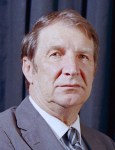
Brian Ford-Lloyd

Searching for beets
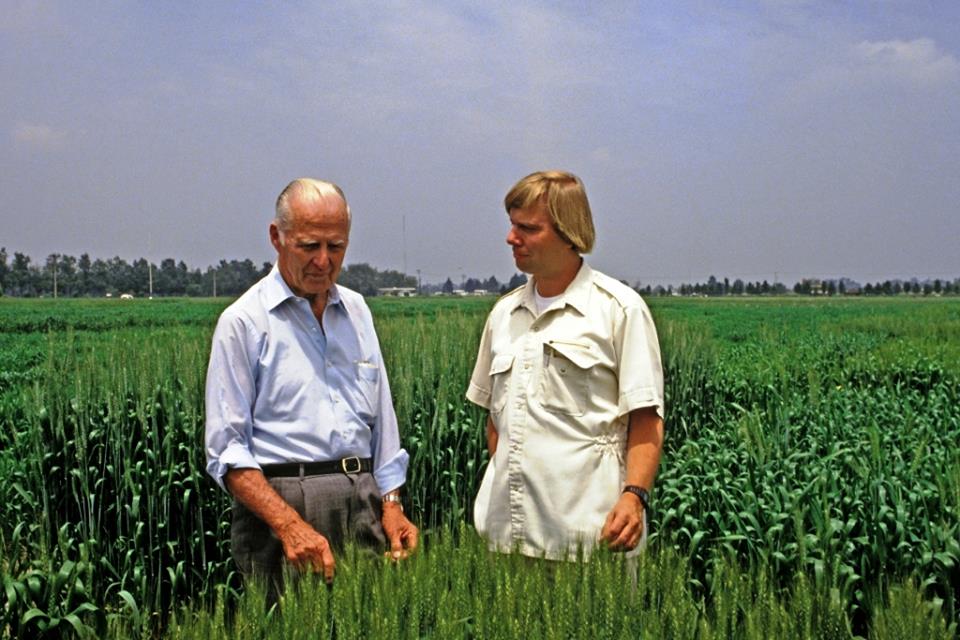
After leaving the International Potato Center in March 1981, I arrived at The University of Birmingham to begin my decade-long teaching career as Lecturer in Plant Biology from 1 April. Almost immediately, my colleague and fellow lecturer, Brian Ford-Lloyd (who retired a few years back as Emeritus Professor of Plant Conservation Genetics) invited me to join him on a collecting trip to the Canaries to look for wild relatives of beets (Beta spp.) that would contribute to an IPBGR global initiative on beet germplasm.

Now while I had my own experiences of germplasm collecting of cultivated (and some wild) potatoes in the Andes of South America between 1973 and 1976, I had no experience of beets whatsoever. Brian was keen to have me along on the trip because I did have one very important skill: I spoke (quite) fluent Spanish, and he expected that our Canarian counterparts would speak little English (which turned out to be more or less correct). So, not only would I be an experienced pair of germplasm hands, I could also be interpreter-in-chief.

Fortunately the dates for the trip coincided with my personal timetable then. Having arrived back in the UK at the end of March, my wife Steph (and daughter Hannah) stayed with her parents in Essex while I settled into my new job at the university, and while we house hunted. By the time Brian and I headed off to the Canaries in June, we’d bought our house, but moving in was not scheduled until the first or second weeks of July. So this was a great opportunity for me to join Brian.
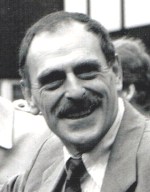
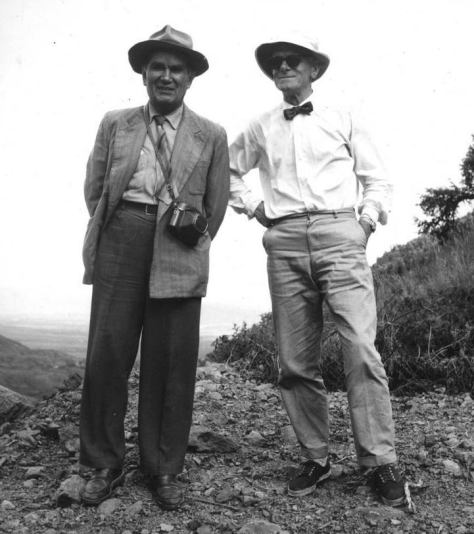
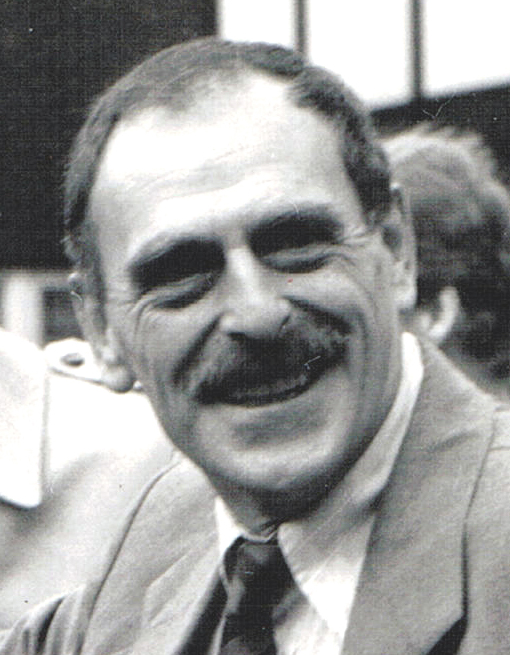
Trevor Williams

Brian completed his PhD in 1973 under the supervision of Trevor Williams, submitting a thesis on the biosystematics of the genus Beta. As part of that research he made a collecting trip throughout Turkey in the early 1970s; and subsequently he maintained his research interest and activity in beets. Collecting in the Canaries was part of an IBPGR global initiative on beets.

Our particular interest there was a group of three beet species of Beta Sect. Patellares (I’m not sure if, or how, the taxonomy of Beta has changed in the intervening years) native to the archipelago, little represented at that time in different germplasm collections. Beets were reported from a range of localities throughout the islands, most often around the coasts or in ruderal habitats, but rarely inland (except in Fuerteventura) where the terrain is too high. In any case, this beet germplasm was considered under threat of genetic erosion, and had to be collected before habitats were lost through expansion of tourist resorts and holiday homes. Brian tells me he has been back to some of the sites where we collected and they have indeed been lost in this way.
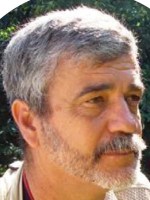
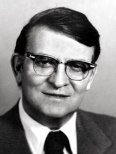
Arnoldo Santos-Guerra

Travelling to the Canaries from Elmdon Airport (now Birmingham Airport) via London and Madrid, our first stop was Gran Canaria, staying for a couple of nights at the Jardín Botánico Canario Viera y Clavijo, where British botanist Dr David Bramwell was the director (and his wife Zoë, an acclaimed botanical artist). Those first days were essentially to find our feet, take some advice from David on where best to collect, before heading off to the island of Fuerteventura, the next island east from Gran Canaria, where we would meet our local expert and collaborator, Dr Arnoldo Santos-Guerra of the Centro Regional de Investigación y Tecnología Agrarias, Tenerife. For the collections in Tenerife, La Palma, and La Gomera we were joined by Arnoldo’s colleague, Lic. Manuel Fernández-Galván.

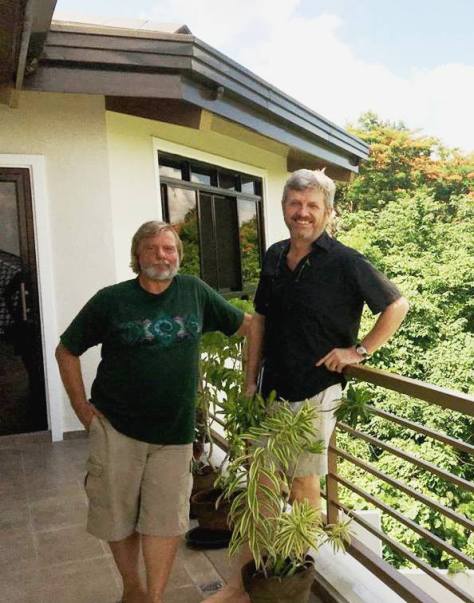
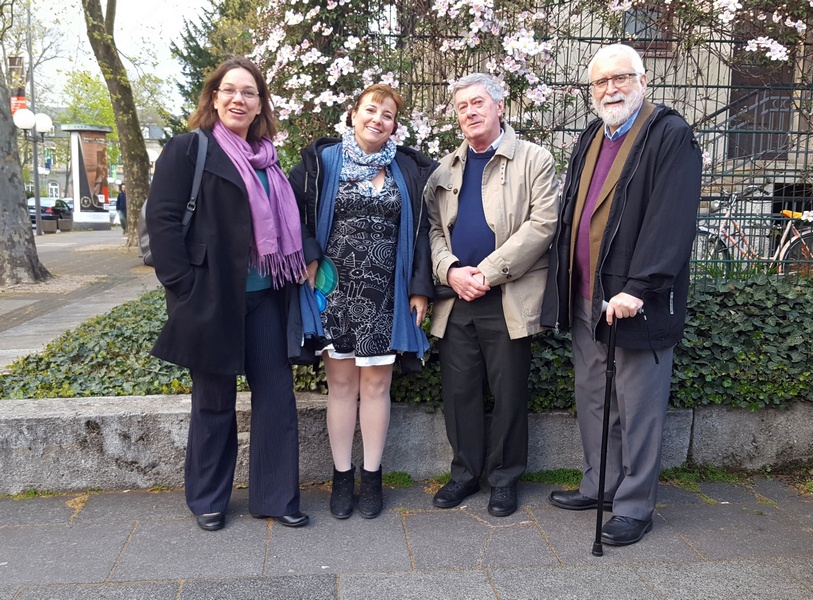
L-R: Brian, Arnoldo, Manuel, and me

In all, we collected 93 samples of beets from 52 locations on five islands: Gran Canaria, Fuerteventura, Tenerife, La Palma, and La Gomera.  Afterwards we published a trip report¹ in the FAO/IBPGR Plant Genetic Resources Newsletter.

On Tenerife, La Palma, and particularly La Gomera, there are precipitous inclines from the main roads down to the ocean’s edge. Deeply dissected landscapes ensure that wild beet populations are isolated from one another, even over relatively short distances as the cliff coastlines project into the ocean, with coves and beaches in between, where beets were often found. Therefore our ability to collect beet samples was quite often dependent entirely upon accessibility to the beach. The photos below were taken in Fuerteventura, Tenerife, and La Gomera. In some of them you can see the level of urbanization, almost 40 years ago, in many localities that were suitable environments for wild beets. The housing and tourist developments must be many times greater today.

But the actual process of collecting was not difficult at all, and seeds were often sampled from most if not all plants in some populations. Wild beets have a prostrate habit, and the ‘seeds’ were often found, in abundance, underneath the living plants. It was then just a question of scooping up handfuls of the seeds into a collecting bag, and annotating the collecting information appropriately.

Beta webbiana (left) and B. procumbens (right) from the Canary Islands

I say ‘seeds’, but the morphology of beets is a little more complex than that. Actually what we collected were small fruits with a hard pericarp, with several joined together to form multigerm seedballs. Modern sugar beet varieties are monogerm, a trait discovered in a wild beet species, in the former Soviet Union (Ukraine, in fact) during the 1930s . Because of their impermeability to moisture, and also due to the arid environments in which these beets species grew, we were confident that we were collecting viable seeds. In fact, as Brian explained to me, beet seeds are quite difficult to germinate.

Morphology of a beet inflorescence, seedballs, and a sugar beet (from: Wikipedia)

On our return to Birmingham, the seeds were added to the Birmingham Beta Collection that Brian curated, and other collections that are part of the World Beta Network. One recipient was Lothar Frese in Germany, now at the Julius Kühn-Institut in Quedlinburg. This germplasm has been used in a variety of studies looking at disease resistance such as Cercospora leaf spot resistance in B. procumbens in particular, and there has been much work since in terms of genetic mapping for resistance. After Brian retired, his beet collection was passed to the Genetic Resources Unit at the Warwick Crop Centre for safe storage.

A beet -‘bean’ linkage
In addition to beets, we collected 11 samples of other crops, among which was just one sample of a shrub or tree fodder legume, tagasaste, from La Palma, classified botanically as Chamaecytisus palmensis, and cultivated by many farmers. In our trip report, referred to above, we commented that the species did seem to be quite variable and, given its wider potential as a fodder legume, we suggested that it would warrant further study.
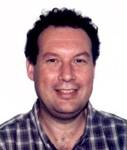
Javier Francisco-Ortega

And that was the last I thought about tagasaste until six years later when a young Spanish student from Tenerife, Javier Francisco-Ortega, enrolled on the genetic resources MSc course at Birmingham. Thirty years ago this month! I supervised Javier’s MSc dissertation on chromosome variation in Lathyrus pratensis, one of around 150 species in a genus that also contains the commonly-grown garden sweetpea, L. odoratus, and the edible grasspea L. sativus that was one of my research interests during the 1980s.

Anyway, to cut a long story short, Javier was an outstanding student, and began a PhD project with me in October 1988 on the ecogeography of the tagasaste complex, now classified taxonomically as C. proliferus. Only the forms from La Palma are popularly known as tagasaste (the ‘C. palmensis‘ we’d seen in La Palma in 1981), whereas those from the rest of the archipelago are commonly called escobón.
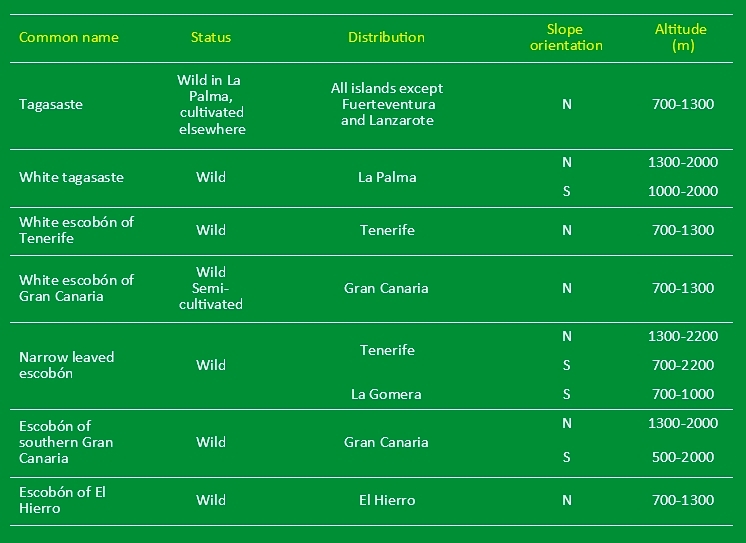
Morphological variants of tagasaste and escobón, Chamaecytisus proliferus

Tagasaste is the only form which is broadly cultivated in the Canary Islands and, since the late 19th century, also in New Zealand and Australia (particularly as fodder for sheep and goats). It has also become naturalized in Australia (South Australia, New South Wales, Victoria and Tasmania), Java, the Hawaiian Islands, California, Portugal, North Africa, Kenya, Tanzania and South Africa.

When I resigned from the university in June 1991 to join the International Rice Research Institute in the Philippines, supervision of Javier’s PhD passed to Brian.

In Spring and Summer 1989, and with funding from IBPGR, Javier began a systematic survey of 184 tagasaste and escobón populations throughout the archipelago (all islands except Fuerteventura and Lanzarote which are too dry), taking herbarium samples from each for morphological study, and revisited later to collect seeds. I joined Javier in July to assist with the collection of seeds from the Tenerife populations. Our trip report² was published in Plant Genetic Resources Newsletter in 1990. Arnoldo Santos-Guerra and Manuel Fernández-Galván were also contributors to this work.

Escobón populations are found commonly growing in gullies among pine forests, and appear to thrive here where there is the ever-present expectation (and danger) of forest fires. Indeed periodic burning appears to support the maintenance of escobón populations. These photos show the habitats of escobón populations in Tenerife, and Javier and myself making collections.

While more common in La Palma, farmers in Tenerife grow a few bushes of tagasaste in their terraces (seen on the right edge of the field in the picture below) on the north-facing slopes of the Teide volcano sloping down to the Atlantic.
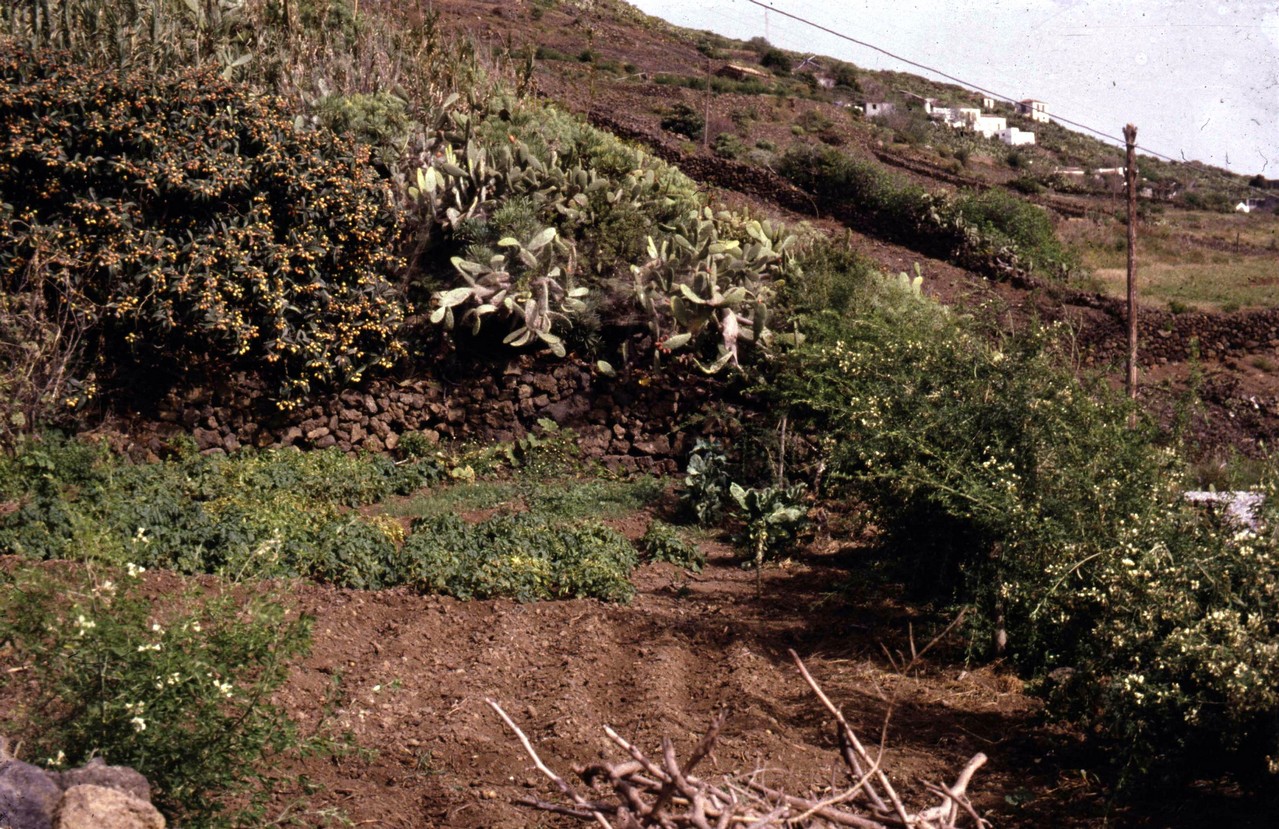
We deposited duplicate seed samples in the Spanish national genebank in Madrid, and also in Tenerife. Javier took seeds back to Birmingham for further study, especially for analysis of molecular variation. Besides his PhD thesis, submitted successfully in 1992, his research led to several other scientific papers on morphological variation, phytogeography, ecogeographical characterization, genetic diversity, and the history of origin and distribution.

After he completed his PhD at Birmingham, Javier took postdoctoral fellowships at Ohio State University and the University of Texas at Austin before returning to Tenerife for a couple of years. In 1999 he was appointed Assistant Professor in the Department of Biological Sciences at Florida International University in Miami. He became Full Professor in 2012. He also has a joint appointment at the Fairchild Tropical Garden just south of Miami, as head of the Fairchild Plant Molecular Systematics Laboratory, with a special interest in cycads and palms, as well as an abiding interest in island floras. He has maintained his links with Arnoldo Santos-Guerra and David Bramwell.

In this video, Javier talks about his interests and the impact of his botanical research.

~~~~~~~~~~~~~~~~~~~~~~~~~~~~~~~~~~~~~~~~~

¹ Ford-Lloyd, B.V., M.T. Jackson & A. Santos Guerra, 1982. Beet germplasm in the Canary Islands. Plant Genetic Resources Newsletter 50, 24-27.

² Francisco-Ortega, F.J., M.T. Jackson, A. Santos-Guerra & M. Fernández-Galván, 1990. Genetic resources of the fodder legumes tagasaste and escobón (Chamaecytisus proliferus (L. fil.) Link sensu lato) in the Canary Islands. Plant Genetic Resources Newsletter 81/82, 27-32.
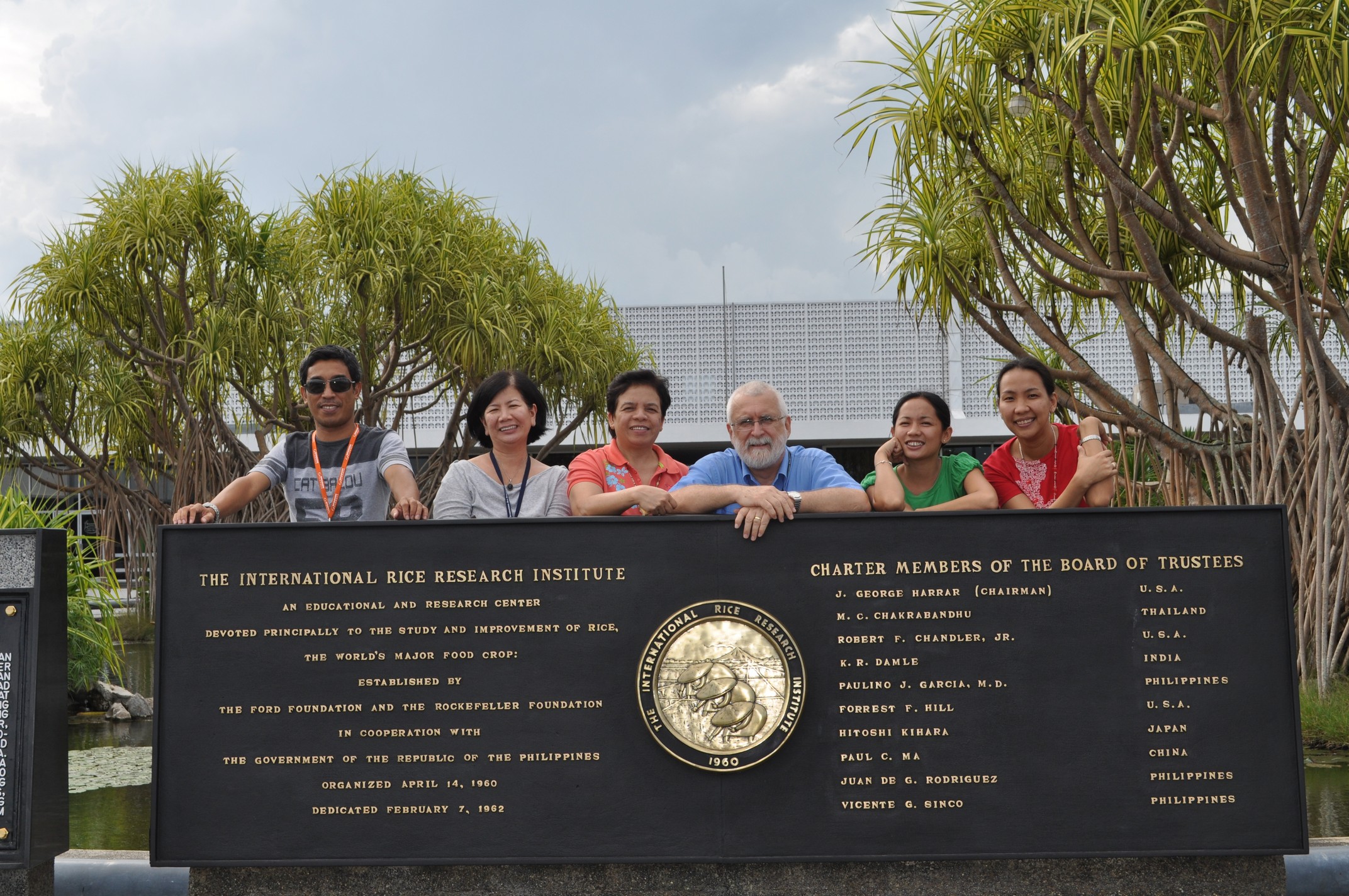
End of an era . . .

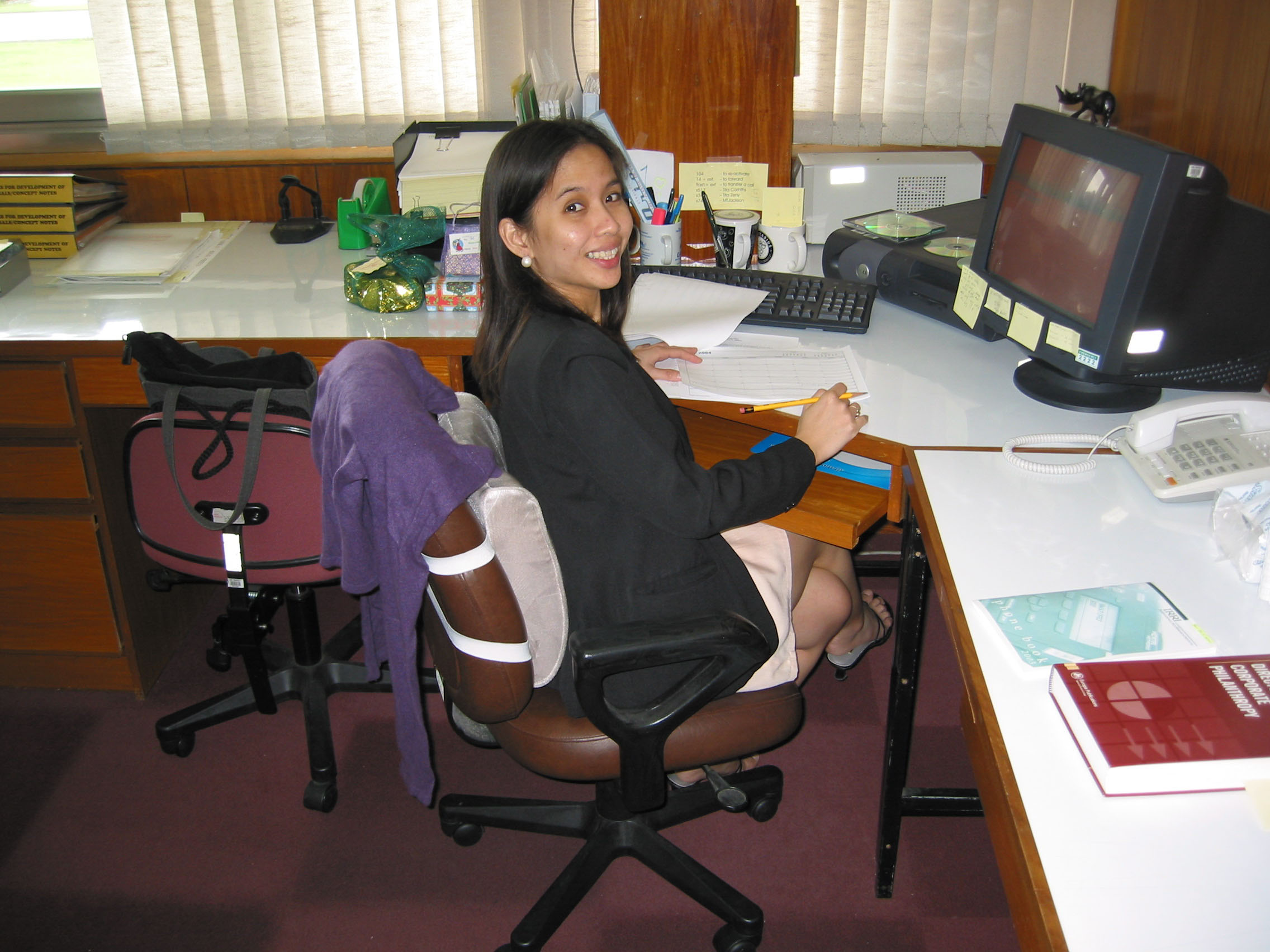
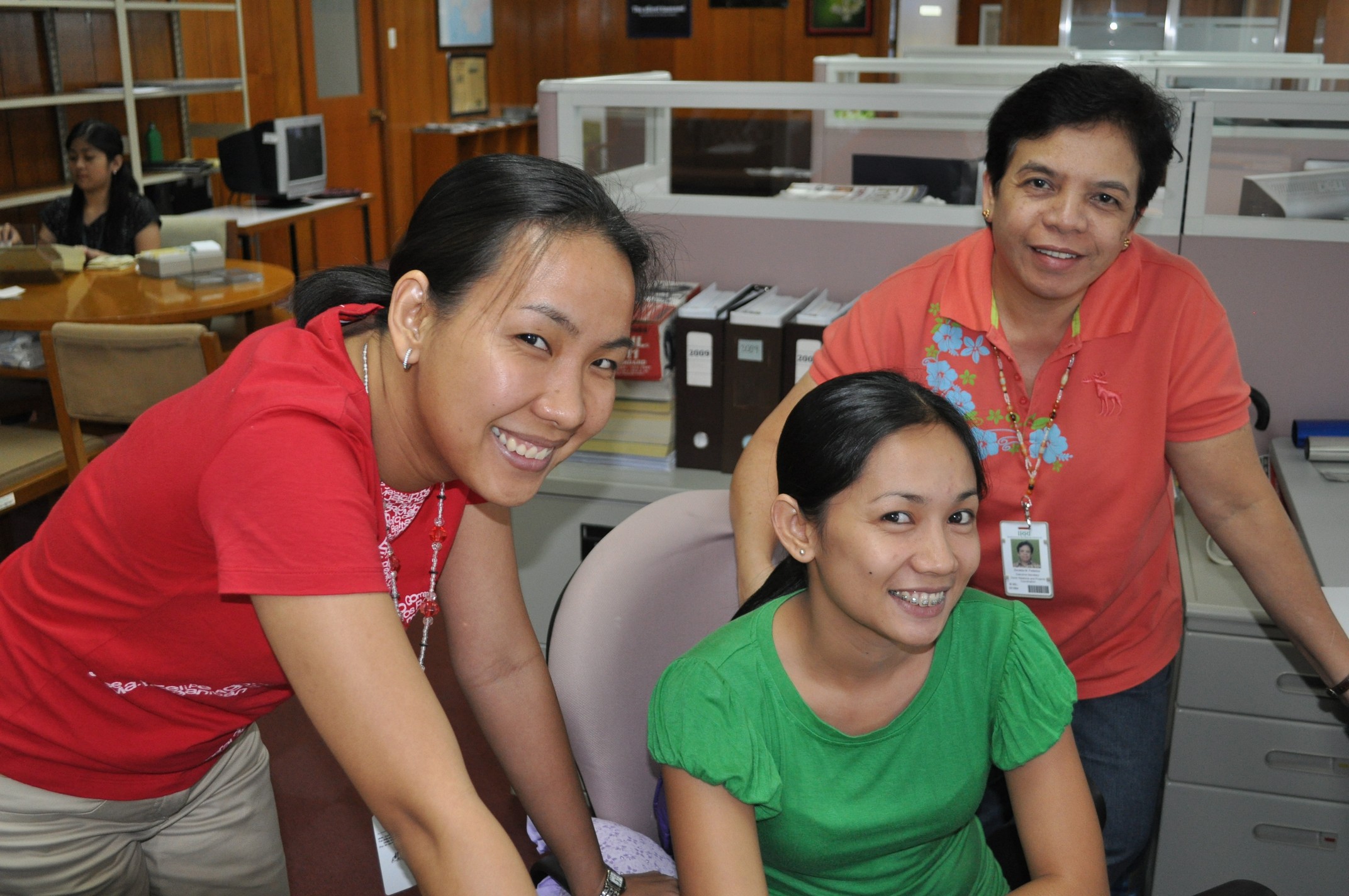
One of the most satisfying periods of my working life was setting up and managing the Office for Program Planning and Coordination (DPPC, later to become Program Planning and Communications) at the International Rice Research Institute (IRRI) from May 2001 until my retirement in April 2010. And working with a fine team of people over the years.

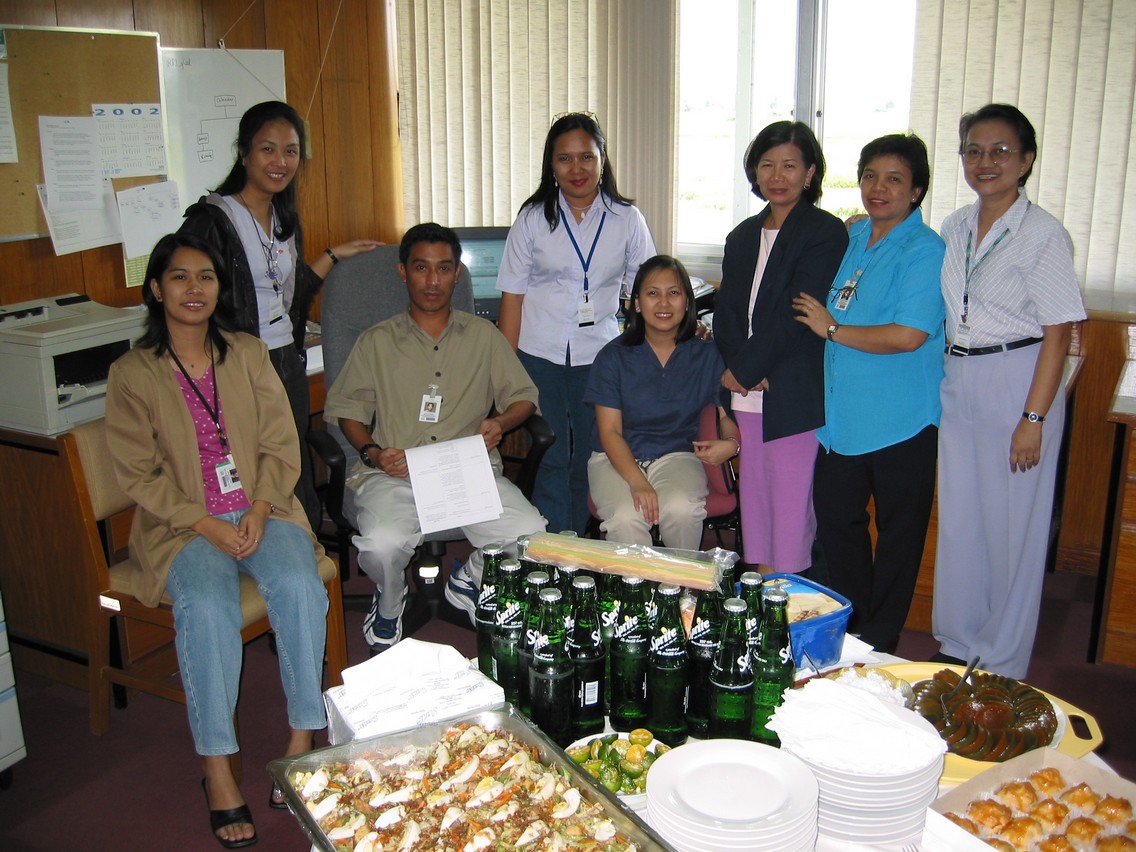
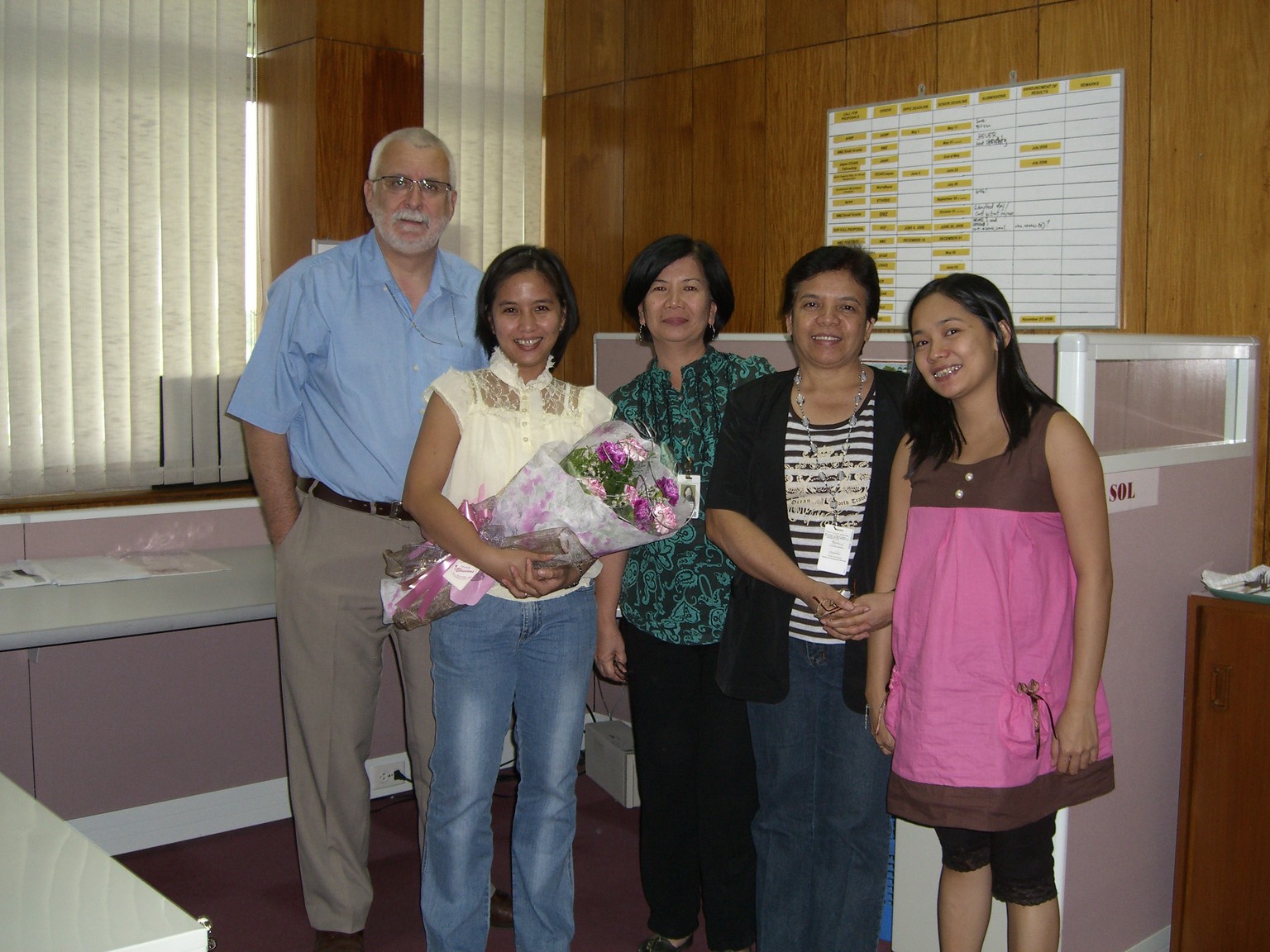
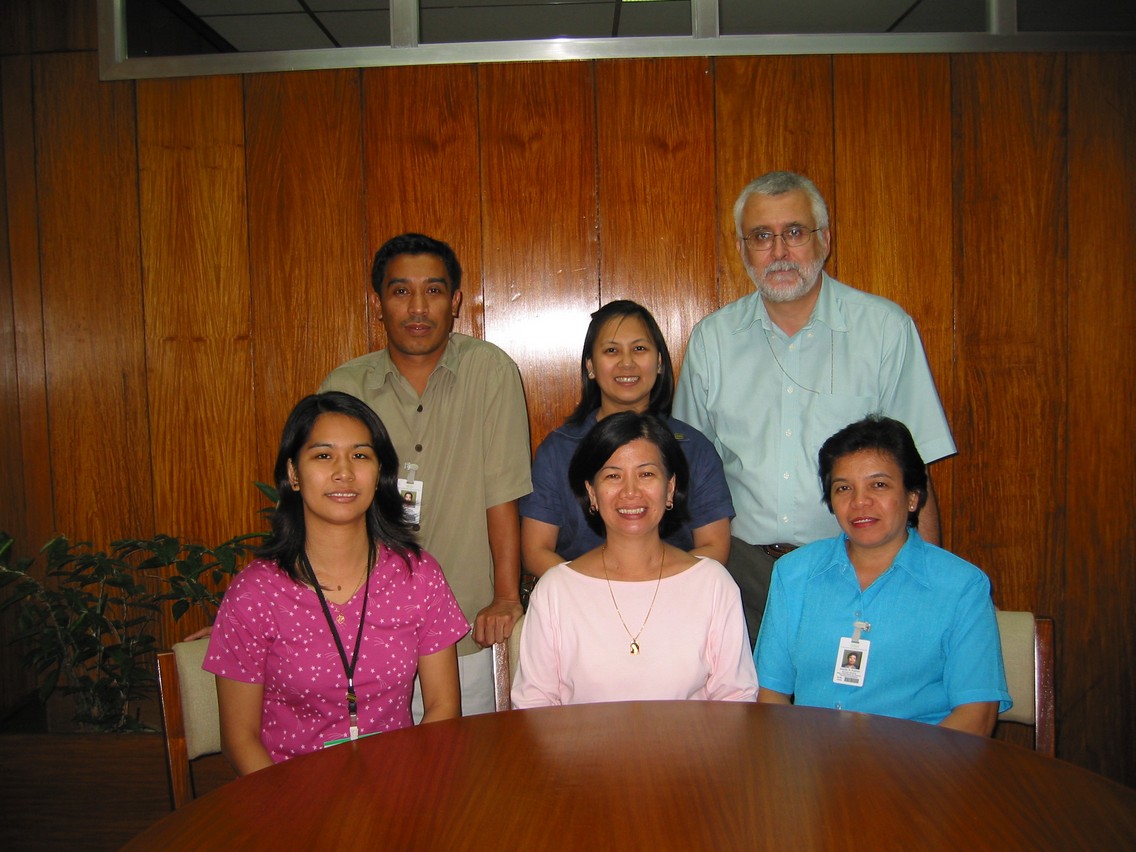
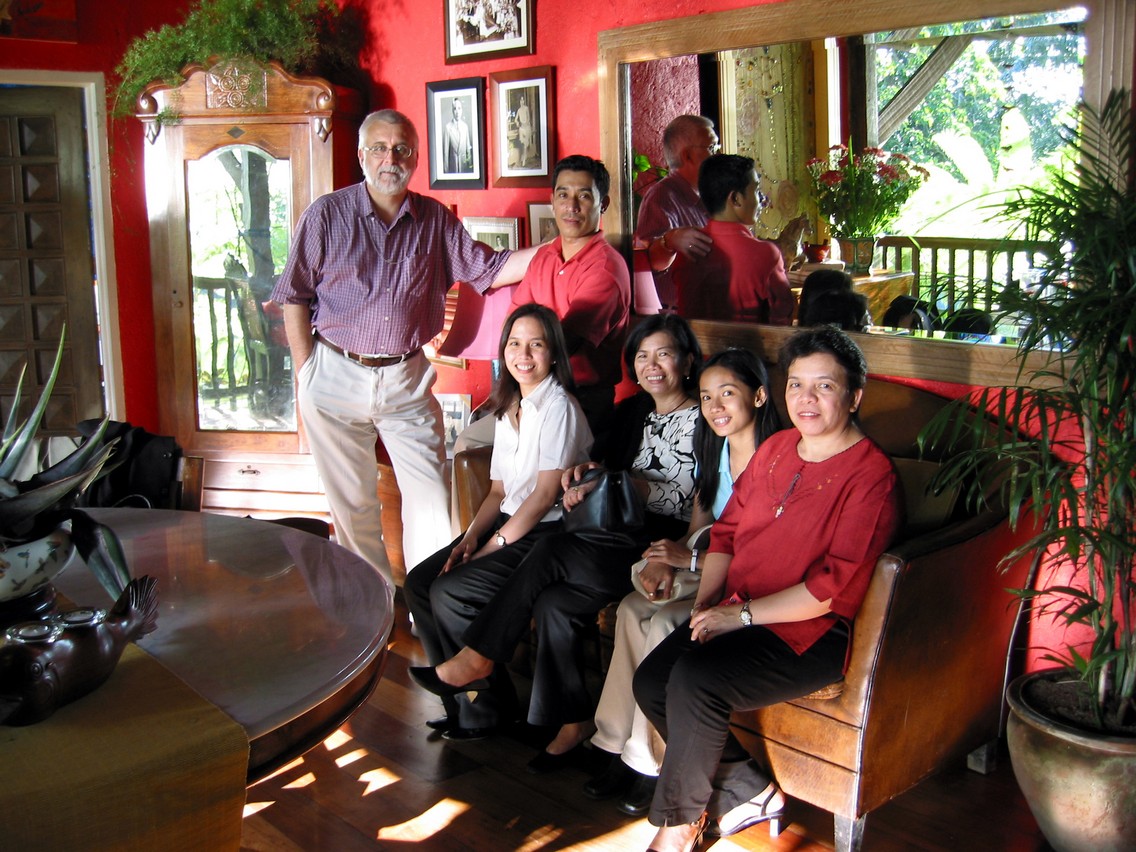
30 April 2010 – my last day at IRRI, with the DPPC team (L-R) Eric Clutario, Corinta Guerta, Zeny Federico, Vel Hernandez-Ilao, and Yeyet Enriquez-Agnes (aka ‘The Jackson Five’)

Not only did we achieve a great deal—especially rescuing the institute’s reputation with its donors from the dark place it had sunk to—but we helped to rehabilitate a research culture that had become seriously dysfunctional. The term ‘herding cats’ comes to mind.

The achievements of DPPC are down to the fantastic team of professionals that I was able to bring together, who quickly bought into an ethos for DPPC that I was keen to establish. Thereafter they worked very effectively together to make things happen, often going the extra mile to meet deadlines (mostly externally imposed) even when research colleagues hadn’t always met their side of the ‘project development and management bargain’.

So how did this all come about, who was involved, and why am I waxing lyrical about DPPC at the end of October 2017, over seven years since I retired from IRRI?

Well, the short answer is that at the end of October, the last member of my original DPPC team, Zeny Federico, will retire. Others have retired already, moved on to bigger and better things, or moved to other positions in the institute. It’s the end of an era! DPPC no longer exists. Shortly after I retired it changed its name to DRPC—Donor Relations and Project Coordination, and is to become the IRRI Portfolio Management Office (IPMO).
DPPC is born
In January 2001, I was approached by IRRI Director General Ron Cantrell to take over the office responsible for the institute’s donor relations and project management, and help rebuild its reputation and credibility with its donors¹, as I have described in one of my very first blog posts back in February 2012. In itself this would appear rather strange as I was then head of the institute’s Genetic Resources Center (GRC), with day-to-day responsibility managing the world’s largest genebank for rice.

During the visit of a team of management consultants at the back end of 2000, Ron received some bleak feedback about the parlous state of the institute’s donor relations and project management. There was apparently little accurate information about the number and scope, or even commitments, of time-bound projects or grants (often referred to as ‘special projects’, each with its specific objectives and research timeline) within the institute’s overall research framework that IRRI had on its books. I’m not sure exactly how, but my name was suggested as someone to lead an initiative to put things in order.

Let’s talk about funding for international agricultural research for a moment. In January 1973, when I first joined the International Potato Center (CIP), one of 15 international agricultural research centers supported through the Consultative Group on International Agricultural Research (CGIAR), most donor support came in the form of lump-sum grants, commonly known as ‘unrestricted funding’. Even in the 1990s, however, the writing was on the wall, the future of ‘unrestricted’ funding was looking uncertain, and ‘special project’ funding started to increase significantly. It’s the norm today.

With ‘special project’ funding, donors have rightly insisted on greater accountability, mostly through regular (often bespoke) reporting on what the research has achieved, what benefits it has brought to farmers and particularly the rural and urban poor, and how the funds have been spent. After all, donor agencies are accountable to tax-payers in their own countries. The challenge for DPPC was not only to meet donor expectations and comply with their funding requirements, but help build a robust research management culture in which individual researchers fully committed to institute goals and objectives rather than focusing on their own, sometimes selfish, research agendas as had increasingly (and regrettably for IRRI) become the situation across the institute. Herding cats!

And while we certainly did help rebuild the institute’s reputation in terms of research project management and accountability, I believe the most important legacy was a solid culture for project development, execution, and management that has served the institute well.

Building the DPPC team
When I moved from GRC to become head of DPPC and an institute director, I asked Zeny to join me. I knew that I needed someone working alongside me who I could rely on completely. Zeny had been my secretary since 1997 when my secretary at that time, Sylvia Arellano was poached by George Rothschild to become the executive secretary in his office. The day after Sylvia moved, George ‘resigned’ as Director General.

Zeny with Sylvia and Tessie Santos. Sylvia and Tessie were secretaries in GRC when I joined IRRI in 1991; both are now retired.

Zeny joined IRRI in 1980, aged 27, as one of the administrative support staff for the International Rice Testing Program (IRTP), which became the International Network for the Genetic Evaluation of Rice (INGER) at the end of the 80s or thereabouts. Prior to IRRI she had been a clerical research aide with the Corn Program in the Department of Agronomy of the University of the Philippines-Los Baños (UPLB), which transferred after 1975 to the university’s Institute of Plant Breeding.

In 1991, when GRC was founded, and merging INGER and the International Rice Germplasm Center (IRGC, the rice genebank) into a single administrative unit that retained their separate programmatic functions. Without going into detail, many INGER staff (including Zeny) were not, to put it mildly, enthusiastic that INGER was no longer completely independent unit.

By 1997, I think much of that reluctance had disappeared, and Zeny immediately accepted my invitation to become the GRC executive secretary. I couldn’t have hoped for more loyal and committed support over the years. It was a ‘no-brainer’ for her to accompany me to DPPC. She was the anchor among the DPPC team. Since I left IRRI, Zeny’s role has evolved, and she will retire in two weeks as Senior Officer – Administrative Coordination.

I was faced with a decision concerning the three existing staff I inherited, and very quickly came to the conclusion that two of them appeared to be ‘square pegs in round holes’ given the vision I had for DPPC. In any case, I was keen to bring in someone new as my deputy.

And that person was Corinta Guerta, a soil chemist and Senior Associate Scientist working on the adaptation of rice varieties to problem soils. A soil chemist, you might ask? When discussing my new role with Ron Cantrell in early 2001, I’d already mentioned Corinta’s name as someone I would like to try and recruit. What in her experience would qualify Corints (as we know her) to take up a role in donor relations and project management?
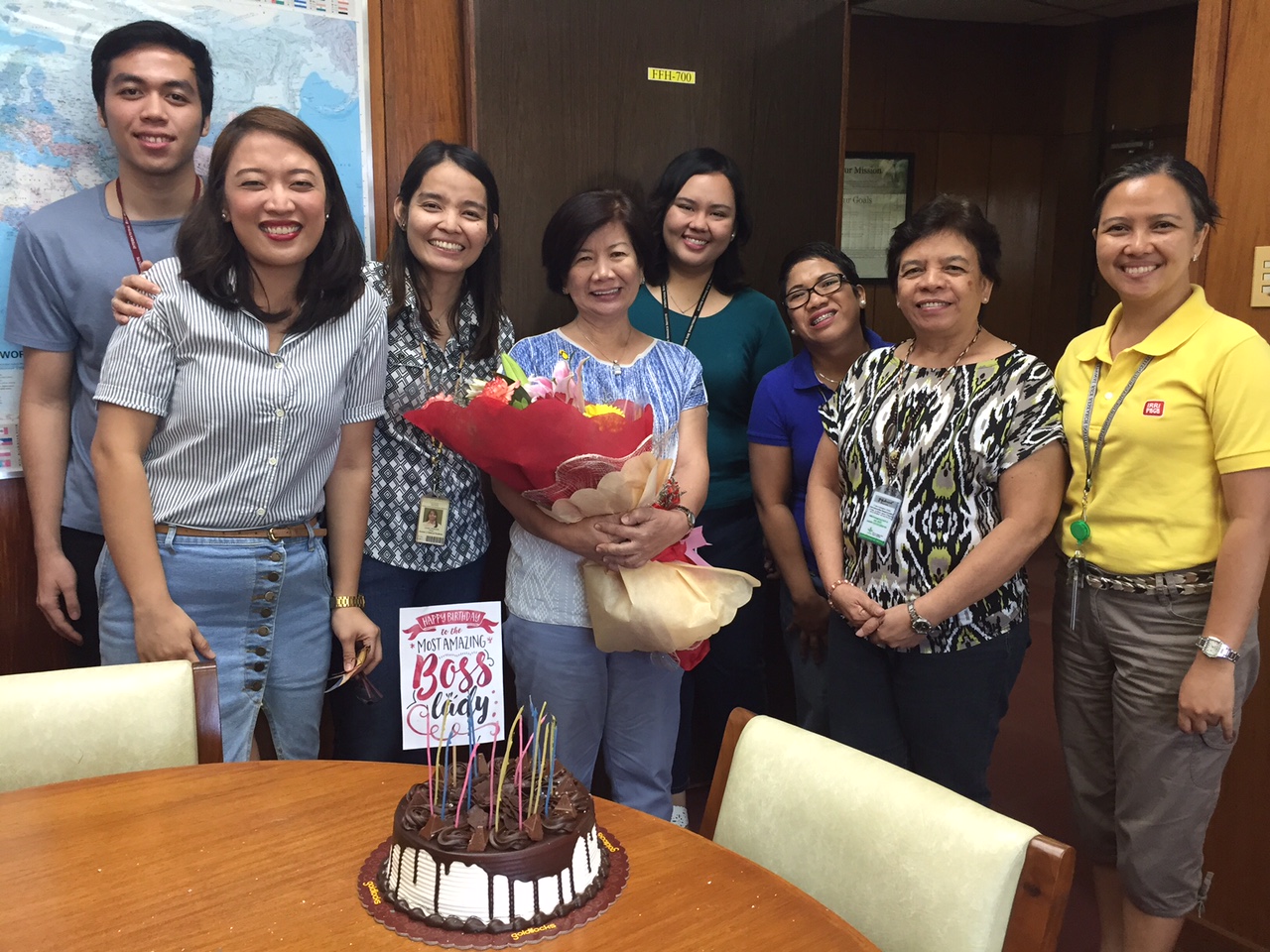

Corinta joined IRRI in July 1975 as a Research Assistant 1, when she was 23 years old. Having earlier graduated with a BS degree in chemistry from College of the Holy Spirit in Manila, she then placed sixth in the national Chemist Licensure Examination of the Philippines Professional Regulation Commission. In 1982 she received her MS from UPLB.

But rather than explain here what transpired, why not watch this short video:

When, in April 2009, I accepted a one-year extension to my contract, Corints took over the day-to-day running of DPPC. This gave me time and space to plan the 3rd International Rice Congress to be held in Hanoi in 2010 (IRC 2010), as well as overseeing the IRRI Golden Jubilee celebrations from December 2009 to April 2010. In fact, Corints became de facto head of DPPC from January 2010, with me simply in a mentoring support role. After I retired, she was appointed Director for External Relations and, as far as I’m aware, is the only IRRI national staff member to have joined the institute as a junior researcher and retiring earlier this year at the highest levels of management.

Corints with her DRPC team on her retirement in May 2017

I was delighted in February 2012 that Corints would be visiting several donors in Europe, and that she could join my wife Steph and younger daughter Philippa at an investiture in Buckingham Palace in London when I received my OBE from HRH The Prince of Wales.

Sadly, Corints was widowed around 2003 or so. I watched her son Christian and daughter Diane grow up over the years. Corints is the proud grandmother of a little girl.

Over the years there were several personnel changes in DPPC/DRPC. That was a healthy situation, because they came about for all the right reasons. Staff grew in their positions, and then moved on to broaden their experience further (mainly) outside IRRI. The turnover of staff also brought some positives. New people do things in different ways, bring in new ideas and approaches.

From the outset, I knew we needed an online database to handle all the information and correspondence around each project and grant, ‘glued’ together by a unique ID number for each project/grant. Not exactly ‘rocket science’, but I couldn’t believe the resistance I faced in some quarters (particularly the Finance Office) to adopting this ID. Remember, I came from a genebank background, managing thousands of seed samples, known as ‘accessions’ (= projects/grants), and handled lots of different activities and information through a database management system. We ditched the idea of using a system-in-development from IRRI’s sister center in Colombia, the International Center for Tropical Agriculture (CIAT). I was convinced we could do better. But we needed some in-house expertise to translate ideas into tangible assets. That’s where computer science graduate Eric Clutario enters the DPPC story.

When Corints and I interviewed Eric, he quickly understood the essential elements of what we wanted to do, and had potential solutions to hand. Potential became reality! I don’t remember exactly when Eric joined us in DPPC. It must have been around September or October 2001, but within six months we had a functional online grants management system that already moved significantly ahead of where the CIAT system has languished for some time. Our system went from strength to strength and was much admired, envied even, among professionals at the other centers who had similar remits to DPPC.
I could outline an idea to Eric and within the same day he’d have a prototype to show me. Once we could make the database accessible on the intranet, then all researchers were able to monitor research progress and expenditures, and non-confidential correspondence, related to the projects they were working in.

After about four years, I discussed with the head of IRRI’s IT Services about how IRRI more widely could benefit from Eric’s expertise. With everyone’s agreement, Eric transferred to IT Services, but with a guaranteed 50% commitment to DPPC. In this way his expertise could be deployed to solve other pressing database issues outside DPPC without compromising his support to us. And, as far as I know, that arrangement has remained in place to some extent.

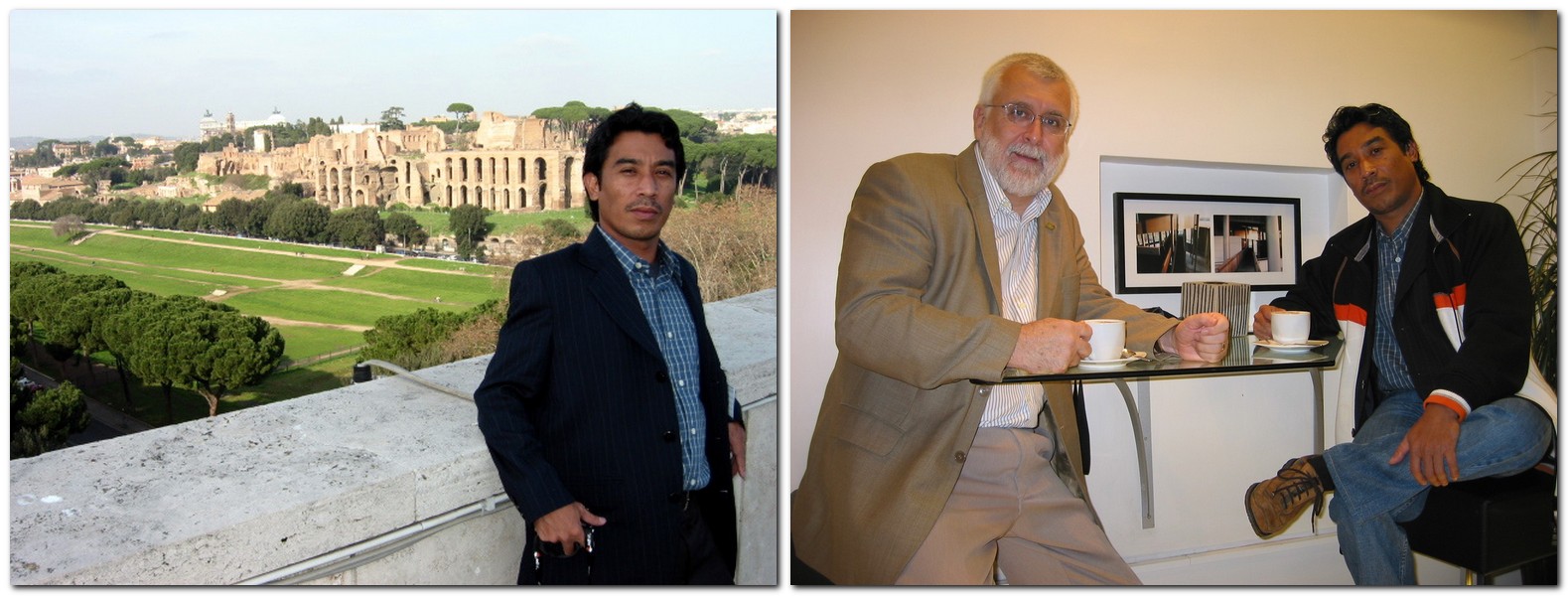
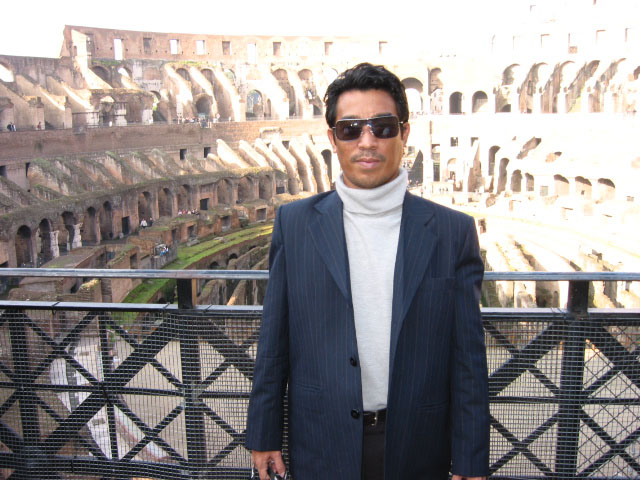
In 2007, Eric was seconded to Bioversity International in Rome for several months to contribute to an inter-center initiative. I don’t remember the details. I also attended a workshop in FAO to launch this particular project, and Eric I traveled there together. It was his first time to fly, and we flew Business Class on Emirates. I don’t think Eric could imagine his good fortune. This was what flying must be like all the time.

(L) On theFAO terrace, overlooking the Circo Massimo, and (R) enjoying a macchiato together in one of Rome’s many sidewalk cafes

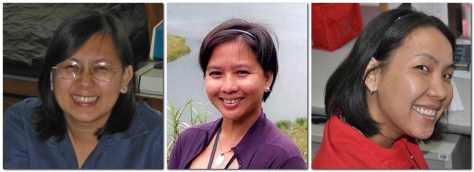
Eric in his ‘mafioso’ pose at the Colosseum

Another member of team was needed to handle the ‘donor intelligence’ in the first instance, then take over other aspects of project management. During my time we had three staff as Assistant Manager / Manager in this position.

L-R: Monina La’O, Sol Ogatis, and Marileth ‘Yeyet’ Enriquez

Monina La’O joined DPPC in September 2001, and started to compile information about the donor community and funding opportunities. She left in December 2002, when she married and moved with her husband away from the Manila area.

Monina’s despedida from DPPC in November/December 2002, with friends from other units.

That’s when Sol Ogatis came to our attention, in February 2003. A BS Economics graduate from UPLB, Sol was working as a supervisor at the Philippine Chamber of Commerce and Industry in Manila. Sol did a great job, building a solid donor base for the information system, and the essential links between DPPC and research staff around the institute.

By July 2008, new opportunities had come along, and Sol decided to take a new position in the US Embassy in Manila as Coordinator for the US Export Control and Related Border Security Program. And she’s still there, but her legacy at IRRI endures.

Sol’s farewell from DPPC on 22 August 2008. L-R: me, Sol, Corints, Zeny, and Vel

Sol was replaced by Marileth Enriquez, known as ‘Yeyet’, in December 2008. A molecular genetics graduate from UPLB, and holding a Masters degree in Technology Management from the University of the Philippines – Diliman, Yeyet came to us from the Colombo Plan Staff College for Technician Education for Human Resource Development in the Asia Pacific Region. Building on the work of her predecessors, Yeyet took this role to another level, and soon had taken over some of the more detailed project development aspects that Corints had managed, once Corints had broader responsibilities as a Director and oversight of other units.

L-R: Yeyet, Vel, and Zeny

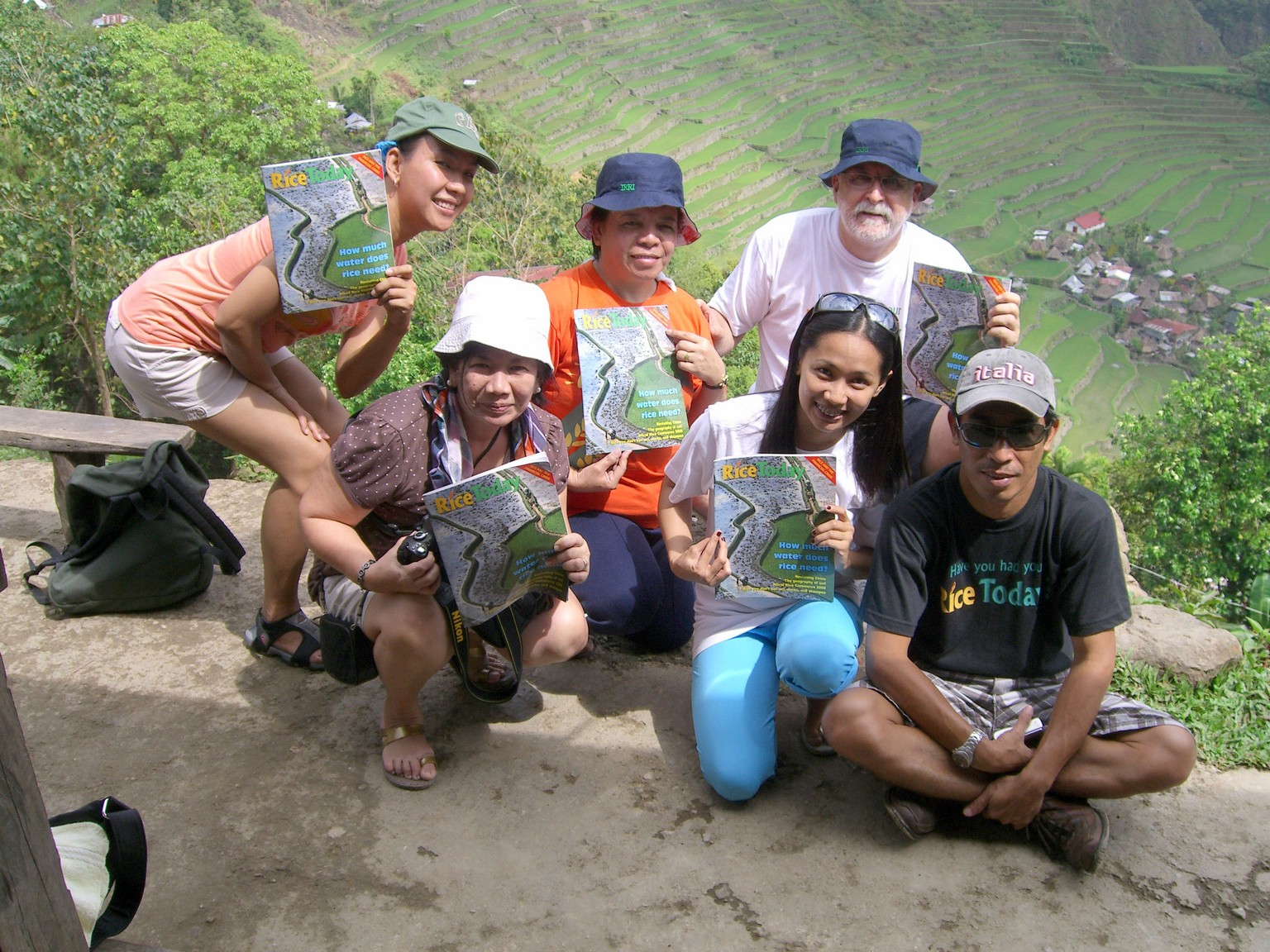
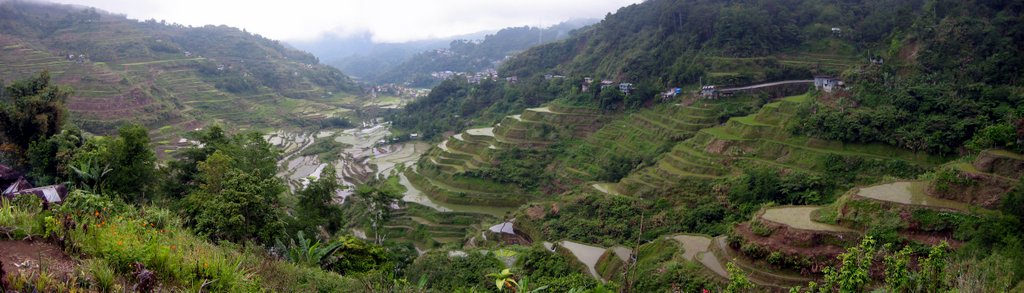
In March 2009 we decided to make an office trip to the rice terraces north of Manila. Yeyet quickly took on the role of ‘expedition organizer’, and we had a great visit to Banaue, Sagada and Baguio. Steph joined us on that trip.

Come October 2015, Yeyet decided to seek pastures new, and joined Save the Children Philippines as Director of Awards. In early 2014, she married Christian, an accountant who had worked in IRRI’s Finance Office. I was privileged to be invited to become a sponsor (known as ‘ninong’ in Tagalog) when they married. And although I was unable to attend their wedding, I did send a surprise video greeting.

Marisol ‘Sol’ Camasin was the only one of the three original staff who stayed on as an office clerk, until September 2002. She was replaced by Analyn Jopia until early 2004, when Vel Hernandez-Ilao joined the office on a half-time basis (shared with the DDG-Research office). Vel became full time member of the DPPC team in April 2007.

L-R: Zeny, Sol, me, Corints, Eric, and Monina in late 2001

L-R: Analyn, Eric, Corints, Monina, me, and Zeny, in October 2002

L-R: me, Sol, Eric, Corints, Vel, and Zeny at Antonio’s in Tagaytay for our Christmas lunch in December 2004

L-R: Yeyet, Corints, Zeny, Vel, me, and Eric near Batad rice terraces in March

Nominally the ‘junior’ in DPPC, Vel very quickly became an indispensable member of the team, taking on more responsibilities related to data management. She has a degree in computer science. However, just a month or so back, an opportunity presented itself elsewhere in the institute, and Vel moved to the Seed Health Unit (SHU) as the Material Transfer Agreements Controller. As the SHU is responsible for all imports and exports of rice seeds under the terms of the International Treaty on Plant Genetic Resources for Food and Agriculture using Material Transfer Agreements, Vel’s role is important to ensure that the institute is compliant under its agreement with FAO for the exchange of rice germplasm. Vel married Jason a few years back, and they have two delightful daughters.
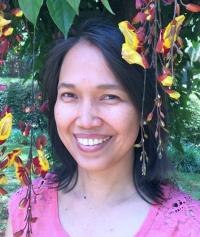
With her departure, and Zeny’s pending retirement, that’s the original team I put together gone forever.

We took on some short-term staff from time-to-time, to cover for Vel when she was expecting her first child, or when the work load required an additional pair of hands, between Sol’s departure and Yeyet coming on board, for example. Colleen Fernandez comes to mind, as does Froilan ‘Popo’ Fule.

But there is someone else I must mention who was a member of the DPPC Team although not an IRRI employee as such. In 2005, the donors to the CGIAR decided that they would only continue funding programs if each center rolled out a risk assessment and business continuity initiative. I drew the short straw, and had to decide how we would do that. With advice from the head of the CGIAR’s Internal Audit Unit (IAU), John Fitzsimon (who became Inspector General at FAO in Rome for six years from February 2010), and whose office was just down the corridor from mine, we decided to develop a bottom-up approach, but needed a safe pair of hands to manage this full-time. So we hired Alma Redillas Dolot as a consultant, and she stayed with DPPC for a couple of years before joining the IAU.
Working intensively with all programs, divisions and units, Alma built up a comprehensive picture of all the risks facing the institute including financial, legal, reputational, scientific, and logistical risks, and plans to mitigate or respond to these. Among all the CGIAR centers it was by far the most comprehensive risk assessment and management plan developed.

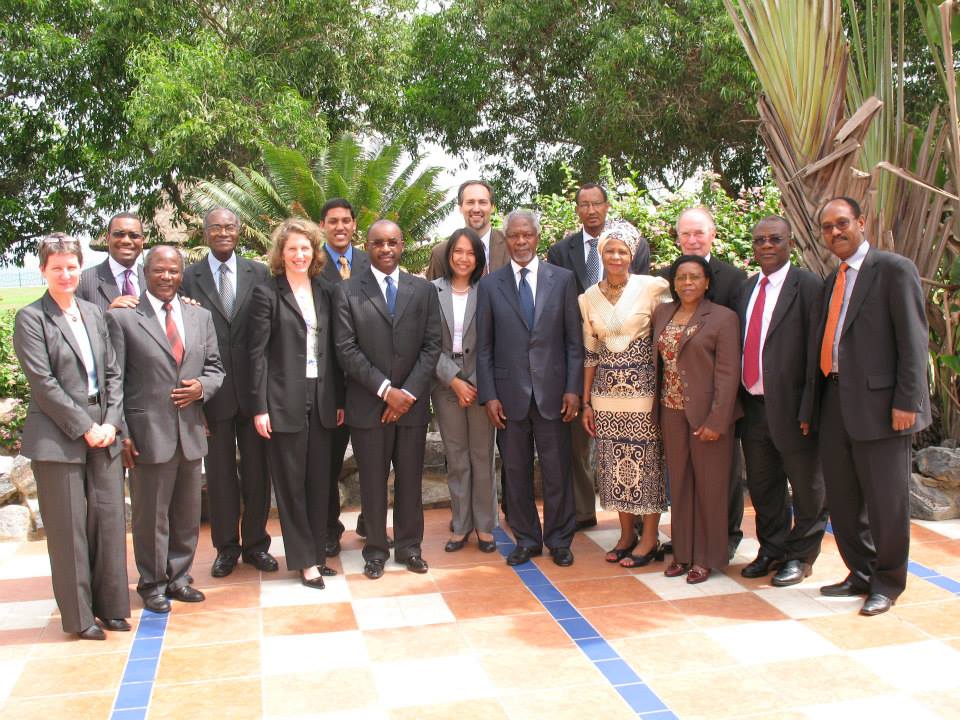
Following her stint in the IAU, Alma moved to Nairobi, Kenya to join the Alliance for a Green Revolution in Africa (AGRA) as Head of Internal Auditing Unit, remaining there for about seven years. She received some pretty serious mentoring from some very influential persons. Do you recognise next to whom she is standing?

With former UN Secretary-General Kofi Annan and others.

Taking a sabbatical from AGRA in 2012, Alma also completed her Master in Public Administration degree from the John F. Kennedy School of Government at Harvard University in May 2013. Returning to Nairobi, she stayed with AGRA for a couple more years, before making another move, in 2016, to Vienna and the headquarters of the International Atomic Energy Agency (IAEA) as an Internal Auditor in the Office of Internal Oversight Services.

All work and no play . . .
Over the years, we had lots of fun together socially, playing badminton twice a week, dining out at Christmas or enjoying a BBQ at my house, sometimes with staff of the Development Office (one of the units I supervised, and closely linked to DPPC).

Just before I left the Philippines, in March 2010, the DPPC Team enjoyed a long weekend at the beach at Arthur’s Place (where Steph and I used to snorkel and scuba dive) together with colleagues from the Development Office.

Looking back, I have been immensely privileged to work with such a dedicated team, and very smart people. Much smarter than me!

As one of them told me recently: ‘You were like the conductor of a [great] orchestra. We were the virtuosos‘. I like that analogy. They also seemed to have appreciated my management style, allowing them to get on with their tasks, after we’d agreed on what needed tackling, without constant interference from me. Micromanagement is something I detest.

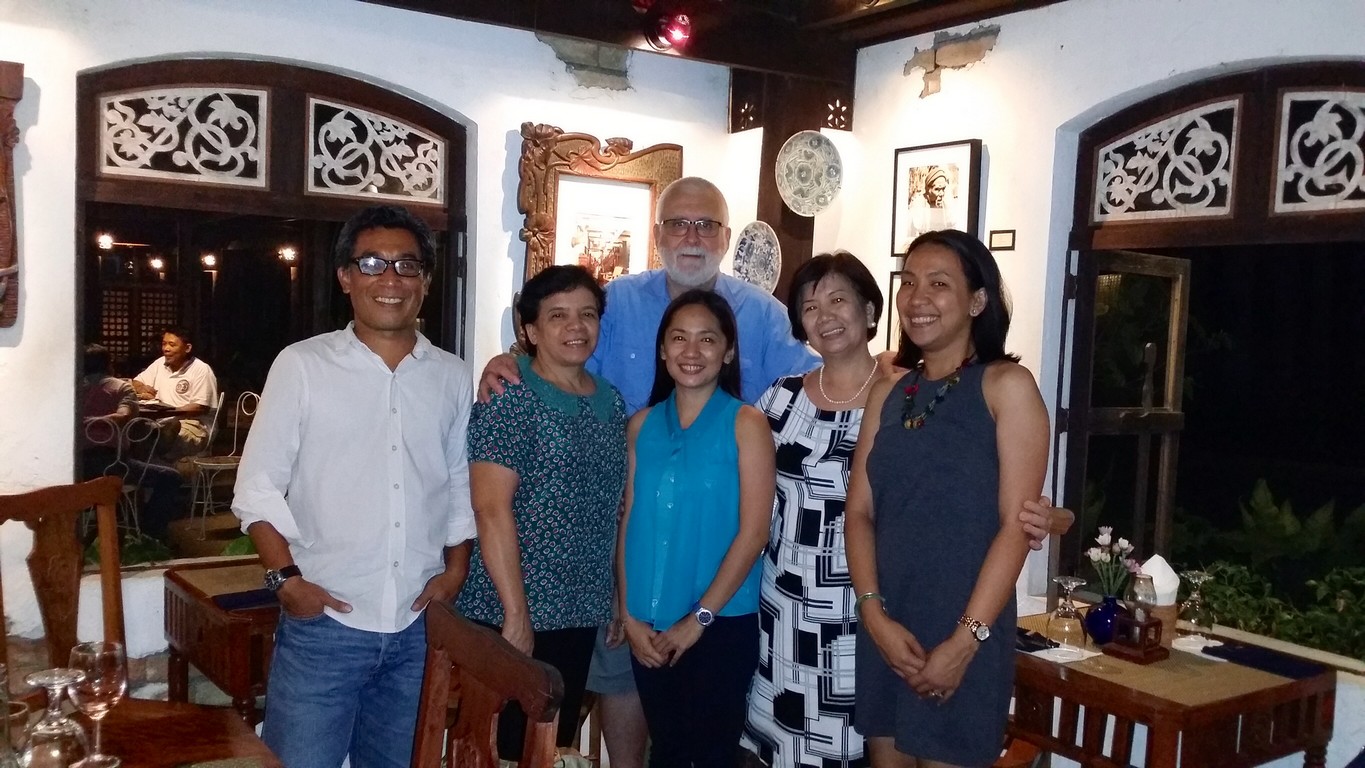
The last time I saw my team was in August 2014 when I visited IRRI in connection with the 4th International Rice Congress. As usual we spent a lovely evening together, at Sulyap in San Pablo.

After seven years of retirement, I miss the daily camaraderie as a member of the DPPC Team. As Joe Gargery would say, in Charles Dickens’s Great Expectations: ‘What larks!’

~~~~~~~~~~~~~~~~~~~~~~~~~~~~~~~~~~~~~~~~~~~
¹Not all these donors support IRRI. Here is a list of current donors to the institute.

Please, sir, I want some more

Perhaps the most memorable six words that Charles Dickens (1812-1870) ever wrote. They appear very early on in his second novel, Oliver Twist, published in 1837. Young Oliver, ‘desperate with hunger, and reckless with misery‘ is emboldened to ask for another bowl of weak porridge (gruel). Much to the consternation of the master of the workhouse where Oliver had been sent.

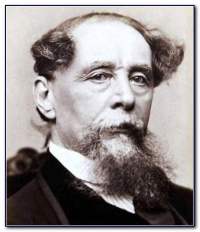
L: Dickens in 1837 (from Charles Dickens in 1837 (from: http://www.photohistory-sussex.co.uk/DickensCharlesPortraits.htm; and R: a photograph taken during the last two years of his life between 1868 and 1870.

Oliver Twist was the first of Dickens’s social novels in which he wrote about the inequalities and hypocrisies of Victorian England, particularly London. I’ve never read Oliver Twist nor most of Dickens’s novels. Just a couple that were on the English curriculum at school. Or I’ve viewed them as film or TV adaptations (at which the BBC generally excels).

Things changed in January, after I’d read a book about ‘the real Oliver Twist‘. I decided to set myself a literary challenge: to read all 15 of Dickens’s novels during 2017. Or should that be 14¾, as one novel, The Mystery of Edwin Drood was unfinished at the time of Dickens’s death in 1870? And so I began to work my way through them (on my Kindle), but not in the order that they were published. I recently came across a link on the BBC Magazine website in which journalist Matthew Davis described taking the ‘Dickens Challenge’ in 2012, the bicentenary of Dickens’s birth.

In July (after about eight novels), I took a short ‘Dickens break’ to read a couple of books I’d purchased at Half Price Books in St Paul while visiting Hannah and Michael and family in June. One was the ‘real’ story about Wyatt Earp and the Gunfight at the OK Corral in 1880s Arizona. The other was an biography and analysis of Confederate President Jefferson Davis’s role during the Civil War, by Princeton Emeritus Professor James P McPherson.

And now, in October, I’ve just finished the last one: Oliver Twist, which I deliberately left until last, even though it’s one of his early novels, because it was the ‘idea’ of Oliver Twist that set me off on this challenge in the first place. I enjoyed Dickens’s novels far more than I ever expected to from the outset. In fact, I found most to be quite a delight. My only other experience with Dickens was, as I said, at school: David Copperfield and Great Expectations. Unlike my latest experience, we didn’t read them for enjoyment, but to make a thorough analysis: the development of characters; the narrative; the social context, and the like.

These novels are not particularly easy reading – maybe reading them on a Kindle had something to do with that. But Dickens’s style is not the easiest to navigate, and often I had to read different paragraphs in each novel more than once to fully comprehend the narrative. He had a love affair with the semi-colon! And of course, he employed words (or their usage) that have now fallen out of fashion. These examples come to mind: benignant (kindly and benevolent); anent (concerning, about), and apostrophe (‘a digression in the form of an address to someone not present, or to a personified object or idea’).

Dickens wrote his novels between 1836 and 1870, most of them appearing in serial form before being published as books. He also wrote many other short stories and essays, the most popular among them (and indeed one of the most popular of all Dickens’s works) is A Christmas Carol (1843).

This is the order in which I approached them (with year of publication in parenthesis, and the length in words; as you might imagine, there’s a wealth of information about Charles Dickens on the web):

These are the covers from the original publications:

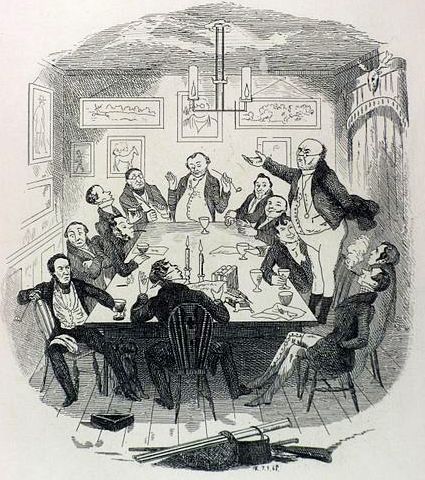
Mr Pickwick address the Club (c. 1894)

So, which novel did I enjoy the most, and which memorable characters made an impression? After almost 3,900,000 Dickensian words it’s actually quite hard to make a choice. However, a choice is what I have to make, and on reflection I have plumped for his first novel, The Pickwick Papers. While there is humour throughout most (if not all) his novels (although some are quite dire in terms of the descriptions of the society in which his characters barely survive) I did find myself laughing out loud when working my way through The Pickwick PapersOliver Twist is my second choice. Interesting that these two are Dickens’s first two novels.

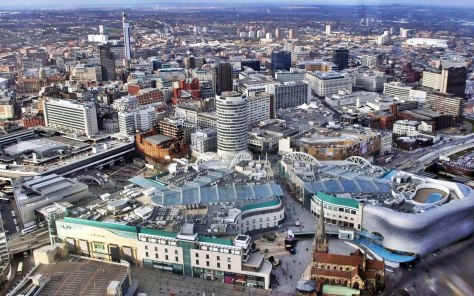
Money—or the want of it—is a theme that runs through all Dickens’s novels. Many are set in London, or the Home Counties surrounding London. Dickens was a true wordsmith; he could capture in a few words the squalour and poverty that was the daily backdrop to the lives of most Londoners. However, Dickens does wander further afield in some novels. In David Copperfield, a good part of the narrative is set in Great Yarmouth, while the hero of Nicholas Nickleby spends time at Dotheboys Hall, a school in Yorkshire. Hard Times is set in the industrial North. In The Old Curiosity Shop, Nell and her grandfather pass through industrial Birmingham, perhaps the Black Country, ending up, I believe, in Shropshire. A Tale of Two Cities is divided between London and the Paris of Revolutionary France.

Just one novel, Bleak House, has a female narrator, Esther Summerson. David Copperfield and Great Expectations are narrated in the first person. Two are set among actual historical events: the French Revolution, in A Tale of Two Cities; and in Barnaby Rudge, the anti-Catholic Gordon Riots of 1780 are the backdrop to the narrative, and the chief protagonist of the riots, Lord George Gordon, actually appears as one of the characters in the novel. It’s also interesting to note the changes in society, the industrialization taking place (in The Old Curiosity Shop or Hard Times), or the coming of and increasing reliance on the railways (Our Mutual Friend) to move about the country.

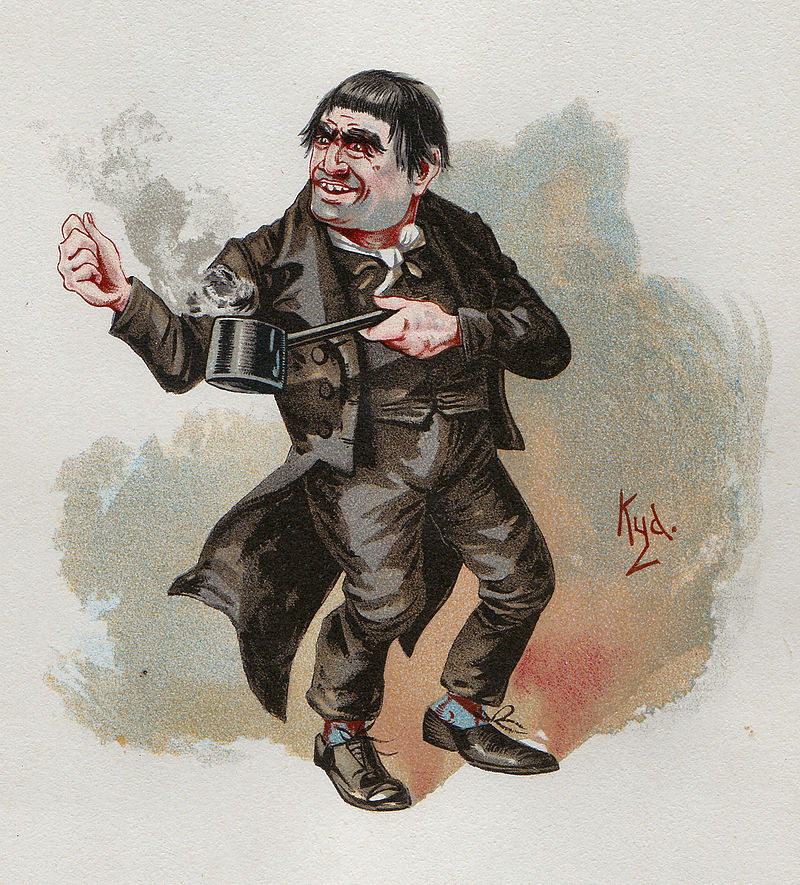
Fagin by ‘Kyd’, c. 1889

Such a cast of characters, hundreds even, appear in Dickens’s novels: the heroes and herioines in each; the gentle ‘giants’ such as Joe Gargery in Great Expectations, or Daniel Peggoty in David Copperfield; the spongers like Harold Skimpole in Bleak House, and William Dorritt (who is also a snob and a hypocrite) in Little Dorritt; or the financially inept (but reproductively prolific) Mr Micawber in David Copperfield; hypocrites Pecksniff in Bleak House or Sir John Chester in Barnaby Rudge; and tyrants Edward Murdstone (David Copperfield’s step-father) or Ralph Nickleby in Nicholas Nickleby. There are bullies (who are really cowards, as bullies most often are) such as Mr Bumble in Oliver Twist, and the unforgettable schoolmaster Wackford Squeers in Nicholas Nickleby. And who can forget Fagin, the Jewish fence (receiver of stolen goods) in Oliver Twist, my dear?

Dickens’s characters encompass all levels of society, from the aristocracy, landowners and gentlemen of private means, and industrialists, to honest journeymen, workers and labourers, and finally the lowest level of society, the abject poor brought up in the workhouse, dependent on the parish. That last aspect, told through Oliver Twist, was the reason for me coming to Dickens this year.

So many characters, many with wonderful Dickensian made-up names*. But I must single out two of them. Although I have read Great Expectations twice before (at school), I hadn’t appreciated just what a little prig the main character Pip is, or so it seemed to me. He came across as a self-centered, obnoxious individual, something I’d not picked up on before this reading.

Daniel Quilp by ‘Kyd’ c. 1889

But I think that Dickens’s most glorious invention must be Daniel Quilp, a ‘malicious, grotesquely deformed, hunchbacked dwarf moneylender’, in The Old Curiosity Shop. If they ever decide to adapt it again for screen (large or small)—silent movie versions were made as early as 1914 and 1921—I think Danny DeVito might just fit the bill (provided he can ‘get’ the accent—we don’t want faux Cockney in the style of Dick Van Dyke in Mary Poppins).

In a recent comedy series on BBC2, of just six episodes, Quacks followed the ‘progress of four medical pioneers in the daring and wild days of Victorian medicine’. In one episode, a female character, an aficionada of Dickens’s writing, secures an invitation to dinner with the great man of letters, along with a friend. This is how the hilarious conversation about Dickens’s characters progresses during dinner.

There have been some famous Dickensian adaptations for the screen.  In 1946, Great Expectations starred a young John Mills and Alec Guinness. A ‘controversial’ three-part series of Great Expectations appeared on the BBC in 2011, with Gillian Anderson (who also appeared in an earlier BBC adaptation of Bleak House) as Miss Havisham, the best interpretation I have seen.

There have been some impressive adaptations of A Christmas Carol, probably the most memorable being the 1951 adaptation Scrooge, in black and white, starring Alastair Sim. And don’t forget The Muppets (with Michael Caine as Ebenezer Scrooge). There have also been theatrical and musical versions, among the most well known being Lionel Bart’s Oliver! in 1968.

Dickensian was a wonderful 20 part series broadcast on the BBC between December 2015 and February 2016, which brought into a single story-line, set in one Victorian London neighbourhood, some of Dickens’s most iconic characters that appeared in five of his books. It was a revelation, a real mash-up, and critically well-received.

So now my 2017 Dickens challenge is at an end. In the past, I have worked my way through Jane Austen, Thomas Hardy, Anthony Trollope, some Brontë and George Elliott. Next authors? Suggestions? Decisions, decisions!

In the short-term, I’ll probably return to my other literary interest: biography and history. I already have several more biographies of American Civil War generals to work through.

~~~~~~~~~~~~~~~~~~~~~~~~~~~~~~~~

* The cast of Quacks held a quiz on Dickensian names, with hilarious results. Truly Dickens or Falsely Dickens?

“By God, sir, I’ve lost my leg!” . . . “By God, sir, so you have!” (Update 24 September 2023)

In general, I do not read up about any of the National Trust properties we visit ahead of the visit. Maybe I should, from time to time. On our way to Holyhead recently, for an overnight stop before we took the ferry over to Ireland early the next morning (for our National Trust tour of Northern Ireland), we visited Plas Newydd, a mansion alongside the Menai Strait, and home to the Paget family, Marquesses of Anglesey.

There has been a house at Plas Newydd since the late 13th century. The house today reflects the significant changes made by James Wyatt in the late 18th century. There are stunning views along the Menai Strait north to the famous Stephenson Britannia Bridge (the original was constructed in 1850), south towards Caernarvon on the mainland, and further east, of course, the Snowdonia panorama fills the skyline.

The original Paget family home was at Beaudesert, an estate near Cannock Chase in Staffordshire, in the 16th century. Plas Newydd, acquired by the Pagets in the 18th century, was only a holiday retreat, but eventually became their permanent residence.

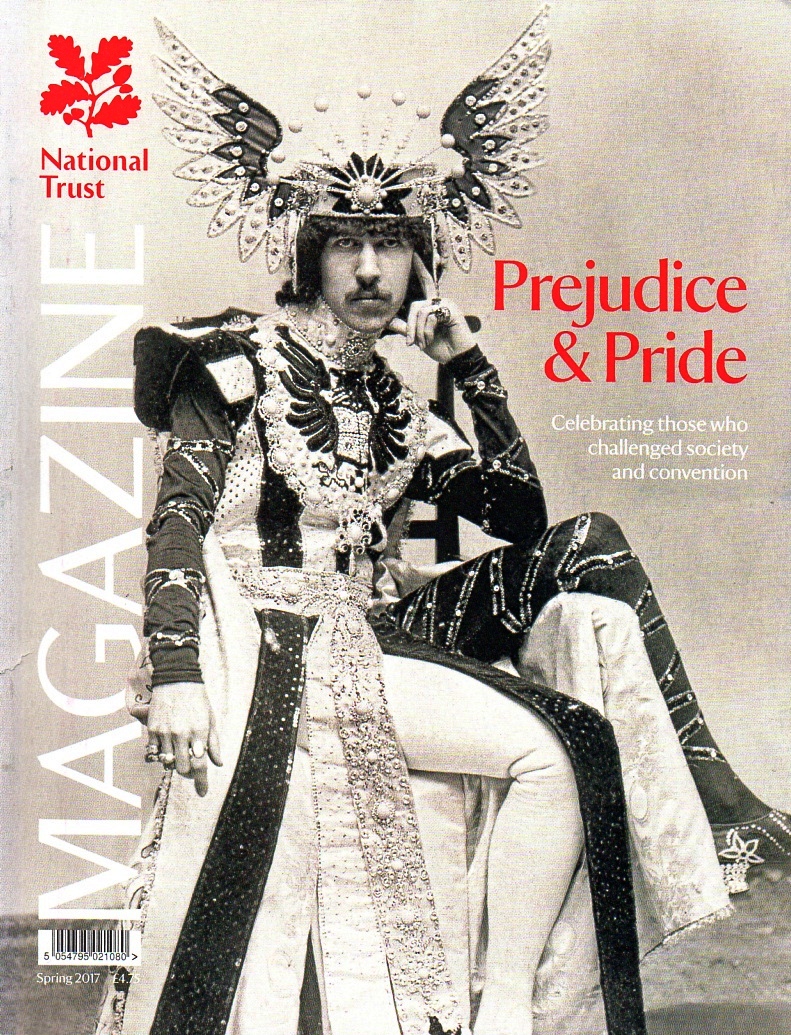
I didn’t know too much about the estate nor the family, apart from something I’d read about the flamboyant 5th Marquess (featured on the cover of the National Trust magazine for Spring 2017) who squandered much of the family’s wealth, and died, aged 29, in 1905. The consequence of his debts was the sale of Beaudesert by the 6th Marquess in the 1930s, which was demolished but not in its entirety. Many of the contents, particularly paintings, were brought to Plas Newydd. Those in the drawing-room are particularly notable.

The 1st Marquess, Henry William Paget (as the Earl of Uxbridge) was one of the Duke of Wellington’s senior commanders (of the heavy cavalry) at the Battle of Waterloo, who was elevated to the marquessate of Anglesey just three weeks after the battle. Towards the end of the battle, he was struck on the leg by a cannonball, apparently eliciting the exchange between him and Wellington that I have used as the title of this post.

The Duke of Wellington was not well disposed towards Uxbridge, who had eloped with the Duke’s sister-in-law, but who he eventually married. He had eight children by his first wife, and seven surviving infancy from his second marriage. There is a several displays in the house of the Marquess’s regalia, his uniforms, even one of his artificial legs. He was eventually promoted Field Marshal.

In the ample grounds there are many walking trails, a small arboretum, and a terraced garden on the north side of the house.

On the wall of the small Gothick Hall, with its balcony, are early Paget ancestor (which you can just see through the open door from the Music Room). The Music Room itself opens off the left side of the hall.

Through a small door in the far corner of the Music Room, there is an elegant staircase leading to the first floor bedrooms. On the wall above the staircase is an impressive full-length portrait of the Duke of Wellington.

Just a few bedrooms are open to view, including the Alcove Bedroom, opened to the public in 2013, from which there is a wonderful of the Menai Strait. Very relaxing! The bedroom of Shirley, Lady Anglesey and wife of the 7th Marquess, is decorated in pink. Either side of the fireplace are paintings by Constant Joseph Brochart (d. 1889). But what is more remarkable is the hand decoration to the bed posts and canopy that was added by family friend and British artist, designer and illustrator Rex Whistler (d. 1944). More of him later, downstairs. Beyond Lady Anglesey’s bedroom is the bedroom of the 7th Marquess. In several rooms there are examples of old wallpapers.

The study of the 7th Marquess on the ground floor has several desks, piled high with books and documents. He was an enthusiastic military historian. The wallpaper reflects this interest.

Lady Anglesey kept a study at the south end of the house, overlooking the Menai Strait.

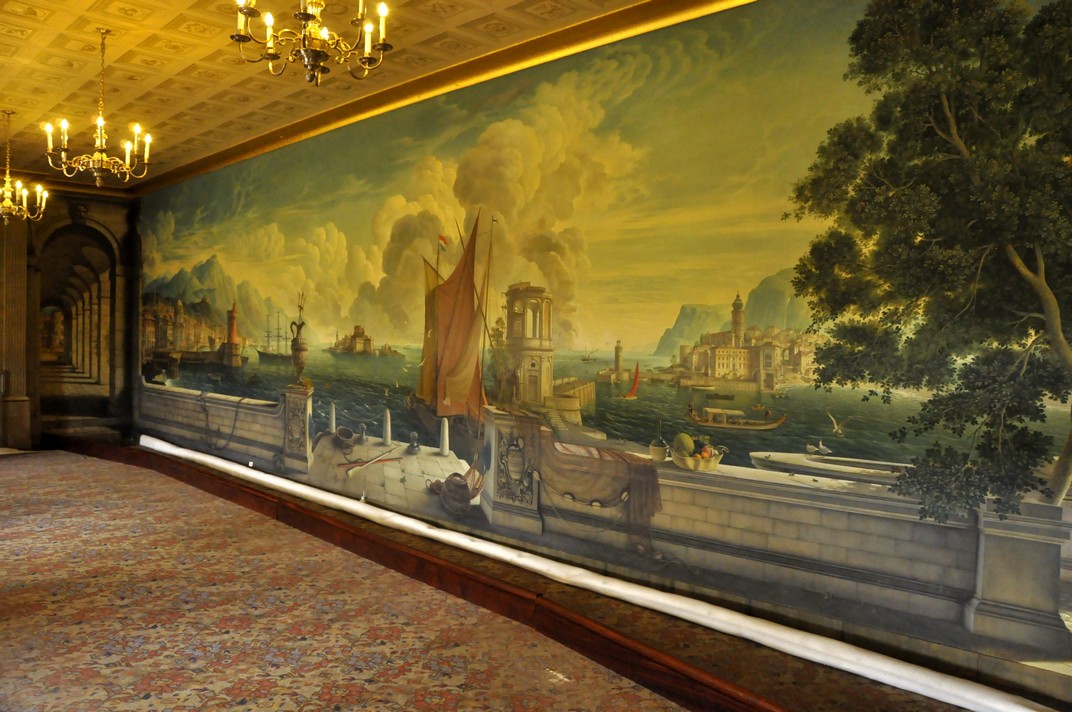
Along the east side of the hall (Menai Strait side), several rooms flow from one to another: the drawing-room, a breakfast room, and the dining room with the famous room-length painting by Whistler, and some exquisite trompe d’oeil illustrations on the end walls.

From a vestibule behind the Gothick Hall, you pass through to the drawing-room. At first glance, its colour scheme doesn’t seem to work: green and blue, and a red smaller carpet in front of the fireplace. But I had an enormous feeling of relaxation just walking into this room. Several large landscape paintings by Flemish painter,Balthazar Paul Ommeganck (c. 1789), cover the walls. They were brought from Beaudesert, and cropped to fit the available space. The effect is most pleasing.

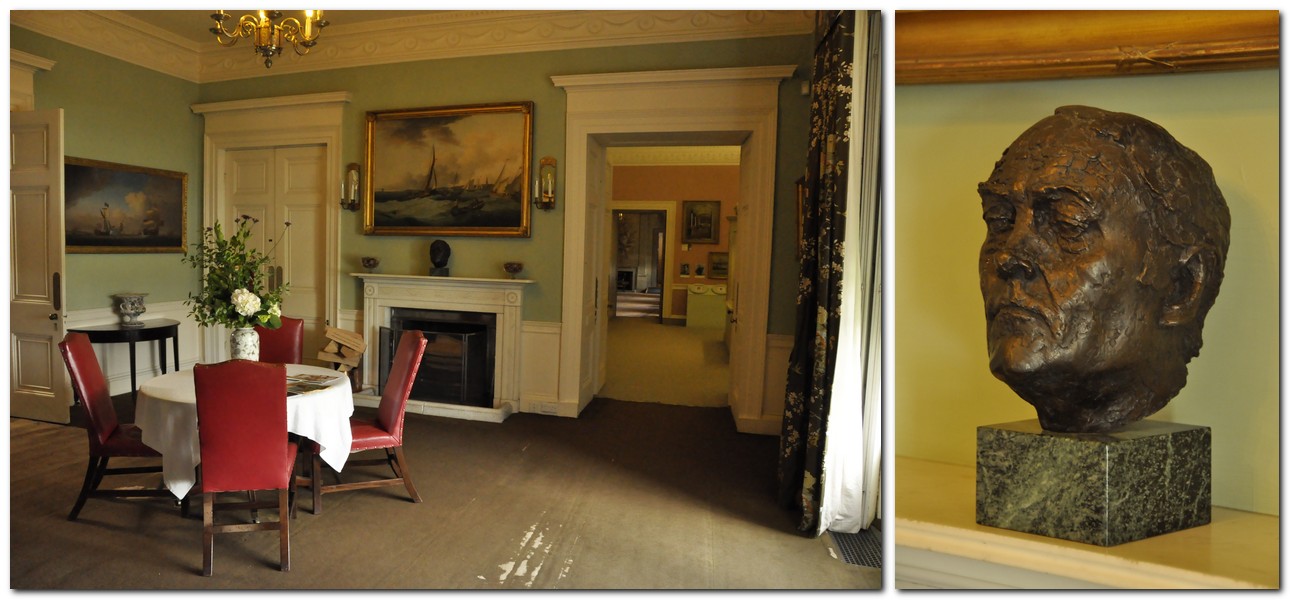
Beyond the drawing-room is the breakfast room, with a bust of the 7th Marquess, by Whistler, on the mantelpiece.

Then you come to the masterpiece that is the Whistler painting in the dining room. And how stunning it is, providing different perspectives on the mountains when viewed from different angles.

What a stunning finale to our tour of Plas Newydd, which fitted in perfectly with our plans to visit Northern Ireland. I’m sure we will repeat the pleasure one day.


24 September 2023
During our recent holiday in North Wales, we stopped off at Plas Newydd on the way back to our holiday cottage from a trip to South Stack cliffs on the northwest tip of Anglesey. It was almost exactly six years since we first visited.

In particular we wanted to revisit the Whistler mural and take in the Italian garden. We weren’t disappointed.

We saw the Whistler room at Mottisfont in Hampshire in 2022.

The Italian garden was looking particularly fine, perhaps down to the appointment of a new head gardener since our last visit, who had certainly added some extra color to this Grade 1 listed garden.


Springhill: a complicated genealogy

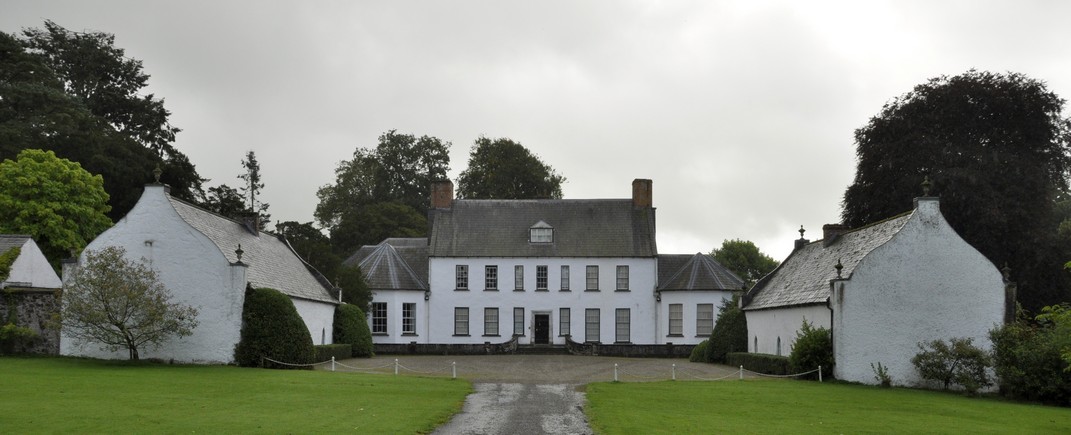
Springhill House, near Moneymore in Co. Londonderry, Northern Ireland, is a typical ‘Plantation House‘, a 17th century farmhouse that was embellished in the 18th century with the addition of single storey wings, and pavilions with Dutch gables on either side of the avenue leading up to the front of the house.

Constructed in about 1680, it was the home of the Conyngham family of Scottish settlers who came to Northern Ireland from Ayrshire around 1611. Becoming the property of the National Trust in 1957, the house had remained in the same family until then. The family name had changed to Lenox-Conyngham in the early 18th century. The genealogy is complicated by there being multiple Georges and Williams.

To one side of the entrance hall is a small study with a fine display or guns and swords, especially a long gun on one side of the fireplace. Original 18th century wallpaper was uncovered during the restoration of Springhill by the National Trust.

Ceilings are quite low in the 17th century parts of the house, but much higher in the 18th added wings. This can be seen quite distinctly, moving from the library, to the drawing room, and into the dining room.

Springhill is said to be haunted, by the ghost of Olivia, second wife of George Lenox-Conyngham (whose portrait hangs in the ‘haunted’ bedroom). Was he murdered by his wife or did he commit suicide? A secret door and passage were found in the bedroom, which you can just make out in the far right corner beyond the wash-stand, in the photo below. Was this how Olivia crept in to commit the foul deed? Some documents were found, but the evidence is circumstantial. We will never know for sure.

There’s an interesting costume museum, and ample opportunity for long walks on the estate. The weather (and time) was against us.

In the blink of an eye, it seems, 50 years have passed

The first week of October 1967. 50 years ago, to the day and date. Monday 2 October.
I was setting off from my home in north Staffordshire to the port city of Southampton on the the UK’s south coast (via London for a couple of nights), to begin a three year BSc Combined Honours degree course in [Environmental] Botany and Geography at the university. I was about to become a Freshman or ‘Fresher’. Not only anticipating being away from home for the first time (although I’d always been sort of independent), I was looking forward to the excitement of ‘Freshers’ Week’ to make new friends, discovering new activities to take up.

On the afternoon of Wednesday 4 October, I joined the ‘Freshers’ Special’ from Waterloo Station in London, a train chartered by the Students’ Union, and met several fellow students in the same compartment who remained close friends throughout my time at Southampton. Unlike mainline rail services, our train stopped at the small suburban station at Swaythling, and hordes of Freshers were disgorged on to the platform and into buses to take them to their respective Hall of Residence, several of which were close-by.

I’d accepted a place in South Stoneham House (becoming Vice President of the Junior Common Room in my second year in autumn 1968), comprising a sixteen floor tower (now condemned for habitation as there’s a lot of asbestos) alongside a rather elegant Queen Anne mansion built in 1708.

I later discovered that the grounds had been landscaped by Capability Brown. Quite a revelation considering my interest in these things nowadays associated with my membership of the National Trust. It’s sad to know what has happened to South Stoneham in the last decade or so.

I had a room on the sixth floor, with a view overlooking Woodmill Lane to the west, towards the university, approximately 1.2 miles and 25 minutes away on foot. In the next room to mine, or perhaps two doors away, I met John Grainger who was also signed up for the same course as me. John had grown up in Kenya where his father worked as an entomologist. Now that sounded quite exotic to me.
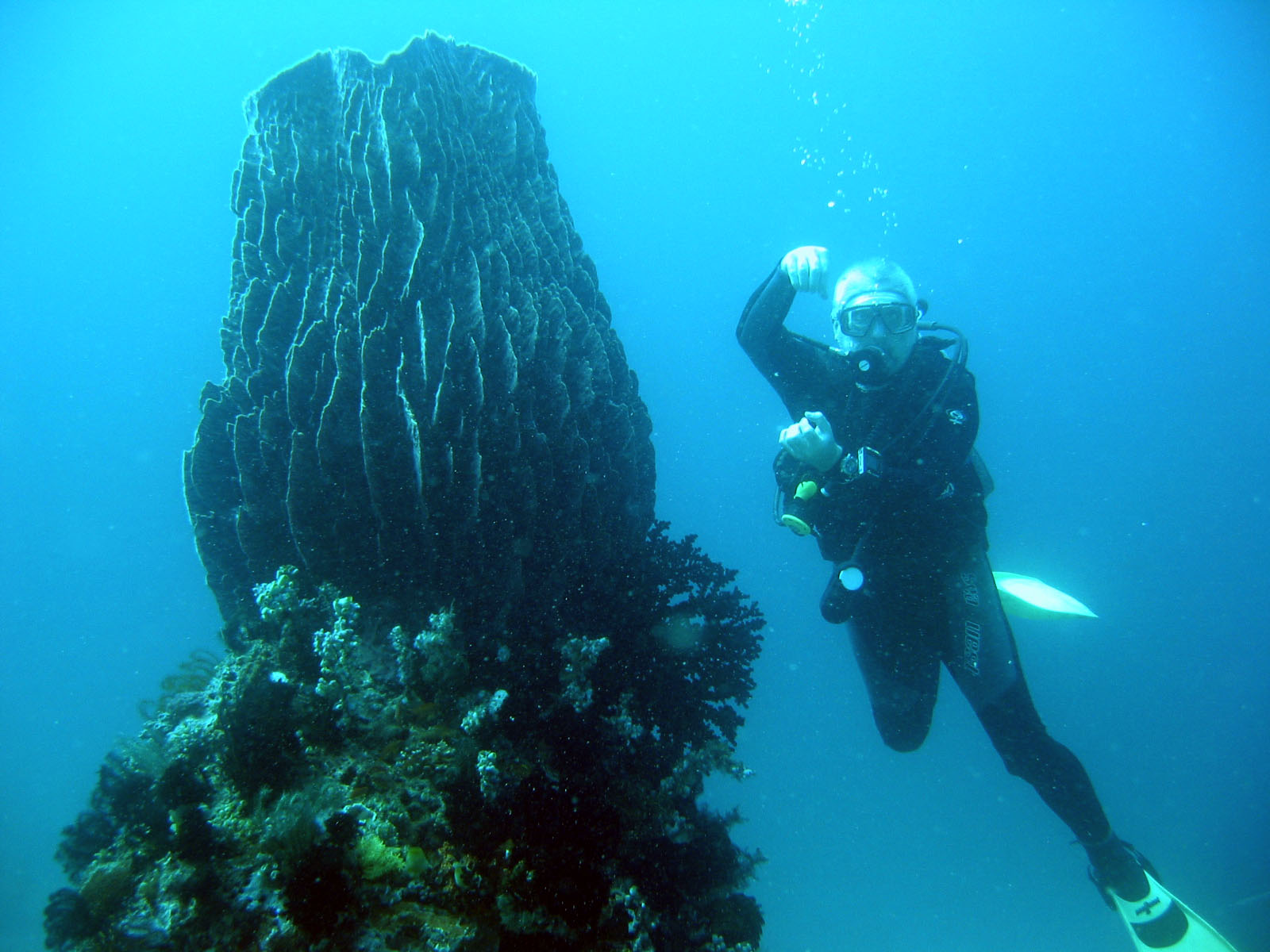
Over the course of the next couple of days, I met the other students who had enrolled for Combined Honours as well as single honours courses in botany or geography, and others who were taking one of these as a two-year subsidiary or one-year ancillary subject.

We were five Combined Honours students: Stuart Christophers from Devon, Jane Elliman from Stroud in Gloucestershire, another whose name was Michael (I forget his surname; he came from Birmingham), John and me. Failing his exams at the end of the first year in early summer 1968, Michael was asked to withdraw, as were about one third of the botany class, leaving fewer than twenty students to head off to an end-of-year field course in Co. Clare, Ireland.

End of first year field course in Co. Clare, 27 July 1968. Dept of Botany lecturers Alan Myers and Leslie Watson are on the left. Beside them is Jenny ? Back row, L-R: Chris ? (on shoulders), Paul Freestone, Gloria Davies, John Grainger, Peter Winfield. Middle row: Nick Lawrence (crouching), Alan Mackie, Margaret Barran, Diana Caryl, John Jackson (Zoology with Botany subsidiary), Stuart Christophers. Front row: Jill Andison, Janet Beasley, Patricia Banner, Mary Goddard, Jane Elliman, Chris Kirby.

As ‘Combined’ students we had, of course, roots in both departments, and tutors in both as well: Dr Joyce ‘Blossom’ Lambert (an eminent quantitative ecologist) in Botany, and Dr Brian Birch, among others, in Geography. However, because of the course structure, we actually had many more contact hours in botany, and for my part, I felt that this was my ‘home department’.

Three years passed quickly and (mainly) happily. The odd pull at the old heart strings, falling in and out of love. I took up folk dancing, and started a Morris dancing team, The Red Stags, that continues today but outside the university as a mixed male-female side dancing Border Morris.

And so, in late May 1970 (the day after the Late Spring Bank Holiday), we sat (and passed) our final exams (Finals), left Southampton, and basically lost contact with each other.

In developing this blog, I decided to try and track down my ‘Combined’ colleagues John, Stuart, and Jane. Quite quickly I found an email address for Stuart and sent a message, introducing myself. We exchanged several emails, and he told me a little of what he had been up to during the intervening years.

Despite my best efforts, I was unable to find any contact information for John, although I did come across references to a ‘John Grainger’ who had been involved in wildlife conservation in the Middle East, primarily Saudi Arabia and Egypt. The profile seemed right. I knew that John had stayed on at Southampton to complete a PhD in ecology. Beyond that – nothing! Then, out of the blue in late 2015, John contacted me after he’d come across my blog and posts that I had written about Southampton. We’ve been in touch ever since.

To date, I’ve had no luck tracking down Jane.

Why choose Southampton?
Southampton was a small university in the late 1960s, maybe fewer than 5000 undergraduates. There was no medical faculty, and everything was centred on the Highfield campus. I recently asked John why he decided to study at Southampton. Like me, it seems it was almost by chance. We both sat the same A level exams: biology, geography, and English literature, and we both applied for quite a wide range of university courses. He got a place at Southampton through clearing; I had been offered a provisional place (Southampton had been my third or fourth choice), and my exam results were sufficiently good for the university to confirm that offer. I’d been very impressed with the university when I went for an interview in February. Instinctively, I knew that I could settle and be happy at Southampton, and early on had decided I would take up the offer if I met the grade.

John and I are very much in agreement: Southampton was the making of us. We enjoyed three years academics and social life. It gave us space to grow up, develop friendships, and relationships. As John so nicely put it: . . . thank you Southampton University – you launched me.

My story after 1970
After Southampton, I moved to the University of Birmingham in September 1970, completing a MSc in conservation and use of plant genetic resources in 1971, then a PhD under potato expert Professor Jack Hawkes in 1975. Thus began a career lasting more than 40 years, working primarily on potatoes and rice.

By January 1973 I’d moved to Peru to work in international agricultural research for development at the International Potato Center (CIP), remaining in Peru until 1975, and moving to Costa Rica between 1976 and 1981. Although it was not my training, I did some significant work on a bacterial pathogen of potatoes in Costa Rica.

I moved back to the UK in March 1981, and from April I taught at the University of Birmingham in the Dept. of Plant Biology (formerly botany) for ten years.

By 1991, I was becoming restless, and looking for new opportunities. So I upped sticks and moved with my family to the Philippines in July 1991 to join the International Rice Research Institute (IRRI), firstly as Head of the Genetic Resources Center until 2001, and thereafter until my retirement in April 2010 as Director for Program Planning and Communications.

In the Philippines, I learned to scuba dive, and made over 360 dives off the south coast of Luzon, one of the most biodiverse marine environments in the country, in Asia even.

Retirement is sweet! Back in the UK since 2010, my wife Steph and I have become avid National Trusters (and seeing much more of the UK than we had for many years); and my blog absorbs probably more time than it should. I’ve organized two major international rice congresses in Vietnam in 2010 and Thailand in 2014 and just completed a one year review of the international genebanks of eleven CGIAR centers.

Steph and me at the Giant’s Causeway in Northern Ireland in mid-September 2017

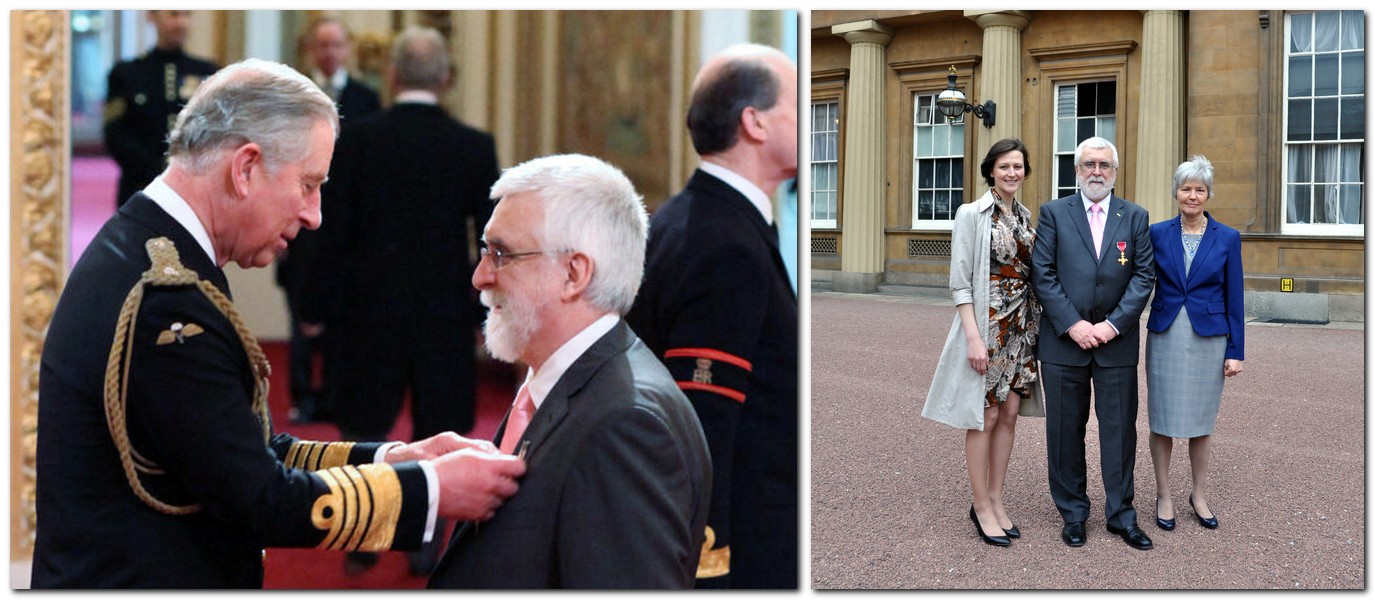
I was made an OBE in the 2012 New Year’s Honours for services to international food science, and attended an investiture at Buckingham Palace in February 2012.

Receiving my gong from HRH The Prince of Wales (L); with Philippa and Steph after the ceremony in the courtyard of Buckingham Palace (R)

Steph and I met at Birmingham when she joined the genetic resources MSc course in 1971. We married in Lima in October 1973 and are the proud parents of two daughters. Hannah (b. 1978 in Costa Rica) is married to Michael, lives in St Paul, Minnesota, and works as a group director for a company designing human capital and training solutions. Philippa (b. 1982), married to Andi, lives in Newcastle upon Tyne, and is Senior Lecturer at Northumbria University. Both are PhD psychologists! We are now grandparents to four wonderful children: Callum (7) and Zoë (5) in Minnesota; and Elvis (6) and Felix (4) in Newcastle.

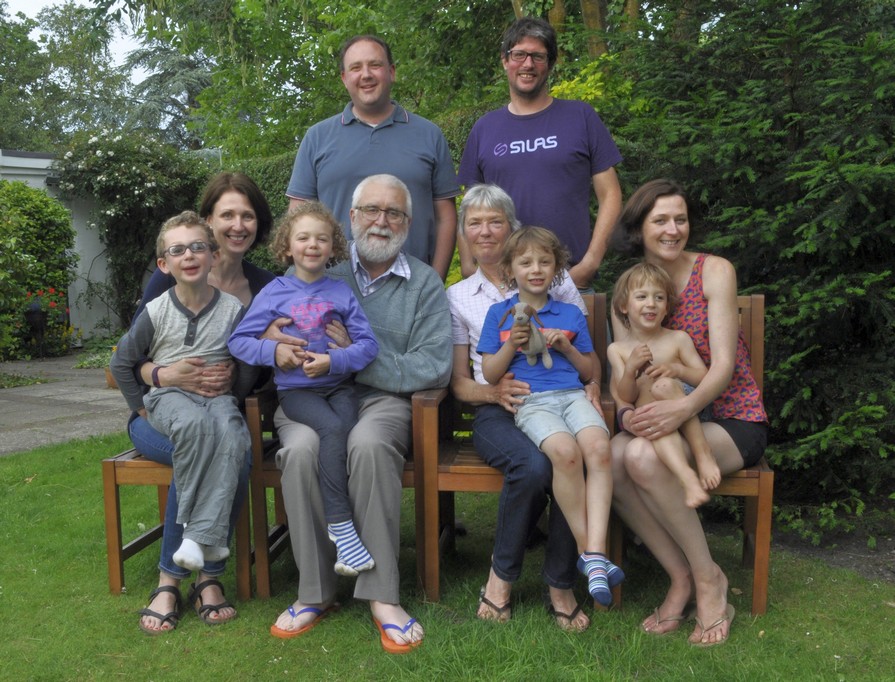
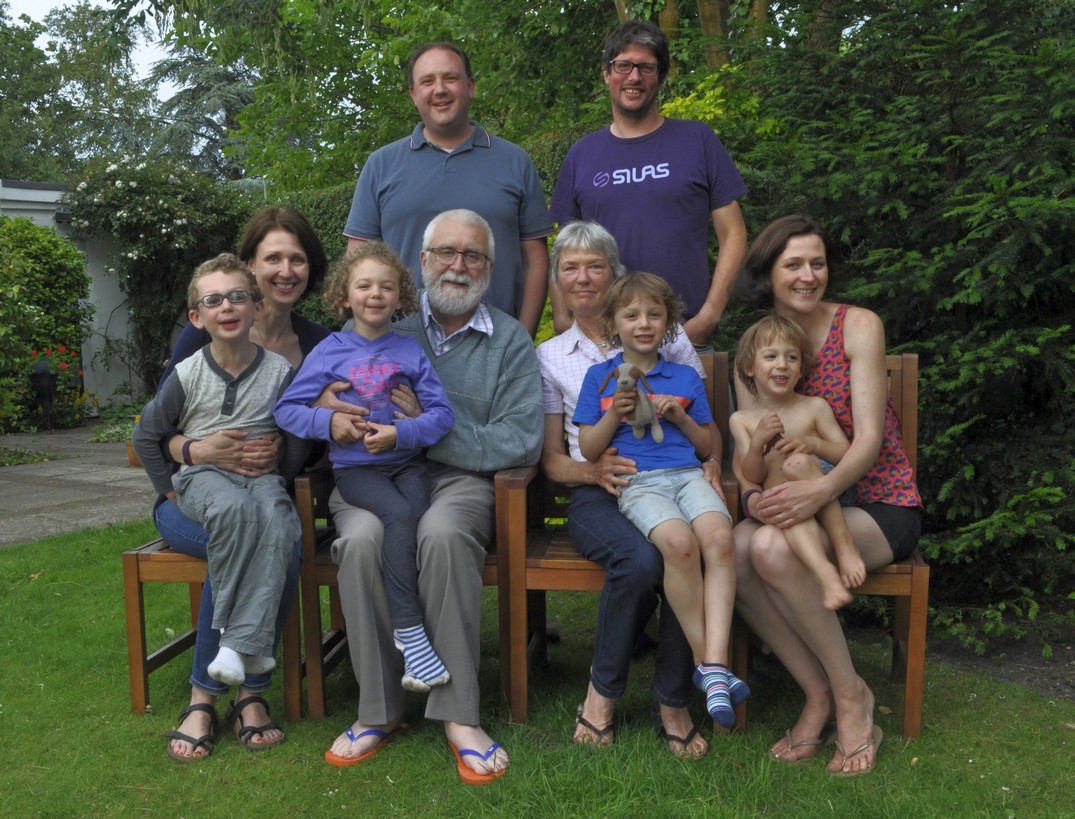
Our first full family get-together in the New Forest in July 2016. Standing: Michael and Andi. Sitting, L-R: Callum, Hannah, Zoë, Mike, Steph, Elvis, Felix, and Philippa

Stuart’s story (in his own words, 2013)
I spent my first year after Southampton teaching English in Sweden and the following year doing a Masters at Liverpool University. From there I joined Nickersons, a Lincolnshire-based plant breeding/seeds business, acquired by Shell and now part of the French Group Limagrain. 

In 1984 I returned to my native Devon to run a wholesale seeds company that fortunately, as the industry rationalised, had an interest in seed-based pet and animal feeds. Just prior to coming home to Devon I was based near York working with a micronutrient specialist. A colleague of mine there was Robin Eastwood¹ who certainly knew of you. Robin tragically was killed in a road accident while doing consultancy work in Nigeria.

This is my third year of retirement. We sold on our business which had become centred around wild bird care seven years ago now and I stayed on with the new owners for four years until it was time to go !

Stuart has a son and daughter (probably about the same as my two daughters) and three grandchildren.

John’s story
John stayed on at Southampton and in 1977 was awarded his PhD for a study that used clustering techniques to structure and analyse grey scale data from scanned aerial photographs to assess their use in large-scale vegetation survey. In 1975 he married his girlfriend from undergraduate days, Teresa. After completing his PhD, John and Teresa moved to Iran, where he took up a British Council funded lecturing post at the University of Tehran’s Higher School of Forestry and Range Management in Gorgan, on the southern shore of the Caspian Sea.

Alice, Teresa, and John at the Hejaz railway in Saudi Arabia, c. 1981/82.

By early 1979 they were caught up in the Iranian Revolution, and had to make a hurried escape from the country, landing up eventually in Saudi Arabia in February 1980, where John joined the Institute of Meteorology and Arid Land Studies at King Abdul Aziz University in Jeddah. Between Iran and Saudi Arabia there was an ‘enforced’ period of leisure in the UK, where their daughter Alice was born in December 1979.

John’s work in Jeddah included establishing an herbarium, researching traditional range conservation practices (hima system), and exploring places with intact habitats and interesting biodiversity. This is when his career-long interest in and contributions to wildlife management took hold, and in 1987 he joined a Saudi Commission for wildlife conservation. The work included an ambitious programme of establishing protected areas and breeding endangered native wildlife species for re-introduction – particularly Arabian oryx, gazelles and houbara bustards. The photos below show some of the areas John visited in Saudi Arabia, often with air logistical support from the Saudi military. 

In 1992, he was recruited by IUCN to lead a protected area development project in Ghana where he spent an exhausting but exhilarating 28 months doing management planning surveys of eight protected areas including Mole National Park. Then in 1996, the Zoological Society of London appointed him as  the project manager for a five year, €6 million EU-funded project in South Sinai to establish and develop the Saint Katherine Protectorate. John stayed until 2003, but by then, Teresa and he had separated; Alice had gained a good degree from St Andrew’s University in Scotland.

With a range of other assignments, and taking some time out between in Croatia, South Africa and other places, he was back in Egypt by 2005 to head up a project aimed at enhancing the institutional capacity of the Nature Conservation Sector for planning and implementing nature conservation activities. By 2010, and happily settled with a new partner, Suzanne, John moved to South Africa for several years, returning to Somerset in the past year. Suzanne and John were married in 2014. Retirement brings extra time for pastimes such as sculpting (many stunning pieces can be seen on his website), and some continuing consultancies in the wildlife management sector.

But I can’t conclude this brief account of John’s career without mentioning his thoughts on what being at Southampton meant to him: I have many reasons to be grateful to Southampton University – the degree involved me in the nascent environmental movement and provided me with the general tools and qualifications to participate professionally in the field. It was I think in the years that I was a postgraduate that I learned the true value of being at university and to become intellectually curious.

John sent me a more detailed account of his post-Southampton career that you can read here.

What next?
Fifty fruitful years. Time has flown by. I wonder what others from our cohort got up to? I have some limited information:

  • Allan Mackie went into brewing, and he and I used to meet up regularly in Birmingham when I was a graduate student there.
  • Peter Winfield joined what is now the Department for Agriculture & Fisheries for Scotland at East Craigs in Edinburgh.
  • Diana Caryl married barrister Geoffrey Rowland (now Sir Geoffrey) who she met at Southampton, and moved to Guernsey, where Geoff served as the Bailiff between 2005 and 2012. She has been active with the plant heritage of that island.
  • Mary Goddard completed a PhD at the Plant Breeding Institute in Cambridge (awarded by the University of Cambridge), and married Dr Don MacDonald from the university’s Dept. of Genetics.
  • Zoologist John Jackson (who took the subsidiary botany course for two years) completed a Southampton PhD on deer ecology in the New Forest, and spent many years in Argentina working as a wildlife coordinator for INTA, the national agricultural research institute.

The others? Perhaps someone will read this blog and fill in some details. As to geography, I have no contacts whatsoever.

However, through one of the earliest posts on this blog, Proud to be a botanist, which I wrote in April 2012, I was contacted by taxonomist Les Watson, who was one of the staff who took us on the first year field course to Co. Clare, and by graduate student Bob Mepham, who had taught a catch-up chemistry course to students like John Grainger and me, as we hadn’t studied that at A Level, and which was a requirement to enter the Single Honours course in botany. Another botany graduate, Brian Johnson, two years ahead of me and who sold me some books he no longer needed, also commented on one post about a field course in Norfolk.

I’m ever hopeful that others will make contact.

~~~~~~~~~~~~~~~~~~~~~~~~~~~~~~~~~~~~~

¹Robin Eastwood had completed the Birmingham MSc course in the early 1970s when I had already left for Peru. If memory serves me right, Robin did start a PhD, and was around the department when I returned from Lima in Spring 1975 to submit my PhD dissertation.

~~~~~~~~~~~~~~~~~~~~~~~~~~~~~~~~~~~~~

I wrote this story, looking back on my degree course, in October 1967. I added this link today, 10 July 2020, exactly 50 years since I graduated from Southampton with my BSc in Environmental Botany and Geography.

The Full Monty

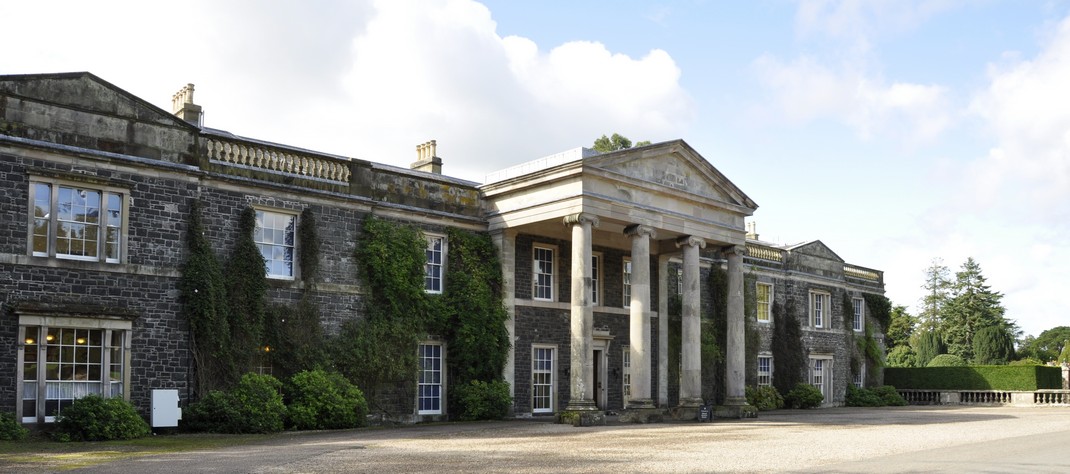
With extensive parkland, some of the most beautiful formal gardens, an elegant yet somewhat understated house that simply oozes wealth, position, and history, Mount Stewart on the Ards Peninsula in Co. Down has everything (map).

The Mount Stewart estate (then known as Mount Pleasant) was purchased in 1744 by wealthy merchant Alexander Stewart. His son became the 1st Marquess of Londonderry in 1816. Mount Stewart is the family home.

If I mentioned the name Robert Stewart, this would probably just evince a shrug of the shoulders. Mention Viscount Castlereagh, however, and the reaction would probably be very different, as he was one of the most influential politicians and diplomats of his age, Foreign Secretary in the British government, and a visionary of the Congress of Vienna in 1814-15 that sought to re-establish peace and order (and national borders) to post-Napoleonic Europe. Castlereagh became the 2nd Marquess of Londonderry in 1821 on the death of his father, the 1st Marquess. Yet he had committed suicide just a year later, and the title passed to his half-brother, Charles, who married (as his second wife) one of the wealthiest heiresses of the age, Lady Frances Anne Vane-Tempest. Her wealth gave the impetus for expansion and refurbishment of Mount Stewart. Charles had served as one of the Duke of Wellington’s generals in the Peninsula War, and was Ambassador to Austria at the time of the Congress of Vienna. After this marriage, the family name became, and continues as, Vane-Tempest-Stewart.

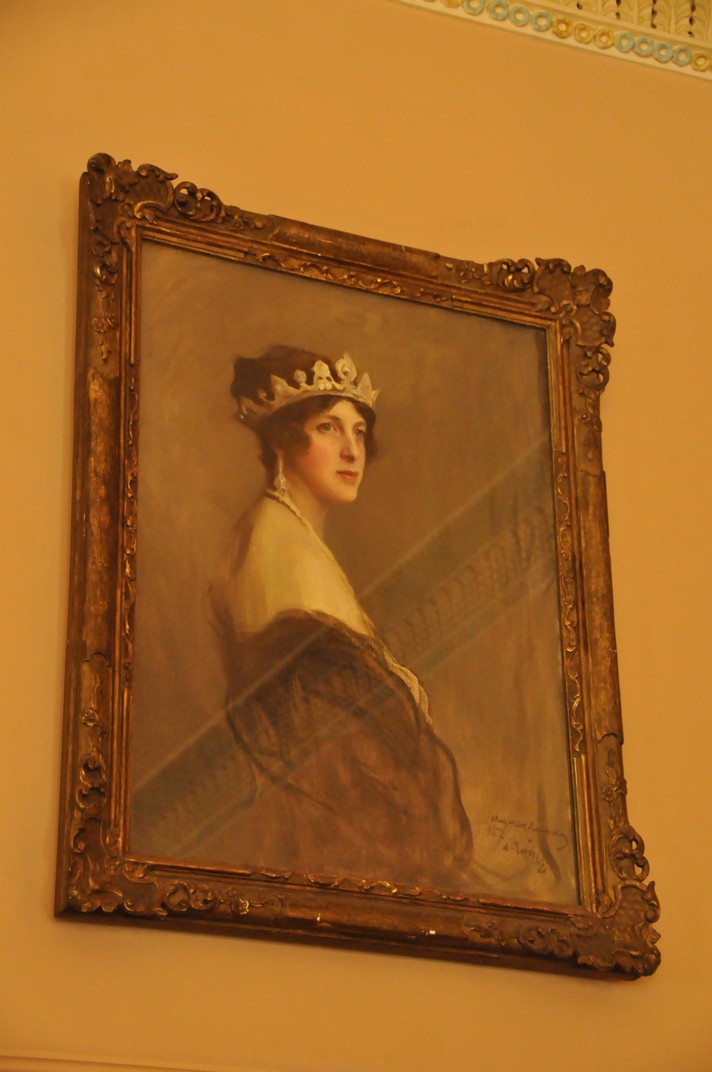
Mount Stewart became the principal home of the 7th Marquess and his wife Edith. She was a great socialite and political hostess, and much of today’s decor and the impressive formal gardens are due to her influence and creativity. Their youngest daughter, Mairi, their only child to be born there, was bequeathed Mount Stewart in the 7th Marquess’s will. One of Mairi’s daughters, Lady Rose Lauritzen, still has an apartment at Mount Stewart, and while we were touring the house, I saw her describing some ‘Congress chairs’ to one of the National Trust volunteers in the dining room.

There’s so much to see at Mount Stewart. It must be the ‘Jewel in the Crown’ of the National Trust in Northern Ireland. I’ve read that the Mount Stewart is counted among the world’s top ten gardens!

So let’s start with the grounds, followed by the formal garden, and then a tour of the house.

We took the lakeside walk, about a mile and a half, encountering the White Stag of Celtic legend, and visiting the family burial plot, Tir n’an Og.

To the south of the house, and up a slight hill about 10 minutes walk, you can find the Temple of the Winds, built in the late  18th century (before the house was even built). There are wonderful views over Strangford Lough to the west, and Scrabo Tower, just south of Newtownards on the other side of the lough. Scrabo Tower was constructed in 1857 as a memorial to Charles, 3rd Marquess. It has now been re-opened in partnership with the National Trust.

On the west side of the house, which faces southwest, there is a Sunken Garden and the Shamrock Garden, with a topiary Irish harp, as well as the Red Hand of Ulster planted with bright red salvias. Along the top of the hedges, there are other topiary figures.

You enter the larger garden through an impressive black and gilded gate. What a feast for the eyes, with lots of mythical animals, extinct ones like the dodo for example, and one clearly male fox!

You can explore the house on your own, but there are very knowledgeable and friendly National Trust volunteers in each room, ready and able to fill in the detail.

The entrance hall is quite unexpected, as you first pass through a modest vestibule, with the hall opening out into a sea of light.

Passing from the hall, towards the dining room, there is a very large portrait of the 3rd Marquess above an arch. To one side are some cabinets with articles of the family’s wealth and connections on display. In the room itself, there is a fine portrait of Castlereagh (the 2nd Marquess), and the ‘Congress chairs’ lining the wall beneath a portrait of a familiar figure: Napoleon Bonaparte.

From the dining room, you can enter the study of the 7th Marquess, and through to a Saloon-cum-breakfast room. The ceiling rose is mirrored in the beautiful inlaid woodwork on the floor. The table standing in the middle of the room is a so-called Irish coffin or wake table.

Lady Edith developed her own drawing room, luxuriously furnished, but homely at the same time. There’s a portrait of her on the wall.

At the bottom of the staircase, there are cabinets on either side displaying the family china. The cantilevered staircase divides halfway up, beneath a huge painting of a racehorse, that’s clearly out of proportion: in the horse itself, the length of the groom’s legs, and the right arm of the other boy.

Finally, in a large and very grand drawing room the walls are covered with portraits of family members, and lined with other objets d’art.

It’s no wonder that Mount Stewart is one of the National Trust’s most popular destinations. The history of the house and the family is almost unparalleled. And if you are ever in Northern Ireland, the trip out to Strangford Lough and Mount Stewart has to be high on your list of attractions. We were not disappointed. You won’t be either.


There’s beauty in numbers . . .

Now, what I want is, facts . . . Stick to the facts, sir!

Thus spoke businessman, MP, and school superintendent Thomas Gradgrind in the opening paragraph of Charles Dickens’ tenth novel, Hard Times, first published in 1854.

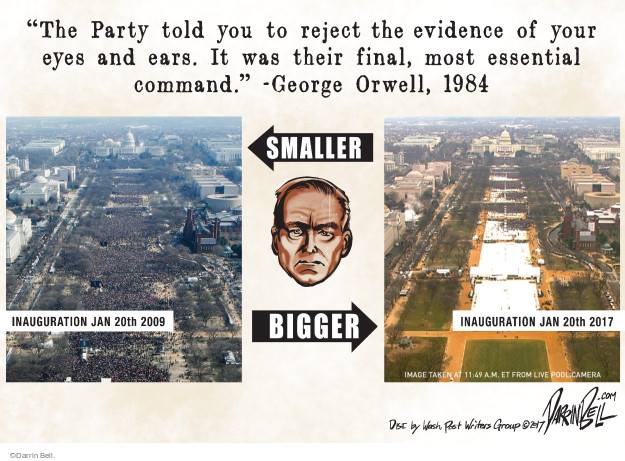
Increasingly however, especially on the right of the political spectrum, facts have become a debased currency. ‘Alternative facts’ and ‘fake news’ have become an ‘alternative religion’, faith-based and not susceptible to the norms of scientific scrutiny. Fake data are also being used as a ‘weapon’.

I am a scientist. I deal with facts. Hypotheses, observations, numbers, data, analysis, patterns, interpretation, conclusions: that’s what science is all about.

There really is a beauty in numbers, my stock-in-trade for the past 40 years: describing the diversity of crop plants and their wild relatives; understanding how they are adapted to different environments; how one type resists disease better than another; or how they can contribute genetically to breed higher-yielding varieties. The numbers are the building blocks, so to speak. Interpreting those blocks is another thing altogether.

Statistical analysis was part and parcel of my scientific toolbox. Actually, the application of statistics, since I do not have the mathematical skills to work my way through the various statistical methods from first principles. This is not surprising considering that I was very weak in mathematics during my high school years. Having passed the necessary examination, I intended to put maths to one side forever, but that was not to be since I’ve had to use statistics during my university education and throughout my career. And playing around with numbers, looking for patterns, and attempting to interpret those patterns was no longer a chore but something to look forward to.

So why my current obsession with numbers?

First of all, since Donald Trump took up residence in the White House (and during his campaign) numbers and ‘alternative facts’ featured prominently. Trump does not respect numbers. However, more of this later.

Second, I recently came across a scientific paper about waterlogging tolerance in lentils by a friend of mine, Willie Erskine, who is a professor at the University of Western Australia (although I first knew him through his work at ICARDA, a CGIAR center that originally had its headquarters in Aleppo, Syria). The paper was published last month in Genetic Resources and Crop Evolution. Willie and his co-authors showed that lentil lines did not respond in the same way to different waterlogging regimes, and that waterlogging tolerance was a trait that could be selected for in lentil breeding.

A personal data experience
While out on my daily walk a couple of days later, I mulling over in my mind some ideas from that lentil paper, and it reminded me of an MSc dissertation I supervised at The University of Birmingham in the 1980s. My student, Shibin Cai, came from the Institute of Food Crops, Jiangsu Academy of Agricultural Sciences, China where he worked as a wheat scientist.

Cai was interested to evaluate how wheat varieties responded to waterlogging. So, having obtained several wheat lines from the International Maize and Wheat Improvement Center (CIMMYT) in Mexico, we designed a robust experiment to evaluate how plants grew with waterlogging that was precisely applied at different critical stages in the wheat plant’s life cycle: at germination, at booting, and at flowering, as far as I remember. I won’t describe the experiment in detail, suffice to say that we used a randomized complete block design with at least five replicates per variety per treatment and control (i.e. no waterlogging whatsoever). Waterlogging was achieved by placing pots inside a larger pot lined with a polythene bag and filled with water for a definite length of time. Cai carefully measured the rate of growth of the wheat plants, as well as the final yield of grains from each.

After which we had a large database of numbers. Observations. Data. Facts!

Applying appropriate statistical tests to the data, Cai clearly showed that the varieties did indeed respond differently to waterlogging, and we interpreted this to indicate genetic variation for this trait in wheat that could be exploited to improve wheat varieties for waterlogging-prone areas. I encouraged Cai to prepare a manuscript for publication. After all, I was confident with the quality of his research.

We submitted his manuscript to the well-known agricultural research journal Euphytica. After due process, the paper was rejected—not the first time this has happened to me I should add. But I was taken aback at the comments from one of the anonymous referees, who did not accept our results—the observations, the data—claiming that there was no evidence that waterlogging was a verifiable trait in wheat, and especially in the lines we had studied. Which flew in the face of the data we had presented. We hadn’t pulled the numbers like a rabbit out of a hat. I did then wonder whether the referee was a wheat expert from CIMMYT. Not wishing to be paranoid, of course, but was the referee biased? I never did get an opportunity to take another look at the manuscript to determine if it could be revised in any way. As I said, we were confident in the experimental approach, the data were solid, the analysis sound—and confirmed by one of my geneticist colleagues who had a much better grasp of statistics than either Cai or me. Result? The paper was never published, something I have regretted for many years.

So you can see that there were several elements to our work, as in much of science. We had a hypothesis about waterlogging tolerance in wheat. We could test this hypothesis by designing an experiment to measure the response of wheat to waterlogging. But then we had to interpret the results.

Now if we had measured just one plant per variety per treatment all we could have said is that these plants were different. It’s like measuring the height say of a single plant of two wheat varieties grown in different soils. All we can state is the height we measured. We can make no inference about any varietal differences or responses. For that we need several measurements—numbers, data—that allow us to state whether if any observed differences are ‘real’ or due to chance. That’s what we do all time in science. We want to know if what we measure is a true reflection of nature. It’s not possible to measure everything, so we use a sample, and then interpret the data using appropriate statistical analyses. But we have to be careful as this interesting article on the perils of statistical interpretation highlights.

Back to The Donald
One of the most important and current data relationships is based in climate science. And this brings me back to The Donald. There is an overwhelming consensus among scientists that relationship between increased CO2 levels and increases in global temperatures is the result of human activity. The positive relationship between the two sets of data is unequivocal. But does that mean a cause and effect relationship? The majority of scientists say yes; climate deniers do not. That makes the appointment of arch-denier Scott Pruitt as head of the Environment Protection Agency in the US so worrying.

Donald Trump does not like facts. He doesn’t like numbers either unless he can misappropriate them in his favor (such as the jobs or productivity data that clearly relate to the policies under Mr 44). He certainly did not like the lack of GOP numbers to pass his repeal of the Affordable Care Act (aka Obamacare).

He regularly dismisses the verifiable information in front of his eyes, preferring ‘alternative facts’ and often inflated numbers to boot, instead. Just remember his sensitivity and his absurd claims that the 20 January National Mall crowds were largest for any presidential inauguration. The photographic evidence does not support this Trumpian claim; maybe fantasy would be a better description.

Time magazine has just published an excellent article, Is Truth Dead? based on an interview with The Donald, and to back it up, Time also published a transcript of the interview. This not only proves what Mr 45 said, but once again demonstrates his complete lack of ability to string more than a couple of coherent words together. Just take a look for yourselves.

Part of Trump’s rhetoric (or slow death by Tweet) is often based on assertions that can be verified: the biggest, the longest, the most, etc. Things can measured accurately, the very thing he seems to abhor. His aim to Make America Great Again cannot be measured in the same way. What is great? Compared to what or when? It’s an interpretation which can be easily contradicted or at the very least debated.

That’s what so disconcerting about the Trump Administration. The USA is a scientific powerhouse, but for how much longer if the proposed agency budget cuts that The Donald has promised really bite (unless related to the military, of course). There’s an increasing and worrying disdain for science among Republican politicians (and here in the UK as well); the focus on climate change data is the prime expression of that right now.

Outside the EU . . . even before Brexit

Imagine a little corner of Birmingham, just a couple of miles southwest of the city center. Edgbaston, B15 to be precise. The campus of The University of Birmingham; actually Winterbourne Gardens that were for many decades managed as the botanic garden of the Department of Botany / Plant Biology.

As a graduate student there in the early 1970s I was assigned laboratory space at Winterbourne, and grew experimental plants in the greenhouses and field. Then for a decade from 1981, I taught in the same department, and for a short while had an office at Winterbourne. And for several years continued to teach graduate students there about the conservation and use of plant genetic resources, the very reason why I had ended up in Birmingham originally in September 1970.

Potatoes at Birmingham
It was at Birmingham that I first became involved with potatoes, a crop I researched for the next 20 years, completing my PhD (as did many others) under the supervision of Professor Jack Hawkes, a world-renowned expert on the genetic resources and taxonomy of the various cultivated potatoes and related wild species from the Americas. Jack began his potato career in 1939, joining Empire Potato Collecting Expedition to South America, led by Edward Balls. Jack recounted his memories of that expedition in Hunting the Wild Potato in the South American Andes, published in 2003.

29 March 1939: Bolivia, dept. La Paz, near Lake Titicaca, Tiahuanaco. L to R: boy, Edward Balls, Jack Hawkes, driver.

The origins of the Commonwealth Potato Collection
Returning to Cambridge, just as the Second World War broke out, Jack completed his PhD under the renowned potato breeder Sir Redcliffe Salaman, who had established the Potato Virus Research Institute, where the Empire Potato Collection was set up, and after its transfer to the John Innes Centre in Hertfordshire, it became the Commonwealth Potato Collection (CPC) under the management of institute director Kenneth S Dodds (who published several keys papers on the genetics of potatoes).

Bolivian botanist Prof Martin Cardenas (left) and Kenneth Dodds (right). Jack Hawkes named the diploid potato Solanum cardenasii after his good friend Martin Cardenas. It is now regarded simply as a form of the cultivated species S. phureja.

Hawkes’ taxonomic studies led to revisions of the tuber-bearing Solanums, first in 1963 and in a later book published in 1990 almost a decade after he had retired. You can see my battered copy of the 1963 publication below.

Dalton Glendinning

The CPC was transferred to the Scottish Plant Breeding Station (SPBS) at Pentlandfield just south of Edinburgh in the 1960s under the direction of Professor Norman Simmonds (who examined my MSc thesis). In the early 1970s the CPC was managed by Dalton Glendinning, and between November 1972 and July 1973 my wife Steph was a research assistant with the CPC at Pentlandfield. When the SPBS merged with the Scottish Horticultural Research Institute in 1981 to form the Scottish Crops Research Institute (SCRI) the CPC moved to Invergowrie, just west of Dundee on Tayside. The CPC is still held at Invergowrie, but now under the auspices of the James Hutton Institute following the merger in 2011 of SCRI with Aberdeen’s Macaulay Land Use Research Institute.

Today, the CPC is one of the most important and active genetic resources collections in the UK. In importance, it stands alongside the United States Potato Genebank at Sturgeon Bay in Wisconsin, and the International Potato Center (CIP) in Peru, where I worked for more than eight years from January 1973.

Hawkes continued in retirement to visit the CPC (and Sturgeon Bay) to lend his expertise for the identification of wild potato species. His 1990 revision is the taxonomy still used at the CPC.

So what has this got to do with the EU?
For more than a decade after the UK joined the EU (EEC as it was then in 1973) until that late 1980s, that corner of Birmingham was effectively outside the EU with regard to some plant quarantine regulations. In order to continue studying potatoes from living plants, Jack Hawkes was given permission by the Ministry of Agriculture, Fisheries and Food (MAFF, now DEFRA) to import potatoes—as botanical or true seeds (TPS)—from South America, without them passing through a centralised quarantine facility in the UK. However, the plants had to be raised in a specially-designated greenhouse, with limited personnel access, and subject to unannounced inspections. In granting permission to grow these potatoes in Birmingham, in the heart of a major industrial conurbation, MAFF officials deemed the risk very slight indeed that any nasty diseases (mainly viruses) that potato seeds might harbour would escape into the environment, and contaminate commercial potato fields.

Jack retired in 1982, and I took up the potato research baton, so to speak, having been appointed lecturer in the Department of Plant Biology at Birmingham after leaving CIP in April 1981. One of my research projects, funded quite handsomely—by 1980s standards—by the Overseas Development Administration (now the Department for International Development, DFID) in 1984, investigated the potential of growing potatoes from TPS developed through single seed descent in diploid potatoes (that have 24 chromosomes compared with the 48 of the commercial varieties we buy in the supermarket). To cut a long story short, we were not able to establish this project at Winterbourne, even though there was space. That was because of the quarantine restrictions related to the wild species collections were held and were growing on a regular basis. So we reached an agreement with the Plant Breeding Institute (PBI) at Trumpington, Cambridge to set up the project there, building a very fine glasshouse for our work.

Then Margaret Thatcher’s government intervened! In 1987, the PBI was sold to Unilever plc, although the basic research on cytogenetics, molecular genetics, and plant pathology were not privatised, but transferred to the John Innes Centre in Norwich. Consequently our TPS project had to vacate the Cambridge site. But to where could it go, as ODA had agreed a second three-year phase? The only solution was to bring it back to Birmingham, but that meant divesting ourselves of the Hawkes collection. And that is what we did. However, we didn’t just put the seed packets in the incinerator. I contacted the folks at the CPC and asked them if they would accept the Hawkes collection. Which is exactly what happened, and this valuable germplasm found a worthy home in Scotland.

In any case, I had not been able to secure any research funds to work with the Hawkes collection, although I did supervise some MSc dissertations looking at resistance to potato cyst nematode in Bolivian wild species. And Jack and I published an important paper together on the taxonomy and evolution of potatoes based on our biosystematics research.

A dynamic germplasm collection
It really is gratifying to see a collection like the CPC being actively worked on by geneticists and breeders. Especially as I do have sort of a connection with the collection. It currently comprises about 1500 accessions of 80 wild and cultivated species.

Sources of resistance to potato cyst nematode in wild potatoes, particularly Solanum vernei from Argentina, have been transferred into commercial varieties and made a major impact in potato agriculture in this country.

Safeguarded at Svalbard
Just a couple of weeks ago, seed samples of the CPC were sent to the Svalbard Global Seed Vault (SGSV) for long-term conservation. CPC manager Gaynor McKenzie (in red) and CPC staff Jane Robertson made the long trek north to carry the precious potato seeds to the vault.

Potato reproduces vegetatively through tubers, but also sexually and produces berries like small tomatoes – although they always remain green and are very bitter, non-edible.

We rarely see berries after flowering on potatoes in this country. But they are commonly formed on wild potatoes and the varieties cultivated by farmers throughout the Andes. Just to give an indication of just how prolific they are let me recount a small piece of research that one of my former colleagues carried out at CIP in the 1970s. Noting that many cultivated varieties produced an abundance of berries, he was interested to know if tuber yields could be increased if flowers were removed from potato plants before they formed berries. Using the Peruvian variety Renacimiento (which means rebirth) he showed that yields did indeed increase in plots where the flowers were removed. In contrast, potatoes that developed berries produced the equivalent of 20 tons of berries per hectare! Some fertility. And we can take advantage of that fertility to breed new varieties by transferring genes between different strains, but also storing them at low temperature for long-term conservation in genebanks like Svalbard. It’s not possible to store tubers at low temperature.

Here are a few more photos from the deposit of the CPC in the SGSV.

I am grateful to the James Hutton Institute for permission to use these photos in my blog, and many of the other potato photographs displayed in this post.

Rice Today . . . and tomorrow

Rice. Oryza sativa. A crop that feeds more people worldwide on a daily basis than any other.

20100409007

It’s the staple food of at least half the world’s population. In many countries, it is eaten several times a day. A meal without rice is no meal at all in many Asian countries. Rice is life!

41-copy

For almost 20 years from 1991-2010 it was also my life.

While you might know that rice is grown in flooded fields (in so-called rice paddies) in Asia, this crop can be found almost everywhere. It’s an important crop in California and Louisiana in the USA, grown widely in many Latin American countries, and in Europe it is found in the Camargue delta in the south of France, and in the Po Valley south of Milan in northern Italy, in sight of the snow-capped Alps!

Rice is a particularly important crop in West Africa where it evolved from an indigenous species, Oryza glaberrima. In the Riverina of New South Wales, Australia, rice is an irrigated crop, under threat due to water shortages, but where some of the highest global yields have been achieved. In the temperate regions of Japan and northern China rice agriculture is widely grown.

But it is South and Southeast Asia that has the largest areas of cultivation. Farmers throughout the region, particularly in the highlands of Indonesia and the Philippines, have adapted the environment to rice agriculture, terracing whole hillsides to provide pockets of land that can be flooded to grow rice.

The rice we eat in Europe has probably come from Thailand, one of the world’s major rice exporting nations. In Asia, many families subsist by growing their crops on small parcels of land – in flooded conditions, on steep slopes, wherever rice can be grown. Many farmers still grow the same varieties that have been nurtured for generations; yields are often low. Modern rice varieties, in contrast, can yield up to several tons per hectare, vital for feeding ever-burgeoning populations throughout Asia.

Here is a selection of rice agriculture photographs taken by my former colleague Dr Seepana Appa Rao (center in the photo below) who was based in the Lao People’s Democratic Republic (Lao PDR) for five years from 1995. They illustrate different types of rice agriculture, and farmers proudly displaying their varieties.

Appar Rao collecting upland rice in the Lao PDR

Together with Lao colleagues Appa (as we called him) collected, for the first time, more than 13,000 samples of indigenous rice varieties, many with interesting names that often describe their appearance or use in cooking.

rice-today-logoRice is such a fascinating crop you might want to understand a little more. And there’s no better source than Rice Today, a magazine launched by the International Rice Research Institute (IRRI) in 2002, and published quarterly ever since. It’s a solid mix of rice news and research, stories about rice agriculture from around the world, rice recipes even, and the odd children’s story about rice.

It was the brainchild of Gene Hettel, former head of IRRI’s Communication and Publications Services (CPS) and Duncan Macintosh, who was initially IRRI’s spokesperson and head of the Visitors’ Office; he became Director for Development. Duncan moved back to Australia a few years back. Recently he was back in the Philippines on a visit, and caught up with Gene.

17077864_10211719434403144_1059056041_n

Gene Hettel and Duncan Macintosh

The cover story on the very first Rice Today issue was all about the development of rice agriculture in Cambodia after the downfall of the brutal Pol Pot regime. It celebrated the role of Australian agronomist Dr Harry Nesbitt who was team leader for IRRI in Cambodia.

Now in it’s 16th volume, with a change of logo even, the cover of latest issue shows a painting of a traditional method of rice planting by Filipino artist Erick Dator. Throughout each issue, the graphics and images are stunning. Take for example the aerial photographs accompanying an article published in  the Jan-Mar 2008 issue, written by Gene about the of the Ifugao rice terraces in the Philippines.

For its 10th anniversary (Vol 11) in January 2012, former Director General Bob Zeigler talked about the value of Rice Today. Just click on the image below to read it.

pages-from-10th-anniversary_rice-today-vol-11-no-1

reyes_aboutRice Today is published by IRRI on behalf of Rice (GRiSP), the CGIAR research program on rice; it is also available online. Lanie Reyes (right) joined IRRI in 2008 as a science writer and editor. She is now editor-in-chief. She is supported by Savitri Mohapatra and Neil Palmer from sister centers Africa Rice Center in Côte d’Ivoire and CIAT in Colombia, respectively.
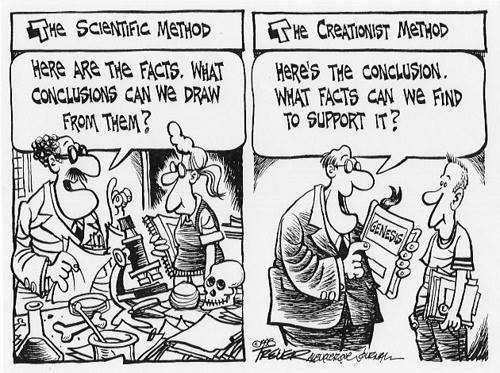
Gene was a close colleague of mine; we even won the odd communications award together as well! He came to IRRI in 1995 (having been a visiting editor in 1982-83) from a sister center, CIMMYT, based north of Mexico City that works on maize and wheat improvement, just like IRRI works on rice. He had been a communications expert at CIMMYT. Here is a younger Gene in a wheat field in Mexico with Nobel Peace Laureate Dr Norman Borlaug, who spent much of his career at CIMMYT.

hettel-borlaug

“Oi’ll give it foive”

coat_of_arms_of_birmingham-svgBirmingham lies at the heart of England. It is the UK’s second city.

I first visited Birmingham in the 1960s. At that time I was living in Leek, just under 60 miles to the north in North Staffordshire. I moved to Birmingham in September 1970 when I began my graduate studies in the Department of Botany at The University of Birmingham, never envisaging that I would return a decade later to join the staff of the same department. Since 1981, my wife and I have lived in Bromsgrove, some 13 miles south of Birmingham in northeast Worcestershire (with a 19 year break while I worked in the Philippines).

birmingham

Birmingham city center, overlooking New Street Station, the Bull Ring Shopping Centre and Rotunda, and the BT Tower, and looking towards the Black Country further on.

Birmingham is one of seven metropolitan boroughs that make up the County of  West Midlands, from Wolverhampton in the northwest to Solihull and Coventry in the southeast, and encompassing the area known as the Black Country lying to the west of Birmingham proper.

To the ears of someone from outside the region, everyone in the West Midlands speaks with the same ‘Brummie‘ accent, rated the least appealing in the nation. Shame! There are subtle differences across the region, but I can understand why most outsiders maybe hear just a single accent. You can read (and hear) what one American writer has to say about ‘Brummie’ here.

It is rather interesting to note that one Brummie, accent and all, has made it big on US television. Comedian John Oliver came to the fore on The Daily Show with Jon Stewart, and now in his own Last Week Tonight with John Oliver.

And there have now been three series of the cult drama Peaky Blinders about a gangster family in Birmingham just after the ending of the First World War. Again, it’s amazing that this became so popular on the other side of The Pond, given the strong Brummie accents, strong language, and explicit sexual content.

So what has me waxing lyrical this morning about all things Brummie? Well, last night, Heavy Metal band Black Sabbath (of Ozzy Osbourne fame) performed the second of two concerts in Birmingham at the end of an 81-date tour that began in January last year. After 50 years, Black Sabbath have hung up their guitars and microphones. Yesterday’s concert was the final one.

Birmingham is the birthplace of Heavy Metal, but it’s not a genre I appreciate. Nevertheless, this story about Black Sabbath got me thinking.

The ‘Merseyside Sound’ of the 1960s, 1970s is rightly renowned worldwide for The Beatles, Gerry and the Pacemakers, Cilla Black, just to mention three of a very long list.

However, there was—and is—a vibrant ‘Birmingham Sound‘, with musicians and bands having an enormous impact everywhere. Do any come immediately to mind? No? Well, among the most famous are: Jeff Lynne and ELO, Roy Wood (in The Move and Wizzard), The Moody Blues, Duran DuranUB40, Dexys Midnight Runners, Slade, even Musical Youth. As anyone who follows my blog will know, I’m a great Jeff Lynne-ELO-Traveling Wilburys fan.

Fleetwood Mac’s Christine McVie was born in Lancashire, but from early childhood was raised in Birmingham. Led Zeppelin’s Robert Plant was born in West Bromwich in the Black Country, but grew up in Kidderminster, nine miles west of Bromsgrove.

So let’s enjoy some of the Brummie talent.

https://youtu.be/cwqhdRs4jyA

Flowers in the Rain was the first record to be played at the launch of BBC Radio 1 by DJ Tony Blackburn in 1967.

https://youtu.be/oDnNF5cHCdo

https://youtu.be/rVxcwe7EcaY

https://youtu.be/0A8KT365wlA

So what’s this Oi’ll give it foive business?

In the early to mid 1960s, there was a TV series, Thank Your Lucky Stars produced by the Birmingham-based commercial channel, ATV, and broadcast nationwide. In the show’s Wikipedia page it states: Audience participation was a strong feature of Thank Your Lucky Stars, and the Spin-a-Disc section, where a guest DJ and three teenagers reviewed three singles, is a very well remembered feature of the show. Generally American singles were reviewed. It was on this section that Janice Nicholls appeared. She was a former office clerk from the English Midlands who became famous for the catchphrase “Oi’ll give it foive” which she said with a strong Black Country accent.

Janice Nicholls released this dreadful single in 1963, but at least you can hear her say Oi’ll give it foive.

https://youtu.be/UoCi38LQSag

Among the notable comedians and actors proudly from the region are Sir Lenny Henry (who hails from Dudley in the Black Country), and Jasper Carrott and Julie Walters, who are true Brummies.

Please don’t mock The Donald – he’s such a sensitive boy

Just 18 days. It’s hard to imagine. In a little over two weeks someone who has demonstrated, by his own actions, that he is emotionally unstable and intellectually unfit will be sworn in as the 45th POTUS. And this following a general election that he won by a landslide . . . loss of almost 3 million votes.

I can’t remember anyone being elected to high office in recent decades who is as thin-skinned as President-elect Donald Trump who takes offence at any and all unfavourable commentaries as personal attacks.

I hope it intensifies, as it inevitably must.

The problem (or saving grace for the rest of us) is that The Donald is his own caricature: the hair, the hand gestures, the curl of the lip, the snarl. His inability to put more than a few coherent words together. Certainly I couldn’t say that I’ve ever heard him give a speech, as such. PEOTUS is not one of the 21st century’s orators. He’s obviously more comfortable on Twitter.

He’s not an attractive politician—the term ‘politician’ is a misrepresentation. As if the term ‘businessman’ better describes him, given what appears to have been a rather chequered life in business.

He’s not an attractive human being. Period.

I came across a link earlier to an article that one of my friends and former IRRI colleagues Ken McNally had posted on his Facebook page. A story on the Politicususa website reported an interview with incoming White House Press Secretary and Communications Director, Sean Spicer, who implored the American people not to mock Donald Trump.

There’s more of that to come, particularly from the political cartoonists, who are already having a Trump field day. You only have to type ‘Trump cartoons‘ in Google to find this wealth of criticism and ridicule that The Donald and his cohorts must be finding rather uncomfortable right now. Just look at what the cartoonists did to Richard Nixon before and after the Watergate scandal was revealed, as I blogged about in 2013.

And it doesn’t take much to ridicule The Donald. Just listen to the Dalai Lama of all people putting in his two cents worth.


Trump is a typical bully – ever ready to attack his so-called ‘enemies’. But he doesn’t like it when the tables are turned.

Does Trump have small fingers? He was particularly sensitive about this during the election campaign. Small or big fingers, it doesn’t really matter when that finger is on the nuclear button. That’s not something to laugh about.

After 157 years, Dickens’s words still ring true

dickens

Charles Dickens (1812-1870)

It was the best of times, it was the worst of times, it was the age of wisdom, it was the age of foolishness, it was the epoch of belief, it was the epoch of incredulity, it was the season of Light, it was the season of Darkness, it was the spring of hope, it was the winter of despair, we had everything before us, we had nothing before us, we were all going direct to Heaven, we were all going direct the other way.

These are the opening lines to Charles Dickens’ 12th novel, A Tale of Two Cities, published in 1859.

These words could also be an accurate description of the past year. What a year 2016 has turned out to be, for so many reasons. I guess we can also now say that we live in the post-truth age.

The best (and worst) for me . . .
Personally, 2016 was the best of times and the worst.

In July, our family got together for the first time. Hannah Michael with Callum and Zoë came over to the UK from Minnesota; Philippa and Andi with Elvis and Felix came down from Newcastle upon Tyne, and we all met up for two weeks’ holiday in the New Forest in Hampshire. A splendid time was had by all!

20160711-514-new-forest-holiday

In February, I was invited to lead a team of three genetic resources experts to evaluate a multi-center program of the CGIAR genebanks.

20160428 001

L to R: Jenin Assaf (of the CGIAR’s Independent Evaluation Arrangement, based at FAO in Rome), Marise Borja and Brian Ford-Lloyd (team members), and me.

That evaluation took me to Germany, France, Italy (twice), Peru, Colombia, Mexico, Kenya, Ethiopia and Australia. As I write this article the team is writing first drafts of its assessment of the program, and we hope to have everything wrapped up by early February. I’ll be glad when it’s done and dusted. I’ve thought about genetic resources and genebanks almost every waking hour since I was first invited to join the evaluation.

Besides our break with the family in the New Forest, Steph and I also managed our ‘annual’ vacation in Minnesota with Hannah and family. We took the opportunity of exploring Minnesota some more, and ‘trekking’ to find the source of the mighty Mississippi River. Actually trekking is rather an exaggeration and there were plenty of signposts showing where we’d encounter the Mississippi as it dribbled, so to speak, out of Lake Itasca at the beginning of its 2000 plus mile journey south to the Gulf of Mexico.

20160922-105-minnesota

Personally, 2016 was also the worst of times for me following an accident at the beginning of January when I slipped on black ice, dislocating my right foot and snapping the fibula. As a consequence I am now the proud owner of a long metal plate holding the bones in my right leg together. Once I was allowed to become mobile, I used crutches then a stick for many months. I only gave up using my stick about four weeks ago. I’m pleased with the progress I’ve made, but I’m in for the long haul. My ankle and leg still give me pain, and whereas in the past I might often cover three to five miles on my daily walk, I can still only comfortably cover about two miles. I’m sure this will get better.

And, worldwide, among the worst . . .
But my paltry troubles fade into insignificance compared to what has been played out on the international stage.

The suffering of Syrians in Aleppo (well, in Syria in general and throughout other countries of the Middle East terrorised by Daesh) seems never-ending. Talk about political spin! I have visited Aleppo two (maybe three) times. I was once a candidate for a senior position at ICARDA, one of the centers of the CGIAR, and I guess I would have accepted it had it been offered. Syria looked like an interesting country, and everyone I spoke with at ICARDA told me what a safe place Aleppo was. How times change! Will that seemingly interminable civil war come to an end? As we approach the close of 2016, the battle for Aleppo has ended (more or less), but Assad and his Russian and Iranian backers are not going to rest until they have turned the rest of Syria into a pile of rubble. Victory, it seems, comes at any price. Shame on them! The fate of civilians is not part of the security equation.

And there have been political earthquakes in the USA, in the UK (and Europe), and in the Philippines.

donald_trump_august_19_2015_cropped

PEOTUS – heaven help us!

The Donald . . . what more can I say?
Who would have believed that His Orangeness, The Donald, Mr Drumpf would secure the American presidency, albeit on a minority popular vote; 2.8 million votes more for Hillary Clinton is quite a margin, even though The Donald still claims he won by a landslide. But then again, his whole campaign was built on mis-truths (aka LIES), denials of comments he made in earlier interviews, lack of policy, a lack of any ability, it seems, to string two coherent words together, although they were, of course, the ‘best words’.

From what little he contributed to the first presidential debate, and in various speeches reported in the news, it’s hard to understand what he really means to Make America Great Again. Based on his choices for cabinet positions, his equivocation over continued links to all his nefarious business interests, and what seems like his complete lack of attention to the things you might expect PEOTUS to take notice of, the USA must be in for a bumpy ride over the next months. Trump scares the s**t out of me. He’s only predictable by his unpredictability, and in a fragile world, I am concerned that such a maverick (and moron) should occupy the most powerful political position in any country.

Brexit (and the clowns who are  taking us out of the EU) . . .
Nifa (Nigel Farage), BoJo (Boris Johnson) and MiGo (Michael Gove. Arch clowns among many.

We’ve certainly had to put up with our fair share of bozos in UK politics these past months. I voted Remain in last June’s referendum on continuing membership of the European Union. I was one of the 48% who voted. We’re not out of the EU yet, so we’ve not seen the full effect of what might happen. I’m not optimistic, although I’d like to be. Those who supported Leave seem to believe that the other 27 countries will simply roll over and give the UK (or will that be ‘UK lite’, i.e. minus Scotland?) whatever it wants. I fear not. So many benefits were touted if we voted Leave.

I think that worse is yet to come, and it will be years before everything has been sorted out or regularised. It’s not my generation that will suffer. But those who come after us. I feel the Leavers were sold a pony by the likes of Farage, Johnson and Gove. And on the day after the referendum it was clear they had no idea of what to do next. And the government still has no idea what to do. But ‘Brexit means Brexit‘. Time to apply for an Irish passport perhaps – I’m eligible.

President Rodrigo Roa Duterte and Laotian President Bounnhang Vorachith pose for a photograph during a courtesy visit at the Presidential Palace in Vientiane, Laos on September 7. TOTO LOZANO/PPD

President of the Philippines Rodrigo Roa Duterte

A psychopath at the helm in the Philippines . . .
Du30. Rodrigo Duterte, 16th President, ex-Mayor of Davao City in the southern island of Mindanao. He won last May’s general election by a landslide. He’s very popular.

He’s also very outspoken, crude, and—by his own admission—a murderer. An avowed strongman, perhaps he was the man of the moment needed to bring some discipline to day-to-day life in the Philippines, with its political dynasties and celebrity status among politicians. He had the opportunity to make a great difference to the lives of many impoverished Filipinos. Maybe he still can.

He declared war on drug pushers and users, and there have been thousands of extrajudicial killings in the few months since he was inaugurated. It’s clear that his election has split public opinion in the Philippines. It’s sad for me to see how, among many of my friends, there is such a lack of hope for the future under this president.

I know that many of my Filipino friends will not appreciate my candour concerning their country. It’s hard to see how someone as crude as Duterte could be elected president. He hasn’t made friends among the international community. As leader of a country of 100 million you don’t go around calling the President of your principal ally, the USA (or used to be) a ‘son of a whore‘.

Then again, did we expect Trump to be elected in the US general election? Hardly. May we live in interesting times!

2016 is not killing people . . . 
Over the past few days there have been several reported celebrity deaths:  guitarist Rick Parfitt (68, Status Quo), singer/songwriter George Michael (53), Star Wars actress Carrie Fisher (60), author Richard Adams (96, author of Watership Down), and actress Liz Smith (95, the Royle Family). But this follows many others throughout the year: musicians David Bowie (69) and Prince (57), TV legend Sir Terry Wogan (77), and actor Gene Wilder (83). But has 2016 been unusual?

Any death is a cause for sadness among family and friends, and fans. For an elderly person we shouldn’t be so surprised. It’s always a shock, however, when sudden illness robs us of one of our icons. I was only saying to my wife early this morning that perhaps we shouldn’t be so surprised that some celebrities have passed away at a relatively young age. After all, several of them must have been carrying quite a ‘substance abuse and lifestyle’ load that affected their chances of long life.

Four seasons in one day . . . and white asparagus

I’ve just returned from a week-long trip to Bonn, the former capital of West Germany. And on two of the days, our meetings were held in the former Bundestag (the German parliament building) in United Nations Plaza, just south of the city center, and close to the south/ west bank of the mighty River Rhine. It’s now home to the Crop Trust.

20050306015

The River Rhine, looking southeast from the Kennedy Bridge (Kennedybrücke).

CGIARI am leading the evaluation of an international genebanks program, part of the portfolio of the CGIAR (now the CGIAR Consortium). The evaluation has been commissioned by the Independent Evaluation Arrangement (IEA, an independent unit that supports the CGIAR Consortium) whose offices are hosted by the Food and Agriculture Organization of the United Nations (FAO) in Rome. Regular readers of my blog will know that for almost nine years from 1973 and 19 years from 1991, I worked for two international agricultural research centers, CIP and IRRI respectively. This evaluation of the CGIAR Research Program (CRP) on Managing and Sustaining Crop Collections (also known as the Genebanks CRP) focuses on 11 (of 15) CGIAR centers with genebanks.
Joining me in Bonn were two other team members: Dr Marisé Borja (from Spain) and Professor Brian Ford-Lloyd (from the UK). Our meeting was managed by IEA staff member Ms Jenin Assaf. Dr Sirkka Immonen, the IEA Senior Evaluation Officer was unable to travel at the last moment, but we did ‘meet’ with her online at various times during the four days of our meetings.

20160428 001

On our way to dinner last Thursday evening. L to R: Jenin Assaf, Marisé Borja, Brian Ford-Lloyd, and yours truly.

Brian and I traveled together from Birmingham, flying from BHX to Frankfurt, and catching the fast train from there to Siegburg/Bonn, a 20 minute taxi ride into the center of the city. The weather on arrival in Frankfurt was quite bright and sunny. By the time we reached Bonn it was raining very heavily indeed. In fact over the course of the next few days we experienced everything that a northern European Spring can throw at you (as in the Crowded House song, Four Seasons in One Day).

Now you can see from the photo above, I’m still using a walking stick¹, and expect to do so for several months more. While walking is definitely becoming easier, my lower leg and ankle do swell up quite badly by the end of the day. I therefore decided to wear ‘flight socks’ for travel. Even so, I had not anticipated the long walk we’d have in Frankfurt Airport. We arrived to a C pier, and it must have been at least a mile by the time we were on the platform waiting for our intercity express (ICE) to Bonn. Now that 40 minute journey was interesting, reaching over 300 kph on several occasions!

We stayed at the Stern Hotel in the central market square in Bonn, which is dominated at the northern end by the Bundesstadt Bonn – Altes Rathaus, the city’s municipal headquarters (it’s the building at the far end of the square in the image below).

20050306014

On the first night, last Monday, we met with an old friend and colleague, Dr Marlene Diekmann, and her husband Jürgen. Marlene works for the German development aid agency, GIZ, and was one of my main contacts whenever I had to visit Germany while working for IRRI. Jürgen was the Experiment Station manager for ICARDA based in Aleppo for many years before the Syrian civil war forced the closure of the center there and evacuation of personnel. South of Bonn is the Ahr Valley, a small red wine growing area where Marlene and I have walked through the vineyards in all weathers. It’s amazing how the vines are cultivated on the steep slopes of the valley.

Arriving at the end of April, and with the weather so unpredictable, and unseasonably cold, we missed the cherry blossom festival in Bonn a week earlier. In fact, I don’t recall seeing any cherry blossom anywhere in the city.

Cherry blossom in the streets of Bonn, mid-April 2016. (Photo courtesy of Luigi Guarino).

But there was another delight – culinary – that we did experience, having arrived just as Spargelzeit or ‘asparagus time’ began.

With so many food options to choose from in Bonn, Marlene suggested that we should try the Gaststätte Em Höttche, a traditional German restaurant right next door to the Stern Hotel. That was fine by me as I didn’t fancy a long walk in any case. The food was good (as was the weissbier or wheat beer), and we ate there the following night as well.

And since it was Spargelzeit, it wasn’t just any old asparagus. But white asparagus! Big, white, succulent spears of heaven. Just click on the image below for a more detailed explanation. Enjoyed on their own with a butter sauce, or with ham, schnitzel or fish (halibut was my particular favorite), white asparagus is offered on most menus from the end of April to June. The Germans just go crazy for it.

white asparagus

On the final evening, we had dinner with a number of colleagues from the Crop Trust, at the Restaurant Oliveto in Adenauerallee, less than half a kilometer from the hotel, on the bank of the Rhine.

After a wrap-up meeting on the Friday morning, Brian and I returned to Frankfurt by train, and caught the late afternoon Lufthansa flight back to BHX. Where the weather was equally unpredictable – and cold!

As far as the program evaluation is concerned, the hard work is just beginning, with genebank site visits planned (but not yet confirmed) to Peru (CIP), Colombia (CIAT), and Mexico (CIMMYT) in July/August, to Ethiopia (ILRI) and Kenya (ICRAF) in October, as well as the CGIAR Consortium Office in Montpellier before the end of May, and FAO in Rome by mid-June. We’ll be back in Rome to draft our report in mid-November. Before that, there will be lots of documents to review, and interviews over Skype. No peace for the wicked!

~~~~~~~~~~~~~~~~~~~~~~~~~~~~~~~~~~
¹ The walking stick came in handy on the return journey. Waiting in line at Frankfurt Airport to board our flight to Birmingham, one of the Lufthansa ground staff pulled me and Brian out of the queue and took us first through the boarding gate, even offered me a seat until the door to the air-bridge was opened. And we boarded the plane first.


On political campaigns . . .

ballotbox copyI’m a bit of a news junkie, so I’ve been avidly following presidential election campaigns in three countries in online newspapers and on social media.
News from the US presidential election is never absent from the daily headlines, mainly because the two principal contenders on the Republican side, billionaire Donald Trump (or is that Donald Drumpf)¹ and evangelical Senator Ted Cruz, battling it out to win the nomination, increasingly descend to ever lower levels of political debate. Political debate? Their exchanges are not worthy of that epithet. Trump is hardly running an election campaign. I think it would be better to describe it as an election ego-trip.

You would hardly know there’s also an interesting contest on the Democrat side between former First Lady, New York Senator, and Secretary of State Hillary Clinton and Vermont Senator Bernie Sanders. At least they seem to be having a sensible debate.

The other campaigns that interest me are taking place in Peru in April, and in the Philippines in May. Why? Because I have lived and worked in both those countries.

Reading about the three campaigns, two quotations come to mind:

  • Toute nation a le gouvernement qu’elle mérite (Every nation gets the government it deserves) — attributed to Joseph de Maistre (1753 – 1821)
  • Democracy is being allowed to vote for the candidate you dislike least — Robert Byrne

Goodness knows what sort of campaign there will be in the US after the party conventions if Trump really does become the Republican candidate. He’s both scary and a worry. What will happen if he is ‘denied’ the nomination, and how will his supporters react. The violence we have seen so far directed by these folks against anti-Trump protesters does not bode well for the future.

But there are scary things going on in the Cruz camp as well. He is a right-wing evangelical Christian. And I’ve recently seen footage of him sharing the stage with a fundamentalist Christian preacher who, through his language was inciting Christians to violence, death even, against homosexuals. Because it says so in the Bible.

On the Democrat side, I’m actually surprised how well Bernie Sanders is doing, although I can’t believe he can win the nomination. Nor can I see a 74 year old candidate moving on to be a successful president.

In Peru and the Philippines, some of the candidates are as old as Sanders, but the political situation there is very different from the USA.

The polls in Peru seem to be dominated by Keiko Fujimori, daughter of the disgraced and gaoled former President Alberto Fujimori (who I met in the Philippines during his visit to IRRI). But Fujimori – daughter is also a controversial politician, believed to have benefited personally from her father’s corrupt government. Nevertheless, she is predicted to win the first round of voting. Another discredited candidate is the APRA former president Alan García who served two terms already (1985-1990, 2006-2011).

In the Philippines, which has a party system even weaker than that in Peru, the lists of candidates for both president and vice-president are filled with controversial characters. The posts of President and Vice-President are voted for separately (not as a single ticket in the USA), and it’s often the case that elected candidates come from different political persuasions and diametrically-opposed political platforms.

The current Vice-President Jejomar Binay heads yet another political dynasty, and has been accused of overwhelming corruption. The Mayor of Davao City (in Mindanao) Rodrigo Duterte has served his city for more than two decades, successfully apparently, and regarded as a political ‘hard man’. How a Duterte Administration would pan out nationally is anyone’s guess. Senator Miriam Defensor Santiago is an outspoken – and (formerly) popular – international lawyer who, once she had declared her candidacy (despite being near death’s door from Stage 4 lung cancer only a short time before), was thought to be well placed to win the presidency. Until, that is, she chose Senator Ferdinand Marcos, Jr. (aka ‘Bongbong’) as her running mate for vice-president. Son of former dictator Ferdinand Marcos (ousted in a popular uprising in 1986), Bongbong is widely regarded as corrupt and implicated in many of the worst human rights excesses of his father’s regime. Another, Senator Grace Poe, has had her candidacy questioned because of her nationality, having taken US citizenship at one time, which she has now renounced. Which leaves us with the ‘administration’ candidate and Secretary of the Interior and Local Government, Mar Roxas (a scion of yet another political dynasty). Is his wife Korina Sanchez a political liability??

So, in all three countries, the electorates are faced with choosing Presidents or Vice-Presidents from lists of some unsavory candidates, several of whom do not qualify (in my opinion) on ethical or moral grounds to ask for anyone’s vote, never mind political acumen or leadership potential, not even for the most humble elected post.

There will be bumpy political times and roads ahead in all three countries, whatever the election outcomes. Although not a General Election, we face an uncertain political (and economic) future here in the UK with the referendum on continuing membership of the European Union being held on 23 June. Political campaigning and false arguments have not brought out the best on either side of the referendum debate.

~~~~~~~~~~~~~~~~~~~~~~~~~~~~~~~~
¹ See the full 22 minute video here.

Music can stir such improbable memories . . .

It was a Saturday afternoon in September 1970. I’d arrived in Birmingham less than two weeks before to start an MSc degree on plant genetic resources at the university. However, I’d spent the first week of classes holed up in the university medical centre where I’d had two impacted wisdom teeth extracted under general anaesthetic.

SteeleyeSpan-frontBack home in my digs¹, I was taking it easy, feeling sorry for myself, with a very sore mouth indeed. I’d been listening to a folk music program on the radio. I don’t remember the actual details. What I do remember very clearly about that afternoon, however, was listening to what must have been a pre-release of a beautiful track, Lovely on the water, from the second album (Please to see the king²) of the electro-folk group Steeleye Span. And I’ve been a fan ever since. I saw them in concert twice in Birmingham before I moved to South America in January 1973. The first concert, held in one of the university halls of residence was brilliant. Peter Knight on the fiddle was clearly inebriated, but his playing was unbelievable. The sound balance and level for the relatively small hall was just right. The second concert was at Birmingham Town Hall, a much bigger venue. By then the group had become more rock focused, the sound level was too high and almost painful. Not such an enjoyable experience.
Photo-of-STEELEYE-SPAN-001

Rear row ( L to R): Rick Kemp, Nigel Pegrum, Bob Johnson; front row (L to R): Tim Hart, Maddy Prior, Peter Knight

But there are some twists to this story, as I’ll explain below after you’ve had chance to listen to Lovely on the Water.

After the radio program was over, I decided to take a brief nap. I’d planned to meet an old friend, Allan Mackie, from my undergraduate days in Southampton, for a pint at a pub in the city centre later that evening. We would meet there from time-to-time.

I woke up more than an hour later. It was already dark. I quickly realized that my mouth was full of blood, and the pillow was stained a rather bright red. I’d haemorrhaged while asleep. I dialled 999 for assistance, and very soon afterwards an ambulance turned up outside, blue lights flashing, and I was rushed into the Dental Hospital (part of the University of Birmingham) in the city centre. The medical staff stanched the haemorrhage after about an hour, when they felt I was safe to be discharged. The problem was that I’d left home without my wallet. I didn’t have any money on me whatsoever.

Fortuitously, the pub where I was due to meet Allan was just around the corner from the Dental Hospital, so I set off there to see if he had hung around, even though I was late (no mobile phones 45 years ago). I was very relieved to see that he’d not gone home, and he was propping up the bar, pint in hand. Once I’d downed a couple of pints of Ind Coope Double Diamond, he lent me a couple of pounds, and I made my way home by bus.

Now the reason all this has come to mind right now is that I have been listening to a lot of music in recent days, since I had my mishap and am unable to do much but sit in a chair all day with my broken leg in the air.

I was working my way through all the Steeleye Span CDs I have. And that brought back memories of when I first joined the University of Southampton as an undergraduate in October 1967. Having an interest in folk music, a Sunday evening spent in the Students’ Union at the weekly Folk Club became a regular fixture on my list of entertainments.

folksongsofoldengland_1_tepeeNow Steeleye Span only formed in 1969, but two of the members were Tim Hart and Maddy Prior who sang at the Folk Club quite frequently over the three years I was in Southampton. They were quite popular on the folk circuit, and had released two well-received LPs of traditional folk songs. In 1971 they released their widely-acclaimed LP Summer Solstice. Click on the album cover below to listen.
summersolstice_cas1035

skiffle

That’s me on tea-chest bass.

My continuing interest in folk music had grown out of an earlier 1950s interest in skiffle music, which I’ve blogged about elsewhere.

But in the early 1960s, it was The Beatles, The Hollies, Herman’s Hermits and a host of other rock and pop groups that took my fancy. I’ve never been a Rolling Stones fan. However, I always returned to my folk music roots: The Ian Campbell Folk Group (with the inimitable fiddler Dave Swarbrick who later formed a duo with Martin Carthy [an early member of Steeleye Span], and was a member of Fairport Conventionn), The Dubliners, The Corries, Robin Hall & Jimmy Macgregor, among others.

Here are The Corries with Flower of Scotland (recorded in 1968 ), that has—to all intents and purposes—become the unofficial national anthem of Scotland.

All these memories came flooding back, just because I’m sat here with time on my hands. And while researching snippets of information for this blog post, I also unearthed another jewel.

bobd

Bob Davenport (born in 1932)

In 1965, a Geordie singer, Bob Davenport released an LP, Bob Davenport & The Rakes, which my elder brother Ed bought, and it quickly became a favourite of mine. I’m not sure how, but I inherited it from Ed, although it was lost in Turrialba, Costa Rica following a burglary in my house.

Now this Bob Davenport & The Rakes LP had never been released as a CD.

bobdavenportandtherakes_33sx1786

Until now. And last week, as I was surfing through various Google searches, I discovered that it, and other recordings by Donovan, Mick Softley, and Vernon Haddock’s Jubilee Lovelies had been released in 2014 as The Eve Folk Recordings (RETRO D957). There’s an interesting review here.

eve

61PtRWoRU+L

I did a bit of folk singing myself, and a few of the tracks on the Bob Davenport LP became part of my repertoire. I even sang this song, Old Johnny Booker at a folk evening jointly held with the local girls’ convent school, St. Dominic’s when I was in high school in Stoke-on-Trent.

One Folk Club evening in Southampton, Bob Davenport was the guest singer, and I asked him if I he would mind if I sang Old Johnny Booker. He was most gracious and supportive.

So, there you have it. Just listening to a single track, and all these other stories began to take shape. So, to end, here is another classic song, William Brown from that Bob Davenport album, accompanied by The Rakes.


~~~~~~~~~~~~~~~~~~~~~~~
¹ Digs: an informal term for lodgings, actually a bedsit.

² Released in March 1971.

Gardens, apples and pumpkins

For one weekend last September, I almost felt like a ‘latter-day Johnny Appleseed‘. I hadn’t seen so many apples in a long time, nor been apple picking before. Seems it’s quite a family outing sort of thing in Minnesota, towards the end of September, and especially if the weather is fine—maybe an Indian Summer day even.

But I’m getting a little ahead of myself.

Steph and I flew to the USA on 10 September to spend almost three weeks with our daughter Hannah, son-in-law Michael, and grandchildren Callum and Zoë in St Paul, Minnesota. And we still can’t believe how lucky we were with the weather this vacation. Almost every day for the entirety of our stay (including a side trip to Chicago), the weather was bright and sunny, hot even with days often in the low 80sF.

The first weekend in St Paul, Hannah and Michael took us to the Minnesota Landscape Arboretum (part of the University of Minnesota), around 23 miles due east of Minneapolis-St Paul International Airport, along I-494 W and MN-5 W. There are miles and miles of roads and trails to explore, but with two small children of 5 and 3 in tow, we limited our visit to a walk through the various glades and gardens close to the arboretum’s Oswald Visitor Center (map).

Hannah and Michael had taken Callum and Zoë to the arboretum on 4 July, when there was an impressive display of Lego sculptures around the gardens.

On the Sunday of our second weekend in St Paul, we met up with Hannah and Michael’s lovely friends, Katie and Chris and their daughters Nora and Annie, to go apple picking at a farm in the valley of the St Croix River (that joins the mighty Mississippi just five miles south), about 30 miles southeast from their home in the Highland district of St Paul. Thanks to Katie for several of the photos below.

The Whistling Well Farm offers several apple varieties for picking, as well as pumpkins and pot chrysanthemums for sale, and chickens to feed.

It’s a great place for the children to explore, and to get thoroughly wet. There was a heavy dew!

Having ‘exhausted’ possibilities at Whistling Well Farms, we journeyed just a couple of miles west to Afton Apple Orchard, to take a trailer ride around the orchards and pumpkin fields.

20150930 0418

What a lovely way to enjoy the company of family, especially grandchildren.

DSC_2984

L to R: Hannah, Zoë, Michael, Callum, Steph and me.


Transitions . . .

The community of the Consultative Group on International Agricultural Agriculture (CGIAR) has mourned the loss of three giants of agricultural research for development, two of whom I have blogged about earlier in the year. For a number of years they were contemporaries, leading three of the research centers that are supported through the CGIAR.

Sawyer3

Richard Sawyer

In March, Dr Richard Sawyer, first Director General of the International Potato Center (CIP) in Lima, Peru passed away at the age of 93. Richard was my first boss in the CGIAR when I joined CIP in January 1973. He remained Director General until 1991. Not one to suffer fools gladly, Richard set CIP on a course that seemed – to some at least – at odds with the way they thought international agricultural research centers should operate. He was eventually proved correct, and CIP expanded its mandate to include sweet potatoes and other Andean crops. His legacy in potato research lives on.

Trevor Williams

Trevor Williams

In April, Professor Trevor Williams, the first Director General of the International Board for Plant Genetic Resources (that became the International Plant Genetic Resources Institute, and now Bioversity International) passed away after a long respiratory illness, aged 76. Trevor had supervised my MSc thesis when I first joined the Department of Botany at the University of Birmingham in September 1970. We did some interesting work together on lentils. Here is my blog post. I also published an obituary in the scientific journal Genetic Resources and Crop Evolution.

Nyle Brady

Nyle Brady

Now we have just heard that Dr Nyle C Brady, third Director General of the International Rice Research Institute (IRRI), based in Los Baños, Philippines, passed away at the end of November. He was 95. I never worked for Brady, although I met him on several occasions during the 1990s and early 2000s. However, for a decade I worked at IRRI in the building that was named after him when he retired from IRRI in 1981. There is a long-standing tradition of such naming honours at IRRI for former Directors General (and two other dignitaries who were instrumental in setting up IRRI in 1959/60).

This is what IRRI just published recently on its website (where you will find other links and videos):

Dr. Nyle C. Brady, the third director general of the International Rice Research Institute (IRRI) and long-time professor and leader in soil science at Cornell University in the United States, passed away on 24 November in Colorado at age 95.

After 26 years at Cornell, Brady became IRRI’s director general in 1973. During 8 years at the helm, he pioneered new cooperative relationships between the Institute and the national agricultural research systems in Asia.

In October 1976, Dr. Brady led an IRRI group of scientists on a historic 3-week trip to China where they visited most of the institutions conducting rice research, as well as rice-growing communes where they interacted with farmers (a rare circumstance in 1976). Brady had previously provided China with seeds of IRRI-developed varieties, which jump-started the Institute’s formal scientific collaboration that facilitated the development of the country’s rice economy. The October 1976 trip marked the beginning of dramatic changes in China and of a close relationship between China and IRRI that has resulted in major achievements in rice research.

In a 2006 interview, Dr. Brady said, “My IRRI experience ranks very high. I had three careers: one at Cornell as a professor and a teacher, one at IRRI, and then one in Washington, D.C. with the U.S. Agency for International Development (USAID; as senior assistant administrator for science and technology, 1981-89), the United Nation Development Programme (UNDP), and The World Bank. I won’t say which one was the more critical. I will say that my experience at IRRI, not only for me but for my wife and family, was a highlight because we were involved in something that would help humanity. I felt I was working with a group of individuals, men and women, who wanted to improve the lot of people. They were not there just to do research and write papers; they were there to solve problems.”

“Nyle Brady led IRRI into a tremendous period of growth in the 1970s, through which some of its greatest achievements came to fruition,” said Robert Zeigler, IRRI’s current director general. “Even after he left IRRI to join USAID, and through his retirement, he was always looking out for IRRI’s best interest. He understood the power of what IRRI had to offer some of the world’s least advantaged people and did what he could to help us realize our full potential. IRRI and the world are better places for having had Nyle at the helm for so many productive years.”

Born in Colorado in the U.S., he earned his B.S. in chemistry from Brigham Young University in 1941 and his PhD in soil science from North Carolina State University in 1947. An emeritus professor at Cornell, he was the co-author (with Ray R. Weil) of the classic textbook, The nature and properties of soils, now in its 14th edition. “He was a giant in soil science and agriculture, and left an important legacy in many ways,” said Weil, professor of environmental science and technology at the University of Maryland.

“Brady was one of the giants of our field, and yet known for his personable approach to students and colleagues,” said Pedro Sanchez, director of the Agriculture and Food Security Center and senior research scholar at Columbia University’s Earth Institute, whom Brady mentored.

Sky-high paddies . . .

No, this is not about inebriated Irishmen.

It’s a celebration of the ingenuity of human agricultural innovation in northern Luzon in the Philippines where, over the course of several centuries, local indigenous communities tamed the steep valleys to grow paddy rice in irrigated fields high in the mountains (about 1500 m above sea level) and, employing a sophisticated hydrology, to supply water to the terraces and drain them before harvest: the rice terraces of the Philippines Cordilleras, which received UNESCO World Heritage designation in 1995.

20090409118

Rice terraces in Banaue, Ifugao Province

In March 2009, Steph and me, along with my staff in the Program Planning & Communications (DPPC) office at IRRI—Corinta, Zeny, Yeyet, Vel, and Eric—made a five day, 1000 km trip (see map) north to Ifugao and Mountain Provinces to see these world famous terraces. There is a cluster of five sets of terraces designated under UNESCO, all in Ifugao Province.

20090409094

L to R: Corinta, Zeny, Rolly (IRRI driver), Vel, Yeyet, Eric, and me – enjoying a San Miguel sundowner near Sagada, Mountain Province.

A long road trip north
We knew it would be a day-long journey from Los Baños to Banaue. Although the first part of the journey to the Science City of Muñoz in Nueva Ecija Province took in divided highways, there were two main ‘obstacles’ in our path. First we had to cross the length of Manila from the South Luzon Expressway (SLEX) to the north one (NLEX), a part of the journey fraught with delays and congestion if you hit the traffic at the wrong time. I guess we didn’t fair to badly. Then, once off the main highways, there’s the ever-present frustration of following jeepneys and tricycles that potter along at their own speeds, oblivious to other road users, and which stop continually to pick up and drop off passengers. So even a short journey on a single carriageway road can take forever (or so it seems).

In Muñoz, we visited and had lunch at the Philippine Rice Research Institute (PhilRice) which is the country’s leading research organization on rice, and IRRI’s principal partner for all-things-rice in the Philippines.

After a courtesy visit with the PhilRice Executive Director, we toured several laboratories, and the rice genebank that collaborates closely with the International Rice Genebank at IRRI. In fact, IRRI holds a duplicate sample of much of the PhilRice collection.

The majesty of Batad
From PhilRice it was a long climb of several hours into the mountains, and we arrived to our hotel in Banaue just as the sun was setting. It was an early start the next morning, because we visited the impressive rice terraces at Batad, more than an hour from Banaue by jeepney, and then another couple of hours downhill on foot to reach one of the villages from where there is an impressive vista over the amphitheater of terraces stretched across the hillside.

Batad

The rice terraces at Batad.

In 2006, Biggs Javellana, one of IRRI’s photographers at that time, flew over over Ifugao and took a superb collection of aerial photographs.

2280821539_cbaff414d6_b

The rice terraces at Batad from the air. The photograph above was taken from the cluster of houses at center top in this photo.

In 2008, one of the main articles in Rice Today featured Biggs’ photos, and other older ones taken by eminent anthropologist Harold Conklin, Crosby Professor Emeritus of Anthropology at Yale University, who had studied the Ifugao for many decades. Just click on the Rice Today cover below to read the article. You can also browse the original photos (and others) here.

Ifugao from the air (RT7)_Page_01

I wasn’t too concerned about the hike to the Batad terraces from the parking area, although it was a long way down.

I was more concerned about the climb back up. But having gone all that distance I wasn’t going to miss out, and with encouragement from Steph and everyone else (and a few helpful shoulders to lean on occasionally) I made it down and up again. And it was certainly worth the effort.

20090409292 20090409289

On the north side of Banaue, on our way to Sagada, Mountain Province on the third day of our trip, we stopped to look back down the valley, and admire the beauty of sky reflected in the flooded rice terraces, recently planted with young seedlings. There really is a majesty in rice agriculture under these circumstances.

Along the route to Sagada there are other rice terraces, at Bay-Yo Barangay near Bontoc in Mountain Province, and just south of Bontoc itself. Sagada is surrounded by quite extensive terraces.

There’s lot to see in Sagada, including weaving for which the town is famous. And the indigenous ‘hanging burials’ with coffins left on the sides of limestone cliffs, or piled up in the many caves that dot the landscape.

The return journey to Los Baños took 17 hours, including comfort stops on the way, lunch in Baguio and dinner near Manila. I think we were all relieved to be back home, but very contented that we had made the trip. It took Steph and me 18 years almost before we actually made the effort.

bluedivider-hi

The heritage of rice agriculture in the Philippine Cordilleras
But what is also special about the rice terraces of Ifugao (and the other sites) is that they are still farmed in the same way, and the communities still practice many of the same rice ceremonies and rituals they have for generations. But rather than me try to explain what this is all about, I will leave it to Aurora (wife of my good friend and former IRRI colleague Gene Hettel) who hails from Banaue and is a proud member of the Ifugao community, to explain in her own words in this video (made by Gene).

Heirloom rice varieties
The farmers also plant traditional rice varieties that they have also cherished for generations. With the pressures of modern agricultural technologies and new varieties, there is always a danger that these varieties will be lost, notwithstanding that they are safely conserved in the PhilRice and IRRI genebanks (and duplicated in the Svalbard Global Seed Vault). If the farmers stop growing them these rice varieties will disappear from everyday agriculture. They have to make a living, and although most varieties are grown for home use, there has recently been an effort to bring them to a wider rice-consuming public. With the Philippine Department of Agriculture, IRRI has initiated an heirloom rice project that aims ‘to enhance the productivity and enrich the legacy of heirloom or traditional rice through empowered communities in unfavorable rice-based ecosystems.’ Details of the project can be found here.


An exceptional CEO: Bob Zeigler, IRRI Director General, 2005-2015

When the Director General of one of the world’s premier agricultural research institutes talks about poverty and food security, and what has to change, the global development community better take note. The Director General of IRRI—the International Rice Research Institute, located in Los Baños, the Philippines—has a unique perspective on these issues, since rice is the most important staple crop on the planet, and the basis of food security for more than half the world’s population who eat rice at least once a day. And rice agriculture is also the livelihood for millions of farmers and their families worldwide. When rice prospers, so do they. They feed their families, they send their children to school. The converse, alas, is also true.

15795686657_1ea9eb116a_o

For the past decade, IRRI has been led by a remarkable scientist, someone I am honored to call a friend, and a close colleague for many years. In mid-December, however, Dr Robert ‘Bob’ Zeigler will step down as CEO and Director General of IRRI, a position he has held since March 2005. Bob is IRRI’s ninth Director General. And of all those who have held this position, he perhaps has been uniquely qualified, because of his practical experience of working in many developing countries, his in-depth understanding of international agricultural research funded through the Consultative Group on International Agricultural Research (CGIAR), and his profound knowledge of rice agriculture.

A passion for science
Bob hails from the USA, and completed his BS degree in biological sciences at the University of Illinois in 1972, followed by an MS from the University of Oregon in forest ecology in 1978. He joined the Peace Corps and spent a couple of years in Zaire (now Democratic Republic of Congo), and it was there that his passion for plant pathology was ignited. He returned to Cornell University to work for his PhD in 1982 on cassava diseases under the guidance of renowned plant pathologist Dr H David Thurston. For his PhD research, Bob also spent time at a sister center, the International Center for Tropical Agriculture (CIAT) in Cali, Colombia that has an important global cassava research program, and germplasm collection. After his PhD Bob returned to Africa, working in the national maize program in Burundi.

After three years, he joined CIAT as a senior plant pathologist and then became head of the rice program. IRRI recruited Bob in December 1991 to lead the Rainfed Lowland Rice Research Program, and I first met Bob around September of that year when he came for interview. I was also a newbie, having joined IRRI as head of the Genetic Resources Center just three months earlier. After a couple of years or so, he became leader of the Irrigated Rice Research Program. Much of his own research focused on the rice blast pathogen, Magnaporthe grisea, and I know he is particularly proud of the work he and his colleagues did on the population genetic structure of the pathogen.

As a program leader Bob visited all of the rice-growing countries in Asia, and with his experience in Latin America at CIAT, as well as working in Africa, he had a broad perspective on the challenges facing rice agriculture. And of all his eight predecessors as Director General of IRRI, Bob is the only one who made rice his career. This has given him the edge, I believe, to speak authoritatively about this important crop and rice research. His scientific credentials and passion for ‘doing the right science, and doing the science right‘ ensured that Bob was the candidate recruited as the next Director General when Ron Cantrell stepped down in 2004.

First departure from IRRI
Bob first left IRRI in 1998, and became professor and head of the Department of Plant Pathology at Kansas State University. But he couldn’t stay away from international agriculture for long, and by 2004 he became Director of the CGIAR’s cross-cutting Generation Challenge Program (GCP). I like to think my colleagues and I in the System-wide Genetic Resources Program (SGRP) had something to do with the founding of the GCP, since we held an interdisciplinary workshop in The Hague in September 1999 assessing the role of comparative genetics to study germplasm diversity. I invited Bob as one of the participants. Comparative genetics and its applications became one of the pillars of the GCP. And its was from the GCP that Bob returned to IRRI in March 2005 as the institute’s ninth Director General.

Back ‘home’ again
strategic_plan_cover_4a1f1e1b122f0c53ab77464b73eb40cbAnd it wasn’t long before his presence was felt. It’s not inappropriate to comment that IRRI had lost its way during the previous decade for various reasons. There was no clear research strategy nor direction. Strong leadership was in short supply. Bob soon put an end to that, convening an international expert group of stakeholders (rice researchers, rice research leaders from national programs, and donors) to help the institute chart a perspective for the next decade or so. In 2006 IRRI’s Strategic Plan (2007-2015), Bringing Hope, Improving Lives, was rolled out.

Bob wasn’t averse to tackling a number of staffing issues, even among the senior management team. And although the changes were uncomfortable for the individuals involved (and Bob himself), Bob built a strong team to support the finance, administration, and research challenges that he knew IRRI would face if it was to achieve its goals.

A born leader
Not every good scientist can become a good manager or research leader, but I do think that Bob was an exception. His major strength, as I see it, was to have a clear vision of what he wanted the institute to achieve, and to be able to explain to all stakeholders why this was important, what needed to be done or put in place, and how everyone could contribute. He nurtured an environment at IRRI where research flourished. Rice research was once again at the center of the international agricultural research agenda. Many visitors to the institute commented on the ‘science buzz’ around the institute. And if Bob felt he wasn’t equipped to tackle a particular situation, he sought—and took—advice. Perhaps uniquely among many of the Directors General of the CGIAR centers, Bob has this ability to listen, to argue fiercely if he thinks you are wrong or misguided. But once convinced of an argument, he accepts the alternatives and moves forward. However, he also admits when he gets something wrong, a very important attribute for any CEO.

Science at the heart of IRRI’s agenda
With Bob at the helm, IRRI’s research agenda expanded, as did the funding base, with significant funding coming from the Bill & Melinda Gates Foundation for submergence tolerant rice, for C4 rice, and stressed rice environments. Under Bob’s guidance IRRI developed the first of the CGIAR research programs, GRiSP—the Global Rice Science Partnership. I think that name is instructive. Science and partnership are the key elements. Bob has vigorously defended IRRI’s research for development focus in the face of quite hostile criticism from some of his colleagues and peers among the CGIAR Center Directors. As Bob has rightly rebutted their ‘anti-science’ attacks, by explaining that submergence tolerant rice varieties for example (that are now benefiting millions of farmers in Asia) didn’t materialize as if by magic. There had been an 18 year intensive research program to identify the genetic base of submergence tolerance, and several years to transfer the genes into widely-adapted rice varieties before farmers even had the first seeds.

These are just a few of the research innovations that have taken place with Bob at IRRI’s helm. No doubt there will be much more appearing in print in due course that will fill in many more of the details. I’ll let Bob tell us a few things in his own words, just published in the latest issue of Rice Today.

Public recognition
Over the past 10 years Bob has been invited to speak at many international meetings, including the World Economic Forum held each year in Davos. He’s appeared on numerous television broadcasts and news programs. His contributions to rice science have been recognized with numerous awards and honorary doctorates. Just last week he received from the Government of the Philippines its highest honour awarded to a foreign national—the Order of Sikatuna, Grand Cross (Rank of Datu), Gold Distinction (Katangiang Ginto).

A downturn . . . but continuing strength
It must be rather disappointing for Bob to leave IRRI just as the funding support for the centers has once again hit the buffers, and led to a trimming of IRRI’s research and staff. But even with these setbacks, Bob leaves a strong institute that can and will withstand such setbacks. Incoming Director General Matthew Morell, the current Deputy Director General for Research, has big shoes to fill. Nevertheless, I’m sure that the underlying strength of IRRI will enable Matthew to move IRRI once again towards the important goals of supporting rice farmers, enhancing food security, and reducing poverty. Rice research is closely aligned with the United Nations Millennium Development Goals, as it will be with the recently-agreed Sustainable Development Goals. In fact it’s hard to contemplate the successful delivery of these goals without rice being part of the equation.

20100414013

Bob Zeigler and Mike Jackson after the unveiling of one of two historical markers at IRRI, on 14 April 2010, IRRI’s 50th anniversary.

Thank you
So let me take this opportunity of thanking Bob for his friendship and collegiality over many years, and to wish him and Crissan many years of happy retirement back in Portland, OR. However, I’m sure it won’t be long before he is lured out of retirement in some capacity or other to continue contributing his intellect, experience, and broad perspectives to the global development agenda.

A few anecdotes
But I can’t end this blog post without telling a ‘tale’ or two.

Bob has a great sense of humor, often self-deprecating. Unfortunately this is not always understood by everyone. But I certainly appreciated it, as I’m much the same.

Not long after Bob joined IRRI he took up scuba diving, as did I. And we have, over the years, made some great dives together at Anilao, Batangas. Here are a few memorable photos from a great dive we made at the ‘coral garden’ site, to the south of Sombrero Island in April 2005.

In the 1990s, Bob rode the IRRI Staff bus to and from Staff Housing each day. The ten or so minute drive down to the research center was a good opportunity to catch up on gossip, check a few things with colleagues before everyone disappeared into their offices, or simply to exchange some friendly banter. On two occasions, Bob was the ‘victim’ of some leg-pulling from his colleagues, me included.

I don’t remember which year it was, but Bob had been asked to chair the committee organizing the biennial International Rice Research Conference that would be held at IRRI HQ. The guest speaker was President of the Philippines, Fidel Ramos, and it was Bob’s responsibility to introduce him. For several weeks Bob would be greeted with the sound advice from his colleagues each time he took the bus: “Remember“, they exhorted him, “It’s President Marcos. Marcos!” In the event, Bob cleverly avoided any embarrassment, simply introducing him as ‘Mr President’.

On a couple of occasions, Bob and I were members of the ‘IRRI Strolling Players’, taking part in a pantomime (usually three performances) in the institute’s auditorium. In 1995 the theme was Robin Hood and His Merry Men. I played a rather camp Prince John; Bob was Friar Tuck.

Bob had the awkward line at some point in the play: “My, that’s a cunning stunt“. And you can imagine the bus banter around that. “Remember Bob, you say it’s a ‘cunning stunt’!” Fortunately Bob was not susceptible to Spoonerisms.

Both Bob and I have contributed over the years to the Christmas festivities at Staff Housing by taking on the role of Santa (hush, don’t tell anyone).

It was fun working with Bob. He set a challenging agenda that staff responded to. It’s not for nothing that IRRI has continued to retain its high reputation for science and scientific impact. And for the past decade IRRI has indeed been fortunate to have Bob in charge.