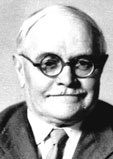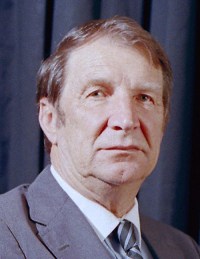
Dr Richard L Sawyer (1921-2015), first Director General of the International Potato Center (CIP)

Sawyer3I opened my email this morning to find one with the sad news that Richard Sawyer, the first Director General of the International Potato Center (CIP) had died at his home in North Carolina on 9 March. He was 93, just a week short of his 94th birthday.

Richard was my first boss from January 1973 when I joined the International Potato Center (CIP) as an associate taxonomist in Lima, Perú. In fact, Richard was one of the first Americans I had ever met, and it was quite an eye-opener, as a young British graduate, to be working for an organization led by an American.

I first met Richard in early summer 1971 or thereabouts, while I was a graduate student at the University of Birmingham. My major professor, and head of the Department of Botany at the university was renowned potato taxonomist Jack Hawkes. Jack had made a collecting expedition for wild potatoes to Bolivia in the first couple months of 1971. And his trip was supported by the USAID-funded North Carolina State University – Peru potato project. Richard had been in Lima since 1966 as head of that mission. I believe that Jack stayed in Lima with Richard and his wife, and had the opportunity to discuss with Richard how the recently-founded MSc course on Conservation and Utilization of Plant Genetic Resources could support the genetic resources activities at what would soon become the International Potato Center. Richard wanted to send a young Peruvian scientist (Zosimo Huaman) for training at Birmingham, but wondered if Jack had anyone in mind who could accept a one-year assignment in Peru while Zosimo was away in Birmingham studying for his MSc degree.

During a visit to meet with potential donors for the fledgling CIP in the UK, Richard came up to Birmingham from London to discuss some more about training possibilities, and the one-year assignment. And Jack invited me to meet Richard. I remember quite clearly entering Jack’s office, and my first impression of Richard Sawyer. “Good grief,” I thought to myself, “I’ve come to meet Uncle Sam!” At that time, Richard sported a goatee beard and, to my mind, was the spitting image of ‘Sam’.

I eventually moved to Lima in January 1973, and spent the next eight happy and scientifically fruitful years with CIP in Perú and Central America.
cip4

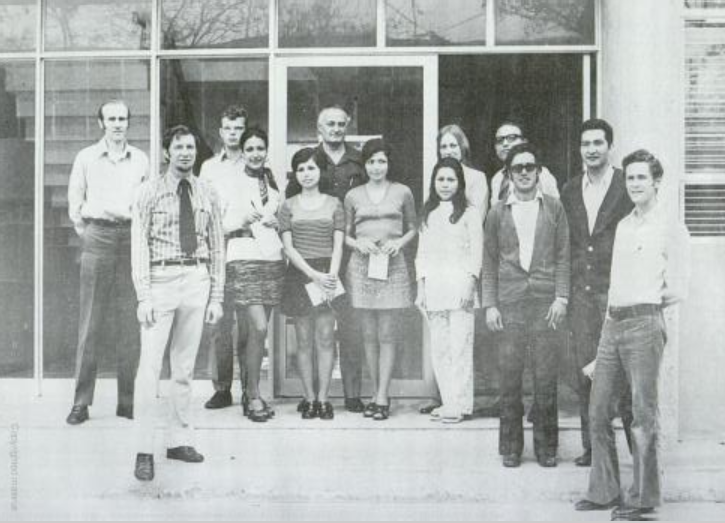
CIP staff in 1972, taken a few months before I joined the center. L to r: Ed French, Richard Sawyer, John Vessey, ??, Rosa Rodriguez, Carlos Bohl, Sr., Haydee de Zelaya, Rosa Mendez, Heather ??, Oscar Gil, Javier Franco, Luis Salazar, David Baumann

A family man. There are several things I remember specially about Richard. When I joined CIP he had recently remarried, and was devoted to his young wife Norma who was expecting their son Ricardo Jr. The Sawyers hosted a cocktail at their San Isidro apartment during that first week I was in Lima for the participants of a potato genetic resources and taxonomy planning workshop. Almost the whole staff of CIP had been invited – we were so few that everyone could easily fit into their apartment.

During that workshop we traveled to Huancayo to see the germplasm collection, and Richard drove one of the vehicles himself. Staying at the Turista hotel in the center of Huancayo, we spent that first night drinking pisco sours and playing dudo for a couple of hours.

Richard practiced what he preached. He was very supportive of CIP scientists and their families, and always encouraged his staff to maintain a healthy balance between work and home. At 4 pm each day he was the first out of the office and on to the frontón court; he was very competitive.

A TPS incident. I remember one (potentially disastrous) incident, in about 1978 or 1979, during the annual review meeting held in Lima, and in which all staff from around the world also participated. I came down to Lima from Costa Rica where I was leading CIP’s Region II Program (Mexico, Central America and the Caribbean). After several presentations about the emerging technology of true potato seed (TPS) during the first couple of days, the then Director of Research, Dr Ory Page from Canada, opened the floor for general comments and questions. I’d been storing up some comments and, nothing venture, nothing gained, stuck my hand up and began to make several critical comments about the TPS program and how it was not currently applicable to the farmers of Central America.

Well, as they say, the ‘proverbial’ hit the fan. Richard was seated immediately in front of me, among the CIP staff. He turned on me, and gave me a public dressing down. I decided not to accept this quietly, and responded as vigorously. As tempers began to fray, the Chair of the CIP Board Program Committee, British scientist Dr Glyn Burton, suspended the meeting. Richard stormed out to his office, followed by Dr Ken Brown, head of Regional Research and my immediate boss who was upset at Richard’s reaction. Several colleagues came up to me during the enforced break, and while they might have concurred with my point of view, felt that I had burned my bridges at CIP, and was likely to lose my job.

Far from it. A couple of days later, Richard came looking for me and apologized for how he’d behaved towards me; he told me that I’d had every right to question aspects of CIP’s research. I think this whole incident strengthened the relationship I had with Richard, and he was very supportive. It also indicated to me that Richard was a supremely confident person, and a strong leader.

Moving on. In 1980, a teaching position opened at the University of Birmingham. I was keen to apply, but felt I had to discuss the various options first. Ken Brown advised me to talk directly with Richard, and it was fortunate that I was already back in Lima, having left Costa Rica in November just before the Birmingham position was announced. Richard strongly encouraged me to apply for the Birmingham lectureship, but at the same time offering me a new five-year contract with CIP should I fail with my application. Now that was, as you can imagine, an unbelievable way to approach a job interview. I was offered the position and resigned from CIP in March 1981 to return to the UK.

But that wasn’t the end of my relationship with CIP. The UK Department for International Development (then the Overseas Development Institute) supported my research project with CIP on TPS of all things during the 1980s. And I also carried out a couple of consultancies for CIP, the more significant being an evaluation of a Swiss-funded seed potato project in Perú, during which I always had the opportunity to meet with Richard. He was always interested in what I was up to and how the family was getting on. After all, my wife Stephanie had also personally been offered a position at CIP by Richard from July 1973.

Richard’s legacy. There are so many things I could point out, but three come most readily to my mind:

  • Richard was a compassionate individual, very supportive of his staff and their families. But having a clear vision, he could also be determined and make the tough decisions. This served CIP extremely well during his tenure.
  • He placed the conservation of the germplasm collection and its use at the heart of CIP’s strategy and research. Later this was expanded to include sweet potatoes and several ‘minor’ Andean tuber crops. Focusing only on potato for the first decade enabled CIP to establish and maintain a strong research program, that had the strong foundation for expansion into other tuber crops.
  • His vision of regional research and collaboration with potato researchers around the world – and the use of CIP funding to support these scientists as part of CIP’s core research program – was not always appreciated around the CGIAR in the early 1970s. It was innovative, and CIP was able to have an early impact on and bring new technologies to potato programs and systems right around the world. The establishment of PRECODEPA in 1978 was one of these important initiatives. Not only did Richard persevere, but he showed that this model of collaboration was one applicable to other centers and their mandate crops. It is the modus operandi today.

It is always sad when a colleague and friend passes away. While we – his family, friends and former colleagues – mourn his passing, let us also celebrate a life of service to international agriculture by this extraordinary individual. It has been my privilege to count Richard Sawyer as a friend and mentor. My life has certainly been profoundly changed by knowing and working with him.

Deepest condolences to his wife Norma, son Ricardo Jr., his daughters from his first marriage, and all his family.
The humble spud

Humble? Boiled, mashed, fried, roast, chipped or prepared in many other ways, the potato is surely the King of Vegetables. And for 20 years in the 1970s and 80s, potatoes were the focus of my own research.
The potato (Solanum tuberosum) has something scientifically for everyone: the taxonomist or someone interested in crop diversity, geneticist or molecular biologist, breeder, agronomist, plant pathologist or entomologist, seed production specialist, biotechnologist, or social scientist. So many challenges – so many opportunities, especially since many potatoes are polyploids; that is, they have multiple sets of chromosomes, from 2x=24 to 6x=72.

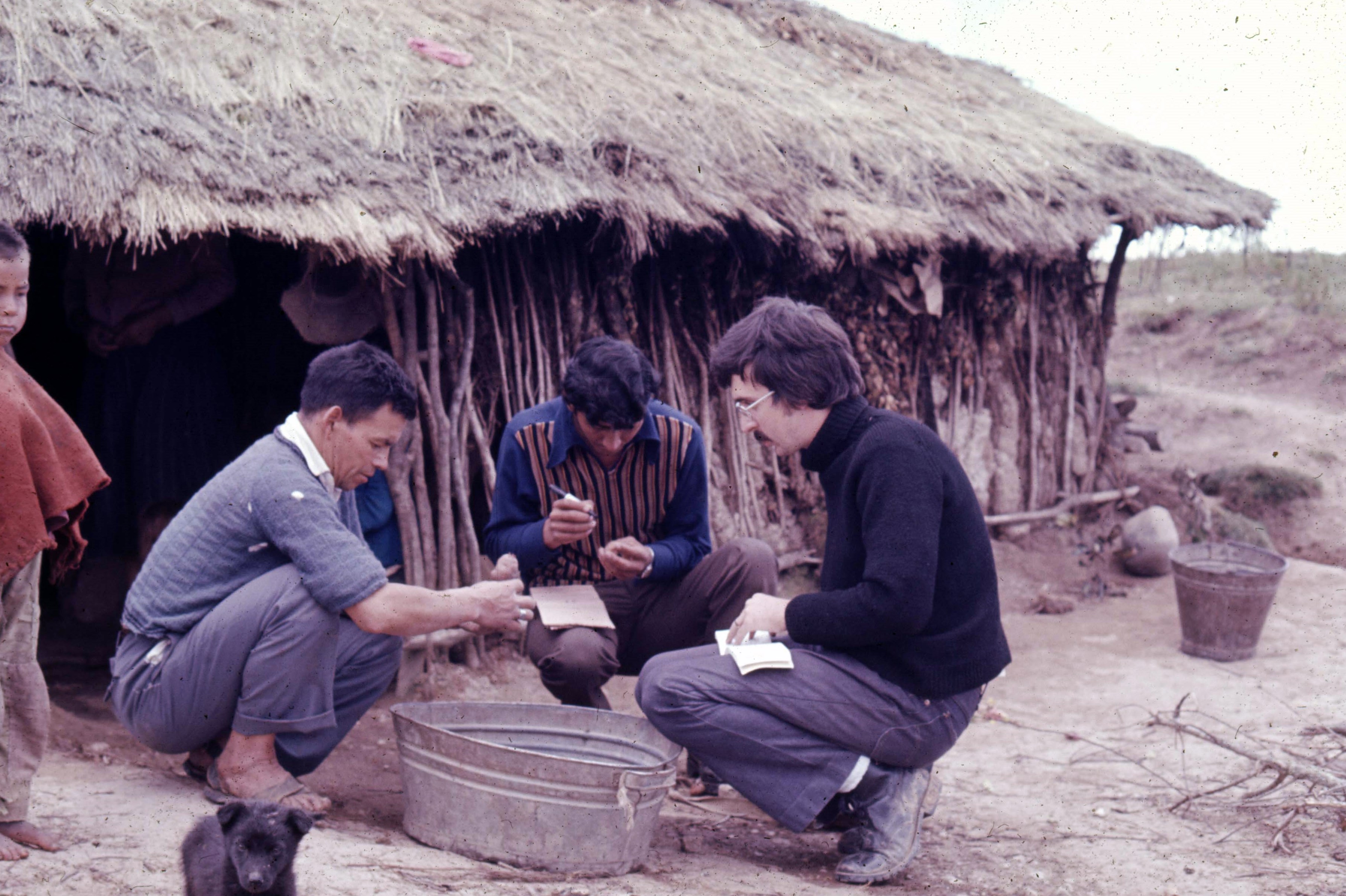
MTJ collecting cultivated potatoes in 1974Much of my own work – both in the Andes of Peru in the early 70s and once I was back in Birmingham during the 80s – focused on potato genetic resources, understanding the evolutionary dynamics of speciation, and the distribution and breeding value of wild potatoes.

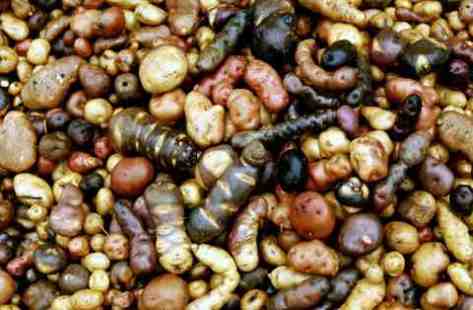
If you’re interested in species diversity, then the potato is the crop for you. In South America there are many indigenous varieties integral to local farming systems at high altitude. Grown alongside other crops such as oca (Oxalis tuberosa) and other Andean tubers of limited distribution, quinoa, and introduced crops such as barley and faba bean (that must have been brought to South America by the Spanish in the 16th century and afterwards). In a recent series on BBC TV (The Inca – Masters of the Cloud), archaeologist and South American expert Dr Jago Cooper repeatedly talked about the wonders of Incan agriculture as one of the foundations of that society yet, disappointingly chose not to illustrate anything of indigenous agriculture today. Farmers still grow potatoes and other crops on the exactly the same terraces that the Incas constructed hundreds of years ago (see my post about Cuyo Cuyo, for example). The continued cultivation of native potato varieties today is a living link with the Incas.

Native varieties of potato from Peru

Native cultivated potatoes are found throughout the Andes from Colombia and Venezuela in the north, south through Ecuador, Peru, Bolivia and Chile, and into northern Argentina. One of the main centres of diversity lies in the region of Lake Titicaca that straddles the border between Peru and Bolivia.

Another important centre of diversity is in the island of Chiloé , southeast of Puerto Montt, a well-known potato growing region of Chile.

The wild tuber-bearing Solanums have a much wider distribution, from the USA south through Mexico and Central America, and widely in South America. And from the coast of Peru to over 4000 m in the high Andes. They certainly have a wide ecological range. But how many wild species are there? Well, it depends who you follow, taxonomy-wise.

SM Bukasob

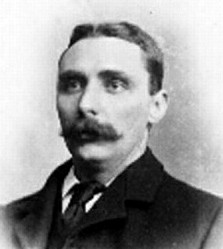
SM Bukasov

Some of the earliest studies (in the 1930s) were made by Russian potato experts SM Bukasov and SV Juzepczuk, contemporaries of the great geneticist and plant breeder, Nikolai I Vavilov.

In 1938, a young Cambridge graduate, Jack Hawkes (on the left below), visited the Soviet Union to meet with Bukasov (and Vavilov) as he would soon be joining a year-long expedition to the Americas to collect wild and cultivated potatoes. His PhD thesis (under the supervision of Sir Redcliffe Salaman) was one of the first taxonomies of wild potatoes. By 1963, Hawkes had published a second edition of A Revision of the Tuber-Bearing Solanums. By 1990 [1] the number of wild species that he recognized had increased to 228 and seven cultivated ones. Hawkes (and his Danish colleague Peter Hjerting) focused much of their effort on the wild potatoes of the southern cone countries (Argentina, Brazil, Paraguay and Uruguay) [2] and Bolivia [3]. Working at the National Agrarian University and the International Potato Center (CIP) in La Molina, Lima, Peru, potato breeder and taxonomist Carlos Ochoa (on the right below) spent several decades exploring the Andes of his native country, and discovered many new species. But he also produced monographs on the potatoes of Bolivia [4] and Peru [5].

Both Hawkes and Ochoa – rivals to some extent – primarily used plant morphology to differentiate the species they described or recognized, but also using the tools of biosystematics (crossing experiments) and a detailed knowledge of species distributions and ecology.

MTJ and JGH collecting wild potatoes

March 1975, somewhere above Canta in Lima Province. Probably a small population of Solanum multidissectum = S. candolleanum (that now includes S. bukasovii)

I made only one short collecting trip with Jack Hawkes, in March 1975 just before I returned to Birmingham to defend my PhD thesis. Travelling in the Andes between Cerro de Paso, Huanuco and Lima, at one point he asked me to stop our vehicle. “There are wild potatoes near here,” he told me. “To be specific, I think we’ll find Solanum bukasovii”. And within minutes, he had. That’s because Jack had a real feel for the ecology of wild potatoes; he could almost smell them out. I’m sure Carlos Ochoa was just the same, if not more so.

Spooner_David_hs10_9951

David Spooner

The potato taxonomist’s mantle was taken up in the early 1990s by USDA Agricultural Research Service professor David Spooner at the University of Wisconsin. Over two decades, and many field expeditions, he has published an impressive number of papers on potato biology. More importantly, he added molecular analyses to arrive at a comprehensive revision and understanding of the diversity of the tuber-bearing Solanums. In fact, in December 2014, Spooner and his co-authors published one of the most important papers on the biodiversity of wild and cultivated potatoes, recognizing just 107 wild and four cultivated species [6]. For anyone interested in crop evolution and systematics, and potatoes in particular, I thoroughly recommend you take the time to look at their paper (available as a PDF file).


~~~~~~~~~~~~~~~~~~~~~~~~~~~~~~~~~~
[1] Hawkes, JG. 1990. The Potato – Evolution, Biodiversity and Genetic Resources. Belhaven Press, London.
[2] Hawkes, JG & JP Hjerting. 1969. The Potatoes of Argentina, Brazil, Paraguay, and Uruguay – A Biosystematic Study. Annals of Botany Memoirs No. 3, Clarendon Press, Oxford.
[3] Hawkes, JG & JP Hjerting. 1989. The Potatoes of Bolivia – Their Breeding Value and Evolutionary Relationships. Clarendon Press, Oxford.
[4] Ochoa, CM. 1990. The Potatoes of South America: Bolivia. Cambridge University Press.
[5] Ochoa, CM. 2004. The Potatoes of South America: Peru. Part 1. The Wild Species. International Potato Center, Lima, Peru.
[6] Spooner, DM, M Ghislain, R Simon, SH Jansky & T Gavrilenko. 2014. Systematics, diversity, genetics, and evolution of wild and cultivated potatoes. Bot. Rev. 80:283–383
DOI 10.1007/s12229-014-9146-y.


First impressions: two weeks in 1967

It was the first week of October, or thereabouts. 1967. I was headed to Southampton to begin a three-year undergraduate course in botany and geography at the city’s university.

Like all students in the UK, I’d applied for admission to six courses at different universities: King’s College, London (geography); Aberystwyth (zoology and geography); Southampton (botany and geography); York (biology); Queen Mary College (combined sciences); and Newcastle (botany and geography). I don’t really remember my priority list, but I do know that King’s was my first choice and Southampton was my third. I had interviews at King’s, Southampton, Queen Mary, and York; I never heard from the other two before I made my choice. The interview at York was a disaster. I was asked to describe Krebs Cycle, not something with which I was at all au fait. In fact, at a later date – at Birmingham – I came across something that an obviously bored student had written on a bench in one of the lecture rooms in the School of Biological Sciences: ‘I wouldn’t know Krebs Cycle if it ran me over‘. I couldn’t have agreed more!

Because I’d been off school with flu, I wasn’t able to make interviews at several universities on the dates requested around February or so in 1967, so had to try and reschedule these. My dad and I drove to the various campuses, and in fact ended up visiting York, King’s, and Southampton in the same week! The King’s interview went quite well, and I was offered a place. I can’t remember now who interviewed me, only that he was a Professor of Geography and had taught my elder brother Ed (1964-1967, in the Joint School of Geography between the London School of Economics and King’s).

Joyce Lambert in 1964

The day I visited Southampton was a bright sunny day, and even warm for that time of the year. In those days, the Department of Geography was housed in the Hartley Building (which also housed the library and various administrative departments), and I had a 1 hour interview with Dr Joyce Lambert* from the Department of Botany and Dr Brian Birch from Geography. The interview must have gone well because a few weeks later I received a conditional offer in the post. My place at Southampton was guaranteed if I received the necessary exam grades.

I accepted that offer. In fact, almost as soon as I walked through the front door of the Hartley Building I knew I would accept an offer from Southampton. I just had this immediate feeling of well-being. And my instinct didn’t let me down. I had three wonderful undergraduate years there.

In the late 60s, Southampton was still quite a small university, with only about 4500 undergraduates. After all it had received its own charter only in 1952; prior to that its degrees had been awarded by the University of London. Today there are more than 16,000, and the expansion has been phenomenal over the past 45 years since I graduated. A medical school opened not long after I graduated, and the botany department merged with other life sciences and moved to another campus location about a mile away. The Centre for Biological Sciences is now back on the main campus.At the end of my first year, in 1968 or early 1969, the geography department (now geography and environment) moved to a new building (part of that late 60s expansion that benefitted Southampton), but is now housed in the Shackleton Building, actually the old botany building 44 where I studied for three years.

However, to return to that first week in 1967. I may have difficulties these days remembering what I did last week, but my early memories of Southampton are crystal clear.

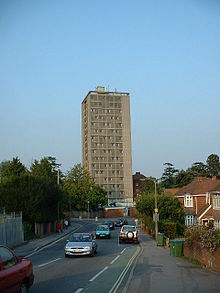
The tower block of South Stoneham House. I had a room on the west-facing sixth floor (shown here from Woodmill Lane) in my first year, and a south-facing room on the 13th floor in my second year. This block, constructed in the 60s, has been decommissioned because of an asbestos problem.

I was lucky to secure a place in one of the halls of residence, South Stoneham House, and had sent a trunk with clothes and other belongings on ahead of my arrival. The Students Union had organised a special train from London Waterloo to carry new undergraduates – or Freshers – to Southampton, and arrange transport at the other end to everyone’s accommodation. I stopped with my brother Ed for a couple of nights in London. He had just started his first job after graduating from LSE that summer. I bought his bicycle and on the day of my train to Southampton, I hopped on that bike and rode it through the rush hour traffic from his flat in Kilburn across the Thames to Waterloo. I left it at the station and returned to the flat to collect my suitcase. At Waterloo I retrieved my bike from the Left Luggage office, deposited it on the train and then searched for a seat. In those days, railway carriages were generally not open plan as they are today, but had a corridor down one side and compartments with seat for eight passengers. I remained close friends with three of the other seven in that compartment for the rest of my time at Southampton, and have kept in touch with one, Neil Freeman, ever since. We were even assigned rooms on the same floor at South Stoneham House.

Neil studied law, and in fact my close circle of friends was generally outside either botany or geography. Another law student who became a good friend was Malcolm Forster. I did lose contact with him but did come across his name a couple of years ago and briefly made contact then. Recently, however, he came across one of my blog posts and left a comment.

They often say that first impressions last longest. Well, these two in February and October 1967 certainly remained with me. Choosing Southampton over other universities was one of the best decisions I’ve ever made. Three great years, and good friendships. What more can you ask for?

~~~~~~~~~~~~~~~~~~~~~~~~~~~~~
* Who received the nickname ‘Blossom’ from several generations of botany students.

From a single potato tuber to one tonne in a year? Yes, it can be done.

After I’d completed my PhD in October 1975, I stayed on in the UK for a couple of months to sort out ideas and initial drafts for several journal papers, before returning to Lima, Peru just before the end of December, where I was to begin a post-doctoral fellowship with the International Potato Center (CIP). I’d already been working with CIP since January 1973 but I was uncertain in January 1976 where I was going to be located, or what my responsibilities would be. I had spent the previous three years working in CIP’s germplasm program, collecting native varieties of potatoes throughout the Peruvian Andes, and studied the evolution and ethnobotany of cultivated potato species (which formed the basis of the thesis I submitted to the University of Birmingham).

Moving to Costa Rica
CIP Director General Richard Sawyer asked me to move to Costa Rica in Central America to establish a research program on adaptation of potatoes to warm, humid environments, and also to participate in and support other regional activities from CIP’s regional office in Toluca, Mexico. Following a reconnaissance and feasibility mission with CIP colleagues Drs Roger Rowe (head of breeding and genetics) and Ed French (head of plant pathology) to Costa Rica in early January, my wife Steph and I moved to Turrialba in April to be based at CATIE (Centro Agronómico Tropical de Investigación y Enseñanza).

Those first few months were a wake-up call. Not only did I have to establish my own program, hire support staff (Leda Avila as secretary, Jorge Aguilar as research assistant, and Moisés Pereira as technician), and develop the facilities I might need, I also had to navigate rather carefully through the ‘politics’ of a host institution that felt – certainly at that time and for several years subsequently – very insecure. With its limited budget, CATIE management saw my assignment in Turrialba merely as a ‘cheap pair of hands’ to contribute to its research program on inter-cropping systems. I had a hard time convincing CATIE colleagues that, in the first instance, my research should focus on testing and identifying germplasm that showed broad adaptation and could be included in the broader systems research. I also had those other commitments outside Costa Rica that had to be managed as well.

Well, the long and short of it, was that we encountered a serious problem with bacterial wilt, caused by Ralstonia solanacearum, and from then, the focus of my research turned from warm environment adaptation to resistance studies and agronomic management.

Potatoes in Costa Rica during the 1970s
Bacterial wilt was also a serious problem for farmers in certain areas of the lower elevation production zones in Costa Rica. Potatoes have never been a major crop in Costa Rica (rice and beans are much more important staples), but on the slopes of the Irazú volcano near Cartago to the east and northeast of San José (the capital of Costa Rica), potato production is the main economic activity. In the mid- to late-1970s there were only about 10,000 ha of potatoes grown, and about 95% of the production was centered on this Cartago region. Within the Ministry of Agriculture there were only a couple of staff dedicated to potatoes, one agronomist and one pathologist. The small size of the Costa Rican potato program (and others in Central America) was the justification for developing the Regional Cooperative Potato Program (PRECODEPA) in 1978.

Two varieties of Mexican origin, Atzimba and Rosita, made up almost 100% of the production. Atzimba had been developed originally for its resistance to late blight, caused by Phytophthora infestans.

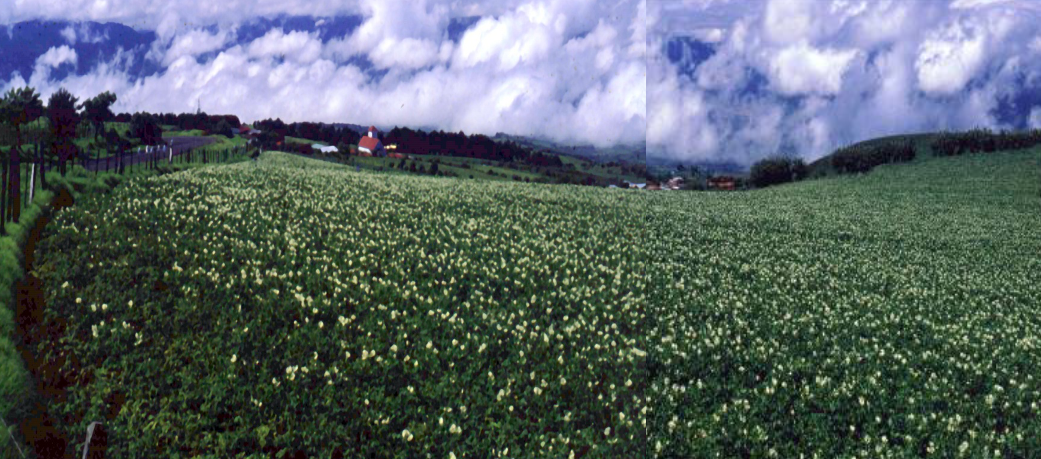
A field of potatoes, var. Atzimba, above Cartago near San Juan de Chicua.

Potato fields of white-flowered var. Atzimba. Because of the steep slopes on the flanks of the Irazu volcano, farmers still use ox-drawn ploughs. These volcanic soils are very deep and fertile.

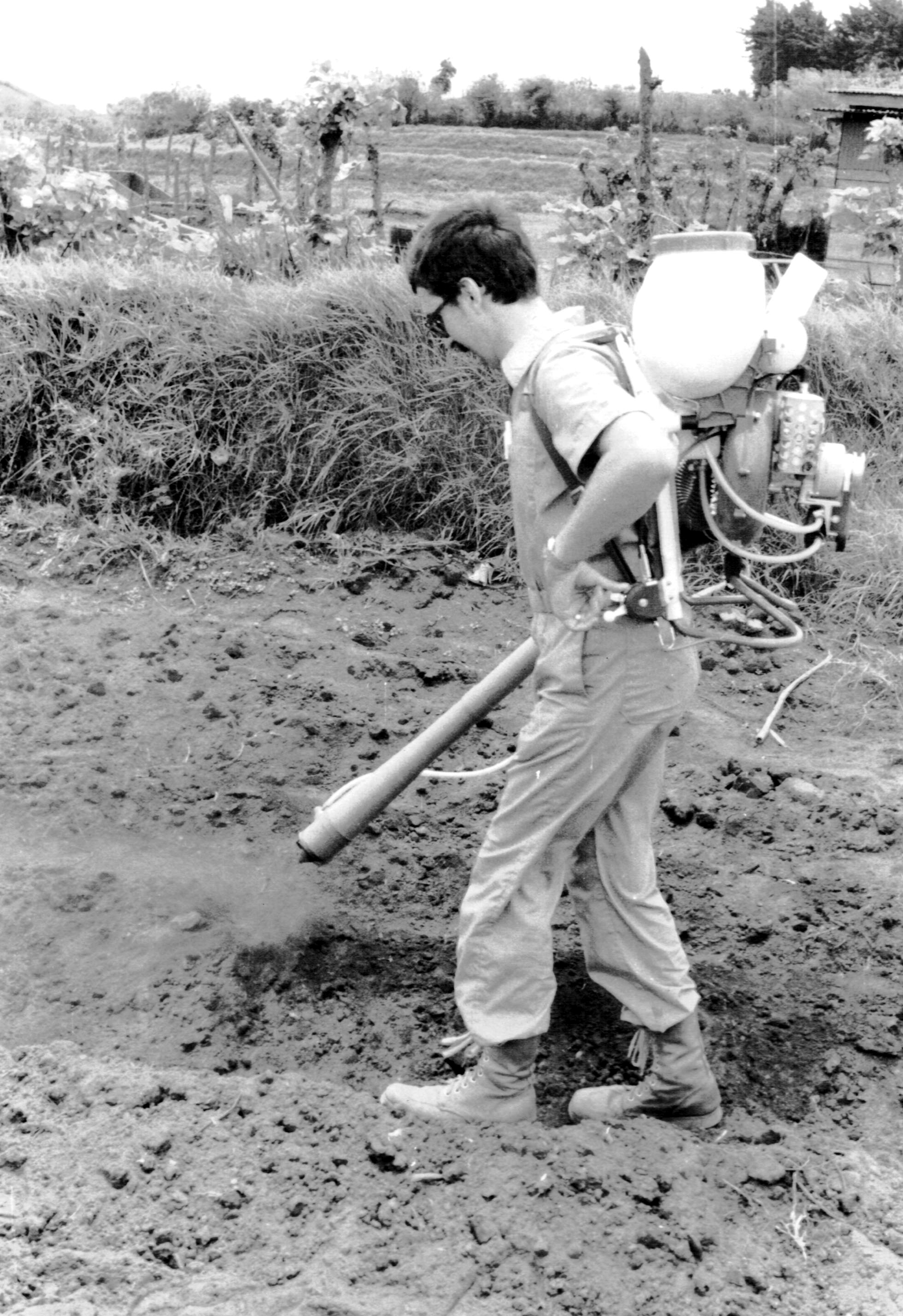
Mike Jackson using a motorized back-pack sprayer to fumigate potato seedlings in a virus resistance trial. Sprayers of this type produce a turbulent fine mist that effectively applies the pesticide. We were perhaps a little lax in terms of health and safety in the 70s!

In Costa Rica, however, it was extremely susceptible, because the climatic conditions permitted the cultivation of potatoes all year round somewhere in this rather restricted area on the flanks of the volcano. There was always fungal inoculum floating around, and farmers were often obliged to spray their crops at least once a week or more often. Believing that higher doses of fungicides would be more effective than the recommended dosage, the quantity of fungicide used was unacceptable. But it was difficult to persuade farmers to spray more effectively, to use machine powered back-pack sprayers rather than hand-pumped equipment that merely soaked the upper surfaces of the potato leaves. This is not very effective. The machine sprayers create a finer mist and also turbulence among the potato canopy and reach the undersides of the leaves where the fungus actually sporulates.

No healthy seed potatoes
As a vegetatively-propagated crop, potatoes are prone to the build up of several virus diseases that can, unless kept in check, result in a reduction of yield (or degeneration)  year on year. That’s why in many countries there are seed production systems to provide potato farmers with healthy planting stock each year. Three common viruses were prevalent in Costa Rica: potato virus X (PVX), potato virus Y (PVY), and potato leafroll virus (PLRV) – singly, or more commonly, in combination, and as such were a serious threat to the long-term viability of national potato production. More so, it has to be said, than other pests and diseases that affected the crop that could be controlled – if applied effectively and safely – by a range of chemical treatments.

Costa Rica did not have a seed production program in the 1970s (and I haven’t been able to determine whether the foundations we at CIP laid in terms of seed production were maintained) even though many farmers did try to source their seed tubers from farms located at the highest elevations. Many farmers kept  the smallest tubers from a commercial production or ware crop as ‘seed potatoes’ with the inevitable degeneration this practice brought with it. The main problem was that seed stocks were not being constantly being replenished with healthy tubers in a foundation seed initiative. The challenge was therefore to develop a seed production program that could effectively supply the seed potato needs of the country – several thousand tonnes annually.

Although healthy, virus-free stocks of Atzimba and Rosita were readily available, as well as bacterial wilt resistant varieties like MS-35-22 from tissue cultures initially but most often as a small number of virus-free tubers, how was it going to be possible to quickly multiply these seed stocks to a quantity that would begin to have some impact on potato yields in the short term?

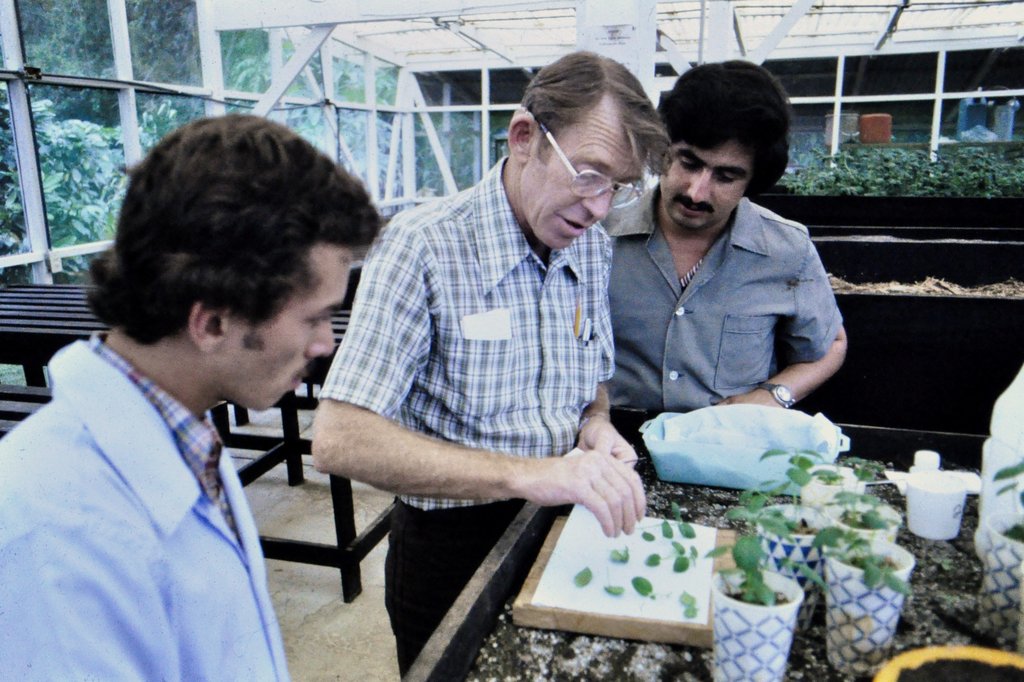
Jim Bryan showing Jorge Aguilar, on the right, and a techician from the Costa Rican national potato program how to make single node cuttings.

The challenge
In 1979, CIP seed production specialist Jim Bryan joined me in Costa Rica on a one-year sabbatical to focus on the seed production needs of the Central American region. And together – with colleagues from the Ministerio de Agricultura y Ganadería – we developed a rapid multiplication program, not only to provide the foundation seed for Costa Rica, but also to put into practice many of the ideas that Jim had been developing at CIP headquarters in Peru, but which had not been tested in an actual production context. And at the same time we set ourselves a challenge: to produce one tonne of potatoes from a single tuber in a year (since the growing conditions in Costa Rica permitted more or less all-year-round production).

We converted our screen-houses in Turrialba full-time to this rapid multiplication project. We were sent a small quantity of basic seed tubers that had passed through tissue culture in Lima to eradicate viruses, or received actual tissue culture stocks that we grew on in a makeshift chamber at the plant pathology laboratory in the University of Costa Rica in San José, managed by my good friends and colleagues Drs Luis Carlos González Umaña (a bacteriologist with whom I collaborated over several years on bacterial wilt research) and virologist Rodrigo Gámez Lobo (who became the first director of the biodiversity institute, INBio).

But how to rapidly multiply limited seed stocks? Obviously we had to maintain the health of this basic seed, so only grew the tubers in pots inside the screen-house, in a ‘compost’ of sugarcane bagasse mixed with coarse river sand for better drainage. Having first sterilized this mixture, it was an excellent medium for growing potatoes in pots.

Once we had these plants established we could then start to take a whole range of cuttings: stem cuttings, single node cuttings (usually from young seedlings), sprout cuttings, and leaf-bud cuttings. Rooted cuttings could be grown on in the screen-house to produce more ‘mother plants’ or transplanted directly to the field. The same with single node cuttings and sprout cuttings. Leaf bud cuttings were made from senescing stems (or potato vines) and the axillary buds swelled to form a small tuber.

Each cutting was derived from an axillary bud, and these were stimulated to grow once the apical meristem had been removed from each stem. Cuttings were ‘planted’ in coarse river sand, kept constantly watered, and after a couple of weeks or thereabouts, most had produced healthy roots. Sometimes we used a rooting hormone, but mostly this was not necessary.

Stem cuttings

Single node cuttings

Sprout cuttings

Leaf bud cuttings

Going to the field

With the mixture of rooted cuttings planted directly in the field, plus the numerous tubers from cuttings in the screen-house, it was possible to produce hundreds of ‘daughter’ plants from each ‘mother’ plant that we grew only in the screen-house. And taken over a year, we did show that it was possible to produce one tonne of potatoes from a single tuber. Establishing a basic seed program based on the rapid multiplication of important varieties ensured that there was a constant replenishment of healthy seed available to farmers.

Spreading the word
Through PRECODEPA, we held several training courses in Turrialba on rapid multiplication techniques, and also produced a small brochure (in English and Spanish).

Rapid Multiplication Techniques for Potatoes_Page_01

Click on this image to open the brochure as a PDF file.

Storing seed tubers
Once we had harvested tubers from the screen-house – and for our other research projects – we had to have somewhere to store our seed stocks. At that time, my two colleagues from CIP headquarters in Lima, Dr Bob Booth and Mr Roy Shaw, had designed and promoted in many parts of the world low coast diffused light storage units. And based on their design, we built a prototype for warm humid conditions in Turrialba. It consisted of a double skin of corrugated fiberglass sheets, a wide overlapping roof to provide shade in the strong tropical sun, and an air conditioner to keep the temperature around 20C or so.

We placed bags of sand inside the store and kept them constantly wet, and therefore increased the humidity inside. We also monitored both the temperature and relative humidity as can be seen in one of the photos in the gallery below. Under these diffused light conditions, potato sprouts grow slowly and sturdy. certainly for our needs it was a viable and efficient option for potato storage.

Did we succeed?
I have no idea to what extent the seed production program prospered. One of the issues was commitment from the Ministry itself, but also the continuity of personnel in the potato program.

I left Costa Rica in November 1980 and returned to Lima, expecting to move to another CIP regional office early in 1981. The regional office in Los Baños, Philippines was mooted as a likely venue. As it turned out I resigned from CIP in March 1981 and joined the School of Biological Sciences – Department of Plant Biology at the University of Birmingham. Ten years later I did end up in Los Baños when I joined IRRI. But that’s another story.

1989: the plant genetic resources course at Birmingham celebrates 20 years

In September 1969, the first ever one-year course on plant genetic resources conservation and use (leading to the graduate Master of Science degree) was launched at the University of Birmingham, in the Department of Botany. It was the brainchild of Professor Jack Hawkes, an internationally-renowned potato taxonomist, and one of the leading lights in the 1960s of the emerging genetic resources conservation movement.

Twenty years on, and Brian Ford-Lloyd and I wrote a short article for some newsletter or other – unfortunately I didn’t keep a record of which one. I think everyone was surprised that the course was still going strong and attracting many students. After all, Sir Otto Frankel had told Jack Hawkes in 1968 or thereabouts that the course would meet its demand within 20 years.

In September 1989, to mark the 20th anniversary of the course’s foundation and the first intake of students, the International Board for Plant Genetic Resources¹ (IBPGR) sponsored a refresher course of about three weeks for a small number of students at Birmingham and at IBPGR headquarters in Rome, Italy. During the Birmingham component, the participants also visited the Welsh Plant Breeding Station² in Aberystwyth, the Vegetable Genebank³ at the National Vegetable Research Station, Wellesbourne, and the Royal Botanic Gardens – Kew at Wakehurst Place in Sussex.

L to R: Elizabeth Acheampong (Ghana), ?? (Indonesia), Trevor Williams, Gordana Radovic (Yugoslavia), Zofia Bulinska-Radomska (Poland), Singh (India), Carlos Arbizu (Peru), Carlos Carpio (Philippines), EN Seme (Kenya), Andrea Clausen (Argentina), Songkran Chitrakong (Thailand), Joseph Okello ? (Uganda)

To mark the occasion, a rather rare medlar tree (Mespilus germanica) was planted during a special ceremony attended by several university dignitaries as well as Professor Hawkes as the first course director, and Professor Jim Callow who became head of the Department of Plant Biology (formerly Department of Botany) and Mason Professor of Botany, and the second course director  in 1982 after Hawkes’ retirement. IBPGR Director Professor Trevor Williams (formerly the MSc course tutor at Birmingham before his move to Rome in the late 1970s) was another of the honored guests.

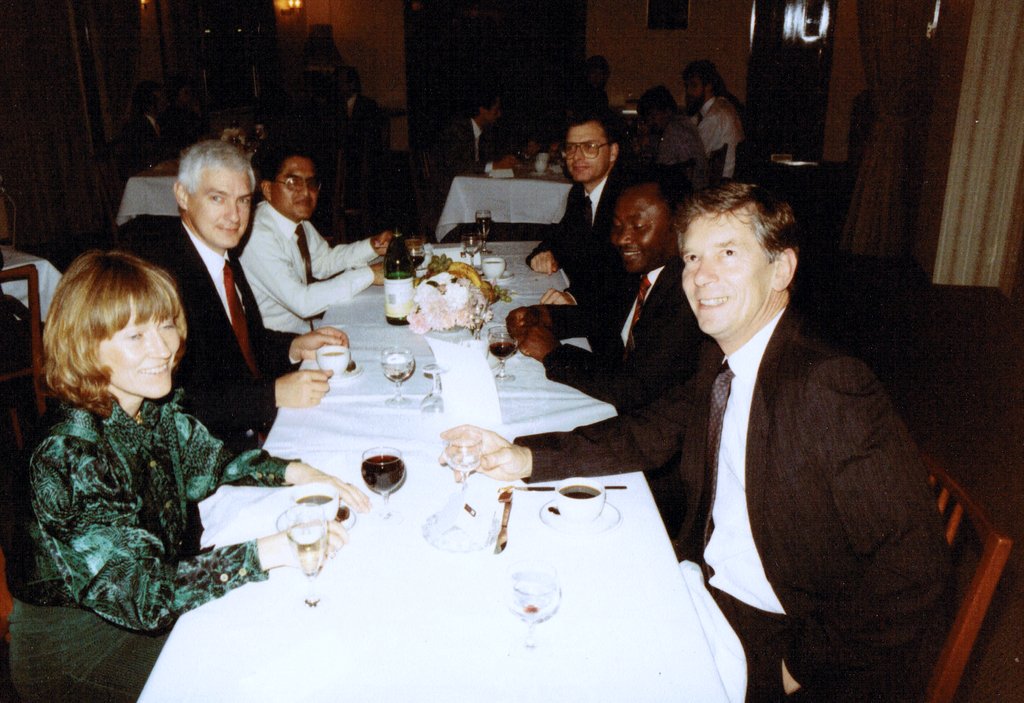
And that same evening, the Dean of Science at that time, Professor George Morrison hosted a dinner to celebrate the MSc Course attended by course staff and past students.

L to R: Ray Smallman, Trevor Williams, Jack Hawkes, Jim Callow, George Morrison

L to R: Jack Hawkes, Jim Callow, George Morrison, Mike Jackson, Ray Smallman, Trevor Williams

L to R: Mike Lawrence (staff), Singh (India), Joseph Okello (Uganda), Richard Lester (staff), Zofia Bulinska-Radomska (Poland)

L to R: Brian Ford-Lloyd (course tutor), Elizabeth Acheampong (Ghana), John Newbury (staff), Gordana Radovic (Yugoslavia), Dave Marshall (staff), Carlos Carpio (Philippines), Songkran Chitrakon (Thailand)

L to R: Andrea Clausen (Argentina), Dave Astley (Vegetable Genebank, Wellesbourne), Carlos Arbizu (Peru), ??, EN Seme (Kenya), Mike Kearsey (staff)

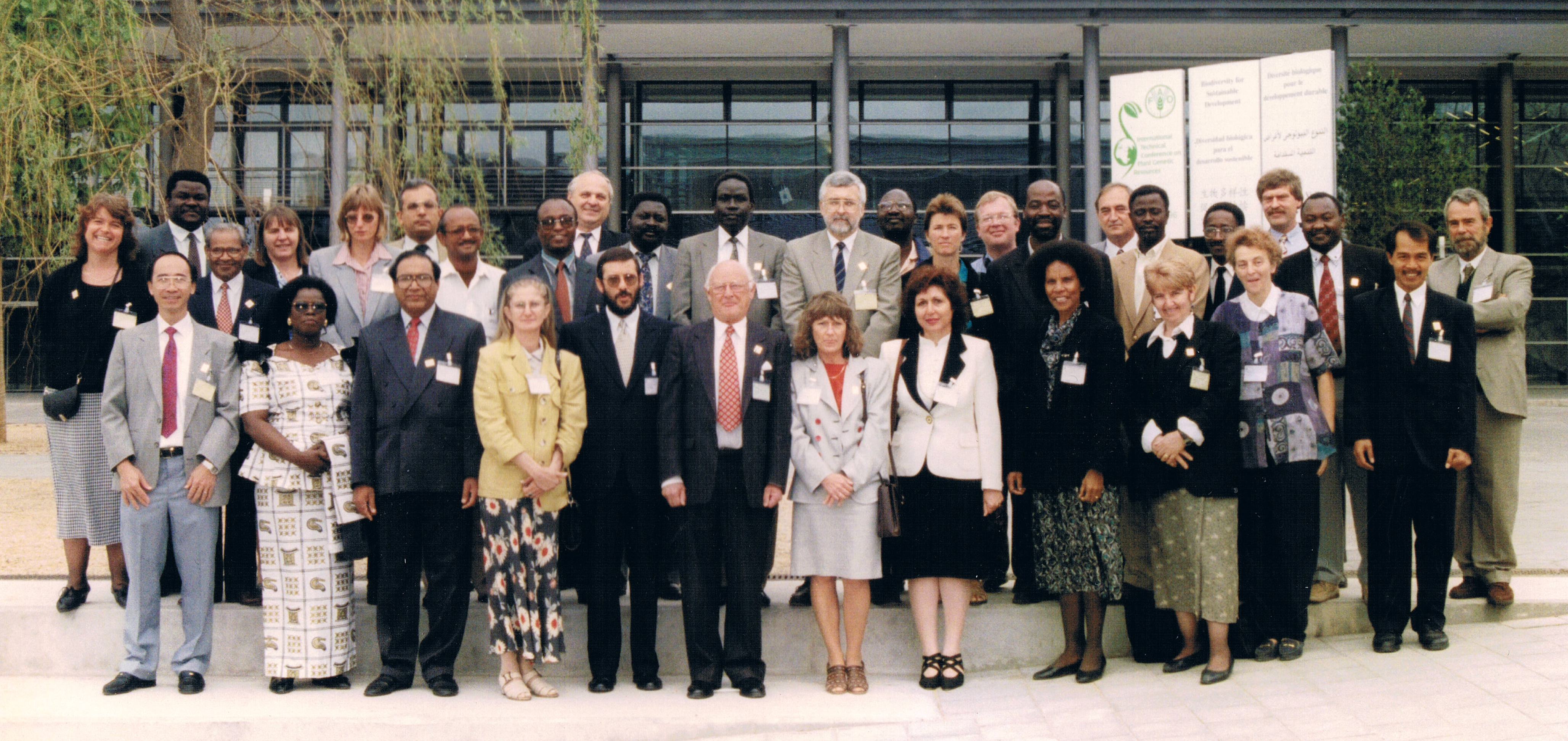
In 1996 there was another get-together of PGR students who had passed through Birmingham over the previous 27 years, including someone from the very first intake in 1969, Mr Trevor Sykes from Canada. I was a member of the second intake in September 1970. But this get-together had not been arranged. We had come together at the FAO International Technical Conference on Plant Genetic Resources in Leipzig, Germany. Most were members – leaders even – of national delegations to the conference. Thus was the impact – and continuing impact – of this important training course conducted over more than 30 years at the University of Birmingham.

Birmingham PGR students from Birmingham at the Leipzig conference in 1996. Trevor Sykes (class of 1969) is wearing the red tie, in the middle of the front row, standing next to Andrea Clausen (Argentina) on his left.

Birmingham PGR students at the Leipzig conference in 1996. Trevor Sykes (class of 1969) is wearing the red tie, in the middle of the front row, standing next to Andrea Clausen (Argentina) on his left.

Front row, L to R: Quat Ng (IITA [Malaysia]); Elizabeth Acheampong (Ghana); Rashid Anwar ? (Pakistan); Ayfer Tan (Turkey); Eliseu Bettencourt (Portugal); Trevor Sykes (Canada-UK); Andrea Clausen (Argentina); Athena Della (Cyprus); Rosa Kambuou (Papua New Guinea); Lyndsey Withers (IPGRI [UK – taught in vitro conservation]); Elizabeth Matos (Angola [UK]); Nestor Altoveros (Philippines).

Second row, L to R: Jane Toll (IPGRI [UK]); Franck Attere (IPGRI [Benin]); KPS Chandel (India); Jean Hanson (ILRI [UK]); Herta Kolberg (Namibia); George Ayad (IPGRI [Egypt]); Eltahir Mohamed (Sudan); Samuel Bennett-Lartey (Ghana); Ladislav Dotlacil (Czech Republic); Albert Cox (Gambia); Joseph Okello (Uganda); Mike Jackson (IRRI [UK]); Didier Balma (Burkina Faso); Unknown; Stephen Smith (Pioneer Hi-Bred International Inc. [UK]); Jean-Marie Fondoun (Cameroon); Lázló Holly (Hungary); Mahamadou Ibrahim ? (Niger); Wilson Marandu (Tanzania); Geoff Hawtin (IPGRI – Director General [UK]); EN Seme (Kenya); Luis Gusmão (Portugal).

Missing: Raul Castillo (Ecuador) and Zofia Bulinska-Radomska (Poland) – who were working on a draft document when I had organized this photo opportunity.

~~~~~~~~~~~~~~~~~~~~~~~~~~~~~~~~~~~~~

¹ IBPGR became the International Plant Genetic Resources Institute (IPGRI) in October 1991. In 2006, IPGRI merged with the International Network for Bananas and Plantains (INIBAP) to form Bioversity International.
² Now part of the Institute of Biological, Environmental and Rural Sciences at Aberystwyth University.
³ Now the Genetic Resources Unit at the Warwick Crop Centre, University of Warwick.

“There isn’t a tree to hang a man, water to drown a man nor soil to bury a man”.

So said – or words to that effect – an army officer named Ludlow during Oliver Cromwell’s campaign of persecution throughout Ireland between 1649 and 1653.

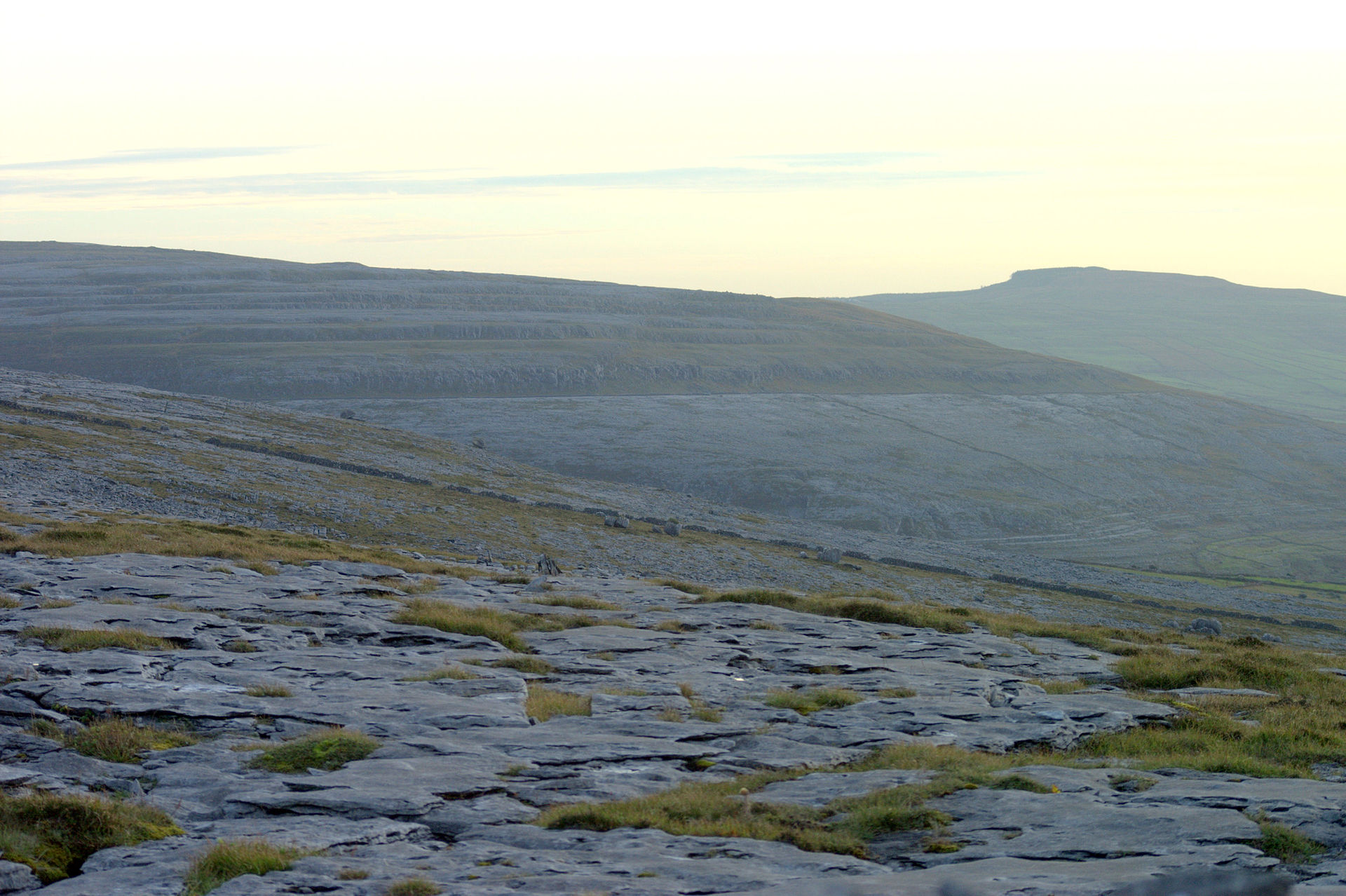
And what was he referring to? The Burren – located in the west of Ireland, in County Clare, and one of the most impressive – and ostensibly bleak – landscapes anywhere. I have visited Ireland three times, and each time I made a beeline for the Burren.¹

The Burren is a landscape of limestone pavement, or karst, one of the largest expanses of such in Europe, covering an area of more than 200 km². The Burren National Park – the smallest in Ireland – covers an area of only 1500 ha. Although ‘devoid of trees, water and soil’, it is nevertheless an incredibly biodiverse environment, with an impressive array of wildlife.

Dryas octopetala

Botanically, the Burren is fascinating, with Arctic-alpine plants growing alongside those more typical of the Mediterranean, as well as both lime-loving (calcicole) and acid-loving (calcifuge) species. One of the signature species of the Burren is the mountain avens (Dryas octopetala) which is found throughout the Alps and far into the north of Europe. But here on the Burren it grows almost at sea level. There is also an impressive list of orchids that have been recorded here.

The Burren attracts many tourists wishing to have a special ‘botanical experience’ to discover all manner of plants among the grikes and clints of the limestone pavement. And it was in July 1968 that I first visited the Burren, participating in an end of first year undergraduate field course from the University of Southampton. Based in the small town of Lisdoonvarna (famous for its annual matchmaking festival), the course was led by tutors Mr Leslie Watson (a plant taxonomist) and Dr Alan Myers (a plant physiologist/ biochemist). We were a small group of only about 19 students who had survived the end of year exams when several of our colleagues who had failed were required to withdraw from the university. There were no re-sits in those days! The group included four students (including me) studying for a combined degree in botany and geography, and one zoology student who would continue with botany as a subsidiary subject into his second year. The others were all ‘single honours’ students in botany.

Back row (standing), L to R: Chris ? (on shoulders), Paul Freestone, Gloria Davies; John Grainger; Peter Winfield. Middle row, L to R: Alan Mayers, Leslie Watson, Jenny ?, Nick Lawrence (crouching), Alan Mackie, Margaret Barron, Diana Caryl, John Jackson, Stuart Christophers. Front row (sitting): Jill Andison, Janet Beasley, Patricia Banner, Mary Goddard, Jane Elliman, Chris Kirby.

Spending two weeks on the west coast of Ireland could have been a disaster, weather-wise. But how fortunate we were. Almost two weeks of perfect sunny and warm days. Apart from several days exploring the Burren – in clear weather and in fog! – we had day trips to the mountains of Connemara, along the beaches close to Lisdoonvarna (where I did a short project on brown algae), and a ‘free day’ to search for ‘Kerry diamonds‘ – actually quartz crystals – on the Dingle Peninsula, about 100 miles south of Lisdoonvarna.

Close to Lisdoonvarna are the spectacular Cliffs of Moher², rising over more than 120 m from the Atlantic Ocean – next stop North America! Part of our interest was to look for fossils in the shale layers that make up the cliffs.

But all work and no play makes Jack(son) a dull boy. We had plenty of opportunity of letting our hair down. Every day when we returned from the field we were pleased to see a line of pints of Guinness that had already been poured in readiness for our arrival, around 5 pm. In the evening – besides enjoying a few more glasses of Guinness – we enjoyed dancing to a resident fiddler, Joseph Glynn, and a young barmaid who played the tin whistle. Since I had spent the previous year learning folk dancing, I organized several impromptu ceilidhs.

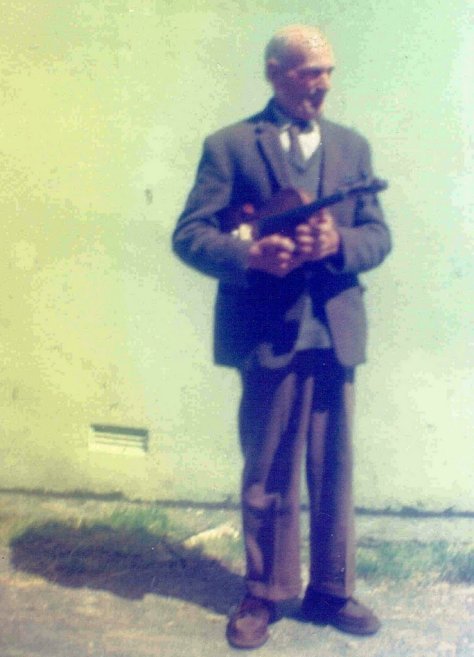
Joseph Glynn of Limerick, July 1968

Joseph Glynn of Limerick, July 1968

All too soon, our two weeks were over, and we headed back to Dublin via Limerick to catch the boat train from Dún Laoghaire to Holyhead and on to our homes from there. We arrived in Holyhead in the early morning, and I had to travel to Stoke-on-Trent where my parents would pick me up. Leslie Watson also came from Leek, and we were headed in the same direction together as he was taking the opportunity of visiting his parents there. I remember that we cheered ourselves up around 6 am or so on Crewe station, taking a wee dram from a ‘smuggled’ bottle of raw poteen, a traditional spirit distilled from potatoes or grain, whose production was outlawed and remained illegal until the 1990s.

~~~~~~~~~~~~~~~~~
¹ Landscapes photos of the Burren used from Wikipedia under its Creative Commons licences – http://en.wikipedia.org/wiki/The_Burren, where all attributions are filed.
² Photos of the Cliffs of Moher used from Wikipedia under the respective Creative Commons licences – http://en.wikipedia.org/wiki/Cliffs_of_Moher, where all attributions are filed.

Almost a ‘Swiss cheese’ faux pas!

If I had the need for one – or the finances – I’ve always thought that owning a ‘Savile Row’ bespoke suit would be something I’d aspire to. But as we’re talking serious money here – at least £3000 – then it’s not an aspiration I’m likely to fulfill. In any case, since I hardly ever wear a suit (and have never had to wear one throughout my working life) then a bespoke suit is not something I can justify in retirement. One can dream, however.

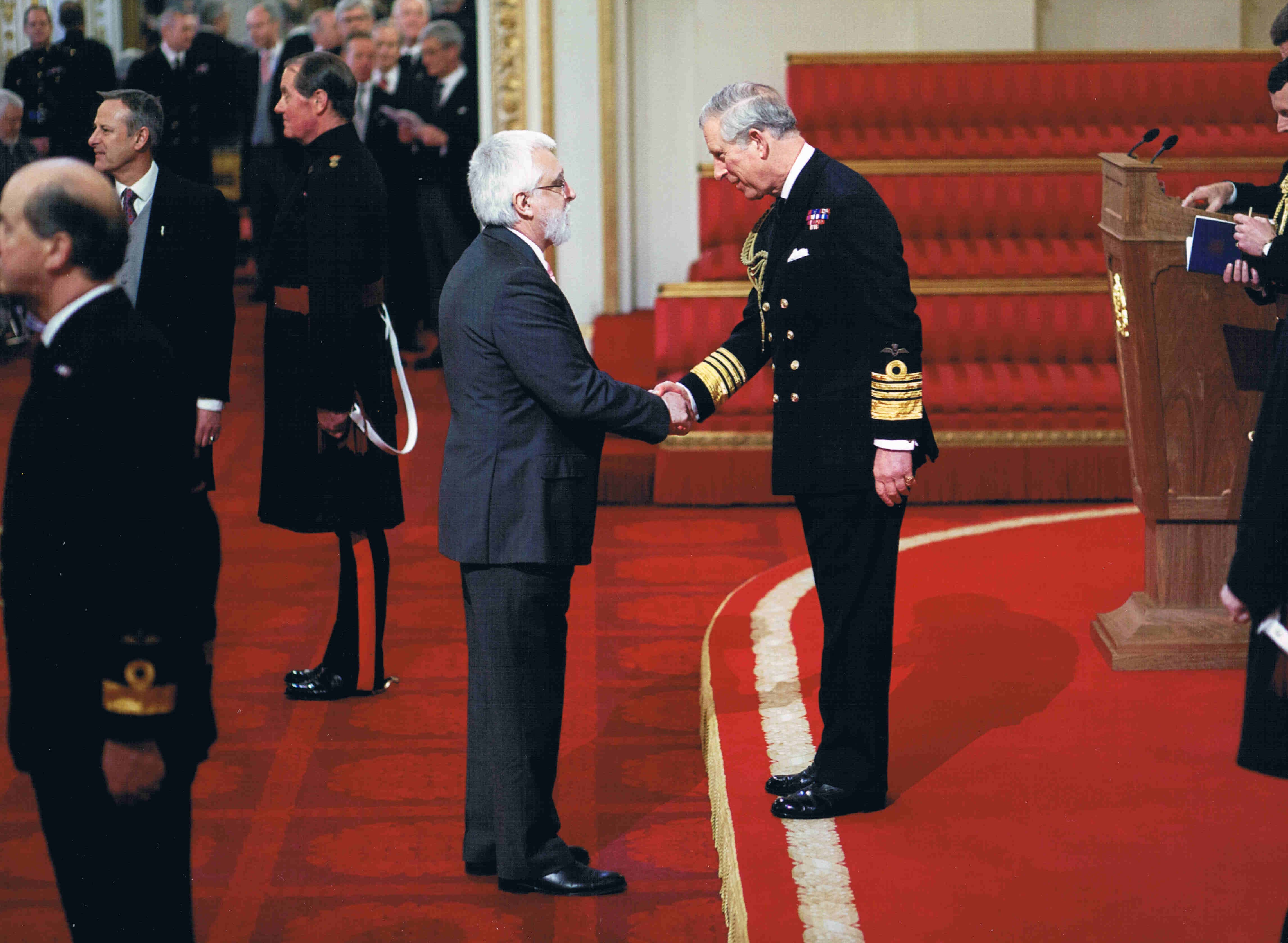
But on those occasions that required a suit, I’ve put my trust in ‘off the peg’ suits, mainly from Marks & Spencer. A few years ago, perhaps 2007, I had need of a new suit, so during our home-leave that year, I bought a rather nice charcoal grey woollen suit, not the most expensive in the M & S range, but not the cheapest by a long chalk. And it served me well over the years, culminating in the OBE investiture I attended at Buckingham Palace in February 2012. I can’t have worn it more than a dozen times or so in all the intervening years.

Early last October as I was preparing for my trip to Bangkok to attend the 4th International Rice Congress (IRC2014 – I had chaired the committee that organized the science conference, the main event of the 3½ day congress) I took my suit from the wardrobe, just to check that it fitted okay. I was very relieved that it did – surprising really since I’d not worn it since my trip to the Palace, and my waistline has the unfortunate habit of expanding from time-to-time.

However, to my consternation, horror even, I noticed that the fabric around the collar had deteriorated, and split. This wasn’t moth damage. Could it have been caused by the dry cleaning process at some time? Checking the fit of the jacket, I reckoned I could ‘get away’ with wearing it – no-one would see the small amount of damage. Relief! I didn’t want to have to spend time finding a new suit at an affordable price.

The new suit!

The new suit! Opening the science conference at IRC2014 on 29 October 2014

But then, added horror. I noticed that there was a small hole in one of the trouser knees. And furthermore, on the back of each leg there was a series of holes, some small, at least one quite noticeable. My legs looked like a Swiss cheese! So I had no alternative but to find a new suit, and fortunately I didn’t have to spend a fortune.

Ever since, however, I’ve had this recurrent nightmare. Hilarious really.

In my mind, I’m at Buckingham Palace ready for my investiture. I’m standing in the wings of the Ballroom, waiting for my name to be called. I move forward, and turn to face and bow to the Prince of Wales. And my Swiss cheese legs are exposed to all the guests behind me! Can you spot any holes in the photo below?

Steph assures me that my suit retained its integrity. It nevertheless often brings a smile to my face as I imagine what a faux pas that might have been.

When all night long a chap remains . . . WS Gilbert (1882)

First performed on 25 November 1882, the Gilbert & Sullivan comic opera Iolanthe targets the aristocracy in its satire. At the opening of Act II, we see a lonely Grenadier guardsman, Private Willis, on sentry duty reflecting on politics, and reaching the conclusion that ‘every boy and every gal that’s born into this world alive is either a little Liberal or else a little Conservative‘. Was this Gilbert being sarcastic, or was he just poking fun at the Establishment and ingrained political affiliations from birth with his piercing and brilliant wit?

Well, this must seem a strange way to begin a blog post about the current state of UK politics, and the dilemma I personally face come next May 2015 when the General Election will be held. I began this blog post about three weeks ago, but just didn’t get around to completing it before Christmas and the New Year. And on Monday last (5 January) the ‘starting gun was fired’ to mark the beginning of the General Election. Good grief! That’s four months of electioneering that we are going to have to put up with; attack and counter-attack, platitudes and spin. No-one telling the British public how it really will be.

I’m 66, and I first voted in the May 1970 General Election, at age 21 (that was the voting age then). I was a student at Southampton University on the south coast of England, and I voted for the Conservative candidate, helping to bring the government of Prime Minister Edward Heath to power and, as a consequence, the UK’s membership of the European Union (the EEC as it was then).

Many of my perspectives on life and what is happening politically in the UK today have certainly been colored by my work experiences. For over 27 years I lived and worked abroad in South and Central America and in Asia. While teaching at the University of Birmingham in the 1980s, most of my graduate students came from developing countries. The 1980s was one of the most turbulent recent political decades. Thank you, Margaret Thatcher!

So I have experienced – and celebrated – diversity of culture, and ethnic origins, and the tensions that unfortunately are unhappy bedfellows. I myself am partly a product of the Irish diaspora, through my maternal grandparents; however, they were ‘British’ when they moved from Ireland to mainland UK as Ireland was still part of the United Kingdom.

Why am I prattling on in this way? Well, unfortunately, immigration is going to be one of the major campaign issues for the election. Along with the state of the economy (the UK seems to be doing better than many at the moment), the future of the National Health Service (NHS), and the nationwide devolution fall-out in the aftermath of the referendum on independence for Scotland.

And here is my dilemma. I found myself feeling like the proverbial ‘floating voter’. I have no idea – almost – where I will place my X on the ballot paper on 7 May. It’s my democratic right – and responsibility, I believe – to vote. But for which party? Now if I interpret WS Gilbert’s words slightly differently, then I am ‘a little Liberal and a little Conservative’. No one party claims my complete allegiance. I am a man of the centre ground. In this sense I believe that the Liberal Democrats (LibDems) have played a useful role in moderating what would have been even more disastrous Conservative policies – and unfortunately they have been hammered for it in the polls and are likely to be decimated in the General Election. Coalition government is all about compromise – but many voters don’t seem to have appreciated that fact.

My problem is that I find the leaders of the three main parties – David Cameron (Conservative), Ed Miliband (Labour) and Nick Clegg (LibDems) – unconvincing leaders and politicians. The sound bite and spin have certainly debased political debate. Thank you, Tony Blair!

Will my vote make any difference? Should I vote strategically on 7 May? The Bromsgrove constituency (where I live) has a Conservative Member of Parliament (MP), Sajid Javid, first elected to parliament in 2010 and considered a rising star and possibly a future Prime Minister. He’s also the first British Pakistani Conservative MP, and joined the Cabinet in April 2014 as Secretary of State for Culture, Media and Sport. Javid also seems to be a good constituency MP, in spite of his Cabinet responsibilities, and is frequently seen around the town, and attends many local events.

Bromsgrove MP Sajid Javid

Bromsgrove is a safe Conservative seat (with a majority of more than 11,000 at the last election) and has been for decades. That’s unlikely to change. Neither Labour nor the LibDems will unseat him. But what about the UKIP (UK Independence Party) elephant in the room? It’s the impact of swings to UKIP throughout the country (primarily in England) that has many worried. The outcome of this election is perhaps the most uncertain for a generation or so. Most pundits are predicting a hung parliament again and another coalition. But what will be the flavor of that coalition?

From: http://en.wikipedia.org/wiki/Nigel_Farage#mediaviewer/File:Nigel_Farage_MEP_1,_Strasbourg_-_Diliff.jpg

UKIP Leader and MEP, Nigel Farage

Returning to the Bromsgrove constituency, however. We don’t know yet who will be the candidates fighting the Bromsgrove seat. I would be surprised if UKIP did not field a candidate. Labour and the LibDems most certainly will. I have no idea about the Green Party. One thing is certain: I will not be voting under any circumstances for any UKIP candidate. I cannot stomach the thought of supporting UKIP leader Nigel Farage and his buffoons, albeit dangerous buffoons. UKIP is anti-EU, anti-immigration, and anti-Westminster.

Will my vote for the Labour or LibDem candidate allow a UKIP candidate to gain ground on Javid? Or should I vote for Javid in order to deny the election to UKIP? Supporting a continuation of the Conservative government sticks in my throat, but would a Labour administration do any better? Today’s politicians lack credibility, and that’s probably the basis of the anti-Westminster sentiment that abounds in the UK today. I also think that many of them are not conviction politicians. We could do with a few more of those around. You might not approve of ‘The Beast of Bolsover’, veteran left-wing Labour MP Dennis Skinner, but he says what he believes. Read his put-down of recently sworn-in UKIP MP Mark Reckless following Reckless’s comments on immigration.

What will probably happen is that UKIP will win enough seats – as will the Scottish Nationalist Party (SNP) in Scotland from Labour, and possibly Plaid Cymru (PC) in Wales – to deny either the Conservatives or Labour from forming a majority administration. So although I won’t be voting for UKIP, nor for the SNP and PC in Bromsgrove (they won’t be fielding candidates here, nor will any of the Northern Ireland parties) – these ‘minority’ and regional parties could well hold the balance of power in the next parliament. What a thought! While 2015 looks like it will be interesting politically here in the UK, it’s not a future that I look forward to with any enthusiasm whatsoever.

Just three generations . . .

Earlier today, I visited the public library in Bromsgrove searching for a book in the history section to read over Christmas. And I spotted a new acquisition by Stephen Bates with the title Penny Loaves & Butter Cheap – Britain in 1846.

1846 was just six years after my great-grandfather William Jackson was born. And that got me thinking.

My middle name is Thomas, and I’m named after my paternal grandfather. Yesterday, 17 December, would have been his 142nd birthday. He was born in 1872.

Grandad was a Staffordshire man, from Burton-upon-Trent, son of William Jackson (b. 1839) and Harriet neé Bailey (b. 1842). He died in February 1967, aged 94.

When I was born in 1948, the fourth youngest of his grandchildren, he was already in his mid seventies. He was profoundly deaf, so never served in the military – unlike my maternal grandfather, Martin Healy, who served with the Royal Irish Regiment on the Northwest Frontier for nearly five years from December 1894, and in South Africa during the Boer War for almost three years from November 1899.

Grandad was married twice. His first wife, Maria Bishop, died in 1902 giving birth to their second child, William. A daughter, Alice was born in 1899. He married Alice Bull (my grandmother) in August 1904, and they had four children: Winifred (b. 1905), Frederick (my father, b. 1908), Edgar, (b. 1914) and Rebecca (b. 1916). Grandad worked in one of the breweries in Burton, as a stationary engine driver.

After retirement in 1931, Grandad and Grandma moved to Hollington, a small village about halfway – more or less – between Ashbourne and Derby, where Grandma was born in 1880.

They lived in Ebenezer Cottage, and some of my earliest memories are of visiting them, along with aunts and uncles and cousins for large family Sunday gatherings. Grandad had his chair in the far corner of the room from the door, and woe betide any of us grandchildren bumping up against his chair and waking him up from a nap. He had this big white moustache, and bushy eyebrows. It was hard talking to Grandad – you always had to shout to make yourself understood.

I’m sure he was very fond of all his grandchildren, but you couldn’t always tell as he often had this stern look on his face. I don’t remember him smiling very much, but I’m sure he must have done. I have heard told that he was very strict with his children.

In 1954 my grandparents celebrated their Golden Wedding, with a party held in Hollington village hall. In 1964 it was their Diamond Wedding anniversary, a small family affair held at the house of my Auntie Wynne (my dad’s elder sister) and Uncle Cyril, where my grandparents had been living since the early 1960s after they had become too frail to continue living on their own at Ebenezer Cottage.

The beginning of the Victorian Age is for me only three generations back, to 1839 and the birth of great-grandfather William. The Napoleonic Wars had ended just a couple of decades earlier; the Crimean War was still 14 years in the future. The railway network was just beginning to expand rapidly, the canals already moving towards decline. And of course, there was increasing urbanization and that major transition from a pre-industrial to an industrial age and its associated evolution of the political system in the UK. Twelve of Charles Dickens’ 15 novels were published during William’s lifetime. William died in 1888, aged 49.

And for me, it has always been interesting to conjecture what impact – if any, or to what extent – the great events of those times had on my family. At least we know when and where they lived, and what they did for a living. These are my ‘live’ connections with history.


Spreading the good news about rice . . . the 4th International Rice Congress

Over the past 18 months I’ve been busy organizing a major science conference – on rice – that was held in Bangkok, Thailand during the last week of October. That’s one of the reasons I have been less active on this blog; I was running another about the science conference at the same time! Sponsored by the International Rice Research Institute (IRRI), the 4th International Rice Congress brought together rice researchers from all over the world. Previous congresses had been held in Japan, India and last time, in 2010, in Hanoi, Vietnam (for which I also organized the science conference). This fourth congress, known as IRC2014 for short, had three main components:

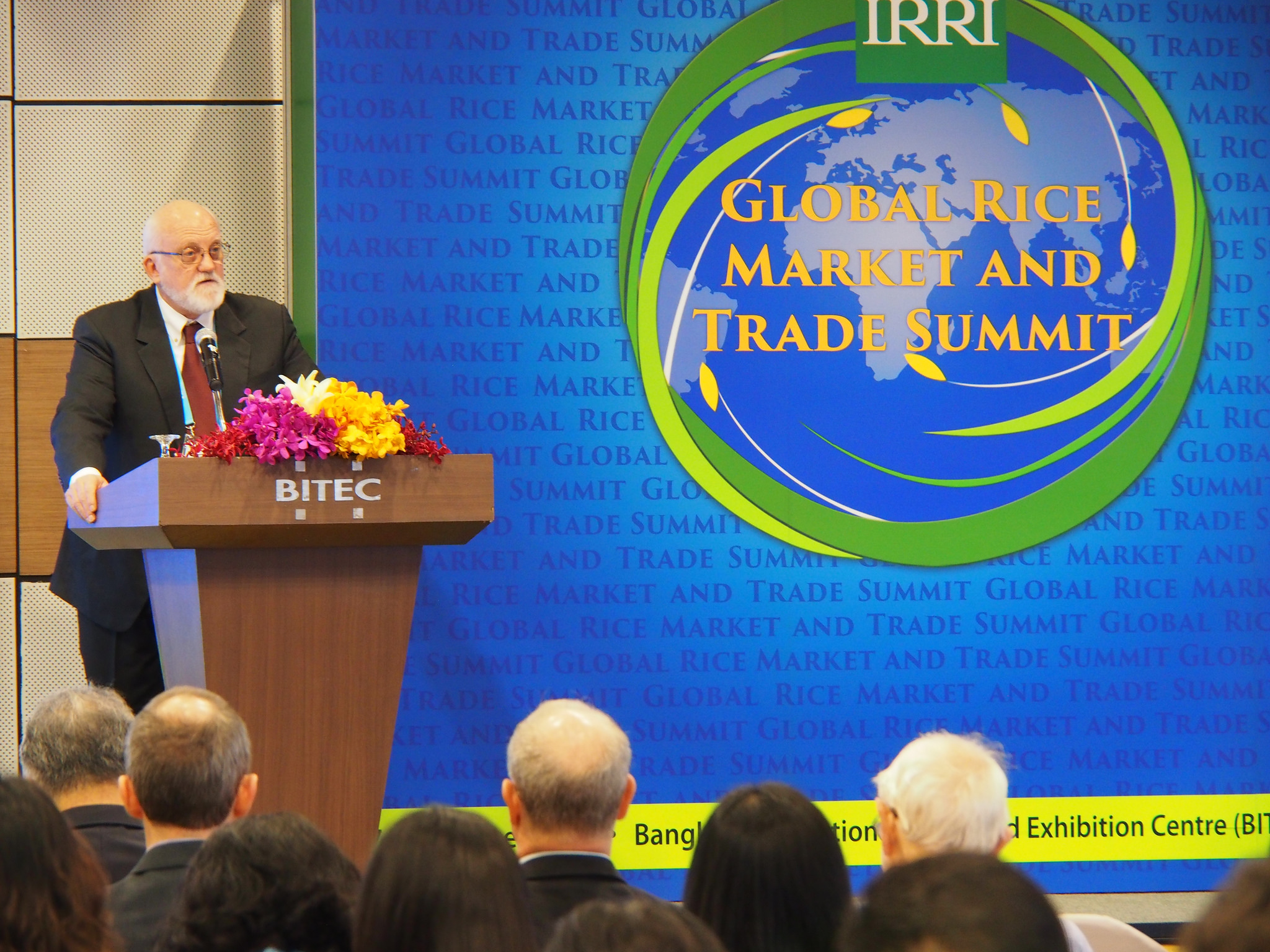
  • The Global Rice Market and Trade Summit (bringing together about 130 representatives of the rice industry). It was organized by IRRI’s Head of Social Sciences, Dr Sam Mohanty.
Source: IRRI

Dr Bob Zeigler, IRRI Director General, addressing delegates to the Global Rice Market and Trade Summit

  • An Exhibition.

Organizing IRC2014 Overall chair of IRC2014 was Dr V Bruce J Tolentino, IRRI’s Deputy Director General (Communication and Partnerships), with Thailand’s Dr Peeradet Tongumpai, Director, Agricultural Research Development Agency (ARDA) as Co-Chair.

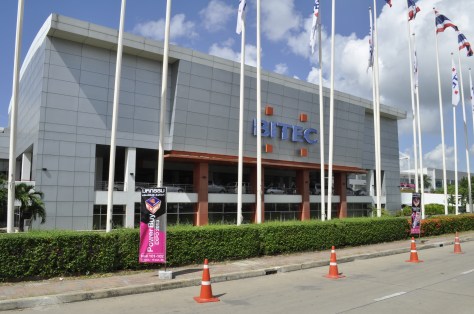
But the science conference was undoubtedly the main reason for most delegates being at IRC2014 that week. Held at the Bangkok International Trade and Exhibition Centre (BITEC), this venue was chosen for its convenient location (about half distance between downtown Bangkok and the international airport), proximity to public transport (the BTS), and its excellent facilities. Way back at the beginning of 2013 IRRI management asked me if I would like to organize the science conference in Bangkok, having taken on that role in 2009 before I retired from IRRI and for six months after I left. From May 2013 until IRC2014 was underway, I made four trips to the Far East, twice to Bangkok and three times to IRRI. We formed a science committee, and I was fortunate to have a group of very professional scientists assisting in the planning and delivery of the science conference. Thai rice pathologist Dr Poonsak Mekwatanakarn [1] became my Co-Chair, and IRRI rice root biologist Dr Amelia Henry was the Deputy Chair, and the three of us formed an Executive Committee.

The committee was supported by two staff from Kenes Asia (the conference organizers): Ms Warapa ‘Art’ Saipow, Project Manager and Ms Tanawan ‘Mint’ Pipatpratuang, Associate Project Manager and direct liaison to the science committee. From IRRI, two staff in Bruce Tolentino’s office, Mon Oliveros and Yuan Custodio, also supported the committee.

Our ambitions for the science conference were set high. We wanted to encourage as many rice scientists from around the world to make the trip to Bangkok and share their research with their peers. And I believe we did achieve that. More than 1400 delegates attended IRC2014, from 69 countries. The science program had five components:

  • A Keynote Address, delivered by IRRI Director General Dr Bob Zeigler on Tuesday 28 October, on the topic The Second Green Revolution Has Begun: Rice Research and Global Food Security

  • Four plenary speakers (five had been invited but one had to pull out at the very last minute due to a medical emergency)

  • Nine symposia on closely-defined topics (such as rice root biology, rice in the mega deltas of Asia, or climate-ready rice), all with invited speakers, 62 in total.
  • Seven general science themes (genetic resources, value chains, cropping systems, etc), including temperate rice, with almost 150 papers selected on merit in a blind review.
  • Three science poster sessions, with about 670 posters on display throughout the three days of the conference.

On all three days there were six parallel sessions of oral papers, with an additional forum about funding agricultural research on the first afternoon, and a workshop on drip irrigation on the second afternoon. Some IRC2014 highlights At the Opening Ceremony on the Tuesday afternoon (28 October), we were treated to an impressive display of Thai dancing, and there were speeches from His Excellency Petipong Pungbun Na Ayudhya, Minister of Agriculture and Cooperatives, and from Privy Counselor Amphon Senanarong, representing His Majesty King Bhumibol Adulyadej of Thailand.

During the actual science conference, 29-31 October, attendance at the various sessions was good, with only one or two reporting low numbers. There was also ample opportunity for delegates to network.

On Saturday 1 November, many delegates took advantage of one of the post-conference tours, that mixed both rice research and production visits as well as some Bangkok tourism. These videos highlights some of the different activities at the conference.

One of the main highlights – for me at least – was the opportunity we had to recognize 29 Young Rice Scientists (YRS) from 19 countries who had submitted papers and that had been selected in the blind review. Each YRS had to be 35 years or younger, working in rice research or conducting research for a graduate degree. We also put a special sticker with each poster authored by a Young Rice Scientist.

The initiative was highly appreciated by young scientists especially but also among all delegates at IRC2014. This was a great opportunity for young scientists – the next generation – to compete on equal terms with their peers and longer-established scientists. In this video, a couple of the YRS speak about what the award meant to them. Incidentally, each YRS received a return ticket to Bangkok, conference registration, a ticket to the congress dinner, and five nights accommodation in a hotel.


[1] I heard on 7 August 2020 that Dr Poonsak passed away in Bangkok on 5 August. Very sad news.

Season’s Greetings

Untitled 1

How time flies! Here we are at the end of the year and wondering where the months have gone by. It only seems like yesterday that we were sitting down and listing all the things we wanted to tell you about 2013 in last year’s Christmas Letter. In this online and expanded version of our printed 2014 Christmas Letter, just click on the text in red to read stories in more detail, and see lots more photographs. Also click on any of the photos to view larger images or open galleries.

It’s also hard to believe that we returned from the Philippines more than four years ago.

But one thing is certain. Our four beautiful grandchildren are growing up very rapidly.

Given that Callum (4) and Zoë (2) live in Minnesota and Elvis (3) and Felix (1) in Newcastle upon Tyne (about 250 miles north of Bromsgrove) we don’t get to see them in person very often. But through the wonders of Skype etc., we can chat with them online, and see what mischief they are getting up to on a weekly basis. All four of them attend nursery daily, but Callum is probably starting school next year. It’s been great to watch their personalities develop, and what fun we’ve had now that Callum and Elvis are talking, and Zoë catching up fast.

Our road trip to the West
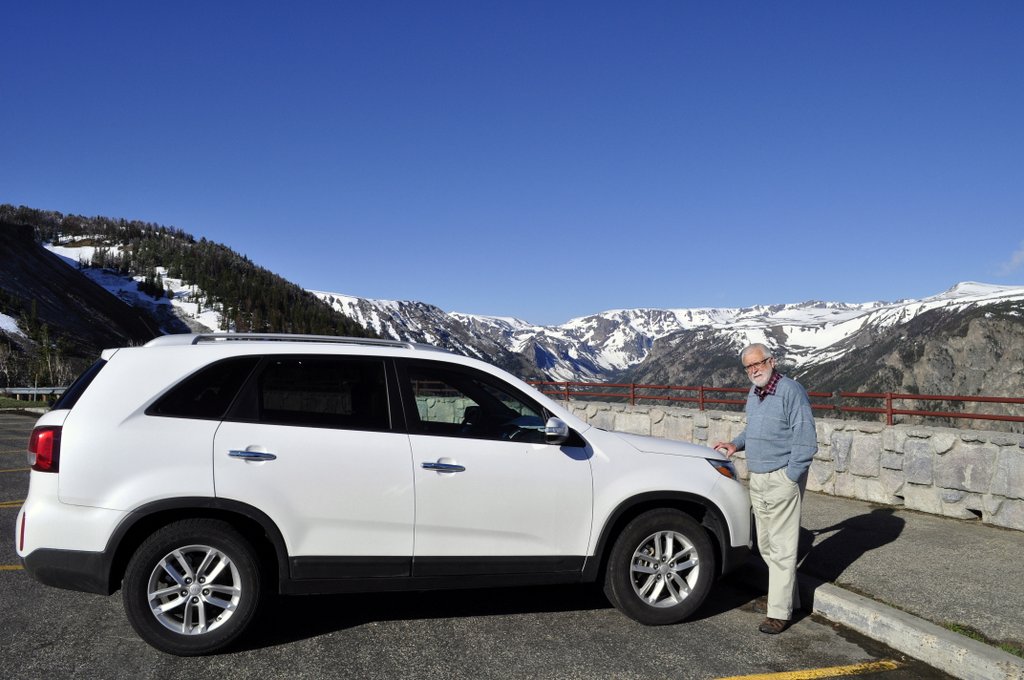
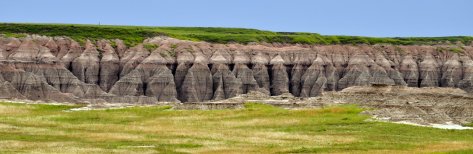
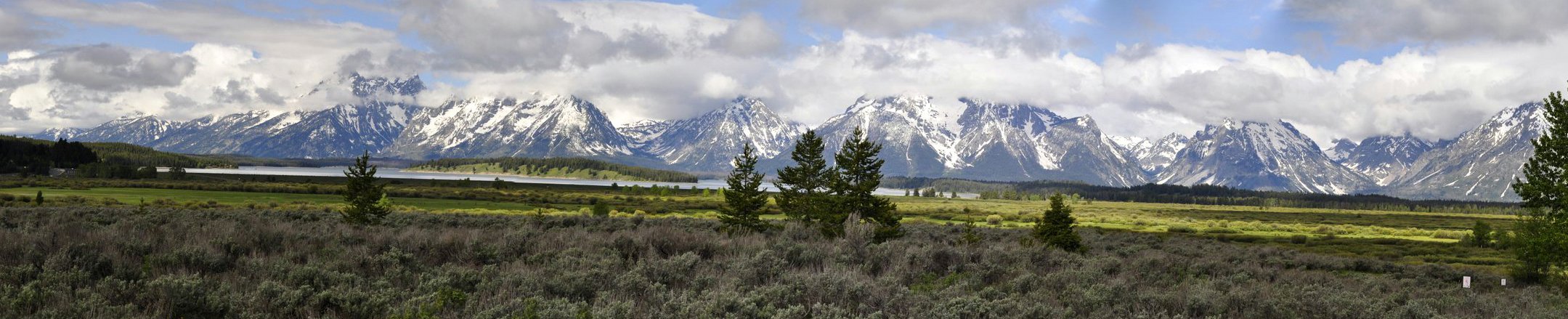
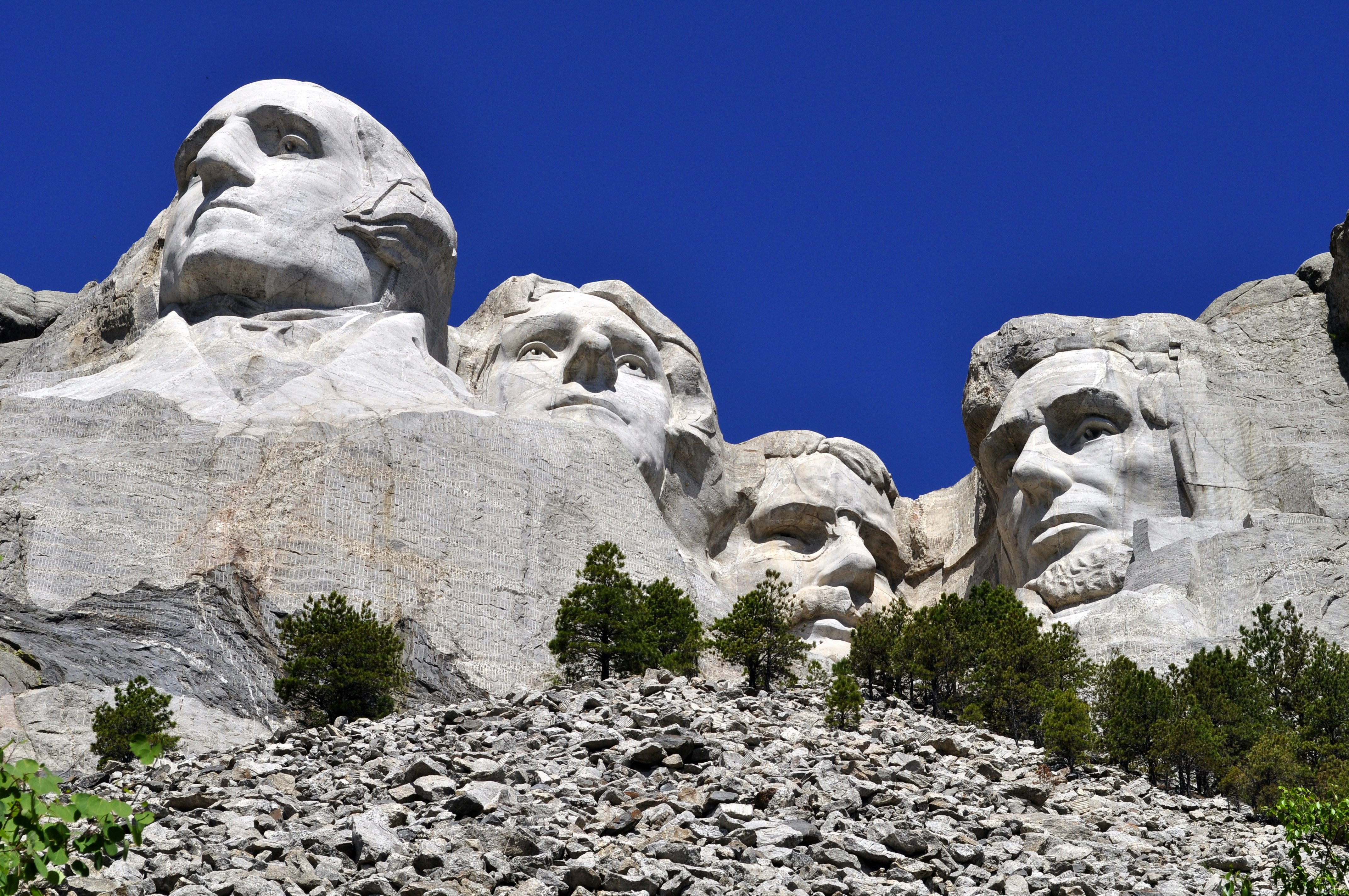
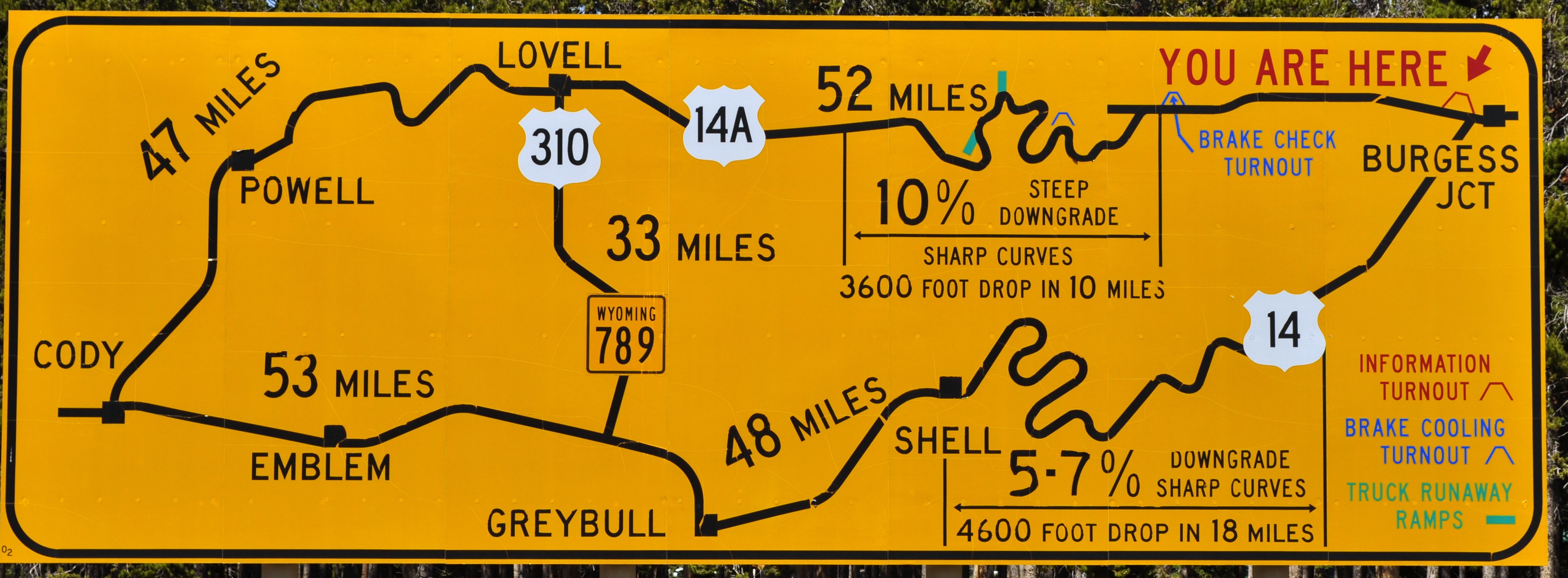
As in past years, we spent several weeks in the USA this past summer, from the end of May until mid-June. And we made another road trip, but this time starting in St Paul and flying back from our final destination: Billings, Montana (MT). So where did this road trip take us? Across the Great Plains as far west as Yellowstone and Grand Teton National Parks in Wyoming (WY) – a journey of 2000 miles in nine days – and all interesting sites in between. These included the Great Plains west of the Missouri River (where the West truly begins), the Badlands, Black Hills and Mt Rushmore in South Dakota (SD), Devil’s Tower National Monument in WY (of Close Encounters of the Third Kind fame), the Little Bighorn Battlefield in MT (Gen. Custer and Sitting Bull), Yellowstone and Grand Teton National Parks, of course (via the Beartooth Highway), and finally the Bighorn Mountains in WY.

What a trip! Now 2000 miles in nine days might seem ambitious to some (like traveling every day from home to Newcastle, something we’d never contemplate in the UK), but driving (with automatic transmission and cruise control) on those open Interstates makes driving a pleasure in the USA.

Apart from our second day from the Missouri River to The Badlands, we had great weather. Crossing the Great Plains we skirted the northern edge of a major storm that caused havoc from MT east through SD and Nebraska, with hailstones the size of baseballs causing millions of dollars of damage in Billings. Luckily we didn’t see those – just torrential rain for a couple of hours that made us leave the highway for a while as the worst of the storm passed us by. But by the time we’d reached The Badlands the clouds had lifted and we traveled through the park for more than a couple of hours wondering at all the magnificent landscapes.

Mt Rushmore was much more impressive than either of us had expected. And the Black Hills are stunningly beautiful. No wonder they were held sacred by many native American tribes. We had a couple of wonderful days with beautiful weather to explore this area. Then we headed north into Montana, and traveling the Beartooth Highway to enter Yellowstone through the northeast gate. The Beartooth Highway is regarded as one of the most beautiful in the whole of the USA. It’s certainly very impressive.

Yellowstone was a little disappointing, because we’d hoped to see more wildlife. Since it was early in the season – some of the access roads had only opened a week or so earlier – there wasn’t too much traffic. We’d hate to be there at the height of the season. Probably bumper to bumper cars, all stopping here there and everywhere whenever a bison or elk sticks its nose above the parapet, so to speak. Even with the light traffic we encountered, there were the odd traffic jams, as car stopped as soon as any wildlife was spotted.

But the Yellowstone and Grand Teton landscapes are stunning. The Geyser Basin with all its geothermal activity is impressive. We even got to see Old Faithful blow her top – although she almost became Old Faithless as she kept us waiting a good 20 minutes. Certainly it’s a photographer’s paradise.

Chilling out in St Paul
Returning to St Paul for another week, we enjoyed time again with Callum and Zoë, Hannah and Michael. And overall, the weather in Minnesota was rather better this year than we’ve experienced for the past couple of years. So we enjoyed cooking often on Michael’s new gas BBQ. But before we knew it, our time in MN was over, and we were headed back home via Amsterdam on our usual Delta Airlines schedule.

And although we did experience a couple of storms while in St Paul they were nothing compared to one that hit the city just a day or so after we left. The amount of rainfall must have been incredible, and the groundwater table rose dramatically and found its way through the walls/floor of their basement. Hannah and Michael will have to have some special drainage work done in the New Year before they can complete redecoration of the basement – that’s where we sleep when we visit.

Up in Geordieland
We have been up to Newcastle a couple of times so far this year, in March and at the end of September when Elvis celebrated his third birthday and had a very large party to which about 30 friends from nursery and beyond were invited. Phil came down to Bromsgrove with Felix in June just a few days after we had returned from holiday in the USA. Phil and Andi have been very busy decorating this year, sorting out a front bedroom for the boys with bunk beds, that can also double up as a playroom.

Taking full advantage of our National Trust membership
We took full advantage of the excellent summer, and got to as many National Trust venues as we could, thirteen in all. We have been members of the NT for four full years now, and have thoroughly enjoyed our visits. Mike usually blogs about each visit and posts a range of the photos taken, but he is rather behind in his writing. We have more or less now picked all the ‘low-hanging fruit’ of NT properties close to home. So in 2015 it looks like we’ll be making more overnight trips, or even two or three day mini-breaks.

Christmas in July
One of the summer highlights was a day trip to Kew Gardens, a Christmas gift from Hannah and Michael, Phil and Andi. And this was combined with an afternoon cream tea at a hotel in Richmond. We drove to London, something that we faced with a great deal of trepidation, particularly concerning where to park. We had considered the train, but getting to Kew from central London is not so easy, and the hotel for tea was almost three miles from Kew. So driving was the only practical option. Then we stumbled across a website, JustPark (that operates in many countries) through which you can book a parking space on someone’s private drive. The place we found was only five minutes walk from the Kew main gate. What a wonderful day we had, brilliantly sunny and warm, and we walked over eight miles through the Gardens. Afternoon tea and scones (with lashings of clotted cream and strawberry jam) were most welcome afterwards.

On the homefront
Steph continues hard work in the garden – which was looking splendid this past summer, and also enhanced by a new fence we had installed on the two sides that are our responsibility way back in February. She is as active with beading as ever, and wears a different necklace every night at dinner.

Is he really retired?
Mike has also just finished an 18-month consultancy with IRRI to organize the science conference at the 4th International Rice Congress that was held during the last week of October in Bangkok, Thailand.

IRC 2014 logo

From all feedback the conference was a success, with a record number of delegates (>1400), scientific papers delivered (210) and posters (>670) displayed. All in all, the culmination of some broad vision of what could be achieved and meticulous attention to details – since those are what the delegates remember. Inevitably there were a few (minor) glitches but actually everything went ahead much smoother than anticipated, given some of the challenges we had faced during the planning phases. Mike enjoyed his return flights on Emirates – the pleasures of using air miles for an upgrade. During a planning visit to IRRI in August, he had chance for a great night out with friends and colleagues from his former office at Sulyap Gallery Café and Restaurant, a great venue in San Pablo near Los Baños.

L to R: Eric, Yeyet, Vel, Zeny, and Corinta

What does 2015 hold in store?
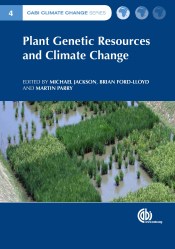
We have no fixed plans for 2015 – that’s one of the delights of retirement. We do whatever takes our fancy. Mike has nothing in the consultancy pipeline, but you never know when something may come along, although he continues as one of the editors of the journal Genetic Resources and Crop Evolution and reviews between six and ten manuscripts a year. Mike’s book (with two colleagues) on genetic resources and climate change was published in mid-December last year.

We are actually hoping that 2015 might be the year we get the whole family together – certainly some plans are being mooted but nothing finalized yet.

Anyway, we take this opportunity of wishing everyone

A Very Merry Christmas and Prosperous and Happy New Year 2015

An 18th century landscape of temples and statues

Stowe Landscape Gardens. Perhaps one of the finest examples we have of the fashion for ‘natural’ gardening that blossomed in the mid- to late-18th century. And this was natural as opposed to the more formal approach to gardening that was common before this period, and perhaps quite well exemplified by the Anglo-Dutch garden at Westbury Court in Gloucestershire.

Covering an area of about 250 acres, Stowe Gardens and Park are open to the public almost all year round, and are best approached along the Grand Avenue from the nearby town of Buckingham.

It’s a 10 minute walk from the car park to the entrance into the gardens, and there, on the other side of the lake, stands the magnificent Palladian mansion, Stowe House (now a public school and open periodically to the public). We must have walked more than eight miles in total.

The gardens as we see them today were developed – and greatly expanded from an original formal garden – by General Sir Richard Temple, later Viscount Cobham follwoing his marriage in 1715. A number of landscape architects were involved in developing the gardens and building the various temples and other structures that are dotted about the park, including ‘Capability’ Brown who was Lord Cobham’s head gardener in 1746. A detailed description of the gardens and the various buildings has been published in Wikipedia (so there’s no need to repeat this here) and is certainly worth referring to for more information about each, who designed them and when.

Stowe Landscape Gardens are now regarded as one of the most significant to have survived into this century, and can now be enjoyed through the National Trust. The rest of this particular post is dedicated to the photography I enjoyed during our visit in early September. Each of the images has a caption so you can locate each building on the map below.

Entering the gardens 

The Palladian Bridge

Along Lord Cobham’s Walk from the Palladian Bridge to the Grecian Valley

Virtue and Worthies

The western walks


Tis well. (George Washington, 14 December 1799)

George Washington, one of the Founding Fathers of the Nation, Commander-in-Chief of the Continental Army, first President (1789 – 1797) of the United States of America, and slave owner, was born in Virginia in 1731. And like many (most, probably) of his contemporaries, descended from English forebears.

In fact, the Washington family is an old one from County Durham (now Tyne and Wear) in the northeast of England, and the ancestral home is Washington Old Hall in the small community of Washington that is now surrounded by a complex of arterial roads that connect Newcastle and Sunderland to the main motorways to the south.

At the end of September on our way home from Newcastle, we stopped off at Washington Old Hall – less than 10 miles from where our younger daughter Philippa lives in Newcastle with her family.

The south facade of Washington Old Hall, from the Nuttery

The south facade of Washington Old Hall, from the Nuttery

Situated in the center of the ‘village’, the hall is not very well sign-posted and it took a couple of wrong turns before we ended up at the hall, and were, for the most part, the only visitors that morning inside the house (although some local mums were walking in the gardens with their children).

Although there has been a building on this site since the 12th century, much of what we see today was built in the 17th century. And had links to the Washington family until the 1930s. Before it was taken over by the National Trust, it had been divided at some period of the last century into a series of dwellings, each family essentially having just one or two rooms. The ground floor of the hall has been restored more or less in 17th century style, while the upper floor has mainly been turned over to Washington family memorabilia and their connection with the USA’s illustrious first president.

The grounds are quite small, but attractive. Below the main terrace in front of the hall there is a parterre garden, an apple orchard and vegetable garden, and beyond those, a nuttery. And, as with most National Trust properties, there’s a small cafe where you can enjoy a welcome cuppa.

In 1976, the USA celebrated its bicentennial. Jimmy Carter was elected the 39th President in November that year and took office on 20 January 1977. During his first overseas trip as president, Carter visited the UK, and on Friday 6 May he made a special visit to Washington Old Hall, flying into Newcastle International Airport (known as Woolsington Airport then) on Air Force One (a Boeing 707), in the company of UK Prime Minister Jim Callaghan. Click here to read the detailed itinerary and schedule of that visit to Washington Old Hall, as well as Newcastle and Sunderland.

This visit to Washington Old Hall in September was our second encounter with George Washington this year. In June we visited the Mount Rushmore National Memorial in South Dakota and saw the impressive sculpture that honors Washington along with presidents Jefferson, Teddy Roosevelt and Lincoln.

Four presidents in the sky

Four presidents in the sky

Strange shapes on the skyline

The clues are there if you only know how to recognize them. For many landscapes it is quite difficult to determine just what forces of nature sculpted what we see all around us, and frankly take for granted as always having been there.

As a geography student at the University of Southampton in the late 1960s, I studied geomorphology (the study of landscapes and the forces that shape them) over three years. So it’s quite fun when we are out and about on our travels trying to work out how any particular landscape evolved. Of course, in the past 10,000 years or less humans have had a dramatic impact on what we see, often hiding the very features that would provide a straightforward answer.

But there are many landscapes when it is much clearer how ice, water, or wind acted upon the geology to reveal those landscape features that we all treasure. The tors of the Dartmoor, formed through chemical weathering of granite in a tropical environment, find their counterparts in Nigeria, for example.

Walking round Brimham Rocks in Yorkshire (just northwest of Knaresborough and Harrogate) the effects of wind erosion on a 400 million year old sandstone, Millstone Grit, during the last Ice Age some 12-18,000 years ago) – and earlier periods of weathering in warmer climates millions of years ago – can be clearly seen. And some fantastical rock formations are now carefully protected by the National Trust.

Steph and I visited Brimham Rocks at the end of September on our way north to Newcastle, and what glorious weather we had. You could see south and east 20 miles or more over the Vale of York. In fact the tower of York Minster was clearly visible on the horizon. And to the west, the landscape rises towards the backbone of England, The Pennines and the Yorkshire Dales.

Walking up from the car park, we took the left hand route round the Rocks. In the video you can see several of the rock formations that are indicated on the map: Surprise View, Cannon Rocks, Eagle, Dancing Bear, Druid’s Writing Desk, and Idol, among others, finally come round to Druid’s Castle Rocks from the north and east (click on the map, ©2002 The National Trust, to open a larger version, and which is reproduced here for illustrative purposes and to encourage visitors to Brimham Rocks).

©2002 The National Trust – inlcuded here for illustrative purposes and to encourage visitors to Brimham Rocks

Canals and hedges – the formality and beauty of an Anglo-Dutch water garden

At the beginning of September, we headed some 48 miles southwest of where we live in Worcestershire to Westbury Court Garden, a National Trust property in Gloucestershire, on the banks of the River Severn estuary. It was a typical early September day when high pressure dominates the weather scene – somewhat misty and murky, overcast, and the sun taking until mid-afternoon to burn away the worst of the low cloud.

Maynard Colchester commenced excavation of the garden in 1696, with the digging of the first canal, and layout of the garden in the formal Dutch style, shown in Johannes Kip’s 1712 engraving below of the house and garden. You have to remember that Dutchman William III was King at the time.

And until today, Westbury Court Garden remains the only surviving garden in this Anglo-Dutch style. There is no longer a house on the site.

There are impressive north-facing views over the garden and canals from the Tall Pavilion.

Along the canals are planted espaliered fruits, mainly heritage apple varieties (some dating back to the 1500s), but also some pears and plums. There is one area of formal gardens, but the gardeners are having to grub out the box hedges due to box blight. The yews lining the canals are apparently being affected by a fungal disease (a Phytophthora attack) and unless this can be brought under control the yew hedges might be lost as well.

The gardens are not large, but in the contrast between the canals (full – even choked – with water lilies) and the formal beds, they are a delight to the eye, and a haven of peace (even though a rather busy road does pass by at the north end). Among the features worthy of special mention are a glorious tulip tree (Liriodendron sp.) that must be at least 100 feet tall, and an impressive 400 year old evergreen oak (Quercus ilex).

You can easily take in all that Westbury Court Garden has to offer in 60-90 minutes, but as a stopover on the way to another destination (we were headed for the Forest of Dean, and The Kymin), it is certainly worth a visit. After all, it is a unique remnant of a by-gone era of gardening in this country before the fad for open landscapes (championed by the likes of Capability Brown) took hold later on in the eighteenth century.

The perfect picnic spot . . .

It’s been a perfect picnic spot since Georgian times in the 18th century. And where’s this ideal place? Why, The Kymin, of course.

On a steep hill overlooking the town on Monmouth in the Wye valley on the English-Welsh border, The Kymin has a number of features that you wouldn’t associate with an inland site (although it’s not that far from the Severn Estuary).

There are two buildings at the top of the hill: the Round House (which is open only on certain days, and not when we visited) and the Naval Temple, constructed in 1800 to commemorate the British naval victory at the Battle of the Nile, but also British admirals who had played major roles in confronting the French leading up to that date.

Admiral Lord Nelson and his mistress Emma, Lady Hamilton visited The Kymin in 1802.

On a clear day the views from the top must be spectacular to the south and west, towards the Brecon Beacons and the Welsh valleys. On the day we visited it had been overcast in the morning, and the cloud was beginning to burn away only by early afternoon when we arrived. But it was still very hazy and we couldn’t see many miles beyond Monmouth itself.

It’s a very narrow and winding road (but with passing places) from the main road A4136 up to The Kymin. But the climb is certainly worth the effort – if you can find the exit from the A4136 (traveling east to west towards Monmouth would be much easier, since the road leading up to The Kymin is on a sharp bend).

Clickety click!

66Clickety click? You play bingo, don’t you? It’s the 66 ball.

And yesterday was my 66th birthday. Another milestone. It has been a busy year, what with the 4th International Rice Congress in Bangkok three weeks ago (and the months of planning that went into that event).

But yesterday, I could indulge myself for a while. Our weather has been appalling recently – windy and wet, and getting colder. But yesterday dawned bright and sunny, so I took myself out for a 5 mile walk along the Worcester & Birmingham Canal. There were a couple of boats coming down the Tardebigge Flight (that’s 30 locks), and I got chatting with one of the boat owners. Seems they were traveling in tandem – two sisters and their husbands – since June! All over the country, and were now heading for winter quarters at Droitwich, just a few miles down the canal, for the next four months. They are live-aboard boat owners.

Then a little further up the towpath I stopped to chat with a surveyor from the Canal & River Trust who was checking out the brick and stonework in some of the locks. I discovered that this canal will celebrate its bicentenary next year. And thinking about that is really quite remarkable. Here was this canal being dug – by hand – over a period of 20 or more years, at the height of the Napoleonic Wars!

Anyway, it was a wonderful walk along the towpath, as usual.

And then in the evening, Steph cooked my favorite meal: steak and kidney pie, with a puff pastry crust (accompanied by potatoes, carrots and sprouts). Delicious! And, of course, the ‘mandatory’ bottle of wine, in this case a Rosemount Diamond Collection 2013 Shiraz – the perfect accompaniment to this delicious meal.

What a perfect – and peaceful – day.

The Emirates A380-800 – what a bird!

The Airbus A380-800. Emirates Airlines (EK) now has 53 of these magnificent aircraft in its fleet. That’s almost three times the number flown by the next airline on the A380 list, Singapore Airlines. Twelve airlines now fly the A380, and Emirates operates more than one third of all the aircraft delivered so far (October 2014).

From Emirates Facebook page

I’ve been lucky to fly the EK A380 four times now, between Dubai (DXB) and Bangkok (BKK). In 2010, when I was on my way to Hanoi, I flew there via BKK. Due to a mix-up on seating – someone else had also been assigned my seat 7K on the Business Class upper deck – I was upgraded to First Class. Very nice!

Over the past 18 months, I’ve made four trips to Thailand and the Philippines on business, and on three of these I’ve flown the A380 into or out of BKK. I used air miles for an upgrade in 2013, flew Business Class two weeks ago, but last Monday (3 November) I once again used air miles that were about to expire to upgrade to First Class. And I was treated to a very special experience – the only passenger in First Class. One of the cabin crew joked that if I nodded off, someone would wake me up so I could enjoy the renowned Emirates A380 First Class service to the full. Since the weather in Bangkok was very hot and humid, I decided to travel in comfortable clothes – although my decision to wear shorts caused consternation among one or two people I know on Facebook.

So what’s so special about the A380-800, and Emirates on board service in particular? Well, first of all, everything about the A380 is huge. Yet when I see it alongside a Boeing 747 for example, it looks smaller. Must be an optical illusion, because it wider, taller, longer – just bigger in every way than the 747.

In the Emirates configuration, the whole of the upper deck is First Class and Business Class, but with just 16 suites in First at the front of the aircraft. There are also two spas on either side of the fuselage, just above but behind the flight deck. More of those later.

On my flight to Bangkok, Business Class was more than three quarters full, and everyone settled down to sleep very quickly as the flight departed Dubai just after 03:00. On the return from Bangkok, there were only about 20 passengers in Business Class, though the lower deck Economy Class was heaving with more than 400 passengers! The seating configuration in Business Class is 1-2-1, but in Economy it’s 3-4-3.

There are stairs at the front and rear of the aircraft. The front stairs lead directly into the First Class cabin, and are ‘roped’ off. In many airports there is an upper deck airbridge, so the stairs are perhaps not used that much. There is another curved stairway at the rear of the aircraft leading down from the Business Class galley.

One of the signature features of the upper deck is the rear bar and lounge where passengers can gather to relax and chat, and are served a wide range of beverages and snacks.

But the feature that really sets the EK380-800 apart from the aircraft of other A380 operators are the two spas either side of the stairs leading down to the lower deck at the front of the First Class cabin. It’s quite an experience to take a shower – 5 minutes only please – flying at around 12,000 m and 0.85 Mach or so.

Food-wise, dining on Emirates is always a pleasure. But in First Class it’s something else. To begin with, it’s an À la carte menu – and what a choice. I had the caviar, salmon, and the passion fruit terrine, accompanied by a very classy Pouilly Fuissé, and followed by a fine Hennessy Paradis cognac (decades old).

Finally, on all Emirates flights and in all cabins there is plenty to keep yourself amused on the entertainment channels. Hundreds of films, thousands of music tracks. But I always gravitate towards to the 100 Essential Albums channel. Guess what I was listening to?

Then there’s the air channel of course where you can follow the progress of the flight and, as with all aircraft operated by Emirates, there is a forward camera in the nose (excellent for the take-off and landing) or a downward camera (great to watch the landscape pass by on a cloudless day). But the A380 has something else – a camera in the tail fin.

So here is a short video showing our landing at BKK on EK384 just after midday on Saturday 25 October, followed by the take-off on EK375 on Monday 3 November at 09:35.

All in all, quite an experience to fly the Emirates A380-800.

Mr Blue Sky . . .


I’ve been a fan of ELO – Electric Light Orchestra – for several decades, and also followed ELO lead Jeff Lynne after he made his solo album Armchair Theatre in the 1980s. There’s an interesting story about how I acquired a CD version of Armchair Theatre that I blogged about some time ago.

Then there was Lynne’s collaboration with George Harrison, Roy Orbison, Tom Petty, and Bob Dylan as Otis/Clayton Wilbury in the Traveling Wilburys.

While I knew that Lynne spent most of his time producing hit albums for other musicians, and writing new material, I hadn’t realized how unpopular ELO had become since their heyday in the 70s. Apparently they just weren’t cool. That didn’t diminish my enthusiasm for the music and the intricate arrangements of guitars and strings that were ELO’s signature.

So it was a surprise to read last week that BBC4 would be broadcasting a live concert of Jeff Lynne’s ELO that was recorded in Hyde Park, London in mid-September. Now that one passed me by. I finally got round to watching the concert on catch-up TV last weekend – and what pure joy it was. I walked around afterwards with a big smile on my face for at least a couple of hours.

This was the first time that Jeff Lynne had performed live for almost 30 years. You wouldn’t think that from seeing him and his backing band (with original ELO keyboard player Richard Tandy, and other musicians who normally tour and back Take That!), and supported by the BBC Concert Orchestra, playing to an audience of 50,000. It’s reported that when tickets went on sale they sold out in 90 minutes.

During a 17 song set* Jeff Lynne’s ELO treated us to some of the more magical tracks that had been written and first recorded several decades ago. And they sounded as fresh now – perhaps better even – than all those years ago. Having been persuaded by Radio 2 DJ Chris Evans to play live, I guess Jeff Lynne wanted to produce the sound on stage that he had only been able to achieve in the studio. And with the impressive light show as well, he not only achieved his goal but surpassed it. It was simply wonderful, and I could sit down and watch it all over again. There was just one song from his Wilbury days – Handle With Care – as a tribute to deceased members Roy Orbison and George Harrison.

Reviews of the concert on social media sites and in the press were overwhelming in praise for Lynne and his musicians. The old dog can certainly show the pups of the pop world a trick or two! There’s even talk now of some more concerts in the UK and maybe even a world tour. Now that would be something to look forward to.

*All Over The World
Evil Woman
Ma Ma Ma Belle
Showdown
Livin Thing
Strange Magic
10538 Overture
Can’t Get It Out Of My Head
Sweet Talkin Woman
Turn To Stone
Steppin Out
Handle With Care
Don’t Bring Me Down
Rock n Roll Is King
Telephone Line
Mr Blue Sky
Roll Over Beethoven


Hardly a high plains drifter . . .

Definitely not! ‘Drifter’ implies someone wandering aimlessly about. That was not us. We knew where we were going. We just didn’t know what to expect while we were getting there.

So why is that? After our tour of Yellowstone and Grand Teton National Parks, we had planned to return westwards from Cody on the last day of our roadtrip and travel to Billings, MT for our last night before flying back to Minnesota. But since there were major roadworks via the north entrance to Yellowstone, we opted to turn east – and explore a part of Wyoming that we had not planned from the outset.

US14 was our route, taking us through Greybull, WY and up into the Bighorn Mountains. We’d been on the eastern side of those in Sheridan. And what a revelation the Bighorns were. We crossed the Bighorn Basin – which you can really only appreciate from high up on the mountains looking westwards, wound our way up through the canyon near Shell, over the Granite Pass (at 9033 ft), and on to a broad plateau, snow-covered in parts.

USA 823

USA 830

On the high plain east of Cody we came across a couple of interesting signs, one marking the Bridger Trail, a route to the goldfields of Montana during the 19th century – and surely a source of conflict with the Native Americans of the region – and the other explaining about the wild horses in the area.

What is so impressive about the Bighorn Mountains are the gradients to climb and which you have to descend. On our descent there was a 10% gradient for 10 miles! At the bottom we passed a cyclist – fully laden – who was just beginning the climb. I wonder if he ever made it?

So although we never originally intended to make this detour, it proved to be an excellent way of spending our last full day in Wyoming and Montana. The sky stretched from horizon to horizon – Big Skies! And, for the most part, we had the roads to ourselves, such is the joy of motoring in the USA (something I really quite detest here in the UK because of the congestion that we encounter).

If you ever find yourselves in the vicinity of Yellowstone National Park, and you’re not sure whether to head east or west, you can’t go far wrong by taking a tour of the Bighorn Mountains. You won’t be disappointed.