Oh, I do like to be beside the seaside . . .

. . . Oh, I do like to be beside the sea.

So sang Florrie Forde in her November 1909 recording of the popular 1907 British music hall song of the same title.

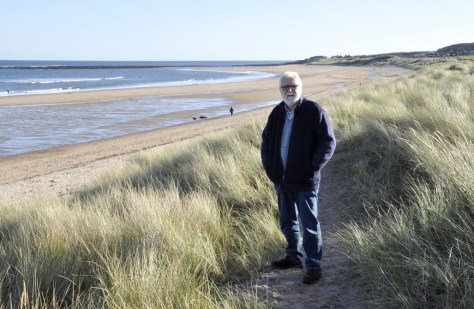
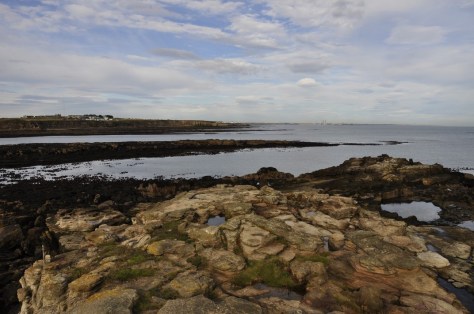
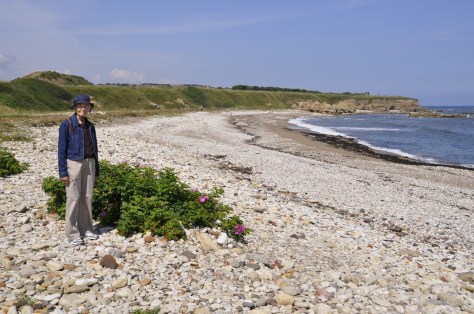
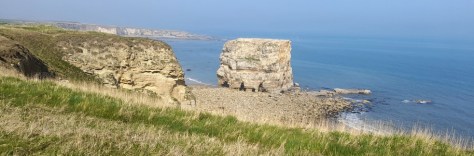
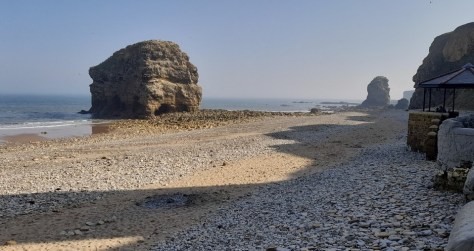
A few days back, the weather being the warmest and sunniest of the year so far, Steph and I took a walk along the coast south of the River Tyne here in the northeast of England, and about 11 miles from home. And as we sat down on Marsden Beach to enjoy our picnic lunch, I told Steph that I still had to pinch myself that we now lived so close to the coast.
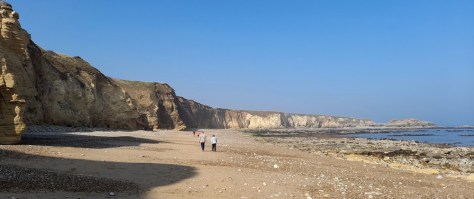
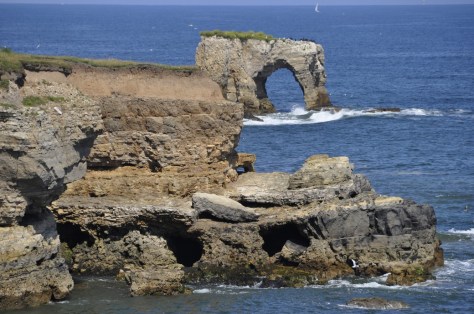
The magnesian limestone cliffs at Marsden Bay.

We moved to North Tyneside (just east of Newcastle upon Tyne city center) 18 months ago, and whenever we get chance, we head off to the coast to enjoy a bracing walk along the beach, the dunes, or cliffs. At its closest, the coast is less than 4 miles as the crow flies.


I hail originally from Staffordshire in the north Midlands, which is almost equidistant from the west and east coasts. So, when I was growing up, a trip to the seaside was always a treat, and holidays with parents were almost always spent camping at or near the coast.

Steph, on the other hand, comes from Southend-on-Sea and the closest beach to her family home was just 5 minutes walk.

Moving away to university in 1967, I chose Southampton on the south coast in Hampshire. However, apart from the odd day trip or field excursion connected with my botany and geography degree, I didn’t see much of the coast at all. Not so a decade earlier. Southampton is a major seaport, from where my father sailed when he worked for the Cunard company in the 1930s. And he took us visit the docks in the late 1950s/early 1960s just when both of Cunard’s Queens were in port.


When Steph and I moved to Peru in 1973, we lived just a few hundred meters inland from the cliffs overlooking the Pacific Ocean in the Lima suburb of Miraflores. During the ‘summer’ months between January and March, we’d spend at least one day each weekend on the beach at one of the resorts about 50 km south of Lima.

Moving to Costa Rica in 1976, we made only two trips to the beach in the northwest of the country to Playa Tamarindo on the Pacific coast of the Guanacaste peninsula (map). It was about 350 km (almost 7 hours) by road, but new routes have probably made the journey quicker since then. And just one trip to the Caribbean coast at Limón.


In the Philippines, we made about eight or nine weekend visits each year (over almost 19 years) to Arthur’s Place, a dive resort at Anilao on the Mabini Peninsula (map), a drive of just under 100 km south from Los Baños that, in 1992 (until about 2005), used to take about 3 hours. I’d go diving and Steph would snorkel.

In December 2003 we traveled to Australia and drove down the east coast from Sydney to Melbourne, around 1000 miles, enjoying each stretch of coastline every day. At Wilson’s Promontory in Victoria we stopped off at Tidal River, the furthest south (at almost 39°S) I’ve ever traveled. Antarctica next stop! And that same evening, New Year’s Eve, we sat on the beach near Wonthaggi and watched the sunset over the Indian Ocean (map).


Since retiring, we’ve visited the west and east coasts of the USA in Oregon and California, and Massachusetts and Maine, the coast roads right round Scotland, the coast of Northern Ireland, as well as Cornwall, and the southeast of England in East Sussex and Kent.


While here in England’s northeast (North Yorkshire, County Durham, and Northumberland) we don’t enjoy tropical temperatures, the region does boast some of the finest stretches of coastline and beaches in the country.

Dunstanburgh Castle and Craster
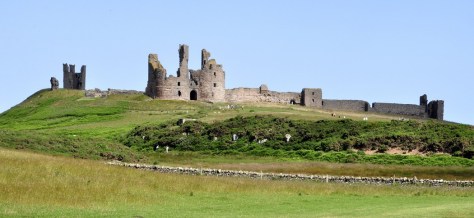
This is a rocky coast and the castle itself was built in the early 14th century on the Whin Sill, an outcrop of igneous dolerite that cuts across Northumberland. The castle is a walk of about 1¼ miles from the fishing village of Craster; there’s no road into the castle.
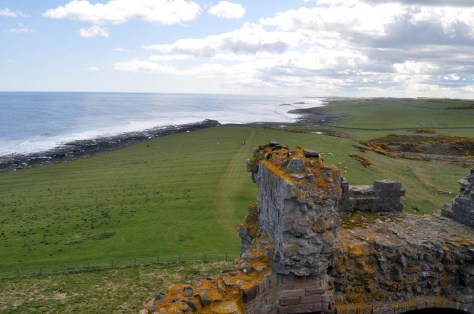
Craster itself has ample parking away from the harbor. The village is also famous for its smoked fish, especially kippers.
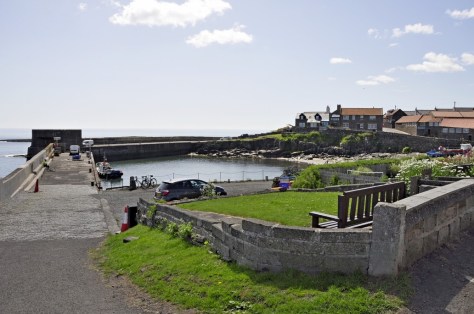
At Dunstanburgh a healthy population of kittiwakes nest on the cliffs.
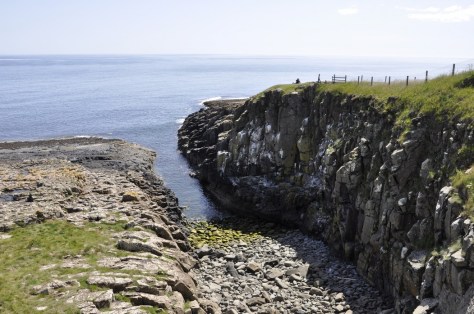
To the north there are excellent views of Embleton Bay that we have yet to visit.
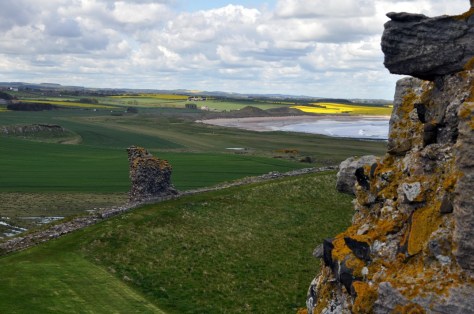
View north from the Great Gatehouse

Alnmouth
A tricky pronunciation. Some say ‘Aln-muth’, others ‘Allen-mouth’. I have no idea which is correct. It’s a pretty village at the mouth of the river of the same name. There’s good paid parking behind the beach for a couple of hundred cars.
Warkworth
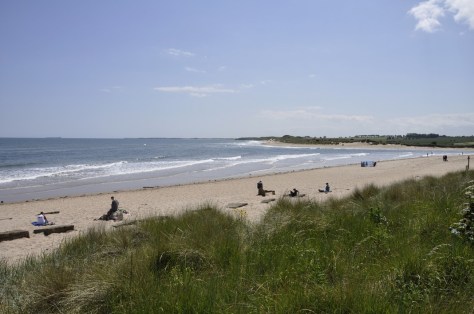
We’ve only visited the beach once, back in April 2018. It’s a nice long stretch of beach accessed from the north side of the town, which is more famous for its 12th century castle.
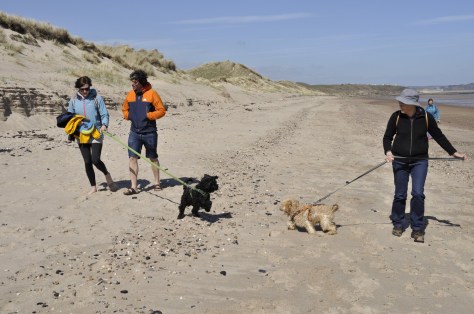
Looking north along Warkworth beach towards Alnmouth.
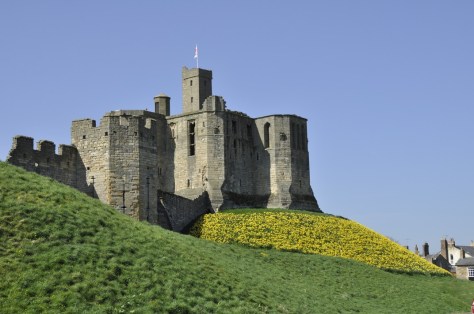
Warkworth Castle

Amble
Standing at the mouth of the River Coquet, we’ve found the beaches very pleasant on the south side of the town (where there is free parking), and facing Coquet Island which is now a bird reserve with an internationally important colony of roseate terns in the breeding season.
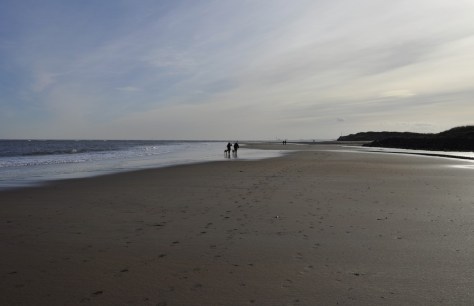
The view south along the Amble beach with the Lynemouth power station in the far distance.
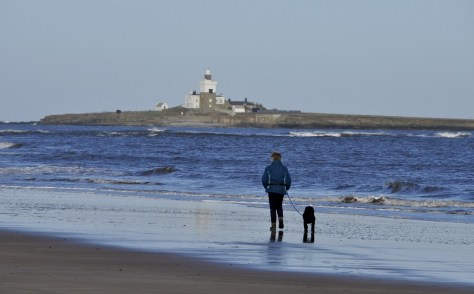
Coquet Island.

Druridge Bay and Hauxley Nature Reserve
This must be one of the longest beaches in Northumberland, with massive dunes at the rear of the beach in its southern portion.

At the northern end, and just inland is Hauxley Nature Reserve, owned by Northumberland Wildlife Trust. When we visited last week, we observed 37 different bird species in the space of two hours. It really is a wonderful site, and we must go back there on a regular basis. There’s no entrance fee, but parking costs £2 all day. There’s also footpath access on to the dunes and beach, which lie just beyond the reserve’s perimeter fence.
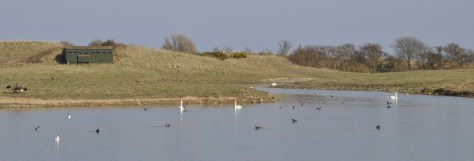
The Tern Hide from the West Hide at Hauxley Nature Reserve.
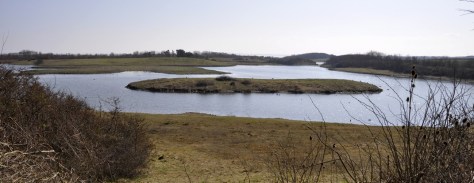
The North Sea can be seen in the middle distance beyond the dunes and reserve perimeter fence.

Cresswell Bay
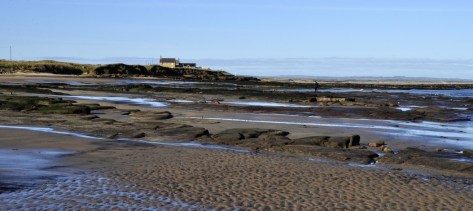
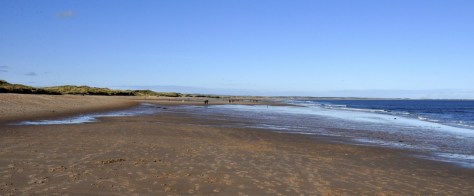
This was one of the first ‘northern’ beaches that we viisted in 2021, just 17 miles from home. It’s both sandy and rocky, and we saw somone collecting sea coal that had been washed up on the shore. All along the Northumberland and Durham coast there were once extensive coal mines. Waste from the pits was dumped in the sea. In places the beaches look quite black.
Blyth and Seaton Sluice Beaches
These are the closest to home, but are in effect a singe beach. Both are very popular with dog walkers, and we enjoy often heading there on a Sunday morning, weather permitting, for a late morning stroll.
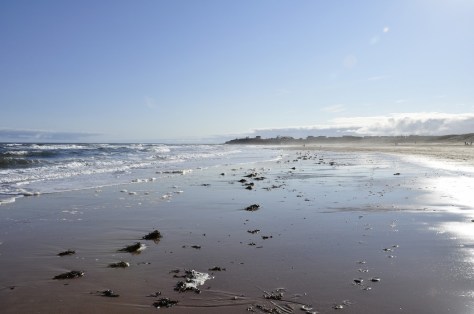
At the Seaton Sluice southern end of the beach, there is a small harbor, that had originally been constructed in the 17th and refurbished in the 18th century to handle coal shipments from local mines.
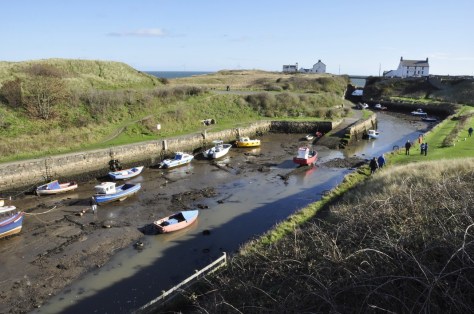
Seaton Sluice harbor, showing ‘The Cut’ in the middle distance.

St Mary’s Lighthouse and Whitley Bay
The lighthouse was built in 1898, but there had been lighthouses on the island for centuries. This lighthouse was decommissioned in 1984. The island lies at the north end of Whitley Bay, a popular resort.
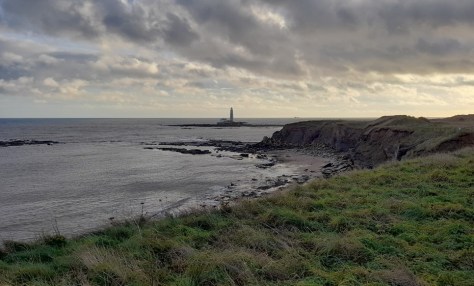
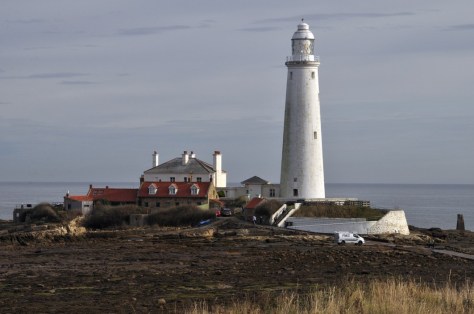
The island is approached across a causeway that is submerged at high tide. On the visits we have made we’ve often seen the grey seals that bask on the rocks.
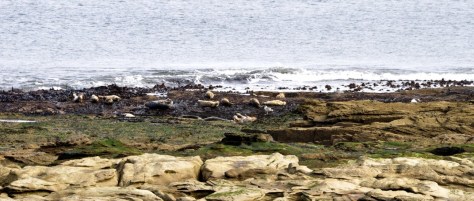
King Edward’s Bay, Tynemouth
This is a small bay that lies beneath the headland on which Tynemouth castle and priory (now owned by English Heritage) were built.
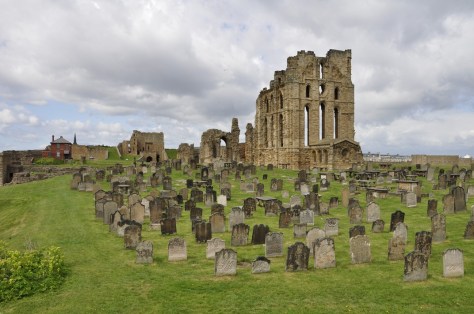
From the headland there are magnificent views north along the Northumberland coast.
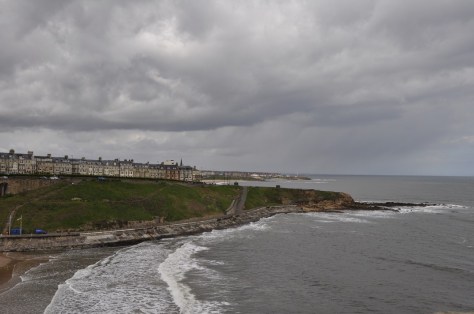
To the immediate south is the mouth of the River Tyne, and beyond the shore at South Shields and the coast south into County Durham.
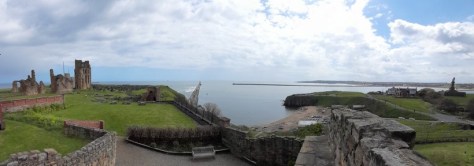
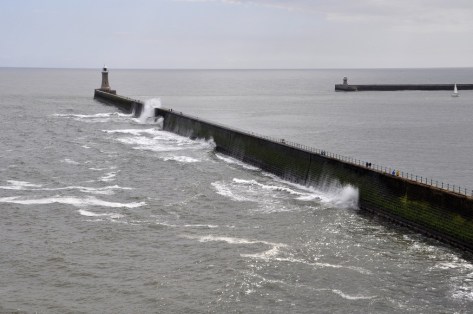
Souter Lighthouse and the Whitburn coast
The lighthouse was decommissioned in 1988. It stands on the edge of magnesian limestone cliffs, that stretch both north and south.
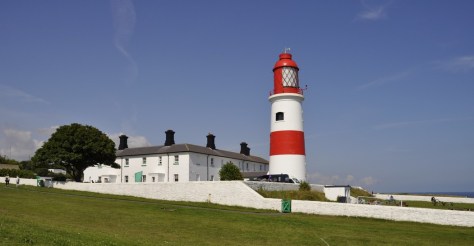
To the south of the lighthouse, there was a colliery and this area has been reclaimed and opened (under the National Trust) as a recreational area.

Immediately outside the walls of the lighthouse to the north is the site of a former mining village, Marsden, that was demolished soon after Whitburn Colliery closed in 1968.
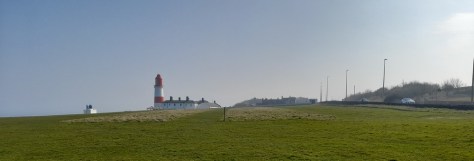
The longer grass indicates where the two lines of terraced cottages once stood.

Marsden beach was very popular holiday or day-out destination in the early 20th century.
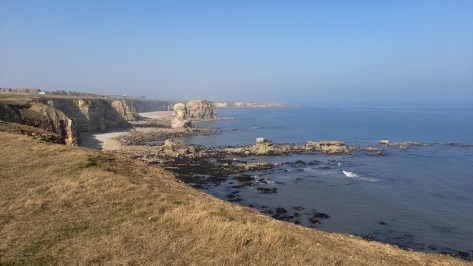
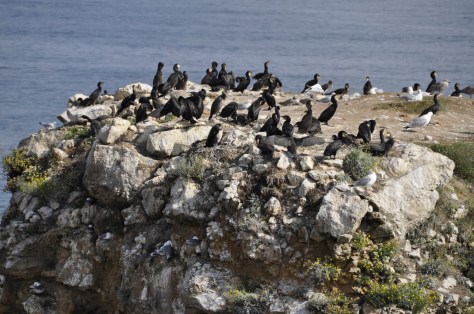
The cliffs are home to colonies of cormorants (one of the largest in the UK), herring gulls, kittiwakes, and fulmar petrels.
Whitby Abbey
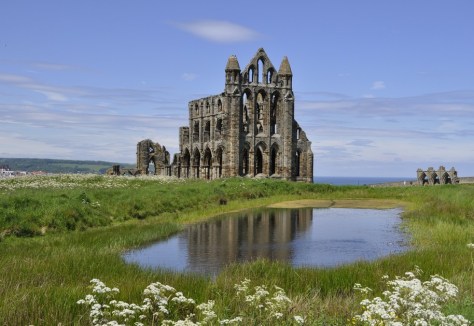
The abbey, built in the 13th century, occupies a headland that juts out into the North Sea above the town of Whitby. It’s the furthest south we have ventured over the past 18 months.
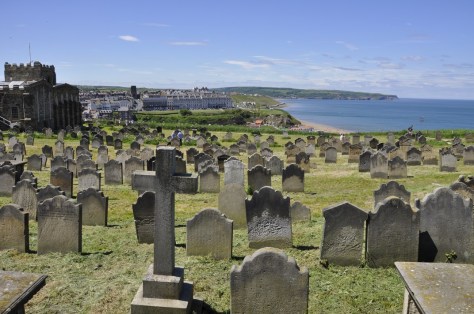
The approach from the north along the A174 high above the coast affords the most spectacular views over the town and right along the North Yorkshire coast. Most impressive.


I don’t think I’ll ever tire of visiting the seaside. There’s something magical, inspirational about the interface between land and sea. Solid and liquid.
Genebanking Down Under

I have just returned from Australia, a round trip of almost 21,500 miles, to attend the Annual Genebanks Meeting of the CGIAR’s Genebanks CRP. I was in Australia for only four nights! I travelled there with my colleague Brian Ford-Lloyd. Considering the distance I think I coped with the travel reasonably well, no jet-lag to speak of, although I was just tired from the length of each flight. There’s no doubt that travelling business class with Emirates took away much of the ‘travel pain’, with three of the sectors (DXB-MEL, MEL-DXB, and DXB-BHX) operated with the A380-800.

20161104-001-australia

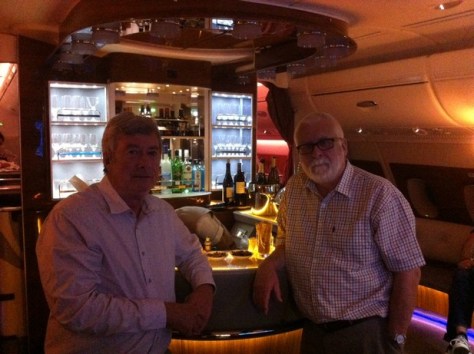
Brian and me enjoying a wee dram in the A380 upper-deck lounge on the flight from Melbourne to Dubai, all 14 hours plus.

Arrival in Australia
We landed in Melbourne early on the Sunday morning. I was just thankful to be there. Our trip down-under had not be confirmed until a week before we were due to travel on Friday 28 October. I immediately applied for a free visa (yes, even UK citizens need a visa for Australia) through the official Australian Government Department of Immigration and Border Protection (DIBP) website. It indicated that most visas are granted in one working day. Since it was a Friday when I applied, I didn’t expect to receive my visa until Monday morning, UK time when offices in Tasmania would already be closed.

Well, to cut a long story short, I still hadn’t heard back from the DIBP on Thursday, the day before I was scheduled to travel. Talk about stress! So I bit the bullet and applied for an ETA (electronic travel authorisation) through an agency, and paid for the Fast Track (20 minute) service. And less than 30 minutes later I had my travel authorisation. Weird. I did wonder if this was a scam, but when I checked in at the departure gate at BHX to board the flight to Dubai, the system initially denied me permission to board, but once my passport details were entered into the system, there was my authorisation.

On landing in Dubai on the Saturday morning (29 October), I checked my emails, and there was a message from the DIBP with my ‘official’ visa approval. I had no issues at all when we went through immigration in Melbourne.

About five or six hours after departing Dubai I woke up and needed to visit the toilet. By then, we’d hit rough air (somewhere off the coast of south India) and the cabin crew wouldn’t let me out of my seat. So I had to sit uncomfortably cross-legged until the seat belt signs had been turned off.

The meeting that Brian and I were to attend was held in Horsham, a small town with a population of around 14,000, half distance between Melbourne and Adelaide in western Victoria. We met up with the rest of the genebank managers group at an airport hotel. They were all headed for a tour of the lovely Royal Botanic Gardens Victoria in Melbourne (that Steph and I had visited in January 2004). Instead Brian and I were able to take a half day room, have a shower and get our heads down for a few hours before leaving on the 3½ hour coach trip to Horsham.

The AGM was hosted in Horsham at the Grains Innovation Park, an agricultural research station on the western limits of the town, and the location of the Australian Grains Genebank.

Australia’s genebanks
Until quite recently, Australia did not have any federal genebanks, rather genetic resources conservation was the responsibility of various state agencies. Having no federal coordination in this respect, it was difficult for Australia to comply fully with the International Treaty on Plant Genetic Resources for Food and Agriculture. So two national genebanks were set up. Horsham is the home of the Australian Grains Genebank (AGG), a state-of-the art facility built in the last couple of years, and headed by Dr Sally Norton. The other genebank (that we didn’t visit) is the Australian Pastures Genebank (APG) located in Adelaide. However, the leader of that genebank, Mr Steve Hughes and some of his colleagues did attend the open second half of the meeting held in Melbourne.

agg002During one of the meeting breaks, Sally Norton took us on a tour of the genebank. The AGG ‘underpins the development of new, more productive temperate and tropical grain crop varieties for Australia . . . to acquire, conserve, maintain stocks of viable seed, and distribute seed of diverse germplasm to Australia plant research and breeding programs.’ Click on the flyer image to open a PDF version.

The genebank has an impress collection of cereals, pulses, and oilseeds, almost 119,000 accessions in total, of which >5000 are unique (that is, as far as can be determined, they do not exist in any other genebank collection).

The genebank has impressive interconnected facilities: a laboratory for seed sorting and cleaning, a drying room with controlled temperature and relative humidity to dry seeds to an acceptable equilibrium moisture content, and several cold stores, all at -20C.

We spent two days in closed meetings, during which Brian and I sat quietly at the back of the room, intently listening to the discussions about the Genebanks CRP, its progress and achievements, and plans for the next phase beginning in 2017.

On the Wednesday, we had a tour of other facilities at the Grains Innovation Park, before setting off to Melbourne for a break at Brambuk, the National Park & Cultural Center in the Grampians National Park, a BBQ lunch and the chance to get up close and personal with some native Australian wildlife.

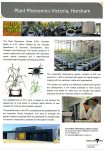
ppv002Another facility that has recently opened at Horsham is Plant Phenomics Victoria.

It’s one thing to conserve seeds of potentially useful varieties and wild species. It’s another to discover if they have traits useful for breeders to increase productivity. The study of plants for drought or heat tolerance, for example has certainly moved into the 21st century. Not only can drones (and other pieces of clever kit) be used to record in real time the responses of individual plants and even whole crops in the field, but sophisticated equipment can be used to measure plants every few minutes or more frequently. And at Horsham, Plant Phenomics Victoria is a AUD7 million initiative with greenhouses, growth chambers and a state-of-the-art automated high-throughput phenotyping system (that is, for measuring how the plants look and grow). Just check out what this facility can be used for by clicking on the image on the left and opening a PDF flyer. Pots move along various conveyor belts, are photographed, weighed, water use and temperature measured – all automatically. Very impressive.

Up close with a koala
We had a great time getting to know a koala (named Bruce – what else?), a young kangaroo, dingo, crocodile, echidna, and python, and a toothy wombat at Brambuk. I’ve never touched a snake before – somewhat of a phobia for me. But I decided to have the python draped around my neck, and help hold a jumpy crocodile. Thank goodness its jaw was held shut! Then it was back on the coach to Melbourne.

Brian and I stayed on for one more day, departing on the Thursday evening, having missed a bush meat (kangaroo and crocodile, among others) BBQ in Melbourne. Our flight departed at 22:35, and we landed, on time at BHX just after 11:30 on Friday morning. It was interesting landing at BHX in an A380, a service that Emirates launched earlier this year, replacing the Boeing Triple 7 on that midday service. Apparently Emirates will replace its evening service that we took to Dubai with another A380 in January. It just goes to show how profitable this BHX-DXB route has become.

Around the world in 40 years . . . Part 10. Follow the yellow brick road

Not to see the ‘Wizard of Oz’ but to experience the ‘Magic of Oz’!

During the 19 years I worked in the Philippines, I had opportunity of visiting Australia on three occasions: once on business for 10 days in 2000, traveling to Canberra (and into the Riverina), Adelaide and Melbourne; and twice on vacation, with the whole family over Christmas and New Year 1997-98, in the Sydney area, and again in 2003-04 with Steph when we drove down the coast road, the Princes Highway, from Sydney to Melbourne. Our 2003 trip took some planning, and we certainly packed a lot in during the 10 days we were actually in Australia.

I had originally wanted to book a fly-drive holiday, but by the time we’d decided to take enjoy the long Christmas-New Year break in Australia, all the fly-drive holidays I found on the Internet were all booked up. So it was a case of DIY. I booked direct flights from Manila to Sydney on Qantas, and then began to search for hotels in Sydney and Melbourne, and all stops in between. Getting a flight was no hassle whatsoever, since we actually flew out of Manila in the evening on Christmas Day. Making a rental car reservation was plain sailing as well. But how to plan a journey from Sydney to Melbourne, and how to pace the trip and find suitable accommodation?

The fly-drive options on the web also provided a map of the itinerary and listed the hotels that would be booked – if they had been available. I looked for other hotels in the same towns but, it being Christmas, the was no room at the inn. Instead, I identified the nearest towns to those listed on the fly-drive schedules, and easily booked hotels all the way down to Melbourne, spacing our overnight stops – and to have plenty of time to make side-trips and stop along the way.

Manila – Sydney, dep. 25 December, arr. 26 December
Since the flight from Manila arrived early in the morning, there was plenty of time to get to our hotel (Park Regis City Centre) and even have a short rest before our friend and former colleague, Duncan Macintosh from IRRI (who was on home-leave in Sydney) dropped by to take us out to lunch. We headed to Bondi Beach, chose Ravesi’s Hotel on the main drag for an excellent fish and chips lunch, and (as it was Boxing Day) watched the yachts in the Sydney to Hobart Race sail past the headland. Later on in the afternoon, Duncan dropped us at the main rail terminal where we collected out tickets for the return journey from Melbourne.

Sydney, 27 December
We headed down George Street early, stopping at a few stores on the way to the harbour, where we spent a few hours exploring The Rocks (just under the Bridge), and finding somewhere to have lunch. There’s no shortage of places to eat at The Rocks, as in the rest of downtown Sydney. In the afternoon, we decided to take the river trip to Parramatta, which is about 25 km west of Sydney. There are still many colonial era buildings to see in the town.

Sydney – Nowra, NSW, via Royal National Park (180 km), 28 December
This was the start of our road trip to Melbourne. Heading south from Sydney, it wasn’t long before we made our first diversion through the Royal National Park, rejoining the Princes Highway just north of Wollongong.

There was plenty of time to sit on the cliffs at Stanwell and watch the aerobatics of members of the Sydney Hang Gliding Centre

http://vimeo.com/28658170

We also went to see the Blowhole at Kiama, and Seven Mile Beach, before finally reaching our first stop for the night at Nowra, staying at the Pleasant Way Motel (it had another name when we were there).

Nowra – Tathra, NSW, via Central Tilba (263 km), 29 December
Continuing south along the coast, we stopped off at Huskisson on Jervis Bay,  to see what are supposed to be the ‘whitest sands in the world’. Well, we only found out that fact afterwards, then Ulladulla, and for an ice cream in Central Tilba. The landscape around Tilba is lovely rolling country, dotted with small farms. It reminded me of the landscapes in the movie Babe – not surprising really as one of the main locations used was in the same coastal range north of Central Tilba.

We stayed at the Tathra Hotel – nothing to write home about, a regular motel, but it was convenient and relatively cheap.

We had dinner at The Wharf Locavore, now a coffee shop and art gallery but in 2003 also served dinner. It was great eating dinner with the waves crashing underneath – you could see them through the floorboards!

Tathra – Bairnsdale, Victoria (329 km), 30 December
Crossing into Victoria from New South Wales, we took a side trip into the forest, hoping to see some wildlife. We caught one glimpse of a kangaroo but that was about it. In fact, during our whole trip south we saw very little wildlife – probably because the weather was very hot and everything was hiding in the shade.

We stayed at a very nice hotel, The Riversleigh, in Bairnsdale. Unfortunately Steph had come down with a cold, but I managed to enjoy a nice cold beer or three, sitting on the balcony of our room.

 Bairnsdale – Wonthaggi, via Wilson’s Promontory National Park (392 km), 31 December
The highlight of this day’s travel was the excursion around Wilson’s Promontory, which is the southern-most point on the Australian mainland. Lots of Banksias to look at, and many other exotic plants that I had no idea what they were.

We headed to Wonthaggi that had once been a coal-mining center, long since closed down. We stayed at the excellent Jongebloed’s B&B on Berry’s Road south of the town, towards Cape Paterson. The B&B was excellent. The house had once been located in the town proper, but a couple of years or so before our visit, it had been cut in two, transported towards the coast and reassembled on a spacious plot of land, with an exquisite garden. We just managed to grab a bite to eat in the town before all restaurants were taken over for the New Year’s Eve customers. But we spent a wonderful evening afterwards on the beach near Cape Paterson, watching the sun go down over the Bass Strait – next stop Tasmania, then Antarctica!

Wonthaggi – Melbourne, via Warburton (280 km), 1 January
We didn’t take the direct route into Melbourne this day, but headed north through the Yarra Ranges, and came into Melbourne from the east from Yarra Junction, Warburton and Healesville. I don’t remember the name and exact location of our Melbourne hotel, but it was central and also close to the rental car deport where I dropped off the car the morning after our arrival. And we’d arrived – after a journey of almost 1500 km.

Melbourne, 2 January
We had only one full day in Melbourne so had to pack a lot in. It was very hot, but that didn’t deter us getting around on foot. In the morning we decided to take the Yarra River ferry to Williamstown, arriving back in Melbourne just after lunch. Then we walked along the Yarra River to the wonderful Royal Botanic Gardens, taking the tram back into the city. My legs were giving out by then.

Melbourne – Sydney (by rail), 3 January
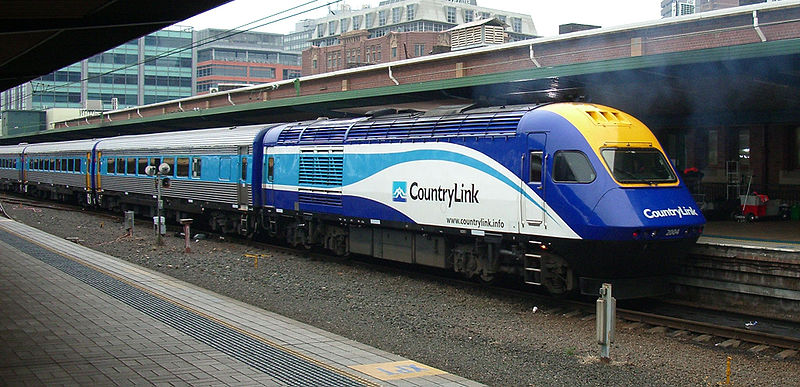
The XPT (express passenger train) journey back to Sydney should have taken under 11 hours, departing Melbourne at 8:30 and arriving in Sydney just after 7 pm.

Due to 65 kph speed restrictions around Albury (just over the state line in NSW), because of the high temperature causing buckling of the rails, we didn’t arrive in Sydney until just before 10 pm – rather tired. Fortunately our hotel was just a few blocks from Sydney’s Central Station.

Sydney, 4 January
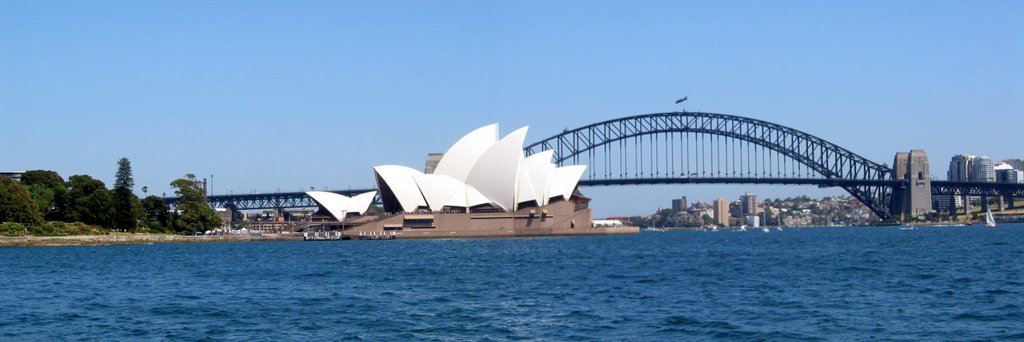
The next day we headed off to the Opera House and walked around Farm Cove to Mrs Macquarie’s Chair, from where there is a great view of the Sydney skyline, the Opera House and the Harbour Bridge. (In 1997 we’d watched the firework display over the bridge from the same viewpoint. Just one word to describe that. Spectacular!). Then, in the evening, we enjoyed a three hour Sydney Harbour dinner cruise, courtesy of Hannah and Philippa. We took a taxi back to the hotel – it was just too far to walk after a fine meal and a bottle of wine.

Sydney – Manila, 5 January
Our Qantas flight departed Sydney for the Philippines late morning, getting us into Manila in the early evening. Tired but contented we still had to endure the 2-3 hour journey back to Los Baños. Then it was a quick shower and into bed – I had to be in the office by 8 am the following morning.

And just to finish off, some panoramas from the whole trip: