Fourteen years of blogging . . . my top 25 posts

I began this personal blog, A Balanced Diet, on 1 February 2012, so I’m now into my 15th year of blogging. I was 63 then; I’m 77 now.

What an interesting pastime it has been. It has certainly kept me busy in retirement, allowing me to combine two of my other hobbies: writing and photography.

It started, somewhat tentatively, with a short story about a visit that Steph and I made during our 2008 annual home leave from the Philippines (where I was working at the International Rice Research Institute or IRRI) to an early 19th century pumping station alongside the Kennet & Avon Canal in Wiltshire.

And on 2 February 2026, I published blog post number 773, about potatoes that turn black.

Quite a contrast of stories. But that’s what my blog has been all about: A potpourri of experiences, reminiscences, and anything that takes my fancy. Personal reminiscences of family, of travel, history, heritage, and music and literature, of working for 40 years in international agricultural research and academia, and commentaries on current affairs. Indeed, anything that took my fancy. But as I’ve always said, I write the blog as much for myself as anyone else.

A complete list of all posts, from most recent to oldest can be found in the Archive.

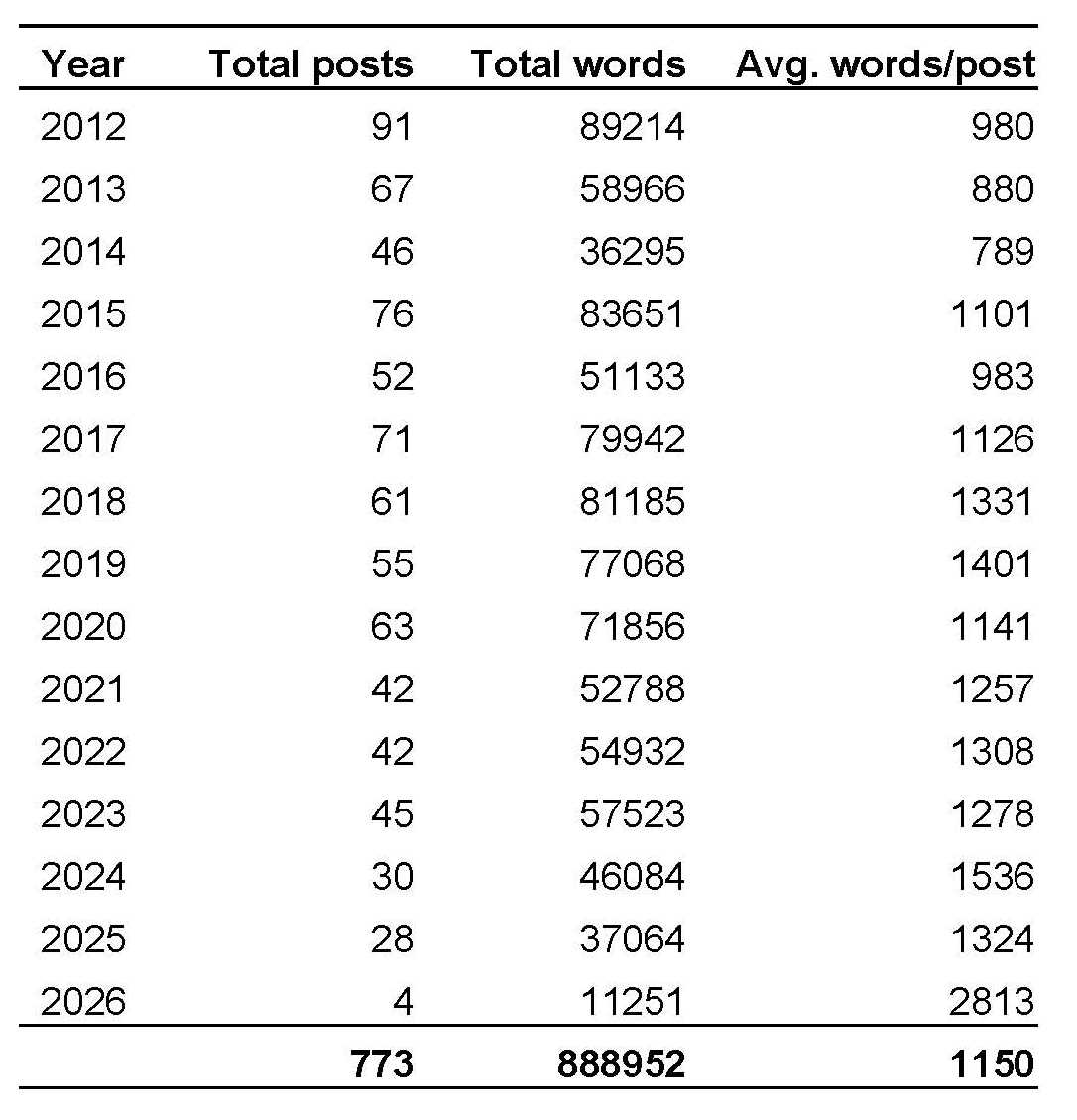
So what has been my annual output? It has varied considerably over the years, but I’ve now written almost 889,000 words*. Although I have written fewer posts in the past five years, the average length has increased.
The blog has been viewed just under 425,000 times, by 223,000 ‘visitors’. That’s not 223,000 distinct visitors but includes, so I believe, persons who come back to the blog time and again.

So who is reading my blog? It never ceases to surprise me where my blog has been read. Almost every country.
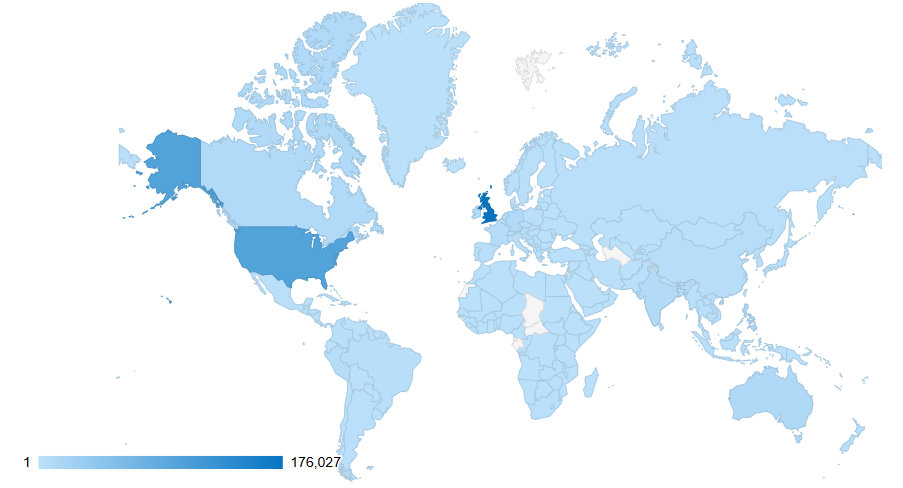
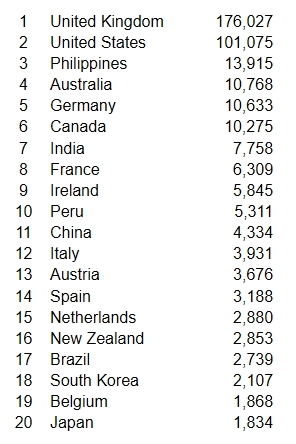
And these are the Top 10 countries, with number of views as of 3 February.
What have all these folks been reading? Here are the 25 posts that have received most views over the past decade and a half (at 3 February), with number of views per post and publication date:

  1. ‘Where all the women are strong, all the men are good looking, and all the children are above average (10,001) 1 October 2015
    A Prairie Home Companion, a variety show written and presented by raconteur Garrison Keillor was broadcast weekly on Minnesota Public Radio, and included a monologue, News from Lake Wobegon, about a fictional small town in rural Minnesota. During one of our visits to family in the Twin Cities in 2015, Steph and I enjoyed a live broadcast at The Fitzgerald Theater in downtown St Paul.
  2. ‘The bowler is Holding, the batsman’s Willey’ (7671) 13 August 2013
    I enjoy Test Cricket. This post is all about some of the broadcasting bloopers over the years. Enjoy a good laugh.
  3. “There isn’t a tree to hang a man, water to drown a man nor soil to bury a man” (4459) 1 February 2015
    In the summer of 1968, when I was studying environmental botany and geography at the University of Southampton, I attended a botany field course in the west of Ireland in Co. Clare, taking in the magnificent limestone landscape of the Burren.
  4. Potatoes – the real treasure of the Incas (4097) 18 February 2012
    This was my first post about potatoes, and some of the work I undertook at the International Potato Center (CIP) in Peru where I worked for three years between 1973 and 1975 before moving on to Central America in 1976 in another position with CIP.
  5. Please, sir, I want some more (3909) 5 October 2017
    In 2017, I read all the novels of Charles Dickens. This is my account of that very enjoyable literary adventure.
  6. Walking in Hadrian’s footsteps (3637) 8 August 2021
    In October 2020, Steph and I moved to the northeast of England, where there is a plethora of Roman remains, with Hadrian’s Wall being the shining example. This is an account of some of the visits we made during our first year there.
  7. “I’m all for censorship. If ever I see a double entendre, I whip it out.” Kenneth Horne (3318) 14 March 2013
    Beyond Our Ken and Round the Horne were uproariously funny programs on BBC radio in the late 1950s and 1960s. Programs like these wouldn’t be made today.
  8. Leek – Queen of the Moorlands (updated 2018-11-05) (2892) 3 August 2013
    I was born in Congleton, Cheshire, but in April 1956 (aged seven) my family moved to Leek, Staffordshire, some 12 miles away. Since then I’ve always considered this delightful market town on the edge of the Staffordshire moorlands as my home town.
  9. Cockwomble-in-Chief (2336) 9 June 2020
    One of my first posts about the individual who currently occupies the White House in Washington, DC.
  10. The perfect country house . . . a stunning English treasure (2317) 7 August 2017
    Steph and I have visited 164 National Trust properties since joining in 2011. This post describes the visit we made to Belton House in Lincolnshire in 2017. It’s one of the finest houses owned by the National Trust.
  11. Hidcote: an Arts and Crafts-inspired garden (2144) 1 April 2020
    Hidcote Manor in the Cotswolds has one of the most-visited gardens of all National Trust properties. We visited in October 2011.
  12. A knotty dilemma . . . what to wear to an investiture at Buckingham Palace (1986) 4 March 2012
    Once the date for my OBE investiture at Buckingham Palace had been confirmed (29 February 2012), I had to decide whether to wear full morning suit or a lounge suit. Decisions, decisions.
  13. Norman Borlaug – tireless advocate of research for development (1974) 8 March 2012
    Norman Borlaug, a world-renowned wheat breeder, was awarded the Nobel Peace Prize in 1970 for his work to develop high-yielding varieties of wheat that averted famine in the Indian sub-continent.
  14. They’re changing the guard at Buckingham Palace (1802) 1 March 2012
    In November 2011 (on my birthday actually) I received a letter informing me that I had been awarded an OBE. This blog post describes the investiture at Buckingham Palace on 29 February 2012.
  15. An 18th century landscape of temples and statues (1741) 27 November 2014
    Stowe Landscape Gardens. Perhaps one of the finest examples we have of the fashion for ‘natural’ gardening that blossomed in the mid- to late-18th century. 
  16. Little Moreton Hall – an iconic Tudor manor house (1698) 6 September 2013
    This was the first National Trust property I ever visited – in May 1954. It’s located just south of Congleton in Cheshire, where I was born in 1948.
  17. Studying at Southampton, 1967-1970 (updated 20 October 2025) (1364) 10 October 2017
    I spent three of the happiest years of my life at the University of Southampton between October 1967 and July 1970, studying environmental botany and geography. I updated this post at the end of last October after I’d learned of the death of a dear friend from Southampton days.
  18. Are you a picky eater? (1354) 24 August 2022
    This was one of those ‘random’ ideas for a blog post that came to me.
  19. A walk down memory lane . . . literally (1204) 7 September 2013
    After the visit to Little Moreton Hall (number 16 above), we went to Congleton, and explored some of the places where I grew up, including the offices of the local newspaper, The Congleton Chronicle, where my dad had been the staff photographer.
  20. Fashion, so said Louis XIV, is the mirror of history (1194) 8 February 2018
    I wrote this post after watching a BBC TV program, A Stitch in Time (presented by historian and broadcaster Amber Butchart) that really caught my fancy.
  21. The agricultural terraces of Cuyo Cuyo, southern Peru (1156) 13 March 2012
    During the three years I spent in Peru (1973-1975) I had the privilege of traveling extensively over the Andes mountains, including a visit in February 1974 to a remote village in the south of country, Cuyo Cuyo, where farmers were still growing their crops on ancient Inca terraces.
  22. Bromsgrove: my adoptive town . . . but not for too much longer (1103) 19 February 2020
    When I left CIP in 1981 and returned to the UK to join the faculty at The University of Birmingham, Steph and I bought a house in the northeast Worcestershire town of Bromsgrove, about 13 miles south of the university. And although we kept the house empty during the almost 19 years we lived in the Philippines, we moved back to Bromsgrove in May 2010 when I retired. I wrote this blog in early 2020 (just before lockdown) when we had put the house on the market in preparation for a move to the northeast of England.
  23. J Trevor Williams, genetic resources champion, passes away at 76 (1080) 8 April 2015
    Trevor was my dissertation supervisor when I studied for my MSc in genetic resources conservation and use at The university of Birmingham in 1970. Trevor left Birmingham in the late-70s to become the first Director General of the International Board for Plant Genetic Resources (IBPGR) in Rome.
  24. In the footsteps of Mr Darcy (1051) 15 June 2019
    Do you remember the BBC’s adaptation of Jane Austen’s Pride and Prejudice (aired in 1995), starring Colin Firth as Mr Darcy. And that swim he took in the lake, emerging with his shirt clinging to his torso, causing females nationwide to swoon. That was filmed at the National Trust’s Lyme Park in Cheshire. 
  25. Farnborough Hall: home of the Holbech family since 1684 (1033) 30 March 2020
    Farnborough Hall is a fine country house in Warwickshire that we visited in 2012.


* I have also included >19,000 images (most of them taken by me), 143 short videos (plus links to videos on YouTube, etc.), 66 audio files, and 230 documents.

One regret is not having an app or widget to scan my blog for broken links. So broken links can be encountered throughout unfortunately.

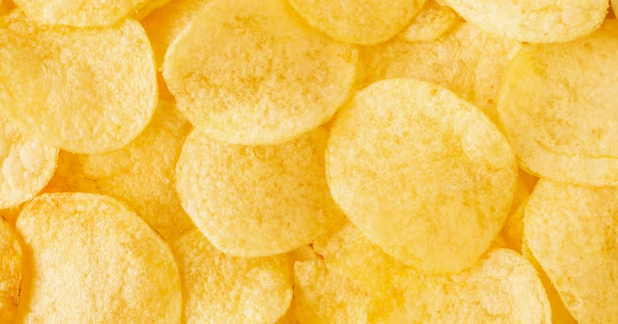
Black crisps can be very off putting . . .

Well, that’s how The Sun newspaper reported our research, rather flippantly in a 55 word piece (Crunch time for boffins), back in December 1987.
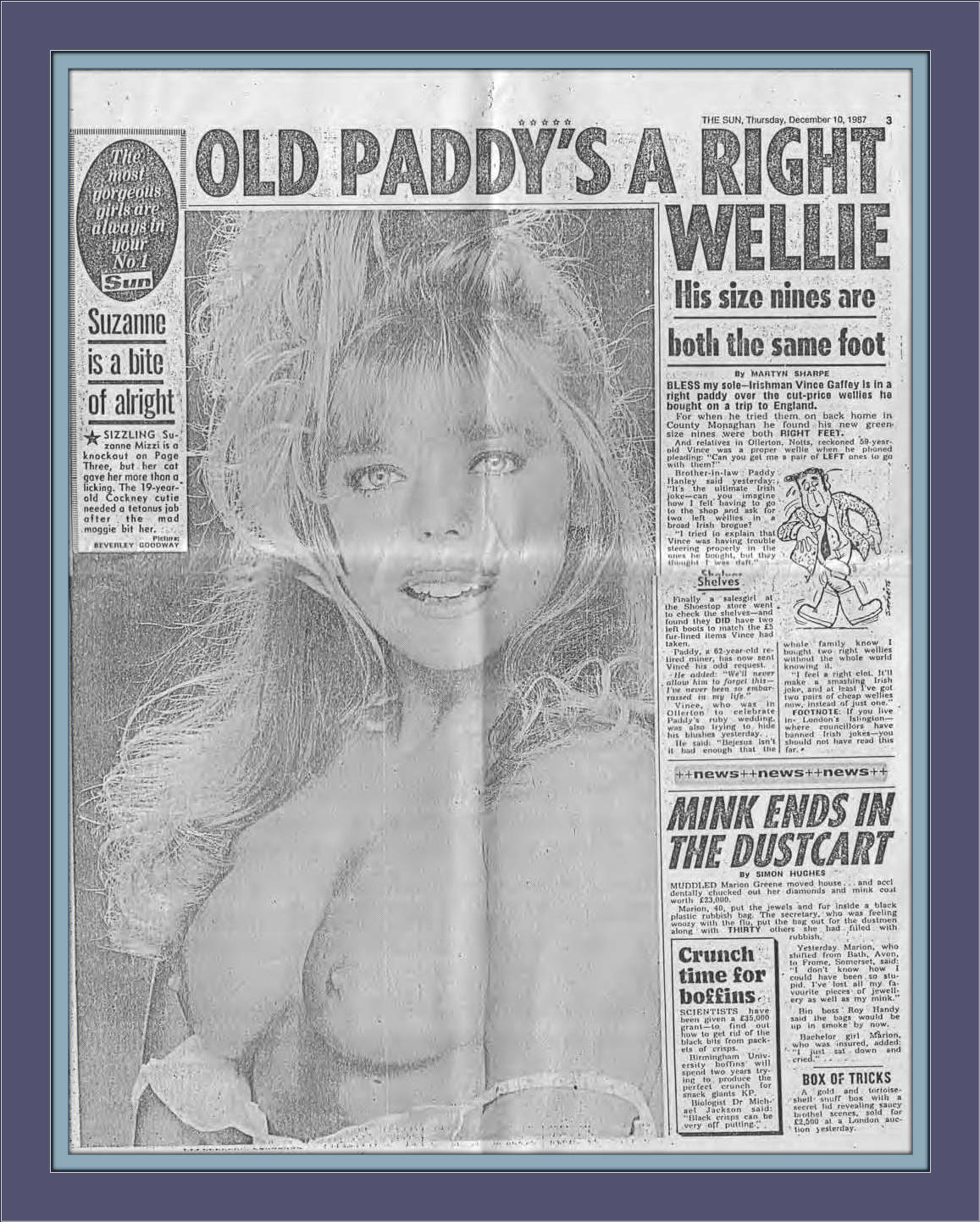
And to emphasise the point, that story was printed alongside Page 3 model Suzanne, topless models being a daily feature of The Sun since 1970. But no longer.

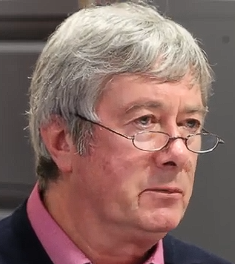
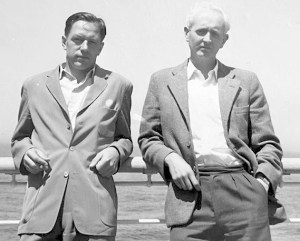
Anyway, to cut a long story short, The Sun had come across an article that my colleague Dr Brian Ford-Lloyd (left) and I had written for a research bulletin at The University of Birmingham, where we both lectured in the School of Biological Sciences.

We had received a research grant from United Biscuits [1]—the makers of Walkers Crisps—to develop potatoes less susceptible to low temperature sweetening.

However, before I get into the details, let me explain how this grant came about.

In the mid-1980s, I was contacted by Dr John Vessey who was a research manager for United Biscuits in Lincolnshire. He and I had been colleagues at the International Potato Center (CIP) in Lima, Peru during 1973 and 1974. In fact, John and his wife Marian were our witnesses when Steph and I married in Lima.

Marian and John Vessey with Steph (in the middle) on 13 October 1973, enjoying pre-lunch cocktails at La Granja Azul outside Lima after Steph and I were married in the Municipalidad de Miraflores.

John knew that I was making frequent visits CIP as I had a joint research project as well as supervising two Peruvian PhD students who were conducting their thesis research there.

Representing United Biscuits on the council of The Biscuit, Cake, Chocolate and Confectionery Alliance or BCCCA (dissolved in 2004) John proposed that I could (during one of my visits to Peru, and as a consultant to the BCCCA) scope the possibility of a cocoa conservation project similar to one that had been funded in Ecuador. A year later, John’s managing director at United Biscuits (whose name I forget), John, and Tony Lass, a cocoa agronomist from Cadbury’s, and I made a joint visit to Peru, and while traveling together we discussed a project to develop potatoes resistant to low temperature sweetening.

So, what is low temperature sweetening, and why is it important to the crisping industry? It’s a potato storage and processing issue.

After harvest, not all potatoes can be processed immediately into crisps (that’s potato chips in American parlance), and thousands of tonnes of tubers must be stored for quite long periods before processing. If the storage temperature is too high, then tubers will begin to sprout and quality lost. However, when potatoes are stored at low temperatures (typically below ~8–10°C), their starch starts breaking down into so-called reducing sugars (mainly glucose and fructose). That sugar build-up is what we call low-temperature sweetening. It matters because:

  • Extra sugars make potatoes taste slightly sweet;
  • When fried or baked at high heat, the sugars react with amino acids (the Maillard reaction), causing:
    • excessive browning or dark crisps/fries;
    • bitter flavours; and
    • higher acrylamide formation (a food safety concern).

And what the industry wants is a nice, pale yellow or light gold crisp. Anything darker leads to ‘black bits in crisp packets‘.


Back in the 1980s, one of the main crisping potato varieties was cv. Record (now surpassed by a range of other varieties). Cv. Record was quite susceptible to low temperature sweetening. Would it be possible to develop a line (or lines) of cv. Record that were more resistant. And to achieve that aim without a costly and lengthy potato breeding project. That’s why we opted for a biotechnology approach, namely the generation of somaclonal variation.

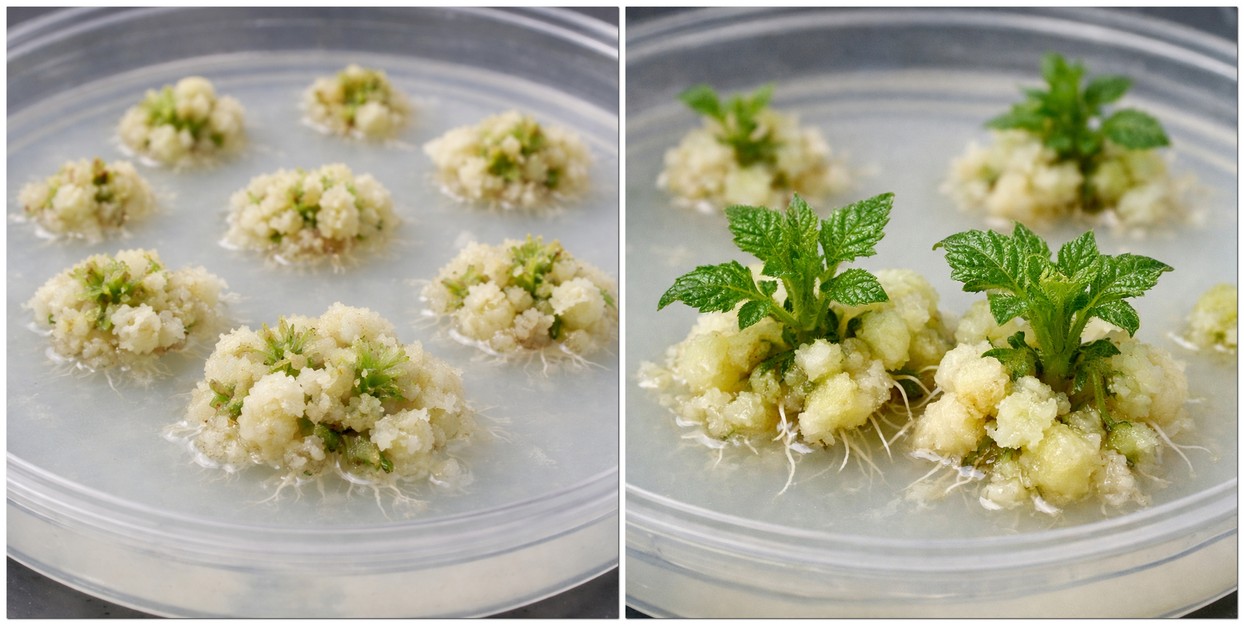
Somaclonal variation is a type of genetic variation that appears in plants which are regenerated through plant tissue culture (in vitro culture), rather than grown from seeds.

It’s a two-step process (see Juned et al., 1991 below). Leaf disks must first be cultured on an appropriate nutrient medium to produce undifferentiated plant tissue, known as callus (left below). The second step, which usually involves transfer to another medium, is to induce the formation of shoots and roots (right below). The regenerated plantlets, known as somaclones, may not be exact copies of the original plant.

One of my former MSc genetic conservation students Susan Juned [2] joined the project as a Research Associate (and registering for a PhD). In the summer of 1990, one of my undergraduate tutees, Abigail Amey (née Gregory [3]) joined the project for two months as a research assistant.
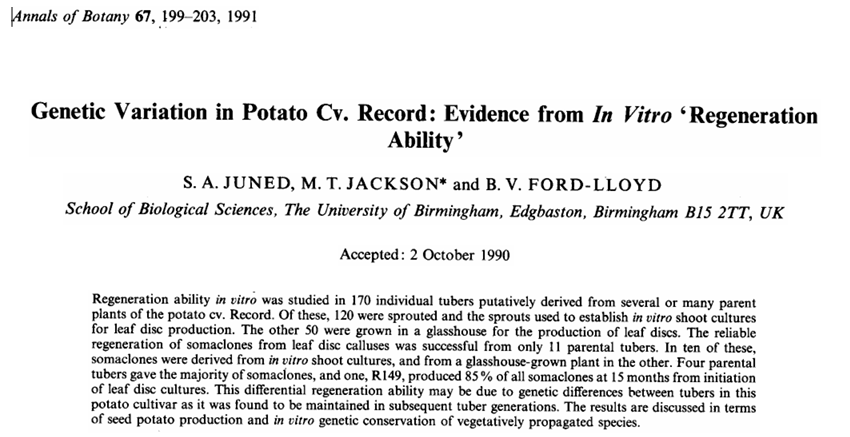
Our research material was a small sack of potatoes of cv. Record, 170 tubers in total sent to us by John Vessey. From the outset we made decision that would have implications not only for this project per se, but more widely for seed potato production and in vitro conservation of plant genetic resources. It wasn’t rocket science. We just gave each tuber a unique number, R1 to R170, the aim being to follow subsequent generations of somaclones derived from each.

So, were we successful in producing cv. Record somaclones? The short answer is yes. And did we produce somaclones less susceptible to low temperature sweetening? Again the answer is a conditional yes. John Vessey gave us this feedback:

  • The project was successful in that it produced cv. Record somaclones with lower reducing sugars in the tubers, but unsuccessful in that none entered commercial production . . . Shortly after the end of the project, Record was replaced by a superior variety, Saturna.
  • The project very clearly showed the potential of somaclones but also emphasised that it needs to be combined with conventional breeding.
  • Other important aspects were the demonstration that the commercial seed potato lines available were not genetically identical, as previously thought, and that regeneration of clones from single cells had to be as rapid as possible to avoid unwanted somaclonal variation.

Mixed results then, perhaps. But there was an unexpected outcome. The majority of somaclones were derived from just a few of the 170 tubers, each potentially (and quite unexpectedly) a different cv. Record clone. We suggested that the differential regeneration ability was due to genetic differences between tubers as it was found to be maintained in subsequent tuber generations. Furthermore, this would have major implications for seed potato production specifically and, more generally, for in vitro genetic conservation of vegetatively-propagated species.

We published this aspect of the project in Annals of Botany in 1991. Just click on the image below to read the full article.

We drew two important conclusions from this research project (apart from the success of generating clones with reduced low temperature sweetening).

First, it appears that the tubers of cv. Record were not genetically homogeneous.

Second, in terms of genetic conservation of crops that cannot be conserved long-term as seed but must be grown in field genebanks, grown continuously as tissue cultures, or cryopreserved at the temperature of liquid nitrogen, this statement is very important:

In vitro techniques are advantageous for many reasons, since field maintenance of germplasm has many risks attached to it. However, one of the criteria for efficient and acceptable in vitro storage of germplasm is the maintenance of the original genotype over a long period. The choice of material from which to establish an in vitro germplasm collection may therefore have long-term consequences since we may not be dealing with a random sample of plants within a genotype at the culture stage. What is actually conserved may be a genetically biased sample favouring an inherent ability to regenerate and multiply under in vitro conditions. 


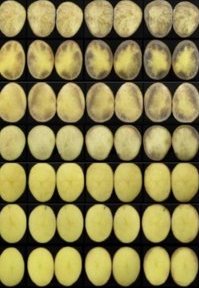
Enzymic browning of different potato varieties after wounding for 0-12 hours.

Low temperature sweetening is not the only darkening issue that occurs in potatoes. When potato tubers (as well as apples and other fruits) are bruised or cut, they will turn brown or darker if left exposed to air (see right). This is because of a process known as enzymic browning, a reaction of the enzyme polyphenol oxidase (PPO) with phenolic compounds in tubers. Melanins form, and tubers turn dark, or ‘blacken’. It’s a condition found in most potato varieties.

However, there is a species of wild potato, Solanum hjertingii Hawkes, found in northeast Mexico whose tubers do not darken when damaged or cut, or at the very least show minimum browning.

Peter Hjerting (left) and Jack Hawkes on board ship during the crossing to New York in 1958.

S. hjertingii is a tetraploid species, that’s to say it has 48 chromosomes. It was first described by Mason Professor of Botany at The University of Birmingham and potato taxonomist Professor Jack Hawkes in 1963, and named in honour of his Danish long-time collaborator and noted botanist, J Peter Hjerting. Jack and Peter collected together over many years in the southern USA, Mexico, Central America, Bolivia, and the southern cone countries of South America. An account and film of their 1958 expedition to the USA, Mexico, and Central America can be found here.

When I joined the Department of Plant Biology at The University of Birmingham in April 1981, Jack Hawkes had only 18 months to retirement and asked me to take on supervision of one of his PhD students, Lynne Woodwards.

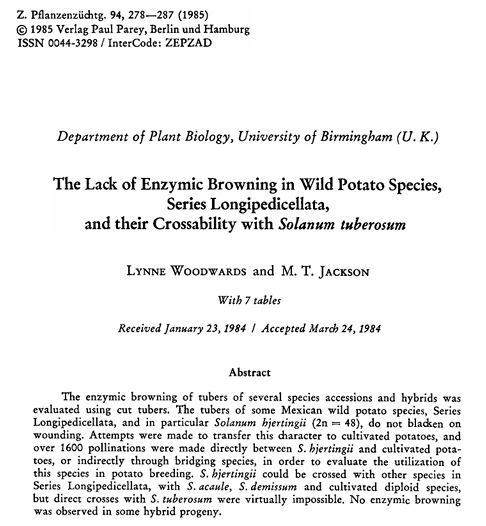
Lynne successfully submitted her thesis in 1982, showing how S. hjertingii and some related species in the same taxonomic grouping, Series Longipedicellata Buk. from the southern USA to central Mexico did not darken, making comparisons among these species and cultivated potatoes (S. tuberosum). She also attempted crosses between S. hjertingii and cultivars but these were unsuccessful. However, crosses with some bridging species did produce hybrid progeny with little or no enzymic blackening. We published this paper in 1985.

After leaving CIP in the mid-1980s, one of my former colleagues, Dr Charles Brown, joined USDA-ARS, Vegetable and Forage Crops Research Unit, Prosser, Washington. In 2002 he published a paper on the transfer of the S. hjertingii trait into cultivated germplasm through bridging species [4].

Later in the 1980s, I had another PhD student, Ian Gubb, who I co-supervised with Professor Jim Callow (who had become Mason Professor of Botany after Jack Hawkes’ retirement) and Dr JC Hughes at the Institute of Food Research Institute in Norwich.

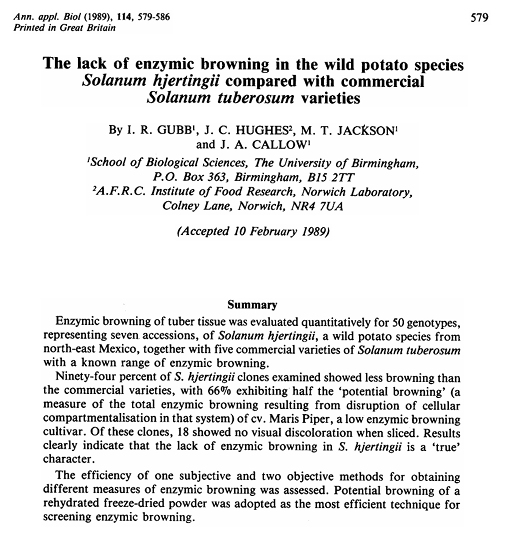
Having a strong biochemistry background, Ian quantified both enzyme and substrate levels in S. hjertingii and cultivars, demonstrating that the lack of enzymic browning in this wild species was a ‘true’ trait. This research was published in Annals of Applied Biology in 1989. Click on this image to read the full text. Ian completed his PhD in 1991.


Both of these projects demonstrate the need for different approaches to tackle issues with crop productivity and value. Not only is there a need to identify and quantify the underlying causes of a problem, but also how to use genetic diversity to transfer a trait from one germplasm source to another. And if there is no apparent variation, how to generate it as we showed with the somaclones.

Having said that I suspect that in this genomic discovery and editing age, low temperature sweetening and enzymic browning will be overcome more efficiently than we contemplated almost 40 years ago.


[1] Which became KP Agriculture.

[2] After leaving the project, Susan worked in the green energy industry and became involved in local and national politics for the Liberal Democrats. She now serves as the Leader of Stratford-upon-Avon District Council in  Warwickshire.

[3] Abigail graduated in July 1991 and moved to Durham University where she completed a PhD in plant biochemistry. In 2019, I invited her to participate in a project to publish online the films and narratives of potato collecting expeditions to the Americas made by Jack Hawkes. Abigail is a co-author of Plant Biology (2009) by Alison M Smith et al., and published by Garland Science.

[4] Culley, DE, BB Dean & CR Brown, 2002. Introgression of the low browning trait from the wild Mexican species Solanum hjertingii into cultivated potato (Solanum tuberosum L.). Euphytica 125:293–303.