In July 1979, Steph, Hannah (aged 15 months) and I enjoyed a couple of days or so in San Francisco, and then headed up to Vancouver on Canada’s west coast. I was to attend the annual meeting of the Potato Association of America. Arriving in Vancouver we headed to conference venue, the beautiful campus of the University of British Columbia, sited on the western end of a peninsula jutting out into the Strait of Georgia opposite Vancouver Island.
It was a bit of a scrum, to say the least, when we arrived to the hall of residence where we had reserved a room. I say ‘room’, because the conference organizers wanted to put the three of us in separate rooms, not appropriate for a family of three. After discussing this vigorously with the staff behind the reception desk for almost an hour, a two-room suite was miraculously found, with its own bathroom. We made up a bed for Hannah with blankets and the like on the floor. It must have been fine since she slept soundly, and hasn’t mentioned it or complained about it since!
Well, having taken a few days out on the way north from home in Costa Rica, after the conference we planned to hire a car and drive across the Canadian Rockies, to meet my elder brother Ed and his wife Linda in Banff, Alberta, before driving on together to their home in Edmonton. Ed was a professor in the Department of Geography in Edmonton.
From Edmonton, our itinerary would take us by air to Madison, Wisconsin where I’d would spend a couple of days with plant bacteriologists Profs. Luis Sequeira and Arthur Kelman in the university’s Department of Plant Pathology (both had links with my employer, the International Potato Center). Luis was also an adviser to one of my potato research projects in Costa Rica. We also planned a side trip to the USDA’s Potato Introduction Station and its genebank at Sturgeon Bay in Door County on the shores of Lake Michigan in the northeast of the state. And from Madison, we would fly home to Costa Rica with transit stops in Chicago and Miami. Quite an adventure for a 15 month old toddler.
The conference sessions lasted four days. On the penultimate evening we enjoyed, along with all the other delegates and their families, a wonderful Northwest Pacific salmon barbecue on the campus lawns. It was an idyllic evening, no need for warm clothing.
But while I was stuck indoors during the conference, Steph took advantage of several tours to get out and about around Vancouver, at Stanley Park, crossing Lion’s Gate Bridge, and taking the cable car up to Grouse Mountain for spectacular views over the city.
At many of these conferences, it is customary to offer several day excursions from which you can choose. While most of those at the Vancouver meeting looked at many different aspects of the potato industry in British Columbia, the one I chose (as most appropriate for the family) was a day trip by steam train, the Royal Hudson, from Vancouver along Howe Sound north to the small community of Squamish. Imagine my surprise on arriving at the station to find a large number of delegates waiting for the train, many of whom I’d expected to take the more ‘technical’ excursions.
The Royal Hudson 2850 was the locomotive that, in May 1939, pulled the train carrying HM King George VI and Queen Elizabeth across Canada, during the first visit to Canada by a reigning British monarch. Our locomotive was 2860. I’m pretty certain that it was oil-fired rather than coal. Anyway, it was a delightful way to spend a day, see the mountains along Howe Sound, and the spectacular mountains that are a backdrop to Squamish itself.
I believe the conference finished on the Thursday lunchtime, and that gave us plenty of time to set off on the road trip eastwards up the Fraser River valley to Kamloops, some 225 miles, where we’d booked a room for the night.
To Banff the following day would be another 300 miles, and take all day. We met Ed and Linda in Banff, and the next day made a side trip into the Athabasca icefield at the southern tip of Jasper National Park, just north of Banff. Needless to say the drive through the Rockies was breath-taking, and there were ample opportunities to stop, and stretch our legs, especially important for an active toddler. It’s remarkable looking back on this trip what ‘risks’ we took. Steph sat in the backseat with Hannah on her lap. I’m not sure if Steph had a seat-belt. Hannah did not have a child seat. Wouldn’t be allowed today, and we wouldn’t even consider travelling under those circumstances.
Leaving Banff, it was downhill all the way, skirting Calgary, before heading north to Edmonton, a distance of just under 260 miles. We spent a few days in Edmonton before it was time to move on, and continue our trip in Madison.
I’ve seen various parts of the Rockies over the years, in Colorado, around the edges of Yellowstone National Park in Wyoming (including the Teton Range). Magnificent as they are, they don’t really hold a candle to the Rockies further north in Canada, and I’m pleased that we were able to enjoy them almost 40 years ago.
~~~~~~~~~~~~~~~~~~~~~~~~~~~~~~~~~~~~~~~~
Since that trip to Canada in 1979, I’ve been back just once, to Ottawa, Ontario in April 2002. I had arranged meetings with my contact at the Canadian International Development Agency (CIDA) and the International Development Research Centre (IDRC), both of which supported IRRI’s budget.
Arriving for my early morning appointment at CIDA on the opposite side of the Ottawa River in Quebec, I found the building closed because of a water leak the previous day. There was only a skeleton staff on duty – but not my contact, who’d not had the courtesy to inform me (before I even flew up to Ottawa) about the problem, or cancel or reschedule our meeting. I was left to twiddle my thumbs for a few hours before I could head off to IDRC, so took advantage of the fine weather to look at the Ottawa River, a canal that connects the Ottawa River with the Rideau River, and Canada’s beautiful Gothic Revival parliament building on Parliament Hill. I spent two nights at the Fairmont Château Laurier, just to the east of Parliament Hill.
Looking across the Ottawa River to Quebec
Across the Ottawa River to Quebec
Statue in Major’s Hill Park
The canal that connects the Ottawa and Rideau Rivers
Parliament Hill from the banks of the Ottawa River
Much of my work with plant genetic resources has concerned the conservation and use of landrace varieties, of potatoes and rice.
Diversity in potatoes and rice
Yes, I have done some work with wild species, and helped occasionally with collection of wild species germplasm. In terms of research, I managed an active group of scientists at IRRI in the Philippines working on the biosystematics of rice (mainly AA genome species relationships). I also had undergraduate and postgraduate students work on the wild species of Lathyrus and potatoes during the years I taught at The University of Birmingham.
I made just one short collecting trip with Jack Hawkes in early 1975, into the Andes of Central Peru to find wild potatoes. That was a fascinating trip. He knew his potato ecology; he could almost smell them. On returning to the UK in 1981, I joined my colleague Brian Ford-Lloyd to collect wild beets in the Canary Islands, and some years later assisted one of my PhD students, Javier Francisco-Ortega, to collect seeds of a forage legume in Tenerife. I wrote about these two collecting trips recently. I also helped to collect some wild rices during a visit to Costa Rica in the late 1990s but, in the main, orchestrated a major germplasm collecting program while leaving the actual collecting to my other colleagues in IRRI’s Genetic Resources Center.
Collecting Oryza latifolia in northwest Costa Rica
With Jack Hawkes, collecting Solanum multidissectum in the central Andes north of Lima
Collecting escobon (Chamaecytisus proliferus) in Tenerife in 1989
Me, Arnoldo, and Manuel in La Gomera, June 1981
One of my teaching assignments at Birmingham was a 10-week module, two or three classes a week plus plus an afternoon practical, on crop diversity and evolution. Many of the world’s most important crops such as wheat and barley, and a plethora of legume species such as lentil, chickpea, and faba bean originated in the so-called Fertile Crescent of the Middle East. Apart from a couple of short trips to western Turkey, I had limited experience of Mediterranean environments where these crops were domesticated. I’ve since been in Syria a couple of times in the 1990s.
That was all rectified in at the end March-early April 1982¹ when I had the good fortune to participate in a course—two weeks long if my memory serves me well—in Israel, organized by Profs. Gideon Ladizinsky and Amos Dinoor of the Hebrew University of Jerusalem, at the Rehovot campus near Tel Aviv.
Gideon Ladizinsky explains the ecology of wild lentils (or is that wild chickpea?) while Amos Dinoor looks on.
I recall that the course was funded (or at least supported in part) by the International Board for Plant Genetic Resources (IBPGR). Among the other participants were several MSc students, class of 1981-82, from The University of Birmingham attending the Conservation and Utilization of Plant Genetic Resources course in the Department of Plant Biology. Not all the students of that intake could take up the invitation to travel to Israel. Those from Bangladesh, Malaysia, and Indonesia for example were not permitted (under their national laws) to visit Israel, even though an invitation had been extended to all students regardless of nationality, and the Israeli authorities would have issued visas without a stamp in their passports.
I don’t remeber all the other participants. We must have been half a dozen or so from Birmingham, plus Bruce Tyler from the Welsh Plant Breeding Station (now part of the Institute of Biological, Environmental and Rural Sciences, IBERS, at Aberystwyth University), George Ayad from IBPGR, Zofia Bulinska-Radomska and one of her colleagues from the National Centre for Plant Genetic Resources, IHAR, near Warsaw, Poland, Luis Gusmão from Portugal (who attended a short course at Birmingham), and others whose names I cannot remember.
Standing, L-R: Zofia Bulinska-Radomska (Poland), Mike Jackson, ??, ??, ??, ??, George Ayad (Egypt, IBPGR), Rainer Freund (Germany), Bruce Tyler (WPBS), Amos Dinoor, ??, Luis Gusmao (Portugal). Front row, L-R: Krystina ?, ??, Brazilian MSc student, Gideon Ladizinsky, Ayfer Tan (Turkey), Margarida Texeira (Portugal).
Bruce Tyler, from the WPBS. An inveterate smoker, one of Bruce’s comments on almost anything was ‘He’s a cracker!’
We stayed at a kibbutz near to Rehovot, and were quite comfortable there. It was a short drive each day into the campus for the classroom activities, some lectures and practical classes. But we also made excursions from the north to the south of the country, and east to the Dead Sea to find crop wild relatives in their native habitats. I wonder, 35 years on, how many of those habitats exist. We travelled freely between Israel and parts of what are now the Palestine Authority controlled West Bank.
Wild legumes, probably lentils
Mount Hermon, that straddles the border between Lebanon and Syria
Looking for wild legumes
In northern Israel, close to the Sea of Galilee.
In the Elah Valley, where ‘David slew Goliath’.
Wild Lathyrus sp.
Wild Cyclamen sp.
Wild Lathyrus sp.
In northern Israel, close to the Sea of Galilee.
We had opportunity of seeing these wild relatives in what was essentially a living laboratory. Both Gideon and Amos, experts in their fields of crop diversity and domestication, and disease epidemiology in wild species, respectively, used many of these wild populations for their research and of their students.
My eyes were opened to the important role of ecology in these seasonally dry-wet landscapes, often on limestone, and the differences to be found between north- and south-facing slopes. I unfortunately no longer have some of the photos I took during that trip of the populations of wild barley, Hordeum spontaneum, that grew over large swathes of the landscape, looking to all intents and purposes like a field of cultivated barley. It was in populations like these, and of wild oats that Amos Dinoor studied the dynamics of disease spread and resistance.
Gideon had a wonderful way of linking species in different habitats, how they maintained they biological identity, often through flowering at different times of the day. I remember on one occasion as we walked through a mixture of oat species with different chromosome numbers, or ploidy. I asked Gideon the time, but he didn’t look at his watch. Instead, he picked a panicle of one of the oats alongside the path, and replied ‘It’s about 4:15 pm’. Then he looked at his watch. It was almost 4:15 pm! He was so familiar with the ecology of these species that, under defined conditions, he could predict when different species would flower. Remarkable! On the coast, south of Tel Aviv, we did look at disease in different wild species. I certainly learned a great deal from this course, and discussing crop evolution and domestication with these experts from the Fertile Crescent, and others like Daniel Zohary (who had published on the origin of lentils about the same time as me in the mid-1970s; he passed away in December 2016). Among the young scientists we met was Dani Zamir who pioneered the use of enzymes, or isozymes,to study the diversity of crops and their wild relatives, tomatoes in his case.
There was one interesting episode during the course. When teaching crop evolution to my Birmingham students, I encouraged them to analyse the evidence presented to account for the origin and evolution of different crop species, often based on conflicting hypotheses. So, it was natural for them to ask questions at the end of each lecture, and even question the interpretations they had heard. After just one or two sessions, and much to the consternation of my students, the ‘professors’ refused to take any questions. As I explained to my group, their hosts had worked on a range of species in depth, and were convinced that their interpretations were the correct (and only?) ones to be believed. My students hadn’t been impolite or ‘aggressive’ in their questioning, just keen to explore more ideas.
We did also have opportunities for sight-seeing, around Jerusalem and to the Dead Sea, as well as understand some more about irrigation agriculture for which Israeli scientists and engineers had become renowned.
~~~~~~~~~~~~~~~~~~~~~~~~~~~~~~~~~~~~~~~~~
¹ I remember the dates quite well, as they coincided with the invasion of the Falkland Islands in the South Atlantic by Argentina, and the course group had many discussions in the bar at night what the reaction of Margaret Thatcher’s government would be.
A couple of months back, I enjoyed an excellent 672 page biography of Confederate Major General Thomas J ‘Stonewall’ Jackson. Written by SC Gwynne in 2014, Rebel Yell: The Violence, Passion, and Redemption of Stonewall Jacksonis an account of Jackson’s theatre of operations in Virginia (and in those areas that became West Virginia after it broke from Virginia in 1863), which centered on the Shenandoah Valley, a region just north of where Steph and I travelled across the Appalachians in June this year.
Jackson’s death (from pneumonia after he was wounded in the arm by friendly fire) following the Battle of Chancellorsville in Virginia from 30 April to 6 May 1863 is perhaps among the most significant ‘What if’s’ of the American Civil War. Stonewall was undoubtedly one of the Confederacy’s most successful generals, and history is left to ponder what the outcome of the Civil War might have been had he lived longer, and his success rate against Union forces maintained.
Steph and I saw evidence of the conflict, the to-ing and fro-ing of opposing forces, when we visited the Pinnacle at Cumberland Gap on the borders between Virginia, Kentucky and Tennessee. Successive Union and Confederate forces fought over and continually swapped possession of this key passage through the mountains.
And now I have just finished another book, Noah Andre Trudeau’s 2008 Southern Storm: Sherman’s March to the Sea(at 671 pages) based in large part on the personal accounts of officers and men among the 60,000 who took part in the November-December 1864 campaign in Georgia (the Empire State of the South) led by Union Major General William Tecumseh Sherman, from Atlanta to Savannah, 250 miles to the southeast on the Atlantic coast. They were divided into different columns, and lived off the land as they moved south, through landscapes that hindered their progress as much as did the continual harassment from Confederate forces on their periphery.
Our 2017 USA road trip began in Atlanta, and paralleled, I now discover, the route of Sherman’s March to the Sea although his route took him further east. His occupation of Savannah (where we stayed for a night), and subsequent move up through South Carolina (just as we did) marked the beginning of the end for the Confederacy, as Sherman and his superior, Ulysses S Grant, closed in on Confederate capital Richmond in Virginia, and the final capitulation of Confederate forces under General Robert E Lee at the Appomattox Courthouse in April 1865.
Arriving in Savannah, Union forces found an elegant city of wide, tree-lined boulevards (hanging with Spanish moss) and quiet squares, much as Steph and I did on our trip. Savannah was a delight.
After the end of the Civil War, Sherman’s ‘exploits’ in Georgia were immortalised in Marching Through Georgia, composed by Henry Clay Work.
To me, three aspects of the Civil War stand out. This must have been one of the first wars in which an extensive railway network transported troops and supplies over long distances. In Georgia, Sherman’s troops ripped up hundreds of miles of railway tracks on their March to the Sea. Second, the electric telegraph was an essential (but not always available) system of communication between armies and civilian administrations. Thirdly, the war must also be one of the first to be documented in detail photographically. New York-born Matthew Brady was one of the earliest photographers in the country, renowned for his Civil War output.
Having criss-crossed this region and the southern Appalachians myself, I remain in awe of the feats undertaken by both Union and Confederate armies, tens of thousands of men marching across some of the most difficult terrain, under the most adverse weather conditions, and then having to face each other in battle. The casualties on both sides were catastrophic, the wounds inflicted unimaginable, and rudimentary surgery and medical care often leading to as many deaths after the battles as during them. Conditions in camps were frequently squalid, and diseases were rife. In fact, as many soldiers may have died from disease as on the battlefield.
So what has this whole saga got to do with genetic resources? Let me explain. In an earlier post about crop diversity, I’d commented on soldiers’ accounts of the ‘corn fields’ which they passed, the long-strawed varieties grown, and through which they trampled during the Battle of Waterloo.
In their commentaries during the March to the Sea, Union soldiers were fortunate to live quite well off their foraging activities. In fact, this was part of Sherman’s overall strategy, although backed up with sufficient supplies and beef-on-the-hoof for about five to six weeks, and his calculations based on an understanding of the agricultural economy of the region through which his army would pass.
Soldiers report dining on hogs and chicken, potatoes and sweet potatoes in abundance, peanuts, rice, molasses and honey. I think that, in general, ‘potatoes’ probably refers just to sweet potatoes (Ipomoea batatas) rather than so-called Irish potato, Solanum tuberosum. It interesting to note how important were three crops not native to this southeast region of the country, nor the USA in general: sweet potatoes (from the Asia-Pacific region), peanuts from South America, and rice from Africa and Asia.
This was, of course, a slave-based economy. Without slave labour, the growing of cotton and rice would have been almost impossible. In antebellum Georgia (as in South Carolina) rice cultivation was very important since the early 18th century. As Sherman’s armies approached Savannah, they encountered rice paddies more frequently. Some had standing crops which they harvested and processed in numerous rice mills once they got them operational again. Other rice paddies, closer to the city, had been flooded (perhaps also with brackish or salt water) and were formidable barriers to infantry. Crossing these wide open landscapes, deep in mud, attacking Union troops were clearly exposed to Confederates entrenched behind carefully-sited defensive lines.
On Monday 19 December 1864, during a manoeuvre on difficult terrain to cross over the Savannah River into South Carolina, one soldier from Massachusetts wrote: We came across rice fields all cut up with ditches from 1 to 10 ft wide, which we had to get over as best we could; part of the way was through rice as high as our heads & all wet with dew. Clearly not a modern HYV! So what could this rice be?
It was probably Carolina Gold, a variety originally thought to have been introduced into South Carolina and Georgia from Madagascar¹. The slaves, many from West Africa, knew all about growing rice, since there is an indigenous rice culture in that part of the continent.
Rice paddy (of Carolina Gold?) near Savannah, GA
Rice cultivation went into decline after the Civil War, due to many factors including the destruction of paddies, reluctance of emancipated slaves to take on this work, and other global trade pressures. Other parts of the USA became important rice-growing areas, such as California, southern Texas, Louisiana, and Arkansas. By the 1940s Carolina Gold was hardly in cultivation anywhere. Was it lost? Not completely.
In the 1980s, a eye doctor from Savannah by the name of Dr Richard Schulze (and a keen duck hunter) discovered that seeds of Carolina Gold were held in a USDA collection at Beaumont in Texas (the USDA’s rice collection is now held at the Dale Bumpers National Rice Research Center-DBNRRC- in Stuttgart, Arkansas). Scientists at Beaumont multiplied seeds of this accession, sending Schultze some 14 pounds of seeds. By 1988, these had been multiplied to 10,000 pounds. Carolina Gold is now grown quite widely, among other heirloom varieties.
There is even a Carolina Gold Rice Foundation whose mission is to advance the sustainable restoration and preservation of Carolina Gold Rice and other heirloom grains and raise public awareness of the importance of historic ricelands and heirloom agriculture.
In October 2010, my former IRRI colleague, Tom Hargrove (who passed away in January 2011) writing forRice Today about two varieties of rice, Carolina Gold and Carolina White, found along the banks of the Amazon in northeast Peru, conjectured that they were taken there by Confederados, people from the southern US who moved to Brazil around the time of the Civil War. The rice, called Carolino by local farmers, was found by CIAT rice breeder (and an old friend of mine), César Martínez.
When I checked the Genesys database, I found 19 accessions with the name Carolina Gold, in the USDA collection and in the International Rice Genebank Collection at IRRI. Most have available seeds. The accessions at IRRI are duplicates of USDA accessions. Some are breeding materials or selections. I wonder which one was provided to Richard Schulze? In any case, even though they have the same Carolina Gold name, I wonder how genetically distinct they are from one another.
Once again, my interest in the American Civil War (and history more generally) has come together with my other ‘obsession’, the conservation and use of plant genetic resources.
~~~~~~~~~~~~~~~~~~~~~~~~~~~~~~~~~~~~~~~~
¹ Just after I posted this story earlier today, one of my friends from the Crop Trust, Luigi Guarino, Director of Science & Programs at the Crop Trust, told me that he had also posted something about Carolina Gold in the Agricultural Biodiversity Weblog in November 2007. He was commenting on a paper by Anna McLung (Director of the DBNRRC) and a colleague who used molecular markers to assess the affinity of Carolina Gold with other germplasm from Africa. It seems it was more closely aligned with germplasm from Ghana than Madagascar, fitting in better with the slave trade links between West Africa and the early colonies on the east coast of the United States. Hargrove refers to a Madagascar origin for Carolina Gold, and was obviously not aware of the paper by Anna McLung.
And it seems there’s more to be found about Carolina Gold from a whole slew of stories on the Agricultural Biodiversity Weblog.
Among the most important—and most used—collections of plant genetic resources for food and agriculture (PGRFA) are those maintained by eleven of the fifteen international agricultural research centers¹ funded through the Consultative Group on International Agricultural Research (CGIAR). Not only are the centers key players in delivering many of the 17 Sustainable Development Goals (SDGs) adopted by the United Nations in 2015, but their germplasm collections are the genetic base of food security worldwide.
Over decades these centers have collected and carefully conserved their germplasm collections, placing them under the auspices of the Food and Agriculture Organization (FAO), and now, the importance of the PGRFA held by CGIAR genebanks is enshrined in international law, through agreements between CGIAR Centers and the International Treaty on Plant Genetic Resources for Food and Agriculture (ITPGRFA)². These agreements oblige CGIAR genebanks to make collections and data available under the terms of the ITPGRFA and to manage their collections following the highest standards of operation.
Evaluation and use of the cultivated and wild species in these large collections have led to the development of many new crop varieties, increases in agricultural productivity, and improvements in the livelihoods of millions upon millions of farmers and poor people worldwide. The genomic dissection of so many crops is further enhancing access to these valuable resources.
The CGIAR genebanks
In the Americas, CIP in Peru, CIAT in Colombia, and CIMMYT in Mexico hold important germplasm collections of: potatoes, sweet potatoes and other Andean roots and tubers; of beans, cassava, and tropical forages; and maize and wheat, respectively. And all these collections have serious representation of the closest wild species relatives of these important crops.
In Africa, there are genebanks at Africa Rice in Côte d’Ivoire, IITA in Nigeria, ILRI in Ethiopia, and World Agroforestry in Kenya, holdings collections of: rice; cowpea and yams; tropical forage species; and a range of forest fruit and tree species, respectively.
ICARDA had to abandon its headquarters in Aleppo in northern Syria, and has recently relocated to two sites in Morocco and Lebanon.
ICRISAT in India and IRRI in the Philippines have two of the largest genebank collections, of: sorghum, millets, and pigeon pea; and rice and its wild relatives.
There is just one CGIAR genebank in Europe, for bananas and plantains, maintained by Bioversity International (that has its headquarters in Rome) at the University of Leuven in Belgium.
Genebank security
Today, the future of these genebanks is brighter than for many years. Since 2012 they received ‘secure’ funding through the Genebanks CGIAR Research [Support] Program or Genebanks CRP, a collaboration with and funding from the Crop Trust. It was this Genebanks CRP that I and my colleagues Brian Ford-Lloyd and Marisé Borja evaluated during 2016/17. You may read our final evaluation report here. Other background documents and responses to the evaluation can be found on the Independent Evaluation Arrangement website. The CRP was superseded by the Genebank Platform at the beginning of 2017.
As part of the evaluation of the Genebanks CRP, Brian Ford-Lloyd and I attended the Annual Genebanks Meeting in Australia in November 2016, hosted by the Australian Grains Genebank at Horsham, Victoria.
While giving the Genebanks CRP a favorable evaluation—it has undoubtedly enhanced the security of the genebank collections in many ways—we did call attention to the limited public awareness about the CGIAR genebanks among the wider international genetic conservation community. And although the Platform has a website (as yet with some incomplete information), it seems to me that the program is less proactive with its public awareness than under the CGIAR’s System-wide Genetic Resources Program (SGRP) more than a decade ago. Even the folks we interviewed at FAO during our evaluation of the Genebanks CRP indicated that this aspect was weaker under the CRP than the SGRP, to the detriment of the CGIAR.
Now, don’t get me wrong. I’m not advocating any return to the pre-CRP or Platform days or organisation. However, the SGRP and its Inter-Center Working Group on Genetic Resources (ICWG-GR) were the strong foundations on which subsequent efforts have been built.
The ICWG-GR
When I re-joined the CGIAR in July 1991, taking charge of the International Rice Genebank at IRRI, I became a member of the Inter-Center Working Group on Plant Genetic Resources (ICWG-PGR), but didn’t attend my first meeting until January 1993. I don’t think there was one in 1992, but if there was, I was not aware of it.
We met at the campus of the International Livestock Centre for Africa (ILCA)³ in Addis Ababa, Ethiopia. It was my first visit to any African country, and I do remember that on the day of arrival, after having had a BBQ lunch and a beer or three, I went for a nap to get over my jet-lag, and woke up 14 hours later!
I’m not sure if all genebanks were represented at that ILCA meeting. Certainly genebank managers from IRRI, CIMMYT, IITA, CIP, ILCA, IPGRI (the International Plant Genetic Resources Institute, now Bioversity International) attended, but maybe there were more. I was elected Chair of the ICWG-PGR as it was then, for three years. These were important years. The Convention on Biological Diversity had been agreed during June 1992 Earth Summit in Rio de Janeiro, and was expected to come into force later in 1993. The CGIAR was just beginning to assess how that would impact on its access to, and exchange and use of genetic resources.
L-R: Brigitte Maass (CIAT), Geoff Hawtin (IPGRI), ??, Ali Golmirzaie (CIP), Jan Valkoun (ICARDA), ??, ??, Masa Iwanaga (IPGRI), Roger Rowe (CIMMYT), ?? (ICRAF), Melak Mengesha (ICRISAT), Mike Jackson (IRRI), Murthi Anishetty (FAO), Quat Ng (IITA), Jean Hanson (ILCA), Jan Engels (IPGRI).
We met annually, and tried to visit a different center and its genebank each year. In 1994, however, the focus was on strengthening the conservation efforts in the CGIAR, and providing better corrdination to these across the system of centers. The SGRP was born, and the remit of the ICWG-PGR (as the technical committee of the program) was broadened to include non-plant genetic resources, bringing into the program not only ICLARM (the International Centre for Living Aquatic Resources Management, now WorldFish, but at that time based in Manila), the food policy institute, IFPRI in Washington DC, the forestry center, CIFOR in Indonesia, and ICRAF (the International Centre for Research on Agro-Forestry, now World Agroforestry) in Nairobi. The ICWG-PGR morphed into the ICWG-GR to reflect this broadened scope.
Here are a few photos taken during our annual meetings in IITA, at ICRAF (meetings were held at a lodge near Mt. Kenya), and at CIP where we had opportunity of visiting the field genebanks for potatoes and Andean roots and tubers at Huancayo, 3100 m, in central Peru.
Looking at wild yams (Dioscorea spp.) on the IITA campus in Nigeria. L-R: Mike Jackson (IRRI), ??, Jan Valkoun, Willy Roca (CIP), Murthi Anishetty (FAO), Quat Ng (IITA), ??
Enjoying a break in discussions in Kenya when ICRAF hosted the ICWG-GR
Don Byth (ICRISAT), Jean Hanson (ILRI) and Jane Toll (SGRP) listen intently to Zosimo Huaman, genebnak curator at CIP in Huancayo
L-R: Zosimo Huaman, Jane Toll, Jan Valkoun (ICARDA)
In the field looking at cultivated potato landrace varieties. Quat Ng (IITA) on the left.
Jan Valkoun looking at oca varieties (Oxalis tuberosa)
Fine diversity in potatoes
Looking at a farmer’s field of potatoes in the Mantaro Valley near Huancayo.
Jane Toll and Zosimo Huaman
The System-wide Genetic Resources Program The formation of the SGRP was an outcome of a review of the CGIAR’s genebank system in 1994. It became the only program of the CGIAR in which all 16 centers at that time (ISNAR, the International Services for National Agricultural Research, based in The Hague, Netherlands closed its doors in March 2004) participated, bringing in trees and fish, agricultural systems where different types of germplasm should be deployed, and various policy aspects of germplasm conservation costs, intellectual property, and use.
In 1995 the health of the genebanks was assessed in another review, and recommendations made to upgrade infrastructure and techical guidelines and procedures. In our evaluation of the Genebanks CRP in 2016/17 some of these had only recently been addressed once the secure funding through the CRP had provided centers with sufficient external support.
SGRP and the ICWG-GR were major players at the FAO International Technical Conference on Plant Genetic Resources held in Leipzig in 1997.
Under the auspices of the SGRP two important books were published in 1997 and 2004 respectively. The first, Biodiversity in Trust, written by 69 genebank managers, plant breeders and others working with germplasm in the CGIAR centers, and documenting the conservation and use status of 21 species or groups of species, was an important assessment of the status of the CGIAR genebank collections and their use, an important contribution not only in the context of the Convention on Biological Diversity, but also as a contribution to FAO’s own monitoring of PGRFA that eventually led to the International Treaty in 2004.
The second, Saving Seeds, was a joint publication of IFPRI and the SGRP, and was the first comprehensive study to calculate the real costs of conserving seed collections of crop genetic resources. Costing the genebanks still bedevils the CGIAR, and it still has not been possible to arrive at a costing system that reflects both the heterogeneity of conservation approaches and how the different centers operate in their home countries, their organizational structures, and different costs basis. One model does not fit all.
In 1996/97 I’d been impressed by some research from the John Innes Institute in the UK about gene ‘homology’ or synteny among different cereal crops. I started developing some ideas about how this might be applied to the evaluation of genebank collections. In 1998, the ICWG-GR gave me the go-ahead—and a healthy budget— to organize an international workshop on Genebanks and Comparative Genetics that I’d been planning. With the help of Joel Cohen at ISNAR, we held a workshop there in ISNAR in August 1999, and to which we invited all the genebank managers, staff working at the centers on germplasm, and many of the leading lights from around the world in crop molecular biology and genomics, a total of more than 50 participants.
This was a pioneer event for the CGIAR, and certainly the CGIAR genebank community was way ahead of others in the centers in thinking through the possibilities for genomics, comparative genetics, and bioinformatics for crop improvement. Click here to read a summary of the workshop findings published in the SGRP Annual Report for 1999.
The workshop was also highlighted in Promethean Science, a 41 page position paper published in 2000 on the the importance of agricultural biotechnology, authored by former CGIAR Chair and World Bank Vice-President Ismail Serageldin and Gabrielle Persley, a senior strategic science leader who has worked with some of the world’s leading agricultural research and development agencies. They address address the importance of characterizing biodiversity (and the workshop) in pages 21-23.
Although there was limited uptake of the findings from the workshop by individual centers (at IRRI for instance, breeders and molecular biologists certainly gave the impression that us genebankers has strayed into their turf, trodden on their toes so-to-speak, even though they had been invited to the workshop but not chosen to attend), the CGIAR had, within a year or so, taken on board some of the findings from the workshop, and developed a collective vision related to genomics and bioinformatics. Thus, the Generation Challenge Program (GCP) was launched, addressing many of the topics and findings that were covered by our workshop. So our SGRP/ICWG-GR effort was not in vain. In fact, one of the workshop participants, Bob Zeigler, became the first director of the GCP. Bob had been a head of one of IRRI’s research programs from 1992 until he left in about 1998 to become chair of the Department of Plant Pathology at Kansas State University. He returned to IRRI in 2004 as Director General!
Moving forward
Now the Genebanks CRP has been superseded by the Genebank Platform since the beginning of the year. The genebanks have certainly benefited from the secure funding that, after many years of dithering, the CGIAR finally allocated. The additional and external support from the Crop Trust has been the essential element to enable the genebanks to move forward.
In terms of data management, Genesys has gone way beyond the SGRP’s SINGER data management system, and now includes data on almost 3,602,000 accessions held in 434 institutes. Recently, DOIs have been added to more than 180,000 of these accessions.
One of the gems of the Genebanks CRP, which continues in the Genebank Platform, is delivery and implementation of a Quality Management System (QMS), which has two overarching objectives. QMS defines the necessary activities to ensure that genebanks meet all policy and technical standards and outlines ways to achieve continual quality improvement in the genebank’s administrative, technical and operational performance. As a result, it allows genebank users, regulatory bodies and donors to recognize and confirm the competence, effectiveness and efficiency of Platform genebanks.
The QMS applies to all genebank operations, staff capacity and succession, infrastructure and work environments, equipment, information technology and data management, user satisfaction, risk management and operational policies.
The Platform has again drawn in the policy elements of germplasm conservation and use, as it used to be under the SGRP (but ‘ignored’ under the Genebanks CRP), and equally importantly, the essential elements of germplasm health and exchange, to ensure the safe transfer of germplasm around the world.
Yes, I believe that as far as the CGIAR genebanks are concerned, genetic resources are in safe(r) hands. I cannot speak for genebanks elsewhere, although many are also maintained to a high standard. Unfortunately that’s not always the case, and I do sometimes wonder if there are simply too many genebanks or germplasm collections for their own good.
But that’s the stuff of another blog post once I’ve thought through all the implications of the various threads that are tangled in my mind right now.
International Institute for Tropical Agriculture (IITA), Ibadan, Nigeria*
International Livestock Research Institute (ILRI), Addis Ababa, Ethiopia and Nairobi, Kenya*
World Agroforestry Centre (WARDA), Nairobi, Kenya*
International Crops Research Institute for the Semi-Arid Tropics (ICRISAT), Hyderabad, India*
International Rice Research Institute (IRRI), Los Baños, Philippines*
Center for International Forestry Research (CIFOR), Bogor, Indonesia
WorldFish, Penang, Malaysia
International Water Management Institute (IWMI), Colombo, Sri Lanka
International Food Policy Research Institute (IFPRI), Washington, DC, USA
² The objectives of the International Treaty on Plant Genetic Resources for Food and Agriculture are the conservation and sustainable use of all plant genetic resources for food and agriculture and the fair and equitable sharing of the benefits arising out of their use, in harmony with the Convention on Biological Diversity, for sustainable agriculture and food security.
³ ILCA was merged in January 1995 with the International Laboratory for Research on Animal Diseases, based in Nairobi, Kenya, to form the International Livestock Research Institute (ILRI) with two campuses in Nairobi and Addis Ababa. The forages genebank is located at the Addis campus. A new genebank building was opened earlier this year.
I own an Android smart phone. It’s a Doogee. Nothing remarkable about that, you might say. Certainly not.
However, I’ve had a smart phone only since May 2016. Before that I used a basic Nokia that allowed me to make calls and send SMS messages. While I was recovering from my accident in January that same year, I’d thought more about the advantages of having a smart phone, and decided to invest in one that wasn’t too expensive. I have a SIM-only plan with Talk Mobile that gives me a respectable number of text messages and calls to other phones on a monthly basis.
To be honest, I rarely use my phone, mainly to keep in touch with family by text message, or some social media use, and occasionally phone calls. However, it seems that almost anything you want to do these days, places to go, assumes you have access to a smart phone. I also find it reassuring to have a mobile phone in my pocket when we travel, in case of emergency.
But, and it’s a very big but, I could never see myself spending upwards of £1200 here in the UK on an iPhone X, for example, or any other model approaching that cost, never mind how great these gadgets are, much as I wouldn’t say No if someone gifted me one.
We take our phones for granted. No doubt. They have become indispensable. They have more computing power than took us to the Moon 48 years ago. But the history of mobile phones stretches back not much more than than 30-35 years in reality.
During the 1980s, in my home town of Bromsgrove, local Anglican priest, the Rev. John Eley of All Saints was often seen using his ‘mobile’ phone in the High Street. Known as The Cooking Canon, the Rev. Eley was a regular on the BBC show Pebble Mill at One, demonstrating his culinary skills, always wearing his dog collar. So, having a mobile phone—rudimentary as the technology was then—must have been quite important for him to be able to keep in contact for the ‘show business’ side of his life.
I use the word ‘mobile’ advisedly. It was more like a brick that he carried around, rather like the model (but not the same) illustrated below. Heaven knows how much it weighed, a couple of pounds at least. So much for mobile, and keeping in touch, on the go (but slowly).
This phone, a Nokia, is not the one he used as far as I can recall, but it’s of the same sort of dimensions as that he used to haul around. How far we have come, and how much we take mobile telephony for granted. Just a few taps of the screen and you can be talking to anyone on the other side of the world.
But of course it wasn’t always like that. For many decades after the invention of the telephone, an operator had to connect the call. Direct dialling by the customer, or Subscriber Trunk Dialling (STD), didn’t come to my home town of Leek in North Staffordshire until August 1968. And my Dad, Fred Jackson, had something to do with its first use.
We moved to Leek in 1956 from Congleton in Cheshire, about 12 miles away. In Congleton, Dad had been elected a member of the borough council in the early 1950s, but once we’d been settled in Leek for a few years, he sought election to Leek Urban District Council (LUDC, subsumed many years ago into the larger Staffordshire Moorlands District Council) in 1960, as an Independent. He couldn’t abide party politics in local government (Conservative or Labour, or whatever) that have unfortunately became the norm today.
By 1968, he’d moved to the top of the councillors’ roster, so to speak, and was elected Chairman of the LUDC.
Then, a few weeks later there was a special ceremony, Chairman’s Sunday, when the installation of the new chairman was celebrated in the town.
Chairman’s Sunday in Leek, outside the Parish Church of St. Edward the Confessor. L-R: Church warden, Mrs. Gibson, Vice-Chairman Stan Gibson, Rev. Duder (of St. Edward’s), Dad, Mum, Chief Executive of LUDC, Rev. Cyril Greene (an old friend from Congleton), Verger
At the Chairman’s Ball in Leek Town Hall
A council chair has to fulfil many ceremonial functions during his/her year of office, and among those that fell to my Dad was making the first STD phone call from the new Leek exchange on Thursday 22 August 1968.
My elder brother Ed had married his first wife Christine in Brighton just a few days earlier, and they were preparing to depart the UK for a new life in Canada, where Ed was to start graduate studies in the Department of Geography at the University of Calgary, Alberta. Who better to make the call to.
Just yesterday I came across the original program for the opening of the new exchange. It’s interesting to note that my Dad had written the Brighton number to be dialled in his copy of the program, in case he forgot. Just click on the image below to open a full copy of the program, read about the history of the telephone in Leek since 1892, and why a new STD exchange was needed. Also there are newspaper clippings about the background to the new telephone exchange, and that first call.
My Dad also told me although the call had been pre-arranged with my brother, Ed let it ring five or six times before picking up the receiver, leaving those at the Leek end somewhat concerned that maybe there was no-one home.
Who would think that making a phone call before STD was so labour-intensive? But what to me are even more amazing are the recent innovations that allow you to phone ‘on the go’, almost anywhere. Who would have predicted how our lives would be revolutionised by this technology, or even dominated by it? Such a lot of progress in 50 years, and over the past 15-20 years in particular. You have to be connected.
Almost 50 years after my father visited Brazil, I made my first trip there in early 1979, when I attended a meeting of the Latin American Potato Association, ALAP. Its meeting that year was held in Poços de Caldas, in southwest Minas Gerais State, about 280 km north of São Paulo.
I was living in Costa Rica, and to fly to South America it was necessary to transit via Panama City. The itinerary took us from Panama to Bogotá in Colombia, then a Varig flight to Rio de Janeiro with an intermediate stop in Manaus on the Amazon in central northern Brazil. From Manaus, we flew south for hours to land in Rio in the early hours. It was that flight that made me appreciate just what a huge country Brazil is.
In Panama I’d joined up with other delegates to the same meeting, from Mexico, Guatemala, Costa Rica, and Panama. Our flight to Rio didn’t leave until the late evening so we had almost a whole day for some sight-seeing around Bogotá. One of the places we visited was an emerald dealer, where I couldn’t resist the temptation and bought a nice stone for my wife¹.
Colombian emeralds in Bogota
A Varig 727 on the tarmac at Rio de Janeiro. Varig ceased operations in 2006.
We arrived in Rio in the early morning, in time for the first air shuttle (Ponte Aérea or air bridge) flight from Rio de Janeiro’s Santos Dumont airport to São Paulo’s Congonhas airport, a journey of a little over an hour, affording some spectacular views of the coastline south of Rio. Then it was a four or five hour road trip from São Paulo to Poços de Caldas.
Christ the Redeemer
The coast south of Rio
Sao Paulo
Sao Paulo
The highway bridge across Guanabara Bay
Cafe do Brasil
On the road from Sao Paulo
Poços de Caldas nestles in a valley in the surrounding rolling landscape. Very agricultural, and obviously an important potato growing area.
Heading back to Rio de Janeiro a week later, several of us decided to stop over there for about three nights, and explore this vibrant city.
The Sugar Loaf from Corcovado
Whether it was such a violent city then (or even when my father visited) as it is today, I have no recollection. We moved around the city seemingly oblivious to any such threats, spent an afternoon and evening on Copacabana beach, taking in all the ‘sights’: tangas to the left, tangas to the right!
Copacabana beach
The beach at Flamengo
The beach at Flamengo
Along Copacabana
Copacabana
Av. Infante Dom Enrique in Flamengo
But we also made the mandatory excursion to the top of the Sugarloaf, from where there were magnificent views north and south over the city and its beaches.
Botafago from the Sugar Loaf
Also we made the climb by taxis to Corcovado, where the statue of Christ the Redeemer stands, on a 2328 ft granite peak, looking out to sea.
These next photos were taken by my father (who was a professional photographer) in Rio all those decades ago. How that city has grown in the intervening years, and even how much more since I first visited in 1979 as we saw during all the TV broadcasts from the 2016 Olympic Games.
Botafago from the Sugar Loaf – compare with the 1979 photo above
There’s no doubt about it, Rio de Janeiro is one of the world’s iconic cities.
I’ve been back to Brazil just one other time. In 1997 I attended a CGIAR workshop on Ethics and Equity in Plant Genetic Resources², held in Foz do Iguaçu, close by the magnificent Iguaçu Falls. I then flew on to Brasilia, to negotiate participation of Brazilian institutes in a major rice biodiversity project there and in Goiânia, transiting through Rio de Janeiro on leaving the country.
~~~~~~~~~~~~~~~~~~~~~~~~~~~~~~~~~~~~~~~~~~~~~~
¹ It wasn’t until about 2005 or 2006 that this stone was finally made into a ring, flanked by a couple of diamonds that I’d picked up in Israel in 1982.
² (CGIAR) Consultative Group on International Agricultural Research. 1997. Ethics and Equity in Plant Genetic Resources. Proceedings of a workshop to develop guidelines for the CGIAR, 21–25 April, Foz do Iguaçu, Brazil. IPGRI, Rome.
Steph and I first visited San Francisco in July 1979, en route from Costa Rica (where I was working for the International Potato Center, CIP) to a potato conference in Vancouver, Canada. Then, less than two years later, in March 1981, we were in New York for just a couple of nights. We had passed through JFK in 1975, but not stopped over.
On the west coast
Yes, a potato conference in Vancouver. The 63rd annual meeting of the Potato Association of America where I was to present some of my research on the control of a bacterial disease of potatoes¹. We were taking advantage of CIP’s spouse travel policy for Steph to accompany me, as did our 15 month old daughter, Hannah.
In 1979 there were no direct flights to San Francisco from Costa Rica; that still appears to be the situation today. The most direct routing was via Guatemala City to Los Angeles on Pan Am, and then a ‘local’ connection on to San Francisco. Pan Am used Guatemala City as their Central America regional hub in the 1970s.
As we lived in Turrialba, about 86 km west of San José’s Juan Santamaria Airport, we must have left for the airport in the early hours to catch the morning flight. It was a bit of a hassle in Los Angeles, going through immigration and customs, and transferring terminals. Thankfully, Hannah was mostly a good flier and, as I recall, we had an uneventful journey.
I’d made a hotel reservation in the center of San Francisco, but had wanted to stay at another, the Hotel Beresford on Sutter Street close by Union Square. In those days there was no online booking, of course. So, it wasn’t until we arrived in San Francisco that we discovered the Beresford was just a couple of blocks away, and so transferred the next day. My parents had stayed there when they visited San Francisco on their once-in-a-lifetime post-retirement trip to the USA in 1976.
Mum at the Golden Gate in summer 1976
I think my elder brother Ed had also stayed at the Beresford when he was doing part of his PhD research in the San Francisco area. It came highly recommended, and we certainly felt more comfortable there than our first hotel.
So. You’re in San Francisco for the first time. What do you do, remembering, of course, that anything we planned had to take into account the eating and sleeping needs of a small child? Wandering around the Union Square district we opted for a Gray Line bus tour of the city, taking in a crossing of the Golden Gate Bridge into Marin County among other sights.
Otherwise, we wandered around on foot, or took a taxi to specific places we thought would be interesting. And of course there was the requisite tour of the bay around Alcatraz Island and its former penitentiary, a wander around Fisherman’s Wharf, and dinner on Pier 39.
Steph and Hannah at the Golden Gate Bridge
The Golden Gate Bridge from Marin County side
The Golden Gate Bridge
On the bay boat trip . . .
The entrance to Chinatown
Fisherman’s Wharf
Alcatraz
The Golden Gate
Too soon, our short visit to SF was over and we headed north to Vancouver, the next leg of a journey that would take us also on a road trip from Vancouver to Edmonton, Alberta, a flight to Madison, Wisconsin and a side-trip to the USDA’s potato station in the northeast of Wisconsin at Sturgeon Bay, before returning to Costa Rica via Chicago O’Hare and Miami International.
The Big Apple In March 1981 I resigned from CIP having accepted a lectureship at The University of Birmingham. Although we could have flown directly back to the UK, we planned to travel via New York. We held a bank account with Citibank in New York, and wanted to close that account, withdrawing our savings for transfer to the UK. That meant visiting the bank, completing all the necessary paperwork, then walking out of the bank with a bank draft.
It’s remarkable how smoothly everything went. I’d obviously advised the branch president (manager) of my visit. In those days it was still possible to have personal contact with someone in the bank, and she told me to ask for her when I arrived at the branch. I headed off to the bank first thing in the morning, and was waiting for. She had the forms ready for me to sign, and while she personally transacted the paperwork through the system, gave me several cups of coffee while I waited. After about 45 minutes, I guess, she came back with the cheque, and I went away several thousands of dollars to the better.
That left the rest of the morning and afternoon for sight-seeing, fulfilling two ambitions: a trip to the top of the Empire State Building and a walk round Macy’s. Sight-seeing with Hannah was easier than two years earlier. She was now almost three and seemed to take everything in her stride.
On Park Avenue, looking towards Grand Central Station
The Chrysler Building
Looking north to Central Park
The East Side and East River
Steph and Hannah at the top of the Empire State Building
The East River
Looking south towards the World Trade Center over Lower Manhattan
Statue of Liberty
The World Trade Center
Lowe Manhattan and the towers of the World Trade Center
I’m not sure how we came to choose our hotel, on Park Avenue or close by. Maybe the travel office at CIP in Lima had made the booking for us. The name ‘Loew’s Drake’ comes to mind. But from what I can find through a Google search, that hotel ‘The Drake’ would have been beyond my means. Who knows?
We arrived late to New York on a Lufthansa DC-10 flight from Peru, and went straight to bed. The second night we decided to dine in-house. You can imagine my consternation when I sat down and the maitre d’ placed a jacket on the back of my chair. I hadn’t complied with an implicit (but not obvious) dress code, by not wearing a jacket of my own or a tie.
Deaorting for the UK, we took a British Airways flight from JFK to London Heathrow, occupying a row of three seats (window, middle and aisle), with Hannah in between Steph and me. We must have been about 20 minutes into the flight when I heard a British gentleman in the row in front mutter, rather loudly, to his wife that he hoped the little girl behind wouldn’t bother him throughout the flight. I hadn’t noticed until then that Hannah was sitting with her legs out straight, pushing against the back of this man’s seat. I told her to stop immediately, and she didn’t do it again for the rest of the flight. Anyway, I got out of my seat (I was on the aisle) and moved round to face this man, and explained that I hadn’t noticed what Hannah was up to, it would stop henceforth, and I apologised profusely for the inconvenience. You can imagine how gobsmacked I was when he refused my apology. So I just returned to my seat, somewhat nonplussed. One of the cabin crew had seen this unfold, and as she passed, discreetly encouraged Hannah to continue pushing the seat. We had a good laugh at that.
I’ve been back to New York on at least one more occasion since, in the early noughties. It’s a city I’d like to return to and explore more, maybe arriving there on the Queen Mary 2, sailing under the Verrazon-Narrows Bridge, past the Statue of Liberty, and taking in the iconic Manhattan skyline, just as my father did in the 1930s as a ship’s photographer for the Cunard White Star Line. My mother trained as an orthopedic nurse in New Jersey across the river from New York, and watched the Empire State Building being erected in 1930/31. Stories about New York were part of my childhood years.
New York skyline in the early 1930s
~~~~~~~~~~~~~~~~~~~~~~~~~~~~~~~~~~~~~~~~~~~
¹ Jackson, M.T. & L.C. González, 1979. Persistence of Pseudomonas solanacearum in an inceptisol in Costa Rica. Am. Potato J. 56, 467 (abst.). Paper presented at the 63rd Annual meeting of the Potato Association of America, Vancouver, British Columbia, July 22-27, 1979.
I’m fascinated by canals. You have to admire the visionaries who financed and built the canals, and the armies of men who constructed them.
Most canals in England and Wales were dug by gangs of navvies in the 18th and early 19th centuries. However, within just a generation or two the canals were already in decline as an expanding railway network made transportation of goods cheaper and faster. The writing was on the wall for the canals once George Stephenson had demonstrated the power of steam locomotion.
The economic justification for and value of the canals waned, and they fell into disuse, and no longer navigable. However, in recent decades there has been a resurgence in the use of inland waterways. Today some 2000 miles of navigable waterways (canals and rivers) are managed by the Canal & River Trust, used mainly for pleasure traffic. Narrowboat holidays on the canals are very popular.
I have written several stories about the pleasure Steph and I take from walking along the towpath of the Worcester & Birmingham Canal, that runs north-south between Gas Street Basin in the center of Birmingham and the River Severn at Worcester. The canal is less than two miles east of our home in Bromsgrove in north Worcestershire. Our walks normally cover small sections of the towpath between Tardebigge Top Lock (No. 58) and Astwood Bottom Lock (No. 17), a distance of about 5½ miles.
We not only enjoy the surrounding countryside, tranquil for the most part (unless a mainline express is speeding by about half a mile to the west), but also watching the canal narrowboats navigating their way up and down the Tardebigge Flight, the longest flight (of 30 locks) in the country, some with a greater degree of proficiency than others. Some days it can be like Piccadilly Circus¹ with boats queuing up to pass through the locks.
Taking to the water
We have taken only one canal holiday, in the summer of 1983, when Steph, Hannah (just five years old), Philippa (15 months) and me took to the water for a week, to navigate the Stourport Ring.
The Ring, for our purposes, comprised four waterways:
the Birmingham Main Line Canal (red, part of the Birmingham Canals Navigation, BCN), from Aldersley Junction to Gas Street Basin.
If I remember correctly, the various links connecting the Staffordshire & Worcestershire Canal with the BCN via the Stourbridge Canal and the Dudley Canals were not navigable in 1983.
Setting out, and setting some rules
It was early July, and we took Hannah out of school for the week with readily-granted permission from Mr Richards, the headmaster at Finstall First School. That would be almost impossible nowadays. We had chosen a small, 4-berth narrowboat for our holiday, Blue Heron, from a hire-boat center operating out of Alvechurch, about 15 minutes from home. So, packing clothes for a week, and several boxes of groceries (including the inevitable wine boxes that were very popular in the 80s), we headed to Alvechurch to board our boat.
Blue Heron, with Steph at the helm, and Philippa in the bow.
After a familiarization tour of the boat, one of the marina staff joined us for the first three miles to the first lock on our trip, Tardebigge Top Lock. Not only would that be the first lock we’d encounter over the next week, but it was one of the deepest. So, the marina staff not only wanted to guide us safely through this lock but also to show us the rudiments of safe canal navigation.
Looking at the various photos I have included in this post, you might be forgiven for questioning our apparent lack of awareness of on-board safety. Only Hannah is wearing a life jacket, something that would not be allowed more than three decades later. At five years old, we had to set Hannah some strict limits how to move around the boat. At 15 months, Philippa was already walking, and would crawl and stagger around the cabin whenever we moored for a meal break or at night. With either Steph or me steering the boat, one of us had to operate the locks, raising/ lowering the paddles to empty or fill each lock, and open the lock gates. So it was important we knew where the girls were at all times.
To keep Philippa safe, we put her in a high chair in the bow of the boat, and with her mob cap for protection, and a good coating of sun cream, she was (mostly) quite happy watching the world go by at a leisurely 4 mph (the maximum speed permitted on the canals), waving to passers-by, or falling asleep when the fancy took her. Hannah would often sit beside whoever was steering at the stern of the boat, or ‘help’ with the locks.
Our journey continues
Having successfully passed through Tardebigge Top Lock, we headed down a few more on our own, before mooring for the night just below the Engine House, then a nightclub/restaurant (but now converted into luxury apartments), near Lock 55 or 54, in the early evening. With two small children on board, we had to get them fed and not too late bedded down for the night.
The view from Tardebigge Top Lock (No. 58).
Looking south on the Worcester & Birmingham Canal near Lock 54. The Malvern Hills can be seen in the far distance.
We spent all the next day completing the Tardebigge flight, but I’m not sure if we reached Worcester that same day, or took another day. Probably the latter. However, we spent one night at Worcester’s Diglis Basin before facing the River Severn.
It had become clear on the final stretch into Worcester that Hannah was not her usual perky self. And by bedtime, she had a temperature. The next morning she really looked very unwell, so she and I headed off into the center of Worcester in search of medical help. Although only 15 miles or so from home, it felt like 100 miles. I didn’t have our doctor’s telephone number with me. In any case, there were no mobile phones in 1983.
Nevertheless, we finally got to see a doctor (after completing a slew of NHS forms because we were being treated as ‘visitors’, not our own doctor), who diagnosed tonsillitis, and prescribed a course of antibiotics. It was remarkable how quickly those had an effect, because by late afternoon Hannah was feeling very much better, and almost back to her normal self by bedtime.
Diglis Basin in Worcester.
Our departure from Worcester was delayed until after lunch. We steeled ourselves for the section of our trip on the River Severn. We had good weather (and for the whole week), and no particular difficulties on the river itself. But we did have to pass through the Diglis Lock connecting Diglis Basin with the River Severn. This lock is wide and deep, and a challenge for two canal novices like Steph and myself. I don’t remember that this lock was assisted.
Once on the Severn we turned north, having a grandstand view from the center of the river of Worcester Cathedral on the east bank, and the city center.
There was just one other lock on the Severn itself, at Holt, to bypass a weir. That lock had lock keepers, and was electrically operated. Once we reached Stourport-on-Severn, it was time to leave the river and join the Staffordshire & Worcestershire Canal, for the next stage of our trip.
Entering the Staffordshire & Worcestershire Canal at Stourport-on-Severn.
This canal passes through the center of Kidderminster, a town famous world-wide for its carpet-making industry, then on through some lovely and peaceful red sandstone landscapes near Kinver in South Staffordshire.
Along the Stafforshire & Worcestershire Canal.
Approaching Kidderminster
Lock in Kidderminster
Near Kinver
We must have taken a couple of days to travel this section as far as Aldersley Junction, where we had to turn east and join the Birmingham Canals Navigation. However, as we needed water and some other supplies, we travelled a couple of miles further north, joining the Shropshire Union Canal at Autherley Junction for a very short distance before turning around to moor up for the night by Aldersley Junction. At Autherley Junction, there is a stop lock, with just a small height difference, a matter of inches, between the two canals to prevent drainage of one canal into the other.
The next section on the BCN was our penultimate day, taking us from Aldersley Junction, through the Black Country, Birmingham city center, and south again on to the Worcester & Birmingham Canal, mooring up north of Alvechurch in order to arrive back on time at the marina the next day.
From Aldersley Junction there is a flight of 21 locks that raise the canal 132 feet. We made an early start, with the idea of stopping about half way for breakfast. However, we discovered at about one third of the climb that a previous boat had left the lock paddles open and several pounds between the locks had drained completely. The photo below was taken on the Worcester & Birmingham Canal a couple of years ago when several refurbishment projects were underway. But it shows the sort of scene that greeted us that morning on the BCN. It must have taken an hour or more to restore water levels to the pounds before we could get on the move once again.
Travelling between Wolverhampton and Birmingham in 1983 was like passing through a desolate lunar landscape, with scenes of dereliction all around. This is part of the so-called Black Country of Dudley and Tipton, formerly an important industrial area. Today this whole area has been reclaimed for housing. Even the derelict warehouses along the canals in the center of Birmingham have either been refurbished as ‘desirable residences’ or demolished and replaced by new housing and offices.
Near Gas Street Basin in 1983.
Signposts on the canal, Wolverhampton to the left, Worcester to the right.
However in 1983, there was little shade along the banks of the BCN in the Black Country of Dudley and Tipton. It was a very hot day, and the sun was beating down. Because we had to travel more miles than usual, I had my lunch and tea breaks on the move, so to speak. Just as we crossed Gas Street Basin, the weather broke and there was a tremendous thunderstorm. With that, we decided to moor until the storm had passed, before continuing south, past the University of Birmingham Edgbaston campus, and through the one and a half mile long Wast Hills Tunnel (under the Lickey Hills) north of Alvechurch, one of the longest in the country. We moored close to where the A441 crosses the canal at Hopwood, and enjoyed an evening meal at the Hopwood House pub.
The University of Birmingham campus from the canal near Selly Oak.
Just passed through one of the tunnels north of Alvechurch.
With only a short distance to Alvechurch, we spent a couple of hours cleaning the boat on the final morning, getting everything shipshape and Bristol fashion, and arriving back at the marina by the noon deadline.
From there, it was just a case of hopping into our car, and within 15 minutes we were back home. A very enjoyable holiday and, as you can tell as you read this post, one that left me with long-lasting memories.
~~~~~~~~~~~~~~~~~~~~~~~~~~~~~~~~~~~~~~~~
¹ The phrase it’s like Piccadilly Circus is commonly used in the UK to refer to a place or situation which is extremely busy with people.
Where Worcestershire Sauce was first concocted. But Worcestershire is also the birthplace (just outside Worcester) in 1857 of Sir Edward Elgar, one of the nation’s most renowned composers.
While reading this post, why not listen to celebrated contralto Clara Butt sing, in this 1911 recording, one of Elgar’s most famous compositions, Land of Hope and Glory (written in 1902, with words by AC Benson).
Bounded on the north by the West Midlands and Staffordshire, to the northwest by Shropshire, Herefordshire to the west, Gloucestershire to the south, and Shakespeare’s county, Warwickshire to the east, Worcestershire is a mainly rural county in the English Midlands. It has an area of 672 square miles, and is 38th out of 48 counties in size. Click on the map below to explore further. The estimated population (in 2016) was a little under 600,000. Ethnically it’s mostly white British (>91%).
Setting up home
Worcestershire is my home, but I’m not a native. I was born and raised in Cheshire and Staffordshire, some 70 miles to the north. My wife hails from Essex, east of London. We chose Worcestershire—Bromsgrove in the northeast of the county to be specific (shown by the blue star on the map above)—more by chance than design. Let me explain.
In March 1981, Steph, Hannah (almost three), and I returned to the UK after living more than eight years in Peru and Costa Rica. I’d just been appointed to a lectureship at The University of Birmingham, in the Department of Plant Biology, School of Biological Sciences. Until we found somewhere to live permanently, Steph and Hannah stayed with her parents in Southend-on-Sea, while I settled into lecturing life at Birmingham. And launch ourselves into the housing market.
Before we left Peru, we had asked Steph’s parents to contact on our behalf as many estate agents (realtors) as they could identify from locations in a wide arc from the west of Birmingham, south into Worcestershire, and southeast towards the Solihull area. We already had decided that we didn’t want to live in Birmingham itself.
Arriving back in the UK we encountered a very large pile of house specs waiting for us at Steph’s parents, and began to work our way through these, rejecting immediately any that did not meet our expected needs. We quickly whittled around 500 down to a handful of fewer than fifty or so.
It must have been the Wednesday of my first week at the university in April, a slack period with no lectures or practical classes scheduled. So I decided to take the afternoon off and go house viewing. But in which direction to strike out?
Bromsgrove is just 13 miles south of the university, connected by the A38, a route that crosses the city right by the university in Edgbaston. We had selected a couple of properties in Bromsgrove that seemed promising, and the drive there was likely to be the easiest of any of the other locations on our list. So I made appointments that same afternoon to view these two properties. And the first house I saw was the one we actually ended up buying. It just ticked all the boxes. Later that evening I phoned Steph to tell her what I’d been up to, and that she should schedule to come up to Birmingham on the train as soon as possible to take a look for herself. Within a week we’d made an offer for the house, and started to sort out a mortgage—at 16¾% interest in the first year or so!
Our younger daughter, Philippa, was born in Bromsgrove in 1982. New house, new baby!
In July 1991, I accepted a position at the International Rice Research Institute in the Philippines, and we stayed there until April 2010, almost 19 years. All the while we kept our home in Bromsgrove, fully furnished, but unoccupied, and available for us to return to whenever we came home on annual leave, and to take up residence once again on retirement.
Worcestershire is a lovely county, dotted with picturesque villages, rolling hills in the north and west, magnificent river valleys slicing through the landscape, and fertile agricultural land to the southeast. We’ve never regretted making the choice to move here. Being located in the middle of England, it’s not too far from anywhere. Our younger daughter lives in Newcastle upon Tyne in the northeast, a smidgen under 250 miles away. And during their lifetime, visiting Steph’s parents in Essex, just 160 miles away, was an (mostly) easy trip. Over the past seven years of retirement, we are enjoying getting out and about to explore not only our ‘home’ county, but also places within a 80-100 mile radius for day trips.
Administration, political life, and towns
Worcestershire has few urban areas. The City of Worcester lies in the center of the county, just 16 miles south of Bromsgrove. It’s the seat of the county council, and also of the Diocese of Worcester and its magnificent cathedral.
There are six local government authorities: 1. Worcester; 2. Malvern Hills; 3. Wyre Forest; 4. Bromsgrove; 5. Redditch; and 6. Wychavon.
There are seven parliamentary constituencies, all held by Conservative politicians. That says a lot about the county. The Member of Parliament for the Bromsgrove constituency is Sajid Javid, Secretary of State for Communities and Local Government, a member of the Cabinet, and once considered as a high flyer and Tory Party leadership contender. His star has waned somewhat.
Bromsgrove is famous for its 17th century nail-making industry, and the iron gates of Buckingham Palace¹ made by the Bromsgove Guild of Applied Arts. Carpet-making Kidderminster is nine miles to the west of Bromsgrove.
Redditch, nine miles to the east, was home from the 18th century to a needle-making industry, and Droitwich Spa, founded on extensive salt and brine deposits, lies about six miles south. In the far south of the county, market town Evesham serves the agricultural community in the fertile Vale of Evesham.
Landscape
Geographically, Worcestershire has some important features. England’s longest river, the Severn, enters the county northwest of Kidderminster (south of Bridgnorth), and flows for some 45 miles south before reaching the Severn Estuary in Gloucestershire and beyond. The River Avon (Shakespeare’s Avon) meanders east to west across the southern part of the county, round Evesham and to the north of Bredon Hill, before joining the Severn at Tewksbury in Gloucestershire.
In the north of the county, to the north and west of Bromsgrove, the Lickey Hills (between Bromsgrove and Birmingham) and Clent Hills rise to 978 and 1037 feet, respectively. On a clear day, the view from the top of Clent can be spectacular, as far as the Black Mountains of South Wales.
The view south towards the Malvern Hills (on the right), the Severn Estuary, and the Cotswolds (on the left).
Looking further west towards Abberley Hill, beyond Great Witley.
Straddling the county border between Worcestershire and Herefordshire, the Malvern Hills are an easily recognisable north-south spine, rising to over 1300 feet, and offering an unsurpassed panorama over the Severn Valley to the east, and the Cotswolds further southeast.
The Malverns (R) looking south to Bredon Hill (center) and the Cotswolds, and the Vale of Evesham, from just south of Great Witley.
This is a view, to the west, of the northern section of the Malverns and the Severn Valley from the Panorama Tower (designed by James Wyatt in 1801) at Croome.
In the south of the county, Bredon Hill (at 981 feet) is a Jurassic limestone outlier of the Cotswolds, affording views north and east over the Vale of Evesham, and south to the steep north-facing escarpment of the Cotswolds proper.
This is the view from Broadway Hill, looking north over the Vale of Evesham, with Bredon Hill on the left.
Horticulturally, the Vale of Evesham is one of the most important areas in the country, famous for its extensive orchards of apples, pears, and plums, vegetables (especially asparagus), and hop gardens, among others. Worcestershire is also ‘home’ to The Archers, an every day story of country folk, based on villages close to Bromsgrove.
In the northwest of the county, and spreading into Shropshire, the Wyre Forest is an important semi-natural woodland, and Site of Special Scientific Interest (SSSI). It covers an area of about 10 square miles.
Transport
Summer visitors to Worcestershire must be very high indeed, but perhaps for just an hour at most as they cross the county. That’s because the M5 motorway is a 32 mile corridor ferrying holidaymakers south to the West Country or north to Lancashire, the Lake District, and Scotland.
Worcestershire has two other motorways. A section of the M42 (the southern orbital around Birmingham) passes north of Bromsgrove, and joins the M5 there. The M50, in the southwest of the county, branches off the M5 and takes traffic west into Herefordshire and south to South Wales.
Worcestershire has two particular transport claims to fame. Running north-south, just over a mile east of Bromsgrove town center, the main-line railway (connecting Birmingham with Bristol and the southwest) traverses the Lickey Incline (currently being electrified as far as Bromsgrove), the steepest sustained main-line incline in Great Britain, for a little over two miles, at 2.65%.
The Incline was first surveyed, but then abandoned, by Isambard Kingdom Brunel in 1832 as a route for the Birmingham & Gloucester Railway.
Just a little further east, the Worcester & Birmingham Canal, completed in 1815, connects the River Severn at Worcester with Canal Basin in the heart of Birmingham, a distance of 29 miles. The 30 lock Tardebigge Flight, close to Bromsgrove, is the longest flight of locks in the UK. I have written about both the Lickey Incline and the canal here.
Tardebigge Top Lock
Part of the Tardebigge Flight
The view from Tardebigge church (above Tardebigge Top Lock) over Bromsgrove to the Malverns (in the southwest on the left) and to Clee Hill (due west, in Shropshire) in the distance.
Another canal, the 46 mile long Staffordshire & Worcestershire Canal (completed in 1771) branches from the River Severn at Stourport on Severn, crosses the northwest part of the county through Kidderminster, eventually joining the Trent and Mersey Canal at Great Haywood in Staffordshire. This was a vital link for 18th century industry.
Famous sons and daughters of Worcestershire
Earlier I mentioned Sir Edward Elgar. He is perhaps the most famous son of Worcestershire. He was appointed the first professor of Music at The University of Birmingham in 1905. The Elgar Concert Hall at the university, opened in 2012, is named after him. It is one of the venues in The Bramall that sits alongside the university’s Great Hall, an extension of the Aston Webb building, completing the red-brick semi-circle vision of Sir Joseph Chamberlain, which has been at the heart of the University since 1909.
In addition to his Pomp and Circumstance Marches, Elgar is also renowned for his Enigma Variations, composed in 1898/99 (0f which the evocative Nimrod must be the most loved). But I think his tour de force must be his Cello Concerto in E minor, Op. 85 played in this video by Jacqueline du Pré, one of the 20th century’s most talented musicians.
AE Housman
Classical scholar and poet Alfred Edward Housman was born in Fockbury, just outside Bromsgrove in 1859. His most famous cycle of poems is A Shropshire Lad, first published in 1896. His statue stands proudly over the High Street in Bromsgrove.
Conservative politician and Prime Minister at the time of the abdication of Edward VIII in 1936, Stanley Baldwin was born in Bewdley in 1857. Roland Hill, credited with the concept of a modern postal service, and the postage stamp, was born in Kidderminster in 1795. William Morris, later Lord Nuffield, and motor magnate and philanthropist, was born in Worcester in 1877.
Led Zeppelin’s Robert Plant was born in Kidderminster in 1948, actor Charles Dance (born 1946) hails from Redditch, and Sting’s wife Trudie Styler was born in Bromsgrove in 1956.
Heritage Historically, Worcestershire has much to offer. Two major—and pivotal—battles were fought in the county. In August 1265, the forces of Simon de Montfort, 6th Earl of Leicester were defeated at the Battle of Evesham by the army of King Henry III led by his son Edward, later Edward I. Almost 400 years later, in the final battle of the English Civil Wars, the forces of King Charles II (who wasn’t restored to the crown until 1660) were defeated at Worcester in 1651 by Oliver Cromwell’s Parliamentarian New Model Army.
Today, the Monarch’s Way is a long distance footpath (>600 miles) that traces the route of Charles II’s escape after his defeat at the Battle of Worcester. Earlier this year we visited Boscobel House in Shropshire (the furthest north Charles fled) where he hid in an oak tree.
The Monarch’s Way crosses the Worcester & Birmingham Canal in places, and passes through Pepper Wood, just west of Bromsgrove.
Standing proudly above the River Severn in the center of Worcester, the cathedral is the final resting place of King John (of Magna Carta fame).
The tomb of King John in Worcester Cathedral.
The cathedral was built between 1084 and 1504, combining different architectural styles from Norman to Perpendicular Gothic. There are many other abbeys and religious buildings throughout the county, most destroyed during the Dissolution of the Monasteries by Henry VIII in the sixteenth century.
There are two outstanding medieval threshing barns standing in the south of the county, near Bredon, and at Littleton near Evesham, as well as good examples of dovecotes at Hawford and Wichenford (both owned by the National Trust).
The medieval barn at Bredon.
The roof of Littleton barn.
Hawford dovecote on the left, and Wichenford on the right.
One of the oldest public schools (i.e. private school) in the country, Bromsgrove School, was founded as a chantry school in 1476, and re-founded in 1553. It takes pupils from all over the world, but despite occupying a large chunk of real estate in the town, seems to have very little connection with the community (even though it’s quite often featured in the local weekly newspapers).
The National Trust also owns two large estates in Worcestershire at Hanbury Hall (just seven miles southwest of Bromsgrove), and Croome Court, southeast of Worcester. Both are impressive 18th century houses. Greyfriars is a medieval merchant’s house and walled garden in the center of Worcester.
Hanbury Hall, built in 1701.
Croome Court, home of the 6th Earl of Coventry, and the first park designed by Lancelot ‘Capability’ Brown.
Looking south along Friar Street in Worcester. Greyfriars is the double gabled building on the left.
At Great Whitley, some 16 miles west of Bromsgrove, stand the ruins of Witley Court, owned by English Heritage, destroyed by a catastrophic fire in 1937. It has become a favorite place for us to visit, since the early 1980s when we moved to the county.
We have yet to visit the only other English Heritage property in Worcestershire, Leigh Court Barn.
The heritage, standard gauge Severn Valley Railway, formed in 1965, runs 16 miles from Kidderminster to Bridgnorth, beside the River Severn, with intermediate stops at several picturesque stations. It’s a delightful way to spend the day, with the opportunity for a good walk around Bridgnorth before returning to Kidderminster.
Worcestershire has such a lot to offer, and to some extent we have just scratched the surface. We look forward to many more years of getting to know this corner of England we call home.
Land of hope and glory? Much of Worcestershire is glorious. Hope? Well, while this Conservative government remains in power, and facing Brexit, there’s little optimism for hope, especially with all Worcestershire MPs being members of the Conservative Party.
~~~~~~~~~~~~~~~~~~~~~~~~~~~~~~~~~~~~
¹ In February 2012, I attended an investiture at Buckingham Palace and received an OBE from HRH The Prince of Wales. In this post-investiture photo in front of the gates at Buckingham Palace, I’m wearing the OBE medal, which is made by Worcestershire Medal Service based in Bromsgrove.
With Steph on 29 February 2012 outside Buckingham Palace after the OBE investiture.
Compared to the countries to the north (Mexico and Guatemala, for instance) and those in South America such as Peru, there are few archaeological remains of indigenous people in the Central American country of Costa Rica, where I lived from April 1976 until November 1980.
One exception is Guayabo, a Pre-Columbian site that was apparently occupied from about 1000 BC until 1400 AD, and then abandoned. Little is known about the people who lived at Guayabo, but it is believed to have been home to a population of more than 2000.
Guayabo National Monument lies about 18 km (and about 35 minutes) northeast of Turrialba in the Province of Cartago, and east of the capital city of San José, on the southeast slopes of Volcán Turrialba (that has been explosively active for the past few years).
Looking north to the summit of Volcán Turrialba from CATIE where I lived in Turrialba from 1976-1980.
In January 1980 when Steph and I (and a very young Hannah) visited Guayabo, it took about two hours each way from Turrialba, in a 4×4 vehicle. Obviously, in the intervening years, the roads have improved (map).
It is Costa Rica’s largest archaeological monument, covering more than 200 hectares. More has been uncovered since we visited in 1980. The various structures include mounds, staircases, roads, open and closed aqueducts, water tanks, tombs, petroglyphs, monoliths and sculptures. Some of its features show Mesoamerican influences, and others from South America, not surprising given Costa Rica’s location on the land bridge between North and South America
Carlos Humberto Aguilar
Artefacts from Guayabo had been studied in the late 19th century, but somewhat dismissed as insignificant. It took until 1968, when University of Costa Rica archaeology professor Carlos Aguilar Piedra (d. 2008) realised Guayabo’s true significance and excavations began.
More recent photo and artists impressions of the settlement can be seen in this post from the Two Weeks in Costa Rica blog.
Have you ever been surprised walking through an 18th century landscape? Ha-ha!
Well, you’ve probably come across numerous ha-has without stopping to think what or why?
A ha-ha is a recessed landscape design element that creates a vertical barrier while preserving an uninterrupted view of the landscape beyond. They became very popular in the 18th century, as landscape architects like Capability Brown developed their visions of an open landscape connecting house and surrounding land.
In some ways, they are like a dry moat, built for protection—not against human marauders, but animals. Grazing animals were excluded from the lawns and gardens immediately adjacent to a house. But, with a ha-ha separating this area from the ‘wild’ grazing outside, there was a continuity, a oneness with the surrounding landscape in which a house sat. (Think of an infinity pool as a modern equivalent having the same visual effect).
I first saw a ha-ha when I was a young boy growing up in Leek in North Staffordshire. There’s a good example on one side of the pitch at Leek Cricket Club where my Mum and Dad often took me on a Saturday evening in the summer.
Ha-has are more common than you might think. During our visits to National Trust properties over the past six years, we’ve seen some very good examples. Standing at the entrance of a stately home, gazing out over the landscape, your mind is easily transported back 250 years or so. Magnificent today, what must have been the wonder at these new landscapes in their heyday, and the unlimited vistas that the addition of a ha-ha opened up?
At Hanbury Hall, the National Trust property closest to our home in northeast Worcestershire, from the ha-ha just west of the formal garden and parterre, there is an open view to the northwest, across what must have once been a deer park.
In Herefordshire, a ha-ha separates the lawn in front of the main entrance from the meadows beyond atBerrington Hall.
The ha-ha at Berrington Hall encircles the main entrance to the house, and encloses a lawn and gravel drive.
Croome Court is southeast of Worcester, about 20 miles from home. The park at Croome was the first landscape designed by Capability Brown. However, the ha-ha does not separate the land immediately surrounding the house itself, but an area to the west of the house, around the Croome River, about half a mile from the house, where an orangery, a temple and a grotto were built. From the ha-ha there is an uninterrupted view back to the house.
The view from the edge of the ha-ha in front of the Orangery at Croome, looking towards the house
We just returned from Northern Ireland, where we visited eleven National Trust properties in eight days! In Co. Fermanagh, Florence Court sits comfortably in its landscape. It’s the National Trust’s furthest west property. The ha-ha is particularly impressive.
In these two photos, looking across the lawn in front of the house, the edge of the ha-ha can be easily discerned as a slight change in colour of the grass.
Belton House, near Grantham in Lincolnshire, and 100 miles east from home, is a magnificent property. We visited last August. On the east-southeast side of the house, there is a tree-lined avenue and vista to Belmont Tower, about 1 mile away.
Belmont Tower from inside the house. The ha-ha is just beyond the people in between the trees.
Looking back to Belton House from the ha-ha that is about half way to the Belmont Tower.
Just under half way from the house, a curved ha-ha separates the gardens from the park beyond.
Aerial view of the ha-ha at Belton House (from Google Maps)
Steph standing on the edge of the ha-ha.
I expect there will be many more to find and photograph in the coming years.
Lying off the Atlantic coast of northwest Africa by less than 600 miles, the Canary Islands archipelago comprises seven large islands, and a small group of islets off the north coast of Lanzarote, the island that lies furthest east and north. Volcanic in origin, and arid for the most part, their flora comprises many interesting endemic species found only on the Atlantic islands of Macaronesia. I’ve visited the Canaries twice, both in the 1980s, to collect plant germplasm (and also take a family holiday). Both expeditions were funded by the International Board for Plant Genetic Resources (IBPGR, now Bioversity International, based in Rome, Italy). So, as someone who studied potatoes and rice (and some legumes) most of my career, how did I become involved with collecting germplasm in the Canaries?
Brian Ford-Lloyd
Searching for beets
After leaving the International Potato Center in March 1981, I arrived at The University of Birmingham to begin my decade-long teaching career as Lecturer in Plant Biology from 1 April. Almost immediately, my colleague and fellow lecturer, Brian Ford-Lloyd (who retired a few years back as Emeritus Professor of Plant Conservation Genetics) invited me to join him on a collecting trip to the Canaries to look for wild relatives of beets (Beta spp.) that would contribute to an IPBGR global initiative on beet germplasm.
Now while I had my own experiences of germplasm collecting of cultivated (and some wild) potatoes in the Andes of South America between 1973 and 1976, I had no experience of beets whatsoever. Brian was keen to have me along on the trip because I did have one very important skill: I spoke (quite) fluent Spanish, and he expected that our Canarian counterparts would speak little English (which turned out to be more or less correct). So, not only would I be an experienced pair of germplasm hands, I could also be interpreter-in-chief.
Fortunately the dates for the trip coincided with my personal timetable then. Having arrived back in the UK at the end of March, my wife Steph (and daughter Hannah) stayed with her parents in Essex while I settled into my new job at the university, and while we house hunted. By the time Brian and I headed off to the Canaries in June, we’d bought our house, but moving in was not scheduled until the first or second weeks of July. So this was a great opportunity for me to join Brian.
Trevor Williams
Brian completed his PhD in 1973 under the supervision of Trevor Williams, submitting a thesis on the biosystematics of the genus Beta. As part of that research he made a collecting trip throughout Turkey in the early 1970s; and subsequently he maintained his research interest and activity in beets. Collecting in the Canaries was part of an IBPGR global initiative on beets.
Our particular interest there was a group of three beet species of Beta Sect. Patellares (I’m not sure if, or how, the taxonomy of Beta has changed in the intervening years) native to the archipelago, little represented at that time in different germplasm collections. Beets were reported from a range of localities throughout the islands, most often around the coasts or in ruderal habitats, but rarely inland (except in Fuerteventura) where the terrain is too high. In any case, this beet germplasm was considered under threat of genetic erosion, and had to be collected before habitats were lost through expansion of tourist resorts and holiday homes. Brian tells me he has been back to some of the sites where we collected and they have indeed been lost in this way.
Arnoldo Santos-Guerra
Travelling to the Canaries from Elmdon Airport (now Birmingham Airport) via London and Madrid, our first stop was Gran Canaria, staying for a couple of nights at the Jardín Botánico Canario Viera y Clavijo, where British botanist Dr David Bramwell was the director (and his wife Zoë, an acclaimed botanical artist). Those first days were essentially to find our feet, take some advice from David on where best to collect, before heading off to the island of Fuerteventura, the next island east from Gran Canaria, where we would meet our local expert and collaborator, Dr Arnoldo Santos-Guerra of the Centro Regional de Investigación y Tecnología Agrarias, Tenerife. For the collections in Tenerife, La Palma, and La Gomera we were joined by Arnoldo’s colleague, Lic. Manuel Fernández-Galván.
L-R: Brian, Arnoldo, Manuel, and me
In all, we collected 93 samples of beets from 52 locations on five islands: Gran Canaria, Fuerteventura, Tenerife, La Palma, and La Gomera. Afterwards we published a trip report¹ in the FAO/IBPGR Plant Genetic Resources Newsletter.
On Tenerife, La Palma, and particularly La Gomera, there are precipitous inclines from the main roads down to the ocean’s edge. Deeply dissected landscapes ensure that wild beet populations are isolated from one another, even over relatively short distances as the cliff coastlines project into the ocean, with coves and beaches in between, where beets were often found. Therefore our ability to collect beet samples was quite often dependent entirely upon accessibility to the beach. The photos below were taken in Fuerteventura, Tenerife, and La Gomera. In some of them you can see the level of urbanization, almost 40 years ago, in many localities that were suitable environments for wild beets. The housing and tourist developments must be many times greater today.
On the north coast of Tenerife
Among euphorbias on the north coast of Tenerife
In La Gomera
Precipitous roads in north Tenerife
Urban sprawl, tenerife
On the north coast of Tenerife
La Gomera
Collecting in abandoned fields in Tenerife
Fuerteventura
Tenerife
Looking to the coast from teide
Fuerteventura
North coast of tenerife
Access to the beach, Teberife
Tenerife
Finding beets along the path
Arnoldo and Brian in Fuerteventura
On the beach in La Gomera
Near Puerto del Rosario, Fuerteventura
Puerto del Rosario, Fuerteventura
On tghe beach, La Gomera
Fuerteventura
Beets hiding under a rock
Fuerteventura
Manuel collecting in La Gomera
Manuel collecting in La Gomera
North coast of Tenerife
In Fuerteventura
Brian and Arnoldo surveying some beets in Fuerteventura
Me, Arnoldo, and Manuel in La Gomera, June 1981
Brian and Manuel
But the actual process of collecting was not difficult at all, and seeds were often sampled from most if not all plants in some populations. Wild beets have a prostrate habit, and the ‘seeds’ were often found, in abundance, underneath the living plants. It was then just a question of scooping up handfuls of the seeds into a collecting bag, and annotating the collecting information appropriately.
Beta webbiana (left) and B. procumbens (right) from the Canary Islands
I say ‘seeds’, but the morphology of beets is a little more complex than that. Actually what we collected were small fruits with a hard pericarp, with several joined together to form multigerm seedballs. Modern sugar beet varieties are monogerm, a trait discovered in a wild beet species, in the former Soviet Union (Ukraine, in fact) during the 1930s . Because of their impermeability to moisture, and also due to the arid environments in which these beets species grew, we were confident that we were collecting viable seeds. In fact, as Brian explained to me, beet seeds are quite difficult to germinate.
Morphology of a beet inflorescence, seedballs, and a sugar beet (from: Wikipedia)
On our return to Birmingham, the seeds were added to the Birmingham Beta Collection that Brian curated, and other collections that are part of the World Beta Network. One recipient was Lothar Frese in Germany, now at the Julius Kühn-Institut in Quedlinburg. This germplasm has been used in a variety of studies looking at disease resistance such as Cercospora leaf spot resistance in B. procumbens in particular, and there has been much work since in terms of genetic mapping for resistance. After Brian retired, his beet collection was passed to the Genetic Resources Unit at the Warwick Crop Centre for safe storage.
A beet -‘bean’ linkage
In addition to beets, we collected 11 samples of other crops, among which was just one sample of a shrub or tree fodder legume, tagasaste, from La Palma, classified botanically as Chamaecytisus palmensis, and cultivated by many farmers. In our trip report, referred to above, we commented that the species did seem to be quite variable and, given its wider potential as a fodder legume, we suggested that it would warrant further study.
Javier Francisco-Ortega
And that was the last I thought about tagasaste until six years later when a young Spanish student from Tenerife, Javier Francisco-Ortega, enrolled on the genetic resources MSc course at Birmingham. Thirty years ago this month! I supervised Javier’s MSc dissertation on chromosome variation in Lathyrus pratensis, one of around 150 species in a genus that also contains the commonly-grown garden sweetpea, L. odoratus, and the edible grasspea L. sativus that was one of my research interests during the 1980s.
Anyway, to cut a long story short, Javier was an outstanding student, and began a PhD project with me in October 1988 on the ecogeography of the tagasaste complex, now classified taxonomically as C. proliferus. Only the forms from La Palma are popularly known as tagasaste (the ‘C. palmensis‘ we’d seen in La Palma in 1981), whereas those from the rest of the archipelago are commonly called escobón.
Morphological variants of tagasaste and escobón, Chamaecytisus proliferus
Tagasaste is the only form which is broadly cultivated in the Canary Islands and, since the late 19th century, also in New Zealand and Australia (particularly as fodder for sheep and goats). It has also become naturalized in Australia (South Australia, New South Wales, Victoria and Tasmania), Java, the Hawaiian Islands, California, Portugal, North Africa, Kenya, Tanzania and South Africa.
When I resigned from the university in June 1991 to join the International Rice Research Institute in the Philippines, supervision of Javier’s PhD passed to Brian.
In Spring and Summer 1989, and with funding from IBPGR, Javier began a systematic survey of 184 tagasaste and escobón populations throughout the archipelago (all islands except Fuerteventura and Lanzarote which are too dry), taking herbarium samples from each for morphological study, and revisited later to collect seeds. I joined Javier in July to assist with the collection of seeds from the Tenerife populations. Our trip report² was published in Plant Genetic Resources Newsletter in 1990. Arnoldo Santos-Guerra and Manuel Fernández-Galván were also contributors to this work.
Escobón populations are found commonly growing in gullies among pine forests, and appear to thrive here where there is the ever-present expectation (and danger) of forest fires. Indeed periodic burning appears to support the maintenance of escobón populations. These photos show the habitats of escobón populations in Tenerife, and Javier and myself making collections.
While more common in La Palma, farmers in Tenerife grow a few bushes of tagasaste in their terraces (seen on the right edge of the field in the picture below) on the north-facing slopes of the Teide volcano sloping down to the Atlantic.
After he completed his PhD at Birmingham, Javier took postdoctoral fellowships at Ohio State University and the University of Texas at Austin before returning to Tenerife for a couple of years. In 1999 he was appointed Assistant Professor in the Department of Biological Sciences at Florida International University in Miami. He became Full Professor in 2012. He also has a joint appointment at the Fairchild Tropical Garden just south of Miami, as head of the Fairchild Plant Molecular Systematics Laboratory, with a special interest in cycads and palms, as well as an abiding interest in island floras. He has maintained his links with Arnoldo Santos-Guerra and David Bramwell.
In this video, Javier talks about his interests and the impact of his botanical research.
~~~~~~~~~~~~~~~~~~~~~~~~~~~~~~~~~~~~~~~~~
¹ Ford-Lloyd, B.V., M.T. Jackson & A. Santos Guerra, 1982. Beet germplasm in the Canary Islands. Plant Genetic Resources Newsletter 50, 24-27.
² Francisco-Ortega, F.J., M.T. Jackson, A. Santos-Guerra & M. Fernández-Galván, 1990. Genetic resources of the fodder legumes tagasaste and escobón (Chamaecytisus proliferus (L. fil.) Link sensu lato) in the Canary Islands. Plant Genetic Resources Newsletter 81/82, 27-32.
One of the most satisfying periods of my working life was setting up and managing the Office for Program Planning and Coordination (DPPC, later to become Program Planning and Communications) at the International Rice Research Institute (IRRI) from May 2001 until my retirement in April 2010. And working with a fine team of people over the years.
30 April 2010 – my last day at IRRI, with the DPPC team (L-R) Eric Clutario, Corinta Guerta, Zeny Federico, Vel Hernandez-Ilao, and Yeyet Enriquez-Agnes (aka ‘The Jackson Five’)
Not only did we achieve a great deal—especially rescuing the institute’s reputation with its donors from the dark place it had sunk to—but we helped to rehabilitate a research culture that had become seriously dysfunctional. The term ‘herding cats’ comes to mind.
The achievements of DPPC are down to the fantastic team of professionals that I was able to bring together, who quickly bought into an ethos for DPPC that I was keen to establish. Thereafter they worked very effectively together to make things happen, often going the extra mile to meet deadlines (mostly externally imposed) even when research colleagues hadn’t always met their side of the ‘project development and management bargain’.
So how did this all come about, who was involved, and why am I waxing lyrical about DPPC at the end of October 2017, over seven years since I retired from IRRI?
Well, the short answer is that at the end of October, the last member of my original DPPC team, Zeny Federico, will retire. Others have retired already, moved on to bigger and better things, or moved to other positions in the institute. It’s the end of an era! DPPC no longer exists. Shortly after I retired it changed its name to DRPC—Donor Relations and Project Coordination, and is to become the IRRI Portfolio Management Office (IPMO).
DPPC is born
In January 2001, I was approached by IRRI Director General Ron Cantrell to take over the office responsible for the institute’s donor relations and project management, and help rebuild its reputation and credibility with its donors¹, as I have described in one of my very first blog posts back in February 2012. In itself this would appear rather strange as I was then head of the institute’s Genetic Resources Center (GRC), with day-to-day responsibility managing the world’s largest genebank for rice.
During the visit of a team of management consultants at the back end of 2000, Ron received some bleak feedback about the parlous state of the institute’s donor relations and project management. There was apparently little accurate information about the number and scope, or even commitments, of time-bound projects or grants (often referred to as ‘special projects’, each with its specific objectives and research timeline) within the institute’s overall research framework that IRRI had on its books. I’m not sure exactly how, but my name was suggested as someone to lead an initiative to put things in order.
Let’s talk about funding for international agricultural research for a moment. In January 1973, when I first joined the International Potato Center (CIP), one of 15 international agricultural research centers supported through the Consultative Group on International Agricultural Research (CGIAR), most donor support came in the form of lump-sum grants, commonly known as ‘unrestricted funding’. Even in the 1990s, however, the writing was on the wall, the future of ‘unrestricted’ funding was looking uncertain, and ‘special project’ funding started to increase significantly. It’s the norm today.
With ‘special project’ funding, donors have rightly insisted on greater accountability, mostly through regular (often bespoke) reporting on what the research has achieved, what benefits it has brought to farmers and particularly the rural and urban poor, and how the funds have been spent. After all, donor agencies are accountable to tax-payers in their own countries. The challenge for DPPC was not only to meet donor expectations and comply with their funding requirements, but help build a robust research management culture in which individual researchers fully committed to institute goals and objectives rather than focusing on their own, sometimes selfish, research agendas as had increasingly (and regrettably for IRRI) become the situation across the institute. Herding cats!
And while we certainly did help rebuild the institute’s reputation in terms of research project management and accountability, I believe the most important legacy was a solid culture for project development, execution, and management that has served the institute well.
Building the DPPC team
When I moved from GRC to become head of DPPC and an institute director, I asked Zeny to join me. I knew that I needed someone working alongside me who I could rely on completely. Zeny had been my secretary since 1997 when my secretary at that time, Sylvia Arellano was poached by George Rothschild to become the executive secretary in his office. The day after Sylvia moved, George ‘resigned’ as Director General.
Zeny with Sylvia and Tessie Santos. Sylvia and Tessie were secretaries in GRC when I joined IRRI in 1991; both are now retired.
Zeny joined IRRI in 1980, aged 27, as one of the administrative support staff for the International Rice Testing Program (IRTP), which became the International Network for the Genetic Evaluation of Rice (INGER) at the end of the 80s or thereabouts. Prior to IRRI she had been a clerical research aide with the Corn Program in the Department of Agronomy of the University of the Philippines-Los Baños (UPLB), which transferred after 1975 to the university’s Institute of Plant Breeding.
In 1991, when GRC was founded, and merging INGER and the International Rice Germplasm Center (IRGC, the rice genebank) into a single administrative unit that retained their separate programmatic functions. Without going into detail, many INGER staff (including Zeny) were not, to put it mildly, enthusiastic that INGER was no longer completely independent unit.
By 1997, I think much of that reluctance had disappeared, and Zeny immediately accepted my invitation to become the GRC executive secretary. I couldn’t have hoped for more loyal and committed support over the years. It was a ‘no-brainer’ for her to accompany me to DPPC. She was the anchor among the DPPC team. Since I left IRRI, Zeny’s role has evolved, and she will retire in two weeks as Senior Officer – Administrative Coordination.
I was faced with a decision concerning the three existing staff I inherited, and very quickly came to the conclusion that two of them appeared to be ‘square pegs in round holes’ given the vision I had for DPPC. In any case, I was keen to bring in someone new as my deputy.
And that person was Corinta Guerta, a soil chemist and Senior Associate Scientist working on the adaptation of rice varieties to problem soils. A soil chemist, you might ask? When discussing my new role with Ron Cantrell in early 2001, I’d already mentioned Corinta’s name as someone I would like to try and recruit. What in her experience would qualify Corints (as we know her) to take up a role in donor relations and project management?
Corinta joined IRRI in July 1975 as a Research Assistant 1, when she was 23 years old. Having earlier graduated with a BS degree in chemistry from College of the Holy Spirit in Manila, she then placed sixth in the national Chemist Licensure Examination of the Philippines Professional Regulation Commission. In 1982 she received her MS from UPLB.
But rather than explain here what transpired, why not watch this short video:
When, in April 2009, I accepted a one-year extension to my contract, Corints took over the day-to-day running of DPPC. This gave me time and space to plan the 3rd International Rice Congress to be held in Hanoi in 2010 (IRC 2010), as well as overseeing the IRRI Golden Jubilee celebrations from December 2009 to April 2010. In fact, Corints became de facto head of DPPC from January 2010, with me simply in a mentoring support role. After I retired, she was appointed Director for External Relations and, as far as I’m aware, is the only IRRI national staff member to have joined the institute as a junior researcher and retiring earlier this year at the highest levels of management.
Corints with her DRPC team on her retirement in May 2017
I was delighted in February 2012 that Corints would be visiting several donors in Europe, and that she could join my wife Steph and younger daughter Philippa at an investiture in Buckingham Palace in London when I received my OBE from HRH The Prince of Wales.
Sadly, Corints was widowed around 2003 or so. I watched her son Christian and daughter Diane grow up over the years. Corints is the proud grandmother of a little girl.
Over the years there were several personnel changes in DPPC/DRPC. That was a healthy situation, because they came about for all the right reasons. Staff grew in their positions, and then moved on to broaden their experience further (mainly) outside IRRI. The turnover of staff also brought some positives. New people do things in different ways, bring in new ideas and approaches.
From the outset, I knew we needed an online database to handle all the information and correspondence around each project and grant, ‘glued’ together by a unique ID number for each project/grant. Not exactly ‘rocket science’, but I couldn’t believe the resistance I faced in some quarters (particularly the Finance Office) to adopting this ID. Remember, I came from a genebank background, managing thousands of seed samples, known as ‘accessions’ (= projects/grants), and handled lots of different activities and information through a database management system. We ditched the idea of using a system-in-development from IRRI’s sister center in Colombia, the International Center for Tropical Agriculture (CIAT). I was convinced we could do better. But we needed some in-house expertise to translate ideas into tangible assets. That’s where computer science graduate Eric Clutario enters the DPPC story.
When Corints and I interviewed Eric, he quickly understood the essential elements of what we wanted to do, and had potential solutions to hand. Potential became reality! I don’t remember exactly when Eric joined us in DPPC. It must have been around September or October 2001, but within six months we had a functional online grants management system that already moved significantly ahead of where the CIAT system has languished for some time. Our system went from strength to strength and was much admired, envied even, among professionals at the other centers who had similar remits to DPPC.
I could outline an idea to Eric and within the same day he’d have a prototype to show me. Once we could make the database accessible on the intranet, then all researchers were able to monitor research progress and expenditures, and non-confidential correspondence, related to the projects they were working in.
After about four years, I discussed with the head of IRRI’s IT Services about how IRRI more widely could benefit from Eric’s expertise. With everyone’s agreement, Eric transferred to IT Services, but with a guaranteed 50% commitment to DPPC. In this way his expertise could be deployed to solve other pressing database issues outside DPPC without compromising his support to us. And, as far as I know, that arrangement has remained in place to some extent.
In 2007, Eric was seconded to Bioversity International in Rome for several months to contribute to an inter-center initiative. I don’t remember the details. I also attended a workshop in FAO to launch this particular project, and Eric I traveled there together. It was his first time to fly, and we flew Business Class on Emirates. I don’t think Eric could imagine his good fortune. This was what flying must be like all the time.
(L) On theFAO terrace, overlooking the Circo Massimo, and (R) enjoying a macchiato together in one of Rome’s many sidewalk cafes
Eric in his ‘mafioso’ pose at the Colosseum
Another member of team was needed to handle the ‘donor intelligence’ in the first instance, then take over other aspects of project management. During my time we had three staff as Assistant Manager / Manager in this position.
L-R: Monina La’O, Sol Ogatis, and Marileth ‘Yeyet’ Enriquez
Monina La’O joined DPPC in September 2001, and started to compile information about the donor community and funding opportunities. She left in December 2002, when she married and moved with her husband away from the Manila area.
Monina’s despedida from DPPC in November/December 2002, with friends from other units.
That’s when Sol Ogatis came to our attention, in February 2003. A BS Economics graduate from UPLB, Sol was working as a supervisor at the Philippine Chamber of Commerce and Industry in Manila. Sol did a great job, building a solid donor base for the information system, and the essential links between DPPC and research staff around the institute.
By July 2008, new opportunities had come along, and Sol decided to take a new position in the US Embassy in Manila as Coordinator for the US Export Control and Related Border Security Program. And she’s still there, but her legacy at IRRI endures.
Sol’s farewell from DPPC on 22 August 2008. L-R: me, Sol, Corints, Zeny, and Vel
Sol was replaced by Marileth Enriquez, known as ‘Yeyet’, in December 2008. A molecular genetics graduate from UPLB, and holding a Masters degree in Technology Management from the University of the Philippines – Diliman, Yeyet came to us from the Colombo Plan Staff College for Technician Education for Human Resource Development in the Asia Pacific Region. Building on the work of her predecessors, Yeyet took this role to another level, and soon had taken over some of the more detailed project development aspects that Corints had managed, once Corints had broader responsibilities as a Director and oversight of other units.
L-R: Yeyet, Vel, and Zeny
In March 2009 we decided to make an office trip to the rice terraces north of Manila. Yeyet quickly took on the role of ‘expedition organizer’, and we had a great visit to Banaue, Sagada and Baguio. Steph joined us on that trip.
Come October 2015, Yeyet decided to seek pastures new, and joined Save the Children Philippines as Director of Awards. In early 2014, she married Christian, an accountant who had worked in IRRI’s Finance Office. I was privileged to be invited to become a sponsor (known as ‘ninong’ in Tagalog) when they married. And although I was unable to attend their wedding, I did send a surprise video greeting.
Marisol ‘Sol’ Camasin was the only one of the three original staff who stayed on as an office clerk, until September 2002. She was replaced by Analyn Jopia until early 2004, when Vel Hernandez-Ilao joined the office on a half-time basis (shared with the DDG-Research office). Vel became full time member of the DPPC team in April 2007.
L-R: Zeny, Sol, me, Corints, Eric, and Monina in late 2001
L-R: Analyn, Eric, Corints, Monina, me, and Zeny, in October 2002
L-R: me, Sol, Eric, Corints, Vel, and Zeny at Antonio’s in Tagaytay for our Christmas lunch in December 2004
L-R: Yeyet, Corints, Zeny, Vel, me, and Eric near Batad rice terraces in March
Nominally the ‘junior’ in DPPC, Vel very quickly became an indispensable member of the team, taking on more responsibilities related to data management. She has a degree in computer science. However, just a month or so back, an opportunity presented itself elsewhere in the institute, and Vel moved to the Seed Health Unit (SHU) as the Material Transfer Agreements Controller. As the SHU is responsible for all imports and exports of rice seeds under the terms of the International Treaty on Plant Genetic Resources for Food and Agriculture using Material Transfer Agreements, Vel’s role is important to ensure that the institute is compliant under its agreement with FAO for the exchange of rice germplasm. Vel married Jason a few years back, and they have two delightful daughters.
With her departure, and Zeny’s pending retirement, that’s the original team I put together gone forever.
We took on some short-term staff from time-to-time, to cover for Vel when she was expecting her first child, or when the work load required an additional pair of hands, between Sol’s departure and Yeyet coming on board, for example. Colleen Fernandez comes to mind, as does Froilan ‘Popo’ Fule.
But there is someone else I must mention who was a member of the DPPC Team although not an IRRI employee as such. In 2005, the donors to the CGIAR decided that they would only continue funding programs if each center rolled out a risk assessment and business continuity initiative. I drew the short straw, and had to decide how we would do that. With advice from the head of the CGIAR’s Internal Audit Unit (IAU), John Fitzsimon (who became Inspector General at FAO in Rome for six years from February 2010), and whose office was just down the corridor from mine, we decided to develop a bottom-up approach, but needed a safe pair of hands to manage this full-time. So we hired Alma Redillas Dolot as a consultant, and she stayed with DPPC for a couple of years before joining the IAU.
Working intensively with all programs, divisions and units, Alma built up a comprehensive picture of all the risks facing the institute including financial, legal, reputational, scientific, and logistical risks, and plans to mitigate or respond to these. Among all the CGIAR centers it was by far the most comprehensive risk assessment and management plan developed.
Following her stint in the IAU, Alma moved to Nairobi, Kenya to join the Alliance for a Green Revolution in Africa (AGRA) as Head of Internal Auditing Unit, remaining there for about seven years. She received some pretty serious mentoring from some very influential persons. Do you recognise next to whom she is standing?
With former UN Secretary-General Kofi Annan and others.
Taking a sabbatical from AGRA in 2012, Alma also completed her Master in Public Administration degree from the John F. Kennedy School of Government at Harvard University in May 2013. Returning to Nairobi, she stayed with AGRA for a couple more years, before making another move, in 2016, to Vienna and the headquarters of the International Atomic Energy Agency (IAEA) as an Internal Auditor in the Office of Internal Oversight Services.
All work and no play . . .
Over the years, we had lots of fun together socially, playing badminton twice a week, dining out at Christmas or enjoying a BBQ at my house, sometimes with staff of the Development Office (one of the units I supervised, and closely linked to DPPC).
At Nuvali, December 2009
At Nuvali, December 2009
At Sulyap, San Pablo, with Development Office colleagues in 2008
Christmas lunch in Manila in 2007
At Staff Housing #15, Christmas 2005
2005
2005
2005
At Antonio’s, in December 2004
2004
2004
2004
2004
2004
2004
Christmas lunch at The Fort, December 2003
Just before I left the Philippines, in March 2010, the DPPC Team enjoyed a long weekend at the beach at Arthur’s Place (where Steph and I used to snorkel and scuba dive) together with colleagues from the Development Office.
OLYMPUS DIGITAL CAMERA
OLYMPUS DIGITAL CAMERA
OLYMPUS DIGITAL CAMERA
OLYMPUS DIGITAL CAMERA
Looking back, I have been immensely privileged to work with such a dedicated team, and very smart people. Much smarter than me!
As one of them told me recently: ‘You were like the conductor of a [great] orchestra. We were the virtuosos‘. I like that analogy. They also seemed to have appreciated my management style, allowing them to get on with their tasks, after we’d agreed on what needed tackling, without constant interference from me. Micromanagement is something I detest.
The last time I saw my team was in August 2014 when I visited IRRI in connection with the 4th International Rice Congress. As usual we spent a lovely evening together, at Sulyap in San Pablo.
After seven years of retirement, I miss the daily camaraderie as a member of the DPPC Team. As Joe Gargery would say, in Charles Dickens’s Great Expectations: ‘What larks!’
~~~~~~~~~~~~~~~~~~~~~~~~~~~~~~~~~~~~~~~~~~~
¹Not all these donors support IRRI. Here is a list of current donors to the institute.
Perhaps the most memorable six words that Charles Dickens (1812-1870) ever wrote. They appear very early on in his second novel, Oliver Twist, published in 1837. Young Oliver, ‘desperate with hunger, and reckless with misery‘ is emboldened to ask for another bowl of weak porridge (gruel). Much to the consternation of the master of the workhouse where Oliver had been sent.
Oliver Twist was the first of Dickens’s social novels in which he wrote about the inequalities and hypocrisies of Victorian England, particularly London. I’ve never read Oliver Twist nor most of Dickens’s novels. Just a couple that were on the English curriculum at school. Or I’ve viewed them as film or TV adaptations (at which the BBC generally excels).
Things changed in January, after I’d read a book about ‘the real Oliver Twist‘. I decided to set myself a literary challenge: to read all 15 of Dickens’s novels during 2017. Or should that be 14¾, as one novel, The Mystery of Edwin Drood was unfinished at the time of Dickens’s death in 1870? And so I began to work my way through them (on my Kindle), but not in the order that they were published. I recently came across a link on the BBC Magazine website in which journalist Matthew Davis described taking the ‘Dickens Challenge’ in 2012, the bicentenary of Dickens’s birth.
In July (after about eight novels), I took a short ‘Dickens break’ to read a couple of books I’d purchased at Half Price Books in St Paul while visiting Hannah and Michael and family in June. One was the ‘real’ story about Wyatt Earp and the Gunfight at the OK Corral in 1880s Arizona. The other was an biography and analysis of Confederate President Jefferson Davis’s role during the Civil War, by Princeton Emeritus Professor James P McPherson.
And now, in October, I’ve just finished the last one: Oliver Twist, which I deliberately left until last, even though it’s one of his early novels, because it was the ‘idea’ of Oliver Twist that set me off on this challenge in the first place. I enjoyed Dickens’s novels far more than I ever expected to from the outset. In fact, I found most to be quite a delight. My only other experience with Dickens was, as I said, at school: David Copperfield and Great Expectations. Unlike my latest experience, we didn’t read them for enjoyment, but to make a thorough analysis: the development of characters; the narrative; the social context, and the like.
These novels are not particularly easy reading – maybe reading them on a Kindle had something to do with that. But Dickens’s style is not the easiest to navigate, and often I had to read different paragraphs in each novel more than once to fully comprehend the narrative. He had a love affair with the semi-colon! And of course, he employed words (or their usage) that have now fallen out of fashion. These examples come to mind: benignant (kindly and benevolent); anent (concerning, about), and apostrophe (‘a digression in the form of an address to someone not present, or to a personified object or idea’).
Dickens wrote his novels between 1836 and 1870, most of them appearing in serial form before being published as books. He also wrote many other short stories and essays, the most popular among them (and indeed one of the most popular of all Dickens’s works) is A Christmas Carol (1843).
This is the order in which I approached them (with year of publication in parenthesis, and the length in words; as you might imagine, there’s a wealth of information about Charles Dickens on the web):
These are the covers from the original publications:
Mr Pickwick address the Club (c. 1894)
So, which novel did I enjoy the most, and which memorable characters made an impression? After almost 3,900,000 Dickensian words it’s actually quite hard to make a choice. However, a choice is what I have to make, and on reflection I have plumped for his first novel, The Pickwick Papers. While there is humour throughout most (if not all) his novels (although some are quite dire in terms of the descriptions of the society in which his characters barely survive) I did find myself laughing out loud when working my way through The Pickwick Papers. Oliver Twist is my second choice. Interesting that these two are Dickens’s first two novels.
Money—or the want of it—is a theme that runs through all Dickens’s novels. Many are set in London, or the Home Counties surrounding London. Dickens was a true wordsmith; he could capture in a few words the squalour and poverty that was the daily backdrop to the lives of most Londoners. However, Dickens does wander further afield in some novels. In David Copperfield, a good part of the narrative is set in Great Yarmouth, while the hero of Nicholas Nickleby spends time at Dotheboys Hall, a school in Yorkshire. Hard Times is set in the industrial North. In The Old Curiosity Shop, Nell and her grandfather pass through industrial Birmingham, perhaps the Black Country, ending up, I believe, in Shropshire. A Tale of Two Cities is divided between London and the Paris of Revolutionary France.
Just one novel, Bleak House, has a female narrator, Esther Summerson. David Copperfield and Great Expectations are narrated in the first person. Two are set among actual historical events: the French Revolution, in A Tale of Two Cities; and in Barnaby Rudge, the anti-Catholic Gordon Riots of 1780 are the backdrop to the narrative, and the chief protagonist of the riots, Lord George Gordon, actually appears as one of the characters in the novel. It’s also interesting to note the changes in society, the industrialization taking place (in The Old Curiosity Shop or Hard Times), or the coming of and increasing reliance on the railways (Our Mutual Friend) to move about the country.
Fagin by ‘Kyd’, c. 1889
Such a cast of characters, hundreds even, appear in Dickens’s novels: the heroes and herioines in each; the gentle ‘giants’ such as Joe Gargery in Great Expectations, or Daniel Peggoty in David Copperfield; the spongers like Harold Skimpole in Bleak House, and William Dorritt (who is also a snob and a hypocrite) in Little Dorritt; or the financially inept (but reproductively prolific) Mr Micawber in David Copperfield; hypocrites Pecksniff in Bleak House or Sir John Chester in Barnaby Rudge; and tyrants Edward Murdstone (David Copperfield’s step-father) or Ralph Nickleby in Nicholas Nickleby. There are bullies (who are really cowards, as bullies most often are) such as Mr Bumble in Oliver Twist, and the unforgettable schoolmaster Wackford Squeers in Nicholas Nickleby. And who can forget Fagin, the Jewish fence (receiver of stolen goods) in Oliver Twist, my dear?
Dickens’s characters encompass all levels of society, from the aristocracy, landowners and gentlemen of private means, and industrialists, to honest journeymen, workers and labourers, and finally the lowest level of society, the abject poor brought up in the workhouse, dependent on the parish. That last aspect, told through Oliver Twist, was the reason for me coming to Dickens this year.
So many characters, many with wonderful Dickensian made-up names*. But I must single out two of them. Although I have read Great Expectations twice before (at school), I hadn’t appreciated just what a little prig the main character Pip is, or so it seemed to me. He came across as a self-centered, obnoxious individual, something I’d not picked up on before this reading.
Daniel Quilp by ‘Kyd’ c. 1889
But I think that Dickens’s most glorious invention must be Daniel Quilp, a ‘malicious, grotesquely deformed, hunchbacked dwarf moneylender’, in The Old Curiosity Shop. If they ever decide to adapt it again for screen (large or small)—silent movie versions were made as early as 1914 and 1921—I think Danny DeVito might just fit the bill (provided he can ‘get’ the accent—we don’t want faux Cockney in the style of Dick Van Dyke in Mary Poppins).
In a recent comedy series on BBC2, of just six episodes, Quacks followed the ‘progress of four medical pioneers in the daring and wild days of Victorian medicine’. In one episode, a female character, an aficionada of Dickens’s writing, secures an invitation to dinner with the great man of letters, along with a friend. This is how the hilarious conversation about Dickens’s characters progresses during dinner.
There have been some famous Dickensian adaptations for the screen. In 1946, Great Expectations starred a young John Mills and Alec Guinness. A ‘controversial’ three-part series of Great Expectations appeared on the BBC in 2011, with Gillian Anderson (who also appeared in an earlier BBC adaptation of Bleak House) as Miss Havisham, the best interpretation I have seen.
There have been some impressive adaptations of A Christmas Carol, probably the most memorable being the 1951 adaptation Scrooge, in black and white, starring Alastair Sim. And don’t forget The Muppets (with Michael Caine as Ebenezer Scrooge). There have also been theatrical and musical versions, among the most well known being Lionel Bart’s Oliver! in 1968.
Dickensian was a wonderful 20 part series broadcast on the BBC between December 2015 and February 2016, which brought into a single story-line, set in one Victorian London neighbourhood, some of Dickens’s most iconic characters that appeared in five of his books. It was a revelation, a real mash-up, and critically well-received.
So now my 2017 Dickens challenge is at an end. In the past, I have worked my way through Jane Austen, Thomas Hardy, Anthony Trollope, some Brontë and George Elliott. Next authors? Suggestions? Decisions, decisions!
In the short-term, I’ll probably return to my other literary interest: biography and history. I already have several more biographies of American Civil War generals to work through.
~~~~~~~~~~~~~~~~~~~~~~~~~~~~~~~~
* The cast of Quacks held a quiz on Dickensian names, with hilarious results. Truly Dickens or Falsely Dickens?
In general, I do not read up about any of the National Trust properties we visit ahead of the visit. Maybe I should, from time to time. On our way to Holyhead recently, for an overnight stop before we took the ferry over to Ireland early the next morning (for our National Trust tour of Northern Ireland), we visited Plas Newydd, a mansion alongside the Menai Strait, and home to the Paget family, Marquesses of Anglesey.
There has been a house at Plas Newydd since the late 13th century. The house today reflects the significant changes made by James Wyatt in the late 18th century. There are stunning views along the Menai Strait north to the famous Stephenson Britannia Bridge (the original was constructed in 1850), south towards Caernarvon on the mainland, and further east, of course, the Snowdonia panorama fills the skyline.
The original Paget family home was at Beaudesert, an estate near Cannock Chase in Staffordshire, in the 16th century. Plas Newydd, acquired by the Pagets in the 18th century, was only a holiday retreat, but eventually became their permanent residence.
I didn’t know too much about the estate nor the family, apart from something I’d read about the flamboyant 5th Marquess (featured on the cover of the National Trust magazine for Spring 2017) who squandered much of the family’s wealth, and died, aged 29, in 1905. The consequence of his debts was the sale of Beaudesert by the 6th Marquess in the 1930s, which was demolished but not in its entirety. Many of the contents, particularly paintings, were brought to Plas Newydd. Those in the drawing-room are particularly notable.
The 1st Marquess, Henry William Paget (as the Earl of Uxbridge) was one of the Duke of Wellington’s senior commanders (of the heavy cavalry) at the Battle of Waterloo, who was elevated to the marquessate of Anglesey just three weeks after the battle. Towards the end of the battle, he was struck on the leg by a cannonball, apparently eliciting the exchange between him and Wellington that I have used as the title of this post.
The Duke of Wellington was not well disposed towards Uxbridge, who had eloped with the Duke’s sister-in-law, but who he eventually married. He had eight children by his first wife, and seven surviving infancy from his second marriage. There is a several displays in the house of the Marquess’s regalia, his uniforms, even one of his artificial legs. He was eventually promoted Field Marshal.
In the ample grounds there are many walking trails, a small arboretum, and a terraced garden on the north side of the house.
On the wall of the small Gothick Hall, with its balcony, are early Paget ancestor (which you can just see through the open door from the Music Room). The Music Room itself opens off the left side of the hall.
Through a small door in the far corner of the Music Room, there is an elegant staircase leading to the first floor bedrooms. On the wall above the staircase is an impressive full-length portrait of the Duke of Wellington.
Just a few bedrooms are open to view, including the Alcove Bedroom, opened to the public in 2013, from which there is a wonderful of the Menai Strait. Very relaxing! The bedroom of Shirley, Lady Anglesey and wife of the 7th Marquess, is decorated in pink. Either side of the fireplace are paintings by Constant Joseph Brochart (d. 1889). But what is more remarkable is the hand decoration to the bed posts and canopy that was added by family friend and British artist, designer and illustrator Rex Whistler (d. 1944). More of him later, downstairs. Beyond Lady Anglesey’s bedroom is the bedroom of the 7th Marquess. In several rooms there are examples of old wallpapers.
The study of the 7th Marquess on the ground floor has several desks, piled high with books and documents. He was an enthusiastic military historian. The wallpaper reflects this interest.
Lady Anglesey kept a study at the south end of the house, overlooking the Menai Strait.
Along the east side of the hall (Menai Strait side), several rooms flow from one to another: the drawing-room, a breakfast room, and the dining room with the famous room-length painting by Whistler, and some exquisite trompe d’oeil illustrations on the end walls.
From a vestibule behind the Gothick Hall, you pass through to the drawing-room. At first glance, its colour scheme doesn’t seem to work: green and blue, and a red smaller carpet in front of the fireplace. But I had an enormous feeling of relaxation just walking into this room. Several large landscape paintings by Flemish painter,Balthazar Paul Ommeganck (c. 1789), cover the walls. They were brought from Beaudesert, and cropped to fit the available space. The effect is most pleasing.
Beyond the drawing-room is the breakfast room, with a bust of the 7th Marquess, by Whistler, on the mantelpiece.
Then you come to the masterpiece that is the Whistler painting in the dining room. And how stunning it is, providing different perspectives on the mountains when viewed from different angles.
What a stunning finale to our tour of Plas Newydd, which fitted in perfectly with our plans to visit Northern Ireland. I’m sure we will repeat the pleasure one day.
24 September 2023
During our recent holiday in North Wales, we stopped off at Plas Newydd on the way back to our holiday cottage from a trip to South Stack cliffs on the northwest tip of Anglesey. It was almost exactly six years since we first visited.
In particular we wanted to revisit the Whistler mural and take in the Italian garden. We weren’t disappointed.
We saw the Whistler room at Mottisfont in Hampshire in 2022.
The Italian garden was looking particularly fine, perhaps down to the appointment of a new head gardener since our last visit, who had certainly added some extra color to this Grade 1 listed garden.
Springhill House, near Moneymore in Co. Londonderry, Northern Ireland, is a typical ‘Plantation House‘, a 17th century farmhouse that was embellished in the 18th century with the addition of single storey wings, and pavilions with Dutch gables on either side of the avenue leading up to the front of the house.
Constructed in about 1680, it was the home of the Conyngham family of Scottish settlers who came to Northern Ireland from Ayrshire around 1611. Becoming the property of the National Trust in 1957, the house had remained in the same family until then. The family name had changed to Lenox-Conyngham in the early 18th century. The genealogy is complicated by there being multiple Georges and Williams.
To one side of the entrance hall is a small study with a fine display or guns and swords, especially a long gun on one side of the fireplace. Original 18th century wallpaper was uncovered during the restoration of Springhill by the National Trust.
Ceilings are quite low in the 17th century parts of the house, but much higher in the 18th added wings. This can be seen quite distinctly, moving from the library, to the drawing room, and into the dining room.
Springhill is said to be haunted, by the ghost of Olivia, second wife of George Lenox-Conyngham (whose portrait hangs in the ‘haunted’ bedroom). Was he murdered by his wife or did he commit suicide? A secret door and passage were found in the bedroom, which you can just make out in the far right corner beyond the wash-stand, in the photo below. Was this how Olivia crept in to commit the foul deed? Some documents were found, but the evidence is circumstantial. We will never know for sure.
There’s an interesting costume museum, and ample opportunity for long walks on the estate. The weather (and time) was against us.
The first week of October 1967. 50 years ago, to the day and date. Monday 2 October.
I was setting off from my home in north Staffordshire to the port city of Southampton on the the UK’s south coast (via London for a couple of nights), to begin a three year BSc Combined Honours degree course in [Environmental] Botany and Geography at the university. I was about to become a Freshman or ‘Fresher’. Not only anticipating being away from home for the first time (although I’d always been sort of independent), I was looking forward to the excitement of ‘Freshers’ Week’ to make new friends, discovering new activities to take up.
On the afternoon of Wednesday 4 October, I joined the ‘Freshers’ Special’ from Waterloo Station in London, a train chartered by the Students’ Union, and met several fellow students in the same compartment who remained close friends throughout my time at Southampton. Unlike mainline rail services, our train stopped at the small suburban station at Swaythling, and hordes of Freshers were disgorged on to the platform and into buses to take them to their respective Hall of Residence, several of which were close-by.
I’d accepted a place in South Stoneham House (becoming Vice President of the Junior Common Room in my second year in autumn 1968), comprising a sixteen floor tower (now condemned for habitation as there’s a lot of asbestos) alongside a rather elegant Queen Anne mansion built in 1708.
I later discovered that the grounds had been landscaped by Capability Brown. Quite a revelation considering my interest in these things nowadays associated with my membership of the National Trust. It’s sad to know what has happened to South Stoneham in the last decade or so.
I had a room on the sixth floor, with a view overlooking Woodmill Lane to the west, towards the university, approximately 1.2 miles and 25 minutes away on foot. In the next room to mine, or perhaps two doors away, I met John Grainger who was also signed up for the same course as me. John had grown up in Kenya where his father worked as an entomologist. Now that sounded quite exotic to me.
Over the course of the next couple of days, I met the other students who had enrolled for Combined Honours as well as single honours courses in botany or geography, and others who were taking one of these as a two-year subsidiary or one-year ancillary subject.
We were five Combined Honours students: Stuart Christophers from Devon, Jane Elliman from Stroud in Gloucestershire, another whose name was Michael (I forget his surname; he came from Birmingham), John and me. Failing his exams at the end of the first year in early summer 1968, Michael was asked to withdraw, as were about one third of the botany class, leaving fewer than twenty students to head off to an end-of-year field course in Co. Clare, Ireland.
End of first year field course in Co. Clare, 27 July 1968. Dept of Botany lecturers Alan Myers and Leslie Watson are on the left. Beside them is Jenny ? Back row, L-R: Chris ? (on shoulders), Paul Freestone, Gloria Davies, John Grainger, Peter Winfield. Middle row: Nick Lawrence (crouching), Alan Mackie, Margaret Barran, Diana Caryl, John Jackson (Zoology with Botany subsidiary), Stuart Christophers. Front row: Jill Andison, Janet Beasley, Patricia Banner, Mary Goddard, Jane Elliman, Chris Kirby.
As ‘Combined’ students we had, of course, roots in both departments, and tutors in both as well: Dr Joyce ‘Blossom’ Lambert (an eminent quantitative ecologist) in Botany, and Dr Brian Birch, among others, in Geography. However, because of the course structure, we actually had many more contact hours in botany, and for my part, I felt that this was my ‘home department’.
Three years passed quickly and (mainly) happily. The odd pull at the old heart strings, falling in and out of love. I took up folk dancing, and started a Morris dancing team, The Red Stags, that continues today but outside the university as a mixed male-female side dancing Border Morris.
And so, in late May 1970 (the day after the Late Spring Bank Holiday), we sat (and passed) our final exams (Finals), left Southampton, and basically lost contact with each other.
In developing this blog, I decided to try and track down my ‘Combined’ colleagues John, Stuart, and Jane. Quite quickly I found an email address for Stuart and sent a message, introducing myself. We exchanged several emails, and he told me a little of what he had been up to during the intervening years.
Despite my best efforts, I was unable to find any contact information for John, although I did come across references to a ‘John Grainger’ who had been involved in wildlife conservation in the Middle East, primarily Saudi Arabia and Egypt. The profile seemed right. I knew that John had stayed on at Southampton to complete a PhD in ecology. Beyond that – nothing! Then, out of the blue in late 2015, John contacted me after he’d come across my blog and posts that I had written about Southampton. We’ve been in touch ever since.
To date, I’ve had no luck tracking down Jane.
Why choose Southampton?
Southampton was a small university in the late 1960s, maybe fewer than 5000 undergraduates. There was no medical faculty, and everything was centred on the Highfield campus. I recently asked John why he decided to study at Southampton. Like me, it seems it was almost by chance. We both sat the same A level exams: biology, geography, and English literature, and we both applied for quite a wide range of university courses. He got a place at Southampton through clearing; I had been offered a provisional place (Southampton had been my third or fourth choice), and my exam results were sufficiently good for the university to confirm that offer. I’d been very impressed with the university when I went for an interview in February. Instinctively, I knew that I could settle and be happy at Southampton, and early on had decided I would take up the offer if I met the grade.
John and I are very much in agreement: Southampton was the making of us. We enjoyed three years academics and social life. It gave us space to grow up, develop friendships, and relationships. As John so nicely put it: . . . thank you Southampton University – you launched me.
My story after 1970
After Southampton, I moved to the University of Birmingham in September 1970, completing a MSc in conservation and use of plant genetic resources in 1971, then a PhD under potato expert Professor Jack Hawkes in 1975. Thus began a career lasting more than 40 years, working primarily on potatoes and rice.
By January 1973 I’d moved to Peru to work in international agricultural research for development at the International Potato Center (CIP), remaining in Peru until 1975, and moving to Costa Rica between 1976 and 1981. Although it was not my training, I did some significant work on a bacterial pathogen of potatoes in Costa Rica.
I moved back to the UK in March 1981, and from April I taught at the University of Birminghamin the Dept. of Plant Biology (formerly botany) for ten years.
In the Philippines, I learned to scuba dive, and made over 360 dives off the south coast of Luzon, one of the most biodiverse marine environments in the country, in Asia even.
Retirement is sweet! Back in the UK since 2010, my wife Steph and I have become avid National Trusters (and seeing much more of the UK than we had for many years); and my blog absorbs probably more time than it should. I’ve organized two major international rice congresses in Vietnam in 2010 and Thailand in 2014 and just completed a one year review of the international genebanks of eleven CGIAR centers.
Steph and me at the Giant’s Causeway in Northern Ireland in mid-September 2017
I was made an OBE in the 2012 New Year’s Honours for services to international food science, and attended an investiture at Buckingham Palace in February 2012.
Receiving my gong from HRH The Prince of Wales (L); with Philippa and Steph after the ceremony in the courtyard of Buckingham Palace (R)
Steph and I met at Birmingham when she joined the genetic resources MSc course in 1971. We married in Lima in October 1973 and are the proud parents of two daughters. Hannah (b. 1978 in Costa Rica) is married to Michael, lives in St Paul, Minnesota, and works as a group director for a company designing human capital and training solutions. Philippa (b. 1982), married to Andi, lives in Newcastle upon Tyne, and is Senior Lecturer at Northumbria University. Both are PhD psychologists! We are now grandparents to four wonderful children: Callum (7) and Zoë (5) in Minnesota; and Elvis (6) and Felix (4) in Newcastle.
Our first full family get-together in the New Forest in July 2016. Standing: Michael and Andi. Sitting, L-R: Callum, Hannah, Zoë, Mike, Steph, Elvis, Felix, and Philippa
Stuart’s story (in his own words, 2013) I spent my first year after Southampton teaching English in Sweden and the following year doing a Masters at Liverpool University. From there I joined Nickersons, a Lincolnshire-based plant breeding/seeds business, acquired by Shell and now part of the French Group Limagrain.
In 1984 I returned to my native Devon to run a wholesale seeds company that fortunately, as the industry rationalised, had an interest in seed-based pet and animal feeds. Just prior to coming home to Devon I was based near York working with a micronutrient specialist. A colleague of mine there was Robin Eastwood¹ who certainly knew of you. Robin tragically was killed in a road accident while doing consultancy work in Nigeria.
This is my third year of retirement. We sold on our business which had become centred around wild bird care seven years ago now and I stayed on with the new owners for four years until it was time to go !
Stuart has a son and daughter (probably about the same as my two daughters) and three grandchildren.
John’s story John stayed on at Southampton and in 1977 was awarded his PhD for a study that used clustering techniques to structure and analyse grey scale data from scanned aerial photographs to assess their use in large-scale vegetation survey. In 1975 he married his girlfriend from undergraduate days, Teresa. After completing his PhD, John and Teresa moved to Iran, where he took up a British Council funded lecturing post at the University of Tehran’s Higher School of Forestry and Range Management in Gorgan, on the southern shore of the Caspian Sea.
Alice, Teresa, and John at the Hejaz railway in Saudi Arabia, c. 1981/82.
By early 1979 they were caught up in the Iranian Revolution, and had to make a hurried escape from the country, landing up eventually in Saudi Arabia in February 1980, where John joined the Institute of Meteorology and Arid Land Studies at King Abdul Aziz University in Jeddah. Between Iran and Saudi Arabia there was an ‘enforced’ period of leisure in the UK, where their daughter Alice was born in December 1979.
John’s work in Jeddah included establishing an herbarium, researching traditional range conservation practices (hima system), and exploring places with intact habitats and interesting biodiversity. This is when his career-long interest in and contributions to wildlife management took hold, and in 1987 he joined a Saudi Commission for wildlife conservation. The work included an ambitious programme of establishing protected areas and breeding endangered native wildlife species for re-introduction – particularly Arabian oryx, gazelles and houbara bustards. The photos below show some of the areas John visited in Saudi Arabia, often with air logistical support from the Saudi military.
In 1992, he was recruited by IUCN to lead a protected area development project in Ghana where he spent an exhausting but exhilarating 28 months doing management planning surveys of eight protected areas including Mole National Park. Then in 1996, the Zoological Society of London appointed him as the project manager for a five year, €6 million EU-funded project in South Sinai to establish and develop the Saint Katherine Protectorate. John stayed until 2003, but by then, Teresa and he had separated; Alice had gained a good degree from St Andrew’s University in Scotland.
With a range of other assignments, and taking some time out between in Croatia, South Africa and other places, he was back in Egypt by 2005 to head up a project aimed at enhancing the institutional capacity of the Nature Conservation Sector for planning and implementing nature conservation activities. By 2010, and happily settled with a new partner, Suzanne, John moved to South Africa for several years, returning to Somerset in the past year. Suzanne and John were married in 2014. Retirement brings extra time for pastimes such as sculpting (many stunning pieces can be seen on his website), and some continuing consultancies in the wildlife management sector.
But I can’t conclude this brief account of John’s career without mentioning his thoughts on what being at Southampton meant to him: I have many reasons to be grateful to Southampton University – the degree involved me in the nascent environmental movement and provided me with the general tools and qualifications to participate professionally in the field. It was I think in the years that I was a postgraduate that I learned the true value of being at university and to become intellectually curious.
John sent me a more detailed account of his post-Southampton career that you can read here.
What next?
Fifty fruitful years. Time has flown by. I wonder what others from our cohort got up to? I have some limited information:
Allan Mackie went into brewing, and he and I used to meet up regularly in Birmingham when I was a graduate student there.
Peter Winfield joined what is now the Department for Agriculture & Fisheries for Scotland at East Craigs in Edinburgh.
Diana Caryl married barrister Geoffrey Rowland (now Sir Geoffrey) who she met at Southampton, and moved to Guernsey, where Geoff served as the Bailiff between 2005 and 2012. She has been active with the plant heritage of that island.
Mary Goddard completed a PhD at the Plant Breeding Institute in Cambridge (awarded by the University of Cambridge), and married Dr Don MacDonald from the university’s Dept. of Genetics.
Zoologist John Jackson (who took the subsidiary botany course for two years) completed a Southampton PhD on deer ecology in the New Forest, and spent many years in Argentina working as a wildlife coordinator for INTA, the national agricultural research institute.
The others? Perhaps someone will read this blog and fill in some details. As to geography, I have no contacts whatsoever.
However, through one of the earliest posts on this blog, Proud to be a botanist, which I wrote in April 2012, I was contacted by taxonomist Les Watson, who was one of the staff who took us on the first year field course to Co. Clare, and by graduate student Bob Mepham, who had taught a catch-up chemistry course to students like John Grainger and me, as we hadn’t studied that at A Level, and which was a requirement to enter the Single Honours course in botany. Another botany graduate, Brian Johnson, two years ahead of me and who sold me some books he no longer needed, also commented on one post about a field course in Norfolk.
I’m ever hopeful that others will make contact.
~~~~~~~~~~~~~~~~~~~~~~~~~~~~~~~~~~~~~
¹Robin Eastwood had completed the Birmingham MSc course in the early 1970s when I had already left for Peru. If memory serves me right, Robin did start a PhD, and was around the department when I returned from Lima in Spring 1975 to submit my PhD dissertation.
~~~~~~~~~~~~~~~~~~~~~~~~~~~~~~~~~~~~~
I wrote this story, looking back on my degree course, in October 1967. I added this link today, 10 July 2020, exactly 50 years since I graduated from Southampton with my BSc in Environmental Botany and Geography.
With extensive parkland, some of the most beautiful formal gardens, an elegant yet somewhat understated house that simply oozes wealth, position, and history, Mount Stewart on the Ards Peninsula in Co. Down has everything (map).
The Mount Stewart estate (then known as Mount Pleasant) was purchased in 1744 by wealthy merchant Alexander Stewart. His son became the 1st Marquess of Londonderry in 1816. Mount Stewart is the family home.
If I mentioned the name Robert Stewart, this would probably just evince a shrug of the shoulders. Mention Viscount Castlereagh, however, and the reaction would probably be very different, as he was one of the most influential politicians and diplomats of his age, Foreign Secretary in the British government, and a visionary of the Congress of Vienna in 1814-15 that sought to re-establish peace and order (and national borders) to post-Napoleonic Europe. Castlereagh became the 2nd Marquess of Londonderry in 1821 on the death of his father, the 1st Marquess. Yet he had committed suicide just a year later, and the title passed to his half-brother, Charles, who married (as his second wife) one of the wealthiest heiresses of the age, Lady Frances Anne Vane-Tempest. Her wealth gave the impetus for expansion and refurbishment of Mount Stewart. Charles had served as one of the Duke of Wellington’s generals in the Peninsula War, and was Ambassador to Austria at the time of the Congress of Vienna. After this marriage, the family name became, and continues as, Vane-Tempest-Stewart.
Mount Stewart became the principal home of the 7th Marquess and his wife Edith. She was a great socialite and political hostess, and much of today’s decor and the impressive formal gardens are due to her influence and creativity. Their youngest daughter, Mairi, their only child to be born there, was bequeathed Mount Stewart in the 7th Marquess’s will. One of Mairi’s daughters, Lady Rose Lauritzen, still has an apartment at Mount Stewart, and while we were touring the house, I saw her describing some ‘Congress chairs’ to one of the National Trust volunteers in the dining room.
There’s so much to see at Mount Stewart. It must be the ‘Jewel in the Crown’ of the National Trust in Northern Ireland. I’ve read that the Mount Stewart is counted among the world’s top ten gardens!
So let’s start with the grounds, followed by the formal garden, and then a tour of the house.
We took the lakeside walk, about a mile and a half, encountering the White Stag of Celtic legend, and visiting the family burial plot, Tir n’an Og.
To the south of the house, and up a slight hill about 10 minutes walk, you can find the Temple of the Winds, built in the late 18th century (before the house was even built). There are wonderful views over Strangford Lough to the west, and Scrabo Tower, just south of Newtownards on the other side of the lough. Scrabo Tower was constructed in 1857 as a memorial to Charles, 3rd Marquess. It has now been re-opened in partnership with the National Trust.
On the west side of the house, which faces southwest, there is a Sunken Garden and the Shamrock Garden, with a topiary Irish harp, as well as the Red Hand of Ulster planted with bright red salvias. Along the top of the hedges, there are other topiary figures.
You enter the larger garden through an impressive black and gilded gate. What a feast for the eyes, with lots of mythical animals, extinct ones like the dodo for example, and one clearly male fox!
You can explore the house on your own, but there are very knowledgeable and friendly National Trust volunteers in each room, ready and able to fill in the detail.
The entrance hall is quite unexpected, as you first pass through a modest vestibule, with the hall opening out into a sea of light.
Passing from the hall, towards the dining room, there is a very large portrait of the 3rd Marquess above an arch. To one side are some cabinets with articles of the family’s wealth and connections on display. In the room itself, there is a fine portrait of Castlereagh (the 2nd Marquess), and the ‘Congress chairs’ lining the wall beneath a portrait of a familiar figure: Napoleon Bonaparte.
From the dining room, you can enter the study of the 7th Marquess, and through to a Saloon-cum-breakfast room. The ceiling rose is mirrored in the beautiful inlaid woodwork on the floor. The table standing in the middle of the room is a so-called Irish coffin or wake table.
Lady Edith developed her own drawing room, luxuriously furnished, but homely at the same time. There’s a portrait of her on the wall.
At the bottom of the staircase, there are cabinets on either side displaying the family china. The cantilevered staircase divides halfway up, beneath a huge painting of a racehorse, that’s clearly out of proportion: in the horse itself, the length of the groom’s legs, and the right arm of the other boy.
Finally, in a large and very grand drawing room the walls are covered with portraits of family members, and lined with other objets d’art.
It’s no wonder that Mount Stewart is one of the National Trust’s most popular destinations. The history of the house and the family is almost unparalleled. And if you are ever in Northern Ireland, the trip out to Strangford Lough and Mount Stewart has to be high on your list of attractions. We were not disappointed. You won’t be either.
The National Trust manages three properties in Co. Fermanagh in the southwest of Northern Ireland: Castle Coole; Florence Court; and Crom. Florence Court is the Trust’s furthest west property in the United Kingdom. We took in all three on our recent tour of National Trust properties in Northern Ireland, but not on the same day.
Castle Coole and Florence Court and are elegant 18th century mansions, just a few miles apart near Enniskillen. Crom is a little further south, on the east shore of Upper Lough Erne, close to the border with the Irish Republic (map).
Interior photography is not permitted inside Castle Coole and Florence Court. The interior images included in this blog post are providedcourtesy of, and used with permission, from the National Trust, to which I am most grateful. Access to both houses is through a guided tour.
Castle Coole was built by Armar Lowry-Corry, 1st Earl Belmore between 1789 and 1798. He was the grandson of Belfast merchant John Corry who had purchased the estate in 1656. A fine Queen Anne house used to stand on the estate, to the north of the present mansion. The current and 8th Earl still lives in a cottage on the estate, and the family still has access to the south wing. It became the property of the National Trust in 1951 (from the 7th Earl), although the family still own most if not all the contents.
Castle Coole is a very grand, somewhat austere, Neo-Classical mansion with Portland stone façades, built to impress. It appears to have just been placed in the middle of a parkland. Nothing to soften the exterior. But that belies a delight for the eyes inside.
The rear of the house, from the north at the site of the Queen Anne house
There are no formal gardens at all close by. Irish architect Richard Johnston was originally commissioned to design Castle Coole, but got no further than the basement, after which renowned English architect James Wyatt was handed the brief to redesign and complete the building. He also designed some extremely elegant interiors, especially the Saloon, and the furniture to fill it. In fact, the Saloon is one of the most elegant rooms I have seen in my many visits to National Trust properties, and it’s a pity that I’m unable to share any images here.
The entrance hall has four massive scagliola columns, and beyond an impressive double cantilevered staircase, there is another saloon on the first floor, also with scagliola columns.
There is an impressive State Bedroom, decorated in a deep red, on the first floor that was prepared in 1821 for the expected visit to Castle Coole by King George IV. He never got much further north than the outskirts of Dublin, having encountered one of his many ‘lady friends’ there. Obviously he must have found a visit to Castle Coole (and the long journey that would have entailed) less attractive than the charms of M’Lady. Apparently the bedroom has never used on a regular basis subsequently.
All around the outside of the building is an underground passage way, that permitted servants to move about unseen from the residents above. This passage connects, through an impressively wide tunnel (wide enough to accommodate a carriage and four, apparently) to a large stable yard to the north east. Supplies for the house, coal in particular, could be brought right up to the house and stored for easy access in underground storage rooms.
Florence Court sits well in its landscape, the estate nestling below Benaughlin Mountain in the Cuilcagh Mountain range, that straddles the border between C. Fermanagh in Northern Ireland and Co. Cavan in the Republic.
Home to the Earls of Enniskillen, the exact architectural history of Florence Court is somewhat of a mystery. Its central structure is flanked by two pavilions connected by colonnaded passages.
Like at Castle Coole, there is an underground passage that allowed servants to move around without being seen.
The decor of the rooms is defined by stucco plasterwork of the highest quality. When a major fire gutted the entrance hall and rooms immediately above in 1955, the National Trust was faced with a major challenge to repair the damage to the same standard. It is remarkable what they achieved. It’s somewhat ironic that Florence Court had no electricity supply until 1954, and it was an electrical fault that caused the fire! Fortunately, the fire itself did little damage to the rooms either side of the central section, apart from water damage that, at one point, threatened to bring down the ceiling in the drawing room. This was quickly rectified by the judicious drilling of several holes (two of which can still be seen) to allow the water to drain. What is also remarkable is how many of the original pieces of furniture, paintings and other objets d’art were saved. In the entrance hall, there is a rather fine bust of King William III. His travelling trunk is also in the hall, and that of his wife, Mary II, is on display in one of the bedrooms. The nose of the bust has clearly been damaged. Apparently, in the haste to remove artefacts from the burning building, King Billy was unceremoniously thrown on to the lawn outside, and the end of his nose broke off. The butler found it a few days later and glued it back on!
View of the Entrance Hall at Florence Court looking towards the cantilevered staircase. An entablature with a frieze of triglyphs run around the hall, supported by rusticated Doric Pillars.
The Entrance Hall at Florence Court, from the staircase. Fine plasterwork includes the entablature with a frieze of triglyphs. Note: Side table to the right is not shown with leaves extended.
The Entrance Hall at Florence Court looking towards the door with its tripartite doorcase. An entablature with a frieze of triglyphs runs around the hall with rusticated Doric pillars.
The Entrance Hall at Florence Court showing the doric stone chimney piece with triglyphs and pediment and the rusticated doric pillaster on the window wall.
The staircase at Florence Court showing the inner hall with pediment and pendant frieze and the cantilevered staircase with fluted pearwood banisters and polished yew handrail.
View from the Broad Landing at Florence Court looking towards the window. The cantilevered staircase rises in two flights and survived the 1955 fire.
Close up of the plaster detail on the cornice at Florence Court in the Drawing Room. It is one of two masks that depict Comedy and Tragedy.
Detail of the plaster panel on the wall of the Inner Hall at Florence Court. The pattern includes many flowers and leaves in white.
Detail of the ceiling at Florence Court in the Dining Room.This is the most elaborate ceiling in the house and survived the 1955 fire. The centre shows an eagle surrounded by the four winds.
Detail of the ceiling in the Venetian Room at Florence Court. This ceiling decoration was restored after the 1955 fire and shows a mixture of birds, flowers and leaves.
The Dining Room with dust covers over the chairs and table, and paintings off the wall, during the winter months of housekeeping at Florence Court, Co. Fermanagh, Northern Ireland.
Drawing Room at Florence Court. The chimneypiece is neoclassical Carrara marble with Ionic columns & elaborate frieze. The room is filled with Enniskillen family portraits and furnishings.
The outbuildings include a laundry with the highest ceilings I think I’ve seen in such a room, just appropriate for hanging out the drying linen.
There are extensive trails to explore throughout the estate, with views of the surrounding mountains. Because of the weather, and wanting to take an early tour of the house in the afternoon, we only took a short walk. There is a working water-wheel-driven sawmill, as well as a smithy in the grounds.
A large walled garden was developed by Charlotte, wife of the 4th Earl in the 1880s. The National Trust is working hard, and with results already, to restore this garden to its former glory.
Florence Court is well worth a visit. It had been high on my list of Trust properties in Northern Ireland. We had to dodge some pretty serious showers (as we did throughout our week in Northern Ireland), but we enjoyed about four hours walking around the estate, and taking the house tour. We learned that the title went to Andrew John Galbraith Cole in Kenya, who became the 7th earl in 1989, and who still resides in Kenya on his 40,000 acre estate!
There is privately-owned castle (not open to the public) on the Crom Estate, home to the Creighton (or Chrichton) family, Earls of Erne, built in 1820. The family acquired the estate in 1609, and there is also a ruined castle on the estate, on the shore of Upper Lough Erne. The estate is managed by the National Trust.
Leaving Florence Court by mid-afternoon, we reached the Visitor Centre by about 4 pm, and apart from two other couples we were the only visitors. The Visitor Centre closed at 5 pm. In any case, we wanted to take the short walk (less than a mile) to the ruins to take in a view of the lough, and the Creighton Tower on Gad Island, about half a mile offshore. Near the ruins are some impressive yew trees said to be about 1000 years old.
Following this visit, and closer to 6 pm, we headed back to our base on Mid-Ulster, via Co. Monaghan in the Republic and along one road, the A3/N54, that almost imperceptibly crisscrosses the border in just a few miles, and will be a complex situation to resolve during the Brexit talks.
Thus end verses in the 1937 song penned by George and Ira Gershwin. And that’s what I was humming to myself after a recent visit to the National Trust’s Castle Ward, on the shore of Strangford Lough in Co. Down, Northern Ireland (map). It was built in the 1760s for Bernard Ward, 1st Viscount Bangor. However, the Ward family (originally from Cheshire) owned the estate since the 16th century, and an Old Castle (from about 1590) still stands north of the house.
The 1st Viscount and his good lady, Lady Ann Bligh, had very different tastes. It’s a wonder they went on to create a dynasty. But they did, having four sons and four daughters.
Bernard and Ann didn’t see eye to eye on all things architectural. As you drive up to Castle Ward (from the west) you see a typical Neo-Classical 18th century mansion, epitomised by its symmetry. Walk round to the east side, with its views over Strangford Lough, and you are faced with something quite different: 18th century Gothic. What an unexpected surprise, and a dramatic contrast. Certainly an interesting combination.
Neo-Classical and Georgian Gothic side by side, back to front
The view of Strangford Lough from the Gothic, east-facing side of Castle Ward
But the Bangor husband and wife differences were not restricted to the house’s exterior. It is almost perfectly divided down the center, Neo-Classical decor on one side, Gothic on the other. Quite extraordinary!
Ward’s son Nicholas succeeded as the 2nd Viscount, but having been declared insane, he died in 1827, unmarried and childless. The title passed to his nephew Edward. The current Viscount Bangor, the 8th, lives in London with his wife, Royal biographer Sarah Bradford, but they have an apartment at Castle Ward for their use. Castle Ward passed to the National Trust after 1950 when the 6th Viscount died, and the estate was accepted in lieu of death duties.
Entering through a Victorian porch on the south end, there is a staircase on the right leading to bedrooms on the first floor.
Just off this entrance is Lady Ann’s boudoir, with its flamboyant ceiling based apparently on that in Henry VII’s chapel in Westminster Abbey.
Passing through Boudoir into the Drawing Room, one encounters a room full of the Ward treasures, paintings, objets d’art, and furniture.
Further on, a study has paintings of the various Viscounts. The 5th Viscount (d. 1911) I think it was, had been a keen sailor, and desired to be buried at sea. It’s said that immediately after the funeral the Dowager Viscountess had his body consigned to Strangford Lough from the end of the family jetty. At least this is what National Trust volunteer guide George told us. You can see George in the photos above describing a beautiful tea chest.
On the west side of the house (the Neo-Classical side), there is a grand entrance hall, and off that a fine dining room.
From the Library, there is a ‘secret’ door to passages and a stairwell that would have been used by the servants to come and go without being seen.
Several bedrooms are open on the first floor. The Viscountess’s bedroom has original 18th century wallpaper, and there’s a wonderfully decorated screen in front of the fire.
The estate is extensive at Castle Ward, with walks down to the Old Castle, the farmyard, and along Lough (estate map).
Close to the house and stable yard is a Victorian sunken garden and a rockery.
We also discovered that Castle Ward is one of the locations for ‘Game of Thrones’. And I suspect that many of the tourists we saw that day had come to Castle Ward for that purpose rather than taking in the beauty of the house itself.
On our way to Castle Ward, we stopped at Rowallane Garden (map) and had a very enjoyable wander through its natural and formal parts over almost 90 minutes. It’s certainly a haven of tranquility. And we discovered that Rowallane Garden is the headquarters of the National Trust in Northern Ireland. Rowallane Garden was laid out by the Rev. John Moore in the 1860s, and developed further by his nephew, Hugh Armytage Moore after 1903.

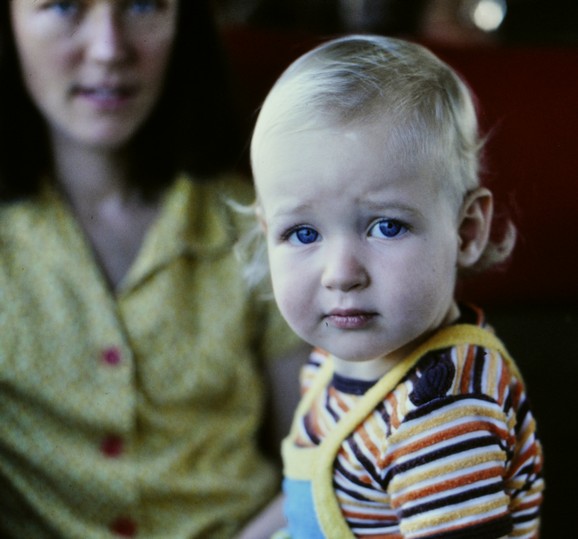 In July 1979, Steph, Hannah (aged 15 months) and I enjoyed a couple of days or so in San Francisco, and then headed up to Vancouver on Canada’s west coast. I was to attend the annual meeting of the Potato Association of America. Arriving in Vancouver we headed to conference venue, the beautiful campus of the University of British Columbia, sited on the western end of a peninsula jutting out into the Strait of Georgia opposite Vancouver Island.


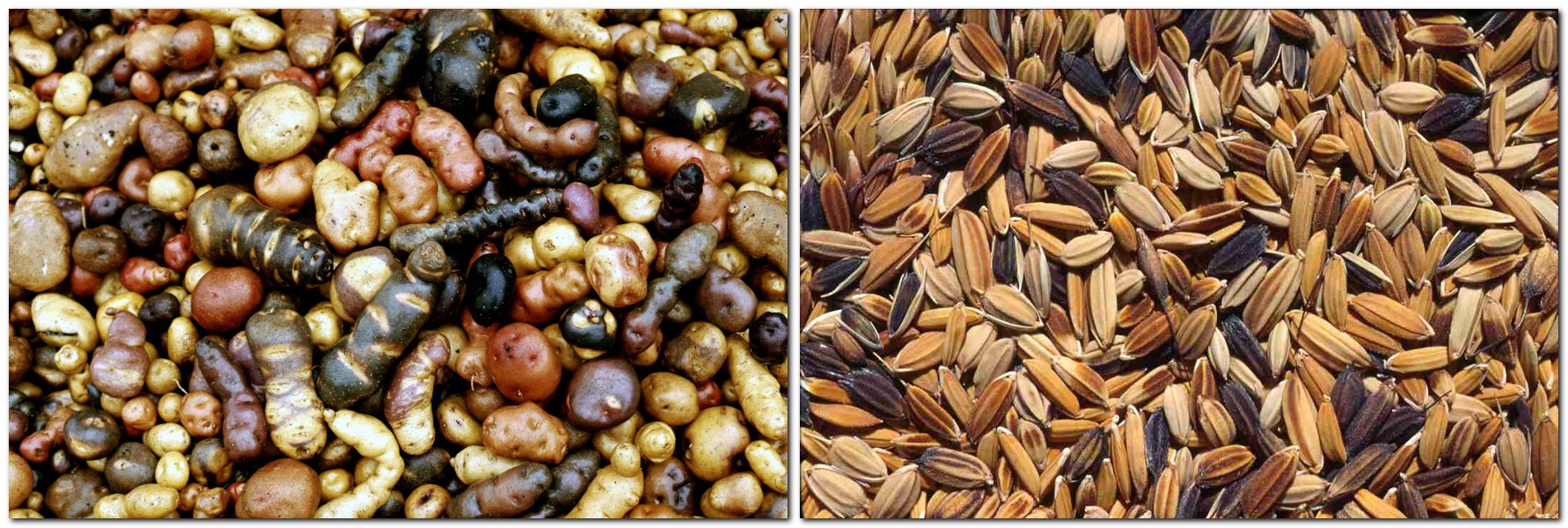


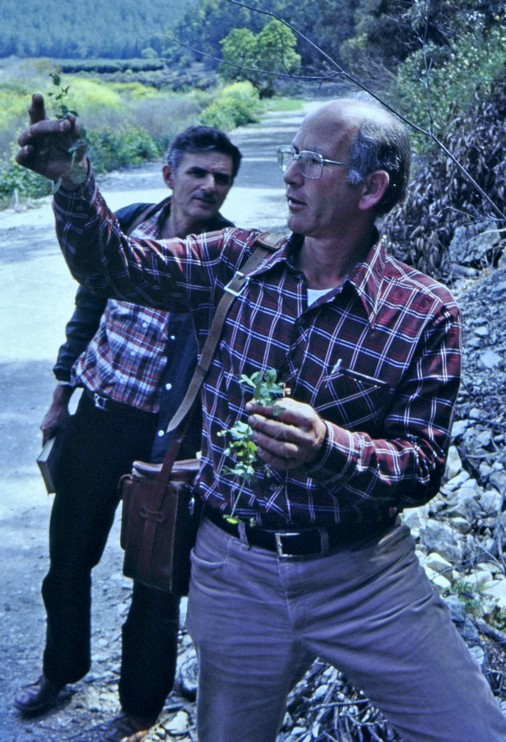
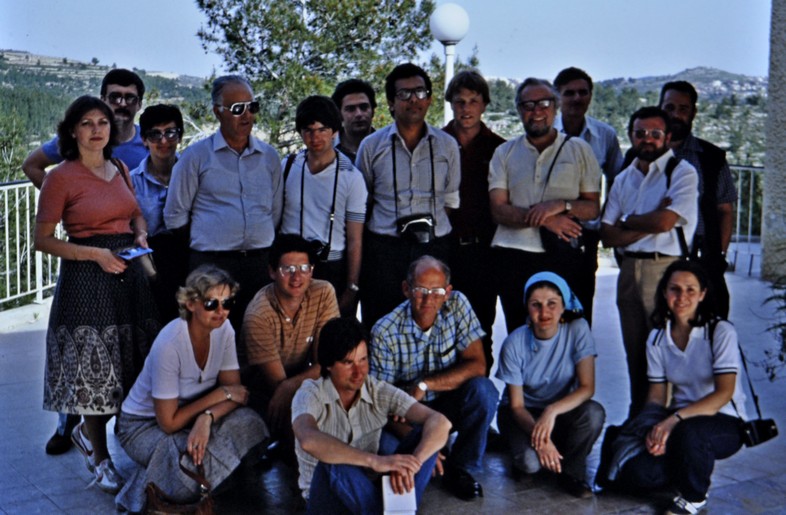
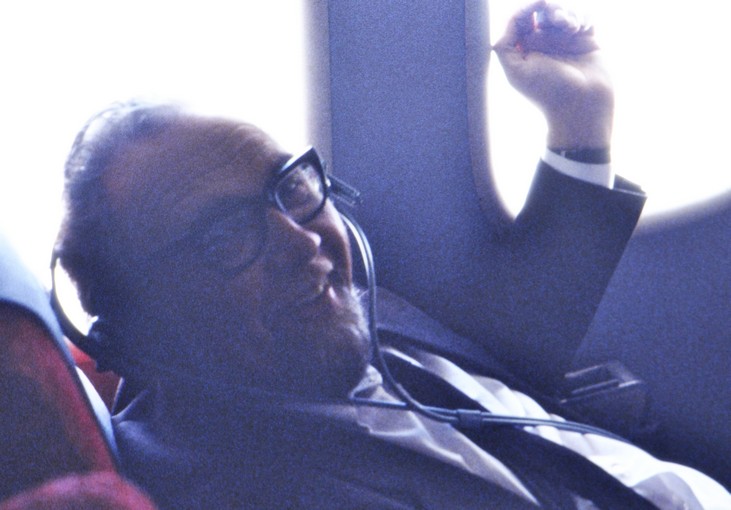


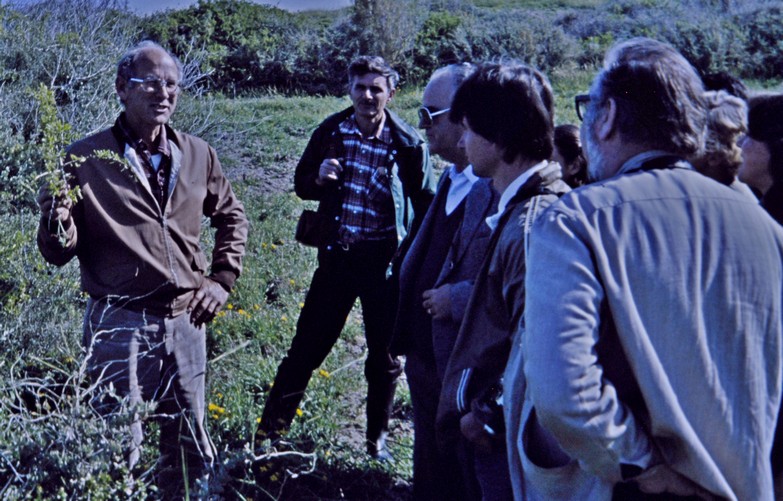
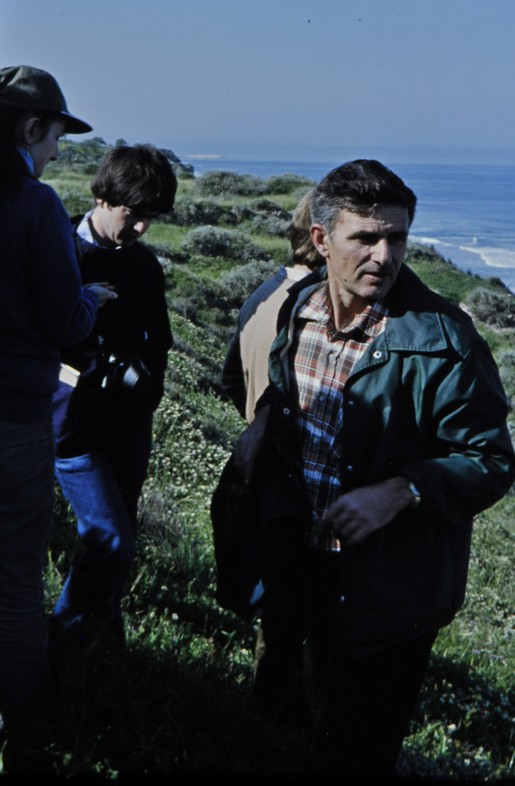
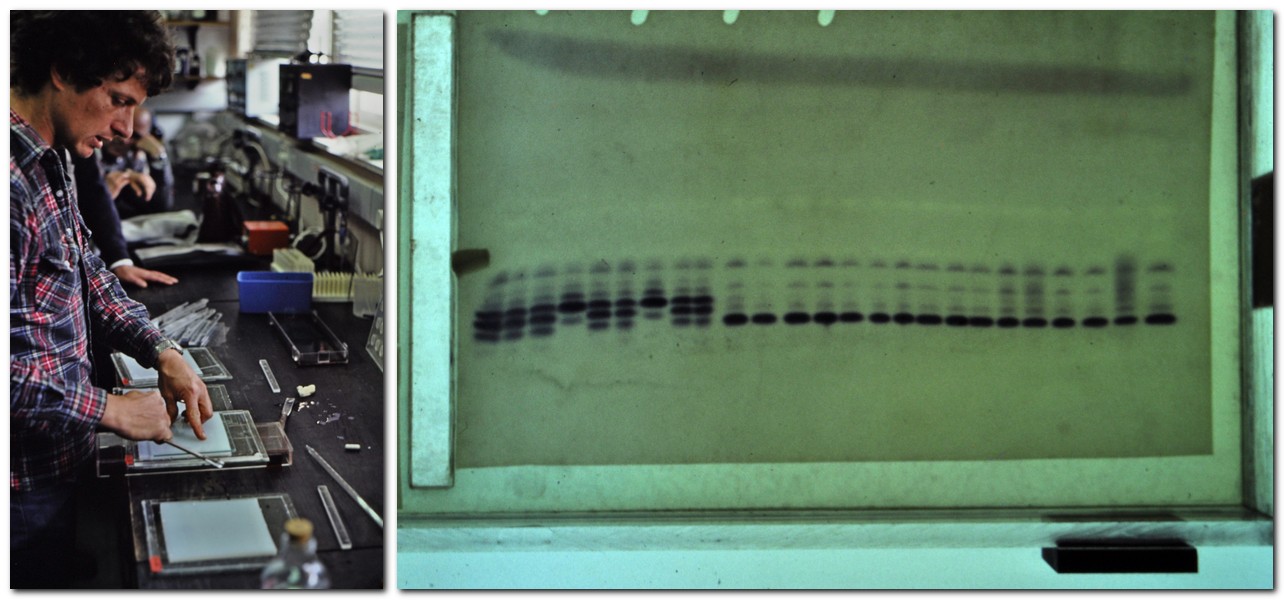
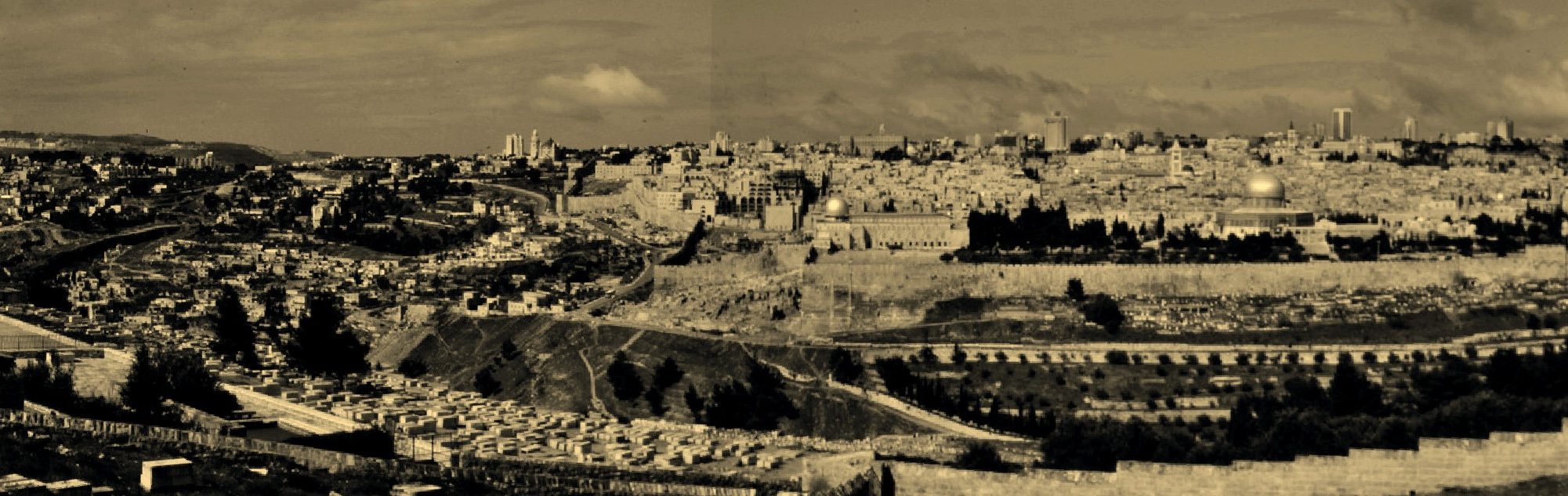


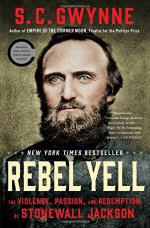 A couple of months back, I enjoyed an excellent 672 page biography of Confederate Major General


 And now I have just finished another book, Noah Andre Trudeau’s 2008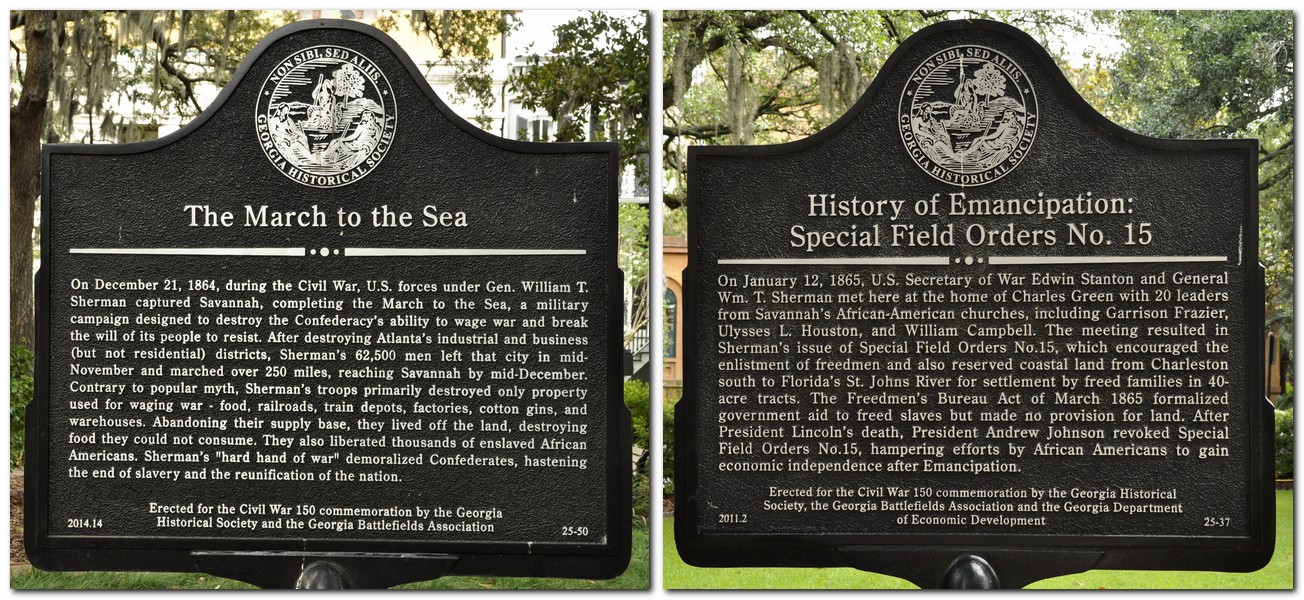
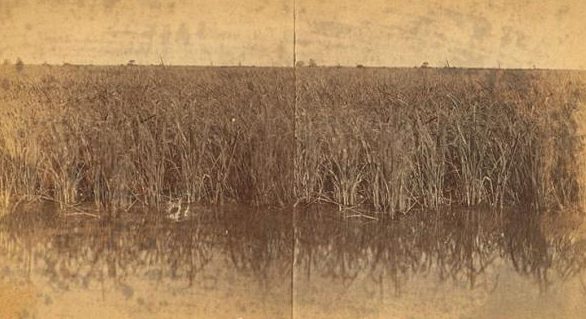
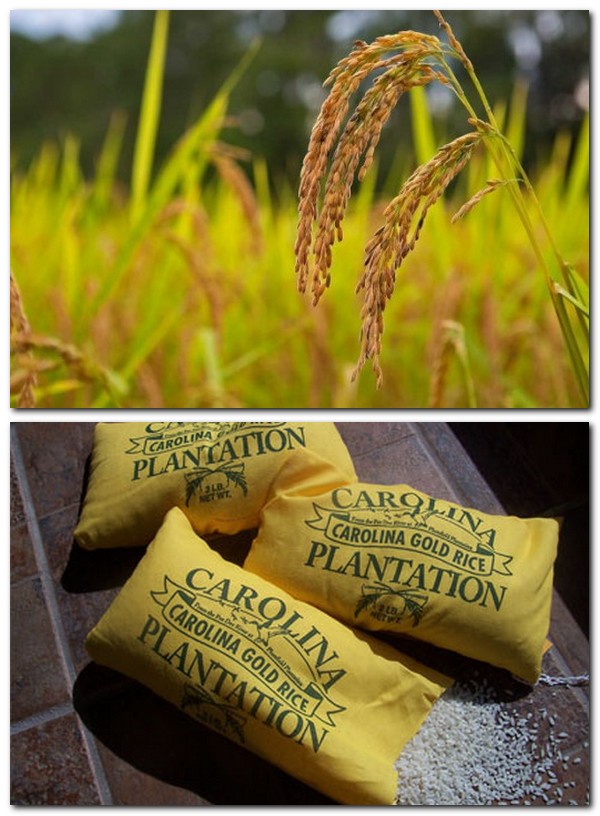

 Among the most important—and most used—collections of plant genetic resources for food and agriculture (PGRFA) are those maintained by eleven of the fifteen international agricultural research centers¹ funded through the
  Genebank security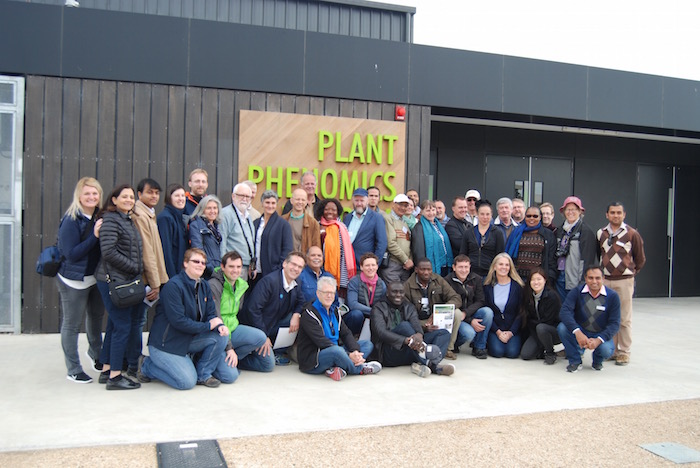
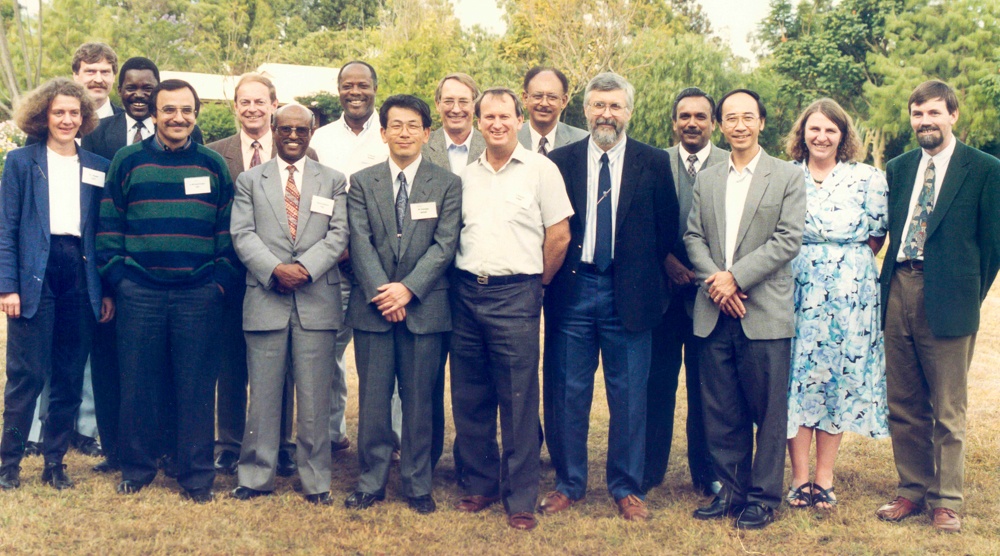


 The formation of the SGRP was an outcome of a review of the CGIAR’s genebank system in 1994. It became the only program of the CGIAR in which all 16 centers at that time (ISNAR, the International Services for National Agricultural Research, based in The Hague, Netherlands closed its doors in March 2004) participated, bringing in trees and fish, agricultural systems where different types of germplasm should be deployed, and various policy aspects of germplasm conservation costs, intellectual property, and use.
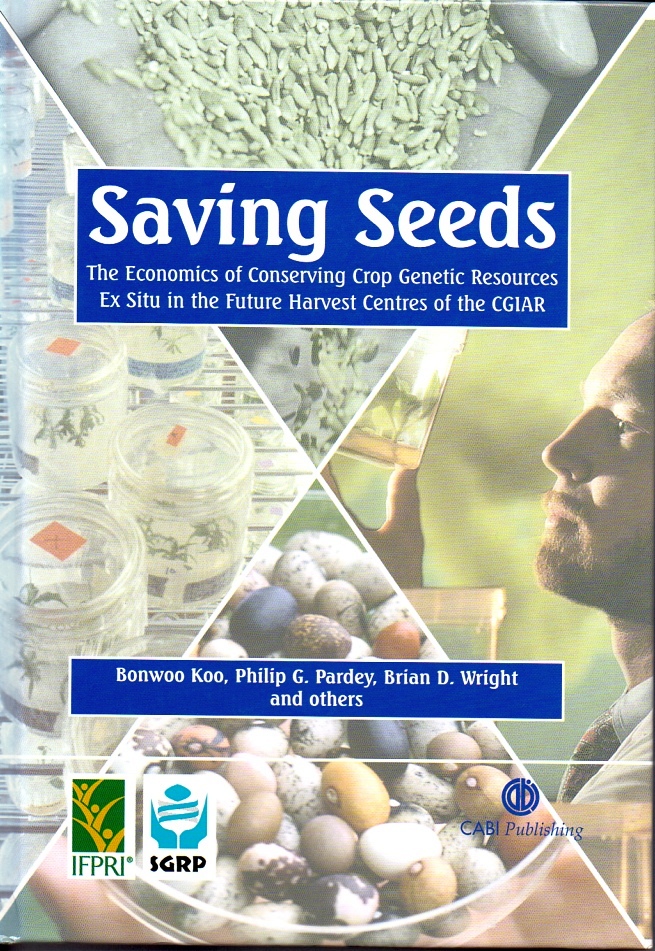
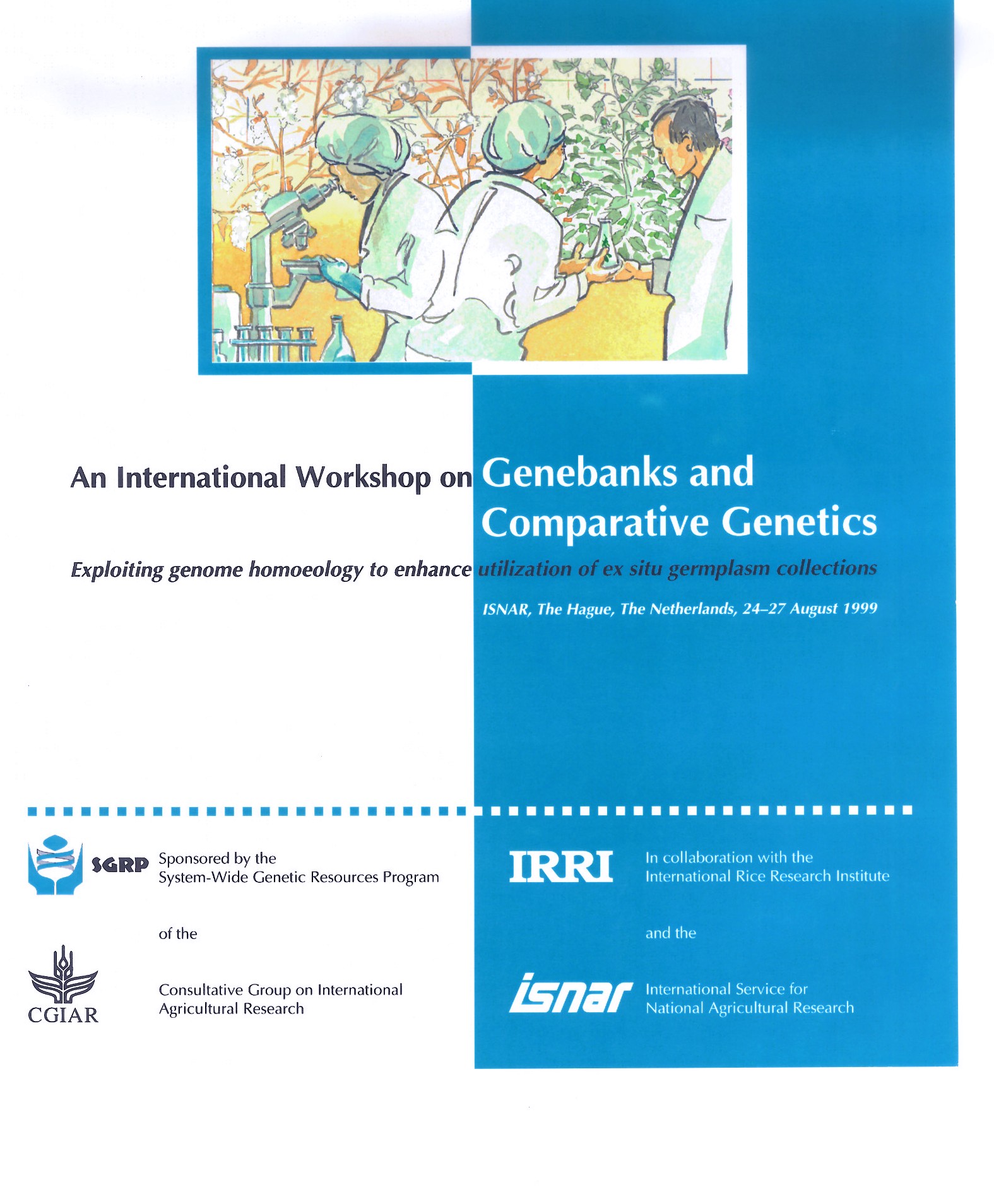
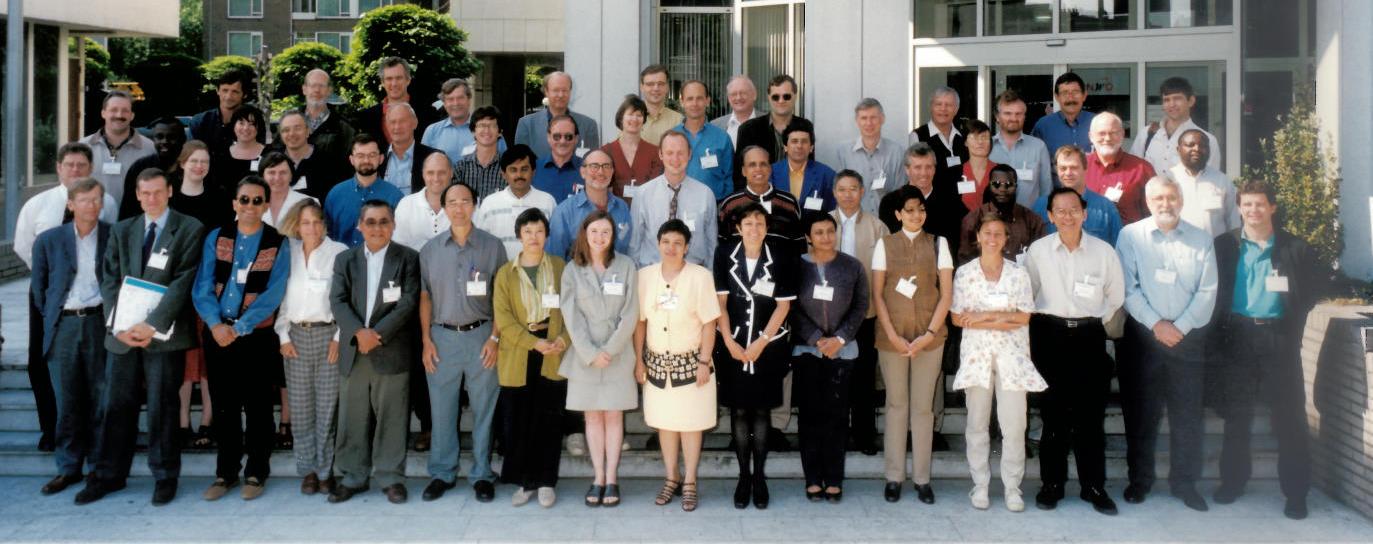
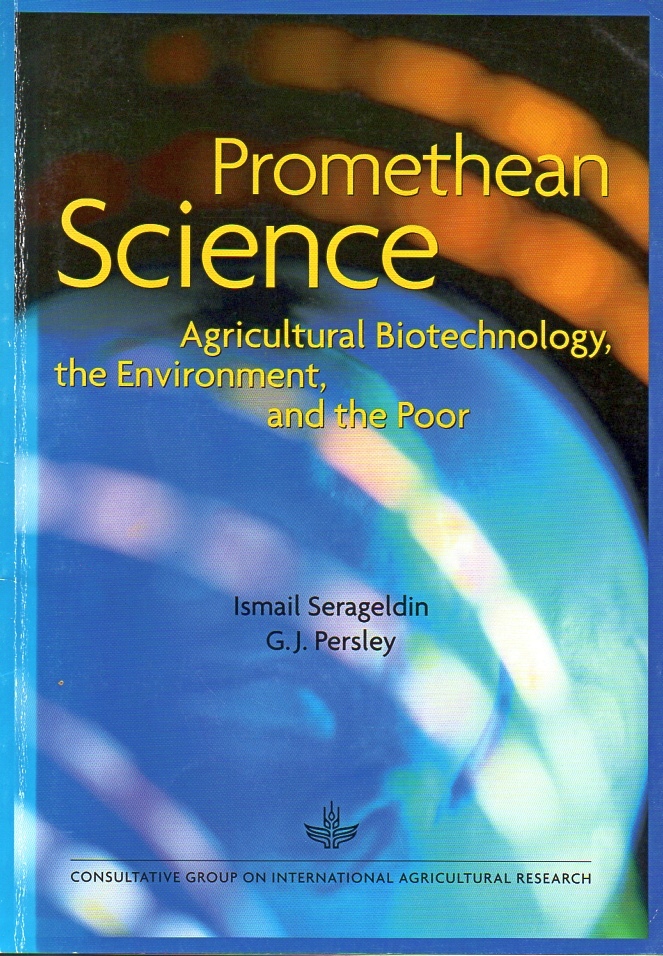
 and bioinformatics. Thus, the
  In terms of data management,
  However, I’ve had a smart phone only since May 2016. Before that I used a basic Nokia that allowed me to make calls and send SMS messages. While I was recovering from my accident in January that same year, I’d thought more about the advantages of having a smart phone, and decided to invest in one that wasn’t too expensive. I have a SIM-only plan with Talk Mobile that gives me a respectable number of text messages and calls to other phones on a monthly basis.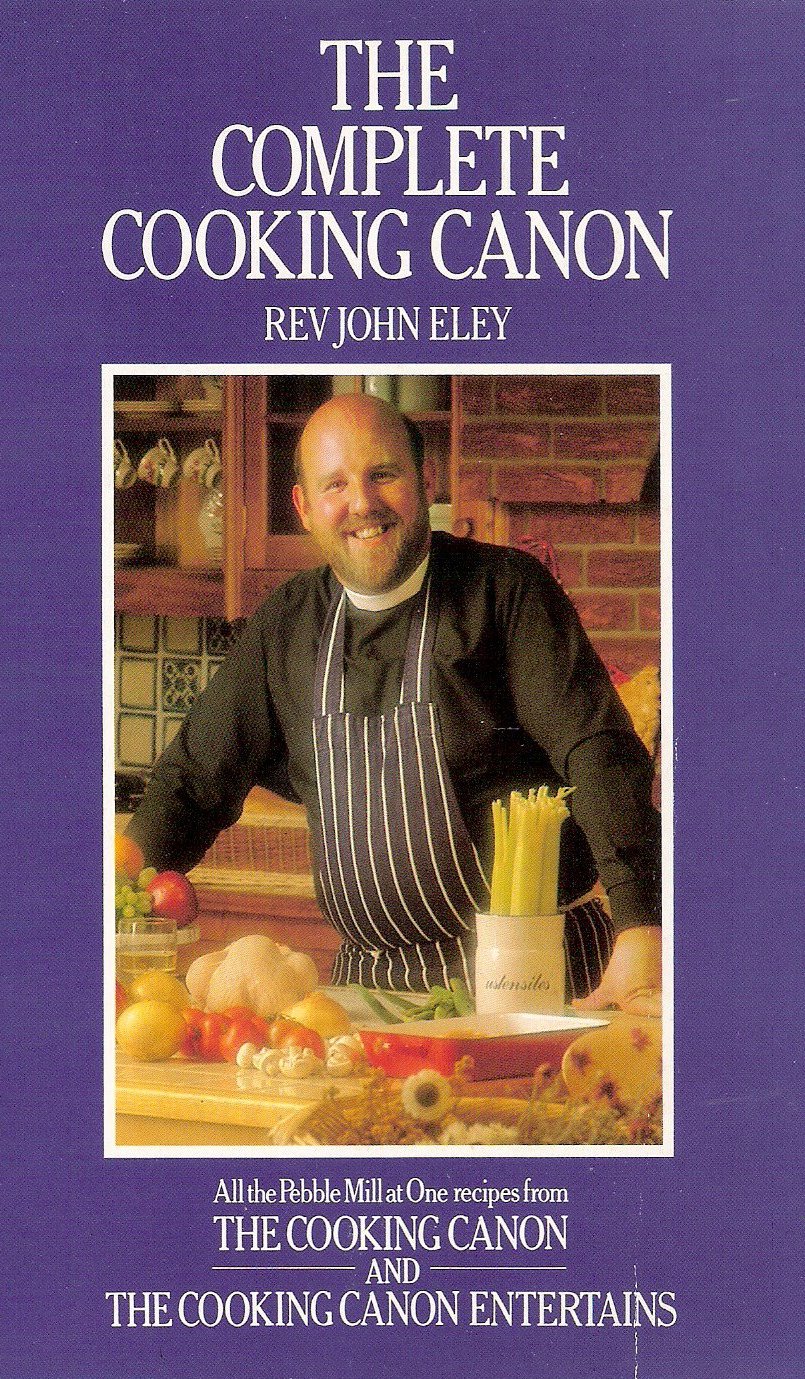
 This phone, a Nokia, is not the one he used as far as I can recall, but it’s of the same sort of dimensions as that he used to haul around. How far we have come, and how much we take mobile telephony for granted. Just a few taps of the screen and you can be talking to anyone on the other side of the world.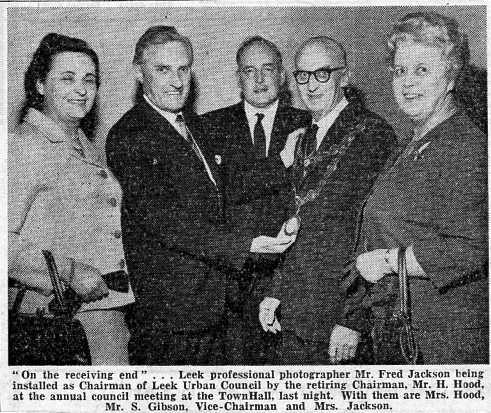
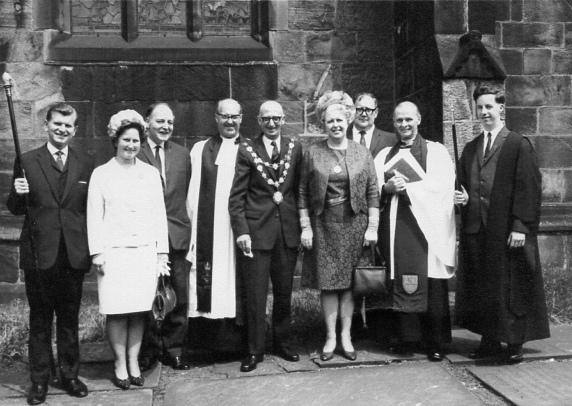
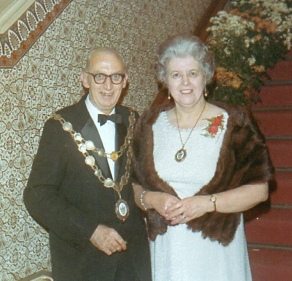
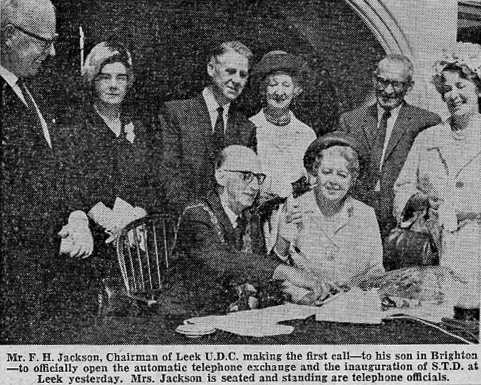
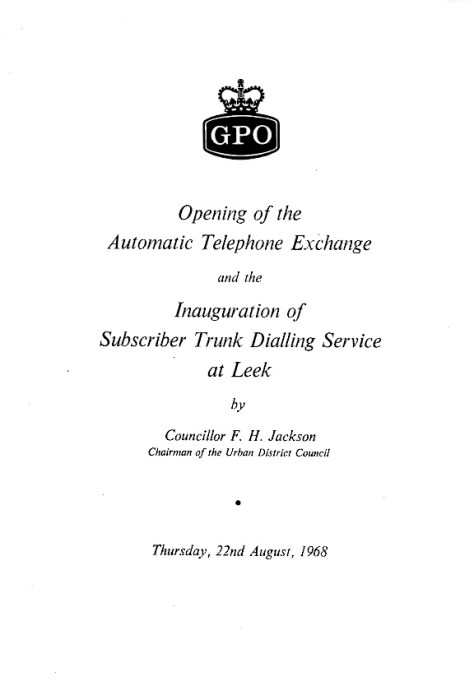
 Almost 50 years after my father visited Brazil, I made my first trip there in early 1979, when I attended a meeting of the Latin American Potato Association, ALAP. Its meeting that year was held in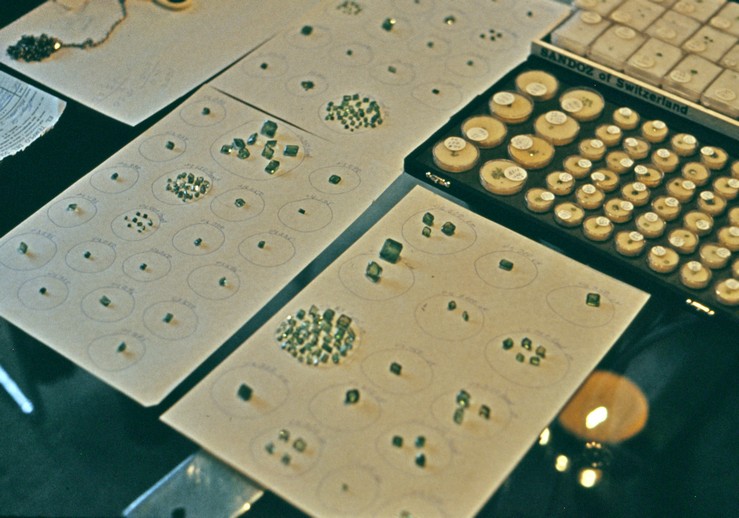
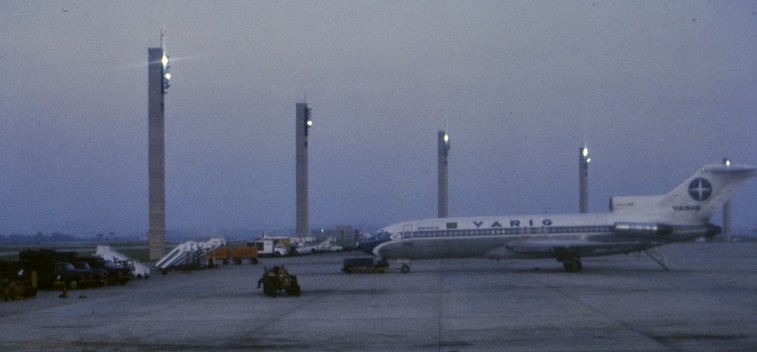


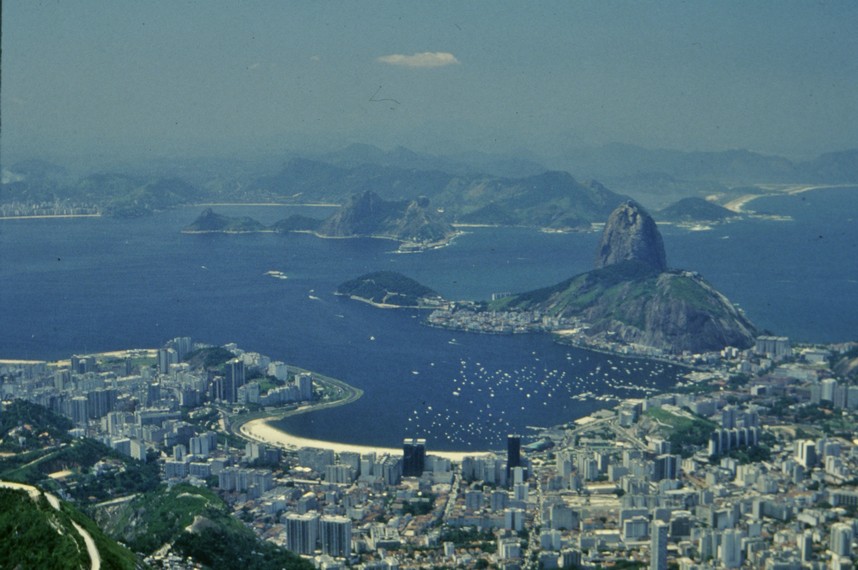


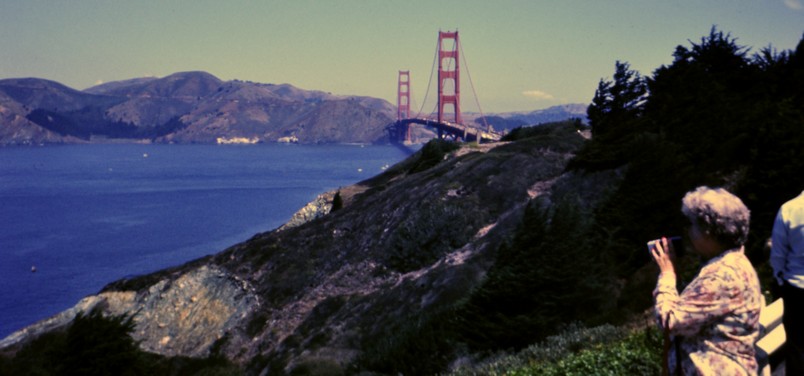


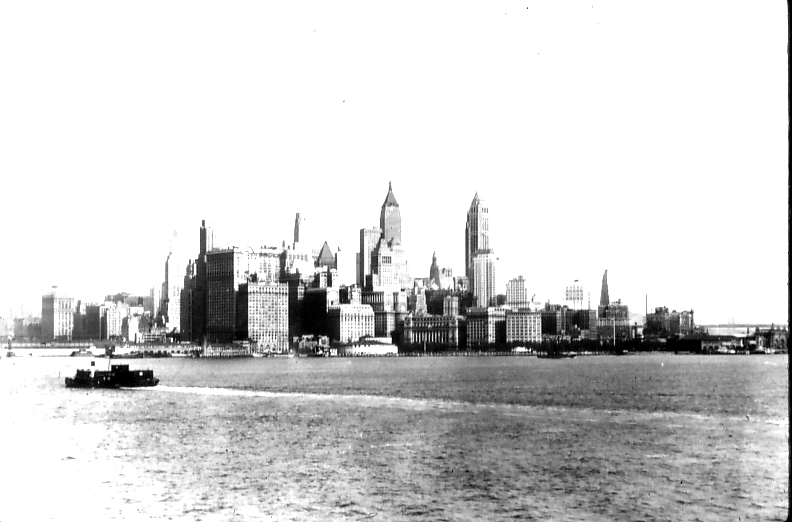
 The economic justification for and value of the canals waned, and they fell into disuse, and no longer navigable. However, in recent decades there has been a resurgence in the use of inland waterways. Today some 2000 miles of navigable waterways (canals and rivers) are managed by the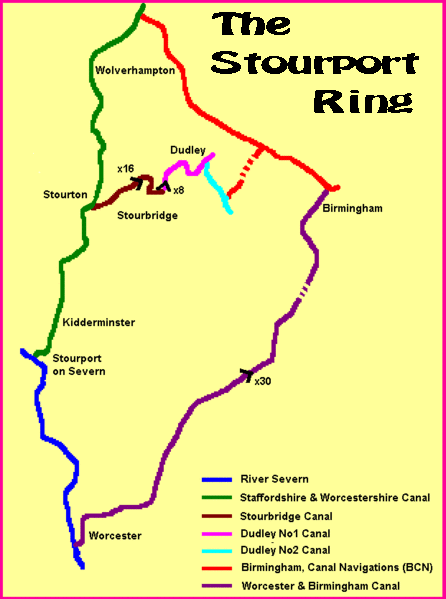
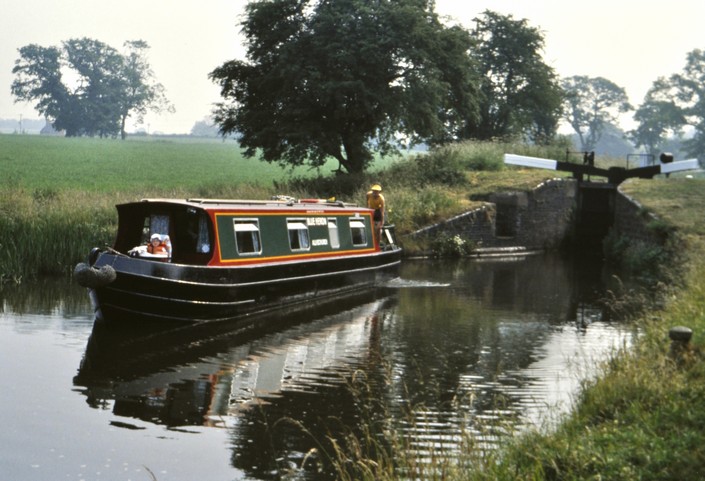
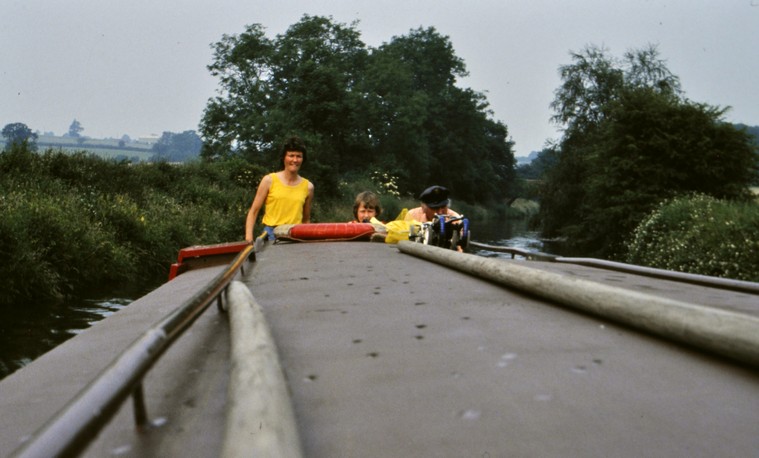
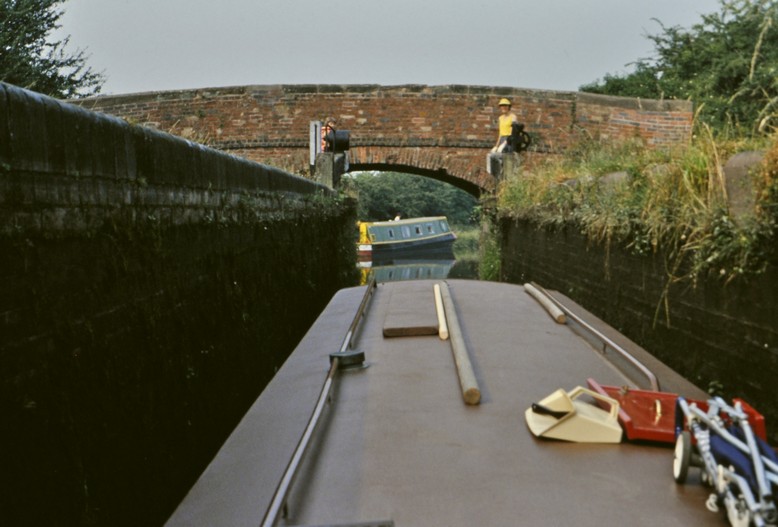
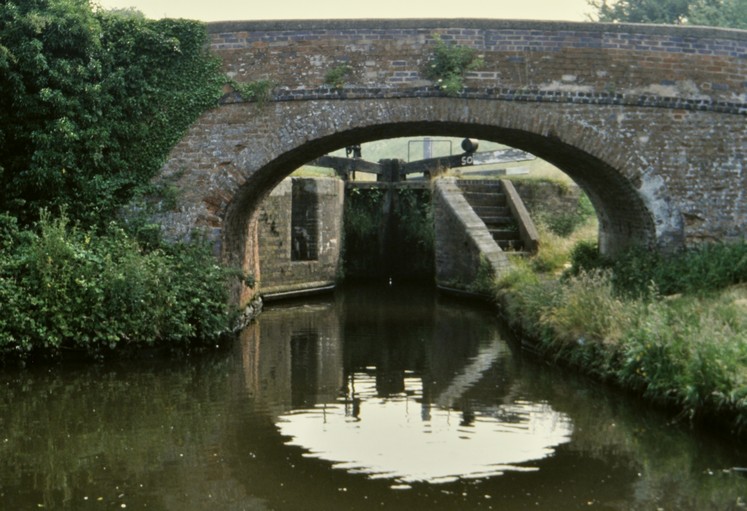
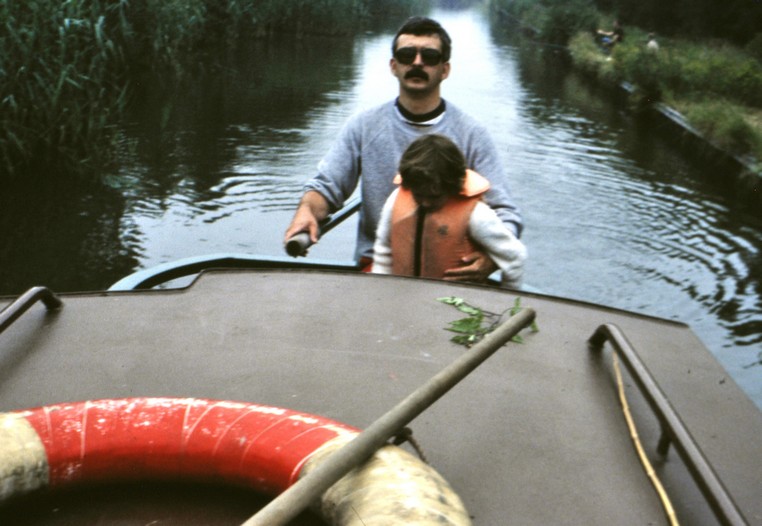
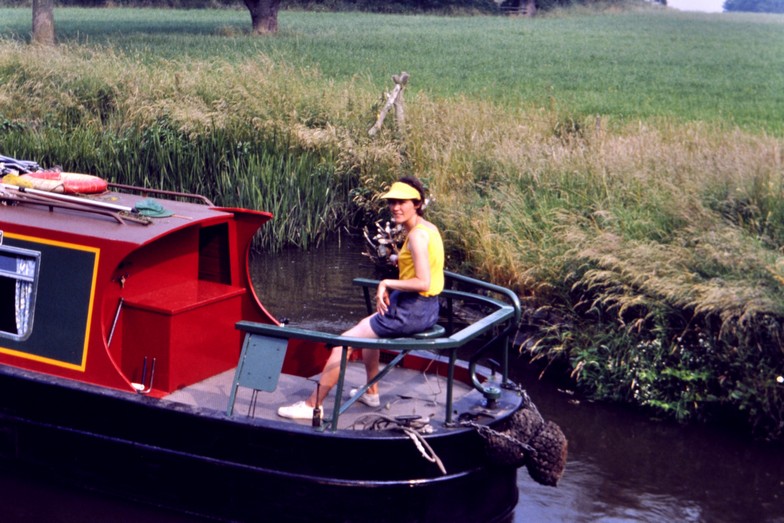
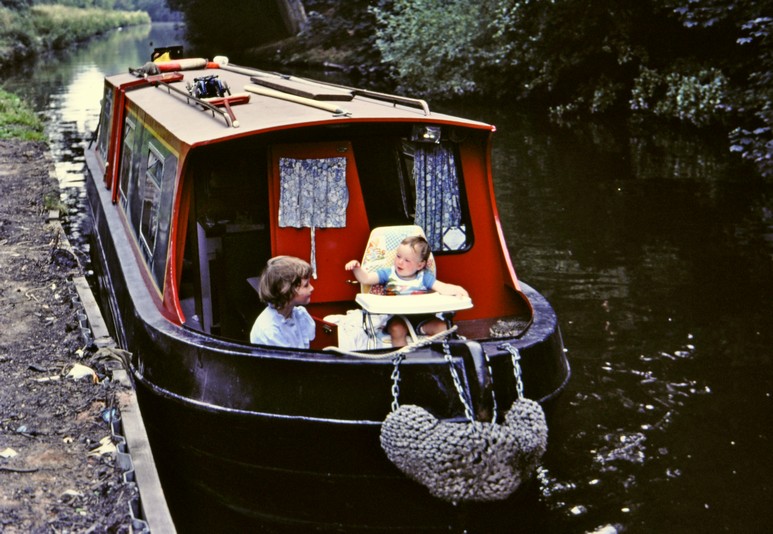
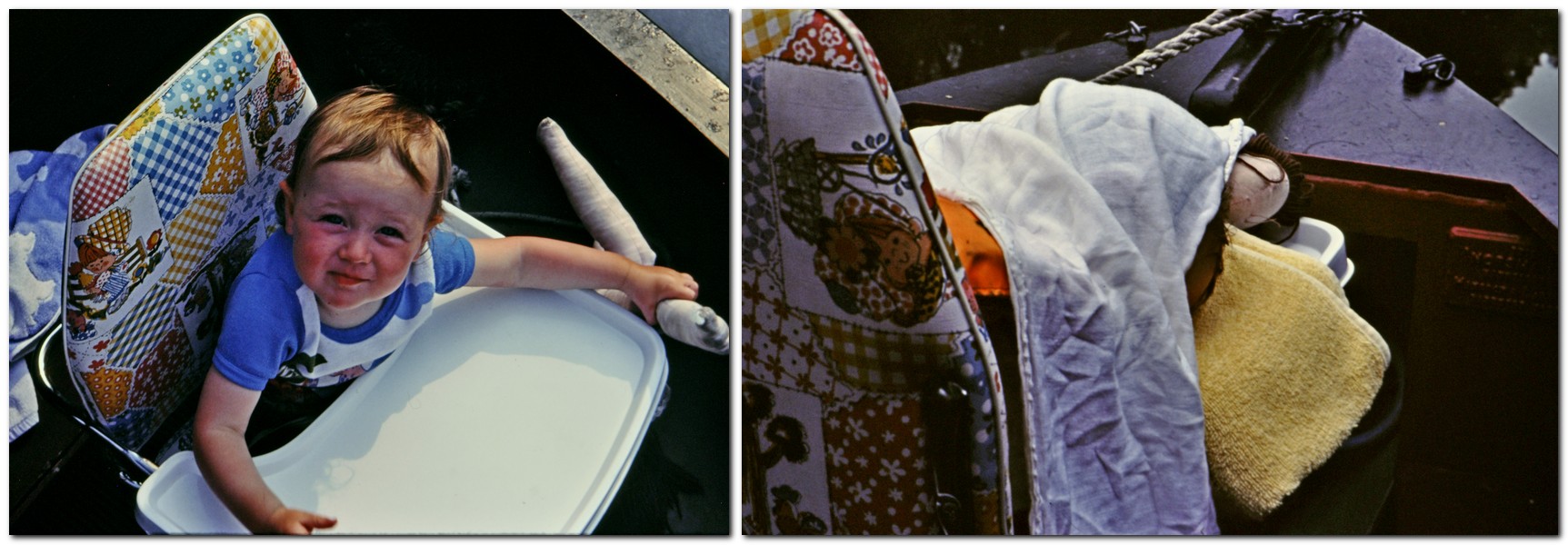
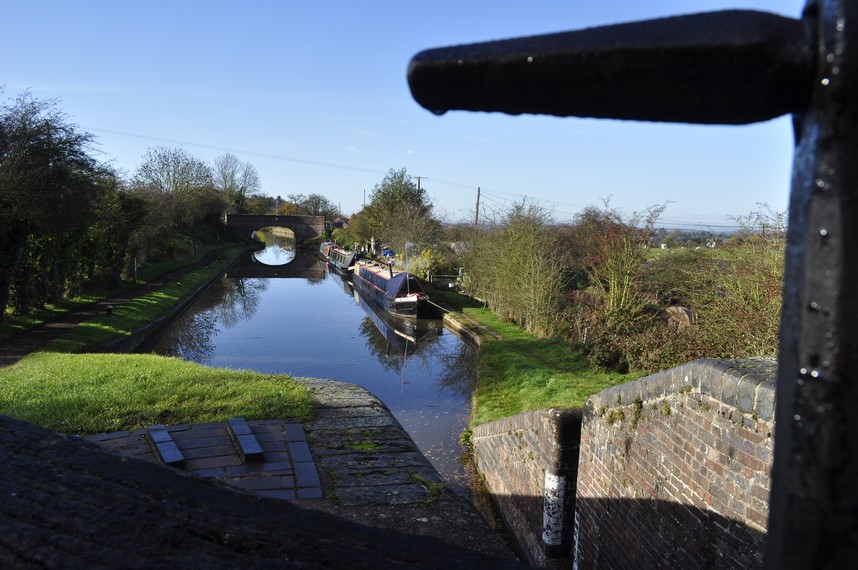
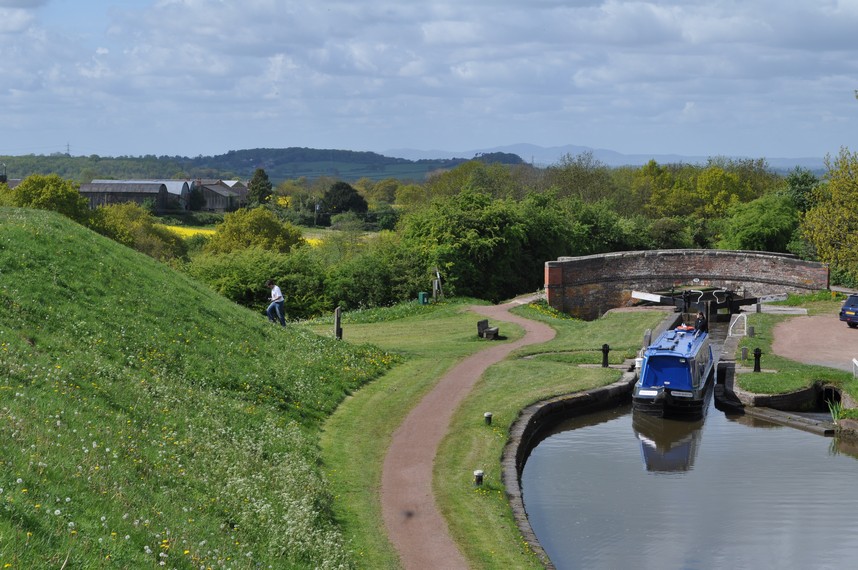


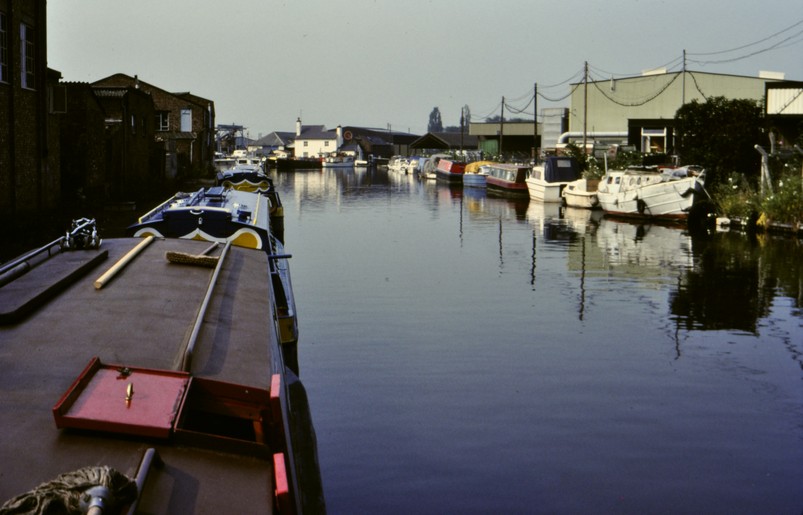
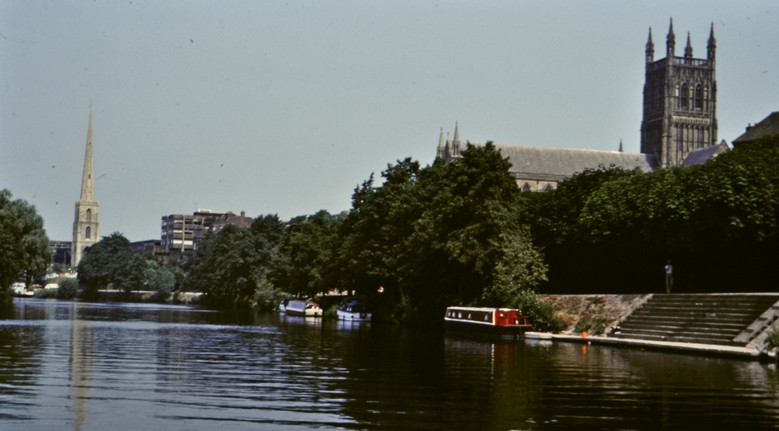
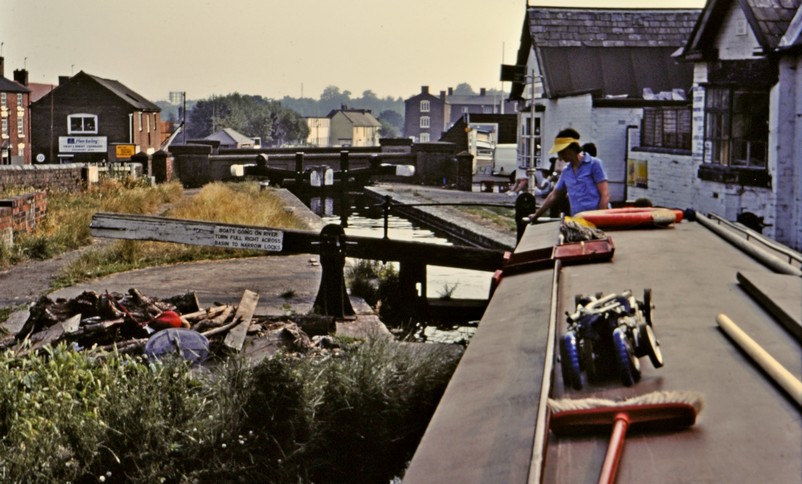


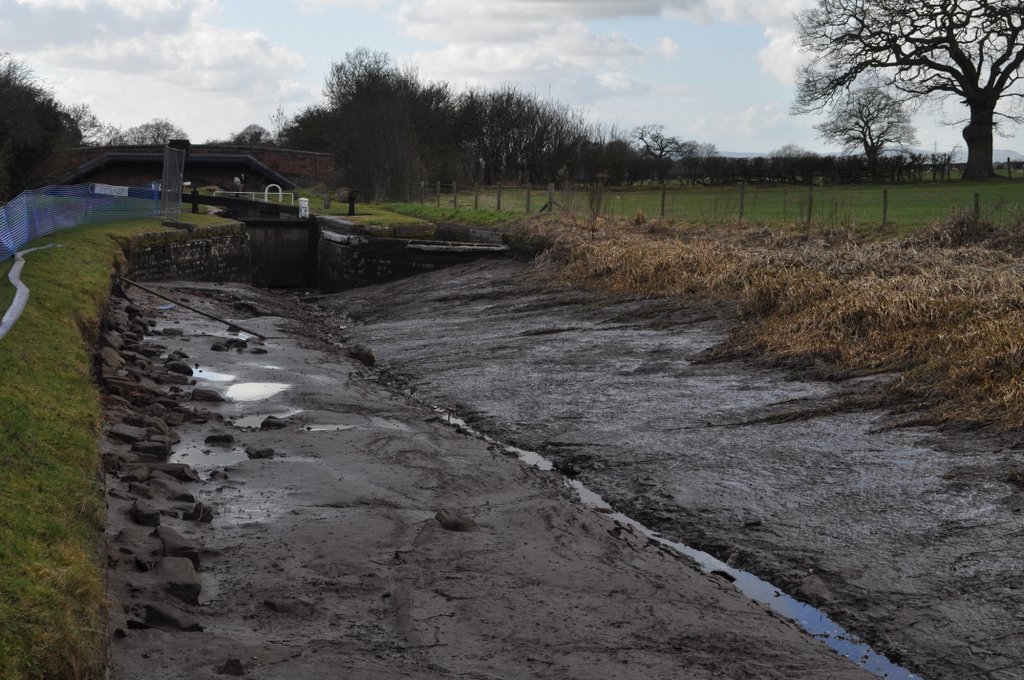
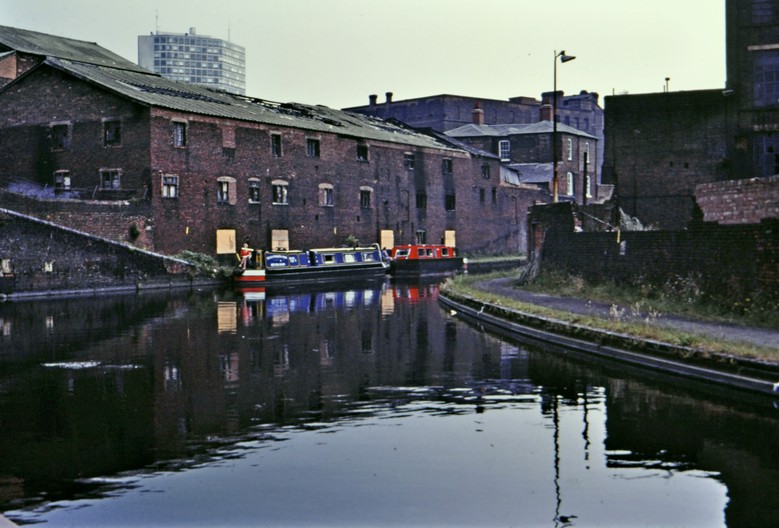
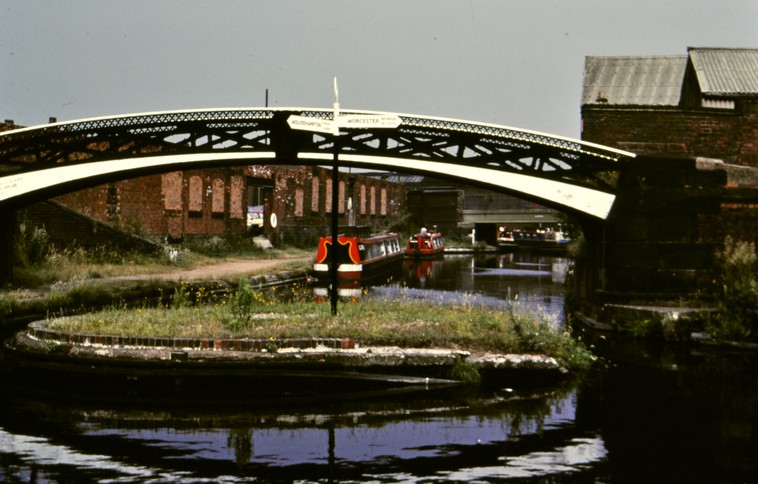
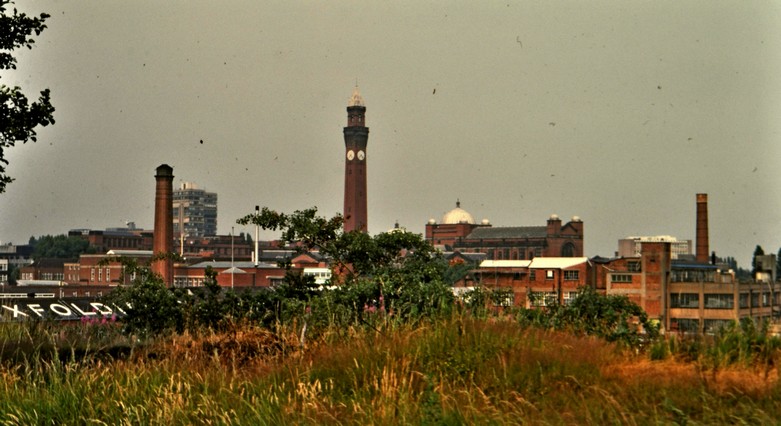
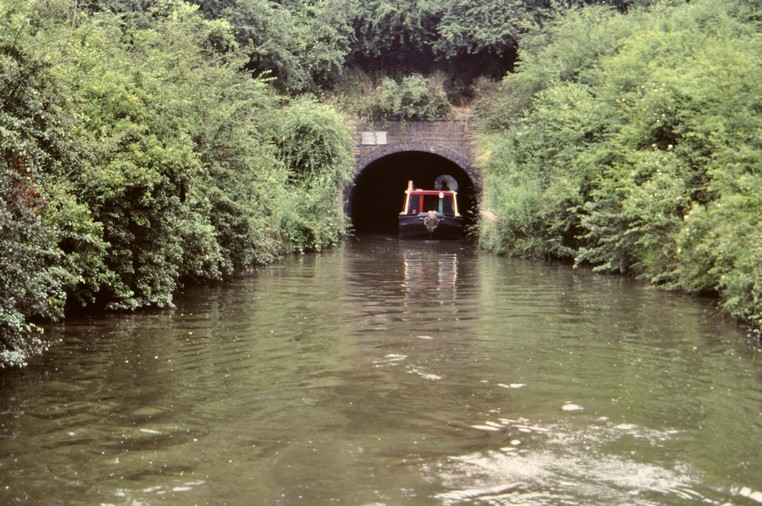
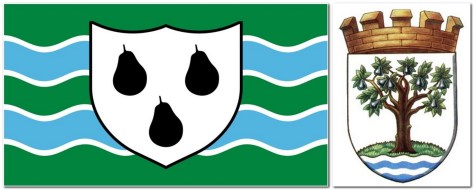
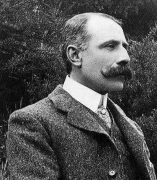 Where
Where 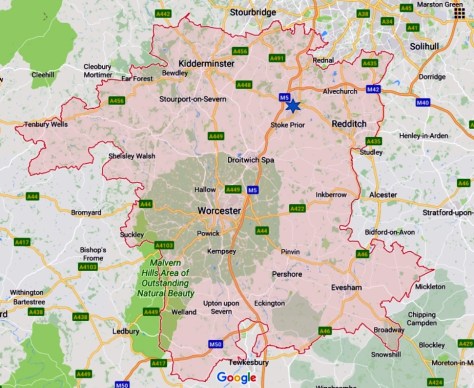
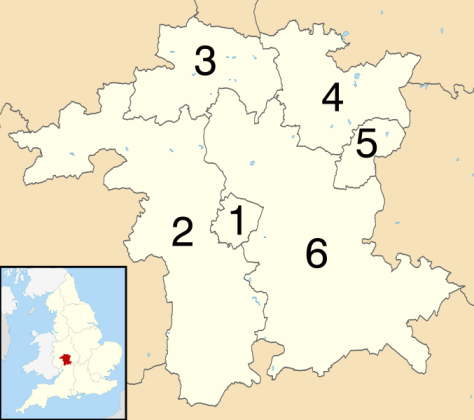
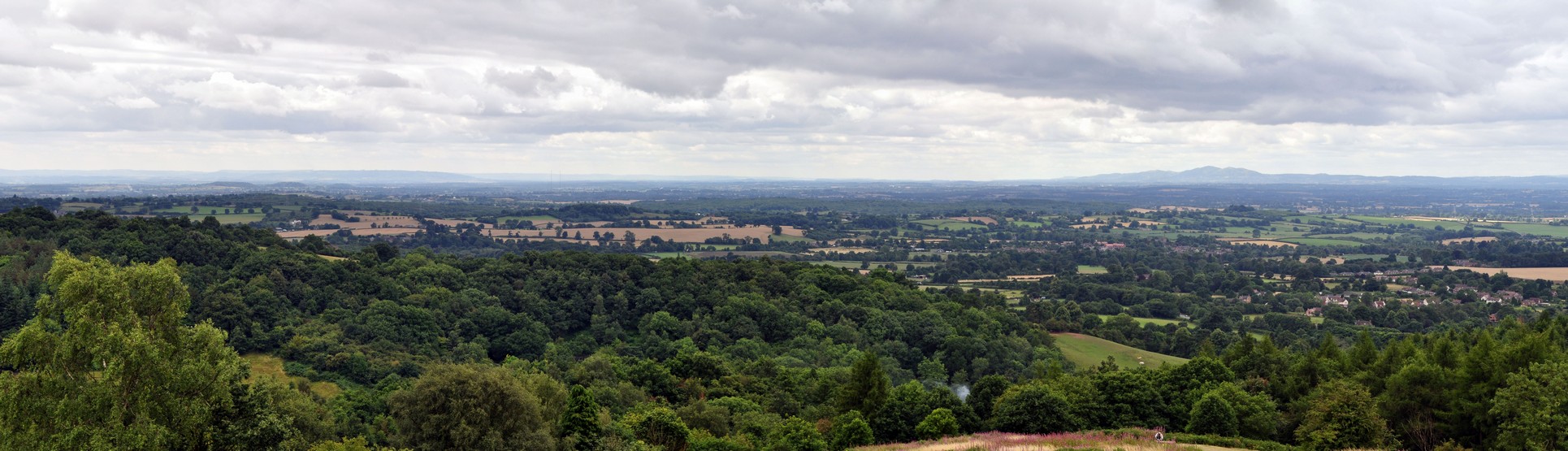
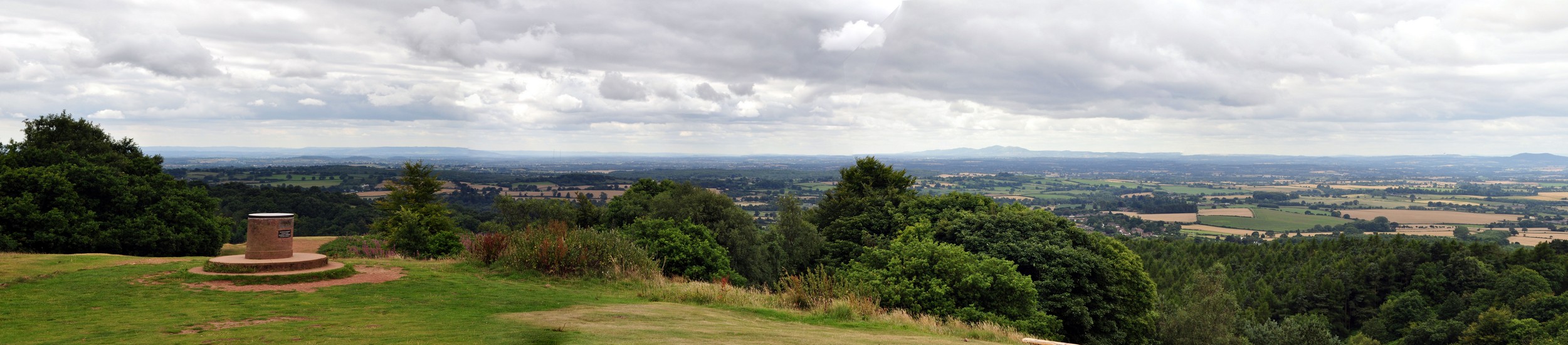


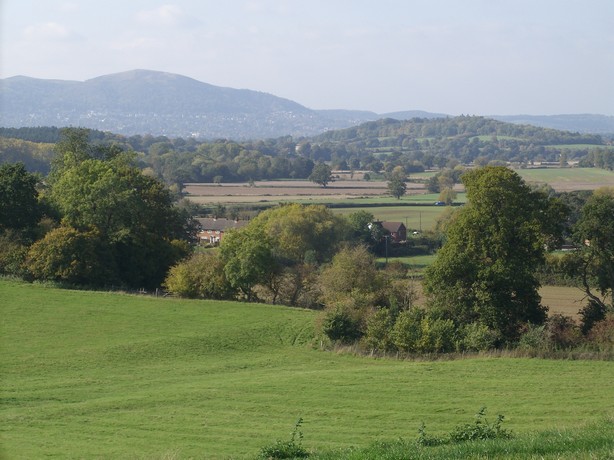

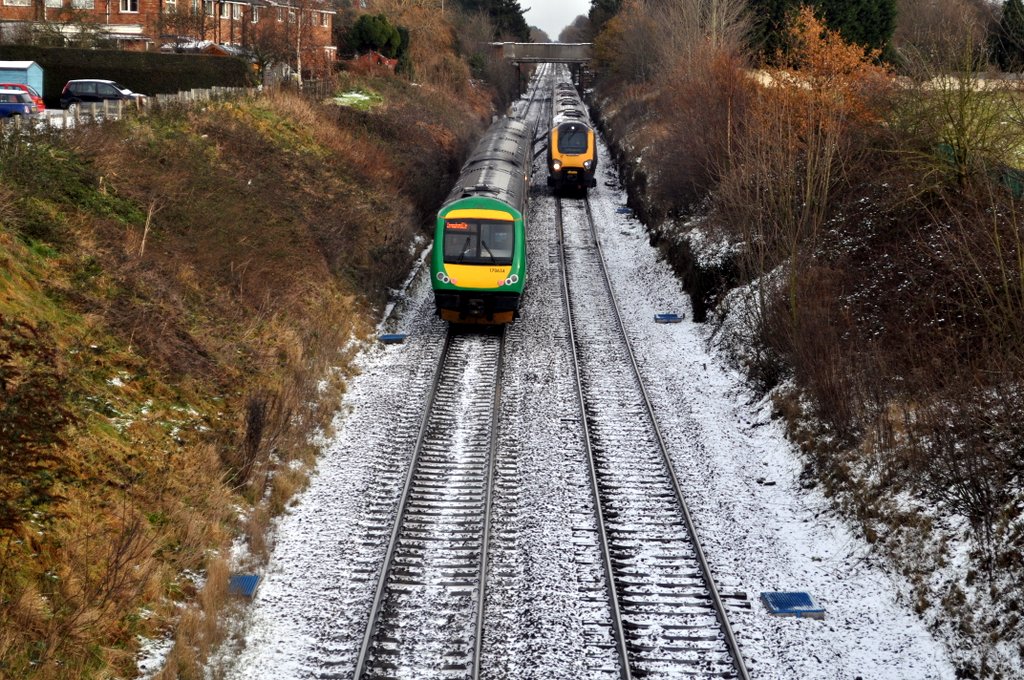
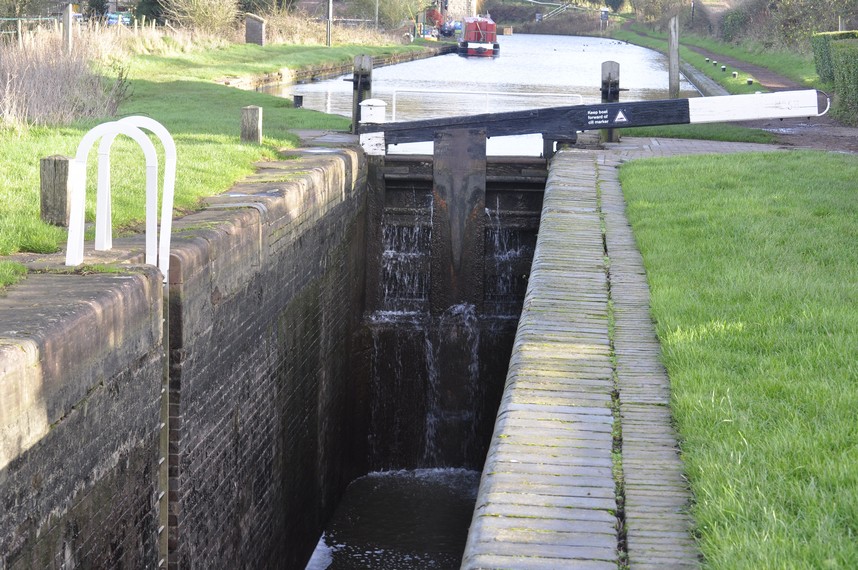
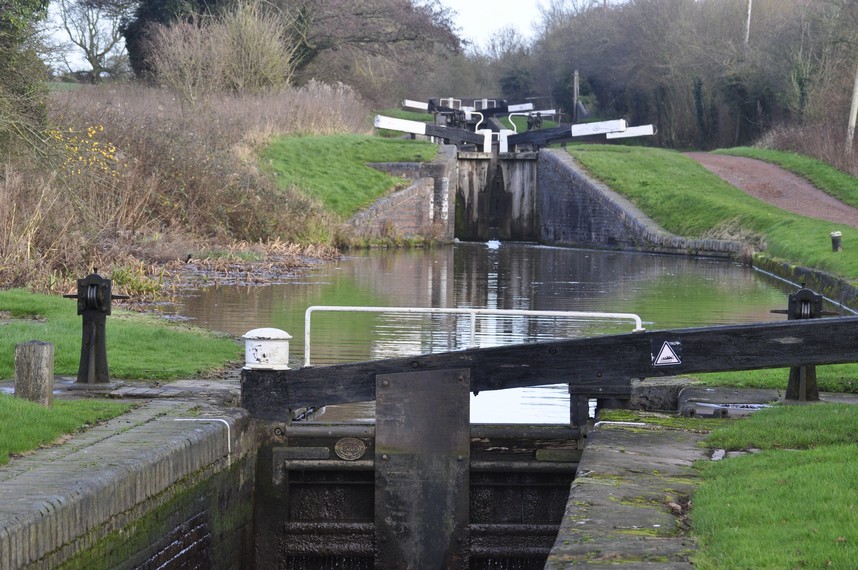
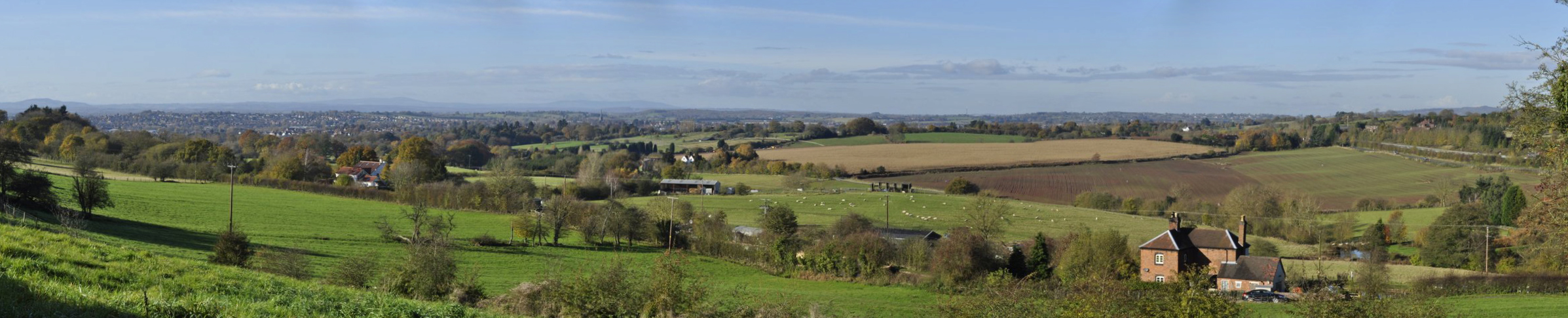
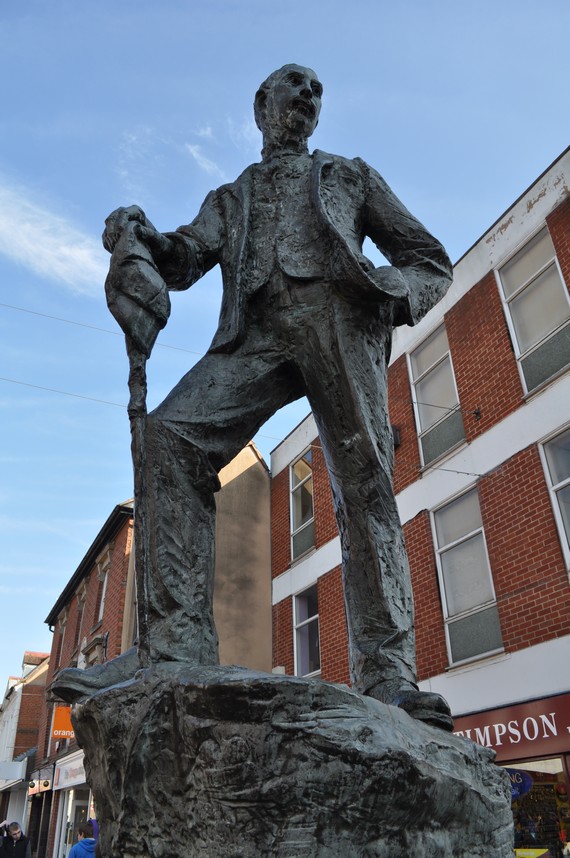
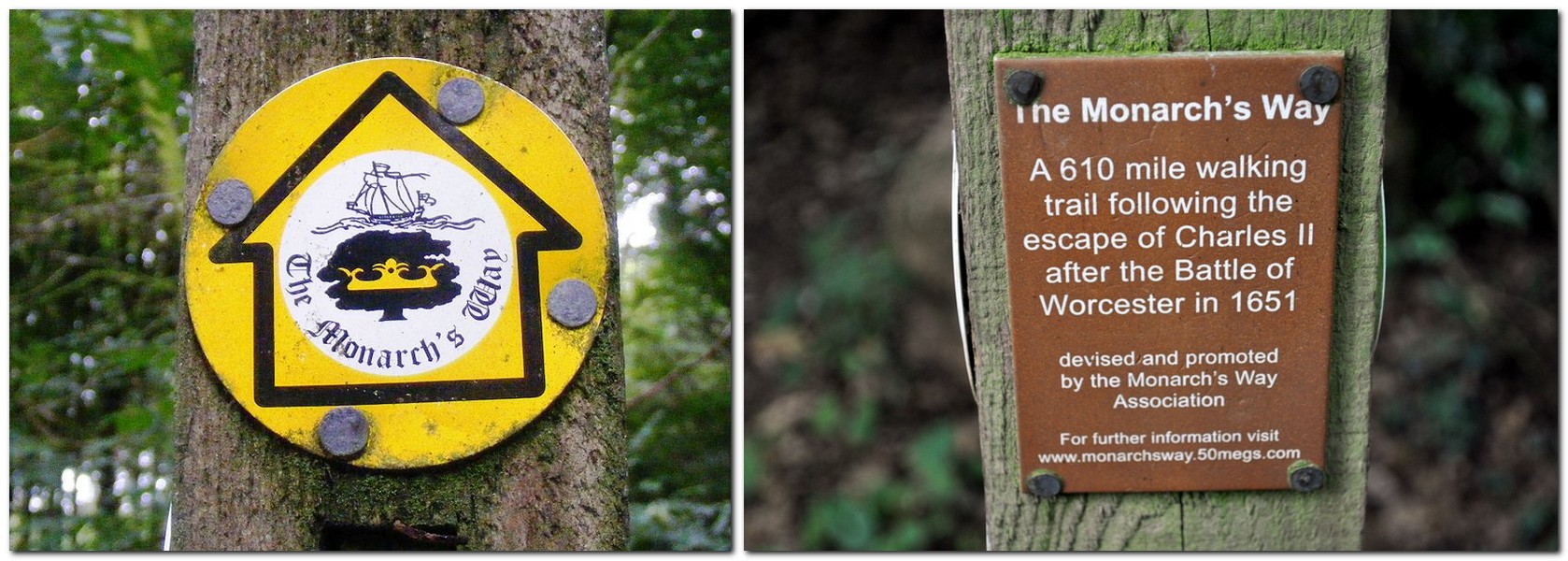
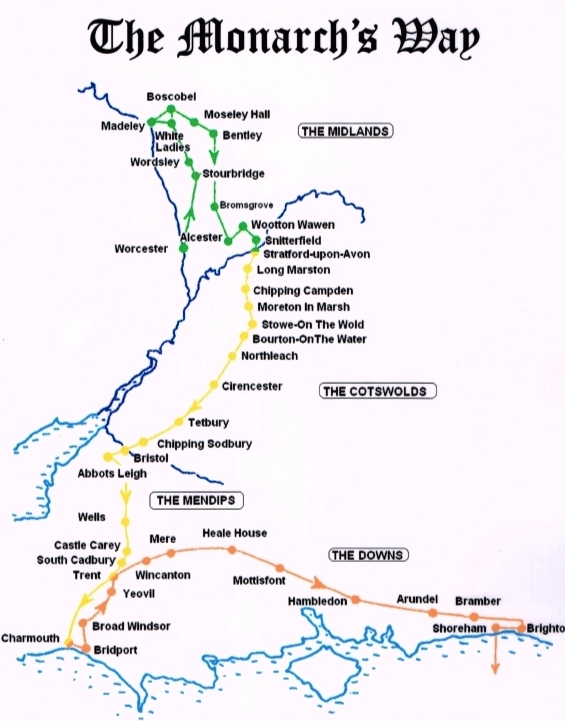
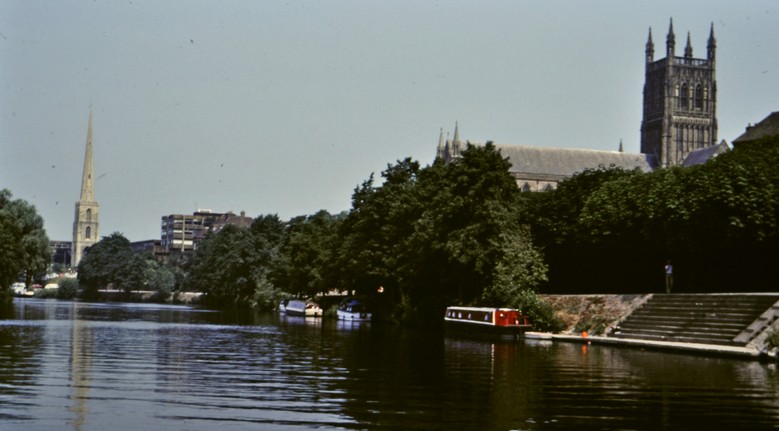
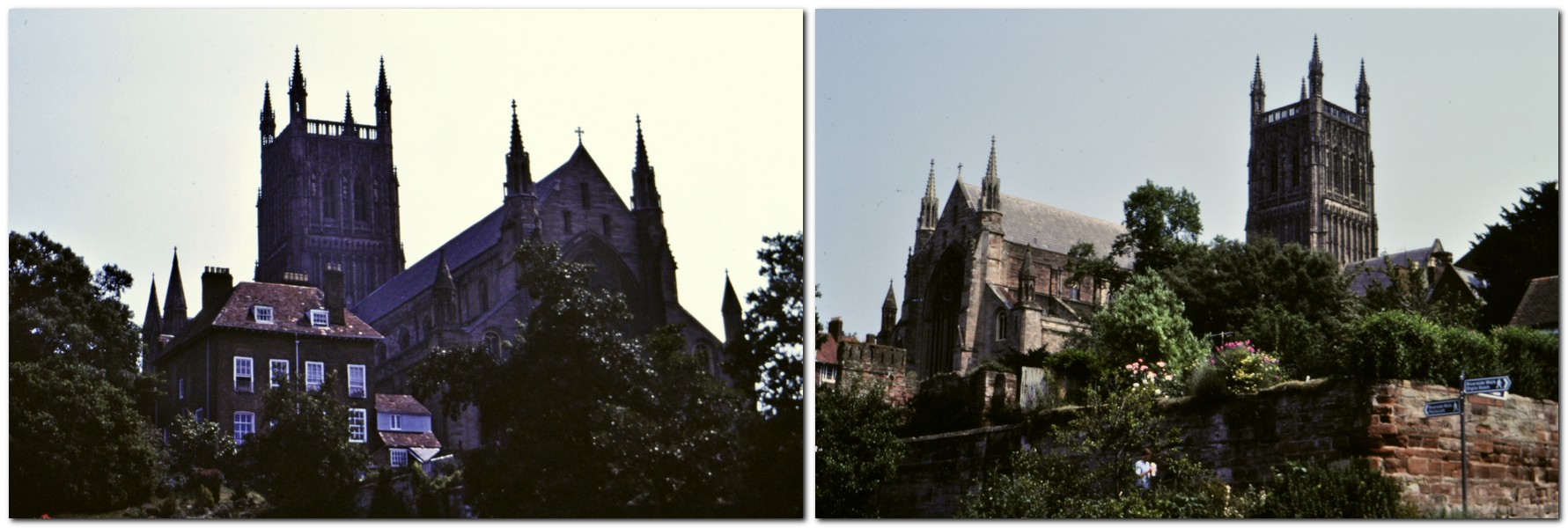
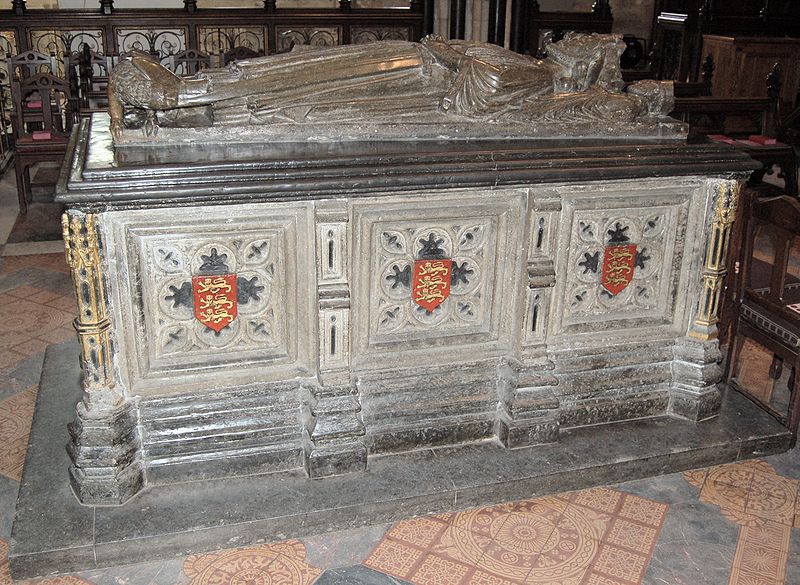
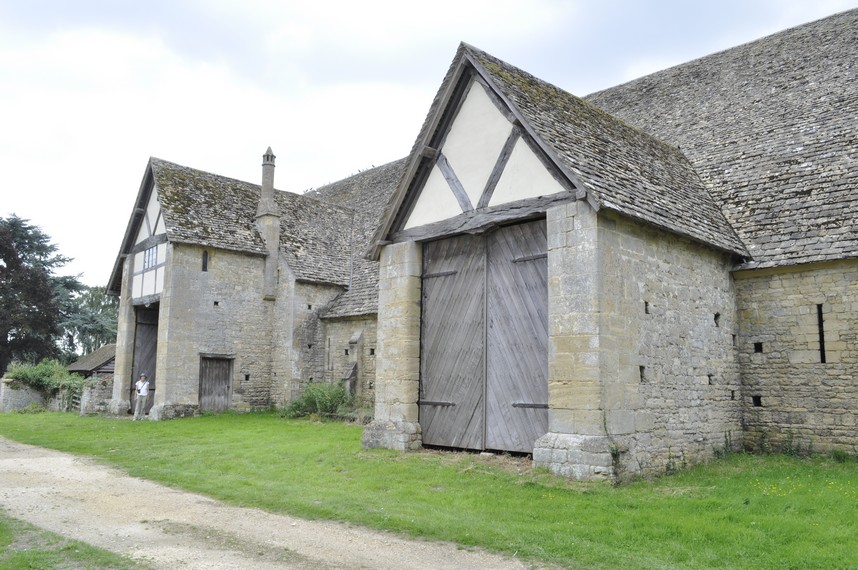
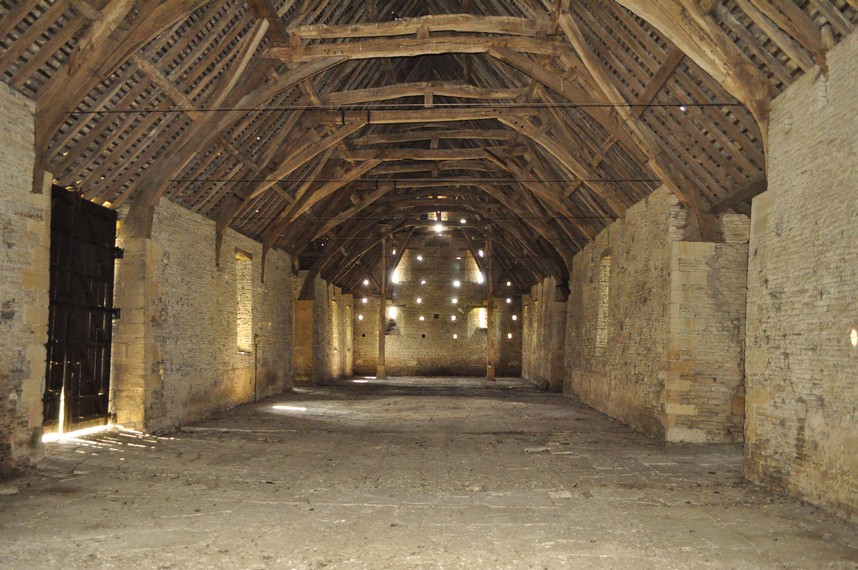
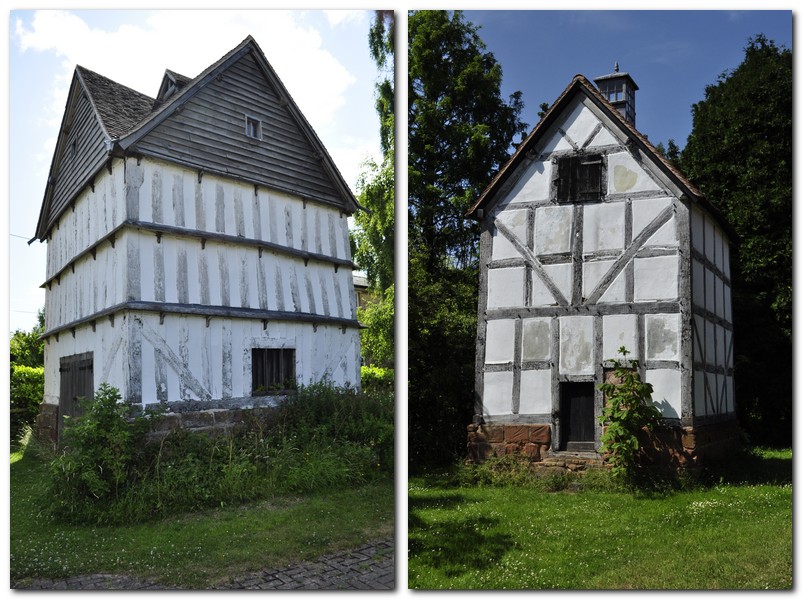
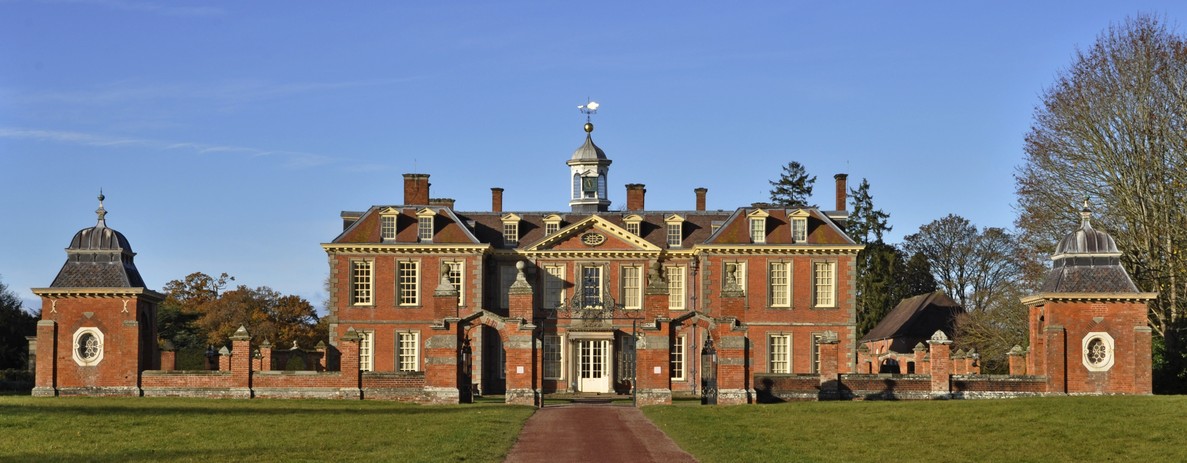
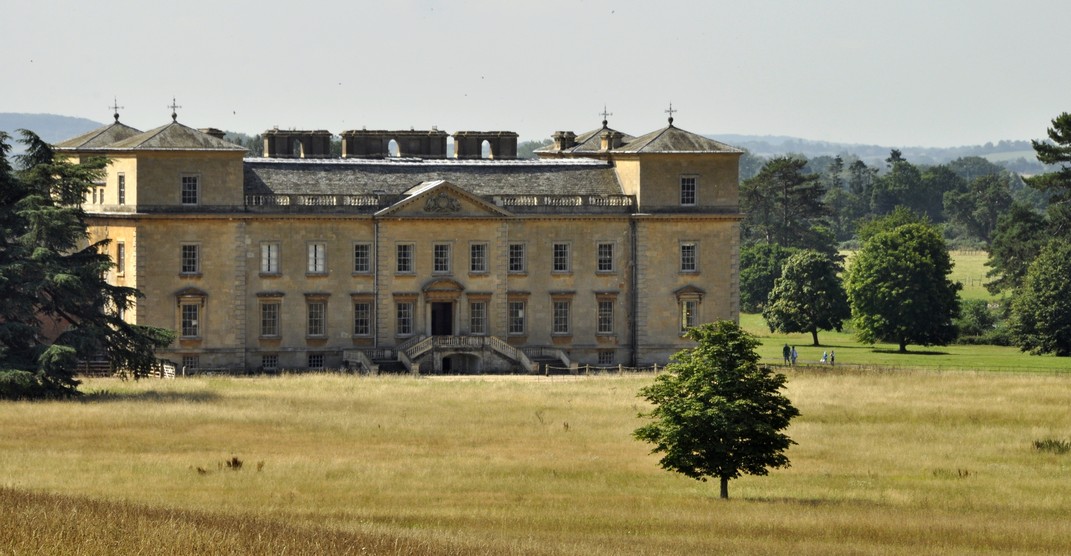
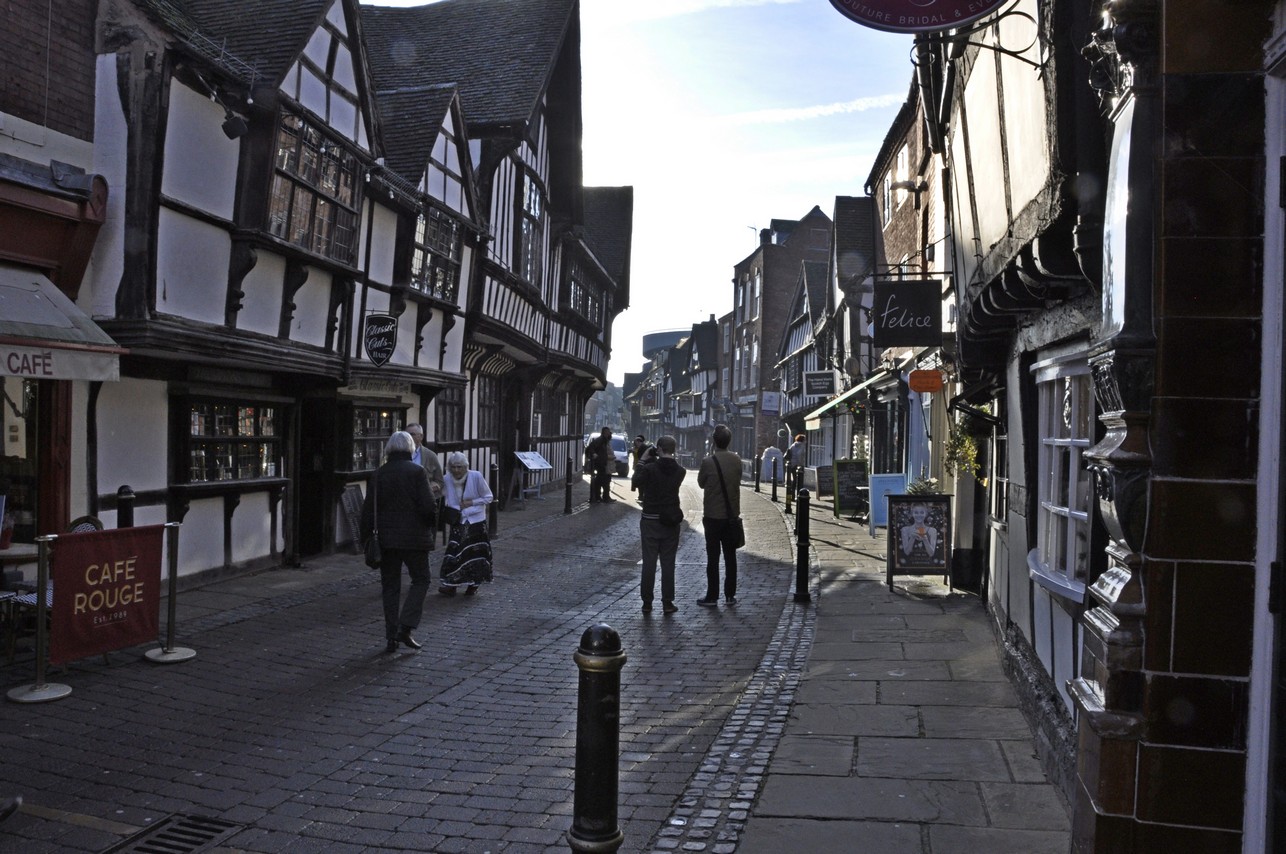
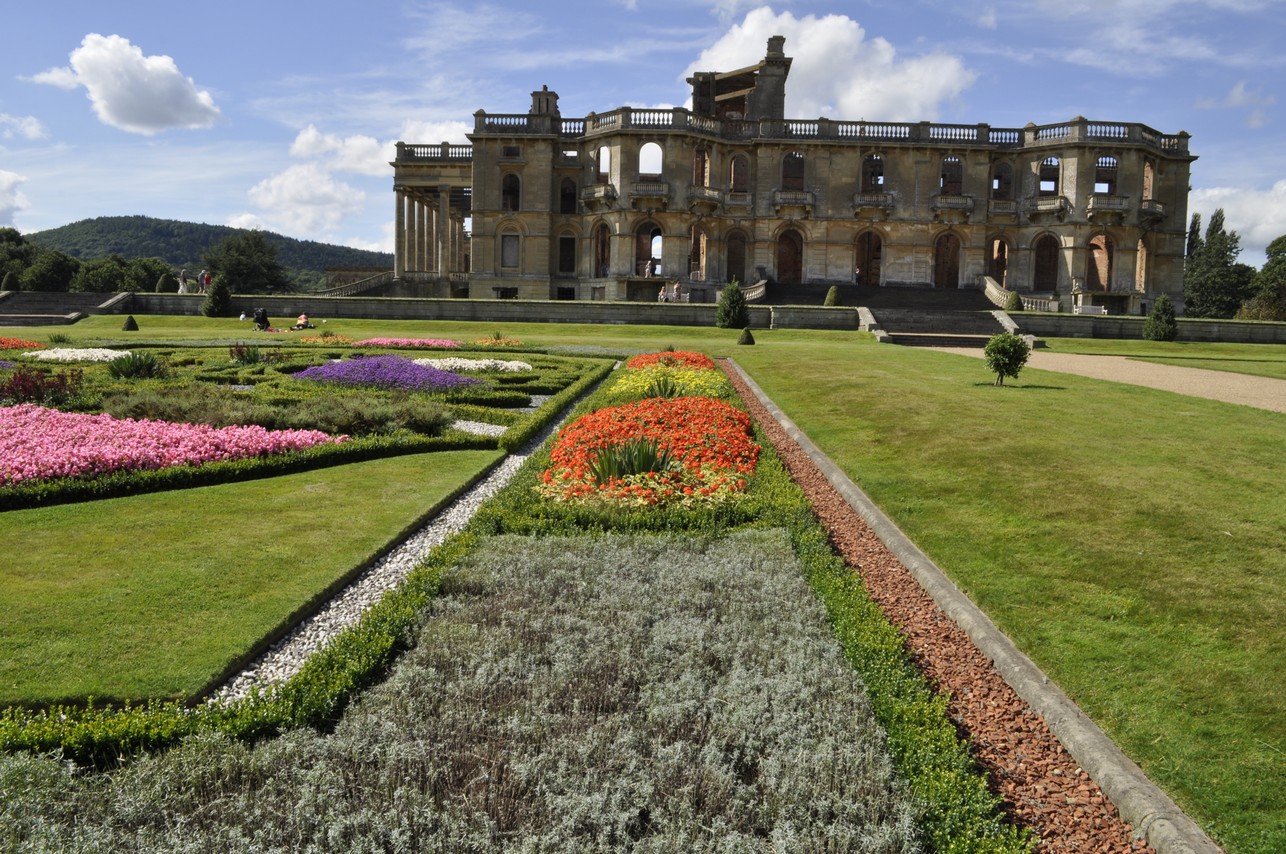
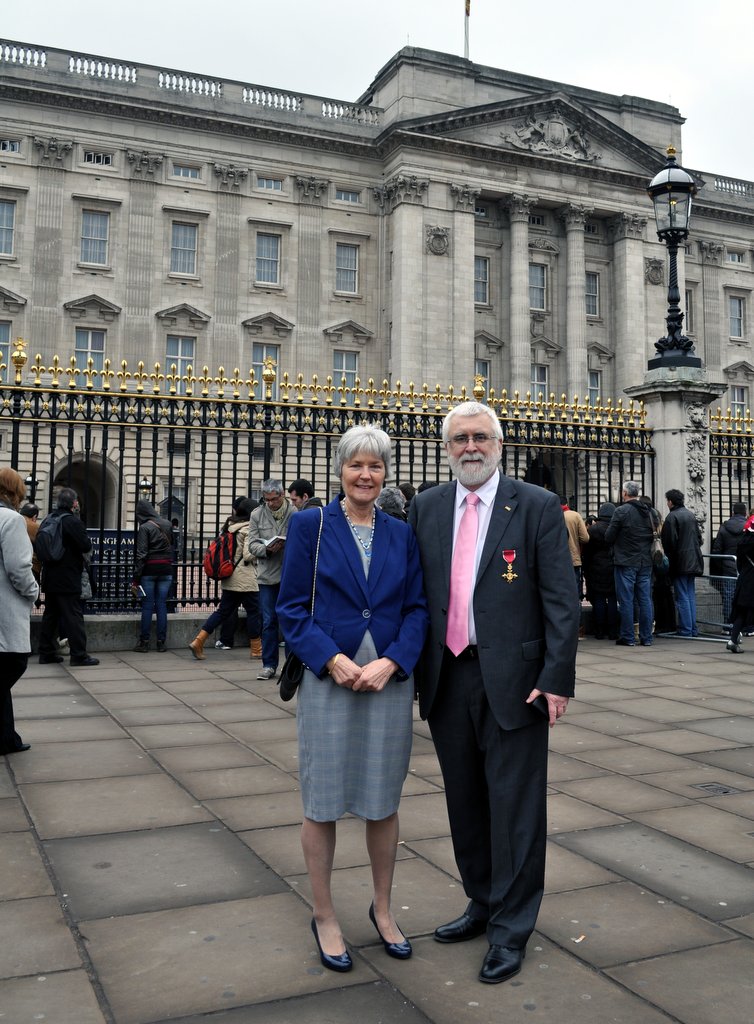
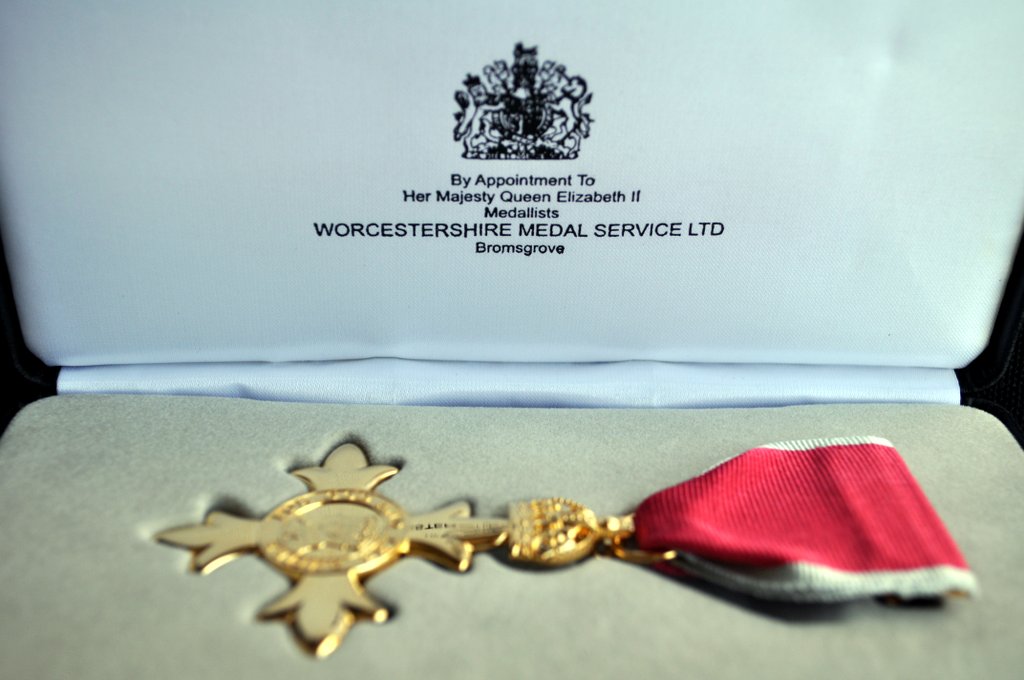

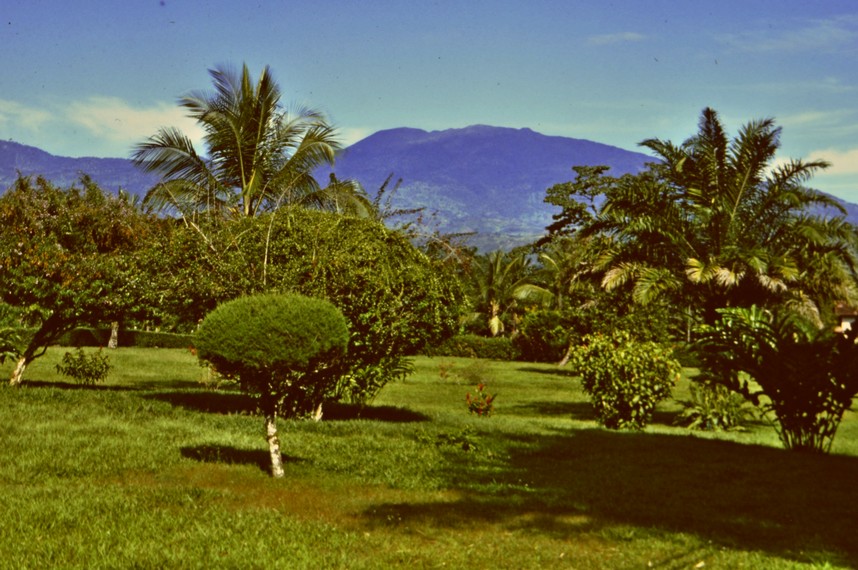


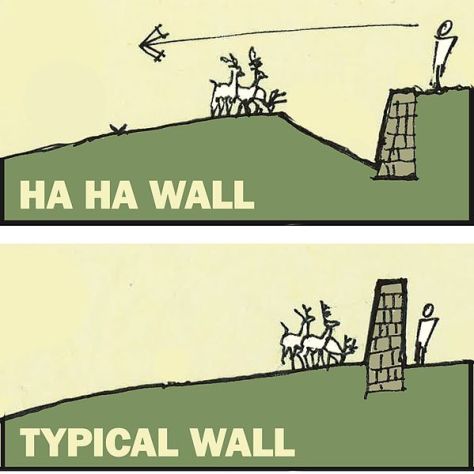


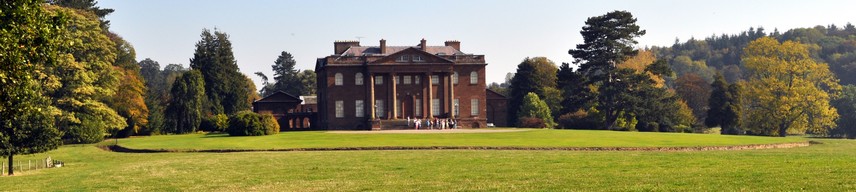


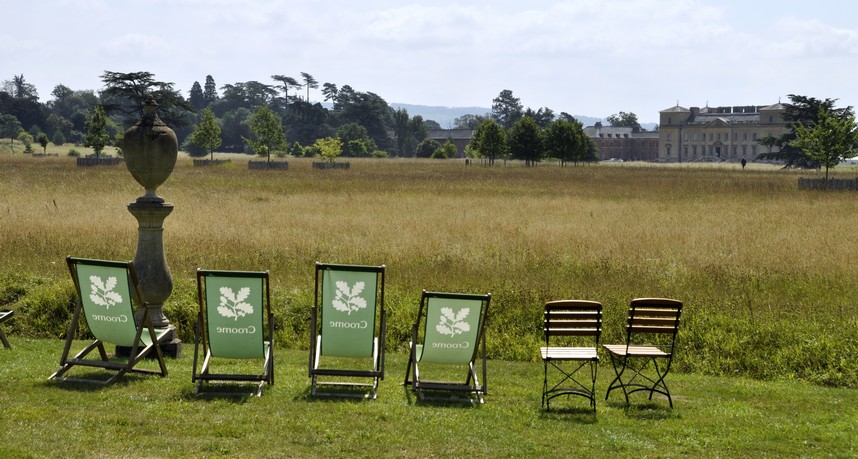


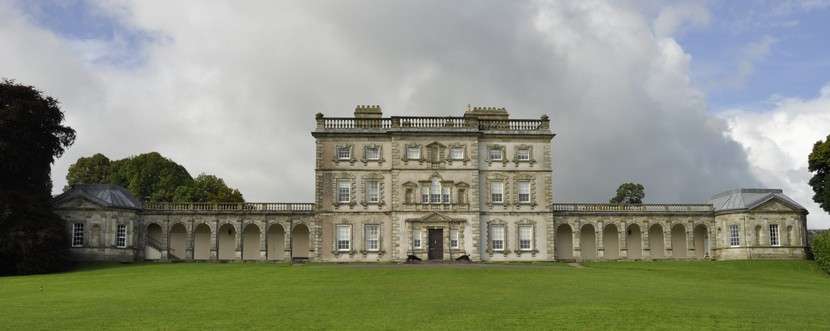


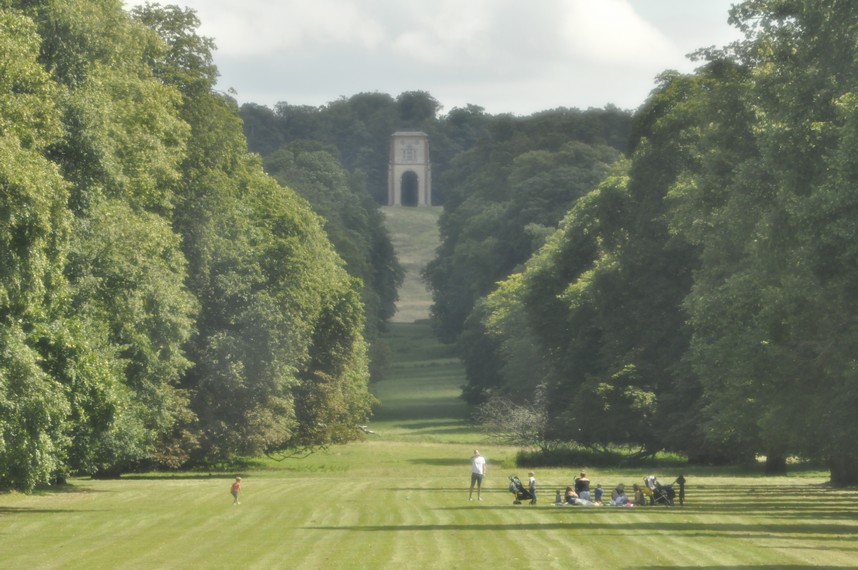
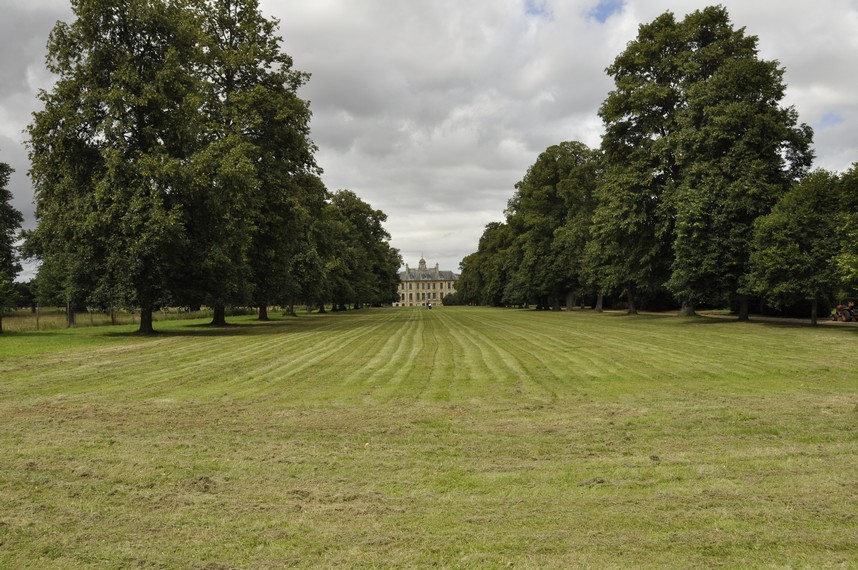


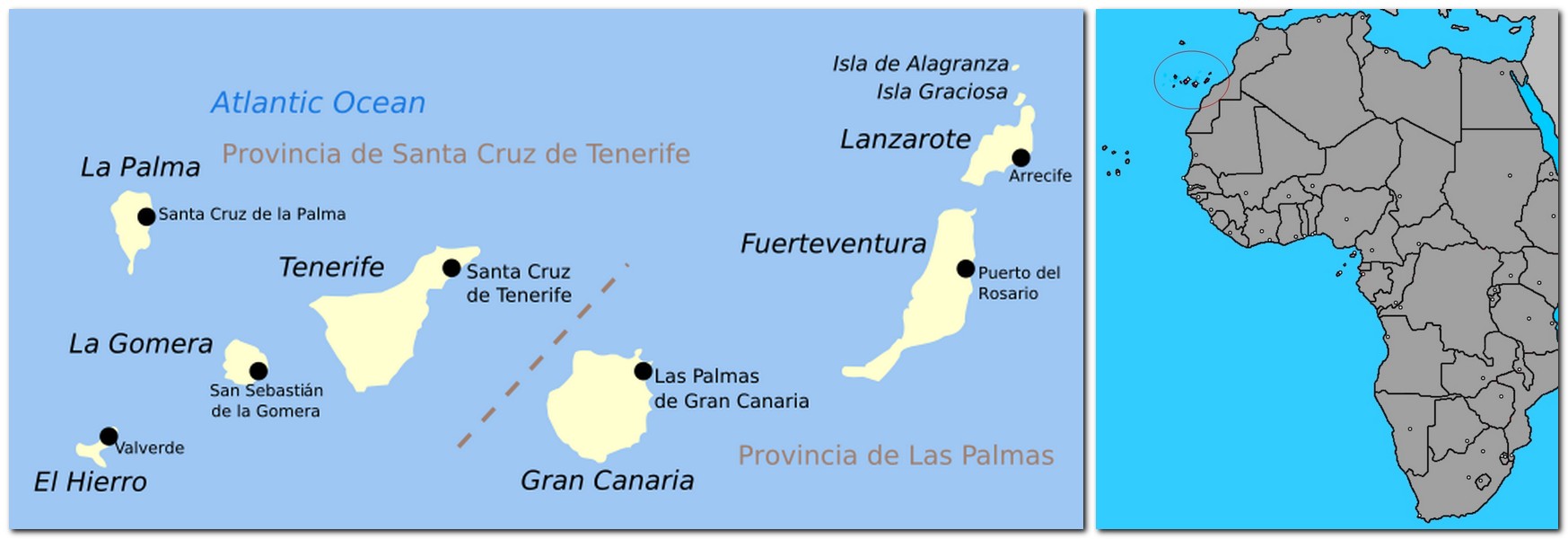



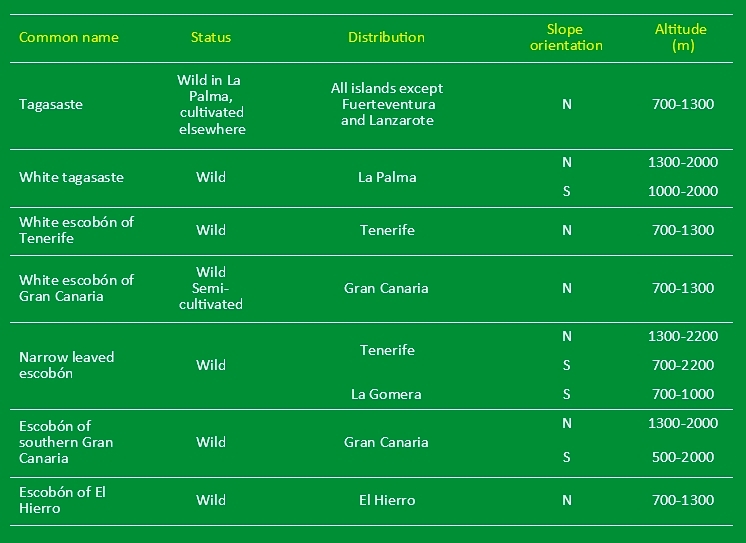


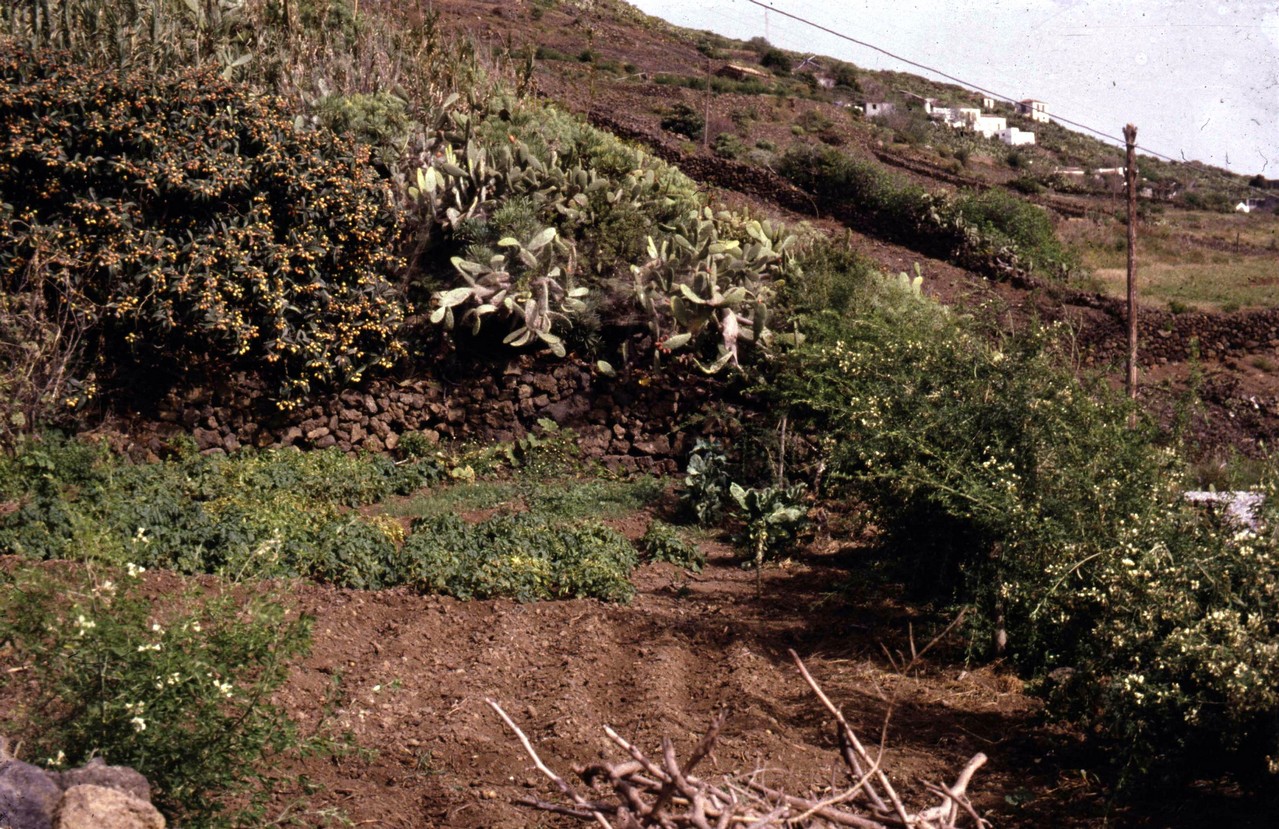
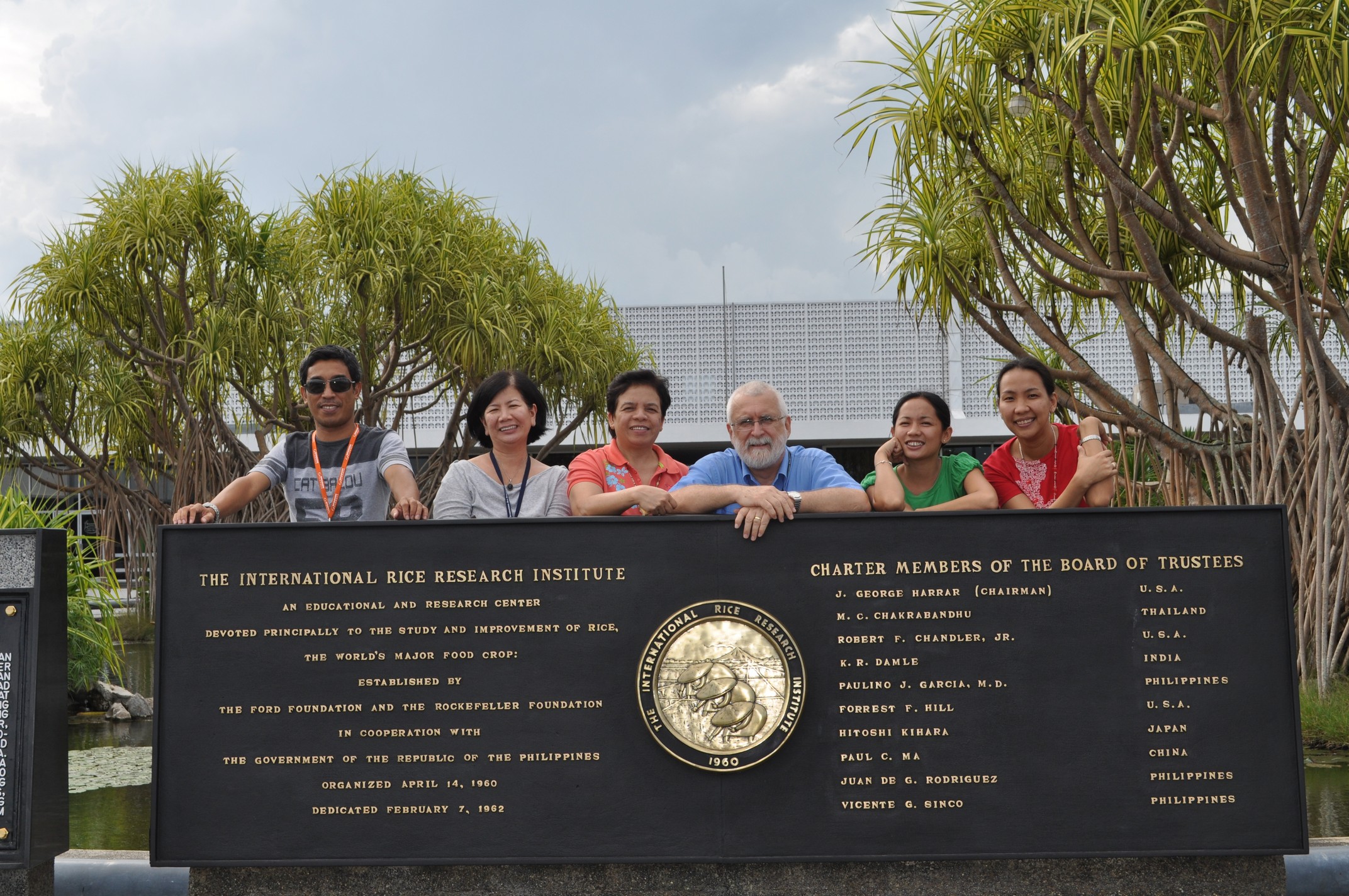
 Well, the short answer is that at the end of October, the last member of my original DPPC team, Zeny Federico, will retire. Others have retired already, moved on to bigger and better things, or moved to other positions in the institute. It’s the end of an era! DPPC no longer exists. Shortly after I retired it changed its name to DRPC—Donor Relations and Project Coordination, and is to become the IRRI Portfolio Management Office (IPMO).
 And that person was Corinta Guerta, a soil chemist and Senior Associate Scientist working on the adaptation of rice varieties to problem soils. A soil chemist, you might ask? When discussing my new role with Ron Cantrell in early 2001, I’d already mentioned Corinta’s name as someone I would like to try and recruit. What in her experience would qualify Corints (as we know her) to take up a role in donor relations and project management?


 When Corints and I interviewed Eric, he quickly understood the essential elements of what we wanted to do, and had potential solutions to hand. Potential became reality! I don’t remember exactly when Eric joined us in DPPC. It must have been around September or October 2001, but within six months we had a functional online grants management system that already moved significantly ahead of where the CIAT system has languished for some time. Our system went from strength to strength and was much admired, envied even, among professionals at the other centers who had similar remits to DPPC.


 Come October 2015, Yeyet decided to seek pastures new, and joined
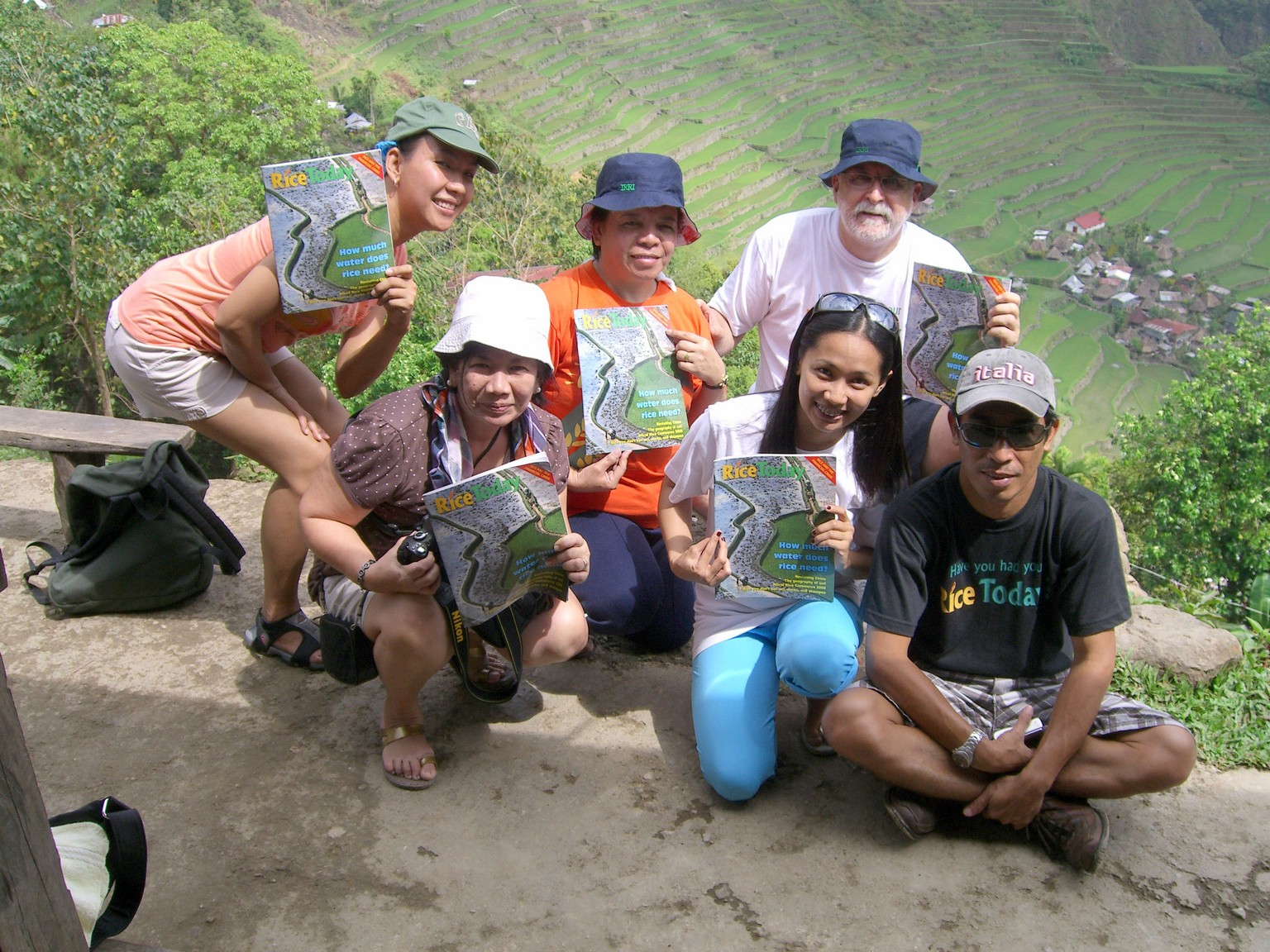
 Nominally the ‘junior’ in DPPC, Vel very quickly became an indispensable member of the team, taking on more responsibilities related to data management. She has a degree in computer science. However, just a month or so back, an opportunity presented itself elsewhere in the institute, and Vel moved to the Seed Health Unit (SHU) as the Material Transfer Agreements Controller. As the SHU is responsible for all imports and exports of rice seeds under the terms of the International Treaty on Plant Genetic Resources for Food and Agriculture using Material Transfer Agreements, Vel’s role is important to ensure that the institute is compliant under its agreement with FAO for the exchange of rice germplasm. Vel married Jason a few years back, and they have two delightful daughters.
 Inspector General at FAO in Rome for six years from February 2010), and whose office was just down the corridor from mine, we decided to develop a bottom-up approach, but needed a safe pair of hands to manage this full-time. So we hired Alma Redillas Dolot as a consultant, and she stayed with DPPC for a couple of years before joining the IAU.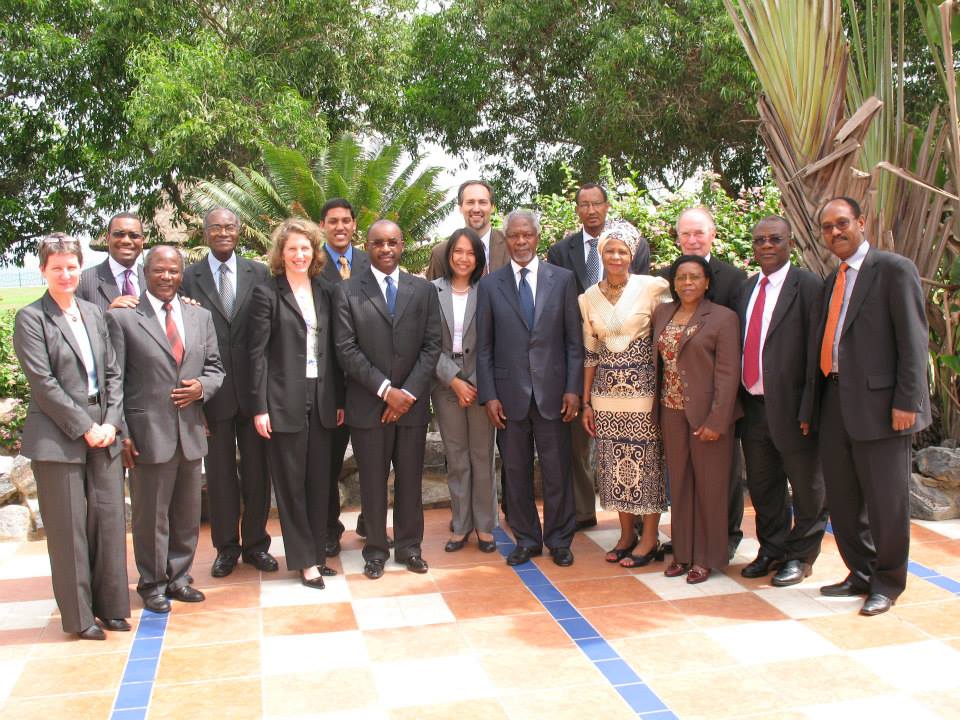












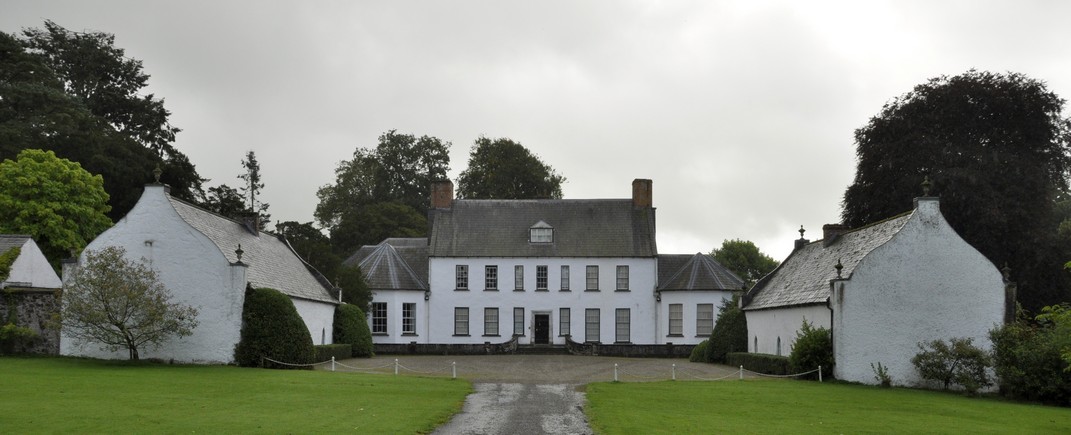


 The first week of October 1967. 50 years ago, to the day and date. Monday 2 October.
 I had a room on the sixth floor, with a view overlooking Woodmill Lane to the west, towards the university, approximately 1.2 miles and 25 minutes away on foot. In the next room to mine, or perhaps two doors away, I met John Grainger who was also signed up for the same course as me. John had grown up in Kenya where his father worked as an entomologist. Now that sounded quite exotic to me.
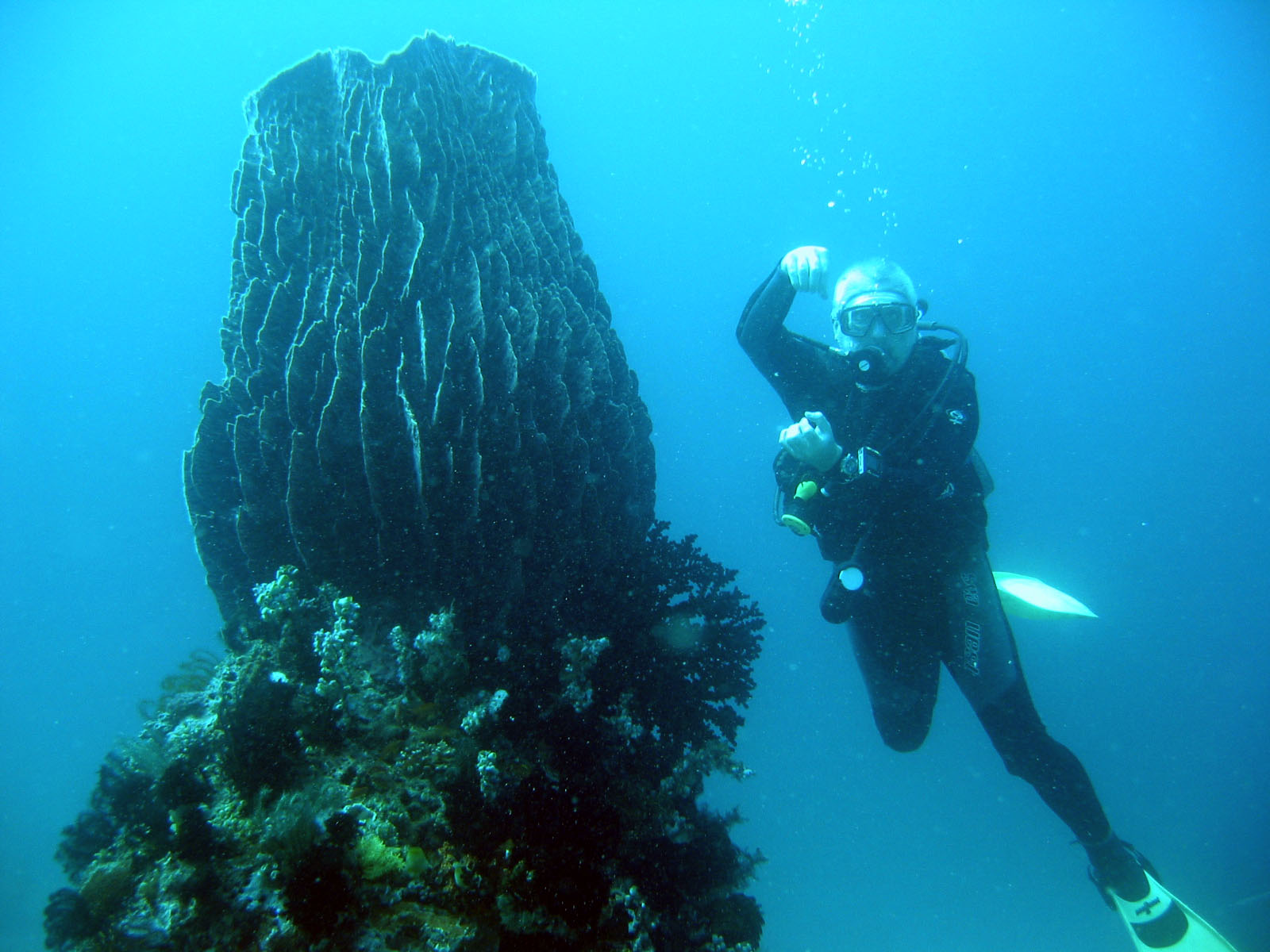

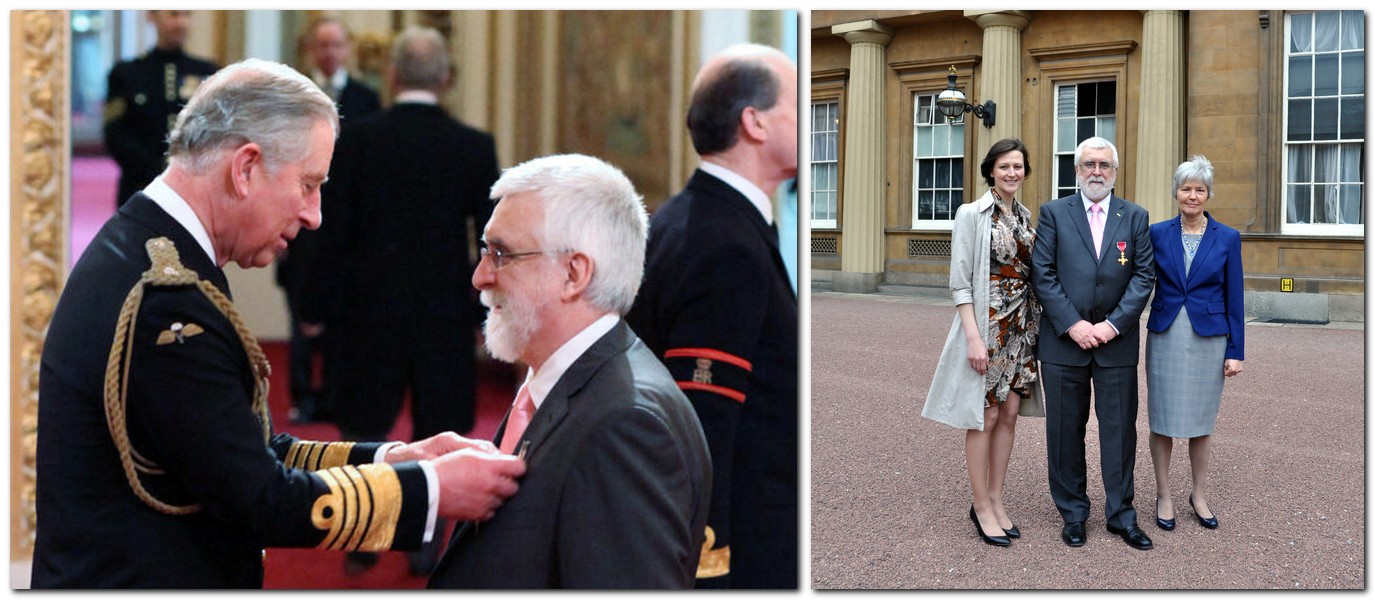
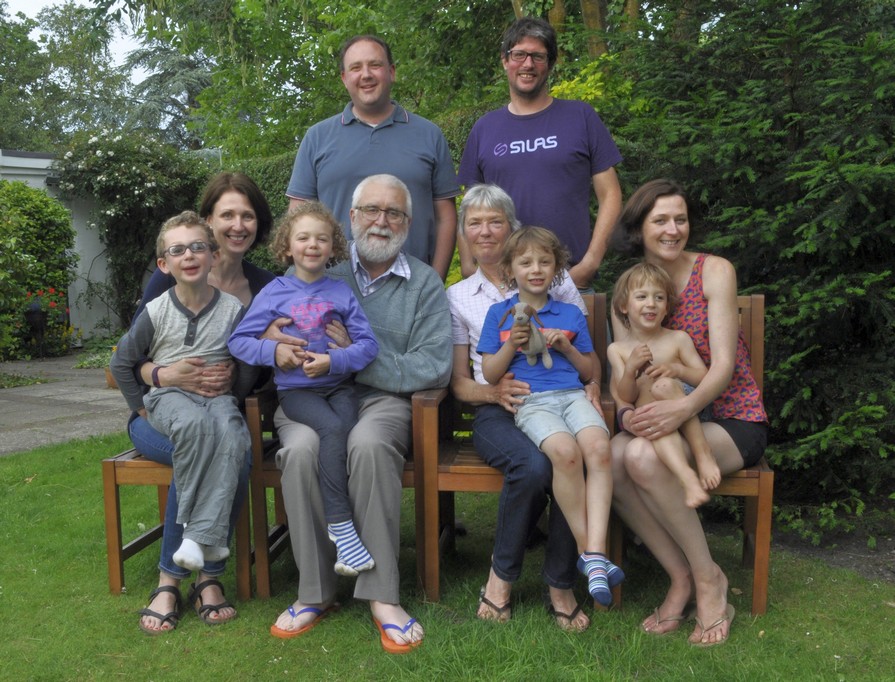
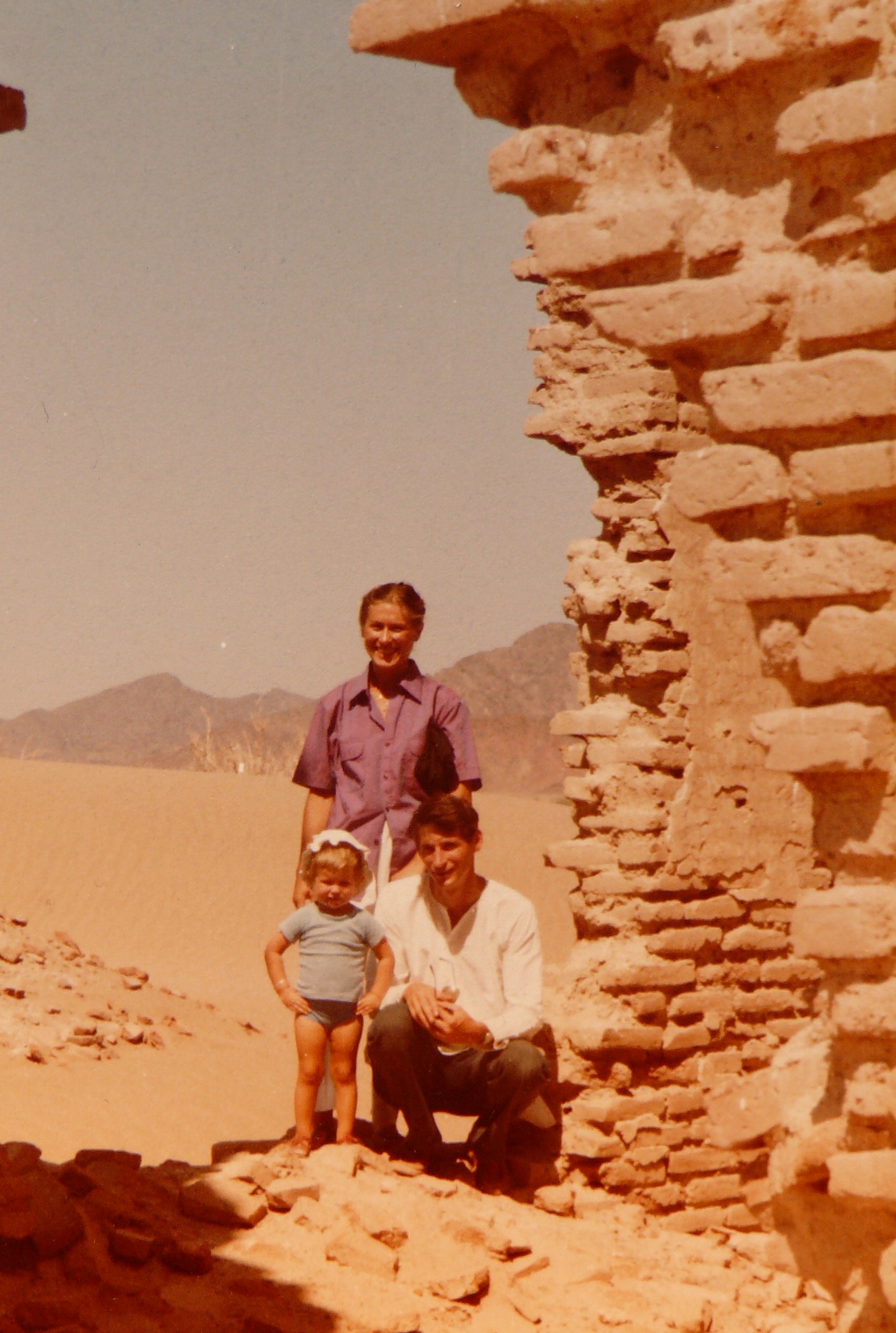


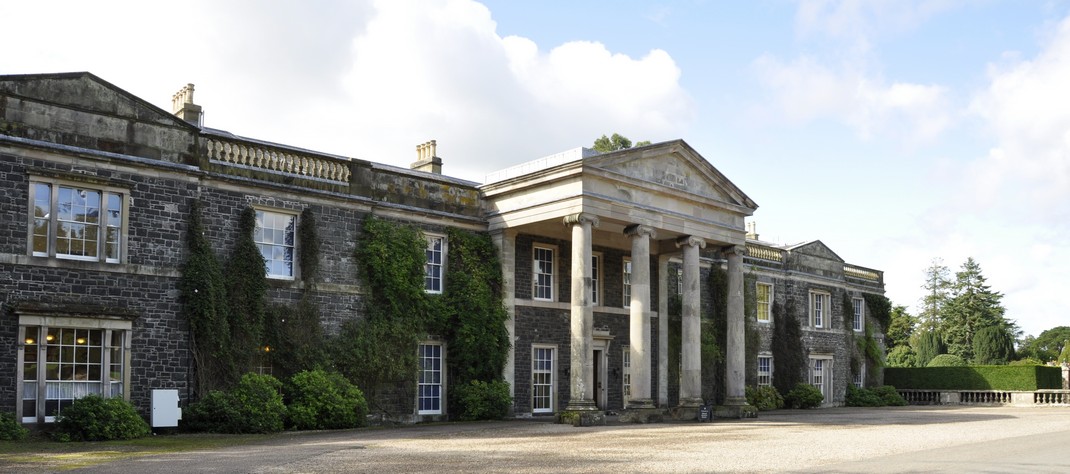


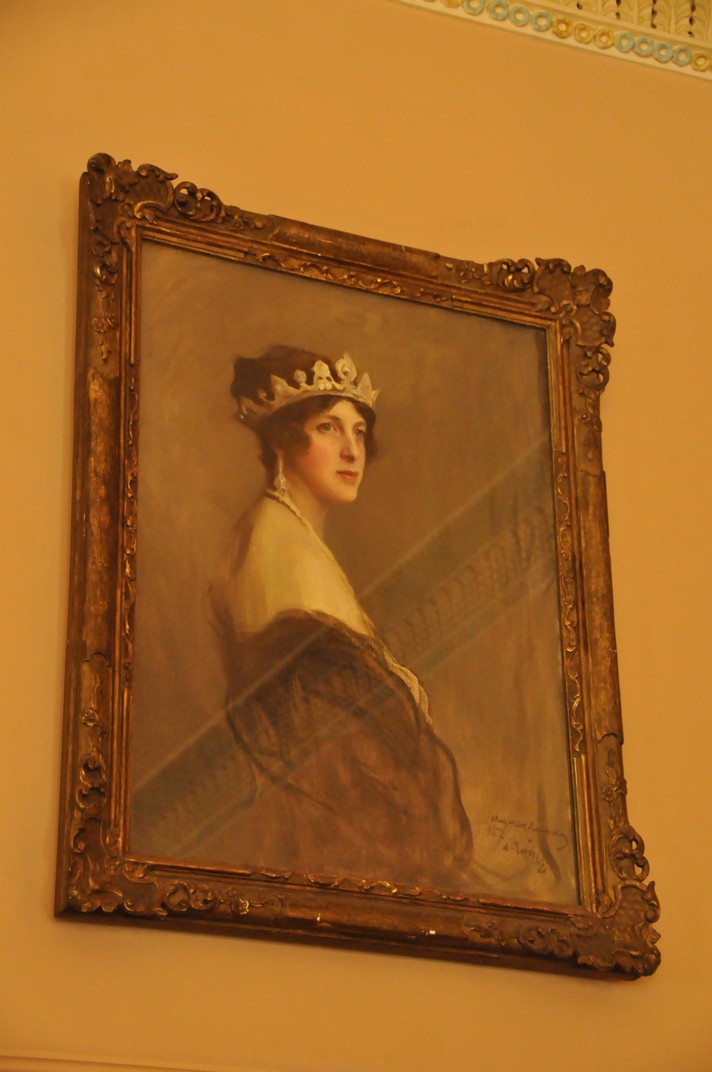






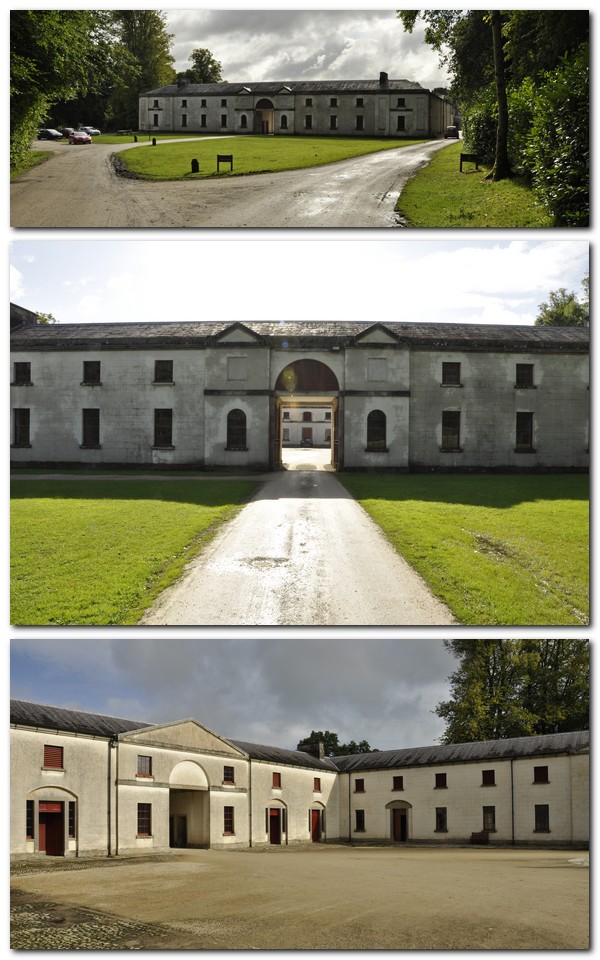
 Florence Court sits well in its landscape, the estate nestling below
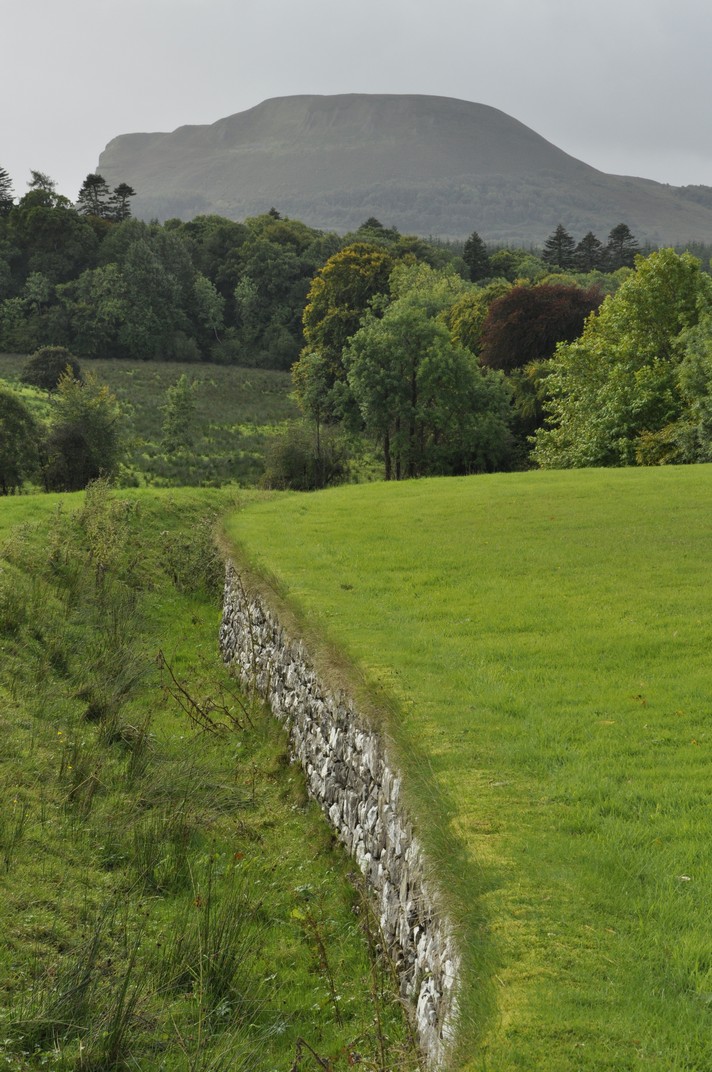


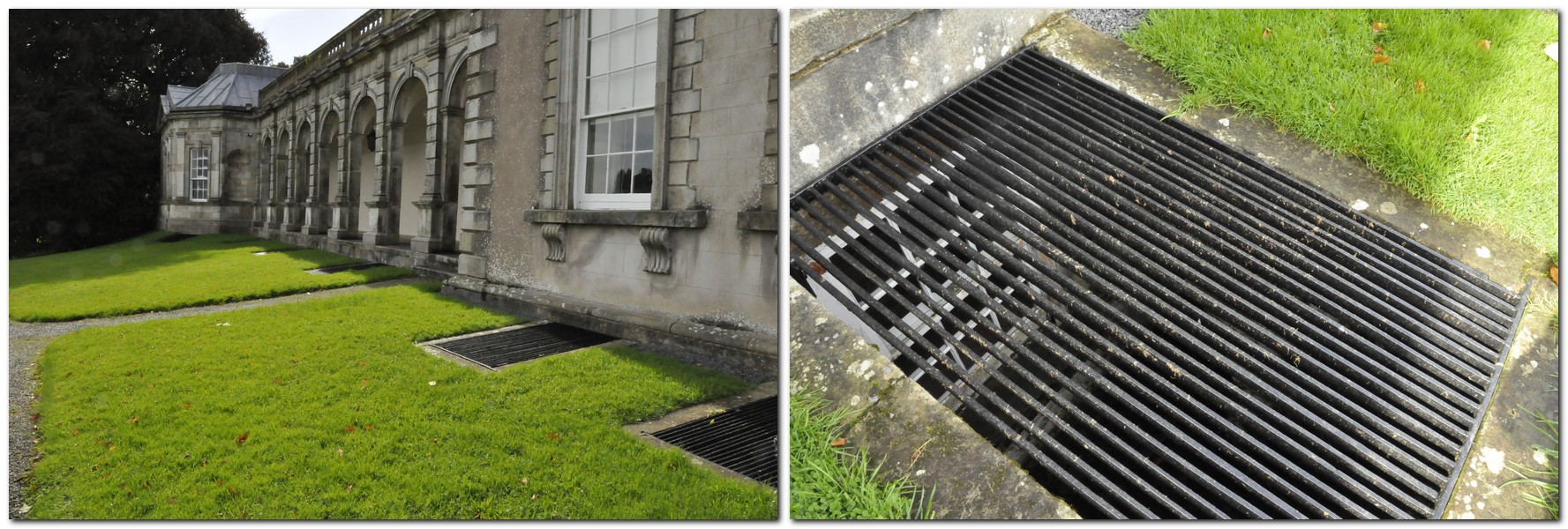


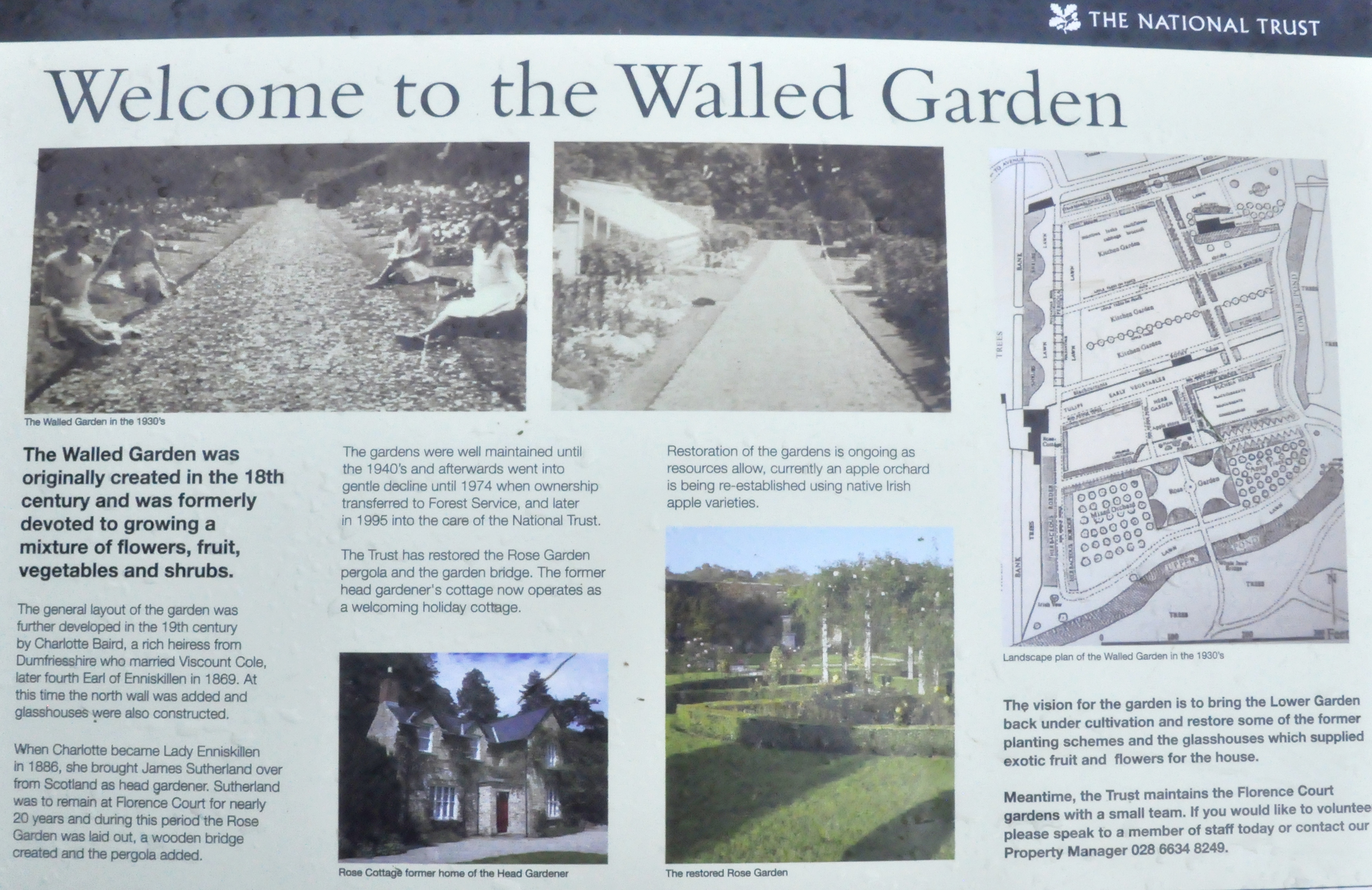


 There is privately-owned castle (not open to the public) on the Crom Estate, home to the Creighton (or Chrichton) family,


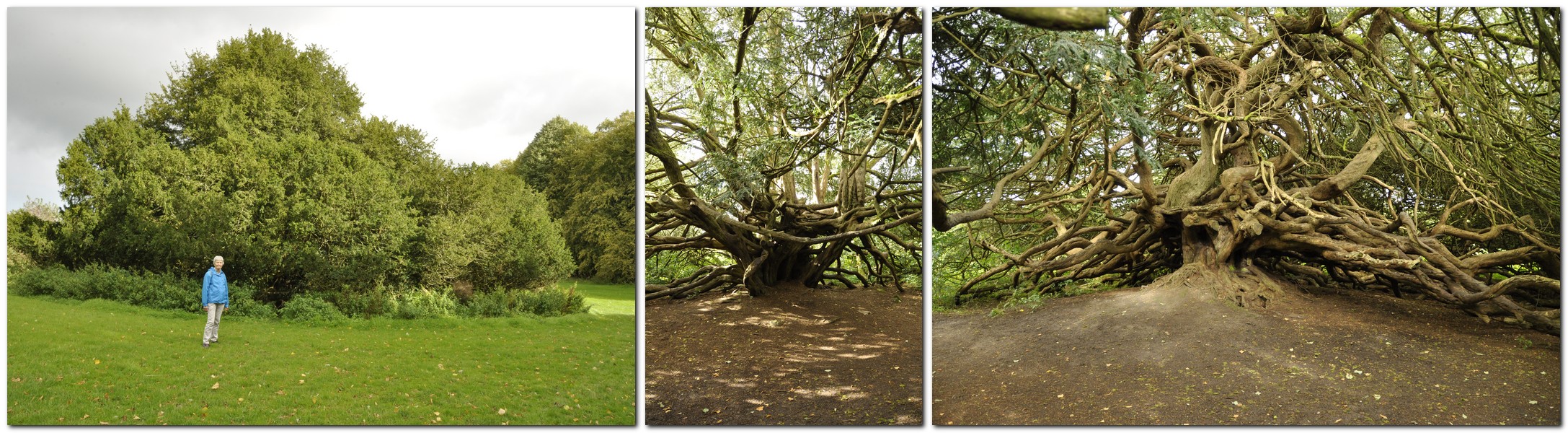

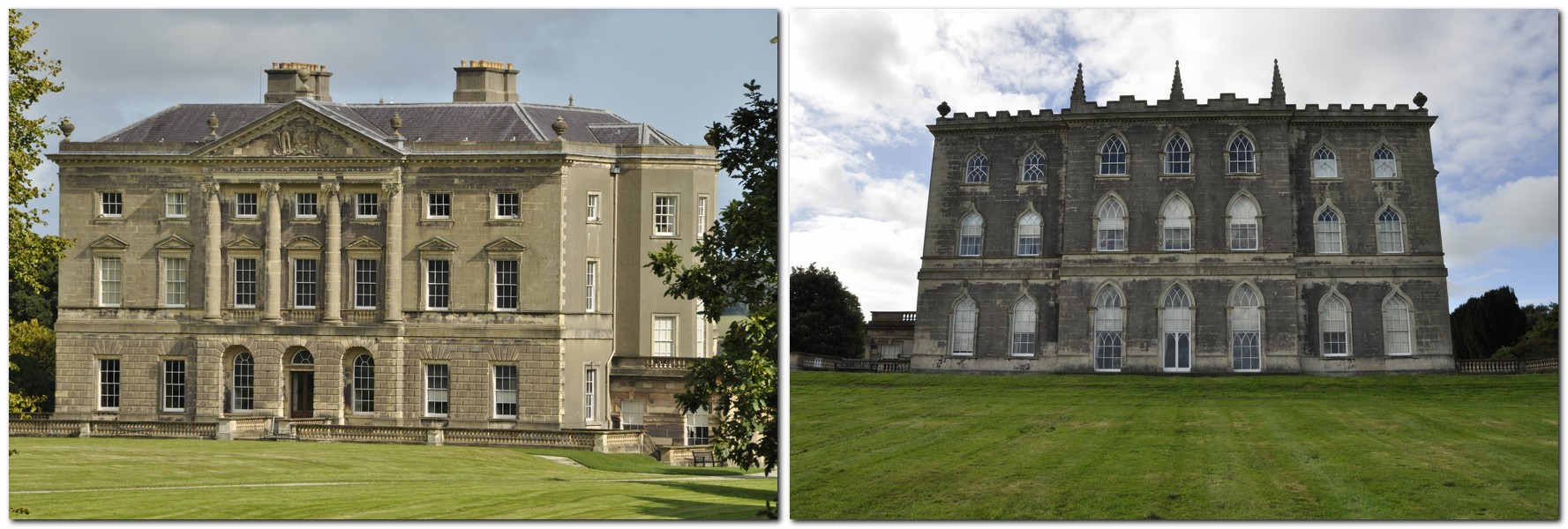


 Ward’s son


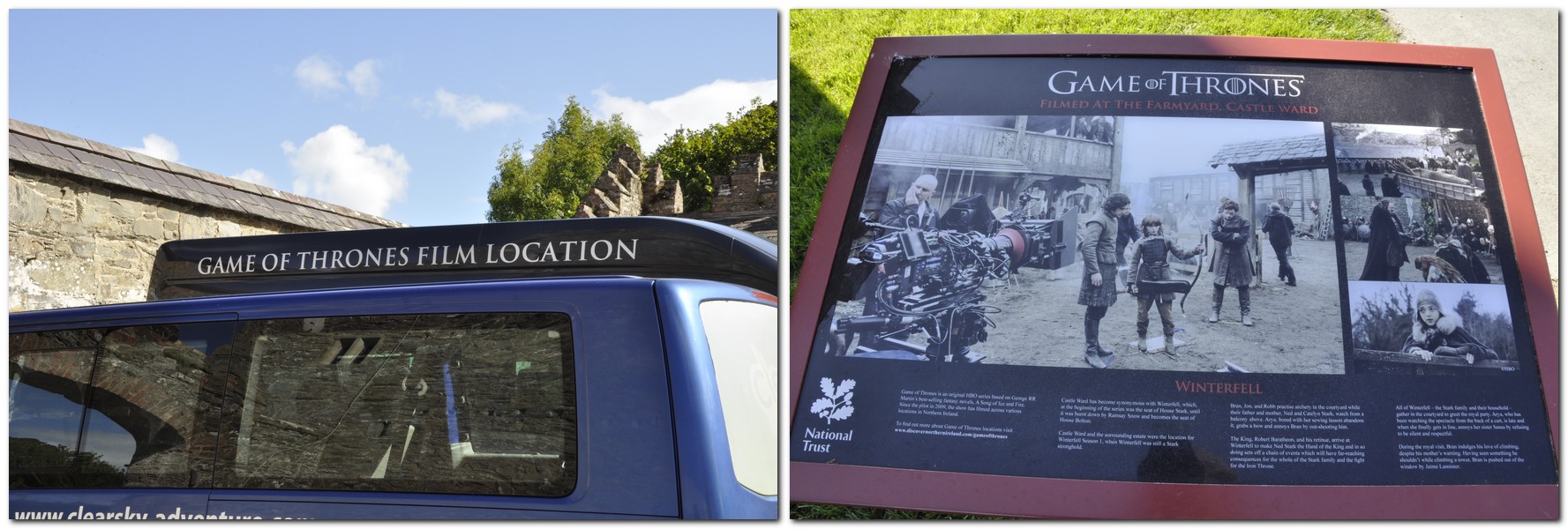


 A balanced diet . . .