3 September 1651. Just over 33 months since his father, Charles I, had his head removed from his shoulders on a scaffold outside Whitehall in London, the young Charles II (not yet crowned king) was on the run. A fugitive. His plans to defeat the Parliamentarians under Lord Protector Oliver Cromwell had come to nothing. Superior forces of Cromwell’s New Model Army had defeated the Royalists at the Battle of Worcester, bringing an end to the Civil War.
Charles had to escape, but how to return to France and safety? His escape route took him north through Worcestershire (close to where I live, some 13 miles north of Worcester), and through Staffordshire and Shropshire to reach Boscobel House. The Boscobel estate straddles the Staffordshire-Shropshire county boundary (map).
In 1651, Boscobel House was a hunting lodge in the forest. Charles found refuge there, not only hiding in a priest hole overnight, but also among the canopy of a large oak tree (the famous Royal Oak) close by, as Parliamentarian forces searched high and low for him. He was also hidden at nearby Moseley Old Hall (about 10 miles due east of Boscobel, now in the hands of the National Trust, and which we visited in April 2014).
Boscobel House and the nearby White Ladies Priory (which was a converted residence when Charles sought refuge there in 1651) now belong to English Heritage. Yesterday, we made the 45 mile trip north to visit these two sites, and another English Heritage property, the ruins of Lilleshall Abbey, just over seven miles northwest from Boscobel.
Boscobel House and The Royal Oak The house has Tudor, 17th century and Victorian extensions. The farmyard buildings are Victorian. It was owned by the Giffard family who lived at White Ladies Priory. The lonely Royal Oak that stands in a field a short distance from the house is a descendant of the original tree in which Charles hid.
(1) Hunting Lodge; (2) Garden; (3) Cowhouse; (4) Stables; (5) Dairy display; (6) Smithy; (7) Family room; (8) White Ladies Priory – about 1 mile, 20 minutes walk; (9) Royal Oak – approx 5 minutes walk.
To the left is the dairy, with the Tudor and 17th century hunting lodge in the centre. The Victorian wing is on the right, painted in black and white to represent a half-timbered Tudor construction.
The Victorian extension.
The knot garden and 17th century hunting lodge.
The Tudor entrance hall.
The parlour
There is a contemporary text about the ‘visit’ of Charles II to Boscobel on display in the parlour.
A tapestry on the wall of the Oratory just off the parlour.
This 17th century portrait hangs above the fireplace in the Oratory.
The knot garden from the Oratory.
The priest’s hole from the Squire’s Bedroom.
The priest’s hole in the attic where Charles II hid for one night.
What special events occurred 1967? The BBC made its first TV broadcast in colour, and set up BBC Radio 1, 2, 3 and 4; the QE2 ocean liner was launched on the River Clyde; singer Engelbert Humperdinck had several top selling singles of the year; and The Beatles released the iconic album Sgt Pepper’s Lonely Hearts Club Band.
These were just a few highlighted on little signs either side of the footpath from the car park to Sudbury Hall, a National Trust property in Derbyshire, just north of the Staffordshire-Derbyshire boundary, the River Dove (see map).
But, as we reached the end of the footpath, we encountered the important ‘Sudbury’ fact. Occupied by the same Vernon family since it was built in 1660 by wealthy London merchant George Vernon, Sudbury Hall was bought by the National Trust when the Vernons were forced to relinquish ownership in order to meet death duty liabilities. The Sudbury Vernons were distant cousins of the Vernons of Hanbury Hall (the closest National Trust property to our home in Worcestershire).
Sudbury Hall is a Restoration architectural paradox, idiosyncrasy even: an exterior that harks back to an earlier Jacobean period, disguising sumptuous interiors more typical of the 1660s and early 18th century.
Adjacent to the hall is the Parish Church of All Saints in the Diocese of Derby, with some lovely stained glass windows, and impressive memorials to various generations of Vernons.
The hall is aligned west-east, with the main entrance on the north side. While it has a layout of an earlier building, a large entrance hall, even a long gallery on the first floor facing south, nothing quite prepares you for the flamboyance of the staircase (in the northwest corner), the ceilings and decorations of the saloon and drawing room(s) on the ground floor, and those of the long gallery.
Although George Vernon employed local craftsmen in much of the construction of Hanbury Hall, he did seek out some of the most talented to realise his vision of ‘the good life’.
Much of the plaster ceiling work was carried out by London craftsmen Robert Bradbury and James Pettifer. This is what I found about Bradbury and Pettifer on the website of the Woodcarvers Guild Ltd:
Two London plasterers of this period – the 1660s – whose work was similarly accomplished, were Robert Bradbury and James Pettifer. We know Pettifer trained under the London plasterer Arthur Toogood, who was Master of the Plaisterers [sic] Company in 1663.
Their best work outside London is at Sudbury Hall, Derbyshire, where they plastered ceilings in 1675-6. These are densely and richly decorated wall panelling and oak panelling and deserve close attention. The house was begun for Mary Vernon in the reign of James I, but was far from finished when she died in 1622. It then stood empty as a partly completed shell until after the Restoration, when Mary’s great-grandson, George Vernon, completed it. In doing so, he had the good sense to use excellent carvers, plasterers and painters.
In 1675-6 Bradbury and Pettifer provided the ceilings of the drawing room, the parlour, the staircase hall, the well, the Queen’s Bedroom and that of the 138-ft long gallery. They charged at the rate of 6s a yard and whilst to some eyes their decorations are florid and all-enveloping, the exuberantly fashioned wall panelling and oak panelling ornament was at least confined to the spaces provided in the design. Just enough was allowed to stray beyond the limits set down by the moulded ribs to give a natural effect. In fact, the delicate swirling work, most of it moulded but carefully arranged so that it appeared to consist of many different parts, was positioned with such skill that Laurence Turner wrote in his book on decorative plasterwork in 1927 before the discovery of the accounts, ‘the four well modelled amorini in the corners of the [staircase] cove [are] evidently by an Italian modeller, for no English plasterer could have developed so suddenly the ability to model the human figure …’ In the seven compartments of the long gallery ceiling and its frieze, there are curling flowers and foliage, shells, emperors’ heads, horses galloping from cornucopias, and dragons and wild boar in unlikely proximity to each other. Exquisite wood carving is everywhere.
In the Saloon, family portraits are set in panels carved by Edward Pierce (or Pearce), who also carved the balustrade on the magnificent Great Staircase. The ceiling panel in the saloon and elsewhere are paintings by Louis Laguerre in the Baroque style, which were commissioned by George Vernon a couple of decades later.
The Entrance Hall Somewhat reminiscent of a medieval hall, Sudbury’s entrance hall has a stone flagstone floor, and stone arched doorways. The walls are covered by several full length portraits. And on three tables are seven exquisite Sèvres porcelain figurines dating to 1860, depicting a boar hunt.
The Great Staircase Leaving the Entrance Hall, nothing quite prepares you for the magnificence of the staircase, from floor to ceiling, with its intricate carving (apparently in lime wood, and painted white), the paintings on the walls, and the elaboratelydecorated ceiling. It must rank as one of the most impressive that we have seen in any of our National Trust visits.
The Saloon An elaborate doorway (mounted with a bust that looks suspiciously like William Shakespeare), you enter the saloon, a room with life-size portraits on all walls, and a smaller painting of the hall’s creator, George Vernon, above the door.
The Long Gallery This came as a complete surprise. Long galleries were typical of much earlier houses. At Sudbury it extends the whole length of the house and faces south overlooking lawns and the lake. The quality of the plaster work is unparalleled. Currently there is little furniture on display, but at the east end is a beautifully painted 17th century Flemish cabinet with biblical scenes, by Frans Francken II. The frieze around the walls is punctuated by various images, and that on the west wall is apparently of King Charles II. Off the long gallery is a small library, with its own gallery. This opens on to the top of the staircase, and passes right into the Queen’s room.
The Queen’s Room Over the two doorways are almost identical paintings, almost certainly Dutch, depicting contemporary flowers and fruits. The fireplace is pretty impressive.
Drawing Room(s)
I’ve left the pièce de résistance until last. Leading off the saloon is the drawing room, now divided in two, according to the original 17th century floor plans. It was opened into a single rooms during the 19th century. And why is it the pièce de résistance? Surrounding a full length portrait of a lady is an intricate and quite magnificent wood sculpture, depicting all manner of plants and game animals, carved by renowned Dutch-British sculptor Grinling Gibbons.
This is a special carving. But who was the favored lady? Someone special (nod, nod, wink, wink)? This is indeed a remarkable tribute to someone near and dear. If I remember correctly what one of the volunteers told us, she was the sister-in-law of the wife of George Vernon.
Although the National Trust has owned Sudbury Hall for 50 years (and first opened to the public in 1972), refurbishment of the interior is still a ‘work in progress’. Most of the rooms are still lacking furniture. In this respect, the property reminded me of another National Trust property, Dyrham Park near Bath that we visited in August 2016. Not only had Sudbury Hall to be made safe, but decisions were taken—and still being taken—on how to redecorate each of the rooms. And decisions taken are not to everyone’s approval, as the obituary to the 10th Lord Vernon (referenced earlier) indicates.
A Museum of Childhood was opened at Sudbury in one of the extensions to the hall. This is a separate entrance to the hall. We enjoyed an interesting 45 minutes viewing all the exhibits bringing back memories of our childhoods, particularly with the various books and toys on display, and also from our daughters from 1978.
In the 1950s and early 1960s I used to pass in front of Sudbury Hall from time-to-time, travelling with my parents from our home in Leek to visit my father’s sister who lived just beyond Burton upon Trent. Until the early 1960s, my paternal grandparents lived in the village of Hollington, just a few miles north of Sudbury. This is Jackson-Bull home territory. In those days the main road, much quieter then, passed immediately in front of the hall. Now, the hall and village of Sudbury are fortunately by-passed, but there is nevertheless a continual roar of traffic from nearby and very busy A50 from Derby to Stoke on Trent.
It was a bright and sunny day when we visited Sudbury last week, but with a biting northerly wind. Nevertheless, our visit to Sudbury Hall was a delight, and quite unexpected in terms of what we saw. The volunteers were most helpful and knowledgeable, adding to the enjoyment of our visit. Sudbury Hall is definitely worth a visit if you are in the vicinity—and even if you are not.
Last weekend, our younger daughter Philippa and her family came down from Newcastle for the Bank Holiday. A few days ahead, she asked us if we knew of or had visited any bluebell woods close to home. Apparently, Elvis, her elder boy (who will be six at the end of September) had told her that bluebells were his favourite flower and wanted to see some growing in the wild. Maybe his teacher had been talking about them recently.
L to R: Felix, Philippa, me, Steph, Elvis, and Andi
Steph and I have been members of the National Trust for several years now, and we’ve had hours and days of enjoyment. Regular readers of my blog will know that I usually write something after a visit to one of their properties, the most recent being a visit about three weeks ago to Berrington Hall in Herefordshire.
There are three NT properties quite close to our Bromsgrove home: Hanbury Hall (our ‘regular’), Croome Park (a little further south, near Worcester), and Coughton Court, just 10 miles away in Warwickshire, east beyond Redditch. And each has its bluebell wood. But the one at Coughton is just a little special, composed almost in its entirety of the native English species, Hyacinthoides non-scripta. Very little if any of your invasive Spanish bluebell (Hyacinthoides hispanica) here.
The bluebell is such an iconic woodland species. Just imagine that blue carpet spreading under the wood’s leafy canopy. And at Coughton, the bluebells are mixed in places with cow parsley (Anthriscus sylvestris) and red campion (Silene dioica).
The native bluebell’s future is threatened in many places because of the spread of the Spanish bluebell that is widely grown in gardens. When garden waste is dumped irresponsibly then bulbs can be discarded as well. It hybridises readily with the native species, and once that has happened, stands of native bluebells are irrevocably changed.
We arrived at Coughton just on 11:00 (opening time) and the car parks were already filling up. I think everyone had the same idea: a walk through the bluebell wood, around the gardens, or the various walks around the estate. We made our first visit to Coughton Court in 2013, and then again in June last year when I was recovering from my accident.
Our walk took us around the bluebell wood, along the River Arrow (lots of ramsoms here, Allium ursinum), around the bog garden that is just beginning to come to life (the Gunnera will be spectacular later on in the season, although it and other plants had taken a slight hit from a frost overnight), and finally round the walled garden.
And for little boys, there were plenty of opportunities for fun besides looking at—but not picking—bluebells.
In front of the entrance to the hall the gardeners had planted a beautiful display of tulip beds, and along the newly-raked gravel paths around the lawn, the trees stood like soldiers at attention, having received a recent ‘haircut’ in readiness for summer visitors.
Why, for example, would a group of carrion crows be known as a murder of crows? Then there’s a parliament of rooks, a mischief of magpies, and a train of jackdaws. Often there is more than one collective name, depending on local tradition and usage.
Isn’t it delightful? Just goes to show how colourful the English language can be.
Well, here are the four culprits, and three of them (magpie, carrion crow, and jackdaw) are becoming increasingly common—and noisy—in our suburban garden in northeast Worcestershire. Greedy magpies regularly visit our bird table; crows and jackdaws tend to shout at us from the surrounding roof tops.
Rooks have taken up residence in a small copse alongside the busy A38 by-pass less than a mile away.
Carrion Crow
Jackdaw
Magpie
Rook
Members of the crow family are large and quite striking birds, and rather intelligent. From time-to-time we see jays in the surrounding countryside. But as they are solitary compared to the other four already mentioned, I don’t think I’ve ever seen a scold of jays. The jay is a really handsome bird.
Three other corvids, the raven (a conspiracy), chough (a chattering) and hooded crow ( a MacMurder perhaps, as they are found in Scotland) are much more restricted in their distributions in the UK. I’ve only seen them on a few occasions. Once seen, the chough is never to be forgotten, with its shiny black plumage, reddish-orange curved beak, and legs and feet of the same colour.
So, this morning when I went outside to put some last minute pieces of rubbish in the bin before collection, there was this solitary crow letting rip at the top of its voice, giving me chapter and verse. And that got me thinking about how common they have become, but also the lovely collective nouns we employ to describe them.
Then, being an active member of the blogging fraternity, I did wonder what a collective noun might be. I came across a click of bloggers in one blog; here is a more extensive list of suggestions. Which one would you choose?
‘Now, what I want is, facts . . . Stick to the facts, sir!‘
Thus spoke businessman, MP, and school superintendent Thomas Gradgrind in the opening paragraph of Charles Dickens’ tenth novel, Hard Times, first published in 1854.
Increasingly however, especially on the right of the political spectrum, facts have become a debased currency. ‘Alternative facts’ and ‘fake news’ have become an ‘alternative religion’, faith-based and not susceptible to the norms of scientific scrutiny. Fake data are also being used as a ‘weapon’.
I am a scientist. I deal with facts. Hypotheses, observations, numbers, data, analysis, patterns, interpretation, conclusions: that’s what science is all about.
There really is a beauty in numbers, my stock-in-trade for the past 40 years: describing the diversity of crop plants and their wild relatives; understanding how they are adapted to different environments; how one type resists disease better than another; or how they can contribute genetically to breed higher-yielding varieties. The numbers are the building blocks, so to speak. Interpreting those blocks is another thing altogether.
Statistical analysis was part and parcel of my scientific toolbox. Actually, the application of statistics, since I do not have the mathematical skills to work my way through the various statistical methods from first principles. This is not surprising considering that I was very weak in mathematics during my high school years. Having passed the necessary examination, I intended to put maths to one side forever, but that was not to be since I’ve had to use statistics during my university education and throughout my career. And playing around with numbers, looking for patterns, and attempting to interpret those patterns was no longer a chore but something to look forward to.
So why my current obsession with numbers?
First of all, since Donald Trump took up residence in the White House (and during his campaign) numbers and ‘alternative facts’ featured prominently. Trump does not respect numbers. However, more of this later.
Second, I recently came across a scientific paper about waterlogging tolerance in lentils by a friend of mine, Willie Erskine, who is a professor at the University of Western Australia (although I first knew him through his work at ICARDA, a CGIAR center that originally had its headquarters in Aleppo, Syria). The paper was published last month in Genetic Resources and Crop Evolution. Willie and his co-authors showed that lentil lines did not respond in the same way to different waterlogging regimes, and that waterlogging tolerance was a trait that could be selected for in lentil breeding.
A personal data experience
While out on my daily walk a couple of days later, I mulling over in my mind some ideas from that lentil paper, and it reminded me of an MSc dissertation I supervised at The University of Birmingham in the 1980s. My student, Shibin Cai, came from the Institute of Food Crops, Jiangsu Academy of Agricultural Sciences, China where he worked as a wheat scientist.
Cai was interested to evaluate how wheat varieties responded to waterlogging. So, having obtained several wheat lines from the International Maize and Wheat Improvement Center (CIMMYT) in Mexico, we designed a robust experiment to evaluate how plants grew with waterlogging that was precisely applied at different critical stages in the wheat plant’s life cycle: at germination, at booting, and at flowering, as far as I remember. I won’t describe the experiment in detail, suffice to say that we used a randomized complete block design with at least five replicates per variety per treatment and control (i.e. no waterlogging whatsoever). Waterlogging was achieved by placing pots inside a larger pot lined with a polythene bag and filled with water for a definite length of time. Cai carefully measured the rate of growth of the wheat plants, as well as the final yield of grains from each.
After which we had a large database of numbers. Observations. Data. Facts!
Applying appropriate statistical tests to the data, Cai clearly showed that the varieties did indeed respond differently to waterlogging, and we interpreted this to indicate genetic variation for this trait in wheat that could be exploited to improve wheat varieties for waterlogging-prone areas. I encouraged Cai to prepare a manuscript for publication. After all, I was confident with the quality of his research.
We submitted his manuscript to the well-known agricultural research journal Euphytica. After due process, the paper was rejected—not the first time this has happened to me I should add. But I was taken aback at the comments from one of the anonymous referees, who did not accept our results—the observations, the data—claiming that there was no evidence that waterlogging was a verifiable trait in wheat, and especially in the lines we had studied. Which flew in the face of the data we had presented. We hadn’t pulled the numbers like a rabbit out of a hat. I did then wonder whether the referee was a wheat expert from CIMMYT. Not wishing to be paranoid, of course, but was the referee biased? I never did get an opportunity to take another look at the manuscript to determine if it could be revised in any way. As I said, we were confident in the experimental approach, the data were solid, the analysis sound—and confirmed by one of my geneticist colleagues who had a much better grasp of statistics than either Cai or me. Result? The paper was never published, something I have regretted for many years.
So you can see that there were several elements to our work, as in much of science. We had a hypothesis about waterlogging tolerance in wheat. We could test this hypothesis by designing an experiment to measure the response of wheat to waterlogging. But then we had to interpret the results.
Now if we had measured just one plant per variety per treatment all we could have said is that these plants were different. It’s like measuring the height say of a single plant of two wheat varieties grown in different soils. All we can state is the height we measured. We can make no inference about any varietal differences or responses. For that we need several measurements—numbers, data—that allow us to state whether if any observed differences are ‘real’ or due to chance. That’s what we do all time in science. We want to know if what we measure is a true reflection of nature. It’s not possible to measure everything, so we use a sample, and then interpret the data using appropriate statistical analyses. But we have to be careful as this interesting article on the perils of statistical interpretation highlights.
Back to The Donald
One of the most important and current data relationships is based in climate science. And this brings me back to The Donald. There is an overwhelming consensus among scientists that relationship between increased CO2 levels and increases in global temperatures is the result of human activity. The positive relationship between the two sets of data is unequivocal. But does that mean a cause and effect relationship? The majority of scientists say yes; climate deniers do not. That makes the appointment of arch-denier Scott Pruitt as head of the Environment Protection Agency in the US so worrying.
Donald Trump does not like facts. He doesn’t like numbers either unless he can misappropriate them in his favor (such as the jobs or productivity data that clearly relate to the policies under Mr 44). He certainly did not like the lack of GOP numbers to pass his repeal of the Affordable Care Act (aka Obamacare).
He regularly dismisses the verifiable information in front of his eyes, preferring ‘alternative facts’ and often inflated numbers to boot, instead. Just remember his sensitivity and his absurd claims that the 20 January National Mall crowds were largest for any presidential inauguration. The photographic evidence does not support this Trumpian claim; maybe fantasy would be a better description.
Time magazine has just published an excellent article, Is Truth Dead? based on an interview with The Donald, and to back it up, Time also published a transcript of the interview. This not only proves what Mr 45 said, but once again demonstrates his complete lack of ability to string more than a couple of coherent words together. Just take a look for yourselves.
Part of Trump’s rhetoric (or slow death by Tweet) is often based on assertions that can be verified: the biggest, the longest, the most, etc. Things can measured accurately, the very thing he seems to abhor. His aim to Make America Great Again cannot be measured in the same way. What is great? Compared to what or when? It’s an interpretation which can be easily contradicted or at the very least debated.
That’s what so disconcerting about the Trump Administration. The USA is a scientific powerhouse, but for how much longer if the proposed agency budget cuts that The Donald has promised really bite (unless related to the military, of course). There’s an increasing and worrying disdain for science among Republican politicians (and here in the UK as well); the focus on climate change data is the prime expression of that right now.
This is how the National Trust describes Berrington Hall, a late 18th century sandstone Neo-classical mansion overlooking the rolling Herefordshire landscape a few miles north of Leominster (see map). Designed by London architect Henry Holland, Berrington Hall was built between 1778 and 1781 for Thomas Harley.
Thomas Harley, by John Hall, after Henry Edridge, stipple engraving, late 18th century.
The estate also has a particular claim to fame. The park was the last to be created by landscape designer Lancelot ‘Capability’ Brown (who was also Henry Holland’s father-in-law).
Last Tuesday, Steph and I made our second visit to Berrington; we were first there in September 2011, the year we joined the National Trust. It was a beautiful day then, as it was this week. The weather forecast had promised a better day if we travelled westwards. Berrington Hall is 37 miles almost due west, and a little over an hour by road, from Bromsgrove in north Worcestershire.
We arrived not long after 10:30, and already the car park was quite full. After heading off to the tea room for a refreshing cup of coffee, we enjoyed a long walk around the park before heading back to the car for a quick picnic lunch, and then into the house itself.
We followed the route due south of the house towards and around the bottom of the lake, past the Boat House, around George’s Plantation, and back to the house.
Berrington Hall is not large compared to some 18th century mansions we have visited. Indeed it is quite modest, somewhat austere in appearance. But it sits so comfortably in its landscape, facing southwest, that it was always meant to be there. Eighteenth century landowners and their architects certainly knew just where to begin construction to the best effect.
A grand Triumphal Arch now hosts the National Trust entrance office, and a driveway approaches the house from the rear, before circling around the front of the house to reveal a majestic portico supported on four large pillars, strategically spaced never to block any of the windows.
As was Capability’s intention, the house is best seen from different advantage points in the park, as is the park from the steps of the house.
Brown knew how to exploit the view of the parkland from the house to best effect. It was no laughing matter. He placed a ha-ha just in front. A ha-ha is ‘a recessed landscape design element that creates a vertical barrier while preserving an uninterrupted view of the landscape beyond. The design includes a turfed incline which slopes downward to a sharply vertical face, typically a masonry retaining wall. Ha-has are used in landscape design to prevent access to a garden, for example by grazing livestock, without obstructing views‘.
The ha-ha at Berrington is one of the finest. The landscape just floats away, uninterrupted, from the house, the only evidence of its presence being a change in colour between the short grass of the terrace and the fields beyond, that is clearly seen in the video clip below.
On the rear of the house is a courtyard, a stables block (with clock), a dairy, and laundry. Most of the buildings now accommodate facilities for visitors: the tearoom, toilets, a shop, and the like, as well as offices.
This is the dairy, with the entrance at the end of the building. Access to the courtyard is just beyond the end of the building.
The door of the dairy.
Dairy floor.
The walls of the dairy are covered in beautiful tiles.
The rear of the house.
The outside wall of the stables block.
Emerging from the stables into the courtyard.
Clock above the stables.
The laundry.
Inside the house, the atmosphere is one of restrained elegance. None of the rooms is particularly large, unlike many other houses we have visited. Nevertheless, there are flashes of flamboyance: in the mouldings around the doors, on the architraves, and particularly the ceilings which are most elaborately sculpted and painted.
The staircase, and the first floor landing surrounding the staircase on three sides, is rather stunning, all marble pillars reflecting the natural light from the cupola.
We encountered our biggest surprise, however, when we entered the dining room on the ground floor. In September 2011 the dining table was laid out as though dinner was about to be served. On the walls are paintings reflecting the battles of Admiral Lord Rodney, whose son, George, married Anne, the daughter of the man who built Berrington Hall, Thomas Harley. On his death, Berrington passed to the Rodney family.
On this visit, the room was almost in darkness, with just spotlights focused on a sculpture, War & Pieces, that extended the length of the table. Created by Dutch artist, Bouke de Vries, this is how the sculpture is described in the National Trust brochure:
War & Pieces is a striking piece, nearly six metres in length, inspired by the grand seventeenth century sugar sculptures found on the dining tables of the wealthy. By the early eighteenth century, sugar had been replaced by exquisitely crafted porcelain depicting allegorical, classical or architectural scenes that displayed the host’s wealth and taste at their banquets.
Between the eighteenth and nineteenth century, it became popular for banquets to be held for generals and their officers on the eve of great battles.
War & Pieces is an envisioning of one of these war banquets showing deconstructed porcelain figures engaged in a deadly struggle with a giant central mushroom cloud composed of skulls, ‘frozen Charlottes’ (a nineteenth century mass produced child’s toy) and presided over by figures of the crucified Christ and Guanyins, the Chinese goddess of compassion.
The piece is composed of broken antique porcelain and glassware, as well as parts of plastic children’s toys and sugar, bringing together the notions of modern warfare and art with those of the eighteenth and nineteenth centuries and making us reconsider our perceptions of beauty and the usefulness of broken objects.
War & Pieces
The scene of war on the table is echoed by the maritime battles depicted on the walls by Thomas Luny (1759-1837). Admiral Lord George Brydges Rodney (1718-1792), the naval hero of The Seven Years War and the American Wars of Independence, is celebrated in these paintings. Rodney was the youngest captain in the British navy and is, arguably, the tactician who first attempted the manoeuvre called ‘breaking the line’ which was used to such great success in later British naval victories. At Berrington, his grim engagements with the French and the Spanish upon his ninety gun ship of the line, The Formidable, in the 1780s are highlighted by Luny’s paintings. The Formidable is the ship depicted on the plates on the dining table that surround War & Pieces.
The handles of the knives are shaped like AK-47 rifles! Comments in a visitors’ book reflected the wide expression of opinions about this sculpture. I thought it was an inspiring commentary on the futility of conflict.
Berrington also has a large walled garden, planted with heritage apple trees that I have commented on and illustrated elsewhere in this blog.
All in all, a very pleasant second visit to Berrington. And it would be remiss of me to finish this particular account without mentioning the extremely friendly staff and volunteers who contributed to our overall enjoyment. The two ladies in the ‘dressing-up room’ on the first floor kept us entertained with their descriptions and demonstrations of the intricacies of 1770s and 1805 fashions!
Majestic. Standing proudly in the landscape, silhouetted against a bright Spring sky. Many preparing to burst forth with that first flush of greenery that heralds the oncoming summer. Others, still standing, but unlikely to remain that way for much longer. The sap no longer rises as it once did. They will fall where they stand or—more likely—felled as a potential hazard to the public.
Others lie on their sides, like beached ships, slowly rusting away, a pathetic shadow of their former glory.
These are remains of an Oak Plantation planted in the 1720s at Hanbury Hall, a magnificent early 18th century house now owned by the National Trust, just seven miles from our home in Bromsgrove in northeast Worcestershire. A few hundred meters away from these oak trees stands the hall, overlooking a parkland outside the surrounding ha-ha, that the original builder of Hanbury, Thomas Vernon would never have seen. Designed by George London, what we experience today at Hanbury, three hundred years on, as is the case at similar ‘stately homes’ across the country, was just merely a vision in his mind’s eye.
The Hanbury Ha-ha and park
So many who commissioned great houses, gardens, and parks died before their dreams were realised, and long before their visions of a transformed landscape could be appreciated to the full. Only third or fourth generation custodians perhaps would have really begun to appreciate what was originally intended when the house, gardens, and park were laid out. In the beginning each would have been a massive building site and earthworks, and a nascent park with saplings dotted around and about.
Take the exploits of Capability Brown for example, who was responsible in the mid-18th century for the transformation of so many natural landscapes nationwide. Croome Court, southeast of Worcester (and about 15 miles due south from Hanbury), was his very first commission, for the 6th Earl of Coventry, and the ‘river’ that was excavated by hand alone took 12 years to complete. Some of the trees that Brown planted can still be seen at Croome today.
Croome Court
Steph and I have now visited quite a number of National Trust properties throughout England (and Wales) and this idea of vision and imagination is strongly reinforced by examples such Stowe in Buckinghamshire and Berrington Hall in Herefordshire, Calke Abbey in Derbyshire, Dudmaston Hall in Shropshire, and Dyrham Park in Gloucestershire, besides Hanbury and Croome.
Stowe
Berrington Hall
Calke Abbey
Dudmaston
Dyrham Park
A more recent (150 years ago) example is Cragside, near Rothbury in Northumberland, built in the the late 19th century by William, 1st Baron Armstrong and his wife. The mock-Tudor mansion overlooks a wooded valley and one of the largest rock gardens in Europe, carved out of the rugged Northumbrian moorland. At Cragside, the Armstrongs planted more than seven million trees. Today, the house nestles comfortably in this landscape, seemingly for all time.
The tradition of landscape renewal continues under the National Trust. At Hanbury, for example, there are young saplings all around the park, protected (presumably against grazing by deer, maybe sheep) by picket fences. Impressively, the Trust is also recreating the Long Walk leading downhill from the Hall in a northeasterly direction.
The Long Walk at Hanbury Hall, with George London’s Semicircle (of trees) on the left
However, these full effect of these recent plantings will not be realised for many decades to come. I applaud the continuation, by the National Trust, of this wonderful tradition of leaving something behind in the landscape, just as those who built and nurtured these magnificent properties did, centuries ago.
Imagine a little corner of Birmingham, just a couple of miles southwest of the city center. Edgbaston, B15 to be precise. The campus of The University of Birmingham; actually Winterbourne Gardens that were for many decades managed as the botanic garden of the Department of Botany / Plant Biology.
As a graduate student there in the early 1970s I was assigned laboratory space at Winterbourne, and grew experimental plants in the greenhouses and field. Then for a decade from 1981, I taught in the same department, and for a short while had an office at Winterbourne. And for several years continued to teach graduate students there about the conservation and use of plant genetic resources, the very reason why I had ended up in Birmingham originally in September 1970.
Potatoes at Birmingham
It was at Birmingham that I first became involved with potatoes, a crop I researched for the next 20 years, completing my PhD (as did many others) under the supervision of Professor Jack Hawkes, a world-renowned expert on the genetic resources and taxonomy of the various cultivated potatoes and related wild species from the Americas. Jack began his potato career in 1939, joining Empire Potato Collecting Expedition to South America, led by Edward Balls. Jack recounted his memories of that expedition in Hunting the Wild Potato in the South American Andes, published in 2003.
29 March 1939: Bolivia, dept. La Paz, near Lake Titicaca, Tiahuanaco. L to R: boy, Edward Balls, Jack Hawkes, driver.
The origins of the Commonwealth Potato Collection
Returning to Cambridge, just as the Second World War broke out, Jack completed his PhD under the renowned potato breeder Sir Redcliffe Salaman, who had established the Potato Virus Research Institute, where the Empire Potato Collection was set up, and after its transfer to the John Innes Centre in Hertfordshire, it became the Commonwealth Potato Collection (CPC) under the management of institute director Kenneth S Dodds (who published several keys papers on the genetics of potatoes).
Bolivian botanist Prof Martin Cardenas (left) and Kenneth Dodds (right). Jack Hawkes named the diploid potato Solanum cardenasii after his good friend Martin Cardenas. It is now regarded simply as a form of the cultivated species S. phureja.
Hawkes’ taxonomic studies led to revisions of the tuber-bearing Solanums, first in 1963 and in a later book published in 1990 almost a decade after he had retired. You can see my battered copy of the 1963 publication below.
Dalton Glendinning
The CPC was transferred to the Scottish Plant Breeding Station (SPBS) at Pentlandfield just south of Edinburgh in the 1960s under the direction of Professor Norman Simmonds (who examined my MSc thesis). In the early 1970s the CPC was managed by Dalton Glendinning, and between November 1972 and July 1973 my wife Steph was a research assistant with the CPC at Pentlandfield. When the SPBS merged with the Scottish Horticultural Research Institute in 1981 to form the Scottish Crops Research Institute (SCRI) the CPC moved to Invergowrie, just west of Dundee on Tayside. The CPC is still held at Invergowrie, but now under the auspices of the James Hutton Institute following the merger in 2011 of SCRI with Aberdeen’s Macaulay Land Use Research Institute.
Today, the CPC is one of the most important and active genetic resources collections in the UK. In importance, it stands alongside the United States Potato Genebank at Sturgeon Bay in Wisconsin, and the International Potato Center (CIP) in Peru, where I worked for more than eight years from January 1973.
Hawkes continued in retirement to visit the CPC (and Sturgeon Bay) to lend his expertise for the identification of wild potato species. His 1990 revision is the taxonomy still used at the CPC.
So what has this got to do with the EU?
For more than a decade after the UK joined the EU (EEC as it was then in 1973) until that late 1980s, that corner of Birmingham was effectively outside the EU with regard to some plant quarantine regulations. In order to continue studying potatoes from living plants, Jack Hawkes was given permission by the Ministry of Agriculture, Fisheries and Food (MAFF, now DEFRA) to import potatoes—as botanical or true seeds (TPS)—from South America, without them passing through a centralised quarantine facility in the UK. However, the plants had to be raised in a specially-designated greenhouse, with limited personnel access, and subject to unannounced inspections. In granting permission to grow these potatoes in Birmingham, in the heart of a major industrial conurbation, MAFF officials deemed the risk very slight indeed that any nasty diseases (mainly viruses) that potato seeds might harbour would escape into the environment, and contaminate commercial potato fields.
Jack retired in 1982, and I took up the potato research baton, so to speak, having been appointed lecturer in the Department of Plant Biology at Birmingham after leaving CIP in April 1981. One of my research projects, funded quite handsomely—by 1980s standards—by the Overseas Development Administration (now the Department for International Development, DFID) in 1984, investigated the potential of growing potatoes from TPS developed through single seed descent in diploid potatoes (that have 24 chromosomes compared with the 48 of the commercial varieties we buy in the supermarket). To cut a long story short, we were not able to establish this project at Winterbourne, even though there was space. That was because of the quarantine restrictions related to the wild species collections were held and were growing on a regular basis. So we reached an agreement with the Plant Breeding Institute (PBI) at Trumpington, Cambridge to set up the project there, building a very fine glasshouse for our work.
Then Margaret Thatcher’s government intervened! In 1987, the PBI was sold to Unilever plc, although the basic research on cytogenetics, molecular genetics, and plant pathology were not privatised, but transferred to the John Innes Centre in Norwich. Consequently our TPS project had to vacate the Cambridge site. But to where could it go, as ODA had agreed a second three-year phase? The only solution was to bring it back to Birmingham, but that meant divesting ourselves of the Hawkes collection. And that is what we did. However, we didn’t just put the seed packets in the incinerator. I contacted the folks at the CPC and asked them if they would accept the Hawkes collection. Which is exactly what happened, and this valuable germplasm found a worthy home in Scotland.
In any case, I had not been able to secure any research funds to work with the Hawkes collection, although I did supervise some MSc dissertations looking at resistance to potato cyst nematode in Bolivian wild species. And Jack and I published an important paper together on the taxonomy and evolution of potatoes based on our biosystematics research.
A dynamic germplasm collection
It really is gratifying to see a collection like the CPC being actively worked on by geneticists and breeders. Especially as I do have sort of a connection with the collection. It currently comprises about 1500 accessions of 80 wild and cultivated species.
Glasshouse for the CPC at the JHI
Solanum neorossii, 2n=2x=24, from Argentina
Solanum neorossii
Solanum schenckii , 2n=6x=72, from Mexico
Solanum pinnatisectum, 2n=2x=24, from Mexico
Solanum lignicaule, 2n=2x=24, from southern Peru
Solanum jamesii, 2n=2x=24, from Mexico and southern USA
Solanum circaeifolium, 2n=2x=24, from cloud forest in Bolivia
Solanum brevicaule, 2n=2x=24, from Bolivia
Solanum acaule, 2n=4x=48, a high altitude species found in Peru, Bolivia and Argentina
Solanum lignicaule, 2n=2x=24
Sources of resistance to potato cyst nematode in wild potatoes, particularly Solanum vernei from Argentina, have been transferred into commercial varieties and made a major impact in potato agriculture in this country.
Safeguarded at Svalbard
Just a couple of weeks ago, seed samples of the CPC were sent to the Svalbard Global Seed Vault (SGSV) for long-term conservation. CPC manager Gaynor McKenzie (in red) and CPC staff Jane Robertson made the long trek north to carry the precious potato seeds to the vault.
Jane Robertson and Gaynor McKenzie
Potato reproduces vegetatively through tubers, but also sexually and produces berries like small tomatoes – although they always remain green and are very bitter, non-edible.
Tubers of farmer varieties from Peru
Berries of Solanum brachycarpum, 2n=6x=72, from Mexico
We rarely see berries after flowering on potatoes in this country. But they are commonly formed on wild potatoes and the varieties cultivated by farmers throughout the Andes. Just to give an indication of just how prolific they are let me recount a small piece of research that one of my former colleagues carried out at CIP in the 1970s. Noting that many cultivated varieties produced an abundance of berries, he was interested to know if tuber yields could be increased if flowers were removed from potato plants before they formed berries. Using the Peruvian variety Renacimiento (which means rebirth) he showed that yields did indeed increase in plots where the flowers were removed. In contrast, potatoes that developed berries produced the equivalent of 20 tons of berries per hectare! Some fertility. And we can take advantage of that fertility to breed new varieties by transferring genes between different strains, but also storing them at low temperature for long-term conservation in genebanks like Svalbard. It’s not possible to store tubers at low temperature.
Here are a few more photos from the deposit of the CPC in the SGSV.
Waiting to go inside the vault
With SGSV manager Åsmund Asdal
CPC boxes safely on the shelves
I am grateful to the James Hutton Institute for permission to use these photos in my blog, and many of the other potato photographs displayed in this post.
Not an earworm exactly, according to the strict definition, although music was involved.
Now, why I woke up in the early hours today thinking about a BBC television series that was first aired in 1962 and ran until 1971, I have no idea. But there it was, going round and round in my mind; and once I’d remembered the theme music, the worm had become quite active.
If you are in your late 60s (as I am) then you will have fond memories—probably—of the long running series, Dr Finlay’s Casebook set in the late 1920s about a doctors’ practice (pre-NHS) in the fictional Scottish town of Tannochbrae. Based on a novella Country Doctor by Scottish physician and author AJ Cronin, Dr Finlay’s Casebook ran to 191 episodes*, and starred, left to right, Scottish actors Andrew Cruickshank as senior partner Dr Cameron and Bill Simpson as Dr Finlay, with Barbara Mullen as the indomitable housekeeper Janet MacPherson (who was actually born in Massachusetts of Irish parents).
Andrew Cruickshank
Bill Simpson
Barbara Mullen
So why did I wake up thinking about this series? As I blogged recently, I’ve set myself the challenge of reading throughout 2017 all the novels by Charles Dickens. Since the beginning of the year I have completed David Copperfield, Bleak House, and A Tale of Two Cities, and have just embarked upon Little Dorrit. Having particularly enjoyed Bleak House, my wife and decided to watch the acclaimed 2005 BBC adaptation on DVD; we watched Episode 14 (of 15) last night. Maybe it was this that got my mind going into overdrive: the idea of a remake or new adaptation of a [polular series (as the BBC has already done over two series of the popular 1975 series Poldark).
But why Dr Finlay’s Casebook? With the Tannochbrae theme whirring around my brain, I conjured up all manner of present-day adaptations. Who would play the lead roles, and what contemporary themes would run through the various episodes? Well, looming Scottish Independence seems a logical story line, Brexit even, as well as the challenges of the NHS today (almost pre-NHS in its delivery in some parts of the nation).
Lead actors**? Well, my nomination for Dr Cameron is ex-Prime Minister Gordon Brown, or maybe ex-LibDem leader Menzies ‘Ming’ Campbell, while SNP Leader and Scottish First Minister Nicola Sturgeon would make an admirable housekeeper Janet. I already have someone in mind for Dr Snoddie (Finlay’s detractor and admirer of Janet, who was played by Eric Woodburn in the original series): Malcolm Rifkind!
Gordon Brown
Menzies Ming Campbell
Nicola Sturgeon
Malcolm Rifkind
But who to play Dr Finlay, an idealist striving for the best for his patients? Tony Blair? Alistair Darling? Definitely not Michael Gove! Any nominations?
Do all remakes work? Certainly not. Poldark 2015 has been highly acclaimed. But a remake of Dr Finlay that was so popular all those decades ago? Maybe not. Until I watched the clip below from an episode broadcast in 1964 I had forgotten just how well made and acted Dr Finlay’s Casebook was. There is a relaxed feeling to each scene, and a natural rapport between the actors, which just add to its apparent authenticity. And of course, more than a few wee drams!
Hopefully this blog post has now eliminated my Sunday morning earworm.
~~~~~~~~~~~~~~~~~~~~~~~~~~~~
* A sequel, Dr Finlay, set in the 1940s was broadcast by the commercial channel Scottish Television over four series and 27 episodes between 1993 and 1996. I was unaware of this until today when I started researching background information for this story.
Rice. Oryza sativa. A crop that feeds more people worldwide on a daily basis than any other.
It’s the staple food of at least half the world’s population. In many countries, it is eaten several times a day. A meal without rice is no meal at all in many Asian countries. Rice is life!
For almost 20 years from 1991-2010 it was also my life.
While you might know that rice is grown in flooded fields (in so-called rice paddies) in Asia, this crop can be found almost everywhere. It’s an important crop in California and Louisiana in the USA, grown widely in many Latin American countries, and in Europe it is found in the Camargue delta in the south of France, and in the Po Valley south of Milan in northern Italy, in sight of the snow-capped Alps!
Rice is a particularly important crop in West Africa where it evolved from an indigenous species, Oryza glaberrima. In the Riverina of New South Wales, Australia, rice is an irrigated crop, under threat due to water shortages, but where some of the highest global yields have been achieved. In the temperate regions of Japan and northern China rice agriculture is widely grown.
But it is South and Southeast Asia that has the largest areas of cultivation. Farmers throughout the region, particularly in the highlands of Indonesia and the Philippines, have adapted the environment to rice agriculture, terracing whole hillsides to provide pockets of land that can be flooded to grow rice.
The rice we eat in Europe has probably come from Thailand, one of the world’s major rice exporting nations. In Asia, many families subsist by growing their crops on small parcels of land – in flooded conditions, on steep slopes, wherever rice can be grown. Many farmers still grow the same varieties that have been nurtured for generations; yields are often low. Modern rice varieties, in contrast, can yield up to several tons per hectare, vital for feeding ever-burgeoning populations throughout Asia.
Here is a selection of rice agriculture photographs taken by my former colleague Dr Seepana Appa Rao (center in the photo below) who was based in the Lao People’s Democratic Republic (Lao PDR) for five years from 1995. They illustrate different types of rice agriculture, and farmers proudly displaying their varieties.
Together with Lao colleagues Appa (as we called him) collected, for the first time, more than 13,000 samples of indigenous rice varieties, many with interesting names that often describe their appearance or use in cooking.
Rice is such a fascinating crop you might want to understand a little more. And there’s no better source than Rice Today, a magazine launched by the International Rice Research Institute (IRRI) in 2002, and published quarterly ever since. It’s a solid mix of rice news and research, stories about rice agriculture from around the world, rice recipes even, and the odd children’s story about rice.
It was the brainchild of Gene Hettel, former head of IRRI’s Communication and Publications Services (CPS) and Duncan Macintosh, who was initially IRRI’s spokesperson and head of the Visitors’ Office; he became Director for Development. Duncan moved back to Australia a few years back. Recently he was back in the Philippines on a visit, and caught up with Gene.
Gene Hettel and Duncan Macintosh
The cover story on the very first Rice Today issue was all about the development of rice agriculture in Cambodia after the downfall of the brutal Pol Pot regime. It celebrated the role of Australian agronomist Dr Harry Nesbitt who was team leader for IRRI in Cambodia.
Now in it’s 16th volume, with a change of logo even, the cover of latest issue shows a painting of a traditional method of rice planting by Filipino artist Erick Dator. Throughout each issue, the graphics and images are stunning. Take for example the aerial photographs accompanying an article published in the Jan-Mar 2008 issue, written by Gene about the of the Ifugao rice terraces in the Philippines.
For its 10th anniversary (Vol 11) in January 2012, former Director General Bob Zeigler talked about the value of Rice Today. Just click on the image below to read it.
Rice Today is published by IRRI on behalf of Rice (GRiSP), the CGIAR research program on rice; it is also available online. Lanie Reyes (right) joined IRRI in 2008 as a science writer and editor. She is now editor-in-chief. She is supported by Savitri Mohapatra and Neil Palmer from sister centers Africa Rice Center in Côte d’Ivoire and CIAT in Colombia, respectively.
Gene was a close colleague of mine; we even won the odd communications award together as well! He came to IRRI in 1995 (having been a visiting editor in 1982-83) from a sister center, CIMMYT, based north of Mexico City that works on maize and wheat improvement, just like IRRI works on rice. He had been a communications expert at CIMMYT. Here is a younger Gene in a wheat field in Mexico with Nobel Peace Laureate Dr Norman Borlaug, who spent much of his career at CIMMYT.
Way above the Arctic Circle (in fact at 78°N) there is a very large and cold hole in the ground. Mostly it is dark. Few people visit it on a daily basis.
A germplasm backup for the world
Nevertheless it’s a very important hole in the ground. It is the Svalbard Global Seed Vault, where more than 70 genebanks have placed — for long-term security, and under so-called blackbox storage [1] — a duplicate sample of seeds from their genetic resources (or germplasm) collections of plant species important for agriculture. Many of the most important and genetically diverse germplasm collections are backed up in Svalbard. But there are hundreds more collections, including some very important national collections, still not represented there.
A beacon of light – and hope – shining out over the Arctic landscape. Photo courtesy of the Crop Trust.
Since it opened in 2008, the Svalbard vault has hardly ever been out of the media; here is a recent story from Spain’s El Pais, for example. If the public knows anything at all about genetic resources and conservation of biodiversity, they have probably heard about that in relation to Svalbard (and to a lesser extent, perhaps, Kew Gardens’ Millennium Seed Bank at Wakehurst Place in Sussex).
The Svalbard Vault is a key and vital component of a worldwide network of genebanks and genetic resources collections. It provides a long-term safety backup for germplasm that is, without doubt, the genetic foundation for food security; I have blogged about this before. At Svalbard, the seeds are ‘sleeping’ deep underground, waiting to be wakened when the time comes to resurrect a germplasm collection that is under threat. Waiting for the call that hopefully never comes.
Carrying newly-arrived germplasm samples into the Vault.
Shelf after shelf of seeds – waiting to be called.
Svalbard comes to the rescue
But that call did come in 2015 for the first and only time since the vault opened. Among the first depositors in Svalbard in 2008 were the international genebanks of the CGIAR Consortium, including the International Center for Agricultural Research in the Dry Areas (ICARDA). The ICARDA genebank conserves important cereal and legume collections from from the Fertile Crescent (the so-called ‘Cradle of Agriculture’) in the Middle East, and from the Mediterranean region. Until the civil war forced them out of Syria, ICARDA’s headquarters were based in Aleppo. Now it has reestablished its genebank operations in Morocco and Lebanon. In order to re-build its active germplasm collections, ICARDA retrieved over 15,000 samples from Svalbard in 2015, the only time that this has happened since the vault was opened. Now, thanks to successful regeneration of those seeds in Morocco and Lebanon, samples are now being returned to Svalbard to continue their long sleep underground.
ICARDA genebank staff ready to send precious seeds off to the Arctic. Dr Ahmed Amri, the ICARDA Head of Genetic Resources, is third from the right. Photo courtesy of ICARDA.
Another point that is often not fully understood, is that Svalbard is designated as a ‘secondary’ safety backup site. Genebanks sending material to Svalbard are expected to have in place a primary backup site and agreement. In the case of the International Rice Research Institute (IRRI), which I am most familiar with for obvious reasons, duplicate germplasm samples of almost the entire collection of 127,000 accessions, are stored under blackbox conditions in the -18°C vaults of The National Center for Genetic Resources Preservation in Fort Collins, Colorado. Although ICARDA had safety backup arrangements in place for its collections, these involved several institutes. To reestablish its active collections in 2015 it was simpler and more cost effective to retrieve the samples from just one site: Svalbard.
We see frequent reports in the media about seeds being shipped to Svalbard. Just last week, the James Hutton Institute in Dundee, Scotland, announced that it was sending seeds of potatoes from the Commonwealth Potato Collection to Svalbard; it was even reported on the BBC. A few days ago, the International Maize and Wheat Improvement Center (CIMMYT) in Mexico sent a ton of seeds to the vault. The International Center for Tropical Agriculture (CIAT), in Cali, Colombia sent its latest shipment of beans and tropical forages last October.
Dr Åsmund Asdal, Coordinator of the Svalbard Global Seed Vault, from the Nordic Genetic Resource Center (NordGen), receives a shipment of germplasm from CIAT in October 2016. Photo courtesy of the Crop Trust.
The germplasm iceberg
Key and vital as Svalbard is, it is just the tip of the germplasm iceberg. The Svalbard vault is just like the part of an iceberg that you see. There’s a lot more going on in the genetic resources world that the public never, or hardly ever, sees.
There are, for example, other types of genetic resources that will never be stored at Svalbard. Why? Some plant species cannot be easily stored as seeds because they either reproduce vegetatively (and are even sterile or have low fertility at the very least; think of bananas, potatoes, yams or cassava); or have so-called recalcitrant seeds that are short-lived or cannot be stored at low temperature and moisture content like the seeds of many cereals and other food crop species (the very species stored at Svalbard). Many fruit tree species have recalcitrant seeds.
Apart from the ICARDA story, which was, for obvious reasons, headline news, we rarely see or hear in the media the incredible stories behind those seeds: where they were collected, who is working hard to keep them alive and studying the effects of storage conditions on seed longevity, and how plant breeders have crossed them with existing varieties to make them more resistant to diseases or better able to tolerate environmental change, such as higher temperatures, drought or flooding. Last year I visited a potato and sweet potato genebank in Peru, a bean and cassava genebank in Colombia, and one for wheat and maize in Mexico; then in Kenya and Ethiopia, I saw how fruit trees and forage species are being conserved.
Here is what happens at IRRI. You can’t do these things at Svalbard!
These are the day-to-day (and quite expensive) operations that genebanks manage to keep germplasm alive: as seeds, as in vitro cultures, or as field collections.
But what is the value of genebank collections? Check out a PowerPoint presentation I gave at a meeting last June. One can argue that all germplasm has an inherent value. We value it for its very existence (just like we would whales or tigers). Germplasm diversity is a thing of beauty.
Most landraces or wild species in a genebank have an option value, a potential to provide a benefit at some time in the future. They might be the source of a key trait to improve the productivity of a crop species. Very little germplasm achieves actual value, when it used in plant breeding and thereby bringing about a significant increase in productivity and economic income.
There are some spectacular examples, however, and if only a small proportion of the economic benefits of improved varieties was allocated for long-term conservation, the funding challenge for genebanks would be met. Human welfare and nutrition are also enhanced through access to better crop varieties.
Last year, in preparation for a major fund-raising initiative for its Crop Diversity Endowment Fund, the Crop Trust prepared an excellent publication that describes the importance of genebanks and their collections, why they are needed, and how they have contributed to agricultural productivity. The economic benefits from using crop wild relatives are listed in Table 2 on page 8. Just click on the cover image (right) to open a copy of the paper. A list of wild rice species with useful agronomic traits is provided in Table 3 on page 9.
Linking genebanks and plant breeding
Let me give you, once again, a couple of rice examples that illustrate the work of genebanks and the close links with plant breeding, based on careful study of genebank accessions.
The indica variety IR72 was bred at IRRI, and released in 1990. It became the world’s highest yielding rice variety. One of its ancestors, IR36 was, at one time, grown on more than 11 million hectares. IR72 has 22 landrace varieties and a single wild rice, Oryza nivara, in its pedigree. It gets its short stature ultimately from IR8, the first of the so-called ‘miracle rices’ that was released in 1966. IRRI celebrated the 50th anniversary of that release recently. Resistance to a devastating disease, grassy stunt virus, was identified in just one accession of O. nivara from India. That resistance undoubtedly contributed to the widespread adoption of both IR36 and IR72. Just click on the pedigree diagram below to open a larger image [2].
The pedigree of rice variety IR72, that includes 22 landrace varieties and one wild species, Oryza nivara. Courtesy of IRRI.
A more recent example has been the search for genes to protect rice varieties against flooding [3]. Now that might seem counter-intuitive given that rice in the main grows in flooded fields. But if rice is completely submerged for any length of time, it will, like any other plant, succumb to submergence and die. Or if it does recover, the rice crop will be severely retarded and yield very poorly.
Rice varieties with and without the SUB1 gene following transient complete submergence. Photo courtesy of IRRI.
Seasonal flooding is a serious issue for farmers in Bangladesh and eastern India. So the search was on for genes that would confer tolerance of transient complete submergence. And it took 18 years or more from the discovery of the SUB1 gene to the release of varieties that are now widely grown in farmers’ fields, and bringing productivity backed to farming communities that always faced seasonal uncertainty. These are just two examples of the many that have been studied and reported on in the scientific press.
There are many more examples from other genebanks of the CGIAR Consortium that maintain that special link between conservation and use. But also from other collections around the world where scientists are studying and using germplasm samples, often using the latest molecular genetics approaches [4]for the benefit of humanity. I’ve just chosen to highlight stories from rice, the crop I’m most familiar with.
~~~~~~~~~~~~~~~~~~~~~~~~~~~~~~~~~~~~~~~~
[1] Blackbox storage is described thus on the Crop Trust website (https://www.croptrust.org/our-work/svalbard-global-seed-vault/): “The depositors who will deposit material will do so consistently with relevant national and international law. The Seed Vault will only agree to receive seeds that are shared under the Multilateral System or under Article 15 of the International Treaty or seeds that have originated in the country of the depositor.
Each country or institution will still own and control access to the seeds they have deposited. The Black Box System entails that the depositor is the only one that can withdraw the seeds and open the boxes.”
[2] Zeigler, RS (2014). Food security, climate change and genetic resources. In: M Jackson, B Ford-Lloyd & M Parry (eds). Plant Genetic Resources and Climate Change. CABI, Wallingford, Oxfordshire. pp. 1-15.
[3] Ismail, AM & Mackill, DJ (2014). Response to flooding: submergence tolerance in rice. In: M Jackson, B Ford-Lloyd & M Parry (eds). Plant Genetic Resources and Climate Change. CABI, Wallingford, Oxfordshire. pp. 251-269.
[4] McNally, KL (2014). Exploring ‘omics’ of genetic resources to mitigate the effects of climate change. In: M Jackson, B Ford-Lloyd & M Parry (eds). Plant Genetic Resources and Climate Change. CABI, Wallingford, Oxfordshire. pp. 166-189.
With a new administration now firmly ensconced in the White House, I did wonder the other day (after seeing a photo-op with Vice President Mike Pence standing alongside The Donald) how long it would take for this VP to fade into obscurity (or semi-obscurity at least). I wonder if he is beginning to regret life under his new boss. Well, at least during this four-year term, Trump cannot say ” You’re fired!”, but he can side-line his vice president quite effectively if he chooses to do so. And I suspect with this self-centered, narcissistic President, that is exactly what will happen.
However, VP Pence has already left one legacy by casting the deciding vote in the Senate to confirm Betsy DeVos as the incoming Secretary of Education, and he sounds rather pleased with himself.
The fate of VPs Vice Presidents have been side-lined before. After all, under the US constitution, the only formal—and limited—roles for the Vice President are ‘to become President, should the President become unable to serve, and to act as the presiding officer of the Senate‘.
On the inauguration platform on 20 January, alongside former Presidents Carter, Clinton, George W Bush, and Obama, stood former Vice President Dan Quayle.
Dan who? I bet many people who read this blog will never have heard of Dan Quayle, or if they have, will have forgotten about his four years in office under George Bush Senior from 1989-1993. He was the 44th Vice President, remembered perhaps only for his inability to spell ‘potato’.
Anyway, this got me thinking.
Harry S Truman was the 33rd President when I was born in November 1948. He had assumed the presidency in 1945 on the death of Franklin D Roosevelt, just 82 days after having been sworn in on 20 January. He then served out the remainder of Roosevelt’s term until the general election of 1948. Truman won a famous election victory just a couple of weeks before my birth, defeating Thomas Dewey in the face of all the election polls to the contrary. He remained in office until 1953. Between Roosevelt’s death and his election win in 1948, Truman served without a Vice President; I guess in constitutional terms his successor, should he have died in office, was the Speaker of the House. From 1949-1953, Truman’s Vice President was Alben W Barkley from Kentucky, consigned like so many Vice Presidents to the dustbin of history.
Then came:
Eisenhower – Nixon
Kennedy – Johnson
Johnson – Humphrey
Nixon – Agnew / Ford
Ford – Rockefeller
Carter – Mondale
Reagan – Bush Sr
Bush Sr – Quayle
Clinton – Gore
Bush Jr – Cheney
Obama – Biden
Trump – Pence
Lyndon B Johnson became President on the assassination of President Kennedy in November 1963. Johnson served for 14 months without a Vice President, until his election victory in his own right in November 1964 alongside Hubert Humphrey.
Richard Nixon fought an unsuccessful election against Kennedy in 1960; but he did eventually win the presidency in 1968 against Hubert Humphrey, only to resign half-way through his second term following the Watergate scandal. Nixon’s Vice President, Spiro Agnew from Maryland was forced to resign in October 1973.
Agnew’s resignation triggered the first use of the 25th Amendment, specifically Section 2, as the vacancy prompted the appointment and confirmation of Gerald Ford, the House Minority Leader, as his successor. This remains one of only two instances in which the amendment has been employed to fill a vice-presidential vacancy. The second time was when Ford, after becoming President upon Nixon’s resignation, chose Nelson Rockefeller (originally Agnew’s mentor in the moderate wing of the Republican Party) to succeed him as Vice President (from Wikipedia).
Gerald Ford became the 38th President in August 1974 on the resignation of President Nixon; he also served without a Vice President until the appointment of Nelson Rockefeller in December that year.
Some Vice Presidents left a mark on history; most don’t. It has been interesting over the past eight years to observe the relationship between Barack Obama and his VP Joe Biden – a ‘bromance’ almost. I think Obama’s respect for Biden was summed up in his award to Biden, just a few days before leaving office, of the Presidential Medal of Freedom (With Distinction), the USA’s highest civilian honour.
Vice President Biden will long be remembered. So goes Pence? I doubt it. Unless . . . ?
Birmingham lies at the heart of England. It is the UK’s second city.
I first visited Birmingham in the 1960s. At that time I was living in Leek, just under 60 miles to the north in North Staffordshire. I moved to Birmingham in September 1970 when I began my graduate studies in the Department of Botany at The University of Birmingham, never envisaging that I would return a decade later to join the staff of the same department. Since 1981, my wife and I have lived in Bromsgrove, some 13 miles south of Birmingham in northeast Worcestershire (with a 19 year break while I worked in the Philippines).
Birmingham city center, overlooking New Street Station, the Bull Ring Shopping Centre and Rotunda, and the BT Tower, and looking towards the Black Country further on.
Birmingham is one of seven metropolitan boroughs that make up the County of West Midlands, from Wolverhampton in the northwest to Solihull and Coventry in the southeast, and encompassing the area known as the Black Country lying to the west of Birmingham proper.
To the ears of someone from outside the region, everyone in the West Midlands speaks with the same ‘Brummie‘ accent, rated the least appealing in the nation. Shame! There are subtle differences across the region, but I can understand why most outsiders maybe hear just a single accent. You can read (and hear) what one American writer has to say about ‘Brummie’ here.
And there have now been three series of the cult drama Peaky Blinders about a gangster family in Birmingham just after the ending of the First World War. Again, it’s amazing that this became so popular on the other side of The Pond, given the strong Brummie accents, strong language, and explicit sexual content.
So what has me waxing lyrical this morning about all things Brummie? Well, last night, Heavy Metal band Black Sabbath (of Ozzy Osbourne fame) performed the second of two concerts in Birmingham at the end of an 81-date tour that began in January last year. After 50 years, Black Sabbath have hung up their guitars and microphones. Yesterday’s concert was the final one.
Birmingham is the birthplace of Heavy Metal, but it’s not a genre I appreciate. Nevertheless, this story about Black Sabbath got me thinking.
The ‘Merseyside Sound’ of the 1960s, 1970s is rightly renowned worldwide for The Beatles, Gerry and the Pacemakers, Cilla Black, just to mention three of a very long list.
Fleetwood Mac’s Christine McVie was born in Lancashire, but from early childhood was raised in Birmingham. Led Zeppelin’s Robert Plant was born in West Bromwich in the Black Country, but grew up in Kidderminster, nine miles west of Bromsgrove.
So let’s enjoy some of the Brummie talent.
Flowers in the Rain was the first record to be played at the launch of BBC Radio 1 by DJ Tony Blackburn in 1967.
So what’s this Oi’ll give it foive business?
In the early to mid 1960s, there was a TV series, Thank Your Lucky Stars produced by the Birmingham-based commercial channel, ATV, and broadcast nationwide. In the show’s Wikipedia page it states: Audience participation was a strong feature of Thank Your Lucky Stars, and the Spin-a-Disc section, where a guest DJ and three teenagers reviewed three singles, is a very well remembered feature of the show. Generally American singles were reviewed. It was on this section that Janice Nicholls appeared. She was a former office clerk from the English Midlands who became famous for the catchphrase “Oi’ll give it foive” which she said with a strong Black Country accent.
Janice Nicholls released this dreadful single in 1963, but at least you can hear her say Oi’ll give it foive.
Among the notable comedians and actors proudly from the region are Sir Lenny Henry (who hails from Dudley in the Black Country), and Jasper Carrott and Julie Walters, who are true Brummies.
Do any of these words describe the new resident in the White House? All of them? That would surely be a burden for anyone to carry. Not so, it seems, Donald J Trump, who has made a career out of being the High Priest of Narcissism.
It’s just two weeks since The Donald was inaugurated as the 45th POTUS. Good grief! It seems like a lifetime. Now that I’m retired, I often wonder to my wife where time has flown to. When considering all that’s happening right now in the USA, and the profound polarizing impact of this dysfunctional administration, it seems as though we are wading through molasses.
The next four years stretch out endlessly ahead of us (if DJT survives that long), because whatever His Orangeness says or does, affects everyone, not just the USA. He sneezes; we catch a cold.
Following his unbelievable (for all the wrong reasons) Inaugural Address from the steps of the Capitol in Washington, DC on 20 January, The Donald has ratcheted up his invective and vitriol. His minions on the White House staff (Sean Spicer and Kellyanne Conway come immediately to mind) have stepped into the fray and revealed themselves to be unthinking and deluded acolytes, following the Donald line without question. The GOP in both Houses of Congress appears to have rolled over to have its collective tummy tickled.
Yes. Donald Trump is a narcissist. It’s all about him. He’s playing at being President. It’s the ultimate reality show, only the stakes are much higher, and he’s the apprentice. I think he was in love with the idea of being President. That’s why he ran. He liked the attention he would receive, the fawning, the center stage. Now, everything he does will be scrutinised, and I have great faith in political cartoonists on both sides of the Atlantic to pull him down more than just a peg or two. I signed up for Facebook page called Editorial & Political Cartoons; it’s a great resource.
And because he is so notoriously thin-skinned, this will eventually get to him. Expect a YUMONGOUS reaction before too long, especially when they insinuate that he is just a puppet. Take this cartoon distributed by Pia Guerra on Twitter just five days ago. As the narcissist sans pareil, The Donald won’t stand for this.
Cartoonists are already focusing on Trumpian characteristics, such as:
his remarkable hairstyle;
the kaleidoscope of facial expressions (the snarl, the pursed lips);
his hands and fingers (small as they are) and exaggerated gestures; and
the over-long tie (more like an extended loin-cloth).
He has to be the center of attention, referring to all his ‘achievements’ (but not his multiple bankruptcies) as ‘great’, ‘YUGE’, ‘the best’, etc., while disparaging others. His disrespectful comments are too numerous to list.
His speeches—if you can call them such—are mostly incoherent ramblings often punctuated by his two favourite words: ‘I’ and ‘Me’. Here’s a good example, made at a breakfast recently in the White House to commemorate Black History month. It’s also hard to believe he made these comments at the National Prayer Breakfast earlier this week. And talk about disrespect. During his visit to the CIA a short while after his inauguration, and speaking to an invited (and ‘packed’?) audience in front of the CIA Memorial Wall, he couldn’t resist boasting about the number of times he had appeared on the front cover of Time, as well the unprecedented record crowds who had turned up to his inauguration. He was certainly obsessed with those ‘alternative facts’. It just galls him that he simply is NOT the best.
Anyway, to get back to my original theme of Trump’s narcissism. I posted this simple comment on my Facebook page a couple of days ago or so: Narcissus was an amateur compared to Trump. And that’s why I decided to elaborate on that here.
I also posted the famous Caravaggio painting of Narcissus, painted between 1597 and 1599. Then, lying in bed this morning, thinking about today’s blog post, I wondered if I could superimpose Trump’s head in the painting. However, Google came to the rescue, and I found someone had been there before me.
Furthermore, the author of Poppa’s Cottage had already visited the theme of Trump’s dangerous narcissism in August 2016, and who has written more eloquently than I ever could.
I guess we can all hope that Congress will regain its senses and tell The Donald in no uncertain terms: YOU’RE FIRED!
I probably wasted a couple of hours yesterday afternoon watching the inauguration of Donald Trump as the 45th President of the United States. I couldn’t help myself. I just wanted to see how Trump would behave. I wasn’t disappointed. I even posted on Facebook while he was delivering his Inaugural Speech that he sounded like he was still on the campaign trail. It must continue to rankle, being such a narcissus I guess, that he won the election by a landslide loss to Hillary Clinton of almost three million votes.
I bet he had his fingers secretly crossed . . .
How depressing the spectacle was, for many reasons (and it seems that despite whatever spin Trump puts on it, his Inauguration was decidedly low-key) I was left at the end with a profound sense of unease, depressed even. It was the same feeling I had (and continue to have) after the EU referendum last June, and the UK voted (by the smallest of margins for such a social, economic, and constitutional—and irrevocable—change) for Brexit.
Is Barron Trump thinking about all the stick he is going to take when he goes back to school in New York on Monday?
After Trump had taken the oath, the former President and Mrs Obama left Washington, DC on board a helicopter bound for the Joint Base Andrews in Maryland, en route to a well-deserved vacation (and period for reflection) in California. The BBC live broadcast captured an image of the helicopter flying northwest over Washington carrying the former president and his wife away.
And I had this feeling that going with them was their dignity, decency, cordiality, ethical behaviour, and vision. Nature abhors a vacuum. It’s now filled with the mean-spiritedness of the Trump Administration, and the crass ostentation that The Donald personifies.
Welcome to the USA – about to become an extension of Trump, Inc. That’s certainly the impression seeing The Donald surrounded by his family. And the photo of him sitting at his desk in the Oval Office later on in the day, with Vice President Pence beside him (how soon will he fade from the limelight?), and Trump’s son-in-law and now Senior Adviser to the President, Jared Kushner (now there’s a prime case of nepotism).
As for Trump’s tie, I found this apt description: Red is an aggressive color that can make us feel passionate, angry, or hungry. The candidates in red ties want you to think they are decisive, bold, assertive, and powerful. Candidates accused of flip-flopping often roll out the red ties. Sound familiar?
We have a personal connection to the USA. Our elder daughter completed much of her education there, in St Paul, Minnesota, where she met her husband Michael, and where she continues to live and work, with children Callum and Zoë. We have visited the USA many times over the past 25 years,and have travelled extensively. Everywhere we went we have been met with warmth, courtesy and cordiality. I don’t recognise that in Trump’s take on America in his Inaugural Speech. No, I don’t deny that there is deprivation in swathes across many states, sites of former heavy industry that has been lost to competition elsewhere, or been overtaken by technology. These folks feel they have been neglected (just as those who voted to Leave the EU last June here in the UK), and Trump tapped into that sense of isolation.
He’s a multiple bankrupt billionaire businessman who is focused on one thing, and one thing only: himself (and his business opportunities of course). It’s unlikely to be America First! Trump First! Just like his branding franchises, will it soon be TRUMP USA?
What interest will he have in the common man and woman. Indeed one of his first Executive Orders, signed just hours after taking the oath of office, was to begin the process of rolling-back the Affordable Care Act. And that will directly affect the very constituency that expect him to perform miracles for them. And then any reference to climate change was removed from the White House website.
Trump has also surrounded himself with like-minded and very rich sycophants in his cabinet (if they are confirmed). Just like Pence, what influence will they actually have? The Tweet is mightier than the sword!
You know, Trump could found his own church (just like a number of fundamentalist preachers in the USA), and become the High Priest. After all, religion is faith, belief. Not fact. His invocation of God several times towards the end of his speech was, by the way, the depth of hypocrisy.
And as a Brit, it sickens me to see all our Conservative politicians wetting themselves over their future relationships with the Trump Administration. Also, deluding themselves that the UK will be ‘at the front of the queue’ when it comes to relations and trade deals with the USA (on American terms, of course). Trump is about to screw us. After all, Trump declared it would be America First! (after him, of course).
Then there’s the spectacle of UKIP former leader and self-proclaimed non-entity Nigel Farage almost orgasmic now that the bust of Winston S Churchill has been restored to its ‘rightful’ place in the Oval Office.
Don’t get me wrong. The UK needs to develop a solid relationship with whatever administration resides in the White House. But Trump has clearly signalled where his priorities lie. And that should give us all pause to consider what the next fours years hold in store, not only for the USA, but for all of us. A scary thought indeed.
We took our Christmas decorations down on 6th January. That’s a tradition we have followed in our home as long as I can remember.
However, ‘taking down the tree’ has taken on a rather different aspect this year. We originally scheduled a local tree surgeon to fell a large tree in the back garden on 6 January. This is a tree that we planted almost 34 years ago. However, a job he started that morning overran by early afternoon; so the felling was re-scheduled for today.
Quite sad really. Philippa wasn’t quite a year old in 1983 when we decided to replace a ten foot weeping willow tree. But what to plant in its stead?
After some deliberation, we chose a West Himalayan birch (Betula utilis var. jacquemontii) because of its elegant white (peeling) bark, that would continue to give us some ‘colour’ in the garden, once it had dropped its leaves in autumn, even in the depths of winter. And it has.
However, we never expected it to thrive quite as well as it has. In spite of being pruned at least twice in the past decade, it has continue to grow and is now really too big for the garden, even towering above the roof of our neighbour’s house to the rear of our property. And because of its extensive root system, it’s probably sucking more water from the surrounding lawn and flower beds than is good for them.
This birch was just a young sapling, maybe six feet tall (and perhaps five years old) when I collected it from one of our local garden centers, Webbs of Wychbold, just a few miles south of Bromsgrove on the way to the nearest junction with the M5 motorway. In 1983, I was driving a Mark III Ford Escort, and I was able to fit the tree inside, with the pot in the passenger foot well, and the trunk and few branches stretching back over the seats towards the tailgate.
Now it’s an impressive tree. In the summer, when in full leaf, it unfortunately shades about half the garden almost all day long, even as the sun moves round from east to west (we are south-facing, more or less, in the back garden).
Here’s a time-lapse video taken earlier today as the tree was felled. Sad to watch, but it’s amazing already how much more light is getting into the garden. We had a dusting of snow overnight, and the wind had picked up, so Chris Bishop, the tree surgeon, came to check early on what the state of the garden was. He told me that had there been too much snow he would have postponed the felling until another day. That wasn’t the case, and over the course of about three hours (including tea and lunch breaks), down came the tree.
Here’s the aftermath. You could say we now have a gardening ‘blank canvass’.
We have yet to decide what will replace the birch. We must surely have a tree in the garden. High on our current list are an ornamental crab apple, maybe even an edible apple variety, or even a flowering cherry. Yes, it was sad to see our Himalayan ‘friend’ dismembered, limb by limb. Now, with more sunlight in the garden, we have many more opportunities to develop other planting options. Watch this space!
Robert Blincoe. Not, I suggest, a familiar name. Somewhat unusual, as well.
However, in the early decades of the 19th century, the story of Robert Blincoe was told in an 1828 memoir by Lancashire-born writer John Brown, which appeared as weekly instalments in a radical working class newspaper, The Lion. It was re-published in a widely-disseminated pamphlet in 1832.
Born illegitimate in London in the early 1790s, never knowing his parents, he entered a workhouse at the age of four, but by his sixth birthday had been ‘apprenticed’ far away in the Peak District of Derbyshire to a brutal cotton spinner, along with dozens of other workhouse or work’us children. An image of his twisted and deformed body appears on the cover of the 1832 pamphlet.
They toiled under the most appalling conditions, up to 18 hours a day, subsisting on the most meagre of meals, going to bed each night tired, cold and hungry. Working among the dusty and dangerous spinning mules, these children were subjected to savage beatings, and risked life and limb crawling among the machinery. It’s no surprise that many of these children did not survive beyond their teen years, if that long.
Robert Blincoe was different. Not only did he survive, but prospered, married Martha Simpson, and had three children, and the youngest, Robert Blincoe, Jr, graduated from Queen’s College, Cambridge University, and became a celebrated Anglican preacher in London. His middle child, Martha, married into the gentry, and it was in her house in Macclesfield, Cheshire that Robert Blincoe, Sr. died in 1860, just a year after his wife.
It took decades for the law to be enacted that prohibited the employment of children in factories, or even reduced the hours they (and adults) were permitted to work.
Blincoe’s story is both appalling and inspiring, and I’ve just finished reading an account of his life and times in a 2005 book by historian John Waller of Michigan State University. Waller suggests that celebrated novelist Charles Dickens based the character of Oliver Twist (in his second novel, published in 1837) on Robert Blincoe. Perhaps, or not maybe. In an interesting article published in The Guardian in 2005, Blincoe’s great-great-great grandson Nicholas Blincoe examines the case for this proposition. Dickens must have been aware of Blincoe’s story. He was a reporter in parliament, and the political campaign to reform working practices in mills and factories was current during this period of Dickens’s career.
So what has all this to do with Amazon Kindle? Well, Blincoe’s story and the possible Dickens connection has inspired me, given me the challenge even, to work my way through his 15 novels¹, most of which were originally published as weekly instalments in one publication or another.
So yesterday, I downloaded David Copperfield on to my wife’s Kindle (a gift from Hannah and Michael in 2015). This is the first time I have used a Kindle, and it takes a little getting used to. I much prefer the feel (and smell) of a book. But the Kindle is very convenient, I must admit.
David Copperfield was, apparently, Dickens’s favourite novel, but I’ve never read it. I am familiar with many of the novels and their campaigning themes, mainly through TV or films. However, it was quite common when I was in high school in the 1960s to have one of Dickens’s novel as the set text in the English Literature syllabus. Great Expectations appeared on the list quite a few times.
Among the best film and TV adaptations of Dickens’s work must surely figure the 1951 film Scrooge (starring Alastair Sim), based on A Christmas Carol (a short story published in 1843), and A Tale of Two Cities (1958) with Dirk Bogarde starring as Sydney Carton. One recent TV adaptation of Great Expectations (first broadcast in December 2011), starred Gillian Anderson as Miss Havisham, a slightly controversial casting but, in my opinion, an inspired one. Then from 26 December 2015, the BBC broadcast an innovative 20 episode series, Dickensian, based on the characters in his novels, which I thoroughly enjoyed.
Anyway, I’ve set myself my own Dickensian challenge for 2017. Wish me luck!
I can hardly believe it. Today is exactly one year since I slipped on black ice and broke my leg. So how did things pan out over the subsequent 12 months?
Enjoying a walk at nearby Hanbury Hall on my birthday in mid-November 2016, sans walking stick!
It all happened in the blink of an eye, at 08:35 on Friday 8 January, and was taken to Redditch’s Alexandria Hospital, where I received excellent attention and treatment (in contrast apparently to this year in Worcestershire hospitals). Late on the following night, I had an operation to repair the displaced fracture in my right fibula, and strengthen the ankle. I was allowed home late on the following Monday afternoon.
Over the course of the next three months I made three more outpatient visits to the Alex, and had several physiotherapy sessions at the local Princess of Wales community hospital here in Bromsgrove.
For a couple of months I was not allowed to put any weight on my leg whatsoever, and I spent all that time downstairs, sleeping on the sofa. Fortunately we have a downstairs toilet and washroom, and our kitchen was close by as well. I got around using a walking or Zimmer frame.
Once my third cast was removed and replaced with a support boot, I was able to get around using crutches, and started to get out and about on a short walk each day. Once the boot came off, at the end of March, I was given the all clear to drive once again. I had expected to be given some sort of certificate. All the surgeon said was that if felt confident and able to brake the car in an emergency (since that would use my damaged leg), then I could get behind the wheel again.
Freedom! And also to start walking more positively using a walking stick, which I used for the next eight months. Since mid-November, more or less, I have been stick-less, although I have occasionally resorted to my stick when I thought conditions outside might be a little precarious. Another fall is the last thing on my agenda!
It will still take time for my leg to heal ‘completely’. Actually I doubt it will ever get back to normal. Although it doesn’t swell as if did a few months back after every walk, it has felt quite heavy and uncomfortable; not really painful, but not entirely pain free. When I was having physiotherapy sessions last March I mentioned to my therapist that the scar tissue was itching quite fiercely, and persistently, almost like an allergic reaction. The surgeon had warned me that, in a minority of cases, there was sometimes an allergic reaction to the bone plate and screws and if it persisted, then the plate would have to be removed in another operation. But not for at least two years when the bones would be much stronger and healed. I began to fear that would also be my fate. The physiotherapist advised me to take some antihistamine tablets (for hay fever), so I consulted my local pharmacist. The tablets did the job, and quickly. Itching subsided. But there was a down side, which made me stop taking the tablets.
Within an hour of taking a tablet I fell into a deep depression which lasted about 24 hours. Talk about black dog. So I quickly decided to give those pills the heave-ho.
Anyway, one year on, I feel really quite optimistic about the progress made. If you have read my blog during 2016, you will have seen that I have not been constrained from travelling widely, to Germany, Italy (twice), France, Peru, Colombia, Mexico, Kenya, Ethiopia, and Australia as part of my genebanks consultancy, as well as the USA for our annual vacation with Hannah and family.
Now I’d also like to take this opportunity of thanking all those friends and colleagues who have followed my progress and wished me well. Much appreciated.
Just 18 days. It’s hard to imagine. In a little over two weeks someone who has demonstrated, by his own actions, that he is emotionally unstable and intellectually unfit will be sworn in as the 45th POTUS. And this following a general election that he won by a landslide . . . loss of almost 3 million votes.
I can’t remember anyone being elected to high office in recent decades who is as thin-skinned as President-elect Donald Trump who takes offence at any and all unfavourable commentaries as personal attacks.
I hope it intensifies, as it inevitably must.
The problem (or saving grace for the rest of us) is that The Donald is his own caricature: the hair, the hand gestures, the curl of the lip, the snarl. His inability to put more than a few coherent words together. Certainly I couldn’t say that I’ve ever heard him give a speech, as such. PEOTUS is not one of the 21st century’s orators. He’s obviously more comfortable on Twitter.
He’s not an attractive politician—the term ‘politician’ is a misrepresentation. As if the term ‘businessman’ better describes him, given what appears to have been a rather chequered life in business.
He’s not an attractive human being. Period.
I came across a link earlier to an article that one of my friends and former IRRI colleagues Ken McNally had posted on his Facebook page. A story on the Politicususa website reported an interview with incoming White House Press Secretary and Communications Director, Sean Spicer, who implored the American people not to mock Donald Trump.
There’s more of that to come, particularly from the political cartoonists, who are already having a Trump field day. You only have to type ‘Trump cartoons‘ in Google to find this wealth of criticism and ridicule that The Donald and his cohorts must be finding rather uncomfortable right now. Just look at what the cartoonists did to Richard Nixon before and after the Watergate scandal was revealed, as I blogged about in 2013.
And it doesn’t take much to ridicule The Donald. Just listen to the Dalai Lama of all people putting in his two cents worth.
Trump is a typical bully – ever ready to attack his so-called ‘enemies’. But he doesn’t like it when the tables are turned.
Does Trump have small fingers? He was particularly sensitive about this during the election campaign. Small or big fingers, it doesn’t really matter when that finger is on the nuclear button. That’s not something to laugh about.
1 January 2017. The dawn of a New Year. Will 2017 be a year full of promise? Maybe. Surely it can’t be any worse than 2016. I don’t make New Year resolutions; never have. Seems like a pointless exercise to me. Talking of exercise, though, I could probably do to lose a few pounds after the Christmas ‘excesses’.
I count myself an optimist. Just my nature. My glass is almost always half full.
However, things might really start to go pear-shaped on 20 January when a narcissistic, bullying, mendacious misogynist takes the oath of office to become the 45th POTUS. Yes, The Donald looks set to turn things upside down, and maybe run the USA as an extension of his ‘(shaky) business empire’. A conflict of interest? Not according to his transition team.
Just last night, Trump held a party at his Florida resort. According to an article in The Guardian today: The party, for which invitations cost up to $575, has attracted criticism regarding potential conflicts of interest and the alleged selling of access to the president-elect and his family.
‘The transition is not concerned about the appearance of a conflict,’ said spokeswoman Hope Hicks in a call with reporters on Friday. ‘This is an annual celebratory event at the private club, like others that have continued to occur since the election.
‘Additionally, the president cannot and does not have a conflict.’
Very worrying, but surely we have seen this coming for many months. And it looks like policy (if The Donald actually has any) and diplomacy could be formulated or conducted through Twitter. We’ll probably have to become accustomed to comments or gut reactions on Twitter by the POTUS at 2 am. Unless someone confiscates his smartphone.
Is the use of a personal smartphone by the POTUS the same as a former Secretary of State using a personal email server, I wonder?
The US general election and the EU referendum in the UK highlighted an increasing discounting by politicians of factual detail and the opinions of experts. Former Justice Secretary Michael Gove (MiGo) claimed during the referendum campaign that ‘people in this country have had enough of experts‘. So, during the campaign, and particularly on the GOP side in the US election, there was an appeal to emotions rather than fact-based evidence. Yes, we entered the post-truth¹ age in 2016.
I came across this interesting quote by American astrophysicist, Neil deGrasse Tyson: Any time scientists disagree, it’s because we have insufficient data. Then we can agree on what kind of data to get; we get the data; and the data solves the problem. Either I’m right, or you’re right, or we’re both wrong. And we move on. That kind of conflict resolution does not exist in politics or religion.
Among the many scientific concerns I have about The Donald’s agenda are his perspectives on climate change. He comes across be arch-denier in chief. Now, I have been speaking and publishing about climate change and its impacts on agriculture since 1990. I am firmly in the camp of the thousands of experts who have asserted the certainty of man-made climate change: based on solid data collected and analysed over decades. As deGrasse Tyson also commented: The good thing about science is that it’s true whether or not you believe in it.
It looks like Trump and his prospective Cabinet will be the neo-Luddites of 2017.
So, although I look forward to 2017, my natural optimism is tempered however, with some caution. But I am optimistic that, sooner rather than later, The Donald is likely to fall flat on his face. He won’t be able to help himself. After all, a ‘leopard can’t change his spots’.
~~~~~~~~~~~~~~~~~~~~~~~~~~~
¹ Relating to or denoting circumstances in which objective facts are less influential in shaping public opinion than appeals to emotion and personal belief:
‘in this era of post-truth politics, it’s easy to cherry-pick data and come to whatever conclusion you desire’
‘some commentators have observed that we are living in a post-truth age’


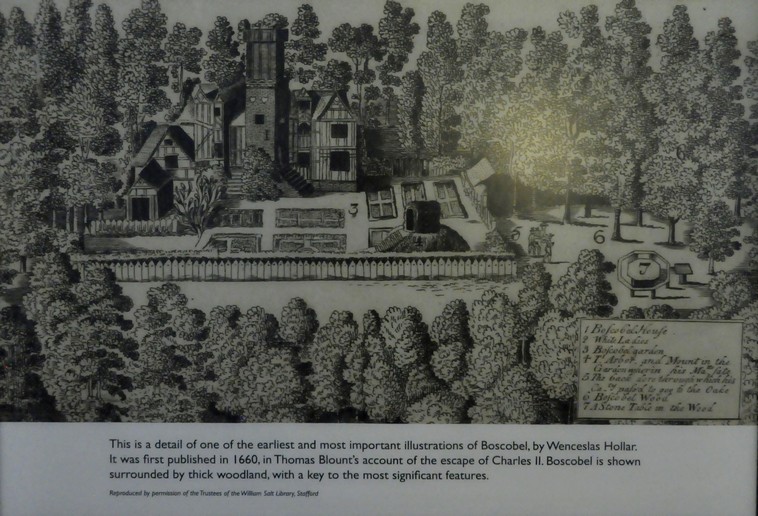


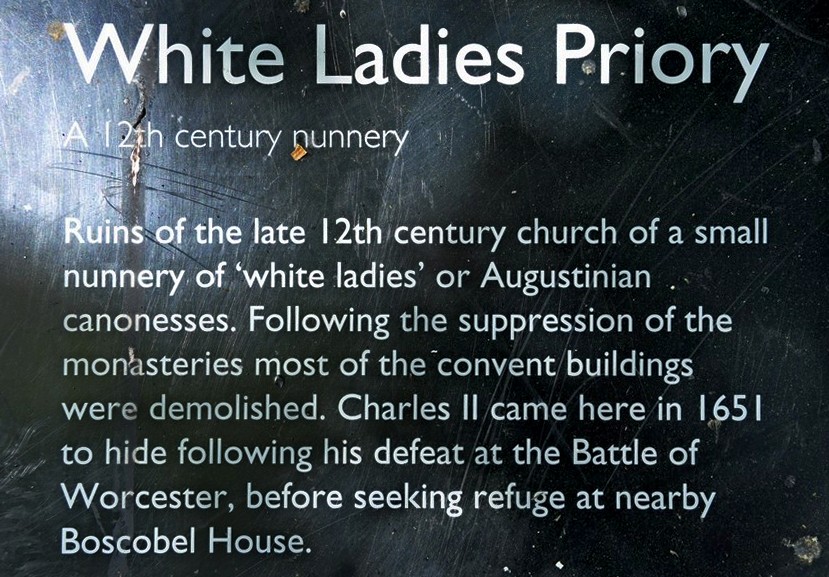


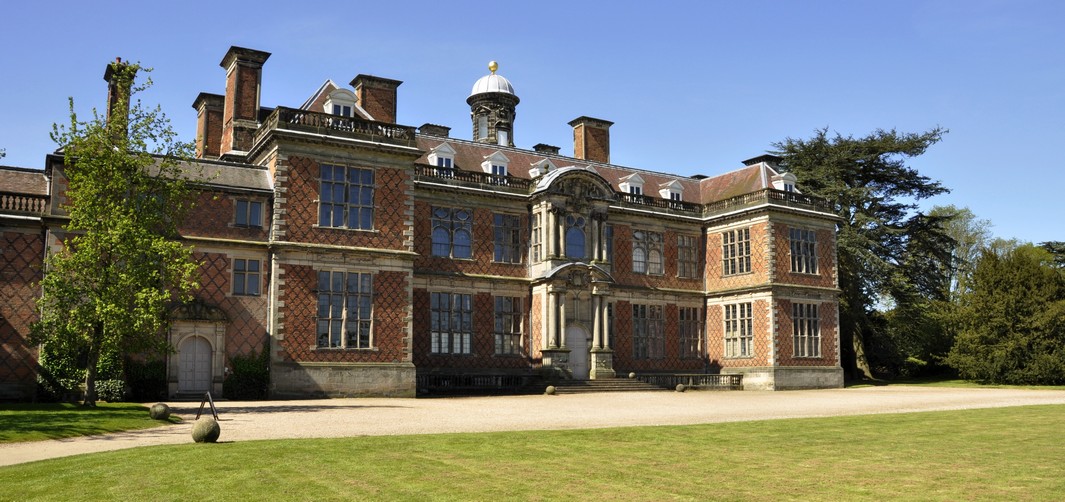
 But, as we reached the end of the footpath, we encountered the important ‘Sudbury’ fact. Occupied by the same


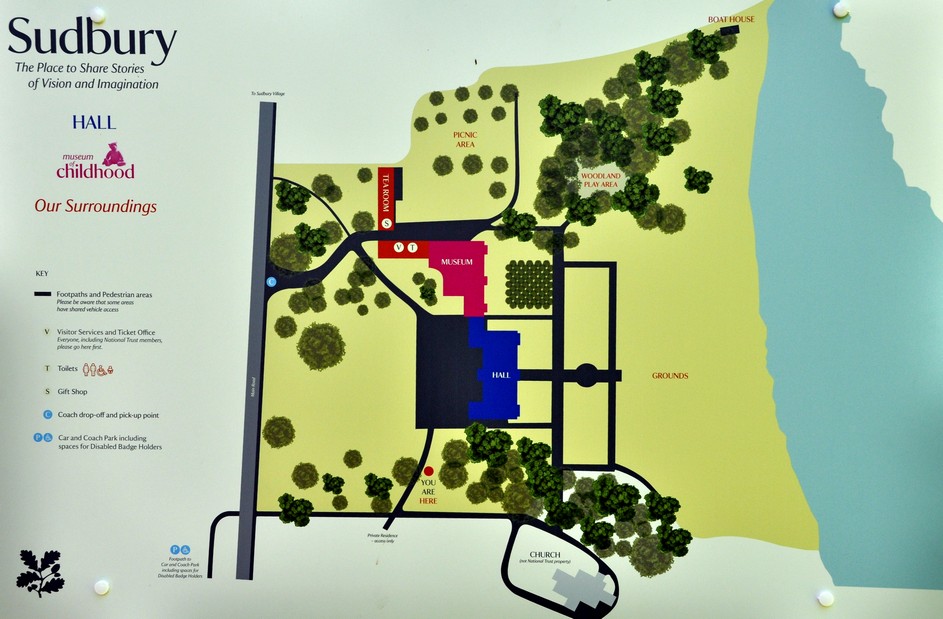


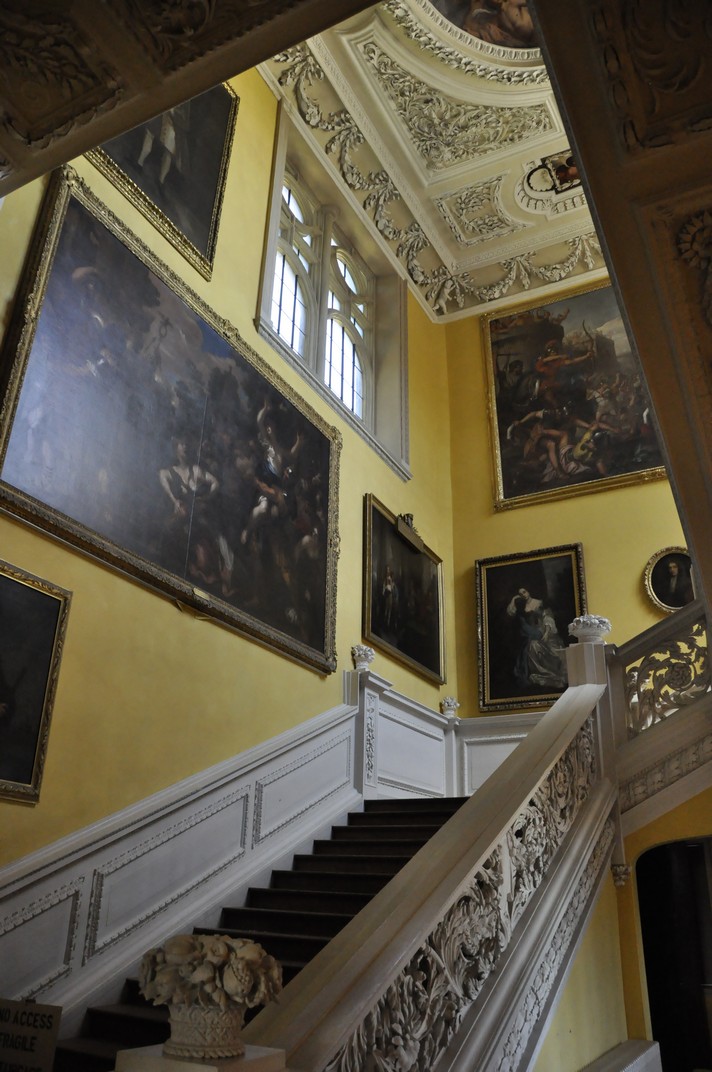


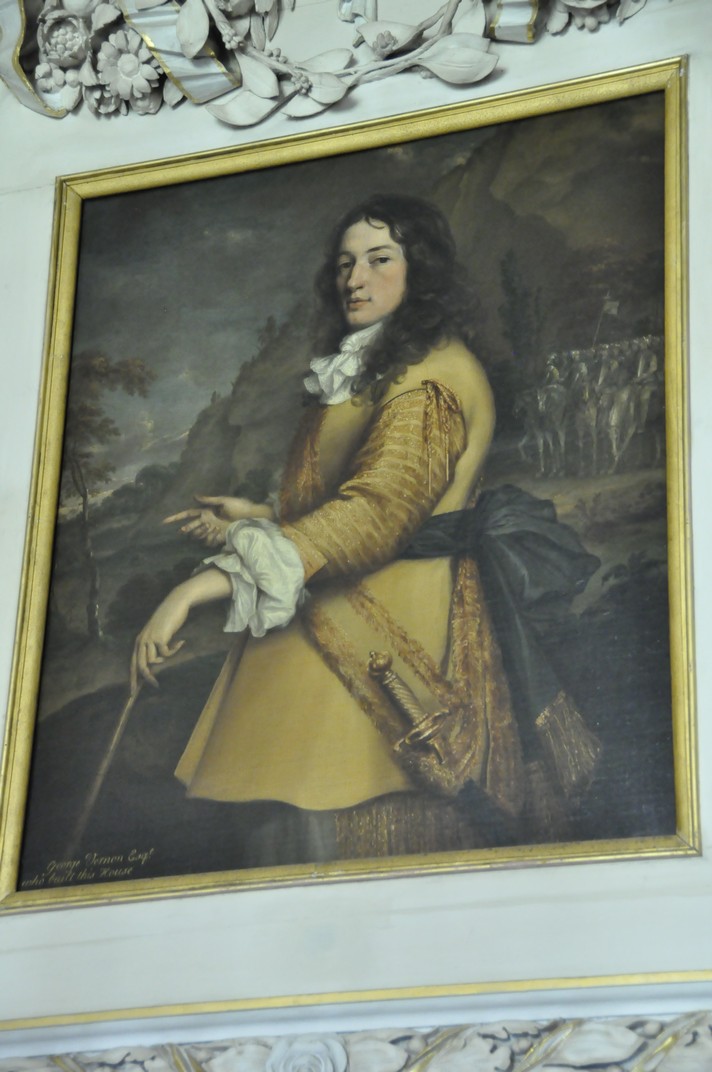


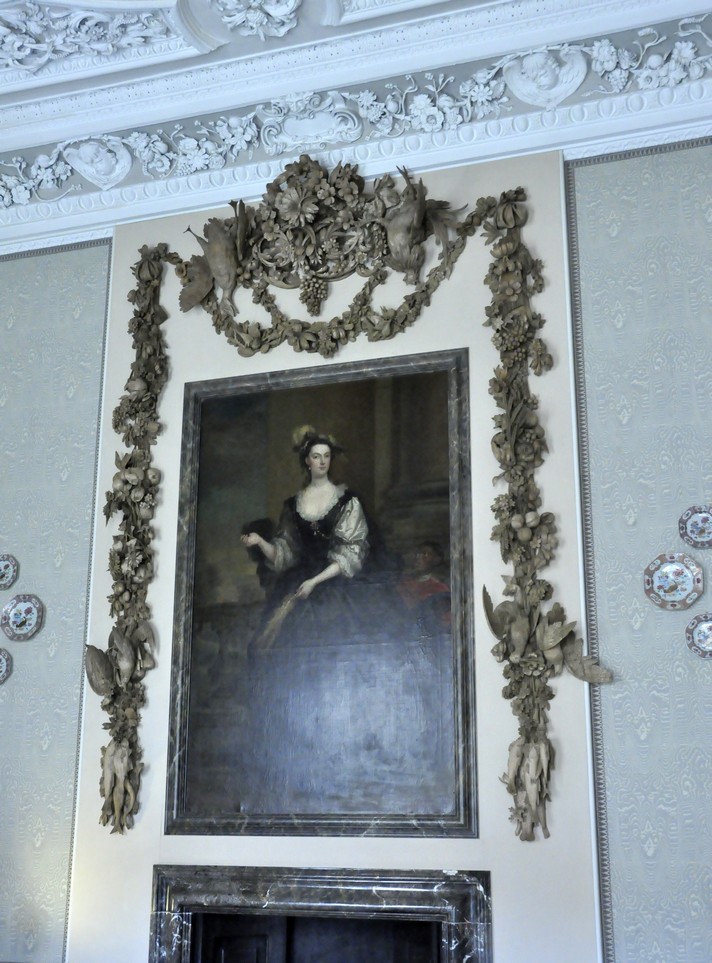
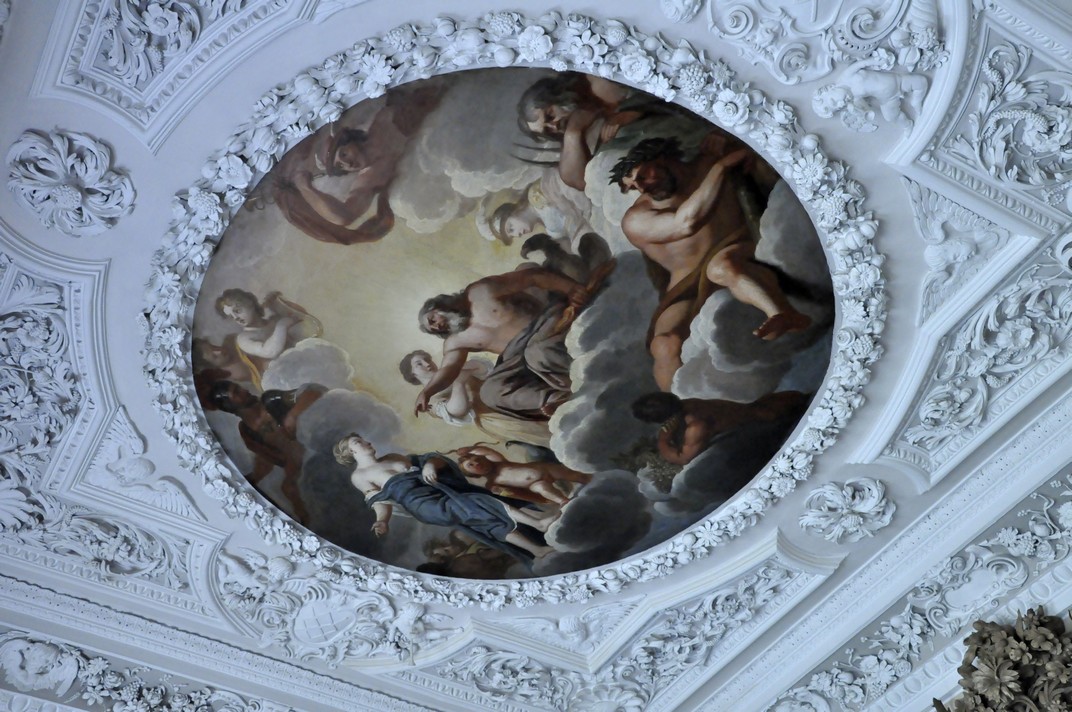

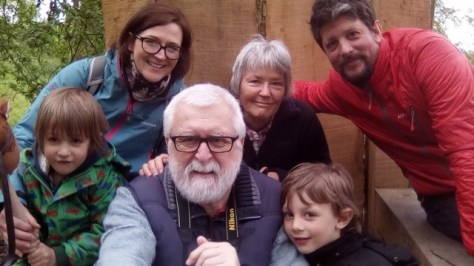


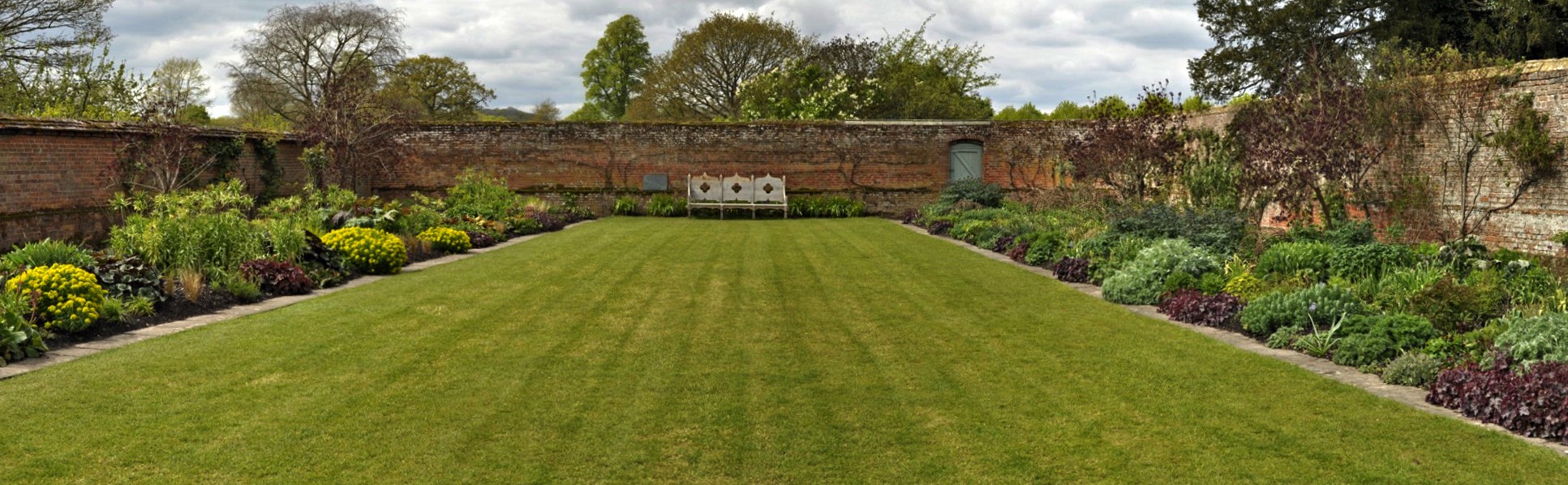
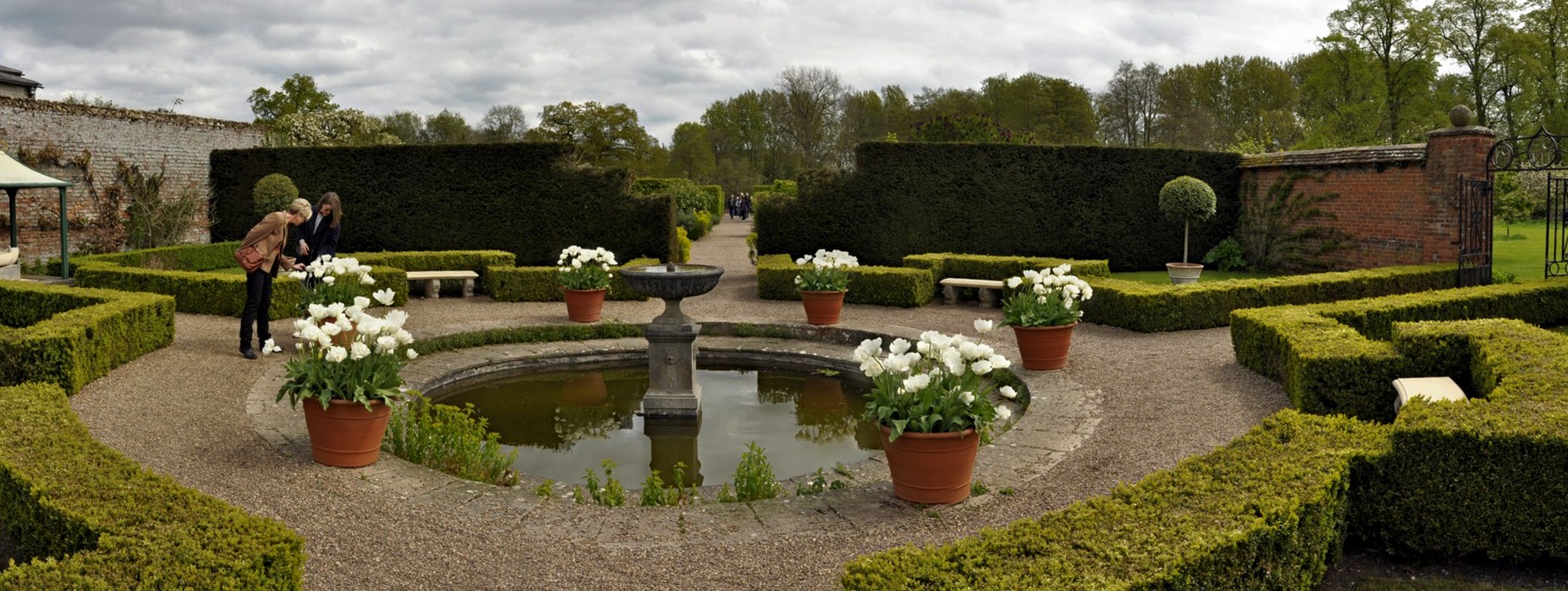


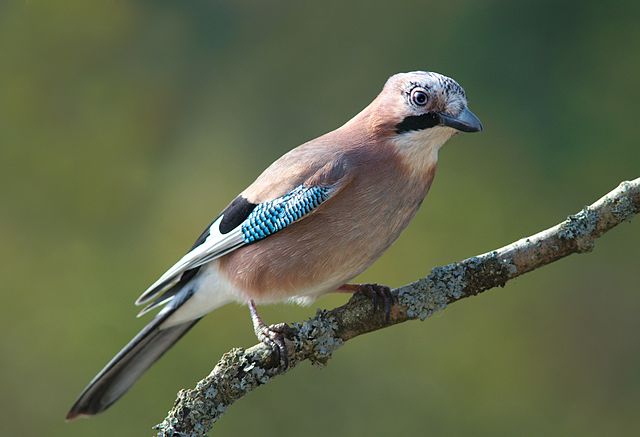
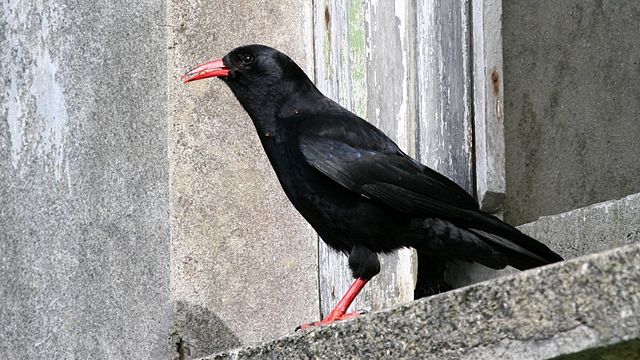
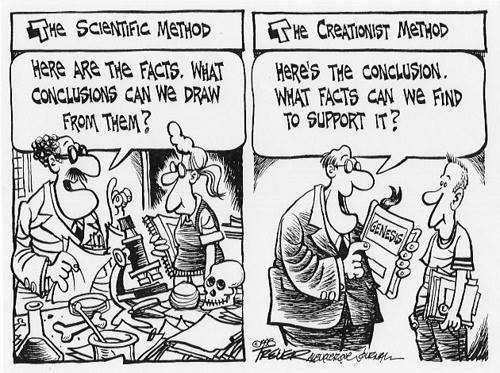
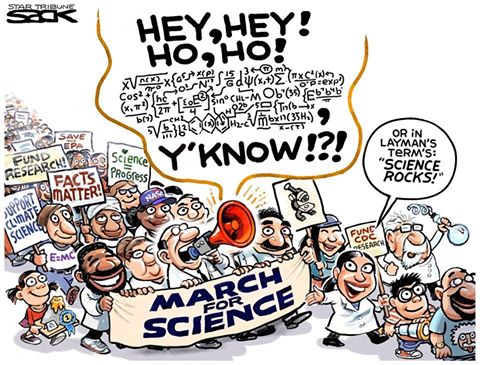



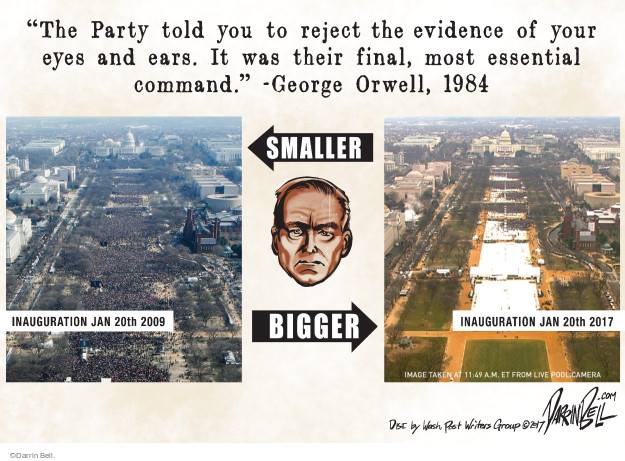
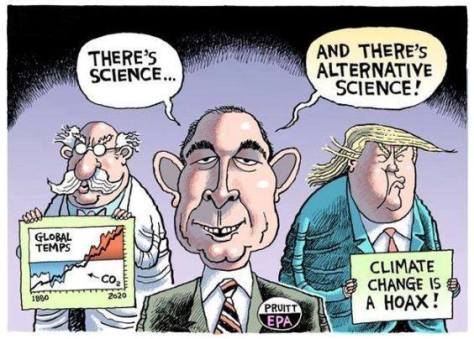

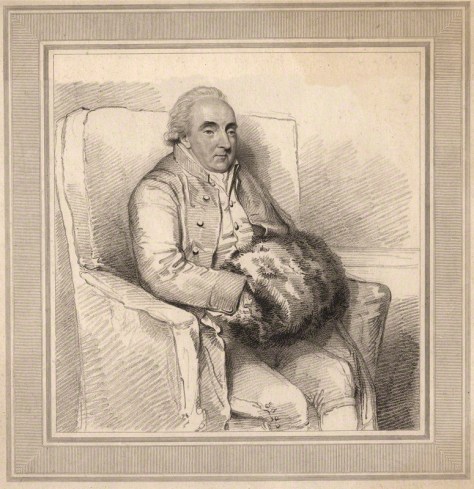
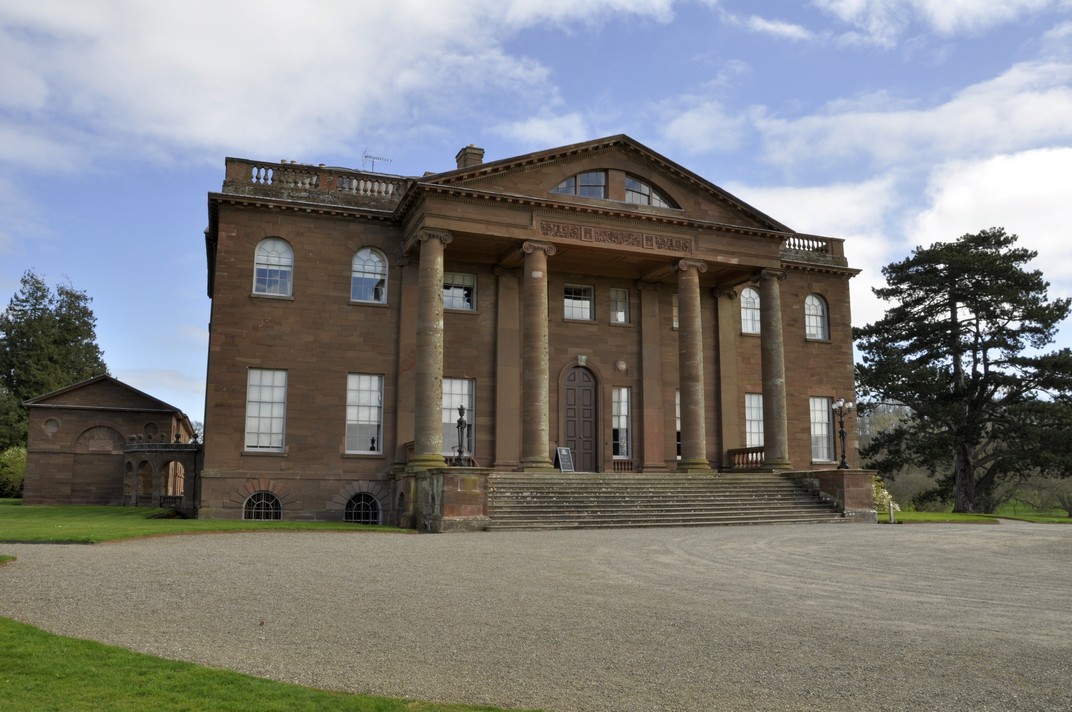
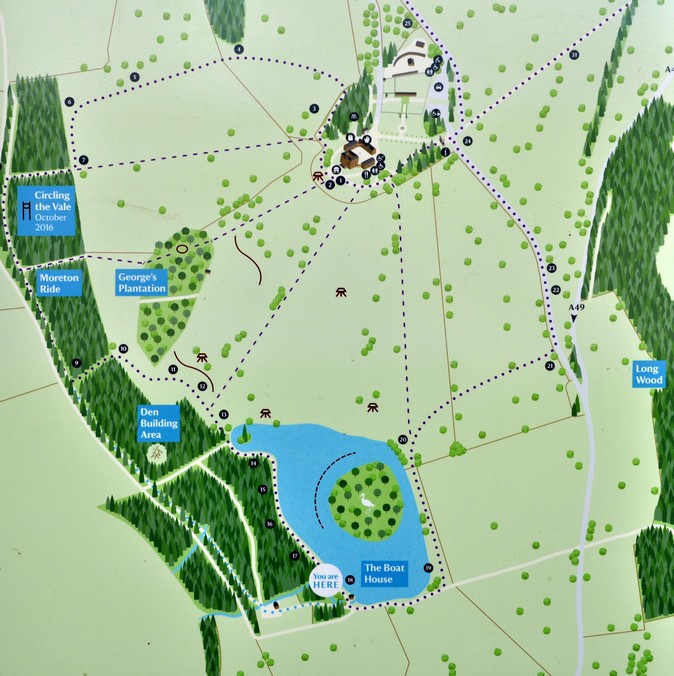
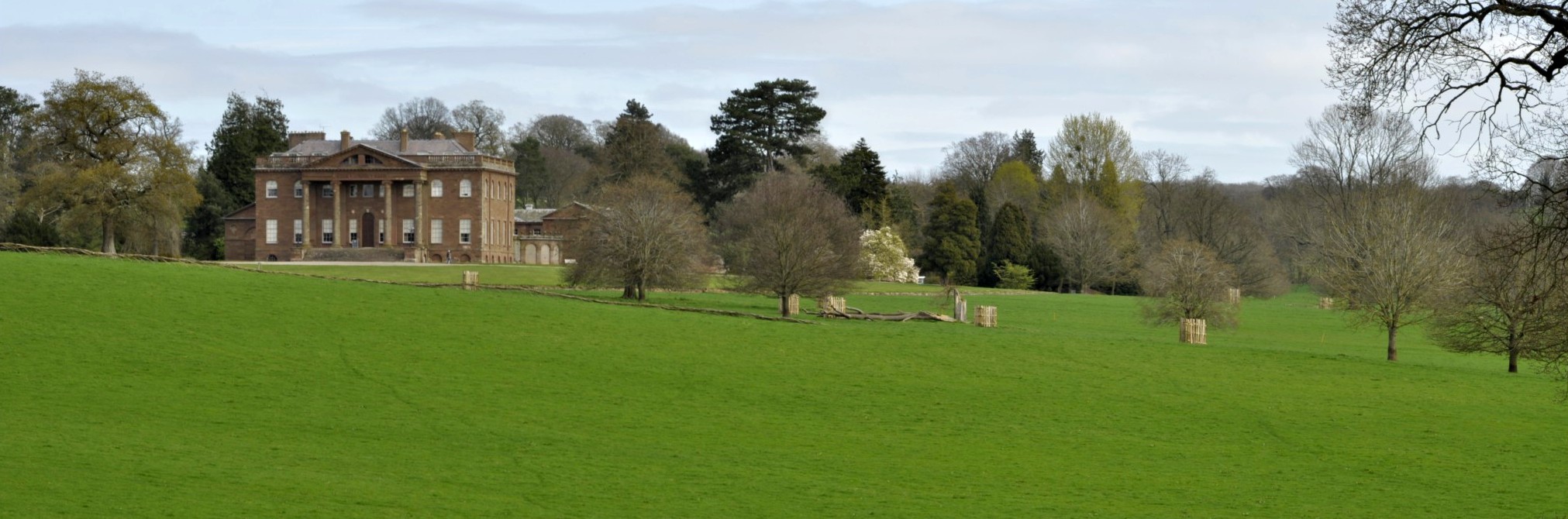


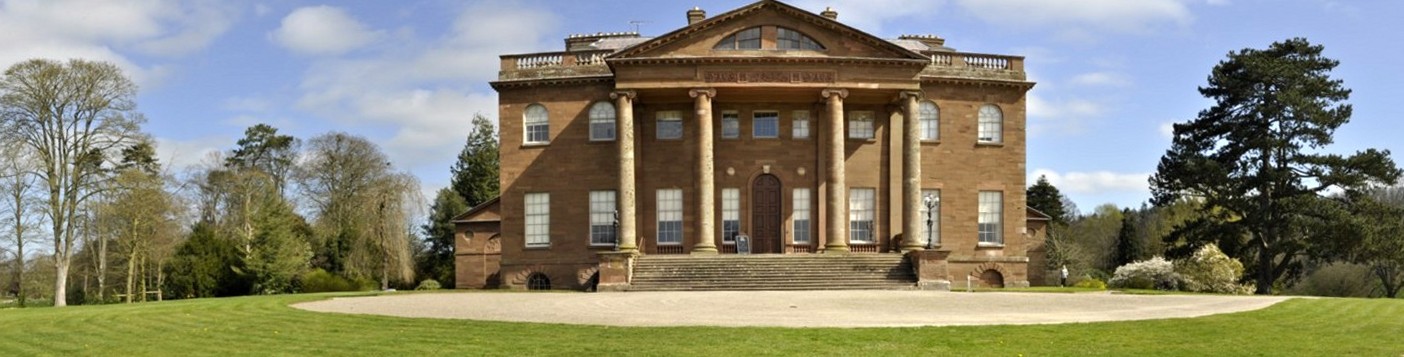


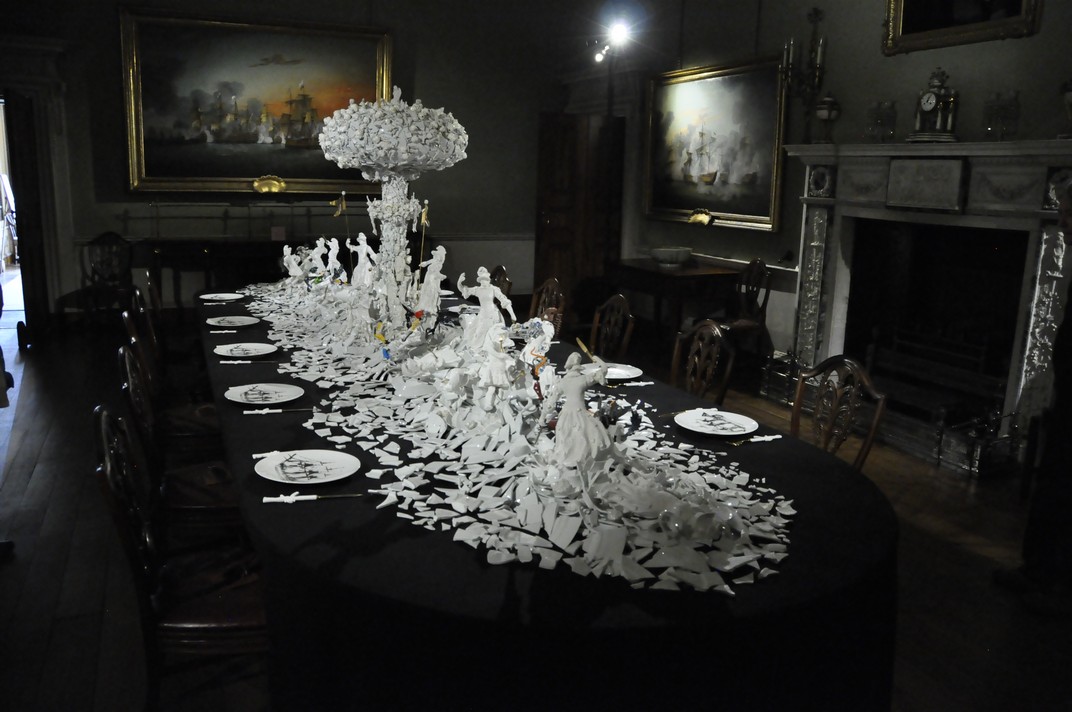


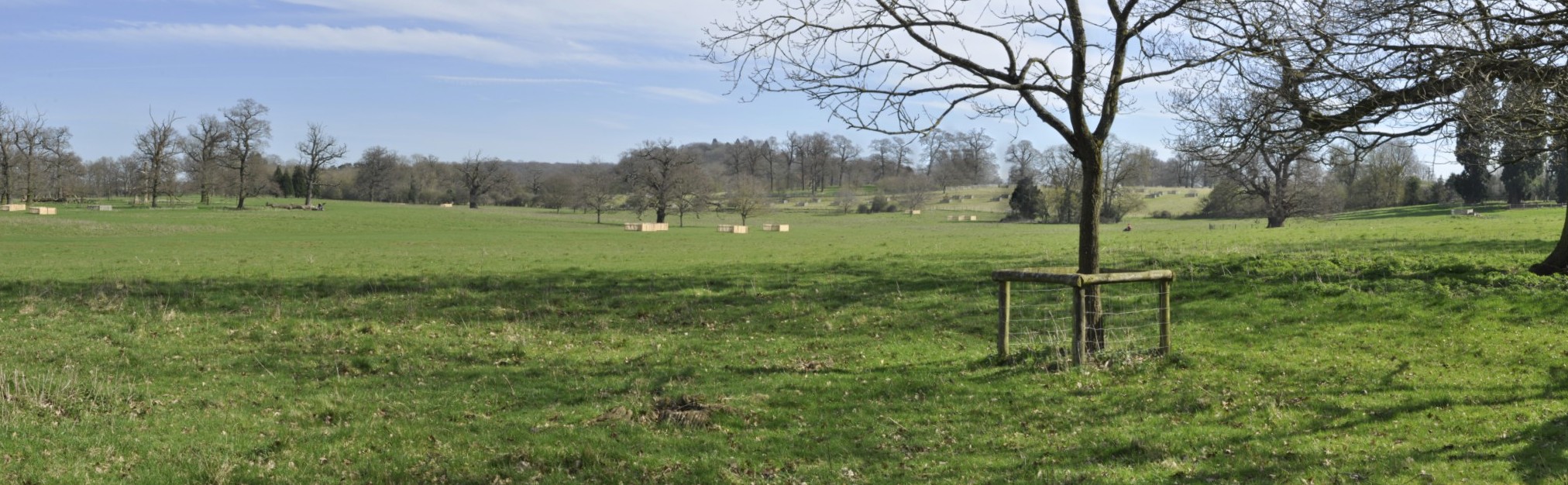
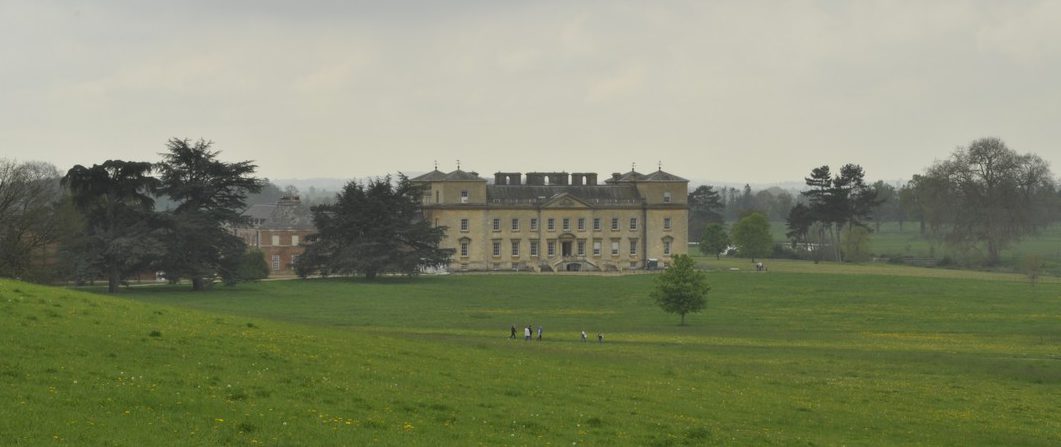


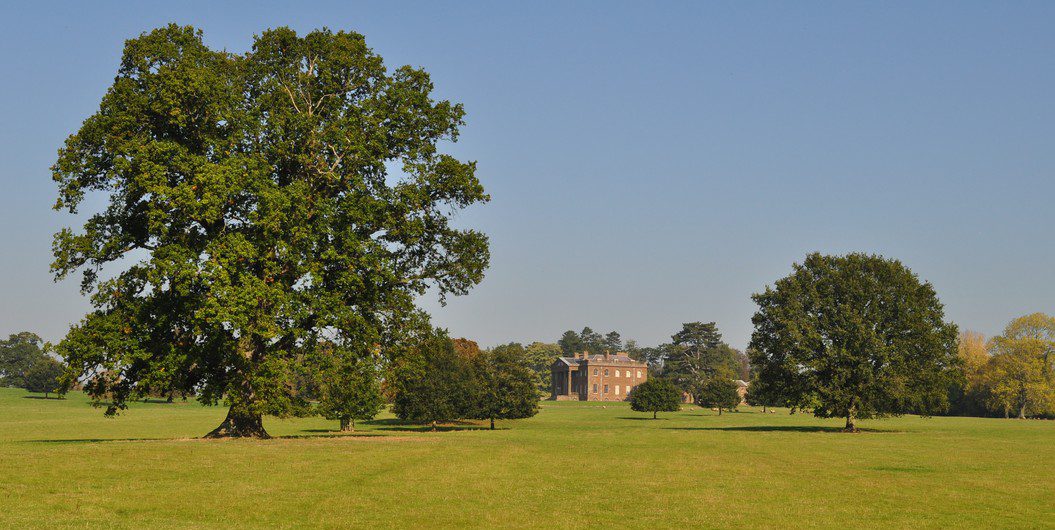
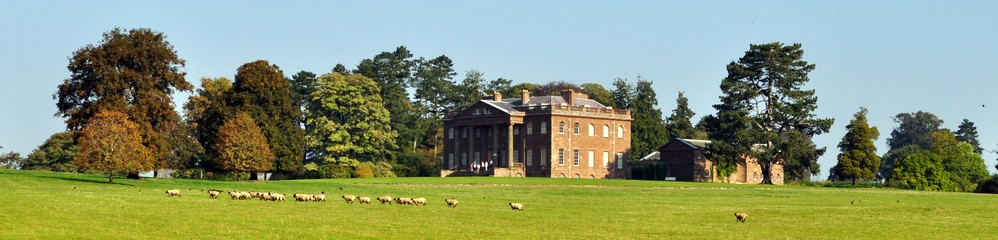
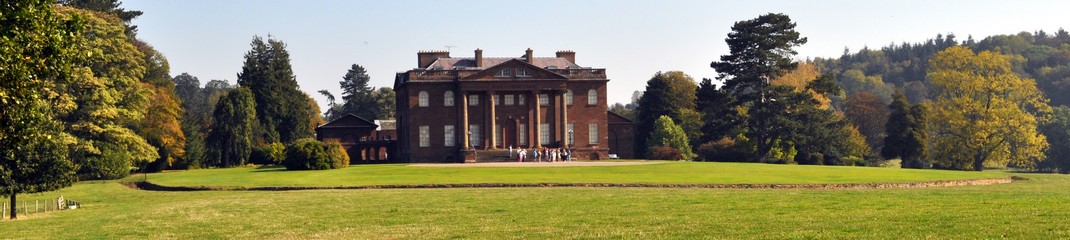
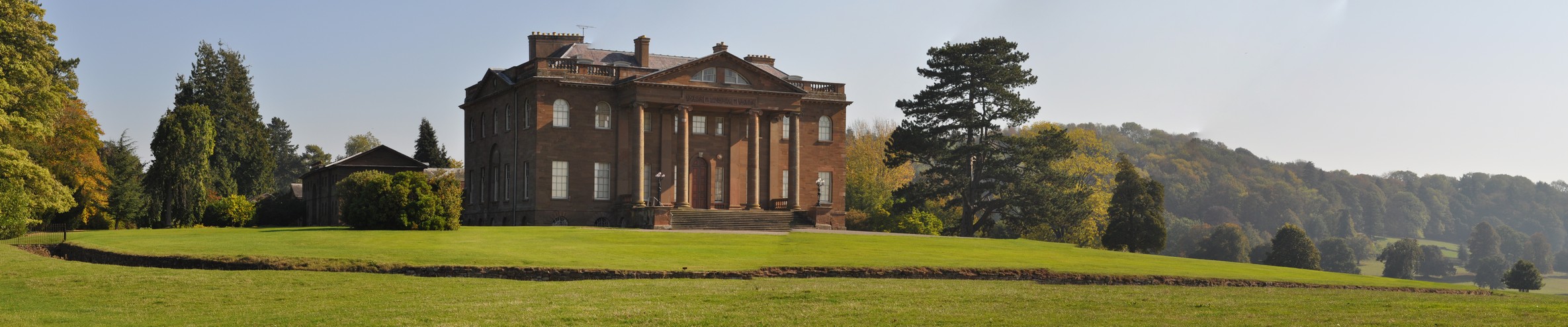

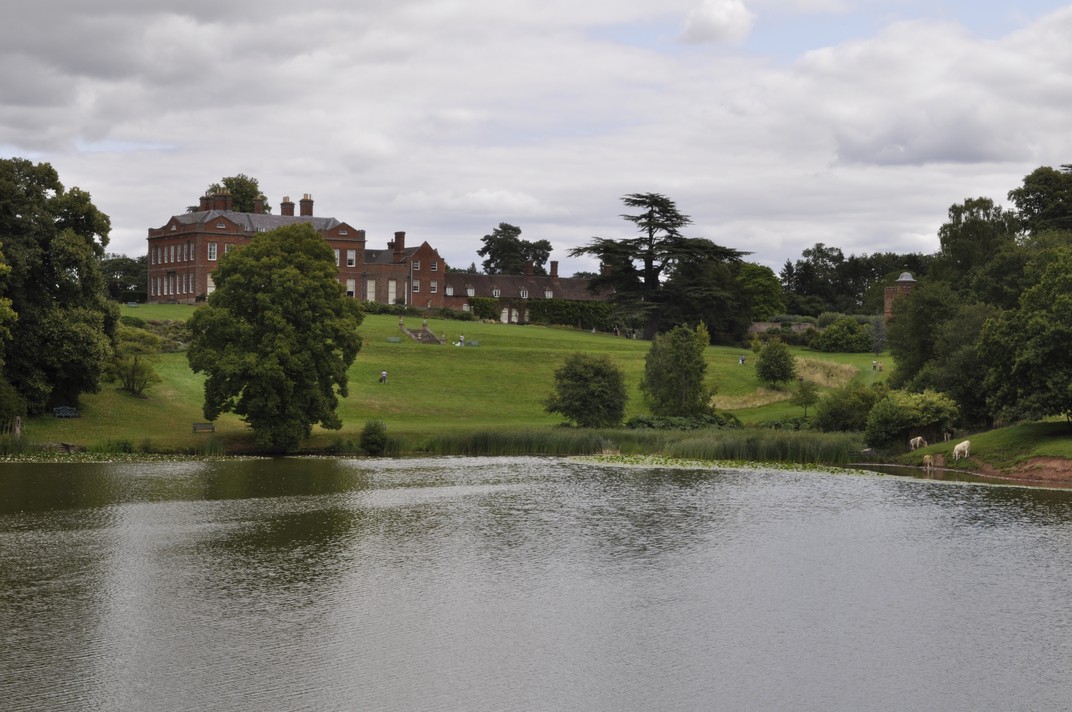
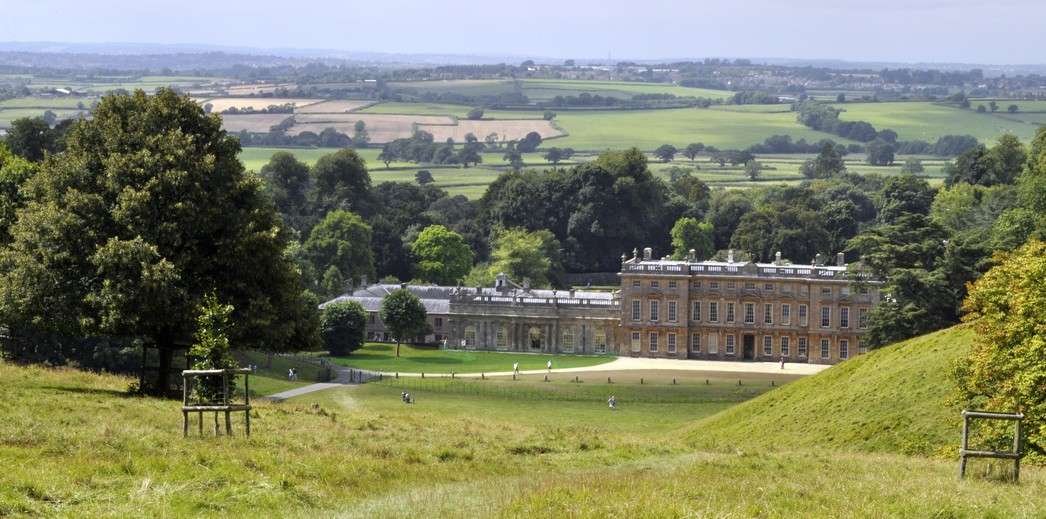


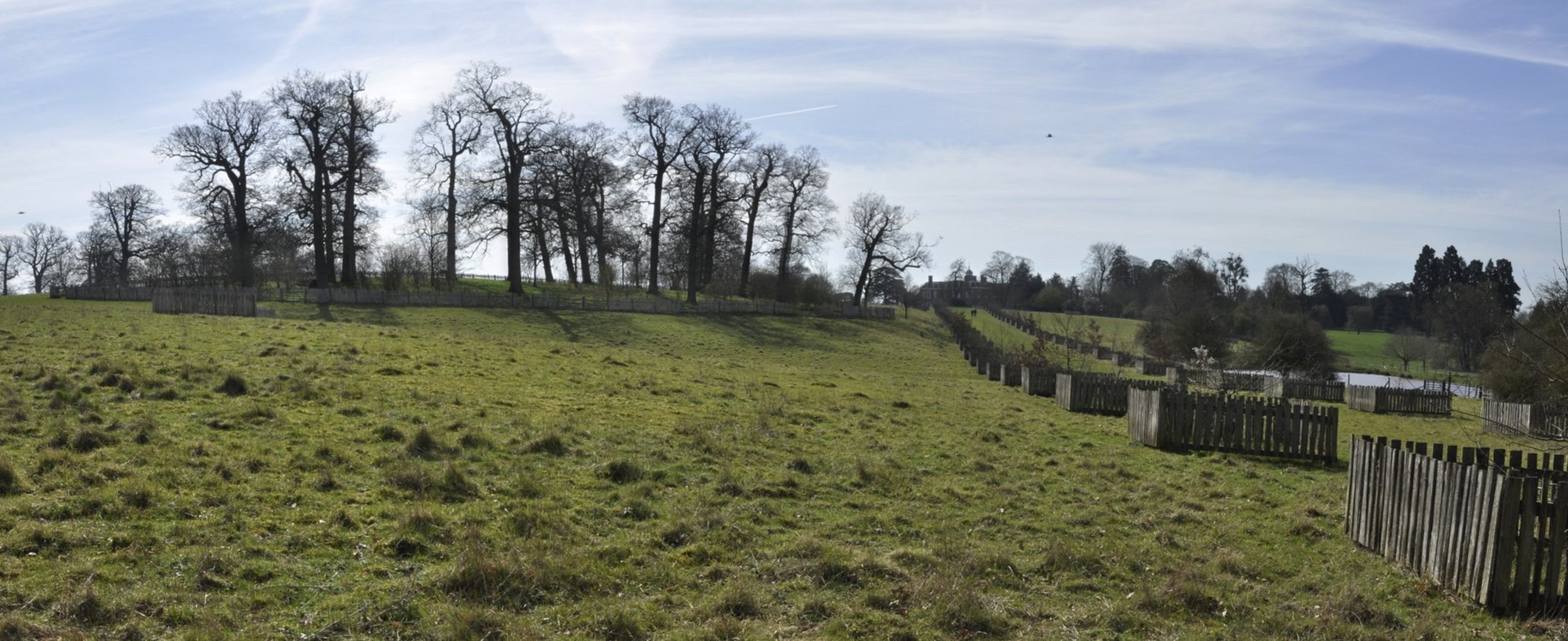


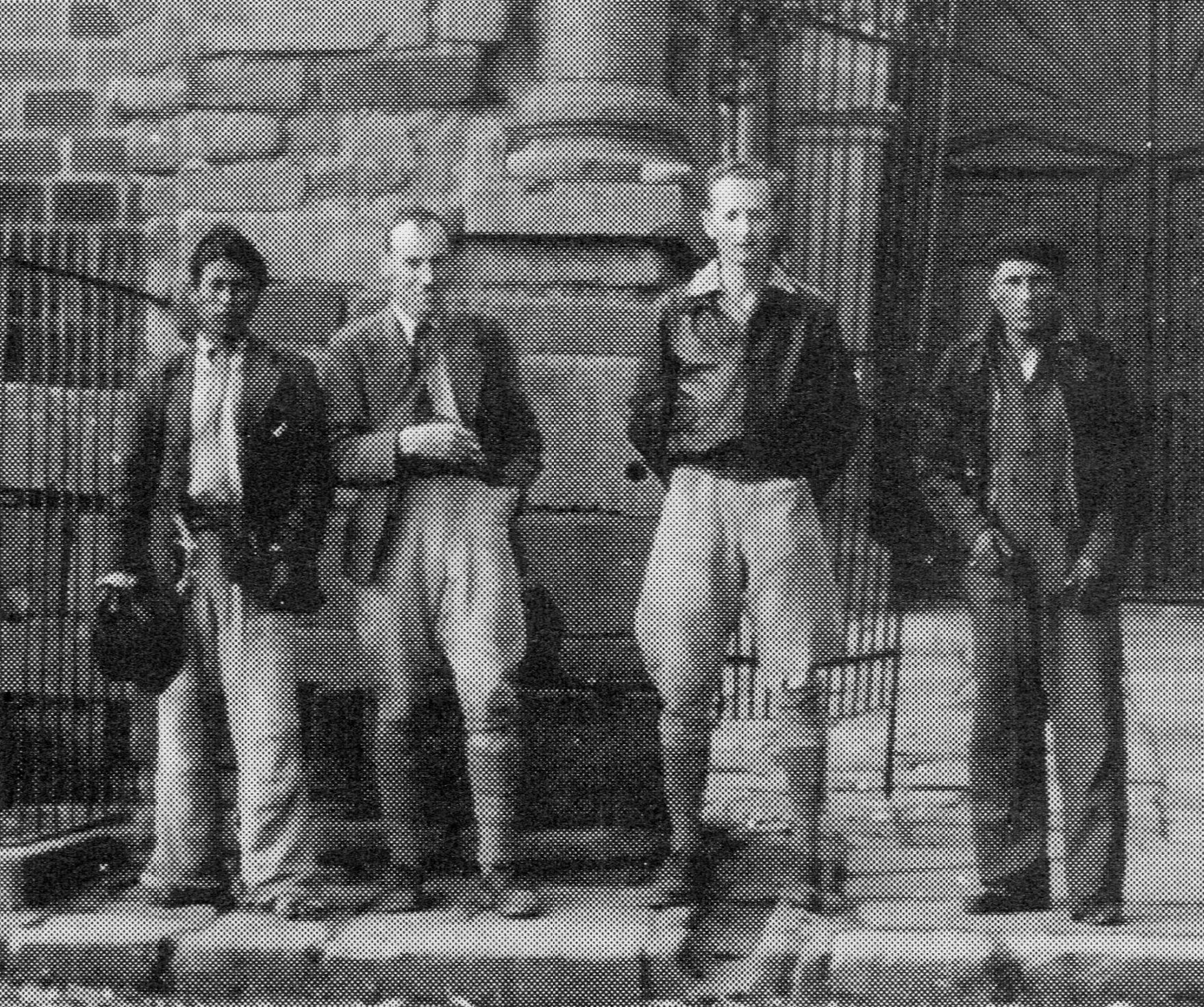
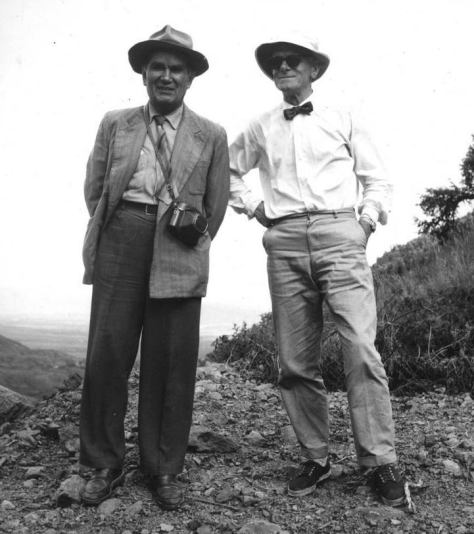




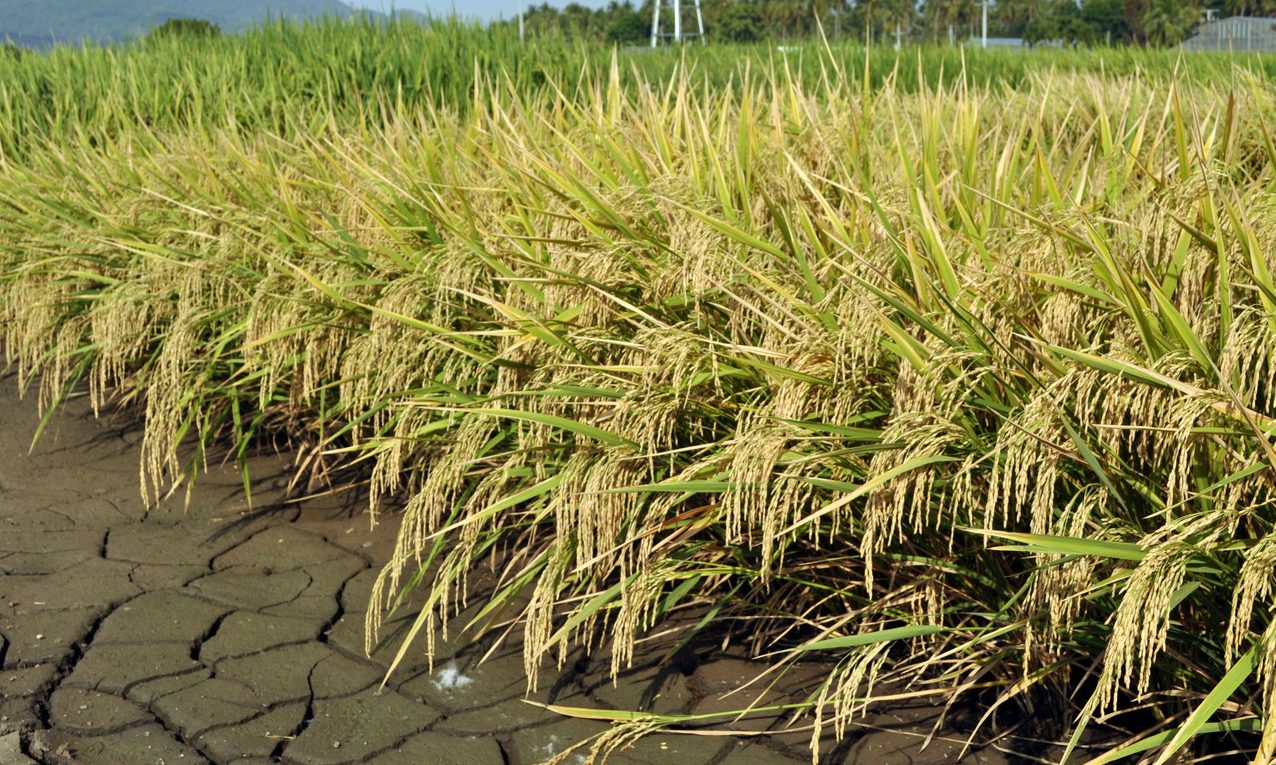
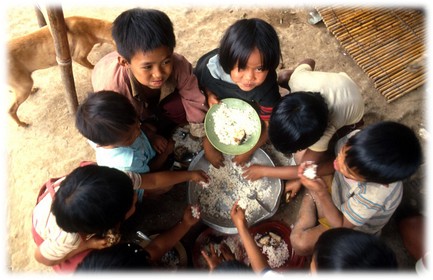
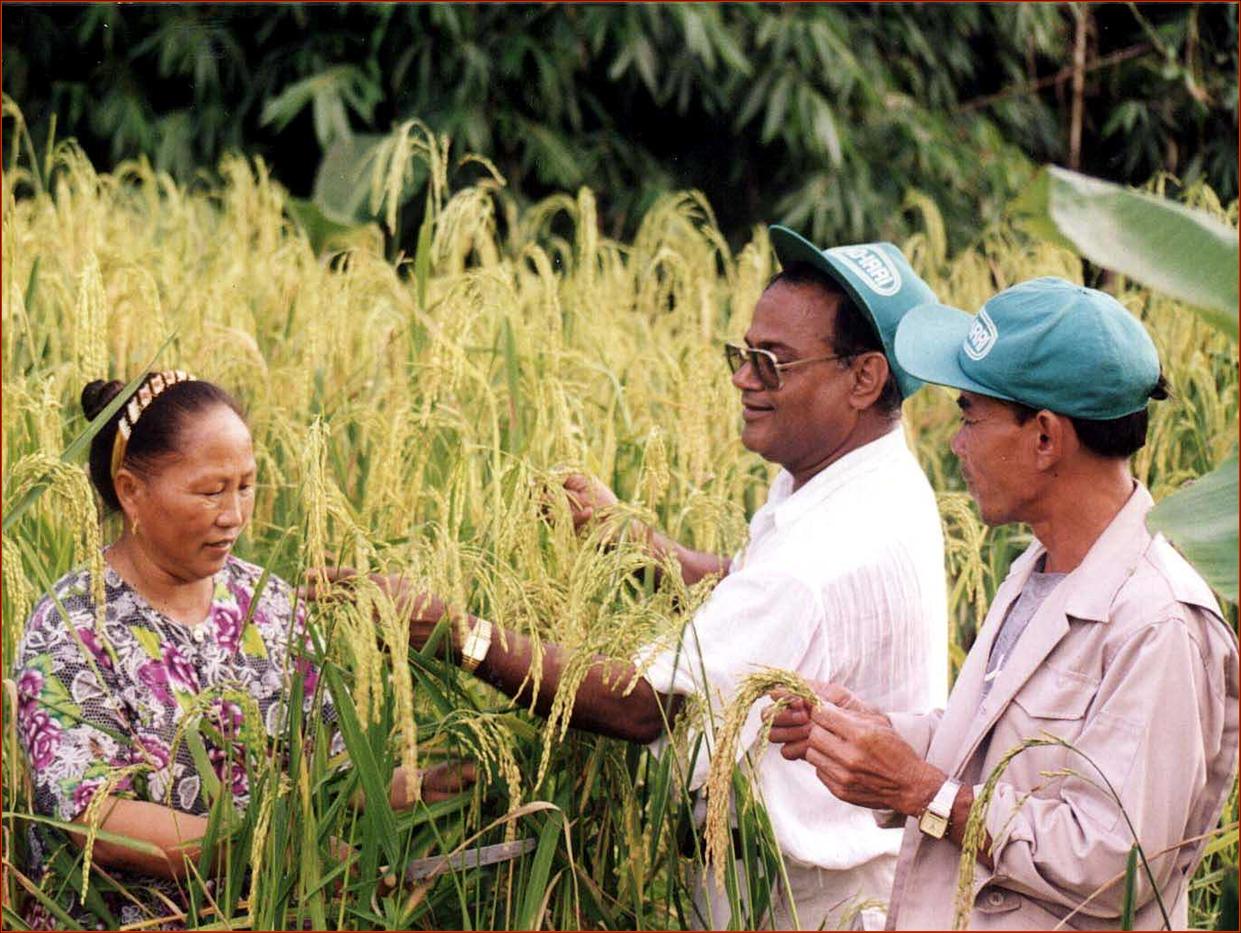
 Rice is such a fascinating crop you might want to understand a little more. And there’s no better source than Rice Today, a magazine launched by the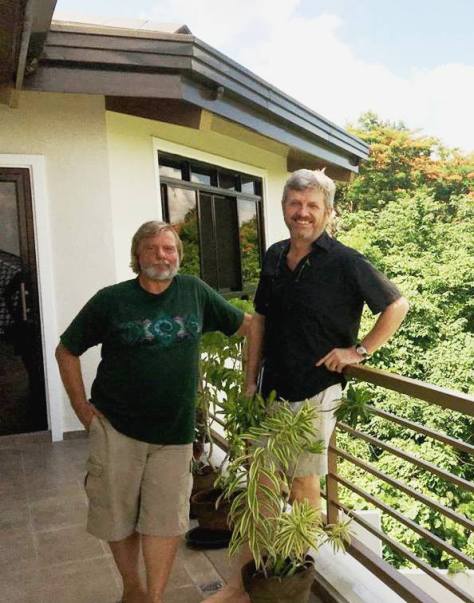


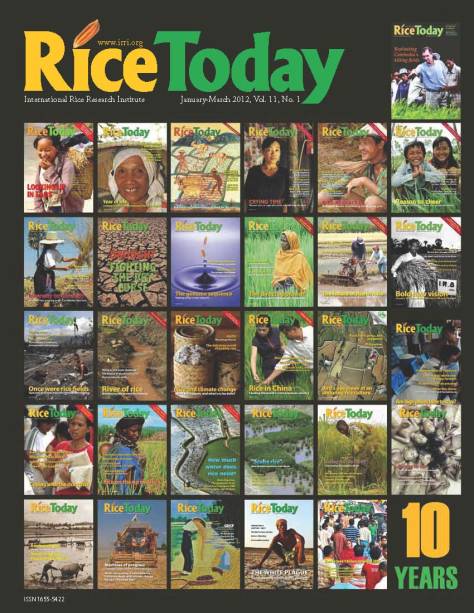
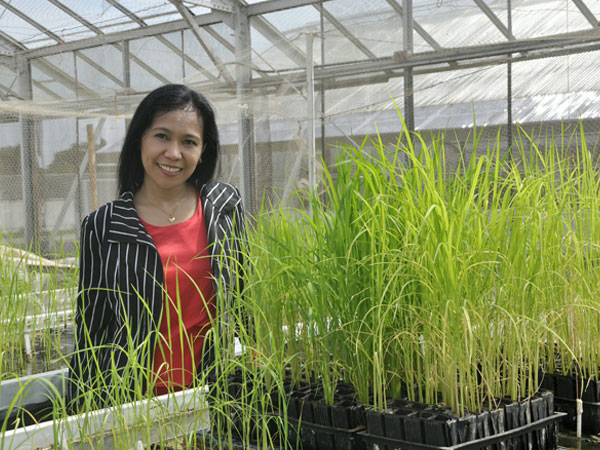
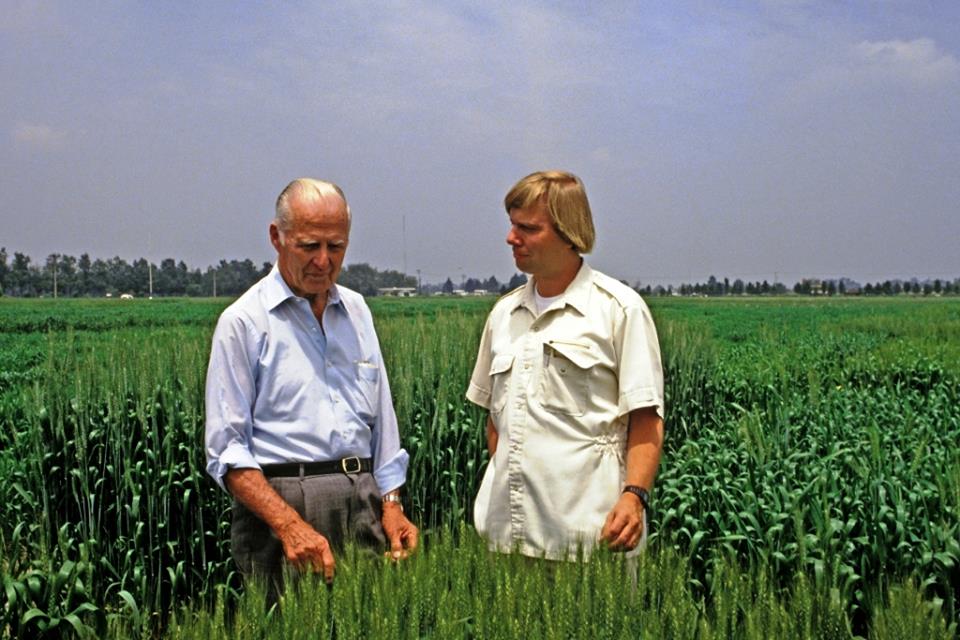
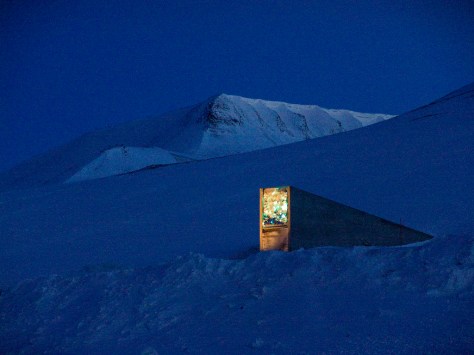


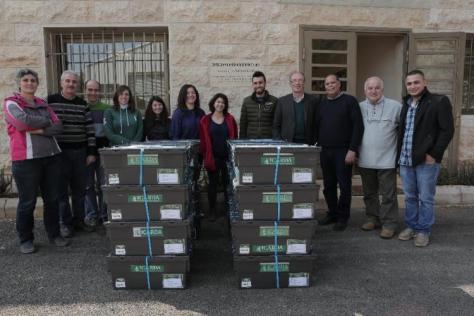
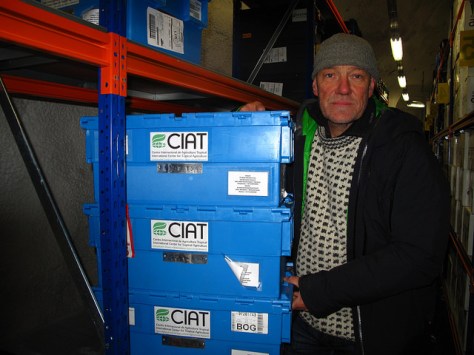

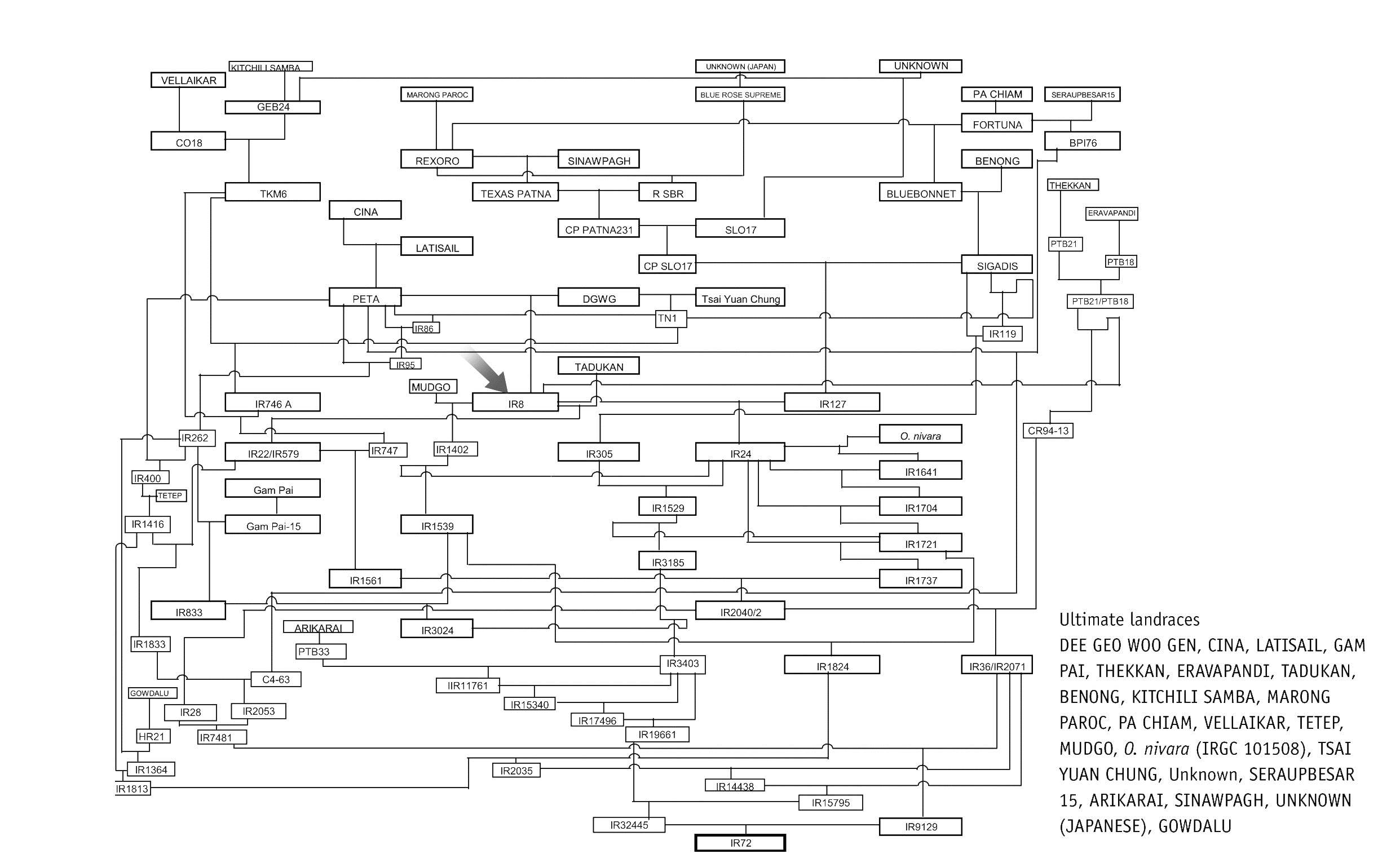
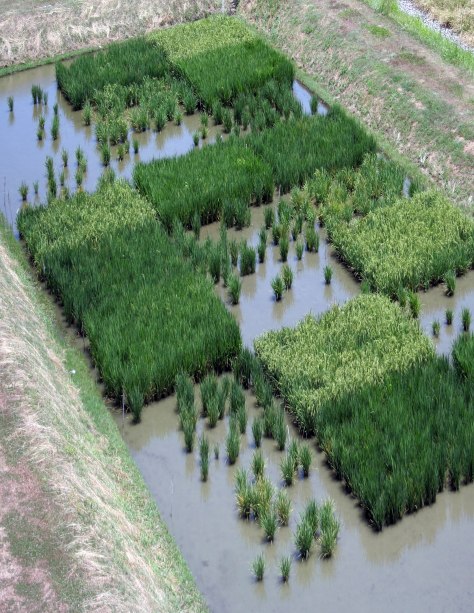
 On the inauguration platform on 20 January, alongside former Presidents Carter, Clinton, George W Bush, and Obama, stood former
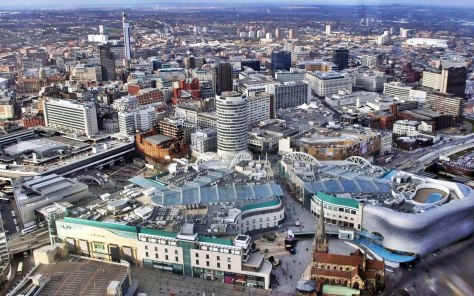



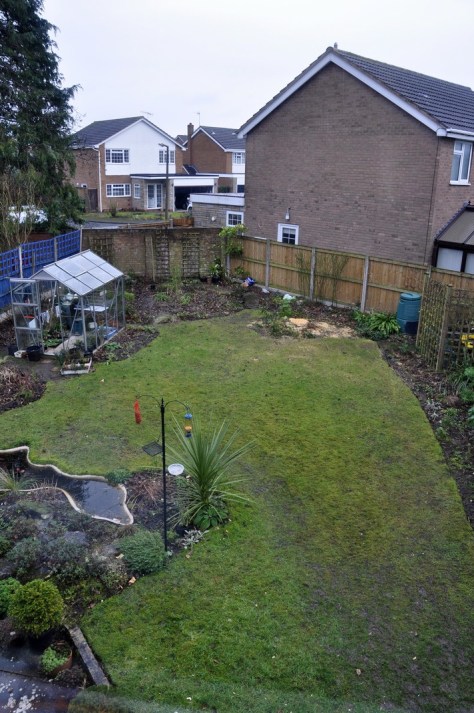
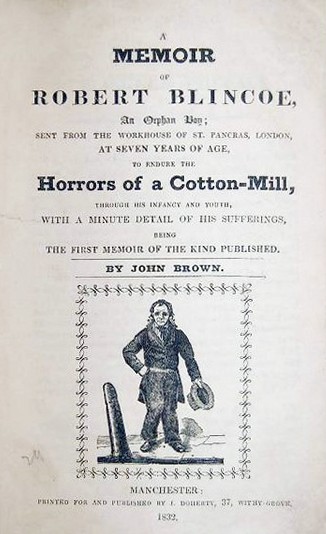
 Blincoe’s story is both appalling and inspiring, and I’ve just finished reading an account of his life and times in a 2005 book by historian
  So what has all this to do with Amazon Kindle? Well, Blincoe’s story and the possible Dickens connection has inspired me, given me the challenge even, to work my way through his 15 novels¹, most of which were originally published as weekly instalments in one publication or another.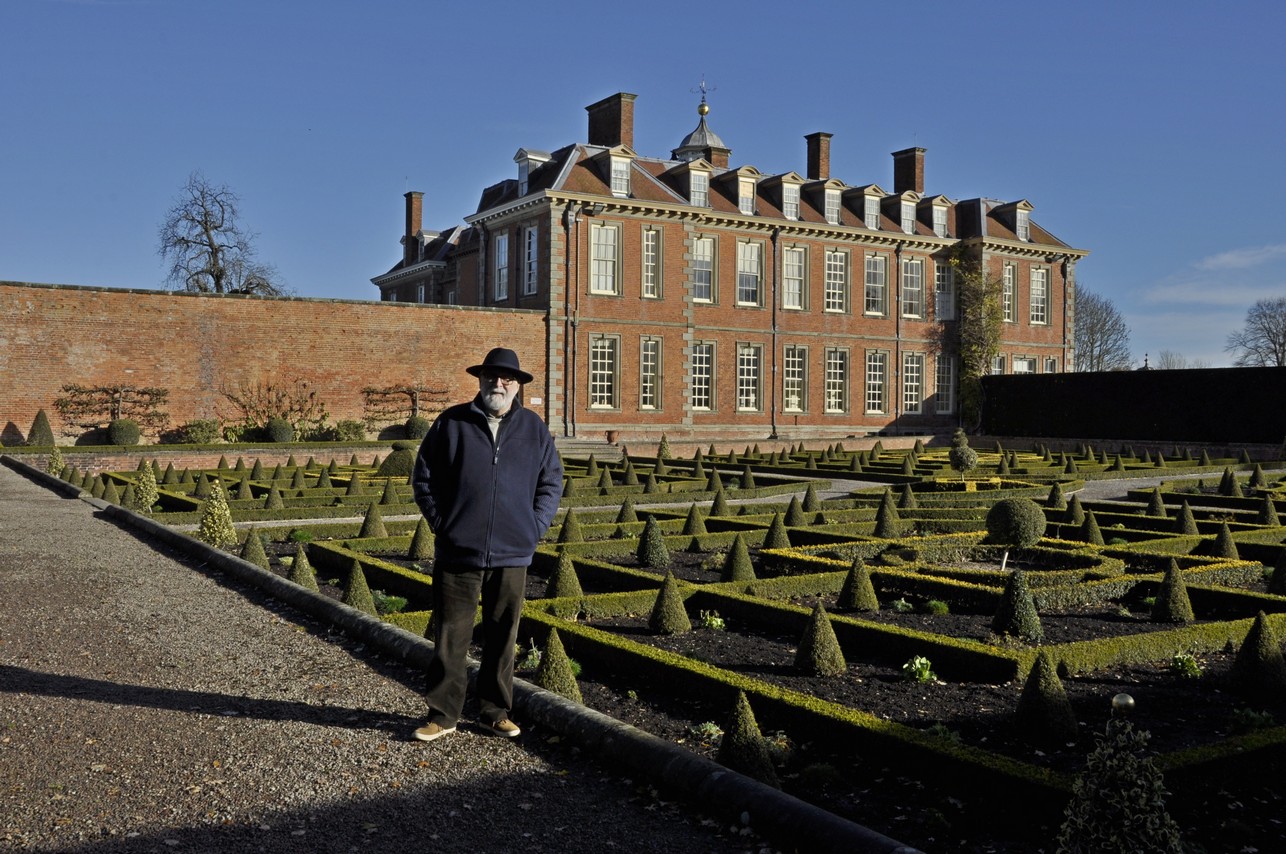


 1 January 2017. The dawn of a New Year. Will 2017 be a year full of promise? Maybe. Surely it can’t be any worse than 2016. I don’t make New Year resolutions; never have. Seems like a pointless exercise to me. Talking of exercise, though, I could probably do to lose a few pounds after the Christmas ‘excesses’.
 A balanced diet . . .