Gardens, lochs and castles

Steph and I have been members of the National Trust since 2011, and so we took advantage of reciprocal membership to visit several National Trust for Scotland properties during our recent Highlands and Islands holiday.

Gardens always feature high on our list of National Trust “to do’s”. Steph’s the gardener at home however. I’m just the admirer and mow the grass. But when we found that we’d be quite close to one of Scotland’s most important gardens, Inverewe in Wester Ross, we made plans to visit before crossing to the Outer Hebrides. We came across the other big garden, Arduaine in Argyll & Bute, quite by chance. It was just a few miles from our accommodation on the penultimate night of the holiday. The third garden was attached to Brodie castle just east of Inverness that we visited on Day 3. We turned up at Brodie only to find that the castle was not open to the public on a Friday, so we spent an hour wandering around the small garden and learning more about daffodils! More of that later on.

Inverewe Garden
This is an oasis of almost tropical splendour on the banks of Loch Ewe in northwest Scotland, about 50 miles southwest of Ullapool.

We spent the night of Day 5 of our holiday at Braemore about 12 miles south of Ullapool at the southern end of Loch Broom.

Loch Broom from the south.

Loch Broom from the south.

Having booked passage on the 17:30 ferry to cross over to Stornaway on the Isle of Lewis from Ullapool, we had the whole day to visit Inverewe. The weather was not promising when we started out for Inverewe, with low cloud and spitting rain. Typical Scottish weather you might think. However, within just a few miles, the clouds lifted and we were treated to a bright sunny day for the rest of our journey and the two to three hours we spent walking around the garden before heading back to Ullapool for the ferry. Given that a major storm was expected later that evening, and as ferry crossings had been disrupted in previous days we did try to change our booking to the morning crossing at 10:30. No such luck as it was already fully booked. So we just went ahead with the plan we’d already made—and thoroughly enjoyed our visit to Inverewe Garden.

Scotland 373Opened in 1862, the garden was the brainchild of one Osgood Mackenzie who, having planted 100 acres of woodland to protect the garden, set about creating a sub-tropical paradise at almost 58°N, and nurtured by the warm waters of the North Atlantic Drift, full of exotic plant species.

Inverewe map

It was taken into ownership by the National Trust for Scotland in 1952. Inverewe is famous for its rhododendrons and azaleas (some of which were damaged in gales in early 2015, especially some very old and large specimens), and is laid out in informal blocks representing different parts of the world, such as China, Tibet, Japan, New Zealand and the like. There are even tree ferns and several specimens of the very rare Wollemi pine from Australia.

Arduaine Garden
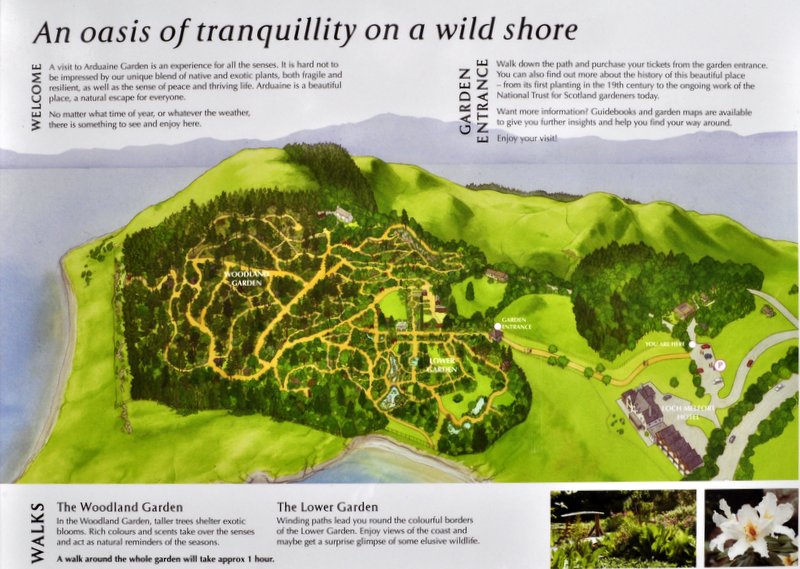
Just 20 miles south of Oban beside the A816 (and 12 miles short of the village of Ford where we had a room booked) Arduaine Garden was a complete surprise. We originally passed it at about 17:30. It was already overcast, windy and drizzly, but we pulled in anyway to get our bearings and see when the garden was open. 09:00 to sunset! So we decide that if the weather was fine the following morning we would retrace our steps and spend a couple of hours there before re-retracing our steps to Ford, Loch Awe and on to Loch Lomond.

Scotland 877Established in 1898 by James Arthur Campbell on a peninsula jutting out into Loch Melfort (and with views from the headland all the way to the mountains on the Isle of Mull to the northwest), Arduaine lies at 56°N. It is full of rhododendrons and azaleas that were still in full bloom compared to what we had encountered at Inverewe. The garden was gifted to the National Trust for Scotland in 1992.

Arduaine has a more intimate feel about it than Inverewe, and perhaps for that reason I enjoyed my visit here more than to Inverewe.

Scotland 869

Or was it because there were far fewer visitors at Arduaine? Afterall, we did arrive just a short while after garden opened and we had it almost to ourselves for the duration of our visit.

Brodie Castle
Lying just to the west of Forres on the north coast of Scotland, Brodie Castle has been home to generations of the Clan Brodie, and the last clan chief lived there until 2003.

Scotland 065

The castle was built in the 16th century. Major Ian Brodie, the 24th Brodie of Brodie, began assembling a collection and breeding daffodils in 1899, and eventually there were more than 400 different varieties grown. Some have been lost, but the National Trust for Scotland is attempting to re-establish this important collection. I never knew there was so much to daffodils.

Fàilte gu Alba – expansive landscapes and big skies

During our recent tour of Scotland’s Highlands and Islands we traveled from Fife (where we had stopped the first night after traveling up from the English Midlands) up through Perthshire and Aberdeenshire, Speyside and the north coast and over to Inverness. From there we worked our way up the northeast coast to John o’ Groats and across the top of Scotland and down through Sutherland. We crossed over to the Outer Hebrides (Lewis, Harris, North and South Uist, Benbecula, and Eriskay) from Ullapool, then came back to the mainland via Skye. From there, via the Kyle of Lochalsh, we traveled down the west coast to Argyll & Bute, and over to Loch Lomond on our last day.

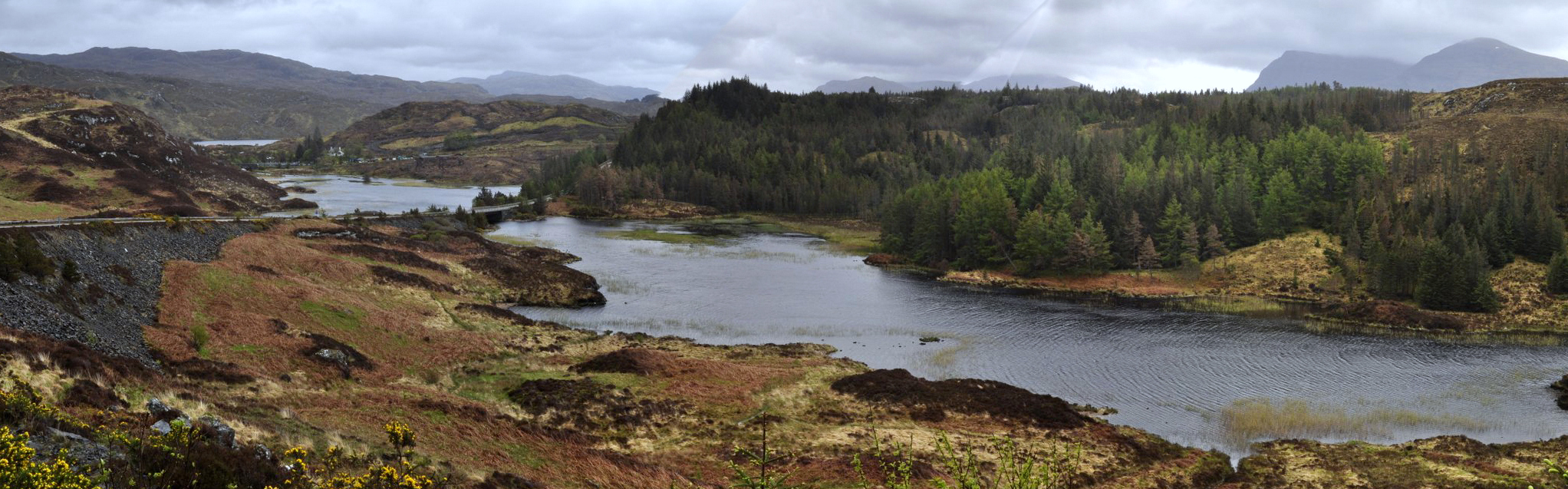
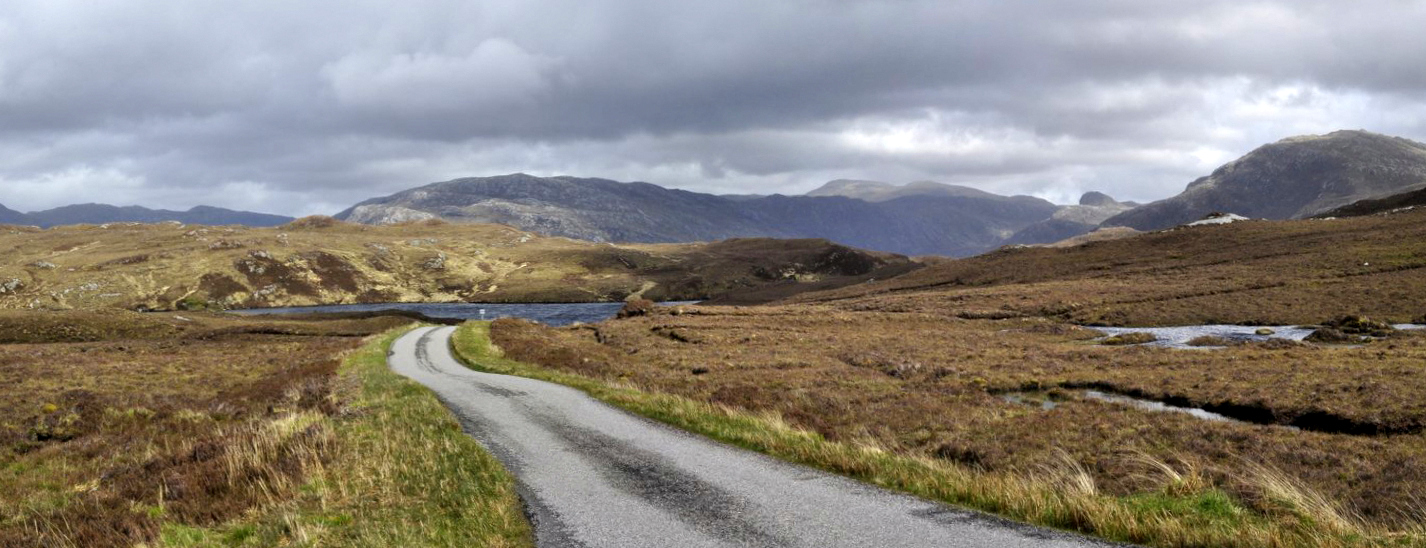
I took over 1000 photos on my Nikon D5000. On many occasions I felt I could only do justice to the landscapes we saw by taking a panorama of individual shots and combining them into stitches. The result for some is more than acceptable. For others, the blending between the individual frames is not even, but they nevertheless allow you to appreciate the beauty of these outstanding Scottish landscapes. Click on each of the photo below to open a full size version. I hope you enjoy these photos as much I did taking and editing them.

A939 towards Ladder Hills

Taken from the A920 between Huntly and Dufftown, looking southwest.

1746 Culloden battlefield, east of Inverness.

The last battle fought on British soil was fought at Culloden (just east of Inverness) 0n 16 April 1746, when the Jacobite forces of Bonnie Prince Charlie were defeated by the Hanoverian ‘Butcher Cumberland’.

This bridge, west of Inverness, carries the A( across the Moray Firth into Ross and Cromarty

This bridge, west of Inverness, carries the A9 across the Moray Firth on to the Black Isle of Ross and Cromarty. Taken from North Kessock on the north shore, looking east.

Dunnett Head looking eastwards Thurso

From Dunnet Head – the most northerly point in mainland Britain – looking east towards Thurso and John o’ Groats.

On A836 westwards

On the A836 westwards from Thurso.

Coldbackie

At Coldbackie, near the Kyle of Tongue, on the A836.

Kyle of Tongue

Crossing the causeway at the Kyle of Tongue on the A838, west of Thurso.

Loch Eriboll

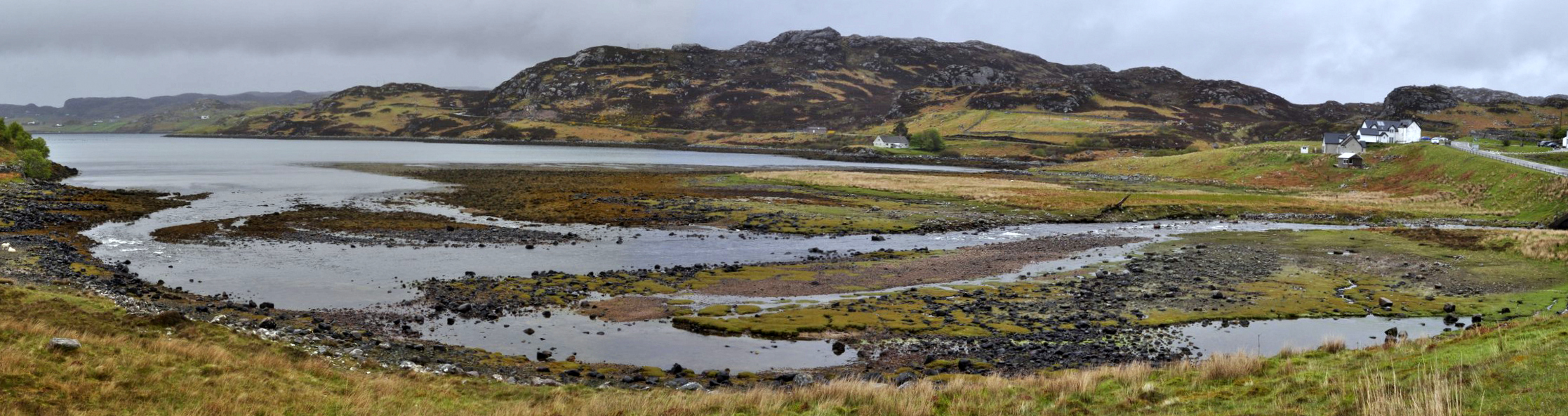
Loch Eriboll, on the A838, looking southwest from near the mouth of this sea loch on the north coast of Scotland just east of Durness.

Nr Rhiconich

Looking westwards along Loch Inchard, near Rhiconich on the A838 in northwest Sutherland.

Above Laxford Bridge

Loch Laxford, on the A838 in northwest Sutherland.

Laxford Bridge

Approaching Laxford Bridge, looking southwest , on the A838.

Above Loch a' Chairn Bhain

Loch a’ Chairn Bhain, on the B869 heading west after Unapool.

Towards Drumbeg

Near Drumbeg, on the B869, heading west.

Drumbeg Viewpoint

Drumbeg viewpoint, on the B869.

South on A837 Lochinver to Loch Assynt

Heading east on the A837 between Lochinver and the junction with the A894.

Strathcanaird

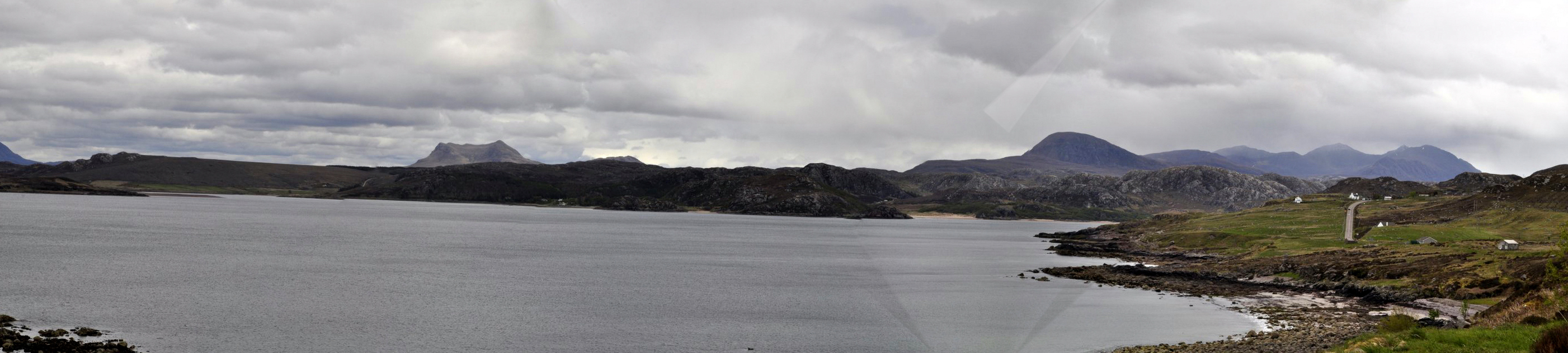
At Strathcanaird on the A835, looking west towards Ben More Coigach, Stac Pollaidh and Cul Mor.

Towards Inverewe

Little Loch Broom on the A832 towards Inverewe (from Ullapool).

Gruinard Bay

Gruinard Bay along the A832 towards Inverewe Garden.

Near Inverewe

Looking north across Gruinard Bay (on the A832) to the mountains of the Coigach beyond Ullapool.

Inverewe foreshore

The foreshore at Inverewe Garden, looking south at the southern end of Loch Ewe.

Inverewe walled garden

The walled garden at Inverewe and the southern end of Loch Ewe.

Lewis landscape north of Stornaway

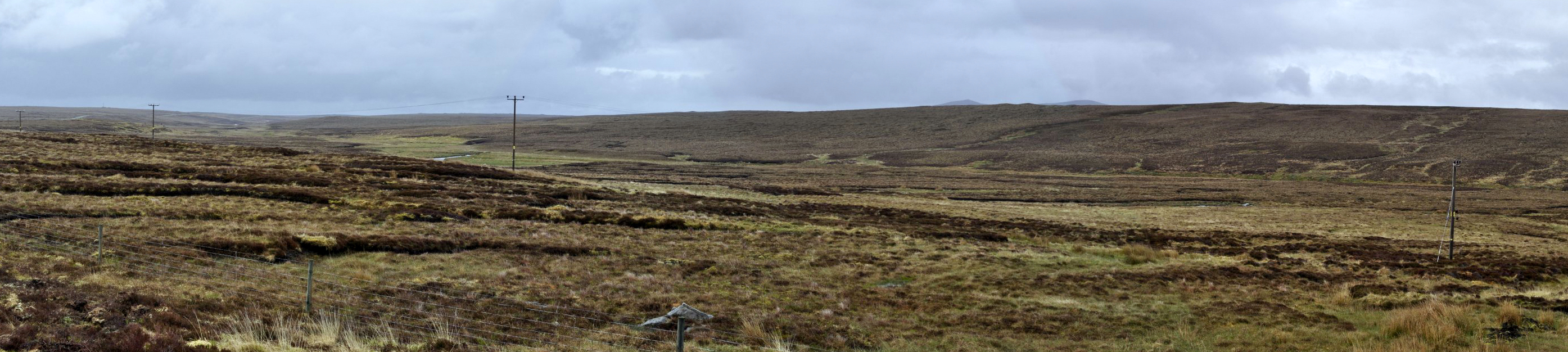
The landscape of Lewis north of Stornaway.

Butt of Lewis

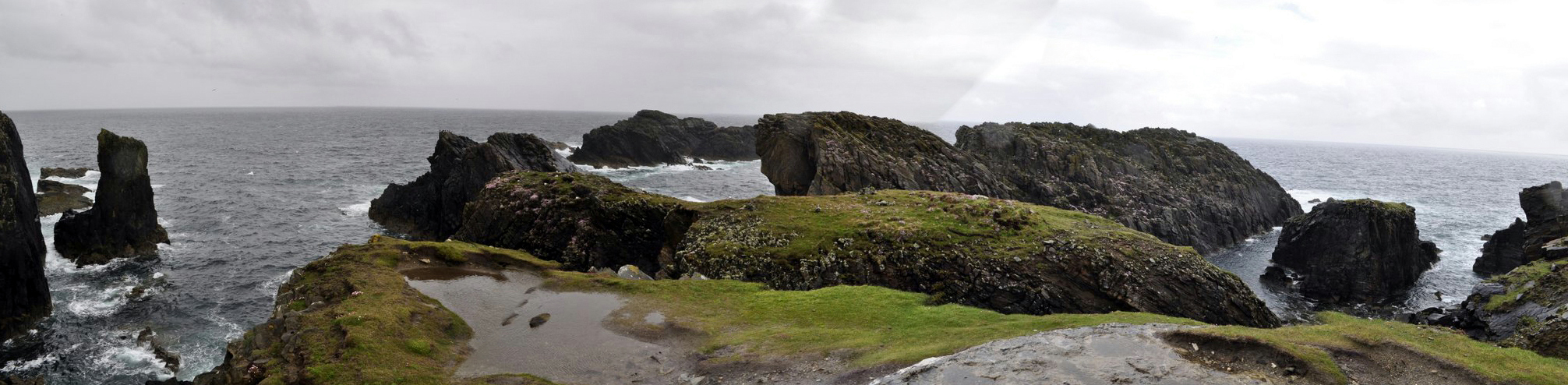
The Butt of Lewis, almost 59°N. Next stop: North America. Cliffs covered with fulmars, shags, and kittiwakes. And sea pinks, of course.

South Harris

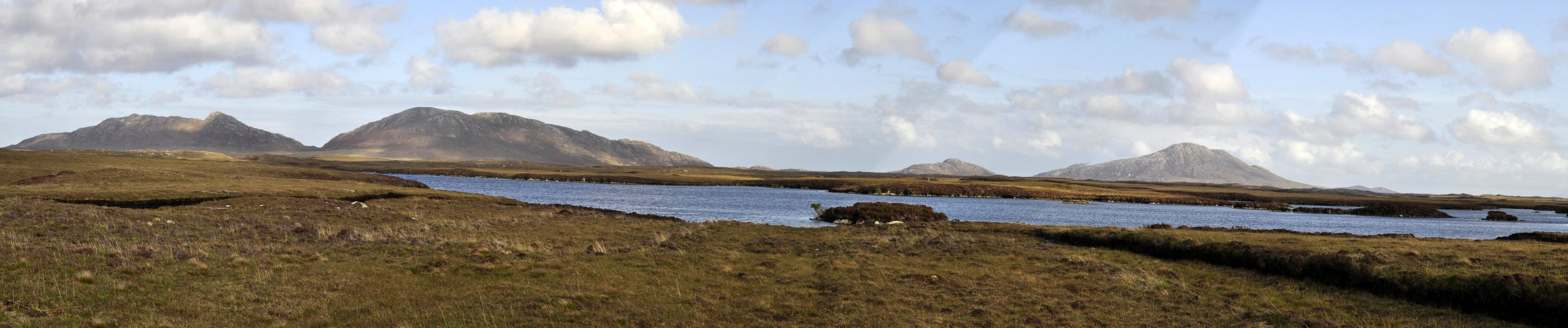
The mountains of South Harris.

Sound of Harris

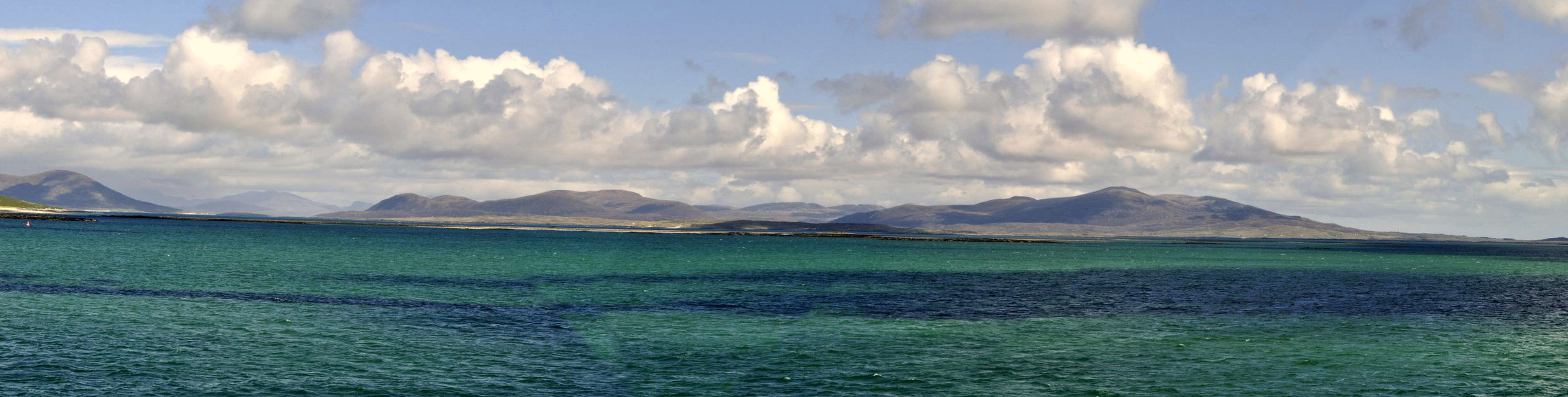
Crossing the Sound of Harris (with Harris on the horizon) to Berneray and North Uist.

Road to Lochmaddy North Uist

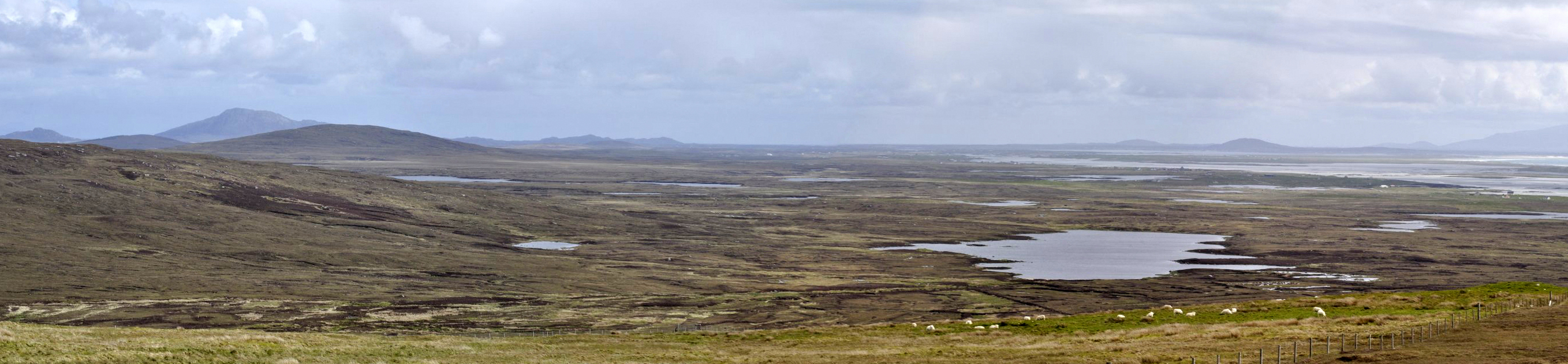
On the A865 heading east towards Lochmaddy from Bayhead in North Uist.

North Uist towards Lochmaddy

Looking southeast over North Uist with the mountain Eaval near Lochmaddy on the left, and the mountains on the right in the distance on South Uist.

Mtns of South Uist

The mountains of South Uist (looking east) with Ben Mhor on the right.

Machair and mountains at Garrynamonie South Uist

Machair and mountains at Garrynamonie, South Uist (looking east).

Machair at Mhalacleit

Machair at Mhalacleit, South Uist.

Ben Mhor - South Uist

Ben Mhor on South Uist, looking west from Loch Eyenort.

Eriskay

Houses on Eriskay, looking southwest towards Barra.

Skye

The hills of north Skye looking south towards Staffin.

The Cuillins from the west

The Cuillins of Skye, looking southeast along the A863 near Drynoch.

Eilean Donan Castle

Looking southwest along Loch Long at Conchra (near Dornie on the A87) towards Eilean Donan castle.

Loch Awe

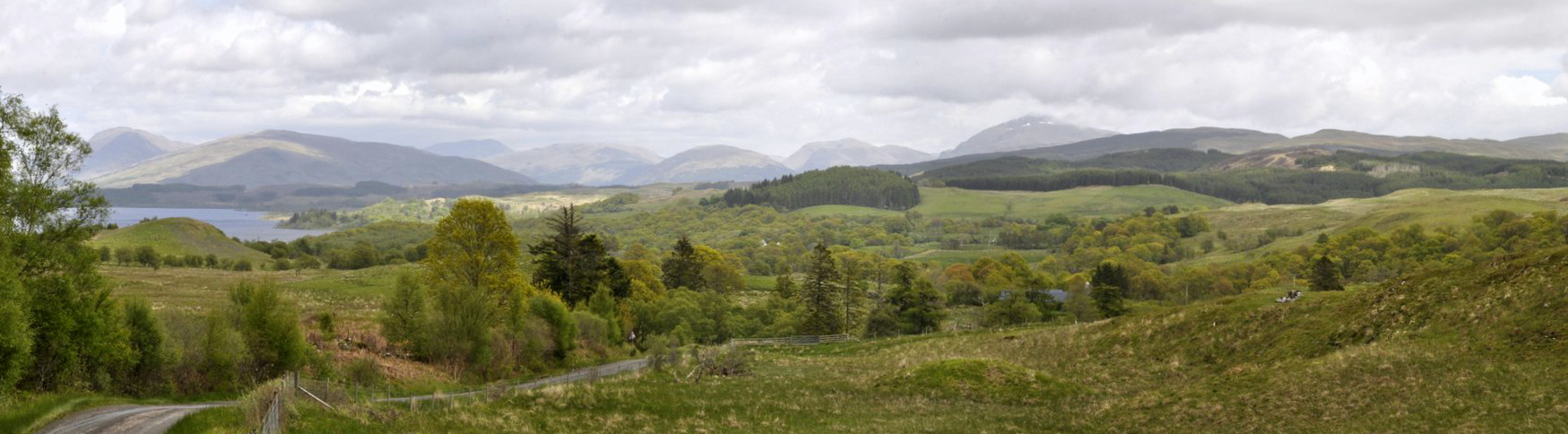
Looking northeast from the southern end of Loch Awe in Argyll & Bute towards the mountains of Glencoe.

Loch Lomond

Looking north along Loch Lomond at Inverbeg.

In due course, I’ll be adding more photos to individual posts I am drafting about particular places we visited on our 2,260 mile trip.

O ye’ll tak’ the high road and I’ll tak the low road . . . Fàilte gu Alba!

scotlandWell, we took the high road and the low road, and have just returned from a thoroughly enjoyable road trip road Scotland.

Over 2,250 miles in 13 days!

While I’ll be posting individual stories about the many things we did and saw during this trip, here are some of the highlights.

The decision to tour Scotland this year was almost a ‘spur of the moment’ one. Our daughter in Minnesota and her family had originally planned to come over to the UK later in the summer. But for various reasons this hasn’t worked out. But we had already decided that if they visited us this year, we would not travel to the USA as we have been doing annually for the past five years. So I suggested to Steph that we should make a road trip right round Scotland – to the Highlands and Islands. And that is what I began planning in about mid-February. By the beginning of April Hannah had told us that they would not be able to travel to the UK this year. So we have decided to visit Minnesota in any case, in September, just in time to see Callum begin school.

I’ve visited many different parts of Scotland on other trips, and have even been to the Outer Hebrides twice—almost 50 years ago! While Steph lived in Edinburgh for about 8 months in 1972-73, she never traveled further north. Neither of us had been ‘right round the top’. So we anticipated quite an adventure as we planned each stage of the trip. We had booked all our Bed & Breakfast (B&B) stops ahead of travelling, and the ferries, so it was just a case of enjoying the route and wherever our fancy took us each day. I have provided links to all the routes we took.

Day 1: 27 May (326 miles) Home to Comrie (Fife)
Route

This was a ‘getting to Scotland’ day from our home in Worcestershire. Just a long drive up the M6/M74 motorways, and to visit with my sister Margaret and her husband Trevor in Fife for one night.

Day 2: 28 May (163 miles) Comrie to Huntly (Aberdeenshire)
Route

Our destination was Huntly in north Aberdeenshire, which is the home town of my sister-in-law Pauline. I first visited there in November 1965 for Martin and Pauline’s wedding. Crossing the rolling hills north of Fife, we headed to Blairgowrie in Perthshire (where we spotted a couple of red squirrels in the woodland beside the River Ericht), and then into the Cairngorms National Park through Glen Shee. We also passed by Balmoral. No, Her Majesty was not at home.

Day 3: 29 May (143 miles) Huntly to Braes of Kinkell (Ross & Cromarty)
Route

From Huntly we headed west through Speyside, and then up to the coast just west of Inverness, visiting two National Trust for Scotland properties at Brodie Castle (which was unfortunately closed) and the site of the 1746 Battle of Culloden.

Day 4: 30 May (172 miles) Braes of Kinkell to Thurso (Caithness)
Route
This was totally new territory for me. Although the day started cloudy the sun soon broke through. And by the time we reached John o’ Groats it was a beautiful late afternoon, and there were clear views across the Pentland Firth to the Orkney Islands. We could even see the Old Man of Hoy. After a visit to Duncansby Head lighthouse, we stopped off at Dunnet Head (the most northerly point on mainland Britain) before heading to our B&B in Thurso.

Day 5: 31 May (182 miles) Thurso to Ullapool (Ross & Cromarty)
Route
Sunday morning dawned drab and drearydreek as they say in Scotland. The day did not look promising as we headed west out of Thurso, past the former nuclear power plant at Dounreay (in the long process of decommissioning), towards Durness and down the coast of northwest Sutherland to Ullapool where we would take the ferry over to the Isle of Lewis on the following day. The weather forecast was not promising, with strong storms expected for the next 48 hours or so. But we were determined to take in as much of the journey as the low clouds would permit. However, by about 2 pm, the clouds had lifted, the sun had come out, and we were treated to magnificent views of some of the most impressive mountains in Scotland. A side excursion around a peninsula near Lochinver was certainly the highlight of today’s journey, along a very narrow, twisty, and at times very steep road with multiple passing places. It was along this road that I’m sure I saw an osprey hovering above the loch to the side of the road.

Day 6: 1 June (91 miles) Ullapool (via Inverewe Garden) to Stornaway (Isle of Lewis, by ferry)
Route
With a major storm due to hit later that day, we did contact the ferry operator about transferring to a morning crossing to Stornaway. But to no avail. The boat was fully booked. Not to worry. We just got on with our day as planned, and that was a side trip to the National Trust for Scotland’s Inverewe Garden, about 40 miles from our overnight B&B south of Ullapool. Although we started our journey in the rain, the clouds soon parted and it was bright and sunny by the time we reached the garden, and then spent more than a couple of hours wandering around this fascinating site. It’s special because plants flourish here so far north because of the influence of the warm waters of the Gulf Stream (more correctly the Northern Atlantic Drift).


We were back in Ullapool in time to catch the ferry at 17:30 to Ullapool, and departed under increasingly threatening skies. It was pouring with rain by the time we docked in Stornaway at 21:00. While the sea was definitely choppy, the crossing was smooth on the new and larger ferry, Loch Seaforth that entered service with Caledonian MacBrayne only a couple of months earlier.

Day 7: 2 June (150 miles) Stornaway to Tarbert (Isle of Harris)
Route
We had three targets for today’s trip around Lewis: the Butt of Lewis at the northern tip; the Calanais Stones, and the iron age village at Bostadh on Great Bernera. It was heavily overcast as we headed north, and the skies became even more lowering as we approached the Butt of Lewis. In fact, it was raining very heavily when we arrived, and blowing a gale. The winds didn’t die down, but the rain did stop for a while allowing us to have a walk around, and take care not to be blown over the cliff.

The standing stones at Calanais are indeed impressive—mystical even, and I’ll be writing a special blog post about these in due course. With some due diligence, bobbing and weaving I was able to take all the photos I wanted, and hide any other visitors behind the various stones, so it seems as though Steph and I were the only visitors. The camera never lies!

We had to cross the Atlantic Ocean to reach Great Bernera. Well, cross the Atlantic is a bit of an exaggeration. Great Bernera is an island just 100 m across a channel from Lewis, connected by a bridge through which the Atlantic flows.

While three or four Iron Age houses have been found in a shallow valley close to the beach at Bostadh, only one has been reconstructed. The others were filled in with sand after excavation because of the fragile nature of the substrate on which they had been constructed. In seeing this site of early settlement and others around Lewis and the other islands, one can’t help imagining what survival must have been like thousands of years ago, how agriculture developed, and how these early people survived from farming and gathering shellfish along the shore.

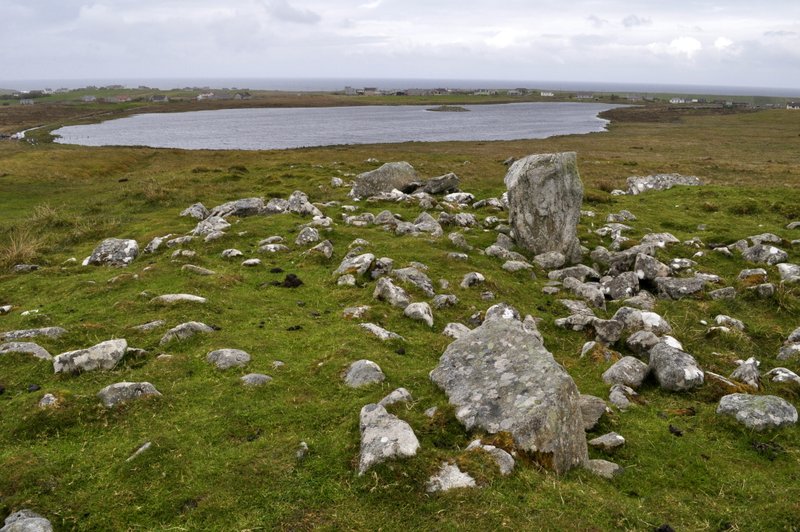
Steinacleit stone circle

Steinacleit stone circle

We then headed south into Harris, and our B&B just south of Tarbert.

Day 8: 3 June (105 miles) Tarbert to Balranald (North Uist, by ferry)
Route on Harris / Route on North Uist
We took the A859 as far south as possible to Rodel where there is an impressive early sixteenth century church, St Clement’s (apparently dedicated to Pope Clement I), the church of Clan MacLeod. There is a fine tomb of Alasdair Crotach MacLeod of Dunvegan and Harris, 8th Chief of MacLeod.

Then it was on to the Sound of Harris ferry from Leverburgh to Berneray, and over the causeway on to the island of North Uist. I had first visited North Uist in the summer of 1966 at the age of 17, just after the Royal Society for the Protection of Birds (RSPB) had established its Balranald Reserve near the village of Hougharry (Hogha Gearraidh). I was then among the very first visitors to the reserve—if not the first! We stopped by Hougharry, but it has changed so much in the past half century—as have all the islands. Gone are the typical thatched roofed crofts and other single storey houses. Everywhere is new and relatively new construction. Given grants for new housing, it was cheaper to build new than renovate the original homes. Roofs were removed and what few old buildings remain are in a state of decay.


Day 9: 4 June (147 miles) Balranald
Route to Eriskay
Under fair skies (more or less) we spent the day traveling to the south of the Uists, through Benbecula and South Uist, and on to Eriskay, connected by causeway to South Uist since 2002.

Day 10: 5 June (142 miles) Balranald to Dornie (Ross & Cromarty, by ferry via Isle of Skye)
Route on North Uist / Route on Skye
It was pouring with rain as we left Balranald, and as we sat in the car waiting for the ferry in Lochmaddy for the ferry crossing to Skye, we wondered whether there was any chance of seeing any of the magnificence of the mountains on Skye later in the afternoon.

We were not disappointed! As we crossed The Minch (the channel between the Hebrides and the mainland) we could see the skies clearing to the west. And as we docked in Uig on Skye around 2 pm, there was hardly a cloud in the Skye, and we were treated to some incredible landscapes. We traveled right round the north of Skye, down to Portree, back up towards Uig, but turning off towards Dunvegan, and then turning south down the west coast to join the main A87 at Sligachan. The Cuillin Mountains were lit up in the bright afternoon sunshine. However, once we arrived at the Kyle of Lochalsh bridge to cross over on to the mainland, we were back in cloud and rain. But once again, we had our spirits lifted when we came out of the restaurant in Dornie later that evening, and Eilean Donan castle was bathed in the rays of the setting sun. See our route here.

Day 11: 6 June (184 miles) Dornie to Ford (Argyll & Bute)
Route
This was perhaps the least enjoyable day of our holiday. Why? Well, by the time we reached Fort William the weather had deteriorated markedly and our side excursion to see the Glenfinnan monument and railway viaduct at Glenfinnan was made in the pouring rain and a howling gale. But it was the actual driving conditions that bothered me. There was much more traffic than we had experienced at any other day, and all travelling at high speed. It just wasn’t possible to motor along at your own pace, and stopping places were few and far between. Once we had left Oban further south, the volume of traffic dropped on the Argyll & Bute coastal route.

Day 12: 7 June (187 miles) Ford to Lockerbie (Dumfries & Galloway)
Route
We had passed Arduaine Garden the night before, about 12 miles short of our B&B in Ford.

So this morning, under clearer skies, we headed back to this delightful garden located on a peninsula jutting westwards towards North America. We spent a couple of hours wandering around, admiring the beautiful rhododendrons. Then it was a long drive along Loch Awe, heading down to Inveraray, and on to Loch Lomond, before skirting Glasgow and joining the M74 once again after almost two weeks for the drive to our last overnight stop in Lockerbie. 

Day 13: 8 June (267 miles) Lockerbie to HOME!
Route
We set out just after 9 am, and after seven miles we had passed the 2,000 mile distance on our journey. But it wasn’t to be a quick dash home (if 250 plus miles can be called a dash). We broke our journey almost equidistant between Lockerbie and home, at Rufford Old Hall, a Tudor mansion just south of Preston, and owned by the National Trust. 

It was a long trip in such a relatively short time. But was it worth it? Definitely! I doubt that we’ll go back to the north of Scotland. And although the saying goes Haste ye back!, we have so many other places we want to visit. Nevertheless, I’m very happy that we made the effort. The scenery was uplifting, and we received a friendly welcome wherever we went. Scotland—weather and all—was a delight. There was one BIG advantages of the cool weather. No midges!

Here are links to detailed accounts about our trip:

And finally, I’ve put together all my better photos in a single 29 minute video:

Keeping up standards . . . but whose?

haga

Ms Marie Haga, Executive Director of the Global Crop Diversity Trust that has its headquarters in Bonn, Germany

Marie Haga, Executive Director of the Global Crop Diversity Trust was interviewed by Suzanne Goldenberg for her recent—and contentious—article in The Guardian newspaper about the Svalbard Global Seed Vault (SGSV). Ms Haga was also asked about the state of genebanks around the world, and the extent to which they are worthy of funding support from the Trust.

What she is quoted as saying both surprised (shocked even) and perplexed me: ‘What the Crop Trust proposed was a sort of triage on the major seed banks: selecting those worthy of support and winnowing out those not up to standard. In its early days, however, it is a process not unlike natural selection. Only one of 11 major gene banks operated under the Consortium of International Agricultural Research Centres met the Crop Trust’s standards and would be eligible for those funds: the International Rice Research Institute in the Philippines.

The biggest surprise for everybody when we dived into the international gene banks was that they are not up to the standard that we had expected.’

While I’m proud that the International Rice Genebank at IRRI is held in high regard (‘a model for others to follow’ according to the 1995 External Review of CGIAR genebanks), and that it continues to meet most if not all of the genebank standards, it came as a big surprise to me that 10 other CGIAR genebanks are viewed in a different light. The 1995 review was conducted by a panel and involved 20 experts from national and regional genetic resources programs, including the United Nations Food and Agriculture Organization (FAO). Its purpose was to assess the technical, scientific and financial constraints facing the Centre genebanks and to identify opportunities for improving their operations and the services they provide.

But if there were genebank deficiencies identified in the 1995 External Review, why had steps not been taken before now to sort these out? And that perplexes me. To be fair, I don’t know the details of the Crop Trust’s evaluation of each of the genebanks, and on what grounds they were ‘failed’. After all, I ‘retired’ from active genebank management in 2001, and no longer had regular contact with my colleagues in the CGIAR’s Inter-Centre Working Group on Genetic Resources.

Genebank standards
The first genebank standards were published by the International Board for Plant Genetic Resources (IBPGR) in 1985, and they were revised in 1994. I used the 1985 (and 1994 standards before they were published) when I joined IRRI and began a review of the International Rice Genebank operations. I first visited IRRI in January 1991 when I interviewed for the position of Head of the Genetic Resources Center (GRC), and was rather impressed with the genebank. On joining IRRI in July later that year I was concerned to discover that first impressions had been quite misleading. Over the next six months I uncovered a ‘genebank can of worms’, and had the genebank been reviewed then, it would have failed miserably.

We made an in-depth review of every aspect of genebank management, what would require increased investment (staff, funds, and equipment), and what could be improved significantly just by changing the way we did things in terms of seed management, germplasm regeneration, data management, and the like. Some of these didn’t actually require more resources, just a different approach that freed up existing staff time to concentrate on things that were important. I’m not going to elaborate. What I can say is that we enhanced operations right across the genebank operations, and I have described some of what we did in an earlier blog post.

A lot has been made of the publication of the latest Genebank Standards for Plant Genetic Resources for Food and Agriculture, by FAO in 2013 (revised in 2014), after endorsement by the Commission on Genetic Resources for Food and Agriculture at its Fourteenth Session in 2013. The wheels of progress turn rather slowly at FAO. And I can’t remember how many years it has taken to come to agreement over the latest version.

The standards are non-binding, but they do provide guidance on best practice for a whole range of germplasm, and of course the norms that have to be followed today for germplasm exchange and use under the International Treaty on Plant Genetic Resources for Food and Agriculture using material transfer agreements.

Lack of progress?
What I cannot fathom is why the CGIAR genebanks did not apparently take a hard look at their operations before now and what is needed to bring them into line with accepted standards. As custodians of the world’s most important genetic resources collections I believe it was their obligation to do so.  Or was it that center managements were waiting for someone else to step in and pick up the financial tab, rather than investing, as IRRI did, from its own resources?  I wonder if many genebanks (not just those of the CGIAR) have held off making any changes or investment until the latest genebank standards had been ‘approved’ by the FAO Commission.

When I presented my upgrade plans to IRRI management way back in 1992 or so, we were fortunate that the institute was undergoing a thorough refurbishment of its physical plant. IRRI management was surprised however when I presented my ‘resources shopping list’ as no-one had expected that the genebank would need any attention. To everyone concerned, it was the ‘jewel in the institute’s crown’ that operated like clockwork. My genebank upgrade plan had to compete for resources with all the other things that needed improving around IRRI. Fortunately for the cause of rice genetic resources IRRI management approved what I has asked for (almost in its entirety) and we made the infrastructure improvements that went along with the changes to genebank operations.

6832247180_53581686d7

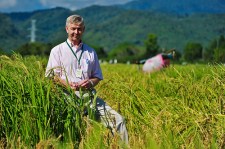
Dr Ruaraidh Sackville Hamilton, Head of the TT Chang Genetic Resources Center at IRRI

I am pleased that my successor as Head of the Genetic Resources Center (now the TT Chang Genetic Resources Center), Dr Ruaraidh Sackville Hamilton, has built on what I started. Many of the changes we made during the 1990s are still in place, but improved in a number of respects. For instance, all packets of seeds are now bar-coded, data management systems have been integrated with the rice breeding databases (something we started before I left GRC), more sub-zero cold storage capacity has been added, and even more screenhouse space for managing the wild rice species collection. The publication of the latest genebank standards provides another yardstick against which to measure the operations of the International Rice Genebank. I’m confident that there is and will continue to be a close congruence between the two.


Don’t put all your eggs in one basket . . . or your seeds in a single genebank

On 20 May 2015, a long article was published in The Guardian about the Svalbard Global Seed Vault (SGSV), popularly—and rather unfortunately—known as the ‘Doomsday Vault’. I’ve recently been guilty of using that moniker simply because that’s how the vault has come to be known, rightly or wrongly, in the media.

Authored by US-based environment correspondent of The Guardian, Suzanne Goldenberg, the article had the headline grabbing title: The doomsday vault: the seeds that could save a post-apocalyptic world.

You get a flavor of what’s in store, however, from the very first paragraph. Goldenberg writes: ‘One Tuesday last winter, in the town nearest to the North Pole, Robert Bjerke turned up for work at his regular hour and looked at the computer monitor on his desk to discover, or so it seemed for a few horrible moments, that the future of human civilisation was in jeopardy.’

Turns out there was a relatively minor glitch in one of the supplementary cooling systems of this seed repository under the Arctic permafrost where millions of seeds of the world’s most important food staples and other species are being stored, duplicating the germplasm conservation efforts of the genebanks from which they were sent. Hardly the stuff of Apocalypse Now. So while making a favorable case for the need to store seeds in a genebank like the Svalbard vault, Goldenberg ends her introduction with this somewhat controversial statement: ‘Seed banks are vulnerable to near-misses and mishaps. That was the whole point of locating a disaster-proof back-up vault at Svalbard. But what if there was a bigger glitch – one that could not be fixed by borrowing a part from the local shop? There is now a growing body of opinion that the world’s faith, in Svalbard and the Crop Trust’s broader mission to create seed banks, is misplaced. [The emphasis in bold is mine.] Those who have worked with farmers in the field, especially in developing countries, which contain by far the greatest variety of plants, say that diversity cannot be boxed up and saved in a single container—no matter how secure it may be. Crops are always changing, pests and diseases are always adapting, and global warming will bring additional challenges that remain as yet unforeseen. In a perfect world, the solution would be as diverse and dynamic as plant life itself.’ 

I have several concerns about the article—and the many comments it elicited that stem, unfortunately, from lack of understanding on the one hand and ignorance and prejudice on the other.

  • Goldenberg gives the impression that it’s an either/or situation of ex situ conservation in a genebank versus in situ conservation in farmers’ fields or natural environments (in the case of crop wild relatives).
  • There is a perception apparently held by some that the development of the SGSV has been detrimental to the cause of in situ conservation of crop wild relatives.
  • Because there is no research or use of the germplasm stored in the SGSV, then it only has an ‘existence value’. Of course this does not take into account the research on and use of the same germplasm in the genebanks from which it was sent to Svalbard. Therefore Svalbard by its very nature is assumed to be very expensive.
  • The role of Svalbard as a back-up to other genebank efforts is not emphasized sufficiently. As many genebanks do not have adequate access to long-term conservation facilities, the SGSV is an important support at no cost directly to those genebanks as far as I am aware. However, Svalbard can never be a panacea. If seeds of poor quality (i.e less than optimum viability) are stored in the vault then they will deteriorate faster than good seeds. As the saying goes: ‘Junk in, junk out’.
  • The NGO perspective is interesting. It seems it’s hard for some of our NGO colleagues to accept that use of germplasm stored in genebanks actually does benefit farmers.Take for example the case of submergence tolerant rice, now being grown by farmers in Bangladesh and other countries on land where a consistent harvest was almost unheard of before. Or the cases where farmers have lost varieties due to natural disasters but have had them replaced because they were in a genebank. My own experience in the Cagayan valley in the northern Philippines highlights this very well after a major typhoon in the late 1990s devastated the rice agriculture of that area. See the section about on farm management of rice germplasm in this earlier post. They also still harbour a concern that seeds in genebanks are at the mercy of being expropriated by multinationals. In the comments, Monsanto was referred to many times, as was the issue of GMOs. I addressed this in the comment I contributed.

I added this comment that same day on The Guardian web site:
‘For a decade during the 1990s I managed one of the world’s largest and most important genebanks – the International Rice Genebank at the International Rice Research Institute (IRRI) in the Philippines. Large, because it holds over 116,000 samples of cultivated varieties and wild species of rice. And important, because rice is the most important food staple feeding half the world’s population several times daily.

The Svalbard Global Seed Vault (SGSV), the so-called ‘Doomsday Vault’ in Spitsbergen, holds on behalf of IRRI an almost complete duplicate set of samples (called ‘accessions’), in case something should happen to the genebank in Los Baños, south of Manila. I should add that for decades the USDA has also held a duplicate set in its genebank at Fort Collins in Colorado, under exactly the same ‘black box’ terms as the SGSV.

Germplasm is conserved so that it can be studied and used in plant breeding to enhance the productivity of the rice crop, to increase its resilience in the face of climate change, or to meet the challenge of new strains of diseases and pests. The application of molecular biology is unlocking the mysteries of this enormous genetic diversity, making it accessible for use in rice improvement much more efficiently than in past decades.

Many genebanks round the world and the collections they manage do not have access to long-term and safe storage facilities. This is where the SGSV plays an important role. Genebanks can be at risk from a whole range of natural threats (earthquakes, typhoons, volcanic eruptions, etc.) or man-made threats: conflicts, lack of resources, and inadequate management that can lead to fires, flooding, etc. Just take the example of the International Rice Genebank. The Philippines are subject to the natural threats mentioned, but the genebank was designed and built to withstand these. The example of the ICARDA genebank in Aleppo highlights the threat to these facilities from being located in a conflict zone.

To understand more about what it means to conserve a crop like rice please visit this post on my blog.  There is an enlightening 15 minute video there that I made about the genebank.

It is not a question of taking any set of seeds and putting them into cold storage. Only ‘good’ seeds will survive for any length of time under sub-zero conditions. Many studies have shown that if stored at -18C, seeds with initial high viability may be stored for decades even hundreds of years. The seeds of many plant species – including most of the world’s most important food crops like rice, wheat, maize and many others conform to this pattern. What I can state unequivocally is that the seeds from the genebanks of the world’s most important genebanks, managed like that of IRRI under the auspices of the Consultative Group on International Agricultural Research (CGIAR), have been routinely tested for viability and only the best sent to Svalbard.

Prof. Phil Pardey, University of Minnesota

Prof. Phil Pardey, University of Minnesota

The other aspect of Goldenberg’s otherwise excellent article are the concerns raised by a number of individuals whose ‘comments’ are quoted. I count both Phil Pardey and Nigel Maxted among my good friends, and it seems to me that their comments have been taken completely out of context. I have never heard them express such views in such a blunt manner. Their perspectives on conservation and use, and in situ vs. ex situ are much more nuanced as anyone will see for themselves from reading their many publications. The SEARICE representative I do not know, but I’ve had many contacts with her organization. It’s never a question of genebank or ex situ conservation versus on-farm or in situ conservation. They are complementary and mutually supportive approaches. Crop varieties will die out for a variety of reasons. If they can be stored in a genebank so much the better (not all plant species can be stored successfully as seeds, as was mentioned in Goldenberg’s article). The objection to genebanks on the grounds of permitting multinationals to monopolize these important genetic resources is a red herring and completely without foundation.

So the purpose of the SGSV is one of not ‘putting all your eggs in one basket’. Unfortunately the name ‘Doomsday Vault’ as used by Goldenberg has come to imply a post cataclysm world. It’s really much more straightforward than that. The existence of the SGSV is part of humanity’s genetic insurance policy, risk mitigation, and business continuity plan for a wise and forward-thinking society.’

Over the next couple of days others chipped in with first hand knowledge of the SGSV or genetic conservation issues in general.

Simon Jeppsonsiminjeppson is someone who has first-hand knowledge and experience of the SGSV, and he wrote: ‘I’m currently working as the project coordinator of the Svalbard Global Seed Vault on behalf of NordGen and I just wanted to add some of my reflections on this article some of the comments.

This article is an interesting read but a rather unbalanced one. The temperature increase that is described as putting the world heritage in jeopardy is a misconception. There has been a background study used as a worst case scenario during the planning stage of the Svalbard Global Seed Vault based on the seeds stored in the old abandoned mine shaft mentioned. These results were published in 2003 and even the most recent data (after 25 years in permafrost conditions prevailing in the same mountain without active cooling) shows that all samples are still viable. Anyone curious about this can for themselves try out various storage temperatures and find out the predicted storage time for specific crops at: http://data.kew.org/sid/viability/

Further I have some reflections regarding some of the recently posted comments. The statement “Most seed resources for plant breeding come from farmers’ fields via national seed stores in developing countries: these countries are not depositing in Svalbard.” is wrong; more than 60% of the deposited material originates from developing countries. Twenty-three of depositors represent national or regional institutes situated in developing counties, 12 are international centers and 28 are from developed countries according to IMF. This data is readily available at: http://www.nordgen.org/sgsv

Finally, a comment about the statement that “Seeds will not be distributed – only ever sent back to the institute that provided them. The reason is that seeds commonly have seed-borne diseases, sometimes nasty viruses and the rest.” This statement is also a misconception. The seeds samples stored in the vault are of the same seed lots already readily distributed worldwide from the depositing institutes. There are more than 1750 plant genetic institutes many of them distributing several thousand samples every year.’

maxted-nigel-Cropped-110x146Nigel Maxted is a senior lecturer in the School of Biosciences at the University of Birmingham. As I suspected, when I commented on Goldenberg’s article, Nigel’s contribution to the discussion was taken out of context. He commented: ‘I believe I have been mis-quoted in this article, I do think the Svalbard genebank is worthwhile and I hope the Trust reach their funding goal, even though ex situ does freeze evolution for the accessions included, it provides our best chance of long-term stability for preserving agrobiodiversity in an increasingly unstable world.

I was trying to make a more nuanced point to Suzanne, that I strongly support complementary conservation that involves both in situ and ex situ actions. However at the moment if we compare the financial commitment to in situ and ex situ conservation of agrobiodiversity, globally over 99% of funding is spent on ex situ alone, therefore by any stretch of the imagination can we be considered to be implementing a complementary approach? I was used to make a point and I suppose it would be naive of me to complain, but I hope one day we will stop trying to create an artificial dichotomy between the two conservation strategies and wake up to the need for real complementary conservation. Conservation that includes a balanced range of in situ actions as well to conservation agrobiodiversity before it is too late for us all.’

HawtinGeoff Hawtin is someone who knows what he’s talking about. As Director General of the International Plant Genetic Resources Institute for just over a decade from 1991, and the founding Executive Secretary of the Global Crop Diversity Trust, Geoff had several telling comments: ‘As someone who has worked for the last 25 years to help conserve the genetic diversity of our food crops, I welcome the article by Suzanne Goldenberg in spite of its very many inaccuracies and misconceptions. She rightly draws attention to the plight of what is arguably the world’s most important resource in the fight against food and nutritional insecurity. If this article results in more attention and funds being devoted to safeguarding this resource—whether on farm or in genebanks—it will have served a useful purpose.

The dichotomy between in situ and ex situ conservation is a false one. The two are entirely complementary and both approaches are vital. For farmers around the world the genetic diversity of their landraces and local varieties is their lifeblood—a living resource that they can use and mould to help meet their current and future needs and those of their families.

But we all live in a world of rapid and momentous change and a world in which we all depend for our food on crops that may have originated continents away. The diversity an African farmer—or plant breeder—needs to improve her maize or beans may well be found in those regions where these crops were originally domesticated – in this case in Latin America, where to this day genetic diversity of these two crops remains greatest. Without the work of genebanks in gathering and maintaining vast collections of such genetic diversity, how can such farmers and breeders hope to have access to the traits they need to develop new crop varieties that can resist or tolerate new diseases and pests, or that can produce higher yields of more nutritious food, or that are able to meet the ever growing threats of heat, drought and flooding posed by climate change?

Scientists have been collecting genetic diversity since at least the 1930s, but efforts expanded significantly in the 1970s and 80s in response to growing recognition that diversity was rapidly disappearing from farmers fields in many parts of the world as a result of major shifts in agricultural production systems and the introduction and adoption of new, higher yielding varieties. Today, thanks to these pioneering efforts, diversity is being conserved in genebanks that no longer exists in the wild or on farmers’ fields.

The common misconception that the Svalbard Global Seed Vault exists to save the world following an apocalyptic disaster is perpetuated, even in the title of the article. In reality, the SGSV is intended to provide a safety-net as a back-up for the world’s more than 1,700 genebanks which themselves, as pointed out in the article, are often far from secure. At a cost of about £6 million to build and annual running and maintenance costs of less than £200,000 surely this ranks as the world’s most inexpensive yet arguably most valuable insurance policy.’

Susan_BragdonFinally, among the genetic resources experts, Susan Bragdon made the following comments: ‘I think the author overstates the fierce debates between the proponents of ex situ and in situ conservation. Most would agree that both are needed with in situ being complemented by ex situ.

The controversy over money is because funders are not understanding this need for both and may feel they have checked off that box by funding Svalbard (which is perhaps better seen as an insurance policy—one never hopes to have to use one’s insurance policy.) Svalbard is of course sexier than the on-farm development and conservation of diversity by small scale farmers around the world. Donors can jet in, go dog sledding, see polar bears. Not as sexy to visit most small-scale farms but there are more and more exceptions (e.g., the Potato Park in Peru)

Articles like this set up a false choice between ex situ and in situ which is simply not shared except by a few loud voices. We need to work together to create the kind of incentives that make small scale farming in agrobiodiverse settings an attractive life choice.’

In her staff biography on the Quaker United Nations Office web page, it relates that ‘from 1997-2005 Susan worked with the International Plant Genetic Resources Institute as a Senior Scientist, Law & Policy, on legal and policy issues related to plant genetic resources and in particular managed projects on intellectual property rights, Farmers’ Rights, biotechnology and biological diversity, and on developing decision-making tools for the development of policy and law to manage plant genetic resources in the interest of food security.’

Comments are now closed on The Guardian website for this article. I thought it would useful to bring together some of the expert perspectives in the hope of balancing the arguments—since so many readers had taken the ‘apocalypse’ theme at face value— and making them more widely available.

When I have time, I’ll address some of the perspectives about genebank standards.

Herefordshire’s Goodrich Castle . . . yet another castle slighted

Two days ago, after a couple of weeks of really cold, wet and windy weather, it was bright and warm enough to contemplate an outing. Thank goodness, as cabin fever had begun to set in. With our 2,000 mile road trip around Scotland less than a week away, I didn’t fancy a long journey so we looked for a National Trust or English Heritage property that was within easy distance. Having been members of the National Trust for over four years now, we’ve visited most of the nearby venues. As English Heritage members only since the beginning of the year we decided that one of their properties would be a more convenient choice.

We chose to visit Goodrich Castle, built in the 12th century on a red sandstone outcrop along the River Wye in southeast Herefordshire.


It’s about a 400 m walk from the car park to the castle, and emerging through the trees you get this wonderful panorama of the south walls of the castle—or rather, what’s left of them. For having survived from the 12th century, the walls and floors in the towers were deliberately demolished (or slighted) in 1646 after the Parliamentarians captured the castle from Royalist supporters (just as they did at Kenilworth Castle that we visited a month earlier) in the aftermath of the Civil Wars.

Goodrich panorama 1

If you asked a child to draw a castle from memory, then I guess Goodrich Castle would fit the bill, minus the crenelations. These probably disappeared during the Parliamentarian vandalism. There are four towers around a ‘central’ keep (actually closer to the south wall). The towers no longer have any floors; but in the keep, stairs have been constructed up to first floor level from where it’s possible to climb to the roof of the keep, up an extremely narrow and tight spiral staircase.

20150521 066 Goodrich Castle

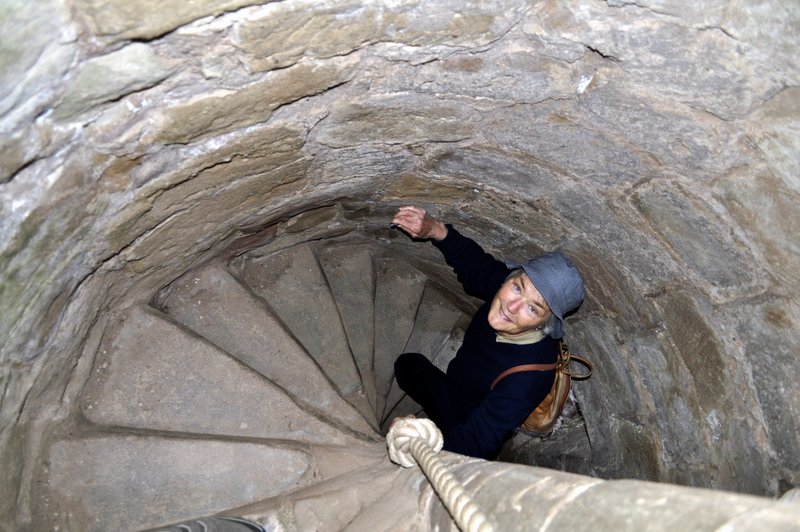
The climb to the roof of the keep – very narrow and steep. Not for the faint-hearted.

The castle is surrounded by a deep moat, although I don’t think it was ever filled with water, more of a deep ditch on the east, west and south sides. The outcrop on which the castle stands descends steeply on the north side to the River Wye that would have provided a natural defence. I did wonder whether the sandstone excavated to construct the moat was then used to build the castle’s walls. Above several courses of grey, and presumably harder sandstone, the upper courses of the walls were built from red sandstone.

What are particularly impressive are the straight-sided, triangular buttresses propping up the southeast and southwest round towers.

Below the gatehouse on the west side of the castle is a large hemispherical barbican, with a short causeway leading into the castle. This would have been protected originally by a drawbridge, wooden gates, and two separate portcullises.

Interestingly, the castle chapel can be found alongside the gatehouse, just to the south.

It seems that Goodrich Castle was more of a residence, luxuriously furnished, by its different owners over several centuries, rather than playing much part in the various conflicts that affected this part of England that is quite close to the border with Wales. That is until the 17th century English Civil Wars. Even after the Royalist besieged had surrendered, many parts of the castle were still inhabitable. That is why the Parliamentarians decided to demolish the walls and rooms deliberately.

English Heritage provides access to many parts of the castle, and you can walk along the upper part of the walls. In some buildings where there are no original stairwells, stairs have been installed.

It was our original intention of combining a visit to Goodrich Castle with a National Property such as Tredegar House in Newport (much further south), calling in at Goodrich on the way home. We thought that it would be just a quick visit to Goodrich, not a lot to see. How wrong we were! We must have spent well over two hours clambering over the various buildings, climbing up to the highest levels (at the top of the keep), and walking around the moat and remains (actually just the foundations) of the stable block—which was where the Parliamentarians first gained access to the castle in 1646.

‘England’s Sistine Chapel’ (Simon Jenkins)

20150521 142 St Marys Kempley

St Mary’s Church, Kempley. You’ve probably never heard of it, nor have the least idea where to find it. Neither had I—until yesterday, that is. Kempley is a small village just north of Junction 3 on the M50 in the Forest of Dean district of  Gloucestershire close to the county boundary with Herefordshire, a handful of miles north of Ross-on-Wye. St Mary’s is a further couple of miles to the north of the village, and was replaced by another parish church, dedicated to St Edward the Confessor.


Owned by English Heritage, 12th century St Mary’s Church (built around 1130) is an outstanding example—perhaps the most significant and most complete set in the whole of northern Europe—of Romanesque fresco paintings. We had stumbled across this little gem, while deciding if there were other sites near the main objective of our outing yesterday: Goodrich Castle (which is about 12 miles or so south of Kempley). St Mary’s is not the easiest building to find, but the effort is worthwhile. The north wall of the church is plain stone. But come around to the south side, and surprisingly the wall is rendered in the most fetching shade of pale pink.

But it’s inside that the biggest surprise awaits you. The church has the most exquisite medieval wall paintings you could ever imagine. It also proudly boasts one of the oldest roofs (even original doors) in the country, with its original timbers dating back to its construction.

It wasn’t until the late 19th century that these paintings were discovered beneath layers of whitewash—presumably applied for generations following the Reformation in Tudor times. The images on both north and south walls of the nave were worked in tempera on dry lime mortar, and depict the Wheel of Life and to its right either side of a window, depictions of St Anthony of Egypt (on the left side) and St Michael accompanied by the Virgin Mary (on the right).

But the real glory of St Mary’s is found in the chancel, where the wall paintings are true frescoes, painted on wet plaster. They lift your soul! On the ceiling is a magnificent portrayal of Christ. I cannot better Simon Jenkins’ description published in The Guardian in 2008: The sensation lies in the chancel, composed of the most complete set of Romanesque frescos in northern Europe. Christ sits in the middle of the ceiling on a rainbow, his feet on a globe. He is attended by sun, moon, stars, candelabra, a winged ox and seraphim with books and scrolls, the complete Book of Revelation. Below him sit rows of sepia apostles gazing up at Him from a Romanesque arcade. No inch is left untouched. Here is a bishop, there lay pilgrims heading for a heavenly Jerusalem. Everywhere is chequerboard and zigzag decoration. 

The church porch is apparently also original, and above the door is a depiction of the Tree of Life.

Let me finish with another quote from Simon Jenkins’ article. ‘England’s Sistine Chapel lies lost in the western reaches of Gloucestershire. It is smaller, to put it mildly, and older by 350 years. But what it lacks in grandeur it adds in serenity. I would exchange five minutes in the chancel of Kempley church for an hour in Rome. And I would have it to myself.’

Steph and I were fortunate to have this haven of serenity to ourselves for more than 30 minutes before we had to head home. I felt remarkably calm for several hours afterwards. Go and seek that serenity for yourselves. You won’t be disappointed.

“The world is not going to be solved by legislation” (William Howard Taft – 27th POTUS*)

‘A good compromise, a good piece of legislation, is like a good sentence; or a good piece of music. Everybody can recognize it. They say, “Huh. It works. It makes sense”.’ Wise words from presidential candidate Barack Obama in an interview with staff writer William Finnegan of The New Yorker, published in 2004.

CCI13052015_00000

Which suggests that not all legislation is ‘good’ legislation. Governments, at least in the United Kingdom, seem obsessed with introducing new legislation—sometimes (often perhaps), it seems to me, without thinking through all the social consequences. The parliamentary agenda is crammed with this measure or that, introducing new rules to govern us (not necessarily good?) or repealing legislation no longer in line with the current mores of society (mostly good?).

Now that the 2015 General Election is over and done with, and Cameron’s Tories have a workable majority in the House of Commons without having to be propped up by the Liberal Democrats (Lib Dems) in coalition, the fetters are removed from the Conservatives following their increasingly (and frighteningly) right-wing agenda.

As usual, I was lying in bed this morning, drinking my cup of tea and listening to BBC Radio 4’s Today program, my daily ritual. The headline was the proposed legislation that will, apparently, be in the Queen’s Speech** in two weeks time, to tackle Islamic extremism and radicalization. Introduction of such legislation was apparently blocked by the Lib Dems during the term of the 2010-2015 coalition government. In a commentary I read earlier today, such an anti-extremism bill will address ‘the symptoms not the causes’. And, therefore, I wonder (naïvely perhaps) what other changes could be made to how we are governed without always having to resort to new legislation.

In my younger years, I had, admittedly, limited knowledge of or interest in the legislative agenda of consecutive Conservative or Labour governments since the 1950s. But I did recognize the groundbreaking legislation that changed British society forever at the end of the 1950s and throughout the more liberal 1960s, such as the ‘Lady Chatterley trial’ and reform of the Obscene Publications Act (1959), the abolition of the death penalty for murder (1965),  the decriminalization of homosexuality (1967) and subsequent amendments, the legalization of abortion (1967), and recently same-sex marriages (2013).

Another forthcoming bone of contention will be the promised repeal of the Human Rights Act (1998)—under which the death penalty was finally abolished for all offences—and its replacement by a ‘British Bill of Rights’. Admittedly the legal basis of some of the successful appeals under this Act have seemed ludicrous to many. But I believe there are considerable grounds for concern that incoming Justice Secretary Michael Gove will endeavor to turn the clock back. And perhaps the same can be said for much of the expected legislation that only about 35% of those who voted in last week’s General Election actually supported.

I’m sure my lawyer friends will put me straight if I have misinterpreted any of the issues here.

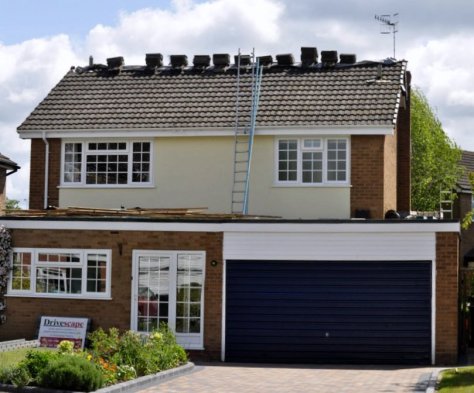
Based on what one of them told me yesterday, the government could do to look at some ancient laws that are (or could still be) on the ‘Statute Book’. I put this photo on my Facebook page, showing the work being carried out to repair the roof of my home.

Roof 018

‘Nice crenalations,’ commented one Facebook friend. Whereupon, a lawyer friend replied: ‘ In Henry II’s time, you needed a royal licence to crenelate. The law is probably still in force!’ Time for a smiley!

~~~~~~~~~~~~~~~~~~~~~~~~~~~~~~~~~~~~~~~~~~~~~
*Interestingly, William Howard Taft, who served just a single term as President from 1909 to 2013, later became the tenth Chief Justice of the United States from 1920 to 1930.

** The Queen’s Speech is delivered by HM The Queen (as Head of State) at the beginning of each parliamentary session in which the government’s legislative agenda for the coming year is spelled out.


The election dust is settling

The dust has yet to settle on what turned out to be a rather surprising Tory victory in last Thursday’s General Election. While the pollsters got it wrong—consistently—in the weeks leading up to the election, the exit poll conducted by Strathclyde University’s Professor John Curtice was spot on. Now we are all waiting to see which hat former Liberal Democrat (Lib Dem) party leader Paddy Ashdown will eat, having declared his intention to do so if the exit poll turned out to be correct.

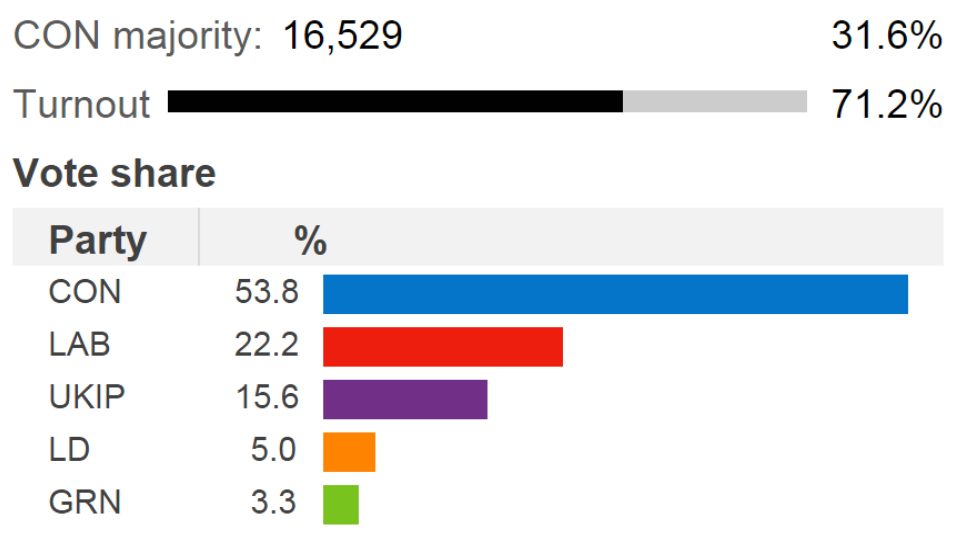
I was an undecided voter almost until the moment I put my X on the ballot paper around 11:30. But weighing up all the options, I decided to vote Lib Dem. Not that my vote counted for much, as it turned out. As throughout the country, the Lib Dem support collapsed, down almost 15% in the Bromsgrove constituency. On the other hand, incumbent Conservative MP Savid Javid increased his share of the vote by more than 10%, winning the seat by a massive majority over the Labour candidate of more than 16,500 and almost 54% of the votes cast. The data below are copied from the BBC website.

bromsgrove 3Bromsgrove 1

Bronsgrove 2

Sajid_Javid_(cropped)

Bromsgrove MP Sajid Javid, Secretary of State for Business, Innovation and Skills

I didn’t vote in 2010—couldn’t, in fact. We arrived back in the UK from the Philippines on 2 May, just a few days before the General Election was run. And being outside the country beforehand, we were not registered to vote. Sajid Javid was elected to Parliament for the first time in 2010, and became Secretary of State for Culture, Media and Sport a year ago when the then incumbent had to step down. Now he has been promoted to Secretary of State for Business, Innovation and Skills in the new Cameron Cabinet.

Bromsgrove has been a Conservative constituency forever. And I get the impression that Labour and the Lib Dems didn’t really mount much of a campaign. UKIP were in evidence (so my wife told me when she went into the town centre twice a week), but I never saw hide nor hair of any of the candidates, just received campaign materials through the door, with Javid’s team sending us the most.

So why did I vote Lib Dem? I’m not a Lib Dem ideologically. In fact, I blogged some months back that I’m your typical middle of the road voter. Not all that is Conservative is wrong, although much is. Likewise, there were important elements of the Labour manifesto I could support, but not all. I really feel that the Lib Dems have been unfairly hammered by their own supporters, opponents, and the media for joining a coalition government in 2010, particularly on the issue of student fees issues. As I have also written before, coalition is all about the art of compromise, and there are good things that the Lib Dems prevented the Conservatives enacting in their legislative program. Just read this analysis in today’s Independent newspaper. Of course that’s academic now that Cameron has his majority, albeit a tiny one. Heaven help us if (probably when) the pressures of his right wing back-benchers force him to adopt measures that many of us fear.

Former Lib Dem leader Nick Clegg has been vilified in the media. I watched all the leader interviews hosted by Evan Davis in the weeks leading up to the election. Clegg was the first leader who Davis interviewed. I was incensed by what I perceived as an unfair grilling by Davis; the other leaders in subsequent interviews were treatedmuch more benignly, almost with kid gloves on. I even took to Twitter to vent my dissatisfaction with the Clegg interview as you can see in my tweets below (the most recent of the string at the top).

clegg-davis tweets

Leader of the Labour Party, Ed Miliband

Former Leader of the Labour Party, Ed Miliband MP

I was never going to vote for the UKIP or Green Party candidates. In the end I just couldn’t bring myself to support Labour either. Ed Miliband just didn’t do it for me. I couldn’t envisage him in No. 10 Downing Street as Prime Minister. Well, having resigned in the aftermath of the Labour bloodbath, Miliband seems to have shrugged his shoulders, and just walked away. He’d better look over his shoulders because the knives are already out, many being wielded by erstwhile former colleagues.

So I’m one of the few million nationwide who saw a possible role for the Lib Dems in another coalition government. That’s what the polls had indicated was the likely outcome of the vote, and I placed my X accordingly. Either the pollsters got their methodology totally wrong in this election, or they were told ‘porkies’ by all the people they polled. Whatever the reason, it seems likely there will be an independent inquiry about how and why they got it so wrong, because the ‘guidance’ from the polls must have influenced many voters—me included.


What’s wrong with a rogue apostrophe or an Oxford comma?

punctuationIn the past few days I’ve seen string of Facebook posts—and elsewhere—about the validity of using the so-called Oxford comma. And once something like that appears on social media, Pandora’s grammar box is well and truly opened. Everyone, it seems, has an opinion about what is correct grammar or otherwise. Such passions inflamed!

Since I started this blog back in February 2012, I reckon I’ve written 200,000 words or thereabouts. I hope many—most?—of my readers appreciate my writing style. I actually get quite a buzz from writing, and it’s always a pleasure when a piece that I’m tackling comes out as good as I had hoped, better even. I’m the first to admit that’s not always the case. I try to keep my style informal, informative, but—as far as I detect—grammatically correct (whatever that really means). And for someone trained as a scientist, and all the scientific writing principles that were drilled into me as an undergraduate (stay remote, young man), moving into a informal mode has not been entirely pain free.

When I worked at IRRI and had responsibility for all donor relations, I soon realized that we would fail to engage with the donors if we sent them reading material written in rather turgid science-speak. What was required was a lighter touch: keep the science true to itself, but just explain it in terms that are more easily understandable and accessible to a wider audience. I guess I had some experience of what this is all about when I lectured at the University of Birmingham during the 1980s. Most of my teaching was to graduate students, the majority of whom did not have English as a first language. You just had to find ways of explaining sometimes complex ideas in more straightforward terms, often using analogies to get the point across. It was a good training.

I read all the time, and always have a book on the go: invariably some history tome, hardly ever fiction, sometimes biography. I’m convinced that if you want to improve your writing it is necessary to read the output of others. I’m always amazed how quickly I seem to storm through one book, and struggle with the next. Most often it’s just down to the author’s writing style. I commented recently how easy I found a book by Bernard Cornwell about the Battle of Waterloo. He brought his fiction author strengths to an enjoyable non-fiction historical account. The narrative just flowed, and he used many of the fiction writer’s tricks to keep the reader interested in what happened next.

I always have three books to hand: a good English dictionary; Roget’s Thesaurus; and a book about writing styles and grammatical use (I find Martin Cutts’ The Plain English Guide very helpful).

And this brings me on to the focus of this particular post. The apostrophe. Such a useful, idiosyncratic, and controversial grammatical tool—only found in English as far as I could determine. Used correctly, what a beautiful addition to language. But its misuse (or should that be it’s?) just highlights what poor grammatical training and discipline results in. Added when it shouldn’t be, and forgotten when its presence is an absolute necessity.

But I have been intrigued, as I said these past few days, over a string of stories about the need for the Oxford comma, the one you place before ‘and’ in a list of items. Is it necessary? I would have to review all my writing to check what my practice is. I think I probably use it when necessary to ensure clarity of meaning and omit it when I feel it really is not necessary.

I’m also a fan of the em dash (not to be confused with the en dash)—I’d rather use this grammatical aid than parentheses. I’ve just discovered there’s an em dash in the special characters menu here in WordPress! Maybe I use the em dash a little too frequently, but not as much as I saw in another book I read recently. Used judiciously, the em dash is a great addition to any writing. But the author of that book must have used five or more per page. They appeared to leap off the page.

Anyway, I believe that we can always keep improving. Keep the dictionary and thesaurus to hand (and a mouse click away from the spellchecker). There’s a real elegance to good writing.

‘Mont St Jean’, ‘La Belle Alliance’ or just plain ‘Waterloo’?

It’s late evening on 18 June 1815. The end of four days of fighting between three armies – British and Prussian on the one side, the French on the other – in three battles that has seen terrible carnage on all sides as battalion after battalion was decimated by musket fire, by round shot and canister, and howitzer shells thrown high over advancing troops. The wounds received and the deaths endured beggar belief.

The battle that we in Britain know as Waterloo defeated Napoleon, and forever left a legacy of controversies, not least of which what the battle should be named.

The French know it as the ‘Battle of Mont St Jean’. That was the ridge where the Duke of Wellington had deployed his forces. He had reconnoitred the area some days earlier and decided that was where he should make a stand against Napoleon moving north towards Brussels. The Prussians named the battle ‘La Belle Alliance’ and apparently it’s still known by that name in Germany. But Waterloo was the battle where, in the final stages the Unbeaten [the Napoleon’s Imperial Guard] were being killed by the Unbeatable [Wellington’s troops].

I’ve just finished an excellent account of Waterloo by Bernard Cornwell, author of the Sharpe novels about the Napoleonic Wars. Waterloo – The History of Four Days, Three Armies and Three Battles is Cornwell’s first work of non-fiction, published in 2014 by William Collins (ISBN 978-0-00-753938-3).

I’m not going to write a detailed review of the book, but I can thoroughly recommend it as a good read. Cornwell brings to his account – and the Battle of Waterloo was a complex affair indeed – the skill of an author who knows how to tell a story. He provides the detail, based on contemporary accounts and letters, but it’s all woven together in a way that you almost begin to feel part of the action. You get a clear sense of the deployment of troops on all sides, what it was like to confront a line of musketeers at 20 paces or so, or be charged down by lancers or sword wielding armored cavalry known as cuirassiers. He explains lucidly how and why the various armies marched from one engagement to the next, how the soldiers coped with the night long downpour before the main battle, and how the subsequent muddy ground conditions hampered movement of Napoleon’s troops towards the British. It was a close run thing, as Wellington admitted after the battle was over. He had come close to defeat, but the arrival of Blücher’s Prussians on the battlefield late in the day (because they had earlier retreated north following defeat in engagements with the French before Waterloo) did turn the tide of the battle, and Napoleon was defeated.

In September 2013, I posted a story about crop diversity, and it began with an account of the crops growing around Brussels at the time of Waterloo, in a book called  Dancing into Battle. Much was made by British officers of the height of the rye and wheat crops. Cornwell also comments that the rye crop, taller than a man, through which Napoleon’s troops had to march, was a major obstacle not only for troops but also cavalry. At the end of the battle he describes the scene of carnage, with the wounded, the dying and the dead covering a mat of trampled rye.

Throughout Cornwell’s account of Waterloo, there are frequent references to the exploits of his beloved 95th – the green-jacketed Rifles, the heroes of his Sharpe novels. I’ve not read any of these, but since my retirement I have enjoyed catching up on the programs made for TV in the mid-1990s that I didn’t see then as I was working overseas.

The series had some great actors: Sean Bean as Sharpe, Pete Postlethwaite as Obadiah Hakeswill, and Brian Cox as Major Hogan, to name just three. Here’s John Tams singing the 17th century folk song O’er the Hills and Far Away that became the theme of the series. Tams  played one of the ‘Chosen Men’, rifleman Daniel Hagman.

A castle slighted – if only walls could talk

Neither modest in size, nor lacking in importance, Kenilworth Castle was indeed slighted – in about 1650. It’s an archaic use of the word. The walls were deliberately destroyed, and razed to the ground. So after five hundred years of continuous occupation, the castle became a ruin, with only the Gatehouse (now fully restored) made a home by Sir John Hawksworth after the end of the Civil Wars. The Gatehouse was still occupied into the middle of the 20th century. But by then, the castle had been a ruin for 400 years or more. Kenilworth Castle is a fascinating testament to power and wealth from the Normans (from the time of Henry I) to the Stuarts.

Built by a Norman baron in the middle of the 12th century, and occupied for the next five centuries – as fortress, royal palace, or aristocratic residence – Kenilworth Castle, in the heart of Warwickshire (Shakespeare country) is a jewel in the English Heritage crown.

Plan of the castle

On a beautiful Tuesday, a couple of days ago, we made the 30 mile trip due east arriving at the castle just before 11:00 and spending almost four hours exploring the site, and what remains of the ruined Priory of St Mary just a short distance from the castle and built about the same time.

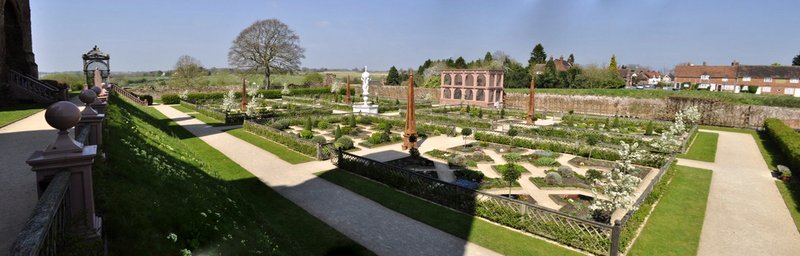
I hadn’t appreciated before our visit just how large the castle site is, and for how long it had been occupied. As a budding historian, I’ve encountered references to Kenilworth Castle in many of the books I’ve read. It was, during the late 14th and throughout the 15th centuries a residence of John of Gaunt, Duke of Lancaster and a Lancastrian stronghold. During the reign of Elizabeth I in Tudor times a century later, Kenilworth Castle was gifted to Robert Dudley, Earl of Leicester, the queen’s favorite and erstwhile suitor. Many parts of the ruin and the (reconstructed) Elizabethan garden are the legacy of Robert Dudley. Elizabeth visited Kenilworth a number of times, and Dudley actually constructed the Leicester Building (#10 on the graphic above) in 1572 especially for one of Elizabeth’s visit while on royal progress. Likewise the garden.

20150421 011 Kenilworth CastleThe castle is entered through Mortimer’s Gate (#2) over a ‘dam’ that was originally constructed by King John in the 13th century. It blocked the flow of the Finham Brook on the south side of the castle’s curtain wall, and creating what was once one of the largest man-made lakes in England. It provided great defensive possibilities. The later buildings lie to the west and south of the Norman tower (#6). The 16th century half-timbered stable block (#3) is now a cafe and exhibition hall. The construction of the timber gables and eaves is impressive.

On the west side of the castle is the Great Hall constructed by John of Gaunt. Of course most of the floors have disappeared, but you can easily see where each floor was located, with its windows and fireplaces.

And then just to the east is Leicester’s Building, over four or five floors. Now it’s a hollow shell, but English Heritage have constructed a walkway inside right to the top. I’ve not got a very good head for heights, and my knees were just a little wobbly by the time we reached the top, and peered over the side.

Elsewhere, access has been made to reach some of the battlements and great views are afforded all over the site, especially the Elizabethan garden, with its aviary and singing canaries. The garden was researched before reconstruction and is believed to look much like it would have done during Elizabeth’s visit.

20150421 023 Kenilworth Castle

20150421 065 Kenilworth Castle

If walls could talk what secrets would they reveal? Did King John plot here against his barons, or the Lancastrians plan their anti-Yorkist strategy during the Wars of the Roses? Did Dudley eventually make it into Elizabeth’s bedchamber? We’ll never know.

As we arrived to Kenilworth Castle a large group of German school children was leaving. Their visit had lasted just 45 minutes, I was told. Very short! We were there for nearly four hours, and although I think we saw almost all there was to see, another visit would merit a perimeter walk along the exterior curtain wall. Again, we were lucky with the weather, and there were not too many visitors. Kenilworth Castle welcomes thousands of visitors during the school vacations. A late spring day was just right for us.

Just twenty miles but more than a thousand years . . .

Just twenty miles or so as the crow flies, maybe less, but separated by more than a thousand years. That pretty sums up two English Heritage properties that we visited yesterday.

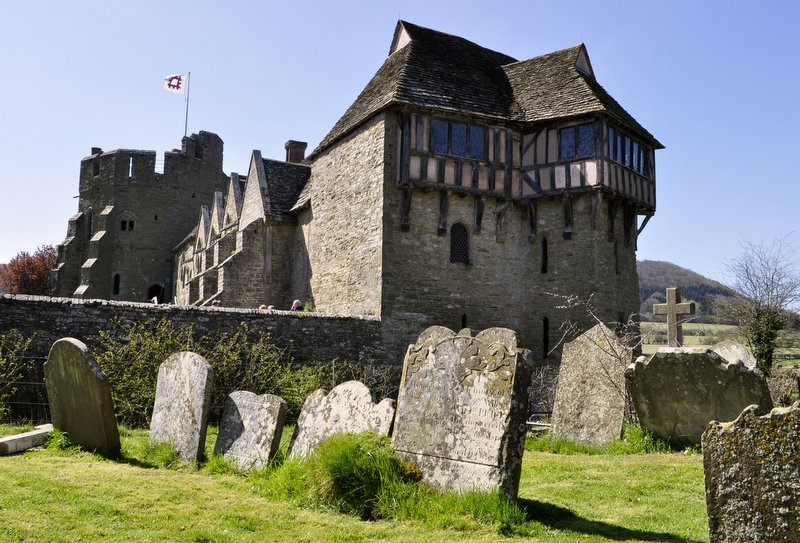
Nestling under the Shropshire Hills, Stokesay Castle is a fortified medieval manor house, a few miles north of Ludlow, built in the late 13th century, and added to over the centuries.

20150414 088 Stokesay Castle

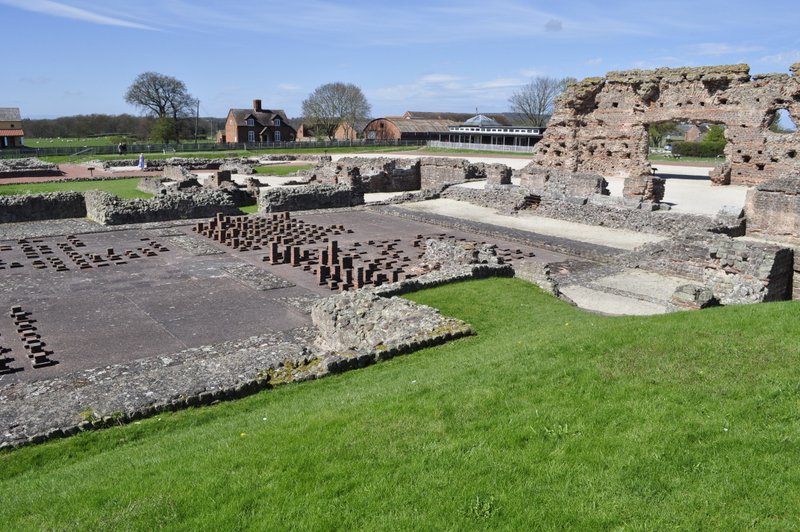
On the other hand, Wroxeter Roman city, a few miles southeast of Shrewsbury was established as a fortified outpost not long after the successful Claudian invasion of Britain by the Romans in AD40.

20150414 128 Wroxeter Roman city

As in all my blog posts, the links I included above will take you to web sites with a lot more information than I have space for here.

With the weather set fair – just as the forecasters had predicted – Steph and I set off just after 09:30 to our first stop, Stokesay Castle, arriving there just before 11:00.


Unlike many if not most of the properties owned by the National Trust, which are furnished, English Heritage manages many castles and other ruined buildings. However, Stokesay castle is remarkably intact. Once a moated property, the courtyard is entered through a 16th century half-timbered gatehouse, that has the most beautiful carvings on the wood surrounds. And, unlike many other Tudor buildings of this style, such as Little Moreton Hall in Cheshire, the Stokesay gatehouse has a yellowish daub instead of the ‘typical’ white.

Stokesay Castle comprises a large vaulted hall, with a number of lower and upper rooms at each end, and an adjoining three storey round tower. At the north end of the hall on the upper floor are half-timbered bay windows overlooking the parish church of St John the Baptist. This is as old as the manor, but was also rebuilt during the Civil Wars in the 17th century. Sadly, the main part of the church roof is covered in ‘modern’ tiles, rather than what were probably once stone tiles, just like the main hall of the castle.

No doubt if walls could talk, those at Stokesay would have a lot to relate. Located as it is on the English-Welsh border – the Marches – the castle no doubt saw its fair share of turmoil and violence. Some of the key conflicts of the Wars of the Roses occurred in this general area, and it’s unlikely that Stokesay would have been spared.

A number of features are worth describing, besides the gatehouse.

The roof of the hall is a wonderful timber construction, and the underside of the tiles is still exposed; you can still see how they were fastened to the eaves.

To the south of the hall, and one floor up, is the solar, a room with 17th century wood paneling. It has two small windows from which to monitor goings-on in the hall below.

Then there is the tower. Initially we couldn’t find any way to climb to the roof. And although we had reached the second floor, we didn’t notice a small doorway, in the wall to the side of a window, leading to another stone stairway.

The rooms in the tower are inhabited by several species of bat, some rare, and infected apparently with bat rabies. Caution!

The moat is now a walk right round the castle, and on the east side planted with flower beds, as are parts of the courtyard.

After almost two hours, and a visit to the church as well, we’d seen everything there was to see, and headed northeast, and two millennia back in time, to Roman Britain.

Now I have been to Rome many, many times, a city almost littered with ruins. In the Baths of Caracalla, for example (close the headquarters of the UN’s Food and Agriculture Organization where I attended many meetings), all the beauty of Roman brickwork is exposed for all to see. At Wroxeter Roman city – or, more correctly, Viroconium Cornoviorum – there are the remains of typical Roman buildings, displaying the same construction techniques as in the Baths of Caracalla, with alternate layers of red tiles and brickwork, hard as concrete. Click on the artist’s interpretation below for a large image of the city in its heyday.

20150414 134 Wroxeter Roman city

Viroconium was reportedly the fourth largest settlement in Roman Britain, and as large as Pompeii. Established as a Roman garrison in about AD55, the soldiers had moved on within a few decades, but the city continued to grow. It remained an important town until the Romans left Britain in the fifth century, and went into slow decline for another couple of centuries until sacked by the Anglo-Saxons.

Not much remains today, just a site about 150m square or so. Over the centuries stone was taken from the site and used for building materials in the local village of Wroxeter, and farms in the surrounding district. Located as it was close to the River Severn, and commanding a site on the border with Wales, Viroconium was an important base for the Roman campaign against the Welsh tribes.

20150414 095 Wroxeter Roman city

Close to Wroxeter lies Coalbrookdale – site of the birth of the Industrial Revolution and iron smelting. This part of Shropshire is rich in coal and iron ore.

The exposed ruins today cover the central city block or insula near the forum, markets and bath house.

If what remains exposed today is just one city block, then the city itself would have been an impressive piece of Rome in its distant province of Britannia – the very edge of the empire.

Three, five or seven? On the Tresham Trail.

Spring had really sprung a couple of days ago. With hardly a cloud in the sky, and a warm day promising, Steph and I headed east some 80 odd miles from our home in north Worcestershire, to visit two properties in Northamptonshire constructed in the late 16th century by Catholic Sir Thomas Tresham, a celebrated recusant who was imprisoned on several occasions for his faith.

First stop, in Rushton, was one of the most peculiar buildings I’ve ever visited but I’d wanted to see for quite some time – I’d seen it on TV in the past year.

eh-logoThe Triangular Lodge – a folly – was completed by 1597, is owned and managed today by English Heritage. This was our first visit to an English Heritage property since we became members at the beginning of the year.

20150409 002 Rushton Triangular Lodge

Full of religious symbolism, the Lodge is a perfect triangular building, and there are threes everywhere you look. The sides of the building are exactly 33 feet long, the windows are triangular. There are three floors from basement to upper floor. Each floor has a hexagonal room, with a small room in two of the corners and the stairwell in the third. The roof is a triangular maze.

Constructed of alternate bands of light and dark limestone, the Triangular Lodge is odd – and yet ethereally beautiful – in so many ways. A testament to Tresham’s devotion to the Holy Trinity, it continues to stand in a corner of rural Northamptonshire.


Just 12 miles from Rushton is another Tresham treasure – Lyveden New Bield. At first glance, it appears a desolate ruin, and one imagines what calamity has befallen this impressive building. But it’s not a ruin. Tresham died before it was completed, and there has never been a roof. It is now owned and managed by the National Trust.

20150409 092 Lyveden


Designed as a garden lodge or secret retreat to which he could retire, or even worship as a Catholic in privacy, Lyveden New Bield has all the religious symbolism – and more – that we encountered at the Rushton Triangular Lodge. It is shaped like a perfectly symmetrical Greek cross, each of the four wings of the building mirroring the others. Each of the bow windows has five sections, each five feet wide.

There are no floors but they must have been in place at some time or another since there are wood remnants in the walls where joists would have spanned the building. You enter the building through a very low servants’ entrance (on the south side), into what would have been the basement; there’s a large fireplace and behind, a series of ovens in what must have been the kitchen.

The main entrance, on the north side, is almost six feet or so above ground level. The arches above the entrance and to other internal doors are fully finished and sculpted.

CCI11042015_00001The lodge stands on an open lawn, surrounded by a ditch on all sides, not far from the moat that once surrounded (but on three sides only) a 14th century manor house, now totally demolished and erased from the landscape. But nearby, there are the outlines of what would have been a parterre, and more intriguingly, a Tudor labyrinth. Its existence only came to light in recent years after someone discovered a wartime aerial photograph from the Luftwaffe – presumably on their way to raid Coventry or Birmingham. An old orchard has been replanted with varieties of apple, pear, plum, damson, quince and medlar among others from the National Fruit Collection at Brogdale in Kent. Nearby is the old hall, Lyveden Old Bield, which was Tresham’s home after he moved from the original family home of Rushton Hall.

As a young boy, Tresham went to live with the Throckmorton family of Coughton Court near Alcester in Warwickshire (and only 12 miles from our home) and eventually married one of the daughters. One of their sons was implicated in the 1605 Gunpowder Plot, as were the Throckmorton family.

What’s in a name? I’m on a germplasm ID crusade!

What’s in a name? Well, not a lot it seems when it comes to crop germplasm. It’s a particular ‘bee in the bonnet’ I’ve had for many years.

We use names for everything. In the right context, a name is a ‘shorthand’ as it were for anything we can describe. In the natural world, we use a strict system of nomenclature (in Latin of all languages) – seemingly, to the non-specialist, continually and bewilderingly revised. Most plants and animals also have common names, in the vernacular, for everyday use. But while scientific nomenclature follows strict rules, the same can’t be said for common names.

Stretching an analogy
However, let me start by presenting you with an analogy. Take these two illustrious individuals for example.

We share the same name, though I doubt anyone would confuse us. Certainly not based on our phenotypes – what we look like. In any case, I’m WYSIWYG. Our ‘in common’ name implies no relationship whatsoever.

Marian_and_Vivian_BrownWhat about identical monozygotic twins, such as Marian and Val Brown? Dressing alike, they became celebrities in their adopted city of San Francisco from the 1970s until their deaths. Same genetics, but different names.

Maybe I’m stretching the analogy too much. I just want to hammer home the idea that sharing the same name should not imply common genetics. And different names might mask common genetics.

Naming crop varieties
So let’s turn to the situation in crop germplasm resources.

I had found in my doctoral research that apparently identical Andean potato varieties – based on morphology and tuber protein profiles – might have the same name or, if sourced from different parts of the country, completely different names given by local communities. And it also was not uncommon to find potatoes that looked very different having the same name – often based on some particular morphological characteristic. When we collected rice varieties in Laos during the 1990s, we described how Laotian farmers name their varieties [1].

During the 1980s my University of Birmingham colleague Brian Ford-Lloyd and I, with Susan Juned, studied somaclonal variation in the potato cv. Record. We received a sample of 50 or so tubers of Record, and fortunately decided to give each individual tuber its own ID number. The number of somaclones generated from each tuber was very different, and we attributed this to the fact that seed potatoes in the UK are ultimately produced from different tissue culture stocks. This suggested that there had been selection during culture for types that responded better to tissue culture per se [2]. The implication of course is that potato cv. Record (and many others) is actually an amalgam of many minor variants. I recently read a paper about farmer selection of somaclonal variants of taro (Colocasia esculenta) and cassava (Manihot esculenta) in Vanuatu.

Dropping the ID
But there is a trend – and a growing trend at that – to rely too much on names when it comes to crop germplasm. What I’ve found is that users of rice germplasm (and especially if they are rice breeders) rely too heavily on the variety name alone. And I’d be very interested to know if curators of other germplasm collections experience the same issue.

Why does this matter, and how to resolve this dilemma?

During the 1990s when we were updating the inventory of samples (i.e. accessions) in the International Rice Genebank Collection at IRRI, we discovered there were multiple accessions of several IRRI varieties, like IR36, IR64 or IR72. I’m not sure why they had been put into the collection, but they had been sourced from a number of countries around Asia.
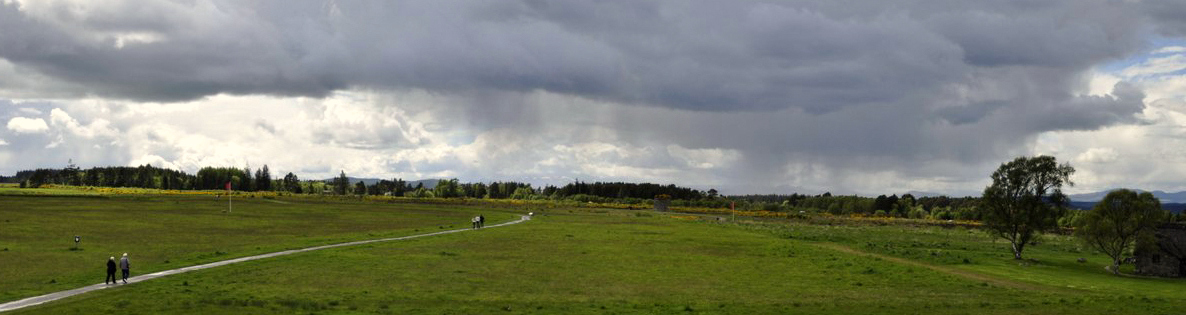
13572539893_3f4b43dfd2_k

We decided to carefully check whether the accessions with the same name (but different accession numbers) were indeed the same. So we planted a field trial to carefully measure a whole range of traits, not just morphological, but also some growth ones such as days to flowering. I should hasten to add that included among the accessions of each ‘variety’ was one accession added to the genebank collection at the time the variety had been released – the original sample of each.

We were surprised to discover that there were significant differences between accessions of a variety. I raised this issue with then head of IRRI’s plant breeding department, the eminent Indian rice breeder Dr Gurdev Khush. Rather patronizingly, I thought, he dismissed my concerns as irrelevant. As a rice breeder with several decades of experience and the breeder responsible for their release, he assured me that he ‘knew’ what the varieties should look like and how they ought to perform. I think he regarded me as a ‘rice parvenu’.

It seemed to me that farmers had made selections from within these varieties that had been grown in different environments, but then had kept the same name. So it was not a question of ‘IR36 is IR36 is IR36‘. Maybe there was still some measure of segregation at the time of original release in an otherwise genetically uniform variety.

I have a hunch that some of the equivocal results from different labs during the early rice genome research using the variety Nipponbare can be put down to the use of different seed sources of Nipponbare.

Germplasm requests for seeds from the International Rice Genebank Collection often came by variety name, like Nipponbare or Azucena for example. But which Nipponbare or Azucena, since the there are multiple samples of these and many others in the collection?

What I also discovered is that when it comes to publication of their research, many rice scientists frequently omit to include the germplasm accession numbers – the unique IDs. Would ‘discard’ be too strong an indictment?

I was reviewing a manuscript just a few days ago, of a study that included rice germplasm from IRRI and another genebank. There was a list of the germplasm, by accession/variety name but not the accession number. Now how irresponsible is that? If someone else wanted to repeat or extend that study (and there are so many other instances of the same practice) how would they know which actual samples to choose? There is just this belief – and it beggars belief – that germplasm samples with the same name are genetically the same. However, we know that is not the case. It takes no effort to provide the comprehensive list of germplasm accession numbers alongside variety names.

Accession numbers should be required
I’m on the editorial board of Genetic Resources and Crop Evolution. I have proposed to the Editor-in-Chief that any manuscript that does not include the germplasm accession numbers (or provenance of the germplasm used) should be automatically sent back to the authors for revision, and even rejected if this information cannot be provided, whatever the quality of the science! Listing the germplasm accession numbers should become a requirement for publication.

Draconian response? Pedantic even? I don’t think so, since it’s a fundamental germplasm management and use issue.

~~~~~~~~~~~~~~~~~~~~~~~~~~~~~~~~~~~~~~~~~~~~~
[1] Appa Rao, S., C. Bounphanousay, J.M. Schiller & M.T. Jackson, 2002. Naming of traditional rice varieties by farmers in the Lao PDR. Genetic Resources and Crop Evolution 49, 83-88.
[2] Juned, S.A., M.T. Jackson & B.V. Ford-Lloyd, 1991. Genetic variation in potato cv. Record: evidence from in vitro “regeneration ability”. Annals of Botany 67, 199-203.


J Trevor Williams, genetic resources champion, passes away at 76

Yesterday evening I heard the sad news that an old friend and someone who was very influential at important stages of my career, had passed away peacefully at his home on 30 March, at the age of 76.

21 June 1938 – 30 March 2015

Professor J T Williams (JT to his friends, or simply Trevor) played an important role during the late 70s and throughout the 80s in establishing an international network of genebanks that today underpin world food security.

The Birmingham years
I first met Trevor in September 1970 when I joined the 1-year MSc course on Conservation and Utilization of Plant Genetic Resources at the University of Birmingham. There’s no need to write about the course here as I have done so elsewhere on my blog. Short and stocky, a whirlwind of energy – and an inveterate chain smoker – Trevor joined the Department of Botany in 1968 or 1969, having been recruited by head of department Jack Hawkes to become the Course Tutor for that genetic resources course (which opened its doors in September 1969 and continued to train students over more than three decades).

20 Ed & Mike

L to R: Prof. Jack Hawkes, Dr Mike Jackson, and Dr Trevor Williams. Graduation Day, 12 December 1975, University of Birmingham

One of Trevor’s main teaching responsibilities was a course on taxonomic methods that inspired me so much that very quickly I decided that I wanted to write my dissertation under his supervision. Fortunately, Trevor was quite happy to take on this role, and by November 1970 we had agreed on a topic: on the origin and diversity of lentils (Lens culinaris). I’d indicated an interest in working on grain legumes, a hangover, I guess, from my Southampton undergraduate days where Joe Smartt, a leading grain legume specialist, had encouraged me to apply to the Birmingham course. But why how did we settle on lentils? Trevor and I worked our way through the various genera of the Fabaceae in Flora Europaea until we came to Lens and read this concise statement under the cultivated lentil, L. culinaris: Origin not known. Well, that piqued our curiosity and we set about acquiring seed samples of as many different varieties from a wide geographical range as possible.

In 1971-72 my wife Steph also worked with Trevor for her dissertation on growth and reproductive strategies in a range of grain legumes – lentil and chickpea among them. While Trevor supervised several MSc students during his years at Birmingham, I believe he had only one PhD student – another close friend, Emeritus Professor Brian Ford-Lloyd, and together they carried out a pioneering study of the genus Beta (beets!) When I moved to the University of Birmingham in 1981, I was assigned Trevor’s old office in the Department of Plant Biology (formerly Botany).

Cambridge and Bangor
Trevor took his first degree in Natural Sciences from Cambridge University (Selwyn College, I believe), followed by a PhD at the University College of North Wales (now Bangor University) under the eminent ecologist and plant population biologist, Professor John Harper. Trevor then moved to Switzerland (I don’t remember where), and took a higher doctoral degree on the study of plant communities, or phytosociology. I’m also not sure if this was supervised by Josias Braun-Blanquet, the most influential phytosociologist of the time.

The move to Rome
In about 1977 Trevor was recruited to become the Executive Secretary of the International Board for Plant Genetic Resources that was founded under the auspices of the FAO in 1974. He remained with IBPGR until 1990. Following his retirement from IBPGR, it became the International Plant Genetic Resources Institute (IPGRI), then Bioversity International in 2006.Under his tenure, IBPGR sponsored a large number of collecting missions around the world – this was the germplasm collecting decade – as well sponsoring training opportunities for genetic resources specialists, not least to the MSc course at Birmingham. Although IBPGR/IPGRI remained under the auspices of FAO until the early 1990s, it had become part of the network of international agricultural research centers under the CGIAR. And Trevor served as Chair of the Center Directors for at least one year at the end of the 1980s. In 1989 the Birmingham course celebrated its 20th anniversary; IBPGR sponsored a special reunion and refresher course at Birmingham and in Rome for a number of past students. We also recognized the unique contribution of IBPGR and Trevor joined us for those celebrations – which I have written about elsewhere in my blog.

Adi Damania (now at UC-Davis) sent me the photo below, of IBPGR staff on 2 December 1985, and taken at FAO Headquarters in Rome.

JTWFAODec2_1985

Sitting from L to R: Dorothy Quaye, Murthy Anishetty, unknown, J. Trevor Willams, Jean Hanson, unknown, Jane Toll. Standing L to R: Unknown, Adi Damania, unknown, unknown, Jeremy Watts, Merril, unknown, George Sayour, Pepe Esquinas-Alcazar, unknown, Chris Chapman, John Peeters, Jan Konopka, unknown temp, unknown, John Holden, Dick van Sloten.

After IBPGR
In the 1990s Trevor spent some years helping to organize the International Network for Bamboo and Rattan (INBAR) as a legal entity with its headquarters in Beijing, China. And it was there in about 1995 or 1996 or so that our paths crossed once again. I was visiting the Institute of Botany in Beijing with one of my staff from IRRI’s Genetic Resources Center, Dr Bao-Rong Lu. One evening, after a particularly long day, we were relaxing in the hotel bar that overlooked the foyer and main entrance. As we were chatting, I noticed someone crossed the foyer and into the dining room who I thought I recognized. It was Trevor, and I joined him to enjoy more than a few beers until late into the night. I didn’t have any further contact with Trevor until one evening in January or February 2012. It was about 7.30 pm or so when the phone rang. It was Trevor ringing to congratulate me on my appointment as an OBE in the New Year’s Honours List. We must have chatted for over 30 minutes, and it was great to catch up. That was the last time I spoke with him, and even then he told me his health was not so good.

But let’s not be too sad at Trevor’s passing. Instead let’s celebrate the man and his enormous contribution to the conservation of plant genetic resources worldwide. His important role will be remembered and recognized for decades to come. I feel privileged that I knew and worked with him. His incisive intellect and commitment to the conservation of genetic resources and community made him one of my role models. Thank you, Trevor, for your friendship, words of wisdom, and above all, your encouragement – not only to me, but to your many students who have since contributed to the cause of genetic conservation.

Remembering Trevor – updates
Trevor’s funeral was held on Wednesday 22 April at 13:30, at St Chad’s Church, Handforth, Cheshire. His sister Wendy asked that in lieu of sending flowers, donations could be made to the Millennium Seed Bank at Kew. Jill Taylor, Development Officer at the Kew Foundation has set up an ‘account fund’ in Trevor’s name – that way she can collate the donations and be able to provide the family with a total amount raised. She will of course make sure that the whole amount is used for the work of the Millennium Seed Bank. All donations can be sent for Jill’s attention:

Jill Taylor Kew Foundation 47 Kew Green Richmond TW9 3AB
Tel: 020 8332 3248
Cheques should be made payable to ‘Millennium Seed Bank’
Donations can also be made online using this live link – https://thankqportal.kew.org/portal/public/donate/donate.aspx
 If you donate online, please also email Jill at commemorative@kew.org so that she can assign it to Trevor’s ‘fund’. That email inbox is monitored by a small group so will be attended even if Jill is away.

Brian Ford-Lloyd and I attended Trevor’s funeral, along with Roger Croston, also a Birmingham MSc course alumnus and a collector for IBPGR for about two years from 1980 or so.

Trevor’s sister, the Reverend Wendy Williams (celebrating 55 years since she was ordained) gave a beautiful eulogy, highlighting Trevor’s strong Christian faith – something neither Brian, Roger or I were aware of – and the charitable work he was involved with in Washington, DC after he left IBPGR, but also in Rome during his IBPGR years. Click on the image below to read the Service of Thanksgiving.

JTW

Obituaries
Here’s the link to the obituary that was published on 1 May in the UK’s Daily Telegraph broadsheet newspaper.

An obituary was published online on 1 July in the international journal Genetic Resources and Crop Evolution. Click here to read. And another in the Indian Journal of Plant Genetic Resources.

A biography of Trevor was published online (on 13 June 2024) in the Oxford Dictionary of National Biography. Click here to read.


Getting to know IRRI . . .

IRRI-logoand the CGIAR
The International Rice Research Institute (IRRI), based in Los Baños, Philippines (about 65 km south of Manila), was founded in 1960, the first of what would become a consortium of 15 international agricultural research institutes funded through the Consultative Group on International Agricultural Research (CGIAR).

IRRI from the air

Listen to CGIAR pioneers Dr Norman Borlaug and former World Bank President (and US Defense Secretary) Robert McNamara talk about how the CGIAR came into being in 1971.

I spent almost 19 years at IRRI, more than eight years at a sister center in Peru, the International Potato Center (CIP), and worked closely with another, Bioversity International (formerly known as the International Board for Plant Genetic Resources – IBPGR – from its foundation in 1974 to October 1991, when it became the International Plant Genetic Resources Institute – IPGRI – until 2006).

Who funds IRRI and the other centers of the CGIAR?
IRRI and the other centers receive much of their financial support as donations from governments through their overseas development assistance budgets. In the case of the United Kingdom, the Department for International Development (DFID)is the agency responsible for supporting the CGIAR, it’s USAID in the USA, and the Swiss Agency for Development and Cooperation (SDC) in Switzerland, for example. In the last decade, the Bill & Melinda Gates Foundation has become a major donor to the CGIAR.

During my second career at IRRI, from May 2001 until my retirement at the end of April 2010 I was responsible, as Director for Program Planning and Communications (DPPC), for managing the institute’s research portfolio, liaising with the donor community, and making sure, among other things, that the donors were kept abreast of research developments at IRRI. I had the opportunity to visit many of the donors in their offices in the capitals of several European countries and elsewhere. However, very few of the people responsible for the CGIAR funding in the donor agencies had actually visited IRRI (or, if they had, it wasn’t in recent years). One thing that did concern me in working with some donors was their blinkered perspectives on what constituted research for development, and the day-to-day challenges that an international institute like IRRI and its staff face. I guess that’s not surprising really since some had never worked outside their home countries let alone undertake field research.

International Centers Week 2002
In those days, the CGIAR used to hold its annual meeting – International Centers Week – in October, and for many years this was always held at the World Bank in Washington, DC. But from about 2000 or 2001, it was decided to move this annual ‘shindig’ outside the Bank to one of the countries where a center was located. In October 2002, Centers Week came to Manila in the Philippines, hosted by the Department of Agriculture.

What an opportunity, one that IRRI was not going to ignore, to have many of the institute’s donors visit IRRI and see for themselves what this great institution was all about. Having seen the initial program that would bring several hundred delegates to Los Baños over two days – on the 28th (visiting Philippine institutions) and 29th October (at IRRI) but returning to Manila overnight in between – we decided to invite as many donors as wished to be our guests overnight. Rumour had it that the Chair of the CGIAR then, Ian Johnson (a Vice President of the World Bank) and CGIAR Director Dr Franscisco Reifschneider, were not best pleased about this IRRI ‘initiative’.

Most donors did accept our invitation, and we hosted a dinner reception on the Monday evening, returning some of the hospitality we’d been offered during our visits to donor agencies. This also gave our scientists a great chance to meet with the donors and talk about their science. Most (but not all scientists) are the best ambassadors for their research and the institute; however, some just can’t avoid using technical jargon or see past the minutiae of their scientific endeavors.

As the dinner drew to a close, I spread word that the party would continue at my house, just a short distance from IRRI’s Guesthouse. As far as I remember about a dozen or so donor friends followed me down the hill, and we continued our ‘discussions’ into the small hours. Just after dawn I staggered out of bed and, with a rather ‘thick head’, went to see the ‘damage’ in our living room, where I found a large number of empty glasses, and several empty whisky, gin and wine bottles. A good time was had by all! Unfortunately it was also pouring with rain, which did nothing to lift my spirits. Our program for the day had been developed around a series of field visits – we didn’t have an indoor Plan B in case of inclement weather.

However, I’m getting ahead of myself. Let me tell you how did we went about organizing the IRRI Day on the 29th October.

Getting organized
12213957474_757eaf1d74_oRon Cantrell, IRRI’s Director General in 2002 asked me to organize IRRI Day. But what to organize and who to involve? We decided very early on that, as much as possible, to show our visitors rice growing in the field, but with some laboratory stops where appropriate or indeed feasible, taking into account the logistics of moving a large number of people through relatively confined spaces.

How to move everyone around the fields without having the inconvenience getting on and off buses? In 1998 I had attended a symposium to mark the inauguration of the Dale Bumpers National Rice Research Center in Stuttgart, Arkansas (self-proclaimed Rice and Duck Capital of the World). To visit the various field plots we were taken around on flat-bed trailers, towed by a tractor. We sat on straw bails, and each trailer also had an audio system. It was easy to hop on and off at each of the stops along the tour. However, we had nothing of that kind at IRRI and, in any case, we reckoned that any trailers would need some protection against the sun – or worse, a sudden downpour.

And that’s how I began a serious collaboration with our Experimental Farm manager, Joe Rickman to solve the transport issue.

rickman-about

Joe Rickman

We designed and had constructed at least 10 trailers, or bleachers as they became known. As far as I know these are still used to take visitors around the experimental plots when appropriate.

20021029008

So, transport solved. But what program of field and laboratory visits would best illustrate the work of the institute? In front of the main entrance to IRRI are many demonstration plots with roads running between them where we could show research on water management, long-term soil management, rice breeding, and pest management. We also opened the genetic transformation and molecular biology labs and, I think, the grain quality lab. I just can’t remember if the genebank was included. The genebank is usually on the itinerary for almost all visitors to IRRI but, given the numbers expected on IRRI Day, and that the labs are environment controlled – coll and low humidity – I expect we decided to by-pass that.

The IRRI All Stars
From the outset I decided that we would need staff to act as guides and hosts, riding the trailers, providing a running commentary between ‘research stations’. I put word out among the local staff that I was looking to recruit about 20-30 staff to act as tour guides; I also approached several staff who I knew quite well and who I thought would enjoy the opportunity of taking part. What amazed me is that several non-research staff approached me asking if they could participate, and once we’d made the final selection, we had both human resources and finance staff among the IRRI All Stars.

L-R: Carlos Casal, Jr., Josefina Narciso, Ato Reano, (???), Arnold Manza, Crisel Ramos, Varoy Pamplona, Lina Torrizo, (???), Jessica Rey, Caloy Huelma, Beng Enriquez, Joe Roxas, (???), Sylvia Avance, (???), Mark Nas, Ofie Namuco, Estella Pasuquin, (???), Ninay Herradura, Lily Molina, Tom Clemeno, Joel Janiya.

The IRRI All Stars L-R: Carlos Casal, Jr., Josefina Narciso, Ato Reano, Reycel Maghirang-Rodriguez, Arnold Manza, Crisel Ramos, Varoy Pamplona, Lina Torrizo, Tina Cassanova, Jessica Rey, Caloy Huelma, Beng Enriquez, Joe Roxas, Remy Labuguen, Sylvia Avance, Ailene Garcia-Sotelo, Mark Nas, Ofie Namuco, Estella Pasuquin, Ria Tenorio, Ninay Herradura, Lily Molina, Tom Clemeno, Joel Janiya.

Once we had a trailer available, then we began planning and practising in earnest. I wanted my colleagues to feel confident in their roles, knowledgeable about what everyone would see in the field, as well as feeling comfortable fielding any questions thrown at them by the visitors.

I think some of the All Stars felt it was a bit of a baptism by fire. I was quite tough on them, and encouraged everyone to critique each other’s ‘performance’. And things got tougher once we had the research scientists in the field strutting their stuff during the practice runs. My guides were merciless in their comments to colleagues about their research explanations. Not only did we reduce the jargon to a manageable level, but soon everyone appreciated that they had to be able to explain not only what they were researching, but why it was important to rice farmers. And in doing so, to actually talk to their audience, making eye contact and engaging with them.

It was worth all the time and effort we spent before IRRI Day. Because on the day itself, everyone shone. I don’t think I’ve been prouder of my colleagues. After the early morning rain, the clouds parted and by 9 am when we started the tours, it was a glorious Los Baños day at IRRI. The feedback from the delegates, especially the donor representatives, was overwhelming. Many had, as I mentioned earlier, a blinkered view of research for development, and rice research in particular. More than a few had a ‘Damascene experience’. Many had never even seen a rice paddy before. I believe that IRRI’s stock rose among the donor community during the 2002 International Centers Week – due in no small part to their very positive interactions with IRRI’s research staff and the All Stars.

On reflection, we had a lot of fun at the same time. It was extremely rewarding to see how positive all the staff were about contributing to the success of IRRI Day. But that’s the IRRI staff for you. Many a visitor has mentioned as they leave what a great asset are the staff to IRRI’s success. I know from my own 19 years there. In fact we had so much fun that just over a week later we held another IRRI Day for all staff, following the same route around the field and listening to the same researchers.

Using camera-mounted drones, it’s now possible to give IRRI’s visitors a whole new perspective.


Safeguarding rice biodiversity . . .

lao294I can’t claim it was the most successful project that IRRI – the International Rice Research Institute – ever managed. That would be too arrogant by half.

But by mid-2000 we successfully finished a project, Safeguarding and Preservation of the Biodiversity of the Rice Genepool, funded by the Swiss Agency for Development and Cooperation (SDC), that significantly enhanced the long-term conservation of rice genetic resources.

The SDC was extremely generous, and funded much of the proposed budget, donating USD3.286 million. Approved for funding in November 1993, we didn’t actually begin any of the project activities in earnest until 1995. That was because we spent 1994 ‘selling’ the project to our colleagues in national genetic resources programs and their superiors in the target countries, holding a series of planning meetings, and forming a Steering Committee, as well as recruiting several staff.

irri002

So the effective period of the project were the five years between 1995 and 1999, with a no-cost extension taking the project past its original end date of November 1998. But, as far as the SDC was concerned, this was never a problem. We kept everyone regularly updated on progress and achievements, and in any case, the donor had insisted that time was spent at the project’s initiation bringing everyone on board. It was certainly time well spent. This was particularly so in 1993-94. Why? Well in December 1993 the Convention on Biological Diversity (CBD) came into force (having been opened for signature at the Rio Earth Summit in June 1992) – just a few weeks after our rice biodiversity project was given the green light. And since the collection of rice varieties and wild species was a major component of the project, we weren’t sure just how committed several countries would be to participate in the project, let alone share their germplasm with others or send a duplicate sample of all collected germplasm for long-term preservation in the International Rice Genebank at IRRI. The negotiations leading to the CBD had certainly opened many cans of worms in terms of access to and use of germplasm, and to what extent germplasm had a strictly commercial value. While so-called ‘agricultural biodiversity’ (the landrace crop varieties, among others) was not the main focus of the CBD, this international treaty did provide the legal framework for access to germplasm, during the period leading up to the CBD, there had been a drop-off in the number of germplasm collecting expeditions, particularly those that were internationally-led. And of course, this was years before the International Treaty on Plant Genetic Resources for Food and Agriculture had been negotiated to provide the legal framework for germplasm exchange and use.

I think it says a lot for the international standing and reputation of IRRI that we encountered remarkably little opposition (especially among Asian nations) to the idea of participating in a collaborative concerted effort to collect and preserve as much rice biodiversity as possible. Essentially to try and fill the gaps in earlier germplasm collecting efforts. It seemed to us that this was the moment to seize. Civil conflicts were a thing of the past in several countries, infrastructure had improved providing access to areas and regions that had previously been inaccessible. In any case, with the rapid development that some countries were undergoing, we feared that unless something was done, then and there, there might not be an opportunity again in the foreseeable future, and valuable germplasm might be lost. The project had three components on germplasm collecting, on farm conservation, and training.

For germplasm collecting, we recruited two staff: Dr Seepana Appa Rao from India (who had spent much of his career at one of IRRI’s sister centers, ICRISAT in Hyderabad) and Dr Sigrid Liede from Germany. Existing IRRI staff Dr Bao-Rong Lu, a taxonomist from China and Ms Eves Loresto also took on important collecting and training responsibilities.

For the on farm conservation work, geneticist Dr Jean-Louis Pham from France was seconded to IRRI from his home institute IRD for five years. Two social anthropologists, Dr Mauricio Bellon from Mexico and Dr Stephen Morin from the USA worked in the project.

Within six months of the end of the project, we had submitted our final report and an interactive CD containing all the germplasm collecting and training reports, publications, and up to 1000 images (with a descriptive spreadsheet with live links to each image). Just click on the CD image below to automatically download a zip file (approximately 460 MB). Extract or copy the folders and files in the zip file to a new folder Rice Biodiversity on your computer, and click on the Start file. (There is a Read me! file in case you need more instructions.) Unfortunately it’s not possible to open the files interactively directly from the zip file here – you have to download. But that’s where you will find all the detail.

biod-cd

So below, I’ve included just a few highlights of what the project achieved, and its impact.

Collection and ex situ conservation of wild and cultivated rices
Germplasm collectors made one hundred and sixty-five collecting trips, lasting from just a few days to several weeks, in 22 countries between 1995 and 1999. A total of 24,718 samples of cultivated rice (Oryza sativa) was collected, and 2,416 samples of 16 wild Oryza species, weedy types and putative hybrids, and some unclassified samples; there were also samples of at least four species from three related genera.

The collecting effort in the Lao PDR was particularly impressive, with more than 13,000 samples of cultivated and wild rice now safely conserved in the local genebank and in the IRG. The collecting activities in sub-Saharan Africa focused almost entirely on wild species, and in general the number of samples collected was not high. The resource investment to collect this material was quite high but realistic given the somewhat sparse geographical distribution of the species populations, and the difficulties in collecting.

By the end of the project, more than 80% of the cultivated rice samples and 68% of the wild had been sent to the International Rice Genebank at IRRI for long-term conservation. All the details can be seen here.

On farm management of traditional rice varieties
In 1994, IRRI organized a workshop about on farm conservation of genetic resources. The participants agreed on the need to develop its scientific basis,because on farm  conservation of genetic resources was strongly advocated in international forums, but there was limited understanding of what this approach really meant. We therefore felt that more research should be conducted to understand farmers’ management of crop diversity and its genetic consequences. This was especially true in the case of rice for which very limited knowledge was available. So we set out to:

  • increase knowledge on farmers’ management of rice diversity, the factors that influence it, and its genetic implications; and
  • identify strategies to involve farmers’ managed systems in the overall conservation of rice genetic resources.

We developed research sites and teams in northern Luzon, Philippines, in central Vietnam, and in Orissa, India. And always we had that mix of geneticists and social scientists to provide a broad perspective on the dynamics of rice agriculture in terms of on farm management/conservation.

The contribution of this IRRI-coordinated project for on-farm conservation was to:

  • bring hard data and facts to the debate on the use and relevancy of on-farm conservation of rice genetic resources, and on the impact of deployment of modern varieties on biodiversity;
  • identify avenues for the implementation of on-farm conservation strategies;
  • explore the role that research institutions could play in the future;
  • develop methodologies and competencies in the assessment of rice diversity and its management by farmers through partnership with national programs;
  • increase the awareness and understanding of issues related to on-farm conservation and the value of local diversity both in NARS and local development agencies;
  • share its experience, with other researchers through the participation to various conferences and meetings, publication of papers, organization of a workshop, and collaboration with other projects.

An important ‘spin-off’ from the research concerned the restoration of germplasm in areas where varieties had been lost. During the course of the research, a major typhoon hit northern Luzon in the Philippines where we were working with farmers. During that season almost all of rice agriculture was wiped out, and many farmers no longer had access to the varieties they had previously grown, and none were available through official Department of Agriculture channels. Fate was on our side. In a previous season, project staff had samples a wide range of varieties from the farmers at the project sites, taken them to Los Baños, grown them out for morphological and genetic characterization and, in the process, multiplying the seed stocks. We were able to provide each farmer with up to 1 kg of seeds of each variety on request, and in total we sent back about 20 tonnes of seeds. Not all farmers wanted their indigenous varieties and changed over completely to modern, high-yielding varieties.

Strengthening of germplasm conservation by national agricultural research systems (NARS) and non-government organizations/ farmers’ organizations (NGOs/FOs)
Between 1995 and 1999, we ran 48 courses or on-the-job training opportunities in 14 countries and at IRRI headquarters in the Philippines. The training encompassed field collection and conservation, characterization, wild rice species, data management and documentation, genebank management, seed health, analysis of socioeconomic data, and molecular analysis of germplasm. And we trained more than 670 national program personnel. IRRI staff were involved in the management, coordination, and presentation of almost all the training activities.

However, the story doesn’t end there.

smc3_R.-Hamilton

Dr Ruaraidh Sackville Hamilton

While some gaps remain for germplasm collection and duplication of germplasm at IRRI, these issues have been taken up by my successor as head of the TT Chang Genetic Resources Center, Dr Ruaraidh Sackville Hamilton. Even so, the size of the International Rice Genebank Collection (IRGC) had increased by about 25% by 2000, not bad for a period when discussions in international fora (the CBD and the FAO Commission on Genetic Resources for Food and Agriculture) had put the brakes on germplasm sharing. Most of the national collections in Asia are now duplicated at IRRI, although some important Indian germplasm has never been duplicated, and I believe this remains the case still. The Africa Rice Center and IRRI have also cross-duplicated African germplasm, but I don’t have the latest information on this nor on the status with the International Center for Tropical Agriculture (CIAT) in Cali, Colombia.

Since the biodiversity project ended, the International Treaty mentioned earlier has also come into force and rice is one of the important crops specifically covered by that treaty.

To ensure the long-term conservation of rice germplasm at IRRI, there was a significant investment during the early 1990s to refurbish and upgrade the genebank as well as enhancing the actual conservation procedures followed. In recent years another sub-zero storage vault for long-term conservation was added to the genebank.

When I joined IRRI as head of the Genetic Resources Center in 1991 there was already in place an agreement with the USDA-ARS National Center for Genetic Resources Preservation for the ‘black box’ safety duplication of the entire IRRI collection – and that continues today.

In February 2008 a significant dimension was added to global crop germplasm conservation efforts with the opening of the Svalbard Global Seed Vault under the auspices of the Global Crop Diversity Trust (and the Government of Norway) – photos courtesy of the Global Crop Diversity Trust.

The whole IRRI collection – including those samples collected during the SDC-funded project – are now safely sitting under the permafrost in Spitsbergen, inside the Arctic Circle.

In this video, you can see genebank staff at IRRI preparing all the seed samples to send to Svalbard.

And in the next video, the late Professor Wangari Maathai (Nobel Peace Prize Laureate in 2004 and at that time a Board Member of the Global Crop Diversity Trust) and the Prime Minister of Norway, H.E. Mr Jens Stoltenberg carry the first box of germplasm – from IRRI no less – into the seed vault.

The work to safeguard rice biodiversity is never-ending. But a great deal has been achieved. Being part of a global network of genebanks – some in several Asian countries focusing specifically on rice  – IRRI’s contribution is extremely important.

20100211020

The broad genetic diversity of rice and its wild relatives is safe for the future, and I’m very proud to have played my part in that effort.

Food for the soul . . .

The British are a nation of gardeners. And as the memories of Winter fade (although still hanging on from day to day), and Spring exerts her influence daily, it is really wonderful to see all the gardens coming into bloom. Each day there is something new to see. The fine display of snowdrops and crocuses has been over for a few weeks now, but soon all the daffodils will be in flower, their golden trumpets nodding in the breeze of a typical March day. Then they will be followed by tulips in all their glory – my favorite Spring flowers. I’ve already seen primroses during my daily constitutional, and oxslips are now opening in our garden. These floral displays are surely food for the soul, and it’s no coincidence that I made the decision, several decades ago, to become a professional botanist.

Each year, many new flower varieties are released for everyone to admire and enjoy in their own gardens. Just look at this exquisite display of daffodil varieties that I photographed at the Chelsea Flower Show a couple of years ago.

Nevertheless, plant enthusiasts always seem to want what the natural world doesn’t easily give them: the red delphinium, the blue rose, the black tulip, and even a yellow sweetpea (Lathyrus odoratus).

Although many if not most delphiniums are that beautiful blue, red-flowered varieties are now quite common. Plant breeders must have searched for ‘red’ genes in related species. Black tulips have been around for centuries. However, a really deep blue rose remains elusive. The so-called ‘blue’ roses are but a pale imitation of blue, more a pale mauve.

Sweet_Pea-01But a yellow sweetpea (Lathyrus odoratus)? From images I’ve viewed on the web, many are not true sweetpeas but other species of Lathyrus. It seems, however, that some creamy-yellow varieties have been developed, although a deep yellow one has not yet been produced that I could sniff out. Most are are white, red, pink, blue, or purple, and shades in between, and most of the varieties on the market have large, blousy and delicately fragrant blooms.

In the 1980s, when I was working at the University of Birmingham, a Malaysian student of mine, Dr Abdul bin Ghani Yunus, made a study of Lathyrus sativus, a common food grain legume in several parts of the world, particularly India and Ethiopia. It’s a so-called ‘ famine legume’, known commonly as khesari dahl, as it can survive and produce seeds under conditions where other crops fail. But it has an important major drawback: the seeds contain a neurotoxin, which can cause an irreversible paralysis if consumed without proper preparation of the seeds before cooking.

Our research was not, I hasten to add, concerned with producing a safer variety – although these have now been developed by a number of research institutes. Rather, we wanted to try and understand the origin of this crop species, and its relationships with other Lathyrus species. And to do that, we assembled a large number of seed samples of as many Lathyrus species as we could obtain from research institutes and botanical gardens around the world.

Ghani’s doctoral thesis focused on the biosystematics of Lathyrus sativus, and included making crosses with several species with yellow flowers [1]. And I still don’t know how it came about, but I was approached by someone from a ‘local’ sweetpea society who asked if we could attempt crosses between these yellow-flowered species and the sweetpea. We did make a few crosses, all unsuccessful I’m sorry to say, but we didn’t have the time or the resources to translate this hobby approach into a meaningful hybridization exercise. I’ve often wondered whether sweetpea breeders ever followed up on what we attempted three decades ago. If they did, I assume they had as little success as Ghani and I did using the yellow Lathyrus types, all of which had rather small flowers.

Breeders of food plants aim to produce healthier, more disease and pest resistant types, resilient to climate change, with better nutritional qualities, and higher yielding. Their aim is to sustain agricultural productivity, and ensure we have enough food to fill our stomachs.

Flower breeders also look for healthier and disease resistant varieties. But they also aim to produce new forms with brighter colours, bigger blooms, and more fragrant where possible, and as such, they are breeding plants as ‘food for the soul’. Just look at what the flower breeders have done in recent years. Aren’t we fortunate?

[1] Yunus, A.G. & M.T. Jackson, 1991. The gene pools of the grasspea (Lathyrus sativus L.). Plant Breeding 106, 319-328.

No fire in the belly . . .

It’s just seven weeks tomorrow to the General Election – and I’m already fed-up with the political rhetoric. Or should I say, the lack of it.

I really do feel that there is a distinct dearth of speech-making charisma among UK politicians these days. Prime Minister David Cameron, the Lib Dem’s Nick Clegg, Labour leader Ed Miliband, Chancellor of the Exchequeur George Osbourne and his Labour opposite number, Ed Balls, to name but five, do not inspire me whatsoever. Where have all today’s great political speech-makers gone?

One of the problems in the coming election I face is that I do not – cannot, even – support the perspectives and policies espoused by the one or two politicians who are, in the scheme of things, quite effective speakers. Who, you might ask? Well, Nigel Farage and Alex Salmond for instance. I actually find them quite obnoxious individuals, but acknowledge they are effective speakers.

Like them or loathe them, former Labour Prime Ministers Tony Blair and Gordon Brown were excellent speakers – of conviction. Gordon Brown certainly came alive towards the end of the Scottish independence referendum campaign. He was speaking from the heart and you could tell that he felt and meant every word.

Unfortunately that’s not the case with most political speech making today. No wonder many if not most Westminster parliamentarians lack credibility. They trot out trite slogans and expect us to believe them. I’m almost at the point of throwing something at the TV screen if I ever hear a Tory politician mention, for the umpteenth time, that the Party has ‘a long-term economic plan’ (sometimes shortened to ‘long-term plan’) in response to almost any question. And of course they are attempting to emphasize their difference from their Labour opponents who apparently do NOT have ‘a long-term economic plan’.

Well, it was in the context of catching up with last Sunday’s The Andrew Marr Show on BBC1, and his interview with George Osbourne, that the idea for this blog post formed in my mind. As soon as I heard the dreaded ‘ALTEP’ mentioned, I remembered an excellent piece I read recently in the BBC website by Cambridge University Professor of Classics Mary Beard. As a classicist, she makes the point that today’s politicians are too risk averse, not attempting to deliver convincing arguments, but instead just spouting a range of statements. Is there any attempt to convince us, or even to inspire us to believe what they are spelling out. And here is Professor Beard speaking on the BBC’s Newsnight program.

In all fairness to Ed Miliband, he was, I believe, a more effective speaker when he made a speech without reference to notes, or indeed never speaking from a lectern. It sounded as though he really believed what he was saying. But unfortunately he fell at the next fence, to use a horse-racing allegory. In his leader’s speech at the last Labour Party conference last autumn – the last conference before the General Election – Miliband omitted one important topic in his speech: the UK budget deficit and how Labour would tackle this. Since then, poor Ed has been tied to the lectern, has teleprompters either side, and carefully does not ‘ski off-piste’. In doing so he has become a run-of-the-mill political speech-maker and his credibility has declined accordingly.

Where would we have been in 1940 if David Cameron had been a war-time leader rather than Winston Churchill? Or Labour politician Aneurin ‘Nye’ Bevin, Minister of Health in Clement Atlee’s post-war cabinet, responsible for the introduction of the National Health Service, that ‘jewel in the crown’ of UK institutions that all political parties are fighting over as we head towards the election?

Maybe it’s the presidential political system in the United States that throws up more charismatic leaders. Just watch this speech by President Obama at Selma a week or so ago, and ask yourself (if you live in the UK) when was the last time you were moved by a speech by a politician here.

President Bill Clinton was also a charismatic speaker – love him or loathe him. But in 2001 (when I was in the Philippines) I tuned into the BBC one evening and watched Clinton deliver the annual Richard Dimbleby Lecture, on the topic The Struggle for the Soul of the 21st Century. It was one of the most remarkable speeches I have ever listened to. Speaking for almost 50 minutes – without notes – and leaning against the lectern, Clinton engaged his audience, was erudite, thoughtful, and challenging in what he had to say. There are few politicians that can match that sort of delivery, oratory even (Obama it seems was cut from the same cloth). And he inspired.

As the General Election approaches, I need inspiring and persuading. Give me some robust arguments to mull over. The politicians who seek our support at the ballot box need more fire in their bellies.