One evening in February 1971 I received a phone call from Professor Jack Hawkes who was head of the Department of Botany at the University of Birmingham, and Course Director for the MSc on Conservation and Utilization of Plant Genetic Resources. I’d begun my studies at Birmingham in September 1970 after graduating some months earlier from the University of Southampton with a BSc in environmental botany and geography. He asked me if I was interested in working in Peru for a year. Well, it had been my ambition for many years to visit Peru, and here was my chance.
Jack was a world-renowned authority on the potato, its taxonomy and origins in the Andes of South America. And on the day that he phoned me, he had just returned from a two month expedition to Bolivia to collect samples of wild potato species. He had been joined on that expedition by his close collaborator from Denmark, Dr Peter Hjerting, and one of his PhD students, Phillip Cribb (who went on to become an orchid expert at the Royal Botanic Gardens – Kew).
Dr Richard L Sawyer, Director General of CIP, 1971-1991
The expedition also received logistical support from the North Carolina State University-Peru USAID project, led at that time by Dr Richard Sawyer who would go on to found and become the first Director General of the International Potato Center (CIP) in October 1971.
Peruvian potato expert, Dr Zosimo Huaman
While in Lima at the start and end of the expedition, Jack has stayed with Richard and his wife Norma. Richard talked of his vision to found CIP, and that he wanted to send a young Peruvian to study on the MSc course at Birmingham. That was Zosimo Huaman, who would go on to complete his PhD with Jack, and stay with CIP for the next 20 or more years. Zosimo was helping to manage a collection of native varieties of potato from Peru that the USAID project had taken over, and which would pass to CIP once that institute was open for business.
But if Zosimo went off to the UK, who would look after the potato collection? Richard asked Jack if he knew of anyone from Birmingham who might be interested in going out to Peru, just for a year, while Zosimo was completing his master’s studies. ‘I think I know just the person’, was Jack’s reply. And that’s how Jack came to phone me that February evening over 40 years ago.
But it wasn’t quite that simple.
There was the question of funding to support my year-long appointment, and Richard Sawyer was hoping that the British government, through the then Overseas Development Administration (now the Department for International Development – DfID) might cough up the support. The intention was for me to complete my MSc and fly out to Peru in September 1971. In the event, however, my departure was delayed until January 1973.
By February 1971, an initiative was already under way that would lead to the formation of the Consultative Group on International Agricultural Research (CGIAR) later that same year, and the ODA was contemplating two issues: whether to join the CGIAR, and whether to fund a position at CIP on a bilateral basis, or on a multilateral basis if it became a member of the CGIAR. But that decision would not be made before my expected move to Peru in September.
At what became a pivotal meeting in London in mid-1971, Jack argued – convincingly as it turned out – that he’d identified a suitable candidate, me, to join CIP’s genetic resources program, and that if some funding support was not found quickly, I’d likely find a job elsewhere. And so ODA agreed to support me at Birmingham on a Junior Research Fellowship for 15 months until December 1972, and that if negotiations to join the CGIAR went smoothly, I could expect to join CIP in January 1973. In the interim, Richard Sawyer did come through Birmingham and I had the chance to meet him, and for him to give me the once over. All seemed set for a January 1973 move to Peru, and I settled down to begin a PhD study under Jack’s supervision, working on the group of triploid potatoes known as Solanum x chaucha.
Mike discussing potato taxonomy with renowned Peruvian potato expert, Prof. Carlos Ochoa
Steph checking potatoes in the CIP germplasm collection in one of the screenhouses at La Molina
Although I went on to the CIP payroll on 1 January 1973, I didn’t fly out to Peru until the 4th (a Thursday). After spending Christmas with my parents in Leek, then a couple of days in London with my girlfriend Stephanie (who joined me in Peru in July 1973, where we were married in October, and she joined CIP’s staff as well) I spent a couple of nights in Birmingham with Jack and his wife Barbara before we set out on the long journey to Lima.
In those days, the ‘direct’ route to Peru from the UK was with BOAC from London-Heathrow, with three intermediate stops: in St John’s, Antigua in the Caribbean; in Caracas, Venezuela; and finally in Bogotá, Colombia. We finally arrived in Lima late at night, were met at Jorge Chavez airport by plant pathologist Ed French, and whisked off to our respective lodgings: me to the Pension Beech on Los Libertadores in the San Isidro district of Lima, and Jack to stay with the Sawyers. Thus began my association with CIP – for the next eight and a half years (I moved to Costa Rica in April 1976), and with the CGIAR until my retirement in 2010.
Celebrating the 20th anniversary of the Birmingham genetic resources MSc course in 1989. R to L: Trevor Williams, Jim Callow (Mason Professor of Botany), Jack Hawkes, Brian Ford-Lloyd, Mike Jackson, not sure
After CIP I returned to the UK to teach at the University of Birmingham. By then, many of the overseas MSc students were being supported by another of the CGIAR institutes, the International Board for Plant Genetic Resources, IBPGR (later to become the International Plant Genetic Resources Institute, IPGRI, then Bioversity International) based in Rome. A former Birmingham faculty member, Dr Trevor Williams (who had supervised my master’s thesis) was the first Director General of IBPGR. I maintained my links with CIP, and for a number of years had a joint research project with it and the Plant Breeding Institute in Cambridge on true potato seed. I also took part in a very detailed project review for CIP in about 1988.
The CGIAR gave me a great career. I was able to work for excellent scientific research organizations that had noble goals to reduce rural poverty, increase food security, ensure better nutrition and health, and manage resources sustainably. As a small cog in a big wheel it’s hard to fathom what contribution you might be making. But I often thought that if people were going to bed less hungry each night, then we were making a difference. This does not diminish the scale of the continuing problems of poverty and food security problems in the developing world, which are all-too-often exacerbated by civil strife and conflict in some of the most vulnerable societies. Nevertheless, I feel privileged to have played my part, however small. It was my work with the CGIAR that led to my appointment as an OBE by HM The Queen in 2012, for services to international food science.
Hobbit mania has gripped the media in recent weeks, as the release of Peter Jackson’s next blockbuster approached. In fact it was hard to get away from ‘all things Hobbit’. Fortunately, I was able to.
It seems that my namesake has enough footage in the can to release two more films – or was it that he plans to film two more? What can we expect? Gone With The Hobbit, Return of The Hobbit, True Hobbit?
Let me lay my cards on the table: I am NOT a Middle Earth, elvish, LOTR fan in any shape whatsoever. I’ve not read any of the books – and doubt I ever will – or seen any of the films. One of my daughters gave my wife a DVD some Christmases ago of the first LOTR film. I fell asleep.
I’d never heard of The Hobbit until I went to university in 1967. One of my fellow botany students, Allan Mackie, was a serious Hobbit fan. I couldn’t see the point.
Bust of JRR Tolkien in Exeter College, Oxford University
But on reflection, I should have known more about the LOTR and JRR Tolkien.
In 1960, I passed my 11-plus exam, and won a place to a Catholic grammar school, St Joseph’s College, in Trent Vale on the south side of Stoke-on-Trent, a 28 mile or so daily round trip from my home in Leek. So what has this got to do with JRR Tolkien and his Middle Earth stories?
St Joseph’s was run (controlled would be a better description) by Irish Christian Brothers, whose education ethos came with a heavy dose of corporal punishment. But the school chaplain was none other than Fr JFR Tolkien, JRR’s eldest son. At the time that meant nothing to me, and even when the eminent professor was the guest of honour at the school prize-giving one year (I don’t remember the actual year, but probably between 1964 and 1966) there was no indication of the fame yet to come with The Hobbit and the LOTR.
In fact, what I do remember is this rather tall, gaunt, unsmiling gentleman making one of the most boring and tedious speeches it has been my misfortune to listen to. There was absolutely nothing of the inspiration that so many have commented on. Just the other day I listened to actor Robert Hardy waxing lyrical about his undergraduate days at Oxford and having JRR Tolkien as his tutor.
During my time at St Joseph’s I got to know Fr Tolkien quite well. Although my first impressions were of an austere, rather severe persona, he was, in fact, a gentle, kindly man. Before he died in 2003 he was sadly accused of – all without foundation as it turned out – child abuse some 40 years earlier when he was Scout master at a parish in Birmingham¹. Maybe the accusations against Fr Tolkien were a consequence of the publicity surrounding the release of the first LOTR film, and expectations of cashing in on the family wealth. A sad indictment of society.
¹ There may well have been more to these allegations than I realized when I first wrote this post on 23 December 2012. In an article that appeared in The Guardian on 13 December 2018, Cardinal Vincent Nichols (who used to be Archbishop of Birmingham) is reported to have covered up claims of abuse by Fr. Tolkien. Sad.
This article appeared in The Guardian on 28 April 2019, in which, it is claimed, there is a recording in which Fr Tolkien says he himself was abused as a boy.
A couple of weekends ago, my wife baked a particularly delicious apple pie for dessert, and last week she made some apple pancakes, using the variety Bramley Seedling.
Grown only in the UK, the Bramley is a ‘cooking apple’ that makes the best pies. It produces large, green fruits (in this photo the apples are about 4 inches, 10 cm in diameter, but they can come much larger) that are just too tart to eat raw – well, for me at least. I’m not really sure if there’s a tradition of using special cooking varieties elsewhere, but in many of the countries I’ve visited, dessert apples are used in apple pies, which are somewhat too sweet for my palate.
Professional chefs and home cooks alike have long recognised that Bramleys are the best apple for cooking. But why is that? As with most things there is a scientific explanation . . .
In all foods, flavour is mostly determined by the level of sweetness and sharpness. In apples this is characterised by the balance between sugar and malic acid.
Dessert apples, or ‘eating apples’, have lower levels of acid and higher sugar content, giving them the sweet flavour that makes them delicious to eat – but also means they tend to lose their ‘appley’ flavour when cooked.
Bramley apples, however, are unique because they contain a higher acid content and lower sugar levels to produce a stronger, tangier tasting apple whose flavour is retained when cooked.
Texture is also important and Bramleys are again unique in producing a ‘melt in the mouth’ moist texture when cooked, while dessert apples can produce a chewy, dissatisfying texture because they contain up to 20% more dry matter than the Bramley.
The Good Housekeeping Institute, respected for its independent research work, has confirmed Bramley’s superiority over dessert apple varieties when cooked in popular recipes.
So where did this wonder apple come from? The Bramley Seedling was first grown from seed in the small Nottinghamshire town of Southwell in 1809. Here is a potted history of the Bramley, from the experiencenottinghamshire website:
The first tree grew from pips planted by a young girl, Mary Ann Brailsford in the 19th century. When a Mr Bramley bought the house and garden years later, he was approached by Henry Merryweather, who asked for cuttings from the tree. Mr Bramley agreed under the condition that the produce be named after him, and thus the Bramley apple was born. The original Bramley apple tree which stemmed from Mary Ann’s seeds, is still bearing fruit at over 200 years old, and has become a bit of a global tourist attraction. It can be found in the same garden in Southwell to this day.
But this heritage tree has faced some challenges – being blown over in a storm, and disease. Scientists from the University of Nottingham came to the rescue and, through tissue culture, produced 12 clones which are now grown in a small orchard on the Nottingham University Park.
So as we enjoyed our pie recently, I began waxing lyrical about all the wonderful apple varieties we’d seen at Berrington Hall (a National Trust property) in Herefordshire last year. Herefordshire is famous for its cider apples, and on our Berrington visit there was a display of old varieties.
There is certainly increased interest in the heritage varieties. The UK National Fruit Collection is kept at Brogdale, near Faversham in Kent (east southeast of London), and the University of Reading is responsible for its curation and maintenance. The Brogdale web site gives this useful information: [The National Fruit Collection] includes over 3,500 named apple, pear, plum, cherry, bush fruit, vine and cob nut cultivars. The collection is owned by the Department for the Environment, Food and Rural Affairs (Defra) and is part of an international programme to protect plant genetic resources for the future.
Yet, around 1990 the whole collection was under threat of closure, but was saved after HRH The Prince of Wales got involved.
So where did all these apple varieties come from? Wild apples grow in the mountains of west and central Asia, and Nikolai Vavilov reported great diversity in apples and other rosaceous tree fruits in the region of Almaty (‘City of Apples’) in Kazakhstan. The species Malus sieversii is now seen as the wild relative of the cultivated apple. The apple genome was sequenced in 2010 (based on the Golden Delicious variety), apparently confirming the progenitor status of M. sieversii. With all this diversity in the wild populations there must have been much outcrossing between forms and introgression. Yet, European orchards are often quite uniform because apple trees were cultivated through grafting.
Apples were taken to North America in colonial times. Do you know the story of Johnny Appleseed? I first heard the story when I was a small boy. Born John Chapman (26 September 1774 – 18 March 1845), he introduced and established nurseries of apple seedlings in several states (Pennsylvania, Ohio, Indiana, and Illinois). At one time, North American orchards were considered to be much more diverse than their European counterparts, and the Johnny Appleseed story certainly gives credence to this notion.
It’s also good to know that science is actively devoted to the preservation of heritage varieties around the world. Where would we be without that apple a day to keep the doctor away?
Twas the night before Christmas, when all through the house Not a creature was stirring, not even a mouse . . .
Are you familiar with this delightful poem? It’s been around for a long time, and was first published – anonymously – in 1823. For many decades there was uncertainty, controversy even, as to the poem’s author.
Although authorship has been claimed by the family of Henry Livingston, Jr. (1748-1828), the most widely accepted author is Clement Clarke Moore (1779-1863), an American professor of Oriental and Greek Literature at Columbia College, the forerunner of Columbia University.
Well, whoever wrote The Night Before Christmas, it has become a firm favorite in households around the world. It also gave us the images of Santa that are familiar everywhere.
And just recently, I came across a rather dog-eared copy of the poem that I remember from my childhood. According to my eldest brother Martin, he thinks it has been in our family since 1942 or thereabouts, before I was born.
Anyway, I used to read it to my daughters when they were small. I heard from a friend recently on Facebook who told me (after I’d posted a copy of the book), ‘My father has read this to us every year on Xmas Eve since I can remember. Still does and the youngest kid is 47!‘ What a lovely tradition.
Just click on the next image to open a copy (a PDF file) of the version that the Jacksons have treasured since the dark days of the Second World War.
But can you believe that a Canadian publisher released an updated version in September having deleted references to and images of Santa smoking a pipe, arguing it would limit children’s exposure to images of smoking? Whatever next!
And talking of traditions – well, we celebrated many at IRRI in the Philippines during my years there. As the staff are from all over the world, we had many opportunities to come together and enjoy each other’s festivals, mostly in the last quarter of the year: the Hindu festival of light, or diwali; the Chinese mooncake festival; the end of Ramadan, or Eid-ul-Fitr; Halloween (with lots of trick or treats); Thanksgiving on the fourth Thursday in November; and Christmas and New Year, of course.
The Philippines is a great place to celebrate Christmas – it’s so exuberant. We always listened out for the first Christmas music in the malls, often by the last weekend in August or first weekend in September. And the spirit of Christmas continues until the following February. The parol is one of the visual delights among Filipino Christmas decorations – which you can see during the opening and ending sequences of this video (and just watching it makes me feel very nostalgic and appreciate how much I enjoyed living and working in the Philippines).
I just had to have a parol to take back to the UK when I retired in 2010, and since then it has been hung in our porch at Christmas for everyone to enjoy. But this is filmed against a background of snow – so different from the tropical conditions in Manila!
Getting back to Christmas at IRRI. A number of staff take their annual leave from mid-December, especially those from the Antipodes, and parts of Asia. So it became a tradition for the Director General and his wife to host a Christmas party on the second Sunday of December, especially for all the children, and have Santa Claus make an appearance and distribute presents to one and all. One of the happiest responsibilities I had for about a decade was to dig out my Santa suit each year – and my make-up, and put in an appearance as Santa. From about mid-September onwards I’d let my beard and moustache grow so that by early December it was quite bushy. Although my hair and beard are mostly white now, a little make-up always added to the impression. During the 1990s, the role of Santa had been taken by my old friend, the late Bob Huggan, and then Bob Zeigler (now Director General) when he was a Program Leader.
No reindeer and sleighs in the Philippines – so we had to improvise. On a couple of occasions I arrived by tricycle. Another time it was on the front of a jeepney. In 2008, it was a water buffalo or carabao. Here are four videos (all made by my good friend and colleague Gene Hettel, Head of IRRI’s Communication and Publications Services), from 2003 to 2008, of Santa’s arrival at the IRRI Christmas Party at Staff Housing.
Since I started this blog in February, I’ve had more than 8200 views, an average of almost 30 per day; these come from 127 countries, with only 15% of these representing a single view.
I’ve now published 87 stories. It’s interesting to see which ones have attracted most attention. The stories about potatoes and Norman Borlaug are up there, and early on, my post about Fred Astaire had many hits. In terms of searches, one of the most commonly searched terms concerns attending an investiture at Buckingham Palace. Before my investiture in February I had also ‘agonized’ over what to wear. It seems there are quite a few folks out there having the same worries.
I have my blog set up such that spam comments are automatically blocked by the site, and I can review them, but all legitimate comments are not posted until I’ve had chance to review and approve them. I haven’t had that many comments added to my posts, but there was one recently (at the end of October) that certainly caught my attention – but not in relation to the actual post to which it was linked (about running the IRRI genebank). It came from someone who I have not seen for over 50 years, and who had been directed to my blog while researching her family history.
Earlier this year I posted a story about skiffle music, and how a photograph of my elder brother Ed and me had been used in The Beatles Story in Liverpool Here’s my great-nephew Sammy standing in front of the exhibit.
Sammy at The Beatles Story exhibition in Liverpool. That’s Ed on guitar, and me on tea chest bass.
Watching in that photo are my mother (she must have been about 50 or so when the photo was taken in the late 50s; she passed away in 1992), and beside her is my best friend at that time, Geoff Sharratt. Sitting on my Mum’s knee is Geoff’s sister Susan, who must have been about three or four. And it was Susan who commented on my rice genebank post!
Well, I was – to say the least – quite gob-smacked. Imagine, after more than 50 years. I contacted Sue by email, and through her I have now been in contact with Geoff, and we have been able to exchange quite a few memories and photographs of growing up in Leek during the 1950s. Geoff and Susan’s parents, Geoff Snr. and Rene, were the licensees of the Quiet Woman pub in St Edward Street, just a few doors down from No 65 where my father had opened a photographic retail business in April 1956 when we moved from Congleton, a small Cheshire town just over 10 miles northwest of Leek.
The Quiet Woman pub in St Edward Street, Leek. Our home, No 65, is just to the left of the photo.
Approaching the St Edward Street crossroads and traffic lights, near the Quiet Woman pub. Our home, No 65 is just to the left of the photo.
However, Geoff was not the first person of my age I met when we moved in. That was Philip Porter and his sister Jill who lived next to us – their father was a tailor. But quickly I got to know Geoff and Sue, and with Philip, and young David Philips who lived across the street, we formed ‘the Army Gang’, and often went out on manoeuvres to the local Brough Park, where we’d play all day long – weather permitting – especially in a large clump of rhododendron bushes that made an excellent hideout.
The ‘Army Gang’, l to r: Sue, Geoff, me, Philip Porter, David Philips, taken in about 1958.
And if the weather wasn’t so good, we always had access to the lofts and other rooms at the pub, especially those used by the Royal Antediluvian Order of Buffaloes (RAOB) – the Buffs – a ‘fraternal organization’ (I guess a bit like the Free Masons). Well, these rooms were magic – lots of chairs and high benches to play around, and hide in. Geoff had an attic bedroom that had a door leading into a loft, and he recently reminded me of some of the mischief we got up to – like melting lead soldiers to make new ones, playing with mercury, testing the ‘courage’ of his sister who wanted to join our gang, so we apparently tied a rope round her waist and lowered her from a first floor window!
Playing in a tributary of the River Dane at Quarnford, near Flash, the highest village in England; with Rene Sharratt.
Beside Rudyard Lake, with Mike on the right, and Geoff and Sue on the left. We have no idea who the other little girl is, next to Mike.
On one occasion, my brother Ed, Geoff and me went trap bottle fishing (today kids use old plastic Coke bottles; we used a wine bottle with the bottom ‘dimple’ opened) in the River Churnet where it crossed the Newcastle Road in Leek at the bottom of Ladderedge, just over a mile from home. Well, silly me, I leaned over too far to retrieve one of my traps, and tumbled into the water, base over apex – and at that time (it must have been 1958 or 1959) I couldn’t swim. And although beside the bank, I was certainly out of my depth. Geoff raised the alarm to Ed (so it was reported in the local newspaper, the Leek Post & Times), and he came running along the bank and dived in after me. Meanwhile, as the drama unfolded, the golfers at Westwood Golf Club on the opposite bank stood and watched. But one kindly gentleman did come to our aid, and soaking wet, drove us home. Both Ed and I remember that our mother (who I recall was not well at that time, and in bed) was not best pleased when she saw a couple of rather bedraggled urchins dripping water all over her kitchen floor.
In 1960 I moved on to a Catholic grammar school in Stoke-on-Trent, a 12 mile or so daily journey. Geoff attended school in Leek, and gradually our paths diverged. I hadn’t realized until he told me recently that his parents left the Quiet Woman in 1960, and by 1963 had moved to Rocester, about 17 miles away (and quite close to the area of Staffordshire-Derbyshire where my Jackson-Bull ancestors come from) to manage another pub. By 1963, we had also moved away from St Edward Street into Leek’s Market Place where my father bought a property and transferred his photographic business there until his retirement in 1976.
And until that comment on my blog from Susan a month ago, I’d had no contact with her or Geoff since about 1961 – and I’d often wondered what had happened to them. And what a pleasure it is to be in contact with them once again. Ah, the power of the Internet!
And here’s the difference that 50+ years make.
Ed on guitar, Mike on bass, and being watched by Sue (on my Mum’s knee) and Geoff.
Ed in 2011.
Mike in October 2012.
Geoff and Sue at the wedding of Sue’s daughter.
As for the other members of ‘the Army Gang’, neither Geoff nor I know anything about Philip Porter’s whereabouts. But I am in contact now and again with David Philips through Facebook – he now lives part of each year in Florida and the rest of the year in Leek. His father Jimmy was a painter and decorator whose parents were the licensees of The Wilkes Head pub at the very top of St Edward Street. David’s mother Gwen was a ladies’ hairdresser and did my Mum’s hair every week.
For many Scots the skirl o’ the pipes is a profoundly cultural expression, but bagpipes are not – contrary to popular perception – a peculiarly Scottish ‘invention’. Indeed, many countries have their own indigenous varieties, and the Scottish version has been adopted widely around the world. Macalester College in St Paul, Minnesota, where my elder daughter Hannah graduated in 2000 has its own pipe band, and many of its staff and student members have little or no ‘cultural’ attachment to the instrument. The band is very much in evidence during annual commencements and at other events in the state.
Pipes are a very emotive and emotional instruments. I am actually quite fond of the sound of bagpipes, and can confess to the odd raising of hairs on the back of my neck when hearing a pipe band, or even a lone piper playing a pibroch. Besides the Scottish pipes, I particularly love the softer sound of the bellows-blown Northumbrian small pipes, outstanding in the hands of a virtuoso piper like Kathryn Tickell.
And, of course, there are the Irish or uillean pipes, also bellows-blown. Maybe it’s in my Irish genes, but the sound of the Irish pipes in the hands of someone like Paddy Maloney of The Chieftains never ceases to inspire me.
November 2018 update: Just yesterday I came across a couple of videos on YouTube that really caught my attention, and inspired me about the talent of so many young musicians. Here are just a couple of examples featuring young female pipers. And in both videos they play the same air, Táimse im’ Chodladh, but their styles are quite different.
Amy Campbell is a blind musician from Ireland who has really taken to the uillean pipes. In this video, recorded in 2016 (when she was sixteen) at the Kennedy Center in Washington, DC she is joined by pipers Gay McKeon (on the left in the video) and Emmett Gill. She plays pipes without the drones that you can see played by the other two. McKeon teaches blind children how to play [and] noted what an amazing achievement it was for Amy.
Amy has a condition known as optic nerve hypoplasia, a genetic condition that carries with it a many other medical challenges. In this video she talks about her love of piping.
Having watched that video, YouTube then ‘offered’ me another featuring Catherine Ashcroft, playing in Northern Ireland in 2014.
There are two very interesting facts about Catherine. First, she’s self taught, and that must have been a great challenge to master such a notoriously difficult instrument. Second, she’s English, from Cumbria in the north of England. She has no Irish piping heritage to fall back on.
Performing with Belfast guitarist and singer Maurice Dickson as Mochara, Catherine has made a name for herself on the folk scene in the UK. I also read that she was invited to tour with Riverdance in China. Some pipes purist aficionados think her piping a little brash (my interpretation of their comments), but all acknowledge her skill and talent, and given a few more years experience will develop into an even finer piper. I’m impressed (and a little envious)!
Strakonice International Bagpipe Festival I’ve mentioned bagpipes in a couple of previous posts about morris dancing, and my first trip abroad. Now let me recount that visit to Strakonice in Czechoslovakia in September 1969 to attend the Second International Bagpipe Festival (Mezinárodní Dudácký Festival). Czechoslovakia has a long tradition of bagpiping, and one of the foremost pipers, and founder of the Strakonice Festival, is Josef Režný.
I think this is Josef Režný
Forty three years later the festival is still held every two years, with the latest taking place in August this year.
However the festival is not just about piping as such, but also about pipe music as an accompaniment to folk dance. I joined a group of pipers and dancers from Newcastle upon Tyne in the northeast of England (along with two fellow dancers from Southampton University – Dr Joe Smartt and Russell Meredith) organized by renowned Northumbrian piper Forster Charlton. The group also comprised fiddler and piper Colin Ross [1] of High Level Ranters fame, and his wife Ray Fisher, a well-known and respected Scottish folk singer (formerly dueting with her brother Archie Fisher).
Joe, Russell and I landed in Newcastle one weekend in early September, were met at Newcastle Central by Forster, and taken to various abodes for the weekend. Meeting up that first evening, we agreed that we would put together sides to dance Morris and rapper. Now although neither of these traditions are performed to pipe music, it was one way of showing something of the dance traditions of England, besides having world-class pipers in the group.
We spent the weekend dancing around the working men’s club in colliery towns and villages near Newcastle, and I was introduced to the rigors of rapper sword dancing. The rapper dance steps are quite intricate – think of tap dancing or maybe even Riverdance, and you’ll get the idea – and I had no idea before that weekend of what was involved. I quickly learned the various moves, but the stepping alluded me for quite some time. Overhearing one old timer in one of the clubs criticizing my lack of stepping ability, one of the team – Les Williamson – quickly explained that I’d only been dancing rapper for a couple of hours. I think the old fella was quite impressed!
Traveling to Czechoslovakia On the Monday we set off in an old Bedford minibus and a car for Harwich to take the overnight ferry to the Hook of Holland, and the 970 km drive from there to Strakonice. We were rather bleary-eyed in the Hook of Holland, but that didn’t stop some impromptu dancing on the quayside.
Ray Fisher and Joe Smartt dancing an impromptu jig on the quay at Hook of Holland
We stopped for a night in a hostel in Offenbach near Frankfurt, continuing on the next day via Nuremberg and into Czechoslovakia (now the Czech Republic). Those were pre-Schengen days when we were stopped at the German border and informed, in no uncertain terms, that we should pay a special road tax or turn around and go home. Crossing into Czechoslovakia (a Communist country, just one year after the Soviet invasion after the Prague spring of 1968) was not as difficult as I guess we all had anticipated.
At our overnight stop in Offenbach, near Frankfurt, with Colin Ross and Forster Charlton on fiddle, and Ray Fisher playing the guitar
Crossing into Czechoslovakia
Impressions Our accommodation was not in Strakonice itself, but in a small village about ten or more kilometers away. Not that this was a problem, but since our participation in the festival was sponsored by the local brewery, the drive back at night (with wild boar crossing the road on one occasion) was not without incident. We had our midday and evening meals in a local factory, manufacturing textiles if I remember correctly. The food left a lot to be desired.
The castle is in the foreground
The festival itself involved both staged performances in the castle, as well as impromptu performances around the town. There were pipers and dancers from Brittany (from Brest and Concarneau), from Romania and Bulgaria, and from Czechoslovakia itself. The Brest pipe band, Kevrenn Brest Sant Marc, played the highland pipes, but the pipes from Romania and Bulgaria looked like the skin of a sheep for the bag, and the mouthpiece, drone and chanter fastened into the neck and front legs.
Kevrenn de Brest Sant Marc
Dancers from Concarneau, Brittany
Romanian or Bulgarian pipers
There was great camaraderie among all the groups, and lively competition. The highlight was the grand parade through the town, shown in the 2012 video above. The music and dancing were wonderful, especially the haunting Celtic melodies of the Breton band and dancers. It was great to be part of such a vibrant festival – and something quite unlike anything else I’d ever experienced.
Our rapper team – I’m on the far side, facing
On one occasion, each group was asked to send a delegate to a civic reception hosted by the town authorities. I drew the short straw, since the brewery sponsoring our stay had invited our group over to the brewery to sample some special lager they had prepared in our honor. I was disappointed to miss that, and to put up with what I expected to be a rather formal and somber afternoon of speeches. Yes, there were speeches, but there were also many toasts of very strong plum brandy or slivovitzfrom the mayor and his colleagues to us, but then becoming a free-for-all as each group member returned the compliment and we began to toast each other. Needless to say it didn’t take long to become extremely intoxicated!
All too soon our stay in Strakonice was over, and we headed west to the Hook of Holland and the ferry home. I kept in touch with Les Williamson for a couple of years, since we met through the Inter-Varsity Folk Dance Festival. The Strakonice rapper team formed the nucleus of the Sallyport Rapper that is still going strong today (click here and here for stories that mention the Strakonice trip). The leader of the Brest pipe band, Gilles, sent me some tapes of their music, and a Christmas card in 1969.
Almost fifty years on, the memories are still vivid of that first trip abroad.
[1] Colin passed away in 2019 after a short illness. Here is a short obituary. A few years ago, after I published this blog post, I managed to share it with Colin and we exchanged emails. It was a few months after Ray died.
There really is still some hair there – but my forehead reflects the sunlight more each day
While not quite losing my hair – yet, it is receding and, so my wife tells me, getting a little thinner on top.
Not many years from now, however. I’m 64 – today! Not yet an official pensioner; that happens next year. However, I have been gainfully retired for the past 2½ years.
I thought it would be fun to look at which of the past 64 years have been significant for me – for a whole variety of reasons – and try and find out what else had happened on the world stage, so-to-speak. In my final seminar at IRRI in March 2010, about seven weeks before I retired, I presented some ideas about what I had done and accomplished over a 40 year career from 1969. It was rather interesting to discover some notable events for that year: Richard Nixon was inaugurated as the 37th President of the United States; Colonel Ghaddafi came to power in a coup (why did he never make himself a Field Marshal, at least a General, even though he covered himself in medals?); Charles de Gaulle resigned as President of France; and the Boeing 747 flew for the first time, followed about a month later by Concorde. And, of course, humans landed on the Moon for the first time in July. In November 1969, Sesame Street (home of the Muppets) was broadcast for the very first time. As a tribute to that magnificent program, this blog post is brought to you courtesy of the letters M m and J j and the numbers 6 and 4.
So, how does my chronology parallel other events? Click each year heading to see a full list of events. I’ve selected just a few for the narrative.
18 November 1948
1948
I was born in November 1948 (just 30 years after the November Armistice that ended the First World War) in Knowlton House, Parson Street, Congleton, Cheshire (it’s now a nursing home for elderly residents).
It will be the centenary of the start of WWI in 2014; yet 1982 – when my younger daughter was born (Philippa was 30 in May) – seems like yesterday.
One year old
Do I share my birthday with anyone famous? A few: astronaut Alan Shepherd (first US astronaut in space in 1961); actor Owen Wilson; and William Schwenck Gilbert, English dramatist, librettist, poet and illustrator (of Gilbert & Sullivan fame).
1953 I was five this November; we’d celebrated The Queen’s coronation in June. I can remember that we had a children’s party of some sort, and all got dressed up. Not sure what my costume was meant to be. That’s me, fifth from the right, with a stick in my hand.
Mossley school
I also started school in September, attending Mossley C of E Primary (built in 1845), about two miles outside Congleton. The school is now used as a Community Center and a new school has been built nearby. Even when I was five, my elder brother Edgar (who is two years older) and I used to catch the bus by ourselves from the main street in Congleton out to Mossley. In the summer, I’d even walk home by myself – something that would not even be contemplated today for a small child. I still remember food rationing during these years, a legacy of World War II.
In the Philippines DZAQ-TV3 (now ABS-CBN) made its first broadcast becoming Asia’s first commercial television station.
65 St Edward St – our first home in Leek
1956
In April, we moved to Leek, about 12 miles away to the south east of Congleton. And to a large extent I regard Leek as my home town. My father had been the photographer on the Congleton Chronicle, but set up his own photographic retail business in Leek, and remained in that profession for the next 20 years until he retired in 1976. Here’s a photo of 65 St Edward Street where we first lived. It’s a DVD store now.
1956 was also the year of the Suez Crisis and the Hungarian Revolution. I can still remember petrol rationing.
1960
I passed my 11-plus exam, and won a place at a Catholic grammar school, St Joseph’s College in Trent Vale, Stoke-on-Trent, about 14 miles from home. I had to catch a bus by 0750 each morning, change in Hanley, and hopefully get to school by 0900. After school at 1600 the journey home would take a little over an hour – bus connections permitting, and I’d usually be home by 1730 at the latest.
On reflection the teaching standards weren’t very high, and corporal punishment was doled out far too frequently – as I found out on numerous times, even passing out on one occasion after being strapped by the French teacher, Mr Joyce. Certainly gave him a fright, and he never hit me again.
A few years ago, while I was in the UK on business, and en route to Liverpool, I called in at the school and asked if I could have a look round. It had been 30+ years since I’d left, and someone very kindly did show me round. The school now advertises itself as a ‘specialist science college’, no longer has formal links to the Christian Brothers (thank goodness!), is co-educational, and felt far, far smaller than I remembered.
John F Kennedy was elected the 35th President of the United States in November, and only two years later we were embroiled in the Cuban Missile Crisis. I vividly remember that, and we were all aware of what could have happened on that fateful day 50 years ago (it was mid-afternoon at school) if the Russians had not backed down. In November 1963, President Kennedy was assassinated in Dallas.
1964 The Tokyo Olympics – and I had an emergency appendicitis operation in early October. Unfortunately I developed an infection, so instead of being off school for maybe a couple of weeks, I didn’t get back to school until just before Christmas. Played havoc with my school work and I never did really catch up in some subjects. Which showed the following year in my GCE results. Nevertheless, I did get into the Sixth Form in September 1965.
President Johnson signed the Civil Rights Act in July. It was a good year for The Beatles, and the Rolling Stones released their debut album.
1967 I surprised myself by passing all my A Level GCE exams – geography, biology, English literature, and general studies – but nothing with distinction. Still, I got my place to study botany and geography at the University of Southampton, and off I went in October, and began three of the happiest years of my life. I took up folk dancing – and particularly Morris dancing – with enthusiasm. I loved Southampton. It was a relatively small (ca. 4,000 students) university in the late 60s, had benefited from a period of infrastructure investment and expansion, and was full of optimism. It’s gone on to become one of the best universities in the UK.
On the international scene, there was the Six-Day War between Israel and its Arab neighbors in June (just as I was studying for and taking my A Level exams); we’ve been living with the consequences of that war ever since. And while I was at Southampton, NASA sent astronauts to the moon, landing for the first time in July 1969. I was attending a second-year botany field course in Norfolk, and we rented a TV – much to the annoyance of the course staff – to watch this historic event (that took place well after midnight if memory serves me well).
Graduation at Southampton University, with my Mum and Dad, July 1970
I actually managed to graduate from Southampton with a BSc degree – not as good as I hoped for but, in the long run, it didn’t hold me back. I was interviewed for a place on the MSc course at the University of Birmingham on genetic resources, and moved there in September – thus beginning my career-long work (one way or another) in genetic resources conservation and use.
In May, a massive earthquake hit the Ancash region of Peru, killing more than 47,000 people.
1971 I did rather better academically at Birmingham than I had at Southampton, and gained my MSc in December. I had already been offered the opportunity of going to Peru for a year, but that was delayed due to funding negotiations around the formation of the Consultative Group on International Agricultural Research (CGIAR), to which the UK government was planning to commit. In the event, I stayed on at Birmingham until January 1973 and began a PhD with potato expert Professor Jack Hawkes.
England played Australia in the first ever One Day International cricket match at the Melbourne Cricket Ground. Tyrant Idi Amin came to power in Uganda.
1973
A pretty momentous year. First, in early January, I moved overseas to Lima and joined the International Potato Center (CIP), to work on potatoes. In October, Steph and I were married in the Miraflores town hall, in one of Lima’s more affluent suburbs. It was a civil wedding, with just two witnesses – John and Marian Vessey.
And this is our marriage certificate (with some quirky spelling) listing incidentally the rights and obligations of husband and wife.
Our marriage certificate, 13 October 1973
In January, the UK (and Ireland and Denmark) joined the European Economic Community, that in 1993 would transmogrify into the European Union via the Maastricht Treaty (or should it now be the European Dis-Union?). The World Trade Center in New York City opened its doors in April.
PhD graduation at the University of Birmingham, 12 December 1975
1975
We returned to the UK for a little over six months while I completed my PhD thesis and presented it for examination, which took place in October; the degree was conferred on 12 December. We also experienced the hottest summer I can remember in the UK (eclipsed the following year, apparently). We returned to Peru just after Christmas, in time for the New Year celebrations – always a highlight of the Peruvian calendar.
In April, Bill Gates and Paul Allen founded Microsoft. In June, Arthur Ashe became the first black tennis player to win the Men’s Championship at Wimbledon.
1976
CIP posted me to Costa Rica (in Turrialba at CATIE) where I remained until November 1980. Much of my work was devoted to the establishment of a regional potato program, PRECODEPA, but I also did research on bacterial wilt, and breeding for the lowland tropics.
The Pol Pot regime seized power in Cambodia, North and South Vietnam united to form the Socialist Republic of Vietnam, and Concorde made its first commercial flight.
Hannah a few days old, late April or early May 1978
1978
Our first daughter, Hannah Louise, was born in April, in San José, Costa Rica. Living about 70 km from San José, it was certainly an early morning dash when Steph told me that the baby was on its way. We arrived to the clinic by about 0600, and Hannah was born around noon. A nurse woke me up to tell me the good news, but also to demand a name to enter on the birth certificate. She seemed a little put out when I told her I’d have to confirm that first with my wife. So Hannah Louise it was. Incidentally one of my best friends from Southampton days and his wife had a little girl a month or so later, and she was also named Hannah Louise!
On the international scene, Pope John Paul II was elected pope, succeeding John Paul I who had reigned for just 33 days. On 18 November, more than 900 people including more than 200 children died in the mass murder-suicide at Jamestown in Guyana.
1981
I was interviewed for a Lectureship at the University of Birmingham in January, and we eventually moved back to the UK in March. I joined the Department of Plant Biology in the School of Biological Sciences on 1 April.
The Iranians released embassy hostages after 14 months of captivity. Arthur Scargill became President-elect of the National Union of Mineworkers in the UK .
Philippa, just a few hours old, 30 May 1982
1982
Our second daughter, Philippa Alice, was born in May, in Bromsgrove, Worcs. I took Steph to the maternity hospital on the Saturday evening, leaving Hannah under the care of a neighbor. I returned home on the understanding that the ward sister would phone me when ‘things started to hot up’. Just around 0700 on Sunday morning I received that call, woke Pat to come and look after Hannah again, and arrived back at the hospital just in time to see Phil make her appearance. What an experience.
It was unfortunately the time of the Falklands War between the UK and Argentina.
1991 Towards the end of the 80s I was becoming increasingly disillusioned with higher education in the UK. So when a position announcement for the head of the Genetic Resources Center at the International Rice Research Institute (IRRI) in the Philippines landed on my desk – I still don’t know who sent it to me – around September 1990, I decided to apply, and was called for interview in January 1991. All three interviewed candidates had an MSc and PhD from Birmingham – in genetic resources. I was appointed and joined IRRI in July, and remained there for almost 19 years.
The US (and allies) began the Gulf War to liberate Kuwait from Iraqi occupation. In June, just prior to moving to Asia, Mount Pinatubo erupted in the Philippines, the second largest terrestrial eruption of the 20th century.
2000 Hannah graduated from Macalester College, St Paul, Minnesota with a BA (summa cum laude) in psychology. She joined the University of Minnesota to take her PhD in industrial and organizational psychology. Philippa started her undergraduate studies – also in psychology – at the University of Durham.
George W Bush was elected the 43rd President of the United States – and look where that got us!
2001 I moved from the Genetic Resources Center to becomes IRRI’s Director for Program Planning and Coordination (later Communications) or DPPC, taking responsibility for donor relations, fund raising, research planning, etc.
In one of the most daring and tragic acts of terrorism ever, the World Trade Center in New York was destroyed on 11 September.
2003
Philippa graduated from Durham with a 2:1 BSc degree in psychology, and promptly left to work in Vancouver for a year.
The Iraq War was waged. And the Human Genome Project, started in 1990, was declared ‘complete’ – although a lot of work has been done subsequently to tidy things up.
2006
Hannah married Michael, and received her PhD.
Hannah with her PhD supervisor, Prof Deniz Ones, University of Minnesota
This was a mega year! First, I retired in April, and we returned to the UK.
Second, our first grandchild, Callum Andrew, was born in August (in Minneapolis, Minnesota).
Third, Philippa married Andi in Central Park in New York, in October.
And fourth, Phil was awarded her psychology PhD (for a study on the effects of omega-3 fatty acids on short term memory in young adults) from Northumbria University, where she had first started work as a research assistant in 2005, before beginning her own study.
Just prior to us returning to the UK from the Philippines, the eruption of Iceland volcano Eyjafjallajökull disrupted air traffic over a huge swathe of northern and western Europe. Peruvian author Mario Vargas Llosa was awarded the Nobel Prize for Literature.
Dexter in September 2012
2011
Our second grandchild, Elvis Dexter was born in September, delivered by dad Andi in what appears to have been a rather rapid home birth, in Newcastle Upon Tyne.
We fulfilled a long-held ambition in May, and went canyon-hopping in the American southwest – a trip of a lifetime (and I’ve been privileged to have visited many wonderful places around the world). On my birthday in November I received the official letter from The Foreign & Commonwealth Office in London nominating me for the OBE that I received the following February.
In March, following a massive coastal earthquake, a tsunami devastated the east coast of Japan.
At Buckingham Palace, 29 February 2012
2012
I was made an Officer (OBE) of the Most Excellent Order of the British Empire in The Queen’s New Year’s Honours, and received my insignia from HRH The Prince of Wales at an investiture in Buckingham Palace on 29 February.
Zoe in September 2012
Our third grandchild, Zoë Isobel, was born in May in Minneapolis, Minnesota.
And in London, the 2012 Olympic and Paralympic Games were staged to great acclaim, with Team GB winning an unprecedented number of gold medals.
So, as you can see, these latter years have been rather significant and busy. With our daughters happily settled in Minnesota and Newcastle, and grandchildren growing up rapidly, life is quite rosy as Steph and I look forward to a well-deserved retirement.
The 20th century was a ‘good one’ for tyrants. There were certainly enough of them who we’d like to forget: Joseph Stalin and his Communist cronies, Adolf Hitler and the Nazi thugs, Pol Pot and the Khmer Rouge in Cambodia, Idi Amin in Uganda . . . et al.
All of them were responsible for the most awful human rights abuses, but particularly the use of extrajudicial and arbitrary killings on a large, even massive scale.
Of course there have been dictatorships in many countries, and some cling to power to this very day. But do they compare with the infamous individuals listed earlier? Surely the answer has to be not quite.
I’ve lived in two countries that were either under a dictatorship (Peru in the early 70s) or had recently come out of one (the Philippines after the Marcos regime). And I’ve had occasion, through my work in international agricultural research, to have visited many countries with less than savoury governments.
But as I read Martin Sixsmith’s recent book about Russia (first published in 2011 as a follow on from a BBC radio series), I did find myself wondering whether, in fact, there are degrees of tyranny, and if Josef Stalin was the biggest tyrant of them all.
Sixsmith’s book of about 550 pages, presents a 1000-year chronicle of Russian history, from its Viking origins to the present. But it’s the discussion of the 1917 revolution and the coming to power of the Bolsheviks, and its aftermath when Stalin came to power that is most compelling.
It is clear – just from the account of the methods Stalin (and his subordinates) used to control the Russian population, and conquered territories, as well as the statistics of the numbers of people summarily executed or forgotten in the gulags – that made me ponder the question about degrees of tyranny. Stalin was truly a monster. But was he worse than Hitler, for example? And is it correct even to ask the question?
Tyranny – even at a local small scale – is an abomination, a blight on society. Having now finished Sixsmith’s very readable account of Russian history, I’m left reeling at the scale of Stalin’s crimes – at home and abroad, actions carried out in the name of and supposedly in support of the proletariat.
The other day I was using TripAdvisor on Facebook to see how many countries I’d visited over the past 40 odd years, and was surprised to discover that it’s almost 90. Many of these visits were connected with my work one way or another. However, I’ve lived in three countries outside the UK:
in Perufrom January 1973 to April 1976, and November 1980 to March 1981, with the International Potato Center (CIP), at its Lima headquarters;
in Costa Rica, from April 1976 to November 1980, leading CIP’s regional program at that time, located at CATIE in Turrialba; and
In this series of stories, I will recall many of the places I’ve visited, and my impressions. In this first part, I focus on Peru, Costa Rica, and the Philippines. I’ll add more images to all posts as and when I am able to digitize the many slides that I have in my collection.
First foreign forays
But first things first. Until 1969, however, I had never been outside the UK. In September that year, I joined a group of Morris and sword dancers from Newcastle-upon-Tyne to participate in a bagpipe festival at Strakonice in Czechoslovakia. It was a novel experience for me to travel across Holland and southern Germany by road, seeing new sights (and sites). But more of this in another post.
In 1972, I attended a genetic resources conference organized by EUCARPIA – the European Association for Plant Breeding Research, held at Izmir on the Aegean coast of Turkey, south of Istanbul – quite exotic. Together with a group of other students from Birmingham, I stayed at an olive research institute at Bornova, some miles outside Izmir, rather than at the comfortable hotel in the city center where the conference was being held. One thing I do remember was the daily breakfast – a plate of stuffed olives, some goat’s milk cheese, crusty bread, and a glass of tea. I was a much fussier eater in those days, and was not taken with olives – quite the reverse today! We did get to visit the ancient ruins of Ephesus – a magnificent city. I returned to Izmir in the late 70s while I was working for CIP, and there was a regional meeting about potato production.
Peru In January 1973 I moved to Lima, Peru, fulfilling an ambition I’d had since I was a little boy. Peru was everything I hoped it would be. It’s a country of so many contrasts. Of course the Andes are an impressive mountain chain, stretching the whole length of the country, and reaching their highest point in Nevado Huascarán (shown in the photo above), at over 22,000 feet. Then there’s the coastal desert along the Pacific Ocean, which is bisected every so often with rivers that flow down from the mountains, creating productive oases, wet enough to grow rice in many places. And on the eastern side of of the mountains, the tropical rainforest drops to the lowlands of the Amazon basin, with rivers meandering all the way to the Atlantic Ocean, thousands of miles away.
Lima is a huge city today, with more than 8 million inhabitants; in 1973 it had perhaps a million or so. Situated in one of the world’s driest deserts, there is always a water problem. Goodness knows how the city authorities cope; it was a big problem 40 years ago. I first arrived to Lima in the dead of night and was whisked away to my pensión. It was a bit of a shock the following morning seeing all the bare mountains surrounding the city, even though I was staying in one of the more leafy and green suburbs, San Isidro. Flying into Lima in daylight, and driving into the city from the airport one is confronted by the reality of poverty, with millions now living in the shanty towns or pueblos jovenes that spread incessantly over the desert and into the coastal foothills of the Andes.
But Lima is a vibrant city, and the country is full of exquisite surprises. In 1973 there was a left-wing military junta governing Peru, and although there have been many democratically-elected governments since (and some more military ones as well) there was the major threat from terrorist groups like Sendero Luminoso and Tupac Amaru in the 80s that made travel difficult around the country. Between 1973 and 1975 when I lived there it was relatively safe, and my work took me all over the Andes, collecting potatoes for the germplasm collection at CIP, and carrying out research in farmers’ fields.
I visited Cuzco and Machu Picchu on a couple of occasions, and the market town of Pisac, as well as many of the archaeological sites on the Peruvian coast. Although I have traveled across the Nazca plain by road, and could see evidence of the famous lines even at ground level, I never did get to see them from the air – one ambition yet to be fulfilled. Getting to know Lima is a must, and visiting the many museums. The skyline of the second city Arequipa, in the south of the country is dominated by the volcano El Misti. And no visit to Peru is complete without a trip to Puno and Lake Titicaca at over 4000 m above sea level. Take your oxygen bottle, or try the mate de coca (an infusion made from the leaves of the coca plant) to cope with the altitude.
My work with IRRI took me back to Peru on several occasions in later years. While at Birmingham University in the 80s I had also been part of a four man review that traveled around Peru for three weeks looking at a seed potato project. I also had a research project with CIP, and on a couple of visits, I also did some work on cocoa, traveling to some native cocoa sites near Iquitos on the Amazon River, and also at Tarapoto. Unfortunately, a cocoa germplasm project I was advising the UK chocolate industry about, and some of my potato research, was affected by the activities of the terrorist groups mentioned earlier, and the drug dealers or narcotraficantes.
My wife and I were married in Lima in October 1973.
Click to read all my Peru stories, my CIP stories, and view a web album of Peru photos taken in 1973 and 1974.
Costa Rica
After three years in Peru, we moved to Costa Rica, one of the most beautiful countries in the world. The continental divide, dotted with a number of active volcanoes, runs the length of the country, with tropical lowlands on the east Caribbean coast, and drier lowlands on the west Pacific. We lived in Turrialba, some 70 km or so, east of the capital San José. Our elder daughter Hannah was born in Costa Rica.
The volcanoes are spectacular, and my potato work took me almost every week to the slopes of the Irazú volcano, the main potato growing area of the country, and about 50 km from Turrialba. It dominates the horizon from San Jose, and its most famous recent activity was in 1963 on the day that President Kennedy landed in San José for a state visit. That eruption lasted for more than a year. But the volcanic activity is the basis of deep and rich soils on the slopes of the volcano.
Costa Rica has had an interesting history. After a short civil war in 1948 the armed forces were abolished, and the country invested heavily in social programs and education. It also established a nation-wide network of national parks, and has one of the biggest proportions of land dedicated to national parks of any country. In April 1980 Steph, Hannah and me were staying at the Monteverde Cloud Forest Reserve when we received the sad news of my father’s death. We’d gone to Monteverde to try and see the resplendent quetzal – and how lucky we were. Magnificent!
In the 1970s, Costa Rica was a very safe place to live. San José was a small city; it had only about 250,000 inhabitants while we lived there. And the police did not carry any sidearms or other automatic weapons – only screwdrivers. Screwdrivers? Yes, to remove the plates from illegally parked cars! In the late 70s, when the Sandinista Revolution against the Somoza government was at its height in Nicaragua, many refugees came south over the border. And crime rates – along with house rentals – climbed steeply.
In the mid-90s I had opportunity to return to Costa Rica on a couple of occasions, and went hunting wild rices in the Guanacaste National Park in the northwest of the country, close to the frontier with Nicaragua. Ecotourism is a major activity, and with so many national parks to visit and a wealth of wildlife to observe, Costa Rica offers plenty for those interested in the outdoors.
The Philippines Having spent a decade teaching at the University of Birmingham in the UK after leaving CIP, I began to get itchy feet towards the end of the 80s, and was offered a position at IRRI from July 1991. I moved then, and my family (my wife and two daughters, Hannah and Philippa) made the move just after Christmas.
Even today the Philippines is the easiest country to travel in – especially if you don’t have much free time. First of all, it’s spread over more than 7000 islands. But travel by road can be slow, and extremely frustrating. It certainly tested my patience for long enough – and I was driving mainly between Los Baños and Manila. For all the almost 19 years we lived in the Philippines, there were always roadworks on the road to Manila – now completed – and the highway also connects the port of Batangas on the south coast of Luzon with Manila. The volume of traffic is horrendous, and on the open road the slow-moving (and frequently stopping) tricycles and jeepneys don’t help with the traffic flow.
And because we took our annual home-leave in the UK, there wasn’t much other time for getting to know the Philippines., even though my wife and I lived in Los Baños for longer than we’d lived anywhere else. Each year we’d depart on home-leave and going home. On the return we would be coming home. Our home was provided by IRRI in a gated community some 10 minutes drive from the research center. It was built in the early 60s on the slopes of dormant volcano Mt Makiling. Los Baños is the thriving Science City of the Philippines, home to the Los Baños campus of the University of the Philippines (UPLB) and other important scientific research institutes, besides IRRI.
Our daughters attended the International School in Manila (ISM), and were bused into Manila early each day. By 1999, Philippa’s senior year, the school bus would leave IRRI Staff Housing at 0430 in order to reach the Makati campus by the start of school at 0715. The children would return by about 1630 or so, relax for a while, have dinner, then get down to homework, studying sometimes as late as midnight. Then up again at 0400. We were all glad when Philippa graduated. In 2002 ISM moved to a new (and more easily accessible) campus, several years after Hannah and Philippa had left, and a move that had been promised since about 1994.
Steph and I would get away to the beach as often as possible, about once a month. She would snorkel, and kept very detailed records over 18 years of the fish and corals that she observed in front of Arthur’s Place in Anilao, Batangas. I learned to scuba dive in 1993, and until we left the Philippines, that was my main hobby. Here are two more underwater videos from Anilao:
Finally in March 2009, we had the opportunity of visiting the world-famous rice terraces in the Ifugao province north of Manila. We went with a group of staff from my office. The journey both ways was tedious to say the least, taking almost 17 hours door-to-door on the return, with stops, even though the distance is less than 500 km. But it was worth it. The terraces are spectacular, and although it’s necessary to walk into the terraces at Batad, it’s well worth the effort. We stayed in Banaue, then traveled on to Sagada to see the famous caves with ‘hanging coffins’ and the local weaving. It was a short trip, but very memorable. Click here to open a web album.
We unfortunately did not get to see many of the fiestas that abound in the Philippines. But what we did see – every day – were the smiling faces of the lovely Filipino people. Yes, the Philippines was where our hearts were, for almost 19 years.
I’ll be posting other stories about the countries and places I’ve visited over the past 40 years, so please check from time-to-time.
In March this year, I posted a story about the International Rice Genebank (IRG) at the International Rice Research Institute (IRRI) in Los Baños, the Philippines. Now, I thought it would be interesting to describe some of my early challenges when I joined IRRI as head of the Genetic Resources Center (GRC) in July 1991.
Running a genebank is not one of your run-of-the-mill endeavors even though the individual technical aspects that make up genebank operations are relatively straightforward – for rice, at least. It’s their integration into a seamless, smooth and efficient whole, to ensure long-term genetic conservation, that is so demanding.
This is how the genebank is running, more or less, today:
Before I joined IRRI I’d never actually managed a genebank, although I had trained in genetic conservation, worked in South America on potato genetic resources, and spent a decade teaching various aspects of genetic resources conservation and use at the University of Birmingham.
My predecessor at IRRI was Dr Te-Tzu Chang, known to everyone as ‘TT’. He joined IRRI in 1962 and over the years had built the germplasm collection to about 75,000 or so accessions by the time I joined the institute, as well as leading IRRI’s upland rice breeding efforts.
Following in the footsteps of such a renowned scientist was, to say the least, quite a challenge. I was also very conscious of the great loyalty that the genebank staff had to TT. But I had to look at the genebank through a fresh pair of eyes, and make changes I thought necessary and appropriate to what it did and how it was managed.
Upping-the-game I spent several months learning about rice (since I’d never worked on this important crop until then), about the workings of the genebank (in July 1991 it was still called the International Rice Germplasm Center), and assessing the genebank staff for possible new roles. I asked a lot of questions, and slowly formulated a plan of the changes I thought were necessary to significantly up-the-game, so to speak, of genetic resources conservation at IRRI.
From the outset, the local staff were rather wary of this assertive Brit who IRRI Management had brought in to deliver change. After all, most of them had only ever worked for TT. Here I was, asking lots of questions and expecting straight answers. But until I arrived on the scene – with rather a different management approach and style – they’d been used to a regime under which they were merely expected to follow instructions, and were given little if any individual responsibility.
Elaborating the best personnel structure with sufficient staff was a critical issue from the outset, just as important as upgrading genebank operations and the physical infrastructure. I was determined to eliminate duplication of effort across staff working in different (sometimes overlapping) areas of the genebank, who seemed to be treading on each other’s toes, with little or no accountability for their actions. In 1991, it was clear to me that making progress in areas such as seed viability testing, germplasm regeneration, data management, and curation of the wild rices would be hard going if we had to depend on just the existing staff. Furthermore, many of the genebank facilities were showing their age.
So I was fortunate to persuade IRRI Management that the genebank should be one of its priorities in the institute-wide plan for an infrastructure upgrade. I developed several initiatives to enhance the conservation of rice, eliminate geographical gaps in the collection, as far as possible, through a major collecting program, as well as begin research about on farm conservation, seed conservation, and the taxonomy of the wild rices. In November 1993, the Swiss Development Cooperation (SDC) approved a five year project, which eventually ran until early 2000, and provided a grant of more than USD 3.2 million. Click on the CD image to read the Final Report published in July 2000, just a few weeks after the project ended. We also released this on an interactive CD, with the Final, Annual and Interim Reports, copies of published papers, etc., all collecting trip reports, and those about the various training courses, as well as some 1000 images showing all aspects of the project.
I should add that starting research on rice genetic resources had been one of the conditions I made when accepting the headship of GRC.
Quite quickly I’d also come to the conclusion that I needed a focal person in the genebank who would in effect become the genebank manager, as well as other staff having responsibility for the different genebank operations, such as seed viability testing, regeneration, characterization, the wild rices, and data management. I just felt that I needed to be able to go to a single person to get information and answers rather than several staff each with only part of what I needed.
By the end of 1991 I’d named Flora ‘Pola’ de Guzman as the genebank manager. She had a background in seed technology, so seemed the right person to take on this important role. Pola is now a Senior Manager, the highest level among the national staff, although in 1991 she was only a Research Assistant.
I placed all field operations under Renato ‘Ato’ Reaño, who also took direct responsibility for germplasm multiplication and regeneration, while Tom Clemeno managed the characterization efforts of GRC.
Socorro ‘Soccie’ Almazan became the curator of the wild rice collection and manager of the special quarantine screenhouses where all the wild rices had to be grown – at a site about 4.5 km away across the IRRI experiment station.
Adelaida ‘Adel’ Alcantara became the lead database specialist (supported by Myrna Oliva, Evangeline ‘Vangie’ Guevarra, and Nelia Resurreccion).
And two staff, Amita ‘Amy’ Juliano (who sadly succumbed to cancer in 2004) and Ma. Elizabeth ‘Yvette’ Naredo (now Dr Naredo since 16 October 2012) moved over to full-time research activities related to rice taxonomy.
One of my staff concerns was what to do with Genoveva ‘Eves’ Loresto. I needed to find her a role that took her away from any direct supervision over the others. She helped me with the overall infrastructure changes, liaising with contractors, but once we had the SDC funding secured, I was able to ask Eves to take on a major project management role, as well having her lead the germplasm conservation training courses we organized in many of the 23 countries that were project partners. Eves eventually retired from IRRI in 2000.
A ‘new’ genebank In terms of infrastructure, we had opportunity to make many changes. We remodelled the data management suite, giving each staff member proper workstations, and constantly upgrading when possible the computers they used. I made it clear to everyone that the database staff would have first access to any computer upgrades, and their machines would filter down to other staff whose work depended less on using a computer. And of course in 1991 (and for some years afterwards) the PC revolution was only just beginning to have an effect on everyone’s day-to-day activities.
Seed drying was one of my concerns. Before my arrival seed drying was done on batch driers immediately after harvest, with no precise temperature control but certainly above 40°C; or in ovens well over the same temperature. We designed and had installed a seed drying room with a capacity for 15 tonnes of seeds, at 15°C and 15% RH, and seeds dried slowly over about two weeks to reach equilibrium moisture content suitable for long-term conservation.
Incidentally, in recent research [1] supervised by Dr Fiona Hay, GRC’s resident seed physiologist, initial drying for up to four days in a batch drier before slower drying at 15°C and 15% RH seems to have a beneficial effect on viability.
We doubled the size of the wild rices screenhouses, and converted the large short-term storage room in the genebank to a seed cleaning and sorting laboratory for about 20 technicians. Previously they’d been squeezed into a small room not much more that 4m square. Another general purpose room was converted to a dedicated seed testing laboratory, and a bank of the latest spec incubators installed. We converted a couple of other rooms to cytology and tissue culture (for low viability seeds or for embryo rescue) laboratories. Finally, in the mid 90s we opened a molecular marker laboratory, initially studying RAPD and RFLP/AFLP markers, but it’s now taken off in a big way, and a whole range of markers are used [2, 3], led by Dr Ken McNally (who was my last appointment to GRC before I moved from there to become one of IRRI’s directors in 2001).
We were also fortunate in the mid 90s to have a very successful collaboration with the University of Birmingham (and the John Innes Centre in Norwich, UK) to explore the use of molecular markers to study rice germplasm, funded in the UK by the Department for International Development (DfID). One of the most significant achievements was to demonstrate – in one of the first studies of its kind – the predictive value of molecular markers (RAPD) for quantitative traits, the basis of what is now known as association genetics [4]
Today, the genebank has an Active Collection (using hermetically-sealed high quality aluminium foil packs, based on advice from seed physiology colleagues Roger Smith and Simon Linington at Kew’s Wakehurst Place) at about 2-3°C, and a Base Collection (a much smaller room, with two sealed aluminium cans, about 150 g, per accession) maintained at -18°C. In recent years a third cold room has been added.
The herbarium of the wild species was also expanded significantly, and provides an invaluable resource for both the conservation and taxonomy research of the wild rices.
The challenge of data management There are two cultivated species of rice: Oryza sativa (commonly referred to as Asian rice) and O. glaberrima, found mainly in West Africa. There are also more 20 species of wild Oryza, and several genera in the same broad taxonomic group as rice, some of which have been looked by breeders as sources of useful genes; because of their genetic distance from rice, however, their use in breeding is both complex and complicated.
I discovered – to my great surprise – that, in effect, there were three rice collections in the genebank, all managed differently. One of the fundamental issues I grappled with immediately was the need for a functional database system encompassing all the germplasm, not three separate systems that could hardly communicate with each other. These had been developed on an Oracle platform (and an old version that we didn’t have the resources to upgrade). But more fundamentally, database structures and data coding were neither compatible nor consistent across the cultivated and wild species. Many database field names were not the same, nor were the field lengths. Let me give just one fundamental example – the accession number. For O. sativa and the wild species this was a numeric field (but not the same length) while for O. glaberrima, it was alphanumeric! Even the crop descriptors (now updated) were not the same across the collection. For example, the code value for ‘white’ was not consistent. As you can imagine making all the database conversions to achieve consistency and harmony was not without its pitfalls – without losing any data – but we did it. We also went on to develop a comprehensive genebank data management system, the IRGCIS, linking germplasm and genebank management modules with passport, characterization, and evaluation data.
Seed conservation The FAO Genebank Standards provide guidelines to manage many different operations of a genebank, including seed drying. The drying of rice seeds to a low moisture content and storage at low temperature (as indicated earlier) presents few problems, as such. What is more of a challenge is the multiplication and regeneration of rice germplasm in a single environment at Los Baños in the Philippines, especially for less adapted lines like the japonicarices that are more temperate adapted. We began a collaboration with Professor Richard Ellis at the University of Reading and a leading expert in the whole area of seed conservation. To assist with this research looking at the seed production environment and its effect on seed quality and viability in storage, I hired a germplasm expert from ICRISAT in Hyderabad, Dr N Kameswara Rao, who had completed his PhD with Richard and Professor Eric Roberts a few years earlier. We had already decided to multiply or regenerate germplasm only during the Los Baños dry season (from December to May) when the nights are cooler in the first part of this growing season, and the days are generally bright and sunny. We had anecdotal evidence that seed quality was higher from rice grown at this time of the year than in the so-called wet season, from about July onwards (and the main rice growing season in the Philippines) which is characterized by overcast and wet days, often with a much higher pest and disease pressure. In parallel approaches at Reading (in more or less controlled environments) and in Los Baños, we looked at the response of different rice lines to the growing conditions, and their viability after seed ageing treatments, and confirmed the regeneration approach we had taken on pragmatic grounds. Incidentally, we also moved all field characterization to the wet season, which gave us the advantage of having the field technicians concentrating on only one major operation in each growing season, rather than being split between two or more per season and at different sites on the experiment station.
Germplasm collecting In 1992 the Convention on Biological Diversity was agreed at the Rio Earth Summit, and is now the legal basis for the biodiversity activities of 193 parties (192 countries plus the European Union) that have ratified the convention, or formally agreed to accept its provisions. For many years, uncertainty over access to and use of biodiversity placed a major block on germplasm collecting activities – but not for rice. Through the SDC-funded project referred to above, we successfully sponsored collecting missions in most of the 23 countries, mainly for traditional varieties in the Asian countries and Madagascar, and for wild rices in these, several eastern and southern African countries, and Costa Rica. We based one staff member, Dr Seepana Appa Rao in the Lao People’s Democratic Republic (Lao PDR). Over more than four years, the various teams collected more than 25,000 samples of rice, and with other donations to the IRG, the collection now stands at more than 110,000 accessions.
Appa Rao and his Lao counterparts visited almost every part of that country, and collected more than 13,000 samples, and in the process learned a great deal about rice variety names and management approaches used by Lao farmers. Duplicates of this valuable germplasm were sent to IRRI, and Lao breeders immediately began to study these varieties with a view to using them to increase the productivity of rice varieties grown by Lao farmers. I believe this is one of the few good examples, within a national program, of an organic link between conservation and use. Regrettably in many national programs conservation and use efforts are often quite separated, so germplasm remains locked up in genebanks that some commentators refer to as ‘germplasm mausoleums’, fortunately not the case with IRRI nor the other CGIAR Consortium centers.
An active research program In addition to the molecular marker research described earlier, our research focus was on the AA genome wild and cultivated rices, germination standards for wild rices, and on farm conservation.
In 1991, there was a British researcher in the IRGC, Dr Duncan Vaughan, who undertook collecting trips for wild rices, and made some preliminary taxonomic studies. When Duncan moved to the National Institute of Agrobiological Sciences in Tsukuba, Japan in 1993, I hired Dr Bao-Rong Lu, a Chinese national who had completed his PhD on wheat cytogenetics with Professor Roland von Bothmer at the Swedish University of Agricultural Sciences. Bao-Rong stayed at IRRI until 2000, when he moved to Shanghai to become Professor in Biology/Genetics, and Chairman of the Department of Ecology and Evolutionary Biology at Fudan University. He developed an active group working on the wild rices, and also made several collecting trips to Indonesia, Cambodia, and Australia, among other countries, to collect wild rice species.
In 1995 the genetic resources literature was full of papers advocating the virtues and necessity of both in situ conservation of wild species, and the on farm conservation or management of farmers’ varieties as a parallel to conservation, ex situ, in a genebank. While I was neither for or against on farm conservation, I was very concerned that this approach was being ‘pushed’ – at the expense of ex situ conservation, or so it seemed – without really having any empirical evidence to support the various ideas being put around. So I decided to do something about this, and hired a population geneticist and a social anthropologist to study the dynamics of farmer-managed systems in the Philippines, Vietnam, and eastern India. Geneticist Dr Jean-Louis Pham joined IRRI on secondment from IRD (Institut de recherche pour le développement, formerly ORSTOM) in Montpellier, France until 2000 when he returned to IRD.
There were two social anthropologists. Dr Mauricio Bellon, from Mexico, joined in 1995 and stayed for a couple of years before moving to CIMMYT in Mexico; he’s currently with Bioversity International in Rome. He was replaced by Dr Steve Morin from Nebraska in the USA. When the SDC-funded rice biodiversity project ended in 2000, Steve stayed on for a couple of years in IRRI’s Social Sciences Department, but is now with USAID in the Middle East.
Two important findings from this on farm research concern development of different cropping systems options to permit farmers to continue to grow their own ‘traditional’ varieties while increasing productivity; and responses of farmers to loss of diversity after natural disasters (such as typhoons in the case of the Philippines), and how different approaches are applicable for long-term conservation and adaptation.
The new century After I left GRC in May 2001 to become IRRI’s Director for Program Planning and Communications, my successor as head of GRC, Dr Ruaraidh Sackville Hamilton, joined IRRI in August 2002. An evolutionary biologist, Ruaraidh is a graduate of Cambridge University, and came to IRRI from the Institute for Grassland and Environmental Research (IGER), now part of the Institute of Biological, Environmental and Rural Sciences at Aberystwyth University.
Fiona Hay joined IRRI in 2009 from the Millennium Seed Bank at Kew, and Ken McNally, who originally joined IRRI in the 1990s as a post-doctoral fellow working on perennial rice, has taken GRC’s molecular research from strength to strength for over a decade, and this has been accelerated by the completion of the rice genome and identification of whole suites of molecular markers.
I am gratified to know that many of the changes I made in GRC are still in place today, even though Ruaraidh has made further improvements, such as the bar coding of all germplasm accessions, and a re-jigging of some of the laboratories to accommodate greater priority on seed physiology and molecular research. Ruaraidh has further championed links with the International Treaty on Plant Genetic Resources for Food and Agriculture, and securing long-term financial support.
A major step forward came about three to four years ago when the Global Crop Diversity Trust began to support the International Rice Genebank. When the Global Seed Vault at Svalbard was opened in 2008, the first samples placed inside were from the International Rice Genebank.
~~~~~~~~~~~~~~~~~~~~~~~~~~~~~~~~~~~~
[1] Crisostomo, S., Hay, F.R., Reaño, R. and Borromeo, T. (2011) Are the standard conditions for genebank drying optimal for rice seed quality? Seed Science and Technology 39, 666-672.
[2] McCouch, S.R., McNally, K.L., Wang, W. and Sackville Hamilton, R. (2012) Genomics of gene banks: a case study in rice. American Journal of Botany 99, 407-423.
[3] McNally, K.L., Bruskiewich, R., Mackill, D., Buell, C.R., Leach, J.E. and Leung, H. (2006) Sequencing multiple and diverse rice varieties. Connecting whole-genome variation with phenotypes. Plant Physiology 141, 26–31.
[4] Virk, P.S., Ford-Lloyd, B.V., Jackson, M.T., Pooni, H.S., Clemeno, T.P. and Newbury, H.J. (1996) Predicting quantitative variation within rice using molecular markers. Heredity 76, 296-304.
That’s it. Just five simple words. Not management-speak or jargon. I’m not talking about ‘rocket science’, ‘lateral thinking’, ‘going forward’, or even ‘thinking outside the box’.
Just five little words that make all the difference and can have an enormous impact on performance. And believe me, they really do work.
So what are these vocabulary gems? And do we hear them as often as we should?
I firmly believe that every person who is responsible for managing staff needs to practice using these all the time – and not just from simple courtesy.
They are: Please, Thank you and Well done. It doesn’t take much to make them part of your everyday interaction with colleagues, and their appropriate use – not simply routine – can bring about transformations in how other folks interact with you, and respond to the tasks they have been assigned.
For almost 19 years before I retired, I worked in an international organization that was multicultural and multi-national – and rather hierarchical. I forget how many different nationalities were represented. And of course, not everybody views the world in the same way. Background and upbringing play an important part as well. But when expectations of performance are filtered through this perspective of culture and background, the outcomes are not always satisfactory.
In a recent post I talked about performance management. In any organization where there is little room to financially reward good performance, employee recognition is so important. Everyone wants to know how they fit in, and to have their contributions acknowledged. Treating all employees – whatever their status – with respect and courtesy, and rewarding good performance when it occurs (not just once a year) can pay dividends, and bring about significant increases in productivity. I’m ashamed to say that I did not always see this respect towards their staff by some of my colleagues. There again, was that just a reflection of the society in which they had grown up, and maybe how they themselves had been treated as juniors? They simply didn’t see any other way to behave.
So remember, a little courtesy and encouragement go a long way.
Incidentally, here’s a nice blog about management speak.
My English roots After my father died in 1980, my eldest brother began to research our family history, particularly on my father’s side. We come from quite humble backgrounds, of working class and farming stock, in the English Midland counties of Derbyshire and Staffordshire.
Through his shrewd and determined genealogical detective work, Martin has been able to trace the BULL line (my paternal grandmother’s family) directly back to the 1480s, some 18 generations if I have interpreted his data correctly. But for several of the branches of the ‘Jackson’ family tree (JACKSON specifically, TIPPER, and HOLLOWAY) he’s also been able to trace back our ancestry to the 17th and 18th centuries. Surprisingly, it’s only a few generations back to the 18th century, to my great-great-great grandfather John Jackson, born in 1793. And, as someone with a keen – if amateur – interest in history, I find it fascinating to try and understand events contemporaneous with my family’s ancestry.
The Irish connection My mother’s family came from Ireland, but making genealogical progress for this side of the family seems much more problematical. Even before the Irish Potato Famine of the 1840s, the Irish had already begun to move away from the island of their birth in the hope of finding a better life elsewhere. Emigration accelerated dramatically as a consequence of the Famine, but the everyday politics and economics of life in Ireland had their effects as well. So finding where everyone might have ended up would take some serious genealogical research – if indeed it is possible.
My English teacher at high school, Frank Byrne, had family from Co. Roscommon, and on the syllabus the year I took my exams was the poetry of Nobel Laureate William Butler Yeats. Mr Byrne brought this poetry alive, with tales of Irish kings, and patriots and literati, friends of Yeats, such as Maud Gonne, John Macbride, and Lady Gregory, among others.
I’ve often delved into Irish history, and most recently finished reading Story of Ireland – In Search of a New National Memory, by Neil Hegarty that accompanied a series on the BBC in 2011 (I’m not sure how I came to miss that at the time). It’s a well-written, easy read that takes you through the ages of Irish history: the ravages and early impact of the Viking raids and settlements; the shenanigans of the Plantagenets and Tudors; the brutality of the Oliver Cromwell years; the ‘Glorious Revolution’, King James II and the Battle of the Boyne; the advent of Presbyterianism and rise of sectarian politics and intolerance in the north; the aspirations of many generations for Home Rule; and the incompetence of successive British governments during the 19th and early 20th centuries in addressing and managing the Irish question, sometimes simply neglect, that ultimately led to the rise of nationalism and its consequences.
My Irish grandparents, Martin Healy and Ellen née Lenane, hailed from Co. Kilkenny and Co. Waterford, respectively. Like many young Irishmen, my grandfather – at the age of almost 16 it seems – joined the British Army (controversially, as seen through nationalist eyes), serving in the Royal Irish Regiment for 12 years, seeing service in India (in the North West Frontier) from 1894-99, and also in South Africa during the Boer War for almost three years from November 1899. He took part in the Defence of Ladysmith in Natal Province. What is particular ironic is that he probably faced fellow Irishmen, members of an Irish Brigade, fighting on the side of the Boers. Still legally ‘British citizens’ they risked being shot as traitors if captured. However, they were offered Boer nationality at the outset of the campaign.
After military service, my grandfather moved to London and joined the Metropolitan Police, marrying my grandmother in 1905. She was living in southwest London – in Wimbledon – at the time of their marriage, and had probably moved to England some time before looking for work. Her father was a farmer.
While serving with the police, my grandparents lived in London’s East End in Stepney, where my mother was born in 1908. Granddad took part (so my mother once told me) in the ‘Battle of Stepney’ gunfight in 1911 (also known as the Siege of Sidney Street). He left the police force in 1928, and retired to Epsom in Surrey; he died in 1954. My grandmother died two years earlier.
Making sense of the Healy-Lenane family tree (including the PHELAN and FITZGERALD lines) will be a challenge, although my brother has made some progress. My grandfather, born in 1876, was the fourth child of seven, and my grandmother (born in 1878), eighth of nine (I’m not sure how many survived childhood). And no doubt their parents had many siblings who joined the diaspora in waves to find new lives in the USA, Canada and the Antipodes, as well as mainland Britain.
But through the horrors of the Famine, the various disturbances related to the Home Rule campaigns culminating in the Easter Rising of 1916 and its aftermath, and the founding of the Irish Free State, I do wonder how my Healy-Lenane family fared, which side they supported during the year-long civil war of the early 1920s, whether they joined the IRA, and if they suffered violence at the hands of the Black and Tans? And how did my grandparents, living in England, view the events taking place in their native Ireland at this time?
I was born a little over 100 years after the Irish Potato Famine had ravaged the Irish countryside, bringing untold miseries to hundreds of thousands of the rural poor. Redcliffe Salaman recounted harrowing tales of the Famine in his seminal The History and Social Influence of the Potato (originally published in 1949). For 20 years from 1971 my own research focused on the potato. I had opportunity to see for myself the immense damage caused by potato blight (Phytophthora infestans), researching new sources of genetic resistance to this devastating fungal disease. Perhaps my Irish ancestry predisposed me to work on potatoes.
When we moved to Leek in 1956 we became very close with one Irish family in particular who came from Youghal, near where my grandmother was born. But there were several other families of Irish origin who sent children to the same Catholic primary school; and at high school (run by Irish Christian Brothers) in Stoke-on-Trent, I encountered even more.
In recent months I’ve tried to understand more about the recent history of the island of Ireland, and what were the circumstances and origins of the Troubles that blighted our country for more than three decades from the late 1960s. Irish history is complex and convoluted. Memories are long, and wounds take a long time to heal. Uncovering how my family played a part in this story is the beginning of a long voyage of discovery.
Yes they do. On my daily walk I often see people out jogging, and they never look like they are enjoying themselves. Many use an iPod to take away some of the pain, I guess. I once used my iPod on one of my walks, but then I realized how much I was missing: the silence of the countryside (at certain times of the year), dogs barking, farmers ploughing or harvesting, a buzzard mewling high above or a robin singing its heart out in the hedgerow, an approaching train picking up speed to tackle the Lickey Incline, or a distant siren – police, ambulance, or fire, someone in trouble.
Some days, when the weather is a little grey, I don’t have much enthusiasm for going out. But there again, since I’ve been taking my daily constitutional over the past 2½ years, I can say – without reservation – that it’s been a mostly pleasant activity, and about the only exercise I take these days.
During my time at IRRI, I wasn’t particularly active for many years. However, I did develop quite a strong right arm – my drinking arm (I do like wine and whisky). I’m glad to say that’s all behind me; my alcohol consumption has dropped – dramatically (>95%) since I retired.
For 17 years from 1993 I did scuba dive as often as I could. But from about 2005, I did start to play badminton on a regular basis, and even took up swimming again. I really can’t explain why I had not taken advantage of the great facilities at IRRI Staff Housing, or down at the research center. Laziness I guess, and lack of inclination.
At Staff Housing, we had three tennis courts, and for a number of years in the early 90s I did play as part of a 4-some whenever possible, at 6 am before office hours. But one thing led to another, I had to travel, and gradually lost my place in the regular group of players.
We had a beautiful swimming pool, but I never really appreciated it until about 2007, when I started to go each weekend, swimming for about 30 minutes at each session. Having bought some goggles, I taught myself to swim better than I’d ever done before, and really began to enjoy it. Even on home-leave I used to use the public pool in Bromsgrove almost every day, as it was free for the over-60s. Unfortunately, just after we returned to the UK in 2010, the Bromsgrove Council decided to reintroduce a fee for us oldies, and I decided that spending upwards of £20-30 a week was just not sustainable with no regular income.
I started playing doubles badminton with staff in my Office for Program Planning and Communications (DPPC). Two of the staff, Vel and Sol (who left us in 2008) had been partnering each other in an internal competition. My 2-I-C Corinta and I decided to challenge Vel and Sol, although I’d not played since my student days at Birmingham in the 70s, and Corinta had hardly ever played at all. They wiped the floor with us! But as the weeks progressed, our skills improved to the point when everyone could enjoy a good workout, and games were no longer one-sided. When Yeyet joined DPPC after Sol’s departure, we persuaded her to join us on the court.
Around 2003 I bought an exercise bike from a colleague who was leaving IRRI. This photo must be one of the few occasions when I used it. Steph, on the other hand, spent at least 30 minutes a day on the bike.
So now my exercise is walking. In the early 1980s I’d had to visit the doctor because I had severe pains in my hips and knees, and she diagnosed arthritis. And her advice was never to jog – how fortunate, because although I had jogged a little before, I HATED it.
Last Christmas one of my presents was a gizmo called the Fitbit – an electronic pedometer. Unless I forget (which does happen, annoyingly) I take this with me on my walk, and so have quite a good record of the distance traveled since early January when I first calibrated it. I’ve now covered more than 530 recorded miles (probably well over 650 if I estimate the miles walked without my Fitbit); the dip for June shown in the graph below represents the time I spent in the USA that month. We were also away for eight days in September, and some days earlier in the year in May, and I didn’t have my Fitbit with me.
I certainly don’t feel miserable when out walking, and hope I don’t look so. I have my trusty trekking pole with me – good for hills, but also for threatening any dog that threatens me. But despite this regular exercise, my BMI stays stubbornly high. Maybe I’ll have to up the daily average.
A walk in the park A few days ago I was out and about on my (almost) daily walk, and later I posted a comment on Facebook about the autumn colors that a number of trees are now showing – especially the sycamores, but also some horse chestnuts (Aesculus hippocastanum). Now whether the changing color of the latter is due to the onset of autumn or the spread of a leaf-mining moth, I’m not sure. Anyway, seeing these horse chestnuts reminded me of a news item I’d come across a couple of weeks earlier that conker championships were under threat due to the lack of suitable nuts. (Conkers – a traditional game in the UK – is explained here).
But what did I see as I wandered down a hill close to where I live and where my two daughters went to Middle School? There, right in front of the school, was a large, healthy-looking horse chestnut, abundantly laden with fruits, just waiting to be harvested by enterprising young boys. That’s if the health and safety brigade let them. In recent years ‘the authorities’ have banned children from playing conkers – or at least made them wear safety goggles – in case they are hurt by a fragment of flying nut.
Are we risk averse?
This made me think about how risk averse society has become. When I think back to my youth – indeed when I was very young, 5 or 6 years old – what freedom we had to go out and play, and get into all manner of scrapes. Society has changed, and parents are – with some justification – concerned for the safety of their young ones. It’s almost unknown for parents to allow their small children to walk to school by themselves. In the early 1950s, from the age of 5 (when I lived in Congleton), I used to travel daily with my older brother Ed to our school in Mossley, just under 2 miles from home. In the summer, we’d often walk home another route by ourselves. Nevertheless, I accept that times have changed – significantly. There’s so much more traffic about and, unfortunately (in the UK at least), there has been a spate of incidents involving unsavory individuals preying on young children. No wonder parents are worried, afraid even. But do we mollycoddle our children? And is society or officialdom guilty of constraining the need for individuals to take responsibility for risks? Assuming, of course, that we understand what the risks might be in the first place. Actually, I think official concerns about risk often have more to do with a fear of litigation than concerns for the health and safety of the individual.
Some IRRI experiences
Well, a few years ago, as Director for Program Planning and Communications at the International Rice Research Institute (IRRI) in the Philippines I had to plan and develop a risk management strategy for the institute. Why? Well the donors to IRRI, members of the Consultative Group on International Agricultural Research (now the CGIAR Consortium), insisted that each of the 15 centers develop a risk management strategy and report back to donors about potential risks – financial and operational – and the measures they intended to put in place to mitigate such risks. I have to say that the whole concept of risk and its management was a bit of a mystery to me. In reality I’d never consciously given it much thought. But as I became engrossed in all things risky, I realized that we all – quite intuitively – assess risk all the time. When I started the whole exercise my mind was focused on financial risks that the institute might encounter. But as we delved deeper, I soon became aware that every aspect of what IRRI did – as with any organization – was subject to risk in some way or another. And the only way to eliminate a risk was never start something or terminate activities currently being undertaken. However, that approach, for a research institute like IRRI, is just not acceptable for much of what it does. So we decided to complete a thorough, bottom-up analysis of every aspect of the institute’s work involving as many of the staff as possible analyzing and understanding all risks in the workplace. In some other centers, a group of ‘wise men’ sat down and discussed what they thought were the main risks they were facing. We decided this top down approach was not appropriate for IRRI. In any case we wanted everyone to participate and understand that risk management starts with the individual.
This was not a task I could undertake by myself. I was fortunate that the CGIAR Internal Audit Unit (IAU) was hosted by IRRI, and based in an office just down the corridor from mine. At that time, the IAU was headed by Australian John Fitzsimon (who became a good friend of mine – and who taught me a good deal about the need for and workings of internal audit). John has subsequently left the CGIAR and is now based in the Food and Agriculture Organization (FAO) in Rome as its Inspector general and head of internal audit. Over many discussions John and I developed a framework to analyze and document risks at IRRI based on two simple criteria: impact of a risk actually occurring, and the probability that it might occur, based on a simple score of High, Medium, and Low.
Our next decisions were concerned about how to manage the whole risk assessment exercise and what database system to adopt to document risks and their mitigation. I was fortunate to hire two exceptional individuals.
To handle the risk assessment on a day-to-day basis, we appointed Ms Alma Redillas-Dolot, a Certified Public Accountant, a Certified Internal Auditor, and a Certified Information Systems Auditor. Alma worked tirelessly with the various IRRI organizational units to complete risk assessments and develop mitigation plans. By the time Alma moved to the CGIAR Internal Audit Unit (she subsequently moved to Nairobi as head of internal audit for the Alliance for a Green Revolution in Africa) we had built up a rich dossier of risks across the institute, and sorted them into risks common to several units, so that we could develop unified mitigation plans. I believe this detailed approach served the institute well, and was received well by its donors. It also permitted the Board of Trustees to focus on the ‘high’ risks. By its very nature some work will always be risky – you just have to have the right mitigation plan, just in case. Alma is currently studying in the Kennedy School of Government at Harvard University for her master’s degree.
After I set up my Office for Program Planning and Communications in May 2001, I hired a talented information systems and database developer, Eric Clutario, in December 2001. Not only did Eric develop – based on my perceived needs and ideas – a sophisticated project management system (still among the best in the CGIAR, despite the development of a new approach across centers) but working with Alma and me, Eric very quickly developed an online system to log risks and mitigation approaches that could be accessed by everyone at IRRI, which allowed the different organizational units to work independently yet permit the central risk management group (Alma, Eric, and me) to monitor and edit, and produce the necessary reports for the Board and donors.
Response to avian flu threat
I can’t remember exactly when we became concerned about a possible avian flu pandemic – it was the mid-2000s. Well, we analysed the threat for IRRI, and what we could do in case it happened and staff became ill. We did two important things. Based on advice I’d found on the World Health Organization (WHO) web site, I persuaded management to make available a winter flu vaccination to all staff and their immediate families. This was a voluntary program, and not everyone participated. But we did vaccinate around 3,000 individuals (if my memory serves me correctly), funded entirely by the institute. While the winter flu vaccine was not effective against avian flu, it was hoped that protection against ‘normal’ flu would boost the overall health of staff; and if any vaccinated staff member went down with flu, it would probably be of the avian type, and a response made. I’m happy to say that we never did have to contend with avian flu as such, but the institute has continued to provide an annual flu vaccination program ever since, but at cost – purchasing vaccines in bulk has reduced the cost enormously for individuals.
The second measure was a public health awareness campaign. In consultation with a local doctor, Dra Zenaida Torres from the Los Baños Doctors Hospital (LBDH – I was subsequently invited to open a new wing of the hospital in 2006!), we emphasized the importance of hand washing, and doing it correctly! Incidentally, in an interview during the Olympic Games recently, Director for Performance of the GB cycling team, Dave Brailsford (who was also involved with the Tour de France winning Sky team) had spoken about incremental advances to performance, and cited maintenance of good health was important, and that correct hand washing was one of the critical components (were they so diligent in some hospitals). Anyway, we produced a video with the help of nurses from the LBDH, which ends with a most amusing Filipino take on things. Enjoy. The video was also screened frequently for several months on the local community TV station in Los Baños.
In 1989, my former colleagues at the University of Birmingham, Brian Ford-Lloyd and Martin Parry, and I organized a two-day symposium on genetic resources and climate change. The papers presented were published in Climatic Change and Plant Genetic Resources by Belhaven Press (ISBN 1 85293 102 7), edited by me and the other two.
In 1989 the whole idea of climate change was greeted with a considerable dose of scepticism – indeed, the book was ahead of its time. The various chapters covered predictions of climate change, impacts on agriculture, ecological and physiological effects, and how climate change would impact on genetic resources and conservation strategies.
In a particularly prescient chapter, the late Professor Harold Woolhouse discussed how photosynthetic biochemistry is relevant to adaptation to climate change. Two decades later the International Rice Research Institute (IRRI) based in the Philippines is leading a worldwide effort to turbocharge the photosynthesis of rice, by converting the plant from so-called C3 to C4 photosynthesis.
Today, our understanding and acceptance of climate change rests on much more solid foundations, and the scientific community is looking at ways to adapt to this particular challenge. And access to and use of plant genetic resources will be an important approach in this endeavour.
A new book on plant genetic resources and climate change will be published in 2013 by CABI. Brian, Martin and I are joining forces once again to bring this exciting volume to publication. We are planning 19 chapters in three sections:
Overviews 1. Food security (Bob Zeigler – IRRI) 2. Germplasm conservation (lead author: Brian Ford-Lloyd – University of Birmingham) 3. Predicting climate changes (Richard Betts – UK Met Office) 4. Effect on productivity (Martin Parry – Imperial College, London) 5. Future growing conditions (lead author: Pam Berry – University of Oxford) 6. Susceptibility of species (lead author: Castaneda Alvarez – Bioversity International) 7. International mechanisms for conservation and use of genetic resources (lead author: Gerald Moore – formerly FAO)
Technologies for conservation and enhancing use 8. In situ conservation of wild relatives (Nigel Maxted – University of Birmingham) 9. On farm conservation (lead author: Mauricio Bellon – Bioversity International) 10. Molecular technologies (Ken McNally – IRRI) 11. Databases and informatics (lead author: Helen Ougham – University of Aberystwyth) 12. Releasing novel variation (Sue Armstrong – University of Birmingham) 13. Provenance breeding (Wayne Powell – University of Aberystyth)
Challenges 14. Temperature (lead author: PV Vara Prasad – Kansas State University) 15. Drought (Salvatore Ceccarelli – formerly ICARDA) 16. Salinity (lead author: Willie Erskine – University of Western Australia) 17. Submergence (lead author: Abdelbagi Ismail – IRRI) 18. Pests and diseases (lead author: Jeremy Pritchard – University of Birmingham)
A final chapter (19), by the editors, will provide a synthesis of the many issues raised in the individual chapters.
The Editors
Michael Jackson is the Managing Editor for this book. He retired from the International Rice Research Institute (IRRI) in 2010. For 10 years he was Head of the Genetic Resources Center, managing the International Rice Genebank, one of the world’s largest and most important genebanks. For nine years he was Director for Program Planning and Communications. He was Adjunct Professor of Agronomy at the University of the Philippines-Los Baños. During the 1980s he was Lecturer in the School of Biological Sciences at the University of Birmingham, focusing on the conservation and use of plant genetic resources. From 1973-81 he worked at the International Potato Center, in Lima, Perú and in Costa Rica. He now works part-time as an independent agricultural research and planning consultant. He was appointed OBE in The Queen’s New Year’s Honours 2012, for services to international food science.
Brian Ford-Lloyd is Professor of Conservation Genetics at the University of Birmingham, Director of the University Graduate School, and Deputy Head of the School of Biosciences. As Director of the University Graduate School he aims to ensure that doctoral researchers throughout the University are provided with the opportunity, training and facilities to undertake internationally valued research that will lead into excellent careers in the UK and overseas. He draws from his experience of having successfully supervised over 40 doctoral researchers from the UK and many other parts of the world in his chosen research area which includes the study of the natural genetic variation in plant populations, and agricultural plant genetic resources and their conservation.
Martin Parry is Visiting Professor at The Centre for Environmental Policy, Imperial College London, and also Visiting Research Fellow at The Grantham Institute at the same university. Until September 2008 he was Co-Chair of Working Group II (Impacts, Adaptation and Vulnerability), of the Intergovernmental Panel on Climate Change (IPCC) based at the Hadley Centre for Climate Prediction and Research, UK Meteorological Office. Previously he was Director of the Jackson Environment Institute (JEI), and Professor of Environmental Science at the University of East Anglia (1999-2002); Director of the JEI and Professor of Environmental Management at University College London (1994-99), foundation Director of the Environmental Change Institute and Professor of Geography at the University of Oxford (1991-94), and Professor of Geography at the University of Birmingham (1989-91). He was appointed OBE in The Queen’s New Year’s Honours 1998, for services to the environment and climate change.
A short break
My wife Steph and I have just returned from a short holiday in central Portugal, staying with my eldest brother Martin and his wife in their beautiful home in central Portugal. I had visited Portugal only once before – in July 2003 – and then just to Lisbon. So Steph and I were looking forward to exploring the Ribatejo, and specifically the geographical sub-region of the Medio Tejo. And it did not disappoint! Just click on the photos below to open a larger image or link to web albums of the places we visited.
Five rivers and five Templar castles define the Medio Tejo, and we saw some of them, across a landscape of rolling hills that are not very high at all. Everywhere is covered in pine trees and cork oaks – as well as commercial eucalyptus plantings – and, unfortunately, subject to periodic wildfires during the hot summer months.
In fact, there had been a spate of fires just a week or so before we travelled to Portugal, and we saw many areas close to Tomar that had been burnt through. The fires even crept up to the boundary wall and fence of my brother’s house, and singed a couple of trees in the garden. Fortunately there was no other damage – just a lot of soot and ash to cope with for several weeks. Others close by were not so lucky.
Tomar
Tomar is about 140 km northeast of Lisbon, connected by an excellent network of motorways, mostly empty except closer to Lisbon.
Dominating the Tomar skyline is the Convento de Cristo and castle, built by the Templar knights in the 12th century. In fact, Tomar was founded by D. Gualdim Pais after evicting the Moors – a sequence of events that is encountered at most if not all of the Templar castles that are found in several towns in the Medio Tejo. Tomar was the headquarters of the Order of the Knights Templar. The Templar castles are mostly in a very good state of repair. It seems that they were not ravaged by internal conflicts such as those that affected most of the castles in England and Wales, for example.
While a walk along the castles walls – with amazing views over the old town of Tomar – is possible, the keep and other castle buildings are closed to visitors. But adjacent to, and surrounded on three sides by the castle walls, is the Convento de Cristo (a monastery) itself, a magnificent series of buildings, arches and cloisters.
Among the most inspiring of the decorative stonework is the Claustro de Santa Bárbara window on the west wall of the monastery church. From the various roof terraces are impressive views into the different cloisters, and of course the ubiquitous arched passageways. Particularly impressive are a couple of seemingly ‘floating’ stone spiral staircases leading to one of the roof terraces.
Looking over towards the old town of Tomar, the monks’ gardens are adjacent to the monastery itself, and beyond the castle walls to the west is the Mata Nacional de Sete Montes, once upon a time the hunting grounds of the Templar knights, but now a 37 ha garden and forested area freely accessible to the public.
At the gates to the garden there is an impressive statue of Henry the Navigator (the Infante Henrique), once the governor of the Order of Christ (Portuguese successor to the Order of the Knights Templar in the 15th century), and considered to be the patron of the age of Portuguese exploration.
Water was supplied to the monastery and castle over the Aqueduto de Pegões, constructed in the early 16th century, and comprising – at its highest point – 180 double arches, and stretching more than 7 km into the countryside to the northwest of Tomar.
Below the castle, the old town of Tomar nestles lazily against the hill on which the castle and monastery were built. From the Rio Nabão (that separates the old town from the new) a network of cobbled streets meets in the main square, the Praça da Republica, with its town hall, Igreja de São João Baptista and, facing the main entrance of the church in the center of the square, a statue of Gualdim Pais.
An old bridge – named after King Manuel I – crosses the Nabão, linking the old and new towns. On a small island in the river is the Parque de Mouchão, with a large traditional water wheel at the entrance across a small bridge. The wheel has traditional pots on its rotating rim to capture the water.
New Tomar is much larger than the old town, and a weekly market is held along the banks of the river, where all manner of goods are sold: fruits, vegetables and flowers; meat; live animals, including rabbits, songbirds, ducks, chickens, geese, and even peacocks; tools and gardening implements; household pots and pans, and impressive copper stills; and a wide range of clothes and shoes.
Further afield
We had the opportunity of visiting two more Templar castles: at Ourém, some 27 km to the northwest of Tomar; and at Almourol on an island in the middle of the Rio Tejo, near Vila Nova de Barquinha, about 23 km due south of Tomar.
The castle at Ourém was constructed on the top of a hill, and is approached up a very steep road; at the top there is a wonderful 360° panorama, for at least 50 km on the day of our visit.
A village of white rendered houses and narrow winding streets clings to the hillside below the castle, with a small main square and church. By coincidence it was the twelfth anniversary when a local baker had been severely burned in an accident, and not expected to survive. He apparently had a ‘vision’ of the 14th century general and Carmelite friar Nuno Álvares Pereira, and his subsequent ‘miraculous’ recovery was enough for Pope Benedict XVI to canonize the friar in April 2009. Just a few kilometers across the valley to the southwest lies the village of Fátima, site of the ‘apparition’ in 1917 to three local children by the Virgin Mary.
One of the interesting features of the twin towers of Ourém castle are the red tiles incorporated into the stonework.
On another day we visited the castle at Almourol. If you asked a young child to draw a castle, then this one would be just as you might imagine. Built on a small island in the middle of the Tejo, there are impressive castellated walls and tower, silhouetted against the skyline. Under normal circumstances, access to the island and castle is only possible by a small boat, but on the day we visited the river level was so low that it would have been possible to hop across the rocks on to the island. This is not, however, permitted! After all, the boatman has the concession and has to make a livelihood.
Apart from these excursions, we enjoyed wonderful hospitality. Even on the less sunny days we enjoyed a dip in their pool, and a glass or three of excellent (and exceptionally cheap – by UK standards at least) of vinho tinto or vinho verde.
All too soon our 10-day holiday was over, and we were on the easyJet flight back to London-Luton from Lisbon. Needless to say, the weather on arrival at Luton – wet, windy and cool – was a bit of a shock to the system, and a world away from that we had enjoyed in Tomar. So while most tourists tend to head to the Algarve and points south, the Ribatejo region is well worth a visit and, I guess, is less busy for much of the year, except every four years when Tomar celebrates its Festa dos Tabuleiros (the next one is in 2015).
Petrolhead? Me? Am I a car enthusiast, or even someone who is overly reliant on the use of my car, resisting any suggestion to use other means of transport? Never! (But I am a secret Top Gear fan).
But, as with most folks, I do have a car – a sensible Peugeot 308 1.6 Sport HDi, which we bought just prior to returning to the UK in 2010 (but that’s another story).
I started to learn to drive just after my 17th birthday – 18 November 1965 (a Thursday), so it must have been a few days later at the weekend, maybe the 21st. The family had just returned a couple of weeks earlier from my eldest brother Martin’s wedding to Pauline in Huntly, Aberdeenshire, in northeast Scotland. And it was my sister Margaret, a few years older than me who gave me my first driving lesson – along a straight and quiet lane, Devil’s Lane, above Leek in north Staffordshire. The whole lesson consisted of me trying to rid the vehicle of ‘kangaroo petrol’, i.e., learning to control the clutch smoothly, instead of lurching along as I applied the accelerator while letting the clutch out. I was also instructed to wear a pair of leather-soled shoes, not rubber, so that I would be better able to feel the vehicle responding. I asked Margaret to give me my first lessons since I thought she’d handle me better than maybe my Dad would have (I found to my cost, many years later, when letting Hannah and Philippa behind the wheel of our car at IRRI, and driving around the IRRI farm, that my patience – not very good at the best of times – was particularly strained when assuming the role of driving instructor).
In 1964, my father had an Austin A35 van, similar to that illustrated here. As you can see, there were no rear windows, apart from that on the rear door, so I had to learn very quickly how to use the wing mirrors properly – and safely while manoeuvering the vehicle, especially reversing. As I gained more experience, and before I passed my driving test, I would often go out with my Dad, and since he often had to drive into Hanley (in the Potteries) about once a week, he’d let me drive to school in Trent Vale, drop me off, and then go about his business, usually picking up photographic supplies for his retail business or dropping off photographs for publication in the local north Staffordshire newspaper, The Sentinel.
I failed my driving test at the first attempt in April/May 1966. In those days there was no written test on the Highway Code, just a few questions asked by the examiner at the end of the driving session. I was failed on my three-point turn, but as he’d chosen a road frequented by trucks returning to the local butter distributor, Adams Butter, I sort of panicked when straddled across the road, attempting to reverse, and seeing this juggernaut heading towards me. Feeling rather deflated, I immediately applied to take my test again, and was surprised when allocated a new date, just three weeks later in May. Today you have to wait weeks because of the pressure of applications. But at my second attempt, I passed! Over the next couple of years I gained more driving experience before I went off to university in Southampton in 1967, and by then my father had acquired a secondhand Ford Anglia (I don’t remember if it was a 2- or 4-door saloon), but one was grey and maroon, and a second a little later on, maroon.
I didn’t have my own wheels at university – I couldn’t afford a car or the running costs, and didn’t get my first car (a maroon Ford Anglia), bought from my Dad, until I’d completed my MSc degree at Birmingham in September 1971. It was a bit of a rust-bucket, but it generally ran well, but eventually had to be pensioned off because of bodywork (and chassis) rust problems.
For a few months I inherited an old dark blue Renault 4 from my Dad in mid-1972. By then, however, I was already scheduled to leave for a new life in Peru from January 1973, and as part of my contract with the International Potato Center (CIP), I was allowed to import a brand new car (shipping costs being met by CIP).
After taking some advice on what vehicles and makes were available in Lima, I opted for a Volkswagen Variant station wagon 1.6, similar to the one shown here, but a rather bright (not lurid) green, and my first new car.
I bought it through the VW dealership in central Birmingham that had to specially import it from Germany (left-hand drive, of course). I remember having an appointment with my bank manager at Barclays in Leek to ask for a loan, £1,200, to purchase this vehicle. I had no assets, just a firm contract – but that was enough to secure the loan I needed.
I had the opportunity of using it for about six weeks in the UK before it was collected for shipping to Lima-Callao from Liverpool. In those six weeks I made two trips to Edinburgh: the first to take Steph up there with all her belongings as she was starting a new job at the then Scottish Plant Breeding Station at Pentlandfield, just south of Edinburgh, and a few weeks later for a visit, just before it was collected for shipping. It took a couple of months or more before my car arrived in Lima, with one of the rear lights smashed and the bodywork dented. But that was quickly repaired, and we used this car until May 1975 when we returned to Birmingham for a few months for me to complete and submit my PhD thesis.
The Variant was a great car – well-built, sturdy (I eventually replaced the shock absorbers with heavy duty ones) and we took it all over the Andes, mostly on rather rough dirt roads. We only had one serious problem, during a trip with our friends John and Marian Vessey to Huaraz in the Callejón de Huaylas in central Peru, Chavín de Huántar, and then over the Cordillera Negra to the coast, and north to Cajamarca. On the trip to Chavín I’d hit a rather large boulder lying in the road. I checked for damage but didn’t see any, so we continued with our journey, and returned to Huaraz that afternoon. The following day, as we were climbing out of the Callejón de Huaylas from Huaraz, I could hear some creaking from the rear. Checking underneath I saw that one of the shock absorber supports was cracked. Returning to Huaraz, we found a local mechanic who jacked the car in the air, whereupon the shock support just fell off! With some judicious welding, it was made secure and safe again, and our trip was delayed by only a few hours.
During the six months or so we were back in Birmingham in 1975 we had a secondhand Mini estate (a sort of dirty mustard color) that my parents had ‘reserved’ for us through a local mechanic dealer in Leek. It did us fine, but there was nearly a disaster shortly after we took possession of it. Steph had gone down to Southend to stay with her parents (presumably on the train), and I set off the following weekend by road. Incidentally although Steph and I had been married since mid-October 1973, this visit to Southend would be the first time I’d met her parents! Anyway, to get back to the Mini. Traveling down the M6 towards the M1, just east of Birmingham I heard a funny whirring noise coming, as far as I could tell, from one of the front wheels. I pulled over, did some rudimentary checks, couldn’t find anything untoward, and carried on my way. Arriving in Southend I decided it would be wise to have a further check, and removing the hub cap, noticed that the castle nut holding the front wheel on was about to fall off. A mechanic who had done some work on the brakes had replaced the castle nut but not the pin that secured it. So with the movement and vibration the nut had worked itself loose, and I hate to think what might have happened on the motorway had it – and the wheel – come off.
When we returned to Lima just after Christmas 1975, we’d already sold our VW to CIP, and during the few months we stayed in Peru from January 1976 until moving to Costa Rica in April we were assigned whatever car was available in the center’s motorpool.
We lived in Turrialba in Costa Rica, about 75 km east-southeast of the capital San José. The research station CATIE was about 4 km from the town of Turrialba, and wheels were a necessity. Based on our Volkswagen experiences in Peru we immediately thought about another – the newly-released Golf, but that was not available in Costa Rica (all cars were imported). Instead we chose a VW Brasilia, white, 2-door hatchback.
I can hardly say it was a luxurious car – indeed, it was rather basic. It didn’t even have a radio, nor seat belts! Nevertheless, it was fine for a couple of years or so. But not long after Hannah was born in April 1978, we managed to sell the Brasilia and bought what has been – to date – the most upmarket car we have ever owned – a Volvo 240 estate car, green. Now that was a solid car if ever there was. We bought it through the main Volvo dealer in San José. Since I was working for CIP in Costa Rica under the auspices of CATIE – at that time a semiautonomous dependent institute under the Organization of American States, we were permitted to import a new car every few years or so, and sell the old car on the open market. The Volvo cost me USD8,000 (about USD27,600 at today’s values), but I didn’t have to pay any shipping costs from Sweden. That was because Volvo had a regular route from Gothenburg in southern Sweden to Panama and Costa Rica, shipping trucks. So the odd car or so on board came gratis. We sold the Volvo just before we returned to Peru in November 1980.
In March 1981 we returned to the UK where I’d been appointed to a faculty position in the Department of Plant Biology at the University of Birmingham. So our next car had to be a family car, hatchback, Hannah being almost three at this time. We bought a Ford Escort Mk III1.6GL, a sort of burnt sienna color. But after Philippa was born in May 1982 we began to think about a larger car. And from about 1984 until we moved to the Philippines in July 1991 we had a series of Rover Montego models, all saloons: a second hand white model, followed about two years later by a new dark blue metallic model, both 1.6 engines. I discovered that there had been an oil seal problem with early Montegos, and was finally able to persuade Rover to cover the engine overhaul that was needed. I had the blue model broken into one night while I was at a restaurant in Birmingham and had the radio ripped out and the door lock broken – all covered on the insurance fortunately. In August 1990 – and with no idea that I’d be moving abroad within a year – we bought a 2.0 diesel version, one of the best cars I’ve owned. It didn’t have great 0-60 mph speed, but once up to 70 mph in top gear, the Perkins engine was hardly ticking over and would just roll on and on. We sold this car at the end of our first home leave from the Philippines in summer 1992, having first taken it on a two week tour of Ireland.
During the 19 years I spent at IRRI, a car was provided by the institute. While IRRI itself was permitted to import cars, individual scientists did not have this particular privilege, although there were many other things that we could. All our cars had automatic transmission – a feature I’d never had before and which I grew to appreciate very much in the horrendous Manila traffic.
First of all I was assigned a Nissan Bluebird estate, rather battered and ill-used by previous ‘owners’, followed by a US-made Ford Escort station wagon – a nice comfortable car, but very low, and not really suited to the local roads, especially when we wanted to go off-road, as it was in the early days on our trips to Anilao for diving. Then we had a series of saloons: a Nissan, a Toyota (I can’t remember the models) and finally, from 2008, a Toyota Avensis for which – as a Director of the institute – I had full diplomatic licence plates! This was, by far, the best of the cars provided by IRRI – extremely solid on the road, comfortable, excellent hi-fi and aircon systems, and quite spacious. A pleasure to drive.
But now we are back in the UK, and have our Peugeot 308 to get around in. I do like diesel cars, and the fuel economy is great. It’s an outrage, however, that the cost of diesel is significantly higher than petrol, and even as I write this, there is an ongoing discussion in the media about the differential between both types of fuel, and why that should be.
Why did I settle on a Peugeot 308 when there are so many that we could have chosen? During our years at IRRI we would always hire a car during home leave, and it was always a lottery which make and model of car we would be allocated by the hire company. But in 2009, we were given a Peugeot 308, and made some lengthy journeys around the UK. And it was the first car in many that I found a really comfortable driving position, and never felt tired even after driving several hundred miles.
Before retiring, I’d done some further research about car deals, and towards the end of 2009, the government had reduced the VAT to 15%, but we had to order and pay for the vehicle before the end of March 2010. A few long phone calls from the Philippines, plus numerous emails, and we were able to fix the deal. So we opted for the 308 1.6 HDi model – Babylon Red (I’ve never had a red car until now – call it (late) mid-life crisis, perhaps), with cruise control and speed limiter, even aircon (which we enjoy on about three days each summer). I love the cruise control – just get up to speed on the motorway, engage cruise control, and more or less sit back. Because of the engine size and CO2 emissions, the road tax is in the lowest bracket, just £35 a year, and our insurance premium is also low. Since May 2010 we’ve clocked up only 7,100 miles.
So, as you can see, I can hardly claim to have brand loyalty over the years. Hopefully this Peugeot will do us for at least five years, probably more. Although once the dealers have their teeth into you, they’re always trying to sell a new model – as happened just a few days ago when I received a letter exhorting me to take advantage of a special deal for ‘valued customers’ and purchase a new 62 registration model. Hardly!
When it comes to classical music, I like what I like. And that usually means Haydn, Bach, Vivaldi, Boccherini among others, Mozart of course, Beethoven, and my favourite composer – Chopin. I’ve never been much of an opera buff, but gradually, over many years of travelling, did come to appreciate quite a spectrum of this genre.
Travelling and classical music?
Well, during the 1990s (when I was working at IRRI as head of the Genetic Resources Center), I often had to travel from Manila to Europe, mostly to Rome. And at that time – initially for convenience sake, but later by choice – I travelled with Lufthansa. I was fortunate to be able to travel on Business Class for these long flights, and soon picked up a huge number of air miles, enabling me from time-to-time to upgrade to First Class. I quickly achieved Senator status with Lufthansa/Star Alliance. Alas, I have virtually no miles left. I either used them for upgrades or they expired (quite a devaluation) when the rules were changed.
It was on one of these flights back to Manila, after an intermediate stop in Bangkok, that I and a colleague from a sister center ICLARM (now the WorldFish Center) were the only passengers on the upper deck of a 747-400 in First Class. It was before 9/11 and I was given the opportunity of sitting on the flight deck for the landing in Manila – a fantastic experience. And one I was to experience a couple of years later on an Emirates 777 flight from Dubai when, after having visited the flight deck for a chat with the captain and first officer, I was invited back for the landing!
But I digress. I haven’t flown Lufthansa for many years now, because I moved to Emirates as my preferred airline, since it also flew the route MLA-DXB-BHX (Birmingham) and that’s what we took on home leave. It was more convenient to build up an air miles association with Emirates – it began expanding its routes into Europe in the late 90s and into the new decade. In any case, Lufthansa stopped flying to Manila.
The in-flight entertainment on Lufthansa was rather good, especially the classical music channel. And this is what I used to listen to religiously and, as a consequence, began to build up my classical CD collection based on what I’d heard on these long intercontinental journeys.
Among the ‘highlights’ that I heard, and invested in, are:
Rossini’s La Cenerentola, featuring Italian mezzo-soprano Cecilia Bartoli, released by Decca in 1993 (436 902-2), with the Teatro Comunale di Bologna. I was absolutely (and I use this description advisedly) blown away by her voice and this particular aria Non piu mesta. The video of the aria is not the recording, however.
Gluck’s Orfeo ed Euridice, written in 1762, and recorded on Philips (434 093-2) in 1991. The part of Orfeo is played by a counter tenor. In the recording I heard, Orfeo was sung by Derek Lee Ragin, with the Monteverde Choir and English Baroque Soloists, conducted by John Eliot Gardiner. The link below is from this recording, and features Ragin singing the famous aria Che faro senza Euridice.
Kiri Te Kanawa singing the music of Georg Frideric Handel (1685-1759) in the soundtrack to the film The Sorceress. This was recorded in 1992 with the Academy of Ancient Music under the direction of Christopher Hogwood. It was released on Philips (434 992-2). I discovered a complete video of The Sorceress on YouTube.
Swedish virtuoso trumpeter Håkan Hardenberger playing the Trumpet Concerto in E flat by Joseph Haydn (1732-1809). This was released on Philips (420 203-2) and was recorded in 1986, with the Academy of St Martin-in-the-Fields, under the direction of Sir Neville Marriner. The CD also has trumpet concerti by Hertel, Stamitz, and Hummel. This video is not, however, the same as the CD recording.
Snowshill. A small Gloucestershire village, nestling under the lip of the Cotswolds north-facing escarpment, with stunning views from Broadway Tower (close by) over the Vale of Evesham immediately to the north, the Malvern Hills to the west, the hills of South Wales to the southwest, and on a clear day (like when we visited just a couple of days ago) for more than 50 miles northwest to the hills of Shropshire, due north to Cannock Chase in Staffordshire, and the skyline of Birmingham creeping over the distant horizon beyond Warwickshire to the northeast. What a glorious part of this green and pleasant land we call England.
The village is home to Snowshill Manor and Garden, gifted to the National Trust in 1951 by its rather eccentric owner, painter-craftsman, and poet, Charles Paget Wade (1883-1956).
An architect by training, and having wealth derived from the family’s sugar plantations in the Caribbean island of St Kitts, Wade purchased Snowshill Manor in 1919 and used it to house his growing – and exceedingly eclectic – collections of craft work, furniture, paintings, and almost anything he considered beautiful.
There has been a manor house at Snowshill for centuries, but the oldest parts of the manor today date from the early years of the 16th century. In the 1920s he began to lay out the gardens in the Arts and Crafts Style, and today these are a delight of understatement: walled ‘rooms’ in the soft Cotswold limestone, broad sloping banks, intimate spaces.
Wade himself lived in a small house in the garden known as the Priest’s House – a rather rudimentary accommodation that he redesigned, installed ‘modern’ plumbing, and filled the house with even more collectibles.
The manor was turned over to his ever-increasing collection that he had begun to assemble as a small boy. His collection is full of extraordinary beautiful objects: oriental furniture, as well as English pieces; suits of armor from the English medieval period, the English Civil Wars of the 1640s, and Japanese samurai armor; many paintings and religious artifacts; bicycles; spinning wheels; and models and toys, among many other things.
Our visit to Snowshill Manor was a slight disappointment – I had expected rather more extensive gardens to wander through. Nevertheless, just seeing what Wade had accumulated through a lifetime of collecting was truly amazing. The collections at Calke Abbey that we saw recently are the efforts of one family. The Snowshill Manor collection of more than 20,000 items is the passion of just one man – Charles Paget Wade.
Just click on the photos below to open web albums.
Amid the hills and steep valleys of northeast Herefordshire lies the Brockhampton Estate, comprising some 1700 acres of farmland (with Hereford cattle and Ryeland sheep), woodland, and orchards (especially damsons – Prunus domestica) just a couple of miles east of the small town of Bromyard, and about 11 miles almost due west of Worcester.
The estate was gifted to the National Trust in 1946, and there are now miles of woodland and park trails to wander and stunning views over the Worcestershire, Herefordshire, and Shropshire countryside.
The weather was glorious yesterday, so we took the opportunity of getting to know the Brockhampton Estate (only about 30 miles from where we live), and view the magnificent 14th century moated manor house at Lower Brockhampton.
Approaching the manor house there is an imposing Gatehouse that was restored in recent years. In fact the house has gone through several phases of remodelling and refurbishment throughout its history.
And although the family moved out of the house towards the end of the 18th century (and built an imposing house overlooking the estate – the 100 year lease is apparently up for sale at £3 million!), the manor became a farm and has been lived in ever since. In fact one of the National Trust staff occupies the rear part of the manor.
There are also the ruins of a Norman chapel just to the side of the manor house.
The main features of the manor are the impressive beamed hall, the minstrel gallery, bedroom and study. Downstairs there is a parlor. These are the parts of the house open to the public.
The garden was filled with color, particularly dahlias – not exactly a ‘medieval’ blossom, since these were introduced into England (from their native Mexico via Spain, apparently) at the end of the 18th century or early 19th (I’ve seen 1803 or 1804 as specific dates cited).
Behind the house and across the moat is a large damson orchard. Because of the season this year, the damson harvest is running late, and the amount of fruit we observed on the trees did not seem abundant – probably due to poor pollination earlier in the year. It’s apparently been a very poor year for apples, pears, and plums among other fruit because of the very wet weather we have experienced. This part of the UK (in Herefordshire and Worcestershire) is famous for its apples and pears and other soft fruit.
As the autumn draws in, the swallows and house martins were beginning to gather and feed up their growing fledglings. I haven’t seen so many congregating in one spot for a long time.
In the woodland there are six estate walks ranging from 1 mile to over 3.5 miles. Given the recent wet weather it was very boggy underfoot in some parts on the 3.5 mile Oak Walk that we took (the longest), but on a warm sunny day like yesterday it was a delight to walk through the trees and experience the cool breeze of an ancient English woodland – full of enormous oak and beech tress, some pines, and a few ash.
What a magnificent sight. And just occasionally, as the woodland canopy opened up, views over the countryside to the hills beyond. All in all, Brockhampton Estate was a most enjoyable visit, and certainly one worth returning to at another season.

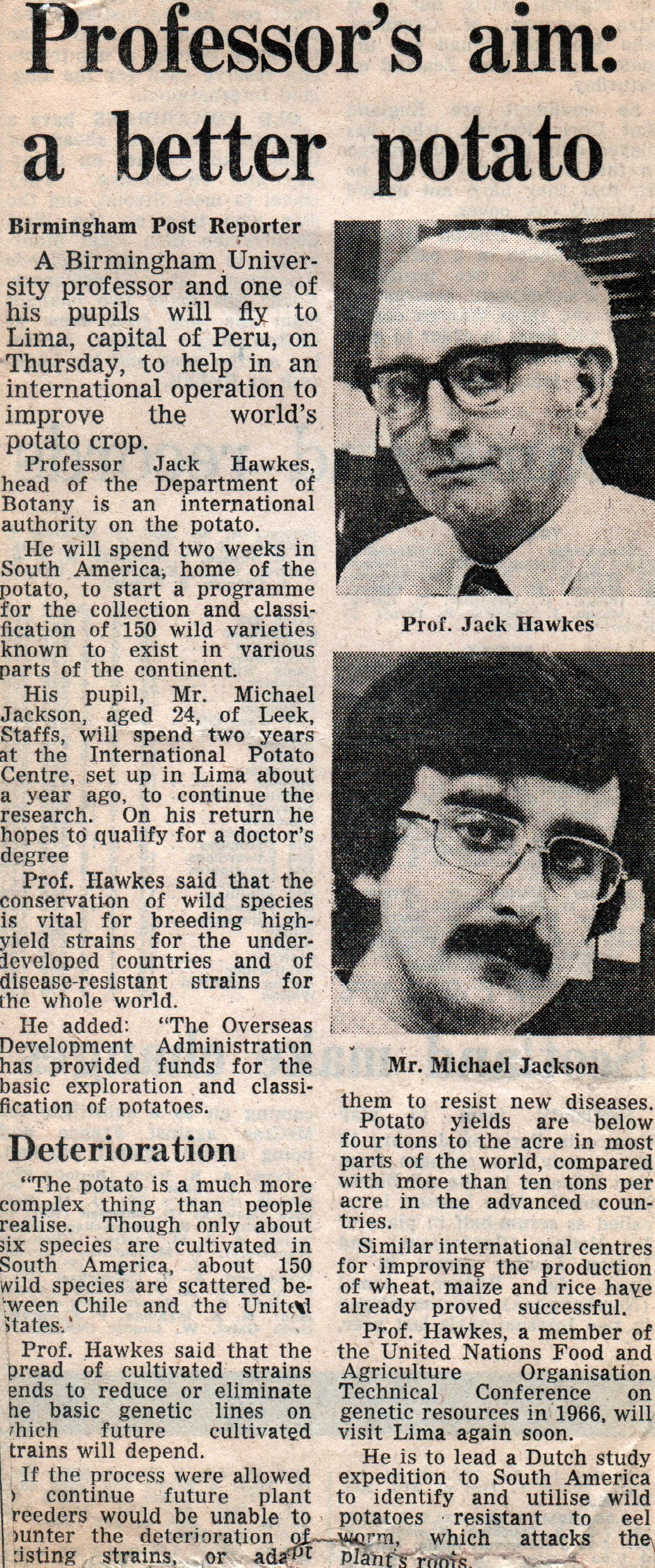
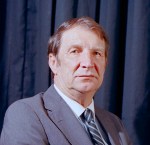
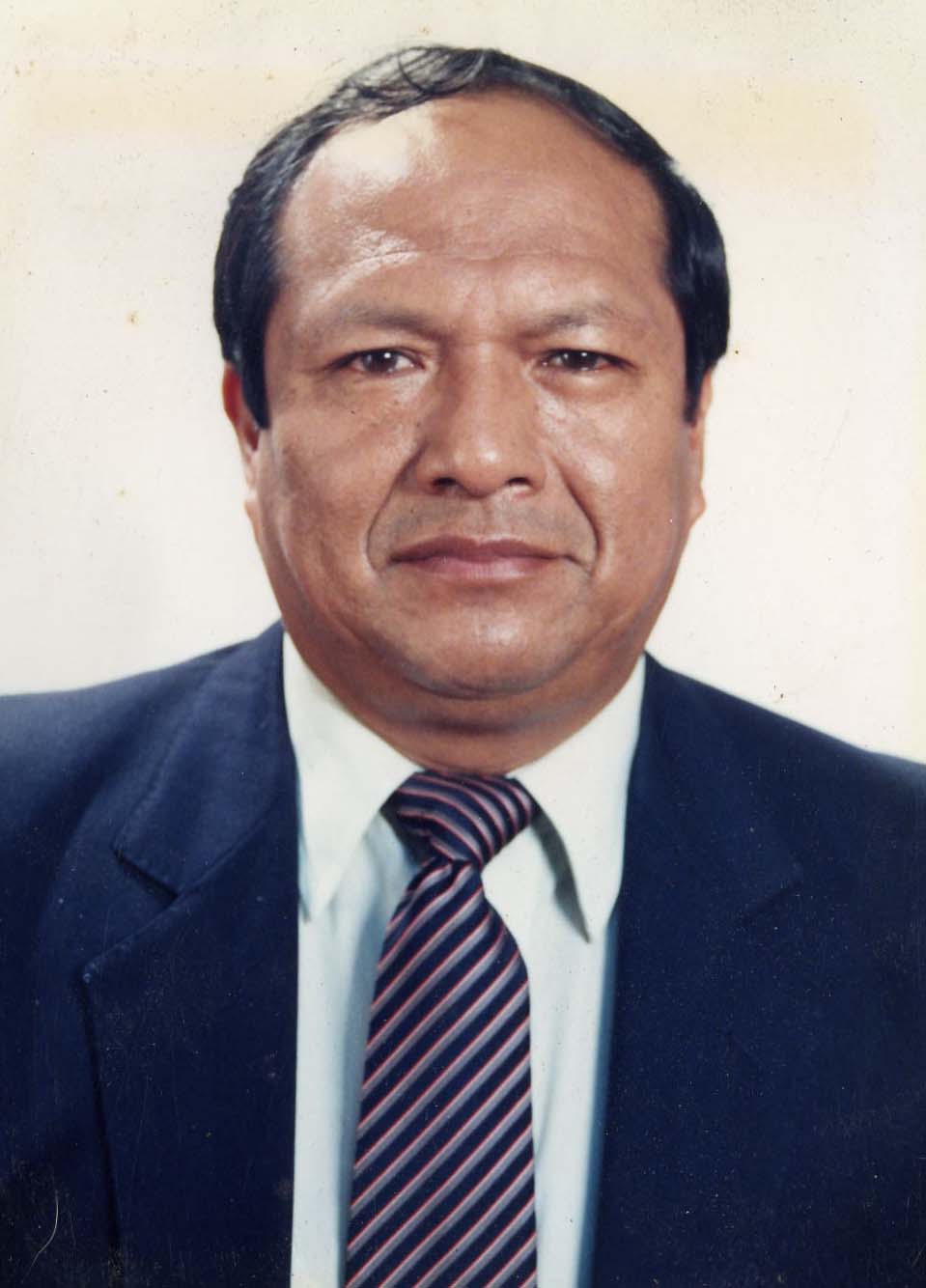
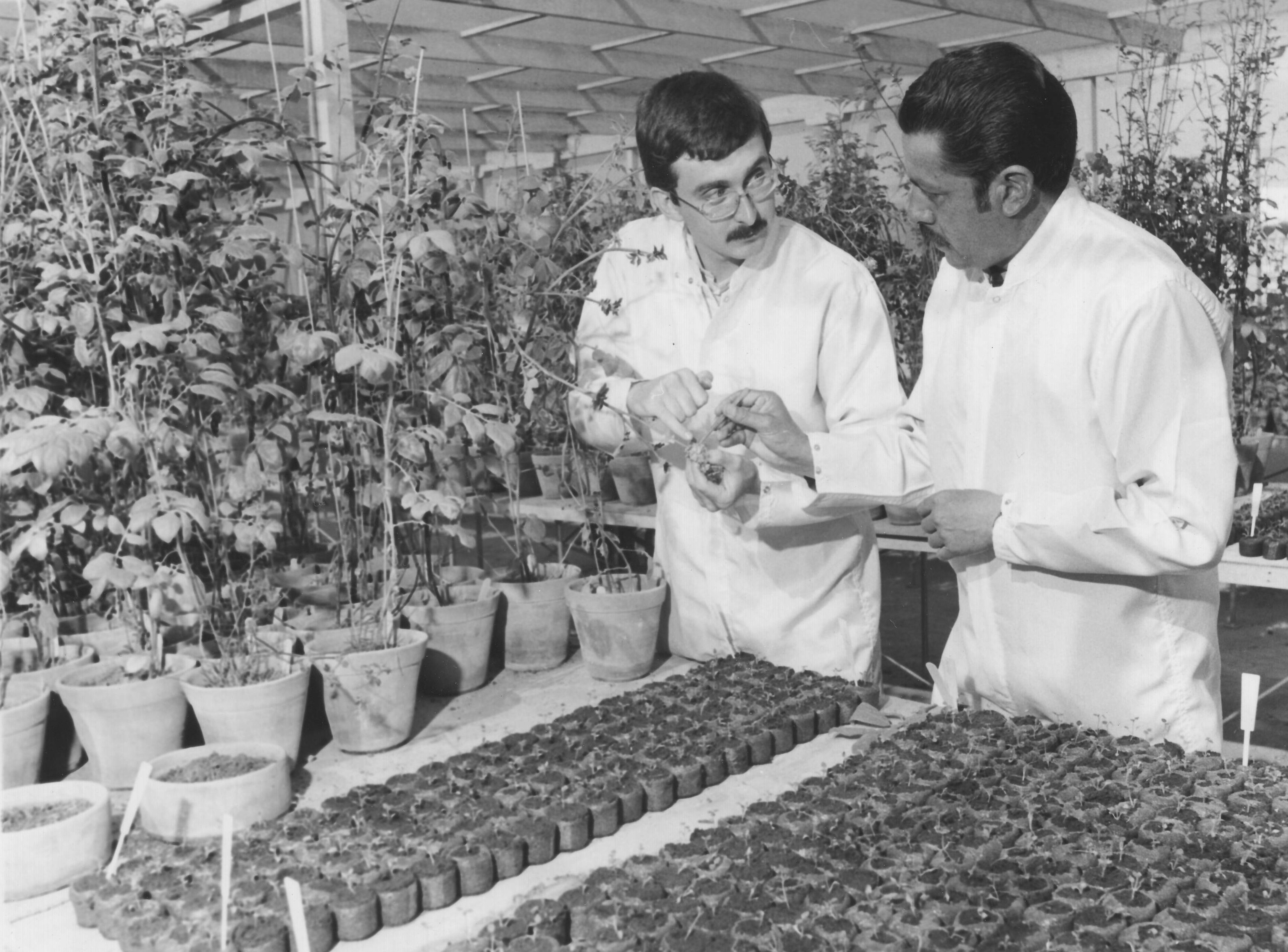
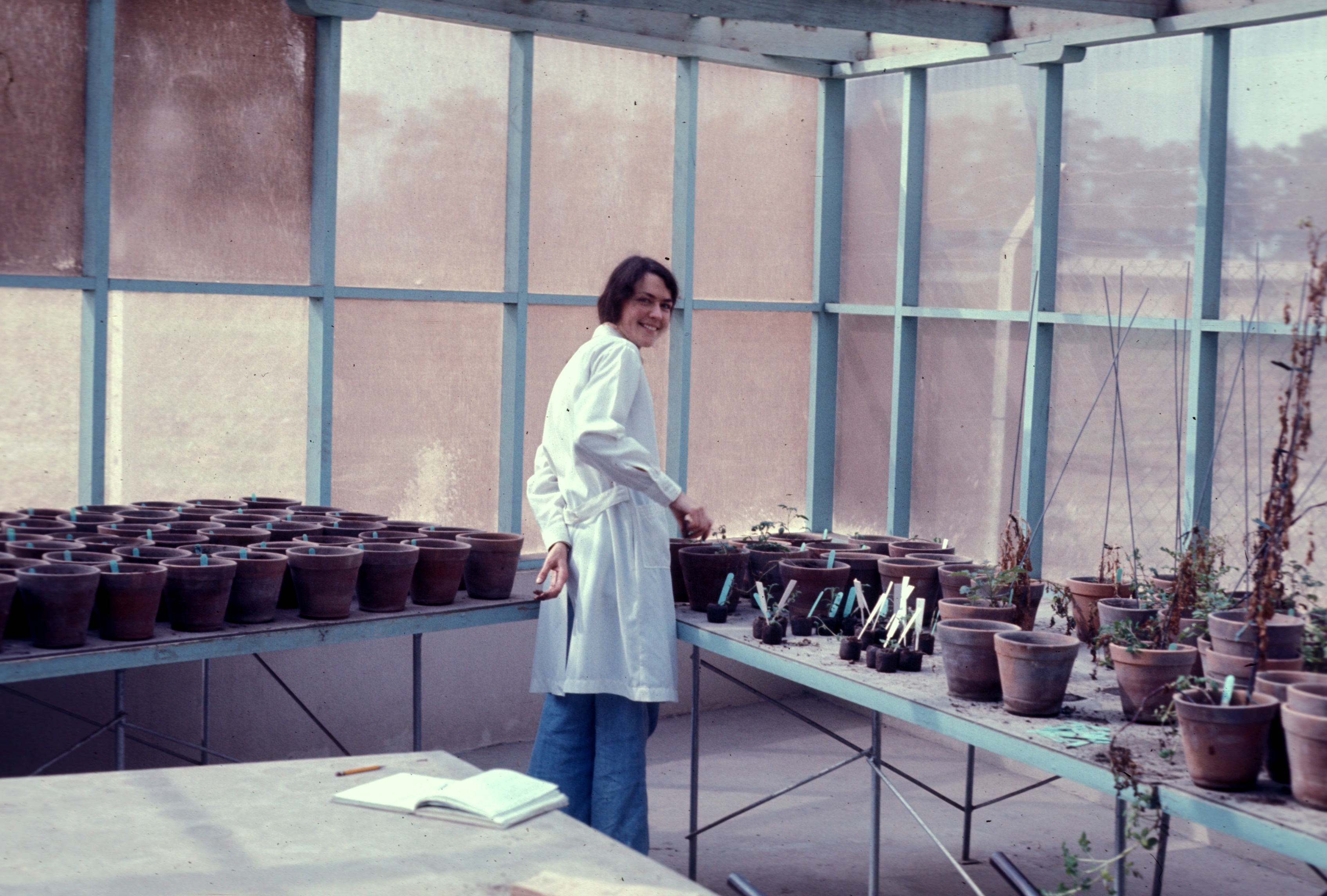
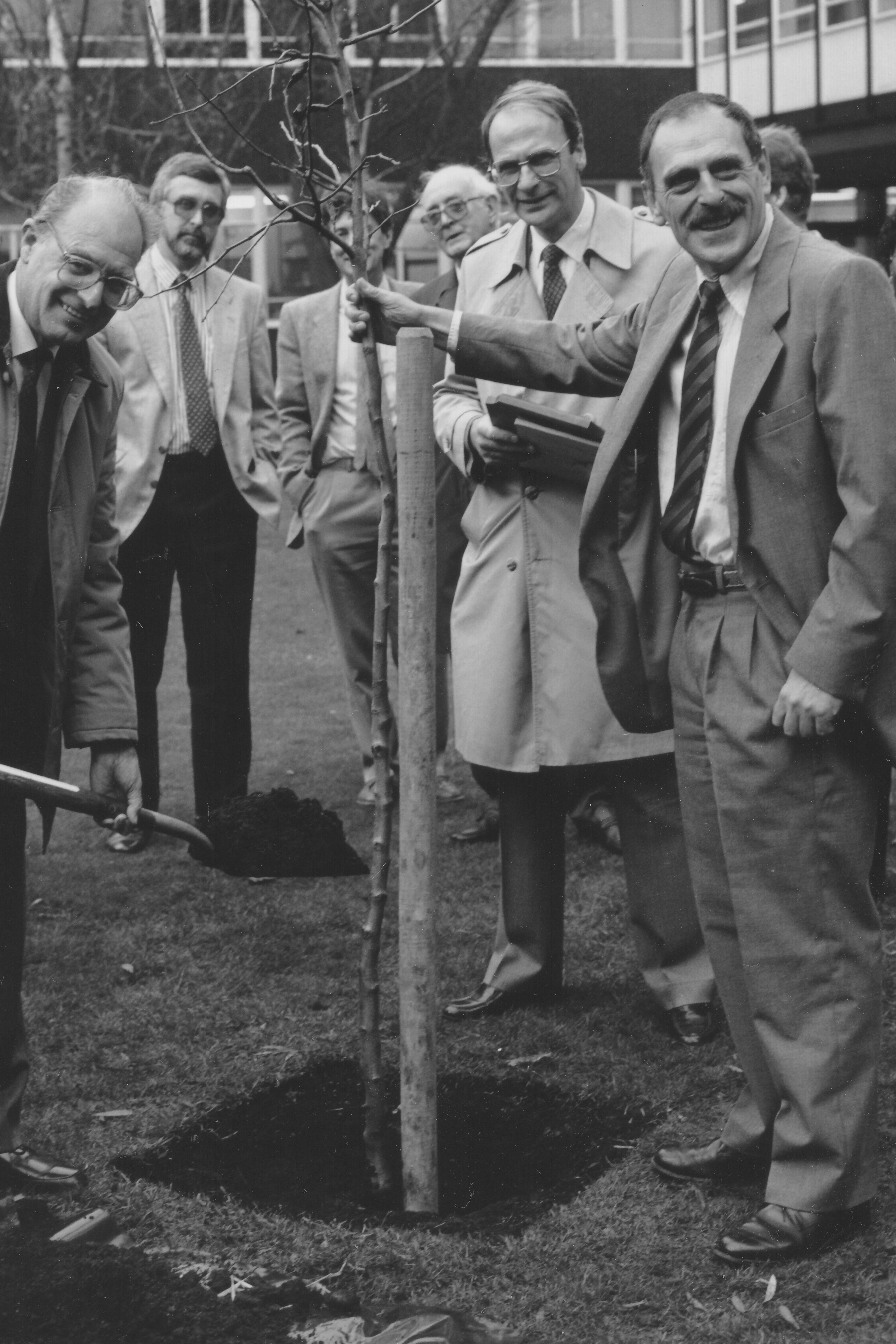
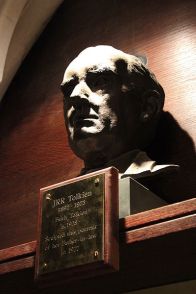
 Grown only in the UK, the Bramley is a ‘cooking apple’ that makes the best pies. It produces large, green fruits (in this photo the apples are about 4 inches, 10 cm in diameter, but they can come much larger) that are just too tart to eat raw – well, for me at least. I’m not really sure if there’s a tradition of using special cooking varieties elsewhere, but in many of the countries I’ve visited, dessert apples are used in apple pies, which are somewhat too sweet for my palate.

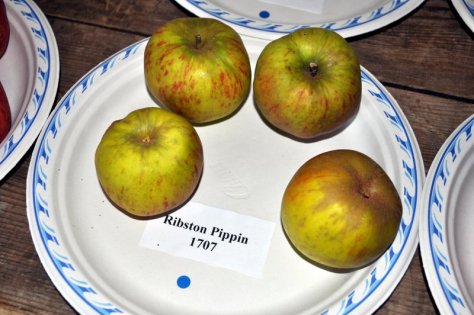


 Apples were taken to North America in colonial times. Do you know the story of


 Getting back to Christmas at IRRI. A number of staff take their annual leave from mid-December, especially those from the Antipodes, and parts of Asia. So it became a tradition for the Director General and his wife to host a Christmas party on the second Sunday of December, especially for all the children, and have Santa Claus make an appearance and distribute presents to one and all. One of the happiest responsibilities I had for about a decade was to dig out my Santa suit each year – and my make-up, and put in an appearance as Santa. From about mid-September onwards I’d let my beard and moustache grow so that by early December it was quite bushy. Although my hair and beard are mostly white now, a little make-up always added to the impression. During the 1990s, the role of Santa had been taken by my old friend, the late Bob Huggan, and then Bob Zeigler (now Director General) when he was a Program Leader.
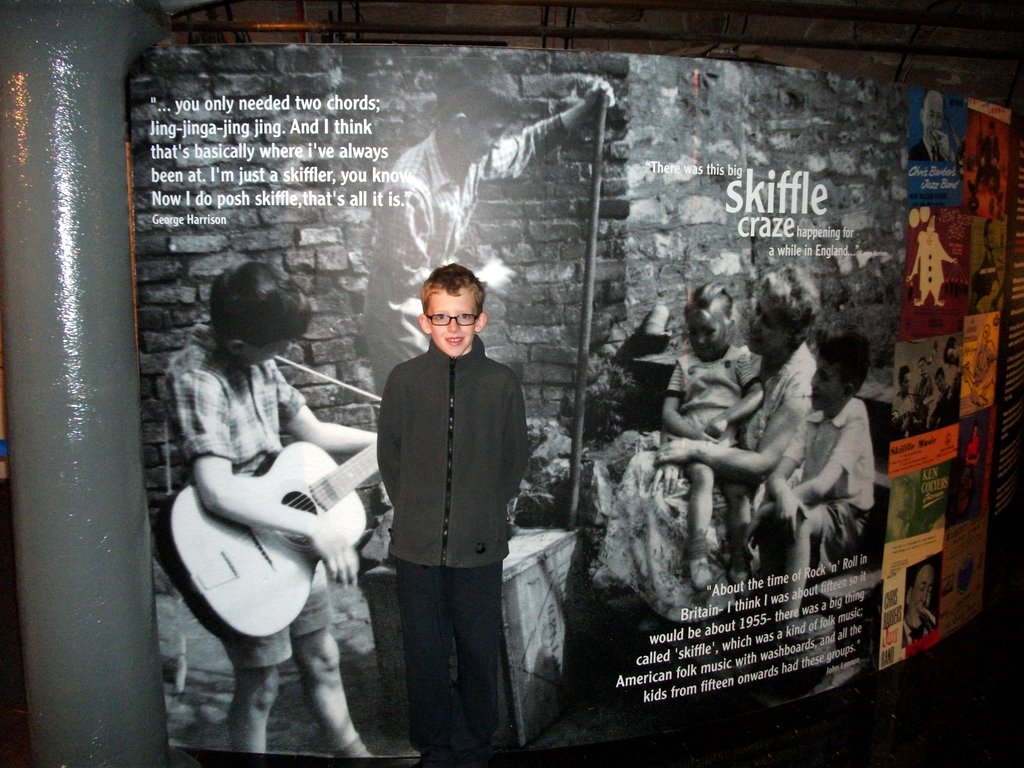
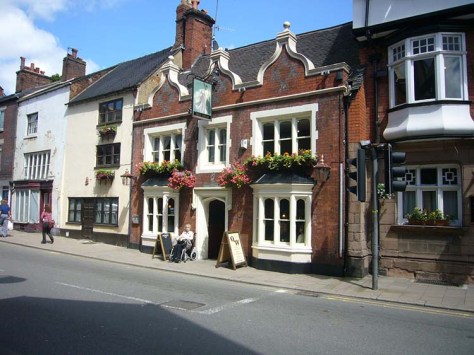
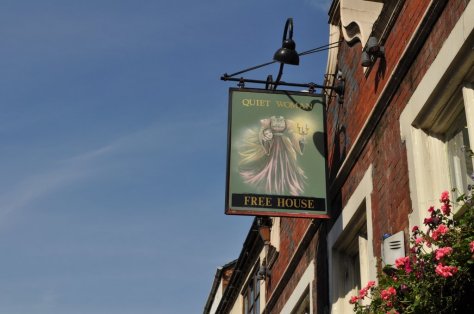
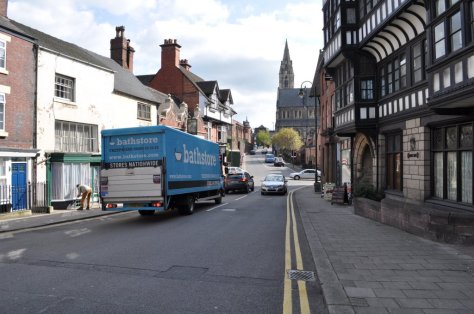
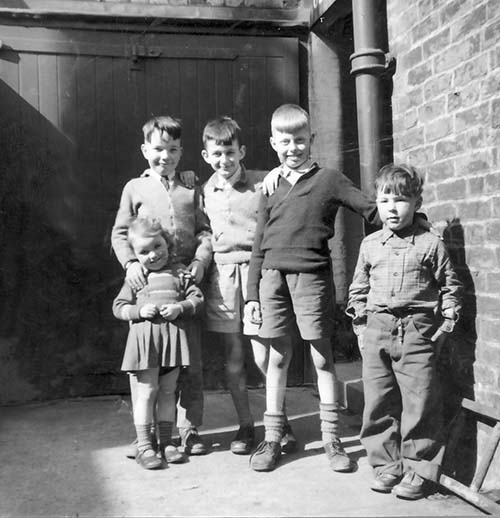
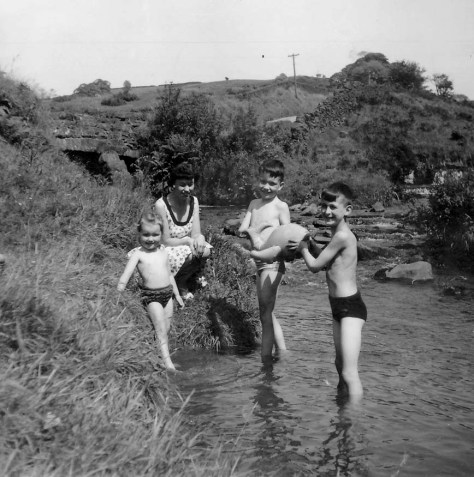
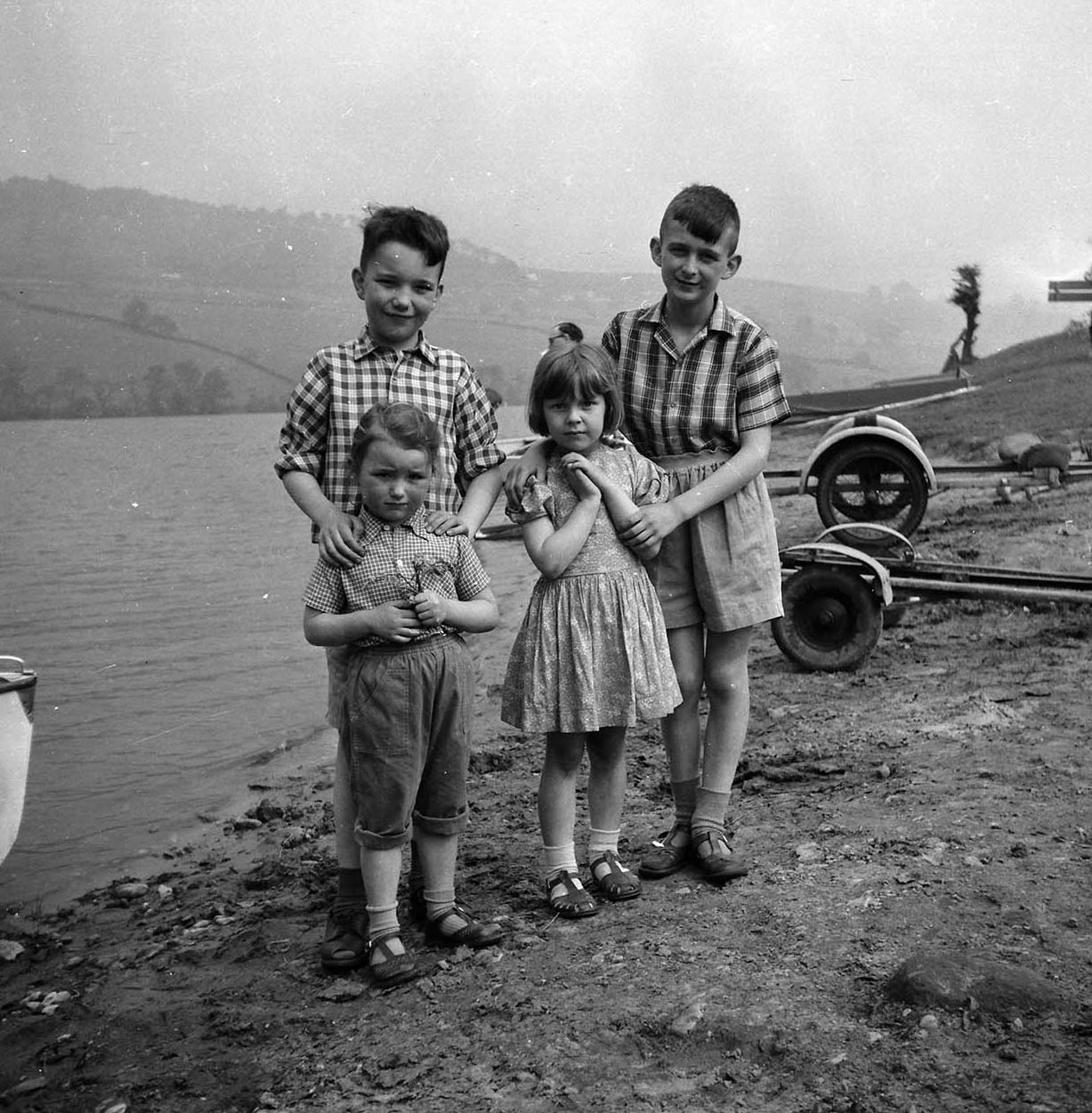
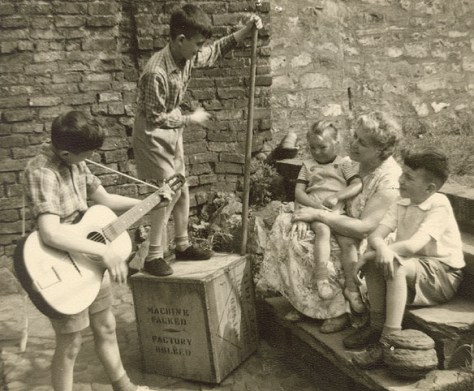
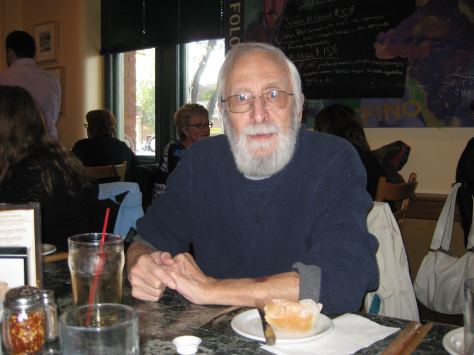
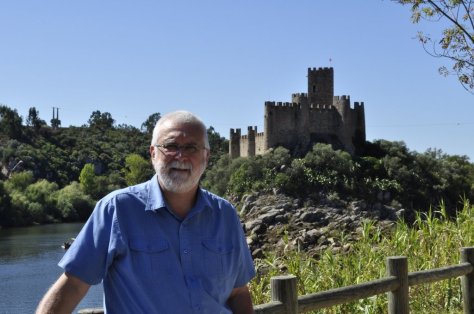
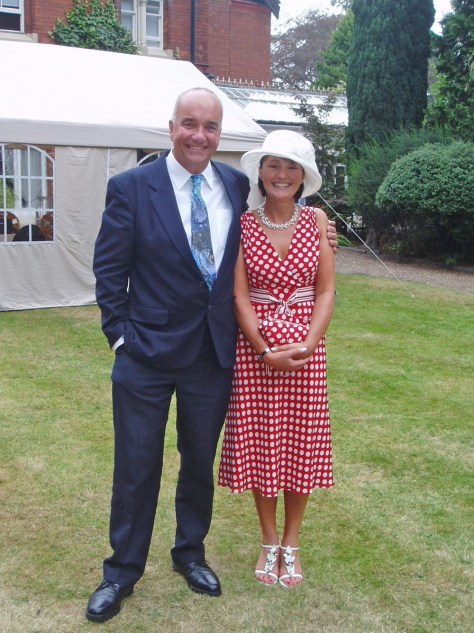
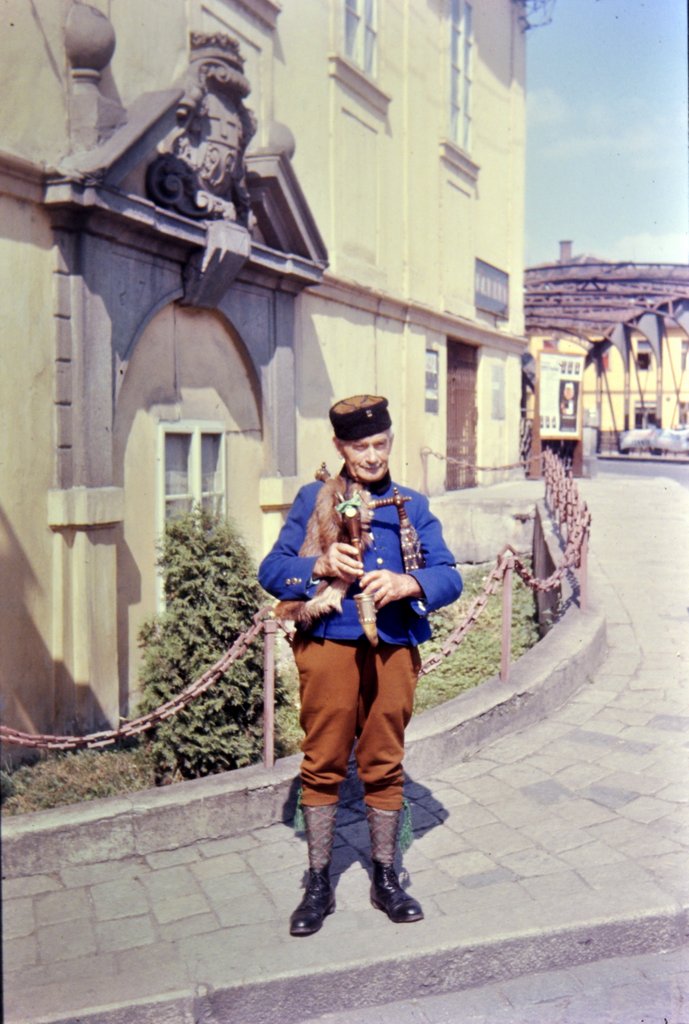
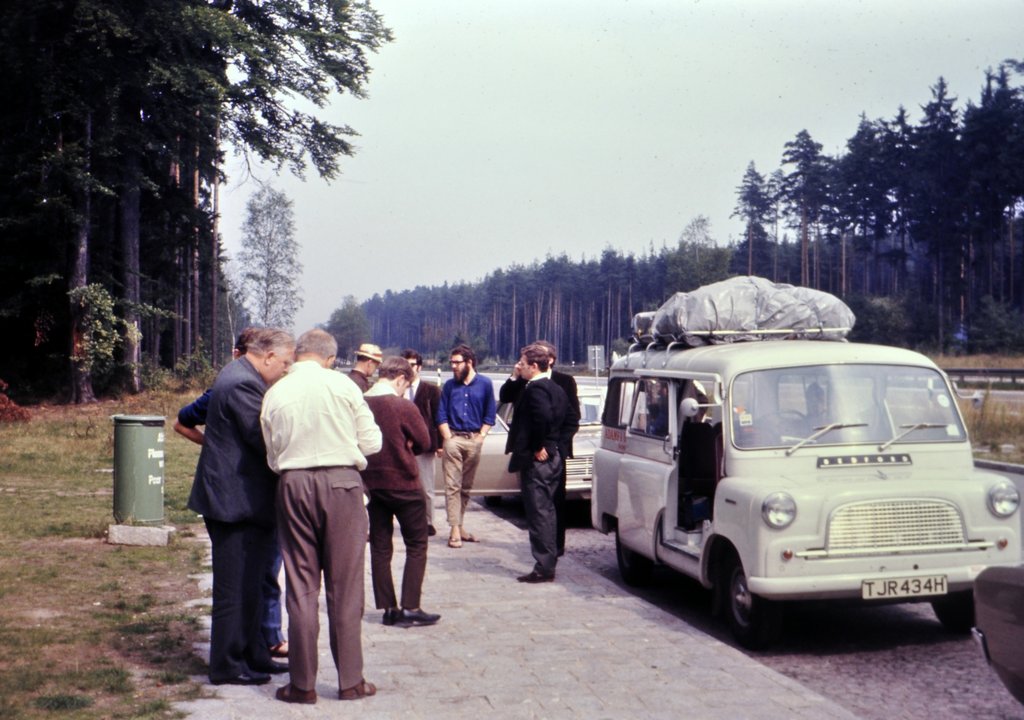
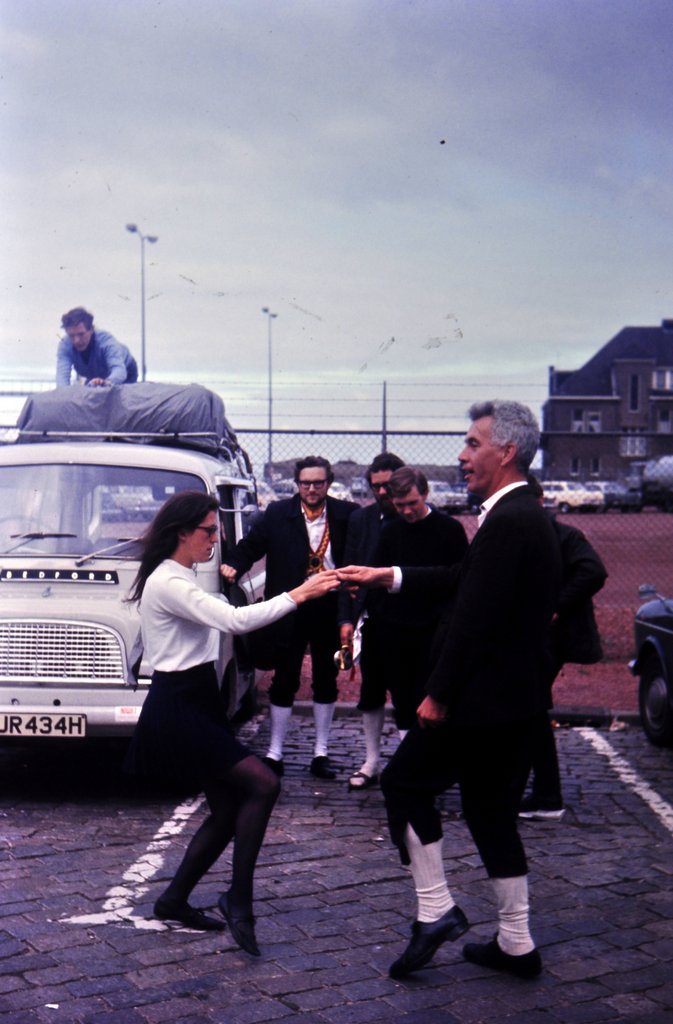
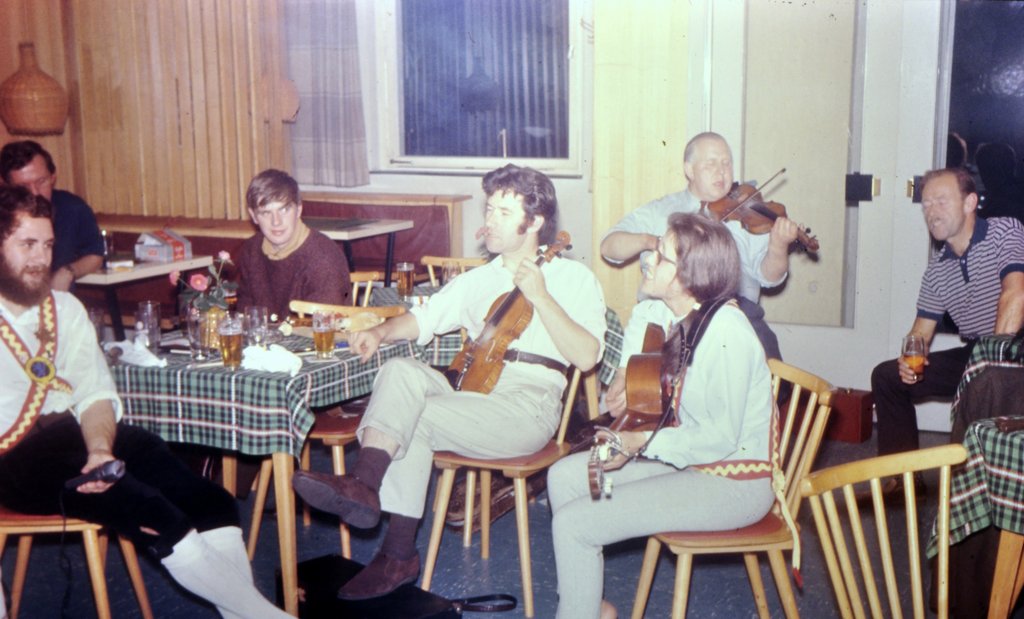
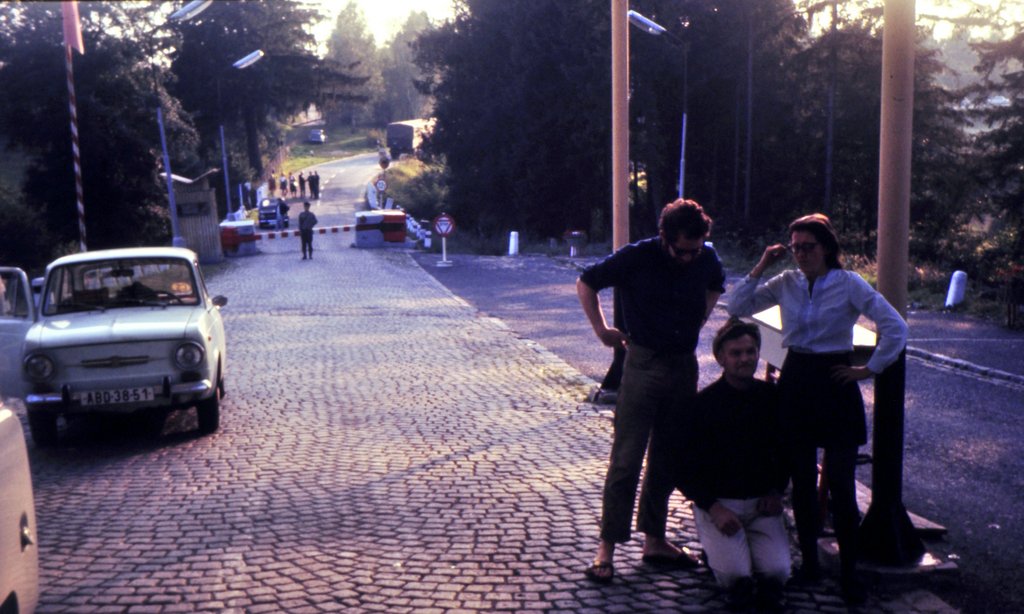
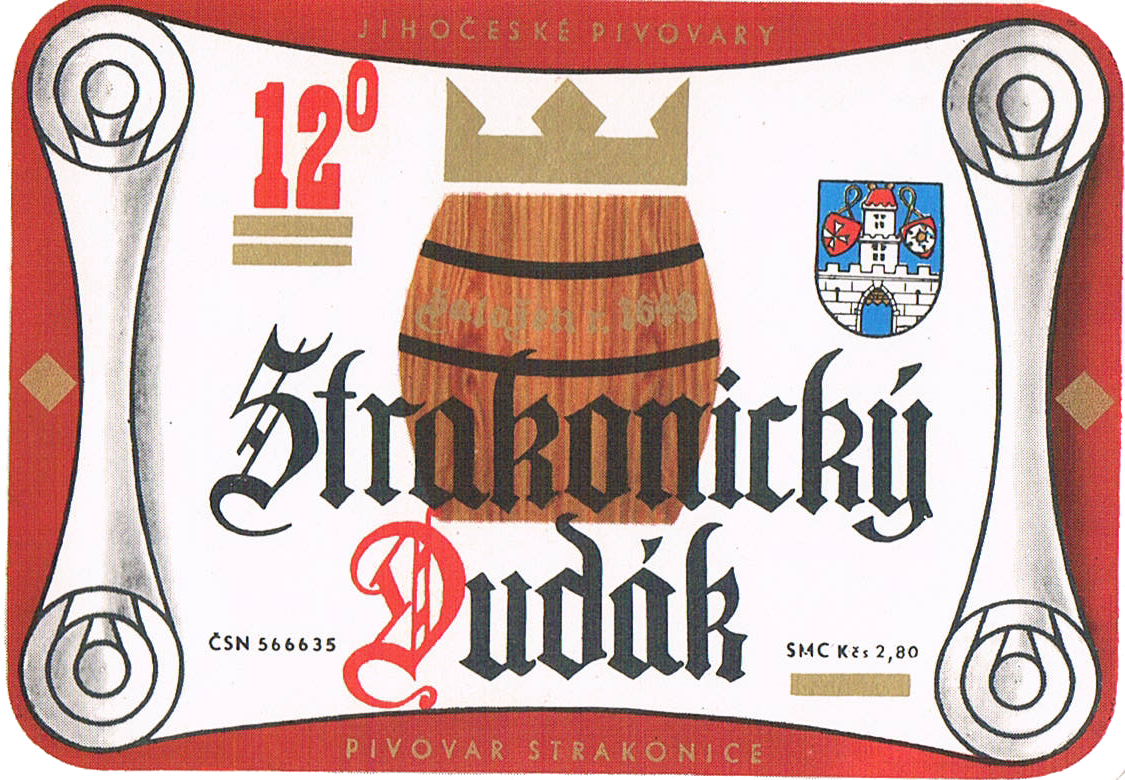
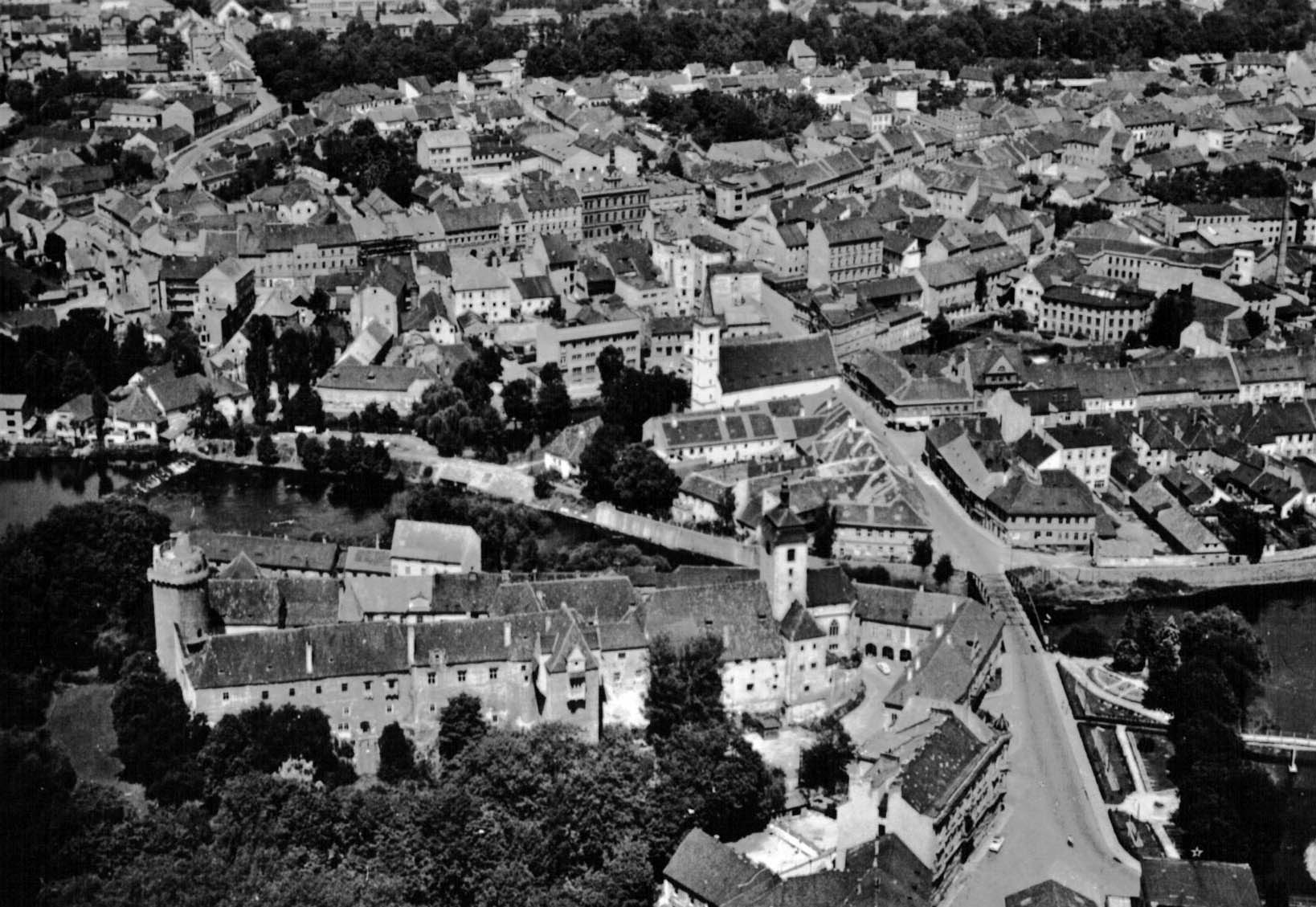
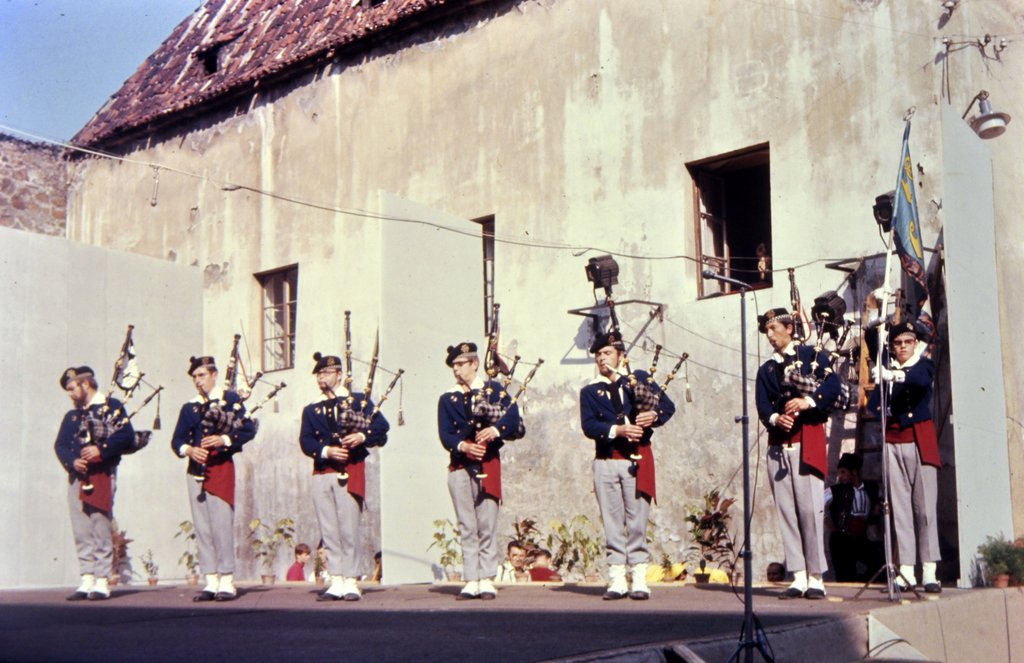
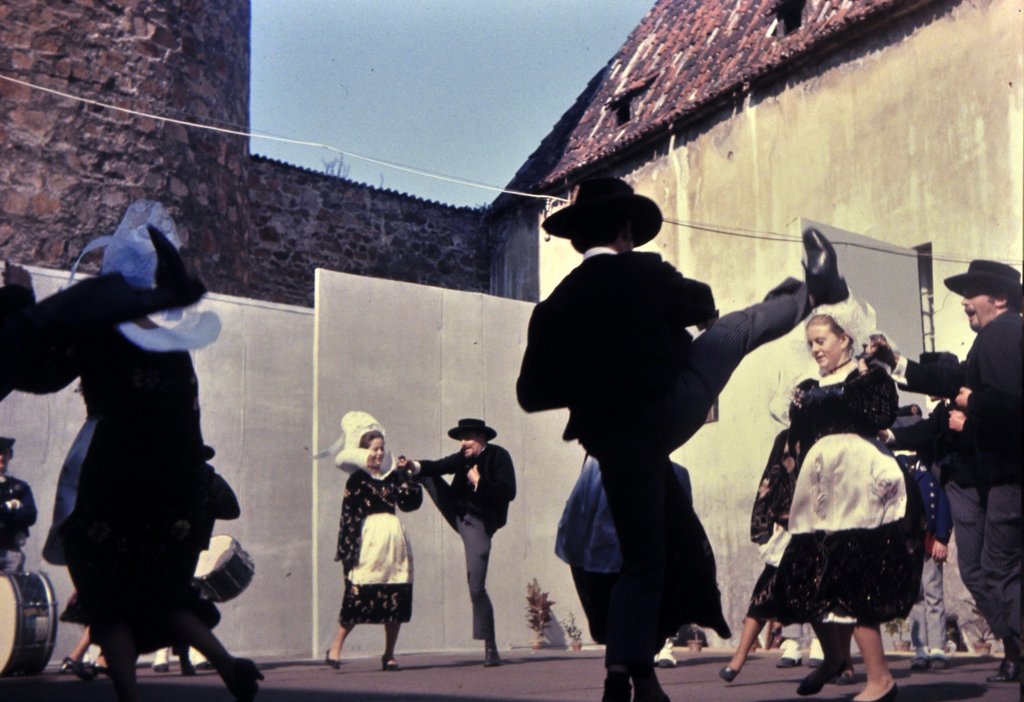
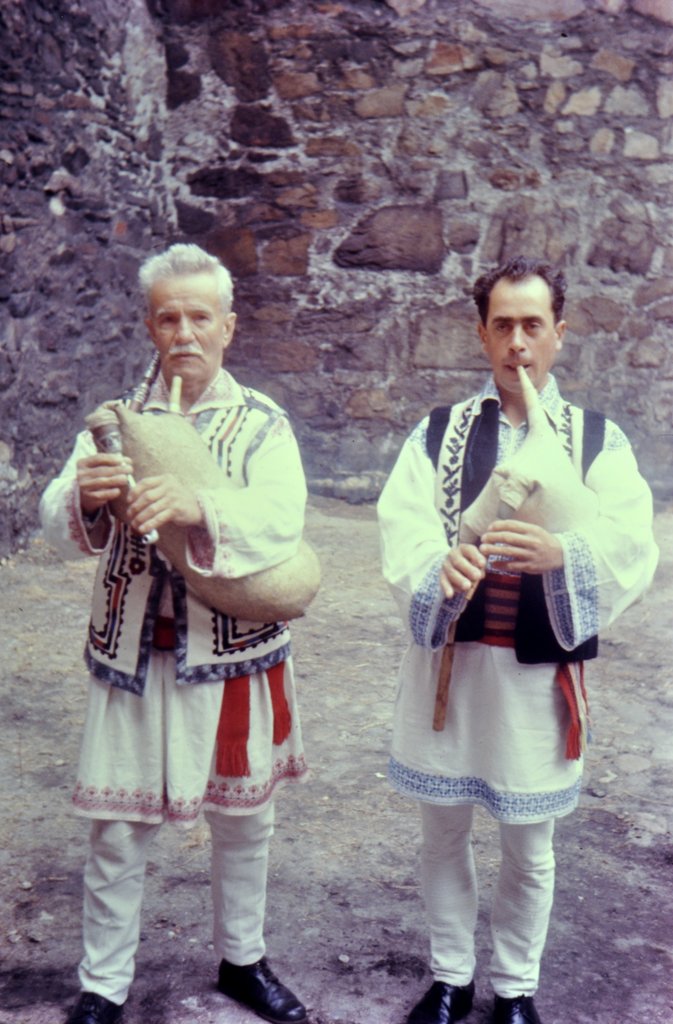
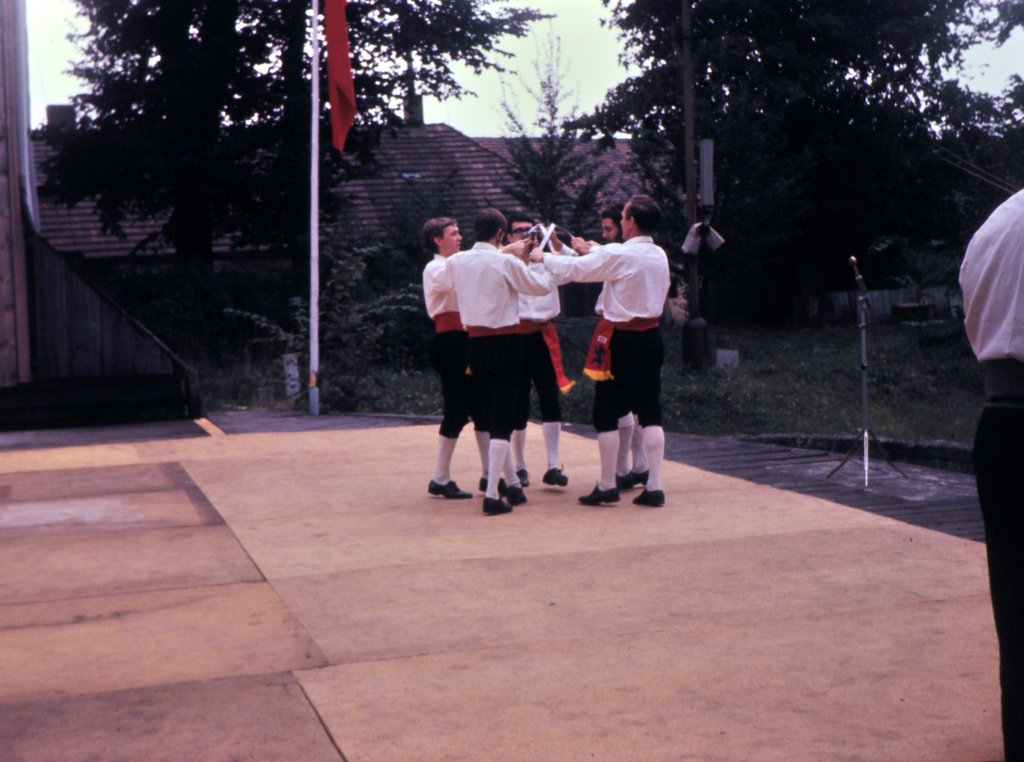
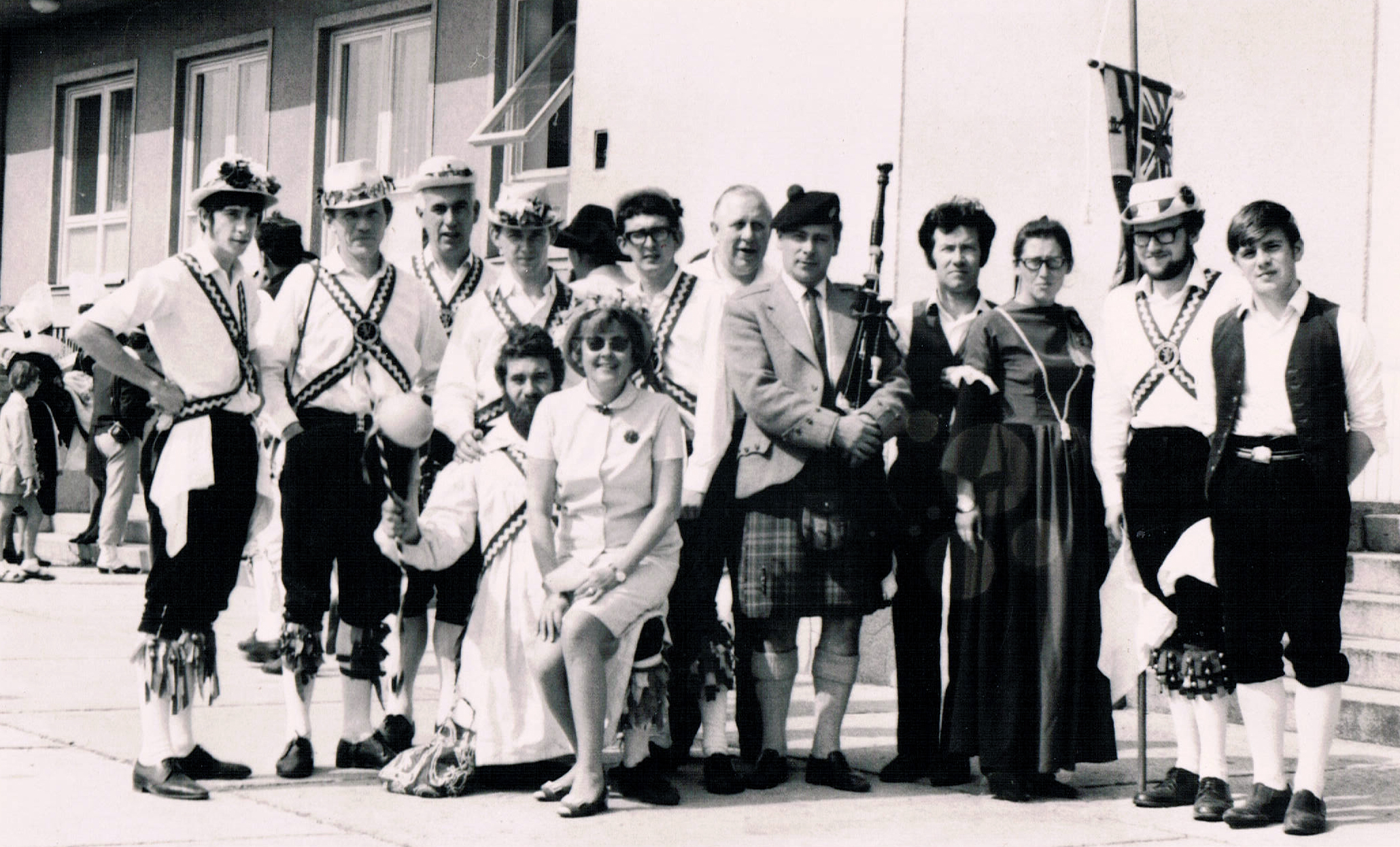
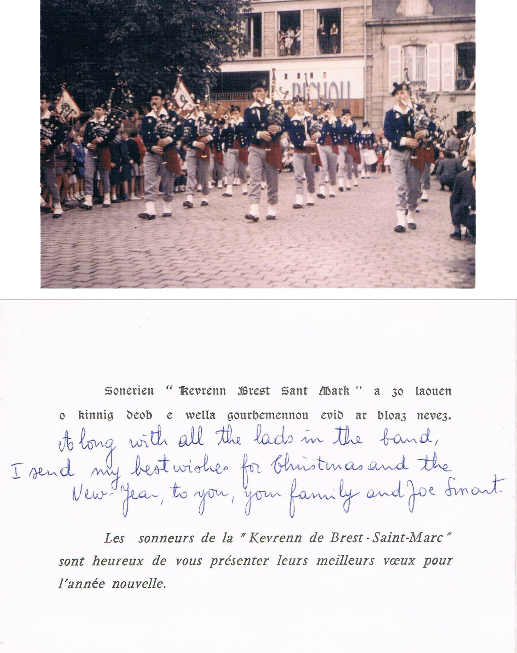


 year: Richard Nixon was inaugurated as the 37th President of the United States; Colonel Ghaddafi came to power in a coup (why did he never make himself a Field Marshal, at least a General, even though he covered himself in medals?); Charles de Gaulle resigned as President of France; and the Boeing 747 flew for the first time, followed about a month later by Concorde. And, of course, humans landed on the Moon for the first time in July. In November 1969, Sesame Street (home of the Muppets) was broadcast for the very first time. As a tribute to that magnificent program, this blog post is brought to you courtesy of the letters M m and J j and the numbers 6 and 4.
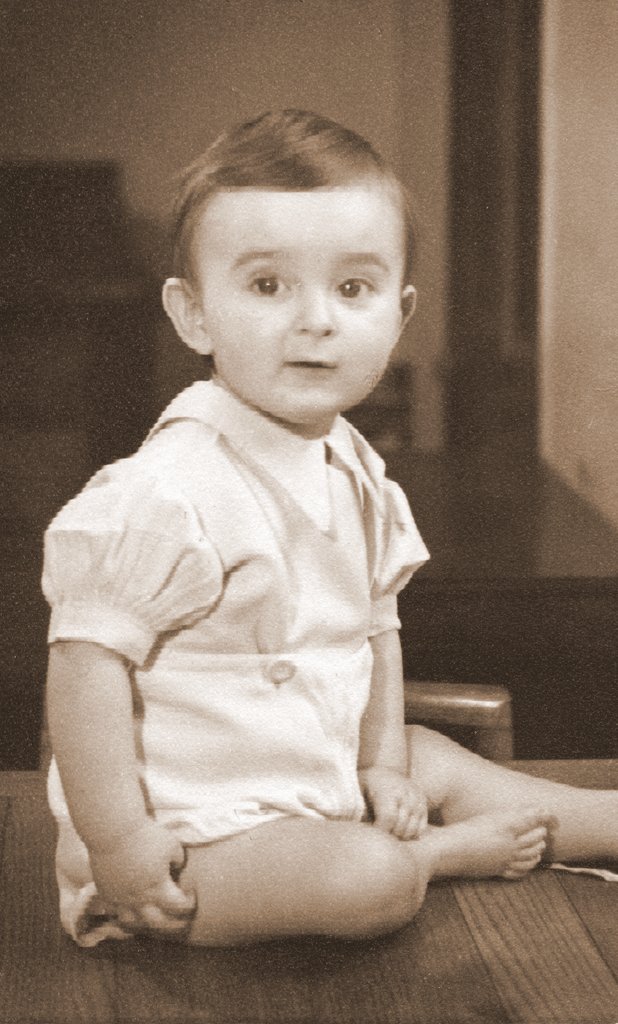
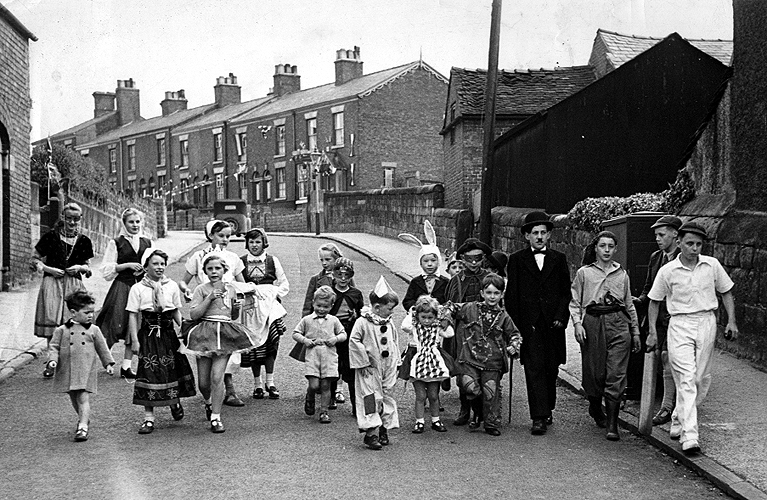
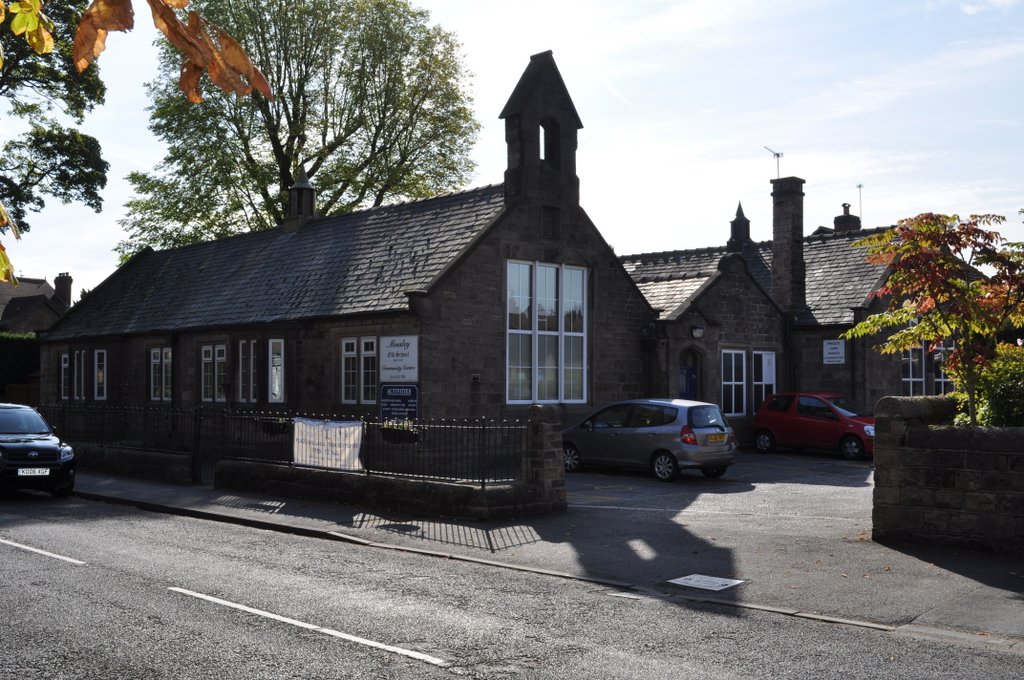

 The Tokyo Olympics – and I had an emergency appendicitis operation in early October. Unfortunately I developed an infection, so instead of being off school for maybe a couple of weeks, I didn’t get back to school until just before Christmas. Played havoc with my school work and I never did really catch up in some subjects. Which showed the following year in my GCE results. Nevertheless, I did get into the Sixth Form in September 1965.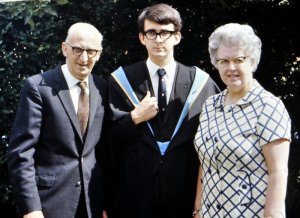

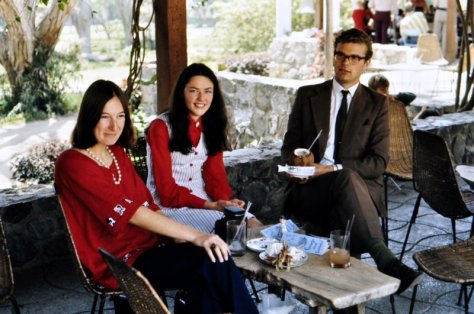

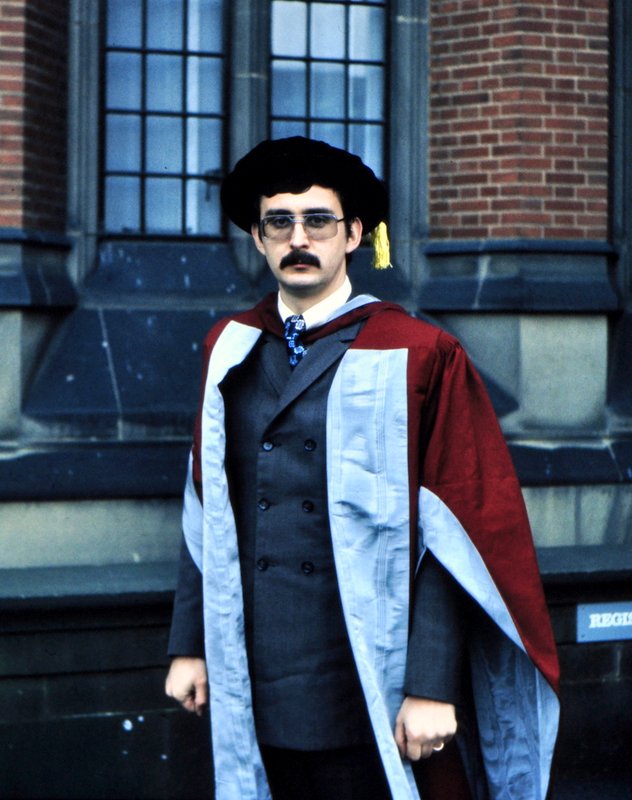

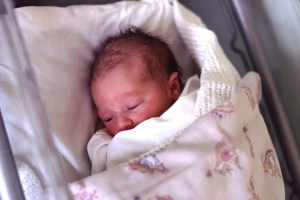
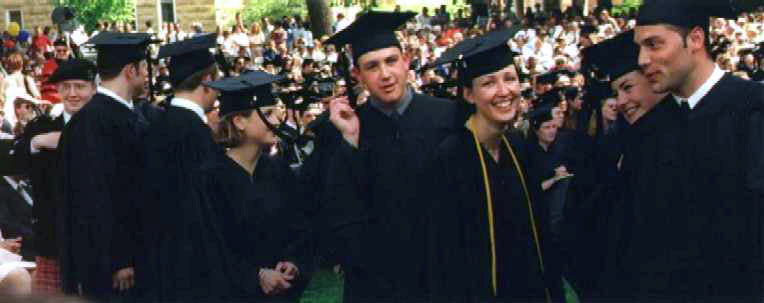
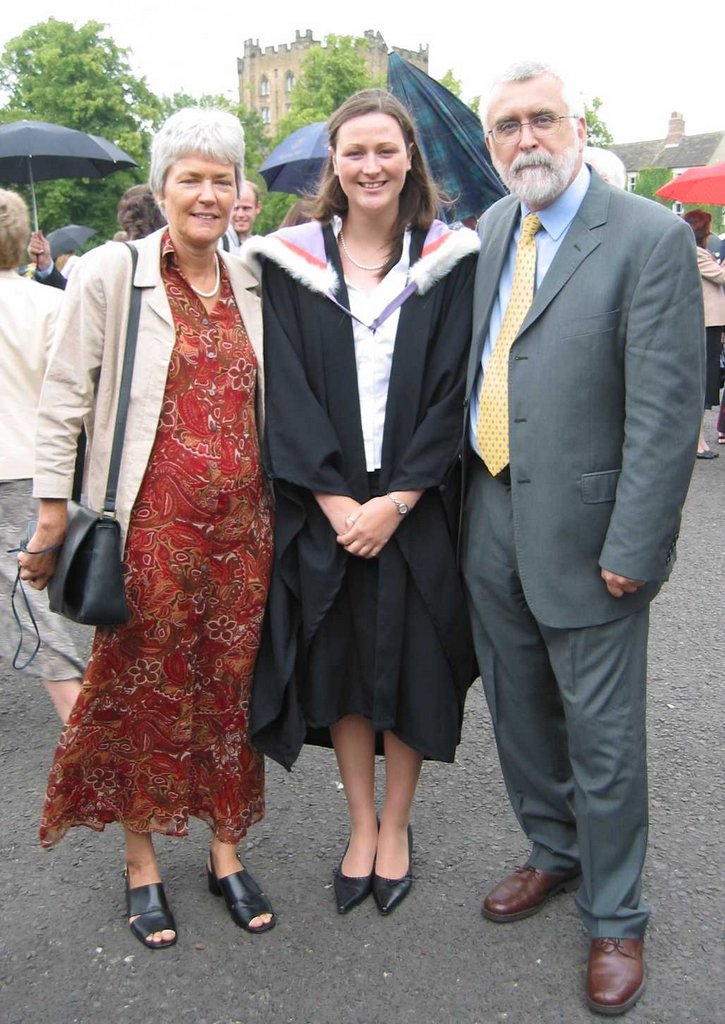


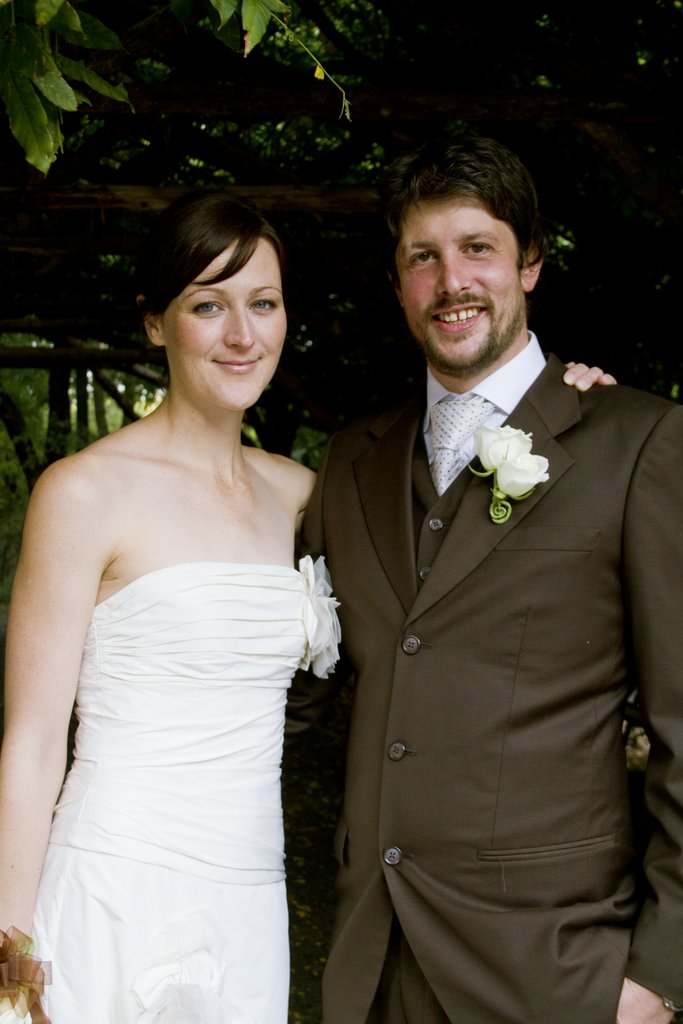

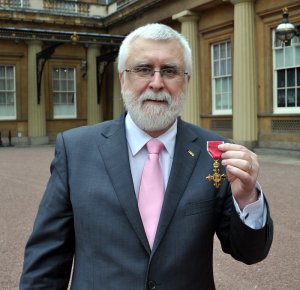

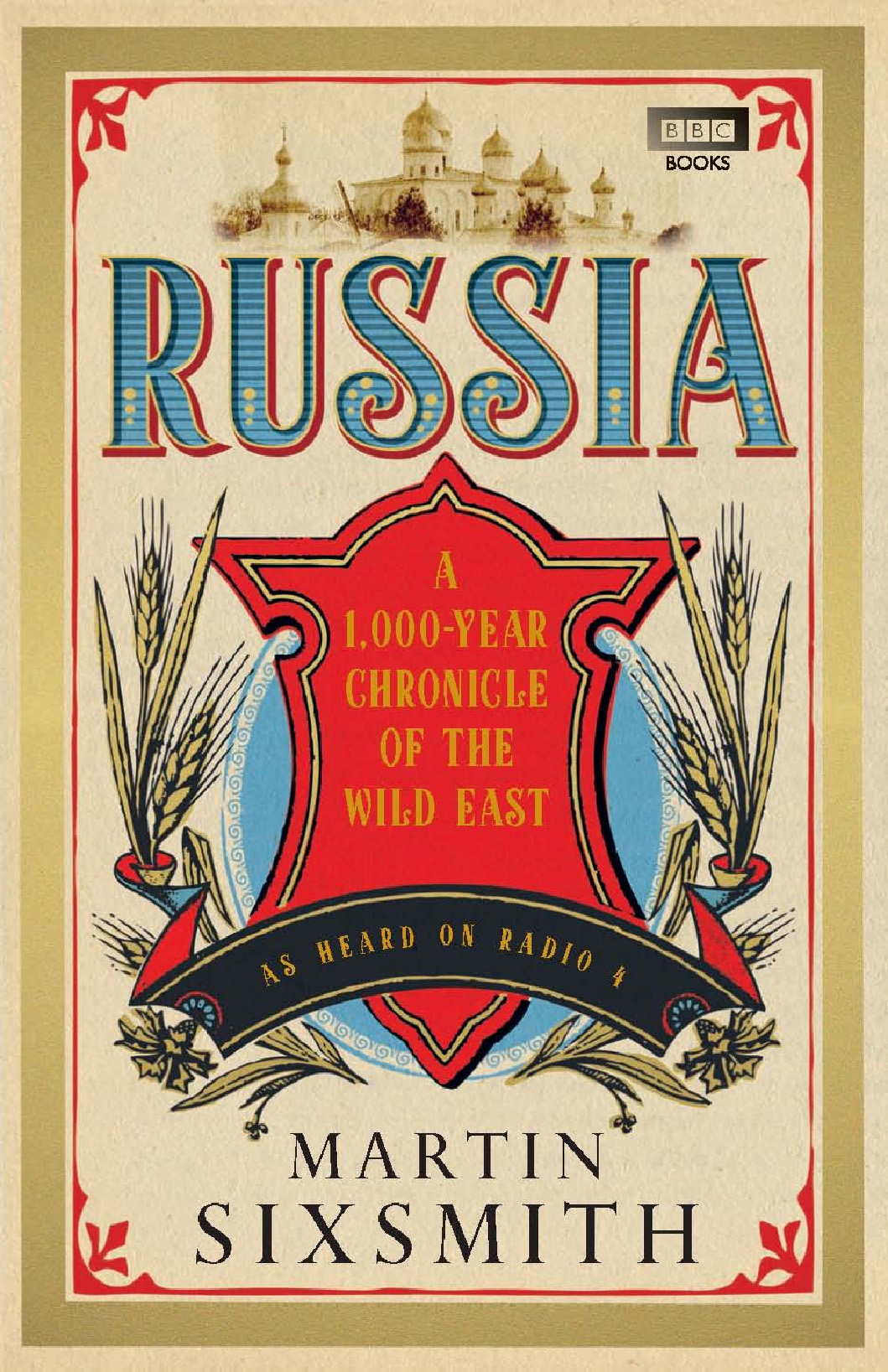
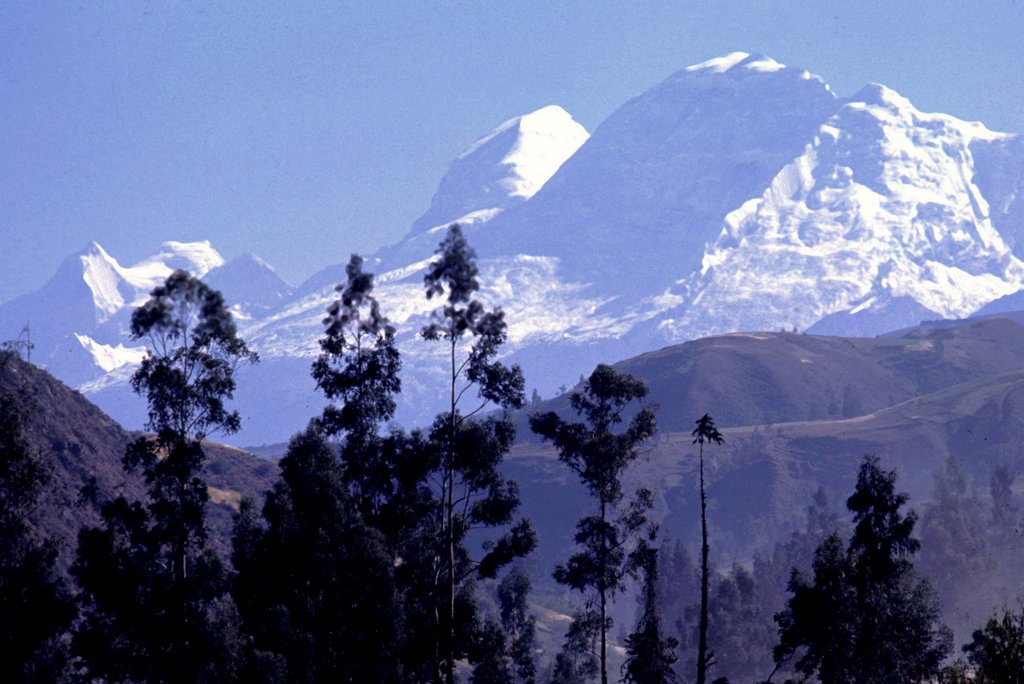

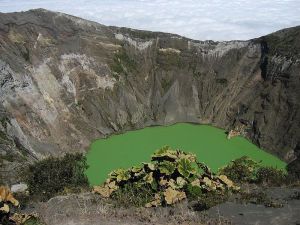 The volcanoes are spectacular, and my potato work took me almost every week to the slopes of the Irazú volcano, the main potato growing area of the country, and about 50 km from Turrialba. It dominates the horizon from San Jose, and its most famous recent activity was in 1963 on the day that President Kennedy landed in San José for a state visit. That eruption lasted for more than a year. But the volcanic activity is the basis of deep and rich soils on the slopes of the volcano.
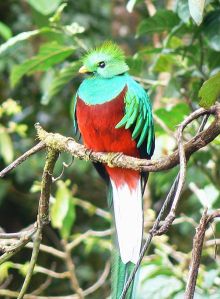 Costa Rica has had an interesting history. After a short civil war in 1948 the armed forces were abolished, and the country invested heavily in social programs and education. It also established a nation-wide network of national parks, and has one of the biggest proportions of land dedicated to national parks of any country. In April 1980 Steph, Hannah and me were staying at the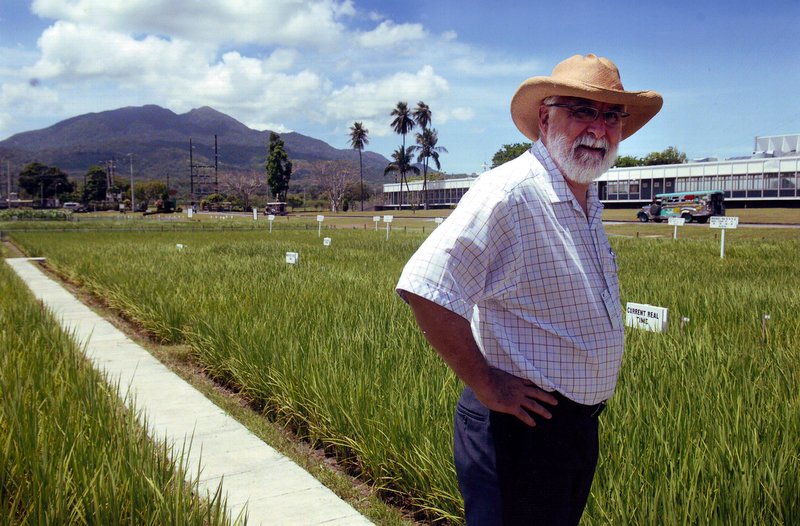
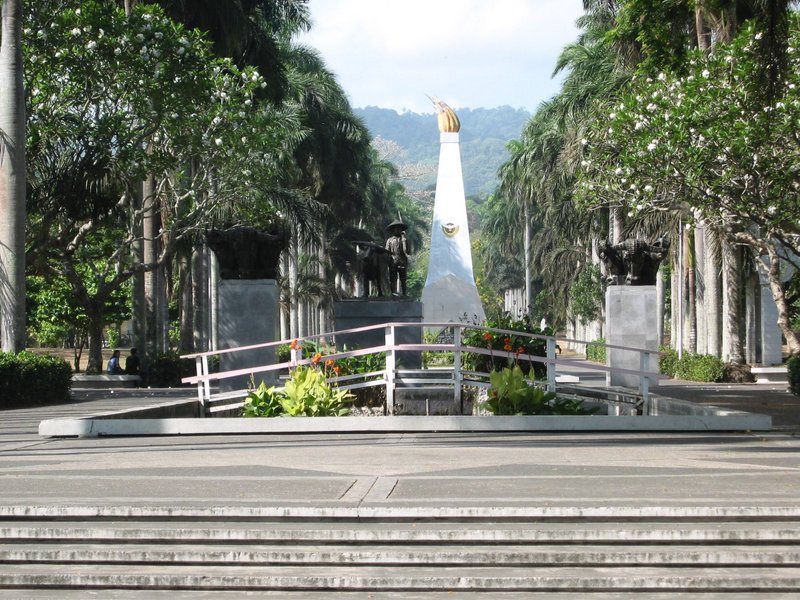
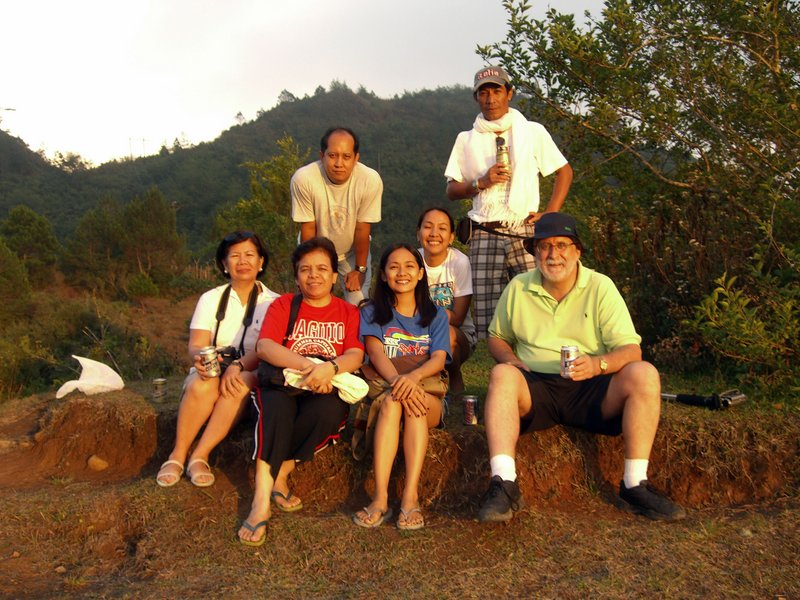
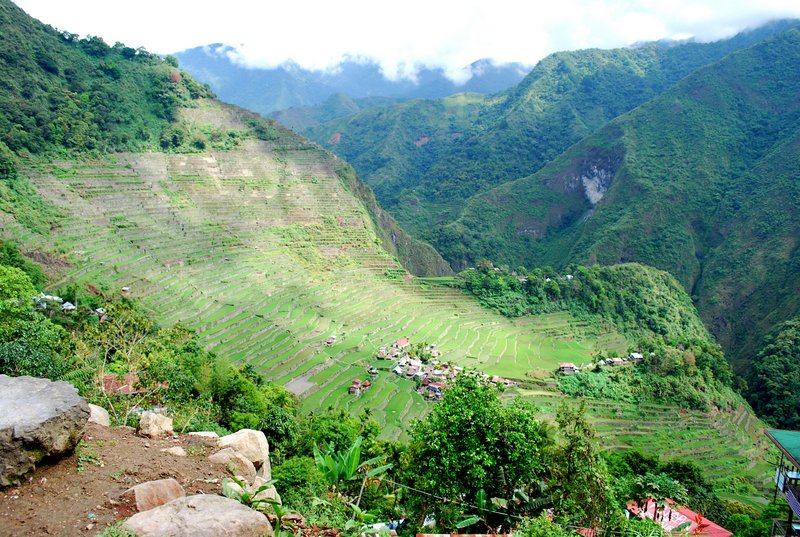
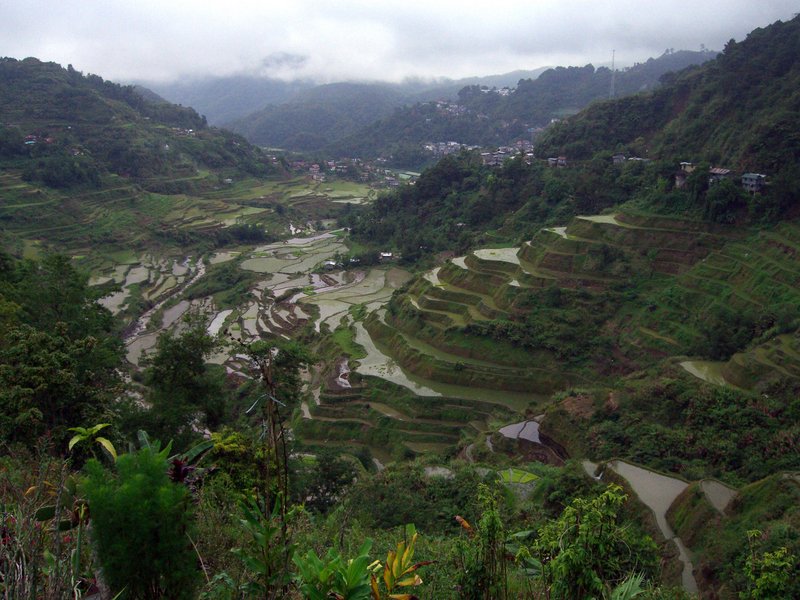
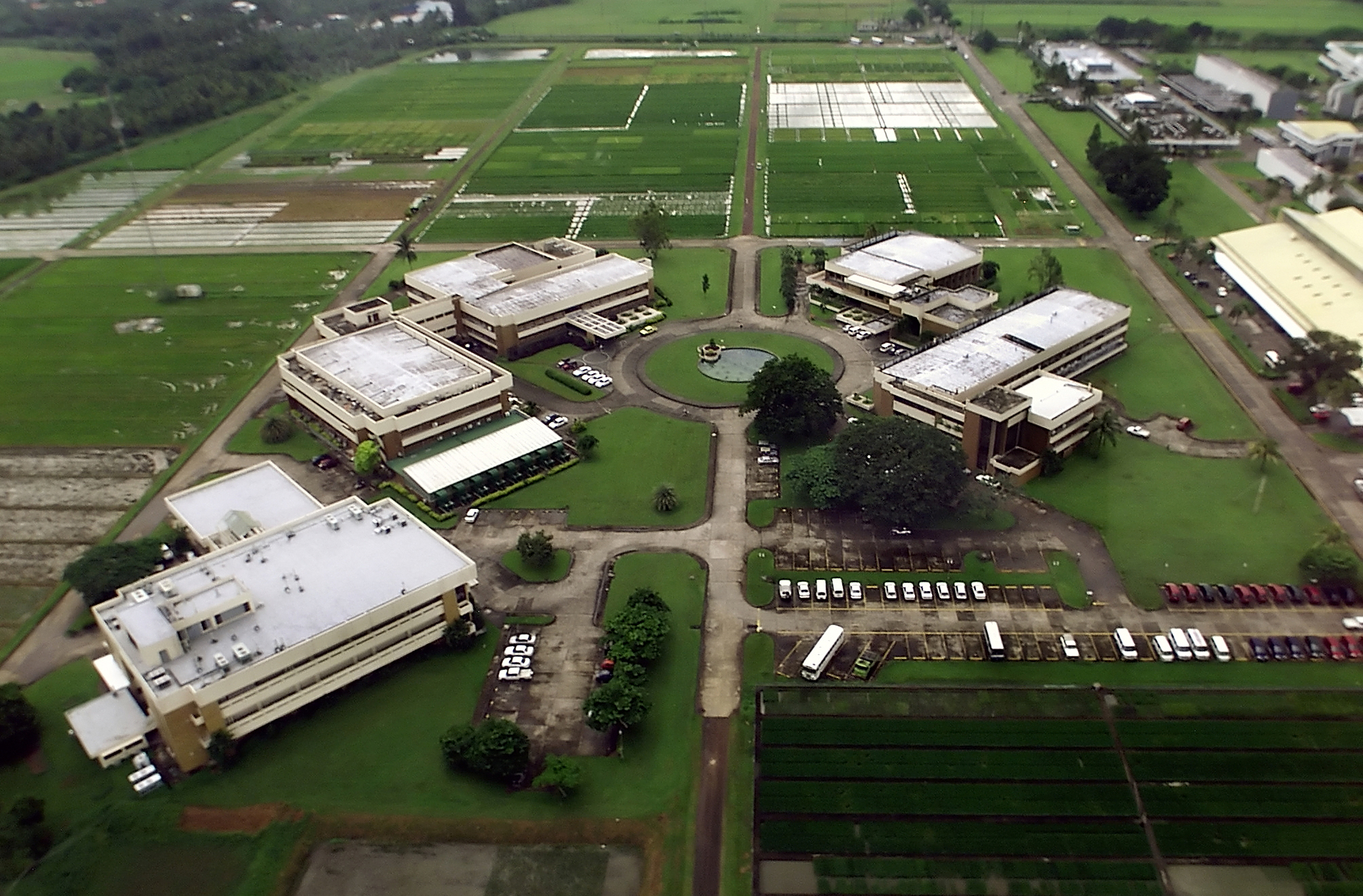
 My predecessor at IRRI was Dr Te-Tzu Chang, known to everyone as ‘TT’. He joined IRRI in 1962 and over the years had built the germplasm collection to about 75,000 or so accessions by the time I joined the institute, as well as leading IRRI’s upland rice breeding efforts.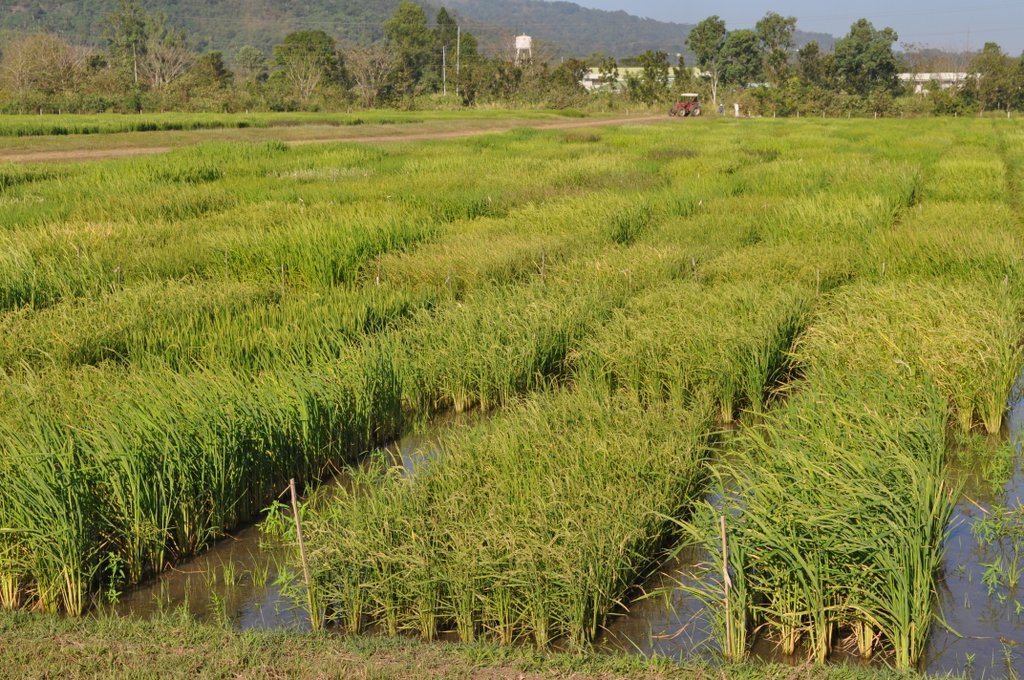
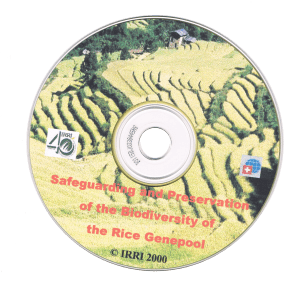


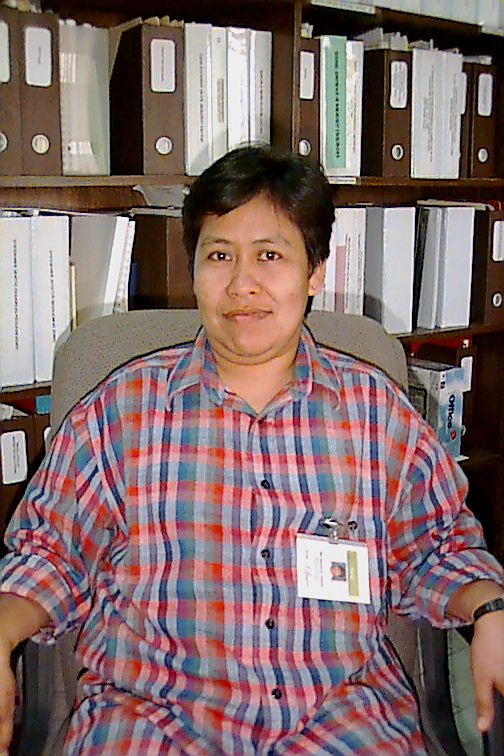

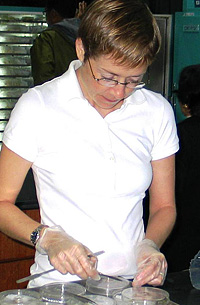
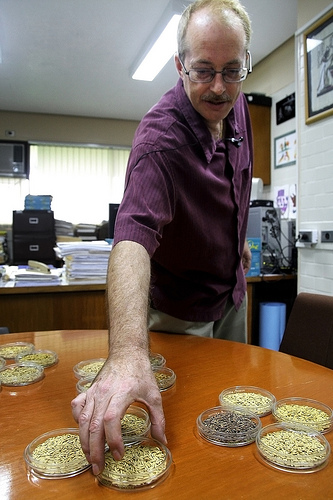
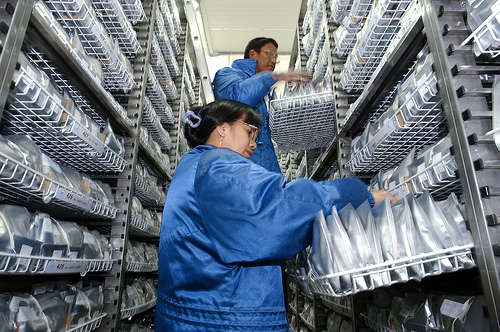

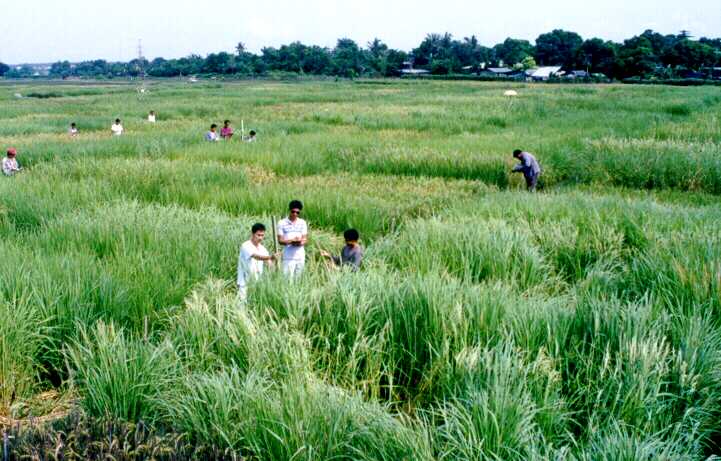
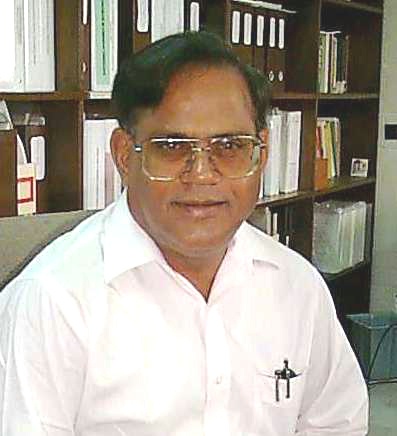
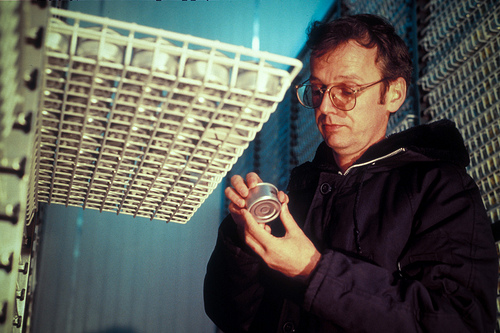
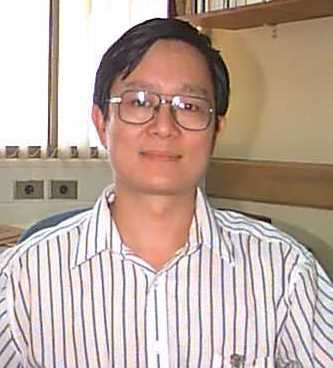

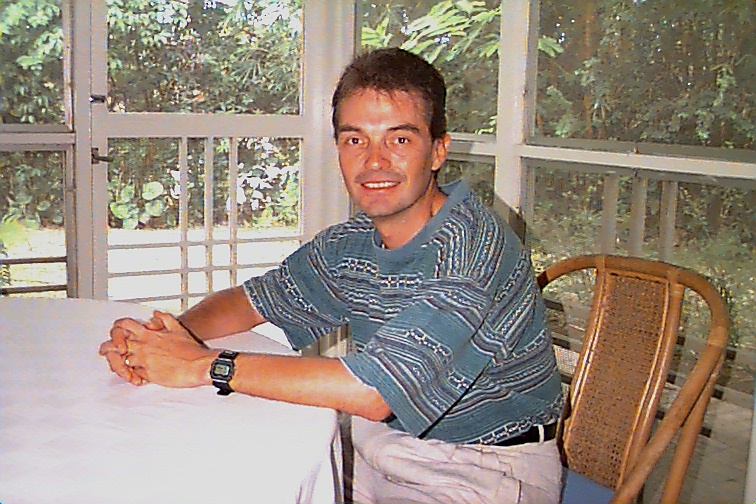
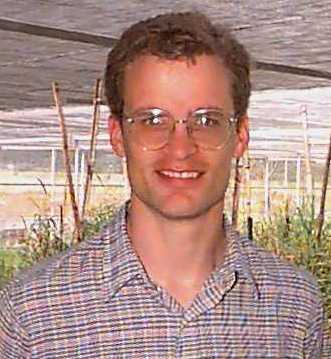
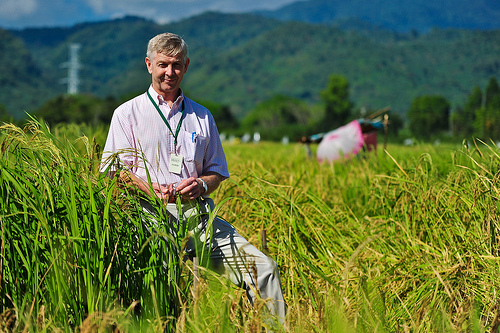
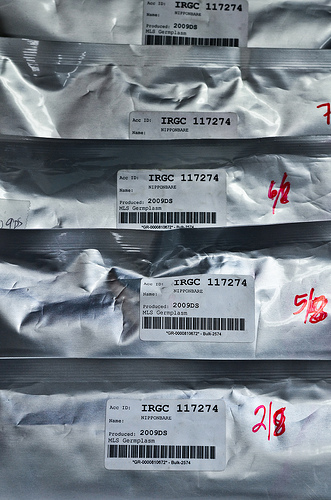
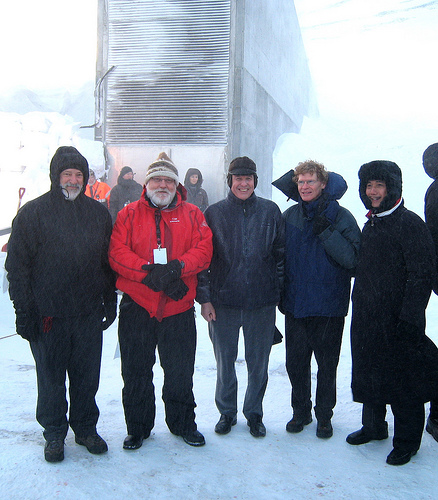
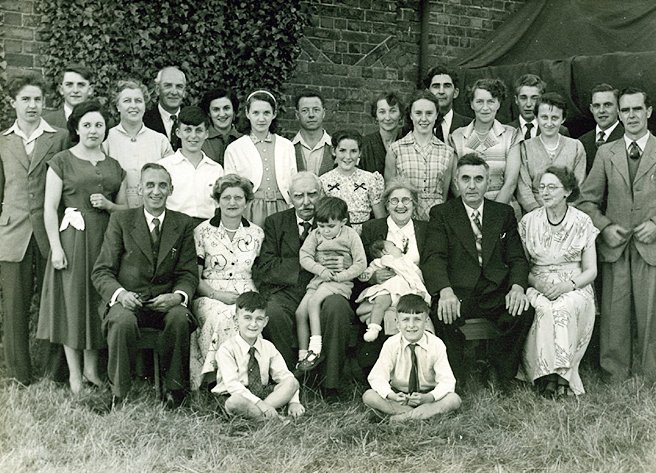
 The Irish connection
 My English teacher at high school, Frank Byrne, had family from Co. Roscommon, and on the syllabus the year I took my exams was the poetry of Nobel Laureate
  My Irish grandparents, Martin Healy and Ellen née Lenane, hailed from Co. Kilkenny and Co. Waterford, respectively. Like many young Irishmen, my grandfather – at the age of almost 16 it seems – joined the British Army (controversially, as seen through nationalist eyes), serving in the Royal Irish Regiment for 12 years, seeing service in India (in the North West Frontier) from 1894-99, and also in South Africa during the Boer War for almost three years from November 1899. He took part in the
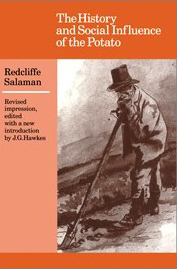 in his seminal The History and Social Influence of the Potato (originally published in 1949). For 20 years from 1971 my






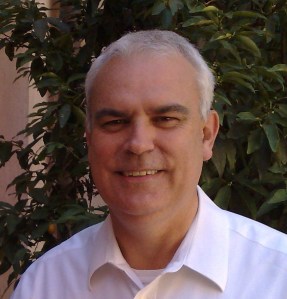 This was not a task I could undertake by myself. I was fortunate that the CGIAR Internal Audit Unit (IAU) was hosted by IRRI, and based in an office just down the corridor from mine. At that time, the IAU was headed by Australian John Fitzsimon (who became a good friend of mine – and who taught me a good deal about the need for and workings of internal audit). John has subsequently left the CGIAR and is now based in the Food and Agriculture Organization (FAO) in Rome as its Inspector general and head of internal audit. Over many discussions John and I developed a framework to analyze and document risks at IRRI based on two simple criteria: impact of a risk actually occurring, and the probability that it might occur, based on a simple score of High, Medium, and Low.
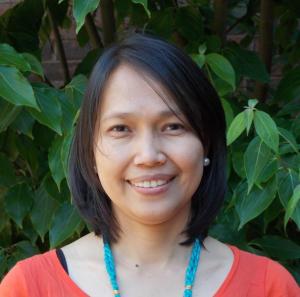 To handle the risk assessment on a day-to-day basis, we appointed Ms Alma Redillas-Dolot, a Certified Public Accountant, a Certified Internal Auditor, and a Certified Information Systems Auditor. Alma worked tirelessly with the various IRRI organizational units to complete risk assessments and develop mitigation plans. By the time Alma moved to the CGIAR Internal Audit Unit (she subsequently moved to Nairobi as head of internal audit for the
 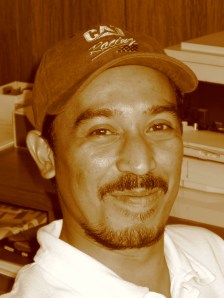 develop – based on my perceived needs and ideas – a sophisticated project management system (still among the best in the CGIAR, despite the development of a new approach across centers) but working with Alma and me, Eric very quickly developed an online system to log risks and mitigation approaches that could be accessed by everyone at IRRI, which allowed the different organizational units to work independently yet permit the central risk management group (Alma, Eric, and me) to monitor and edit, and produce the necessary reports for the Board and donors.
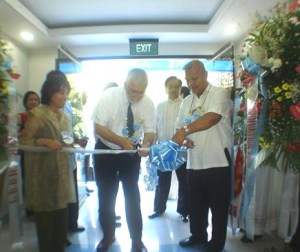 invited to open a new wing of the hospital in 2006!), we emphasized the importance of hand washing, and doing it correctly! Incidentally, in an interview during the Olympic Games recently, Director for Performance of the GB cycling team, Dave Brailsford (who was also involved with the Tour de France winning Sky team) had spoken about incremental advances to performance, and cited maintenance of good health was important, and that correct hand washing was one of the critical components (were they so diligent in some hospitals). Anyway, we produced a video with the help of nurses from the LBDH, which ends with a most amusing Filipino take on things. Enjoy. The video was also screened frequently for several months on the local community TV station in Los Baños.
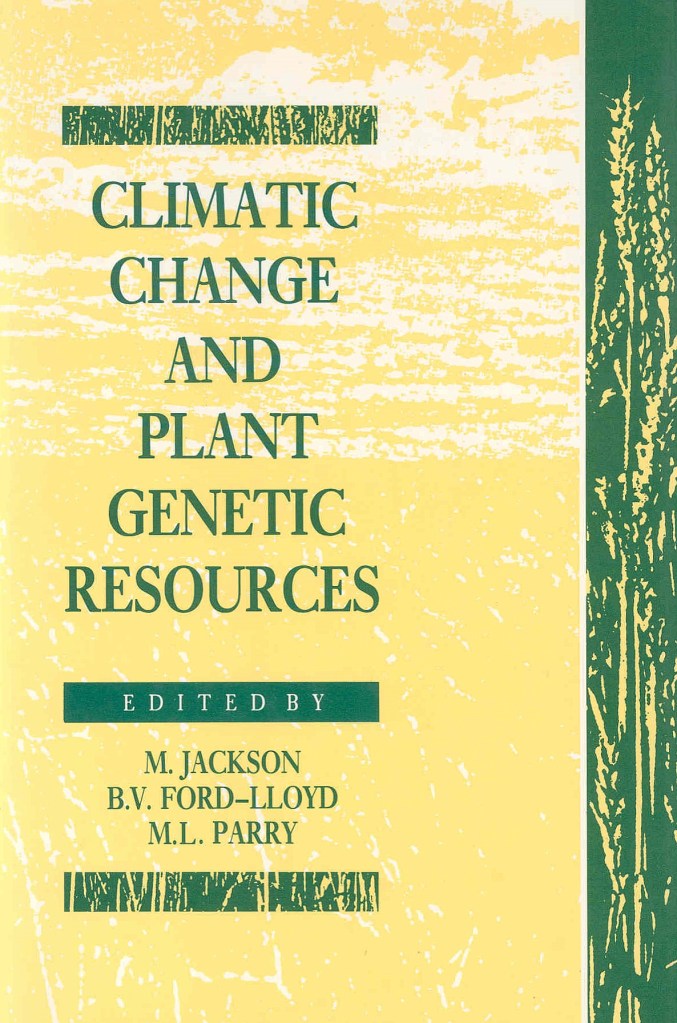 In 1989, my former colleagues at the University of Birmingham, Brian Ford-Lloyd and Martin Parry, and I organized a two-day symposium on genetic resources and climate change. The papers presented were published in Climatic Change and Plant Genetic Resources by Belhaven Press (ISBN 1 85293 102 7), edited by me and the other two.
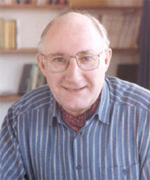 In a particularly prescient chapter, the late Professor Harold Woolhouse discussed how photosynthetic biochemistry is relevant to adaptation to climate change. Two decades later the International Rice Research Institute (IRRI) based in the Philippines is leading a worldwide effort to turbocharge the photosynthesis of rice, by converting the plant from so-called C3 to C4 photosynthesis.
 Michael Jackson is the Managing Editor for this book. He retired from the International Rice Research Institute (IRRI) in 2010. For 10 years he was Head of the Genetic Resources Center, managing the International Rice Genebank, one of the world’s largest and most important genebanks. For nine years he was Director for Program Planning and Communications. He was Adjunct Professor of Agronomy at the University of the Philippines-Los Baños. During the 1980s he was Lecturer in the School of Biological Sciences at the University of Birmingham, focusing on the conservation and use of plant genetic resources. From 1973-81 he worked at the International Potato Center, in Lima, Perú and in Costa Rica. He now works part-time as an independent agricultural research and planning consultant. He was appointed OBE in The Queen’s New Year’s Honours 2012, for services to international food science.
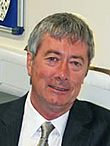 Brian Ford-Lloyd is Professor of Conservation Genetics at the University of Birmingham, Director of the University Graduate School, and Deputy Head of the School of Biosciences. As Director of the University Graduate School he aims to ensure that doctoral researchers throughout the University are provided with the opportunity, training and facilities to undertake internationally valued research that will lead into excellent careers in the UK and overseas. He draws from his experience of having successfully supervised over 40 doctoral researchers from the UK and many other parts of the world in his chosen research area which includes the study of the natural genetic variation in plant populations, and agricultural plant genetic resources and their conservation.
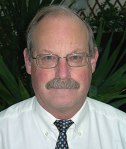 Martin Parry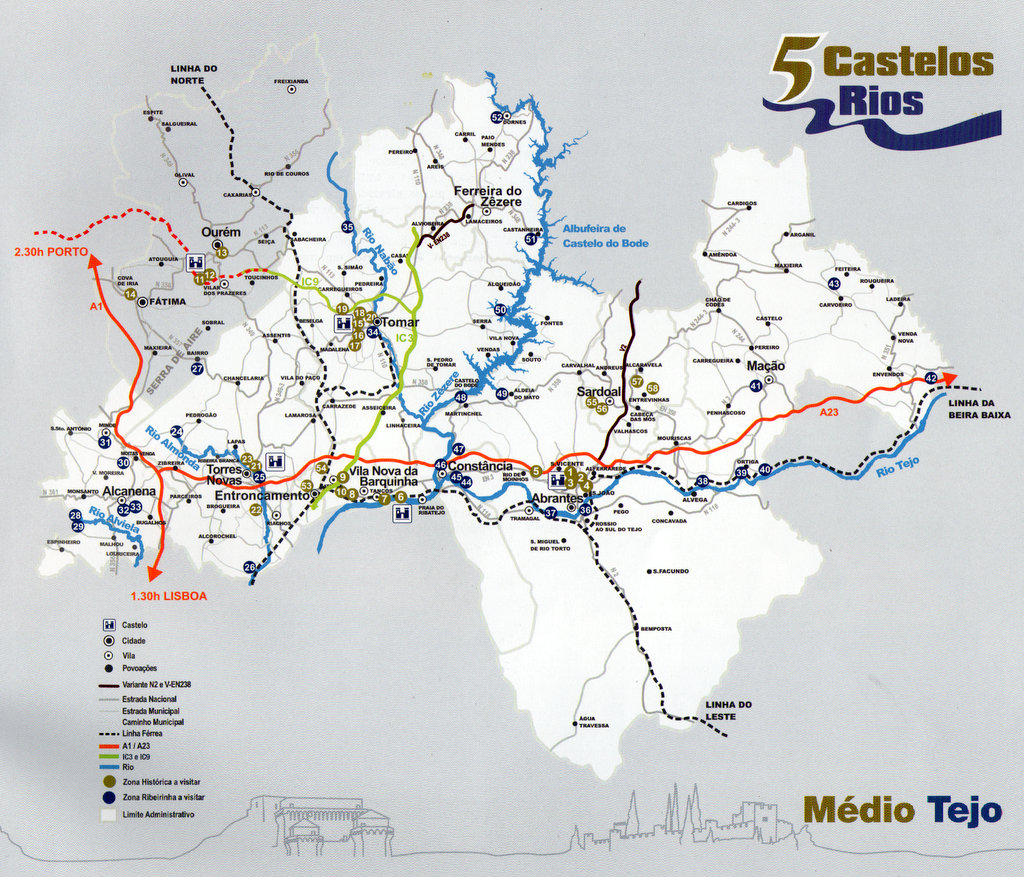



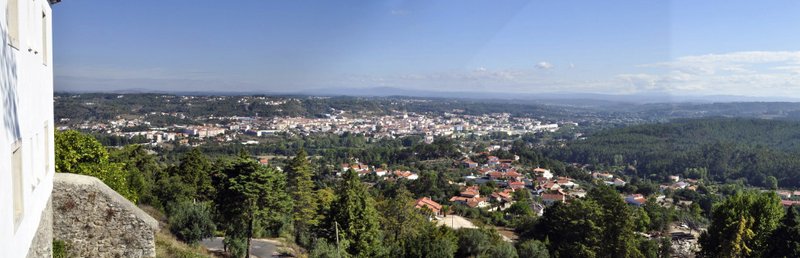

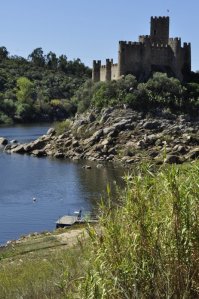
 But, as with most folks, I do have a car – a sensible Peugeot 308 1.6 Sport HDi, which we bought just prior to returning to the UK in 2010 (but that’s another story).
 In 1964, my father had an Austin A35 van, similar to that illustrated here. As you can see, there were no rear windows, apart from that on the rear door, so I had to learn very quickly how to use the wing mirrors properly – and safely while manoeuvering the vehicle, especially reversing. As I gained more experience, and before I passed my driving test, I would often go out with my Dad, and since he often had to drive into Hanley (in the Potteries) about once a week, he’d let me drive to school in Trent Vale, drop me off, and then go about his business, usually picking up photographic supplies for his retail business or dropping off photographs for publication in the local north Staffordshire newspaper,
  I didn’t have my own wheels at university – I couldn’t afford a car or the running costs, and didn’t get my first car (a maroon Ford Anglia), bought from my Dad, until I’d completed my MSc degree at Birmingham in September 1971. It was a bit of a rust-bucket, but it generally ran well, but eventually had to be pensioned off because of bodywork (and chassis) rust problems.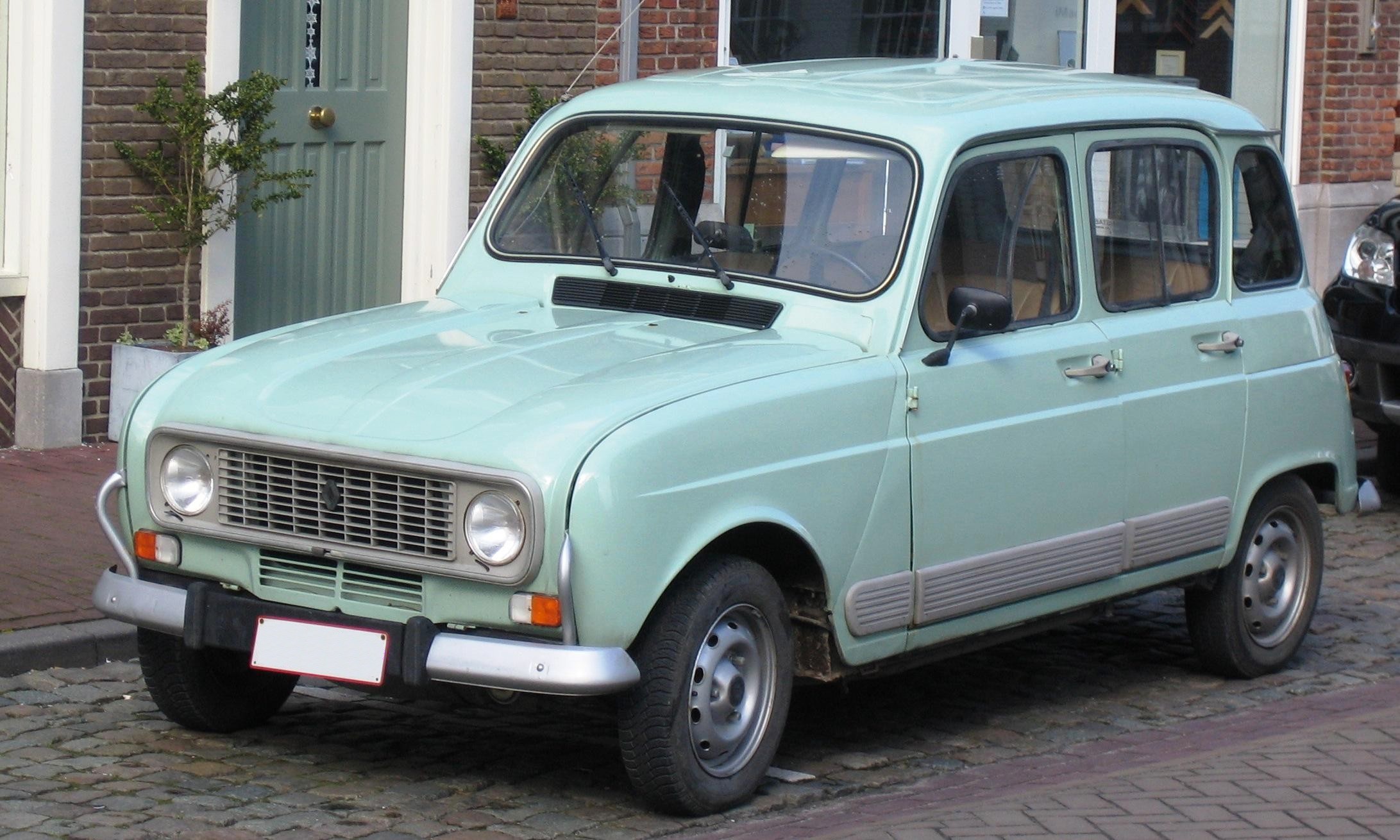
 I bought it through the VW dealership in central Birmingham that had to specially import it from Germany (left-hand drive, of course). I remember having an appointment with my bank manager at Barclays in Leek to ask for a loan, £1,200, to purchase this vehicle. I had no assets, just a firm contract – but that was enough to secure the loan I needed.
 During the six months or so we were back in Birmingham in 1975 we had a secondhand Mini estate (a sort of dirty mustard color) that my parents had ‘reserved’ for us through a local mechanic dealer in Leek. It did us fine, but there was nearly a disaster shortly after we took possession of it. Steph had gone down to Southend to stay with her parents (presumably on the train), and I set off the following weekend by road. Incidentally although Steph and I had been married since mid-October 1973, this visit to Southend would be the first time I’d met her parents! Anyway, to get back to the Mini. Traveling down the M6 towards the M1, just east of Birmingham I heard a funny whirring noise coming, as far as I could tell, from one of the front wheels. I pulled over, did some rudimentary checks, couldn’t find anything untoward, and carried on my way. Arriving in Southend I decided it would be wise to have a further check, and removing the hub cap, noticed that the castle nut holding the front wheel on was about to fall off. A mechanic who had done some work on the brakes had replaced the castle nut but not the pin that secured it. So with the movement and vibration the nut had worked itself loose, and I hate to think what might have happened on the motorway had it – and the wheel – come off.
 We lived in Turrialba in Costa Rica, about 75 km east-southeast of the capital San José. The research station
  I can hardly say it was a luxurious car – indeed, it was rather basic. It didn’t even have a radio, nor seat belts! Nevertheless, it was fine for a couple of years or so. But not long after Hannah was born in April 1978, we managed to sell the Brasilia and bought what has been – to date – the most upmarket car we have ever owned – a Volvo 240 estate car, green. Now that was a solid car if ever there was. We bought it through the main Volvo dealer in San José. Since I was working for CIP in Costa Rica under the auspices of CATIE – at that time a semiautonomous dependent institute under the Organization of American States, we were permitted to import a new car every few years or so, and sell the old car on the open market. The Volvo cost me USD8,000 (about USD27,600 at today’s values), but I didn’t have to pay any shipping costs from Sweden. That was because Volvo had a regular route from Gothenburg in southern Sweden to Panama and Costa Rica, shipping trucks. So the odd car or so on board came gratis. We sold the Volvo just before we returned to Peru in November 1980.
 In March 1981 we returned to the UK where I’d been appointed to a faculty position in the Department of Plant Biology at the University of Birmingham. So our next car had to be a family car, hatchback, Hannah being almost three at this time. We bought a Ford Escort Mk III1.6GL, a sort of burnt sienna color. But after Philippa was born in May 1982 we began to think about a larger car. And from about 1984 until we moved to the Philippines in July 1991 we had a series of Rover Montego models, all saloons: a second hand white model, followed about two years later by a new dark blue metallic model, both 1.6 engines. I discovered that there had been an oil seal problem with early Montegos, and was finally able to persuade Rover to cover the engine overhaul that was needed. I had the blue model broken into one night while I was at a restaurant in Birmingham and had the radio ripped out and the door lock broken – all covered on the insurance fortunately. In August 1990 – and with no idea that I’d be moving abroad within a year – we bought a 2.0 diesel version, one of the best cars I’ve owned. It didn’t have great 0-60 mph speed, but once up to 70 mph in top gear, the Perkins engine was hardly ticking over and would just roll on and on. We sold this car at the end of our first home leave from the Philippines in summer 1992, having first taken it on a two week tour of Ireland.
 First of all I was assigned a Nissan Bluebird estate, rather battered and ill-used by previous ‘owners’, followed by a US-made Ford Escort station wagon – a nice comfortable car, but very low, and not really suited to the local roads, especially when we wanted to go off-road, as it was in the early days on our trips to Anilao for diving. Then we had a series of saloons: a Nissan, a Toyota (I can’t remember the models) and finally, from 2008, a Toyota Avensis for which – as a Director of the institute – I had full diplomatic licence plates! This was, by far, the best of the cars provided by IRRI – extremely solid on the road, comfortable, excellent hi-fi and aircon systems, and quite spacious. A pleasure to drive.
 Well, during the 1990s (when I was working at IRRI as head of the Genetic Resources Center), I often had to travel from Manila to Europe, mostly to Rome. And at that time – initially for convenience sake, but later by choice – I travelled with Lufthansa. I was fortunate to be able to travel on Business Class for these long flights, and soon picked up a huge number of air miles, enabling me from time-to-time to upgrade to First Class. I quickly achieved Senator status with Lufthansa/Star Alliance. Alas, I have virtually no miles left. I either used them for upgrades or they expired (quite a devaluation) when the rules were changed.
 Rossini’s La Cenerentola, featuring Italian mezzo-soprano
  Kiri Te Kanawa



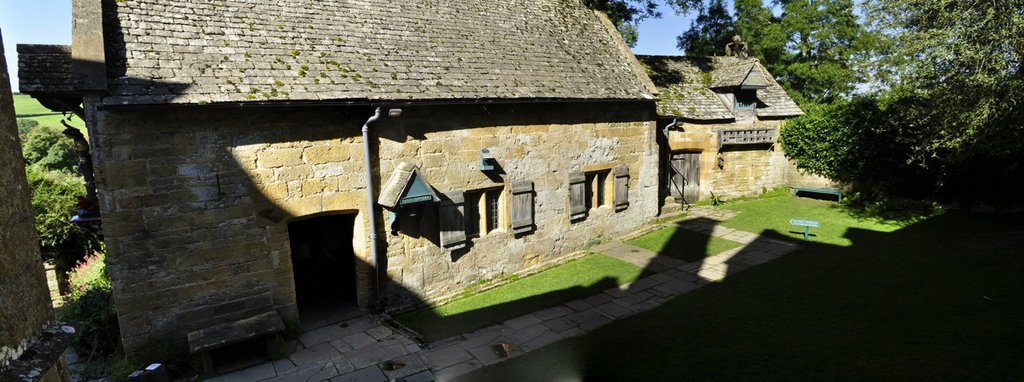
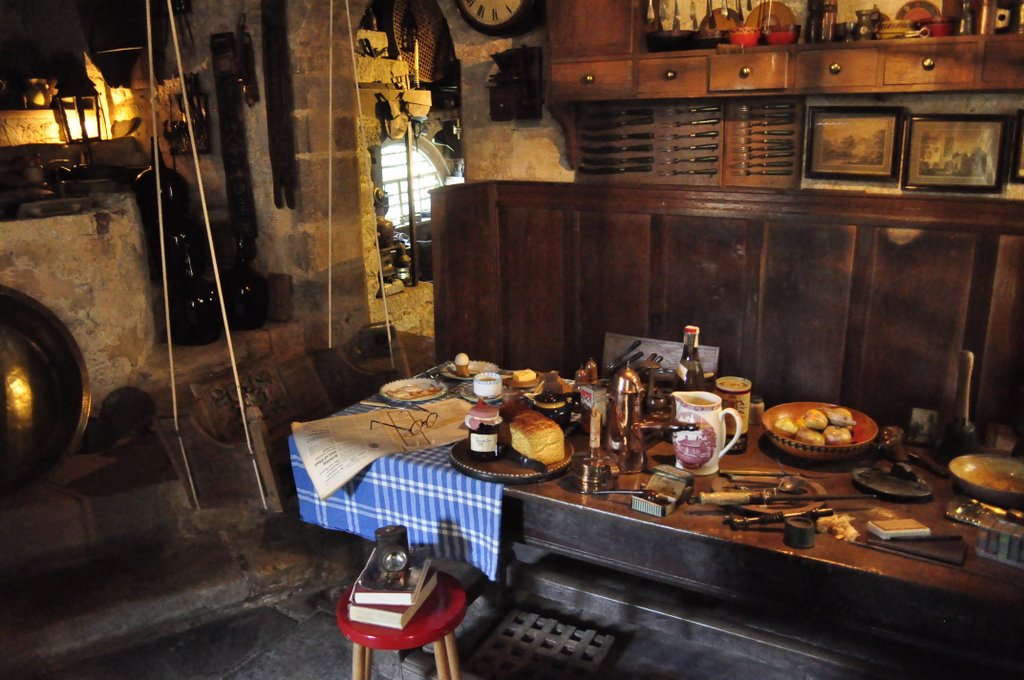
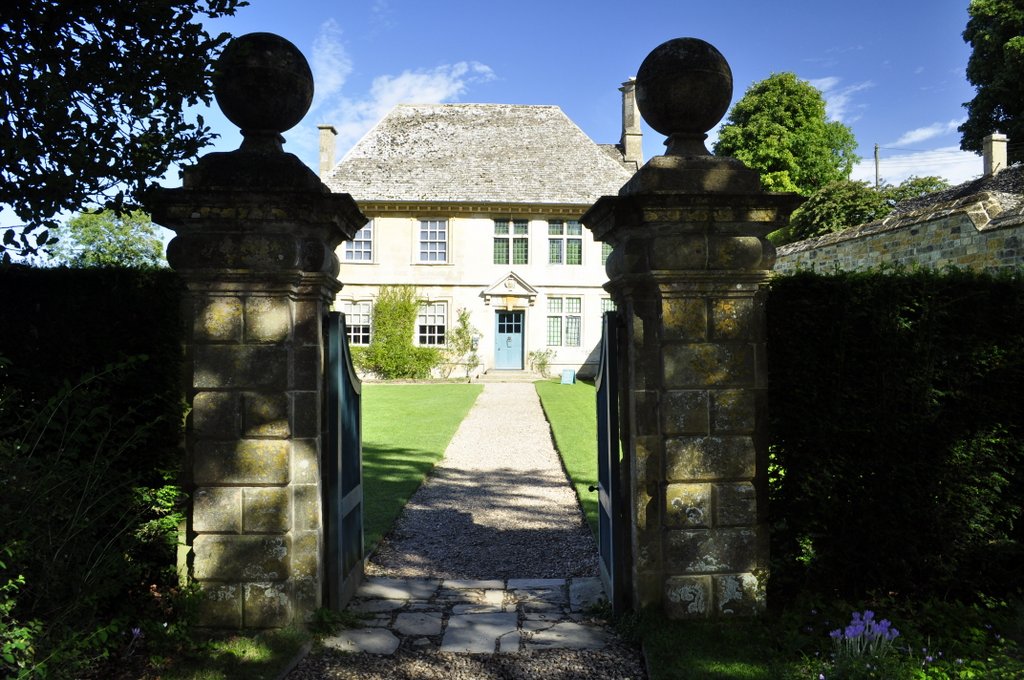
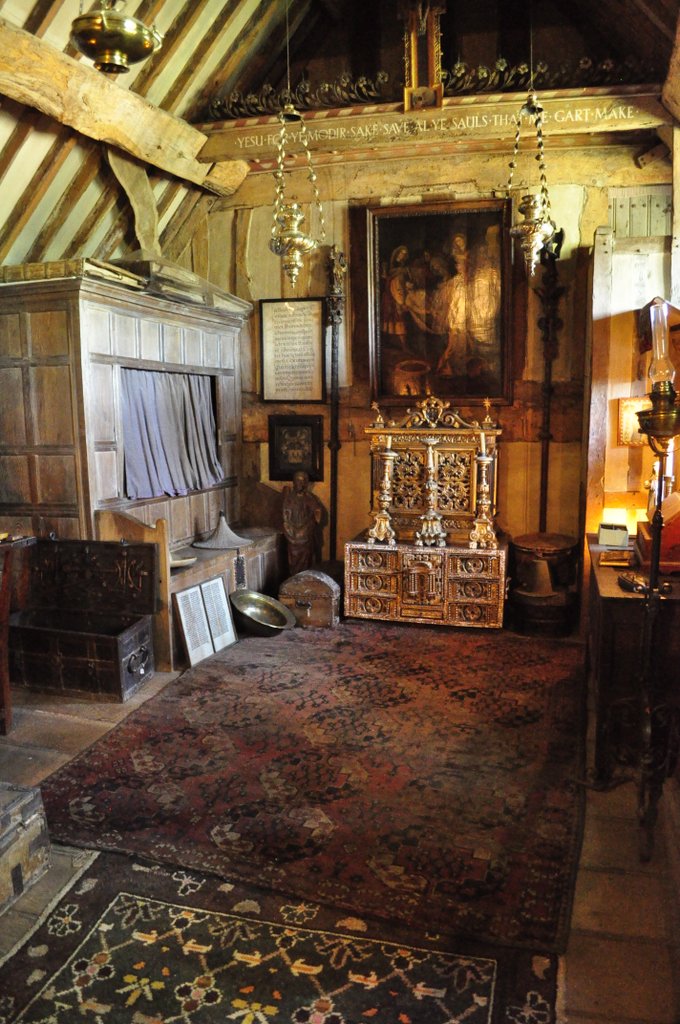

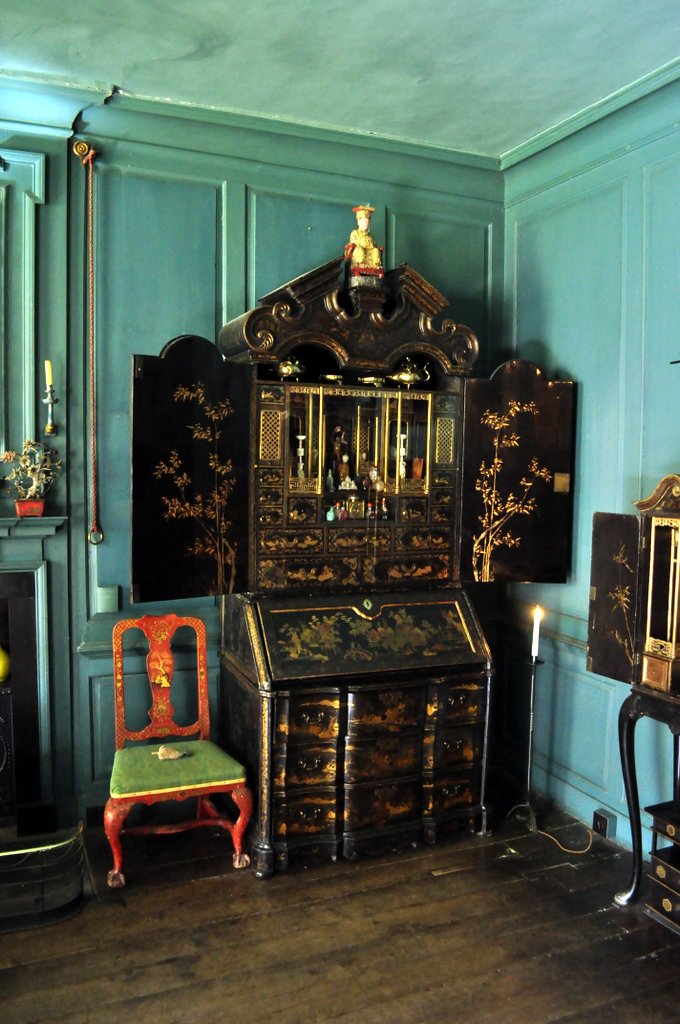
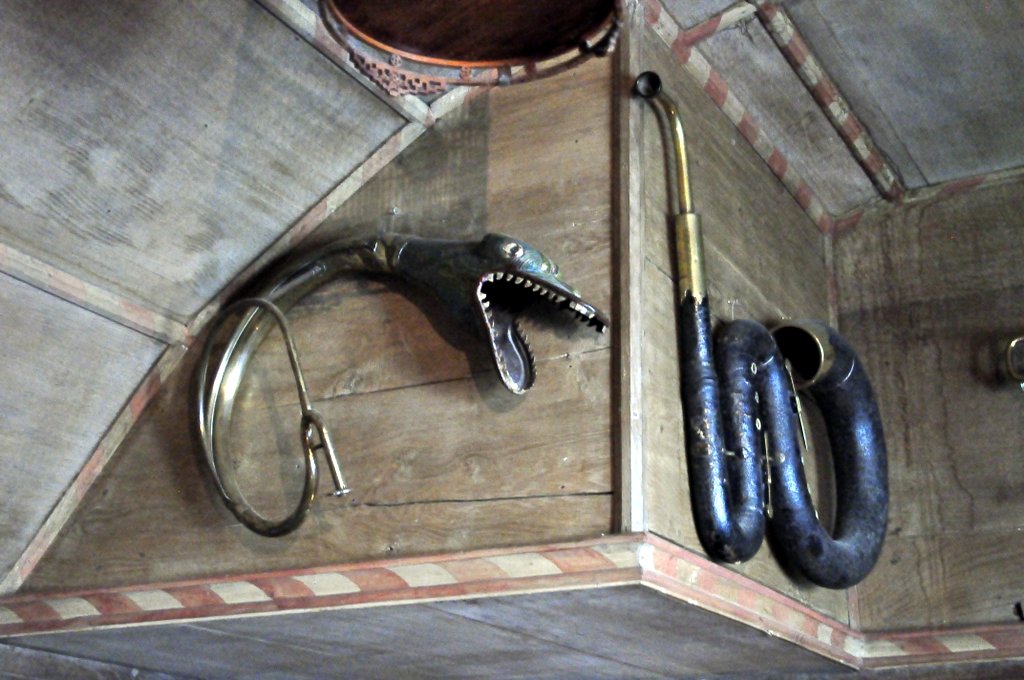


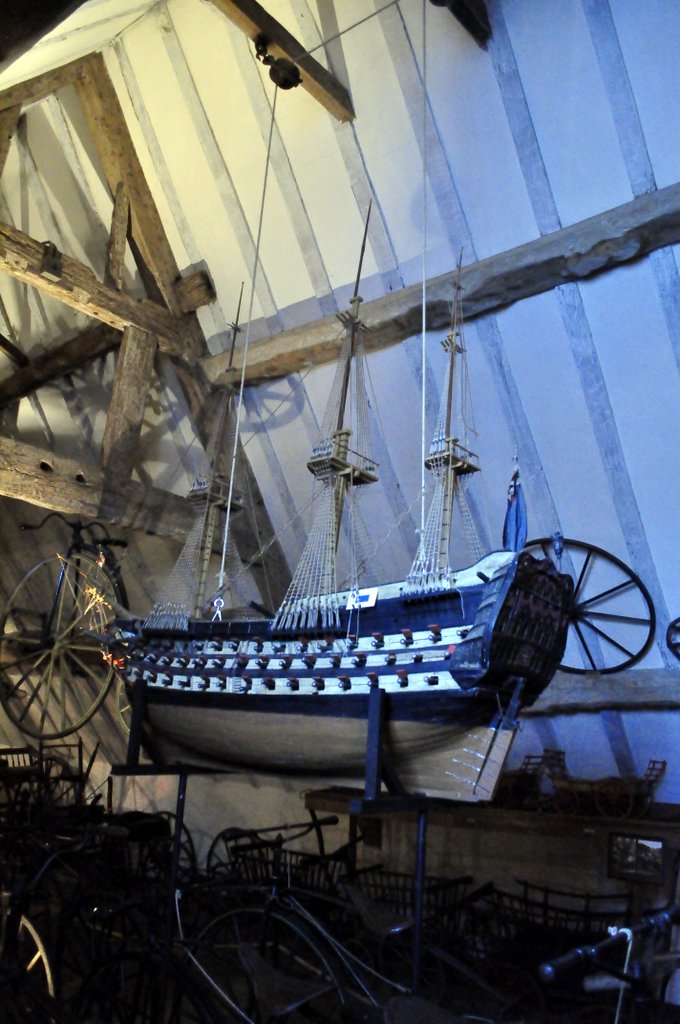


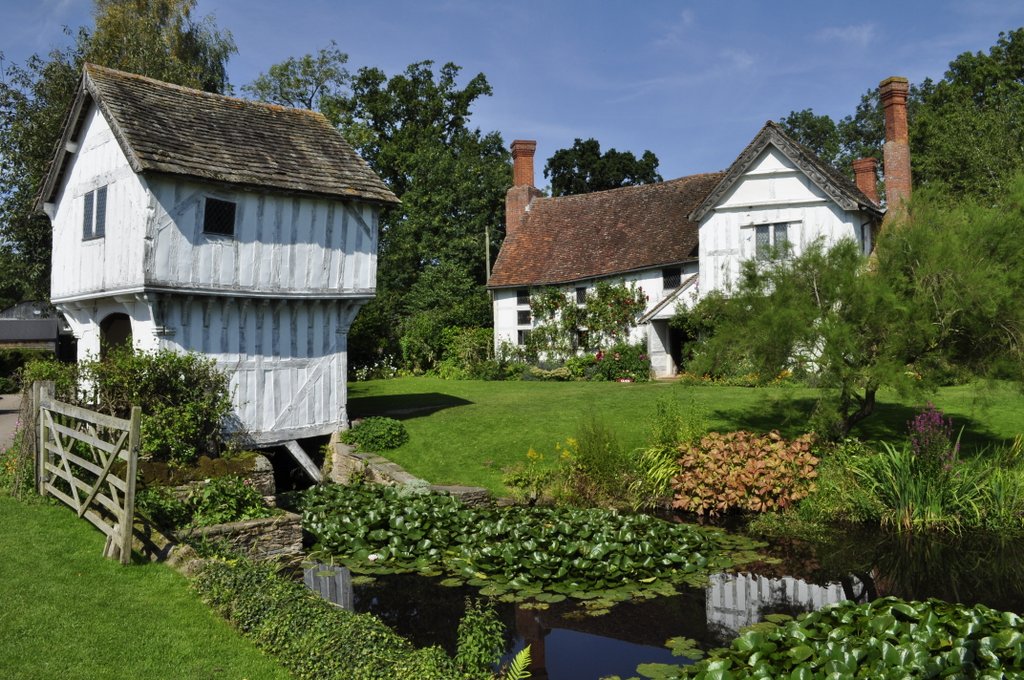


 A balanced diet . . .