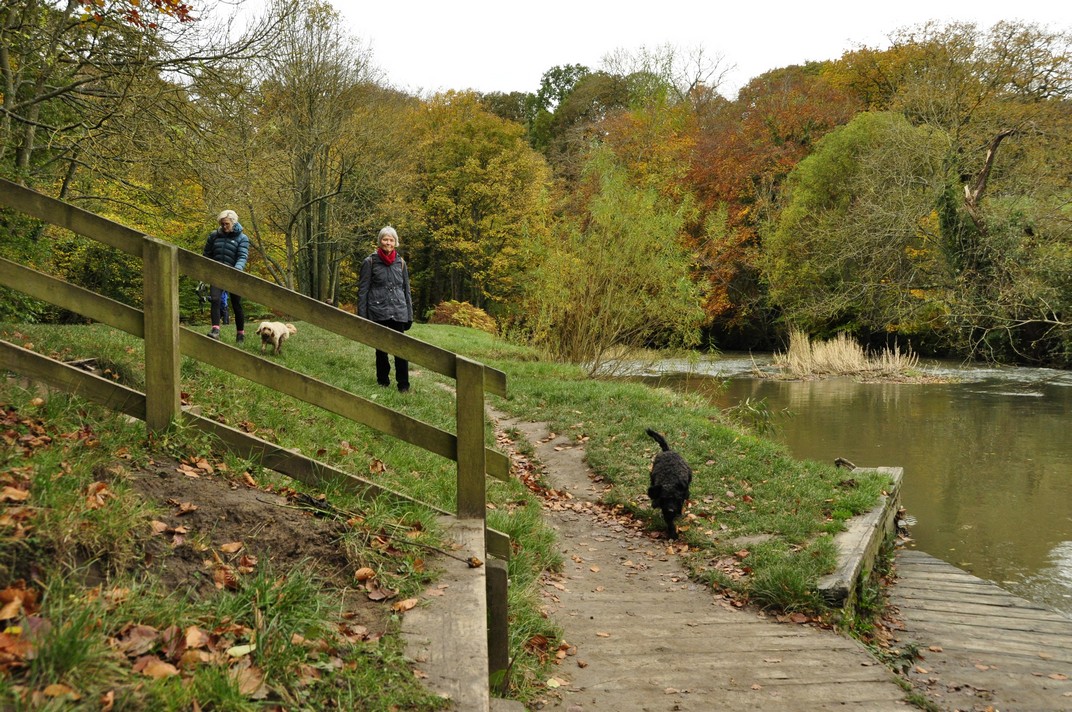
The first of everything . . . November 2025

This post is a blogging departure for me, unlike any of the posts I’ve written over the past 13 years. It’s one that will take a year to complete, until New Year’s Day 2026. A record for the whole year, each month I’ll be writing about the places that Steph and I have visited, the excursions we’ve made, and including lots of photos.

November
This was a quiet month, excursion-wise. November started very mild, with some glorious sunny days, such that we headed north (on the 8th) to one of our favorite locations: Hauxley Wildlife Discovery Centre, just behind the beach at Druridge Bay, south of Amble.

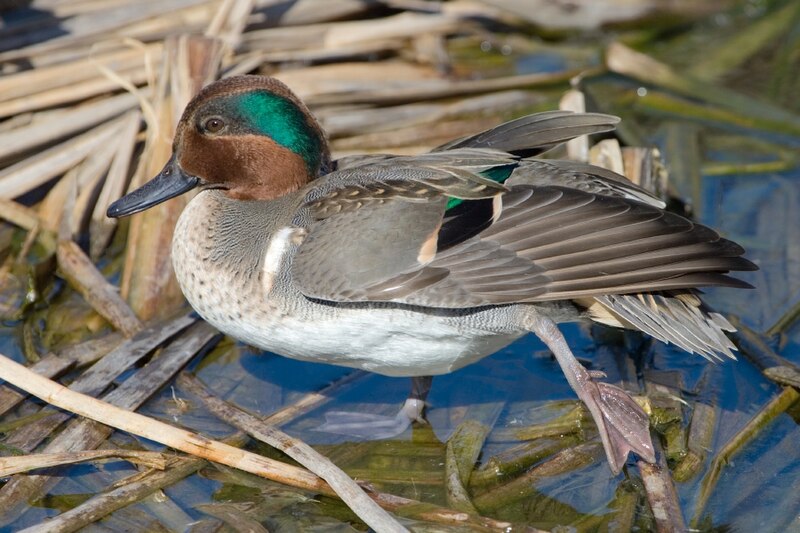
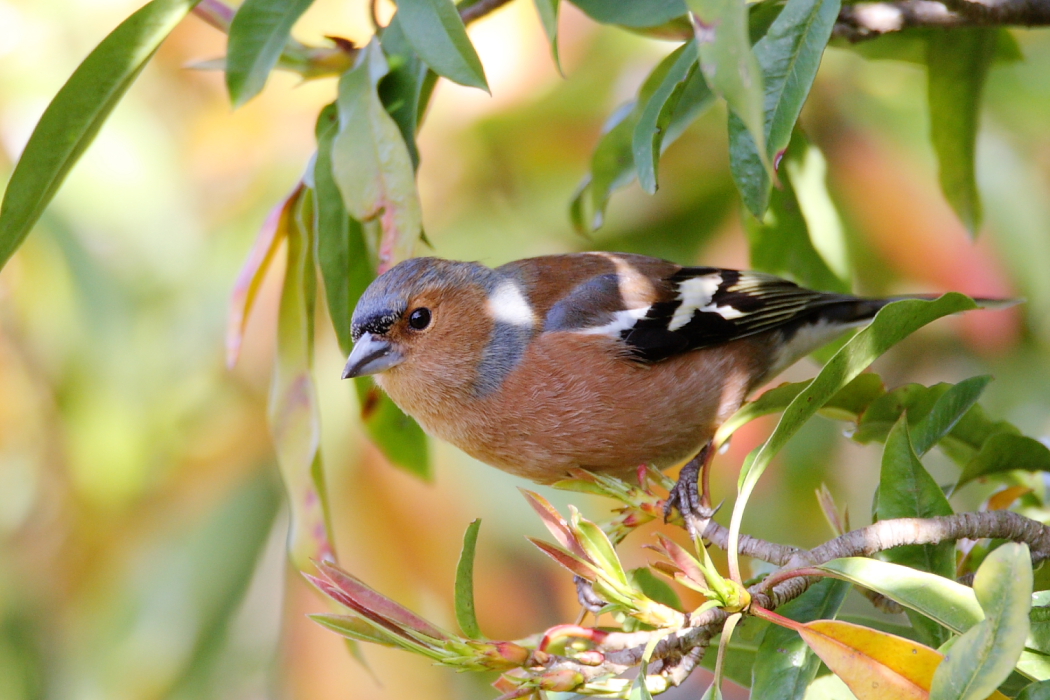
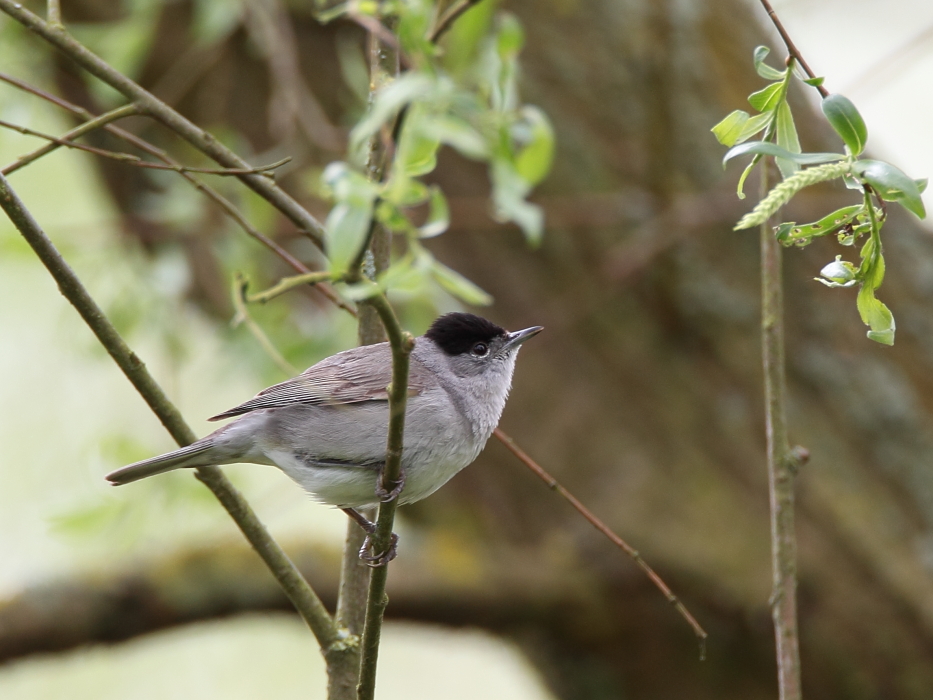
It was a good bird-watching day, with lots of geese and ducks on the water. And a surprise as well. A blackcap (below), normally a summer visitor but a species that is increasingly staying resident in the UK the whole year round.
Then the weather really deteriorated, becoming windy and very wet. By 20 November, the temperature had really fallen and we had two days of frost and snow, quite unusual for November. But at least here in the northeast we were spared the torrential and devastating rains that blighted parts further south, especially in Wales.

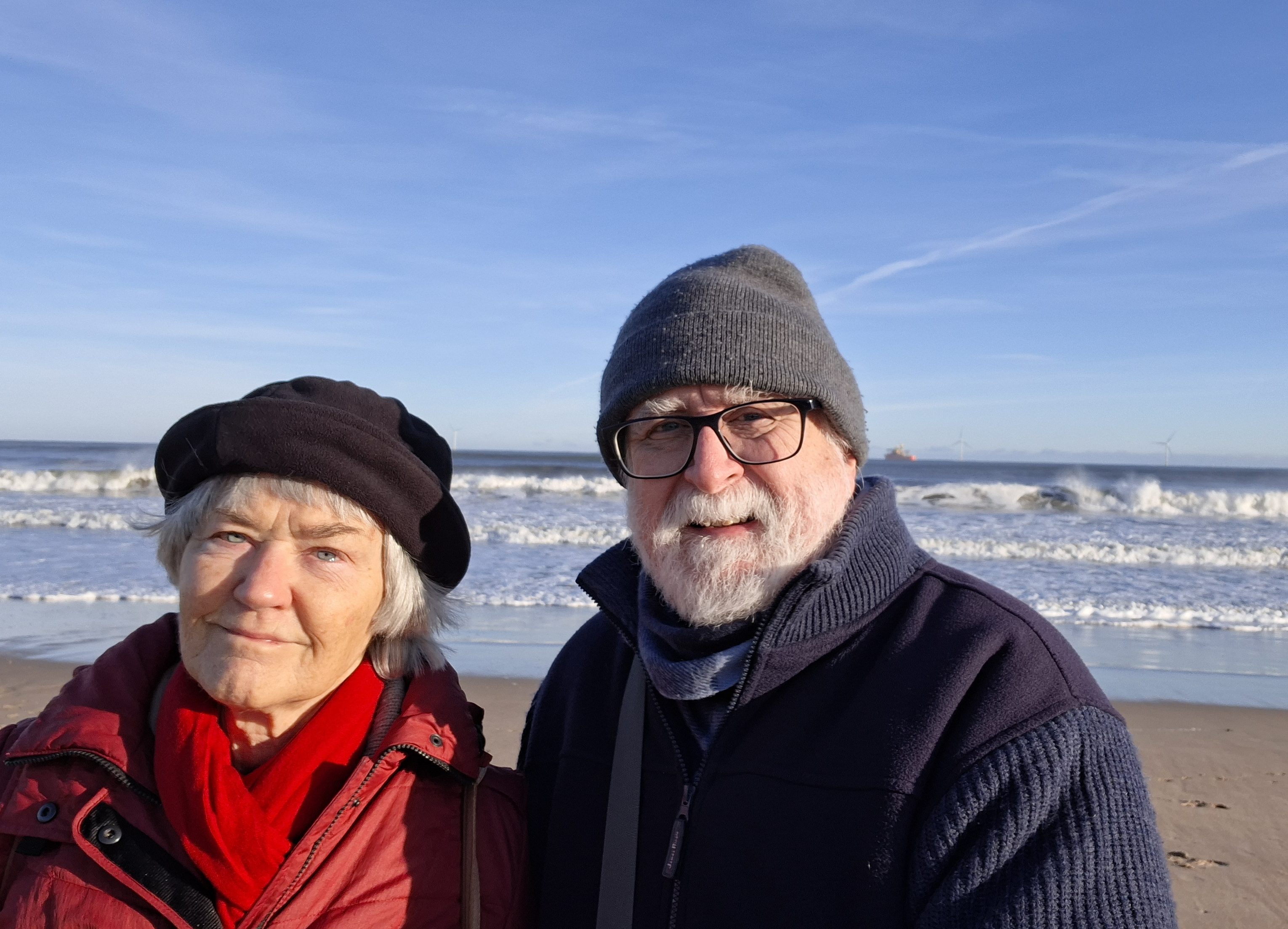
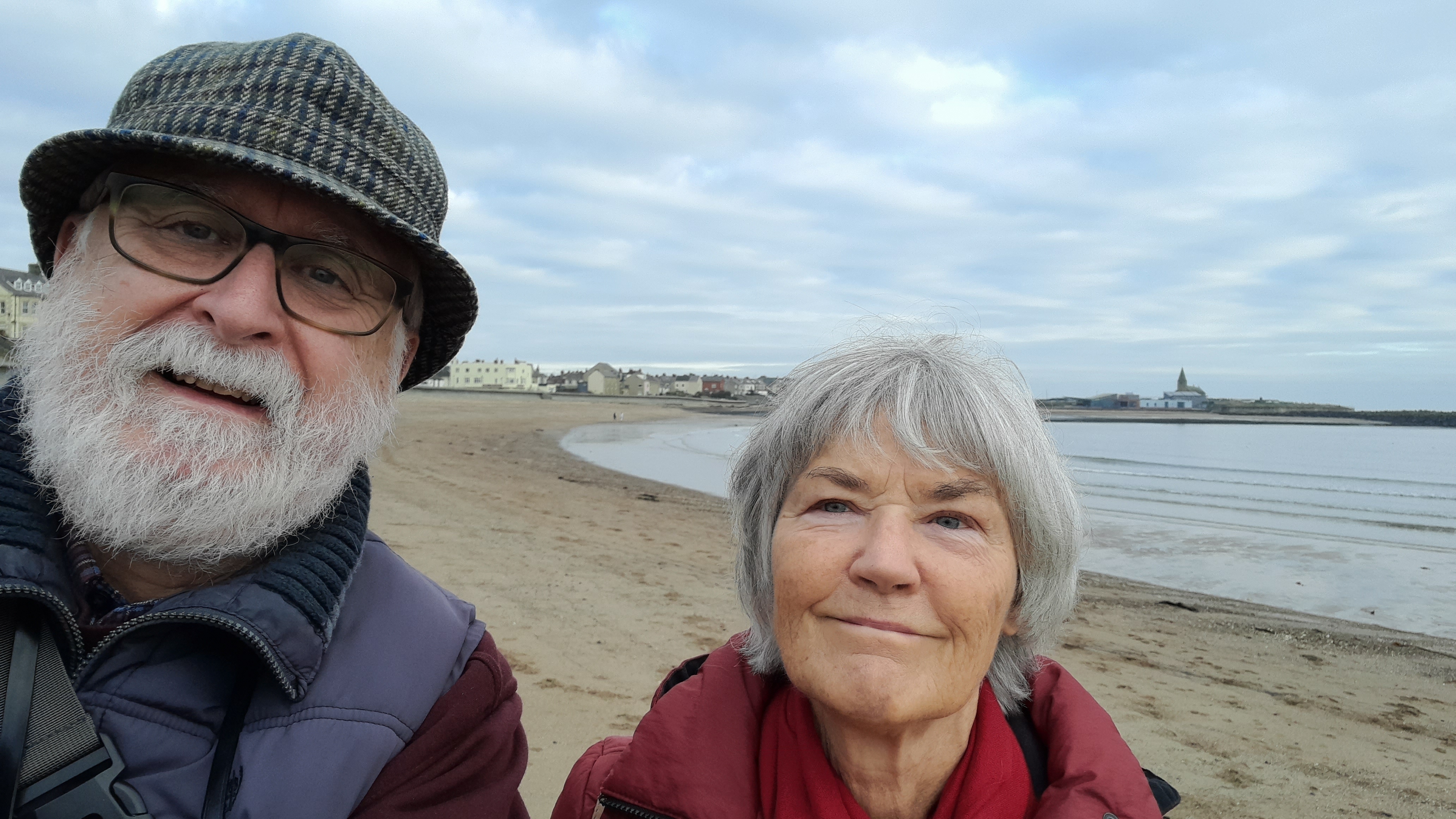
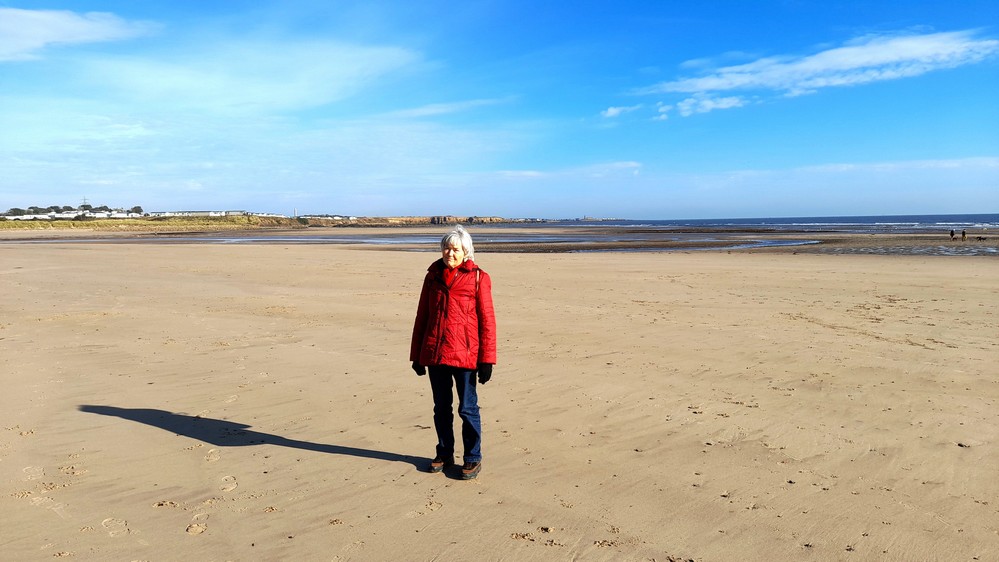
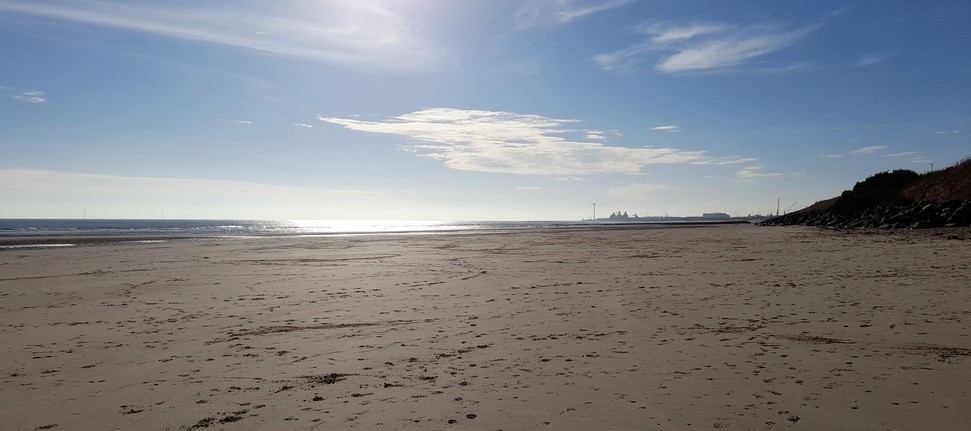
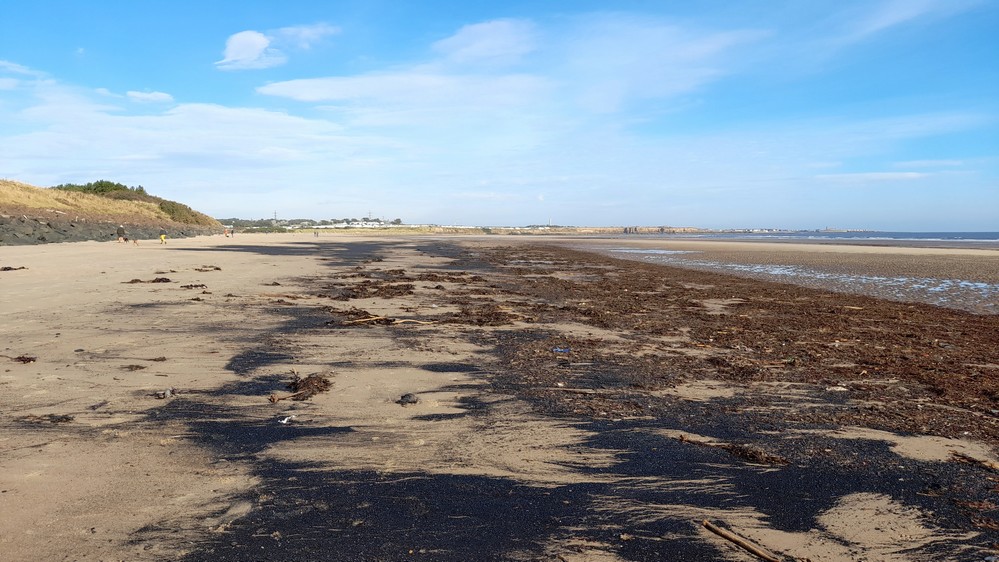
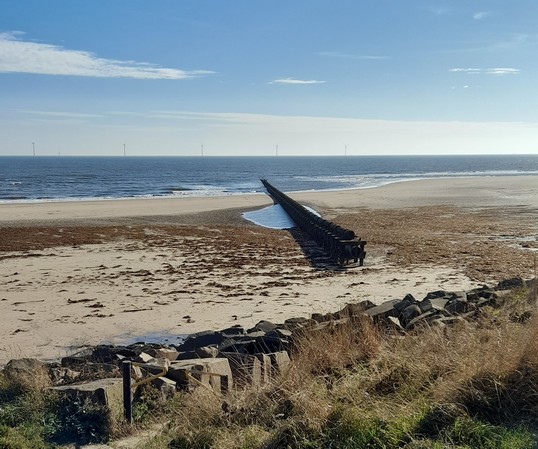
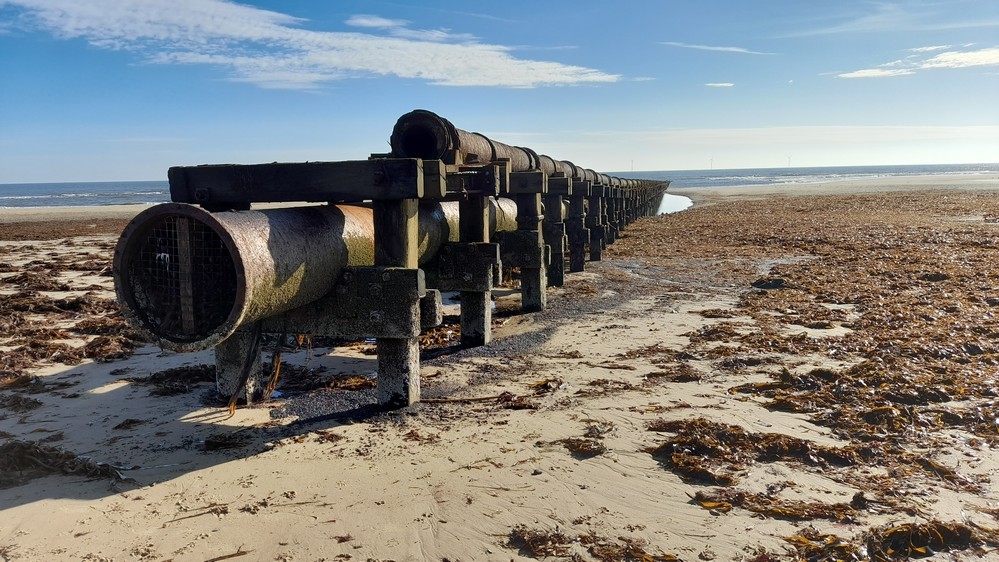
Finally, on the last day of the month, and having been ‘trapped’ indoors for several days, the skies cleared and we headed to Seaton Sluice for a bracing walk along the beach.

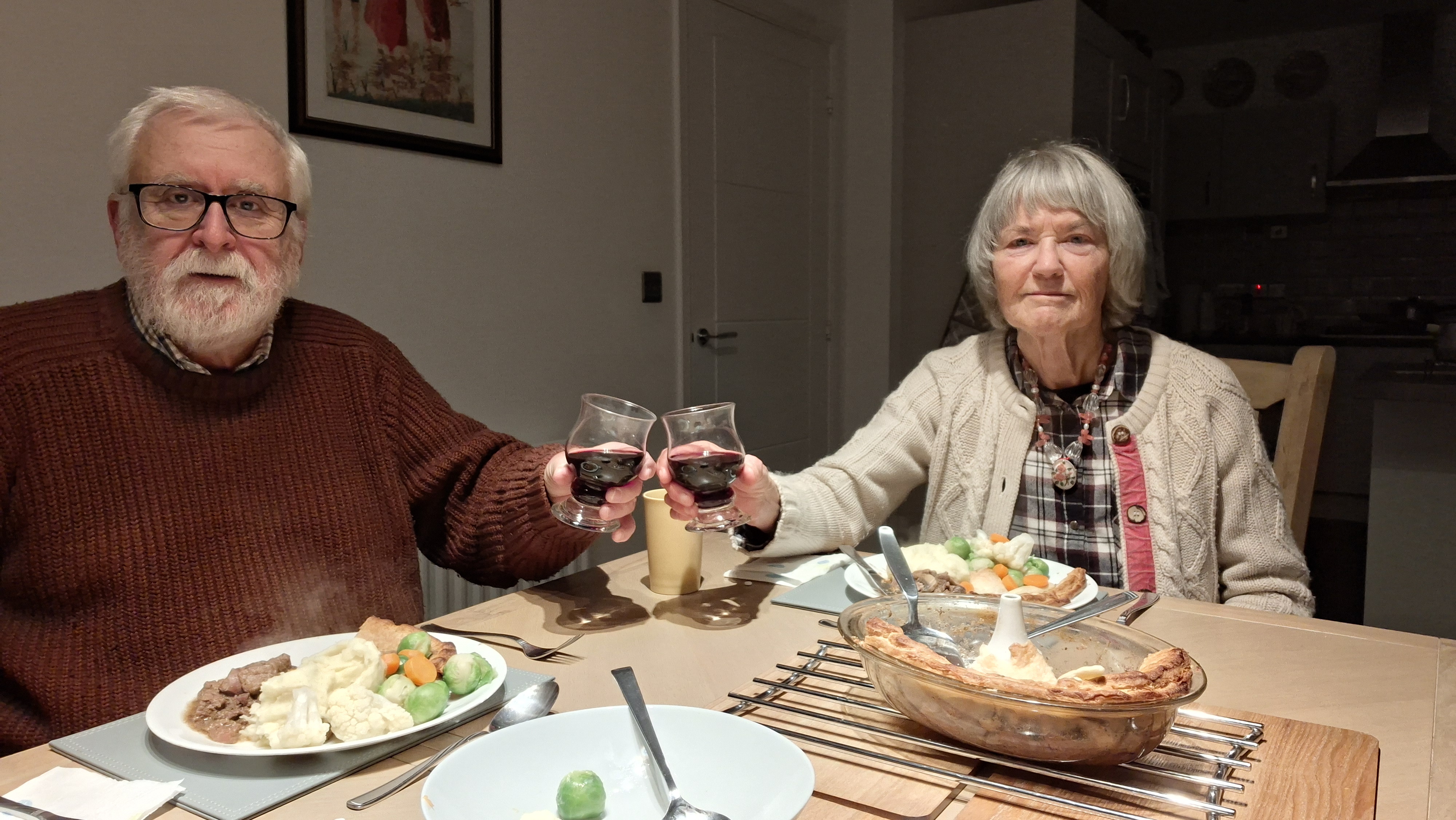
Oh, and I celebrated my 77th birthday on the 18th, Steph cooking my favorite meal: homemade steak and kidney pie.
October
It has been incredibly mild, with just one slight frost at the end of the month. What’s also remarkable is the number of plants that are still flowering in our garden, including hollyhocks, antirrhinums, and calendulas. Even the odd strawberry plant. And this fine weather has allowed us to take some nice walks locally. Finally the trees are beginning to show some autumn color, like these birches along one of my favorite waggonway walks a couple of days ago.

At the beginning of October (from the 6th) we made a four-day trip to Scotland to visit my sister Margaret who lives west of Dunfermline in Fife, stopping off on the way north at a small fishing community, St Abbs, just north of the border with Scotland. I wrote about that trip in this post.
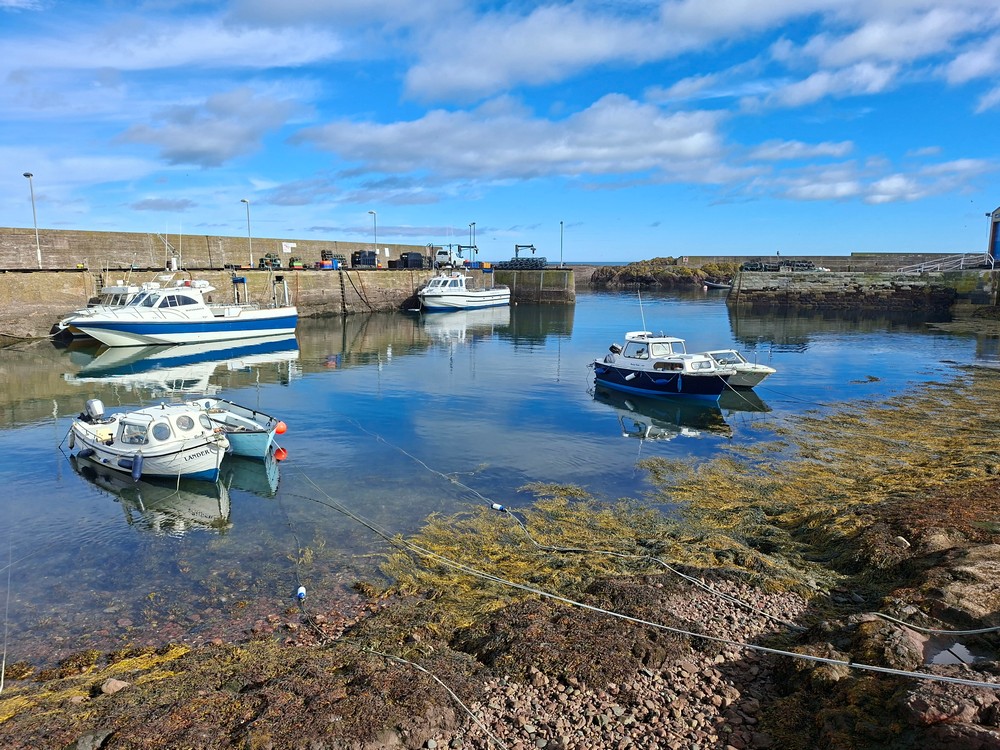
The harbour at St Abbs.

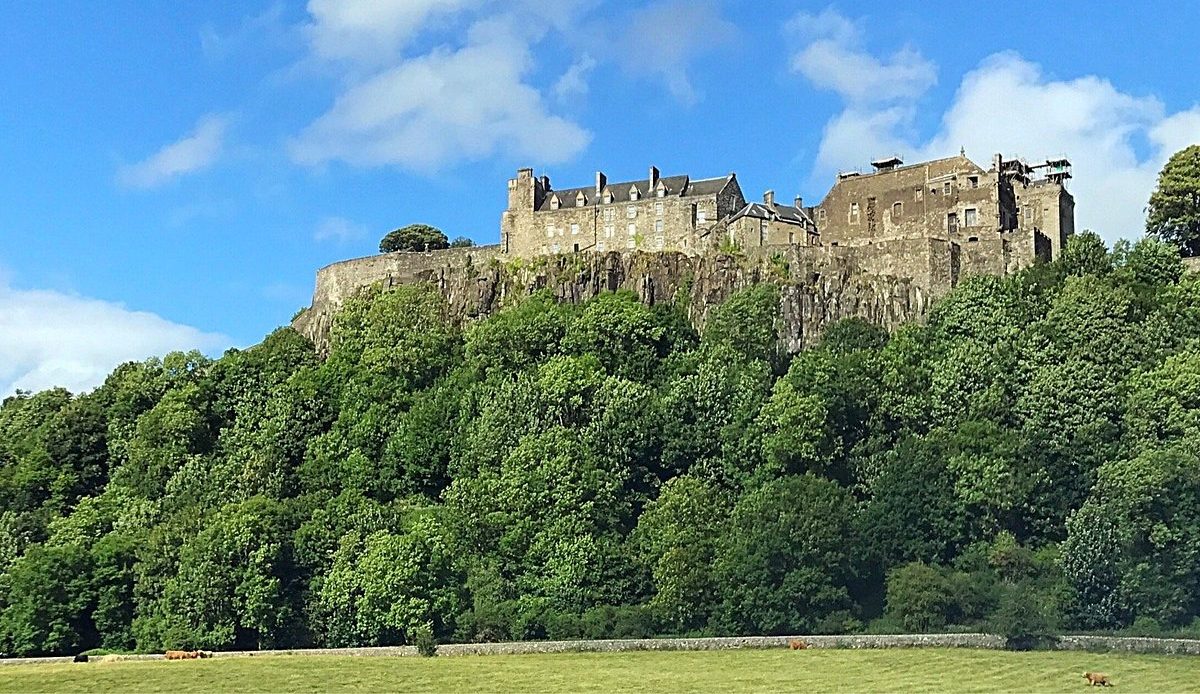
We visited Stirling Castle (managed by Historic Environment Scotland (HES) – the Scottish equivalent of English Heritage) enjoying the splendour of castle that has stood on a volcanic crag since the 14th century, but became a renaissance palace during the 16th century under James V of Scotland, father of Mary, Queen of Scots.
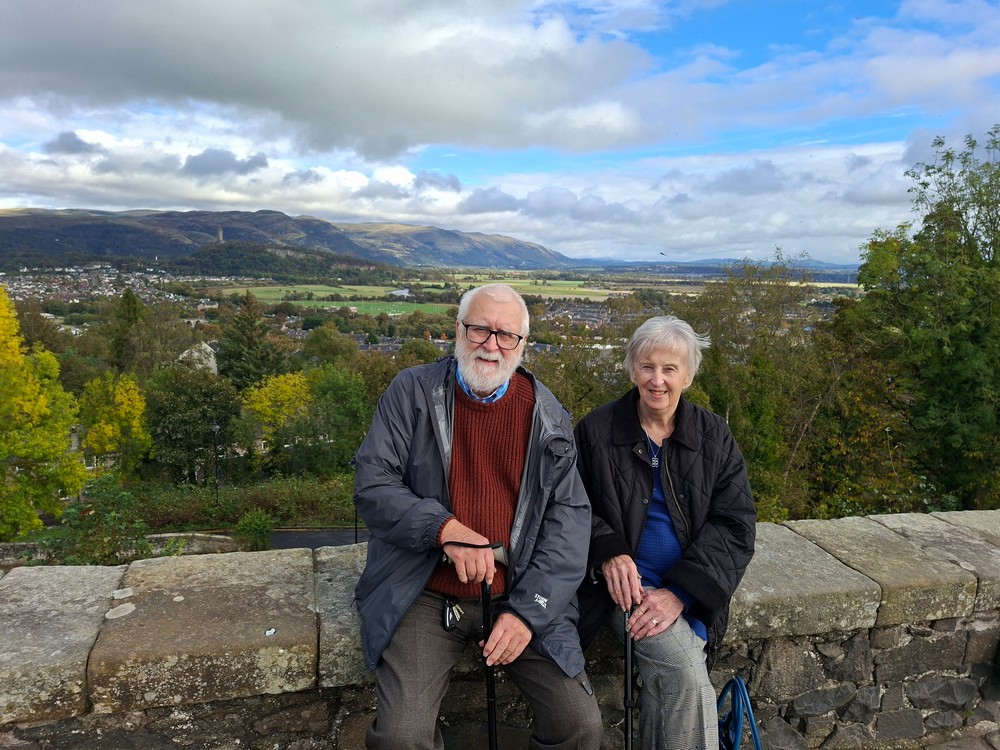
With my sister Margaret, looking north towards the Wallace Monument and the Ochil Hills from Stirling Castle.

HES has undertaken some impressive refurbishment of the royal palace there. Here is a small selection of some of the sights there.

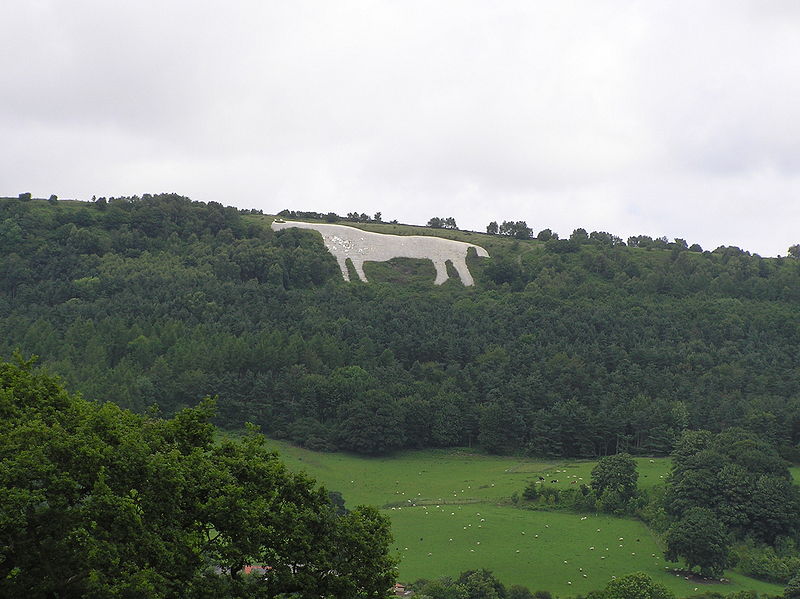
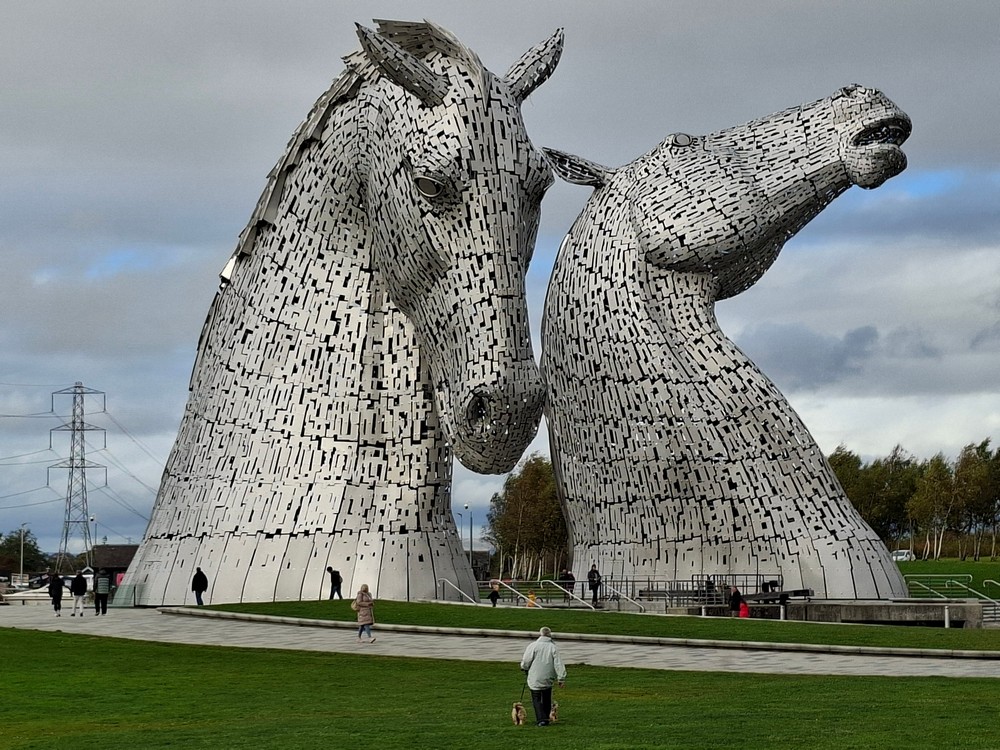
After lunch, we headed a few miles southwest from Stirling to visit a landscape feature we’ve passed by at high speed on the M9 motorway on a couple of previous occasions. The Kelpies, mythical water horses, 30 m (100 foot) tall horses heads. Very impressive indeed!
On the Wednesday, we headed south to the north Northumberland town of Woolmer, nestling under the Cheviot Hills. We had gift vouchers (from last Christmas) for a tour and whisky tasting at the recently opened (2022) Ad Gefrin distillery and museum, named after an important Anglo-Saxon settlement and royal palace a few miles to the northwest.

Since I wanted to enjoy the whisky tasting, we parked in the town close to the guest house where we spent the night. Next morning – after an excellent full English breakfast – we headed to the site of the Anglo-Saxon settlement, and then crossed over the border again to make a quick visit to ruined Cessford Castle (ancestral home of the Ker family who became the Dukes of Roxburghe), before heading south again and crossing over into Northumberland at Carter Bar.

On 17 October we decided to take the Metro to Tynemouth and walk back to the Metro station at Cullercoats along Long Sands Beach, a little over 2 miles.

Then, just last Monday on the 27th, we headed out the Rising Sun Country Park which is quite close to home, and the reclaimed site of several collieries. What a glorious day, and just right to enjoy a cup of coffee and soaking up the Vitamin D.

Then it was Halloween, and although I don’t have any photos of all the children in their lovely costumes, we did hand out quite a large amount of candy. I guess there was a sugar rush in the houses round-about last night.

September
In some ways, September was a rather quiet month, despite having a week-long break in Somerset from the 5th.

We had booked a cottage in a small community a couple of miles south of Shepton Mallet in central Somerset, with the aim of visiting around a dozen National Trust and English Heritage properties in Somerset and west Wiltshire over the week.

We set out on the Friday morning, heading to Dunham Massey, a large estate owned by the National Trust on the west side of Manchester, and a couple of miles from the Manchester Ship Canal (which we had to cross). Having spent the night in a Premier Inn on the south side of Stoke-on-Trent (not far from where I went to high school in the 1960s), we headed south the next day, stopping off at Dyrham Park, just north of Bath, a property we had visited once before on a day trip from our former home in Worcestershire.

Over the course of the week, our travels took us to three castles, three gardens, one abbey and another now converted to a luxurious manor house, and five impressive mansions.

We also ticked off another location from our bucket list: Cheddar Gorge.

On the 21st (a Sunday), we headed west of Newcastle to the small village of Wylam to view the birthplace cottage of The Father of the Railways, George Stephenson. The cottage, owned by the National Trust, is open only on a few select weekends each year, and as the 200th anniversary of the birth of the railways took place the following weekend (on the 27th), we took advantage of the cottage opening and had booked tickets several months back.

And while the weather continued fine, we enjoyed a glorious walk along the Whitburn coast south of the River Tyne, from Souter Lighthouse towards Sunderland on 26 September. I was surprised to discover that this was our first visit here this year, as it’s one of our favorite places to visit. So after a welcome americano in the National Trust café we set off along the cliffs as far as Whitburn Beach and Finn’s Labyrinth.

In this drone video (from YouTube) you can see the complete walk we took from the Lighthouse to the beach.

August
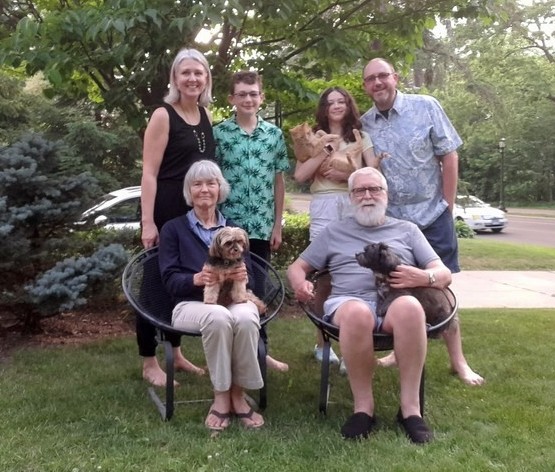
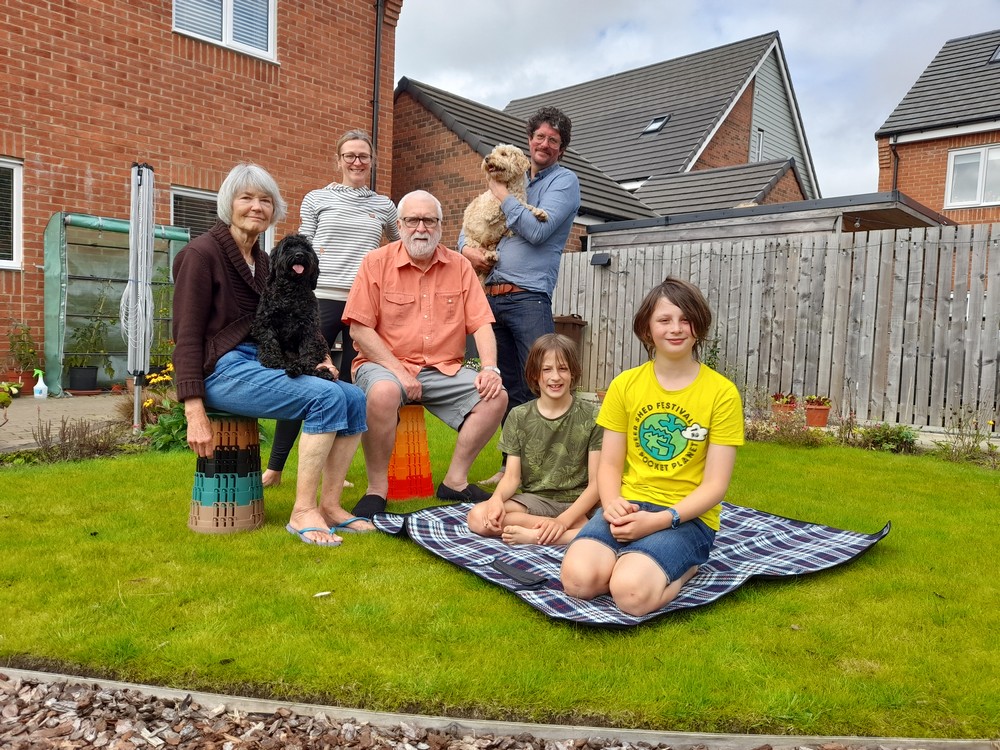
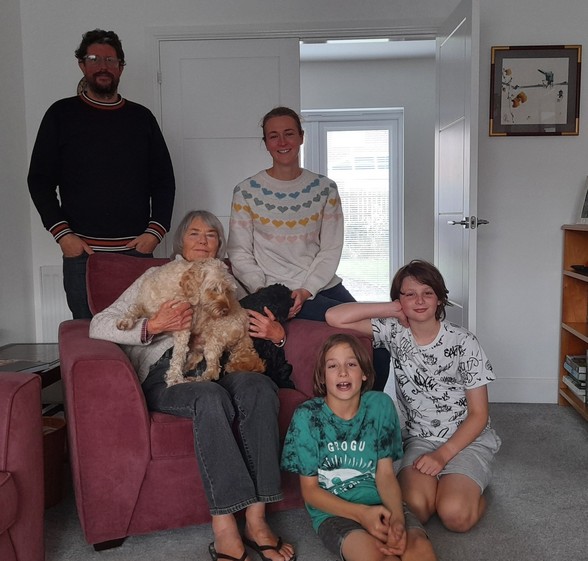
Hannah and Michael, Callum and Zoë were still with us at the beginning of the month. On the 1st, we had an enjoyable trip north to Druridge Bay, with all the grandchildren, and dogs as well. It was rather overcast, and a fair breeze, but with miles of beach to enjoy, I think everyone had a good time.
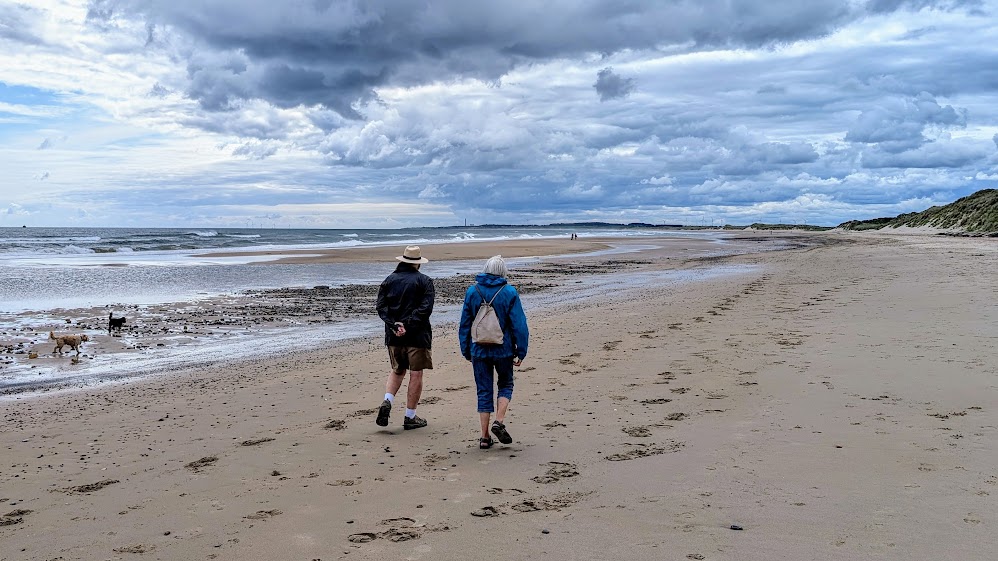
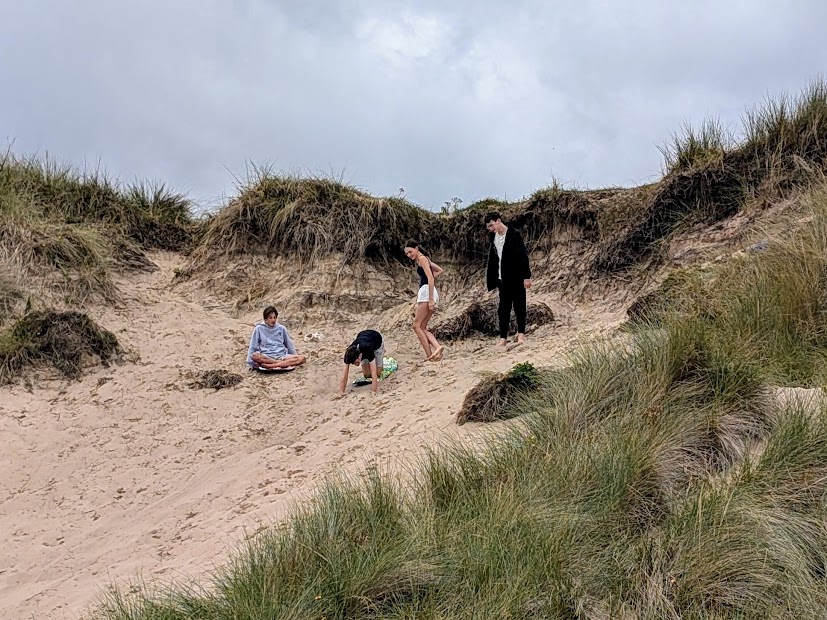
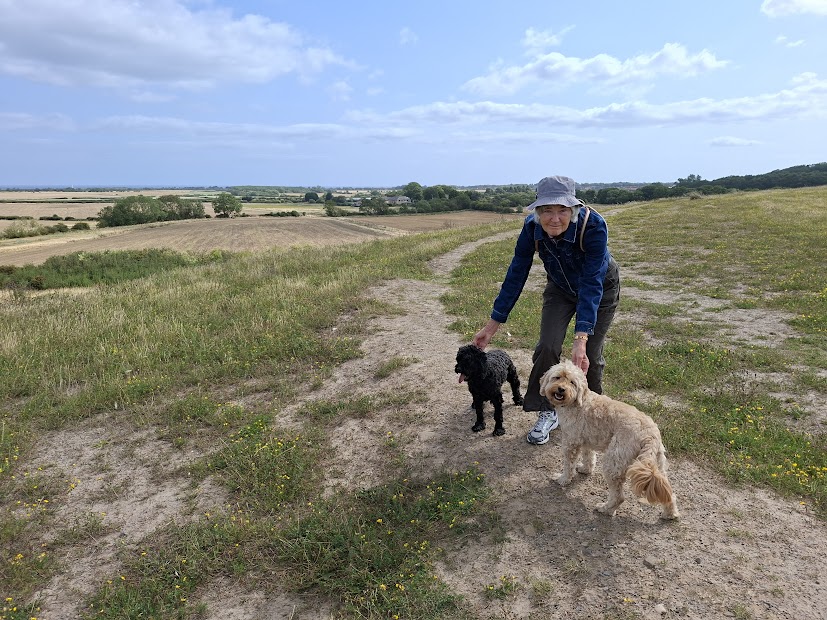
Hannah and family returned to the USA on 6 August, and since Philippa and her family had already left for their camping holiday in France, we had the doggies (Noodle and Rex) for the day.
At the site of the former Fenwick Colliery, close to home

We had great walks along Cambois beach on 8 and 12 August, the second time with Rex and Noodle again.

On 13 August, a very hot day, we decided to visit Derwent Walk Country Park, west of Newcastle, and close to the National Trust’s Gibside. Here in the northeast, local government have converted industrial waste sites to country parks and other recreational facilities. The Derwent Walk stretches for miles along the River Derwent, a tributary of the Rive Tyne, joining the latter west of Newcastle.

Never ones to miss out on a freebie, we spent the morning of 15 August picking blackberries close to home, and have enough to keep us in apple and blackberry crumble for the next 12 months!

Since then we have been very quiet, with just one walk along the promenade at Whitley Bay on the 17th, and (almost) daily walks close to home.

I spent many hours in the last week of the month planning visits (and routes) to National Trust and English Heritage properties in Somerset where we’ll spend a week from 6 September.

July
The first half of the month was generally rather quiet. I think we were still in post-USA mode. But with the good weather, I did get out and about on the local waggonways and another of my ‘Metro walks’ – this time from Four Lane Ends to Ilford Road. With the heatwaves that we’ve experienced recently, the vegetation everywhere was looking more like late summer than mid-July.
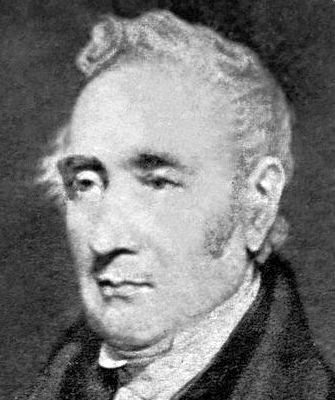
However, we did make one excursion on 11 July, taking in the birthplaces of father of the railways, George Stephenson (right), in Wylam (which we didn’t tour – it’s open in September and we have tickets then), and Thomas Bewick (renowned wood engraver) at Cherryburn, both owned by the National Trust. Then we stopped by the confluence of the North and South Tyne Rivers near Acomb in Northumberland, before making a second visit to St Oswald’s in Lee church at Heavenfield.

On the 17th, we enjoyed an afternoon walk on the beach at Seaton Sluice.
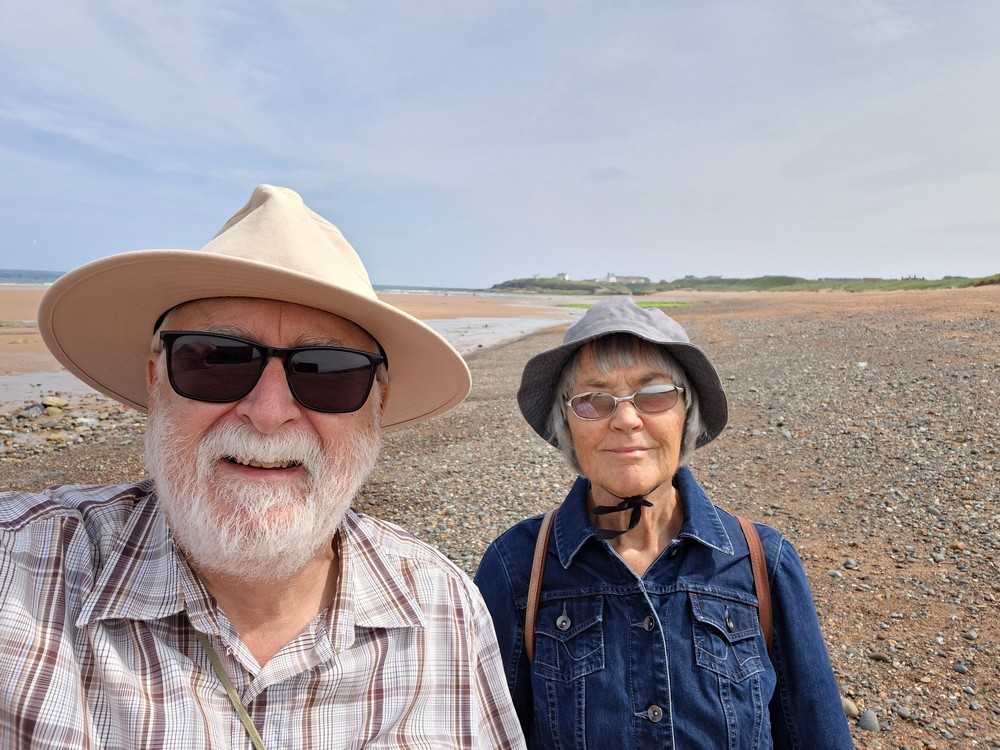
Then, on 26 July, our elder daughter Hannah and her family (husband Michael, and Callum and Zoë) arrived from Minnesota after spending a few days in London prior to their travel north to Newcastle. And we’ve been out and about almost every day since, taking in Seaham in County Durham searching for sea glass (on the 28th), Belsay Hall, Winter’s Gibbet, and Elsdon Castle on the 29th, and the National Trust’s Allen Banks west of Newcastle (that we visited last April) on the 30th.


June
1 June. Not long after breakfast, Hannah drop me off at MSP (less than 10 minutes from her home) so I could collect our hire car for the next four days, for the trip south into north-eastern Iowa.

We set off just after 13:30, and took a leisurely drive to Decorah in Iowa where we’d spend the next two nights, for our visit to Seed Savers Exchange the next day.

Seed Savers Exchange (SSE) is a wonderful community of gardeners and horticulturalists who collect and preserve heirloom varieties of vegetables, fruits, and some flowers. I had contacted SSE in February about a possible ‘behind-the scenes’ tour of their facilities. And as it turned out we were treated to a six hour visit, which I have described in detail in this post.
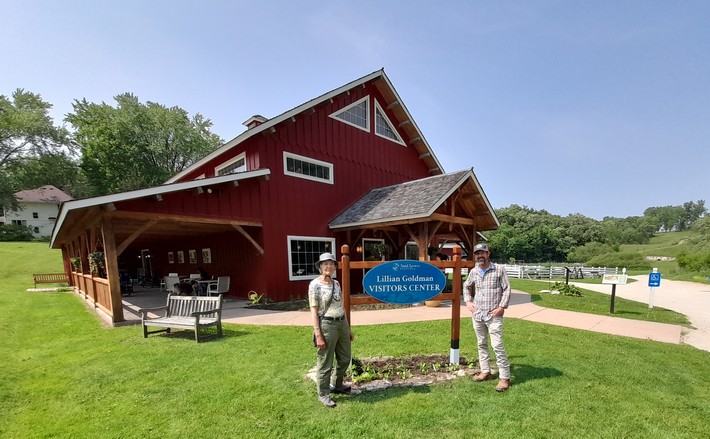
Steph with Director for Preservation, Michael Washburn, who arranged our visit.

We enjoyed looking round Decorah (in Iowa’s part of the Bluff Country). It’s the county seat of Winneshiek County. We were impressed by the various murals that can be seen around the town. The sun was quite hazy that first evening, caused by smoke from Canadian wildfires drifting south.

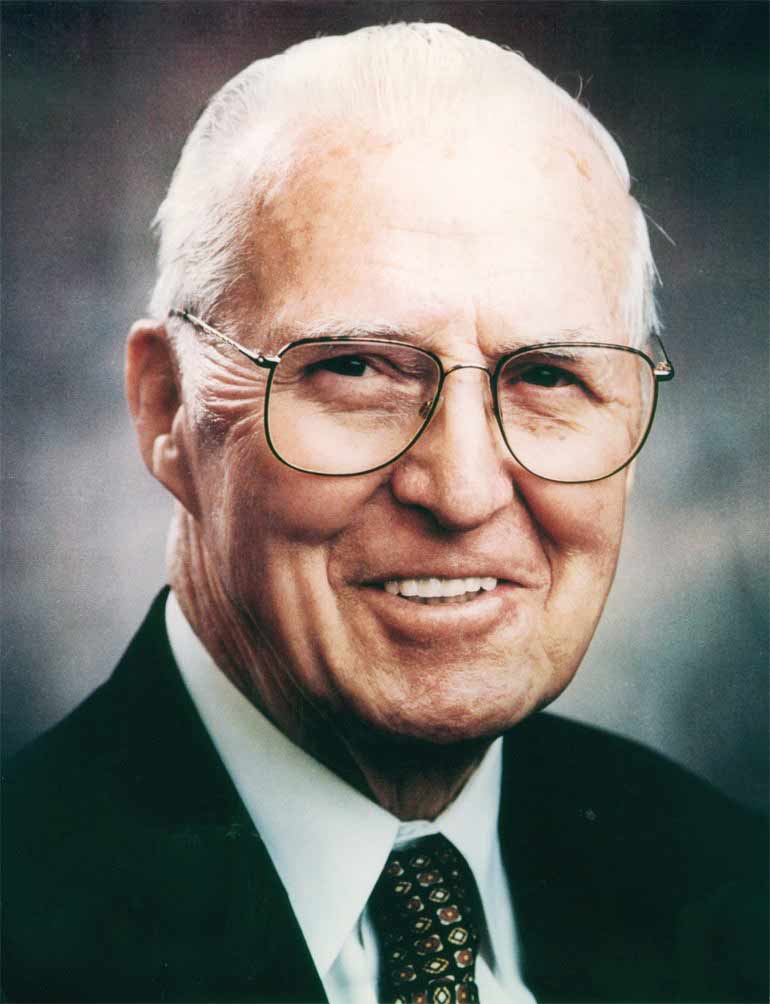
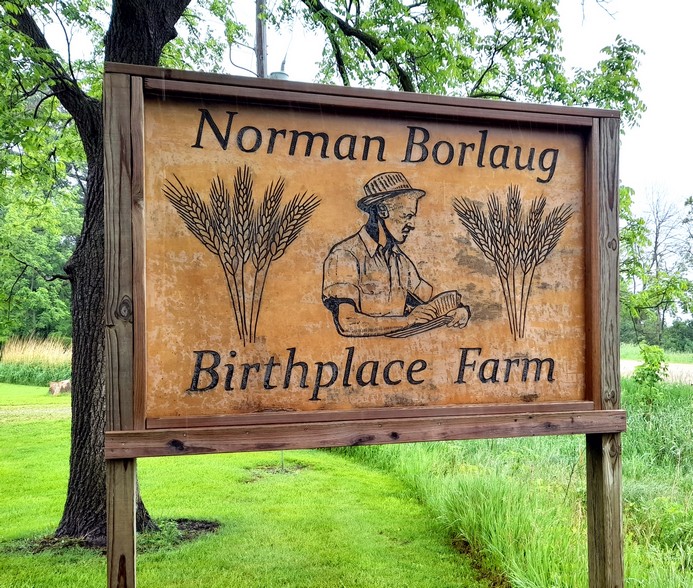
The following day we headed west to Cresco to visit the birthplace and boyhood farms of Dr Norman Borlaug (right), who was awarded the Nobel Peace Prize in 1970 for his research leading to the development of high-yielding varieties of wheat, making several countries self-sufficient in that grain, but also saving millions from the dire prospect of famine. You can read all about Dr Borlaug’s life and career, and our visit to the farm hosted by two members of the Norman Borlaug Heritage Foundation.
One the last day, as we headed back to the Twin Cities, we stopped off at Nerstrand Big Woods State Park in Minnesota (about 60 miles south of the TC), and enjoyed a peaceful 3 mile walk through the park, visiting the Hidden Falls, and having a picnic lunch before hitting the road again.

After our return to St Paul, we spent the rest of our time there chilling out, walking along the Mississippi, dining out with the family. And we did enjoy an afternoon of mini-golf on the roof of Minneapolis’ Walker Art Center, and looking at some of the sculptures in the Garden. It was so hot!

Then it was time to pack up and fly back to the UK on 17 June. Looking back on our 3 weeks plus in the USA, we had a great time, despite all the dire warnings about what is happening there right now. We had no issues at immigration, nor on departure. Everyone we met was friendly, but perhaps that’s just the Mid-West culture. But it’s so sad to hear how the Trump administration is dismantling the very fabric of democracy, and it’s scary how the Supreme Court is supporting him.

We arrived back the following day to a heat wave, and decided to barbecue the next. Since then we’ve been getting over jet-lag, but have managed a coupe of short excursions.

On the 25th we took one of our favorite walks from Whitley Bay to St Mary’s Lighthouse. It’s always nice to walk beside the sea.

Then, on the last day of the month, and one of the hottest of the year, we once again visited the Penshaw Monument (about 11 miles south of where we live) and Herrington Country Park.

May
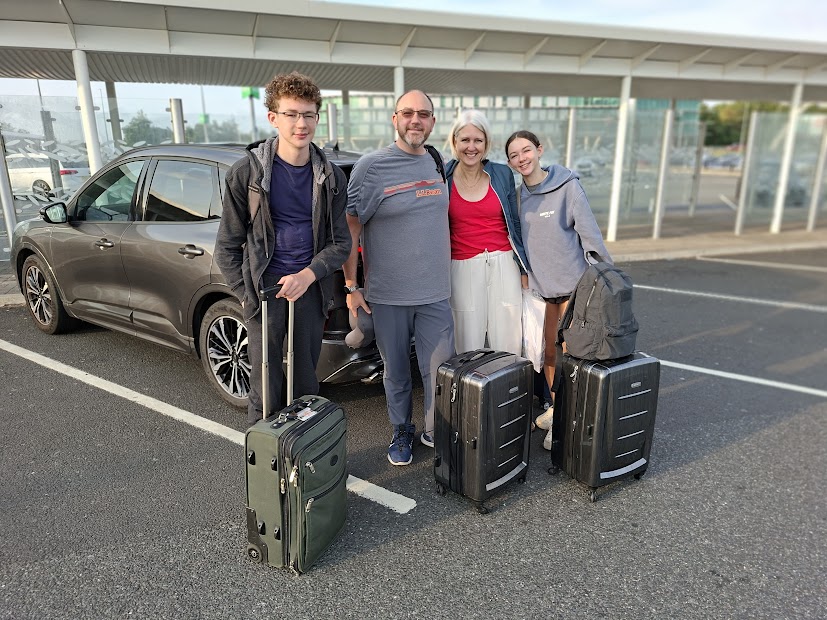
What a busy month May has been. With good weather over several days during the first half of the month, we managed three excursions, before departing to Minnesota for almost a month on 21 May, flying from Newcastle International Airport (NCL) to Minneapolis-St Paul (MSP) via Schipol (AMS).

Om 3 May, I continued my exploration of the Tyne and Wear Metro, walking between Four Lane Ends and Chillingham Road ( just under 4 miles), taking the train from Northumberland Park to Four Lane Ends, then from Chillingham Road all the way east to Tynemouth before turning west again to arrive back at Northumberland Park. On 13 May, I explored the short distance between Four Lane Ends to Benton, before taking the metro back home.
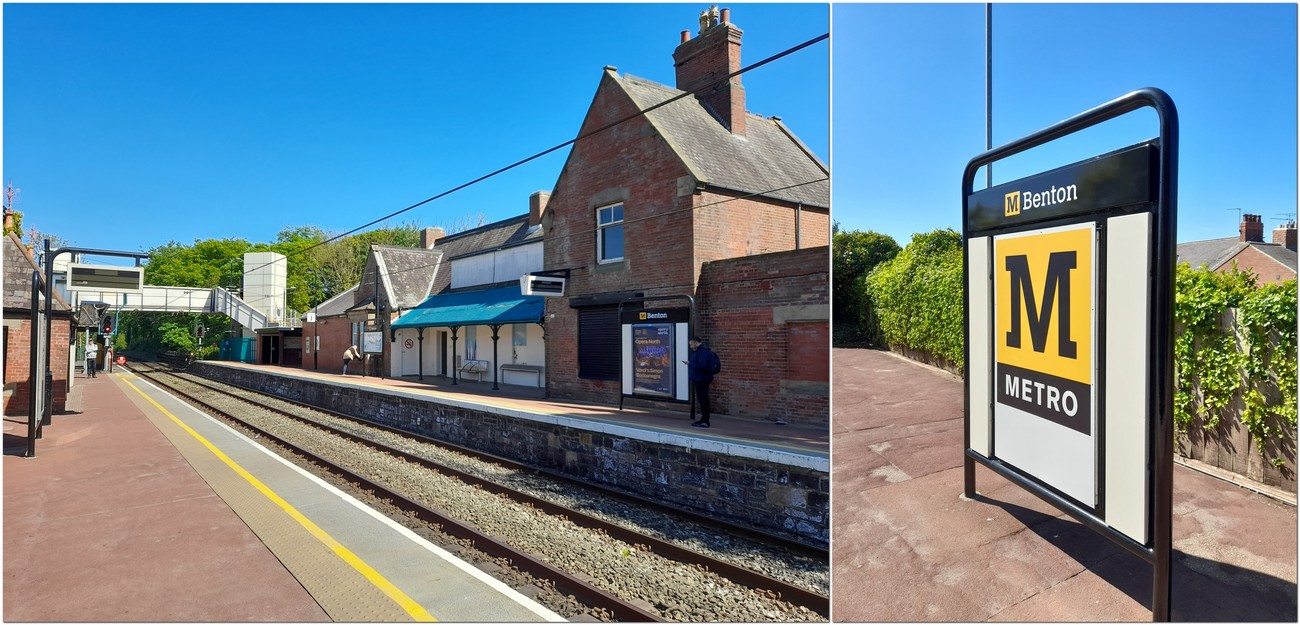
On a couple of walks on nearby fields at the beginning of the month, I was lucky to observe kestrels, yellowhammers, and lapwings, all putting on impressive flight or vocal displays.

On 9 May, we returned to Kielder Forest in the west of Northumberland, making the Forest Drive east to west this time. What a beautiful part of the county.

We had never visited our local National Trust property Seaton Delaval Hall (just under 6 miles from home) in the Spring. But finally made it on 16 May.

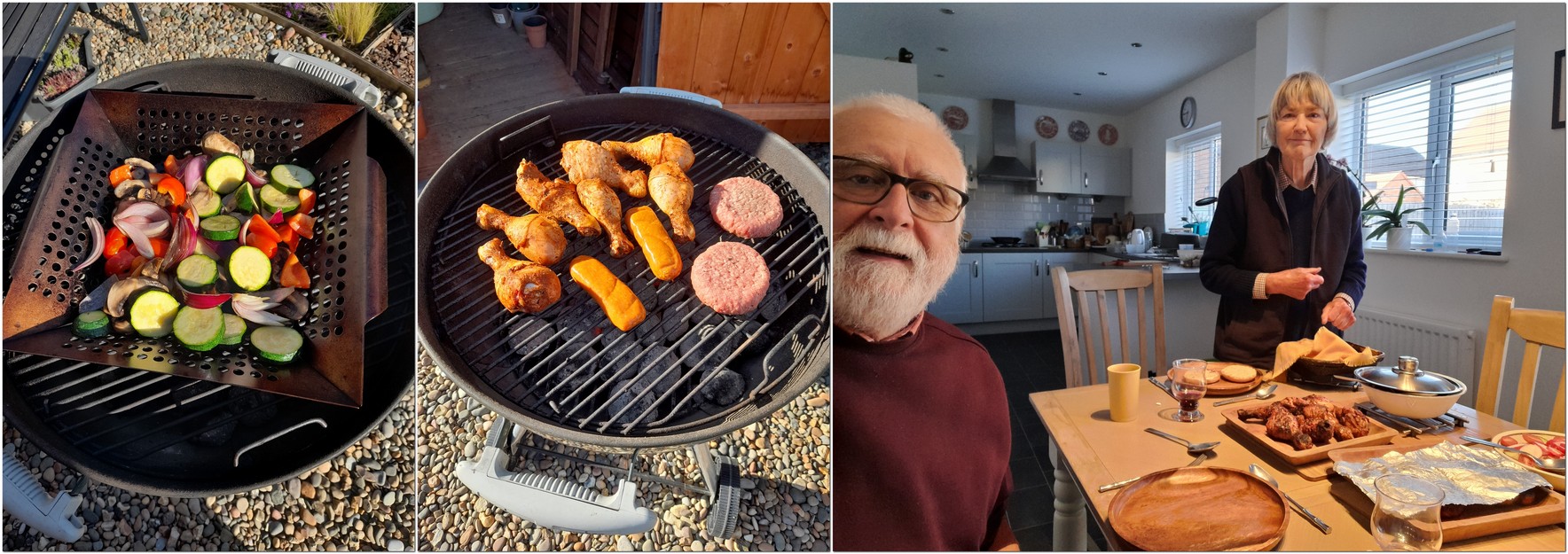
Then on 17 May, we enjoyed a fine barbecue.
Our trip to Minnesota began at 06:30 when our taxi picked us up for the short ride to Newcastle airport. The airport was quiet and we were soon checked through and had a couple of hours to wait for our 09:30 flight on KLM to AMS. I had been concerned about the relative short connect ion time in AMS (just 1¼ hours). But we arrived on time, and our Delta flight to MSP departed from an E gate quite to close to where we had arrived on the D pier.

The Delta flight was not full, and we had a very comfortable flight, arriving on time in MSP at around 15:00. We were through immigration and baggage collection and out of the airport in around 20 minutes. Hannah was there to pick us up. And although jet-lagged, we did manage to stay awake to hear Callum (our eldest grandson) sing in a school concert that evening.

Apart from a short trip to Iowa from the beginning of June (which I will describe in next month’s update) we had no road trip plans during this year’s visit to the USA. So we stayed mostly around the neighbourhood where Hannah and Michael live, enjoying walks, chilling out with their two dogs, Bo and Gizmo, reading, and sampling many of the local beers.
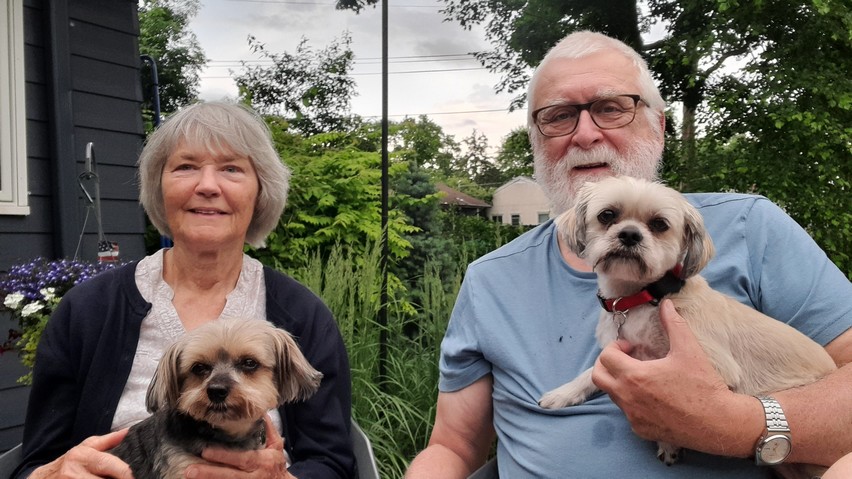
It was interesting to see how much the Highland Bridge development and parks had progressed since 2024. This is the site of a former (and huge) Ford motor assembly plant. The City of St Paul has been very imaginative in its planning of the development (condos, town houses, commercial properties, healthcare, and landscaping – it’s incredible how much wildlife has already taken up residence).

We enjoyed a couple of hours exploring Excelsior and the shore of Lake Minnetonka west of the Twin Cities, while Hannah had brunch with a former work colleague. Lake Minnetonka is now one large lake formed by the merging into a single body of water of numerous kettle lakes after the last glaciation.

On Memorial Day (26 May) we took a walk from the Minneapolis side of the Mississippi back to Hannah’s stopping off the Longfellow Gardens and Minnehaha Park and Falls. We encountered a group of (mainly) old folks protesting against Trump. Well done!

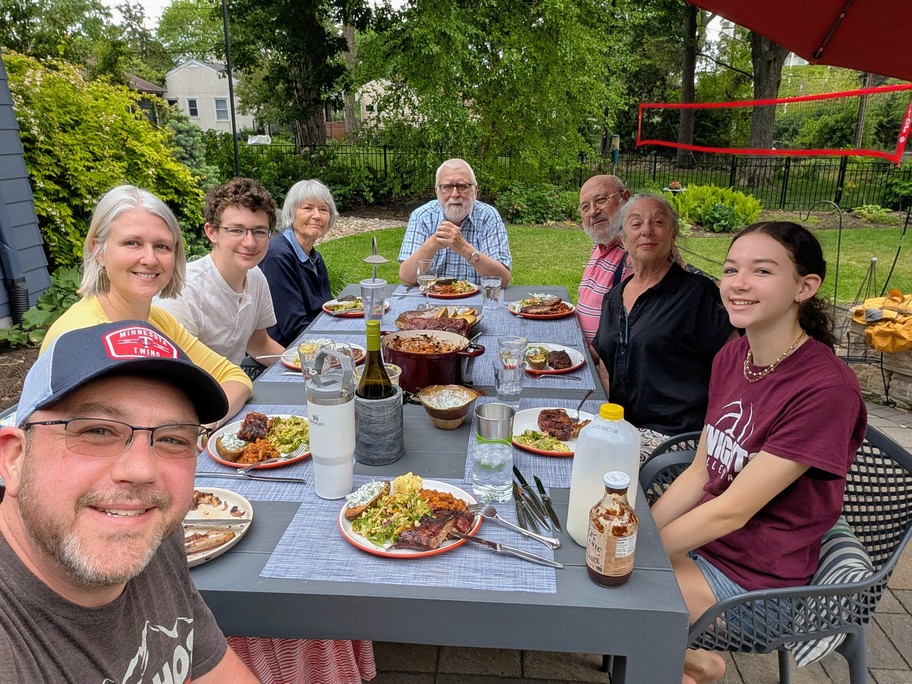
Michael had been smoking several racks of pork ribs for about six hours, and his father Paul and partner Marsha joined us for a delightful evening meal on the patio.
On 30 May we made our annual ‘pilgrimage’ to Como Park in St Paul and the Marjorie McNeely Conservatory (where Hannah and Michael were married in 2006) to see what floral display the gardeners had designed for 2025. The visit to Como was completed with a stroll around the Japanese Garden, and to watch the glorious carousel nearby.

On the last day of the month we prepared for our trip south to Iowa the next day.

April
It has been one of the driest Aprils on record, so we’ve had lots of opportunities of getting out and about.

The month started, right on the 1st, with Steph and I receiving our Covid-19 Spring booster vaccinations. One of the advantages of being over 75 – we get offered these vaccinations twice a year. We believe in science, not the mad ravings of RFK, Jr!

The next day, we headed 75 miles south to Fountains Abbey and Studley Royal Water Gardens just beyond the small cathedral city of Ripon in North Yorkshire. We’ve been there twice before, in July 2013 and again at the end of March 2014. On both occasions it was heavily overcast and rather cold. Not so on this latest visit. We enjoyed a walk of almost 5 miles in the warm sunshine. The ruins of the abbey looked magnificent, likewise the water gardens.

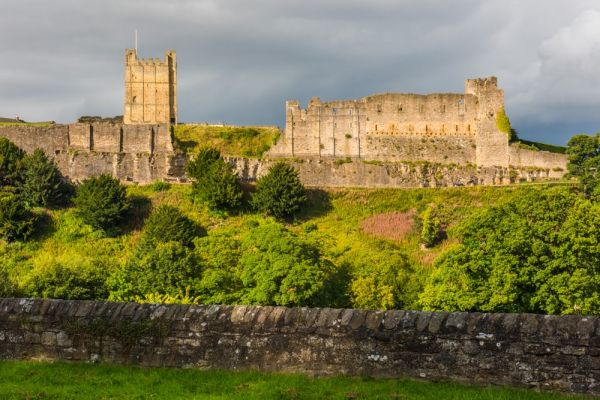
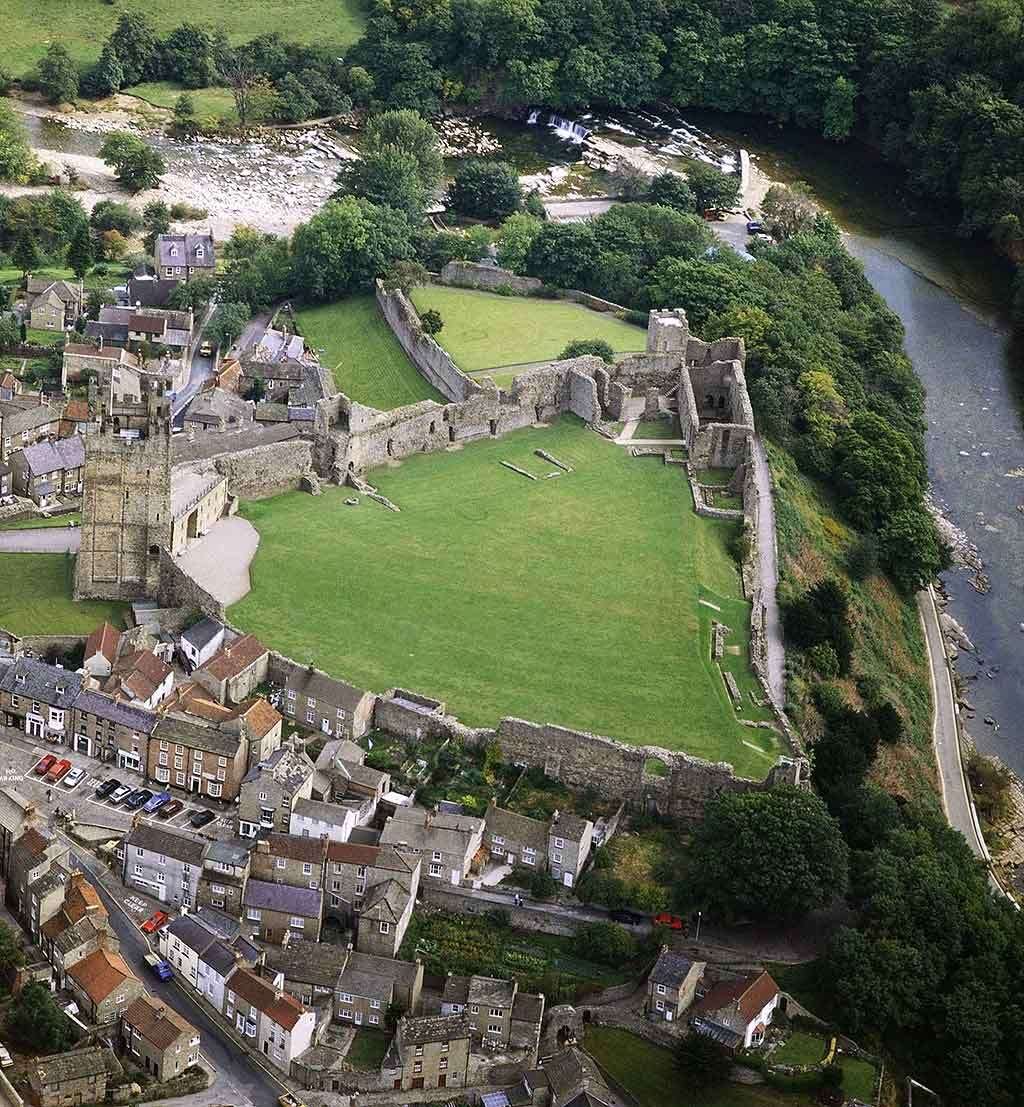
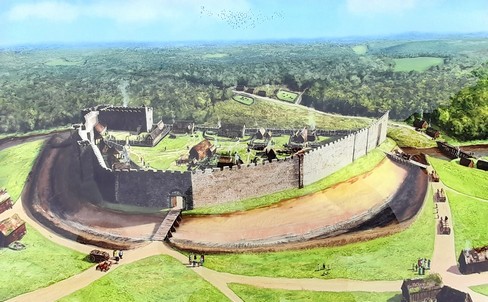
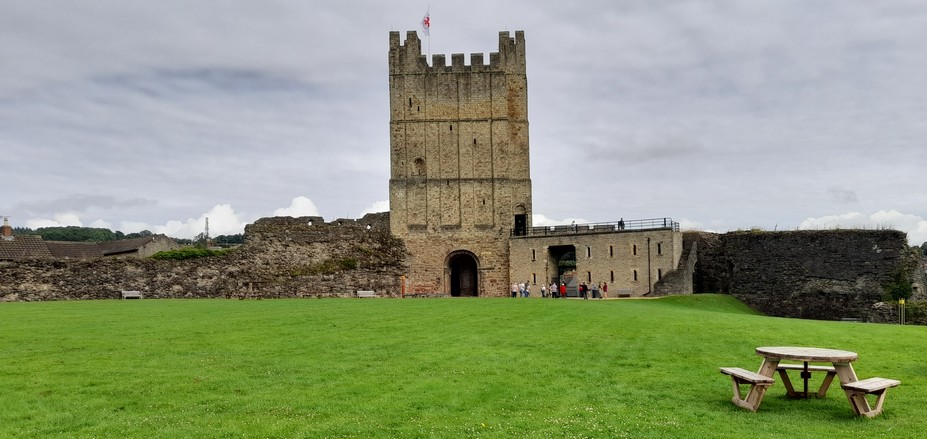
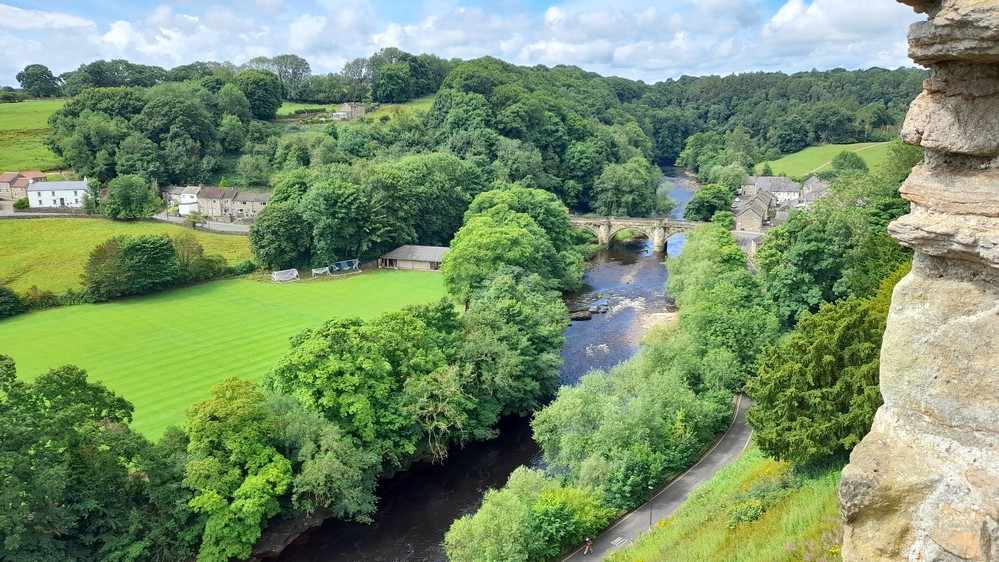
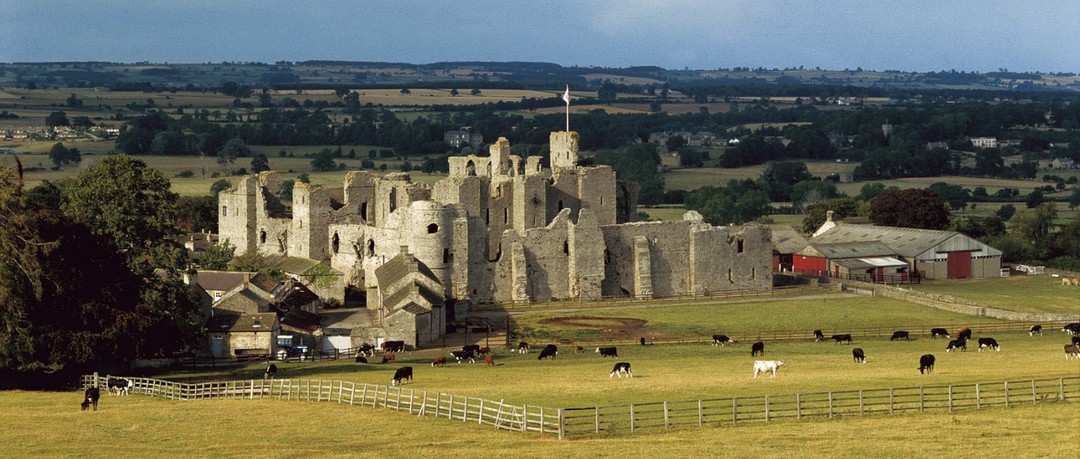
Less than  a week later, we headed south once again, this time to Barnard Castle to explore the 11th century castle and then on to the ruins of Egglestone Abbey, just a couple of miles south of the town. Both owned by English Heritage.

We then came home via the road from Teesdale to Weardale.

I made another of my Metro walks the following day, from West Monkseaton to Monkseaton, and rode one of the new Stadler consists for the first time.
On the 11th, Steph and I headed to the coast to take a look at the newly-renovated St Mary’s Lighthouse. The last time we were there it was high tide so couldn’t cross to the island. As usual, there was a good number of grey seals basking on the rocks.

It wasn’t until the 22nd that we had another excursion, a return visit to Hauxley Wildlife Discovery Centre, where we saw many of the birds that were highlighted on the centre’s reporting board. Including a rare ruddy shelduck, probably an escape or a migrant that had lost its way.

Finally, on the last day of the month, and 15 years to the day since I retired from IRRI in the Philippines, we made a second visit to the National Trust’s Allen Banks and Staward Gorge, about 6 miles west of Hexham. Another glorious day, and we enjoyed a 4 mile return walk along the banks of the River Allen to Plankey Mill from the car park. We’d visited once before at the end of October 2022.

This recent walk was particularly pleasant as the woodlands were waking up in the Spring sunshine.

Internationally, this month saw the death of Pope Francis, and the dramatic election win for Mark Carney and the Liberal Party in Canada, overturning a predicted drubbing from the nation’s right wing Conservative Party. Donald Trump and his henchman continue to embarrass themselves, the USA, and democracy.

March
This has been a walking month, but with a difference. Having walked the waggonways and fields close to home over the past four years, I decided it was time to explore further afield. So, on several occasions, I have taken to the Metro and walked back home as I did at the beginning of the month from Palmersville (the next station west from our nearest at Northumberland Park) or traveling to other stations and taking a walk from there.

On the 9th,  Steph and I headed to Cullercoats, on the coast to walk back to Whitley Bay. Ethereal. There was a light fog rolling off the North Sea which added atmosphere to our walk. By the time we reached the Metro in Whitley Bay, the fog had lifted.

On the 20th, we headed west to Bolam Lake Country Park, making two full circuits of the lake by slightly different routes, enjoying a picnic, before taking a look at the nearby Anglo-Saxon Church of St Andrew’s.

We have explored the center of Newcastle on just a few occasions. However, on 24 March, I took the Metro to West Jesmond, and walked across the city center to St James’ Park (home of Newcastle United), stopping off near Northumbria University for a coffee with my elder daughter Philippa who is an Associate professor there.

Last Friday, 28 March Steph and I took the Metro to Ilford Road, and walked the length of Jesmond Dene, covering almost 5 miles by the time we returned home.

Jesmond Dene is a public park, occupying the steep valley of the River Ouseburn. It was created by William, Lord Armstrong (engineer and industrialist owner of Cragside in Rothbury, now in the hands of the National Trust) in the 1860s, and he gave the park to the people of Newcastle in 1883.

Although showery at times, it was a thoroughly enjoyable walk through the Dene, lots of birdlife (some of which I hadn’t seen for several years such as jays).

However, at the beginning of the month we visited the National Glass Centre in Sunderland for the second time, and took advantage of the visit to explore the nearby St Peter’s Church (with its Saxon tower) which had been closed when we traveled there in November 2022.

Here are some of the studio pieces on display in the Glass Zoo and Menagerie exhibitions.

St Peter’s is one half of the twin monasteries established by Benedict Biscop in the 7th century. The other half is at St Paul’s, Jarrow that we visited in August 2023.
Internationally, I guess the big story has been the powerful earthquake on 28 March in Myanmar, with its epicenter close to Mandalay. Even 1000 km south in Bangkok the effects of the earthquake were devastating. What has been particularly awful about this tragedy has been the request by the Myanmar military junta for international aid while continuing to bomb so-called rebels throughout the country. No humanity!

I am unable to fathom why Israel continues to bomb civilian targets in Gaza, killing recently more than 400 people including many women and children. And why the Israeli government tacitly permits settlers to attack Palestinian families on the West Bank. Meanwhile, Israeli Prime Minister Benjamin Netanyahu joined soldiers of the Israeli Defence Force for a meal in a Palestinian apartment which they had occupied. Obscene.

And don’t get me started on what the Trump Administration has been up to, almost on a daily basis, during March.

February
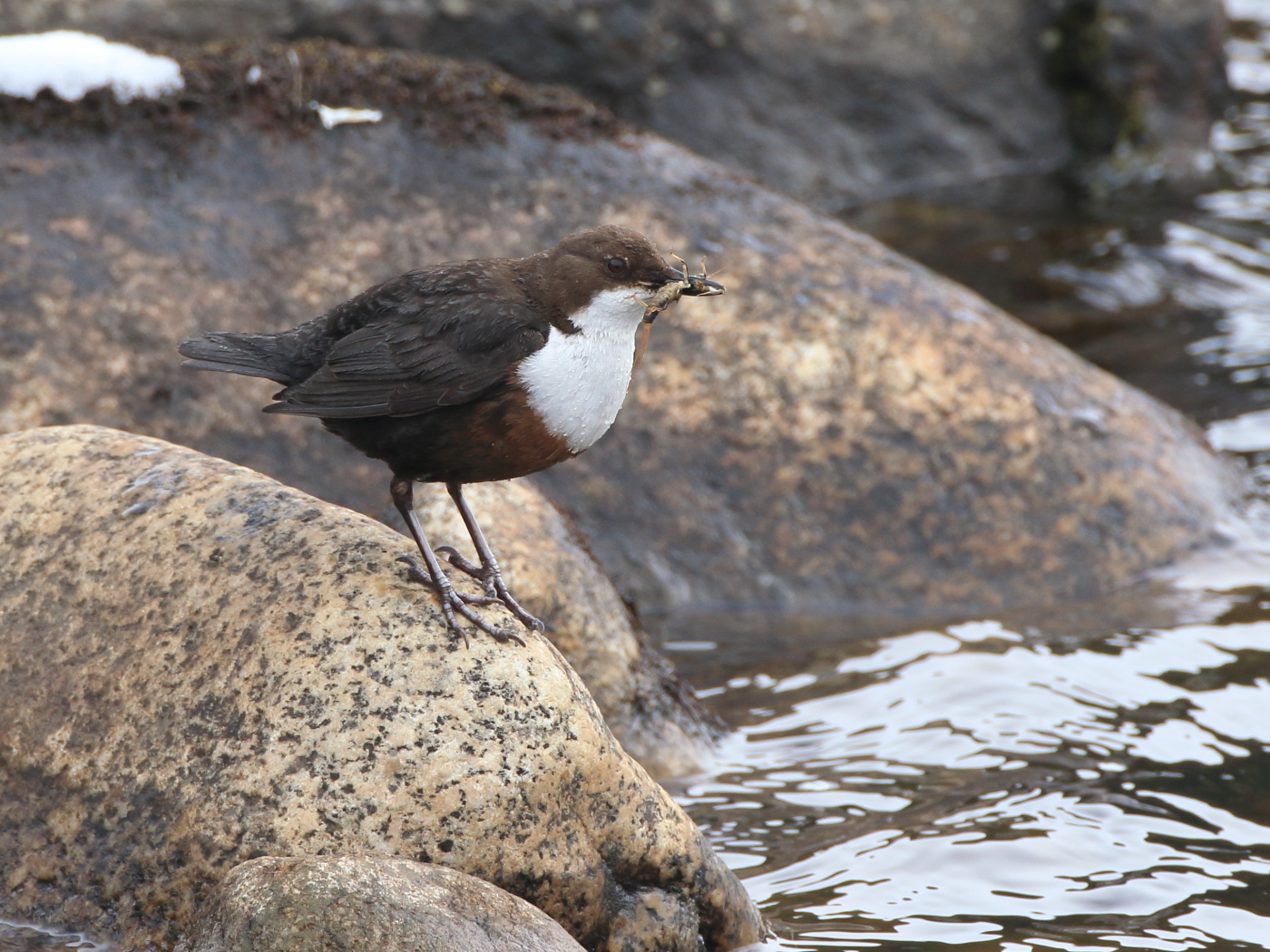
It’s been a rather quiet month on the home front. Why? The weather has been so foul – cold, wet, and overcast and certainly not the weather (mostly) for excursions. Apart from the 6th, when there was hardly a cloud in the sky so we headed off to National Trust Gibside, and enjoyed a 4 mile walk through the estate and along the River Derwent. Hoping to see a lot of birdlife, it was rather a disappointment apart from a solitary dipper feeding along the river, and a stately heron sunning itself a little further along.

On the 26th, our two grandsons Elvis and Felix spent the day with us during their half-term break. We originally had plans for a trip into the wilds of Northumberland, but the weather deteriorated, Elvis had hurt his ankle at a Parkour class the previous week, so all we could manage was a short hobble around the nearby lake.

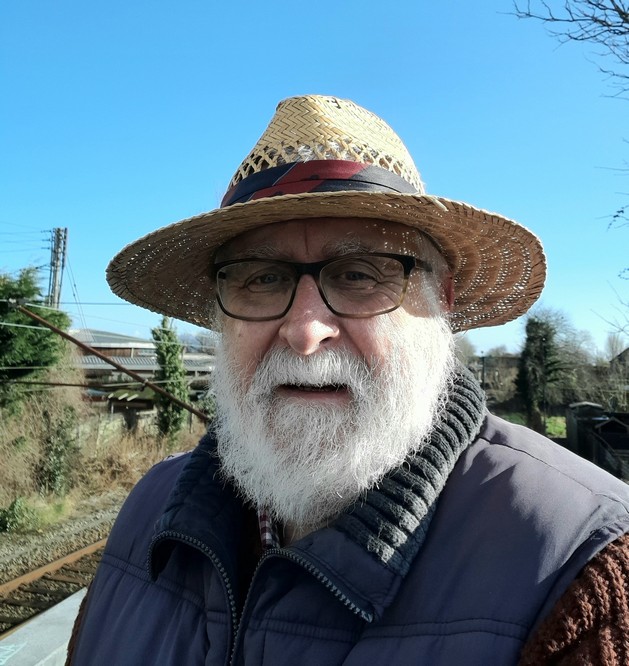
But the following day, Spring arrived. I even resurrected my summer straw hat from the recesses of my wardrobe.
The highlight of the month however was the Transatlantic Sessions concert we attended at The Glasshouse International Centre for Music in Gateshead on 4 February. What an evening! Read all about it by clicking on the box below (and the other red boxes).

I commented about Donald Trump twice during the month. I’d promised myself many weeks ago, even before his inauguration of 20 January, that I would avoid writing anything. I couldn’t help myself.

So on 17 February I published this:

Then, Trump reposted this offensive AI-generated video about Gaza on his Truth Social at the end of the month:

Trump was publicly fact-checked by President Macron of France and prime Minister Sir Keir Starmer of the UK.

On the 28th, I wrote this:

And just when you didn’t think he could sink any lower, Donald came up trumps later that same day, and he and his VP disgraced the Office of the President of the United States in the behaviour towards and treatment of President Volodymyr Zelenskyy of Ukraine in the Oval Office. I’ll just leave this video and let you make your own minds up. I’m appalled.

And this comes on top of Trump being invited to the UK this year or next for an unprecedented second State Visit. Although not a monarchist, I feel sorry for the King that he’s been put in this invidious position, welcoming a convicted felon and sexual abuser once more to the UK.

I also updated these two posts:


January
The weather was quite mixed during this month, with Storm Éowyn (see below) arriving on the 24th, and causing widespread disruption. Having slipped and broken my leg (back in 2016) when it was icy, I rarely venture out these days when there are similar conditions. But we managed a great walk at Cambois beach on 10 January, a rather disappointing bird-watching visit to Hauxley Wildlife Discovery Centre on the 15th, and last Thursday (30th), on a beautiful but sharp sunny day, we completed the River Walk at National Trust Wallington in Northumberland.

Cambois beach

Hauxley Wildlife Discovery Centre

Wallington

Here are some other news items:

  • 31 January: Donald Trump has been President for just eleven days, and already it feels like a lifetime.
  • 31 January: a Medevac Learjet 55 crashes into a Philadelphia suburb just after take-off from Northeast Philadelphia Airport, killing all on board. This was the second fatal crash in two days in the USA.
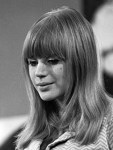
  • 30 January: Singer and actress, and 60s icon, Marianne Faithfull (right) died, aged 78.
  • 29 January: American Airlines 5342 (from Wichita, Kansas) collided with an army helicopter as it was coming into land at Washington Ronald Reagan National Airport (DCA), and plunged into the Potomac River, killing all 64 passengers and crew, and three soldiers in the helicopter. Donald Trump ‘speculates’ – because he has ‘common sense’ – about the causes of the accident and, to the outrage of many, blames the accident on the Obama and Biden administrations, and diversity, equity, and inclusion (DEI) policies.
  • 24 January: Storm Éowyn hit the UK and Ireland with winds in excess of 100 mph.
  • 20 January: the Orange moron, Donald J Trump was inaugurated as the 47th President of the United States, and immediately disgraced himself in his speech.
  • 15 January: Gaza ceasefire agreed between Hamas and Israel, coming into force on the 19th when the first Israeli hostages and Palestinian prisoners exchanged.
  • 9 January: state funeral, in Washington DC for Jimmy Carter, the 39th President of the United States. A president with an impressive legacy.
  • 7 January: catastrophic wildfires devastate huge areas of Los Angeles, leaving thousands homeless.
  • 7 January: 7.1 earthquake hits holy Shigatse city in Tibet, with as many as 400 people killed, and many more injured.
  • 6 January: Vice President Kamala Harris certifies the 2024 US presidential election results. Justin Trudeau resigns as Prime Minister of Canada. Widespread flooding in the UK.

I wrote these four posts:


New Year’s Day 2025
After a stormy few days, with expectations of worse to come today, we actually woke to a bright, fine morning, blue skies and only a moderate breeze.

Having been confined to indoors for the past couple of days, we decided to head off to Whitley Bay and take a stroll along the promenade, and check whether the sea was still churning after all the recent weather. As the car park was full, we then drove north by a couple of miles to Seaton Sluice, and enjoyed a short (1.07 miles) walk along the beach, collecting small pebbles and sea glass on the way. The temperature was around 7°C but felt much colder in the brisk breeze.


A brief trip to Scotland

Two weeks ago, Steph and I had a four-day minibreak to visit my sister Margaret who lives in a small community west of Dunfermline in Fife, Scotland on the north side of the Firth of Forth.

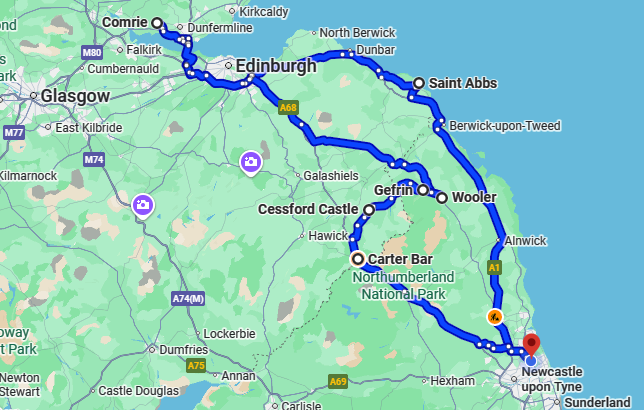
And we took advantage of that trip north to redeem—on the return journey—a couple of Christmas gift vouchers for a whisky distillery tour and tasting in the north Northumberland town of Wooler, then visiting several other localities along the Scottish border before returning home. The whole trip covered 376 miles.


On the Monday morning (6 October) we set off a little after 10 am, heading north on the A1. North of Berwick-upon-Tweed, the road runs close to the coast, and there are some lovely views over the North Sea, and further north still, views of the mouth of the Firth of Forth and Bass Rock, an important seabird colony particularly for gannets. We were very lucky with the weather more or less until we hit the Edinburgh By-Pass when it began to cloud over.

We broke the journey at St Abbs in the Scottish Borders, just 15 miles north of Berwick. We’d visited there once before. It’s an attractive small community with a harbour of fishing and dive boats. Dive boats? Yes, because the waters off St Abbs head nearby south to Eyemouth are a marine reserve, and attract many dry suit divers. But not for me, although I’m sure the diving could be spectacular. I learned to dive in the Philippines where the waters are considerably warmer.

Here is a short video of the drive down to St Abbs and views around the harbour and village.

We enjoyed a walk around the harbour, and had hoped to see something of the birdlife that the location is famous for. It was all quiet on the bird front – they must have all been hiding or out to sea.

After a spot of lunch, we headed back to the A1 and continued north to Comrie, arriving there about 15:30 just in time for a welcome cup of tea and a slice of lemon drizzle cake.

Our route took us around the Edinburgh By-Pass, and crossing the Firth of Forth on the ‘new’ Queensferry Crossing that carries the M90 motorway. The bridge opened to traffic on 30 August 2017. At 1.7 miles (2.7km) it is the longest 3-tower, cable-stayed bridge in the world, and replaced the Forth Road Bridge (which opened in 1964) and which now only carries buses, taxis, cyclists, and pedestrians. This link gives a potted history of these two bridges and the iconic rail bridge that opened in 1890.


The next day, Margaret, Steph and me headed 18 miles west to visit Stirling Castle, owned by Historic Environment Scotland, and as we are long-standing members of English Heritage, we had free entry. The castle is perched high on a volcanic crag with impressive 360º views across the city and hills to the north.

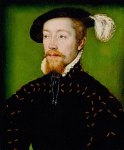
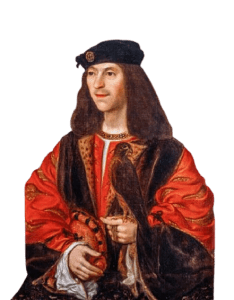
The castle reached its zenith, as a renaissance royal palace, in the 1500s and was the home of King James V (right), father of Mary, Queen of Scots. Her son, James VI of Scotland and I of England (who Elizabeth I named as her heir in 1603) acceded to the Scottish throne (aged 13 months) in 1567, and spent much of his youth in this castle. The oldest part of the castle (the North Tower) dates from the 14th century; there were additions in the 18th century when the castle became a military stronghold.

Being mid-week, we didn’t think there would be many visitors, so booked our tickets for an 11:30 entrance. The car park was almost full, with coach after coach disgorging tourists from all corners of the globe. Fortunately, parking (at £5) was well-organized, and we were not permitted to drive into the carpark itself until parking marshals could direct us to a free space.

There’s certainly plenty to see at Stirling Castle, and by the time we ‘retired’ to have lunch, I was quite overwhelmed by all the information that I had tried to absorb.

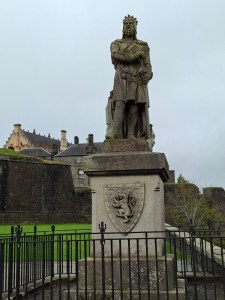
Outside the castle is an impressive statue of King Robert I, known as Robert the Bruce (1274-1329) whose particular claim to fame is his defeat of the forces of King Edward II of England at the Battle of Bannockburn in 1314. What I had never realised until this visit to Stirling Castle is that the site of the battle is just 2 miles south.

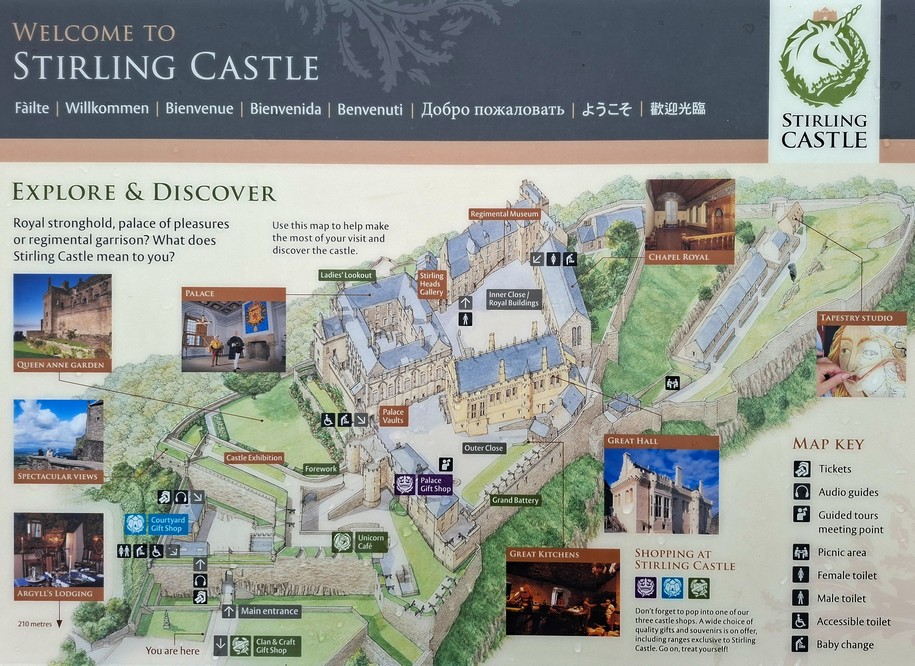
There’s so much to see inside the castle walls, from Queen Anne’s Garden with its view over the surrounding landscape, the Royal Palace that has been luxuriously refurbished and newly fabricated tapestries hung, the Chapel Royal (built in 1594 by James VI for the baptism of his first-born Henry), and the Great Hall, one of the largest and finest in Europe.

A full set of photographs of our visit to Stirling Castle (and the other sites on our trip) can be viewed here.

By the time we left the castle around 14:00 the clouds had lifted and we could see all the way into the surrounding hills. So we headed to see an impressive landscape feature near Falkirk, just under 17 miles southeast of Stirling.

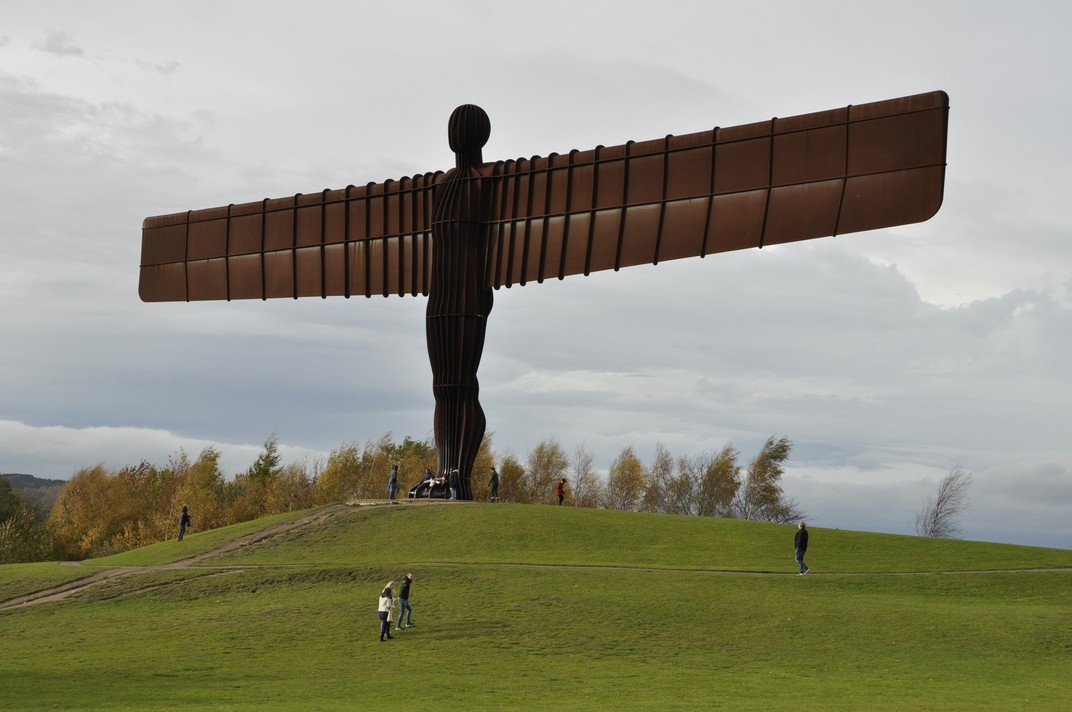
The Kelpies are to Falkirk what The Angel of the North is to Gateshead. So what are The Kelpies? Sitting beside the M9 motorway (from which we have glimpsed The Kelpies on previous occasions when passing by and always meaning to visit one day) and alongside the Forth and Clyde Canal, The Kelpies are large (very large) heads of mythical horses made from steel, standing 98 feet (or 30 m) high.

Designed by sculptor Andy Scott, they were completed in October 2013 and unveiled the following April to reflect the mythological transforming beasts possessing the strength and endurance of ten horses. The Kelpies represent the lineage of the heavy horse of Scottish industry and economy, pulling the wagons, ploughs, barges, and coal ships that shaped the geographical layout of the Falkirk area (Wikipedia). They are impressive indeed.

Our original idea was to visit The Kelpies the following morning as we left my sister’s to head south towards Wooler. Thank goodness our plans changed as the following morning we met heavy congestion south of the Queensferry Crossing, and crawled in traffic for about 10 miles, extending our journey by almost an hour. Consequently, we arrived in Wooler just after 1 pm and only 45 minutes before our distillery tour was due to begin.

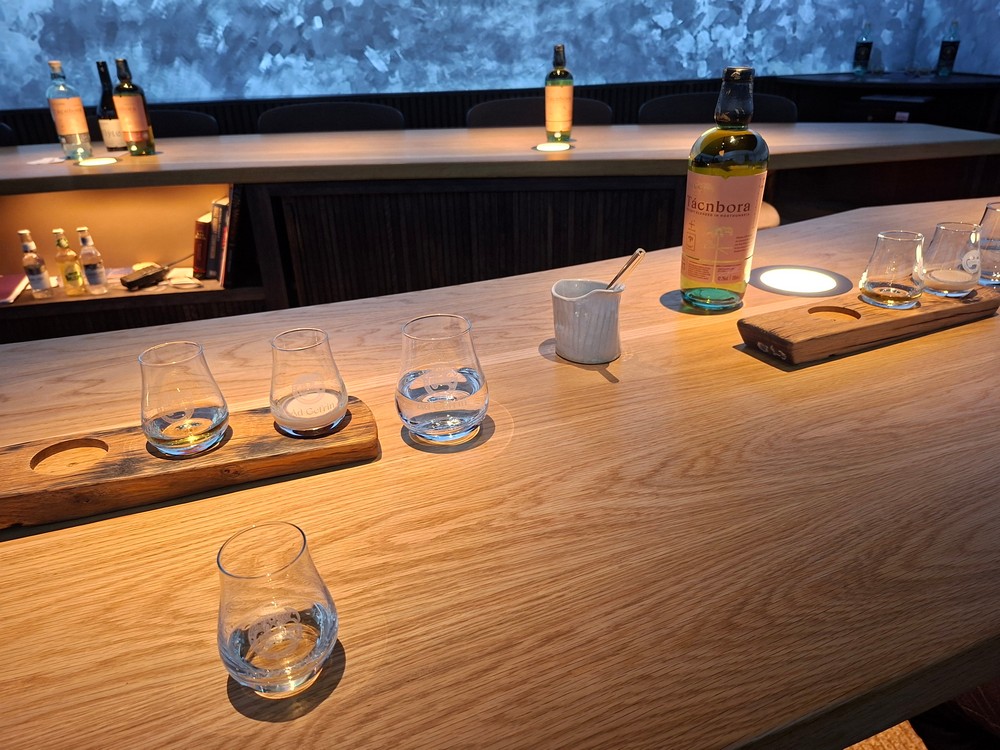
The Ad Gefrin distillery was opened in 2023, but has not yet released its own whisky, although its warehouse is full of barrels ready for release as single malts by the end of 2026 or early the next year. For the time being it is retailing two whiskies—Corengyst and Tácnbora, branded as ‘blended in Northumberland’— made from Scottish and Irish whiskies.

We enjoyed the whisky tasting, and since Steph does not like the beverage, we took her samples home which I sampled again last week.

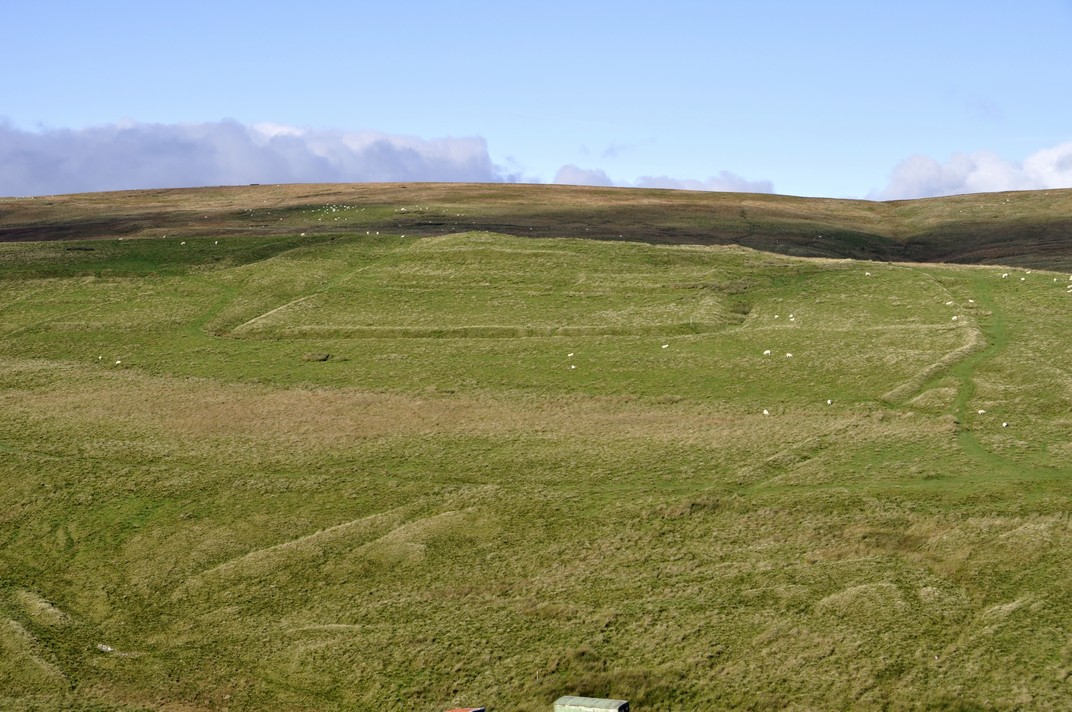
The distillery takes its name from the 7th century Anglo-Saxon settlement and royal palace of Gefrin, a few miles northwest of Wooler near the community of Yeavering, surrounded by hills in the vale of the River Glen. There is a small museum dedicated to Gefrin at the distillery which we also had opportunity to view.

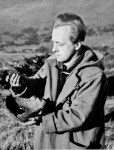
Then, next day after an excellent full English breakfast at the guesthouse where we stayed, we headed to Gefrin. And although there’s not a lot to see on the ground, there are several information boards explaining how the site was discovered in 1949 from aerial photographs, and subsequently excavated by Brian Hope-Taylor (right) between 1952 and 1962. Some of his interpretations remain problematical.

You can better appreciate the landscape around Gefrin in this video from about 3’30”.

We continued our journey west, crossing over the border back into Scotland near Morebattle before arriving at Cessford Castle, ancestral home of the Ker family (who became Dukes of Roxburghe) around 1450.

The castle is unsafe to enter, but one can still appreciate its walls, 13 feet thick. It’s so isolated in its landscape, surrounded by a ditch that can still be appreciated to this day. As we walked around the ruin, we kept our eyes on a flock of sheep grazing nearby that I came to realise were actually rams, warily scrutinizing us.

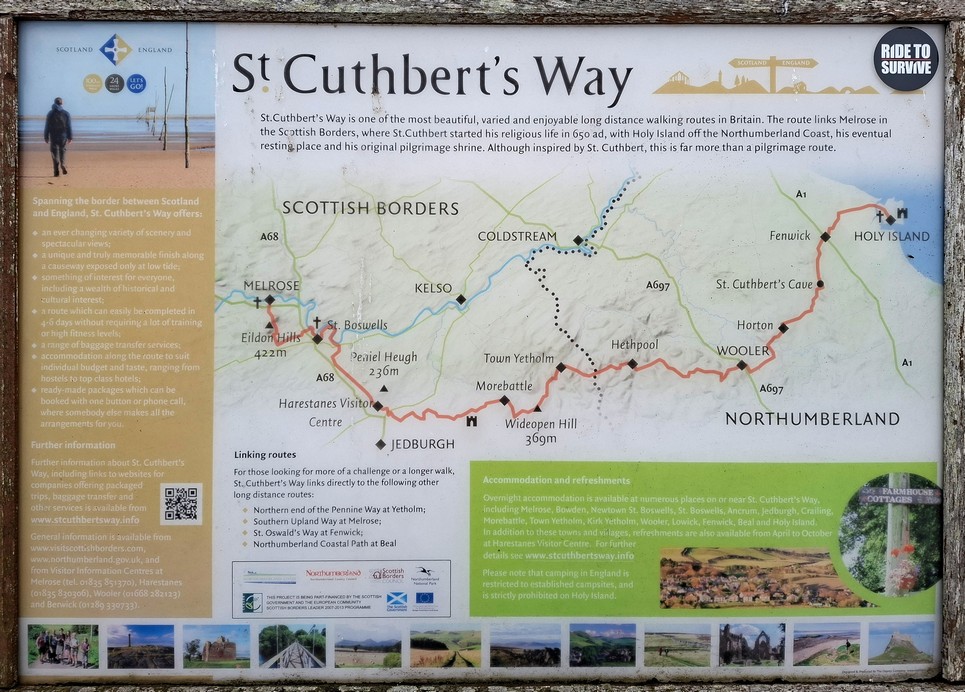
The route of St Cuthbert’s Way (from Holy Island on the Northumberland coast west to Melrose in the Scottish Borders) passes near the castle, and which we more or less followed for a while as we headed towards Jedburgh and the A68 that would take us over the border at Carter Bar back into England.

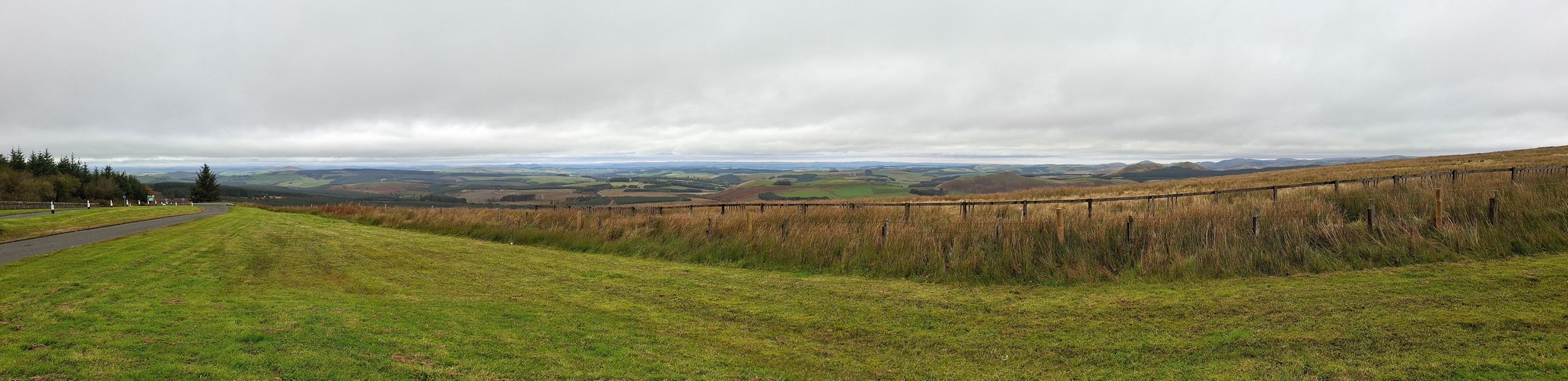
Carter Bar, at 1371 feet or 418 m, is the highest point on the pass in the Cheviot Hills, before crossing over into Redesdale on the England side. On a good day there must be a better view north into Scotland since we experienced low cloud cover. Nevertheless we still could appreciate the beauty of this location.

It has a long history in the relations between England and Scotland, and the Romans were here in the 1st century CE. Just a few miles away is Dere Street, a Roman road that we have encountered before at Chew Green, a Roman encampment close to the border but further south.

Then it was downhill all the way to North Tyneside, and it wasn’t far beyond Carter Bar that we were once again on familiar territory.

We must have been home by about 3 pm or so, just avoiding a major holdup less than a mile south from where we left the A19. A construction company had ruptured a mains water pipe and the road was flooded for several hours. I read that the diversions and traffic disruption were epic!


From Wylam, Northumberland . . . to the world

Rail transport was one of the most important technological advances of the 19th century, a key component of the so-called Industrial Revolution (approximately 1760-1840) that marked a transformative period characterized by mechanization, urbanization, and significant social changes.

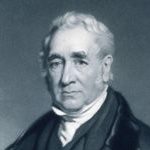
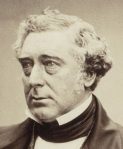
And today, 27 September 2025, is the 200th anniversary of the opening of the Stockton and Darlington Railway, the first public railway to use steam locomotives, and which is considered the beginning of the Railway Age. One man, George Stephenson (right, 1781-1848), is inextricably linked with the birth of the railways, having surveyed the Stockton and Darlington line and constructed (with his son Robert, 1803-1859) the first locomotive, Locomotion No.1, to haul passengers. But they built upon the ingenuity of great engineers before them, like the pioneering Cornish engineer Richard Trevithick who actually developed the world’s first steam locomotive in 1804.

For this, and other inventions and innovations such as surveying lines, the standard gauge (at 4 feet 8½ inches) that was more or less adopted worldwide, and design of steam locos, George Stephenson is often referred to as the Father of the Railways, and rightly so. Although perhaps that’s an accolade that should be shared with son Robert (right).


Steam locomotives and the birth of the railways are part of the proud historic and heritage fabric of the northeast of England where the history of the railways is synonymous with the expansion of the coal mines. Coal had been transported since the late 17th century from the pits along waggonways to wharves or staiths along the River Tyne where it could be loaded on boats for export, most often to London.

Waggons were initially hauled by horses on rails made from wood. Later, stationary steam engines were built to pull the waggons, and wooden rails were replaced by cast iron ones. The design and development of steam locomotives to bring coal from the pits to the River Tyne was the driving force that brought about the birth of the railways. It was a major step forward, and dramatically reduced the cost of coal.

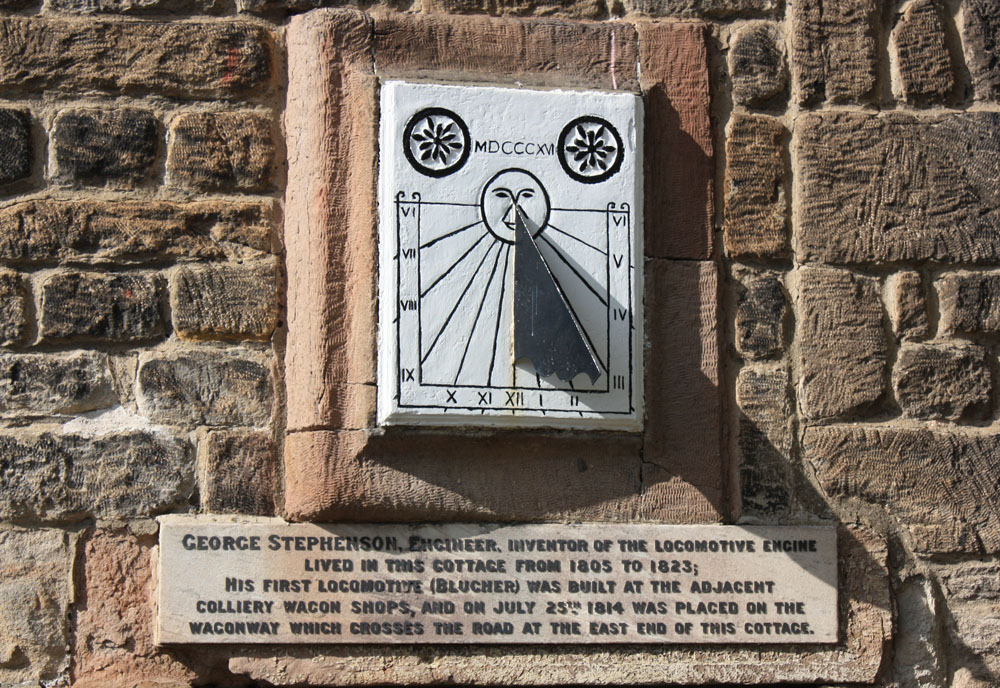
While working at Killingworth Colliery, northeast of Newcastle upon Tyne, Stephenson had a workshop where he constructed his first steam locomotive, Blücher in 1814, establishing his reputation as an engineer. Remarkable for a man who was illiterate until the age of 18.

And while Locomotion No 1 was a major step forward in the development of the railways in 1825, it was Rocket built by George and son Robert in 1829 for the Liverpool and Manchester Railway (which opened on 15 September 1830) that included design innovations (explained in the video below) seen in steam engines over the next century and a half. Although Stephenson did not design flanged wheels (that was done by William Jessop in 1788), he did use them on Rocket, a significant advance in railway technology.

Just imagine how sophisticated some steam locomotives became. Take Union Pacific Big Boy, a 4-8-8-4 locomotive in the USA, the world’s largest and most powerful locomotive ever built. What a beauty!

It’s also remarkable just how quickly railways expanded in and after the 1840s in the UK and around the world. By 1870, the network in the UK comprised around 16,000 miles of track. A year earlier, in May 1869, the the transcontinental rail line in the USA was completed, when the two construction companies met in Utah, north of Salt Lake City. The rail network had been important during the American Civil War (1861-1865) for the movement of troops and materiel, perhaps the first time that railways had taken on such a significant role.


For most railway buffs, I guess there’s no finer sight than a steam locomotive at top speed. Poetry in motion! Today, that’s something you’ll only ever witness here in the UK when special excursions are run on the mainline. And that speed capability came about because of the design innovations in Rocket, and subsequent improvements that engineers made, of course.

The last standard gauge mainline service in this country ran on 11 August 1968 from Liverpool to Carlisle. The focus thereafter was on diesel power and the expansion of electrification.

However, steam locomotives can still be seen in action on the many heritage lines around the UK such as the Severn Valley Railway, a 16-mile line between Kidderminster and Bridgnorth close to our former home in Worcestershire which we rode in 2008. However, trains on heritage lines are restricted to a 25 mph speed limit.

The days of steam power on the railways were always numbered, even as soon as 60 years after the opening of the first steam-only railway. Steam locos were already being replaced in some cities as early as the 1880s, and Switzerland for example, had achieved 50% electrification of its network by 1928.


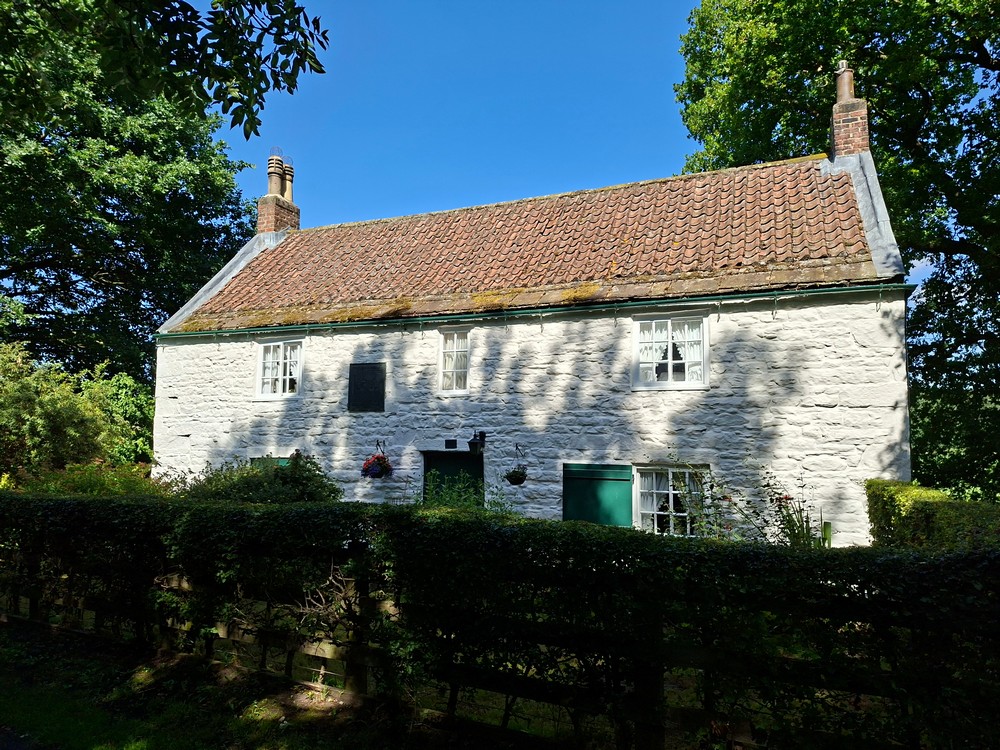
George Stephenson was born in a cottage, known formerly as High Street House, in the colliery village of Wylam in Northumberland, which is about nine miles west of Newcastle upon Tyne, beside the River Tyne.

George Stephenson’s birthplace in Wylam, Northumberland.

His father Robert was a fireman for the Wylam Colliery pumping engine and, being poor, could not pay for George’s education. It’s remarkable, therefore, that George achieved so much, and having become wealthy through his own engineering prowess, ensured that his son Robert benefitted from a better education, and becoming one of the greatest engineers of the Victorian Age.

A week ago (on 21 September) Steph and I had the opportunity of visiting George Stephenson’s birthplace, which is owned by the National Trust and opened on a limited ticketed basis on just a few days each year.

Father Robert, his wife Mabel, and their five children occupied just one ground floor room (to the left of the front door) in this cottage, each of the other rooms also housing a single family. Can you imagine a family of seven living in one room, just 12 x 12 feet approximately? He lived there until he was eight.

The Wylam waggonway ran by the front door, so young George would have, from an early age, seen just what rail systems could achieve.

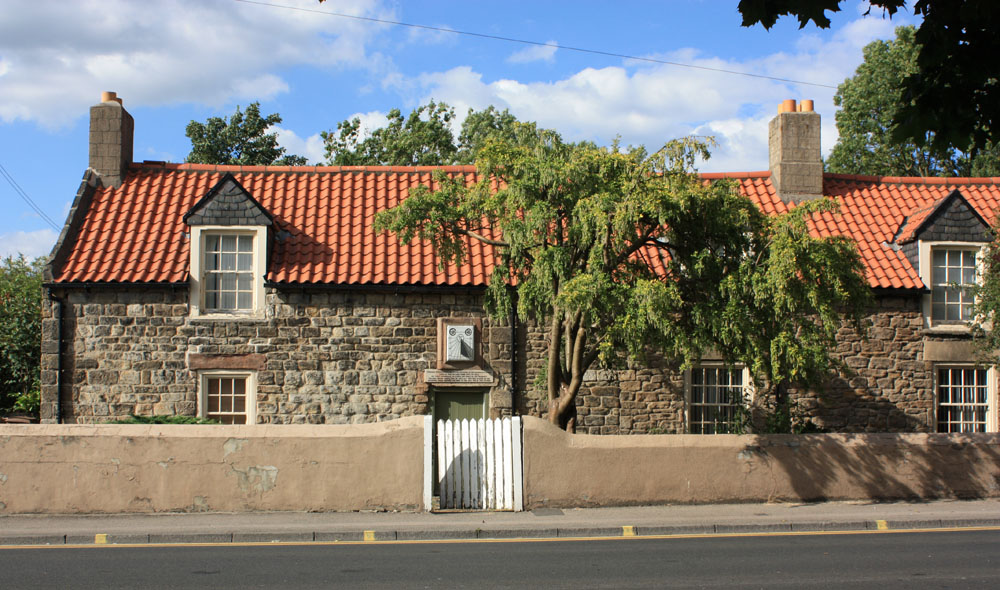
Then, during the tour of the cottage, and in subsequent reading, I discovered that George Stephenson lived, from 1805 to 1823 (after he had become engineer at Killingworth Colliery) in a cottage (known as Dial Cottage for the dial that he and son Robert made and placed over the front door) just 1.80 miles as the crow flies from our home in North Tyneside.

From such humble origins to fame and fortune, and perhaps even greater for son Robert who was elected a Fellow of the Royal Society. Neither accepted a knighthood.

And one final point. George Stephenson invented a mining safety lamp, the Geordie lamp, resulting in a lifelong controversy with Cornish aristocratic chemist Humphry Davy who accused Stephenson of stealing his design for a similar device.

By the mid-1860s, natives of Newcastle became known as Geordies, and it’s commonly believed that the name of the lamp attached to the pit men who worked in the numerous mines across Tyneside.


I went to Barnard Castle . . . but not for an eye test

I guess many folks south of the Watford Gap (often seen as the gateway between Northern England and Southern England) would have seldom if ever heard of Barnard Castle, a small market town in County Durham in the northeast of the country.

That is until May 2020 (during the height of the Covid-19 pandemic) when Dominic Cummings (right), a political strategist and chief adviser to then Prime Minister Boris Johnson was accused of breaking the strict lockdown regulations. Having taken his family north to County Durham from London (over 270 miles) in mid-April to stay with his parents, the family drove 30 miles to Barnard Castle to test—so Cummings claimed in a press conference—whether he was well enough to drive, having some problems with his eyesight. Since the majority of the population had isolated as required, Cummings’ apparent breach of the lockdown rules caused quite a scandal.

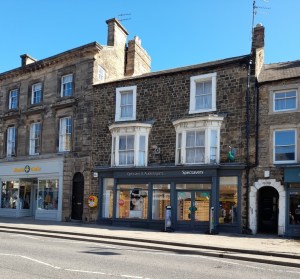
Even the local optician, Specsavers (whose strapline is ‘Should have gone to Specsavers‘) got in on the act offering free eye tests for anyone visiting the town. Needless to say that the visit Steph and I made to this delightful Durham town a couple of weeks ago was not for an eye test.

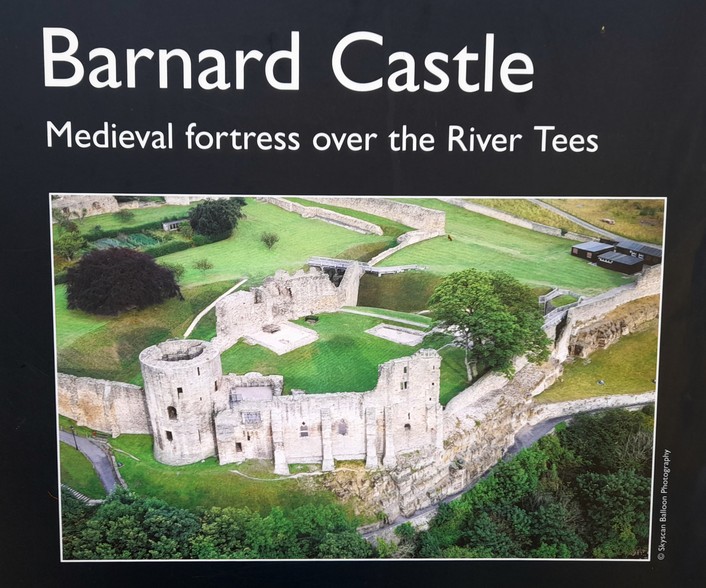
No, we were there to explore the medieval castle built on a craggy outcrop overlooking the River Tees, as well as the ruins of Egglestone Abbey just a couple of miles southeast from the town center. And we planned a drive home over the glorious moorland between Teesdale and Weardale.

And we couldn’t have asked for better weather.

There is a comprehensive description and chronology of the castle’s history on the English Heritage website, so I am not going to elaborate further here, save to post the introduction on that particular page:

Barnard Castle was begun soon after 1093 on a dramatic site above the river Tees.

The castle was built to control a river crossing between the Bishop of Durham’s territory and the Honour of Richmond. Much of the present castle was built during the 12th and early 13th centuries by the Balliol family. The clifftop inner ward shows the remains of fine domestic buildings, including a magnificent round tower of around 1200.

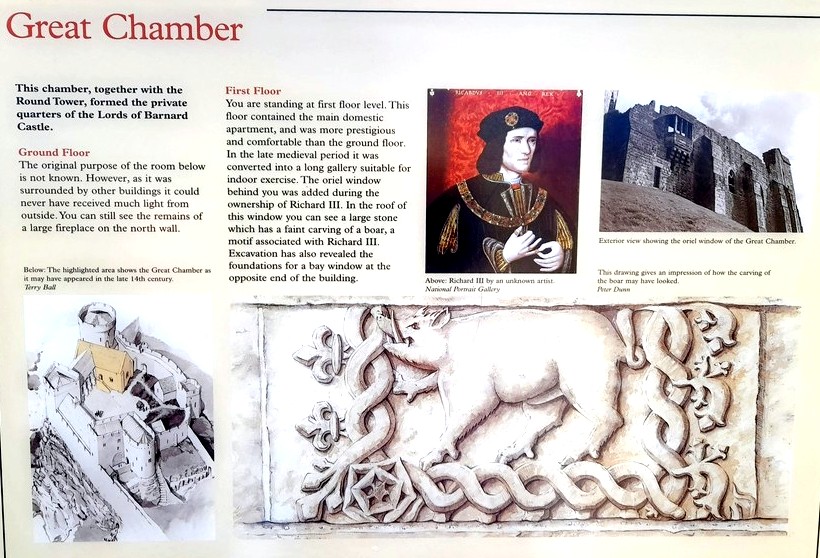
From the 14th century onwards, the castle belonged to the earls of Warwick, and from 1471 to 1485 to the Duke of Gloucester, later Richard III.

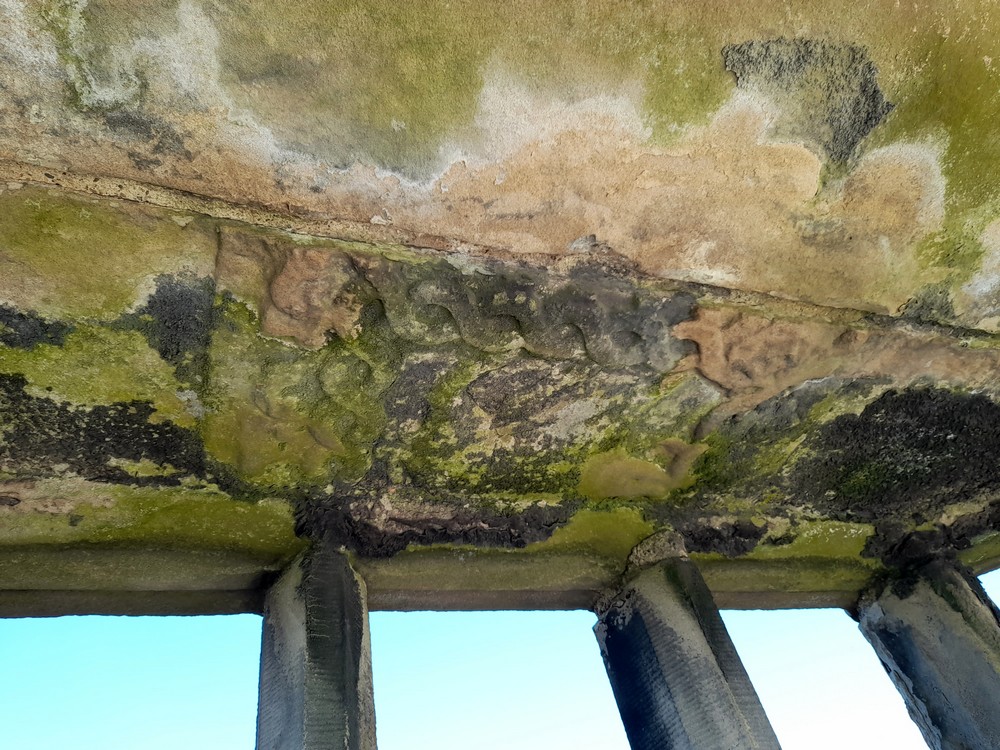
This is the remains of the image of Richard III’s boar above the oriel window.

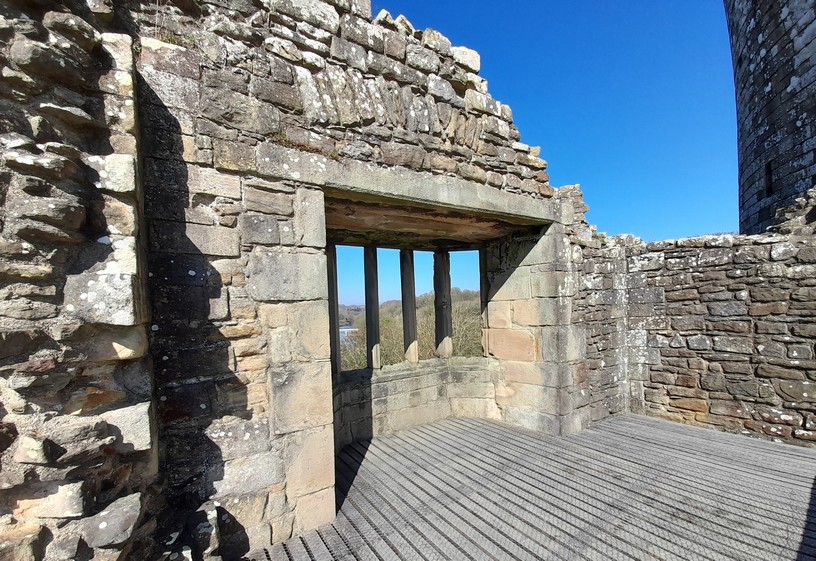
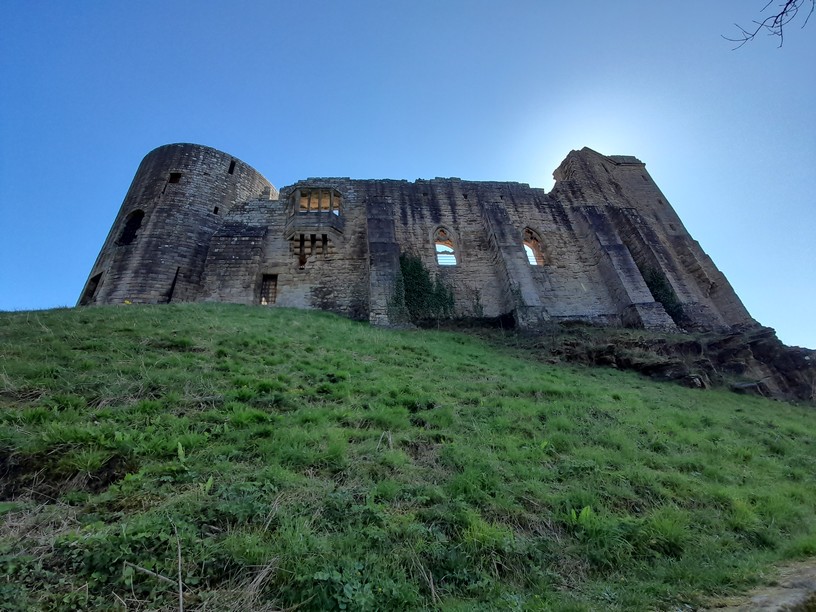
The round tower and oriel window from below.

After a fierce siege in 1569, when the castle was bombarded by rebels, the castle went into steep decline and was effectively abandoned by the early 17th century. It has remained an imposing ruin ever since.

Richmond Castle is just 15 miles southeast, and Middleham Castle (the boyhood home and northern stronghold of Richard III) is another 11 miles south.

Before heading to Barnard Castle, a neighbour had mentioned there was little to see there. Perhaps the ruins of the castle are not as extensive as others we have visited, but all around the site, English Heritage has placed explanatory information boards that put everything in perspective. And the young employees on reception were most helpful in pointing out different points of interest, and where precisely to view the Richard III boar!

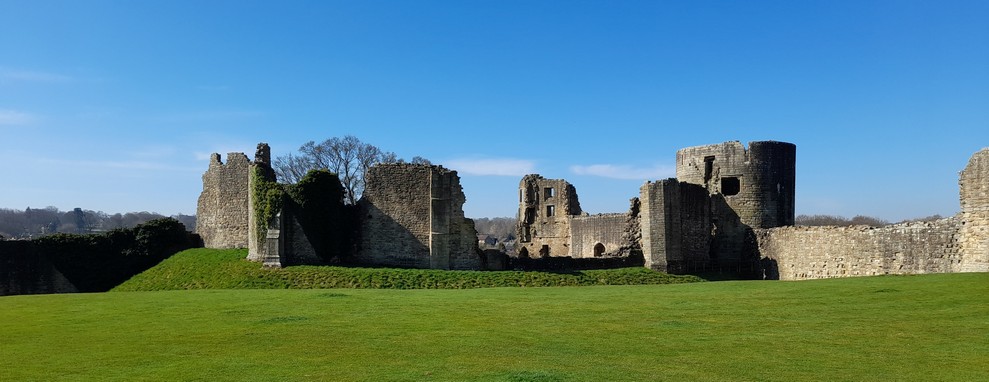
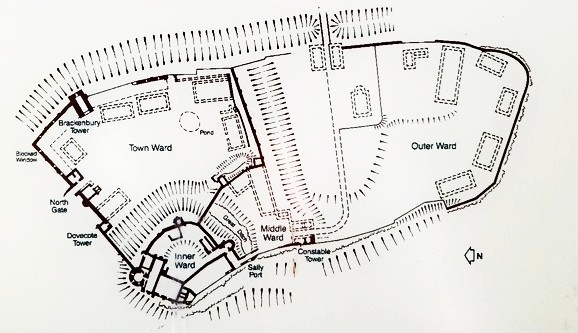
The layout of the castle is a series of courtyards or wards, enclosed in a curtain wall, with the strongest and best fortified being the Inner Ward surrounding the Round Tower, Great Hall, and ancillary buildings like the bakery. The Inner Ward was also protected on two sides by the Great Ditch, and of course on the others by the cliff on which the castle had been built. Click the image below to see a detailed ground plan.

Entering through the main or North Gate, the expanse of the Tower Ward stretches to the Outer Ward.

The Great Ditch is rather impressive, and the Inner Ward is protected by a huge wall across the ditch.

What particularly impressed me about the Round Tower was the beauty of the dressed stone which covers the outer surface. English Heritage has opened the narrow stairs around the tower that take you up to the upper levels, with interesting views inside. Of course all the floors have long disappeared.

You can see the complete album of photos (together with images of the information boards) here.

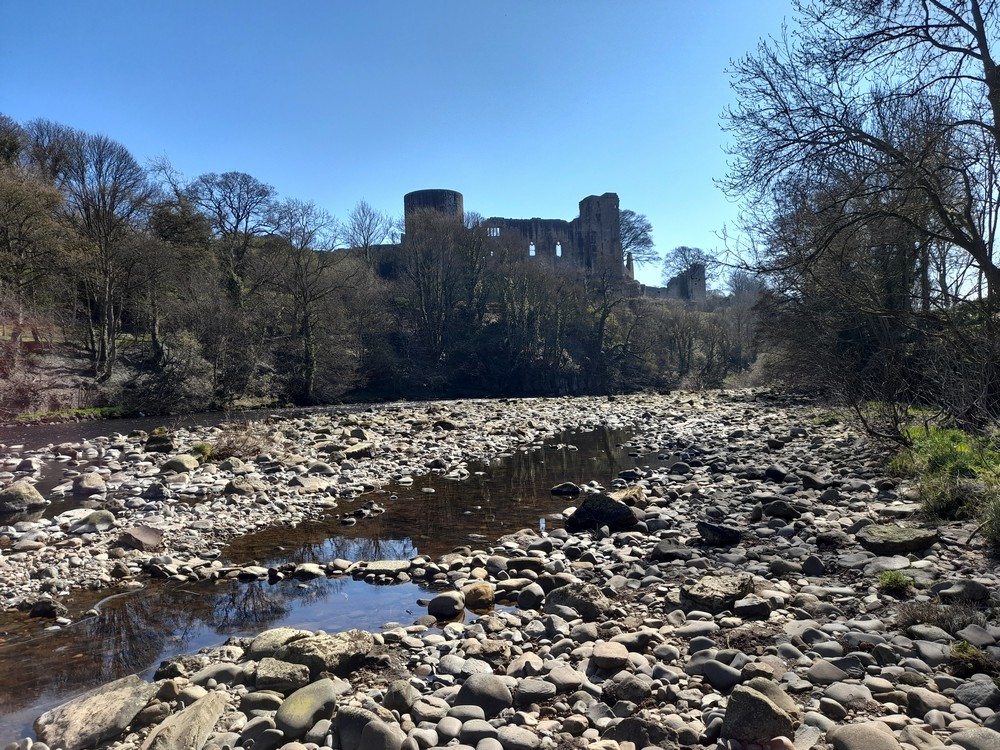
After a walk down to the river so we could observe the castle in all its splendour on top of the crag, we headed back into the town, passing again past the impressive butter market (officially the Market Cross) built in 1747. It’s had several uses including town hall, fire station, prison, and dairy market.

I should add, for the benefit of anyone contemplating visiting Barnard Castle, that it is a busy town. There is no English Heritage parking at the castle. We parked at the long-term Queen Street car park (cash, cards, and app payment), £1.10 for 4 hours. There are 65 spaces, including two electric charging points. Great value. Well done Durham County Council!


Egglestone Abbey (formally the abbey of St Mary and St John the Baptist) was founded between 1195 and 1198 for Premonstratensian or ‘white’ canons. The only other abbey or priory of this order we have visited was in Kent, at Bayham Old Abbey.

The abbey was never prosperous, indeed quite small. It stands on a rise overlooking the Tees. English Heritage have a comprehensive history account on its website. A ground plan can be accessed here.

Today, the ruins comprise parts of the nave (with both Norman and Gothic doors), the outlines of the cloister and several other buildings, and the east range which was rebuilt in the 16th century, presumably after the Dissolution of the Monasteries. There is some particularly fine stonework.

I have posted more photos of the site and information boards in this album.


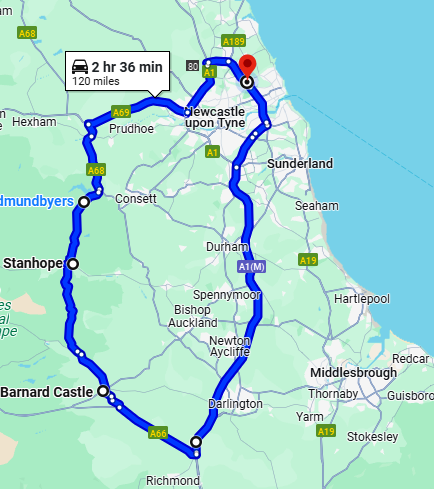
Then it was time to head home, a round trip of 120 miles.

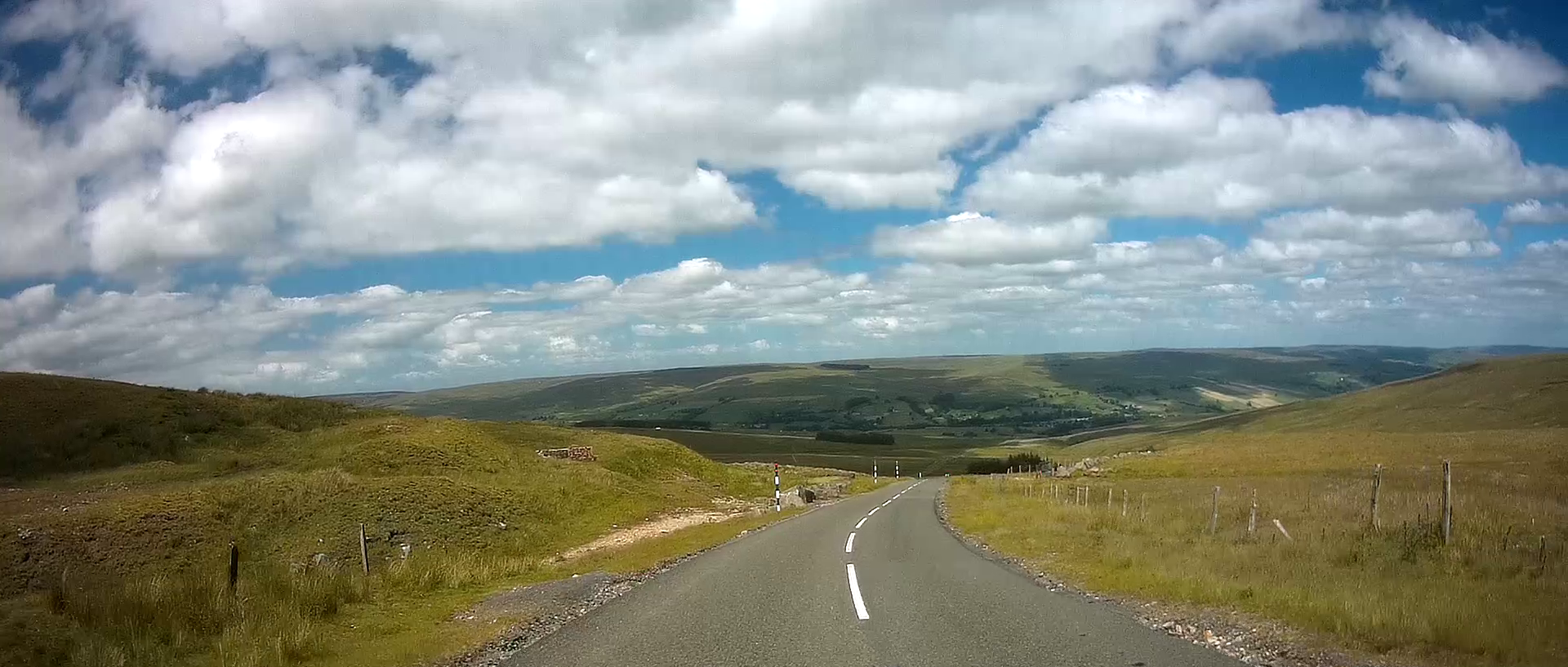
The North Pennines National Landscape is truly spectacular, especially if the weather is good. Here is a video I made from my dashcam. It starts just before reaching Eggleston where we turned on to the B6278 to cross from Teesdale into Weardale, reaching almost 1700 feet at the highest point. It must be grim up there in mid-winter.

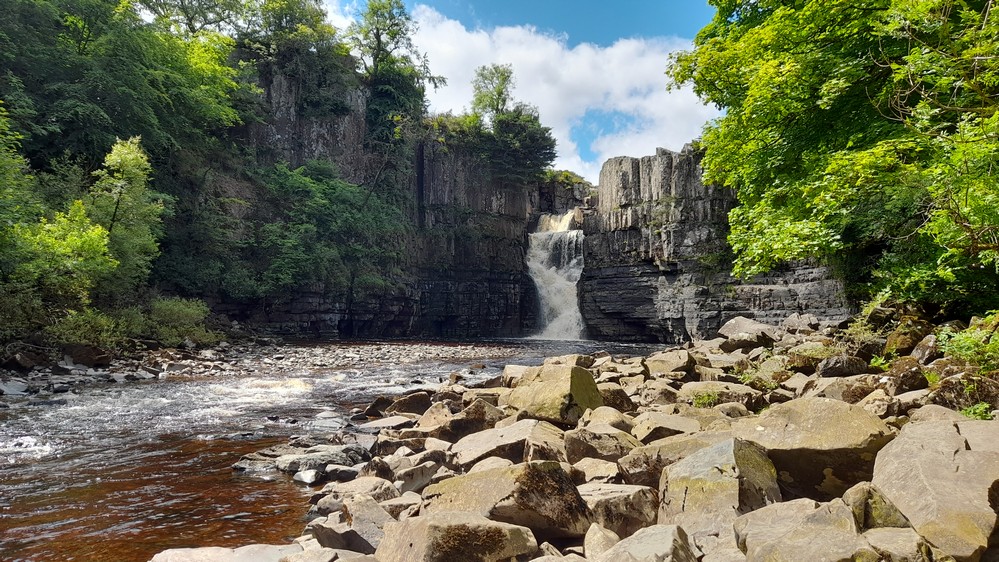
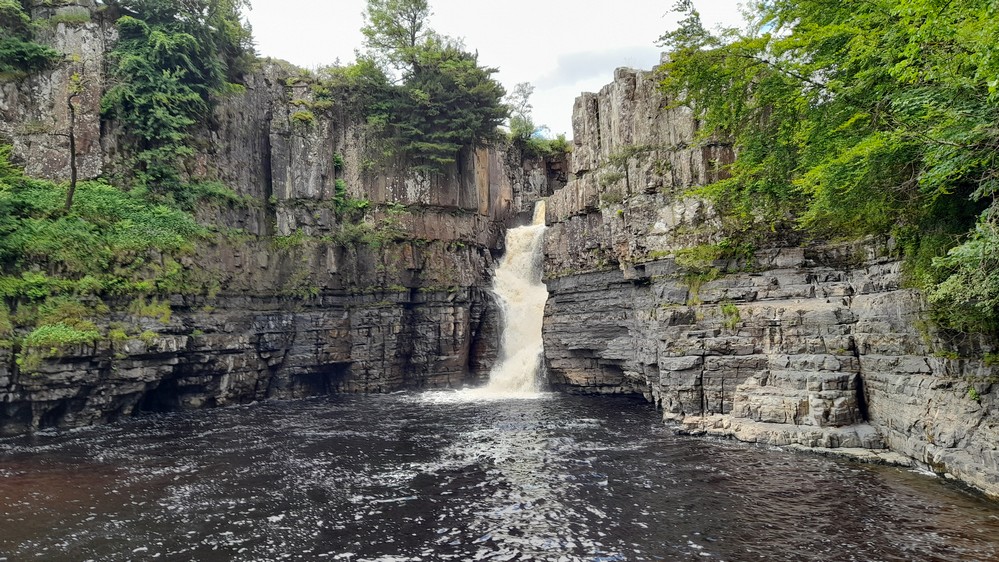
In July 2024 we’d visited High Force waterfall, further west up Teesdale from Barnard Castle, and crossed over from Teesdale to Weardale there. In this post you can view the video of that western route, as well as from Weardale to the Tyne Valley. We also took that latter route on our recent trip.


The northeast has it all . . .

Have you ever visited the northeast of England? The ancient Kingdom of Northumbria. If not, why not? We think the northeast is one of the most awe-inspiring regions of the country.

My wife and I moved here, just east of Newcastle upon Tyne, in October 2020 at the height of the Covid-19 pandemic. Newcastle is the largest city in the northeast, on the north bank of the River Tyne (seen in this video from the Gateshead south bank) with its many iconic bridges, and the Glasshouse International Centre for Music on the left (formerly Sage Gateshead, known locally as The Slug).

We visited Northumberland for the first in the summer of 1998 when home on leave from the Philippines, never once contemplating that we’d actually be living here 22 years later. We have been regular visitors to the northeast since 2000 when our younger daughter Philippa began her undergraduate studies at Durham University, and she has remained in the northeast ever since.

Northumbria has it all: hills, moorlands, river valleys, beaches and, to cap it all, a rich history and lively culture. There are so many glorious landscapes to enjoy: the Northumberland National Park stretching to the border with Scotland; the dales and uplands of the North Pennines National Landscape in Durham and North Yorkshire, as well as the North York Moors a little further south. And all easily accessible from home. Here’s just a small sample.

On this map I have pinpointed all places we have visited since October 2020 (and a couple from earlier years), several places multiple times. Do explore by clicking on the expansion box (illustrated right) in the map’s top right-hand corner. I have grouped all the sites into different color-coded categories such as landscapes, coast, Roman sites, religious sites, and castles, etc.

For each location there is a link to one of my blog posts, an external website, or one of my photo albums.

This map and all the links illustrate just how varied and beautiful this northeast region of England truly is.

Northumberland is one of the least populated counties in England. Most of the population is concentrated in the southeast of the county, in areas where there were, until the 1980s, thriving coal-mining communities, and a rich legacy of heavy industry along the Tyne, such as ship-building. The landscape has been reclaimed, spoil heaps have been removed, and nature restored over areas that were once industrial wastelands.


So why did we choose to make this move, almost 230 miles north from our home (of almost 40 years)  in Worcestershire? After all, Worcestershire (and surrounding counties in the Midlands) is a beautiful county, and we raised our two daughters there, at least in their early years.

When we moved back to the UK in 1981 after more than eight years in South and Central America, we bought a house in Bromsgrove, a small market town in the north of the county, and very convenient for my daily 13-mile commute into The University of Birmingham, where I taught in the Department of Plant Biology. And there we happily stayed until mid-1991 when I accepted a position at the International Rice Research Institute (IRRI) in the Philippines, while keeping our house empty but furnished for the next 18 years.

Retiring in April 2010, we moved back to Bromsgrove, getting to know the town and surrounding counties again. Joining the National Trust in 2011 (and English Heritage a couple of years or so later) gave us an added incentive to explore just how much the Midlands had to offer: beautiful landscapes, historic houses and castles, and the like. You can view all the places we visited on this map.

But we had no family ties to Bromsgrove. And to cap it all, our elder daughter Hannah had studied, married, and settled in the United States and, as I mentioned before, Philippa was already in the northeast.

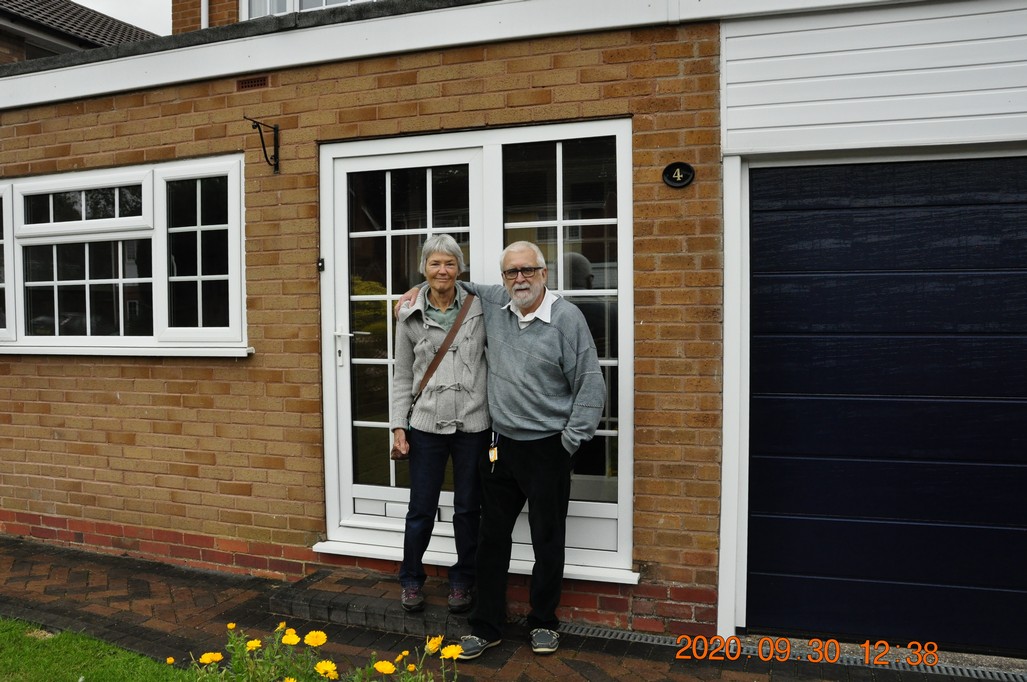
For several years, we resisted Philippa’s ‘encouragement’ to sell up and move north. After all we felt it would be a big and somewhat uncertain move, and (apart from Philippa and her family) we had no connections with the region. But in early January 2020, we took the plunge and put our house on the market, with the hope (expectation?) of a quick sale. Covid-19 put paid to that, but we finally left Bromsgrove on 30 September.

Last moments at No. 4.

We are now happily settled in North Tyneside and, weather permitting, we get out and about for day excursions as often as we can. There’s so much to discover.


When east meets west . . . music happens!

Steph and I are not into live music concerts. It’s never been our thing, but . . .

. . . when visiting our elder daughter Hannah in St Paul, Minnesota in June 2003, she had three tickets to see Fleetwood Mac at the Xcel Energy Center in downtown St Paul. And just after we returned to the UK in May 2010, we enjoyed a concert by Mark Knopfler at bp pulse LIVE (formerly the LG Arena) in Birmingham.

Before those two concerts it must have been almost 30+ years since I’d attended any live concert, while I was still at university.

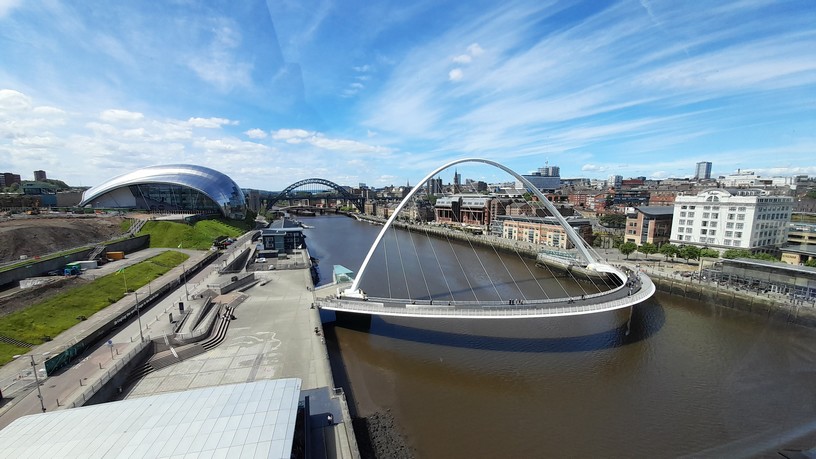
So what changed the habit of a lifetime? Last night (4 February) we enjoyed a concert at The Glasshouse International Centre for Music (formerly Sage Gateshead) on Gateshead quayside beside the River Tyne—right across the river from Newcastle city center. It was our first visit there.

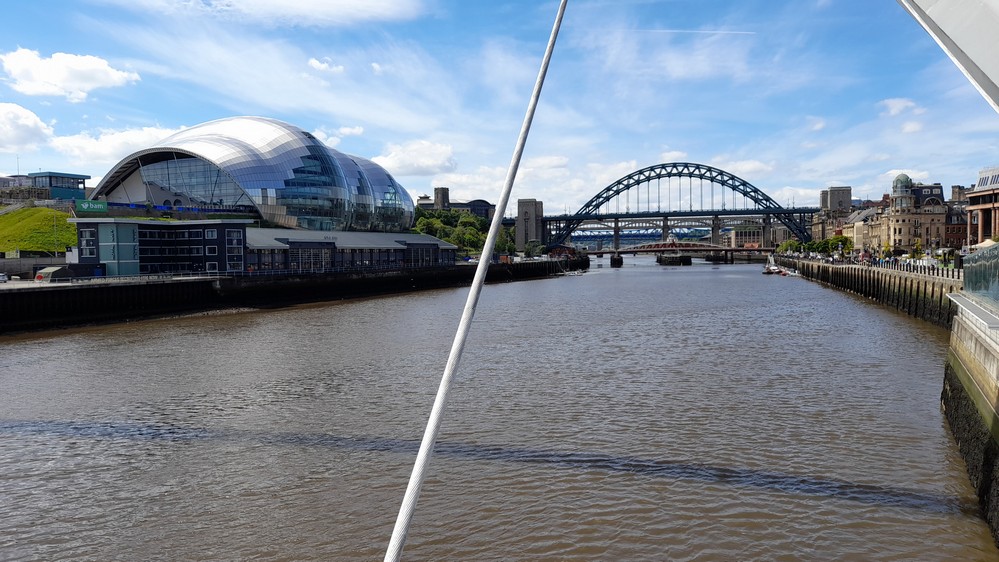
The Glasshouse International Centre for Music on the south bank of the River Tune, taken from the Gateshead Millennium Bridge.

View west along the River Tyne from Baltic (a contemporary art center), with the Glasshouse International Centre for Music on the left, and the Millennium and Tyne Bridges (and others) connecting Gateshead with Newcastle on the right.

And the concert? Click on the banner below to open.

Just the one night in Gateshead, from a tour of eight venues between 31 January and 9 February. Tickets at just £39.40.

So why Transatlantic Sessions? We have been fans of this joyous fusion of Scottish, Irish, and American music since we first watched the various series on BBC4. Series 1 was broadcast in 1995, with subsequent series in 1998, 2007, 2009, 2011 and 2013, each comprising six programs. Here are the details of the programs and the many artists who have appeared over the years. This is what is written on the Sessions website:

. . . 2025 mark[s] 30 years since the original TV series first aired and continuing to explore and celebrate the rich musical traditions that connect Scotland, Ireland and the US. An annual focal point of Celtic Connections, the exclusive line-up combines guest singers and the celebrated house band, inviting them to interweave original material with age-old tunes and songs as they explore shared roots and find new common ground.

Here is just a sample of what you can enjoy. The complete series can also be viewed on YouTube, and listened to on Spotify (which I’m doing right now as I write this!). I came across Iris de Ment, who appeared on the first series, when viewing those videos.

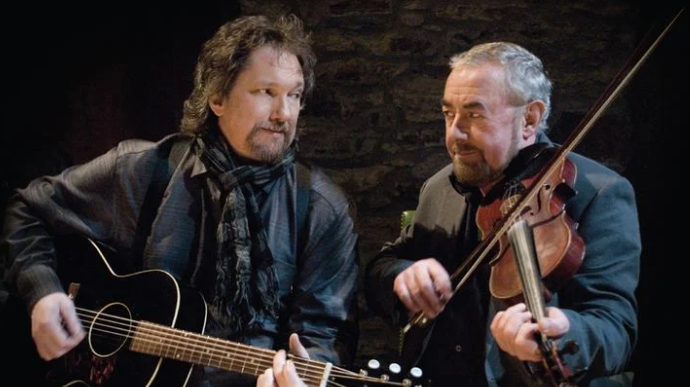
Coordinated by musical co-directors Aly Bain MBE, a renowned fiddler from Shetland, and Jerry Douglas, a virtuoso dobro (resonator guitar) player from Ohio and a member of Alison Krauss and Union Station, the house band for 2025 had an impressive line-up, several regulars from the TV series, and some new faces as well.

Jerry Douglas (left) and Aly Bain (right).

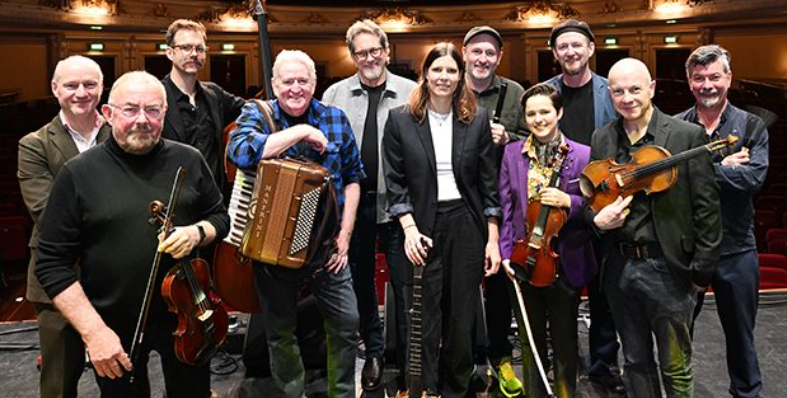
The Transatlantic Sessions house band. L-R: Donald Shaw, Aly Bain, Daniel Kimbro, Phil Cunningham, Jerry Douglas, Allison de Groot, Michael McGoldrick, Tatiana Hargreaves, John Doyle, John McCusker, and James Mackintosh.

Old timers were John McCusker (fiddle), Michael McGoldrick (whistle, Irish flute, and uilleann or Irish pipes), Donald Shaw (piano, harmonium, and accordion), and James Mackintosh (drums). Phil Cunningham (accordion) was unable to participate last night due to some family issues.

Newcomers for 2025 were Allison de Groot (banjo) from Canada, Tatiana Hargreaves (fiddle) and Daniel Kimbro (electric and upright bass) from the USA, and John Doyle (guitar) from Ireland (who has appeared from time to time over the years). Daniel and John also performed solo self-penned songs.


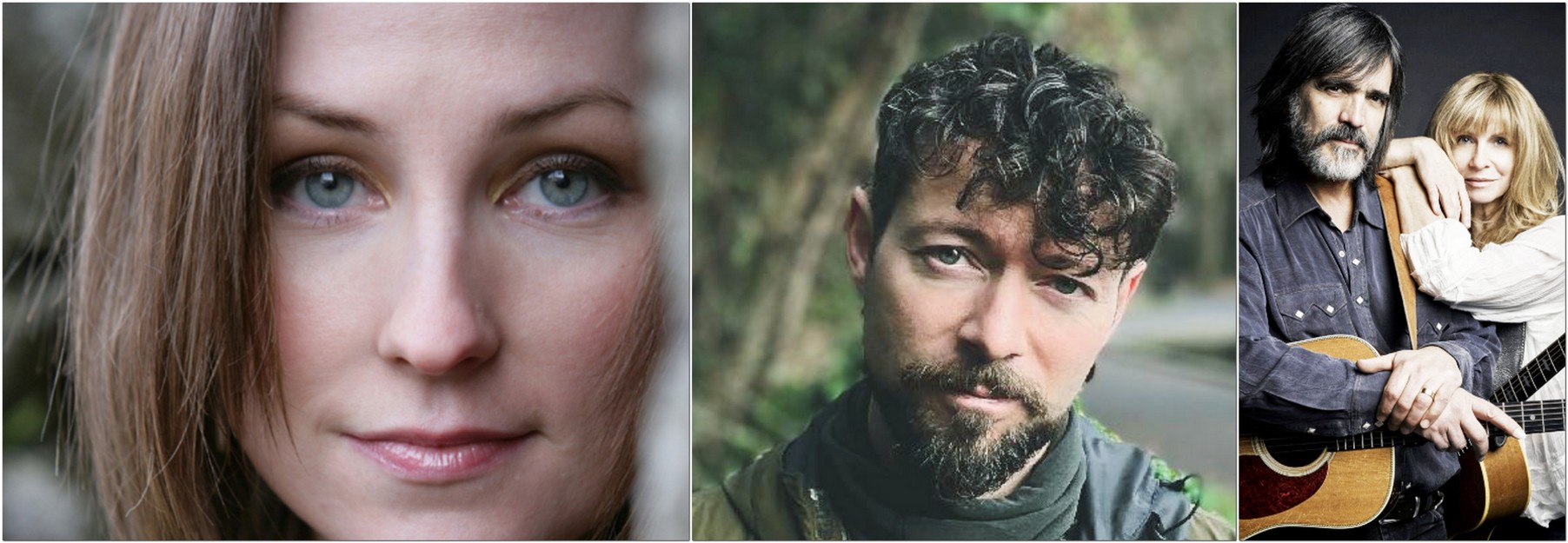
Last night’s concert was a mix of house band sets interspersed by individual ones from the guest artists, who were for 2025:

L-R: Julie Fowlis, Niall McCabe, and Larry Campbell and Teresa Williams.

Singer Julie Fowlis (whistle, bagpipes) was born in North Uist in the Outer Hebrides. In fact, she comes from the village of Hougharry on the west coast (so I was told), which I visited in 1966 and 1967, and returned there with Steph in 2015. In last night’s show, she sang several songs in Gaelic, and joined the house band on the whistle and, at the end of the show, playing the bagpipes.

Here she is singing (and playing the pipes) Hug Air a’ Bhinaid Mhoir (recorded in Glasgow at the start of the 2025 tour just a few nights ago), to great audience acclaim last night.

Irish singer-songwriter Niall McCabe was born on Clare Island off the coast of Co. Mayo in Ireland and sang his own material.

Larry Campbell (electric guitar, mandolin) and Teresa Williams (vocals) are a dynamic duo from the USA, hailing from New York and Tennessee, respectively. Besides performing their own mini-sets, Larry played in the house band, and Teresa provided backing vocals, even in Gaelic when Julie Fowlis was performing. Their gospel song in the second half was a tour de force.

And lastly, the inimitable Loudon Wainwright III, a larger-than-life performer who we first came across in the the late 1980s, when he guested on the 1987 BBC show Carrott Confidential, hosted by Birmingham-born comedian Jasper Carrott.

Here is Loudon singing one of my favorite songs, Harry’s Wall, which was released on his album Therapy in 1989.

Wainwright also appeared in three episodes of M*A*S*H, as singing surgeon Captain Calvin Spalding during 1974-1975. We caught up with those episodes when we were living in the Philippines during the 1990s.

In last night’s concert I particularly enjoyed Wainwright’s version of Harmless (or Hermless) by the late Dundee bard, Michael Marra (a great friend of his). Here’s a link to a version on Spotify that Wainwright has recorded.


The concert lasted almost three hours, with a short intermission. It was originally scheduled for a little longer, but since Phil Cunningham could not appear – who I assume would have had a couple of solo sets – it finished just before 22:30.

It began, as Jerry Douglas explained, with a set of three reels to get the band warmed up, so to speak. As if they needed it. No-one was reading from sheet music. How they keep all those tunes stored away in their minds!

One thing in particular, struck me. How everyone on stage worked together, more than the sum of the parts. If anyone had an ego, that was left at the Stage Door. Impressive.

Unfortunately there was no program, so I can’t provide details of the sets. We thoroughly enjoyed the mix of Scottish and Irish melodies (reels and the like), Appalachian, and gospel music, even contemporary compositions, blended with the backing from the house band. One of the most impressive performances was a song—in Gaelic—by Julie Fowlis, accompanied mostly by Donald Shaw on the harmonium.

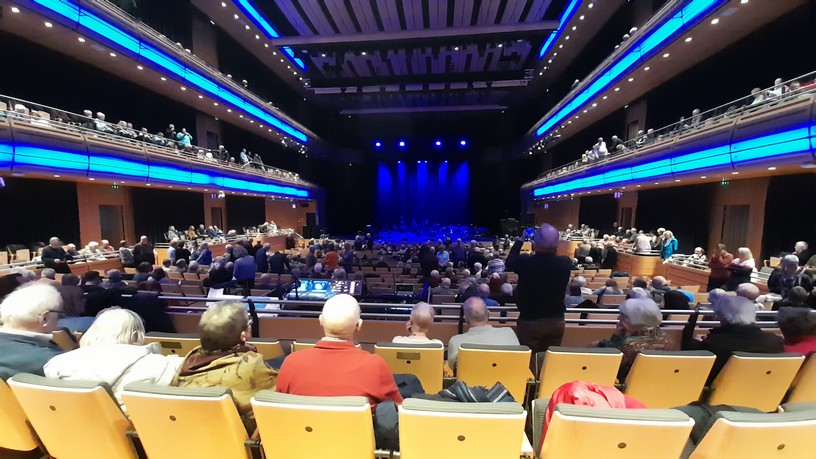
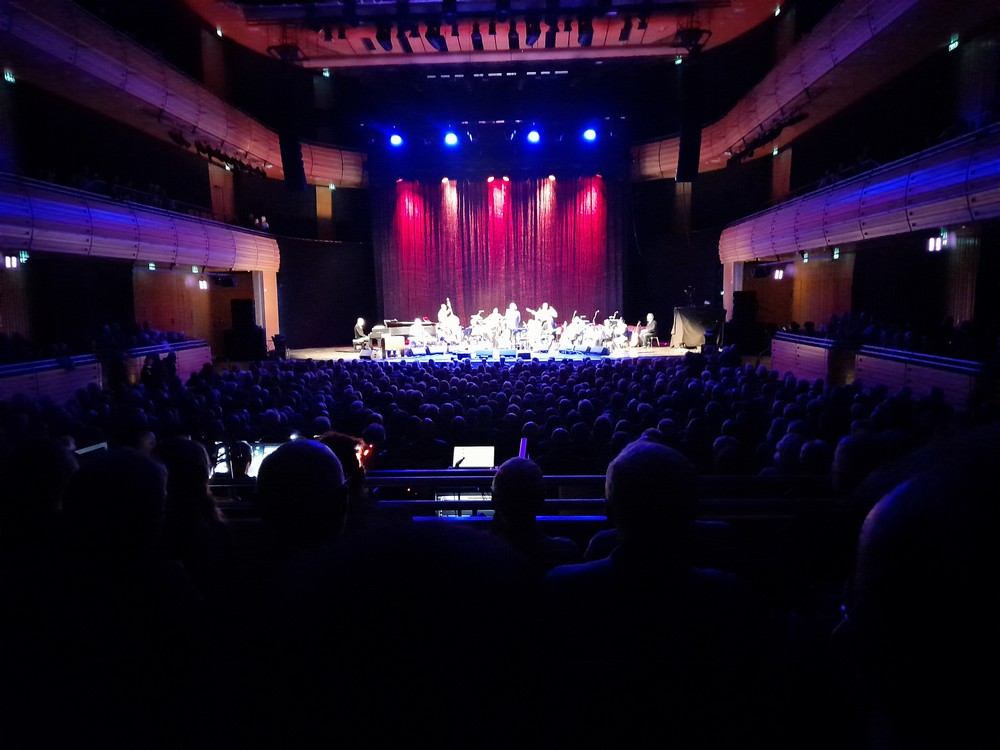
The Sage One auditorium (holding >1600) was full. Sold Out! We had great center seats at the back of the auditorium.

The view from Row DD, Level 1.

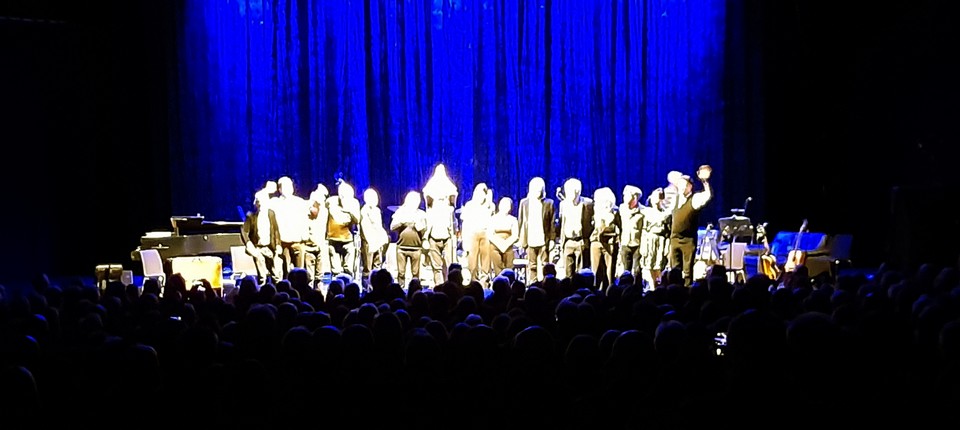
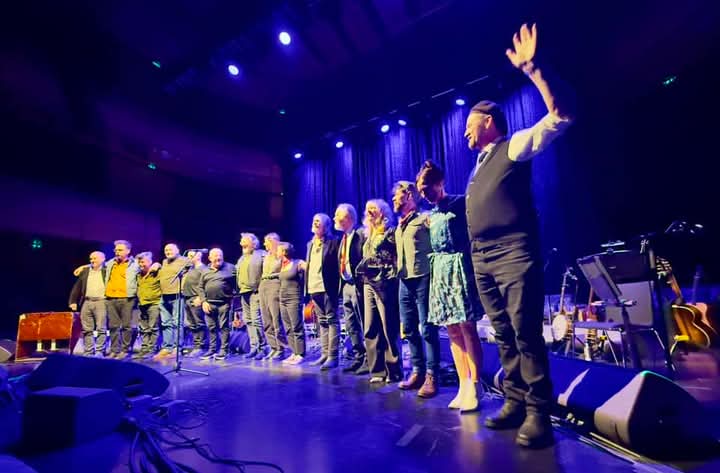
An acquaintance of Facebook kindly sent me these photos that he took during the concert:

Taking a bow . . .

Two final observations. It was interesting to ponder the demographics of the audience, very few under 50, and probably an average age in their 60s. Lots of grey heads, and (so I thought) a higher proportion of beards than you might see in the general population.

All too soon, 22:30 rolled round, and it was time for the encore. What a great evening, and such a pleasure to see these fine musicians live.

We look forward to Transatlantic Sessions returning to Gateshead in 2026.


That was the year that was . . .

New Year’s Eve, and another year coming to a close.

We just celebrated our fifth Christmas here in the northeast, on the eastern outskirts of Newcastle upon Tyne and a few miles inland from the North Sea coast. I thought I’d take this opportunity to look back on some of our 2024 highlights.

In the walled garden at Cragside, a National Trust property near Rothbury in Northumberland, in early December.

We’re both now in our mid-70s and fortunately keeping in reasonably good health. Steph has her daily yoga session before breakfast. I try (but don’t always succeed) to take a daily walk locally. As often as possible—weather-permitting—we head out to explore more of the glorious landscapes here in the northeast of England.

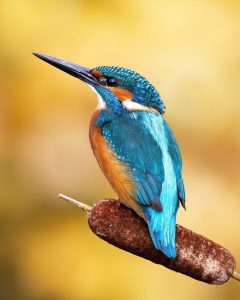
This past year, we’ve explored some new beaches just 10-15 miles north, at Cambois (pronounced Ka-miss) and Newbiggin-by-the-Sea, as well as returning to one of our favorite haunts: Hauxley Wildlife Discovery Centre, where there is always an abundance of bird species to observe. And it was there, around August, that I was able to tick one bird off my ornithological bucket list: a kingfisher, that we watched for almost 30 minutes from the Wildlife Centre café, as it flew from branch to branch beside the lake, occasionally diving for fish. What a sight! It’s only taken me almost 70 years!

On the beach at Newbiggin at the beginning of November

At the end of June we headed south of the River Tyne into Teesdale to visit one of the most spectacular waterfalls in the country, at High Force on the River Tees.

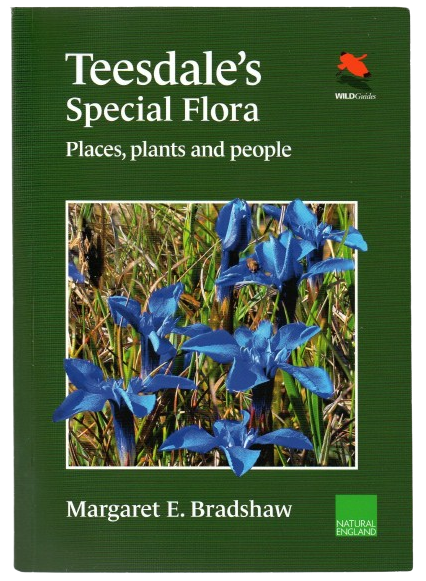
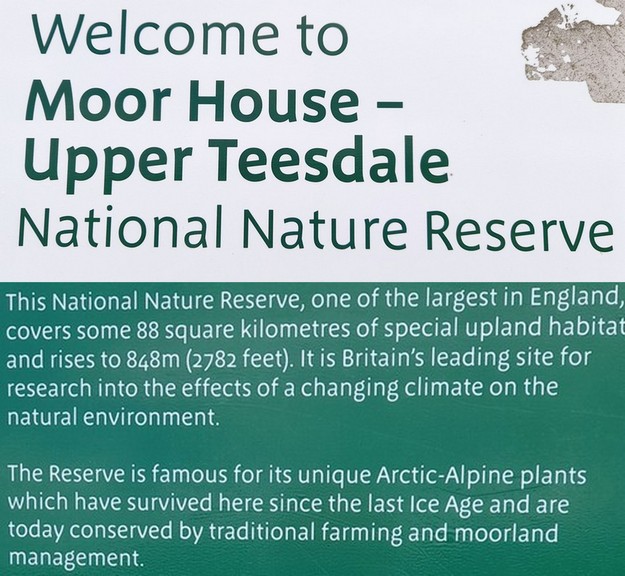
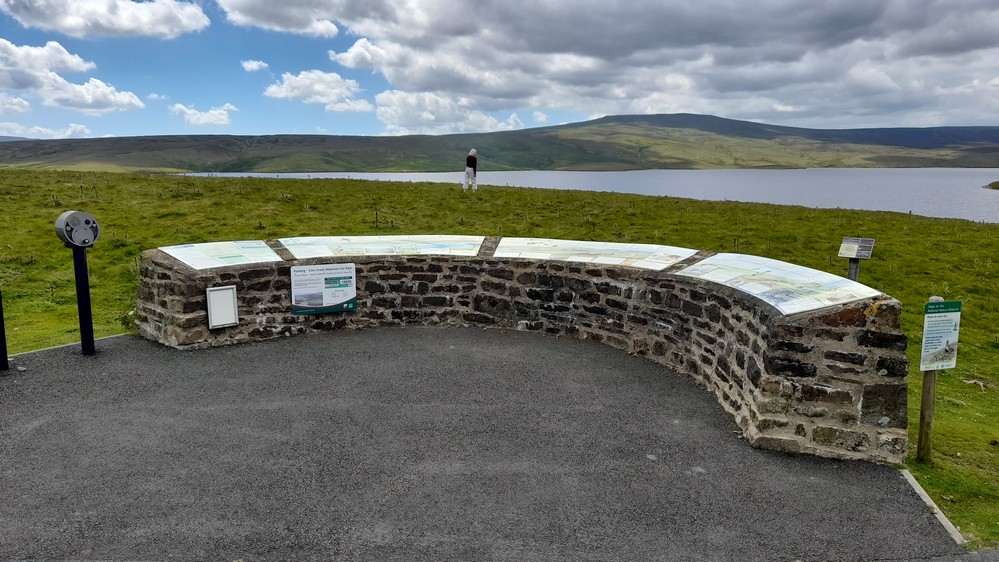
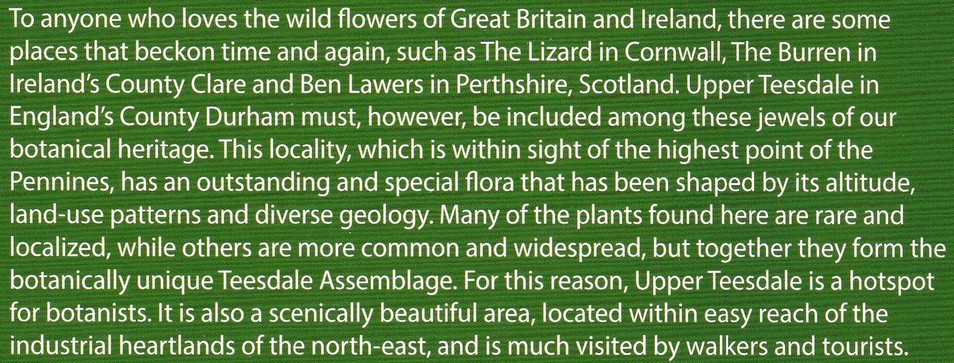
Afterwards, we headed up to Cow Green Reservoir in the hope of seeing some of the special Teesdale flora there, but they were past flowering. But we did enjoy crossing over into Weardale to the north, and exploring upland landscapes that were new to us.

Crossing north from Teesdale into Weardale

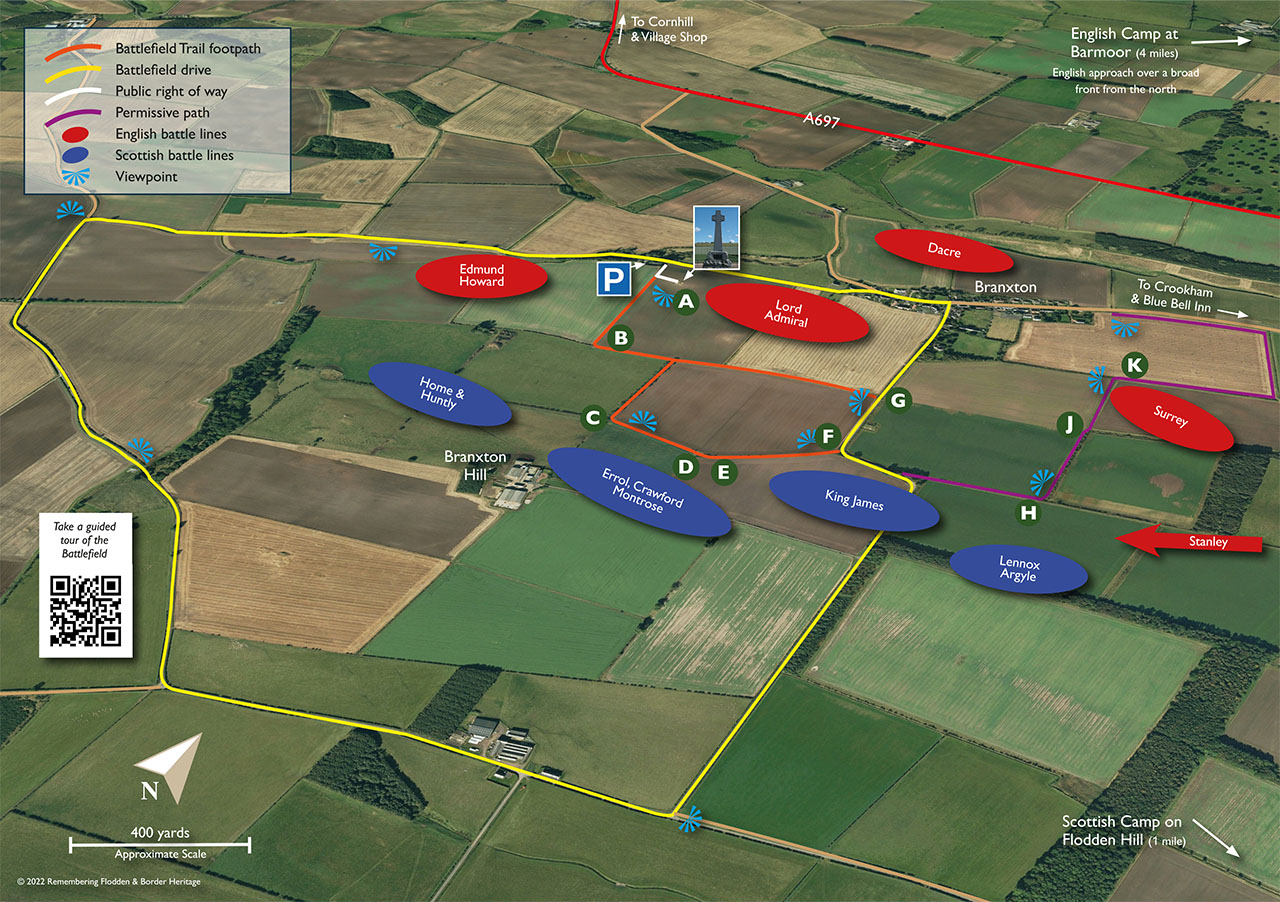
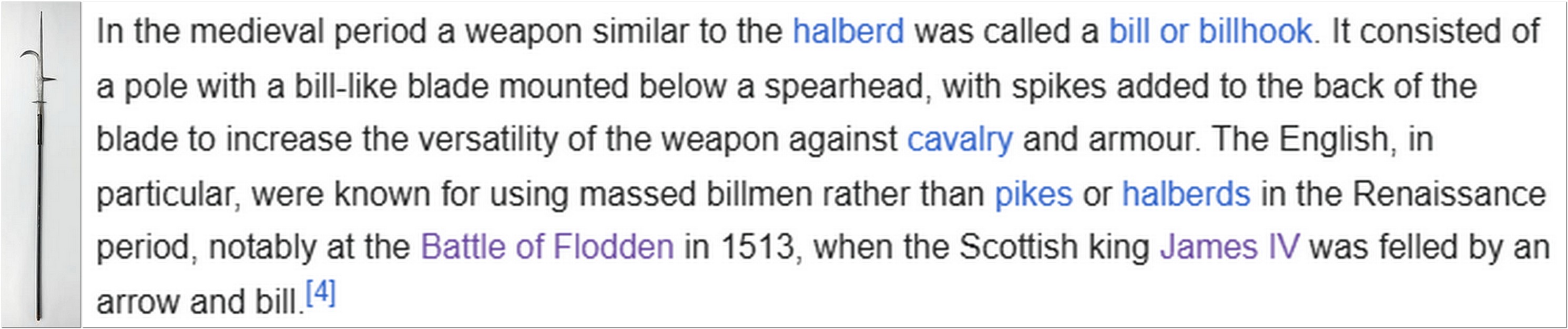
In mid-August we set off early one bright and sunny morning 55 miles north towards the border with Scotland, to visit four ancient sites. First of all there was the site of the Battle of Flodden Field, fought in 1513 between King James IV of Scotland and King Henry VIII of England, and in which James was killed.

The site of the Battle of Flodden Field. near Braxton Hill.

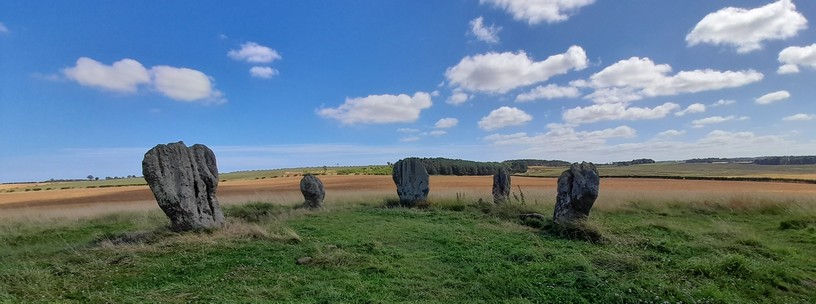
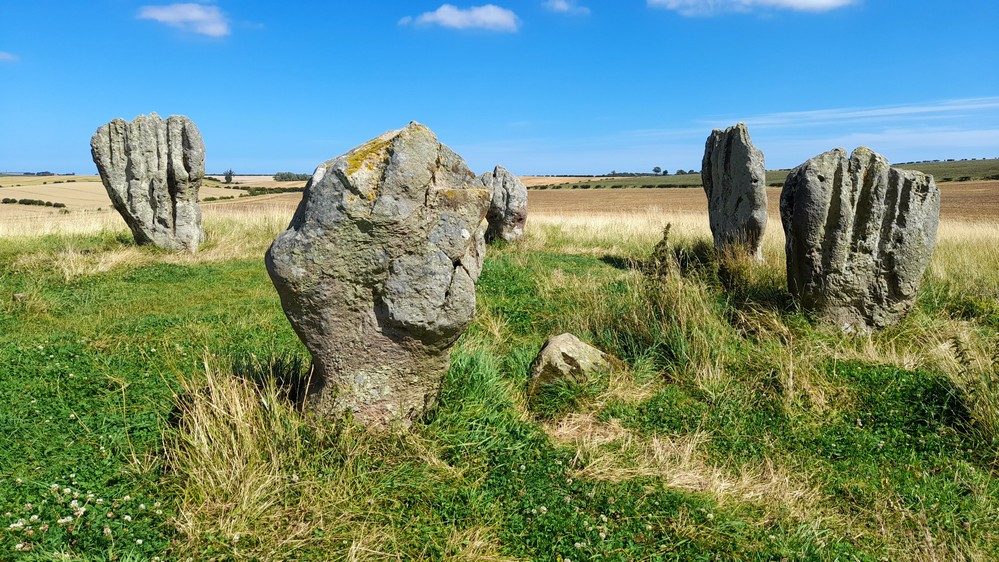
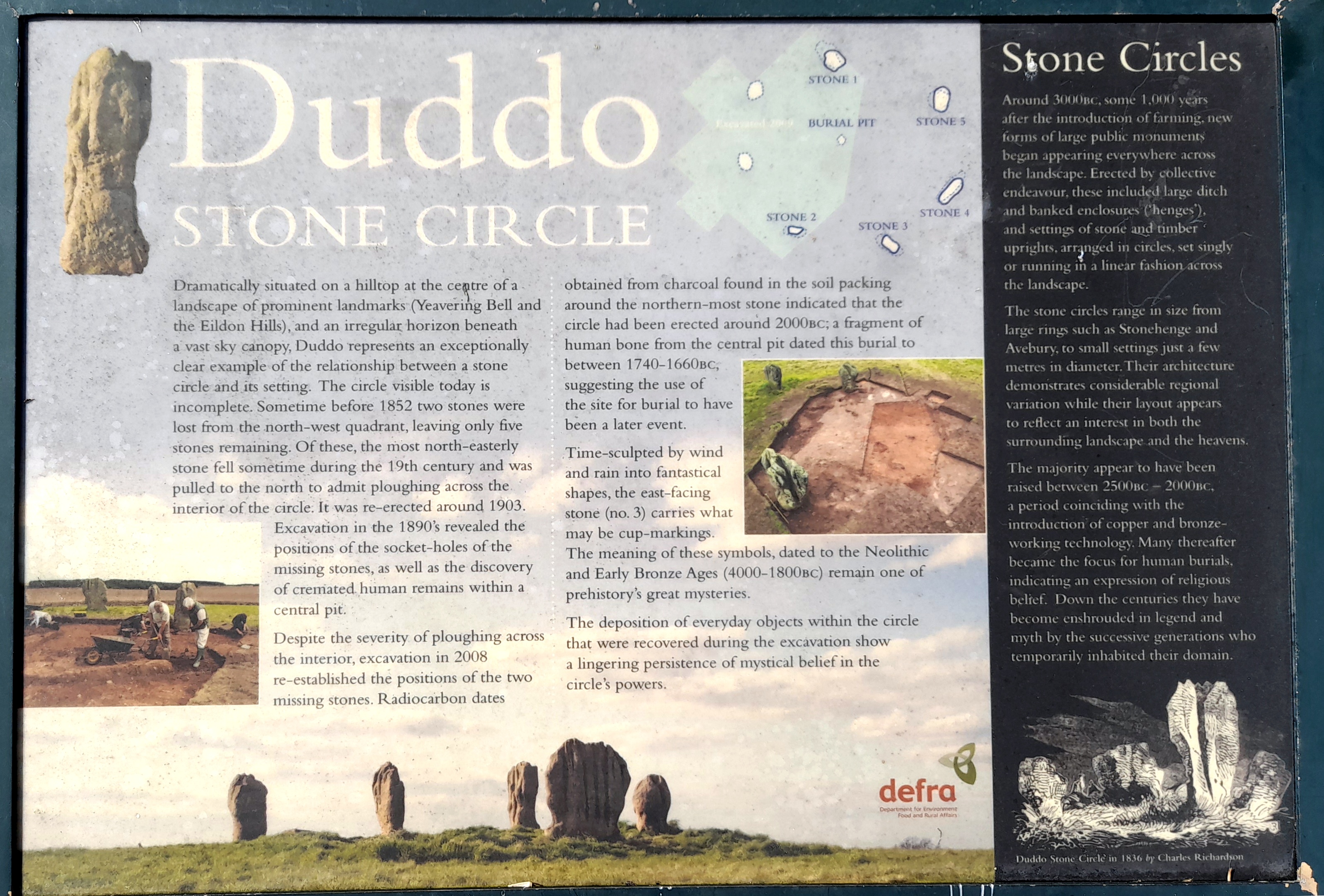
From there we headed to the Duddo Five Stones Circle, dating from the Neolithic/Bronze Age, and from where there are panoramic views of the Cheviot Hills to the south and the Lammermuir Hills to the north.

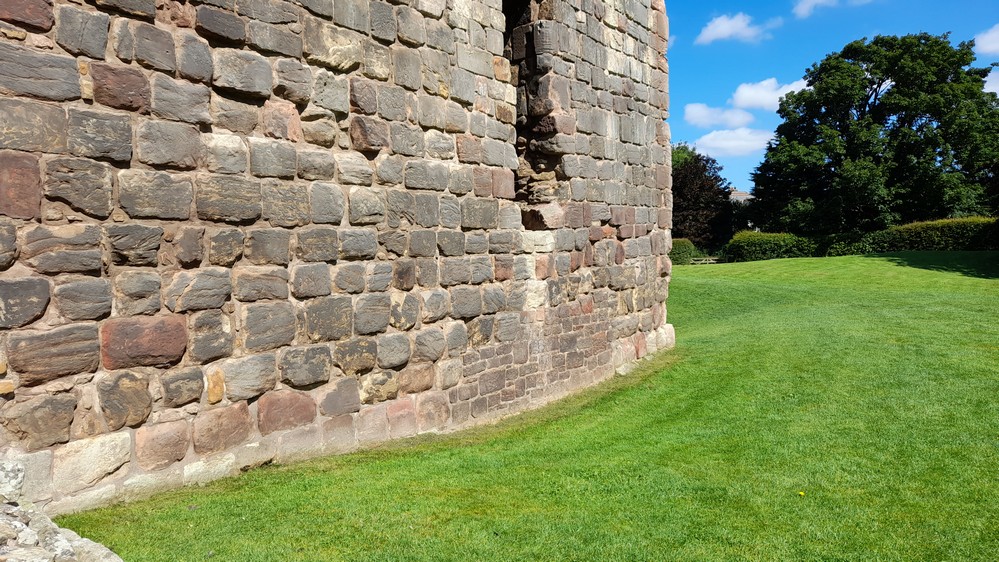
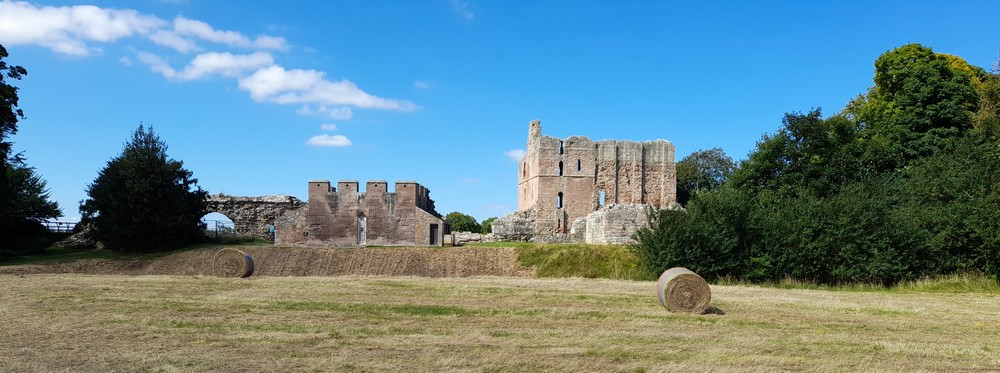
Then it was on to two castles managed by English Heritage at Etal and Norham, the latter overlooking the River Tweed, which is the border between England and Scotland. In fact, all four sites were within an easy 10 miles of each other, but it was nevertheless quite a full day. I wrote about those four visits in this post.

There is just a handful of National Trust properties in the northeast, among them Gibside (west of Newcastle), Seaton Delaval Hall (close to home), Wallington, and Cragside, all of which we visited this year.

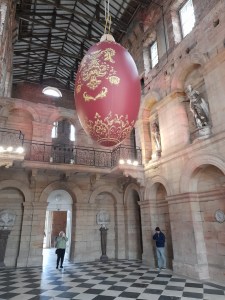
Each Christmas we try to visit one of Trust properties to see their Christmas decorations. And this year it was Cragside and Seaton Delaval in early December, where there was the most enormous bauble hanging from the ceiling of the main hall (which was destroyed by fire at the beginning of the 19th century).

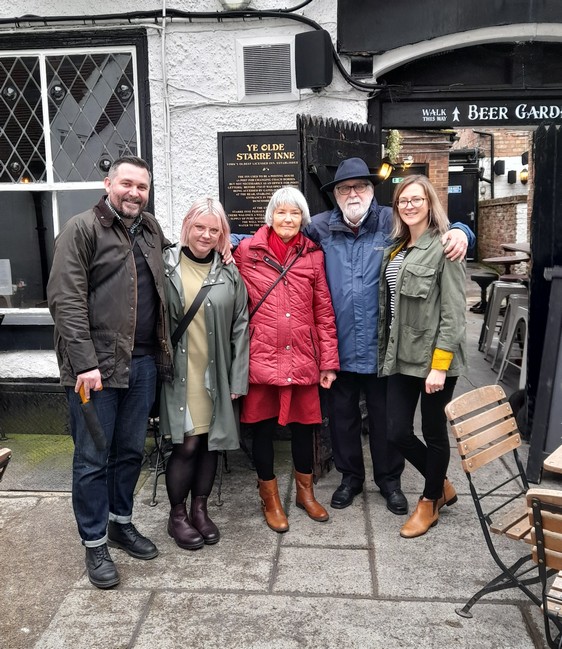
Other excursions south of the Tyne took us to York in early March to meet up with my nephew Nicholas and his wife Metta from Edmonton, Canada. Nicholas is the younger son of my late elder brother Edgar and wife Linda. Philippa joined us on this trip as she hadn’t seen Nicholas since he was a small boy. We enjoyed a satisfying pub lunch before taking a walk around the city walls.

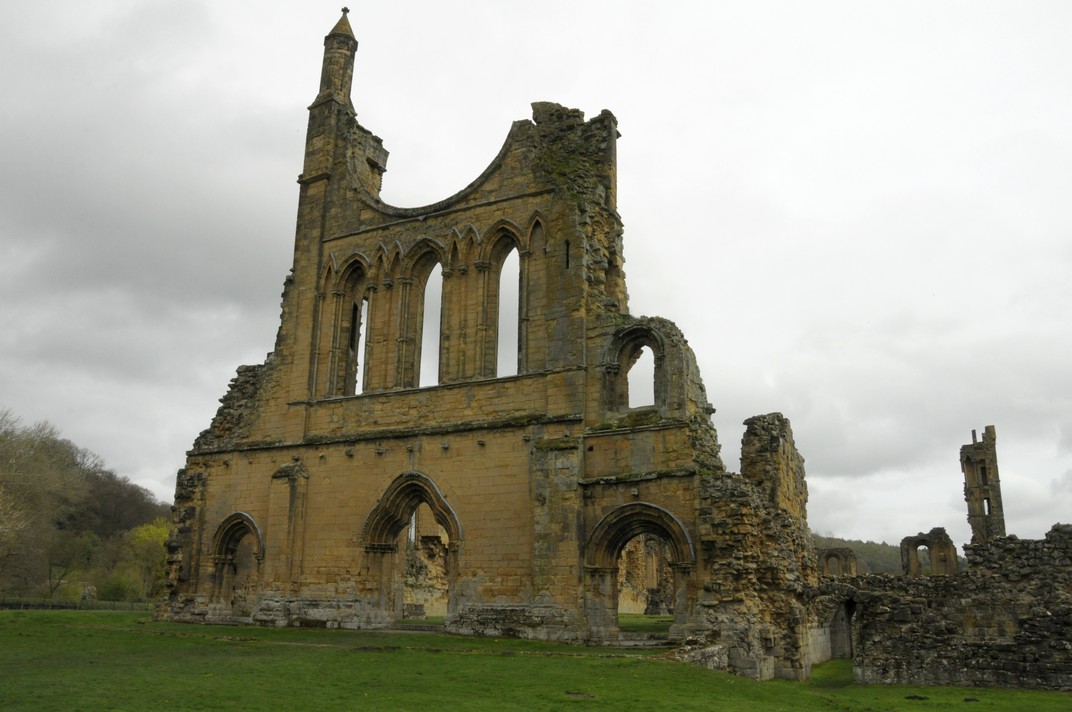
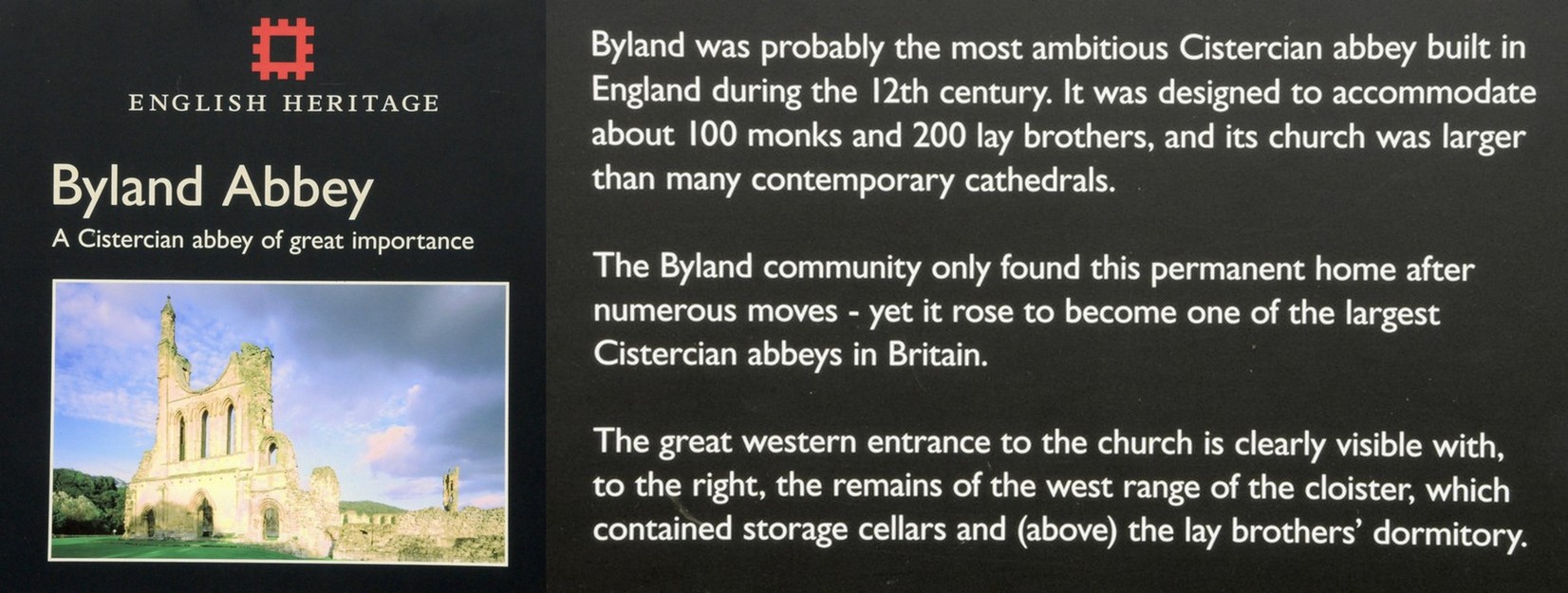
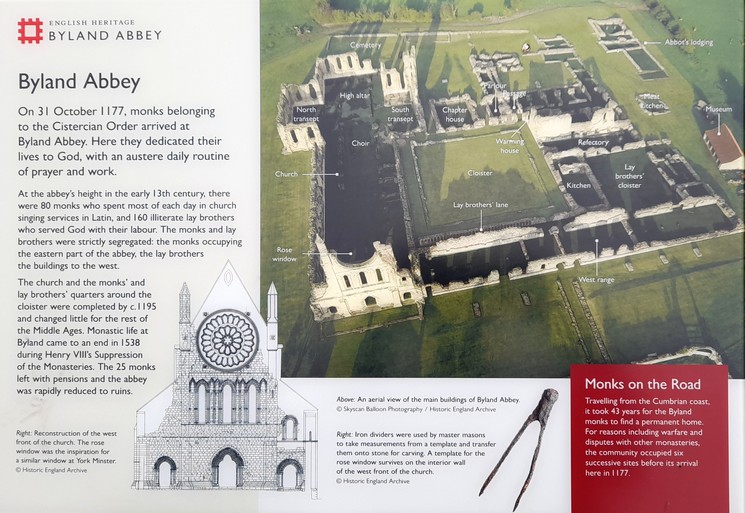
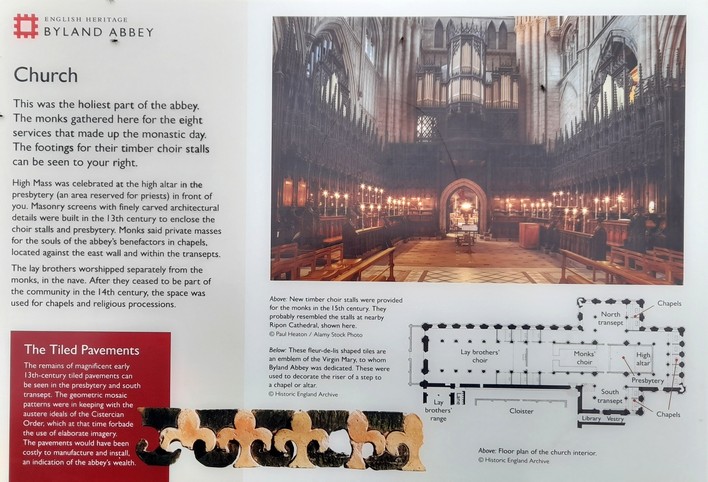
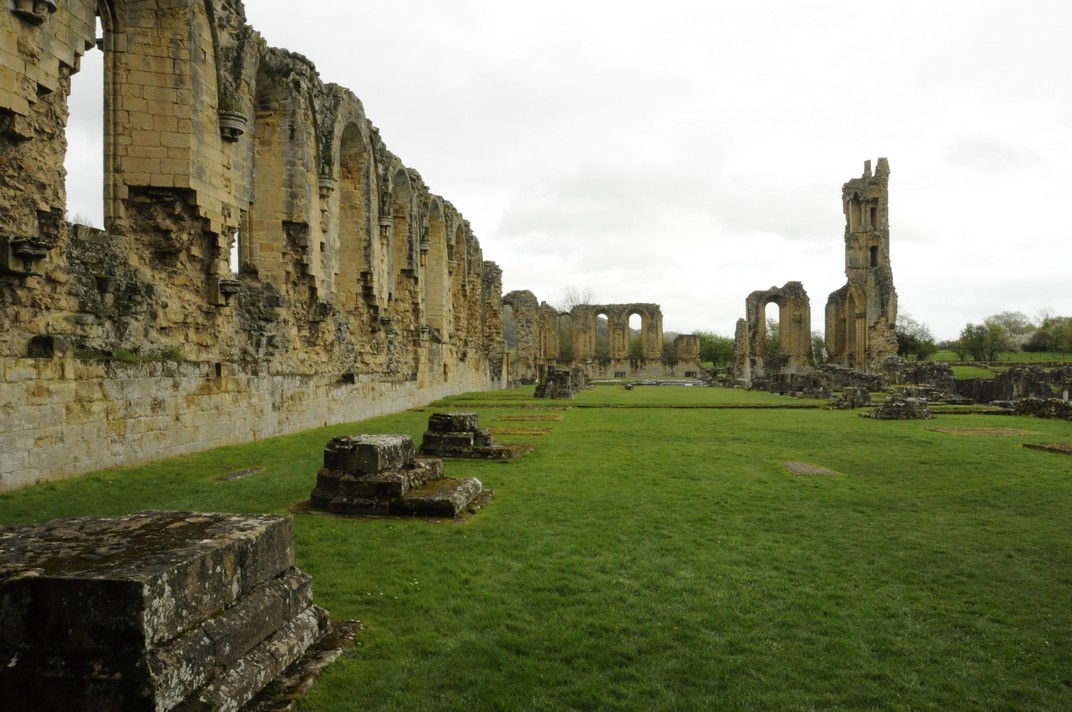
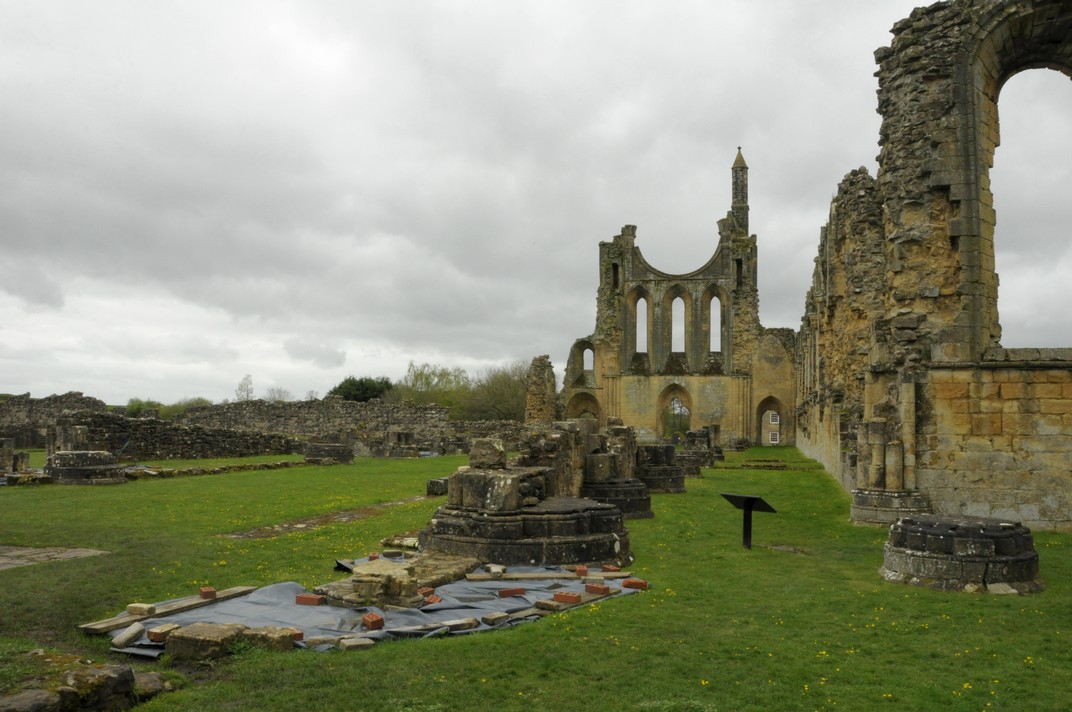
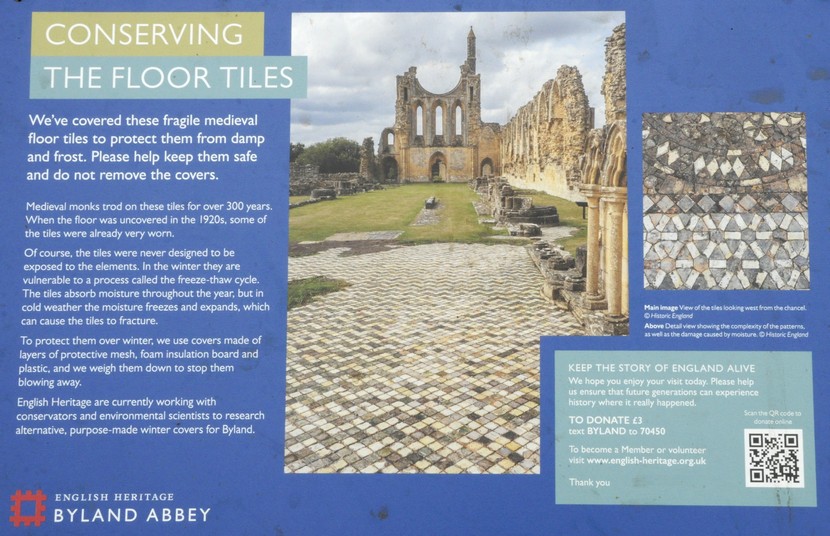
In April, we headed south again, calling in at Mount Grace Priory for a welcome cup of coffee before heading on to our destination, Byland Abbey. En route, we stopped off at the Church of St Mary the Virgin beside the A19 trunk road south that we’d often passed but never taken the opportunity to stop. I wrote about both visits in this post.

The west front of Byland Abbey

We have to travel much further afield now to find National Trust and English Heritage properties new to us. So in September we spent a week in East Anglia, visiting twelve properties over six days. I wrote about that trip here. We rented a small cottage on a farm near the Suffolk market town of Eye.

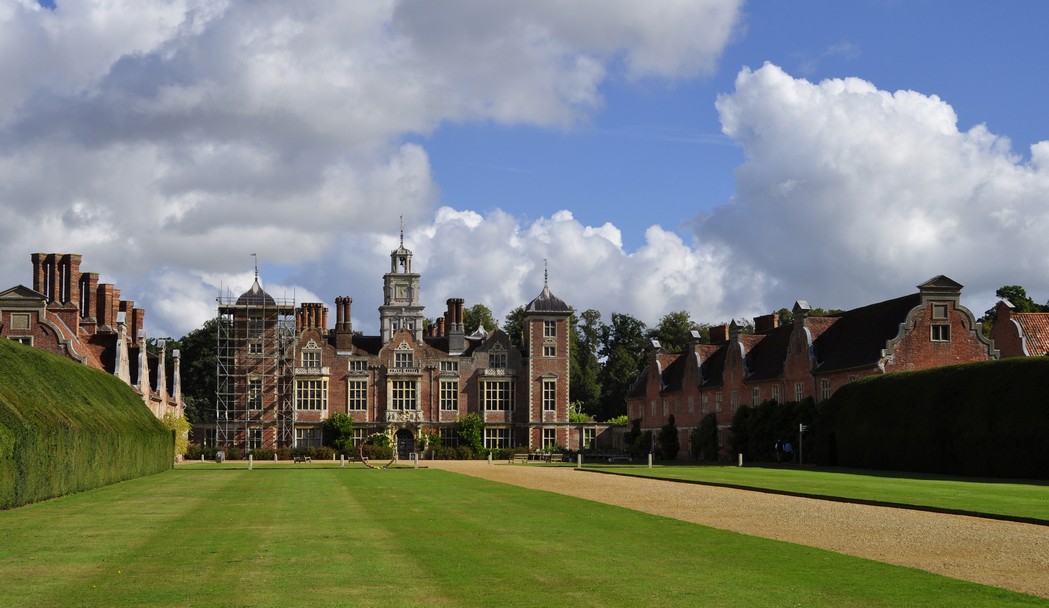
It’s hard to choose a favorite property, but if ‘forced’ to it would be Blickling Hall. What an awesome view along the gravel drive to the entrance of this magnificent Jacobean country house.

Our big trip of the year was our annual visit from early May to June (just over three weeks) to stay with Hannah and family in St Paul, Minnesota. After our last road trip in 2019 I had wondered if we’d make another one. But nothing ventured nothing gained, we decided to hit the road again, crossing Utah and Colorado, and visiting some of the best national parks and enjoying some spectacular desert and Rocky Mountain landscapes. You can read about that trip in this post.

Flying into Las Vegas, we immediately headed to the Hoover Dam, then traveling north to Zion National Park, and on to Bryce Canyon National Park. Heading east we visited Arches and Canyonlands National Parks near Moab in eastern Utah. Then we crossed over into Colorado taking in the ‘Million Dollar Highway’ south through the San Juan range before arriving at Mesa Verde National Park. From there we headed east to Denver for the flight back to Minneapolis-St Paul.

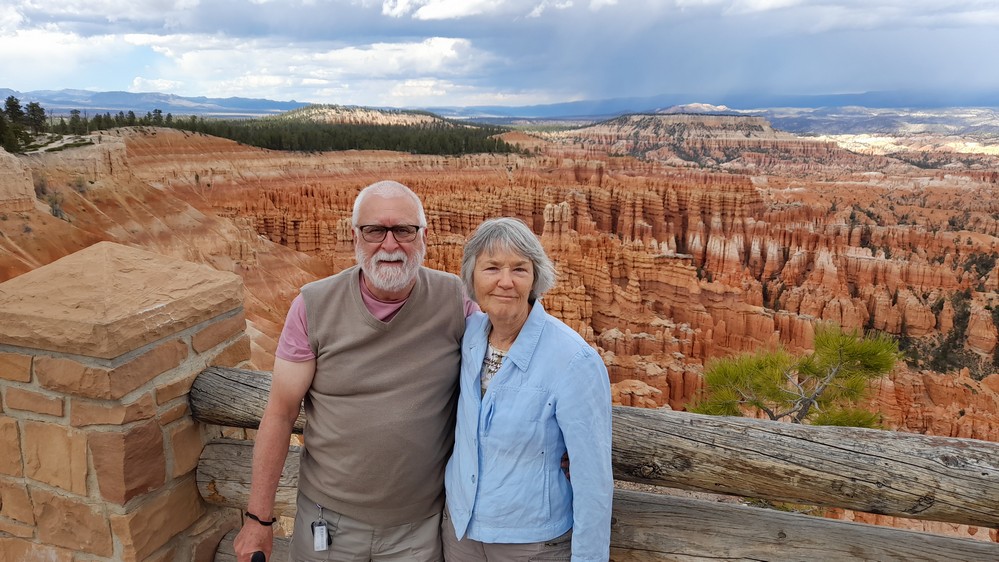
Without doubt Bryce Canyon National Canyon was the highlight of the trip, but only just ahead of all the other fascinating places we visited.

We had a delightful time with Hannah, Michael, Callum (then 13), and Zoë (12), and their doggies Bo and Ollie, and cat Hobbes (sadly no longer with us).

Enjoying the warm weather in St Paul, we spent much of our time relaxing in the garden, taking walks around the neighbourhood, or sitting on the front patio in the late afternoon/early evening just watching the world go by on Mississippi River Boulevard (Hannah’s house is just 50 m from the bluff overlooking the Mississippi River), savouring a gin and tonic (or two).

At the end of July, Callum and Zoë flew over to Newcastle to spend a couple of weeks with us, but more importantly to hang out with their cousins Elvis (now 13) and Felix (now 11), Phil and Andi’s boys.

Arrival at NCL on 25 July

They all went camping (a first for Callum and Zoë) to Bamburgh on the north Northumberland coast, and we spent a day with them.

All too soon, their visit came to an end, but it seems plans are afoot for them to repeat the visit in 2025.

We enjoyed a couple of outings with Elvis and Felix during the year—they are so busy with all their extracurricular activities—to Belsay Hall, and we enjoyed a performance of the Alice in Wonderland pantomime in Newcastle just before Christmas.

We spent Christmas Day with Phil and Andi and family followed, on Boxing Day, by a brisk walk at Souter Lighthouse and Marsden Beach.

I’m sure there must have been other things we got up to but I don’t recall. These have certainly been many of the year’s highlights.

So as the year comes to an end, I’ll take this opportunity to wish all my followers on this blog (and others who come across it by chance) A Happy, Peaceful, and Prosperous New Year 2025!


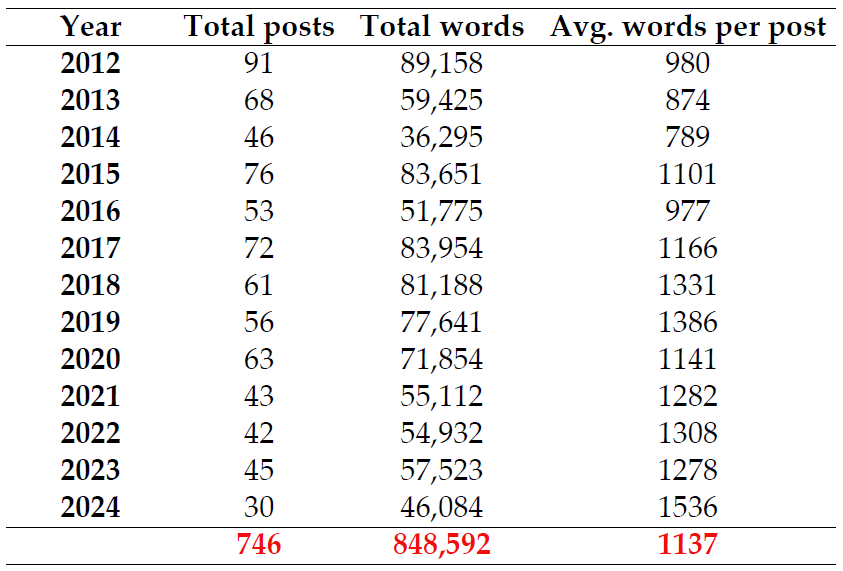
My blog activity was much reduced this past year, just 30 stories posted with 46,000 words compared to previous years, although on average each post was longer.

I’m not sure why I’ve been less productive. While I felt quite elated mid-year about the General Election win by Labour, having booted the Conservatives out after 14 years in power, I have to admit to becoming rather depressed at the beginning of November when Donald Trump reclaimed the US presidency. His occupancy of the White House does not bode well for 2025.


Christmas at Cragside

We first visited the National Trust’s Cragside (near Rothbury in central Northumberland)—home of Victorian engineer, industrialist, inventor and entrepreneur William Armstrong, 1st Baron Armstrong (right)—in 2011, not long after we became members of the National Trust. Since we moved to the northeast in October 2020, we have been back there several times, most recently yesterday to see how the house had been decorated for the Christmas season.

Each December over the past 13 years, we have visited one or more National Trust properties to enjoy the seasonal decorations that have become part of the Trust’s calendar. Some very traditional, others a little more quirky, whimsical even, and perhaps not to everyone’s taste. I’m surprised some of the Christmas displays haven’t already compelled advocates of Restore Trust [1] to reach for their pens and fire off a letter of complaint to The Telegraph!

But we enjoyed our visit to Cragside, and the staff had gone to great lengths to open up several rooms, and brought the Spirits of the Forest inside.

“Imagine that the Armstrongs’ servants have decked the halls and trimmed the trees for their jolly festivities, but as day becomes night, the House falls under an enchanted spell.  The carefully cultivated landscape has gone wild and is reclaiming the House. Rooms are bursting with trees, woodland animals are roaming the halls, foliage is growing down the furniture and the enormous marble fireplace in the Drawing Room is being transformed into a cave by the crag” (Source: National Trust website).

Inside the house, National Trust staff and volunteers (especially Yvonne and Sandy on the door) gave everyone a warm welcome.

On the ground floor, we followed a route through the butler’s pantry (champagne on ice), the kitchen (where someone had been busy making mince pies), into the dining room (where a tree had reclaimed the dining table), and the library where Armstrong peered down from the wall at the havoc that the Spirits had inflicted on his domain. I wonder what he would have made of it all? I hope he would have been impressed by the lengths the staff and volunteers had gone to bringing Christmas cheer inside.

There’s one feature in the dining room that has always attracted my attention. Either side of the fireplace are two pre-Raphaelite stained glass windows.

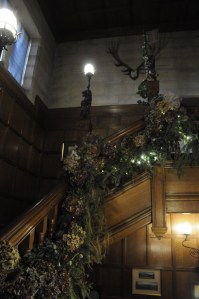
Moving to the first floor, the main staircase was sheathed in foliage and lights, but that didn’t prepare for the spectacle to come in the Gallery and Drawing Room.

The Gallery (normally lined with marble busts and cases of stuffed birds and other natural history elements) had become a forest, with Christmas trees on both sides, and the occasional owl making an appearance. The busts had been left in place to peer through the foliage.

Cragside’s Drawing Room is impressive. It must be 30 m long at least, 15 wide, and heaven knows how high, with a glass roof allowing diffuse light to enter. The walls are lined with portraits of all sizes. But this Christmas it had become a cave, with a stream flowing through. There was even an otter peaking out from under the stream’s bank.

On 28 November, 2000 lights on a 42m giant redwood close to the house were switched 0n. Although the lights were on during the day, they can hardly be seen in this image on the right.

After enjoying the house, and the weather continuing bright and calm, we headed across the estate on foot to the formal garden. And afterwards, we took the Carriage Ride, stopping for a ‘picnic lunch’ (in the car) overlooking Nelly’s Moss Lakes (which Armstrong built to provide a head of water for the hydroelectricity he installed in the house).

Then, by about 14:45 we completed the Carriage Ride circuit, and headed back home, about 30 miles south.

This is the link to more photos in an online album.


[1] Restore Trust is a British political advocacy group which seeks to change policies of the National Trust. The group has aimed to bring resolutions to the National Trust AGM in an effort to restore the [National] Trust to what it sees as “its core purpose”, and has criticised the National Trust’s work on rewilding and social inclusion which Restore Trust’s organizers consider to be “woke” (from Wikipedia).

Between two rivers

Northumberland is renowned for its beaches, mile upon mile of sand and dunes from the north of the county to the south. And even south of the River Tyne, the Durham coast doesn’t disappoint whatsoever. I wrote about this beautiful coastline in 2023.

We regularly see grey seals at St Mary’s lighthouse, an occasional dolphin, and the bird life is wonderful, especially in winter when pink-footed geese return to the fields just behind the dunes, and waders like curlew and golden plover return to the coast after their breeding season on the moors far to the west.

A couple of days ago we visited a beach that was a first for us, just 11 miles and about 16 minutes north from home, at Cambois.

We’ve passed the exit for Cambois on the A189 many times as we headed north, never thinking about making the turn to the coast there. However, with the day forecast bright and sunny, I suggested to Steph that we could enjoy a walk along Cambois beach before heading to a DIY store in Blyth where they had a product available I’d been unable to source elsewhere.

We parked at the Buccaneers free car park at the north end of the beach. During our walk we also discovered two more free car parks further south.

It was a short walk on to the beach, turning to the north and taking us to the estuary of the River Wansbeck.

The view north towards the estuary of the River Wansbeck, and beyond to Newbiggin-by-the-Sea.

It was low tide (very low indeed), and the river just fanned out over the beach. Access to boats would only be available, if at all, at high tide. When we set out I hadn’t appreciated that the river met the sea here, and there was no way across, as it was much deeper than I first realised, and flowing quite fast.

We have walked along the Wansbeck at Wallington Hall, a National Trust property 25 miles northwest from home, and quite close to the source of the river a few miles further west.

Wallington Bridge over the River Wansbeck, designed by James Paine, and constructed in 1755.

With no alternative, we turned around and headed south towards Blyth at the south end of the beach.

That’s Blyth port on the horizon.

Blyth is quite a busy port on the River Blyth which we have walked along inland at Plessey Woods Country Park, and from Dene Park to Bedlington Country Park as far as Humford Woods Stepping Stones.

At Plessey Woods.

Along the beach there’s ample evidence of the industry that once dominated this coastline: coal mining. Just behind the beach is the huge site of the former colliery (destined for redevelopment) that closed in 1968 after operating for a little over 100 years. Covering the beach are streaks of sea coal eroded from the bluff behind the beach.

Today there’s little evidence per se of mining, the colliery winding wheel erected by the side of the road, and a hot water/effluent outfall pipe that must have once run from the colliery out to sea. And just a few lines of terraced houses that were the homes of the miners.


Along with several other villages in Northumberland, Cambois has another claim to fame, as it were, that is bound to trip up those who are not native Northumbrians.

So how do you pronounce Cambois and other place names?

Cam-bo-iss, or Cam-boice perhaps? No. It’s Ka-mes.

How about Ulgham, a village six miles northwest as the crow flies from Cambois? It’s Uffam!

Alnwick is Annick, but Alnmouth is Aln-mouth. Prudhoe is Prudha and Ovingham is Ovin-jem, likewise Bellin-jem (Bellingham).

Linguistic tongue twisters.


Two castles in one day . . .

The weather during June and July was appalling, very wet and cool. However, summer returned temporarily mid-July so we grabbed that rare opportunity to visit two castles in North Yorkshire, around 62 miles south from home.

Richmond Castle (founded in the 1070s) and 12th century Middleham Castle (just 10 miles south of Richmond) in Swaledale and Wensleydale respectively, are among the most important castles in the north of England, perhaps in the country as a whole. They simply exude history! The former was at the heart of one of the largest post-Norman Conquest estates; the other was the boyhood home and later power base of one of England’s most notorious kings.

I have to admit to being a little disappointed initially with Richmond Castle. Until viewed from the south (which we did as we headed to Middleham, but could not stop because of parking restrictions), it’s not easy at ground level to appreciate just how magnificent it must have been in its heyday. 

Richmond Castle from the south, with the residential accommodation on the right, and the later Keep behind.

Richmond Castle from the air, clearly showing the size of the enclosure which must have been full of other ‘temporary’ buildings when the castle was originally occupied. The residential accommodation is in the top right corner, with the Cockpit Garden beyond.

The original castle was built by Alan Rufus (a cousin of William I, the Conqueror) after 1071 but it wasn’t until the 12th century that the magnificent Keep was added.

An artist’s impression of how the castle must have looked not longer after its foundation in the late 11th century.

By the middle of the 16th century the castle had become derelict, but was revived centuries later and a barracks was built along the western wall in the 19th century, as well as a cell block adjoining the keep. In fact the castle was occupied during the Great War (1914-18) and housed conscientious objectors, with some kept as prisoners in the cell block.

I’m not going to describe in detail the history of Richmond Castle here. There is much more information on the English Heritage website, where you can also find a detailed site plan.

From the roof of the Keep there are magnificent views over the castle enclosure and to all points of the compass around Swaledale and the town of Richmond itself. The castle stands to one side of the market place.

The residential block (Scolland’s Hall), on the southeast corner of the enclosure is contemporaneous with the late 11th century curtain wall, but service buildings were added around 1300.

To the east of this area lies the Cockpit Garden (mainly yew shrubs and lawn) surrounded by walls built in the 12th century and some of uncertain age. English Heritage has developed an ornamental section on the north side.

On the eastern wall there is a small chapel, dedicated to St Nicholas and dating from the late 11th century.

The 19th century barracks block has long since been demolished, but a cell block adjoining the Keep, also from the 19th century still stands, and via steps on to its roof provide easier access to the first floor of the Keep rather than the very narrow and steep spiral staircase in the southwest corner of the ground floor.

There is an excellent exhibition on the floor above the visitor entrance and shop. I wish I’d taken more time to look at the various posters, especially those dealing with the incarceration of conscientious objectors in WW1. Read all about their fate on the English Heritage website

But we’d already decided to move on to Middleham Castle, and having enjoyed a picnic lunch beside the River Swale (reportedly one of the fastest-flowing rivers in England), that’s precisely what we did, crossing over the bridge that replaced an original medieval one.

Middleham Castle is much more impressive, and it’s remarkable how much has survived the ravages of the centuries.

Middleham Castle from the southwest, probably from the site of William’s Hill where an original fortification was constructed shortly after the Norman Conquest.

From the moment you walk through the impressive gatehouse, it’s impossible to ignore the grandeur of this castle, which was more a palatial residence than a fortification.

Close by the castle are the remains of an early castle, probably constructed after the Norman Conquest in 1066. Known as William’s Hill, it can easily be seen from the top of Middleham’s south-east turret as the cluster of trees on the skyline in the image below.

Construction of the stone castle began in the later 12th century, and was extended over several centuries. In 1260, the castle passed into the Neville family, one of the most powerful in the kingdom. Richard Neville (1428-1471), the 16th Earl of Warwick and 6th Earl of Salisbury came to be known as ‘Warwick the Kingmaker’ given the power and influence he wielded.

Middleham’s central keep was one of the largest of any castle in the country, and the oldest part of the castle. There are extensive basements with kitchens, above which were the main hall and family apartments. Surrounding the keep is a curtain wall, with several towers, only one of which is round, the Prince’s Tower on the southwest corner.

English Heritage has a detailed ground plan of the castle on its website. There is also a comprehensive historical account here and illustrations of how the castle must have looked in its heyday. It certainly has the feel of a family residence, a show of wealth and opulence. One feature that English Heritage highlights in its introduction and on ground plan is the large number of latrines, with some dedicated latrine towers. It seems that no-one was ever caught short at Middleham.

The original entrance to the castle was on the east side, but this was changed around 1400 to a gatehouse on the north wall. The entrance to the keep is via a modern stairway to the first floor. As I ascended those stairs I imagined what it must have been like all those centuries ago as guests arrived at the castle and were escorted to their rooms. And ascending to the top of the south-east turret gives a wonderful view over the ruins and the wider landscape of Wensleydale.

Surrounding the central keep on the north, west and south sides, are a series of chambers that must have once been accommodation for staff.

One interesting feature inside the south wall is a large circular ‘trough’, and a raised circular platform next to it. While the left hand feature in the image below is described as ‘ovens’ on the ground plan, there is no description for the trough. 

The ovens and ‘trough’ from the south-east turret.

Both date from the 16th century when, apparently, the local folk were allowed into the castle to use the ovens and the trough. I had to ask, and the best guess is that the trough was a cider press, perhaps as shown in this illustration.

Richard, Duke of Gloucester (1452-1485) was the youngest brother of Edward IV, who spent his boyhood at Middleham (along his elder brother George, who was created Duke of Clarence). The Kingmaker’s two daughters Isabel and Anne grew up at Middleham. Isabel married Clarence, and Anne married Gloucester.

Middleham became Gloucester’s northern stronghold, a base from which to gain power and eventually the crown, becoming King Richard III in June 1483. There is a commemorative statue of Richard just inside the castle.

He was defeated by Henry Tudor (who would become King Henry VII) at the Battle of Bosworth Field (the last significant battle of the Wars of the Roses) in August 1485, where he was killed. And disappeared from history so to speak until his body was discovered beneath a car park in Leicester in 2012-13.

Two castles in one day. Being just a few miles apart it was an easy excursion for us from North Tyneside, and well worth the journey south. A highly recommended day out!

Neither castle has dedicated parking. In Richmond we chose the Fosse Car Park just below the castle. I think it was £3 for 4 hours. There is parking available in the Market Place beside the castle, but I believe it’s more time limited. In Middleham, we parked in Back Street just outside the castle, where there was space for just a handful of vehicles. Parking would be trickier, I guess, on a busier day.


Photo album for Richmond Castle

Photo album for Middleham Castle

Conflict on the border

9 September 1513. A momentous day. Henry VIII’s reign hung in the balance.

King James IV of Scotland (right) who was Henry’s brother-in-law, had crossed the border with an army of some 30,000 aiming to draw Henry’s troops northwards, thereby cementing his commitment to the Auld Alliance with France where Henry was busy campaigning.

The Scots faced a smaller English army of around 20,000 under the command of the Earl of Surrey who had outflanked the Scots, taking his troops east and north hoping to cut off an escape route. Well, that was the plan.

The two armies met near the village of Branxton in north Northumberland just south of the River Tweed, the effective border between the two kingdoms.

The Scots were arrayed on Braxton Hill south of the English line on the opposite hill, and with their superior number of troops and heavy artillery (although rather slow to reload), victory seemed a certainty.

But defeat was snatched from the jaws of victory. Just like at Agincourt almost a century earlier, where the French found themselves mired in boggy ground and at the mercy of English archers, so the Scots encountered marshy ground when they descended Branxton Hill to engage the English army. Their long pikes were ineffective in the ensuing melee and no match for the English billhooks.

It is estimated that 10,000 Scots were killed and many more wounded, while the English lost only 4000. Among the Scots dead was James IV.

The Battle of Flodden Field as it came to be known was the last major battle between the English and Scots.

Earlier this past week (a glorious summer’s day, one of the best this year), Steph and I headed north (a round trip of 138 miles) to visit the battlefield and a couple of nearby castles at Etal and Norham (both now owned by English Heritage) that were briefly captured by the Scots before their defeat at Flodden.

And in the course of our journey, we travelled back almost 5000 years to a stone circle at Duddo.


Standing beside the Flodden monument (erected in 1913) and looking over the battlefield, it was hard to imagine that for a brief period 511 years ago this was the site of bloody carnage. Sown to wheat and barley today (and almost ready for harvest) this landscape was incredibly beautiful and tranquil, and with views miles over the border into Scotland.

Before leaving Branxton we visited the Flodden Visitor Centre in the village: a converted telephone kiosk!


Coat of Arms of the Manners family

Etal Castle, just under 5 miles from Flodden, was the family home of the Manners family. It dates from the 12th century, and finally abandoned in the late 16th century. You can read all about its history here.

Still standing today are the Tower House (built before 1341), parts of the Curtain Wall, and the impressive Gatehouse.

After the Battle of Flodden Field, the Scottish heavy artillery was sent to Etal Castle. An opening was made in the wall of the Tower House to store the guns in the basement. And the blocked-up opening can still be seen in the rearranged stonework outside, and in the basement.


Norham Castle, stands on the bank of the River Tweed, and commands a view of one of the fords across the river. It dates from the 12th century and was finally allowed to fall into ruin by the end of the 16th century when there was no longer a threat from the Scots from across the border.

Surprisingly perhaps, the castle was founded by Ranulph Flambard, Bishop of Durham from 1099 until 1128. Durham is known as the Land of the Prince Bishops, who wielded extraordinary power in the north of England in return for defending the border. Norham came under attack frequently and occupied over the centuries, including during the Scottish incursion in 1513. English Heritage provides a comprehensive history of the castle on its website.

The Great Tower is the part of the castle still standing, although derelict. Its height was increased several times, and this can be seen in the differences in stone color.

Some of the outer defences are still standing, as is the West Gate. Parts of the site are closed off to visitors.

And although it has been ruined for four centuries, it’s not hard to imagine just how magnificent and threatening the castle would have been in its heyday.


Almost equidistant between Etal and Norham, along a footpath in the middle of wheat fields, and about 1 mile northwest from the village of Duddo, the Duddo Stone Circle stands on a hillock overlooking the Northumberland landscape. Talk about wide open skies!

Dating from about 2000 BCE, the Stone Circle comprises five standing stones, with remains of others just showing above the surface of the soil. There is also evidence of burials there around 1700 BCE.

Two of the stones stand more than 6 feet.

Click on the image below to read more about access to the Stone Circle across private land, and the history of the stones.


This was certainly one of our more enjoyable excursions since moving to the northeast almost for years ago. This was the second time we’d toured this area of north Northumberland (the first time in 1998). And it won’t be our last.

I have posted all the photographs in an online album. Just click on the image below to view those.


What’s on your birding bucket list?

Ever since I was a small boy, I’ve been a birder. Not perhaps as enthusiastic as many, but it’s a hobby I’ve enjoyed for almost seven decades. I’ll be 76 in November.

I guess my ‘golden years’ were those I spent between 1976 and 1980 in Costa Rica in Central America, where the bird life was out of this world. The years I spent in the Philippines between 1991 and 2010 were disappointing from a birding point of view. I’d been spoilt by Costa Rica. But if I had taken the effort, like my close friend and colleague Graham McLaren did, there were plenty of exotic species to find in the fields and forests close to our home in Los Baños, south of Manila.

Since I retired in 2010, and especially since we moved to the northeast of England four years ago, I’ve taken to birding once again, and enjoy walking the waggonways that criss-cross North Tyneside, and where the bird life is quite exceptional.

But yesterday, I fulfilled a birding dream that has taken me all my life to achieve.

With the weather set reasonably fair, Steph and I decided to head north to the Hauxley Wildlife Discovery Centre and Nature Reserve (just south of Amble), one of the best bird-watching sites on the Northumberland coast, next to the beach at the north end of Druridge Bay. It’s somewhere we have visited several times since moving north, and a walk around the lake never disappoints. There are several hides from which to quietly observe all the birds around the site.

I guess we left home around 10:15, and arrived to the Centre just before 11:00. First stop: the café for a welcome Americano (and a ‘comfort stop’, of course).

We’d just sat down to enjoy our coffees when a lady at the next table beside the window suddenly stood up, binoculars to her eyes, and exclaimed ‘blue!’.

Male kingfisher (source: RSPB).

Did I hear correctly? It could only mean one bird that I have waited all my life to see: the iconic common kingfisher (Alcedo atthis). Grabbing my binoculars, I scanned the vegetation on the other side of the lake, and finally had a male  kingfisher in view.

It’s an elusive, shy bird. Many people only ever see a flash of metallic blue-green feathers along a watercourse. But we were in luck.

Over the next 20 minutes or so we had magnificent views of this beautiful bird. This boy was fishing, choosing between two perches some 10 meters apart and just above the water. So we were able to see him diving and returning to his perch to enjoy his catch.

And those iridescent wing and dorsal feathers which we saw in their full glory as he emerged from the water, desperately flapping his wings to gain height and return to his perch, just like in this video (from YouTube).

What a start to the day, and probably one of the best for birds we’ve enjoyed at Hauxley, observing almost 30 species including a pair of Egyptian geese and a dozen herons.

I’ve seen a number of different kingfisher species in Costa Rica, in the Philippines, and Australia. But there’s no doubt about it. That sighting of a lone common kingfisher yesterday was a brilliant moment that’s now etched in my memory.


Let the Force be with you . . .

Since moving to the northeast of England almost four years ago, Steph and I have grabbed every opportunity (weather permitting, of course) to explore Northumberland north of the River Tyne, and the Durham coast south of the river.

What we hadn’t done, until last week, was explore the hills southwest of Newcastle in the North Pennines National Landscape (NPNL, formerly known as the North Pennines Area of Outstanding Natural Beauty, or AONB). Within the counties of Northumberland, Durham, Cumbria, and North Yorkshire, the NPNL covers an area of approximately 770 square miles (2000 km2), and the landscape encompasses heather moors, deep valleys or dales, and several of its villages are the legacy of a rich mining history. Click here to explore an interactive map.

Specifically, we were headed to High Force Waterfall in Upper Teesdale, about 55 miles from home on the circuitous (and rather tedious) route that my satnav chose skirting around Durham before heading southwest. Tedious that is until we reached Teesdale itself and a glorious landscape opened up before us, as you can will appreciate from this video (the blue route on the map below).

High Force Waterfall is one of the most impressive in the country, with the River Tees tumbling around 70 ft (>21 m) to a splash pool below.

And the reason for this spectacular waterfall lies in its geology, comprising three different layers (which you can be seen in the image above): two relatively soft (of limestone and sandstone) overlain by the hard volcanic Whin Sill, explained in the next image (click to expand). And like Niagara Falls, High Force is slowly (very slowly) migrating upstream as the Tees erodes the rock millimeter by millimeter.

It certainly is impressive, and for an attraction in the middle of nowhere, remarkably accessible, albeit through privately-owned land with an entrance fee of £3.50 per adult. There’s also a minimum car park fee of £3 for three hours. The Pennine Way footpath follows the south bank of the River Tees, and passes the top of the waterfall with perhaps even more impressive views.

The path from the car park to the waterfall is just under half a mile, gently sloping suitable even for wheelchairs. There’s a return route through the woodland, but there are several very steep sections, which we didn’t attempt. Beside the splash pool, a small viewing platform (down some very steep steps) provides excellent views of the river tumbling over the precipice.

I was quite unaware of the waterfall’s existence until fairly recently, when I read a crime novel by Northumberland-born author LJ Ross, in which it featured.

After a picnic lunch back at the car park, we continued our journey to Cow Green Reservoir, and an altitude of around 1600 feet (±500 m) at the car park just above the reservoir.

This area of Upper Teesdale is rather special botanically, and has an assemblage of plant species that are found in few other places in the British Isles. They are relics from the last Ice Age, and some, like the Spring Gentian (Gentiana verna L.) that is featured on the cover of this book by Margaret Bradshaw, are otherwise found for example in the mountains of Central Europe.

The importance of the so-called Teesdale Assemblage (* see footnote image) came to the fore in the 1960s with the proposed construction of a reservoir to meet the increased water demand from heavy industry on Teesside. Despite strong and sustained opposition, Cow Green Reservoir was built, but the area is now one of the country’s largest nature reserves.

Botanist Margaret Bradshaw published her book about the Teesdale flora (after seven decades of study, and often seen out and about on her sturdy pony) when she was 97! She has been a fierce campaigner to save this unique landscape and its rare species. Her book is one of the most comprehensive (and authoritative) monographs that I have come across. A delight for the wealth of detail that she has compiled, and certainly makes us want to visit Upper Teesdale again next year, in the Spring and early Summer when many of these botanical rarities are in flower.


Leaving Cow Green, we headed north and a long and steep descent into Weardale, and from there over the moors towards the valley of the River Tyne. These routes are shown in red and green on the map above, and feature in the next two videos.

What a magnificent day excursion, and one we hope to repeat before too long.


*

Once one of the greatest monasteries in England

At breakfast earlier last week, Steph and I were comparing this past winter to the other three we have experienced since moving to the northeast in October 2020. It’s not that it has been particularly cold. Far from it. But, has it been wet!

It feels as though it hasn’t stopped raining since the beginning of the year. The ground is sodden. And as for getting out and about that we enjoy so much, there have been few days. Apart, that is, from local walks when it hasn’t been raining cats and dogs.

So, with a promising weather forecast for last Friday we made plans for an excursion, heading south around 70 miles into North Yorkshire to visit Byland Abbey, built by a Cistercian community in the 12th century, below the escarpment of the North York Moors.

It’s 12th Cistercian neighbours—less ruined, and arguably more famous—Rievaulx Abbey and Fountains Abbey, stand just 4 miles north as the crow flies and 18 miles southwest, respectively from Byland Abbey.


We decided to take in a couple of other sites on our way south, stopping off at Mount Grace Priory for a welcome cup of coffee and a wander round the gardens, and then—just a few miles further on—the small 12/13th century church of St Mary the Virgin, beside the A19 trunk road that we have passed numerous times, but never taken the opportunity to visit.

St Mary’s was once the parish church of a medieval village, Leake, now disappeared. Nowadays it serves the communities of Borrowby and Knayton. The tower is the earliest remaining structure, and the church has been added to over the centuries (floor plan).

There is a very large graveyard, still in use today, clearly shown in this drone footage.

Then it was on to Byland, taking the cross country route from the A19. And along the way, I saw my first ever hare (and nearly killed, which you’ll see at 02’22 ” in the video below). This route takes you through the delightful village of Coxwold.


Byland Abbey is mightily impressive, even though it’s a shell compared to Rievaulx, for example. But I had the impression that it was much larger than Rievaulx, and it must have been magnificent in its heyday. Its foundation was far from straightforward, and it took the monks more than 40 years before settling on the site at Byland.

Its west entrance is simply a wall, with the remains of what must have once been an incredible rose window. We saw a note on the English Heritage hut (closed on our visit) that there was a template for the window on the inside of the West Wall, but we couldn’t find it.

And from the entrance there is a view straight down the length of the church towards the North and South Transepts and the High Altar. Just the north wall is still standing, mostly. And when I look at ruins like Byland, I am just in awe of the craftsmanship that it took to build a church like this, with such beautifully dressed stone. I wonder how big a workforce was needed for the construction over the 25+ years it is estimated it took to complete the abbey?

At various locations around the ruins, and especially around the site of the high altar, ceramic floor tiles uncovered during excavations are currently not on view, but protected by tarpaulins.

Like all the other religious houses across the nation, Byland was closed during the Suppression of the Monasteries by King Henry VIII in 1538 and rapidly became a ruin. You can read an excellent history of the abbey on the English Heritage website.

You can view my photo album of Byland Abbey images (and from St Mary’s, Leake) here.


Leaving Byland Abbey, we headed up the escarpment on Wass Bank, stopped off to view the Kilburn White Horse again before heading down the precipitous 1:4 (25%) incline that is the infamous Sutton Bank.

The Kilburn White Horse can be seen for miles around, primarily from the southwest. It was supposedly constructed by a local schoolmaster, John Hodgson and his pupils in 1857. It covers an area of 6475 m² (or 1.6 acres). We had only seen it previously from a distance, or from the car park immediately below. This time we took the footpath at the top of the cliff, emerging near the horse’s ears. The walk from where we parked the car (alongside the glider field) took less than 10 minutes.

And although there wasn’t a good view of the horse per se from the path, the view south over the Vale of York was magnificent. We could see for at least 30 miles over a 200° panorama.

That’s the horse’s eye in the foreground.


Birding at Wallington

Over the past 12 months I have been afflicted by a bad back that has also affected my legs and mobility (finally—after an MRI scan last August—diagnosed as spinal stenosis). Consequently, I’ve not been walking quite as regularly as I used to. Well, not as far on each walk as I had enjoyed up until about March last year, and I’m still using a stick for support.

However, with medication and exercises, my condition has improved thank goodness, and I enjoy getting out and about again, trying for about 2 miles each time. But, when I’m feeling up to it, and the weather looks promising, it’s always a pleasure to enjoy a longer walk.

And that’s precisely why Steph and I headed out into Northumberland last Monday to the National Trust’s Wallington, just under 23 miles northwest from home, a drive of around 40 minutes depending on route and traffic. Even though the temperature was only around 6°C, it was bright and sunny, a gentle breeze, and there was some early Spring warmth in the sunshine.

Leaving home around 09:45, we arrived at Wallington before 10:30 and headed immediately to the café for a welcome cup of Americano. It was our intention to complete the River Walk through the grounds of Wallington (around 45 hectares or 111 acres) and along the upper reaches of the River Wansbeck (which rises 5 miles or so further west above Sweethope Lough).

The walk around the Wallington estate has been shut temporarily on several occasions in the past few years. Intense named storms have become a feature of our winters in recent years, and have brought down trees. The National Trust had to close paths until the fallen timber could be made safe.

The stepping stones over the Wansbeck were closed as one of the stones had been washed away, so we had to by-pass that section of the walk. The last time we tried to take the River Walk (in December 2020) we couldn’t cross because the river was in spate.

The walk was a little over three miles. Click on the special symbols in the map to see some of the birds seen at those points on the walk, or other landscape features we came across. And because Monday was such a fine day, I decided to take my binoculars in the hope of seeing some of the birdlife so common through Wallington’s woods and on its ponds.

Quite often I’ll leave my binoculars at home, and regret doing so after we catch sight of something interesting.

Along the path beside the Garden Pond, there’s a newly installed sculpture of an owl, carved from one of the downed trees, standing in open woodland (mainly of beech) but with lots of understorey bushes.

I had wondered if—and hoped—we’d see nuthatches (below) scurrying along the branches and picking out insects above our heads,

It’s a bird I’ve seen on only a few occasions, but that particular habitat was just right for nuthatches.

Then, a very small bird alighted on the branch just a few meters in front of me, and in full sunlight. I was fortunate to bring my binoculars to bear on this little bird, and I had a brief view before it flew off.

My immediate reaction was that it was a goldcrest, the smallest bird in the UK. But as it turned its head towards me, and the sun caught the feathers on its head, they appeared a much deeper reddish-orange rather than yellow. And its cheeks seemed whiter than I’d seen in a goldcrest. A firecrest was my next reaction.

I checked my bird books and online photographs when we arrived home. Although it seems that firecrests are quite uncommon in Northumberland, I’m now convinced—more than ever, and having compared images of a goldcrest and a firecrest side by side—that I saw a firecrest. Here are two images sent to me by my Northamptonshire friend, Barry Boswell (whose beautiful bird images I have used in other blog posts).

Goldcrest (L) and firecrest (R)

On the Garden Pond there was a small group of little grebes or dabchicks, several moorhens, and a flock of about 30 mallard ducks.

We walked through the walled garden, and enjoyed the crocus lawns at their best on the upper terrace, before heading through the gate that led to the River Walk path.

As I mentioned, we couldn’t cross the Wansbeck at the Stepping Stones, so had to walk along the road until we came to the fine 18th century hump-backed bridge, and then took the path alongside the river on its southern/western bank. Having left the road, we had a fine view of the bridge behind us.

Given the state of the river, with tranquil stretches interspersed with shallow rapids, I was hopeful that we might see a dipper or two.

And we weren’t disappointed. Just as we approached the footbridge, there was a solitary dipper sitting on a stone in mid-stream, preening itself. And taking no notice of us whatsoever, we had a great view for at least five minutes, before we crossed over the footbridge close by.

On the opposite bank there is an interesting piece of bespoke artwork depicting wolves, Nothing Exists Alone, which you can only appreciate fully from the right angle.

Click on this next image to read the description more easily.

Then we took the path away from the river and climbed towards the thick woodland on the brow of the hill (with a great view of a wren at the side of the path), ending up at the wildlife hide.

Wren

There was a range of bird feeders there, attracting a range of tit species (great, blue, coal, and long-tailed) and some chaffinches.

Making our way back to the house, we saw another nuthatch in one of the large trees, and a pair of beautiful teal ducks on the Middle Pond.

Then, as we were making our way back to the car park, we saw a large flock of chaffinches on the bird feeders close to the entrance drive, one of the largest flocks I’ve seen in a long while.

Of course these weren’t the only birds that caught our attention as we wandered round the River Walk. There were numerous blackbirds and robins, as well as crows and jackdaws in the fields.

But this Wallington walk will be remembered for that flash of reddish-orange early on. I wonder if others have spotted a firecrest there as well?


Landmarks across the northeast

Across Tyneside, there are several impressive landmarks that no visitor to the region—by land, sea, or air—can fail to miss. All are just a few miles from where we are now living in North Tyneside (since October 2020).

Perhaps the most visible is the River Tyne itself, along whose banks the settlements of Newcastle upon Tyne (on the north) and Gateshead on the south were founded. Actually the River Tyne is two rivers. The North Tyne rises in the hills on the Scottish border, whereas the source of the South Tyne is in Cumbria. The two branches come together near Hexham, 20 miles due west from Newcastle city center.

Newcastle and Gateshead rise steeply away from the Tyne, and are connected by several road and rail bridges, including the iconic Tyne Bridge, opened in 1928 and undergoing a much-needed renovation, hopefully in time for its centenary in 2028.

There is a much more recent footbridge, the Gateshead Millennium Bridge, opened in 2001. Further east, the A19 trunk road crosses under the Tyne in the Tyne Tunnel between Wallsend and Jarrow.

There has been a long history of settlement along the river’s banks. The Romans built a garrison and supply base, Arbeia, near the mouth of the river on its south bank. Hadrian’s Wall begins its journey westwards from Wallsend, at Segedunum fort, just a few miles upstream from Arbeia, but on the north bank.

Arbeia, a Roman fort and supply base, built around 129 AD.

There was a long history of heavy industry along the Tyne, with the port developed for the export of coal from the many collieries in the area, as well as shipbuilding. Indeed, Newcastle was one of the leading shipbuilding cities in the country. All now long closed down.

Of course the mouth of the River Tyne looks very different now than when the Romans arrived. Today, there are piers on both sides of the river mouth. The north or Tynemouth pier (shown below, with a lighthouse at the seaward end), 900 m long (and open to the public during clement weather), took 40 years to build. The south pier is longer, and also took around 40 years to build.

If you fly into Newcastle International Airport, and the wind is blowing from the west, the usual flight path takes aircraft over the mouth of the River Tyne, before banking north. If you are lucky, there are some great views of the city and river.

Just beyond the Tyne, on the left, is St Mary’s Lighthouse (decommissioned since 1984) on its island, just south of Seaton Sluice. Just north of the lighthouse, aircraft then bank left and line up for landing at the airport nine miles west-southwest from the coast.

Just inside the mouth of the Tyne, and standing on the north bank below Tynemouth castle and priory, is the magnificent memorial statue of Vice Admiral of the Red, Lord Cuthbert Collingwood (1748-1810) whose flagship HMS Royal Sovereign was the first British ship to engage with the combined French and Spanish fleets at the Battle of Trafalgar in 1805. The statue of Collingwood is 23 feet or 7 m tall. The four canons either side of the steps come from HMS Royal Sovereign.

It must be seen many miles out to sea. And although we had seen it from Tynemouth castle and priory on previous visits to the town, it wasn’t until Monday afternoon past that we got to see it up close.

We took the path west along the river towards North Shields Fish Quay (about 1 mile), and came across a rather lovely statue (in steel), the Fiddler’s Green Sculpture by Ray Lonsdale from County Durham, that was erected in 2017. It is is a memorial to North Shields fishermen lost at sea. It was based on a photograph of a local fisherman.

Below the statue is a plaque that reads:

To the fishermen lost in the cold North Sea,
and the ones who will be so,
I’ll be seeing you all on Fiddler’s Green,

be steady as you go.

For Fiddler’s Green is a place I’ve heard tell,
though no one really knows,
where the fishermen go if they don’t go to hell,
and no Arctic wind will blow.

Fiddler’s Green is an imaginary paradise to which sailors are conveyed after death, traditionally a place of wine, women, and song. And here is the 19th century Irish song (and the lyrics), performed by The Dubliners.

Arriving to Tyneside from the south by road, on the A1, a huge sculpture suddenly comes into view on the outskirts of Gateshead. This is the iconic Angel of the North, by Sir Antony Gormley, which was erected in 1998.

We took a close look at it in November 2018, but have not been back since we moved to the northeast.

My final landmark is Grey’s Monument in Newcastle city center. If you travel there by Metro, you are immediately confronted by the 133 foot (41 m) column as you emerge from Monument station.

Charles Grey, 2nd Earl Grey

It was erected in 1831 in recognition of Charles Grey, 2nd Earl Grey, [of supposed Earl Grey tea fame] Prime Minister of the United Kingdom from 1830 to 1834. In particular, it celebrates the passing of the Great Reform Act of 1832, one of Grey’s most important legislative achievements. The act reorganised the system of parliamentary constituencies and increased the number of those eligible to vote.

It certainly dominates the Newcastle skyline. Open to visitors, there are 164 steps to climb to the viewing platform. The views south from the top must be spectacular over Newcastle’s impressive Georgian architecture on Grey Street and Grainger Street, but that’s not something I’m likely to challenge.

Tyneside and so much of the surrounding region has so much to offer any visitor. English Heritage and the National Trust own a number of properties close by, and further out there is the magnificent coastline of Northumberland and County Durham, as well as the moors and hills stretching westwards to the Scottish border and into Cumbria.


A final commission . . .

Sir John Vanbrugh (1664-1726)

Among the pantheon of English architects of the late 17th and early 18th centuries, Sir John Vanbrugh (dramatist, herald, and fervent Whig) is surely one of the most extraordinary since he never—apparently—received any formal training. His commissions included Castle Howard (for the Earl of Carlisle, in 1699) in North Yorkshire, and Blenheim Palace in Oxfordshire for John Churchill, 1st Duke of Marlborough in 1705.

Perhaps his most elegant—and final—commission was Seaton Delaval Hall (on a much smaller scale than either Castle Howard or Blenheim), designed for Vice-Admiral George Delaval and begun in 1718. Both Delaval and Vanbrugh died before the house was completed.

The Hall stands between the small communities of Seaton Delaval and Seaton Sluice in Northumberland, and just under 10 miles (as the crow flies) northeast from the center of Newcastle upon Tyne. It’s only six miles by road from our home in North Tyneside, and is our nearest National Trust property.

Admiral Delaval purchased the estate from an impoverished cousin, but the family had owned land in this area since the Norman Conquest in the 11th century. Seaton Delaval Hall has had an interesting history and was occupied by various branches of the extravagant Delaval family. In 1822 there was a catastrophic fire which gutted the central main block, which has remained derelict ever since. Now a Grade 1 listed house, it is owned by the National Trust.


Like Blenheim and Castle Howard, Seaton Delaval Hall reflects Vanbrugh’s baroque design penchant for buildings with symmetrical wings on either side of a central block.

Here are three aerial images of the Hall taken recently (courtesy of local photographer John Fatkin [1]) that brilliantly show this symmetry.

The north entrance of Seaton Delaval Hall, with the grand stables block on the left (east) side, and accommodation on the right (west). Courtesy of John Fatkin – Coastal Portraits.

The Hall from the east.

The grand South Portico, with the gardens to the left.

The Hall stands within an area of just under 8 hectares, and is surrounded by a 2m high Ha-Ha wall, 360 x 220m, with rounded bastions at each of the four corners. These bastions each had a statue on a pedestal, but these have been removed to other parts of the garden. The Church of Our Lady (originally Saxon) lies within the Ha-Ha wall, and was the private chapel of the Delaval family (in the trees in the bottom left corner of the photo below).

Just to the west of the South Portico there is a small formal garden, and beyond that a magnificent parterre that must be at least 50m, if not longer. The grounds have undergone extensive renovation in recent years.


The main entrance to Seaton Delaval Hall is through the gates off the Seaton Delaval-Seaton Sluice road, the A190, round to the car park on the east side. It’s then a short walk to the South Portico, with its magnificent ionic columns.

Inside, one is greeted with a scene of devastation: blank walls, evidence of fire, walls devoid of panelling or plaster. The roof is a modern addition. Even so, strangely enough, one can still appreciate how magnificent it must have looked in its heyday. Some features survived the 1822 fire and still on display in the main hall, which leads to another door opening on the north side, and into the main courtyard.

Either side of the entrance hall are quite spectacular spiral staircases which provide access to a first floor balcony from which to observe the destruction of the fire two centuries ago.

The basement rooms, which were servant quarters and the like, have been recently refurbished somewhat and can be explored.

The East Wing has a set of magnificent stables. I do not recall what the rooms above were once used for.

In our last visit to Seaton Delaval we were surprised—and pleased—to see that the West Wing had been opened, with a series of furnished rooms to view, and Delaval paintings and other possessions on display. On our previous visits going back to 2013 this wing had always been closed.

The gardens are not extensive, but paths have been opened up over the past couple of years or so to allow more access to explore the area within the Ha-Ha wall.


[1] You can find more of John’s stunning images around the local area on his Facebook page, Coastal Portraits by John Fatkin, and on X/Twitter at Coastal Portraits – It’s Grim up North.


Nunnington Hall – from 13th century manor house to 20th century family home

There has been a manor house beside the River Rye in the small village of Nunnington (lying within the Howardian Hills National Landscape of North Yorkshire) since the 13th century.

Built from a light colored coral rag Jurassic limestone, the Nunnington Hall estate occupies around 5 acres (2 ha) and is surrounded by a walled garden. The house has changed in character over the centuries, as each resident (owner or tenant) stamped their mark on its architecture and layout. It has been owned and managed by the National Trust since 1952, although it remained a family home until 1978.

In Tudor times there were distant royal connections, and during the 17th century English Civil Wars, Parliamentarian troops were garrisoned in the Hall.

A wealthy cloth merchant, Ranald Graham (right, created Viscount Preston in the Peerage of Scotland in 1681, died 1689) bought the Nunnington estate in 1655, and it remained in the family until the mid-18th century when the direct Graham line became extinct. Sublet and allowed to deteriorate, it was offered up for sale in 1839 in a semi-derelict state, and bought by William Rutson (1791-1867) whose family had made their fortune through colonial trade and slavery.

The five children of Susan and Peter Clive and their cousin Michael in the Oak Hall at Nunnington Hall.

Nunnington Hall was inherited by Margaret Fife (née Rutson, the great-niece of William Rutson) in 1920, and she set about the renovation of the Hall with her husband, Colonel Ronald D’Arcy Fife, funding the project from the sale of another Rutson property, Newby Wiske near Northallerton. One of their adopted daughters, Susan Clive, raised her family at Nunnington Hall, until moving to a house in the village.


I first visited Nunnington Hall in the summer of 1968, but recall very little of that visit, since only a few rooms were open to the public, and then only twice a week. It was only after the family vacated the Hall that the National Trust opened more of the house to the public, and more frequently.

In 2013, Steph and I stopped off on our way back south after visiting family in Newcastle.

Unlike Worcestershire where we lived until 2020, there are just a few National Trust properties near our home (since 2020) here in the northeast. And not all open for the Christmas season. I wrote briefly about our various Christmas visits after last year’s to Ormesby Hall near Middlesbrough.

So, on Friday last, we made the 162 mile round trip from North Tyneside to enjoy Nunnington Hall decorated in its Christmas finery. Being the first day of the Hall’s Christmas season (only each Friday to Sunday until just before Christmas), it was a delight to see many of the rooms brightly lit with Christmas trees and candles.


Let me take you on a brief tour of the house in 2013 and last Friday, highlighting some of the features that particularly caught my attention. A photo album of all the photos taken during both visits can be viewed here.

The entrance was suitably decorated for the Hall’s Christmas season, and we headed straight for the tearoom (with waitress service, unusual for National Trust tearooms) for a welcome cup of coffee before beginning the tour.

A kitchen or a Great Hall in earlier centuries, by 1921 the Stone Hall had become the entrance hall on the west facade of the building. One wall is hung with shooting trophies (mainly antelope of one species or another), with the skins of big cats on another. A huge fireplace (which was lit on our recent visit) dominates a third wall. And for Christmas, there was a tall (maybe 15 foot) tree, a Fashionable Victorian theme, with one of the volunteers (dressed as a butler) offering a small sherry or cranberry juice to each new visitor.

The Smoking Room, a few steps up from the Stone Hall, was Lord Preston’s bedchamber in the 17th century, but was adopted by Colonel Fife. The walls were painted Georgian green by Margaret Fife, and its theme was an indulgent Georgian Christmas. On our 2013 visit, this room was set up as a small dining room. And beyond the main room, in a small withdrawing room, the walls are covered in 18th century prints, and the ceiling decorated with original coats of arms.

From the Smoking Room, you step into the large Oak Hall with its stone floor, stone fireplace, and elegant, low-rise staircase leading to the first floor. This was an open courtyard in Tudor times, but was enclosed by Lord Preston in the late 17th century. There was a Tudor feast theme last Friday.

There are several paintings of William Rutson and his horses.

L: William Rutson’s groom and horses; R: William Rutson on a grey hunter

Hanging on the walls above the staircase are three tapestries, 300 years old, and another one in the Sitting Room.

During Margaret Fife’s time, the Sitting Room was the main family room, with a balcony overlooking the walled garden, with its terraces and orchard. Peacocks also strutting around the grounds. The Christmas theme was 1980s Party Time.

One feature which caught my attention in 2013 (and still prominently on display) was the superb set of porcelain figurines—Chelsea I presume—on the mantelpiece. How I would like to own a set like that, but my pockets aren’t deep enough!

In Margaret Fife’s bedroom and dressing room on the first floor, there is a charming (but controversial) portrait of her as a young girl, hanging above the fireplace.

Colonel Fife had his own bedroom, and particular feature that you can’t miss is the Chinese-style wallpaper, decorated with birds, flowers, and fruits.

A child’s bedroom, decorated with a tree and toys completed the bedrooms that were open. Wood-paneled, I seem to remember from our 2013 visit that there were carvings or graffiti in the wood made by Parliamentarian soldiers in the 17th century.

Schoolchildren from the nearby Slingsby Community Primary School had created the snowman exhibit in another bedroom.

The Nursery had a 1940s Rationing theme. The walls were covered with another impressive wallpaper, and a delightful doll’s house stood in one corner.

The attic floor under the eaves houses a couple of exhibitions. One of these is the permanent home of a collection of miniature rooms, donated to the National Trust by Londoner, Mrs Carlisle (known as ‘Kitty’). The models are truly exquisite in the amount of detail, even handwriting on miniature letters. The other exhibition, Fields, Folds, and Farming Life on display last week was a collection of photos and videos of farming life in Yorkshire by photographer Valerie Mather.

After a short (and rather muddy) walk around the garden, our visit to Nunnington Hall came to an end, and we headed back home.


But with just one other feature in the landscape to find: the Kilburn White Horse (map)The origin of the horse is disputed, but it appeared in November 1857, cut into the hillside above the village of Kilburn. Some credit the local schoolmaster and his pupils. The top soil was scraped away, and the horse covered in limestone chippings. It has needed regular maintenance over the years.

The Kilburn White Horse can be clearly seen from a distance, particularly from the A19 between Thirsk and York.

We made our way down the escarpment to the car park just below the horse, but from there you can only see the horse’s legs and part of its body.


I can’t finish this post without mentioning the spectacular climb into the Howardian Hills.

We had traveled south from North Tyneside on the A19 as far as Thirsk, where we took the A170 towards Scarborough. Just under six miles east of Thirsk, the A170 ascends the notorious Sutton Bank, with its 25% incline and hairpin bends. It’s such a challenge for some vehicles that caravans are banned from this stretch of road and have to find an alternative route on to the moors. Even HGVs struggle up the Bank.

Here’s some footage I made of the ascent and descent (almost 5 minutes, and available in HD).


We walked to Scotland last Thursday

Well, I might be exaggerating a wee bit. We didn’t walk all the way there. Just the last half mile. Let me explain.

Thursday was, for the first time in many days, bright and sunny although much cooler than we have enjoyed of late. And while the weather has been better here on the coast (we live just a few miles inland), it has been much more unpredictable in the hills, and rainy on many days.

However, with a more promising forecast we decided to head off to the Cheviots, and specifically to Chew Green Roman fort and encampment (built around 79 AD) close to the border with Scotland, and a location we have visited twice before.

At its nearest, the Scottish border is only 40 miles or so (65 km) northwest as the crow flies from our home in North Tyneside, or about 55 miles or so by road. This is the route we took.

Chew Green is just beyond the ‘end’ of the road near the headwaters of the River Coquet, and the drive there (on a very narrow road) beyond Alwinton winds its way through beautiful Upper Coquetdale.

This video, of the drive from Alwinton to Chew Green lasts over 41 minutes. You can double the playback  speed (without affecting your appreciation of the marvellous landscapes) by clicking on the Settings button.

The road does continue beyond Chew Green. However, it passes over the Otterburn Ranges, an area of the Northumberland National Park controlled by the Ministry of Defence where troops are trained and live firing takes place. Access is often restricted, as it was on Thursday, when the red flags are raised.

Nevertheless, we just drove a few hundred meters beyond the parking spot, climbing the hill facing Chew Green to get a better view of the embankments of the camp, something we had not done on either of our previous visits.

Leaving the parking spot on foot, we headed west (just south of the fort/encampment) until we reached a dip in the landscape with a small burn (and tributary of the River Coquet, if not the beginnings of the river itself), crossing over a stile, and stepping into Scotland.

No border patrols here, although for centuries past this was a most contentious border, and the location of many cross-border raids and cattle rustling.

That’s Scotland beyond the dip in the landscape in this video. It’s a pity there was no post along the path to indicate exactly where you pass from one nation into the other.

Then we walked up over the fort, and made our way back to the car. Dere Street, one of the most important Roman roads that connected Eboracum (York) with Roman forts beyond Hadrian’s Wall and over the border into Scotland, runs right beside Chew Green. It’s remarkable that the camp’s embankments are so well preserved, after 1900 years.

At its headwaters here in the Cheviots, the River Coquet is no more than a babbling brook.

But within a short distance from Chew Green, it becomes a substantial river (as you can see in this video of the return journey down the valley) wending its way east to the North Sea at Amble.

Incidentally, most of the sheep in the videos are the local Cheviot breed, with some horned Scottish blackface.


Potatoes have no special chemistry to induce romance . . . but they brought us together

Saturday 13 October 1973, 11:30 am
Lima, Peru

Fifty years ago today, Steph and I were married at the town hall (municipalidad) in the Miraflores district of Lima, where we had an apartment on Avenida José Larco. Steph had turned 24 just five days earlier; it would be my 25th in the middle of November.

Municipalidad de Miraflores, Lima

It was a brief ceremony, lasting 15 minutes at most, and a quiet affair.  Just Steph and me, and our two witnesses, John and Marian Vessey. And the mayor (or other official) of course.

John, a plant pathologist working on bacterial diseases of potato, was a colleague of ours at the International Potato Center (CIP) in Lima, who had joined the center a few months before I arrived in Lima in January 1973.

Enjoying pre-lunch drinks with Marian and John at ‘La Granja Azul‘ restaurant at Santa Clara – Ate, on the outskirts of Lima.

The newly-weds.


It’s by chance, I suppose, that Steph and I got together in the first place. We met at the University of Birmingham, where we studied for our MSc degrees in Conservation and Utilization of Plant Genetic Resources.

Steph arrived in Birmingham in September 1971, just after I had finished the one-year course. I was expecting imminently to head off to Peru where I had been offered a position at CIP to help curate the large collection of native potato varieties in the CIP genebank. So, had I flown off to South America then, our paths would have hardly crossed.

But fate stepped in I guess.

My departure to Peru was delayed until January 1973. So I registered for a PhD with renowned potato expert Professor Jack Hawkes (right, head of the Department of Botany and architect of the MSc course), and began my research in Birmingham while CIP’s Director General, Richard Sawyer, negotiated a financial package from the British government to support the center’s research for development agenda, and my work there in particular.

It must have been early summer 1972 that Steph and I first got together. Having completed the MSc written exams in May, Steph began a research project on reproductive strategies in three legume species, directed by Dr Trevor Williams (who had supervised my project a year earlier on lentils). And she completed the course in September.

By then, she had successfully applied for a scientific officer position at the Scottish Plant Breeding Station in Edinburgh (SPBS, now part—after several interim phases—of the James Hutton Institute in Dundee), as Assistant Curator of the Commonwealth Potato Collection. But that position wasn’t due to start until November.

Our VW Variant in Peru, around May 1973 – before receiving a Peruvian registration plate.

In early November I took delivery of a left-hand-drive Volkswagen for shipment to Peru. On a rather dismal Birmingham morning, we loaded up the VW with Steph’s belongings and headed north to Edinburgh. She returned to Birmingham in mid-December for her graduation.

Then, just after Christmas 1972, we met up in a London for a couple of days before I was due to fly out to Lima.

At that time we could not make any firm commitments although we knew that—given the opportunity—we wanted to be together.

Again fate stepped in. On 4 January 1973, Jack Hawkes and I flew to Lima. Jack had been asked to organize a planning conference to guide CIP’s program to collect and conserve native Andean potato varieties and their wild relatives.

Potato varieties from the Andes of Peru.

While I stayed in a small hotel (the Pensión Beech, in the San Isidro district) until I could find an apartment to rent, Jack stayed with Richard Sawyer and his wife Norma. And it was over dinner one evening that Jack mentioned to Richard that I had a ‘significant other’ in the UK, also working on potato genetic resources, and was there a possibility of finding a position at CIP for her. Richard mulled the idea over, and quickly reached a decision: he offered Steph a position in the Breeding and Genetics Department to work with the germplasm collection.

With that, Steph resigned from the SPBS and made plans to move to Lima in July, with us planning to get married later on in the year.

In the CIP germplasm screenhouses in La Molina. Bottom: with Peruvian potato expert Ing. Carlos Ochoa.


A couple of weeks after I arrived in Peru, I found an apartment in Miraflores at 156 Los Pinos (how that whole area has changed in the intervening 50 years), and that’s where Steph joined me.

In our Los Pinos apartment, Miraflores in July 1973.

A few weeks later we found a larger apartment, nearby at 730 Avda. Larco, apartment 1003. Very interesting during earthquakes!

Around mid-August 1973 we began the paperwork (all those tramites!) to marry in Peru. Not as simple as you might think, but on reflection perhaps not as difficult as we anticipated.

While we were allowed to post marriage banns in the British Embassy, we had to announce our intention to marry in the official Peruvian government gazette, El Peruano, and one of the principal daily broadsheets (El Comercio if memory serves me right), and have the police visit us at our apartment to verify our address. I think we also had to have blood tests as well. This all took time, but everything was eventually in place for us to set the wedding date: 13 October.

Some friends wanted to give us a big wedding, but Steph said she just wanted an intimate, quiet day. So that’s what we organized.

In the week leading up to our wedding, we had to present all the notarised documents at the municipality. After the ceremony, we signed the registry, hand-written in enormous volumes (or tomos). There was a bank of clerical staff, all with their Parker fountain pens, inscribing the details of each wedding in their respective tomo. A week later we collected our Constancia de Matrimonio (with some errors) which detailed in which tomo (No. 83, page 706) our marriage had been recorded, as well as photocopies (now sadly faded) of the actual page.

My work, collecting potatoes, took me all over the Andes; not so much for Steph who only made visits every other week or so to CIP’s highland experiment station (at over 3000 masl) in Huancayo east of Lima, and a six hour drive away.

However, Steph and I explored Peru together as much as we could, taking our VW on several long trips, to the north and central Andes, and south to Lake Titicaca. We also delayed our honeymoon until December 1973, flying to Cusco for a few days, and spending one night at Machu Picchu.

At Machu Picchu, December 1973.


In May 1975, we returned to the UK for seven months for me to complete my PhD, returning to Lima just before New Year.

With Jack Hakes and Trevor Williams at my PhD graduation on 12 December 1975 at the University of Birmingham.

Christmas Day 1976 in Turrialba.

Then, in April 1976, we moved to Costa Rica where I worked on potato diseases and production, based in Turrialba, some 70 km east of the capital city, San José. Under the terms of our visas, Steph was not permitted to work in Costa Rica. I became regional representative for CIP’s Region II (Mexico, Central America, and the Caribbean) in August 1997 when my colleague, Oscar Hidalgo (who was based in Toluca, Mexico) headed to North Carolina to begin his PhD studies.

Our elder daughter Hannah Louise was born in San José in April 1978. Later that year, we took our first home leave in the UK and both sets of grandparents were delighted to meet their first granddaughter.

24 April 1978 in the Clinica Santa Rita, San José, Costa Rica.

On home leave in the UK in September 1978.

With Steph’s parents Myrtle and Arthur (top) in Southend-on-Sea, and mine, Lilian and Fred, in Leek.

We spent five happy years in Costa Rica before moving back to Lima at the end of November 1980, and began making plans to move to the Philippines by Easter 1981.

However, in early 1981, a lectureship was created at the University of Birmingham, in the Department of Plant Biology (formerly Botany, where Steph and I had studied), for which I successfully applied. We left CIP at the end of March and had set up home in Bromsgrove (about 13 miles south of Birmingham in north Worcestershire) by the beginning of July.

4 Davenport Drive


A decade after we were married, we were already a family of four. In May 1982 Philippa Alice was born in Bromsgrove.

30 May 1982 in Bromsgrove hospital.

During the 1980s we enjoyed many family holidays, including this one in 1983 on the canals close to home.

Many other family holidays followed, in South Wales, in Norfolk, on the North York Moors, and in 1989, in the Canary Islands.

In Tenerife, Canary Islands in July 1989. Steph is carrying the binoculars that I bought around 1964 and which I still possess.

Hannah (left) and Philippa (right) thrived at local Finstall First School, shown here on their first day of school in 1983 and 1987, respectively.

My work at Birmingham kept me very busy (perhaps too busy), but I particularly enjoyed working with my graduate students (many of them from overseas), and my undergraduate tutees.

All in all, it looked like Birmingham would be a job for life. That was not to be, however. By the end of the 1980s, academic life had sadly lost much of its allure, thanks in no small part to the policies and actions of the Thatcher government. We moved on.


By 1993, we had already been in the Philippines for almost two years, where I had been hired (from July 1991) as head of the Genetic Resources Center (GRC) at the International Rice Research Institute (IRRI) in Los Baños, some 65 km south of Manila in the Philippines. I moved there ahead of Steph and the girls (then aged 13 and nine) who joined me just after Christmas 1991.

Meeting fellow newcomer and head of communications, Ted Hutchcroft and his wife at our joint IRRI welcoming party in early 1992.

In 1993 I learned to scuba dive, a year after Hannah, and it was one of the best things I’ve ever done. Philippa trained a couple of years later.

Getting ready to dive, at Arthur’s Place, Anilao, Philippines in January 2003.

Steph was quite content simply to snorkel or beachcomb, and we derived great pleasure from our weekends away (about eight or nine a year) at Anilao, 92 km south from Los Baños. In fact, our weekends in Anilao were one of our greatest enjoyments during the 19 years we spent in the Philippines.

Steph became an enthusiastic beader and has made several hundred pieces of jewelry since then. In Los Baños we had a live-in helper, Lilia, and so in the heat of Los Baños, Steph was spared the drudgery of housework or cooking, and could focus on the hobbies she enjoyed, including a daily swim in the IRRI pool, and looking after her garden and orchids.

Steph and Lilia on our last day in IRRI Staff Housing #15 on 30 April 2010.

Hannah and Philippa completed their school education at the International School Manila (ISM) in 1995 and 1999 respectively, both passing the International Baccalaureate Diploma with commendably high scores.

Graduation at ISM: Hannah and Philippa with their friends from around the world.

Traveling to Manila each day from Los Baños had not been an easy journey, due to continual roadworks and indescribable traffic. It was at least two hours each way. By the time Philippa finished school in 1999, the buses were leaving Los Baños at 04:30 in order to reach Manila by the start of classes at 07:15.

In October 1996, Hannah started her university degree in psychology and social anthropology at Swansea University in the UK. However, after two years, she transferred to Macalester College, a highly-rated liberal arts college in St Paul, Minnesota, graduating summa cum laude in psychology and anthropology in May 2000. She then registered for a PhD in industrial and organizational psychology at the University of Minnesota. Philippa began her BSc degree in psychology at the prestigious University of Durham, UK later that same year, in October.

Hannah’s graduation in May 2000 at Macalester College, with Philippa and Michael (Hannah’s boyfriend, now her husband).

Once Hannah and Philippa had left for university, IRRI paid for return visits each year, especially at Christmas.

Christmas 2001. Michael joined Hannah for the visit.

While my work took me outside the Philippines quite often, Steph and I did manage holidays together in Hong Kong/Macau and Australia. And, together with Philippa, we toured Angkor Wat in Cambodia in December 2000.

But Steph also accompanied me on work trips to Laos, Bali, and Japan. She also joined me and my staff when we visited the rice terraces in northern Luzon in March 2009.

Enjoying a cold beer as the sun goes down, near Sagada, northern Luzon, Philippines.

Overlooking the Batad rice terraces in northern Luzon in March 2009.

However, we always used our annual home leave allowance to return to the UK, stay in our home in Bromsgrove (which we had purposely left unoccupied), and meet up with family and friends.

Philippa was awarded a 2:1 degree in July 2003, and the graduation ceremony took place inside Durham Cathedral. She then headed off to Vancouver for a year, before returning to the UK and looking for a job, eventually settling in Newcastle upon Tyne where she has lived ever since.

Outside Durham Cathedral where Phil received her BSc degree from the university’s Chancellor, the late Sir Peter Ustinov.

Hannah married Michael in May 2006, and finished her PhD. We flew to Minnesota from the Philippines.

15 May 2006, at the Marjorie McNeely Conservatory in Como Park, St Paul.

PhD graduation at the University of Minnesota.

Philippa registered for a PhD in biological psychology at Northumbria University in Newcastle upon Tyne where she was already working.

Professionally, the period between 2001 and my retirement in 2010 was the most satisfying. I had changed positions at IRRI in May, moving from GRC to join the institute’s senior management team as Director for Program Planning and Communications (DPPC). I worked with a great team, and we really made an impact to increase donor support for IRRI’s research program. However, by 2008/9 when my contract was up for renewal, Steph and I had already agreed not to continue with IRRI, but take early retirement and return to the UK.

But not quite yet. IRRI’s Director General, Bob Zeigler, persuaded me to stay on for another year, and organize the celebrations for the institute’s 50th anniversary. Which I duly did, and had great fun doing so.

But as our retirement date approached in April 2010, I was honored by the institute’s Board of Trustees with a farewell party (despedida) coinciding with the 50th anniversary of the very first Board meeting in April 1960.

14 April 2010 – IRRI’s 50th celebration dinner and our despedida.


Friday 30 April was my last day in the office.

With my DPPC friends. L-R: Eric, Corinta, Zeny, me, Vhel, and Yeyet.

We flew back to the UK two days later, arriving on Monday 3 May and taking delivery of our new car, a Peugeot 308, the following day.

Philippa and Andi flew off to New York in October 2010 and were married in Central Park. She graduated with her PhD in December.

By 2013 we had been married for four decades, and were well-settled into retirement, enjoying all the opportunities good weather gave us to really explore Worcestershire and neighboring counties, especially as National Trust and English Heritage members. And touring Scotland in 2015, Northern Ireland in 2017, Cornwall in 2018, East Sussex and Kent in 2019, and Hampshire and West Sussex in 2022.

We were, by then, the proud grandparents of three beautiful boys and a girl.

Callum Andrew (August 2010) – St Paul, Minnesota

Elvis Dexter (September 2011) – Newcastle upon Tyne

Zoë Isobel (May 2012) – St Paul, Minnesota

Felix Sylvester (September 2013) – Newcastle upon Tyne

And how could we ever forget a very special day in February 2012, when Steph, Philippa and my former colleague from IRRI, Corinta joined me at Buckingham Palace for an investiture.

Receiving my OBE from King Charles III (then HRH The Prince of Wales) on 14 February 2012.

With Steph and Philippa outside the gates of Buckingham Palace.

With Corinta and Steph in the courtyard of Buckingham Palace after the investiture.

Since 2010, we have traveled to the USA each year except during the pandemic years (2020-2022), and only returning there this past May and June. We’ve made some pretty impressive road trips around the USA, taking in the east and west coasts, and all points in between with the exception of the Deep South. Just click here to find a list of those road trips.

In July 2016, a few months after I broke my leg, Hannah and family came over to the UK, and we got together with Phil and Andi and the boys for the first time, sharing a house in the New Forest.

Our first group photo as a family, near Beaulieu Road station in the New Forest, 7 July 2016. L-R: Zoë, Michael, me (still using a walking stick), Steph, Callum, Hannah, Elvis, Andi, Felix, and Philippa.

And they came over again in July 2022, to our new home in the northeast of England where we had moved from Bromsgrove in October 2020 at the height of the Covid-19 pandemic.

In our garden in Backworth, North Tyneside, August 2022.

L-R: Felix, Elvis, Zoë, and Callum, at Dunstanburgh Castle, Northumberland in August 2022.


So it’s 2023, and fifty years have passed since we married.

During our visit to the USA this past May and June, we met up with Roger Rowe and his wife Norma, along the Mississippi River at La Crosse in Wisconsin.

Roger joined CIP in 1973 as head of the Breeding and Genetics Department and was our first boss. Roger also co-supervised my PhD. So it was great meeting up with them again 50 years on.

We’ve been in the northeast just over three years now, and haven’t regretted for a moment making the move north. It’s a wonderful part of the country, and in fact has given us a new lease of life.

At Steel Rigg looking east towards the Whin Sill, Crag Lough, and Hadrian’s Wall, Northumberland, February 2022.

Steph has taken great pleasure in developing her new garden here. It’s a work in progress, and quite a different challenge from her garden in Worcestershire, discovering what she can grow and what won’t survive this far north or in the very heavy (and often waterlogged) soil.

22 August 2023

I’ve had much enjoyment writing this blog since 2012, combining my interests of writing and photography. It has certainly given me a focus in retirement. I never thought I’d still be writing as many stories, over 700 now, and approaching 780,000 words. Since returning to the UK, I’ve also tried to take a daily walk of 2-4 miles. However, that’s not been possible these past six months. A back and leg problem has curtailed my daily walk, but I’m hopeful that it will eventually resolve itself and I’ll be able to get out and about locally, especially along the famous North Tyneside waggonways.

After 50 years together, we have much to be thankful for. We’ve enjoyed the countries where we have lived and worked, or visited on vacation. Our daughters and their families are thriving. Hannah is a Senior Director of Talent Management and Strategy for one of the USA’s largest food companies, and Philippa is an Associate Professor of Biological Psychology at Northumbria University.

Sisters!

With Hannah and Michael, Callum and Zoë (and doggies Bo and Ollie, and cat Hobbes) in St Paul, MN on 18 June 2023.
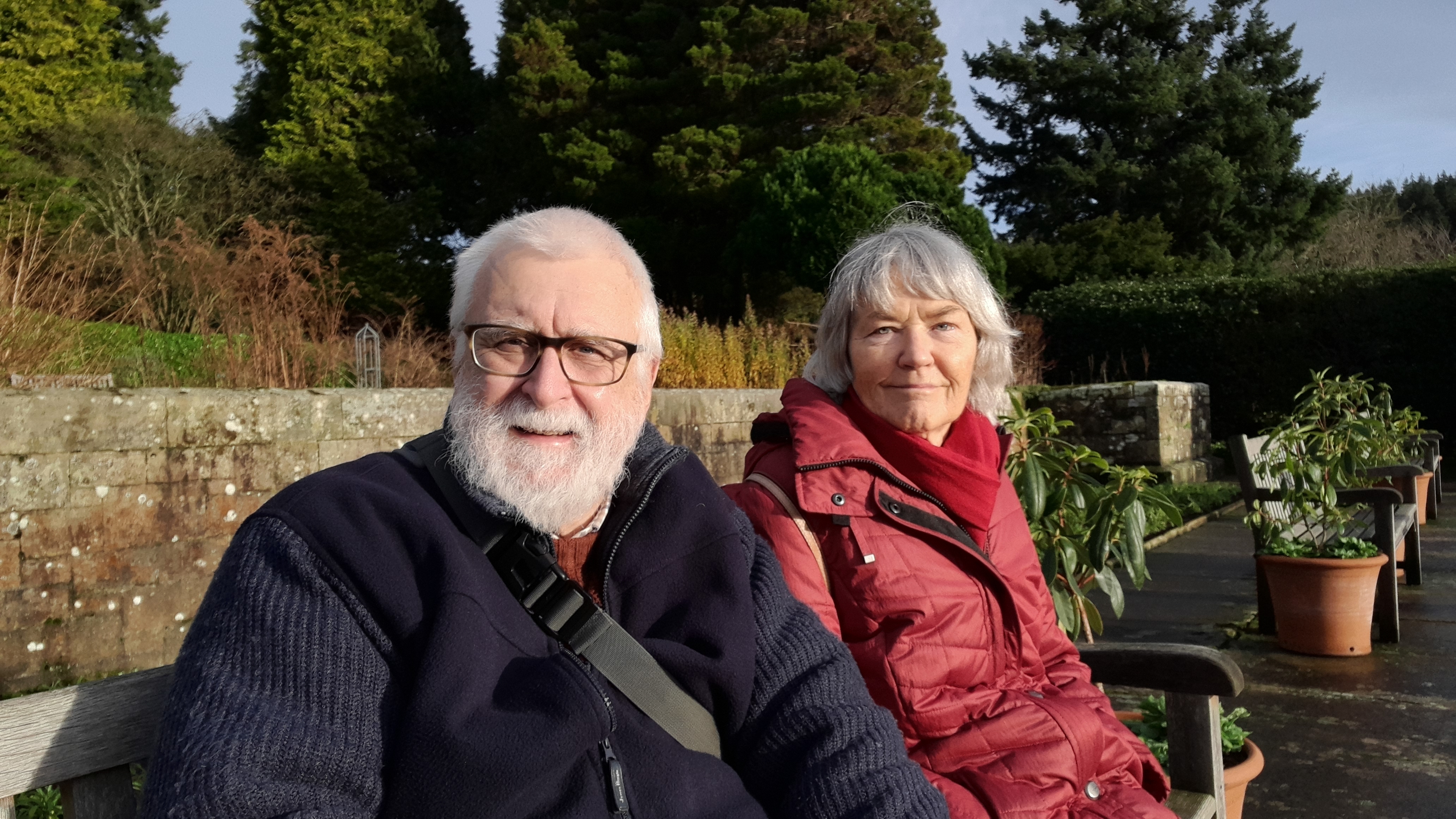
With Philippa and Andi, Elvis and Felix (and doggies Rex and Noodle) on 2 September 2023.

And here we are, at South Stack cliffs, in the prime of life (taken in mid-September) when we enjoyed a short break in North Wales.

Steph with Philippa and family on her birthday on 8 October.

13 October 2023 – still going strong!


While drafting this reminiscence, I came across this article by Hannah Snyder on the Northwest Public Broadcasting website, and it inspired the title I used.