If you are traveling south on the M40 motorway in Warwickshire and, about half way between Junction 12 (B4451 Gaydon Rd for the British Motor Museum) and Junction 11 (A422 for Banbury), you happen to look to your left, you’ll see an obelisk on the skyline. That obelisk is in the grounds of Farnborough Hall, a country house that has been occupied by the Holbech family since 1684. It’s now owned by the National Trust (since 1960) when the family endowed it to the Trust, although a descendant of the Holbech family still lives there and manages the property.
Farnborough Hall is just under 40 miles southeast from our home in Bromsgrove, Worcestershire (map).
It is an elegant, soft coloured stone building (probably Cotswold limestone) with elegant gardens, and a mile-long grassy terrace with the obelisk at the far end.
The main entrance, on the northeast facade of the house.
Steph and I visited there at the end of July 2012, having visited Upton House earlier that same day. Upton House is only 6 miles west from Farnborough Hall.
I don’t have any images of the interior of Farnborough Hall. I seem to recall that photography was not permitted (for copyright reasons, as many of the artefacts were still owned by the family). So I don’t have any firm memories of the rooms that we may have visited. It apparently has exquisite plaster work, which you can see on the National Trust webpage for the Hall.
Here is more information about the history of the Hall.
Another feature are the beautiful landscaped gardens, and views across the estate and the Warmington Valley.
I would certainly like to make a return visit before we move north to Newcastle. But I guess that is going to have to wait at least 3-6 months, as all National Trust properties are closed until further notice and the Covid-19 situation improves.
In September 2018, Steph and I enjoyed a week long break in Cornwall, and visited sixteen National Trust and English Heritage properties scattered over the county. And a couple in Devon on the journey south and return.
On our last full day, we made the 58 mile journey from our holiday cottage near the Lizard in the far south to Tintagel on the north coast to visit Tintagel Castle, of King Arthur fame, and a National Trust property in the center of the village: Tintagel Old Post Office.
Tintagel Old Post Office was built over 600 years ago. Originally a farmhouse, it has had many functions over the centuries, and became the village post office in 1870. Besides the five rooms to explore on two floors, Tintagel Old Post Office has a delightful cottage garden.
A complete album of photos of the post office and garden can be viewed here.
Then we headed down some very narrow lanes to the cliffs for a picnic overlooking the Atlantic Ocean. Next stop: Newfoundland!
We also took the opportunity to explore the Church of St Materianna, and enjoy the view back to the village itself.
I have included photos of this side trip in the same photo album referred to above.
Cragside, the house built by William, 1st Baron Armstrong between 1869 and 1882, is remarkable. It was the first house in the world to be lit (and powered throughout) by hydroelectricity. Armstrong was a wealthy engineer and industrialist, eminent scientist, inventor and philanthropist.
Surrounded by moorland and farmland, Cragside stands in the heart of Northumberland near the village of Rothbury (map). It has been owned by the National Trust since 1977. It was one of the first National Trust properties that Steph and I visited after becoming members in 2011.
Cragside was a joint creation between William Armstrong, his wife Margaret (née Ramshaw), and architect Richard Norman Shaw.
Armstrong constructed a dam and lake high on the moorland above Cragside to provide the water to generate electricity. The original turbine house still stands in the grounds.
There are many magnificent treasures to view inside the house. However, I don’t have any images of Cragside’s interior. I guess in 2011 the National Trust’s policy on photography was not as liberal as it is today (as my readers will have realised from the many images I have posted about our National Trust visits). Or perhaps, there were copyright issues that did not permit photography inside the house.
What is also remarkable about Cragside is the garden that the Armstrongs carved out of the hillside, planting many trees and exotic plants obtained from all over the world. In particular there are outstanding stands of tall Wellingtonias. Of course they never lived to see their garden in its mature magnificence. Below the house, is a large and impressive rockery, and a bridge takes you across the valley bottom, and a path towards the formal garden, some distance from the house. This garden was designed on an open south-facing slope overlooking Rothbury and the farmland beyond.
Once the Covid-19 crisis has passed, and we have finally made the move north to Newcastle upon Tyne (assuming we can sell our house in Worcestershire), Steph and I look forward to re-visiting Cragside. And then, with any luck, I can add to my collection of photos with some interior images.
23 October 2020
Well, Steph and I moved to the northeast three weeks ago and, having already settled on a house to purchase (we are currently renting a small house towards the coast on the northeast side of Newcastle), we no longer have to spend time viewing prospective houses. More time for getting out and about.
So yesterday, with the weather boding fair (but with gales forecast for the next few days) we headed to Cragside and enjoy the autumn colors before the coming gales rip all the leaves from the trees.
Cragside is magnificent. The staff were doing a great job yesterday, checking everyone on to the site with our timed tickets (at 10:30 in our case), at the café for a welcome Americano, then around the house after we had toured the Rock and Formal Gardens.
We hadn’t expected the house to be open, and although fewer rooms were open yesterday than in 2011 when we first visited, National Trust policy regarding photography inside its properties has changed, and I was able to capture many of the details I was denied nine years back.
Here is a selection of garden photos, followed by some of the house interior. A full set of photos from yesterday and 2001 can be viewed here.
Cragside
Cragside
Cragside
Looking across the moors at Cragside
The garden at Cragside
The rooms that were open included the billiard room, the main hall, gallery, the library, study, and the kitchen.
Then we decided to drive the six miles around the estate on the Carriage Drive. Check the settings on the video for video quality and speed (it’s possible to speed up and slow down).
Dominating the horizon on the coast of Northumberland, and overlooking the cold North Sea, Dunstanburgh Castle was built during the fourteenth century reign of infamous King Edward II by the king’s cousin, Earl Thomas of Lancaster between 1313 and 1322.
Approaching Dunstanburgh Castle along the coastal path from Craster.
The castle can only be reached on foot, about 1.5 miles north from Craster. The castle is owned by the National Trust, but the site is operated by English Heritage.
View of the great gatehouse over the southern mere.
Overlooking cliffs on one side, the castle had excellent natural defences, and occupied the site of an Iron Age fort.
Thomas of Lancaster was executed in 1322, and it passed eventually passed into the hands of John of Gaunt, Duke of Lancaster. It changed hands between Lancastrian and Yorkist forces during the Wars of the Roses, and suffered damage from which it never fully recovered. By the sixteenth century it was in an advanced state of decay.
Today, just a few of the towers are standing, particularly the entrance Great Gate with its twin towers. Also the curtain wall that surrounds the castle connecting with the cliffs.
It’s possible to climb some of the towers from which there are magnificent views over the surrounding Northumberland countryside.
Great Gatehouse
Righthand tower of the Great Gatehouse
The Inner Bailey
Inside one the towers of the Great Gatehouse
View over the coast, southeast from the Great Gatehouse
The view towards Craster from the Great Gatehouse
The Great Gatehouse from the Inner Bailey
The Constable’s Tower
The Great Gatehouse from near the Constable’s Tower
Queen Margaret’s Cove – with lots of kittiwakes
The Great Gatehouse from near Constable’s House
The Great Gatehouse from near Egyncleugh Tower
Looking towards Constable’s Tower and Egyncleugh Tower from the Great Gatehouse
The view towards Craster
Great Gatehouse ruins
Lichens thriving in the unpolluted air
View towards Craster
View north from the Great Gatehouse
Steph and I have visited the castle on a couple of occasions, the last being in May 2012. Parking in Craster, we enjoyed the coastal walk on a fine, bright but blustery day. The kittiwakes were nesting on the cliffs below the castle, and we spotted a weasel darting along a stone wall just above the tide line.
Then it was back to Craster for a pub lunch, and purchasing some of the renowned Craster kippers (smoked North Sea herrings).
The Clent Hills are a range of hills rising proudly to over 1000 feet (315 m) over the surrounding landscape less than 7 miles as the crow flies from our home in Bromsgrove in northeast Worcestershire. They are, as the National Trust states on its website, ‘a stunning countryside haven in the heart of the busy Midlands‘.
In the 39 years that we have lived in Bromsgrove (although we were abroad in the Philippines for 19 of those) we visited Clent Hill on just a handful of occasions, the last being at the end of July 2010, a couple of months after we retired back to the UK.
As you can see from the short video I put together, and the images I have included below, it was a rather overcast day. But the visibility was very good indeed, and we had great views southwest to the Malvern Hills, and even beyond (just) to the Black Mountains of South Wales. Then west into Shropshire, and coming round to the north looking over Stourbridge and on the the Black Country of the West Midlands conurbation.
Emmetts Garden is a six acre garden, high on the 600 foot Ide Hill near Sevenoaks in Kent, overlooking the Weald, which Steph and visited in mid-May 2019 during our week-long vacation in East Sussex and Kent.
Before 1860, the site of Emmetts Garden was open farmland, after which a house was built. But it wasn’t until 1890 when Frederick Lubbock purchased the house and land that he set about designing and creating a garden on the site.
After Lubbock’s death in 1927 the estate was purchased by Charles Boise, who bequeathed Emmetts Garden to the National Trust in 1964. The house is not part of the National Trust property.
Frederick Lubbock and Charles Boise
Under Charles Boise’s care, Emmett’s Garden continued to flourish, as Boise kept on Lubbock’s gardener, Mr Taylor. But he did make several changes, filling in lakes (having worked in the Congo he had a morbid fear of malaria!), and extending the rockery.
When we visited the rockery was probably at its best, but the rose garden (one of the few formal features) had not reached its peak. The wild flower meadow was past its best. We also had a lovely walk through the more informal parts of the gardens leading down to the viewpoint over the Weald that you can see in the photo at the top of this post.
Here are some more photos taken around the garden.
Last week, Steph and I spent three days exploring five National Trust and English Heritage properties in Lincolnshire and Cambridgeshire. This is not an area with which we are familiar at all. We spent the first night on the coast at Skegness, and the second in the Georgian town of Wisbech.
It was a round trip of just under 360 miles from our home in Bromsgrove, taking in nine counties: Worcestershire, West Midlands, Warwickshire, Leicestershire, Nottinghamshire, Lincolnshire, Cambridgeshire, Norfolk (for about three minutes), and Rutland.
Our first stop was Tattershall Castle in Lincolnshire. There has been a fortified residence on this site since the mid thirteenth century, but it wasn’t until two centuries later that the remarkable brick tower was built. This is quite unusual for any castle, and Lord Cromwell is believed to have seen such buildings during his sojourns in France.
The tower and part of a stable block are all that remain today, although the position of other towers and a curtain wall can be seen. The whole is surrounded by a double moat.
Like so many other castles (see my blogs about Goodrich Castle in Gloucestershire, Corfe Castle in Dorset, and Kenilworth in Warwickshire) Tattershall was partially demolished (or slighted) during the Civil Wars between 1642 and 1651.
And over the subsequent centuries it slipped into decay. Until the 1920s when a remarkable man, Viscount Curzon of Kedleston (near Derby) bought Tattershall Castle with the aim of restoring it to some of its former glory, the magnificent tower that we see today.
The castle was then gifted to the National Trust in whose capable hands it has since been managed.
There is access to the roof (and the various chambers on the second and third floors) via a beautiful spiral stone staircase, quite wide by the normal standard of such staircases. But what makes this one so special is the carved handrail from single blocks of stone. And on some, among all the other centuries-old graffitti, are the signatures of some of the stonemasons.
Do take a look at this album of photos of Tattershall Castle.
Just a mile or so southeast of the castle is RAF Coningsby, very much in evidence because it’s a base for the RAF’s Typhoon aircraft, and a training station for Typhoon pilots. So the noise from these aircraft is more or less constant. However, RAF Coningsby is also the base for the Battle of Britain Memorial Flight, and just as we reached the car park on leaving Tattershall, we were treated to the sight of a Lancaster bomber (the iconic stalwart of the Second World War Bomber Command) passing overhead, having just taken off from the airfield, just like in the video below. At first, it was hidden behind some trees, but from the roar of its engines I knew it was something special. Then it came into view while banking away to the east.
Just 20 miles further east lies Gunby Hall, a William and Mary townhouse masquerading as a country house, and built in 1700. The architect is not known.
It was built by Sir William Massingberd (the Massingberds were an old Lincolnshire family) and was home to generations of Massingberds until the 1960s. You can read an interesting potted history of the family here.
Gunby Hall, and almost all its contents accumulated by the Massingberds over 250 years were gifted to the National Trust in 1944. Lady Diana Montgomery-Massingberd (daughter of campaigner Emily Langton Massingberd) was the last family member to reside at Gunby, and after her death in 1963, tenants moved in until 2012 when the National Trust took over full management of the house, gardens and estate.
Gunby is remarkable for two things. During the Second World War, the house was in great danger of being demolished by the Air Ministry because the runway at nearby (but now closed) RAF Spilsby had to be extended to accommodate the heavy bombers that would operate from there. But Sir Archibald Montgomery-Massingberd (husband of Lady Diana) was not a man without influence. He had risen to the rank of Field Marshal, and had served as Chief of the Imperial General Staff between 1933 and 1936. After he wrote to the king, George V, the location of the runway was changed, and Gunby saved.
It was then decided to gift the property and contents to the National Trust. So what we see in the house today is all original (nothing has been brought in from other properties or museums).
Sir Archibald Montgomery-Massingberd started life a simply Archibald Montgomery, but changed his name by deed poll to Montgomery-Massingberd on his marriage to Diana. It was a condition of the inheritance of the estate that the name Massingberd was perpetuated. Both he and Diana are buried in the nearby St Peter’s Church on the edge of the gardens.
Although not extensive, Steph and I thought that the gardens at Gunby were among the finest we have seen at any National Trust property. Yes, we visited in mid-summer when the gardens were at their finest perhaps, but the layout and attention to detail from the gardeners was outstanding. Overall the National Trust volunteers were knowledgeable and very friendly. All in all, it was a delightful visit.
On the second day, we headed west from our overnight stay in Skegness on the coast (not somewhere I really want to visit again), passing by the entrance to Gunby Hall, en route to Bolingbroke Castle, a ruined castle owned by English Heritage, and birthplace of King Henry IV in 1367, founder of the Lancaster Plantagenets.
There’s not really too much to see of the castle except the foundations of the various towers and curtain wall. Nevertheless, a visit to Bolingbroke Castle is fascinating because English Heritage has placed so many interesting information boards around the site explaining the various constructions, and providing artist impressions of what the castle must have looked like.
So the castle footprint is really quite extensive, surrounded by a moat (now just a swampy ditch) that you can walk around, inside and out, taking in just how the castle was built.
A local sandstone, rather soft and crumbly, was used and couldn’t have withstood a prolonged siege. Interspersed in the walls, now revealed by deep holes but still in situ elsewhere, are blocks of hard limestone that were perhaps used for ornamentation as well as giving the walls additional strength. The castle was slighted in the Civil Wars of the 1640s.
The complete set of Bolingbroke photos can be viewed here.
Heading south to Wisbech, our aim was Peckover House and Garden, occupied from the 1770s until the late 1940s by the Peckover family of Quakers and bankers.
Peckover House is a detached Georgian mansion, among a terrace of elegant houses on North Brink, the north bank of the tidal River Nene, and facing a counterpart terrace on South Brink, where social reformer Octavia Hill, one of the founders of the National Trust, was born in 1838.
Standing in front of Peckover House, it’s hard to believe that there is a two acre garden behind. Among the features there is a cats’ graveyard of many of the feline friends that have called Peckover home.
Inside the house, I was reminded (though on a much smaller scale) of Florence Court in Northern Ireland that we visited in 2017. The hall and stairs are a delicate duck-egg blue, and there and in many of the rooms there is exquisite plasterwork. Above the doorways downstairs are fine broken pediments.
The most celebrated of the family was Alexander (born in 1830) who traveled extensively and built an impressive collection of books and paintings. He was Lord Lieutenant of Cambridgeshire, and was elevated to a peerage in 1907.
He bought one of his books, a 12th century psalter, in about 1920 for £200 or so. Now on loan from Burnley library and displayed in Alexander’s library, the book has been insured for £1,200,000!
Our final stop, on the way home on the third day, was Woolsthorpe Manor, birthplace of Sir Isaac Newton, President of the Royal Society, who was born on Christmas Day in 1642 three months after his father, also named Isaac, had passed away.
This is the second home of a famous scientist we have visited in the past couple of months, the first being Down House in Kent, home of Charles Darwin. Woolsthorpe has become a pilgrimage destination for many renowned scientists, including Albert Einstein and Stephen Hawking who are shown in some of the exhibits.
Woolsthorpe is not a large property, comprising a limestone house and outbuildings. It has the most wonderful tiled roof.
It came into the Newton family as part of the dowry of Isaac Sr.’s marriage to Hannah Ayscough. Keeping sheep for wool production was the principal occupation of the family.
Isaac Newton won a place at Trinity College, Cambridge but had to escape back to Woolsthorpe during an outbreak of the plague in 1665 and 1666. He thrived and the 18 months he spent at Woolsthorpe were among his most productive.
Open to the public on the upper floor, Newton’s study-bedroom displays his work on light that he conducted there.
And from the window is a view over the orchard and the famous Flower of Kent apple tree that inspired his views on gravitation.
On the ground floor, in the parlour are two portraits of Newton, one of him in later life without his characteristic wig, and, high above the fireplace, his death mask.
Also there are early copies (in Latin and English) of his principal scientific work, the Principia Mathematica, first published in 1687.
And, with the 50th anniversary of Apollo 11 and the first landing on the Moon on 20 July 1969, there was a display of NASA exhibits and how Newton’s work all those centuries ago provided the mathematical basis for planning a journey into space. The National Trust has also opened an excellent interactive science display based on Newton’s work that would keep any child occupied for hours. I’m publishing this post on the anniversary of Apollo 11’s blast off from Cape Kennedy, now Cape Canaveral once again.
All in all, we enjoyed three excellent days visiting five properties. Despite the weather forecast before we set out, we only had a few minutes rain (when we arrived at Bolingbroke Castle). At each of the four National Trust properties the volunteer staff were so friendly and helpful, full of details that they were so willing to share. If you ever get a chance, do take a couple of days to visit these eastern England jewels.
~~~~~~~~~~~~~~~~~~~~~~~~~~~~~~~~~
* The Lincolnshire Wolds are a range of hills, comprised of chalk, limestone, and sandstone. The Fens are drained marshlands and a very important agricultural region.
I was born in Congleton, but my family moved to Leek in North Staffordshire when I was seven, in 1956. I haven’t lived in Leek for more than 50 years since I moved away to university in 1967, and afterwards to distant parts across the globe. Despite not being a native-born Leekensian, I always consider Leek, the Queen of the Moorlands, as my ‘home town’. My deep memories of Congleton are really few and far between.
A couple of weeks ago, my wife and I had tickets to the RHS Chatsworth Flower Show, and rather than try and make it to the show in one day from our home in north Worcestershire (a round trip of almost 200 miles by the ‘fastest’ route) we decided to spend a couple of nights in Leek, and take in other visits to Biddulph Grange Garden on the way north, and return home via Lyme Park which is southeast of Stockport.
Leek was an excellent base for these excursions. And it was a great opportunity to see how the town had changed since we were last there in September 2011.
Leek (from Ladderedge in the west) in the 1960s, with The Roaches and Staffordshire Moorlands beyond.
Many of the mill chimneys have disappeared from the Leek skyline, but four (maybe five) buildings still stand out: the tower of the Church of St Edward the Confessor on the left, the green ‘dome’ (now grey) of the Nicholson Institute (centre), and to the right the spire of the Catholic church, St Mary’s, the Monument, and the tower of St Luke’s. What a magnificent panorama! No wonder Leek keeps drawing me back, even if it is only once in a while.
I have included here just a small sample of the photos I took during this visit. There’s a larger collection in this album for you to enjoy.
One thing that struck immediately me on this visit: just how much traffic and congestion there is in the town now. We had traveled into Leek along the Macclesfield Road and Mill St en route to our hotel, the Premier Inn next to the Monument. We followed a long line of cars and trucks (some of them behemoths).
The roundabout was removed after 2013.
The roundabout at the junction of Derby St (Leek’s main shopping thoroughfare), Haywood St and Ashbourne Road has now been replaced by traffic lights. I couldn’t fathom how this change had improved traffic flow, except that it must be easier for large commercial vehicles making their way through the town, rather than having to navigate a rather tight roundabout. Through traffic is routed this way to and from Stoke-on-Trent.
Removal of the roundabout was a cause célèbre among Leekensians at the time. I don’t know whether that has now died down. There does seem to be some nostalgia for it on a couple of Leek Facebook groups that I joined. Personally, I quite like the ‘new’ look around the Monument and the end of Derby Street, with the development of Sparrow Park and its seating areas. But we did find one aspect very confusing. Given the layout there and along sections of Derby Street, and the types of paving used, we often did not realize which parts were traffic free or not. Or maybe I was just having a senior moment.
Leek is about half the size of where I live now, Bromsgrove. But Leek seems to be thriving better than Bromsgrove. Maybe it’s the proximity of Bromsgrove to Birmingham. But the shopping in our High St is rather run down compared to Leek.
In another blog post I commented on the high number of pubs in Leek compared to Bromsgrove. It never ceases to amaze me when wandering around the town just how many there are. However, it seems some are not doing so well, like The Quiet Woman at the bottom of St Edward St, where there was a notice stating that the pub was closed until further notice.
I was interested to see renovation in some parts of the town, such as the opening of Getliffe’s Yard, off Derby Street. I had no idea it was there, and it’s now a haven for a number of upmarket boutiques and a very decent restaurant, Leek Café Bar & Grill, with a Mediterranean (Turkish) flavour. We had an excellent meal there on our first night, washed down with a couple pints of Efes lager.
It’s good to see how a number of mills, like the one on the corner of Shoobridge Street and Haywood Street are occupied once again. But it’s also disappointing that too many are empty, particularly the one that dominates Mill Street that is now in a bad state of repair. Is conversion to apartments not feasible? After all, these mills are a solid part of Leek’s industrial heritage.
I decided to go and look at the six properties around the town where my family had lived since moving to Leek in 1956:
65 St Edward Street, until 1961/62; we lived above the shop
56 St Edward Street, 1962-1963
26 Market Place (an apartment above the former building society that’s now Costa Coffee), 1962-1963
19 Market Place, 1963-1976; we lived above the shop
Greystones, Stockwell Street, in the first floor apartment
13 Clerk Bank – my mother (as a widow) moved here in about 1986, until 1989 when she moved into a care home.
65 St Edward St
56 St Edward St
26 Market Place
19 Market Place
‘Greystones’, Stockwell St
13 Clerk Bank
My dad took over a photography business at No 65 when we first moved to Leek, but when the lease came up for renewal (around 1960) he knew he had to find somewhere with better footfall. In the interim we moved across the road to No 56 (taking over from a retailer of fine china) and living part-time in a room behind the shop until we found the apartment at 26 Market Place.
Around 1962/63, my parents purchased and renovated No 19 Market Place, and stayed there until their retirement in the summer of 1976. They then moved into the first floor apartment in Greystones on Stockwell Street. My father passed away in April 1980, and my mother stayed on in Greystones for a few more years before the council found her a terraced bungalow on Clerk Bank. Suffering a stroke in 1989, she moved away to a nursing home in South Wales, and our direct link with link was severed.
Behind No 19 was a ‘court’ with a couple of cottages, that were no longer occupied when we moved there in 1963. After a year or so, the cottages were demolished, and Mum and Dad began to build their urban garden. No-one passing by in the Market Place would have guessed there was such a jewel hiding there. We decided to see how it looks today, and were disappointed that subsequent residents of No 19 had let the garden decline.
Leek town centre is very much lived in. We enjoyed strolling along the streets off Derby Street, like Bath Street or Ford Street. These seem very much like communities, and can be seen radiating out from Leek town center, a legacy, no doubt, of the town’s industrial past in silk weaving.
Another thing we liked were the ‘blue plaques’ placed on various buildings around the town by the Leek and District Civic Society. Two of the properties which we’d occupied have blue plaques: 56 St Edward Street and Greystones. No 56 is now a photography business once again.
At the entrance to Clerk Bank is a small sandstone cottage, with a blue plaque stating the the Leek and Moorlands Cooperative Society (LMCS) had been founded there in 1859.
By the end of the 1890s, the LMCS had moved to a new premises on Ashbourne Road, next door to the White Lion and across the road from the Talbot Hotel, now Leek’s Premier Inn. This building was being refurbished, and the plaster reliefs depicting some of the town’s trades then were looking splendid. In style and colour they closely resembled the reliefs that adorn one of the original buildings at the Leek School of Art, now the Buxton & Leek College on Stockwell Street. I have it on good authority that the reliefs are by the same architectural sculptor, Abraham Broadbent.
Before we left Leek to return home, we couldn’t resist one last stop: Leek Oatcake Shop on the corner of Haywood Street and London Street. Delicious!
One thing I’d had forgotten was just how beautiful the Staffordshire Moorlands are. One of the finest landscapes in England. Here are a couple of dashcam videos of part of our journey to the RHS Chatsworth Flower Show on 6 June, from the Premier Inn to the Longnor turnoff on the A53 (first video), and from there to crossing into Derbyshire at Crowdecote (second video).
Steph and I became members of the National Trust in 2011. Since then, we have enjoyed visiting more than 100 properties in England, Wales, and Northern Ireland, and a handful owned by the National Trust for Scotland.
One of the first properties we visited in 2011 was Biddulph Grange Garden, between Biddulph (in North Staffordshire) and Congleton (where I was born) in southeast Cheshire. And just over a week ago, we returned for a second visit.
My family had a long connection with Biddulph Grange, way before it was taken over by the National Trust in 1988. Before then, Biddulph Grange was an orthopaedic hospital, founded by Lancashire County Council in 1928 as a hospital ‘for the crippled children of East Lancashire’.
After the Second World War, my father, Fred Jackson, joined the Congleton Chronicle newspaper as a staff photographer. His work took him around the area, within a 10 mile radius I guess of Congleton, taking photos of local events and happenings for publication in the newspaper.
Every Christmas morning he would take photos of Santa visiting all the children on the wards at Biddulph Grange. Even after our family moved to Leek in 1956, Dad (accompanied by Mum) continued to visit Biddulph Grange at Christmas. I remember visiting on many occasions, and meeting the Matron (right), Miss Ruth Cleator.
During our 2011 visit, there was an album of old photos taken during the hospital years, and I believe many of them had been taken by Dad over the years. There was even a photo from one of the Staff Summer Balls (probably late 1950s), that Mum and Dad would attend each year (they loved ballroom dancing), and I found Mum among the large group of ball-goers. She’s on the fourth row, fifth from the left.
The National Trust now looks after the Garden, while the house has been converted to private residential apartments. By the 1980s the garden had suffered from decades of neglect during the hospital years. Now the Trust has brought the garden back to its former glory, as envisaged by the couple who designed and built the garden in the mid-nineteenth century, James and Maria Bateman.
James Bateman was a wealthy landowner (and lay preacher) who bought an old rectory at Biddulph (he moved there from nearby Knypersley Hall) in the 1840s, and set about expanding it to the house we see today. Bateman and his wife were passionate gardeners. He was a keen horticulturalist, and collector of plants from around the world.
Assisted by Edward William Cooke, the Batemans built what has become a world-famous garden. Yet the Batemans did not reside at Biddulph for more than a couple of decades. It never ceases to amaze me how landscapers and gardeners in the 18th and 19th centuries spent all their energies creating gardens they would never come to appreciate in all the glory that we can enjoy today.
Bateman and Cooke’s garden takes you around the world—China, Egypt, and Italy, among others—but the garden is divided into areas and themes. Around every corner there’s something different to see and experience, glens to weave through, tunnels to duck into, and tree-lined walks (lime and Wellingtonia) to add to the broad landscape experience.
The resurrected Dahlia Walk is a real delight in late summer. During the hospital years it had been filled in, and once the National Trust had command of the Garden, it had to be excavated almost archaeologically to reveal its former glory. It’s certainly one of the highlights of the Garden, as are the various parterres below the house.
Here is just a small sample of photos of some areas of the garden which show the garden at two different seasons. Do take a look at this photo album for many more photos.
Another interesting feature is Bateman’s Geological Gallery, now refurbished by the National Trust.
There are few authors whose works I read, and read again. Jane Austen is one such, and my favorite novel of hers is Pride and Prejudice, first published in 1813. I’m in good company; millions of Jane Austen fans have the same opinion.
In 1995, the BBC aired a six episode adaptation (by Andrew Davies) of Pride and Prejudice, starring Jennifer Ehle as Elizabeth Bennett and Colin Firth as Mr Darcy. Who can forget that lake scene filmed in Lyme Park. Lyme was Pemberley, Mr Darcy’s country estate.
Lyme was the home of the Legh family since the late 14th century until it was given to the National Trust in 1946. Over the centuries, numerous additions were made to the original 16th century building.
The south entrance of Lyme seen across the Reflection Lake.
Lyme has a classic Palladian south front, from the early 18th century, best viewed across the Reflection Lake. However, its austere exterior (in this overcast weather) belies an elegant interior.
It was during the Regency Period of the first two decades of the 19th century that the house was extensively remodeled and restored. Thomas Legh commissioned Lewis William Wyatt to undertake that work. The interiors on display today reflect that Regency period. Many of the rooms are open to the public.
Lyme Park lies just to the west of the Peak District, in east Cheshire (and south of Manchester). Steph and I enjoyed a visit there a week ago. The mansion lies at the center of a 1400 acre park (map), surrounded by small but impressive formal gardens. It’s quite a drive from the main road (A6) south to the house.
Passing through the North Entrance, access to the house is from steps on the east side of the Courtyard.
The North Entrance.
The Courtyard and entrance to the house.
The National Trust has laid out a route around the house that ensures visitors do not miss any interesting room.
One thing that strikes any visitor on entering Lyme are the impressive tapestries that hang from so many walls. The tapestries in the Entrance Hall are large indeed, and throughout the house they do not fail to impress. Cost must have meant little to past generations of the Legh family, as in at least two rooms, the tapestries have been cut to fit around fireplaces and other features.
The south wall of the Entrance Hall.
The north wall of the Entrance Hall.
Tapestries cut to fit around features in the Ante-Room to the Dining Room, and in the Morning Room (on the north side of the house).
In the Library, the very early and rare Lyme Caxton Missal is on display. The room has a beautiful wood ceiling.
When first added to the building, there was no internal access to the Dining Room. With the early 19th century remodeling that anomaly was rectified. The doors at either end of the dining room have superbly carved wood lintels.
Beyond the Dining Room is a small room known as the Stag Parlour. It was once only accessible from the outside of the house, and was, apparently, where Jacobite sympathizers met. It’s named the Stag Parlour for the series of reliefs high on the walls depicting the life cycle of the stag. Again, there is a wonderful tapestry on one wall.
The main features of the Drawing Room are the floor-to-ceiling fireplace, the stained glass bow window, and reliefs high on the walls.
The Yellow Bedroom was prepared for King James II in the late 17th century. The eiderdown is original. On the wall is a portrait purported to be one of the king’s mistresses.
On the south side, the walls of the Saloon are decorated with the most exquisite wood carving by the celebrated sculptor and wood carver, Grinling Gibbons, d. 1721 (whose work we have seen at Sudbury Hall and Belton House).
On the second floor is the biggest surprise in the whole house: a 130 foot Long Gallery, along the east side of the house, and overlooking the Orangery and formal gardens.
One other room of note on the second floor is the Knight’s Bedroom, with its solid wood bed, carved relief over the fireplace, and ornate ceiling. The bed looks 17th century, but is apparently a 19th century copy.
At the bottom of the Grand Staircase is a huge oil painting of one of the Lyme mastiffs (now extinct). On the staircase wall is a painting of Thomas Legh, who was an adventurer, and responsible for the look of Lyme that we see inside today.
For more photos of these magnificent room, check out this album.
Access to the house also gives access to the gardens, walks, and the Orangery close to the house. A walk around the Reflection Lake, even when the weather was overcast was worthwhile.
The Italian Garden, southwest of the house, is best seen from the West Terrace.
The weather forecast for the day of our visit was not very promising, and it was heavily overcast, as you can see from the photos taken outside, and from the drive from the entrance to the car park. We toured the gardens first. As we left the house after about three hours at Lyme it began to drizzle. By the time we reached the carpark, which was no more than 200 m, the rain was almost torrential. And so it remained the whole way back home to North Worcestershire.
Nevertheless, it was . . .
I mentioned at the beginning of this piece that Lyme was one of the locations used in the filming of Pride and Prejudice in 1995. The National Trust provides a ‘Jane Austen Experience’ at Lyme, and there is a room where visitors can don Regency clothing, should they so wish. In fact, we saw several people touring the house and gardens in costume.
We have visited two other houses that were used as locations in the series. Belton House near Grantham was used at the home, Rosings, of Lady Catherine de Bourgh. The interiors of Pemberley were filmed at Sudbury Hall.
On our way to the RHS Chatsworth Flower Show on the day before we visited Lyme, we passed Ramshaw Rocks, just north of Leek in North Staffordshire, where some scenes were films. And we passed through the village of Longnor, which became Lambton where Elizabeth Bennett spent a holiday with her aunt and uncle. It was from there that they visited Pemberley.
Here is a short video of Ramshaw Rocks and Longnor.
The more I write this blog, the more apt this quotation from Victorian Prime Minister Benjamin Disraeili seems.
Having visited seventeen National Trust and English Heritage properties in East Sussex and Kent recently in the space of a week, I can now hardly remember where we were on any particular day.
And, to add to the ‘confusion’, we added an eighteenth on the return journey from East Sussex to our home in north Worcestershire.Hughenden Manor, on the northern outskirts of High Wycombe in Buckinghamshire lies almost equidistant between our holiday cottage and Bromsgrove.
Hughenden was purchased by Disraeli’s father Isaac in 1845 and, on his death in 1848, passed to his son and his wife Mary Anne. Built in the late 18th century, Hughenden was remodeled by the Disraelis in the late 1860s. Mary Anne took great interest in the gardens and was very much a hands-on participant in their redesign.
The formal gardens are not extensive, but blend harmoniously with the house itself.
Inside the house there is a wealth of Disraeli memorabilia on display. To the left of the entrance is a full size marble statue of Disraeli later in his life, and in the Entrance Hall itself there are two marble busts of a young Disraeli.
Besides being an important Conservative politician who loyally served Queen Victoria, Disraeli was also a poet and novelist with a prodigious literary output.
On the ground floor, several rooms are open to the public, with one of them dedicated to Disraeli’s political career. There are some excellent cartoons depicting Disraeli and current events, including his long-standing rivalry with Liberal politician William E Gladstone.
Above the fireplace in the Drawing Room is a large portrait of Mary Anne that Disraeli commissioned after her death in 1872. It was based on a miniature that is displayed in one of the cabinets.
In the Library, it’s not hard to imagine all the 19th century grandees who must have met there, and the matters of state that were discussed. Above the fireplace is a portrait of a young Disraeli.
On the first floor, the most significant room is Disraeli’s Study where he dealt with the contents of his Red Boxes, wrote many of his speeches, and his novels.
This room is more or less as it was in Disraeli’s time, with the original furniture. On the mantelpiece are portraits of his parents, Isaac and Maria.
In accordance with custom at the time, no women attended Disraeli’s funeral in 1881, not even Queen Victoria. However, a few days after the funeral, she visited Hughenden, left a wreath on his tomb, and asked to remain alone in his Study.
Just along the corridor from the Study is Mary Anne’s Boudoir and the Bedroom she and Benjamin shared. On the walls of both rooms are many portraits of Queen Victoria and Albert (some signed), and their children, gifts from the Queen herself.
In a final room, a number of personal gifts from Queen Victoria to Disraeli are on display. Disraeli had become a great favorite of the Queen especially since, in 1876, he introduced the Royal Titles Act which conferred on her the title of Empress of India.
I knew that Disraeli became the Ist Earl of Beaconsfield in 1876. What I hadn’t realized is that Disraeli had refused a title in 1868, so that he could remain in the House of Commons. Instead, Mary Anne was created Viscountess Beaconsfield in her own right. Once he became the Earl of Beaconsfield, he served as Prime Minister from the House of Lords. He died at his London home on 19 April 1881.
Disraeli’s death mask.
Wandering through Hughenden there is clearly a sense that this was not only a home, but somewhere the future of the nation had been decided during Disraeli’s years as Prime Minister (just as I’d felt visiting Chartwell, the home of Winston Churchill, just a few days earlier).
But we discovered another side to Hughenden.
During the Second World War, it was requisitioned by the Air Ministry as a base (code-named ‘Hillside’) to produce the maps that air crews used to attack Nazi Germany.
The story of ‘Hillside’ is told through photos of the people who worked there, some of the maps they produced, and really interesting cartoons. After all, the map makers were skilled artists in their own right.
This added another layer of interest to our visit to Hughenden.
Please take a look at more photos of the gardens and inside the house in this album.
After a little over seven years, and more than 530,000 words, this is my 500th post on A Balanced Diet.
During our recent trip to East Sussex and Kent, we visited three National Trust properties that are linked by family and membership of or association with the Bloomsbury Group (or Set) – check the map:
Knole, on the outskirts of Sevenoaks in Kent, family home, since the 16th century of the Sackville and Sackville-West families;
Monk’s House at Rodmell on the south coast near the Seven Sisters at Birling Gap (see map), the home of writer Virginia Woolf and her husband Leonard, prominent members of the Bloomsbury Group.
Top: Knole; bottom left: Sissinghurst; bottom right: Monk’s House
The Bloomsbury Group was a group of associated English writers, intellectuals, philosophers and artists in the first half of the 20th century.
What was their ethos? Their works and outlook deeply influenced literature, aesthetics, criticism, and economics as well as modern attitudes towards feminism, pacifism, and sexuality.
So what is the particular connection, the ‘ménage’ as I’ve called it, between Knole, Sissinghurst, and Monk’s House?
Left: Vita Sackville-West (and husband Harold Nicholson); middle: Eddy Sackville-West, 5th Baron Sackville; right: Virginia Woolf.
Vita Sackville-West was the daughter of Lionel Edward Sackville-West, 3rd Baron Sackville. She was born at Knole in 1892. As a woman, Vita could not inherit Knole on her father’s death. Instead, Knole and the Sackville title passed to Lionel’s younger brother Charles. His son Edward (‘Eddy’), Vita’s cousin, became the 5th Baron. Although he was not a core member of the Bloomsbury Group, many of its members and ‘hangers-on’ were frequent visitors to Knole as shown in the guest book on display in the rooms that Eddy occupied in the Gatehouse Tower there.
Vita and her husband purchased derelict Sissinghurst Castle in 1930 and set about creating a garden that has received acclaim worldwide. Sissinghurst had been the home of one of Vita’s ancestors, Cicely Baker, who married Thomas, Ist Earl of Dorset in 1555.
Vita Sackville-West and Virginia Woolf were lovers.
It’s not my intention here to discuss nor describe further the ancestral, social, or sexual links between all involved. I cannot comment either on the literary output of Vita and Virginia as I have not read any of their works, although I know what they wrote and the genre.
Instead, let me just describe some of my impressions of Knole, Sissinghurst, and Monk’s House.
It took less than an hour to drive north on the A21 to Sevenoaks from our holiday cottage near Robertsbridge. Driving along the High Street (A225) at Sevenoaks, it’s hard to believe that just behind the houses lies a 1000 acre parkland, with Knole and its gardens at the center. The park has herds of fallow and Japanese Sika deer, descendants of the deer introduced centuries ago.
Knole is a large house, but the public has access to just a few rooms. But what a feast for the eyes therein. Treasures aplenty! The items on display inside the house: oil paintings by the dozen, rare furniture and many others remain the property of the Sackville-West family that continues to live at Knole, under a 200-year lease from the National Trust. Robert Sackville-West is the 7th Baron.
No photography is permitted inside the main house; but no such restrictions hold in the Stone [4] and Green Courts [2], or from the roof of the Gatehouse [8]. Likewise photography is permitted in the Orangery [3].
Sissinghurst Castle Garden is a delight. But hard to appreciate fully when there are so many visitors. And on the day we visited, it wasn’t as busy as it must surely get!
Designed by Vita and Harold, Sissinghurst must be on every gardener’s bucket list. Like the garden we saw at Greys Court two years ago, Sissinghurst is also a series of rooms open to the sky, and best seen in their entirety perhaps from the top of the double turret tower, Vita’s Tower.
The White Garden from Vita’s Tower.
The South Cottage from Vita’s Tower.
Vita loved her tower, and had a writing room there. There’s no access to the room, but I visitors can look through a grille to see its layout.
The Library is open however. Over the fireplace there is a grand oil painting of Vita. It’s a comfortable room where no doubt she and Harold entertained their Bloomsbury friends.
Vita and Harold had a turbulent marriage, and both had same-sex affairs. Vita’s affair with Virginia Woolf was perhaps the most notorious. But their marriage survived, and together they worked on creating their garden at Sissinghurst.
Visitors to Monk’s House in the small village of Rodmell new Newhaven make a beeline to Virginia Woolf’s writing room in the garden.
Virginia and husband Leonard shared a 16th century cottage. On the walls are paintings by Virginia’s sister Vanessa Bell (VB) and the person (TR) who became Leonard’s companion after Virginia’s suicide by drowning in 1941 (aged 59) until his death in 1969, Trekkie Parsons.
The ashes of both Virginia and Leonard were laid at the base of a wall in their small but attractive garden, with its views over the South Downs.
Before our visit to Monk’s House, the name of Virginia Woolf was familiar to me, but I knew very little of her life and associates. It was fascinating, however, to see the environment and work room that gave one of the great writers of the 20th century inspiration to continue, even though she suffered mental health problems all her life. For some of visitors I had the sense that their visit to Monk’s House was almost a pilgrimage.
Leaving Monk’s House to drive back to Robertsbridge, we chose a route that would take us down to the coast at Birling Gap where we hoped to have a good view of the chalk cliffs known as the Seven Sisters, where the South Downs meet the sea. It was a sparklingly bright afternoon, and we were not disappointed.
From the National Trust car park there was easy access down to the beach, where we could sit and take in the magnificence of that landscape.
Continuing our journey on from Birling Gap, we passed Beachy Head, although we didn’t stop. The short video below shows our departure from the car park at Birling Gap, and the climb on to the cliffs, passing the Belle Tout Lighthouse (now restored as a bed & breakfast establishment), and finally dropping down into Eastbourne, with Pevensey Bay in the distance, where the Normans landed in 1066. From that drop into Eastbourne you can appreciate just how high the chalk cliffs are at Beachy Head, at more than 530 feet (162 m).
On Senlac Hill (or Senlac Ridge), about six miles north of the coast in Sussex (map), a Saxon shield wall prepares to engage the Norman-French invaders under Duke William of Normandy. The Saxons, under King Harold Godwinson, have just arrived after marching south from Stamford Bridge in the East Riding of Yorkshire where, just three weeks earlier, they had defeated another invading force under King Harald Hardrada of Norway and his ally, Harold’s brother Tostig.
Exhausted and possibly out-numbered, this is a make or break stand for Harold’s Saxons. But, if they stand their ground, they are better positioned than the Normans who must cross a shallow valley then climb Senlac Hill to engage the Saxons.
This is the view from just below Senlac Hill looking south to where the Normans were mustered on the ridge in the distance. They had to cross this shallow valley to engage the Saxons.
For most of the day the battle (of Hastings as it has come to be known) ebbs and flows with neither side gaining an advantage. Until, late in the day, the Normans appear defeated and in retreat. The Saxons break rank and chase the fleeing Normans. But it’s all a feint. The Norman cavalry in small groups of five or six riders turn on the pursuing Saxons, and cut them down. Harold is killed (by an arrow through his eye, so the story goes), and William is victorious.
And so begin several centuries of foreign rule of England, first under the Normans and then under the durable Plantagenets who reign until the death of Richard III (the last Plantagenet king) in 1485 on Bosworth Field in Leicestershire.
Shortly after the Battle of Hastings, Duke William (now crowned King William I, the ‘Conqueror’) founded Battle Abbey, a Benedictine institution, although he died before it was completed.
The abbey endured until 1538 when, during the Dissolution of the Monasteries, under Henry VIII, the abbey was closed, the church demolished, and the lands sold off.
Today, Battle Abbey and the battlefield are owned by English Heritage, and there are many quite well-preserved ruins to explore. From the magnificent gatehouse there is an excellent view not only over the ruins and battlefield but also over the small town of Battle that grew up around the abbey.
The gatehouse (above) and the view over Battle (below)
Among the best preserved buildings is the Dormitory, and beneath it, the Common Room.
At the east end of where the Church once stood, the Crypt is now exposed revealing several chapels.
After the Dissolution, the Abbey passed through several families.
The independent Battle Abbey School now occupies part of the site of the former abbey.
For more photos of Battle Abbey and the battlefield, please take a look at this album.
Dover Castle sits high on the cliffs overlooking the town and modern port. The site has been fortified since at least the second century AD, when the Romans (who invaded in AD43) built a lighthouse (or pharos) there. But there is evidence of much earlier occupation back to Iron Age times.
From near Langdon Hole on the White Cliffs of Dover, looking west, this is the keep of Dover Castle on the right, and the Saxon church on the left.
The pharos still stands proudly beside a Saxon Church of St Mary in Castro (built around AD1000), and was once used as the bell tower.
A century after the Conquest, Henry II (great grandson of William the Conqueror) launched a major building program at Dover Castle. The keep was erected and much of what we see today began to take shape between 1179 and 1188.
Dover Castle has remained an important link in the chain of defences on England’s southern coast. During Tudor times, it was an important castle for Henry VIII. In the 18th century further garrisons were built to house soldiers sent there to face the threat of invasion from France. And it played an important role during the Napoleonic Wars that ended with Napoleon’s defeat and exile to St Helena in 1815.
Dover Castle
The castle also played its part during the Second World War. There are antiaircraft guns mounted on the battlements. And deep under the castle there is a series of tunnels used during the war. These are quite separate from the extensive medieval tunnels on the north side of the castle, which we had the opportunity to explore.
We must have spent four hours or more exploring Dover Castle. It’s an excellent destination for anyone interested in England’s post-Norman history. And also a mecca for families with children. English Heritage makes great efforts to bring history alive.
I mentioned that Dover Castle stands high above the town. Here are two short videos of the drive up to and down from the castle. They give a good impression of just how strategic its location is.
Just a couple of miles to the east are the White Cliffs of Dover. We walked only as far as Langdon Hole, but still managed a good view of the Cliffs and, once the haze had lifted, a view across the English Channel (La Manche) to the cliffs on the coast of northern France. Just twenty or so miles. It clear why Dover Castle was so important for the defence of the realm.
The White Cliffs of Dover are a National Trust property.
Bayham Old Abbey was founded around 1207 and, like the abbey at Battle, survived until the mid-16th century.
The ruins, some of the best preserved in southern England, stand proudly alongside the River Teise. We enjoyed them by ourselves in the late afternoon sun.
Once the Normans and their successors had their feet under the ‘English table’, so to speak, Saxon lands were confiscated and given to Norman families. Throughout southeast England, and more widely over the country, many of the estates we see today came from the spoils of conquest 1000 years ago.
During our exploration of National Trust and English Heritage properties in East Sussex and Kent, we took in three moated castles built in the 14th century.
Bodiam Castle was built around 1385 by Sir Edward Dalyngrigge, a knight formerly in the service of King Edward III (third great grandson of Henry II). It was occupied for almost three hundred years, until it was slighted (partially dismantled) during the Civil War of the 1640s.
Ask any child to draw a castle, and something resembling Bodiam is what they are likely to produce.
With towers at each corner, and imposing gatehouses, Bodiam Castle is surrounded by a deep moat full of large fish, probably carp. Unlike many castles, Bodiam does not have a central keep. The living apartments were built on the inside of the castle walls.
Owned by the National Trust, much of the castle is open to explore, and visitors can climb a couple of the towers, and enjoy the views over the moat and the central courtyard.
I have posted more photos and plans of the castle in this album.
There is a link between Bodiam Castle and the Second World War, and I now regret not taking a photo.
Alongside the path leading to the castle from the ticket office, there is a pillbox (a type of concrete blockhouse) that was constructed some time after September 1939 to help protect Bodiam bridge over the River Rother against a potential German invasion, although I’m not sure how this could have been successful in the face of a serious onslaught.
The moated manor house at Scotney Castle was built around 1380. It stands some distance from a large country house that was built between 1835 and 1843, known as Scotney ‘New Castle’.
You can just see the round tower of the ‘Old Castle’ in the valley below the terrace of the New Castle (L) and the ‘New Castle’ from the causeway on to the island of the ‘Old Castle’ (R).
The ‘Old Castle’ has not been occupied for a long time, and part of the castle has been completely demolished. Although begun in the late 14th century, the buildings date from different periods in the 16th and 17th centuries as well.
See the full set of photos here, including many photos of the interior of the ‘New’ castle. It’s a National Trust property.
Just east of Sevenoaks in Kent, Ightham Mote is one of the most delightful moated manor houses I have ever visited¹. It must be one of the most complete still standing. Over the centuries it has been owned by several families, each generation adding to its architecture (click on the image at right for a larger version), although the Selby family who purchased Ightham in 1591 resided there for almost 300 years.
But perhaps one of its most interesting periods dates from just over 60 years ago, when an American, Charles Henry Robinson (from Portland, Maine), purchased Ightham and lived there for some years. It passed to the National Trust when he died in 1985.
During our recent visit, we watched a short video about the conservation restoration of one of the wings of the house that the Trust commenced in 1989, and was finally completed 15 years and £10 million later. But how it was worth it!
Inside the house, the Great Hall, the New Chapel (with its ceiling panels painted to celebrate the marriage, in 1509, of King Henry VIII and his first wife, Catherine of Aragon), and the Drawing Room (with its exuberant fireplace and raised ceiling to accommodate it), decorated with 18th century hand-painted Chinese wallpaper, are of particular interest.
A visit to Ightham Mote is a stroll through 600 years of history, and the architectural and design interests of several families. What I particularly like about properties such as this are the small details that catch my eye, in the woodwork, the furniture, the wallpaper. The chapel ceiling immediately connects you with early Tudor times, for example, yet in other parts of the house, it’s clear that this was a home until just 35 years ago. Ightham Mote has a remarkable lineage.
Check out the full set of Ightham Mote photos and floor plans here.
¹ Little Moreton Hall in Cheshire (also a National Trust property) has to be the other. We visited there in 2013.
So wrote Rudyard Kipling in his 1911 poem The Glory of the Garden, with its ages old image of a kingdom, state or community as a garden, with all its accompanying connotations of natural growth and development, seasonal change, decay and rebirth.
Rudyard Kipling. Journalist, short-story writer, novelist, poet—one of the greats of English literature, the 1907 Nobel Laureate in Literature. He died in January 1936, a couple of weeks after his 70th birthday.
During our recent holiday in East Sussex and Kent, Steph and I enjoyed a visit to Bateman’s, the home that Kipling bought in 1902 and where he and his family resided until his death 34 years later.
The House and Quarterdeck (8 on the map below)
Rudyard Kipling was born in Bombay (Mumbai) on 30 December 1865, the son of John Lockwood Kipling and Alice (née MacDonald). Rudyard. Such an unusual name for a baby boy.
So the story goes, his parents met at a picnic at Rudyard Lake (actually a reservoir to feed the Caldon Canal) in North Staffordshire, less than three miles northwest of my hometown of Leek. It had become popular destination for outings in the 19th century, and still was when I was growing up in the 1950s.
Kipling’s father was working in Burslem in the pottery industry as a designer. John and Alice married in 1865 and moved to India where John had been appointed professor of architectural sculpture in the Jeejeebhoy School of Art in Bombay. He later became its principal.
Inside Bateman’s there are two small paintings, in the Parlour on the ground floor and Kipling’s study upstairs, showing similar scenes of Rudyard Lake, which I am reliably told show an inlet near the dam.
Although raised in India, Kipling returned to England for his early education. He returned to India in 1882, and it was during his time there that he wrote many of the short-stories for which he perhaps became most well-known.
In the exhibition room at Bateman’s there are six first edition copies of stories he published in Allahabad, Uttar Pradesh in 1888.
Back in England, Kipling married Caroline Starr Balestier from Vermont in 1895, but they spent the first years of their marriage in the USA, returning to England in 1896. Two of their children, Josephine and Elsie were born in Vermont, and John in Sussex. Josephine died of pneumonia in 1899 during a visit to New York. John was commissioned a Second Lieutenant in the Irish Guards aged 16 in 1914, and was killed a year later at the Battle of Loos in September 1915.
Christmas cards to the children in 1897, hanging in the Parlour.
Bateman’s is an elegant Jacobean manor house, perhaps the most elegant of all the houses we visited during our week away.
The front door and garden (7)
The Oast Shop (9)
Entrance to the Mulberry Garden (4)
The Lily Pond (11) from the Quarterdeck (8)
The Lily Pond (11)
Viewing the House (6) over the Quarterdeck (8) from the Lily Pond (11)
The House (6) and Quarterdeck (8) through the avenue of trees
The House (6) from the Rose Garden (12)
The gate between the Mulberry Garden (4) and the Orchard (2)
Looking towards the Mulberry Garden (4) through the ‘Pear Pergola’ in the Orchard (2)
Apparently Bateman’s had no running water or electricity in 1902, and Kipling installed both. He replaced the water wheel at the nearby mill with a turbine, in order to generate electricity. During our visit, the Mill Pond was empty and undergoing conservation work. The National Trust hopes to have the Mill operating again later this year, and milling flour powered by the water wheel.
Walking through the Wild Garden (13) on the way to the Mill
Walking to the Mill
The Mill
The Mill across the Mill Pond, now empty
The old water wheel and the turbine beside it that was installed by Kipling
Inside the house, four rooms on the ground floor are open to the public.
The Hall
The Hall
The Parlour
The Parlor
The Parlor
In the Dining Room, the walls are lined with painted leather panels, apparently very old.
At the foot of the stairs, there is an elegant bust of Kipling on a side table, and several paintings adorning the walls.
On the upper floor, the main rooms are Kipling’s study, and John’s bedroom. Another room is full of Kipling memorabilia, including his Nobel Prize citation.
Kipling’s study
Take a look at more photos of the house and gardens here.
Although I’m familiar with what Kipling wrote, the Just So Stories, The Jungle Book, and many others, I have to admit that I have never read any of his works. Having been inspired by Bateman’s, perhaps now is the time to load my Kindle and enjoy many of these stories a century or more after they were first published.
A recent visit to Chartwell, the family home of wartime Prime Minister Winston Churchill (he became Sir Winston, a Knight of the Garter, only in 1953) has left a deep impression on me.
It’s not that I’m unfamiliar with Churchill’s contribution to national life and politics over decades. His life must be one of the most thoroughly documented of any statesman in this country. Not least because of the various memoirs that he wrote, from his early adventures as an army officer in India and South Africa to his long life in politics, and the many biographies penned about him.
At Chartwell, that history becomes tangible. So many personal possessions, awards, and other memorabilia fill the house. There’s a real sense of connection with the great man.
During his lifetime Churchill attracted his fair share of controversy, and in some respects that has not waned. I’m no apologist for Winston Churchill. What is incontrovertible, however, is the crucial role that he played in securing victory over Nazi Germany during the Second World War. He took the helm of government when the nation demanded decisive leadership. Oh, for such a leader today!
A visit to Chartwell was at the top of the list of National Trust properties during our recent holiday in Kent and East Sussex.
Chartwell lies on the southern outskirts of Westerham in Kent, just five miles west of Sevenoaks (see map).
Chartwell is a rather unprepossessing redbrick house. I’m sure the Churchills did not purchase it (in 1922) for its ‘looks’. More for the views south over the Kent countryside from the terrace (off Lady Churchill’s sitting room on the ground floor), or from the walled garden, which are truly spectacular on a fine day.
The view from the Terrace, overlooking Churchill’s studio, and further southeast over the Weald.
However, there was once feature of the house that did catch my attention. From a distance, the columns either side of the front door look like stone. On closer inspection, they are clearly carved from wood.
Inside Chartwell, however, is a different matter. This was a family home, and we can see it today more or less as the Churchill family lived there in the 1930s. Lady Churchill and one of her daughters advised the National Trust how the rooms should be presented. Much of the furniture is apparently original to the house.
On the ground floor, there are three rooms open to the public: Lady Churchill’s Sitting Room; the Drawing Room; and the Library.
Above the fireplace in Lady Churchill’s Sitting Room is a fine oil painting of her husband of 57 years, one of many paintings and sketches around the house.
There’s a door leading out on to the Terrace from this sitting room.
The Drawing Room is the ‘jewel’ of Chartwell, and it’s not hard to imagine the Churchills entertaining the great and the good in this room.
Over the fireplace is a painting of Colonist II, the French grey thoroughbred colt that Churchill purchased in 1949 when it won its first race for him, and seventeen more during its twenty-four race career.
On the opposite wall, a 1902 painting, Charing Cross Bridge, by Claude Monet, was gift to Churchill. There is also a large painting of Lady Churchill. On a side table behind the sofa stands a large crystal cockerel (probably made by the famous French glassmaker René Lalique) that was a gift to Lady Churchill from Charles de Gaulle.
Also on the ground floor is the Library (not a large room), with two significant exhibits: a bust of US President Franklin D Roosevelt, and a large model (hanging on the wall) of the Port of Arromanches, one of the artificial harbours that played an important role in the Allied invasion of Europe in 1944.
Moving to the first floor, two rooms, Lady Churchill’s Bedroom and Churchill’s study are open to the public. Two other rooms contain exhibits of the many awards and gifts that Churchill received, and the uniforms he wore.
There are some exquisite Potschappel porcelain figures in the bedroom, but what caught my eye in particular, on a desk at the foot of the bed, are two small framed photographs. One shows his third daughter, and fourth child, Marigold who died in 1921 aged two. The other, equally small photograph is purported to be the last photo taken of Churchill shortly before he died in 1965.
In an Anteroom outside the bedroom there’s a cabinet of Dresden porcelain (one with a portrait of Napoleon, a face seen throughout the house; Churchill was a great admirer of Napoleon), and a wall covered in signed photos. I managed to take photos of two significant figures from the war: General (later Field Marshal) Sir Bernard Montgomery and General Charles de Gaulle.
In the Museum Room, Churchill’s Nobel Prize for Literature (1953) citation and medal, his Honorary US citizenship, and many, many other awards and gifts, too many to mention individually are on display.
Napoleon sits proudly in the center of Churchill’s desk in the Study. On one side of the room, against the wall, stands a mahogany lectern at which Churchill would work, standing up, dictating to one of his secretaries. He apparently had a small army or researchers helping him with his prodigious literary output. Among the most precious artefacts, hanging from the ceiling, is a Union Jack flag, given to Churchill by Earl Alexander of Tunis, who became Supreme Allied Commander Mediterranean. This flag was hoisted over Rome, the first Allied flag flown over a liberated city in Europe.
The Dining Room, on the lower ground floor, overlooking the garden, is simply furnished, with two round tables. Churchill insisted on round tables as they encouraged conversation. I commented to another visitor that we could do with a few more round tables in Parliament these days.
Lord Camrose
There is also a painting of William Ewart Berry, Viscount Camrose. Why?
In July 1945, even before the war with Japan had ended victoriously for the Allies, a General Election was held in the UK. Churchill was booted out of office. Extraordinary really, considering the experiences of the previous five years. Worse still for Churchill personally was that he was bankrupt. And to sort his financial predicament he was faced with selling his beloved Chartwell. That’s when an anonymous group of seventeen wealthy individuals¹, headed by Lord Camrose, came to the rescue, and purchased Chartwell for the nation, with the proviso that the Churchills could live there as long as they wished. The names of these benefactors were eventually published in a newspaper; there’s also a plaque with their names at Chartwell.
Churchill’s studio just below the house is full of many of his oil paintings. This became a serious hobby, and after leaving office in 1945 he thought of selling up and moving to the south of France, and paint all day long.
Many of his paintings that line the studio walls depict Mediterranean scenes.
The gardens and grounds are extensive.
Beside the Golden Orfe Pond
Golden Orfe Pond
Lady Churchill’s Rose Garden
The Marlborough Pavilion
Decoration inside the Marlborough Pavilion
Churchill’s butterfly house
Another of Churchill’s hobbies was brick laying, and he constructed part of one of the walls of the Walled Garden near the Studio.
From the terrace at the top of the Walled Garden is one of the best viewpoints in the whole of Chartwell.
We had arrived to Chartwell just after the café opened at 10 am, and enjoyed a welcome cup of coffee before exploring the gardens. Entry to the house itself is by timed ticket. We opted for the 11 am entry. This system ensures that, with a normal flow of visitors through the house, nowhere becomes particularly congested.
I was amazed that photography was permitted throughout the house and studio. Please look at the more extensive album of photos that I took.
Chartwell had long been on my bucket-list since I read (about 15 years ago or so) an excellent biography of Churchill by Roy Jenkins. Mission accomplished!
The visit to Chartwell was undoubtedly the highlight of our holiday in East Sussex and Kent. The NT staff and volunteers were very welcoming—as always—and knowledgeable. Always ready and keen to answer any question, however mundane. They make each visit so much more interesting and worthwhile.
Quebec House in Westerham
After we left Chartwell, en route to Ightham Mote, we stopped briefly at Quebec House in the village of Westerham, less than two miles north from Chartwell.
Quebec House was closed unfortunately, but we did manage to wander around the exterior and take in the splendour of this 16th century town house. Its current look dates from the mid-1600s.
¹Lord Camrose
Lord Bearstead
Lord Bicester
Sir James Caird
Sir Hugo Cunkiffe-Owen
Lord Catto
Lord Glendyne
Lord Kenilworth
Lord Leathers
Sir James Lithgow
Sir Edward Mountain
Lord Nuffield
Sir Edward Peacock
Lord Portal
J. Arthur Rank
James de Rothschild
Sir Frank Stewart
We live in the northeast of Worcestershire, shown in red, 180 miles from Robertsbridge.
. . . as well as corners of West Sussex and Buckinghamshire.
Steph and I have just returned from a week’s holiday in the southeast of England, a part of the country neither of us is familiar with, where we rented a one bedroom cottage near Robertsbridge in East Sussex (just 10 miles north of Hastings). This was our base for visits to National Trust (NT) and English Heritage (EH) properties. It lies at the heart of the High Weald Area of Outstanding Natural Beauty.
There are so many NT and EH properties to visit in the southeast, far too many for just one week. In the end we took in eighteen, including one on the trip south (to Down House, home of Charles Darwin in Kent), and Hughenden Manor north of High Wycombe in Buckinghamshire, the home of Victorian Prime Minister Benjamin Disraeli, on the return journey. And, during the week, we crossed briefly into West Sussex, to Standen House near East Grinstead.
Check out this map for more details, including links to the NT and EH web sites for each property. I’ll also be writing about our visits to these properties in several posts over the next week or so.
What a week! Great weather. Lots of history, and beautiful landscapes, from the chalk cliffs at Dover and the Seven Sisters at Birling Gap, to the heavily wooded High Weald.
The view southwest over the Weald from Emmetts Garden.
At Langdon Hole on the White Cliffs of Dover; and the Seven Sisters at Birling Gap.
Our holiday home, Hop Cottage, was situated at the end of a half mile unpaved road, set among trees alongside a couple of other cottages. We had the site to ourselves.
And what a feast of bird song to entertain us. I’ve not heard a song thrush (right) for a long time. But, each morning, we awoke to one singing his heart out, perched high in the early morning sun. I thought I’d try my luck recording his song on my smart phone. Just click here to listen to my short (2 minutes) recording. Not bad for a first attempt.
As an evolutionary biologist, I couldn’t resist calling at Down House on the way south, the house Charles and Emma Darwin called home for many decades, and where they raised their large family.
It’s where he wrote his seminal On the Origin of Species, published to acclaim—and controversy—in 1859. We had free range of the gardens, but photography was not permitted inside the house except for a reconstructed bedroom on the first floor. Most of the items on display downstairs still belong to the Darwin family.
The Sandwalk (at the far end of his garden), where Darwin walked daily and pondered his ideas about natural selection and evolution.
While it was a great privilege to wander around Darwin’s house and garden, seeing many of his treasured possessions, his journals, we came away feeling there had been something lacking. I felt no emotional attachment to Down House as I have experienced at other properties, and which I did later in the week when we visited Chartwell, for example, the home of wartime Prime Minister Sir Winston Churchill, or Hughenden.
Our longest excursion, on the first full day, took us to Dover to explore Dover Castle, after which we continued on to the famous White Cliffs.
Built in the late 12th century by King Henry II, the first Plantagenet king and great grandson of William the Conqueror (see below for comments about the 1066 Battle of Hastings), Dover Castle has been occupied continuously in the intervening centuries, right up to the Second World War (1939-45). We didn’t visit any of the WWII tunnels at the castle or defences further along the White Cliffs. But on the day after our return home we learned all about them in a Channel 4 program about Dover and its defences, presented by Professor Alice Roberts.
Henry II was not the first to fortify Dover. There’s a Saxon church within the castle walls and, alongside that, the ruin of a lighthouse that the Romans built almost 2000 years ago. In a chain of defences along the south coast Dover Castle has always been one of the most important, and throughout the castle, its long history of protecting England’s coast is on display.
We only walked a short distance from the NT car park along the White Cliffs as far as Langdon Hole. Just above the cliffs, near the Coastguard Station, two original radar towers from WWII (on the left), are still standing.
As the hazy conditions over the English Channel improved, we could clearly see the coast of France, just 20 miles due east of where we were standing. Such a short distance yet such a cultural chasm.
On our way back to Robertsbridge, we made a detour via Dungeness, a large shingle beach jutting out into the English Channel. I’ve always wanted to visit Dungeness. It’s a unique landscape of pebbles with scattered vegetation. A small hamlet has grown up along the shingle, and its most notable house is Prospect Cottage, once occupied by film director Derek Jarman.
The old lighthouse and decommissioned nuclear power station at Dungeness.
But what I hoped to see at Dungeness, perhaps more than anything else, was the 15 inch Romney, Hythe and Dymchurch Railway. We’d crossed the tracks a couple of times while driving to the end of the road at Dungeness. While there was a diesel-pulled train just departing as we arrived, a few minutes later, Hercules steamed into the station.
Then, as you will see in the short video, we saw another train, pulled by three locomotives heading for Dungeness. As we were stopped at a level crossing, I had to quickly jump out of the car and hope I’d catch the action as the train passed by. Unfortunately I didn’t attach the lens hood properly, so part of the image is obscured – much to my annoyance.
Later on in the week, we had the opportunity to look into the lives of two literary giants, Rudyard Kipling and Winston Churchill, both Nobel Laureates in Literature (in 1907 and 1953, respectively) when we visited Batemans and Chartwell.
Rudyard Kipling and Winston Churchill
Batemans, just a few miles from our holiday cottage, is a delightful Jacobean house that Kipling bought in 1902 and remained there until his death in 1936.
Looking around his study on the first floor and an exhibition room, it’s remarkable just how many possessions from his India days have been preserved. I was particularly impressed by a set of six first edition novels, from Allahabad in 1888, in one display cabinet.
What can I say about Chartwell? I was overwhelmed. I was amazed at how many of Churchill’s belongings were on display. Priceless treasures of national importance. A great tribute to a great man. And one of nation’s greatest Prime Ministers? He certainly was a man of his times, and in the right place at the right time.
Most of the rooms have original furniture, and the layout is the same as when the family lived there. I was also amazed—and very pleased—that photography was permitted throughout the house, and in Churchill’s studio where many of his oil paintings are on display.
The house from Churchill’s studio, and his study where he wrote, standing up, at a desk along the right hand wall.
Undoubtedly, this visit to Chartwell was one of the best NT visits we have made.
Benjamin Disraeli was, apparently, Queen Victoria’s favorite Prime Minister. She certainly held him in high regard, given the number of gifts from her that are on display at Hughenden Manor.
The red brick house is not particularly attractive from the exterior, but as one walks through the various rooms open to the public there is certainly a sense of history that was experienced there.
His study, on the first floor, is the most complete of all the rooms at Hughenden. As custom dictated, Queen Victoria did not attend Disraeli’s funeral in April 1881. However, she did visit Hughenden a few days later, left a wreath of promises on his tomb, and spent a short while alone in his study.
Besides being a prominent politician, it should also be remembered that Disraeli was a prolific author, publishing more than a dozen novels besides political tomes as well.
Leaving Chartwell, we had to pass through the small town of Westerham, so decided to take a look at Quebec House, the boyhood home General James Wolfe, the 18th century army officer who defeated the French in Canada in 1759.
I’d not done my homework carefully enough. Quebec House was closed, but we could walk round the house and small garden.
Continuing the literary theme, we visited three properties connected with the Bloomsbury Set, a group of associated English writers, intellectuals, philosophers and artists in the first half of the 20th century: Sissinghurst (home of Vita Sackville-West and Harold Nicholson), Monk’s House, the home of Virginia Woolf and her husband Leonard, and Knole, ancestral home of the Sackville family since the late 16th century.
The images below show Vita’s Tower from the garden created by Vita and Harold at Sissinghurst (left), Virginia Woolf’s writing room (A Room of Her Own) at Monk’s House, and the majestic entrance to Knole outside Sevenoaks in Kent.
Vita Sackville-West was the daughter of the 4th Lord Sackville. She could not inherit Knole on his death. Instead, Knole passed to her cousin ‘Eddy’ who became the 5th Lord Sackville. In his rooms in the Gatehouse, there are original guest books with the names of many of the Bloomsbury Set who were frequent visitors. One of Vita’s ancestors, Cicely Sackville (nee Baker, died 1615) married into the Sackville family becoming Countess of Dorset. She was originally from Sissinghurst.
When Vita and Harold purchased Sissinghurst it was derelict. They turned it into a family home and created one of the most renowned gardens visited by multitudes of gardening aficionados annually. It was quite busy on the day of our visit, but manageable.
Vita and Virginia Woolf were lovers. The various permutations of relationships are not ignored in various displays at these three properties.
No photography of the wealth of treasures at Knole is permitted as they are still owned by the family. All I can say is that they are remarkable – paintings, furniture (some silver, a gift from Louis XIV of France), and many other items.
Going a little further back in time, we visited Battle Abbey and site of the Battle of Hastings in 1066, where the Normans under William, Duke of Normandy (who came to be known, infamously, as William the Conqueror) defeated the Saxon king Harold Godwinson.
After his victory, William established the abbey at Battle, and the site of the high altar in the abbey church (no longer standing) is said to mark the spot where Harold was slain on Senlac Hill (where the Saxon shield wall had been formed). While the church has disappeared, many other buildings with fine vaulted ceilings adorn the site.
Just 16 miles northwest from Battle (less as the crow flies), Bayham Old Abbey lies in ruined splendour, one of the finest examples of a Premonstratensian monastery type in southern England. It was founded around 1207, and flourished until it was closed during the reign of Henry VIII.
Three moated properties were on our itinerary:Ightham Mote, a fine manor house built around 1320; Bodiam Castle(built by Sir Edward Dallingridge to defend against a possible French invasion) in 1385; and finally, Scotney Castle a fortified manor house that was built around 1380.
Ightham Mote
Bodiam Castle
The ‘old castle’ at Scotney Castle
There are, however, two houses at Scotney. The ‘old castle’ was abandoned a long time ago, and in 1837 another was built in the Elizabethan style for the Hussey family. Scotney also has extensive gardens.
From the terrace of the house you can see the round tower of the old house in the valley below.
Standen House and Garden date from the 1890s, created by James and Margaret Beale, and decorated throughout in the Arts and Crafts style by the design firm Morris & Co. Throughout the gardens there are fine views over the surrounding countryside.
The layout of the rooms today is more or less as the family would have enjoyed them in the 1920s.
Finally, we enjoyed a visit to the Edwardian garden, Emmetts (’emmett’ is a local word for ant), created by banker and scientist (and keen plantsman) Frederick Lubbock. After his death in 1927, it was taken over by American geologist Charles Boise.
A week passed by all too soon. We couldn’t have asked for better weather, and apart from a few brief holdups on the M25 motorway on the return journey, we met with no traffic problems at all.
However, I think we have only scratched the surface of what the National Trust and English Heritage have to offer in this part of England, and I’m sure we’ll be returning at some future date to explore and take in the beauty and heritage of the southeast.
14 February 2019. Valentine’s Day. Bright and sunny, hardly a cloud in the sky. Just a gentle breeze. What a better day for a nice long walk in the Worcestershire countryside.
So Steph and I headed off to Hanbury Hall, just over 6 miles from home, the closest National Trust property¹ where we often enjoy the garden and parkland.
We completed the circular walk that we had part enjoyed last August, taking in the extra mile or so that we had omitted then.
This is the route we took, clockwise from the car park, and ending at the shop and plant sales.
In all, this walk was just over 3.6 miles and took us almost 1½ hours. From the car park, we headed round the south side of the hall and through the parterre, northwest across the fields (sown with soybeans, we think) before joining the Worcester and Birmingham Canal towpath at the Hanbury Park lock, then following the towpath north to the next lock at Astwood Lane.
Here we turned east along Astwood Lane, heading towards Hanbury Church of St Mary the Virgin, before once again turning south on to National Trust land and back into the park and along an old oak avenue.
Along the way we enjoyed the stark magnificence of Hanbury’s parterre and its box hedges and cones, banks of snowdrops and emerging and soon-to-flower daffodils.
Along the canal there was hardly a breath if wind, so the reflections in the water were particularly strong.
We came across two badger carcasses, roadkill perhaps or maybe victims of TB? Near the church a fox came out of the undergrowth and trotted along the lane ahead of us. We think it had been inspecting one of the dead badgers, an easy meal in the middle of winter.
In a field attached to Webb House Farm we saw a flock of perhaps a hundred fieldfares (the largest of the thrushes that visits these shores in winter); and rabbits skipping along in the warm sunshine. Everywhere there were flocks of heavily pregnant ewes.
Male fieldfare
A full album of photos from our walk can be viewed here.
It was certainly a beautiful day to be outside. And remarkably, it was almost a year to the day that we visited The Firs (the birthplace of composer Sir Edward Elgar) near Worcester, and had enjoyed equally fine and warm weather.
¹ Actually, Rosedene is closer by two miles, but is open only on a few weekends each year.
Steph and I have been members of the National Trust since 2011. Following our first visit to one of the Trust’s properties in February that year (to Hanbury Hall, just 7 miles from home), we have tried each year to get out and about as often as we can. After 5 years membership, we were offered a special senior citizen joint membership: such great value for money; so many interesting houses, landscapes, and gardens to visit, and enjoy a cup of coffee (and an occasional flapjack) in one of the NT cafes.
These visits give purpose to our excursions. We’ve now explored 97 National Trust properties in England and Northern Ireland (as well as as few maintained by the National Trust for Scotland). And we have enjoyed many country walks as well around parkland and through gardens.
Click on the various links to open stories I have posted during the year, or an album of photos.
We are fortunate that close to us (we’re just south of Birmingham in northeast Worcestershire) there are half a dozen properties that take 30 minutes or less to reach. The closest is Hanbury Hall, and we often visit there to enjoy a walk around the park – four times this year – or take one of the many paths to the canal, up to Hanbury church, and back into the park. I particularly enjoy seeing how the parterre changes through the seasons. It is a very fine example.
The parterre at Hanbury in August
The other houses close to home are Charlecote Park( in July), Croome (August), Packwood House (August), Baddesley Clinton (October), and Coughton Court (April and November).
Coughton Court in April
Our National Trust year began in February with a return visit to Newark Park, 58 miles south in Gloucestershire, to see the carpets of snowdrops, for which the garden is famous. We first visited the house in August 2015.
A week later we traveled 20 miles southwest from home to the birthplace of one of England’s greatest composers, Sir Edward Elgar. It was a sparkling day. We even managed a picnic! After visiting the house, The Firs, and the visitor center, we took the circular walk from the site that lasted about 1 hour. I found watching a short video about Elgar’s life to the accompaniment of Nimrod quite emotional.
Then a week later, we decided on a walk in the Wyre Forest, about 17 miles west from Bromsgrove, to find Knowles Mill, a derelict flour mill in the heart of the forest.
In May, I had to obtain an international driving permit, and the closest post office was in the center of Birmingham. That was just the excuse we needed to book a tour of the Back-to-Backs on the corner of Inge and Hurst Streets. What an eye-opener, and one NT property that should be on everyone’s bucket list.
Closer to home, in fact less than 4 miles from home, is Rosedene, a Chartist cottage that was one of a number erected in the area of Dodford in the 19th century. It’s open infrequently, so looking to the weather forecast we booked to view the property on Sunday morning. Unfortunately, the NT guides were unable to unlock the front door, so we never got to see inside, just peer through the windows.
We had returned to Upton House in Warwickshire at the beginning of the month to enjoy the walk along the escarpment overlooking the site of the 1642 Battle of Edgehill, and then around the garden. We had first visited in July 2012.
We were away in the USA during June and July, and just made some local visits in August. We were preparing for a week of NT and English Heritage (EH) visits in Cornwall during the second week of September.
What a busy week! We stopped at Barrington Court in Somerset on the way south, and Knightshayes in Devon on the way home a week later. You can read about those visits here.
October was a quiet month. I can’t remember if we took a walk at Hanbury, but we did enjoy a long one along the Heart of England Way at Baddesley Clinton.
November saw us in the northeast, with a return visit to Seaton Delaval Hall (that we first visited in August 2013), and also to Penshaw Monument that is such an imposing sight over the Durham-Tyneside landscape.
In mid-November it was 70th birthday, and Steph and I spent a long weekend in Liverpool. One of the highlights was a visit to the Beatles Childhood Homes of John Lennon and Paul McCartney – rather emotional.
We have been members of English Heritage (EH) since 2015. Our daughters gifted us membership at Christmas 2014. Witley Court in Worcestershire is the nearest property to home, and we have been visiting there since the 1980s when we first moved to Bromsgrove. But not during 2108. Here’s a story from September 2017.
In April we were in the northeast and enjoyed a visit to Warkworth Castle near Alnwick on the Northumberland coast (map) with grandsons Elvis and Felix. Since it was close to St George’s Day, there was a tournament entertainment for the children.
Warkworth Castle
While in the northeast, we visited Rievaulx Abbey, somewhere I had first visited as a student in the summer of 1968, and then again in the mid-1980s on holiday with the family on the Yorkshire coast.
Towards the South Transept and the east end of the church from the southeast.
Then in November, on the way home from Newcastle, we stopped off at Mount Grace Priory, that is owned by the National Trust but managed by English Heritage.
It was a bright and calm November morning, lots of color in the trees, and we were enchanted by the peace of this wonderful site. On our trips to Newcastle we have passed the entrance to the Priory many times, but never had found the time (or the weather) to stop off. It was well worth the wait.
This has been our heritage 2018. We have barely scratched the surface of NT and EH properties. We look forward to spreading our wings further afield in 2019.
Last weekend, Steph and I spent a couple of days in Liverpool where, in the 1960s, there was an explosion of musical talent—the ‘Mersey Sound‘ (a somewhat patronizing video)—that had been influenced by and built on the late 1950s skiffle music of Lonnie Donegan, among others.
The greatest among greats to emerge from the ‘Mersey Sound’ have to be The Beatles – Paul McCartney, George Harrison, Ringo Starr, and John Lennon.
We originally intended to drive to Liverpool. Not difficult in itself, you might imagine: a mere 109 miles. But as most of that journey is along the notorious M6 motorway, potentially it would have been 109 miles of traffic hassle, and long stretches of roadworks. And although the weather has been quite mild recently, November can be foggy and frosty. These were the points we considered when finalizing our travel plans in late August. So we opted to travel by rail from Bromsgrove to Liverpool-Lime Street (via Birmingham New Street).
As it turned out, we had a weekend of the most wonderful weather—clear skies, bright and sunny. No rain whatsoever.
Although our train from Birmingham departed about 20 minutes late, we still arrived to Lime Street before 13:00, and after a 20 minute walk to the hotel, we were out and about exploring well before 14:00.
Our hotel was the 4-star Jurys Inn, located right on the Liverpool Waterfront, just across the road from the Royal Albert Dock, home to The Beatles Story. It was also starting point for the National Trust tour of The Beatles’ Childhood Homes. Right beside the hotel are the 60 m (196 ft) Wheel of Liverpool, the Echo Arena, and convention centre.
We used Emirates Airlines airmiles (Rocketmiles) that were about to expire and a small cash supplement to pay for the hotel.
To begin with, let me take you back to late June 1967.
Just a month earlier, The Beatles had released their eighth and iconic Sgt. Pepper’s Lonely Hearts Club Band album. Little did I realize then that I’d be regularly visiting the home of The Beatles in the coming weeks.
Having just left school, I was waiting for my exam results and hoping I’d done well enough to secure a coveted place to study botany and geography, from October, at The University of Southampton. As I couldn’t spend the summer kicking my heels around my parent’s home, I found a temporary job for the next couple of months working for a local Leek company, Adams Butter (which I’ve written about elsewhere), as driver’s mate on the company’s fleet of trucks.
Adams Butter took raw, unsalted butter (mostly from Australia and New Zealand), blended and packed it into household packs, and distributed it to supermarkets and other retail outlets all over the country. Having emptied a truck of 25 tons of butter (in 26lb boxes), we’d head off to the nearest port to load up with another 25 tons of frozen butter, in 56lb boxes, to transport back to the dairy in Leek.
That first week saw me in Liverpool twice, and over eight or nine weeks or so, I must have gone back there a dozen times or more. But I haven’t been back there since, apart from a half-day visit around 2000, when I was invited to give a seminar at The University of Liverpool. Until last weekend, that is.
Fifty years on and Liverpool is a transformed city. Gone is the frenetic activity of the docks; there were no containers then. Once the River Mersey and port were bustling with ships from all over the world; a huge labor force of dockers manhandled produce off the ships. By the 1980s many of the docks along the Liverpool Waterfront were closed, and warehouses were derelict.
Now the Waterfront is a World Heritage Site, a place for everyone to enjoy. And also home to The Beatles Story, Tate Liverpool, the Museum of Liverpool, shops, cafes, and restaurants. During our visit, there were funfair rides set up along the Waterfront, as well as an ice rink, and some sections of the German market, all part of Liverpool’s run up to Christmas.
The Royal Albert Dock
The Royal Albert Dock
Our tour of the Beatles’ Childhood Homes started at 10:00 when the National Trust driver, Joe, met us in the lobby of Jurys Inn. We were an international party of just 13 persons (5 UK, 1 Irish, I Czech, I French, 1 Maltese, 1 Australian, and 3 Malaysian). The drive to the first property, John Lennon’s home, took just over 15 minutes. Once we were all strapped in and ready for the off, Joe turned on the music: Love Me Do, and it was Beatles songs all throughout the tour. What a way to start! And, as it turned out, three quite emotional hours.
‘Mendips’. 251 Menlove Avenue, Woolton (a desirable suburb of Liverpool) is a 1930s semi-detached house (that has retained many of its original design features). John was born in October 1940. When his mother Julia separated from father Alfred in 1945, John went to live with Julia’s oldest sister Mimi and her husband George at ‘Mendips’. It was felt that a two-room flat in a rough part of the city near the cathedral was not a suitable place to raise a young boy.
John Lennon’s home
It seems that John had limited contact with Julia as he was growing up. But by the time he was 17 (in 1958), he had begun to see her more regularly. Tragically, however, she was hit by a car on Menlove Avenue, and died from her injuries. She was just 44.I have no photographs inside the house. As with the McCartney home, visitors’ cameras and mobile phones are locked away for the duration of their visit. It’s both for security and copyright reasons.
It was a powerful and emotional experience walking round John’s childhood home. I could feel a tear or two welling up every now and then. There were his school reports and lots of photos; also his bedroom where he wrote some of his early songs. And the porch where he and Paul tried out some of their songs. The National Trust guide encouraged us to go into the porch to test the acoustics. I didn’t sing but just clapped my hands; the acoustics were excellent. Apparently Paul has said he’d like to record some songs there.
John bought a bungalow for Aunt Mimi in Sandbanks in Dorset. ‘Mendips’ was never modernized after Aunt Mimi moved out. When the house came on the market in 2002, it was purchased by Yoko Ono and donated to the National Trust. The letter that Yoko Ono wrote to the National Trust explaining why she had bought the house is framed and lies on John’s bed.
On another level it was emotional for Steph in particular. So much of the layout and features of ‘Mendips’ reminded her of 30 Hillway, her parents’ home in Westcliff-on-Sea, Essex. That was a 1930s detached house.
We came away from ‘Mendips’ after an hour, to head to the McCartney home at 20 Forthlin Road, Allerton [1], just over a mile west from John’s house. John would visit Paul on his bicycle, cutting across the Allerton Manor Golf Club.
20 Forthlin Road is a terraced, former council house, to which the McCartney family, dad Jim, mother Mary, Paul, and younger brother Mike (Mike McGear) moved in 1956, from their home in the Speke. Forthlin Road was a step up.
Initially Paul and Mike shared a bedroom, but Paul eventually moved into a small front bedroom on his own. He continued to live there until 1963, after the other Beatles had already moved to London, and the band were already becoming a phenomenon.
Paul McCartney’s home
Sitting in the front parlor, our guide Sylvia told us about how the McCartney family would make music together around the piano (I’m not sure if the piano there today is the original, but I think so; I tinkled the ivories), and singing in harmony. So when The Beatles started recording, singing in harmony with John was second nature to Paul (just watch the We Can Work It Out video at the end of this post). Paul originally played the trumpet, but dropped it to learn the guitar – which he had to modify and re-string because he is left-handed.
Paul’s mother Mary passed away from cancer in 1956, aged 47. Paul wrote Let It Be as a tribute to his mother.Dad Jim raised the boys with the help of relatives including Uncle Albert (remembered on Paul and Linda McCartney’s albumRam, released in 1971). Paul bought his father a house across the Mersey on the Wirral to which he retired; Paul still owns the house and uses it when visiting Liverpool.
Around No 20 there are many original and iconic photos of Paul and John writing and singing their songs in the same front parlor where we were sitting, taken by Paul’s brother Mike (who has the copyright, this being the reason why photography is not permitted inside).
Then after an hour there, we traveled back to Jurys Inn, to the accompaniment of more Beatles songs. What a marvellous way to spend the morning of my 70th birthday!
After a reviving cup of tea back at the hotel, we crossed the road to visit The Beatles Story exhibition. The story of The Beatles is told there through displays of memorabilia and photographs; it opened in May 1990.
From an early date until sometime in the past year, one particular display near the entrance explained the influence of the 1950s skiffle movement on The Beatles’ early musical careers. John Lennon played in a skiffle group called The Quarrymen which Paul McCartney and George Harrison later joined.
The display in question showed two boys, my elder brother Ed and me, playing guitar and tea-chest bass, entertaining our mother and two friends, Geoff and Susan Sharratt. That display has now been taken down, so I never got to see myself in The Beatles Story. But here’s my great-nephew Sammy standing in front of the display a year or so back.
The exhibition takes you through the band’s time in Hamburg at the turn of the sixties, their ‘residence’ at The Cavern, and onwards through their worldwide success.
There are so many iconic things to see and read about. It’s quite overwhelming. Here’s just a small selection; you can also see many more photos in the album I mentioned earlier.
The Beatles Story
We returned home to Bromsgrove just after noon on Monday. But before that, we took a 50 minute river cruise on the Mersey ferry, Royal Iris, from the Pier Head Terminal, across to the Seacombe Terminal on the Wirral, and then to Woodside Terminal at Birkenhead, before returning to the Pier Head. Here’s a short video I made, with Gerry & The Pacemakers (courtesy of a YouTube video) providing the appropriate soundtrack.
It was a relaxing way to enjoy the Liverpool skyline. And the weather still kept fine for us even though the cloud built up later, and there was some rain before we departed from Liverpool.
On the Mersey ferry
Ferry across the Mersey
Then it was a brisk walk back to Lime Street in time to catch our train just after 12:30.
We arrived home, on time, just after 15:30, and there was a very nice surprise waiting. My bank had sent me a bottle of Moët & Chandon Impérial Brut champagne for my 70th! What a treat to end a great weekend. I can’t stop singing all those Beatles songs.
But there is a postscript to this Beatles adventure . . .
Fifty years ago today, 22 November, The Beatles released their ninth studio album, The Beatles, also known as the White Album.
Many of the songs that appeared on this album (and some on Abbey Road in 1969) were penned while The Beatles were experimenting with transcendental meditation under the Maharishi Mahesh Yogi at his ashram in Rishikesh, India.
In 1968 (just a couple of months into my second year at the University of Southampton), I celebrated my 20th birthday by purchasing a copy of the White Album, which I had pre-ordered some weeks earlier. I believe I was the first person in our student residence, South Stoneham House, to have a copy. Word soon got around and it wasn’t long before my room on the 13th floor became the focus of White Album sessions.
This is how the album was reviewed in 1968; here is a current reappraisal. A re-mastered version of the album was released just over a week ago.
You can hear more about Giles Martin’s work on the album here.
What’s your favorite track? There are so many to choose from. But if I had to name just one, it has to be George Harrison’s While My Guitar Gently Weeps, on which Eric Clapton was invited by George to play a solo.
Anyway, enjoy this ethereal version that was released on Love – a 2006 remix album (by George Martin and son Giles) that accompanied a Cirque du Soleil show of the same name.
In the ultimate tribute to George Harrison, here is a multi-talented band, led by two of Harrison’s Traveling Wilburys band mates, Jeff Lynne and the late Tom Petty (and including Harrison’s son Dhani), interpreting this song; there’s a superb guitar solo from Prince.
The first Beatles vinyl I bought was Rubber Soul, released in December 1965. I remember that quite distinctly, because I held a small Christmas party for school friends in Leek, and Rubber Soul was the soul of that party.
I never owned the early albums. I didn’t really like their music until A Hard Day’s Night was released in 1964. After Rubber Soul, I acquired all the other albums on vinyl, but these were lost in a burglary in 1978 when we lived in Turrialba, Costa Rica. I replaced them on CD in the 1990s.
Compared to modern bands, look at how prolific The Beatles were, given the short periods between release dates of their albums. These are the albums I currently have.
Released in July 1964 and August 1965
Released in December 1965 and August 1966
Released in May 1967 and November 1967
Released in November 1968 and January 1969
Released in September 1969 and May 1970
And I also have these two compilations: Past Masters Vol. 2 and Love that I have already referred earlier.
Released in March 1988 and November 2006
No-one can deny the genius that is Sgt. Pepper’s Lonely Hearts Club Band. But if I had to choose just one album, I think it would be Revolver. And an overall favorite Beatles track? Probably We Can Work It Out (although I don’t like the ending particularly) that was released on a double A-side single (with Day Tripper) in December 1965 (and features on Past Masters Volume 2).
Happy memories!
[1] 2 August 2020. I came across this video today on the Facebook page of a former IRRI colleague. It’s James Corden’s Carpool Karaoke with Paul McCartney, driving around Liverpool, and ending up at Paul’s childhood home. It’s great to see and hear Paul describe his early years there. And playing on the piano in the front parlor (on which even I managed to touch the ivories).
Sitting atop 136 m Penshaw Hill, dominating the surrounding landscape and visible for miles, Penshaw Monument is quite an icon in the northeast of England, on the southwest outskirts of Sunderland (map).
Although not quite on the scale of the illustrious original overlooking Athens, the Penshaw Monument in not the less impressive for all that. It’s actually a half-size replica of the Temple of Hephaestus, not the Acropolis.
There are, according to my grandsons, 159 steps from the road where we parked the car up to the Monument.
It was built in 1844 and dedicated to John George ‘Radical Jack’ Lambton, Ist Earl of Durham (1792-1840). Lambton was the first governor of the Province of Canada, author of an important 1838 reportto seek direction on how best the British Empire should manage its colonies around the globe.
The design of the monument is Doric tetrastyle. It is 20 m high, 30 m long, and 16 m wide. The columns measure 2 m at their base. Inside one of the columns is a spiral staircase to the roof that is (since 2011) once again open to the public. I had a chat with a National Trust volunteer who told me there had been just one fatality, in 1926, when a 15-year old boy fell to his death.
Penshaw Monument
When we visited last Sunday it was overcast and blowing a gale (the remnants of Hurricane Oscar that recently devastated the east coast of the USA). But the views were still impressive, and on a clearer and brighter day, would be something special. There is an unbroken landscape to the east and the North Sea. To the south, Penshaw Monument overlooks Herrington Country Park, the site of the former Herrington Colliery, (owned by the Earls of Durham) which closed in 1985.
We must return in better weather, and as it’s just a mile or so from the A19 (the main route we take when visiting Newcastle upon Tyne), we’ll be able to drop by on a whim.
Penshaw Monument stands less than five miles by road (half that distance as the crow flies) from Washington Old Hall, the ancestral home of George Washington (POTUS #1), which we visited four years ago.

 If you are traveling south on the M40 motorway in Warwickshire and, about half way between Junction 12 (B4451 Gaydon Rd for the British Motor Museum) and Junction 11 (A422 for Banbury), you happen to look to your left, you’ll see an obelisk on the skyline. That obelisk is in the grounds of Farnborough Hall, a country house that has been occupied by the Holbech family since 1684. It’s now owned by the National Trust (since 1960) when the family endowed it to the Trust, although a descendant of the Holbech family still lives there and manages the property.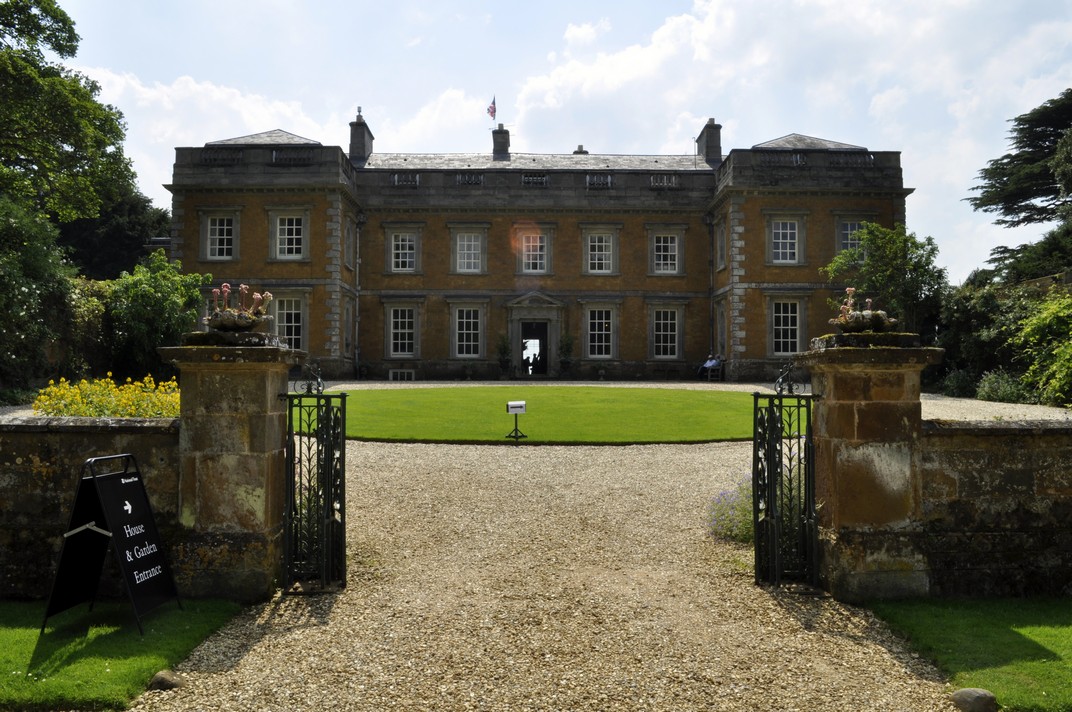


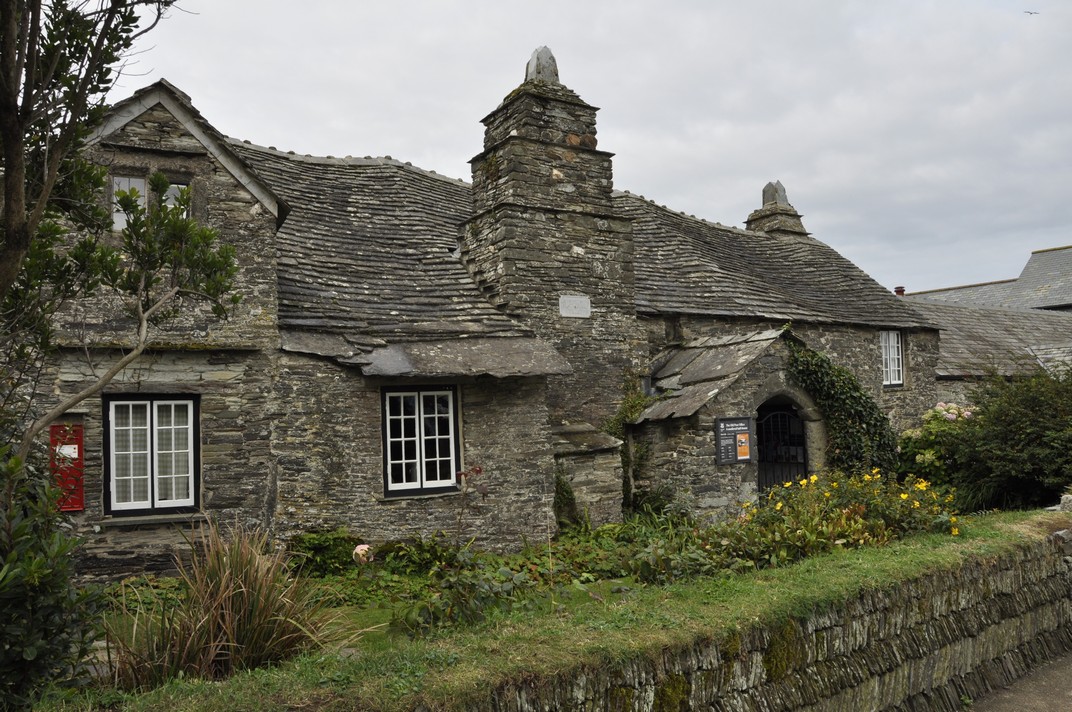
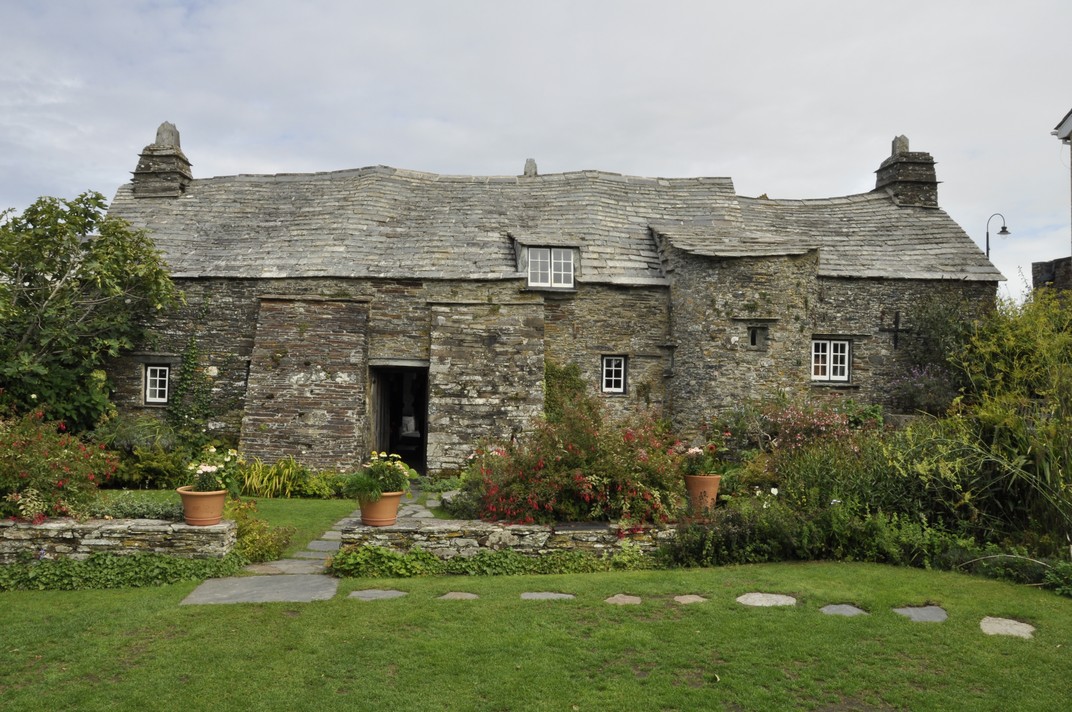
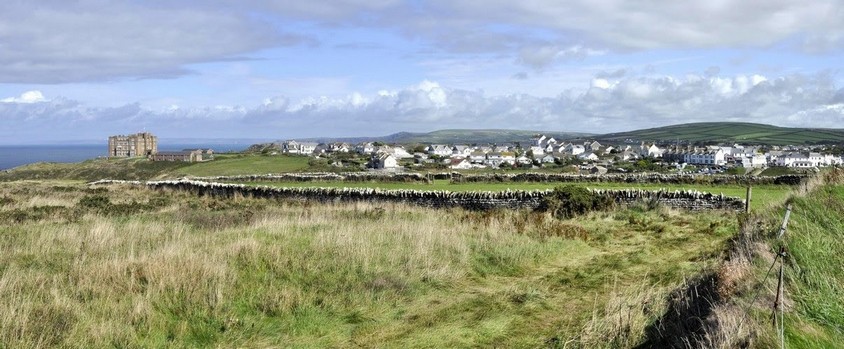




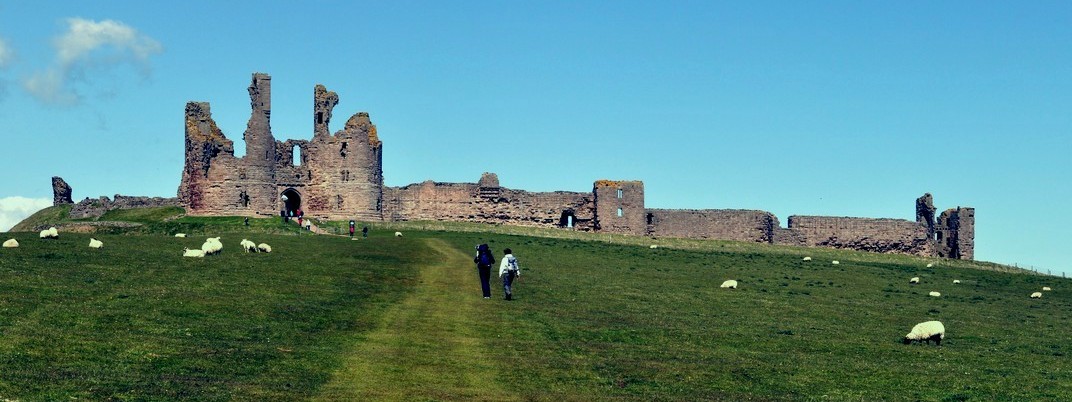
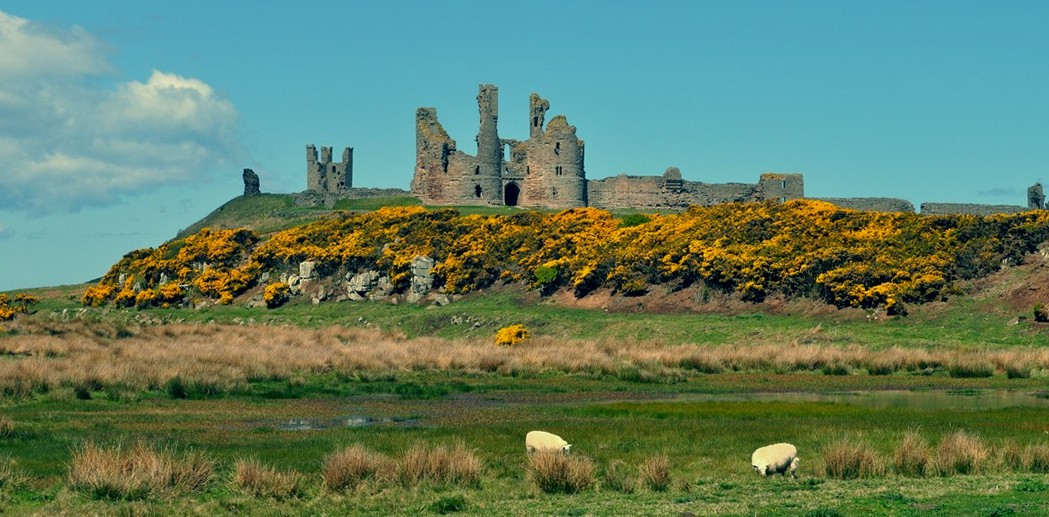
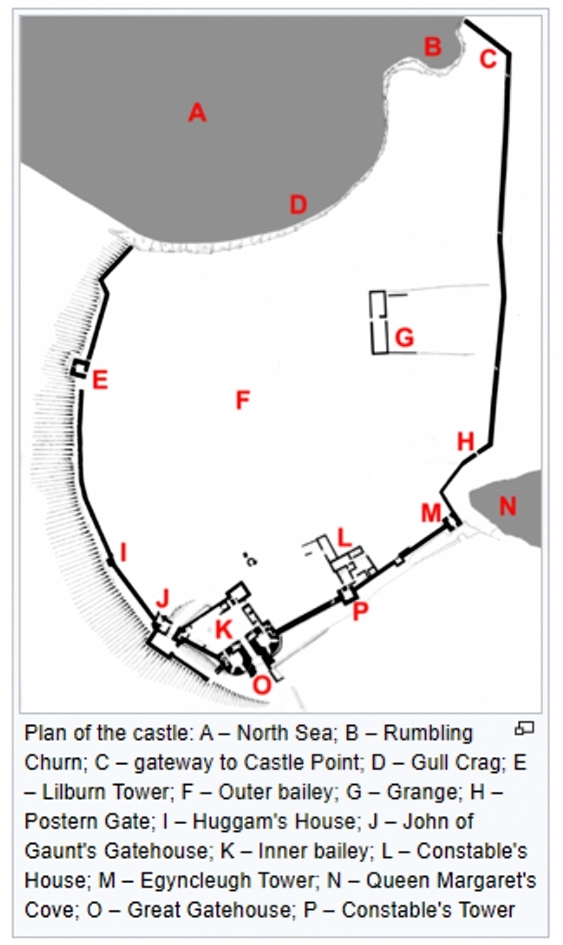


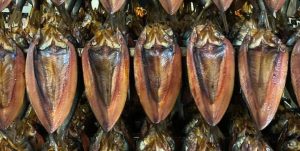



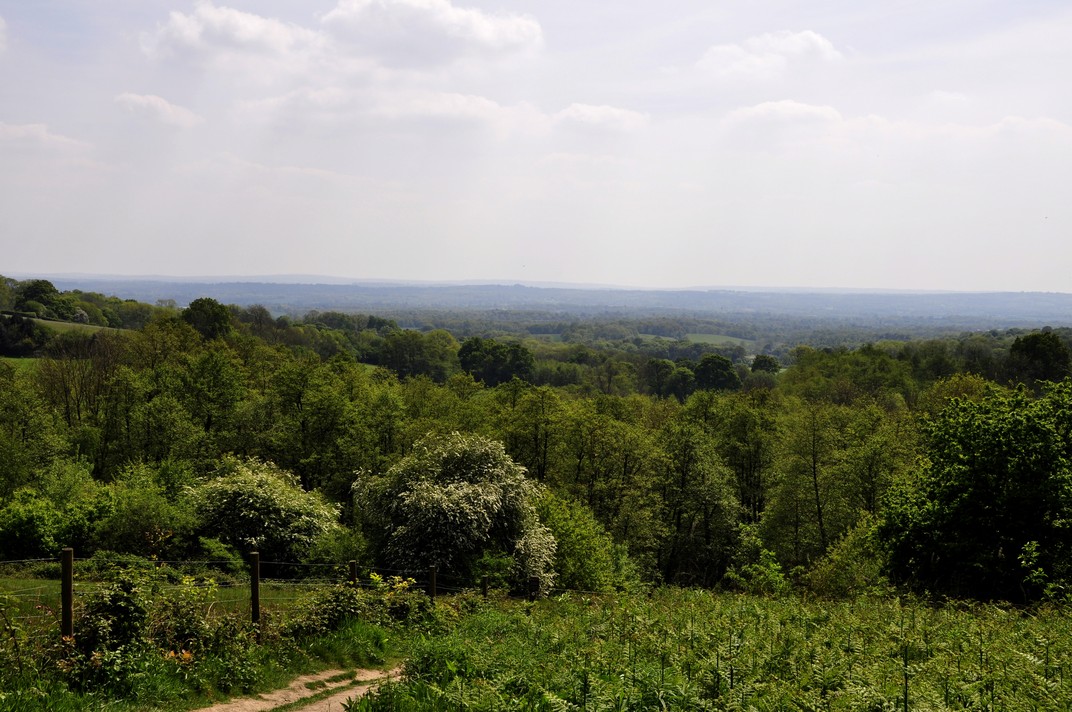
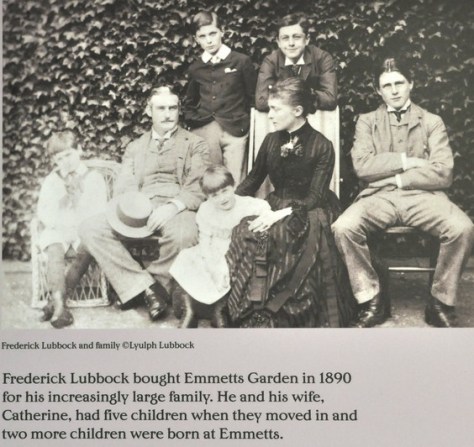
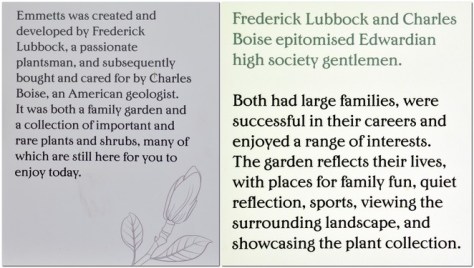
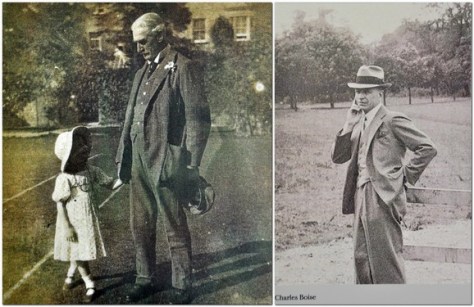
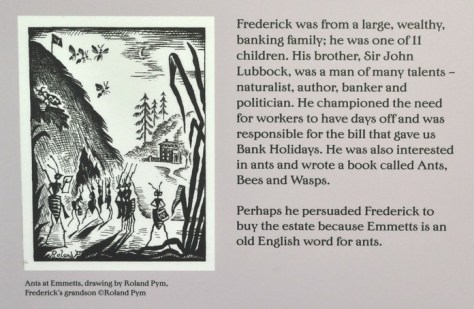
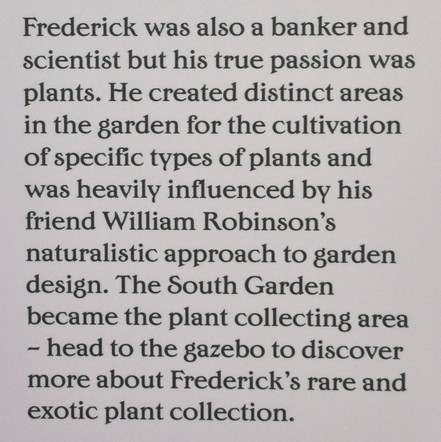


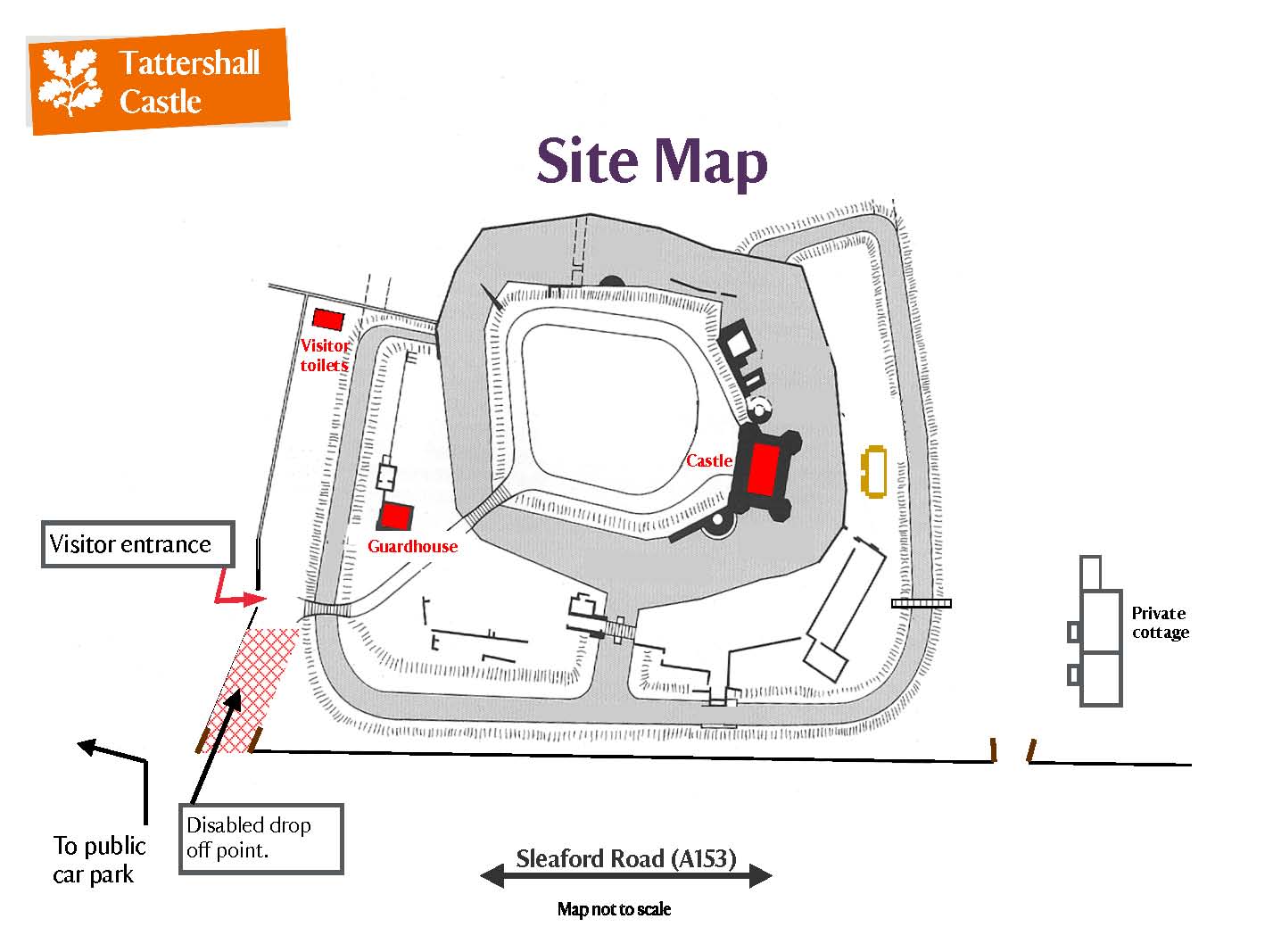
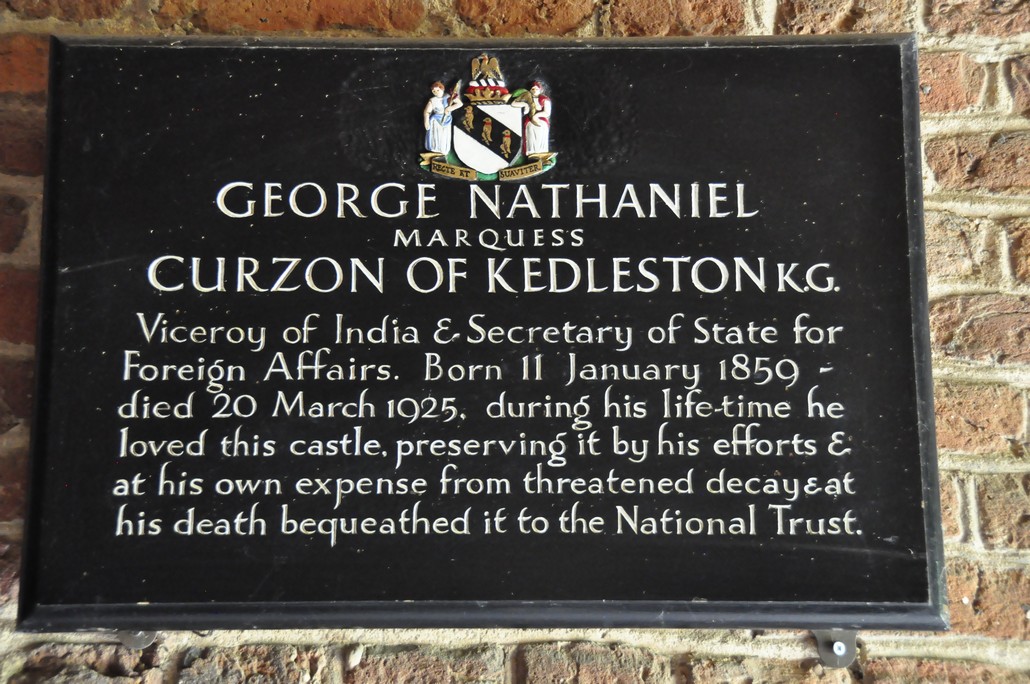


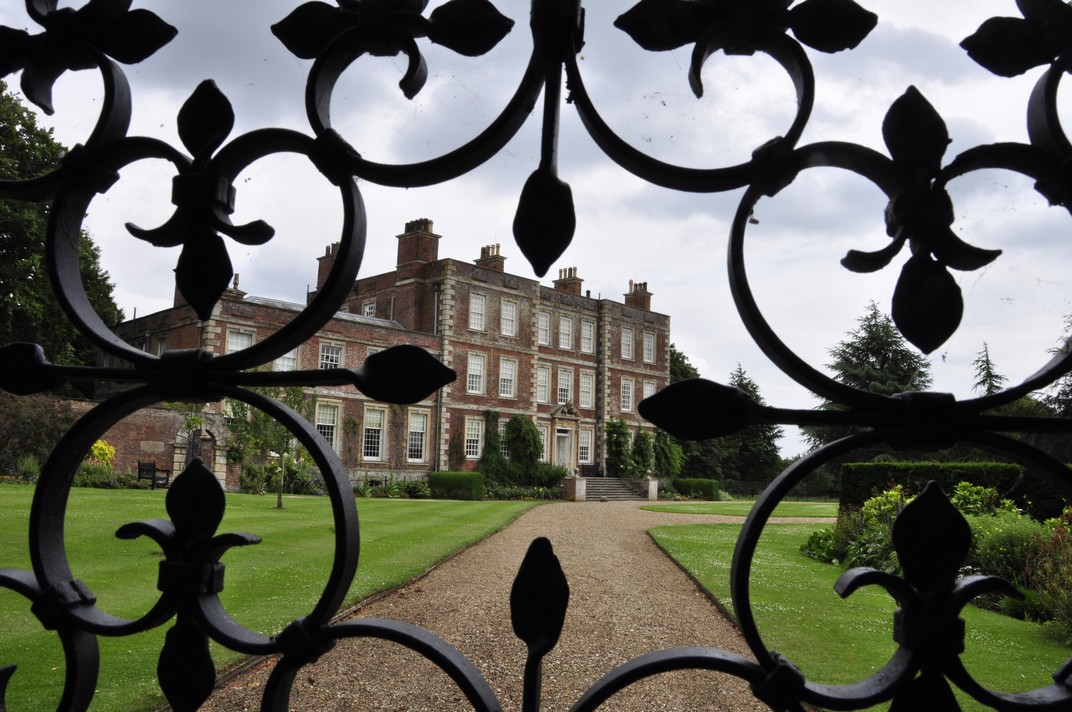


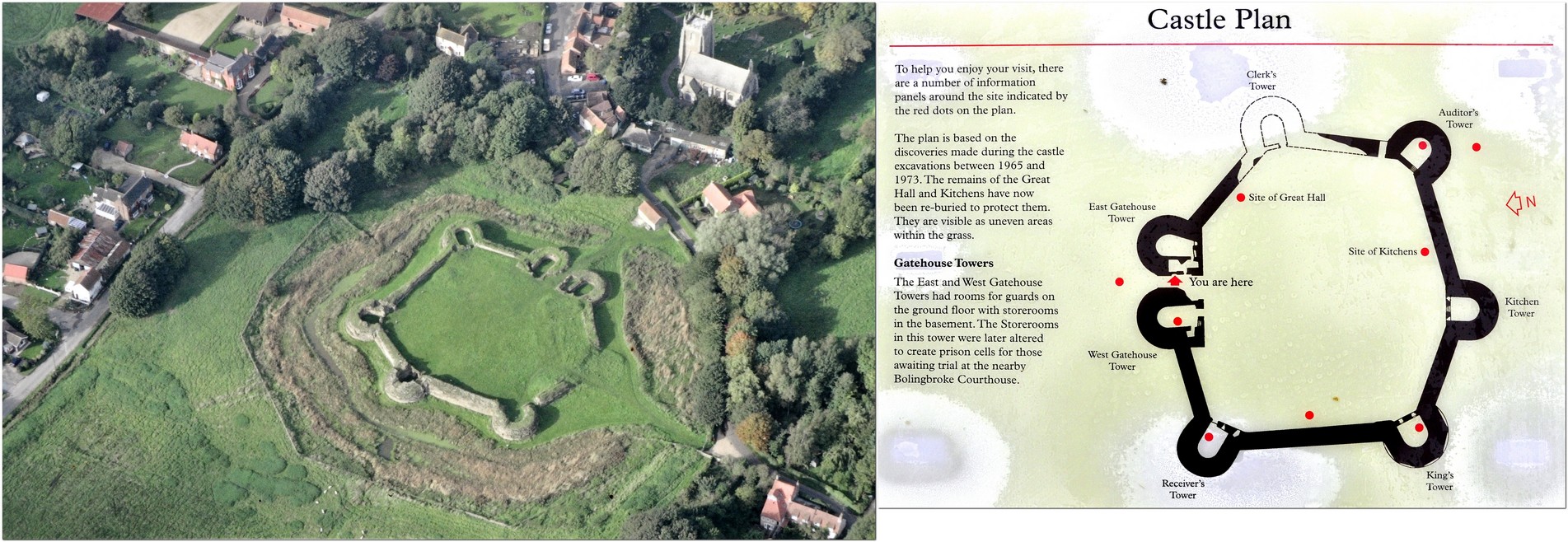


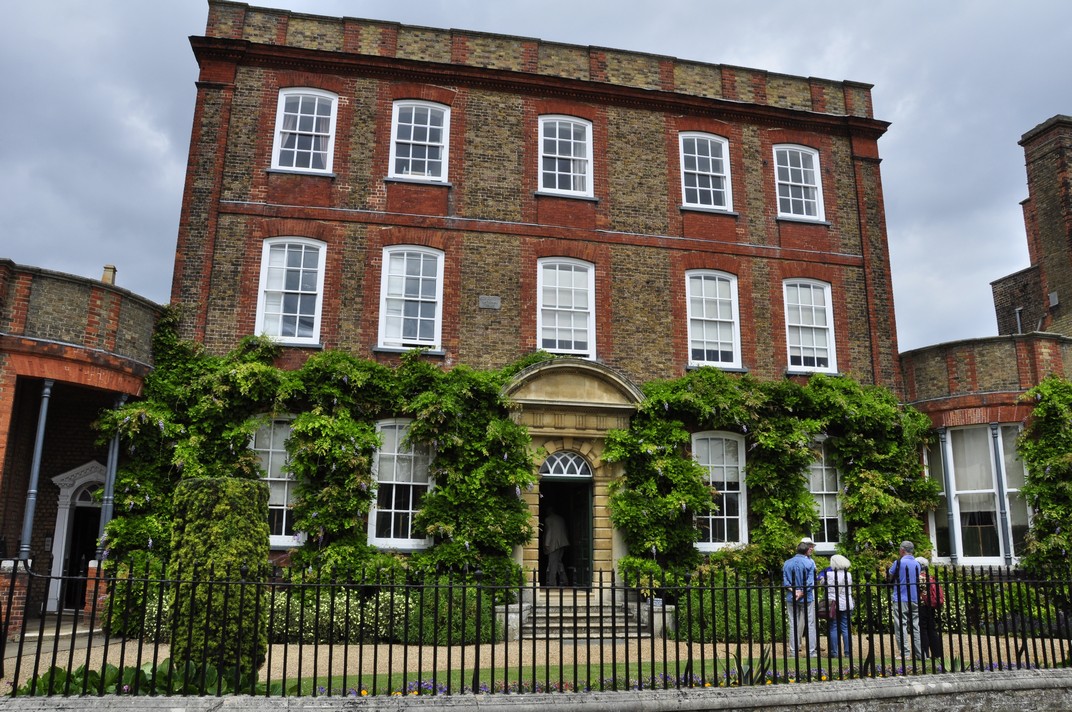


 The most celebrated of the family was Alexander (born in 1830) who traveled extensively and built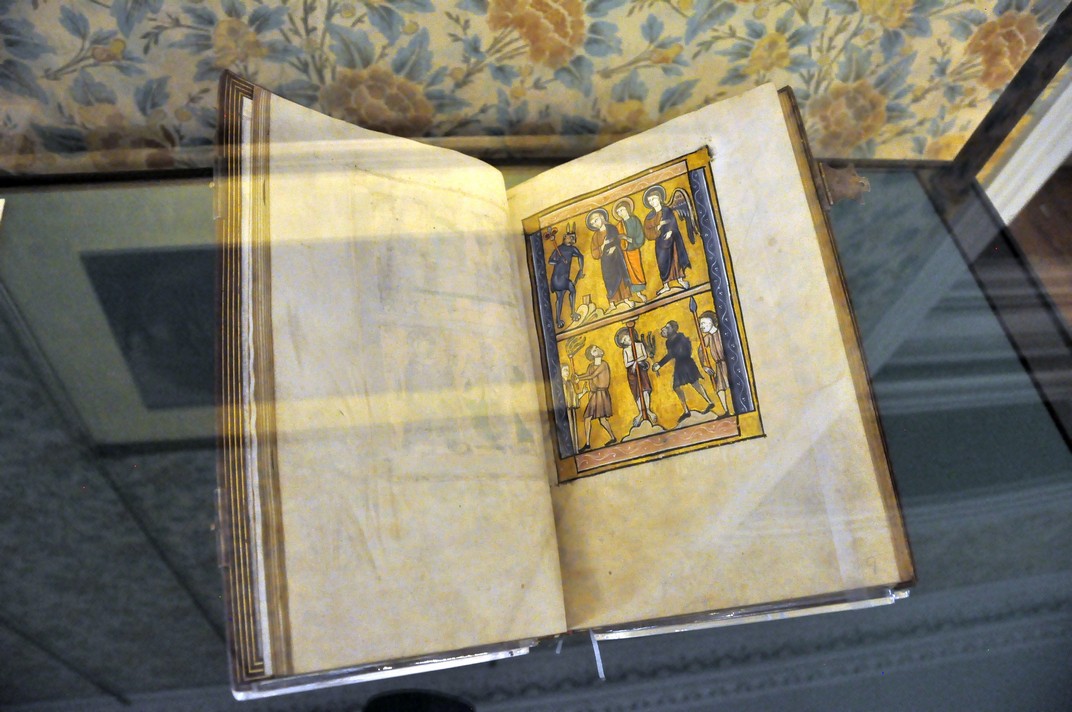


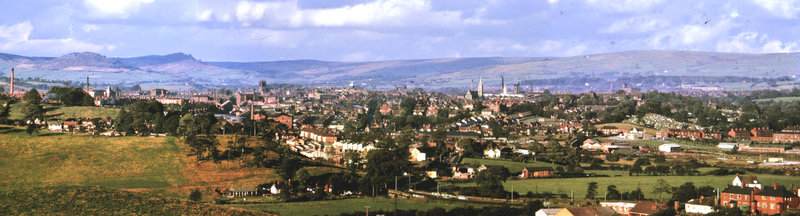
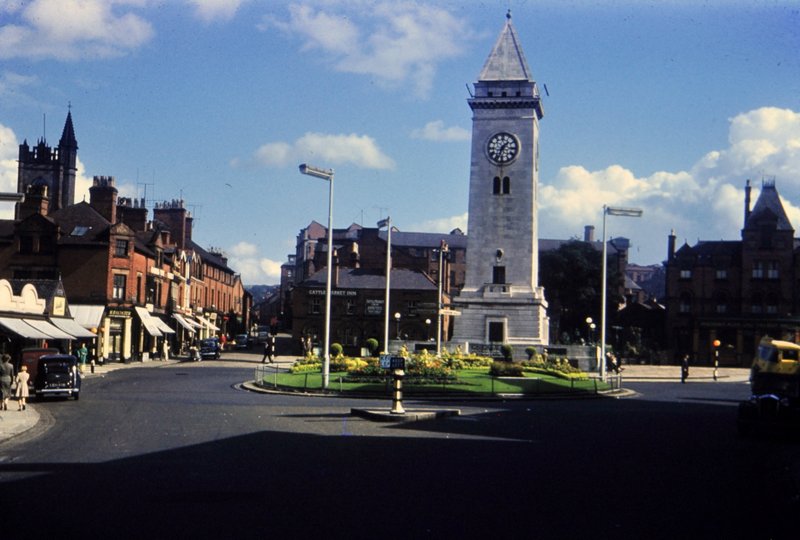


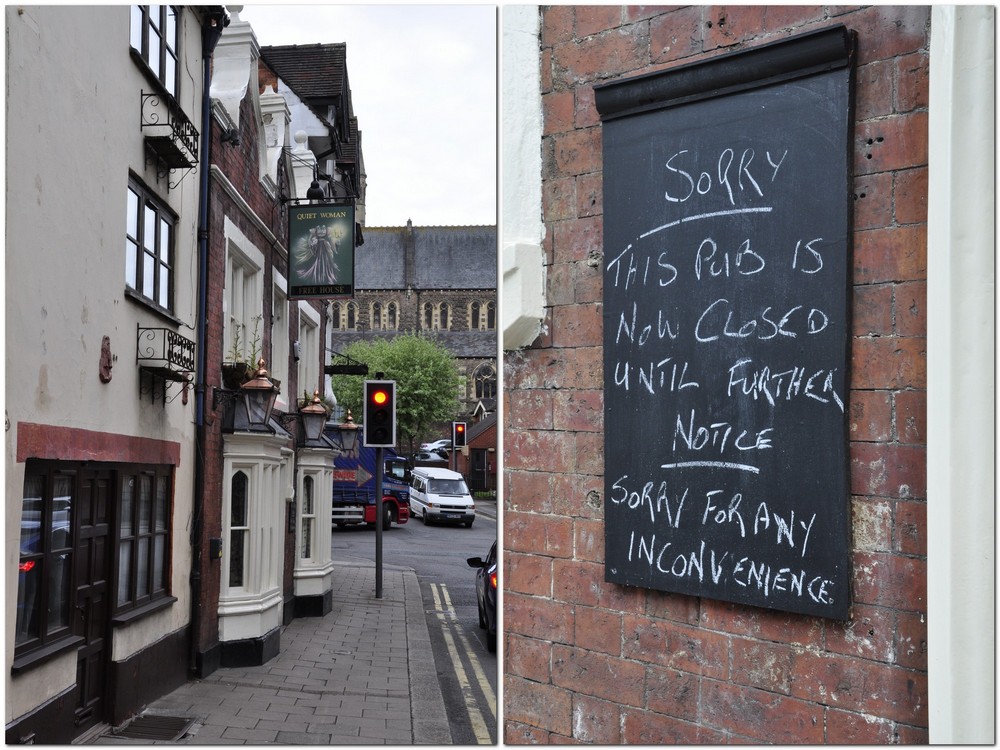
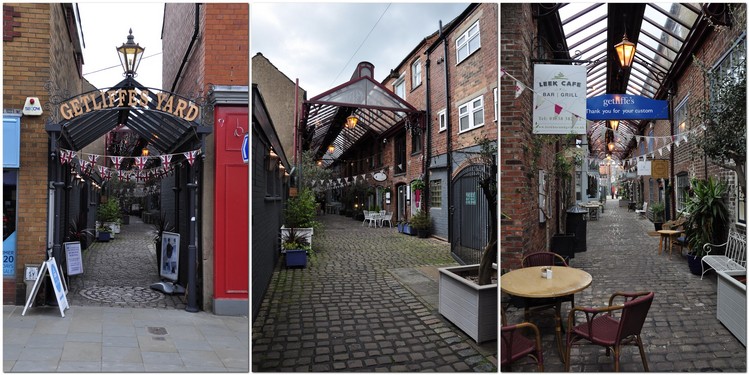
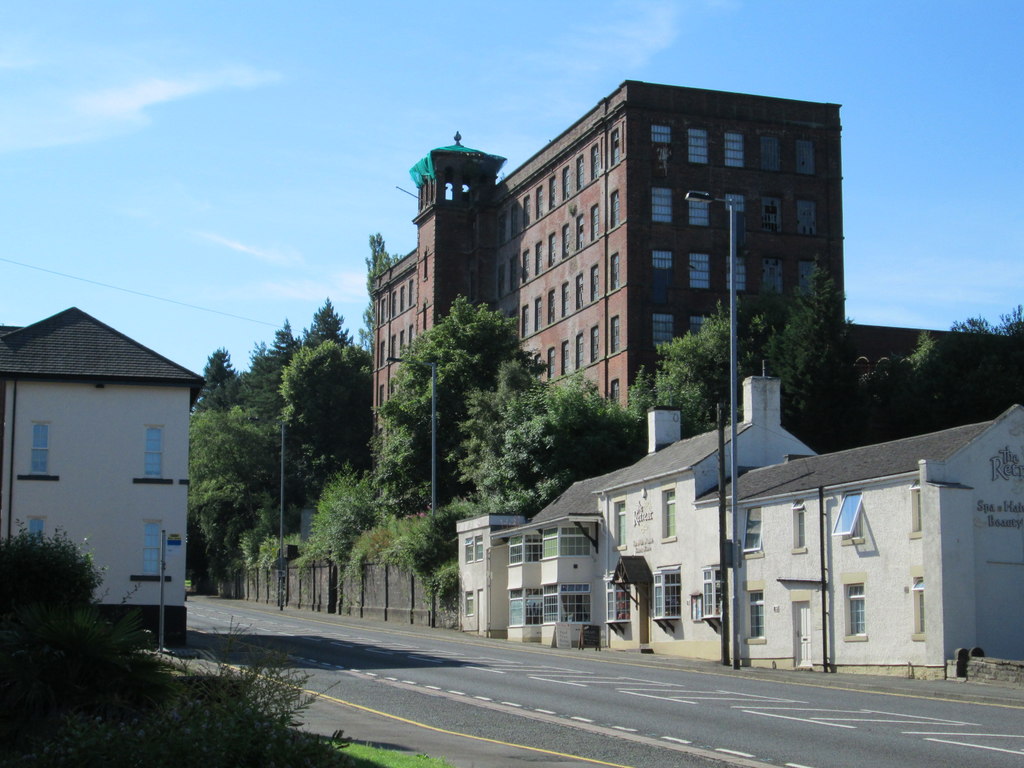


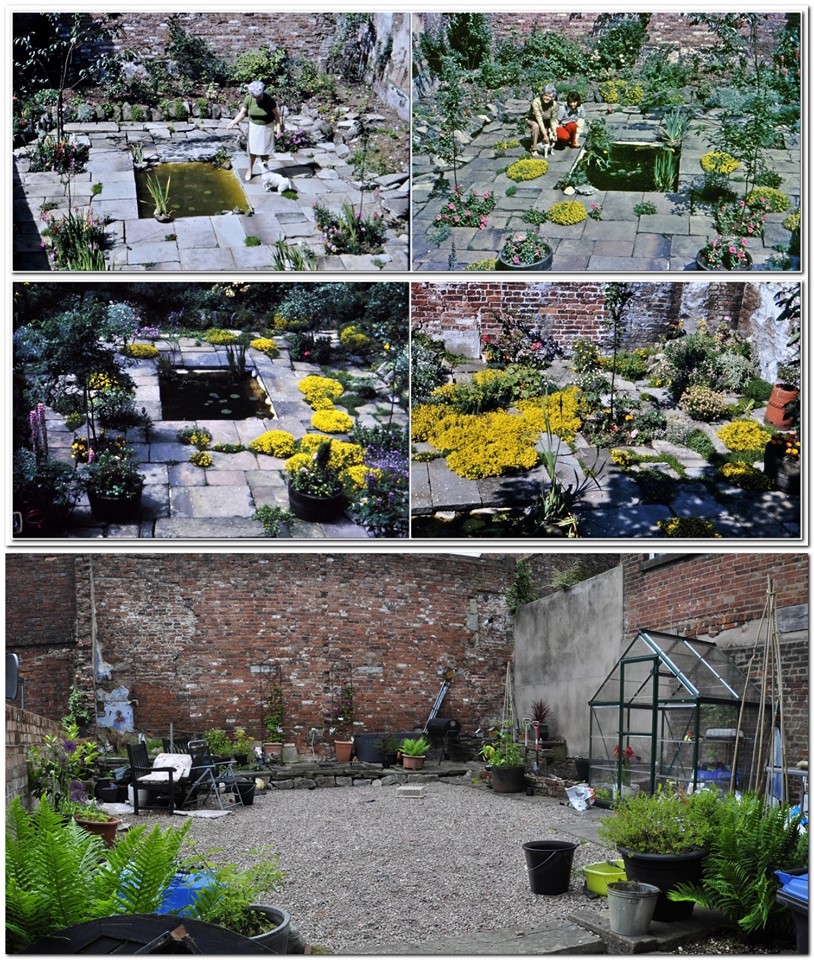


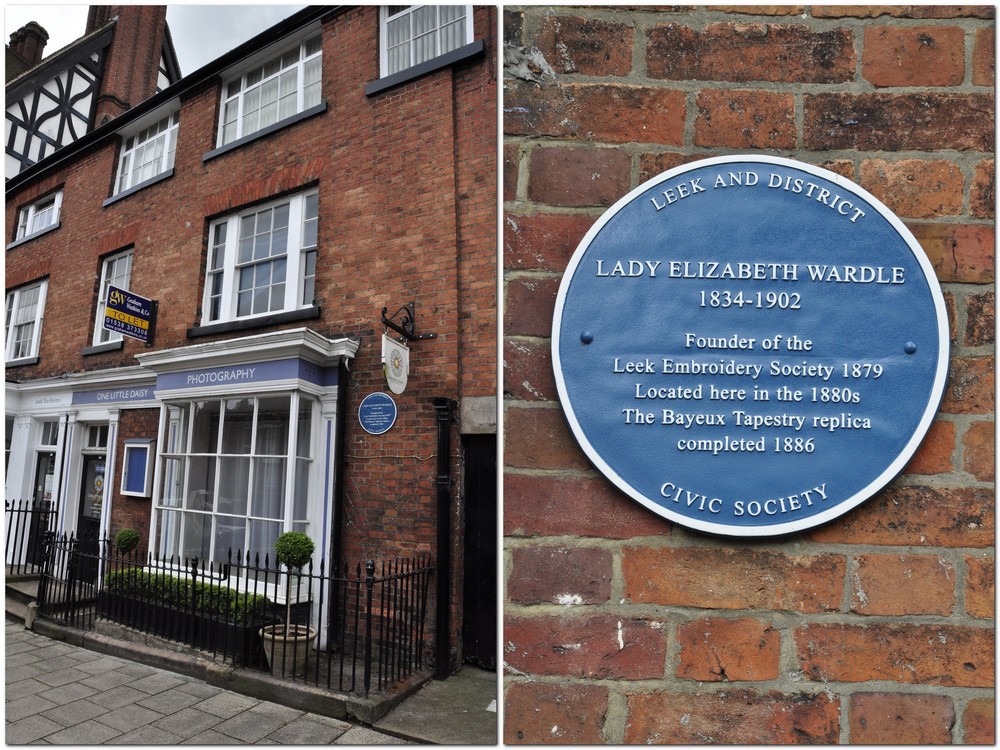
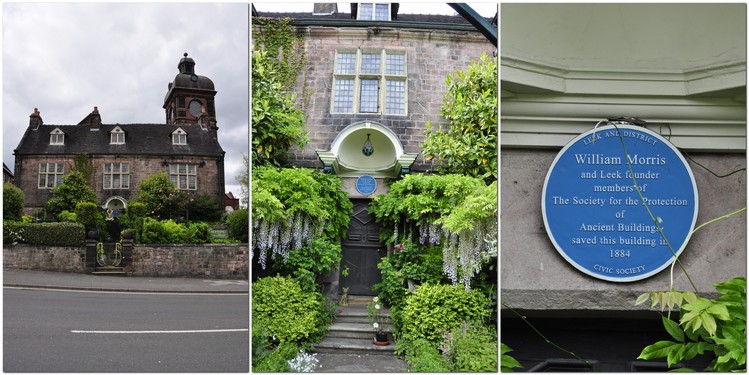
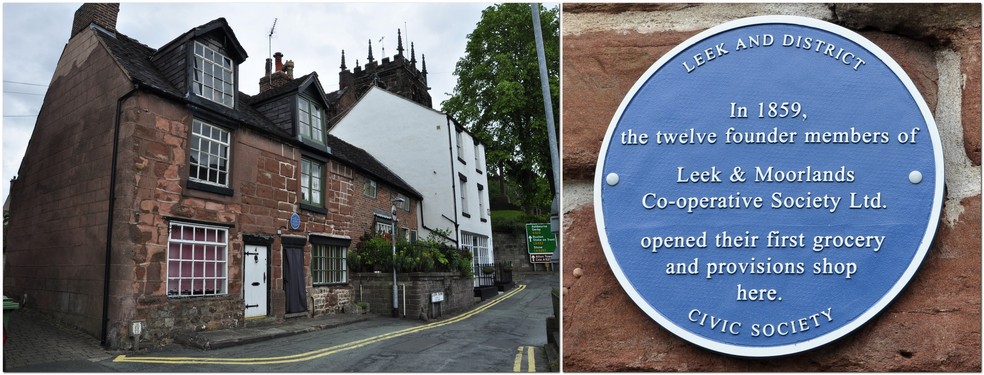
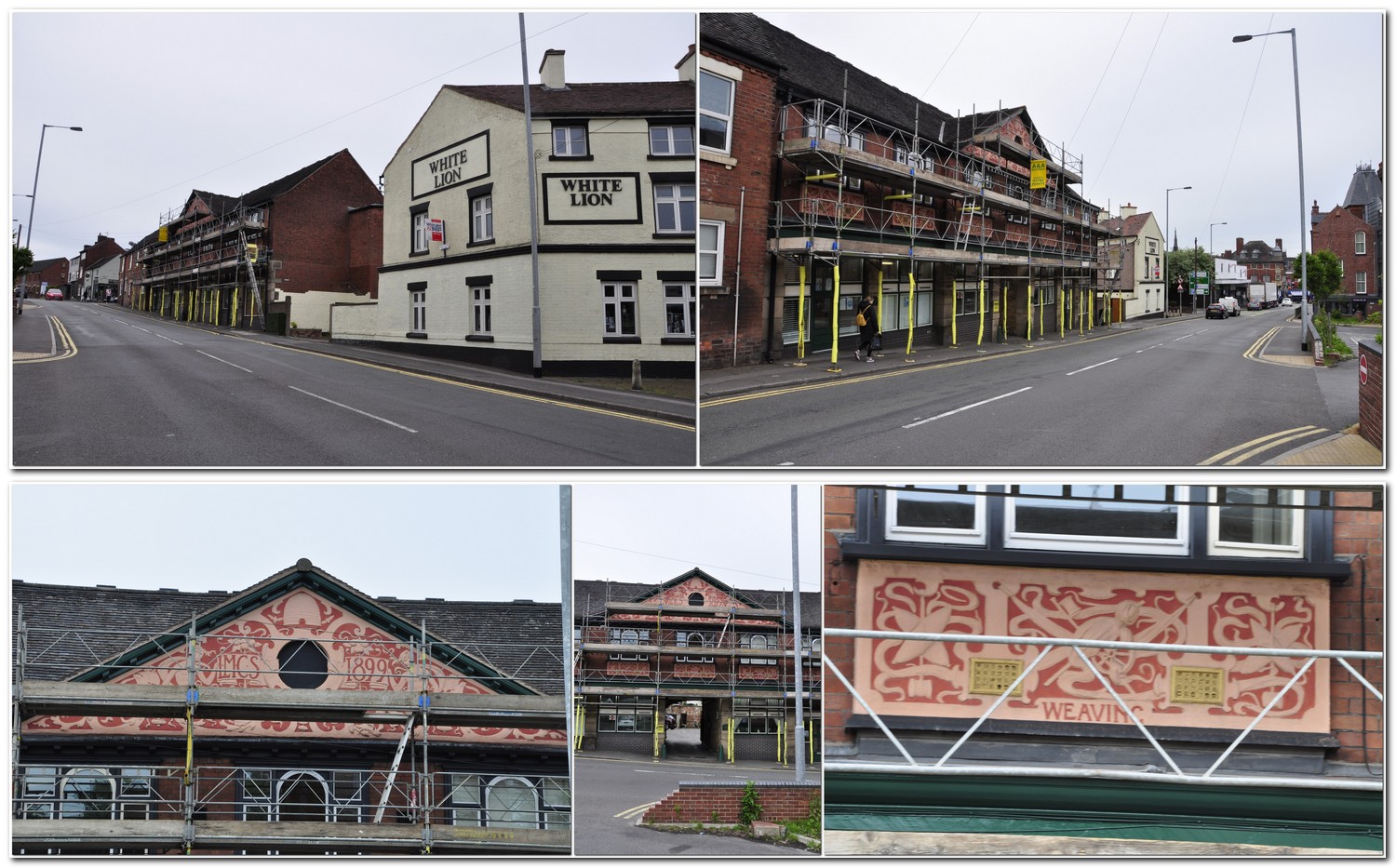
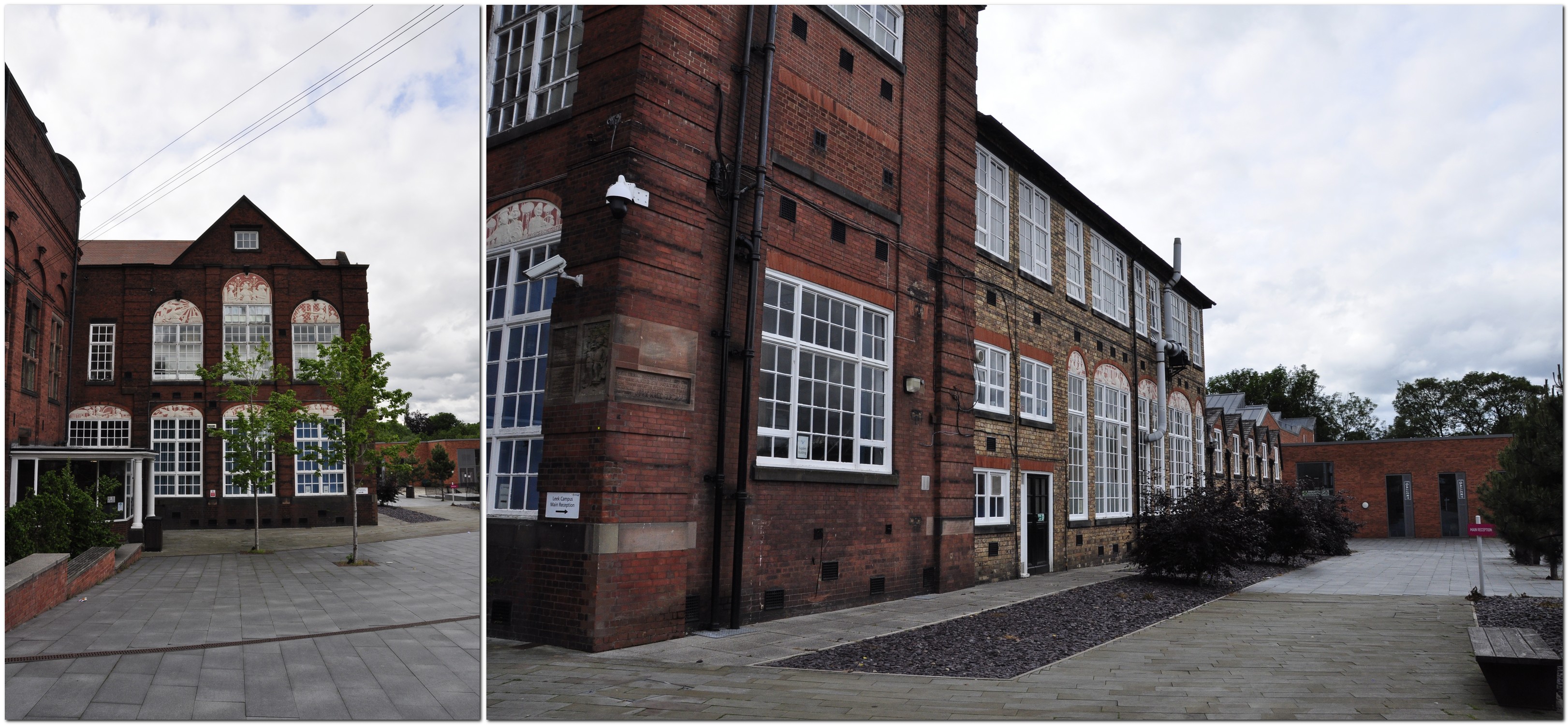
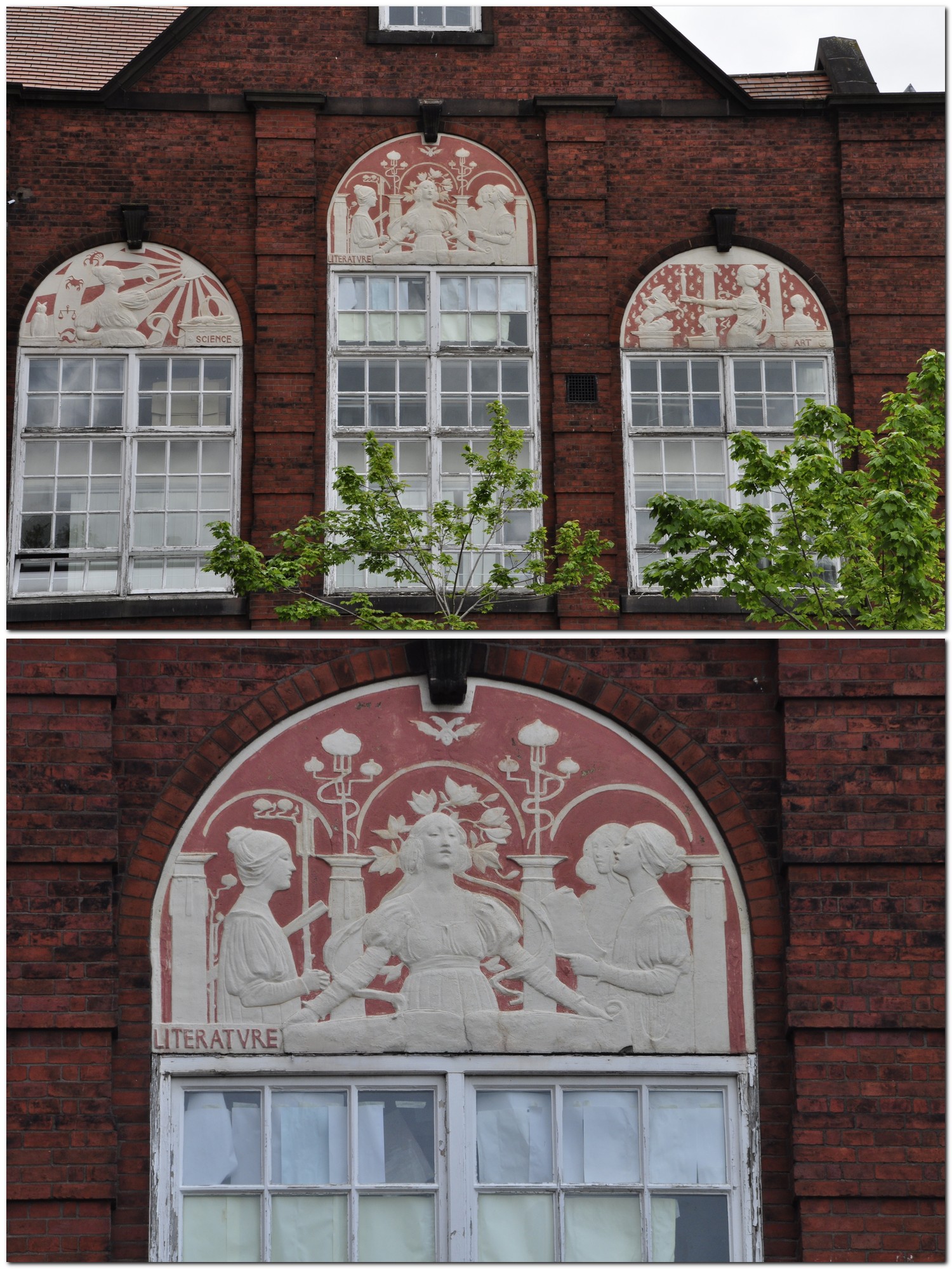
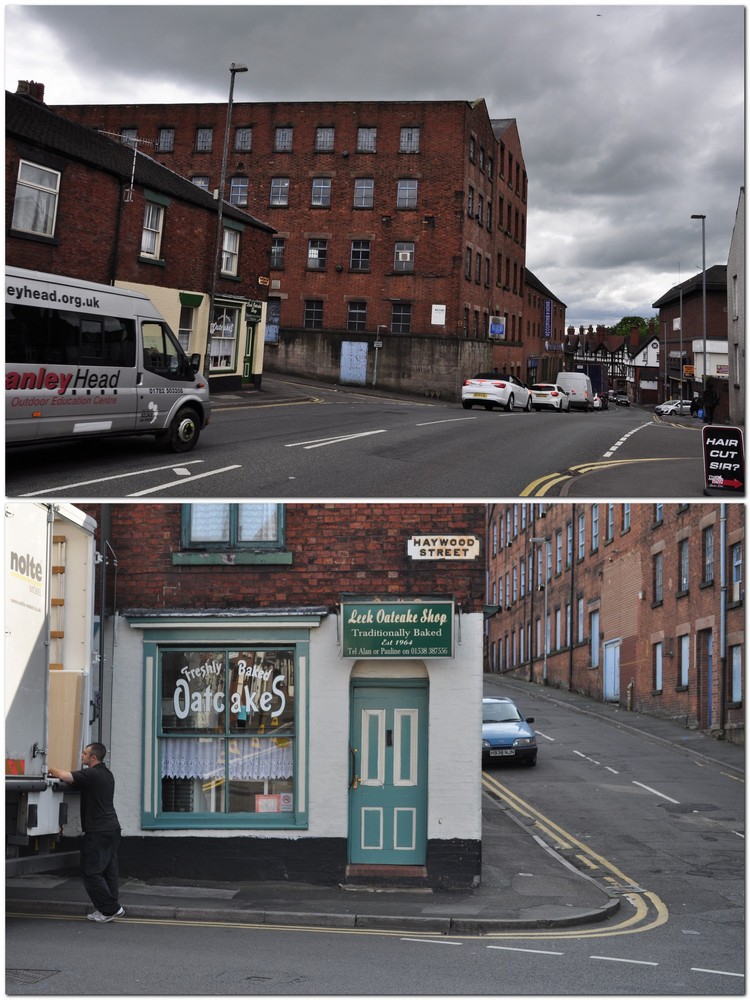
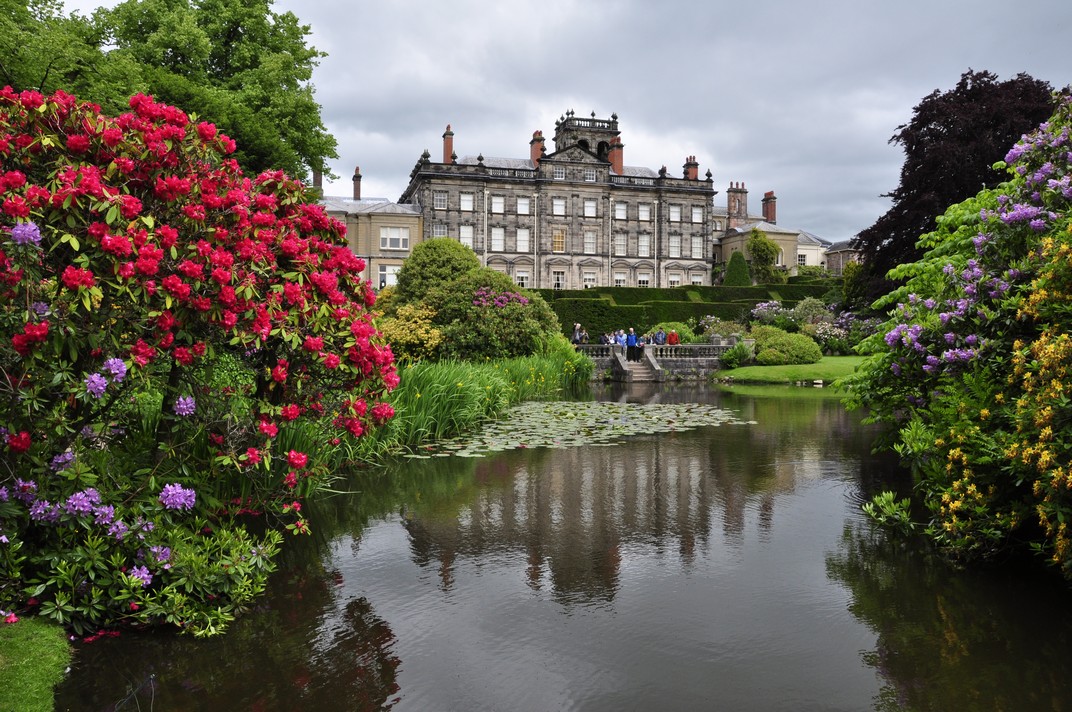
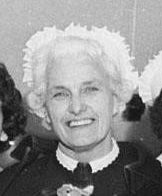 Every Christmas morning he would take photos of Santa visiting all the children on the wards at Biddulph Grange. Even after our family moved to Leek in 1956, Dad (accompanied by Mum) continued to visit Biddulph Grange at Christmas. I remember visiting on many occasions, and meeting the Matron (right), Miss Ruth Cleator.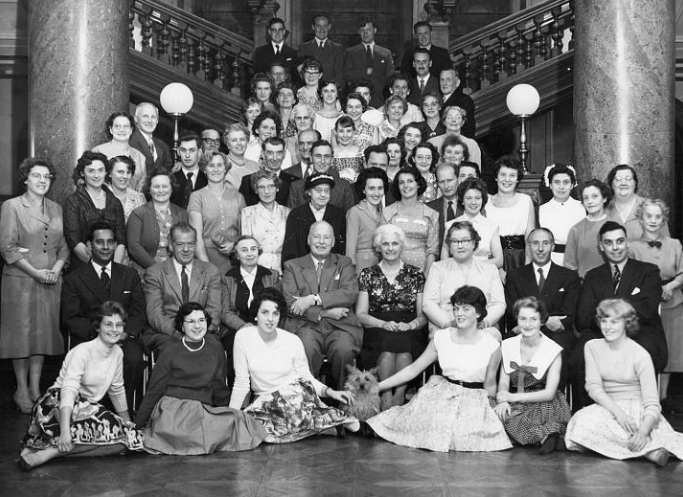




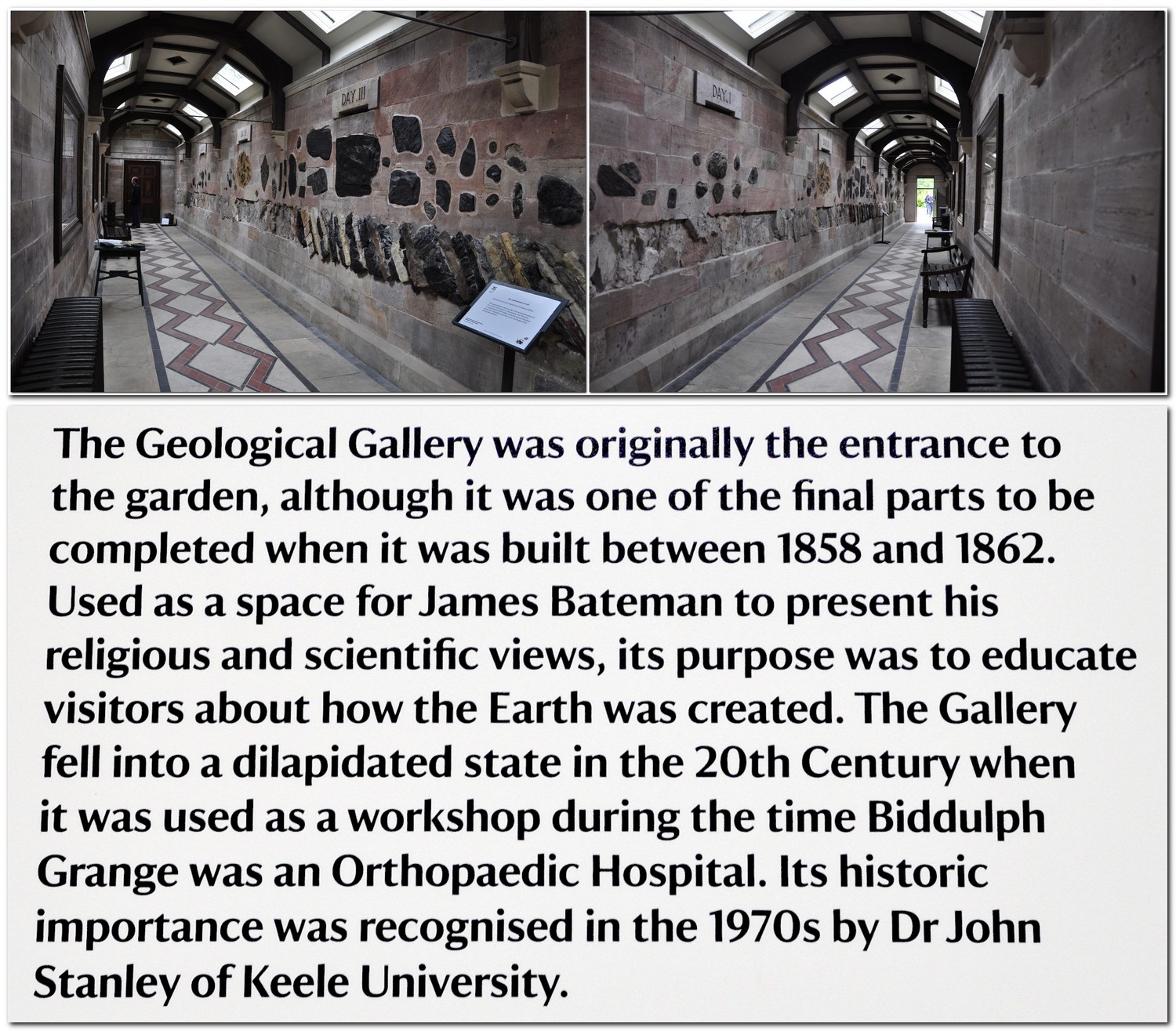
 In 1995, the BBC aired a six episode adaptation (by Andrew Davies) of
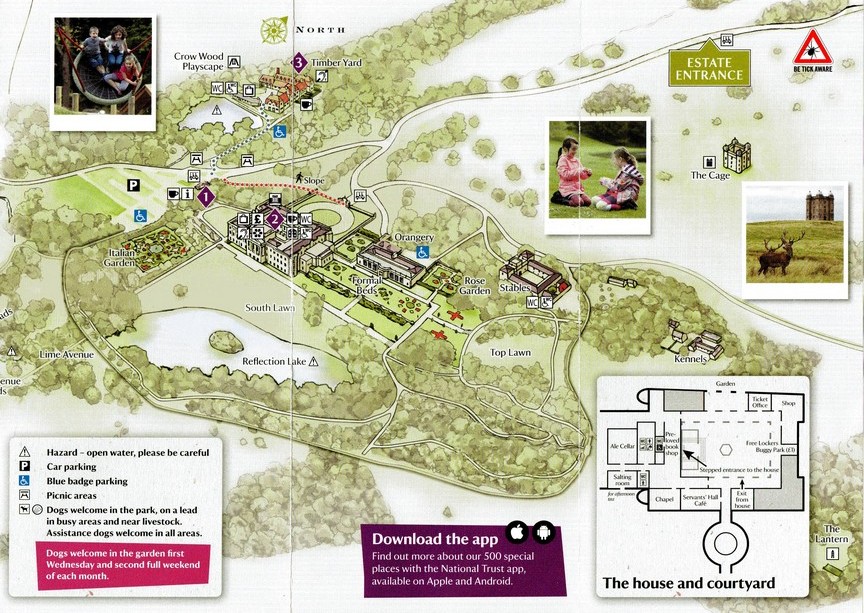
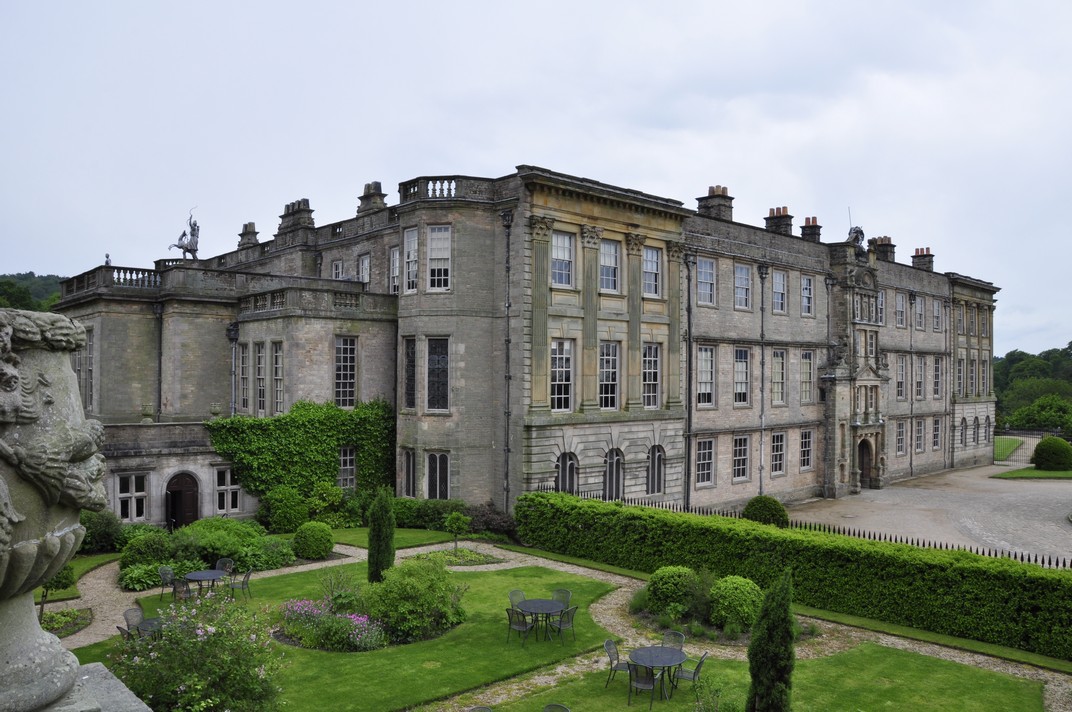
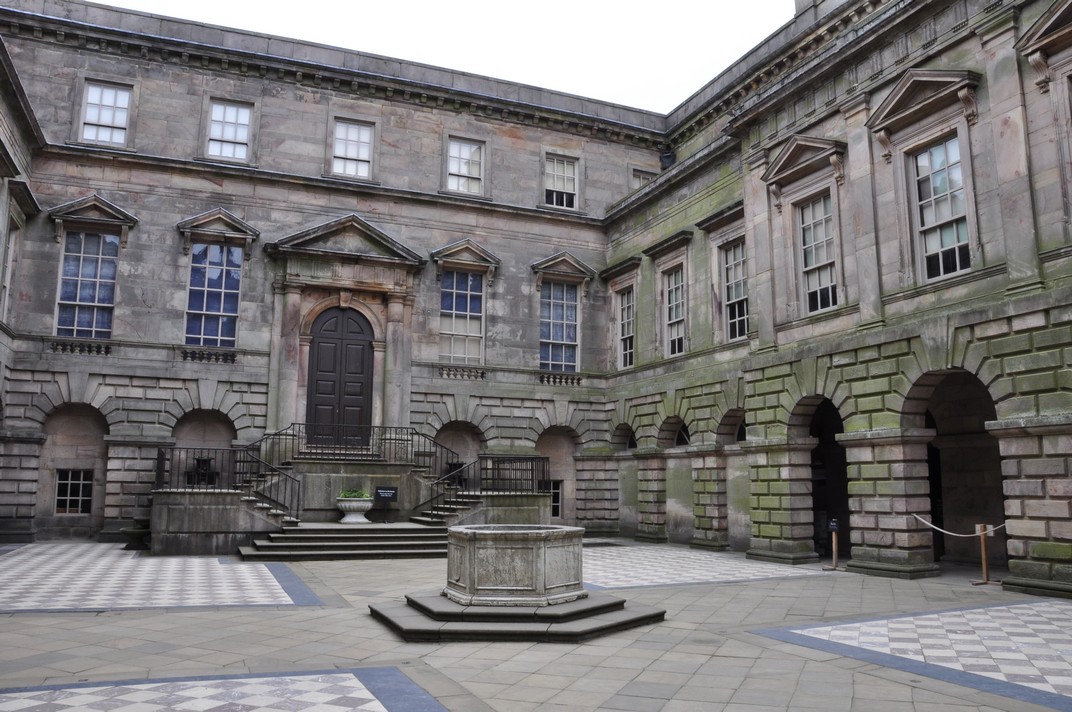
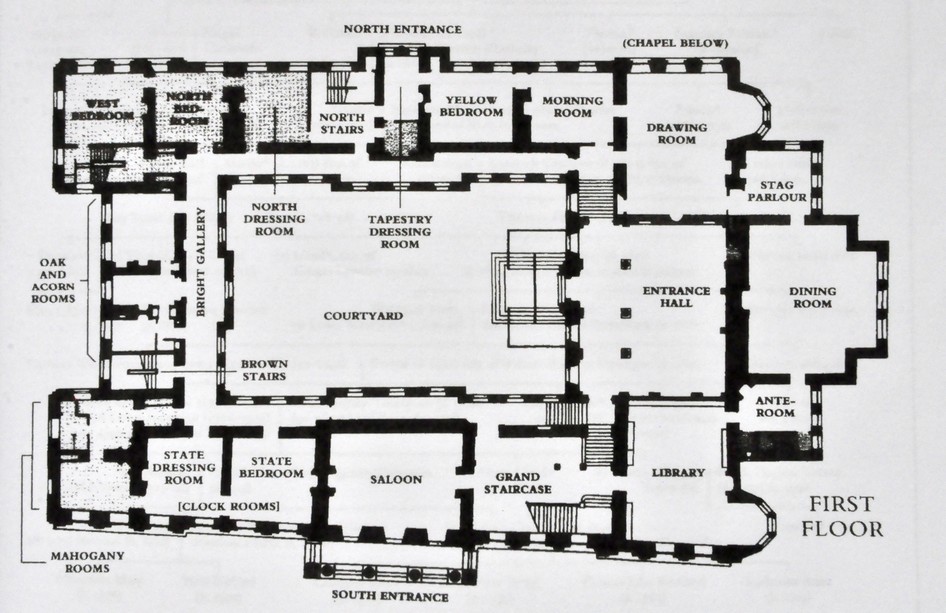
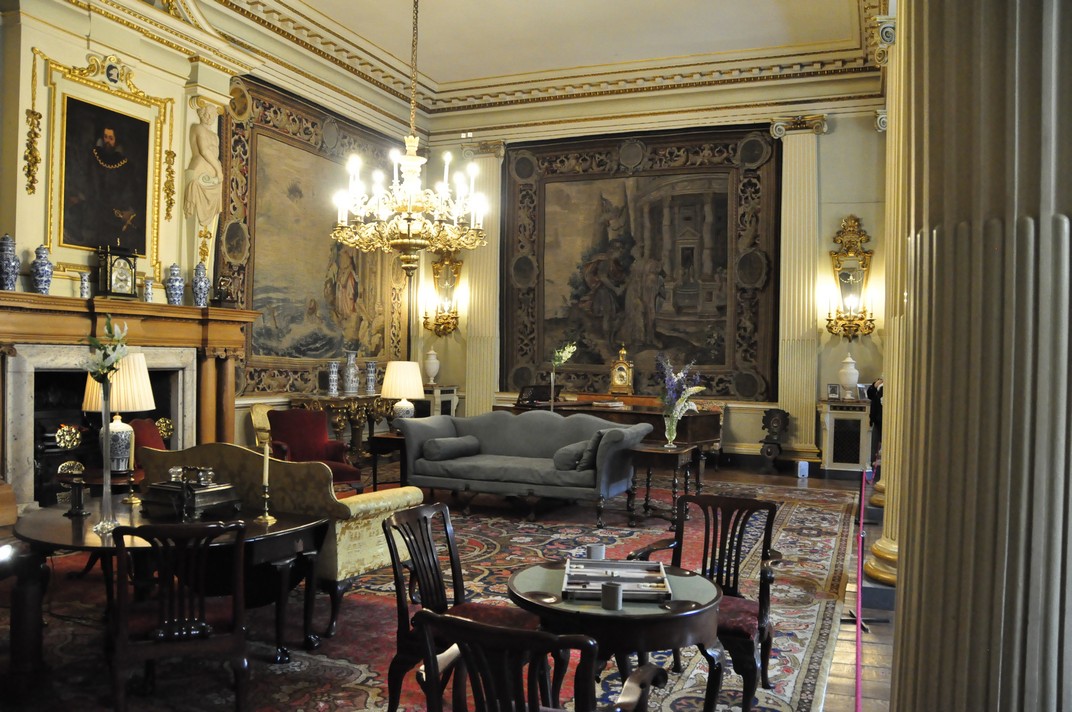
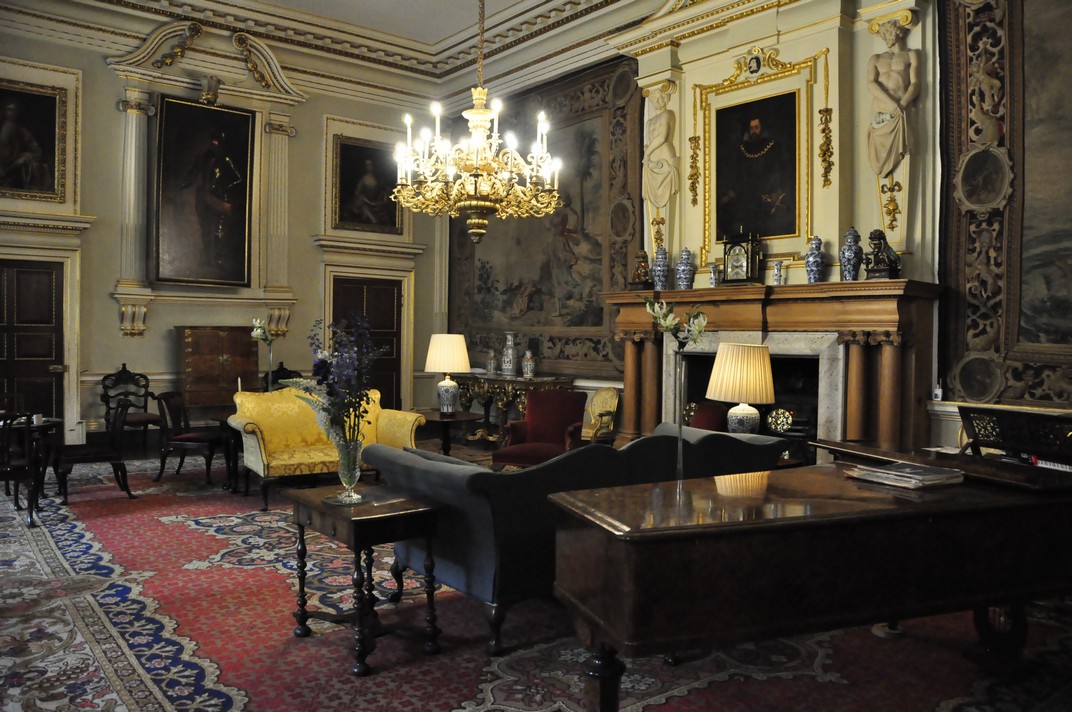
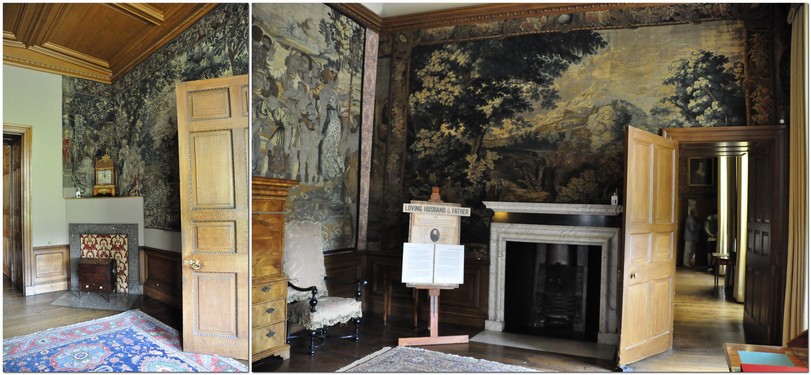


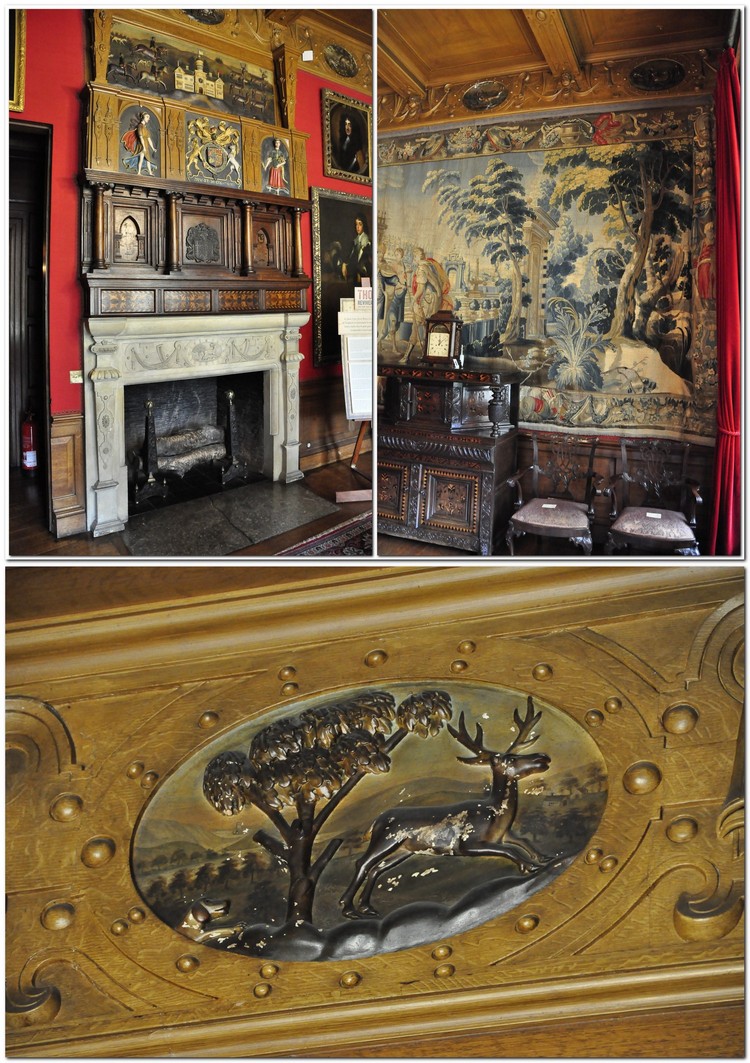

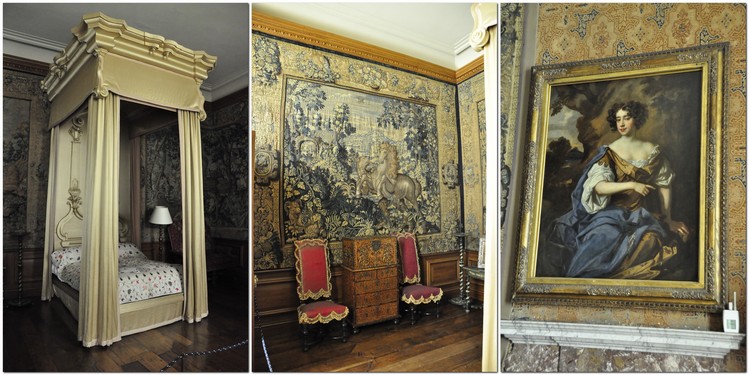
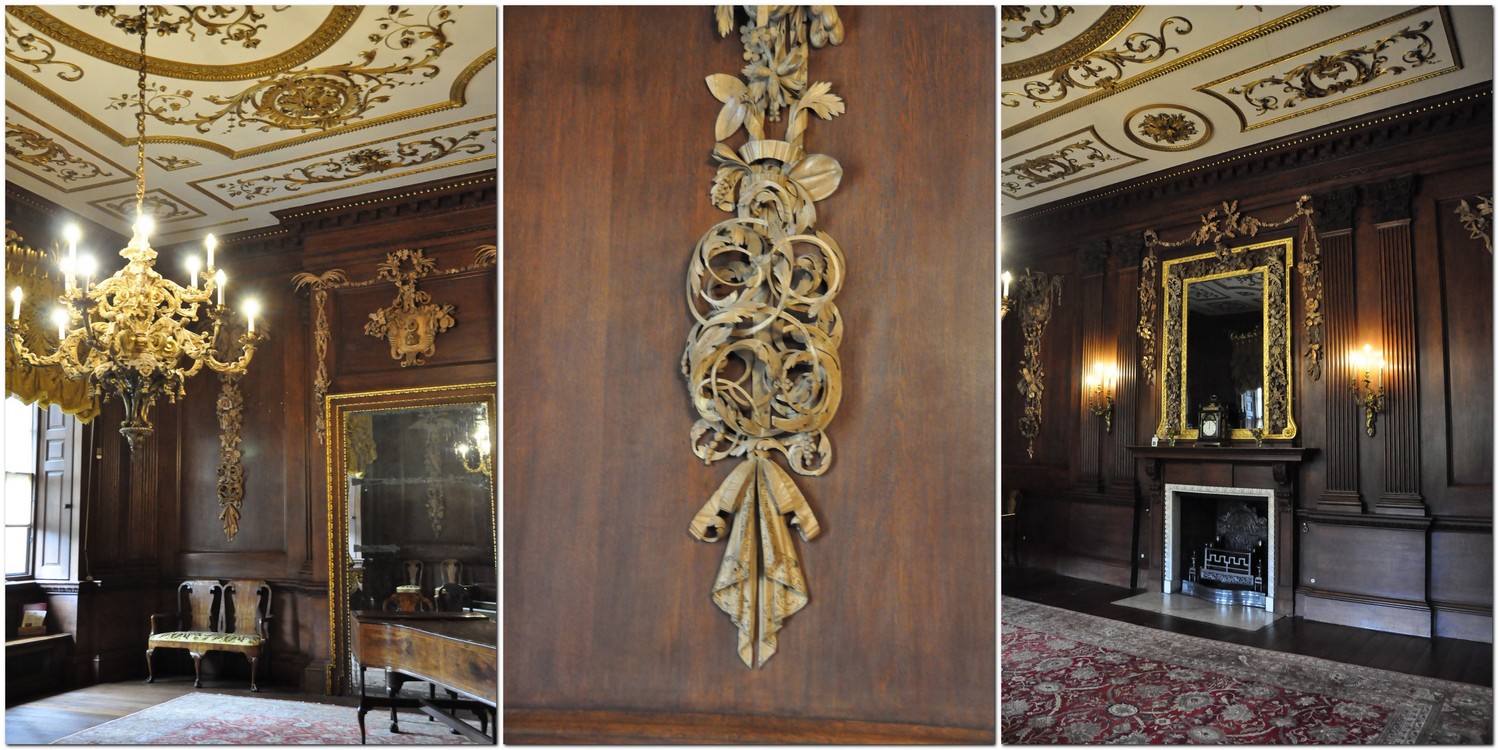
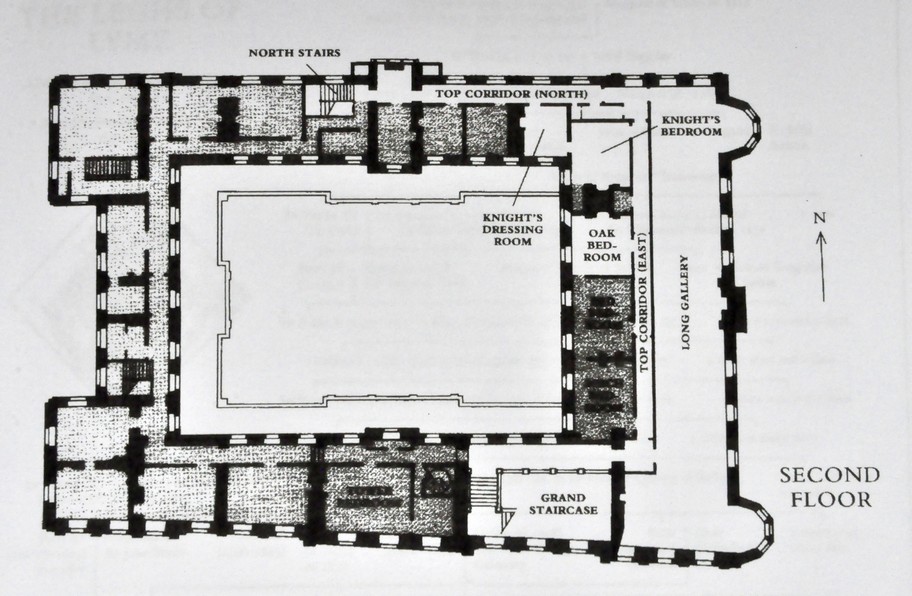

 At the bottom of the Grand Staircase is a huge oil painting of one of the Lyme mastiffs (now extinct). On the staircase wall is a painting of Thomas Legh, who was an adventurer, and responsible for the look of Lyme that we see inside today.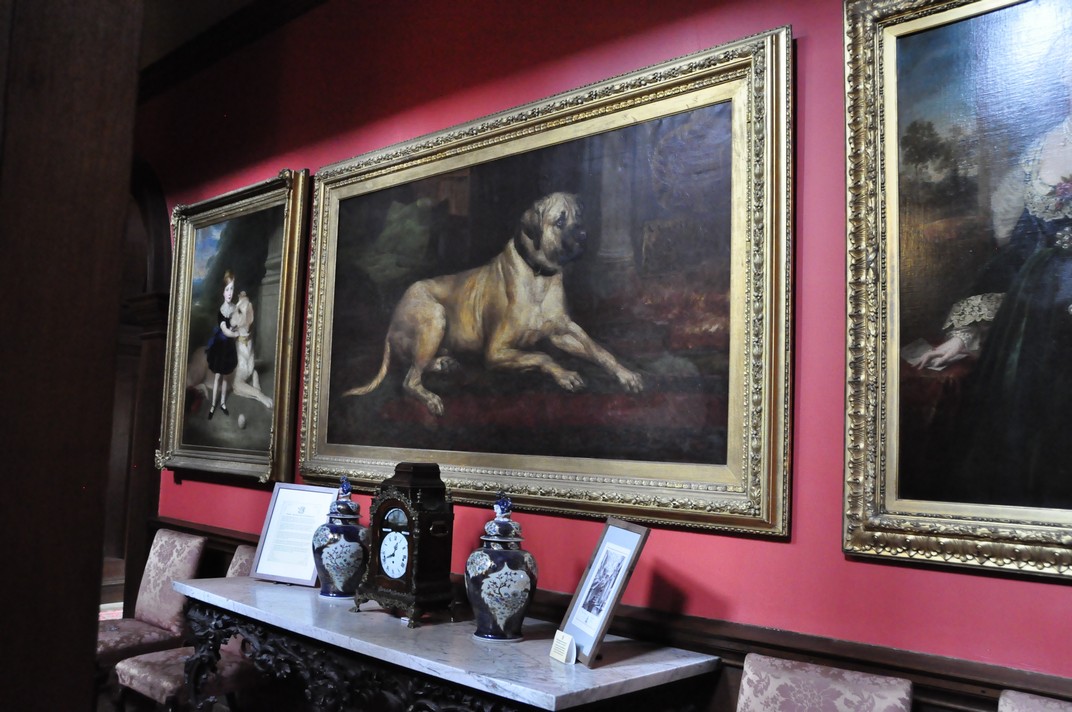
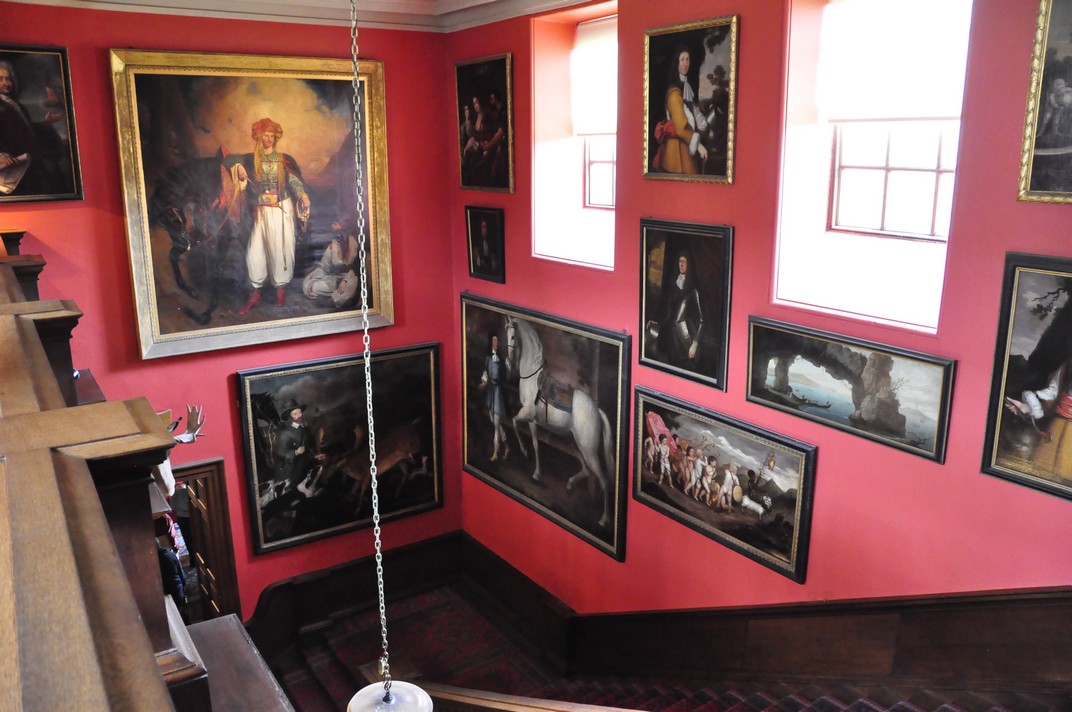



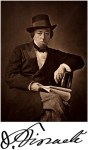 The more I write this blog, the more apt this quotation from Victorian Prime Minister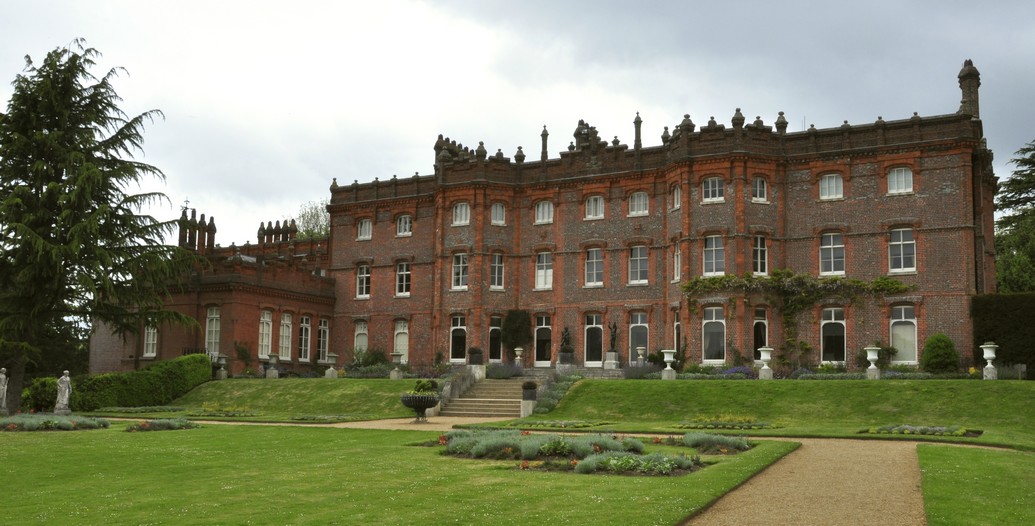
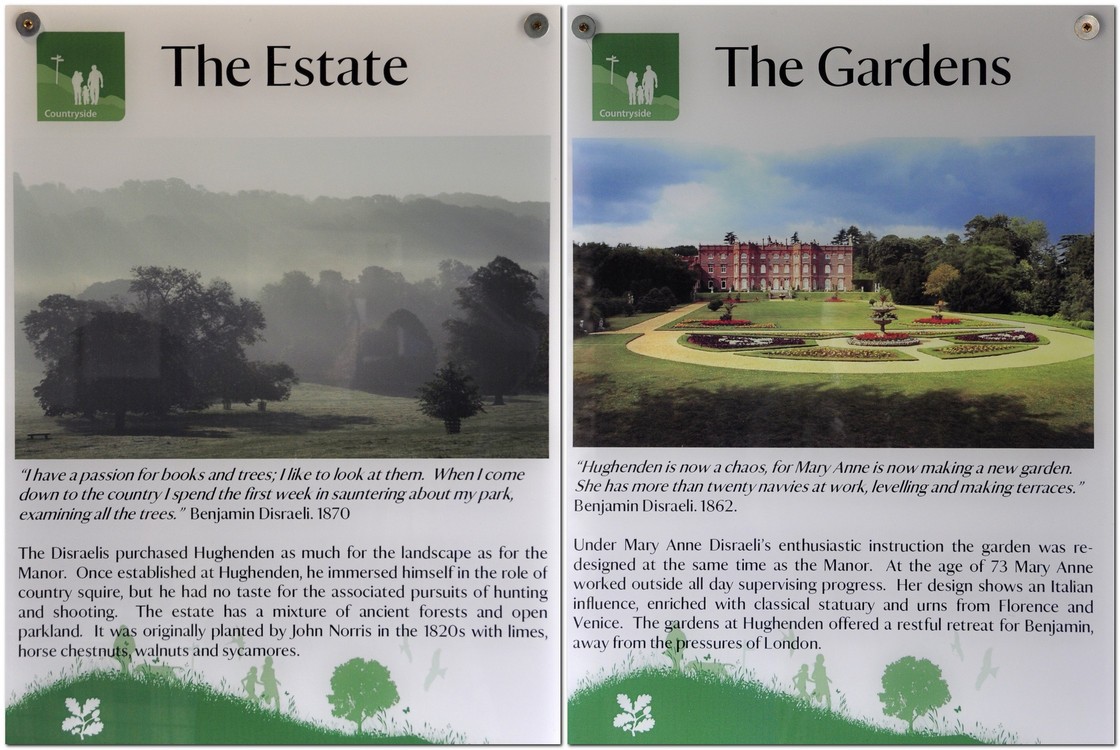
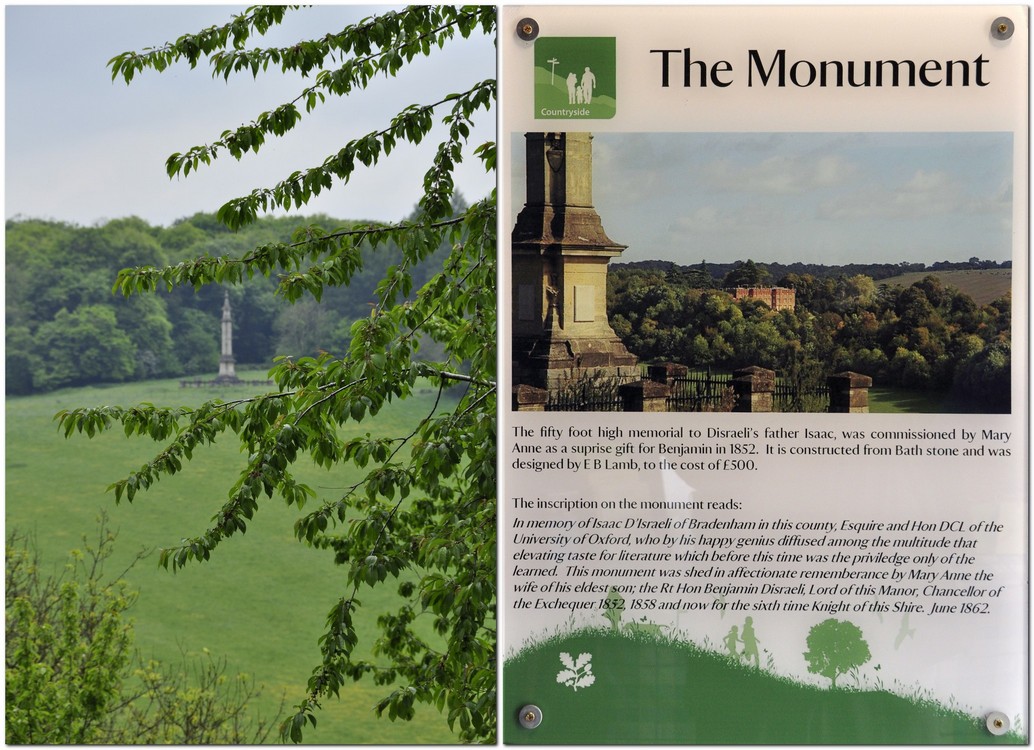
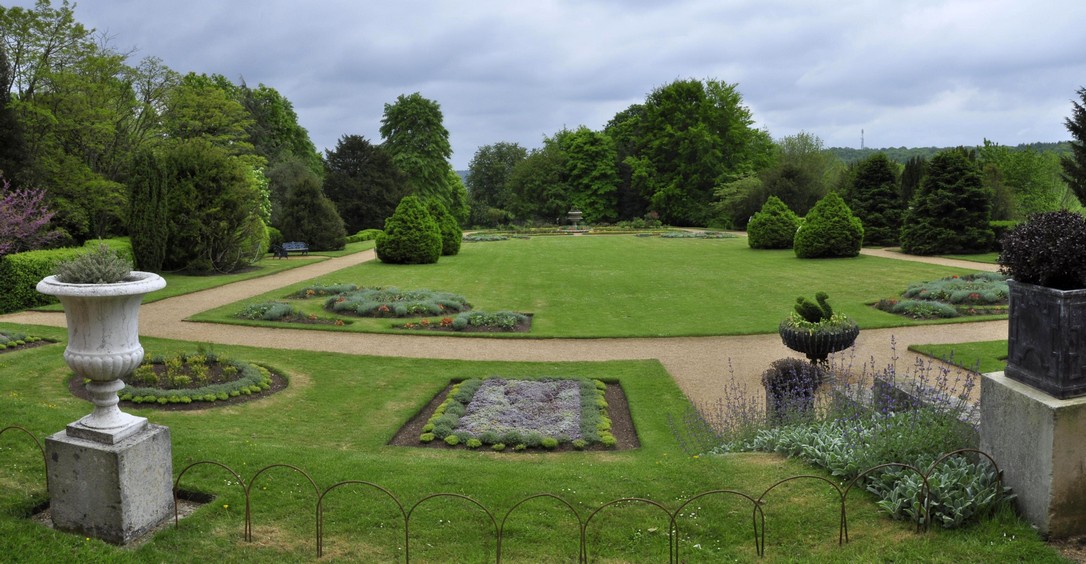
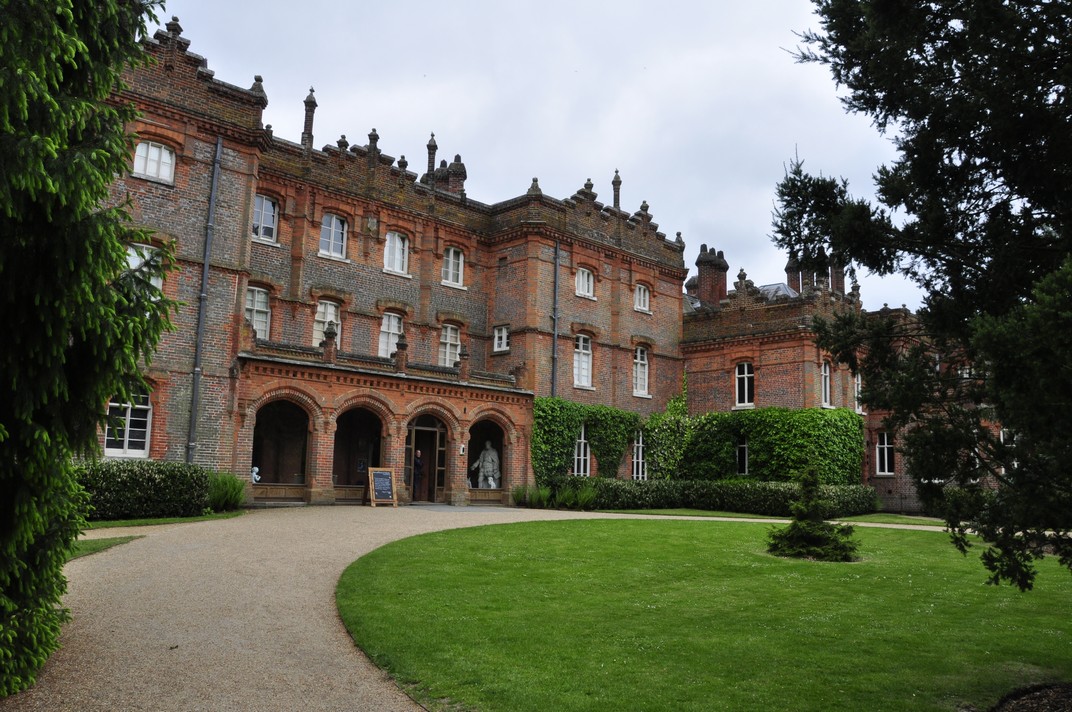
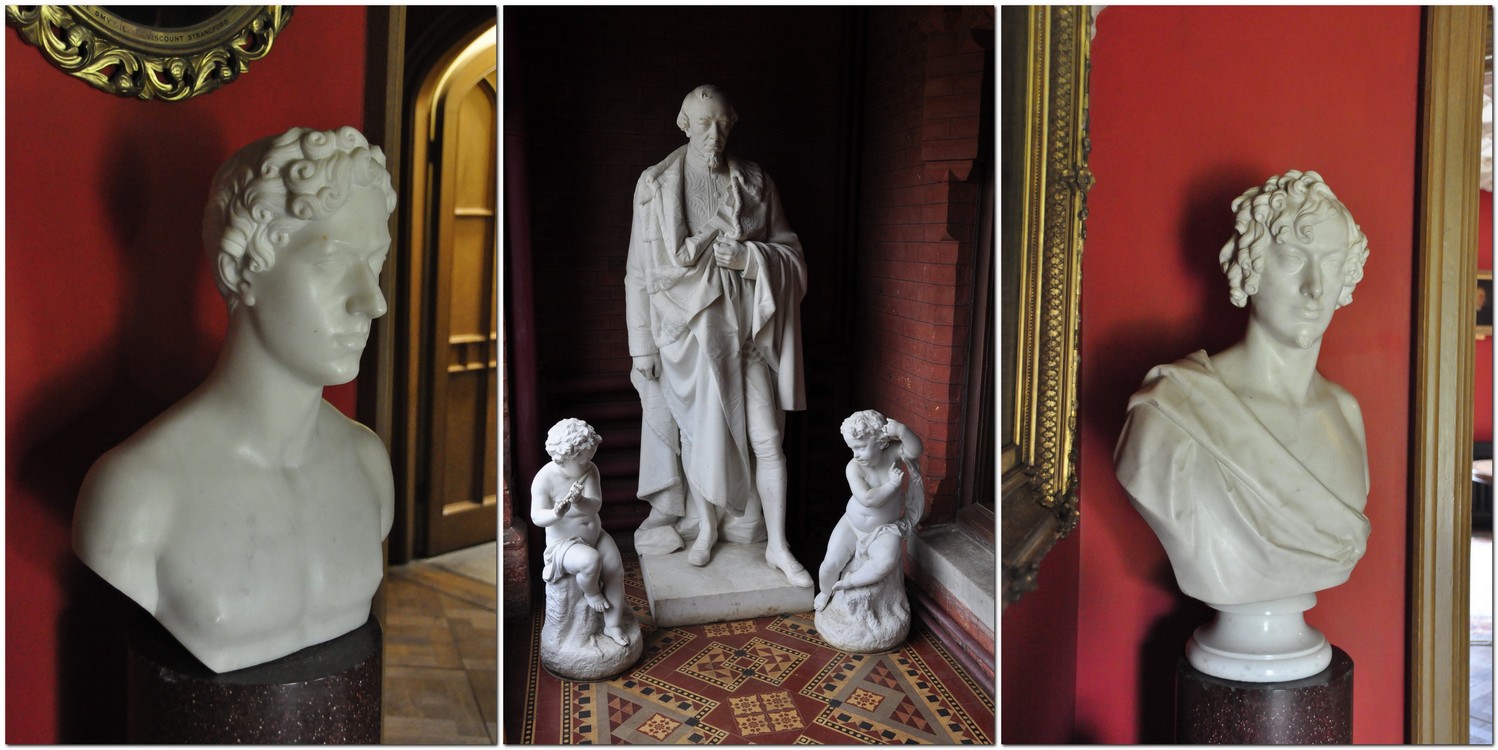
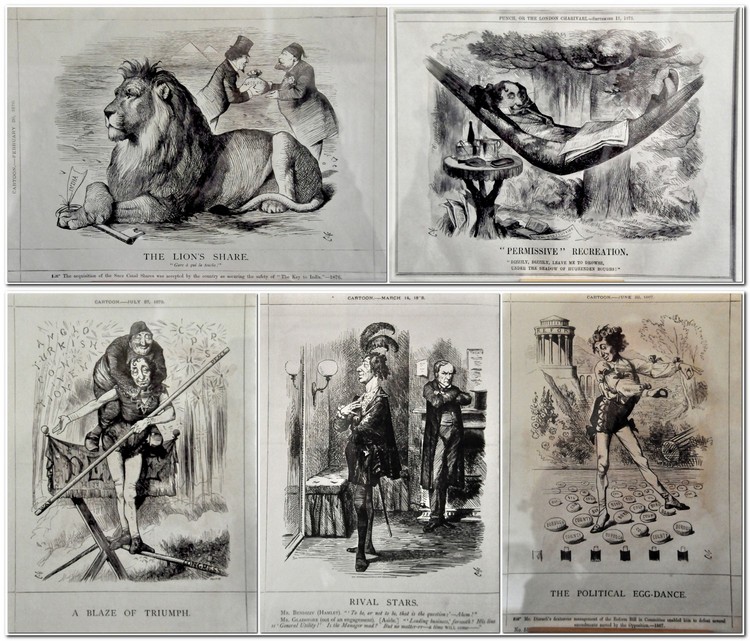
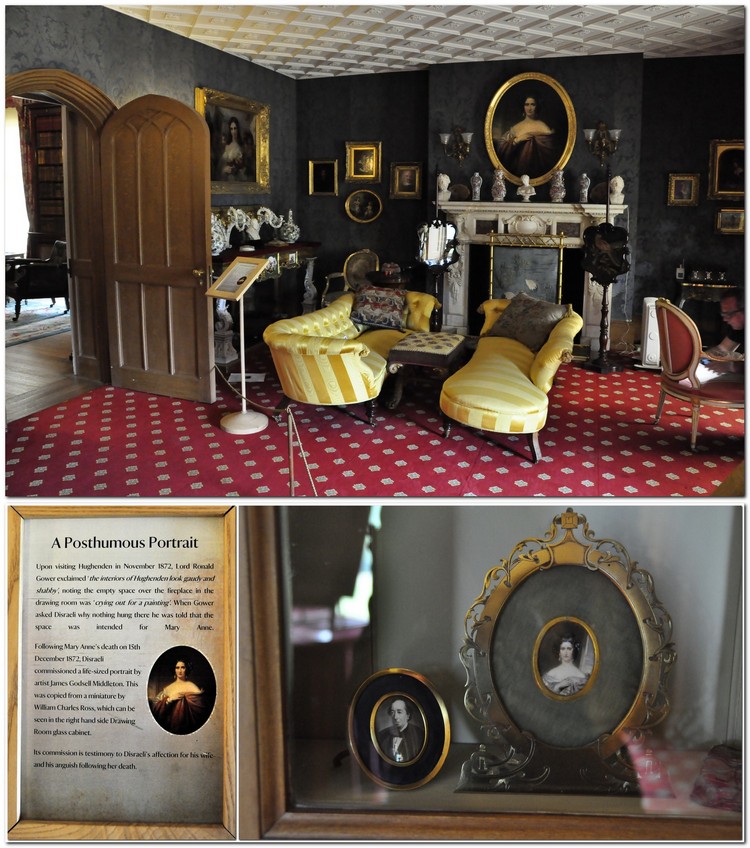
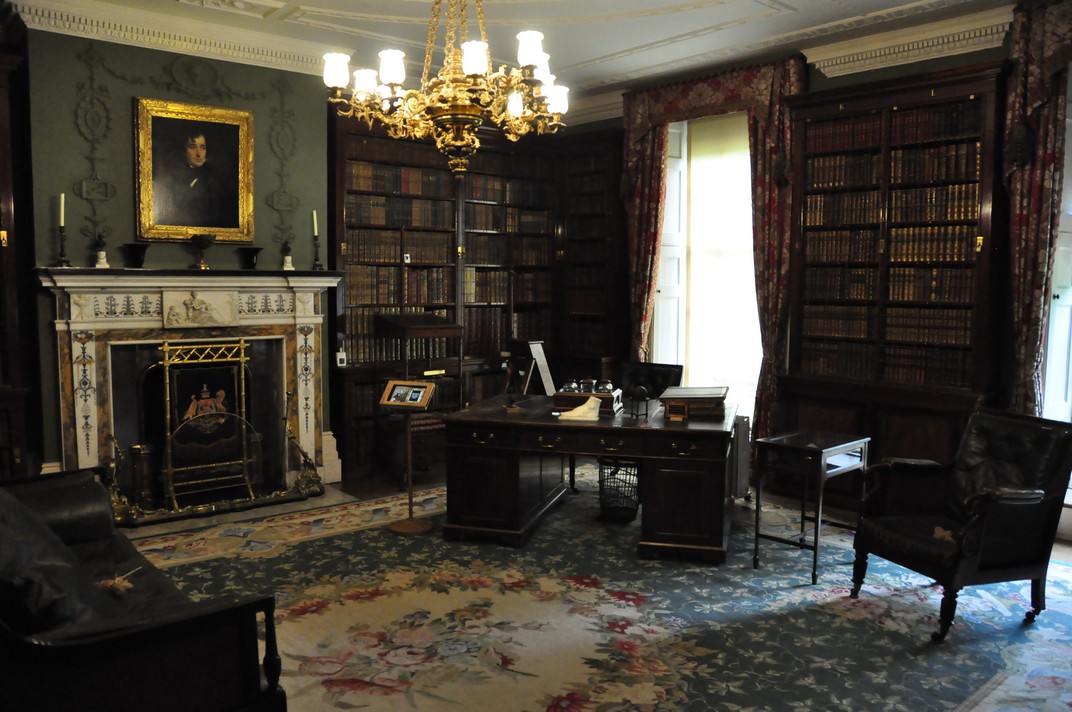
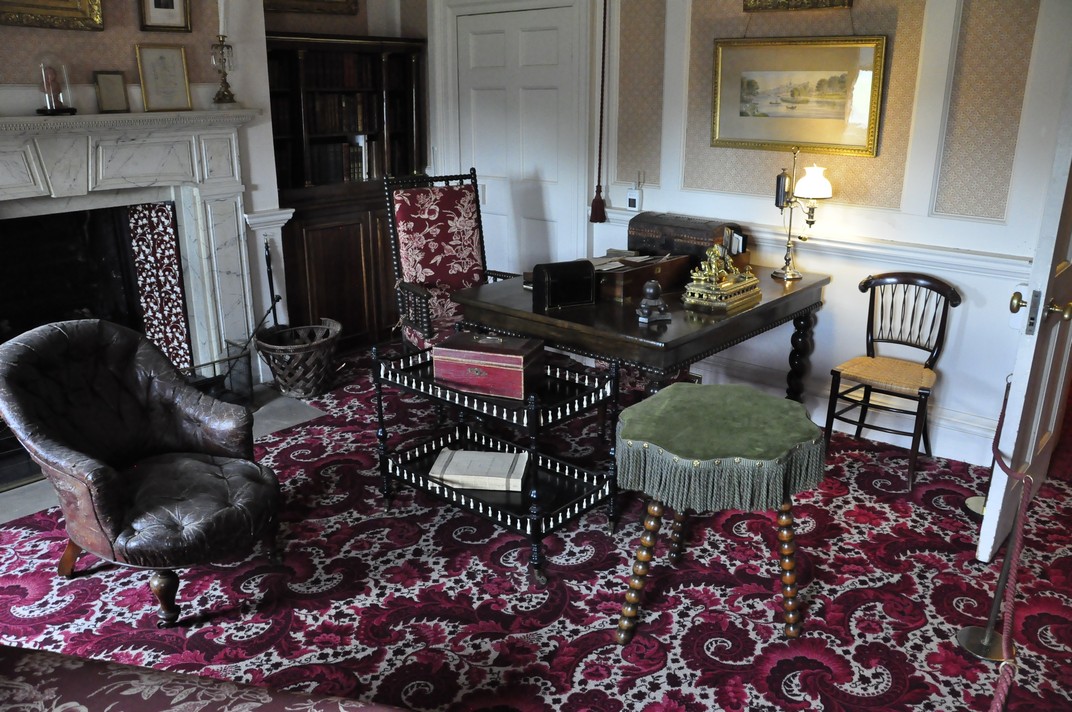
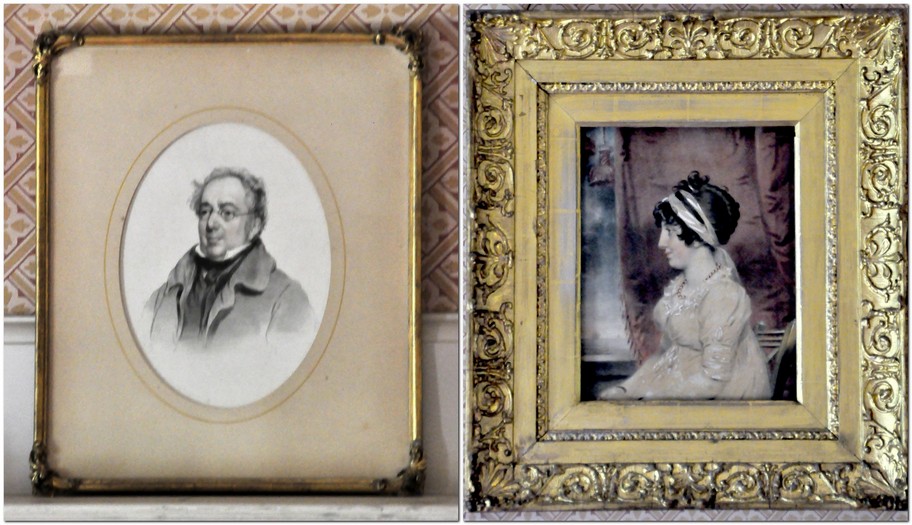
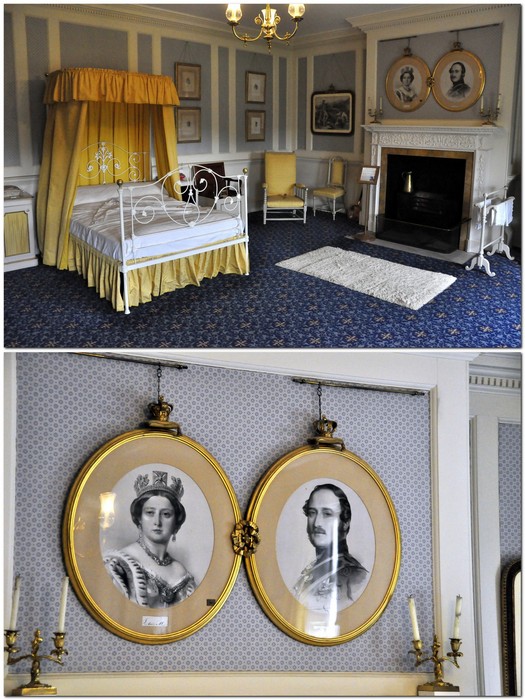
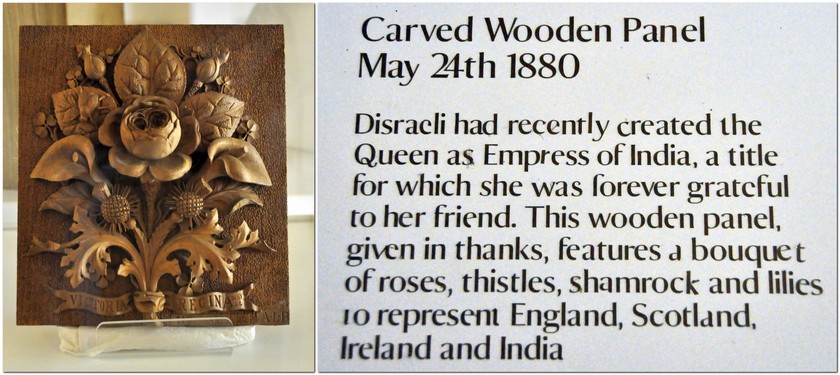
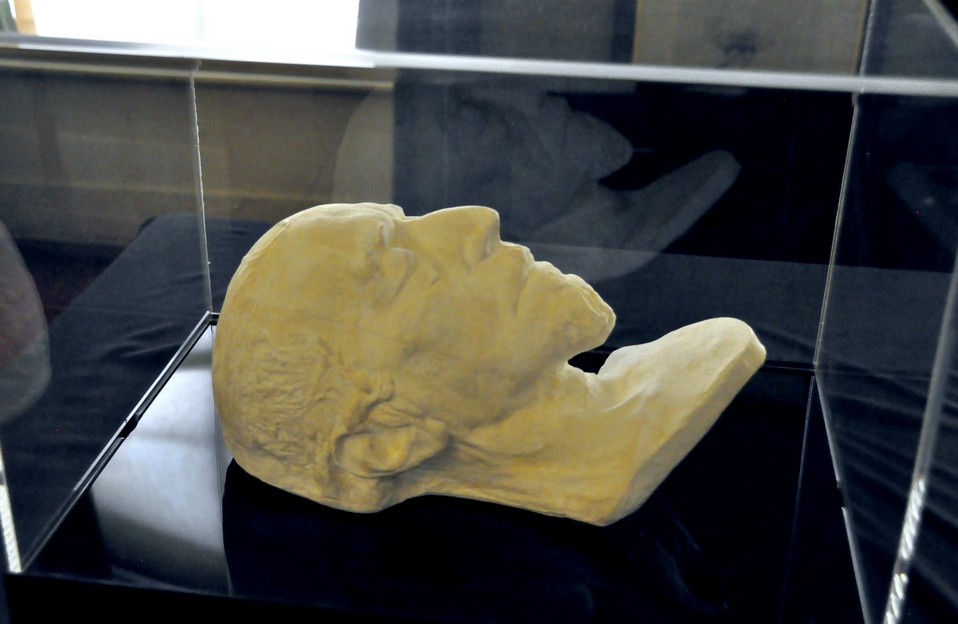
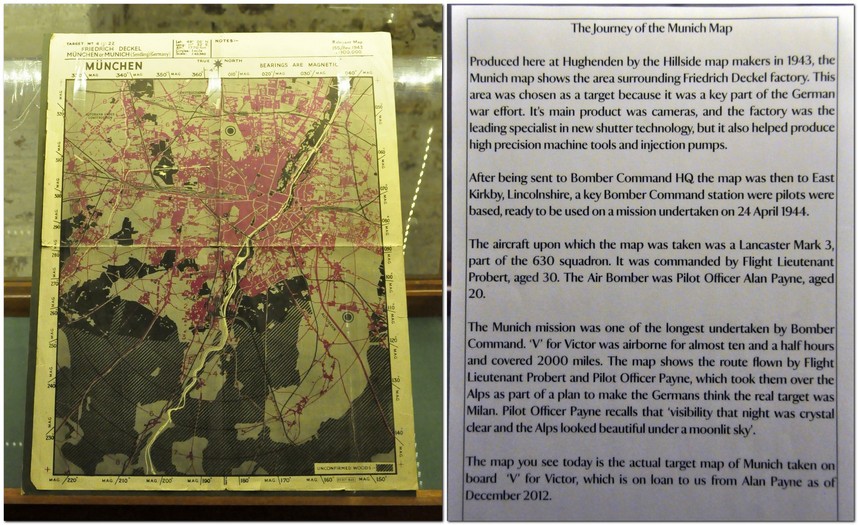
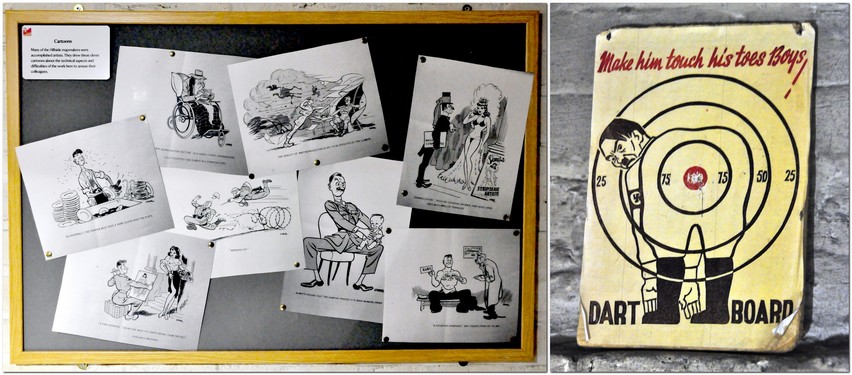
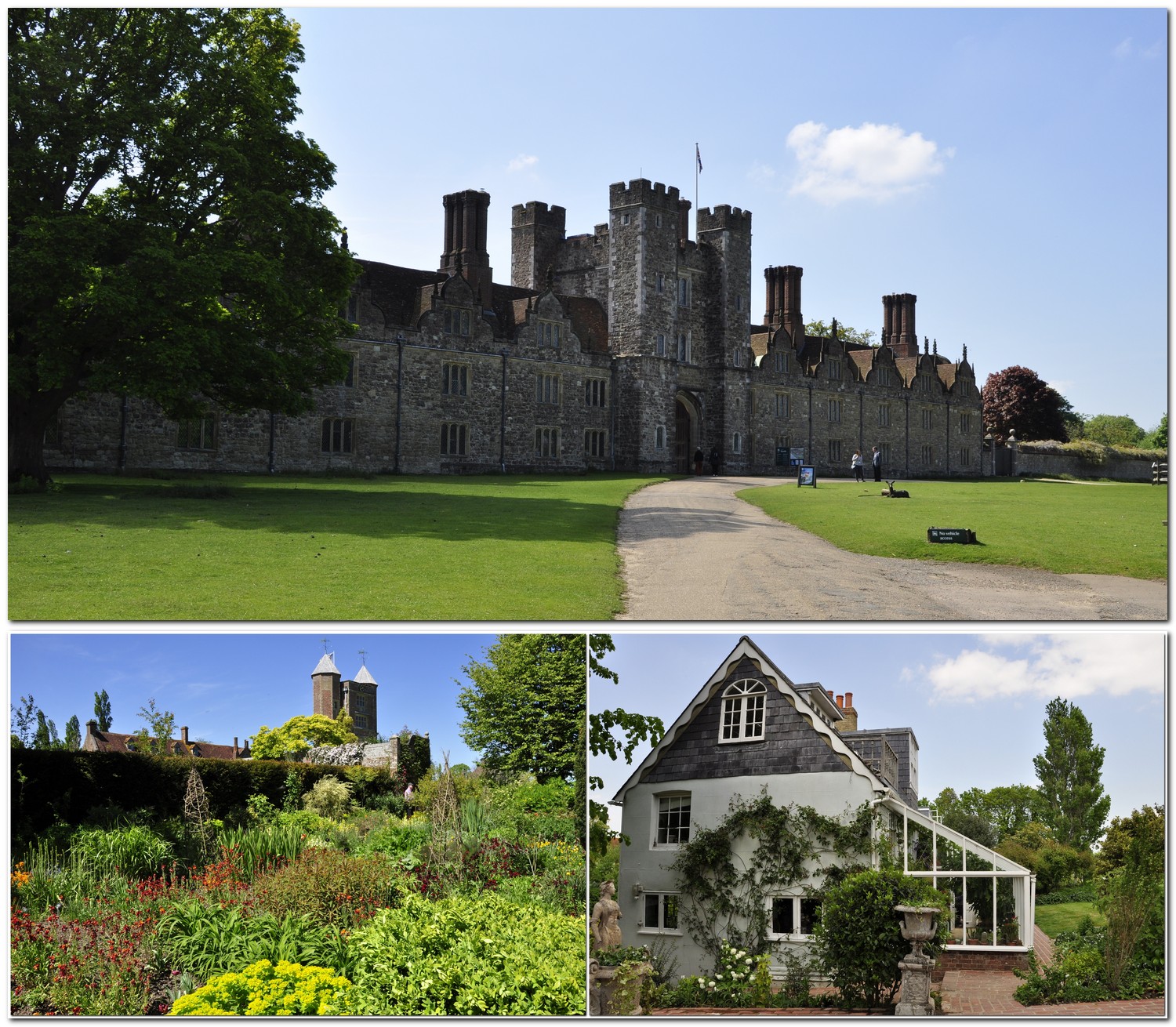

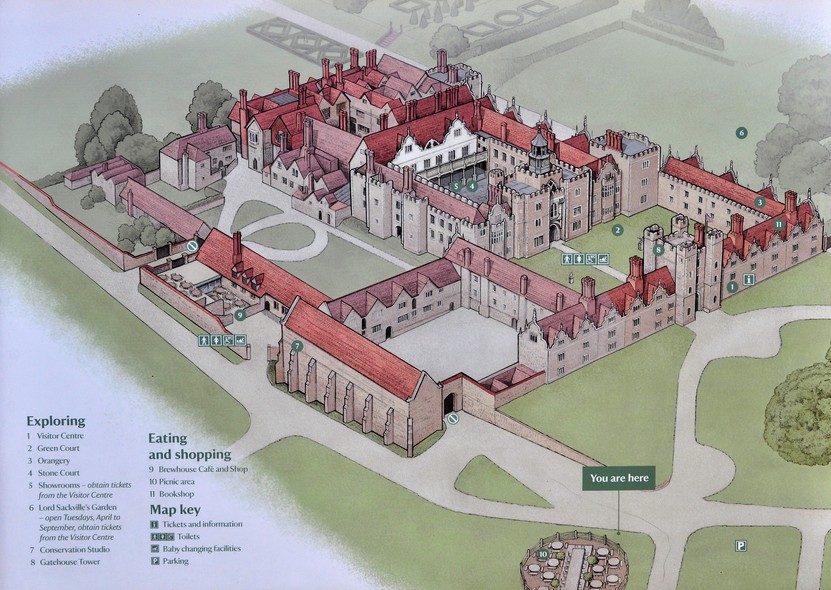


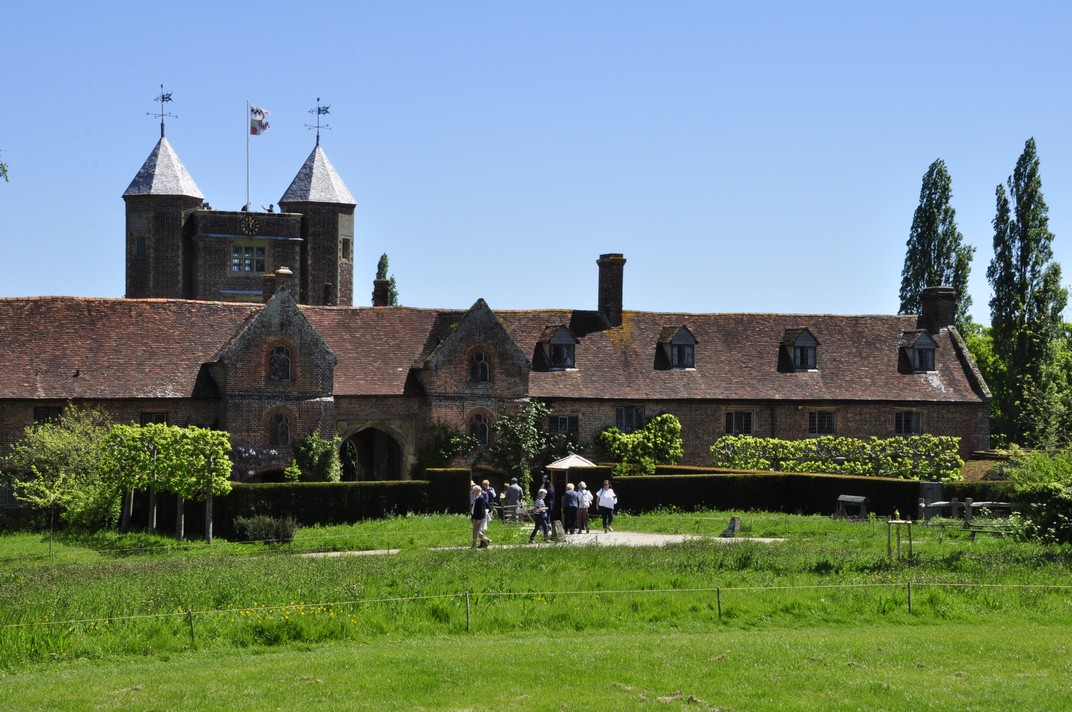


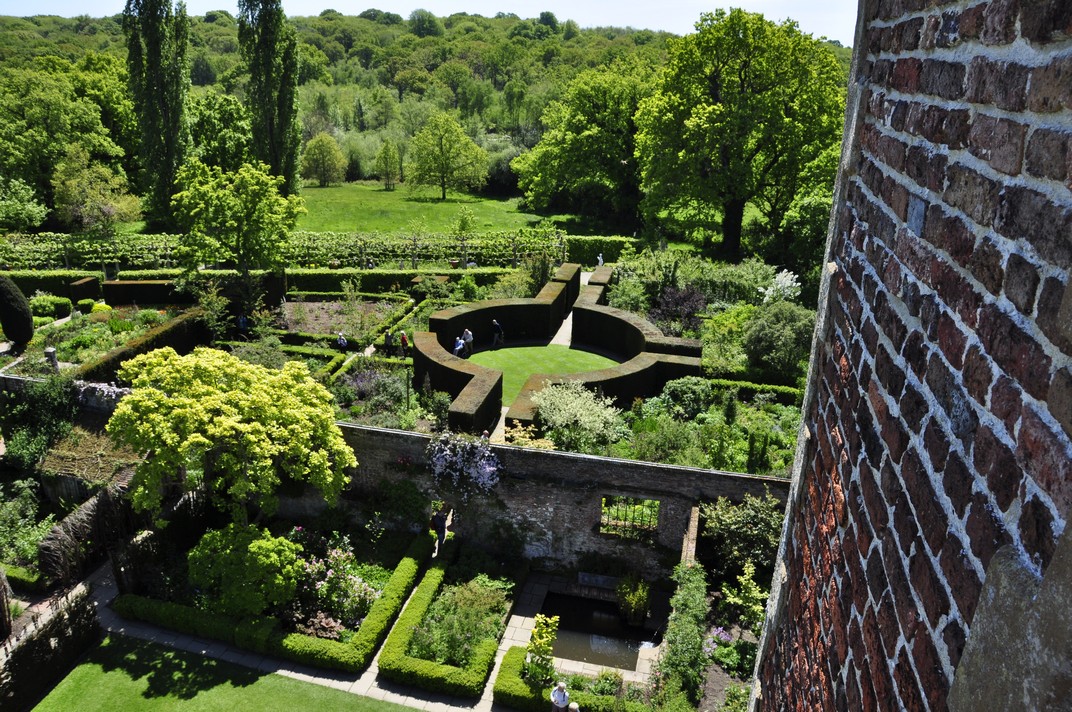


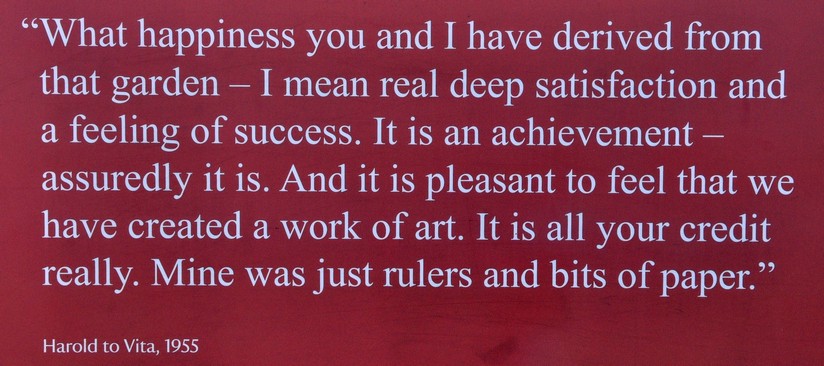


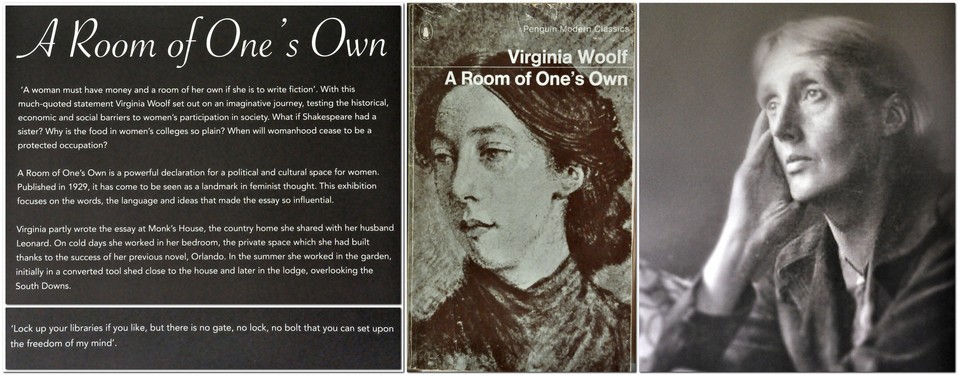


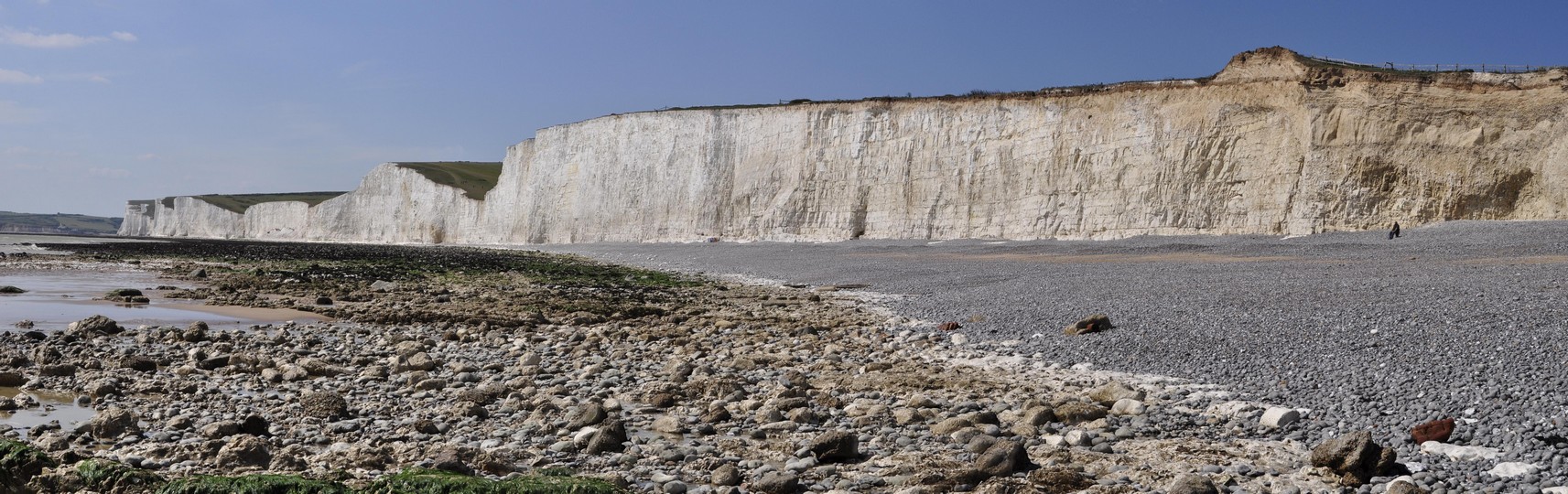


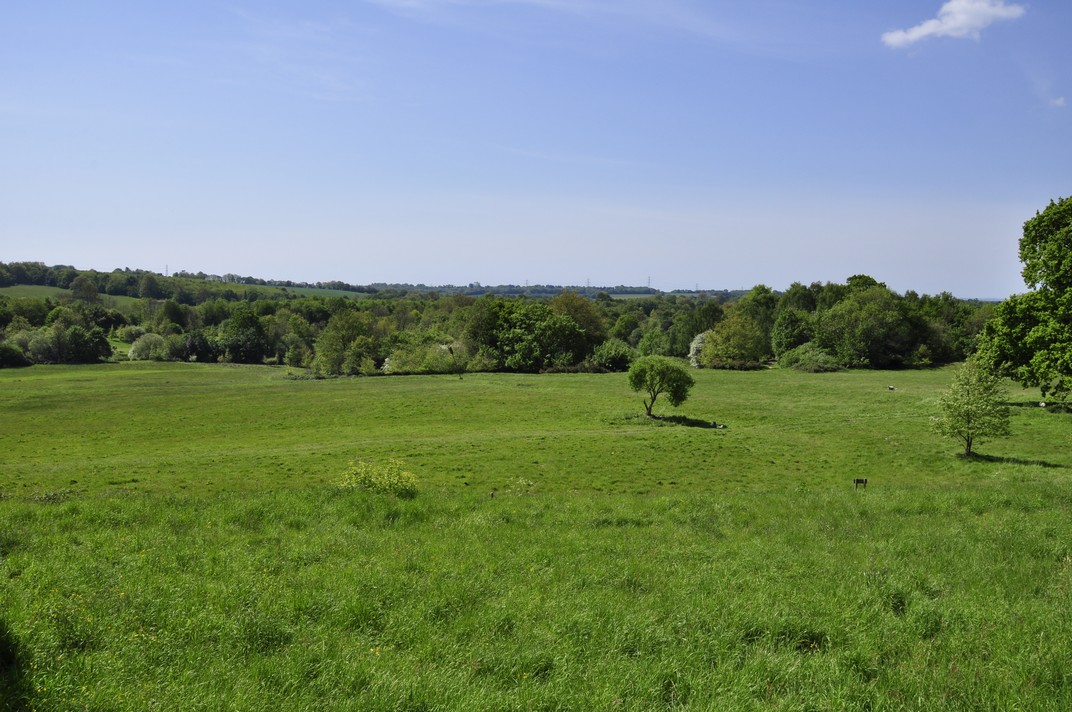
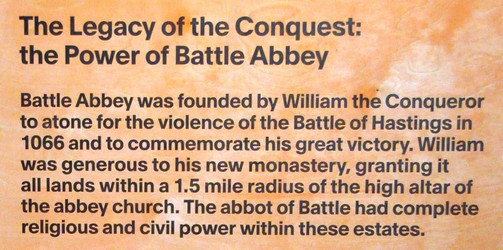
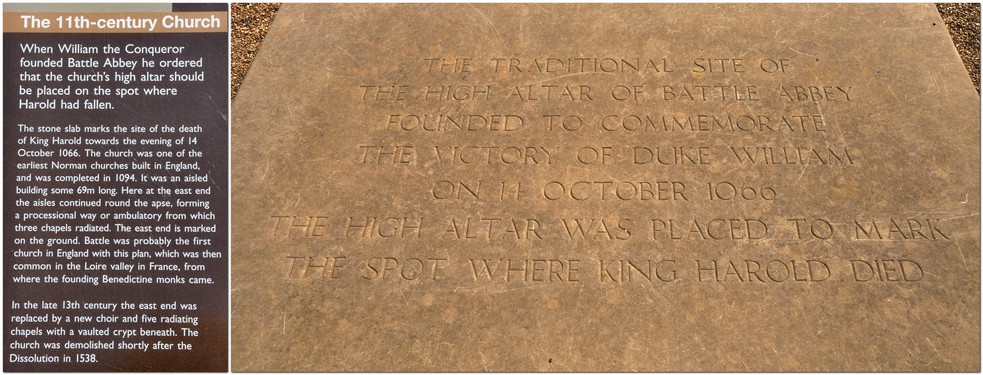
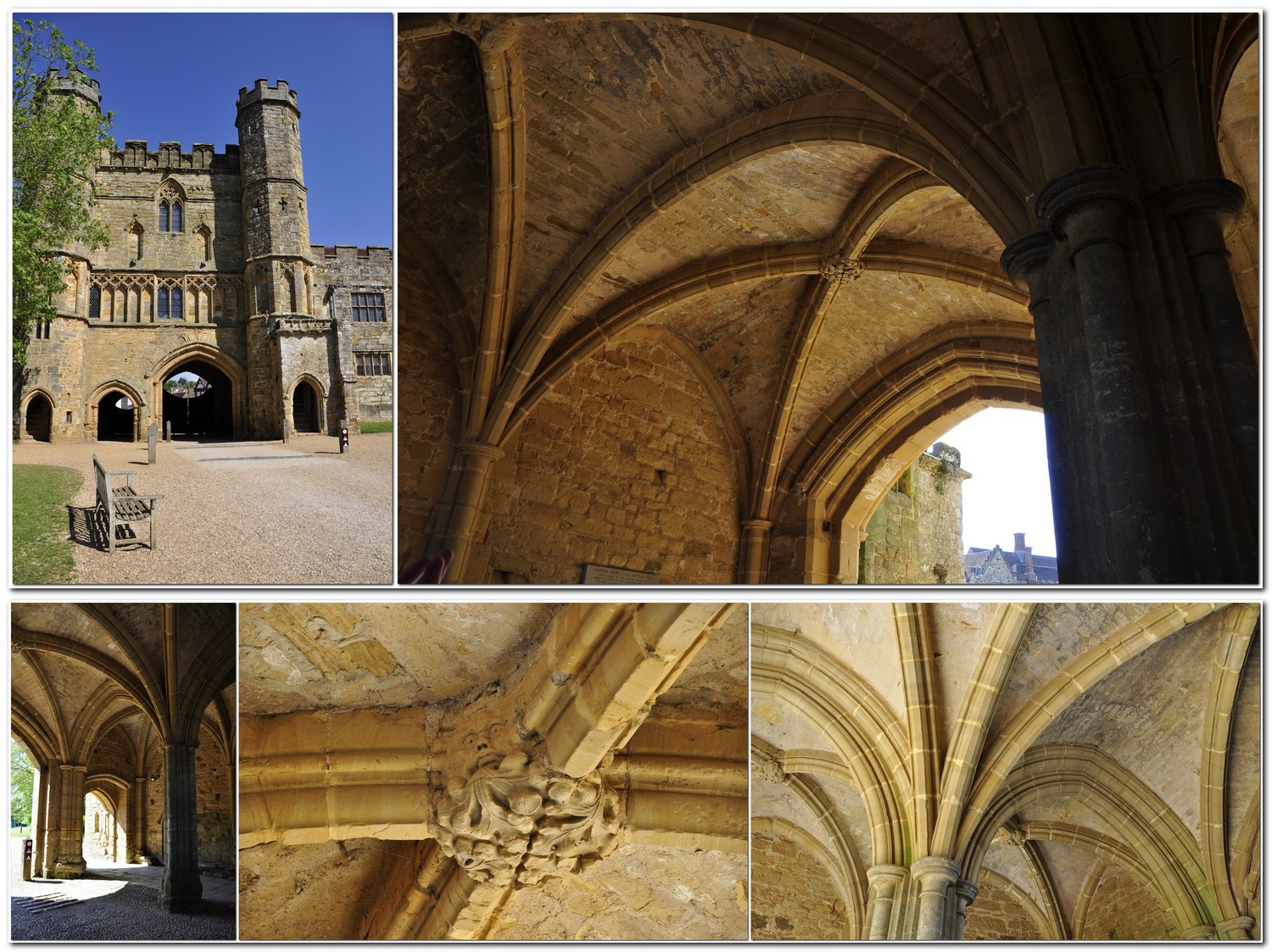
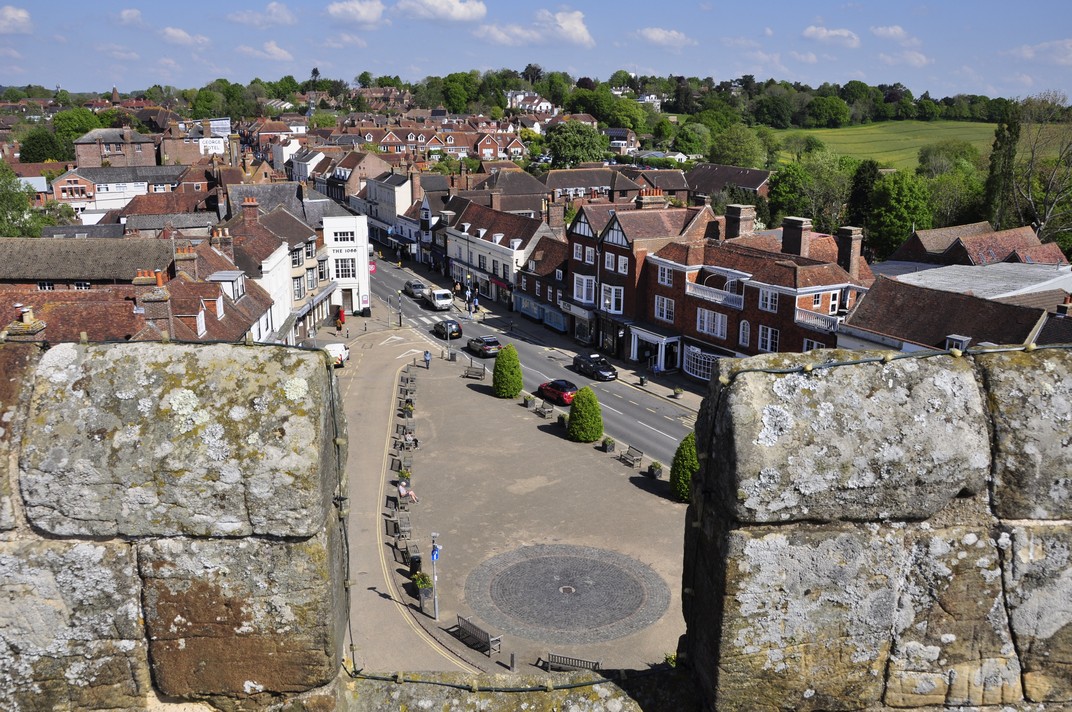
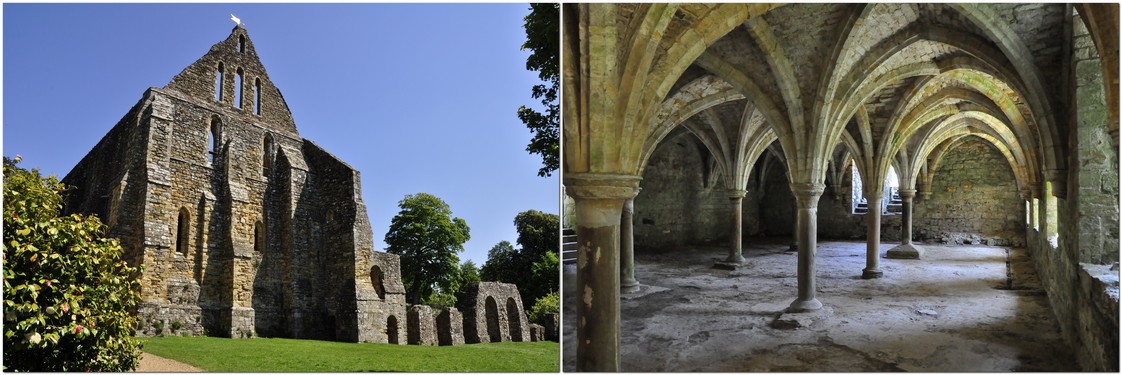
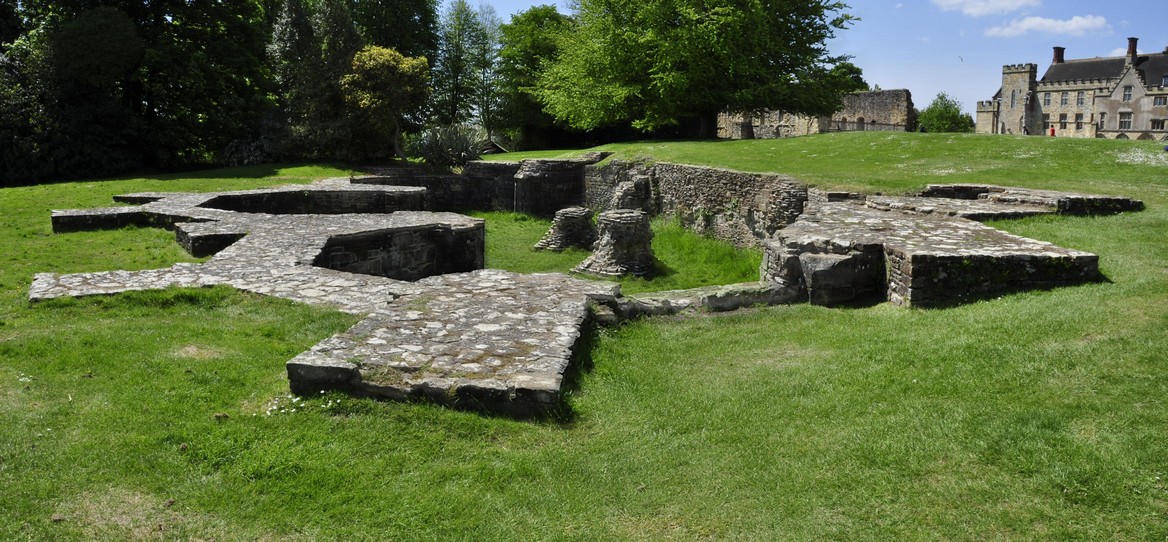
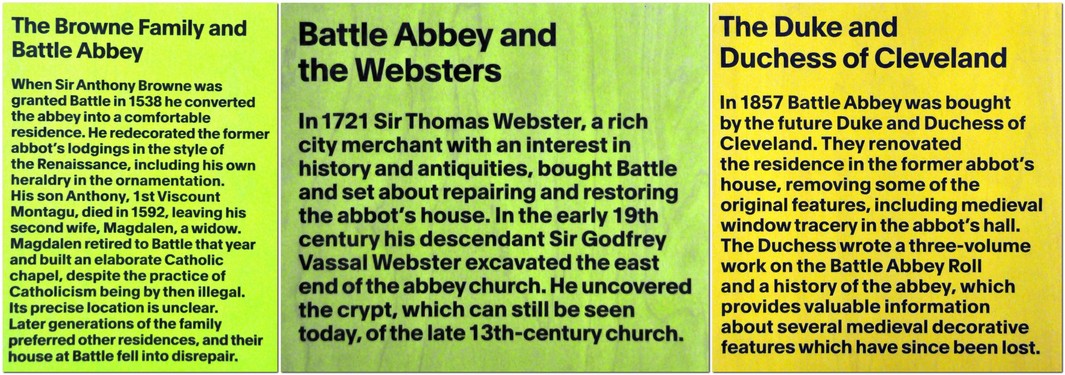
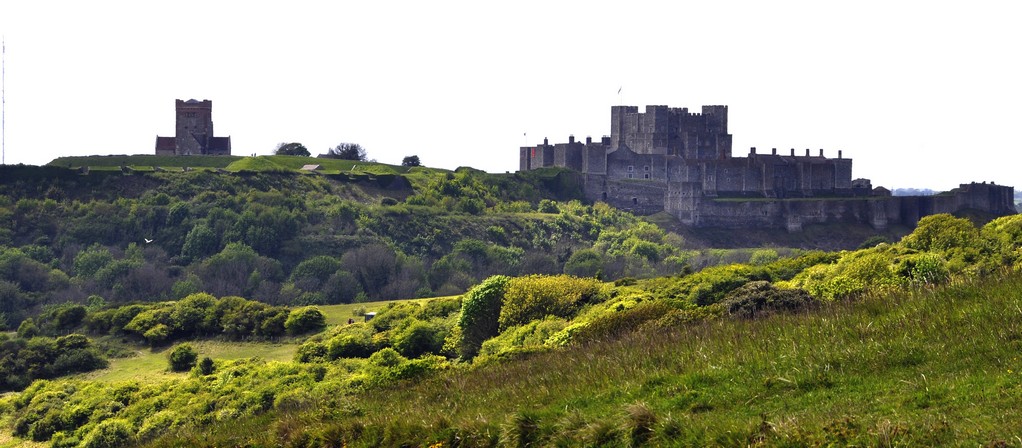
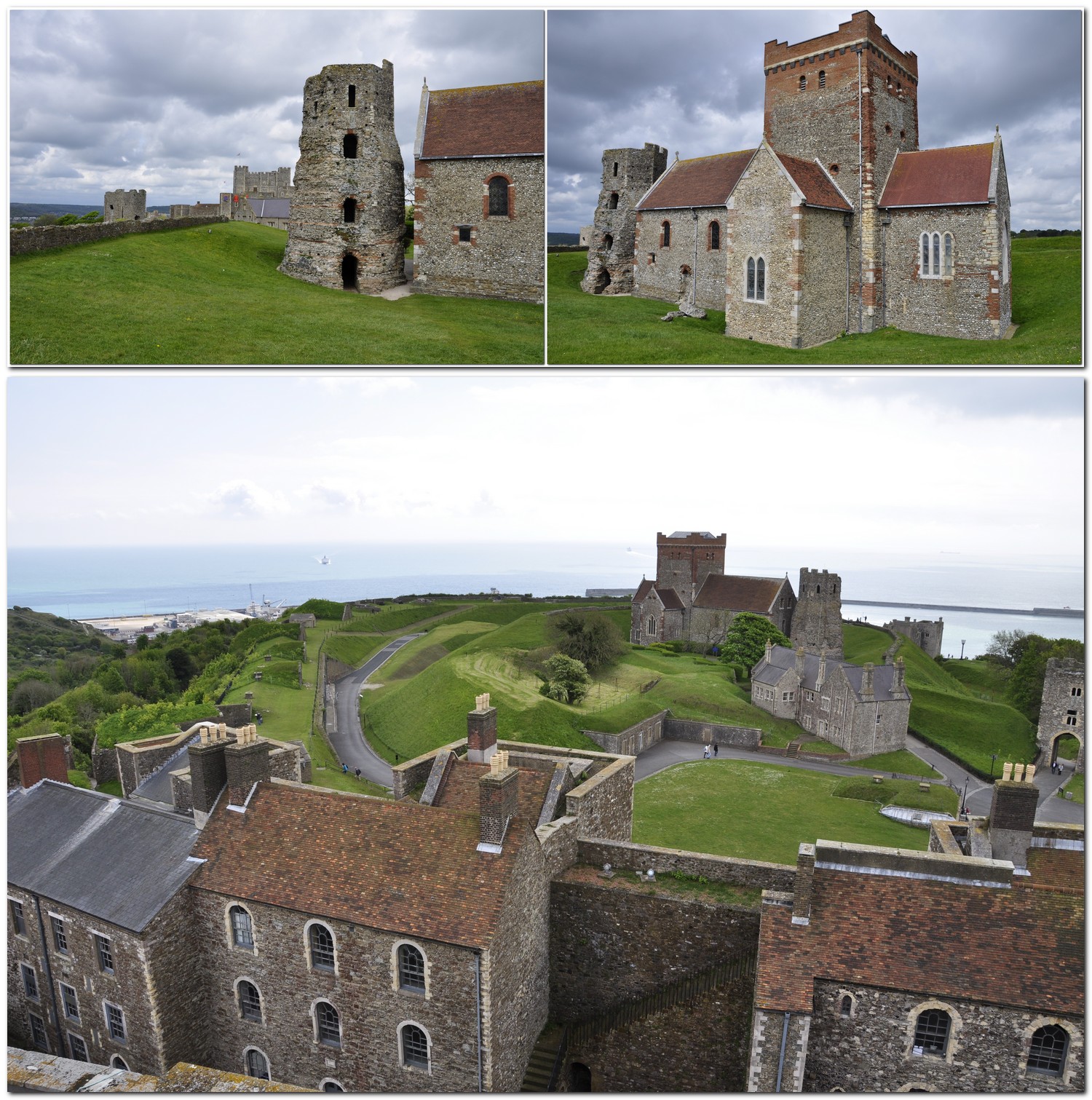


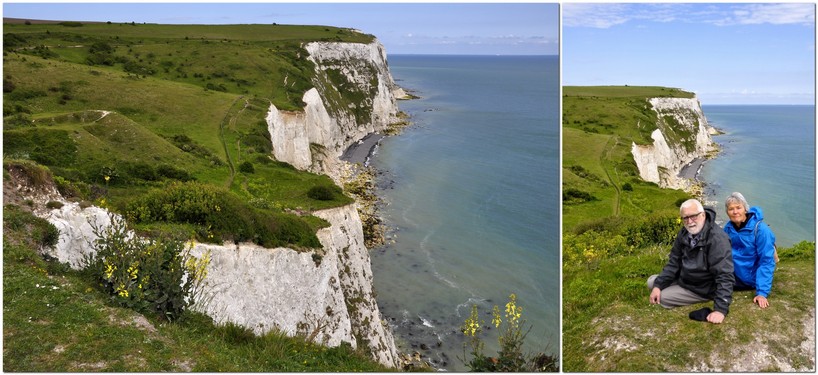
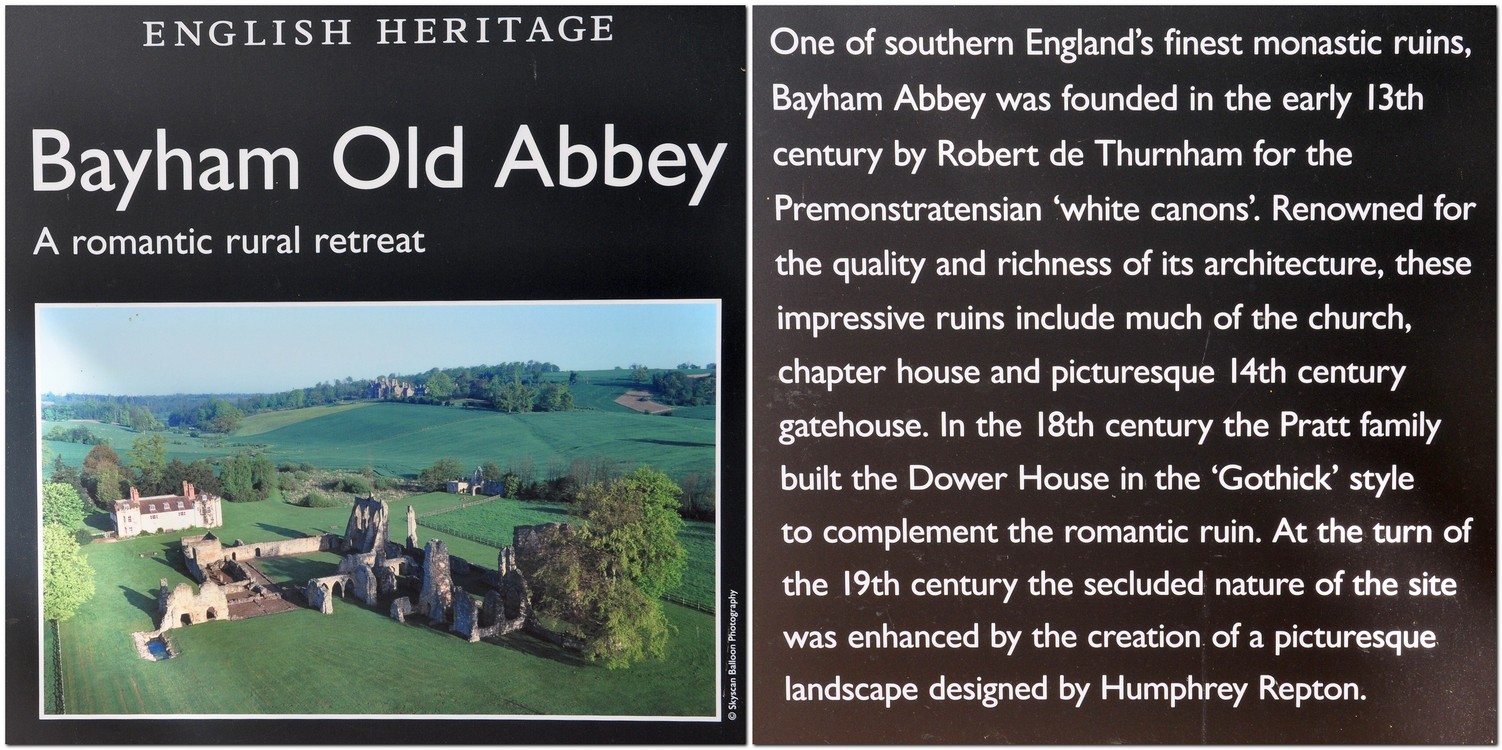
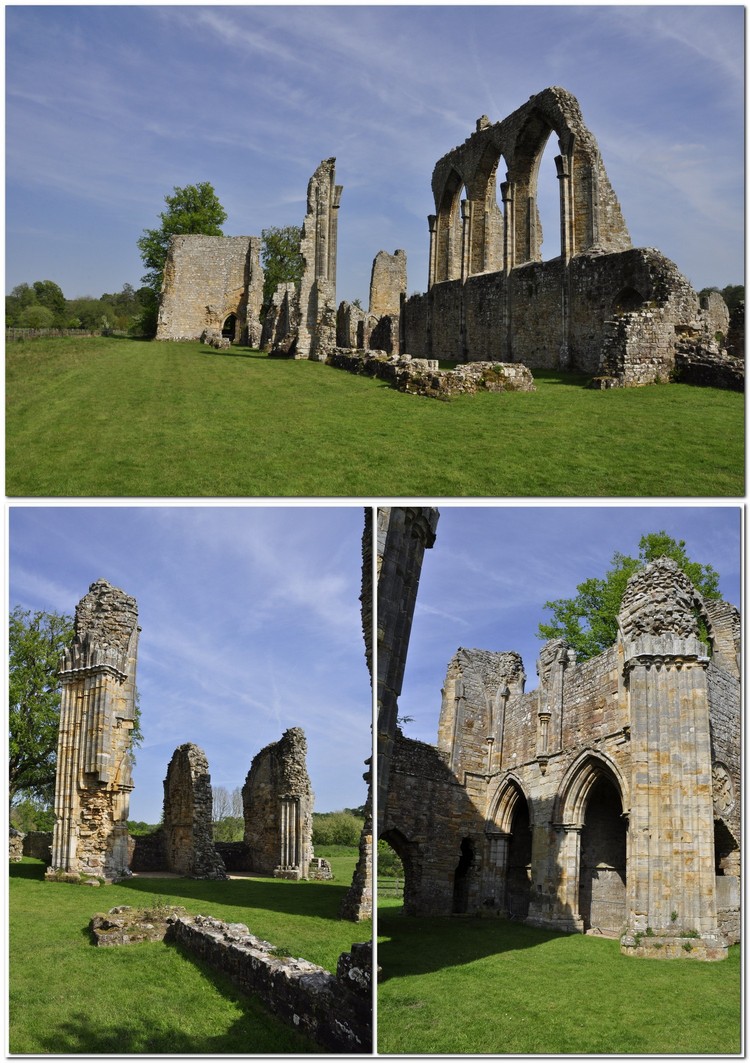
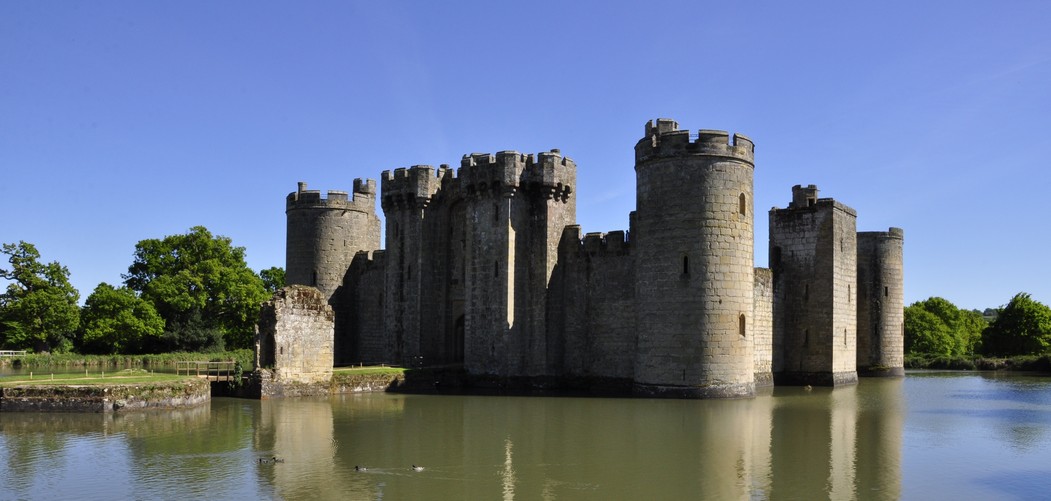


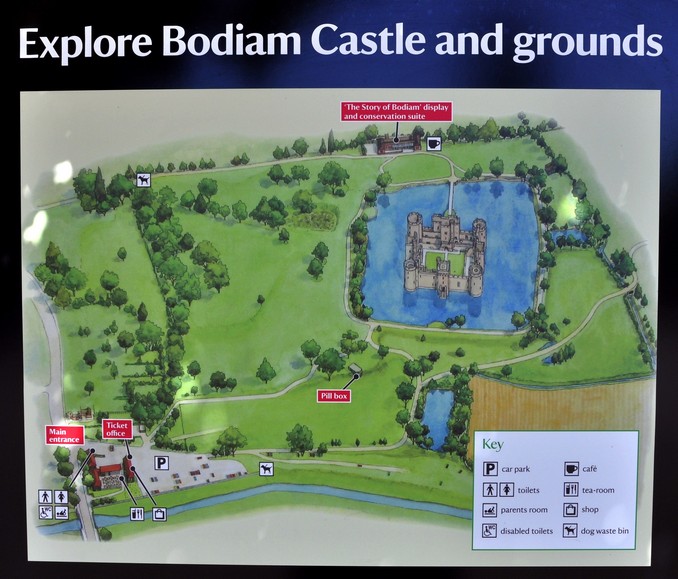
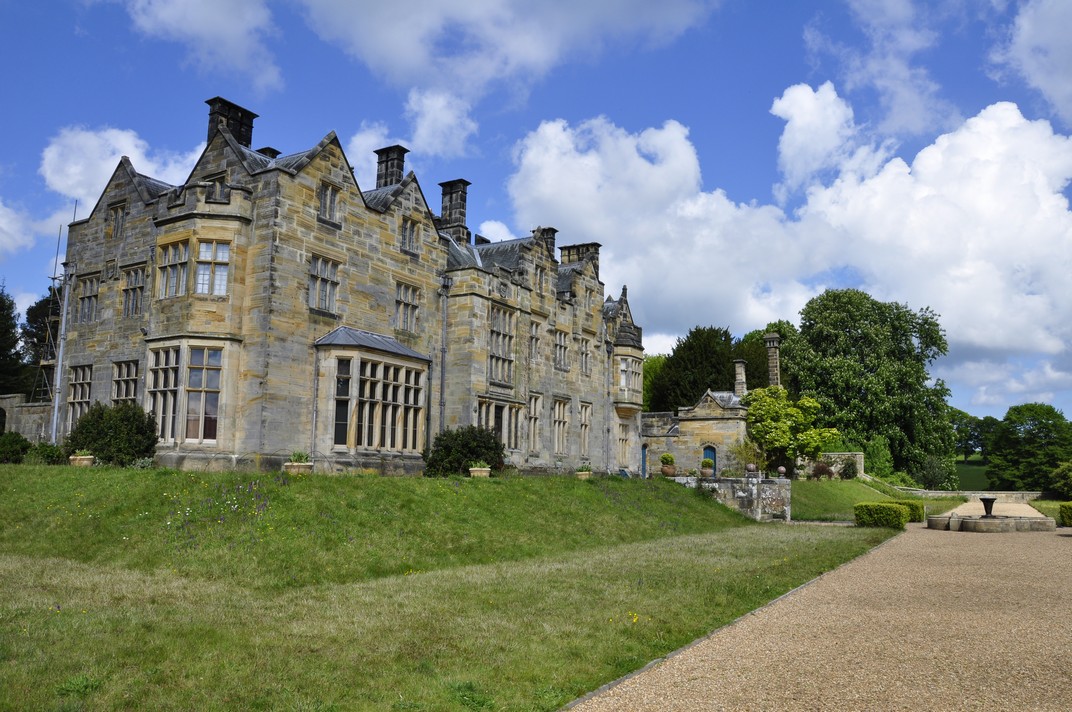
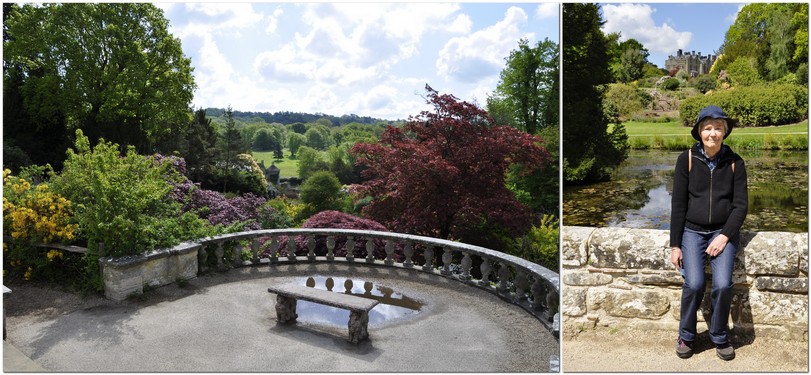


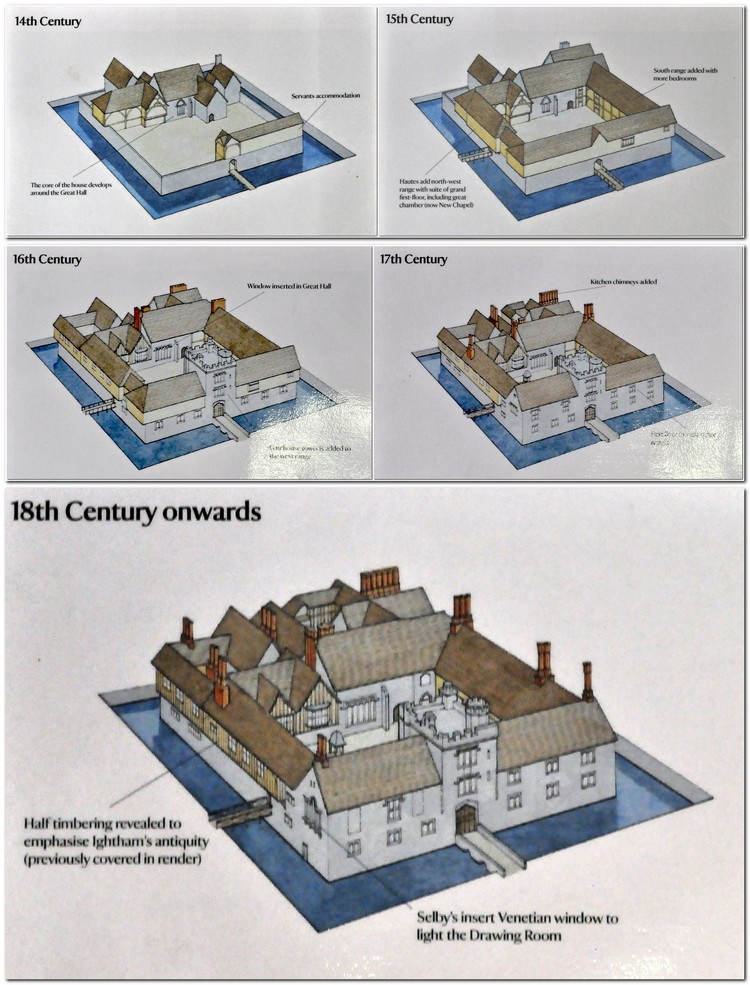
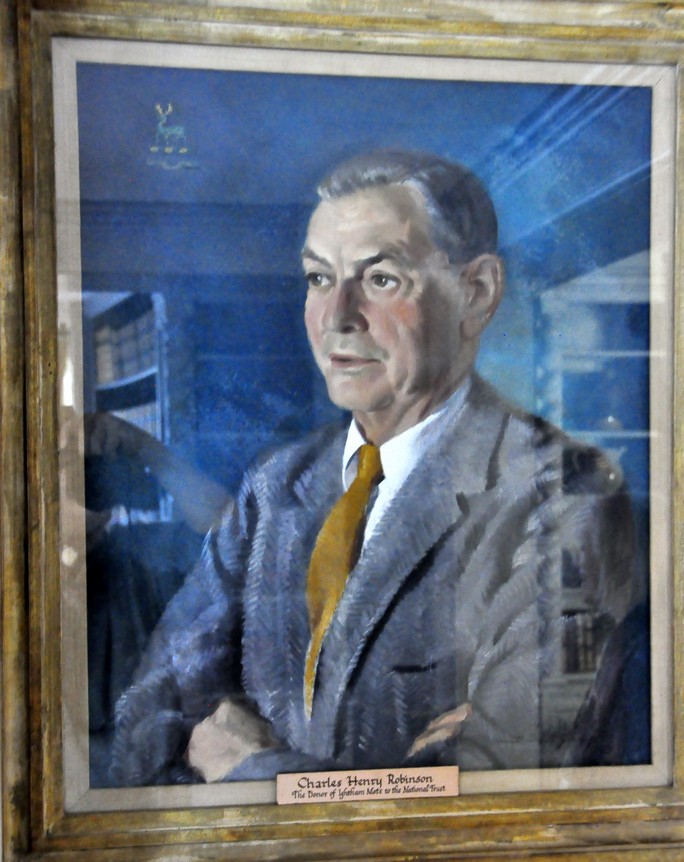


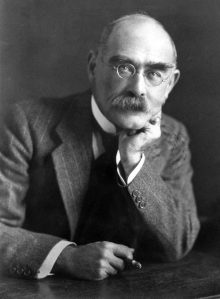 So wrote Rudyard Kipling in his 1911 poem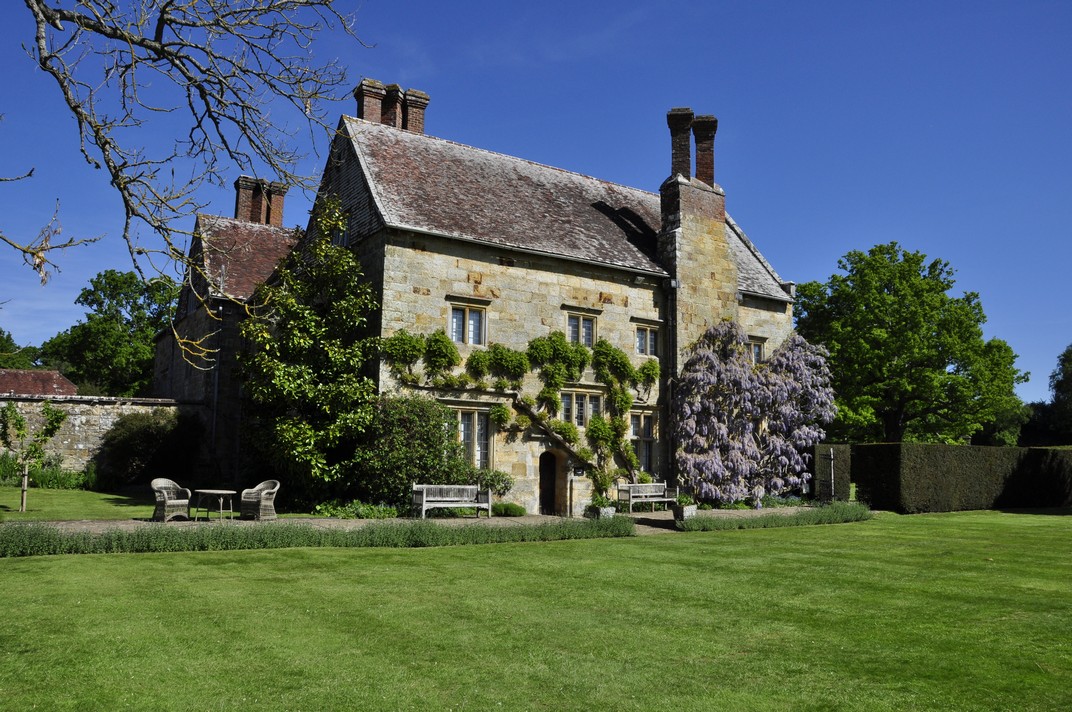
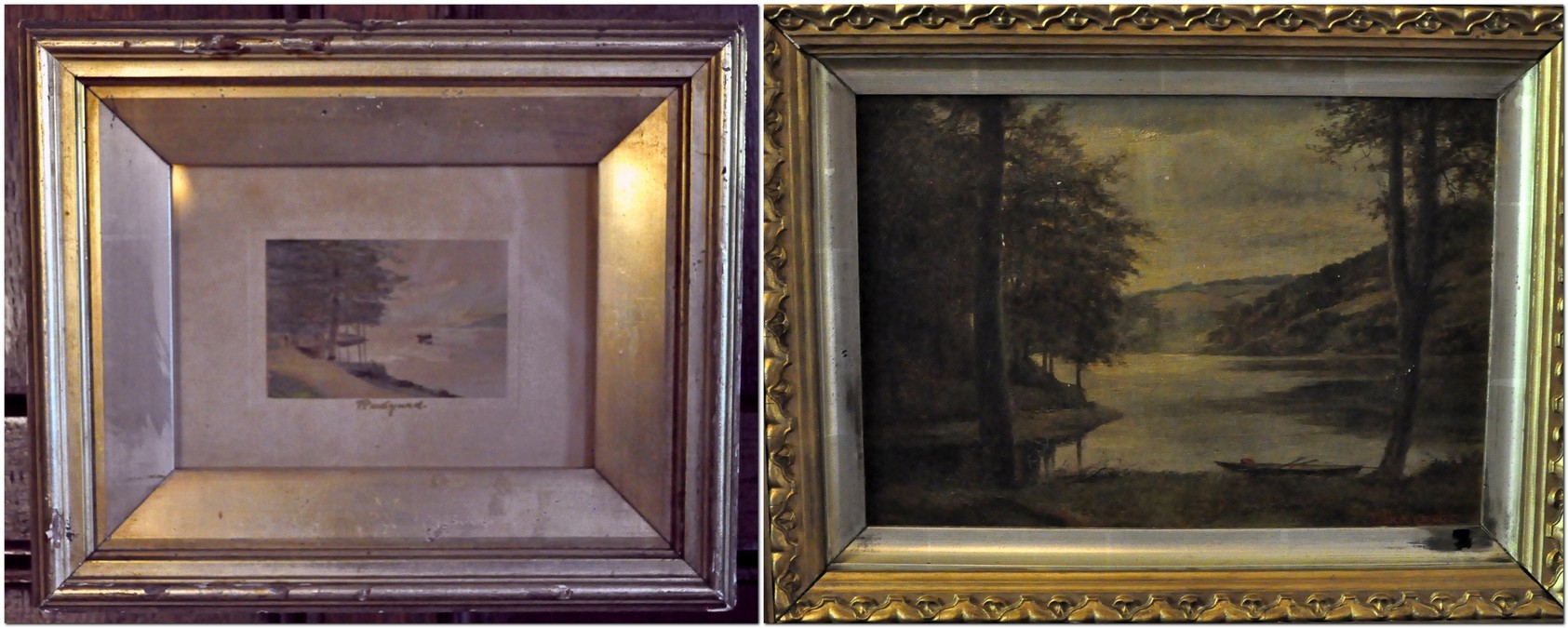


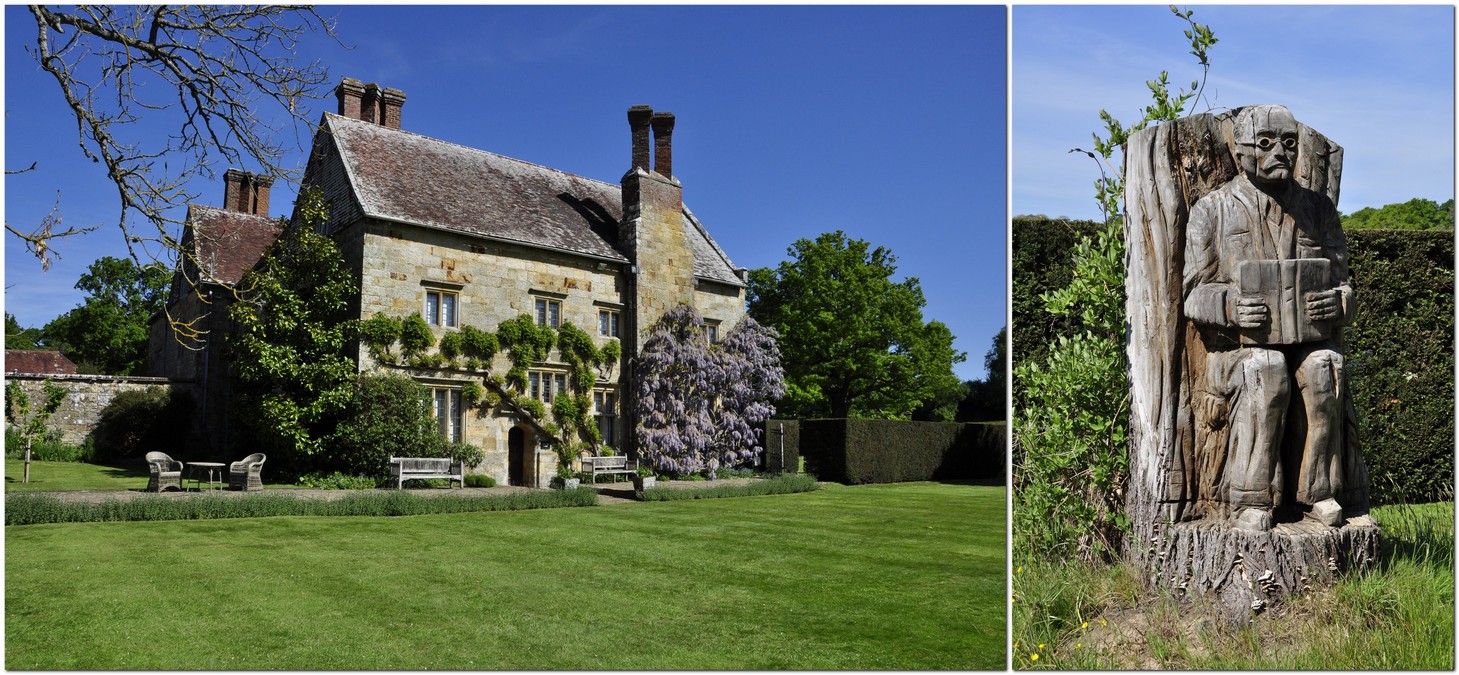


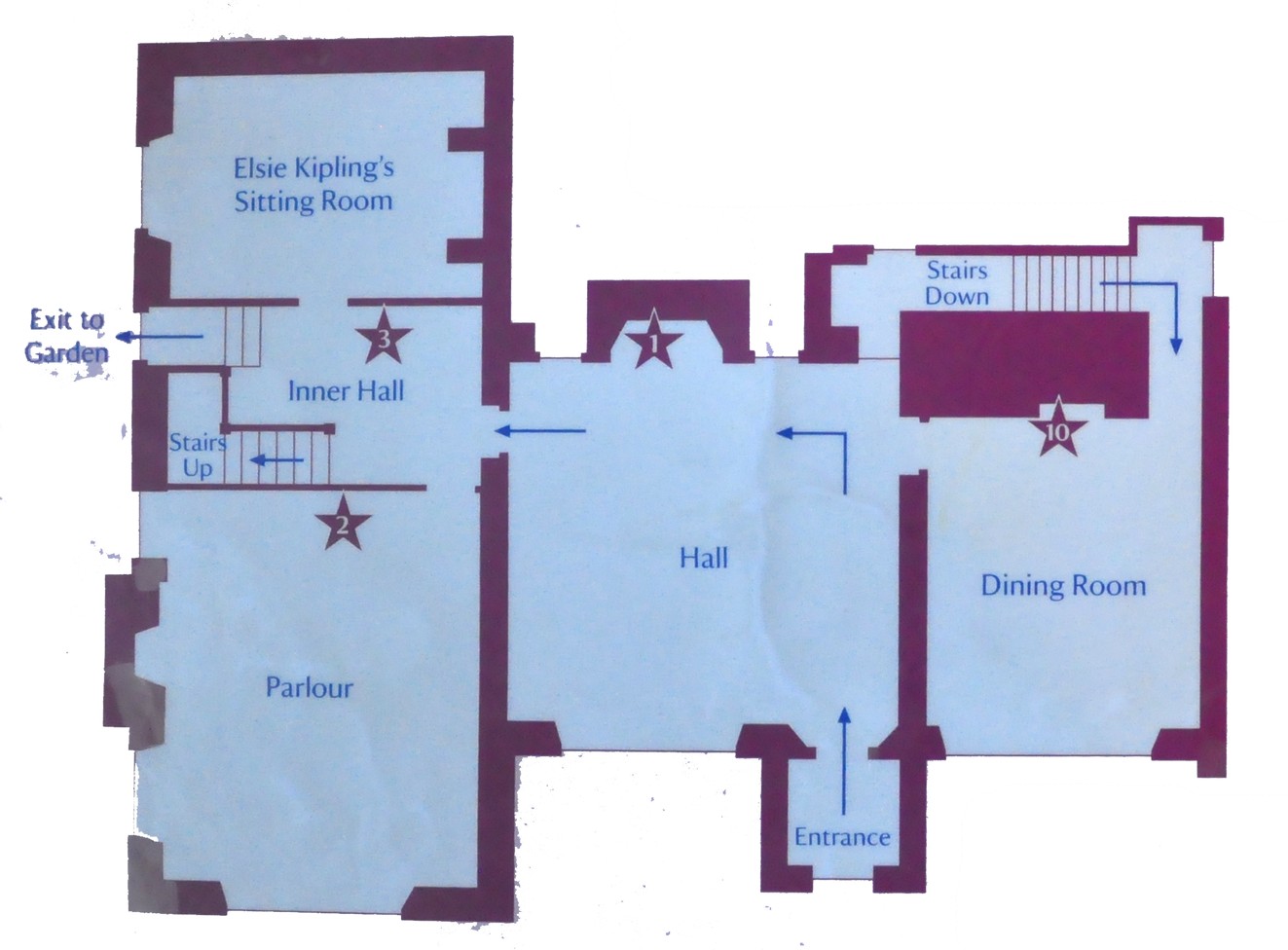


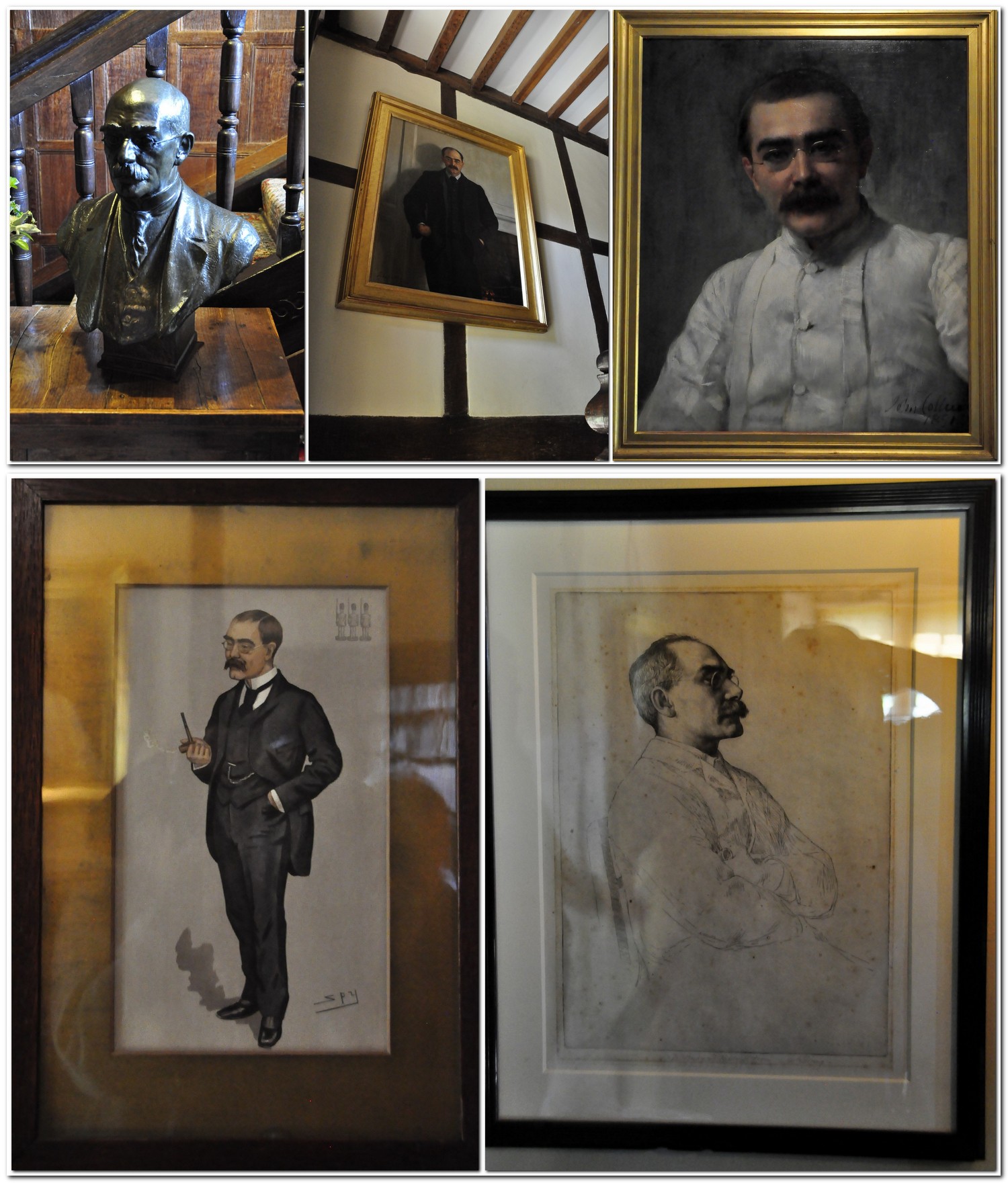 On the upper floor, the main rooms are Kipling’s study, and John’s bedroom. Another room is full of Kipling memorabilia, including his Nobel Prize citation.
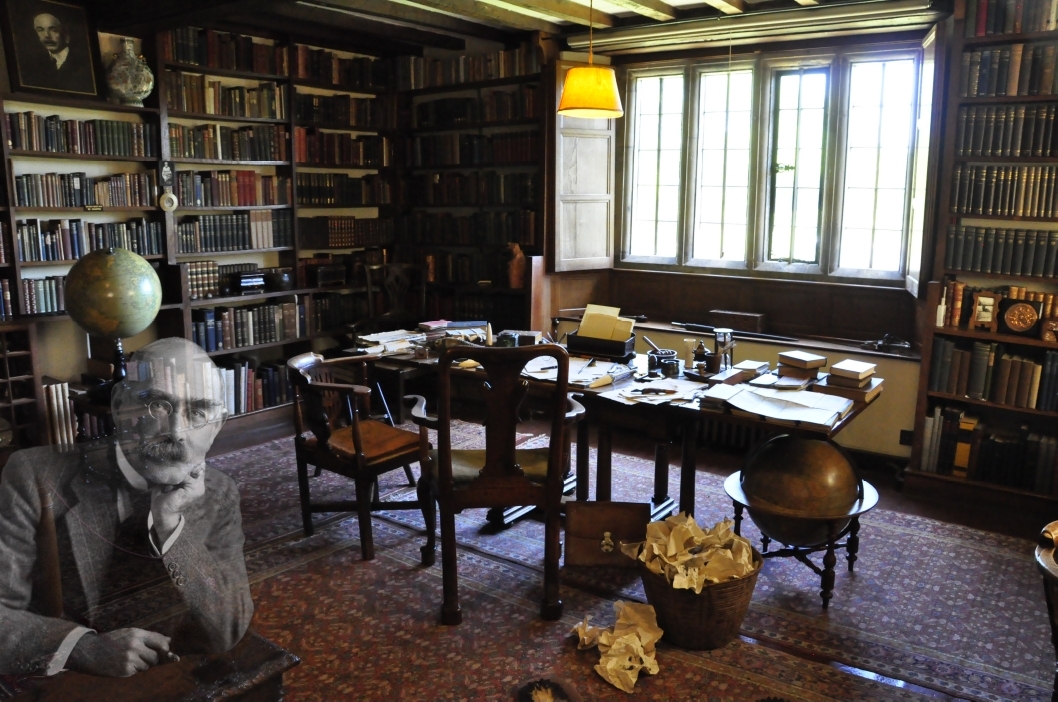


 At Chartwell, that history becomes tangible. So many personal possessions, awards, and other memorabilia fill the house. There’s a real sense of connection with the great man.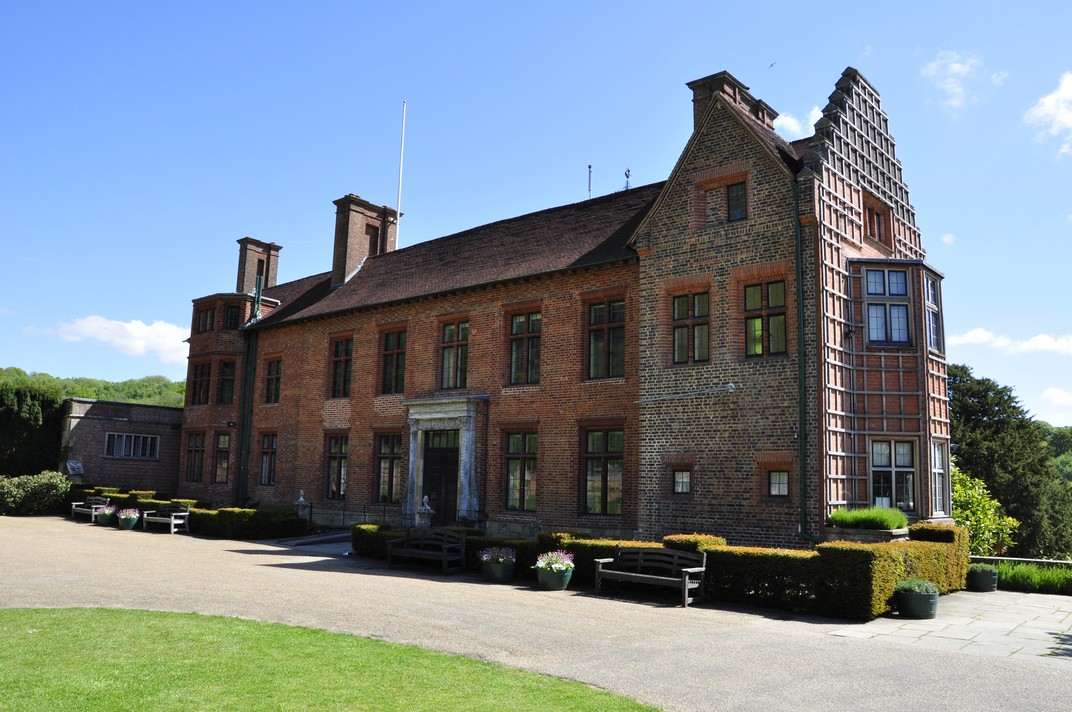


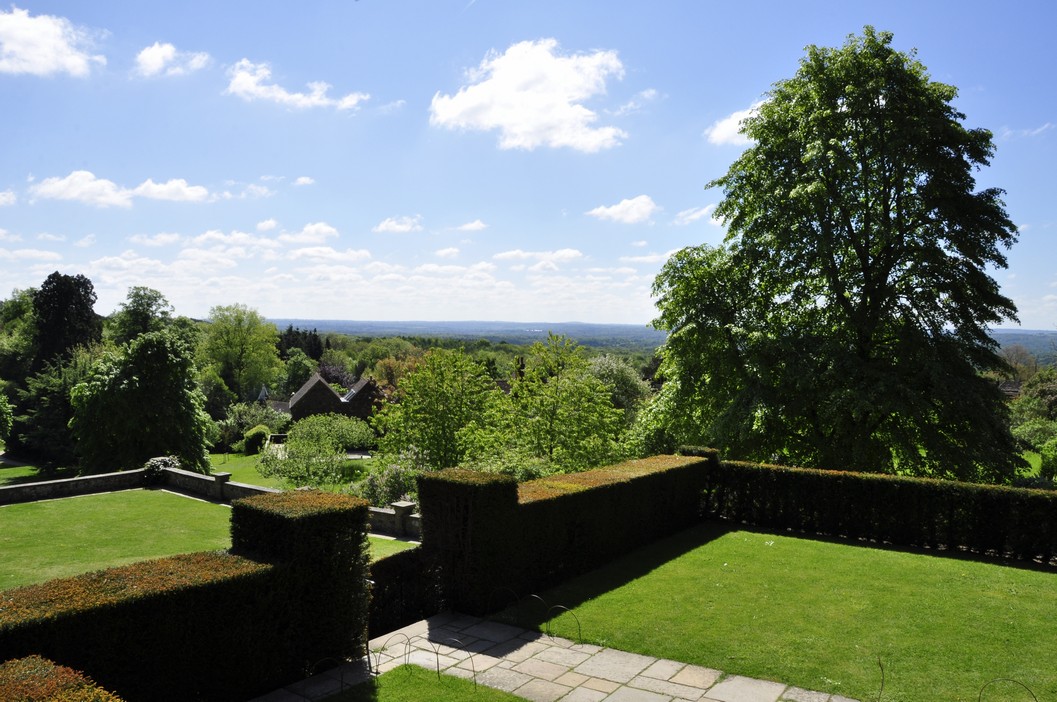


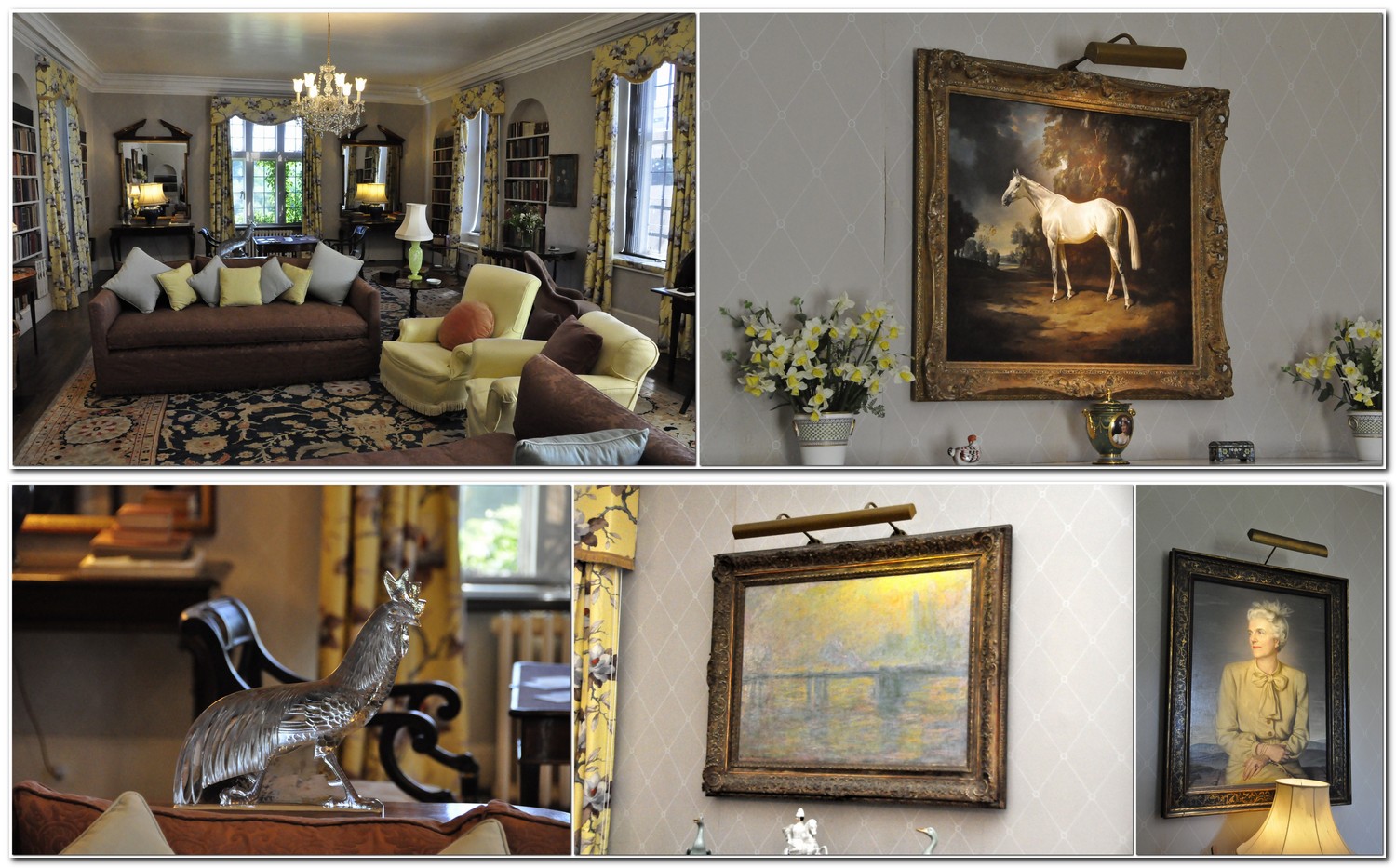
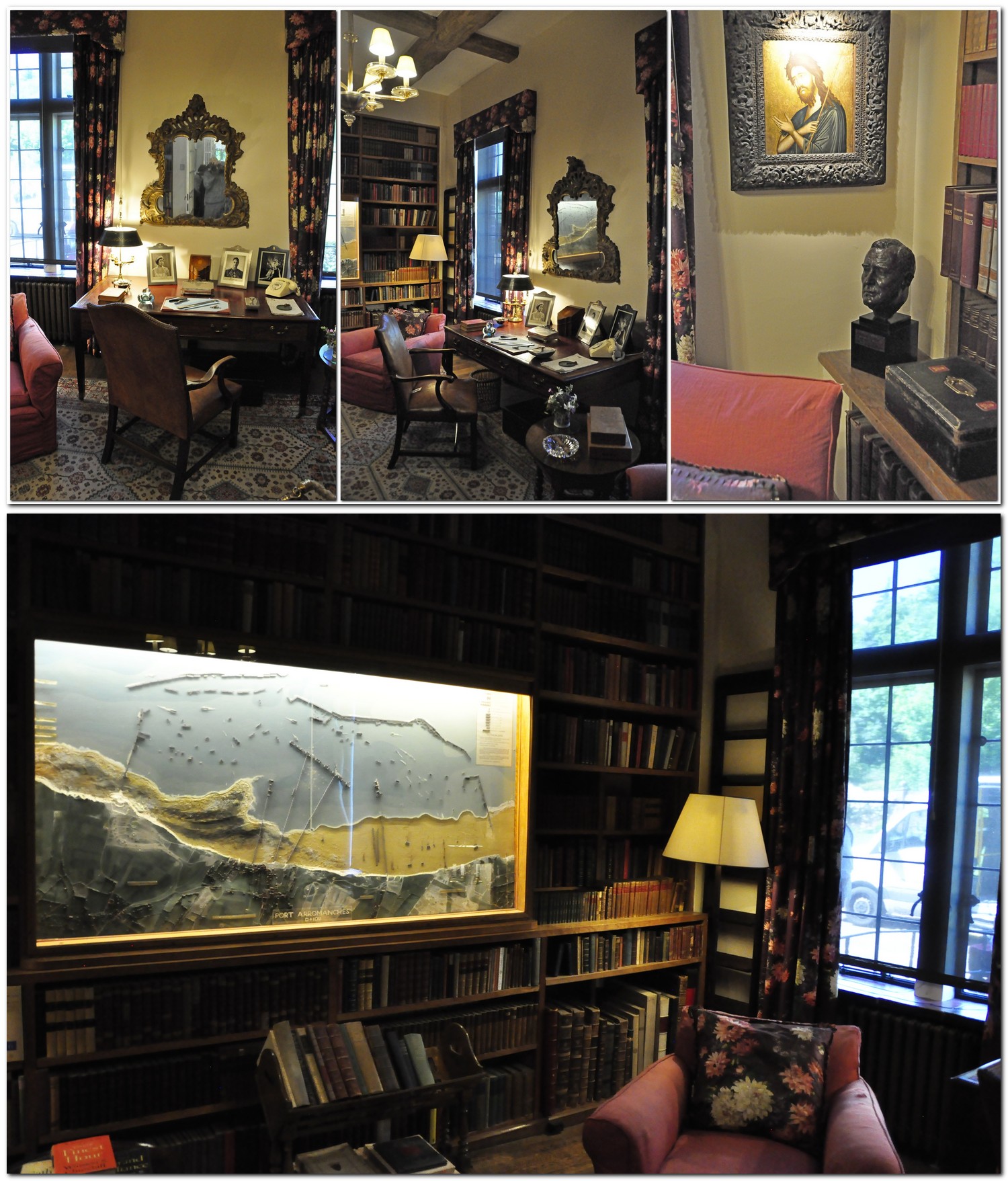
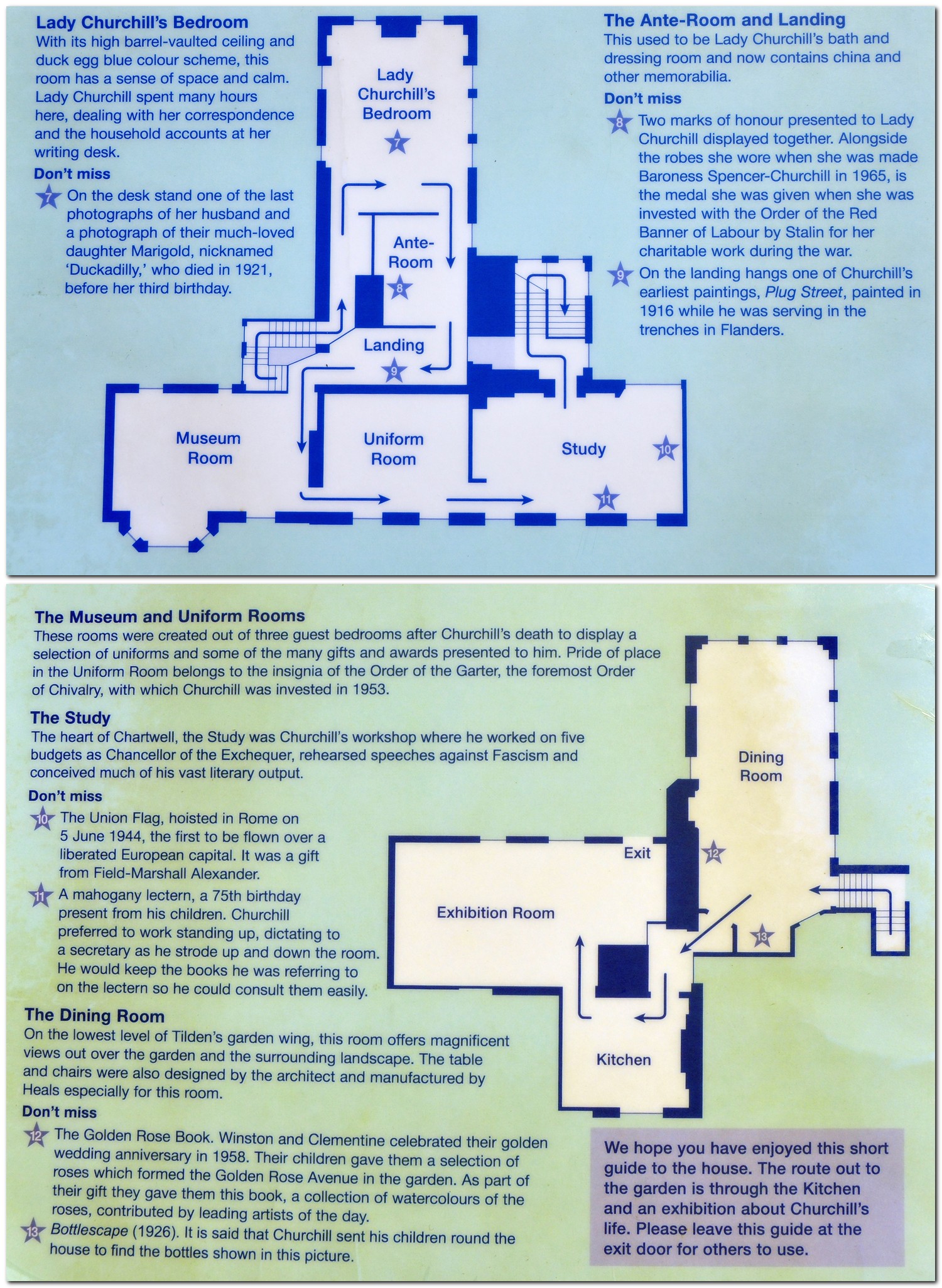
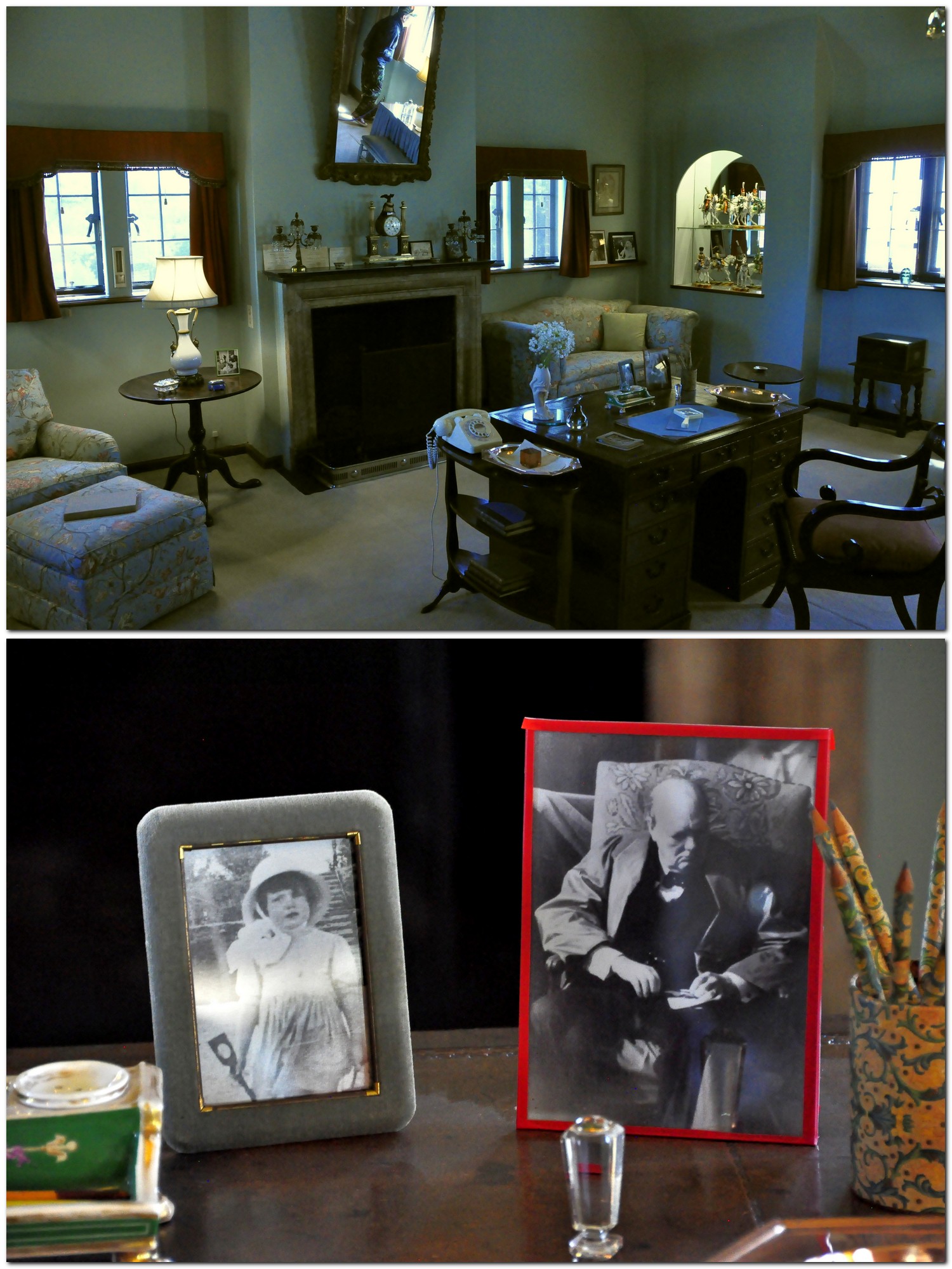

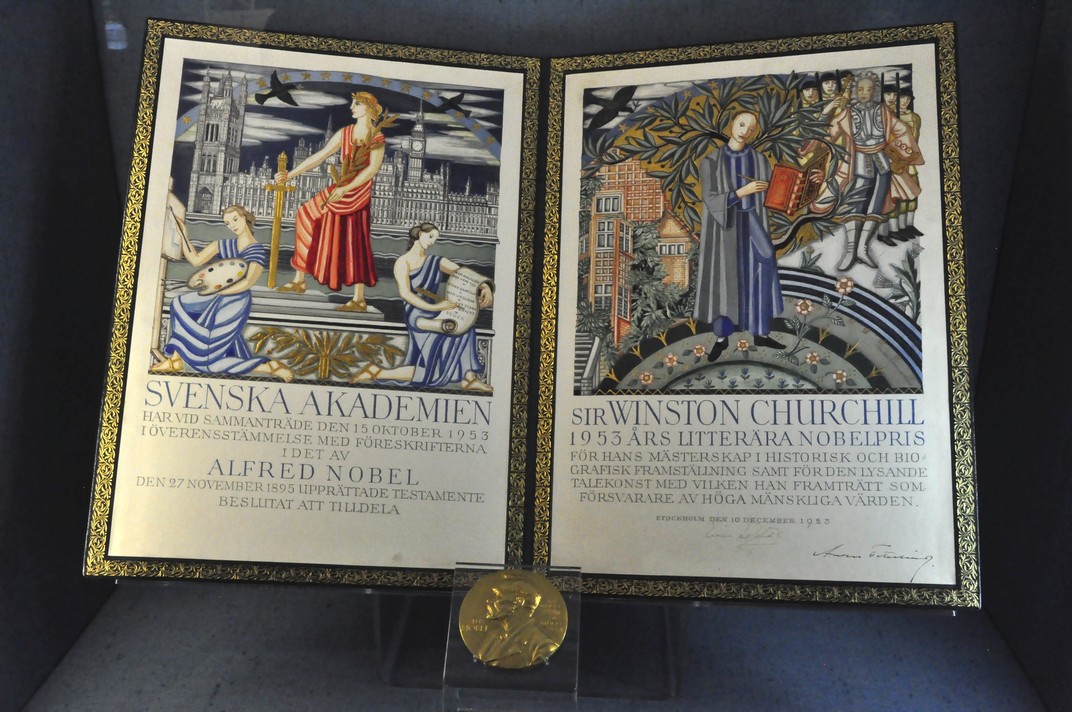
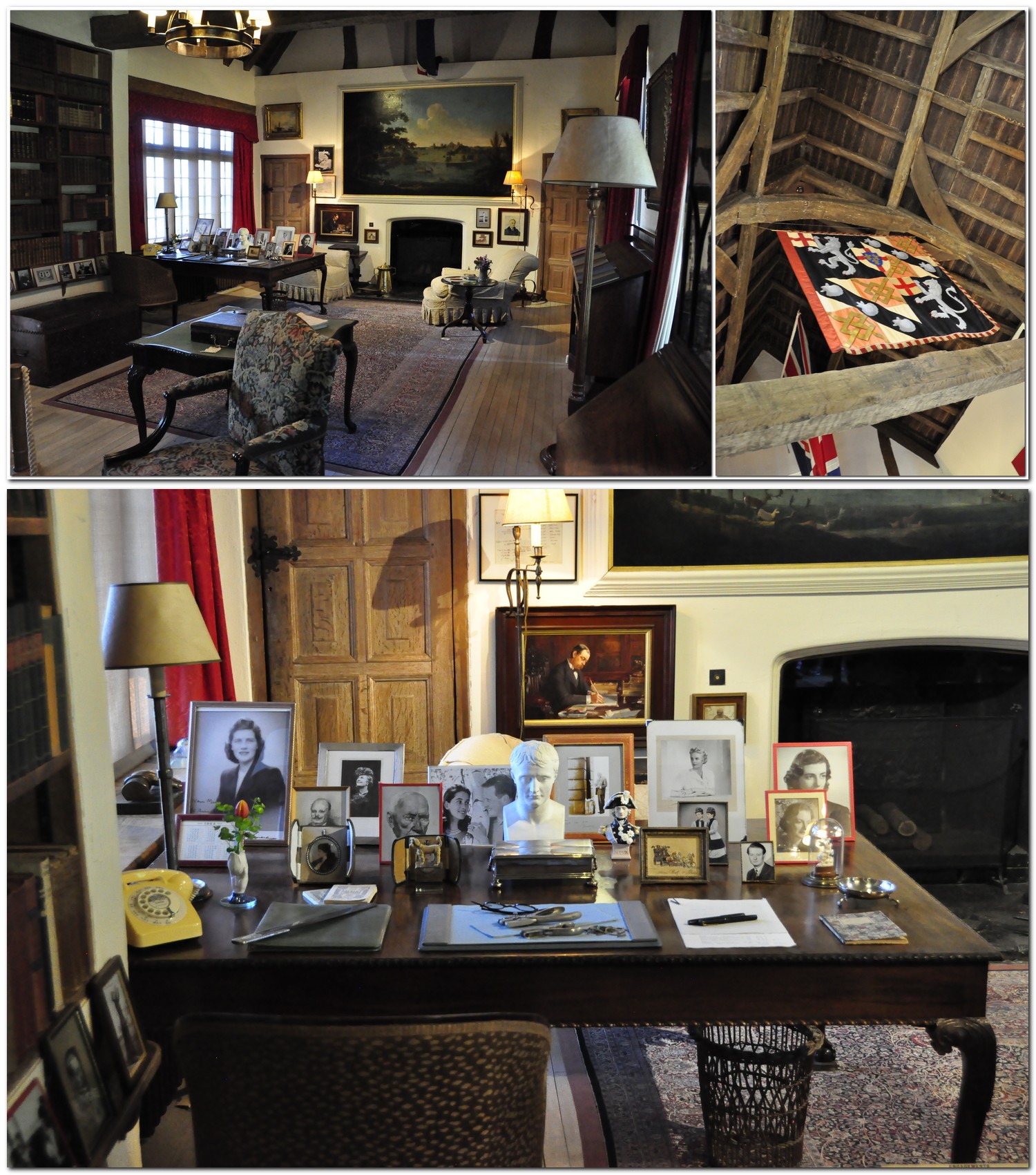
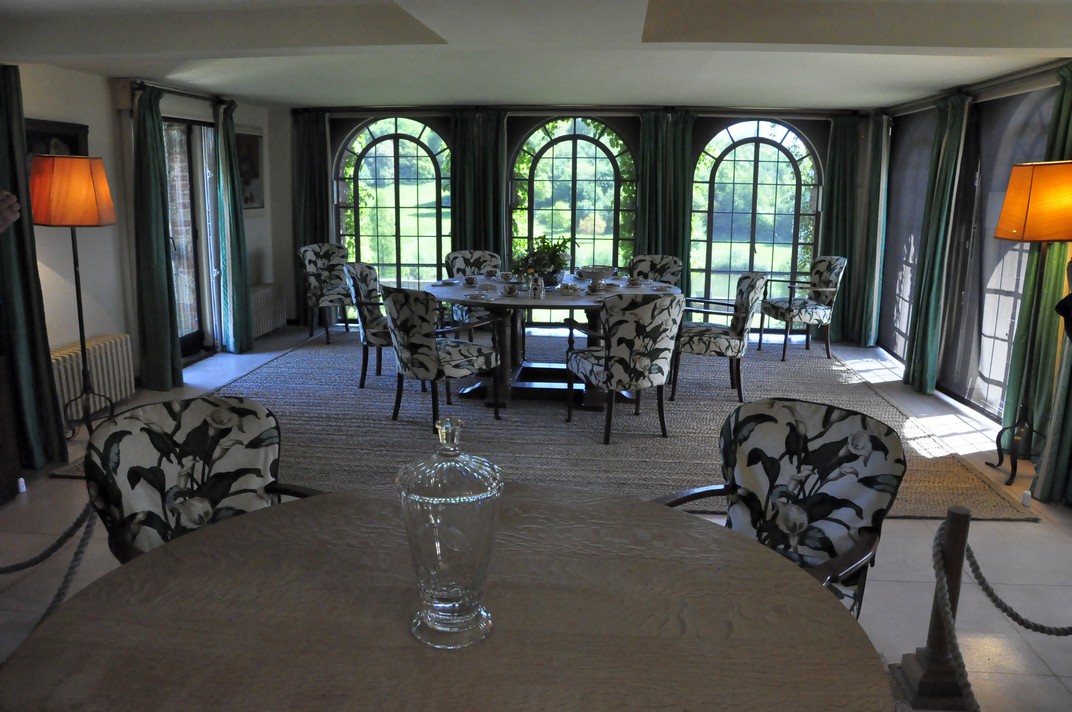


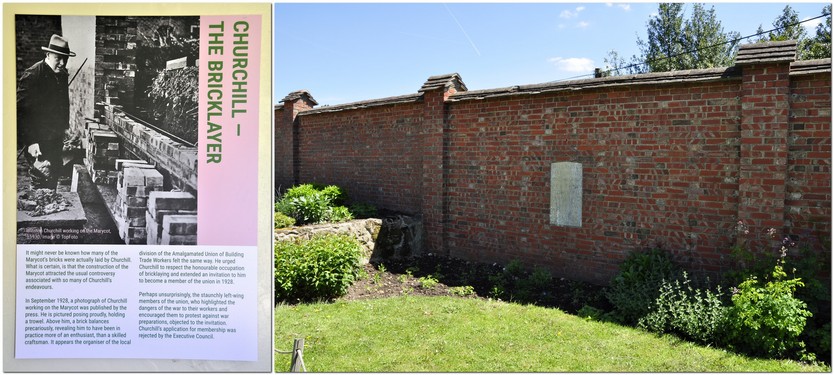

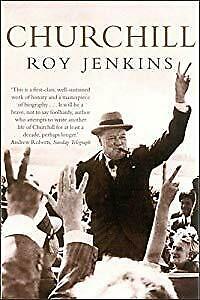 Chartwell had long been on my bucket-list since I read (about 15 years ago or so) an


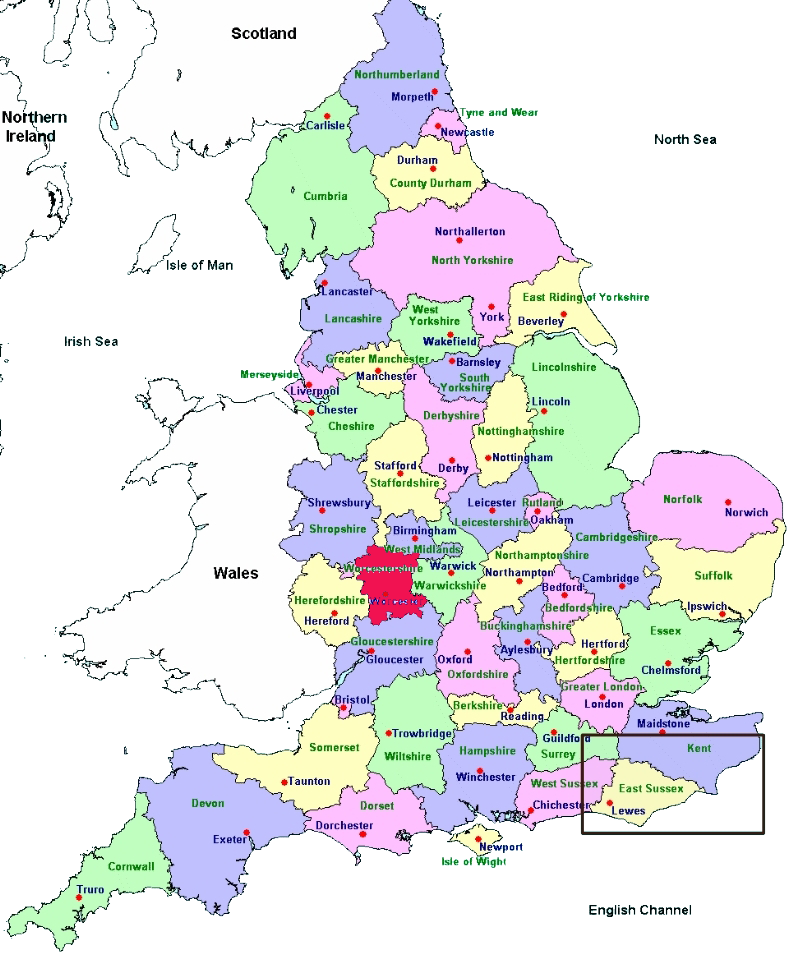
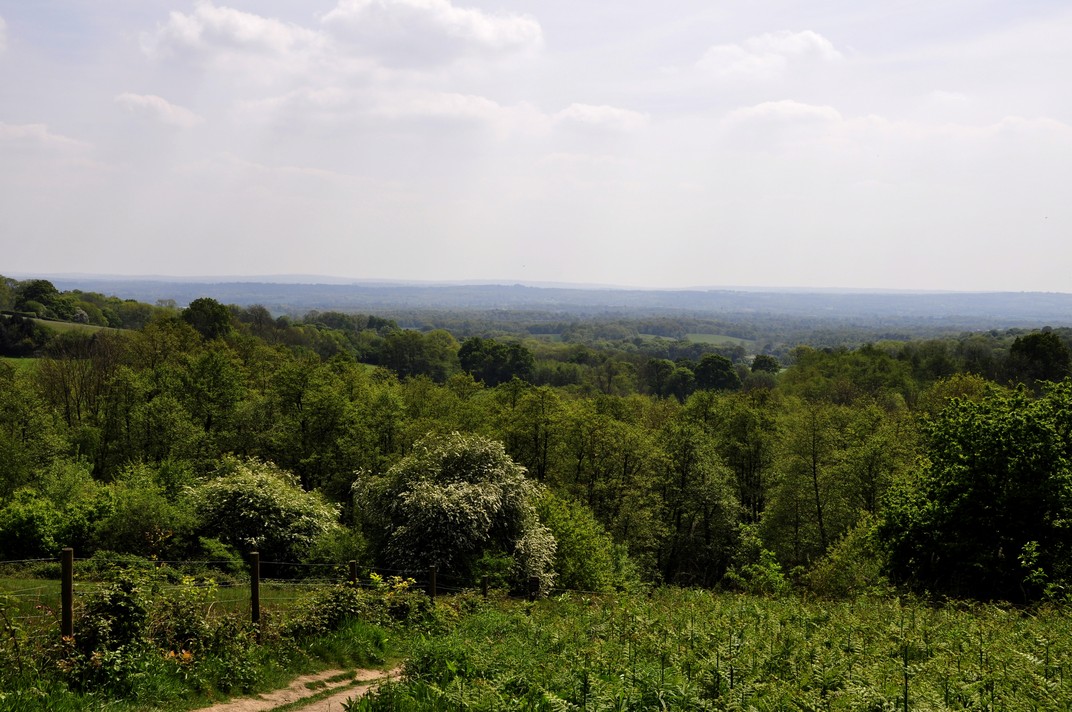
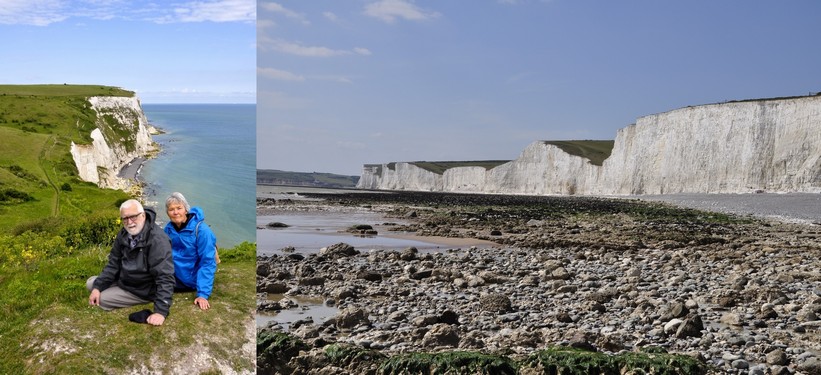
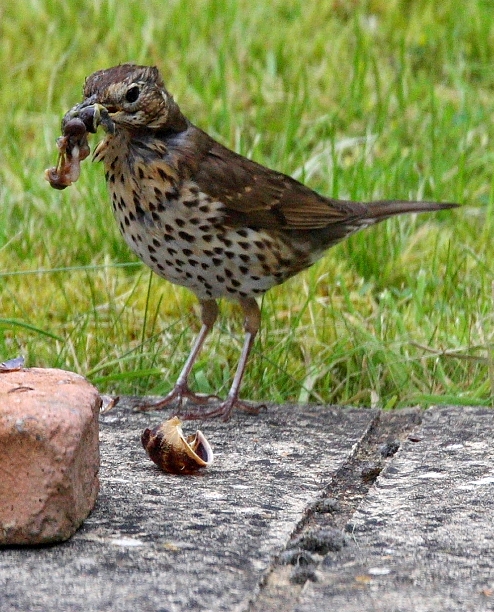
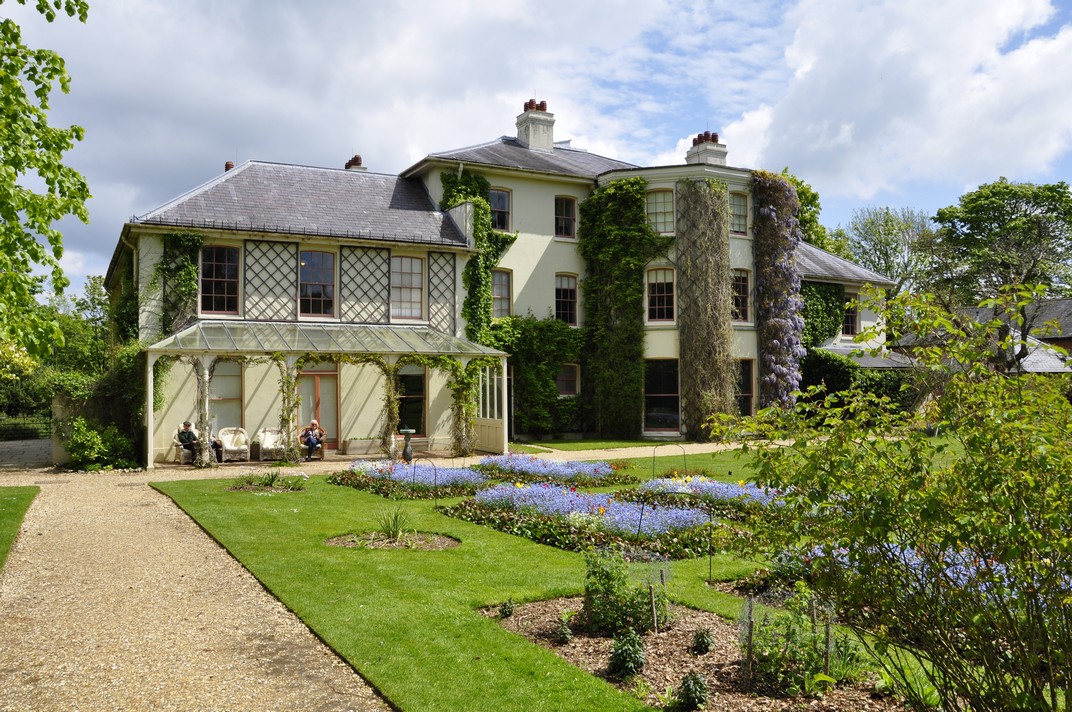
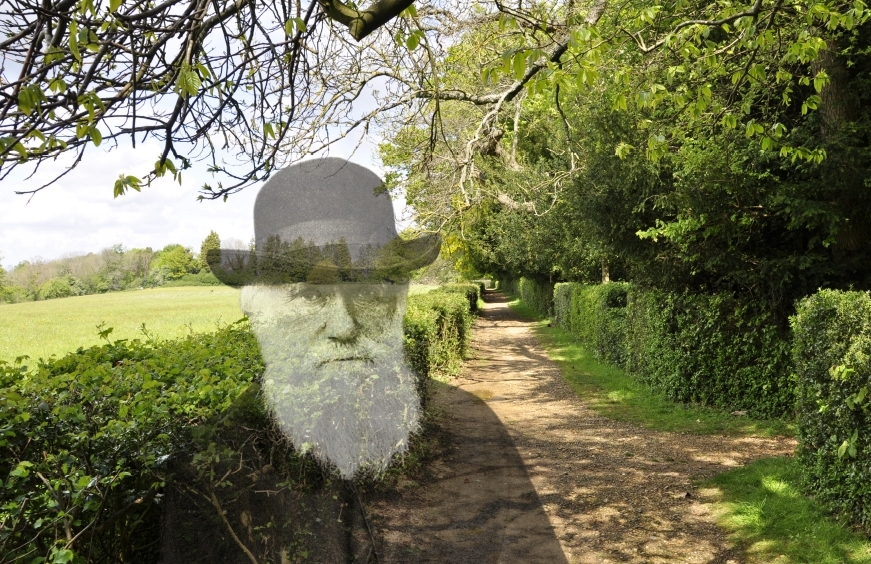
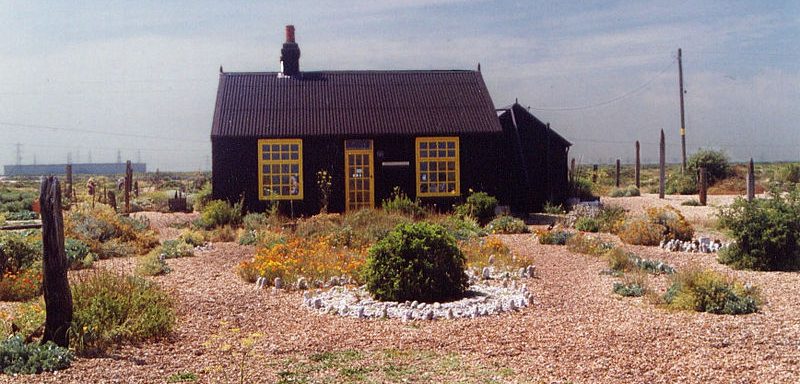

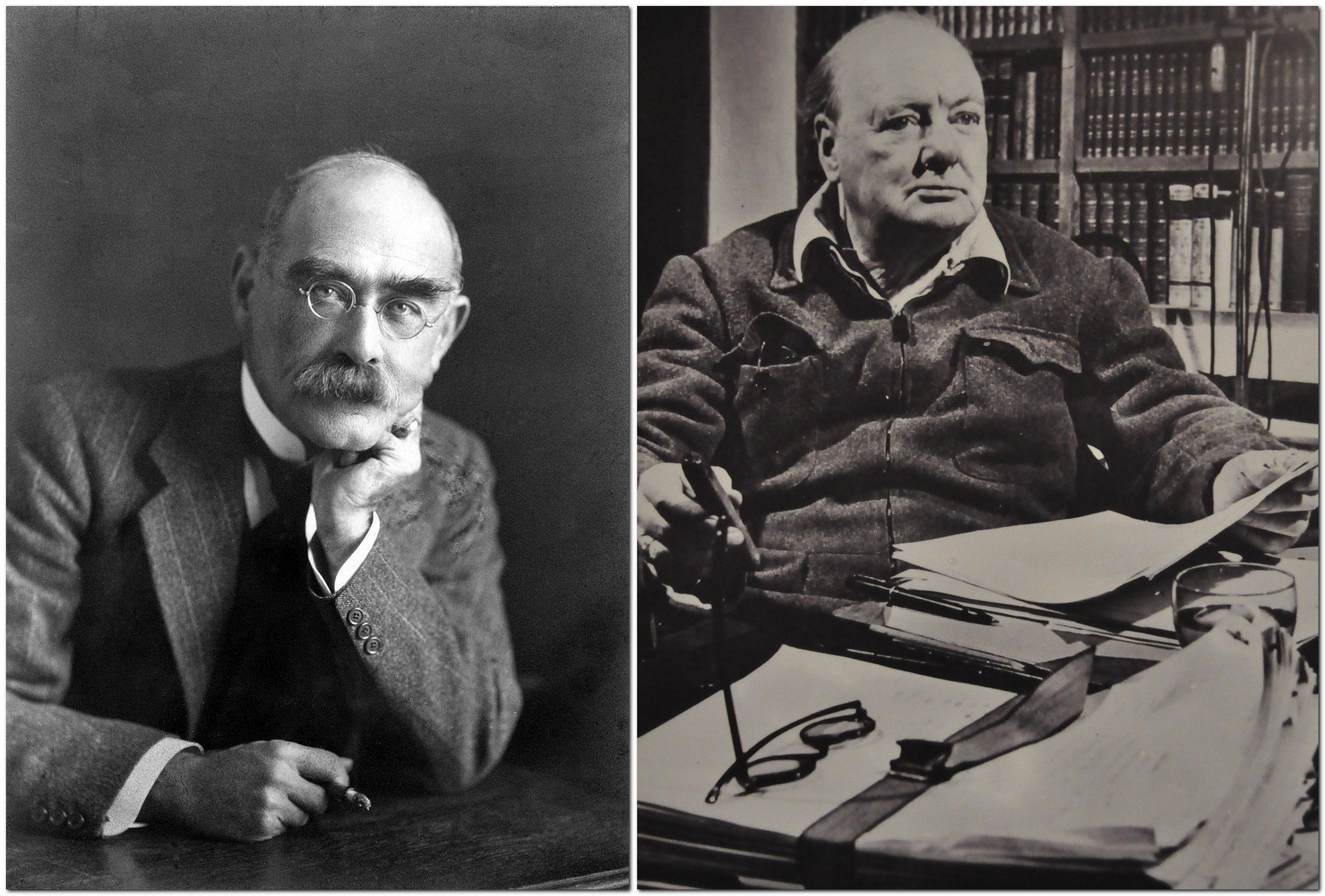
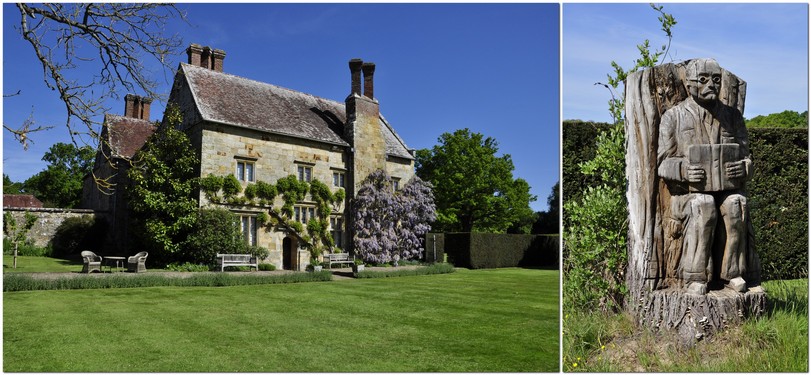
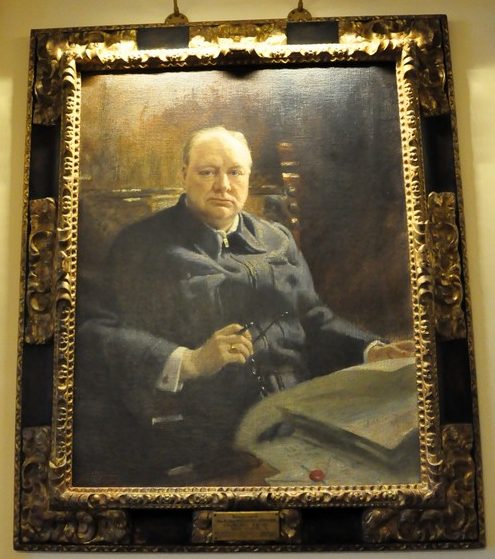
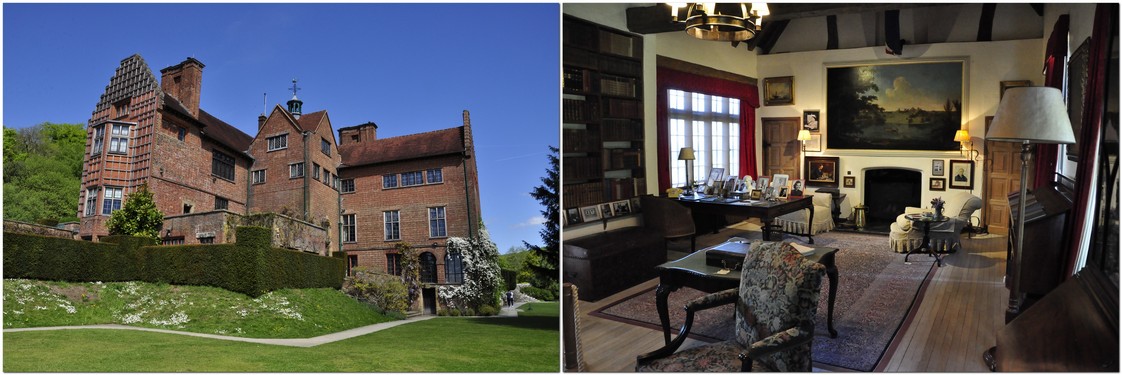
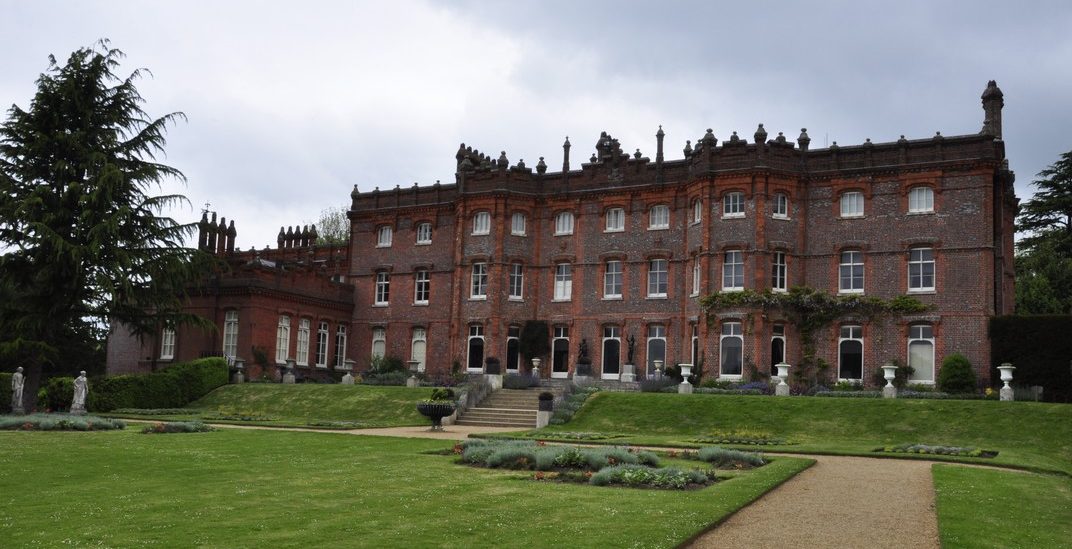
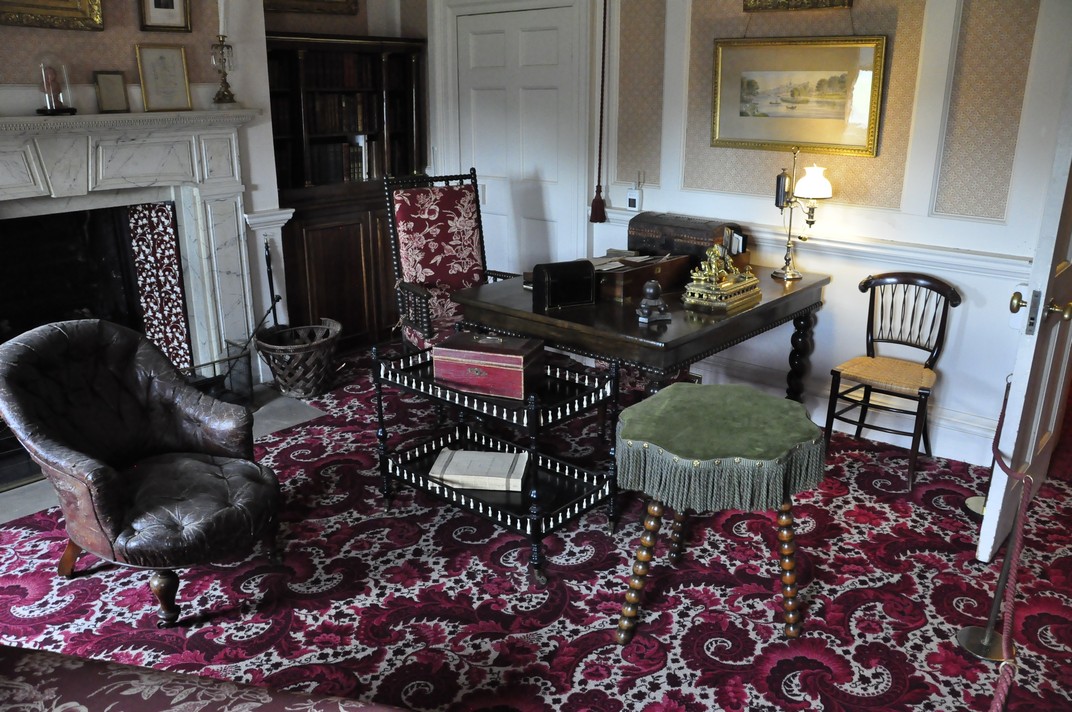
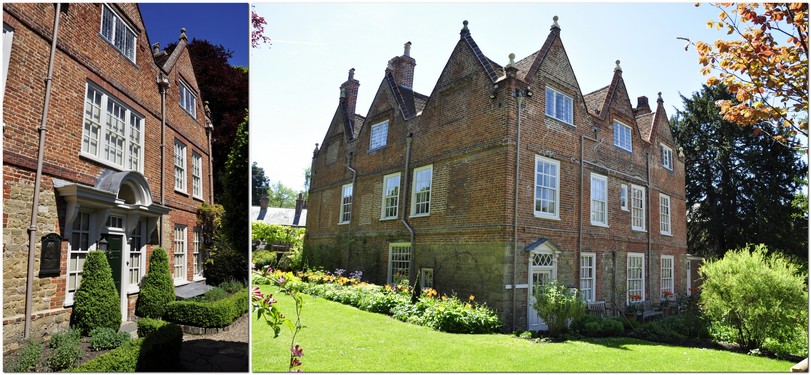


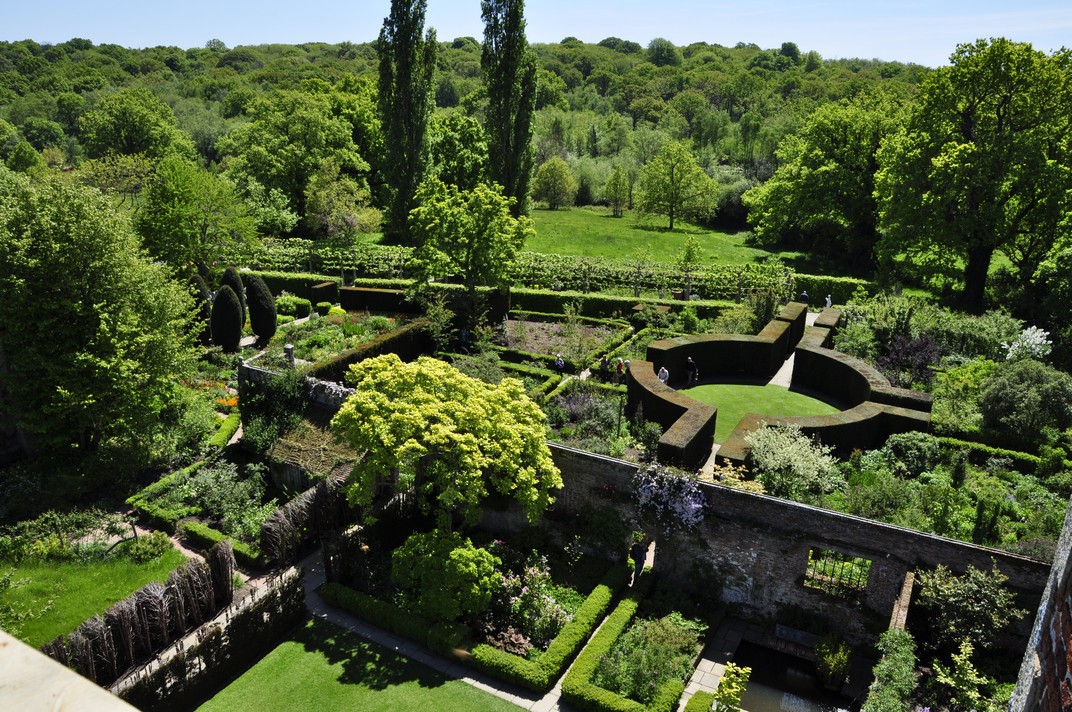
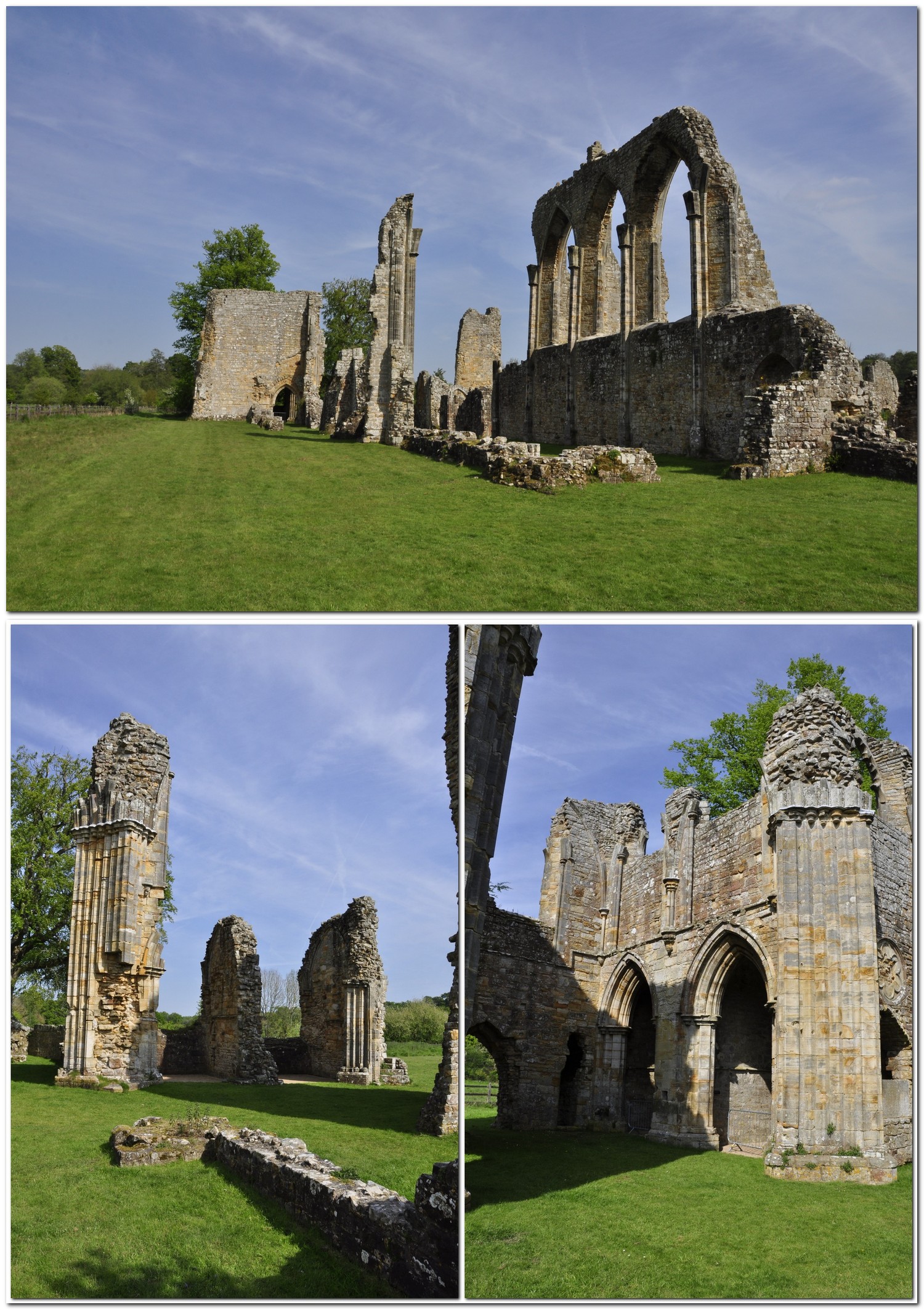
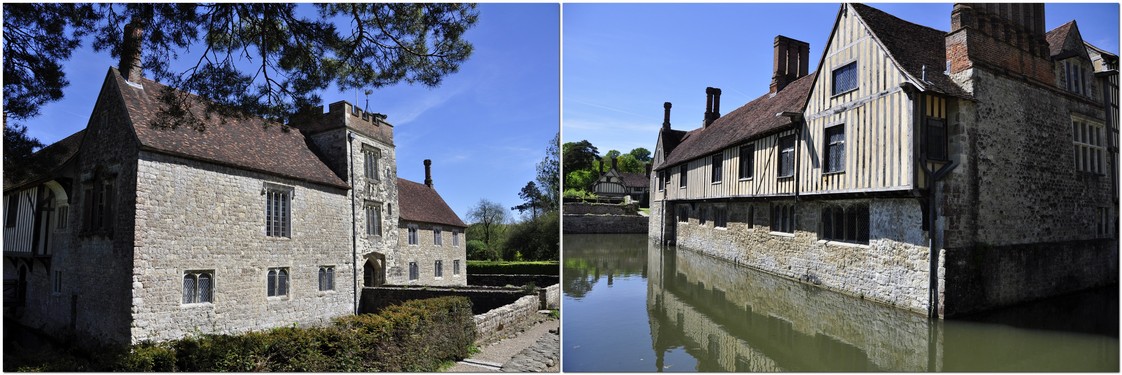
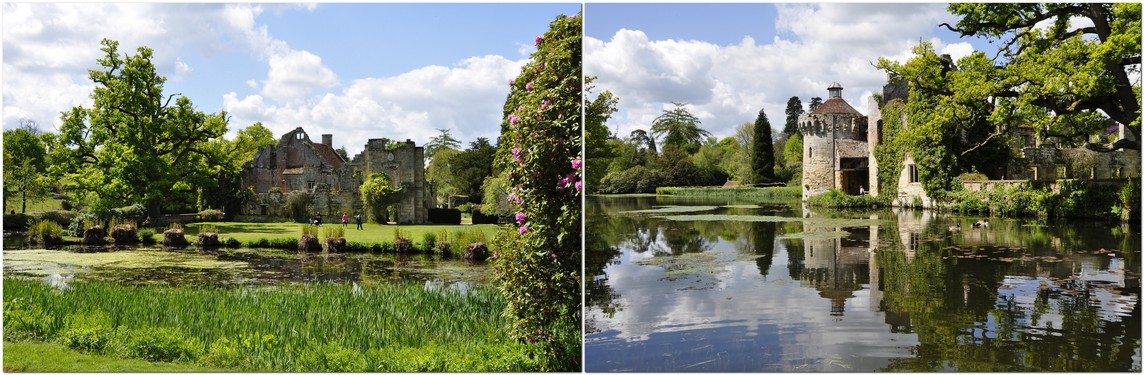
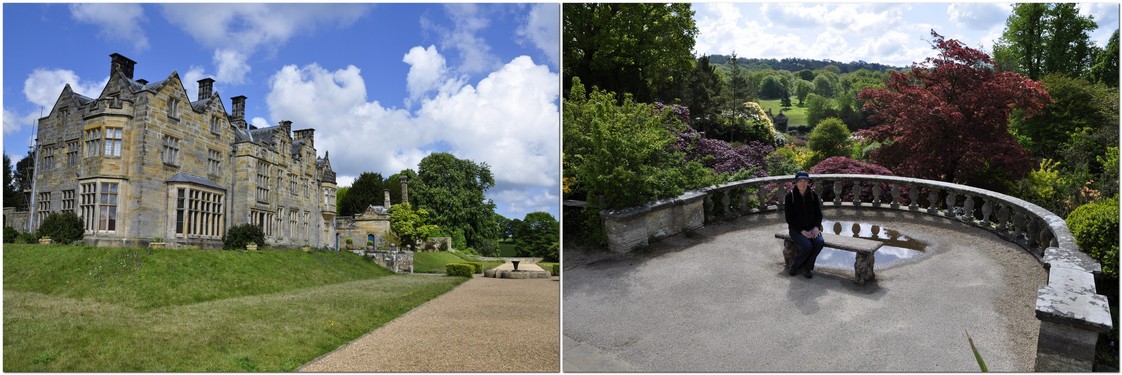
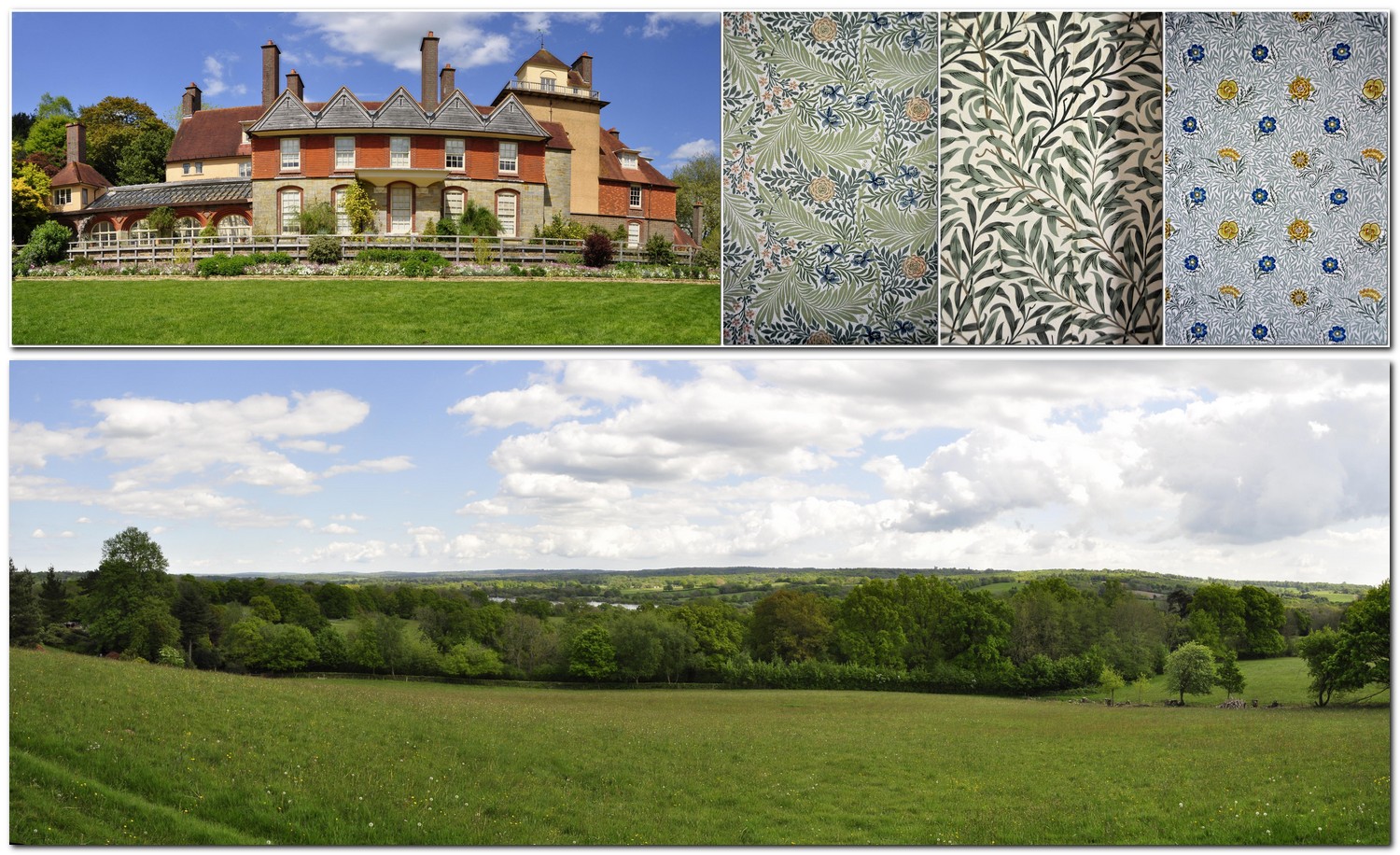
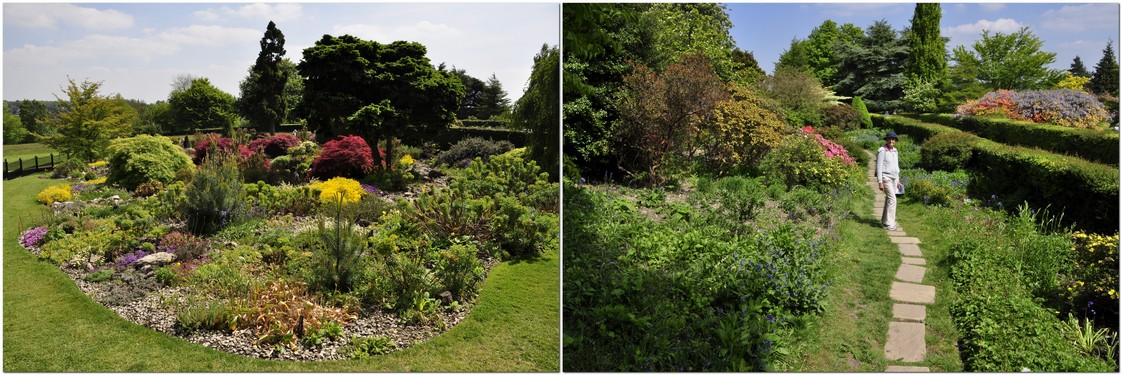
 14 February 2019. Valentine’s Day. Bright and sunny, hardly a cloud in the sky. Just a gentle breeze. What a better day for a nice long walk in the Worcestershire countryside.


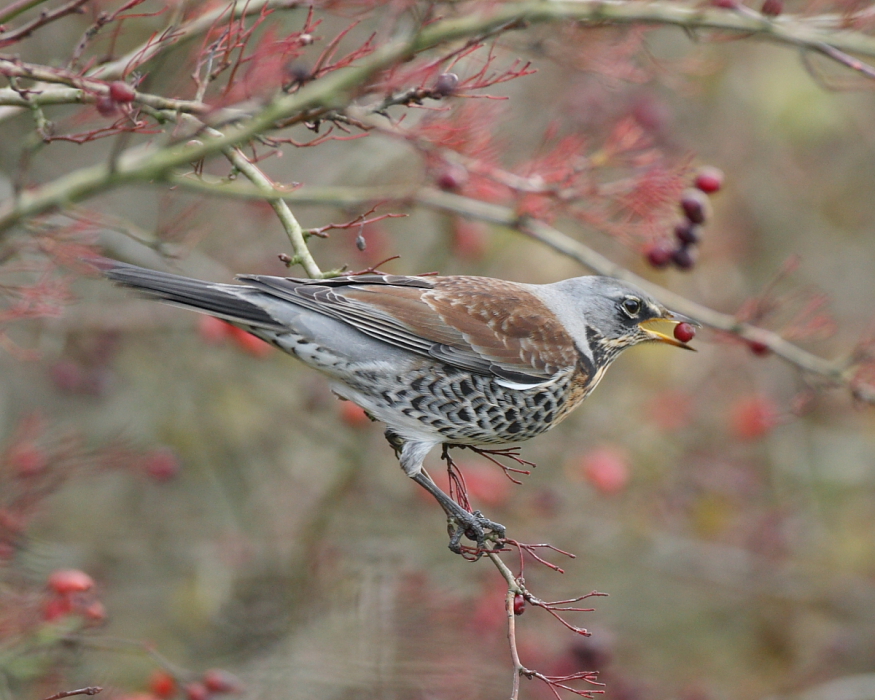
 Steph and I have been members of the
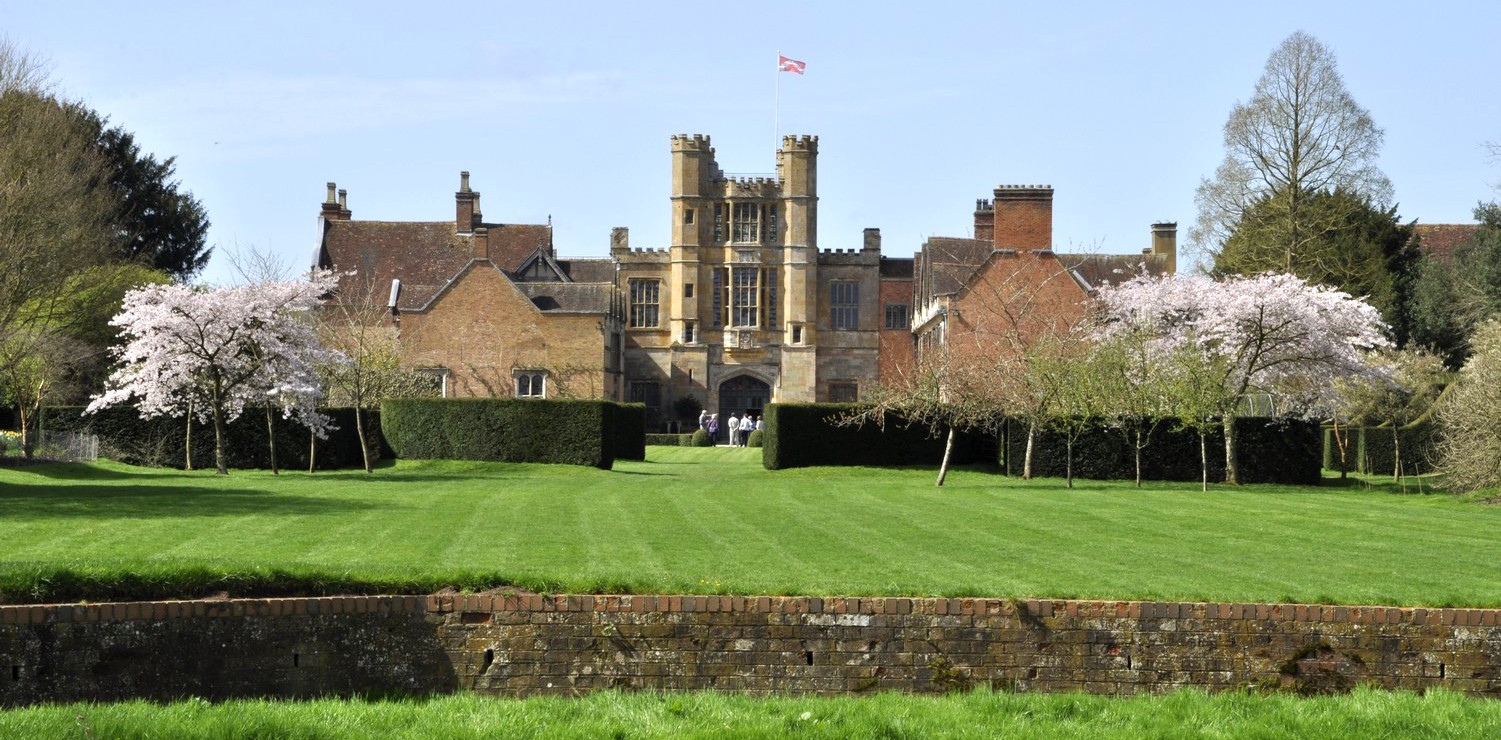

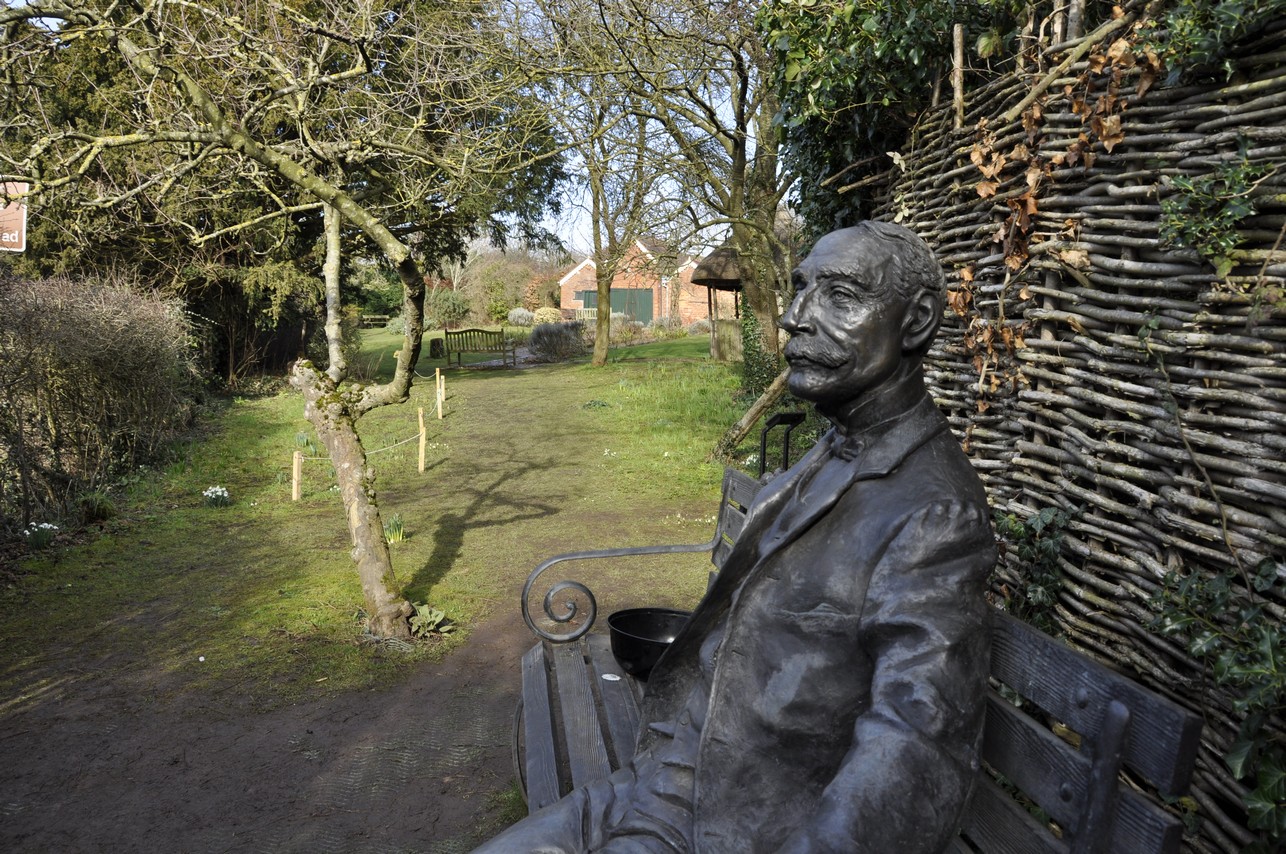


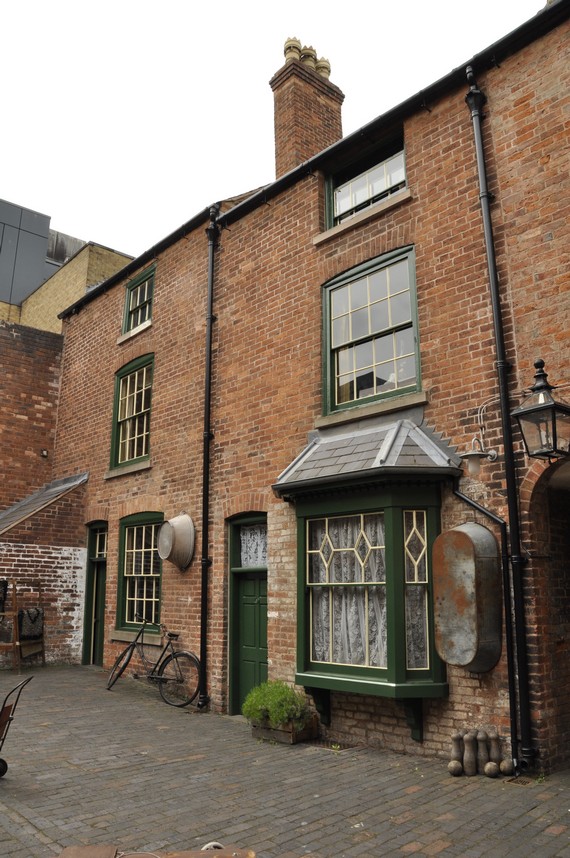

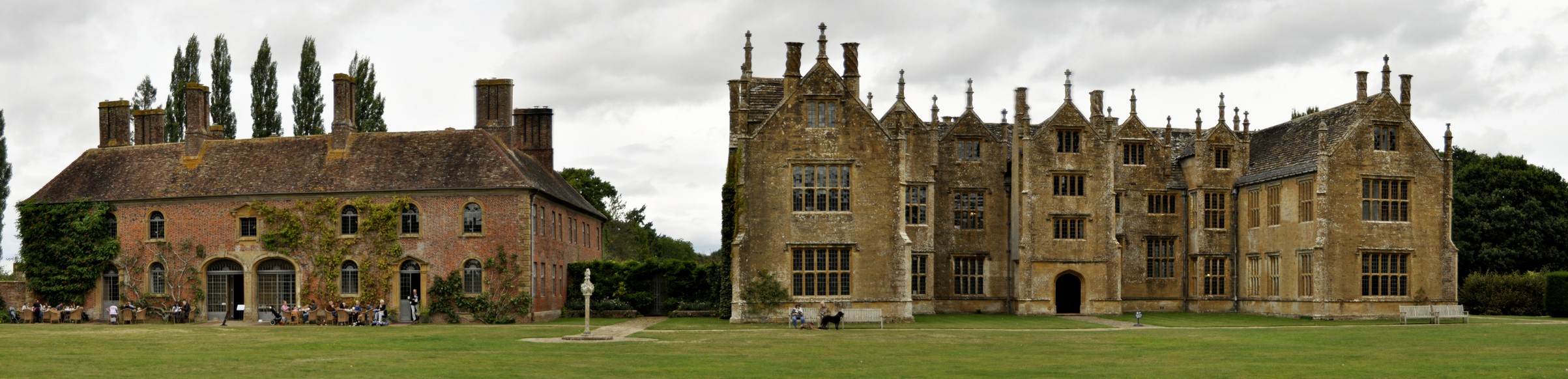


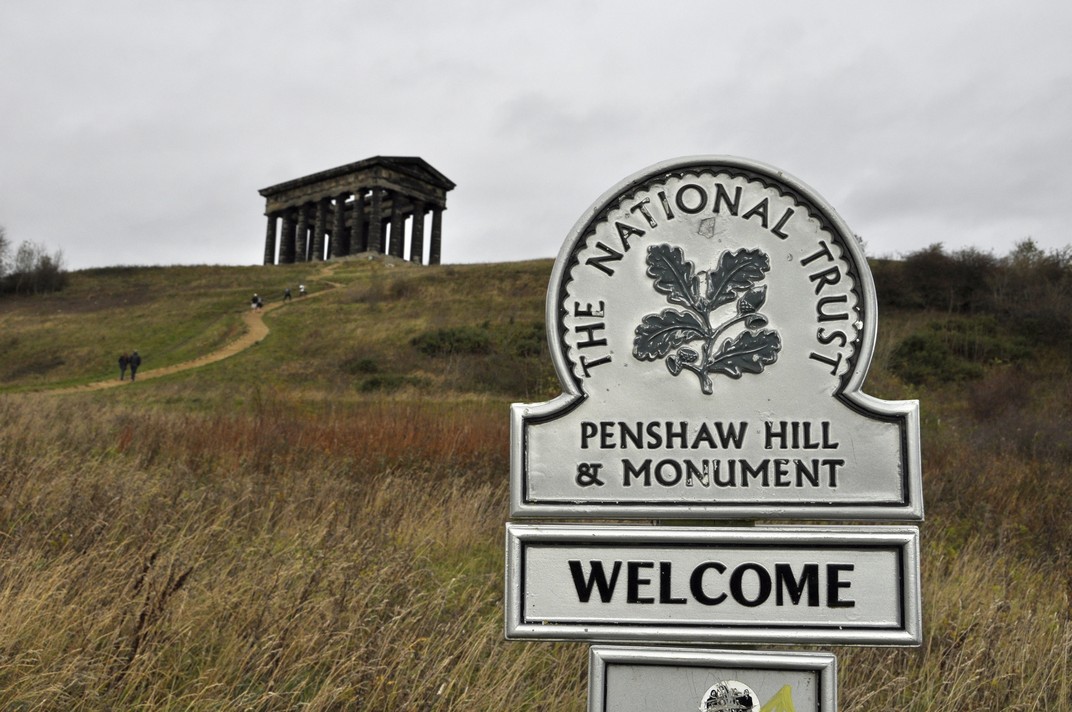

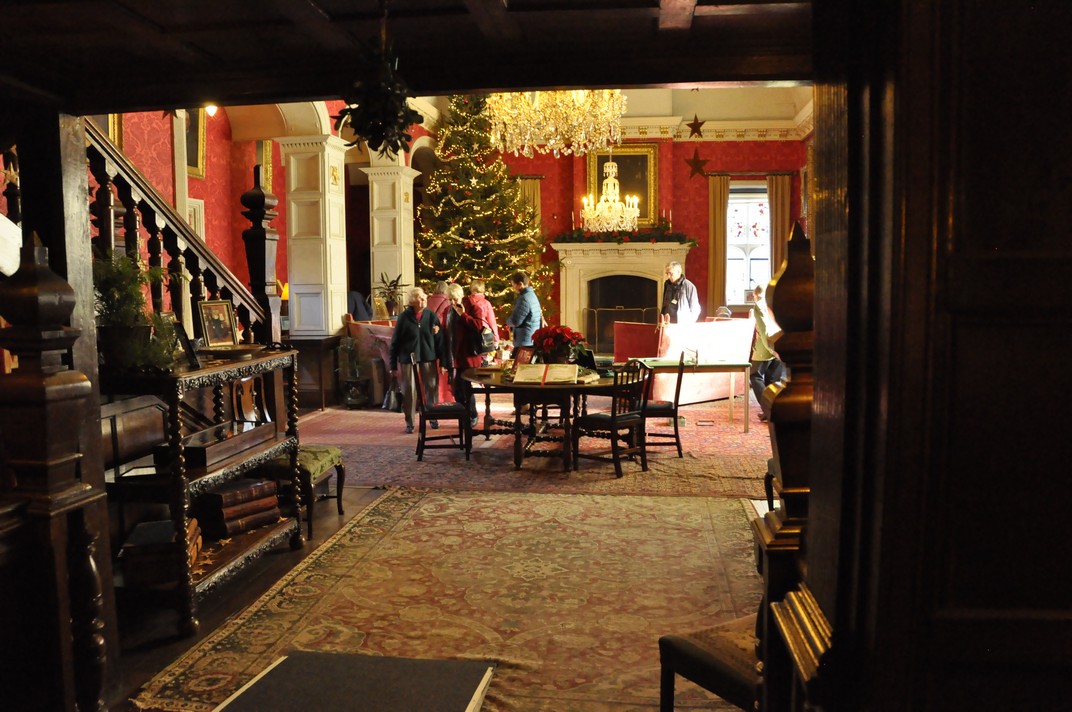


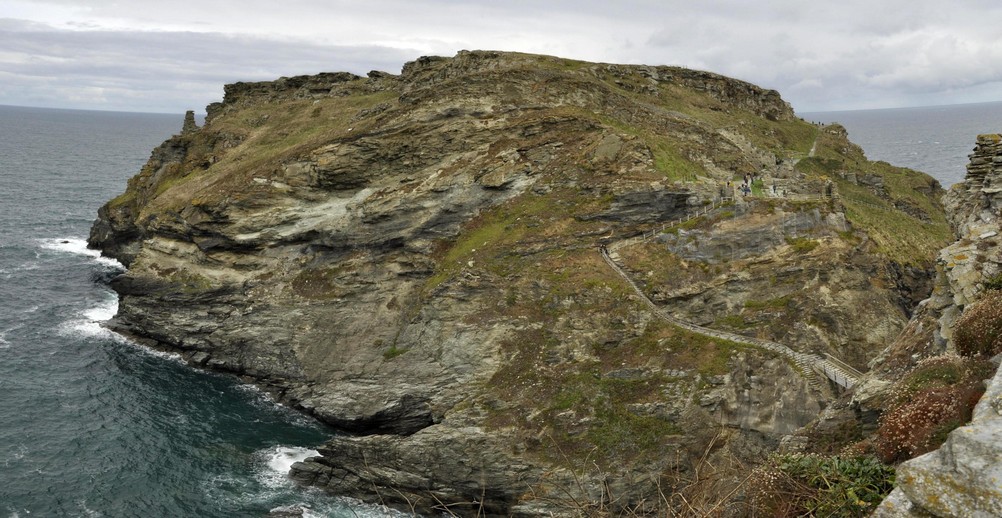

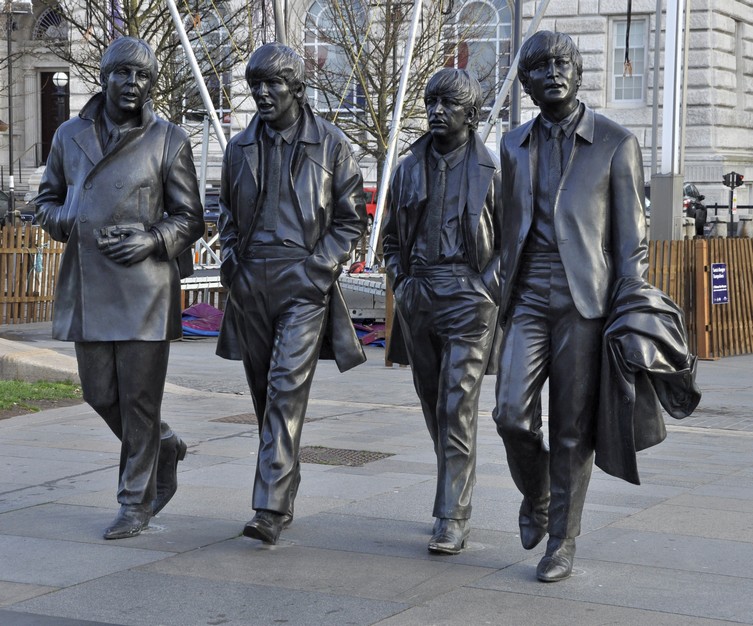
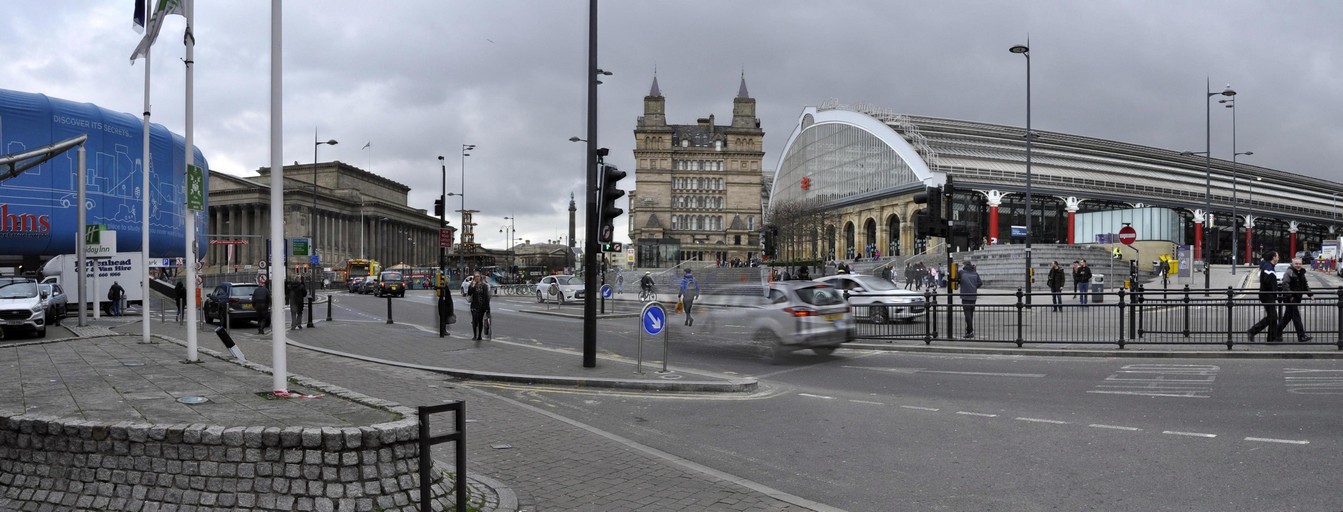
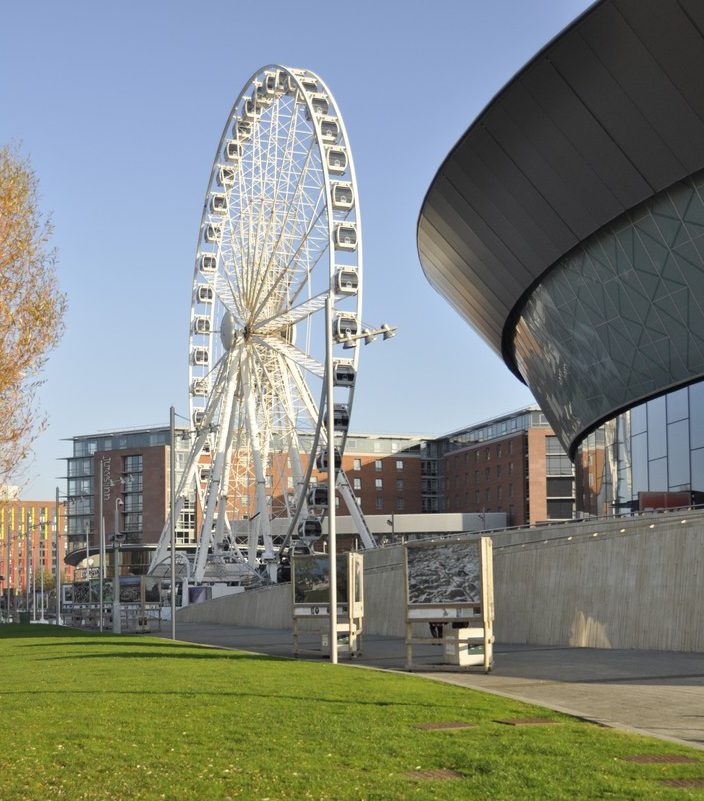
 To begin with, let me take you back to late June 1967.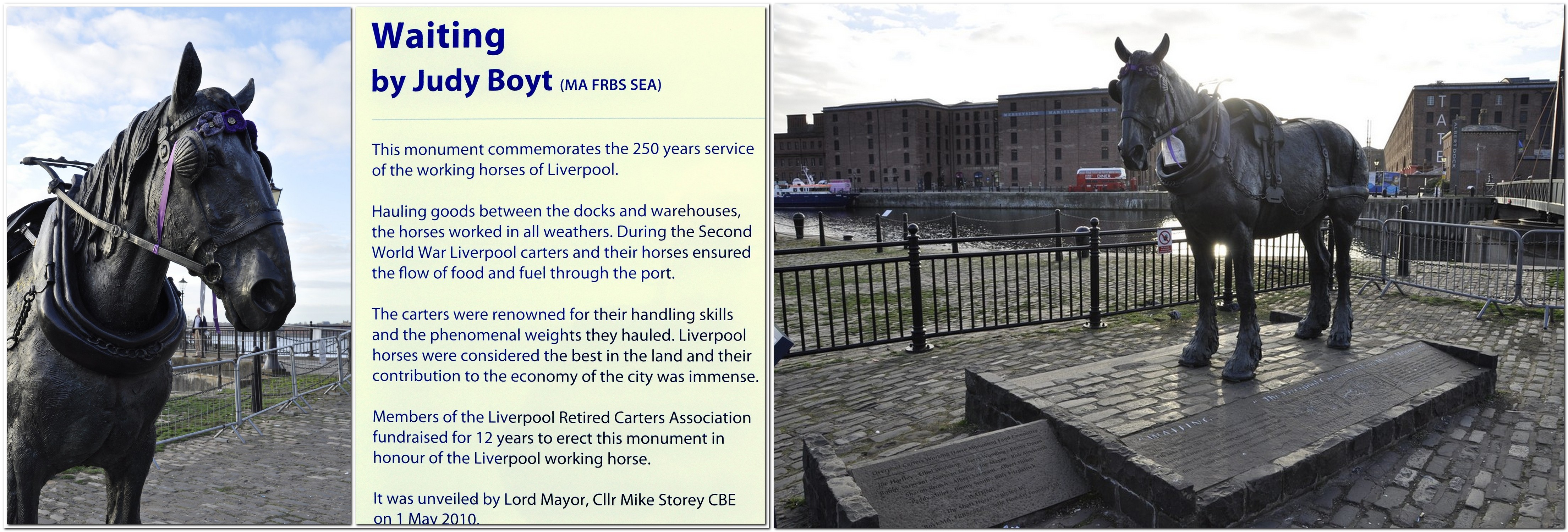
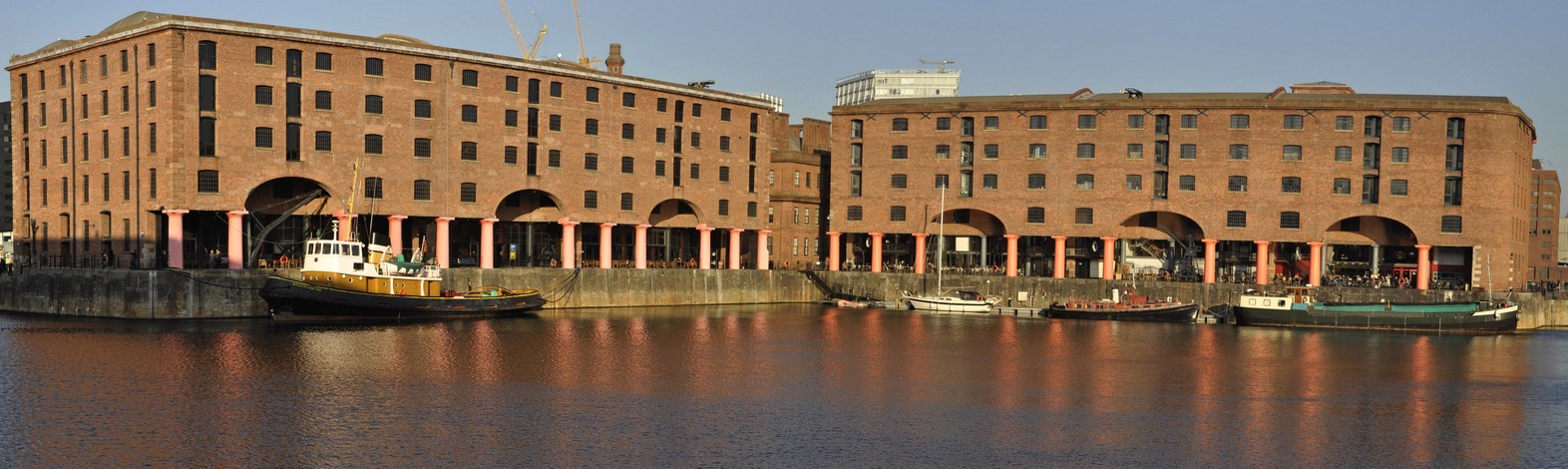
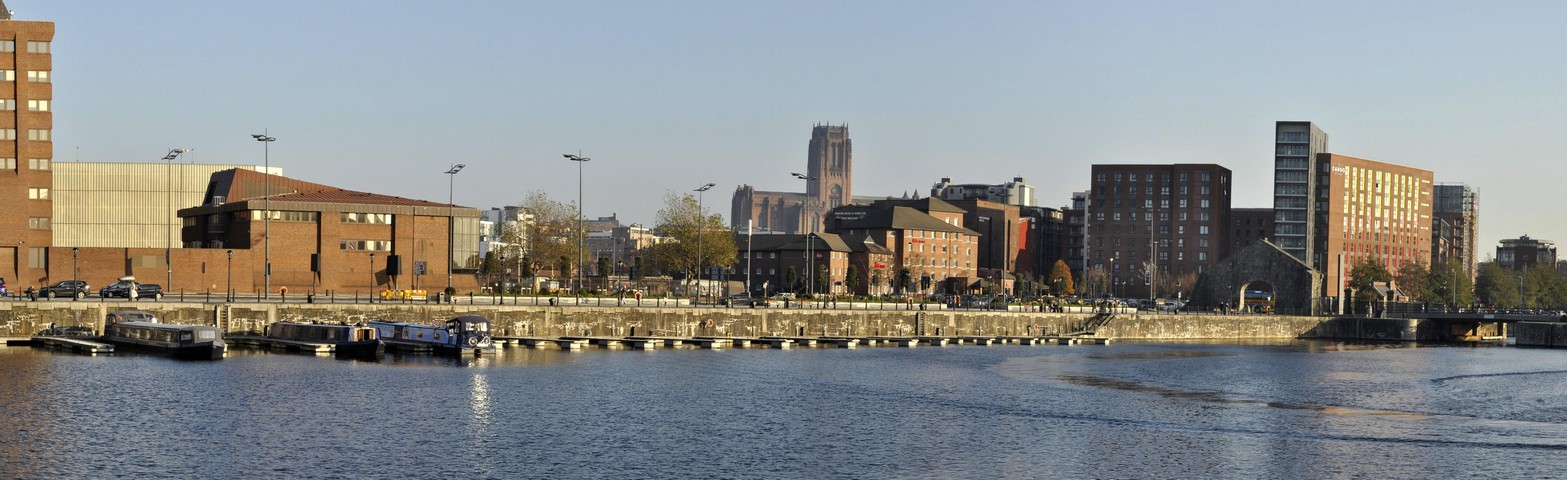


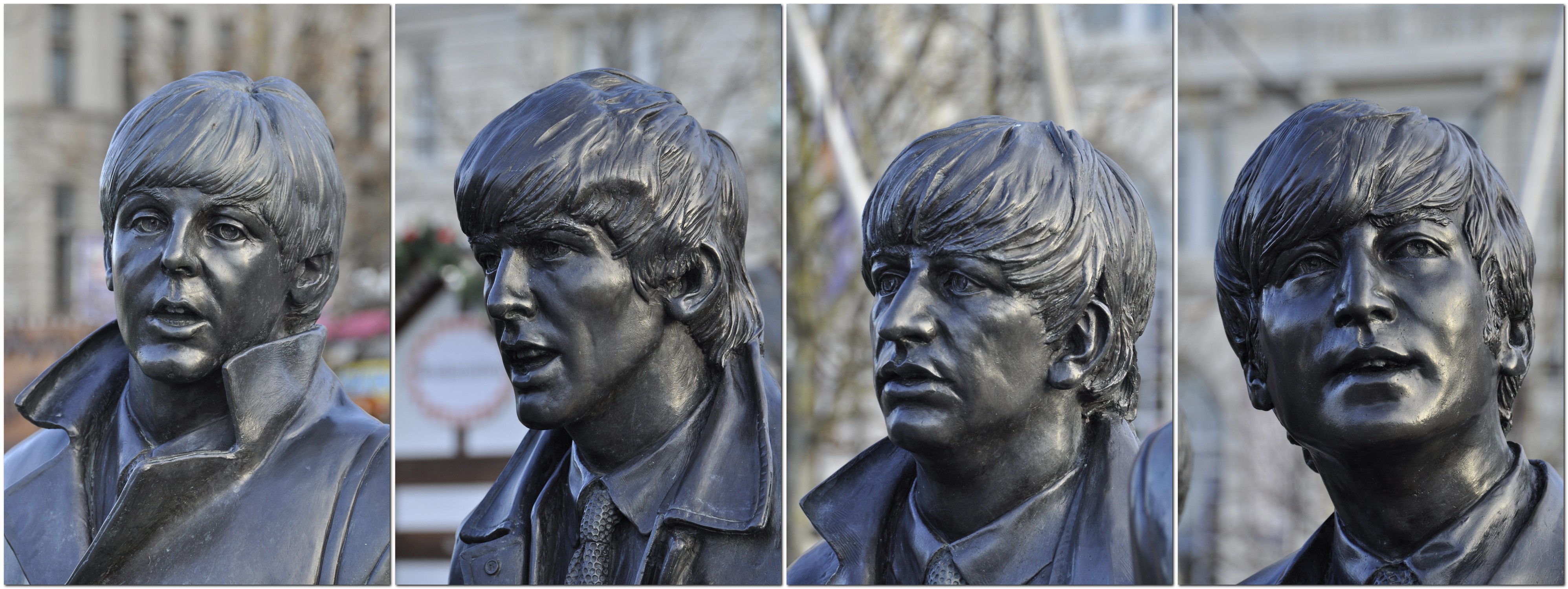
 Our tour of the Beatles’ Childhood Homes started at 10:00 when the National Trust driver, Joe, met us in the lobby of Jurys Inn. We were an international party of just 13 persons (5 UK, 1 Irish, I Czech, I French, 1 Maltese, 1 Australian, and 3 Malaysian). The drive to the first property, John Lennon’s home, took just over 15 minutes. Once we were all strapped in and ready for the off, Joe turned on the music: Love Me Do, and it was Beatles songs all throughout the tour. What a way to start! And, as it turned out, three quite emotional hours.
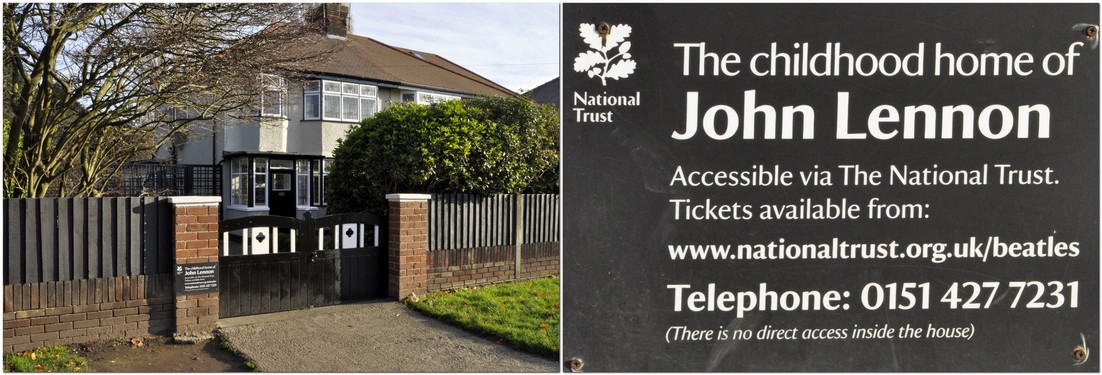


 I have no photographs inside the house. As with the McCartney home, visitors’ cameras and mobile phones are locked away for the duration of their visit. It’s both for security and copyright reasons.


 Dad Jim raised the boys with the help of relatives including Uncle Albert (remembered on Paul and Linda McCartney’s album
  After a reviving cup of tea back at the hotel, we crossed the road to visit The Beatles Story exhibition. The story of The Beatles is told there through displays of memorabilia and photographs; it opened in May 1990.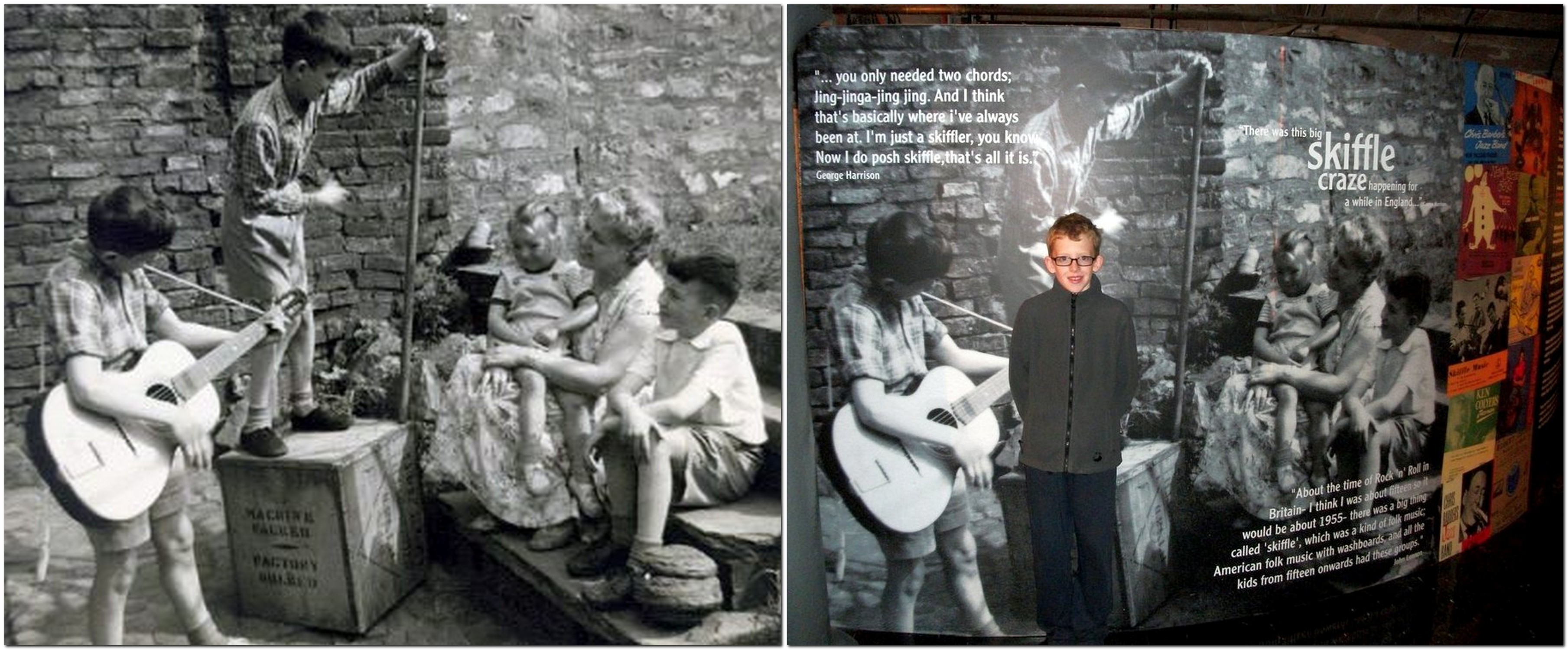


 We returned home to Bromsgrove just after noon on Monday. But before that, we took a 50 minute river cruise on the Mersey ferry, Royal Iris, from the Pier Head Terminal, across to the Seacombe Terminal on the Wirral, and then to Woodside Terminal at Birkenhead, before returning to the Pier Head. Here’s a short video I made, with Gerry & The Pacemakers (courtesy of a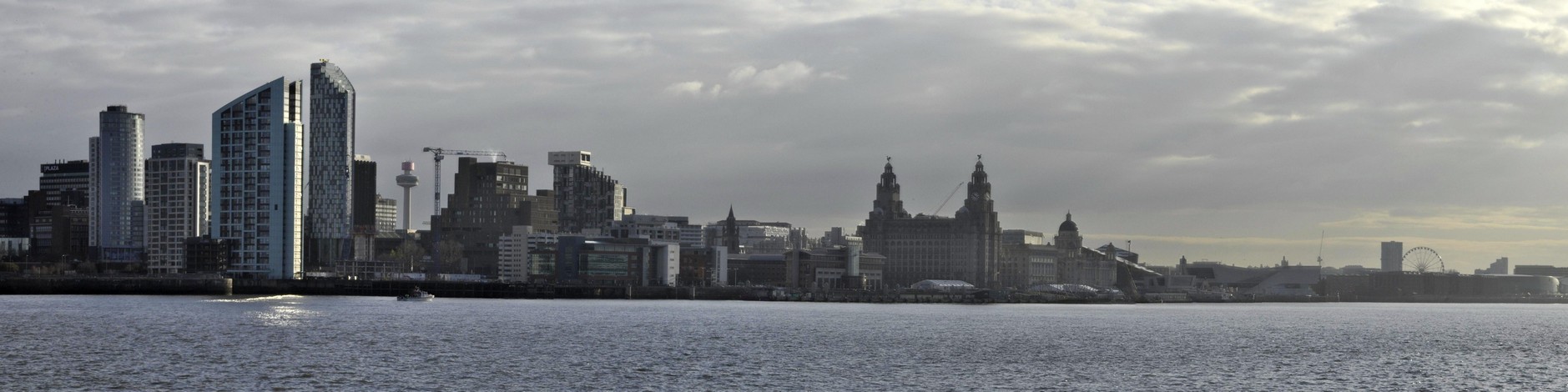
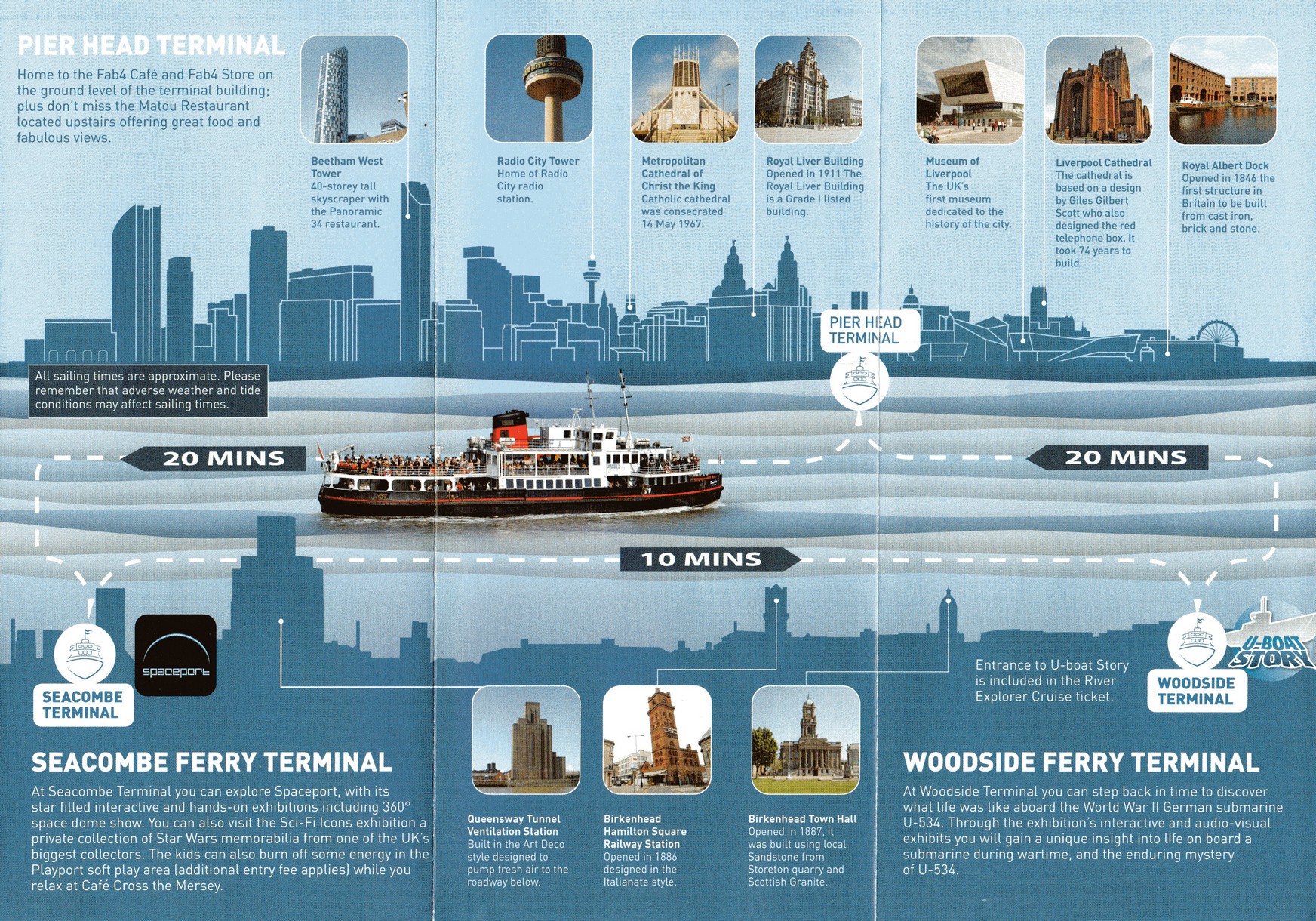





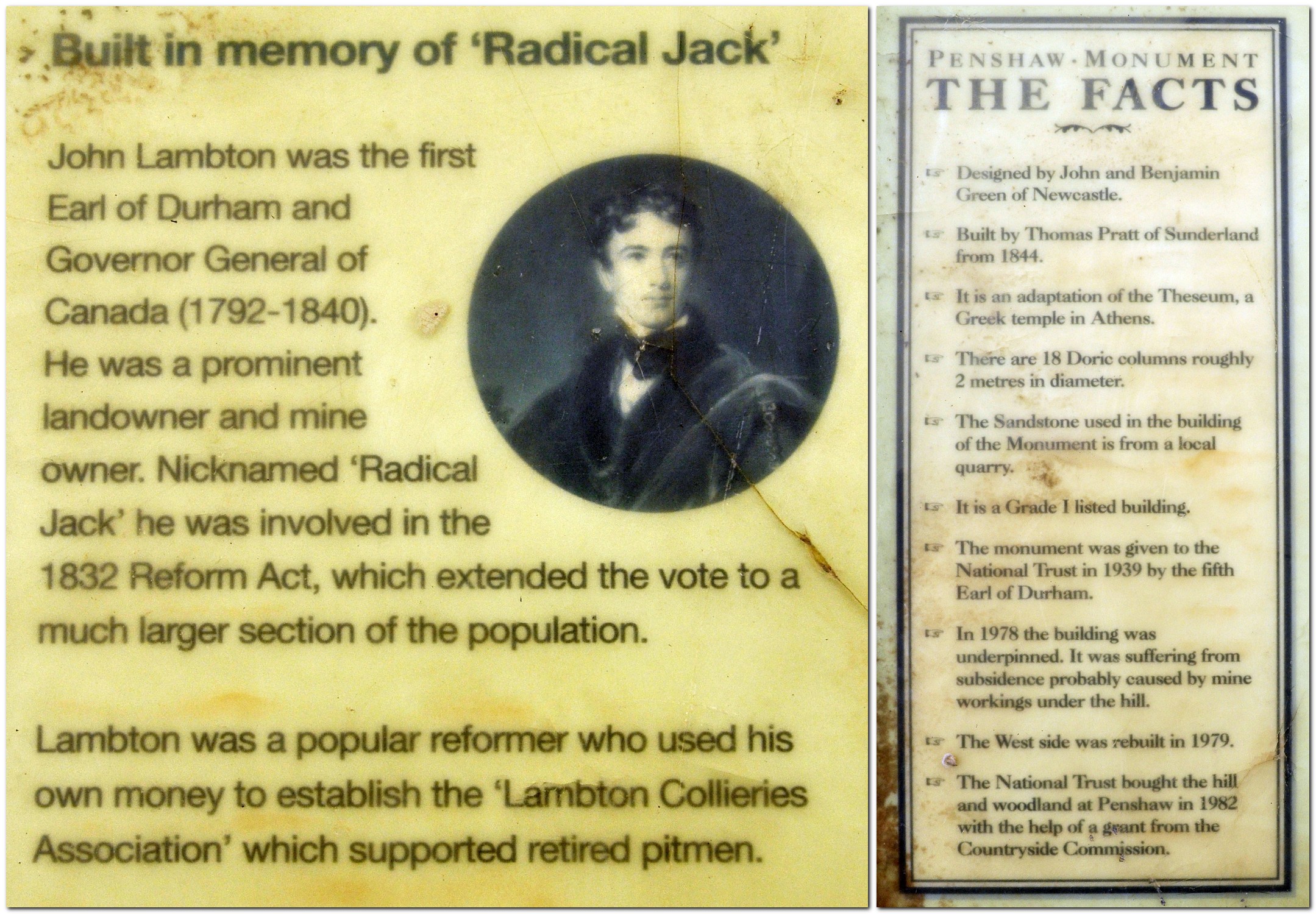


 A balanced diet . . .