And with those two words, Protodeacon of the College of Cardinals, Cardinal Dominique François Joseph Mamberti, announced from the balcony of St Peter’s in Rome (on the afternoon of 8 May 2025) thatCardinal Robert Francis Prevost (right, a dual US-Peruvian citizen, born in Chicago) had been elected as the new pope, taking the name Leo XIV, less than three weeks after the death of Pope Francis. Leo XIV is the 267th occupant of the Holy See stretching back 2000 years.
He is the first English-speaking pope since Adrian IV (c. 1100-(1154)-1159), born Nicholas Breakspear in England (who probably spoke French for much of his life).
During my lifetime, there have been eight popes . . . so far. And given his relatively young age (69, and in seemingly good health, as a keen tennis player), Leo XIV will probably outlast me.
L-R: Pius XII, John XXIII, Paul VI, and John Paul I
L-R: John Paul II, Benedict XVI, and Francis.
I was baptised a Catholic, probably in early 1949 (having been born in November 1948), but didn’t attend a Catholic school until my family moved to Leek in April 1956. Then, my elder brother Edgar and I moved to St Mary’s primary school where we were taught by nuns of the Sisters of Loreto order (and some lay teachers as well).
I went through a phase of religious commitment for a few years, but by the time I’d left high school in June 1967, I had—as they say—’lost my faith’. And ever since I’ve been a contented atheist verging on agnostic. I say this because I don’t think I can entirely escape my early religious upbringing/indoctrination.
In my formative years, with Sunday Mass and other religious observations, reverence for the Pope was just accepted as part of being a Catholic.
But what this recent Conclave has illustrated, once again, is just how anticipated and newsworthy the election of a pope is worldwide, for Catholics and non-Catholics alike. And immediately, Leo XIV’s face has become one of the most recognisable.
In the immediate aftermath of his election, much has been written and spoken about this new pope, his origins, ministry, and beliefs. He’s the first pope from the USA, and the second from the Americas. Indeed it was often thought that the election of a pope from the USA could never happen given the potential geopolitical ramifications. He became a naturalised Peruvian citizen after spending many years in that country, latterly as Bishop of Chiclayo, and was made a cardinal by Pope Francis just two years ago. He took a degree in mathematics, and is the first Augustinian (OSA) pope.
The choice of his papal name is also significant. His nominal predecessor, Leo XIII (1810-(1878)-1903) published the encyclical Rerum novarum (Rights and Duties of Capital and Labor), a foundation of Catholic social teaching. And surely this choice of name indicates that Leo XIV will speak out in support of the poor, the disadvantaged. It seems he is not shy of speaking truth to power, as evidenced by a recent put down of US Vice-President JD Vance (a convert to Catholicism) and other commentaries on the policies enacted by the Trump administration. He’ll continue to have moral authority of taking on the likes of Trump, provided he also confronts, head on, the worst excesses and abuses (particularly the sexual abuses perpetrated by clergy) of the Church.
Not all Catholics are happy at the outcome of the Conclave. In the USA for example there is a not insignificant traditionalist arm of the church who are not likely to welcome Leo’s continuation (perhaps expansion even) of the social and inclusive legacy left by Pope Francis.
And some have even been outspoken about Leo’s election. Take alt-right political activist, Trump acolyte and apologist Steve Bannon (himself a Catholic apparently) for instance.
Just take a look (in the first minute or so of this video) at his egregiously offensive and outrageously conspiratorial commentary, condemning the Conclave as ‘rigged’, because Prevost was considered anti-Trump. How preposterous!
Emboldened by Donald Trump, ‘Department of Government Efficiency‘ or DOGE lead, Elon Musk – the world’s richest man – has taken a chainsaw (his words) to the departments, institutions, and agencies of the US federal government in a cruel and callous not to say careless way over the past few weeks since Trump’s inauguration on 20 January.
Elon Musk wielding a chainsaw at the Conservative Political Action Conference (CPAC) at the Gaylord National Resort Hotel And Convention Center on 20 February 2025 in Oxon Hill, Maryland.
That’s not to deny that inefficiencies can be found and budgetary savings made in any government, and I’m sure the US federal government is no different from any other. But to proceed, as Musk and his acolytes have, is causing possibly irreparable damage on a daily basis, thousands of federal employees are losing their jobs, and this ‘downsizing’ has been effected in, it seems, an indiscriminate way. Last in, first out, and hang the consequences.
As billionaire entrepreneur Mark Cuban posted on Bluesky (@mcuban.bsky.social) a few hours ago:
Ready Aim Fire is a lousy way to govern.
Has it only been five weeks? It feels more like five years. And already the harm is being done, supported by some of probably the most incompetent and least qualified departmental secretaries (RFK Jr at Health and Pete Hegseth at Defense come immediately to mind, but there are many others, although yesterday Musk declared that Trump’s Cabinet was the most qualified of all time).
Certainly it looks like Musk is on some sort of ego trip. Or perhaps an over-enthusiastic substance-fuelled trip, as Musk has himself acknowledged his use of the same.
I’m not going to comment of the long list of agencies that DOGE has gone after, and having done the damage has had to roll back some of his actions, not entirely with success.
But I would like to comment on two areas that I do have some experience in, and have had contact over the years, directly and indirectly.
It’s beyond comprehension that, seemingly on a whim, DOGE abolished the world’s biggest (although not meeting the UN target of 0.7% of Gross National Income or GNI) and perhaps most important development agency, the United States Agency for International Development or USAid (now subsumed into the State Department).
Here’s how USAid compared to other foreign government development aid agencies:
Donald Trump and Elon Musk have hit foreign aid harder and faster than almost any other target in their push to cut the size of the federal government. Both men say USAid projects advance a liberal agenda and are a waste of money. (The Guardian, 27 February 2025).
Seems like charity begins at home. Except that the savings won’t be passed on to Mr and Mrs Average American. Wait for the tax cuts for the already rich.
Those cuts at USAid immediately affected humanitarian, health, and agricultural support programs around the world, as personnel were recalled to the US (I have a number of close friends who worked for USAid in the US or abroad), and an immediate ban on further program expenditures implemented. But it’s not just overseas that USAid’s demise will be felt. USAid was a huge purchaser of home-grown grains for donation to the World Food Program or directly to nations suffering food shortages. US farmers will reap the harvest of Musk’s misguided ‘efficiencies’.
For 2025, the CGIAR had a proposed budget of around USD1 billion, funded through a consortium of donor agencies, and various funding mechanisms. In the past, USAid was one of the largest and most important supporters of the CGIAR. Termination of its funding, if indeed this is what is about to happen, will severely impact how the research centers can continue to operate effectively, and I fear that programs will be cut, and staff let go [1].
The other area of concern with regard to the Trump/Musk attack on federal agencies relates to the long-term safety of the nation’s genetic resources collections managed by the United States Department of Agriculture (USDA).
In this recent article in Science (just click on the headline below to open) the range of cuts is described and the pushback from agribusiness.
Plant breeder Neha Kothari (right) was hired in October 2024 to streamline and improve the department’s vast collections of seeds and living crops that are key to developing improved varieties. But on 13 February she, like tens of thousands of other recent hires across the government still in probationary status, was dismissed from her job. [2]
The entire gene bank network felt the chainsaw wielded by Elon Musk’s Department of Government Efficiency. About 30 employees—10% of its total staff—were terminated, according to an informal survey by some retired USDA scientists. An additional 10 vacant positions have been frozen or rescinded, and a similar number took Musk’s offer last month to resign immediately but remain on the federal payroll through September.
When I started my career in genetic resources conservation 55 years ago, there was a vision and hope that one day the global system of genebanks would be properly funded. Now, with funding from the Crop Trust, that vision is being realised. And just as the genebank system is being stabilised, DOGE’s attack on the USDA’s germplasm system is unprecedented as well as a totally misguided action by incompetent DOGE staff who, it seems across a wide range of sectors, simply do not have the knowledge, expertise, or experience to make the sorts of ‘chainsaw’ decisions they are inflicting on the federal government.
Which brings me on to a final point. There’s something particularly obscene that the world’s richest man is holding sway over the lives of hundreds of thousands of federal employees (and the nation at large) even while his own companies receive federal grants and contracts reported to be in excess of USD13 billion. I wonder if he’s going after those agencies from which he receives such business largesse? Talk about conflict of interest.
I came across this list of questions about Musk and his wealth which someone posted on Bluesky recently:
Says so much. Just to put Musk’s wealth into perspective. If he was to give away USD1 million a day, it would take over 1000 years to disburse the lot! As far as anyone can tell, Musk has not engaged in any (or very little – I stand to be corrected) philanthropic endeavours.
With his wealth, he could fund the Crop Trust and global genebank activities in perpetuity with just a USD1 billion donation. Loose change for him.
Click here to read the Crop Trust Annual Report for 2023 which explains just how its funding is used to preserve and use the world’s crop genetic heritage.
Not all billionaires are like Musk. At least two billionaires, Bill Gates (with ex-wife Melinda) and Warren Buffet put their money where their mouths are in setting up the Bill & Melinda Gates Foundation (now the Gates Foundation) that has funded many humanitarian efforts globally, at USD7.7 billion in 2023. While the GF has come in for criticism on several levels, there’s no doubt that its programs have brought about or facilitated real change. Where does Musk stand in this respect? Invisible!
[1] In a news conference a couple of days ago, UK Prime Minister Sir Keir Starmer announced an increase in the nation’s defence budget – at the expense of the overseas aid and development budget. That had already been cut under the previous Conservative government in 2021 from the UN target of 0.7% of GNI (enshrined in law in 2015). The aid budget has been slashed to 0.3% of GNI. The UK is an important donor to the CGIAR, and this reduction is a double whammy (along with USAid) for future CGIAR prospects.
[2] Update from Science, 24 February, 5:35 pm: Science has learned that USDA is reinstating Neha Kothari as leader of the department’s national program on plant genetic resources. Kothari joins several other top-tier government scientists whose firings have been reversed, but so far there is no indication that USDA has reinstated other fired germplasm system staff. Academic leaders and representatives from the agricultural industry had criticized Kothari’s dismissal.
I grew up believing that—despite the suitability or not of the occupant—one should respect the office of a Prime Minister or President.
But when it comes to the current occupant of the Oval Office, POTUS #47, that’s a hard maxim to follow.
Why? Well, from my perspective (I’m neither a US citizen nor resident), Donald Trump has shown, by his behaviour since his inauguration just four weeks ago, that he himself does not respect the Office of the President of the United States. Furthermore, he continues to be egregiously offensive to long-term allies or individuals. Take, for example, his denigration of the Prime Minister of Canada as ‘Governor Trudeau’. Decidedly un-presidential!
He was bad enough during his first term as POTUS #45. Then he was just a ridiculous moron. Now he’s a ruthless iconoclastic moron, surrounded by acolytes determined to fundamentally change American society—and not for the better.
In less than four weeks he has wreaked havoc on government departments and agencies (too many to recount here¹) and reset US relationships with allies (and foes).
And he unleashed mad dogs in the form of Elon Musk and his cohort of employees from the so-called ‘Department for Government Efficiency’ (DOGE) with, it seems, carte blanche authority to do whatever he pleases.
There’s something particularly obscene in the world’s richest man taking decisions that will impoverish millions (if not billions) of people worldwide.
Notwithstanding also Trump’s cabinet appointments like Robert Kennedy Jr at Health, or Pete Hegseth at Defense and others (often billionaires) who, on the face of it, are remarkably unqualified to occupy those positions.
Do his MAGA supporters rejoice? Probably so far. Wait until the cuts begin to bite for ordinary Americans.
An ineffective Republican Party refuses to stand up to Trump. Instead of holding the Executive to account—one of the principal roles of Congress—lily-livered Republicans just say ‘How high, Mr President?‘ when Trump says ‘Jump!‘
The blatantly illegal actions he has already taken through a mountain of Executive Orders are being challenged in the courts. But will Trump obey court orders? It seems not, if we take him at his word in a comment posted on 15 February on Truth Social. What a dangerous attitude and precedent!
During his first term, 2017-2021, I wrote quite a number of blogs decrying Trump and all he stood for. Just click on the red boxes to open these stories.
With regard to that last post, I certainly got it wrong – as did many others. This was written just a month before Trump’s attempted insurrection on 6 January 2021. We thought we’d seen the last of him. How wrong we were.
In writing this story, I broke a promise to myself. How’s that? Well, once it became apparent that Trump was headed for an election victory last November, I vowed I wouldn’t post anything on my blog as I had before. But it has been such a whirlwind of bad news since 20 January, I just couldn’t help myself. This cartoon (which I saw on BlueSky) sums up how I feel about the whole situation.
Were it not for the fact that our elder daughter and family live in Minnesota (who we will visit later this year as we have done regularly over the past 15 years, apart from the Covid years), I think I’d give the USA a wide berth over the next four years. Having said that, Steph and I have encountered friendliness and courtesy everywhere we have traveled around that country. Will that have changed as attitudes and positions, for and against Trump, become increasingly polarised?
A last comment. My car lease contract (on a Ford Kuga diesel) terminates in less than a year, and I will certainly take out another lease on a new car, more than likely an EV this time. One thing’s for certain: it WON’T be a Tesla!
For many years, Steph and I toyed with becoming members of the National Trust. But as we were living overseas, and only coming back to the UK each year on leave for just a few weeks, we didn’t think it was worth the membership cost.
However, when I retired in April 2010 and we moved back to the UK, we became members in February 2011. Since then, we have visited 153 properties, mostly historic houses and gardens, but also some of the most beautiful landscapes protected by the Trust, such as the White Cliffs of Dover and the Durham coast.
We received gift membership of English Heritage (which cares for 400 historic places) at Christmas 2014, and made our first visits as members by April 2015. We had visited Witley Court, Worcestershire near our home in Bromsgrove several times before becoming members, and Belsay Hall, Dunstanburgh Castle, and Rievaulx Abbey when visiting our younger daughter in the northeast of England. Now that we live near Newcastle upon Tyne, we have in fact explored more English Heritage sites than National Trust locally; compared to further south, there are relatively few National Trust properties here.
Visiting these heritage sites gives us a purpose to get out of the house, benefit our physical and mental welfare, and to explore and learn more about the history of this nation of ours.
Over recent years, we have also taken week-long breaks or longer in various parts of the country to visit many of the heritage properties there. Such as Scotland in 2015, Northern Ireland in 2017, Cornwall in 2018, Kent and East Sussex in 2019, Hampshire and West Sussex in 2022, North Wales in 2023, and East Anglia in 2024.
This map shows all the National Trust and English Heritage properties we have now visited. You will have to zoom in to see more of the detail. There are also links to properties managed by partner organizations like the National Trust for Scotland, Historic Environment Scotland, and Cadw in Wales, as well as a few other sites not affiliated to any of these.
On this page, you can find a list of all 239 properties we have visited, by region, with links to a blog post I wrote, perhaps a photo album, or the official website. In any case, my blog posts are lavishly illustrated by my own photographs. There are also regional maps.
Just under a year ago, I wrote about some of the favorite places we had visited. Today’s blog updates the numbers somewhat.
The National Trust was the vision of its three founders in 1885: Octavia Hill, Canon Hardwicke Rawnsley, and Sir Robert Hunter.
Last week, on 12 January to be precise, the National Trust celebrated its 130th anniversary, and launched a 10-year strategy to 2035, People and Nature Thriving.
Today, the National Trust looks after more than 250,000 hectares of farmland, 780 miles of coastline and 500 historic places, gardens and nature reserves.
And despite the best (or worst) efforts of campaign group and forum Restore Trust to undermine the credibility, management, and success of the National Trust as a charity, the National Trust is overwhelmingly supported by its members (as evidenced from the support at last November’s AGM held in Newcastle), and provides a warm welcome for its thousands of members and visitors at all its sites.
As I was drafting this post, I realised that I’d first visited a couple of properties, Dovedale in Derbyshire and Little Moreton Hall near Congleton, in Cheshire more than 70 years ago, and another, Biddulph Grange, decades before the National Trust acquired the garden.
The Stepping Stones in Dovedale. That’s me, on the right beside my mother, along with my brothers and sister and cousins. I reckon this photo was taken around 1951.
My father was the staff photographer at the Congleton Chronicle, and I remember visiting Little Moreton Hall with him when he took this photo and others of the Manley Morris men in 1954.
The Manley Morris Men at Little Moreton Hall on 8 May 1954.
As to Biddulph Grange, Dad (and Mum) would visit the hospital on Christmas Day and take photos of Santa visiting the wards. Even after we moved to Leek in 1956 and Dad was no longer with the Congleton Chronicle, they would return to Biddulph Grange each Christmas until the early 1960s.
And attend some of the social functions held there for staff and friends. When Steph and I visited Biddulph Grange together for the first time in 2011, there was on display an album of photos about the previous history of the property as a hospital. I recognised many as taken by my Dad. Including this one at a staff summer dance. My mother is standing, fifth from the left, on the fourth row. I snapped this one on my phone.
I’m an optimist. I like to keep a positive perspective and get on with my life with a sunny disposition.
But as we approach the end of January, the level in my glass has started to fall. Notwithstanding the appalling situations in Ukraine and the Middle East and the real possibility of a serious escalation of conflict, closer to home there’s definitely a feeling of malaise in the UK right now.
After 14 years of Conservative government, I think Shakespeare’s ‘something is rotten in the state of Denmark’ (Hamlet, Act 1, Scene 4) sums it up appropriately. Something has gone wrong very badly.
Just compare how Labour left the nation in 2010 when David Cameron led the Tories to victory in the General Election (propped up by the Liberal Democrats in coalition), to what the situation is currently under Rishi Sunak, or as I prefer to refer to him as ‘Rish! Pipsqueak‘ (the fifth Prime Minister since 2010).
Prime Ministers since 2010, clockwise from top left: Cameron, May, Johnson, Sunak, and Truss.
It began with an austerity package from which we have yet to recover, and from what I read just a few days ago, the justification for austerity measures was based on a flawed paper by two economists.
British mathematician Professor Hannah Fry spoke about this on her Instagram account, fryrsquared, and wrote: Just after the financial crisis, an influential paper called “Growth in a time of debt” was published, in which two Harvard profs used data to show that high levels of debt hurt a nation’s economic growth. The paper was cited at the G20, referenced by George Osborne and Paul Ryan and used as a justification for the global austerity movement. Except the conclusions were based on a pretty important spreadsheet error.
Then, the outright Conservative win in the 2015 General Election gave David Cameron the opportunity to hold the Brexit Referendum, and the country has been on the downward path ever since. Just see what the UK has lost as a result [1].
Theresa May replaced Cameron after he lost the Brexit referendum, and she in turn was ousted by clown Boris Johnson. Liz Truss lasted just 50 days (the shortest-serving Prime Minister in British history) after Johnson departed in ignominy, when she almost crashed the economy with her Chancellor of the Exchequer, Kwasi Kwarteng.
When Rishi Sunak (the first Prime Minister of Asian origin) replaced Truss (he had been Johnson’s Chancellor) I was not hopeful of much improvement in how the Tories governed, but at least he wasn’t Johnson or Truss.
But what a thin-skinned petty individual he has turned out to be. As vacuous as the rest of his party. I’m tempted to throw something at the TV the next time he says that what the government is doing is ‘the will of the British people’. He says there’s no appetite right now for a General Election (even though one must be held by the end of the year) yet the polls indicate otherwise. And the polls also show a majority (at around 60%) in favour of re-joining the European Union.
Then there’s the government handling of the immigration and its flawed Rwanda asylum plan to relocate those seeking to settle in the UK but cross the English Channel (La Manche) in small boats. Taxes are at their highest levels, the high cost of living has driven even more people into poverty, and Covid-19 inquiry that is revealing incompetence at the highest levels of government, corruption even, during the pandemic, and the appalling Post Office scandal that has blighted the lives of hundreds of sub-postmasters and postmistresses.
With Labour leading in the polls with a comfortable margin over the Tories, let’s hope that the General Election (whenever it’s called) brings the result so many desire. Oust the Tories and bring in a government that cares about this nation’s citizens, not just the privileged. Let’s wipe them out.
The prospect of Sir Keir Starmer (leader of the Labour Party) as the next Prime Minister doesn’t excite me particularly, but he will be a damn sight better than anyone the Conservative Party can offer up. But he does have, as far as I can tell, some competent colleagues around him. At least they’re not Tories.
What fills me with trepidation, however, is the real possibility that Donald Trump will regain the White House in November.
Once a cockwomble, always a cockwomble, as I wrote in June 2020.
I know we have more than enough shyster politicians here in the UK, but Trump takes the biscuit. Indicted 91 times, found guilty of rape, defamation, ordered to pay millions, and more trials pending, it’s hard to understand just why his MAGA following worships him. I’m sure he has absolutely no regard for those folks whatsoever.
And many of those around him in the Republican party have seemingly offered up their souls on the altar of Trump. Extraordinary!
A second Trump presidency does not bode well for the future, not for the USA where he’s already stated that he’ll be out for revenge, nor for the rest of the world.
I believe that Biden will win the popular vote, but could well lose the Electoral College. It could well be the same handful of states that push Trump over the line with EC votes. But if he loses – again – no doubt there will be more unrest as he once again claims fraud. He’s already laying the grounds for that eventuality.
The divisions in US society are going to be hard to heal. And does Trump care? Not one jot, as long as he benefits. What have we come to?
I can only wish/hope that he simply disappears off the scene.
[1] Edwin Hayward, author (of Slaying Brexit Unicorns) and political commentator, just published on his X feed (@edwinhayward) a list of 88 examples that Brexit has taken from us all, and which he states we might stand to gain again if we were to ever re-join the EU, subject of course to the agreement of existing members.
It makes depressing reading.
Full unfettered access to the largest trading bloc in the world. Not merely no tariffs, but no non-tariff barriers either. Bristol, Berlin or Barcelona all equally accessible. Sling your goods into a van, and go. No queues, no reams of paperwork.
Free trade deals with over 70 countries around the world, including Japan, Canada, South Korea, New Zealand and soon the Mercosur bloc in South America.
Frictionless borders (no more nasty queues) allowing for just-in-time manufacturing, and supporting millions of jobs in the auto industry, aerospace etc.
Wide open borders between Northern Ireland and Ireland, and between NI and GB, with no customs checks or extra paperwork needed.
Support for the Good Friday Agreement and the Irish peace process (NI benefitted from over 1.5 billion euro of PEACE funding from the EU between 1995 and 2020).
A stronger united front against the dangers of the modern world, such as a resurgent Russia. (Friends don’t tend to fight friends; this striving for peace was one of the founding impulses behind the precursor to the EU.)
Freedom for UK citizens to travel, work, study and retire anywhere in the EU. No more long queues at airports and ports. No more worries about keeping track of 90 days in every 180. No more worries around business travel. (Also solves the problems bands and musicians are experiencing when trying to tour since Brexit.)
Freedom for EU citizens to travel, work, study and retire in the UK.
Participation in the EU Single Energy Market, enhancing the resilience of our energy supply.
Intense scientific and academic collaboration, including access to grants, and knowledge pooling. Participation in Horizon 2020’s successor programme (Horizon 2020 was the world’s largest multinational research programme, and provided funding and assistance for over 10,000 collaborative research projects in the UK.)
Collaborative space exploration, and participation in the Galileo GPS satellite cluster, including access to its high quality military signal.
Driving licenses valid all over the EU. No need for international driving permits, or to carry an insurance green card. Car insurance valid all over the EU.
Multi-year pet passports which make travel with pets easy and cheap.
A simple, generous system of fixed compensation for flight delays and cancellations thanks to EU passenger rights.
European Health Insurance Card (EHIC) that grants access to healthcare in the EU free or at reduced cost, plus prescriptions at local rates.
EU-wide roaming (voice, texts and data) at home rates. No surcharges like the majority of mobile carriers have imposed since Brexit.
Access to your home content on streaming services (Netflix, Amazon Video, Spotify etc.) wherever you travel in the EU.
Participation in Erasmus student exchange programme, involving more than 4000 universities across 31 countries. In the past, more than 15,000 UK students a year took advantage of this.
Study in EU universities at cheaper local rates.
Enhanced consumer protections, including protections on cross-border shopping (i.e. ordering online from the EU and/or EU customers ordering from the UK).
Simplified VAT filing for firms selling to EU customers.
Cross-border tax collaboration, aimed at holding massive firms like Amazon and Facebook to account more than any one country acting alone could hope to.
Training courses for the unemployed, funded from the European Social Fund.
Disaster relief funding, such as the 60 million euro the UK received for flood relief in 2017.
Access to a court of last resort (the ECJ) that provides EU citizens with a means of holding their government to account.
Significant environmental protections (which act as a floor rather than a ceiling, i.e. individual EU members can’t diverge below EU standards, but can enhance them further).
Quicker access to safe/new medicines, thanks to a one-stop pan-EU medical testing regime.
A single system of chemical regulation (REACH) to improve human, animal and environmental safety around chemicals. (Since Brexit, firms have to register chemicals in parallel with both REACH and UK REACH if they want to sell to the UK and EU markets, adding cost and complexity to the process.)
Cooperation on security issues, and access to shared crime and terrorism databases.
Participation in the European arrest warrant, allowing for the speedy capture and extradition of criminals.
Participation in the EURATOM programme to ensure the ongoing availability of vital medical isotopes, including very short half-life radiologicals.
Financial support for rural areas (too long ignored by successive UK governments).
Better food labelling regulations, including from April 2020 the requirement to identify the country of origin of the primary ingredient in processed food, as well as the country of manufacture of the finished product.
EU funding to support the British film industry, theatre and music.
Free movement for musicians and instruments, bands and equipment, artists and materials etc., enabling a flourishing European culture scene.
Participation in the European Capital of Culture programme, which has previously given a boost to cities such as Glasgow and Liverpool.
The ability for service providers (e.g. freelance translators) to offer their services all over the EU on the same basis as to UK clients.
EU citizenship. It’s a real thing, separate to UK citizenship, and conveys certain additional rights and protections. All citizens of individual EU countries are also EU citizens, by virtue of their citizenship of an EU member state.
No additional VAT or duty payable on goods imported from the EU (so no unpleasant surprises when receiving packages purchased online).
Substantial venture capital funding, and access to start-up loans.
Legal protection of minority languages (e.g. Welsh).
Mutual recognition of academic and many professional qualifications, meaning anyone qualified in the UK or in an EU country can rely on their qualification anywhere within the EU.
EU-wide protection of foods of geographic origin (e.g. Melton Mowbray pork pies can only be made in Melton Mowbray). Since Brexit, a dual regime operates, so producers have to seek protection in the UK and separately in the EU, introducing new cost and complexity to the process.
No surcharges on credit card and debit card transactions (illegal under EU law). Since Brexit, UK customers have been subject to additional charges when purchasing from the EU (May be hidden by vendors, but still act to drive costs up).
EU structural funding (e.g. Liverpool received £2 billion for regeneration in the past) including the requirement to raise matched funds in order to boost effectiveness further.
Support for and encouragement of democracy in post-Communist countries.
A bigger presence on the world stage when facing economic giants such as the USA and China (the EU as a whole is a worthy third opponent in that triangular fight, and would be more so were the UK to ever re-join).
Products made or grown in the UK can be sold in over 30 countries without needing type approval, phytosanitary certificates or other costly red tape. (These are some of the processes UK exporters have faced since Brexit, driving up costs and extending delivery times.)
Strong legally enforced food hygiene standards, including prohibitions on chlorinated chicken, hormone-raddled beef, and GM crops. (Like the EU’s environmental protections, these are a floor not a ceiling. Individual EU states can go further. They just can’t erode their own standards below the EU minimum.)
Objective 1 funding for deprived areas and regions.
Financial passporting, allowing firms in the City of London to service clients all over the EU without having a local presence.
A legally enforced 14-day cooling off period on new timeshare agreements.
Mandatory minimum 2-year warranty period against goods being faulty.
Consular protection in countries outside the EU available from any EU embassy or consulate (if there’s no UK embassy present in the country).
Protection against discriminatory treatment when working in other EU countries: all EU staff from across the EU must be treated the same as local staff.
A secure baseline of worker protections, including limits on maximum hours worked, maternity leave periods etc. (We’re free to improve on them as much as we like, we just can’t erode local conditions below the EU minimums. Indeed, in many cases the UK has already gone further than EU law required. But there would be no danger of losing rights conferred by the EU, no matter what the UK government of the day decided.)
Minimum of 4 weeks of paid leave a year (introduced by EU in 1993, taken up by UK in 1998, and later extended to 28 days in 2009).
Right to land fish in any EU port (EU countries used to buy more than half of all fish caught by UK fishermen before Brexit), along with an easy process for declaring catches.
Access to a willing seasonal workforce to pick our fruit and vegetables (rather than heart-breaking scenes of millions of pounds of crops rotting in British fields during the cost of living crisis).
Guaranteed supply of medicines (we import over 30 million packs a month from the EU).
A major say in the running of the EU, with MEPs representing the UK in the European Parliament, British judges on the ECJ panel, etc. And of course the right to propose and amend new EU legislation.
A say in the setting of the multi-year EU budget, and on steering the EU’s priorities and its focus.
More influence on environmental issues, since EU law governs the behaviour of 27 countries.
Cleaner air, backed by the EU Air Quality Directive. In the past, the EU has successfully taken the UK Government to court for failing to meet its obligations. (The system’s not perfect, but it provides a lot more protection than our post-Brexit homegrown one claims to.)
Strong pan-EU intellectual property protection, including potential participation in the upcoming unified patent system which will enable firms to obtain a single patent valid across 24 (at first) EU countries.
Some of the highest toy safety standards in the world.
Protection of 500 bird species under legislation dating back to 1979, and enhanced in 2009.
Cleaner beaches, with stronger penalties for untreated sewage discharges than the toothless post-Brexit system.
Pan-EU regulators (food, chemicals etc.) that offer simplified testing regimes, since a single test is valid for all EU countries. Since Brexit, the UK has had to duplicate these functions locally, adding cost and complexity.
A more powerful presence on the world stage, thanks to 27 countries acting in unison. Not all the time or on all matters. But when it counted most, EU countries have shown a willingness to set aside differences and band together.
The right to vote (and stand as a candidate) in local and European elections in any EU country you happen to live in, under the same conditions as local candidates and local electors.
Right to communicate with EU institutions in any of 24 official languages.
The right to petition the European Parliament, either singly or jointly with others, on any matter within the EU’s fields of activity. This right extends to companies headquartered in EU countries, as well as to individuals.
Support for people with disabilities, including the European accessibility act (which mandates the accessibility requirements of various products and services) and the EU parking card.
The right to purchase services (e.g. hotel bookings, car rentals) online from anywhere in the EU at the same price as local buyers. Firms cannot discriminate their pricing by geography.
Ability to bring home anything you buy in another EU country without a customs declaration, so long as it is for your own personal use. (Think booze cruises, for one.)
Right to cancel and return the order of any product bought outside of a shop (e.g. online or by telephone) within 14 days, for any reason.
Strong data protection laws such as GDPR, that protect personal data maintained in any format (online, on paper, etc.) Include right to withdraw your consent for the processing of your data, and right to object to receiving direct marketing. Even firms based outside of the EU must abide by GDPR rules when processing the information of EU citizens.
Right to know what personal data a firm holds on you, within a month of requesting it. Info should be free of charge and in accessible format.
Strong right to be forgotten, obliging organisations to delete the personal data they have stored about you upon request.
Banks must charge the same for payments in euro across the EU as they do for the equivalent national transactions.
Insurance firms can sell their products all across the EU, without having to be established in every EU country they service.
EU citizens and firms can register .eu domain names (over 300,000 were lost to UK entities as a result of Brexit).
Enhanced human rights protection (especially against the State) through the Charter of Fundamental Rights of the European Union.
Broadcasters can obtain a single broadcasting licence that is valid across the whole of the EU, negating the need for TV networks to obtain licences country by country.
Regulation and reporting of CO2 emissions in new vans and lorries, with a monitoring and enforcement system that includes fines for manufacturers that fail to meet the specified targets.
Participation in the EU emissions trading scheme, which establishes total caps on emissions while allowing individual companies to buy and sell their emission allowances to meet changing requirements. This is more flexible than the post-Brexit system where there’s an EU trading scheme and a separate scheme for the UK market only.
Participation in the EU pandemic Early Warning and Response system (EWRS) that ties together governments and key agencies to combat cross-border health threats.
Hayward concludes his long thread with these final observations:
As a political entity, the EU is NOT perfect. No sensible commentator has ever claimed it was. But it operates to try and maximise the long-term interests of 27 member countries, rather than to further the electability of whatever political party happens to be in power in one.
This means that, all other things being equal, the decisions it takes end up being less damaging to fewer people than those taken by uncaring national governments (does that scenario sound familiar?)
Like it or loathe it, we are trapped by geography. Grab any globe, and you’ll see the UK hovering just off the EU mainland. EU countries are always going to be our nearest neighbours. So it makes all the sense in the world to try to take full advantage of that proximity.
Unfortunately, politicians of all stripes seem singularly lacking in sense right now. Let’s hope that will change.
And, beyond mere hope, let’s strive to see that it does.
A couple of nights ago, on 30 August, we observed an uncommon natural phenomenon. A ‘Super Blue Moon’.
To be honest, neither ‘Super Moon’ or ‘Blue Moon’ had registered with me until then (and I’m approaching my 75th birthday). I’ve never been particularly interested in all things celestial or cosmic. But as the phenomenon had been mentioned on the lunchtime weather forecast, I decided to take a look outside around 9pm to see what all the fuss was about.
And I wasn’t disappointed. There, climbing the horizon to the southeast of my home on the northeast outskirts of Newcastle upon Tyne (in NE27 to be precise), was this large, golden orange orb, a ‘Super Blue Moon'(rise).
Moonrise over NE27 at 21:05 on 30 August 2023.
I had to do some background reading. And there’s plenty out there. Because the Moon’s orbit is elliptical, there are times when it is closest to the Earth (at its perigee), and when it’s furthest away, and therefore appears smaller in the sky (at its apogee).
And when a full moon coincides with its perigee, we see a ‘Super Moon’, appearing much brighter and larger in the sky. Although not an ‘official’ astronomical term, ‘Super Moon’ is used to describe a full moon that comes within at least 90 percent of perigee.
Just four days before my 68th birthday in 2016, the Moon was closest to the Earth since January 1948 (I was born in November that year). It must have been a cloudy night because I have no recollection of having observed it. We were very lucky on the 30th; not a cloud in the sky.
And it was also a ‘Blue Moon’, the second full moon in a calendar month. Since the lunar cycle is 28 days, ‘Blue Moons’ are not particularly common: Months with 31 days—January, March, May, July, August, October, and December—have a much better chance of hosting a blue moon because of their length. On average, a blue moon occurs once every 33 months or full moons, 41 times per century, or about seven times every 19 years.
And the ‘Super Blue Moon’ we observed is a rather rare event: about 25% of all full moons are supermoons, but only about 3% of full moons are blue moons, NASA says. The time in between super blue moons is rather irregular, with 10 years the average and 20 years the maximum.
So I was pleased I made the effort to look at last Wednesday’s ‘Super Blue Moon’. We won’t see another until January 2037, when I’ll be approaching (hopefully) my 89th birthday. Now there’s a target to aim for!
Indeed. I voted Conservative (the Tories for my overseas readers). Just the once mind you, and it was more than five decades ago. 18 June 1970. A General Election.
I’d turned 21 the previous November and was, for the first time, eligible to vote, even though this was the first election in which people could vote from the age of 18. My studies were over and done with, and I was about to graduate from the University of Southampton.
The Labour Party, under Prime Minister Harold Wilson had been polling favorably and was expected to win the election. But a late swing of just under 5% to the Conservatives gave them an overall majority in parliament of 30 seats. Edward Heath became Prime Minister. I cast my vote in the Southampton Test contest for the Conservative candidate James Hill. Maybe it was a reaction to Wilson. I just don’t remember.
However, I’ve never voted Conservative since! And I never will again!
In fact I have voted in very few elections, even though I have always exercised my democratic right whenever possible, in both national and local elections. That’s because I spent January 1973 to March 1981 in South and Central America, and from July 1991 to April 2010 in the Philippines. I’ve voted for Labour, the Lib Dems, even the Green Party rather than supporting any Conservative candidate.
Bromsgrove (in north Worcestershire where we lived until two years ago) is a true blue constituency, and the sitting MP is former Chancellor of the Exchequer, Home Secretary, and Secretary of State for Health and Social Care, Sajid Javid. Given the UK’s ‘first past the post’ voting system, my anti-Tory vote has essentially counted for nothing in every election, given the weight of Tory support throughout the constituency. Javid was re-elected in the 2019 election with an increased majority of more than 23,000.
Sajid Javid and Mary Glindon
Now that we have moved north, to North Tyneside (east of Newcastle upon Tyne), I can happily support the Labour MP, Mary Glindon and my vote will count.
They say that the older you get, the more right-wing you become. Is that so? Not in my case, and I’ll be 74 in just over three weeks.
In fact I’ve always been a ‘left of centrist’. And if you evaluate, in detail, what New Labour achieved under Tony Blair and Gordon Brown, I’d be proud to cast my vote again for their sort of politics. Notwithstanding, of course, Blair’s loss of reputation during the Iraq War and his close relationship with US President George W Bush.
Don’t let the Tories claim otherwise.
Which brings me on to the current standing of British politics that have certainly been turbulent recently. Three Prime Ministers in as many months.
The Three Brexiteers: Johnson, Truss, and Sunak.
Not to mention three Home Secretaries, and four Chancellors of the Exchequer, and five Secretaries of State for Education.
I, like many, was delighted when Boris Johnson was finally forced from office in July.
Only to be replaced by perhaps the most incompetent Prime Minister ever to hold that position, Liz Truss, a perspective held by members of the British public.
And her tenure lasted a mere 46 days. Her only achievement was to crash the economy. So when, at Prime Minister’s Questions (PMQs) last Wednesday, Truss declared that she was ‘a fighter, not a quitter‘ (in response to taunts from the Labour benches encouraging her to go), I guessed the writing was on the wall. She resigned the following day.
That brings me back to Boris Johnson. With the prospect of another election for leader of the Conservative Party, and therefore Prime Minister, Johnson quit his holiday in the Dominican Republic and headed back to the UK, expecting to be welcomed with open arms and save the Conservatives. They are currently about 30 percentage points behind Labour in nationwide polling, and were a General Election to be held today, could see themselves virtually wiped out.
A disheveled Boris Johnson seeking support after arriving back from the Caribbean last Sunday.
Writing in ConservativeHome on 23 October, editor and former MP Paul Goodman wrote: Johnson Derangement Syndrome consumes his enemies, who can see no good in him, and his friends, who can see no bad, or none that isn’t outweighed by his jokes, animal spirits and zest for life.
Barely three months since he was forced to resign, at least 60 MPs (including some Cabinet members who had sought his resignation) nailed their colors to the Johnson mast, but were soon found with egg on their faces.
By Sunday night, after having marched his troops to the top of the hill and then down again (just like the Grand Old Duke of York, according to one Conservative MP), Johnson withdrew from the race, leaving the election to just two candidates: Penny Mordaunt, Leader of the House of Commons (the first to declare her candidacy) and Rishi Sunak, former Chancellor of the Exchequer.
Moments before the 2 pm deadline for nominations last Monday (24 October) Mordaunt withdrew, leaving the way open for a Sunak coronation. How bizarre! This made Sunak the fifth Conservative Prime Minister in six years.
Tories in disarray and riven by factions ranging from the European Research Group (ERG) on the right (and vehement Brexit supporters) to centrist (and perhaps more traditional) One Nation Tories.
And appropriate that Johnson was no longer involved. This was a Prime Minster who resigned in disgrace. The first Prime Minister to be convicted of a criminal offence (for breaking a Covid lockdown law that he introduced), and one who is still under investigation by the House of Commons privileges committee for having ‘misled’ the House, a convenient euphemism for having lied.
This is what the British public think of Boris Johnson.
Yesterday, Sunak assumed the reins of government, after having been appointed by King Charles III at Buckingham Palace.
King Charles III welcomes Rishi Sunak during an audience at Buckingham Palace, London, where he invited the newly elected leader of the Conservative Party to become Prime Minister and form a new government. Source: Creator: Aaron Chown | Credit: PA; Copyright: PA Wire/PA Images
Speaking to the nation outside No 10 Downing Street afterwards, Sunak committed himself to lead a government that would earn the trust of the British people. He went on to say: This government will have integrity, professionalism and accountability at every level.
That didn’t last long. By mid-afternoon he had reappointed Suella Braverman as Home Secretary, just six days after she had been sacked by Liz Truss ostensibly for breaking the Ministerial Code by using her personal email to send an official document. I’m sure there was more to it than that.
Braverman is an evil woman, gloating on camera that she had a dream—an obsession even—of seeing refugees/migrants to this country being flown to Rwanda under the asylum plan initiated by her equally-appalling predecessor at the Home Office, Priti Patel.
And bringing back losers like Dominic Raab, Gavin Williamson even, and transferring former Health and Care Secretary Thérèse Coffey (who admitted to breaking the law about the illegal use of antibiotics) to the environment department, DEFRA.
So although Sunak’s words pointed his government in one direction, his actions suggest something rather different.
Yes, it’s remarkable that a colored son of immigrants, a Hindu, has become Prime Minister, and I think we can all applaud that. He’s one of the richest persons in the nation (with a portfolio worth around £750 million, and married to the daughter of one of India’s wealthiest individuals). I don’t begrudge him that wealth, if it was acquired legally and he pays his fair taxes. Whether, as many commentators have suggested, he just cannot relate to the man in the street, time will tell.
Some of his comments on the election trail earlier in the summer when he was up against Liz Truss for the post of Prime Minister, don’t bode well.
Given that a General Election won’t be held soon, I guess Sunak was the best option for the nation, to try and stabilize the economic crisis caused by Truss and Kwarteng. Sunak has kept Jeremy Hunt on as Chancellor. Commentators will have to be careful referring to a Sunak-Hunt partnership – although that may well be an apt description for both.
I’ve just watched today’s PMQs and Rishi Sunak’s first outing at the Despatch Box, grilled by Leader of the Opposition, Sir Keir Starmer, hopefully Prime Minister-in-waiting. It was interesting that some of the specific points I made earlier in this post were also raised by Starmer, and it’s clear that many are outraged at the re-appointment of Braverman as Home Secretary.
Come the General Election, will it be Starmer who emerges victorious? I hope so, although I think the general public has yet to warm to him, while recognizing qualities that I believe will make him a good Prime Minister. What a contrast to Johnson, Truss, and Sunak.
As with Joe Biden in the USA, ‘boring’ could be a welcome relief for a while. What we need is a General Election – now!
King Charles III signs the document to uphold the Protestant faith in Scotland, at yesterday’s Accession Council.
Yesterday, at a Accession Council in St James Palace—broadcast live on television for the first time—Charles III was proclaimed King.
He made a personal declaration about the death of the Queen and an oath to preserve the Church of Scotland—because in Scotland there is a division of powers between church and state.
For anyone interested in ancestry, genealogy, and genetics a simple question remains: Is Charles the true king? And if not, who should be?
Back in 2004, a Channel 4 documentary presented an alternative theory of succession of the British crown from George, 1st Duke of Clarence (1449-1478), younger brother of King Edward IV (1442-1483), and elder brother to Richard III (1452-1485). The claim was based on the supposed illegitimacy of Kind Edward.
The ‘rightful heir’ should have been Michael Edward Abney-Hastings, 14th Earl of Loudon, a British-Australian farmer, now succeeded by his son the 15th earl. The documentary was a bit of fun, and certainly not taken seriously by Abney-Hastings. However, besides this Plantagenet ‘claim’, there are other alternative successions to the crown.
Charles III has an impressive family tree that can be traced back to the time of the Norman Conquest in 1066, and even earlier it seems. Of course the line of descent through each monarch was not always direct, father to son or daughter. Some sovereigns never had children.
Mary, Queen of Scots
The key person in that family tree that links the monarch today with the Plantagenets and earlier is Mary, Queen of Scots (1542-1587). She was the daughter of King James V of Scotland and his French wife Mary of Guise. Her paternal grandmother was Margaret Tudor, elder sister of Henry VIII, and daughter of Henry VII. Henry VII had married Elizabeth of York, daughter of Edward IV, thereby linking the Lancastrian and Yorkist dynasties.
Mary’s son became James VI and I (1566-1625). As we enter a second Carolean Age it’s interesting to note that Charles III is not a direct descendant of Charles I or Charles II, the son and grandson of James.
Charles II (1630-1685) had several bastard sons (who were ennobled) but no legitimate children. However, if and when William, Prince of Wales (and now heir to the British crown) becomes King, there will be a ancestral link back to Charles II through his mother, Diana, Princess of Wales.
After Charles II’s younger brother James II (1633-1701) was deposed in 1688, and to exclude his Catholic heirs from throne, the crown was offered to James’ Protestant elder daughter Mary II and her Dutch husband, William III. They had no children, and in 1702, the crown passed to Mary’s younger sister Anne, who reigned until 1714. It was during Anne’s reign that the Kingdoms of England and Scotland were united into a single nation, Great Britain, under the Acts of Union in 1707.
Anne had 17 pregnancies, but only five live births. None of her children survived to adulthood. So, on her death in 1714, Parliament had a dilemma. It would not support the stronger claim of the hated Catholic Stuarts to the throne, instead turning to George, Elector of Hanover, and great grandson of James VI and I through his second child and eldest daughter, Elizabeth Stuart. George became George I of Great Britain, thus founding the Hanoverian dynasty that lasted until the death of Queen Victoria in 1901.
George I was succeeded in 1727 by his son George II, and in 1760 by his great-grandson George III, who reigned until 1820. George III had fifteen children, some of whom never married, or never had legitimate children. The notorious eldest son became George IV in 1820, and the third son William IV in 1830.
Edward, Duke of Kent and Strathearn
George IV had one daughter who died in childbirth. William IV had a bevy of illegitimate children, none of whom could succeed to the crown.
Once again, the country was faced with a dilemma. The next in line, so to speak, was Edward, Duke of Kent and Strathearn (1767-1820) fifth child and fourth son of George III. He married Princess Victoria of Saxe-Coburg-Saalfeld (1786-1861) and they had one child—a daughter—born in 1819 who succeeded to the crown in 1837 (on the death of her uncle William IV) as Queen Victoria (1819-1901). Edward, Duke of Kent died less than a year after Victoria’s birth.
But was he Victoria’s father? And this is where the story becomes really interesting, and genetics comes into play.
And they took with them a deadly genetic disorder: haemophilia, the ‘bleeding disease’. Queen Victoria was a carrier of the haemophilia gene, but before her there was (apparently) no record of the disorder among the Hanoverians or the families they united with through marriage.
Victoria and Albert’s eighth child and third son, Leopold, Duke of Albany was a haemophiliac. He married Princess Helen of Waldeck and Pyrmont; they had a non-haemophiliac boy and a carrier girl. The tragedy of the gene in the Russian Imperial Family is well known.
So where did the haemophilia mutation arise? How had Victoria become a carrier? The gene is carried on the X chromosome. Here’s a simple diagram to explain the genetics.
Well, there are two answers. Either, as distinguished geneticist Professor Steve Jones FRS has so eloquently put it (writing in The Telegraph in May 2011), a mutation of the blood-clotting disease haemophilia . . . originated in the elderly and august testicles of Edward, Duke of Kent; or Edward was not Victoria’s father. If so, then Victoria’s mother, the Duchess of Kent, had a haemophiliac lover, and Victoria was their illegitimate offspring.
Supposition, of course, but still a genetic mystery. DNA tests could solve the mystery, but that would require a comparison of Queen Victoria’s DNA with that of a confirmed relative of George III (or close relative). Just as was achieved when the late Prince Philip’s DNA was used to confirm the remains of the last Tsar of Russia and his family. And testing the DNA of a descendant of the sister of King Richard III to confirm the identity of the skeleton found under a car park in Leicester.
If a match was not found, what should have been the succession? Presumably the younger brother of the Duke of Kent, Ernest Augustus, King of Hanover and his descendants. However, these German descendants were deprived of their peerages and honors for having sided with Germany in the First World War.
Charles III was confirmed as King of Great Britain and Northern Ireland, fourteen other countries, and a host of territories. Should he be? It remains one of the intriguing ‘what ifs’ of British royal history.
I – and many others it would seem (if Twitter traffic and other media are to be believed) – have lost (or are rapidly losing) faith in this nation of ours.
The (Dis)United Kingdom.
We’ve been on a downward spiral ever since the Brexit referendum in June 2016 when just 32% or so of the electorate (52% of those who actually took part) took us out of the European Union. It’s unbelievable that even today the Tories (who have been in power since 2010) are still unable to quantify the benefits of Brexit, apart from taking back control – of our descent into insignificance.
I’ve written elsewhere in some details about Brexit and I’m not going to rehearse those comments here. This tag will open all the posts I’ve written about Brexit and why it was such a bad decision.
Since 2019, the country has had to suffer under the embarrassment of a mendacious **** Prime Minister Boris Johnson supported by a coterie of the most inadequate and mediocre cabinet members I think I can ever remember. Totally lacking in talent!
What a ridiculous man at the helm of this nation’s affairs during the Covid (ongoing) pandemic and at a time of international crisis with the Russian invasion of Ukraine.
Just last Saturday, when no-one thought that Johnson could sink any lower, he did precisely that comparing the plight of the citizens of Ukraine to the vote to leave the EU when this country ‘took back control’ and ‘gained its freedom’.
This is what he told the Tory Party Spring Conference in Blackpool:
I know that it’s the instinct of the people of this country, like the people of Ukraine, to choose freedom every time. I can give you a couple of famous, recent examples. When the British people voted for Brexit, in such large numbers, I don’t believe it was because they were remotely hostile to foreigners, it’s because they wanted to be free.
He has been roundly condemned from all sides and from abroad as well. His remarks were not only inappropriate but deeply offensive.
And he’s still under investigation for apparent breaches of lock-down rules and guidelines in 10 Downing Street. When will that ever be resolved? It’s time that Johnson was removed from office and the narrative reset. But having reached this nadir of pessimism in our political system and prospects, I have (reluctantly) come to the conclusion that some radical changes are needed. But I’ve never been one for really rocking the boat – until now, tending towards left of center politics.
Get the Tories out The next General Election is not due until 2024. That will be the opportunity for Opposition parties to reclaim the ‘Red Wall’ seats of the North that were captured by the Tories in 2019, and overturn the 80 seat majority that Johnson won, even though his party received only 43.6% of the popular vote (or less than 30% of the electorate). That’s the concern with our First Past The Post (FPTP) electoral system.
Scotland notwithstanding, where the Scottish National Party (SNP) overwhelmingly won the popular vote and constituencies, it is essential, in my opinion, that the Opposition parties in England at least (Labour, Lib Dems, Greens) form an electoral pact, because it’s in England that the election will be won or lost.
Proportional representation
Once the Tories have been given their marching orders, then it really is time to think seriously about proportional representation. Although I’m not certain just how interested the Labour Party would be in this constitutional change. The Lib Dems are, as far as I recall, the only political party that has consistently supported proportional representation.
I know it can lead to lots of post-election haggling, as we have seen in other European countries, to form coalition governments. We had one in this country after the 2010 election when the Lib Dems went into coalition with the Tories. It wasn’t all bad. And, in any case, proportional representation would at least ensure that all votes count. That’s not currently the case.
A new parliament
Let’s move Parliament outside London into a bespoke facility that would bring conduct of our democracy and government into the 21st century. The current set-up in the House of Commons does not cater for all 650 Members. It’s anachronistic that votes are cast by Members passing through the lobby and counted rather than cast digitally. It’s adversarial rather than consensual.
MPs should receive an appropriate salary. I would support an increase over the £81,932 basic salary that MPs receive, plus allowances. But with the proviso that they do not take on second or even third jobs, like we have seen over the past year with MPs like Geoffrey Cox (former Attorney General) apparently earning almost £900,000 in legal fees and spending time away from Parliament.
I would abolish the House of Lords. Appointment to the HoL has been abused by many Prime Ministers, and Johnson is no exception appointing some of the most despicable individuals like ex-MEP Daniel Hannan or the son of a former Russian KGB operative, Evgeny Lebedev!
I’m not certain whether we even need a second chamber. Some countries operate quite nicely, thank you, without one. But, unlike the UK, members do not sit for life!
Beyond devolution
I did not support Scottish independence when a referendum was held in 2014, not that I had a vote. I just thought the breakup of the UK was not desirable.
Now I’m not so sure, post-Brexit. It’s clear now that a majority of Scots see their future outside the UK and rejoining the EU as an independent nation. I think the view from Westminster, and the Johnson factor has only increased the Scottish desire for independence. Now, I would agree that if that’s what they want, allow them to pursue their own destiny.
I’m not sure the same can be said for Wales, although Plaid Cymru would have us believe there’s the same level of support there for independence. Could Wales survive as an independent nation? It doesn’t have the same demographic or size of economy as Scotland.
As for Northern Ireland, I do believe that the province will, sooner or later, unite with the republic to the south, even though the Unionist dinosaurs will be dragged kicking and screaming into such an arrangement. I think it’s inevitable, but whether it occurs in my lifetime (I’m 73) remains to be seen.
The monarchy
I’m neither republican nor anti-monarchist. In fact, I guess I’ve been happy (perhaps apathetic) to accept the status quo. Queen Elizabeth II’s reign is inevitably drawing to a close; she is, after all, approaching her 96th birthday, and celebrating her Platinum Jubilee this year.
I think the monarchy is now past its sell-by date, and recent shenanigans in the royal household have certainly diminished the esteem with which the Royal Family was once held. Charles III? William V? I think not. Let’s cut our losses.
So what to replace the monarch as head of state? I’m certainly not advocating an executive president, USA or France style. No, we have a parliamentary democracy that needs to be held on to, albeit with reforms as I indicated. Other countries like Germany and Ireland have a figurehead president as head of state. I think the same would work just fine for a diminished England/Wales. And would cost a fraction of what taxpayers are currently paying for a bloated and dysfunctional monarchy.
I’m afraid there are too many vested interests to permit radical change over the short term. But unless change is brought about, this once proud nation (currently a Johnsonian embarrassment on the world stage) is unlikely to prosper.
I was born in November 1948. Clement Attlee was the Labour Prime Minister, and the National Health Service (NHS) had been launched just a few months earlier, on 5 July. I was the 160,000th baby born under the NHS, or thereabouts.
I’m now 73, and don’t deny that I probably spend more time than is good for me reflecting on things past. Inevitable I guess, since I look ahead to fewer years than those I’ve already enjoyed.
During my lifetime there have been some remarkable—many tragic—events that historians will analyze and write about for years to come. What world (and local) events have found a place in the recesses of your mind? Where were you at the time? How many of my memories appear on your list?
I grew up in Congleton, Cheshire. For obvious reasons I don’t remember anything about the first couple years or so of my life. In July 1950 the Korean War broke out and continued until an armistice was signed at the end of July three years later. And we’re still living with the fallout from that conflict seven decades later!
On 6 February 1952, King George VI passed away, and his elder daughter Elizabeth (then away in Kenya with her husband Philip, Duke of Edinburgh) ascended the throne as Queen Elizabeth II. I have no recollection whatsoever of that event, and hardly any of the coronation on 2 June 1953. But I do have photographic proof, however, because all the children in our neighborhood in Congleton dressed up for the occasion. The Queen’s accession is topical right now, as she celebrates her Platinum Jubilee, the longest-serving monarch in the country’s history.
Coronation Day, 2 June 1953; at the bottom of Howey Lane. Back Row L → R : Margaret Jackson; Jennifer Duncalfe; Josie Moulton; Meg Moulton; Susan Carter; Ed Jackson; Richard Barzdo; NK: Peter Duncalfe; NK; George Foster; David Hurst; Stephen Carter; Martin Jackson. Front Row L → R : NK; Carol Brennan; NK: Alan Brennan: Robert Barzdo; NK; Mike Jackson.
We moved to Leek ( a market town in North Staffordshire just 12 miles southeast of Congleton) in April 1956. I’d celebrated my 7th birthday the previous November. The defining event perhaps of 1956 was the Suez Crisis, which lasted for just over a week from 29 October, leading to the humiliation of the United Kingdom and France that jointly had tried to regain authority over the Suez Canal from Egypt. The events of that week mean little to me now, but the one thing that I do remember very clearly was petrol (gasoline) rationing, which began in mid-December and lasted for four months. Handing over coupons in exchange for fuel made quite an impression on my young mind.
Rationing was lifted in May 1957. During the energy crisis of the early 1970s (after I’d already moved to Peru) the UK government contemplated introducing petrol rationing once again, but this did not materialize.
Incidentally, general rationing introduced during World War II lasted until July 1954. I can just about remember running errands for my mother to the corner shop near our house in Moody Street in Congleton, and handing over ration coupons.
Khrushchev and Kennedy (Source: Wikipedia).
October 1962. The Cuban Missile Crisis. Just a month before my 14th birthday. Was that standoff between Soviet First Secretary Nikita Khrushchev and President Kennedy the closest the world came to full-scale nuclear war? I think the consensus is Yes! I remember that fateful day, 22 October if my memory serves me right when Khrushchev and the Soviets blinked first, and the stand-off between these two nuclear powers began to de-escalate. I was in high school, and there was certainly an air of anticipation, anxiety even, as the deadline approached. We all breathed a sigh of relief when no mushroom clouds appeared on the horizon. That’s how seriously we believed the situation to be, naive or otherwise.
A couple of things jog my memory from August 1963. Yeah, yeah, yeah! On the 23rd, The Beatles released She Loves You, perhaps the hit single that signaled their meteoric rise to fame and fortune.
Having seen them ‘performing’ She Loves You on a Saturday TV program, I realized this was something special. I was fourteen, and staying with an aunt and uncle who kept a pub in Staines.
Only a couple of weeks earlier, one of the most notorious (but badly planned and incompetently executed) robberies took place in Buckinghamshire when a gang held up a Royal Mail train, stealing more than £2.6 million (=£56 million at today’s value). Known as The Great Train Robbery, it was a daring raid and has, over the decades, been absorbed into popular culture. The morning after the robbery, the airwaves were broadcasting nothing but accounts of the previous night’s event, and how the police were already tracking the gang down. Most were eventually brought to justice, although several did flee overseas.
President Kennedy with wife Jacqueline in Dallas shortly before his assassination.
However the assassination of President Kennedy in Dallas, Texas on 22 November 1963, 12:30 CST (18:30 GMT) was surely one of the life-defining moments of the 20th century. Everyone knows where they were when his assassination was announced. The whole world was stunned. I had been watching early evening television, when the program was interrupted, maybe a little after 19:00 to announce Kennedy’s death. For the rest of the night there were no further broadcasts, just solemn music, and a static image. It was, undoubtedly, a turning point in American politics. Kennedy’s successor, Lyndon Johnson won re-election in 1964, and introduced far-reaching civil rights legislation. The Civil Rights Movement suffered a significant loss with the assassination of 39 year old Martin Luther King in April 1968. By then the right-wing backlash against the Johnson liberal agenda had begun, and when he decided not to contest the 1968 election, that opened the door to Nixon (and Reagan at the end of the decade after Jimmy Carter’s one-term presidency).
In June 1967, the Six Day War between Israel and a coalition of Arab states (Egypt, Syria, and Jordan) ended in victory for Israel and its annexation of and expansion into Palestinian lands on the West Bank. Almost 55 years on and the world sees this as yet another unresolved conflict and a potential tinderbox in the future. I am unable to offer any support for the Israelis as they continue to expand their stranglehold over the Palestinian territories.
What was the significance in my life? Well, I was studying for and beginning to sit my Advanced Level (university entrance) exams, and my exam anxiety was certainly increased as uncertainty about the outcome of the war, and possible involvement of the superpowers, was contemplated around the world.
Earthrise, taken by William Anders. (Source: Wikipedia)
During the Christmas 1968 vacation, I was home in Leek from the University of Southampton. As during previous Christmas breaks, I had a temporary job with the Post Office, delivering the Christmas mail. Quite a bit of snow fell during those days, and it was not particularly pleasant trudging around the streets with a heavy sack of mail over my shoulder. Also, I was keen to get back home to watch the latest news from the Apollo 8 mission to the Moon, captained by Frank Borman, and the first crew to leave Earth orbit.
It’s also remarkable to remember that only seven months (and three missions later) that Apollo 11 landed two men on the surface of the Moon in July. I was away in Norfolk on a botany field course. And, much against the wishes of the course tutors, we rented a TV so that we could watch the first steps live.
Richard Nixon had been re-elected POTUS in the November 1972 general election, only to see his presidency unravel in 1973 and 1974 as the Watergate scandal caught up with him, and leading to his resignation in August 1974. After I moved to Peru in January 1973, I did not have day-to-day access to news in English but I did subscribe weekly to Time and Newsweek. I didn’t throw any of the magazines away, not even in August that year when Steph and I decided to move apartments. The pile of magazines came with us. And it was after Nixon’s resignation, and we were thinking about moving once again, that I decided to have another look through all those copies. The American political cartoonists had Nixon’s number from very early on in the scandal, and each week, some of the very best were published. I made a scrapbook of all those cartoons; here’s a link.
Closer to home were The Troubles in Northern Ireland, with a surge in violence in the early 1970s and beyond. Bloody Sunday (on 30 January 1972) was, in some ways, the beginning of the worst of the sectarian violence over three decades until the Good Friday Agreement of 1998.
Four days before I departed for Lima, on 1 January 1973, the United Kingdom joined the European Economic Community(EEC) only to leave 47 years later (more of Brexit below).
In April 1975 the Vietnam War effectively came to an end when the army of North Vietnam rolled into Saigon in the south. Three images epitomize the horrors of that war: naked 9 years old Phan Thị Kim Phúc running down the road following a napalm attack on her village (there is a happy ending); the execution of a suspected Vietcong official in Saigon; and the chaotic evacuationof the US embassy in Saigon (reminiscent of the evacuation recently from Kabul)
I was back in the UK by April 1981, launching my second career as a lecturer at the University of Birmingham. In late March 1982 I took a party of MSc students to Israel to attend a two week course on crop wild relatives and their conservation. It was while we were there that Argentina invaded the Falkland Islands (Islas Malvinas) in the South Atlantic, claiming that they were sovereign Argentinian territory. We had lots of discussions how the British government would respond, with several of my students dismissing any idea that there would (or could) be any military response so many thousands of miles from the UK. They (and the Argentinians) hadn’t reckoned with The Iron Lady, Prime Minister Margaret Thatcher. The response was swift, and on reflection, quite brutal. The Falklands War lasted a mere ten weeks, ending with defeat for Argentina. It was a war that should never have started. It did however cement Margaret Thatcher’s legacy.
What about the Chernobyl nuclear accident of 26 April 1986 in the Ukraine? To what extent did this have any impact on your community? The whole area around Chernobyl remains a safety exclusion zone. The disaster reminds us of the dangers of lax regulation of a nuclear industry, at a time when countries are looking to disinvest in fossil fuels. The effects were felt as far west as the UK where radioactive caesium-137 was detected in upland areas of Scotland, Northern Ireland, and northern England, affecting the movement of livestock.
One of the most infamous occurrences of the Cold War must surely be the erection of the Berlin Wall in August 1961, and its aftermath, brutally dividing the citizens of that city. But that all changed in November 1989 when the wall came tumbling down, signalling the collapse over the next few years of the Eastern Bloc of Communist countries, in particular the Soviet Union in December 1991. I passed through the wall on a visit to East Germany in March 1990. Given the current dangerous situation on the Ukraine-Russia border there are those within the Russian hierarchy who wish to turn the clock back.
At the same time, Yugoslavia began to break up between June 1991 and 1992 with the inexorable slide to war in the Balkans between 1992 and 1995. I was working abroad again at that time, and didn’t have regular access to TV news bulletins, so perhaps was ‘spared’ some of the daily horrors of that war even though we were aware of atrocities like the Srebrenica massacre of July 1995.
And talking of moving abroad, there was an event in June 1991 that almost put paid to my travel plans. In the Philippines, the eruption of Mount Pinatubo was the second most powerful eruption of the 20th century. And combined with the arrival of Typhoon Yunya, the towns and villages surrounding the volcano were deluged with volcanic ash and that, mixed with rain, formed a concrete-like layer (lahar) that buried some communities meters deep. Ash fell on Manila 91 km to the southeast and closed the international airport. Ash even fell on Los Baños (my destination) a further 70 km south. With the closure of the airport I did wonder when I might be able to travel to the Philippines to begin my new job at the International Rice Research Institute (IRRI).
The spread of the ash cloud between 14 and 25 April 2010.
Ironically, the eruption of another volcano 19 years later almost delayed my return to the UK after retiring from IRRI. Between 20 March and 23 June 2010, the Icelandic Eyjafjallajökull volcano spewed an enormous ash cloud over much of Europe closing down aviation for several weeks. We left the Philippines on 2 May arriving home the following day.
It must have been mid-morning, 1 September 1997, and Steph and I were shopping in the US embassy commissary in Manila. Another British couple arrived and asked if we’d heard the news that Diana, Princess of Wales had died in a automobile accident in Paris some hours earlier. I can’t deny that I had little time for this rather shallow woman, but she was an iconic celebrity on the world stage. What took me by surprise was the overt outpouring of grief, not only in the UK but in many in the countries around the world. I was amazed how my Filipino staff reacted to her death. Quite extraordinary scenes in London during her funeral.
Another tragic natural disaster was the 26 December 2004 earthquake and tsunami that affected 14 countries surrounding the Indian Ocean, with more than 227,000 persons losing their lives. One aspect of the reporting of the disaster in the British media particularly disgusted me. By then we’d already had daily access to BBC news broadcasts. And as was typical of reporting on disasters around the world, it was assessed by the number of British citizens who lost their lives. It seemed as though all the other deaths were somehow collateral and didn’t matter. It certainly affected the psyche of millions in the region. The Tōhoku earthquake and tsunami in Japan on 11 March 2011 was Mother Nature’s repeat performance, but one that was extensively captured on video the destructive power of tidal waves for the first time. It also led to the Fukushima nuclear disaster.
(Source: Wikipedia – official White House photo by Pete Souza).
Let’s, for just a moment, turn to something far more positive and uplifting. What could that be? The election of Barack Obama as the 44th POTUS, the first black American to hold that post was not only a momentous occasion in the United States but worldwide. After eight years of Dubya, Obama’s elevation to the highest office in the land was a breath of fresh air. His empathy, charisma, and oratory to inspire set him so apart from his predecessor. Of course he didn’t get everything right. But in light of what was to come after Obama, GW Bush does not, in hindsight, seem to have been the appalling POTUS that many perceived or implied during his eight year occupancy of the White House.
And so to the 2016 general election, when Donald J Trump, Cockwomble-in-Chief became Number 45. What an unmitigated (and dangerous) outcome for the USA.
For many of us in the UK (48% of those who voted) 2016 was also a disastrous year, with the referendum on membership of the European Union (EU) leading to our exit: Brexit! And still Brexiters are trying to conjure up advantages and opportunities of leaving the EU when all the data point in the opposite direction.
As I conclude this post, we are still in the throes of the Covid-19 pandemic, although the government here in the UK would have us believe otherwise. So many invocations of British exceptionalism over the past two years make me almost ashamed to claim British nationality. Boris Johnson‘s government is mired in scandal and corruption and one can only wonder how he’s managed to hang on this long.
Just at the time when we need a strong government to help rebuild the economy and society as the pandemic wanes (hopefully), and in the face of Russian aggressive moves on Ukraine’s eastern frontier. It seems that we are closer to a wider conflict in Europe than since the Second World War. For f***s sake, what does Vladimir Putin think he’s playing at? While also recognizing that the NATO alliance hasn’t got everything right either, this warmongering on both sides is, to me at least, inexplicable. It’s not as though the world doesn’t have enough issues to confront: emergence from the Covid pandemic, regional conflicts, and climate change to mention just three. I’m sorry to end this post on such a depressing note. I wish I could be more optimistic. Hope springs eternal, but is certainly being challenged right now.
Until now, I’ve never really been in favor of proportional representation in elections. But as I get older (though probably not a lot wiser) I’m coming round to the idea, and electoral reform in general (not only in the UK but elsewhere). The UK’s First Past The Post (FPTP) electoral system is no longer fit for purpose. It’s not as though we’ve never had a stab at proportional representation. Elections to the European Parliament were run in this way.
So what has brought about this Damascene experience? Well, you only have to examine the consequences of the 19 December 2019 General Election here in the UK or the recent presidential election in the USA to realise that something is rotten in the state of Denmark (Hamlet, Act I, Scene IV). The current parliamentary makeup is not serving the people adequately here.
I’m surely not the only person who feels that the current Boris Johnson-led Conservative Government is the most inept, corrupt even, of any government they have had to live under. During my lifetime (I’m 72), the UK has had fifteen Prime Ministers (Harold Wilson served twice; there was a gap of almost four years between his first administration ending in June 1970, and returning to power in March 1974), eleven were Oxford educated, one at Edinburgh, and the other three (including Sir Winston Churchill) did not go to university.
Without a shadow of a doubt, in my opinion, classics scholar (a term I deploy advisedly) Boris Johnson is in a league of his own as perhaps the worst Prime Minister of the lot. I admit that my Twitter feed is full of tweets from like-minded individuals. And cronyism is definitely on the rise during this Covid-19 pandemic, as analysis of the award of contracts, for example, to provide personal protective equipment (PPE) has clearly indicated. What I find hard to understand is why Johnson isn’t doing worse in the polls.
Opposition parties in Parliament are there to hold the government of the day to account. But with an overall majority of more than 80, this Tory government is essentially unassailable. Yes, it has had a few wobbles when Eurosceptic Tories have voted against their own party. But with Brexit [1] out of the way, so to speak, Johnson and his cohorts essentially have unlimited licence over the next four years until the next mandated General Election to do whatever they like. And we should all be worried about that.
Taking the UK out of the European Union has already eroded a number of significant rights and privileges that membership gave all citizens of the UK. I simply don’t trust Johnson to legislate for the greater good.
So, let’s look at the last General Election.
Voter turnout was greater than 67% (of a registered electorate of more than 47.5 million). I don’t claim to have access to a significant amount of data or to be anything like an expert. These are just some of my observations that reflect my concerns about electoral reform.
Of the 650 seats in the House of Commons, the Conservatives won 365, on a 43.6% share of the votes cast.
That means that more than 56% of the voting public supported parties other than the Conservatives. Labour’s share was 32.1%, giving them only 202 seats. The next biggest party (with just 3.9% of the national vote) was the Scottish National Party (SNP) with 48 seats, all in Scotland of course. Scotland is now an SNP monopoly after winning just a 45% share of the votes across the 59 Scottish constituencies. The Greens attracted 2.7% of the national vote but gained just a single seat. As for the Liberal Democrats, the situation was even more dire: 11.6% share of the votes resulting in only 11 seats in Parliament. No wonder the Lib Dems have long advocated a change to proportional representation.
If seats were allocated based on their share of the vote, the Conservatives would have just 283, Labour 208, and the Lib Dems, 75. I voted Lib Dem at the last election, but it was essentially a wasted vote, as would have been a vote for the Labour candidate in my constituency at the time, Bromsgrove in Worcestershire, that was retained by former Chancellor of the Exchequer Sajid Javid, who retained his seat with a slightly increased share of the votes cast, at 63.4%.
Now in constituencies that have long enjoyed domination by one party or another, such as Conservative Bromsgrove for example or Labour-held Knowsley on Merseyside (with an almost 40,000 majority, >80% of votes cast), proportional representation is hardly likely to change that sort of result. However, where the number of votes cast per candidate is more evenly spread, and where the FPTP winner actually has a minority share of the vote, then proportional representation is going to have a much more significant effect.
How the constituencies could be re-designated to better reflect current demographics I’ll leave to others better qualified to propose. But I do believe that ‘voting areas’ should be larger than the current constituencies, say counties with each’county’ returning the same number of MPs as they do in total now. But for each there could be a slate of candidates, and the seats would be allocated by the total number of votes cast per political party (similar to how the MEP elections were held in the past). There needs to be a thorough discussion about the actual system of proportional representation, and I’m not qualified to comment on that particular aspect.
I do feel strongly that we need a House of Commons that better reflects how the UK population votes. FPTP does not do that, and given the increasing polarization in political stances and viewpoints, I think we need a more nuanced approach to policy development and implementation. Yes, I appreciate that proportional representation is likely to lead to more coalition governments. Is that such a bad thing? I personally think that the Lib Dems were right to go into coalition with the Conservatives after the 2010 General Election. I don’t think they had much choice given that the country was trying to rebuild itself following the 2008/2009 financial crash.
Northern Ireland First Minister (of the DUP) Arlene Foster and then Prime Minister Theresa May after the June 2017 election.
Coalitions do come with disadvantages, however as seen in some countries that take months to form new coalition governments. Small (and maybe even extreme) parties can hold the balance. Take the religious parties in Israel, or more recently in the UK where the Northern Ireland Democratic Unionist Party (DUP) entered into a ‘confidence and supply’ dealwith the Conservatives following the 2017 General Election that saw then Prime Minister Theresa May lose her majority, and therefore needed the backing of a ‘friendly’ party to keep Corbyn’s Labour at bay.
Given the current state of politics in the UK I believe the call for electoral reform will become a clamour in the not-too-distant future. Or maybe it’s just wishful thinking on my part.
Let me turn my attention to what’s been happening on the other side of the Atlantic.
Can you imagine that American politics would ever come to this? An incumbent President defeated decisively in a general election then, even more than two months on, not accepting that defeat, and going as far as trying to subvert the outcome.
From my UK perspective, the USA seems to have a crazier electoral system than we ‘enjoy’ over here. A House of Representatives that is elected every two years (with all the financial dangers of corruption to remain in power), gerrymandering across the country (especially in Republican-held districts), the billions of dollars that are raised and spent on political campaigns, and an election of the President every four years that does not take account directly of the popular vote.
Given the role of the Electoral College, election campaigns will always focus primarily on those so-called battleground states that ultimately give the winning candidate the 270 votes needed in the Electoral College to win the race.
Let’s look at the results of the 2016 General Election in the US, won by Trump in the Electoral College by 304 votes to 227, even though Hillary Clinton won the popular vote by almost 2.9 million votes.
Here is a series of maps that show the 2016 FPTP election results for President, county by county. It’s a sea of Republican red, right across the country, but with significant Democrat concentrations on the East and West Coasts, and some parts of the Mid-West.
But does that map reflect the distribution of party allegiances? Since the USA is essentially a two party nation, Republicans and Democrats, it’s straight forward to provide a rather more nuanced visualization of how everyone voted, with shades of purple reflecting the proportion of votes for each party. (This sort of map would be harder to compile for UK election results, since there were nine parties contesting the 2019 election, albeit some were regional parties like the SNP or DUP).
Even better perhaps is the same map, county by county, that shows the votes based on population, as its author stated: ‘Land doesn’t vote. People do.’ Check the visualization here. The Republican Party is primarily rural, and in those states and counties with rather low population densities.
It’s incredible that two months on from last November’s election, which Joe Biden won with 51.4% of the popular vote (and a margin of more than 7 million votes) that Trump is still trying to game the system. Perhaps even more incredible that Trump himself won more than 74 million votes. A country divided!
This result gave Biden 306 votes to Trump’s 232. And, since he hates losers, Trump just cannot accept that he lost the election. And keeps ranting on about it.
The Electoral College does, in the 21st century, seem an anachronism. If the votes for Arizona (11), Wisconsin (10), Michigan (16), Pennsylvania (20), and Georgia (16) are discounted, then Biden and Trump would have essentially the same number of college votes, 233 to 232. No wonder Trump is futilely trying to overturn the results from these states. If just over half of the people that voted for Biden in these five states had voted the other way, Trump would remain President. That means the election was essentially determined on just under 140,000 votes. From a popular vote of over 155 million (the highest turnout in over a century), to have an election resolved by less than 0.1% of those who voted seems a shaky basis for electing someone to ostensibly the most powerful office in the world.
Trump can cry foul at every turn, that the election was stolen from him, that the Democrats cheated, the election was a fraud. Funny how fraud only occurred in states that the Democrats won. This had crossed my mind several times. Today I saw it articulated publicly. Not sure who this is. I recognise the face but can’t put a name to it. I’m sure someone will enlighten me.
We think that Johnson and his pals have brought the UK into disrepute with their handling of Brexit and the Covid-19 pandemic. Media in the EU are openly mocking this government. In the same vein, Donald Trump has eroded respect for the USA globally. Although I’m not sure the MAGA Trumpists see it that way. Poor misguided fools . . .
[1] The 2016 Brexit referendum was won by the Leave campaign on 52% of the votes cast (but only 37% of the electorate). The FPTP system really failed us on this occasion, in my opinion. For something that had such constitutional, financial, social, and political consequences the referendum rules should have been tighter. I have long argued that not only should there be a minimum turnout (it was actually quite high at 72%), but that the winning margin needed to be 50% +1 of the persons eligible to vote, not those that actually voted. We have been forced to leave the European Union on the whims of less than 40% of the electorate, a substantial number of whom now say they regret having voted that way knowing now what they didn’t then, when they were promised ‘unicorns’ and ‘sunlit uplands’.
A Twitter thread caught my attention a couple of days back, about whether doctors should ever use a patient’s first name without asking permission to do so.
Dr Conor Maguire
It was by Dr Conor Maguire, a Consultant Physician in Medicine for the Elderly, at the Western General Hospital, Edinburgh as well as Vice President (International) and Director of Education at the Royal College of Physicians of Edinburgh. He is dead set against using first names without permission, and explains why in the thread that you can read here.
How to address someone (certainly on first acquaintance) is something I’ve had to contend with throughout my working life. In my youth (I’m now in my early 70s) I was taught that it was impolite to use someone’s first name without their express permission. Indeed it was severely frowned on. Quite the wrong etiquette. I never called my parents’ friends by their first names. It’s different today; the younger generation is so much more relaxed about this sort of thing. Yet I still feel uncomfortable when I hear that. It’s also quite common nowadays to be addressed by one’s first name when using a utility helpline, for instance. It certainly grates with me when the young person on the end of the phone immediately addresses me as ‘Michael’. I mostly let it go; no point in having a row when you’re trying to sort out a difficulty with a bill or the like. Occasionally I have been asked by the person I’m talking to could use my name. And I almost always say yes. They’re being polite in asking.
I should add that hardly anyone calls me ‘Michael’, always ‘Mike’. I think my Mum only ever used ‘Michael’ when she really wanted to attract my attention. Uh oh, I must be in trouble, especially when ‘Michael’ was pronounced as a rising inflection, Aussie-style.
My first job at age 24 (in January 1973) was overseas in Peru with the International Potato Center (CIP) in Lima, whose Director General, Richard Sawyer, was an American, as were several other senior members of staff.
Americans are much more relaxed about using first names, even on first acquaintance, but it took me some months before I felt at ease doing so. I don’t think I got round to calling the DG by his first name for at least a couple of years. However, I slowly came to realise that if I met someone, shook hands, and they introduced themselves by their first name, this was a tacit invitation for me to use it, and vice versa.
However, working in a multicultural institution like CIP (and later on at the International Rice Research Institute, IRRI, in the Philippines) it was important to be aware of different cultural norms, and that such first name familiarity is not always practiced nor welcome. At CIP there was a senior nematologist, a German named Dr Rolf Schaeffer. He must have been at least twice my age. But during the two or so years we worked alongside each other, he never ever used my first name, always addressing me as ‘Mr Jackson’!
In Asia, elders (but not necessarily one’s betters) are treated with much more respect generally than I have ever seen in the UK for example. There are many age-based honorifics in many societies. When I first joined IRRI in 1991, I found it odd that my Filipino staff always addressed me as ‘Sir’. Try as I might to get them to use my name, I eventually gave up and accepted that, for them, ‘Sir’ was a much more comfortable way to address me. However, as time passed, some of the more senior Filipino staff did ‘relax’ and call me ‘Mike’. But if they didn’t want to, that was fine as well.
DPPC staff enjoying a Christmas get-together in 2004.
When, in 2001, I was asked to develop a new Office for Program Planning and Communications, I assembled a small team of professionals to help me deliver its mandate. And, in this instance, I insisted that everyone use my first name, not ‘Sir’ or ‘Dr Jackson’. Funnily enough, there was no hesitation on their part, although one of them generally just called me ‘Boss’. After all we were a small team, working cheek by jowl, and relying on each other day in, day out.
In primary and secondary school my teachers were always ‘Miss’, ‘Mrs’ or ‘Mr’. And when I went to university in 1967, we always, always addressed staff by their title, ‘Dr This’ or ‘Professor That’.
However, when I began graduate school at Birmingham in 1970, we affectionately addressed the head of department as ‘Prof’, rarely Professor Hawkes (unless we were referring to him when speaking to someone else), but never ‘Jack’. Yet the barriers were beginning to break down with one or two of the younger members of staff who encouraged the use of their first names. Even so, given my Britishness, I found it quite difficult, awkward even, to use a first name.
Dr Jill Biden, future FLOTUS
This issue of first name use, and titles, is actually quite topical under the circumstances, given the hoo-ha following the publication of an outrageous opinion piece that appeared in the Wall Street Journal on 11 December last about First Lady-elect Dr Jill Biden’s use of her ‘Dr’ title (she holds an Ed.D. degree from University of Delaware).
Written by 83 year old writer Joseph Epstein, a former adjunct faculty member of the English Department at Northwestern University, and titled Is There a Doctor in the White House? Not if You Need an M.D., who questioned Dr Biden’s right to and use of her doctorate title. He even suggested that ‘Jill Biden should think about dropping the honorific, which feels fraudulent, even comic.’ Not only that, he even called her ‘kiddo’. How disrespectful was that?
A you can imagine, this op-ed has attracted a whole lot of attention, ire, and even derision. It has been condemned by former colleagues at Northwestern. And in another opinion piece a few days later in The Atlantic, staff writer Graeme Wood wrote that use of her title was a choice for Dr Biden alone. There followed an outcry on Twitter condemning Epstein’s misogynistic comments, and in support of the future First Lady.
But I guess this begs the bigger question of whether academic titles should be used outside the academic environment. Most medical doctors in the UK do not hold a medical doctorate, generally just bachelor degrees. They use ‘Dr’ as a courtesy title. Likewise some dentists. At my former dental practice in Bromsgrove, the two partners both listed themselves as ‘Dr’ on the practice website, even though they only had a Bachelor of Dental Surgery degree. The MD degree is the norm in the USA.
So, should non-medics use their title? Why not? We’ve earned it after several years of hard slog, completed the requirements for the degree, and were awarded a doctorate by an accredited institution. I use my title, but if others prefer to call me ‘Mr’ that’s fine as well. Let’s not get hung up about this. I also use, on occasion, my OBE that was conferred by HM The Queen in 2012.
But let me get one thing straight. It’s all about respect, and sensitivity to all the different cultural norms we are exposed to daily. What is fine in one culture is almost taboo in another. Never assume that someone wants you to use their first name, or not use a well-earned title. Restraint is the watchword, until the signal is given to proceed to a more informal relationship.
2020 makes HM The Queen’s Annus Horribilis of 1992 seem like a stroll in the park.
Who would have thought, as the clock struck midnight last 31 December that we’d be facing a year of unprecedented restrictions on our daily lives. Oh, and the overuse of words such as unprecedented that have really got my goat these past Covid-19-ridden months. It seems that the politicians and pundits (and others who should know better) have employed this description for almost everything that has happened, even when, with a little more careful planning and foresight, things would not have become so unprecedented. Tell that to the victims of the fourteenth century Black Death or the1665 Great Plague in London, for example. Not to mention the 1918 Spanish flu pandemic. How unprecedented were these events? And it’s not as though more recent emerging pandemics were unheard of. Take, for example, Ebola in West Africa between 2014 and 2016, SARS in 2003, or MERS in 2012.
In the UK it’s not as if the government hadn’t been thinking about pandemic scenarios. Admittedly the thinking was geared more towards a repeat of a Spanish flu-like pandemic, not the emergence of a novel virus such as Sars-Cov-2 this past year. As recently as October 2016, the British government ran Exercise Cygnus,a cross-government exercise to test the UK’s response to a serious influenza pandemic . . . to test systems to the extreme, to identify strengths and weaknesses in the UK’s response plans, which would then inform improvements in our resilience. Okay. So it wasn’t designed to address emerging threats. Here’s the cop out on the government’s website: Exercise Cygnus was not designed to consider other potential pandemics, or to identify what action could be taken to prevent widespread transmission. I wonder how recently that caveat was added.
Clearly the government took its collective eye off the ball, and was NOT prepared for Covid-19. I guess, since 2016, it has been more obsessed with delivering (or not) Brexit. More of that later.
But what seems clear to me at least, is that unprecedented became the catchall adjective to explain away most if not all failures or shortcomings in the government’s response to the pandemic. With the drastic consequences that has had on all our lives. Not just the restrictions, but the threats to the National Health Service and its staff, and the thousands (more than 67,000) grieving families who have lost loved ones to this insidious virus. Boris Johnson has a lot to answer for. As recently as 19 December he has had to retreat on the advice over Christmas, even though he was strongly urged much earlier by scientists and opposition politicians alike not to relax the restrictions over the Christmas period. What a fiasco!
That’s Covidiot Swayne (behind then ‘Father of the House, Ken Clarke) serving his constituents during a debate in the House of Commons.
And now, as we approach Christmas, with continual mixed messages emanating from Downing Street, a new and more infectious variant of the virus spreading alarmingly, French ports now closed to traffic from the UK, and the end of the Brexit transition on the immediate horizon, it seems we lurch from one crisis to another. The whole response to the pandemic is not helped by the misguided interventions (video) by Covidiot MPs like libertarian Sir Desmond Swayne and others of his ilk (who also happen to be fervid Brexiteers). Give me strength!
Birds of a feather – were there two more reprehensible individuals in 2020 that Boris Johnson and Donald Trump?
While the failings in the UK are plain to see, they don’t come close to the response (or should I say, lack of it) from Donald Trump and his administration. It seems to me that he and his cohorts in Congress have been criminally negligent, made worse by 2020 being a presidential election year. “Screw the victims“, Trump seemed to be saying, “2020 is all about ME!” And his lack of response can be considered even worse when you realise that his predecessor, President Obama, had set up a pandemic response unit in the White House (as a response to the Ebola outbreak in Africa and fears of its global spread), and there were also staff in China to help monitor emerging threats. But Trump being Trump and averse to anything—ANYTHING—that had Obama’s imprimatur on it, dismantled any coordinated response to Covid, with the dreadful outcome that we have observed from afar: five percent of the world’s population but more than 20% of the Covid deaths. And that’s a particular worry to Steph and me since our elder daughter Hannah and her family live in Minnesota, where Covid rates are continuing to climb. There’s been a serious uptick in infections in the Upper Mid-West.
And uptick (a term previously confined to descriptions of the financial markets, meaning an increase) is another word that got under my skin this year. Hells bells! Why not just say increase. I suppose that whoever used uptick in relation to the pandemic statistics thought they were being clever. Now it’s caught on. When can we ever expect a downtick?
Brexit. What more is there to say. Except that it continues to be a complete shambles. Already there are long queues of trucks on both sides of the Channel, some trying to beat the 31 December Brexit end of transition deadline, others caught up in the general pre-Brexit preparations ‘melee’. And now compounded by the fallout from the new SARS-CoV-2 variant.
It’s hard to believe that with less than two weeks to the deadline, there is still no agreement with Brussels. Johnson and his government of Brexit acolytes have seriously mismanaged negotiations with the EU. Words fail me, except . . .
So how have Steph and I coped with Covid? On reflection, not too bad, really. So far we have come through unscathed (touch wood!).
We began self-isolating before the official lockdown on 23 March and kept to a minimum any shopping that we had to do. In fact I ended up doing the weekly supermarket shop on my own as the supermarkets were restricting the number of customers allowed inside at any one time.
Who would try to sell a house during a pandemic? We did . . . and succeeded. What would have been a stressful at the best of times was made even more so by all the pandemic uncertainty. But we got there, leaving our home of more than 39 years on 30 September to move 230 miles north to Newcastle upon Tyne, to be closer to our younger daughter Philippa and her family.
Being retired, we already had hobbies to keep us busy, so there was really no change in our routines. Steph had her various jewelry and beading projects, and the garden. I kept blogging, combining my love of writing and photography (this is my 62nd post of the year, with more than 70,000 words). And taking, whenever the weather permitted, daily walks around Bromsgrove, mostly on my own, but accompanied by Steph when the fancy took her. And we enjoyed more BBQs than usual. Here in Newcastle we are very close to the coast and have enjoyed several bracing strolls along the magnificent beaches that line this stretch of English coast. Exploring the local byways close to our rental home has been a delight. Since we are buying a new house close by, we’ll still get chance to explore here further.
Because of the Covid restrictions we have not been able to see much of Philippa and family, apart from a visit to a country park in October, and a week ago we took the boys for a long walk in Jesmond Dene close to their home.
With Philippa, Felix, and Elvis at Plessey Woods near Cramlington on 28 October.
Enjoying hot chocolate and blueberry muffins at Jesmond Dene on 12 December.
Christmas won’t be the usual family get-together this year. We have already decided that despite the relaxation of Covid restrictions—now limited just to Christmas Day—it’s not worth the risk. We’ve come so far during 2020 in keeping ourselves safe and well. There’s no point risking everything for the sake of a few hours under the same roof, especially as there is light at the end of the tunnel with the vaccination campaign being rolled out. Hopefully we’ll both get the jab soon into the New Year; I think, being in our early 70s, we will be in the fourth priority (though who knows with this government?)
Many countries recognise achievement or service among their citizens through a system of honours or awards. One exception I discovered is the Republic of Ireland that has no formal honours system whatsoever.
The UK has a long history of handing out honours and awards. Currently there are six orders of chivalry and four orders of merit. The oldest, The Most Noble Order of the Garter dates back to 1348, and is entirely at the discretion of the sovereign, as are The Most Ancient and Most Noble Order of the Thistle (for Scotland), and the Royal Victorian Order.
For centuries, honours and awards were given almost exclusively to government officials and members of the armed forces. There was little recognition of members of the public.
That changed in 1917, when King George V wished to create an Order to honour many thousands of those who had served in a variety of non-combatant roles during the First World War.
Insignia of an Officer of the Order of the British Empire
The outcome was the founding of the Most Excellent Order of the British Empire, which recognises contributions to the arts and sciences, work with charitable and welfare organisations, and public service outside the civil service.
Twice a year, at New Year and on the occasion of The Queen’s Official Birthday in early June, a list is published in the London Gazette (the UK’s official journal of record) with the names of those nominated for one of the ranks of this Order (or other honours).
In the 2012 New Year’s Honours I was surprised and honoured to be nominated as an Officer (OBE) of the Order for services to international food science. I spent much of my career in international agricultural research, helping to bring the best of science to address the worldwide problem of food insecurity, especially among the poorest nations.
I attended an investiture at Buckingham Palace on the 29th February, receiving my award from HRH The Prince of Wales, who was standing in for HM The Queen as is often the case nowadays as she takes on fewer commitments.
So why am I feeling conflicted? Being an Officer of the Most Excellent Order of the British Empire (whose motto is For God and the Empire) does not sit comfortably right now. I’m surprised that in the wake of the recent brutal killings in the USA of African Americans and the surge of Black Lives Matter protests worldwide, and calls for the removal of symbols of Britain’s imperial and colonial past (many linked to slavery), that there have not been any—that I have seen—to scrap the Order of the British Empire.
It wouldn’t be the first time. During Tony Blair’s tenure as Prime Minister in 2004 there were calls for the UK honours system to be reformed, and some honours scrapped. Titles in the honours system were “redolent of past preoccupations with rank and class, just as the ‘Empire’ is redolent of an imperial history,” said the [parliamentary] Public Administration Committee, chaired by the Labour MP Tony Wright.
Colonial titles, such as the Order of the British Empire, should be consigned to history. “This is anachronistic and insensitive, an inappropriate symbol for today’s Britain,” the committee said.
There was even a suggestion that the Order should be renamed as the Order of British Excellence, an idea revived by Labour MP for Wigan, Lisa Nandy while campaigning to become Leader of the Labour Party earlier this year (before the latest protests). She proposed overhauling the honours system by removing reference to the British Empire in medals awarded to high-achieving individuals.
She cited British poet Benjamin Zephaniah who rejected an OBE in 2003. He wrote: “It reminds me of slavery, it reminds me of the thousands of years of brutality, it reminds me of how my foremothers were raped and my forefathers brutalised.” Zephaniah is not the first person to reject recognition on this basis.
There are, of course, Black, Asian, and Minority Ethnic (BAME) recipients of the Order, but not as many as White recipients, because there are fewer BAME nominations apparently. Some are high profile individuals like athletes Jessica Ennis-Hill DBE and Kelly Holmes DBE, or slavery historian David Olusoga OBE, and others. Here are recent statistics up to 2019.
We cannot erase history. What happened, happened. Good or bad. Rather we must learn from the past, placing those events and individuals in context. And explain to current and future generations what that history means. Getting rid of statues, such as happened recently to the statue of Edward Colston in Bristol, as well as repeated calls for Cecil Rhodes’ statue outside Oriel College in Oxford to be taken down, does remove however the daily reminders that so many find offensive. These statues are best placed now in museums where the roles of the individuals they depict can be explained and contextualised.
So this brings me back to the Order of the British Empire. Should its name be changed? I don’t believe that is the appropriate thing to do. Maybe create a new Order in its stead.
I hope I do not sound hypocritical. When I was nominated for and accepted the OBE, I never even made a connection with the Order’s imperial foundation. I appreciate that some will perhaps find this response unacceptable. Thoughts of empire never crossed my mind. I’m sure that for most recipients of one of the Order’s five ranks or the UK population at large, there is no longer (and hasn’t been for at least a couple of generations or more) any concept of empire. It was what it was when the Order was created in 1917. I nevertheless acknowledge that ‘imperial links’ do not sit well today.
What a delightful word. It just rolls off the tongue.
It is, so I have read, of Scottish origin having equivalents in other languages, like gilipollas in Spanish (or maybe cabrón in Peruvian Spanish that I am familiar with).
I came across it for the first time the other day in a Facebook post referring to Donald Trump. Well, from its definition, that seems a most apt description. It refers to a person, usually male, prone to making outrageously stupid statements and/or inappropriate behavior while generally having a very high opinion of his own wisdom and importance. *
Doesn’t that just sum up Donald J Trump perfectly? President Cockwomble, Cockwomble-in-Chief.
A couple of days ago I became involved, briefly, in an ‘exchange of views’ about Donald Trump with someone in the Philippines (an acquaintance of my former secretary Sylvia) who had stated that Trump was not an incompetent president.
My reaction: As John McEnroe used to scream: “You cannot be serious!”
Our exchange ended with him ‘accusing’ me of being a Democrat. Well, for those who don’t know me, I’m British but have a keen interest in US politics. My elder daughter is now a US citizen. It’s irrelevant whether I’m Democrat or Republican.
However, if I’d lived in another age, I guess I might well have been a Lincoln Republican. But the Republican Party of the mid-late nineteenth century was rather different from the GOP that (dis)graces our TV screens and the news in general on a daily basis today. If I were a US citizen, I would be voting BLUE.
It’s not revulsion of the GOP per se that makes me take a strong stance about Donald Trump. He is, in my opinion, simply a loathsome human being, as I blogged about just a few days ago.
Through social media I came across this article, British Writer Pens The Best Description Of Trump I’ve Read, on the journal of a grumpy old man blog. The original was penned by Nate White, and I’ve transcribed it below for easier access. I couldn’t have described Trump better myself. It’s had a lot of traction since first appearing around the beginning of 2019 I believe. It’s even more apt today.
A few things spring to mind. Trump lacks certain qualities which the British traditionally esteem. For instance, he has no class, no charm, no coolness, no credibility, no compassion, no wit, no warmth, no wisdom, no subtlety, no sensitivity, no self-awareness, no humility, no honour and no grace – all qualities, funnily enough, with which his predecessor Mr. Obama was generously blessed. So for us, the stark contrast does rather throw Trump’s limitations into embarrassingly sharp relief.
Plus, we like a laugh. And while Trump may be laughable, he has never once said anything wry, witty or even faintly amusing – not once, ever. I don’t say that rhetorically, I mean it quite literally: not once, not ever. And that fact is particularly disturbing to the British sensibility – for us, to lack humour is almost inhuman. But with Trump, it’s a fact. He doesn’t even seem to understand what a joke is – his idea of a joke is a crass comment, an illiterate insult, a casual act of cruelty.
Trump is a troll. And like all trolls, he is never funny and he never laughs; he only crows or jeers. And scarily, he doesn’t just talk in crude, witless insults – he actually thinks in them. His mind is a simple bot-like algorithm of petty prejudices and knee-jerk nastiness.
There is never any under-layer of irony, complexity, nuance or depth. It’s all surface. Some Americans might see this as refreshingly upfront. Well, we don’t. We see it as having no inner world, no soul. And in Britain we traditionally side with David, not Goliath. All our heroes are plucky underdogs: Robin Hood, Dick Whittington, Oliver Twist. Trump is neither plucky, nor an underdog. He is the exact opposite of that. He’s not even a spoiled rich-boy, or a greedy fat-cat. He’s more a fat white slug. A Jabba the Hutt of privilege.
And worse, he is that most unforgivable of all things to the British: a bully. That is, except when he is among bullies; then he suddenly transforms into a snivelling sidekick instead. There are unspoken rules to this stuff – the Queensberry rules of basic decency – and he breaks them all. He punches downwards – which a gentleman should, would, could never do – and every blow he aims is below the belt. He particularly likes to kick the vulnerable or voiceless – and he kicks them when they are down.
So the fact that a significant minority – perhaps a third – of Americans look at what he does, listen to what he says, and then think ‘Yeah, he seems like my kind of guy’ is a matter of some confusion and no little distress to British people, given that: • Americans are supposed to be nicer than us, and mostly are. • You don’t need a particularly keen eye for detail to spot a few flaws in the man.
This last point is what especially confuses and dismays British people, and many other people too; his faults seem pretty bloody hard to miss. After all, it’s impossible to read a single tweet, or hear him speak a sentence or two, without staring deep into the abyss. He turns being artless into an art form; he is a Picasso of pettiness; a Shakespeare of shit. His faults are fractal: even his flaws have flaws, and so on ad infinitum. God knows there have always been stupid people in the world, and plenty of nasty people too. But rarely has stupidity been so nasty, or nastiness so stupid. He makes Nixon look trustworthy and George W look smart. In fact, if Frankenstein decided to make a monster assembled entirely from human flaws – he would make a Trump.
And a remorseful Doctor Frankenstein would clutch out big clumpfuls of hair and scream in anguish: ‘My God… what… have… I… created?’ If being a twat was a TV show, Trump would be the boxed set.
* Also perhaps, the Pennsylvanian Dutch snollygoster, a smart person not guided by principles, although I would dispute the ‘smart’ in DJT’s case.
Mr President, if you can’t open your mouth without inflaming an already tense situation—dangerous even—then please don’t say anything at all.
And if you can’t—or won’t—show leadership of your great nation, then please vacate the Oval Office as soon as possible*. I don’t think you have any understanding what true ‘leadership’ means. Other presidents have had it spades. Particularly your immediate predecessor.
Since the day of your inauguration, you have demonstrated on a daily basis just how unfit you are for public office. You are not exactly full of the milk of human kindness, but are morally bankrupt, devoid of empathy, narcissistic and, frankly, stupid. Despite your many protestations to the contrary, I don’t see any evidence of your stable genius. You have failed!
Heaven knows we have a dearth of leadership on this side of the Atlantic. Boris Johnson is, in my opinion, the worst Prime Minister in living memory (well, my memory at least and I’m 71). But we should be thankful for small mercies. He’s not Donald Trump.
By Andy Marlette, The Pensacola News Journal
While the emergence of Covid-19 per se cannot be laid at Trump’s door, his government’s pathetic response to the pandemic has brought about a catastrophe beyond all measure. More than 100,000 deaths from the virus, and while not the highest per capita toll (unfortunately I believe that ‘accolade’ belongs to the UK) it is a terrible indictment of what the USA has become under the Trump presidency.
As for the economic fallout, with a calculated 40 million job losses that disproportionately affect those already worse off in US society, Trump and the Republicans do not seem to care. They have, it seems, been more concerned about bailing out big business than providing real support to the needy. And now US society has to contend with demonstrations (some violent) that have sprung up across the whole nation.
By Clay Bennett, The Chattanooga Times Free Press
Over the past week, Steph and I have watched with horror as the United States has fractured once again along racial lines following the killing in broad daylight of George Floyd by a policeman in Minneapolis, Minnesota.
The nation-wide civil disturbances that this outrage has sparked come in the midst of a health crisis unprecedented for a generation or more. In terms of health care, race relations, and the economy, the USA is in turmoil.
There is surely a clear connection between the killing of George Floyd last week and Trump, early in his presidency, encouraging law enforcement officers to be more ‘vigorous’ with suspects. No wonder many saw this ‘signal’ from the man in the Oval Office as a licence to continue to threaten, subdue, and brutalise an already downtrodden sector of society.
By Chris Britt, creators.com
Now he wants Governors and mayors to get even tougher.
I could go on. Others have written more cogently than I ever could, so I am not going to repeat their observations on Trump’s presidency and all of its many failings perhaps numbering more than the lies he tells on a daily basis.
Some years back I wrote a piece about Watergate, and how cartoonists then very quickly got Richard Nixon’s measure. Cartoonists today have taken political commentary to another level when it comes to Trump. And they are spot on. Just take a look at the Facebook page Editorial & Political Cartoons (unless Mark Zuckerberg has temporarily taken it down for too obvious anti-Trump bias, as happens from time to time).
By David Rowe, Australia
Steph and I take a special interest in Minnesota, which we have come to know and love. So it has been distressing to see another side to the state through that appalling killing at the knee of a ‘rogue’ Minneapolis police officer (but how rogue?), and the protests that flared up in its wake.
Since retirement ten years ago, we have travelled to the USA each year. Had this had been a ‘normal’ year, we would probably be in Minnesota right now. Why? Our elder daughter Hannah lives with her family in St Paul, MN (the other half of the Twin Cities of Minneapolis-St Paul). Having resided there since attending university from 1998, Hannah became a US citizen last year. We’d probably be half way through one of our epic road trips that we have enjoyed across so many states over the past decade.
We hope that the civil disturbances die down very soon, and life returns to normal in most respects. But let the summer of 2020 be remembered as the year when finally Black Lives Matter becomes more than a slogan. Let’s hope for real change, and the departure of Donald Trump come the general election next November.
*Joe Biden spoke these words at City Hall in Philadelphia yesterday after I posted this story. He focuses on the lack of leadership.
My take on and with credit to the creator, ‘Radcliffe’, of a WW2 poster, probably post-1940.
Nor do I need weasel words.
Frankly, I’m sick to death of politicians on both sides of the Atlantic not taking leadership seriously.
This Covid-19 pandemic seems to have brought out the worst in Boris Johnson and his sycophantic cohorts. And what can I say about the biggest liar in politics today, POTUS 45, Donald J. Trump? I certainly don’t want to hear his dangerous ‘advice’.
And that’s before I turn my attention to the latest Westminster comings and goings. No apologies for the ‘deliberate’ pun.
What has got my particular goat this time? Well, during Prime Minister’s Questions in the House of Commons last Wednesday (20 May), Boris Johnson was asked about the government’s response to the Covid-19 crisis by the Leader of the Opposition, Sir Keir Starmer. Johnson replied that a ‘world-beating test, track and trace system’ would be in place by 1 June. That’s now less than a week away, and there’s little evidence that delivery of this system is on track at the same pace as Johnson’s hyperbole.
World-beating system? For expletive deleted’s sake! What a typical fatuous answer to a reasonable question to a government that has, so far, made a real hash of responding to the Covid-19 pandemic, including (but by no means limited to) lack of testing, shortage of personal protective equipment (PPE) and, until forced into a memorable U-turn last week, insistence that foreign workers in the National Health Service (NHS) would still be required to pay a surcharge for the very service they help to keep running.
Anyway, returning to Johnson’s ‘world-beating’ system. Just think about those meaningless words. What do they bring to mind? What, in reality, do they mean, and under the present circumstances what relevance do they have to anything that is taking place as we struggle to bring this pandemic under control. It’s a typical politician response (like ‘ramping up the efforts’, or ‘working around the clock’) to make it appear that things are moving faster and better than they really are.
I don’t need to be world beating [1]. I need to believe that the measures the government has or is putting in place are fit for purpose. I’ve blogged about this ‘fit for purpose’ fixation of mine before.
It’s interesting to note that until recently the government was keen on trumpeting (in its daily press conferences) about how well the UK was doing compared to other countries in terms of the number of deaths reported. Until, that is, the UK move to the top of the league table. Suddenly that statistic was no longer welcome.
From the outset, the government’s message seemed to be clear. We had to work together to defeat the virus by staying at home. This was the message, repeated almost ad nauseam at every opportunity . . .
Being over 70, my wife and I have self isolated since mid-March, taking just one permitted short period of exercise outside each day and, in my case, doing a weekly shop at our nearest supermarket. I would have preferred home deliveries to protect myself from the risk of infection while shopping. We could never get a delivery slot.
It seems that the government’s focus at the beginning of the pandemic was to protect the National Health Service (NHS) so that it was not overwhelmed. However, care homes have been hit hard during the pandemic, with a disproportionately high number of Covid-19 related deaths among residents.
Anyway, ‘stay at home’ was the message being pushed by the government.
Until it no longer was. Then we were asked to stay alert and control the virus. Whatever that ambiguous message meant . . .
Until this change in emphasis in government message, the guidelines were clear: break the rules and everyone would suffer the consequences.
Unless, of course, your name happens to be Dominic Cummings (below), Senior Adviser to Boris Johnson in No 10 Downing St.
On Friday evening last, the news broke that Cummings had, at the beginning of lockdown in March (and before the government’s message changed), driven more than 250 miles north of London to ‘self isolate’ at a property in Durham owned by his parents, taking his wife (who had Covid-19 symptoms) and his four year old son. Furthermore, and this point is disputed (‘palpably false’, according to Johnson), is that Cummings was seen at Barnard Castle, about 30 miles from Durham, during his self-professed isolation.
One rule for them, and one for us? Just when the government has begun to plot a course to bring the country out of lockdown, while still encouraging everyone to obey the ‘stay at home’ rules if showing Covid-19 symptoms, the actions taken by his Senior Adviser have, according to public opinion, undermined the very policy that Cummings himself (it is believed) helped to put together.
And, in response to the inevitable backlash from a tired public that had faithfully stuck to the guidelines under circumstances far more challenging than those that prompted Cummings to up sticks and head north, several senior politicians (Cabinet Minister Michael Gove, Foreign Secretary Dominic Raab, and Chancellor of the Exchequer Rishi Sunak) tweeted support (now deleted it seems) of Cummings, at the behest it is reported of government whips, and promptly had their faces covered in egg . . .
Yet more weasel words, only added to by Johnson himself at a car crash of a press conference yesterday, Sunday evening, claiming that Cummings had acted responsibly, legally and with integrity, adding disingenuously that he followed the instincts of every father and every parent, and I do not mark him down for that.
Even as Johnson was responding to questions from journalists, Twitter was alive with condemnation, including some choice comments from me . . .
Boris Johnson has now essentially said that Dominic Cummings had special dispensation. I.e. He's not apparently bound by the same rules as everyone else. FFS.
— Mike Jackson OBE (@mikejackson1948) May 24, 2020
Almost immediately I tweeted this . . .
BoJo is starting to look rattled. . .
— Mike Jackson OBE (@mikejackson1948) May 24, 2020
Followed shortly after by . . .
BoJo is dodging every Cummings question. Not acceptable.
— Mike Jackson OBE (@mikejackson1948) May 24, 2020
I thought I’d contact my local Bromsgrove MP, former Chancellor of the Exchequer, Sajid Javid, who famously resigned on 13 February this year . . .
@sajidjavid As one of your constituents, I ask you condemn the actions Dominic Cummings and the pathetic responses of the erstwhile PM Johnson.
— Mike Jackson OBE (@mikejackson1948) May 24, 2020
It’s remarkable how quickly the condemnation of both Johnson and Cummings spread on social media, including from some Conservative MPs. And an anonymous civil servant who, having access to the Civil Service’s official Twitter account, posted this . . .
The tweet was quickly deleted after ten minutes, but not before it had been seen and retweeted more than 32,000 times, and even broadcast on the BBC’s afternoon Covid-19 news special.
The UK Civil Service has deleted their tweet about Boris Johnson’s Dominic Cummings press conference.
Not to worry though, the BBC has broadcast the message to millions of people on BBC One ensuring it cannot be missed! pic.twitter.com/5mylrAllGW
Undoubtedly it will be career end for this (so far) anonymous civil servant, whose action was widely praised, even leading Harry Potter author JK Rowling to tweet . . .
When you find out who it was, let us know. I want to give them a year’s salary. https://t.co/D7DRlwcjty
Today (25 May) the newspapers are full of the Cummings debacle. Almost. Tory-supporting The Sun decided to focus on the back-to-school policy that the government is pushing, and which was re-emphasised shortly after Johnson’s disastrous press conference.
While two other right wing rags, The Daily Telegraph and the Daily Express published headlines supporting Johnson, surprisingly the Daily Mail (that is so far right it meets itself coming the other way) came out against the Prime Minister’s stance. Click on the image below to enlarge.
After three days, Cummmings has become the story. I suspect he’ll be gone by the end of the week. Johnson also, perhaps? One can hope. While our system of government depends on collective cabinet responsibility, being at the helm the buck stops with Johnson. I wonder when collective responsibility will begin to fracture?
At the onset of the pandemic, Johnson had just won his Brexit vote in Parliament, and the UK formally left the European Union on 31 January. His long-awaited Brexit agenda was about to be fulfilled, even though we are in a transition arrangement until the end of the year. Unless there’s an extension. I have the strong opinion that, obsessed by Brexit, Johnson simply took his eye off the pandemic ball.
He is reportedly not a details person. A characteristic, along with constant bad hair days, he has in common with Donald Trump.
Covid-19 could be the nemesis for both despicable individuals. This Cummings affair could see the demise of Johnson sooner rather than later, but with so many mediocre politicians surrounding him, I worry about who might replace him.
Hopefully the US electorate will vote overwhelmingly blue come the November election, and oust DJT, only the third president to be impeached, and also to have won an election by losing the popular poll by more than 3 million votes.
We demand better leadership to beat this insidious virus. That’s not something that Johnson and Trump are interested in, it seems, or even understand. Time to say bye-bye.
But to finish on a lighter note . . .
Last Friday, as the Cummings story broke, this Song for Dominic Cummings video was released by Dillie Keane, a member of the trio Fascinating Aïda. Enjoy, but watch out for some ‘serious’ language (especially in any other of their videos that might follow on).
[1] Since I wrote this piece a few days ago (it’s now Saturday 30 May), the so-called ‘world beating system’ was launched last Thursday. From all accounts the launch has been a shambles, and indeed there are calls for lockdown to remain in place much longer.
This appeared in today’s The Guardian from one of the ‘tracers’ about the launch of the track and trace system. Damning!
Let me take you back more than a decade, to the mid-2000s if memory serves me correctly. The world was facing a threat from the H5N1 strain of avian flu. Although the disease did not materialize as a global pandemic, not having the high level of human-to-human transmission that was initially feared, avian flu has not gone away. Its appearance, however, spurred many governments and organizations to plan for a world under lockdown. Did we learn any lessons? It seems not.
I was working in the Philippines at the time, as Director for Program Planning and Communications at the International Rice Research Institute (IRRI) based in Los Baños, about 65 km south of Manila. One of my briefs was risk management, and so leading the institute’s response to the H5N1 threat fell to me. I formed a task force that proposed a series of measures to protect staff and their families, and developed health and safety guidelines (with input from local health officials in Los Baños) for self isolation or quarantine, or if access to food and services became limited. These included for example recommendations as simple as keeping an appropriate amount of cash in the home should ATMs cease to function.
The institute also acquired a significant stock of the antiviral medication oseltamivir (sold as Tamiflu), and offered seasonal flu vaccinations to all staff and their closest family members (at a cost in excess of US$200,000). Should anyone vaccinated show flu symptoms then they might well be a candidate for avian flu. Anyway we had contingency plans for a significant period of disruption to everyday life.
How naïve we were!
I have been surprised—shocked even—how quickly life has changed for everyone under the Covid-19 pandemic. The shutdown of economic activity and everyday life has been far more rapid and extensive than anything IRRI’s avian flu task force envisaged.
The question surely on everyone’s lips is when will society return to normal. And perhaps more importantly, what will that ‘new normal’ (a term I dislike) look like?
There’s been much in the press and social media about not wanting to return to how things were. This pandemic has given society an opportunity—if we choose to take it—to reassess our values, and decide which aspects should return to pre-Covid levels, or even at all. And how we should work, for example, with working from home probably here to stay for some businesses (as Twitter has recently announced).
Economic activity has been hit so hard in such a short time that pundits are forecasting an economic downturn far more severe than the Great Depression between 1929 and 1933. The Bank of England has even warned that this could be the worst economic decline for 300 years. That’s some decline!
One of the industries hardest hit is aviation. I don’t think we have ever seen images like this one.
When was the last time you looked up into the sky and saw a contrail? Over the past couple of days I’ve seen more, but in general, they are almost a novelty right now. Nevertheless, airlines are clearly itching to take to the skies once again. But will they and how many?
I think it’s pretty certain that some airlines will not return to their pre-Covid-19 configuration, and some may not return at all or may be absorbed through mergers or acquisitions into airlines that better weather the Covid-19 storm. Some airlines were already on the ropes before the pandemic.
Will the public have the same pre-Covid-19 appetite for air travel, since the virus is not going away soon, and given the social distancing and on-arrival quarantine measures that are being contemplated? This pandemic is already catalyzing a rethink about our love affair with aviation and seeing this as an opportunity to redress the balance in terms of global warming. Only time will tell if we change our aviation habits.
Last night, thinking about how Covid-19 was affecting everybody’s lives, I began wondering when Steph and I might be able to travel again to the USA to visit our elder daughter Hannah and her family (husband Michael, and grandchildren Callum and Zoë) in Minnesota. We stepped off our last flight in October 2019, from Minneapolis-St Paul (MSP) to Birmingham, UK (BHX) via Amsterdam (AMS) on Delta Airlines and KLM.
When the time finally comes to travel again, which airline might fly us to Minnesota? Airlines (and their lovely insignia, branding – see below) that do not survive the Covid-19 lockdown will be consigned to the annals of aviation history. As so many have, I realised, over the 54 years since I took my first flight in the summer of 1966 (from Glasgow to Benbecula, a small island in the Outer Hebrides off the west coast of Scotland). How many unnecessary air miles have I travelled over these past five and half decades? Too many to count, I guess.
Covid-19 will become the final nail in the coffin for some airlines. Several are already looking to reconfigure their fleets, decommissioning large and inefficient aircraft, in the hope that will keep them solvent and able to return to full operations when permitted. Even before the lockdown most airlines had already disposed of their Boeing 747 aircraft. It had a great run nevertheless since it first took to the air on 9 February 1969, and entering into service with its launch airline, Pan Am, on 22 January 1970 from New York to London. I wonder how many of Emirates’ huge fleet of superjumbo A380 aircraft will fare in a post-Covid world?
Pan Am was an airline I knew well. When I was working in Central America during the second half of the 1970s I used to fly the airline frequently (on its Boeing 707 aircraft) through its hub in Guatemala City. Sadly, Pan Am is no more, collapsing in December 1991. There again, quite a number of the airlines I have travelled with are also no more. These airline insignia images were sourced through Wikipedia.
Here’s a list, with an asterisk indicating which are no longer operating (or at least no longer operating under that particular brand), and the date on which they ceased operations.
They have fared less well in North and Central America, where mergers have brought different airlines together. A good example is the dominant role today in Central America of Avianca (from Colombia) and its Central American subsidiaries, the successors to the national airlines of Costa Rica, Honduras, El Salvador and Nicaragua.
I’m sure the effects of Covid-19 will see further consolidation in the North American market. But until intercontinental travel is fully restored, airlines like Emirates that have built their business model on hub distribution to multiple destinations using large aircraft (like the A380 and the Boeing 777) are likely to come out of lockdown (recession even) more slowly than smaller and perhaps more nimble airlines that can focus on their domestic markets.
One thing I’ve already discovered is that to keep me sane, I must limit my news intake. Why?
First, much of the news about this global pandemic is just too depressing, despite the tales of heroism about those on the frontline: the doctors and nurses, those keeping us supplied with food, or maintaining vital services when almost everything else is closed down.
Second, I just can’t listen to all the cant that spews from the mouths of politicians who I never trusted in the first place. In the United Kingdom, Boris Johnson and his Cabinet colleagues spouting their fancy Brexit-like slogans that say nothing, making commitments they will probably be unable to meet, and the Prime Minister displaying his usual bluster and lack of command of detail (until he went down with the virus himself). He and his government appear to have no clear strategy to combat the epidemic in this country (well, England at least).
And when I look across the Atlantic to see what is going on in the USA under the leadership of Donald Trump, it’s appalling. I use the term ‘leadership’ very lightly indeed. It is disgraceful how he has behaved and continues to do so.
I think that when the crisis has passed, there will be a political reckoning, and I hope and expect these incompetent individuals will be consigned to the cesspit of history.
I’m sure for many families working from home, the lockdown is a real challenge, especially if there are children in the house, and young ones at that who often find it harder to keep themselves amused.
I guess, in one respect, Steph and I have an advantage. We’ve been retired now for a few weeks short of ten years. So we’ve already had to find things to keep us amused and occupied.
For Steph, it means spending time each day on her beading projects. She’s been doing this for a couple of decades, and first started when we lived in the Philippines. One of the downsides of the lockdown for her is being unable to make her bi-weekly trip to the shops. She has sourced many of her beads from charity shops, purchasing pieces of jewelry (bracelets, necklaces and the like) at knockdown prices, then deconstructing them into new pieces that she has designed.
She also has the garden to keep her busy. I only mow the lawns. We had started the year thinking we’d be moving to Newcastle upon Tyne by mid-summer or thereabouts, and hadn’t expected to spend too much time working in the garden (apart from the usual tidying up). It looks like the garden will need much more attention for many months to come. Our house move is on hold—almost indefinitely—until the housing market reopens and it’s safe to even contemplate reviving viewings and the like.
As for myself, I have this blog to keep me busy.
If you read my blog on a regular basis you will appreciate that it allows me to bring together two of my main hobbies: writing and photography. As well as the pleasure of designing each blog post, deciding what topics to focus on, what extra resources I might need (Wikipedia is a great source), and choosing the photos I want to include. And I have thousands of images to choose from.
So, with fewer opportunities to get out and about, I’m finding more time to work through stories that I had put to one side. Certainly it has been an opportunity to catch up on my posts about the many National Trust and English Heritage properties we have visited since 2011 (and some from even before then, when we joined both organizations).
I guess we are more fortunate than many countries. Provided we keep the recommended 2m physical/social distancing, we are permitted one period of exercise outside every day.
Since I retired in April 2010 I have tried to get out most days, in any case. I regularly walked three or four miles or more. But since I broke my leg in January 2016, I find that more than three miles is not very comfortable, and my leg swells up, aching for the rest of the day. So I limit myself to around two miles, about 45 minutes, and I have a regular set of routes that I follow. This has been useful since I’m able to navigate those that are reasonably quiet, as you can see from the images below. I mainly encounter folks walking their dogs. Steph has joined me on occasion.
However, shopping for food is quite the most stressful thing I have to do right now. Apart from the infection risk of having to mix with others (even though reasonably strict physical distancing is in place), but also because I’m a member of the over-70 ‘vulnerable’ demographic, we always wonder just what will be available on the shelves. At the start of the lockdown, many unreasonable (and irresponsible) people did panic buy, and stripped the shelves of many of the essentials.
The Morrisons supermarket we frequent is over a mile away, so we have to drive there. Since last week, the supermarket permits just one family member inside at a time (one per trolley), so the shopping trip has fallen to me alone, rather than together which has been the norm until now. I had to queue the first time to get inside; yesterday at 8:30 am there was no queue at all, and I was able to source almost everything that was on Steph’s list. Just a few minutes ago, our next door neighbor (who is a theater sister in the NHS, and who has special hours access to the supermarket) has just brought round the one item we needed but I couldn’t buy yesterday: plain flour! Simple pleasures.
So as far as food is concerned, we are managing fine for the time-being. I can feel my anxiety levels decreasing once I have left the supermarket with a full trolley. There really is no shortage of food – yet.
I also have music playing throughout the day. That’s a great comfort. It has to be Radio Paradise in the morning and early afternoon. Followed by Classic FM late afternoon and over dinner.
We’ve been catching up on the first four series of the excellent BBC crime drama Line of Duty (we hadn’t seen the first three series when they were first broadcast). Last night we watched the first episode of Series 5.
I find myself often going to bed earlier than normal, and enjoying an hour or so of Radio 4 before listening to the news headlines at 10 pm, and then settling to sleep.
Both Steph and I are avid readers. Her genre is crime fiction (I hope she doesn’t have anything planned). I read what takes my fancy, usually less fiction, even though I did read mostly fiction during 2018 and 2019.
My Kindle is great; I wouldn’t be without it. I’m currently well into Howard Goodall’s The Story of Music published in 2013. It’s an excellent read, but certainly technically difficult in places for someone like me with zero background in music theory or composition. Nevertheless it’s fascinating, and I look forward to viewing the BBC TV series of the same name that someone has kindly uploaded to YouTube. Here’s Episode 2.
I am an optimist by nature. But perhaps not to the same extent as these Monty Python characters from the 1979 film Life of Brian.
Mostly, my glass is half full. But, in recent months, and particularly over the past four weeks, my natural optimism has been severely challenged.
It has been a perfect storm, if you’ll excuse the pun, of bad news and events.
My faith in human nature took a serious dent on 12 December last year when Boris Johnson’s Conservatives (or Tories) won a thumping parliamentary majority, taking seats (mainly in the north of England) from Labour in constituencies that had either never voted Tory, or hadn’t for a generation or more. That was the signal for the Tory Brexiteers to push through the legislation on the EU Withdrawal Act and take us out of the EU on 31 January. Get Brexit Done! was the slogan. But we are just at the end of the beginning. And, it seems, Johnson has drawn so many hard red lines prior to new free trade negotiations that a No Deal Brexit at the end of this year seems evermore likely.
So what’s causing a drop in my spirits, apart from the obvious Brexit catastrophe?
The Prime Minister Boris Johnson
First of all, we now have a seemingly amoral Prime Minister in No 10 Downing Street in the shape of Boris Johnson—someone for whom I have utter contempt, as you will realise if you refer back to an earlier Brexit-related post I published in June last year.
But what tipped me over the edge from optimism to pessimism yesterday (1 March, the first day of meteorological Spring, when we should be thinking more positively) was the adulation in the Tory-supporting press over the news that Johnson and his fiancée Carrie Symonds (presumably his former mistress since he is/was still married to his second wife of 27 years) were expecting a baby later this year. Can you imagine, The Mail on Sunday published an ‘exclusive’ six page special? Could this really be more important news than anything else that’s going on right now? [1]
For weeks now, since the General Election, Johnson has been our ‘invisible Prime Minister’. And that at a time when the world faces a serious public health challenge in the form of Covid-19, which marches on inexorably it seems. Indeed, I just read an item in today’s The Guardian online reporting that a senior health official here in the UK has now stated that we must expect widespread infection with the coronavirus fairly soon. And yet, Johnson decided only a few days ago to call a meeting—today—of the COBRA committee to coordinate the government’s response to this threat.
Already there has been a calamitous impact on the financial markets, which plunged worldwide last week by 10-13%, marking the end of a sustained bull market, and threatening all our pension prospects.
Then, in the UK, we’ve had four consecutive weekends of storms, three of them named: Ciara, Dennis, and Jorge (the last named by the Spanish meteorological service). These storms come after significant amounts of rain at the end of 2019. February was the wettest month on record. On record! And many parts of the country have suffered catastrophic flooding. Just a few miles to the south and west of where I live in Worcestershire, the River Severn rose to unprecedented levels.
Where was Boris Johnson? Nowhere to be seen or heard. Nor letting any of his ministers appear on one of the BBC’s flagship newscasts, Radio 4’s Today to answer any questions. Outrageous! It’s also been reported today that No. 10 has forbidden Department of Health officials from attending an EU-coordination meeting to address the potential Covid-19 pandemic. So much for taking back control. “We’re doomed, doomed I tell ye“, as Private Frazer from Dad’s Army would have commented.
He’s presiding over a dysfunctional government, even though it was elected under three months ago. Just a fortnight ago, the Chancellor the Exchequer and MP for my local Bromsgrove constituency, Sajid Javid, resigned after being presented with reappointment terms he could not accept. Over this past weekend, the Permanent Secretary at the Home Office (Interior ministry), Sir Philip Rutnam resigned after accusing the Secretary of State, Priti Patel (#PritiAwful, #PritiPathetic) of appalling behaviour.
At the heart of government is the unelected Chief Adviser to the Prime Minister, the sinister Dominic Cummings (who made his name as an architect of the Leave campaign in the 2016 EU referendum). Unelected and unaccountable it seems!
On top of all these things, we have the climate change deniers. Australia’s Prime Minister Scott Morrison is a case in point. Not to mention POTUS45, Donald Trump. I said not to mention him!
And what depresses me more about that moron, each and every day, are not just the lies that he spews and the inanities that issue forth from his mouth, and his politicization of the coronavirus crisis, but the fact that he may well be re-elected for a further four-year term come the election in November. What has the US electorate brought on itself, and the rest of us for that matter?
I haven’t even got round to commenting on the escalating humanitarian crisis on the Turkey-Syria border, the conflict in Idlib Province in Syria, or what is happening currently on the border between Turkey and Greece.
No wonder my optimism levels are low. Having got these concerns off my chest, do I feel better? Not really.
Better go wash my hands . . . and you too.
[1] This point of view appeared in The Guardian (online) today (3 March 2020) and is completely in line with what I wrote in this blog post a day earlier.

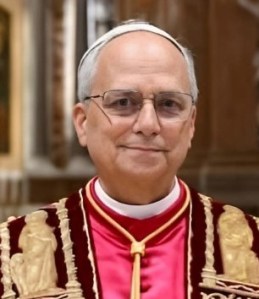
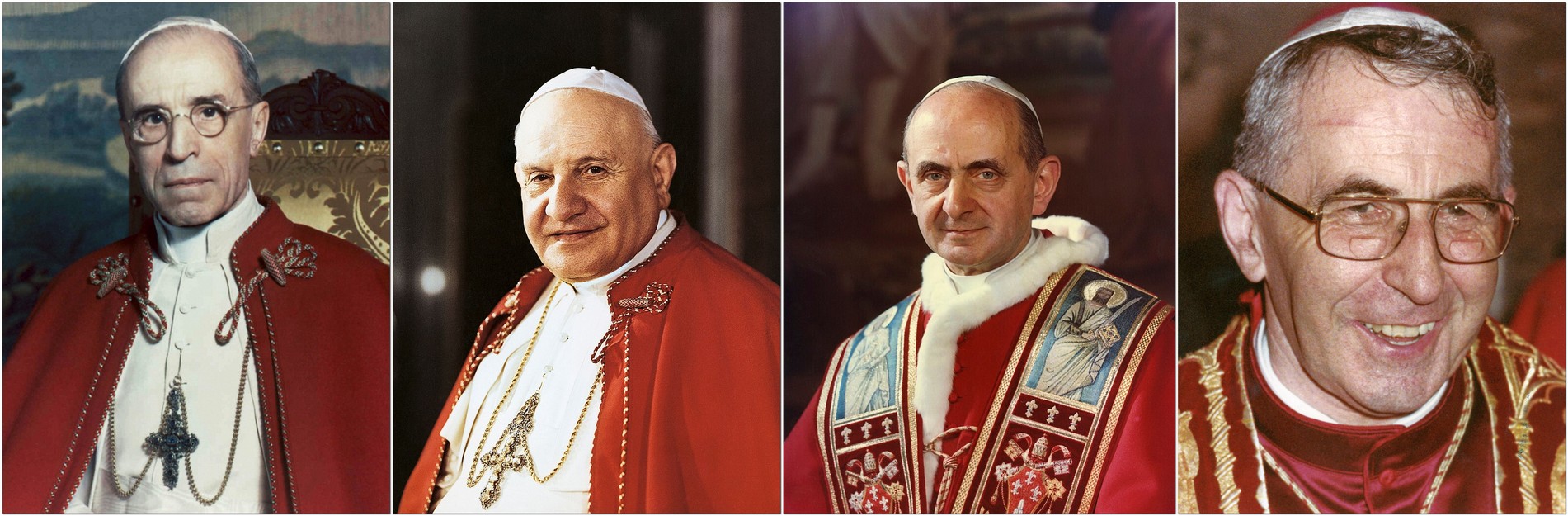
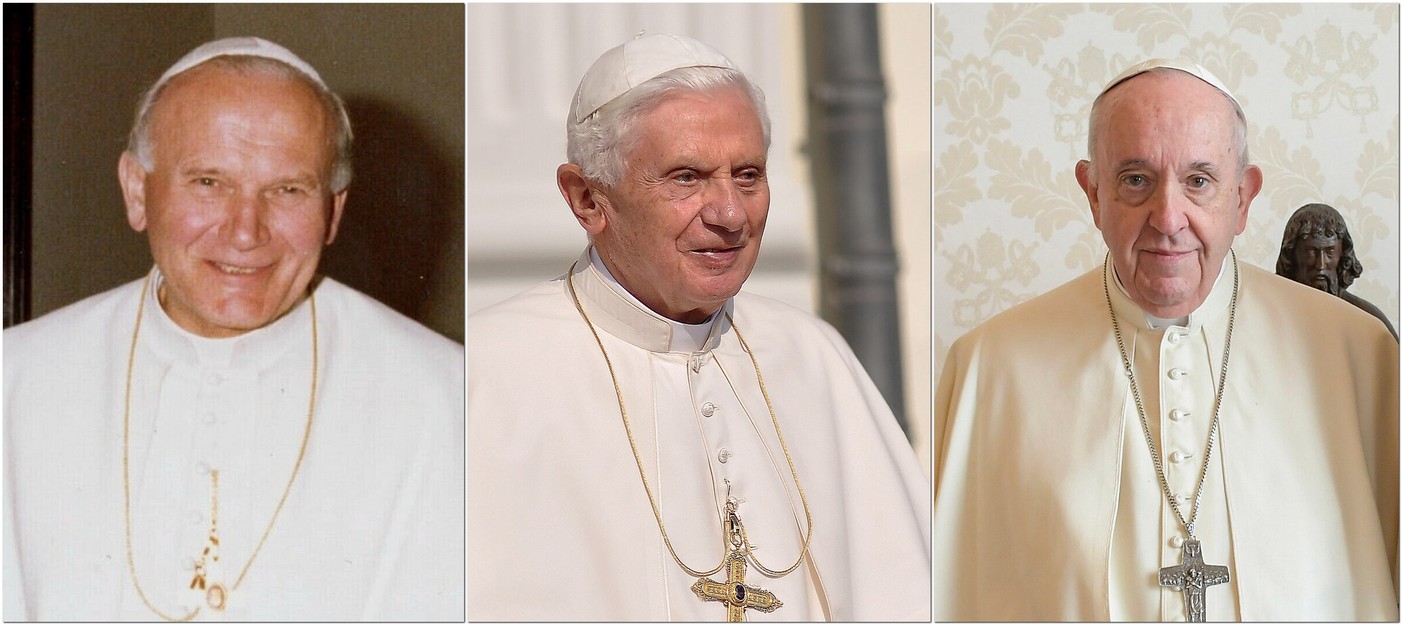

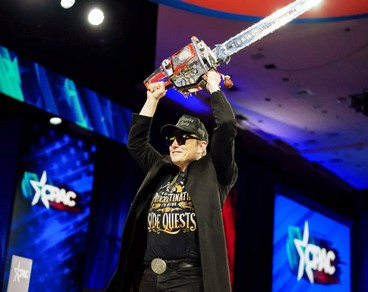
 As billionaire entrepreneur
  It’s beyond comprehension that, seemingly on a whim, DOGE abolished the world’s biggest (although not meeting the UN target of 0.7% of Gross National Income or GNI) and perhaps most important development agency, the United States Agency for International Development or USAid (now subsumed into the State Department).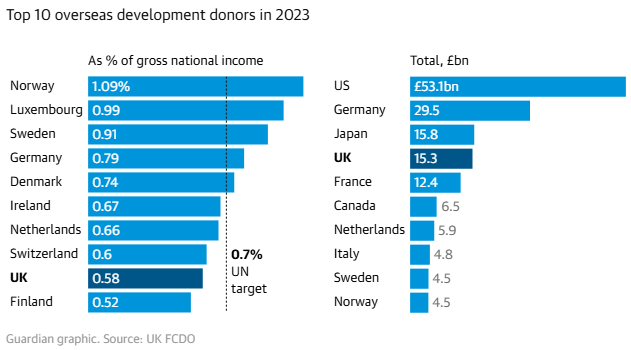
 For almost 30 years I worked at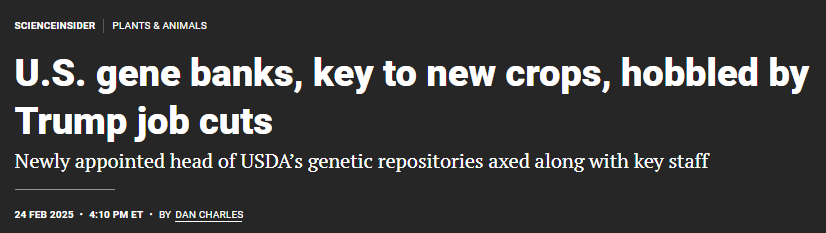
 varieties. But on 13 February she, like tens of thousands of other recent hires across the government still in probationary status, was dismissed from her job. [2]
 from the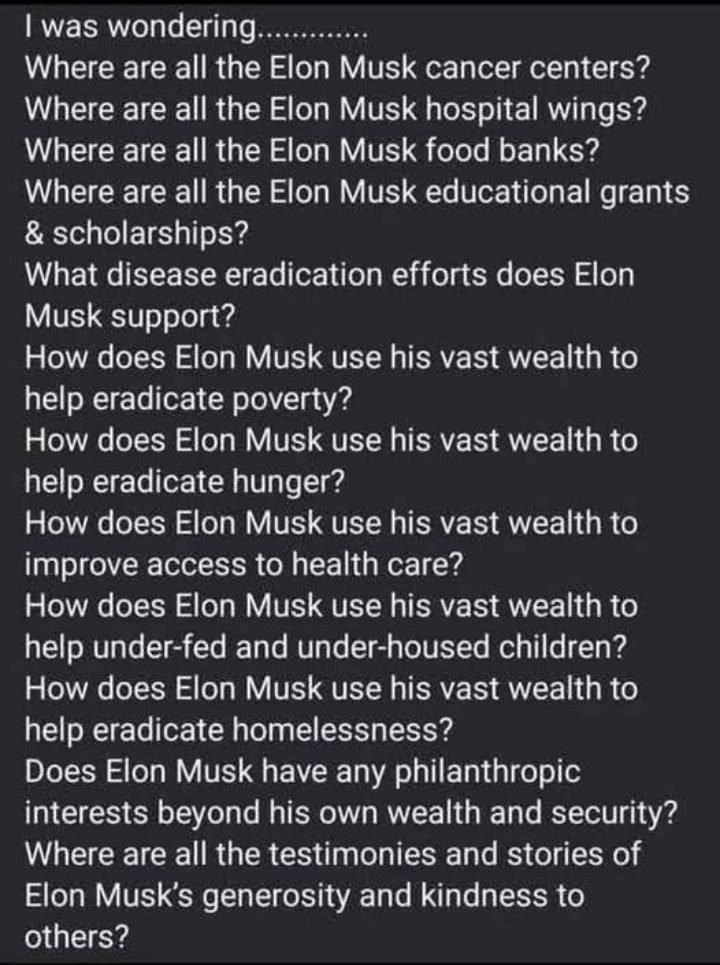
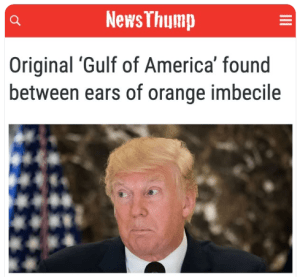 I grew up believing that—despite the suitability or not of the occupant—one should respect the office of a Prime Minister or President.
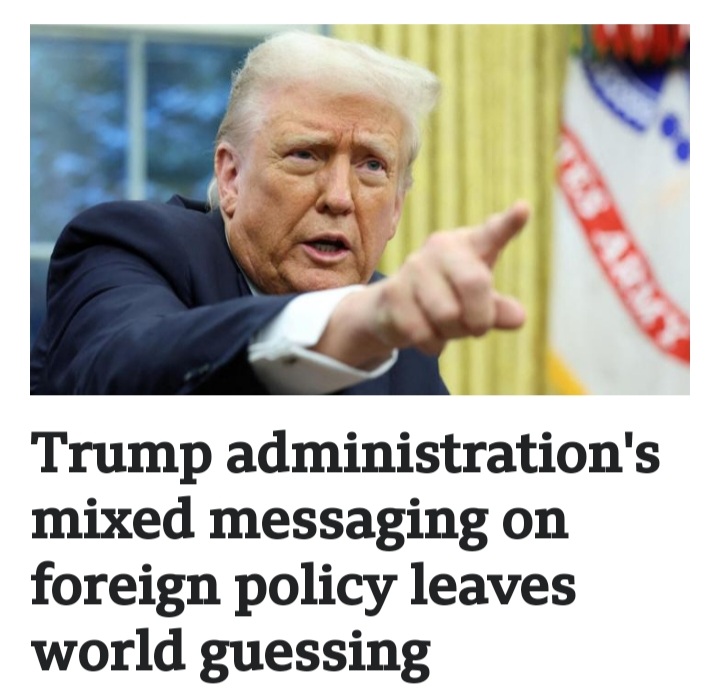
 And he unleashed mad dogs in the form of Elon Musk and his cohort of employees from the so-called ‘Department for Government Efficiency’ (DOGE) with, it seems, carte blanche authority to do whatever he pleases.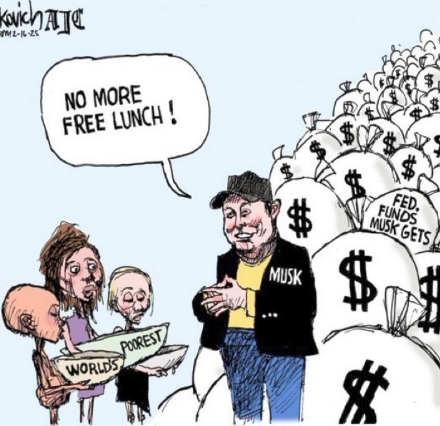
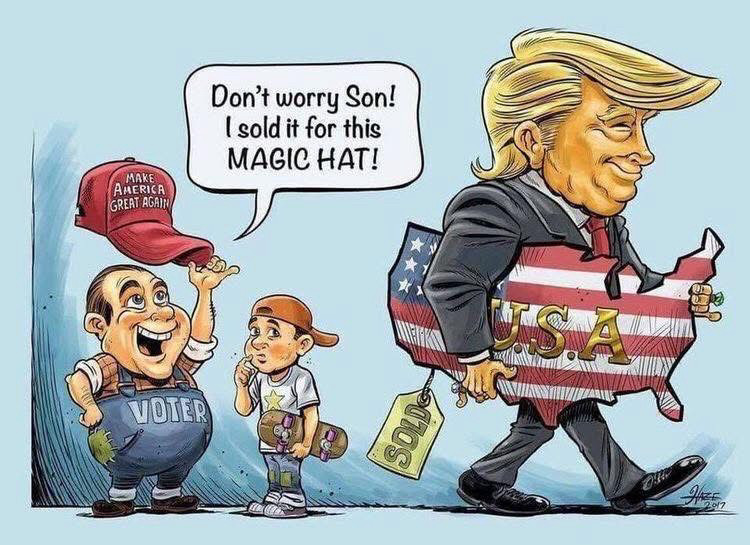
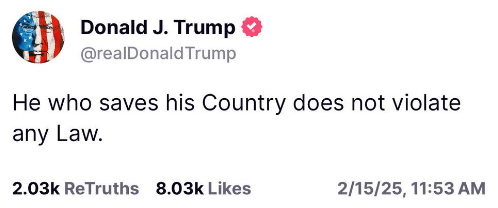






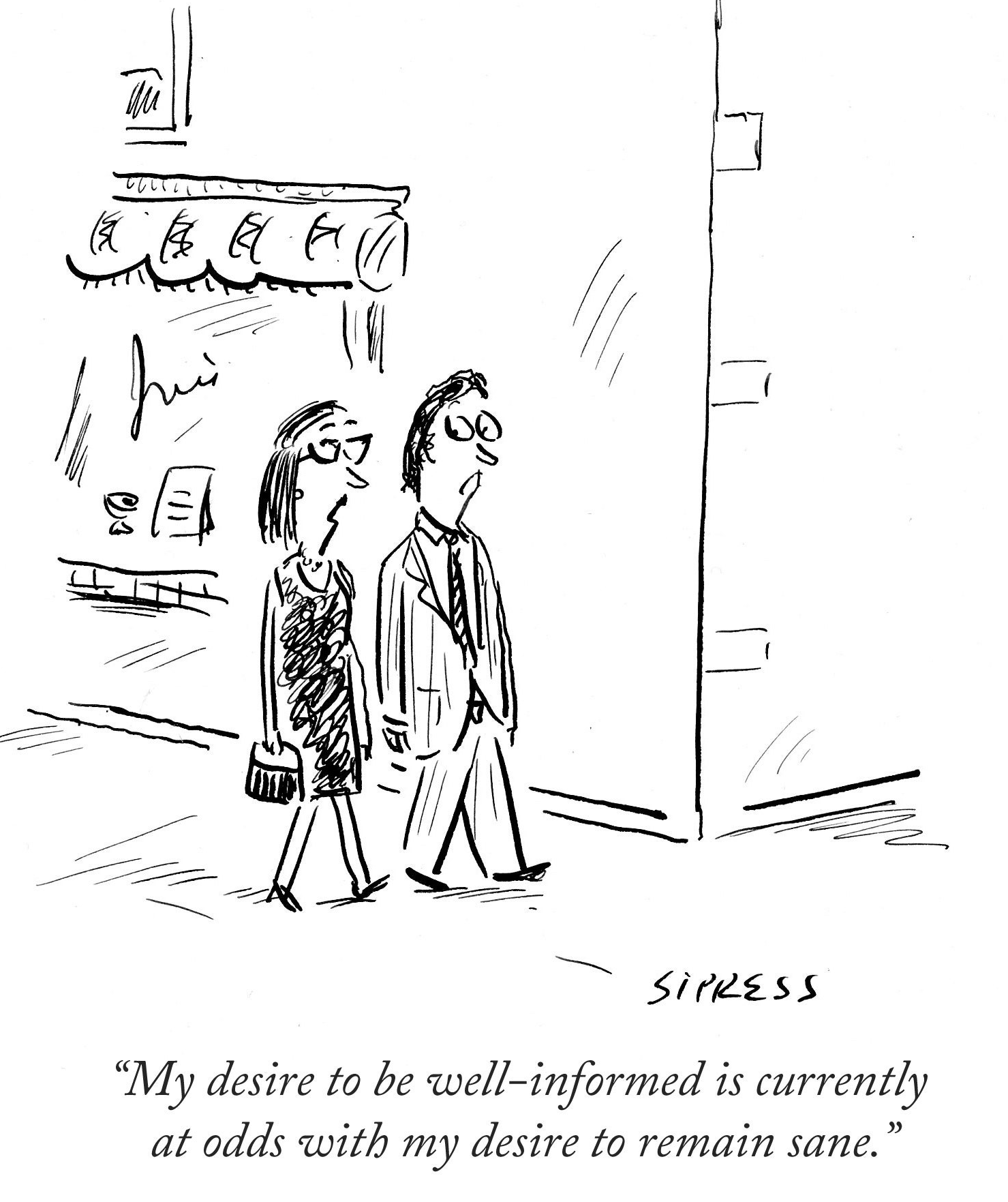
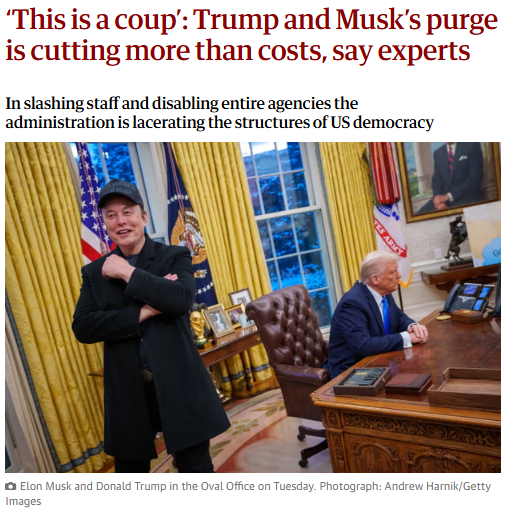

 For many years, Steph and I toyed with becoming members of the
  We received gift membership of
  The National Trust was the vision of its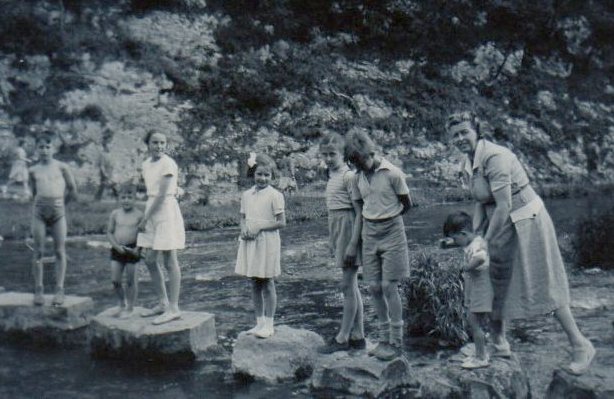
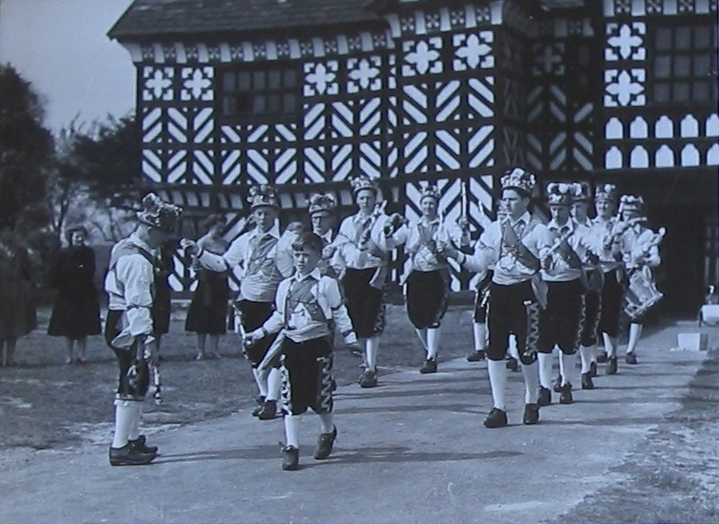
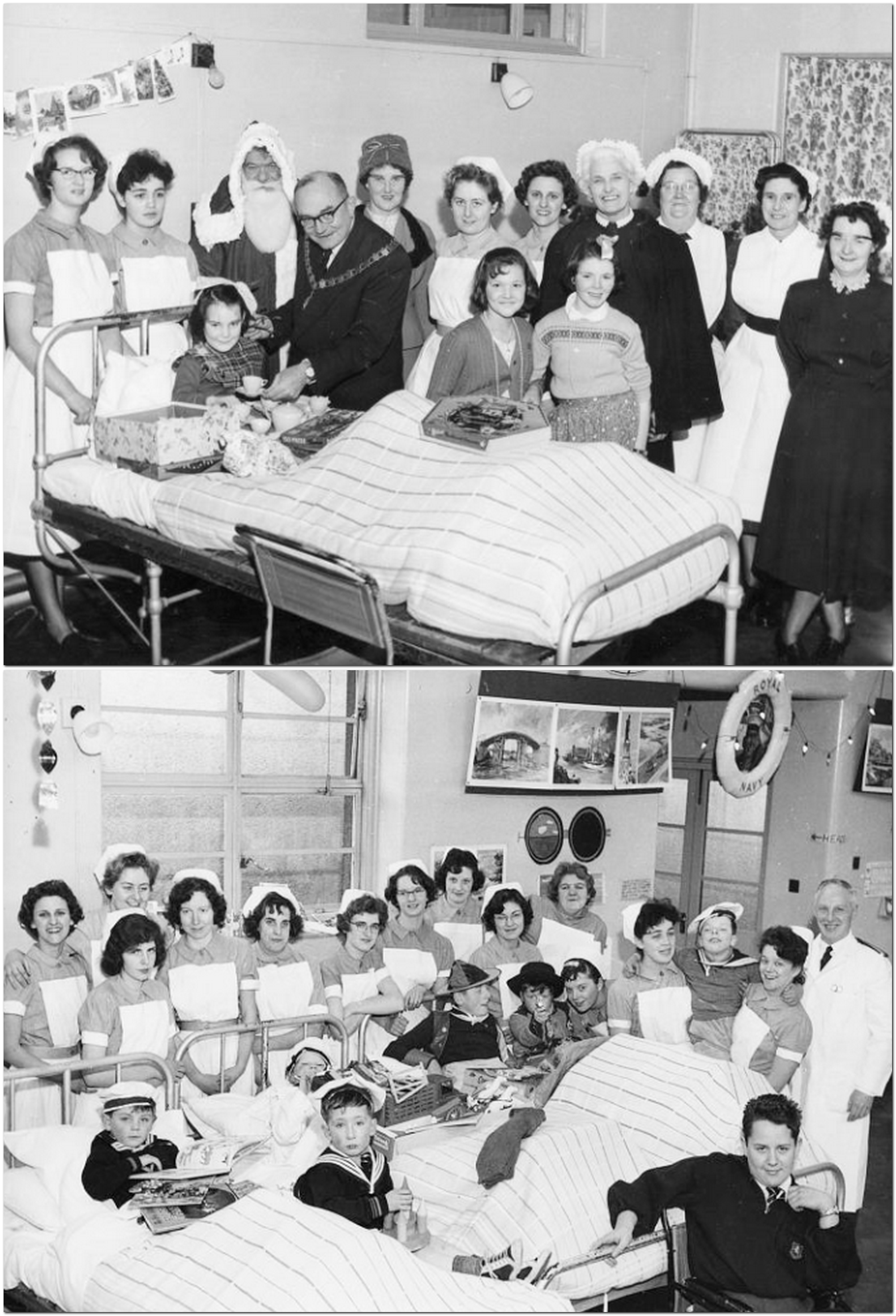
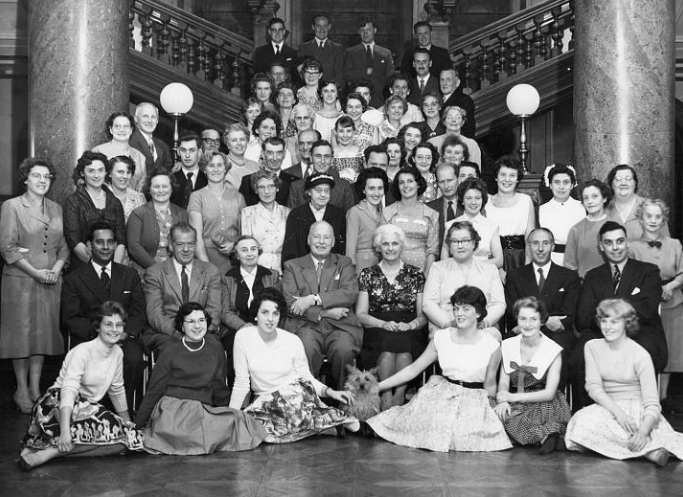
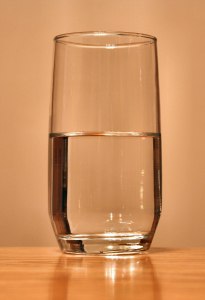 I’m an optimist. I like to keep a positive perspective and get on with my life with a sunny disposition.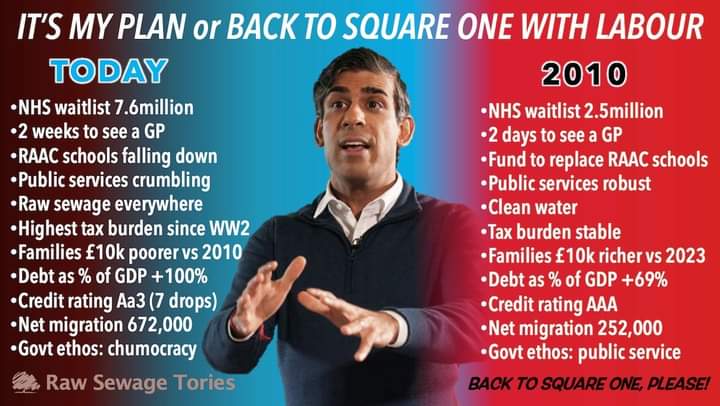
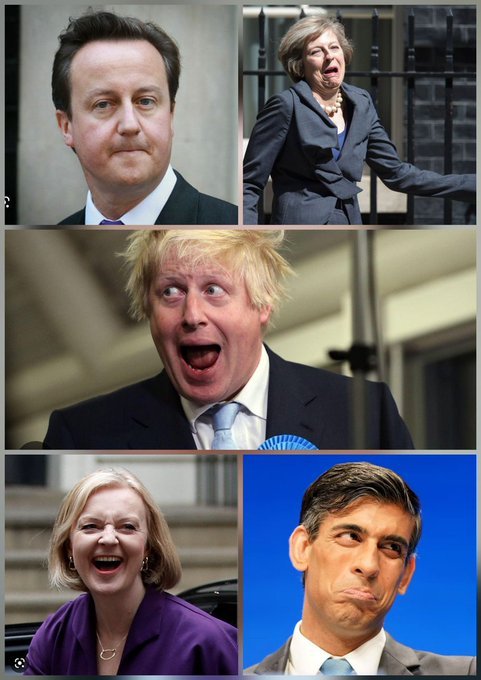
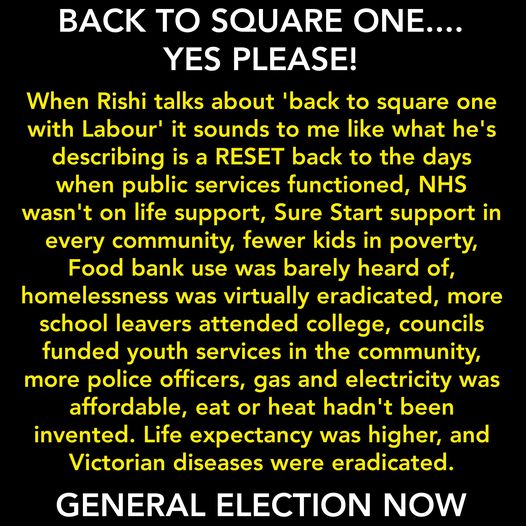
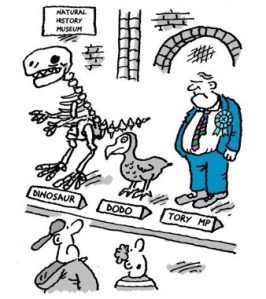 With Labour leading in the polls with a comfortable margin over the Tories, let’s hope that the General Election (whenever it’s called) brings the result so many desire. Oust the Tories and bring in a government that cares about this nation’s citizens, not just the privileged. Let’s wipe them out.
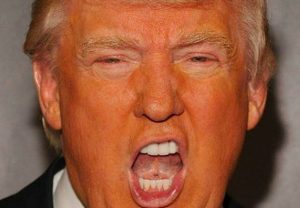 Once a cockwomble, always a cockwomble, as I wrote in
 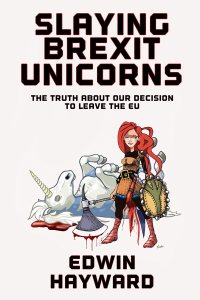 [1]
[1] 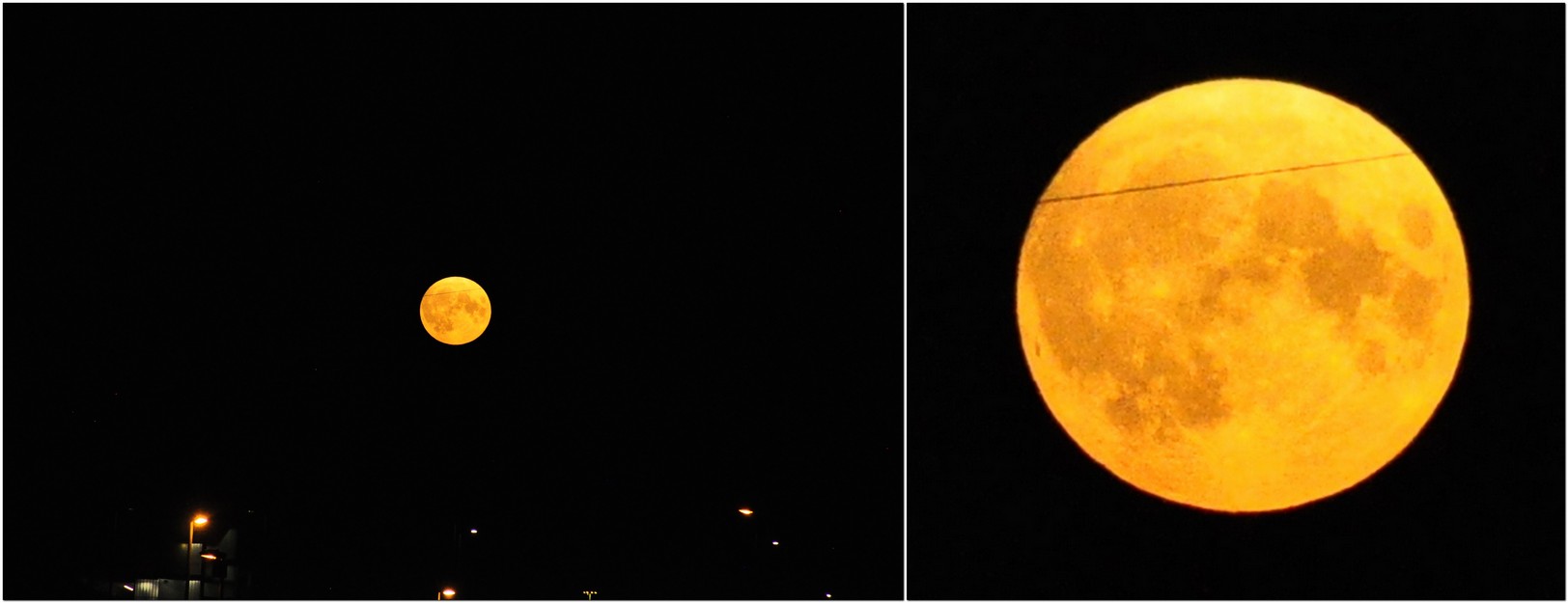
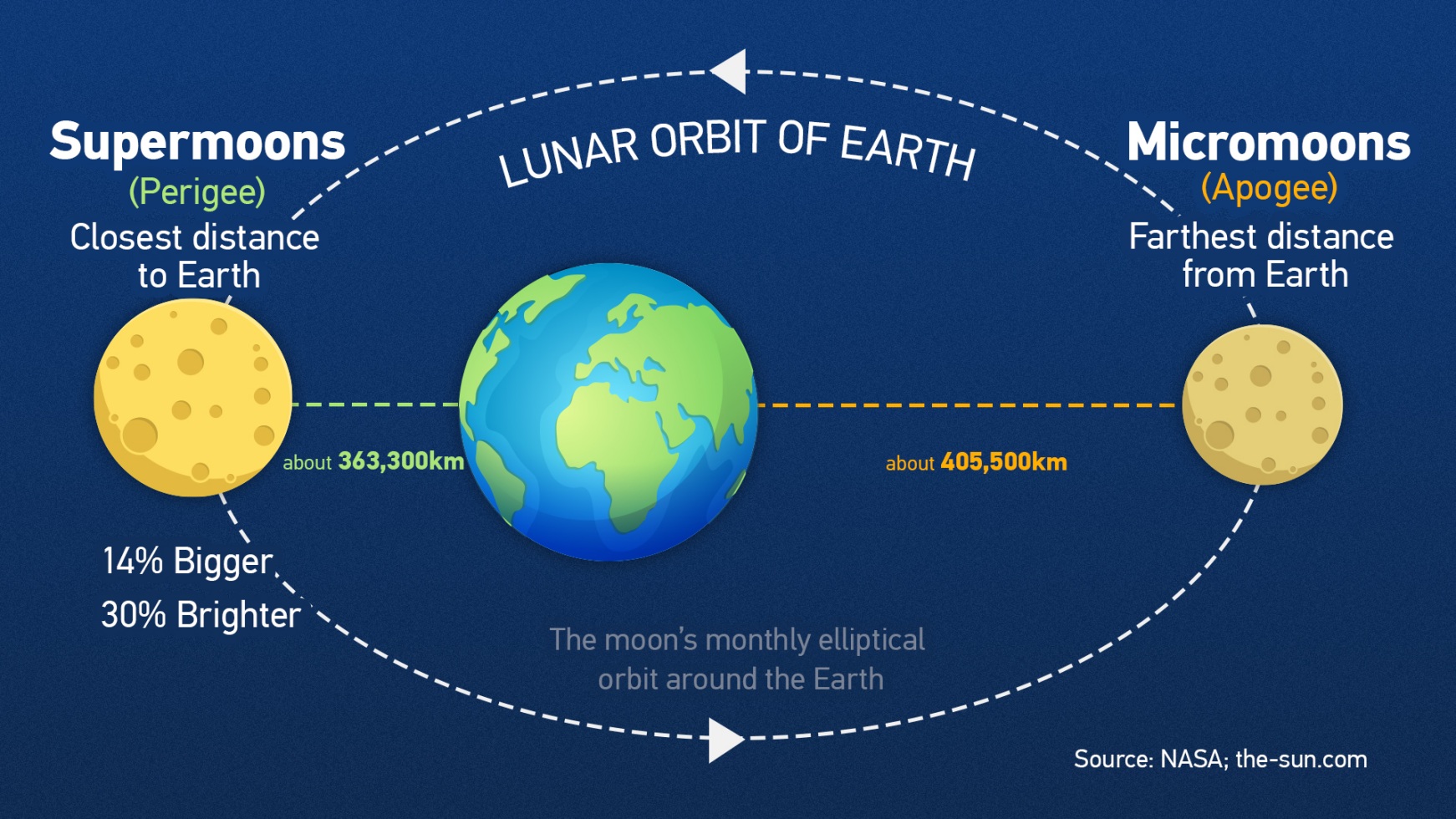
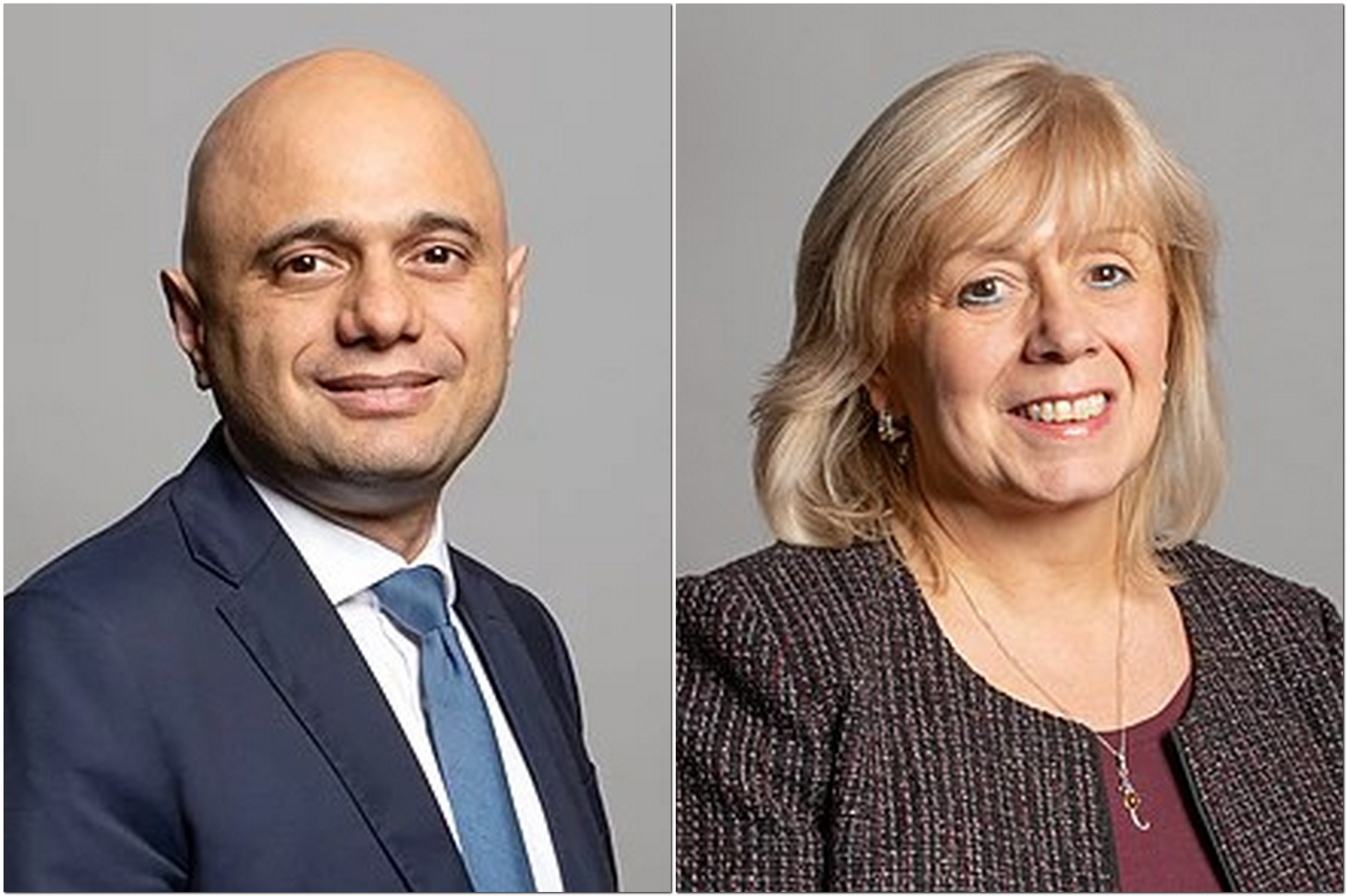
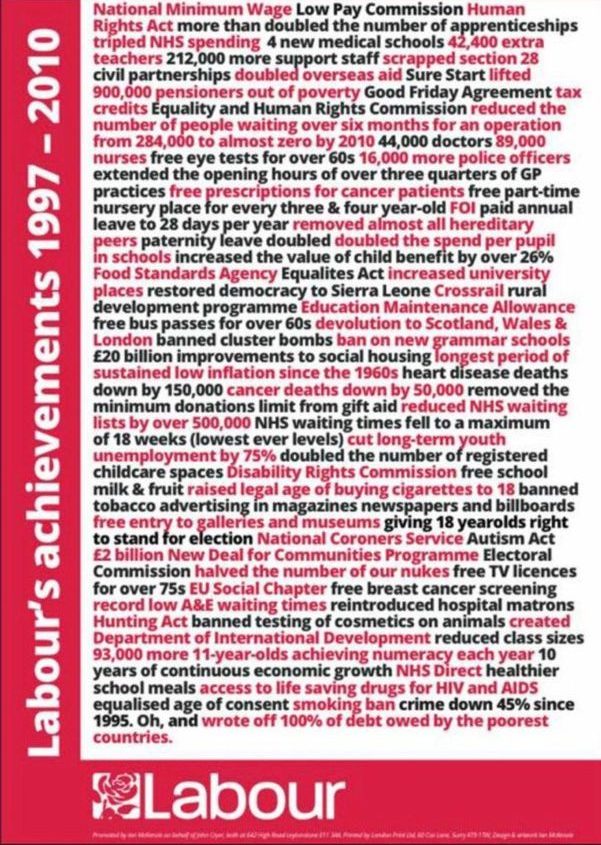
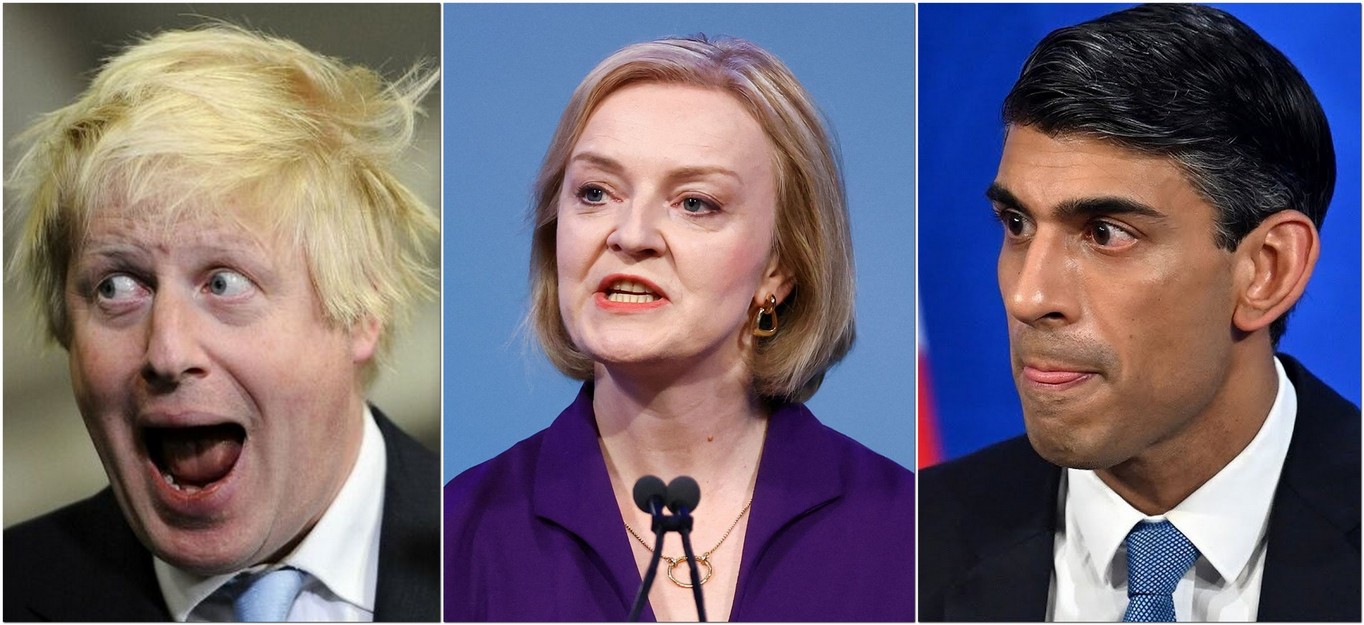
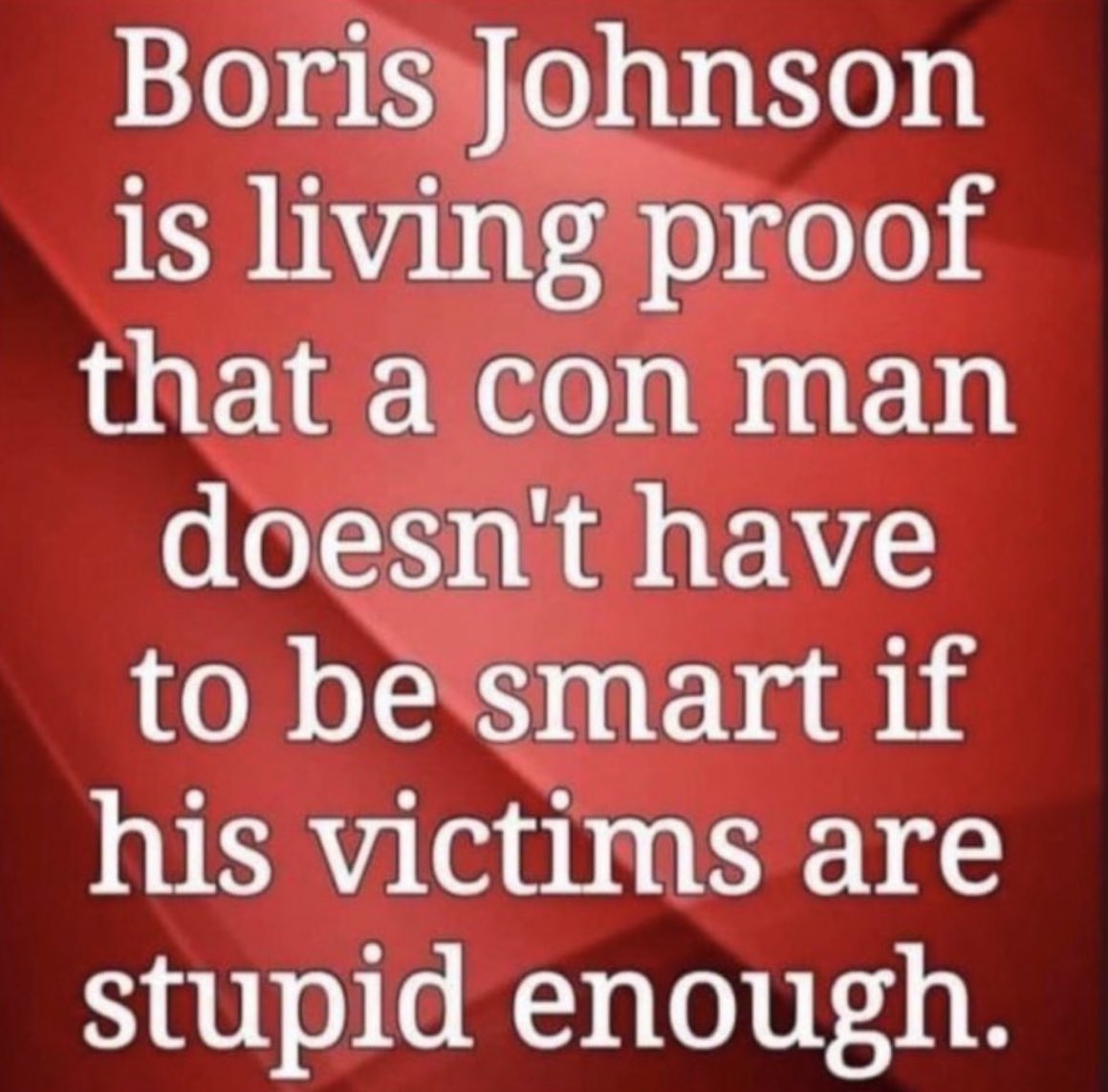

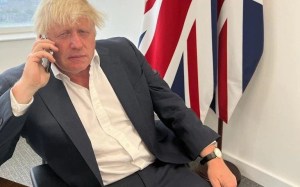
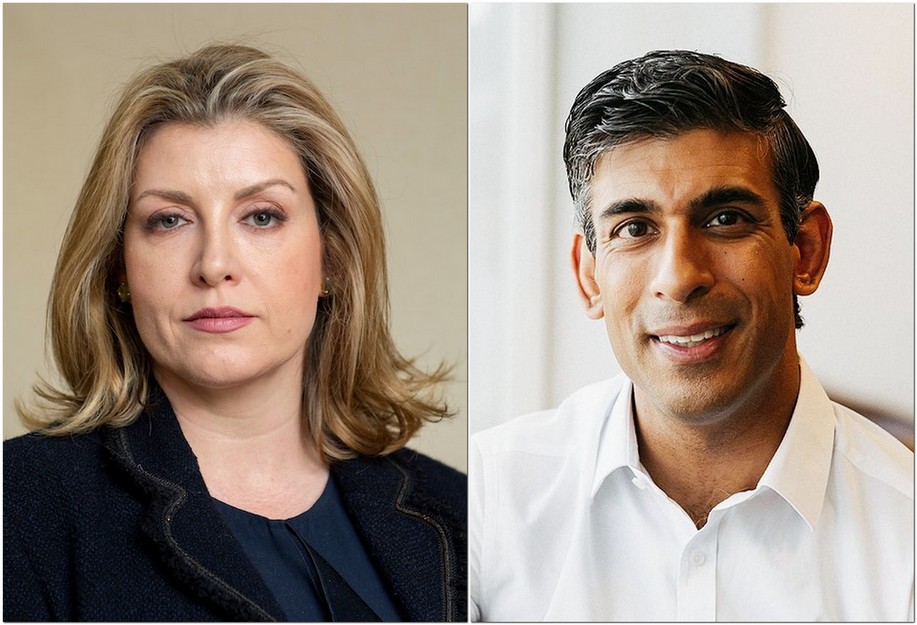
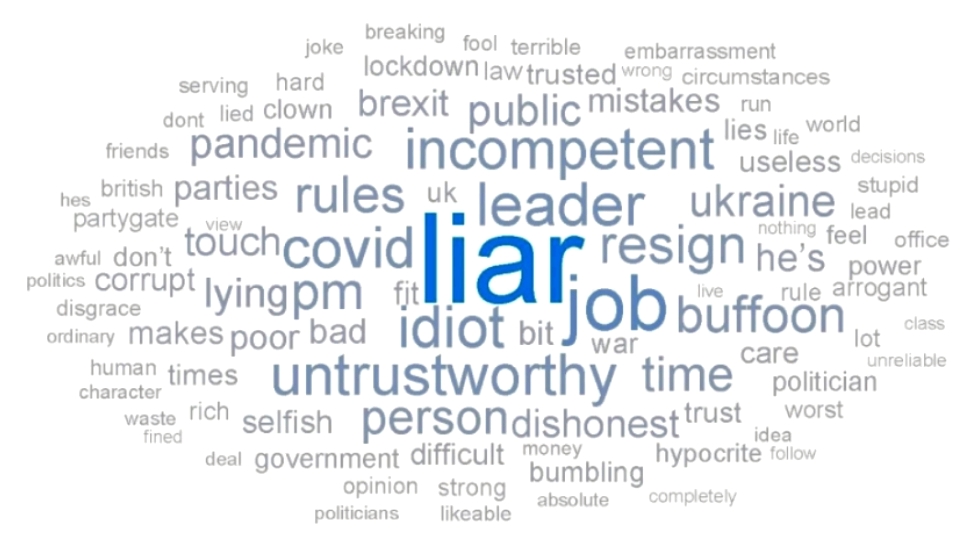
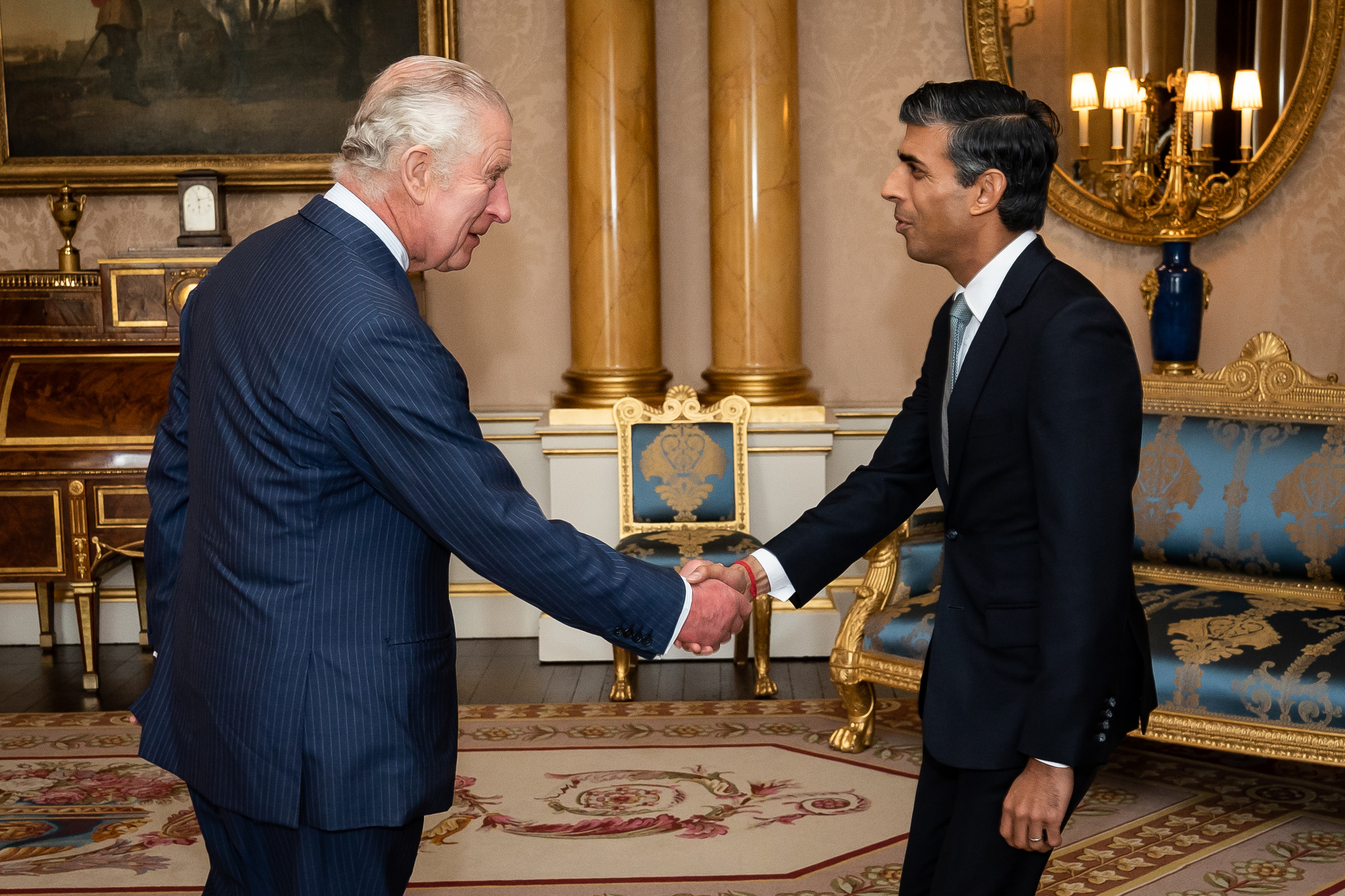
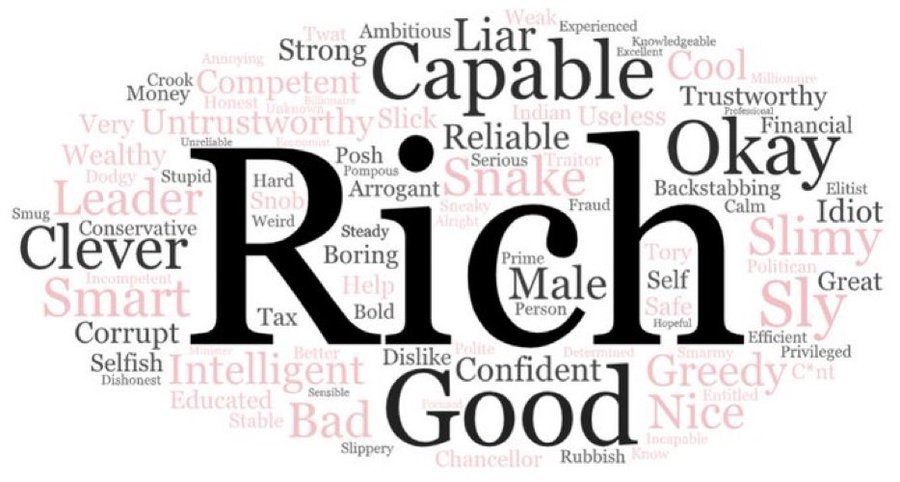
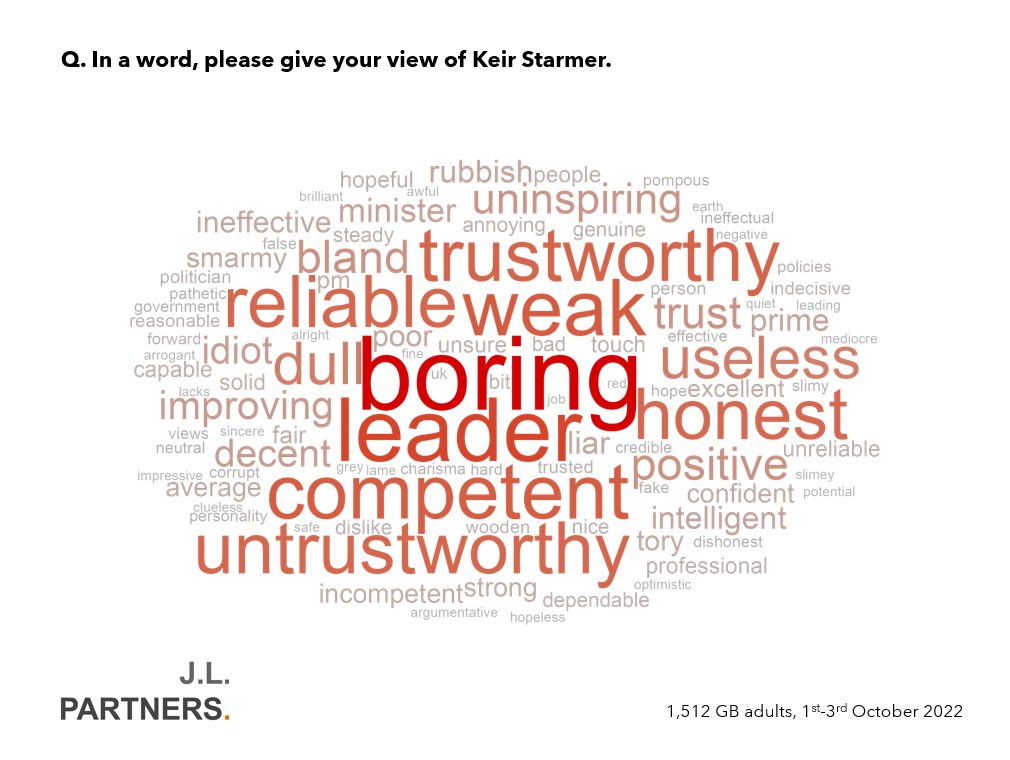


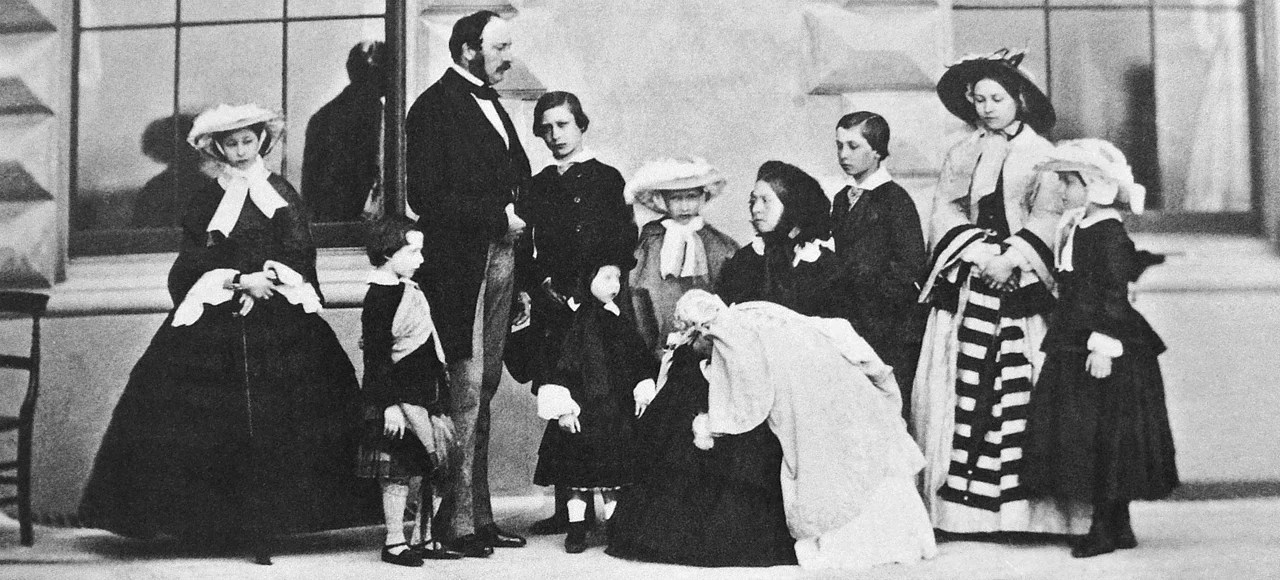
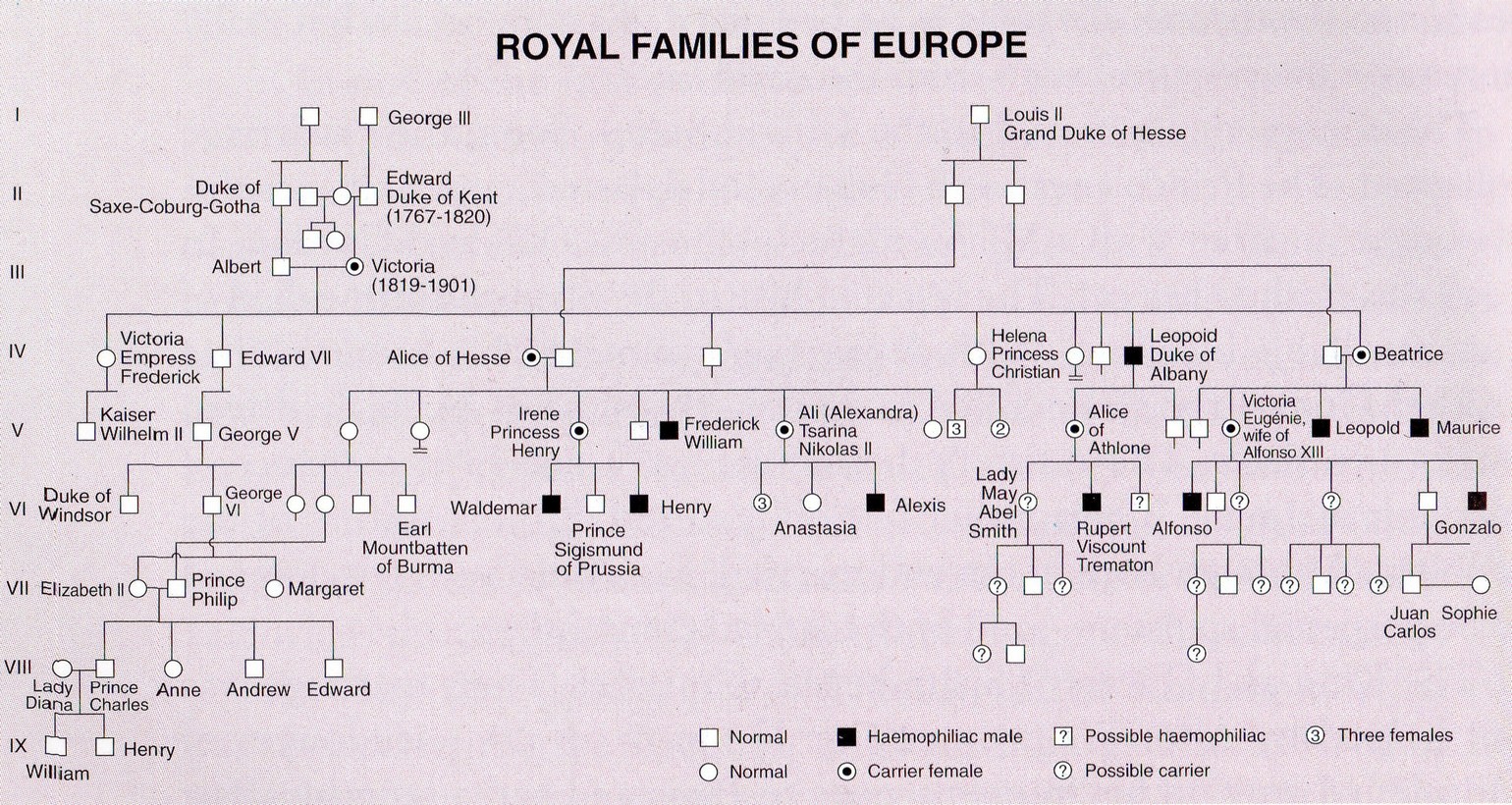
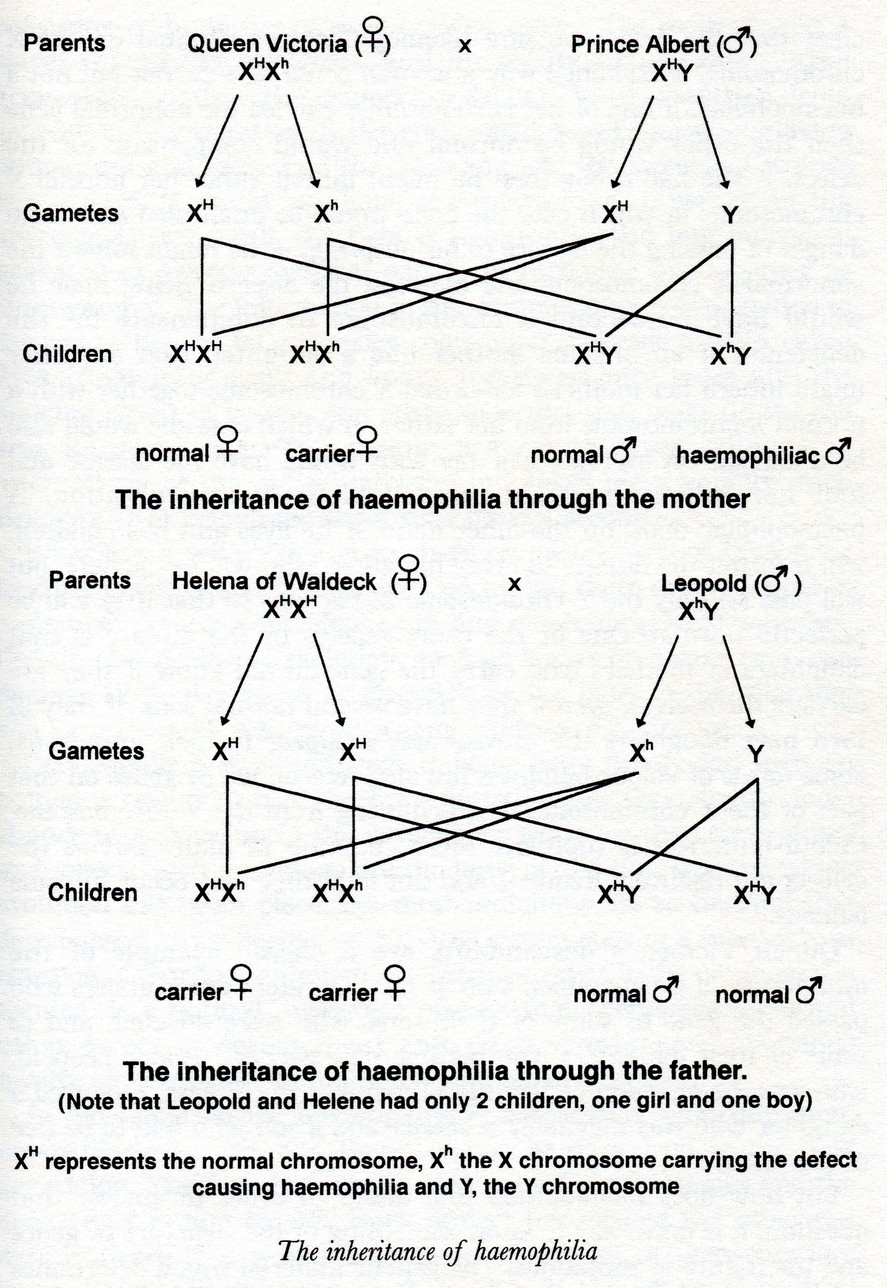
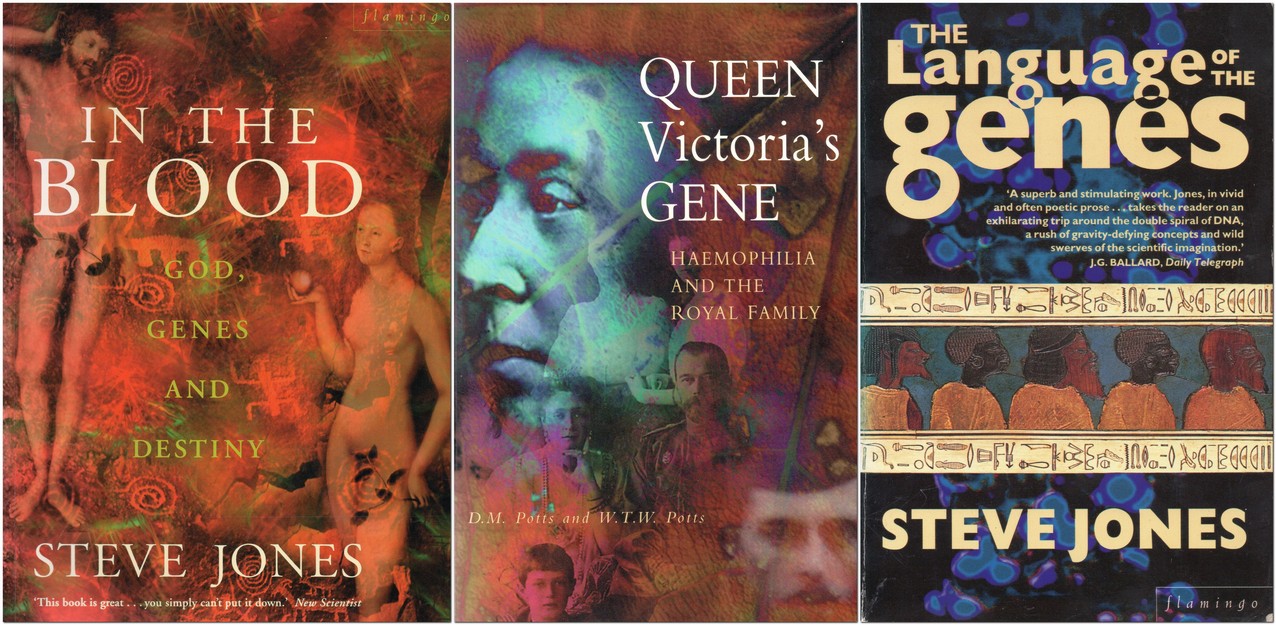
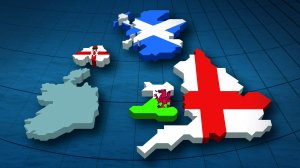 I – and many others it would seem (if Twitter traffic and other media are to be believed) – have lost (or are rapidly losing) faith in this nation of ours.
 I was born in November 1948.
 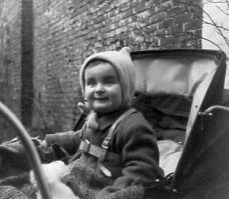 I grew up in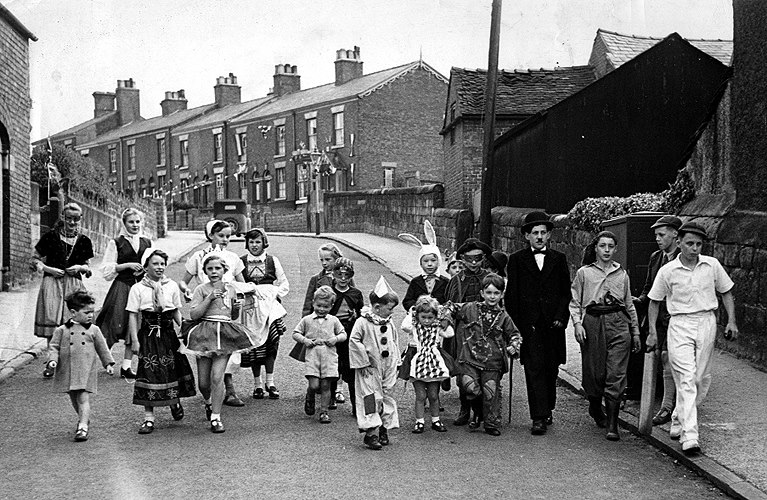
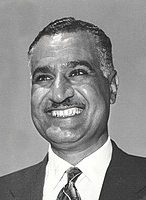
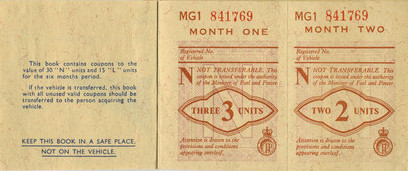
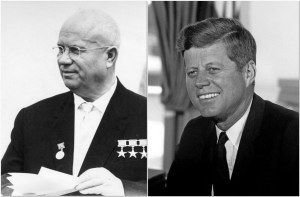
 Only a couple of weeks earlier, one of the most notorious (but badly planned and incompetently executed) robberies took place in Buckinghamshire when a gang held up a Royal Mail train, stealing more than £2.6 million (=£56 million at today’s value). Known as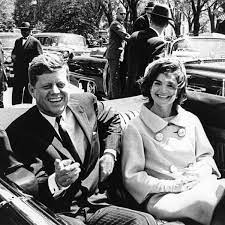
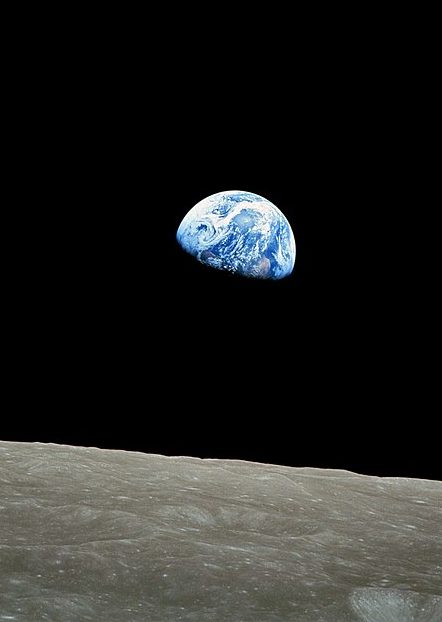
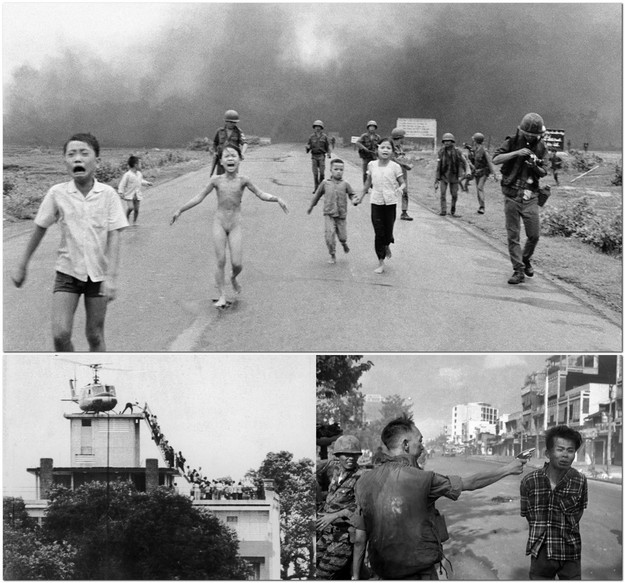
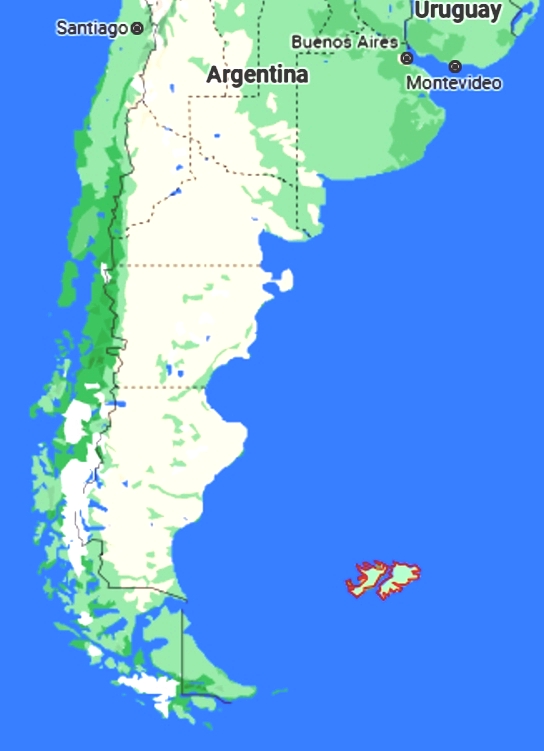 I was back in the UK by April 1981, launching my second career as a lecturer at the University of Birmingham. In late March 1982 I took a party of MSc students to Israel to attend
 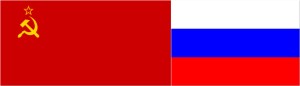 One of the most infamous occurrences of the Cold War must surely be the erection of the Berlin Wall in August 1961, and its aftermath, brutally dividing the citizens of that city. But that all changed in November 1989 when the wall came tumbling down, signalling the collapse over the next few years of the Eastern Bloc of Communist countries, in particular the Soviet Union in December 1991. I passed through the wall on a visit to East Germany in March 1990. Given the current dangerous situation on the Ukraine-Russia border there are those within the Russian hierarchy who wish to turn the clock back.
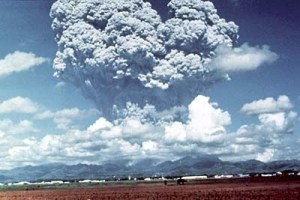 And talking of moving abroad, there was an event in June 1991 that almost put paid to my travel plans. In the Philippines, the eruption of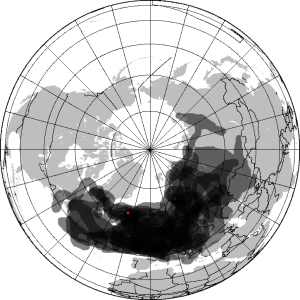
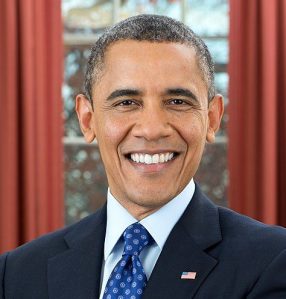
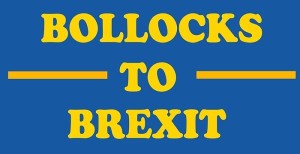 For many of us in the UK (48% of those who voted) 2016 was also a disastrous year, with the referendum on membership of the European Union (EU) leading to our exit:
  As I conclude this post, we are still in the throes of the Covid-19 pandemic, although the government here in the UK would have us believe otherwise. So many invocations of British exceptionalism over the past two years make me almost ashamed to claim British nationality.
  Until now, I’ve never really been in favor of proportional representation in elections. But as I get older (though probably not a lot wiser) I’m coming round to the idea, and electoral reform in general (not only in the UK but elsewhere). The UK’s First Past The Post (FPTP) electoral system is no longer fit for purpose. It’s not as though we’ve never had a stab at proportional representation. Elections to the European Parliament were run in this way.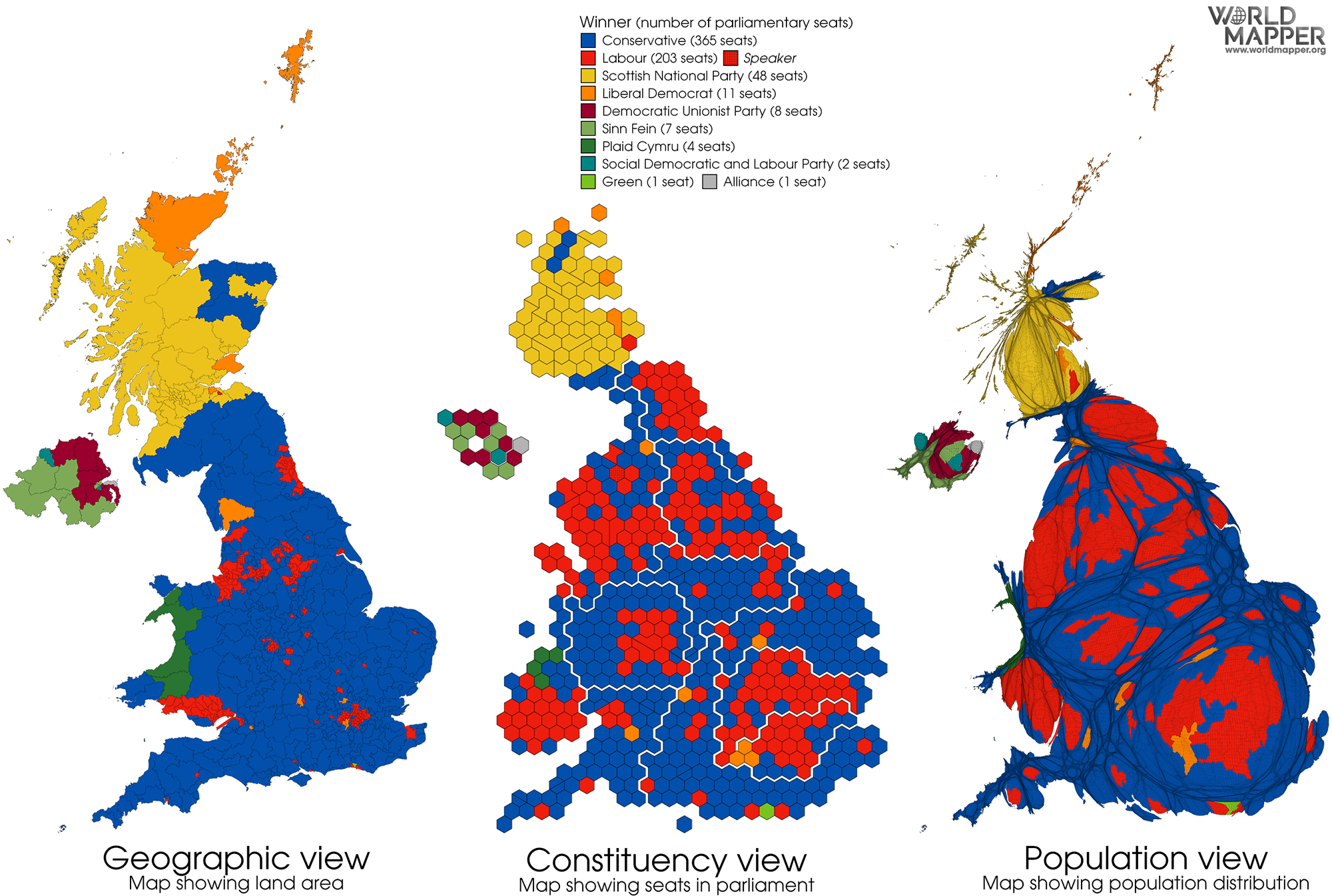
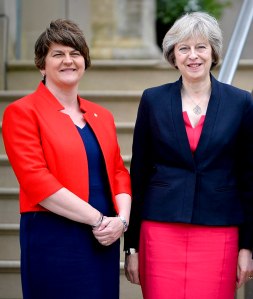
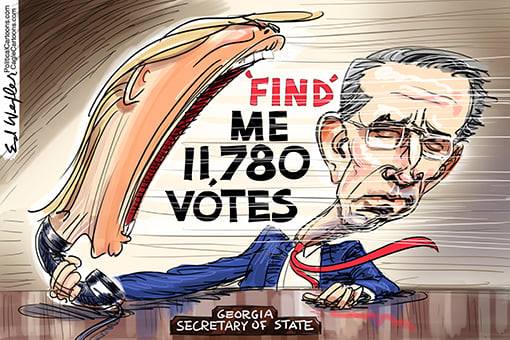
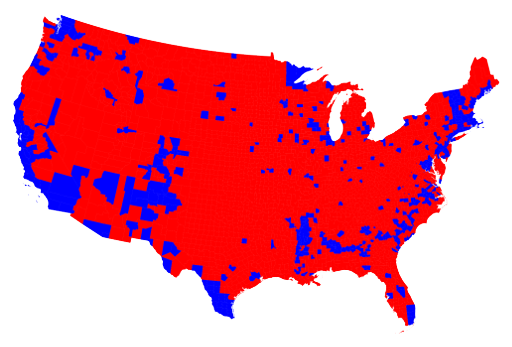
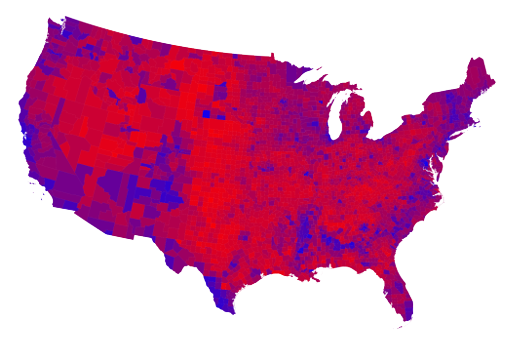
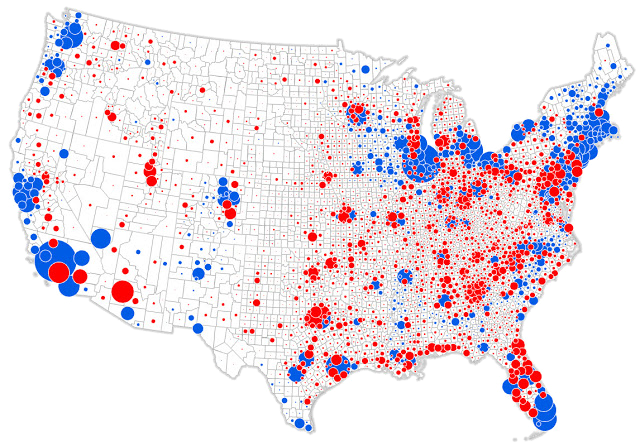
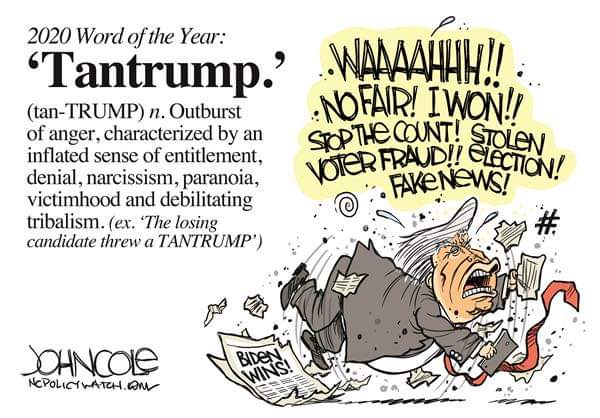
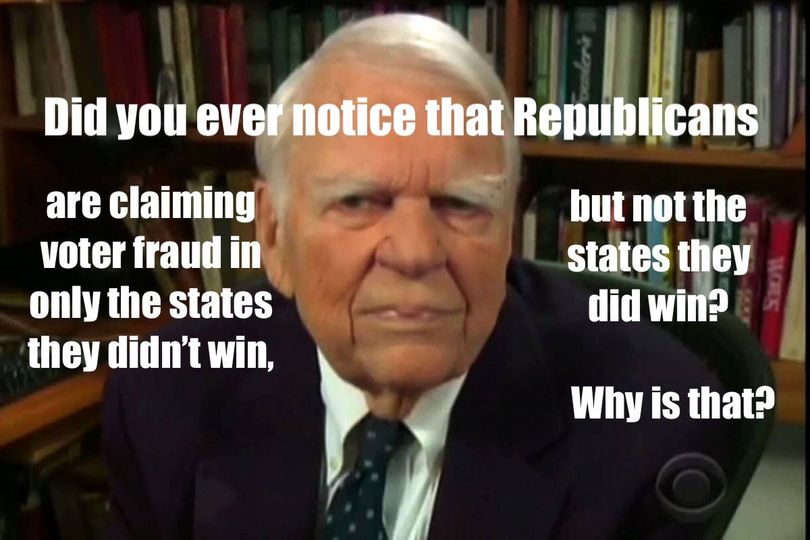
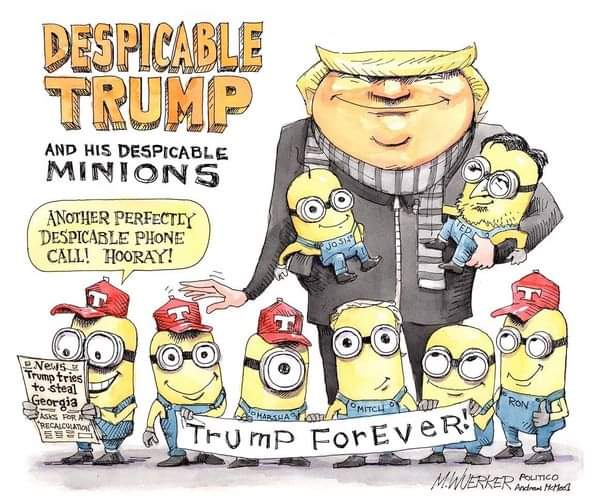
 A Twitter thread caught my attention a couple of days back, about whether doctors should ever use a patient’s first name without asking permission to do so.

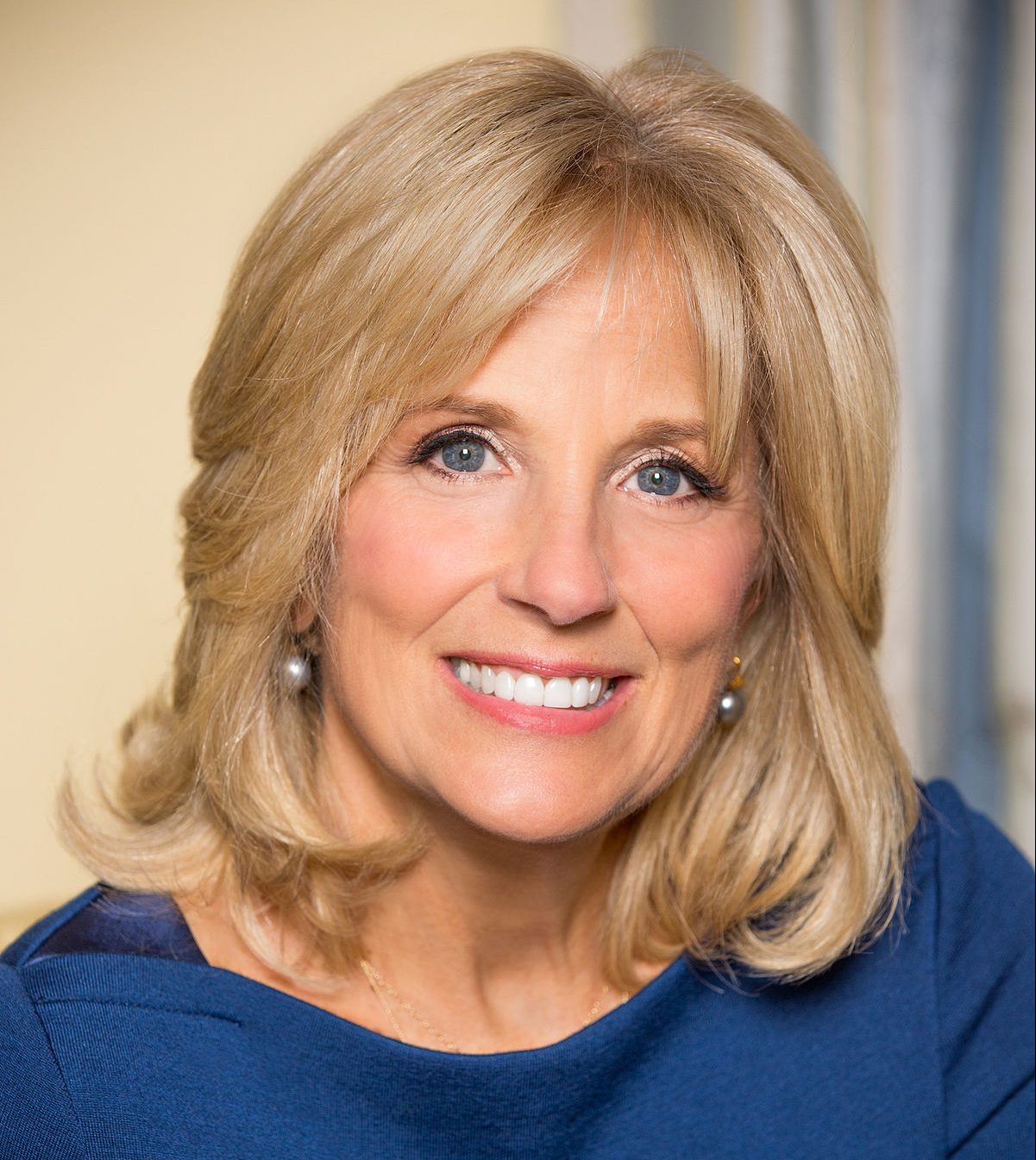
 Who would have thought, as the clock struck midnight last 31 December that we’d be facing a year of unprecedented restrictions on our daily lives. Oh, and the overuse of words such as unprecedented that have really got my goat these past Covid-19-ridden months. It seems that the politicians and pundits (and others who should know better) have employed this description for almost everything that has happened, even when, with a little more careful planning and foresight, things would not have become so unprecedented. Tell that to the victims of the fourteenth century Black Death or the1665 Great Plague in London, for example. Not to mention the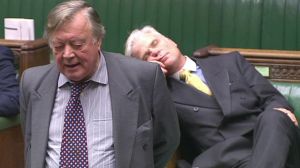
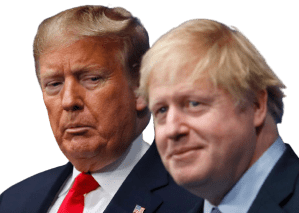
 Minnesota, where Covid rates are continuing to climb. There’s been a serious uptick in infections in the Upper Mid-West.



 She cited British poet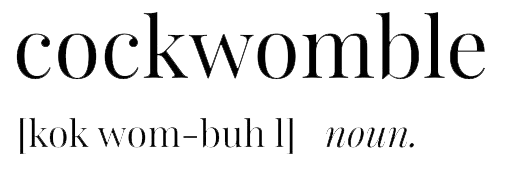
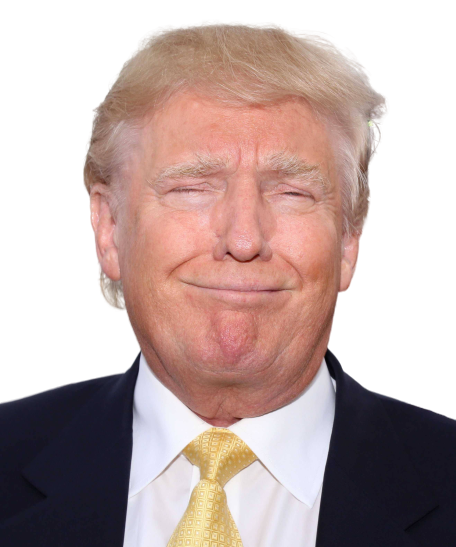
 There is never any under-layer of irony, complexity, nuance or depth. It’s all surface. Some Americans might see this as refreshingly upfront. Well, we don’t. We see it as having no inner world, no soul. And in Britain we traditionally side with David, not Goliath. All our heroes are plucky underdogs: Robin Hood, Dick Whittington, Oliver Twist. Trump is neither plucky, nor an underdog. He is the exact opposite of that. He’s not even a spoiled rich-boy, or a greedy fat-cat. He’s more a fat white slug. A Jabba the Hutt of privilege.
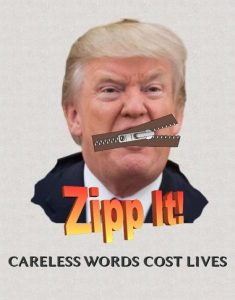 Mr President, if you can’t open your mouth without inflaming an already tense situation—dangerous even—then please don’t say anything at all.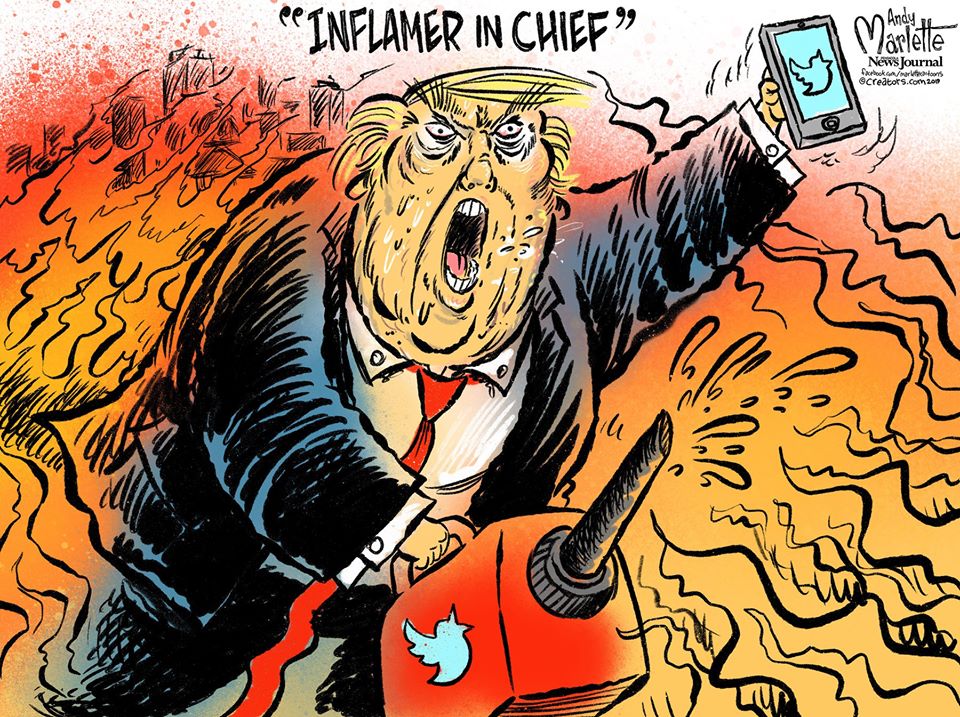
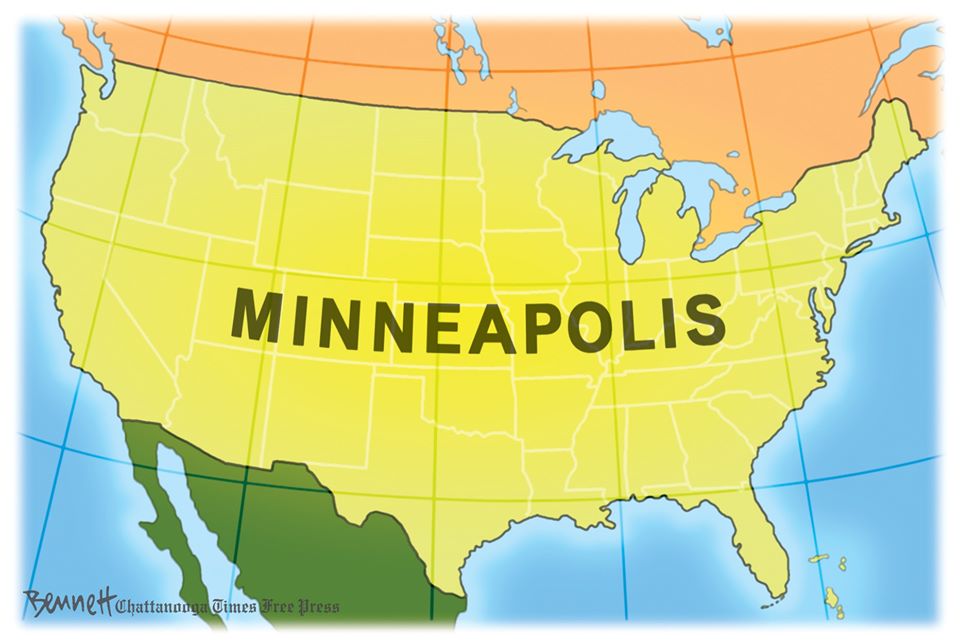
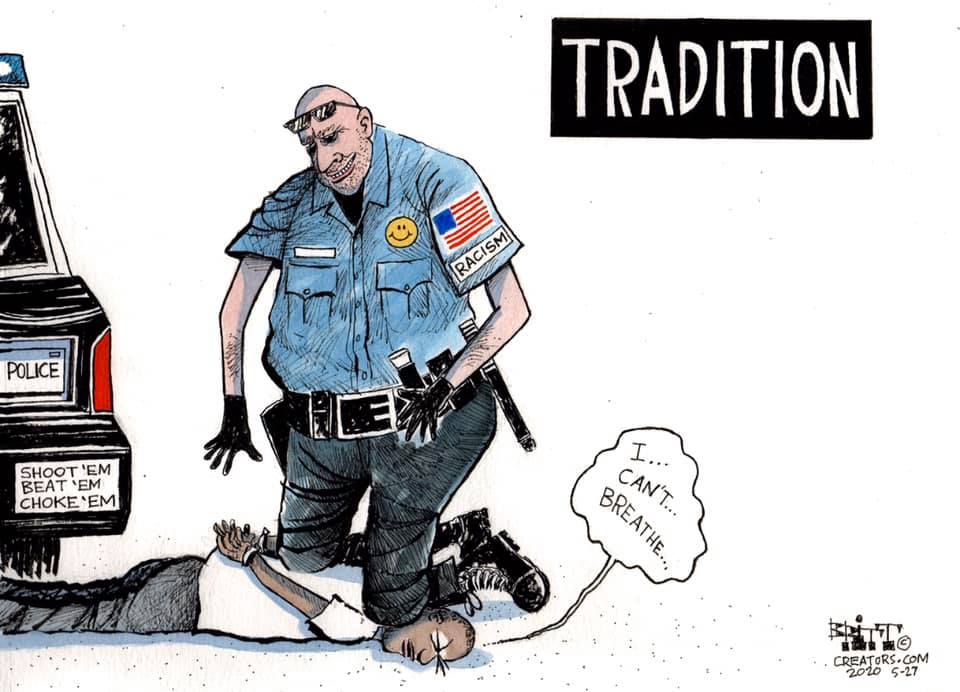
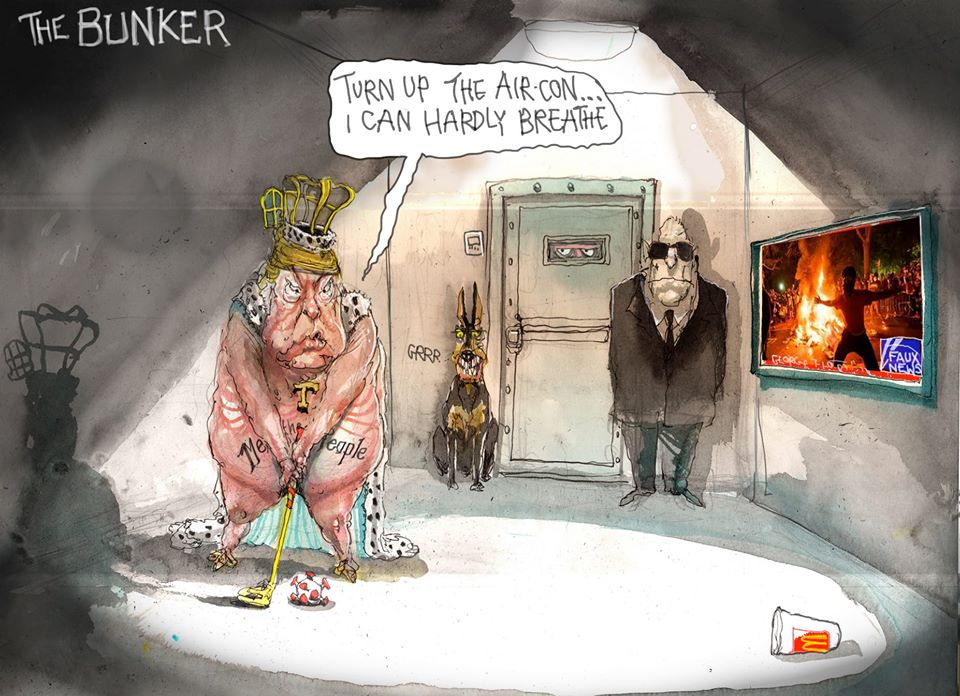
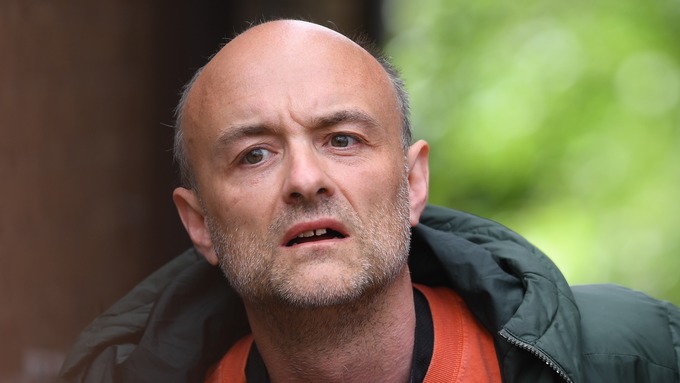



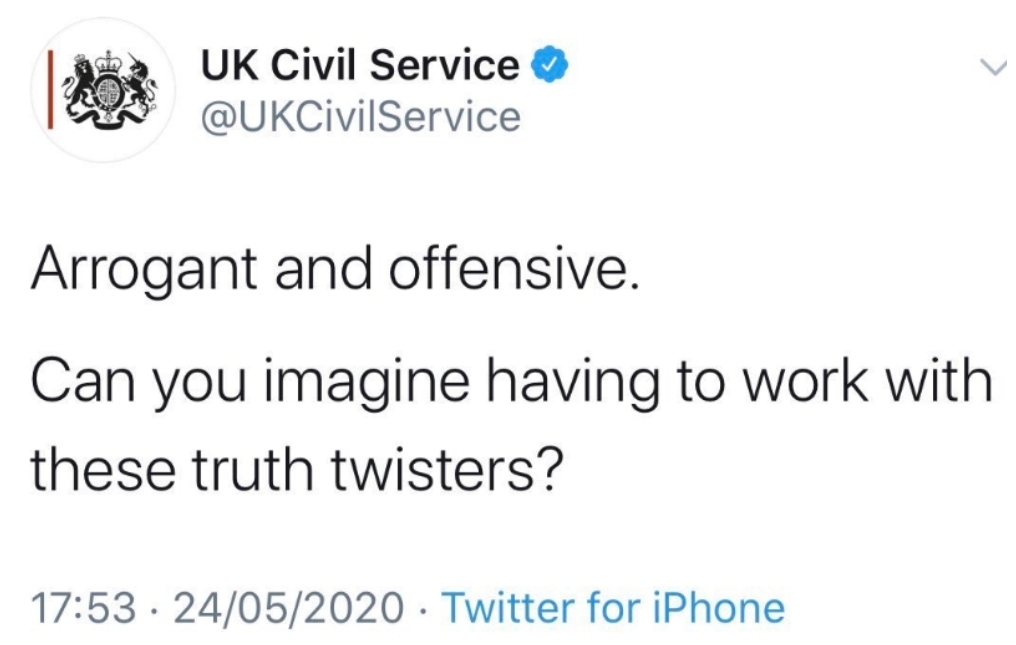
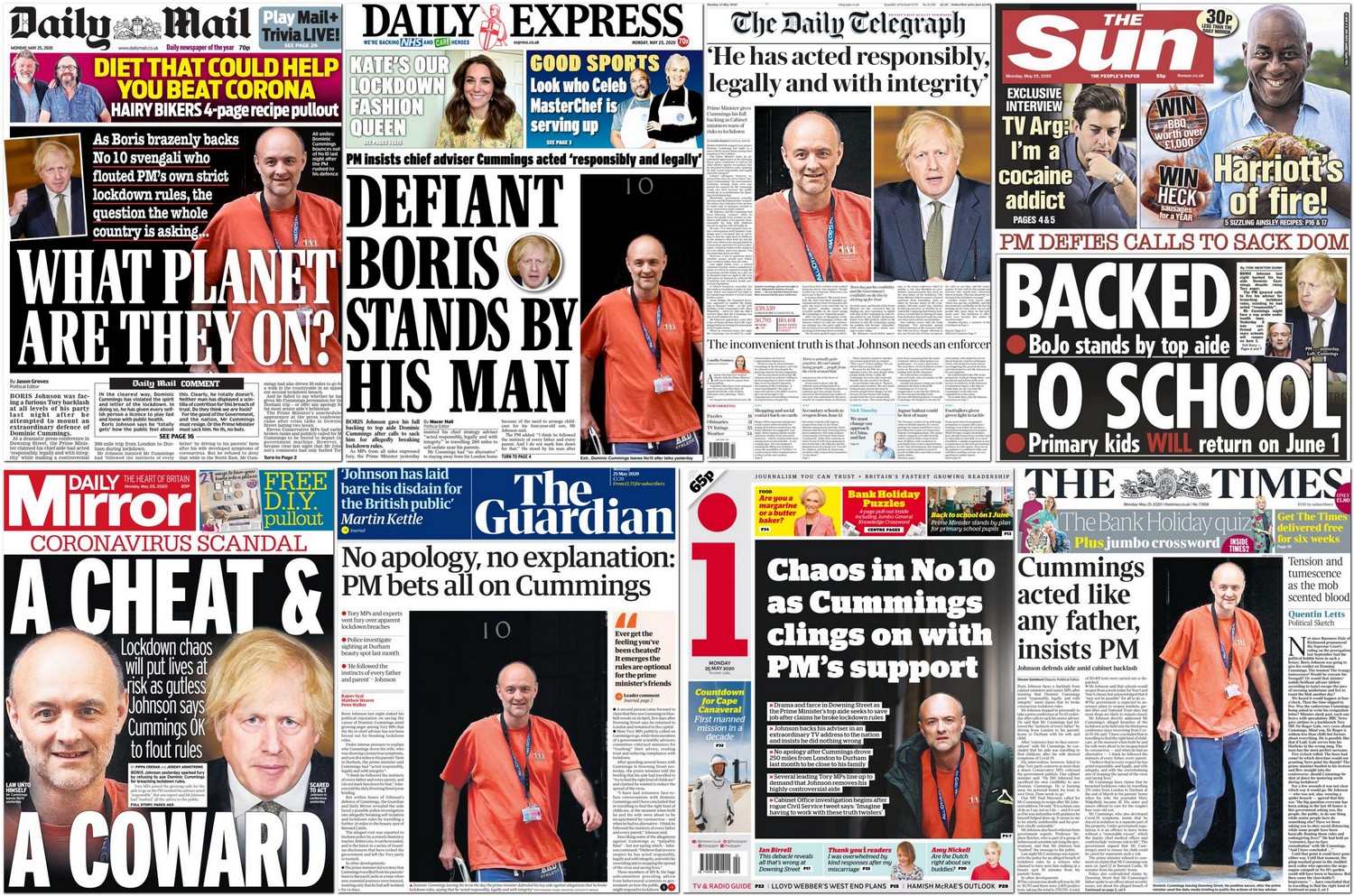
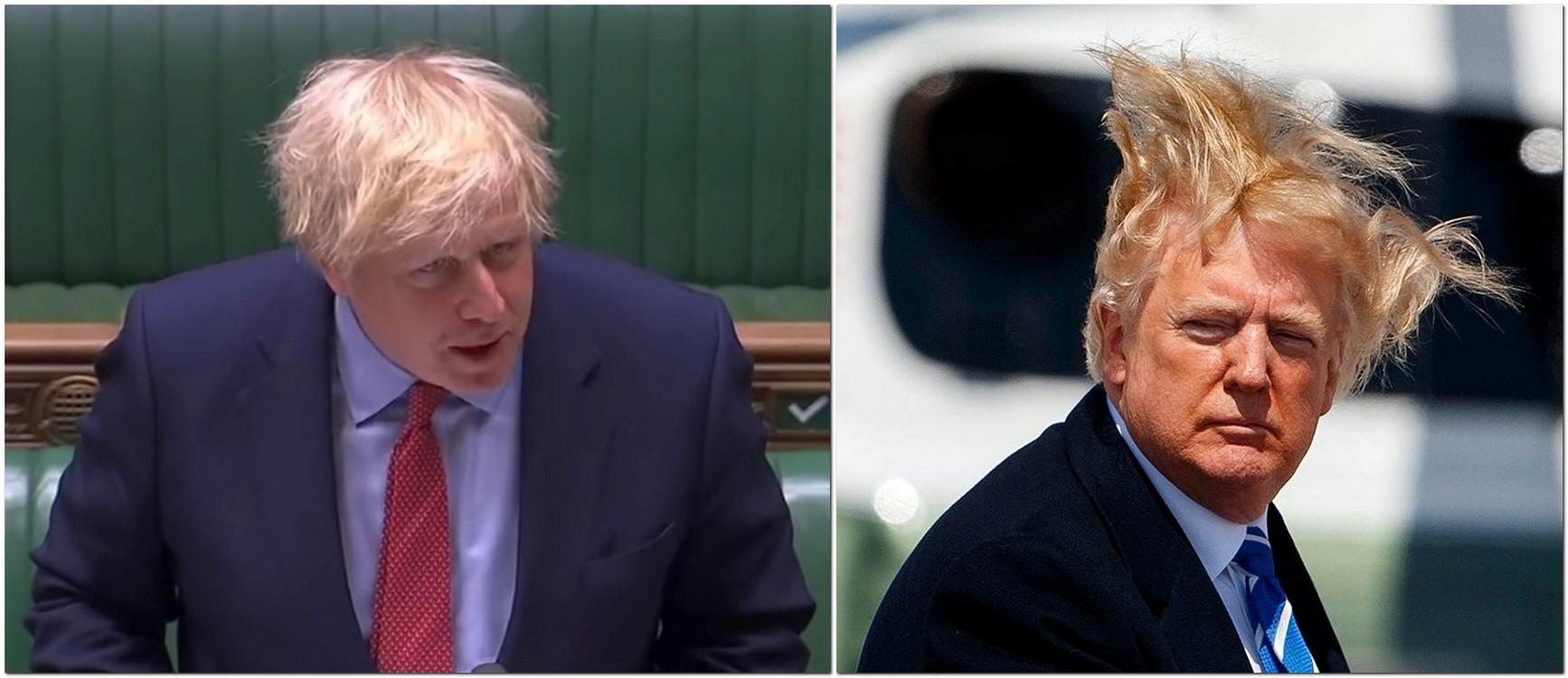
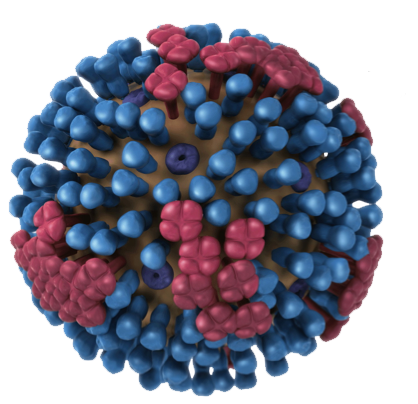
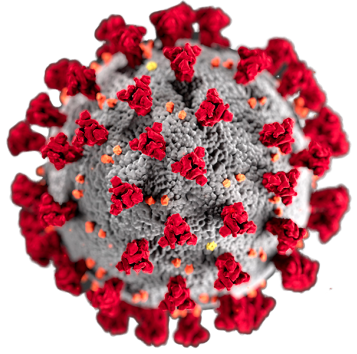
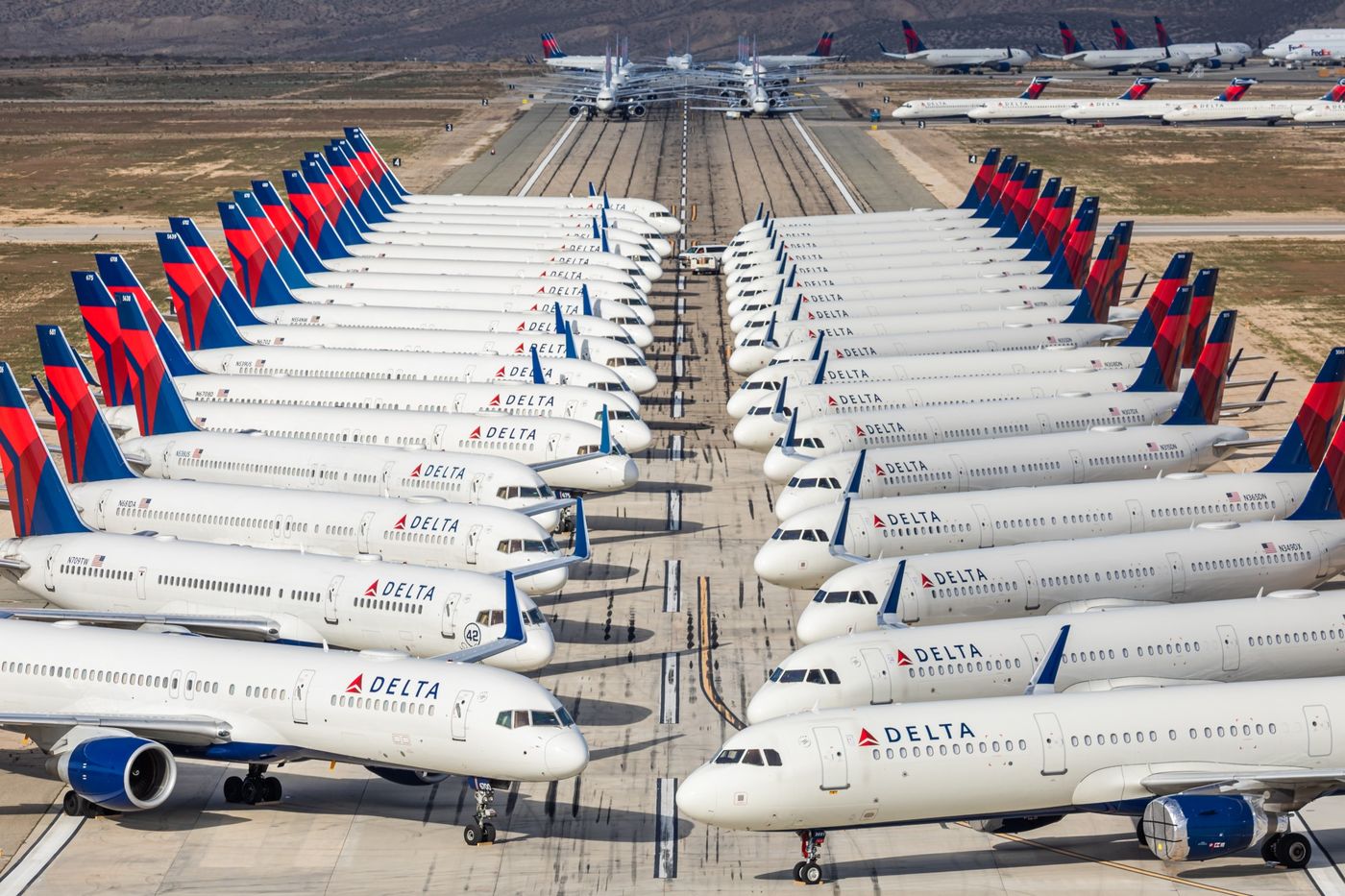


 Two weeks in lockdown . . . and counting!
 As for myself, I have this blog to keep me busy.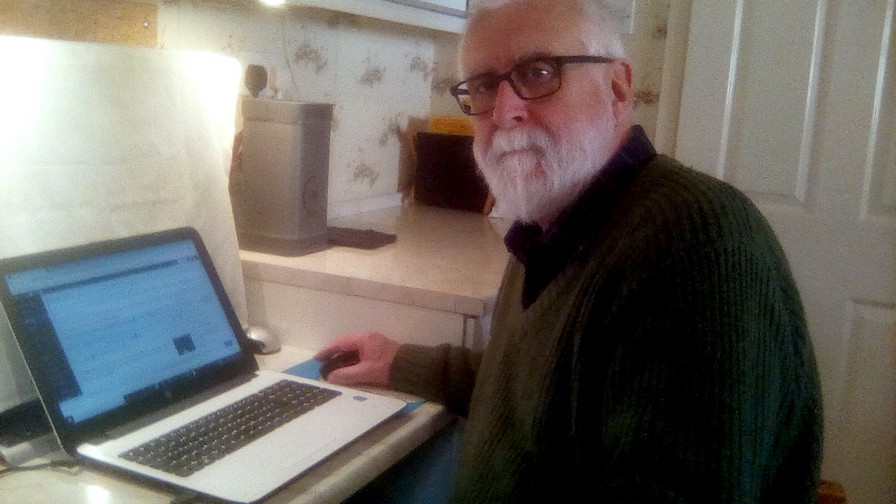


 The Morrisons supermarket we frequent is over a mile away, so we have to drive there. Since last week, the supermarket permits just one family member inside at a time (one per trolley), so the shopping trip has fallen to me alone, rather than together which has been the norm until now. I had to queue the first time to get inside; yesterday at 8:30 am there was no queue at all, and I was able to source almost everything that was on Steph’s list. Just a few minutes ago, our next door neighbor (who is a theater sister in the NHS, and who has special hours access to the supermarket) has just brought round the one item we needed but I couldn’t buy yesterday: plain flour! Simple pleasures.
 I also have music playing throughout the day. That’s a great comfort. It has to be
  We’ve been catching up on the first four series of the excellent BBC crime drama
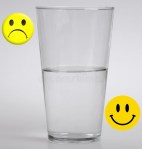 Mostly, my glass is half full. But, in recent months, and particularly over the past four weeks, my natural optimism has been severely challenged.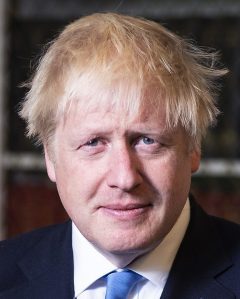
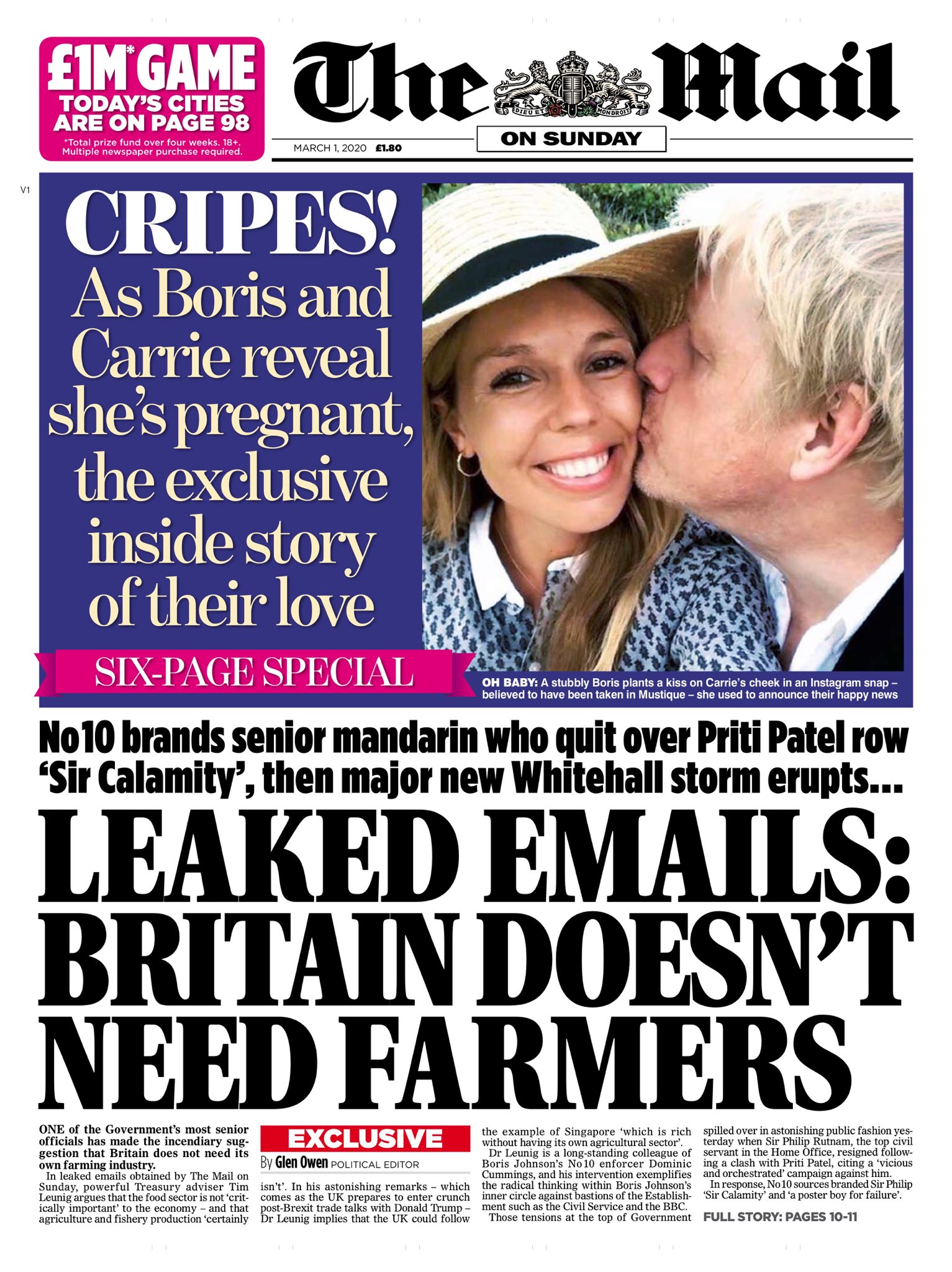
 A balanced diet . . .