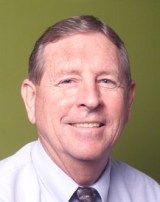
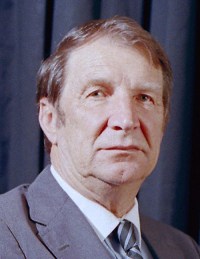
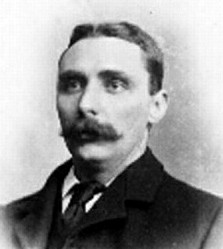
Little Big Man – Tom Clemeno (1956-2015)

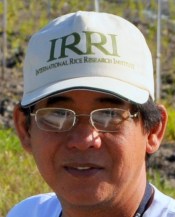
20100220041-001One of my former staff at IRRI’s Genetic Resources Center (GRC) passed away last week. Tom Clemeno had been an employee of IRRI for many years, working his way up to Senior Manager of the institute’s Experiment Station (ES). Diagnosed with a lymphoma in 2013, Tom fought the disease with courage but it became clear in recent weeks that he could not win this last battle.

It is a sign of the affection in which he was held by friends and former colleagues that there has been an enormous outpouring of sympathy on his Facebook page and those of his immediate family.

Tom’s role in GRC in the 90s
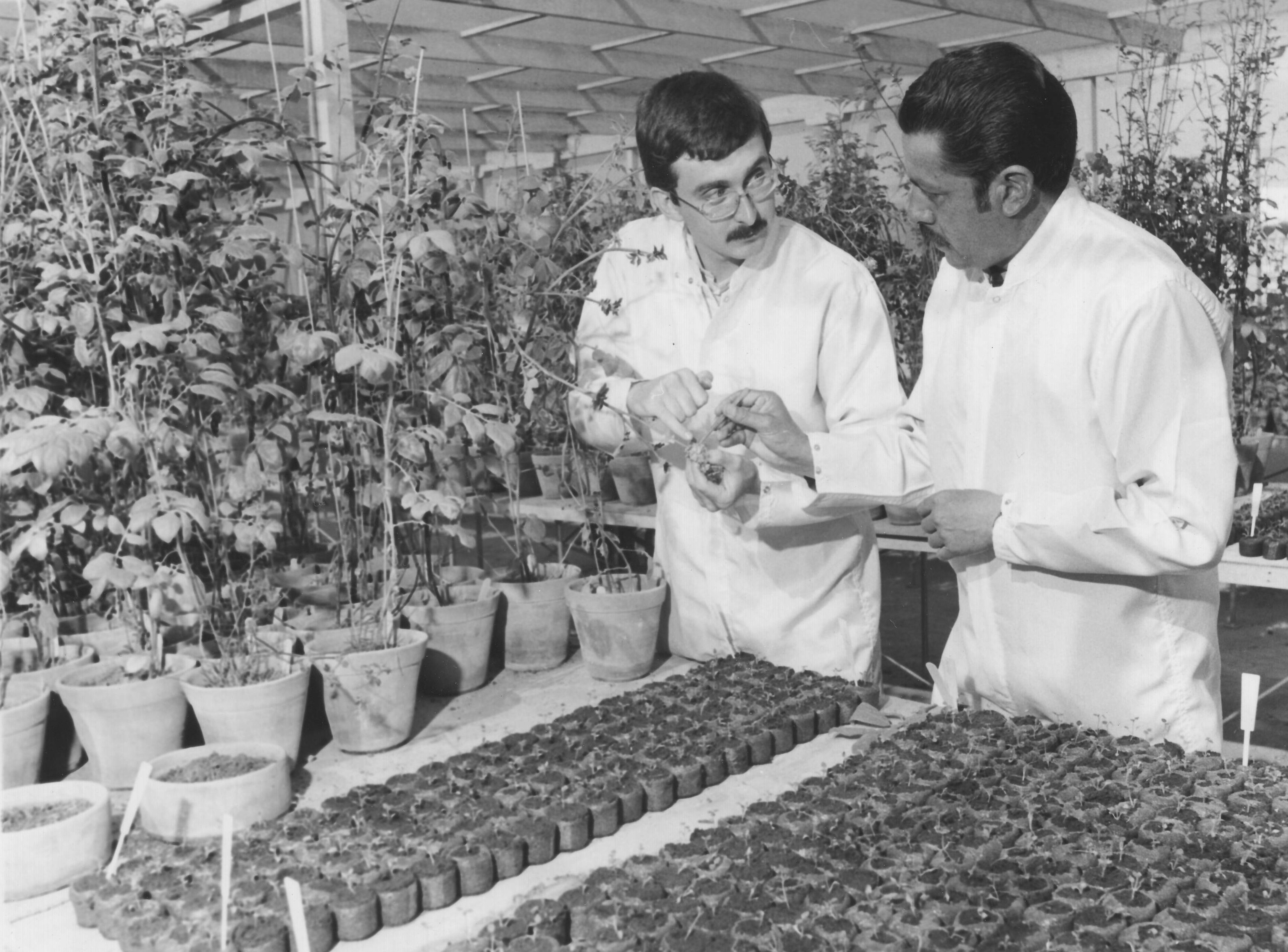
Tom must have been a Research Assistant in GRC when I joined IRRI in July 1991. He was one of at least two staff handling field operations: rice germplasm multiplication, rejuvenation, and characterization. Once I’d made a thorough review of the genebank operations, I separated germplasm multiplication/rejuvenation and germplasm characterization as distinct activities, and we determined the level of field support needed to carry out each of these functions efficiently. I asked Tom to take charge of germplasm characterization, while his colleague Ato Reaño was put in charge of the germplasm multiplication and rejuvenation operations.

CHAR2

GRC field staff measuring various morphological traits of conserved rice varieties during the annual germplasm characterization cycle, on the IRRI Experiment Station.

Towards the end of the 1990s I was approached by the then head of the ES because he wanted to recruit Tom as his 2-I-C. In those days there was a pretty strange job transfer protocol in place at IRRI. An employee was allowed to move across to a new position in another department only with the approval of his/her current head of department. A head could effectively block someone’s career, and unfortunately that did happen from time-to-time. As Tom related in a short memoir that he wrote not long before he passed away, he came to see me full of trepidation. He did acknowledge that while I was quite strict, I did listen to my staff. Anyway, I told him that if he wanted to move to the Experiment Station, and if he felt it was an appropriate move for him to progress his career, then the decision was his, not mine. We arrived at an accommodation with the head of the ES to allow Tom to complete some important germplasm characterization activities he was involved with, and so Tom moved on from GRC. He eventually left IRRI in 2010 to manage a 200 ha rice farm in Malaysia, but did return to the institute three years later as a consultant in the plant breeding group.

Tom and CIEM
While Tom was on my staff in the early 1990s, there had been considerable staff unrest at IRRI. I don’t remember all the background after so many years. But Tom played an important role for several years as the local staff chair of the Committee of IRRI Employees and Management (CIEM). I think Tom was a born politician, and had a pivotal role in negotiating an outcome to the unrest that was best for everyone. He certainly had the gift of the gab! But these CIEM responsibilities increasingly took him away from his GRC ones. And that was not a sustainable position to be in. His colleagues would have to cover for him when he was called away frequently—and often unexpectedly—to a meeting with senior management.

20100211026So we agreed among ourselves to effectively allow Tom a three-year ‘leave of absence’ from GRC, and we re-organized the field operations with Ato taking on an enhanced role (that he has maintained to this day). I do believe that the support of Tom’s GRC colleagues, particularly Ato, should also be recognized during this important phase in IRRI’s history. After three years, we asked Tom to return full-time to GRC, but not long after, as I mentioned earlier, he was recruited to the Experiment Station.

Participating in groundbreaking research
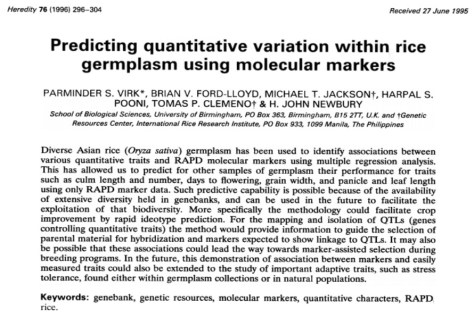
But while Tom was managing the germplasm characterization activities in the early 90s, we had begun a research project (with my former colleagues at The University of Birmingham and at the John Innes Centre, and funded by the British government through DfID) to determine how molecular markers could be applied to the study of genetic diversity in a rice germplasm collection. We used rather crude molecular markers by today’s standards. These were so-called RAPD (Random Amplification of Polymorphic DNA) markers, and we wanted to determine if there might be an association between these markers with ten quantitative traits: culm number, culm length (cm), culm diameter (mm), grain length (mm), grain width (mm), leaf length (cm), leaf width (cm), days to 50 per cent flowering, panicle length (cm) and seedling height (cm). I asked Tom to take charge of the important field experiment that was planted between November 1993 and May 1994. Without hesitation I can say that Tom conducted this field trial with great care and generated valuable data. In fact, they were so good that not only were we able to correlate (or ‘associate’) markers with these morphological traits, but were able to predict the performance of rice germplasm growing in the field at Los Baños. A paper was finally published in the international journal Heredity in 1996, and Tom was included as one of the authors, and rightly so, for his contribution to the research. This paper was one of the first, if indeed the first, rice research paper to definitely demonstrate the link between molecular markers and phenotype in a sub-discipline now known as ‘association genetics’. We also believe it’s one of the first papers for any plant species. Click on the image below to read the paper.

heredity

Committed friends
It was very sad to see Tom’s decline over recent months, which I did through various posts on his and others Facebook pages, most often in connection with his beloved and very active Rotary Club of West Bay membership, of which he was Charter President. I think the last time I met Tom in person must have been in August 2014 when I visited IRRI in connection with the 4th International Rice Congress. He seemed his usual robust, and substantial self. Tom was rather short in stature, and we always had a teasing joke between the two of us about that. But that belied a BIG heart.

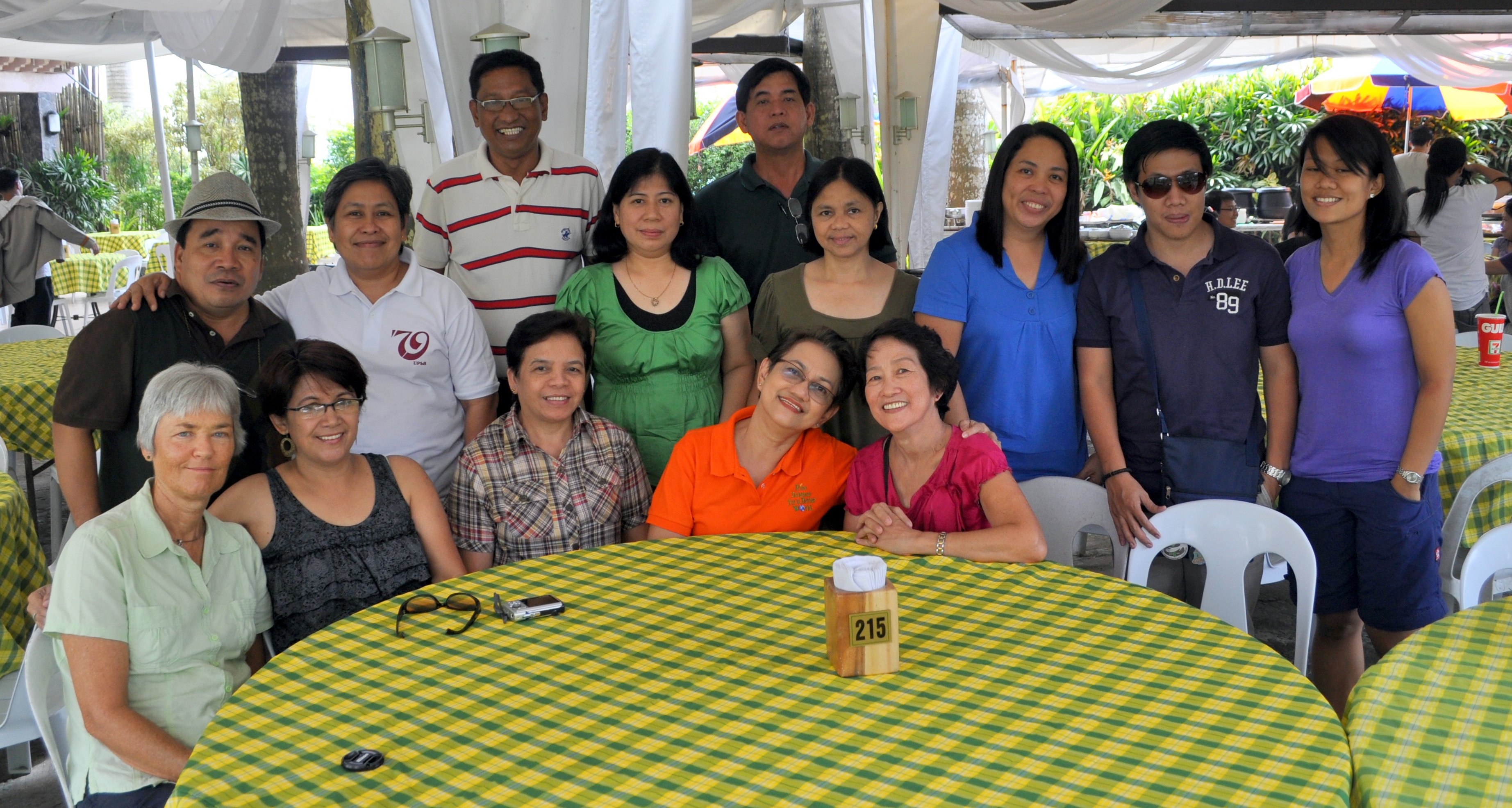
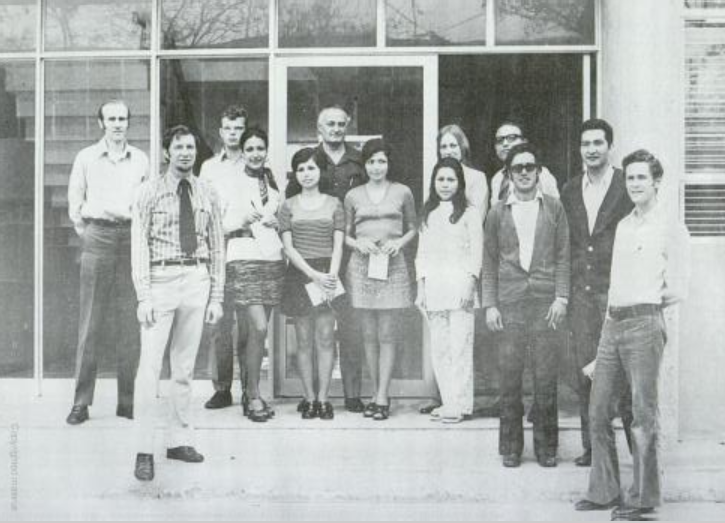
Another Tom characteristic was his (almost) ubiquitous hat. Everywhere! Here is a photo of Tom (wearing his signature titfer) among GRC friends during a lunch we shared at Tagaytay in late February 2010 shortly before I retired from IRRI, and probably not long before he headed to Malaysia.

20100220026

Tom Clemeno with current and former GRC colleagues. Sitting, L to R: Steph Jackson, Vangi Guevarra, Zeny Federico, Sylvia Arellano, Adel Alcantara. Standing, L to R: Tom Clemeno, Soccie Almazan, Andong Bernardo, Myrna Oliva, Ato Reaño, Tessie Santos, Nelia Resurreccion, son and daughter of Adel.

Tom, you will be missed. But your memory will linger on in the hearts and minds of your IRRI friends and former colleagues.

My sincere condolences to Tom’s wife Jovith, and his three children Jaicee, Teejay, and J2.

Completing a PhD – was it worth the effort?

A topical story in the Lima press
Overnight, there was an interesting and topical post (as far as I’m concerned) on the Facebook page of one of my ‘friends’—the son of one of my graduate students when I was a faculty member at The University of Birmingham in the 1980s. He hails from Peru. Carlos Arbizu Jr. is studying for his PhD at the University of Wisconsin-Madison and, as far as I can determine, he’s working on carrot genetics under the supervision of my friend and former potato scientist David Spooner.

Carlos had posted a link to an article published on the website of the Lima-based Newspaper Perú21: ¿Por qué estudiar un doctorado?  (Why study for a PhD?). To which Carlos had added the byline: PhD = Permanent Head Damage.

Maybe he’s going through a difficult patch right now. I’ve seen from several of his posts that he’s immersed in some pretty ‘heavy’ molecular genetic analysis. It’s beyond my comprehension.

But all PhD students go through peaks and troughs. I know I did. Some days nothing can go wrong, progress is swift. The world is your oyster, and there really is a light at the end of the tunnel. On other days, you just wish the earth would open up and swallow you.

And for many PhD students, the most trying time often comes when they begin to draft their thesis and eventually prepare to defend it. Unfortunately many science graduates have received very little formal training in how to write clear and concise prose. Writing just doesn’t come naturally. So what should be one of the most important aspects of completing a PhD can become a long and tedious chore. And before submission regulations were tightened up at UK universities, some students could take a couple of years or more to write up and submit their thesis for examination.

40 years ago today
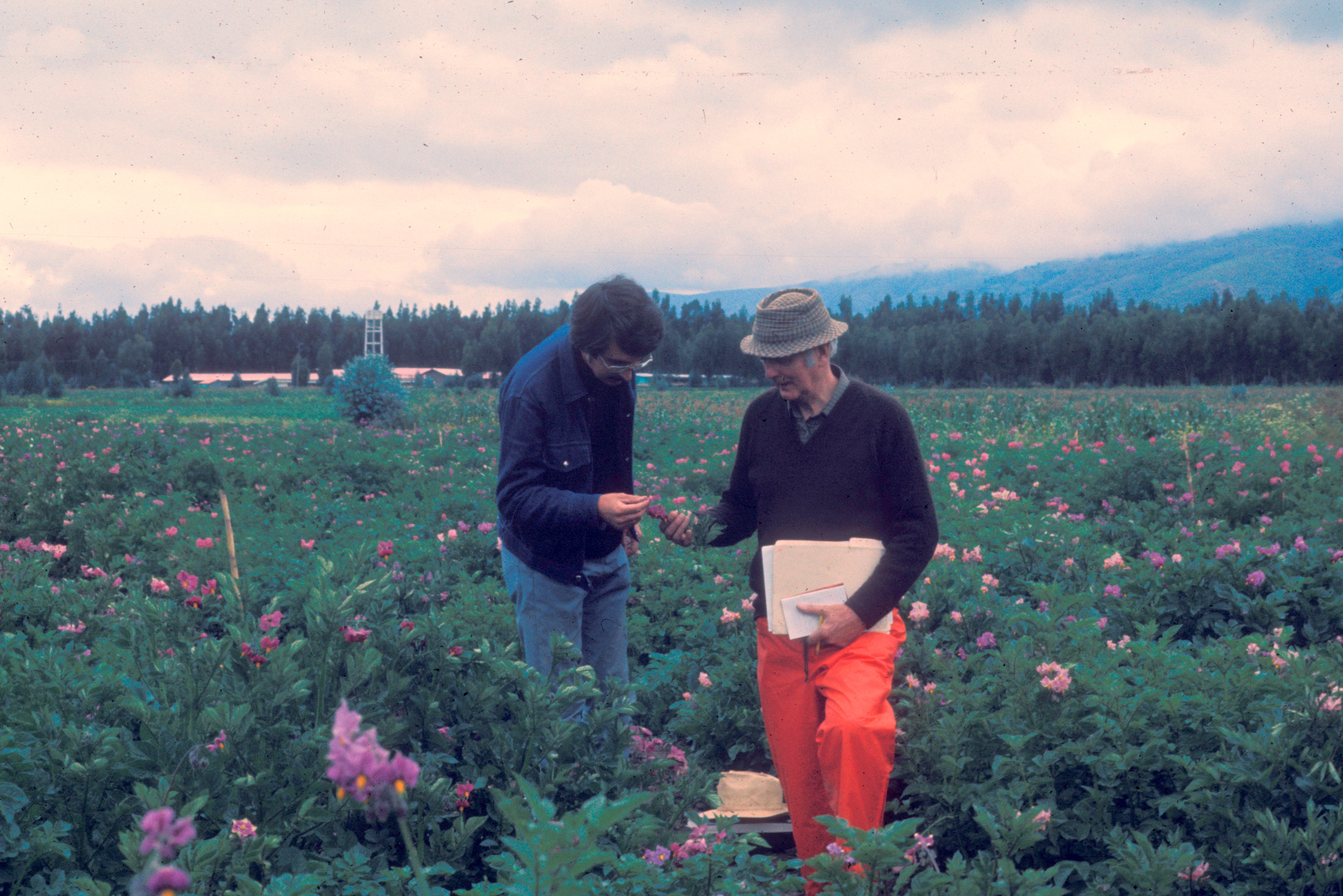
Well, this Perú21 article was published yesterday. And today, 23 October (if memory serves me right) is exactly 40 years since I defended my PhD thesis: The Evolutionary Significance of the Triploid Cultivated Potato, Solanum x chaucha Juz. et Buk. I was almost 27 (old by UK standards, average or maybe young compared to many US graduate students), and had been working on my degree for four years. I’d completed a one-year MSc degree in genetic resources at Birmingham in September 1971 (having graduated from the University of Southampton with a BSc in botany and geography in July 1970), and then been offered the opportunity to work in Peru for a year at the newly-established International Potato Center (CIP). Well, for various reasons, and to cut a long story short, That opportunity didn’t materialize in September 1971 so my head of department, Professor Jack Hawkes (who went on to supervise my PhD) persuaded the Overseas Development Administration (now Department for International Development, DfID) to cough up some support until the funding for my position at CIP was guaranteed. Thus I began my study in Birmingham, and finally moved to Lima in January 1973, working as an Associate Taxonomist and conducting research that went towards my PhD thesis. And since I was employed and having a regular income, I took another three years to complete all the experimental work I had planned. In any case, when I joined CIP in 1973 the institute was still establishing and developing its own infrastructure. That was also one of the exciting aspects to my work. It was a real opportunity to build up and curate a large collection of Andean potato varieties and wild species, and study them in their native environment.
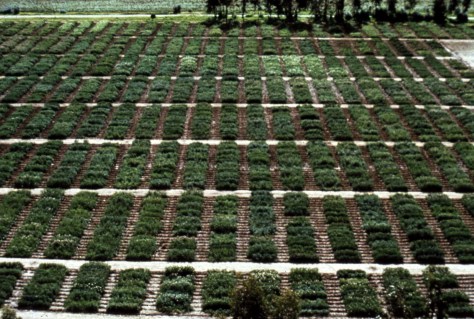
CIP collection

The CIP field collection of potato varieties planted in the Mantaro Valley near Huancayo in central Peru.
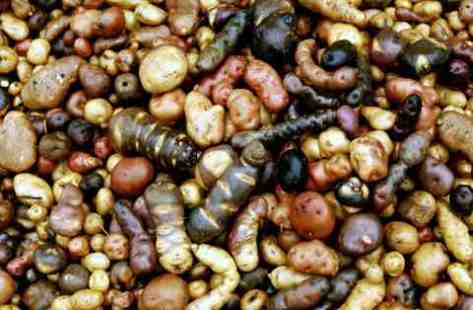
spuds

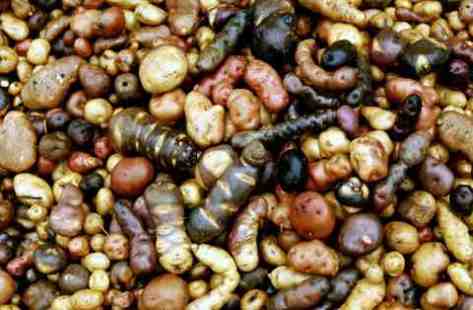
The diversity of Andean potato varieties.

The next couple of photos show some of the field work I carried out in various parts of Peru.

Mike Jackson and Jack Hawkes in the CIP potato germplasm collection, Huancayo, central Peru in early 1974

Learning from my supervisor, Professor Jack Hawkes, during one of his visits to Peru while I was carrying out my study.
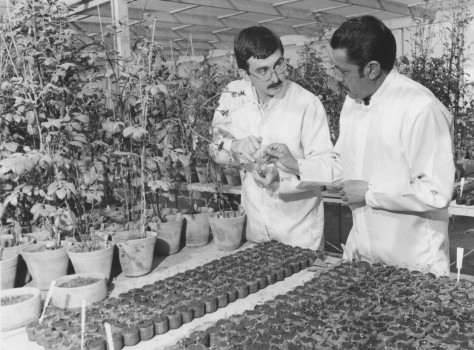
MTJ in CIP

With CIP taxonomist, Professor Carlos Ochoa, a renowned Peruvian expert on potatoes and their wild relatives.

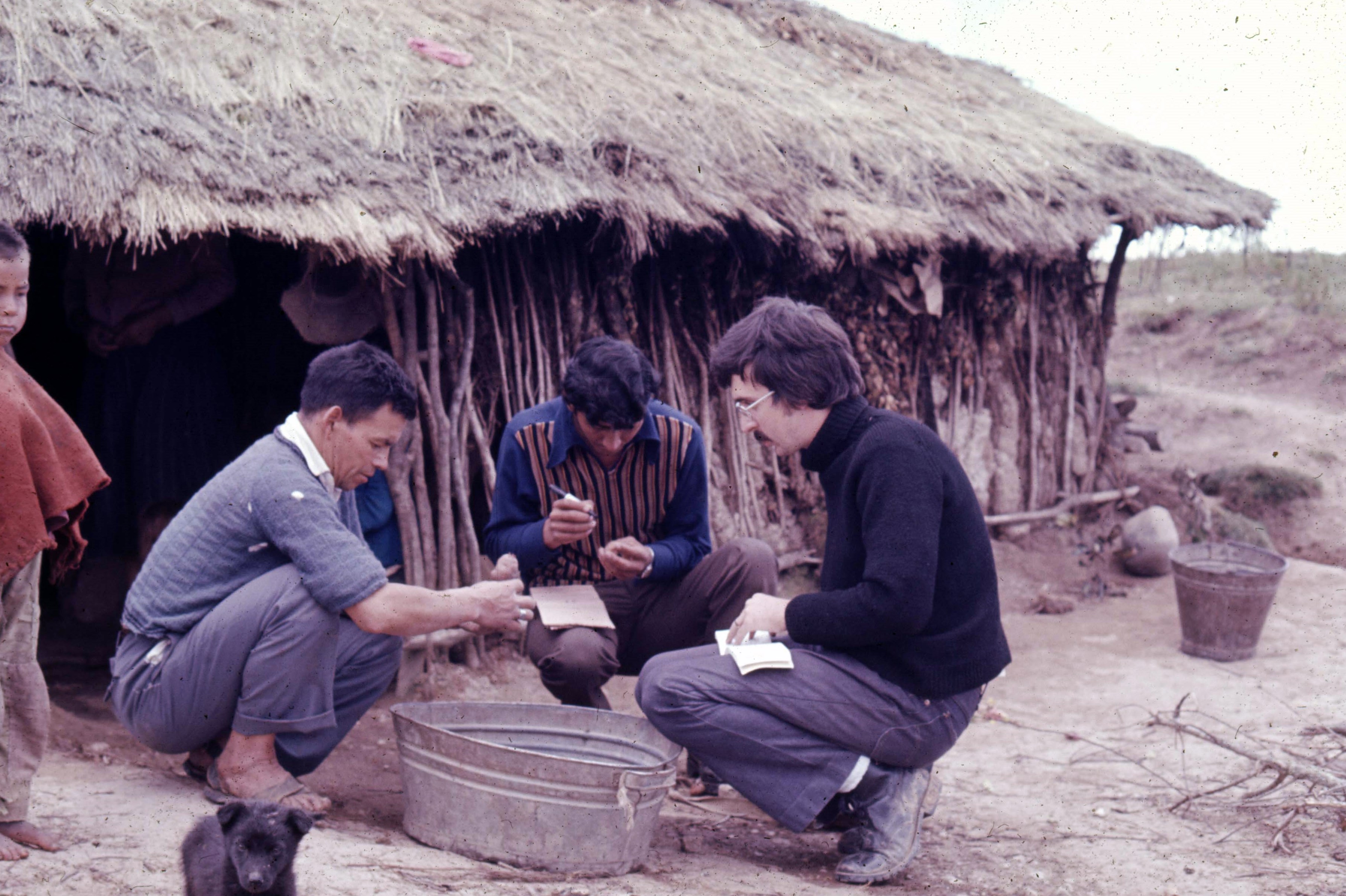
I was looking at the relationship between potato varieties with different chromosome numbers, so-called diploids and tetraploids, with 24 and 48 chromosomes respectively. If you can cross these two types you expect to produce some with an intermediate chromosome number. So, 48 x 24 = 36, the triploids. For the first years at CIP we didn’t have any glasshouses where we could work. Instead we had rather rustic polytunnels right in the field next to the germplasm collection, where I would make all those pollinations using the so-called cut-stem technique.

Experimental data from other parts of the world had shown that triploids were formed only rarely in such crosses. Yet triploid varieties were quite common and highly prized by potato farmers in the Andes. I was trying to determine if the crossability relationships of these native potatoes might be different in their indigenous environment. So I went on to make hundreds of crosses (and thousands of pollinations), as well as study indigenous farming systems in the south of Peru. This next gallery show some of the triploids potatoes grown by farmers. One of the most prized was the variety Huayro, and there were two forms, one round and the other elongated (and quite large). Both had red skins and yellow flesh.

Back to Birmingham
In May 1975, Steph and I headed back to the UK. But not directly. On the assumption that I would successfully defend my PhD thesis, CIP’s Director General had offered me a new position in the Outreach Department, and with the possibility of moving to Central America. So we headed for Costa Rica (where I’d eventually move to in April 1976) to see the lie of the land, so to speak. And from there we went on to Mexico for a few days to visit our old friends, and former CIP colleagues, John and Marion Vessey who had moved to maize and wheat center, CIMMYT, near Mexico City. From Mexico we headed to New York (first flight on a wide-bodied jet, an Eastern Airlines L-1011 Tristar) for a connection with British Airways to Manchester where my parents met us. We spent a further week looking for somewhere to live in Birmingham, and were fortunate to find an apartment very convenient to the university and only a few minutes walk from the Department of Botany (as it was then) Winterbourne Gardens where I had been assigned some lab space and a desk.

A nightmare waiting to happen
Now remember, there were no PCs or laptops, cloud computing, USB sticks or floppy disks in 1975. All my thesis data was available in hard copy only, and I carried a briefcase with four years of work with me from Lima to the UK on that journey I just related. The briefcase was hardly ever out of my sight! In those days it was not unknown for a graduate student to have lost a briefcase on a journey containing a complete draft of a thesis. No backup!

Getting into a routine
Once settled in Birmingham, I planned out my work for the coming months, with a deadline of 1 October. That was the final day of submission if I wanted to have my thesis examines and (if approved) have the degree awarded at the next congregation or commencement in early December that same year. But by the beginning of June I had not even begun to write, never mind complete the last minute field experiment I had planned (checking the ploidy of a set of hybrids produced earlier in the year) or create the figures I would include. Again, there was no digital technology available. I had to hand draw all my maps and other figures (my geography training in cartography at Southampton finally came in useful). While the department’s chief technician actually photographed all of these, I had to print all my own photographs (again, the experience I’d gained from my father, a professional photographer all his life, came in handy).

Working to a regular schedule every day, from around 7:30 am until 5 pm with a break for lunch, and spending another couple of hours after dinner, I soon began to make progress, although I didn’t actually start putting pen to paper until the beginning of July. It took me only six weeks to draft my thesis. Once I’d completed a chapter I’d hand it over to Jack Hawkes for review and revision. And to give him credit, he usually handed me back my draft with his comments within a couple of days only (and this was an approach I adopted with all my graduate students during the 1980s).

So, by mid-August or so I had a completed text, I’d checked the chromosome numbers of the hundred or so plants in the field, and set about the figures. I found someone who would type my thesis, but at the last moment he had to use a manual typewriter since the electric one he’d wanted to rent was no longer available. In 1975 The University of Birmingham changed the thesis submission regulations and it was no longer necessary to submit a thesis fully bound in a hard cover. I was able to submit in temporary binding, and this in fact saved perhaps three weeks from my tight schedule. I hit the 1 October deadline with about twenty minutes to spare just before 5 pm.

Thesis defence
I was quite surprised when my external examiner planned the defence of my thesis just three weeks later. All went to plan. In those days, the exam consisted of the graduate student, the external examiner and an internal examiner (usually the thesis supervisor). Today things might have changed, and even when I worked at Birmingham in the 80s the supervisor was no longer permitted to act as the internal examiner. I believe there may now also be a third panel member, to see fair play.

From the outset it was apparent that my thesis would pass muster, since the external examiner told me that he’d enjoyed reading the thesis. But we then went on to have a thorough discussion over the next three hours about many of the details, and the implications for potato genetic conservation and breeding. Phew!

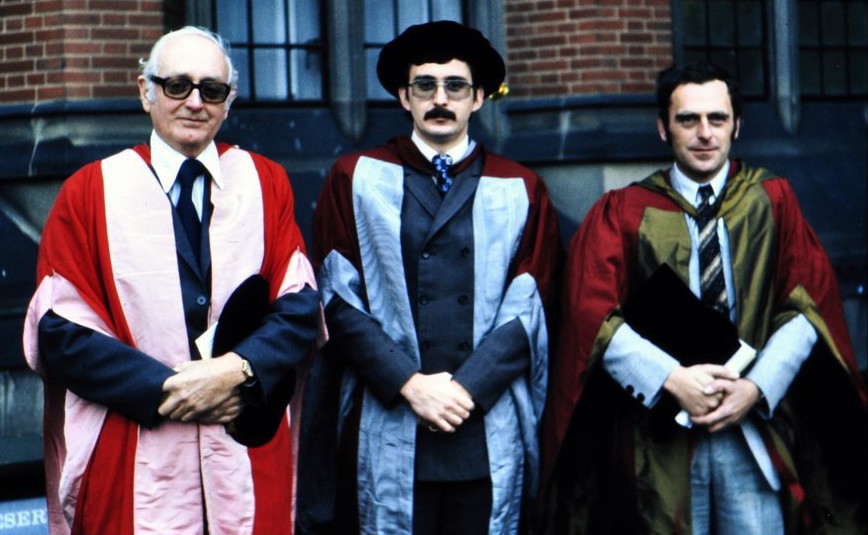
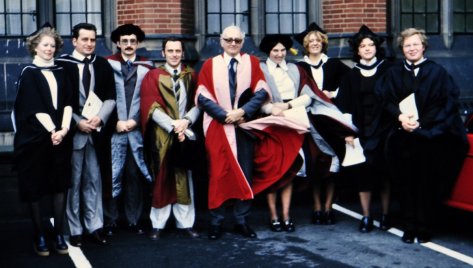
And in early December, the 12th actually, I was able to celebrate with others from the department as we were awarded our degrees at the mid-year congregation.
19 Ed & Mike

L to R: Pam Haigh, Brenig Garrett,  me, Prof Trevor Williams, Prof Jack Hawkes, Dr Jean Hanson, Margaret Yarwood, Jane Toll, Stephen Smith
20 Ed & Mike

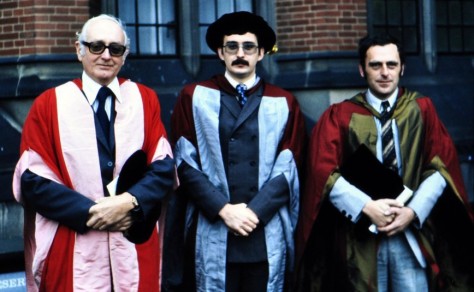
With my PhD supervisor, Prof. Jack Hawkes on my right, and MSc supervisor, Prof. Trevor Williams on my left; 12 December 1975.
PhD congregation, 12 December 1975 - with Mum and Dad

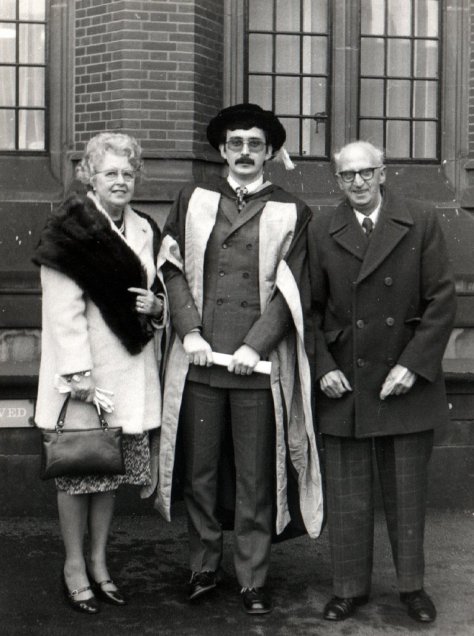
With my Mum and Dad.

bluedivider-hi

Was it worth it?
So let me come back to the question I posed in the title of this post. Was it worth it? Unequivocally Yes! Would I want to do it again? No!

Actually completing a PhD is probably the most selfish piece of research that a scientist will ever get to do. There’s one aim: complete a thesis and have the doctorate awarded. PhD research does not have to be ground-breaking at all. In fact much of it is pretty mundane, and that’s one of the down sides when things are not going so well. For Birmingham at least, the PhD regulations stated that the thesis had to represent a piece of original research, completed under supervision. And it’s the ‘under supervision’ that is critical. A PhD student is still maturing, so to speak. The work is guided by a mentor. Of course there can be breakthroughs that lead to the most prestigious prizes. I believe that Sir Paul Nurse’s PhD research set him off on the path that eventually led to his Nobel prize.

I have encouraged others to research for a PhD, and I hope I was able to give them the support and advice that my supervisors gave me. In that respect my PhD was a positive experience. It’s not always the case, and when student-supervisor relationships break down, every one suffers. It does not necessarily have to take many, many months (or years even) to write a thesis. It takes self-discipline but also support from the supervisor.

Without a PhD I would not have enjoyed the career in international agricultural research and academia that I did. My PhD was like a ‘union card’. It enabled me to seek opportunities that would probably have been closed without a PhD. But I also acknowledge that I was lucky. I moved into a field—genetic resources—that was just expanding, as were the international centers of the CGIAR. And I had mentors who were prepared to back me.

Forty years on I can look back to those days in 1975 with a fair degree of nostalgia. And then reflect on the benefits that accrued from that intense but disciplined period in the summer of 1975 (when there was a heat wave, and Arthur Ashe won the men’s title at Wimbledon), and which allow me now to enjoy the retirement I started five years ago.

Both of our daughters, Hannah and Philippa, went on to complete a PhD (in 2006 and 2010, respectively) in their chosen field: psychology! So I can’t have passed on so many negative vibes about graduate study, although their choice of psychology does make a profound statement, perhaps.

Peer-reviewed papers
Incidentally, I finally got around to publishing three papers from my thesis. When I returned to CIP just before New Year 1976, I moved into a new role and responsibilities. And even though I eventually found time to draft manuscripts, these took some time to appear in print after peer review, revision and acceptance. One of the papers—on the field work at Cuyo Cuyo—was originally submitted to the journal Economic Botany. And there it languished for over two years. I received an invitation from the editor of Euphytica to submit a paper on the same topic, so I withdrew my manuscript from Economic Botany. About that same time I received a letter from that journal’s interim editor in chief that manuscripts had been discovered unpublished up to 20 years after they had been submitted, and what did I want to happen to mine. It was published in Euphytica in 1980.

Jackson, M.T., J.G. Hawkes & P.R. Rowe, 1977. The nature of Solanumchaucha Juz. et Buk., a triploid cultivated potato of the South American Andes. Euphytica 26, 775-783. PDF

Jackson, M.T., J.G. Hawkes & P.R. Rowe, 1980. An ethnobotanical field study of primitive potato varieties in Peru. Euphytica 29, 107-113. PDF

Jackson, M.T., P.R. Rowe & J.G. Hawkes, 1978. Crossability relationships of Andean potato varieties of three ploidy levels. Euphytica 27, 541-551.PDF

‘Where all the women are strong, all the men are good looking, and all the children are above average.’

800px-GKpressAnd with these words, Minnesotan author and story-teller Garrison Keillor concludes his weekly News from Lake Wobegon monologue, a regular feature of the variety show, A Prairie Home Companion, that has been broadcast for 40 years on Minnesota Public Radio (MPR). The monologue features the characters and goings-on in an imaginary (or is it?) small town, somewhere north of the Twin Cities, ‘on the edge of the prairie’.

Discovering APHC
I first became an APHC aficionado on 17 October 2004. My elder daughter had transferred her studies from Swansea University in the UK to Macalester College, a well-respected liberal arts college in St Paul. And whenever my work with IRRI required travel to the USA I usually routed my flights through the Twin Cities. On one occasion Hannah and her boyfriend (now husband) Michael took me to Stillwater on the St Croix River which forms the state boundary between Minnesota and Wisconsin, a short distance east of the Cities. It was a Sunday, late morning. As usual they had the car radio tuned to MPR, and a repeat of the previous evening’s broadcast of APHC was playing. As we pulled into Stillwater I became mesmerized (and that’s not too strong a description) by the the mellifluous voice of Garrison Keillor weaving his tales about Lake Wobegon. I was hooked, and ever since have tried to tune in whenever possible, through the web site, Internet radio while we lived in the Philippines, or rebroadcasts on the BBC.

Listen to that October 2004 episode of News from Lake Wobegon. 


At the Minnesota State Fair

On a visit to St Paul in September 2010, shortly after the birth of our first grandchild Callum, Steph and I had the opportunity of attending a live broadcast of APHC from the Minnesota State Fair. Here are Garrison Keillor and guest Sara Watkins singing about state fair gourmet essentials.

Although we enjoyed the show, an outside broadcast, we weren’t as well prepared as we might have been and became thoroughly chilled. It was a windy day. And sitting off to one side, we didn’t really have a great view of all that was happening on the stage. So I promised myself that if I ever got the chance to see APHC at its ‘home base’, the Fitzgerald Theater on Exchange Street in downtown St Paul, I wouldn’t hesitate to purchase tickets. A broadcast from the Fitzgerald just hadn’t coincided with any of our annual visits to see Hannah and family since 2010. Until this year, that is.

An ambition fulfilled
Last Saturday, Steph and I, Hannah and Michael enjoyed the show Easy Come, Easy Go, broadcast live at 17:00 CT. With convenient parking just next to the theater on Wabasha St N, we arrived to the Fitzgerald around 16:35, just in time to buy a welcome gin and tonic to enjoy throughout the show.

20150930 1110

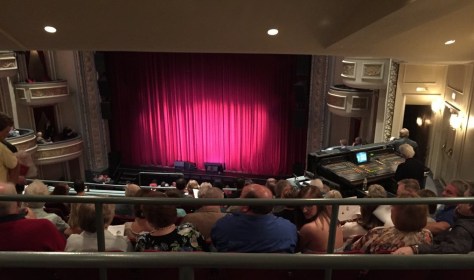
We had great seats in Section B1R, Row JJ with a clear view of the stage.

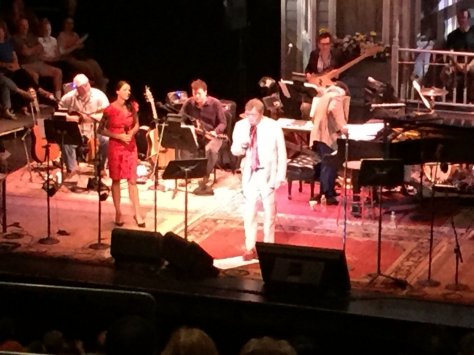
Around 16:45, the curtain went up and on stage came Garrison Keillor, dressed in his summer suit and signature red tie and red shoes, and one of the guests, singer Heather Masse, for an audience warm-up session.

20150930 1115

Then, on the dot of 5 pm, the introductory MPR theme played and we were LIVE!

20150930 1133

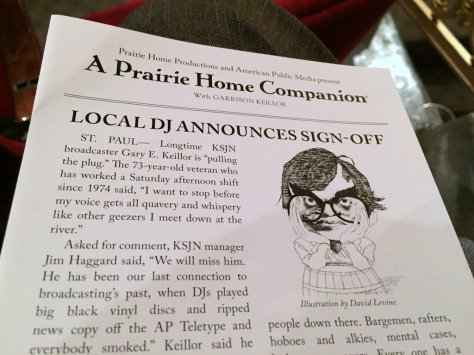
Click on this image to read the full article in the program, and information on performers and staff of A Prairie Home Companion.

As always, Garrison sang along to the show’s signature theme Tishomingo Blues followed by his usual introductory remarks—some classic comments on ‘illegal immigrant Canadians and the proposal of Wisconsin Governor and former Republican presidential candidate Scott Walker to build a wall along the border. One of the beauties of radio is that you can sit back, listen, and imagine. Click the icon below to listen to the show.

audio-150191_640

But it’s also great fun to watch the show, and APHC is now streamed live on video, and available on YouTube. So this blog post, with photos and vidoes, is also my memory of that memorable evening last Saturday in St Paul.

Supported by a small cast, including the Royal Academy of Radio Actors (Sue Scott, Tim Russell, and sound effects man Fred Newman), musical director Richard Dworsky and his musicians, and several guests, APHC follows much the same format of sketches, songs and musical interludes, although which regular items are included does vary from week to week. My favorites, Guy Noir-Private Eye, The Lives of the Cowboys, and Mom were all included last Saturday.

The special guest from Nashville was mandolin virtuoso Sierra Hull (supported by Ethan Jodziewicz on bass and Justin Moses on banjo and guitar) who made her debut aged 12 at the Grand Ole Opry (check out the video here) with Alison Krauss and Union Station.

Heather Masse, from New York, and also a member of the trio The Wailin’ Jennys sang one of my favorites, September Song (composed by Kurt Weill, with lyrics by Maxwell Anderson, and originally sung by Walter Huston in the 1938 Broadway musical Knickerbocker Holiday).

Following September Song, Garrison Keillor talked about September memories stirred up by the smell of fallen leaves and coffee in The News from Lake Wobegon.

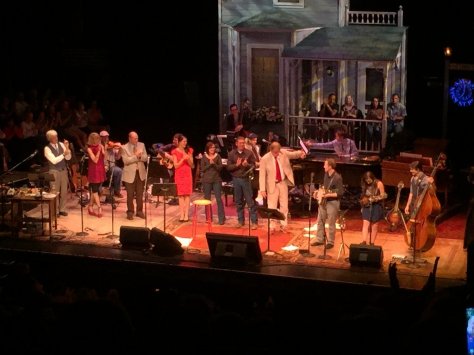
And then, it was all over. Two hours had flown by. It was time for the ‘curtain call’.

20150930 1160

Meeting Mr Keillor
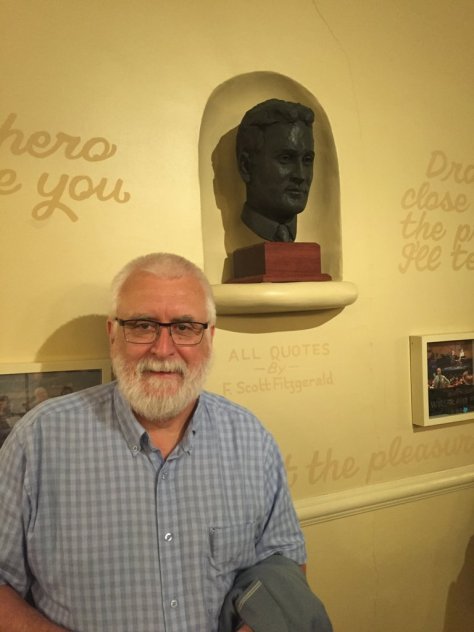
On the way out, I looked for the bust of F Scott Fitzgerald (after whom the theater was named) as I remembered it from Robert Altman’s last film, A Prairie Home Companion, released in 2006, and with a stellar cast including Meryl Streep, Kevin Kline, Tommy Lee Jones, Woody Harrelson, Lily Tomlin, Garrison Keillor, Virginia Madsen, John C. Reily, and Lindsay Lohan (and some of the regular APHC contributors).

20150930 1161

Garrison Keillor was outside the theater to meet those leaving, and I hoped to have chance of doing so. We edged our way to the exit. In front of me were a couple who were also hoping to meet him.

‘Tell him you’re from California’, said the woman to her husband. ‘He’s sure to want to speak to us, knowing we’ve come so far’.

‘That’s not far’, I butted in, smiling. ‘I’ve come all the way from England!’

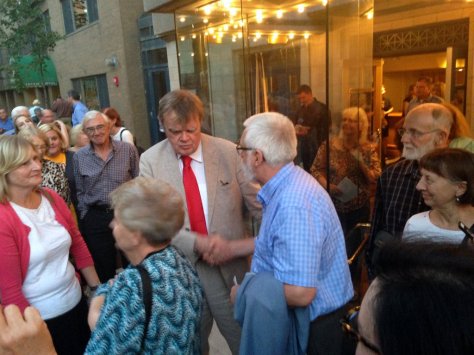
They were flabbergasted, and made way for me to move forward, to shake the hand of the great man. That’s them behind me.

20150930 1165

This season of A Prairie Home Companion will be Garrison Keillor’s last. He’s calling it a day after more than 40 years, almost a weekly show, in which he writes under the pen name of ‘Sarah Bellum‘. So I’m pleased to have been able to see the ‘original’ show. Mandolinist Chris Thile will host the show after Keillor’s retirement next year, and no doubt the format will change. He’s hosted the show before, and I guess there will be more music. It will be interesting to see how the ‘new APHC’ will fare. Until then, sit back, and tune into MPR at 17:00 CT. Or like me, tune into the internet when it’s more convenient. APHC will take you back to the radio days of my childhood, and you won’t be disappointed.

Good luck, Mr Keillor, and thank you for hundreds of hours of radio-listening pleasure all these years.

Indulging my [genetic resources] fantasies . . .

dnaLying in bed this morning, waiting for the news at 6 am on BBC’s Radio 4, I heard a brief ‘trailer’ for a new three-part series, Fantasy Festival, which begins on 13 August.

On the program’s website it states that: Festivals are fast becoming significant events on more and more people’s calendars. Whether it’s a huge rock fest or a small scale village event, it’s somebody’s job to imagine the festival before it happens, and to assemble all the pieces of the jigsaw that are needed to bring their vision to life.

But what if you could create your own festival – where you set the agenda, chose the guests, pick the acts, and dictate the weather, the food and the ambience? A festival where anyone – whether dead or alive – can be summoned to perform, and nothing is unimaginable.

What a treat!

Having been responsible for two international science conferences (on rice) in 2010, in Hanoi, and 2014, in Bangkok, I know all about the trials and tribulations of putting together a program of topics and speakers that most (never all) delegates will enjoy.

But, if there were no constraints at all, who would I invite to take part in a round-table discussion. From my perspective, it would be all about the nature and structure of genetic variation, and how it can be used for the benefit of society, especially under the threat of climate change.

So here’s a list I’ve just come up with. Who would be on yours?

I’m sure you must find this list rather surprising. And I can think of many more scientists* who could be a ‘panel member’. Some of my choices are obvious, others less so.

The fundamentals of evolution and genetics were the purview of Darwin and Mendel. What would they make of today’s advances in molecular biology, and how geneticists and plant breeders are using this sort of information to improve the crops that feed us. Susan McCouch is at the forefront of molecular genetics in her laboratory at Cornell University, dissecting the genome of rice and feeding that information into rice breeding. She’s also an excellent communicator.

Vavilov is the giant of genetic resources exploration and use. A genetic resources hero to many, no discussion of genetic conservation and use would be complete without his insights.

Edgar Anderson, a pioneer botanist in the USA, and former director of the Missouri Botanical Garden, demonstrated the importance of introgressive hybidization. Sir Otto Frankel is the father of the modern genetic resources movement, and an acclaimed wheat breeder in Australia. Jack Heslop-Harrison could turn his hand to almost anything botanical. But it’s for his broad perspectives on genetic variation in populations that I would include him, specifically for those on genecology.

Trevor Williams, a former director of the International Board for Plant Genetic Resources, oversaw the development of the international network of genebanks, and development of national capacity around the worked to successfully collect and conserve genetic resources. He had a broad view about conservation and use.

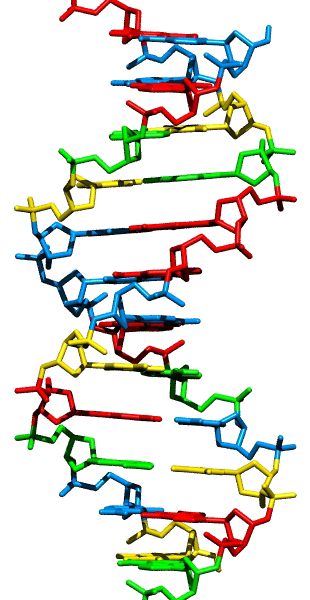
And sitting among these eminent scientists, from the pivotal year of 1953, is Nobel laureate Francis Crick. It would be interesting to know what he would have thought about these latest applications of molecular genetics in the service of humanity.

* G Ledyard Stebbins; Jack Hawkes; Erna Bennett; Clausen, Keck and Hiesey among others.

Dum-dee dum-dee dum-dee dum, dum-dee dum-dee dum dum . . .

I guess many readers of my blog outside the UK will have no idea at all what this apparent gibberish title is all about.

But I bet there are some UK readers—and avid BBC Radio 4 listeners—who will understand it right away.

Yes, it’s Barwick Green, the theme to the BBC’s long-running radio soap opera, The Archers, by Yorkshire composer Arthur Wood.

Normally, it’s only the first 15 seconds that’s ever heard, so it’s quite a treat to listen to the whole composition.

The Archers, ‘an everyday story of country folk’ has been broadcast continually since 1 January 1951, with more than 17,600 episodes. Can you imagine that?

I grew up listening to The Archers, and that continued through the late 60s while I was at university. But since the 1970s, I can’t remember the last time I heard an episode. Not surprising really since I was abroad for about 27 years.

Created by Godfrey Basely, The Archers was originally a radio drama that also served up practical farming advice. I read somewhere that the Ministry of Agriculture was also part of the team that developed the drama. Central to all the storylines were ‘Dan and Doris Archer’ and their family at ‘Brookfield Farm’, and set in the Midland county of ‘Borsetshire’, the mythical Archer country located somewhere south of Birmingham.

I live in Bromsgrove, about 13 miles south of Birmingham and more or less the same distance north of Worcester. Bromsgrove, a small market town (or at least it once was) in north Worcestershire is generally considered as the model for ‘Borchester’. And villages in the rural areas around Bromsgrove, such as Hanbury and Inkberrow, are also considered as ‘Archer models’. Perhaps the cathedral city of Worcester (with its own university) is the model for ‘Felpersham’.

Now I’m no longer a fan of The Archers (although it still has a faithful following) and haven’t been for a very long time. So why this sudden interest in the program, and the urge to write something here on my blog.

Well, a couple of days ago I was looking through some old slides I’d digitized, and came across a set of six that took me back more than 60 years. As I’ve written elsewhere, I was born in Congleton, Cheshire, and didn’t move to Leek until I was seven in 1956. Although we lived close to Congleton town centre at 13 Moody Street, I (and my two brothers and sister) attended primary school in the village of Mossley, a couple of miles to the southeast.

And from about 1954 it must have been (I don’t think earlier), and for the next four or five years, my dad was one of a team helping to raise funds for a new village hall in Mossley, on a plot of land donated by the Chappell family who lived close by.

Each year the highlight was a May Fair, quite large even by today’s standards. And of course, there had to be ‘celebrity’ to open each Fair. So for each one, a member of the cast of The Archers was invited in that capacity.

Denis Folwell, who played ‘Jack Archer’, son of Dan and Doris, and landlord of the local pub, ‘The Bull’, was the first Archer invited. Then came Doris, played by Wolverhampton-born actress Gwen Berryman, see in this series of photos below.

Other Archers characters invited were ‘Tom Forrest’ (Bob Arnold), and ‘Walter Gabriel’ (“My old pal, my old beauty”, played by Chris Gittins). I don’t think Dan Archer (Harry Oakes) came to Mossley, but I did meet him one year at another May Fair in a village near Congleton when I went along with my father to cover this event, as he was Chief Photographer at the Congleton Chronicle. I seem to recall I also met Dan and Doris’s other son, ‘Phil’, played by Norman Painting, but whether this was at Mossley or elsewhere, I just don’t remember.

The May Fairs were a lot of fun. A big marquee for afternoon teas, sideshows, fancy dress competitions (which my elder brother won at the very first Mossley May Fair, dressed as a press photographer, and with a message on his back: Following in Father’s Footsteps!). And they were always held in the grounds of a Chappell family home, a large house across the road from Mossley Holy Trinity Church, at the crossroads of Biddulph Road (A527) and Leek Road/Reade’s Lane where an old friend of my parents, the Rev. Cyril Green was the vicar. From a quick look at Google maps (satellite view) it looks as if the Chappell’s house has been demolished and the whole site redeveloped.

The Man [on] the Moon (updated 20 July 2019)

FullMoon2010 copyDo you remember where you were on Sunday 20 July 1969? I do.

I was attending an ecology field course in Norfolk having just completed my second year at the University of Southampton (studying botany and geography). I was one of a group of 20 or so botany and combined honours students spending two weeks studying plant ecology under course tutors Drs Joyce Lambert and John Manners.

Joyce Lambert (ecologist) and John Manners (mycologist)

Looking back, I think we had a good time, visiting the Norfolk Broads (the origin of which Joyce Lambert had determined many years earlier), and the Breckland, among other places. The first week was spent on site visits, and during the second, we split into pairs to carry out a series of mini-projects at Wheatfen Broad, home to celebrated Norfolk naturalist and broadcaster, EA ‘Ted’ Ellis.

We stayed at Wymondham College, a boarding school in the village of Wymondham about 15 miles southwest of Norwich. Now a state day and boarding school for pupils (including international students), in the late 1960s it catered more to families from rural Norfolk, if I recall correctly.

Anyway, to cut a long story short, there we were ensconced in Wymondham College, almost the only occupants as the school was closed for the summer holiday. It was also more than a mile walk to the nearest pub, which we undertook almost every evening once any after dinner studies had been completed.

During the first week, however, Apollo 11 had blasted off from the Kennedy Space Center (Cape Canaveral) in Florida on 16 July on its way to the Moon, for the first landing mission. A momentous occasion, and one we did not want to miss. The problem was that there was no television to watch.

But four days later, very late on the evening of 20 July and in the early hours of 21 July¹, we were all huddled around a TV in the common room, watching rather grainy live pictures from the Moon as Neil Armstrong stepped off the lunar landing module and uttered those forever famous words: That’s one small step for man, one giant leap for mankind.

We had clubbed together and rented a TV—much to the disapproval of Joyce Lambert and John Manners—from a local company so that we could participate in one of the most significant events of the twentieth century. I don’t think botanical productivity was particularly high at Wheatfen Broad the next morning. We were a group of very sleepy botanists staggering around up to our knees in Norfolk mud as we tried to work out plant succession in the various communities we were tasked to study.

And of course, just a few days ago it was the 46th anniversary of the first Moon landing, bringing back so many other memories as well.

It’s also interesting to see that this important anniversary has brought all the Moon landing deniers out of the woodwork. First Moon landing astronaut Buzz Aldrin and broadcaster Professor Brian Cox (from the University of Manchester) were soon on social media refuting these denials.

Whatever next will the deniers get their teeth into?


¹ And, on the 50th anniversary of the Lunar landing, I realised that one detail at least in the account above was wrong, and which I have now corrected. Originally I had written that we watched Armstrong step on the Moon on 20 July.

Armstrong and Aldrin landed on the Moon at 20:17 UTC on 20 July 1969, a Sunday. In the UK, with British Standard Time in place (UTC +1), that would have then been 21:17. The moonwalk didn’t begin until 02:56:15 UTC (Monday 21 July), when Armstrong uttered those memorable words: That’s one small step for [a] man, one giant leap for mankind.

We were sat in front of the TV watching the landing and moonwalk until at least 4 am. No wonder we didn’t approach fieldwork after breakfast with any degree of enthusiasm.


Incidentally, on 16 July past, at about 22:30 (21:30 UTC) there was a partial eclipse of the Moon, that we easily observed in the southeast sky from our bedroom window.


Landscapes of ‘The Lewis Man’

I rarely read fiction. I’d much rather get my nose into some interesting historical tome. But as I’ve found from experience over the past years, not all historians are adept at stringing an interesting narrative together.

Our public library here in Bromsgrove has quite a large history section, but the majority of the books are about WW1 and WW2. I did begin reading some of these, but frankly one or two made me quite depressed after reading one commentary after another about the barbarity of 20th century warfare.

However, when I was looking for a book last week, there was nothing in the history section that attracted my attention, and I’d already read those that would.

lewis-manSo I was drawn to the fiction shelves, and suddenly had the bright idea to check out if there were any books by acclaimed Scottish author Peter May. Now I have to make a confession here. Until my recent trip to the Outer Hebrides I’d never heard of Peter May (although I think my wife Steph had read a couple of his books). Anyway, to cut a long story short (excuse the pun), I found a couple of May’s books on one of the lower shelves and decided to take them out on loan.

I finished his The Lewis Man (second of his Lewis Trilogy, published in 2012) in a couple of days, and have just started Runaway that was published earlier this year. I don’t intend to write a review of The Lewis Man here. It was an easy read, the narrative guided you through effortlessly, and there was an interesting twist to events at the end.

But what brought the book alive, for me at least, was the fact that I had just completed a road trip that took me from the north of the Isle of Lewis to the southern tip of Eriskay—many of the places and landscapes described in May’s book. So I could really imagine myself there as he describes how events unfold, and in particular how the weather inflicted on the Western Isles has determined where and how humans settled and adapted to this challenging environment.

In collaboration with Lewis photographer David Wilson, May has also published an anthology of prose and images titled simply Hebrides. Now I can’t claim that my images compare in the slightest with the beauty of Wilson’s. I had just the one opportunity to catch the moment during a few days whereas he’s a resident. But here are just a few of mine that came to mind as I absorbed myself in The Lewis Man.


Speed, bonnie boat, like a bird on the wing . . .

It’s one of the big ‘what ifs’ of British history.

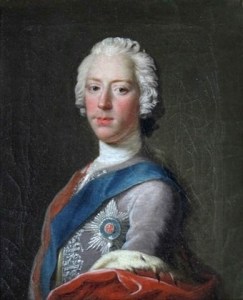
Lost_Portrait_of_Charles_Edward_StuartHow would Britain as a nation and British society have evolved had the 1745-46 Jacobite Rising of the Young Pretender, Bonnie Prince Charlie (or, to give him his full name: Charles Edward Louis John Casimir Sylvester Severino Maria Stuart, born 31 December 1720, died 31 January 1788) been successful. Would there still be a Union? But he wasn’t successful, and this uprising ended with the last battle fought on British soil at Culloden in 1746. It had a long-lasting impact on Scotland, particularly in the Highlands.

He raised his standard at Glenfinnan on the west coast of Scotland on 19 August 1745 in a bid to reclaim the throne for his father (The Old Pretender, James Francis Edward Stuart, son of deposed King James II, and accepted by many as the rightful heir) from the ‘usurper Hanoverians’.

During our recent road trip round Scotland we came across a number of sites associated with Bonnie Prince Charlie and the 1745. Having made our trip counter-clockwise, we reached Glenfinnan on the penultimate day of our holiday. The weather was atrocious: driving rain and strong winds. In fact I had wanted to make the 15 mile or so detour west of Fort William to see the Glenfinnan viaduct on the railway connecting Fort William and Mallaig. For all you Harry Potter fans, the steam train that runs on this West Highland line featured as The Hogwarts Express in several films.

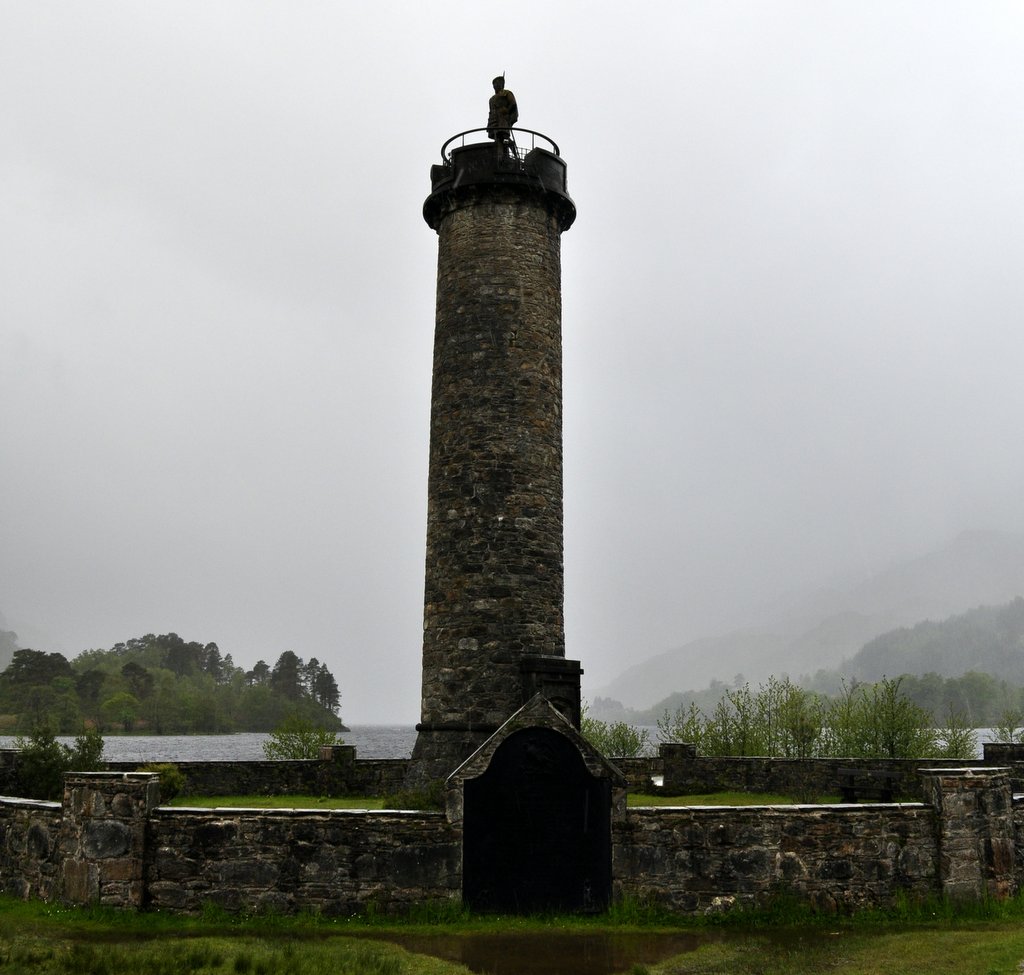
Scotland 864

The Glenfinnan Monument.

When we arrived at the Glenfinnan visitor centre, I realized that I had seen the Glenfinnan Monument (that commemorates the raising of the standard) on a couple of previous occasions, but never in such weather. We did get tickets to climb the monument—maximum four people at a time plus the guide. It’s an extremely steep and tight stone spiral staircase up the monument, and you have to almost limbo dance to squeeze out through the manhole, that couldn’t have been more than 18 inches square. I did manage my photo of the viaduct from there, and just as we walked back to the Visitor Centre, we heard the steam train puffing its way through the station, where we had been no more than 20 minutes previously. No-one had cared to advise us that the steam train was expected imminently!

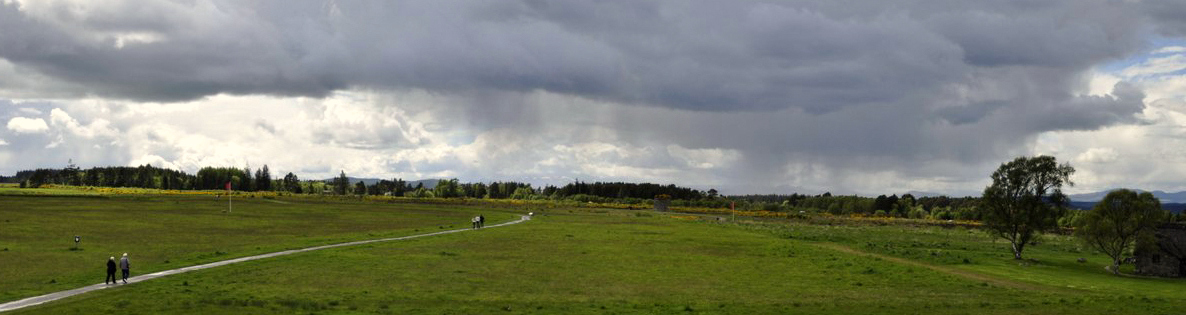
During the 1745 uprising, the Jacobites marched south into England, reaching Derby by early December. And it was at this point that they effectively lost their campaign. Some historians believe that the Hanoverian government forces could have been defeated at that time, but Charles Edward Stuart turned round and led his forces back into Scotland, where they were caught and defeated at the Battle of Culloden on 16 April 1746. The battle site is just east of Inverness, managed by the National Trust for Scotland property, and seemingly the site for pilgrimage by people of Scots ancestry from all over the world. The displays and explanations of the battle in the visitors centre are excellent.

1746 Culloden battlefield, east of Inverness.

Site of the Battle of Culloden, east of Inverness, on 16 April 1746

In South Uist we passed by the birthplace of Flora MacDonald, who helped Bonnie Prince Charlie escape into exile after Culloden, and also near where she is buried in the north of Skye.

While compiling information for this blog post, I’ve discovered a ‘personal’ link to Bonnie Prince Charlie. My home town is Leek in North Staffordshire: The Queen of the Moorlands. The Jacobite army passed through Leek in December 1745 on its way south. After turning round at Derby, it passed through Leek once again and there is anecdotal evidence that Bonnie Prince Charlie stayed the night in a small house at the top of the Market Place, just across the road from where I used to live, and next to the vicarage of the Church of St Edward the Confessor (where Jacobite soldiers sharpened their swords on a stone cross in the churchyard).

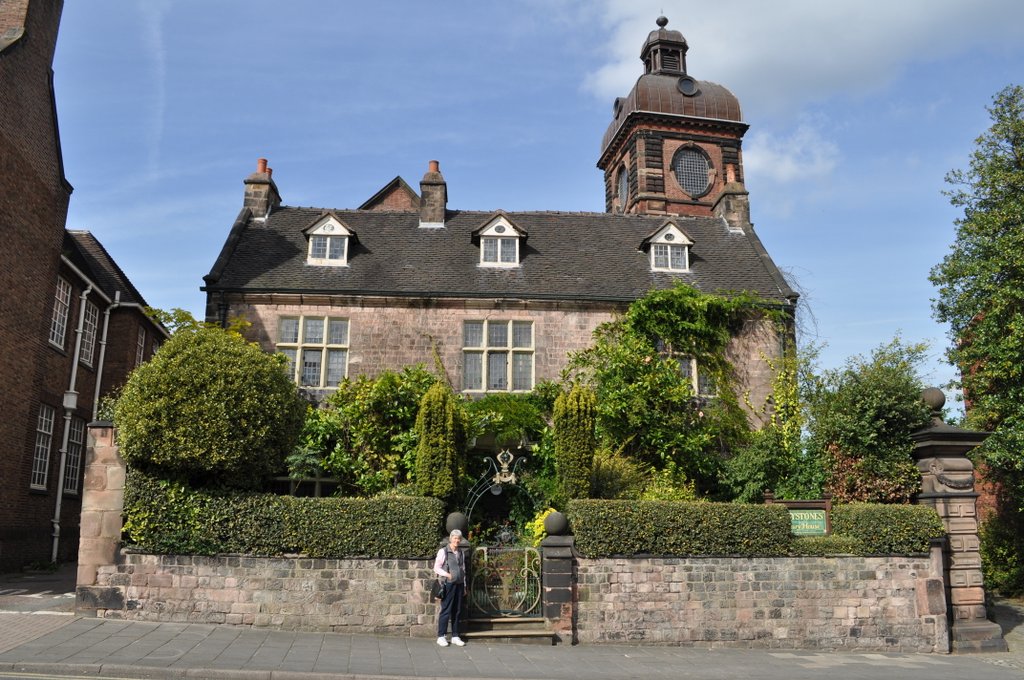
Yesterday, however, I read another account that states that the Prince did not stay in this house after all, but lodged instead in a much finer house, one built in the late 17th century, and located about 200 m east on Stockwell Street. Now a listed building, ‘Greystones’, was once divided into two apartments and rented by the local authority. From 1976 until the mid-1980s, my parents resided in the apartment on the upper two floors. I never had the least inkling whenever I visited them there that this just might have been the place where Bonnie Prince Charlie lay his weary head and dreamed on what might have been.

20110915152

‘Greystones’ is a late 17th century listed building on Stockwell Street in Leek. It stands in front of the local library, art gallery and museum, the Nicholson Institute, the tower of which can be seen behind. ‘Greystones’ was once occupied by silk manufacturer Joshua Nicholson, who built the Institute in 1884.

The election dust is settling

The dust has yet to settle on what turned out to be a rather surprising Tory victory in last Thursday’s General Election. While the pollsters got it wrong—consistently—in the weeks leading up to the election, the exit poll conducted by Strathclyde University’s Professor John Curtice was spot on. Now we are all waiting to see which hat former Liberal Democrat (Lib Dem) party leader Paddy Ashdown will eat, having declared his intention to do so if the exit poll turned out to be correct.

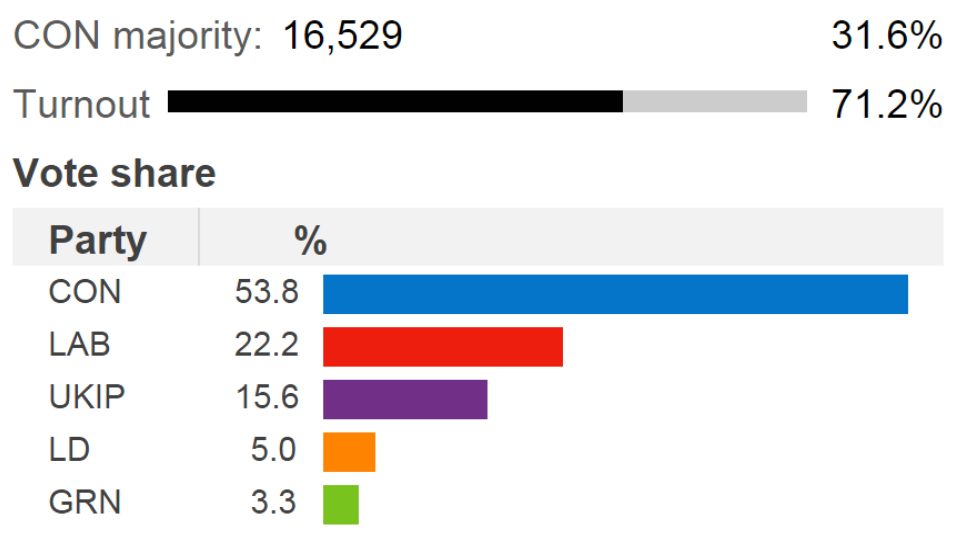
I was an undecided voter almost until the moment I put my X on the ballot paper around 11:30. But weighing up all the options, I decided to vote Lib Dem. Not that my vote counted for much, as it turned out. As throughout the country, the Lib Dem support collapsed, down almost 15% in the Bromsgrove constituency. On the other hand, incumbent Conservative MP Savid Javid increased his share of the vote by more than 10%, winning the seat by a massive majority over the Labour candidate of more than 16,500 and almost 54% of the votes cast. The data below are copied from the BBC website.

bromsgrove 3Bromsgrove 1

Bronsgrove 2

Sajid_Javid_(cropped)

Bromsgrove MP Sajid Javid, Secretary of State for Business, Innovation and Skills

I didn’t vote in 2010—couldn’t, in fact. We arrived back in the UK from the Philippines on 2 May, just a few days before the General Election was run. And being outside the country beforehand, we were not registered to vote. Sajid Javid was elected to Parliament for the first time in 2010, and became Secretary of State for Culture, Media and Sport a year ago when the then incumbent had to step down. Now he has been promoted to Secretary of State for Business, Innovation and Skills in the new Cameron Cabinet.

Bromsgrove has been a Conservative constituency forever. And I get the impression that Labour and the Lib Dems didn’t really mount much of a campaign. UKIP were in evidence (so my wife told me when she went into the town centre twice a week), but I never saw hide nor hair of any of the candidates, just received campaign materials through the door, with Javid’s team sending us the most.

So why did I vote Lib Dem? I’m not a Lib Dem ideologically. In fact, I blogged some months back that I’m your typical middle of the road voter. Not all that is Conservative is wrong, although much is. Likewise, there were important elements of the Labour manifesto I could support, but not all. I really feel that the Lib Dems have been unfairly hammered by their own supporters, opponents, and the media for joining a coalition government in 2010, particularly on the issue of student fees issues. As I have also written before, coalition is all about the art of compromise, and there are good things that the Lib Dems prevented the Conservatives enacting in their legislative program. Just read this analysis in today’s Independent newspaper. Of course that’s academic now that Cameron has his majority, albeit a tiny one. Heaven help us if (probably when) the pressures of his right wing back-benchers force him to adopt measures that many of us fear.

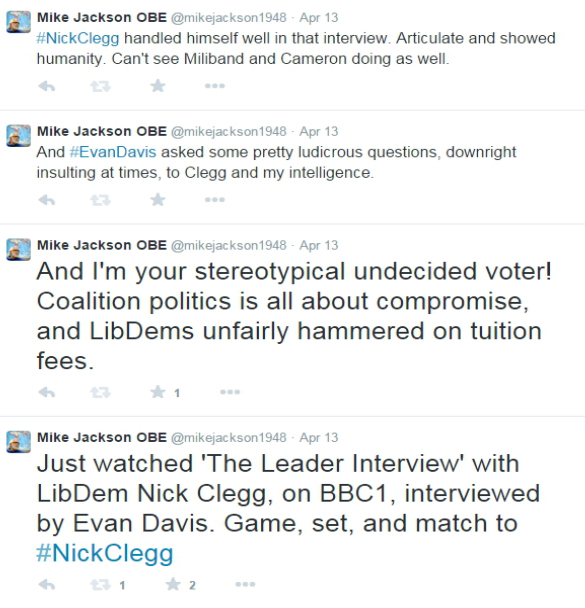
Former Lib Dem leader Nick Clegg has been vilified in the media. I watched all the leader interviews hosted by Evan Davis in the weeks leading up to the election. Clegg was the first leader who Davis interviewed. I was incensed by what I perceived as an unfair grilling by Davis; the other leaders in subsequent interviews were treatedmuch more benignly, almost with kid gloves on. I even took to Twitter to vent my dissatisfaction with the Clegg interview as you can see in my tweets below (the most recent of the string at the top).

clegg-davis tweets

Leader of the Labour Party, Ed Miliband

Former Leader of the Labour Party, Ed Miliband MP

I was never going to vote for the UKIP or Green Party candidates. In the end I just couldn’t bring myself to support Labour either. Ed Miliband just didn’t do it for me. I couldn’t envisage him in No. 10 Downing Street as Prime Minister. Well, having resigned in the aftermath of the Labour bloodbath, Miliband seems to have shrugged his shoulders, and just walked away. He’d better look over his shoulders because the knives are already out, many being wielded by erstwhile former colleagues.

So I’m one of the few million nationwide who saw a possible role for the Lib Dems in another coalition government. That’s what the polls had indicated was the likely outcome of the vote, and I placed my X accordingly. Either the pollsters got their methodology totally wrong in this election, or they were told ‘porkies’ by all the people they polled. Whatever the reason, it seems likely there will be an independent inquiry about how and why they got it so wrong, because the ‘guidance’ from the polls must have influenced many voters—me included.


J Trevor Williams, genetic resources champion, passes away at 76

Yesterday evening I heard the sad news that an old friend and someone who was very influential at important stages of my career, had passed away peacefully at his home on 30 March, at the age of 76.

21 June 1938 – 30 March 2015

Professor J T Williams (JT to his friends, or simply Trevor) played an important role during the late 70s and throughout the 80s in establishing an international network of genebanks that today underpin world food security.

The Birmingham years
I first met Trevor in September 1970 when I joined the 1-year MSc course on Conservation and Utilization of Plant Genetic Resources at the University of Birmingham. There’s no need to write about the course here as I have done so elsewhere on my blog. Short and stocky, a whirlwind of energy – and an inveterate chain smoker – Trevor joined the Department of Botany in 1968 or 1969, having been recruited by head of department Jack Hawkes to become the Course Tutor for that genetic resources course (which opened its doors in September 1969 and continued to train students over more than three decades).

20 Ed & Mike

L to R: Prof. Jack Hawkes, Dr Mike Jackson, and Dr Trevor Williams. Graduation Day, 12 December 1975, University of Birmingham

One of Trevor’s main teaching responsibilities was a course on taxonomic methods that inspired me so much that very quickly I decided that I wanted to write my dissertation under his supervision. Fortunately, Trevor was quite happy to take on this role, and by November 1970 we had agreed on a topic: on the origin and diversity of lentils (Lens culinaris). I’d indicated an interest in working on grain legumes, a hangover, I guess, from my Southampton undergraduate days where Joe Smartt, a leading grain legume specialist, had encouraged me to apply to the Birmingham course. But why how did we settle on lentils? Trevor and I worked our way through the various genera of the Fabaceae in Flora Europaea until we came to Lens and read this concise statement under the cultivated lentil, L. culinaris: Origin not known. Well, that piqued our curiosity and we set about acquiring seed samples of as many different varieties from a wide geographical range as possible.

In 1971-72 my wife Steph also worked with Trevor for her dissertation on growth and reproductive strategies in a range of grain legumes – lentil and chickpea among them. While Trevor supervised several MSc students during his years at Birmingham, I believe he had only one PhD student – another close friend, Emeritus Professor Brian Ford-Lloyd, and together they carried out a pioneering study of the genus Beta (beets!) When I moved to the University of Birmingham in 1981, I was assigned Trevor’s old office in the Department of Plant Biology (formerly Botany).

Cambridge and Bangor
Trevor took his first degree in Natural Sciences from Cambridge University (Selwyn College, I believe), followed by a PhD at the University College of North Wales (now Bangor University) under the eminent ecologist and plant population biologist, Professor John Harper. Trevor then moved to Switzerland (I don’t remember where), and took a higher doctoral degree on the study of plant communities, or phytosociology. I’m also not sure if this was supervised by Josias Braun-Blanquet, the most influential phytosociologist of the time.

The move to Rome
In about 1977 Trevor was recruited to become the Executive Secretary of the International Board for Plant Genetic Resources that was founded under the auspices of the FAO in 1974. He remained with IBPGR until 1990. Following his retirement from IBPGR, it became the International Plant Genetic Resources Institute (IPGRI), then Bioversity International in 2006.Under his tenure, IBPGR sponsored a large number of collecting missions around the world – this was the germplasm collecting decade – as well sponsoring training opportunities for genetic resources specialists, not least to the MSc course at Birmingham. Although IBPGR/IPGRI remained under the auspices of FAO until the early 1990s, it had become part of the network of international agricultural research centers under the CGIAR. And Trevor served as Chair of the Center Directors for at least one year at the end of the 1980s. In 1989 the Birmingham course celebrated its 20th anniversary; IBPGR sponsored a special reunion and refresher course at Birmingham and in Rome for a number of past students. We also recognized the unique contribution of IBPGR and Trevor joined us for those celebrations – which I have written about elsewhere in my blog.

Adi Damania (now at UC-Davis) sent me the photo below, of IBPGR staff on 2 December 1985, and taken at FAO Headquarters in Rome.

JTWFAODec2_1985

Sitting from L to R: Dorothy Quaye, Murthy Anishetty, unknown, J. Trevor Willams, Jean Hanson, unknown, Jane Toll. Standing L to R: Unknown, Adi Damania, unknown, unknown, Jeremy Watts, Merril, unknown, George Sayour, Pepe Esquinas-Alcazar, unknown, Chris Chapman, John Peeters, Jan Konopka, unknown temp, unknown, John Holden, Dick van Sloten.

After IBPGR
In the 1990s Trevor spent some years helping to organize the International Network for Bamboo and Rattan (INBAR) as a legal entity with its headquarters in Beijing, China. And it was there in about 1995 or 1996 or so that our paths crossed once again. I was visiting the Institute of Botany in Beijing with one of my staff from IRRI’s Genetic Resources Center, Dr Bao-Rong Lu. One evening, after a particularly long day, we were relaxing in the hotel bar that overlooked the foyer and main entrance. As we were chatting, I noticed someone crossed the foyer and into the dining room who I thought I recognized. It was Trevor, and I joined him to enjoy more than a few beers until late into the night. I didn’t have any further contact with Trevor until one evening in January or February 2012. It was about 7.30 pm or so when the phone rang. It was Trevor ringing to congratulate me on my appointment as an OBE in the New Year’s Honours List. We must have chatted for over 30 minutes, and it was great to catch up. That was the last time I spoke with him, and even then he told me his health was not so good.

But let’s not be too sad at Trevor’s passing. Instead let’s celebrate the man and his enormous contribution to the conservation of plant genetic resources worldwide. His important role will be remembered and recognized for decades to come. I feel privileged that I knew and worked with him. His incisive intellect and commitment to the conservation of genetic resources and community made him one of my role models. Thank you, Trevor, for your friendship, words of wisdom, and above all, your encouragement – not only to me, but to your many students who have since contributed to the cause of genetic conservation.

Remembering Trevor – updates
Trevor’s funeral was held on Wednesday 22 April at 13:30, at St Chad’s Church, Handforth, Cheshire. His sister Wendy asked that in lieu of sending flowers, donations could be made to the Millennium Seed Bank at Kew. Jill Taylor, Development Officer at the Kew Foundation has set up an ‘account fund’ in Trevor’s name – that way she can collate the donations and be able to provide the family with a total amount raised. She will of course make sure that the whole amount is used for the work of the Millennium Seed Bank. All donations can be sent for Jill’s attention:

Jill Taylor Kew Foundation 47 Kew Green Richmond TW9 3AB
Tel: 020 8332 3248
Cheques should be made payable to ‘Millennium Seed Bank’
Donations can also be made online using this live link – https://thankqportal.kew.org/portal/public/donate/donate.aspx
 If you donate online, please also email Jill at commemorative@kew.org so that she can assign it to Trevor’s ‘fund’. That email inbox is monitored by a small group so will be attended even if Jill is away.

Brian Ford-Lloyd and I attended Trevor’s funeral, along with Roger Croston, also a Birmingham MSc course alumnus and a collector for IBPGR for about two years from 1980 or so.

Trevor’s sister, the Reverend Wendy Williams (celebrating 55 years since she was ordained) gave a beautiful eulogy, highlighting Trevor’s strong Christian faith – something neither Brian, Roger or I were aware of – and the charitable work he was involved with in Washington, DC after he left IBPGR, but also in Rome during his IBPGR years. Click on the image below to read the Service of Thanksgiving.

JTW

Obituaries
Here’s the link to the obituary that was published on 1 May in the UK’s Daily Telegraph broadsheet newspaper.

An obituary was published online on 1 July in the international journal Genetic Resources and Crop Evolution. Click here to read. And another in the Indian Journal of Plant Genetic Resources.

A biography of Trevor was published online (on 13 June 2024) in the Oxford Dictionary of National Biography. Click here to read.


Getting to know IRRI . . .

IRRI-logoand the CGIAR
The International Rice Research Institute (IRRI), based in Los Baños, Philippines (about 65 km south of Manila), was founded in 1960, the first of what would become a consortium of 15 international agricultural research institutes funded through the Consultative Group on International Agricultural Research (CGIAR).

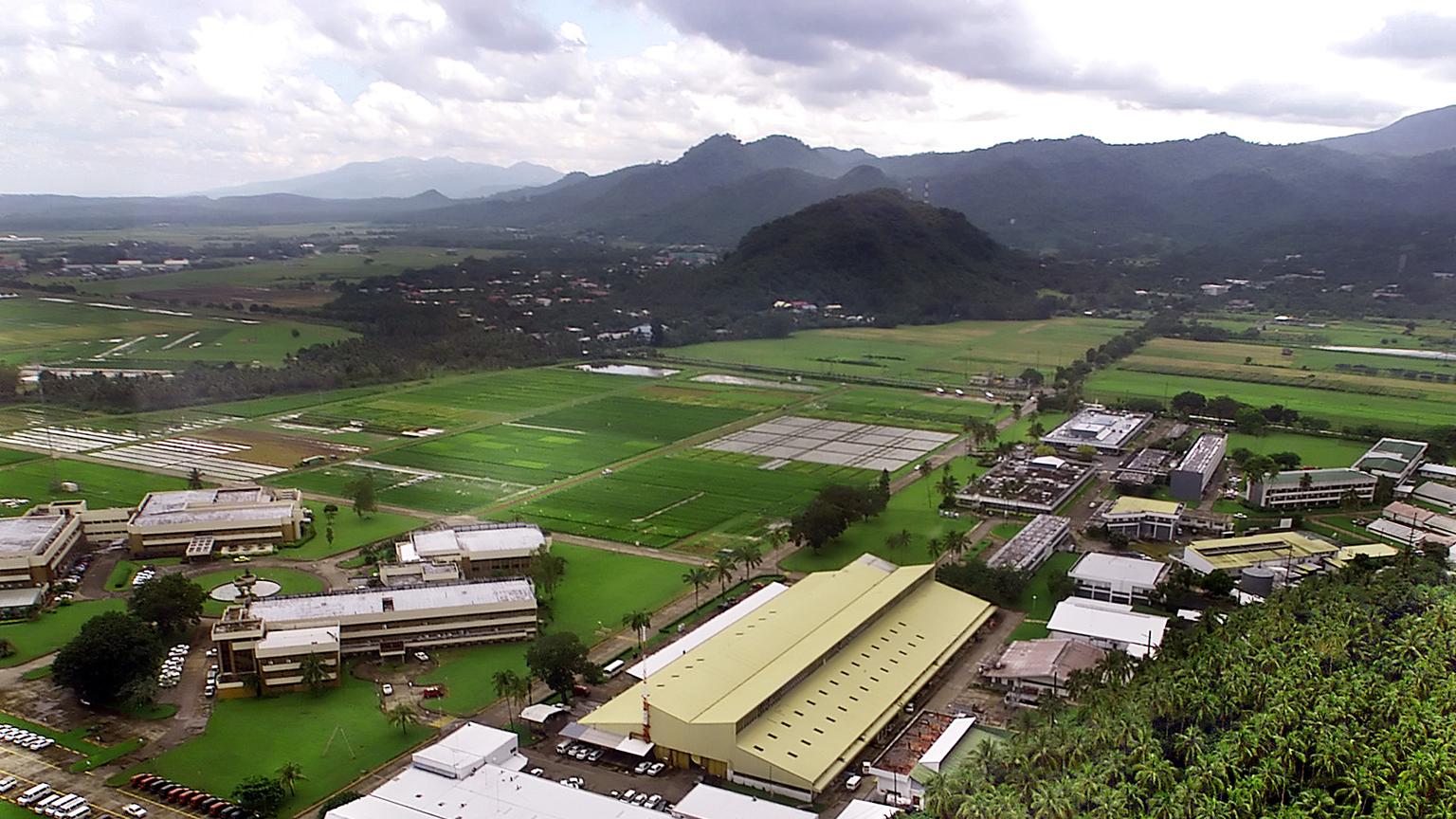
IRRI from the air

Listen to CGIAR pioneers Dr Norman Borlaug and former World Bank President (and US Defense Secretary) Robert McNamara talk about how the CGIAR came into being in 1971.

I spent almost 19 years at IRRI, more than eight years at a sister center in Peru, the International Potato Center (CIP), and worked closely with another, Bioversity International (formerly known as the International Board for Plant Genetic Resources – IBPGR – from its foundation in 1974 to October 1991, when it became the International Plant Genetic Resources Institute – IPGRI – until 2006).

Who funds IRRI and the other centers of the CGIAR?
IRRI and the other centers receive much of their financial support as donations from governments through their overseas development assistance budgets. In the case of the United Kingdom, the Department for International Development (DFID)is the agency responsible for supporting the CGIAR, it’s USAID in the USA, and the Swiss Agency for Development and Cooperation (SDC) in Switzerland, for example. In the last decade, the Bill & Melinda Gates Foundation has become a major donor to the CGIAR.

During my second career at IRRI, from May 2001 until my retirement at the end of April 2010 I was responsible, as Director for Program Planning and Communications (DPPC), for managing the institute’s research portfolio, liaising with the donor community, and making sure, among other things, that the donors were kept abreast of research developments at IRRI. I had the opportunity to visit many of the donors in their offices in the capitals of several European countries and elsewhere. However, very few of the people responsible for the CGIAR funding in the donor agencies had actually visited IRRI (or, if they had, it wasn’t in recent years). One thing that did concern me in working with some donors was their blinkered perspectives on what constituted research for development, and the day-to-day challenges that an international institute like IRRI and its staff face. I guess that’s not surprising really since some had never worked outside their home countries let alone undertake field research.

International Centers Week 2002
In those days, the CGIAR used to hold its annual meeting – International Centers Week – in October, and for many years this was always held at the World Bank in Washington, DC. But from about 2000 or 2001, it was decided to move this annual ‘shindig’ outside the Bank to one of the countries where a center was located. In October 2002, Centers Week came to Manila in the Philippines, hosted by the Department of Agriculture.

What an opportunity, one that IRRI was not going to ignore, to have many of the institute’s donors visit IRRI and see for themselves what this great institution was all about. Having seen the initial program that would bring several hundred delegates to Los Baños over two days – on the 28th (visiting Philippine institutions) and 29th October (at IRRI) but returning to Manila overnight in between – we decided to invite as many donors as wished to be our guests overnight. Rumour had it that the Chair of the CGIAR then, Ian Johnson (a Vice President of the World Bank) and CGIAR Director Dr Franscisco Reifschneider, were not best pleased about this IRRI ‘initiative’.

Most donors did accept our invitation, and we hosted a dinner reception on the Monday evening, returning some of the hospitality we’d been offered during our visits to donor agencies. This also gave our scientists a great chance to meet with the donors and talk about their science. Most (but not all scientists) are the best ambassadors for their research and the institute; however, some just can’t avoid using technical jargon or see past the minutiae of their scientific endeavors.

As the dinner drew to a close, I spread word that the party would continue at my house, just a short distance from IRRI’s Guesthouse. As far as I remember about a dozen or so donor friends followed me down the hill, and we continued our ‘discussions’ into the small hours. Just after dawn I staggered out of bed and, with a rather ‘thick head’, went to see the ‘damage’ in our living room, where I found a large number of empty glasses, and several empty whisky, gin and wine bottles. A good time was had by all! Unfortunately it was also pouring with rain, which did nothing to lift my spirits. Our program for the day had been developed around a series of field visits – we didn’t have an indoor Plan B in case of inclement weather.

However, I’m getting ahead of myself. Let me tell you how did we went about organizing the IRRI Day on the 29th October.

Getting organized
12213957474_757eaf1d74_oRon Cantrell, IRRI’s Director General in 2002 asked me to organize IRRI Day. But what to organize and who to involve? We decided very early on that, as much as possible, to show our visitors rice growing in the field, but with some laboratory stops where appropriate or indeed feasible, taking into account the logistics of moving a large number of people through relatively confined spaces.

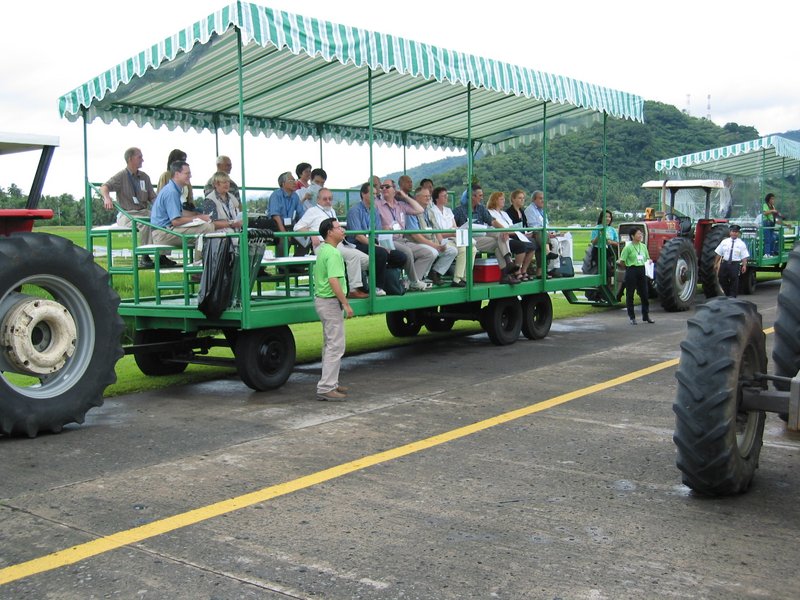
How to move everyone around the fields without having the inconvenience getting on and off buses? In 1998 I had attended a symposium to mark the inauguration of the Dale Bumpers National Rice Research Center in Stuttgart, Arkansas (self-proclaimed Rice and Duck Capital of the World). To visit the various field plots we were taken around on flat-bed trailers, towed by a tractor. We sat on straw bails, and each trailer also had an audio system. It was easy to hop on and off at each of the stops along the tour. However, we had nothing of that kind at IRRI and, in any case, we reckoned that any trailers would need some protection against the sun – or worse, a sudden downpour.

And that’s how I began a serious collaboration with our Experimental Farm manager, Joe Rickman to solve the transport issue.

rickman-about

Joe Rickman

We designed and had constructed at least 10 trailers, or bleachers as they became known. As far as I know these are still used to take visitors around the experimental plots when appropriate.

20021029008

So, transport solved. But what program of field and laboratory visits would best illustrate the work of the institute? In front of the main entrance to IRRI are many demonstration plots with roads running between them where we could show research on water management, long-term soil management, rice breeding, and pest management. We also opened the genetic transformation and molecular biology labs and, I think, the grain quality lab. I just can’t remember if the genebank was included. The genebank is usually on the itinerary for almost all visitors to IRRI but, given the numbers expected on IRRI Day, and that the labs are environment controlled – coll and low humidity – I expect we decided to by-pass that.
The IRRI All Stars
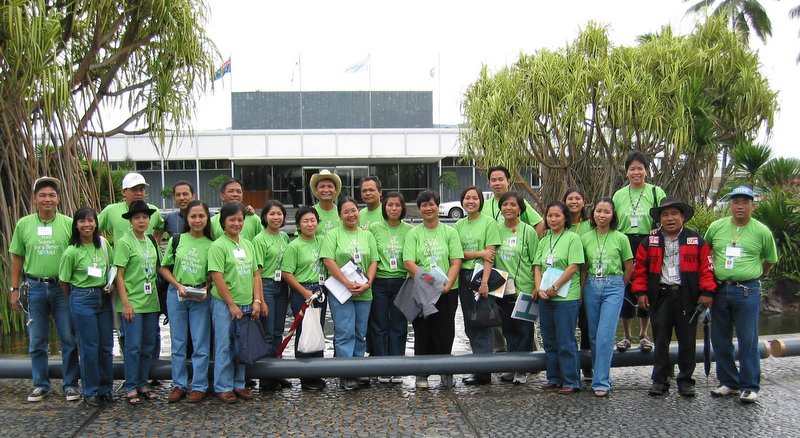
From the outset I decided that we would need staff to act as guides and hosts, riding the trailers, providing a running commentary between ‘research stations’. I put word out among the local staff that I was looking to recruit about 20-30 staff to act as tour guides; I also approached several staff who I knew quite well and who I thought would enjoy the opportunity of taking part. What amazed me is that several non-research staff approached me asking if they could participate, and once we’d made the final selection, we had both human resources and finance staff among the IRRI All Stars.

L-R: Carlos Casal, Jr., Josefina Narciso, Ato Reano, (???), Arnold Manza, Crisel Ramos, Varoy Pamplona, Lina Torrizo, (???), Jessica Rey, Caloy Huelma, Beng Enriquez, Joe Roxas, (???), Sylvia Avance, (???), Mark Nas, Ofie Namuco, Estella Pasuquin, (???), Ninay Herradura, Lily Molina, Tom Clemeno, Joel Janiya.

The IRRI All Stars L-R: Carlos Casal, Jr., Josefina Narciso, Ato Reano, Reycel Maghirang-Rodriguez, Arnold Manza, Crisel Ramos, Varoy Pamplona, Lina Torrizo, Tina Cassanova, Jessica Rey, Caloy Huelma, Beng Enriquez, Joe Roxas, Remy Labuguen, Sylvia Avance, Ailene Garcia-Sotelo, Mark Nas, Ofie Namuco, Estella Pasuquin, Ria Tenorio, Ninay Herradura, Lily Molina, Tom Clemeno, Joel Janiya.

Once we had a trailer available, then we began planning and practising in earnest. I wanted my colleagues to feel confident in their roles, knowledgeable about what everyone would see in the field, as well as feeling comfortable fielding any questions thrown at them by the visitors.

I think some of the All Stars felt it was a bit of a baptism by fire. I was quite tough on them, and encouraged everyone to critique each other’s ‘performance’. And things got tougher once we had the research scientists in the field strutting their stuff during the practice runs. My guides were merciless in their comments to colleagues about their research explanations. Not only did we reduce the jargon to a manageable level, but soon everyone appreciated that they had to be able to explain not only what they were researching, but why it was important to rice farmers. And in doing so, to actually talk to their audience, making eye contact and engaging with them.

It was worth all the time and effort we spent before IRRI Day. Because on the day itself, everyone shone. I don’t think I’ve been prouder of my colleagues. After the early morning rain, the clouds parted and by 9 am when we started the tours, it was a glorious Los Baños day at IRRI. The feedback from the delegates, especially the donor representatives, was overwhelming. Many had, as I mentioned earlier, a blinkered view of research for development, and rice research in particular. More than a few had a ‘Damascene experience’. Many had never even seen a rice paddy before. I believe that IRRI’s stock rose among the donor community during the 2002 International Centers Week – due in no small part to their very positive interactions with IRRI’s research staff and the All Stars.

On reflection, we had a lot of fun at the same time. It was extremely rewarding to see how positive all the staff were about contributing to the success of IRRI Day. But that’s the IRRI staff for you. Many a visitor has mentioned as they leave what a great asset are the staff to IRRI’s success. I know from my own 19 years there. In fact we had so much fun that just over a week later we held another IRRI Day for all staff, following the same route around the field and listening to the same researchers.

Using camera-mounted drones, it’s now possible to give IRRI’s visitors a whole new perspective.


Safeguarding rice biodiversity . . .

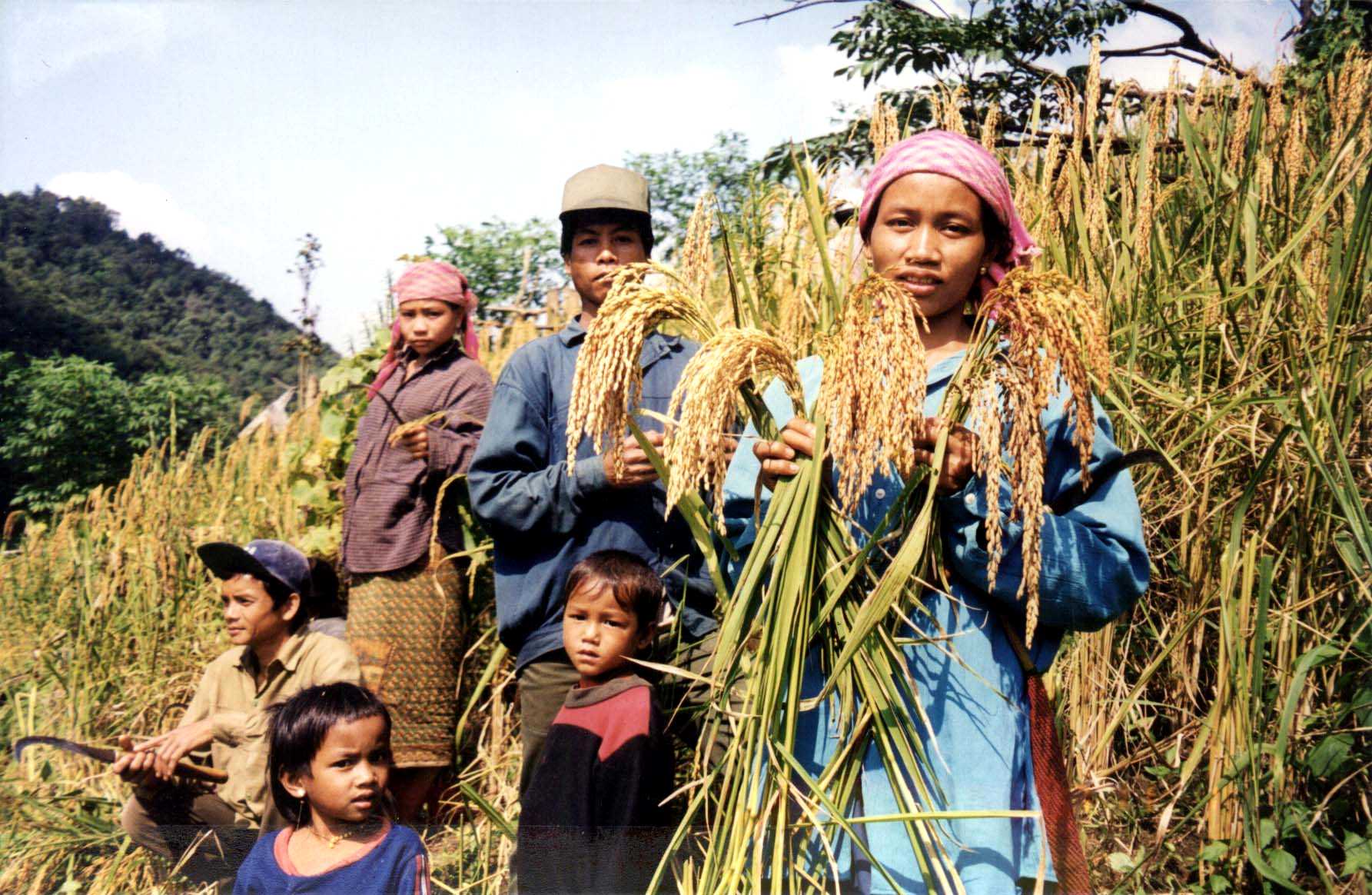
lao294I can’t claim it was the most successful project that IRRI – the International Rice Research Institute – ever managed. That would be too arrogant by half.

But by mid-2000 we successfully finished a project, Safeguarding and Preservation of the Biodiversity of the Rice Genepool, funded by the Swiss Agency for Development and Cooperation (SDC), that significantly enhanced the long-term conservation of rice genetic resources.

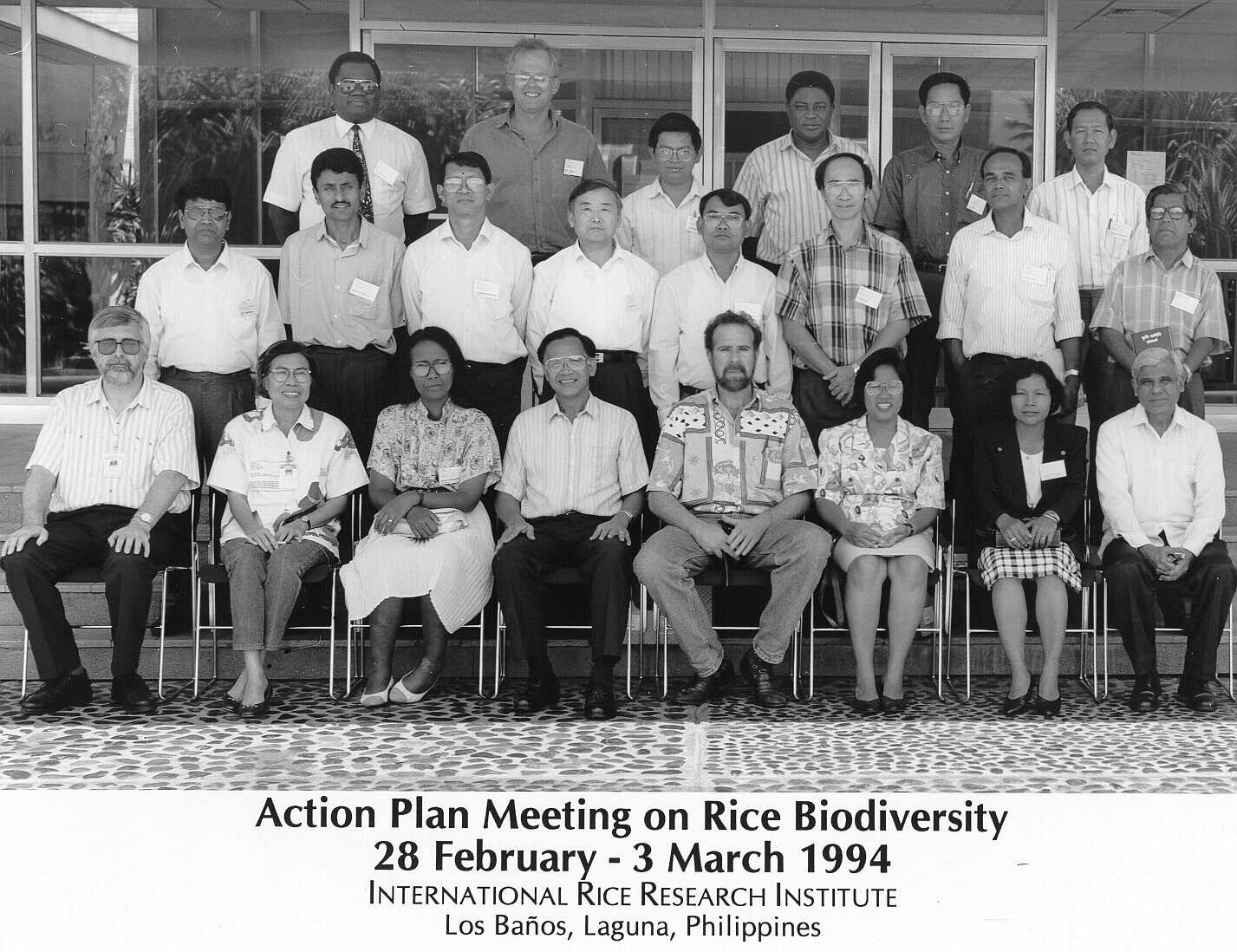
The SDC was extremely generous, and funded much of the proposed budget, donating USD3.286 million. Approved for funding in November 1993, we didn’t actually begin any of the project activities in earnest until 1995. That was because we spent 1994 ‘selling’ the project to our colleagues in national genetic resources programs and their superiors in the target countries, holding a series of planning meetings, and forming a Steering Committee, as well as recruiting several staff.

irri002

So the effective period of the project were the five years between 1995 and 1999, with a no-cost extension taking the project past its original end date of November 1998. But, as far as the SDC was concerned, this was never a problem. We kept everyone regularly updated on progress and achievements, and in any case, the donor had insisted that time was spent at the project’s initiation bringing everyone on board. It was certainly time well spent. This was particularly so in 1993-94. Why? Well in December 1993 the Convention on Biological Diversity (CBD) came into force (having been opened for signature at the Rio Earth Summit in June 1992) – just a few weeks after our rice biodiversity project was given the green light. And since the collection of rice varieties and wild species was a major component of the project, we weren’t sure just how committed several countries would be to participate in the project, let alone share their germplasm with others or send a duplicate sample of all collected germplasm for long-term preservation in the International Rice Genebank at IRRI. The negotiations leading to the CBD had certainly opened many cans of worms in terms of access to and use of germplasm, and to what extent germplasm had a strictly commercial value. While so-called ‘agricultural biodiversity’ (the landrace crop varieties, among others) was not the main focus of the CBD, this international treaty did provide the legal framework for access to germplasm, during the period leading up to the CBD, there had been a drop-off in the number of germplasm collecting expeditions, particularly those that were internationally-led. And of course, this was years before the International Treaty on Plant Genetic Resources for Food and Agriculture had been negotiated to provide the legal framework for germplasm exchange and use.

I think it says a lot for the international standing and reputation of IRRI that we encountered remarkably little opposition (especially among Asian nations) to the idea of participating in a collaborative concerted effort to collect and preserve as much rice biodiversity as possible. Essentially to try and fill the gaps in earlier germplasm collecting efforts. It seemed to us that this was the moment to seize. Civil conflicts were a thing of the past in several countries, infrastructure had improved providing access to areas and regions that had previously been inaccessible. In any case, with the rapid development that some countries were undergoing, we feared that unless something was done, then and there, there might not be an opportunity again in the foreseeable future, and valuable germplasm might be lost. The project had three components on germplasm collecting, on farm conservation, and training.

For germplasm collecting, we recruited two staff: Dr Seepana Appa Rao from India (who had spent much of his career at one of IRRI’s sister centers, ICRISAT in Hyderabad) and Dr Sigrid Liede from Germany. Existing IRRI staff Dr Bao-Rong Lu, a taxonomist from China and Ms Eves Loresto also took on important collecting and training responsibilities.

For the on farm conservation work, geneticist Dr Jean-Louis Pham from France was seconded to IRRI from his home institute IRD for five years. Two social anthropologists, Dr Mauricio Bellon from Mexico and Dr Stephen Morin from the USA worked in the project.

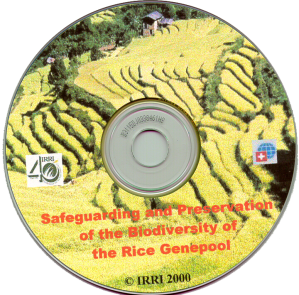
Within six months of the end of the project, we had submitted our final report and an interactive CD containing all the germplasm collecting and training reports, publications, and up to 1000 images (with a descriptive spreadsheet with live links to each image). Just click on the CD image below to automatically download a zip file (approximately 460 MB). Extract or copy the folders and files in the zip file to a new folder Rice Biodiversity on your computer, and click on the Start file. (There is a Read me! file in case you need more instructions.) Unfortunately it’s not possible to open the files interactively directly from the zip file here – you have to download. But that’s where you will find all the detail.

biod-cd

So below, I’ve included just a few highlights of what the project achieved, and its impact.

Collection and ex situ conservation of wild and cultivated rices
Germplasm collectors made one hundred and sixty-five collecting trips, lasting from just a few days to several weeks, in 22 countries between 1995 and 1999. A total of 24,718 samples of cultivated rice (Oryza sativa) was collected, and 2,416 samples of 16 wild Oryza species, weedy types and putative hybrids, and some unclassified samples; there were also samples of at least four species from three related genera.

The collecting effort in the Lao PDR was particularly impressive, with more than 13,000 samples of cultivated and wild rice now safely conserved in the local genebank and in the IRG. The collecting activities in sub-Saharan Africa focused almost entirely on wild species, and in general the number of samples collected was not high. The resource investment to collect this material was quite high but realistic given the somewhat sparse geographical distribution of the species populations, and the difficulties in collecting.

By the end of the project, more than 80% of the cultivated rice samples and 68% of the wild had been sent to the International Rice Genebank at IRRI for long-term conservation. All the details can be seen here.

On farm management of traditional rice varieties
In 1994, IRRI organized a workshop about on farm conservation of genetic resources. The participants agreed on the need to develop its scientific basis,because on farm  conservation of genetic resources was strongly advocated in international forums, but there was limited understanding of what this approach really meant. We therefore felt that more research should be conducted to understand farmers’ management of crop diversity and its genetic consequences. This was especially true in the case of rice for which very limited knowledge was available. So we set out to:

  • increase knowledge on farmers’ management of rice diversity, the factors that influence it, and its genetic implications; and
  • identify strategies to involve farmers’ managed systems in the overall conservation of rice genetic resources.

We developed research sites and teams in northern Luzon, Philippines, in central Vietnam, and in Orissa, India. And always we had that mix of geneticists and social scientists to provide a broad perspective on the dynamics of rice agriculture in terms of on farm management/conservation.

The contribution of this IRRI-coordinated project for on-farm conservation was to:

  • bring hard data and facts to the debate on the use and relevancy of on-farm conservation of rice genetic resources, and on the impact of deployment of modern varieties on biodiversity;
  • identify avenues for the implementation of on-farm conservation strategies;
  • explore the role that research institutions could play in the future;
  • develop methodologies and competencies in the assessment of rice diversity and its management by farmers through partnership with national programs;
  • increase the awareness and understanding of issues related to on-farm conservation and the value of local diversity both in NARS and local development agencies;
  • share its experience, with other researchers through the participation to various conferences and meetings, publication of papers, organization of a workshop, and collaboration with other projects.

An important ‘spin-off’ from the research concerned the restoration of germplasm in areas where varieties had been lost. During the course of the research, a major typhoon hit northern Luzon in the Philippines where we were working with farmers. During that season almost all of rice agriculture was wiped out, and many farmers no longer had access to the varieties they had previously grown, and none were available through official Department of Agriculture channels. Fate was on our side. In a previous season, project staff had samples a wide range of varieties from the farmers at the project sites, taken them to Los Baños, grown them out for morphological and genetic characterization and, in the process, multiplying the seed stocks. We were able to provide each farmer with up to 1 kg of seeds of each variety on request, and in total we sent back about 20 tonnes of seeds. Not all farmers wanted their indigenous varieties and changed over completely to modern, high-yielding varieties.

Strengthening of germplasm conservation by national agricultural research systems (NARS) and non-government organizations/ farmers’ organizations (NGOs/FOs)
Between 1995 and 1999, we ran 48 courses or on-the-job training opportunities in 14 countries and at IRRI headquarters in the Philippines. The training encompassed field collection and conservation, characterization, wild rice species, data management and documentation, genebank management, seed health, analysis of socioeconomic data, and molecular analysis of germplasm. And we trained more than 670 national program personnel. IRRI staff were involved in the management, coordination, and presentation of almost all the training activities.

However, the story doesn’t end there.

smc3_R.-Hamilton

Dr Ruaraidh Sackville Hamilton

While some gaps remain for germplasm collection and duplication of germplasm at IRRI, these issues have been taken up by my successor as head of the TT Chang Genetic Resources Center, Dr Ruaraidh Sackville Hamilton. Even so, the size of the International Rice Genebank Collection (IRGC) had increased by about 25% by 2000, not bad for a period when discussions in international fora (the CBD and the FAO Commission on Genetic Resources for Food and Agriculture) had put the brakes on germplasm sharing. Most of the national collections in Asia are now duplicated at IRRI, although some important Indian germplasm has never been duplicated, and I believe this remains the case still. The Africa Rice Center and IRRI have also cross-duplicated African germplasm, but I don’t have the latest information on this nor on the status with the International Center for Tropical Agriculture (CIAT) in Cali, Colombia.

Since the biodiversity project ended, the International Treaty mentioned earlier has also come into force and rice is one of the important crops specifically covered by that treaty.

To ensure the long-term conservation of rice germplasm at IRRI, there was a significant investment during the early 1990s to refurbish and upgrade the genebank as well as enhancing the actual conservation procedures followed. In recent years another sub-zero storage vault for long-term conservation was added to the genebank.

When I joined IRRI as head of the Genetic Resources Center in 1991 there was already in place an agreement with the USDA-ARS National Center for Genetic Resources Preservation for the ‘black box’ safety duplication of the entire IRRI collection – and that continues today.

In February 2008 a significant dimension was added to global crop germplasm conservation efforts with the opening of the Svalbard Global Seed Vault under the auspices of the Global Crop Diversity Trust (and the Government of Norway) – photos courtesy of the Global Crop Diversity Trust.

The whole IRRI collection – including those samples collected during the SDC-funded project – are now safely sitting under the permafrost in Spitsbergen, inside the Arctic Circle.

In this video, you can see genebank staff at IRRI preparing all the seed samples to send to Svalbard.

And in the next video, the late Professor Wangari Maathai (Nobel Peace Prize Laureate in 2004 and at that time a Board Member of the Global Crop Diversity Trust) and the Prime Minister of Norway, H.E. Mr Jens Stoltenberg carry the first box of germplasm – from IRRI no less – into the seed vault.

The work to safeguard rice biodiversity is never-ending. But a great deal has been achieved. Being part of a global network of genebanks – some in several Asian countries focusing specifically on rice  – IRRI’s contribution is extremely important.

20100211020

The broad genetic diversity of rice and its wild relatives is safe for the future, and I’m very proud to have played my part in that effort.

No fire in the belly . . .

It’s just seven weeks tomorrow to the General Election – and I’m already fed-up with the political rhetoric. Or should I say, the lack of it.

I really do feel that there is a distinct dearth of speech-making charisma among UK politicians these days. Prime Minister David Cameron, the Lib Dem’s Nick Clegg, Labour leader Ed Miliband, Chancellor of the Exchequeur George Osbourne and his Labour opposite number, Ed Balls, to name but five, do not inspire me whatsoever. Where have all today’s great political speech-makers gone?

One of the problems in the coming election I face is that I do not – cannot, even – support the perspectives and policies espoused by the one or two politicians who are, in the scheme of things, quite effective speakers. Who, you might ask? Well, Nigel Farage and Alex Salmond for instance. I actually find them quite obnoxious individuals, but acknowledge they are effective speakers.

Like them or loathe them, former Labour Prime Ministers Tony Blair and Gordon Brown were excellent speakers – of conviction. Gordon Brown certainly came alive towards the end of the Scottish independence referendum campaign. He was speaking from the heart and you could tell that he felt and meant every word.

Unfortunately that’s not the case with most political speech making today. No wonder many if not most Westminster parliamentarians lack credibility. They trot out trite slogans and expect us to believe them. I’m almost at the point of throwing something at the TV screen if I ever hear a Tory politician mention, for the umpteenth time, that the Party has ‘a long-term economic plan’ (sometimes shortened to ‘long-term plan’) in response to almost any question. And of course they are attempting to emphasize their difference from their Labour opponents who apparently do NOT have ‘a long-term economic plan’.

Well, it was in the context of catching up with last Sunday’s The Andrew Marr Show on BBC1, and his interview with George Osbourne, that the idea for this blog post formed in my mind. As soon as I heard the dreaded ‘ALTEP’ mentioned, I remembered an excellent piece I read recently in the BBC website by Cambridge University Professor of Classics Mary Beard. As a classicist, she makes the point that today’s politicians are too risk averse, not attempting to deliver convincing arguments, but instead just spouting a range of statements. Is there any attempt to convince us, or even to inspire us to believe what they are spelling out. And here is Professor Beard speaking on the BBC’s Newsnight program.

In all fairness to Ed Miliband, he was, I believe, a more effective speaker when he made a speech without reference to notes, or indeed never speaking from a lectern. It sounded as though he really believed what he was saying. But unfortunately he fell at the next fence, to use a horse-racing allegory. In his leader’s speech at the last Labour Party conference last autumn – the last conference before the General Election – Miliband omitted one important topic in his speech: the UK budget deficit and how Labour would tackle this. Since then, poor Ed has been tied to the lectern, has teleprompters either side, and carefully does not ‘ski off-piste’. In doing so he has become a run-of-the-mill political speech-maker and his credibility has declined accordingly.

Where would we have been in 1940 if David Cameron had been a war-time leader rather than Winston Churchill? Or Labour politician Aneurin ‘Nye’ Bevin, Minister of Health in Clement Atlee’s post-war cabinet, responsible for the introduction of the National Health Service, that ‘jewel in the crown’ of UK institutions that all political parties are fighting over as we head towards the election?

Maybe it’s the presidential political system in the United States that throws up more charismatic leaders. Just watch this speech by President Obama at Selma a week or so ago, and ask yourself (if you live in the UK) when was the last time you were moved by a speech by a politician here.

President Bill Clinton was also a charismatic speaker – love him or loathe him. But in 2001 (when I was in the Philippines) I tuned into the BBC one evening and watched Clinton deliver the annual Richard Dimbleby Lecture, on the topic The Struggle for the Soul of the 21st Century. It was one of the most remarkable speeches I have ever listened to. Speaking for almost 50 minutes – without notes – and leaning against the lectern, Clinton engaged his audience, was erudite, thoughtful, and challenging in what he had to say. There are few politicians that can match that sort of delivery, oratory even (Obama it seems was cut from the same cloth). And he inspired.

As the General Election approaches, I need inspiring and persuading. Give me some robust arguments to mull over. The politicians who seek our support at the ballot box need more fire in their bellies.


Dr Richard L Sawyer (1921-2015), first Director General of the International Potato Center (CIP)

Sawyer3I opened my email this morning to find one with the sad news that Richard Sawyer, the first Director General of the International Potato Center (CIP) had died at his home in North Carolina on 9 March. He was 93, just a week short of his 94th birthday.

Richard was my first boss from January 1973 when I joined the International Potato Center (CIP) as an associate taxonomist in Lima, Perú. In fact, Richard was one of the first Americans I had ever met, and it was quite an eye-opener, as a young British graduate, to be working for an organization led by an American.

I first met Richard in early summer 1971 or thereabouts, while I was a graduate student at the University of Birmingham. My major professor, and head of the Department of Botany at the university was renowned potato taxonomist Jack Hawkes. Jack had made a collecting expedition for wild potatoes to Bolivia in the first couple months of 1971. And his trip was supported by the USAID-funded North Carolina State University – Peru potato project. Richard had been in Lima since 1966 as head of that mission. I believe that Jack stayed in Lima with Richard and his wife, and had the opportunity to discuss with Richard how the recently-founded MSc course on Conservation and Utilization of Plant Genetic Resources could support the genetic resources activities at what would soon become the International Potato Center. Richard wanted to send a young Peruvian scientist (Zosimo Huaman) for training at Birmingham, but wondered if Jack had anyone in mind who could accept a one-year assignment in Peru while Zosimo was away in Birmingham studying for his MSc degree.

During a visit to meet with potential donors for the fledgling CIP in the UK, Richard came up to Birmingham from London to discuss some more about training possibilities, and the one-year assignment. And Jack invited me to meet Richard. I remember quite clearly entering Jack’s office, and my first impression of Richard Sawyer. “Good grief,” I thought to myself, “I’ve come to meet Uncle Sam!” At that time, Richard sported a goatee beard and, to my mind, was the spitting image of ‘Sam’.

I eventually moved to Lima in January 1973, and spent the next eight happy and scientifically fruitful years with CIP in Perú and Central America.

cip4

CIP staff in 1972, taken a few months before I joined the center. L to r: Ed French, Richard Sawyer, John Vessey, ??, Rosa Rodriguez, Carlos Bohl, Sr., Haydee de Zelaya, Rosa Mendez, Heather ??, Oscar Gil, Javier Franco, Luis Salazar, David Baumann

A family man. There are several things I remember specially about Richard. When I joined CIP he had recently remarried, and was devoted to his young wife Norma who was expecting their son Ricardo Jr. The Sawyers hosted a cocktail at their San Isidro apartment during that first week I was in Lima for the participants of a potato genetic resources and taxonomy planning workshop. Almost the whole staff of CIP had been invited – we were so few that everyone could easily fit into their apartment.

During that workshop we traveled to Huancayo to see the germplasm collection, and Richard drove one of the vehicles himself. Staying at the Turista hotel in the center of Huancayo, we spent that first night drinking pisco sours and playing dudo for a couple of hours.

Richard practiced what he preached. He was very supportive of CIP scientists and their families, and always encouraged his staff to maintain a healthy balance between work and home. At 4 pm each day he was the first out of the office and on to the frontón court; he was very competitive.

A TPS incident. I remember one (potentially disastrous) incident, in about 1978 or 1979, during the annual review meeting held in Lima, and in which all staff from around the world also participated. I came down to Lima from Costa Rica where I was leading CIP’s Region II Program (Mexico, Central America and the Caribbean). After several presentations about the emerging technology of true potato seed (TPS) during the first couple of days, the then Director of Research, Dr Ory Page from Canada, opened the floor for general comments and questions. I’d been storing up some comments and, nothing venture, nothing gained, stuck my hand up and began to make several critical comments about the TPS program and how it was not currently applicable to the farmers of Central America.

Well, as they say, the ‘proverbial’ hit the fan. Richard was seated immediately in front of me, among the CIP staff. He turned on me, and gave me a public dressing down. I decided not to accept this quietly, and responded as vigorously. As tempers began to fray, the Chair of the CIP Board Program Committee, British scientist Dr Glyn Burton, suspended the meeting. Richard stormed out to his office, followed by Dr Ken Brown, head of Regional Research and my immediate boss who was upset at Richard’s reaction. Several colleagues came up to me during the enforced break, and while they might have concurred with my point of view, felt that I had burned my bridges at CIP, and was likely to lose my job.

Far from it. A couple of days later, Richard came looking for me and apologized for how he’d behaved towards me; he told me that I’d had every right to question aspects of CIP’s research. I think this whole incident strengthened the relationship I had with Richard, and he was very supportive. It also indicated to me that Richard was a supremely confident person, and a strong leader.

Moving on. In 1980, a teaching position opened at the University of Birmingham. I was keen to apply, but felt I had to discuss the various options first. Ken Brown advised me to talk directly with Richard, and it was fortunate that I was already back in Lima, having left Costa Rica in November just before the Birmingham position was announced. Richard strongly encouraged me to apply for the Birmingham lectureship, but at the same time offering me a new five-year contract with CIP should I fail with my application. Now that was, as you can imagine, an unbelievable way to approach a job interview. I was offered the position and resigned from CIP in March 1981 to return to the UK.

But that wasn’t the end of my relationship with CIP. The UK Department for International Development (then the Overseas Development Institute) supported my research project with CIP on TPS of all things during the 1980s. And I also carried out a couple of consultancies for CIP, the more significant being an evaluation of a Swiss-funded seed potato project in Perú, during which I always had the opportunity to meet with Richard. He was always interested in what I was up to and how the family was getting on. After all, my wife Stephanie had also personally been offered a position at CIP by Richard from July 1973.

Richard’s legacy. There are so many things I could point out, but three come most readily to my mind:

  • Richard was a compassionate individual, very supportive of his staff and their families. But having a clear vision, he could also be determined and make the tough decisions. This served CIP extremely well during his tenure.
  • He placed the conservation of the germplasm collection and its use at the heart of CIP’s strategy and research. Later this was expanded to include sweet potatoes and several ‘minor’ Andean tuber crops. Focusing only on potato for the first decade enabled CIP to establish and maintain a strong research program, that had the strong foundation for expansion into other tuber crops.
  • His vision of regional research and collaboration with potato researchers around the world – and the use of CIP funding to support these scientists as part of CIP’s core research program – was not always appreciated around the CGIAR in the early 1970s. It was innovative, and CIP was able to have an early impact on and bring new technologies to potato programs and systems right around the world. The establishment of PRECODEPA in 1978 was one of these important initiatives. Not only did Richard persevere, but he showed that this model of collaboration was one applicable to other centers and their mandate crops. It is the modus operandi today.

It is always sad when a colleague and friend passes away. While we – his family, friends and former colleagues – mourn his passing, let us also celebrate a life of service to international agriculture by this extraordinary individual. It has been my privilege to count Richard Sawyer as a friend and mentor. My life has certainly been profoundly changed by knowing and working with him.

Deepest condolences to his wife Norma, son Ricardo Jr., his daughters from his first marriage, and all his family.

The humble spud

Humble? Boiled, mashed, fried, roast, chipped or prepared in many other ways, the potato is surely the King of Vegetables. And for 20 years in the 1970s and 80s, potatoes were the focus of my own research.

The potato (Solanum tuberosum) has something scientifically for everyone: the taxonomist or someone interested in crop diversity, geneticist or molecular biologist, breeder, agronomist, plant pathologist or entomologist, seed production specialist, biotechnologist, or social scientist. So many challenges – so many opportunities, especially since many potatoes are polyploids; that is, they have multiple sets of chromosomes, from 2x=24 to 6x=72.

MTJ collecting cultivated potatoes in 1974Much of my own work – both in the Andes of Peru in the early 70s and once I was back in Birmingham during the 80s – focused on potato genetic resources, understanding the evolutionary dynamics of speciation, and the distribution and breeding value of wild potatoes.

If you’re interested in species diversity, then the potato is the crop for you. In South America there are many indigenous varieties integral to local farming systems at high altitude. Grown alongside other crops such as oca (Oxalis tuberosa) and other Andean tubers of limited distribution, quinoa, and introduced crops such as barley and faba bean (that must have been brought to South America by the Spanish in the 16th century and afterwards). In a recent series on BBC TV (The Inca – Masters of the Cloud), archaeologist and South American expert Dr Jago Cooper repeatedly talked about the wonders of Incan agriculture as one of the foundations of that society yet, disappointingly chose not to illustrate anything of indigenous agriculture today. Farmers still grow potatoes and other crops on the exactly the same terraces that the Incas constructed hundreds of years ago (see my post about Cuyo Cuyo, for example). The continued cultivation of native potato varieties today is a living link with the Incas.

Native varieties of potato from Peru

Native cultivated potatoes are found throughout the Andes from Colombia and Venezuela in the north, south through Ecuador, Peru, Bolivia and Chile, and into northern Argentina. One of the main centres of diversity lies in the region of Lake Titicaca that straddles the border between Peru and Bolivia.

Another important centre of diversity is in the island of Chiloé , southeast of Puerto Montt, a well-known potato growing region of Chile.

The wild tuber-bearing Solanums have a much wider distribution, from the USA south through Mexico and Central America, and widely in South America. And from the coast of Peru to over 4000 m in the high Andes. They certainly have a wide ecological range. But how many wild species are there? Well, it depends who you follow, taxonomy-wise.

SM Bukasob

SM Bukasov

Some of the earliest studies (in the 1930s) were made by Russian potato experts SM Bukasov and SV Juzepczuk, contemporaries of the great geneticist and plant breeder, Nikolai I Vavilov.

In 1938, a young Cambridge graduate, Jack Hawkes (on the left below), visited the Soviet Union to meet with Bukasov (and Vavilov) as he would soon be joining a year-long expedition to the Americas to collect wild and cultivated potatoes. His PhD thesis (under the supervision of Sir Redcliffe Salaman) was one of the first taxonomies of wild potatoes. By 1963, Hawkes had published a second edition of A Revision of the Tuber-Bearing Solanums. By 1990 [1] the number of wild species that he recognized had increased to 228 and seven cultivated ones. Hawkes (and his Danish colleague Peter Hjerting) focused much of their effort on the wild potatoes of the southern cone countries (Argentina, Brazil, Paraguay and Uruguay) [2] and Bolivia [3]. Working at the National Agrarian University and the International Potato Center (CIP) in La Molina, Lima, Peru, potato breeder and taxonomist Carlos Ochoa (on the right below) spent several decades exploring the Andes of his native country, and discovered many new species. But he also produced monographs on the potatoes of Bolivia [4] and Peru [5].

Both Hawkes and Ochoa – rivals to some extent – primarily used plant morphology to differentiate the species they described or recognized, but also using the tools of biosystematics (crossing experiments) and a detailed knowledge of species distributions and ecology.

MTJ and JGH collecting wild potatoes

March 1975, somewhere above Canta in Lima Province. Probably a small population of Solanum multidissectum = S. candolleanum (that now includes S. bukasovii)

I made only one short collecting trip with Jack Hawkes, in March 1975 just before I returned to Birmingham to defend my PhD thesis. Travelling in the Andes between Cerro de Paso, Huanuco and Lima, at one point he asked me to stop our vehicle. “There are wild potatoes near here,” he told me. “To be specific, I think we’ll find Solanum bukasovii”. And within minutes, he had. That’s because Jack had a real feel for the ecology of wild potatoes; he could almost smell them out. I’m sure Carlos Ochoa was just the same, if not more so.

Spooner_David_hs10_9951

David Spooner

The potato taxonomist’s mantle was taken up in the early 1990s by USDA Agricultural Research Service professor David Spooner at the University of Wisconsin. Over two decades, and many field expeditions, he has published an impressive number of papers on potato biology. More importantly, he added molecular analyses to arrive at a comprehensive revision and understanding of the diversity of the tuber-bearing Solanums. In fact, in December 2014, Spooner and his co-authors published one of the most important papers on the biodiversity of wild and cultivated potatoes, recognizing just 107 wild and four cultivated species [6]. For anyone interested in crop evolution and systematics, and potatoes in particular, I thoroughly recommend you take the time to look at their paper (available as a PDF file).


~~~~~~~~~~~~~~~~~~~~~~~~~~~~~~~~~~
[1] Hawkes, JG. 1990. The Potato – Evolution, Biodiversity and Genetic Resources. Belhaven Press, London.
[2] Hawkes, JG & JP Hjerting. 1969. The Potatoes of Argentina, Brazil, Paraguay, and Uruguay – A Biosystematic Study. Annals of Botany Memoirs No. 3, Clarendon Press, Oxford.
[3] Hawkes, JG & JP Hjerting. 1989. The Potatoes of Bolivia – Their Breeding Value and Evolutionary Relationships. Clarendon Press, Oxford.
[4] Ochoa, CM. 1990. The Potatoes of South America: Bolivia. Cambridge University Press.
[5] Ochoa, CM. 2004. The Potatoes of South America: Peru. Part 1. The Wild Species. International Potato Center, Lima, Peru.
[6] Spooner, DM, M Ghislain, R Simon, SH Jansky & T Gavrilenko. 2014. Systematics, diversity, genetics, and evolution of wild and cultivated potatoes. Bot. Rev. 80:283–383
DOI 10.1007/s12229-014-9146-y.


First impressions: two weeks in 1967

It was the first week of October, or thereabouts. 1967. I was headed to Southampton to begin a three-year undergraduate course in botany and geography at the city’s university.

Like all students in the UK, I’d applied for admission to six courses at different universities: King’s College, London (geography); Aberystwyth (zoology and geography); Southampton (botany and geography); York (biology); Queen Mary College (combined sciences); and Newcastle (botany and geography). I don’t really remember my priority list, but I do know that King’s was my first choice and Southampton was my third. I had interviews at King’s, Southampton, Queen Mary, and York; I never heard from the other two before I made my choice. The interview at York was a disaster. I was asked to describe Krebs Cycle, not something with which I was at all au fait. In fact, at a later date – at Birmingham – I came across something that an obviously bored student had written on a bench in one of the lecture rooms in the School of Biological Sciences: ‘I wouldn’t know Krebs Cycle if it ran me over‘. I couldn’t have agreed more!

Because I’d been off school with flu, I wasn’t able to make interviews at several universities on the dates requested around February or so in 1967, so had to try and reschedule these. My dad and I drove to the various campuses, and in fact ended up visiting York, King’s, and Southampton in the same week! The King’s interview went quite well, and I was offered a place. I can’t remember now who interviewed me, only that he was a Professor of Geography and had taught my elder brother Ed (1964-1967, in the Joint School of Geography between the London School of Economics and King’s).

Joyce Lambert in 1964

The day I visited Southampton was a bright sunny day, and even warm for that time of the year. In those days, the Department of Geography was housed in the Hartley Building (which also housed the library and various administrative departments), and I had a 1 hour interview with Dr Joyce Lambert* from the Department of Botany and Dr Brian Birch from Geography. The interview must have gone well because a few weeks later I received a conditional offer in the post. My place at Southampton was guaranteed if I received the necessary exam grades.

I accepted that offer. In fact, almost as soon as I walked through the front door of the Hartley Building I knew I would accept an offer from Southampton. I just had this immediate feeling of well-being. And my instinct didn’t let me down. I had three wonderful undergraduate years there.

In the late 60s, Southampton was still quite a small university, with only about 4500 undergraduates. After all it had received its own charter only in 1952; prior to that its degrees had been awarded by the University of London. Today there are more than 16,000, and the expansion has been phenomenal over the past 45 years since I graduated. A medical school opened not long after I graduated, and the botany department merged with other life sciences and moved to another campus location about a mile away. The Centre for Biological Sciences is now back on the main campus.At the end of my first year, in 1968 or early 1969, the geography department (now geography and environment) moved to a new building (part of that late 60s expansion that benefitted Southampton), but is now housed in the Shackleton Building, actually the old botany building 44 where I studied for three years.

However, to return to that first week in 1967. I may have difficulties these days remembering what I did last week, but my early memories of Southampton are crystal clear.

The tower block of South Stoneham House. I had a room on the west-facing sixth floor (shown here from Woodmill Lane) in my first year, and a south-facing room on the 13th floor in my second year. This block, constructed in the 60s, has been decommissioned because of an asbestos problem.

I was lucky to secure a place in one of the halls of residence, South Stoneham House, and had sent a trunk with clothes and other belongings on ahead of my arrival. The Students Union had organised a special train from London Waterloo to carry new undergraduates – or Freshers – to Southampton, and arrange transport at the other end to everyone’s accommodation. I stopped with my brother Ed for a couple of nights in London. He had just started his first job after graduating from LSE that summer. I bought his bicycle and on the day of my train to Southampton, I hopped on that bike and rode it through the rush hour traffic from his flat in Kilburn across the Thames to Waterloo. I left it at the station and returned to the flat to collect my suitcase. At Waterloo I retrieved my bike from the Left Luggage office, deposited it on the train and then searched for a seat. In those days, railway carriages were generally not open plan as they are today, but had a corridor down one side and compartments with seat for eight passengers. I remained close friends with three of the other seven in that compartment for the rest of my time at Southampton, and have kept in touch with one, Neil Freeman, ever since. We were even assigned rooms on the same floor at South Stoneham House.

Neil studied law, and in fact my close circle of friends was generally outside either botany or geography. Another law student who became a good friend was Malcolm Forster. I did lose contact with him but did come across his name a couple of years ago and briefly made contact then. Recently, however, he came across one of my blog posts and left a comment.

They often say that first impressions last longest. Well, these two in February and October 1967 certainly remained with me. Choosing Southampton over other universities was one of the best decisions I’ve ever made. Three great years, and good friendships. What more can you ask for?

~~~~~~~~~~~~~~~~~~~~~~~~~~~~~
* Who received the nickname ‘Blossom’ from several generations of botany students.

From a single potato tuber to one tonne in a year? Yes, it can be done.

After I’d completed my PhD in October 1975, I stayed on in the UK for a couple of months to sort out ideas and initial drafts for several journal papers, before returning to Lima, Peru just before the end of December, where I was to begin a post-doctoral fellowship with the International Potato Center (CIP). I’d already been working with CIP since January 1973 but I was uncertain in January 1976 where I was going to be located, or what my responsibilities would be. I had spent the previous three years working in CIP’s germplasm program, collecting native varieties of potatoes throughout the Peruvian Andes, and studied the evolution and ethnobotany of cultivated potato species (which formed the basis of the thesis I submitted to the University of Birmingham).

Moving to Costa Rica
CIP Director General Richard Sawyer asked me to move to Costa Rica in Central America to establish a research program on adaptation of potatoes to warm, humid environments, and also to participate in and support other regional activities from CIP’s regional office in Toluca, Mexico. Following a reconnaissance and feasibility mission with CIP colleagues Drs Roger Rowe (head of breeding and genetics) and Ed French (head of plant pathology) to Costa Rica in early January, my wife Steph and I moved to Turrialba in April to be based at CATIE (Centro Agronómico Tropical de Investigación y Enseñanza).

Those first few months were a wake-up call. Not only did I have to establish my own program, hire support staff (Leda Avila as secretary, Jorge Aguilar as research assistant, and Moisés Pereira as technician), and develop the facilities I might need, I also had to navigate rather carefully through the ‘politics’ of a host institution that felt – certainly at that time and for several years subsequently – very insecure. With its limited budget, CATIE management saw my assignment in Turrialba merely as a ‘cheap pair of hands’ to contribute to its research program on inter-cropping systems. I had a hard time convincing CATIE colleagues that, in the first instance, my research should focus on testing and identifying germplasm that showed broad adaptation and could be included in the broader systems research. I also had those other commitments outside Costa Rica that had to be managed as well.

Well, the long and short of it, was that we encountered a serious problem with bacterial wilt, caused by Ralstonia solanacearum, and from then, the focus of my research turned from warm environment adaptation to resistance studies and agronomic management.

Potatoes in Costa Rica during the 1970s
Bacterial wilt was also a serious problem for farmers in certain areas of the lower elevation production zones in Costa Rica. Potatoes have never been a major crop in Costa Rica (rice and beans are much more important staples), but on the slopes of the Irazú volcano near Cartago to the east and northeast of San José (the capital of Costa Rica), potato production is the main economic activity. In the mid- to late-1970s there were only about 10,000 ha of potatoes grown, and about 95% of the production was centered on this Cartago region. Within the Ministry of Agriculture there were only a couple of staff dedicated to potatoes, one agronomist and one pathologist. The small size of the Costa Rican potato program (and others in Central America) was the justification for developing the Regional Cooperative Potato Program (PRECODEPA) in 1978.

Two varieties of Mexican origin, Atzimba and Rosita, made up almost 100% of the production. Atzimba had been developed originally for its resistance to late blight, caused by Phytophthora infestans.

A field of potatoes, var. Atzimba, above Cartago near San Juan de Chicua.

Potato fields of white-flowered var. Atzimba. Because of the steep slopes on the flanks of the Irazu volcano, farmers still use ox-drawn ploughs. These volcanic soils are very deep and fertile.

Mike Jackson using a motorized back-pack sprayer to fumigate potato seedlings in a virus resistance trial. Sprayers of this type produce a turbulent fine mist that effectively applies the pesticide. We were perhaps a little lax in terms of health and safety in the 70s!

In Costa Rica, however, it was extremely susceptible, because the climatic conditions permitted the cultivation of potatoes all year round somewhere in this rather restricted area on the flanks of the volcano. There was always fungal inoculum floating around, and farmers were often obliged to spray their crops at least once a week or more often. Believing that higher doses of fungicides would be more effective than the recommended dosage, the quantity of fungicide used was unacceptable. But it was difficult to persuade farmers to spray more effectively, to use machine powered back-pack sprayers rather than hand-pumped equipment that merely soaked the upper surfaces of the potato leaves. This is not very effective. The machine sprayers create a finer mist and also turbulence among the potato canopy and reach the undersides of the leaves where the fungus actually sporulates.

No healthy seed potatoes
As a vegetatively-propagated crop, potatoes are prone to the build up of several virus diseases that can, unless kept in check, result in a reduction of yield (or degeneration)  year on year. That’s why in many countries there are seed production systems to provide potato farmers with healthy planting stock each year. Three common viruses were prevalent in Costa Rica: potato virus X (PVX), potato virus Y (PVY), and potato leafroll virus (PLRV) – singly, or more commonly, in combination, and as such were a serious threat to the long-term viability of national potato production. More so, it has to be said, than other pests and diseases that affected the crop that could be controlled – if applied effectively and safely – by a range of chemical treatments.

Costa Rica did not have a seed production program in the 1970s (and I haven’t been able to determine whether the foundations we at CIP laid in terms of seed production were maintained) even though many farmers did try to source their seed tubers from farms located at the highest elevations. Many farmers kept  the smallest tubers from a commercial production or ware crop as ‘seed potatoes’ with the inevitable degeneration this practice brought with it. The main problem was that seed stocks were not being constantly being replenished with healthy tubers in a foundation seed initiative. The challenge was therefore to develop a seed production program that could effectively supply the seed potato needs of the country – several thousand tonnes annually.

Although healthy, virus-free stocks of Atzimba and Rosita were readily available, as well as bacterial wilt resistant varieties like MS-35-22 from tissue cultures initially but most often as a small number of virus-free tubers, how was it going to be possible to quickly multiply these seed stocks to a quantity that would begin to have some impact on potato yields in the short term?

Jim Bryan showing Jorge Aguilar, on the right, and a techician from the Costa Rican national potato program how to make single node cuttings.

The challenge
In 1979, CIP seed production specialist Jim Bryan joined me in Costa Rica on a one-year sabbatical to focus on the seed production needs of the Central American region. And together – with colleagues from the Ministerio de Agricultura y Ganadería – we developed a rapid multiplication program, not only to provide the foundation seed for Costa Rica, but also to put into practice many of the ideas that Jim had been developing at CIP headquarters in Peru, but which had not been tested in an actual production context. And at the same time we set ourselves a challenge: to produce one tonne of potatoes from a single tuber in a year (since the growing conditions in Costa Rica permitted more or less all-year-round production).

We converted our screen-houses in Turrialba full-time to this rapid multiplication project. We were sent a small quantity of basic seed tubers that had passed through tissue culture in Lima to eradicate viruses, or received actual tissue culture stocks that we grew on in a makeshift chamber at the plant pathology laboratory in the University of Costa Rica in San José, managed by my good friends and colleagues Drs Luis Carlos González Umaña (a bacteriologist with whom I collaborated over several years on bacterial wilt research) and virologist Rodrigo Gámez Lobo (who became the first director of the biodiversity institute, INBio).

But how to rapidly multiply limited seed stocks? Obviously we had to maintain the health of this basic seed, so only grew the tubers in pots inside the screen-house, in a ‘compost’ of sugarcane bagasse mixed with coarse river sand for better drainage. Having first sterilized this mixture, it was an excellent medium for growing potatoes in pots.

Once we had these plants established we could then start to take a whole range of cuttings: stem cuttings, single node cuttings (usually from young seedlings), sprout cuttings, and leaf-bud cuttings. Rooted cuttings could be grown on in the screen-house to produce more ‘mother plants’ or transplanted directly to the field. The same with single node cuttings and sprout cuttings. Leaf bud cuttings were made from senescing stems (or potato vines) and the axillary buds swelled to form a small tuber.

Each cutting was derived from an axillary bud, and these were stimulated to grow once the apical meristem had been removed from each stem. Cuttings were ‘planted’ in coarse river sand, kept constantly watered, and after a couple of weeks or thereabouts, most had produced healthy roots. Sometimes we used a rooting hormone, but mostly this was not necessary.

Stem cuttings

Single node cuttings

Sprout cuttings

Leaf bud cuttings

Going to the field

With the mixture of rooted cuttings planted directly in the field, plus the numerous tubers from cuttings in the screen-house, it was possible to produce hundreds of ‘daughter’ plants from each ‘mother’ plant that we grew only in the screen-house. And taken over a year, we did show that it was possible to produce one tonne of potatoes from a single tuber. Establishing a basic seed program based on the rapid multiplication of important varieties ensured that there was a constant replenishment of healthy seed available to farmers.

Spreading the word
Through PRECODEPA, we held several training courses in Turrialba on rapid multiplication techniques, and also produced a small brochure (in English and Spanish).

Rapid Multiplication Techniques for Potatoes_Page_01

Click on this image to open the brochure as a PDF file.

Storing seed tubers
Once we had harvested tubers from the screen-house – and for our other research projects – we had to have somewhere to store our seed stocks. At that time, my two colleagues from CIP headquarters in Lima, Dr Bob Booth and Mr Roy Shaw, had designed and promoted in many parts of the world low coast diffused light storage units. And based on their design, we built a prototype for warm humid conditions in Turrialba. It consisted of a double skin of corrugated fiberglass sheets, a wide overlapping roof to provide shade in the strong tropical sun, and an air conditioner to keep the temperature around 20C or so.

We placed bags of sand inside the store and kept them constantly wet, and therefore increased the humidity inside. We also monitored both the temperature and relative humidity as can be seen in one of the photos in the gallery below. Under these diffused light conditions, potato sprouts grow slowly and sturdy. certainly for our needs it was a viable and efficient option for potato storage.

Did we succeed?
I have no idea to what extent the seed production program prospered. One of the issues was commitment from the Ministry itself, but also the continuity of personnel in the potato program.

I left Costa Rica in November 1980 and returned to Lima, expecting to move to another CIP regional office early in 1981. The regional office in Los Baños, Philippines was mooted as a likely venue. As it turned out I resigned from CIP in March 1981 and joined the School of Biological Sciences – Department of Plant Biology at the University of Birmingham. Ten years later I did end up in Los Baños when I joined IRRI. But that’s another story.

1989: the plant genetic resources course at Birmingham celebrates 20 years

In September 1969, the first ever one-year course on plant genetic resources conservation and use (leading to the graduate Master of Science degree) was launched at the University of Birmingham, in the Department of Botany. It was the brainchild of Professor Jack Hawkes, an internationally-renowned potato taxonomist, and one of the leading lights in the 1960s of the emerging genetic resources conservation movement.

Twenty years on, and Brian Ford-Lloyd and I wrote a short article for some newsletter or other – unfortunately I didn’t keep a record of which one. I think everyone was surprised that the course was still going strong and attracting many students. After all, Sir Otto Frankel had told Jack Hawkes in 1968 or thereabouts that the course would meet its demand within 20 years.

In September 1989, to mark the 20th anniversary of the course’s foundation and the first intake of students, the International Board for Plant Genetic Resources¹ (IBPGR) sponsored a refresher course of about three weeks for a small number of students at Birmingham and at IBPGR headquarters in Rome, Italy. During the Birmingham component, the participants also visited the Welsh Plant Breeding Station² in Aberystwyth, the Vegetable Genebank³ at the National Vegetable Research Station, Wellesbourne, and the Royal Botanic Gardens – Kew at Wakehurst Place in Sussex.

L to R: Elizabeth Acheampong (Ghana), ?? (Indonesia), Trevor Williams, Gordana Radovic (Yugoslavia), Zofia Bulinska-Radomska (Poland), Singh (India), Carlos Arbizu (Peru), Carlos Carpio (Philippines), EN Seme (Kenya), Andrea Clausen (Argentina), Songkran Chitrakong (Thailand), Joseph Okello ? (Uganda)

To mark the occasion, a rather rare medlar tree (Mespilus germanica) was planted during a special ceremony attended by several university dignitaries as well as Professor Hawkes as the first course director, and Professor Jim Callow who became head of the Department of Plant Biology (formerly Department of Botany) and Mason Professor of Botany, and the second course director  in 1982 after Hawkes’ retirement. IBPGR Director Professor Trevor Williams (formerly the MSc course tutor at Birmingham before his move to Rome in the late 1970s) was another of the honored guests.

And that same evening, the Dean of Science at that time, Professor George Morrison hosted a dinner to celebrate the MSc Course attended by course staff and past students.

L to R: Ray Smallman, Trevor Williams, Jack Hawkes, Jim Callow, George Morrison

L to R: Jack Hawkes, Jim Callow, George Morrison, Mike Jackson, Ray Smallman, Trevor Williams

L to R: Mike Lawrence (staff), Singh (India), Joseph Okello (Uganda), Richard Lester (staff), Zofia Bulinska-Radomska (Poland)

L to R: Brian Ford-Lloyd (course tutor), Elizabeth Acheampong (Ghana), John Newbury (staff), Gordana Radovic (Yugoslavia), Dave Marshall (staff), Carlos Carpio (Philippines), Songkran Chitrakon (Thailand)

L to R: Andrea Clausen (Argentina), Dave Astley (Vegetable Genebank, Wellesbourne), Carlos Arbizu (Peru), ??, EN Seme (Kenya), Mike Kearsey (staff)

In 1996 there was another get-together of PGR students who had passed through Birmingham over the previous 27 years, including someone from the very first intake in 1969, Mr Trevor Sykes from Canada. I was a member of the second intake in September 1970. But this get-together had not been arranged. We had come together at the FAO International Technical Conference on Plant Genetic Resources in Leipzig, Germany. Most were members – leaders even – of national delegations to the conference. Thus was the impact – and continuing impact – of this important training course conducted over more than 30 years at the University of Birmingham.

Birmingham PGR students from Birmingham at the Leipzig conference in 1996. Trevor Sykes (class of 1969) is wearing the red tie, in the middle of the front row, standing next to Andrea Clausen (Argentina) on his left.

Birmingham PGR students at the Leipzig conference in 1996. Trevor Sykes (class of 1969) is wearing the red tie, in the middle of the front row, standing next to Andrea Clausen (Argentina) on his left.

Front row, L to R: Quat Ng (IITA [Malaysia]); Elizabeth Acheampong (Ghana); Rashid Anwar ? (Pakistan); Ayfer Tan (Turkey); Eliseu Bettencourt (Portugal); Trevor Sykes (Canada-UK); Andrea Clausen (Argentina); Athena Della (Cyprus); Rosa Kambuou (Papua New Guinea); Lyndsey Withers (IPGRI [UK – taught in vitro conservation]); Elizabeth Matos (Angola [UK]); Nestor Altoveros (Philippines).

Second row, L to R: Jane Toll (IPGRI [UK]); Franck Attere (IPGRI [Benin]); KPS Chandel (India); Jean Hanson (ILRI [UK]); Herta Kolberg (Namibia); George Ayad (IPGRI [Egypt]); Eltahir Mohamed (Sudan); Samuel Bennett-Lartey (Ghana); Ladislav Dotlacil (Czech Republic); Albert Cox (Gambia); Joseph Okello (Uganda); Mike Jackson (IRRI [UK]); Didier Balma (Burkina Faso); Unknown; Stephen Smith (Pioneer Hi-Bred International Inc. [UK]); Jean-Marie Fondoun (Cameroon); Lázló Holly (Hungary); Mahamadou Ibrahim ? (Niger); Wilson Marandu (Tanzania); Geoff Hawtin (IPGRI – Director General [UK]); EN Seme (Kenya); Luis Gusmão (Portugal).

Missing: Raul Castillo (Ecuador) and Zofia Bulinska-Radomska (Poland) – who were working on a draft document when I had organized this photo opportunity.

~~~~~~~~~~~~~~~~~~~~~~~~~~~~~~~~~~~~~

¹ IBPGR became the International Plant Genetic Resources Institute (IPGRI) in October 1991. In 2006, IPGRI merged with the International Network for Bananas and Plantains (INIBAP) to form Bioversity International.
² Now part of the Institute of Biological, Environmental and Rural Sciences at Aberystwyth University.
³ Now the Genetic Resources Unit at the Warwick Crop Centre, University of Warwick.

When all night long a chap remains . . . WS Gilbert (1882)

First performed on 25 November 1882, the Gilbert & Sullivan comic opera Iolanthe targets the aristocracy in its satire. At the opening of Act II, we see a lonely Grenadier guardsman, Private Willis, on sentry duty reflecting on politics, and reaching the conclusion that ‘every boy and every gal that’s born into this world alive is either a little Liberal or else a little Conservative‘. Was this Gilbert being sarcastic, or was he just poking fun at the Establishment and ingrained political affiliations from birth with his piercing and brilliant wit?

Well, this must seem a strange way to begin a blog post about the current state of UK politics, and the dilemma I personally face come next May 2015 when the General Election will be held. I began this blog post about three weeks ago, but just didn’t get around to completing it before Christmas and the New Year. And on Monday last (5 January) the ‘starting gun was fired’ to mark the beginning of the General Election. Good grief! That’s four months of electioneering that we are going to have to put up with; attack and counter-attack, platitudes and spin. No-one telling the British public how it really will be.

I’m 66, and I first voted in the May 1970 General Election, at age 21 (that was the voting age then). I was a student at Southampton University on the south coast of England, and I voted for the Conservative candidate, helping to bring the government of Prime Minister Edward Heath to power and, as a consequence, the UK’s membership of the European Union (the EEC as it was then).

Many of my perspectives on life and what is happening politically in the UK today have certainly been colored by my work experiences. For over 27 years I lived and worked abroad in South and Central America and in Asia. While teaching at the University of Birmingham in the 1980s, most of my graduate students came from developing countries. The 1980s was one of the most turbulent recent political decades. Thank you, Margaret Thatcher!

So I have experienced – and celebrated – diversity of culture, and ethnic origins, and the tensions that unfortunately are unhappy bedfellows. I myself am partly a product of the Irish diaspora, through my maternal grandparents; however, they were ‘British’ when they moved from Ireland to mainland UK as Ireland was still part of the United Kingdom.

Why am I prattling on in this way? Well, unfortunately, immigration is going to be one of the major campaign issues for the election. Along with the state of the economy (the UK seems to be doing better than many at the moment), the future of the National Health Service (NHS), and the nationwide devolution fall-out in the aftermath of the referendum on independence for Scotland.

And here is my dilemma. I found myself feeling like the proverbial ‘floating voter’. I have no idea – almost – where I will place my X on the ballot paper on 7 May. It’s my democratic right – and responsibility, I believe – to vote. But for which party? Now if I interpret WS Gilbert’s words slightly differently, then I am ‘a little Liberal and a little Conservative’. No one party claims my complete allegiance. I am a man of the centre ground. In this sense I believe that the Liberal Democrats (LibDems) have played a useful role in moderating what would have been even more disastrous Conservative policies – and unfortunately they have been hammered for it in the polls and are likely to be decimated in the General Election. Coalition government is all about compromise – but many voters don’t seem to have appreciated that fact.

My problem is that I find the leaders of the three main parties – David Cameron (Conservative), Ed Miliband (Labour) and Nick Clegg (LibDems) – unconvincing leaders and politicians. The sound bite and spin have certainly debased political debate. Thank you, Tony Blair!

Will my vote make any difference? Should I vote strategically on 7 May? The Bromsgrove constituency (where I live) has a Conservative Member of Parliament (MP), Sajid Javid, first elected to parliament in 2010 and considered a rising star and possibly a future Prime Minister. He’s also the first British Pakistani Conservative MP, and joined the Cabinet in April 2014 as Secretary of State for Culture, Media and Sport. Javid also seems to be a good constituency MP, in spite of his Cabinet responsibilities, and is frequently seen around the town, and attends many local events.

Bromsgrove MP Sajid Javid

Bromsgrove is a safe Conservative seat (with a majority of more than 11,000 at the last election) and has been for decades. That’s unlikely to change. Neither Labour nor the LibDems will unseat him. But what about the UKIP (UK Independence Party) elephant in the room? It’s the impact of swings to UKIP throughout the country (primarily in England) that has many worried. The outcome of this election is perhaps the most uncertain for a generation or so. Most pundits are predicting a hung parliament again and another coalition. But what will be the flavor of that coalition?

From: http://en.wikipedia.org/wiki/Nigel_Farage#mediaviewer/File:Nigel_Farage_MEP_1,_Strasbourg_-_Diliff.jpg

UKIP Leader and MEP, Nigel Farage

Returning to the Bromsgrove constituency, however. We don’t know yet who will be the candidates fighting the Bromsgrove seat. I would be surprised if UKIP did not field a candidate. Labour and the LibDems most certainly will. I have no idea about the Green Party. One thing is certain: I will not be voting under any circumstances for any UKIP candidate. I cannot stomach the thought of supporting UKIP leader Nigel Farage and his buffoons, albeit dangerous buffoons. UKIP is anti-EU, anti-immigration, and anti-Westminster.

Will my vote for the Labour or LibDem candidate allow a UKIP candidate to gain ground on Javid? Or should I vote for Javid in order to deny the election to UKIP? Supporting a continuation of the Conservative government sticks in my throat, but would a Labour administration do any better? Today’s politicians lack credibility, and that’s probably the basis of the anti-Westminster sentiment that abounds in the UK today. I also think that many of them are not conviction politicians. We could do with a few more of those around. You might not approve of ‘The Beast of Bolsover’, veteran left-wing Labour MP Dennis Skinner, but he says what he believes. Read his put-down of recently sworn-in UKIP MP Mark Reckless following Reckless’s comments on immigration.

What will probably happen is that UKIP will win enough seats – as will the Scottish Nationalist Party (SNP) in Scotland from Labour, and possibly Plaid Cymru (PC) in Wales – to deny either the Conservatives or Labour from forming a majority administration. So although I won’t be voting for UKIP, nor for the SNP and PC in Bromsgrove (they won’t be fielding candidates here, nor will any of the Northern Ireland parties) – these ‘minority’ and regional parties could well hold the balance of power in the next parliament. What a thought! While 2015 looks like it will be interesting politically here in the UK, it’s not a future that I look forward to with any enthusiasm whatsoever.

Just three generations . . .

Earlier today, I visited the public library in Bromsgrove searching for a book in the history section to read over Christmas. And I spotted a new acquisition by Stephen Bates with the title Penny Loaves & Butter Cheap – Britain in 1846.

1846 was just six years after my great-grandfather William Jackson was born. And that got me thinking.

My middle name is Thomas, and I’m named after my paternal grandfather. Yesterday, 17 December, would have been his 142nd birthday. He was born in 1872.

Grandad was a Staffordshire man, from Burton-upon-Trent, son of William Jackson (b. 1839) and Harriet neé Bailey (b. 1842). He died in February 1967, aged 94.

When I was born in 1948, the fourth youngest of his grandchildren, he was already in his mid seventies. He was profoundly deaf, so never served in the military – unlike my maternal grandfather, Martin Healy, who served with the Royal Irish Regiment on the Northwest Frontier for nearly five years from December 1894, and in South Africa during the Boer War for almost three years from November 1899.

Grandad was married twice. His first wife, Maria Bishop, died in 1902 giving birth to their second child, William. A daughter, Alice was born in 1899. He married Alice Bull (my grandmother) in August 1904, and they had four children: Winifred (b. 1905), Frederick (my father, b. 1908), Edgar, (b. 1914) and Rebecca (b. 1916). Grandad worked in one of the breweries in Burton, as a stationary engine driver.

After retirement in 1931, Grandad and Grandma moved to Hollington, a small village about halfway – more or less – between Ashbourne and Derby, where Grandma was born in 1880.

They lived in Ebenezer Cottage, and some of my earliest memories are of visiting them, along with aunts and uncles and cousins for large family Sunday gatherings. Grandad had his chair in the far corner of the room from the door, and woe betide any of us grandchildren bumping up against his chair and waking him up from a nap. He had this big white moustache, and bushy eyebrows. It was hard talking to Grandad – you always had to shout to make yourself understood.

I’m sure he was very fond of all his grandchildren, but you couldn’t always tell as he often had this stern look on his face. I don’t remember him smiling very much, but I’m sure he must have done. I have heard told that he was very strict with his children.

In 1954 my grandparents celebrated their Golden Wedding, with a party held in Hollington village hall. In 1964 it was their Diamond Wedding anniversary, a small family affair held at the house of my Auntie Wynne (my dad’s elder sister) and Uncle Cyril, where my grandparents had been living since the early 1960s after they had become too frail to continue living on their own at Ebenezer Cottage.

The beginning of the Victorian Age is for me only three generations back, to 1839 and the birth of great-grandfather William. The Napoleonic Wars had ended just a couple of decades earlier; the Crimean War was still 14 years in the future. The railway network was just beginning to expand rapidly, the canals already moving towards decline. And of course, there was increasing urbanization and that major transition from a pre-industrial to an industrial age and its associated evolution of the political system in the UK. Twelve of Charles Dickens’ 15 novels were published during William’s lifetime. William died in 1888, aged 49.

And for me, it has always been interesting to conjecture what impact – if any, or to what extent – the great events of those times had on my family. At least we know when and where they lived, and what they did for a living. These are my ‘live’ connections with history.