The ‘tourism’ of genebanks

Even though I managed a large genebank for ten years, I still don’t fully understand why seeing lots and lots of packets of seeds in a cold store at -18C—essentially a very large refrigerator—holds such a fascination for so many people. There’s nothing particularly glamorous about that, but it just seems everyone wants to walk inside and see for themselves. In a tropical country like the Philippines this is a novel experience, of course. Not so at the Svalbard Global Seed Vault inside the Arctic Circle. I guess there are times of the year when it must be colder outside than in. There again, that genebank has a particular attraction and significance*.

Let’s hope that when visitors do visit a genebank they see more than just packets of seeds on cold shelves, and get to appreciate just what it entails to conserve these important varieties and wild species, and why that is important for society at large. And of course, they should finish their genebank visit with a little more understanding about genetic diversity, how it came about, and how plant breeders can tap into this gene pool to breed new crop varieties.

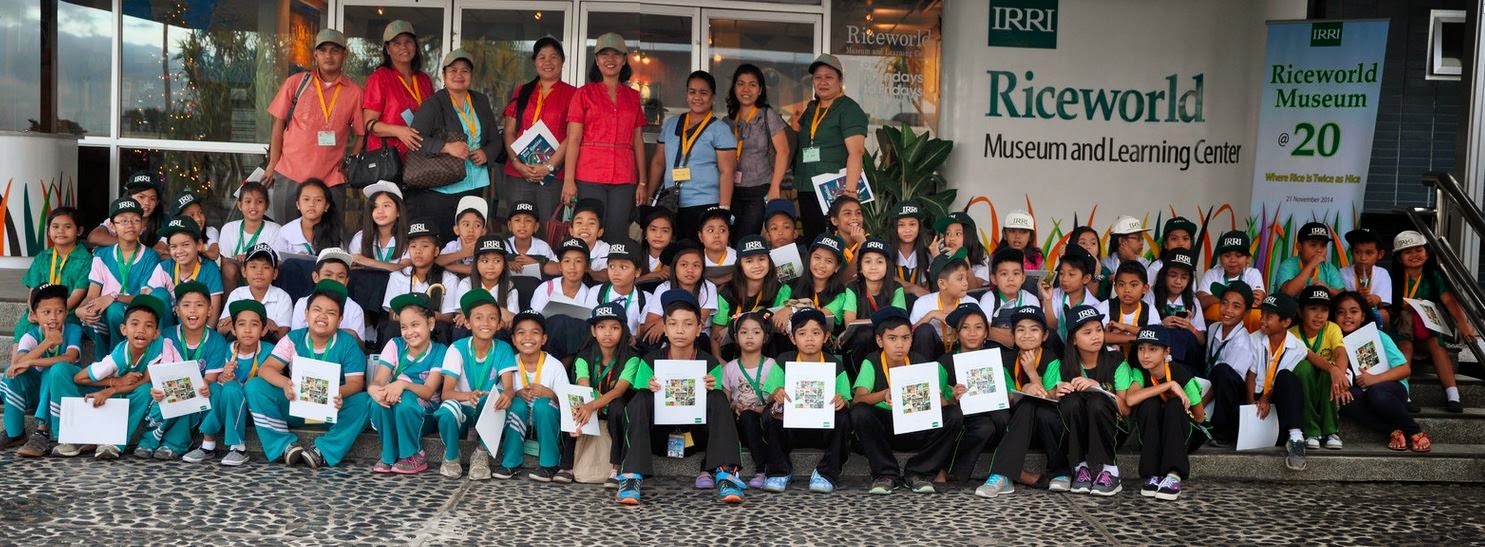
The International Rice Research Institute (IRRI) receives thousands of visitors each year. Most of them are parties of Filipino schoolchildren, however, who come to learn what rice and rice agriculture is all about. Not surprising really, given that many children raised in urban environments have little idea where their food comes from. But a visit to the genebank is no longer part of their visit.

Rice museum and children

That was not always the case. At the start of my tenure as head of the genebank in 1991, I had the impression that most of the visitors to the institute were given, or seemingly entitled to, a tour of the International Rice Genebank (IRG). Now, most visitors are shown the Riceworld Museum and Learning Center (developed with support from the German government) where there is a display of the genebank’s work.

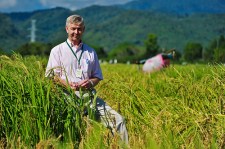
But if you are one of the ‘chosen’, a tour of the genebank can still be part of your visitor program. In this gallery (courtesy of IRRI) my former colleague and successor as head of the Genetic Resources Center (GRC), Dr Ruaraidh Sackville Hamilton, describing what the genebank is all about to participants of the 6th Meeting of the APEC Policy Partnership on Science, Technology and Innovation, who visited IRRI on 12 August 2015.

So why was free access to the genebank restricted?

A few months after I joined IRRI, I needed to talk to one of my staff. Going downstairs to the ground floor, I saw a line of 50 or more high school/university students filing in through the front door of the building, a line that snaked its way around the corridors and into the genebank itself. My colleagues in the institute’s Visitors Service felt they had carte blanche permission to take any number of visitors into the genebank, at any time.

Not only was the front door of the building open, but also every door between there and the -18C long-term storage vault, notwithstanding that it must have been over 30C outside with humidity approaching 90% or more. Although the configuration of the various genebank rooms and laboratories has changed since 1991, they were (and remain) temperature and humidity controlled. It made no sense to me to have hordes of visitors passing through, leaving all the doors open to the outside in their wake. This had to stop. And it soon did, with visitors scheduled in a more coordinated way.

However, I soon realized that if I hosted all these visitors myself, that’s about all I would be attending to daily. So I roped in the other genebank international staff and senior Filipinos to take their share of handling the visitor load (burden on some occasions). As head of GRC, I would generally host only the VIPs.

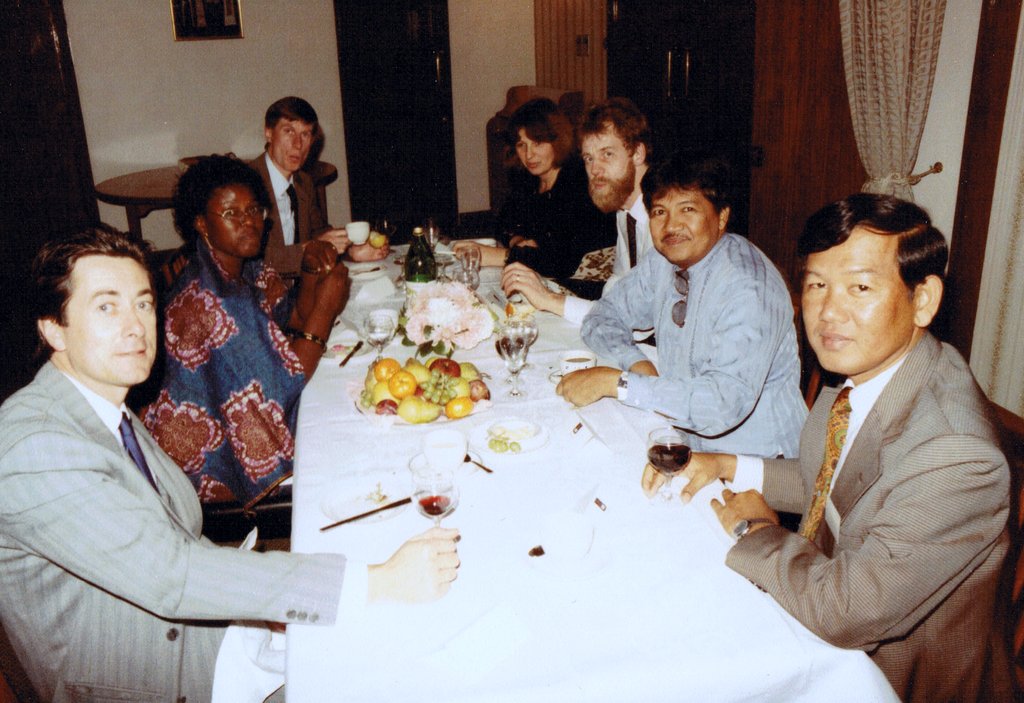
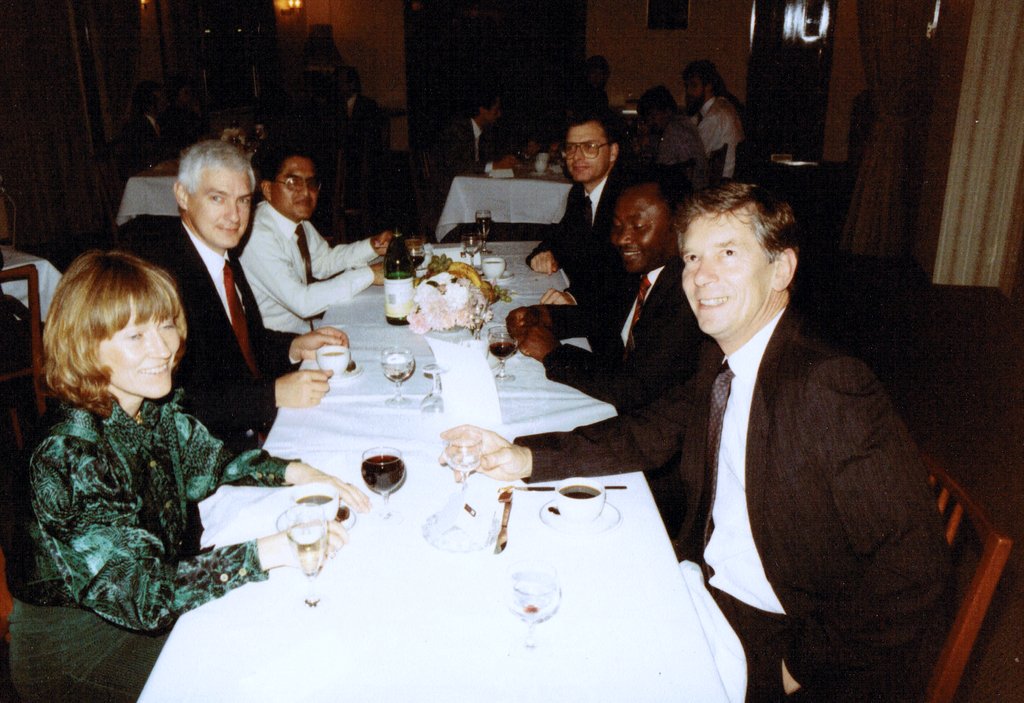
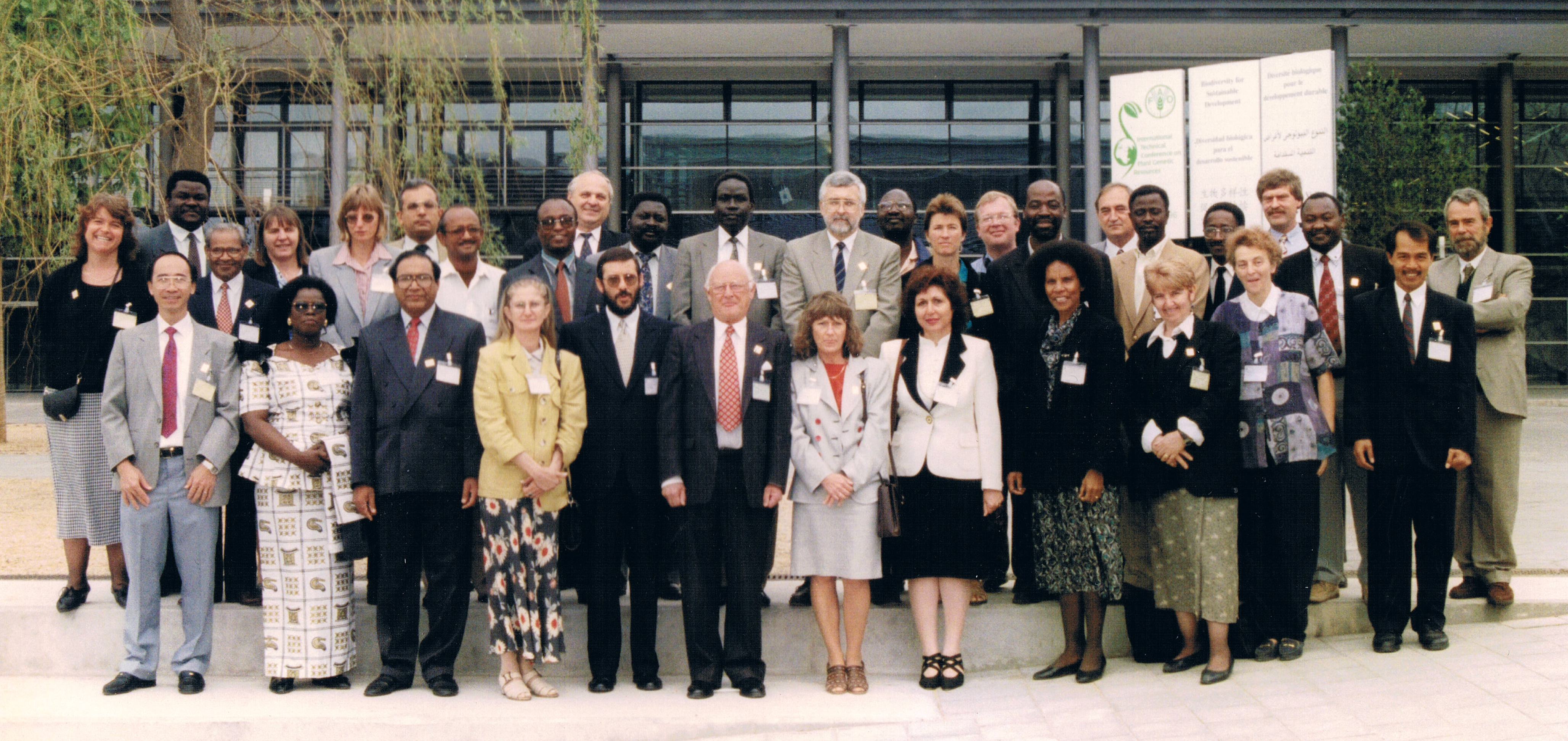
So who were (and are) these VIPs? Well they ranged from royalty (HRH Princess Maha Chakri Sirindhorn of Thailand, Prince Albert of Monaco, and HRH The Duke of Gloucester from the UK); heads of state (from the Philippines, India, Lao People’s Democratic Republic, Myanmar to name just a few, even disgraced former President Fujimori of Peru); heads of government and other politicians (from Bangladesh, Vietnam for example, and the Philippines of course); ambassadors and other members of the diplomatic community in the Philippines; Nobel Laureates such as Norman Borlaug (Peace, 1970) and Joseph Stiglitz (Economics, 2001); heads and representatives of donor agencies to IRRI; eminent scientists; and germplasm specialists with a particular interest in seeing how IRRI tackled the challenge of managing such a large germplasm collection. Usually I had just 10-15 minutes at most to describe why conserving rice seeds was so important for the future of rice agriculture—after all, rice is the staple food of half the world’s population. Most visitors had never been inside in a genebank before, let alone seen the diversity of rice varieties, or in fact realized that such diversity even existed.

In 1994 or 1995,GRC held a one-day Open House for over 1000 IRRI staff and colleagues from the nearby University of the Philippines Los Baños. It was then we made the world map from rice grains of different shapes, sizes and colors that you can see in a couple of the photos above. A duplicate of that map is also on display in the Riceworld Museum and Learning Center. Some of the other cartoon display materials showing how seeds are dried and stored are still on display in the genebank, but have been updated periodically.

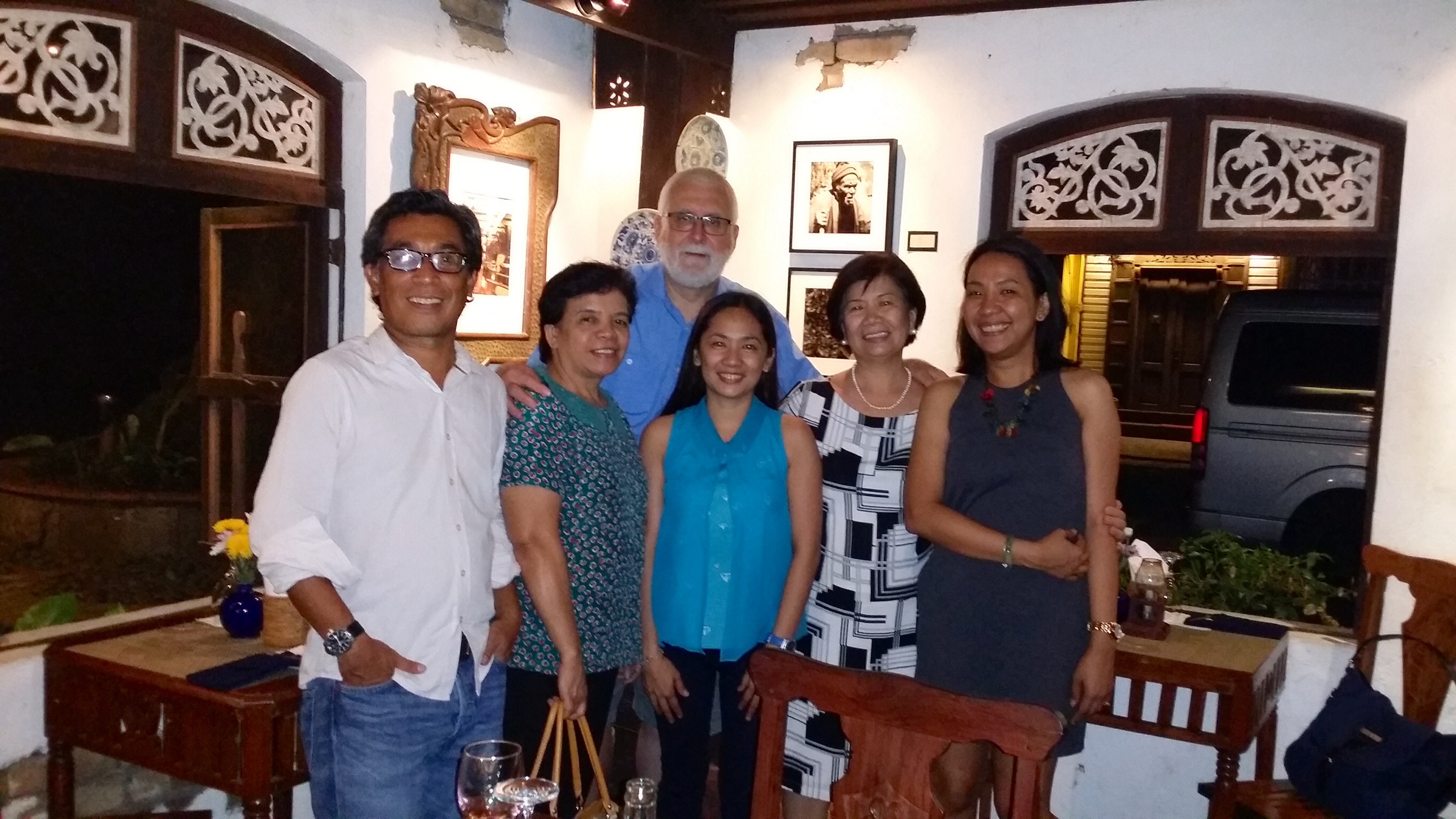
Here is a small selection of some of the people I met. I wish I had a better record of all those VIPs I met over a decade in GRC.

Heads of State

Politicians

Nobel Laureates

There’s no doubt however that explaining the role and work of the genebank to these visitors is not only necessary, but it is actually a rather important aspect of genebank management. These visitors are ‘genebank ambassadors’ and can spread the good word about the strategic importance of genetic conservation. Time (mostly) well spent!

~~~~~~~~~~~~~~~~~~~~~~~~~~~~
*I’m waiting for my invitation to visit.

When is white not white? When it’s green, of course.

Or maybe another color altogether. Then again, I could ask when tall is actually short, or a whole host of apparently contradictory questions.

What a conundrum.

No, this isn’t some fiction. It was the reality I faced when I took up the reins as head of IRRI’s Genetic Resources Center (GRC) in July 1991 and asked for a demonstration of the ‘genebank data management system’.

free-images-for-websites-computer_clipart1A large germplasm collection, or was it?
The International Rice Genebank (IRG) at IRRI holds the world’s largest and (almost certainly) the most genetically diverse collection of rice varieties of Asian rice (Oryza sativa), African rice (O. glaberrima) and wild species of rice (not only Oryza species, but representatives from related genera).

Besides providing the very best conditions to ensure the long-term survival of these precious seed samples (as I blogged about recently), it’s also essential to document, curate, and easily retrieve information about the germplasm stored in the genebank. That’s quite a daunting prospect, especially for a collection as large as the International Rice Genebank Collection (IRGC), with over 126,600 samples or accessions at the last count¹. (During my tenure as head of GRC, the collection actually grew by about 25% or so, with funding for germplasm collecting from the Swiss government.)

I discovered that the three rice types—Asian, African and wild species—were being managed essentially as three separate germplasm collections, each with its own data management system. What a nightmare! It was almost impossible to get a quick answer to any simple question, such as ‘How many accessions are there in the genebank from Sri Lanka?’ It took three staff to query the databases, formulating their queries in slightly different ways because of the different database structures.

But why was it necessary to ask such questions, and require a rapid response? In 1993 the Convention on Biological Diversity (CBD) came into force. I had anticipated that IRRI would receive an increasing number of requests from different countries about the status and disposition of rice germplasm from each that was conserved in the IRG. Until we had an effective data management system we would have to continue trawling through decades of paperwork to find answers. And indeed there was an increase in such requests as countries became concerned that their germplasm might be misappropriated in some way or other. I should say that the changes we subsequently implemented put IRRI in good stead when the International Treaty on Plant Genetic Resources for Food and Agriculture came into force, with its requirements to track all germplasm flows and use. But I’m getting ahead of myself.

It made no sense to me that the rice types should be managed as separate collections, since once in the same genebank vaults seeds were stored under identical conditions.  So, as I indicated elsewhere on this blog, I appointed Flora de Guzman as genebank manager with overall responsibility for the entire rice collection, and started to study various aspects of germplasm regeneration and seed conservation. Since the wild rices had a special nursery screenhouse for multiplication of seed stocks (a requirement of the Philippines Quarantine Service), another member of staff became curator of the wild species on a day-to-day basis.

The data management challenge
In 1991 the IRG had three very competent data management staff: Adel Alcantara, Vanji Guevarra, and Myrna Oliva, soon to be joined by a technical assistant, Nelia Resurreccion.

Due to the lack of oversight for data management, I realized the trio were each doing their own thing for the sativas, the glaberrimas, and the wild species, so to speak, with limited reference to what the others were doing. To make any significant improvements to data management, it would be necessary to build a single data system for all germplasm in the genebank. I thought this would be quite a straightforward undertaking, taking maybe a couple of months or so. How wrong I was! It was much more complex than I had, in my naivety, envisaged.

Back in 1991, PC technology was still in its infancy; well maybe approaching juvenility. The databases were managed using ORACLE on a VAX mainframe. More nightmares! Fortunately, with some investment in office design and furniture, providing each staff with a proper workstation, and the ability to work better as a team, and more powerful PCs, we were able to migrate the new data management systems to local servers. We left the VAX behind, but unfortunately still had an ORACLE legacy that was far more difficult to ditch. I also wanted to develop an online data management system that would permit researchers at IRRI, and eventually around the world, to access germplasm data for themselves rather than always having to request information from genebank staff. This was the less than ideal situation when I joined IRRI. In fact, in order to access genebank data then it was necessary to make a request in writing that was approved by the head of the genebank, then Dr TT Chang. I put a stop to that right away. Because data had been accumulated using public funds they should be made freely available henceforth to anyone.  Direct and unhindered access to genebank data was my goal.

The underlying problem
However, the three databases could not ‘talk’ to one another, because their structures and data were different for the three ‘collections’. Let me explain.

There are basically two types of germplasm data, what we call passport data, and characterization and evaluation data. The passport data include such pieces of information as the identity of germplasm (often referred to as the accession number), the donor number and the collector’s number, for example. These data are, or should be, unique to a piece of germplasm or an accession. But passport data also include information about the date of acquisition, when it was first stored in the genebank, who has requested a seed sample, and when. Of course there’s a great deal more, but these examples suffice to explain something of the nature of these data.

Characterization (qualitative) and evaluation (mainly quantitative) data describe various aspects (or traits as they are known) of rice plants such as leaf and grain color, or plant height, days to flowering, and resistance or tolerance to pests and diseases, using agreed sets of descriptors and scoring codes or actual measurements. The International Board for Plant Genetic Resources (IBPGR, which became the International Plant Genetic Resources Institute, then Bioversity International) had developed these crop descriptors, and the first—for rice—was published jointly with IRRI in 1980 (and revised and updated in 2007).

An essential condition for a successful data management system therefore is that information is recorded and stored consistently. In order for the three databases to talk to each other, we had to correct any differences in database structure, such as the naming and structure of database fields, as well as consistent use of codes, units, etc. for the actual information. This is what we discovered.

Take the most basic (and one of the most important) database field for accession number, for example. In one database, this field was named ‘ACC_NO’, in another ‘ACCNO’. And the structure was different as well. For the sativas it was a five digit numeric field; for the glaberrimas, a six digit numeric field; and for the wild species, a seven digit alphanumeric field. No wonder the databases couldn’t talk to each other at the most basic level.

But why were there three structures? The field name was easily resolved, incidentally. Well, when the collection was first established, the accession numbers from ‘00001’ to ‘99999’ were reserved for the O. sativa accessions. Then the the numbers from ‘100000’ and above were assigned to O. glaberrima and the wild species. However, thirteen wild species samples were found to be mixtures of two species. So they were divided and each given a suffix ‘A’ or ‘B’, such as ‘100569A’ and ‘100569B’ (not actual numbers, just illustrative). That meant that the wild species now had a seven digit alphanumeric field. Why one of the mixture wasn’t just assigned a new six digit number—as we did—I’ll never understand. Then we had to convert the O. sativa accession number into a six digit numeric field (‘000001’ etc.) and, with a consistent field name across databases (‘ACCNO’ perhaps), we could then link databases for the first time. In 1991, there was a gap between the sativa numbers (perhaps between ‘80000’ and ‘99999’) before the other accessions started at ‘100000’. Irrespective of rice type, we just inserted consecutive numbers as we received new samples, until there were no gaps at all in the sequence.

White is white, yeah?
Now imagine achieving consistency right across the databases for all fields. We found that a character was often recorded/coded in different ways between rice types. So in one, the color ‘white’ might have been coded as a ‘1’, but as a ‘5’ in another. Or ‘1’ was ‘green’ in another database. And so it went on. We had to convert all codes to a meaningful and consistent description, each independent of the other. So ‘1’ was converted in one database to ‘white’ and ‘5’ to ‘white’ as well, etc. Having made all these conversions, with very careful cross checking along the way, and regular data back-ups, we finally had consistent field names and structures, and recording/coding of data for the entire germplasm collection. I don’t remember exactly how long this took, but it must have been between 18 months and two years.

The next step
IRGCISBut once completed, we could move on to the next phase of developing an online system to access genebank data, the International Rice Genebank Collection Information System (IRGCIS), with inputs from the former System-wide Genetic Resources Program (SGRP), an initiative of all the CGIAR centers with genebanks and genetic resources activities.

IRGCIS is a comprehensive system that manages the data of all rice germplasm conserved at IRRI.  It is designed to manage the genebank operations more efficiently. It links all operations associated with germplasm conservation and management from acquisition of samples through seed multiplication, conservation, characterization, rejuvenation and distribution to end-users.

The system aims to:

  • Assist the genebank staff in day-to-day activities.
  • Facilitate recording, storage and maintenance of germplasm data.
  • Allow the request of desired seeds and provide direct access to information about accessions in the genebank.

The data that are accessible are:

  • Passport data.
  • Morpho-agronomic descriptions.
  • Evaluation data on the International Rice Genebank Collection.
  • Germplasm availability.

A couple of years after IRGCIS, work began to develop the International Rice Information System (IRIS) as part of the International Crop Information System (ICIS) for the management of improved germplasm, breeding lines and the like, with full genealogy data. INGER also developed the INGERIS, but to tell the truth I’m not sure exactly where IRRI is these days with regard to cross system integration and the like.

But as I mentioned earlier, of one thing I am certain. Had we not taken the fundamental steps to clean up our data management act almost 25 years ago, we would not have had an effective platform to respond to global germplasm initiatives like the International Treaty or CBD, nor take advantage relatively easily of new data management software and hardware. It did require that broad perspective in the first instance. That I could bring to the party even though I didn’t have the technical know-how to undertake the detailed work myself.

~~~~~~~~~~~~~~~~~~~~~~~~~~~~~~~~~~~~

¹ Source: the International Rice Genebank Collection Information System (IRGCIS), 8 June 2015.

I used to be uncertain, but now I’m not so sure (updated 5 December 2015)

Regular visitors to my blog will, by now, know that for many years from July 1991 I worked at the International Rice Research Institute (IRRI) in Los Baños in the Philippines, south of Manila. For the first 10 years, I was head of the Genetic Resources Center (GRC), having particular responsibility for the International Rice Genebank (now supported financially by the Global Crop Diversity Trust). Elsewhere on this blog I have written about the genebank and what it takes to ensure the long-term safety of all the germplasm samples (or accessions as they are known) of cultivated rices and related wild species of Oryza.

Well, consider my surprise, not to say a little perplexed, when I recently read a scientific paper¹ that had just been published in the journal Annals of Botany by my former colleagues Fiona Hay (IRRI) and Richard Ellis (University of Reading), with their PhD student Katherine Whitehouse, about the beneficial effect of high-temperature drying on the longevity of rice seeds in storage. Now this really is a big issue for curators of rice germplasm collections, let alone other crop species perhaps.

So why all the fuss, and why am I perplexed about this latest research? Building on a paper published in 2011 by Crisistomo et al. in Seed Science & Technology², this most recent research¹ provides significant evidence, for rice at least, that seed drying at a relatively low temperature and relative humidity, 15C and 15RH—the genebank standard for at least three decades—may not be the best option for some rice accessions, depending on the moisture content of seeds at the time of harvest. It’s counter-intuitive.

But also because germplasm regeneration and production of high quality seeds is one aspect of germplasm conservation most likely to be impacted by climate change, as Brian Ford-Lloyd, Jan Engels and I emphasized in our chapter in Genetic Resources and Climate Change.

To explain further, it’s necessary to take you back 24 years to when I first joined IRRI.

20150202-klaus-lampe

Dr Klaus Lampe, IRRI Director General 1988-1995

The first six months or so
The Director General in 1991, Dr Klaus Lampe, encouraged me to take a broad view of seed management services at IRRI, specifically the operations and efficiency of the International Rice Genebank (IRG). It was also agreed that I should develop research on the germplasm collection and its conservation, something that had not been considered when the GRC Head position was advertised in September 1990. I should add that in negotiating and accepting the GRC position, I had insisted that GRC should have a research arm, so to speak. I guess I was in a fairly strong negotiating position.

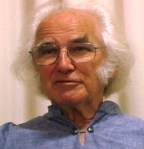
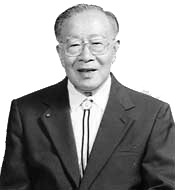
Dr TT Chang, first head of the International Rice Germplasm Center at IRRI

Dr TT Chang

Once at IRRI, I didn’t rush into things. After all, I had never run a genebank before let alone work on rice, although much of my career to that date had been involved in various aspects of germplasm conservation and use. But after about six months, I reckon I’d asked enough questions, looked at how the genebank was running on a day-to-day basis. I had developed a number of ideas that I thought should vastly enhance the long-term conservation of rice germplasm, but at the same time allow all the various operations of the genebank run smoothly and hopefully more efficiently. In one sense, managing the individual aspects or operations of a genebank are quite straight-forward. It’s bringing them all together that’s the tricky part.

There was another ‘delicate’ situation to address, however. All the Filipino staff had worked for only one person for many years, my predecessor as head of the genebank (then known as the International Rice Germplasm Center, or IRGC), Dr TT Chang. It’s not an understatement to say that many of these staff were fiercely loyal to Dr Chang (loyalty being one of their greatest virtues), firmly fixed in their ways, and didn’t feel—or maybe understand—that changes were desirable or even necessary. It was a classic change management situation that I was faced with. I needed to help them evaluate for themselves the current genebank management focus, and propose (with more than a little encouragement and suggestions from me) how we might do things differently, and better.

Some radical changes
But I don’t think anyone foresaw the radical changes to the management of the genebank that actually emerged. The genebank was ‘the jewel in IRRI’s crown’, the facility that every visitor to the institute just had to see. It seemed to run like clockwork—and it did, in its own way.

Staffing and responsibilities
Apart from several staffing issues, I was particularly concerned about how rice germplasm was being regenerated in the field, and how it was handled prior to medium-and long-term storage in the genebank. There were also some serious germplasm data issues that needed tackling—but that’s for another blog post, perhaps.

In terms of genebank operations, it was clear that none of the national staff had responsibility (or accountability) for their various activities. In fact, responsibilities for even the same set of tasks, such as germplasm regeneration or characterization, to name just two, were often divided between two or more staff. No-one had the final say. So very quickly I appointed two staff, Flora ‘Pola’ de Guzman and Renato ‘Ato’ Reaño to take charge of the day-today management of the seed collection (and genebank facilities per se) and germplasm regeneration, respectively. Another staff, Tom Clemeno, was given responsibility for all germplasm characterization.

Working in the field
But what seemed rather strange to me was the regeneration of rice germplasm at a site, in rented fields, some 10km east of the IRRI Experiment Station, at Dayap. This meant that everything—staff, field supplies, etc.—had to be transported there daily, or even several times a day. It made no sense to me especially as the institute sat in the middle of a 300 ha experiment station, right on the genebank’s doorstep. In fact, the screenhouse for the wild rice collection had been constructed on one part of the station known as the Upland Farm. To this day I still don’t understand the reasons why Dr Chang insisted on using the site at Dayap. What was the technical justification?

Also the staff were attempting to regenerate the germplasm accessions all year round, in both ‘Dry Season’ (approximately December to May) and the ‘Wet Season’ (June to November). Given that the IRRI experiment station has full irrigation backup, it seemed to me that we should aim to regenerate the rice accessions in the Dry Season when, under average conditions, the days are bright and sunny, and nights cooler, just right for a healthy rice crop, and when the best yields are seen. The Wet Season is characterized obviously by day after day of continuous rainfall, often heavy, with overcast skies, and poor light quality. Not to mention that Wet Season in the Philippines is also ‘typhoon season’. So we separated the regeneration (Dry Season) from the characterization (Wet Season) functions.

But could we do more, particularly with regard to ensuring that only seeds of the highest quality are conserved in the genebank?  That is, to increase the longevity of seeds in storage—the primary objective of the genebank, after all, to preserve these rice varieties and wild species for future generations? And in the light of the latest research by Katherine Whitehouse, Fiona and Richard, did we make the right decisions and were we successful?

Seed environment and seed longevity
That’s where I should explain about the research collaboration with Richard Ellis at that time (Ellis et al. 1993; Ellis & Jackson 1995), and helpful advice we received from Roger Smith and Simon Linington, then at Kew’s Wakehurst Place (and associated with the founding of the Millennium Seed Bank).

Dr N Kameswara Rao

Dr N Kameswara Rao, now head of the genebank at the International Center for Biosaline Agriculture (ICBA) in the UAE-Dubai.

I hired a post-doctoral fellow, Dr N Kameswara Rao, on a two-year assignment from sister center ICRISAT (based in Hyderabad).  Kameswara Rao had completed his PhD at Reading under seed physiologist Professor Eric Roberts.

We set about studying the relationship between the seed production environment and seed longevity in storage, and the effect of sowing date and harvest time on seed longevity in different rice types, particularly hard-to-conserve temperate (or japonica) rice varieties (Kameswara Rao & Jackson 1996a; 1996b; 1996c; 1997). And these results supported the changes we had proposed (and some even implemented) to germplasm regeneration and seed drying.

In 1991, the IRG did not have specific protocols for germplasm generation such as the appropriate harvest dates, and seed drying appeared to me to be rather haphazard, hazardous even. Let me explain. Immediately after harvest, rice plants in bundles (stems, leave and grains) were dried on flat bed dryers before threshing, heated by kerosene flames, for several days. Following threshing, and before final cleaning and storage, seeds were dried in small laboratory ovens at ~50C. It seemed to me that rice seeds were being cooked. So much for the 15C/15RH genebank standard for seed drying!

During the renovation of institute infrastructure in the early 1990s we installed a dedicated drying room³, with a capacity for 9000 kg, in which seeds could be dried to an equilibrium 6% moisture content (MC) or thereabouts, after a week or so, under the 15/15 regime.

A rethink
Now this approach has been apparently turned on its head. Or has it?

To read the headlines in some reports of the Whitehouse et al. paper, you would think that the 15/15 protocol had been abandoned altogether. This is not my reading of what they have to report. In fact, what they report is most encouraging, and serves as a pointer to others who are engaged in the important business of germplasm conservation.

In her experiments, Katherine compared seeds with different initial MC harvested at different dates that were then dried either under the 15/15 conditions, or put through up to six cycles of drying on a batch drier, each lasting eight hours, before placing them in the 15/15 seed drying room to complete the drying process, before different seed treatments to artificially age them and thereby be able to predict their longevity in storage before potential germination would drop to a dangerous level.

This is what Katherine and her co-authors conclude: Seeds harvested at a moisture content where . . . they could still be metabolically active (>16.2%) may be in the first stage of the post-mass maturity, desiccation phase of seed development and thus able to increase longevity in response to hot-air drying. The genebank standards regarding seed drying for rice and, perhaps, for other tropical species should therefore be reconsidered.

Clearly seeds that might have a higher moisture content at the time of harvest do benefit from a period of high temperature drying. Because of the comprehensive weather data compiled at IRRI over decades, Katherine was also able to infer some of the field conditions and seed status of the Kameswara Rao experiments. And although the latest results do seem to contradict our 1996 and 1997 papers, they provide very strong support for the need to investigate this phenomenon further. After all, Katherine studied only a small sample of rice accessions (compared to the 117,000+ accessions in the genebank).

The challenge will be, if these results are confirmed in independent rice studies—and even in other species, to translate them into a set of practical genebank standards for germplasm regeneration and drying and storage for rice. And it must be possible for genebank managers to apply these new standards easily and effectively. After all many are not so fortunate as GRC to enjoy the same range of facilities and staff support.

I’m really pleased to see the publication of this research. It’s just goes to demonstrate the importance and value of research on genebank collections, whatever the crop or species. Unfortunately, not many genebank are in this league, so it behoves the CGIAR centers to lead from the front; something I’m afraid that not all do, or are even able to do. Quite rightly they keep a focus on managing the collections. But I would argue that germplasm research is also a fundamental component of that management responsibility. Brownie points for IRRI for supporting this role for almost a quarter of a century. And for Fiona as well for ensuring that this important work got off the ground. Good luck to Katherine when she comes to defend her thesis shortly.

A recent seminar
On 12 November, Fiona gave a seminar at IRRI in the institute’s weekly series, titled How long can rice seeds stay alive for? In this seminar she explores changes that have been made to genebank operations over the years and the extent to which these did or did not affect the potential longevity of rice seeds in the genebank. She talks in some detail about the benefits of initial ‘high temperature’ drying that appears to increase potential longevity of seeds. As I queried with her in a series of emails afterwards, it’s important to stress that this high temperature drying does not replace drying in the 15/15 drying room. Furthermore, it will be necessary at some stage to translate these research findings into a protocol appropriate for the long term conservation of rice seeds at -18C.

Fiona has graciously permitted me to post her PowerPoint presentation in this blog, and the audio file that goes with it. You’ll have to open the PPT file and make the slide changes as you listen to Fiona speaking. I’ve done this and it’s actually quite straightforward to follow along and advances the slides and animations in her PPT. Click on the image below to download the PPT file. Just open it then set the audio file running.

Fiona Hay seminar title

Here’s the audio file.


I am also pleased to see that the CGIAR genebanks have also established a seed longevity initiative under the auspices of the Global Crop Diversity Trust. You can read more about it here.

Seed storage – an interesting anecdote
In 1992 we implemented the concept of Active (+3-4C) and Base (-18C) Collections in the IRG. Before then all rice seeds were stored in small (20g if I remember correctly) aluminium cans. We retained the cans for the Base Collection: once sealed we could expect that they would remain so for the next 50 years or more. But in the Active Collection there was no point having cans, if they had to be opened periodically to remove samples for distribution, and could not be re-sealed.

So we changed to laminated aluminium foil packs. Through my contacts at Kew – Wakehurst Place (home of the Millennium Seed Bank), Roger Smith and Simon Linington, we identified a manufacturer in the UK (from near Manchester I believe) who could make packs of different sizes, using a very high quality and tough laminate of Swedish manufacture (originally developed to mothball armaments). It had an extremely low, if not zero, permeability, and was ideal for seed storage. Unfortunately by the time we made contact, the company had gone into liquidation, but the former managing director was trying to establish an independent business. On the strength of a written commitment from IRRI to purchase at least 250,000 packs, and probably more in the future, this gentleman was able to secure a bank loan, and go into business once again. And IRRI received the seed storage packages that it ordered, and still uses as far as I know. The images below show genebank staff handling both aluminium cans in the Base Collection and the foil packs in the Active Collection. You can see the Active Collection in the video below at minute 1:09.

~~~~~~~~~~~~~~~~~~~~~~~~~~~~
¹ KJ Whitehouse, FR Hay & RH Ellis, 2015. Increases in the longevity of desiccation-phase developing rice seeds: response to high-temperature drying depends on harvest moisture content. Annals of Botany doi:10.1093/aob/mcv091.

² S Crisostomo, FR Hay, R Reaño and T Borromeo, 2011. Are the standard conditions for genebank drying optimal for rice seed quality? Seed Science & Technology 39: 666-672.

³ If you would like to see what the seed drying room looks like, just go to minute 9:40 in the video below:


Thank you Science!

Last Monday (3 August) I came across an interesting article in The Guardian newspaper here in the UK. It was all about the success—or so it would seem—in developing a vaccine against the Ebola virus, the deadly pathogen that hit three countries in West Africa so dramatically over the past year. In particular, one photo caught my eye, which I have included below (and I hope no-one from The Guardian nor the photographer objects).

801de426-aa9e-476f-b100-b9e58614d838-620x372

From The Guardian 3 August 2015: Six-year-old Cecilia Kamara from Robertsport, Liberia holds up a sign after receiving news about the Ebola vaccine. Photograph: Alphanso Appleton

The development of this Ebola vaccine depended on rigorous scientific research and testing, and a little serendipity and luck as well in some cases. Isn’t science wonderful?

Not a scientist?
So it must come as a bit of surprise if I declare, here and now, that I never aspired to become a scientist, even though that’s what I spent more than 40 years doing. As a youngster, I was never enthralled by the moon and stars; dinosaurs didn’t pique my interest. On the other hand, I was quite a keen bird watcher, and had a general interest in nature and conservation. So while I ended up taking a science degree at the University of Southampton, I guess it could have gone the other way and I might have studied humanities instead. And that’s especially so given my deep interest in history over the past decade or so. I have even considered taking a history degree at the Open University in retirement, but have consigned that to the realm of fantasy. I don’t think I could take the discipline of formal study once again.

Paul Nurse has a passion for science
I can’t complain, however. Science gave me a good career and living, but I never developed a passion for it as described by Nobel laureate and President of the Royal Society, Sir Paul Nurse, in the BBC’s Richard Dimbleby Lecture in 2012. It’s really worthwhile persevering for the whole 45 minutes as Nurse delivers a most erudite analysis (without referring to notes at any point) of the importance and relevance of science to and for society.

There’s much of what Sir Paul describes that I can empathize with. After all, my own work on the conservation and use of plant genetic resources was a contribution to so-called ‘Green Revolution’ agricultural research aimed at improving the livelihoods of poor farmers around the world and the hundreds of millions of poor who depend on staple crops for their daily well-being.

Did I do good science?
Only my peers can confirm that. I think I did some competent science that was successfully submitted for publication in internationally-recognized journals. There was nothing I did that was ground-breaking science. But in terms of my contributions to agricultural research, I like to think that fewer people went to bed hungry each night because of the research I had contributed. Managing the world’s largest collection of rice genetic resources in the International Rice Genebank, not only did we study the nature and scope of genetic variation in rice, but we also aimed to enhance the long-term survival of rice seeds in cold storage. The submergence tolerant varieties of rice developed by IRRI in partnership with scientists at the University of California, and now released throughout Bangladesh and India are already enhancing the productivity of rice farming. Several rice germplasm accessions tolerant of complete transient submergence are safely conserved in the International Rice Genebank Collection.

Research management
I felt much more comfortable as a research manager, with a team of much more competent and talented colleagues. My role was to develop a broad perspective on research needs, and prioritize which research to undertake. And to provide a research environment where my colleagues could be productive to the best of their abilities. I think that’s where my forte lay.

Design, luck, or serendipity?
Nevertheless, there are several things I was directly involved with, or decisions made, which merit some highlighting, with serendipity playing a significant role. As Sir Paul Nurse pointed out, it’s up to the scientist to recognize the significance of—and then exploit—observations and discoveries made.

My work on bacterial wilt of potatoes at the International Potato Center (CIP) in Costa Rica depended on recognizing the significance of diseased plants in a field trial that was set up originally to test potato varieties for adaptation to warm and humid climates. Having identified ‘resistant‘ plants, as well as the importance of the field testing site, we went on to establish the importance of a particular variety (Cruza 148) that went on to become one of the most important in East Africa.

In work at the University of Birmingham, with my colleagues Professor Brian Ford-Lloyd and Dr Susan Juned, we discovered differential responses of cv. Record clones in terms of somaclone production. But that wouldn’t have been possible had we not taken a simple decision from the outset to number each stock tuber individually, and all the somaclones selected from each.

The application of molecular biology to study germplasm collections has come a long way since a PhD student of mine, Adi Damania, published a paper in 1983 using RAPD markers with wheat and barley landraces. Then, with colleagues at The University of Birmingham (Dr Parminder Virk, Brian, and Professor John Newbury – now at the University of Worcester), we published in 1995 one of the first—if not the first—paper on association genetics, based on studies of accessions in the International Rice Genebank Collection.

The experience of years
I’d like to think that the books I’ve written or edited have also contributed in some way to the discussion about the value of genetic resources and their importance as the planet faces the threat of climate chnage. And some of our thinking goes back to 1989 when the whole idea of climate change was far more contentious than today (unless you’re a Republican presidential hopeful).

The value of research metrics?
Some research has an impact, benefits society directly, other research is much longer-term. How can this be valued? Well, there’s a plethora of metrics to assess the value of published research such as citation indices, and others that frankly I don’t understand the meaning of or how they are calculated and applied. Journals have a so-called ‘Impact Factor’, and there’s great pressure on researchers to publish in high impact journals. Fortunately I never had to worry about these things when I worked at The University of Birmingham in the 1980s, and it was never raised as an issue when I was with IRRI. But there is growing concern about the use—and misuse—of research metrics, as highlighted in a recent article in The Guardian newspaper.

When I was teaching at The University of Birmingham in the 1980s, a monthly bulletin, Teaching News, was circulated to staff, by the School of Education, I believe. There was one article I remember quite vividly discussing the use and misuse of citation indices. Crude numbers don’t tell you anything. And to emphasize the point further, the article went on to compare two articles with very different citation indices. One, with a low index, was a piece of eminent scholarship about rural communities in South Wales, but cited infrequently simply because sociological studies in this field were not frequent. The other, in the crowded field on the rise of Naziism, had a very high index, because it had been cited so often—but mainly in a negative way.

I also saw something from IRRI the other day stating that the ORYZA2000 model had been cited more than 16,000 times in scientific publications. I’m sure most of those citations do reflect a meaningful application of the model, but it would be interesting to see beyond the raw metric.

Science should never be kept in the closet. Knowledge increases as ideas are shared, tested, and accepted or rejected in the course of scientific exploration. While I may not have been a dedicated scientist per se, I can also say “Thank you Science!” It was fun while it lasted.


Indulging my [genetic resources] fantasies . . .

dnaLying in bed this morning, waiting for the news at 6 am on BBC’s Radio 4, I heard a brief ‘trailer’ for a new three-part series, Fantasy Festival, which begins on 13 August.

On the program’s website it states that: Festivals are fast becoming significant events on more and more people’s calendars. Whether it’s a huge rock fest or a small scale village event, it’s somebody’s job to imagine the festival before it happens, and to assemble all the pieces of the jigsaw that are needed to bring their vision to life.

But what if you could create your own festival – where you set the agenda, chose the guests, pick the acts, and dictate the weather, the food and the ambience? A festival where anyone – whether dead or alive – can be summoned to perform, and nothing is unimaginable.

What a treat!

Having been responsible for two international science conferences (on rice) in 2010, in Hanoi, and 2014, in Bangkok, I know all about the trials and tribulations of putting together a program of topics and speakers that most (never all) delegates will enjoy.

But, if there were no constraints at all, who would I invite to take part in a round-table discussion. From my perspective, it would be all about the nature and structure of genetic variation, and how it can be used for the benefit of society, especially under the threat of climate change.

So here’s a list I’ve just come up with. Who would be on yours?

I’m sure you must find this list rather surprising. And I can think of many more scientists* who could be a ‘panel member’. Some of my choices are obvious, others less so.

The fundamentals of evolution and genetics were the purview of Darwin and Mendel. What would they make of today’s advances in molecular biology, and how geneticists and plant breeders are using this sort of information to improve the crops that feed us. Susan McCouch is at the forefront of molecular genetics in her laboratory at Cornell University, dissecting the genome of rice and feeding that information into rice breeding. She’s also an excellent communicator.

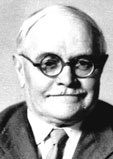
Vavilov is the giant of genetic resources exploration and use. A genetic resources hero to many, no discussion of genetic conservation and use would be complete without his insights.

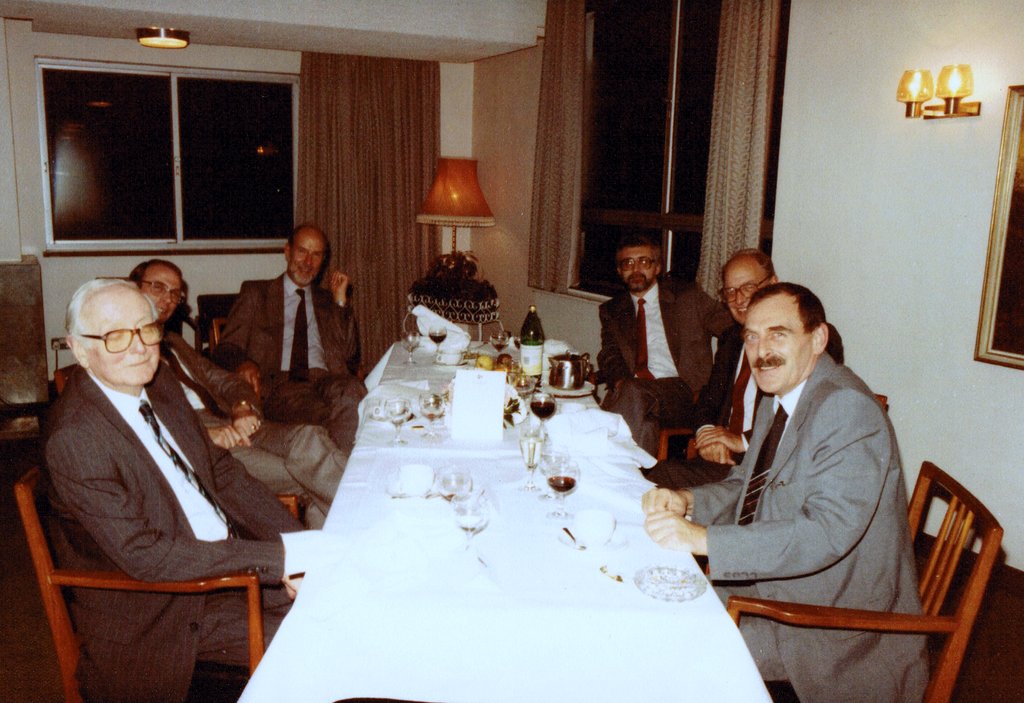
Edgar Anderson, a pioneer botanist in the USA, and former director of the Missouri Botanical Garden, demonstrated the importance of introgressive hybidization. Sir Otto Frankel is the father of the modern genetic resources movement, and an acclaimed wheat breeder in Australia. Jack Heslop-Harrison could turn his hand to almost anything botanical. But it’s for his broad perspectives on genetic variation in populations that I would include him, specifically for those on genecology.

Trevor Williams, a former director of the International Board for Plant Genetic Resources, oversaw the development of the international network of genebanks, and development of national capacity around the worked to successfully collect and conserve genetic resources. He had a broad view about conservation and use.

And sitting among these eminent scientists, from the pivotal year of 1953, is Nobel laureate Francis Crick. It would be interesting to know what he would have thought about these latest applications of molecular genetics in the service of humanity.

* G Ledyard Stebbins; Jack Hawkes; Erna Bennett; Clausen, Keck and Hiesey among others.

A lifetime’s work . . .

I published my first scientific paper in 1972. It described a new technique to make root tip squashes to count chromosomes, and it was published in the August 1972 volume of the Journal of Microscopy. It came out of the work I did for my MSc dissertation on lentils and their origin.

Then in January 1973 I entered the world of work, and for the next 37 years until my retirement in April 2010, I worked as a research scientist or research manager at just three organizations (although I actually held five different positions) at: the International Potato Center (CIP) in Peru (1973-1981); The University of Birmingham (1981-1991); and the International Rice Research Institute (IRRI) in the Philippines (1991-2010).

The focus of my research was primarily the conservation and use of plant genetic resources, specifically of potatoes, grain legumes, and rice, with biosystematics and genetic diversity, as well as different approaches to germplasm conservation, being particular themes. But I also studied potato diseases and agronomy.

So as much for my own interest and anyone else who might like to review my scientific contributions, this blog post relates specifically to my refereed papers, books, chapters, and other miscellaneous publications that I have written over the decades.

Science is a collaborative endeavour, and I have been extremely fortunate to have had the opportunity of working with some outstanding colleagues from different organizations around the world, as well as supervising the research of great graduate students at Birmingham for their PhD degrees, or staff at the Genetic Resources Center at IRRI. But having taken on a senior management role at IRRI in 2001 there was obviously less opportunity thereafter to engage in scientific publication, apart from several legacy studies from my active research years.

I have provided links to PDF copies of these papers where available. And I have also given, in [ ], the number of citations for each (details from Google Scholar, where available, as of 24 March 2024).

PAPERS IN REFEREED JOURNALS

Biosystematics & germplasm diversity
I trained as a biosystematist looking at the species relationships of lentils and potatoes. So when I moved to IRRI in 1991, I decided that we needed to understand better the germplasm collection (now more than 117,000 seed accessions of cultivated and wild rices) in terms of species range and relationships. Over the next 10 years we invested in a significant effort to study the AA genome species most closely related to cultivated rice, Oryza sativa. We also reported some of the first applications of molecular markers to study a germplasm collection, and one of the first—if not the first—studies in association genetics, in a collaboration with The University of Birmingham and the John Innes Centre, Norwich.

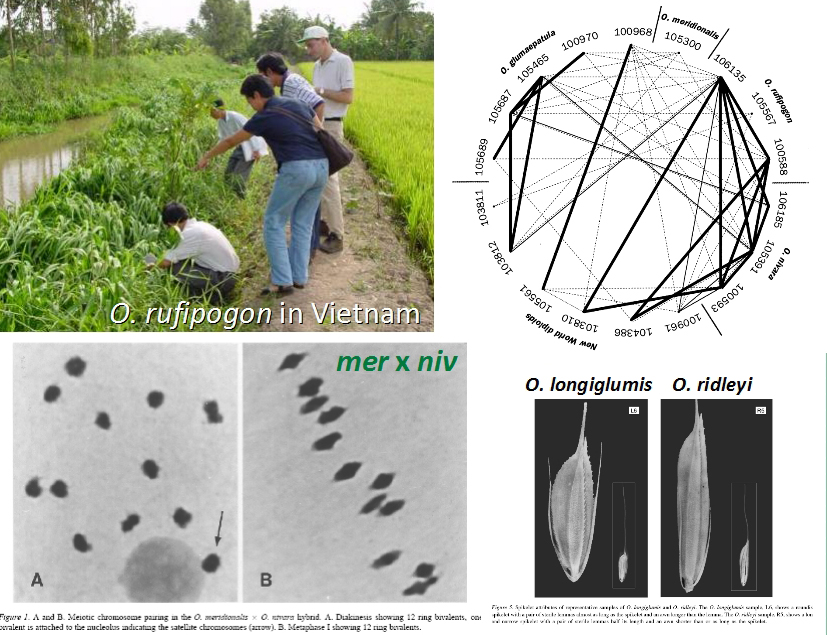
Wild rice crosses

The 39 papers listed here cover work on potatoes, rice, lentil, grass pea (Lathyrus), and a fodder legume, tagasaste, from the Canary Islands.

Damania, A.B., M.T. Jackson & E. Porceddu, 1984. Variation in wheat and barley landraces from Nepal and the Yemen Arab Republic. Zeitschrift für Pflanzenzüchtung 94, 13-24. PDF [21]

Ford-Lloyd, B.V., D. Brar, G.S. Khush, M.T. Jackson & P.S. Virk, 2008. Genetic erosion over time of rice landrace agrobiodiversity. Plant Genetic Resources: Characterization and Utilization 7(2), 163-168. PDF [27]

Ford-Lloyd, B.V., M.T. Jackson & A. Santos Guerra, 1982. Beet germplasm in the Canary Islands. Plant Genetic Resources Newsletter 50, 24-27. PDF [2]

Ford-Lloyd, B.V., H.J. Newbury, M.T. Jackson & P.S. Virk, 2001. Genetic basis for co-adaptive gene complexes in rice (Oryza sativa L.) landraces. Heredity 87, 530-536. PDF [24]

Francisco-Ortega, J. & M.T. Jackson, 1992. The use of discriminant function analysis to study diploid and tetraploid cytotypes of Lathyrus pratensis L. (Fabaceae: Faboideae). Acta Botanica Neerlandica 41, 63-73. PDF [4]

Francisco-Ortega, J., M.T. Jackson, J.P. Catty & B.V. Ford-Lloyd, 1992. Genetic diversity in the Chamaecytisus proliferus (L. fil.) Link complex (Fabaceae: Genisteae) in the Canary Islands in relation to in situ conservation. Genetic Resources and Crop Evolution 39, 149-158. PDF [23]

Francisco-Ortega, F.J., M.T. Jackson, A. Santos-Guerra & M. Fernandez-Galvan, 1990. Genetic resources of the fodder legumes tagasaste and escobón (Chamaecytisus proliferus (L. fil.) Link sensu lato) in the Canary Islands. Plant Genetic Resources Newsletter 81/82, 27-32. PDF [15]

Francisco-Ortega, J., M.T. Jackson, A. Santos-Guerra & M. Fernandez-Galvan, 1991. Historical aspects of the origin and distribution of tagasaste (Chamaecytisus proliferus (L. fil.) Link ssp. palmensis (Christ) Kunkel), a fodder tree from the Canary Islands. Journal of the Adelaide Botanical Garden 14, 67-76. PDF [31]

Francisco-Ortega, J., M.T. Jackson, A. Santos-Guerra & B.V. Ford-Lloyd, 1993. Morphological variation in the Chamaecytisus proliferus (L. fil.) Link complex (Fabaceae: Genisteae) in the Canary Islands. Botanical Journal of the Linnean Society 112, 187-202. PDF [9]

Francisco-Ortega, J., M.T. Jackson, A. Santos-Guerra, M. Fernandez-Galvan & B.V. Ford-Lloyd, 1994. The phytogeography of the Chamaecytisus proliferus (L. fil.) Link (Fabaceae: Genisteae) complex in the Canary Islands: a multivariate analysis. Vegetatio 110, 1-17. PDF [11]

Francisco-Ortega, J., M.T. Jackson, A.R. Socorro-Monzon & B.V. Ford-Lloyd, 1992. Ecogeographical characterization of germplasm of tagasaste and escobón (Chamaecytisus proliferus (L. Fil.) Link sensu lato) from the Canary Islands: soil, climatological and geographical features. Investigación Agraria: Producción y Protección Vegetal 7, 377-388. PDF

Gubb, I.R., J.C. Hughes, M.T. Jackson & J.A. Callow, 1989. The lack of enzymic browning in the wild potato species Solanum hjertingii Hawkes compared with commercial Solanum tuberosum varieties. Annals of Applied Biology 114, 579-586. PDF [14]

Jackson, M.T. 1975. The evolutionary significance of the triploid cultivated potato, Solanum x chaucha Juz. et Buk. PhD thesis, University of Birmingham. [10]

Jackson, M.T., J.G. Hawkes & P.R. Rowe, 1977. The nature of Solanum x chaucha Juz. et Buk., a triploid cultivated potato of the South American Andes. Euphytica 26, 775-783. PDF [39]

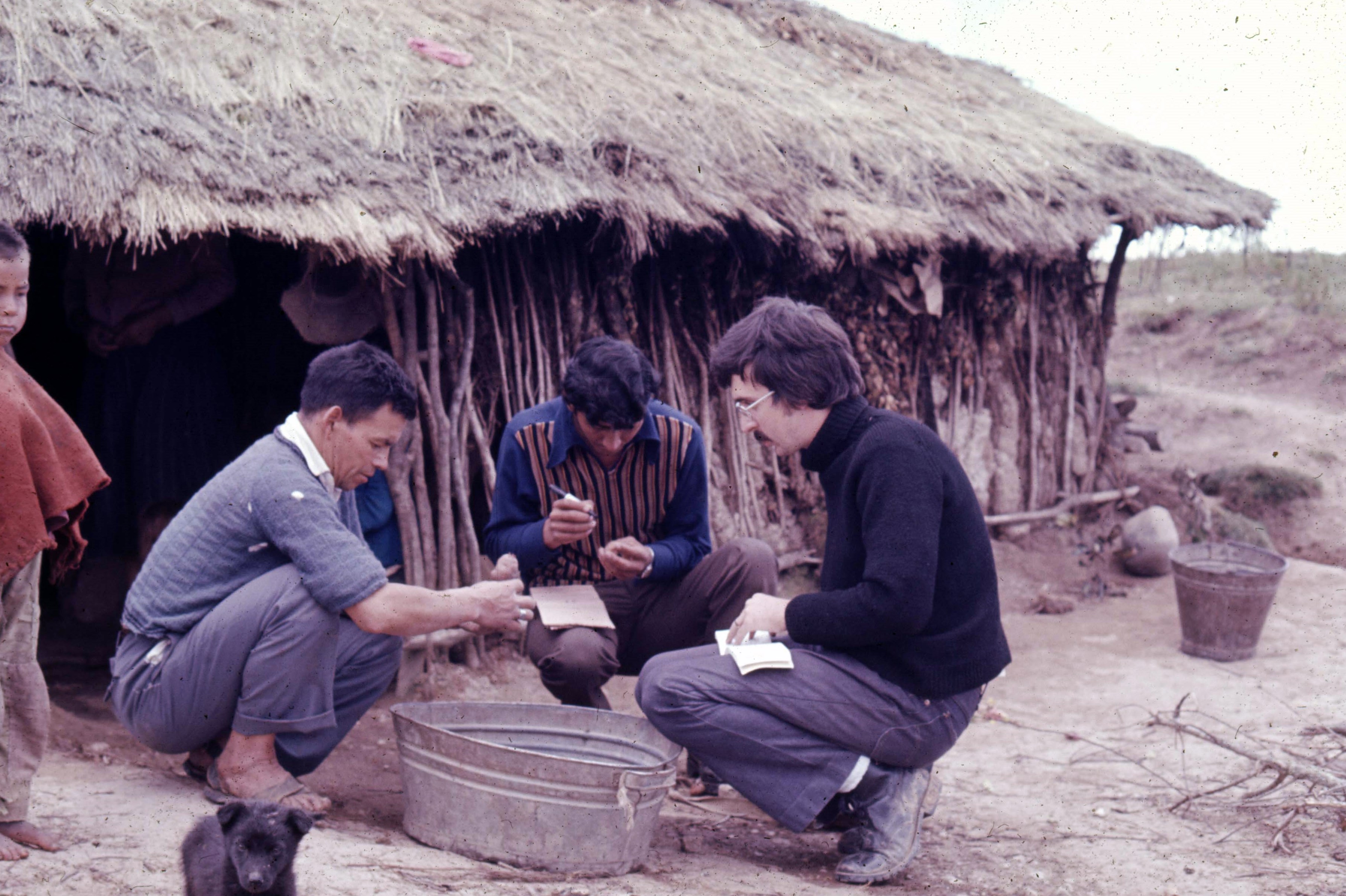
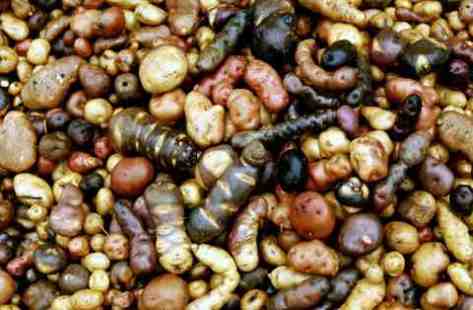
Jackson, M.T., J.G. Hawkes & P.R. Rowe, 1980. An ethnobotanical field study of primitive potato varieties in Peru. Euphytica 29, 107-113. PDF [58]

Jackson, M.T., P.R. Rowe & J.G. Hawkes, 1978. Crossability relationships of Andean potato varieties of three ploidy levels. Euphytica 27, 541-551. PDF [45]

Jackson, M.T. & A.G. Yunus, 1984. Variation in the grasspea, Lathyrus sativus L. and wild species. Euphytica 33, 549-559. PDF [170]

Juliano, A.B., M.E.B. Naredo & M.T. Jackson, 1998. Taxonomic status of Oryza glumaepatula Steud. I. Comparative morphological studies of New World diploids and Asian AA genome species. Genetic Resources and Crop Evolution 45, 197-203. PDF [40]

Juliano, A.B., M.E.B. Naredo, B.R. Lu & M.T. Jackson, 2005. Genetic differentiation in Oryza meridionalis Ng based on molecular and crossability analyses. Genetic Resources and Crop Evolution 52, 435-445. PDF [18]

Juned, S.A., M.T. Jackson & J.P. Catty, 1988. Diversity in the wild potato species Solanum chacoense Bitt. Euphytica 37, 149-156. PDF [32]

Juned, S.A., M.T. Jackson & B.V. Ford-Lloyd, 1991. Genetic variation in potato cv. Record: evidence from in vitro “regeneration ability”. Annals of Botany 67, 199-203. PDF [3]

Lu, B.R., M.E.B. Naredo, A.B. Juliano & M.T. Jackson, 1997. Hybridization of AA genome rice species from Asia and Australia. II. Meiotic analysis of Oryza meridionalis and its hybrids. Genetic Resources and Crop Evolution 44, 25-31. PDF [26]

Lu, B.R., M.E.B. Naredo, A.B. Juliano & M.T. Jackson, 1998. Taxonomic status of Oryza glumaepatula Steud. III. Assessment of genomic affinity among AA genome species from the New World, Asia, and Australia. Genetic Resources and Crop Evolution 45, 215-223. PDF [25]

Martin, C., A. Juliano, H.J. Newbury, B.R. Lu, M.T. Jackson & B.V. Ford-Lloyd, 1997. The use of RAPD markers to facilitate the identification of Oryza species within a germplasm collection. Genetic Resources and Crop Evolution 44, 175-183. PDF [80]

Naredo, M.E.B., A.B. Juliano, B.R. Lu & M.T. Jackson, 1997. Hybridization of AA genome rice species from Asia and Australia. I. Crosses and development of hybrids. Genetic Resources and Crop Evolution 44, 17-23. PDF [52]

Naredo, M.E.B., A.B. Juliano, B.R. Lu & M.T. Jackson, 1998. Taxonomic status of Oryza glumaepatula Steud. II. Hybridization between New World diploids and AA genome species from Asia and Australia. Genetic Resources and Crop Evolution 45, 205-214. PDF [35]

Naredo, M.E.B., A.B. Juliano, B.R. Lu & M.T. Jackson, 2003. The taxonomic status of the wild rice species Oryza ridleyi Hook. f. and O. longiglumis Jansen (Ser. Ridleyanae Sharma et Shastry) from Southeast Asia. Genetic Resources and Crop Evolution. Genetic Resources and Crop Evolution 50, 477-488. PDF [9]

Parsons, B.J., H.J. Newbury, M.T. Jackson & B.V. Ford-Lloyd, 1997. Contrasting genetic diversity relationships are revealed in rice (Oryza sativa L.) using different marker types. Molecular Breeding 3, 115-125. PDF [217]

Parsons, B., H.J. Newbury, M.T. Jackson & B.V. Ford-Lloyd, 1999. The genetic structure and conservation of aus, aman and boro rices from Bangladesh. Genetic Resources and Crop Evolution 46, 587-598. PDF [57]

Virk, P.S., B.V. Ford-Lloyd, M.T. Jackson & H.J. Newbury, 1995. Use of RAPD for the study of diversity within plant germplasm collections. Heredity 74, 170-179. PDF [383]

Virk, P.S., B.V. Ford-Lloyd, M.T. Jackson, H.S. Pooni, T.P. Clemeno & H.J. Newbury, 1996. Predicting quantitative variation within rice using molecular markers. Heredity 76, 296-304. PDF [233]

Virk, P.S., H.J. Newbury, M.T. Jackson & B.V. Ford-Lloyd, 1995. The identification of duplicate accessions within a rice germplasm collection using RAPD analysis. Theoretical and Applied Genetics 90, 1049-1055. PDF [207]

Virk, P.S., H.J. Newbury, M.T. Jackson & B.V. Ford-Lloyd, 2000. Are mapped markers more useful for assessing genetic diversity? Theoretical and Applied Genetics 100, 607-613. PDF [92]

Virk, P.S., J. Zhu, H.J. Newbury, G.J. Bryan, M.T. Jackson & B.V. Ford-Lloyd, 2000. Effectiveness of different classes of molecular marker for classifying and revealing variation in rice (Oryza sativa) germplasm. Euphytica 112, 275-284. PDF [207]

Williams, J.T., A.M.C. Sanchez & M.T. Jackson, 1974. Studies on lentils and their variation. I. The taxonomy of the species. Sabrao Journal 6, 133-145. PDF [61]

Woodwards, L. & M.T. Jackson, 1985. The lack of enzymic browning in wild potato species, Series Longipedicellata, and their crossability with Solanum tuberosum. Zeitschrift für Pflanzenzüchtung 94, 278-287. PDF [24]

Yunus, A.G. & M.T. Jackson, 1991. The gene pools of the grasspea (Lathyrus sativus L.). Plant Breeding 106, 319-328. PDF [65]

Yunus, A.G., M.T. Jackson & J.P. Catty, 1991. Phenotypic polymorphism of six isozymes in the grasspea (Lathyrus sativus L.). Euphytica 55, 33-42. PDF [36]

Zhu, J., M.D. Gale, S. Quarrie, M.T. Jackson & G.J. Bryan, 1998. AFLP markers for the study of rice biodiversity. Theoretical and Applied Genetics 96, 602-611. PDF [271]

Zhu, J.H., P. Stephenson, D.A. Laurie, W. Li, D. Tang, M.T. Jackson & M.D. Gale, 1999. Towards rice genome scanning by map-based AFLP fingerprinting. Molecular and General Genetics 261, 184-295. PDF [30]

Germplasm conservation
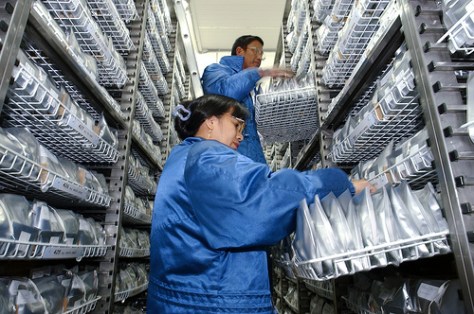
The 14 papers in this section focus primarily on studies we carried out at IRRI to enhance the conservation of rice seeds. It’s interesting to note that new research on seed drying just published by seed physiologist Fiona Hay and colleagues at IRRI has thrown some doubt on the seed drying measures we introduced in the mid-1990s. But there is much more to learn, and after all, that’s the way of science.
People_working_inside_the_International_Rice_Genebank

Appa Rao, S., C. Bounphanouxay, V. Phetpaseut, J.M. Schiller, V. Phannourath & M.T. Jackson, 1997. Collection and preservation of rice germplasm from southern and central regions of the Lao PDR. Lao Journal of Agriculture and Forestry 1, 43-56. PDF [13]

Appa Rao, S., C. Bounphanousay, J.M. Schiller & M.T. Jackson, 2002. Collection, classification, and conservation of cultivated and wild rices of the Lao PDR. Genetic Resources and Crop Evolution 49, 75-81. PDF [48]

Appa Rao, S., C. Bounphanousay, J.M. Schiller, A.P. Alcantara & M.T. Jackson, 2002. Naming of traditional rice varieties by farmers in the Lao PDR. Genetic Resources and Crop Evolution 49, 83-88. PDF [67]

Ellis, R.H., T.D. Hong & M.T. Jackson, 1993. Seed production environment, time of harvest, and the potential longevity of seeds of three cultivars of rice (Oryza sativa L.). Annals of Botany 72, 583-590. PDF [166]

Ellis, R.H. & M.T. Jackson, 1995. Accession regeneration in genebanks: seed production environment and the potential longevity of seed accessions. Plant Genetic Resources Newsletter 102, 26-28. PDF [13]

Ford-Lloyd, B.V. & M.T. Jackson, 1991. Biotechnology and methods of conservation of plant genetic resources. Journal of Biotechnology 17, 247-256. PDF [19]

Francisco-Ortega, F.J. & M.T. Jackson, 1993. Conservation strategies for tagasaste and escobón (Chamaecytisus proliferus (L. fil.) Link) in the Canary Islands. Boletim do Museu Municipal do Funchal, Sup. N° 2, 99-105. PDF

Kameswara Rao, N. & M.T. Jackson, 1996. Seed longevity of rice cultivars and strategies for their conservation in genebanks. Annals of Botany 77, 251-260. PDF [79]

Kameswara Rao, N. & M.T. Jackson, 1996. Seed production environment and storage longevity of japonica rices (Oryza sativa L.). Seed Science Research 6, 17-21. PDF [47]

Kameswara Rao, N. & M.T. Jackson, 1996. Effect of sowing date and harvest time on longevity of rice seeds. Seed Science Research 7, 13-20. PDF [31]

Kameswara Rao, N. & M.T. Jackson, 1997. Variation in seed longevity of rice cultivars belonging to different isozyme groups. Genetic Resources and Crop Evolution 44, 159-164. PDF [40]

Kiambi, D.K., B.V. Ford-Lloyd, M.T. Jackson, L. Guarino, N. Maxted & H.J. Newbury, 2005. Collection of wild rice (Oryza L.) in east and southern Africa in response to genetic erosion. Plant Genetic Resources Newsletter 142, 10-20. PDF [23]

Loresto, G.C., E. Guevarra & M.T. Jackson, 2000. Use of conserved rice germplasm. Plant Genetic Resources Newsletter 124, 51-56. PDF [11]

Naredo, M.E.B., A.B. Juliano, B.R. Lu, F. de Guzman & M.T. Jackson, 1998. Responses to seed dormancy-breaking treatments in rice species (Oryza L.). Seed Science and Technology 26, 675-689. PDF [98]

Germplasm evaluation & use
These five papers come from the work of some of my graduate students, looking primarily at the resistance of wild potato species to a range of pests and diseases, especially potato cyst nematode.
OLYMPUS DIGITAL CAMERA

Andrade-Aguilar, J.A. & M.T. Jackson, 1988. Attempts at interspecific hybridization between Phaseolus vulgaris L. and P. acutifolius A. Gray using embryo rescue. Plant Breeding 101, 173-180. PDF [33]

Chávez, R., M.T. Jackson, P.E. Schmiediche & J. Franco, 1988. The importance of wild potato species resistant to the potato cyst nematode, Globodera pallida, pathotypes P4A and P5A, in potato breeding. I. Resistance studies. Euphytica 37, 9-14. PDF [25]

Chávez, R., M.T. Jackson, P.E. Schmiediche & J. Franco, 1988. The importance of wild potato species resistant to the potato cyst nematode, Globodera pallida, pathotypes P4A and P5A, in potato breeding. II. The crossability of resistant species. Euphytica 37, 15-22. PDF [14]

Chávez, R., P.E. Schmiediche, M.T. Jackson & K.V. Raman, 1988. The breeding potential of wild potato species resistant to the potato tuber moth, Phthorimaea operculella (Zeller). Euphytica 39, 123-132. PDF [50]

Jackson, M.T., J.G. Hawkes, B.S. Male-Kayiwa & N.W.M. Wanyera, 1988. The importance of the Bolivian wild potato species in breeding for Globodera pallida resistance. Plant Breeding 101, 261-268. PDF [17]

Plant pathology & agronomy
Just three papers in this section. In the mid-1970s when I was based in Turrialba, I did some important work on bacterial wilt of potatoes.

Jackson, M.T., L.F. Cartín & J.A. Aguilar, 1981. El uso y manejo de fertilizantes en el cultivo de la papa (Solanum tuberosum L.) en Costa Rica. Agronomía Costarricense 5, 15-19. PDF [8]

Jackson, M.T. & L.C. González, 1981. Persistence of Pseudomonas solanacearum (Race 1) in a naturally infested soil in Costa Rica. Phytopathology 71, 690-693. PDF [38]

Jackson, M.T., L.C. González & J.A. Aguilar, 1979. Avances en el combate de la marchitez bacteriana de papa en Costa Rica. Fitopatología 14, 46-53. PDF [8]

Reviews
Hawkes, J.G. & M.T. Jackson, 1992. Taxonomic and evolutionary implications of the Endosperm Balance Number hypothesis in potatoes. Theoretical and Applied Genetics 84, 180-185. PDF [83]

Jackson, M.T., 1986. The potato. The Biologist 33, 161-167. PDF

Jackson, M.T., 1990. Vavilov’s Law of Homologous Series – is it relevant to potatoes? Biological Journal of the Linnean Society 39, 17-25. PDF [4]

Jackson, M.T., 1991. Biotechnology and the environment: a Birmingham perspective. Journal of Biotechnology 17, 195-198. PDF

Jackson, M.T., 1995. Protecting the heritage of rice biodiversity. GeoJournal 35, 267-274. PDF [92]

Jackson, M.T., 1997. Conservation of rice genetic resources: the role of the International Rice Genebank at IRRI. Plant Molecular Biology 35, 61-67. PDF [134]

Techniques
Andrade-Aguilar, J.A. & M.T. Jackson, 1988. The insertion method: a new and efficient technique for intra- and interspecific hybridization in Phaseolus beans. Annual Report of the Bean Improvement Cooperative 31, 218-219. [1]

Damania, A.B., E. Porceddu & M.T. Jackson, 1983. A rapid method for the evaluation of variation in germplasm collections of cereals using polyacrylamide gel electrophoresis. Euphytica 32, 877-883. PDF [51]

Kordan, H.A. & M.T. Jackson, 1972. A simple and rapid permanent squash technique for bulk-stained material. Journal of Microscopy 96, 121-123. PDF [1]

BOOKS
Brian Ford-Lloyd and I wrote one of the first general texts about plant genetic resources and their conservation in 1986. We were also at the forefront in the climate change debate in 1990, and published an update in 2014.

Ford-Lloyd, B.V. & M.T. Jackson, 1986. Plant Genetic Resources – An Introduction to Their Conservation and Use. Edward Arnold, London, p. 146. [212]

Jackson, M., B.V. Ford-Lloyd & M.L. Parry (eds.), 1990. Climatic Change and Plant Genetic Resources. Belhaven Press, London, p. 190. [20]

Engels, J.M.M., V.R. Rao, A.H.D. Brown & M.T. Jackson (eds.), 2002. Managing Plant Genetic Diversity. CAB International, Wallingford, p. 487.

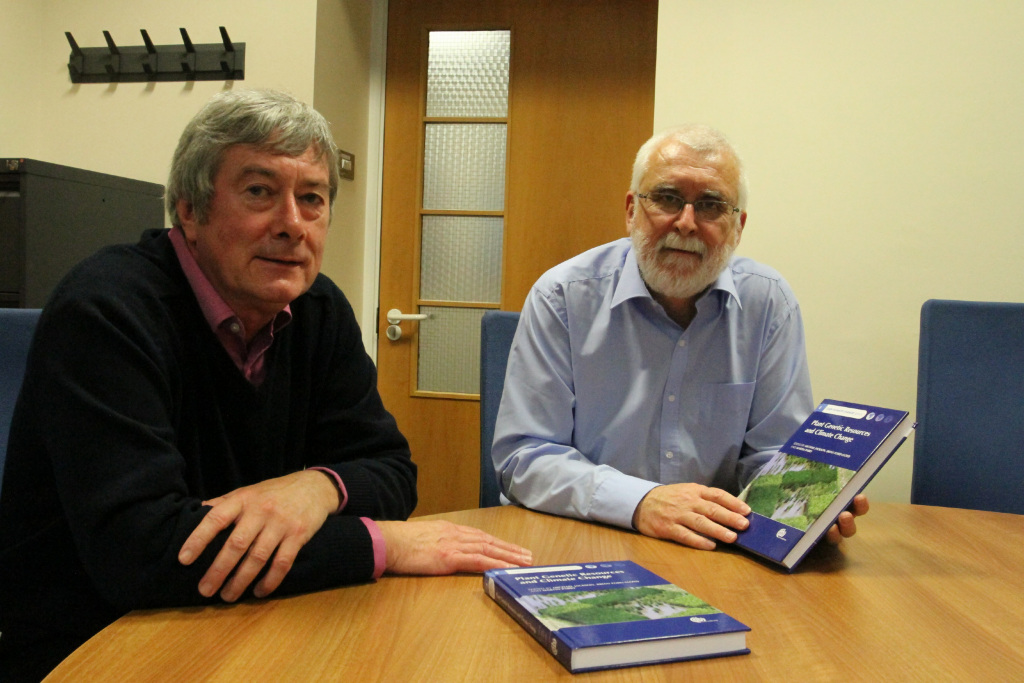
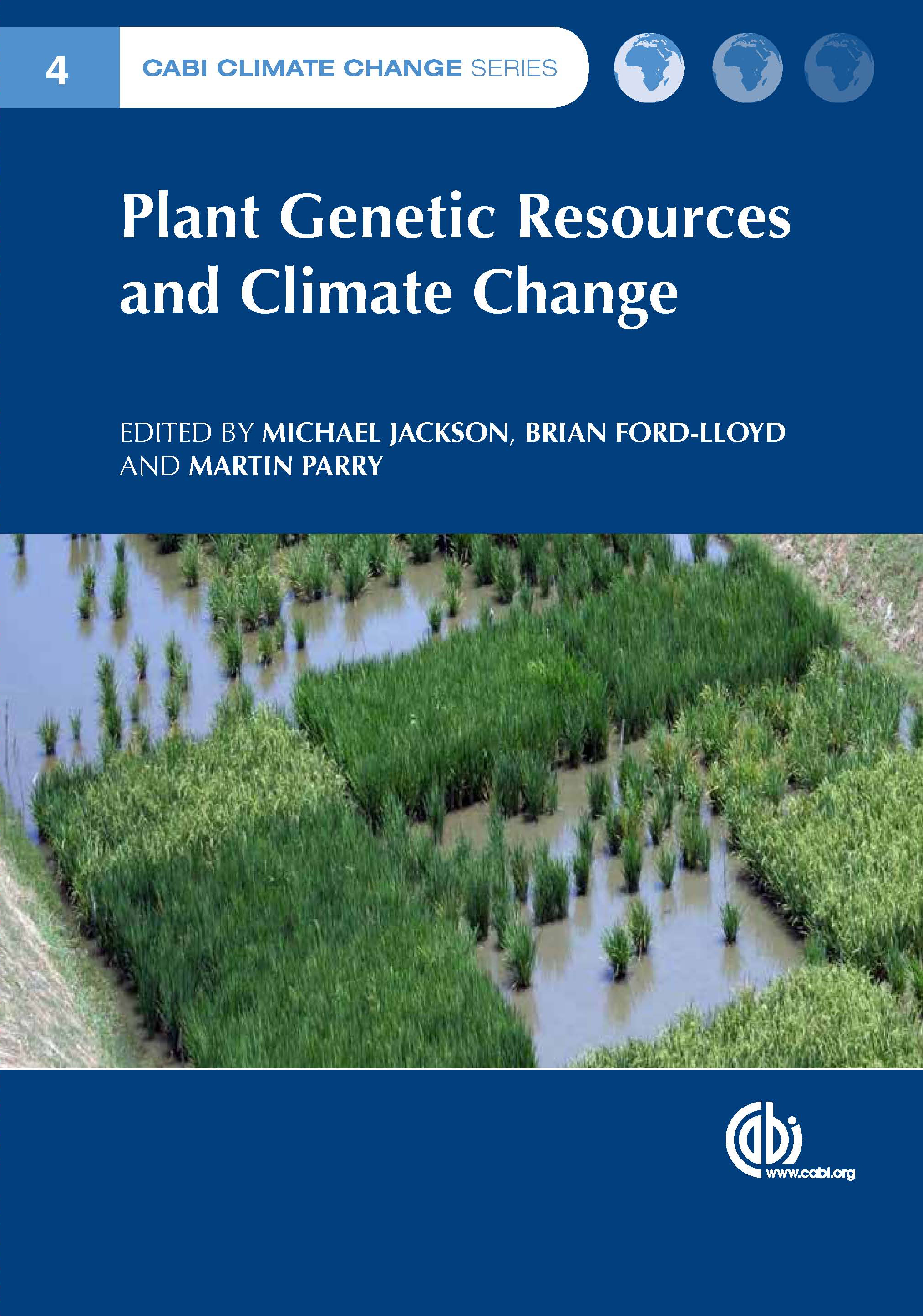
Jackson, M., B. Ford-Lloyd & M. Parry (eds.), 2014. Plant Genetic Resources and Climate Change. CAB International, Wallingford, p. 291. [36]

BOOK CHAPTERS
There are 21 chapters in this section, and they cover a whole range of topics on germplasm conservation and use, among others.

Appa Rao, S., C. Bounphanousay, J.M. Schiller, M.T. Jackson, P. Inthapanya & K. Douangsila. 2006. The aromatic rice of Laos. In: J.M. Schiller, M.B. Chanphengxay, B. Linquist & S. Appa Rao (eds.), Rice in Laos. Los Baños (Philippines): International Rice Research Institute, pp. 159-174. PDF [1]

Appa Rao, S., J.M. Schiller, C. Bounphanousay, A.P. Alcantara & M.T. Jackson. 2006. Naming of traditional rice varieties by the farmers of Laos. In: J.M. Schiller, M.B. Chanphengxay, B. Linquist & S. Appa Rao (eds.), Rice in Laos. Los Baños (Philippines): International Rice Research Institute, pp. 141-158. PDF [6]

Appa Rao, S., J.M. Schiller, C. Bounphanousay, P. Inthapanya & M.T. Jackson. 2006. The colored pericarp (black) rice of Laos. In: J.M. Schiller, M.B. Chanphengxay, B. Linquist & S. Appa Rao (eds.), Rice in Laos. Los Baños (Philippines): International Rice Research Institute, pp. 175-186. PDF [17]

Appa Rao, S., J.M. Schiller, C. Bounphanousay & M.T. Jackson. 2006. Diversity within the traditional rice varieties of Laos. In: J.M. Schiller, M.B. Chanphengxay, B. Linquist & S. Appa Rao (eds.), Rice in Laos. Los Baños (Philippines): International Rice Research Institute, pp. 123-140. PDF [23]

Appa Rao, S., J.M. Schiller, C. Bounphanousay & M.T. Jackson, 2006. Development of traditional rice varieties and on-farm management of varietal diversity in Laos. In: J.M. Schiller, M.B. Chanphengxay, B. Linquist & S. Appa Rao (eds.), Rice in Laos. Los Baños (Philippines): International Rice Research Institute, pp. 187-196. PDF [3]

Bellon, M.R., J.L. Pham & M.T. Jackson, 1997. Genetic conservation: a role for rice farmers. In: N. Maxted, B.V. Ford-Lloyd & J.G. Hawkes (eds.), Plant Genetic Conservation: the In Situ Approach. Chapman & Hall, London, pp. 263-289. PDF [210]

Ford-Lloyd, B., J.M.M. Engels & M. Jackson, 2014. Genetic resources and conservation challenges under the threat of climate change. In: M. Jackson, B. Ford-Lloyd & M. Parry (eds.), Plant Genetic Resources and Climate Change. CAB International, Wallingford, pp. 16-37. [16]

Ford-Lloyd, B.V., M.T. Jackson & H.J. Newbury, 1997. Molecular markers and the management of genetic resources in seed genebanks: a case study of rice. In: J.A. Callow, B.V. Ford-Lloyd & H.J. Newbury (eds.), Biotechnology and Plant Genetic Resources: Conservation and Use. CAB International, Wallingford, pp. 103-118. PDF [50]

Ford-Lloyd, B.V., M.T. Jackson & M.L. Parry, 1990. Can genetic resources cope with global warming? In: M. Jackson, B.V. Ford-Lloyd & M.L. Parry (eds.), Climatic Change and Plant Genetic Resources. Belhaven Press, London, pp. 179-182. PDF [1]

Jackson, M.T., 1983. Potatoes. In: D.H. Janzen (ed.), Costa Rican Natural History. University of Chicago Press, pp. 103-105. PDF

Jackson, M.T., 1985. Plant genetic resources at Birmingham—sixteen years of training. In: K.L. Mehra & S. Sastrapradja (eds.), Proceedings of the International Symposium on South East Asian Plant Genetic Resources, Jakarta, Indonesia, August 20-24, 1985, pp. 35-38.

Jackson, M.T., 1987. Breeding strategies for true potato seed. In: G.J. Jellis & D.E. Richardson (eds.), The Production of New Potato Varieties: Technological Advances. Cambridge University Press, pp. 248-261. PDF [8]

Jackson, M.T., 1992. UK consumption of the potato and its agricultural production. In: Bioresources – Some UK Perspectives. Institute of Biology, London, pp. 34-37.

Jackson, M.T., 1994. Ex situ conservation of plant genetic resources, with special reference to rice. In: G. Prain & C. Bagalanon (eds.), Local Knowledge, Global Science and Plant Genetic Resources: towards a partnership. Proceedings of the International Workshop on Genetic Resources, UPWARD, Los Baños, Philippines, pp. 11-22.

Jackson, M.T., 1999. Managing genetic resources and biotechnology at IRRI’s rice genebank. In: J.I. Cohen (ed.), Managing Agricultural Biotechnology – Addressing Research Program and Policy Implications. International Service for National Agricultural Research (ISNAR), The Hague, Netherlands and CAB International, UK, pp. 102-109. PDF [4]

Jackson, M.T. & B.V. Ford-Lloyd, 1990. Plant genetic resources – a perspective. In: M. Jackson, B.V. Ford-Lloyd & M.L. Parry (eds.), Climatic Change and Plant Genetic Resources. Belhaven Press, London, pp. 1-17. PDF [23]

Jackson, M.T., G.C. Loresto, S. Appa Rao, M. Jones, E. Guimaraes & N.Q. Ng, 1997. Rice. In: D. Fuccillo, L. Sears & P. Stapleton (eds.), Biodiversity in Trust: Conservation and Use of Plant Genetic Resources in CGIAR Centres. Cambridge University Press, pp. 273-291. PDF [18]

Koo, B., P.G. Pardey & M.T. Jackson, 2004. IRRI Genebank. In: B. Koo, P.G. Pardey, B.D. Wright and others, Saving Seeds – The Economics of Conserving Crop Genetic Resources Ex Situ in the Future Harvest Centres of the CGIAR. CABI Publishing, Wallingford, pp. 89-103. PDF [1]

Lu, B.R., M.E.B. Naredo, A.B. Juliano & M.T. Jackson, 2000. Preliminary studies on the taxonomy and biosystematics of the AA genome Oryza species (Poaceae). In: S.W.L. Jacobs & J. Everett (eds.), Grasses: Systematics and Evolution. CSIRO: Melbourne, pp. 51-58. PDF [41]

Pham, J.L., S.R. Morin, L.S. Sebastian, G.A. Abrigo, M.A. Calibo, S.M. Quilloy, L. Hipolito & M.T. Jackson, 2002. Rice, farmers and genebanks: a case study in the Cagayan Valley, Philippines. In: J.M.M. Engels, V.R. Rao, A.H.D. Brown & M.T. Jackson (eds.), Managing Plant Genetic Diversity. CAB International, Wallingford, pp. 149-160. PDF [10]

Vaughan, D.A. & M.T. Jackson, 1995. The core as a guide to the whole collection. In: T. Hodgkin, A.H.D. Brown, Th.J.L. van Hintum & E.A.V. Morales (eds.), Core Collections of Plant Genetic Resources. John Wiley & Sons, Chichester, pp. 229-239. PDF [17]

MISCELLANEOUS PUBLICATIONS
There are 34 publications here, so-called ‘grey literature’ that were not reviewed before publication.

Aggarwal, R.K., D.S. Brar, G.S. Khush & M.T. Jackson, 1996. Oryza schlechteri Pilger has a distinct genome based on molecular analysis. Rice Genetics Newsletter 13, 58-59. [7]

Appa Rao, S., C. Bounphanousay, K. Kanyavong, V. Phetpaseuth, B. Sengthong, J.M. Schiller, S. Thirasack & M.T. Jackson, 1997. Collection and classification of rice germplasm from the Lao PDR. Part 2. Northern, Southern and Central Regions. Internal report of the National Agricultural Research Center, Department of Agriculture and Extension, Ministry of Agriculture and Forestry, Vientiane, Lao PDR, and Genetic Resources Center, International Rice Research Institute (IRRI), Los Baños, Philippines.

Appa Rao, S., C. Bounphanousay, K. Kanyavong, B. Sengthong, J.M. Schiller & M.T. Jackson, 1999. Collection and classification of Lao rice germplasm, Part 4. Collection Period: September to December 1998. Internal report of the National Agricultural Research Center, National Agriculture and Forestry Research Institute, Ministry of Agriculture and Forestry, Vientiane, Lao PDR, and Genetic Resources Center, International Rice Research Institute (IRRI), Los Baños, Philippines.

Appa Rao, S., C. Bounphanousay, V. Phetpaseuth, K. Kanyavong, B. Sengthong, J.M. Schiller & M.T. Jackson, 1998. Collection and Classification of Lao Rice Germplasm Part 3. Collecting Period – October 1997 to February 1998. Internal report of the National Agricultural Research Center, National Agriculture and Forestry Research Institute, Ministry of Agriculture and Forestry, Vientiane, Lao PDR, and Genetic Resources Center, International Rice Research Institute (IRRI), Los Baños, Philippines.

Appa Rao, S., C. Bounphanousay, V. Phetpaseuth, K. Kanyavong, B. Sengthong, J. M. Schiller, V. Phannourath & M.T. Jackson, 1996. Collection and classification of rice germplasm from the Lao PDR. Part 1. Southern and Central Regions – 1995. Internal report of the National Agricultural Research Center, Dept. of Agriculture and Extension, Ministry of Agriculture and Forestry, Vientiane, Lao PDR, and Genetic Resources Center, International Rice Research Institute (IRRI), Los Baños, Philippines.

Appa Rao, S,. V. Phetpaseut, C. Bounphanousay & M.T. Jackson, 1997. Spontaneous interspecific hybrids in Oryza in Lao PDR. International Rice Research Notes 22, 4-5. [1]

Arnold, M.H., D. Astley, E.A. Bell, J.K.A. Bleasdale, A.H. Bunting, J. Burley, J.A. Callow, J.P. Cooper, P.R. Day, R.H. Ellis, B.V. Ford-Lloyd, R.J. Giles, J.G. Hawkes, J.D. Hayes, G.G. Henshaw, J. Heslop-Harrison, V.H. Heywood, N.L. Innes, M.T. Jackson, G. Jenkins, M.J. Lawrence, R.N. Lester, P. Matthews, P.M. Mumford, E.H. Roberts, N.W. Simmonds, J. Smartt, R.D. Smith, B. Tyler, R. Watkins, T.C. Whitmore & L.A. Withers, 1986. Plant gene conservation. Nature 319, 615. [10]

Cohen, M.B., M.T. Jackson, B.R. Lu, S.R. Morin, A.M. Mortimer, J.L. Pham & L.J. Wade, 1999. Predicting the environmental impact of transgene outcrossing to wild and weedy rices in Asia. In: 1999 PCPC Symposium Proceedings No. 72: Gene flow and agriculture: relevance for transgenic crops. Proceedings of a Symposium held at the University of Keele, Staffordshire, U.K., April 12-14, 1999. pp. 151-157. [15]

Damania, A.B. & M.T. Jackson, 1986. An application of factor analysis to morphological data of wheat and barley landraces from the Bheri river valley, Nepal. Rachis 5, 25-30. [24]

Dao The Tuan, Nguyen Dang Khoi, Luu Ngoc Trinh, Nguyen Phung Ha, Nguyen Vu Trong, D.A. Vaughan & M.T. Jackson, 1995. INSA-IRRI collaboration on wild rice collection in Vietnam. In: G.L. Denning & Vo-Tong Xuan (eds.), Vietnam and IRRI: A partnership in rice research. International Rice Research Institute, Los Baños, Philippines, and Ministry of Agriculture and Food Industry, Hanoi, Vietnam, pp. 85-88.

Ford-Lloyd, B.V. & M.T. Jackson, 1984. Plant gene banks at risk. Nature 308, 683. [1]

Ford-Lloyd, B.V. & M.T. Jackson, 1990. Genetic resources refresher course embraces biotech. Biotechnology News No. 19, 7. University of Birmingham Biotechnology Management Group.

Jackson, M.T. (ed.), 1980. Investigación Agroeconómica para Optimizar la Productividad de la Papa. International Potato Center, Lima, Peru. Proceedings of the Regional Workshop held at Turrialba, Costa Rica, August 19-25, 1979.

Jackson, M.T., 1988. Biotechnology and the environment. Biotechnology News No. 15, 2. University of Birmingham Biotechnology Management Group.

Jackson, M.T., 1991. Global warming: the case for European cooperation for germplasm conservation and use. In: Th.J.L. van Hintum, L. Frese & P.M. Perret (eds.), Crop Networks. Searching for New Concepts for Collaborative Genetic Resources Management. International Crop Network Series No. 4. International Board for Plant Genetic Resources, Rome, Italy. Papers of the EUCARPIA/IBPGR symposium held in Wageningen, the Netherlands, December 3-6, 1990., pp. 125-131. PDF

Jackson, M.T., 1994. Preservation of rice strains. Nature 371, 470. [23]

Jackson, M.T. & J.A. Aguilar, 1979. Progresos en la adaptación de la papa a zonas cálidas. Memoria XXV Reunión PCCMCA, Honduras, Marzo 1979, Vol. IV, H16/1-10.

Jackson, M.T. & B.V. Ford-Lloyd, 1989. University of Birmingham holds international workshop on climate change and plant genetic resources. Diversity 5, 22-23.

Jackson, M.T. & B.V. Ford-Lloyd, 1990. University of Birmingham celebrates 20th anniversary of germplasm training course. Diversity 6, 11-12.

Jackson, M.T. & R.D. Huggan, 1993. Sharing the diversity of rice to feed the world. Diversity 9, 22-25. [45]

Jackson, M.T. & R.D. Huggan, 1996. Pflanzenvielfalt als Grundlage der Welternährung. Bulletin—das magazin der Schweizerische Kreditanstalt SKA. March/April 1996, 9-10.

Jackson, M.T., E.L. Javier & C.G. McLaren, 2000. Rice genetic resources for food security: four decades of sharing and use. In: W.G. Padolina (ed.), Plant Variety Protection for Rice in Developing Countries. Limited proceedings of the workshop on the Impact of Sui Generis Approaches to Plant Variety Protection in Developing Countries. February 16-18, 2000, IRRI, Los Baños, Philippines. International Rice Research Institute, Makati City, Philippines. pp. 3-8.

Jackson, M.T. & R.J.L. Lettington, 2003. Conservation and use of rice germplasm: an evolving paradigm under the International Treaty on Plant Genetic Resources for Food and Agriculture. In: Sustainable rice production for food security. Proceedings of the 20th Session of the International Rice Commission. Bangkok, Thailand, 23-26 July 2002.
http://www.fao.org/DOCREP/006/Y4751E/y4751e07.htm#bm07. Invited paper. PDF [24]

Jackson, M.T., G.C. Loresto & A.P. Alcantara, 1993. The International Rice Germplasm Center at IRRI. In: The Egyptian Society of Plant Breeding (1993). Crop Genetic Resources in Egypt: Present Status and Future Prospects. Papers of an ESPB Workshop, Giza, Egypt, March 2-3, 1992.

Jackson, M.T., J.L. Pham, H.J. Newbury, B.V. Ford-Lloyd & P.S. Virk, 1999. A core collection for rice—needs, opportunities and constraints. In: R.C. Johnson & T. Hodgkin (eds.), Core collections for today and tomorrow. International Plant Genetic Resources Institute, Rome, Italy, pp. 18-27. [25]

Jackson, M.T., L. Taylor & A.J. Thomson, 1985. Inbreeding and true potato seed production. In: Innovative Methods for Propagating Potatoes. Report of the XXVIII Planning Conference held at Lima, Peru, December 10-14, 1984, pp. 169-179. PDF [10]

Loresto, G.C. & M.T. Jackson, 1992. Rice germplasm conservation: a program of international collaboration. In: F. Cuevas-Pérez (ed.), Rice in Latin America: Improvement, Management, and Marketing. Proceedings of the VIII international rice conference for Latin America and the Caribbean, held in Villahermosa, Tabasco, Mexico, November 10-16, 1991. Centro Internacional de Agricultura Tropical, Cali, Colombia, pp. 61-65.

Loresto, G.C. & M.T. Jackson, 1996. South Asia partnerships forged to conserve rice genetic resources. Diversity 12, 60-61. [3]

Morin, S.R., J.L. Pham, M. Calibo, G. Abrigo, D. Erasga, M. Garcia, & M.T. Jackson, 1998. On farm conservation research: assessing rice diversity and indigenous technical knowledge. Invited paper presented at the Workshop on Participatory Plant Breeding, held in New Delhi, March 23-24, 1998.

Morin, S.R., J.L. Pham, M. Calibo, M. Garcia & M.T. Jackson, 1998. Catastrophes and genetic diversity: creating a model of interaction between genebanks and farmers. Paper presented at the FAO meeting on the Global Plan of Action on Plant Genetic Resources for Food and Agriculture for the Asia-Pacific Region, held in Manila, Philippines, December 15-18, 1998.

Newbury, H.J., B.V. Ford-Lloyd, P.S. Virk, M.T. Jackson, M.D. Gale & J.-H. Zhu, 1996. Molecular markers and their use in organising plant germplasm collections. In: E.M. Young (ed.), Plant Sciences Research Programme Conference on Semi-Arid Systems. Proceedings of an ODA Plant Sciences Research Programme Conference , Manchester, UK, September 5-6, 1995, pp. 24-25.

Pham, J.L., M.R. Bellon & M.T. Jackson, 1996. A research program for on-farm conservation of rice genetic resources. International Rice Research Notes 21, 10-11. [8]

Pham, J.L., M.R. Bellon & M.T. Jackson, 1996. What is on-farm conservation research on rice genetic resources? In: J.T. Williams, C.H. Lamoureux & S.D. Sastrapradja (eds.), South East Asian Plant Genetic Resources. Proceedings of the Third South East Asian Regional Symposium on Genetic Resources, Serpong, Indonesia, August 22-24, 1995, pp. 54-65.

Rao, S.A, M.T. Jackson, V Phetpaseuth & C. Bounphanousay, 1997. Spontaneous interspecific hybrids in Oryza in the Lao PDR. International Rice Research Notes 22, 4-5. [5]

Virk, P.S., B.V. Ford-Lloyd, M.T. Jackson, H.S. Pooni, T.P. Clemeno & H.J. Newbury, 1996. Marker-assisted prediction of agronomic traits using diverse rice germplasm. In: International Rice Research Institute, Rice Genetics III. Proceedings of the Third International Rice Genetics Symposium, Manila, Philippines, October 16-20, 1995, pp. 307-316. [25]

CONFERENCE PAPERS AND POSTERS
Over the years I had the good fortune to attend scientific conferences around the world—a great opportunity to hear about the latest developments in one’s field of research, and also to network. For some conferences I contributed a paper or poster; at others, I was an invited speaker.

15478148209_df32c0ed57_z

Alcantara, A.P., E.B. Guevarra & M.T. Jackson, 1999. The International Rice Genebank Collection Information System. Poster presented at the annual meeting of the Crop Science Society of America, Salt Lake City, October 31-November 4, 1999.

Appa Rao, S., C. Bounphanouxay, J.M. Schiller & M.T. Jackson, 1999. Collecting Rice Genetic Resources in the Lao PDR. Poster presented at the annual meeting of the Crop Science Society of America, Salt Lake City, October 31-November 4, 1999.

Cabanilla, V.R., M.T. Jackson & T.R. Hargrove, 1993. Tracing the ancestry of rice varieties. Poster presented at the 17th International Congress of Genetics, Birmingham, U.K., August 15-21, 1993. Volume of abstracts, 112-113.

Clugston, D.B. & M.T. Jackson, 1987. The application of embryo rescue techniques for the utilization of wild species in potato breeding. Paper presented at the Plant Breeding Section meeting of the Association of Applied Biologists, held at Churchill College, University of Cambridge, April 14-15, 1987.

Coleman, M., M. Jackson, S. Juned, B. Ford-Lloyd, J. Vessey & W. Powell, 1990. Interclonal genetic variability for in vitro response in Solanum tuberosum cv. Record. Paper presented at the 11th Triennial Conference of the European Association for Potato Research, Edinburgh, July 8-13, 1990.

Francisco-Ortega, F.J., M.T. Jackson, A. Santos-Guerra & M. Fernandez-Galvan, 1990. Ecogeographical variation in the Chamaecytisus proliferus complex in the Canary Islands. Paper presented at the Linnean Society Conference on Evolution and Conservation in the North Atlantic Islands, held at the Manchester Polytechnic, September 3-6, 1990.

Gubb, I.R., J.A. Callow, R.M. Faulks & M.T. Jackson, 1989. The biochemical basis for the lack of enzymic browning in the wild potato species Solanum hjertingii Hawkes. Am. Potato J. 66, 522 (abst.). Paper presented at the 73rd Annual Meeting of the Potato Association of America, Corvalis, Oregon, July 30 – August 3, 1989.

Hunt, E.D., M.T. Jackson, M. Oliva & A. Alcantara, 1993. Employing geographical information systems (GIS) for conserving and using rice germplasm. Poster presented at the 17th International Congress of Genetics, Birmingham, U.K., August 15-21, 1993. Volume of abstracts, 117.

Jackson, M.T., 1984. Variation patterns in Lathyrus sativus. Paper presented at the Second International Workshop on the Vicieae, held at the University of Southampton, February 15-16, 1984.

Jackson, M.T., 1993. Biotechnology and the conservation and use of plant genetic resources. Invited paper presented at the Workshop on Biotechnology in Developing Countries, held at the 17th International Congress of Genetics, Birmingham, U.K., August 15-21, 1993.

Jackson, M.T., 1994. Care for and use of biodiversity in rice. Invited paper presented at the Symposium on Food Security in Asia, held at the Royal Society, London, November 1, 1994.

Jackson, M.T., 1995. The international crop germplasm collections: seeds in the bank! Invited paper presented at the meeting Economic and Policy Research for Genetic Resources Conservation and Use: a Technical Consultation, held at IFPRI, Washington, D.C., June 21-22, 1995

Jackson, M.T., 1996. Intellectual property rights—the approach of the International Rice Research Institute. Invited paper presented at the Satellite Symposium on Biotechnology and Biodiversity: Scientific and Ethical Issues, held in New Delhi, India, November 15-16, 1996.

Jackson, M.T., 1999. Managing the world’s largest collection of rice genetic resources. In: J.N. Rutger, J.F. Robinson & R.H. Dilday (eds.), Proceedings of the International Symposium on Rice Germplasm Evaluation and Enhancement, held at the Dale Bumpers National Rice Research Center, Stuttgart, Arkansas, USA, August 30-September 2, 1998. Arkansas Agricultural Experiment Station Special Report 195. PDF [13]

Jackson, M.T., 1998. Intellectual property rights—the approach of the International Rice Research Institute. Invited paper at the Seminar-Workshop on Plant Patents in Asia Pacific, organized by the Asia & Pacific Seed Association (APSA), held in Manila, Philippines, September 21-22, 1998.

Jackson, M.T., 1998. Recent developments in IPR that have implications for the CGIAR. Invited paper presented at the ICLARM Science Day, International Center for Living Aquatic Resources Management, Manila, Philippines, September 30, 1998.

Jackson, M.T., 1998. The genetics of genetic conservation. Invited paper presented at the Fifth National Genetics Symposium, held at PhilRice, Nueva Ecija, Philippines, December 10-12, 1998.

Jackson, M.T., 1998. The role of the CGIAR’s System-wide Genetic Resources Programme (SGRP) in implementing the GPA. Invited paper presented at the Regional Meeting for Asia and the Pacific to facilitate and promote the implementation of the Global Plan of Action for the Conservation and Sustainable Use of Plant Genetic Resources for Food and Agriculture, held in Manila, Philippines, December 15-18, 1998.

Jackson, M.T., 2001. Collecting plant genetic resources: partnership or biopiracy. Invited paper presented at the annual meeting of the Crop Science Society of America, Charlotte, North Carolina, October 21-24, 2001.

Jackson, M.T., 2004. Achieving the UN Millennium Development Goals begins with rice research. Invited paper presented to the Cross Party International Development Group of the Scottish Parliament, Edinburgh, Scotland, June 2, 2004.

Jackson, M.T., 2001. Rice: diversity and livelihood for farmers in Asia. Invited paper presented in the symposium Cultural Heritage and Biodiversity, at the annual meeting of the Crop Science Society of America, Charlotte, North Carolina, October 21-24, 2001.

Jackson, M.T., A. Alcantara, E. Guevarra, M. Oliva, M. van den Berg, S. Erguiza, R. Gallego & M. Estor, 1995. Documentation and data management for rice genetic resources at IRRI. Paper presented at the Planning Meeting for the System-wide Information Network for Genetic Resources (SINGER), held at CIMMYT, Mexico, October 2-6, 1995.

Jackson, M.T. & L.C. González, 1979. Persistence of Pseudomonas solanacearum in an inceptisol in  Costa Rica. In: CIP, Developments in the Control of Bacterial Diseases of Potato. Report of a Planning Conference held at CIP, LIma, Peru, 12-15 June 1979. pp. 66-71. [4]

Jackson, M.T. & L.C. González, 1979. Persistence of Pseudomonas solanacearum in an inceptisol in Costa Rica. Am. Potato J. 56, 467 (abst.). Paper presented at the 63rd Annual meeting of the Potato Association of America, Vancouver, British Columbia, July 22-27, 1979.

Jackson, M.T., F.C. de Guzman, R.A. Reaño, M.S.R. Almazan, A.P. Alcantara & E.B. Guevarra, 1999. Managing the world’s largest collection of rice genetic resources. Poster presented at the annual meeting of the Crop Science Society of America, Salt Lake City, October 31-November 4, 1999.

Jackson, M.T., E.L. Javier & C.G. McLaren, 1999. Rice genetic resources for food security. Invited paper at the IRRI Symposium, held at the annual meeting of the Crop Science Society of America, Salt Lake City, October 31-November 4, 1999.

Jackson, M.T. & G.C. Loresto, 1996. The role of the International Rice Research Institute (IRRI) in supporting national and regional programs. Invited paper presented at the Asia-Pacific Consultation Meeting on Plant Genetic Resources, held in New Delhi, India, November 27-29, 1996.

Jackson, M.T., G.C. Loresto & F. de Guzman, 1996. Partnership for genetic conservation and use: the International Rice Genebank at the International Rice Research Institute (IRRI). Poster presented at the Beltsville Symposium XXI on Global Genetic Resources—Access, Ownership, and Intellectual Property Rights, held in Beltsville, Maryland, May 19-22, 1996.

Jackson, M.T., B.R. Lu, G.C. Loresto & F. de Guzman, 1995. The conservation of rice genetic resources at the International Rice Research Institute. Paper presented at the International Symposium on Research and Utilization of Crop Germplasm Resources held in Beijing, People’s Republic of China, June 1-3, 1995.

Jackson, M.T., B.R. Lu, M.S. Almazan, M.E. Naredo & A.B. Juliano, 2000. The wild species of rice: conservation and value for rice improvement. Poster presented at the annual meeting of the Crop Science Society of America, Minneapolis, November 5-9, 2000.

Jackson, M.T., P.R. Rowe & J.G. Hawkes, 1976. The enigma of triploid potatoes: a reappraisal. Am. Potato J. 53, 395 (abst.). Paper presented at the 60th Annual meeting of the Potato Association of America, University of Wisconsin—Stevens Point, July 26-29, 1976. [4]

Kameswara Rao, N. & M.T. Jackson, 1995. Seed production strategies for conservation of rice genetic resources. Poster presented at the Fifth International Workshop on Seeds, University of Reading, September 11-15, 1995.

Lu, B.R., A. Juliano, E. Naredo & M.T. Jackson, 1995. The conservation and study of wild Oryza species at the International Rice Research Institute. Paper presented at the International Symposium on Research and Utilization of Crop Germplasm Resources held in Beijing, People’s Republic of China, June 1-3, 1995.

Lu, B.R., M.E. Naredo, A.B. Juliano & M.T. Jackson, 1998. Biosystematic studies of the AA genome Oryza species (Poaceae). Poster presented at the Second International Conference on the Comparative Biology of the Monocotyledons and Third International Symposium on Grass Systematics and Evolution, Sydney, Australia, September 27-October 2, 1998.

Lu, B.R., M.E.B. Naredo, A.B. Juliano & M.T. Jackson, 2008. Genomic relationships of the AA genome Oryza species. In: G.S. Khush, D.S. Brar & B. Hardy (eds), Advances in Rice Genetics, Proceedings of the Fourth International Rice Genetics Symposium, Los Baños, Laguna, Philippines, 22-27 October 2000. pp. 118-121. [2]

Naredo, M.E., A.B. Juliano, M.S. Almazan, B.R. Lu & M.T. Jackson, 2000. Morphological and molecular diversity of AA genome species of rice. Poster presented at the annual meeting of the Crop Science Society of America, Minneapolis, November 5-9, 2000.

Newbury, H.J., P. Virk, M.T. Jackson, G. Bryan, M. Gale & B.V. Ford-Lloyd, 1993. Molecular markers and the analysis of diversity in rice. Poster presented at the 17th International Congress of Genetics, Birmingham, U.K., August 15-21, 1993. Volume of abstracts, 121-122.

Newton, E.L., R.A.C. Jones & M.T. Jackson, 1986. The serological detection of viruses of quarantine significance transmitted through true potato seed. Paper presented at the Virology Section meeting of the Association of Applied Biologists, held at the University of Warwick, September 29 – October 1, 1986.

Parsons, B.J., B.V. Ford-Lloyd, H.J. Newbury & M.T. Jackson, 1994. Use of PCR-based markers to assess genetic diversity in rice landraces from Bhutan and Bangladesh. Poster presented at the Annual Meeting of the British Ecological Society, held at The University of Birmingham, December 1994.

Pham, J.L., M.R. Bellon & M.T. Jackson, 1995. A research program on on-farm conservation of rice genetic resources. Poster presented at the Third International Rice Genetics Symposium, Manila, Philippines, October 16-20, 1995.

Pham J.L., S.R. Morin & M.T. Jackson, 2000. Linking genebanks and participatory conservation and management. Invited paper presented at the International Symposium on The Scientific Basis of Participatory Plant Breeding and Conservation of Genetic Resources, held at Oaxtepec, Morelos, Mexico, October 9-12, 2000.

Reaño, R., M.T. Jackson, F. de Guzman, S. Almazan & G.C. Loresto, 1995. The multiplication and regeneration of rice germplasm at the International Rice Genebank, IRRI. Paper presented at the Discussion Meeting on Regeneration Standards, held at ICRISAT, Hyderabad, India, December 4-7, 1995, sponsored by IPGRI, ICRISAT and FAO. [1]

Virk, P., B.V. Ford-Lloyd, M.T. Jackson & H.J. Newbury, 1994. The use of RAPD analysis for assessing diversity within rice germplasm. Paper presented at the Annual Meeting of the British Ecological Society, held at The University of Birmingham, December 1994.

Virk, P.S., H.J. Newbury, Y. Shen, M.T. Jackson & B.V. Ford-Lloyd, 1996. Prediction of agronomic traits in diverse germplasm of rice and beet using molecular markers. Paper presented at the Fourth International Plant Genome Conference, held in San Diego, California, January 14-18, 1996.

Watanabe, K., C. Arbizu, P. Schmiediche & M.T. Jackson, 1990. Germplasm enhancement methods for disomic tetraploid species of Solanum with special reference to S. acaule. Am. Potato J. 67, 586 (abst.). Paper presented at the 74th Annual meeting of the Potato Association of America, Quebec City, Canada, July 22-26, 1990. [4]

TECHNICAL PUBLICATIONS
Bryan, J.E., M.T. Jackson & N. Melendez, 1981. Rapid Multiplication Techniques for Potatoes. International Potato Center, Lima, Peru. PDF

Bryan, J.E., M.T. Jackson, M. Quevedo & N. Melendez, 1981. Single-Node Cuttings, a Rapid Multiplication Technique for Potatoes. CIP Slide Training Series, Guide Book I/2. International Potato Center, Lima, Peru. [25]

Bryan, J.E., N. Melendez & M.T. Jackson, 1981. Sprout Cuttings, a Rapid Multiplication Technique for Potatoes. CIP Slide Training Series, Guide Book I/1. International Potato Center, Lima, Peru. [2]

Bryan, J.E., N. Melendez & M.T. Jackson, 1981. Stem Cuttings, a Rapid Multiplication Technique for Potatoes. CIP Slide Training Series, Guide Book I/3. International Potato Center, Lima, Peru. [63]

Catty, J.P. & M.T. Jackson, 1989. Starch Gel Electrophoresis of Isozymes – A Laboratory Manual, Second edition. School of Biological Sciences, University of Birmingham.

Quevedo, M., J.E. Bryan, M.T. Jackson & N. Melendez, 1981. Leaf-Bud Cuttings, a Rapid Multiplication Technique for Potatoes. CIP Slide Training Series – Guide Book I/4. International Potato Center, Lima, Peru. [2]

BOOK REVIEWS
Jackson, M.T., 1983. Outlook on Agriculture 12, 205. Dictionary of Cultivated Plants and Their Regions of Diversity, by A.C. Zeven & J.M.J. de Wet, 1982. Pudoc, Wageningen.

Jackson, M.T., 1985. Outlook on Agriculture 14, 50. 1983 Rice Germplasm Conservation Workshop. IRRI and IBPGR, 1983. Manila.

Jackson, M.T., 1986. Journal of Applied Ecology 23, 726-727. The Value of Conserving Genetic Resources, by Margery L. Oldfield, 1984. US Dept. of the Interior, Washington, DC.

Jackson, M.T., 1989. Phytochemistry 28, 1783. World Crops: Cool Season Food Legumes, edit. by R.J. Summerfield, 1988. Martinus Nijhoff Publ.

Jackson, M.T., 1989. Plant, Cell & Environment 12, 589-590. Genetic Resources of Phaseolus Beans, edit. by P. Gepts, 1988. Martinus Nijhoff Publ.

Jackson, M.T., 1989. Heredity 64, 430-431. Genetic Resources of Phaseolus Beans, edit. by P. Gepts, 1988. Martinus Nijhoff Publ.

Jackson, M.T., 1989. Botanical Journal of the Linnean Society 102, 88-91. Seeds and Sovereignty, edit. by J.R. Kloppenburg, 1988. Duke University Press.

Jackson, M.T., 1989. Botanical Journal of the Linnean Society 100, 285-286. Conserving the Wild Relatives of Crops, by E. Hoyt, 1988. IBPGR/IUCN/WWF.

Jackson, M.T., 1989. Annals of Botany 64, 606-608. The Potatoes of Bolivia – Their Breeding Value and Evolutionary Relationships, by J.G. Hawkes & J.P. Hjerting, Oxford Scientific Publications.

Jackson, M.T., 1991. Botanical Journal of the Linnean Society 107, 102-104. Grain Legumes – Evolution and Genetic Resources, by J. Smartt, 1990, Cambridge University Press.

Jackson, M.T., 1991. Botanical Journal of the Linnean Society 107, 104-107. Plant Population Genetics, Breeding, and Genetic Resources, edit. by A.H.D. Brown, M.T. Clegg, A.L. Kahler & B.S. Weir, 1990, Sinauer Associates Inc.

Jackson, M.T., 1991. Field Crops Research 26, 77-79. The Use of Plant Genetic Resources, ed. by A.H.D. Brown, O.H. Frankel, D.R. Marshall & J.T. Williams, 1989, Cambridge University Press.

Jackson, M.T., 1991. Annals of Botany 67, 367-368. Isozymes in Plant Biology, edit. by D.E. Soltis & P.S. Soltis, 1990, Chapman and Hall.

Jackson, M.T., 1991. The Biologist 38, 154-155. The Molecular and Cellular Biology of the Potato, edit. by M.E. Vayda & W.D. Park, 1990, C.A.B. International.

Jackson, M.T., 1992. Diversity 8, 36-37. Biotechnology and the Future of World Agriculture, by H. Hobbelink, 1991, Zed Books Ltd.

Jackson, M.T., 1997. Experimental Agriculture 33, 386. Biodiversity and Agricultural Intensification: Partners for Development and Conservation, edit. by J.P. Srivastava, N.J.H. Smith & D.A. Forno, 1996. Environmentally Sustainable Development Studies and Monographs Series No. 11, The World Bank, Washington, D.C.

Jackson, M.T., 2001. Annals of Botany 88, 332-333. Broadening the genetic base of crop production, edit. By Cooper H.D., C. Spillane & T. Hodgkin, 2001. Wallingford: CAB International with FAO and IPGRI, Rome.

CONSULTANCY REPORT
CGIAR-IEA, 2017. Evaluation of CGIAR research support program for Managing and Sustaining Crop Collections. Rome, Italy: Independent Evaluation Arrangement (IEA) of CGIAR. Authored by M.T. Jackson, M.J. Borja Tome & B.V. Ford-Lloyd. [2]

OBITUARIES

Jackson, M.T., 2011. John Gregory Hawkes (1915–2007). Oxford Dictionary of National Biography, Oxford University Press. doi:10.1093/ref:odnb/99090. PDF

Jackson, M.T., 2013. Dr. Joseph Smartt (1931-2013). Genetic Resources and Crop Evolution 60, 1921-1922. PDF

Jackson, M.T. & N. Murthi Anishetty, 2015. John Trevor Williams (1938 – 2015). Indian Journal of Plant Genetic Resources 28, 161-162. PDF

Jackson, M.T., 2015. J Trevor Williams (1938–2015): IBPGR director and genetic conservation pioneer. Genetic Resources and Crop Evolution 62, 809–813. PDF

Jackson, M.T., 2023. Sheehy, John Edward (1942-2019). Oxford Dictionary of National Biography, Oxford University Press. https://doi.org/10.1093/odnb/9780198614128.013.90000380930. PDF.

Jackson, M.T., 2024. Williams, (John) Trevor (1938-2015). Oxford Dictionary of National Biography, Oxford University Press. https://doi.org/10.1093/odnb/9780198614128.013.90000382511. PDF.

Keeping up standards . . . but whose?

haga

Ms Marie Haga, Executive Director of the Global Crop Diversity Trust that has its headquarters in Bonn, Germany

Marie Haga, Executive Director of the Global Crop Diversity Trust was interviewed by Suzanne Goldenberg for her recent—and contentious—article in The Guardian newspaper about the Svalbard Global Seed Vault (SGSV). Ms Haga was also asked about the state of genebanks around the world, and the extent to which they are worthy of funding support from the Trust.

What she is quoted as saying both surprised (shocked even) and perplexed me: ‘What the Crop Trust proposed was a sort of triage on the major seed banks: selecting those worthy of support and winnowing out those not up to standard. In its early days, however, it is a process not unlike natural selection. Only one of 11 major gene banks operated under the Consortium of International Agricultural Research Centres met the Crop Trust’s standards and would be eligible for those funds: the International Rice Research Institute in the Philippines.

The biggest surprise for everybody when we dived into the international gene banks was that they are not up to the standard that we had expected.’

While I’m proud that the International Rice Genebank at IRRI is held in high regard (‘a model for others to follow’ according to the 1995 External Review of CGIAR genebanks), and that it continues to meet most if not all of the genebank standards, it came as a big surprise to me that 10 other CGIAR genebanks are viewed in a different light. The 1995 review was conducted by a panel and involved 20 experts from national and regional genetic resources programs, including the United Nations Food and Agriculture Organization (FAO). Its purpose was to assess the technical, scientific and financial constraints facing the Centre genebanks and to identify opportunities for improving their operations and the services they provide.

But if there were genebank deficiencies identified in the 1995 External Review, why had steps not been taken before now to sort these out? And that perplexes me. To be fair, I don’t know the details of the Crop Trust’s evaluation of each of the genebanks, and on what grounds they were ‘failed’. After all, I ‘retired’ from active genebank management in 2001, and no longer had regular contact with my colleagues in the CGIAR’s Inter-Centre Working Group on Genetic Resources.

Genebank standards
The first genebank standards were published by the International Board for Plant Genetic Resources (IBPGR) in 1985, and they were revised in 1994. I used the 1985 (and 1994 standards before they were published) when I joined IRRI and began a review of the International Rice Genebank operations. I first visited IRRI in January 1991 when I interviewed for the position of Head of the Genetic Resources Center (GRC), and was rather impressed with the genebank. On joining IRRI in July later that year I was concerned to discover that first impressions had been quite misleading. Over the next six months I uncovered a ‘genebank can of worms’, and had the genebank been reviewed then, it would have failed miserably.

We made an in-depth review of every aspect of genebank management, what would require increased investment (staff, funds, and equipment), and what could be improved significantly just by changing the way we did things in terms of seed management, germplasm regeneration, data management, and the like. Some of these didn’t actually require more resources, just a different approach that freed up existing staff time to concentrate on things that were important. I’m not going to elaborate. What I can say is that we enhanced operations right across the genebank operations, and I have described some of what we did in an earlier blog post.

A lot has been made of the publication of the latest Genebank Standards for Plant Genetic Resources for Food and Agriculture, by FAO in 2013 (revised in 2014), after endorsement by the Commission on Genetic Resources for Food and Agriculture at its Fourteenth Session in 2013. The wheels of progress turn rather slowly at FAO. And I can’t remember how many years it has taken to come to agreement over the latest version.

The standards are non-binding, but they do provide guidance on best practice for a whole range of germplasm, and of course the norms that have to be followed today for germplasm exchange and use under the International Treaty on Plant Genetic Resources for Food and Agriculture using material transfer agreements.

Lack of progress?
What I cannot fathom is why the CGIAR genebanks did not apparently take a hard look at their operations before now and what is needed to bring them into line with accepted standards. As custodians of the world’s most important genetic resources collections I believe it was their obligation to do so.  Or was it that center managements were waiting for someone else to step in and pick up the financial tab, rather than investing, as IRRI did, from its own resources?  I wonder if many genebanks (not just those of the CGIAR) have held off making any changes or investment until the latest genebank standards had been ‘approved’ by the FAO Commission.

When I presented my upgrade plans to IRRI management way back in 1992 or so, we were fortunate that the institute was undergoing a thorough refurbishment of its physical plant. IRRI management was surprised however when I presented my ‘resources shopping list’ as no-one had expected that the genebank would need any attention. To everyone concerned, it was the ‘jewel in the institute’s crown’ that operated like clockwork. My genebank upgrade plan had to compete for resources with all the other things that needed improving around IRRI. Fortunately for the cause of rice genetic resources IRRI management approved what I has asked for (almost in its entirety) and we made the infrastructure improvements that went along with the changes to genebank operations.

6832247180_53581686d7

Dr Ruaraidh Sackville Hamilton, Head of the TT Chang Genetic Resources Center at IRRI

I am pleased that my successor as Head of the Genetic Resources Center (now the TT Chang Genetic Resources Center), Dr Ruaraidh Sackville Hamilton, has built on what I started. Many of the changes we made during the 1990s are still in place, but improved in a number of respects. For instance, all packets of seeds are now bar-coded, data management systems have been integrated with the rice breeding databases (something we started before I left GRC), more sub-zero cold storage capacity has been added, and even more screenhouse space for managing the wild rice species collection. The publication of the latest genebank standards provides another yardstick against which to measure the operations of the International Rice Genebank. I’m confident that there is and will continue to be a close congruence between the two.


Don’t put all your eggs in one basket . . . or your seeds in a single genebank

On 20 May 2015, a long article was published in The Guardian about the Svalbard Global Seed Vault (SGSV), popularly—and rather unfortunately—known as the ‘Doomsday Vault’. I’ve recently been guilty of using that moniker simply because that’s how the vault has come to be known, rightly or wrongly, in the media.

Authored by US-based environment correspondent of The Guardian, Suzanne Goldenberg, the article had the headline grabbing title: The doomsday vault: the seeds that could save a post-apocalyptic world.

You get a flavor of what’s in store, however, from the very first paragraph. Goldenberg writes: ‘One Tuesday last winter, in the town nearest to the North Pole, Robert Bjerke turned up for work at his regular hour and looked at the computer monitor on his desk to discover, or so it seemed for a few horrible moments, that the future of human civilisation was in jeopardy.’

Turns out there was a relatively minor glitch in one of the supplementary cooling systems of this seed repository under the Arctic permafrost where millions of seeds of the world’s most important food staples and other species are being stored, duplicating the germplasm conservation efforts of the genebanks from which they were sent. Hardly the stuff of Apocalypse Now. So while making a favorable case for the need to store seeds in a genebank like the Svalbard vault, Goldenberg ends her introduction with this somewhat controversial statement: ‘Seed banks are vulnerable to near-misses and mishaps. That was the whole point of locating a disaster-proof back-up vault at Svalbard. But what if there was a bigger glitch – one that could not be fixed by borrowing a part from the local shop? There is now a growing body of opinion that the world’s faith, in Svalbard and the Crop Trust’s broader mission to create seed banks, is misplaced. [The emphasis in bold is mine.] Those who have worked with farmers in the field, especially in developing countries, which contain by far the greatest variety of plants, say that diversity cannot be boxed up and saved in a single container—no matter how secure it may be. Crops are always changing, pests and diseases are always adapting, and global warming will bring additional challenges that remain as yet unforeseen. In a perfect world, the solution would be as diverse and dynamic as plant life itself.’ 

I have several concerns about the article—and the many comments it elicited that stem, unfortunately, from lack of understanding on the one hand and ignorance and prejudice on the other.

  • Goldenberg gives the impression that it’s an either/or situation of ex situ conservation in a genebank versus in situ conservation in farmers’ fields or natural environments (in the case of crop wild relatives).
  • There is a perception apparently held by some that the development of the SGSV has been detrimental to the cause of in situ conservation of crop wild relatives.
  • Because there is no research or use of the germplasm stored in the SGSV, then it only has an ‘existence value’. Of course this does not take into account the research on and use of the same germplasm in the genebanks from which it was sent to Svalbard. Therefore Svalbard by its very nature is assumed to be very expensive.
  • The role of Svalbard as a back-up to other genebank efforts is not emphasized sufficiently. As many genebanks do not have adequate access to long-term conservation facilities, the SGSV is an important support at no cost directly to those genebanks as far as I am aware. However, Svalbard can never be a panacea. If seeds of poor quality (i.e less than optimum viability) are stored in the vault then they will deteriorate faster than good seeds. As the saying goes: ‘Junk in, junk out’.
  • The NGO perspective is interesting. It seems it’s hard for some of our NGO colleagues to accept that use of germplasm stored in genebanks actually does benefit farmers.Take for example the case of submergence tolerant rice, now being grown by farmers in Bangladesh and other countries on land where a consistent harvest was almost unheard of before. Or the cases where farmers have lost varieties due to natural disasters but have had them replaced because they were in a genebank. My own experience in the Cagayan valley in the northern Philippines highlights this very well after a major typhoon in the late 1990s devastated the rice agriculture of that area. See the section about on farm management of rice germplasm in this earlier post. They also still harbour a concern that seeds in genebanks are at the mercy of being expropriated by multinationals. In the comments, Monsanto was referred to many times, as was the issue of GMOs. I addressed this in the comment I contributed.

I added this comment that same day on The Guardian web site:
‘For a decade during the 1990s I managed one of the world’s largest and most important genebanks – the International Rice Genebank at the International Rice Research Institute (IRRI) in the Philippines. Large, because it holds over 116,000 samples of cultivated varieties and wild species of rice. And important, because rice is the most important food staple feeding half the world’s population several times daily.

The Svalbard Global Seed Vault (SGSV), the so-called ‘Doomsday Vault’ in Spitsbergen, holds on behalf of IRRI an almost complete duplicate set of samples (called ‘accessions’), in case something should happen to the genebank in Los Baños, south of Manila. I should add that for decades the USDA has also held a duplicate set in its genebank at Fort Collins in Colorado, under exactly the same ‘black box’ terms as the SGSV.

Germplasm is conserved so that it can be studied and used in plant breeding to enhance the productivity of the rice crop, to increase its resilience in the face of climate change, or to meet the challenge of new strains of diseases and pests. The application of molecular biology is unlocking the mysteries of this enormous genetic diversity, making it accessible for use in rice improvement much more efficiently than in past decades.

Many genebanks round the world and the collections they manage do not have access to long-term and safe storage facilities. This is where the SGSV plays an important role. Genebanks can be at risk from a whole range of natural threats (earthquakes, typhoons, volcanic eruptions, etc.) or man-made threats: conflicts, lack of resources, and inadequate management that can lead to fires, flooding, etc. Just take the example of the International Rice Genebank. The Philippines are subject to the natural threats mentioned, but the genebank was designed and built to withstand these. The example of the ICARDA genebank in Aleppo highlights the threat to these facilities from being located in a conflict zone.

To understand more about what it means to conserve a crop like rice please visit this post on my blog.  There is an enlightening 15 minute video there that I made about the genebank.

It is not a question of taking any set of seeds and putting them into cold storage. Only ‘good’ seeds will survive for any length of time under sub-zero conditions. Many studies have shown that if stored at -18C, seeds with initial high viability may be stored for decades even hundreds of years. The seeds of many plant species – including most of the world’s most important food crops like rice, wheat, maize and many others conform to this pattern. What I can state unequivocally is that the seeds from the genebanks of the world’s most important genebanks, managed like that of IRRI under the auspices of the Consultative Group on International Agricultural Research (CGIAR), have been routinely tested for viability and only the best sent to Svalbard.

Prof. Phil Pardey, University of Minnesota

Prof. Phil Pardey, University of Minnesota

The other aspect of Goldenberg’s otherwise excellent article are the concerns raised by a number of individuals whose ‘comments’ are quoted. I count both Phil Pardey and Nigel Maxted among my good friends, and it seems to me that their comments have been taken completely out of context. I have never heard them express such views in such a blunt manner. Their perspectives on conservation and use, and in situ vs. ex situ are much more nuanced as anyone will see for themselves from reading their many publications. The SEARICE representative I do not know, but I’ve had many contacts with her organization. It’s never a question of genebank or ex situ conservation versus on-farm or in situ conservation. They are complementary and mutually supportive approaches. Crop varieties will die out for a variety of reasons. If they can be stored in a genebank so much the better (not all plant species can be stored successfully as seeds, as was mentioned in Goldenberg’s article). The objection to genebanks on the grounds of permitting multinationals to monopolize these important genetic resources is a red herring and completely without foundation.

So the purpose of the SGSV is one of not ‘putting all your eggs in one basket’. Unfortunately the name ‘Doomsday Vault’ as used by Goldenberg has come to imply a post cataclysm world. It’s really much more straightforward than that. The existence of the SGSV is part of humanity’s genetic insurance policy, risk mitigation, and business continuity plan for a wise and forward-thinking society.’

Over the next couple of days others chipped in with first hand knowledge of the SGSV or genetic conservation issues in general.

Simon Jeppsonsiminjeppson is someone who has first-hand knowledge and experience of the SGSV, and he wrote: ‘I’m currently working as the project coordinator of the Svalbard Global Seed Vault on behalf of NordGen and I just wanted to add some of my reflections on this article some of the comments.

This article is an interesting read but a rather unbalanced one. The temperature increase that is described as putting the world heritage in jeopardy is a misconception. There has been a background study used as a worst case scenario during the planning stage of the Svalbard Global Seed Vault based on the seeds stored in the old abandoned mine shaft mentioned. These results were published in 2003 and even the most recent data (after 25 years in permafrost conditions prevailing in the same mountain without active cooling) shows that all samples are still viable. Anyone curious about this can for themselves try out various storage temperatures and find out the predicted storage time for specific crops at: http://data.kew.org/sid/viability/

Further I have some reflections regarding some of the recently posted comments. The statement “Most seed resources for plant breeding come from farmers’ fields via national seed stores in developing countries: these countries are not depositing in Svalbard.” is wrong; more than 60% of the deposited material originates from developing countries. Twenty-three of depositors represent national or regional institutes situated in developing counties, 12 are international centers and 28 are from developed countries according to IMF. This data is readily available at: http://www.nordgen.org/sgsv

Finally, a comment about the statement that “Seeds will not be distributed – only ever sent back to the institute that provided them. The reason is that seeds commonly have seed-borne diseases, sometimes nasty viruses and the rest.” This statement is also a misconception. The seeds samples stored in the vault are of the same seed lots already readily distributed worldwide from the depositing institutes. There are more than 1750 plant genetic institutes many of them distributing several thousand samples every year.’

maxted-nigel-Cropped-110x146Nigel Maxted is a senior lecturer in the School of Biosciences at the University of Birmingham. As I suspected, when I commented on Goldenberg’s article, Nigel’s contribution to the discussion was taken out of context. He commented: ‘I believe I have been mis-quoted in this article, I do think the Svalbard genebank is worthwhile and I hope the Trust reach their funding goal, even though ex situ does freeze evolution for the accessions included, it provides our best chance of long-term stability for preserving agrobiodiversity in an increasingly unstable world.

I was trying to make a more nuanced point to Suzanne, that I strongly support complementary conservation that involves both in situ and ex situ actions. However at the moment if we compare the financial commitment to in situ and ex situ conservation of agrobiodiversity, globally over 99% of funding is spent on ex situ alone, therefore by any stretch of the imagination can we be considered to be implementing a complementary approach? I was used to make a point and I suppose it would be naive of me to complain, but I hope one day we will stop trying to create an artificial dichotomy between the two conservation strategies and wake up to the need for real complementary conservation. Conservation that includes a balanced range of in situ actions as well to conservation agrobiodiversity before it is too late for us all.’

HawtinGeoff Hawtin is someone who knows what he’s talking about. As Director General of the International Plant Genetic Resources Institute for just over a decade from 1991, and the founding Executive Secretary of the Global Crop Diversity Trust, Geoff had several telling comments: ‘As someone who has worked for the last 25 years to help conserve the genetic diversity of our food crops, I welcome the article by Suzanne Goldenberg in spite of its very many inaccuracies and misconceptions. She rightly draws attention to the plight of what is arguably the world’s most important resource in the fight against food and nutritional insecurity. If this article results in more attention and funds being devoted to safeguarding this resource—whether on farm or in genebanks—it will have served a useful purpose.

The dichotomy between in situ and ex situ conservation is a false one. The two are entirely complementary and both approaches are vital. For farmers around the world the genetic diversity of their landraces and local varieties is their lifeblood—a living resource that they can use and mould to help meet their current and future needs and those of their families.

But we all live in a world of rapid and momentous change and a world in which we all depend for our food on crops that may have originated continents away. The diversity an African farmer—or plant breeder—needs to improve her maize or beans may well be found in those regions where these crops were originally domesticated – in this case in Latin America, where to this day genetic diversity of these two crops remains greatest. Without the work of genebanks in gathering and maintaining vast collections of such genetic diversity, how can such farmers and breeders hope to have access to the traits they need to develop new crop varieties that can resist or tolerate new diseases and pests, or that can produce higher yields of more nutritious food, or that are able to meet the ever growing threats of heat, drought and flooding posed by climate change?

Scientists have been collecting genetic diversity since at least the 1930s, but efforts expanded significantly in the 1970s and 80s in response to growing recognition that diversity was rapidly disappearing from farmers fields in many parts of the world as a result of major shifts in agricultural production systems and the introduction and adoption of new, higher yielding varieties. Today, thanks to these pioneering efforts, diversity is being conserved in genebanks that no longer exists in the wild or on farmers’ fields.

The common misconception that the Svalbard Global Seed Vault exists to save the world following an apocalyptic disaster is perpetuated, even in the title of the article. In reality, the SGSV is intended to provide a safety-net as a back-up for the world’s more than 1,700 genebanks which themselves, as pointed out in the article, are often far from secure. At a cost of about £6 million to build and annual running and maintenance costs of less than £200,000 surely this ranks as the world’s most inexpensive yet arguably most valuable insurance policy.’

Susan_BragdonFinally, among the genetic resources experts, Susan Bragdon made the following comments: ‘I think the author overstates the fierce debates between the proponents of ex situ and in situ conservation. Most would agree that both are needed with in situ being complemented by ex situ.

The controversy over money is because funders are not understanding this need for both and may feel they have checked off that box by funding Svalbard (which is perhaps better seen as an insurance policy—one never hopes to have to use one’s insurance policy.) Svalbard is of course sexier than the on-farm development and conservation of diversity by small scale farmers around the world. Donors can jet in, go dog sledding, see polar bears. Not as sexy to visit most small-scale farms but there are more and more exceptions (e.g., the Potato Park in Peru)

Articles like this set up a false choice between ex situ and in situ which is simply not shared except by a few loud voices. We need to work together to create the kind of incentives that make small scale farming in agrobiodiverse settings an attractive life choice.’

In her staff biography on the Quaker United Nations Office web page, it relates that ‘from 1997-2005 Susan worked with the International Plant Genetic Resources Institute as a Senior Scientist, Law & Policy, on legal and policy issues related to plant genetic resources and in particular managed projects on intellectual property rights, Farmers’ Rights, biotechnology and biological diversity, and on developing decision-making tools for the development of policy and law to manage plant genetic resources in the interest of food security.’

Comments are now closed on The Guardian website for this article. I thought it would useful to bring together some of the expert perspectives in the hope of balancing the arguments—since so many readers had taken the ‘apocalypse’ theme at face value— and making them more widely available.

When I have time, I’ll address some of the perspectives about genebank standards.

What’s in a name? I’m on a germplasm ID crusade!

What’s in a name? Well, not a lot it seems when it comes to crop germplasm. It’s a particular ‘bee in the bonnet’ I’ve had for many years.

We use names for everything. In the right context, a name is a ‘shorthand’ as it were for anything we can describe. In the natural world, we use a strict system of nomenclature (in Latin of all languages) – seemingly, to the non-specialist, continually and bewilderingly revised. Most plants and animals also have common names, in the vernacular, for everyday use. But while scientific nomenclature follows strict rules, the same can’t be said for common names.

Stretching an analogy
However, let me start by presenting you with an analogy. Take these two illustrious individuals for example.

We share the same name, though I doubt anyone would confuse us. Certainly not based on our phenotypes – what we look like. In any case, I’m WYSIWYG. Our ‘in common’ name implies no relationship whatsoever.

Marian_and_Vivian_BrownWhat about identical monozygotic twins, such as Marian and Val Brown? Dressing alike, they became celebrities in their adopted city of San Francisco from the 1970s until their deaths. Same genetics, but different names.

Maybe I’m stretching the analogy too much. I just want to hammer home the idea that sharing the same name should not imply common genetics. And different names might mask common genetics.

Naming crop varieties
So let’s turn to the situation in crop germplasm resources.

I had found in my doctoral research that apparently identical Andean potato varieties – based on morphology and tuber protein profiles – might have the same name or, if sourced from different parts of the country, completely different names given by local communities. And it also was not uncommon to find potatoes that looked very different having the same name – often based on some particular morphological characteristic. When we collected rice varieties in Laos during the 1990s, we described how Laotian farmers name their varieties [1].

During the 1980s my University of Birmingham colleague Brian Ford-Lloyd and I, with Susan Juned, studied somaclonal variation in the potato cv. Record. We received a sample of 50 or so tubers of Record, and fortunately decided to give each individual tuber its own ID number. The number of somaclones generated from each tuber was very different, and we attributed this to the fact that seed potatoes in the UK are ultimately produced from different tissue culture stocks. This suggested that there had been selection during culture for types that responded better to tissue culture per se [2]. The implication of course is that potato cv. Record (and many others) is actually an amalgam of many minor variants. I recently read a paper about farmer selection of somaclonal variants of taro (Colocasia esculenta) and cassava (Manihot esculenta) in Vanuatu.

Dropping the ID
But there is a trend – and a growing trend at that – to rely too much on names when it comes to crop germplasm. What I’ve found is that users of rice germplasm (and especially if they are rice breeders) rely too heavily on the variety name alone. And I’d be very interested to know if curators of other germplasm collections experience the same issue.

Why does this matter, and how to resolve this dilemma?

During the 1990s when we were updating the inventory of samples (i.e. accessions) in the International Rice Genebank Collection at IRRI, we discovered there were multiple accessions of several IRRI varieties, like IR36, IR64 or IR72. I’m not sure why they had been put into the collection, but they had been sourced from a number of countries around Asia.

13572539893_3f4b43dfd2_k

We decided to carefully check whether the accessions with the same name (but different accession numbers) were indeed the same. So we planted a field trial to carefully measure a whole range of traits, not just morphological, but also some growth ones such as days to flowering. I should hasten to add that included among the accessions of each ‘variety’ was one accession added to the genebank collection at the time the variety had been released – the original sample of each.

We were surprised to discover that there were significant differences between accessions of a variety. I raised this issue with then head of IRRI’s plant breeding department, the eminent Indian rice breeder Dr Gurdev Khush. Rather patronizingly, I thought, he dismissed my concerns as irrelevant. As a rice breeder with several decades of experience and the breeder responsible for their release, he assured me that he ‘knew’ what the varieties should look like and how they ought to perform. I think he regarded me as a ‘rice parvenu’.

It seemed to me that farmers had made selections from within these varieties that had been grown in different environments, but then had kept the same name. So it was not a question of ‘IR36 is IR36 is IR36‘. Maybe there was still some measure of segregation at the time of original release in an otherwise genetically uniform variety.

I have a hunch that some of the equivocal results from different labs during the early rice genome research using the variety Nipponbare can be put down to the use of different seed sources of Nipponbare.

Germplasm requests for seeds from the International Rice Genebank Collection often came by variety name, like Nipponbare or Azucena for example. But which Nipponbare or Azucena, since the there are multiple samples of these and many others in the collection?

What I also discovered is that when it comes to publication of their research, many rice scientists frequently omit to include the germplasm accession numbers – the unique IDs. Would ‘discard’ be too strong an indictment?

I was reviewing a manuscript just a few days ago, of a study that included rice germplasm from IRRI and another genebank. There was a list of the germplasm, by accession/variety name but not the accession number. Now how irresponsible is that? If someone else wanted to repeat or extend that study (and there are so many other instances of the same practice) how would they know which actual samples to choose? There is just this belief – and it beggars belief – that germplasm samples with the same name are genetically the same. However, we know that is not the case. It takes no effort to provide the comprehensive list of germplasm accession numbers alongside variety names.

Accession numbers should be required
I’m on the editorial board of Genetic Resources and Crop Evolution. I have proposed to the Editor-in-Chief that any manuscript that does not include the germplasm accession numbers (or provenance of the germplasm used) should be automatically sent back to the authors for revision, and even rejected if this information cannot be provided, whatever the quality of the science! Listing the germplasm accession numbers should become a requirement for publication.

Draconian response? Pedantic even? I don’t think so, since it’s a fundamental germplasm management and use issue.

~~~~~~~~~~~~~~~~~~~~~~~~~~~~~~~~~~~~~~~~~~~~~
[1] Appa Rao, S., C. Bounphanousay, J.M. Schiller & M.T. Jackson, 2002. Naming of traditional rice varieties by farmers in the Lao PDR. Genetic Resources and Crop Evolution 49, 83-88.
[2] Juned, S.A., M.T. Jackson & B.V. Ford-Lloyd, 1991. Genetic variation in potato cv. Record: evidence from in vitro “regeneration ability”. Annals of Botany 67, 199-203.


J Trevor Williams, genetic resources champion, passes away at 76

Yesterday evening I heard the sad news that an old friend and someone who was very influential at important stages of my career, had passed away peacefully at his home on 30 March, at the age of 76.

21 June 1938 – 30 March 2015

Professor J T Williams (JT to his friends, or simply Trevor) played an important role during the late 70s and throughout the 80s in establishing an international network of genebanks that today underpin world food security.

The Birmingham years
I first met Trevor in September 1970 when I joined the 1-year MSc course on Conservation and Utilization of Plant Genetic Resources at the University of Birmingham. There’s no need to write about the course here as I have done so elsewhere on my blog. Short and stocky, a whirlwind of energy – and an inveterate chain smoker – Trevor joined the Department of Botany in 1968 or 1969, having been recruited by head of department Jack Hawkes to become the Course Tutor for that genetic resources course (which opened its doors in September 1969 and continued to train students over more than three decades).

20 Ed & Mike

L to R: Prof. Jack Hawkes, Dr Mike Jackson, and Dr Trevor Williams. Graduation Day, 12 December 1975, University of Birmingham

One of Trevor’s main teaching responsibilities was a course on taxonomic methods that inspired me so much that very quickly I decided that I wanted to write my dissertation under his supervision. Fortunately, Trevor was quite happy to take on this role, and by November 1970 we had agreed on a topic: on the origin and diversity of lentils (Lens culinaris). I’d indicated an interest in working on grain legumes, a hangover, I guess, from my Southampton undergraduate days where Joe Smartt, a leading grain legume specialist, had encouraged me to apply to the Birmingham course. But why how did we settle on lentils? Trevor and I worked our way through the various genera of the Fabaceae in Flora Europaea until we came to Lens and read this concise statement under the cultivated lentil, L. culinaris: Origin not known. Well, that piqued our curiosity and we set about acquiring seed samples of as many different varieties from a wide geographical range as possible.

In 1971-72 my wife Steph also worked with Trevor for her dissertation on growth and reproductive strategies in a range of grain legumes – lentil and chickpea among them. While Trevor supervised several MSc students during his years at Birmingham, I believe he had only one PhD student – another close friend, Emeritus Professor Brian Ford-Lloyd, and together they carried out a pioneering study of the genus Beta (beets!) When I moved to the University of Birmingham in 1981, I was assigned Trevor’s old office in the Department of Plant Biology (formerly Botany).

Cambridge and Bangor
Trevor took his first degree in Natural Sciences from Cambridge University (Selwyn College, I believe), followed by a PhD at the University College of North Wales (now Bangor University) under the eminent ecologist and plant population biologist, Professor John Harper. Trevor then moved to Switzerland (I don’t remember where), and took a higher doctoral degree on the study of plant communities, or phytosociology. I’m also not sure if this was supervised by Josias Braun-Blanquet, the most influential phytosociologist of the time.

The move to Rome
In about 1977 Trevor was recruited to become the Executive Secretary of the International Board for Plant Genetic Resources that was founded under the auspices of the FAO in 1974. He remained with IBPGR until 1990. Following his retirement from IBPGR, it became the International Plant Genetic Resources Institute (IPGRI), then Bioversity International in 2006.Under his tenure, IBPGR sponsored a large number of collecting missions around the world – this was the germplasm collecting decade – as well sponsoring training opportunities for genetic resources specialists, not least to the MSc course at Birmingham. Although IBPGR/IPGRI remained under the auspices of FAO until the early 1990s, it had become part of the network of international agricultural research centers under the CGIAR. And Trevor served as Chair of the Center Directors for at least one year at the end of the 1980s. In 1989 the Birmingham course celebrated its 20th anniversary; IBPGR sponsored a special reunion and refresher course at Birmingham and in Rome for a number of past students. We also recognized the unique contribution of IBPGR and Trevor joined us for those celebrations – which I have written about elsewhere in my blog.

Adi Damania (now at UC-Davis) sent me the photo below, of IBPGR staff on 2 December 1985, and taken at FAO Headquarters in Rome.

JTWFAODec2_1985

Sitting from L to R: Dorothy Quaye, Murthy Anishetty, unknown, J. Trevor Willams, Jean Hanson, unknown, Jane Toll. Standing L to R: Unknown, Adi Damania, unknown, unknown, Jeremy Watts, Merril, unknown, George Sayour, Pepe Esquinas-Alcazar, unknown, Chris Chapman, John Peeters, Jan Konopka, unknown temp, unknown, John Holden, Dick van Sloten.

After IBPGR
In the 1990s Trevor spent some years helping to organize the International Network for Bamboo and Rattan (INBAR) as a legal entity with its headquarters in Beijing, China. And it was there in about 1995 or 1996 or so that our paths crossed once again. I was visiting the Institute of Botany in Beijing with one of my staff from IRRI’s Genetic Resources Center, Dr Bao-Rong Lu. One evening, after a particularly long day, we were relaxing in the hotel bar that overlooked the foyer and main entrance. As we were chatting, I noticed someone crossed the foyer and into the dining room who I thought I recognized. It was Trevor, and I joined him to enjoy more than a few beers until late into the night. I didn’t have any further contact with Trevor until one evening in January or February 2012. It was about 7.30 pm or so when the phone rang. It was Trevor ringing to congratulate me on my appointment as an OBE in the New Year’s Honours List. We must have chatted for over 30 minutes, and it was great to catch up. That was the last time I spoke with him, and even then he told me his health was not so good.

But let’s not be too sad at Trevor’s passing. Instead let’s celebrate the man and his enormous contribution to the conservation of plant genetic resources worldwide. His important role will be remembered and recognized for decades to come. I feel privileged that I knew and worked with him. His incisive intellect and commitment to the conservation of genetic resources and community made him one of my role models. Thank you, Trevor, for your friendship, words of wisdom, and above all, your encouragement – not only to me, but to your many students who have since contributed to the cause of genetic conservation.

Remembering Trevor – updates
Trevor’s funeral was held on Wednesday 22 April at 13:30, at St Chad’s Church, Handforth, Cheshire. His sister Wendy asked that in lieu of sending flowers, donations could be made to the Millennium Seed Bank at Kew. Jill Taylor, Development Officer at the Kew Foundation has set up an ‘account fund’ in Trevor’s name – that way she can collate the donations and be able to provide the family with a total amount raised. She will of course make sure that the whole amount is used for the work of the Millennium Seed Bank. All donations can be sent for Jill’s attention:

Jill Taylor Kew Foundation 47 Kew Green Richmond TW9 3AB
Tel: 020 8332 3248
Cheques should be made payable to ‘Millennium Seed Bank’
Donations can also be made online using this live link – https://thankqportal.kew.org/portal/public/donate/donate.aspx
 If you donate online, please also email Jill at commemorative@kew.org so that she can assign it to Trevor’s ‘fund’. That email inbox is monitored by a small group so will be attended even if Jill is away.

Brian Ford-Lloyd and I attended Trevor’s funeral, along with Roger Croston, also a Birmingham MSc course alumnus and a collector for IBPGR for about two years from 1980 or so.

Trevor’s sister, the Reverend Wendy Williams (celebrating 55 years since she was ordained) gave a beautiful eulogy, highlighting Trevor’s strong Christian faith – something neither Brian, Roger or I were aware of – and the charitable work he was involved with in Washington, DC after he left IBPGR, but also in Rome during his IBPGR years. Click on the image below to read the Service of Thanksgiving.

JTW

Obituaries
Here’s the link to the obituary that was published on 1 May in the UK’s Daily Telegraph broadsheet newspaper.

An obituary was published online on 1 July in the international journal Genetic Resources and Crop Evolution. Click here to read. And another in the Indian Journal of Plant Genetic Resources.

A biography of Trevor was published online (on 13 June 2024) in the Oxford Dictionary of National Biography. Click here to read.


Safeguarding rice biodiversity . . .

lao294I can’t claim it was the most successful project that IRRI – the International Rice Research Institute – ever managed. That would be too arrogant by half.

But by mid-2000 we successfully finished a project, Safeguarding and Preservation of the Biodiversity of the Rice Genepool, funded by the Swiss Agency for Development and Cooperation (SDC), that significantly enhanced the long-term conservation of rice genetic resources.

The SDC was extremely generous, and funded much of the proposed budget, donating USD3.286 million. Approved for funding in November 1993, we didn’t actually begin any of the project activities in earnest until 1995. That was because we spent 1994 ‘selling’ the project to our colleagues in national genetic resources programs and their superiors in the target countries, holding a series of planning meetings, and forming a Steering Committee, as well as recruiting several staff.

irri002

So the effective period of the project were the five years between 1995 and 1999, with a no-cost extension taking the project past its original end date of November 1998. But, as far as the SDC was concerned, this was never a problem. We kept everyone regularly updated on progress and achievements, and in any case, the donor had insisted that time was spent at the project’s initiation bringing everyone on board. It was certainly time well spent. This was particularly so in 1993-94. Why? Well in December 1993 the Convention on Biological Diversity (CBD) came into force (having been opened for signature at the Rio Earth Summit in June 1992) – just a few weeks after our rice biodiversity project was given the green light. And since the collection of rice varieties and wild species was a major component of the project, we weren’t sure just how committed several countries would be to participate in the project, let alone share their germplasm with others or send a duplicate sample of all collected germplasm for long-term preservation in the International Rice Genebank at IRRI. The negotiations leading to the CBD had certainly opened many cans of worms in terms of access to and use of germplasm, and to what extent germplasm had a strictly commercial value. While so-called ‘agricultural biodiversity’ (the landrace crop varieties, among others) was not the main focus of the CBD, this international treaty did provide the legal framework for access to germplasm, during the period leading up to the CBD, there had been a drop-off in the number of germplasm collecting expeditions, particularly those that were internationally-led. And of course, this was years before the International Treaty on Plant Genetic Resources for Food and Agriculture had been negotiated to provide the legal framework for germplasm exchange and use.

I think it says a lot for the international standing and reputation of IRRI that we encountered remarkably little opposition (especially among Asian nations) to the idea of participating in a collaborative concerted effort to collect and preserve as much rice biodiversity as possible. Essentially to try and fill the gaps in earlier germplasm collecting efforts. It seemed to us that this was the moment to seize. Civil conflicts were a thing of the past in several countries, infrastructure had improved providing access to areas and regions that had previously been inaccessible. In any case, with the rapid development that some countries were undergoing, we feared that unless something was done, then and there, there might not be an opportunity again in the foreseeable future, and valuable germplasm might be lost. The project had three components on germplasm collecting, on farm conservation, and training.

For germplasm collecting, we recruited two staff: Dr Seepana Appa Rao from India (who had spent much of his career at one of IRRI’s sister centers, ICRISAT in Hyderabad) and Dr Sigrid Liede from Germany. Existing IRRI staff Dr Bao-Rong Lu, a taxonomist from China and Ms Eves Loresto also took on important collecting and training responsibilities.

For the on farm conservation work, geneticist Dr Jean-Louis Pham from France was seconded to IRRI from his home institute IRD for five years. Two social anthropologists, Dr Mauricio Bellon from Mexico and Dr Stephen Morin from the USA worked in the project.

Within six months of the end of the project, we had submitted our final report and an interactive CD containing all the germplasm collecting and training reports, publications, and up to 1000 images (with a descriptive spreadsheet with live links to each image). Just click on the CD image below to automatically download a zip file (approximately 460 MB). Extract or copy the folders and files in the zip file to a new folder Rice Biodiversity on your computer, and click on the Start file. (There is a Read me! file in case you need more instructions.) Unfortunately it’s not possible to open the files interactively directly from the zip file here – you have to download. But that’s where you will find all the detail.

biod-cd

So below, I’ve included just a few highlights of what the project achieved, and its impact.

Collection and ex situ conservation of wild and cultivated rices
Germplasm collectors made one hundred and sixty-five collecting trips, lasting from just a few days to several weeks, in 22 countries between 1995 and 1999. A total of 24,718 samples of cultivated rice (Oryza sativa) was collected, and 2,416 samples of 16 wild Oryza species, weedy types and putative hybrids, and some unclassified samples; there were also samples of at least four species from three related genera.

The collecting effort in the Lao PDR was particularly impressive, with more than 13,000 samples of cultivated and wild rice now safely conserved in the local genebank and in the IRG. The collecting activities in sub-Saharan Africa focused almost entirely on wild species, and in general the number of samples collected was not high. The resource investment to collect this material was quite high but realistic given the somewhat sparse geographical distribution of the species populations, and the difficulties in collecting.

By the end of the project, more than 80% of the cultivated rice samples and 68% of the wild had been sent to the International Rice Genebank at IRRI for long-term conservation. All the details can be seen here.

On farm management of traditional rice varieties
In 1994, IRRI organized a workshop about on farm conservation of genetic resources. The participants agreed on the need to develop its scientific basis,because on farm  conservation of genetic resources was strongly advocated in international forums, but there was limited understanding of what this approach really meant. We therefore felt that more research should be conducted to understand farmers’ management of crop diversity and its genetic consequences. This was especially true in the case of rice for which very limited knowledge was available. So we set out to:

  • increase knowledge on farmers’ management of rice diversity, the factors that influence it, and its genetic implications; and
  • identify strategies to involve farmers’ managed systems in the overall conservation of rice genetic resources.

We developed research sites and teams in northern Luzon, Philippines, in central Vietnam, and in Orissa, India. And always we had that mix of geneticists and social scientists to provide a broad perspective on the dynamics of rice agriculture in terms of on farm management/conservation.

The contribution of this IRRI-coordinated project for on-farm conservation was to:

  • bring hard data and facts to the debate on the use and relevancy of on-farm conservation of rice genetic resources, and on the impact of deployment of modern varieties on biodiversity;
  • identify avenues for the implementation of on-farm conservation strategies;
  • explore the role that research institutions could play in the future;
  • develop methodologies and competencies in the assessment of rice diversity and its management by farmers through partnership with national programs;
  • increase the awareness and understanding of issues related to on-farm conservation and the value of local diversity both in NARS and local development agencies;
  • share its experience, with other researchers through the participation to various conferences and meetings, publication of papers, organization of a workshop, and collaboration with other projects.

An important ‘spin-off’ from the research concerned the restoration of germplasm in areas where varieties had been lost. During the course of the research, a major typhoon hit northern Luzon in the Philippines where we were working with farmers. During that season almost all of rice agriculture was wiped out, and many farmers no longer had access to the varieties they had previously grown, and none were available through official Department of Agriculture channels. Fate was on our side. In a previous season, project staff had samples a wide range of varieties from the farmers at the project sites, taken them to Los Baños, grown them out for morphological and genetic characterization and, in the process, multiplying the seed stocks. We were able to provide each farmer with up to 1 kg of seeds of each variety on request, and in total we sent back about 20 tonnes of seeds. Not all farmers wanted their indigenous varieties and changed over completely to modern, high-yielding varieties.
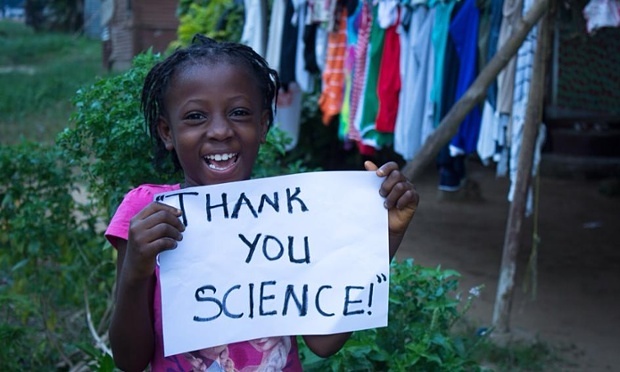
Strengthening of germplasm conservation by national agricultural research systems (NARS) and non-government organizations/ farmers’ organizations (NGOs/FOs)
Between 1995 and 1999, we ran 48 courses or on-the-job training opportunities in 14 countries and at IRRI headquarters in the Philippines. The training encompassed field collection and conservation, characterization, wild rice species, data management and documentation, genebank management, seed health, analysis of socioeconomic data, and molecular analysis of germplasm. And we trained more than 670 national program personnel. IRRI staff were involved in the management, coordination, and presentation of almost all the training activities.

However, the story doesn’t end there.

smc3_R.-Hamilton

Dr Ruaraidh Sackville Hamilton

While some gaps remain for germplasm collection and duplication of germplasm at IRRI, these issues have been taken up by my successor as head of the TT Chang Genetic Resources Center, Dr Ruaraidh Sackville Hamilton. Even so, the size of the International Rice Genebank Collection (IRGC) had increased by about 25% by 2000, not bad for a period when discussions in international fora (the CBD and the FAO Commission on Genetic Resources for Food and Agriculture) had put the brakes on germplasm sharing. Most of the national collections in Asia are now duplicated at IRRI, although some important Indian germplasm has never been duplicated, and I believe this remains the case still. The Africa Rice Center and IRRI have also cross-duplicated African germplasm, but I don’t have the latest information on this nor on the status with the International Center for Tropical Agriculture (CIAT) in Cali, Colombia.

Since the biodiversity project ended, the International Treaty mentioned earlier has also come into force and rice is one of the important crops specifically covered by that treaty.

To ensure the long-term conservation of rice germplasm at IRRI, there was a significant investment during the early 1990s to refurbish and upgrade the genebank as well as enhancing the actual conservation procedures followed. In recent years another sub-zero storage vault for long-term conservation was added to the genebank.

When I joined IRRI as head of the Genetic Resources Center in 1991 there was already in place an agreement with the USDA-ARS National Center for Genetic Resources Preservation for the ‘black box’ safety duplication of the entire IRRI collection – and that continues today.

In February 2008 a significant dimension was added to global crop germplasm conservation efforts with the opening of the Svalbard Global Seed Vault under the auspices of the Global Crop Diversity Trust (and the Government of Norway) – photos courtesy of the Global Crop Diversity Trust.

The whole IRRI collection – including those samples collected during the SDC-funded project – are now safely sitting under the permafrost in Spitsbergen, inside the Arctic Circle.

In this video, you can see genebank staff at IRRI preparing all the seed samples to send to Svalbard.

And in the next video, the late Professor Wangari Maathai (Nobel Peace Prize Laureate in 2004 and at that time a Board Member of the Global Crop Diversity Trust) and the Prime Minister of Norway, H.E. Mr Jens Stoltenberg carry the first box of germplasm – from IRRI no less – into the seed vault.

The work to safeguard rice biodiversity is never-ending. But a great deal has been achieved. Being part of a global network of genebanks – some in several Asian countries focusing specifically on rice  – IRRI’s contribution is extremely important.

20100211020

The broad genetic diversity of rice and its wild relatives is safe for the future, and I’m very proud to have played my part in that effort.

Food for the soul . . .

The British are a nation of gardeners. And as the memories of Winter fade (although still hanging on from day to day), and Spring exerts her influence daily, it is really wonderful to see all the gardens coming into bloom. Each day there is something new to see. The fine display of snowdrops and crocuses has been over for a few weeks now, but soon all the daffodils will be in flower, their golden trumpets nodding in the breeze of a typical March day. Then they will be followed by tulips in all their glory – my favorite Spring flowers. I’ve already seen primroses during my daily constitutional, and oxslips are now opening in our garden. These floral displays are surely food for the soul, and it’s no coincidence that I made the decision, several decades ago, to become a professional botanist.

Each year, many new flower varieties are released for everyone to admire and enjoy in their own gardens. Just look at this exquisite display of daffodil varieties that I photographed at the Chelsea Flower Show a couple of years ago.

Nevertheless, plant enthusiasts always seem to want what the natural world doesn’t easily give them: the red delphinium, the blue rose, the black tulip, and even a yellow sweetpea (Lathyrus odoratus).

Although many if not most delphiniums are that beautiful blue, red-flowered varieties are now quite common. Plant breeders must have searched for ‘red’ genes in related species. Black tulips have been around for centuries. However, a really deep blue rose remains elusive. The so-called ‘blue’ roses are but a pale imitation of blue, more a pale mauve.

Sweet_Pea-01But a yellow sweetpea (Lathyrus odoratus)? From images I’ve viewed on the web, many are not true sweetpeas but other species of Lathyrus. It seems, however, that some creamy-yellow varieties have been developed, although a deep yellow one has not yet been produced that I could sniff out. Most are are white, red, pink, blue, or purple, and shades in between, and most of the varieties on the market have large, blousy and delicately fragrant blooms.

In the 1980s, when I was working at the University of Birmingham, a Malaysian student of mine, Dr Abdul bin Ghani Yunus, made a study of Lathyrus sativus, a common food grain legume in several parts of the world, particularly India and Ethiopia. It’s a so-called ‘ famine legume’, known commonly as khesari dahl, as it can survive and produce seeds under conditions where other crops fail. But it has an important major drawback: the seeds contain a neurotoxin, which can cause an irreversible paralysis if consumed without proper preparation of the seeds before cooking.

Our research was not, I hasten to add, concerned with producing a safer variety – although these have now been developed by a number of research institutes. Rather, we wanted to try and understand the origin of this crop species, and its relationships with other Lathyrus species. And to do that, we assembled a large number of seed samples of as many Lathyrus species as we could obtain from research institutes and botanical gardens around the world.

Ghani’s doctoral thesis focused on the biosystematics of Lathyrus sativus, and included making crosses with several species with yellow flowers [1]. And I still don’t know how it came about, but I was approached by someone from a ‘local’ sweetpea society who asked if we could attempt crosses between these yellow-flowered species and the sweetpea. We did make a few crosses, all unsuccessful I’m sorry to say, but we didn’t have the time or the resources to translate this hobby approach into a meaningful hybridization exercise. I’ve often wondered whether sweetpea breeders ever followed up on what we attempted three decades ago. If they did, I assume they had as little success as Ghani and I did using the yellow Lathyrus types, all of which had rather small flowers.

Breeders of food plants aim to produce healthier, more disease and pest resistant types, resilient to climate change, with better nutritional qualities, and higher yielding. Their aim is to sustain agricultural productivity, and ensure we have enough food to fill our stomachs.

Flower breeders also look for healthier and disease resistant varieties. But they also aim to produce new forms with brighter colours, bigger blooms, and more fragrant where possible, and as such, they are breeding plants as ‘food for the soul’. Just look at what the flower breeders have done in recent years. Aren’t we fortunate?

[1] Yunus, A.G. & M.T. Jackson, 1991. The gene pools of the grasspea (Lathyrus sativus L.). Plant Breeding 106, 319-328.

The humble spud

Humble? Boiled, mashed, fried, roast, chipped or prepared in many other ways, the potato is surely the King of Vegetables. And for 20 years in the 1970s and 80s, potatoes were the focus of my own research.

The potato (Solanum tuberosum) has something scientifically for everyone: the taxonomist or someone interested in crop diversity, geneticist or molecular biologist, breeder, agronomist, plant pathologist or entomologist, seed production specialist, biotechnologist, or social scientist. So many challenges – so many opportunities, especially since many potatoes are polyploids; that is, they have multiple sets of chromosomes, from 2x=24 to 6x=72.

MTJ collecting cultivated potatoes in 1974Much of my own work – both in the Andes of Peru in the early 70s and once I was back in Birmingham during the 80s – focused on potato genetic resources, understanding the evolutionary dynamics of speciation, and the distribution and breeding value of wild potatoes.

If you’re interested in species diversity, then the potato is the crop for you. In South America there are many indigenous varieties integral to local farming systems at high altitude. Grown alongside other crops such as oca (Oxalis tuberosa) and other Andean tubers of limited distribution, quinoa, and introduced crops such as barley and faba bean (that must have been brought to South America by the Spanish in the 16th century and afterwards). In a recent series on BBC TV (The Inca – Masters of the Cloud), archaeologist and South American expert Dr Jago Cooper repeatedly talked about the wonders of Incan agriculture as one of the foundations of that society yet, disappointingly chose not to illustrate anything of indigenous agriculture today. Farmers still grow potatoes and other crops on the exactly the same terraces that the Incas constructed hundreds of years ago (see my post about Cuyo Cuyo, for example). The continued cultivation of native potato varieties today is a living link with the Incas.

Native varieties of potato from Peru

Native cultivated potatoes are found throughout the Andes from Colombia and Venezuela in the north, south through Ecuador, Peru, Bolivia and Chile, and into northern Argentina. One of the main centres of diversity lies in the region of Lake Titicaca that straddles the border between Peru and Bolivia.

Another important centre of diversity is in the island of Chiloé , southeast of Puerto Montt, a well-known potato growing region of Chile.

The wild tuber-bearing Solanums have a much wider distribution, from the USA south through Mexico and Central America, and widely in South America. And from the coast of Peru to over 4000 m in the high Andes. They certainly have a wide ecological range. But how many wild species are there? Well, it depends who you follow, taxonomy-wise.

SM Bukasob

SM Bukasov

Some of the earliest studies (in the 1930s) were made by Russian potato experts SM Bukasov and SV Juzepczuk, contemporaries of the great geneticist and plant breeder, Nikolai I Vavilov.

In 1938, a young Cambridge graduate, Jack Hawkes (on the left below), visited the Soviet Union to meet with Bukasov (and Vavilov) as he would soon be joining a year-long expedition to the Americas to collect wild and cultivated potatoes. His PhD thesis (under the supervision of Sir Redcliffe Salaman) was one of the first taxonomies of wild potatoes. By 1963, Hawkes had published a second edition of A Revision of the Tuber-Bearing Solanums. By 1990 [1] the number of wild species that he recognized had increased to 228 and seven cultivated ones. Hawkes (and his Danish colleague Peter Hjerting) focused much of their effort on the wild potatoes of the southern cone countries (Argentina, Brazil, Paraguay and Uruguay) [2] and Bolivia [3]. Working at the National Agrarian University and the International Potato Center (CIP) in La Molina, Lima, Peru, potato breeder and taxonomist Carlos Ochoa (on the right below) spent several decades exploring the Andes of his native country, and discovered many new species. But he also produced monographs on the potatoes of Bolivia [4] and Peru [5].
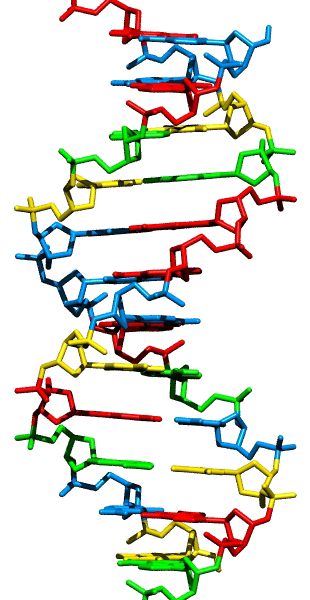
Both Hawkes and Ochoa – rivals to some extent – primarily used plant morphology to differentiate the species they described or recognized, but also using the tools of biosystematics (crossing experiments) and a detailed knowledge of species distributions and ecology.

MTJ and JGH collecting wild potatoes

March 1975, somewhere above Canta in Lima Province. Probably a small population of Solanum multidissectum = S. candolleanum (that now includes S. bukasovii)

I made only one short collecting trip with Jack Hawkes, in March 1975 just before I returned to Birmingham to defend my PhD thesis. Travelling in the Andes between Cerro de Paso, Huanuco and Lima, at one point he asked me to stop our vehicle. “There are wild potatoes near here,” he told me. “To be specific, I think we’ll find Solanum bukasovii”. And within minutes, he had. That’s because Jack had a real feel for the ecology of wild potatoes; he could almost smell them out. I’m sure Carlos Ochoa was just the same, if not more so.

Spooner_David_hs10_9951

David Spooner

The potato taxonomist’s mantle was taken up in the early 1990s by USDA Agricultural Research Service professor David Spooner at the University of Wisconsin. Over two decades, and many field expeditions, he has published an impressive number of papers on potato biology. More importantly, he added molecular analyses to arrive at a comprehensive revision and understanding of the diversity of the tuber-bearing Solanums. In fact, in December 2014, Spooner and his co-authors published one of the most important papers on the biodiversity of wild and cultivated potatoes, recognizing just 107 wild and four cultivated species [6]. For anyone interested in crop evolution and systematics, and potatoes in particular, I thoroughly recommend you take the time to look at their paper (available as a PDF file).


~~~~~~~~~~~~~~~~~~~~~~~~~~~~~~~~~~
[1] Hawkes, JG. 1990. The Potato – Evolution, Biodiversity and Genetic Resources. Belhaven Press, London.
[2] Hawkes, JG & JP Hjerting. 1969. The Potatoes of Argentina, Brazil, Paraguay, and Uruguay – A Biosystematic Study. Annals of Botany Memoirs No. 3, Clarendon Press, Oxford.
[3] Hawkes, JG & JP Hjerting. 1989. The Potatoes of Bolivia – Their Breeding Value and Evolutionary Relationships. Clarendon Press, Oxford.
[4] Ochoa, CM. 1990. The Potatoes of South America: Bolivia. Cambridge University Press.
[5] Ochoa, CM. 2004. The Potatoes of South America: Peru. Part 1. The Wild Species. International Potato Center, Lima, Peru.
[6] Spooner, DM, M Ghislain, R Simon, SH Jansky & T Gavrilenko. 2014. Systematics, diversity, genetics, and evolution of wild and cultivated potatoes. Bot. Rev. 80:283–383
DOI 10.1007/s12229-014-9146-y.


1989: the plant genetic resources course at Birmingham celebrates 20 years

In September 1969, the first ever one-year course on plant genetic resources conservation and use (leading to the graduate Master of Science degree) was launched at the University of Birmingham, in the Department of Botany. It was the brainchild of Professor Jack Hawkes, an internationally-renowned potato taxonomist, and one of the leading lights in the 1960s of the emerging genetic resources conservation movement.

Twenty years on, and Brian Ford-Lloyd and I wrote a short article for some newsletter or other – unfortunately I didn’t keep a record of which one. I think everyone was surprised that the course was still going strong and attracting many students. After all, Sir Otto Frankel had told Jack Hawkes in 1968 or thereabouts that the course would meet its demand within 20 years.

In September 1989, to mark the 20th anniversary of the course’s foundation and the first intake of students, the International Board for Plant Genetic Resources¹ (IBPGR) sponsored a refresher course of about three weeks for a small number of students at Birmingham and at IBPGR headquarters in Rome, Italy. During the Birmingham component, the participants also visited the Welsh Plant Breeding Station² in Aberystwyth, the Vegetable Genebank³ at the National Vegetable Research Station, Wellesbourne, and the Royal Botanic Gardens – Kew at Wakehurst Place in Sussex.

L to R: Elizabeth Acheampong (Ghana), ?? (Indonesia), Trevor Williams, Gordana Radovic (Yugoslavia), Zofia Bulinska-Radomska (Poland), Singh (India), Carlos Arbizu (Peru), Carlos Carpio (Philippines), EN Seme (Kenya), Andrea Clausen (Argentina), Songkran Chitrakong (Thailand), Joseph Okello ? (Uganda)

To mark the occasion, a rather rare medlar tree (Mespilus germanica) was planted during a special ceremony attended by several university dignitaries as well as Professor Hawkes as the first course director, and Professor Jim Callow who became head of the Department of Plant Biology (formerly Department of Botany) and Mason Professor of Botany, and the second course director  in 1982 after Hawkes’ retirement. IBPGR Director Professor Trevor Williams (formerly the MSc course tutor at Birmingham before his move to Rome in the late 1970s) was another of the honored guests.

And that same evening, the Dean of Science at that time, Professor George Morrison hosted a dinner to celebrate the MSc Course attended by course staff and past students.

L to R: Ray Smallman, Trevor Williams, Jack Hawkes, Jim Callow, George Morrison

L to R: Jack Hawkes, Jim Callow, George Morrison, Mike Jackson, Ray Smallman, Trevor Williams

L to R: Mike Lawrence (staff), Singh (India), Joseph Okello (Uganda), Richard Lester (staff), Zofia Bulinska-Radomska (Poland)

L to R: Brian Ford-Lloyd (course tutor), Elizabeth Acheampong (Ghana), John Newbury (staff), Gordana Radovic (Yugoslavia), Dave Marshall (staff), Carlos Carpio (Philippines), Songkran Chitrakon (Thailand)

L to R: Andrea Clausen (Argentina), Dave Astley (Vegetable Genebank, Wellesbourne), Carlos Arbizu (Peru), ??, EN Seme (Kenya), Mike Kearsey (staff)

In 1996 there was another get-together of PGR students who had passed through Birmingham over the previous 27 years, including someone from the very first intake in 1969, Mr Trevor Sykes from Canada. I was a member of the second intake in September 1970. But this get-together had not been arranged. We had come together at the FAO International Technical Conference on Plant Genetic Resources in Leipzig, Germany. Most were members – leaders even – of national delegations to the conference. Thus was the impact – and continuing impact – of this important training course conducted over more than 30 years at the University of Birmingham.

Birmingham PGR students from Birmingham at the Leipzig conference in 1996. Trevor Sykes (class of 1969) is wearing the red tie, in the middle of the front row, standing next to Andrea Clausen (Argentina) on his left.

Birmingham PGR students at the Leipzig conference in 1996. Trevor Sykes (class of 1969) is wearing the red tie, in the middle of the front row, standing next to Andrea Clausen (Argentina) on his left.

Front row, L to R: Quat Ng (IITA [Malaysia]); Elizabeth Acheampong (Ghana); Rashid Anwar ? (Pakistan); Ayfer Tan (Turkey); Eliseu Bettencourt (Portugal); Trevor Sykes (Canada-UK); Andrea Clausen (Argentina); Athena Della (Cyprus); Rosa Kambuou (Papua New Guinea); Lyndsey Withers (IPGRI [UK – taught in vitro conservation]); Elizabeth Matos (Angola [UK]); Nestor Altoveros (Philippines).

Second row, L to R: Jane Toll (IPGRI [UK]); Franck Attere (IPGRI [Benin]); KPS Chandel (India); Jean Hanson (ILRI [UK]); Herta Kolberg (Namibia); George Ayad (IPGRI [Egypt]); Eltahir Mohamed (Sudan); Samuel Bennett-Lartey (Ghana); Ladislav Dotlacil (Czech Republic); Albert Cox (Gambia); Joseph Okello (Uganda); Mike Jackson (IRRI [UK]); Didier Balma (Burkina Faso); Unknown; Stephen Smith (Pioneer Hi-Bred International Inc. [UK]); Jean-Marie Fondoun (Cameroon); Lázló Holly (Hungary); Mahamadou Ibrahim ? (Niger); Wilson Marandu (Tanzania); Geoff Hawtin (IPGRI – Director General [UK]); EN Seme (Kenya); Luis Gusmão (Portugal).

Missing: Raul Castillo (Ecuador) and Zofia Bulinska-Radomska (Poland) – who were working on a draft document when I had organized this photo opportunity.

~~~~~~~~~~~~~~~~~~~~~~~~~~~~~~~~~~~~~

¹ IBPGR became the International Plant Genetic Resources Institute (IPGRI) in October 1991. In 2006, IPGRI merged with the International Network for Bananas and Plantains (INIBAP) to form Bioversity International.
² Now part of the Institute of Biological, Environmental and Rural Sciences at Aberystwyth University.
³ Now the Genetic Resources Unit at the Warwick Crop Centre, University of Warwick.

Chilling in Los Baños . . .

For the past week I have been at the headquarters of the International Rice Research Institute (IRRI) in Los Baños in the Philippines, where I worked for almost 19 years until my retirement in April 2010. I had to attend two meetings in preparation for the 4th International Rice Congress (IRC2014) that will be held at the end of October in Bangkok, Thailand. The first meeting, from Monday to Wednesday, was the SciCom Exec to finalize the content and structure of the scientific conference. The IRC2014 Organizing Committee met on Thursday and Friday. We were kept busy from morning to night, although there were opportunities for some social gatherings, and I also took full advantage of staying in IRRI’s Guesthouse to enjoy the nearby swimming pool every morning at 6 am.

But I’m getting ahead of myself. My journey began on Friday 8 August, traveling on Emirates Airlines from Birmingham to Manila via Dubai (BHX-DXB-MNL). There were minimal delays at BHX, and we landed more or less on time in DXB around midnight local time.

The stopover was about three hours, and by the time I’d cleared security, checked out Duty Free, and made my way to the EK lounge in Terminal 3, there wasn’t too long to wait before we were boarding the next flight to Manila. That wasn’t a good flight. It was comfortable enough, but there was turbulence the whole flight – not severe by any stretch of the imagination, except for the occasional sharp bump – and just persistent enough to prevent me from settling. Added to that, a large gentleman across the aisle from me settled to sleep immediately after take-off from DXB, and snored the whole way to Manila! After landing in Manila NAIA Terminal 1, I had passed through immigration and customs in less than 20 minutes, but traffic congestion around the airport (it was around 5:15 pm on Saturday), and during the 65 km drive to Los Baños, delayed our arrival at the Guesthouse until almost 8 pm.

Meeting old friends
Despite the busy schedule of meetings, I was able to catch up with the many old friends at IRRI. I was given an office in my former DPPC unit, now called DRPC.

On Tuesday night I was treated to dinner at Sulyap Gallery Café and Restaurant in San Pablo, about 10 km south of Los Baños. And we had a lovely evening: great company, great food. What more can you ask for?

L to R: Eric, Zeny, me, Vel, Corints and Yeyet

L to R: Eric, Zeny, me, Vel, Corints and Yeyet

On Wednesday, Yeyet and her husband Christian took me out to dinner in Los Baños. They were married in March, and had invited me to be one of their sponsors or ninong. Of course I wasn’t able to travel then, but I did send a short video message that was played during the wedding reception. It was a complete surprise to everyone (except Vel with whom I’d made the arrangements to receive and show the video).

On Thursday and Friday nights the IRC2014 committees got together to relax.

Checking out the genebank
Our meetings finished by Friday lunchtime, so I took advantage of some ‘free’ time in the afternoon to visit the International Rice Genebank in the TT Chang Genetic Resources Center, and meet my former staff and colleagues.

Now the genebank is really the only place in Los Baños where you can chill out. The Active Collection is kept around 2-3C, but the Base Collection is maintained at a decidedly frosty -18C. Since I left IRRI in 2010, a new and much larger cold room to house the Base Collection was added to the genebank infrastructure, with funding from the World Bank. Seeds are still stored in vacuum-sealed aluminium cans, but nowadays, everything is neatly bar-coded. (I was even shown a new tablet-based scoring system, complete with photos and descriptions, for germplasm characterization).

Despite the fact that I had responsibility for the genebank for a decade from 1991, and obviously it’s my ‘baby’, I’m immensely proud of the staff and their conscientious attitude in conserving this extremely important germplasm collection.

Out and about on the farm – Typhoon Glenda
This morning (Sunday) I decided to take a tour of the IRRI Experiment Station, not only to see all the various rice breeding plots and experiments, but to visit the wild species screenhouses on the Upland Farm, and see what damage the recent Typhoon Glenda had caused.

‘You can take the man out of IRRI, but you can’t take IRRI out of the man’. Wandering around the farm, looking at all the fields and labs where I worked for almost 19 years it was hard not to feel really nostalgic. But when I visited IRRI last November, it was almost 4 years then since I had retired and I had been away long enough to have made ‘the separation’. Nevertheless, IRRI and its work has become part of my DNA, and I really do get a thrill wandering through the fields. Rice breeding and science is a numbers game, and IRRI plays that game to the highest proficiency. The field plots are immaculate, and surprisingly so considering the severity of Typhoon Glenda which apparently hung around the Los Baños area for more than 6 hours. There must have been some extremely turbulent vortices to have caused the damage that it did, although this time, there was little if no rain damage. Typhoon Glenda was a ‘dry’ typhoon compared to many.

An Iranian feast
On Sunday evening, I met up with an old friend and former staff member, Bita, who now works for Accenture in Manila. Bita is originally from Iran, but moved to the Philippines when she was eleven. Both her parents are rice scientists. So Bita grew up in Los Baños, went to UPLB, married and had four lovely children, and has now opened an authentic Iranian restaurant in Los Baños called Everyday Kabab.

I had a lovely meal of dips and naan bread (check out Bita’s garlic and yoghurt dip) followed by chicken and beef kababs, prepared using Bita’s secret recipe. She also serves a traditional cherry drink from Iran; it’s neither sweet nor sour, but very refreshing. And Everyday Kabab is growing in popularity among the LB community – it certainly began to fill up while I was there.

And finally, another surprise . . . 
Once we’d finished early on Friday afternoon and I left GRC, I returned to the Guesthouse for some rest, and to work in a more comfortable location. At least I could wear shorts and a T-shirt. But I hadn’t been in my room much more than 30 minutes when the phone rang, and to my surprise, it was Lilia Tolibas, our helper who worked for us for 18 years. Although working mostly in Manila these days, Lilia still has family ties in Los Baños, and had heard I was in town. And she came specially to see me.

We had a good chat for almost an hour, and it was then I heard about her misfortune during last November’s Typhoon Yolanda that hit her home town of Tacloban so badly. After we had left, she built a small house in Tacloban and moved many of her belongings there. But the tidal wave that hit the town destroyed her house, and sadly one of her sisters drowned. She works for the American Chamber of Commerce in Manila and they were quickly offering humanitarian relief. They found her family, and quickly also found her sister’s body who was given a decent burial, a dignity not afforded to so many victims. Lilia is still waiting for her compensation from the government from the humanitarian relief that so many countries donated. It’s a scandal that this is not being released to the victims and families.

Flying home . . .
Tomorrow night, Monday, my EK flight to DXB departs at 23:55 from the ‘new’ Terminal 3 at NAIA. I say ‘new’ advisedly since it was constructed almost a decade ago but, until now, had not be used by the major airlines. Emirates transferred to Terminal 3 last Friday. Let’s hope that this NAIA experience is far superior to many I’ve had out of the decrepit Terminal 1. I should be home in the UK by early afternoon on Tuesday.

A busy week, yes. Fruitful? Yes. Many things accomplished? Yes. Now it’s time to complete the final tasks and before we know it we’ll all be heading off to the congress in Bangkok at the end of October.

I’d rather have a bottle in front of me . . .

There are occasions, I hasten to add, when a frontal lobotomy might have been a better option.

I’m not a very good committee sort of person, and I have quite a low tolerance level for poorly planned and chaired meetings. A particular grouch of mine is an unrealistic agenda. I remember one meeting more than 15 years ago that had an agenda with 14 or more items for discussion. After almost three hours we’d only worked our way through a couple of these. I don’t think we ever did get back to some of the points – although they must have merited some attention having been included in the first place. Better for the meeting chair to seek endorsement of various options by email than wasting everyone’s time (and at what dollar cost) sitting around a table getting nowhere. It’s no wonder that some organizations have taken radical measures in the way they organize meetings – and who they invite. Oh, and woe betide a meeting convener who hadn’t organized coffee and cookies!

Some meetings also appear to challenge the very laws of physics: time stands still (or even seems to go backwards), while other meetings expand to fill the available time and space. Much better in my opinion, on many occasions, is simply to bring together a group of informed folks to carefully work up some options, and actually get something done than sitting around ‘democratically’ and interminably discussing pros and cons – and in many instances identifying just what isn’t possible. Frustrating!

Over the decades I’ve had to sit through my fair share of meetings that I wish someone else had been deputed to attend. Perhaps the most mind-numbingly depressing meetings were those of the FAO Commission on Genetic Resources for Food and Agriculture I often had to attend on behalf of IRRI in the 1990s. Having accepted a job offer at IRRI at the end of January 1991, I couldn’t actually join the institute until the beginning of July as I had teaching and examining commitments until then at the University of Birmingham. But in April 1991 IRRI asked me if I would travel to Rome and represent the institute at the Commission’s meeting that year. I’d only been to Rome once before, so was quite keen to visit again, as well as get a better perspective on what was happening in genetic resources internationally. After attending several more meetings during that decade, my enthusiasm quickly waned.

The Commission has just celebrated its 30th anniversary, and has (and I quote directly from its web site)  ‘. . . provided a unique intergovernmental forum to reach global consensus on policies relevant to biodiversity for food and agriculture. It has prepared global assessments, negotiated global plans of action, codes of conduct and other instruments relevant for the conservation and sustainable use of genetic resources for food and agriculture.’

No doubt. There have been achievements and agreements – but at what cost and at what pace? The Commission meets periodically – usually at FAO headquarters in Rome – to discuss and agree (and I use that word advisedly) policies relating to the management and use/exchange of genetic resources for food and agriculture.

Forum? Read ‘talking shop’, because that was what it felt like on many occasions, square brackets [  ] notwithstanding. It’s a wonder that anything is ever agreed in these international meetings when so many different perspectives, by country or even geopolitical blocks, ‘confront’ one another. In the early 1990s there was clearly an expectation among several countries that their genetic resources would make them rich. After all, this was the decade of the Convention on Biological Diversity that set frameworks for the exchange and use of biodiversity and the expected benefits that would stream therefrom.

Negotiation by committee. I don’t even recall how many years it took to agree a revised set of genebank standards, for example – something that you would never imagine, in a thousand years, could be controversial. Always detailed scrutiny of the draft language of any document/agreement in the five official languages of the United Nations (and the French always complaining that the English and French versions of drafts did not agree). And of course constant use of the famous square brackets – enclosing text that had yet to be agreed. Again, it fades into the mists of boredom how often I had to sit (as a mere observer) through discussions of [  ]-enclosed text. International diplomacy – don’t you just appreciate it? Get two lawyers in the same room and there’s trouble – and lawyers were prominent in many of the delegations of FAO members. While agreements were completed or policies approved, it always seemed like an eleventh hour thing, with discussions continuing late into the night before agreement was reached, and after what appeared earlier in the day as irreconcilable positions were overcome as one [  ] after another was removed.

And it was at these Commission meetings that I first thought that a frontal lobotomy might just be happy release. The two saving graces about the whole experience were the many opportunities of visiting and getting to know Rome, its sites and excellent restaurants; and some of the friendships I made with delegates to the Commission from around the world. Not all totally hopeless, after all.

Study botany and the world’s your oyster . . .

You bet!

Botany or banking? Is there really a serious choice? I saw a report last year in which botany graduates received higher initial salaries after graduation than many other professions, ranking third after medicine and dentistry, in the UK. That’s hard to believe really. Bankers might certainly reach for the giddy heights in terms of salary packages (and bonuses) but I’m sure that more botanists go to bed each night with a clearer conscience than bankers. And when was the last time you heard of a botanist being reviled by society at large? Well, perhaps if you are in the GM business . . . ?

Not convinced? Well let me tell you why. There is, however, a small caveat. It might be more appropriate to talk about ‘plant sciences’ in the widest sense, because many of the people I’ve met over the decades who do scientific research on and about plants didn’t necessarily study botany per se at university. I don’t think that diminishes my point, however. In the UK, I don’t think there’s a single botany department any longer in the university sector. They all morphed into ‘plant sciences’ or ‘plant biology’ (supposedly more appealing names) or became part of  biological sciences departments. If you were lucky there might be a ‘plants stream’. Botany appears to be in a healthier position in North America.

Plant scientists, it seems, are in great demand. And the traditional image of a botanist couldn’t be further from reality. Whether employed as molecular biologists, geneticists or biochemists (the distinctions are diminishing by the day), plant or crop physiologists, plant breeders, plant pathologists, ecologists, biodiversity and conservation specialists, or even taxonomists, there’s never been a greater need for people to study plants. After all, life on earth depends on plants. Where would we be if we could not successfully grow the crops needed for survival, to adapt to climate change, to keep one step ahead of evolving pathogens, or simply try and understand this wonderful world of ours and its glorious diversity?

Botany has been my ticket to a successful and fruitful career. It’s taken me to many countries in the Americas, Europe, Africa, Asia, and Oceania over four decades – as plant hunter, researcher, teacher, project manager, and speaker. I worked on two important plant species: potato (Solanum tuberosum) and rice (Oryza sativa) and their wild relatives as a taxonomist, germplasm expert, seed physiologist, agronomist, plant breeder, and plant pathologist. My work has been both lab and field based. What more could I have asked for? And I’ve worked with some inspiring colleagues who came to work on potatoes and rice – and other crops – through one avenue or another, not necessarily as botanists, but perhaps through an interest in and love of plants as part of agriculture.

I can’t deny that I have been fortunate – when opportunities arose I was well-placed to take advantage. I studied with some inspiring heavyweights in my chosen fields. But a love and study of plants has made me a happy person – on the whole.

I was out and about yesterday on one of my daily walks. It was a beautiful day, Spring was definitely in the air (at last), and the hedgerows were creeping back into life. In one spot, the bedstraws (Galium spp.) were in their first flush of new growth,  profusely spreading over the bank beside the road, and responding to milder days we have begun to experience recently (in any case it really has been a mild winter). And it was that sight that made me think back to my student days in the late 60s as an undergraduate at Southampton University. There were times when I did wonder if I’d ever use again some of things we were taught and how relevant they might become – like plant anatomy, for example. It’s interesting to know how important anatomy studies have become in the search for and development of a C4 rice to make its photosynthesis more efficient. Researchers at IRRI have studied the leaf anatomy of hundreds of samples of wild rice species, since C4 photosynthesis in plants is associated with the specialized Kranz anatomy.

As an undergraduate I took several plant ecology courses with Dr Joyce ‘Blossom’ Lambert who had worked on and discovered the origin of the Norfolk Broads in East Anglia, UK – not as natural lakes but flooded peat diggings abandoned by the 14th century. But once I’d discovered the ‘link’ between ecology and genetics, I was hooked, and that led to my focus on the conservation and use of plant genetic resources. The rest, as they say, is history . . . 

Something for your Christmas stocking – Plant Genetic Resources and Climate Change hits the shelves 11 December!

It’s taken just over two and half years, more than 2,400 emails, and many, many hours of editing. But Plant Genetic Resources and Climate Change, edited by myself, Brian Ford-Lloyd and Martin Parry will be published by CABI on 11 December.

Brian was first approached by CABI commissioning editor Vicki Bonham in April 2011. He was reluctant to take on the book by himself, but suggested to Vicki that the project would be feasible if he could persuade Martin and me to be co-editors. I was on vacation in the USA at the time, visiting the Grand Canyon and other locations in Arizona and New Mexico when Brian first contacted me about the possible project. Getting involved in a new book was the last thing on my mind.

The next steps were to produce an outline of the book and find authors whose arms we could twist to contribute a chapter. In the end the book has 16 chapters, as I have described elsewhere. Only two authors let us down and never completed a chapter before we met our deadline with CABI. The contract with CABI was signed in February 2012, and we submitted the final edited chapters by the end of March this year. After that things moved quite fast. We completed the review of page proofs by mid-September, and the figures a couple of weeks later. Early on we agreed I should take on the role of managing editor as I was the only one who was fully ‘retired’ at that time.

Martin Parry

And on Monday this week, David Porter (Books Marketing Manager at CABI) and his colleague Sarah Hilliar came up to Birmingham to video Brian and me (and two other authors, Nigel Maxted and Jeremy Pritchard of the University of Birmingham) for a short promotional video about the book. Unfortunately, Martin Parry was unable to join us.

So now the hard work is over and Plant Genetic Resources and Climate Change is about to be published. There are many interesting key messages, and the preface provides an excellent guide to the rest of the book.

Plant Genetic Resources and Climate Change: available mid-December 2013

Our new 16 chapter book on plant genetic resources has 34 contributors who agree that enhanced use of plant genetic resources is critically important for mitigating against the effects of climate change. The book reveals strong positive messages for the future, but also some substantial negative ones if improvements to conservation and the use of plant genetic resources for food and agriculture (PGRFA) by plant breeders do not happen soon.

Positive messages:

  • While the latest IPCC report (and Betts and Hawkins, Chapter 3) ‘confirms’ that climate change is a reality – and it will affect agriculture – already we can compare regions and see what the scale of the agricultural challenge is, and extrapolate to what will be the situation in the future (Parry, Chapter 4; Berry et al., Chapter 5).
  • Even though climate change will exacerbate the problem of food insecurity – and some of the poorest countries will be affected worst (Zeigler, Chapter 1) – the good news is that breeders are confident they will be able to produce the next generation of ‘climate-adapted crops’. To adapt crops to new climate conditions it is now universally agreed that breeders need access to sources of genetic diversity – and tools to use this diversity more efficiently and effectively. The good news is that major sources of genetic diversity are already conserved in ex situ genebanks.
  • It is also good news that it’s now possible through novel molecular and bioinformatic approaches to more carefully identify valuable genes and track their progress in breeding. New technologies – molecular and bioinformatic – should massively improve exploitation of PGRFA provided those resources still survive. Seed genebanks will lead to DNA sequence genebanks and then on to in silico genebanks and the creation of the ‘digital plant’ (McNally, Chapter 10) enabling the modelling of the ‘ideal plant’ for whatever conditions prevail.
  • Good news also is that breeders are already addressing climate change constraints and using germplasm for submergence, drought, salinity, heat, and pests and diseases, and making progress which gives optimism for the future (Chapters 12 to 16). Drought, submergence, heat and salinity are all environmental stresses that are likely to increase as a result of climate change. For example, rice has 25 related wild species, and 22 of these have already contributed genes to new stress tolerant varieties (Zeigler, Chapter 1).
  • We now have good evidence indicating that some plants in their natural environments can adapt genetically to changing conditions very rapidly – easily within 20 or 30 years and within the timescale of climate change. So as well as conservation in genebanks, plant genetic resources need to be conserved in situ in natural reserves (Maxted et al., Chapter 7) or on farms (Bellon and van Etten, Chapter 8) so that new genes can evolve and provide a greater armory against climate change than afforded just by germplasm ‘frozen’ in genebanks (Ford-Lloyd et al., Chapter 2).

Issue for concern:

  • International mechanisms are in place, through the International Treaty, for breeders to share germplasm for the benefit of society. But there are still political issues constraining the use of plant genetic resources currently conserved (Ford-Lloyd et al., Chapter 2). ‘Ready access’ to genetic resources has been jeopardized by the International Treaty. But, the International Treaty is the only instrument we have for allowing for the exchange and then use of PGRFA so we have to make the best of it (Moore and Hawtin, Chapter 6).

  • Enhanced use of PGRFA can help reduce the increasing risk of hunger predicted by climate change, but does not detract from the need to reduce or stabilize greenhouse gas emissions which would have the greatest effect on reduction of increasing world hunger (Parry, Chapter 4).

  • It is clear that up to now, use of PGRFA by breeders has been neither systematic nor comprehensive, and the vast majority of crop wild relatives remain untapped (Maxted et al., Chapter 7).

  • Critically, we know virtually nothing about how many landraces are currently being grown and fulfilling their potential for adapting to changes in the environment, so there is a need for a step change (Ford-Lloyd et al., Chapter 2).

  • As much as 20% of all plants, not just crop wild relatives, are now estimated to be threatened with extinction. Even within Europe substantial numbers of crop wild relatives are threatened or critically endangered in International Union for Conservation of Nature (IUCN) terms. However, it is the genetic diversity within species that is of greater value for crop improvement, and this diversity is almost certainly being lost (genetic erosion) at a much greater rate than the species themselves, and yet their conservation is far from sufficient (Maxted etal., Chapter 7).

  • Relatively few crop wild relatives (9%) are conserved in genebanks, and even fewer conserved in natural reserves. So, currently there is no guarantee that the genes we need for combating climate change will be available in newly adapted forms when we need them.

Would you like to purchase a copy? You can order online from CABI. When ordering from CABI online purchasers can use this code (CCPGRCC20) for a 20% discount off the retail price. The discount code is valid until 31 December 2013. The standard prices are £85.00, U5$160.00, or €11 0.00. The discounted prices are £68, $128, or €88 .

THE CONTRIBUTORS

Susan J. ARMSTRONG
Senior Lecturer, School of Biosciences, University of Birmingham, Edgbaston, Birmingham, B15 2TT, UK

Mauricio R. BELLON
Principal Scientist, Bioversity International, Via dei Tre Denari 472/a, Maccarese, Rome, Italy

Pam BERRY
Senior Research Fellow, Environmental Change Institute, University of Oxford, Dyson Perrins Building, South Parks Road, Oxford, OX1 3QY, UK

Richard A. BETTS
Professor and Head of the Climate Impacts, Met Office Hadley Centre, FitzRoy Road, Exeter, Devon EX1 3PB, UK

Helen BRAMLEY
Research Associate, Institute of Agriculture, The University of Western Australia, 35 Stirling Highway, Crawley, WA 6009, Australia

Joana Magos BREHM
Collaborator, Centre for Environmental Biology, University of Lisbon, Portugal and Research Assistant, School of Biosciences, University of Birmingham, Edgbaston, Birmingham, B15 2TT, UK

Colette BROEKGAARDEN
Postdoctoral Fellow, Wageningen UR Plant Breeding, PO Box 16, 6700 AJ Wageningen, The Netherlands

Salvatore CECCARELLI
Former Barley Breeder, International Center for Agricultural Research in the Dry Areas (ICARDA), Aleppo, Syria (now retired)

Maduraimuthu DJANAGUIRAMAN
Postdoctoral Research Associate, Department of Agronomy, 2004 Throckmorton Plant Science Center, Kansas State University, Manhattan, KS 66506, USA

Johannes M.M. ENGELS
Honorary Research Fellow, Bioversity International, Via dei Tre Denari 472/a, Maccarese, Rome, Italy

William ERSKINE
Professor and Director, International Centre for Plant Breeding Education and Research (ICPBER) and Centre for Legumes in Mediterranean Agriculture (CLIMA), The University of Western Australia, 35 Stirling Highway, Crawley WA 6009, Perth, Australia

Jacob van ETTEN
Theme Leader – Climate Change Adaptation, Bioversity International, Regional Office of the Americas, CIAT, Recta Cali – Palmira Km. 17, Palmira, Colombia

Brian FORD-LLOYD
Emeritus Professor, School of Biosciences, University of Birmingham, Edgbaston, Birmingham, B15 2TT, UK

Ed HAWKINS
NERC Advanced Research Fellow, National Centre for Atmospheric Science, Department of Meteorology, University of Reading, Earley Gate, PO Box 243, Reading, RG6 6BB, UK

Geoffrey HAWTIN
Former Director General, International Plant Genetic Resources Institute (IPGRI), Maccarese, Rome, Italy (now retired)

Abdelbagi M. ISMAIL
Principal Scientist – Plant Physiology, International Rice Research Institute (IRRI), DAPO 7777, Manila 1301, Philippines

Michael JACKSON
Former Head of the Genetic Resources Center and Director for Program Planning and Communications, International Rice Research Institute (IRRI), DAPO Box 7777, Manila 1301, Philippines (now retired)

Shelagh KELL
Research Fellow, School of Biosciences, University of Birmingham, Edgbaston, Birmingham, B15 2TT, UK

David J. MACKILL
Adjunct Professor, Department of Plant Sciences, University of California, Davis, CA 95616, USA and former Principal Scientist – Rice Breeding, International Rice Research Institute (IRRI), DAPO 7777, Manila 1301, Philippines

Al Imran MALIK
Research Associate, Centre for Legumes in Mediterranean Agriculture (CLIMA) and Institute of Agriculture, The University of Western Australia, 35 Stirling Highway, Crawley, WA 6009, Australia

Nigel MAXTED
Senior Lecturer in Genetic Conservation, School of Biosciences, University of Birmingham, Edgbaston, Birmingham, B15 2TT, UK

Kenneth L. McNALLY
Senior Scientist II – Molecular Genetics and Computational Biology, International Rice Research Institute (IRRI), DAPO Box 7777, Manila 1301, Philippines

Mary A. MGONJA
Principal Scientist and Program Leader (Genetic Resources Enhancement and Management), International Crops Research Institute for the Semi-Arid Tropics (ICRISAT), Regional Office for Eastern and Southern Africa, United Nations Avenue, World Agroforestry Centre, Gigiri PO Box 39063-00623, Nairobi, Kenya 

Samarendu MOHANTY
Head, Social Sciences Division, International Rice Research Institute (IRRI), DAPO Box 7777 Manila 1301, Philippines

Gerald MOORE
Former Legal Counsel, Food and Agriculture Organization of the United Nations (FAO), Rome, Italy (now retired)

Helen OUGHAM
Former Reader, Institute of Biological, Environmental and Rural Sciences, Aberystwyth University, Penglais, Aberystwyth, Ceredigion, SY23 3DA, UK(now retired)

Martin PARRY
Visiting Professor, Grantham Institute and Centre for Environmental Policy, Imperial College London, London, SW7 2AZ, UK

P.V. Vara PRASAD
Associate Professor and Director of K-State Center for Sorghum Improvement, Department of Agronomy, 2004 Throckmorton Plant Science Center, Kansas State University, Manhattan, KS 66506, USA

Jeremy PRITCHARD
Senior Lecturer and Head of Education,School of Biosciences, University of Birmingham, Edgbaston, Birmingham, B15 2TT, UK

Julian RAMIREZ-VILLEGAS
Doctoral Researcher, Institute for Climatic and Atmospheric Science (ICAS), School of Earth and Environment, University of Leeds, Leeds, UK, CGIAR Research Program on Climate Change, Agriculture and Food Security (CCAFS), Cali, Colombia, and International Center for Tropical Agriculture (CIAT), Cali, Colombia

Ian D. THOMAS
Research Scientist, Institute of Biological, Environmental and Rural Sciences, Aberystwyth University, Penglais, Aberystwyth, Ceredigion, SY23 3DA, UK

Hari D. UPADHYAYA
Principal Scientist, Assistant Research Program Director – Grain Legumes, and Head – Gene Bank, International Crops Research Institute for the Semi Arid Tropics (ICRISAT), Patancheru 502 324, Andhra Pradesh, India

Ben VOSMAN
Senior Scientist – Resistance Breeding, Wageningen UR Plant Breeding, PO Box 16, 6700 AJ Wageningen, The Netherlands

Robert S. ZEIGLER
Director General, International Rice Research Institute (IRRI), DAPO Box 7777, Manila 1301, Philippines

THE CHAPTERS

1. Food security, climate change and genetic resources
Robert S. Zeigler

2. Genetic resources and conservation challenges under the threat of climate change
Brian Ford-Lloyd, Johannes M.M. Engels and Michael Jackson

3. Climate projections
Richard A. Betts and Ed Hawkins

4. Effects of climate change on potential food production and risk of hunger
Martin Parry

5. Regional impacts of climate change on agriculture and the role of adaptation
Pam Berry, Julian Ramirez-Villegas, Helen Bramley, Samarandu Mohanty and Mary A. Mgonja

6. International mechanisms for conservation and use of genetic resources
Gerald Moore and Geoffrey Hawtin

7. Crop wild relatives and climate change
Nigel Maxted, Shelagh Kell and Joana Magos Brehm

8. Climate change and on-farm conservation of crop landraces in centres of diversity
Mauricio R. Bellon and Jacob van Etten

9. Germplasm databases and informatics
Helen Ougham and Ian D. Thomas

10. Exploring ‘omics’ of genetic resources to mitigate the effects of climate change
Kenneth L. McNally

11. Harnessing meiotic recombination for improved crop varieties
Susan J. Armstrong

12. High temperature stress
Maduraimuthu Djanaguiraman and P.V..Vara Prasad

13. Drought
Salvatore Ceccarelli

14. Salinity
William Erskine, Hari D. Upadhyaya and Al Imran Malik

15. Response to flooding: submergence tolerance in rice
Abdelbagi M. Ismail and David J. Mackill

16. Effects of climate change on plant-insect interactions and prospects for resistance breeding using genetic resources
Jeremy Pritchard, Colette Broekgaarden and Ben Vosman 

THE EDITORS

MICHAEL JACKSON retired from the International Rice Research Institute (IRRI) in 2010. For 10 years he was Head of the Genetic Resources Center, managing the International Rice Genebank, one of the world’s largest and most important genebanks. Then, for nine years, he was Director for Program Planning and Communications. He was also Adjunct Professor of Agronomy at the University of the Philippines-Los Baños. During the 1980s he was Lecturer in the School of Biological Sciences at the University of Birmingham, focusing on the conservation and use of plant genetic resources. From 1973-81 he worked at the International Potato Center, in Lima, Perú and in Costa Rica. He now works part-time as an independent agricultural research and planning consultant. He was appointed OBE in The Queen’s New Year’s Honours 2012, for services to international food science.

BRIAN FORD-LLOYD is Emeritus Professor of Conservation Genetics at the University of Birmingham, former Director of the University Graduate School, and former Deputy Head of the School of Biosciences. During his tenure as Director of the University Graduate School he aimed to ensure that doctoral researchers throughout the University were provided with the opportunity, training and facilities to undertake internationally valued research that would lead into excellent careers in the UK and overseas. He drew from his experience of having successfully supervised over 40 doctoral researchers from the UK and many other parts of the world in his chosen research area which included the study of the natural genetic variation in plant populations, and agricultural plant genetic resources and their conservation.

MARTIN PARRY is Visiting Professor at The Centre for Environmental Policy, Imperial College London, and also Visiting Research Fellow at The Grantham Institute at the same university. Until September 2008 he was Co-Chair of Working Group II (Impacts, Adaptation and Vulnerability), of the Intergovernmental Panel on Climate Change (IPCC) based at the Hadley Centre for Climate Prediction and Research, UK Meteorological Office. Previously he was Director of the Jackson Environment Institute (JEI), and Professor of Environmental Science at the University of East Anglia (1999-2002); Director of the JEI and Professor of Environmental Management at University College London (1994-99); foundation Director of the Environmental Change Institute and Professor of Geography at the University of Oxford (1991-94); and Professor of Geography at the University of Birmingham (1989-91). He was appointed OBE in The Queen’s New Year’s Honours 1998, for services to the environment and climate change.

The beauty (and wonder) of diversity

June 1815. British and allied troops muster in Brussels (then part of the United Netherlands) as the Duke of Wellington prepares to meet Napoleon at the Battle of Waterloo.

The troops are in good spirits, the social life of high society thrives, even as troops march to the front, with officers being called away to their regiments from the Duchess of Richmond’s Ball on the eve of the battle. The weather is fine, although it would deteriorate dramatically over the course of the battle in the next day or so.

Arriving in Belgium, one soldier commented on the productivity of  the local agriculture: I could not help remarking the cornfields today . . . they had (as I thought) a much finer appearance than I had seen in England, the rye in particular, it stood from six to seven feet high, and nearly all fields had high banks around them as if intended to let water in and out, or to keep water out altogether – but the rich appearance of the country cannot fail to attract attention.

Another cavalry officer wrote: I never saw such corn [probably referring to wheat] 9 or 10 feet high in some fields, and such quantities of it. I only wonder how half of it is ever consumed.

These are among the many contemporary commentaries in Nick Foulkes’ entertaining account of the social build-up to Waterloo. So what does all this have to do with the beauty (and wonder) of diversity?

Landrace varieties
Well, they are actual descriptions, almost 200 years old, of the cereal varieties being grown in the vicinity of Brussels.  Once upon a time, not too long ago before plant breeding started to stir up genetic pools, all our crops were like those described by soldiers off to fight Boney. We often refer to them as farmer, traditional or landrace varieties which have not been subjected to any formal plant breeding. You also hear the terms ‘heritage’ or ‘heirloom’ varieties, especially for vegetables and the like. Landrace varieties are highly valued in farming systems around the world – and the basis of food security for many farmers who grow them. However, in many others they have been replaced by highly-bred and higher yielding varieties that respond to inorganic fertilizers. The Green Revolution varieties released from the 1970s onwards, such as the dwarf wheat and rice varieties championed by pioneers such as Dr Norman Borlaug, bought time when the world faced starvation in some countries.

Now I’ve been in the business of studying the diversity of crops and their wild relatives almost all my professional life: describing it; assessing its genetic value and potential; and making sure that all this genetic treasure is available for future generations through conservation in genebanks.

The nature of diversity
But it wasn’t until the early 20th century – with the work of  Nikolai Vavilov and his Russian colleagues, and others that followed in their footsteps – that we really began to understand the nature and geographical distribution of diversity in crops. Today, we’ve gone the next step, by unraveling the secrets of diversity at the molecular level.

This diversity has its genetic basis of course, but there is an environmental component, as well as the important interaction of genes and environment. And I’m using a wide definition of ‘environment’ – not just the physical environment (which we think of in terms of growing conditions governed by geography, altitude, soil and climate) but also the pest and disease environment in which crops (and their wild relatives) evolved and were selected by farmers over centuries to better fit their farming systems. Landrace varieties that are still grown today in some parts of the world (or conserved in genetic resources collections) are extremely important sources of genes for adaptation to a changing climate for instance, or resistance to pests and diseases, as we have highlighted in our forthcoming book.

My own work on potatoes, rice and different grain legumes aimed to understand their patterns and origins of diversity, as well as the breeding systems which molded and released that diversity. I’ve been fortunate to have the great opportunity of working with or meeting many of the pioneers of the genetic resources movement, as I have described in other posts in this blog. But at the beginning of my career I became interested in studying crop diversity after reading the scientific papers of a group of botanists, Jens Clausen, David Keck and William Hiesey at Stanford University  (and others in Europe) who undertook research to understand patterns of variation in different plant species and its genetic and physiological underpinning.

These Californian pioneers studied several plant species found across California (including Achillea spp. and Potentilla spp.), from the coast to the high sierra, and planted seeds from each of the populations in different experiment stations or ‘experimental gardens’ as they came to be known. They described and determined the physiological and climatic responses in these species – and the genetic basis – of their adaptation to the different environments. The same species even had recognizable morphological variants typical of different habitats.

Experimental gardens established by Clausen Keck and Hiesey at three sites across California to study variation in plant species.

Interesting research has also been carried out in the UK on the tolerance of grasses to heavy metals on mine spoil heaps. Population differentiation occurs within very short distances even though there may be no morphological differences between tolerant and non-tolerant forms. Researchers from Aberystwyth have collected grasses all over Europe and have found locally-adapted forms in rye grass (Lolium) for example, which have been used to improve pasture grasses for British agriculture. But such differences in these and many other crops can often only be identified following cultivation in field trials where the variation patterns can be compared under the same growing conditions (following the principles and methods established by Clausen and his co-workers), and the data analysed using the appropriate statistical tests.

I began my work on genetic resources in 1970. I quickly realized that this was the area of plant science that was going to suit me. If I wasn’t already hooked before I moved to Peru, my work there at CIP on potato landrace varieties in the Andes (where the potato originated) convinced me I’d made the right decision. The obvious differences between crop varieties are most often seen in those parts of the plant which we eat – the tubers, seeds and the like, the parts which have probably undergone most selection by humans, for the biggest, the tastiest, the sweetest, the best yielder. Other traits that adapt a variety to its environment are more subject to natural selection.

Patterns of diversity are so different from one crop species to another. In potatoes it’s as though a peacock were showing off for its mate – you can hardly miss it, with the colorful range of tuber shapes but also including differences in the color of the tuber flesh. Modern varieties are positively boring in comparison. Who wouldn’t enjoy a plate of purple french fries, or a yellow potato in a typical Peruvian dish like papa a la huancaina. Such exuberant diversity is also seen in maize cobs, in beans, and the squashes beloved of Americans for their Halloween and Thanksgiving displays.

Many of the other cereals, such as wheat, barley, and rice are much more subdued in their diversity. It’s much more subtle – it doesn’t hit you between the eyes like potatoes – such as the arrangement of the individual grains, bearded or not, and color, of course. When I first started work with rice landraces in 1991, I was a little disappointed about the variation patterns of this important crop. Little did I know or realize. Comparing just a small sample of the 110,000 varieties in the IRRI genebank collection side-by-side it was much easier to appreciate the breadth of their diversity, in growing period, in height, in form and color, as I have shown in the video included in another post. Just check the field plantings of rice landrace varieties from minute 02:45 in the video. Now there are color differences between the various grains, which most people never see because they purchase their rice after it has been milled.

From a crop improvement point of view, this easily observable diversity is less important. It’s the diversity for yield, for resistance to pests and diseases, and the ability to grow under a wide range of conditions – drought, submergence, increased salinity – that plant breeders seek to use. And that’s why the worldwide efforts to collect and conserve this diversity – the genetic resources being both crop varieties and their related wild species – is so important. I was privileged to lead one of the major genetic resources programs at the International Rice Research Institute in the Philippines for 10 years. But the diversity programs of the other centers of the CGIAR collectively represent one of the world’s most important genetic resources initiatives. Now the Global Crop Diversity Trust (which has recently moved its headquarters from Rome to Bonn in Germany) is not only providing some global leadership and involving many countries that are depositing germplasm in the Svalbard Global Seed Vault, but also providing financial support to place germplasm conservation on a sustainable basis.

Crop diversity is wonderful to admire, but it’s so much more important to study and use it for the benefit of society. I spent almost 40 years doing this, and I don’t have any regrets at all that my career moved in this direction. Not only did I get to do something I really enjoyed, I met some incredible scientists all over the world.