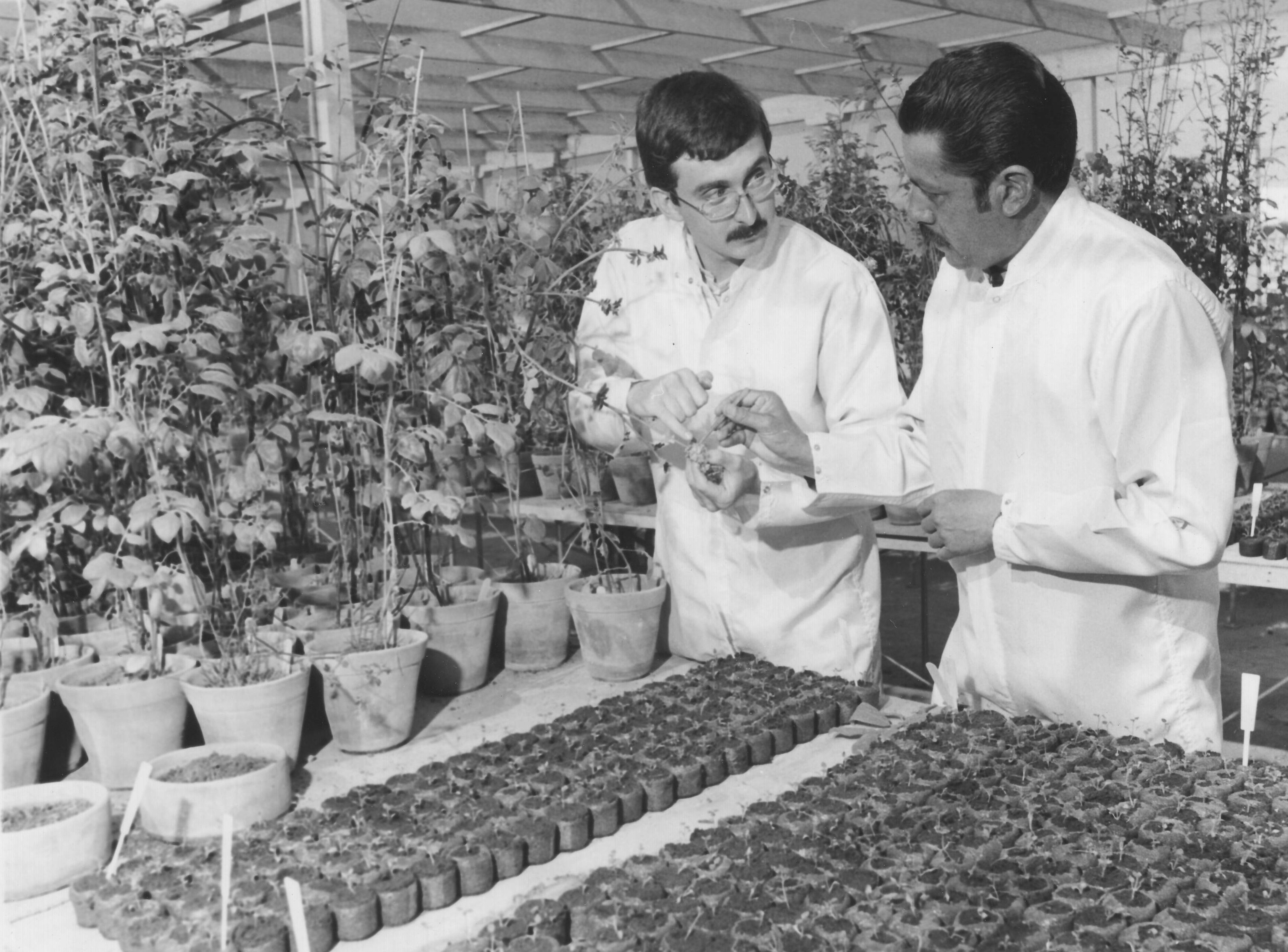
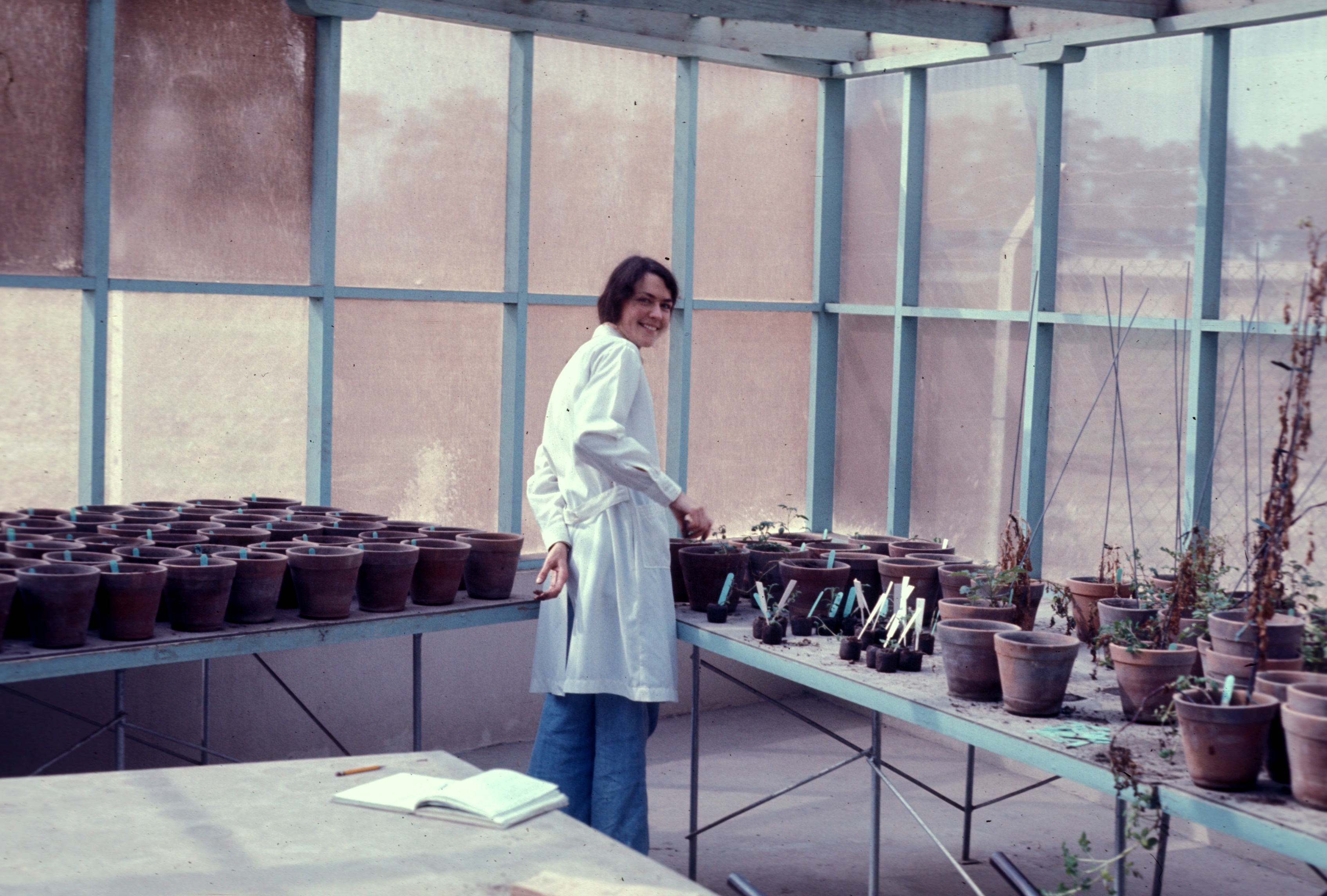
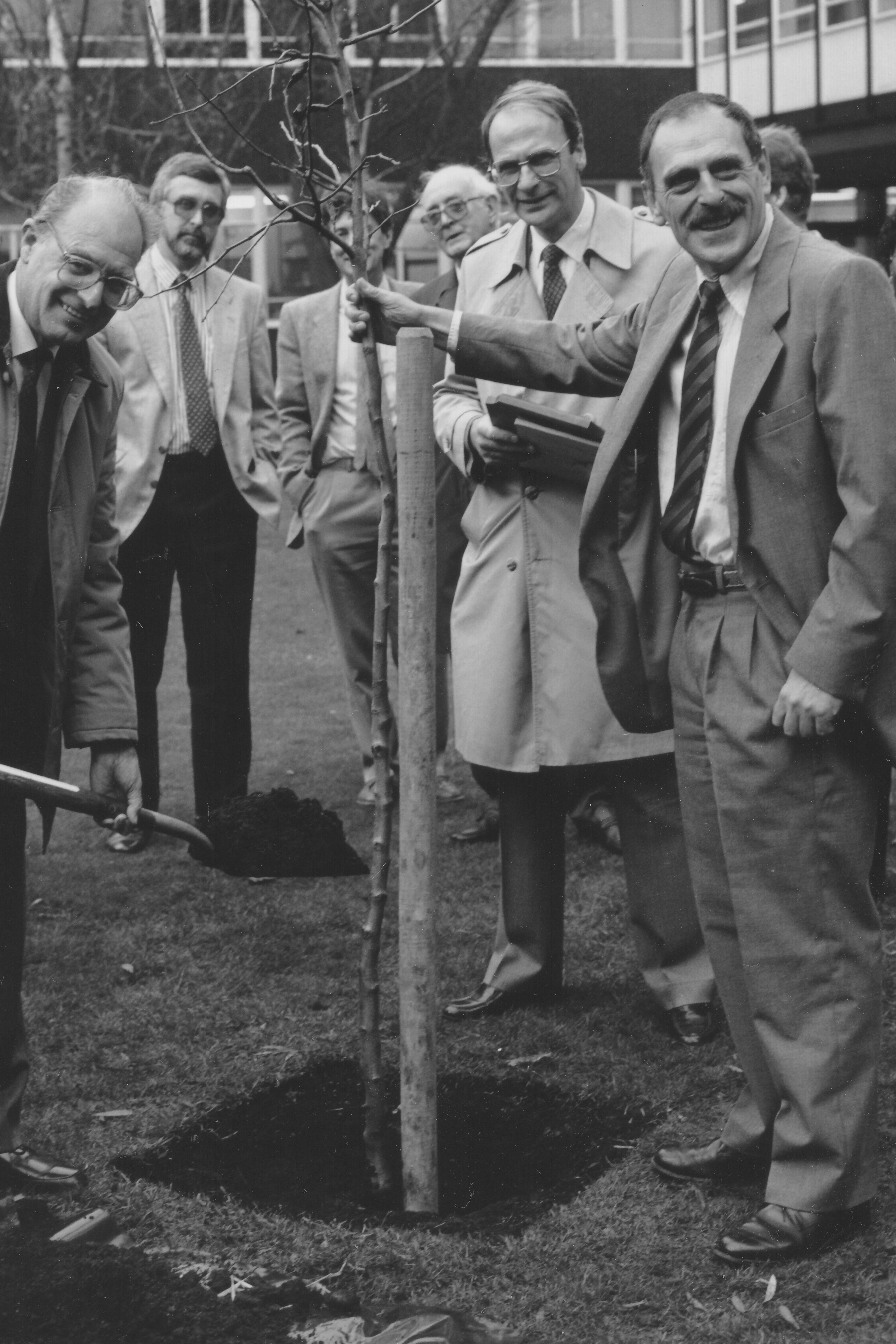
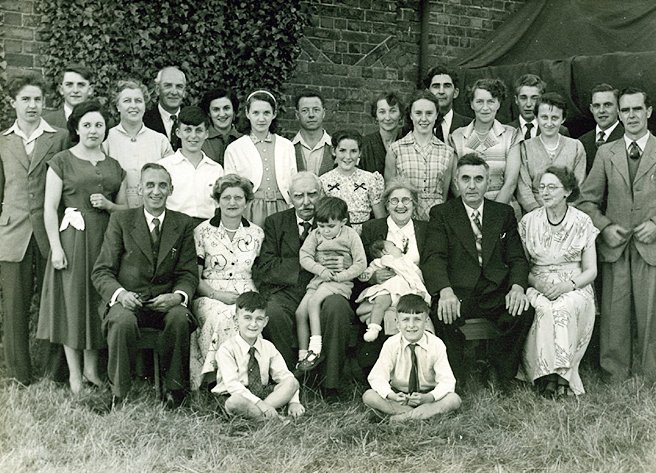
What’s in a name? I’m on a germplasm ID crusade!

What’s in a name? Well, not a lot it seems when it comes to crop germplasm. It’s a particular ‘bee in the bonnet’ I’ve had for many years.

We use names for everything. In the right context, a name is a ‘shorthand’ as it were for anything we can describe. In the natural world, we use a strict system of nomenclature (in Latin of all languages) – seemingly, to the non-specialist, continually and bewilderingly revised. Most plants and animals also have common names, in the vernacular, for everyday use. But while scientific nomenclature follows strict rules, the same can’t be said for common names.

Stretching an analogy
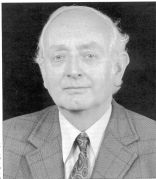
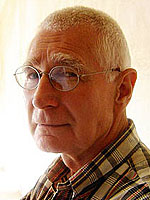
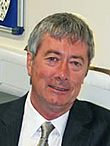
However, let me start by presenting you with an analogy. Take these two illustrious individuals for example.

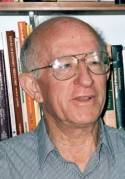
We share the same name, though I doubt anyone would confuse us. Certainly not based on our phenotypes – what we look like. In any case, I’m WYSIWYG. Our ‘in common’ name implies no relationship whatsoever.

Marian_and_Vivian_BrownWhat about identical monozygotic twins, such as Marian and Val Brown? Dressing alike, they became celebrities in their adopted city of San Francisco from the 1970s until their deaths. Same genetics, but different names.

Maybe I’m stretching the analogy too much. I just want to hammer home the idea that sharing the same name should not imply common genetics. And different names might mask common genetics.

Naming crop varieties
So let’s turn to the situation in crop germplasm resources.

I had found in my doctoral research that apparently identical Andean potato varieties – based on morphology and tuber protein profiles – might have the same name or, if sourced from different parts of the country, completely different names given by local communities. And it also was not uncommon to find potatoes that looked very different having the same name – often based on some particular morphological characteristic. When we collected rice varieties in Laos during the 1990s, we described how Laotian farmers name their varieties [1].

During the 1980s my University of Birmingham colleague Brian Ford-Lloyd and I, with Susan Juned, studied somaclonal variation in the potato cv. Record. We received a sample of 50 or so tubers of Record, and fortunately decided to give each individual tuber its own ID number. The number of somaclones generated from each tuber was very different, and we attributed this to the fact that seed potatoes in the UK are ultimately produced from different tissue culture stocks. This suggested that there had been selection during culture for types that responded better to tissue culture per se [2]. The implication of course is that potato cv. Record (and many others) is actually an amalgam of many minor variants. I recently read a paper about farmer selection of somaclonal variants of taro (Colocasia esculenta) and cassava (Manihot esculenta) in Vanuatu.

Dropping the ID
But there is a trend – and a growing trend at that – to rely too much on names when it comes to crop germplasm. What I’ve found is that users of rice germplasm (and especially if they are rice breeders) rely too heavily on the variety name alone. And I’d be very interested to know if curators of other germplasm collections experience the same issue.

Why does this matter, and how to resolve this dilemma?

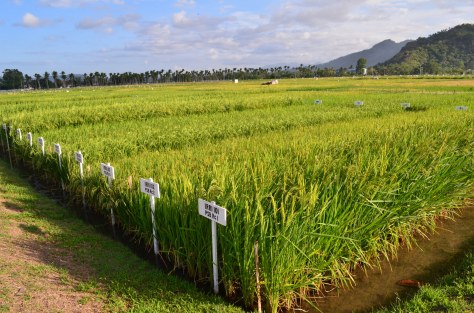
During the 1990s when we were updating the inventory of samples (i.e. accessions) in the International Rice Genebank Collection at IRRI, we discovered there were multiple accessions of several IRRI varieties, like IR36, IR64 or IR72. I’m not sure why they had been put into the collection, but they had been sourced from a number of countries around Asia.
13572539893_3f4b43dfd2_k

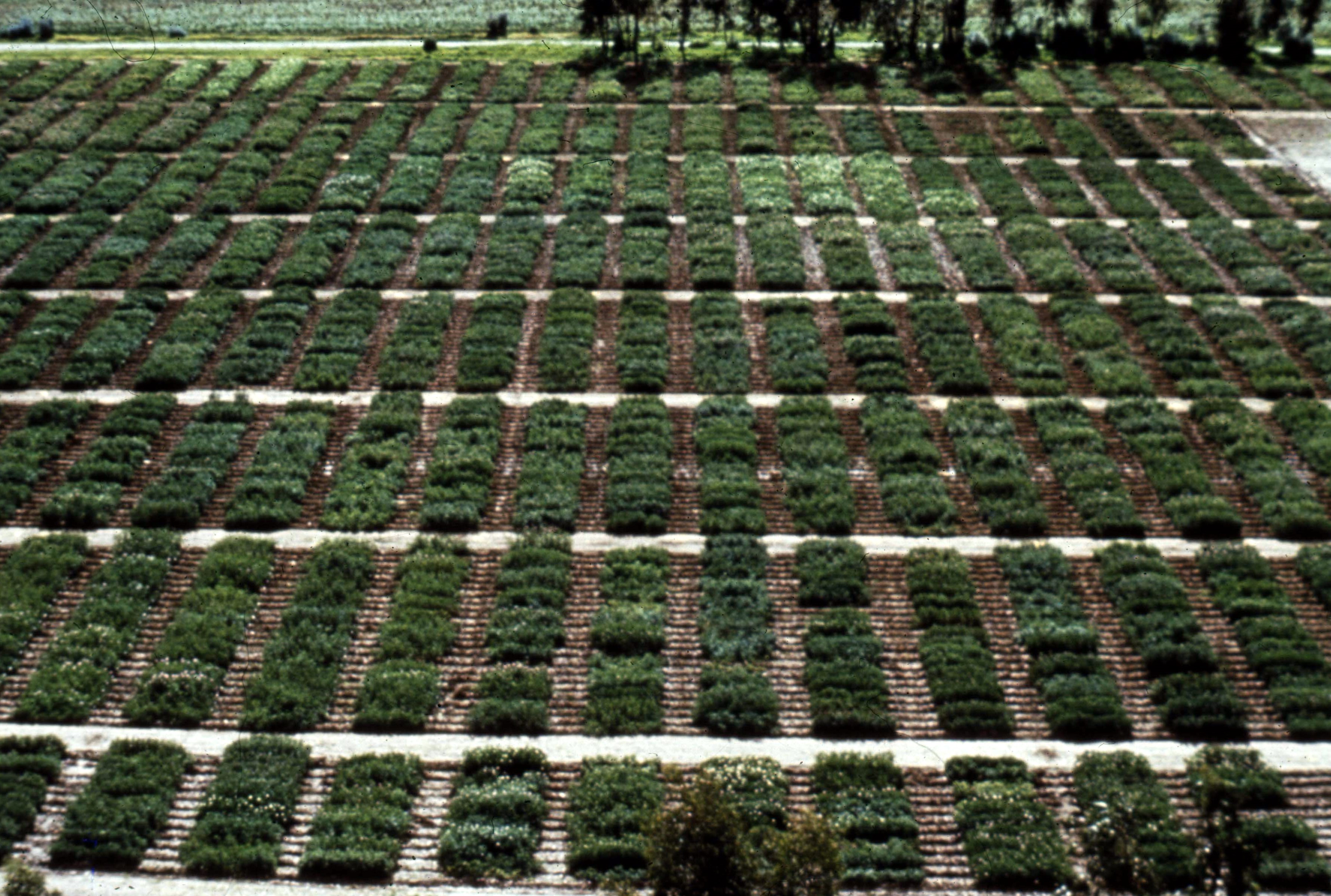
We decided to carefully check whether the accessions with the same name (but different accession numbers) were indeed the same. So we planted a field trial to carefully measure a whole range of traits, not just morphological, but also some growth ones such as days to flowering. I should hasten to add that included among the accessions of each ‘variety’ was one accession added to the genebank collection at the time the variety had been released – the original sample of each.

We were surprised to discover that there were significant differences between accessions of a variety. I raised this issue with then head of IRRI’s plant breeding department, the eminent Indian rice breeder Dr Gurdev Khush. Rather patronizingly, I thought, he dismissed my concerns as irrelevant. As a rice breeder with several decades of experience and the breeder responsible for their release, he assured me that he ‘knew’ what the varieties should look like and how they ought to perform. I think he regarded me as a ‘rice parvenu’.

It seemed to me that farmers had made selections from within these varieties that had been grown in different environments, but then had kept the same name. So it was not a question of ‘IR36 is IR36 is IR36‘. Maybe there was still some measure of segregation at the time of original release in an otherwise genetically uniform variety.

I have a hunch that some of the equivocal results from different labs during the early rice genome research using the variety Nipponbare can be put down to the use of different seed sources of Nipponbare.

Germplasm requests for seeds from the International Rice Genebank Collection often came by variety name, like Nipponbare or Azucena for example. But which Nipponbare or Azucena, since the there are multiple samples of these and many others in the collection?

What I also discovered is that when it comes to publication of their research, many rice scientists frequently omit to include the germplasm accession numbers – the unique IDs. Would ‘discard’ be too strong an indictment?

I was reviewing a manuscript just a few days ago, of a study that included rice germplasm from IRRI and another genebank. There was a list of the germplasm, by accession/variety name but not the accession number. Now how irresponsible is that? If someone else wanted to repeat or extend that study (and there are so many other instances of the same practice) how would they know which actual samples to choose? There is just this belief – and it beggars belief – that germplasm samples with the same name are genetically the same. However, we know that is not the case. It takes no effort to provide the comprehensive list of germplasm accession numbers alongside variety names.

Accession numbers should be required
I’m on the editorial board of Genetic Resources and Crop Evolution. I have proposed to the Editor-in-Chief that any manuscript that does not include the germplasm accession numbers (or provenance of the germplasm used) should be automatically sent back to the authors for revision, and even rejected if this information cannot be provided, whatever the quality of the science! Listing the germplasm accession numbers should become a requirement for publication.

Draconian response? Pedantic even? I don’t think so, since it’s a fundamental germplasm management and use issue.

~~~~~~~~~~~~~~~~~~~~~~~~~~~~~~~~~~~~~~~~~~~~~
[1] Appa Rao, S., C. Bounphanousay, J.M. Schiller & M.T. Jackson, 2002. Naming of traditional rice varieties by farmers in the Lao PDR. Genetic Resources and Crop Evolution 49, 83-88.
[2] Juned, S.A., M.T. Jackson & B.V. Ford-Lloyd, 1991. Genetic variation in potato cv. Record: evidence from in vitro “regeneration ability”. Annals of Botany 67, 199-203.


The humble spud

Humble? Boiled, mashed, fried, roast, chipped or prepared in many other ways, the potato is surely the King of Vegetables. And for 20 years in the 1970s and 80s, potatoes were the focus of my own research.

The potato (Solanum tuberosum) has something scientifically for everyone: the taxonomist or someone interested in crop diversity, geneticist or molecular biologist, breeder, agronomist, plant pathologist or entomologist, seed production specialist, biotechnologist, or social scientist. So many challenges – so many opportunities, especially since many potatoes are polyploids; that is, they have multiple sets of chromosomes, from 2x=24 to 6x=72.

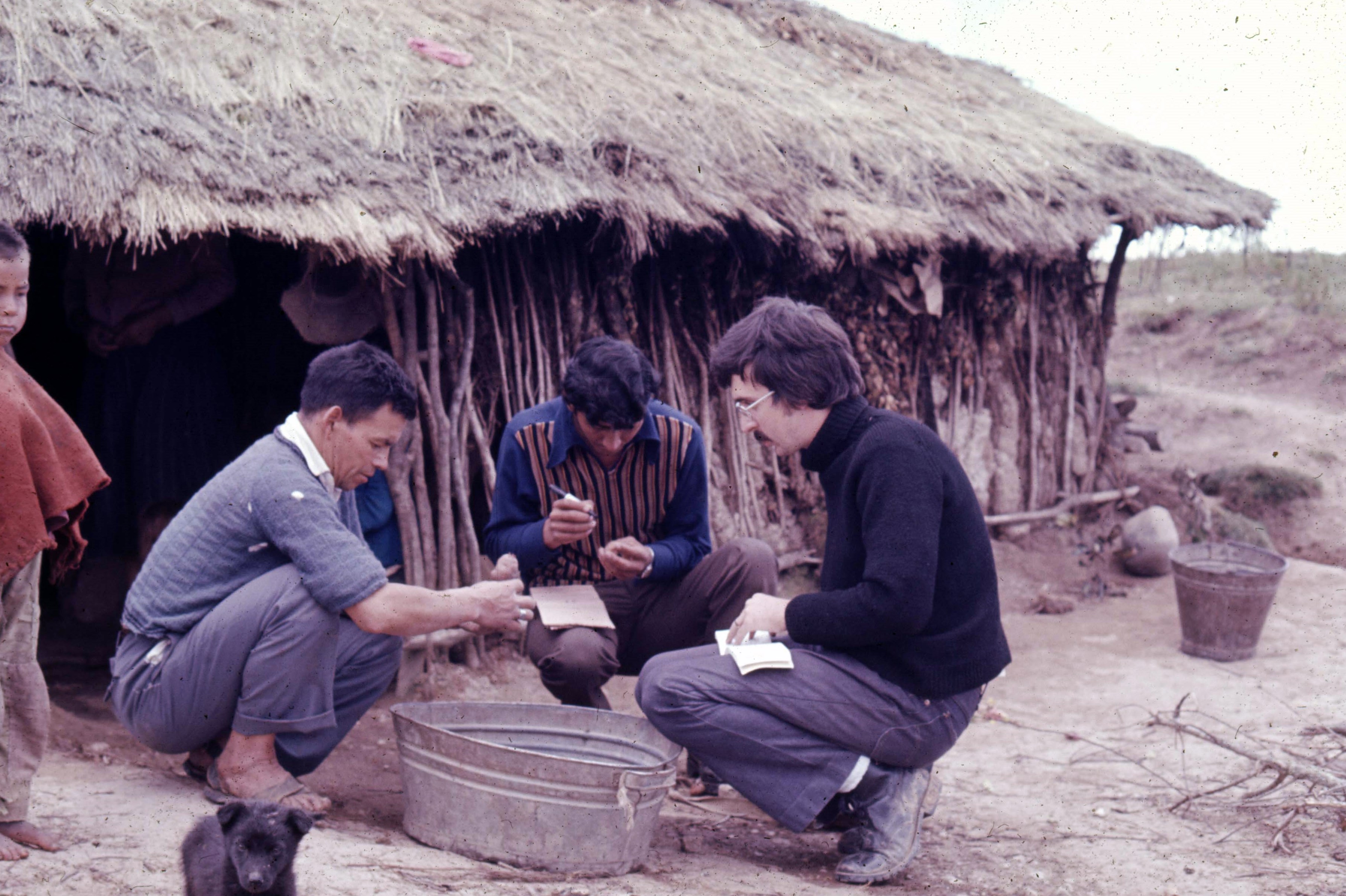
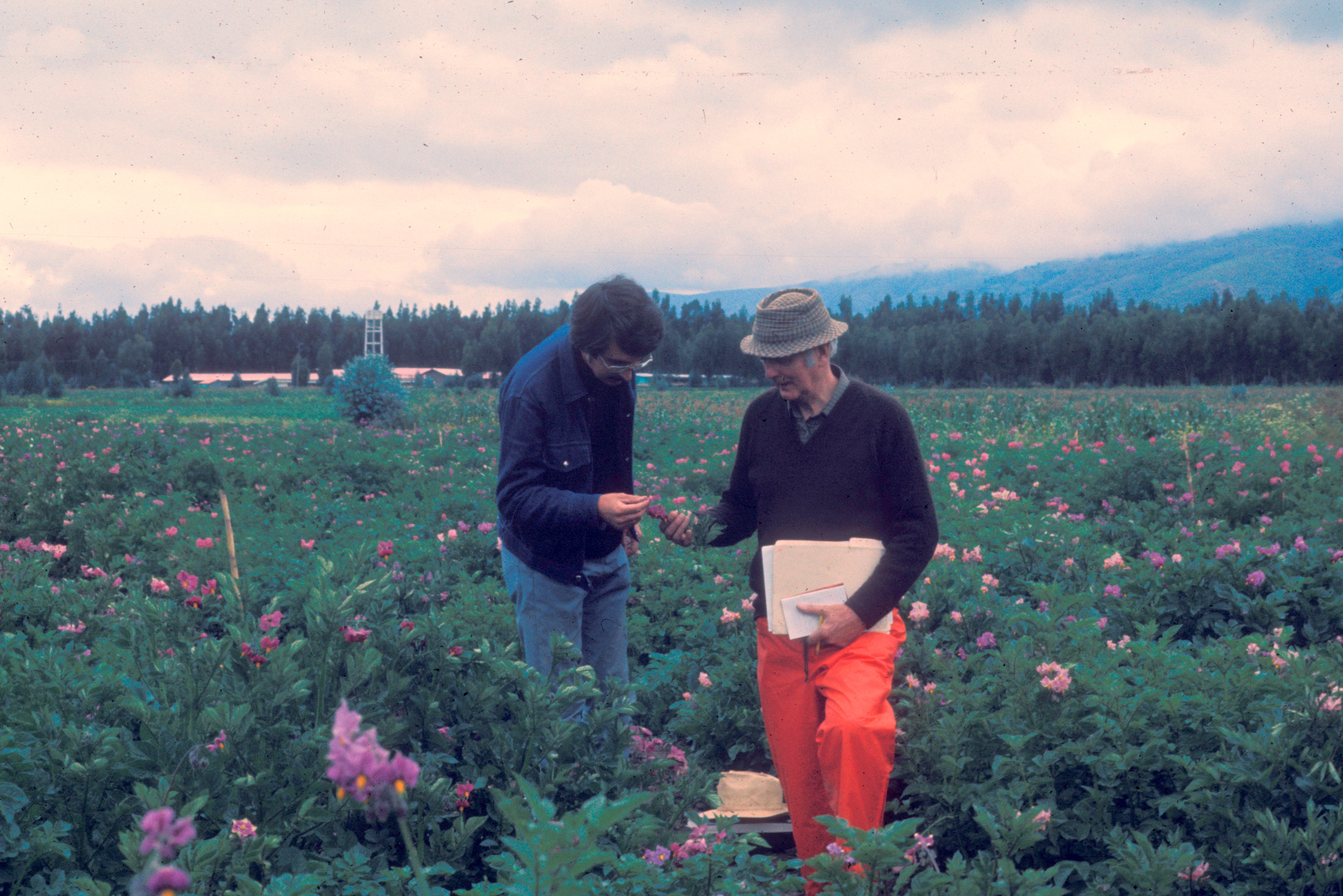
MTJ collecting cultivated potatoes in 1974Much of my own work – both in the Andes of Peru in the early 70s and once I was back in Birmingham during the 80s – focused on potato genetic resources, understanding the evolutionary dynamics of speciation, and the distribution and breeding value of wild potatoes.

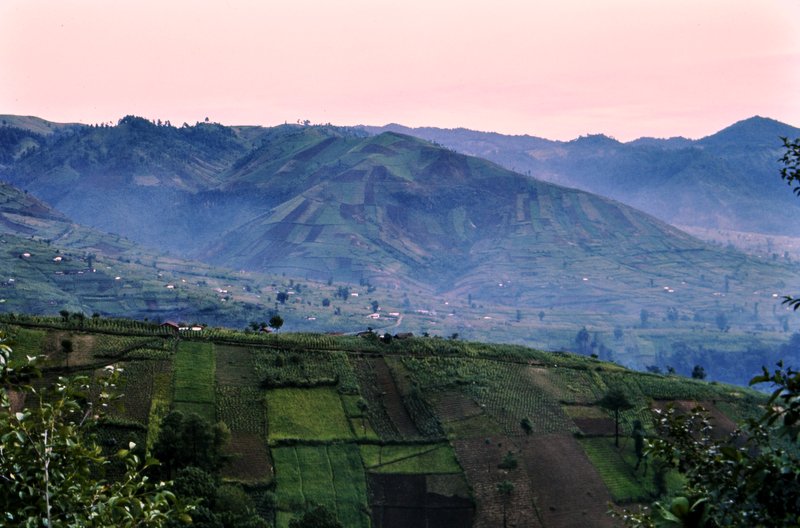
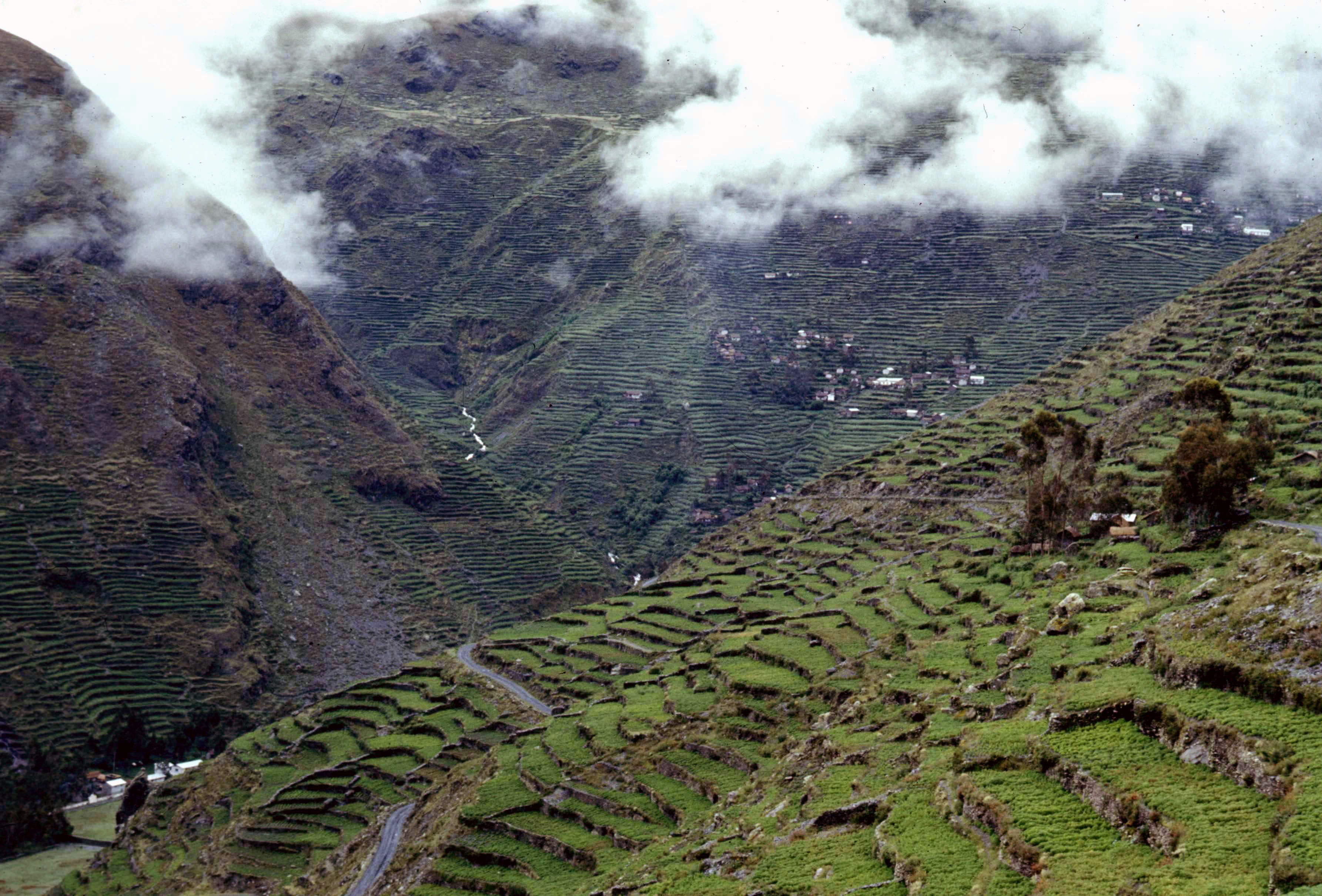
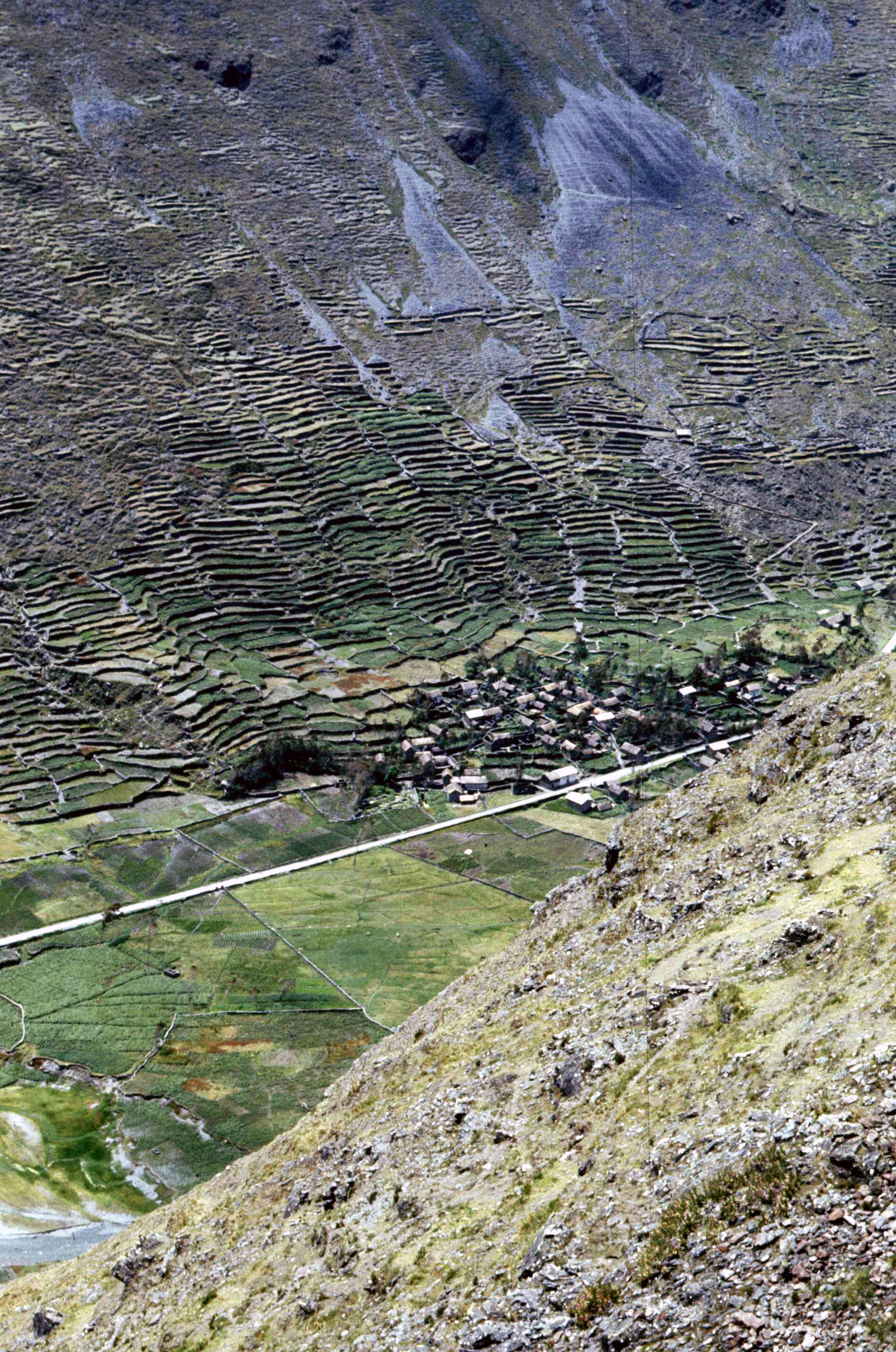
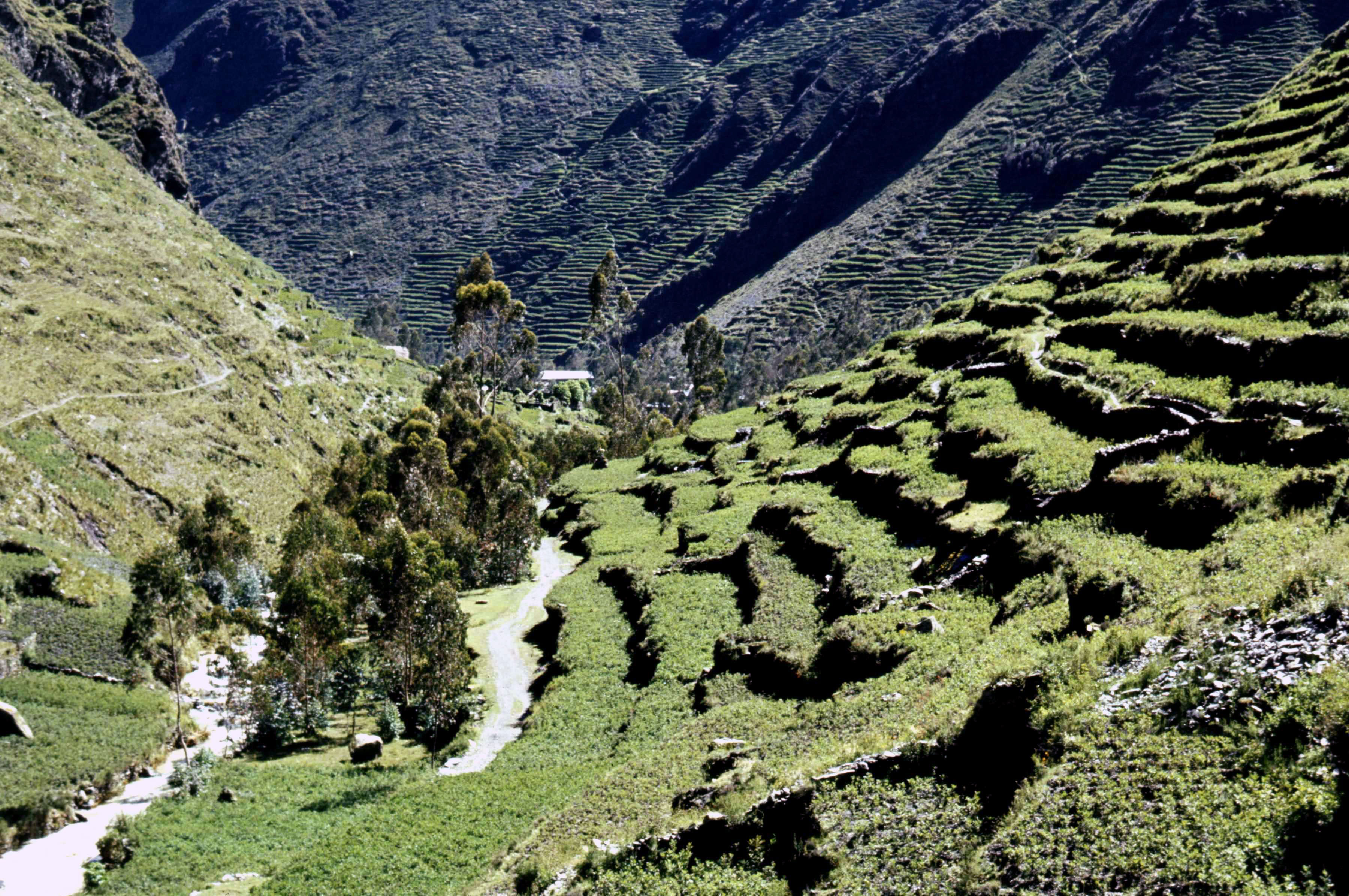
If you’re interested in species diversity, then the potato is the crop for you. In South America there are many indigenous varieties integral to local farming systems at high altitude. Grown alongside other crops such as oca (Oxalis tuberosa) and other Andean tubers of limited distribution, quinoa, and introduced crops such as barley and faba bean (that must have been brought to South America by the Spanish in the 16th century and afterwards). In a recent series on BBC TV (The Inca – Masters of the Cloud), archaeologist and South American expert Dr Jago Cooper repeatedly talked about the wonders of Incan agriculture as one of the foundations of that society yet, disappointingly chose not to illustrate anything of indigenous agriculture today. Farmers still grow potatoes and other crops on the exactly the same terraces that the Incas constructed hundreds of years ago (see my post about Cuyo Cuyo, for example). The continued cultivation of native potato varieties today is a living link with the Incas.

Native varieties of potato from Peru

Native cultivated potatoes are found throughout the Andes from Colombia and Venezuela in the north, south through Ecuador, Peru, Bolivia and Chile, and into northern Argentina. One of the main centres of diversity lies in the region of Lake Titicaca that straddles the border between Peru and Bolivia.

Another important centre of diversity is in the island of Chiloé , southeast of Puerto Montt, a well-known potato growing region of Chile.

The wild tuber-bearing Solanums have a much wider distribution, from the USA south through Mexico and Central America, and widely in South America. And from the coast of Peru to over 4000 m in the high Andes. They certainly have a wide ecological range. But how many wild species are there? Well, it depends who you follow, taxonomy-wise.

SM Bukasob

SM Bukasov

Some of the earliest studies (in the 1930s) were made by Russian potato experts SM Bukasov and SV Juzepczuk, contemporaries of the great geneticist and plant breeder, Nikolai I Vavilov.

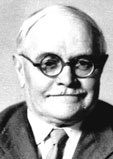
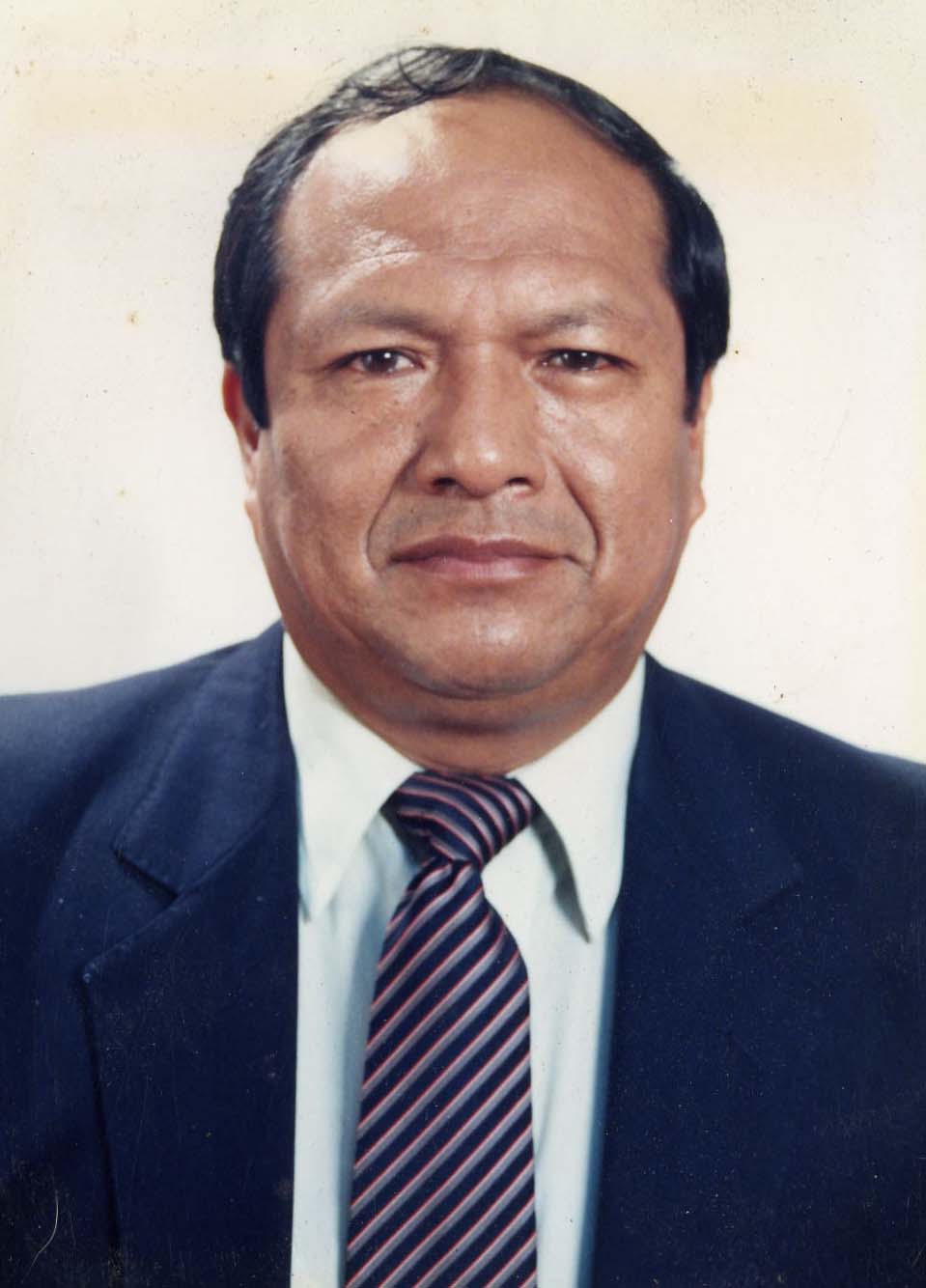
In 1938, a young Cambridge graduate, Jack Hawkes (on the left below), visited the Soviet Union to meet with Bukasov (and Vavilov) as he would soon be joining a year-long expedition to the Americas to collect wild and cultivated potatoes. His PhD thesis (under the supervision of Sir Redcliffe Salaman) was one of the first taxonomies of wild potatoes. By 1963, Hawkes had published a second edition of A Revision of the Tuber-Bearing Solanums. By 1990 [1] the number of wild species that he recognized had increased to 228 and seven cultivated ones. Hawkes (and his Danish colleague Peter Hjerting) focused much of their effort on the wild potatoes of the southern cone countries (Argentina, Brazil, Paraguay and Uruguay) [2] and Bolivia [3]. Working at the National Agrarian University and the International Potato Center (CIP) in La Molina, Lima, Peru, potato breeder and taxonomist Carlos Ochoa (on the right below) spent several decades exploring the Andes of his native country, and discovered many new species. But he also produced monographs on the potatoes of Bolivia [4] and Peru [5].

Both Hawkes and Ochoa – rivals to some extent – primarily used plant morphology to differentiate the species they described or recognized, but also using the tools of biosystematics (crossing experiments) and a detailed knowledge of species distributions and ecology.

MTJ and JGH collecting wild potatoes

March 1975, somewhere above Canta in Lima Province. Probably a small population of Solanum multidissectum = S. candolleanum (that now includes S. bukasovii)

I made only one short collecting trip with Jack Hawkes, in March 1975 just before I returned to Birmingham to defend my PhD thesis. Travelling in the Andes between Cerro de Paso, Huanuco and Lima, at one point he asked me to stop our vehicle. “There are wild potatoes near here,” he told me. “To be specific, I think we’ll find Solanum bukasovii”. And within minutes, he had. That’s because Jack had a real feel for the ecology of wild potatoes; he could almost smell them out. I’m sure Carlos Ochoa was just the same, if not more so.

Spooner_David_hs10_9951

David Spooner

The potato taxonomist’s mantle was taken up in the early 1990s by USDA Agricultural Research Service professor David Spooner at the University of Wisconsin. Over two decades, and many field expeditions, he has published an impressive number of papers on potato biology. More importantly, he added molecular analyses to arrive at a comprehensive revision and understanding of the diversity of the tuber-bearing Solanums. In fact, in December 2014, Spooner and his co-authors published one of the most important papers on the biodiversity of wild and cultivated potatoes, recognizing just 107 wild and four cultivated species [6]. For anyone interested in crop evolution and systematics, and potatoes in particular, I thoroughly recommend you take the time to look at their paper (available as a PDF file).


~~~~~~~~~~~~~~~~~~~~~~~~~~~~~~~~~~
[1] Hawkes, JG. 1990. The Potato – Evolution, Biodiversity and Genetic Resources. Belhaven Press, London.
[2] Hawkes, JG & JP Hjerting. 1969. The Potatoes of Argentina, Brazil, Paraguay, and Uruguay – A Biosystematic Study. Annals of Botany Memoirs No. 3, Clarendon Press, Oxford.
[3] Hawkes, JG & JP Hjerting. 1989. The Potatoes of Bolivia – Their Breeding Value and Evolutionary Relationships. Clarendon Press, Oxford.
[4] Ochoa, CM. 1990. The Potatoes of South America: Bolivia. Cambridge University Press.
[5] Ochoa, CM. 2004. The Potatoes of South America: Peru. Part 1. The Wild Species. International Potato Center, Lima, Peru.
[6] Spooner, DM, M Ghislain, R Simon, SH Jansky & T Gavrilenko. 2014. Systematics, diversity, genetics, and evolution of wild and cultivated potatoes. Bot. Rev. 80:283–383
DOI 10.1007/s12229-014-9146-y.


From a single potato tuber to one tonne in a year? Yes, it can be done.

After I’d completed my PhD in October 1975, I stayed on in the UK for a couple of months to sort out ideas and initial drafts for several journal papers, before returning to Lima, Peru just before the end of December, where I was to begin a post-doctoral fellowship with the International Potato Center (CIP). I’d already been working with CIP since January 1973 but I was uncertain in January 1976 where I was going to be located, or what my responsibilities would be. I had spent the previous three years working in CIP’s germplasm program, collecting native varieties of potatoes throughout the Peruvian Andes, and studied the evolution and ethnobotany of cultivated potato species (which formed the basis of the thesis I submitted to the University of Birmingham).

Moving to Costa Rica
CIP Director General Richard Sawyer asked me to move to Costa Rica in Central America to establish a research program on adaptation of potatoes to warm, humid environments, and also to participate in and support other regional activities from CIP’s regional office in Toluca, Mexico. Following a reconnaissance and feasibility mission with CIP colleagues Drs Roger Rowe (head of breeding and genetics) and Ed French (head of plant pathology) to Costa Rica in early January, my wife Steph and I moved to Turrialba in April to be based at CATIE (Centro Agronómico Tropical de Investigación y Enseñanza).

Those first few months were a wake-up call. Not only did I have to establish my own program, hire support staff (Leda Avila as secretary, Jorge Aguilar as research assistant, and Moisés Pereira as technician), and develop the facilities I might need, I also had to navigate rather carefully through the ‘politics’ of a host institution that felt – certainly at that time and for several years subsequently – very insecure. With its limited budget, CATIE management saw my assignment in Turrialba merely as a ‘cheap pair of hands’ to contribute to its research program on inter-cropping systems. I had a hard time convincing CATIE colleagues that, in the first instance, my research should focus on testing and identifying germplasm that showed broad adaptation and could be included in the broader systems research. I also had those other commitments outside Costa Rica that had to be managed as well.

Well, the long and short of it, was that we encountered a serious problem with bacterial wilt, caused by Ralstonia solanacearum, and from then, the focus of my research turned from warm environment adaptation to resistance studies and agronomic management.

Potatoes in Costa Rica during the 1970s
Bacterial wilt was also a serious problem for farmers in certain areas of the lower elevation production zones in Costa Rica. Potatoes have never been a major crop in Costa Rica (rice and beans are much more important staples), but on the slopes of the Irazú volcano near Cartago to the east and northeast of San José (the capital of Costa Rica), potato production is the main economic activity. In the mid- to late-1970s there were only about 10,000 ha of potatoes grown, and about 95% of the production was centered on this Cartago region. Within the Ministry of Agriculture there were only a couple of staff dedicated to potatoes, one agronomist and one pathologist. The small size of the Costa Rican potato program (and others in Central America) was the justification for developing the Regional Cooperative Potato Program (PRECODEPA) in 1978.

Two varieties of Mexican origin, Atzimba and Rosita, made up almost 100% of the production. Atzimba had been developed originally for its resistance to late blight, caused by Phytophthora infestans.

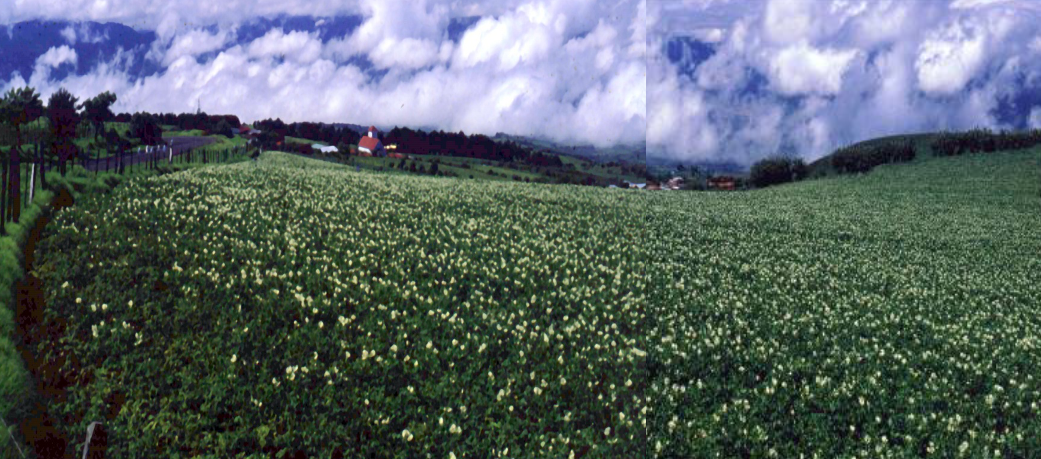
A field of potatoes, var. Atzimba, above Cartago near San Juan de Chicua.

Potato fields of white-flowered var. Atzimba. Because of the steep slopes on the flanks of the Irazu volcano, farmers still use ox-drawn ploughs. These volcanic soils are very deep and fertile.

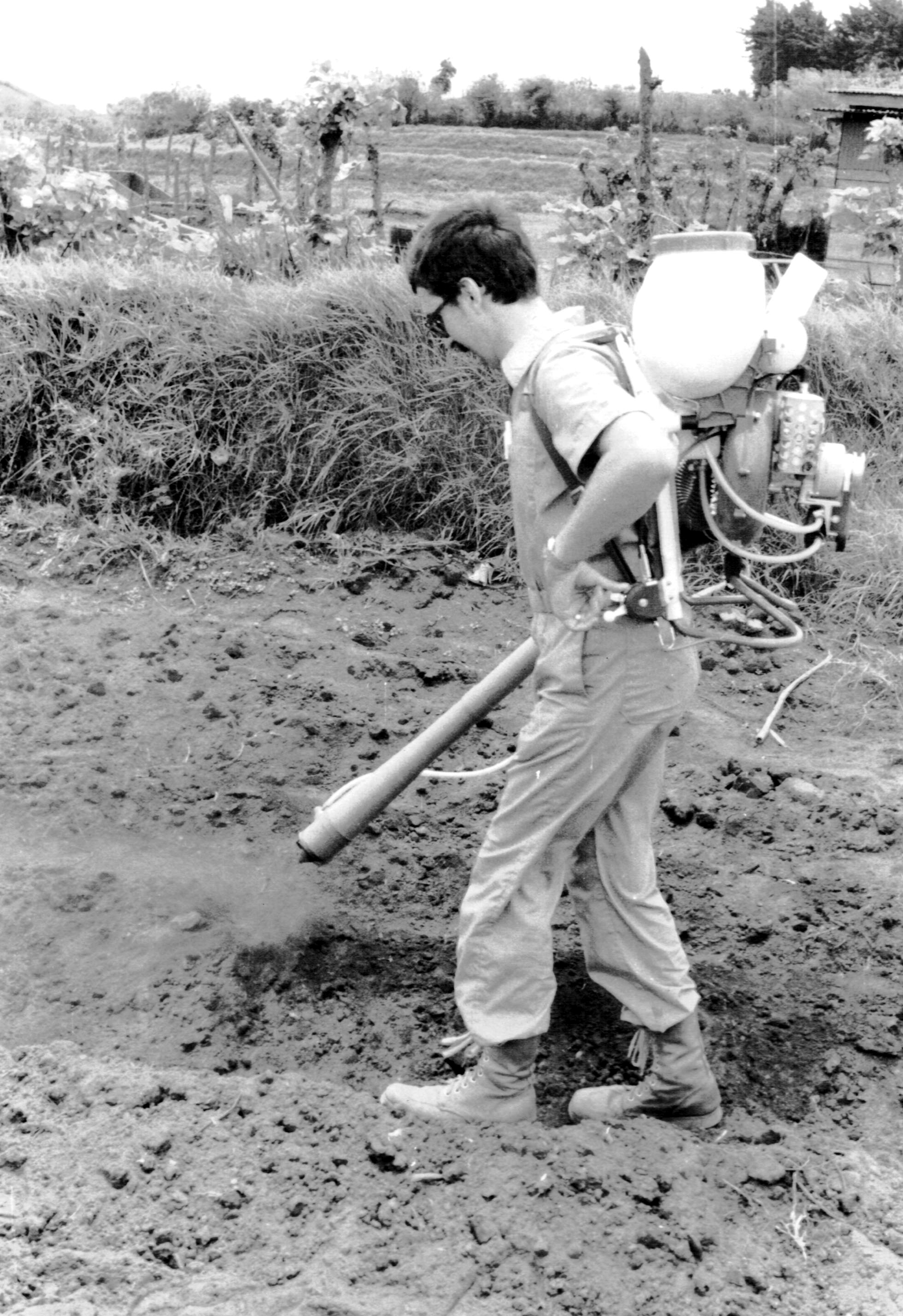
Mike Jackson using a motorized back-pack sprayer to fumigate potato seedlings in a virus resistance trial. Sprayers of this type produce a turbulent fine mist that effectively applies the pesticide. We were perhaps a little lax in terms of health and safety in the 70s!

In Costa Rica, however, it was extremely susceptible, because the climatic conditions permitted the cultivation of potatoes all year round somewhere in this rather restricted area on the flanks of the volcano. There was always fungal inoculum floating around, and farmers were often obliged to spray their crops at least once a week or more often. Believing that higher doses of fungicides would be more effective than the recommended dosage, the quantity of fungicide used was unacceptable. But it was difficult to persuade farmers to spray more effectively, to use machine powered back-pack sprayers rather than hand-pumped equipment that merely soaked the upper surfaces of the potato leaves. This is not very effective. The machine sprayers create a finer mist and also turbulence among the potato canopy and reach the undersides of the leaves where the fungus actually sporulates.

No healthy seed potatoes
As a vegetatively-propagated crop, potatoes are prone to the build up of several virus diseases that can, unless kept in check, result in a reduction of yield (or degeneration)  year on year. That’s why in many countries there are seed production systems to provide potato farmers with healthy planting stock each year. Three common viruses were prevalent in Costa Rica: potato virus X (PVX), potato virus Y (PVY), and potato leafroll virus (PLRV) – singly, or more commonly, in combination, and as such were a serious threat to the long-term viability of national potato production. More so, it has to be said, than other pests and diseases that affected the crop that could be controlled – if applied effectively and safely – by a range of chemical treatments.

Costa Rica did not have a seed production program in the 1970s (and I haven’t been able to determine whether the foundations we at CIP laid in terms of seed production were maintained) even though many farmers did try to source their seed tubers from farms located at the highest elevations. Many farmers kept  the smallest tubers from a commercial production or ware crop as ‘seed potatoes’ with the inevitable degeneration this practice brought with it. The main problem was that seed stocks were not being constantly being replenished with healthy tubers in a foundation seed initiative. The challenge was therefore to develop a seed production program that could effectively supply the seed potato needs of the country – several thousand tonnes annually.

Although healthy, virus-free stocks of Atzimba and Rosita were readily available, as well as bacterial wilt resistant varieties like MS-35-22 from tissue cultures initially but most often as a small number of virus-free tubers, how was it going to be possible to quickly multiply these seed stocks to a quantity that would begin to have some impact on potato yields in the short term?

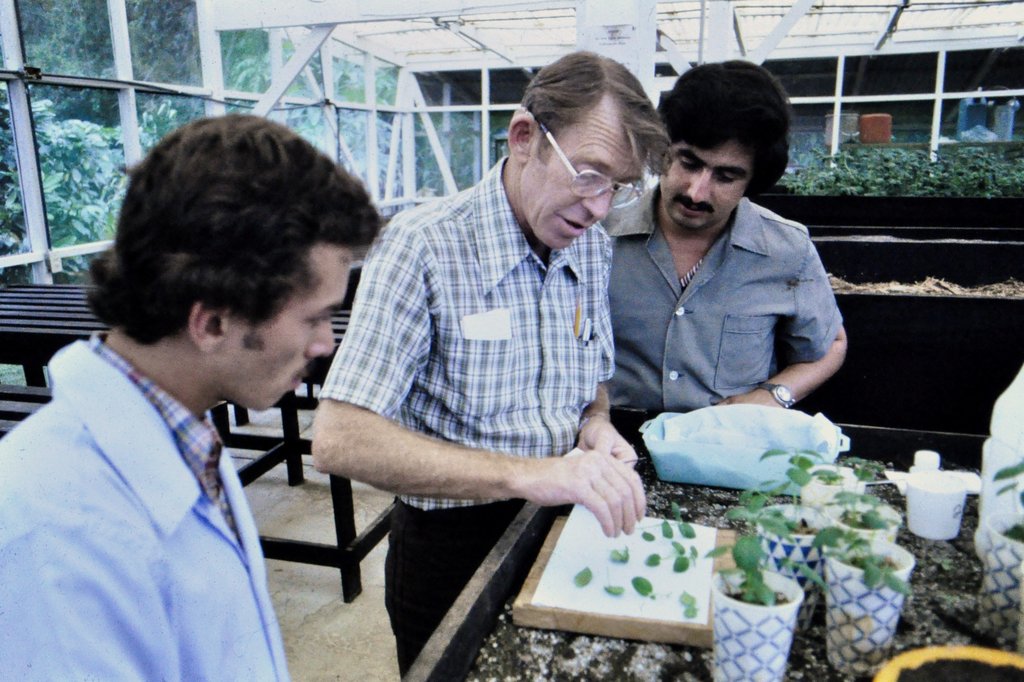
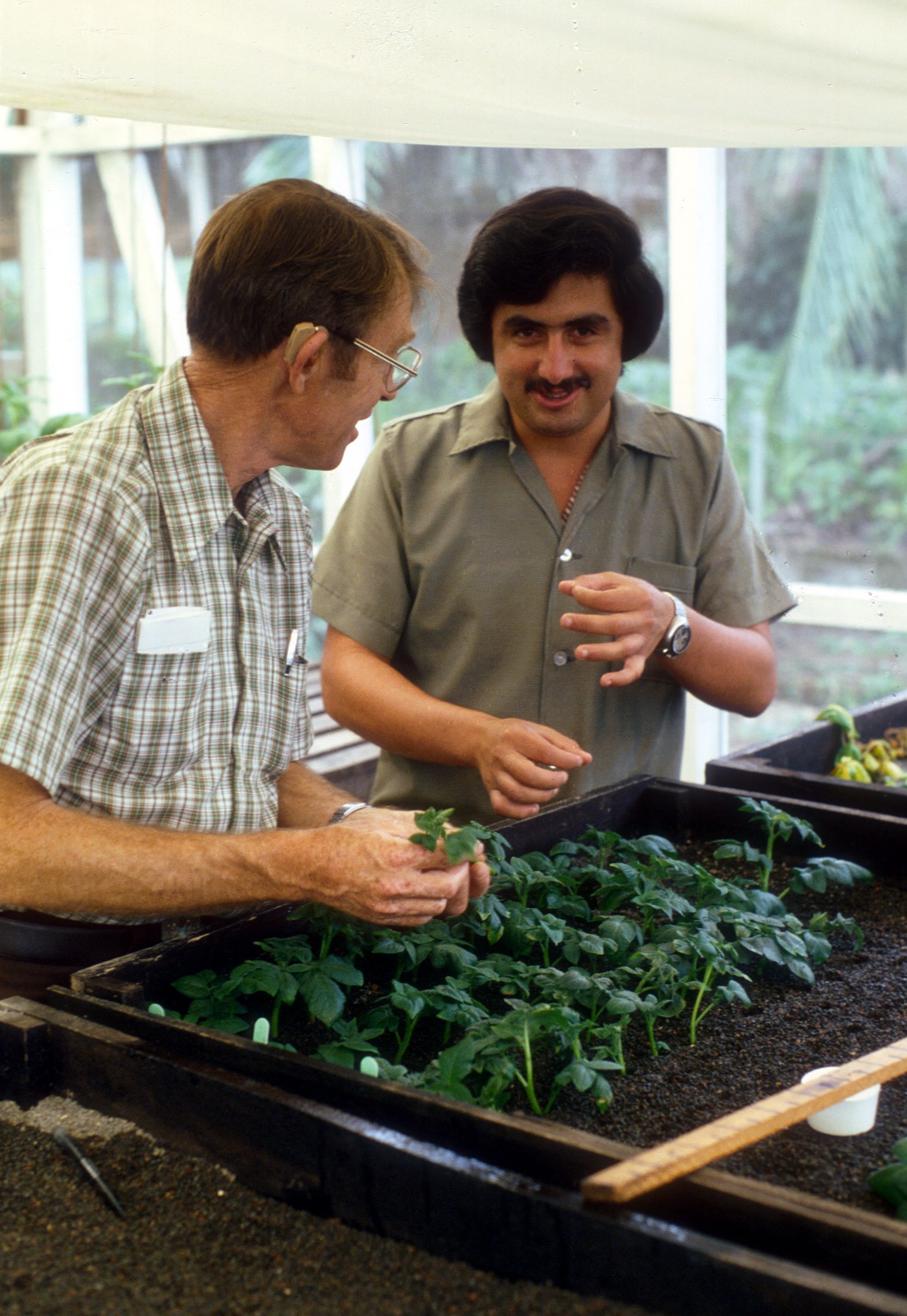
Jim Bryan showing Jorge Aguilar, on the right, and a techician from the Costa Rican national potato program how to make single node cuttings.

The challenge
In 1979, CIP seed production specialist Jim Bryan joined me in Costa Rica on a one-year sabbatical to focus on the seed production needs of the Central American region. And together – with colleagues from the Ministerio de Agricultura y Ganadería – we developed a rapid multiplication program, not only to provide the foundation seed for Costa Rica, but also to put into practice many of the ideas that Jim had been developing at CIP headquarters in Peru, but which had not been tested in an actual production context. And at the same time we set ourselves a challenge: to produce one tonne of potatoes from a single tuber in a year (since the growing conditions in Costa Rica permitted more or less all-year-round production).

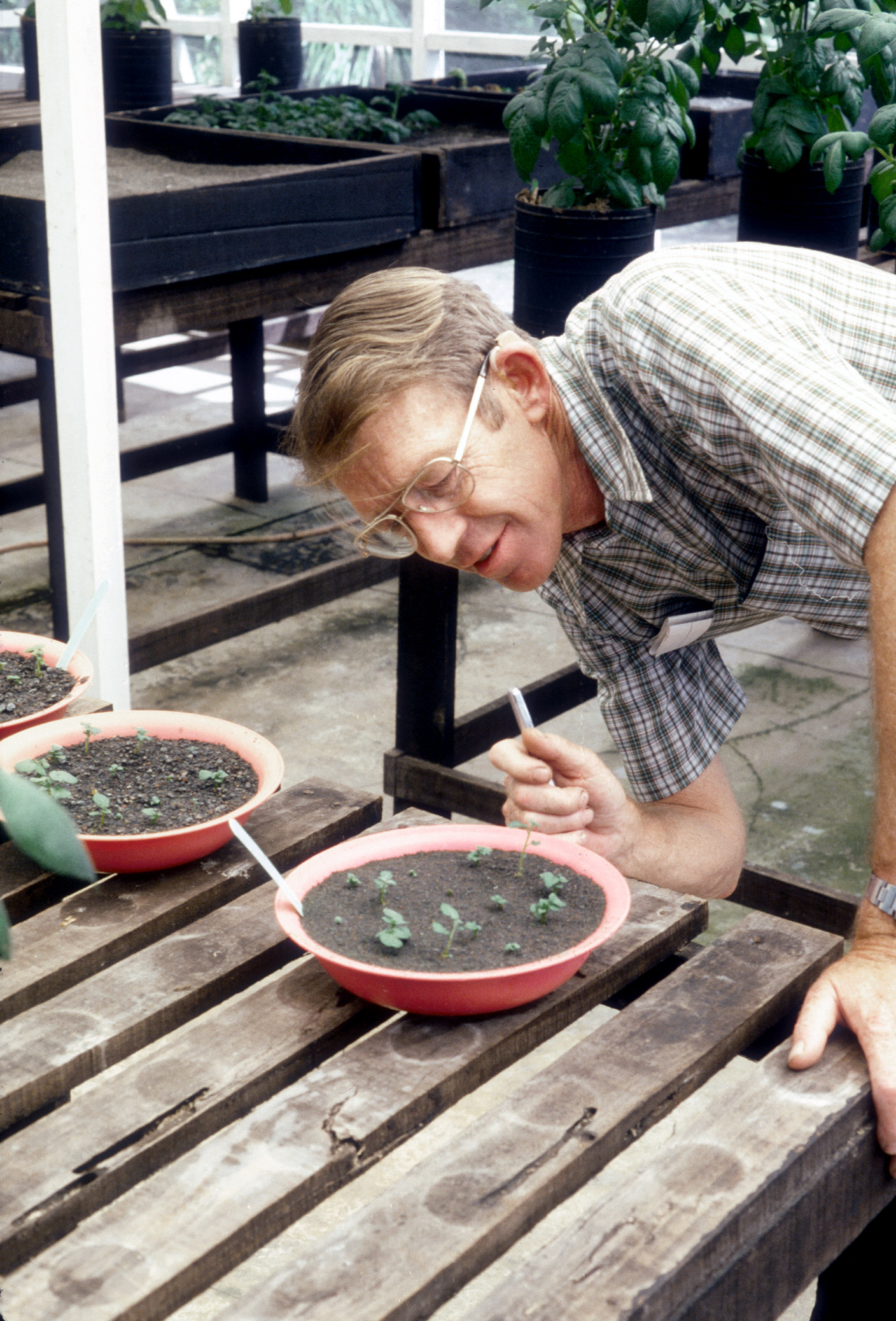
We converted our screen-houses in Turrialba full-time to this rapid multiplication project. We were sent a small quantity of basic seed tubers that had passed through tissue culture in Lima to eradicate viruses, or received actual tissue culture stocks that we grew on in a makeshift chamber at the plant pathology laboratory in the University of Costa Rica in San José, managed by my good friends and colleagues Drs Luis Carlos González Umaña (a bacteriologist with whom I collaborated over several years on bacterial wilt research) and virologist Rodrigo Gámez Lobo (who became the first director of the biodiversity institute, INBio).

But how to rapidly multiply limited seed stocks? Obviously we had to maintain the health of this basic seed, so only grew the tubers in pots inside the screen-house, in a ‘compost’ of sugarcane bagasse mixed with coarse river sand for better drainage. Having first sterilized this mixture, it was an excellent medium for growing potatoes in pots.

Once we had these plants established we could then start to take a whole range of cuttings: stem cuttings, single node cuttings (usually from young seedlings), sprout cuttings, and leaf-bud cuttings. Rooted cuttings could be grown on in the screen-house to produce more ‘mother plants’ or transplanted directly to the field. The same with single node cuttings and sprout cuttings. Leaf bud cuttings were made from senescing stems (or potato vines) and the axillary buds swelled to form a small tuber.

Each cutting was derived from an axillary bud, and these were stimulated to grow once the apical meristem had been removed from each stem. Cuttings were ‘planted’ in coarse river sand, kept constantly watered, and after a couple of weeks or thereabouts, most had produced healthy roots. Sometimes we used a rooting hormone, but mostly this was not necessary.

Stem cuttings

Single node cuttings

Sprout cuttings

Leaf bud cuttings

Going to the field

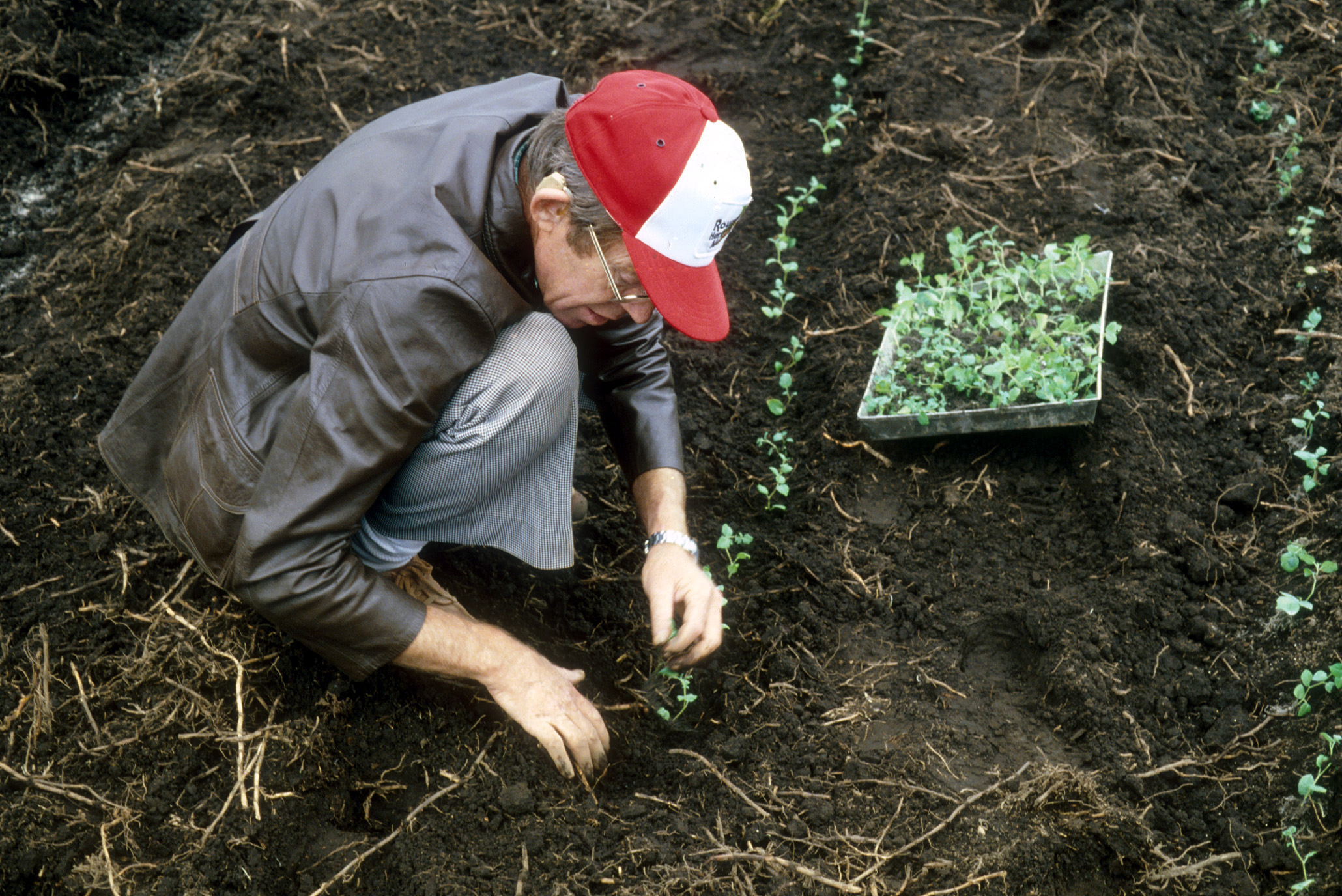
With the mixture of rooted cuttings planted directly in the field, plus the numerous tubers from cuttings in the screen-house, it was possible to produce hundreds of ‘daughter’ plants from each ‘mother’ plant that we grew only in the screen-house. And taken over a year, we did show that it was possible to produce one tonne of potatoes from a single tuber. Establishing a basic seed program based on the rapid multiplication of important varieties ensured that there was a constant replenishment of healthy seed available to farmers.

Spreading the word
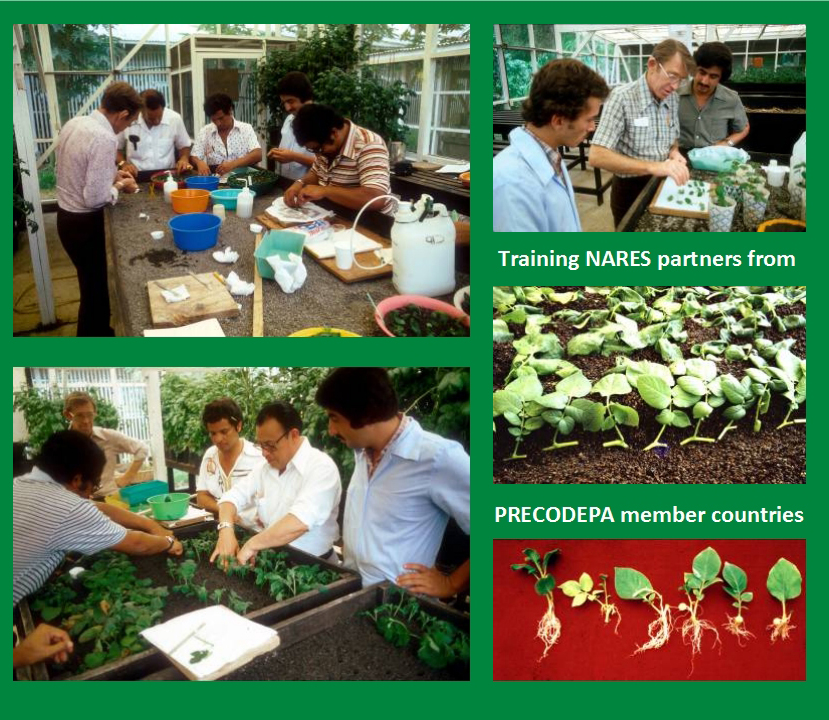
Through PRECODEPA, we held several training courses in Turrialba on rapid multiplication techniques, and also produced a small brochure (in English and Spanish).

Rapid Multiplication Techniques for Potatoes_Page_01

Click on this image to open the brochure as a PDF file.

Storing seed tubers
Once we had harvested tubers from the screen-house – and for our other research projects – we had to have somewhere to store our seed stocks. At that time, my two colleagues from CIP headquarters in Lima, Dr Bob Booth and Mr Roy Shaw, had designed and promoted in many parts of the world low coast diffused light storage units. And based on their design, we built a prototype for warm humid conditions in Turrialba. It consisted of a double skin of corrugated fiberglass sheets, a wide overlapping roof to provide shade in the strong tropical sun, and an air conditioner to keep the temperature around 20C or so.

We placed bags of sand inside the store and kept them constantly wet, and therefore increased the humidity inside. We also monitored both the temperature and relative humidity as can be seen in one of the photos in the gallery below. Under these diffused light conditions, potato sprouts grow slowly and sturdy. certainly for our needs it was a viable and efficient option for potato storage.

Did we succeed?
I have no idea to what extent the seed production program prospered. One of the issues was commitment from the Ministry itself, but also the continuity of personnel in the potato program.

I left Costa Rica in November 1980 and returned to Lima, expecting to move to another CIP regional office early in 1981. The regional office in Los Baños, Philippines was mooted as a likely venue. As it turned out I resigned from CIP in March 1981 and joined the School of Biological Sciences – Department of Plant Biology at the University of Birmingham. Ten years later I did end up in Los Baños when I joined IRRI. But that’s another story.

Study botany and the world’s your oyster . . .

You bet!

Botany or banking? Is there really a serious choice? I saw a report last year in which botany graduates received higher initial salaries after graduation than many other professions, ranking third after medicine and dentistry, in the UK. That’s hard to believe really. Bankers might certainly reach for the giddy heights in terms of salary packages (and bonuses) but I’m sure that more botanists go to bed each night with a clearer conscience than bankers. And when was the last time you heard of a botanist being reviled by society at large? Well, perhaps if you are in the GM business . . . ?

Not convinced? Well let me tell you why. There is, however, a small caveat. It might be more appropriate to talk about ‘plant sciences’ in the widest sense, because many of the people I’ve met over the decades who do scientific research on and about plants didn’t necessarily study botany per se at university. I don’t think that diminishes my point, however. In the UK, I don’t think there’s a single botany department any longer in the university sector. They all morphed into ‘plant sciences’ or ‘plant biology’ (supposedly more appealing names) or became part of  biological sciences departments. If you were lucky there might be a ‘plants stream’. Botany appears to be in a healthier position in North America.

Plant scientists, it seems, are in great demand. And the traditional image of a botanist couldn’t be further from reality. Whether employed as molecular biologists, geneticists or biochemists (the distinctions are diminishing by the day), plant or crop physiologists, plant breeders, plant pathologists, ecologists, biodiversity and conservation specialists, or even taxonomists, there’s never been a greater need for people to study plants. After all, life on earth depends on plants. Where would we be if we could not successfully grow the crops needed for survival, to adapt to climate change, to keep one step ahead of evolving pathogens, or simply try and understand this wonderful world of ours and its glorious diversity?

Botany has been my ticket to a successful and fruitful career. It’s taken me to many countries in the Americas, Europe, Africa, Asia, and Oceania over four decades – as plant hunter, researcher, teacher, project manager, and speaker. I worked on two important plant species: potato (Solanum tuberosum) and rice (Oryza sativa) and their wild relatives as a taxonomist, germplasm expert, seed physiologist, agronomist, plant breeder, and plant pathologist. My work has been both lab and field based. What more could I have asked for? And I’ve worked with some inspiring colleagues who came to work on potatoes and rice – and other crops – through one avenue or another, not necessarily as botanists, but perhaps through an interest in and love of plants as part of agriculture.

I can’t deny that I have been fortunate – when opportunities arose I was well-placed to take advantage. I studied with some inspiring heavyweights in my chosen fields. But a love and study of plants has made me a happy person – on the whole.

I was out and about yesterday on one of my daily walks. It was a beautiful day, Spring was definitely in the air (at last), and the hedgerows were creeping back into life. In one spot, the bedstraws (Galium spp.) were in their first flush of new growth,  profusely spreading over the bank beside the road, and responding to milder days we have begun to experience recently (in any case it really has been a mild winter). And it was that sight that made me think back to my student days in the late 60s as an undergraduate at Southampton University. There were times when I did wonder if I’d ever use again some of things we were taught and how relevant they might become – like plant anatomy, for example. It’s interesting to know how important anatomy studies have become in the search for and development of a C4 rice to make its photosynthesis more efficient. Researchers at IRRI have studied the leaf anatomy of hundreds of samples of wild rice species, since C4 photosynthesis in plants is associated with the specialized Kranz anatomy.

As an undergraduate I took several plant ecology courses with Dr Joyce ‘Blossom’ Lambert who had worked on and discovered the origin of the Norfolk Broads in East Anglia, UK – not as natural lakes but flooded peat diggings abandoned by the 14th century. But once I’d discovered the ‘link’ between ecology and genetics, I was hooked, and that led to my focus on the conservation and use of plant genetic resources. The rest, as they say, is history . . . 

Something for your Christmas stocking – Plant Genetic Resources and Climate Change hits the shelves 11 December!

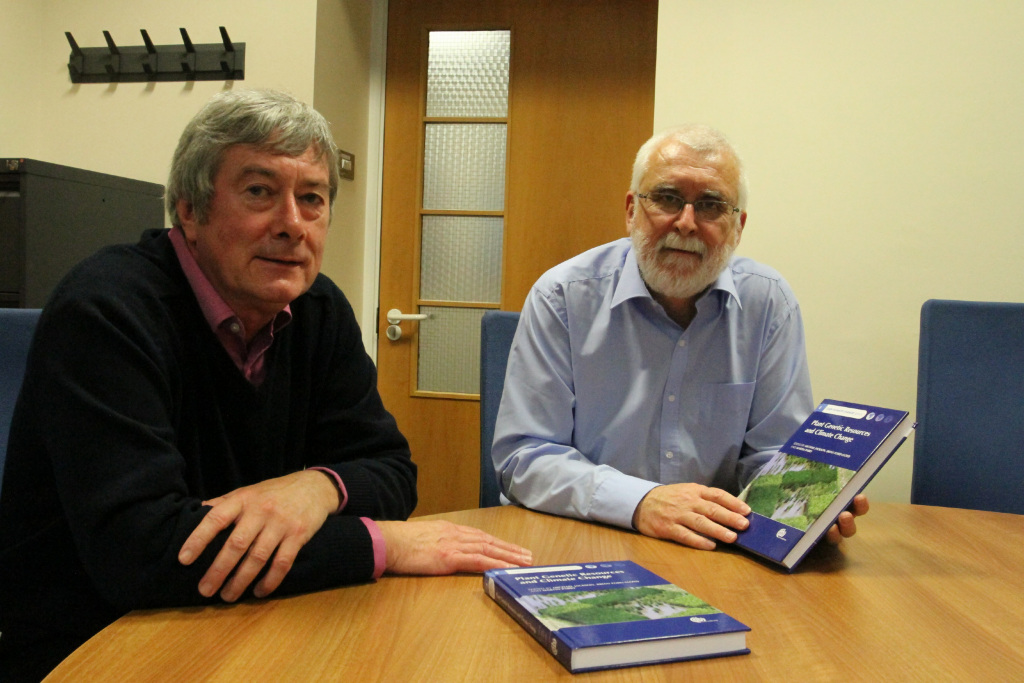
It’s taken just over two and half years, more than 2,400 emails, and many, many hours of editing. But Plant Genetic Resources and Climate Change, edited by myself, Brian Ford-Lloyd and Martin Parry will be published by CABI on 11 December.

Brian was first approached by CABI commissioning editor Vicki Bonham in April 2011. He was reluctant to take on the book by himself, but suggested to Vicki that the project would be feasible if he could persuade Martin and me to be co-editors. I was on vacation in the USA at the time, visiting the Grand Canyon and other locations in Arizona and New Mexico when Brian first contacted me about the possible project. Getting involved in a new book was the last thing on my mind.

The next steps were to produce an outline of the book and find authors whose arms we could twist to contribute a chapter. In the end the book has 16 chapters, as I have described elsewhere. Only two authors let us down and never completed a chapter before we met our deadline with CABI. The contract with CABI was signed in February 2012, and we submitted the final edited chapters by the end of March this year. After that things moved quite fast. We completed the review of page proofs by mid-September, and the figures a couple of weeks later. Early on we agreed I should take on the role of managing editor as I was the only one who was fully ‘retired’ at that time.

Martin Parry

And on Monday this week, David Porter (Books Marketing Manager at CABI) and his colleague Sarah Hilliar came up to Birmingham to video Brian and me (and two other authors, Nigel Maxted and Jeremy Pritchard of the University of Birmingham) for a short promotional video about the book. Unfortunately, Martin Parry was unable to join us.

So now the hard work is over and Plant Genetic Resources and Climate Change is about to be published. There are many interesting key messages, and the preface provides an excellent guide to the rest of the book.

The beauty (and wonder) of diversity

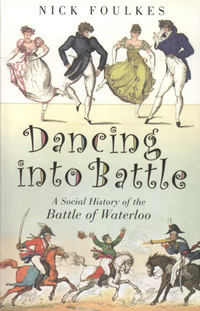
June 1815. British and allied troops muster in Brussels (then part of the United Netherlands) as the Duke of Wellington prepares to meet Napoleon at the Battle of Waterloo.

The troops are in good spirits, the social life of high society thrives, even as troops march to the front, with officers being called away to their regiments from the Duchess of Richmond’s Ball on the eve of the battle. The weather is fine, although it would deteriorate dramatically over the course of the battle in the next day or so.

Arriving in Belgium, one soldier commented on the productivity of  the local agriculture: I could not help remarking the cornfields today . . . they had (as I thought) a much finer appearance than I had seen in England, the rye in particular, it stood from six to seven feet high, and nearly all fields had high banks around them as if intended to let water in and out, or to keep water out altogether – but the rich appearance of the country cannot fail to attract attention.

Another cavalry officer wrote: I never saw such corn [probably referring to wheat] 9 or 10 feet high in some fields, and such quantities of it. I only wonder how half of it is ever consumed.

These are among the many contemporary commentaries in Nick Foulkes’ entertaining account of the social build-up to Waterloo. So what does all this have to do with the beauty (and wonder) of diversity?

Landrace varieties
Well, they are actual descriptions, almost 200 years old, of the cereal varieties being grown in the vicinity of Brussels.  Once upon a time, not too long ago before plant breeding started to stir up genetic pools, all our crops were like those described by soldiers off to fight Boney. We often refer to them as farmer, traditional or landrace varieties which have not been subjected to any formal plant breeding. You also hear the terms ‘heritage’ or ‘heirloom’ varieties, especially for vegetables and the like. Landrace varieties are highly valued in farming systems around the world – and the basis of food security for many farmers who grow them. However, in many others they have been replaced by highly-bred and higher yielding varieties that respond to inorganic fertilizers. The Green Revolution varieties released from the 1970s onwards, such as the dwarf wheat and rice varieties championed by pioneers such as Dr Norman Borlaug, bought time when the world faced starvation in some countries.

Now I’ve been in the business of studying the diversity of crops and their wild relatives almost all my professional life: describing it; assessing its genetic value and potential; and making sure that all this genetic treasure is available for future generations through conservation in genebanks.

The nature of diversity
But it wasn’t until the early 20th century – with the work of  Nikolai Vavilov and his Russian colleagues, and others that followed in their footsteps – that we really began to understand the nature and geographical distribution of diversity in crops. Today, we’ve gone the next step, by unraveling the secrets of diversity at the molecular level.

This diversity has its genetic basis of course, but there is an environmental component, as well as the important interaction of genes and environment. And I’m using a wide definition of ‘environment’ – not just the physical environment (which we think of in terms of growing conditions governed by geography, altitude, soil and climate) but also the pest and disease environment in which crops (and their wild relatives) evolved and were selected by farmers over centuries to better fit their farming systems. Landrace varieties that are still grown today in some parts of the world (or conserved in genetic resources collections) are extremely important sources of genes for adaptation to a changing climate for instance, or resistance to pests and diseases, as we have highlighted in our forthcoming book.

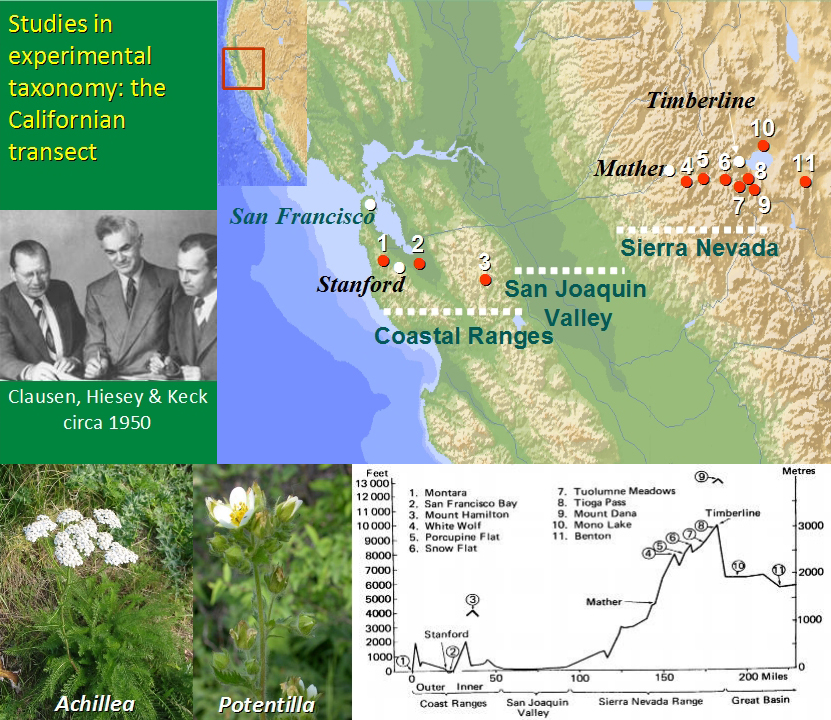
My own work on potatoes, rice and different grain legumes aimed to understand their patterns and origins of diversity, as well as the breeding systems which molded and released that diversity. I’ve been fortunate to have the great opportunity of working with or meeting many of the pioneers of the genetic resources movement, as I have described in other posts in this blog. But at the beginning of my career I became interested in studying crop diversity after reading the scientific papers of a group of botanists, Jens Clausen, David Keck and William Hiesey at Stanford University  (and others in Europe) who undertook research to understand patterns of variation in different plant species and its genetic and physiological underpinning.

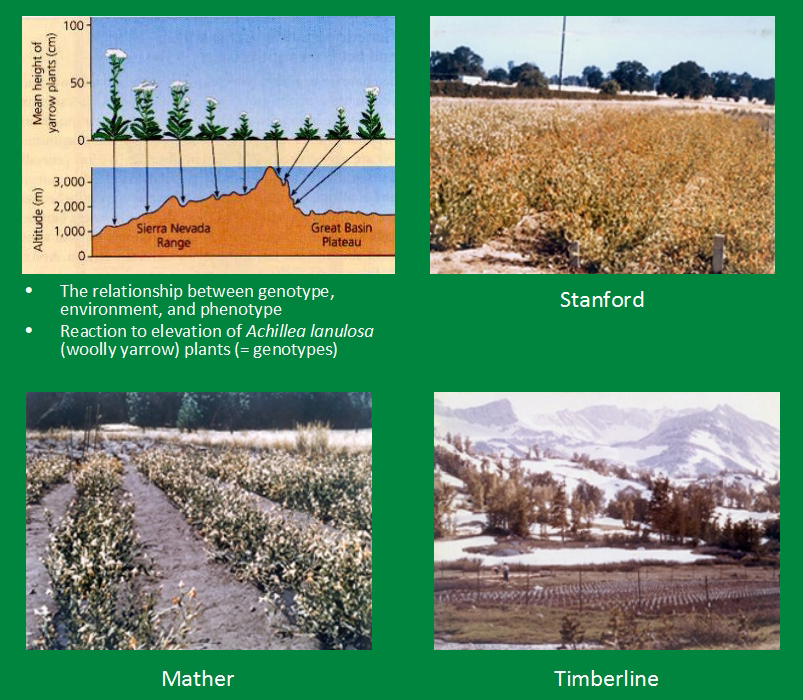
These Californian pioneers studied several plant species found across California (including Achillea spp. and Potentilla spp.), from the coast to the high sierra, and planted seeds from each of the populations in different experiment stations or ‘experimental gardens’ as they came to be known. They described and determined the physiological and climatic responses in these species – and the genetic basis – of their adaptation to the different environments. The same species even had recognizable morphological variants typical of different habitats.

Experimental gardens established by Clausen Keck and Hiesey at three sites across California to study variation in plant species.

Interesting research has also been carried out in the UK on the tolerance of grasses to heavy metals on mine spoil heaps. Population differentiation occurs within very short distances even though there may be no morphological differences between tolerant and non-tolerant forms. Researchers from Aberystwyth have collected grasses all over Europe and have found locally-adapted forms in rye grass (Lolium) for example, which have been used to improve pasture grasses for British agriculture. But such differences in these and many other crops can often only be identified following cultivation in field trials where the variation patterns can be compared under the same growing conditions (following the principles and methods established by Clausen and his co-workers), and the data analysed using the appropriate statistical tests.

I began my work on genetic resources in 1970. I quickly realized that this was the area of plant science that was going to suit me. If I wasn’t already hooked before I moved to Peru, my work there at CIP on potato landrace varieties in the Andes (where the potato originated) convinced me I’d made the right decision. The obvious differences between crop varieties are most often seen in those parts of the plant which we eat – the tubers, seeds and the like, the parts which have probably undergone most selection by humans, for the biggest, the tastiest, the sweetest, the best yielder. Other traits that adapt a variety to its environment are more subject to natural selection.

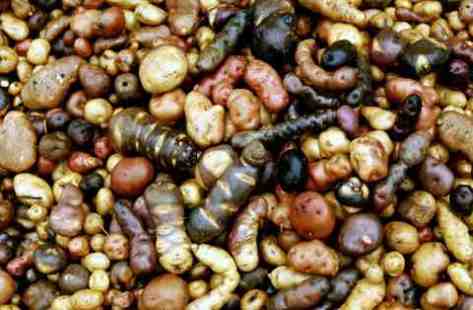
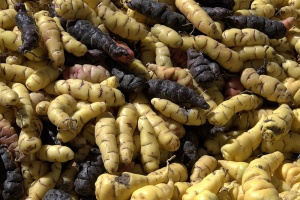
Patterns of diversity are so different from one crop species to another. In potatoes it’s as though a peacock were showing off for its mate – you can hardly miss it, with the colorful range of tuber shapes but also including differences in the color of the tuber flesh. Modern varieties are positively boring in comparison. Who wouldn’t enjoy a plate of purple french fries, or a yellow potato in a typical Peruvian dish like papa a la huancaina. Such exuberant diversity is also seen in maize cobs, in beans, and the squashes beloved of Americans for their Halloween and Thanksgiving displays.

Many of the other cereals, such as wheat, barley, and rice are much more subdued in their diversity. It’s much more subtle – it doesn’t hit you between the eyes like potatoes – such as the arrangement of the individual grains, bearded or not, and color, of course. When I first started work with rice landraces in 1991, I was a little disappointed about the variation patterns of this important crop. Little did I know or realize. Comparing just a small sample of the 110,000 varieties in the IRRI genebank collection side-by-side it was much easier to appreciate the breadth of their diversity, in growing period, in height, in form and color, as I have shown in the video included in another post. Just check the field plantings of rice landrace varieties from minute 02:45 in the video. Now there are color differences between the various grains, which most people never see because they purchase their rice after it has been milled.

From a crop improvement point of view, this easily observable diversity is less important. It’s the diversity for yield, for resistance to pests and diseases, and the ability to grow under a wide range of conditions – drought, submergence, increased salinity – that plant breeders seek to use. And that’s why the worldwide efforts to collect and conserve this diversity – the genetic resources being both crop varieties and their related wild species – is so important. I was privileged to lead one of the major genetic resources programs at the International Rice Research Institute in the Philippines for 10 years. But the diversity programs of the other centers of the CGIAR collectively represent one of the world’s most important genetic resources initiatives. Now the Global Crop Diversity Trust (which has recently moved its headquarters from Rome to Bonn in Germany) is not only providing some global leadership and involving many countries that are depositing germplasm in the Svalbard Global Seed Vault, but also providing financial support to place germplasm conservation on a sustainable basis.

Crop diversity is wonderful to admire, but it’s so much more important to study and use it for the benefit of society. I spent almost 40 years doing this, and I don’t have any regrets at all that my career moved in this direction. Not only did I get to do something I really enjoyed, I met some incredible scientists all over the world.

Around the world in 40 years . . . Part 3. Guatemala

In April 1976, my wife and I moved to Turrialba, Costa Rica where I set up an office for the International Potato Center at CATIE – Centro Agronómico Tropical de Investigación y Enseñanza. My principal remit was to develop a research program on adaptation of potatoes to warm and humid environments – the so-called tropical potato, as well as supporting the regional activities that were led at that time by my colleague Oscar Hidalgo from the regional office in Toluca, Mexico.

Very soon the focus of my work became the bacterial wilt pathogen (Ralstonia solanacearum), and this led to the identification of some interesting sources of resistance to the disease and development of agronomic practices to reduce the severity of attack in the field. And when Oscar moved (in late 1977) to North Carolina to begin his studies for a PhD in plant pathology, I became CIP’s regional leader for Mexico, Central America and the Caribbean, and we transferred the regional office to Turrialba. And in early 1978 we began to develop the concept of what became PRECODEPA, a cooperative regional potato program funded in large part by the Swiss government. Through PRECODEPA I visited Guatemala many times. The potato scientists there took responsibility for postharvest storage technologies.


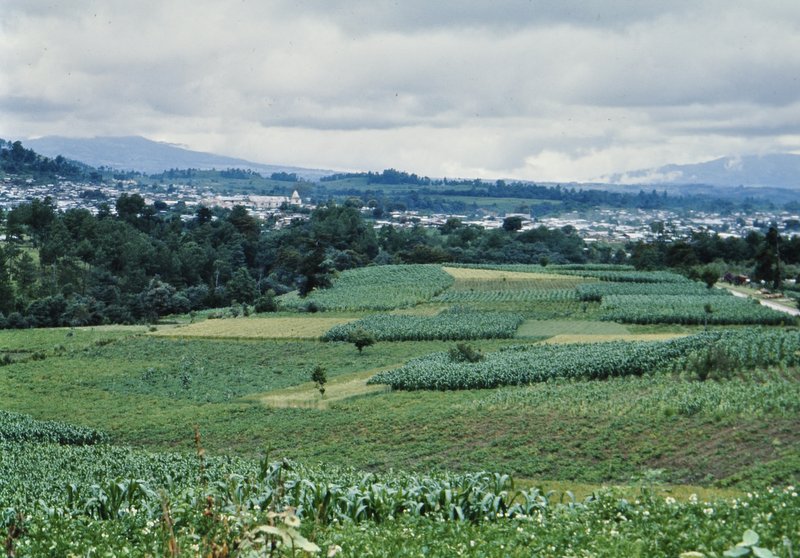
In the south of the country the mountains stretch from the frontier with Mexico in the west to El Salvador and Honduras in the west. And it’s in the mountains to the west of Guatemala City, in the region of Quetzaltenango that most potatoes are grown. Much of the country, stretching way to the north is low-lying tropical rainforest – the home of the Mayans, and where we visited Tikal in 1977.

There are many volcanoes in Guatemala, some active. To the west of Guatemala City lies the old city of Antigua, and further west still the Lago de Atitlán, with a ring of villages on its shores, each named after one of the Twelve Apostles. The highly picturesque town of Sololá lies close by to the north.

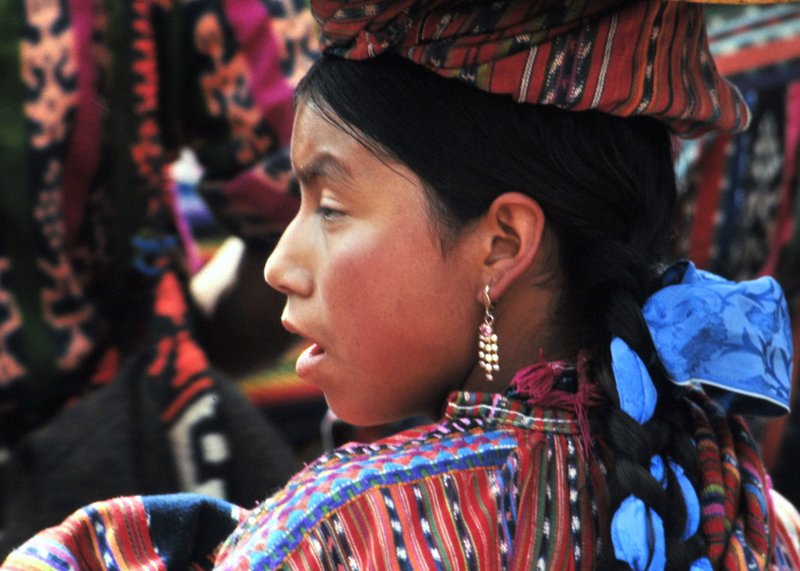
27-1977-07 Solola 09Unlike Costa Rica, which has a very small indigenous community, Guatemala is ethnically and culturally very rich, and reminded us of our years in Peru. The beautiful weavings and typical costumes can be seen everywhere, and on an every day basis.

Guatemalan agriculture is quite interesting based as it is on multicropping or milpa systems of maize, beans and squashes. In fact, multi- or intercropping is extremely common in Guatemala, and I’ve even seen potatoes intercropped with maize and other crops there – something that is quite uncommon in other countries.

06-1977-07 Comalapa 0102-1977-07 Lago de Atitlan 02

During one of our visits we met with representatives of an NGO (with several US citizens involved) in a small community, Comalapa, about 67 km west of Guatemala City and north of the provincial capital of Chimaltenango. I must have been very naive. It’s only quite recently that I became aware of the civil war that was ongoing in Guatemala at that time, and I’ve often asked myself whether we were lucky not to have come across either right-wing or left-wing groups that made people ‘disappear’.

Here are some photos that I took around Lago de Atitlán and Sololá.

It was 40 years ago today . . .

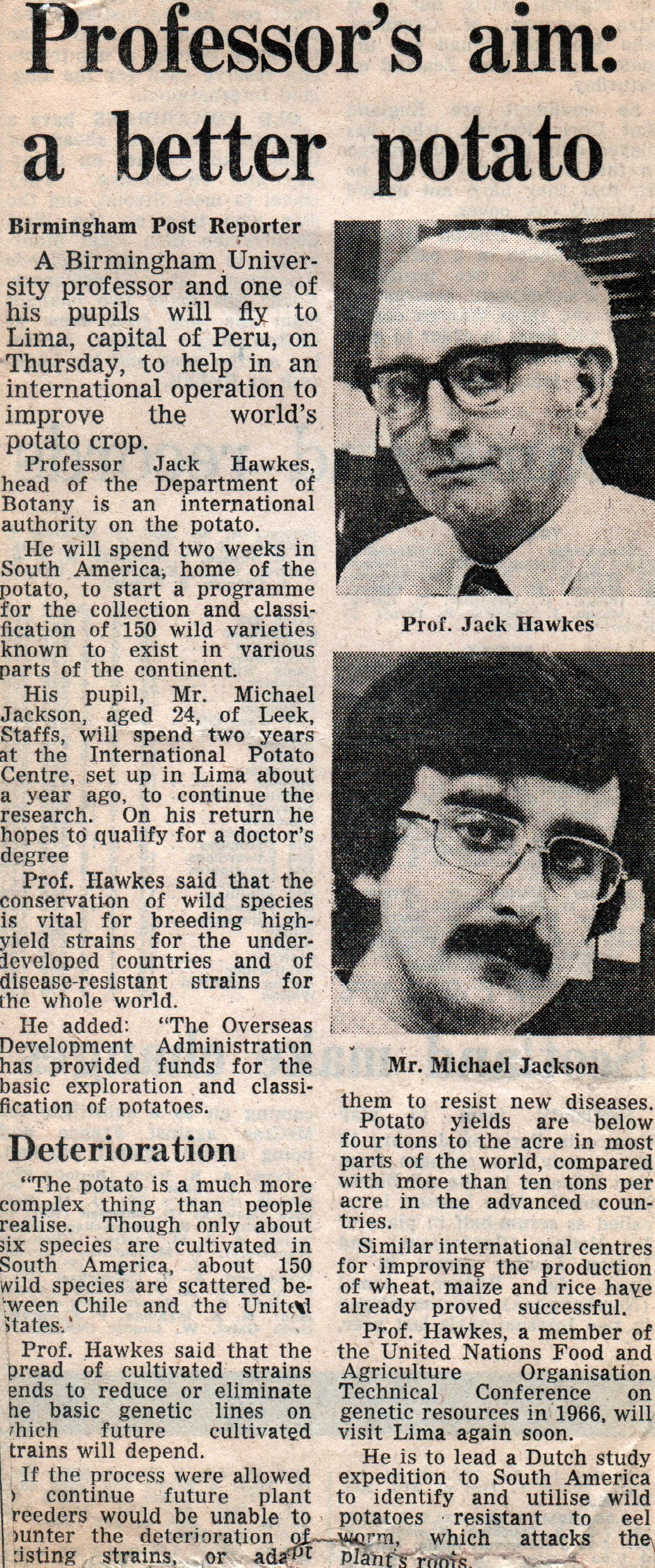
News item in The Birmingham Post, 2 January 1973

News item in The Birmingham Post, 2 January 1973

One evening in February 1971 I received a phone call from Professor Jack Hawkes who was head of the Department of Botany at the University of Birmingham, and Course Director for the MSc on Conservation and Utilization of Plant Genetic Resources. I’d begun my studies at Birmingham in September 1970 after graduating some months earlier from the University of Southampton with a BSc in environmental botany and geography. He asked me if I was interested in working in Peru for a year. Well, it had been my ambition for many years to visit Peru, and here was my chance.

Jack was a world-renowned authority on the potato, its taxonomy and origins in the Andes of South America. And on the day that he phoned me, he had just returned from a two month expedition to Bolivia to collect samples of wild potato species. He had been joined on that expedition by his close collaborator from Denmark, Dr Peter Hjerting, and one of his PhD students, Phillip Cribb (who went on to become an orchid expert at the Royal Botanic Gardens – Kew).

Dr Richard L Sawyer, Director General of CIP, 1971-1991

Dr Richard L Sawyer, Director General of CIP, 1971-1991

The expedition also received logistical support from the North Carolina State University-Peru USAID project, led at that time by Dr Richard Sawyer who would go on to found and become the first Director General of the International Potato Center (CIP) in October 1971.

Peruvian potato expert, Dr Zosimo Huaman

While in Lima at the start and end of the expedition, Jack has stayed with Richard and his wife Norma. Richard talked of his vision to found CIP, and that he wanted to send a young Peruvian to study on the MSc course at Birmingham. That was Zosimo Huaman, who would go on to complete his PhD with Jack, and stay with CIP for the next 20 or more years. Zosimo was helping to manage a collection of native varieties of potato from Peru that the USAID project had taken over, and which would pass to CIP once that institute was open for business.

But if Zosimo went off to the UK, who would look after the potato collection? Richard asked Jack if he knew of anyone from Birmingham who might be interested in going out to Peru, just for a year, while Zosimo was completing his master’s studies. ‘I think I know just the person’, was Jack’s reply. And that’s how Jack came to phone me that February evening over 40 years ago.

But it wasn’t quite that simple.

There was the question of funding to support my year-long appointment, and Richard Sawyer was hoping that the British government, through the then Overseas Development Administration (now the Department for International Development – DfID) might cough up the support. The intention was for me to complete my MSc and fly out to Peru in September 1971. In the event, however, my departure was delayed until January 1973.

By February 1971, an initiative was already under way that would lead to the formation of the Consultative Group on International Agricultural Research (CGIAR) later that same year, and the ODA was contemplating two issues: whether to join the CGIAR, and whether to fund a position at CIP on a bilateral basis, or on a multilateral basis if it became a member of the CGIAR. But that decision would not be made before my expected move to Peru in September.

At what became a pivotal meeting in London in mid-1971, Jack argued – convincingly as it turned out – that he’d identified a suitable candidate, me, to join CIP’s genetic resources program, and that if some funding support was not found quickly, I’d likely find a job elsewhere. And so ODA agreed to support me at Birmingham on a Junior Research Fellowship for 15 months until December 1972, and that if negotiations to join the CGIAR went smoothly, I could expect to join CIP in January 1973. In the interim, Richard Sawyer did come through Birmingham and I had the chance to meet him, and for him to give me the once over. All seemed set for a January 1973 move to Peru, and I settled down to begin a PhD study under Jack’s supervision, working on the group of triploid potatoes known as Solanum x chaucha.

Mike discussing potato taxonomy with renowned Peruvian potato expert, Prof. Carlos Ochoa

Steph checking potatoes in the CIP germplasm collection in one of the screenhouses at La Molina

Although I went on to the CIP payroll on 1 January 1973, I didn’t fly out to Peru until the 4th (a Thursday). After spending Christmas with my parents in Leek, then a couple of days in London with my girlfriend Stephanie (who joined me in Peru in July 1973, where we were married in October, and she joined CIP’s staff as well) I spent a couple of nights in Birmingham with Jack and his wife Barbara before we set out on the long journey to Lima.

In those days, the ‘direct’ route to Peru from the UK was with BOAC from London-Heathrow, with three intermediate stops: in St John’s, Antigua in the Caribbean; in Caracas, Venezuela; and finally in Bogotá, Colombia. We finally arrived in Lima late at night, were met at Jorge Chavez airport by plant pathologist Ed French, and whisked off to our respective lodgings: me to the Pension Beech on Los Libertadores in the San Isidro district of Lima, and Jack to stay with the Sawyers. Thus began my association with CIP – for the next eight and a half years (I moved to Costa Rica in April 1976), and with the CGIAR until my retirement in 2010.

Celebrating the 20th anniversary of the Birmingham genetic resources MSc course in 1989. R to L: Trevor Williams, Jim Callow (Mason Professor of Botany), Jack Hawkes, Brian Ford-Lloyd, Mike Jackson, not sure

After CIP I returned to the UK to teach at the University of Birmingham. By then, many of the overseas MSc students were being supported by another of the CGIAR institutes, the International Board for Plant Genetic Resources, IBPGR (later to become the International Plant Genetic Resources Institute, IPGRI, then Bioversity International) based in Rome. A former Birmingham faculty member, Dr Trevor Williams (who had supervised my master’s thesis) was the first Director General of IBPGR. I maintained my links with CIP, and for a number of years had a joint research project with it and the Plant Breeding Institute in Cambridge on true potato seed. I also took part in a very detailed project review for CIP in about 1988.

In 1991 I joined the International Rice Research Institute (IRRI) in the Philippines, which was founded in 1960, and is the oldest of the 15 centers that are part of the CGIAR Consortium. I was head of IRRI’s Genetic Resources Center for 10 years, followed by almost nine as Director for Program Planning and Communications.

The CGIAR gave me a great career. I was able to work for excellent scientific research organizations that had noble goals to reduce rural poverty, increase food security, ensure better nutrition and health, and manage resources sustainably. As a small cog in a big wheel it’s hard to fathom what contribution you might be making. But I often thought that if people were going to bed less hungry each night, then we were making a difference. This does not diminish the scale of the continuing problems of poverty and food security problems in the developing world, which are all-too-often exacerbated by civil strife and conflict in some of the most vulnerable societies. Nevertheless, I feel privileged to have played my part, however small. It was my work with the CGIAR that led to my appointment as an OBE by HM The Queen in 2012, for services to international food science.

Children of the Irish diaspora . . .

My English roots
After my father died in 1980, my eldest brother began to research our family history, particularly on my father’s side. We come from quite humble backgrounds, of working class and farming stock, in the English Midland counties of Derbyshire and Staffordshire.

Through his shrewd and determined genealogical detective work,  Martin has been able to trace the BULL line (my paternal grandmother’s family) directly back to the 1480s, some 18 generations if I have interpreted his data correctly. But for several of the branches of the ‘Jackson’ family tree (JACKSON specifically, TIPPER, and HOLLOWAY) he’s also been able to trace back our ancestry to the 17th and 18th centuries. Surprisingly, it’s only a few generations back to the 18th century, to my great-great-great grandfather John Jackson, born in 1793. And, as someone with a keen – if amateur – interest in history, I find it fascinating to try and understand events contemporaneous with my family’s ancestry.

The Irish connection
My mother’s family came from Ireland, but making genealogical progress for this side of the family seems much more problematical. Even before the Irish Potato Famine of the 1840s, the Irish had already begun to move away from the island of their birth in the hope of finding a better life elsewhere. Emigration accelerated dramatically as a consequence of the Famine, but the everyday politics and economics of life in Ireland had their effects as well. So finding where everyone might have ended up would take some serious genealogical research – if indeed it is possible.

My English teacher at high school, Frank Byrne, had family from Co. Roscommon, and on the syllabus the year I took my exams was the poetry of Nobel Laureate William Butler Yeats. Mr Byrne brought this poetry alive, with tales of Irish kings, and patriots and literati, friends of Yeats, such as Maud Gonne, John Macbride, and Lady Gregory, among others.

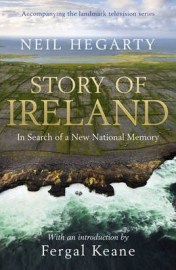
I’ve often delved into Irish history, and most recently finished reading Story of Ireland – In Search of a New National Memory, by Neil Hegarty that accompanied a series on the BBC in 2011 (I’m not sure how I came to miss that at the time). It’s a well-written, easy read that takes you through the ages of Irish history: the ravages and early impact of the Viking raids and settlements; the shenanigans of the Plantagenets and Tudors; the brutality of the Oliver Cromwell years; the ‘Glorious Revolution’, King James II and the Battle of the Boyne; the advent of Presbyterianism and rise of sectarian politics and intolerance in the north; the aspirations of many generations for Home Rule; and the incompetence of successive British governments during the 19th and early 20th centuries in addressing and managing the Irish question, sometimes simply neglect, that ultimately led to the rise of nationalism and its consequences.

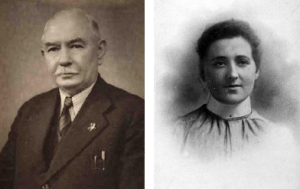
My Irish grandparents, Martin Healy and Ellen née Lenane, hailed from Co. Kilkenny and Co. Waterford, respectively. Like many young Irishmen, my grandfather – at the age of almost 16 it seems – joined the British Army (controversially, as seen through nationalist eyes), serving in the Royal Irish Regiment for 12 years, seeing service in India (in the North West Frontier) from 1894-99, and also in South Africa during the Boer War for almost three years from November 1899. He took part in the Defence of Ladysmith in Natal Province. What is particular ironic is that he probably faced fellow Irishmen, members of an Irish Brigade, fighting on the side of the Boers. Still legally ‘British citizens’ they risked being shot as traitors if captured. However, they were offered Boer nationality at the outset of the campaign.

After military service, my grandfather moved to London and joined the Metropolitan Police, marrying my grandmother in 1905. She was living in southwest London – in Wimbledon – at the time of their marriage, and had probably moved to England some time before looking for work. Her father was a farmer.

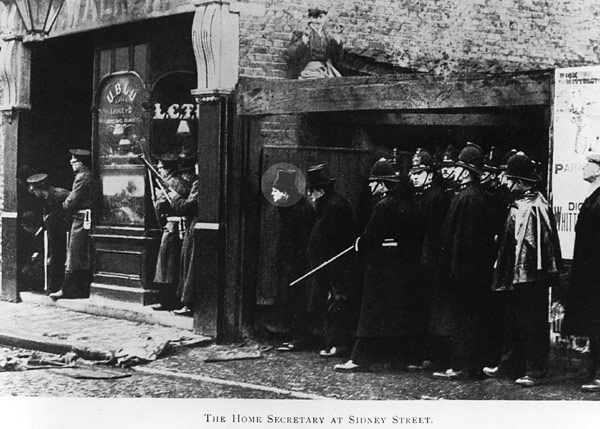
While serving with the police, my grandparents lived in London’s East End in Stepney, where my mother was born in 1908. Granddad took part (so my mother once told me) in the ‘Battle of Stepney’ gunfight in 1911 (also known as the Siege of Sidney Street). He left the police force in 1928, and retired to Epsom in Surrey; he died in 1954. My grandmother died two years earlier.

Making sense of the Healy-Lenane family tree (including the PHELAN and FITZGERALD lines) will be a challenge, although my brother has made some progress. My grandfather, born in 1876, was the fourth child of seven, and my grandmother (born in 1878), eighth of nine (I’m not sure how many survived childhood). And no doubt their parents had many siblings who joined the diaspora in waves to find new lives in the USA, Canada and the Antipodes, as well as mainland Britain.

But through the horrors of the Famine, the various disturbances related to the Home Rule campaigns culminating in the Easter Rising of 1916 and its aftermath, and the founding of the Irish Free State, I do wonder how my Healy-Lenane family fared, which side they supported during the year-long civil war of the early 1920s, whether they joined the IRA, and if they suffered violence at the hands of the Black and Tans? And how did my grandparents, living in England, view the events taking place in their native Ireland at this time?

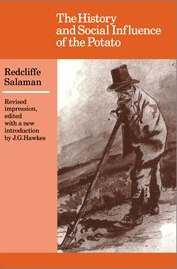
I was born a little over 100 years after the Irish Potato Famine had ravaged the Irish countryside, bringing untold miseries to hundreds of thousands of the rural poor. Redcliffe Salaman recounted harrowing tales of the Famine in his seminal The History and Social Influence of the Potato (originally published in 1949). For 20 years from 1971 my own research focused on the potato. I had opportunity to see for myself the immense damage caused by potato blight (Phytophthora infestans), researching new sources of genetic resistance to this devastating fungal disease. Perhaps my Irish ancestry predisposed me to work on potatoes.

When we moved to Leek in 1956 we became very close with one Irish family in particular who came from Youghal, near where my grandmother was born. But there were several other families of Irish origin who sent children to the same Catholic primary school; and at high school (run by Irish Christian Brothers) in Stoke-on-Trent, I encountered even more.

In recent months I’ve tried to understand more about the recent history of the island of Ireland, and what were the circumstances and origins of the Troubles that blighted our country for more than three decades from the late 1960s. Irish history is complex and convoluted. Memories are long, and wounds take a long time to heal. Uncovering how my family played a part in this story is the beginning of a long voyage of discovery.

Early morning cup of tea . . .

Tea – the elixir of life.

It was just before 6 am today. I was lying in bed, enjoying my early morning cup of tea, and waiting for the news bulletin on Radio 4 on the hour.

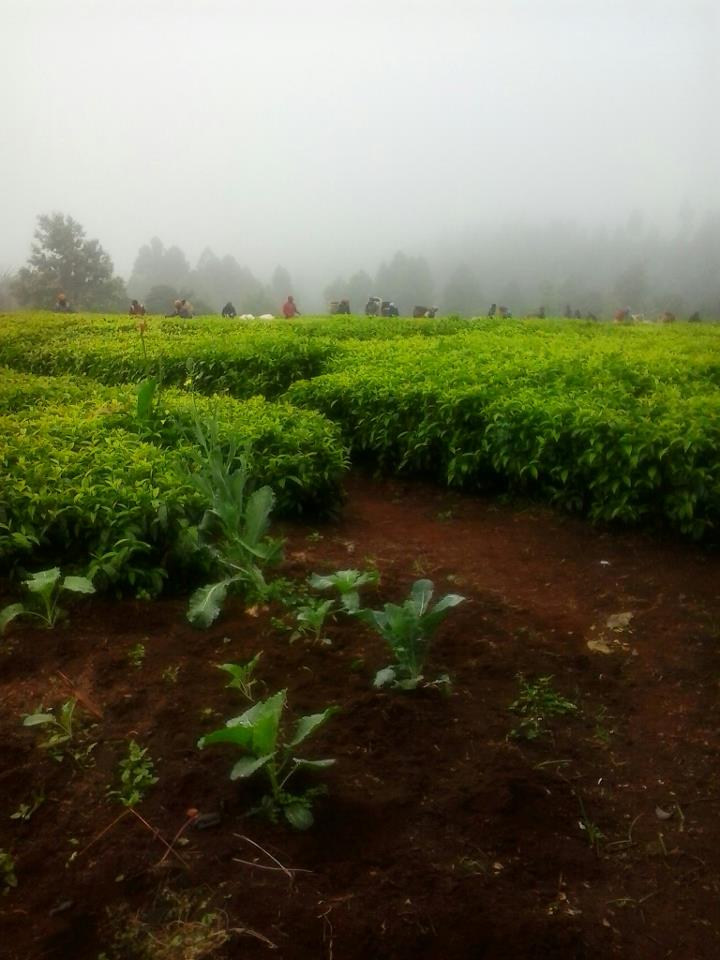
And I got to thinking about this photo of tea pickers in the highlands of Kenya that my friend Luigi had posted on Facebook yesterday. Tea is a very important crop in Kenya, and it now ranks as the world’s third largest producer, after China and India, with Sri Lanka and Turkey coming fourth and fifth, respectively. I’ve seen tea cultivation in Sri Lanka (above Kandy) and Indonesia (in the hills east-southeast of Bogor).

Tea is not, however, a crop that is native to Kenya, having originated in east Asia. And the same could be said for most of the plants we consume today. Just a quick survey of country of origin of fruits and vegetable on sale in supermarkets here in the UK demonstrates the global system of food production, and how far from their original regions of cultivation many of them have spread – beans from Kenya, asparagus from Peru, etc. The potato is referred to in the USA as the ‘Irish potato’ (presumably to distinguish it from the sweet potato, to which it is not related at all; or was it because of the dependence of the Irish in the 19th century on this one crop that led to mass emigration, most often to the USA, during and after the potato famine of the mid-1840s), but comes from the Andes of South America, with its greatest diversity in southern Peru and northern Bolivia. It’s now a major crop worldwide. Maize originated in the Americas but is a major staple today in many parts of Africa, although the major production area is the Corn Belt of the USA. Wheat originated in the Middle East, but major wheat-producing countries are the USA and Canada, Australia, and Russia. Rice is still the staple of Asia where it originated – probably in several centers of domestication.

In the 1980s, when I was on the faculty at the University of Birmingham, I taught a graduate course on crop evolution. I guess this interest in and research on crop origins had been instilled in me by Jack Hawkes, former head of the Department of Plant Biology at Birmingham (and my PhD supervisor), and I continued my work on potatoes for more than 20 years before moving on to rice.

One of the reasons why I find the study of crop evolution so fascinating is that it is a synthesis of so many seemingly unrelated disciplines: the biology of the wild and domesticated plants themselves, their genetics and molecular biology, ecology, and use plant breeding and farming, as well as their history and archaeology, social context, and economics over the past 10,000 years or so since the beginnings of agriculture in the Middle East, in China, and in parts of South and Central America. An interesting introductory text for anyone interested in the origins of crops is Evolution of Crop Plants (1995) edited by Joe Smartt and Norman Simmonds.

Today, the application of molecular techniques is helping to unravel further the ancestry of crop plants, showing linkages to their related wild species, and opening up many opportunities of using these genetic resources for the benefit of farmers and consumers alike, making the crops we depend on more productive, climate resilient, and pest and disease resistant.

In the 1980s the two BBC TV series of Geoffrey Smith’s World of Flowers documented the origins and history of many of the flowers that we grow in our gardens today – roses, tulips, daffodils, fuchsias, dahlias, and lilies, to name just a few. Based on the success of these programs, I did contact the series producer and sent in a prospectus for a series of programs about the origins of crop plants.

I could imagine a program on potatoes, for example, that would take the viewer to the Andes of Peru, looking at indigenous potato cultivation, linking it to the origins of Inca agriculture and the archaeology of the coastal cultures, the wealth of diversity of more than 200 wild species in the Americas, how these are conserved in major genebank collections in the USA and Europe (as well as at the International Potato Center in Lima), and how this diversity is used in potato breeding. No longer would we take these crops for granted! And the same could be done for wheat and barley – the cereal staples of the Middle east, with its wealth of archaeology in Turkey, Syria and Iraq, maize in Mexico and coastal Peru, and many other examples.

I even spent some time with a BBC producer who visited me at Birmingham – but to no avail. While they liked the idea, there was no budget to do the programs justice. I could just imagine Sir David Attenborough waxing lyrical – in his inimitable way – about our food and where it comes from. Who knows – it might happen one day (but Sir D is an unlikely presenter given his age).

PRECODEPA – one of the CGIAR’s first research networks

Establishing a regional program
In April 1976, CIP opened an office in Turrialba, Costa Rica, hosted by the Centro Agronómico Tropical de Investigación y Enseñanza (CATIE). My role there was to support the regional office based in Toluca, Mexico, and to carry out research on breeding potatoes to tropical conditions, and once we’d realized the problem of bacterial wilt, searching for resistance to this insidious disease.


In July 1997, the regional leader, Ing. Oscar Hidalgo (a Peruvian bacteriologist) departed for his PhD studies in the USA, and instead of transferring me to Toluca, the Turrialba office became the regional headquarters. And in doing so, my responsibilities changed considerably; I became CIP’s primary link with the national potato programs in Mexico, Central America and the Caribbean.

I was supported by my boss in Lima, Dr Ken Brown, who had joined CIP in early 1976 to support the Outreach Program, and soon becoming the head of the Regional Research Program, replacing Dick Wurster. Ken was a cotton physiologist, and had spent most of his career in various parts of Africa, especially Nigeria, and just before joining CIP had headed a cotton research project in Pakistan. Ken was a fantastic person to work with – he knew just how to manage people, was very supportive, and the last thing he ever tried to do was micromanage other people’s work. I learnt a great deal about program and people management from Ken.

Towards the end of 1977, Dr John Niederhauser, proposed the idea of a cooperative regional network among several countries. I worked closely with John over about six months developing and refining ideas, and travelling together to meet program leaders (and even ministers and vice ministers of agriculture) in six countries: Mexico, Guatemala, Honduras, Costa Rica, Panama, and the Dominican Republic. In April 1978 a meeting was held in Guatemala City to launch the Programa Regional Cooperativa de Papa – PRECODEPA, with funding from the Swiss Agency for Development and Cooperation (SDC).

PRECODEPA

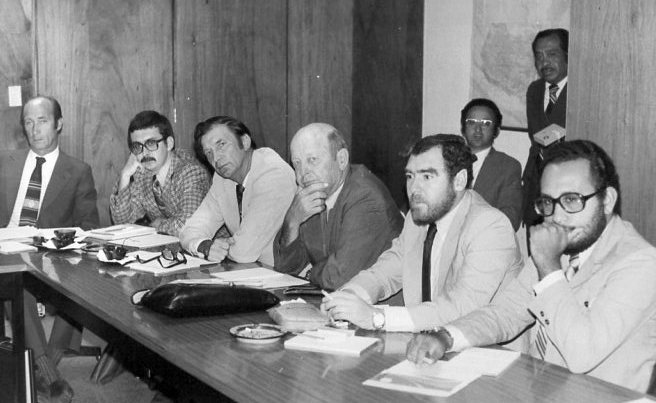
The inaugural meeting of PRECODEPA in Guatemala City, April 1978. L to R (sitting): Ken Brown, me, Richard Sawyer, John Niederhauser (CIP), Carlos Crisostomo (ICTA-Guatemala), unknown. I don’t recognise/remember the two gentlemen standing in the rear.

The SDC was just the right donor agency – one with a long-term commitment. Although I’m not able to determine the current status of PRECODEPA, it was supported by the SDC for more than 25 years, and expanded from the initial six countries to 10 or more, with French and English-speaking countries participating. Of course the original members were all Spanish-speaking – one of the major advantages of this regional program in its early years.

For the next three years, much of my time as CIP’s regional leader was spent supporting PRECODEPA and contributing my own work on bacterial wilt and seed production. However, I have to say that my role during this period – especially during the inception design and development phase – has essentially been removed from the record. And for reasons I could never understand, John Niederhauser chose not to recognize the important contributions that CIP (and me) made to the overall success of PRECODEPA.

Why was PRECODEPA needed, and what did it achieve?
While potato was an important commodity in most of the countries of the region, it was never in the same league as other staples such as maize and beans. Mexico had (and still has) the largest area of potato cultivation in the region, but even this pales into insignificance compared to maize. While agriculture ministries supported potato production, this crop was not a top priority, nor did the countries have the resources (both finance and staff) to support and maintain a fully-rounded potato program. Thus the principal idea behind PRECODEPA was a distributed research effort among the member countries, with each taking leadership in one or more areas of potato research and production which had a high national priority, and sharing that expertise with the other members of the network. This also facilitated support from CIP in that CIP specialists were able to meet with their counterparts from one or two countries in the region rather than all of them, and then the national programs supporting each other, as explained earlier.

Thus, Mexico took a lead in seed potato production and late blight research (Phytophthora infestans; some of the pioneer research funded by the Rockefeller Foundation was carried out in the Toluca valley); Guatemala concentrated on post harvest storage, Costa Rica on bacterial wilt (Ralstonia solanacearum), and Panama on potato cyst nematode (Globodera spp.) After 40 years I cannot remember the lead activities for Honduras and the Dominican Republic. With support from the SDC and back stopping from CIP each country developed its capabilities in its lead area, offered training and technical support to the other members, and in turn received support from the others in those areas where it was ‘weaker’.

Among the first national members of PRECODEPA were Ing. Manuel Villareal (Mexico), who had once served as CIP’s regional leader for Region II, Ing. Alberto Vargas (Vice Minister) and Ing. Fernando Cartín from the agriculture ministry in Costa Rica, Ing. Roberto Rodriguez (IDIAP) from Panama, and Ing. Polibio Vargas from the Dominican Republic. Unfortunately, after 38 years, I am unable to remember the names of the Guatemala (ICTA) and Honduras representatives. In 1979, I think it was, Peruvian scientist Dr Jorge Christiansen was appointed to PRECODEPA and based in Guatemala.

The fact that all original members spoke Spanish was a huge advantage. This greatly facilitated all the nitty-gritty discussions needed to achieve consensus among the members about the advantages of working together – as equals. The fact that the SDC supported PRECODEPA for so many years is one indication of its success. On the SDC website there is this succinct assessment: PRECODEPA’s achievements include increases in yields, output and profitability; substantial reduction in the use of pesticides – representing savings for Central American farmers and reducing the impact on the environment and consumers; the beginnings of a processing industry (French fries, crisps) – meaning regional products entered a market previously dominated by their powerful northern neighbours; production of quality potato seed and the development of a regional potato seed market; and training for thousands of farmers and technicians.

I’m proud to have been part of this innovative program – one of the first such research networks or regional programs established by the centers of the CGIAR.

CIP’s direct involvement
CIP contributed specifically in a couple of areas. In an earlier post I have described the work we did on resistance to bacterial wilt. Some of those resistant materials found their way into the Costarrican seed potato program.

Seed production through rapid multiplication techniques was another important area, and I supported in this by seed production specialist Jim Bryan who spent a sabbatical year with me in 1979-80. We developed further (from Jim’s initial work in Lima) the techniques of stem, sprout and single-node cuttings [1], bringing these to the field to produce disease-free seed potatoes, and help establish a vibrant seed potato industry in Costa Rica.

Since I left CIP (in March 1981) PRECODEPA increased in size, and the members continued to share the coordination of the program among the members. As the information on the SDC website indicates, PRECODEPA was indeed the blueprint for other regional programs on maize and beans, and for other collaborative programs around the world. It was a model for the various consortia that have developed among the centers of the CGIAR and national program partners.

[1] Bryan, J.E., M.T. Jackson & N. Melendez, 1981. Rapid Multiplication Techniques for Potatoes. International Potato Center, Lima, Peru.

Early days in Lima – 1973

Potatoes were not my first choice
Hindsight is a wonderful thing. Although I spent more than 20 years studying potatoes – in a variety of guises – that had not been my first choice. I originally wanted to become the world’s lentil expert.

Well, not exactly. When I joined the 1970 intake on the MSc course Conservation and Utilization of Plant Genetic Resources at the University of Birmingham, I quickly decided to work with Trevor Williams on the taxonomy and origin of lentils (Lens culinaris). I wanted to study variation in a crop species that had received little attention; and preferably it had to be a legume species.

Working our way through Flora Europaea, we came across the notation under lentil: Origin unknown. Now that seemed like an interesting challenge, and we began to plan a suitable dissertation project on that basis. I completed my dissertation in September 1971.

Interestingly, unknown to Trevor and me, renowned Israeli expert on crop evolution Professor Daniel Zohary (of the Hebrew University of Jerusalem) had been working on the same problem, and published his results in Economic Botany in 1972 [1], which essentially confirmed the conclusions I’d reached a year earlier.

As it turned out – and this is the hindsight bit – continuing work on lentils was not really an option; and funding for a lentil PhD would have been very difficult to find.

In any case, the MSc course leader Professor Jack Hawkes had, by March 1971, already raised the possibility of spending a year in Peru (see my posts about potatoes in Peru and about Peru in general), which I jumped at. So in January 1973, I landed in Lima, an employee of the recently-founded International Potato Center (CIP).

First impressions
Then, CIP was housed in just a single building on a developing campus in La Molina, on the eastern outskirts of Lima, where the National Agrarian University is located (in fact, just across the road from CIP). In those days, the journey to La Molina from the Lima suburbs of San Isidro or Miraflores (we lived in Miraflores on Av. Larco, close to the cliffs overlooking the Pacific Ocean) took about 20 minutes. Around La Molina it was essentially a rural setting. But even in those days, housing developments were already underway, and today what were once fields of maize are now ‘fields of concrete’. I’m told that the journey can now take forever, and CIP staff often plan to arrive early or depart late just to avoid the horrendous traffic.

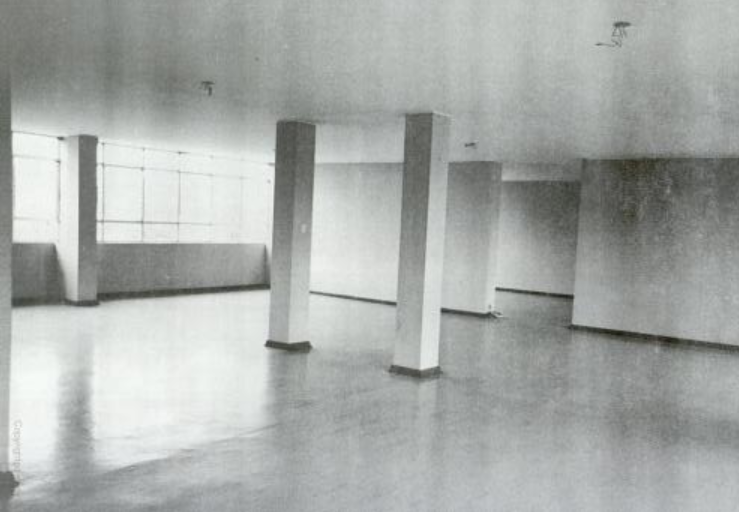
But I digress. The CIP building was essentially an empty shell on both floors. This was gradually partitioned to form offices and laboratories, and over the years, new buildings were added. On my first day at CIP (Friday 5 January) I was shown to my ‘office’ on the upper (first) floor. The whole floor at that time was completely open plan from one end to the other, except for one room opposite the staircase that actually had two solid walls either side (the toilets were located on either side), and a wooden panel front. Inside was a desk, a chair, a filing cabinet, and a bookshelf. That was it!

While there were no laboratories as such at CIP until a few months later (the pathologists were using space in a national program laboratory building across the street), we did have access to a couple of screenhouses at La Molina for growing experimental materials, but that was quite a challenge in the heat of the Lima summer from January to April until facilities with some sort of cooling system were constructed.

I must admit I did wonder what I’d let myself in for. There were no established research facilities such as laboratories, I didn’t speak Spanish (although that was rectified in about six months), and went through all the stages of ‘culture shock’.

A planning meeting on germplasm
The following week CIP held the second planning workshop (but the first on germplasm and taxonomy) of a whole series that would be convened over the next decade to help plan its program. The participants were Jack Hawkes, taxonomist Carlos Ochoa (Peru), potato breeder Frank Haynes (North Carolina State University), geneticist Roger Rowe (then with the USDA regional potato germplasm project in Sturgeon Bay, Wisconsin, and later to join CIP in July 1973 as head of the breeding and genetics department), ethnobotanist and taxonomist Don Ugent (Southern Illinois University-Carbondale), and potato breeder Richard Tarn (from Agriculture and Agri-Food Canada, New Brunswick, and a former PhD student of Jack Hawkes), and myself. We made a trip to Huancayo in the central Andes (more than 3000 m above sea level) where CIP proposed to establish its highland field station (more of that below), and also to Cuzco in southern Peru (where I seized the opportunity, with Richard Tarn, of making a day trip to Machu Picchu). In Huancayo, we visited the small, but growing, potato germplasm collection which in those days was being multiplied on rented land.

The field supervisor was a young agronomist, David Baumann, who can be seen in this photo explaining the collection to the workshop participants. Around this time, plant pathologist Dr Marco Soto – who had just returned from his PhD studies in the USA – was named as the head of the Huancayo station.

The arrangements for that meeting say a lot about the early CIP days. We traveled to Huancayo by road, in two Iranian-built Hillman station wagons, one of them driven by the CIP Director General, Richard Sawyer. Another point worth mentioning is the research planning strategy that CIP implemented. Since potato research was strong in many countries around the world, Sawyer decided it would be effective to engage potato scientists from elsewhere in CIP’s research. Not only were they invited to participate in planning workshops, they also received research grants to carry out specific research projects (such as the potato breeding and nematology resistance research at Cornell University, for example), and provide graduate opportunities for students sponsored by CIP. This approach, as well as developing a regional program for research and dissemination, were heavily criticised in the early days of the CGIAR. This was not the approach taken by other centers such as IRRI, CIMMYT, and CIAT for example. It now seems a rather silly opposition, and is more the norm than the exception in how the centers of the CGIAR do business.

So who worked at CIP in the early days?
In Lima, there were only a handful of staff in January 1973 (click on the photo to see the list), me included as a Fellow in Taxonomy, even though I only had a masters degree, and would continue with my PhD research while working for CIP.

Head of plant pathology, and long-time North Carolina team member, Ed French (a US citizen of Anglo-Argentinian ancestry) had already begun to recruit staff. Post-doctoral fellow John Vessey from the UK worked on resistance to bacterial wilt, and he and his wife Marian became close friends (we are still in touch with them), although John departed for CIMMYT in Mexico in 1974, followed by United Fruit in Honduras – more bacterial wilt – before returning to the UK (John was my principal contact for the somaclone project I reported in another post).

At first, there were few internationally-recruited staff, but throughout 1973, the staff increased quite rapidly. Rainer Zachmann, a German plant pathologist working on Rhizoctonia solani, joined in February, followed by Julia Guzman, a late blight specialist from Colombia; Parviz Jatala, a nematologist from Iran; Ray Meyer, an agronomist from the USA; and Dick Wurster as head of the Outreach Dept. , among others. Dick had been working in Uganda prior to joining CIP.

A qualified pilot, Dick brought his plane with him (it had two engines – one at the front, and one behind!), which was also used by CIP to ferry staff to Huancayo on occasion, although we usually made the six hour journey by road. Jim Bryan returned from his leave in the USA to join CIP as a seed specialist.

Among the Peruvian staff were virologist Luis Salazar (who gained his PhD some years later from the University of Dundee in Scotland), nematologist Javier Franco (who studied at Rothamsted for a University of London PhD), and plant pathologist Oscar Hidalgo (who went to North Carolina State University). Just returned from Cornell was Dr Marco Soto (a plant pathologist) who became superintendent of the Huancayo experiment station. About to return from graduate studies overseas were plant physiologists Willy Roca (and his wife Charo) and Fernando Ezeta, and virologist Anna-Maria Hinostroza. Nematologist Maria Scurrah (who was born in Huancayo of German parents, and who spoke Spanish, German and English will equal rapidity) returned from her PhD studies at Cornell in 1972. Entomologist Luis Valencia was mentored by Maurie Semel who was on sabbatical from Cornell. Zosimo Huaman returned from Birmingham in April 1973.

The first support staff  included secretaries Rosa Benavides (who sadly succumbed to cancer just a few years later) and Haydee de Zelaya, caretaker José Machuca, messenger Victor Madrid (who eventually became a very talented member of the communications support team), carpenter Maestro Caycho, and screenhouse technicians, the Gomez brothers – Lauro, Felix, and Walter.

My fiancée Stephanie joined me in Lima in July 1973 and began work as a germplasm expert with the CIP potato collection. We married in October 1973 in the Municipalidad de Miraflores, near to where we were renting a 12th floor apartment on Av. Larco.

[1] Zohary, D. 1972. The wild progenitor and the place of origin of the cultivated lentil: Lens culinaris. Economic Botany 26: 326-332.

Birmingham – a center for potato studies

When the late Professor Jack Hawkes was appointed to a lectureship in botany at the University of Birmingham in 1952, he had already been working on potatoes for more than a decade. And immediately prior to arriving in Birmingham he’d spent three years in Colombia helping to establish a national potato breeding program. From then until his retirement in 1982  – and indeed throughout the 1980s – Birmingham was an important center for potato studies.

The potato germplasm that Hawkes collected (with EK Balls and W Gourlay in the 1938-39 expedition to South America) eventually formed the basis of the Empire then Commonwealth Potato Collection, maintained at the James Hutton Institute in Scotland. Throughout the 50s, 60s, 70s, and 80s Jack also had a large collection of wild potato (Solanum) species at Birmingham. This was a special quarantine collection; in the 1980s for potato quarantine purposes, Birmingham was effectively outside the European Union! For more than two decades Jack was assisted by horticultural technician Dave Downing, seen in the photo below. At the end of the 1980s we decided to donate the seed stocks from Jack’s collection to the Commonwealth Potato Collection, and it went into quarantine in Scotland. As the various lines were tested for viruses diseases they were introduced into the main collection.  Jack used this collection to train a succession of PhD students on the biosystematics of potatoes. I continued with this tradition after I joined the University of Birmingham in 1981. My first student graduated in 1982 (after I had taken over supervision from Jack).

Here is the list of University of Birmingham PhD students who worked on potatoes, as far as I can remember. All of them from 1975 (with the exception of Ian Gubb) had also attended the MSc course on genetic resources:

Richard Lester (UK), 1962. Taught at Makerere University in Uganda, before joining the Dept. of Botany at Birmingham in 1969. Retired in 2002, and died in 2006. Studied the biochemical systematics of Mexican wild Solanum species. The species Solanum lesteri is named after him.

Richard Tarn (UK), 1967. Emigrated to Canada in 1968, and joined Agriculture Canada as a potato breeder in Fredericton, New Brunswick. Retired in 2008. Studied the origin of ploidy levels in wild species.

Katsuo Armando Okada (Argentina), 1970 (?). Retired. Was with IBPGR for a while in the 1980s (?) in Colombia. Studied the origin of Solanum x rechei from Argentina.

Phillip Cribb (UK), 1972. He joined the Royal Botanic Gardens – Kew, and became a renowned orchid taxonomist. Studied the origin of the tetraploid Solanum tuberosum ssp. andigena.

Mike Jackson (UK), 1975. Studied the triploid cultigen Solanum x chaucha. Joint with CIP and Roger Rowe.

David Astley (UK), 1975. Became the curator of the vegetable genebank at Wellesbourne (now the Warwick Crop Centre). Studied the Bolivian wild species Solanum sucrense. The species S. astleyi is named after Dave.

Zosimo Huaman (Peru), 1976. He returned to the International Potato Center (CIP) in Lima, and continued working with the germplasm collection until December 2000; he then began work with several NGOs on biodiversity issues in Peru. Studied the origin of the diploid cultigen Solanum x ajanhuiri. Joint with CIP and Roger Rowe.

Peter Schmiediche (Germany), 1977. He continued working with CIP as a potato breeder (for resistance to bacterial wilt), and was later CIP’s regional leader based in Indonesia. Now retired and sharing his time between Texas (where his children settled) and his native Berlin. Studied the bitter potatoes Solanum x juzepczukii (3x) and S. x curtilobum (5x). Joint with CIP and Roger Rowe.

Luis Lopez (Colombia), 1979. Studied wild species in the Series Conicibaccata.

Lenny Taylor (UK), late 1970s. I don’t remember his thesis topic, but I think it had something to do with tetraploid forms. He joined the Potato Marketing Board (now the Potato Council) but I’ve lost contact.

Lynne Woodwards (UK), 1982. Studied the Mexican tetraploid Solanum hjertingii, which does not show enzymic blackening in cut tubers.

Rene Chavez (Peru), 1984. He returned to the University of Tacna, Peru, but also spent time at CIAT in Cali, Colombia studying a large wild cassava (Manihot spp.) collection. He sadly died of cancer a couple of years ago. Studied wide crossing to transfer resistance to tuber moth and potato cyst nematode. Joint with CIP and Peter Schmiediche.

Elizabeth Newton (UK), 1987? Studied sexually-transmitted viruses in potato. Joint with former CIP virologist Roger Jones (now at the University of Western Australia) at the MAFF Harpenden Laboratory.

Denise Clugston (UK), 1988. Studied embryo rescue and protoplast fusion to use wild species in potato breeding.

Carlos Arbizu (Peru), 1990. An expert on minor Andean tuber crops, he came from the University of Ayacucho. Spent time working in the germplasm program at CIP. Studied the origin and value of resistance to spindle tuber viroid in Solanum acaule. Joint with CIP and principal virologist Luis Salazar (who gained his PhD while studying at the Scottish Crop Research Institute in Dundee).

Ian Gubb (UK), 1991. Studied the biochemical basis of non-blackening in Solanum hjertingii. Joint with the Food Research Institute, Norwich.

Susan Juned (UK), 1994. Now a sustainable technology consultant, Sue is an active local government councillor, and has stood for election to parliament on a couple of occasions for the Liberal Democrats. Studied somaclonal variation in potato cv. Record; this commercial contract research was commissioned by United Biscuits.

David Tay (Malaysia), 2000. He worked in Australia and then was Director of the USDA Ornamental Plant Germplasm Center in Columbus, Ohio, but returned to CIP as head of the genetic resources unit in 2007. He’s now left CIP. I think he worked on diploid cultivated species. Joint with CIP. Not sure why his PhD is dated 2000, as he’d been in CIP in the late 70s.

I also supervised several MSc students who completed dissertations on potatoes (Reiner Freund from Germany, and Beatrice Male-Kayiwa and Nelson Wanyera from Uganda).

The Birmingham link with CIP is rather interesting. In the early 70s, staff at CIP seemed to have a graduate degree in the main from one of four universities: Cornell, North Carolina State, Wisconsin, or Birmingham.

Besides the Birmingham PhD students who went on to work at CIP, my wife Stephanie (MSc 1972, who had been working with the Commonwealth Potato Collection from November 1972 – June 1973 when it was still based at the Scottish Plant Breeding Station – now closed) joined the Breeding and Genetics Dept. at CIP in July 1973.

Roger Rowe, who had been in charge of the US potato genebank in Sturgeon Bay, Wisconsin, also joined CIP in July 1973 as head of the Breeding and Genetics Dept. He co-supervised (with Jack Hawkes) a number of Birmingham PhD students.

With the closure of Jack’s collection at Birmingham we were able to develop other potato research ideas since there were no longer any quarantine restrictions. In 1984 we secured funding from the Overseas Development Administration (now the Department for International Development – DfID) to work on single seed descent (SSD) from diploid potatoes to produce true potato seed (TPS). Diploids are normally self-incompatible, but evidence from a range of species had shown that such incompatibility could be broken and transgressive segregants selected. The work was originally started in collaboration with the Plant Breeding Institute (PBI) in Cambridge, but when the Thatcher government privatized the PBI and sold it to Monsanto in 1988, we continued the work at Birmingham. After a further year we hit a ‘biological brick wall’ and decided that the resources needed would be too great to warrant continued effort. This paper reflects our philosophy on TPS [1]. Another paper [2] spells out the approach we planned.

[1] Jackson, M.T., 1987. Breeding strategies for true potato seed. In: G.J. Jellis & D.E. Richardson (eds.), The Production of New Potato Varieties: Technological Advances. Cambridge University Press, pp. 248-261.

[2] Jackson, M.T., L. Taylor & A.J. Thomson, 1985. Inbreeding and true potato seed production. In: Report of a Planning Conference on Innovative Methods for Propagating Potatoes, held at Lima, Peru, December 10-14, 1984, pp. 169-179.

Perú – país precioso

I can’t remember why I had always wanted to visit Peru. All I know is that since I was a small boy, Peru had held a big fascination for me. I used to spend time leafing through an atlas, and spending most time looking at the maps of South America, especially Peru. And I promised myself (in the way that you do when you’re small, and can’t see how it would ever happen) that one day I would visit Peru.

Just a few months after I had begun my graduate studies at the University of Birmingham in October 1973, my head of department, Professor Jack Hawkes, returned from a 2-month trip to Bolivia to collect wild potatoes, and had spent time in Lima with Dr Richard Sawyer who became the first Director General of the International Potato Center (CIP) in October 1971. He was looking for someone to work at CIP for one year from September 1971 to look after a large collection of native Peruvian potato varieties while a young Peruvian took his MSc degree at Birmingham.

To cut a long story short, I didn’t go in 1971, but landed in Lima at the beginning of January 1973 after a long and gruelling flight on B.O.A.C. from London via Antigua (in the Caribbean), Caracas, and Bogotá.

Until I was able to rent an apartment, I stayed in the Pensión Beech (a boarding house) in San Isidro for about three weeks. Arriving at night, I was driven through the darkness to the pensión and hadn’t a clue where I was or where I was going. The following morning I woke to a bright summer’s day, and was amazed at the beauty of Lima gardens, particularly the stunning bougainvilleas that seemed to be growing everywhere, as well as bright red poinsettia shrubs (small trees actually), a plant I had only ever seen growing as a pot plant!

Eventually, I found a one bedroom apartment in the center of Miraflores, next to the Todos supermarket (I wonder if it’s still there?), and then, once my wife had joined me in July 1973 (we were married in the Municipalidad de Miraflores in October 1973) we rented a 12th floor apartment on Av. Larco near the corner with Av. Benavides (there was an ice cream parlor on the ground floor – 20 Sabores). But the 12th floor is not ideal place to be when an earthquake struck, as they did with increasing regularity after the massive quake of October 1974 (measured at 8.1 on the Richter scale at La Molina where I was working, and lasting for more than 2 minutes).

Peru is a country of amazing contrasts. Just click here to view a web album of photos I took during 1973.

First there is the geography: the long coastal desert stretching north from Lima to the border with Ecuador, and south to Chile where it merges with the Atacama Desert. It hardly ever rains on the coast, but the sea mists that are prevalent during the months of July-September do provide sufficient moisture in some parts (lomas) to develop quite a rich flora. The Andes mountains take your breath away with their magnificence. The foothills begin just a few kilometers from the coast, and the mountains rise to their highest point in Huascarán (6,768 m), the fourth highest mountain in the western hemisphere.

And to the east of the Andes is the selva, the vast plain of tropical rainforest, dissected by huge rivers, flowing north towards the River Amazon, and, thousands of kilometers later, eastwards to the Atlantic Ocean.

Second, Peru is a country of cultural diversity and a rich archaeology. Everyone has heard of the Lost City of the Incas, Machu Picchu, ‘discovered’ by Yale professor Hiram Bingham in 1911. But throughout the country there are many sites that demonstrate the long cultural development of different groups, especially along the coast oases where rivers flowing westwards from the Andes brought life-giving water to the coastal desert. And there is also considerable evidence for the range of plants and animals that these peoples domesticated: the potato, beans, cotton, peanut, and llamas to name but a few. Fortunately this rich history has been preserved and Lima boasts some of the best museums in the world.

From north to south, different peoples wear different dress. In Cajamarca, the typical dress is a tall straw hat and a russet-colored poncho. In central Peru, the women wear hats like the one shown in the photo on the right. The south of Peru, around Cuzco and Puno is more traditional still.

Peru is also a country of great handicrafts – from the leather goods made  in Lima, to the carved gourds or mate burilado, clay figures of farmers or religious effigies, to a wealth of brightly colored textiles.

Lastly on this short celebration of Peru, I have to mention some of my favorite food – and I’ve learned that in recent years Lima has become one of the top gourmet capitals of the world. If I had to mention just a couple of dishes they would be ceviche (fish marinated in lime juice and hot chili peppers, and served with sweet potato) and papa a la huancaina, made from sliced yellow potatoes, and boiled eggs, and covered with a spicy sauce.

And one of the great ways of serving food is the pachamanca. Of course, all washed down with a good Peruvian beer – Cusqueña, Arequipeña, or Pilsen Callao (my favorite). But I have to mention my favorite drink: pisco sour. Whoever invented that deserves a medal! The only drink better than a pisco sour is a second one.

I was privileged to live in Peru for three years, and have visited there many times since. My work took me all over the country to collect native varieties of potatoes, and to carry out field studies on how farmers adopt and use different varieties. I never lost the excitement of arriving in Lima and waiting to get out into the wild country.

Lima is an enormous city now. It’s been more than a decade since I was last there. In 1973 it seemed there was hardly enough water for a population of about 1.5 million if my memory serves me well. The latest data indicate that Lima now has a population in excess of 9.3 million. I’m told the traffic situation is horrendous.

Certainly the road network around the country has improved – much of my time was spent on dirt roads, hugging the sides of mountains, with precipices up to 1000 m. Not the sort of place to take your eyes off the road.

Given the opportunity I would go back to Peru tomorrow. Although I have seen a good deal of the country, there’s still more to see. I traveled by road, by air, on foot, and on horseback. I slept in schools and a post office, and been eaten up by fleas in a hotel in northern Peru. But I enjoyed (almost) every minute – the friendliness and friendship of Peruvians, and the wonderful paisajes (landscapes), and its illustrious history.

The agricultural terraces of Cuyo Cuyo, southern Peru

In early 1974 I travelled to southern Peru with a taxonomist friend from the University of St Andrews, Dr Peter Gibbs.

Peter and I had become friends when he visited the International Potato Center (CIP) in 1973. At that time Peter was supervising the Master’s thesis of a Peruvian student, Martha Vargas (daughter of renowned Peruvian botanist Professor César Vargas from Cuzco). At CIP he wanted to see if he could hitch a ride to the south of Peru on any germplasm collecting trips planned to that region, so that he could make some collections of oca (Oxalis tuberosa), a minor Andean tuber crop.

Oca tubers

As it happened, I was looking to carry out some ethnobotanical studies on the different potato varieties grown by farmers as part of my PhD research – but where would be a good site?

Peter showed me an old scientific paper (from 1951) by WH Hodge from the University of Massachusetts [1] about the cultivation of different tuber crops, including potatoes and oca, in the village of Cuyo Cuyo, located about 140 km northeast of Puno (69˚50’W, 14˚50’S) at the head of the Sandia Gorge. Well, this seemed like too good an opportunity to miss, and we agreed to pool our resources for the trip.

The drive south in a small Land Rover – down the coastal desert Panamericana highway, across the Nasca plain, climbing to Arequipa, and even higher to Puno – took three days. After resting up in Puno (next to Lake Titicaca), and getting used to the 3827 m altitude, we set off for Cuyo Cuyo. Dropping down from the altiplano at well over 4000 m, Cuyo Cuyo lies at an altitude of about 3300 m. Below the village the valley drops quickly towards the ceja de la montaña – literally ‘eyebrow of the mountain’ – where the humid air of the rainforests below rises up east-facing valleys to form cloud forest.

No-one in Cuyo Cuyo was expecting us, so there were quite a few surprised faces when these two gringos drove into town. Cuyo Cuyo was not on the ‘research-tourist’ trail in 1974, but many researchers have visited Cuyo Cuyo since I was there (see below), and there are quite a few publications now about the socio-economic systems and agriculture there.

Peru 110

Under these circumstances (as on other germplasm collecting trips) I’d found it useful to find the local mayor (alcalde) or schoolteacher and explain what we were up to and have them in turn explain to the local farmers and their families (in Quechua). On a previous trip to the north of Peru in May 1973, a local schoolteacher (rather drunk at the time as we’d arrived on his village’s fiesta) hailed me as a representative of La Reina Isabel (HM The Queen), promptly calling a village meeting, and asked me to give a ‘loyal address’. At that time I had fairly rudimentary Spanish, but it didn’t matter. After a few words of congratulations for the fiesta, every person in the hall (maybe 200 or so) came and shook me by the hand!

Peter and I set up camp, so-to-speak, in the local post office where we could sleep, brew the odd cup of tea (there was a small café in the village where we could eat), and gather our specimens together, including a rudimentary drier for the extensive set of oca herbarium samples that Peter intended to make. But more of that particular story later.

The sides of the Cuyo Cuyo valley are covered with the most wonderful system of agricultural terraces, called andenes, which must have been constructed centuries ago, in Inca times, and have been cultivated ever since. Farmers have different terraces dotted around the valley, and when I was there, at least, farmers were still using a communal rotation system. Thus in one part of the valley the terraces were covered in potatoes (year 1 after a fallow), and oca (years 2 and 3), barley or beans (year 4), or fallow (years 5-8) elsewhere. Sheep are corralled on a terrace prior to planting potatoes, and their urine and dung used as fertilizer. Whether, almost 40 years later, this remains the case I do not know.

But this system of potato and oca cultivation allowed me to make some detailed studies of the diversity of potato fields in terms of varieties grown and their genetic make-up (chromosome number). I eventually published this work in Euphytica in 1980 [2]. And there’s a story about that publication that’s also worth repeating, a little later on.

Since the terraces are quite small, only the native foot plough is used to till the soil (see my earlier post about potatoes). I discovered that different varieties were apparently suited to the growing conditions in different parts of the valley. The most highly prized varieties with a high dry matter content, termed harinosa or floury, were grown on the upper terraces where there was little chance of flooding. Whereas on the valley floor, which was flooded from time-to-time, farmers grew varieties which tended to be more ‘watery’ and used preferentially in soups.

Another very interesting discovery, for me at least, was seeing freshly harvested potatoes dipped in a clay paste after cooking. This practice, known generally as geophagy, has been reported from many societies, as well as observed in animals and birds.

Farmers told me that freshly harvested potatoes (but not the so-called bitter potatoes – see below) tended to be somewhat ‘peppery’ (that’s the best word I can find to describe the sharp taste of some varieties), and that dipping the tubers in the clay paste helped not only with digestion but also reduced the sharpness of the taste. One of the farmers showed me the site where they collected lumps of clay that were then ground to a fine powder and mixed with water. What’s interesting, however, is that I did not find any frost tolerant, bitter potatoes (Solanum juzepczukii or Solanum curtilobum) that have to be processed to make chuño before they can be eaten.

After two or three days, Peter and I felt that we’d done sufficient field work there, and headed north towards Cuzco to visit some additional sites. From there we returned to Lima by air, leaving the Land Rover behind for a CIP colleague.

But what about all those oca herbarium specimens? Despite our best efforts, we had great difficulty in drying the specimens that Peter collected, for two reasons. It was quite wet during our visit to Cuyo Cuyo, and all the samples were covered in moisture even before we attempted to turn them into dried herbarium sheets. Furthermore, oca has rather fleshy stems that just wouldn’t dry. Even after a couple more weeks of drying in Lima, Peter packed up what he had and posted them to St Andrews. After he arrived home, he found that his herbarium specimens were not only alive, but had begun to sprout – so he promptly planted them all in his university glasshouse, and had a range of living samples to use in his study of pollination mechanisms!

And what about the ethnobotany paper that I referred to earlier? I completed my PhD in 1975, and began to write-up my work for publication in scientific journals. I chose the Wageningen-based journal Euphytica for two papers submitted in 1977 on triploid potatoes and crossability studies, and Economic Botany for the Cuyo Cuyo paper. Well, that paper was finally accepted by mid-1977, and I waited for it to appear in print (by that time I’d already moved to Costa Rica and was busy with other potato research).

I didn’t hear anything for many months, but then, out of the blue, I received a letter from the new Editor-in-Chief of Economic Botany asking me if I’d published the paper elsewhere. In taking over the helm at Economic Botany, he’d found manuscripts in the files that had been accepted for publication up to two decades earlier, but had never been published! Well, at about the same time, the Editor of Euphytica, Prof. Anton Zeven, wrote to me, commenting on my PhD thesis (he’d obtained a copy through interlibrary loan) and wondering if I had published my Cuyo Cuyo research. And if I hadn’t, would I seriously consider doing so. What an invitation! With some revisions (but unfortunately removal of some of the more anthropological aspects) I submitted the paper to Euphytica in early 1979, and it was published some months later in 1980.

Cuyo Cuyo in 2006
Among the researchers to have visited Cuyo Cuyo more recently than me – in early 1997 and May 2006 – is University of Wisconsin-Madison associate professor of botany Dr Eve Emshwiller, who has been studying oca for many years now. In a recent message (15 March 2014)  she commented that Cuyo Cuyo was a fascinating place, but changing fast. I’m sure that’s something that could be said about many of the places I visited in the 1970s, then quite remote, but now opened up through better roads and telecommunications. Eve has kindly given me permission to include here some of her wonderful photos taken in 2006 of the oca harvest in Cuyo Cuyo. In one of the photos you can see the patchwork of fields, some with oca, others with potatoes. That cropping system certainly hadn’t changed in more than 30 years.

[1] Hodge, WH, 1951. Three native tuber foods of the high Andes. Economic Botany 5 (No. 2): 185-201.

[2] Jackson, MT, JG Hawkes and PR Rowe, 1980. An ethnobotanical field study of primitive potato varieties in Peru. Euphytica 29: 107-113. Click to read the paper in full.

Potatoes – the real treasure of the Incas . . .

Home of the potato
The Andes of South America are the home of the potato that has supported indigenous civilizations for thousands of years. As many as 4,000 native potato varieties are still grown. The region around Lake Titicaca in southern Peru and northern Bolivia is particularly rich in genetic diversity, and the wild potatoes from here are valuable for their disease and pest resistance [1].

For three years, from 1973-1975 I had the privilege of living and working in Peru (fulfilling an ambition I’d had since I was a boy) and studying the potato in its homeland. My work took me all over the mountains to collect potato varieties (for conservation in the germplasm collection of the International Potato Center (CIP), and to carry out studies of potato cultivation that I hoped would throw some light on different aspects of potato evolution [2].

I joined CIP in January 1973 as Associate Taxonomist, charged with the task of collecting potato varieties and helping them to maintain the large germplasm collection, that grew to at least 15,000 separate entries (or clonal accessions), but was reduced to a more manageable number through the elimination of duplicate samples. The germplasm collection was planted each year from October through April, coinciding with the most abundant rains, in the field in Huancayo, central Peru at an altitude of more than 3,100 meters.

Potato collection at CIP, grown in the field at Huancayo, central Peru, at 3100 m. Taken around mid 1980s.

When CIP was founded in 1971, several germplasm collections from various institutes in Peru and elsewhere were donated to the new collection, but from 1973 CIP organized a program of collecting throughout Peru – and I was fortunate to be part of that endeavour. In May 1973 I joined my colleague Zosimo Huaman to collect potatoes in the Departments of Ancash and La Libertad, to the north of Lima. The highest mountains in Peru are found in Ancash, and our route took us through into the Callejón de Huaylas (between two ranges of the highest mountains in Peru, the Cordillera Blanca on the east, and Cordillera Negra on the west), and over the mountains to valleys on the eastern flanks. This was my first experience of collecting germplasm, and it was exhilarating. I think we did quite well in terms of the varieties collected, and the photograph below illustrates some of  their  immense genetic diversity.

Genetic diversity in cultivated potatoes

The following year I traveled with just a driver, Octavio (who was unfortunately killed in a road accident a couple of years later) further north into the Department of Cajamarca during April-May 1974. The photograph below shows the view, in the early morning sun, south towards Cajamarca city. The mist hanging over the city comes from hot springs that were utilized centuries ago by the Incas to build bath houses.

We collected potatoes in the field at the time of harvest, but also in markets (here is shown the market of Bambamarca), and from farmers’ own potato stores. Incidentally, the tall straw hats are very typical Cajamarca, as are the russet-colored ponchos.

In January 1974 I made a trip south, with Dr Peter Gibbs, a taxonomist from the University of St Andrews, Scotland, who was interested in the tri-styly pollination of a minor Andean tuber crop called oca (Oxalis tuberosa). We went to the village of Cuyo Cuyo, more than 100 km north of Puno in southern Peru. Dropping down from the altiplano, the road hugs the sides of the valley, and is often blocked by landslides (a very common occurrence throughout Peru in the rainy season). Along the way – and due to the warmer air rising from the selva (jungle) to the east – the vegetation is quite luxurious in places, as the white begonia below shows (the flowers were about 8 cm in diameter). Eventually the valley opens out, with terraces on all sides. These terraces (or andenes) are ancient structures constructed by the Incas to make the valley more productive.

In Cuyo Cuyo, I studied the varieties growing in farmers’ fields, and their uses [3].

Getting to some locations by four-wheel drive vehicle was often difficult. Then it was either ‘shanks’ pony’, or real pony. I do remember that I became very sore after many hours in the saddle. Incidentally, I still have that straw hat and it’s as good as the day I bought it in January 1973.

But studying potato systems, and working with farmers was fascinating. Here I am collecting flower buds, and preserving them in alcohol ready to make chromosome counts in the laboratory, back in Lima.

The next photograph shows a community we visited close to Chincheros, near Cuzco in southern Peru. While farmers grew commercial varieties to send to market in Cuzco – the large plantings of potatoes in the distance -closer to their dwellings they grew complex mixtures of varieties, with different cooking and eating qualities.

Most farmers do not have access to mechanization, apart from manual labor and oxen to pull ploughs. In any case, much of the land in these steep valleys is unsuitable for mechanization. For centuries, farmers use the chakitaqlla or foot plough illustrated by Peruvian chronicler Felipe Guaman Poma de Ayala in the early 17th century. There are many different foot ploughs in used throughout Peru. The foot plough shown below in one of Poma de Ayala’s illustrations is the same as that used by farmers in Cuyo Cuyo. The photograph underneath shows farmers near Huanuco in central Peru.

I never collected wild potatoes as such, but it was fun on two occasions to accompany my thesis supervisor and mentor, Jack Hawkes (a world-renowned expert on the taxonomy and evolution of potatoes, and one of the founders of the genetic resources movement in the 1960s) on short trips. In January 1973 we visited Cuzco, and Jack found Solanum raphanifolium growing among the ruins of the Inca fortress of Sacsayhuaman.

Early 1975 (during one of his annual trips to CIP)  Jack, Juan Landeo (then a research assistant, who later became one of CIP’s potato breeders), and I traveled over four days through the central Andes just north and east of Lima, in the Departments of Cerro de Pasco, Huanuco, and Lima. It was fascinating watching an expert at work, especially someone so familiar with the wild potatoes and their ecology. We’d be driving along, and suddenly Jack would say “Stop the car! I can smell potatoes”. And more than nine times out of ten we’d find clumps of wild potatoes after just a few minutes of searching. Here we are (looking rather younger) about to make a herbarium collection just south of Cerro de Pasco (I don’t remember which wild species, however).

Markets are always fascinating places to collect germplasm of many different crops. The next two photographs show colorful diversity in maize and peppers.

Among the many you can find in the market is chuño, a type of freeze-dried potato, made from several varieties of so-called bitter potatoes, which have a high concentration of alkaloids which must be removed before eating. This is done by first leaving the tubers on the ground on frosty nights to freeze, and then thaw the following morning. After several cycles of freezing and thawing the tubers are then soaked for several weeks in fast-flowing streams to leach out the bitter compounds. Afterwards, they are left to dry in the sun, and in this preserved state will last for months. This photograph was taken in the Sunday market at Pisac, near Cuzco.

Clearly the potato is an ancient crop in Peru (and other countries of the South American Andes), and domesticated several thousand years ago. It was revered by ancient civilizations, as these anthropomorphic potato pots (or huacos) show. The national anthropological museum in Lima has a fine collection of these pots showing a vast array of different crop plants. It also holds an extensive collection of erotic ceramics for which the Incas, Moche, and other coastal civilizations were equally famous.

After the conquest of the Incan empire by Francisco Pizarro González in the 16th century, the Spanish plundered all the gold and other precious items they could find, and sent everything back to Spain. It’s often said, however, that the value of all this gold fades into insignificance compared to the value of the potato crop today worldwide. The real treasure of the Incas has certainly been put to better use.

~~~~~~~~~~~~~~~~~~~~~~~~~~~~~~~~~~~~~~~~~~~~~

[1] Jackson, M.T., J.G. Hawkes, B.S. Male-Kayiwa & N.W.M. Wanyera, 1988. The importance of the Bolivian wild potato species in breeding for Globodera pallida resistance. Plant Breeding 101, 261-268.

[2] Jackson, M.T., J.G. Hawkes & P.R. Rowe, 1977. The nature of Solanum x chaucha Juz. et Buk., a triploid cultivated potato of the South American Andes. Euphytica 26, 775-783.

[3] Jackson, M.T., J.G. Hawkes & P.R. Rowe, 1980. An ethnobotanical field study of primitive potato varieties in Peru. Euphytica 29, 107-113.


Dumbing down science . . . only in The Sun

A sweet crisp
During the late 1980s, when I was on the faculty of the University of Birmingham, my colleague, Brian Ford-Lloyd (now Emeritus Professor of Conservation Genetics) and I had a research grant from United Biscuits to work on somaclonal variation in potatoes. Whatever is that? I hear you cry. Well, it’s technique to grow plants from small pieces of plant tissue on sterile nutrient agar (a jelly-like substance), and try and bring about genetic changes which are primarily due to disorganized tissue growth and chromosome changes. The plants thus produced are called somaclones. And our aim was to produce a somaclonal variant of the potato variety Record, which was at that time, one of the most important varieties for producing potato crisps (chips in American parlance).

Now, the main crop of potatoes is harvested in the autumn in the UK, and they are stored at low temperature over many months while stocks last. But this leads to a problem that is significant for producing good crisps. And that is, low temperature sweetening that is due to the conversion of starch to sugars, such as glucose and fructose. In itself this would not be a particular problem, but when potato slices are deep fried to produce crisps, any that have a relatively high sugar content will caramelize and the crisps themselves will be much darker in colour – even some ‘black bits (although some of these are due to use of diseased potatoes) – which the consumer does not like. The ideal potato crisp should be a light golden colour.

Anyway, our aim was to try and produce a non-sweetening variant of Record. I left Birmingham before the project was completed, but by that time we had sent a number of clones for field testing. I don’t know if any of these ever went into commercial production.

Susan Juned joined the project as a research associate, and successfully went on to complete a PhD based on this work. Since leaving Birmingham, Susan has had a distinguished career in local politics, as a Liberal Democrat councillor for Stratford-on-Avon and Warwickshire County Council. She unsuccessfully contested three parliamentary elections for the Stratford constituency.

Publish and be damned
Since the research was funded by a commercial company, we had to seek approval before we were permitted to publish any of our work. But after a couple of years, everyone agreed that a small story in the university bulletin would be appropriate (in November 1987)  and that’s when some of our headaches began, although in hindsight rather humorous. The story was picked up in the local media, and one afternoon I received a phone call from someone at the BBC asking if I’d like to appear on the breakfast show on national TV the following morning to discuss our work. The editorial assistant wanted some more details, and when it became apparent to her that I was talking about a serious piece of research – and not a wind-up about ‘black crisps’, the BBC dropped the story like the proverbial hot potato.

But it was picked up by the tabloid newspaper, The Sun, one of Murdoch’s publications, notorious for its Page Three girl, always half naked! And that’s where our story was published – just check out the tiny item at the bottom of the page (Crunch time for boffins) right next to Suzanne, who’s apparently ‘a bite of alright‘!

A proper scientific outcome
But the research did have some implications for the tissue culture of plants like potatoes that are produced vegetatively through tubers, and also for their genetic conservation in vitro. We showed that the ability to produce somaclones was not the same in all of the cv. Record tubers we started the research project with, and that the whole process of multiplication of disease-free stocks might be leading to a certain level of genetic change and selection. We published this work in the Annals of Botany [1].

~~~~~~~~~~~~~~~~~~~~~~

[1] Juned, S.A., M.T. Jackson & B.V. Ford-Lloyd, 1991. Genetic variation in potato cv. Record: evidence from in vitro “regeneration ability”. Annals of Botany 67, 199-203.
Jim Bryan – a friend indeed

I first met Jim Bryan in February 1973, just under two months after I’d first arrived in Lima, Peru to join the International Potato Center (CIP) as associate taxonomist. Jim had returned from home leave in the USA taken at the end of 1972 after completing his contract with the USAID-North Carolina State University potato project in Peru. He joined CIP as Seed Production Specialist. Over time, Jim became my closest friend and colleague at CIP, but we didn’t always see eye-to-eye. Early on, Jim thought it was his role to ‘supervise’ my work – something I didn’t take kindly to, and told him so in no uncertain terms. But as I got to know Jim (and his wife Jeanne and family) better, I came to realise what a firm friend he could be, and how much about growing potatoes and potato production I could learn from him.

A native of Gooding, Idaho, Jim was born in March 1930. He served in the Korean War, and afterwards gained BS and MS degrees in agricultural education. He taught vocational agriculture for four years, then joined the potato program at the University of Idaho. In 1966 Jim was recruited as a Seed Specialist to join the North Carolina project by Dick Sawyer (who was to become the first Director General of CIP when it was founded in 1971), and moved to Lima with his wife, three daughters (Wendy, Julie and Mary) and son Chris. I guess he hadn’t expected to remain in Peru for the next 30 years, mostly at CIP. Like many expat staff joining CIP, Jim did not initially speak Spanish, and despite his best efforts he never really did develop a good command of the language. But that didn’t really matter; he tried . . . and if he couldn’t think of the words he needed, some arm-waving and the use of  “X, X, X” usually got him by, and was much appreciated by local administrative and research staff.

Jim’s work in seed production took him all over the world and he was much in demand by colleagues in national potato programs in many countries. That was because his feet were firmly planted in the potato fields that he loved. He always looked for practical solutions, and ones that were doable and affordable. He was an excellent teacher, never afraid to get stuck in, and his hands dirty. And this was the best way to get across the important concepts and practices of potato seed production and health. Jim was responsible for setting up the germplasm export facilities and procedures at CIP, to make sure that the diseases endemic to potatoes in Peru, especially virus diseases, were not spread around the world. In recognition of his important contributions to potato science, Jim was elected an Honorary Life Member of the Potato Association of America in 1992.

I moved to Costa Rica in 1976, and Jim joined my regional program for one year in 1979. He was assigned as a seed specialist for the new consortium program – Programa Regional Cooperativa de Papa (PRECODEPA) – funded by the Swiss government. One of the projects that Jim and I worked on was the development of rapid multiplication techniques for potatoes such as stem cuttings, leaf bud cuttings, and sprout cuttings through which it’s possible to produce 1 tonne of potatoes from a single tuber in a year. And we did achieve this with several varieties, producing the various cuttings in a screen house in Turrialba, and transplanting them to fields on the slopes of the Irazu volcano. Jim also trained many national program staff in these techniques. We developed a useful booklet on rapid multiplication techniques and some training slide sets, which seem quite crude today when you think what digital technologies can offer.

Transplanting cuttings on the Irazu volcano in Costa Rica

Checking potatoes grown from stem cuttings in the field, with Jorge Aguilar.

After retirement Jim and Jeanne moved to Seattle to be near their three daughters (meanwhile Chris was across the other side of the USA in Florida), and Steph and I had opportunity of visiting them there on more than one occasion. 

Jim and Jeanne’s Golden Wedding anniversary in Seattle, June 2003. Standing, L-R: Wendy, Mary, Julie, and Chris.

Jim was an avid stamp collector, and built up a wonderful collection of British stamps and any depicting potatoes from all around the world. A heavy smoker all his life, this eventually affected Jim’s health and he developed emphysema, and became dependent on an oxygen bottle. The last letter I received from Jim in early 2010, just after his 80th birthday, was still full of optimism however. He told me that one of his goals had been to reach 80, and every day afterwards would be a bonus. Sadly Jim died in August later that year.


Update: 23 February 2025
I just received an email from Wendy, Jim and Jeanne’s eldest daughter, that Jeanne passed away on Friday 21 February. Sad news!

Jack Hawkes – a plant genetic resources pioneer

Jack Hawkes

I was privileged to have known Jack Hawkes for almost 40 years. I first met him in February 1970 when he interviewed me for a place on the recently-established MSc course at the University of Birmingham on the conservation and use of plant genetic resources. I then went on to complete a PhD on potatoes under his co-supervision (with Dr Roger Rowe at the International Potato Center, in Lima, Peru). Since Jack was due to retire from the university in September 1982, I was appointed to a lectureship in plant biology in April 1981 to take on Jack’s teaching commitments on crop evolution and other genetic resources topics.

The post below is based on an article I wrote for the Oxford Dictionary of National Biography, published last year.

John Gregory ‘Jack’  Hawkes – botanist, educator, and visionary – was born in Bristol in 1915. After completing his secondary education at Cheltenham Grammar School in 1934, he won a place at Christ’s College, University of Cambridge, graduating with a BA (Natural Sciences, first class honours) in 1937. His MA was awarded in 1938, and he completed his PhD in 1941 under the supervision of the noted potato breeder and historian, Dr Redcliffe N Salaman FRS. The university awarded Jack the ScD degree in 1957.

On 20 December 1941 Jack married Barbara Ellen Leather. They had two daughters, born in 1944 and 1946, and twin sons born in Colombia in 1950.

On graduation in 1937 Jack successfully applied for the position of assistant to Dr PS Hudson, Director of the Imperial Bureau of Plant Breeding and Genetics in Cambridge, for an expedition to Lake Titicaca in the South American Andes. In the event this expedition did not materialize due to Hudson’s poor health, but a more comprehensive expedition was then planned for 1939, led by EK Balls, a professional plant collector. Thus began Jack’s lifelong interest in ‘the humble spud’.
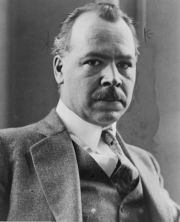
In order to prepare himself for the expedition, and because Jack himself recognized that he ‘knew virtually nothing about the scientific aspects of potato species’, he received permission to travel to Leningrad to meet Russian scientists SM Bukasov and SW Juzepczuk who had already collected potatoes in South America, and to seek their advice about the planned British expedition.

Nikolai Vavilov

And it was during this visit that Jack met the world-famous geneticist NI Vavilov, who he described as ‘a colossus among his colleagues both within and outside the USSR….’. He acknowledged that it had been ‘a privilege to have known him’, and was certain that Vavilov’s influence helped to shape his career. The authorities in Leningrad even attempted to recruit Jack, perhaps half-halfheartedly, as a Soviet spy – a suggestion that horrified him and which he hastily rejected.

On a later visit he also met the controversial Trofim Lysenko whose influence with Stalin led to the banning of Mendelian genetics in the Soviet Union for a generation. Jack did not like Lysenko one little bit and thought him ‘a dangerous and wholly repellent person… a politician rather than a scientist’. Lysenko’s ascendancy under Stalin led to Vavilov’s disgrace and early death in 1943.

CCI05022012_00001The 1939 expedition was the first of more than a dozen that Jack made to South and North America in search of wild potato species, and became the basis of his taxonomic treatment of potatoes, first published in 1956, with several later revisions. He had a long collaboration with Danish botanist J Peter Hjerting. Together they published two major monographs on the wild potatoes of Argentina, Brazil, Paraguay and Uruguay (1969) and Bolivia (1989) emphasizing not only the taxonomy but also breeding relationships to facilitate use in potato improvement.

Hawkes (second from right) with Edward Balls on his right, and two assistants outside a church in La Paz in 1939

Jack was seconded for three years (1948-1951) by the Colombian government to establish a potato research station. Dr Nelson Estrada, a renowned Colombian potato breeder, was one of Jack’s protégés, and their hybridization research became a model for potato breeding programs.

Nelson Estrada and Jack Hawkes evaluating potato hybrids in the field

Not long after returning to the UK, Jack was appointed lecturer in botany at the University of Birmingham in 1952, and he remained there until his retirement in 1982. In 1961 he received a personal Chair in Taxonomic Botany, and in 1967 was appointed Mason Professor of Botany and head of department. Jack actively supported the genetic resources program at the International Potato Center (CIP) in Lima, Peru from 1973, and several of his PhD students did their thesis research there. He also acted as scientific adviser to the Commonwealth Potato Collection in Scotland (founded from germplasm he collected in 1939) and the USDA potato collection at Sturgeon Bay, Wisconsin.

Jack Hawkes (center) with Frank Haynes (NCSU) on his right and Roger Rowe (USDA) and Don Ugent (Southern Illinois University-Carbondale) looking at CIP’s germplasm collection in Huancayo, January 1973. Ing. Agr. David Baumann (CIP) is explaining how the collection is maintained.

In addition to his lifelong research on potatoes, Jack also spearheaded scientific interest in the Solanaceae plant family that also includes tomato, tobacco, chili peppers, and eggplant, and many species with pharmaceutical properties. With colleagues at Birmingham in the late 1950s he developed serological methods to study relationships between potato species. He was also one of the leading lights to produce a computer-mapped Flora of Warwickshire, a first of its kind, published in 1971.
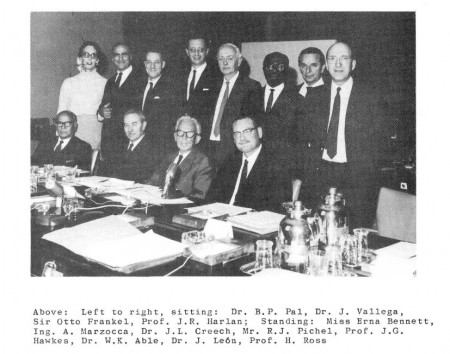
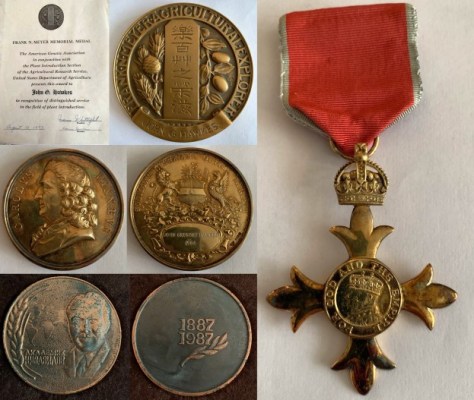
One of Jack’s most important legacies, stemming from his knowledge of potatoes, was his participation in and contributions to the nascent genetic resources conservation movement of the 1960s. Led by eminent Australian wheat breeder, Sir Otto Frankel FRS, Jack joined the FAO Panel of Experts that included plant collector Erna Bennett and Illinois professor and cereals expert Jack Harlan, among others.

They envisioned a world-wide effort to conserve plant genetic resources in a network of genebanks, and gave impetus to international efforts to collect and conserve plant varieties that were threatened with extinction. These efforts led eventually to the establishment of the International Board for Plant Genetic Resources (IBPGR, now Bioversity International) in Rome, Italy under the auspices of the FAO.

Shortly after being appointed Mason Professor of Botany, Jack received support from the university to develop an international 1-year training course in plant genetic resources. In September 1969 five students enrolled on this MSc course that was subsequently offered for almost four decades – significantly longer than Frankel had predicted when Jack first mooted the idea. The course remained the only formal training course of its kind in the world, and by 2008 had trained over 1400 MSc and 3-month short course students from more than 100 countries, many becoming genetic conservation leaders in their own countries. The training continues at Birmingham, but in a different format.

Jack received many honors and awards, including the 1973 Frank N Meyer Memorial Award from the American Genetic Association for services to plant introduction, and the 1996 Distinguished Economic Botanist Award from The Society for Economic Botany. In 1984 he received the Linnean Medal from the Linnean Society of London, of which he was later elected president (1991-1994), a role that gave him immense pleasure*. He received an OBE for services to botany in 1994. He was awarded the Congress Medal of the XII International Botanical Congress held in Leningrad in 1975, of which he was a Vice President. In 1989 the Potato Association of America elected Jack as an Honorary Life Member. But what probably gave him most pleasure was the Vavilov Medal and the Honorary Professorship from the NI Vavilov Institute of Plant Industry, awarded only twice, and Jack the only non-Russian. In a sense, his life’s work had come full circle from the moment in 1938 when, as a young man of 23, he met the great geneticist at the institute that now bears his name.

L, from top: the Frank N Meyer Memorial Medal; the Linnean Medal; the Vavilov Medal; and on the R: the OBE insignia

Following retirement from the university Jack continued to actively publish until 2004 when his memories of the 1939 expedition – and his initiation into the world of the potato – were published under the title Hunting the Wild Potato in the South American Andes.

A website featuring the 16 mm films (and photo albums) that Jack made during the 1939 expedition, and other expeditions to the USA, Mexico and Central America in 1958 and to Bolivia in 1971 can be viewed here.

After Barbara died in 2005, and increasingly frail, Jack left his home of more than 50 years in Harborne, Birmingham and moved to Reading to be near family. And there he died in September 2007, aged 92.

* A meeting, The Future of Plant Genetic Resources, was held in Jack’s honour at The Linnean Society in May 2009.