I was born in Congleton, but my family moved to Leek in North Staffordshire when I was seven, in 1956. I haven’t lived in Leek for more than 50 years since I moved away to university in 1967, and afterwards to distant parts across the globe. Despite not being a native-born Leekensian, I always consider Leek, the Queen of the Moorlands, as my ‘home town’. My deep memories of Congleton are really few and far between.
A couple of weeks ago, my wife and I had tickets to the RHS Chatsworth Flower Show, and rather than try and make it to the show in one day from our home in north Worcestershire (a round trip of almost 200 miles by the ‘fastest’ route) we decided to spend a couple of nights in Leek, and take in other visits to Biddulph Grange Garden on the way north, and return home via Lyme Park which is southeast of Stockport.
Leek was an excellent base for these excursions. And it was a great opportunity to see how the town had changed since we were last there in September 2011.
Leek (from Ladderedge in the west) in the 1960s, with The Roaches and Staffordshire Moorlands beyond.
Many of the mill chimneys have disappeared from the Leek skyline, but four (maybe five) buildings still stand out: the tower of the Church of St Edward the Confessor on the left, the green ‘dome’ (now grey) of the Nicholson Institute (centre), and to the right the spire of the Catholic church, St Mary’s, the Monument, and the tower of St Luke’s. What a magnificent panorama! No wonder Leek keeps drawing me back, even if it is only once in a while.
I have included here just a small sample of the photos I took during this visit. There’s a larger collection in this album for you to enjoy.
One thing that struck immediately me on this visit: just how much traffic and congestion there is in the town now. We had traveled into Leek along the Macclesfield Road and Mill St en route to our hotel, the Premier Inn next to the Monument. We followed a long line of cars and trucks (some of them behemoths).
The roundabout was removed after 2013.
The roundabout at the junction of Derby St (Leek’s main shopping thoroughfare), Haywood St and Ashbourne Road has now been replaced by traffic lights. I couldn’t fathom how this change had improved traffic flow, except that it must be easier for large commercial vehicles making their way through the town, rather than having to navigate a rather tight roundabout. Through traffic is routed this way to and from Stoke-on-Trent.
Removal of the roundabout was a cause célèbre among Leekensians at the time. I don’t know whether that has now died down. There does seem to be some nostalgia for it on a couple of Leek Facebook groups that I joined. Personally, I quite like the ‘new’ look around the Monument and the end of Derby Street, with the development of Sparrow Park and its seating areas. But we did find one aspect very confusing. Given the layout there and along sections of Derby Street, and the types of paving used, we often did not realize which parts were traffic free or not. Or maybe I was just having a senior moment.
Leek is about half the size of where I live now, Bromsgrove. But Leek seems to be thriving better than Bromsgrove. Maybe it’s the proximity of Bromsgrove to Birmingham. But the shopping in our High St is rather run down compared to Leek.
In another blog post I commented on the high number of pubs in Leek compared to Bromsgrove. It never ceases to amaze me when wandering around the town just how many there are. However, it seems some are not doing so well, like The Quiet Woman at the bottom of St Edward St, where there was a notice stating that the pub was closed until further notice.
I was interested to see renovation in some parts of the town, such as the opening of Getliffe’s Yard, off Derby Street. I had no idea it was there, and it’s now a haven for a number of upmarket boutiques and a very decent restaurant, Leek Café Bar & Grill, with a Mediterranean (Turkish) flavour. We had an excellent meal there on our first night, washed down with a couple pints of Efes lager.
It’s good to see how a number of mills, like the one on the corner of Shoobridge Street and Haywood Street are occupied once again. But it’s also disappointing that too many are empty, particularly the one that dominates Mill Street that is now in a bad state of repair. Is conversion to apartments not feasible? After all, these mills are a solid part of Leek’s industrial heritage.
I decided to go and look at the six properties around the town where my family had lived since moving to Leek in 1956:
65 St Edward Street, until 1961/62; we lived above the shop
56 St Edward Street, 1962-1963
26 Market Place (an apartment above the former building society that’s now Costa Coffee), 1962-1963
19 Market Place, 1963-1976; we lived above the shop
Greystones, Stockwell Street, in the first floor apartment
13 Clerk Bank – my mother (as a widow) moved here in about 1986, until 1989 when she moved into a care home.
65 St Edward St
56 St Edward St
26 Market Place
19 Market Place
‘Greystones’, Stockwell St
13 Clerk Bank
My dad took over a photography business at No 65 when we first moved to Leek, but when the lease came up for renewal (around 1960) he knew he had to find somewhere with better footfall. In the interim we moved across the road to No 56 (taking over from a retailer of fine china) and living part-time in a room behind the shop until we found the apartment at 26 Market Place.
Around 1962/63, my parents purchased and renovated No 19 Market Place, and stayed there until their retirement in the summer of 1976. They then moved into the first floor apartment in Greystones on Stockwell Street. My father passed away in April 1980, and my mother stayed on in Greystones for a few more years before the council found her a terraced bungalow on Clerk Bank. Suffering a stroke in 1989, she moved away to a nursing home in South Wales, and our direct link with link was severed.
Behind No 19 was a ‘court’ with a couple of cottages, that were no longer occupied when we moved there in 1963. After a year or so, the cottages were demolished, and Mum and Dad began to build their urban garden. No-one passing by in the Market Place would have guessed there was such a jewel hiding there. We decided to see how it looks today, and were disappointed that subsequent residents of No 19 had let the garden decline.
Leek town centre is very much lived in. We enjoyed strolling along the streets off Derby Street, like Bath Street or Ford Street. These seem very much like communities, and can be seen radiating out from Leek town center, a legacy, no doubt, of the town’s industrial past in silk weaving.
Another thing we liked were the ‘blue plaques’ placed on various buildings around the town by the Leek and District Civic Society. Two of the properties which we’d occupied have blue plaques: 56 St Edward Street and Greystones. No 56 is now a photography business once again.
At the entrance to Clerk Bank is a small sandstone cottage, with a blue plaque stating the the Leek and Moorlands Cooperative Society (LMCS) had been founded there in 1859.
By the end of the 1890s, the LMCS had moved to a new premises on Ashbourne Road, next door to the White Lion and across the road from the Talbot Hotel, now Leek’s Premier Inn. This building was being refurbished, and the plaster reliefs depicting some of the town’s trades then were looking splendid. In style and colour they closely resembled the reliefs that adorn one of the original buildings at the Leek School of Art, now the Buxton & Leek College on Stockwell Street. I have it on good authority that the reliefs are by the same architectural sculptor, Abraham Broadbent.
Before we left Leek to return home, we couldn’t resist one last stop: Leek Oatcake Shop on the corner of Haywood Street and London Street. Delicious!
One thing I’d had forgotten was just how beautiful the Staffordshire Moorlands are. One of the finest landscapes in England. Here are a couple of dashcam videos of part of our journey to the RHS Chatsworth Flower Show on 6 June, from the Premier Inn to the Longnor turnoff on the A53 (first video), and from there to crossing into Derbyshire at Crowdecote (second video).
Steph and I became members of the National Trust in 2011. Since then, we have enjoyed visiting more than 100 properties in England, Wales, and Northern Ireland, and a handful owned by the National Trust for Scotland.
One of the first properties we visited in 2011 was Biddulph Grange Garden, between Biddulph (in North Staffordshire) and Congleton (where I was born) in southeast Cheshire. And just over a week ago, we returned for a second visit.
My family had a long connection with Biddulph Grange, way before it was taken over by the National Trust in 1988. Before then, Biddulph Grange was an orthopaedic hospital, founded by Lancashire County Council in 1928 as a hospital ‘for the crippled children of East Lancashire’.
After the Second World War, my father, Fred Jackson, joined the Congleton Chronicle newspaper as a staff photographer. His work took him around the area, within a 10 mile radius I guess of Congleton, taking photos of local events and happenings for publication in the newspaper.
Every Christmas morning he would take photos of Santa visiting all the children on the wards at Biddulph Grange. Even after our family moved to Leek in 1956, Dad (accompanied by Mum) continued to visit Biddulph Grange at Christmas. I remember visiting on many occasions, and meeting the Matron (right), Miss Ruth Cleator.
During our 2011 visit, there was an album of old photos taken during the hospital years, and I believe many of them had been taken by Dad over the years. There was even a photo from one of the Staff Summer Balls (probably late 1950s), that Mum and Dad would attend each year (they loved ballroom dancing), and I found Mum among the large group of ball-goers. She’s on the fourth row, fifth from the left.
The National Trust now looks after the Garden, while the house has been converted to private residential apartments. By the 1980s the garden had suffered from decades of neglect during the hospital years. Now the Trust has brought the garden back to its former glory, as envisaged by the couple who designed and built the garden in the mid-nineteenth century, James and Maria Bateman.
James Bateman was a wealthy landowner (and lay preacher) who bought an old rectory at Biddulph (he moved there from nearby Knypersley Hall) in the 1840s, and set about expanding it to the house we see today. Bateman and his wife were passionate gardeners. He was a keen horticulturalist, and collector of plants from around the world.
Assisted by Edward William Cooke, the Batemans built what has become a world-famous garden. Yet the Batemans did not reside at Biddulph for more than a couple of decades. It never ceases to amaze me how landscapers and gardeners in the 18th and 19th centuries spent all their energies creating gardens they would never come to appreciate in all the glory that we can enjoy today.
Bateman and Cooke’s garden takes you around the world—China, Egypt, and Italy, among others—but the garden is divided into areas and themes. Around every corner there’s something different to see and experience, glens to weave through, tunnels to duck into, and tree-lined walks (lime and Wellingtonia) to add to the broad landscape experience.
The resurrected Dahlia Walk is a real delight in late summer. During the hospital years it had been filled in, and once the National Trust had command of the Garden, it had to be excavated almost archaeologically to reveal its former glory. It’s certainly one of the highlights of the Garden, as are the various parterres below the house.
Here is just a small sample of photos of some areas of the garden which show the garden at two different seasons. Do take a look at this photo album for many more photos.
Another interesting feature is Bateman’s Geological Gallery, now refurbished by the National Trust.
There are few authors whose works I read, and read again. Jane Austen is one such, and my favorite novel of hers is Pride and Prejudice, first published in 1813. I’m in good company; millions of Jane Austen fans have the same opinion.
In 1995, the BBC aired a six episode adaptation (by Andrew Davies) of Pride and Prejudice, starring Jennifer Ehle as Elizabeth Bennett and Colin Firth as Mr Darcy. Who can forget that lake scene filmed in Lyme Park. Lyme was Pemberley, Mr Darcy’s country estate.
Lyme was the home of the Legh family since the late 14th century until it was given to the National Trust in 1946. Over the centuries, numerous additions were made to the original 16th century building.
The south entrance of Lyme seen across the Reflection Lake.
Lyme has a classic Palladian south front, from the early 18th century, best viewed across the Reflection Lake. However, its austere exterior (in this overcast weather) belies an elegant interior.
It was during the Regency Period of the first two decades of the 19th century that the house was extensively remodeled and restored. Thomas Legh commissioned Lewis William Wyatt to undertake that work. The interiors on display today reflect that Regency period. Many of the rooms are open to the public.
Lyme Park lies just to the west of the Peak District, in east Cheshire (and south of Manchester). Steph and I enjoyed a visit there a week ago. The mansion lies at the center of a 1400 acre park (map), surrounded by small but impressive formal gardens. It’s quite a drive from the main road (A6) south to the house.
Passing through the North Entrance, access to the house is from steps on the east side of the Courtyard.
The North Entrance.
The Courtyard and entrance to the house.
The National Trust has laid out a route around the house that ensures visitors do not miss any interesting room.
One thing that strikes any visitor on entering Lyme are the impressive tapestries that hang from so many walls. The tapestries in the Entrance Hall are large indeed, and throughout the house they do not fail to impress. Cost must have meant little to past generations of the Legh family, as in at least two rooms, the tapestries have been cut to fit around fireplaces and other features.
The south wall of the Entrance Hall.
The north wall of the Entrance Hall.
Tapestries cut to fit around features in the Ante-Room to the Dining Room, and in the Morning Room (on the north side of the house).
In the Library, the very early and rare Lyme Caxton Missal is on display. The room has a beautiful wood ceiling.
When first added to the building, there was no internal access to the Dining Room. With the early 19th century remodeling that anomaly was rectified. The doors at either end of the dining room have superbly carved wood lintels.
Beyond the Dining Room is a small room known as the Stag Parlour. It was once only accessible from the outside of the house, and was, apparently, where Jacobite sympathizers met. It’s named the Stag Parlour for the series of reliefs high on the walls depicting the life cycle of the stag. Again, there is a wonderful tapestry on one wall.
The main features of the Drawing Room are the floor-to-ceiling fireplace, the stained glass bow window, and reliefs high on the walls.
The Yellow Bedroom was prepared for King James II in the late 17th century. The eiderdown is original. On the wall is a portrait purported to be one of the king’s mistresses.
On the south side, the walls of the Saloon are decorated with the most exquisite wood carving by the celebrated sculptor and wood carver, Grinling Gibbons, d. 1721 (whose work we have seen at Sudbury Hall and Belton House).
On the second floor is the biggest surprise in the whole house: a 130 foot Long Gallery, along the east side of the house, and overlooking the Orangery and formal gardens.
One other room of note on the second floor is the Knight’s Bedroom, with its solid wood bed, carved relief over the fireplace, and ornate ceiling. The bed looks 17th century, but is apparently a 19th century copy.
At the bottom of the Grand Staircase is a huge oil painting of one of the Lyme mastiffs (now extinct). On the staircase wall is a painting of Thomas Legh, who was an adventurer, and responsible for the look of Lyme that we see inside today.
For more photos of these magnificent room, check out this album.
Access to the house also gives access to the gardens, walks, and the Orangery close to the house. A walk around the Reflection Lake, even when the weather was overcast was worthwhile.
The Italian Garden, southwest of the house, is best seen from the West Terrace.
The weather forecast for the day of our visit was not very promising, and it was heavily overcast, as you can see from the photos taken outside, and from the drive from the entrance to the car park. We toured the gardens first. As we left the house after about three hours at Lyme it began to drizzle. By the time we reached the carpark, which was no more than 200 m, the rain was almost torrential. And so it remained the whole way back home to North Worcestershire.
Nevertheless, it was . . .
I mentioned at the beginning of this piece that Lyme was one of the locations used in the filming of Pride and Prejudice in 1995. The National Trust provides a ‘Jane Austen Experience’ at Lyme, and there is a room where visitors can don Regency clothing, should they so wish. In fact, we saw several people touring the house and gardens in costume.
We have visited two other houses that were used as locations in the series. Belton House near Grantham was used at the home, Rosings, of Lady Catherine de Bourgh. The interiors of Pemberley were filmed at Sudbury Hall.
On our way to the RHS Chatsworth Flower Show on the day before we visited Lyme, we passed Ramshaw Rocks, just north of Leek in North Staffordshire, where some scenes were films. And we passed through the village of Longnor, which became Lambton where Elizabeth Bennett spent a holiday with her aunt and uncle. It was from there that they visited Pemberley.
Here is a short video of Ramshaw Rocks and Longnor.
The more I write this blog, the more apt this quotation from Victorian Prime Minister Benjamin Disraeili seems.
Having visited seventeen National Trust and English Heritage properties in East Sussex and Kent recently in the space of a week, I can now hardly remember where we were on any particular day.
And, to add to the ‘confusion’, we added an eighteenth on the return journey from East Sussex to our home in north Worcestershire.Hughenden Manor, on the northern outskirts of High Wycombe in Buckinghamshire lies almost equidistant between our holiday cottage and Bromsgrove.
Hughenden was purchased by Disraeli’s father Isaac in 1845 and, on his death in 1848, passed to his son and his wife Mary Anne. Built in the late 18th century, Hughenden was remodeled by the Disraelis in the late 1860s. Mary Anne took great interest in the gardens and was very much a hands-on participant in their redesign.
The formal gardens are not extensive, but blend harmoniously with the house itself.
Inside the house there is a wealth of Disraeli memorabilia on display. To the left of the entrance is a full size marble statue of Disraeli later in his life, and in the Entrance Hall itself there are two marble busts of a young Disraeli.
Besides being an important Conservative politician who loyally served Queen Victoria, Disraeli was also a poet and novelist with a prodigious literary output.
On the ground floor, several rooms are open to the public, with one of them dedicated to Disraeli’s political career. There are some excellent cartoons depicting Disraeli and current events, including his long-standing rivalry with Liberal politician William E Gladstone.
Above the fireplace in the Drawing Room is a large portrait of Mary Anne that Disraeli commissioned after her death in 1872. It was based on a miniature that is displayed in one of the cabinets.
In the Library, it’s not hard to imagine all the 19th century grandees who must have met there, and the matters of state that were discussed. Above the fireplace is a portrait of a young Disraeli.
On the first floor, the most significant room is Disraeli’s Study where he dealt with the contents of his Red Boxes, wrote many of his speeches, and his novels.
This room is more or less as it was in Disraeli’s time, with the original furniture. On the mantelpiece are portraits of his parents, Isaac and Maria.
In accordance with custom at the time, no women attended Disraeli’s funeral in 1881, not even Queen Victoria. However, a few days after the funeral, she visited Hughenden, left a wreath on his tomb, and asked to remain alone in his Study.
Just along the corridor from the Study is Mary Anne’s Boudoir and the Bedroom she and Benjamin shared. On the walls of both rooms are many portraits of Queen Victoria and Albert (some signed), and their children, gifts from the Queen herself.
In a final room, a number of personal gifts from Queen Victoria to Disraeli are on display. Disraeli had become a great favorite of the Queen especially since, in 1876, he introduced the Royal Titles Act which conferred on her the title of Empress of India.
I knew that Disraeli became the Ist Earl of Beaconsfield in 1876. What I hadn’t realized is that Disraeli had refused a title in 1868, so that he could remain in the House of Commons. Instead, Mary Anne was created Viscountess Beaconsfield in her own right. Once he became the Earl of Beaconsfield, he served as Prime Minister from the House of Lords. He died at his London home on 19 April 1881.
Disraeli’s death mask.
Wandering through Hughenden there is clearly a sense that this was not only a home, but somewhere the future of the nation had been decided during Disraeli’s years as Prime Minister (just as I’d felt visiting Chartwell, the home of Winston Churchill, just a few days earlier).
But we discovered another side to Hughenden.
During the Second World War, it was requisitioned by the Air Ministry as a base (code-named ‘Hillside’) to produce the maps that air crews used to attack Nazi Germany.
The story of ‘Hillside’ is told through photos of the people who worked there, some of the maps they produced, and really interesting cartoons. After all, the map makers were skilled artists in their own right.
This added another layer of interest to our visit to Hughenden.
Please take a look at more photos of the gardens and inside the house in this album.
After a little over seven years, and more than 530,000 words, this is my 500th post on A Balanced Diet.
During our recent trip to East Sussex and Kent, we visited three National Trust properties that are linked by family and membership of or association with the Bloomsbury Group (or Set) – check the map:
Knole, on the outskirts of Sevenoaks in Kent, family home, since the 16th century of the Sackville and Sackville-West families;
Monk’s House at Rodmell on the south coast near the Seven Sisters at Birling Gap (see map), the home of writer Virginia Woolf and her husband Leonard, prominent members of the Bloomsbury Group.
Top: Knole; bottom left: Sissinghurst; bottom right: Monk’s House
The Bloomsbury Group was a group of associated English writers, intellectuals, philosophers and artists in the first half of the 20th century.
What was their ethos? Their works and outlook deeply influenced literature, aesthetics, criticism, and economics as well as modern attitudes towards feminism, pacifism, and sexuality.
So what is the particular connection, the ‘ménage’ as I’ve called it, between Knole, Sissinghurst, and Monk’s House?
Left: Vita Sackville-West (and husband Harold Nicholson); middle: Eddy Sackville-West, 5th Baron Sackville; right: Virginia Woolf.
Vita Sackville-West was the daughter of Lionel Edward Sackville-West, 3rd Baron Sackville. She was born at Knole in 1892. As a woman, Vita could not inherit Knole on her father’s death. Instead, Knole and the Sackville title passed to Lionel’s younger brother Charles. His son Edward (‘Eddy’), Vita’s cousin, became the 5th Baron. Although he was not a core member of the Bloomsbury Group, many of its members and ‘hangers-on’ were frequent visitors to Knole as shown in the guest book on display in the rooms that Eddy occupied in the Gatehouse Tower there.
Vita and her husband purchased derelict Sissinghurst Castle in 1930 and set about creating a garden that has received acclaim worldwide. Sissinghurst had been the home of one of Vita’s ancestors, Cicely Baker, who married Thomas, Ist Earl of Dorset in 1555.
Vita Sackville-West and Virginia Woolf were lovers.
It’s not my intention here to discuss nor describe further the ancestral, social, or sexual links between all involved. I cannot comment either on the literary output of Vita and Virginia as I have not read any of their works, although I know what they wrote and the genre.
Instead, let me just describe some of my impressions of Knole, Sissinghurst, and Monk’s House.
It took less than an hour to drive north on the A21 to Sevenoaks from our holiday cottage near Robertsbridge. Driving along the High Street (A225) at Sevenoaks, it’s hard to believe that just behind the houses lies a 1000 acre parkland, with Knole and its gardens at the center. The park has herds of fallow and Japanese Sika deer, descendants of the deer introduced centuries ago.
Knole is a large house, but the public has access to just a few rooms. But what a feast for the eyes therein. Treasures aplenty! The items on display inside the house: oil paintings by the dozen, rare furniture and many others remain the property of the Sackville-West family that continues to live at Knole, under a 200-year lease from the National Trust. Robert Sackville-West is the 7th Baron.
No photography is permitted inside the main house; but no such restrictions hold in the Stone [4] and Green Courts [2], or from the roof of the Gatehouse [8]. Likewise photography is permitted in the Orangery [3].
Sissinghurst Castle Garden is a delight. But hard to appreciate fully when there are so many visitors. And on the day we visited, it wasn’t as busy as it must surely get!
Designed by Vita and Harold, Sissinghurst must be on every gardener’s bucket list. Like the garden we saw at Greys Court two years ago, Sissinghurst is also a series of rooms open to the sky, and best seen in their entirety perhaps from the top of the double turret tower, Vita’s Tower.
The White Garden from Vita’s Tower.
The South Cottage from Vita’s Tower.
Vita loved her tower, and had a writing room there. There’s no access to the room, but I visitors can look through a grille to see its layout.
The Library is open however. Over the fireplace there is a grand oil painting of Vita. It’s a comfortable room where no doubt she and Harold entertained their Bloomsbury friends.
Vita and Harold had a turbulent marriage, and both had same-sex affairs. Vita’s affair with Virginia Woolf was perhaps the most notorious. But their marriage survived, and together they worked on creating their garden at Sissinghurst.
Visitors to Monk’s House in the small village of Rodmell new Newhaven make a beeline to Virginia Woolf’s writing room in the garden.
Virginia and husband Leonard shared a 16th century cottage. On the walls are paintings by Virginia’s sister Vanessa Bell (VB) and the person (TR) who became Leonard’s companion after Virginia’s suicide by drowning in 1941 (aged 59) until his death in 1969, Trekkie Parsons.
The ashes of both Virginia and Leonard were laid at the base of a wall in their small but attractive garden, with its views over the South Downs.
Before our visit to Monk’s House, the name of Virginia Woolf was familiar to me, but I knew very little of her life and associates. It was fascinating, however, to see the environment and work room that gave one of the great writers of the 20th century inspiration to continue, even though she suffered mental health problems all her life. For some of visitors I had the sense that their visit to Monk’s House was almost a pilgrimage.
Leaving Monk’s House to drive back to Robertsbridge, we chose a route that would take us down to the coast at Birling Gap where we hoped to have a good view of the chalk cliffs known as the Seven Sisters, where the South Downs meet the sea. It was a sparklingly bright afternoon, and we were not disappointed.
From the National Trust car park there was easy access down to the beach, where we could sit and take in the magnificence of that landscape.
Continuing our journey on from Birling Gap, we passed Beachy Head, although we didn’t stop. The short video below shows our departure from the car park at Birling Gap, and the climb on to the cliffs, passing the Belle Tout Lighthouse (now restored as a bed & breakfast establishment), and finally dropping down into Eastbourne, with Pevensey Bay in the distance, where the Normans landed in 1066. From that drop into Eastbourne you can appreciate just how high the chalk cliffs are at Beachy Head, at more than 530 feet (162 m).
On Senlac Hill (or Senlac Ridge), about six miles north of the coast in Sussex (map), a Saxon shield wall prepares to engage the Norman-French invaders under Duke William of Normandy. The Saxons, under King Harold Godwinson, have just arrived after marching south from Stamford Bridge in the East Riding of Yorkshire where, just three weeks earlier, they had defeated another invading force under King Harald Hardrada of Norway and his ally, Harold’s brother Tostig.
Exhausted and possibly out-numbered, this is a make or break stand for Harold’s Saxons. But, if they stand their ground, they are better positioned than the Normans who must cross a shallow valley then climb Senlac Hill to engage the Saxons.
This is the view from just below Senlac Hill looking south to where the Normans were mustered on the ridge in the distance. They had to cross this shallow valley to engage the Saxons.
For most of the day the battle (of Hastings as it has come to be known) ebbs and flows with neither side gaining an advantage. Until, late in the day, the Normans appear defeated and in retreat. The Saxons break rank and chase the fleeing Normans. But it’s all a feint. The Norman cavalry in small groups of five or six riders turn on the pursuing Saxons, and cut them down. Harold is killed (by an arrow through his eye, so the story goes), and William is victorious.
And so begin several centuries of foreign rule of England, first under the Normans and then under the durable Plantagenets who reign until the death of Richard III (the last Plantagenet king) in 1485 on Bosworth Field in Leicestershire.
Shortly after the Battle of Hastings, Duke William (now crowned King William I, the ‘Conqueror’) founded Battle Abbey, a Benedictine institution, although he died before it was completed.
The abbey endured until 1538 when, during the Dissolution of the Monasteries, under Henry VIII, the abbey was closed, the church demolished, and the lands sold off.
Today, Battle Abbey and the battlefield are owned by English Heritage, and there are many quite well-preserved ruins to explore. From the magnificent gatehouse there is an excellent view not only over the ruins and battlefield but also over the small town of Battle that grew up around the abbey.
The gatehouse (above) and the view over Battle (below)
Among the best preserved buildings is the Dormitory, and beneath it, the Common Room.
At the east end of where the Church once stood, the Crypt is now exposed revealing several chapels.
After the Dissolution, the Abbey passed through several families.
The independent Battle Abbey School now occupies part of the site of the former abbey.
For more photos of Battle Abbey and the battlefield, please take a look at this album.
Dover Castle sits high on the cliffs overlooking the town and modern port. The site has been fortified since at least the second century AD, when the Romans (who invaded in AD43) built a lighthouse (or pharos) there. But there is evidence of much earlier occupation back to Iron Age times.
From near Langdon Hole on the White Cliffs of Dover, looking west, this is the keep of Dover Castle on the right, and the Saxon church on the left.
The pharos still stands proudly beside a Saxon Church of St Mary in Castro (built around AD1000), and was once used as the bell tower.
A century after the Conquest, Henry II (great grandson of William the Conqueror) launched a major building program at Dover Castle. The keep was erected and much of what we see today began to take shape between 1179 and 1188.
Dover Castle has remained an important link in the chain of defences on England’s southern coast. During Tudor times, it was an important castle for Henry VIII. In the 18th century further garrisons were built to house soldiers sent there to face the threat of invasion from France. And it played an important role during the Napoleonic Wars that ended with Napoleon’s defeat and exile to St Helena in 1815.
Dover Castle
The castle also played its part during the Second World War. There are antiaircraft guns mounted on the battlements. And deep under the castle there is a series of tunnels used during the war. These are quite separate from the extensive medieval tunnels on the north side of the castle, which we had the opportunity to explore.
We must have spent four hours or more exploring Dover Castle. It’s an excellent destination for anyone interested in England’s post-Norman history. And also a mecca for families with children. English Heritage makes great efforts to bring history alive.
I mentioned that Dover Castle stands high above the town. Here are two short videos of the drive up to and down from the castle. They give a good impression of just how strategic its location is.
Just a couple of miles to the east are the White Cliffs of Dover. We walked only as far as Langdon Hole, but still managed a good view of the Cliffs and, once the haze had lifted, a view across the English Channel (La Manche) to the cliffs on the coast of northern France. Just twenty or so miles. It clear why Dover Castle was so important for the defence of the realm.
The White Cliffs of Dover are a National Trust property.
Bayham Old Abbey was founded around 1207 and, like the abbey at Battle, survived until the mid-16th century.
The ruins, some of the best preserved in southern England, stand proudly alongside the River Teise. We enjoyed them by ourselves in the late afternoon sun.
Once the Normans and their successors had their feet under the ‘English table’, so to speak, Saxon lands were confiscated and given to Norman families. Throughout southeast England, and more widely over the country, many of the estates we see today came from the spoils of conquest 1000 years ago.
During our exploration of National Trust and English Heritage properties in East Sussex and Kent, we took in three moated castles built in the 14th century.
Bodiam Castle was built around 1385 by Sir Edward Dalyngrigge, a knight formerly in the service of King Edward III (third great grandson of Henry II). It was occupied for almost three hundred years, until it was slighted (partially dismantled) during the Civil War of the 1640s.
Ask any child to draw a castle, and something resembling Bodiam is what they are likely to produce.
With towers at each corner, and imposing gatehouses, Bodiam Castle is surrounded by a deep moat full of large fish, probably carp. Unlike many castles, Bodiam does not have a central keep. The living apartments were built on the inside of the castle walls.
Owned by the National Trust, much of the castle is open to explore, and visitors can climb a couple of the towers, and enjoy the views over the moat and the central courtyard.
I have posted more photos and plans of the castle in this album.
There is a link between Bodiam Castle and the Second World War, and I now regret not taking a photo.
Alongside the path leading to the castle from the ticket office, there is a pillbox (a type of concrete blockhouse) that was constructed some time after September 1939 to help protect Bodiam bridge over the River Rother against a potential German invasion, although I’m not sure how this could have been successful in the face of a serious onslaught.
The moated manor house at Scotney Castle was built around 1380. It stands some distance from a large country house that was built between 1835 and 1843, known as Scotney ‘New Castle’.
You can just see the round tower of the ‘Old Castle’ in the valley below the terrace of the New Castle (L) and the ‘New Castle’ from the causeway on to the island of the ‘Old Castle’ (R).
The ‘Old Castle’ has not been occupied for a long time, and part of the castle has been completely demolished. Although begun in the late 14th century, the buildings date from different periods in the 16th and 17th centuries as well.
See the full set of photos here, including many photos of the interior of the ‘New’ castle. It’s a National Trust property.
Just east of Sevenoaks in Kent, Ightham Mote is one of the most delightful moated manor houses I have ever visited¹. It must be one of the most complete still standing. Over the centuries it has been owned by several families, each generation adding to its architecture (click on the image at right for a larger version), although the Selby family who purchased Ightham in 1591 resided there for almost 300 years.
But perhaps one of its most interesting periods dates from just over 60 years ago, when an American, Charles Henry Robinson (from Portland, Maine), purchased Ightham and lived there for some years. It passed to the National Trust when he died in 1985.
During our recent visit, we watched a short video about the conservation restoration of one of the wings of the house that the Trust commenced in 1989, and was finally completed 15 years and £10 million later. But how it was worth it!
Inside the house, the Great Hall, the New Chapel (with its ceiling panels painted to celebrate the marriage, in 1509, of King Henry VIII and his first wife, Catherine of Aragon), and the Drawing Room (with its exuberant fireplace and raised ceiling to accommodate it), decorated with 18th century hand-painted Chinese wallpaper, are of particular interest.
A visit to Ightham Mote is a stroll through 600 years of history, and the architectural and design interests of several families. What I particularly like about properties such as this are the small details that catch my eye, in the woodwork, the furniture, the wallpaper. The chapel ceiling immediately connects you with early Tudor times, for example, yet in other parts of the house, it’s clear that this was a home until just 35 years ago. Ightham Mote has a remarkable lineage.
Check out the full set of Ightham Mote photos and floor plans here.
¹ Little Moreton Hall in Cheshire (also a National Trust property) has to be the other. We visited there in 2013.
It is clear from our recent visit to Down House in Kent, the Georgian manor that Charles and Emma Darwin called home for 40 years until his death in 1882, that Darwin certainly did discover the value of life.
Charles Darwin, naturalist and confirmed agnostic, turned the world upside down in 1859 with the publication of his seminal On the Origin of Species, published to great claim, and controversy. It was written at Down House as was much of his prolific output.
Born in Shrewsbury in 1809, the son of a doctor and successful businessman, Robert Darwin, he had two illustrious grandfathers: natural philosopher Erasmus Darwin, and potter Josiah Wedgwood, both anti-slavery abolitionists and members of the Lunar Society of Birmingham. Darwin never knew his grandfathers, as both passed away before his birth.
Coming from a wealthy background and supported by his father and the Wedgwoods, Darwin had no need to find other employment. He could concentrate on developing his theories and publishing his ideas. He did not have to sell many of his precious specimens as was often the case for many naturalists like Darwin’s ‘rival’ Alfred Russel Wallace, for example, to keep body and soul together. Many items of Darwin memorabilia are on display at Down House today.
Darwin married his first cousin Emma Wedgwood in January 1839, and over the next seventeen years had ten children. Moving from a cramped house in London in September 1842, Down House was the ideal location for the Darwins to raise their growing family, and for Darwin himself to have the space and tranquility to develop his theories on evolution and natural selection.
When they moved to Down House, the Darwin’s were already the proud parents of a son, William (b. 1839) and a daughter Anne (b. 1841). Another daughter, Mary was born at the time of the move, but lived for less than a month. Their last child, Charles W. (b. 1856), died in infancy aged 18 months. Anne succumbed to tuberculosis in 1851.
Our visit to Down House was the first stop in a recent week-long break in the southeast. From home in northeast Worcestershire to Down House is a journey of 156 miles, under three hours by road, almost entirely on motorways (M42-M40-M25). Leaving the M25 at Junction 4, we took to the narrow lanes to cut across country to the Kent village of Downe.
Just four rooms are open to the public on the ground floor: Darwin’s Study (one can stand there in awe), the Dining Room (that Darwin, as a local Justice of the Peace, used as his court room), the Billiard Room, and the Parlour. No photography is permitted inside the house because all the items on display still belong to the Darwin family.
In the Dining Room there are two fine oil paintings of grandfather Erasmus. The porcelain on the dining table must surely be Wedgwood?
On the first floor (there’s no access to the upper floor) several rooms are filled with Darwin memorabilia, his journals, awards and the like. It’s a snapshot of Darwin’s life. One room was filled with wood engravings by Darwin’s granddaughter Gwen Raverat.
Another room, supposedly the Darwin’s bedroom, with a magnificent bow-window view over the garden, has been reconstructed by English Heritage, and photography is permitted there.
Down House has quite modest grounds, including an orchard. In the walled garden where Darwin conducted many of his experiments, the lean-to greenhouse has a small but fine collection of carnivorous plants and orchids.
At the far end of the garden, and parallel to the house and terrace, is the Sandwalk, a gravel path where Darwin (a creature of habit) would take a walk every day and work through all the ideas swirling around his mind. It’s not hard to imagine Darwin strolling along the Sandwalk.
As an evolutionary biologist who has worked on the variation in domesticated plants and in nature (addressed by Darwin in Chapters 1 and 2 of his On the Origin of Species) in potato and rice and their wild species relatives for much of my career, I had long been looking forward to this visit to Down House.
And I was both pleased and disappointed at the same time. It was incredible to see where Darwin had lived, and formulated one of the most important scientific theories ever, to see his journals and many other personal items, to learn something about his family and family life. Darwin often suffered from ill health, almost considered a hypochondriac. Now it’s thought that he may have been suffering from recurring bouts of Chagas disease that he picked up in South America during his voyage there on HMS Beagle.
On the other hand, I came away feeling that something had been missing. I didn’t feel much emotional connection to Down House as I have experienced in visits to other properties (such as Chartwell or Bateman’s, to mention just a couple). I know Darwin had lived in Down House. There was all the evidence in front of me. It just didn’t feel as though he had.
I mentioned that photography is not permitted inside Down House. Visitors are greeted at the entrance with a sign stating that photography is prohibited. Prohibited! Perhaps English Heritage could tone down the ‘request’. A more welcoming approach would be more appropriate.
Before visiting Down House, I decided to re-read On the Origin of Species, which I had first read many decades ago. I didn’t make good progress. It’s not that the subject matter is difficult. After all, Darwin’s ideas were ‘meat and potatoes’ to me during my working life. It’s just that Darwin’s style of writing is challenging, not helped by an extremely small font in the version I have. I’ll get there, eventually.
So wrote Rudyard Kipling in his 1911 poem The Glory of the Garden, with its ages old image of a kingdom, state or community as a garden, with all its accompanying connotations of natural growth and development, seasonal change, decay and rebirth.
Rudyard Kipling. Journalist, short-story writer, novelist, poet—one of the greats of English literature, the 1907 Nobel Laureate in Literature. He died in January 1936, a couple of weeks after his 70th birthday.
During our recent holiday in East Sussex and Kent, Steph and I enjoyed a visit to Bateman’s, the home that Kipling bought in 1902 and where he and his family resided until his death 34 years later.
The House and Quarterdeck (8 on the map below)
Rudyard Kipling was born in Bombay (Mumbai) on 30 December 1865, the son of John Lockwood Kipling and Alice (née MacDonald). Rudyard. Such an unusual name for a baby boy.
So the story goes, his parents met at a picnic at Rudyard Lake (actually a reservoir to feed the Caldon Canal) in North Staffordshire, less than three miles northwest of my hometown of Leek. It had become popular destination for outings in the 19th century, and still was when I was growing up in the 1950s.
Kipling’s father was working in Burslem in the pottery industry as a designer. John and Alice married in 1865 and moved to India where John had been appointed professor of architectural sculpture in the Jeejeebhoy School of Art in Bombay. He later became its principal.
Inside Bateman’s there are two small paintings, in the Parlour on the ground floor and Kipling’s study upstairs, showing similar scenes of Rudyard Lake, which I am reliably told show an inlet near the dam.
Although raised in India, Kipling returned to England for his early education. He returned to India in 1882, and it was during his time there that he wrote many of the short-stories for which he perhaps became most well-known.
In the exhibition room at Bateman’s there are six first edition copies of stories he published in Allahabad, Uttar Pradesh in 1888.
Back in England, Kipling married Caroline Starr Balestier from Vermont in 1895, but they spent the first years of their marriage in the USA, returning to England in 1896. Two of their children, Josephine and Elsie were born in Vermont, and John in Sussex. Josephine died of pneumonia in 1899 during a visit to New York. John was commissioned a Second Lieutenant in the Irish Guards aged 16 in 1914, and was killed a year later at the Battle of Loos in September 1915.
Christmas cards to the children in 1897, hanging in the Parlour.
Bateman’s is an elegant Jacobean manor house, perhaps the most elegant of all the houses we visited during our week away.
The front door and garden (7)
The Oast Shop (9)
Entrance to the Mulberry Garden (4)
The Lily Pond (11) from the Quarterdeck (8)
The Lily Pond (11)
Viewing the House (6) over the Quarterdeck (8) from the Lily Pond (11)
The House (6) and Quarterdeck (8) through the avenue of trees
The House (6) from the Rose Garden (12)
The gate between the Mulberry Garden (4) and the Orchard (2)
Looking towards the Mulberry Garden (4) through the ‘Pear Pergola’ in the Orchard (2)
Apparently Bateman’s had no running water or electricity in 1902, and Kipling installed both. He replaced the water wheel at the nearby mill with a turbine, in order to generate electricity. During our visit, the Mill Pond was empty and undergoing conservation work. The National Trust hopes to have the Mill operating again later this year, and milling flour powered by the water wheel.
Walking through the Wild Garden (13) on the way to the Mill
Walking to the Mill
The Mill
The Mill across the Mill Pond, now empty
The old water wheel and the turbine beside it that was installed by Kipling
Inside the house, four rooms on the ground floor are open to the public.
The Hall
The Hall
The Parlour
The Parlor
The Parlor
In the Dining Room, the walls are lined with painted leather panels, apparently very old.
At the foot of the stairs, there is an elegant bust of Kipling on a side table, and several paintings adorning the walls.
On the upper floor, the main rooms are Kipling’s study, and John’s bedroom. Another room is full of Kipling memorabilia, including his Nobel Prize citation.
Kipling’s study
Take a look at more photos of the house and gardens here.
Although I’m familiar with what Kipling wrote, the Just So Stories, The Jungle Book, and many others, I have to admit that I have never read any of his works. Having been inspired by Bateman’s, perhaps now is the time to load my Kindle and enjoy many of these stories a century or more after they were first published.
A recent visit to Chartwell, the family home of wartime Prime Minister Winston Churchill (he became Sir Winston, a Knight of the Garter, only in 1953) has left a deep impression on me.
It’s not that I’m unfamiliar with Churchill’s contribution to national life and politics over decades. His life must be one of the most thoroughly documented of any statesman in this country. Not least because of the various memoirs that he wrote, from his early adventures as an army officer in India and South Africa to his long life in politics, and the many biographies penned about him.
At Chartwell, that history becomes tangible. So many personal possessions, awards, and other memorabilia fill the house. There’s a real sense of connection with the great man.
During his lifetime Churchill attracted his fair share of controversy, and in some respects that has not waned. I’m no apologist for Winston Churchill. What is incontrovertible, however, is the crucial role that he played in securing victory over Nazi Germany during the Second World War. He took the helm of government when the nation demanded decisive leadership. Oh, for such a leader today!
A visit to Chartwell was at the top of the list of National Trust properties during our recent holiday in Kent and East Sussex.
Chartwell lies on the southern outskirts of Westerham in Kent, just five miles west of Sevenoaks (see map).
Chartwell is a rather unprepossessing redbrick house. I’m sure the Churchills did not purchase it (in 1922) for its ‘looks’. More for the views south over the Kent countryside from the terrace (off Lady Churchill’s sitting room on the ground floor), or from the walled garden, which are truly spectacular on a fine day.
The view from the Terrace, overlooking Churchill’s studio, and further southeast over the Weald.
However, there was once feature of the house that did catch my attention. From a distance, the columns either side of the front door look like stone. On closer inspection, they are clearly carved from wood.
Inside Chartwell, however, is a different matter. This was a family home, and we can see it today more or less as the Churchill family lived there in the 1930s. Lady Churchill and one of her daughters advised the National Trust how the rooms should be presented. Much of the furniture is apparently original to the house.
On the ground floor, there are three rooms open to the public: Lady Churchill’s Sitting Room; the Drawing Room; and the Library.
Above the fireplace in Lady Churchill’s Sitting Room is a fine oil painting of her husband of 57 years, one of many paintings and sketches around the house.
There’s a door leading out on to the Terrace from this sitting room.
The Drawing Room is the ‘jewel’ of Chartwell, and it’s not hard to imagine the Churchills entertaining the great and the good in this room.
Over the fireplace is a painting of Colonist II, the French grey thoroughbred colt that Churchill purchased in 1949 when it won its first race for him, and seventeen more during its twenty-four race career.
On the opposite wall, a 1902 painting, Charing Cross Bridge, by Claude Monet, was gift to Churchill. There is also a large painting of Lady Churchill. On a side table behind the sofa stands a large crystal cockerel (probably made by the famous French glassmaker René Lalique) that was a gift to Lady Churchill from Charles de Gaulle.
Also on the ground floor is the Library (not a large room), with two significant exhibits: a bust of US President Franklin D Roosevelt, and a large model (hanging on the wall) of the Port of Arromanches, one of the artificial harbours that played an important role in the Allied invasion of Europe in 1944.
Moving to the first floor, two rooms, Lady Churchill’s Bedroom and Churchill’s study are open to the public. Two other rooms contain exhibits of the many awards and gifts that Churchill received, and the uniforms he wore.
There are some exquisite Potschappel porcelain figures in the bedroom, but what caught my eye in particular, on a desk at the foot of the bed, are two small framed photographs. One shows his third daughter, and fourth child, Marigold who died in 1921 aged two. The other, equally small photograph is purported to be the last photo taken of Churchill shortly before he died in 1965.
In an Anteroom outside the bedroom there’s a cabinet of Dresden porcelain (one with a portrait of Napoleon, a face seen throughout the house; Churchill was a great admirer of Napoleon), and a wall covered in signed photos. I managed to take photos of two significant figures from the war: General (later Field Marshal) Sir Bernard Montgomery and General Charles de Gaulle.
In the Museum Room, Churchill’s Nobel Prize for Literature (1953) citation and medal, his Honorary US citizenship, and many, many other awards and gifts, too many to mention individually are on display.
Napoleon sits proudly in the center of Churchill’s desk in the Study. On one side of the room, against the wall, stands a mahogany lectern at which Churchill would work, standing up, dictating to one of his secretaries. He apparently had a small army or researchers helping him with his prodigious literary output. Among the most precious artefacts, hanging from the ceiling, is a Union Jack flag, given to Churchill by Earl Alexander of Tunis, who became Supreme Allied Commander Mediterranean. This flag was hoisted over Rome, the first Allied flag flown over a liberated city in Europe.
The Dining Room, on the lower ground floor, overlooking the garden, is simply furnished, with two round tables. Churchill insisted on round tables as they encouraged conversation. I commented to another visitor that we could do with a few more round tables in Parliament these days.
Lord Camrose
There is also a painting of William Ewart Berry, Viscount Camrose. Why?
In July 1945, even before the war with Japan had ended victoriously for the Allies, a General Election was held in the UK. Churchill was booted out of office. Extraordinary really, considering the experiences of the previous five years. Worse still for Churchill personally was that he was bankrupt. And to sort his financial predicament he was faced with selling his beloved Chartwell. That’s when an anonymous group of seventeen wealthy individuals¹, headed by Lord Camrose, came to the rescue, and purchased Chartwell for the nation, with the proviso that the Churchills could live there as long as they wished. The names of these benefactors were eventually published in a newspaper; there’s also a plaque with their names at Chartwell.
Churchill’s studio just below the house is full of many of his oil paintings. This became a serious hobby, and after leaving office in 1945 he thought of selling up and moving to the south of France, and paint all day long.
Many of his paintings that line the studio walls depict Mediterranean scenes.
The gardens and grounds are extensive.
Beside the Golden Orfe Pond
Golden Orfe Pond
Lady Churchill’s Rose Garden
The Marlborough Pavilion
Decoration inside the Marlborough Pavilion
Churchill’s butterfly house
Another of Churchill’s hobbies was brick laying, and he constructed part of one of the walls of the Walled Garden near the Studio.
From the terrace at the top of the Walled Garden is one of the best viewpoints in the whole of Chartwell.
We had arrived to Chartwell just after the café opened at 10 am, and enjoyed a welcome cup of coffee before exploring the gardens. Entry to the house itself is by timed ticket. We opted for the 11 am entry. This system ensures that, with a normal flow of visitors through the house, nowhere becomes particularly congested.
I was amazed that photography was permitted throughout the house and studio. Please look at the more extensive album of photos that I took.
Chartwell had long been on my bucket-list since I read (about 15 years ago or so) an excellent biography of Churchill by Roy Jenkins. Mission accomplished!
The visit to Chartwell was undoubtedly the highlight of our holiday in East Sussex and Kent. The NT staff and volunteers were very welcoming—as always—and knowledgeable. Always ready and keen to answer any question, however mundane. They make each visit so much more interesting and worthwhile.
Quebec House in Westerham
After we left Chartwell, en route to Ightham Mote, we stopped briefly at Quebec House in the village of Westerham, less than two miles north from Chartwell.
Quebec House was closed unfortunately, but we did manage to wander around the exterior and take in the splendour of this 16th century town house. Its current look dates from the mid-1600s.
¹Lord Camrose
Lord Bearstead
Lord Bicester
Sir James Caird
Sir Hugo Cunkiffe-Owen
Lord Catto
Lord Glendyne
Lord Kenilworth
Lord Leathers
Sir James Lithgow
Sir Edward Mountain
Lord Nuffield
Sir Edward Peacock
Lord Portal
J. Arthur Rank
James de Rothschild
Sir Frank Stewart
We live in the northeast of Worcestershire, shown in red, 180 miles from Robertsbridge.
. . . as well as corners of West Sussex and Buckinghamshire.
Steph and I have just returned from a week’s holiday in the southeast of England, a part of the country neither of us is familiar with, where we rented a one bedroom cottage near Robertsbridge in East Sussex (just 10 miles north of Hastings). This was our base for visits to National Trust (NT) and English Heritage (EH) properties. It lies at the heart of the High Weald Area of Outstanding Natural Beauty.
There are so many NT and EH properties to visit in the southeast, far too many for just one week. In the end we took in eighteen, including one on the trip south (to Down House, home of Charles Darwin in Kent), and Hughenden Manor north of High Wycombe in Buckinghamshire, the home of Victorian Prime Minister Benjamin Disraeli, on the return journey. And, during the week, we crossed briefly into West Sussex, to Standen House near East Grinstead.
Check out this map for more details, including links to the NT and EH web sites for each property. I’ll also be writing about our visits to these properties in several posts over the next week or so.
What a week! Great weather. Lots of history, and beautiful landscapes, from the chalk cliffs at Dover and the Seven Sisters at Birling Gap, to the heavily wooded High Weald.
The view southwest over the Weald from Emmetts Garden.
At Langdon Hole on the White Cliffs of Dover; and the Seven Sisters at Birling Gap.
Our holiday home, Hop Cottage, was situated at the end of a half mile unpaved road, set among trees alongside a couple of other cottages. We had the site to ourselves.
And what a feast of bird song to entertain us. I’ve not heard a song thrush (right) for a long time. But, each morning, we awoke to one singing his heart out, perched high in the early morning sun. I thought I’d try my luck recording his song on my smart phone. Just click here to listen to my short (2 minutes) recording. Not bad for a first attempt.
As an evolutionary biologist, I couldn’t resist calling at Down House on the way south, the house Charles and Emma Darwin called home for many decades, and where they raised their large family.
It’s where he wrote his seminal On the Origin of Species, published to acclaim—and controversy—in 1859. We had free range of the gardens, but photography was not permitted inside the house except for a reconstructed bedroom on the first floor. Most of the items on display downstairs still belong to the Darwin family.
The Sandwalk (at the far end of his garden), where Darwin walked daily and pondered his ideas about natural selection and evolution.
While it was a great privilege to wander around Darwin’s house and garden, seeing many of his treasured possessions, his journals, we came away feeling there had been something lacking. I felt no emotional attachment to Down House as I have experienced at other properties, and which I did later in the week when we visited Chartwell, for example, the home of wartime Prime Minister Sir Winston Churchill, or Hughenden.
Our longest excursion, on the first full day, took us to Dover to explore Dover Castle, after which we continued on to the famous White Cliffs.
Built in the late 12th century by King Henry II, the first Plantagenet king and great grandson of William the Conqueror (see below for comments about the 1066 Battle of Hastings), Dover Castle has been occupied continuously in the intervening centuries, right up to the Second World War (1939-45). We didn’t visit any of the WWII tunnels at the castle or defences further along the White Cliffs. But on the day after our return home we learned all about them in a Channel 4 program about Dover and its defences, presented by Professor Alice Roberts.
Henry II was not the first to fortify Dover. There’s a Saxon church within the castle walls and, alongside that, the ruin of a lighthouse that the Romans built almost 2000 years ago. In a chain of defences along the south coast Dover Castle has always been one of the most important, and throughout the castle, its long history of protecting England’s coast is on display.
We only walked a short distance from the NT car park along the White Cliffs as far as Langdon Hole. Just above the cliffs, near the Coastguard Station, two original radar towers from WWII (on the left), are still standing.
As the hazy conditions over the English Channel improved, we could clearly see the coast of France, just 20 miles due east of where we were standing. Such a short distance yet such a cultural chasm.
On our way back to Robertsbridge, we made a detour via Dungeness, a large shingle beach jutting out into the English Channel. I’ve always wanted to visit Dungeness. It’s a unique landscape of pebbles with scattered vegetation. A small hamlet has grown up along the shingle, and its most notable house is Prospect Cottage, once occupied by film director Derek Jarman.
The old lighthouse and decommissioned nuclear power station at Dungeness.
But what I hoped to see at Dungeness, perhaps more than anything else, was the 15 inch Romney, Hythe and Dymchurch Railway. We’d crossed the tracks a couple of times while driving to the end of the road at Dungeness. While there was a diesel-pulled train just departing as we arrived, a few minutes later, Hercules steamed into the station.
Then, as you will see in the short video, we saw another train, pulled by three locomotives heading for Dungeness. As we were stopped at a level crossing, I had to quickly jump out of the car and hope I’d catch the action as the train passed by. Unfortunately I didn’t attach the lens hood properly, so part of the image is obscured – much to my annoyance.
Later on in the week, we had the opportunity to look into the lives of two literary giants, Rudyard Kipling and Winston Churchill, both Nobel Laureates in Literature (in 1907 and 1953, respectively) when we visited Batemans and Chartwell.
Rudyard Kipling and Winston Churchill
Batemans, just a few miles from our holiday cottage, is a delightful Jacobean house that Kipling bought in 1902 and remained there until his death in 1936.
Looking around his study on the first floor and an exhibition room, it’s remarkable just how many possessions from his India days have been preserved. I was particularly impressed by a set of six first edition novels, from Allahabad in 1888, in one display cabinet.
What can I say about Chartwell? I was overwhelmed. I was amazed at how many of Churchill’s belongings were on display. Priceless treasures of national importance. A great tribute to a great man. And one of nation’s greatest Prime Ministers? He certainly was a man of his times, and in the right place at the right time.
Most of the rooms have original furniture, and the layout is the same as when the family lived there. I was also amazed—and very pleased—that photography was permitted throughout the house, and in Churchill’s studio where many of his oil paintings are on display.
The house from Churchill’s studio, and his study where he wrote, standing up, at a desk along the right hand wall.
Undoubtedly, this visit to Chartwell was one of the best NT visits we have made.
Benjamin Disraeli was, apparently, Queen Victoria’s favorite Prime Minister. She certainly held him in high regard, given the number of gifts from her that are on display at Hughenden Manor.
The red brick house is not particularly attractive from the exterior, but as one walks through the various rooms open to the public there is certainly a sense of history that was experienced there.
His study, on the first floor, is the most complete of all the rooms at Hughenden. As custom dictated, Queen Victoria did not attend Disraeli’s funeral in April 1881. However, she did visit Hughenden a few days later, left a wreath of promises on his tomb, and spent a short while alone in his study.
Besides being a prominent politician, it should also be remembered that Disraeli was a prolific author, publishing more than a dozen novels besides political tomes as well.
Leaving Chartwell, we had to pass through the small town of Westerham, so decided to take a look at Quebec House, the boyhood home General James Wolfe, the 18th century army officer who defeated the French in Canada in 1759.
I’d not done my homework carefully enough. Quebec House was closed, but we could walk round the house and small garden.
Continuing the literary theme, we visited three properties connected with the Bloomsbury Set, a group of associated English writers, intellectuals, philosophers and artists in the first half of the 20th century: Sissinghurst (home of Vita Sackville-West and Harold Nicholson), Monk’s House, the home of Virginia Woolf and her husband Leonard, and Knole, ancestral home of the Sackville family since the late 16th century.
The images below show Vita’s Tower from the garden created by Vita and Harold at Sissinghurst (left), Virginia Woolf’s writing room (A Room of Her Own) at Monk’s House, and the majestic entrance to Knole outside Sevenoaks in Kent.
Vita Sackville-West was the daughter of the 4th Lord Sackville. She could not inherit Knole on his death. Instead, Knole passed to her cousin ‘Eddy’ who became the 5th Lord Sackville. In his rooms in the Gatehouse, there are original guest books with the names of many of the Bloomsbury Set who were frequent visitors. One of Vita’s ancestors, Cicely Sackville (nee Baker, died 1615) married into the Sackville family becoming Countess of Dorset. She was originally from Sissinghurst.
When Vita and Harold purchased Sissinghurst it was derelict. They turned it into a family home and created one of the most renowned gardens visited by multitudes of gardening aficionados annually. It was quite busy on the day of our visit, but manageable.
Vita and Virginia Woolf were lovers. The various permutations of relationships are not ignored in various displays at these three properties.
No photography of the wealth of treasures at Knole is permitted as they are still owned by the family. All I can say is that they are remarkable – paintings, furniture (some silver, a gift from Louis XIV of France), and many other items.
Going a little further back in time, we visited Battle Abbey and site of the Battle of Hastings in 1066, where the Normans under William, Duke of Normandy (who came to be known, infamously, as William the Conqueror) defeated the Saxon king Harold Godwinson.
After his victory, William established the abbey at Battle, and the site of the high altar in the abbey church (no longer standing) is said to mark the spot where Harold was slain on Senlac Hill (where the Saxon shield wall had been formed). While the church has disappeared, many other buildings with fine vaulted ceilings adorn the site.
Just 16 miles northwest from Battle (less as the crow flies), Bayham Old Abbey lies in ruined splendour, one of the finest examples of a Premonstratensian monastery type in southern England. It was founded around 1207, and flourished until it was closed during the reign of Henry VIII.
Three moated properties were on our itinerary:Ightham Mote, a fine manor house built around 1320; Bodiam Castle(built by Sir Edward Dallingridge to defend against a possible French invasion) in 1385; and finally, Scotney Castle a fortified manor house that was built around 1380.
Ightham Mote
Bodiam Castle
The ‘old castle’ at Scotney Castle
There are, however, two houses at Scotney. The ‘old castle’ was abandoned a long time ago, and in 1837 another was built in the Elizabethan style for the Hussey family. Scotney also has extensive gardens.
From the terrace of the house you can see the round tower of the old house in the valley below.
Standen House and Garden date from the 1890s, created by James and Margaret Beale, and decorated throughout in the Arts and Crafts style by the design firm Morris & Co. Throughout the gardens there are fine views over the surrounding countryside.
The layout of the rooms today is more or less as the family would have enjoyed them in the 1920s.
Finally, we enjoyed a visit to the Edwardian garden, Emmetts (’emmett’ is a local word for ant), created by banker and scientist (and keen plantsman) Frederick Lubbock. After his death in 1927, it was taken over by American geologist Charles Boise.
A week passed by all too soon. We couldn’t have asked for better weather, and apart from a few brief holdups on the M25 motorway on the return journey, we met with no traffic problems at all.
However, I think we have only scratched the surface of what the National Trust and English Heritage have to offer in this part of England, and I’m sure we’ll be returning at some future date to explore and take in the beauty and heritage of the southeast.
I took my first flight, in the summer of 1966 when I was seventeen. Fifty-three years ago.
It was a short hop, just 137 nm and less than one hour, on a four-engine Vickers Viscount turboprop from Glasgow Airport (GLA, then known as Abbotsinch) to the low-lying island of Benbecula (BEB) in the Outer Hebrides, between North and South Uist. These two airports are shown with purple symbols on the map below. I was to spend a week there bird-watching at the RSPB’s newly-established Balranald reserve.
In the intervening years, Glasgow Airport has become an important international hub for the west of Scotland. In 1966, Benbecula had just one small building, almost a hut, serving as the terminal. When I passed by a few years ago during a vacation in Scotland, it didn’t look as though it had grown much.
Since that first flight I have taken hundreds more and, as far as I can recall, taken off from or landed at a further 189 airports worldwide. Navigate around the map below, or use this link to open a full screen version to see which ones.
Each airport is also identified using its three letter IATA code. Just click on any symbol to see the full name, a photograph, and a Wikipedia link for more details on each airport.
The airports I have departed from or traveled to are shown as dark red symbols. But pink symbols are a subset of those airports I have used at least 20 times or more. The airports (actually quite a small number) where there was an intermediate stop, where I changed flights to the same airline or another one, but did not leave the airport itself, are coded blue.
Several airports (shown in yellow) have since closed. In Hong Kong, the infamous Kai Tak airport in Kowloon was closed in July 1998 when operations moved to Chek Lap Kok, west of the city. The site is being redeveloped. Airports that were operational during the years I was flying regularly, but have now been superseded by new ones such as in Kuala Lumpur (Malaysia), Bangkok (Thailand), Hyderabad (India), and Durban (South Africa), to name just four cities are listed in this category.
When I visited the Caribbean island of Montserrat in November 1979, we landed on a small strip on the east coast. It now lies under several meters of volcanic ash following the disastrous eruption of the Soufrière Hills volcano between 1995 and 1999.
Another, at the Mayan city of Tikal in the rainforest of northeast Guatemala, is no longer operational. I can see from a satellite image on Google Maps that buildings now line either side of what appears to have been the runway. Steph and I flew there in August 1977 on an Aviateca DC-3. Nowadays, I assume that visitors to Tikal must either travel by road (there were none in 1977) or fly into the international airport (FRS) at Flores, a city north of Tikal.
An Aviateca DC-3 at Tikal in 1971.
Finally, several airstrips are shown in green. These were airfields or landing strips not served by commercial flights where I traveled by light aircraft.
Steph and I flew from San Ramon (SPRM) on the east side of the Andes to Puerto Bermudez on this Cessna. We didn’t have seats, and on the return flight sat on empty beer crates, sharing the cabin with three dead pigs!
The second flight I took, in early 1969, was back to GLA from London Heathrow (LHR) to attend a student folk dance festival at Strathclyde University in that city.
My third flight (and first outside the UK), in April 1972, was to Izmir, Turkey to attend an international conference on plant genetic resources. With my friend and former colleague, Brian Ford-Lloyd, we flew from Birmingham (BHX) via LHR to Izmir (IGL – now replaced by a new airport south of the city) through Istanbul’s Atatürk Airport (ISL) formerly known as Yeşilköy Airport. On the return journey, Brian and I almost missed our flight from Istanbul to London. With all the ambient noise in the terminal and inadequate tannoy, we hadn’t heard the flight departure announcement and were blithely sitting there without a care in the world. Eventually someone from Turkish Airlines came looking for us, and escorted us across the apron to board the 707 through a rear door. Embarrassed? Just a little.
The first long-distance flight I took (5677 nm, and only my fourth flight) was in January 1973, to Lima to join the International Potato Center (CIP) as an Associate Taxonomist. On a Boeing 707 operated by BOAC (the predecessor of British Airways), this was a long flight, with intermediate stops in Antigua (ANU) in the Caribbean, Caracas (CCS) in Venezuela, Bogota (BOG) in Colombia, before the final sector to Lima’s Jorge Chávez International Airport (LIM).
Steph joined me in Peru in July 1973, and flew the same route (but starting at LHR), only her second flight (the first being school trip to France in the 1960s).
In compiling this list of airports, I’m also reminded of the many flights that passed through them, and my impressions of each terminal and facilities. After all, transit through an airport is an important part of the overall trip experience. In some instances you can spend almost as much time in the airport as in the air, having to cope with the hassle (challenges in some cases) of checking in, passing through security, the boarding process (which can go smoothly or not depending on how ‘friendly’ the ground staff are) on departure, and immigration, baggage pickup (always stressful), and finally, customs control on arrival. So many steps. So many opportunities for something to go awry. I think we tend to almost discount trips when everything goes to plan. It’s what we hope for, expect even.
However, let’s have a look at the particular challenges of some airports, based just on where they are located, and their difficulty for pilots. Now I’ve never landed in Paro (PBH) in Bhutan (regarded as one of the most ‘dangerous’ airports in the world, flown visually throughout (check out this video to see what I mean), or the gateway to Mt Everest, Lukla (LUA) in Nepal.
But landing at Hong Kong’s Kai Tak¹ was always interesting (even when there were no weather issues), and that I’ve seen referred to as the ‘heart attack’ approach, banking steeply to the right on final, and seemingly skimming the roof tops.
While in Lima (1973-1976) I made a few internal flights but nothing international.
I flew into Cuzco (CUZ) a couple of times. It is surrounded by mountains, and flights can only land from and take off to the east. A new international airport is being built (controversially) at Chinchero north of the city, an important area for indigenous agriculture (potatoes and maize!) and cultural heritage.
The airport at Juliaca (JUL, for Puno on Lake Titicaca) lies at 12,500 feet (or 3800 m), and has one of the longest runways in Latin America. I’ve been there two or three times.
It wasn’t until I moved to Costa Rica (1976-1980) to lead CIP’s research program, that I began to travel more regularly around my ‘patch’ from Mexico to Panama and out into the Caribbean Islands.
San José’s Juan Santamaría International Airport (SJO) is surrounded by volcanic peaks up to 3000 m. This was my local airport for almost five years (we lived in Turrialba, 82 km to the east), and it could be quite badly fogged in from time to time. I remember one time returning from Guatemala City on the late evening Pan Am 707 flight. We had to circle overhead the airport for more than half an hour, until the fog cleared. However, just as we were about to touch down, the Captain applied full power and aborted the approach. At the last moment, the fog had obscured his view of the runway. He banked away steeply to the left and, according to the driver who came to pick me up, our aircraft skimmed the terminal building!
One could always expect a white knuckle approach into Tegucigalpa’s Toncontín International Airport (TGU) in Honduras. Just before landing, aircraft have to bank steeply to the left then skim a hill at the end of the runway, before dropping quickly on to the runway and braking hard to avoid skidding off the end of the runway (which has happened several times). Here’s a B-737 cockpit view of landing there, the aircraft (but generally the 737-100 or 737-200) I often flew into TGU.
The take-off roll at Mexico City (MEX) can last a minute or more, because of the altitude of the airport (7300 feet, 2230 m). The airport has parallel runways almost 4 km long. In 1979, I was returning to Guatemala City with a colleague, and we boarded an Aviateca B-727, a new aircraft. The take-off seemed to last forever. In fact, the Captain lifted the nose just before the end of the runway, and we skimmed the landing lights by only a small height. Then, on landing at Guatemala City’s La Aurora International Airport (GUA, also surrounded by several volcanoes which can make for a tricky approach) we burst a tyre and skidded off the runway, coming to a halt some distance from the terminal building.
Turbulence always makes me nervous. The airspace around the approach to Tokyo’s Narita International Airport (NRT) is always busy, and often subject to bumpy air. Many’s the time I’ve bounced into and out of NRT, but fortunately never experiencing the very severe turbulence affecting some flights.
It wasn’t until I moved to the Philippines in 1991 (until April 2010) that I began to fly on a regular basis, mostly intercontinental flights to the USA or Europe, but also around Asia.
My first foray into Asia was in 1982 when I attended a conference in the Indonesian capital Jakarta, flying into the old Halim Perdanakusuma International Airport (HLP) on a KLM B-747 from Amsterdam’s Schipol Airport (AMS).
AMS and Frankfurt (FRA) became hubs for many of my flights, business and pleasure, until I discovered Emirates (EK) in 2000 when they commenced flights out of Manila to Dubai (DXB) and on to BHX, on a wide-bodied B-777.
And it was during these years that I got to travel into Africa for the first time. In January 1993 I flew to Addis Ababa (ADD) from Manila (MNL) via the old Bangkok Don Mueang International Airport (DMK) on an Ethiopian Airlines flight. On another occasion I took Singapore Airlines from MNL to Johannesburg (JNB) via Singapore (SIN), with a South African Airways (SAA) connection in JNB to Lusaka (LUN), Zambia. It was 27 April 1994, and South Africa was holding its first democratic election, won by Nelson Mandela’s African National Congress (ANC) Party. Having traveled on Business Class, I was settling into the the SAA lounge at JNB when a bomb was detonated in the departure hall above my head. We were all evacuated on to the grass outside, passing through the devastated hall on the way, until we were allowed back into the terminal after several hours. Fortunately it was a fine autumn morning, bright and sunny although a little chilly.
Arrival at Lagos Murtala Muhammed International Airport (LOS) was, for many years, quite stressful. Greeted on arrival with sinister looking individuals not in uniform demanding one’s passport was one thing, but on departure there was always pressure from immigration and security staff at every point in the departure demanding to look through one’s hand-luggage and ‘ask’ for a bribe, a token of ‘friendship’. It didn’t matter what the item might be, one was always faced with the same old question: ‘What have you got for me in your case?’ Invariably I would answer: ‘A nice big friendly smile’ and passed on with no further toll levied. By the time I made my last visit in the early 2000s, those practices had more or less disappeared.
I’ve always found immigration into the United States somewhat intimidating. Whether immigration officers are told to be generally difficult, I don’t know, but they do ask some rather strange questions. On one occasion, in September 1978, when our elder daughter Hannah was just four or so months old, we flew back to the UK from Costa Rica via Miami (MIA). This was Hannah’s first flight – and she nearly didn’t make it.
In those days, MIA (and probably many other ports of entry into the USA) did not have a transit facility. Even if just changing flights, you had to pass through immigration requiring a US visa. Hannah was registered in Steph’s passport, and we did not realize that Steph’s visa did not cover Hannah as well. At first, the immigration officer was reluctant to allow us to pass, but after discussing the situation for more than 30 minutes, she did allow us to proceed to our next flight. Needless to say I had to get Hannah a separate visa at the US Embassy in San Jose on our return, attending an interview on Hannah’s behalf to answer all those silly visa application questions. No, Hannah had never been a Communist, or convicted of war crimes.
This transit situation reminds me of another instance when I was traveling with a Peruvian colleague to the Caribbean islands from Santo Domingo (SDQ) in the Dominican Republic via San Juan (SJU) in Puerto Rico. I had a US visa, Oscar did not. We had a lay-over of several hours between flights in SJU. Eventually Oscar was permitted to join me in the airport terminal, on the condition that he was accompanied by an armed guard at all times.
In 2005 I was caught up in a major strike at Northwest Airlines (NWA, now absorbed into Delta Air Lines). I had a business trip to the USA, to attend a meeting in Houston, Texas. By then, Hannah had been living in St Paul, Minnesota for several years, and I’d schedule any trip to the US at a weekend via Minneapolis–Saint Paul International Airport (MSP) so I could spend time with her and Michael (now my son-in-law). The day after I arrived in St Paul, a strike was called at NWA that lasted for some weeks, causing my travel plans to be thrown into considerable confusion. Fortunately, NWA handled the situation well, and transferred me on to other airlines, mainly United. I flew to George Bush Intercontinental Airport (IAH) in Houston via St Louis (STL). From Houston, I traveled to New York (JFK) for meetings at UNDP. But because of the NWA strike, there was no flight home to the Philippines from MSP. Instead, I flew direct to Chicago O’Hare (ORD) to connect with a United non-stop flight to Hong Kong (HKK, at Kai Tak). And that’s how I came take the world’s longest flight in those days: 17½ hours, 6773 nm. The flight was full. I already had a First Class upgrade from NW that was honored by United, so was rather more comfortable than those in the back over such a long flight. But would we make the flight non-stop? That was the concern raised by our Captain as we taxied out to the runway. He told us that because of the length (and weight) of the full flight, and expected headwinds, there was a 30% chance we might have to land in Beijing (PEK) to refuel. In the eventuality we must have glided on empty from PEK to HKG. Then, in HKG, I transferred to a Canadian Airlines flight for the last sector into MNL.
The whole trip covered more than 17,000 nm.
Then in November 2016, when making a review of genebanks, Brian Ford-Lloyd and I flew to Melbourne (MEL), Australia for four nights, on EK from BHX via DXB. The DXB-MEL sector was the second longest flight I have ever taken at 14 hours or so, and 6283 nm, fortunately on the great A380. This trip was, in total, longer than the US trip I just described above, at 18,625 nm.
Enjoying a wee dram at the bar at the rear upper deck of the A380.
Recently, I came across an item on the CNN travel website, listing Singapore’s Changi Airport (SIN) as No. 1 on its list for 2019, the seventh year in a row that it had received the accolade. Even LHR was on the list, at No. 8. That surprised me, given the problems it has experienced in terms of processing incoming passengers through immigration. It’s an airport I have avoided for many years.
When I first began flying, five decades ago, airport terminals were quite rudimentary in many respects, and even until recently some international airports have failed to make the grade. Many airports didn’t even have air bridges to board the aircraft, and you had to walk to the aircraft in all weathers, or be bused out to the aircraft.
Airports have become prestige projects for many countries, almost cities with many opportunities to fleece us of our hard won cash, flaunting so many luxury products.
It’s no wonder that SIN is No. 1. It’s a fabulous airport, almost a tourist attraction in its own right. As are airports like Dubai (DXB), the airport I have traveled through frequently on home leave. EK via DXB also became my airline of choice for flights into Europe on business.
Some like Dallas-Fort Worth (DFW) are so huge, there’s an internal transportation system to move from one part of the airport to another. New York’s John F. Kennedy International Airport (JFK) is large – and badly designed. I remember one time arriving there on American Airlines (AA, from MEX I think) to connect with a British Airways (BA) flight to BHX. All the terminals at JFK are arranged around a circle, and there were shuttle buses—in one direction only—connecting them. I arrived in the American terminal which was next door to the BA terminal, but to its right. There was no way to walk from the AA terminal to the BA one. I had to take the shuttle bus all the way round, stopping at every terminal on the way to drop-off and pick-up passengers. It was a busy afternoon. It took almost 90 minutes, and I thought I was going to miss my flight, that was, in any case, delayed. I haven’t been to JFK for a couple of decades so don’t know if this set-up is the same.
On these long-haul flights, we were permitted to fly in Business Class. Having picked up so many air miles I could, on occasion, upgrade my seat to First Class. What a privilege. Flying Business Class also meant access to airline lounges where one could escape to a more relaxing environment before boarding. Given the parlous state of many airport terminals (especially the toilets) this really was a boon.
And to wrap up this post, I’ve been thinking of some of my favorite airports. On clear days, the approaches into SJO or CUZ could be marvelous, with fantastic views over the surrounding mountains. Likewise GUA. In Asia, the approach to Luang Prabang (LPQ) was scenically very beautiful.
But I guess the airports that have caught my attention are those that just worked, like SIN or DXB, BHX even. Manila’s Ninoy Aquino International Airport or NAIA (MNL) Terminal 1 (which we used throughout our 19 years in the Philippines, before the new Terminal 3 opened to international traffic in 2011) lacked many facilities, with little space for passengers to wait comfortably for their flights. However, I have to admit it was one of the fastest and easiest I’ve ever transited in terms of immigration procedures. In 1996, I flew back to the Philippines with our younger daughter Philippa on a KLM flight from AMS. We touched down, on time, around 16:30, and we were leaving the airport with four bags, having taxied to the terminal, disembarked, passed through immigration and customs, within fifteen minutes. That’s right, fifteen minutes! That must be a record. But that was NAIA for you. I was only delayed seriously on one occasion in all those years.
So many airports, so many flights. So many memories, also. And, on reflection, mostly good. After all, that’s what has allowed me to explore this interesting world of ours.
¹ It’s also noteworthy how many of the aircraft shown in the video are B-747s, a plane that is becoming an increasingly rare sight at many airports around the world, many having been pensioned off and replaced by more fuel efficient twin-engined aircraft like the B-777 and B-787 from Boeing, or the A330 and A350 from Airbus.
Milestone, near the Queen’s Head pub, a couple of miles south of Tardebigge.
It’s 1807, and fields around Tardebigge, a small settlement east of Bromsgrove in northeast Worcestershire, are swarming with hundreds if not thousands of workmen, known as navvies (from the name by which canals were also known at the end of the 18th century: ‘navigations’) facing their next challenge in the construction of the 29 mile Worcester and Birmingham Canal that would finally open in 1815 after reaching Worcester on the River Severn. That’s what I imagine it must have been like.
Tardebigge is almost equidistant between Birmingham and Worcester. It had already taken 15 years just to dig this first level section of the canal, on the same level as Birmingham (at 453 feet above sea level).
While engineers had avoided building any locks as far as Tardebigge, they had to construct four tunnels, the longest (at 2726 yards) taking the canal under the Lickey Hills (the Wast Hills Tunnel). North of Tardebigge they also constructed the Bittell Reservoirs, to feed the canal.
The Tardebigge Tunnel entrance.
South from Tardebigge the engineers and surveyors had to drop the canal almost 430 feet over the next 15 miles to Worcester, constructing 56 narrow (7 foot) locks, and two larger ones at Worcester where the canal meets the River Severn.
The Tardebigge Flight south of the Tardebigge Reservoir.
Tardebigge Bottom Lock near Stoke Pound.
Immediately below Tardebigge there is a flight of 30 locks, the longest in the country, in the space of under three miles. And another reservoir, and a pumping house (now converted to luxury apartment).
Following the Tardebigge flight is one of my favorite walks. On 11 April, I made a walk of just over six miles, covering much of the same route I described in an earlier post. On this latest walk, I went beyond the Tardebigge Reservoir, leaving the towpath where London Road crosses the canal, and less than half a mile from the last lock of the flight, Tardebigge Top Lock (the deepest of all the 56 narrow locks).
Take a look at the route of this walk. There is an image (or more than one) linked to each of the red via points.
Overlooking the canal at Tardebigge is the late 18th century church of St Bartholomew. From there one can see the spire of 12th century St John’s Church in the center of Bromsgrove itself. In the image below, the spire can be seen just to the right of the chimney on the right. Click to enlarge the image.
Looking east to Tardebigge church and the canal, from Dusthouse Lane.
What I find myself thinking about, as I walk the towpath, is just what it took to dig the canal, and construct the locks. How did they achieve all this without recourse to machinery? Each of the locks is brick-lined, and some are edged with large and beautifully dressed sandstone blocks. Were the bricks made on site, or transported to each lock? Where did the sandstone come from? And the lock gates (double on the lower side, single on the upper), made from huge oak beams, weighing (when assembled) over a tonne? You can’t help wondering how they managed to position all these into place. On many sections there are no nearby roads linking with the canal. How many navvies were injured, or killed even, during the whole construction.
For 25 years, the Worcester and Birmingham Canal had no competition. However, in June 1840 the railway came to Bromsgrove with the opening of its station on the Birmingham and Gloucester Railway, linking Birmingham with the Bristol and Gloucester Railway at Gloucester. Constructed just east of Bromsgrove town center, the line climbs the famous Lickey Incline, a gradient of 1 in 37.7 over a distance of two miles, that begins immediately north of Bromsgrove station.
My walk route also parallels the rail line south to Stoke Pound, crosses underneath there, and again at Finstall on the north side. Approaching the line one cannot but be impressed by the engineering needed to raise level embankments over undulations in the landscape, yet climb the gradient of the Incline to its summit north at Barnt Green.
How many more thousands of navvies swarmed once again into Bromsgrove and surrounding areas while the line was being constructed?
Today the line through Bromsgrove carries commuter services on the recently-electrified Cross City extension (of West Midlands Railways) from Birmingham (and connecting with Lichfield in Staffordshire), or on diesel units south to Hereford via Worcester and Malvern. CrossCountry services hurtle through Bromsgrove (as seen above) on their way south to Penzance at the tip of Cornwall, via Bristol, or north to Aberdeen in the northeast of Scotland, via Birmingham, York, Newcastle, and Edinburgh.
So much industrial history to absorb, and so much to think about while enjoying the tranquility and beauty of this north Worcestershire landscape. I never ceased to be awed by what was achieved.
One thing has caught my attention while out exploring Bromsgrove (in northeast Worcestershire) on foot: how few public houses (or pubs as they are more commonly known) there are in the town. My walks cover an area within a 1½ to 2 mile radius from home, encompassing the town center and immediate surrounding area.
If one was to visit every pub within this area of Bromsgrove (each marked with a green beer mug on the map), and drank a half pint of beer in each, it would be quite an achievement to become inebriated, or as the colloquial saying goes, ‘one over the eight‘. There are just 13 pubs within easy walking distance of home, and the majority lie on the Birmingham-Worcester Roads close to the town center.
There were a few more pubs in the past, but that does not explain the low number (much less than half) compared to Congleton in east Cheshire (where I was born in 1948) and Leek in North Staffordshire, where my family moved in 1956. These towns have many more pubs than Bromsgrove, with around 30+ and between 50 and 60, respectively. When I was growing up in Leek and living in the Market Place in the 1960s, there were at least a dozen pubs within just a couple of hundred meters from home.
Why can’t I provide accurate pub counts? Well, based on the information I’ve received, it depends on what is classified as a pub, and the area taken into account. For the purposes of this post, I’m considering only Bromsgrove pubs in a ‘traditional’ sense, i.e., a premises (often owned by a brewery) where one can walk in and order a glass of beer at the bar. And they often have an interesting or quirky name, such The Red Lion, The Duke of York, or Dog & Pheasant, for example.
Many pubs have become eating places as well and, for some, the sale of beer and other beverages is almost secondary now to the catering side of the business. I have not considered wine bars and the like as ‘pubs’. We have a few of these in Bromsgrove.
Congleton, Leek, and Bromsgrove are old market towns, and have a comparable population: 26,500 for Congleton; 20,800 for Leek, and 29,000 for Bromsgrove (census data from 2011 and 2001). However, if the wider Bromsgrove/Catshill urban area is taken into consideration (that I always think of as ‘Bromsgrove’) then its population is almost 40,000.
Tracing the drinking history of any town can be interesting, but not without its pitfalls. It has been achieved successfully, however, by Leek local historian, Neil Collingwood, who recently published a book about the town’s pubs. Leek apparently has boasted 150 pubs over the centuries!
As far as Bromsgrove is concerned, I have marked (in the map below) all the pubs I come across during my walks (within that 1½-2 mile radius) with a green beer mug symbol; except for my local, The Red Lion which has a red beer mug. Those outside my normal routes, or too far on foot, are shown in purple. Black beer mugs indicate pubs that have closed. Just expand the map to see more detail.
There is at least one image for each pub; just click on the beer mug symbol. Many of these images I have taken myself, but others were captured (under fair use) from Google Maps Streetview, and acknowledged thus.
It’s interesting to note, but not surprising, that many of the pubs follow the route of the main highway south from Birmingham through Bromsgrove to Worcester. This is/was the A38 Birmingham Road/Worcester Road that bisects the town into two almost equal west and east sides. And I guess some of the hostelries must have catered to coaches and their passengers before the railway came to Bromsgrove in June 1840, east of the town. The Ladybird (formerly The Dragoon) was built at Aston Fields in 1905 to serve the railway. It’s close to the site of the old station. In 2016, the new station opened a few hundred meters south.
The Ladybird at Aston Fields. The access road to the rail station (New Road) is on the right.
New Road/Kidderminster Road bisect the town almost equally north and south, and meet the A38 in the town center at the High Street, now closed permanently to traffic (but was still open when we moved to Bromsgrove in 1981). The A38 was also diverted around the town along the Bromsgrove Eastern By-Pass (A38) around the same year.
The Red Lion on Bromsgrove High Street, right in the center of town, is a 10 minute walk or so from home. It serves great beer, and always has several ‘guest’ beers on tap. It used to be quite dingy (although the beer has always been good). The 2007 smoking ban made such a difference, when the landlord took the opportunity to refurbish inside. It has undergone a couple more internal facelifts since then.
All this interest in pubs must give the impression that I’m always frequenting one or another. Not so!
In fact I have only been in four of the pubs shown on the map. Besides The Red Lion, I’ve been in The Ladybird (enjoying several pints of Bathams Bitter) a few times. Steph and I once went to The Gate Hangs Well southeast from Bromsgrove. It closed at least a couple of years ago, and is marked on the map as a black beer mug outlier. And then there’s The Swan, shown in purple at the northern range of symbols on the map, in Fairfield. We used to go there during our home-leaves for a meal and some good Marstons Bitter. But we haven’t been there in recent years.
Memo to self: I should research all these pubs some more—both physically and through searching historical accounts on the Internet.
So why are there fewer pubs in Bromgrove? Well, the only thing that comes readily to mind is the difference between Congleton/Leek and Bromsgrove in terms of industry.
Both Congleton and Leek were once textile towns, with thriving silk weaving mills (and others); Leek also had dye works exploiting the soft water flowing in the River Churnet. These industries declined since the 1960s.
Were so many pubs opened to serve workers in these mills? While many of the workers would have been women at one time, surely when they opened and expanded in the 19th century many more men were occupied then. Many dry throats to satisfy.
Bromsgrove had a lot of cottage industries, such as nail making and the like. But not the widespread industrial employment that characterized Congleton and Leek.
Apart from the forge works, known as Garringtons. In 1946, Garringtons acquired Deritend Stamping Limitedof Newton Works, Bromsgrove [established in 1940] in order to expand production of castings for the automotive industry. Newton Works eventually covered 50 acres, and gave employment to 3,100 people. The works (United Engineering Forgings) closed in 2002.
Garringtons was sited on the east side of the town (map), south of and alongside the mainline railway. Since its closure, the Garringtons site has been redeveloped for housing known collectively as Breme Park.
There were no pubs near Garringtons, apart from The Ladybird, and the Aston Fields Sports & Social Club on Stoke Road (shown as a blue beer mug on the map). I’m not sure if one has to be a member of the club to drink there. The Sugarbrook used to stand at the crossroads of the A38 By-Pass and Charford and Stoke Roads. I’m not sure when it was first built. It was demolished in 2012 and the site now boasts a KFC drive thru!
As I’ve said, there’s more research to be carried out. I’ll post again as and when I uncover more details.
In the meantime, Cheers!
18 April
I’ve just discovered two more pubs. One, the Golden Lion, is on Austin Road on the Charford district, just over a mile south of home. But an area I’ve never walked before.
The other, the Royal Oak, is on the north side of town in Catshill.
When Steph and I moved back to the UK in 1981 from Peru, we had to find somewhere to live that was not too far from Birmingham. I’d been appointed to a Lectureship in the Department of Plant Biology, so needed a base from which to conveniently commute. We’d already decided that we didn’t want to live in Birmingham, so began to look in the area covered by an arc from the west, south and southeast of the city.
Bromsgrove, some 13 or so miles south of Birmingham, was the first town we visited. It’s a straightforward drive south from the university, and was an obvious first choice. In any case, we’d already seen some property flyers for a couple of properties there that had caught our attention.
And in less than a week we had settled on the house that we bought. And we have ‘lived’ there since July of that year. I say ‘lived’ because a decade later I accepted a position at the International Rice Research Institute in the Philippines. For almost 19 years, our house remained empty (although fully furnished) until we moved back on my retirement in April 2010.
I then realized just how little of Bromsgrove I actually knew, or had explored during the 1980s. I also needed some activity to keep me fit. In the Philippines I’d been reasonably active in the decade leading up to my retirement, enjoying scuba diving, badminton twice a week, and swimming at the weekends. So I took to walking on a daily basis (mostly). And I try to walk a minimum of two miles or 45 minutes each outing, often quite a bit more, and began to explore Bromsgrove.
Our home lies to the east of Bromsgrove town center, near the junction of New Road and the Bromsgrove Eastern By-Pass (A38). My Bromsgrove walks cover an area within a 1½ to 2 mile radius from home, west almost to the M5 motorway, and east to the Worcester and Birmingham canal.
Here is a small sample of five walks that I have made in the past ten days. I have plotted each of the routes in Google maps, with red via points indicating that a photo (maybe two or three) is attached. Just click on a red point to open the image. I have added grey via points to fill in some of the ‘gaps’ in the routes.
23 March (2.47 miles | 52 minutes) This is one of my frequent railway walks, taking in the bridge over the mainline to Worcester and the West Country. I had actually planned a much longer walk on this day, but when I arrived at the bridge, I discovered that further progress was blocked as the public footpath had been closed (indicated with a blue via point). The bridge used to be a great location for trainspotting, but since electrification of the line, safety barriers have been constructed on all three bridges over the railway restricting the view from each.
Looking north towards the new station at Bromsgrove, that was ‘electrified’ in 2017.
From the bridge, this walk eventually ends up at the roundabout in Aston Fields. On this occasion, I followed the footpath alongside the railway to join Finstall Road a little way north. Then it was back home from there.
24 March (5.16 miles | 1 hour 51 minutes) This is one of my longer walks, as far as the Worcester and Birmingham Canal (constructed in 1815), north along part the Tardebigge flight of 30 locks (the longest in the UK over 2 miles), as far as the Tardebigge Reservoir, then west back across the fields to home.
A narrowboat passes through the lock below Tardebigge Reservoir (that supplies water to the canal). From here, this walk takes me west towards home.
25 March (4.67 miles | 1 hour 40 minutes) This is a route that I’ve walked on just a few occasions, taking me to the northwest of the town center. But it’s interesting to see that side of the town, where urban and rural meet, and farmers are ploughing their fields and keeping sheep, right up against the M5 motorway. Then I head south back towards Sanders Park on the south side of the town center, and from there back along the by-pass to home.
This the public bridleway connecting Perryfields Road with Crabmill Lane. The fields either side were sown with barley in 2018. The spire of St John’s Church can be seen on the horizon, left of center.
27 March (2.42 miles | 51 minutes) This walk follows a route along New Road into Bromsgrove town center, then through the High Street, on to the Stourbridge Road, before heading southeast once again and back home.
The statue of Bromsgrove poet AE Housman in the center of the High Street.
All Saints’ Church on the Birmingham Road.
1 April (4.2 miles | 1 hour 30 minutes) I’d set out on this walk intending just to take a few photos for another blog post I’m preparing. But since it was such a fine day, I decided to venture further afield, mainly south from home.
Looking north along Rock Hill towards Bromsgrove town center. The spire of St John’s Church can be seen on the center horizon. This spire dominates the Bromsgrove landscape for miles around.
Until I retired in April 2010 (aged 61) I had been quite active in the previous decade, playing badminton twice a week, and swimming at the weekends. As you can imagine playing badminton was quite strenuous in the heat and humidity (>30ºC/>80%RH) of Los Baños in the Philippines (where I worked for 19 years at the International Rice Research Institute). However, when Steph and returned to the UK, to our home in Bromsgrove in northeast Worcestershire (about 13 miles south of Birmingham city center), I needed to find some other form of exercise.
So, almost religiously since then, I have walked an average of 2 miles a day, around 45 minutes, at about 2.8 mph. Some days I don’t go out, especially if the weather is inclement, but other days, I may walk three to four miles or more. And I have taken these opportunities to explore my ‘home’ town, visiting areas I had never visited when we lived here in the 1980s.
To some extent, the same old walks have become somewhat stale, the same routes, so I always enjoy when we decide to go further afield (by car in the first instance) and then make a long walk. The parks at two national Trust properties, Hanbury Hall and Croome Park (7 and 20 miles from home, respectively) offer good long walks and beautiful landscapes.
Walks around Bromsgrove are mostly less photographically attractive, in the main, but there is a number of interesting landmarks that are worth documenting.
So, with this in mind, I’ve decided to begin a series of blogs, Walking with my mobile, in which I will illustrate the various walks that I make, with photos linked to the various via points added to a map for each.
Today’s walk, just over 2 miles and taking 44 minutes, was a test, as it were, of what I intend to do. I had thought of taking my Nikon D5000 DSLR camera (18-200mm) camera with me. But for a routine walk it’s rather heavy. So I decided to use my mobile phone camera.
In 2016 I acquired my first smartphone. It’s a Doogee X5pro, running Android 5.1, with 4.92MP camera, not the high resolution that is standard on much higher spec (and considerably more expensive) phones. But for the purposes of my walks, I reckon these images will be fine. See what you think.
Click on any of the via points to open an image or two. And this is what I’ll do in subsequent Walking with my mobile posts. Each red point has an image associated with it; the grey points just fill in some of the gaps in the route.
I’ve twice traveled by train, in 2004 and 2006, from my home in Bromsgrove in northeast Worcestershire to Rome in central Italy. And if I had my way, I’d travel everywhere by train, if that were possible.
When visiting government agencies that provided financial support to the International Rice Research Institute (IRRI) when I was Director for Program Planning & Communications (DPPC), I tried to combine as many visits into a single trip as possible, thus making the best use of my time on the road. In Europe, traveling by train was by far the most convenient (and comfortable) way of visiting several cities on the way, rather than hopping on and off planes for relatively short flights. Not to mention the inconvenience of additional waiting time at airports and the hassle of actually getting to and from them.
Train travel in many European countries is reliable and, compared to the UK, competitively priced. Purchasing a Eurail pass was by far the cheapest option, even for First Class tickets, and could be bought online from the Philippines.
This was my itinerary on both occasions:
Bromsgrove – Birmingham New Street – London Euston (into Birmingham on London Midland—now operated by West Midlands Trains—then Virgin Trains to London; around 2 hours or so; map)
London Waterloo (Eurostar now operates from London St Pancras) – Brussels Midi (on Eurostar; around 2 hours; map)
Brussels Midi – Cologne – Bonn Central (on the Thalys to Cologne, and Deutsche Bahn, DB; just over 2 hours; map)
Bonn Central – Basel – Bern (Deutsche Bahn to Basel, then Swiss Federal Railways, or SBB/CFF/FFS), along the Rhine Valley (around 5½ hours; map)
Bern – Milan Central (on Swiss Federal Railways; around 4½ hours; map)
Milan Central – Rome Termini (on Trenitalia; 3 hours; map)
On the second trip I traveled with IRRI Director General Bob Zeigler (and his wife Crissan) to visit donor agencies in Brussels (Directorate General for International Cooperation or DGCI of Belgium, and the European Union, EU), the Federal Ministry for Economic Cooperation and Development (BMZ) in Bonn, the Swiss Development Cooperation (SDC) in Bern (and a side trip to Basel where Bob gave a seminar at the Syngenta Foundation), and finally, the International Fund for Agricultural Development (IFAD, an agency of the United Nations) in Rome – all members of the Consultative Group on International Agricultural Research or CGIAR.
Crissan and Bob Zeigler
We met at London’s Waterloo station for the Eurostar service to Brussels, arriving there mid-afternoon. Since no meetings had been arranged that same day, we enjoyed the warm afternoon sunshine for a stroll around La Grand-Place (a UNESCO World Heritage Site), before enjoying our dinner at one of the many cafes close by.
Bob and Crissan feasted on one of the local delicacies: moules (mussels).
I like mussels, but in moderation, just a few added to a fish pie or a fish soup. Not a whole meal. In any case, our meal was accompanied, of course, by several glasses of excellent Belgian beer.
The day after our meetings, we caught the Thalys (the Belgian TGV) to Cologne, and then a regional service for the short hop to Bonn. We had just one day of meetings in Bonn, with the German aid ministry (BMZ), and then spent an excellent day touring the vineyards of the Ahr Valley just south of Bonn. Our main contact was my old friend Marlene Diekmann who I’d known for many years before she joined the BMZ when she was a plant pathologist at the International Plant Genetic Resources Institute (IPGRI, now Bioversity International) in Rome.
On previous visits to Bonn, in all weathers, Marlene and I had gone walking along the terraces of the Ahr Valley, as I described in this blog post. On this current trip with the Zeiglers, as in the past, we sampled some of the fruits of the vintner’s art. And very good it was.
Each time I have visited the Ahr Valley I have never failed to be impressed at the cultivation of the vines on such steep slopes. In the early evening we headed to Rheinbach (map) to join Dr Hans-Jochen de Haas, who was Germany’s representative to the CGIAR, and became a good friend.
I’d last seen him the previous year in Bonn and presented him with a book on rice culture.
A few years later (and before I retired in 2010) he sadly passed away after contracting Creutzfeldt-Jakob disease or CJD.
Bob and I (with Marlene) also made a one-day visit to Hannover (again by train) to visit the Volkwagen Foundation to try and tempt them to support a research project on rice and climate change involving a German scientist seconded to IRRI.
Commitments in Germany completed, Switzerland was our next stop, so we took the train along the River Rhine to Basel, and transferring to Swiss railways to Bern.
I first visited Switzerland in July 1984 when I attended the 9th Triennial Conference of the European Association for Potato Research (EAPR), that was held in Interlaken in the heart of the Bernese Oberland.
A group of us from the UK flew from London Gatwick to Bern (Switzerland’s capital city) on a Swissair BAe 146, and then taken the train for the 1 hour rail journey to Interlaken. There are no flights to Bern nowadays; Switzerland is served by two major international airports in Geneva (in the west) and Zurich (in the north central part of the country). And, in any case, rail services across the country are frequent, convenient, and comfortable.
In 1984, I’d taken a trip up to Wengen (1274 m) from Interlaken, with the last leg on the funicular railway from Lauterbrunnen. The Zeiglers and I repeated this trip. And after lunch in Wengen, we took the cable car up to Männlichen (2343 m), before dropping to Grindelwald (1034 m) on Europe’s longest gondola cableway (and third longest in the world).
At Männlichen there are fabulous views of the Eiger, Jungfrau and other mountains.
Watch this video that I found on YouTube of the cable car ride to Männlichen and the gondola cableway down to Grindelwald.
All too soon, our Swiss visit was over, and we took the train to Milan, an impressive journey through the Alps and the Italian lakes.
In Milan, we transferred to the high speed train to Rome. That was an interesting journey. In 2006, the 18th FIFA World Cup was hosted by Germany. Although Mexico had been eliminated from the competition by then, our train was full of supporters from Mexico on their way to Rome to enjoy the sights. Bob, Crissan and I all spoke Spanish. Bob and Crissan had actually lived in Mexico for a few years before returning to IRRI in 2005. So we had a great time with the Mexicans, and our fast train journey to Rome (a city I have visited numerous times) passed even faster it seemed.
14 February 2019. Valentine’s Day. Bright and sunny, hardly a cloud in the sky. Just a gentle breeze. What a better day for a nice long walk in the Worcestershire countryside.
So Steph and I headed off to Hanbury Hall, just over 6 miles from home, the closest National Trust property¹ where we often enjoy the garden and parkland.
We completed the circular walk that we had part enjoyed last August, taking in the extra mile or so that we had omitted then.
This is the route we took, clockwise from the car park, and ending at the shop and plant sales.
In all, this walk was just over 3.6 miles and took us almost 1½ hours. From the car park, we headed round the south side of the hall and through the parterre, northwest across the fields (sown with soybeans, we think) before joining the Worcester and Birmingham Canal towpath at the Hanbury Park lock, then following the towpath north to the next lock at Astwood Lane.
Here we turned east along Astwood Lane, heading towards Hanbury Church of St Mary the Virgin, before once again turning south on to National Trust land and back into the park and along an old oak avenue.
Along the way we enjoyed the stark magnificence of Hanbury’s parterre and its box hedges and cones, banks of snowdrops and emerging and soon-to-flower daffodils.
Along the canal there was hardly a breath if wind, so the reflections in the water were particularly strong.
We came across two badger carcasses, roadkill perhaps or maybe victims of TB? Near the church a fox came out of the undergrowth and trotted along the lane ahead of us. We think it had been inspecting one of the dead badgers, an easy meal in the middle of winter.
In a field attached to Webb House Farm we saw a flock of perhaps a hundred fieldfares (the largest of the thrushes that visits these shores in winter); and rabbits skipping along in the warm sunshine. Everywhere there were flocks of heavily pregnant ewes.
Male fieldfare
A full album of photos from our walk can be viewed here.
It was certainly a beautiful day to be outside. And remarkably, it was almost a year to the day that we visited The Firs (the birthplace of composer Sir Edward Elgar) near Worcester, and had enjoyed equally fine and warm weather.
¹ Actually, Rosedene is closer by two miles, but is open only on a few weekends each year.
As Director for Program Planning and Communications (DPPC, from 2001 until my retirement in 2010) at the International Rice Research Institute (IRRI), I managed the institute’s portfolio of research projects, reporting back to donor agencies on progress and outcomes, such as the UK’s DFID, USAID in the USA, or the SDC in Switzerland, to mention just three. And working with them to ensure continued financial support to the institute each year.
On a rolling basis, I tried to meet officials from these agencies on their home turf, so to speak, and would coordinate several meetings in a single trip. I often scheduled meetings with European donor agencies when I was back on leave in the UK each year. And this was the case in early July 2003 when I visited Portugal (Lisbon) and Spain (Madrid).
At that time, one of my IRRI colleagues, Dr Swapan Datta, had a joint research project with Professor M. Margarida Oliveira of the Instituto de Tecnologia Química e Biológica António Xavier (ITQB), a scientific research and advanced training institute of the Universidade NOVA de Lisboa in Portugal. One of her students, Marta Vasconcelos, worked on rice biofortification with ferritin in Datta’s lab. Another, Sónia Negrão, worked with IRRI’s plant breeders for part of her PhD study, and held a post-doctoral fellowship at IRRI as well.
On the beach at Oeiras close to ITQB, with Margarida, Marta, and Sonia (in the left image) and Sonia and Marta (right).
Prof. Oliveira and I visited the Portuguese overseas aid agency to seek funding for joint rice projects. Portugal, at that time, provided only a small amount of funding (if any—I don’t remember the details) to IRRI. I also got to see some rice growing at the ITQB experiment station.
During the visit to ITQB, I gave a seminar about the genetic resources of rice and, with the donor visit, most of my second day in Lisbon was quite full. But, as was often the case in visits to donor capitals, there also was an opportunity for some sight-seeing.
I had arrived to Lisbon the day before, in the early afternoon. After settling into the Hotel Lutécia in the Areeiro district (map), north of the city center, I decided to see what Lisbon had to offer and took the metro to the city center, about a 20 minute ride from the Roma-Areeiro station to the Baixa-Chiado station.
Lisbon is a lovely maze of narrow streets, and large open plazas. One thing that immediately struck me, especially from the heights of the Castelo de S. Jorge, were the orange tile roofs of all the houses spread over the surrounding hills, and the views over the Tagus River, and west to the expanses of the Atlantic Ocean.
Anyway, I made my way from the metro, south along Rua Agustina (mostly traffic free) full of designer shops and cafes and restaurants towards the Praça de Comércio.
And although I’d intended to carry on walking around the city, I did something I’d never done before. Seeing a line of double-decker open top buses to one side of the plaza, I decided to take a city tour. Having only a short time in Lisbon I realized this would be the best way of seeing much of the city.
The tour lasted about two hours, and I certainly saw many of the important sites, some of which I went back to explore on foot afterwards.
The tour took in: Praça da Figueira; Praça D. Pedro IV; Praça da Restauradores; Av. da Liberdade; Praça do Marquês de Pombal; the view down to the coast from the Alameda Cardeal Cerejeira; west to the Torre de Belém; and back to the city center via the Praça do Império and the magnificent Mosteiro dos Jerónimos, passing under the impressive Ponte 25 de Abril over the Tagus.
Praça da Figueira
Praça da Figueira
Praça D. Pedro IV
Praça da Restauradores
Praça do Marquês de Pombal
View down to the coast from the Alameda Cardeal Cerejeira
Torre de Belém
Ponte 25 de Abril
Mosteiro dos Jerónimos
Mosteiro dos Jerónimos
Praça de Comércio
Although it was getting on in the afternoon, I decided to walk up to the Castelo de S. Jorge and enjoy the views over the city.
Castelo de S. Jorge from Praça da Figueira (L) and the plaza from the castle (R).
Praça de Comércio from the castle
Then, it was back down to enjoy a beer or three and a dish of bacalhau (a typical dish of cod), before heading back to my hotel.
On the second evening I decided to stay near my hotel, write up my notes, and get ready for a mid-morning departure to Madrid the following day.
I had just a couple of nights in Madrid. I’d been through the city’s airport in 1981 on my way to the Canary Islands. That was in June, and I remember stepping outside the airport terminal building to experience the heat. It was over 40ºC. Now, I’d lived in the tropics for over eight years up till then, but I’d never experienced heat like that.
In July 2003 it was pretty hot as well. I arrived mid-afternoon on my flight from Lisbon. I was booked into a boutique hotel near Real Madrid’s Santiago Bernabéu Stadium. By the time I was settled into my hotel, it was late afternoon, and fortunatley it was cooling down. So I took the metro to the Puerta del Sol plaza.
I wandered along the Calle Mayor, taking in the Plaza Mayor and Plaza de la Villa on my left, on on towards the Catedral de Santa María la Real de la Almudena and the Palacio Real.
Calle Mayor and PLaza Mayor in the distance
Plaza Mayor
Plaza Mayor
Plaza Mayor
Plaza Mayor
Plaza Mayor
Plaza de la Villa
Plaza de la Villa
Street scene
Plaza de Ramales
Palacio Real
Palacio Real
Catedral de Santa María la Real de la Almudena
Nearby there was a cafe where I could sit outside and enjoy a cold beer, before I headed back towards the Puerta del Sol plaza to choose a restaurant for my evening meal. Then it was back on the metro to my hotel.
In the evening I chose a small restaurant close to the hotel. Excellent food!
Then, early the next day, it was off to the Madrid-Barajas Adolfo Suárez Airport, and an Iberia flight to Switzerland (Zurich), where I had a meeting in Bern at the SDC.
Before heading back to BHX, I visited old friends in The Hague, Gordon and Joan MacNeil. Gordon had been IRRI’s Deputy Director General for Finance, and left the institute in 2002.
All in all, an enjoyable trip, but not very fruitful donor-wise, unfortunately.
In 2012, Steph and I had a short holiday in Portugal, visiting my eldest brother Martin and his wife Pauline who live about 100 km north of Lisbon.
I recently wrote about a trip to Bali in 2005 when the IRRI Board of Trustees (BoT) held one of its biannual meetings there.
Four years later, in September 2009, Steph joined me when I attended the BoT meeting in Japan that was held in Tsukuba, the science city just over 60 km or so northeast of Tokyo, followed by a couple of days in Tokyo itself. Since the meeting was held in the week before Steph’s 60th birthday, we decided to stay on an extra couple of nights and see something of Tokyo. I had been in Tokyo just once before¹, around 1994; Steph had never visited. However, we’d both passed through Tokyo’s Narita airport many times while flying to the USA.
In the good old days, before Northwest Airlines merged with and was taken over by Delta. Narita was a major hub for NW flights to and from the USA, as is the case now with Delta.
Leaving Manila for Tokyo on the early morning flight (a very early start from Los Baños to check-in three hours ahead of the flight) was not without its challenges, and we weren’t entirely certain we’d be able to fly. The Philippines had been hit the day before by Typhoon Ketsana (known in the Philippines as Ondoy), the first of two typhoons to hit the country within one week. There was extensive flooding in parts of Manila (which we saw as the Delta 747 climbed out of the city). At Manila’s Ninoy Aquino International Airport or NAIA there was chaos at the check-in and in the departure areas. Many flights had failed to leave the previous day, and with so many passengers with nowhere else to go, the airport was heaving with people hoping to get a flight out.
Since Steph was traveling with me, I used air miles to upgrade our booking to Business Class as a special treat. The flight to Narita takes four hours. On arrival at Narita, we had a short wait for the bus to Tsukuba, around an hour northwest from the airport. We stayed at the Okura Frontier Hotel (the square building on the right) in the center of the city.
The Board and IRRI Management (and scientists as needed) met for three and a half days at the Tsukuba International Conference Center (just over a five minute walk south from the hotel).
The entrance to the Tsukuba International Conference Center.
Meanwhile, Steph joined the other spouses for several excursions in the surrounding region, as well as into Tokyo, to visit markets, see local handicrafts, take part in traditional Japanese flower arranging, a tea ceremony, and the like.
Then, after four days in Tsuskuba, we all decamped to central Tokyo, to the the Sheraton Miyako Hotel where, close-by, several events were organized by IRRI’s Japanese partner organization, the Japan International Research Center for Agricultural Sciences or JIRCAS.
The Sheraton Miyako Hotel (on the left) in the Minato district of Tokyo.
As I mentioned earlier, Steph and I stayed on for an extra couple of nights, so we could explore parts of Tokyo at the weekend, on Saturday 3 October, departing for Manila on the Sunday evening flight.
I’ve marked the places we visited on the map below.
We took full advantage of the extensive Tokyo subway system. We were able to purchase day tickets that gave access to the whole of the Tokyo subway system, over both the Toei Line and the Tokyo Metro Line. However, our first challenge was to purchase two tickets using the ticket machines. Eventually a very kind Japanese gentleman saw we were having a little difficulty, and helped us successfully navigate the menu.
The entrance to Shirokanedai subway station.
Starting at Shirokanedai Station (station I02, center bottom left on the map) on the Mita Line (Toei Line system), we traveled to the commercial district of Akihabara (I08), well known for its many electronics outlets. From there we visited Hibiyakōen (via Hibiya station, I08/H07), a park (near the Imperial Palace) where an agricultural exhibition was being held, that also featured a booth for the Consultative Group on International Agricultural Research (including IRRI). Then it was on to the Shinjuku Gyoen National Garden (via Shinjuku-Gyoemmae station, M10), and back to the hotel.
One thing struck us quite forcefully during this day excursion: how quickly one could get away from the hustle and bustle of Tokyo at the Shinjuku Gyoen National Garden. It was a haven of peace and tranquility. Early October was perhaps not the best time of the year to see the garden. But it was lovely, nevertheless, and being enjoyed by locals with their families, although not at all busy.
Here is a 17 minute video that I made of the day.
One day is surely not enough to explore a city the size of Tokyo, but we did get to visit three areas that we had chosen. Getting around Tokyo was much easier than I anticipated, and more so than I remembered from my visit in the 1990s.
Of course there are many other places in Japan that we never had the opportunity and maybe one day we will return. The only other city I have seen—from the airport constructed on an artificial island—is Osaka.
¹ During that trip, when I was hosted by a former member of IRRI’s Board of Trustees, and another who was currently serving on the Board, I visited both Tsukuba and Tokyo. In Tokyo I met officials at the Ministry of Agriculture, Forestry, and Fisheries (MAFF), and there I came across one of my former students, Yoshi Nishikawa, who attended the University of Birmingham plant genetic resources MSc course in 1987-88.
During the 19 years I worked at the International Rice Research Institute (IRRI) in the Philippines, I traveled to most of the countries in Asia, some repeatedly (Laos, for example) and others (such as Sri Lanka) just the once.
I must have visited Indonesia half a dozen times, mostly to Jakarta (on the island of Java) and to Bogor, about 64 km south of the capital, where one of IRRI’s sister centers, the forestry institute CIFOR, has its headquarters.
My first visit to Asia, in 1982, was to Indonesia. I stayed in Bogor for a couple of nights at the famous botanical garden there before returning to Jakarta to attend a genetic resources conference. However, it wasn’t until 2005 that I experienced the beauty of Bali for the first and only time.
Bali’s landscapes are dominated by three volcanoes in the north and northeast, the highest of which is Mt Agung, active since 2017.
These landscapes have been molded by generations of rice farmers who built and still maintain terraces to grow their precious crops. The soils, volcanic in origin, are fertile, and appear very productive.
IRRI’s Board of Trustees (BoT) meets twice a year. One meeting, in April, is always held at the institute’s headquarters in Los Baños, some 70 km south of Manila. The other meeting is often co-hosted by one of the institute’s national program partners with which IRRI collaborates to develop better rice technologies. Such joint meetings are often the opportunity for Board members (who come from a wide range of backgrounds, not necessarily agricultural) to better understand national rice production issues, and to see first hand how technologies are being tested, and disseminated to and adopted by farmers to increase agricultural productivity.
Rice varieties on display (above) and technologies (below) at a field day for IRRI’s Board of Trustees.
In 2005, the September BoT meeting was held at the Pan Pacific Nirwana Bali Resort 27 km west of Bali’s capital Denpasar. Steph joined me on this trip for only the second time (she did join me on a trip to Laos in 1997, then to Japan in 2009). We flew from Manila via Singapore on Singapore Airlines.
The BoT meeting lasted three days, and while we were locked away in presentations and discussions, the group of IRRI wives who had come along for the trip took various excursions around the island. Fortunately, we scientists and management also got to see something of Bali, the fertile volcanic landscapes, and rice agriculture on the picturesque and iconic rice terraces typical of the island.
Bali has a thriving tourist industry, but at the Nirwana resort we saw very little of the multitudes that flock to Bali each year. In any case most tourists stick close to Denpasar and its nightlife, in resorts located to the east and south of the capital. The coast west of Denpasar still remains unspoiled and uncrowded, however, according to an article that appeared in The Guardian today.
The hotel was very comfortable, and we enjoyed a large room with a balcony overlooking the restless Indian Ocean (next stop south: Antarctica!). The resort lies in the middle of an 18 hole golf course, interspersed with rice fields and lotus ponds, so there were ample opportunities for long walks at sunset. Several bars and restaurants are dotted around the complex, most with views over the golf course or the ocean. There were several pools to relax in.
Lotus ponds
Once the IRRI Board meeting was done and dusted, Steph and I decided to extend our stay over a long weekend.Just a short distance along the coast from the resort stands the famous and revered 16th century Hindu temple at Tanah Lot with access along the beach.
Unlike much of Indonesia (which is the world’s largest Muslim nation), Bali is primarily Hindu, and that is reflected in its culture, dances, and customs, some of which we experienced at a reception one evening.
In just over a week, we just sampled the flavor of Bali, but it would take an extended stay to become immersed in its vibrant culture. While I would like to return, one day, there are so many other places that I just have to explore first, given the opportunity.

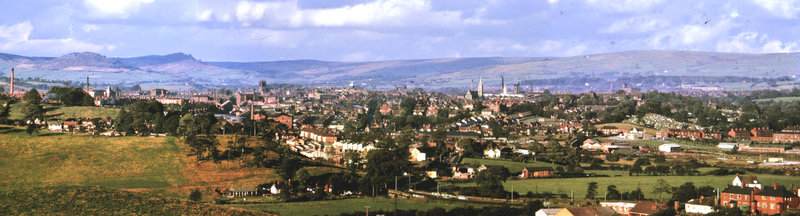
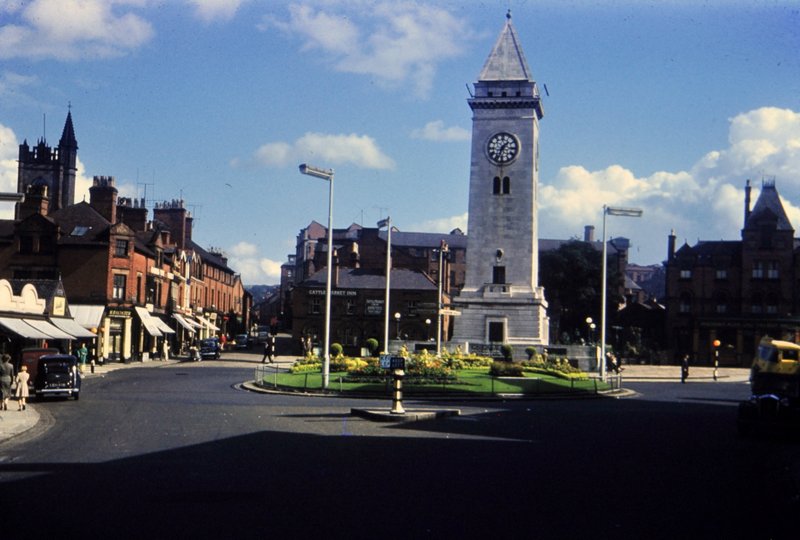


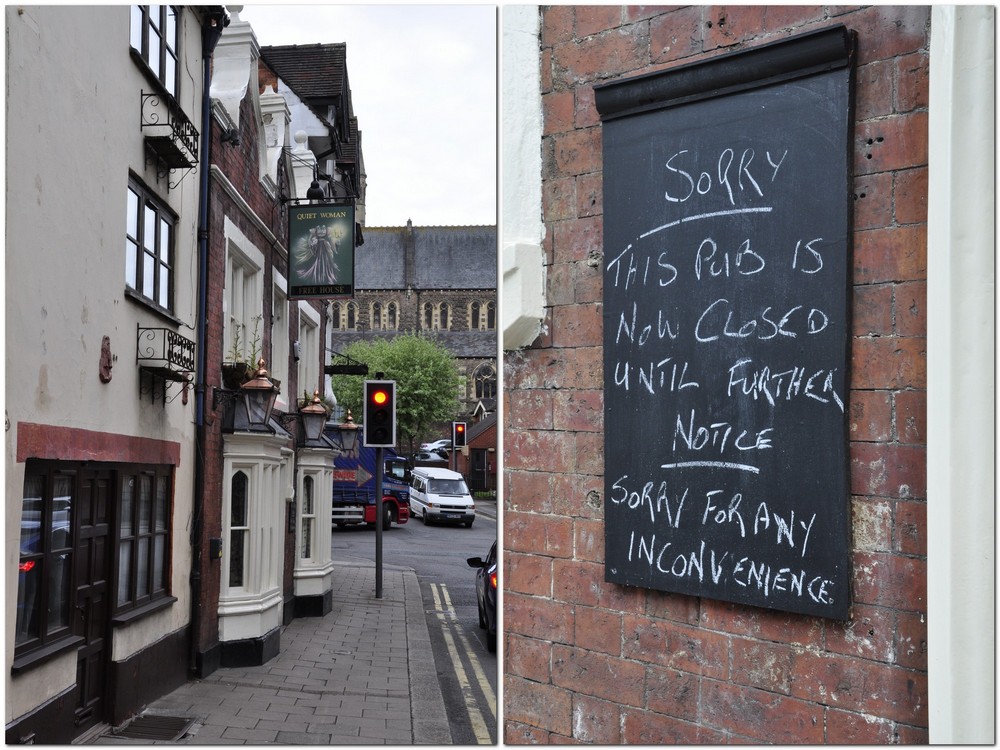
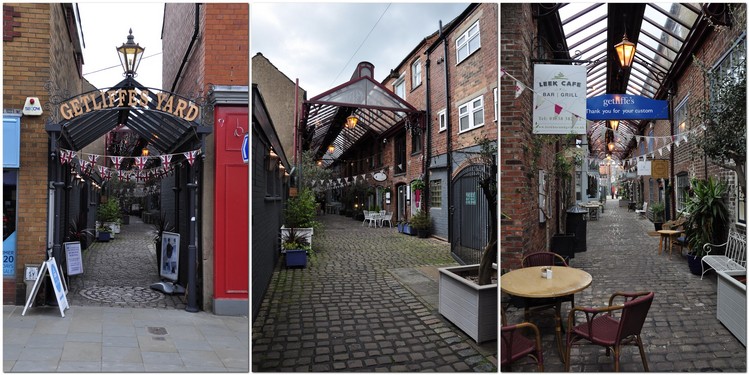
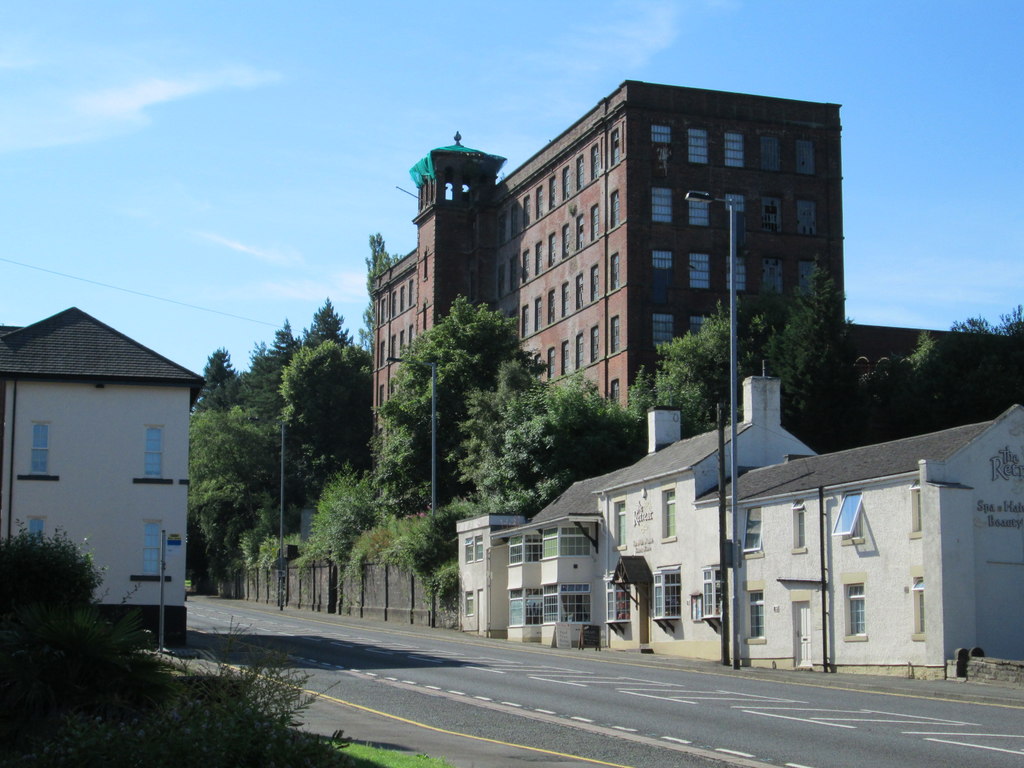


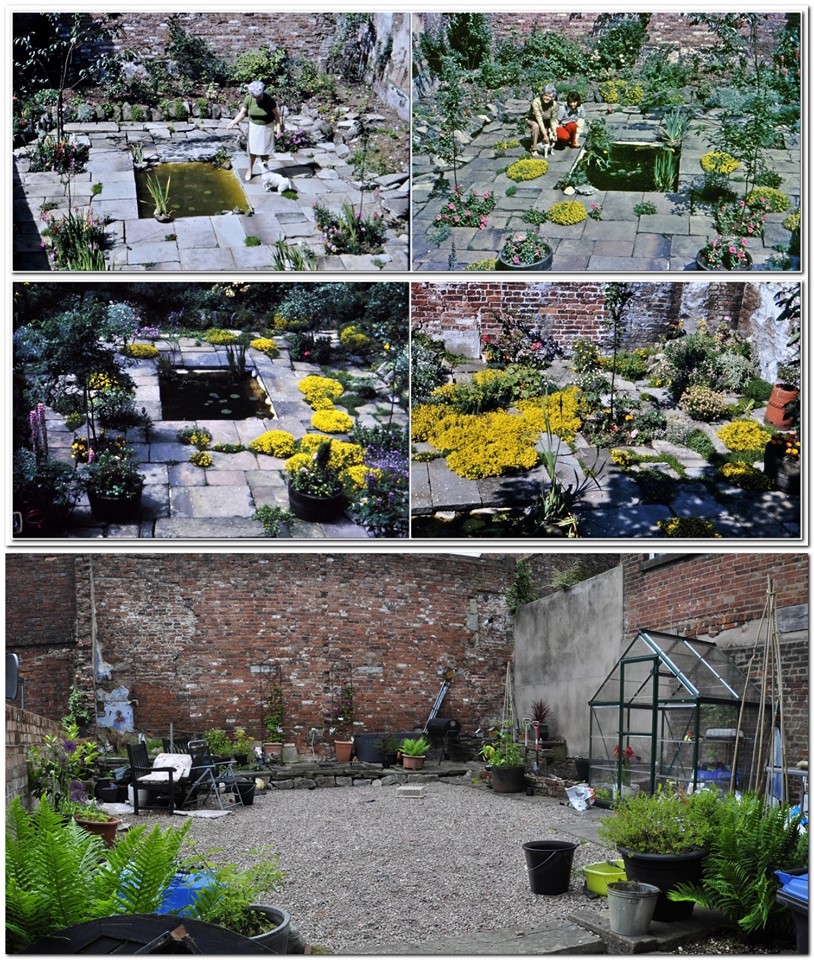


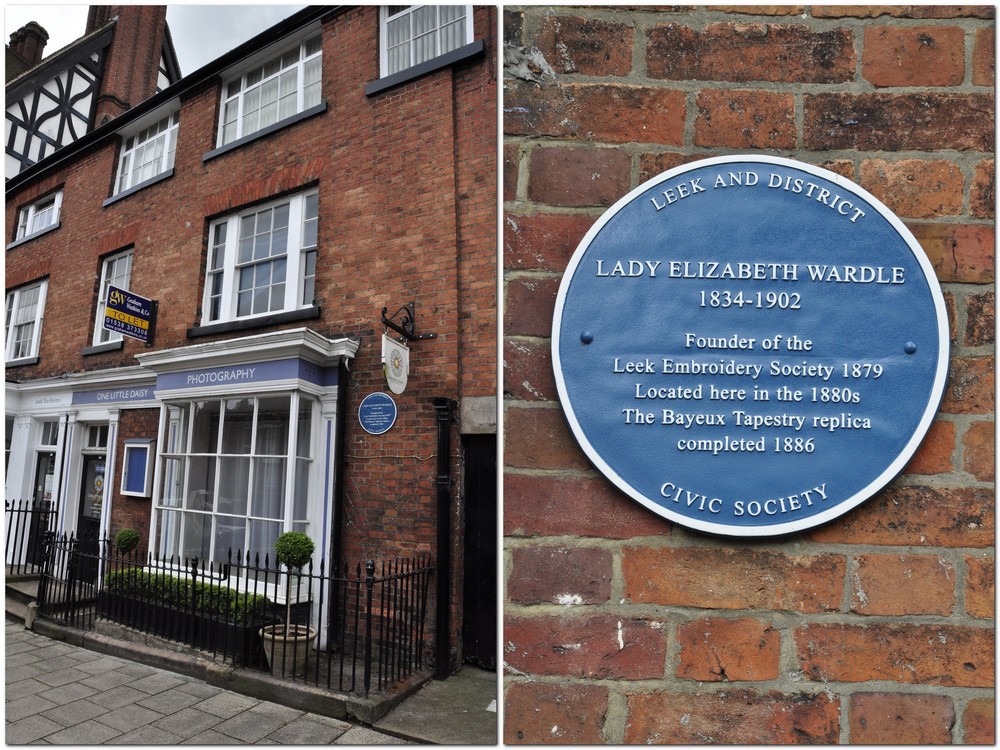
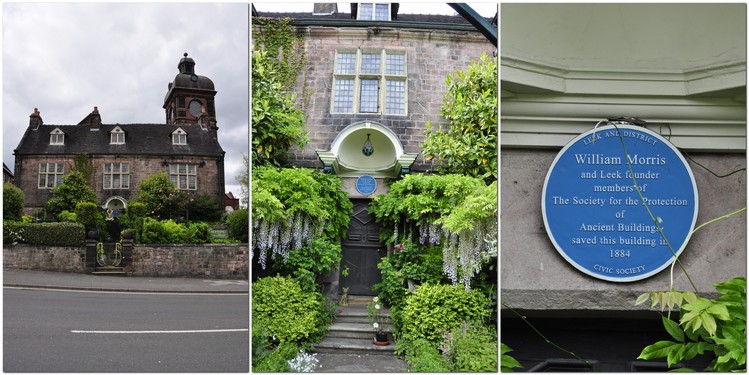
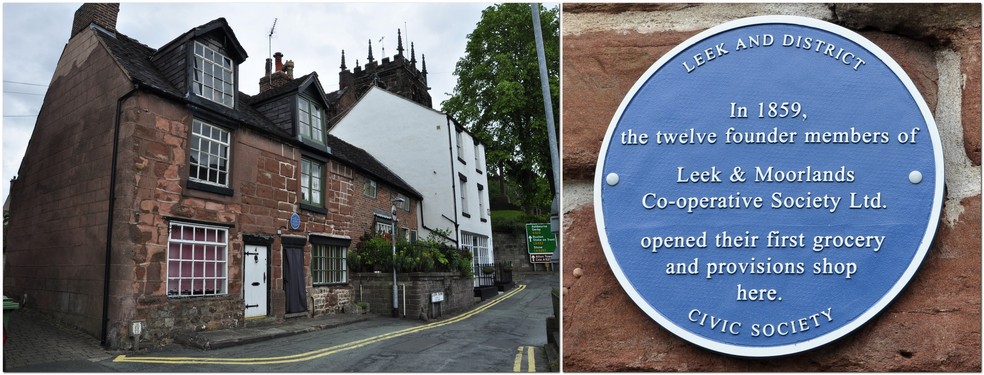
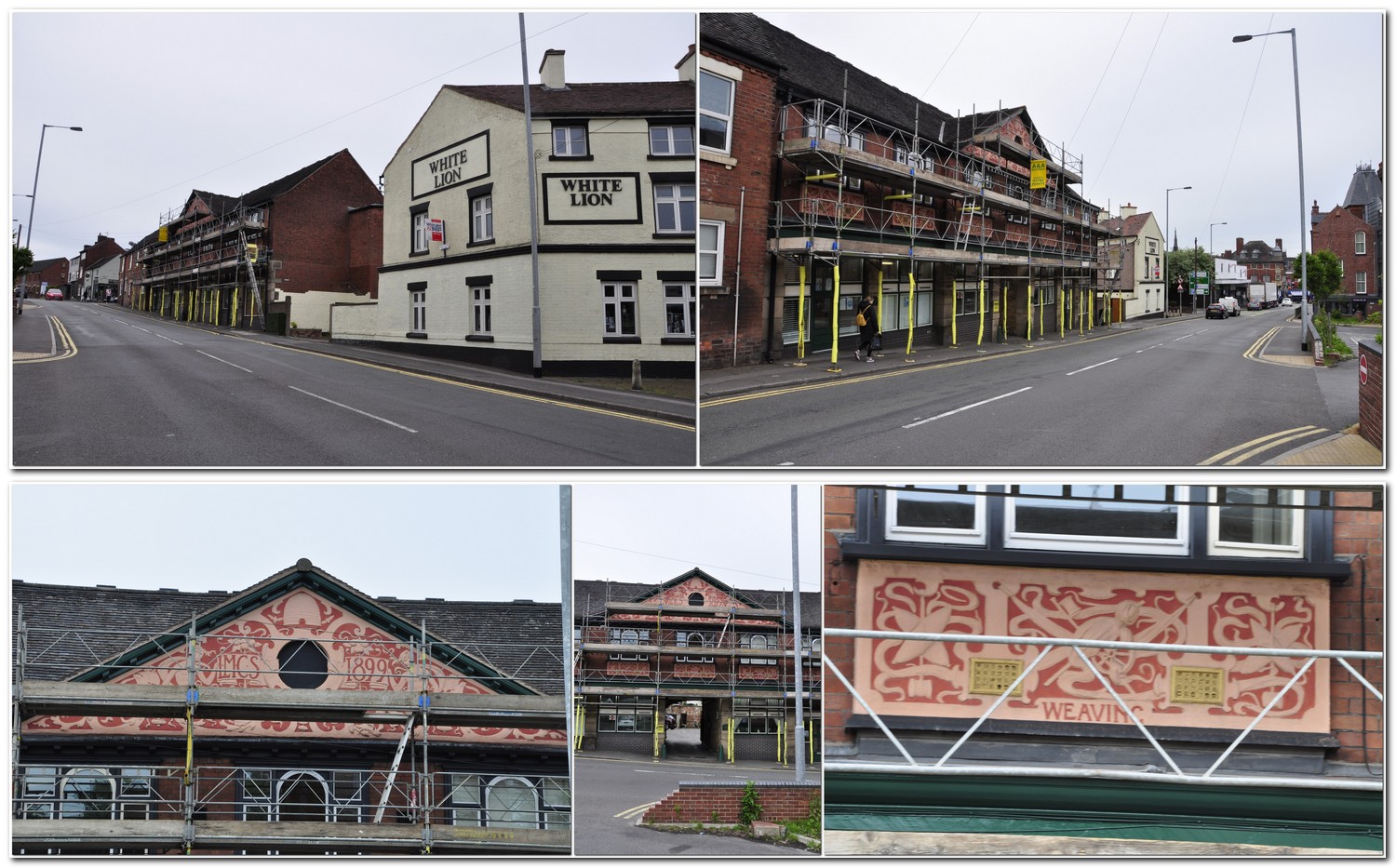
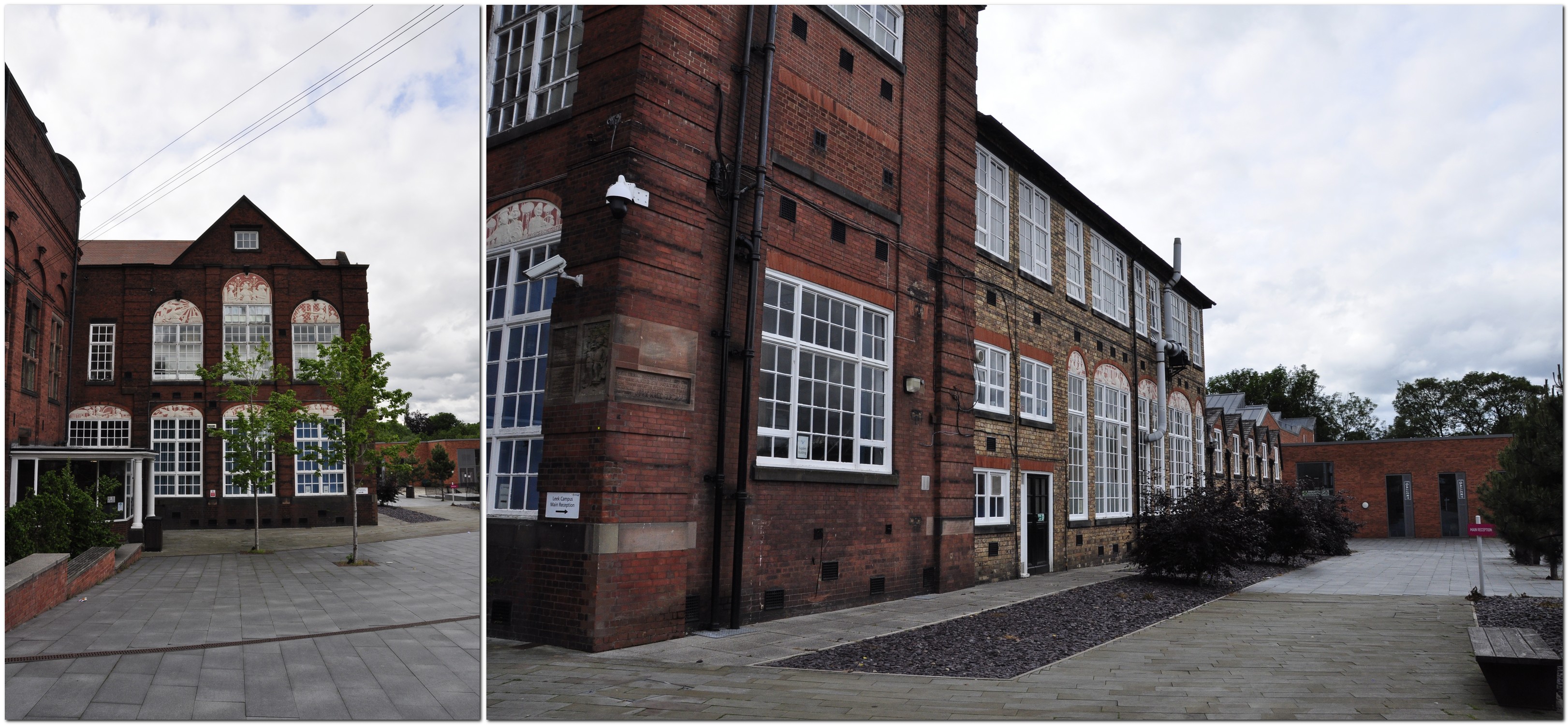
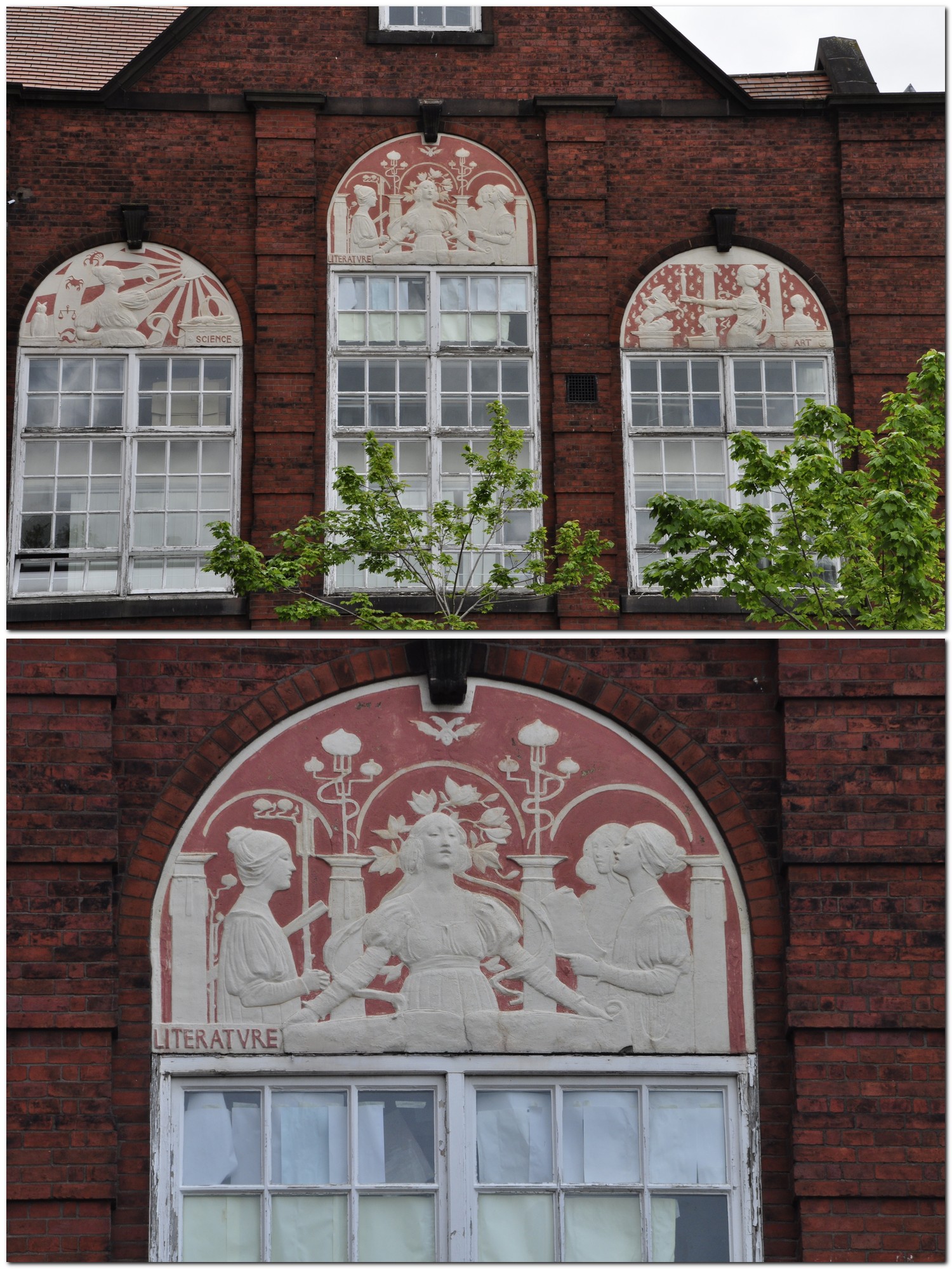
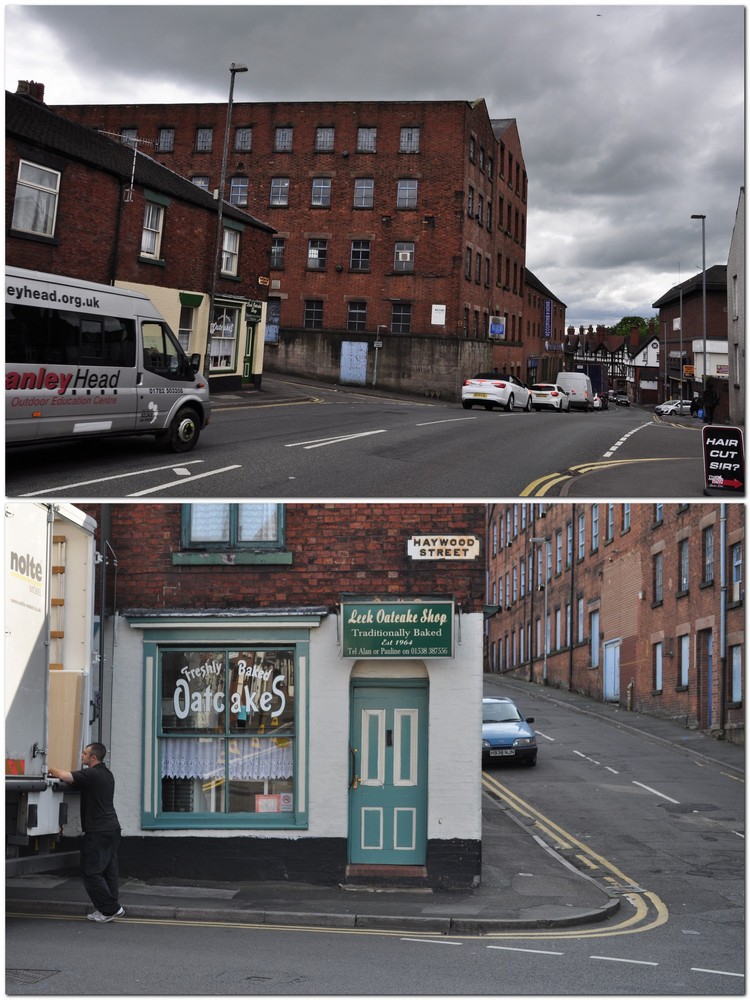
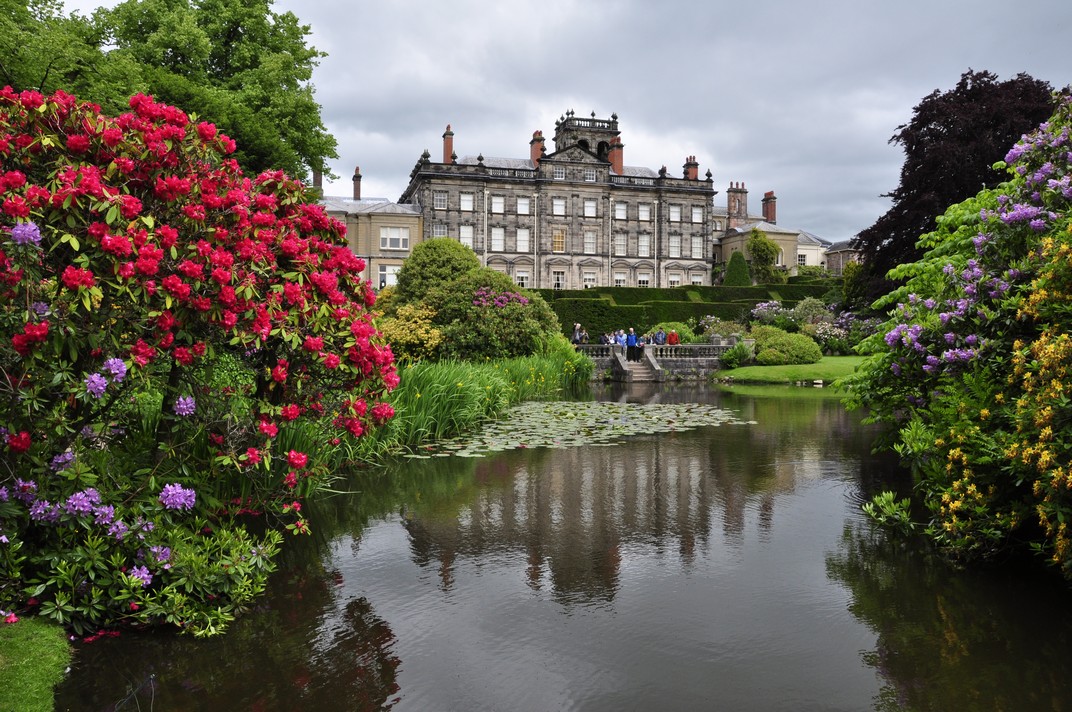
 Every Christmas morning he would take photos of Santa visiting all the children on the wards at Biddulph Grange. Even after our family moved to Leek in 1956, Dad (accompanied by Mum) continued to visit Biddulph Grange at Christmas. I remember visiting on many occasions, and meeting the Matron (right), Miss Ruth Cleator.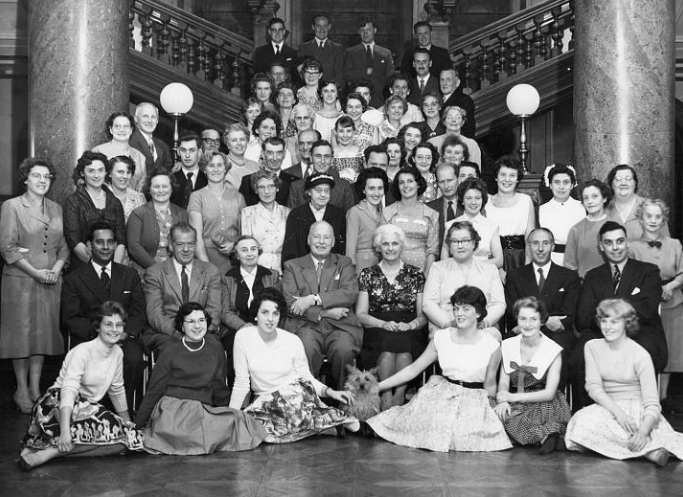




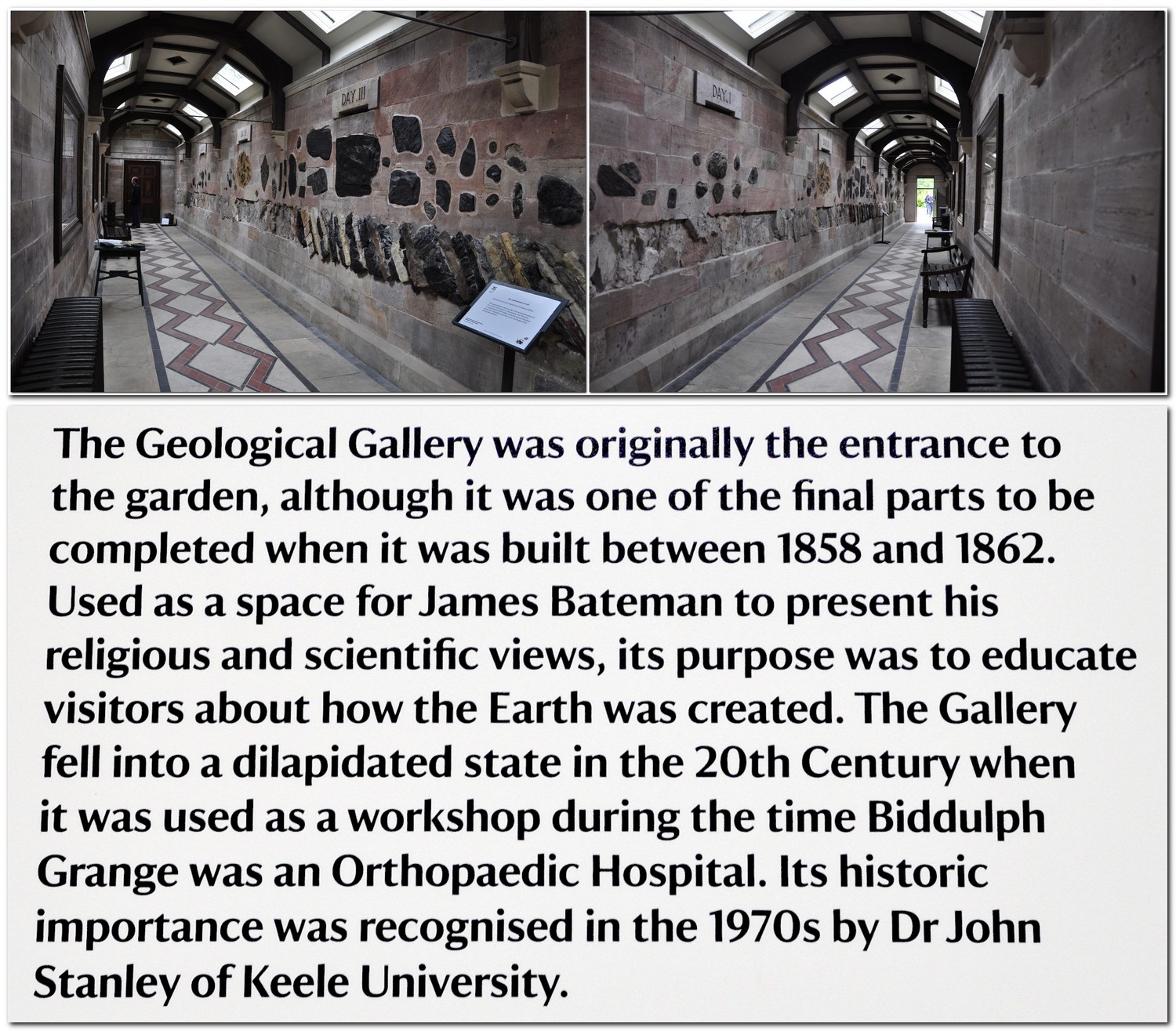
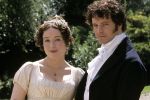 In 1995, the BBC aired a six episode adaptation (by Andrew Davies) of
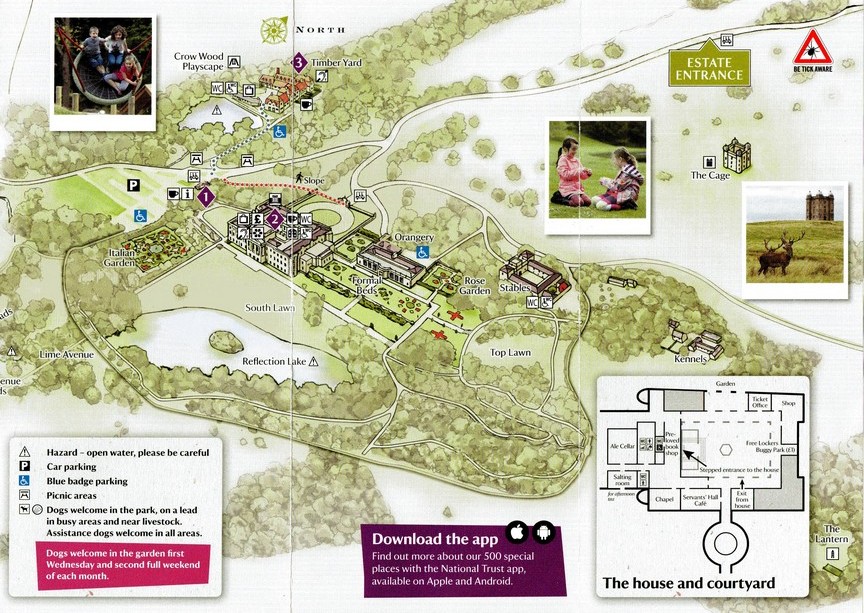
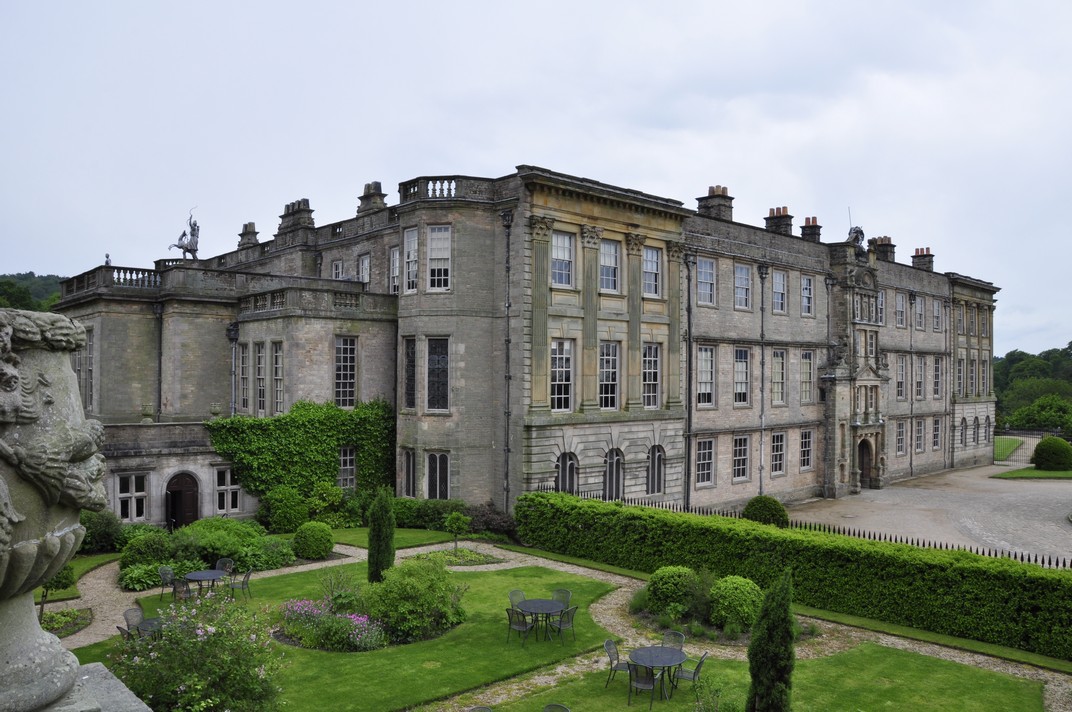
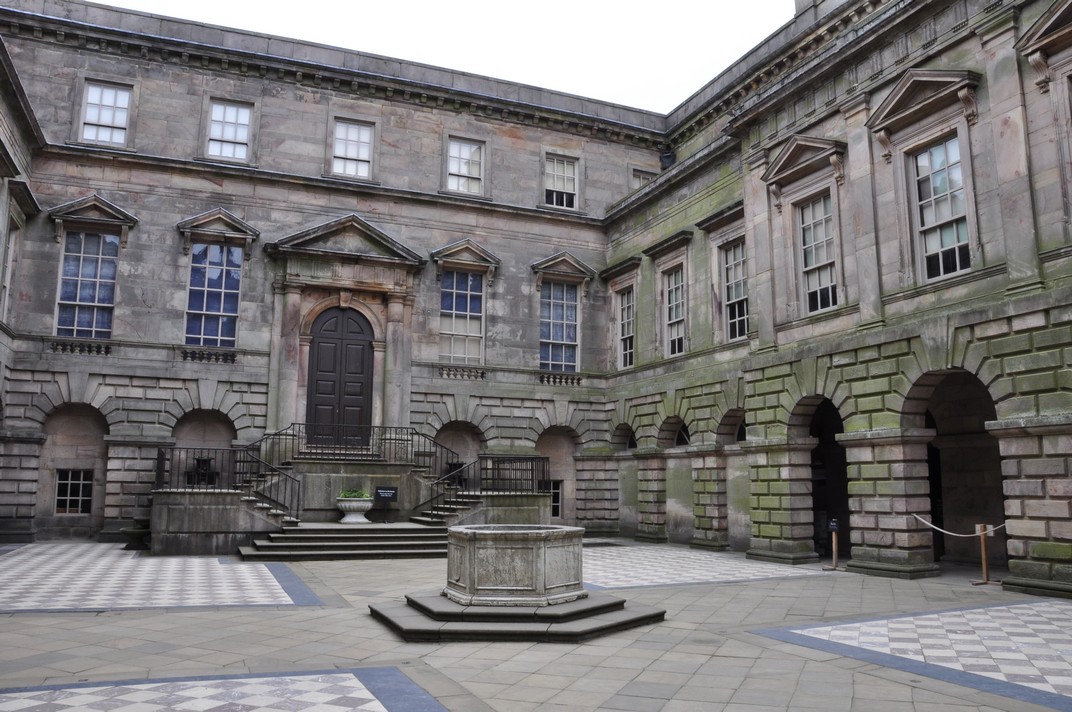
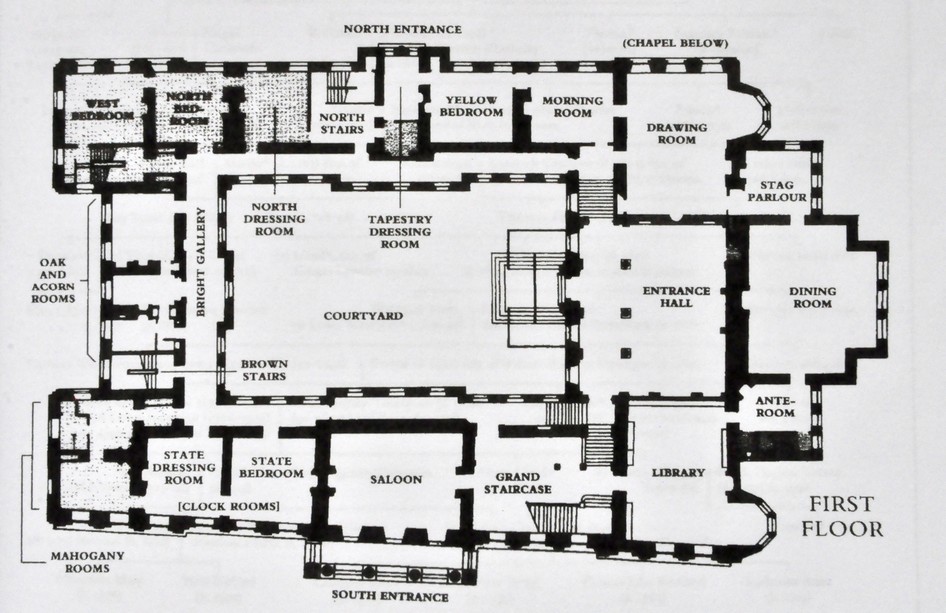
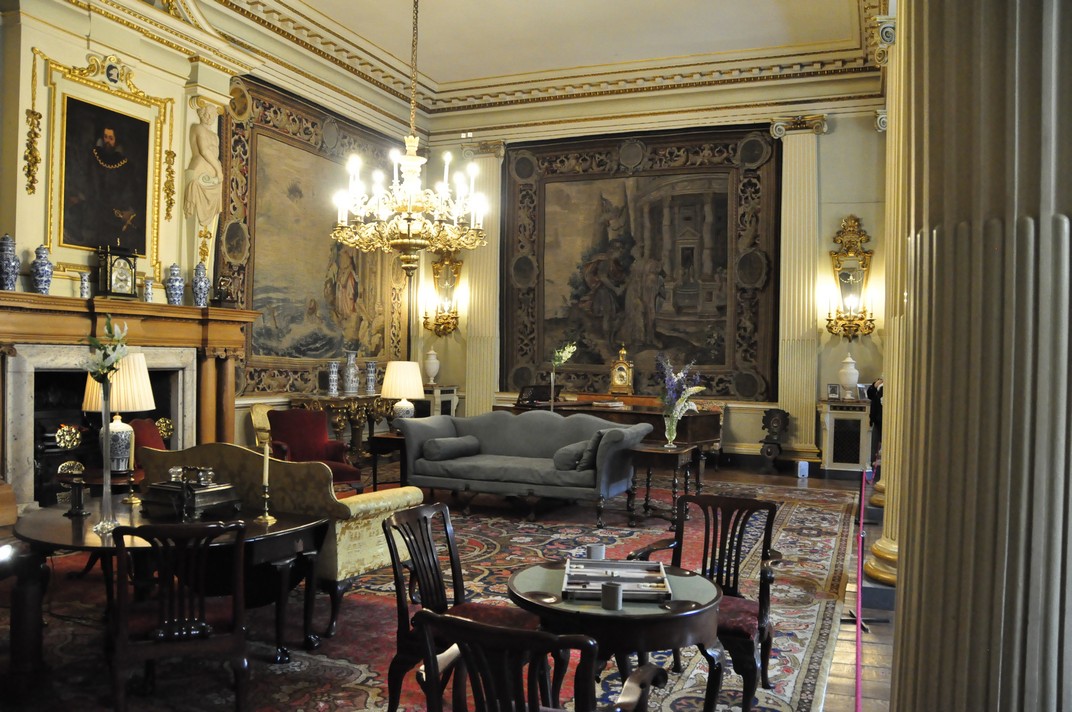
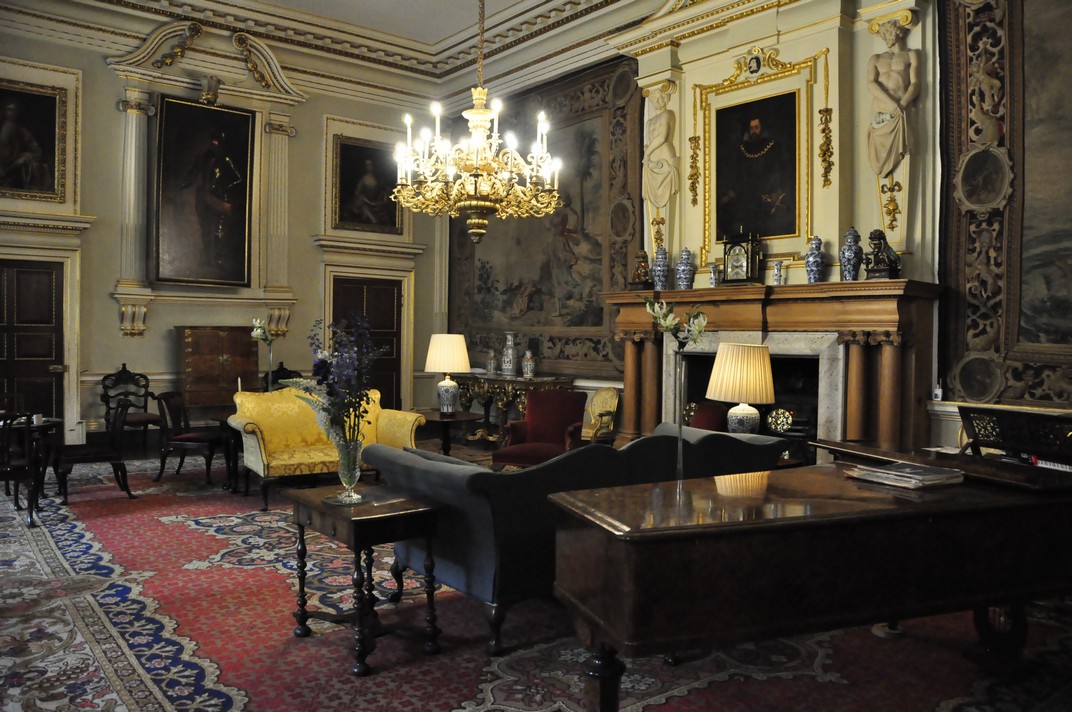
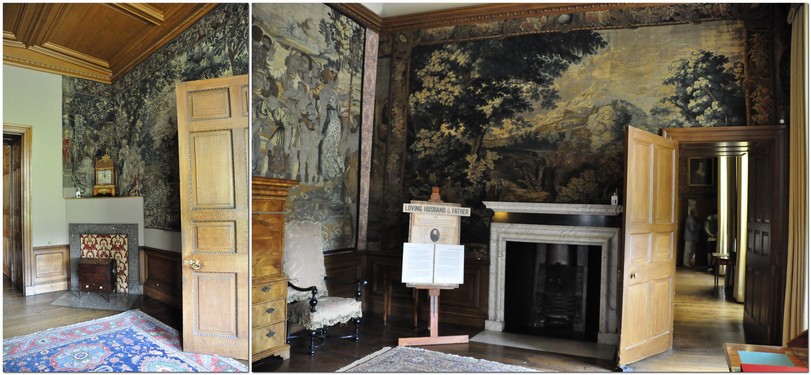


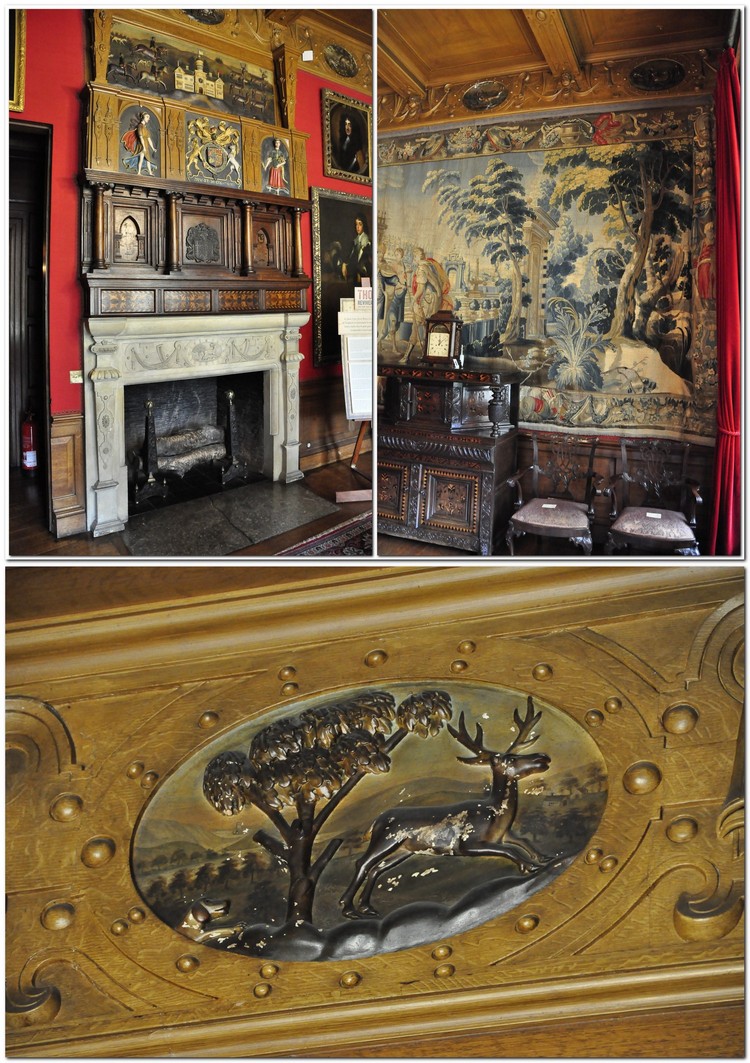

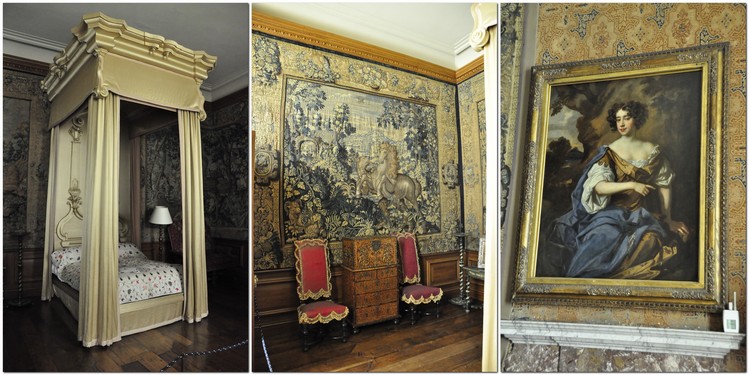
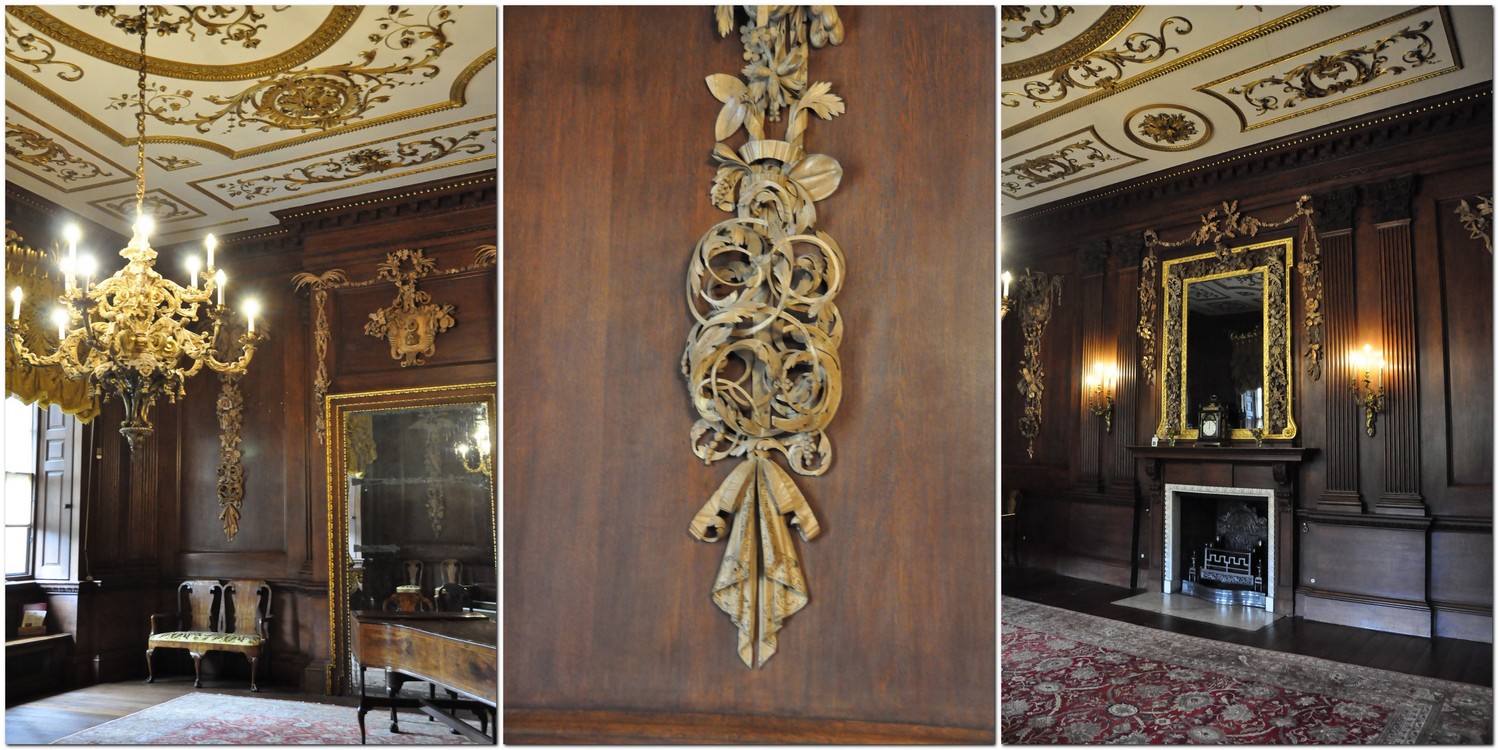
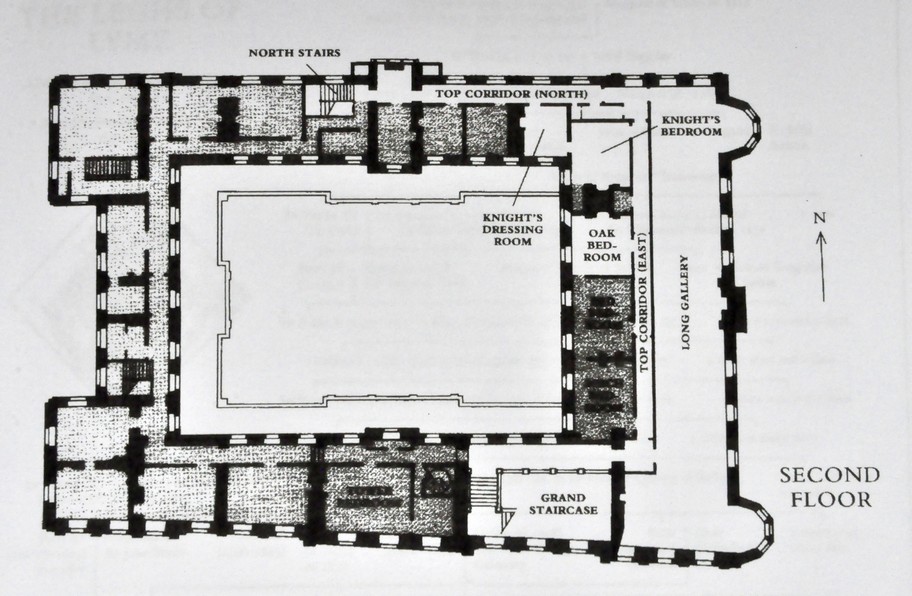

 At the bottom of the Grand Staircase is a huge oil painting of one of the Lyme mastiffs (now extinct). On the staircase wall is a painting of Thomas Legh, who was an adventurer, and responsible for the look of Lyme that we see inside today.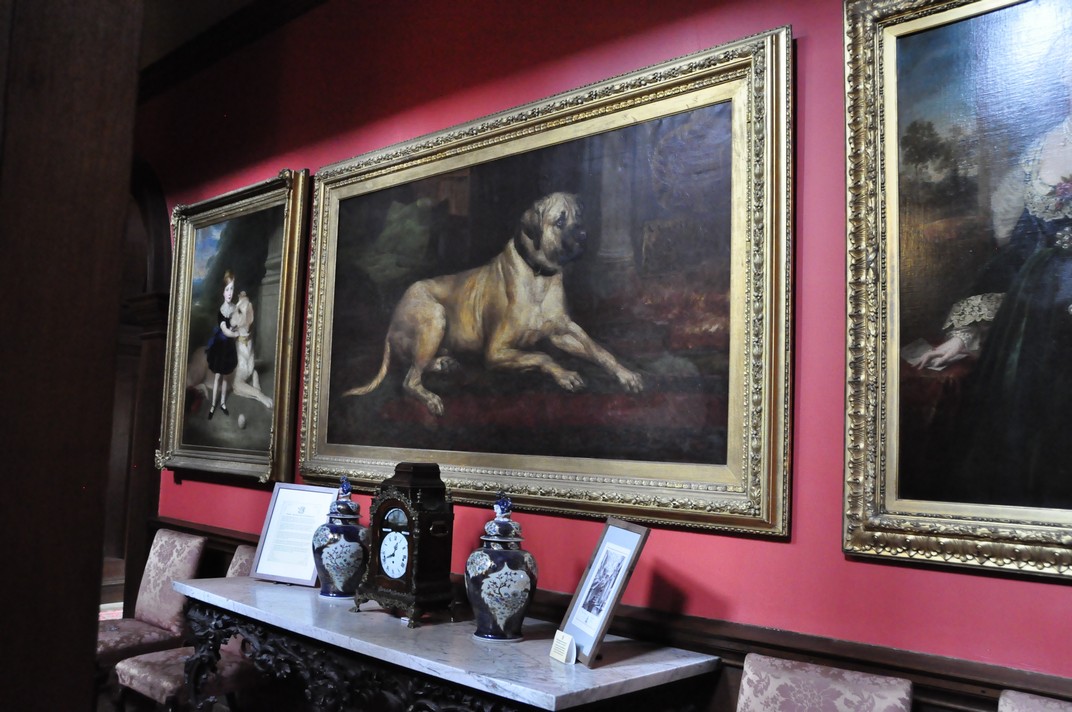
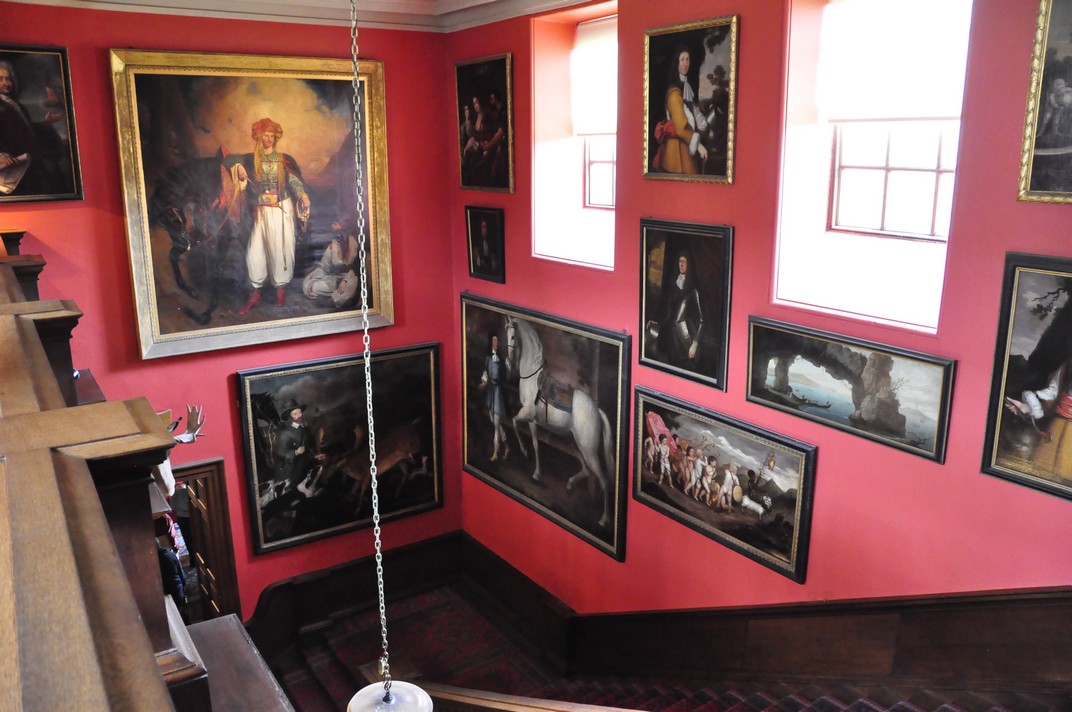



 The more I write this blog, the more apt this quotation from Victorian Prime Minister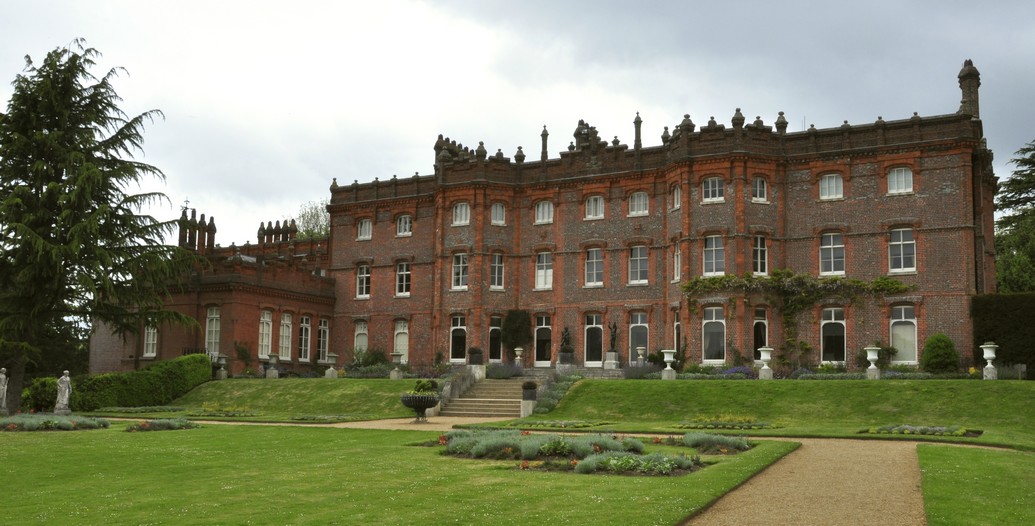
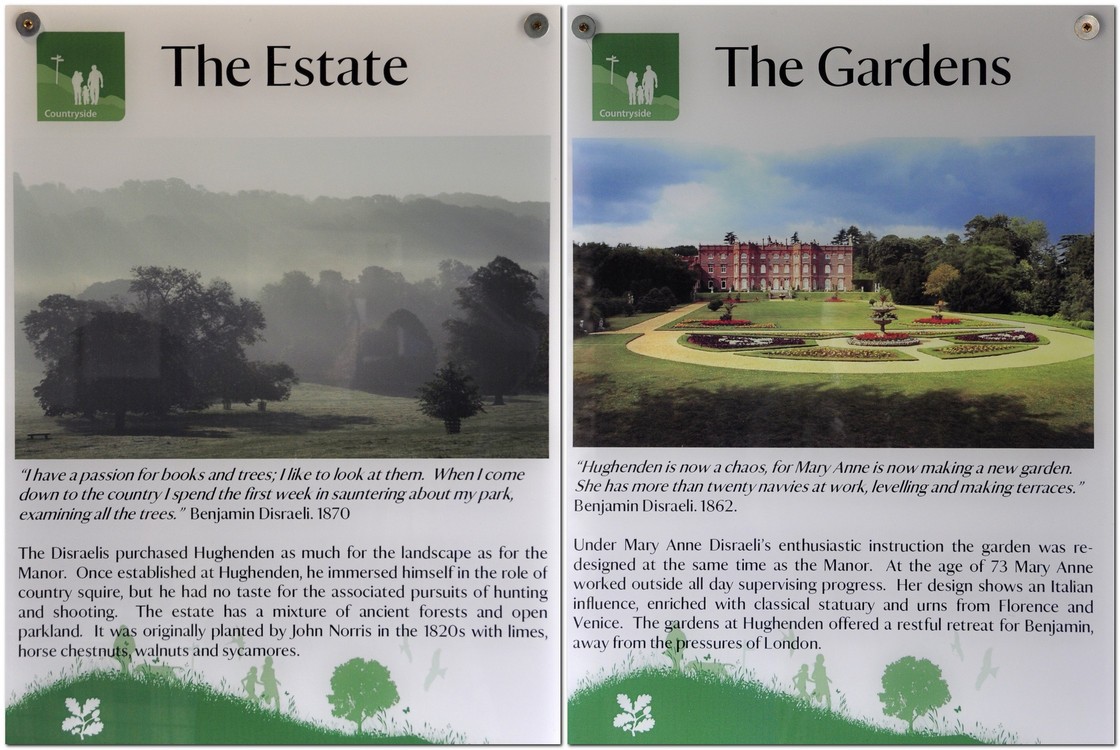
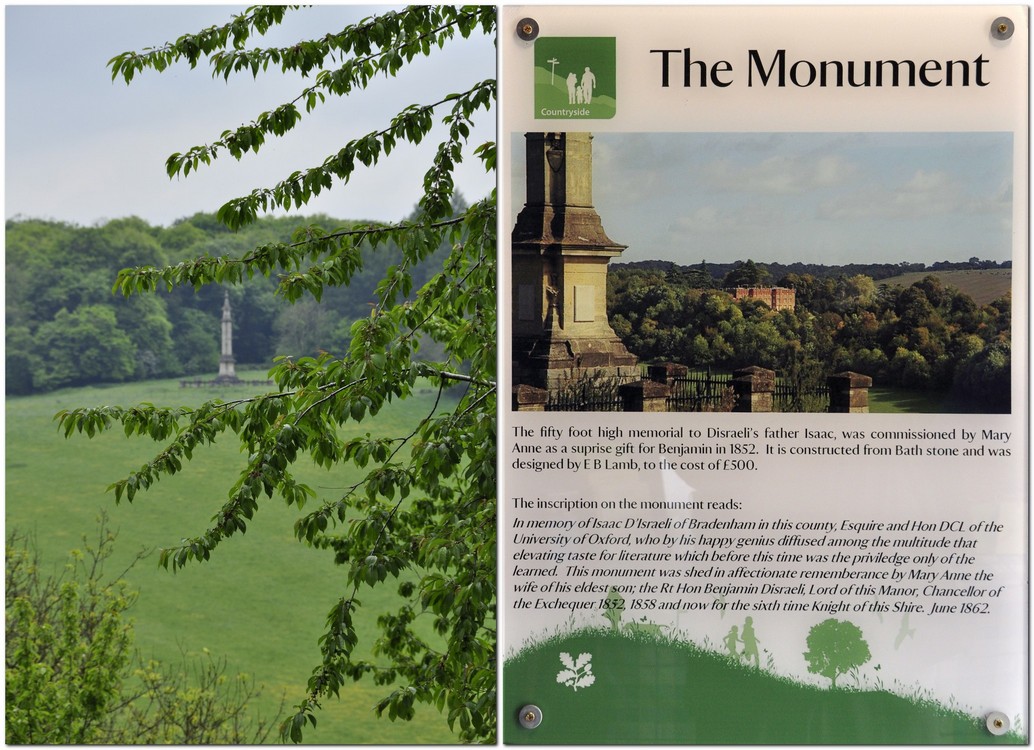
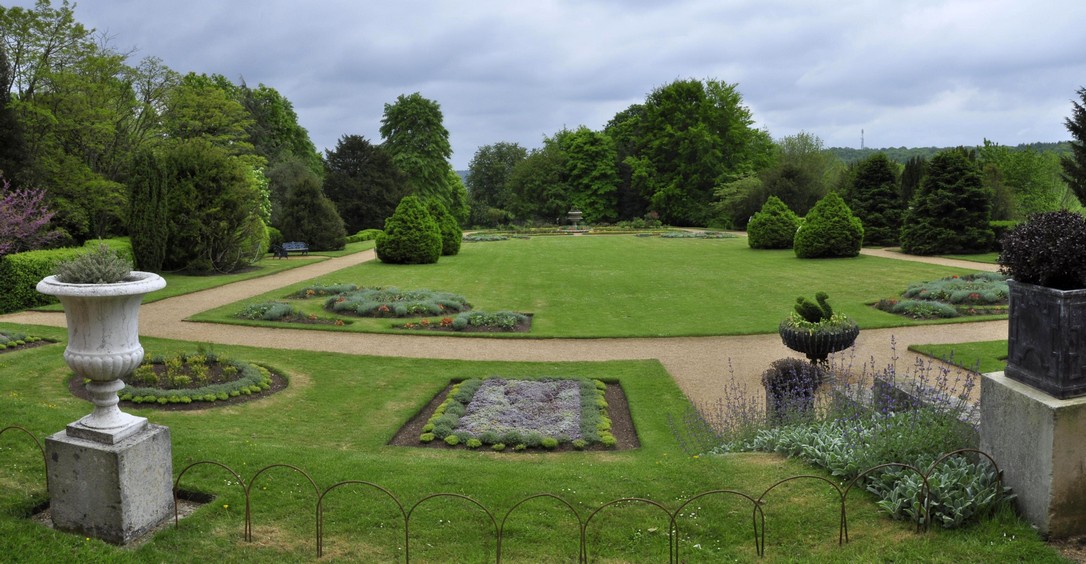
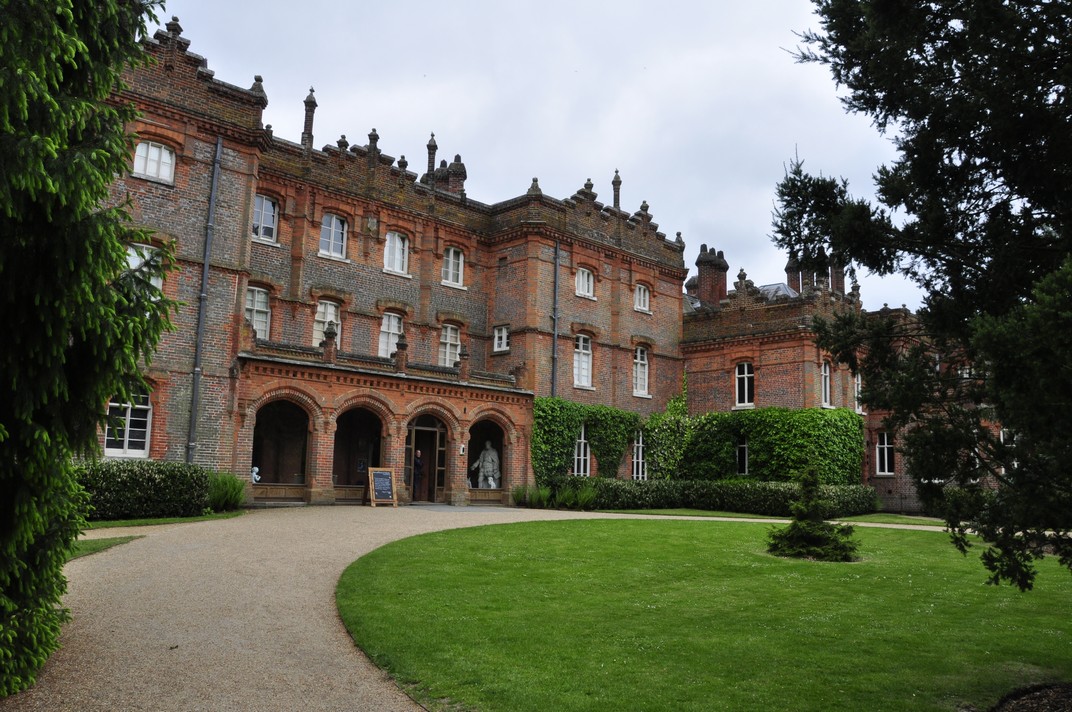
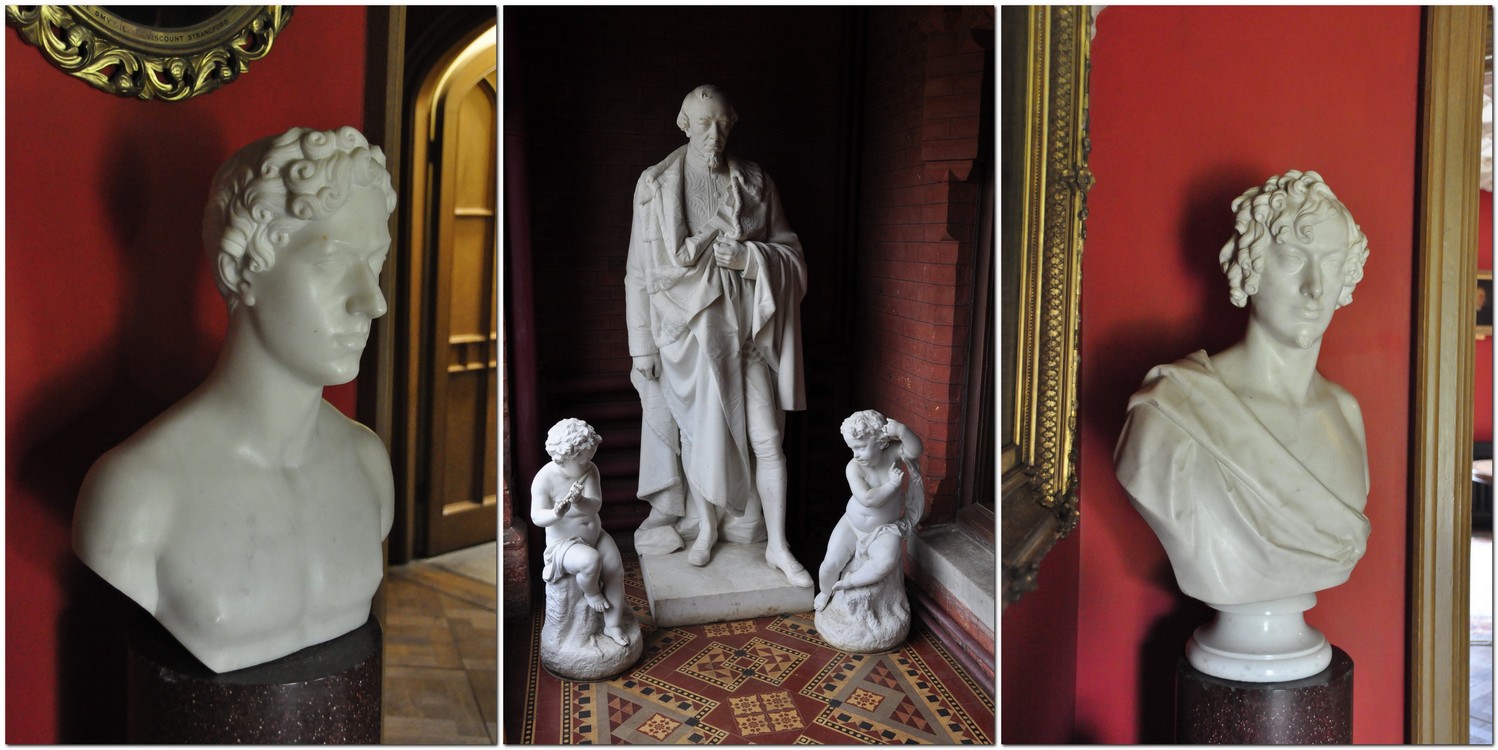
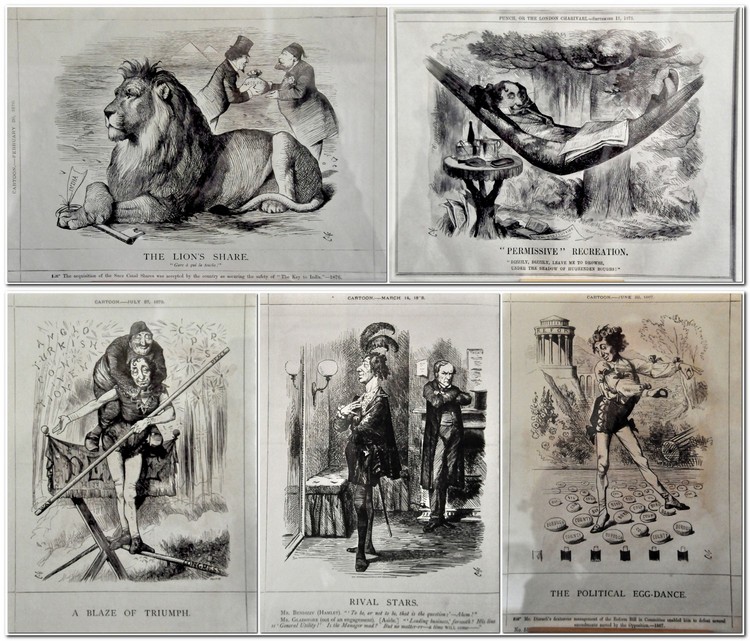
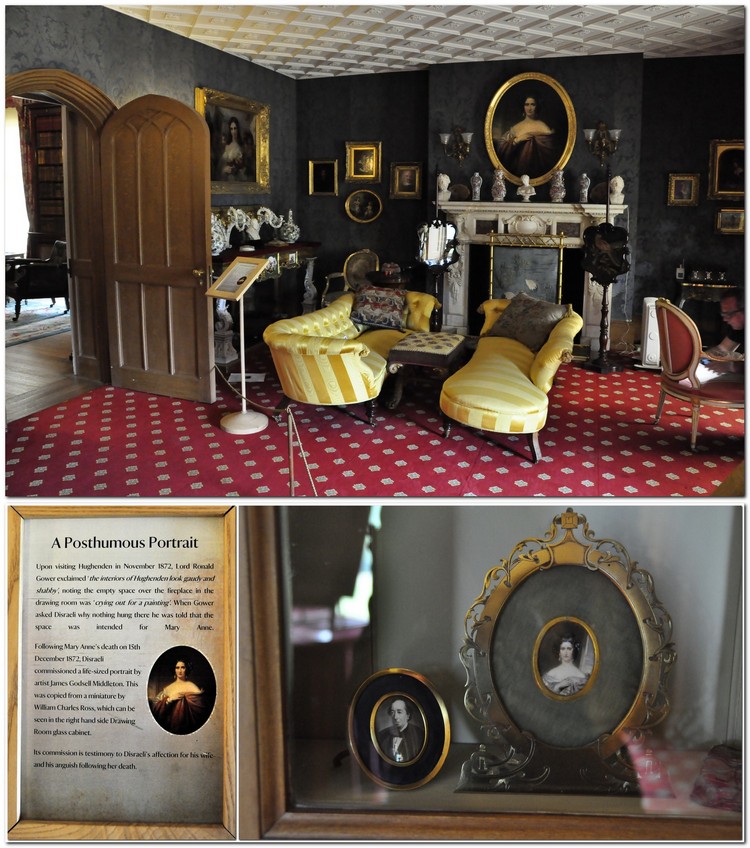
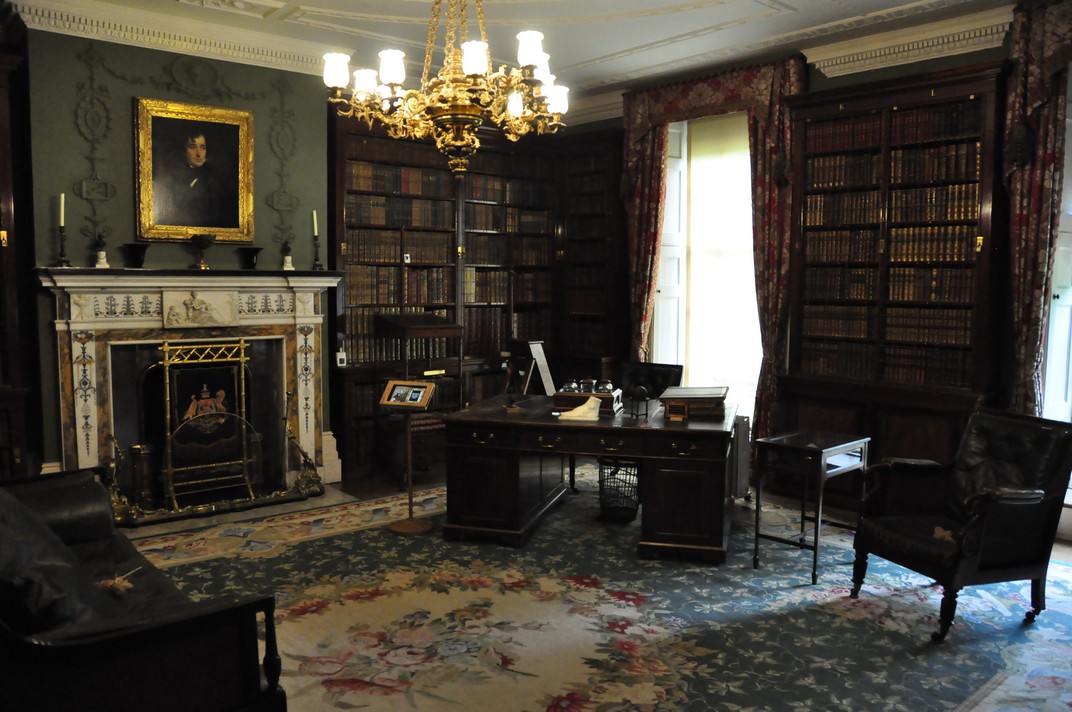
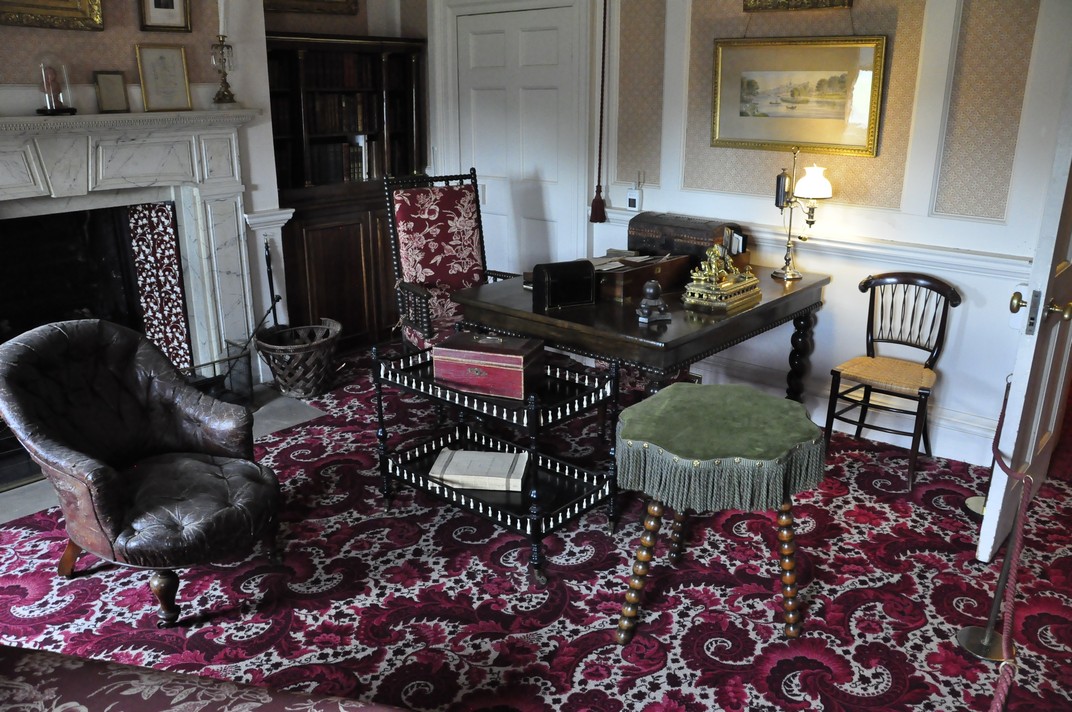
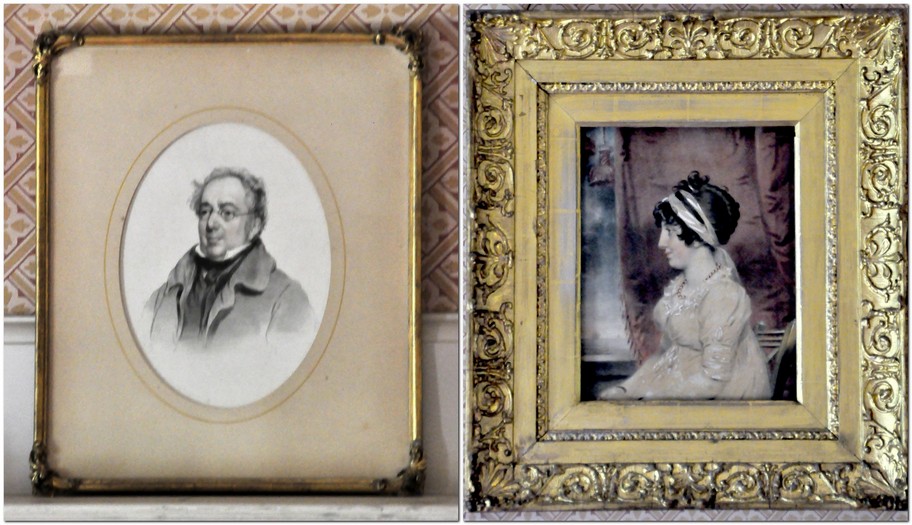
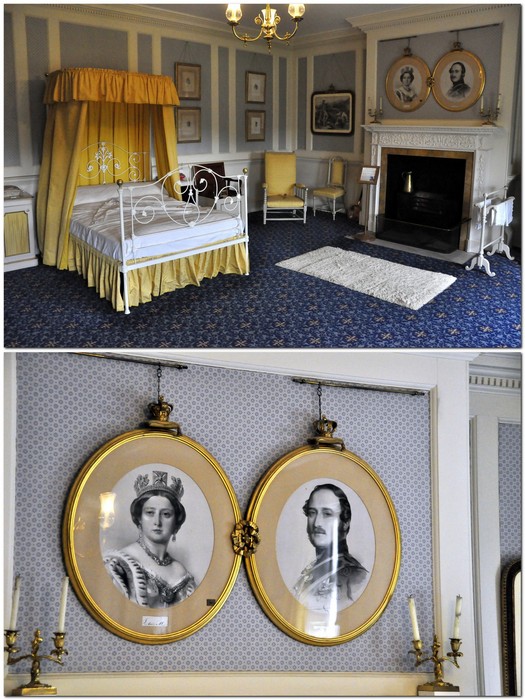
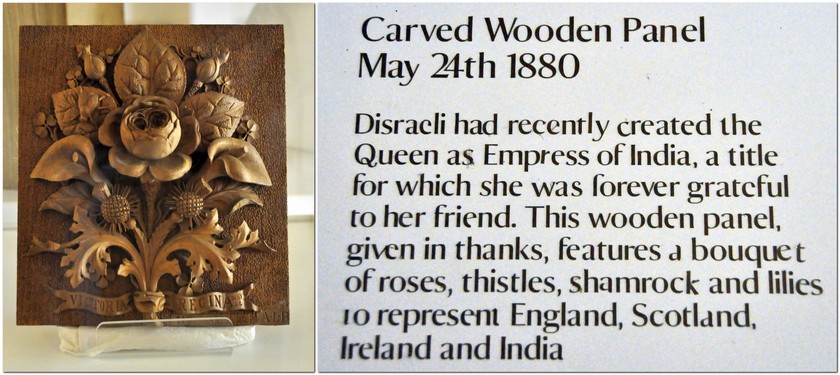
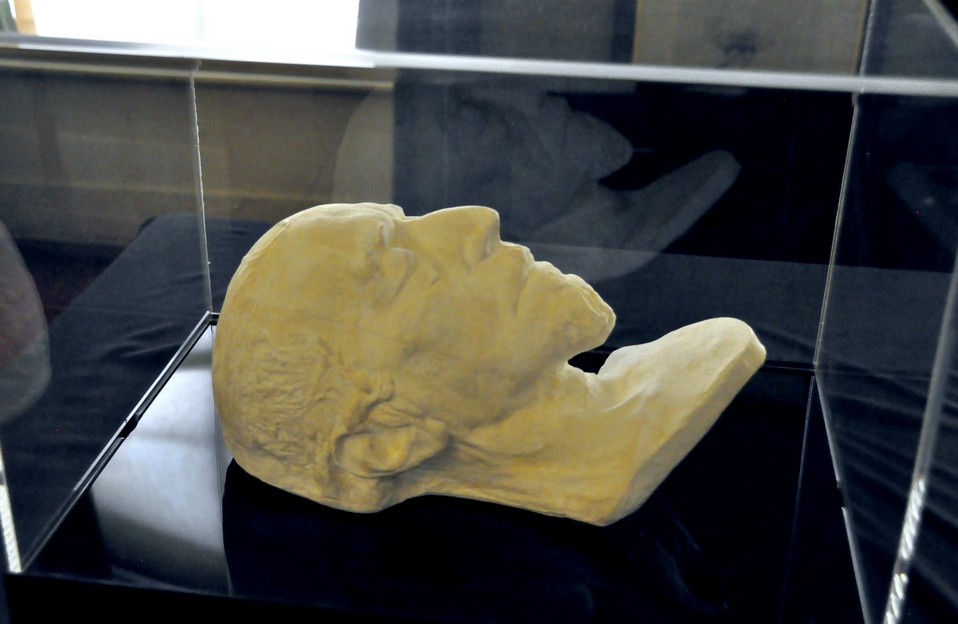
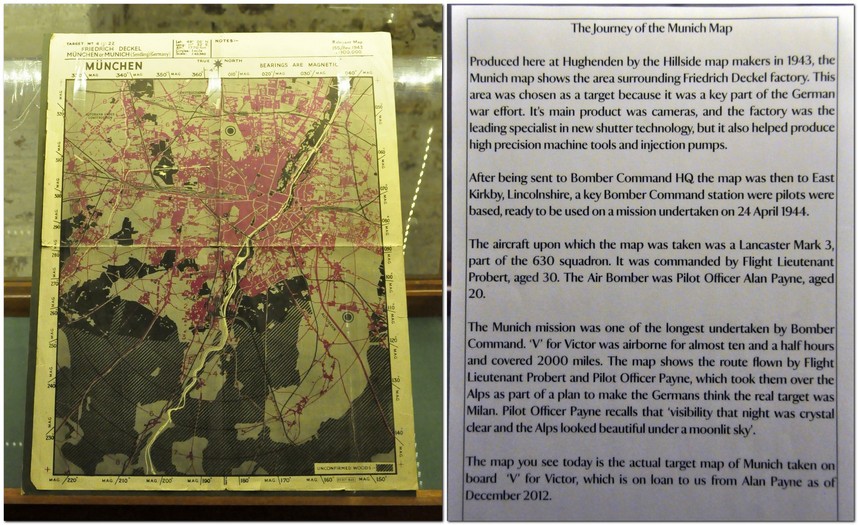
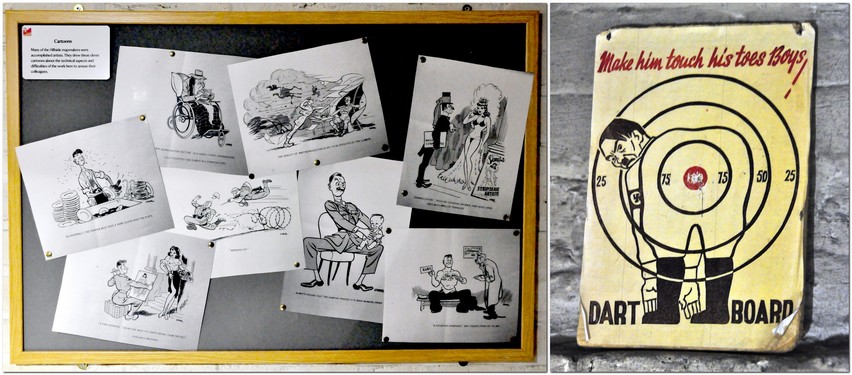
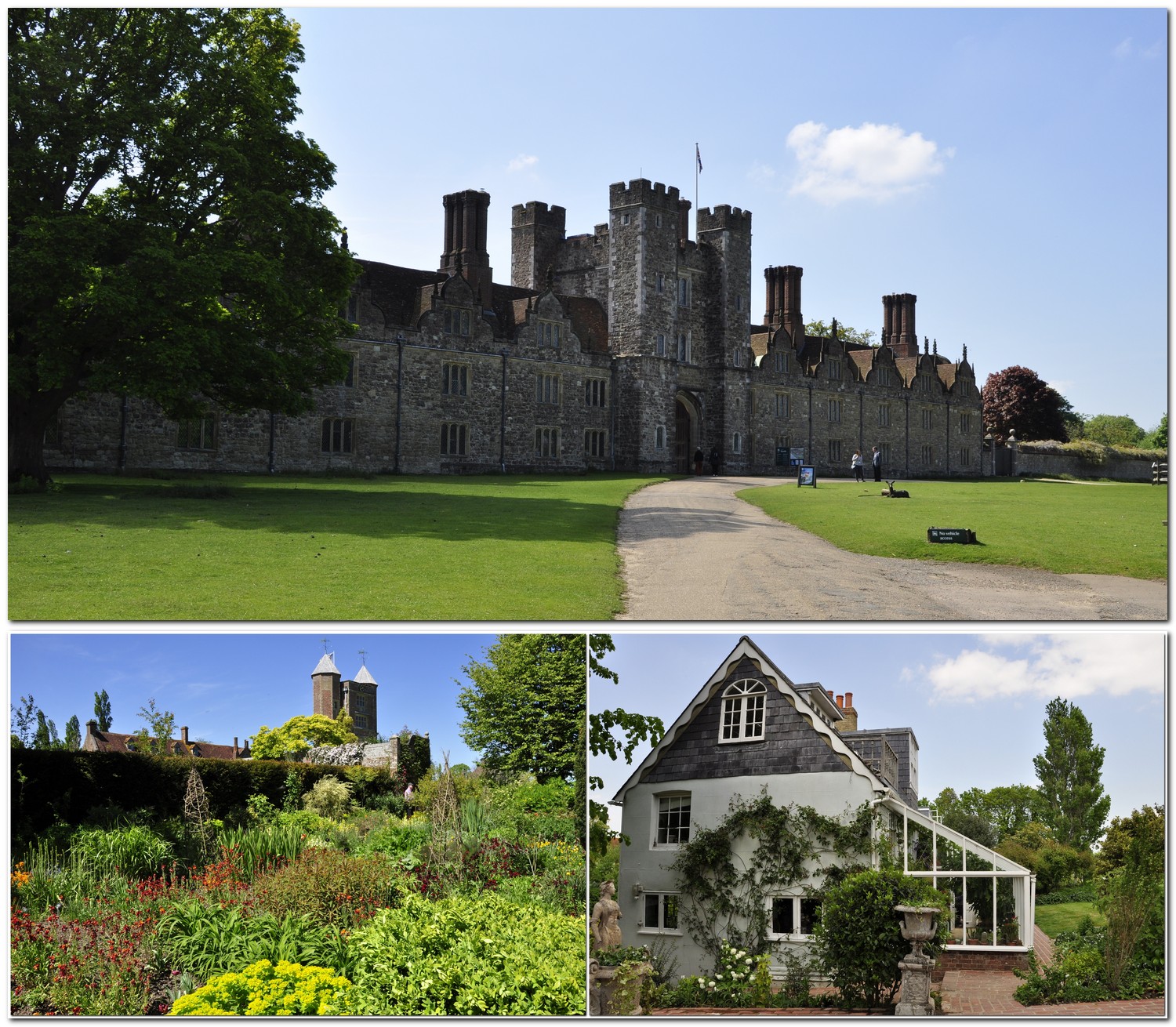

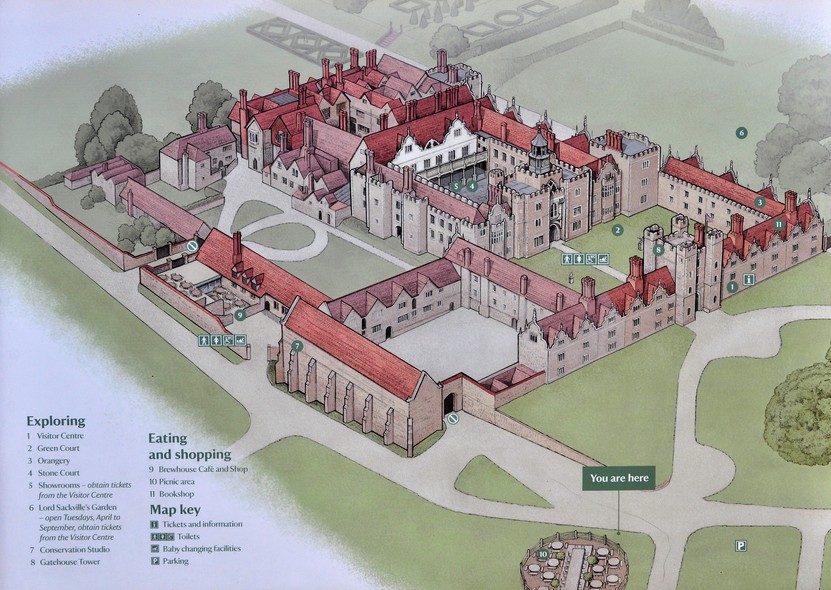


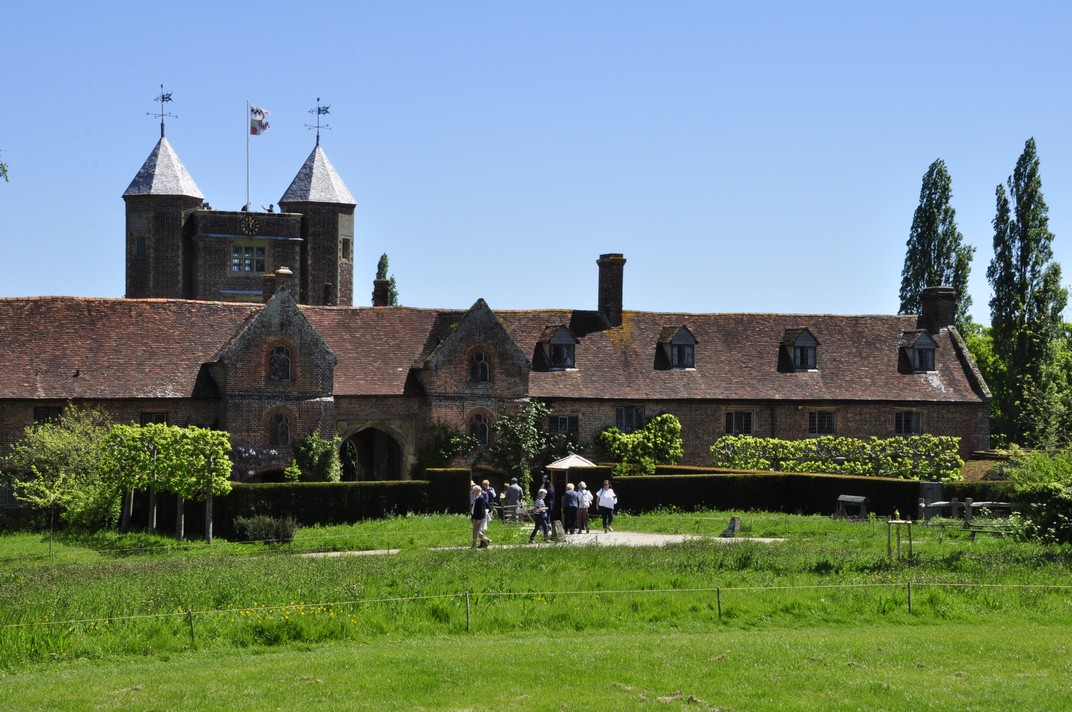


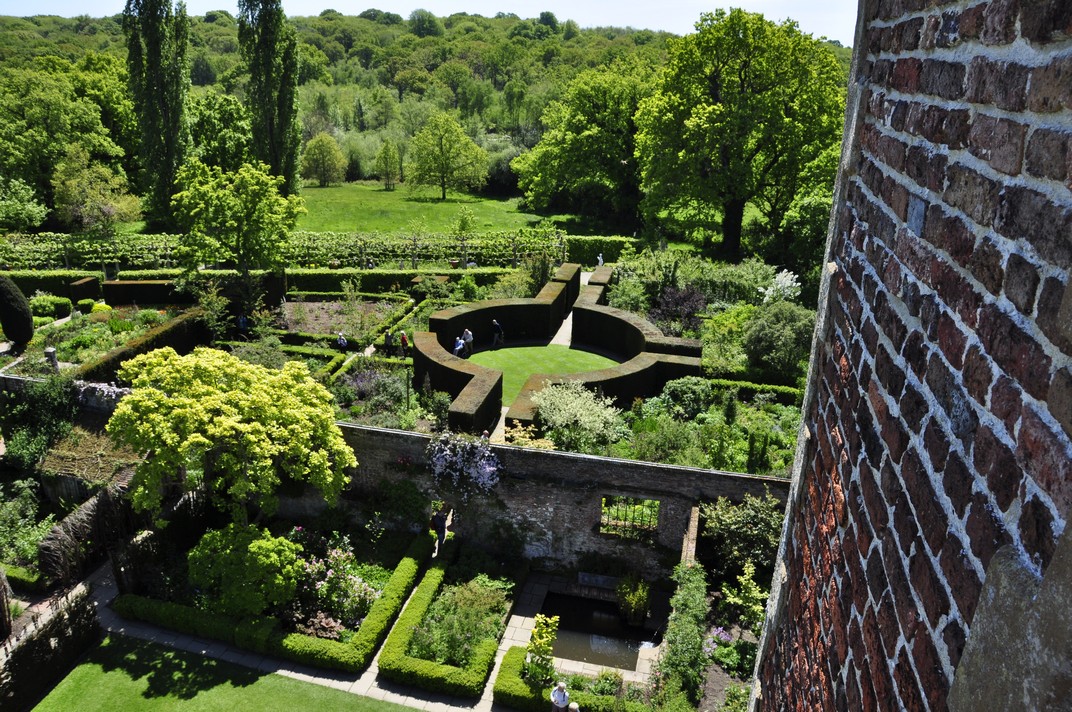


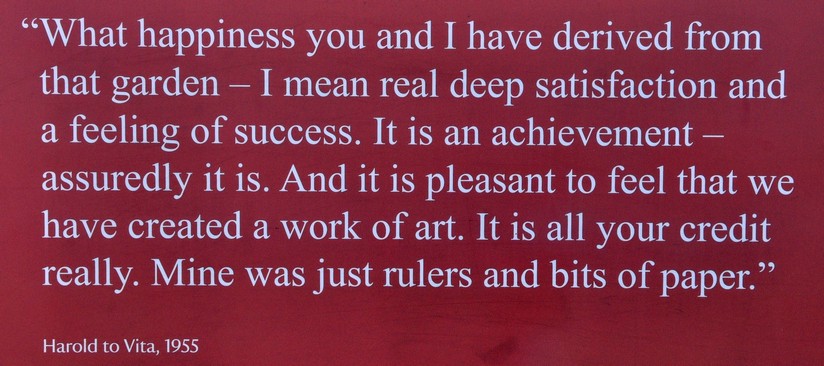


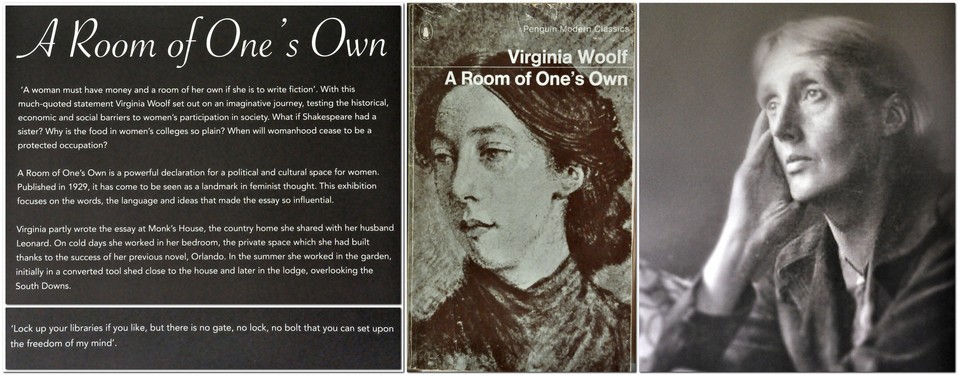


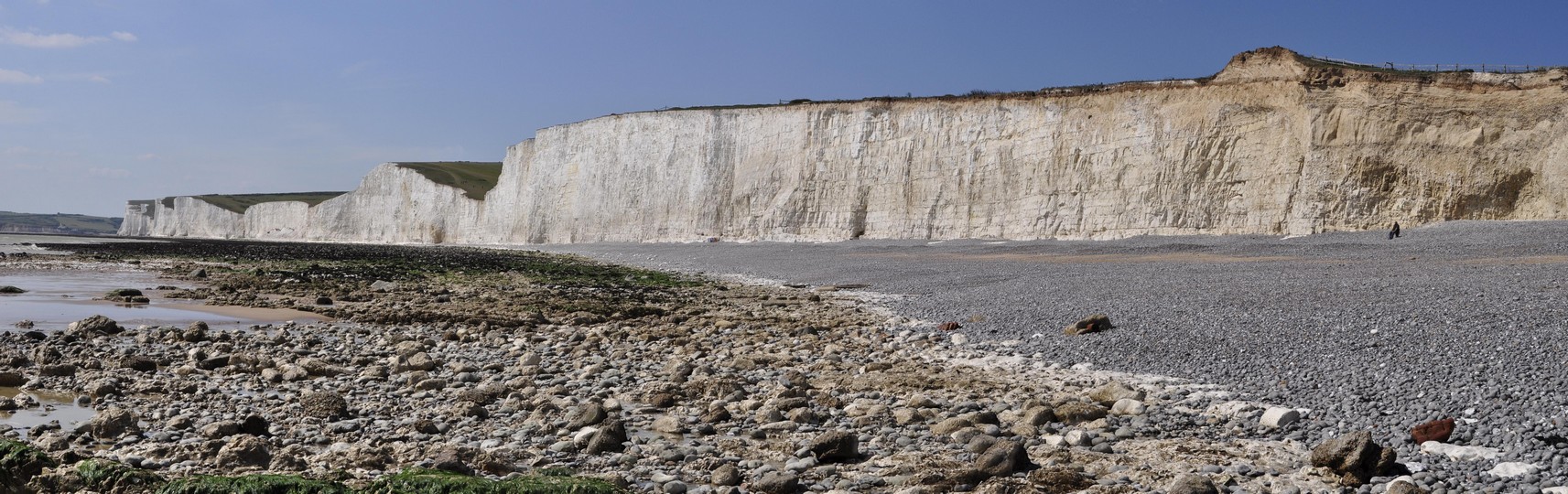


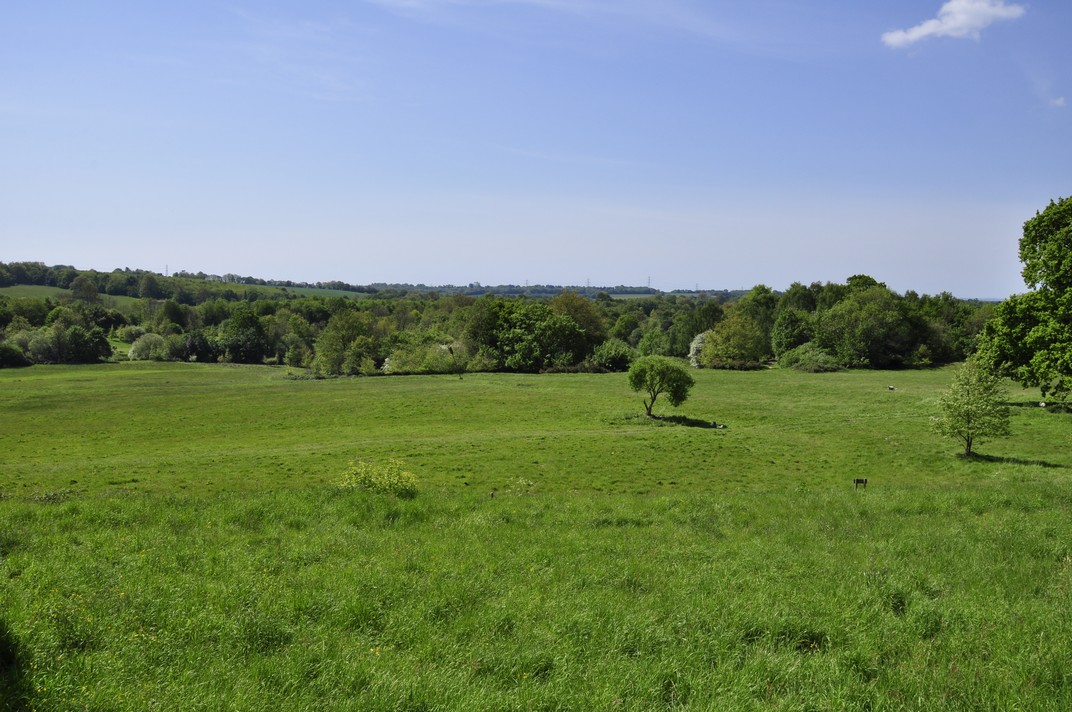
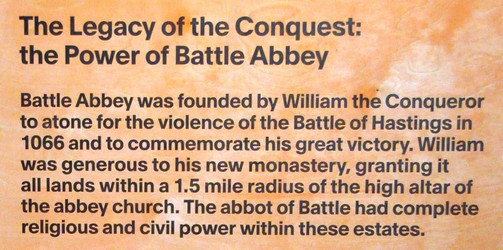
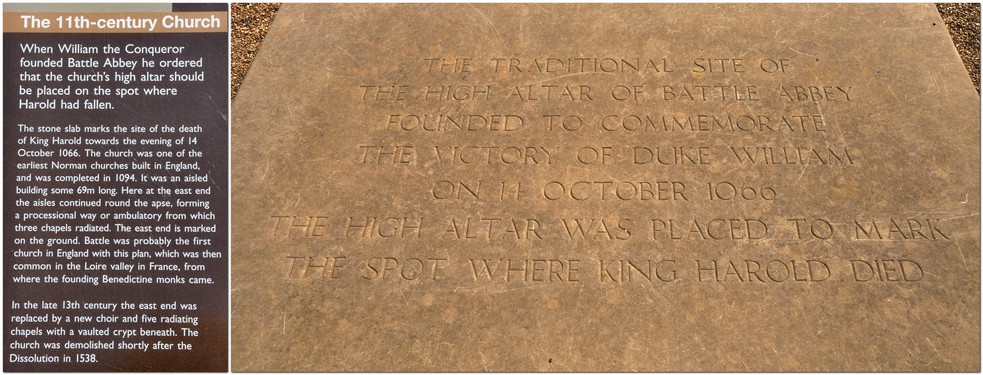
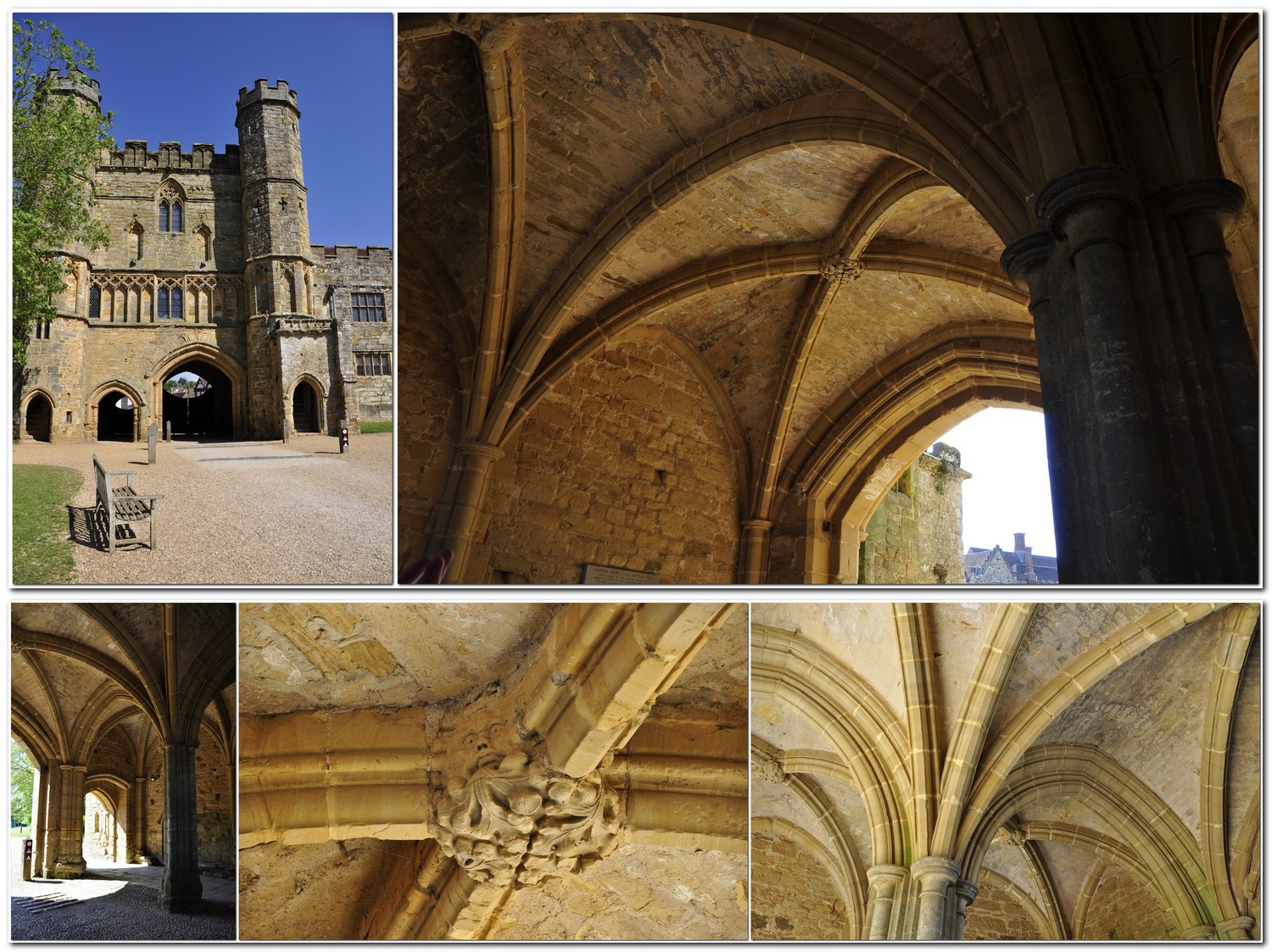
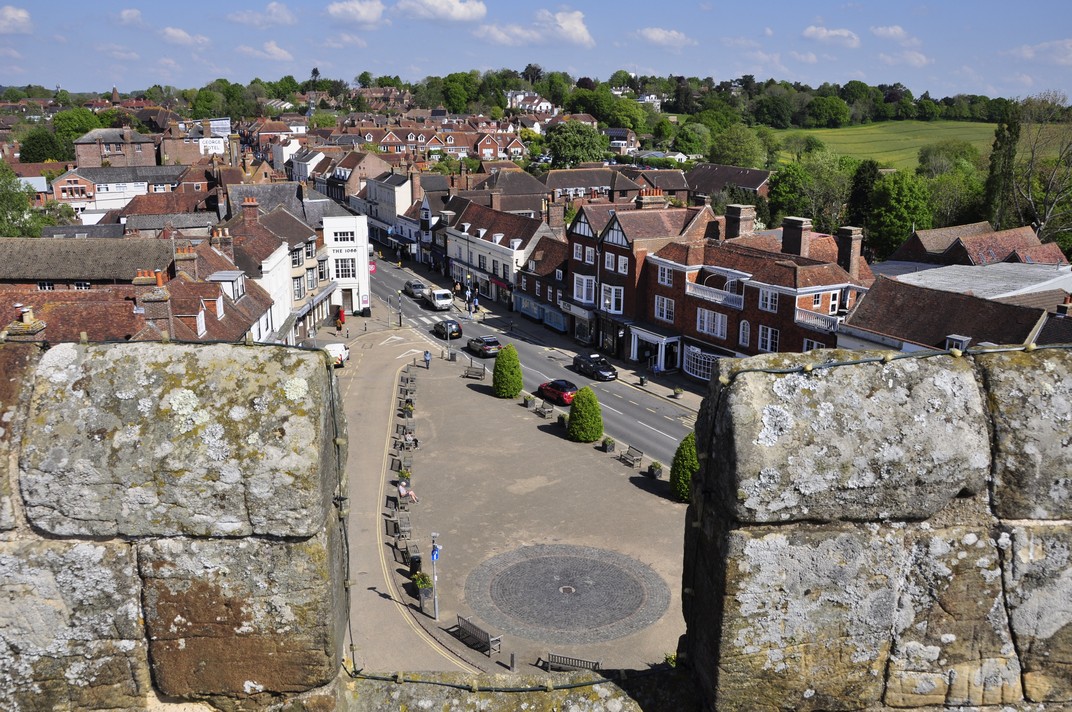
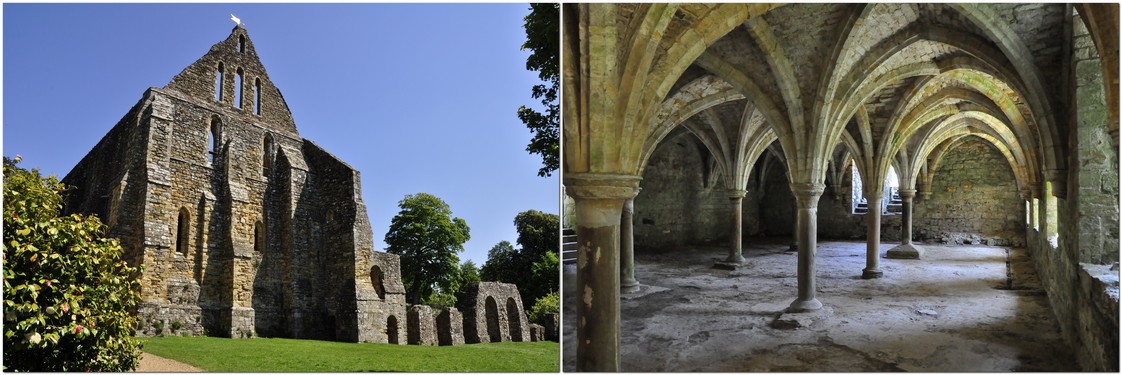
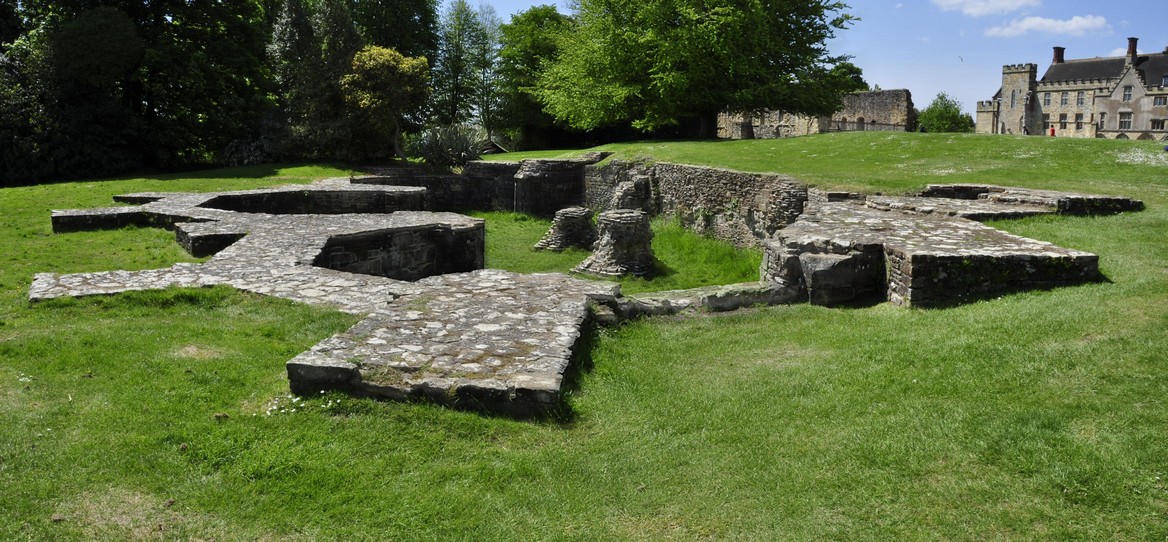
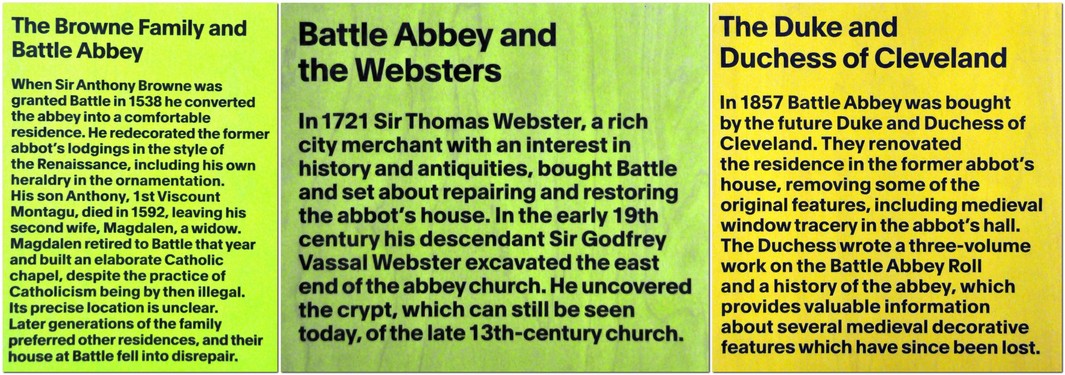
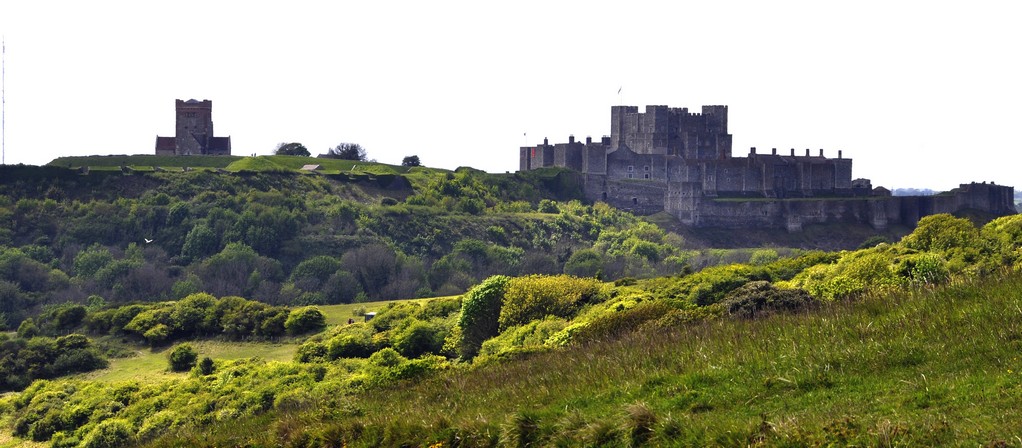
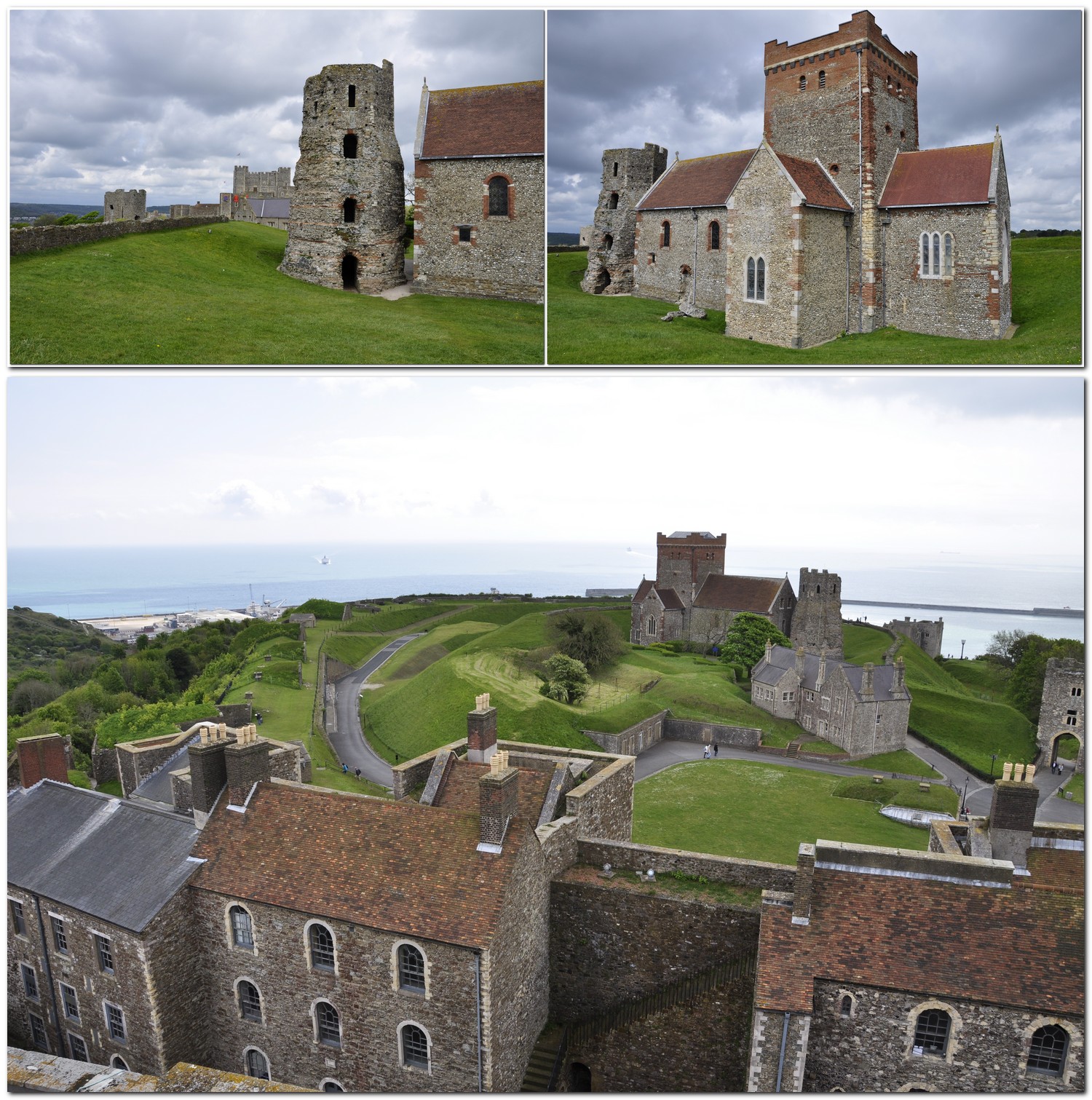


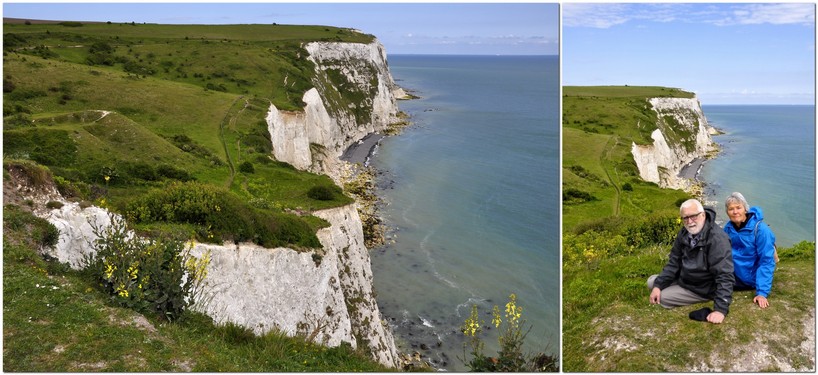
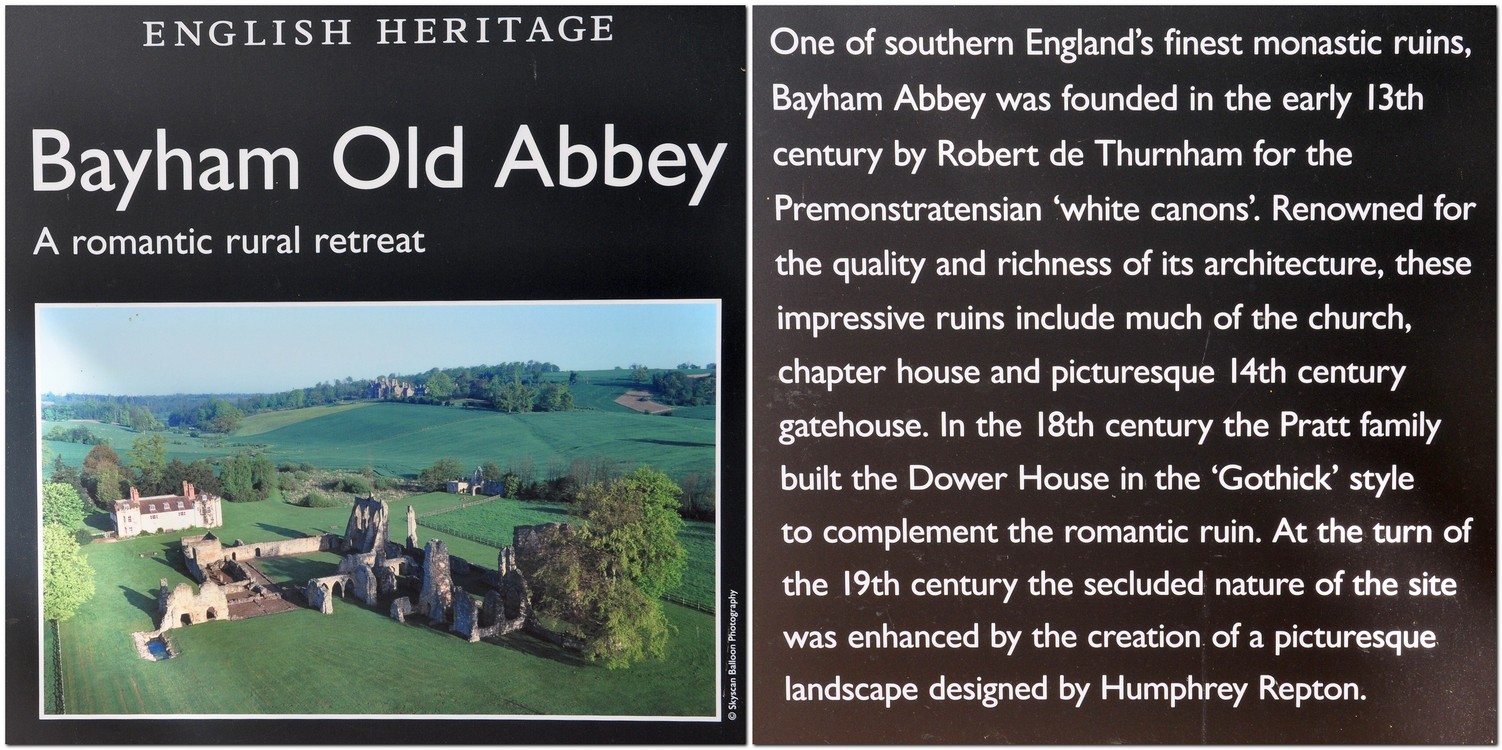
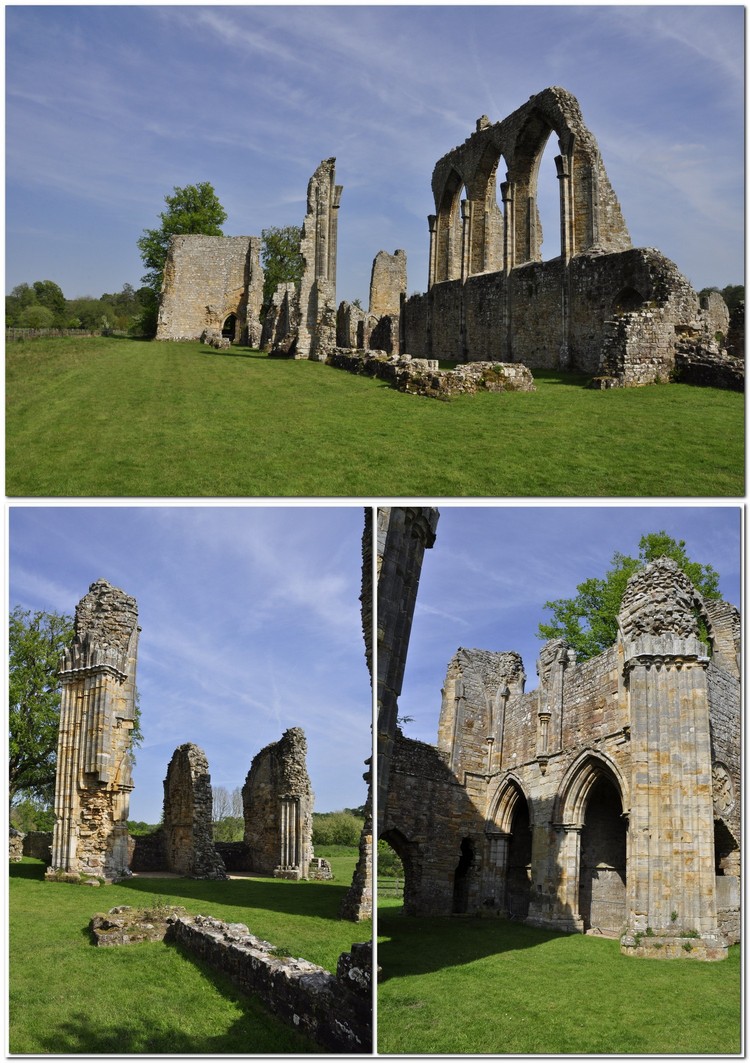
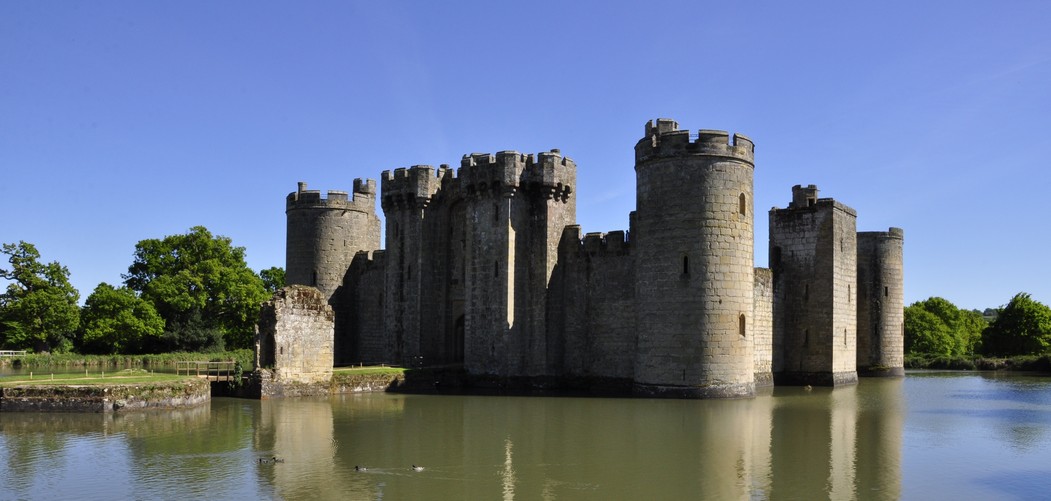


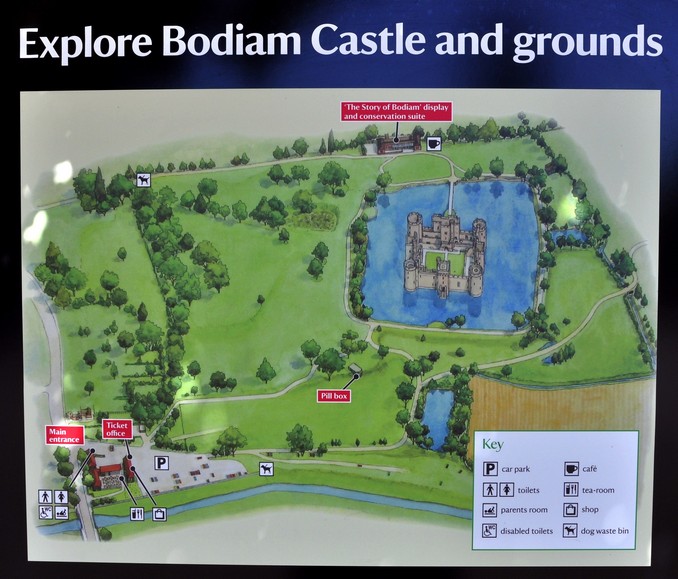
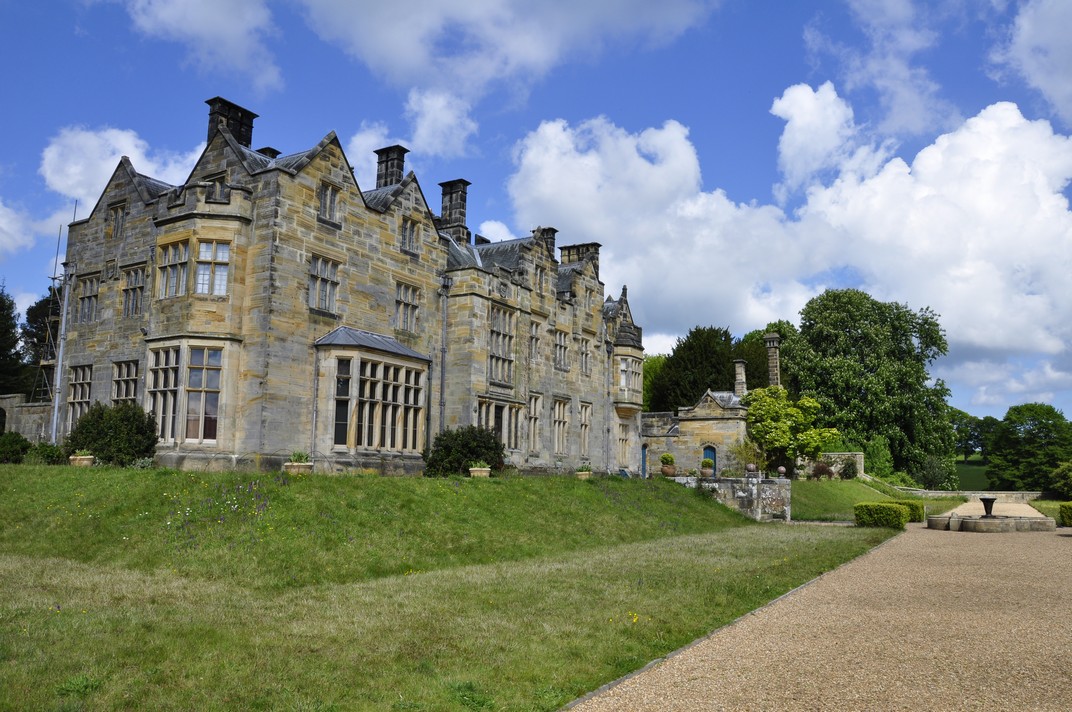
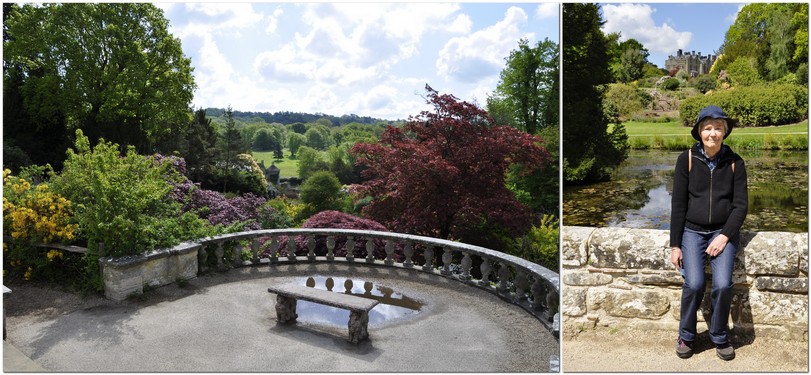


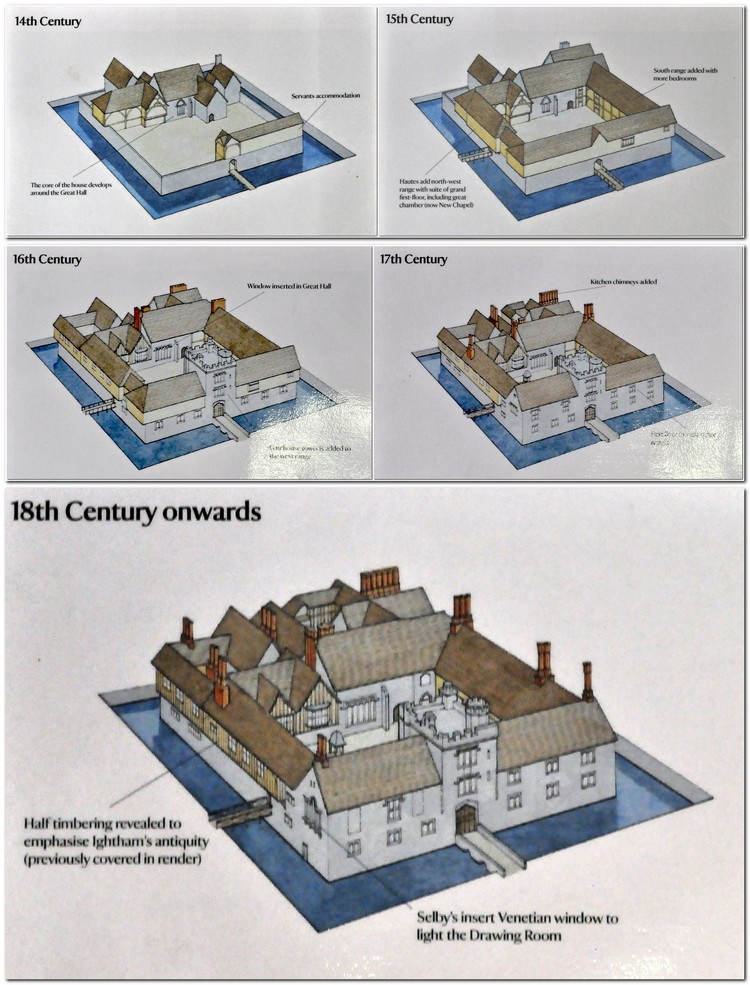
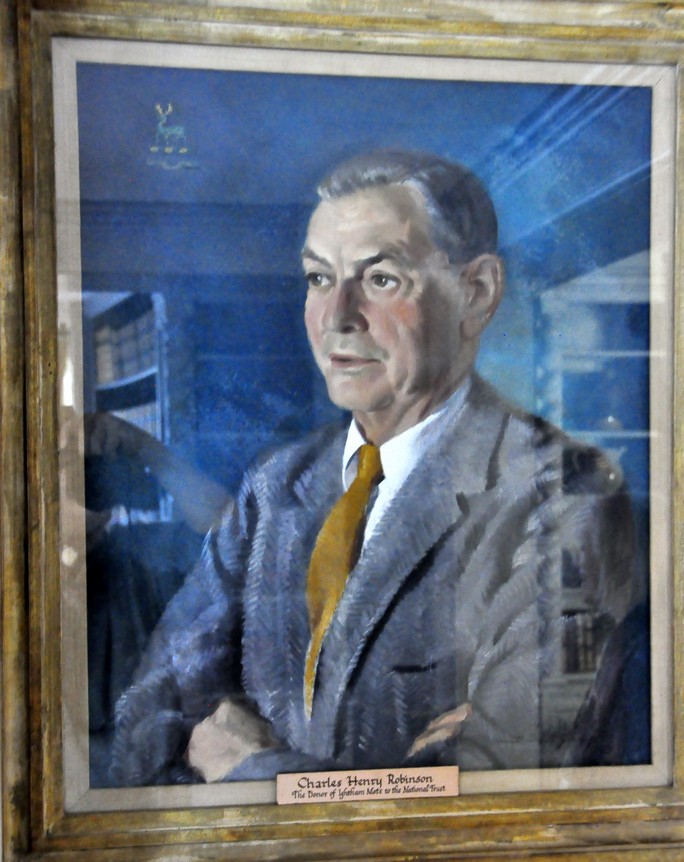


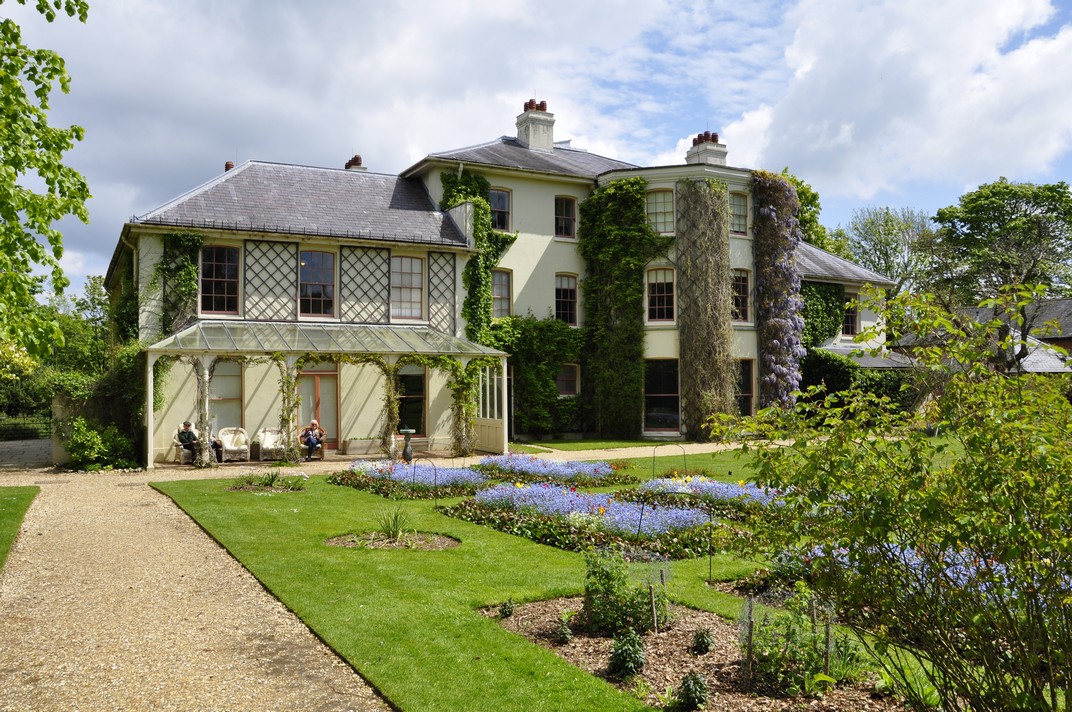
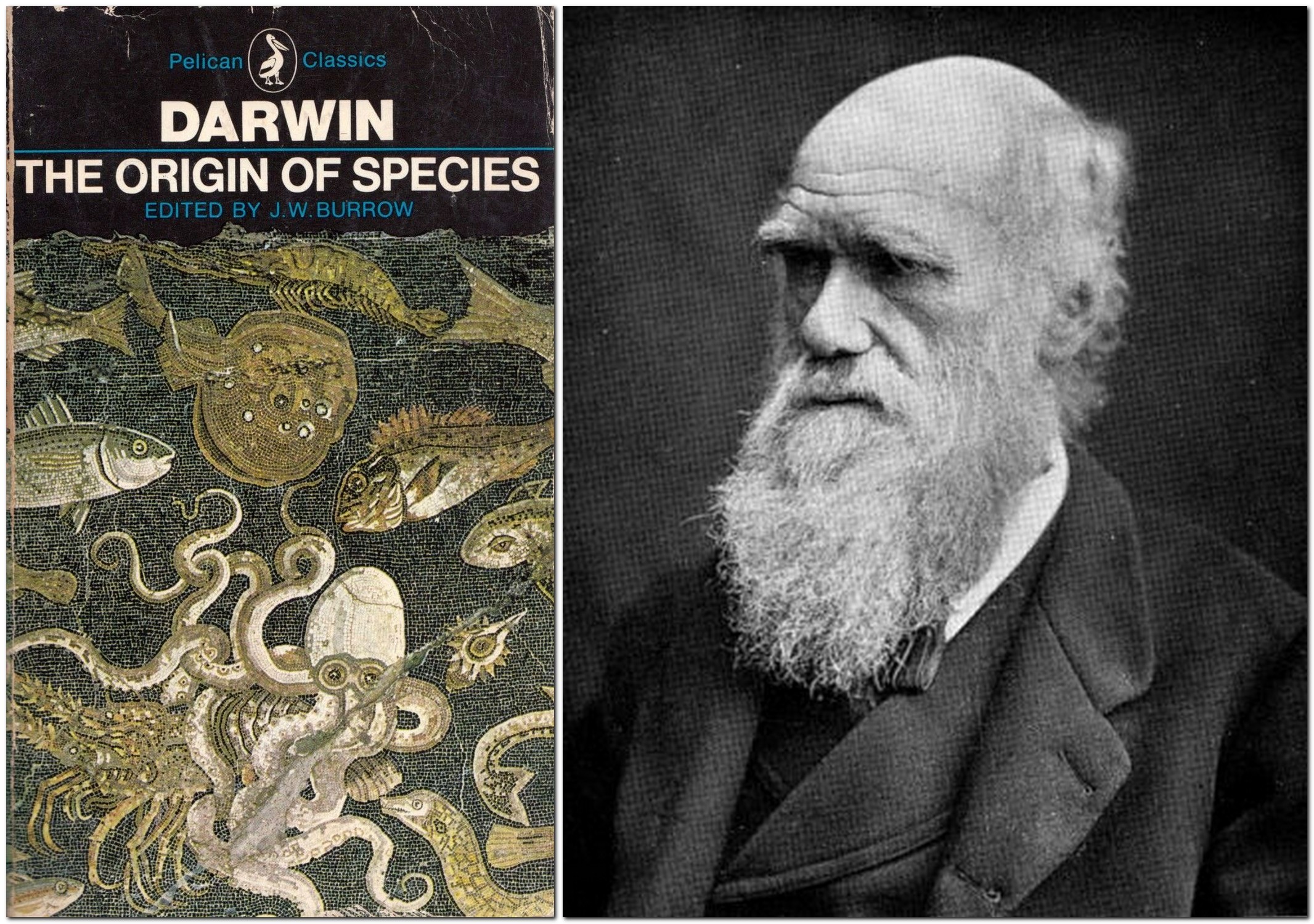
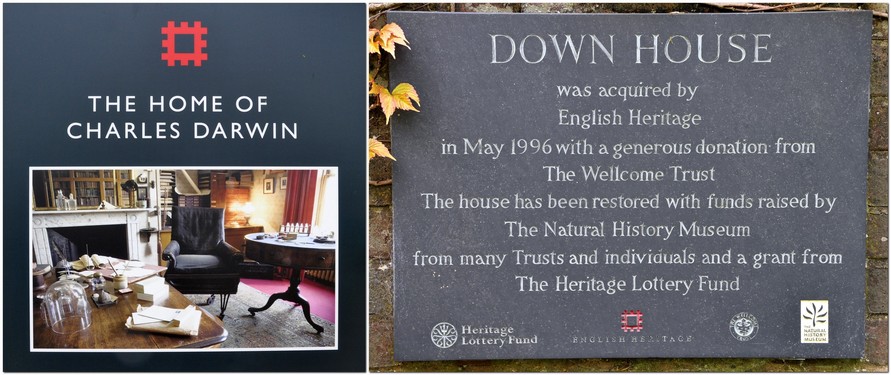


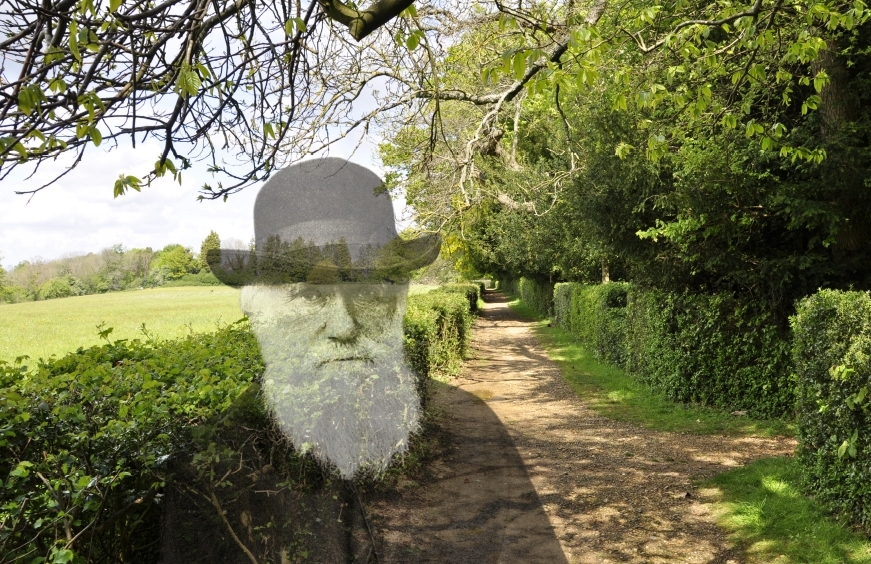
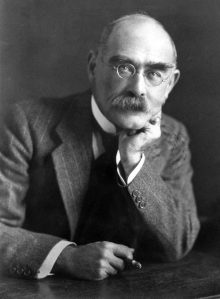 So wrote Rudyard Kipling in his 1911 poem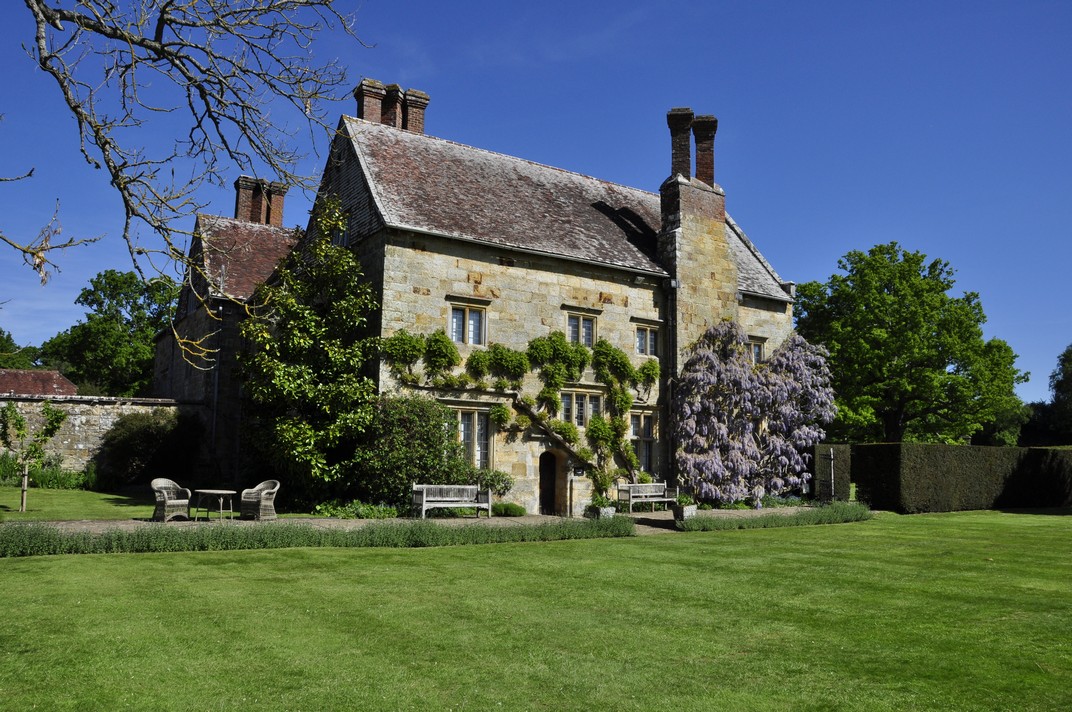
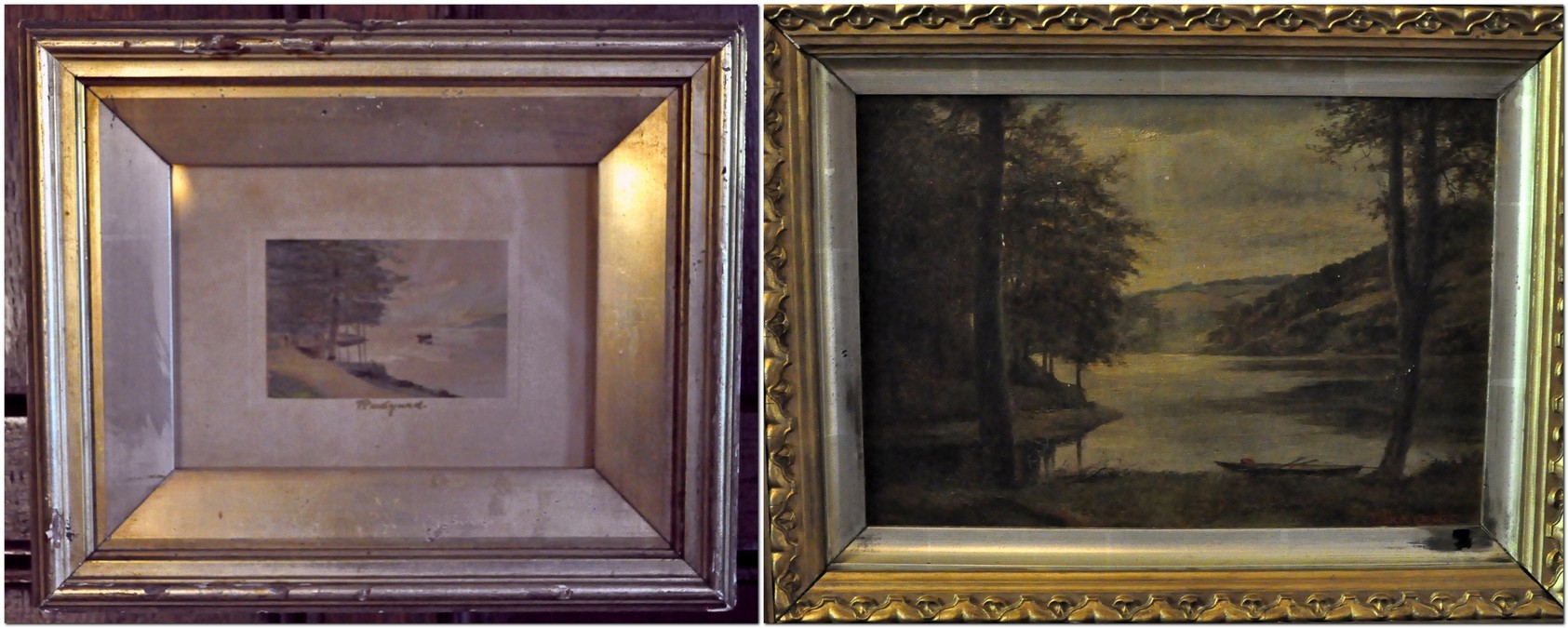


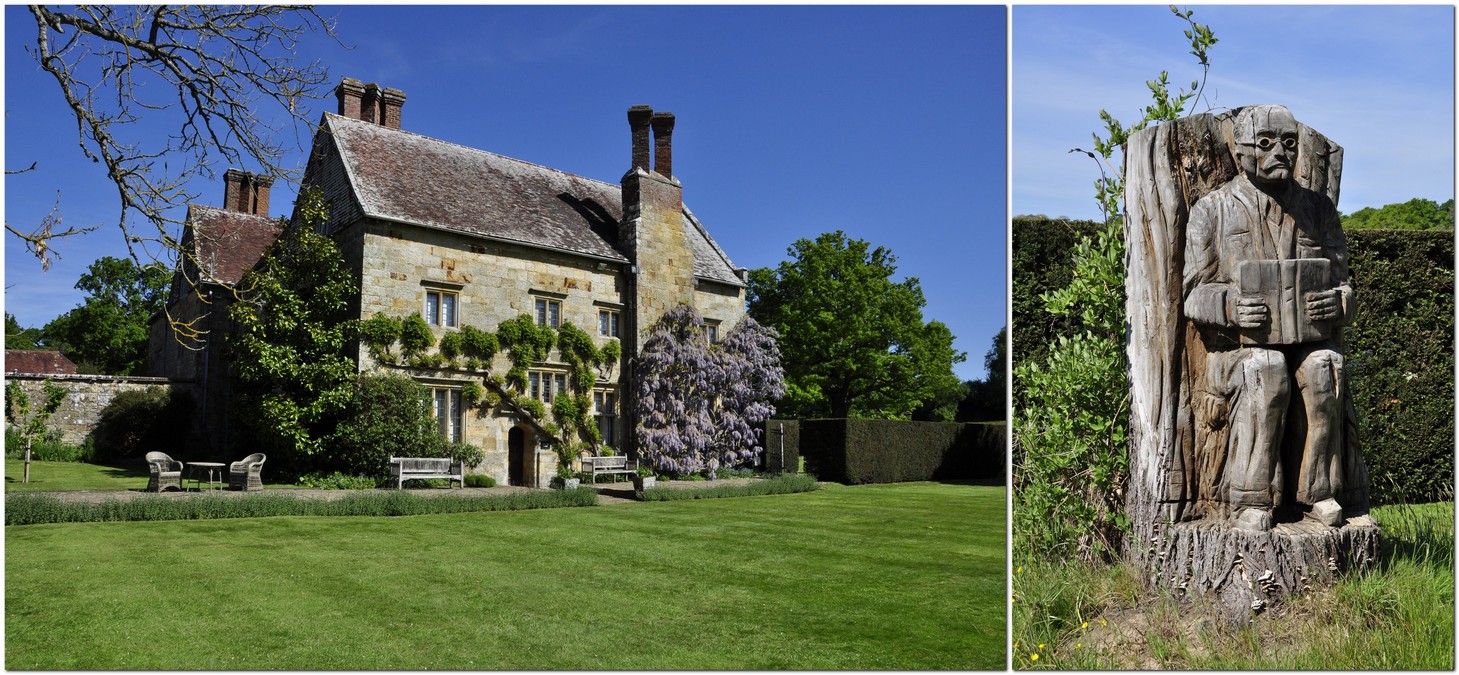


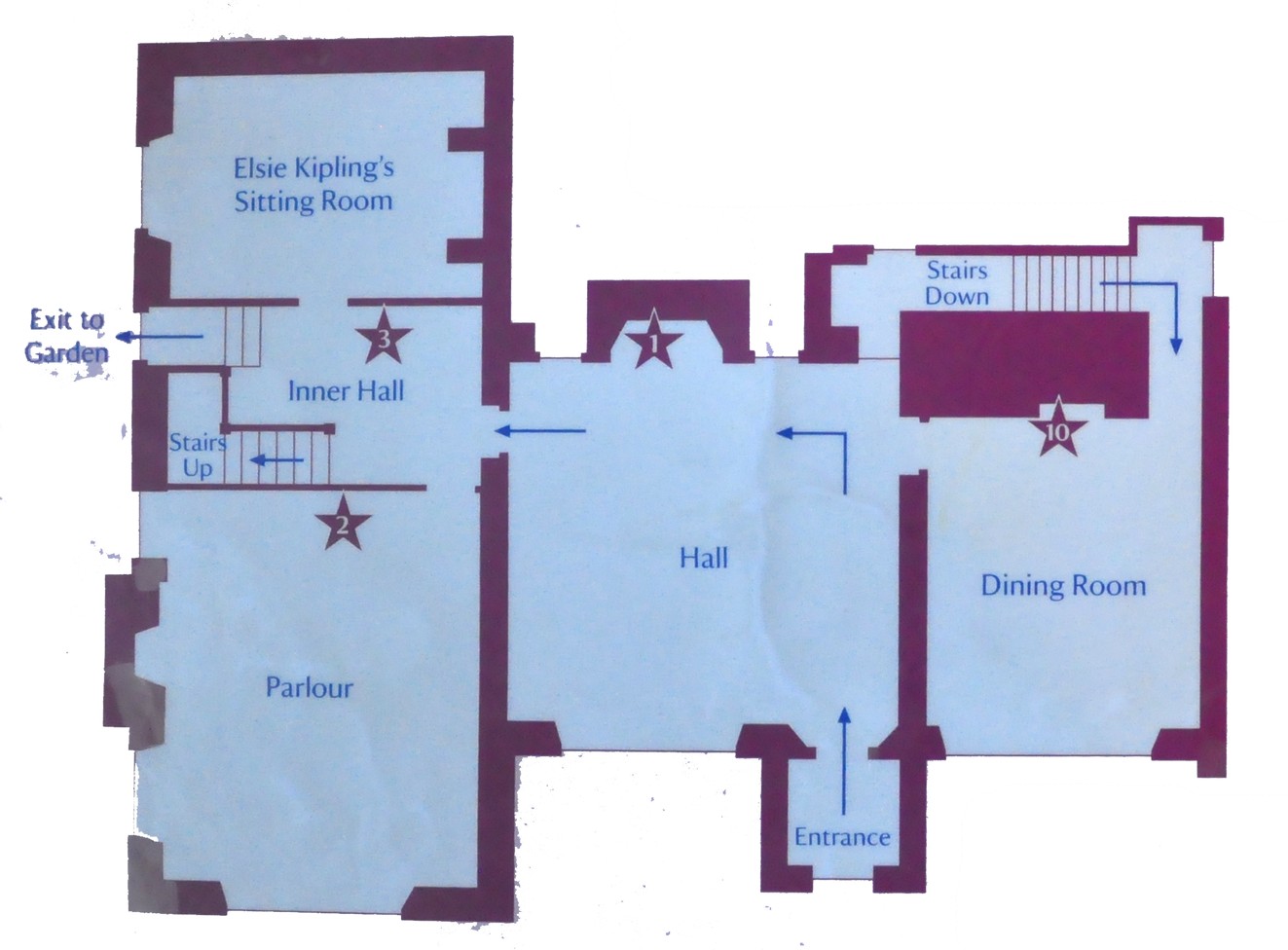


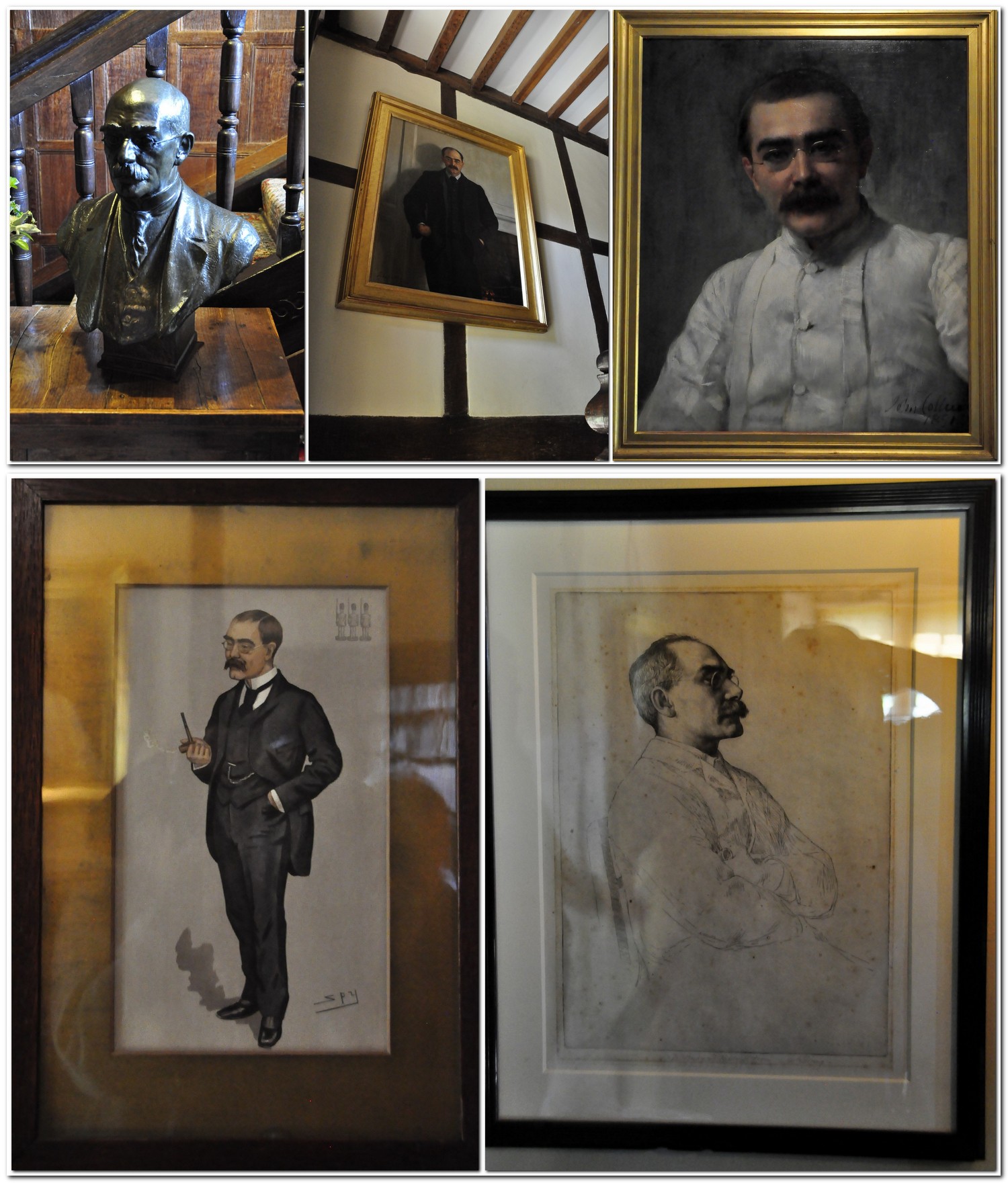 On the upper floor, the main rooms are Kipling’s study, and John’s bedroom. Another room is full of Kipling memorabilia, including his Nobel Prize citation.
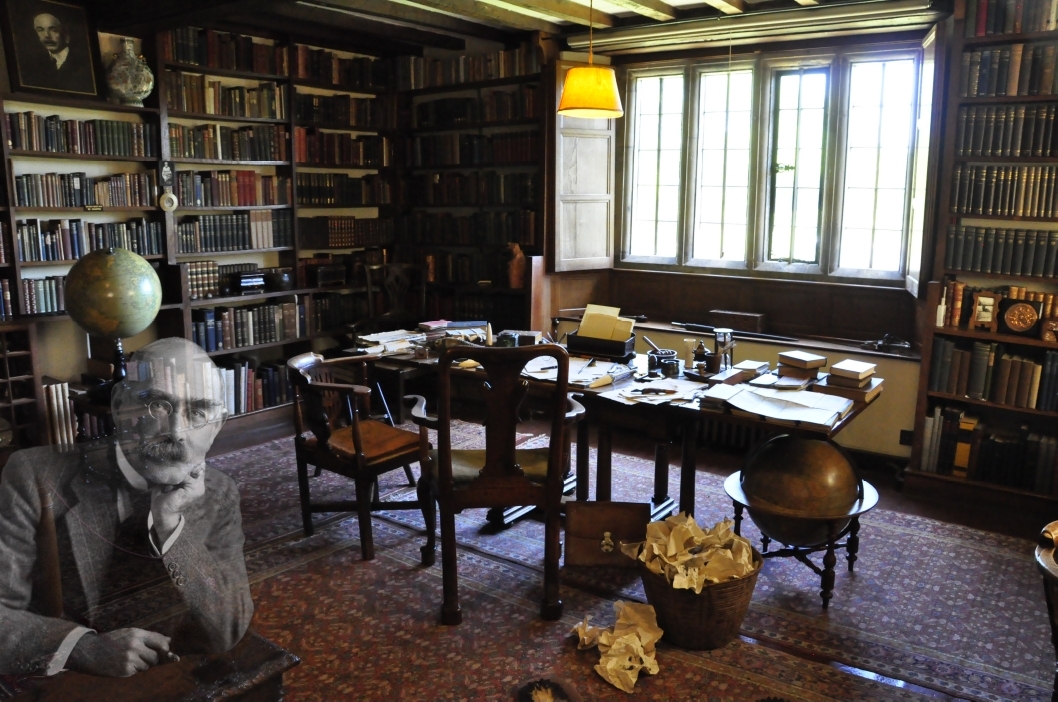


 At Chartwell, that history becomes tangible. So many personal possessions, awards, and other memorabilia fill the house. There’s a real sense of connection with the great man.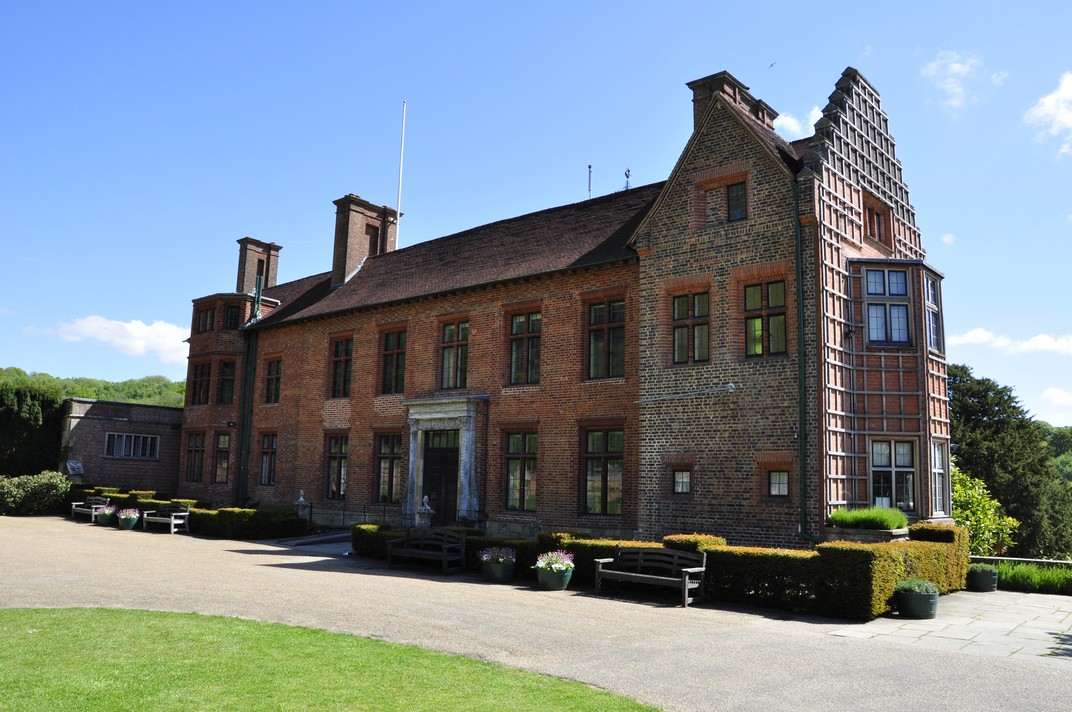


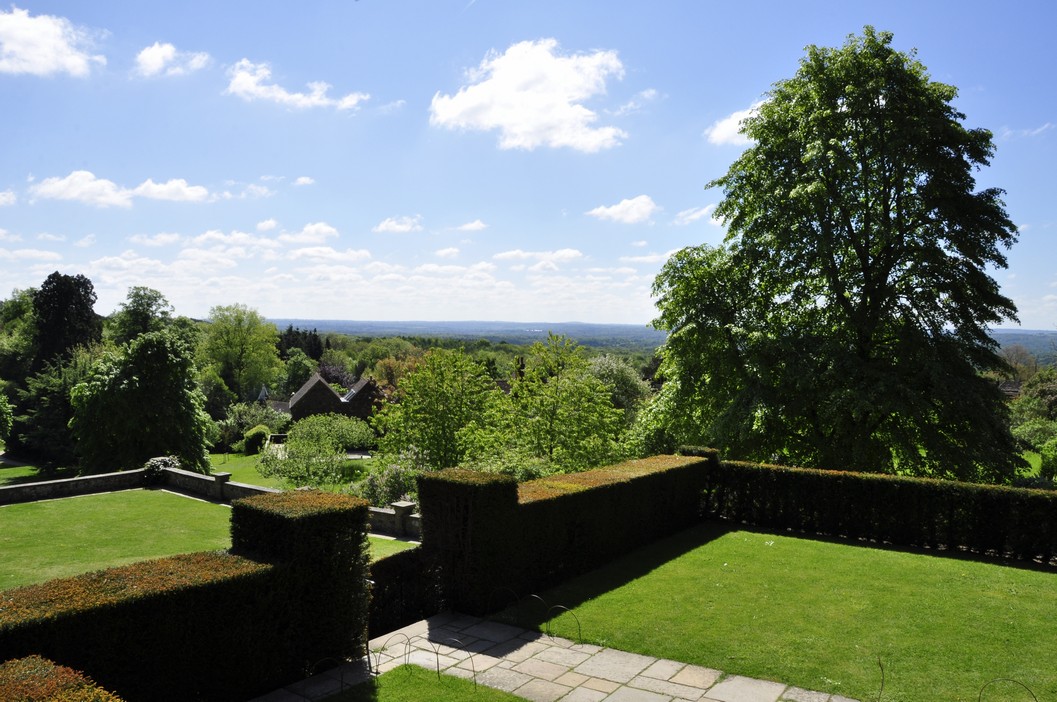


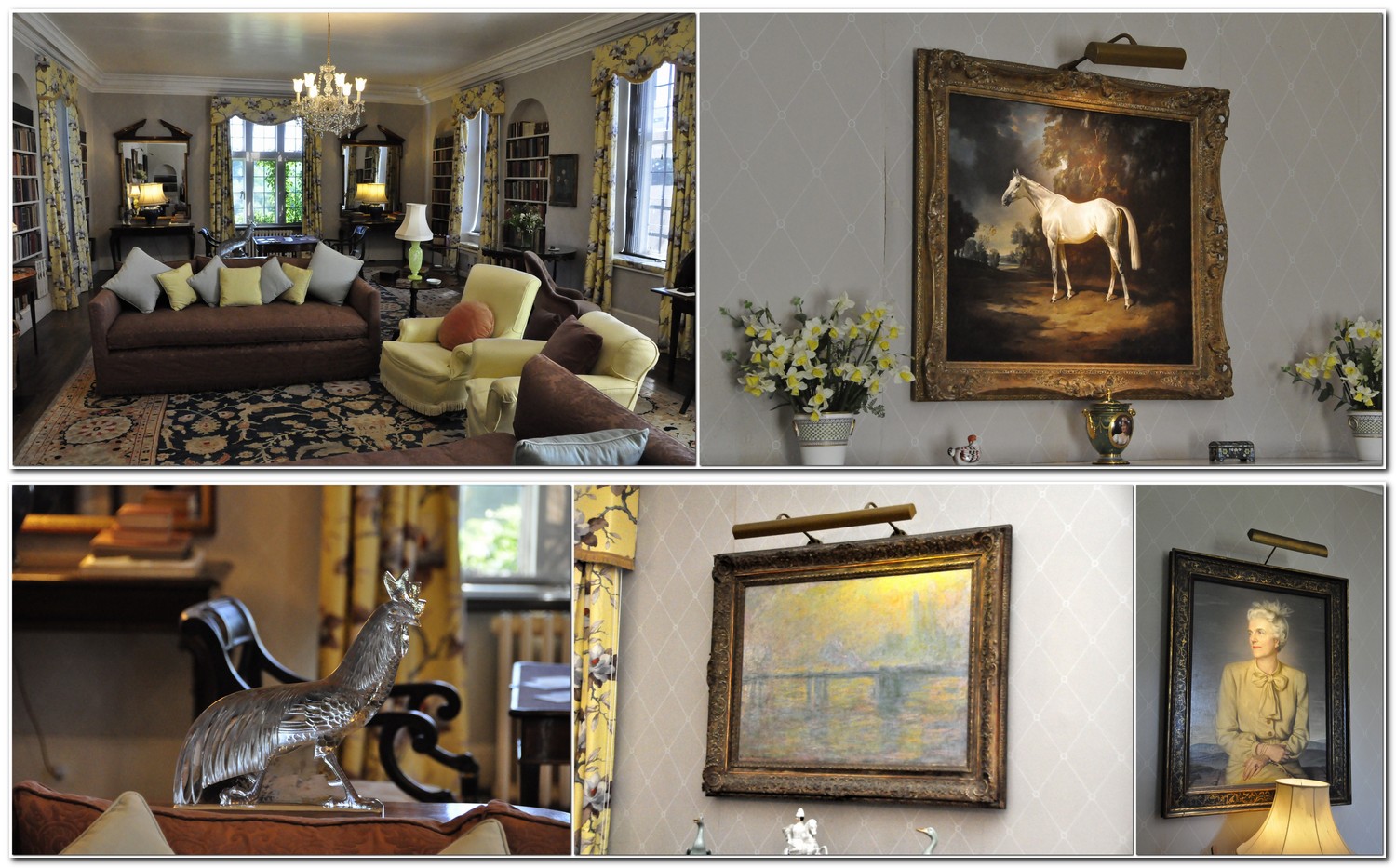
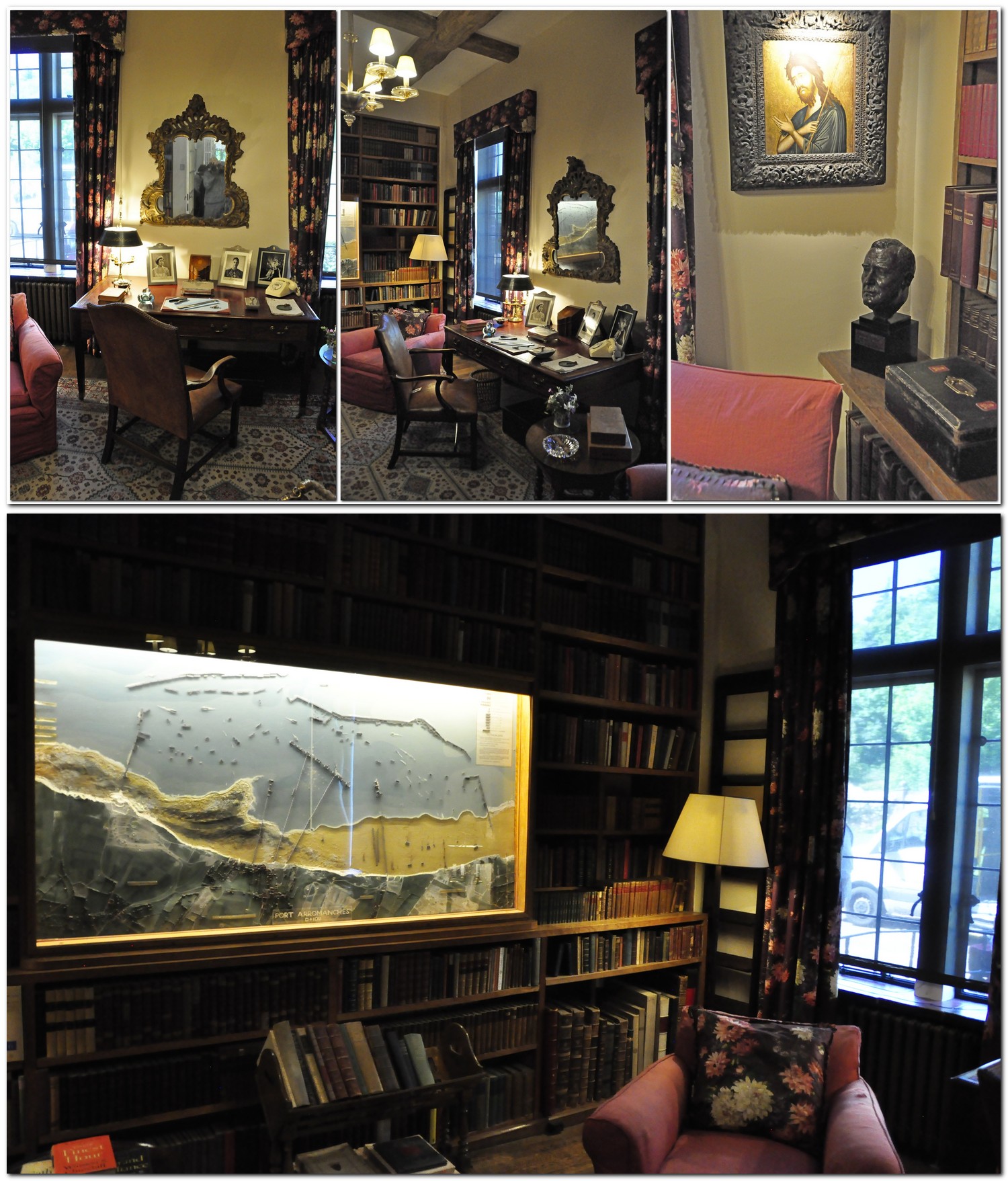
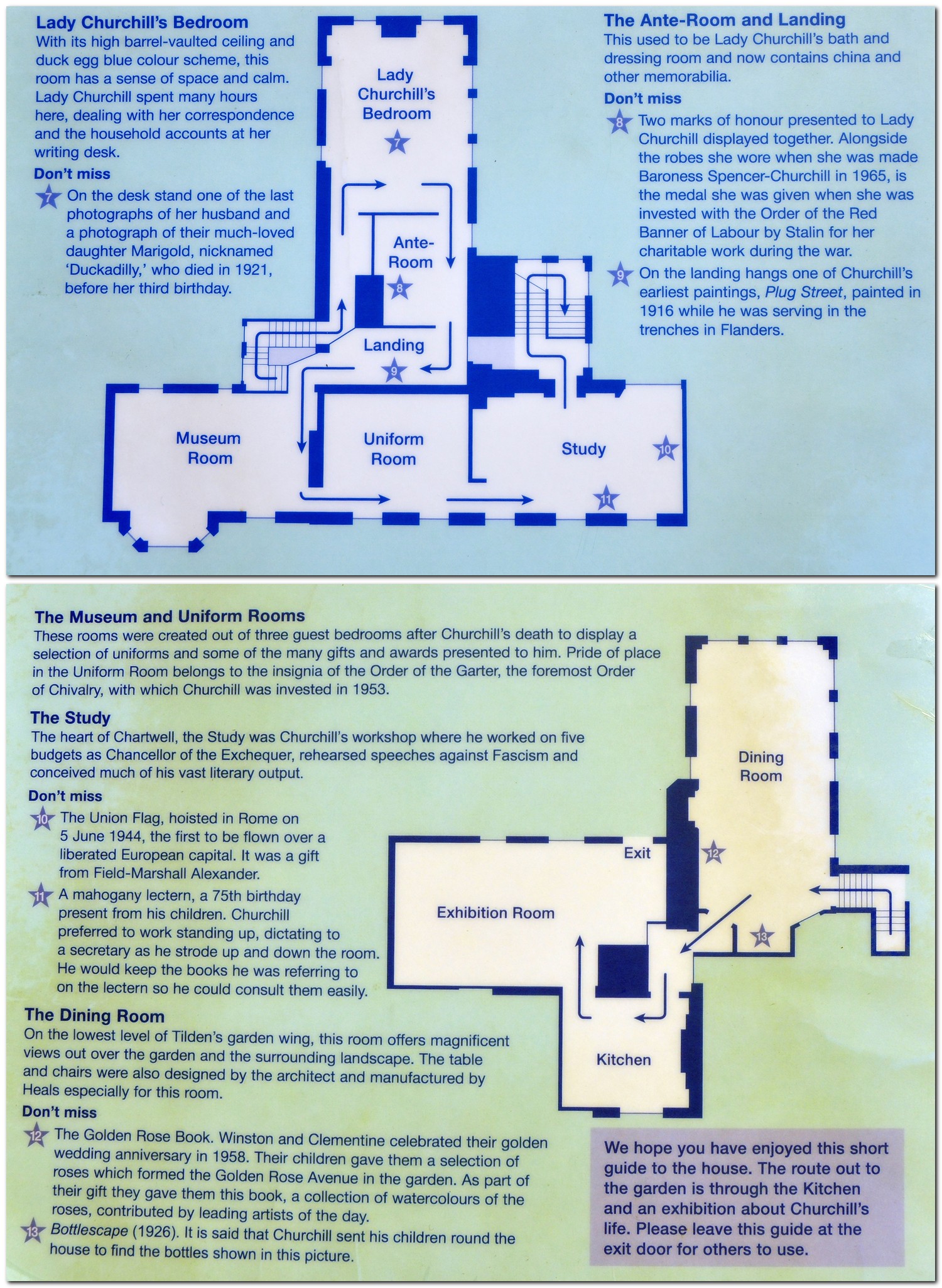
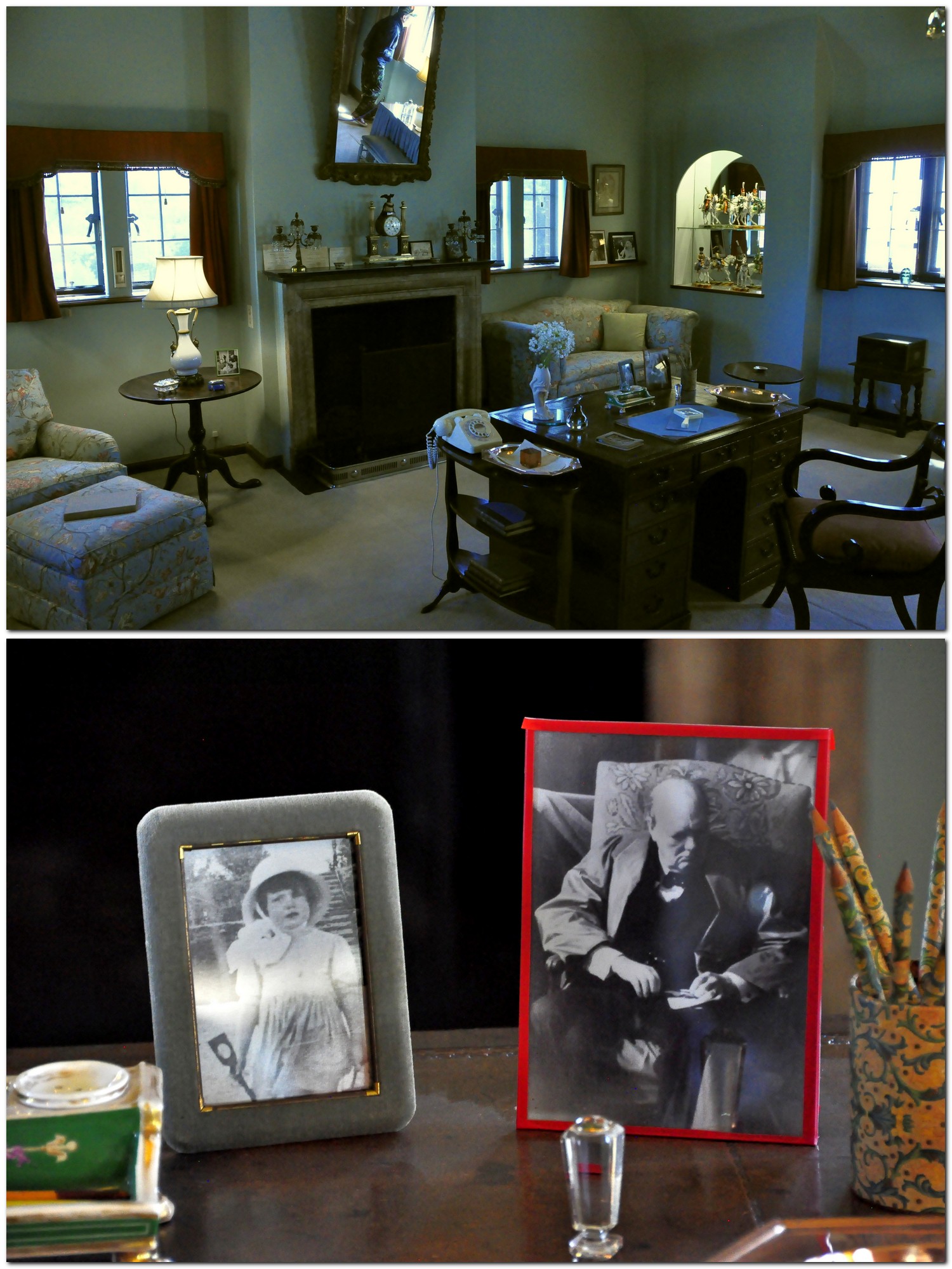

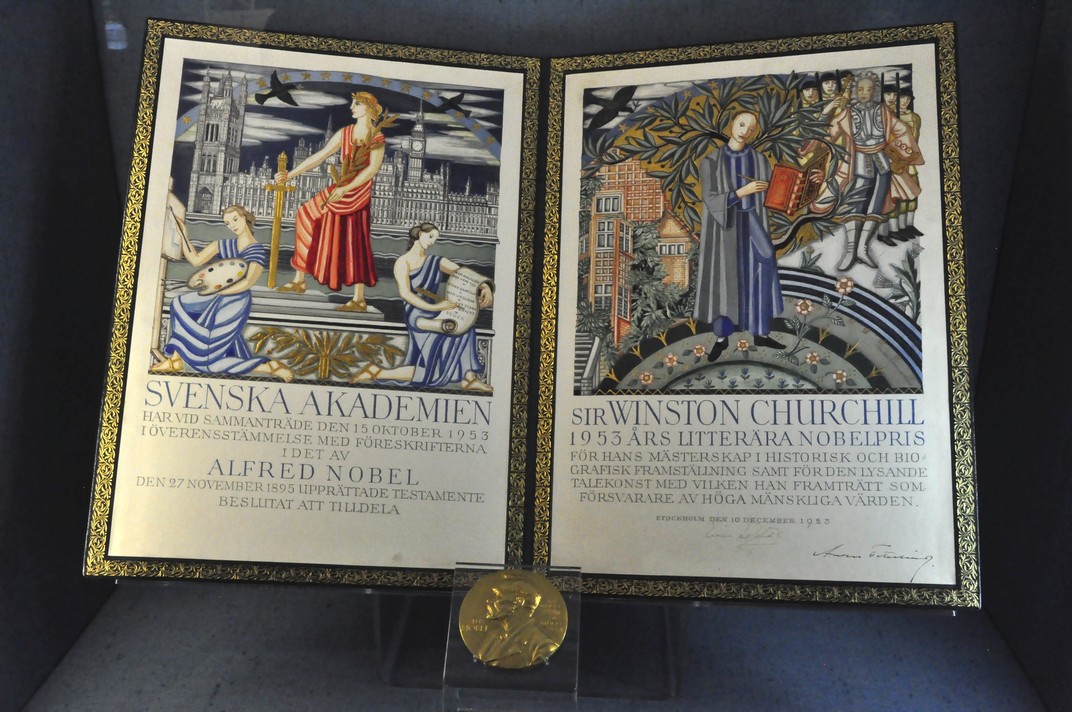
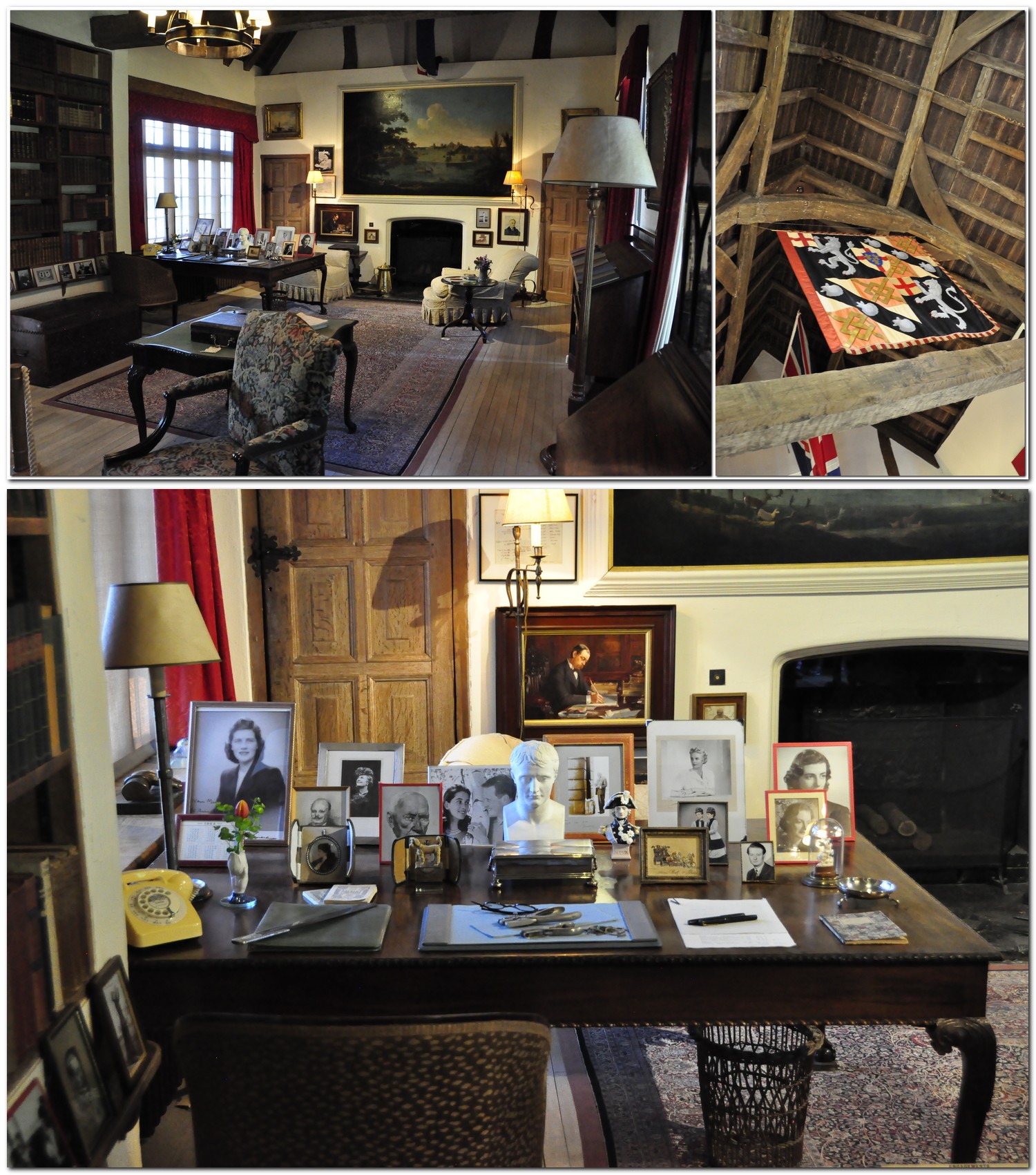
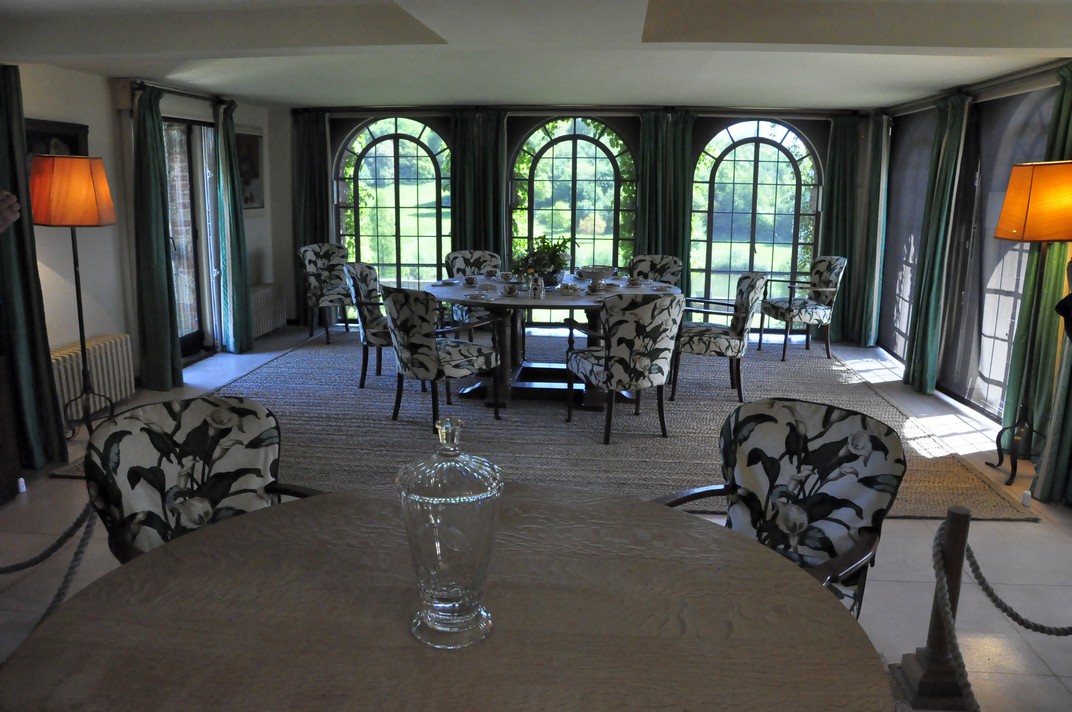


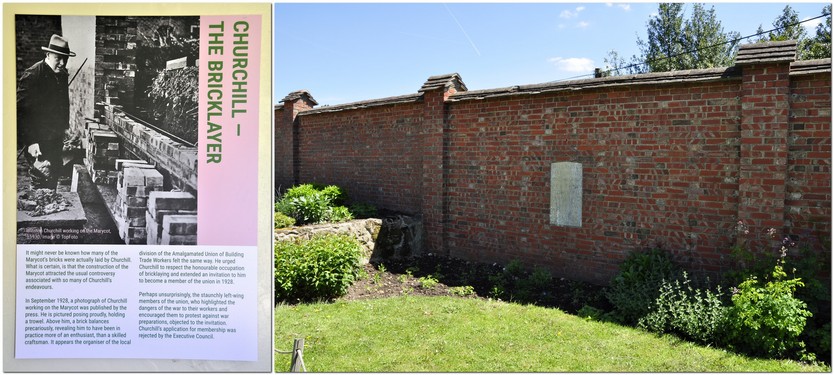

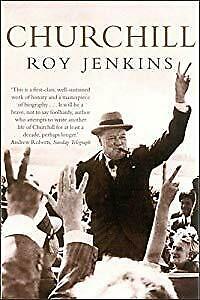 Chartwell had long been on my bucket-list since I read (about 15 years ago or so) an


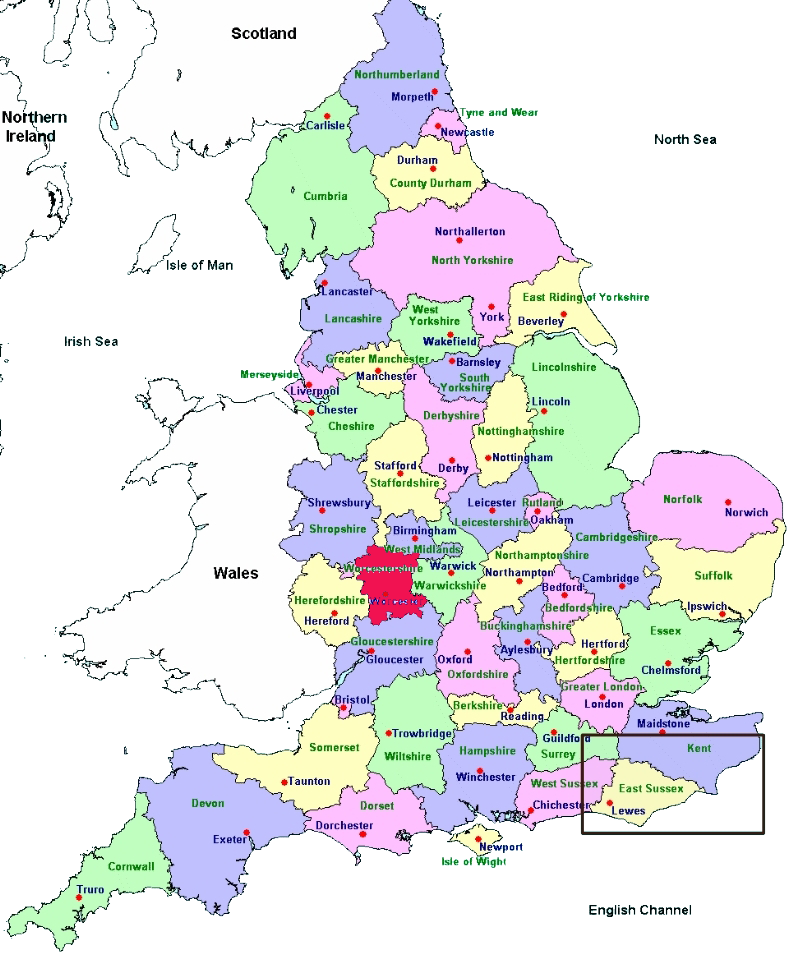
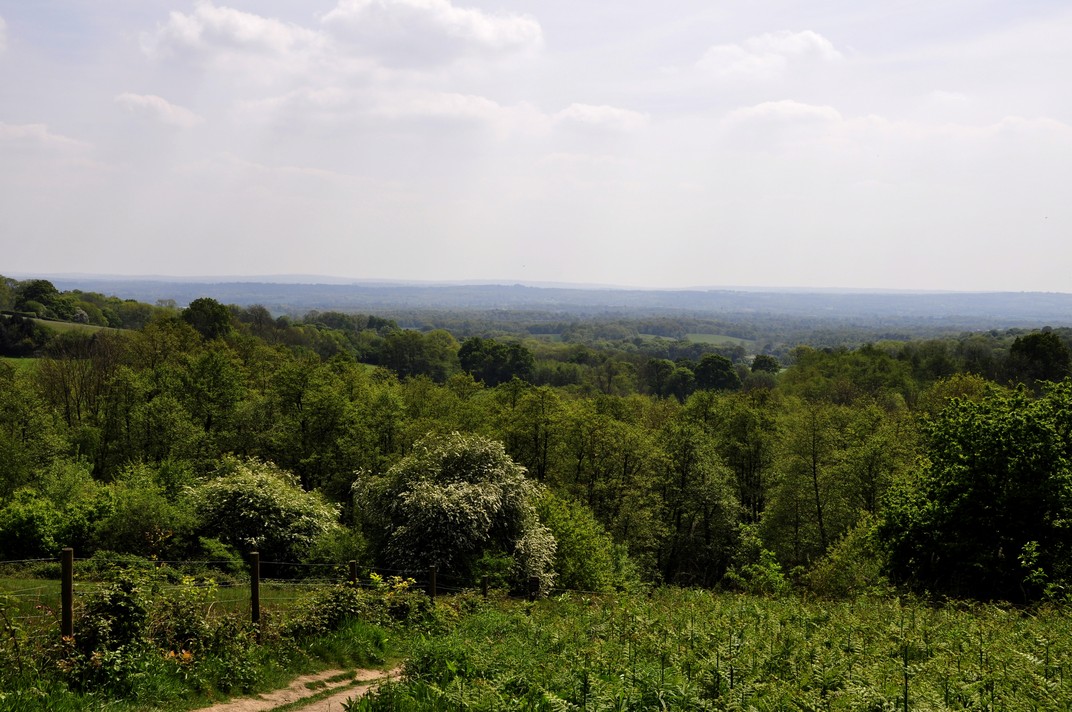
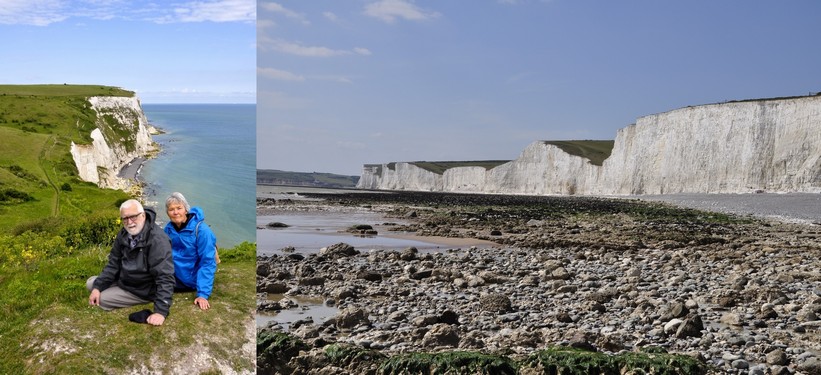
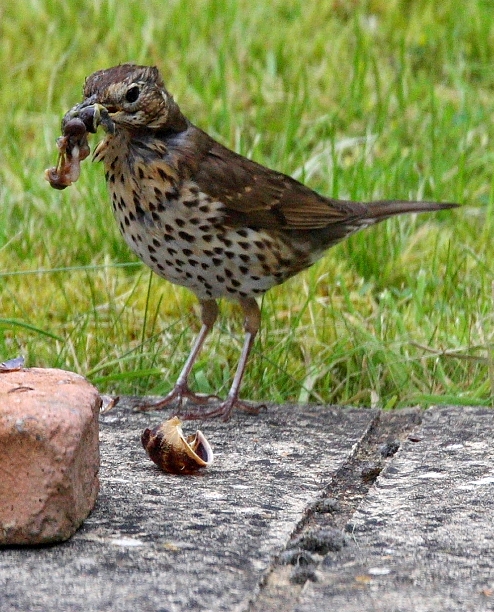
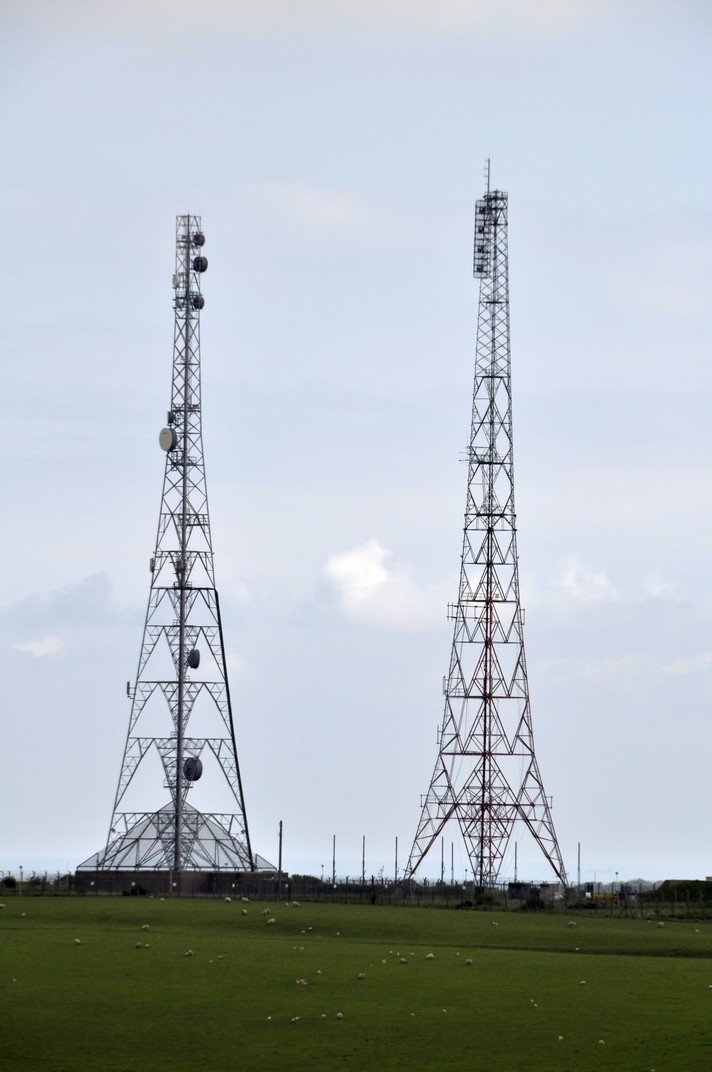
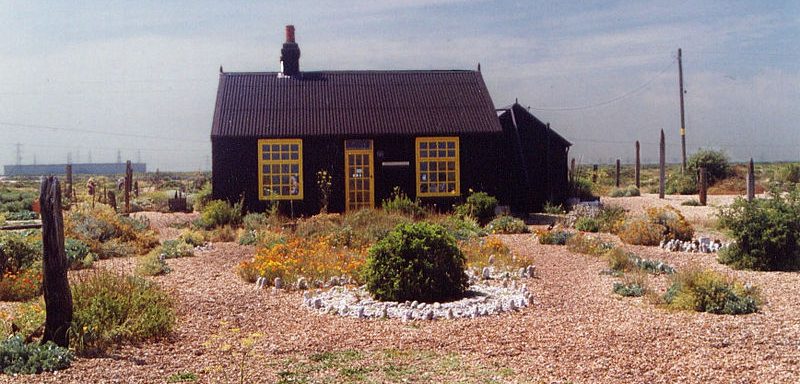

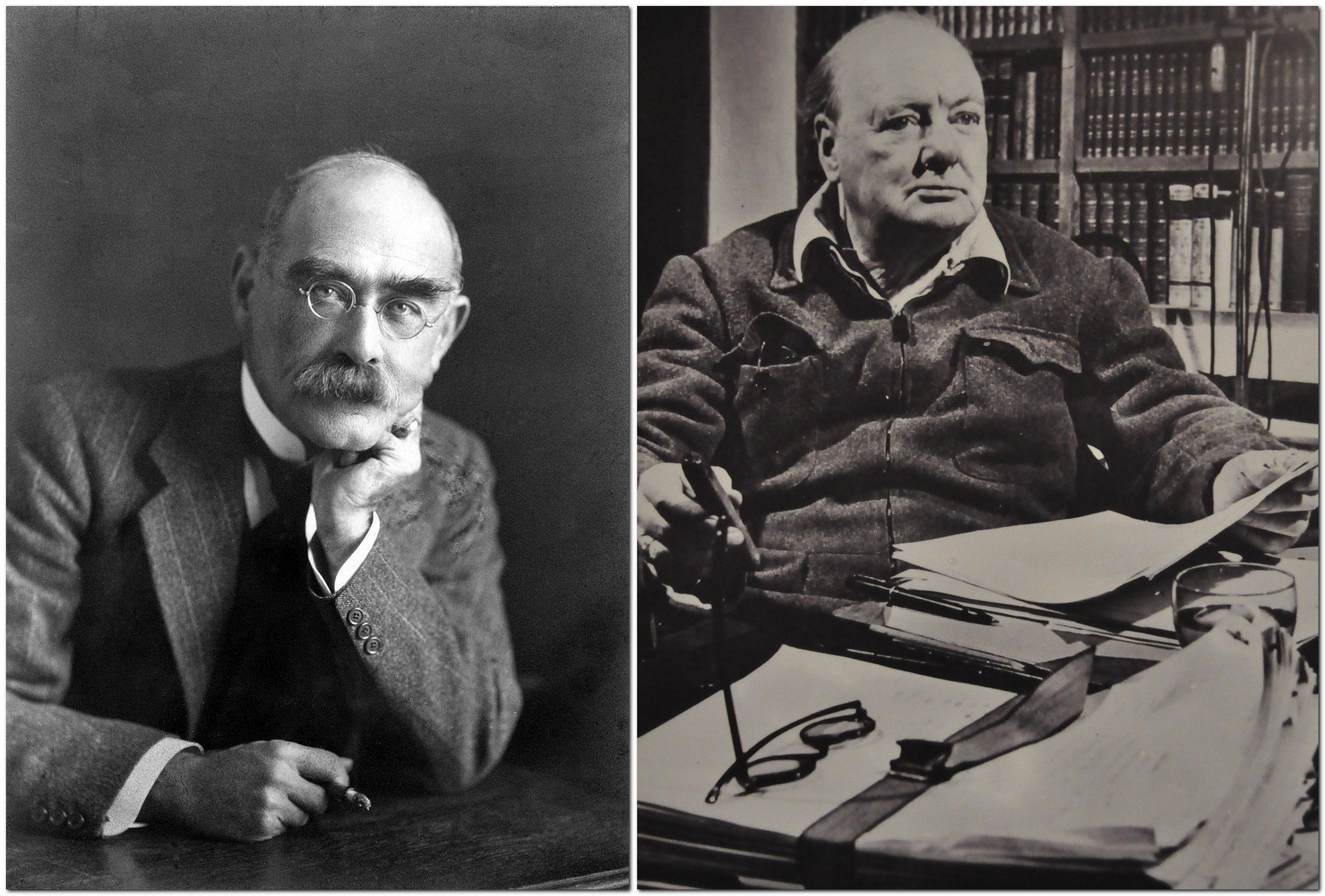
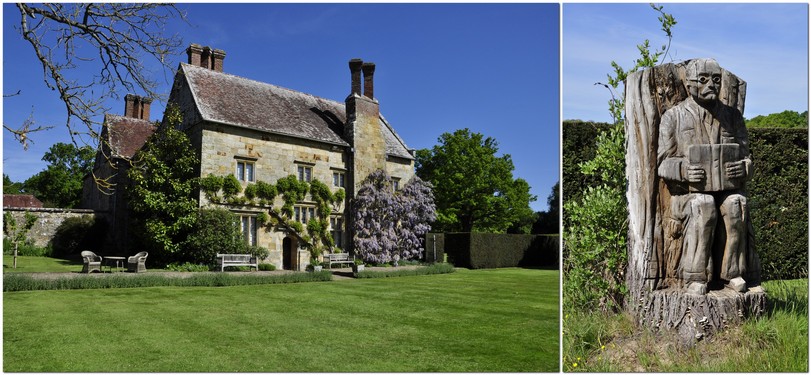
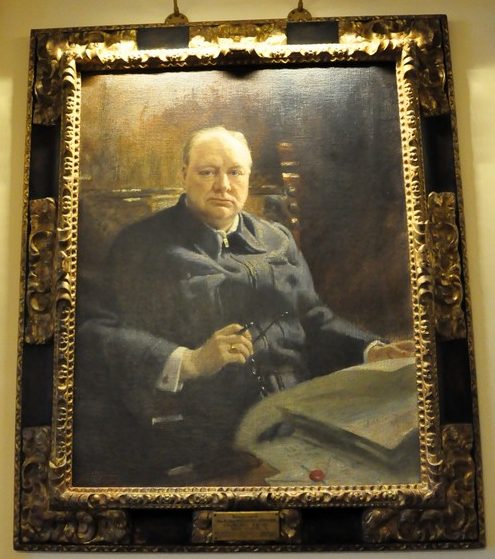
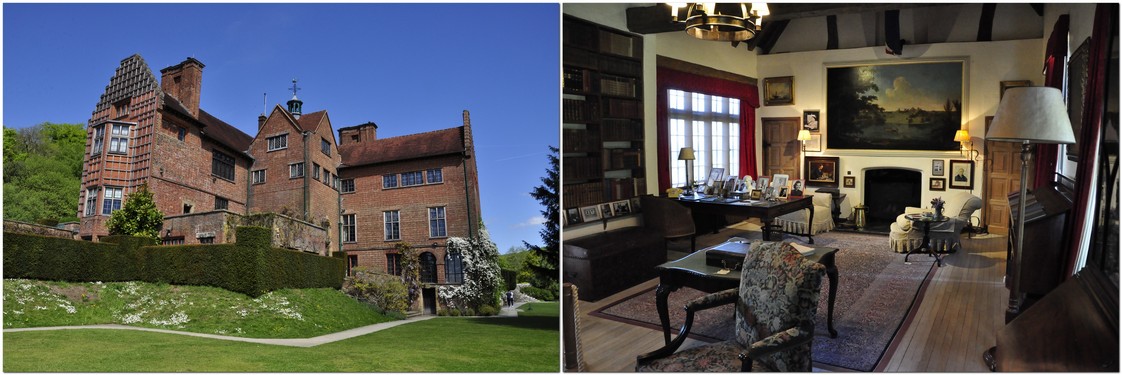
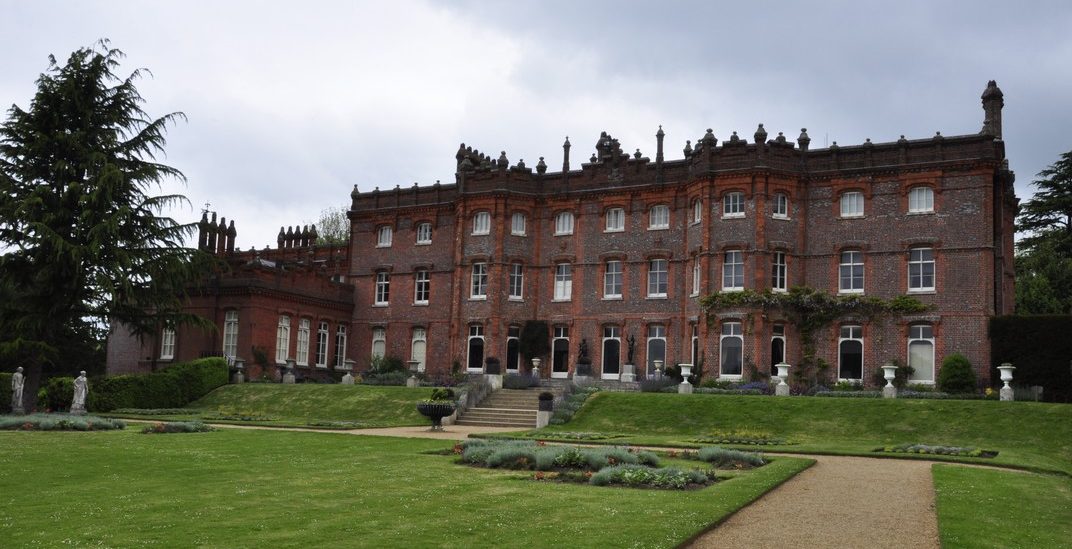
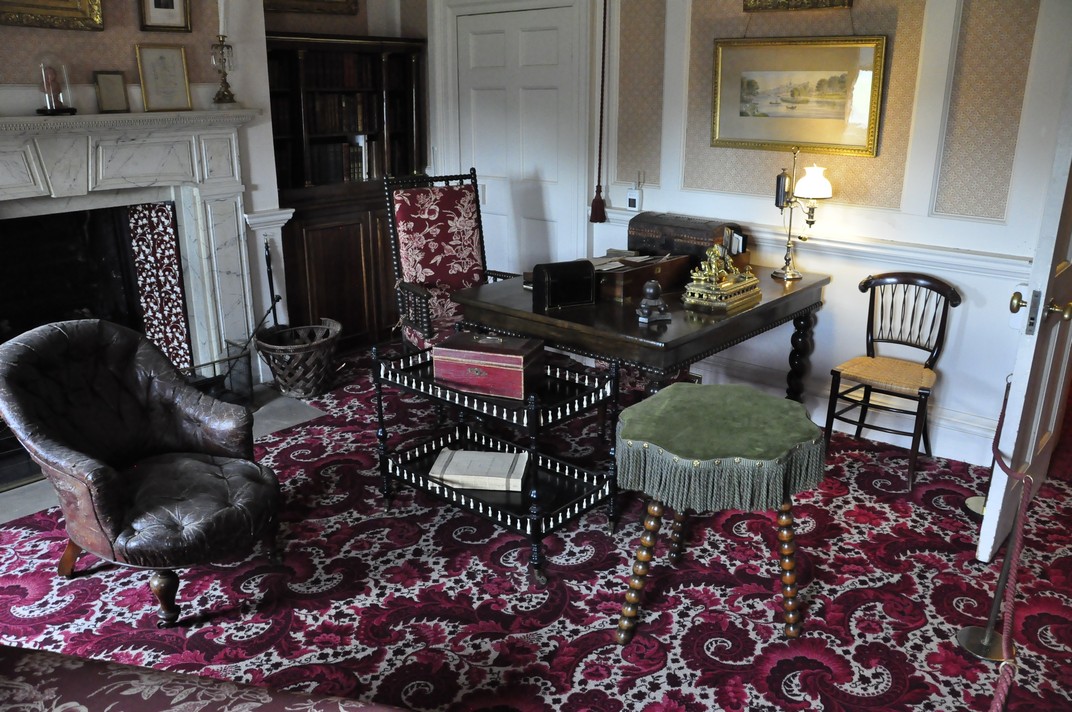
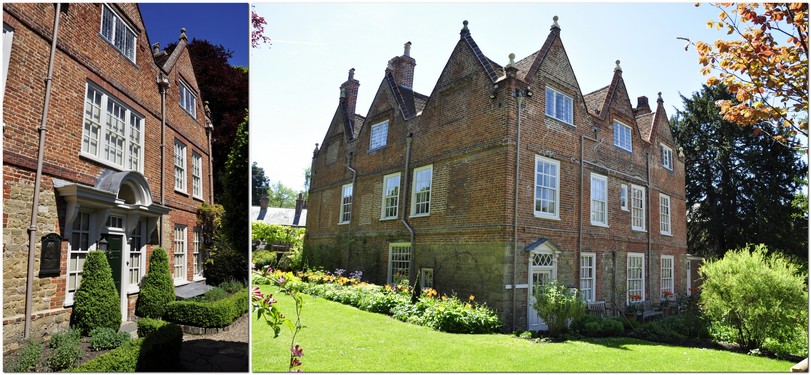


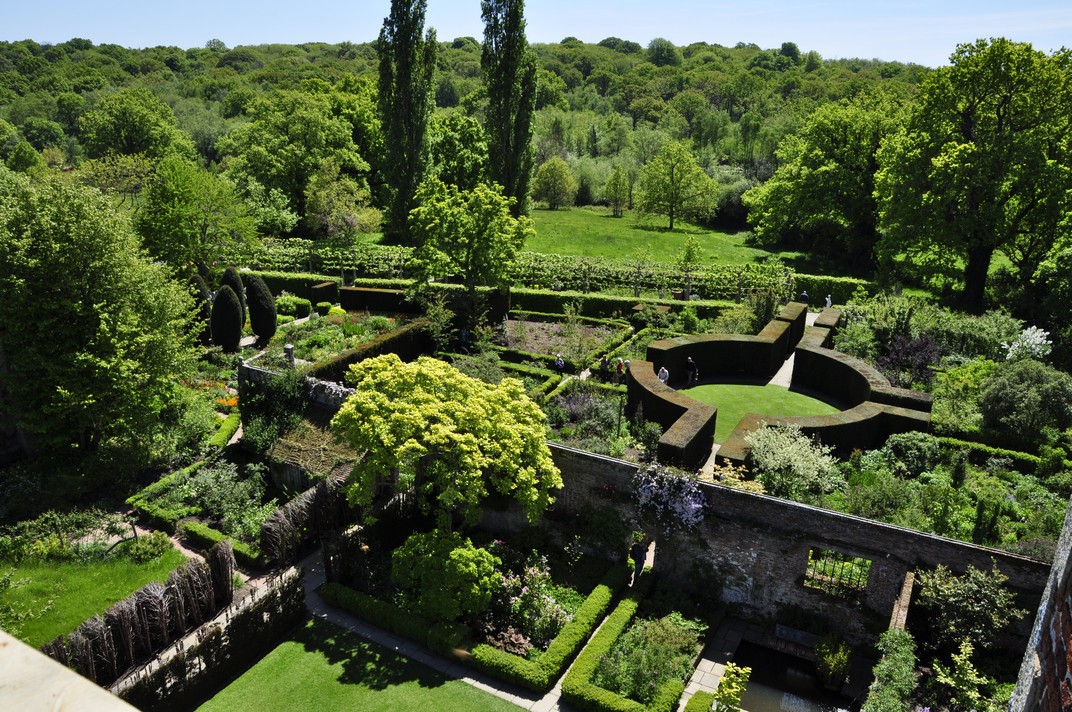
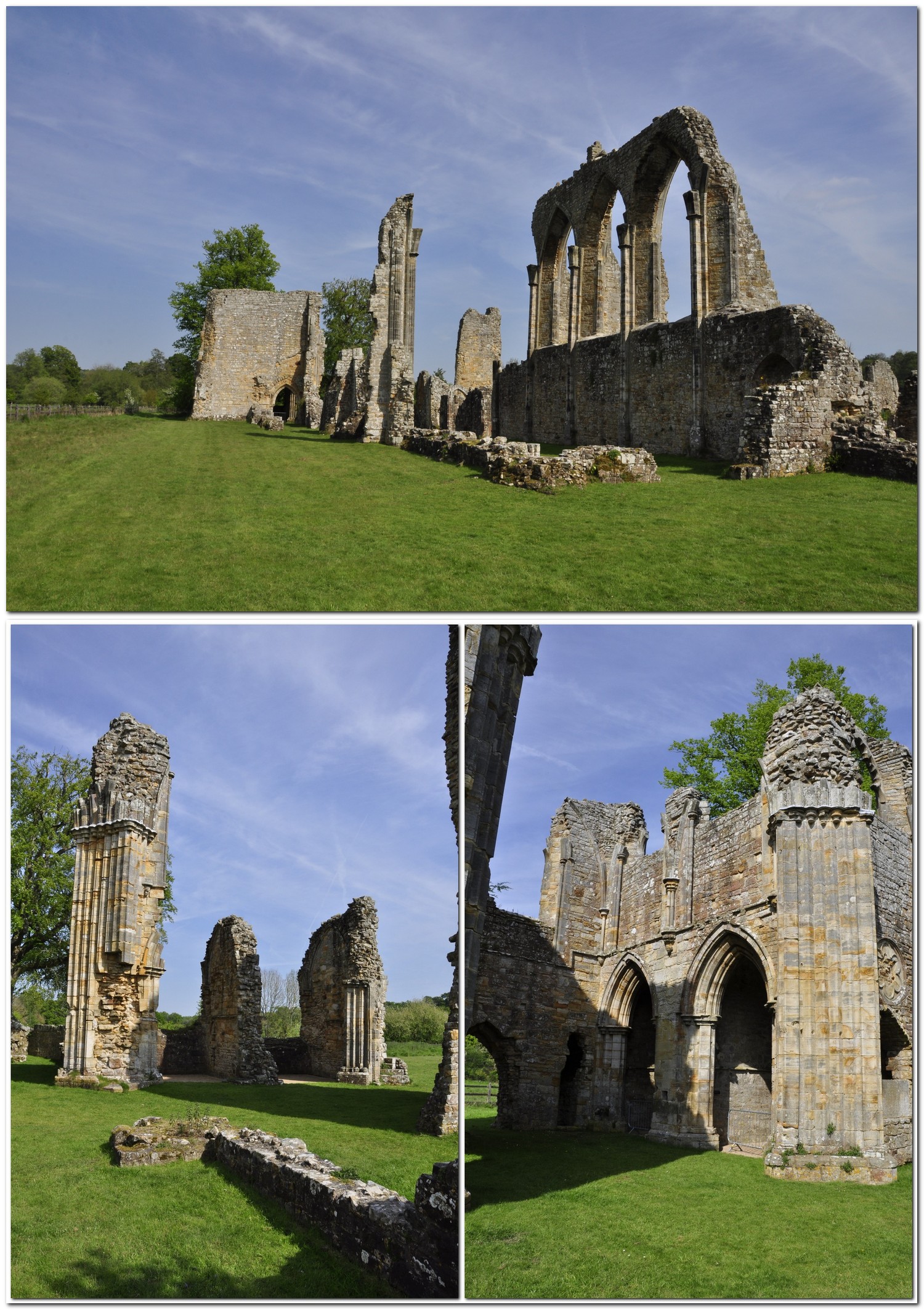
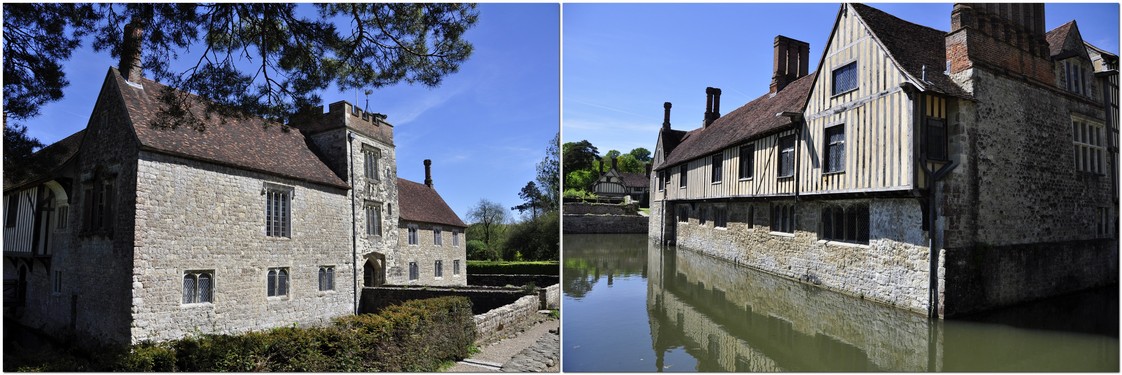
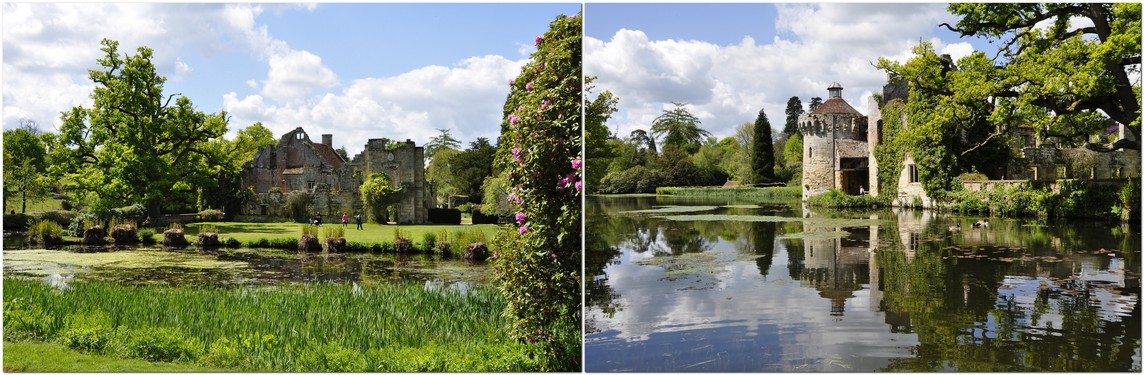
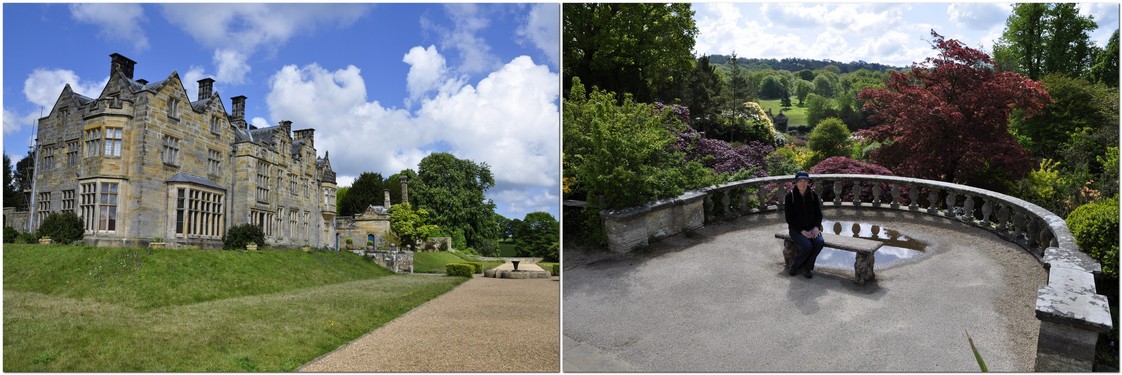
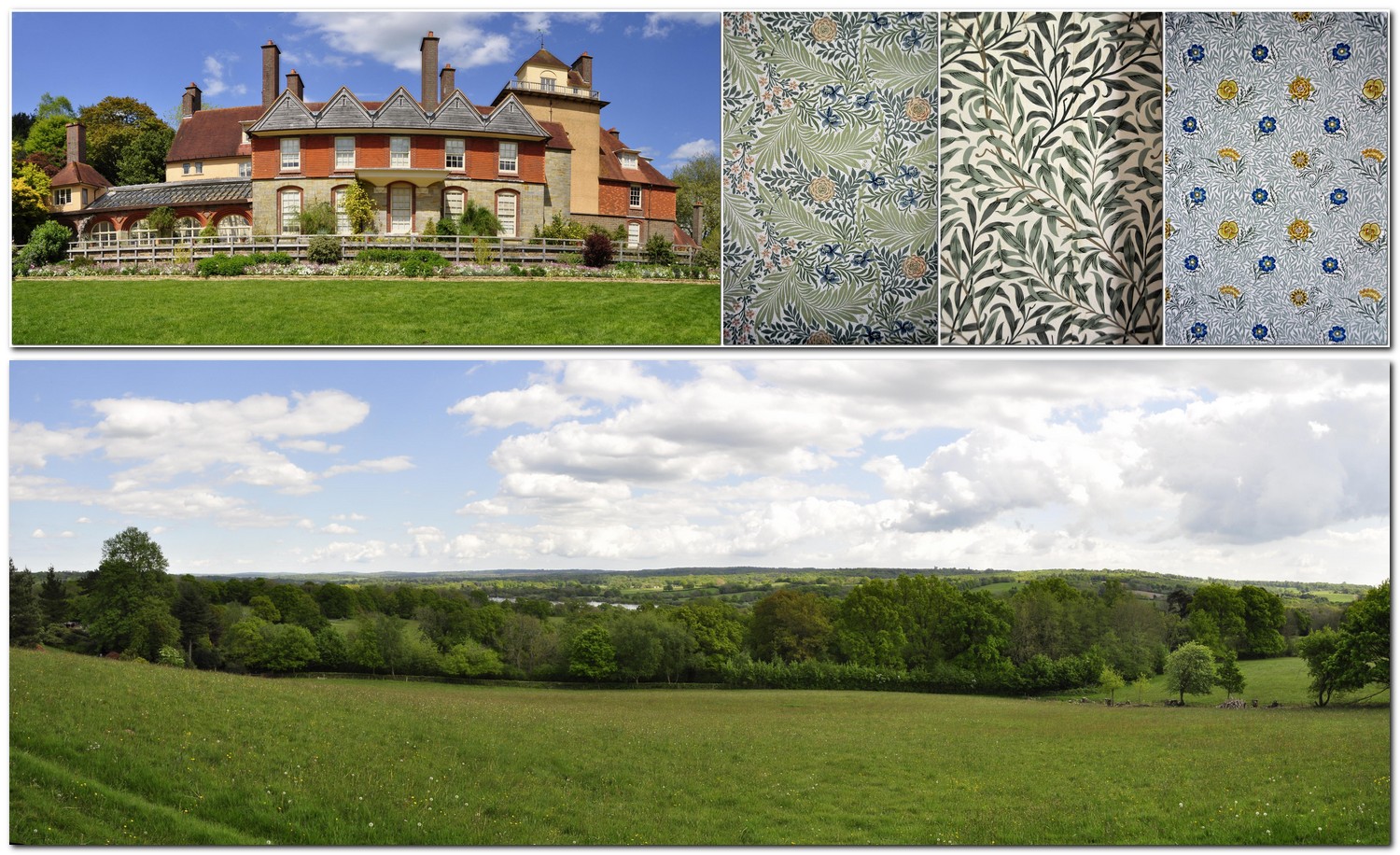
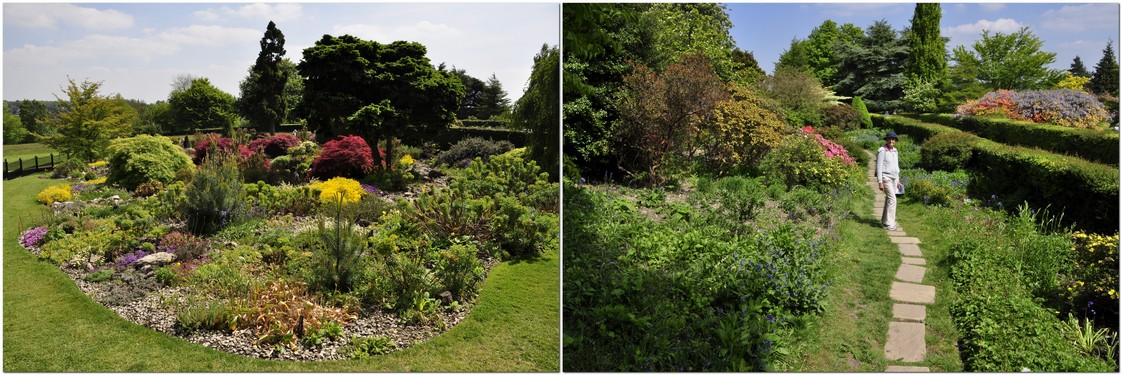
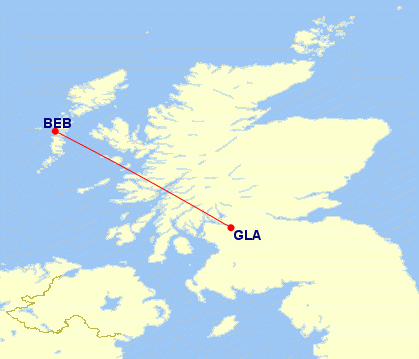 I took my first flight, in the summer of 1966 when I was seventeen. Fifty-three years ago.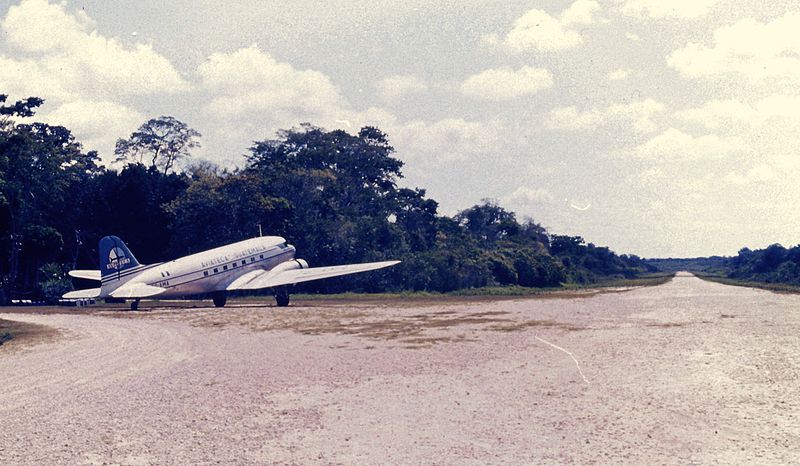
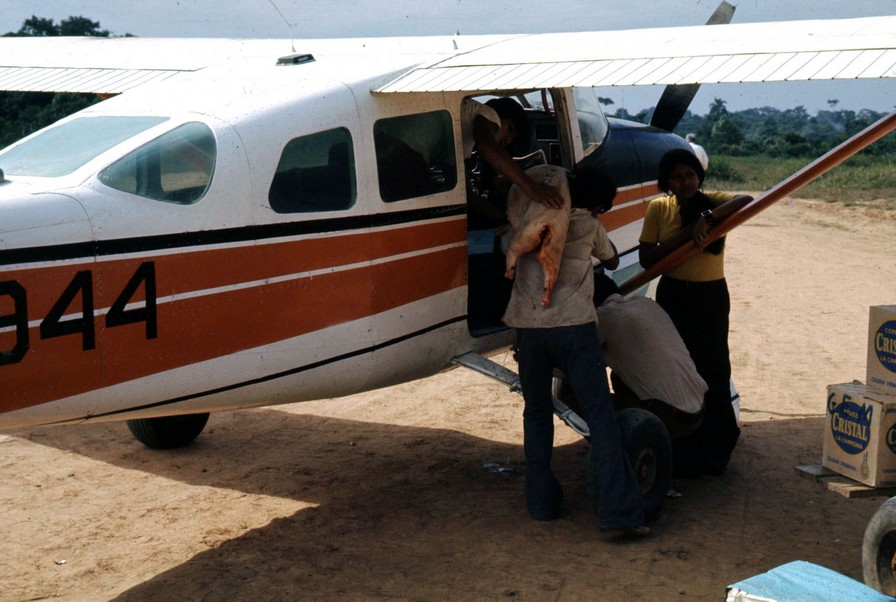
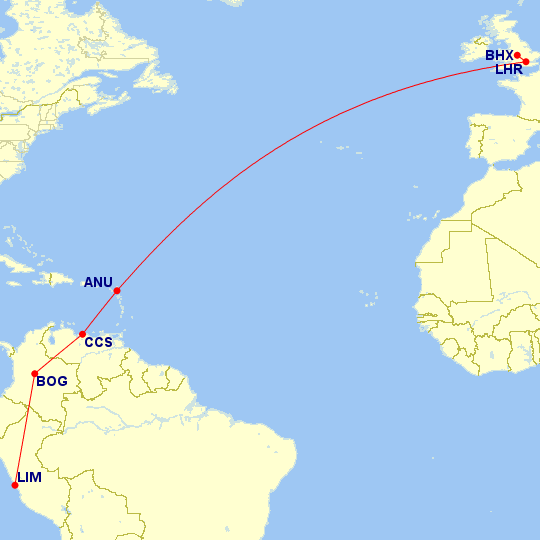
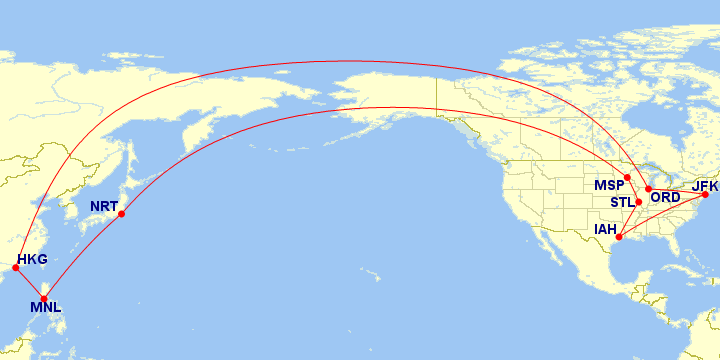 The whole trip covered more than 17,000 nm.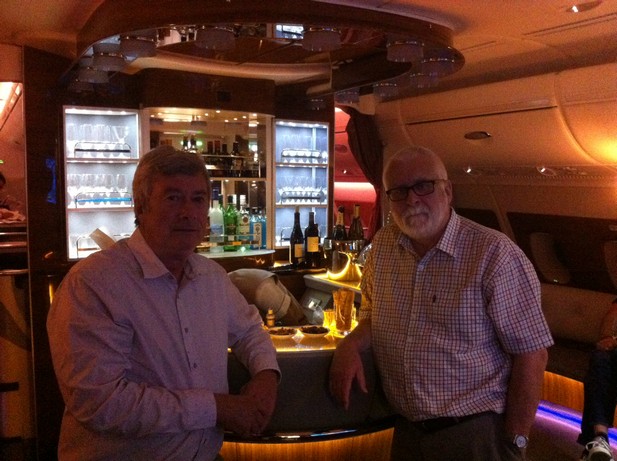
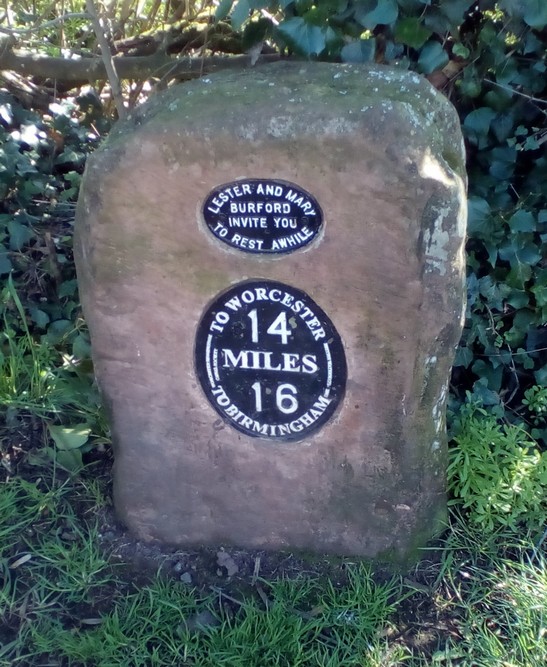

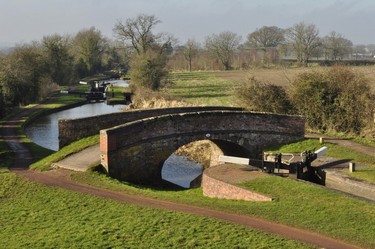
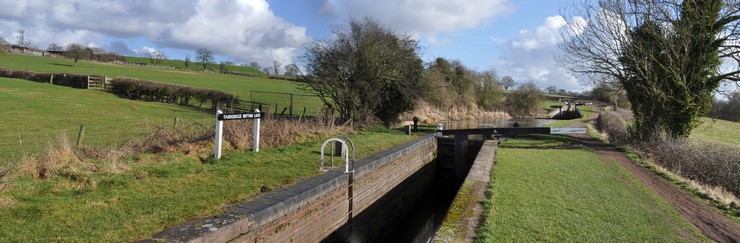
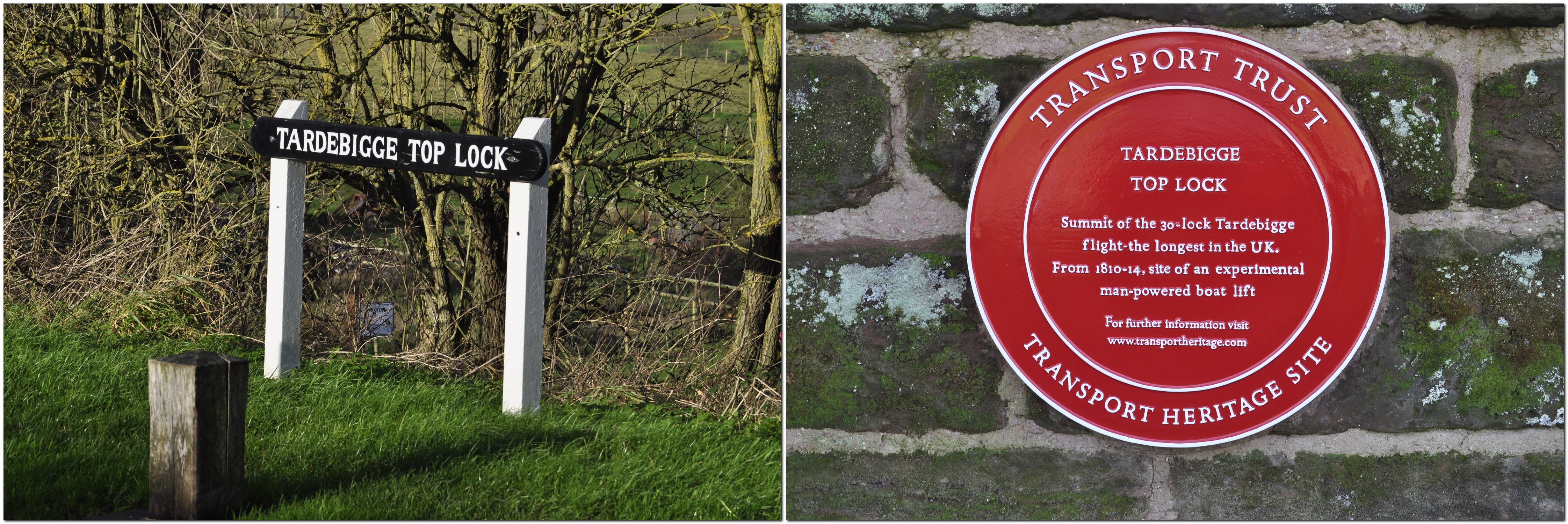
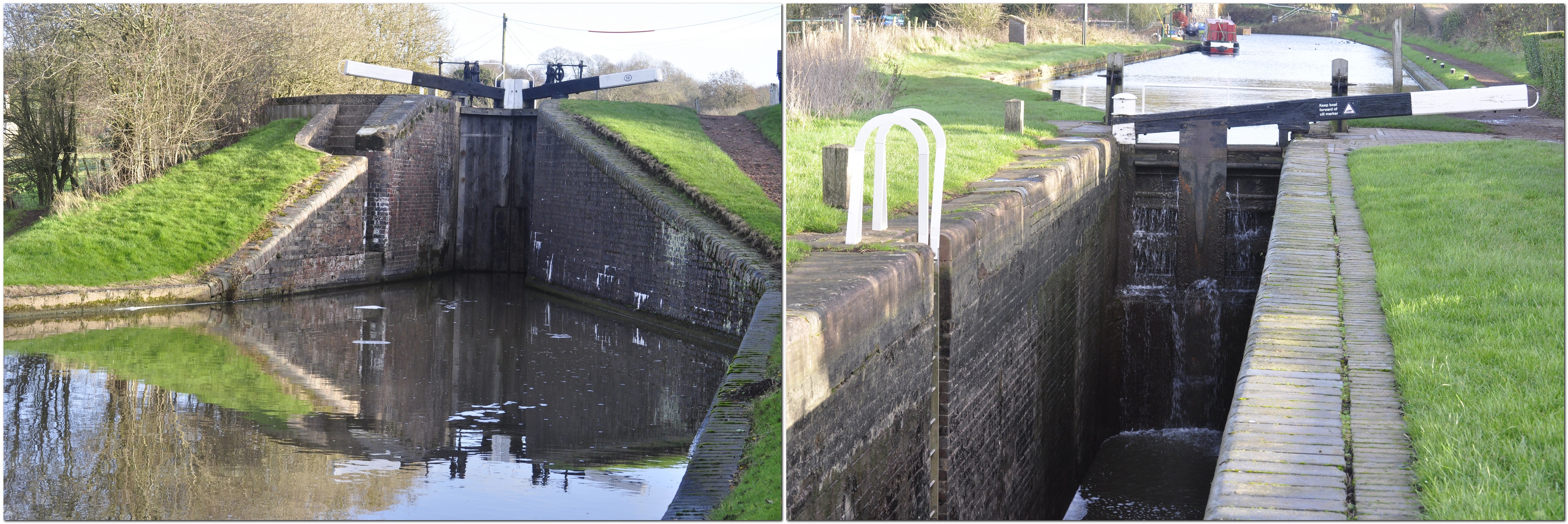
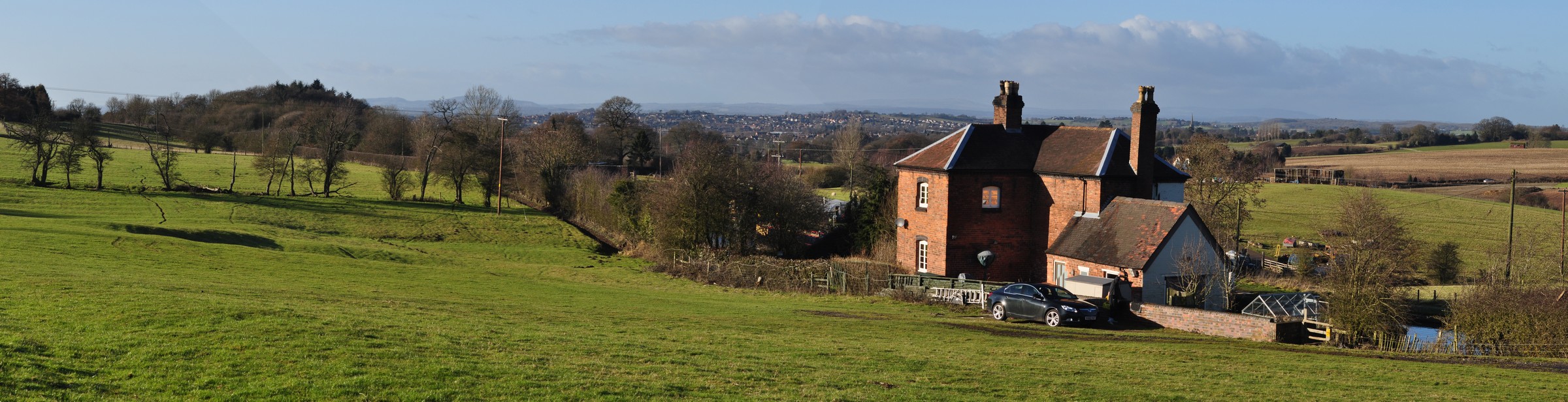


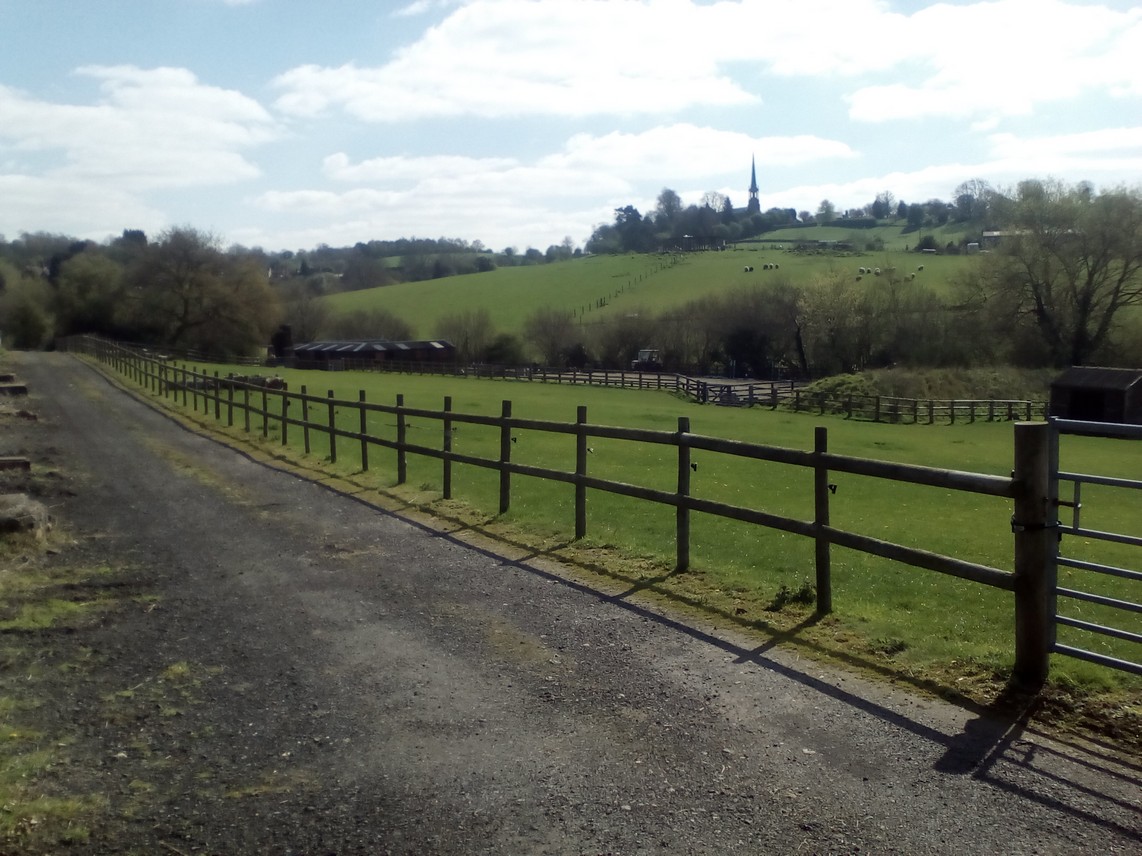
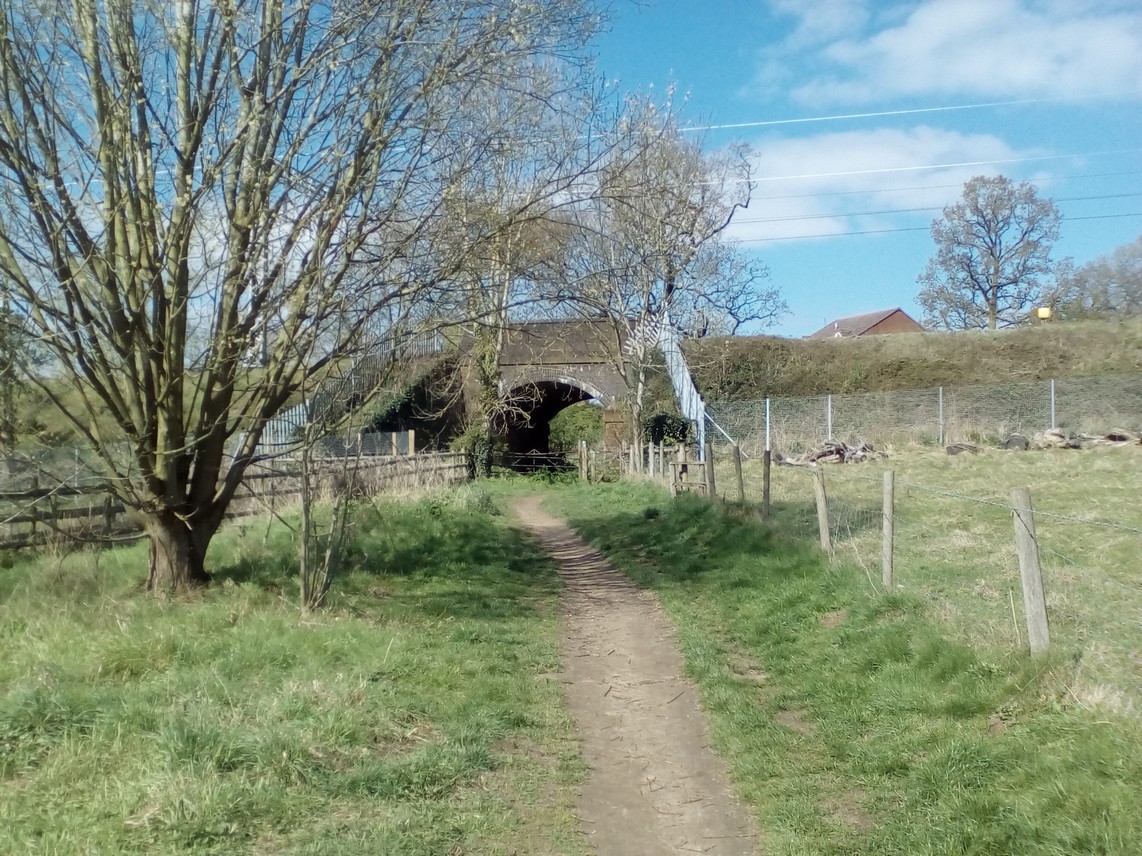
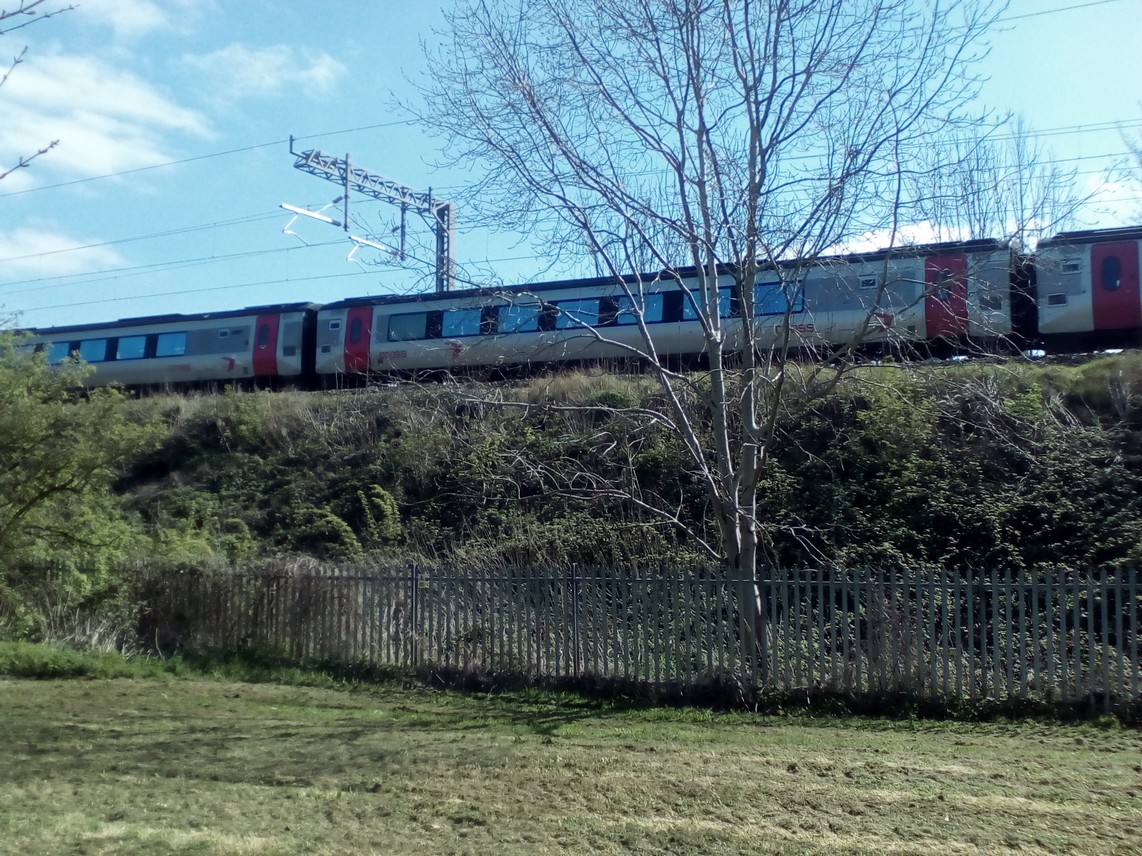
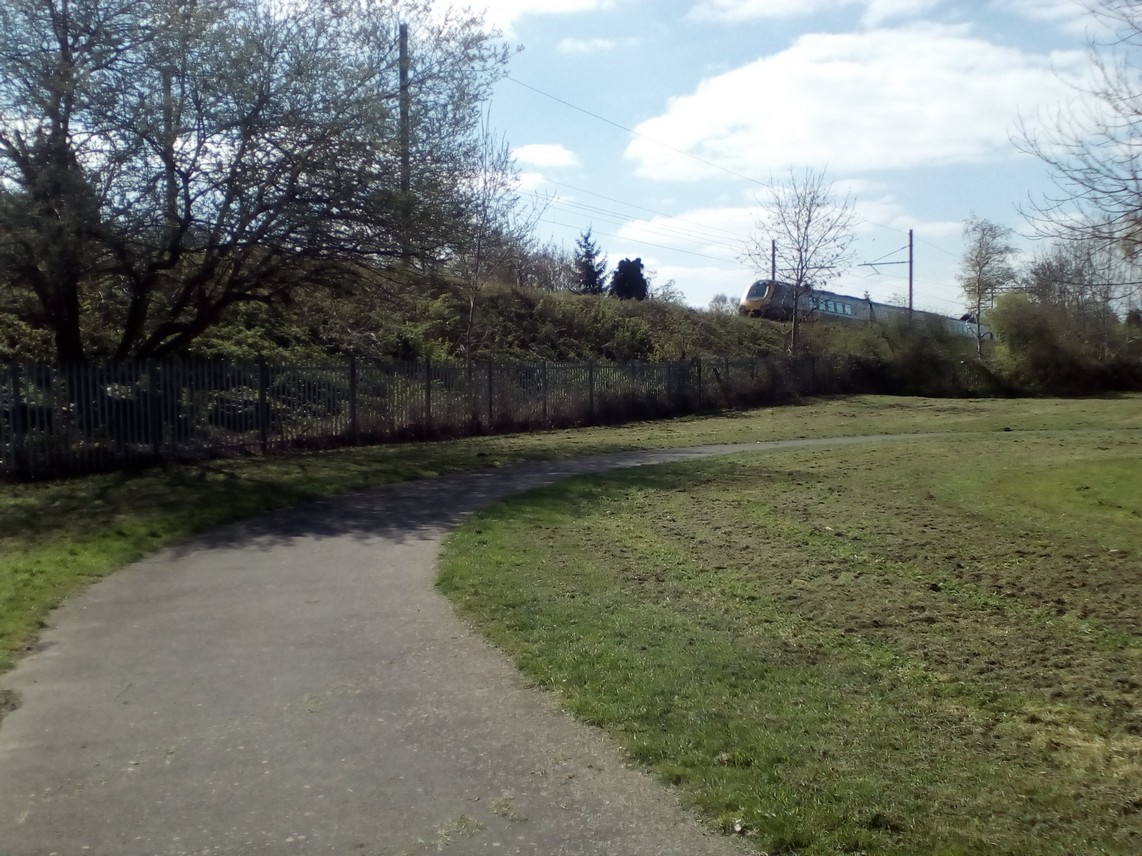
 One thing has caught my attention while out exploring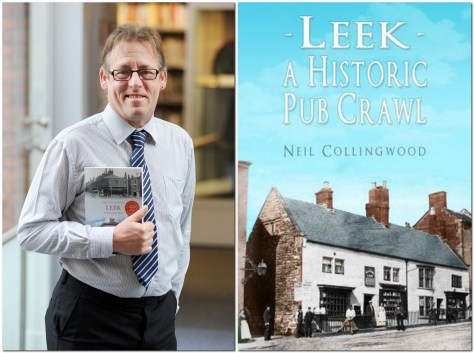
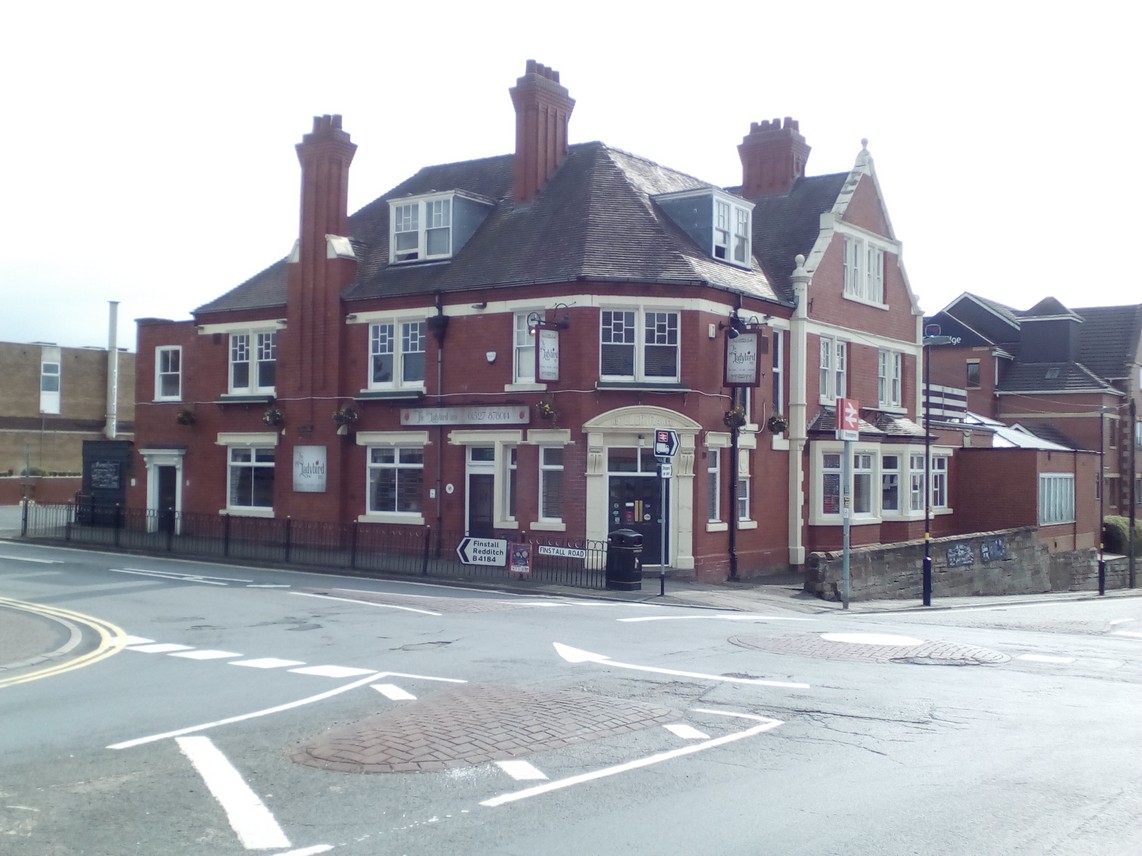

 I’ve just discovered two more pubs. One, the Golden Lion, is on Austin Road on the Charford district, just over a mile south of home. But an area I’ve never walked before.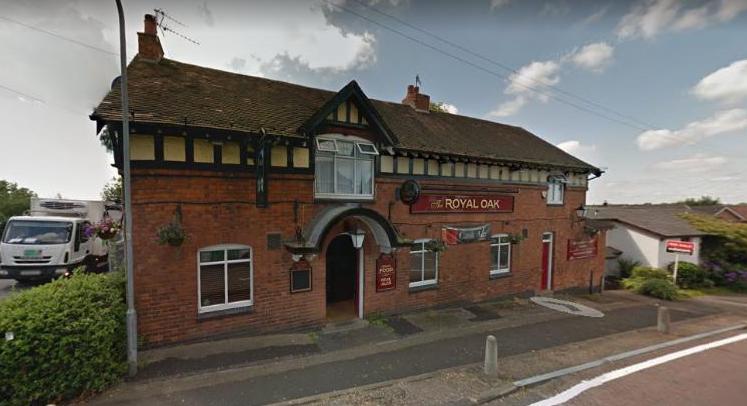
 Bromsgrove, some 13 or so miles south of Birmingham, was the first town we visited. It’s a straightforward drive south from the university, and was an obvious first choice. In any case, we’d already seen some property flyers for a couple of properties there that had caught our attention.
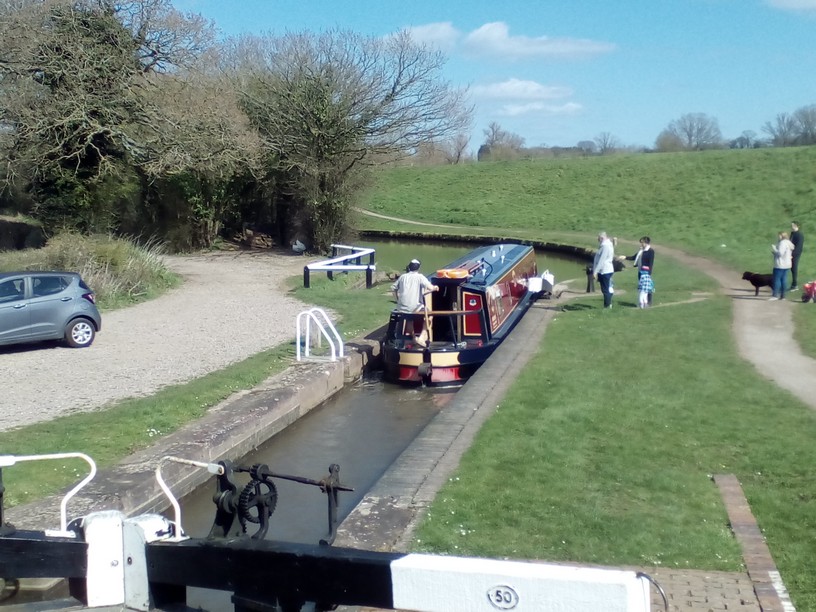
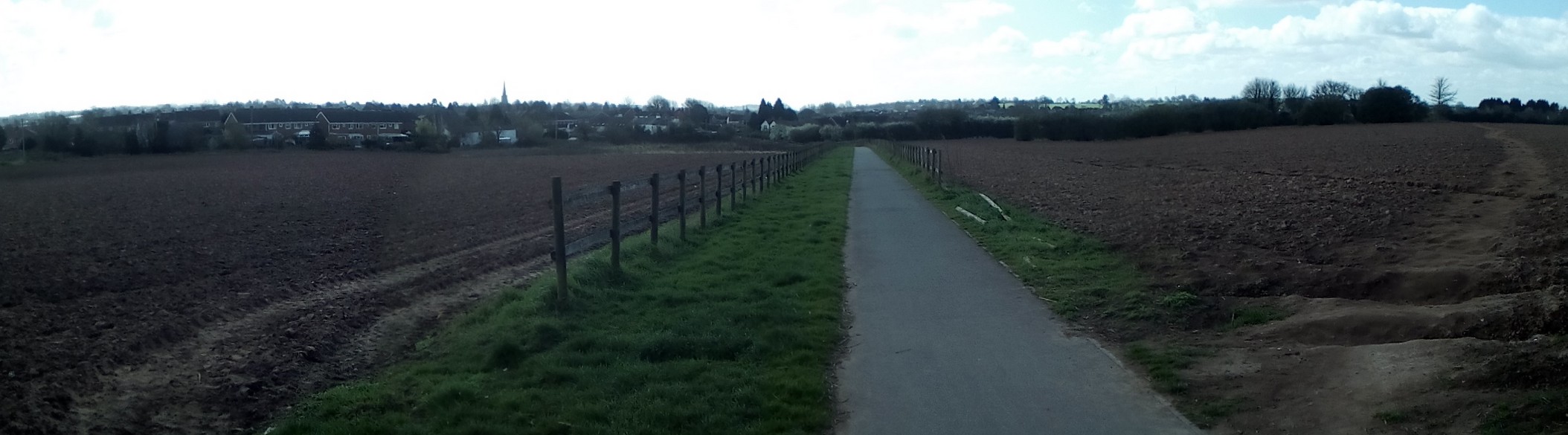
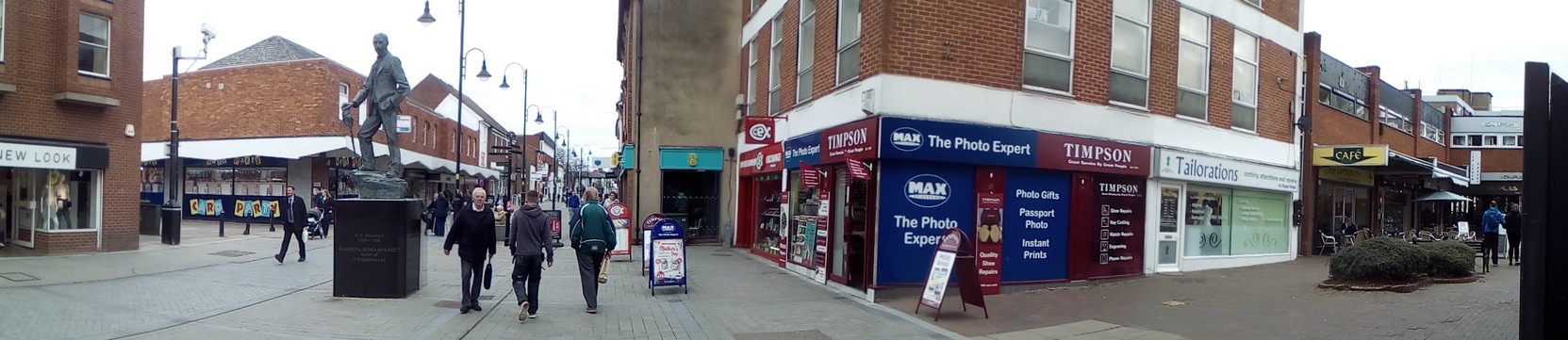
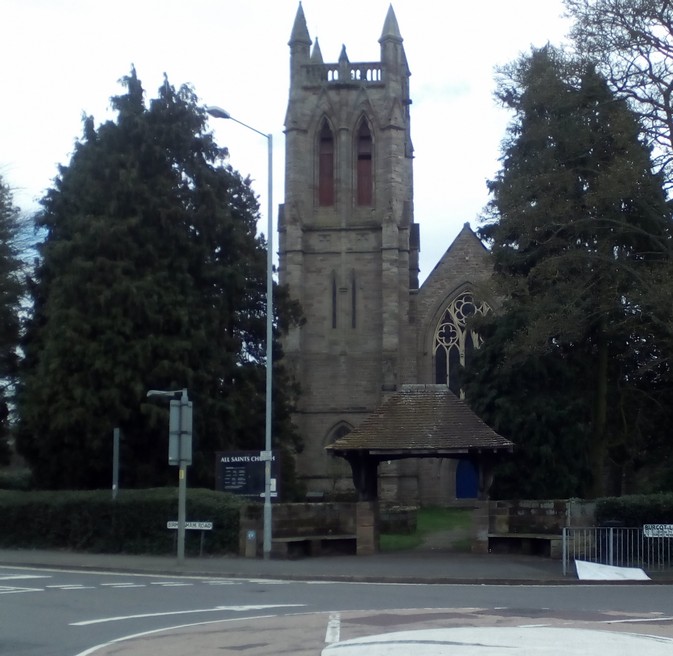
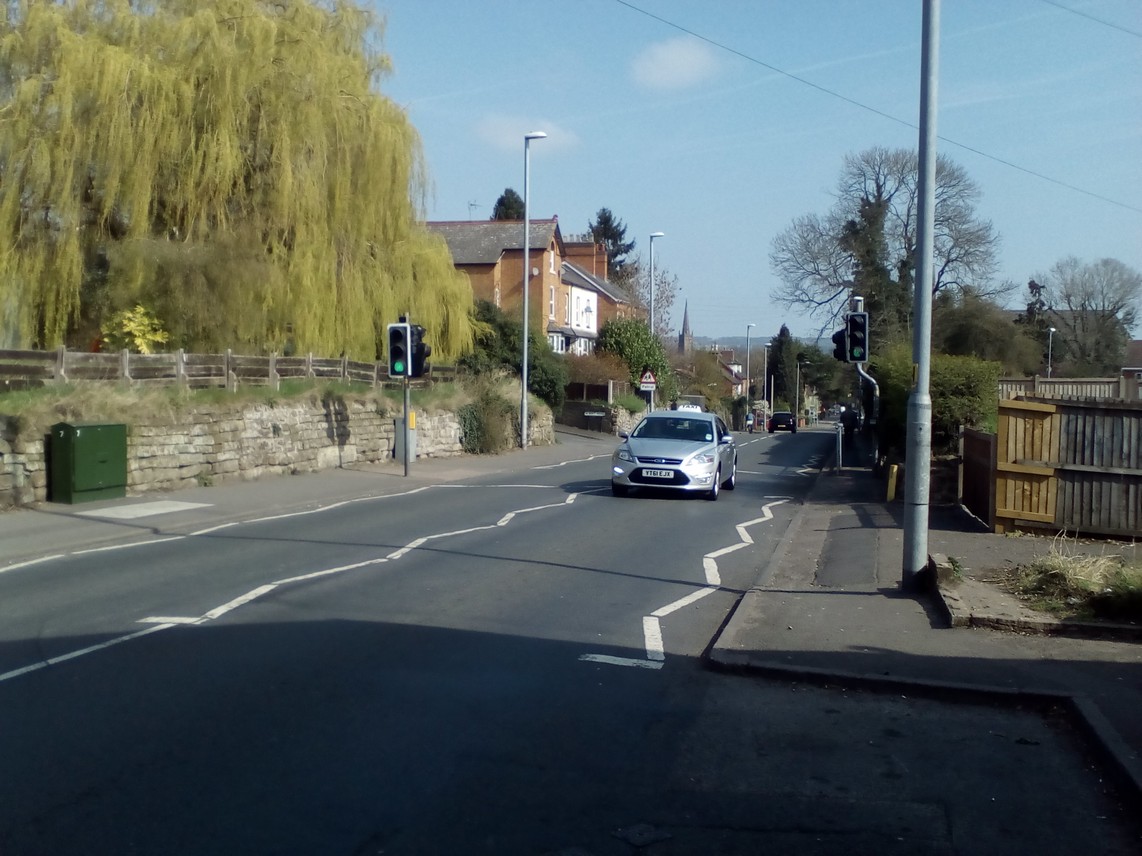
 Until I retired in April 2010 (aged 61) I had been quite active in the previous decade, playing badminton twice a week, and swimming at the weekends. As you can imagine playing badminton was quite strenuous in the heat and humidity (>30ºC/>80%RH) of Los Baños in the Philippines (where I worked for 19 years at the International Rice Research Institute). However, when Steph and returned to the UK, to our home in Bromsgrove in northeast Worcestershire (about 13 miles south of Birmingham city center), I needed to find some other form of exercise.
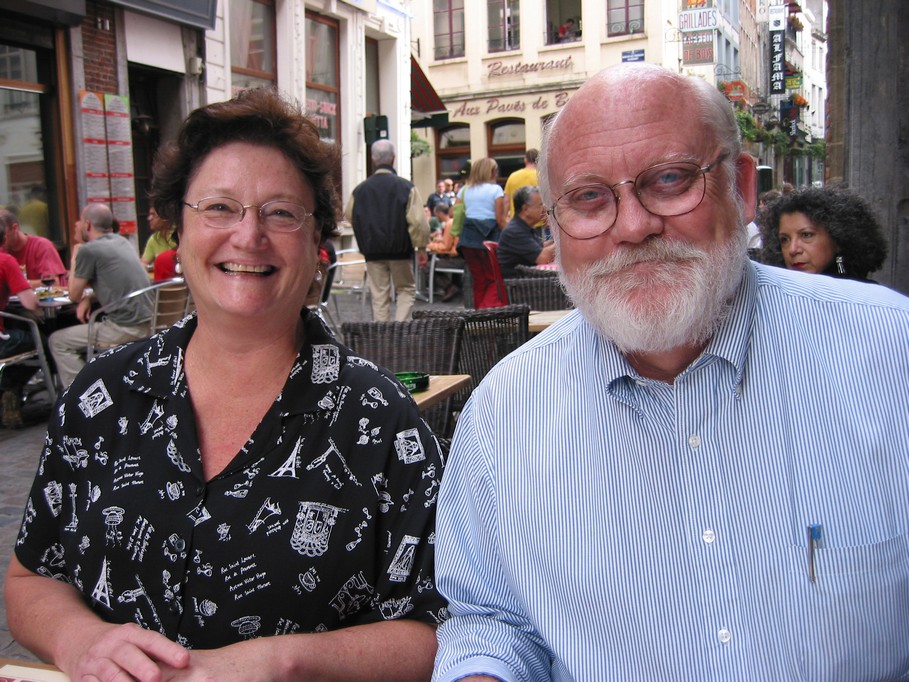
 We met at London’s Waterloo station for the Eurostar service to Brussels, arriving there mid-afternoon. Since no meetings had been arranged that same day, we enjoyed the warm afternoon sunshine for a stroll around


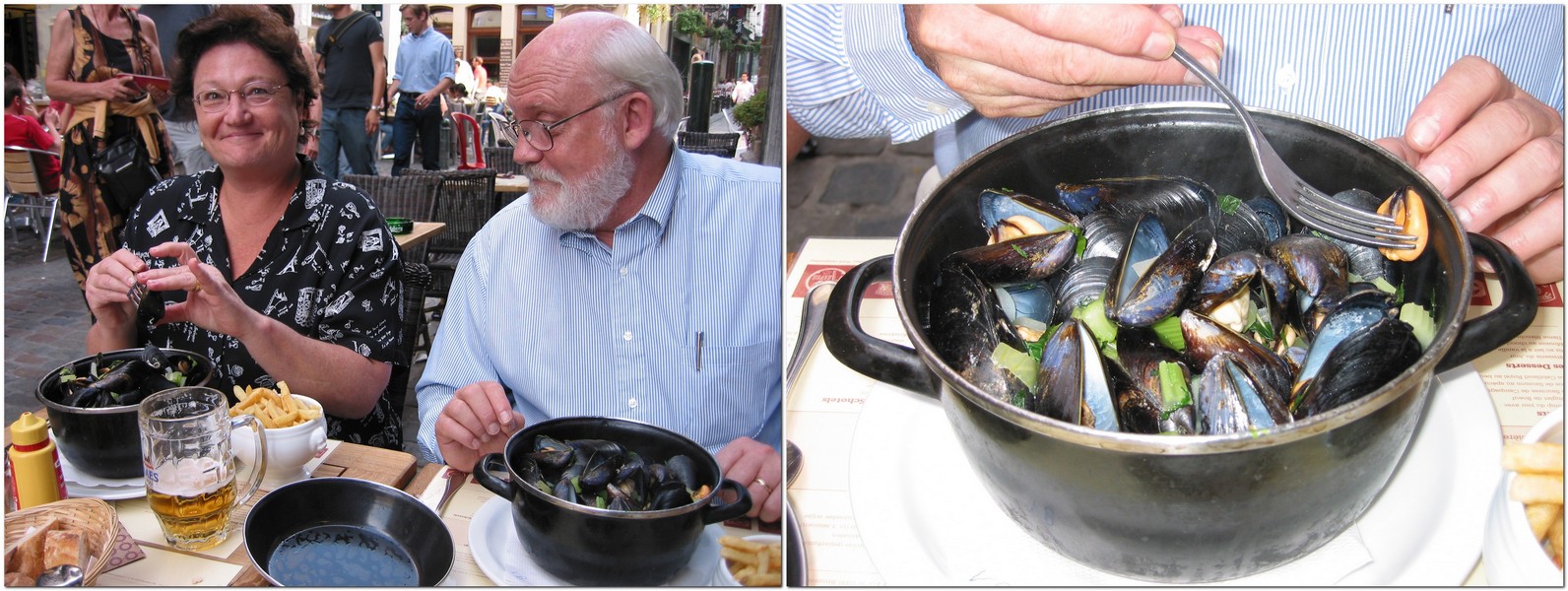
 The day after our meetings, we caught the Thalys (the Belgian TGV) to Cologne, and then a regional service for the short hop to Bonn. We had just one day of meetings in Bonn, with the German aid ministry (BMZ), and then spent an excellent day touring the vineyards of the Ahr Valley just south of Bonn. Our main contact was my old friend Marlene Diekmann who I’d known for many years before she joined the BMZ when she was a plant pathologist at the International Plant Genetic Resources Institute (IPGRI, now Bioversity International) in Rome.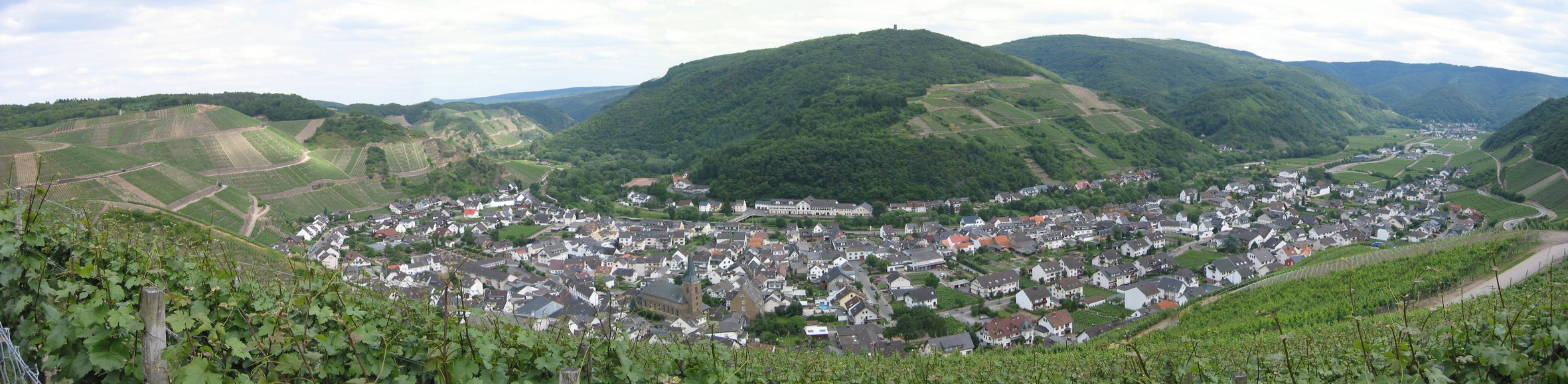

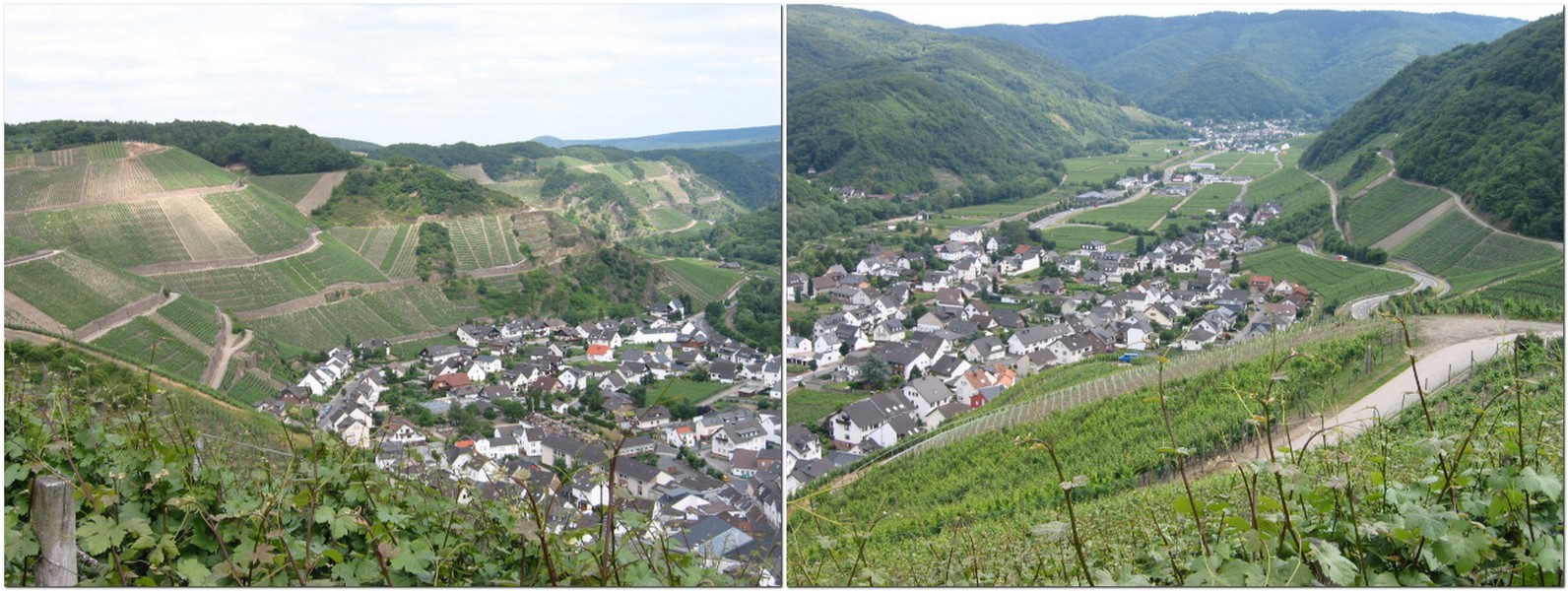
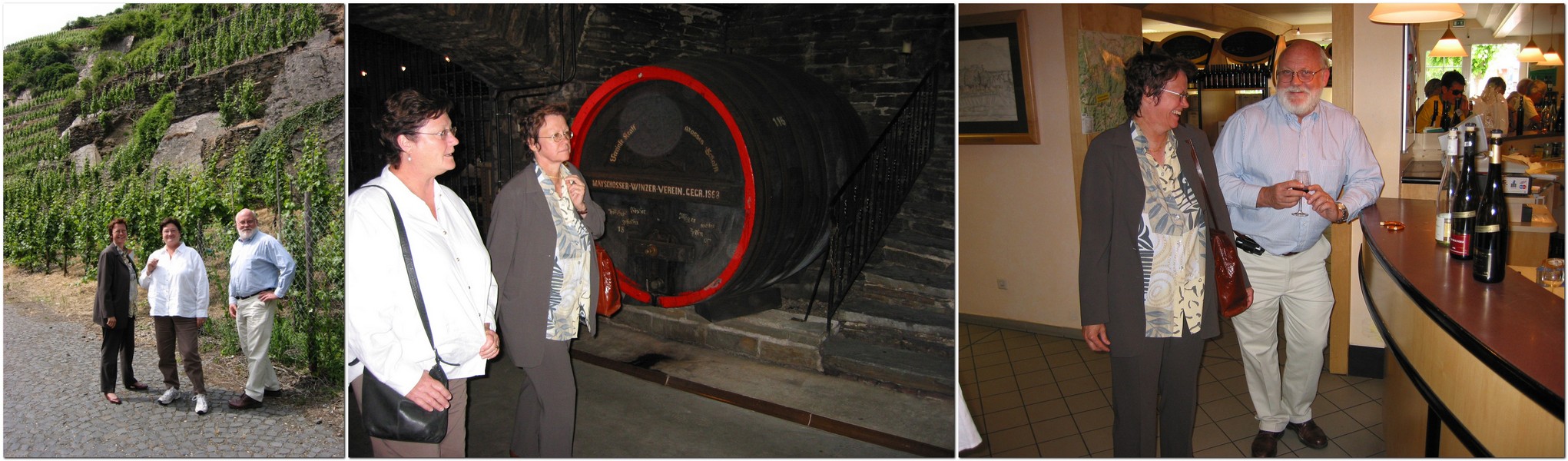


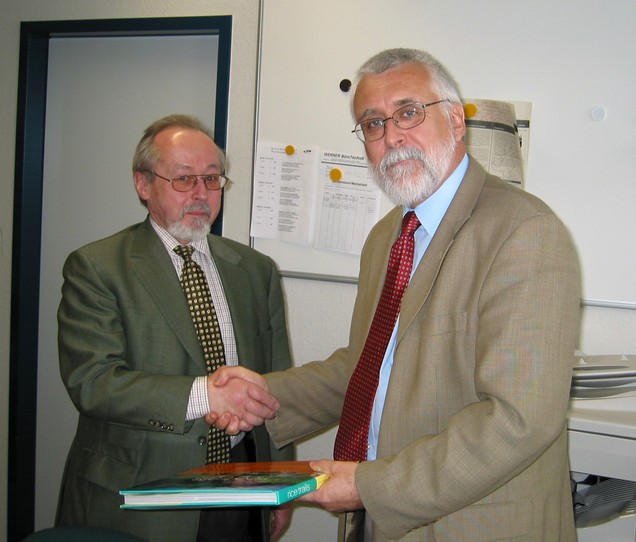

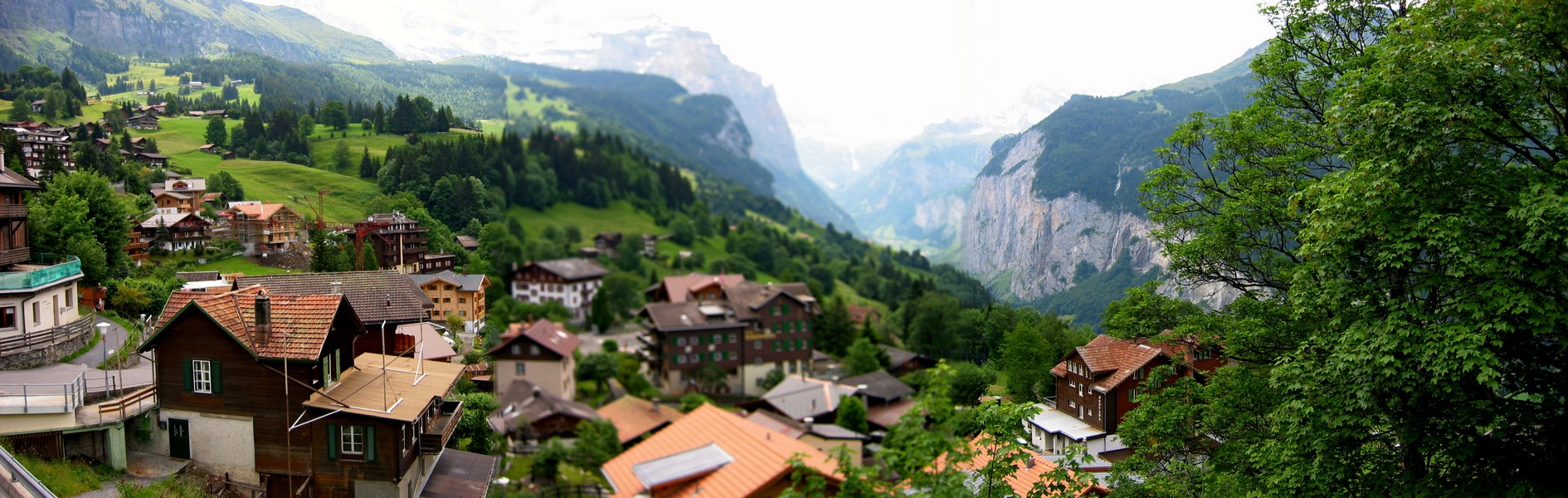



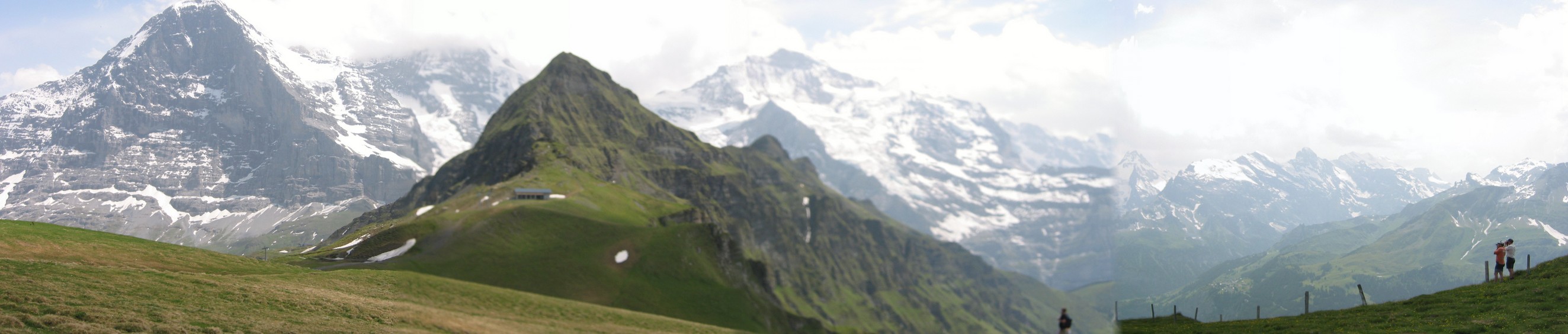
 In Milan, we transferred to the high speed train to Rome. That was an interesting journey. In 2006, the 18th FIFA World Cup was hosted by Germany. Although Mexico had been eliminated from the competition by then, our train was full of supporters from Mexico on their way to Rome to enjoy the sights. Bob, Crissan and I all spoke Spanish. Bob and Crissan had actually lived in Mexico for a few years before returning to IRRI in 2005. So we had a great time with the Mexicans, and our fast train journey to Rome (
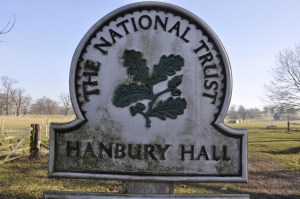 14 February 2019. Valentine’s Day. Bright and sunny, hardly a cloud in the sky. Just a gentle breeze. What a better day for a nice long walk in the Worcestershire countryside.


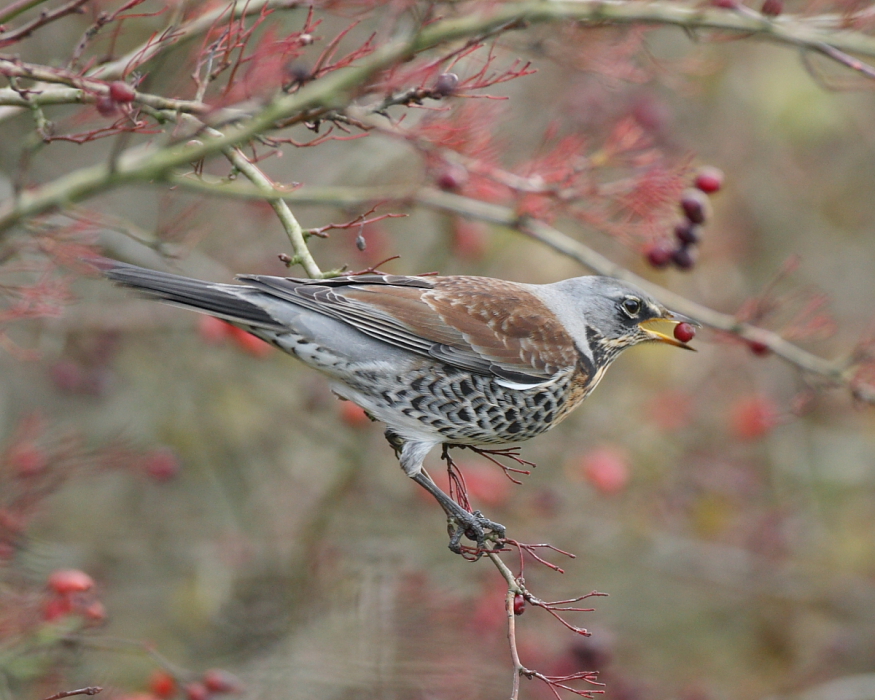
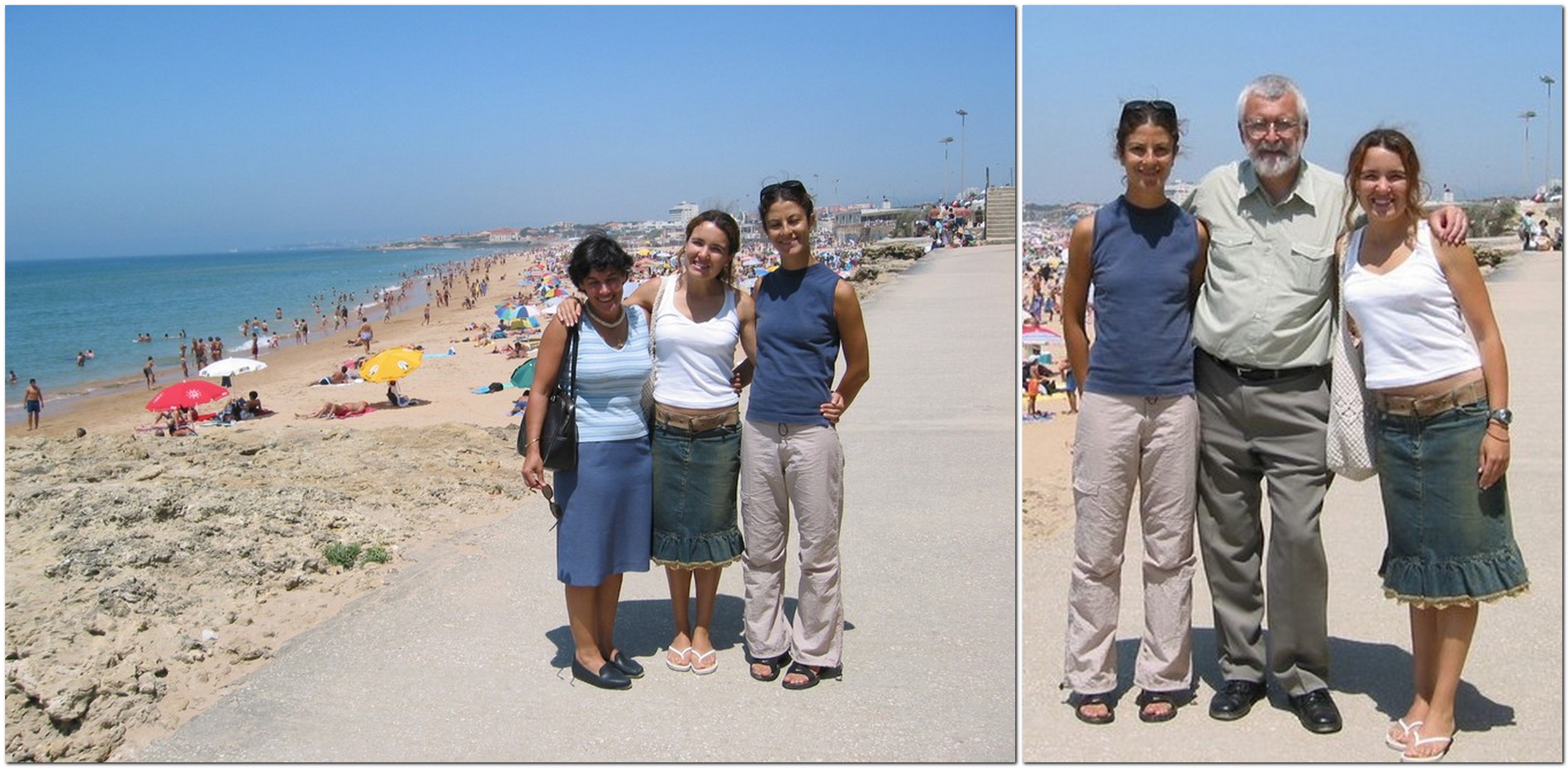
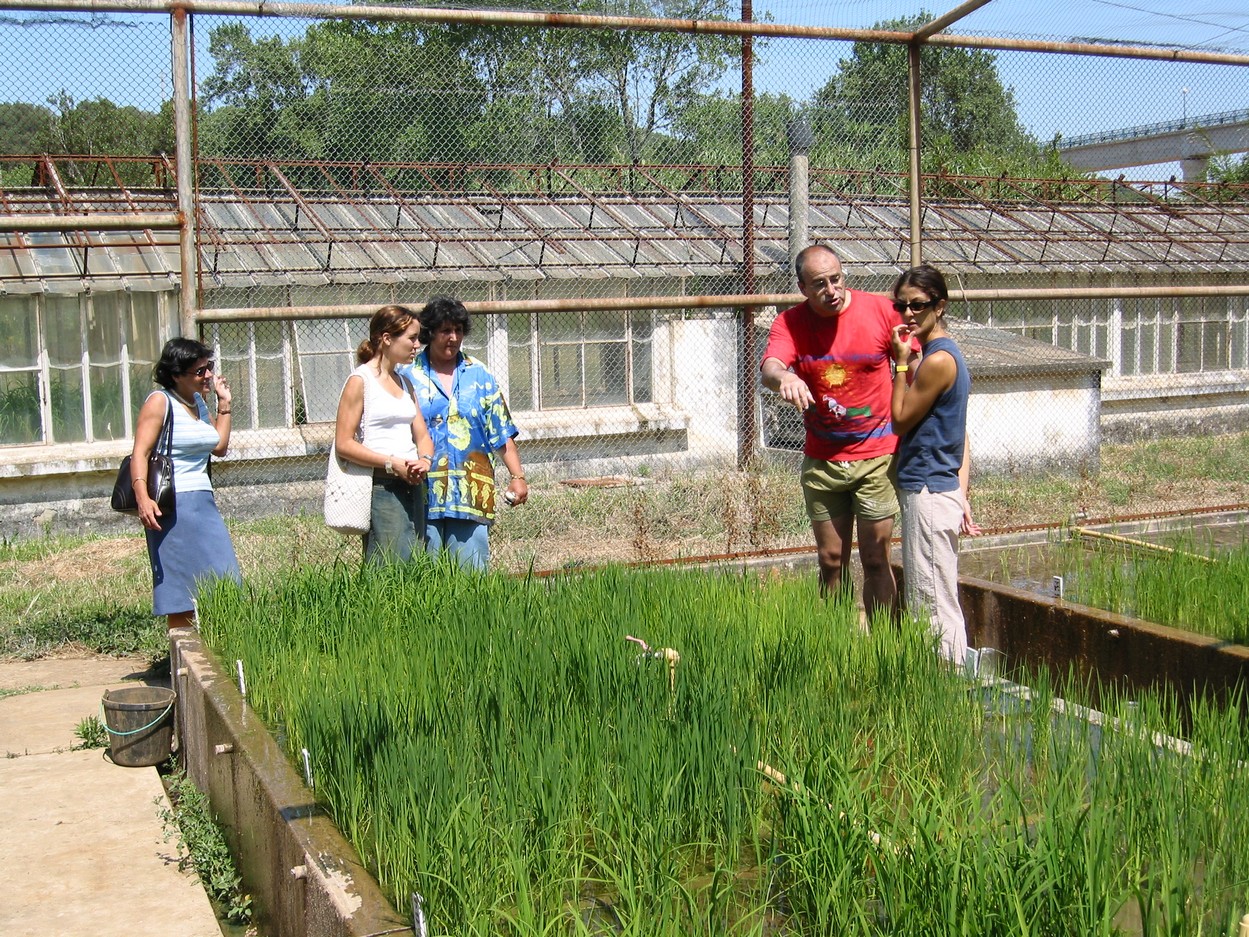



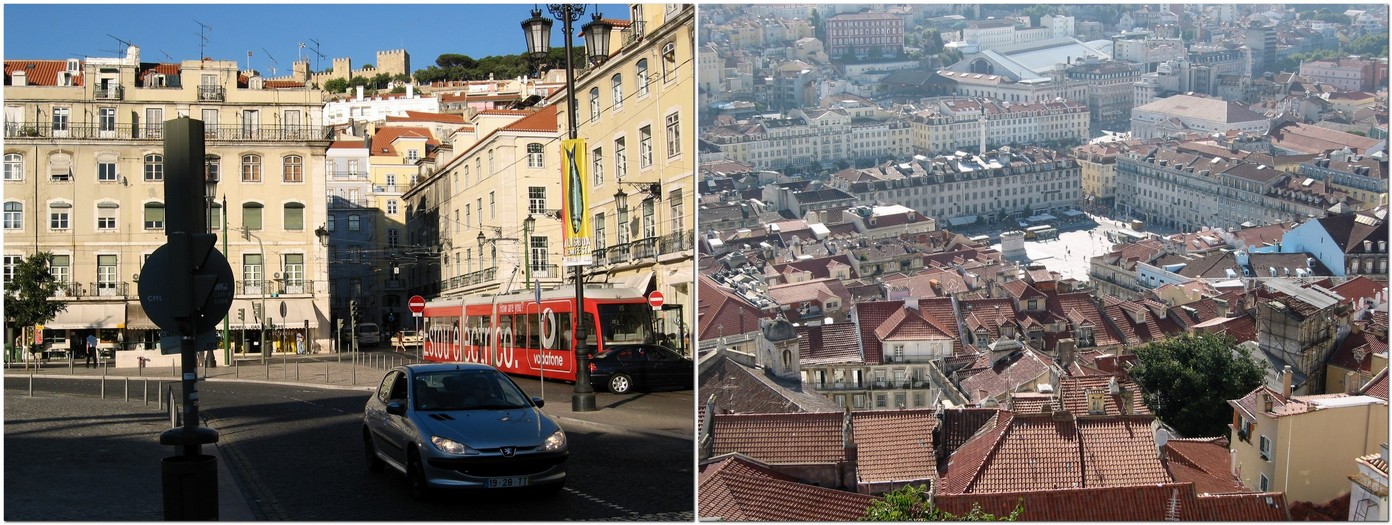


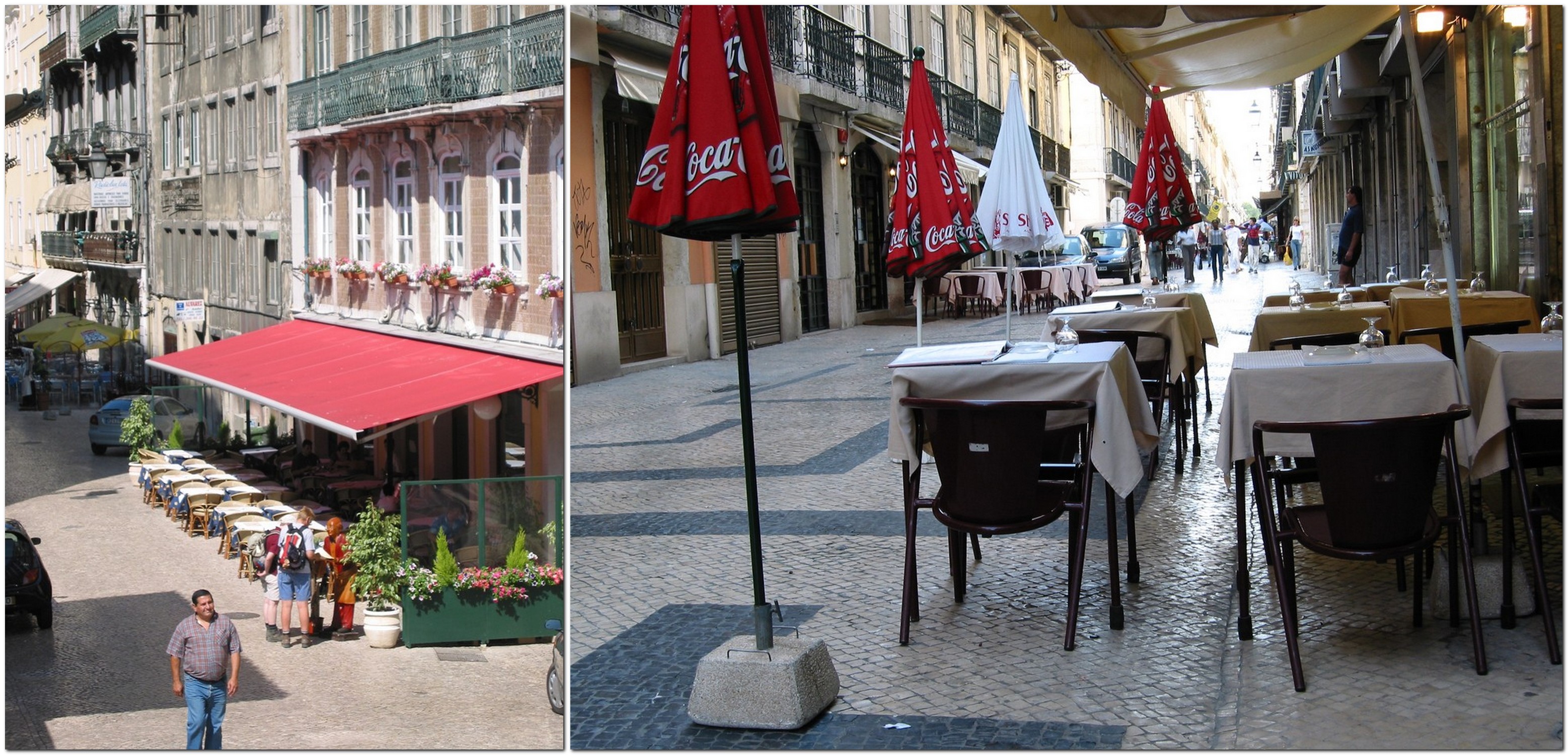


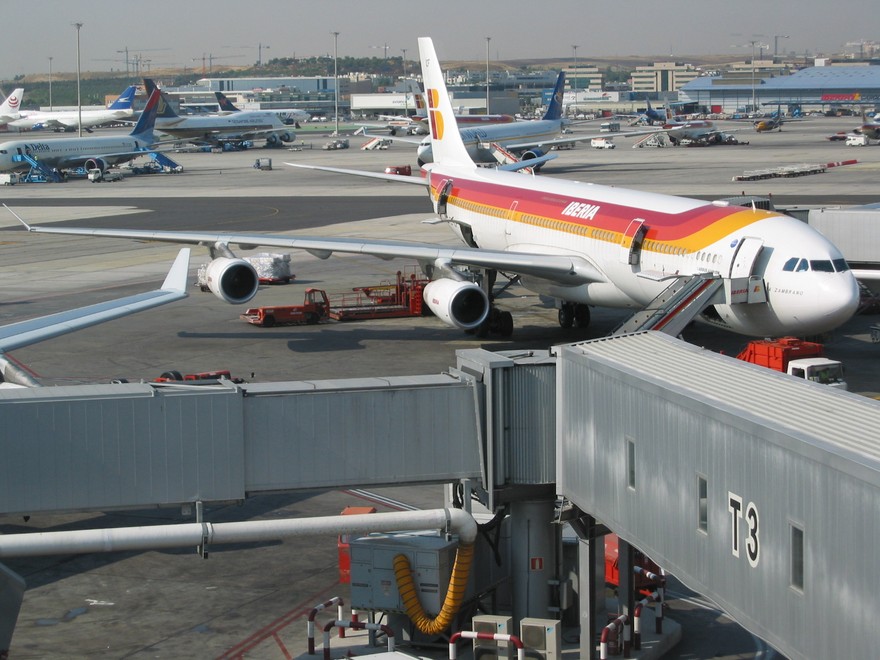


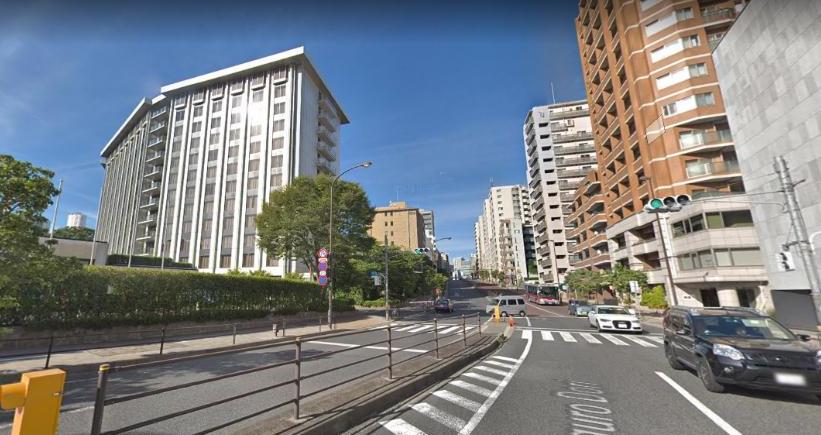




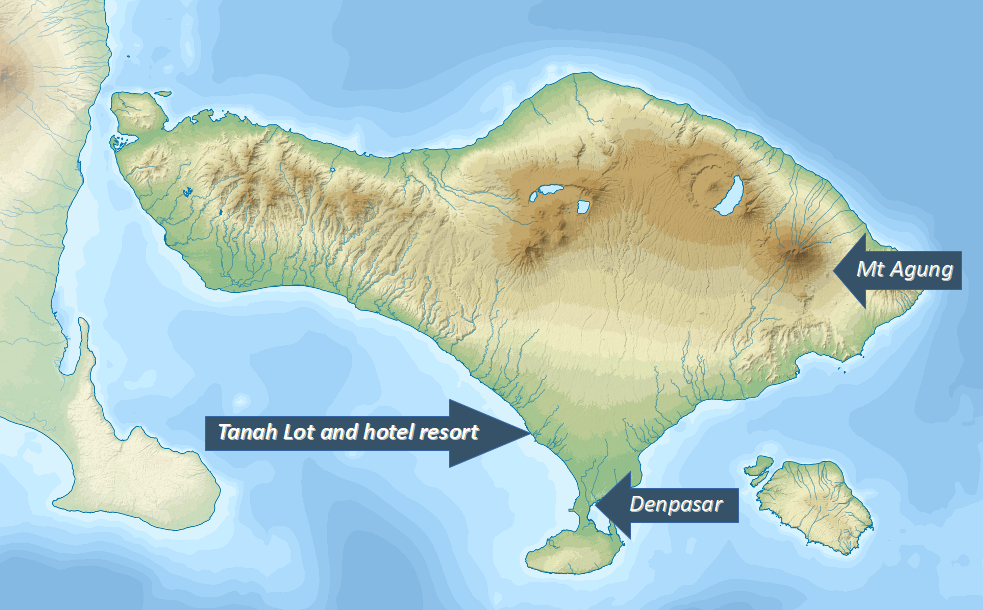
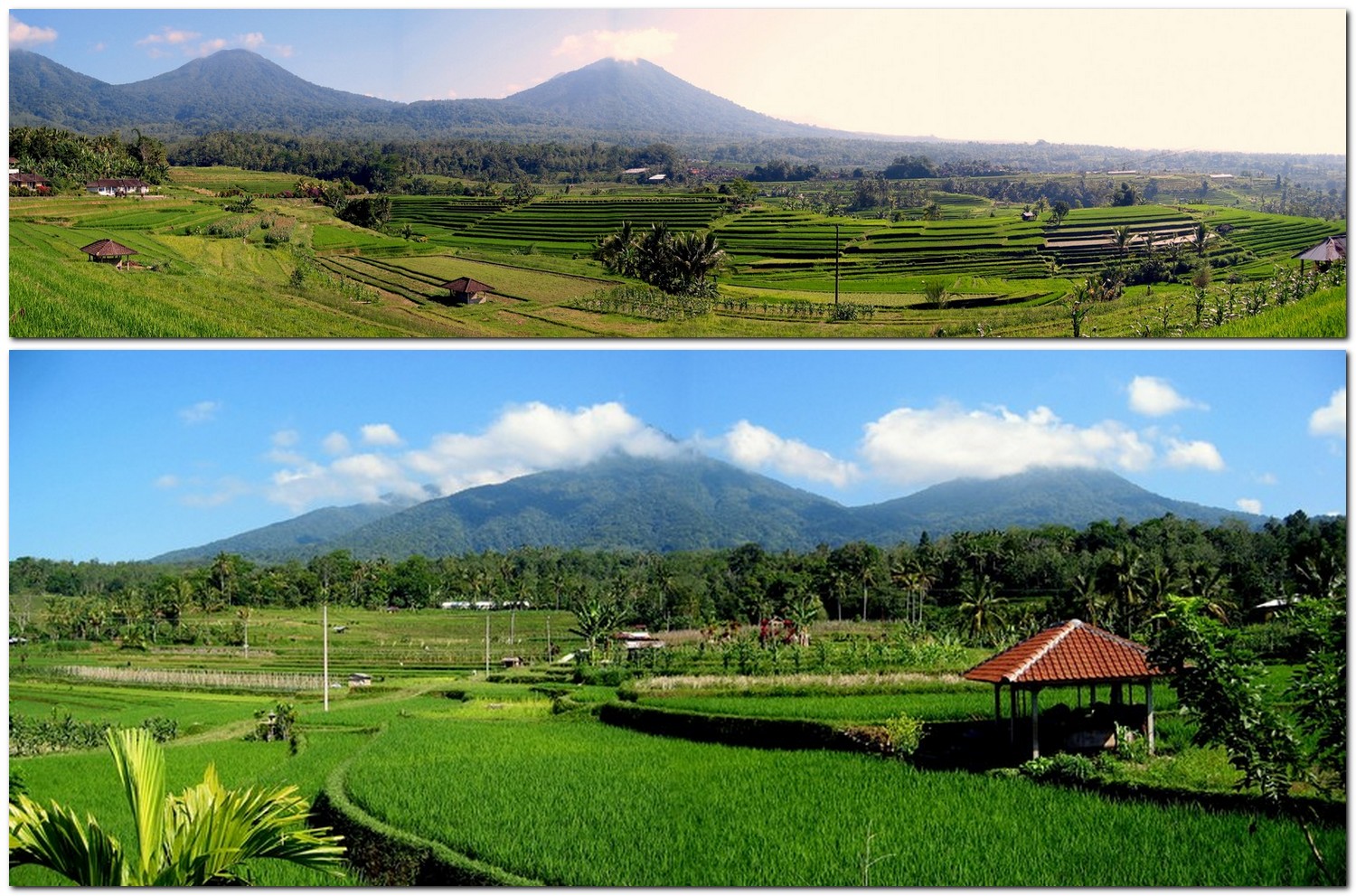
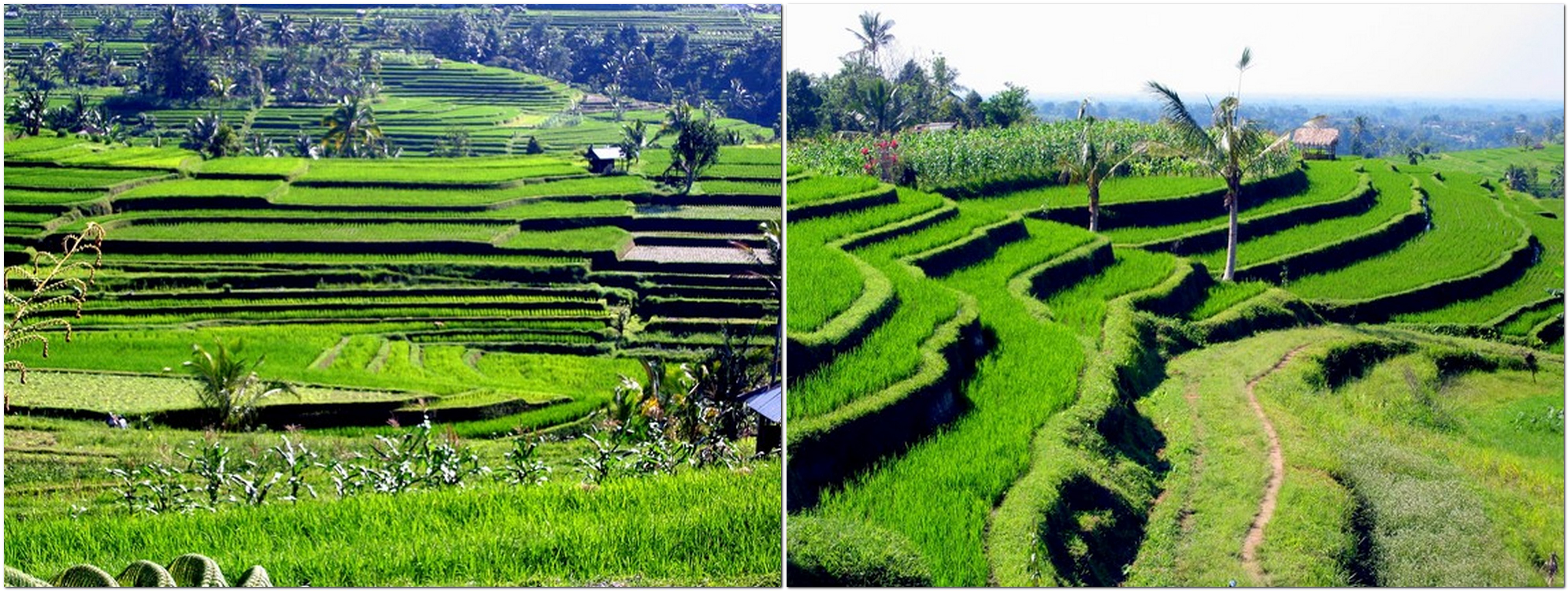

 Unlike much of Indonesia (which is the world’s largest Muslim nation),


 A balanced diet . . .