Steph and I became members of the National Trust in 2011. Since then, we have enjoyed visiting more than 100 properties in England, Wales, and Northern Ireland, and a handful owned by the National Trust for Scotland.
One of the first properties we visited in 2011 was Biddulph Grange Garden, between Biddulph (in North Staffordshire) and Congleton (where I was born) in southeast Cheshire. And just over a week ago, we returned for a second visit.
My family had a long connection with Biddulph Grange, way before it was taken over by the National Trust in 1988. Before then, Biddulph Grange was an orthopaedic hospital, founded by Lancashire County Council in 1928 as a hospital ‘for the crippled children of East Lancashire’.
After the Second World War, my father, Fred Jackson, joined the Congleton Chronicle newspaper as a staff photographer. His work took him around the area, within a 10 mile radius I guess of Congleton, taking photos of local events and happenings for publication in the newspaper.
Every Christmas morning he would take photos of Santa visiting all the children on the wards at Biddulph Grange. Even after our family moved to Leek in 1956, Dad (accompanied by Mum) continued to visit Biddulph Grange at Christmas. I remember visiting on many occasions, and meeting the Matron (right), Miss Ruth Cleator.
During our 2011 visit, there was an album of old photos taken during the hospital years, and I believe many of them had been taken by Dad over the years. There was even a photo from one of the Staff Summer Balls (probably late 1950s), that Mum and Dad would attend each year (they loved ballroom dancing), and I found Mum among the large group of ball-goers. She’s on the fourth row, fifth from the left.
The National Trust now looks after the Garden, while the house has been converted to private residential apartments. By the 1980s the garden had suffered from decades of neglect during the hospital years. Now the Trust has brought the garden back to its former glory, as envisaged by the couple who designed and built the garden in the mid-nineteenth century, James and Maria Bateman.
James Bateman was a wealthy landowner (and lay preacher) who bought an old rectory at Biddulph (he moved there from nearby Knypersley Hall) in the 1840s, and set about expanding it to the house we see today. Bateman and his wife were passionate gardeners. He was a keen horticulturalist, and collector of plants from around the world.
Assisted by Edward William Cooke, the Batemans built what has become a world-famous garden. Yet the Batemans did not reside at Biddulph for more than a couple of decades. It never ceases to amaze me how landscapers and gardeners in the 18th and 19th centuries spent all their energies creating gardens they would never come to appreciate in all the glory that we can enjoy today.
Bateman and Cooke’s garden takes you around the world—China, Egypt, and Italy, among others—but the garden is divided into areas and themes. Around every corner there’s something different to see and experience, glens to weave through, tunnels to duck into, and tree-lined walks (lime and Wellingtonia) to add to the broad landscape experience.
The resurrected Dahlia Walk is a real delight in late summer. During the hospital years it had been filled in, and once the National Trust had command of the Garden, it had to be excavated almost archaeologically to reveal its former glory. It’s certainly one of the highlights of the Garden, as are the various parterres below the house.
Here is just a small sample of photos of some areas of the garden which show the garden at two different seasons. Do take a look at this photo album for many more photos.
Another interesting feature is Bateman’s Geological Gallery, now refurbished by the National Trust.
Yesterday, I received the sad news that my dear friend and former colleague at the International Rice Research Institute (IRRI), John Sheehy, had passed away on 7 June after battling Parkinson’s Disease and Multiple System Atrophy (MSA) for several years. He was just 76.
I first met John in 1995, when he applied for the position of Systems Modeller at IRRI. I was Chair of the Search Committee. John came to IRRI after a successful career at the Grassland Research Institute (GRI) in Hurley, Berkshire, until it closed in 1992. His groundbreaking (and award-winning) work at GRI on nodulation, gaseous diffusion, and nitrogen fixation in grassland legumes, and other aspects of crop physiology focused on yield potential.
I knew the first time I spoke with John he was someone who would bring a very different scientific perspective to IRRI’s research. And that’s just what he did. He wasn’t some fresh-faced graduate or postdoc expected to toe the line in terms of rice science orthodoxy, so to speak. Always polite, he often challenged the perspectives and approaches of some IRRI old timers who couldn’t (or wouldn’t) appreciate John’s breadth of quantitative expertise. He had graduated with a BSc degree in Physics, completed an MSc in Electronics, and then studied for his PhD in ecophysiology under Professor John Cooper, CBE FRS at the Welsh Plant Breeding Station in Aberystwyth.
In coming to IRRI, he led research on and supported breeding the so-called New Plant Type (NPT) that was expected to push the yield barrier in rice.
Setting up the Applied Photosynthesis and Systems Modeling Laboratory, John came to the conclusion that a completely new approach was needed if rice yields were to be increased significantly. That’s because photosynthesis in rice (known as C3 photosynthesis) is inefficient compared to the system (C4) in other cereals like maize. John began to develop ideas to turbocharge photosynthesis by introducing ‘C4’ traits into rice, thereby aiming to increase photosynthetic efficiency by 50%, as well as improve nitrogen use efficiency, and double water use efficiency.
Rather than me trying to explain the rationale for this vision, why not listen to John explaining the need for a C4 rice.
John appreciated that IRRI could not realize this dream of a C4 rice alone. So he set about persuading, and bringing together, a group of many of the best scientists worldwide in a C4 Rice Project, that is partly funded by the Bill & Melinda Gates Foundation. The continuing Project is an important part of John’s scientific legacy.
At the time of his death, and after 20 years of research, C4 rice is not yet a reality, but significant progress has been made.
John’s scientific output was prodigious, and his many publications appeared in some of the best rated journals in his field, like Field Crops Research for example, a reflection of his research stature at IRRI (and before he joined IRRI). You can check his publications on Google Scholar.
He also waded enthusiastically into the controversy over the System of Rice Intensification or SRI, questioning—based on solid quantitative analysis of yield potential in rice—the yield claims of SRI adherents.
John retired in 2009 and returned to the UK. Before leaving IRRI, he met with Gene Hettel (former Head of IRRI’s Communication and Publications Services, and ‘IRRI Historian’) to record his thoughts on rice science and the challenges that IRRI would face.
In 2012, John was recognized in the New Year Honours (see page N.24) with an OBE for services to agricultural research and development, which was conferred during an investiture at Buckingham Palace on 14 February.
John receiving his OBE from HRH The Prince of Wales (L), and after the ceremony with wife Gaynor (L), and daughters Isabel (L) and Rhiannon (R).
In July 2014, John was honoured as a Fellow of his alma mater, Aberystwyth University.
In 2011, Steph and I joined John and Gaynor’s many friends and relatives to celebrate their 40th wedding anniversary.
L-R: Rhiannon, Gaynor, John, and Isabel
While at IRRI, John had taken enthusiastically to golf, and could be seen almost every weekend out on the golf course south of Los Baños where he had become a member. On his retirement to the UK, he was unfortunately unable to continue with this passion, due to bouts of poor health.
After I retired in 2010 back to the UK, John and I kept in touch regularly by email, on the phone, or SMS, when either Wales or Ireland were doing well at rugby, especially in the Six Nations championship. He had divided loyalties, born in Wales of Irish ancestry.
The last time I saw John was in July 2017, when Steph and I spent the weekend with him and Gaynor in Marlow, and met up with other IRRI friends, Graham and Sue McLaren (who now reside in Canada),
L-R: Gaynor, Graham, Sue, Steph, John, and me.
It was also an opportunity for John and me to swap OBE investiture reminiscences. I had also been made an OBE in the same New Year Honours as John, but attended an investiture two weeks later on 29 February.
John was a far better scientist than I could ever aspire to be. I always sought his advice on science issues. In return, he asked my advice about how to manoeuvre through institute politics and management to influence his research agenda, especially after I had moved upstairs, so to speak, to join IRRI’s senior management team.
But what I remember most about John was his cracking, but rather dry, sense of humor. His generosity of spirit. He was an excellent host. Many’s the dinner or BBQ Steph and I enjoyed with John, at his house or ours.
Christmas Day 2006 Chez Sheehy. L-R: John, Sue McLaren, Steph, Catherine McLaren, me, Gaynor, Alex McLaren, and Graham McLaren.
John, you will be sadly missed. Rest in Peace!
This obituary (written by Gene Hettel) was published on the IRRI website.
And this obituary (written by me) appeared in The Guardian on 5 July 2019.
The Times published an obituary on 28 August 2019 (No. 72937, page 48). Click on the image below to open or here to read a PDF version. It was also published online, but behind a paywall.
Also check this appreciation of John’s work and legacy that was published in Rice Today magazine in early 2010 not long after he retired from IRRI; click on the image below:
The more I write this blog, the more apt this quotation from Victorian Prime Minister Benjamin Disraeili seems.
Having visited seventeen National Trust and English Heritage properties in East Sussex and Kent recently in the space of a week, I can now hardly remember where we were on any particular day.
And, to add to the ‘confusion’, we added an eighteenth on the return journey from East Sussex to our home in north Worcestershire.Hughenden Manor, on the northern outskirts of High Wycombe in Buckinghamshire lies almost equidistant between our holiday cottage and Bromsgrove.
Hughenden was purchased by Disraeli’s father Isaac in 1845 and, on his death in 1848, passed to his son and his wife Mary Anne. Built in the late 18th century, Hughenden was remodeled by the Disraelis in the late 1860s. Mary Anne took great interest in the gardens and was very much a hands-on participant in their redesign.
The formal gardens are not extensive, but blend harmoniously with the house itself.
Inside the house there is a wealth of Disraeli memorabilia on display. To the left of the entrance is a full size marble statue of Disraeli later in his life, and in the Entrance Hall itself there are two marble busts of a young Disraeli.
Besides being an important Conservative politician who loyally served Queen Victoria, Disraeli was also a poet and novelist with a prodigious literary output.
On the ground floor, several rooms are open to the public, with one of them dedicated to Disraeli’s political career. There are some excellent cartoons depicting Disraeli and current events, including his long-standing rivalry with Liberal politician William E Gladstone.
Above the fireplace in the Drawing Room is a large portrait of Mary Anne that Disraeli commissioned after her death in 1872. It was based on a miniature that is displayed in one of the cabinets.
In the Library, it’s not hard to imagine all the 19th century grandees who must have met there, and the matters of state that were discussed. Above the fireplace is a portrait of a young Disraeli.
On the first floor, the most significant room is Disraeli’s Study where he dealt with the contents of his Red Boxes, wrote many of his speeches, and his novels.
This room is more or less as it was in Disraeli’s time, with the original furniture. On the mantelpiece are portraits of his parents, Isaac and Maria.
In accordance with custom at the time, no women attended Disraeli’s funeral in 1881, not even Queen Victoria. However, a few days after the funeral, she visited Hughenden, left a wreath on his tomb, and asked to remain alone in his Study.
Just along the corridor from the Study is Mary Anne’s Boudoir and the Bedroom she and Benjamin shared. On the walls of both rooms are many portraits of Queen Victoria and Albert (some signed), and their children, gifts from the Queen herself.
In a final room, a number of personal gifts from Queen Victoria to Disraeli are on display. Disraeli had become a great favorite of the Queen especially since, in 1876, he introduced the Royal Titles Act which conferred on her the title of Empress of India.
I knew that Disraeli became the Ist Earl of Beaconsfield in 1876. What I hadn’t realized is that Disraeli had refused a title in 1868, so that he could remain in the House of Commons. Instead, Mary Anne was created Viscountess Beaconsfield in her own right. Once he became the Earl of Beaconsfield, he served as Prime Minister from the House of Lords. He died at his London home on 19 April 1881.
Disraeli’s death mask.
Wandering through Hughenden there is clearly a sense that this was not only a home, but somewhere the future of the nation had been decided during Disraeli’s years as Prime Minister (just as I’d felt visiting Chartwell, the home of Winston Churchill, just a few days earlier).
But we discovered another side to Hughenden.
During the Second World War, it was requisitioned by the Air Ministry as a base (code-named ‘Hillside’) to produce the maps that air crews used to attack Nazi Germany.
The story of ‘Hillside’ is told through photos of the people who worked there, some of the maps they produced, and really interesting cartoons. After all, the map makers were skilled artists in their own right.
This added another layer of interest to our visit to Hughenden.
Please take a look at more photos of the gardens and inside the house in this album.
After a little over seven years, and more than 530,000 words, this is my 500th post on A Balanced Diet.
During our recent trip to East Sussex and Kent, we visited three National Trust properties that are linked by family and membership of or association with the Bloomsbury Group (or Set) – check the map:
Knole, on the outskirts of Sevenoaks in Kent, family home, since the 16th century of the Sackville and Sackville-West families;
Monk’s House at Rodmell on the south coast near the Seven Sisters at Birling Gap (see map), the home of writer Virginia Woolf and her husband Leonard, prominent members of the Bloomsbury Group.
Top: Knole; bottom left: Sissinghurst; bottom right: Monk’s House
The Bloomsbury Group was a group of associated English writers, intellectuals, philosophers and artists in the first half of the 20th century.
What was their ethos? Their works and outlook deeply influenced literature, aesthetics, criticism, and economics as well as modern attitudes towards feminism, pacifism, and sexuality.
So what is the particular connection, the ‘ménage’ as I’ve called it, between Knole, Sissinghurst, and Monk’s House?
Left: Vita Sackville-West (and husband Harold Nicholson); middle: Eddy Sackville-West, 5th Baron Sackville; right: Virginia Woolf.
Vita Sackville-West was the daughter of Lionel Edward Sackville-West, 3rd Baron Sackville. She was born at Knole in 1892. As a woman, Vita could not inherit Knole on her father’s death. Instead, Knole and the Sackville title passed to Lionel’s younger brother Charles. His son Edward (‘Eddy’), Vita’s cousin, became the 5th Baron. Although he was not a core member of the Bloomsbury Group, many of its members and ‘hangers-on’ were frequent visitors to Knole as shown in the guest book on display in the rooms that Eddy occupied in the Gatehouse Tower there.
Vita and her husband purchased derelict Sissinghurst Castle in 1930 and set about creating a garden that has received acclaim worldwide. Sissinghurst had been the home of one of Vita’s ancestors, Cicely Baker, who married Thomas, Ist Earl of Dorset in 1555.
Vita Sackville-West and Virginia Woolf were lovers.
It’s not my intention here to discuss nor describe further the ancestral, social, or sexual links between all involved. I cannot comment either on the literary output of Vita and Virginia as I have not read any of their works, although I know what they wrote and the genre.
Instead, let me just describe some of my impressions of Knole, Sissinghurst, and Monk’s House.
It took less than an hour to drive north on the A21 to Sevenoaks from our holiday cottage near Robertsbridge. Driving along the High Street (A225) at Sevenoaks, it’s hard to believe that just behind the houses lies a 1000 acre parkland, with Knole and its gardens at the center. The park has herds of fallow and Japanese Sika deer, descendants of the deer introduced centuries ago.
Knole is a large house, but the public has access to just a few rooms. But what a feast for the eyes therein. Treasures aplenty! The items on display inside the house: oil paintings by the dozen, rare furniture and many others remain the property of the Sackville-West family that continues to live at Knole, under a 200-year lease from the National Trust. Robert Sackville-West is the 7th Baron.
No photography is permitted inside the main house; but no such restrictions hold in the Stone [4] and Green Courts [2], or from the roof of the Gatehouse [8]. Likewise photography is permitted in the Orangery [3].
Sissinghurst Castle Garden is a delight. But hard to appreciate fully when there are so many visitors. And on the day we visited, it wasn’t as busy as it must surely get!
Designed by Vita and Harold, Sissinghurst must be on every gardener’s bucket list. Like the garden we saw at Greys Court two years ago, Sissinghurst is also a series of rooms open to the sky, and best seen in their entirety perhaps from the top of the double turret tower, Vita’s Tower.
The White Garden from Vita’s Tower.
The South Cottage from Vita’s Tower.
Vita loved her tower, and had a writing room there. There’s no access to the room, but I visitors can look through a grille to see its layout.
The Library is open however. Over the fireplace there is a grand oil painting of Vita. It’s a comfortable room where no doubt she and Harold entertained their Bloomsbury friends.
Vita and Harold had a turbulent marriage, and both had same-sex affairs. Vita’s affair with Virginia Woolf was perhaps the most notorious. But their marriage survived, and together they worked on creating their garden at Sissinghurst.
Visitors to Monk’s House in the small village of Rodmell new Newhaven make a beeline to Virginia Woolf’s writing room in the garden.
Virginia and husband Leonard shared a 16th century cottage. On the walls are paintings by Virginia’s sister Vanessa Bell (VB) and the person (TR) who became Leonard’s companion after Virginia’s suicide by drowning in 1941 (aged 59) until his death in 1969, Trekkie Parsons.
The ashes of both Virginia and Leonard were laid at the base of a wall in their small but attractive garden, with its views over the South Downs.
Before our visit to Monk’s House, the name of Virginia Woolf was familiar to me, but I knew very little of her life and associates. It was fascinating, however, to see the environment and work room that gave one of the great writers of the 20th century inspiration to continue, even though she suffered mental health problems all her life. For some of visitors I had the sense that their visit to Monk’s House was almost a pilgrimage.
Leaving Monk’s House to drive back to Robertsbridge, we chose a route that would take us down to the coast at Birling Gap where we hoped to have a good view of the chalk cliffs known as the Seven Sisters, where the South Downs meet the sea. It was a sparklingly bright afternoon, and we were not disappointed.
From the National Trust car park there was easy access down to the beach, where we could sit and take in the magnificence of that landscape.
Continuing our journey on from Birling Gap, we passed Beachy Head, although we didn’t stop. The short video below shows our departure from the car park at Birling Gap, and the climb on to the cliffs, passing the Belle Tout Lighthouse (now restored as a bed & breakfast establishment), and finally dropping down into Eastbourne, with Pevensey Bay in the distance, where the Normans landed in 1066. From that drop into Eastbourne you can appreciate just how high the chalk cliffs are at Beachy Head, at more than 530 feet (162 m).
It is clear from our recent visit to Down House in Kent, the Georgian manor that Charles and Emma Darwin called home for 40 years until his death in 1882, that Darwin certainly did discover the value of life.
Charles Darwin, naturalist and confirmed agnostic, turned the world upside down in 1859 with the publication of his seminal On the Origin of Species, published to great claim, and controversy. It was written at Down House as was much of his prolific output.
Born in Shrewsbury in 1809, the son of a doctor and successful businessman, Robert Darwin, he had two illustrious grandfathers: natural philosopher Erasmus Darwin, and potter Josiah Wedgwood, both anti-slavery abolitionists and members of the Lunar Society of Birmingham. Darwin never knew his grandfathers, as both passed away before his birth.
Coming from a wealthy background and supported by his father and the Wedgwoods, Darwin had no need to find other employment. He could concentrate on developing his theories and publishing his ideas. He did not have to sell many of his precious specimens as was often the case for many naturalists like Darwin’s ‘rival’ Alfred Russel Wallace, for example, to keep body and soul together. Many items of Darwin memorabilia are on display at Down House today.
Darwin married his first cousin Emma Wedgwood in January 1839, and over the next seventeen years had ten children. Moving from a cramped house in London in September 1842, Down House was the ideal location for the Darwins to raise their growing family, and for Darwin himself to have the space and tranquility to develop his theories on evolution and natural selection.
When they moved to Down House, the Darwin’s were already the proud parents of a son, William (b. 1839) and a daughter Anne (b. 1841). Another daughter, Mary was born at the time of the move, but lived for less than a month. Their last child, Charles W. (b. 1856), died in infancy aged 18 months. Anne succumbed to tuberculosis in 1851.
Our visit to Down House was the first stop in a recent week-long break in the southeast. From home in northeast Worcestershire to Down House is a journey of 156 miles, under three hours by road, almost entirely on motorways (M42-M40-M25). Leaving the M25 at Junction 4, we took to the narrow lanes to cut across country to the Kent village of Downe.
Just four rooms are open to the public on the ground floor: Darwin’s Study (one can stand there in awe), the Dining Room (that Darwin, as a local Justice of the Peace, used as his court room), the Billiard Room, and the Parlour. No photography is permitted inside the house because all the items on display still belong to the Darwin family.
In the Dining Room there are two fine oil paintings of grandfather Erasmus. The porcelain on the dining table must surely be Wedgwood?
On the first floor (there’s no access to the upper floor) several rooms are filled with Darwin memorabilia, his journals, awards and the like. It’s a snapshot of Darwin’s life. One room was filled with wood engravings by Darwin’s granddaughter Gwen Raverat.
Another room, supposedly the Darwin’s bedroom, with a magnificent bow-window view over the garden, has been reconstructed by English Heritage, and photography is permitted there.
Down House has quite modest grounds, including an orchard. In the walled garden where Darwin conducted many of his experiments, the lean-to greenhouse has a small but fine collection of carnivorous plants and orchids.
At the far end of the garden, and parallel to the house and terrace, is the Sandwalk, a gravel path where Darwin (a creature of habit) would take a walk every day and work through all the ideas swirling around his mind. It’s not hard to imagine Darwin strolling along the Sandwalk.
As an evolutionary biologist who has worked on the variation in domesticated plants and in nature (addressed by Darwin in Chapters 1 and 2 of his On the Origin of Species) in potato and rice and their wild species relatives for much of my career, I had long been looking forward to this visit to Down House.
And I was both pleased and disappointed at the same time. It was incredible to see where Darwin had lived, and formulated one of the most important scientific theories ever, to see his journals and many other personal items, to learn something about his family and family life. Darwin often suffered from ill health, almost considered a hypochondriac. Now it’s thought that he may have been suffering from recurring bouts of Chagas disease that he picked up in South America during his voyage there on HMS Beagle.
On the other hand, I came away feeling that something had been missing. I didn’t feel much emotional connection to Down House as I have experienced in visits to other properties (such as Chartwell or Bateman’s, to mention just a couple). I know Darwin had lived in Down House. There was all the evidence in front of me. It just didn’t feel as though he had.
I mentioned that photography is not permitted inside Down House. Visitors are greeted at the entrance with a sign stating that photography is prohibited. Prohibited! Perhaps English Heritage could tone down the ‘request’. A more welcoming approach would be more appropriate.
Before visiting Down House, I decided to re-read On the Origin of Species, which I had first read many decades ago. I didn’t make good progress. It’s not that the subject matter is difficult. After all, Darwin’s ideas were ‘meat and potatoes’ to me during my working life. It’s just that Darwin’s style of writing is challenging, not helped by an extremely small font in the version I have. I’ll get there, eventually.
So wrote Rudyard Kipling in his 1911 poem The Glory of the Garden, with its ages old image of a kingdom, state or community as a garden, with all its accompanying connotations of natural growth and development, seasonal change, decay and rebirth.
Rudyard Kipling. Journalist, short-story writer, novelist, poet—one of the greats of English literature, the 1907 Nobel Laureate in Literature. He died in January 1936, a couple of weeks after his 70th birthday.
During our recent holiday in East Sussex and Kent, Steph and I enjoyed a visit to Bateman’s, the home that Kipling bought in 1902 and where he and his family resided until his death 34 years later.
The House and Quarterdeck (8 on the map below)
Rudyard Kipling was born in Bombay (Mumbai) on 30 December 1865, the son of John Lockwood Kipling and Alice (née MacDonald). Rudyard. Such an unusual name for a baby boy.
So the story goes, his parents met at a picnic at Rudyard Lake (actually a reservoir to feed the Caldon Canal) in North Staffordshire, less than three miles northwest of my hometown of Leek. It had become popular destination for outings in the 19th century, and still was when I was growing up in the 1950s.
Kipling’s father was working in Burslem in the pottery industry as a designer. John and Alice married in 1865 and moved to India where John had been appointed professor of architectural sculpture in the Jeejeebhoy School of Art in Bombay. He later became its principal.
Inside Bateman’s there are two small paintings, in the Parlour on the ground floor and Kipling’s study upstairs, showing similar scenes of Rudyard Lake, which I am reliably told show an inlet near the dam.
Although raised in India, Kipling returned to England for his early education. He returned to India in 1882, and it was during his time there that he wrote many of the short-stories for which he perhaps became most well-known.
In the exhibition room at Bateman’s there are six first edition copies of stories he published in Allahabad, Uttar Pradesh in 1888.
Back in England, Kipling married Caroline Starr Balestier from Vermont in 1895, but they spent the first years of their marriage in the USA, returning to England in 1896. Two of their children, Josephine and Elsie were born in Vermont, and John in Sussex. Josephine died of pneumonia in 1899 during a visit to New York. John was commissioned a Second Lieutenant in the Irish Guards aged 16 in 1914, and was killed a year later at the Battle of Loos in September 1915.
Christmas cards to the children in 1897, hanging in the Parlour.
Bateman’s is an elegant Jacobean manor house, perhaps the most elegant of all the houses we visited during our week away.
The front door and garden (7)
The Oast Shop (9)
Entrance to the Mulberry Garden (4)
The Lily Pond (11) from the Quarterdeck (8)
The Lily Pond (11)
Viewing the House (6) over the Quarterdeck (8) from the Lily Pond (11)
The House (6) and Quarterdeck (8) through the avenue of trees
The House (6) from the Rose Garden (12)
The gate between the Mulberry Garden (4) and the Orchard (2)
Looking towards the Mulberry Garden (4) through the ‘Pear Pergola’ in the Orchard (2)
Apparently Bateman’s had no running water or electricity in 1902, and Kipling installed both. He replaced the water wheel at the nearby mill with a turbine, in order to generate electricity. During our visit, the Mill Pond was empty and undergoing conservation work. The National Trust hopes to have the Mill operating again later this year, and milling flour powered by the water wheel.
Walking through the Wild Garden (13) on the way to the Mill
Walking to the Mill
The Mill
The Mill across the Mill Pond, now empty
The old water wheel and the turbine beside it that was installed by Kipling
Inside the house, four rooms on the ground floor are open to the public.
The Hall
The Hall
The Parlour
The Parlor
The Parlor
In the Dining Room, the walls are lined with painted leather panels, apparently very old.
At the foot of the stairs, there is an elegant bust of Kipling on a side table, and several paintings adorning the walls.
On the upper floor, the main rooms are Kipling’s study, and John’s bedroom. Another room is full of Kipling memorabilia, including his Nobel Prize citation.
Kipling’s study
Take a look at more photos of the house and gardens here.
Although I’m familiar with what Kipling wrote, the Just So Stories, The Jungle Book, and many others, I have to admit that I have never read any of his works. Having been inspired by Bateman’s, perhaps now is the time to load my Kindle and enjoy many of these stories a century or more after they were first published.
A recent visit to Chartwell, the family home of wartime Prime Minister Winston Churchill (he became Sir Winston, a Knight of the Garter, only in 1953) has left a deep impression on me.
It’s not that I’m unfamiliar with Churchill’s contribution to national life and politics over decades. His life must be one of the most thoroughly documented of any statesman in this country. Not least because of the various memoirs that he wrote, from his early adventures as an army officer in India and South Africa to his long life in politics, and the many biographies penned about him.
At Chartwell, that history becomes tangible. So many personal possessions, awards, and other memorabilia fill the house. There’s a real sense of connection with the great man.
During his lifetime Churchill attracted his fair share of controversy, and in some respects that has not waned. I’m no apologist for Winston Churchill. What is incontrovertible, however, is the crucial role that he played in securing victory over Nazi Germany during the Second World War. He took the helm of government when the nation demanded decisive leadership. Oh, for such a leader today!
A visit to Chartwell was at the top of the list of National Trust properties during our recent holiday in Kent and East Sussex.
Chartwell lies on the southern outskirts of Westerham in Kent, just five miles west of Sevenoaks (see map).
Chartwell is a rather unprepossessing redbrick house. I’m sure the Churchills did not purchase it (in 1922) for its ‘looks’. More for the views south over the Kent countryside from the terrace (off Lady Churchill’s sitting room on the ground floor), or from the walled garden, which are truly spectacular on a fine day.
The view from the Terrace, overlooking Churchill’s studio, and further southeast over the Weald.
However, there was once feature of the house that did catch my attention. From a distance, the columns either side of the front door look like stone. On closer inspection, they are clearly carved from wood.
Inside Chartwell, however, is a different matter. This was a family home, and we can see it today more or less as the Churchill family lived there in the 1930s. Lady Churchill and one of her daughters advised the National Trust how the rooms should be presented. Much of the furniture is apparently original to the house.
On the ground floor, there are three rooms open to the public: Lady Churchill’s Sitting Room; the Drawing Room; and the Library.
Above the fireplace in Lady Churchill’s Sitting Room is a fine oil painting of her husband of 57 years, one of many paintings and sketches around the house.
There’s a door leading out on to the Terrace from this sitting room.
The Drawing Room is the ‘jewel’ of Chartwell, and it’s not hard to imagine the Churchills entertaining the great and the good in this room.
Over the fireplace is a painting of Colonist II, the French grey thoroughbred colt that Churchill purchased in 1949 when it won its first race for him, and seventeen more during its twenty-four race career.
On the opposite wall, a 1902 painting, Charing Cross Bridge, by Claude Monet, was gift to Churchill. There is also a large painting of Lady Churchill. On a side table behind the sofa stands a large crystal cockerel (probably made by the famous French glassmaker René Lalique) that was a gift to Lady Churchill from Charles de Gaulle.
Also on the ground floor is the Library (not a large room), with two significant exhibits: a bust of US President Franklin D Roosevelt, and a large model (hanging on the wall) of the Port of Arromanches, one of the artificial harbours that played an important role in the Allied invasion of Europe in 1944.
Moving to the first floor, two rooms, Lady Churchill’s Bedroom and Churchill’s study are open to the public. Two other rooms contain exhibits of the many awards and gifts that Churchill received, and the uniforms he wore.
There are some exquisite Potschappel porcelain figures in the bedroom, but what caught my eye in particular, on a desk at the foot of the bed, are two small framed photographs. One shows his third daughter, and fourth child, Marigold who died in 1921 aged two. The other, equally small photograph is purported to be the last photo taken of Churchill shortly before he died in 1965.
In an Anteroom outside the bedroom there’s a cabinet of Dresden porcelain (one with a portrait of Napoleon, a face seen throughout the house; Churchill was a great admirer of Napoleon), and a wall covered in signed photos. I managed to take photos of two significant figures from the war: General (later Field Marshal) Sir Bernard Montgomery and General Charles de Gaulle.
In the Museum Room, Churchill’s Nobel Prize for Literature (1953) citation and medal, his Honorary US citizenship, and many, many other awards and gifts, too many to mention individually are on display.
Napoleon sits proudly in the center of Churchill’s desk in the Study. On one side of the room, against the wall, stands a mahogany lectern at which Churchill would work, standing up, dictating to one of his secretaries. He apparently had a small army or researchers helping him with his prodigious literary output. Among the most precious artefacts, hanging from the ceiling, is a Union Jack flag, given to Churchill by Earl Alexander of Tunis, who became Supreme Allied Commander Mediterranean. This flag was hoisted over Rome, the first Allied flag flown over a liberated city in Europe.
The Dining Room, on the lower ground floor, overlooking the garden, is simply furnished, with two round tables. Churchill insisted on round tables as they encouraged conversation. I commented to another visitor that we could do with a few more round tables in Parliament these days.
Lord Camrose
There is also a painting of William Ewart Berry, Viscount Camrose. Why?
In July 1945, even before the war with Japan had ended victoriously for the Allies, a General Election was held in the UK. Churchill was booted out of office. Extraordinary really, considering the experiences of the previous five years. Worse still for Churchill personally was that he was bankrupt. And to sort his financial predicament he was faced with selling his beloved Chartwell. That’s when an anonymous group of seventeen wealthy individuals¹, headed by Lord Camrose, came to the rescue, and purchased Chartwell for the nation, with the proviso that the Churchills could live there as long as they wished. The names of these benefactors were eventually published in a newspaper; there’s also a plaque with their names at Chartwell.
Churchill’s studio just below the house is full of many of his oil paintings. This became a serious hobby, and after leaving office in 1945 he thought of selling up and moving to the south of France, and paint all day long.
Many of his paintings that line the studio walls depict Mediterranean scenes.
The gardens and grounds are extensive.
Beside the Golden Orfe Pond
Golden Orfe Pond
Lady Churchill’s Rose Garden
The Marlborough Pavilion
Decoration inside the Marlborough Pavilion
Churchill’s butterfly house
Another of Churchill’s hobbies was brick laying, and he constructed part of one of the walls of the Walled Garden near the Studio.
From the terrace at the top of the Walled Garden is one of the best viewpoints in the whole of Chartwell.
We had arrived to Chartwell just after the café opened at 10 am, and enjoyed a welcome cup of coffee before exploring the gardens. Entry to the house itself is by timed ticket. We opted for the 11 am entry. This system ensures that, with a normal flow of visitors through the house, nowhere becomes particularly congested.
I was amazed that photography was permitted throughout the house and studio. Please look at the more extensive album of photos that I took.
Chartwell had long been on my bucket-list since I read (about 15 years ago or so) an excellent biography of Churchill by Roy Jenkins. Mission accomplished!
The visit to Chartwell was undoubtedly the highlight of our holiday in East Sussex and Kent. The NT staff and volunteers were very welcoming—as always—and knowledgeable. Always ready and keen to answer any question, however mundane. They make each visit so much more interesting and worthwhile.
Quebec House in Westerham
After we left Chartwell, en route to Ightham Mote, we stopped briefly at Quebec House in the village of Westerham, less than two miles north from Chartwell.
Quebec House was closed unfortunately, but we did manage to wander around the exterior and take in the splendour of this 16th century town house. Its current look dates from the mid-1600s.
¹Lord Camrose
Lord Bearstead
Lord Bicester
Sir James Caird
Sir Hugo Cunkiffe-Owen
Lord Catto
Lord Glendyne
Lord Kenilworth
Lord Leathers
Sir James Lithgow
Sir Edward Mountain
Lord Nuffield
Sir Edward Peacock
Lord Portal
J. Arthur Rank
James de Rothschild
Sir Frank Stewart
1886 Rover safety bicycle at the British Motor Museum.
It was the late Professor John Jinks (former head of the Department of Genetics at The University of Birmingham), if memory serves me right, who used to say that the invention of the bicycle, and its wider availability in the last quarter of the 19th century, did more for the genetic health of human communities than almost any other.
Variety is, so they say, the spice of life. And when it comes to genetics, it’s variety (specifically genetic variation) that keeps populations healthy. Too much inbreeding is not a good thing. Just look what happened to the Habsburgs.
So what’s the link between the bicycle and human genetics?
For millennia, human societies comprised isolated rural communities, with limited contact between them. Members of these communities tended to marry among themselves. I think it’s fair to assume there was some degree of inbreeding, only overcome by marriage with members of unrelated (or less related) communities.
But as the Industrial Revolution progressed and agriculture was increasingly mechanized, there were significant demographic changes as people moved into urban areas. By the end of the 19th century more people in England and Wales were living in towns and cities than in rural areas.
Having access to a bicycle, whether one lived in a rural village, a small market town, or a city, meant that a young man could court his sweetheart miles away. No more shank’s pony. More and more couples married who did not live in the same immediate community, and these communities became genetically more diverse. At least that’s the idea, in a nutshell, behind Jinks’s idea.
So I decided to look into the various geographical connections of my family.
Since 1980, my eldest brother Martin has developed a fascinating and comprehensive genealogy web site (just click on the image below) to record our family history. And I’ve delved into that database for this particular post.
While the ancestry on my father’s side of the family can be traced back five centuries, Martin has uncovered information to the beginning of the 19th century only on my mother’s. Her parents were Irish and came over to England at the turn of the 20th century.
However, let’s look at my mother’s side of the family first in a little more detail.
My mum, Lilian (actually Lily) Healy, was born in Shadwell, in the East End of London in April 1908, the second child (and second daughter) of Martin Healy and Ellen Lenane. Mum had five sisters and two brothers.
Mum married Dad, Frederick Jackson, in November 1936.
Wedding on 28 November 1936 in Epsom, Surrey. L-R: Grandma Alice, Grandad Tom, Rebecca (Dad’s sister), Ernest J. Bettley (best man), Dad, Mum, Eileen (Mum’s sister), Grandad Martin, Grandma Ellen.
The Healy and Lenane families (both Catholic) came from Co. Kilkenny and Co. Waterford respectively, some 75-80 miles apart. While the birth and baptism information going back five generations (to my 2nd great grandparents) is not as complete as desirable, there’s every reason to believe that marriages took place between families that lived close to one another.
But my grandparents, Martin and Ellen, did not meet in Ireland.
Born in 1876, Grandad Martin was the seventh of nine children, from Castlecomer, Co. Kilkenny. After serving in the Royal Irish Regiment of the British army (Ireland was part of the United Kingdom of Great Britain & Ireland at that time) in India (on the Northwest Frontier) and South Africa during the Boer War, he became a police constable in the East End of London. He met Ellen in London and they were married in Wimbledon in January 1905.
Grandma Ellen, born in 1878, near Youghal on the southern coast of Ireland in Co. Waterford, was the second eldest of 13 children, although we don’t know how many survived childhood. I also discovered, to my surprise (although thinking about it, I’m not sure why I should be surprised), that she was an Irish speaker.
Both families came through the Irish Potato Famine of the 1840s. But at what cost?
My mother once told me that some of her parents’ siblings emigrated to the USA. Others took up arms following the 1916 Easter Rising, and perhaps also during the Irish Civil War, on the Republican side. How much of this is true I have no way of confirming. But it adds another interesting dimension to the Healy-Lenane story.
Now let me turn to my father’s family.
My father, Fred Jackson, is from Staffordshire-Derbyshire stock. He was born in Burton on Trent in 1908. Grandad Tom (born in 1872 in Burton) was profoundly deaf since a young age, and never served in the armed forces. Grandma Alice (born 1880), was Tom’s second wife. Not only raising four children of her own (Winifred, Fred, Edgar, and Rebecca), she was stepmother to Alice and Bill.
Tom and Alice celebrated their Golden Wedding with family and friends in Hollington in 1954, and their Diamond Wedding in 1964 at the home of Wynne (their elder daughter and my dad’s elder sister) where they had moved after leaving their home of decades in Hollington.
Golden Wedding celebration in August 1954. Sitting, left to right: Fred, Wynne, Grandad Tom (with cousin Timothy on his knee), Grandma Alice (holding cousin Caroline, I believe), Bill, and Alice. Their other daughter, Rebecca, is standing on the back row, fifth from the left. I’m sitting on the grass, front left.
Diamond Wedding in August 1964.
Our ancestry can be traced through Grandma Alice Bull as far back as the late 15th century. I’m the 13th great-grandson of someone named Bull, whose son Thomas was born around 1505 in Ellastone on the Staffordshire-Derbyshire border. As shown on the map below (just zoom in for more details) many of my Bull ancestors (shown in red) came from Ellastone, Cubley, and Hollington (a five mile radius from Cubley) and, in the main, married spouses from the same village or one nearby. But there are a few examples where spouses came from much further away, and it would be interesting to know how the various individuals came to meet in the first place, never mind marrying.
The geographical origins of the Jacksons (shown in blue) are a little more widespread, although coming from southeast Derbyshire in the main. Grandad Jackson lived and worked in Burton, and after the death of his first wife Maria Bishop, I’m not sure how he came to know Alice (who was living in Hollington, about 12 miles on foot), marrying her two years after he became a widower.
Several generations of my forebears were agricultural laborers, some were coal merchants (maybe with a horse and cart for traveling around). Nothing particularly noteworthy.
We are fortunate (thanks to Martin’s impressive research – and others who are also researching many of the same family branches) to have such a fine record for our ancestry. Each time I look through the database I think about the life and times of these forebears of mine. What sort of lives did they really lead? How were they impacted by national events like the Civil War of the 1640s, or the Jacobite Rebellions of 1715 and 1745, for example. In 1745, Bonnie Prince Charlie marched his men right through the area where the Bull family lived, before reaching Derby. Or even international events such as the Napoleonic Wars, the Battle of Waterloo for example, or the Crimean War of the 1850s.
Just plotting their birthplaces on a map (it’s the geographer in me) gives me a sense of belonging. At heart, I am a Staffordshire man.
Last night, I tuned into BBC Radio 4 to listen to the news program at 10 pm expecting all the latest on the Brexit discussions from Brussels. Just before the news, I caught the tail-end of a discussion (in the program In Our Time, chaired by Melvyn Bragg) about the Victorian poet Gerard Manley Hopkins (1844-1889).
Now, for whatever reason, a memory was pulled from the deepest recesses of my mind about someone else whose name was Gerard. Beyond that, I couldn’t recall much else. Except that, when I was a small boy, I’d heard ‘Gerard’ telling an amusing story about a man and a brick barrel. I fell asleep none the wiser.
Until this morning that is, when I called on the power of Google to provide me with answers.
I typed in ‘raconteur’ and ’empty brick barrel’, and pressed Enter. And immediately had the answer I was looking for.
Gerard Hoffnung (1925-1959)
I had been thinking about Gerard Hoffnung, artist, musician, and raconteur known for his many humorous stories and recordings.
Hoffnung was born in Germany but grew up in London, having escaped the Nazis. He trained as an artist, became an accomplished musician (the tuba), and a regular contestant on panel games broadcast by the BBC. He is best remembered perhaps for his many humorous recordings, delivered (with an excellent sense of timing that has hardly been bettered) in his inimitable, and rather fruity, style.
Among his most celebrated recordings is his bricklayer’s tale. Thus my Google search for ‘brick barrel’.
And here it is. It must date from around 1958 (when he gave a famous speech to the Oxford Union). Sixty years on, it’s as fresh as then, and when I also first heard it. I sat at my computer this morning, chuckling away, almost tears in my eyes. I hope you enjoy it as much as I have.
Here is the full Oxford Union speech as well. The bricklayer’s tale clip is taken from this longer speech.
Sadly, Hoffnung was taken from us at an early age in 1959, having suffered a cerebral hemorrhage. He was a one-off.
I dreamt that I’d been elected a Member of Parliament. For the Labour Party even. Me, an MP sitting in the House of Commons! Nothing could be further from any aspirations I ever had nor, at my age, could I now want to explore.
I can’t imagine why I would have such a dream, except that my mind must be sensitized to politics given that Brexit is rarely out of the news for five minutes these days.
However, given the parlous state of the Labour Party under the leadership of Jeremy Corbyn (increasingly anti-Semitic in some quarters of the Party), that would not be my natural home. As I mentioned in a recent post, I once voted (in the General Election of June 1970) for the Conservative Party candidate. Never again. My seat in the House of Commons could never be on the Conservative benches, a party standing accused of entrenched Islamophobia.
I also wrote recently that politics in the UK is broken. Broken by Brexit. The fissures were already there perhaps, underneath the surface. They have been blown wide open by Brexit, an issue that has split the two major parties, Conservative and Labour. It’s not an issue that lends itself to tribal loyalties, For or Against, that dominate so many of the issues that Parliament is tasked to resolve.
So the idea that I should go into politics is ludicrous, to say the least. But then again? Political gravity pulls me to the center-center left, towards the Liberal Democrats, but since the 2017 General Election the Lib Dems are no longer a force to be reckoned with. They had already been punished in the 2015 election for having gone into coalition with the Conservatives in 2010 (although I personally believe they didn’t really have much choice, and did help moderate some [many?] of the more extreme Conservative aims in government). They have not shone in recent months although always supporting Remain and a People’s Vote.
But what has become clear to me during the whole Brexit debacle is that politics in the UK needs a root and branch reform. I’ve come to this conclusion because I have probably watched more than my fair share of broadcasts from Parliament.
Our way of doing politics is anachronistic. Just watch the goings-on in the House of Commons during PMQs (Prime Minister’s Questions, which are questions to the PM). I doubt many would argue that change isn’t needed. Debates and member behavior in the House of Lords are much more restrained, probably because half of the members are asleep.
The whole Westminster set up is adversarial, opposing benches of tribal MPs baying at each other. Such a set-up is not conducive to compromise – precisely what is needed at this time of national crisis brought on by Brexit. Party before country! Whatever must anyone from outside the UK think?
It’s interesting to note that the devolved legislatures in Scotland (the Scottish Parliament or Parlàmaid na h-Alba in Gaelic) and Wales (the National Assembly for Wales or Cynulliad Cenedlaethol Cymru in Welsh) are not configured in this way, nor the Northern Ireland Assembly (if it ever meets again). Each member has an individual desk. In the House of Commons there is not enough room for all 650 MPs. Many are forced to stand during certain sessions like PMQs attended by all MPs. At other times it must be quite disheartening to be an MP. Here is Green Party MP Caroline Lucas is introducing a debate (video) last week on an issue as important as climate change to an almost empty chamber.
Caroline Lucas, Green Party MP for Brighton Pavilion, introduces a debate on climate change to an almost empty House of Commons on 28 February 2019.
And then there is the antiquated voting system, where the Speaker asks MPs to signify their support, Aye of No, before deciding whether an actual ‘hard’ vote is needed. Then MPs file through the Lobby to cast their votes. You can imagine how long this can take if there are multiple votes, one by one. Parliamentary procedures and rituals seem locked in the Medieval Period.
The Palace of Westminster (where both the House of Commons and House of Lords meet in separate chambers) is no longer fit for purpose. Indeed it is falling down around Parliamentarians’ heads and is need of an urgent (and very costly) refurbishment. Yet MPs are reluctant to abandon the ‘Westminster ship’ to decamp to temporary premises while the buildings are brought up to standard one might expect in the 21st century for ‘the Mother of Parliaments‘.
But how about moving, permanently, to a bespoke parliament building, preferably in one of the regions outside London? The Palace of Westminster could then be converted to the museum it has (increasingly) become.
And while we’re considering reforms, how about introducing proportional representation in our voting system? Yes, that would probably lead to more frequent coalitions, but unless we break the stranglehold of the main parties I fear increased lurches to the right and left of politics.
MPs’ pay is a contentious issue. Currently MPs receive a basic salary of £77,379 (plus allowances and expenses). Personally, I think that £77,000 is rather low for such an important and responsible position. Not that many MPs are currently worthy perhaps of what they actually receive or might expect in the future. However, one proviso I would insist upon, that no MP may increase his/her income through external emoluments (directorships and the like, or as newspaper columnists, for example). Politics might then attract another (and better) generation of aspiring politicians.
You may accuse me of naïvety, and I would accept the criticism. But unless and until we are willing to openly confront the issues that challenge politics today in the UK, nothing will change. We will continue to be mired in a pit of our own delusions that Westminster really is the ‘Mother of Parliaments’, the epitome of democracy.
I have voted Conservative just once, in the June 1970 General Election that brought Ted Heath to power. It was the first election in which I was eligible to vote, aged 21 (although the voting age had been lowered to 18 in January of that year).
Now, wild horses couldn’t drag me into the polling booth to vote for the Conservative Party. Nor for Labour either, while Jeremy Corbyn remains Leader.
I can’t remember a more chaotic situation in British politics than we are currently experiencing. Politics is broken. Indeed, it’s hard to remember when politics was held in such low esteem nationwide; respect for politicians has evaporated.
And the cause? Brexit, of course, which has thrown politics into disarray. And while the same tribal party loyalties affect most parliamentary decisions, perspectives on Brexit or No Brexit, Leave or Remain, cut right across party lines and policies.
No wonder then that eight MPs resigned from the Labour Party last week and formed The Independent Group (TIG), joined by three Conservative MPs. Another Labour MP has resigned from the party, but not joined TIG.
Prime Minister Theresa May is the Death Star of British politics and Leader of the Labour Party Jeremy Corbyn is a politician of low intellectual calibre which, alloyed with rigid and obstinately held ideological beliefs, renders him stupefied, or stupid, or both.
Jeremy Corbyn and Theresa May
Not my descriptions, I should add, although they are ones that resonate with me. No, they come from the pen of long-time Conservative supporter, former Conservative Member of Parliament for West Derbyshire, and newspaper columnist, Matthew Parris.
Writing in The Times last Friday, 22 February, he wrote what is probably one of the most damning indictments of two party leaders that I have ever read. But particularly damning of Theresa May. Click on the image below to read the article in full.
With just 32 days before the UK is due to leave the European Union (EU), potentially crashing out without a deal if the Withdrawal Agreement negotiated over many months with the EU is once again rejected by Parliament, Theresa May has again kicked the ‘Brexit can’ down the road. Parliament will not hold a ‘meaningful vote‘ to decide the future of that agreement until 12 March. FFS! Pardon my language.
You can imagine some of the reactions. Mike Galsworthy is a leading Remain campaigner.
Theresa May does not care about the UK anymore…
She just cares about her pseudo-religious belief that she must fulfil her destiny of forcing the UK out on a sacred date, regardless of all else.
And she will game Parliament to do it. This is criminally irresponsible. https://t.co/cjvsvQ9tBr
And this, despite the EU and European Commission consistently stating that negotiations over the Withdrawal Agreement will not be re-opened to rework the wording over the Irish backstop.
Now listen to former Conservative MP (and TIG member) Anna Soubry commenting on Theresa May’s leadership and her obsession with immigration that seems to be driving her Brexit ‘strategy’.
"I think she's got a problem with immigration."
Anna Soubry MP tells #newsnight that free movement of people is "the only reason" Prime Minister Theresa May will not agree to a single market
Anna Soubry is not the only person concerned about Theresa May’s approach to Brexit. Philosopher and author AC Grayling tweeted this message a couple of days ago.
There is something starkly sinister about May’s monomania on Brexit. In the face of its illegality & profoundly undemocratic nature, & the fact that the majority of the country is against it, her persistence is pathological.
— A C Grayling #FBPE #Reform #Rejoin #FBPR (@acgrayling) February 24, 2019
Here’s another view from Labour MP for Birmingham Yardley Jess Phillips.
I don't hate TM I don't pity her, I think she is not bright,brave or kind. How did our country have such low standards that she runs our country. I would give up everything I have to have her power for 1 day & she uses it like someone quibbling over which fence to buy in B&Q
Corbyn has led a totally ineffective Opposition throughout the whole Brexit process. Labour should be points ahead in the polls. Instead they are lagging behind the Conservatives. Extraordinary! Corbyn appears more concerned about winning a General Election, and implementing a ‘real’ Socialist agenda than he is about Brexit and its impact on the nation. Post-Brexit, the country won’t be able to afford his vision.
Because of the Fixed-term Parliaments Act 2011, Parliament will have to vote to hold a General Election, if Theresa May decides to call one. Corbyn will find himself on a very sticky wicket. Because of his consistent calls for an election, Labour can hardly vote against such a motion even though recent polls don’t give them much hope of success.
Unless . . . ?
Unless Labour openly support a second referendum or People’s Vote (that seems to be the favored option among the electorate). Clearly, there is a groundswell of support for such a vote, even within Labour.
So, with the nation staring down the barrel of a Brexit gun, who knows what the outcome will be, after 29 March. Brexit has opened fissures in both main political parties that are unlikely to heal very quickly. Is this the beginning of a realignment in British politics? Only time will tell. Brexit has caused the perfect storm.
I’ve twice traveled by train, in 2004 and 2006, from my home in Bromsgrove in northeast Worcestershire to Rome in central Italy. And if I had my way, I’d travel everywhere by train, if that were possible.
When visiting government agencies that provided financial support to the International Rice Research Institute (IRRI) when I was Director for Program Planning & Communications (DPPC), I tried to combine as many visits into a single trip as possible, thus making the best use of my time on the road. In Europe, traveling by train was by far the most convenient (and comfortable) way of visiting several cities on the way, rather than hopping on and off planes for relatively short flights. Not to mention the inconvenience of additional waiting time at airports and the hassle of actually getting to and from them.
Train travel in many European countries is reliable and, compared to the UK, competitively priced. Purchasing a Eurail pass was by far the cheapest option, even for First Class tickets, and could be bought online from the Philippines.
This was my itinerary on both occasions:
Bromsgrove – Birmingham New Street – London Euston (into Birmingham on London Midland—now operated by West Midlands Trains—then Virgin Trains to London; around 2 hours or so; map)
London Waterloo (Eurostar now operates from London St Pancras) – Brussels Midi (on Eurostar; around 2 hours; map)
Brussels Midi – Cologne – Bonn Central (on the Thalys to Cologne, and Deutsche Bahn, DB; just over 2 hours; map)
Bonn Central – Basel – Bern (Deutsche Bahn to Basel, then Swiss Federal Railways, or SBB/CFF/FFS), along the Rhine Valley (around 5½ hours; map)
Bern – Milan Central (on Swiss Federal Railways; around 4½ hours; map)
Milan Central – Rome Termini (on Trenitalia; 3 hours; map)
On the second trip I traveled with IRRI Director General Bob Zeigler (and his wife Crissan) to visit donor agencies in Brussels (Directorate General for International Cooperation or DGCI of Belgium, and the European Union, EU), the Federal Ministry for Economic Cooperation and Development (BMZ) in Bonn, the Swiss Development Cooperation (SDC) in Bern (and a side trip to Basel where Bob gave a seminar at the Syngenta Foundation), and finally, the International Fund for Agricultural Development (IFAD, an agency of the United Nations) in Rome – all members of the Consultative Group on International Agricultural Research or CGIAR.
Crissan and Bob Zeigler
We met at London’s Waterloo station for the Eurostar service to Brussels, arriving there mid-afternoon. Since no meetings had been arranged that same day, we enjoyed the warm afternoon sunshine for a stroll around La Grand-Place (a UNESCO World Heritage Site), before enjoying our dinner at one of the many cafes close by.
Bob and Crissan feasted on one of the local delicacies: moules (mussels).
I like mussels, but in moderation, just a few added to a fish pie or a fish soup. Not a whole meal. In any case, our meal was accompanied, of course, by several glasses of excellent Belgian beer.
The day after our meetings, we caught the Thalys (the Belgian TGV) to Cologne, and then a regional service for the short hop to Bonn. We had just one day of meetings in Bonn, with the German aid ministry (BMZ), and then spent an excellent day touring the vineyards of the Ahr Valley just south of Bonn. Our main contact was my old friend Marlene Diekmann who I’d known for many years before she joined the BMZ when she was a plant pathologist at the International Plant Genetic Resources Institute (IPGRI, now Bioversity International) in Rome.
On previous visits to Bonn, in all weathers, Marlene and I had gone walking along the terraces of the Ahr Valley, as I described in this blog post. On this current trip with the Zeiglers, as in the past, we sampled some of the fruits of the vintner’s art. And very good it was.
Each time I have visited the Ahr Valley I have never failed to be impressed at the cultivation of the vines on such steep slopes. In the early evening we headed to Rheinbach (map) to join Dr Hans-Jochen de Haas, who was Germany’s representative to the CGIAR, and became a good friend.
I’d last seen him the previous year in Bonn and presented him with a book on rice culture.
A few years later (and before I retired in 2010) he sadly passed away after contracting Creutzfeldt-Jakob disease or CJD.
Bob and I (with Marlene) also made a one-day visit to Hannover (again by train) to visit the Volkwagen Foundation to try and tempt them to support a research project on rice and climate change involving a German scientist seconded to IRRI.
Commitments in Germany completed, Switzerland was our next stop, so we took the train along the River Rhine to Basel, and transferring to Swiss railways to Bern.
I first visited Switzerland in July 1984 when I attended the 9th Triennial Conference of the European Association for Potato Research (EAPR), that was held in Interlaken in the heart of the Bernese Oberland.
A group of us from the UK flew from London Gatwick to Bern (Switzerland’s capital city) on a Swissair BAe 146, and then taken the train for the 1 hour rail journey to Interlaken. There are no flights to Bern nowadays; Switzerland is served by two major international airports in Geneva (in the west) and Zurich (in the north central part of the country). And, in any case, rail services across the country are frequent, convenient, and comfortable.
In 1984, I’d taken a trip up to Wengen (1274 m) from Interlaken, with the last leg on the funicular railway from Lauterbrunnen. The Zeiglers and I repeated this trip. And after lunch in Wengen, we took the cable car up to Männlichen (2343 m), before dropping to Grindelwald (1034 m) on Europe’s longest gondola cableway (and third longest in the world).
At Männlichen there are fabulous views of the Eiger, Jungfrau and other mountains.
Watch this video that I found on YouTube of the cable car ride to Männlichen and the gondola cableway down to Grindelwald.
All too soon, our Swiss visit was over, and we took the train to Milan, an impressive journey through the Alps and the Italian lakes.
In Milan, we transferred to the high speed train to Rome. That was an interesting journey. In 2006, the 18th FIFA World Cup was hosted by Germany. Although Mexico had been eliminated from the competition by then, our train was full of supporters from Mexico on their way to Rome to enjoy the sights. Bob, Crissan and I all spoke Spanish. Bob and Crissan had actually lived in Mexico for a few years before returning to IRRI in 2005. So we had a great time with the Mexicans, and our fast train journey to Rome (a city I have visited numerous times) passed even faster it seemed.
Nikolai Ivanovich Vavilov (1887-1943)—The Father of Plant Genetic Resources—is one of my scientific heroes. Yet I knew nothing about him until September 1970 when I began my graduate studies concerning the conservation and use of plant genetic resources at The University of Birmingham (in the Department of Botany as it was then).
Last Saturday, 26 January, was the 76th anniversary of Vavilov’s death in a Soviet prison.
Prison photos of Vavilov.
Vavilov’s grave in Saratov.
Botanist, science writer, and broadcaster James Wong (@Botanygeek) posted a short thread of tweets about Vavilov. So, I tweeted a reply to James about three scientists (two I worked with; the other I’d been introduced to) who met Vavilov in the 1930s.
James, you might like this 'personal' perspective about one of my science heroes: Vavilov Standing on Vavilov’s shoulders . . . | A balanced diet . . .https://t.co/rkCAb3ZpDA
Actually, Elena Barulina (1896-1957) was Vavilov’s second wife who passed away just two years after Vavilov had been ‘rehabilitated’ by the Soviet government, as she was working her way through his various publications.
Vavilov had first married Ekaterina Saharova in 1912, and they had one son, Oleg (born 1918).
Vavilov with his first wife Ekaterina, and son Oleg.
Vavilov divorced Ekaterina in 1926 and married Elena; they had one son, Yuri (born 1928). Both Oleg and Yuri became physicists, like their renowned uncle Sergey, Nikolai’s younger brother. Ekaterina died in 1963 never having remarried.
Elena Barulina and Nikolai Vavilov.
Elena (Helena) Barulina was an international lentil expert, publishing an important monograph in 1930. During the course of 1970-71, I got to know this publication in great detail.
So how did I get involved with lentils, and what was the outcome? As part of the MSc course requirements at Birmingham, each student had to present a short dissertation. I opted to carry out a study of crop variation, but first I had to choose the species for my study.
Trevor Williams
My dissertation supervisor was Dr J Trevor Williams (who went on to become the first Director General of the International Board for Plant Genetic Resources or IBPGR (that then became the International Plant Genetic Resources Institute or IPGRI, and is now Bioversity International) in Rome.
In November 1970, we scanned the pages of Flora Europaea, looking for potential targets among the various legume species. And there, under the cultivated lentil (Lens culinaris) was the important comment: Origin unknown. Now there was a challenge if ever we saw one!
Lentil is an ancient crop, associated with the earliest developments and spread of agriculture in the Near East and Mediterranean, and this is where the wild lentil species are also found. When I began my study, there were just five recognized lentil species (this was increased to seven in a 2015 paper):
I presented my dissertation, Studies in the genus Lens Miller with special reference to Lens culinaris Medik., in September 1971, having used Barulina’s monograph as my lentil ‘Bible’ throughout.
I grew a large field trial of lentil varieties and, from my analysis of the variation in morphological characters, some chromatographic analyses, and growth pattern relationships, concluded that the small- and large-seeded forms described by Barulina as subsp. microsperma and subsp. macrosperma were the extremes of a continuous variation pattern, and not correlated with geographical origin. Similar small- and large-seeded forms can also be seen in other legumes like faba bean and grasspea.
To analyze the relationships between the different lentil species, I spent several days working in the Herbarium at the Royal Botanic Gardens at Kew, measuring variation in many morphological characters on as many herbarium specimens of lentil species I could get my hands on. I also borrowed herbarium specimens from several other herbaria. In all I must have looked at least a couple of hundred herbarium sheets.
Hybrid indices for lentil species.
Species were compared by constructing hybrid indices (a numerical method developed and first described in 1949 by renowned American botanist, Edgar Anderson—another scientific hero of mine—in his seminal publication Introgressive Hybridization). This allowed me to determine to what extent variation patterns in lentil species overlapped, or were distinct. Click on the image to the right to see an enlarged version of the resulting hybrid indices.
While the variation patterns between some species were quite distinct, the continuity in variation between L. orientalis and L. culinaris led me to the conclusion that we might be describing a wild species progenitor-domesticate relationship. And, indeed, this is what I proposed in my dissertation.
A year later, the eminent Israeli botanist Daniel Zohary actually published a paper¹ in the scientific journal Economic Botany arriving at the same conclusion. The studies I commenced in 1970-71 were continued by Carmen Sánchez Kilner the following year, and in our 1974 paper we proposed that L. culinaris and L. orientalis were subspecies of the same species, L. culinaris. In 1979, another Israeli botanist, Gideon Ladizinsky, reached the same conclusion based on hybridization experiments and cytogenetic analysis, in a paper published in Euphytica.
Today, I’m sure students would dive straight into analyses of molecular markers to clarify the taxonomy and species relationships. Almost 50 years ago these techniques were not available, so we had to rely on a thorough analysis of species morphology, an approach that is often regarded today as ‘old hat’ but still remains the solid foundation of plant taxonomy. It was an approach that served us well, and our conclusions were corroborated by others later on.
I see my studies on lentils as an important link to Vavilov and his colleagues such as Elena Barulina. Also, in later research, I drew on Vavilov’s Law of Homologous Series and its relevance to potatoes, especially with regard to resistance to the cyst nematode (Globodera spp.).
It’s also interesting to note just how relevant the ‘Vavilov approach’ still is today (76 years after his death), guiding the exploration and use plant genetic resources to increase agricultural productivity, which was the focus of my career over 40 years.
¹ Zohary, D., 1972. The wild progenitor and the place of origin of the cultivated lentil, Lens culinaris. Econ. Bot. 26: 326–332.
In 1976, a paper appeared in the scientific journal Flora, authored by University of St Andrews botanist Peter Gibbs¹ (now retired), on the breeding system of a tuber crop, oca (Oxalis tuberosa), that is grown by farmers throughout the Andes of Peru and Bolivia.
Like a number of Oxalis species, oca has a particular floral morphology known as heterostyly that promotes outcrossing between different plants. In his 1877 The Different Forms of Flowers on Plants of the Same Species, Charles Darwin had illustrated (in Fig. 11) the particular situation of tristyly in ‘Oxalis speciosa‘, the same floral morphology that is found in oca. In this illustration taken from Darwin’s publication, the ‘legitimate’ pollinations are shown; stigmas can only receive pollen from stamens at the same level in another flower.
Anyway, to cut a long story short, Peter had visited Peru in early 1974 (hard to believe that it’s 45 years ago), made collections of oca from a number of localities, particularly one village, Cuyo Cuyo, in the Department of Puno in the south of Peru (just north of Lake Titicaca), and then studied the breeding system of the oca varieties that he’d collected. His 1976 paper in Flora emanated from that field trip.
But there’s more to that story (and publication) than meets the eye. It was also tied up with the research I was carrying out on potatoes in the Peruvian Andes at that time. Peter and I made that field trip together, spending at least three weeks on the road, before flying back to Lima from Cuzco.
I don’t recall precisely when I first met Peter. We were obviously in touch when planning the trip south, but I simply can’t remember whether, during 1973, Peter had passed through Lima where I was working at the International Potato Center (CIP) in La Molina since January that year, or he had contacted CIP’s Director General Richard Sawyer asking if the center could provide logistical support and the DG had passed that request on to me. Whatever the course of events, Peter and I came to an agreement to make a field trip together to the south of Peru.
This is the route of more than 2000 km that we took.
While working as an Associate Taxonomist at CIP I was also registered for a PhD in potato biosystematics (under potato expert Professor Jack Hawkes at The University of Birmingham) which I was expected to complete by 1975. My work, studying the breeding relationships of potato varieties with different chromosome numbers was similar, in some respects, to that Peter envisaged with oca.
I’d been looking for suitable field locations where it might be possible to study the dynamics of potato cultivation in an ‘unspoiled’ area where mostly traditional potato varieties were cultivated rather than varieties bred and released on the market in recent years. At the back end of 1973 I made a short visit to Puno on the shore of Lake Titicaca to explore several possible field sites. Then, Peter proposed we visit the remote village of Cuyo Cuyo, around 250 km north of Puno. He’d come across a paper (either one by AW Hill in 1939 or another by WH Hodge in 1951 – both are cited by Peter in his Flora paper) that described widespread oca cultivation at Cuyo Cuyo on a series of ancient terraces, but also of potato varieties. I wasn’t sure if this was the location I was looking for, but agreed that we could explore Cuyo Cuyo first before heading north towards Cuzco in search of other likely sites.
Our journey south to Puno took at least three days if memory serves me correctly. Our trusty chariot was a short wheelbase Land Rover, with a canvas hood.
Not the most secure vehicle if you have to park up overnight in an unprotected lot. Nor the most comfortable; very sturdy suspension. But an excellent vehicle otherwise for ‘driving’ out of tricky situations.
We headed south on the Panamericana Sur, stopping at Ica or Nazca on the first night south of Lima, then on to Arequipa on the second day.
The Panamericana hugs the coast through the southern desert, crossing river valleys that flow down from the Andes to meet the Pacific Ocean. Along these, and in the area of Camana (where the road heads inland to Arequipa) quite a lot of rice is grown.
From Arequipa it must have taken another day to travel to Puno across the altiplano.
We then had another night to recoup in Puno, enjoying a comfortable bed, some good food, and perhaps one too many algarrobina cocktails (made from pisco) that Peter had taken a shine to.
Along the shore of Lake Titicaca near Puno
It took a day to travel to Cuyo Cuyo, across the altiplano (>4000 masl), fording rivers, and then, as we approached the village from the south, dropping into a steep-sided valley, the Sandia Gorge.
We hit a cloud layer, obscuring views of the valley, but also coming across a landslide that had to be cleared before we could make progress.
Once past that barrier, the cloud cleared and we began to see something of the majesty of the Cuyo Cuyo valley, with the steep valley sides covered in ancient terraces that, as we discovered over the next few days, were still be farmed communally as they had been for generations apparently. On the descent into Cuyo Cuyo, the banks alongside the road were also covered in masses of a beautiful begonia (Begonia clarkei Hook.) with large white flowers about 3-4 inches in diameter.
Begonia clarkei Hook.
Where to stay? There was no hotel or pensión in Cuyo Cuyo. We did however have some camping gear with us such as camp beds, sleeping bags and the like. Plus all our other equipment for collecting (and drying) herbarium samples, and flowers and flower buds for pollen and chromosome studies.
After some enquiries we met Sr Justo Salas Rubín (who was, if I remember correctly, the local postmaster – seen with Peter below) who gave us space in one of the rooms of his home (the ‘post office’?) to set up ‘camp’. We also soon became quite a curiosity for the local children (and some animal friends as well).
I was not disappointed that we chose Cuyo Cuyo first. It was an extraordinary location where we could interact with potato and oca farmers who grew a wide range of varieties, and who were open to collaborate with us. Since that visit in 1974 several other botanists (and anthropologists) have made field studies at Cuyo Cuyo on the agricultural terraces that I described here.
While Peter set about collecting samples in the many oca fields (mainly beside the river on the valley floor), I set off up the terraces to study a couple of fields for their varietal composition, the ploidy (or chromosome number) of these varieties, and the factors that led farmers to accept or reject varieties. I was interested to see how triploid varieties (sterile forms with 36 chromosomes that can only be formed following hybridization between varieties with 48 and 24 chromosomes) could enter farmer systems, and at what frequency.
I also looked at the methods used to cultivate potatoes, and the tools used.²
On the left is a foot plough, about 4 feet in length, known in Cuyo Cuyo as a ‘huire’ (most often ‘chaqui taccla’ in other parts of Peru). Its component parts are: A. ‘calzada’ that rests on the shoulder; B. ‘huiso’ or hand grip; C. ‘lazo’ or leather binding fastening the parts together; D. ‘taquillpo’ or foot rest; and E. the ‘reja’ or blade. On the right is a hand tool used for harvesting potatoes (and presumably oca as well) called the ‘lawccana’, as well as other cultivations during the growing season. Its component parts are: A. the ‘ccalo’ or handle; B. the ‘lazo’, a leather thong holding the blade C. or ‘chonta’ on to the handle.
Peter was keen to make herbarium sheets of many of the varieties he’d collected. We set up a dryer in the house where we were staying. But there was a problem. Most of the samples were pretty wet to begin with, as we experienced intermittent rain during our stay in Cuyo Cuyo. Oca stems are very fleshy, and despite our best efforts, they just didn’t dry out. Even when we got them back to Lima, and Peter prepared them for shipping back to St Andrews, many of the samples were still showing signs of life.
Indeed, after he returned to Scotland, Peter was able to take cuttings from his herbarium samples and grow plants to maturity in the glasshouse, thus continuing his studies there.
After three or four days in Cuyo Cuyo, we retraced our steps to Puno, then headed north towards Cuzco and further study sites near Chinchero.
At these, I was particularly interested in taking flower bud samples from different potato fields. In the area we chose, farmers grew a combination of bred varieties for sale in the local markets of Cuzco and, around their homes, native varieties for home consumption. In this photo, large plantings of commercial varieties stretch into the distance. Around the homes in the foreground, in walled gardens, farmers grew their native varieties.
As I was busy looking at different varieties, these two women came by, and one sat down to breastfeed her baby. They are wearing the traditional dress of that region of Cuzco.
On another day we set out to study potato (and oca) fields a little more remote, so had to hire horses to reach our destination.
Field work complete, Peter and I spent a couple of days resting up in Cuzco before flying back to Lima. We left the Land Rover there for one of my colleagues Zósimo Huamán to pick up, as he planned to undertake some fieldwork as well before driving back to Lima.
During the couple of days in Cuzco we paid a call on Prof. César Vargas, a renowned Peruvian botanist (and close friend of my PhD supervisor Jack Hawkes), who I’d met once before in January 1973 not long after I arrived in Peru. Prof Vargas’s daughter Martha studied for her MSc degree in botany at the University of St Andrews.
L to R: my wife Steph, Peter, and Martha Vargas
All in all, we had a successful field trip to the south of Peru. It’s hard to believe it all took place 45 years ago next month. But it remains, in my mind’s eye, quite a significant trip from the years I spent in Peru.
¹ Peter graduated in botany from the University of Liverpool, and completed his PhD in 1964 there under the supervision of Professor Vernon Heywood, who moved to the University of Reading to become head of that university’s Department of Botany a couple of years later. Peter and I had a lot to talk about, because in 1969-70, when I was an undergraduate at the University of Southampton, Vernon Heywood gave a series of 20 lectures on flowering plant taxonomy over 10 weeks to Southampton botanists, because Leslie Watson, Southampton’s taxonomy lecturer had moved to Australia. Vernon and I renewed our acquaintance some years later, in 1991, when he and I attended a genetic resources meeting at the Food and Agriculture Organization of the United Nations (FAO) in Rome just before I moved to the Philippines to join the International Rice Research Institute (IRRI).
² One interesting piece of information that didn’t make it into my thesis but which I remember clearly was the incidence of geophagy among some residents of Cuyo Cuyo. I was taken to a location where farmers would excavate small quantities of a hard clay, that would be ground to a powder and mixed with water to form a slurry or soft paste. They would then dip recently harvested boiled potatoes in the clay as this, apparently, would decrease the slightly ‘spicy’ flavor of some of the varieties. I’m not sure how widespread this behavior was, but it’s something that has stuck in my mind all these years. I think I once had photos but they are long lost, more’s the pity.
³ I completed my PhD in December 1975, and shortly afterwards moved to Costa Rica to continue working for CIP, in potato breeding and agronomy. I started to prepare three manuscripts from my thesis for publication in Euphytica. The first, on varietal diversity, was submitted in February 1977, and published later the same year. The second, on breeding relationships, was published in 1978, having been submitted in July 1977. The third, on the ethnobotany of potato cultivation in Cuyo Cuyo finally appeared in print in 1980, having been submitted to Euphytica in February 1979.
But Euphytica had not been the first choice for this third paper. I actually produced a manuscript for the journal Economic Botany, and it included more details of the cropping systems and varietal choices made by farmers. My paper was received by the journal and acknowledged, but then I heard nothing more, for months and months. Eventually I wrote to the editor asking about the status of my manuscript. And I received a very strange reply.
It seemed that the editor-in-chief had retired, and his replacement had found, on file, manuscripts that had been submitted up to 20 years earlier, but had never been published! I was asked how I wanted to proceed with my manuscript as there was no guarantee it would appear in print any time soon. But about the same time, I received a nice letter from the then editor of Euphytica, Dr AC Zeven, complimenting me on my PhD thesis (which he had read in the library at Wageningen University in the Netherlands) and encouraging me to publish my work on the ethnobotany of potatoes – if I hadn’t already done so. I withdrew my manuscript from Economic Botany, and after some reformatting to fit the Euphytica style, sent it to Dr Zeven. He requested some deletions of the more descriptive sections on ethnobotany, and published my paper in 1980.
One last thing: I also remember was the novel that Peter was reading throughout the trip. Watership Down by Richard Adams, first published in 1972, that went on to become a literary sensation. I did read it myself at some point, but whether I borrowed Peter’s copy immediately after the trip, or some time later, I don’t recall. I know I didn’t think it would become the phenomenon that it did. What do I know?
9 February 2023 Today I received the news that Peter passed away, at home in St Andrews, on 6 February. That would be almost 49 years to the day since we set out from Lima on our expedition to the south of Peru. Rest in peace, Peter.
I started to draft this post several weeks ago, with the intention of completing it between Christmas and the New Year. I was all set to put the finishing touches after Steph and I returned from our short Christmas break with family in the northeast. It was meant to be my last post of 2018. Instead, it’s my first of 2019.
I was laid low by a nasty respiratory viral infection, and that was that. Ten days later and I’m still not fully recovered, but at least I can face sitting at the keyboard and tapping out the few last thoughts of a post I’d expected to complete before now.
I spent much of 2017 working my way through all the novels of Charles Dickens, taking a mid-year break from those to pursue my other literary interest: history, and in recent years, history of the American Civil War. And also towards the end of the year after completing the ‘Dickens literary marathon’. In the process, I have become a convert to the Amazon Kindle.
A couple of years back, my elder daughter Hannah recycled an old Kindle to Steph, but she never really got to grips with it. Once I found there was a wealth of titles available, many free or at a very low cost, I decided to invest some time in this new-fangled gadget. Some of the books I fancied reading were not available in our local library, and we no longer have the shelf space to accumulate more books. I haven’t disposed of any of the many history books I bought over the years we lived in the Philippines. And, each year that we visit Hannah in Minnesota, I have added to that collection with regular visits to Half Price Books in the Highland Park area of St Paul.
But after fifteen Dickens novels, and five Civil War histories, I decided to take a short literary break at the beginning of this year, before starting a rather gruesome—but fascinating—book that my younger daughter Philippa and husband Andi had given me for Christmas.
Written by Lindsey Fitzharris, a medical historian with a doctorate from the University of Oxford, The Butchering Art is an account of how 19th century medicine, and particularly surgery, was transformed by Joseph Lister, a Quaker surgeon.
With that under my belt, so to speak, I looked round for my next literary challenge. I attempted to re-read Emma by Jane Austen, but soon grew dissatisfied with the main character. An attempt to re-read the first of Anthony Trollope’s Palliser novels, Can You Forgive Her (1864) also ended in failure. I’d first read these in the late 1970s when we lived in Costa Rica.
Then, in April, BBC TV screened a five-part adaptation of Wilkie Collins’s 1859 novel, The Woman in White, set in Cumberland. Having enjoyed the dramatization, I wondered how true it had been to the original. Of course I knew of the novel, but until then, had never considered reading it. And it was through A Woman in White that I decided that 2018 should be a year when I explored novels that are often considered among the finest of 19th century literature. And a couple of others.
So, I searched out novels by the three Brontë sisters, F Scott Fitzgerald, Harper Lee, Alexandre Dumas, and Leo Tolstoy, as well as enjoying three more American Civil War tomes mid-year.
Wuthering Heights, a text that’s almost compulsory reading on high school curricula (but was not on mine). So in my 70th year, I finally got round to investing time with Emily and her sisters Anne and Charlotte. A couple of years ago, in December 2016, the BBC screened an excellent 2-hour drama, To Walk Invisible, about the lives of the Brontë sisters. What that drama emphasized—and what one clearly sees in their writing—was just what extraordinary authors they all were. Sitting around their parlour table in the Haworth rectory, their words conjure up a world way beyond the close confines of their Yorkshire upbringing. Remarkable!
What a joy Wuthering Heights was to read. Heathcliff and Catherine!
Anne’s The Tenant of Wildfell Hall was completely unknown to me, and like Wuthering Heights is a tale of love among the moors. And of mistaken identity and all its consequences.
Villette is regarded as one of Charlotte’s finest novels, and although it has its merits, the fact that large sections are written in French don’t make it particularly accessible. I have basic French so could more or less follow along. But it was a struggle. It’s based on Charlotte’s experiences in Belgium.
Jane Eyre is much more familiar. How many times has the BBC adapted it for the small screen? We’re currently watching the 2006 version starring Ruth Wilson in the lead role. And there have been large screen adaptations as well. The novel is so much better than any of the screen versions I have seen.
In between Wuthering Heights and The Tenant of Wildfell Hall, I decided to search out two masterpieces of 20th century American fiction: The Great Gatsby (1925) by F Scott Fitzgerald (and St Paul native), and Harper Lee’s To Kill A Mockingbird (1960). I knew Gatsby from the 1974 film version (script by Francis Ford Coppola) starring Robert Redford and Mia Farrow. What surprised me was how short the novel was, almost a short story.
Now that I’ve read To Kill A Mockingbird, I’m still not sure why it’s regarded as such an outstanding novel. I’d only ever watched one or two scenes from the 1962 dramatization starring Gregory Peck, and had expected much of the novel to focus on the trial. Not so. It’s full of observations of small town life in Alabama during the 1930s, seen through the eyes of six year old ‘Scout’ Finch, daughter of town lawyer Atticus Finch who takes on the defence of a young African American accused of raping a white woman.
Considered a classic of American literature, and a Pultizer Prize winner, there’s no doubt that Mockingbird is a significant novel. But I’m still not certain just how significant it is.
The three novels by Alexandre Dumas that I tackled were just a romp, as it were. On reflection, I think that I enjoyed The Count of Monte Cristo most. The Man in the Iron Mask was not what I expected at all; it’s the third part of a much larger novel, but often distributed on its own.
And as 2018 drew to a close, I was less than one third of the way through Leo Tolstoy’s magnum opus War and Peace, published in 1869.
Even now, I’ve only just reached 40%, and I reckon it will take me a few more weeks yet. I hadn’t really expected to appreciate it very much. I was taken with the 2016 adaptation of the novel on the BBC, and look forward to seeing that again, once I have finished the novel. But War and Peace is a delight, much to my surprise.
Written by British author Bill Laws, I look forward to dipping into Fifty Plants that Changed the Course of History(2010). This book was another Christmas present from Philippa and Andi. Laws apparently has a book on the potato coming out in 2019.
Having taken a peek at the chapters on potato and rice, I’m not entirely convinced of the focus he took with both of these crops – of which I know quite a bit myself. Anyway, time will tell, once I have delved into the various topics in more detail.
But that won’t be for a week or two yet. I still have to settle the demise of Napoleon Bonaparte, courtesy of Leo Tolstoy.
My decision to leave a tenured position at the University of Birmingham in June 1991 was not made lightly. I was about to be promoted to Senior Lecturer, and I’d found my ‘home’ in the Plant Genetics Research Group following the reorganization of the School of Biological Sciences a couple of years earlier.
But I wasn’t particularly happy. Towards the end of the 1980s, Margaret Thatcher’s Conservative Government had become hostile to the university sector, demanding significant changes in the way they operated before acceding to any improvements in pay and conditions. Some of the changes then forced on the university system still bedevil it to this day.
I felt as though I was treading water, trying to keep my head above the surface. I had a significant teaching load, research was ticking along, PhD and MSc students were moving through the system, but still the university demanded more. So when an announcement of a new position as Head of the Genetic Resources Center (GRC) at the International Rice Research Institute (IRRI) in the Philippines landed on my desk in September 1990, it certainly caught my interest. I discussed such a potential momentous change with Steph, and with a couple of colleagues at the university.
Nothing venture, nothing gained, I formally submitted an application to IRRI and, as they say, the rest is history. However, I never expected to spend the next 19 years in the Philippines.
Since 1971, I’d worked almost full time in various aspects of conservation and use of plant genetic resources. I’d collected potato germplasm in Peru and the Canary Islands while at Birmingham, learned the basics of potato agronomy and production, worked alongside farmers, helped train the next generation of genetic conservation specialists, and was familiar with the network of international agricultural research centers supported through the Consultative Group on International Agricultural Research or CGIAR.
What I had never done was manage a genebank or headed a department with tens of staff at all professional levels. Because the position in at IRRI involved both of these. The head would be expected to provide strategic leadership for GRC and its three component units: the International Rice Germplasm Center (IRGC), the genebank; the International Network for the Genetic Evaluation of Rice (INGER); and the Seed Health Unit (SHU). However, only the genebank would be under the day-to-day management of the GRC head. Both INGER and the SHU would be managed by project leaders, while being amalgamated into a single organizational unit, the Genetic Resources Center.
I was unable to join IRRI before 1 July 1991 due to teaching and examination commitments at the university that I was obliged to fulfill. Nevertheless, in April I represented IRRI at an important genetic resources meeting at FAO in Rome, where I first met the incoming Director General of the International Board for Plant Genetic Resources (soon to become the International Plant Genetic Resources Institute or IPGRI), Dr Geoff Hawtin, with whom I’ve retained a friendship ever since.
On arrival at IRRI, I discovered that the SHU had been removed from GRC, a wise decision in my opinion, but not driven I eventually discerned by real ‘conflict of interest’ concerns, rather internal politics. However, given that the SHU was (and is) responsible, in coordination with the Philippines plant health authorities, to monitor all imports and exports of rice seeds at IRRI, it seemed prudential to me not to be seen as both ‘gamekeeper and poacher’, to coin a phrase. After all the daily business of the IRGC and INGER was movement of healthy seeds across borders.
Klaus Lampe
My focus was on the genebank, its management and role within an institute that itself was undergoing some significant changes, 30 years after it had been founded, under its fifth Director General, Dr Klaus Lampe, who had hired me. He made it clear that the head of GRC would not only be expected to bring IRGC and INGER effectively into a single organizational unit, but also complete a ‘root and branch’ overhaul of the genebank’s operations and procedures, long overdue.
Since INGER had its own leader, an experienced rice breeder Dr DV Seshu, somewhat older than myself, I could leave the running of that network in his hands, and only concern myself with INGER within the context of the new GRC structure and personnel policies. Life was not easy. My INGER colleagues dragged their feet, and had to be ‘encouraged’ to accept the new GRC reality that reduced the freewheeling autonomy they had become accustomed to over the previous 20 years or so, on a budget of about USD1 million a year provided by the United Nations Development Program or UNDP.
When interviewing for the GRC position I had also queried why no germplasm research component had been considered as part of the job description. I made it clear that if I was considered for the position, I would expect to develop a research program on rice genetic resources. That indeed became the situation.
Once in post at IRRI, I asked lots of questions. For at least six months until the end of 1991, I made no decisions about changes in direction for the genebank until I better understood how it operated and what constraints it faced. I also had to size up the caliber of staff, and develop a plan for further staff recruitment. I did persuade IRRI management to increase resource allocation to the genebank, and we were then able to hire technical staff to support many time critical areas.
But one easy decision I did make early on was to change the name of the genebank. As I’ve already mentioned, its name was the ‘International Rice Germplasm Center’, but it didn’t seem logical to place one center within another, IRGC in GRC. So we changed its name to the ‘International Rice Genebank’, while retaining the acronym IRGC (which was used for all accessions in the germplasm collection) to refer to International Rice Genebank Collection.
In various blog posts over the past year or so, I have written extensively about the genebank at IRRI, so I shall not repeat those details here, but provide a summary only.
I realized very quickly that each staff member had to have specific responsibilities and accountability. We needed a team of mutually-supportive professionals. In a recent email from one of my staff, he mentioned that the genebank today was reaping the harvest of the ‘seeds I’d sown’ 25 years ago. But, as I replied, one has to have good seeds to begin with. And the GRC staff were (and are) in my opinion quite exceptional.
In terms of seed management, we beefed up the procedures to regenerate and dry seeds, developed protocols for routine seed viability testing, and eliminated duplicate samples of genebank accessions that were stored in different locations, establishing an Active Collection (at +4ºC, or thereabouts) and a Base Collection (held at -18ºC). Pola de Guzman was made Genebank Manager, and Ato Reaño took responsibility for all field operations. Our aim was not only to improve the quality of seed being conserved in the genebank, but also to eliminate (in the shortest time possible) the large backlog of samples to be processed and added to the collection.
Dr Kameswara Rao (from IRRI’s sister center ICRISAT, based in Hyderabad, India) joined GRC to work on the relationship between seed quality and seed growing environment. He had received his PhD from the University of Reading, and this research had started as a collaboration with Professor Richard Ellis there. Rao’s work led to some significant changes to our seed production protocols.
Since I retired, I have been impressed to see how research on seed physiology and conservation, led by Dr Fiona Hay (now at Aarhus University in Denmark) has moved on yet again. Take a look at this story I posted in 2015.
Screen house space for the valuable wild species collection was doubled, and Soccie Almazan appointed as wild species curator.
One of the most critical issues I had to address was data management, which was in quite a chaotic state, with data on the Asian rice samples (known as Oryza sativa), the African rices (O. glaberrima), and the remaining 20+ wild species managed in separate databases that could not ‘talk’ to each another. We needed a unified data system, handling all aspects of genebank management, germplasm regeneration, characterization and evaluation, and germplasm exchange. We spent about three years building that system, the International Rice Genebank Collection Information System (IRGCIS). It was complicated because data had been coded differently for the two cultivated and wild species, that I have written about here. That’s a genebank lesson that needs to be better appreciated in the genebank community. My colleagues Adel Alcantara, Vanji Guevarra, and Myrna Oliva did a splendid job, which was methodical and thorough.
In 1995 we released the first edition of a genebank operations manual for the International Rice Genebank, something that other genebanks have only recently got round to.
Our germplasm research focused on four areas:
seed conservation (with Richard Ellis at the University of Reading, among others);
the use of molecular markers to better manage and use the rice collection (with colleagues at the University of Birmingham and the John Innes Centre in Norwich);
biosystematics of rice, concentrating on the closest wild relative species (led by Dr Bao-Rong Lu and supported by Yvette Naredo and the late Amy Juliano);
on farm conservation – a project led by French geneticist Dr Jean-Louis Pham and social anthropologists Dr Mauricio Bellon and Steve Morin.
At the beginning of the 1990s there were no genome data to support the molecular characterization of rice. Our work with molecular markers was among use these to study a germplasm collection. The research we published on association analysis is probably the first paper that showed this relationship between markers and morphological characteristics or traits.
In 1994, I developed a 5-year project proposal for almost USD3.3 million that we submitted for support to the Swiss Development Cooperation. The three project components included:
germplasm exploration (165 collecting missions in 22 countries), with about half of the germplasm collected in Laos; most of the collected germplasm was duplicated at that time in the International Rice Genebank;
training: 48 courses or on-the-job opportunities between 1995 and 1999 in 14 countries or at IRRI in Los Baños, for more than 670 national program staff;
on farm conservation to:
to increase knowledge on farmers’ management of rice diversity, the factors that
influence it, and its genetic implications;
to identify strategies to involve farmers’ managed systems in the overall conservation of
rice genetic resources.
I was ably assisted in the day-to-day management of the project by my colleague Eves Loresto, a long-time employee at IRRI who sadly passed away a few years back.
When I joined IRRI in 1991 there were just under 79,000 rice samples in the genebank. Through the Swiss-funded project we increased the collection by more than 30%. Since I left the genebank in 2001 that number has increased to over 136,000 making it the largest collection of rice germplasm in the world.
We conducted training courses in many countries in Asia and Africa. The on-farm research was based in the Philippines, Vietnam, and eastern India. It was one of the first projects to bring together a population geneticist and a social anthropologist working side-by-side to understand how, why, and when farmers grew different rice varieties, and what incentives (if any) would induce them to continue to grow them.
The final report of this 5-year project can be read here. We released the report in 2000 on an interactive CD-ROM, including almost 1000 images taken at many of the project sites, training courses, or during germplasm exploration. However, the links in the report are not active on this blog.
During my 10 year tenure of GRC, I authored/coauthored 33 research papers on various aspects of rice genetic resources, 1 co-edited book, 14 book chapters, and 23 papers in the so-called ‘grey’ literature, as well as making 33 conference presentations. Check out all the details in this longer list, and there are links to PDF files for many of the publications.
In 1993 I was elected chair of the Inter-Center Working Group on Genetic Resources, and worked closely with Geoff Hawtin at IPGRI, and his deputy Masa Iwanaga (an old colleague from CIP), to develop the CGIAR’s System-wide Genetic Resources Program or SGRP. Under the auspices of the SGRP I organized a workshop in 1999 on the application of comparative genetics to genebank collections.
Professor John Barton
With the late John Barton, Professor of Law at Stanford University, we developed IRRI’s first policy on intellectual property rights focusing on the management, exchange and use of rice genetic resources. This was later expanded into a policy document covering all aspects of IRRI’s research.
The 1990s were a busy decade, germplasm-wise, at IRRI and in the wider genetic resources community. The Convention on Biological Diversity had come into force in 1993, and many countries were enacting their own legislation (such as Executive Order 247 in the Philippines in 1995) governing access to and use sovereign genetic resources. It’s remarkable therefore that we were able to accomplish so much collecting between 1995 and 2000, and that national programs had trust in the IRG to safely conserve duplicate samples from national collections.
Ron Cantrell
All good things come to an end, and in January 2001 I was asked by then Director General Ron Cantrell to leave GRC and become the institute’s Director for Program Planning and Coordination (that became Communications two years later as I took on line management responsibility for Communication and Publications Services, IT, and the library). On 30 April, I said ‘goodbye’ to my GRC colleagues to move to my new office across the IRRI campus, although I kept a watching brief over GRC for the next year until my successor, Dr Ruaraidh Sackville Hamilton, arrived in Los Baños.
Listen to Ruaraidh and his staff talking about the genebank.
So, after a decade with GRC I moved into IRRI’s senior management team and set about bringing a modicum of rationale to the institute’s resource mobilization initiatives, and management of its overall research project portfolio. I described here how it all started. The staff I was able to recruit were outstanding. Running DPPC was a bit like running a genebank: there were many individual processes and procedures to manage the various research projects, report back to donors, submit grant proposals and the like. Research projects were like ‘genebank accessions’ – all tied together by an efficient data management system that we built in an initiative led by Eric Clutario (seen standing on the left below next to me).
From my DPPC vantage point, it was interesting to watch Ruaraidh take GRC to the next level, adding a new cold storage room, and using bar-coding to label all seed packets, a great addition to the data management effort. With Ken McNally’s genomics research, IRRI has been at the forefront of studies to explore the diversity of genetic diversity in germplasm collections.
Last October, the International Rice Genebank was the first to receive in-perpetuity funding from the Crop Trust. I’d like to think that the significant changes we made in the 1990s to the genebank and management of rice germplasm kept IRRI ahead of the curve, and contributed to its selection for this funding.
I completed a few publications during this period, and finally retired from IRRI at the end of April 2010. Since retirement I have co-edited a second book on climate change and genetic resources, led a review of the CGIAR’s genebank program, and was honored by HM The Queen as an Officer of the British Empire (OBE) in 2012 for my work at IRRI.
So, as 2018 draws to a close, I can look back on almost 50 years involvement in the conservation and use of plant genetic resources for food and agriculture. What an interesting—and fulfilling—journey it has been.
When, in the mid- to late-60s, Jack Hawkes was planning a one-year MSc course, Conservation and Utilization of Plant Genetic Resources (CUPGR), at the University of Birmingham (in the Department of Botany), Sir Otto Frankel (that doyen of the genetic resources movement) predicted that the course would probably have a lifetime of just 20 years, at most. By then, he assumed, all the persons who needed such training would have passed through the university’s doors. Job done! Well, it didn’t turn out quite that way.
The first cohort of four students graduated in September 1970, when I (and four others) arrived at the university to begin our careers in plant genetic resources. In 1989, the course celebrated its 20th anniversary. But there was still a demand, and Birmingham would continue to offer graduate training (and short course modules) in genetic resources for the next 15 or so years before dwindling applications and staff retirements made the course no longer viable.
Over its lifetime, I guess at least 500 MSc and Short Course students from more than 100 countries received their training in genetic conservation and use. So, for many years, the University of Birmingham lay at the heart of the growing genetic resources movement, and played a pivotal role in ensuring that national programs worldwide had the trained personnel to set up and sustain genetic conservation of local crops and wild species. Many Birmingham graduates went on to lead national genetic resources programs, as evidenced by the number who attended the 4th International Technical Conference on Plant Genetic Resources convened by FAO in Leipzig in June 1996.
Birmingham PGR students at the Leipzig conference in 1996. Trevor Sykes (class of 1969) is wearing the red tie, in the middle of the front row, standing next to Andrea Clausen (Argentina) on his left. Geoff Hawtin, then Director General of IPGRI is fourth from the right (On the back row), and Lyndsey Withers (who gave a course on in vitro conservation to Birmingham students) is second from the right on the front row (standing in between Liz Matos (from Angola) on her left, and the late Rosa Kambuou (Papua New Guinea).
In April 1981, I joined that training effort as a faculty member at the university. For the previous eight years, I had been working for the International Potato Center (CIP) in Peru and Costa Rica. Around September 1980 (a couple months before I left Costa Rica to return to Lima and my next assignment with CIP), I was made aware that a Lectureship had just been advertised in the Department of Plant Biology (as the Department of Botany had been renamed) to contribute to the MSc course curriculum.
Jack Hawkes was due to retire in September 1982 after he reached the mandatory retirement age (for full professors) of 67. He persuaded the university to create a lectureship in his department to cover some of the important topics that he would vacate, primarily in crop diversity and evolution.
After my arrival in Birmingham, I didn’t have any specific duties for first four months. With the intake of the 1981-82 cohort, however, it was ‘full steam ahead’ and my teaching load remained much the same for the next decade. My teaching focused on crop diversity and evolution, germplasm exploration, and agricultural systems, although I made some small contributions to other topics as well.
I also took on the role of Short Course Tutor for those who came to study on one or both of the semester modules (about 12 weeks each).
Since its inception in 1969, the overall structure of the course remained much the same, with about nine months of theory, followed by written examinations. The curriculum varied to some degree over the lifetime of the course, as did the content as new biology opened new opportunities to study, conserve, and use genetic resources.
Following the examinations, all students completed a three-month research project and submitted a dissertation around the middle of September, which was examined by an external examiner. The first external examiner, from 1970-1972, was Professor Norman Simmonds, then Director of the Scottish Plant Breeding Station, and a widely respected plant breeder and potato and banana expert.
Financial support for students came from a variety of sources. The year after I graduated, the course was recognized by one of the UK research councils (I don’t remember which) for studentship support, and annually three or four British students were funded in this way through the 1970s and 80s. By the late 1970s, the International Board for Plant Genetic Resources¹ (IBPGR) funded many of the students coming from overseas, and had also agreed an annual grant to the department that, among other aspects, funded a lectureship in seed physiology and conservation (held by Dr Pauline Mumford). A few students were self-funded.
Here are some of the classes from 1978 to 1988; names of students can be found in this file. Do you recognize anyone?
L: Class of 1978 | R: Class of 1979
L: Class of 1984 | R: Class of 1985
L: Class of 1986 | Class of 1987
L: Class of 1988 | R: Short Course participants, Autumn semester 1987
The first group of students that I had direct contact with, in the autumn of 1981, came from Bangladesh, Germany, Indonesia, Malaysia, Portugal, Turkey, and Uruguay. After nearly 40 years I can’t remember all their names, unfortunately.
The MSc class of 1982: L-R: Ghani Yunus (Malaysia), ?? (Uruguay), Rainer Freund (Germany), Ayfer Tan (Turkey), Dr Pauline Mumford (IBPGR-funded lecturer), ?? (Bangladesh), ?? (Bangladesh), Maria Texeira (Portugal), ?? (Indonesia).
Over the decade I remained at Birmingham, I must have supervised the dissertation projects of about 20-25 students, quite an intensive commitment during the summer months. Since my main interest was crop diversity and biosystematics, several students ran projects on potatoes and Lathyrus. I curated the Hawkes collection of wild potato species, and had also assembled a large collection of Lathyrus species from different countries and diverse environments. Some students wanted to work on crops and species important in their countries and, whenever possible, we tried to accommodate their interests. Even with glasshouse facilities it was not always possible to grow many tropical species at Birmingham². In any case, the important issue was for students to gain experience in designing and executing projects, and evaluating germplasm effectively. Two students from Uganda for example, studied the resistance of wild potatoes from Bolivia to the potato cyst nematode, in collaboration with the Nematology Department at Rothamsted Experiment Station.
Several students stayed on to complete PhD degrees under my supervision, or jointly supervised with my colleague Professor Brian Ford-Lloyd (who was the MSc Course Tutor), and I have written more about that here.
Immediately on joining the department in 1981, Jack asked me to take on the supervision of two of his students, Lynne Woodwards and Adi Damania who were half way through their research. Lynne competed her study of the non-blackening trait in a tetraploid (2n=4x=48 chromosomes) wild potato species from Mexico, Solanum hjertingii in 1982. Adi split his time between Birmingham and the Germplasm Institute in Bari, Italy, where he was co-supervised by Professor Enrico Porceddu, studying barley and wheat landraces from Nepal and Yemen. One of the methods he used was the separation of seed proteins using gel electrophoresis. His PhD was completed in 1983.
Lynne’s research on Solanum hjertingii was continued by Ian Gubb, in collaboration with the Institute of Food Research in Norwich.
Two Peruvian students, Rene Chavez (1978) and Carlos Arbizu (1979) completed their PhD theses in 1984 and 1990 respectively. They did all their experimental work at CIP in Lima, studying wide crosses in potato breeding, and wild potatoes as sources of virus resistance.
Malaysian student Ghani Yunus (1982) returned to Birmingham around 1986 to commence his PhD and continued his study of the grasspea (Lathyrus sativus) that he began for his MSc dissertation.
While the MSc course comprised my main teaching load, I also had some undergraduate teaching commitments. I did no First Year teaching, thank goodness! In the Summer Semester I had a 50% commitment to a Flowering Plant Taxonomy module as part of the Second Year Plant Biology stream. I also gave half a dozen lectures on agricultural systems as part of a Second Year Common Course attended by all Biological Sciences students, and I eventually became chair of that course.
With Brian, we offered a Third (Final) Year option in conservation and use of genetic resources under the Plant Biology degree. I guess during the 1980s some 40 students (maybe more) chose that option. The five-week module comprised about 20-25 lectures, and each student also had to undertake an practical project as well. It was quite a challenge to devise and supervise so many ‘doable’ projects during such a short period.
While all this was going on, I also had a couple of research projects on potatoes. The first, on true potato seed, was in collaboration with CIP in Peru and the Plant Breeding Institute in Cambridge. Over the project’s five-year life, I traveled to Lima at least once a year. This also gave me an opportunity to check on progress of my PhD students there.
In another project (with Brian) funded by industry, we investigated the opportunity for using somaclonal variation to identify genotypes resistant to low temperature sweetening in potatoes. The research had an important spin-off however for the genetic conservation of vegetatively-propagated crops like potatoes, as we demonstrated that genetic changes do occur during in vitro or tissue culture.
Knowing of my annual trips to Peru, the chocolate and confectionery manufacturers in the UK asked me to scope the possibility of establishing a field genebank in Peru of cacao (cocoa) trees in the northeast of the country. The industry had funded a project like this in Ecuador, and wanted to replicate it in Peru. Regrettably, the security situation deteriorated markedly in Peru (due to the Shining Path or Sendero Luminoso terrorist group), and the project never went ahead.
Brian and I collaborated a good deal during the 1980s, in teaching, research, and publishing.
Around 1983 he and I had the idea of writing a short general text about genetic resources and their conservation. As far as we could determine there were no books of this nature suitable for both undergraduates and postgraduates. Having approached the publisher Edward Arnold, we set about putting our ideas down on paper. The book appeared in 1986, with a print run of 3000, which quickly sold out. After Edward Arnold was taken over by Cambridge University Press, our modest volume was re-issued in a digitally printed version in 2010.
In 1988, we organized the first International Workshop on Plant Genetic Resources at Birmingham, on in situ conservation. The topic of the second two-day workshop, in April 1989, focused on climate change and genetic resources. We were ahead of our time! Proceedings from the workshop were published by Belhaven Press in 1990. It was a theme that my co-editors and I returned to in 2014, published by CAB International.
Around 1989, however, I was becoming increasingly disillusioned with university life, and had begun to think about seeking other opportunities, although none seemed to come along. Until September 1990, that is. One morning, I received in the mail a copy of a recruitment announcement for Head of the Genetic Resources Center at the International Rice Research Institute (IRRI) in the Philippines. To this day I have no idea who sent me this announcement, as there was no cover note.
Nothing ventured, nothing gained, I decided to submit my application. After all, IRRI was a sister center of CIP, and I was very familiar with the international agricultural research centers funded through the Consultative Group on International Agricultural Research (CGIAR).
Personally, I knew it would be a huge opportunity, but also a challenge for Steph and our two daughters Hannah (13) and Philippa (9). But apply I did, and went for an interview at the beginning of January 1991, learning three weeks later that I was the preferred candidate of three interviewed. All three of us were ex-Birmingham MSc and PhD, having completed our theses under the supervision of Jack Hawkes. My ‘rivals’ were managing genebanks in the UK and Nigeria. I had no genebank experience per se.
I was about to become a genebanker, but I couldn’t join the institute quite as early as IRRI management desired. I still had teaching and examination commitments to fulfill for that academic year, which would not be finished until the end of June. Nevertheless, IRRI did ask me to represent the institute at a meeting in April of the Commission on Plant Genetic Resources at the Food and Agriculture Organization (FAO) in Rome, the first of many that I would attend over the next decade.
Friday 28 June was my last day at the university. Two days later I was on my way to Manila, to open the next chapter of my genetic resources adventure.
¹ Around 1990, IBPGR became the International Plant Genetic Resources Institute (IPGRI), and later, Bioversity International, expanding its headquarters in Rome.
² One of the students in my 1970-71 class, Folu Ogbe from Nigeria, undertook a project on West African rice and part of one glasshouse was converted to a ‘rice paddy’!
Russian geneticist and plant breeder Nikolai Vavilov (1887-1943) is a hero of mine. He died, a Soviet prisoner, five years before I was born.
Until I began my graduate studies in the Department of Botany at the University of Birmingham in the conservation and use of plant genetic resources (i.e., crops and their wild relatives) almost 50 years ago in September 1970, his name was unknown to me. Nevertheless, Vavilov’s prodigious publications influenced the career I subsequently forged for myself in genetic conservation.
At the same time I was equally influenced by my mentor and PhD supervisor Professor Jack Hawkes, at Birmingham, who met .
Vavilov undoubtedly laid the foundations for the discipline of genetic resources —the collection, conservation, evaluation, and use of plant genetic resources for food and agriculture (PGRFA). It’s not for nothing that he is widely regarded as the Father of Plant Genetic Resources.
Almost 76 years on from his death, we now understand much more about the genetic diversity of crops than we ever dreamed possible, even as recently as the turn of the Millennium, thanks to developments in molecular biology and genomics. The sequencing of crop genomes (which seems to get cheaper and easier by the day) opens up significant opportunities for not only understanding how diversity is distributed among crops and species, but how it functions and can be used to breed new crop varieties that will feed a growing world population struggling under the threat of environmental challenges such as climate change.
These tools were not available to Vavilov. He used his considerable intellect and powers of observation to understand the diversity of many crop species (and their wild relatives) that he and his associates collected around the world. Which student of genetic resources can fail to be impressed by Vavilov’s theories on the origins of crops and how they varied among regions.
In my own small way, I followed in Vavilov’s footsteps for the next 40 years. I can’t deny that I was fortunate. I was in the right place at the right time. I had some of the best connections. I met some of the leading lights such as Sir Otto Frankel, Erna Bennett, and Jack Harlan, to name just three. I became involved in genetic conservation just as the world was beginning to take notice.
Knowing of my ambition to work overseas (particularly in South America), Jack Hawkes had me in mind in early 1971 when asked by Dr Richard Sawyer, the first Director General of the International Potato Center (CIP, based in Lima, Peru) to propose someone to join the newly-founded center to curate the center’s collection of Andean potato varieties. This would be just a one-year appointment while a Peruvian scientist received MSc training at Birmingham. Once I completed the MSc training in the autumn of 1971, I had some of the expertise and skills needed for that task, but lacked practical experience. I was all set to get on the plane. However, my recruitment to CIP was delayed until January 1973 and I had, in the interim, commenced a PhD project.
I embarked on a career in international agricultural research for development almost by serendipity. One year became a lifetime. The conservation and use of plant genetic resources became the focus of my work in two international agricultural research centers (CIP and IRRI) of the Consultative Group on International Agricultural Research (CGIAR), and during the 1980s at the University of Birmingham.
My first interest were grain legumes (beans, peas, etc.), and I completed my MSc dissertation studying the diversity and origin of the lentil, Lens culinaris whose origin, in 1970, was largely speculation.
Trevor Williams
Trevor Williams, the MSc Course tutor, supervised my dissertation. He left Birmingham around 1977 to become the head of the International Board for Plant Genetic Resources (IBPGR) in Rome, that in turn became the International Plant Genetic Resources Institute (IPGRI), and continues today as Bioversity International.
Joe Smartt
I guess that interest in legume species had been sparked by Joe Smartt at the University of Southampton, who taught me genetics and encouraged me in the first instance to apply for a place to study at Birmingham in 1970.
But the cold reality (after I’d completed my MSc in the autumn of 1971) was that continuing on to a PhD on lentils was never going to be funded. So, when offered the opportunity to work in South America, I turned my allegiance to potatoes and, having just turned 24, joined CIP as Associate Taxonomist.
From the outset, it was agreed that my PhD research project, studying the diversity and origin, and breeding relationships of a group of triploid (with three sets of chromosomes) potato varieties that were known scientifically as Solanum x chaucha, would be my main contribution to the center’s research program. But (and this was no hardship) I also had to take time each year to travel round Peru and collect local varieties of potatoes to add to CIP’s germplasm collection.
I explored the northern departments of Ancash and La Libertad (with my colleague Zósimo Huamán) in May 1973, and Cajamarca (on my own with a driver) a year later. Each trip lasted almost a month. I don’t recall how many new samples these trips added to CIP’s growing germplasm collection, just a couple of hundred at most.
Collecting in Ancash with Zosimo Huaman in May 1973.
Collecting potatoes from a farmer in Cajamarca, northern Peru in May 1974 (L); and getting ready to ride off to a nearby village, just north of Cuzco, in February 1974 (R).
In February 1974, I spent a couple of weeks in the south of Peru, in the department of Puno, studying the dynamics of potato cultivation on terraces in the village of Cuyo-Cuyo.
Potato terraces at Cuyo Cuyo in Puno, southern Peru.
I made just one short trip with Jack Hawkes (and another CIP colleague, Juan Landeo) to collect wild potatoes in central Peru (Depts. of Cerro de Pasco, Huánuco, and Lima). It was fascinating to watch ‘the master’ at work. After all, Jack had been collecting wild potatoes the length of the Americas since 1939, and instinctively knew where to find them. Knowing their ecological preferences, he could almost ‘smell out’ each species.
With Jack Hawkes, collecting Solanum multidissectum in the central Andes north of Lima, early 1975.
My research (and Zósimo’s) contributed to a better understanding of potato diversity in the germplasm collection, and the identification of duplicate clones. During the 1980s the size of the collection maintained as tubers was reduced, while seeds (often referred to as true potato seed, or TPS) was collected for most samples.
Potato varieties (representative ‘morphotypes’) of Solanum x chaucha that formed part of my PhD study. L-R, first row: Duraznillo, Huayro, Garhuash Shuito, Puca Shuito, Yana Shuito L-R, second row: Komar Ñahuichi, Pishpita, Surimana, Piña, Manzana, Morhuarma L-R, third row: Tarmeña, Ccusi, Yuracc Incalo L-R, fourth row: Collo, Rucunag, Hayaparara, Rodeñas
Roger Rowe
Dr Roger Rowe was my department head at CIP, and he became my ‘local’ PhD co-supervisor. A maize geneticist by training, Roger joined CIP in July 1973 as Head of the Department of Breeding & Genetics. Immediately prior to joining CIP, he led the USDA’s Inter-Regional Potato Introduction Project IR-1(now National Research Support Program-6, NRSP-6) at the Potato Introduction Station in Sturgeon Bay, Wisconsin.
Although CIP’s headquarters is at La Molina on the eastern outskirts of Lima, much of my work was carried out in Huancayo, a six hour drive winding up through the Andes, where CIP established its highland field station. This is where we annually grew the potato collection.
Aerial view of the potato germplasm collection at the San Lorenzo station of CIP, near Huancayo in the Mantaro Valley, central Peru, in the mid-1970s.
During the main growing season, from about mid-November to late April (coinciding with the seasonal rainfall), I’d spend much of every week in Huancayo, making crosses and evaluating different varieties for morphological variation. This is where I learned not only all the practical aspects of conservation of a vegetatively-propagated crop, and many of the phytosanitary implications therein, but I also learned how to grow a crop of potatoes. Then back in Lima, I studied the variation in tuber proteins using a tool called polyacrylamide gel electrophoresis (that, I guess, is hardly used any more) by separating these proteins across a gel concentration gradient, as shown diagrammatically in the so-called electrophoregrams below. Compared to what we can achieve today using a range of molecular markers, this technique was really rather crude.
Jack Hawkes visited CIP two or three times while I was working in Lima, and we would walk around the germplasm collection in Huancayo, discussing different aspects of my research, the potato varieties I was studying, and the results of the various crossing experiments.
With Jack Hawkes in the germplasm collection in Huancayo in January 1975 (L); and (R), discussing aspects of my research with Carlos Ochoa in a screenhouse at CIP in La Molina (in mid-1973).
I was also fortunate (although I realized it less at the time) to have another potato expert to hand: Professor Carlos Ochoa, who joined CIP (from the National Agrarian University across the road from CIP) as Head of Taxonomy.
Well, three years passed all too quickly, and by the end of May 1975, Steph and I were back in Birmingham for a few months while I wrote up and defended my dissertation. This was all done and dusted by the end of October that year, and the PhD was conferred at a congregation held at the university in December.
With Jack Hawkes (L) and Trevor Williams (R) after the degree congregation on 12 December 1975 at the University of Birmingham.
With that, the first chapter in my genetic resources career came to a close. But there was much more in store . . .
I remained with CIP for the next five years, but not in Lima. Richard Sawyer asked me to join the center’s Regional Research Program (formerly Outreach Program), initially as a post-doctoral fellow, the first to be based outside headquarters. Thus, in April 1976 (only 27 years old) I was posted to Turrialba, Costa Rica (based at a regional research center, CATIE) to set up a research project aimed at adapting potatoes to warm, humid conditions of the tropics. A year later I was asked to lead the regional program that covered Mexico, Central America, and the Caribbean.
CATIE had its own germplasm collections, and just after I arrived there, a German-funded project, headed by Costarrican scientist Dr Jorge León, was initiated to strengthen the ongoing work on cacao, coffee, and pejibaye or peach palm, and other species. Among the young scientists assigned to that project was Jan Engels, who later moved to Bioversity International in Rome (formerly IBPGR, then IPGRI), with whom I have remained in contact all these years and published together. So although I was not directly involved in genetic conservation at this time, I still had the opportunity to observe, discuss and learn about crops that had been beyond my immediate experience.
It wasn’t long before my own work took a dramatically different turn. In July 1977, in the process of evaluating around 100 potato varieties and clones (from a collection maintained in Toluca, Mexico) for heat adaptation (no potatoes had ever been grown in Turrialba before), my potato plots were affected by an insidious disease called bacterial wilt (caused by the pathogen Ralstonia solanacearum).
(L) Potato plants showing typical symptoms of bacterial wilt. (R) An infected tuber exuding the bacterium in its vascular system.
Turrialba soon became a ‘hot spot’ for evaluating potato germplasm for resistance against bacterial disease, and this and some agronomic aspects of bacterial wilt control became the focus of much of my research over the next four years. I earlier wrote about this work in more detail.
This bacterial wilt work gave me a good grounding in how to carefully evaluate germplasm, and we went on to look at resistance to late blight disease (caused by the fungus Phytophthora infestans – the pathogen that caused the Irish Potato Famine of the 1840s, and which continues to be a scourge of potato production worldwide), and the viruses PVX, PVY, and PLRV.
One of the most satisfying aspects of my work at this time was the development and testing of rapid multiplication techniques, so important to bulk up healthy seed of this crop.
My good friend and seed production specialist colleague Jim Bryan spent a year with me in Costa Rica on this project.
Throughout this period I was, of course, working more on the production side, learning about the issues that farmers, especially small farmers, face on a daily basis. It gave me an appreciation of how the effective use of genetic resources can raise the welfare of farmers and their families through the release of higher productivity varieties, among others.
I suppose one activity that particularly helped me to hone my management skills was the setting up of PRECODEPA in 1978, a regional cooperative potato project involving six countries, from Mexico to Panama and the Dominican Republic. Funded by the Swiss, I had to coordinate and support research and production activities in a range of national agricultural research institutes. It was, I believe, the first consortium set up in the CGIAR, and became a model for other centers to follow.
I should add that PRECODEPA went from strength to strength. It continued for at least 25 years, funded throughout by the Swiss, and expanding to include other countries in Central America and the Caribbean.
However, by the end of 1980 I felt that I had personally achieved in Costa Rica and the region as much as I had hoped for and could be expected; it was time for someone else to take the reins. In any case, I was looking for a new challenge, and moved back to Lima (38 years ago today) to discuss options with CIP management.
It seemed I would be headed for pastures new, the southern cone of South America perhaps, even the Far East in the Philippines. But fate stepped in, and at the end of March 1981, Steph, daughter Hannah (almost three) and I were on our way back to the UK. To Birmingham in fact, where I had accepted a Lectureship in the Department of Plant Biology.
The subsequent decade at Birmingham opened up a whole new set of genetic resources opportunities . . .
Last weekend, Steph and I spent a couple of days in Liverpool where, in the 1960s, there was an explosion of musical talent—the ‘Mersey Sound‘ (a somewhat patronizing video)—that had been influenced by and built on the late 1950s skiffle music of Lonnie Donegan, among others.
The greatest among greats to emerge from the ‘Mersey Sound’ have to be The Beatles – Paul McCartney, George Harrison, Ringo Starr, and John Lennon.
We originally intended to drive to Liverpool. Not difficult in itself, you might imagine: a mere 109 miles. But as most of that journey is along the notorious M6 motorway, potentially it would have been 109 miles of traffic hassle, and long stretches of roadworks. And although the weather has been quite mild recently, November can be foggy and frosty. These were the points we considered when finalizing our travel plans in late August. So we opted to travel by rail from Bromsgrove to Liverpool-Lime Street (via Birmingham New Street).
As it turned out, we had a weekend of the most wonderful weather—clear skies, bright and sunny. No rain whatsoever.
Although our train from Birmingham departed about 20 minutes late, we still arrived to Lime Street before 13:00, and after a 20 minute walk to the hotel, we were out and about exploring well before 14:00.
Our hotel was the 4-star Jurys Inn, located right on the Liverpool Waterfront, just across the road from the Royal Albert Dock, home to The Beatles Story. It was also starting point for the National Trust tour of The Beatles’ Childhood Homes. Right beside the hotel are the 60 m (196 ft) Wheel of Liverpool, the Echo Arena, and convention centre.
We used Emirates Airlines airmiles (Rocketmiles) that were about to expire and a small cash supplement to pay for the hotel.
To begin with, let me take you back to late June 1967.
Just a month earlier, The Beatles had released their eighth and iconic Sgt. Pepper’s Lonely Hearts Club Band album. Little did I realize then that I’d be regularly visiting the home of The Beatles in the coming weeks.
Having just left school, I was waiting for my exam results and hoping I’d done well enough to secure a coveted place to study botany and geography, from October, at The University of Southampton. As I couldn’t spend the summer kicking my heels around my parent’s home, I found a temporary job for the next couple of months working for a local Leek company, Adams Butter (which I’ve written about elsewhere), as driver’s mate on the company’s fleet of trucks.
Adams Butter took raw, unsalted butter (mostly from Australia and New Zealand), blended and packed it into household packs, and distributed it to supermarkets and other retail outlets all over the country. Having emptied a truck of 25 tons of butter (in 26lb boxes), we’d head off to the nearest port to load up with another 25 tons of frozen butter, in 56lb boxes, to transport back to the dairy in Leek.
That first week saw me in Liverpool twice, and over eight or nine weeks or so, I must have gone back there a dozen times or more. But I haven’t been back there since, apart from a half-day visit around 2000, when I was invited to give a seminar at The University of Liverpool. Until last weekend, that is.
Fifty years on and Liverpool is a transformed city. Gone is the frenetic activity of the docks; there were no containers then. Once the River Mersey and port were bustling with ships from all over the world; a huge labor force of dockers manhandled produce off the ships. By the 1980s many of the docks along the Liverpool Waterfront were closed, and warehouses were derelict.
Now the Waterfront is a World Heritage Site, a place for everyone to enjoy. And also home to The Beatles Story, Tate Liverpool, the Museum of Liverpool, shops, cafes, and restaurants. During our visit, there were funfair rides set up along the Waterfront, as well as an ice rink, and some sections of the German market, all part of Liverpool’s run up to Christmas.
The Royal Albert Dock
The Royal Albert Dock
Our tour of the Beatles’ Childhood Homes started at 10:00 when the National Trust driver, Joe, met us in the lobby of Jurys Inn. We were an international party of just 13 persons (5 UK, 1 Irish, I Czech, I French, 1 Maltese, 1 Australian, and 3 Malaysian). The drive to the first property, John Lennon’s home, took just over 15 minutes. Once we were all strapped in and ready for the off, Joe turned on the music: Love Me Do, and it was Beatles songs all throughout the tour. What a way to start! And, as it turned out, three quite emotional hours.
‘Mendips’. 251 Menlove Avenue, Woolton (a desirable suburb of Liverpool) is a 1930s semi-detached house (that has retained many of its original design features). John was born in October 1940. When his mother Julia separated from father Alfred in 1945, John went to live with Julia’s oldest sister Mimi and her husband George at ‘Mendips’. It was felt that a two-room flat in a rough part of the city near the cathedral was not a suitable place to raise a young boy.
John Lennon’s home
It seems that John had limited contact with Julia as he was growing up. But by the time he was 17 (in 1958), he had begun to see her more regularly. Tragically, however, she was hit by a car on Menlove Avenue, and died from her injuries. She was just 44.I have no photographs inside the house. As with the McCartney home, visitors’ cameras and mobile phones are locked away for the duration of their visit. It’s both for security and copyright reasons.
It was a powerful and emotional experience walking round John’s childhood home. I could feel a tear or two welling up every now and then. There were his school reports and lots of photos; also his bedroom where he wrote some of his early songs. And the porch where he and Paul tried out some of their songs. The National Trust guide encouraged us to go into the porch to test the acoustics. I didn’t sing but just clapped my hands; the acoustics were excellent. Apparently Paul has said he’d like to record some songs there.
John bought a bungalow for Aunt Mimi in Sandbanks in Dorset. ‘Mendips’ was never modernized after Aunt Mimi moved out. When the house came on the market in 2002, it was purchased by Yoko Ono and donated to the National Trust. The letter that Yoko Ono wrote to the National Trust explaining why she had bought the house is framed and lies on John’s bed.
On another level it was emotional for Steph in particular. So much of the layout and features of ‘Mendips’ reminded her of 30 Hillway, her parents’ home in Westcliff-on-Sea, Essex. That was a 1930s detached house.
We came away from ‘Mendips’ after an hour, to head to the McCartney home at 20 Forthlin Road, Allerton [1], just over a mile west from John’s house. John would visit Paul on his bicycle, cutting across the Allerton Manor Golf Club.
20 Forthlin Road is a terraced, former council house, to which the McCartney family, dad Jim, mother Mary, Paul, and younger brother Mike (Mike McGear) moved in 1956, from their home in the Speke. Forthlin Road was a step up.
Initially Paul and Mike shared a bedroom, but Paul eventually moved into a small front bedroom on his own. He continued to live there until 1963, after the other Beatles had already moved to London, and the band were already becoming a phenomenon.
Paul McCartney’s home
Sitting in the front parlor, our guide Sylvia told us about how the McCartney family would make music together around the piano (I’m not sure if the piano there today is the original, but I think so; I tinkled the ivories), and singing in harmony. So when The Beatles started recording, singing in harmony with John was second nature to Paul (just watch the We Can Work It Out video at the end of this post). Paul originally played the trumpet, but dropped it to learn the guitar – which he had to modify and re-string because he is left-handed.
Paul’s mother Mary passed away from cancer in 1956, aged 47. Paul wrote Let It Be as a tribute to his mother.Dad Jim raised the boys with the help of relatives including Uncle Albert (remembered on Paul and Linda McCartney’s albumRam, released in 1971). Paul bought his father a house across the Mersey on the Wirral to which he retired; Paul still owns the house and uses it when visiting Liverpool.
Around No 20 there are many original and iconic photos of Paul and John writing and singing their songs in the same front parlor where we were sitting, taken by Paul’s brother Mike (who has the copyright, this being the reason why photography is not permitted inside).
Then after an hour there, we traveled back to Jurys Inn, to the accompaniment of more Beatles songs. What a marvellous way to spend the morning of my 70th birthday!
After a reviving cup of tea back at the hotel, we crossed the road to visit The Beatles Story exhibition. The story of The Beatles is told there through displays of memorabilia and photographs; it opened in May 1990.
From an early date until sometime in the past year, one particular display near the entrance explained the influence of the 1950s skiffle movement on The Beatles’ early musical careers. John Lennon played in a skiffle group called The Quarrymen which Paul McCartney and George Harrison later joined.
The display in question showed two boys, my elder brother Ed and me, playing guitar and tea-chest bass, entertaining our mother and two friends, Geoff and Susan Sharratt. That display has now been taken down, so I never got to see myself in The Beatles Story. But here’s my great-nephew Sammy standing in front of the display a year or so back.
The exhibition takes you through the band’s time in Hamburg at the turn of the sixties, their ‘residence’ at The Cavern, and onwards through their worldwide success.
There are so many iconic things to see and read about. It’s quite overwhelming. Here’s just a small selection; you can also see many more photos in the album I mentioned earlier.
The Beatles Story
We returned home to Bromsgrove just after noon on Monday. But before that, we took a 50 minute river cruise on the Mersey ferry, Royal Iris, from the Pier Head Terminal, across to the Seacombe Terminal on the Wirral, and then to Woodside Terminal at Birkenhead, before returning to the Pier Head. Here’s a short video I made, with Gerry & The Pacemakers (courtesy of a YouTube video) providing the appropriate soundtrack.
It was a relaxing way to enjoy the Liverpool skyline. And the weather still kept fine for us even though the cloud built up later, and there was some rain before we departed from Liverpool.
On the Mersey ferry
Ferry across the Mersey
Then it was a brisk walk back to Lime Street in time to catch our train just after 12:30.
We arrived home, on time, just after 15:30, and there was a very nice surprise waiting. My bank had sent me a bottle of Moët & Chandon Impérial Brut champagne for my 70th! What a treat to end a great weekend. I can’t stop singing all those Beatles songs.
But there is a postscript to this Beatles adventure . . .
Fifty years ago today, 22 November, The Beatles released their ninth studio album, The Beatles, also known as the White Album.
Many of the songs that appeared on this album (and some on Abbey Road in 1969) were penned while The Beatles were experimenting with transcendental meditation under the Maharishi Mahesh Yogi at his ashram in Rishikesh, India.
In 1968 (just a couple of months into my second year at the University of Southampton), I celebrated my 20th birthday by purchasing a copy of the White Album, which I had pre-ordered some weeks earlier. I believe I was the first person in our student residence, South Stoneham House, to have a copy. Word soon got around and it wasn’t long before my room on the 13th floor became the focus of White Album sessions.
This is how the album was reviewed in 1968; here is a current reappraisal. A re-mastered version of the album was released just over a week ago.
You can hear more about Giles Martin’s work on the album here.
What’s your favorite track? There are so many to choose from. But if I had to name just one, it has to be George Harrison’s While My Guitar Gently Weeps, on which Eric Clapton was invited by George to play a solo.
Anyway, enjoy this ethereal version that was released on Love – a 2006 remix album (by George Martin and son Giles) that accompanied a Cirque du Soleil show of the same name.
In the ultimate tribute to George Harrison, here is a multi-talented band, led by two of Harrison’s Traveling Wilburys band mates, Jeff Lynne and the late Tom Petty (and including Harrison’s son Dhani), interpreting this song; there’s a superb guitar solo from Prince.
The first Beatles vinyl I bought was Rubber Soul, released in December 1965. I remember that quite distinctly, because I held a small Christmas party for school friends in Leek, and Rubber Soul was the soul of that party.
I never owned the early albums. I didn’t really like their music until A Hard Day’s Night was released in 1964. After Rubber Soul, I acquired all the other albums on vinyl, but these were lost in a burglary in 1978 when we lived in Turrialba, Costa Rica. I replaced them on CD in the 1990s.
Compared to modern bands, look at how prolific The Beatles were, given the short periods between release dates of their albums. These are the albums I currently have.
Released in July 1964 and August 1965
Released in December 1965 and August 1966
Released in May 1967 and November 1967
Released in November 1968 and January 1969
Released in September 1969 and May 1970
And I also have these two compilations: Past Masters Vol. 2 and Love that I have already referred earlier.
Released in March 1988 and November 2006
No-one can deny the genius that is Sgt. Pepper’s Lonely Hearts Club Band. But if I had to choose just one album, I think it would be Revolver. And an overall favorite Beatles track? Probably We Can Work It Out (although I don’t like the ending particularly) that was released on a double A-side single (with Day Tripper) in December 1965 (and features on Past Masters Volume 2).
Happy memories!
[1] 2 August 2020. I came across this video today on the Facebook page of a former IRRI colleague. It’s James Corden’s Carpool Karaoke with Paul McCartney, driving around Liverpool, and ending up at Paul’s childhood home. It’s great to see and hear Paul describe his early years there. And playing on the piano in the front parlor (on which even I managed to touch the ivories).
18 November 1948. Today is my 70th birthday. Septuagenarian. The Biblical three score and ten (Psalm 90:10)!
Steph and I have come away for the weekend to celebrate my birthday with The Beatles in Liverpool.
We are staying for a couple of nights at Jurys Inn close to the Albert Dock. Later this morning we’ve booked to visit the National Trust-owned Beatles’ Childhood Homes (of John Lennon and Paul McCartney). And after lunch, we will tour The Beatles Story where I’m hoping to see, displayed there, something special from my childhood.
How the years have flown by. Just a month ago, Steph and I celebrated our 45th wedding anniversary. And I find it hard to believe that I started university over 50 years ago.
That got me thinking. I’ve written quite a lot in this blog about the years after I graduated, my time working overseas, about travel, and what Steph and I have been up to since retiring in 2010.
However, I written much less about my early years growing up in Cheshire and Staffordshire. This is then an appropriate moment to fill some gaps.
A son of Cheshire I was born in Knowlton House nursing home in Congleton, Cheshire (map), third son and fourth and youngest child of Frederick Harry Jackson (aged 40), a photo process engraver, and Lilian May Jackson, also aged 40, housewife.
Mum and Dad, around 1959/60 after we had moved to Leek
My eldest brother Martin has been able to trace our family’s ancestry (mainly on my father’s side) back to someone named Bull, who was my 13th great-grandfather, born around 1480 on the Staffordshire/ Derbyshire border, just one of my 32,000 plus direct ancestors then. I must be related to royalty in one way or another (as are most of us), although looking at the occupations noted for many of them in various official documents (birth and marriage certificates, census data), we came a long way down the pecking order. Definitely below the salt! We’re Irish on my mother’s side of the family.
A punk before it was fashionable!
I am also a child of the National Health Service (NHS) that was founded in July 1948. In fact, I’m (approximately) the 190,063rd baby born under the NHS!
Knowlton House on Parson Street in Congleton – it’s no longer a nursing home.
I wonder who assisted at my birth? It could well have been our family Dr Galbraith, or Nurses Frost and Botting.
Dr Galbraith (R) was our family doctor, who (with his partner Dr Ritchie) often attended births at Knowlton House, and is seen here with resident midwife Nurse Rose Hannah Frost, who assisted at more than 3000 births. There is a very good chance either Nurse Frost or Nurse May Botting (who ran the nursing home) assisted at my birth. In this photo from 1936, Dr Galbraith and Nurse Frost are holding the Nixon triplets. Photo courtesy of Alan Nixon, who was apparently named after Dr Galbraith.
My dad registered my birth¹ on 22 November (Entry No. 442). There are few ‘Michaels’ in the family; Thomas is my paternal grandfather’s name.
My eldest brother Martin was born in September 1939, just a couple of days before war was declared on Germany. My sister Margaret was born in January 1941. Martin and Margaret spent much of WWII with my paternal grandparents in rural Derbyshire. My elder brother Edgar (‘Ed’) is, like me, one of the baby boomer generation, born in July 1946.
The difference of around 55 years – 1951/52 and 2006
I’ve often wondered what sacrifices Mum and Dad had to make to give us all such a good start in life.
Growing up in Congleton, we lived at 13 Moody Street, close to the town center’s High Street.
There’s not much to tell about my first couple of years, other than what I can surmise from a few photographs taken around that time when I was still in my pram or just beginning to walk. Two things I do remember clearly, though. The hens my father used to keep, and even the large henhouse he constructed at the bottom of the garden. And our female cat, Mitten, and all her kittens. That must have been the start of becoming an ailurophile (cat lover).
My best friend was Alan Brennan, a year younger, who lived a little further up Moody Street at No. 23 (and with whom I reconnected through this blog, after a gap of around 60 years!).
With Alan and his parents (and friends) at Timbersbrook, in 1955. I clearly remember Mr Brennan’s Vauxhall car – a Wyvern I believe.
We didn’t go to the same primary school. Like my brothers and sister before me, I was enrolled (in September 1952 or April 1953, maybe as late as September 1953) at the small Church of England school on Leek Road in Mossley, south of the town. By then, Martin had moved on to grammar school in Macclesfield; Margaret had also transferred to secondary school in Congleton.
Each morning, Ed and I would catch the bus in the High Street together for the short, 1½ mile ride to Mossley. And even as young as five, I would sometimes walk home alone from school during the summer months, along Leek Road and Canal Road/Street. How times change!
I remember the headteacher, Mr Morris, as a kind person. My class teachers were Mrs Bickerton (on the left) and Mrs Johnson (on the right). Courtesy of Liz Campion.
There was a real community of children around Moody Street, Howie Lane/Hill, and Priesty Fields. In summer, we’d all wander up to play on the swing bridge over the Macclesfield Canal (beyond the cemetery – where we would also play in a WWII air raid shelter). The bridge has long been replaced, but from comments on a Congleton Facebook group I belong to, it seems that over the generations, many children enjoyed the swing bridge as much as we did.
In winter, we had fun in the snow at Priesty Fields just round the corner from Moody St. And, as you can see below, we enjoyed dressing up. Happy days!
In the upper image, taken on Coronation Day in 1953, I’m fifth from the right (carrying the stick). Alan Brennan is the little by to the left of the ‘clown’, and in front of the ‘pirate’, my elder brother Ed. The lower image was taken on May Day, probably 1953 or 54. I’m on the left, carrying the sword, uncertain whether to be a knight or a cowboy.
c. 1955. L-R: Veronica George, Carol Brennan, Jessica George, my elder brother Ed, me, Margaret Moulton, and Alan Brennan. Taken in the garden of No 13 Moody St. The George sisters lived at No. 21 Moody St.
I often joined my father when he went out on photographic assignments for the Congleton Chronicle (where he was Chief Photographer), often to Biddulph Grange when it was an orthopedic hospital, also to Astbury, and out into the beautiful Cheshire countryside.
I remember one outing in particular, to Little Moreton Hall in May 1954. This is my father’s photo of Manley Morris Men dancing there, an image that stuck in my mind for many years. So much so that when I went to university in the later 1960s, I helped form a morris dancing side, the Red Stags, that’s still going strong (albeit in a slightly different form) 50 years later.
The Manley Morris Men at Little Moreton Hall on 8 May 1954.
For family holidays I remember those in North Wales, at a caravan park or, on one occasion, a camping coach, a converted railway carriage alongside the mainline to Holyhead next to the beach at Abergele.
During these early years, until July 1954, rationing was still in place that had come into effect at the start of the Second World War. I often wonder how my parents managed to raise four children during these difficult years. One thing I do recall, however, is how we shared things, particularly confectionery. No individual treats. My father would buy a Mars bar (I’m sure they were bigger then) and cut it into six pieces. Funny how these things stick in one’s memory.
The move to Leek
April 1956. A big change in my life. My family upped sticks and moved 12 miles southeast to the market town of Leek in north Staffordshire, where my father took over a retail photography business. As I was only 7½ when we moved, I’ve come to regard Leek as my home town. My parents lived there for the rest of their lives. My father passed away in 1980, and after my mother had a stroke in 1990, only then did she move away from Leek to spend her last couple of years in a care home near my sister in South Wales.
We lived at No. 65, St Edward Street, and within a couple of days of arriving there, I’d made friends with three boys who lived close by: Philip Porter (next door), Geoff Sharratt – whose father was publican at The Quiet Woman pub a few doors away, and David Phillips who lived over the road. Geoff’s younger sister Susan sometimes joined in our games, as did Philip’s sister Jill. We were the ‘St Edward Street Gang’.
Here we are in the late 1950s (probably 1958), in the yard of The Quiet Woman pub. L-R: Sue, Geoff, me, Philip, and Dave. And again in 2018.
Geoff was my best friend, and we spent a lot of time playing together. There were several upstairs rooms at The Quiet Woman, one of which was the Lodge of the Royal Antediluvian Order of Buffaloes (RAOB, the Buffs, a fraternal organization somewhat similar to the Freemasons). During inclement weather, we often took refuge in the Lodge, playing among the benches and high chairs.
Playing with my Hornby ‘O’ gauge clockwork train at ‘Congleton’ station – it would be a collectors’ item today. Taken around 1958.
I was also a cub scout, as was Ed.
Around 1960, the lease on No. 65 came due, so my father decided to to find a better location for his business. First, he moved across St Edward’s St to No. 56 (while we lived in a flat at the top of the Market Place). In 1962/63 my father acquired No. 19 Market Place as premises for his photographic business, with living accommodation above. This was just what he had been looking for, centrally located in the town, lots of footfall. But the whole property had to be refurbished; there was only one water tap – in the cellar. He did much of the refurbishment himself. I’ve never ceased to be amazed at his DIY talents, something I sadly have not inherited to the same degree. My parents remained at No. 19 until they retired in 1976.
Sandwiched between Jackson the Optician (no relation) on the left, and Victoria Wine on the right, No 19 Market Place was my parents home for 14 years.
Around the same time, Geoff’s parents left The Quiet Woman and moved elsewhere in the town. I was also traveling every day to school to Trent Vale on the south side of Stoke-on-Trent (a round trip of about 28 miles), while Geoff continued his education in Leek. As a consequence, we drifted apart, but through my blog we reconnected in 2012.
Mr Smith
My mother’s family were Irish Catholics, and although we had not been brought up in the faith while in Congleton, both Ed and myself were enrolled in St. Mary’s RC primary school on Cruso Street, a short walk away from home. We were taught by Sisters of Loreto nuns. Headmistress Mother Elizabeth or my class teacher, Mother Bernadine, were never averse to wrapping us across the knuckles with the sharp edge of a ruler. In my final year at St Mary’s (1959-60), we were taught by Mr Smith. But my recollections don’t tally so much with many others who also attended St Mary’s. And I have been horrified at some accounts of how unhappy they were at the school in the 1950s and 60s.
In the late 50s and early 60s, just Ed and I would join our parents for holidays in Wales, most often camping or in our own caravan.
Some of my happiest memories though come from our visits to my grandparents² (my father’s parents) in Hollington, a small Derbyshire village between Ashbourne and Derby. My grandfather was almost 76 when I was born; Grandma was 68.
Family picnic at Hollington, c. 1952, with cousins. Grandma in the center, my mum is on the left. I’m center front ‘guarding’ the bottle.
With Grandad and Grandma Jackson, and our cousin Diana, c. 1959 at Ebenezer Cottage.
Grandma and Grandad celebrated their Golden Wedding in 1954, the occasion of a large gathering of family and friends in Hollington.
Enduring high school I passed my 11 Plus exam to attend a Roman Catholic grammar school, St Joseph’s College, at Trent Vale on the south side of Stoke-on-Trent. Founded by Irish Christian Brothers in 1932, the school took boys only (but is now co-educational). I had to be on the bus by 07:50 each morning if I was to get to school by 09:00. This was my daily routine for the next seven years.
On reflection, I can’t say that I found the school experience satisfying or that the quality of the education I received was worth writing home about. Yes, there were some good teachers who I looked up to, but much of the teaching was pretty mediocre. I’ve written elsewhere about the gratuitous use of corporal punishment at the school.
Perhaps one of the school’s claims to fame was the priest who attended to our ‘spiritual needs’. He was Father John Tolkien, son JRR Tolkien, the author of Lord of the Rings and The Hobbit. My first impressions of Fr Tolkien were not favorable. He came across as cold and authoritarian. When I got to know him later on, however, I found he was a warm person with a good sense of humor. I was saddened to learn that his last years were blighted by accusations of abuse, later dropped.
On to university . . . and faraway places
I was lucky to secure a place in October 1967 at the University of Southampton to study botany and geography, beginning three of the happiest years of my life. I’ve already blogged about various aspects of my time at Southampton, and you can read them here. Little did I think that I would have a career in botany, and that would lead me to fulfill one of my ambitions: to visit Peru.
Even though I graduated in 1970 with only an average BSc degree, that didn’t hold me back. I had ambitions.
I was fortunate to be accepted into graduate school at the University of Birmingham, where I completed MSc and PhD degrees in plant genetic resources, and returned there in 1981 for a decade as Lecturer in Plant Biology.
After my PhD graduation at The University of Birmingham on 12 December 1975 with my PhD supervisor, Prof. Jack Hawkes (L) and Prof. Trevor Williams (R) who supervised my MSc dissertation.
I had good opportunities to publish my research over the years, in terms of journal articles, books and book chapters, and presentations at scientific conferences.
I retired in April 2010, at the age of 61. But I haven’t rested on my laurels. Scientifically I have:
organized two international conferences on rice that were hosted in Vietnam (2010) and Thailand (2014);
I set up this blog in February 2012, and have written more than 460 stories for a total of around 470,000 words since then, and posted thousands of images, most of which I have taken myself.
Family
Steph and I were married on 13 October 1973 in Lima, Peru. We’d met at Birmingham during 1971-72, and after I’d moved to Lima in January 1973, she joined me there in July and also worked at CIP.
At La Granja Azul restaurant near Lima (on the left) after our wedding in 1973. And on the right, exactly 45 years later during one of our walks at Croome Court in Worcestershire.
Hannah, our elder daughter was born in Costa Rica in April 1978. Philippa was born in Bromsgrove in May 1982, a year after we had moved back to the UK (in March 1981). When we moved to the Philippines in 1991, they both attended the International School Manila, and then went on to university in the USA (Macalester College in Minnesota) and Durham in the UK, respectively. In 2006 and 2010, they completed their PhD degrees in psychology, respectively at the University of Minnesota and Northumbria University.
PhD graduands! On the left, Hannah is with her classmates in Industrial-Organizational Psychology at the University of Minnesota, Emily and Mike, on 12 May 2006. Philippa (on the right) is with one of her PhD supervisors, Prof. David Kennedy of the Brain, Performance and Nutrition Research Centre in the Dept. of Psychology at Northumbria University on 7 December 2010.
In those same years Hannah married Michael, and Phil married Andi. We now have four wonderful grandchildren: Callum (8), Elvis (7), Zoë (6), and Felix (5). The family came together for the first time in a New Forest holiday in July 2016.
On holiday in the New Forest in July 2016. L-R (sitting): Callum, Hannah, Zoë, me, Steph, Elvis, Felix, and Philippa. Standing: Michael and Andi
The 2018-19 school year started for Callum and Zoë in August, and for Elvis and Felix in September. It was also Felix’s first day at school.
In September, Steph and I spent a week in Cornwall exploring many National Trust and English Heritage properties around the county.
Foldes and Fenner family photos in July and September
So, as I look back on the past 70 years, I can’t say I have much to complain about. Steph and I have a beautiful family. An interesting career took me to more than 65 countries (and Steph to some of those). We’ve lived and worked in three countries and made some wonderful friends.
Je ne regrette rien
At 70, though, what does life have in store?
I think Fleetwood Mac (one of my favorite bands) sum it up quite nicely. If it was fine for Bill Clinton, it’s good enough for me.
Retirement is sweet. Who could ask for more?
¹ I no longer have my original birth certificate. That now sits in an archive somewhere in the Miraflores Municipality building in Lima, Peru. When Steph and I married there in October 1973 we had to present our original birth certificates, not realizing these would be filed away in perpetuity and never returned to us.
² I did not really know my mother’s parents, who died before my sixth birthday. They lived in Epsom, Surrey.

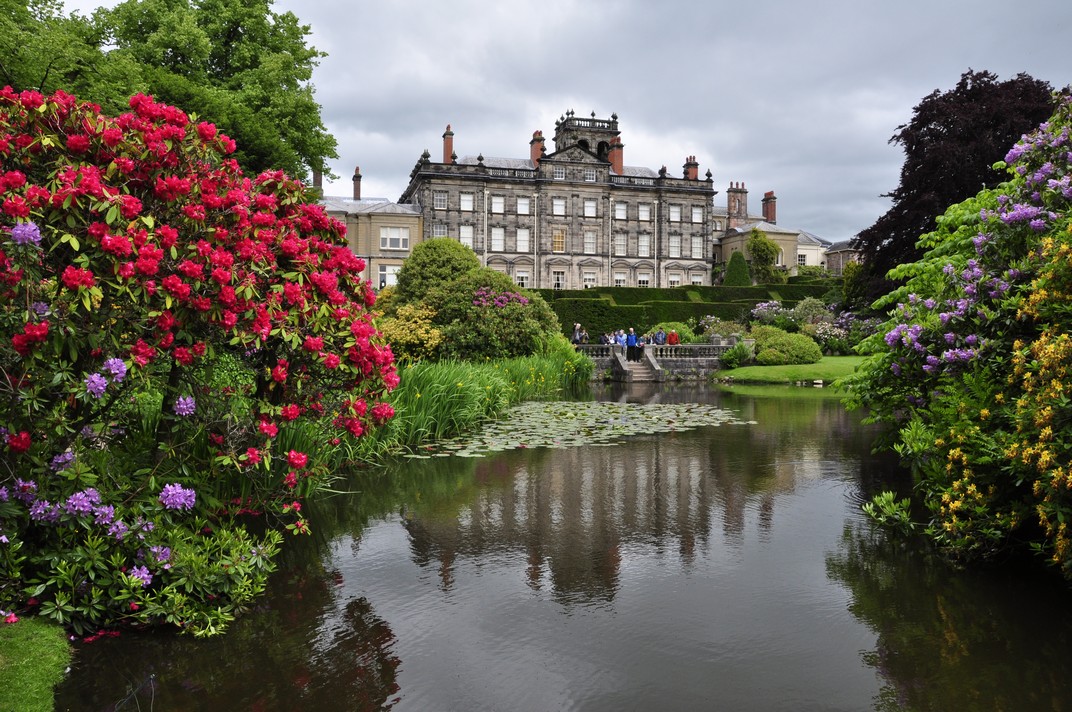
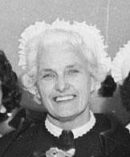 Every Christmas morning he would take photos of Santa visiting all the children on the wards at Biddulph Grange. Even after our family moved to Leek in 1956, Dad (accompanied by Mum) continued to visit Biddulph Grange at Christmas. I remember visiting on many occasions, and meeting the Matron (right), Miss Ruth Cleator.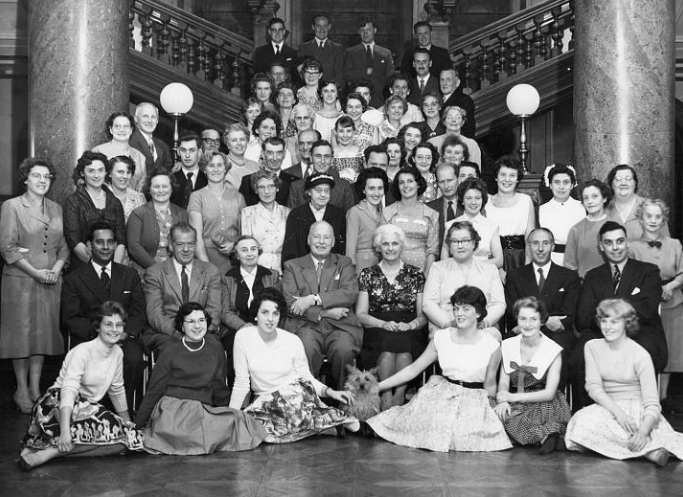
 James Bateman was a wealthy landowner (and lay preacher) who bought an old rectory at Biddulph (he moved there from nearby Knypersley Hall) in the 1840s, and set about expanding it to the house we see today. Bateman and his wife were passionate gardeners. He was a keen horticulturalist, and collector of plants from around the world.


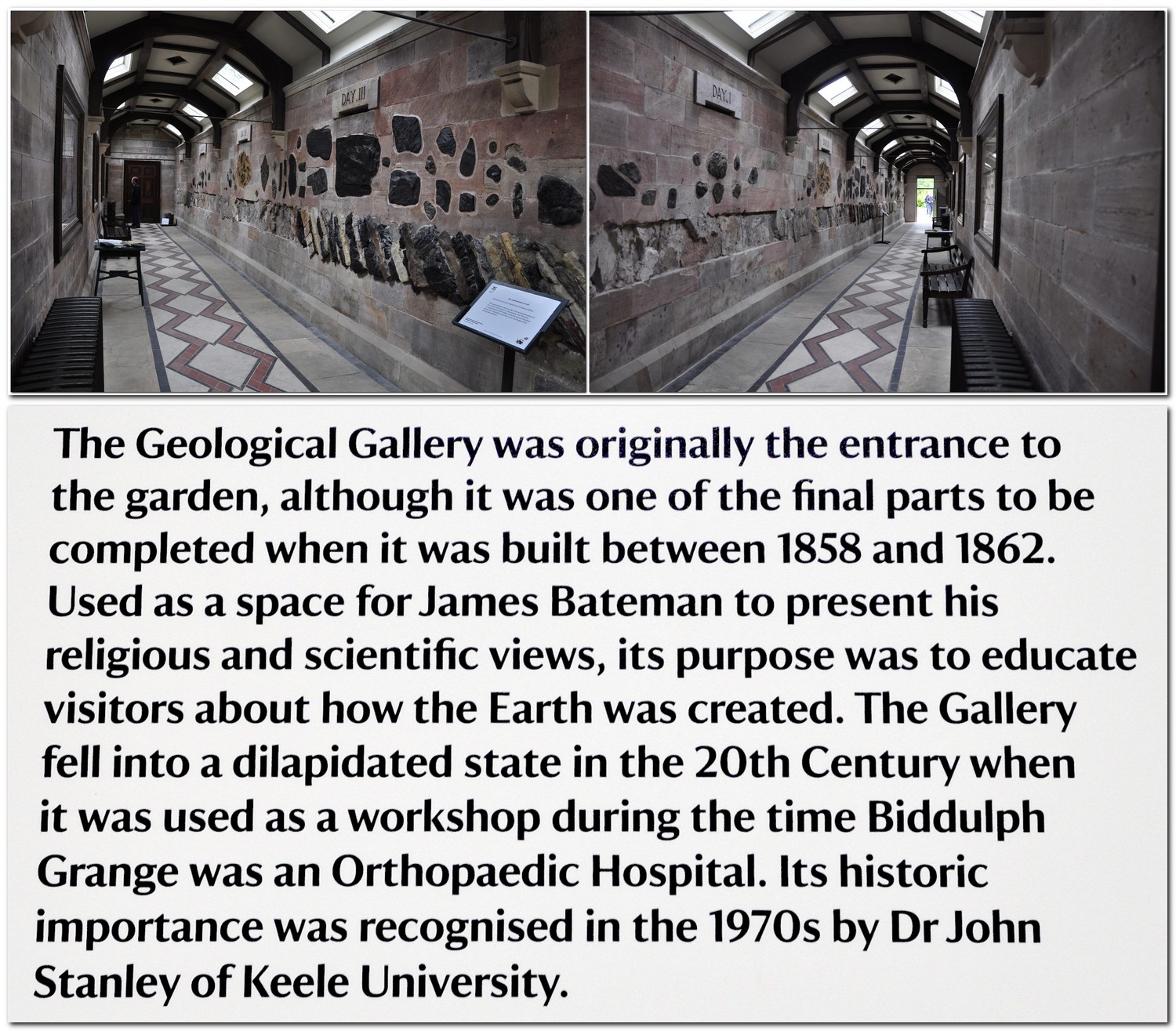
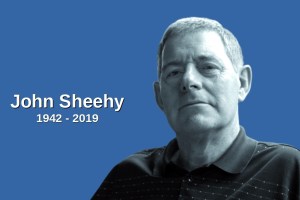 Yesterday, I received the sad news that my dear friend and former colleague at the
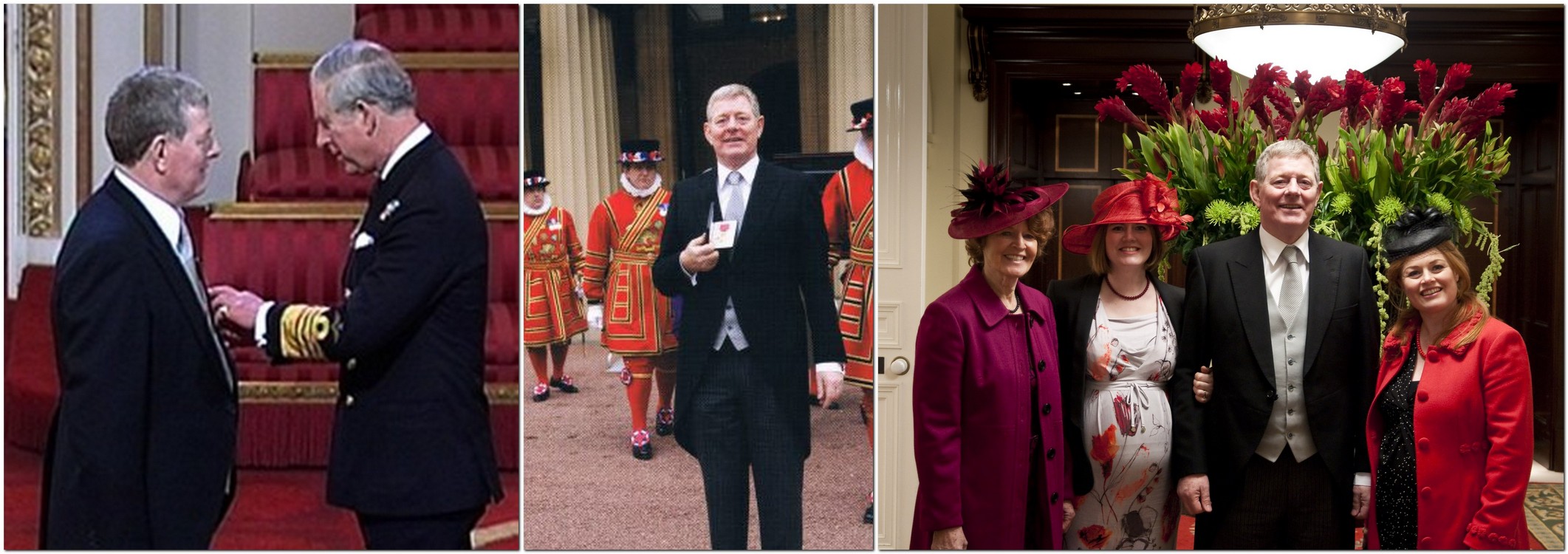
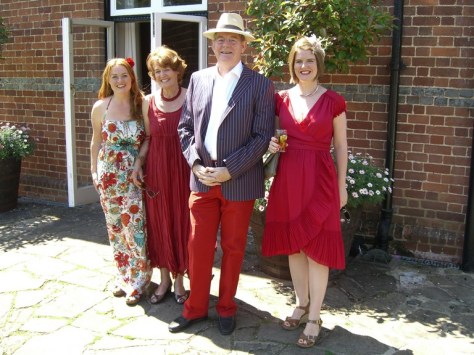
 While at IRRI, John had taken enthusiastically to golf, and could be seen almost every weekend out on the golf course south of Los Baños where he had become a member. On his retirement to the UK, he was unfortunately unable to continue with this passion, due to bouts of poor health.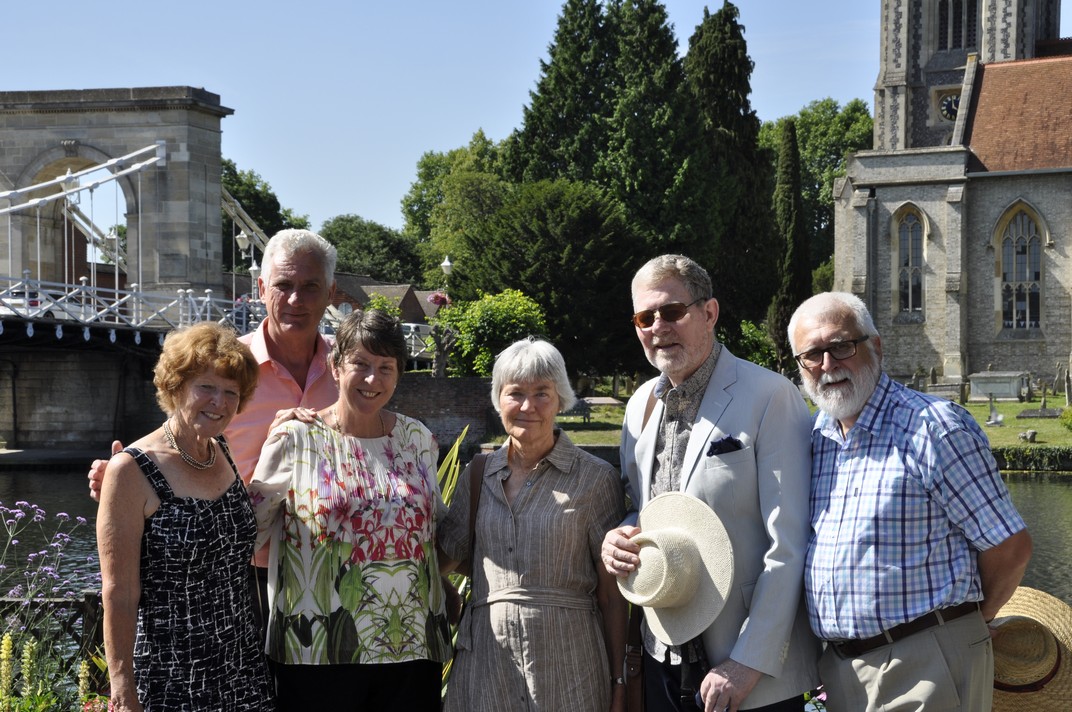

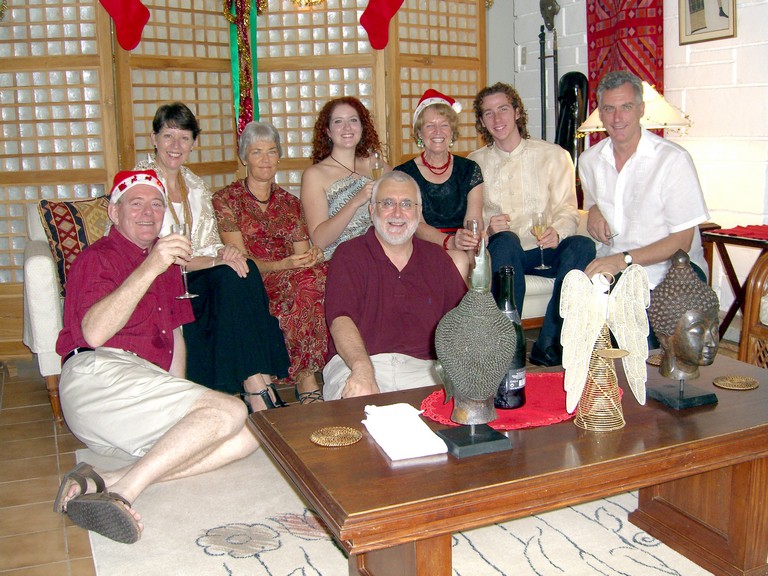

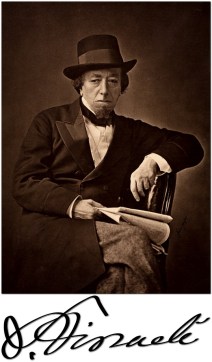 The more I write this blog, the more apt this quotation from Victorian Prime Minister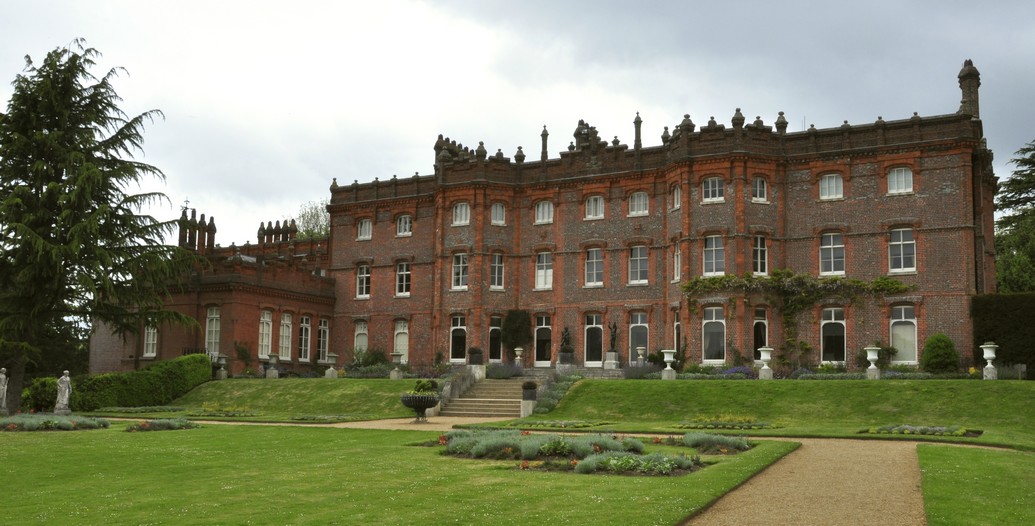
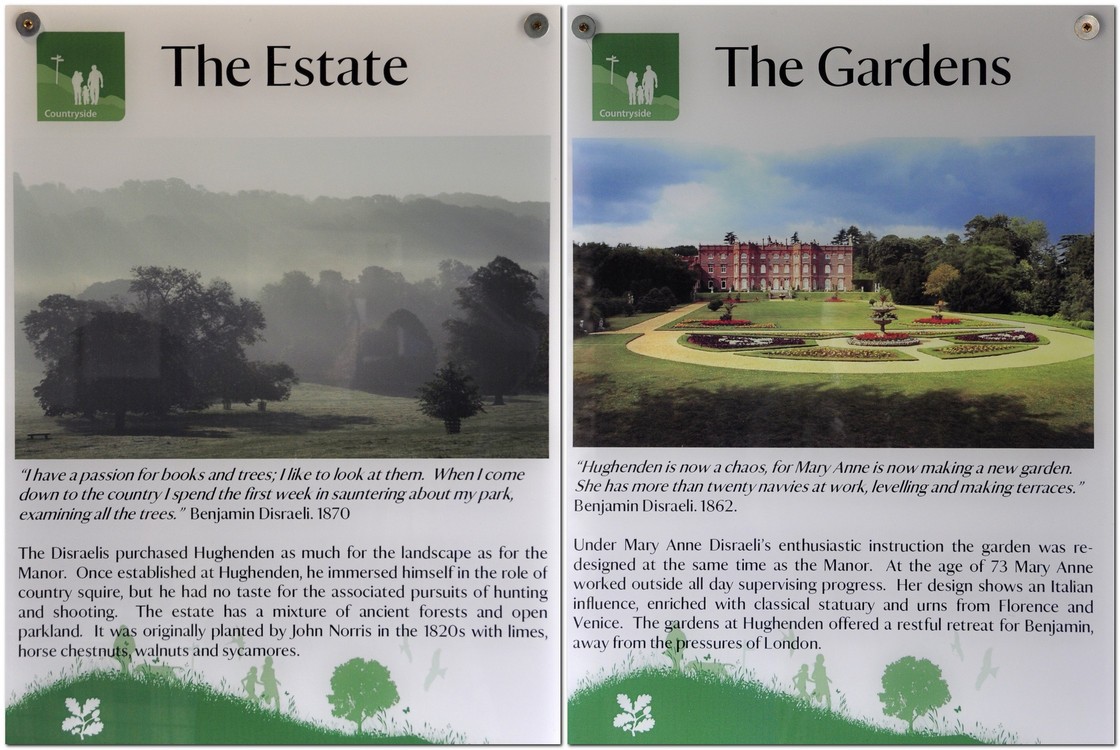
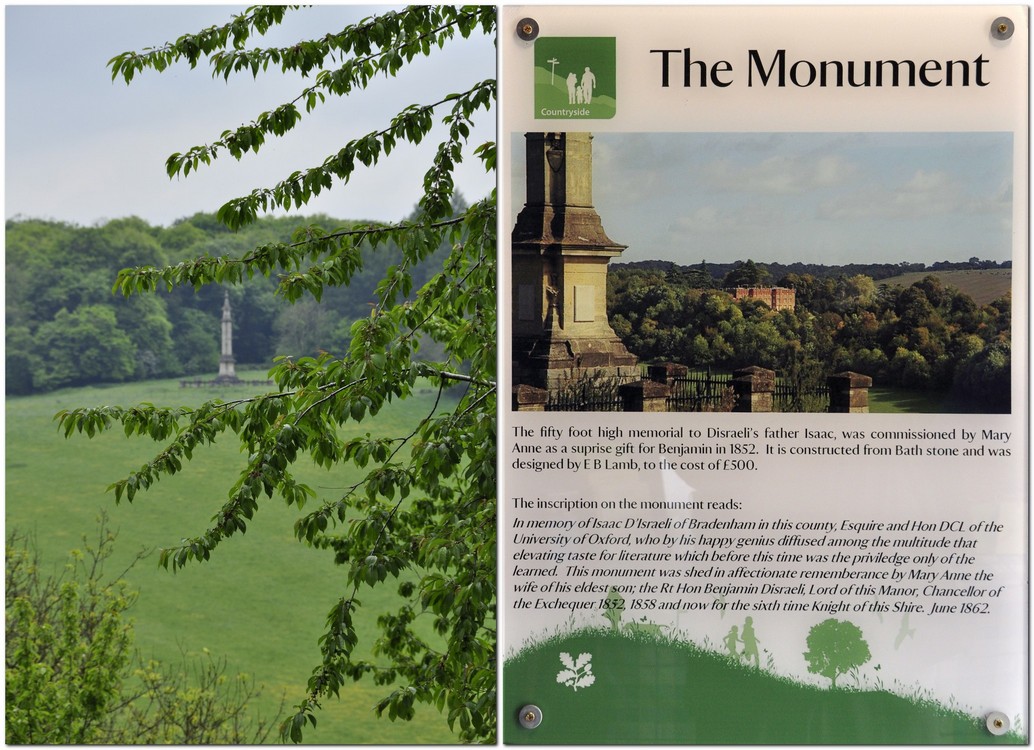
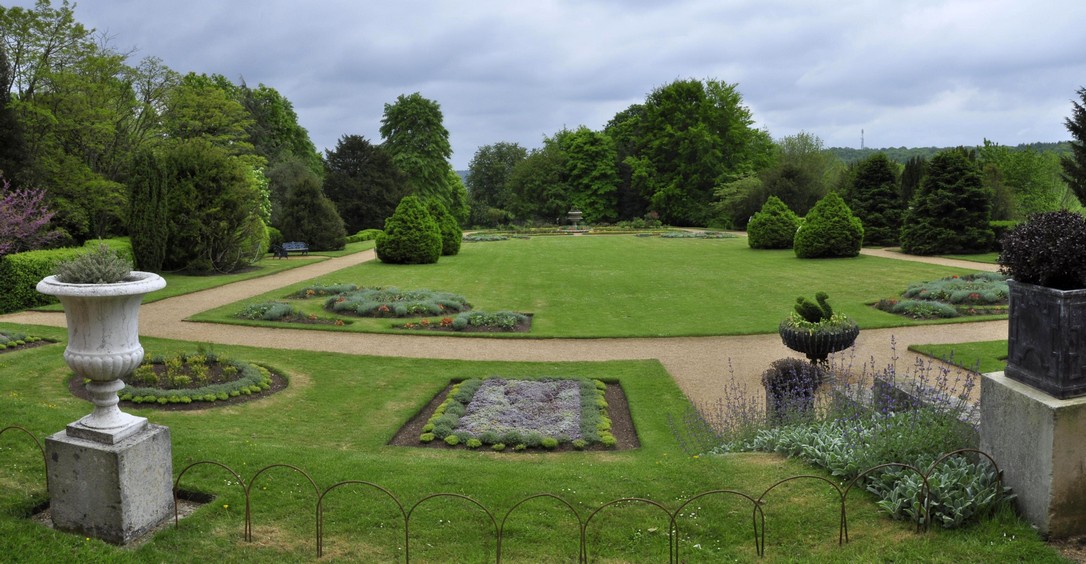
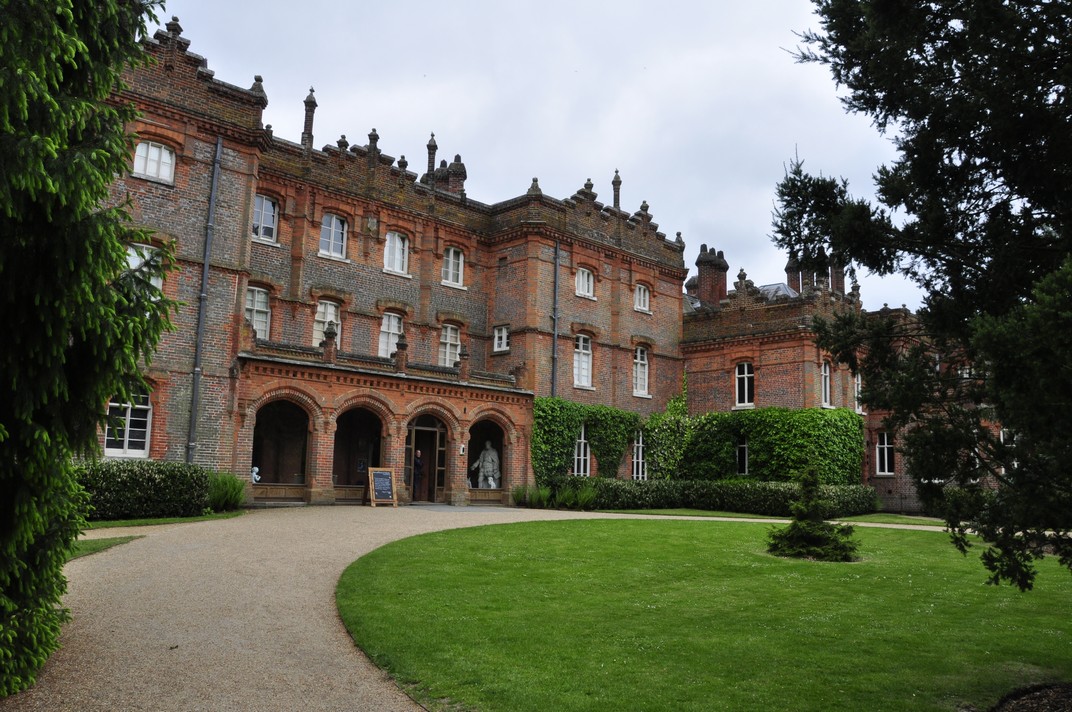
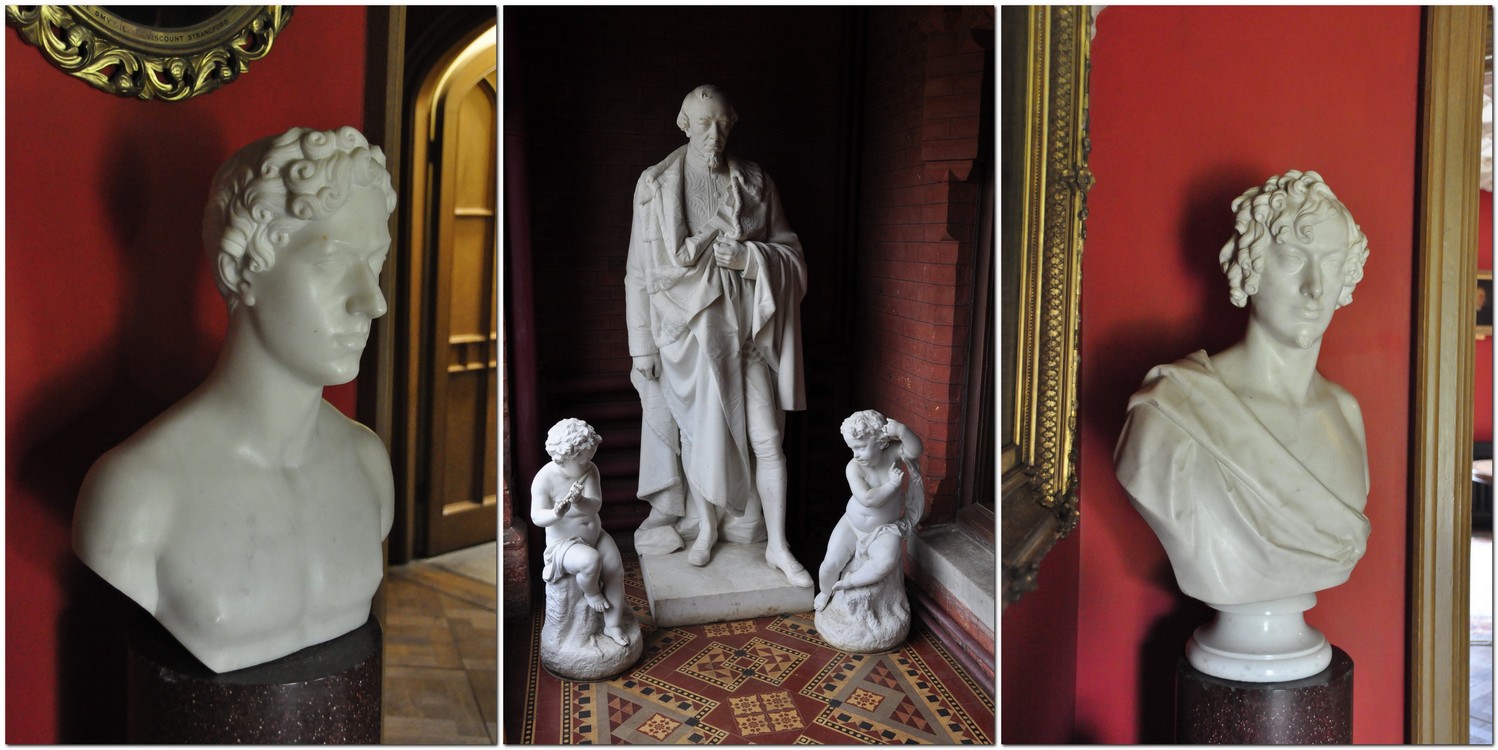
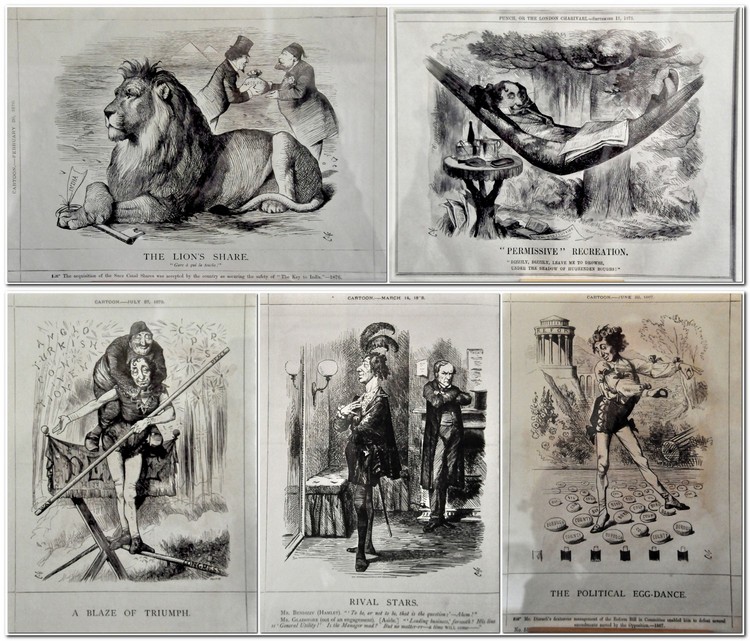
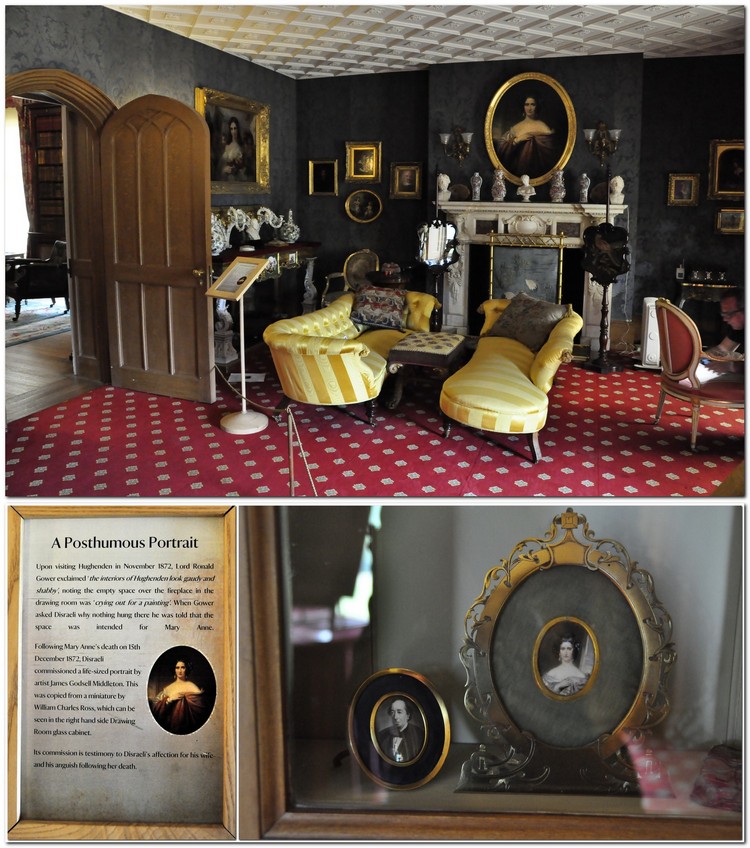
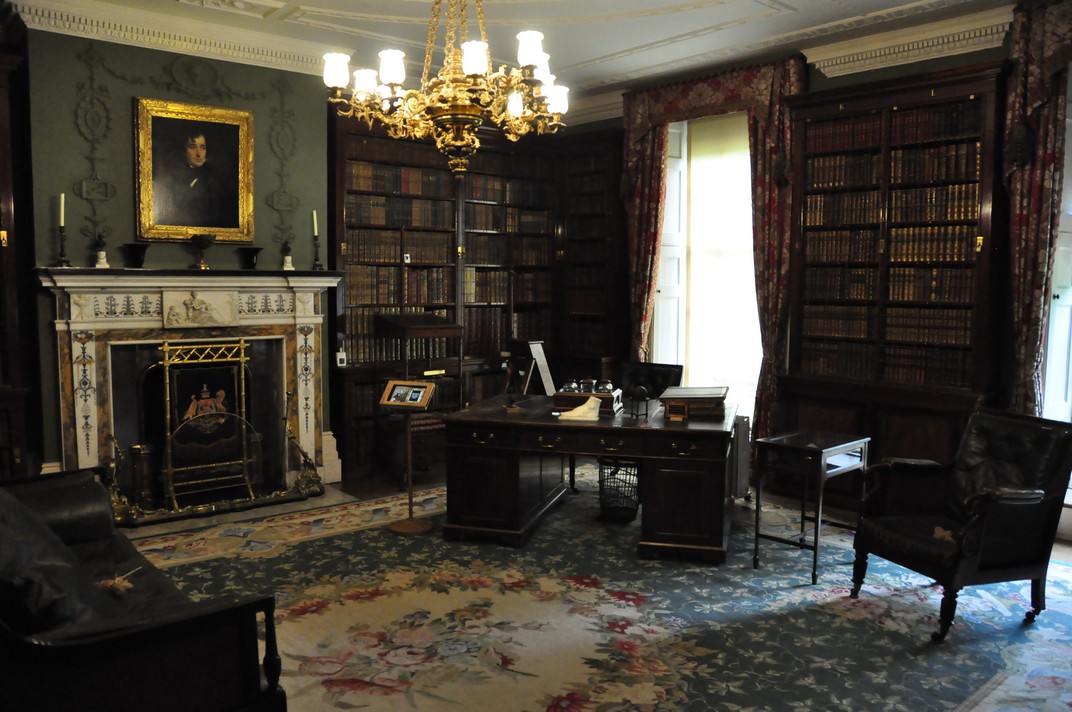
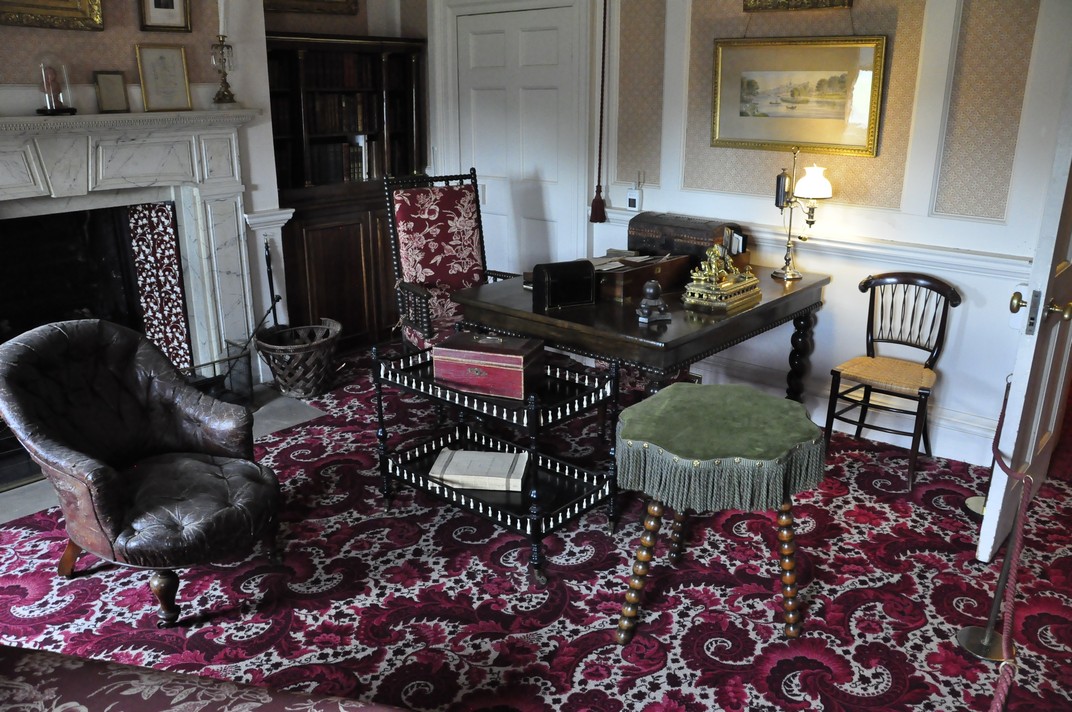
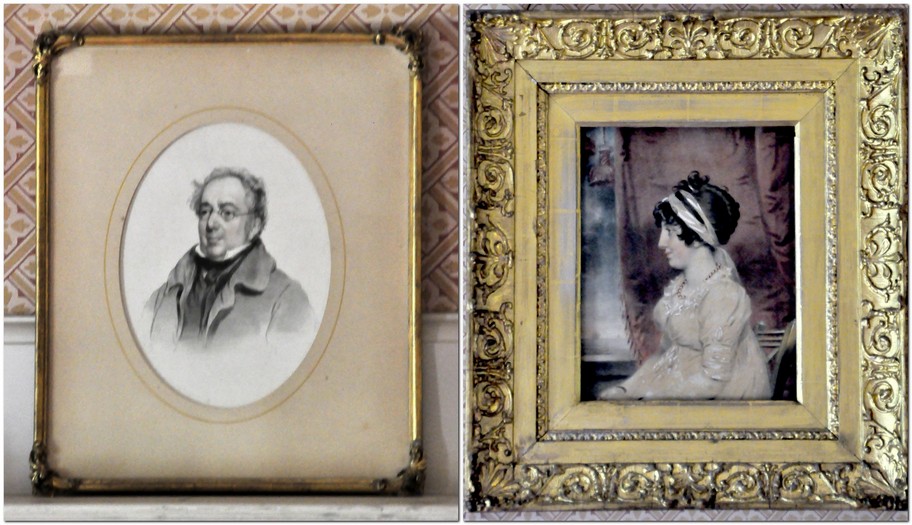
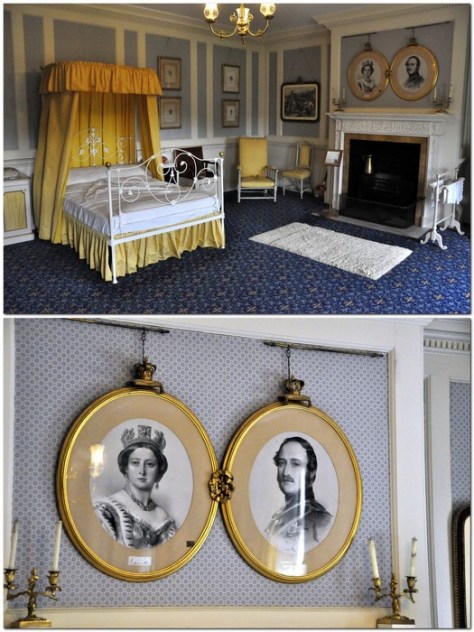
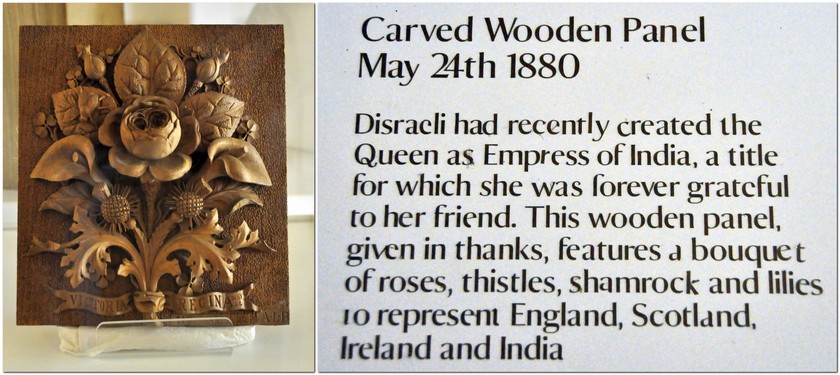
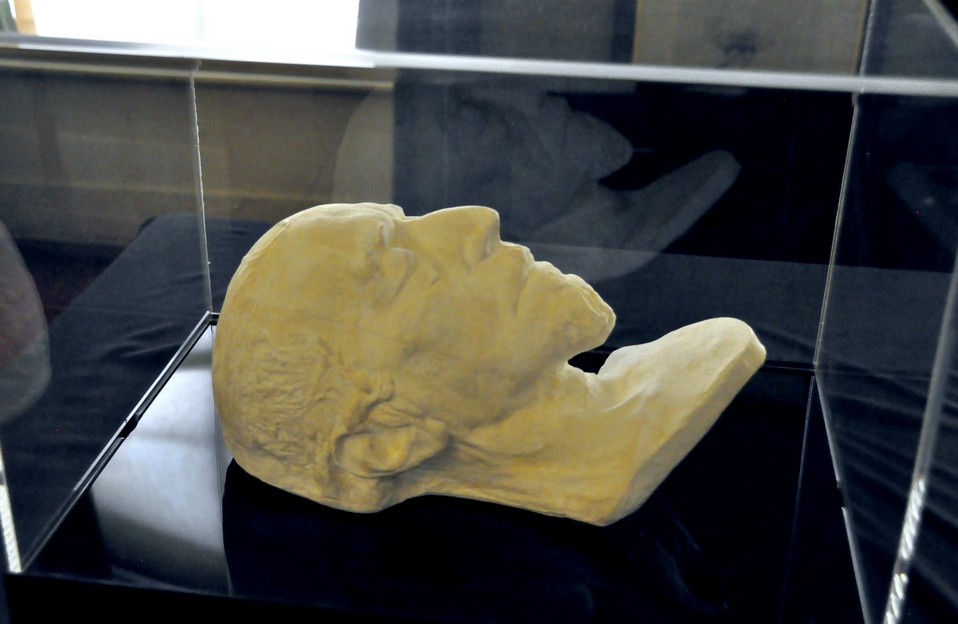
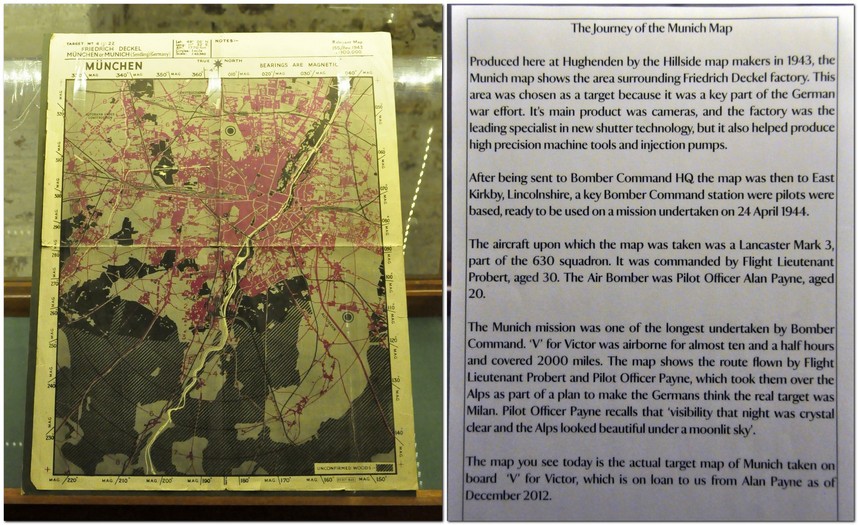
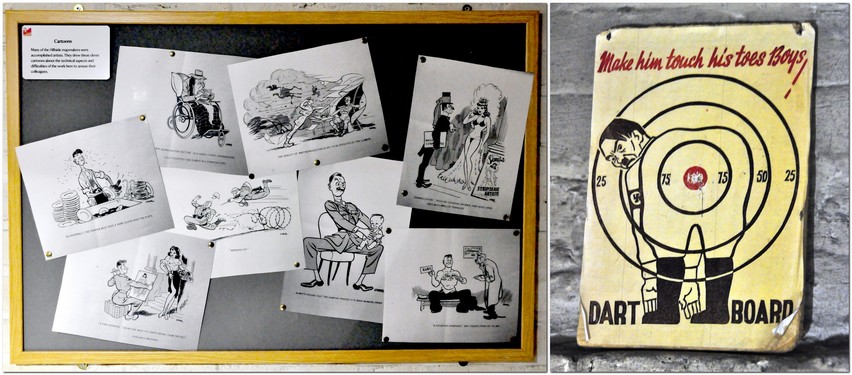
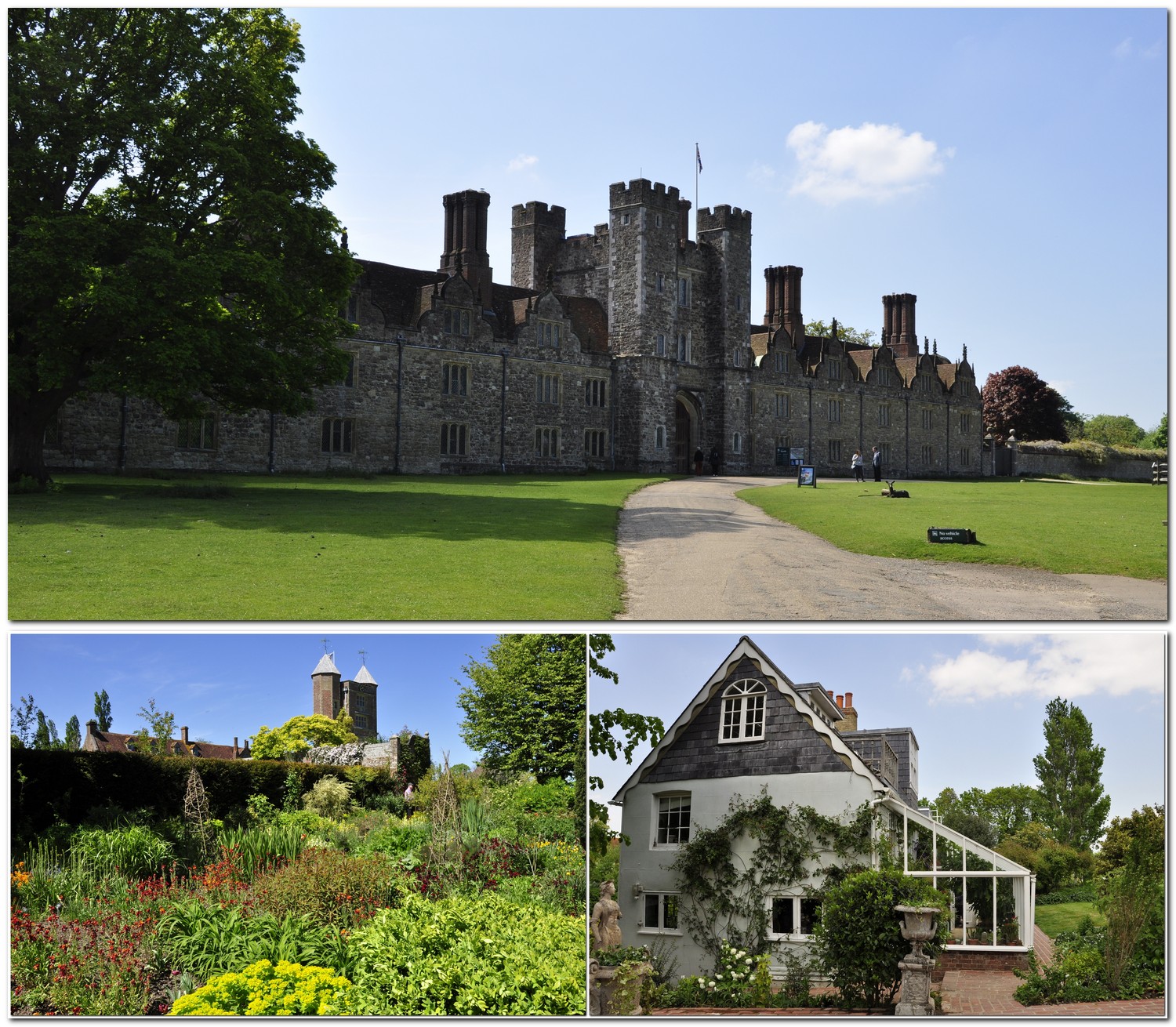

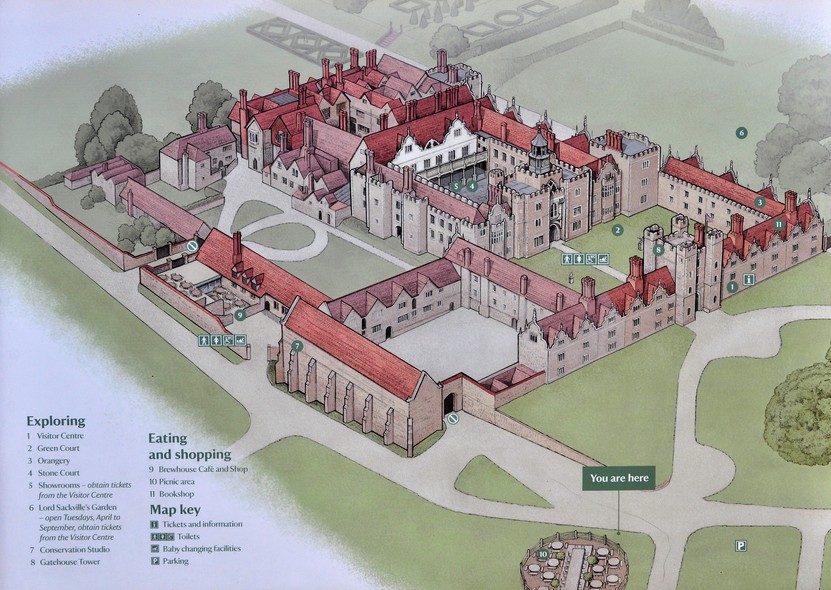


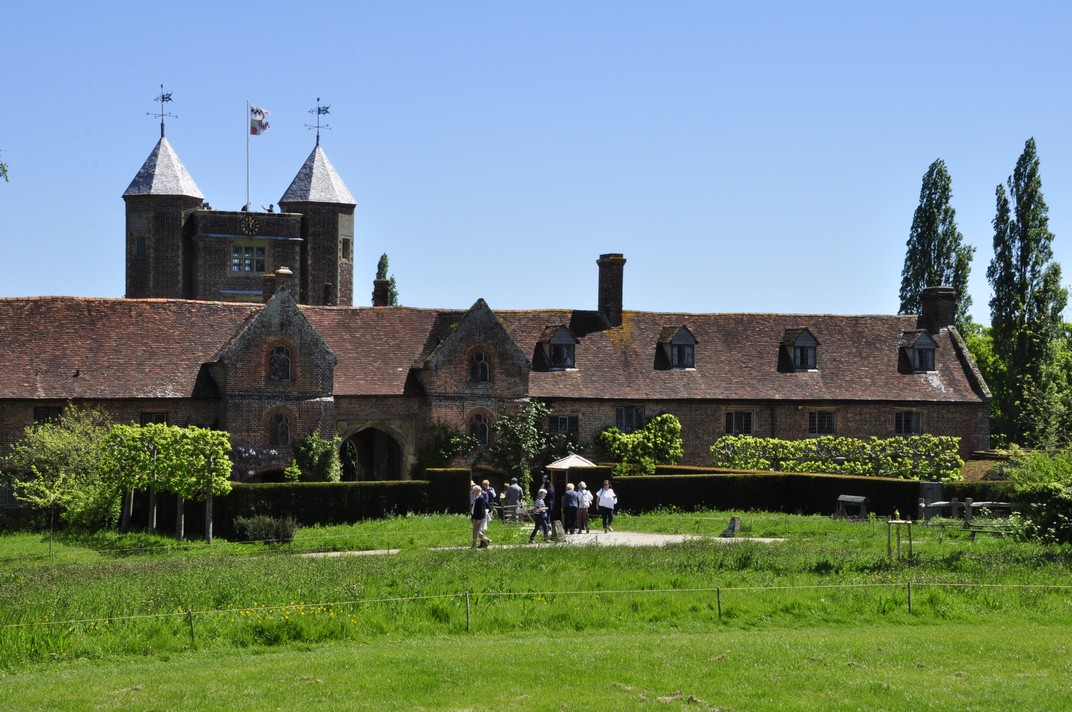


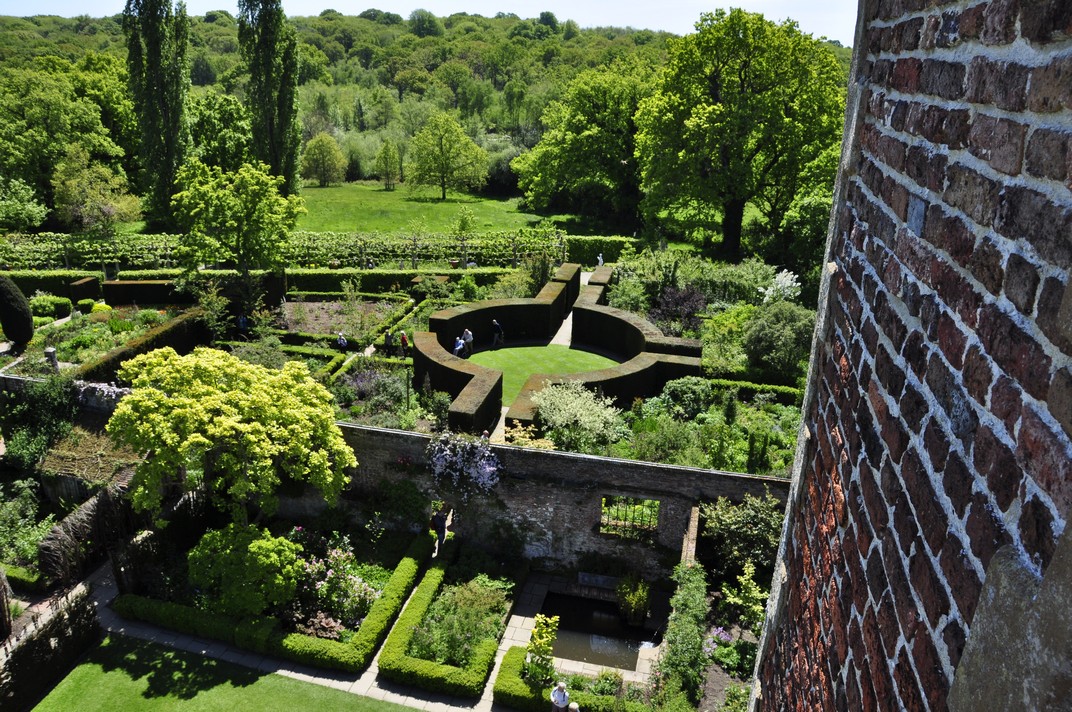


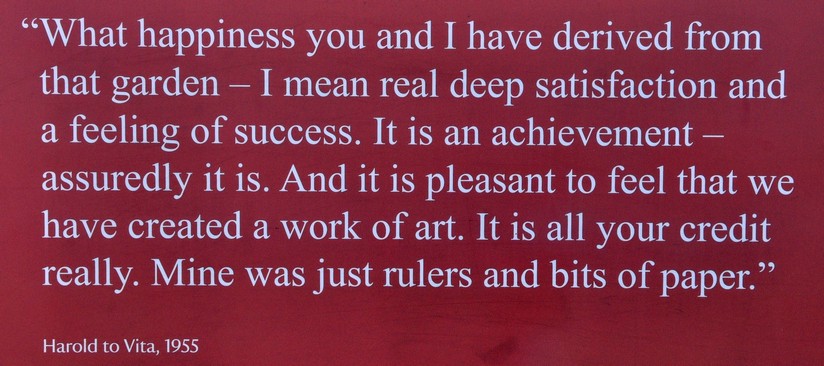


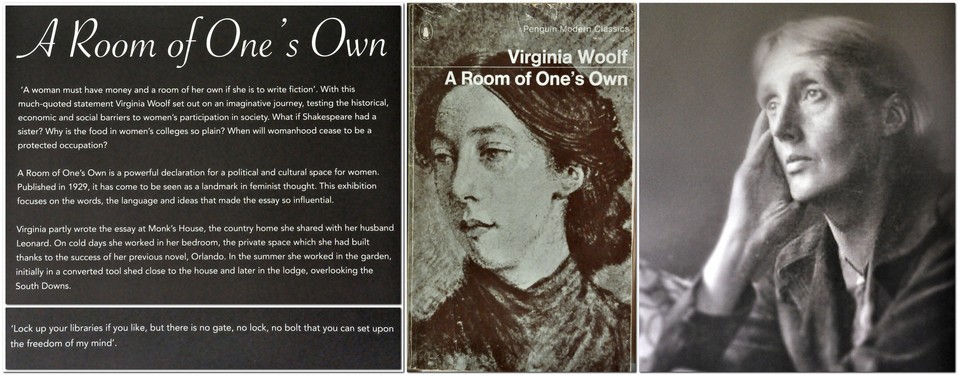


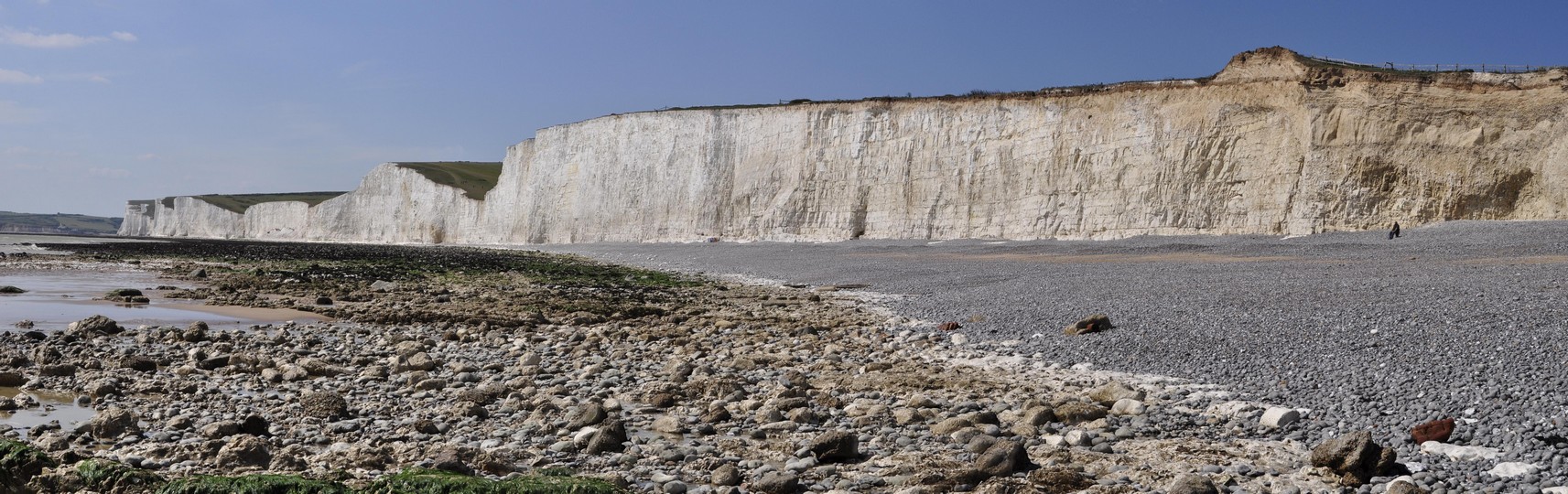


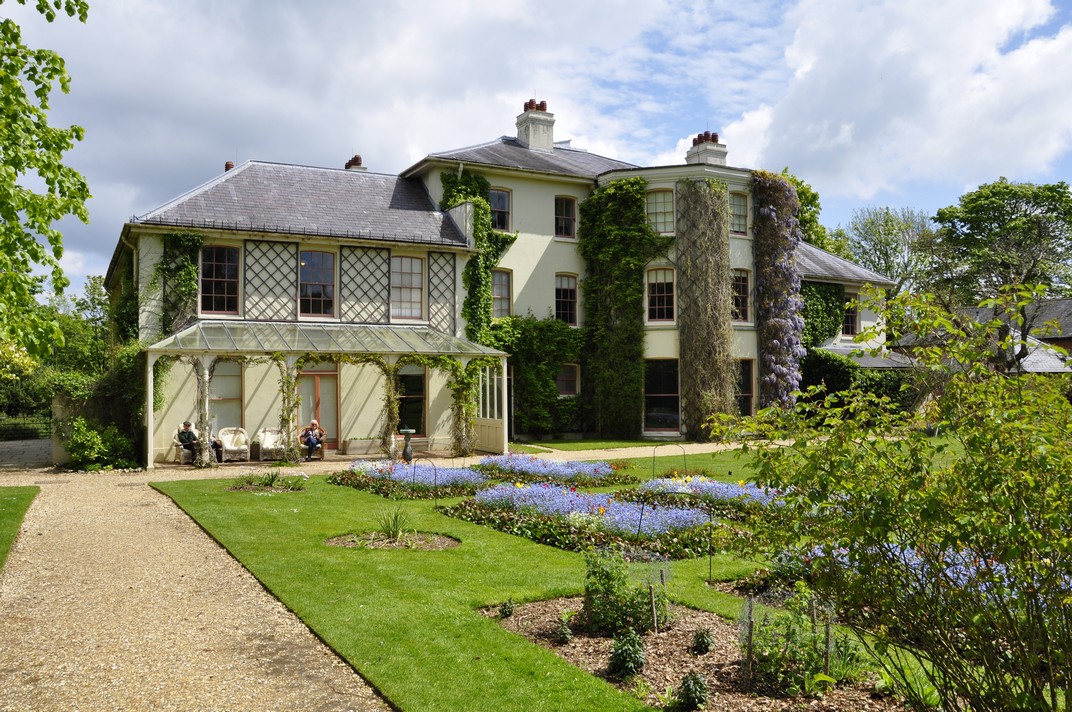
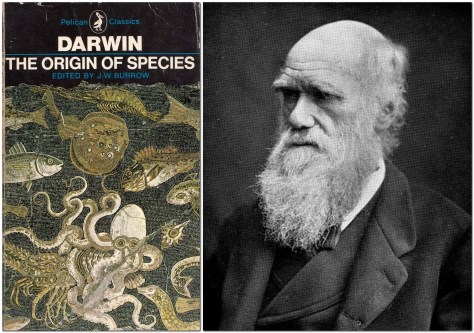
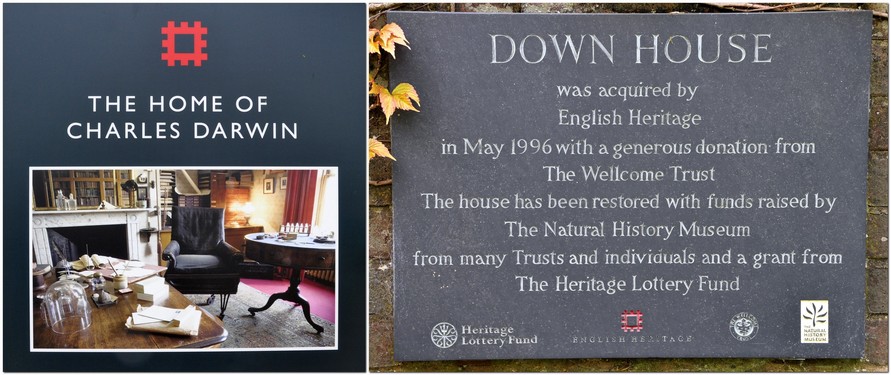


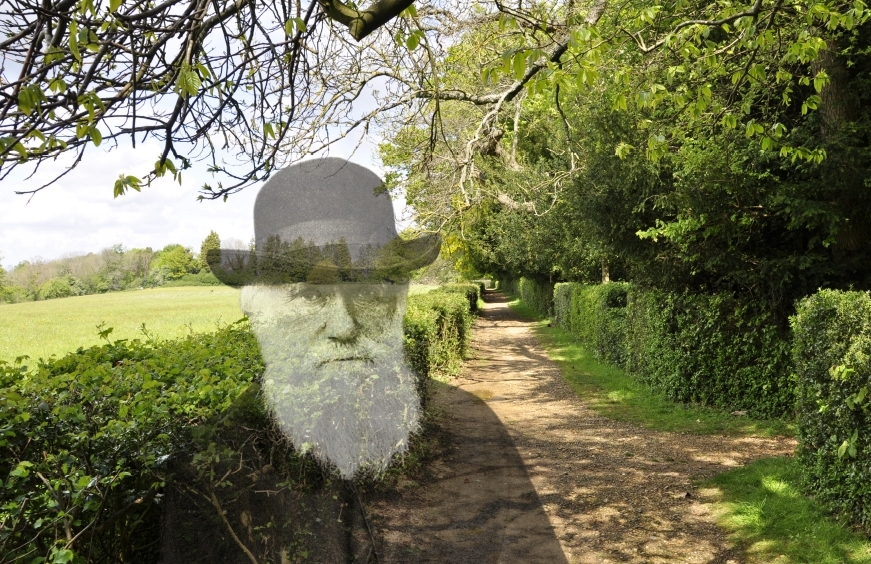
 So wrote Rudyard Kipling in his 1911 poem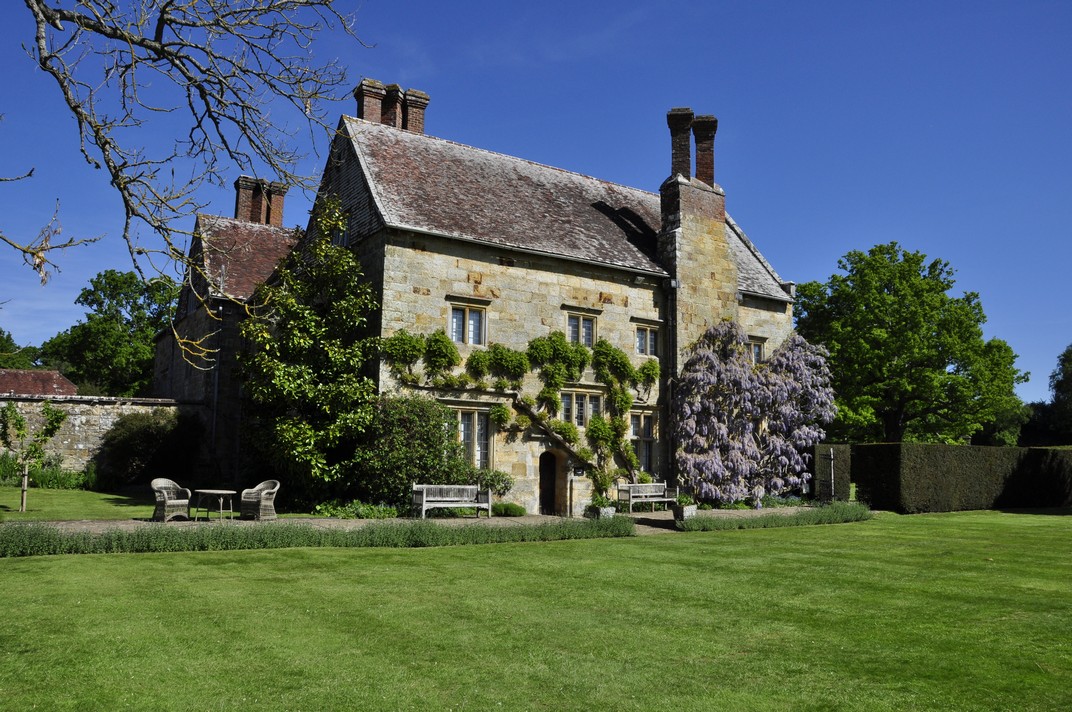
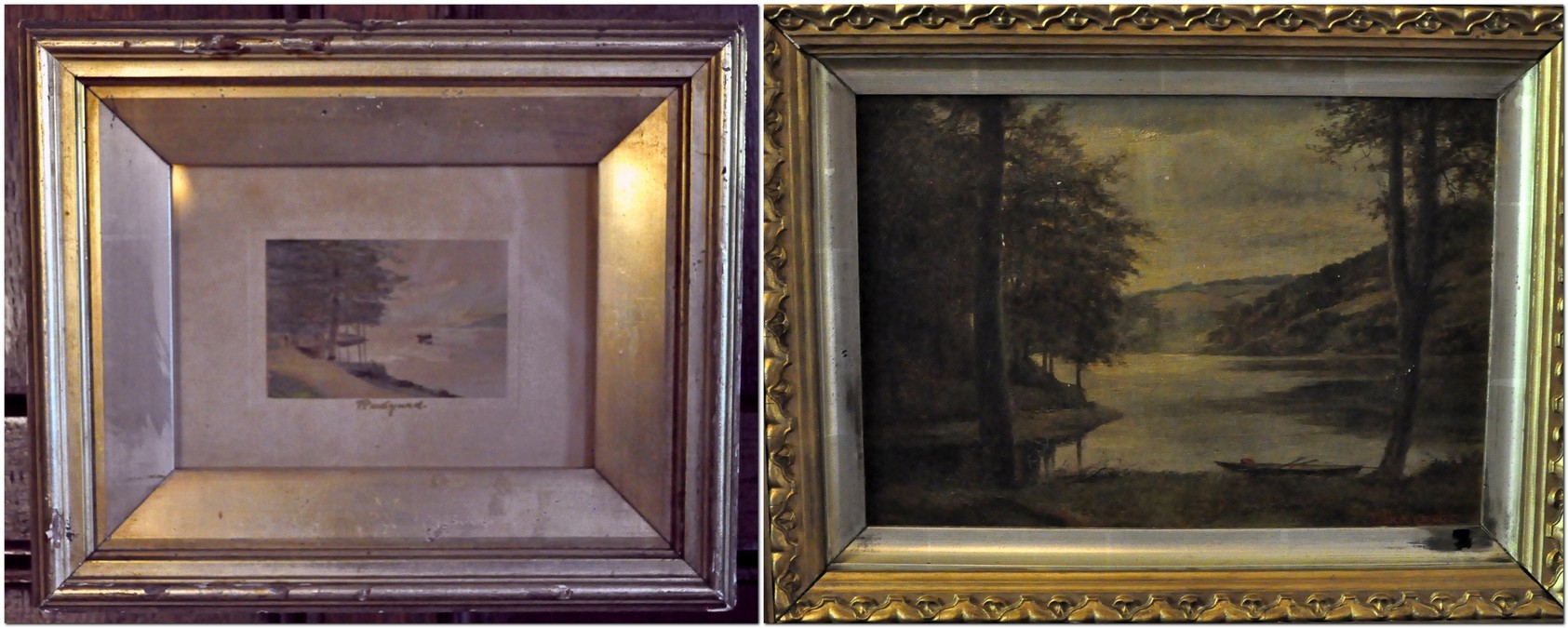


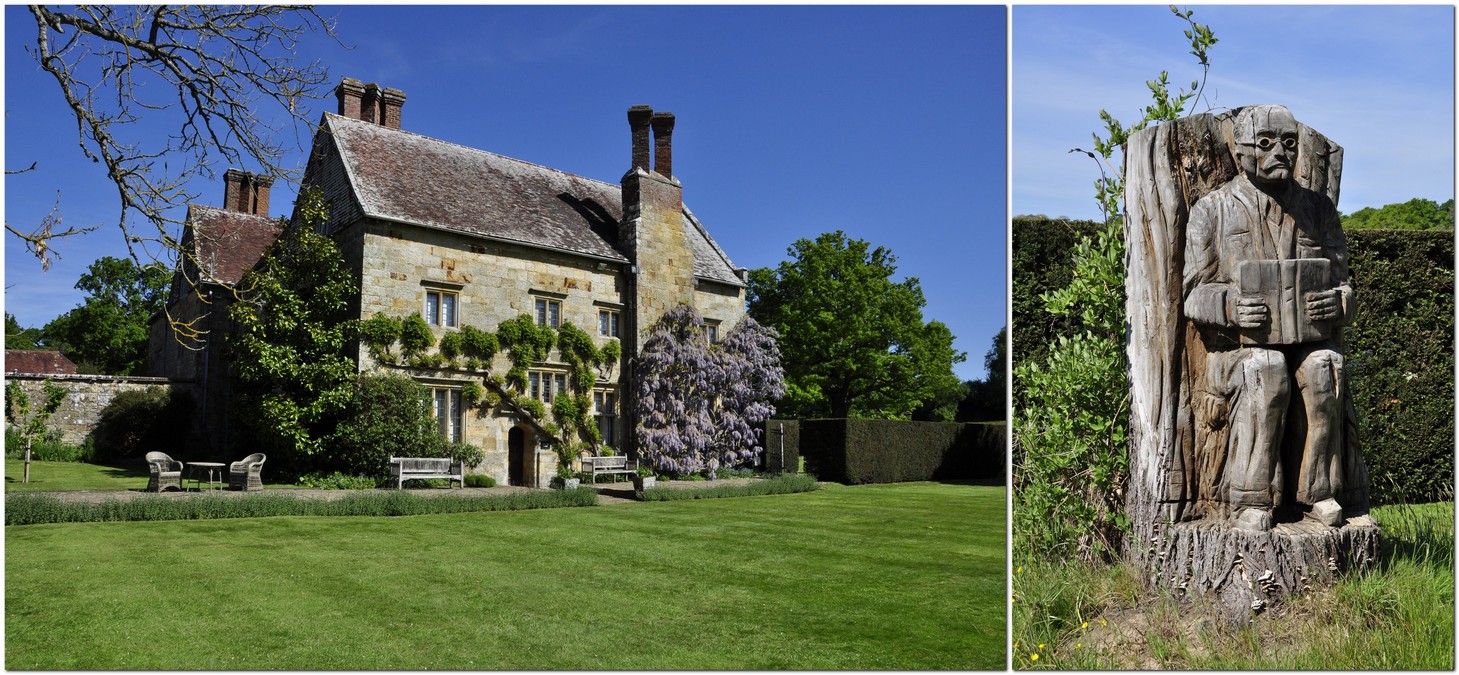


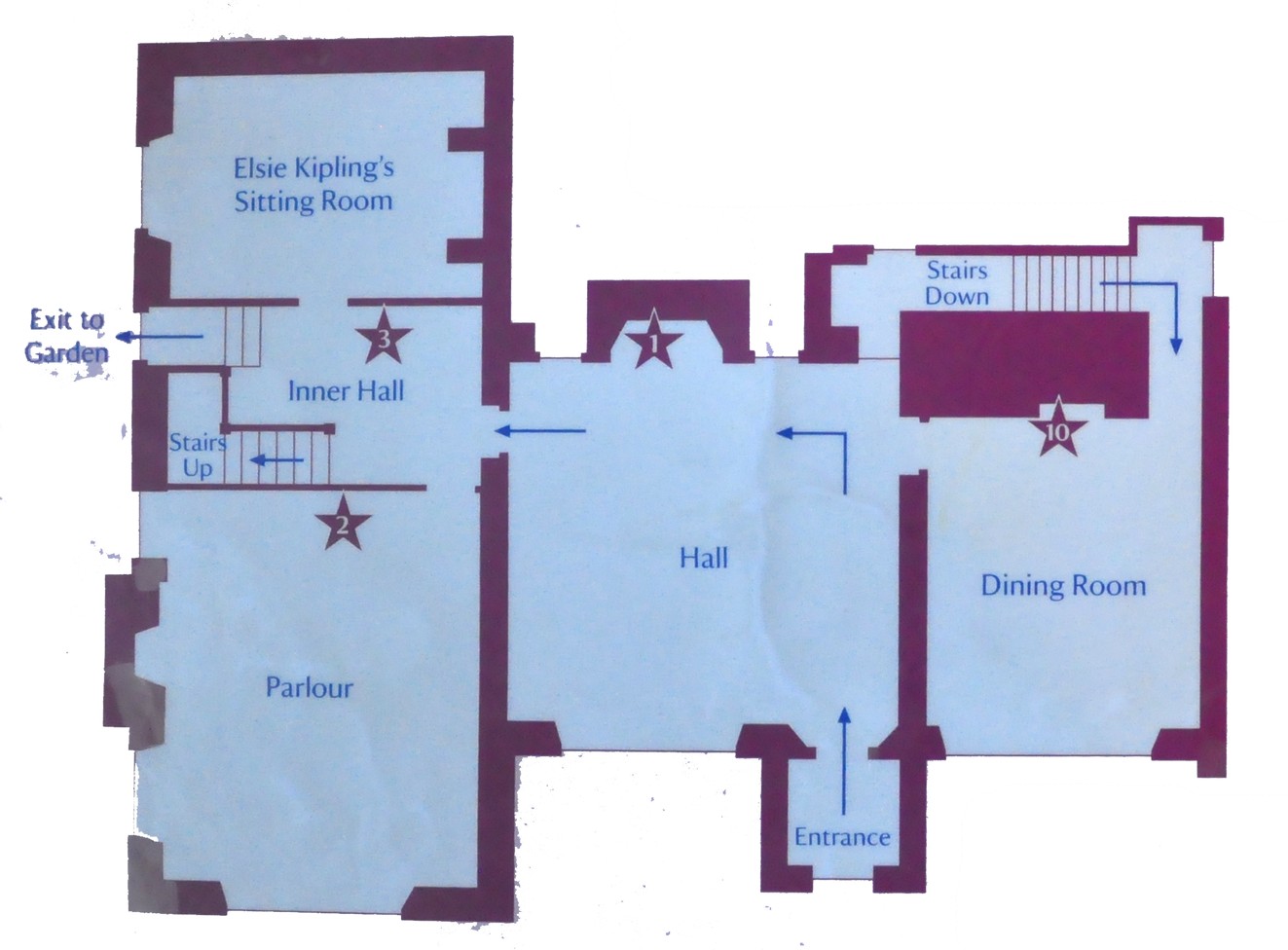


 On the upper floor, the main rooms are Kipling’s study, and John’s bedroom. Another room is full of Kipling memorabilia, including his Nobel Prize citation.
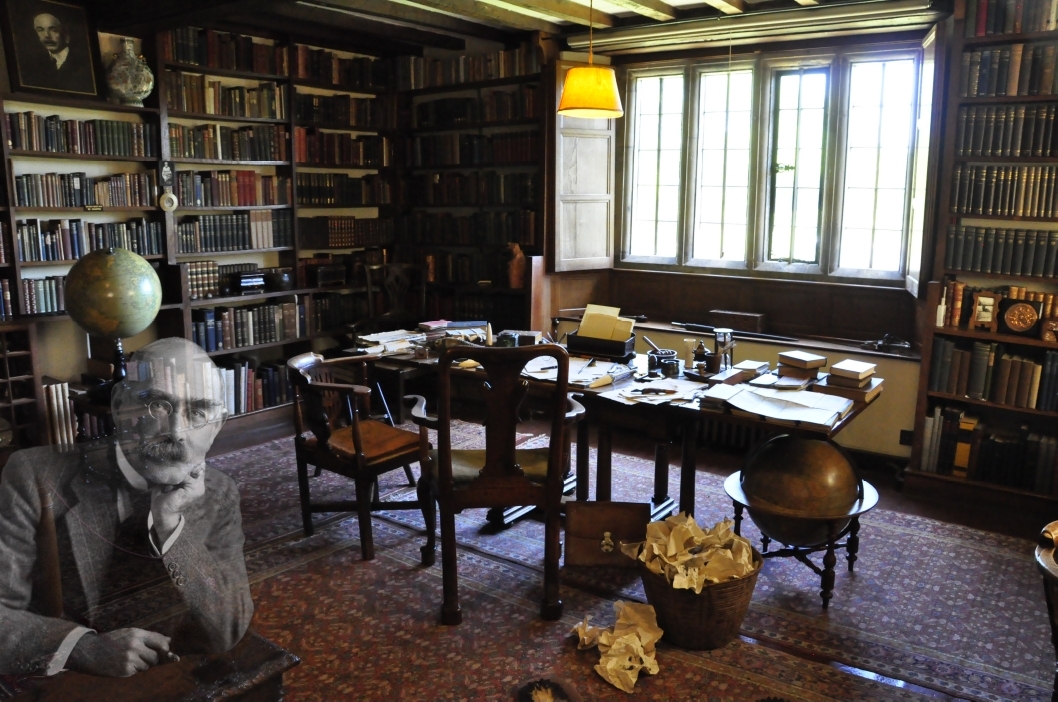

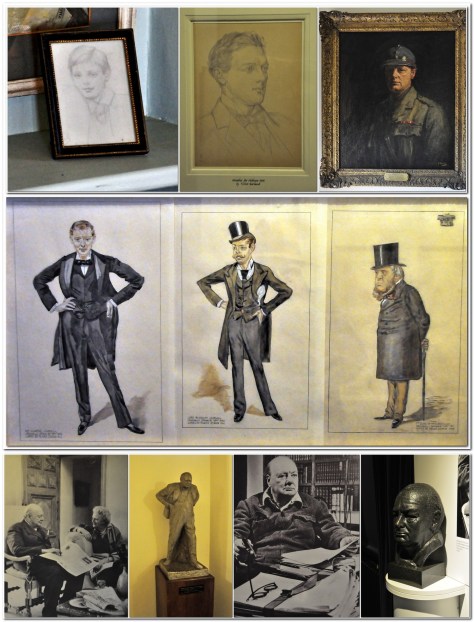
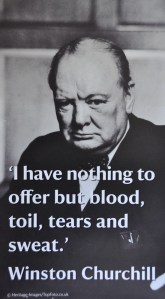 At Chartwell, that history becomes tangible. So many personal possessions, awards, and other memorabilia fill the house. There’s a real sense of connection with the great man.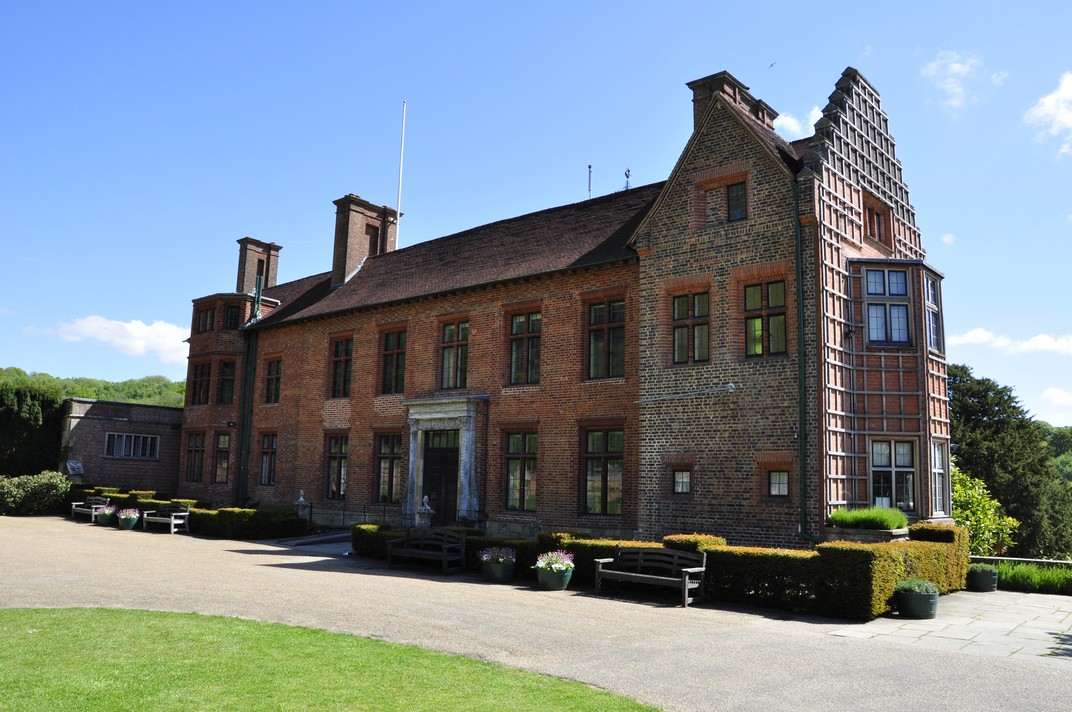


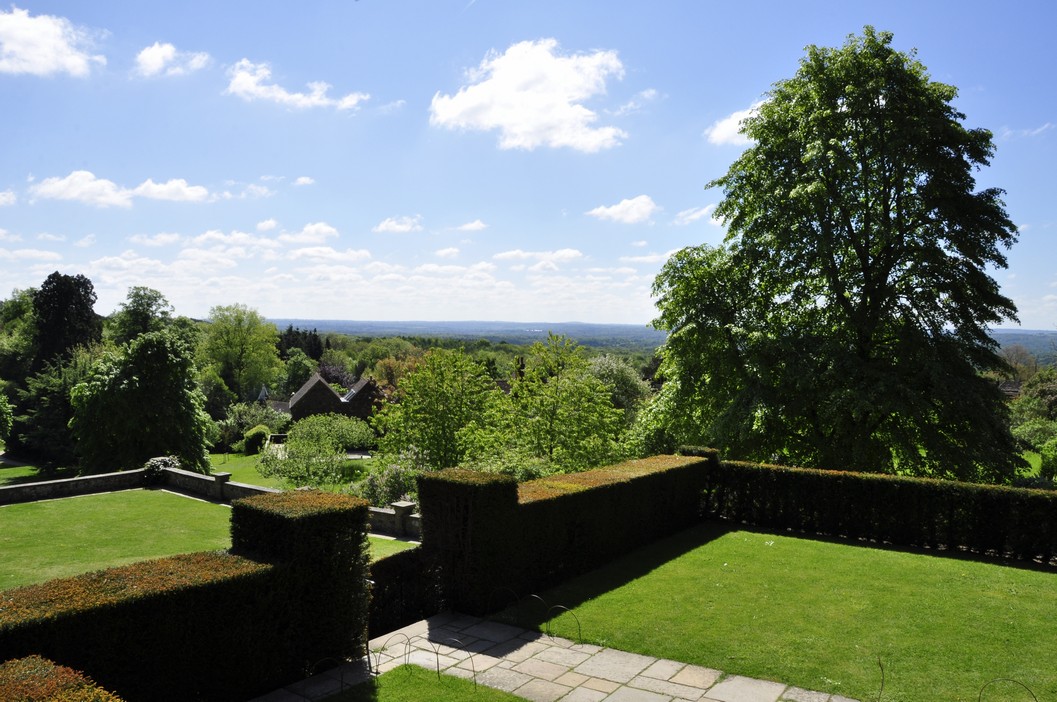


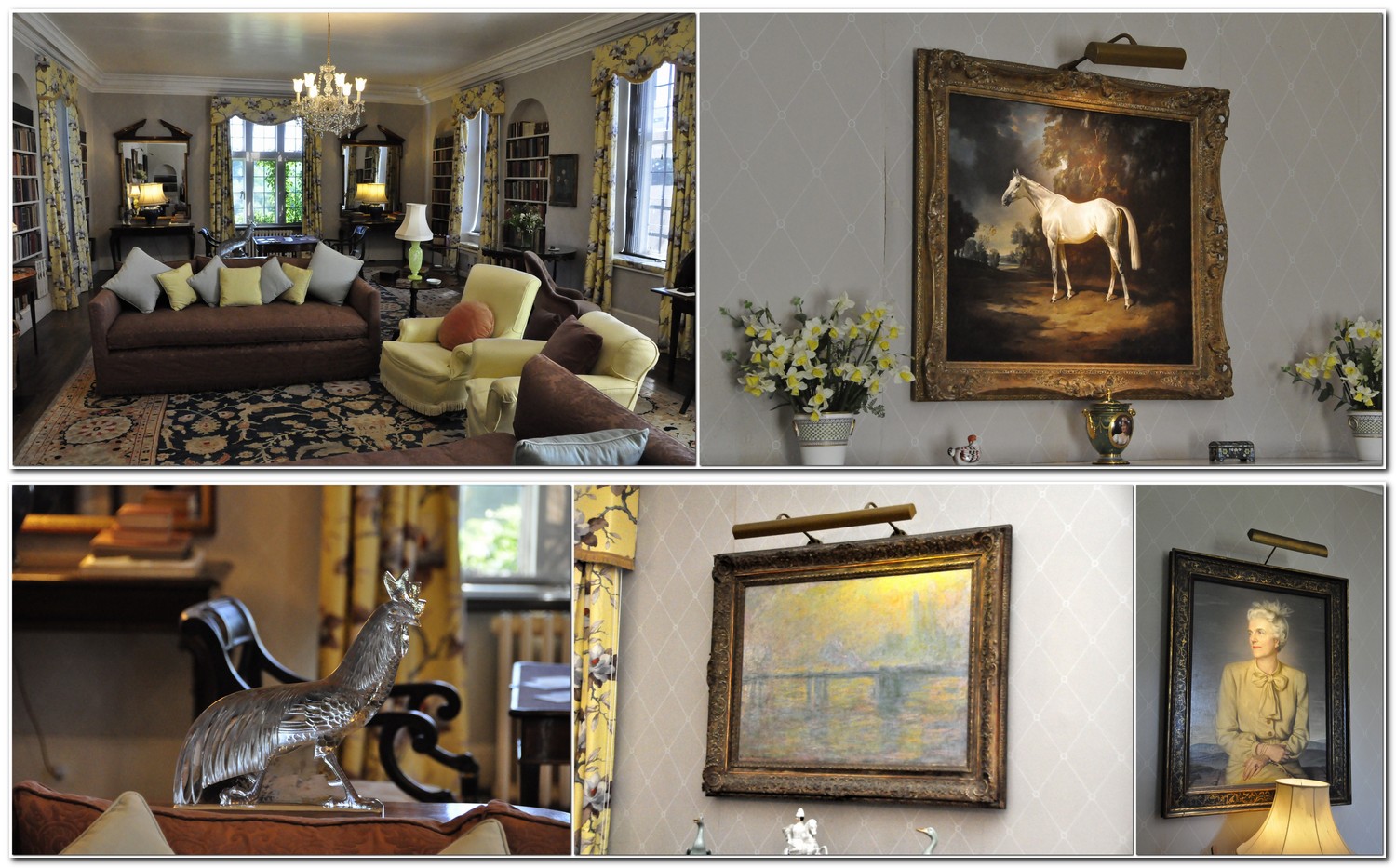
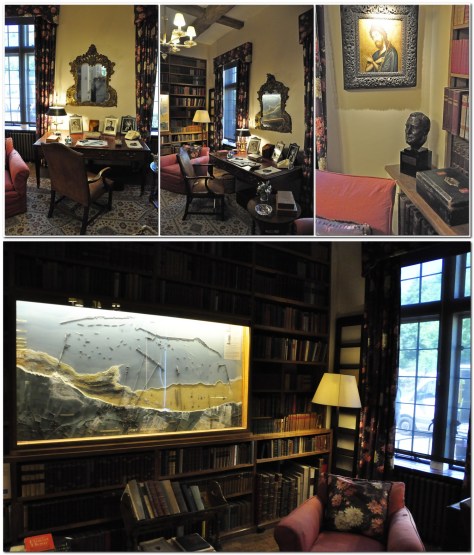
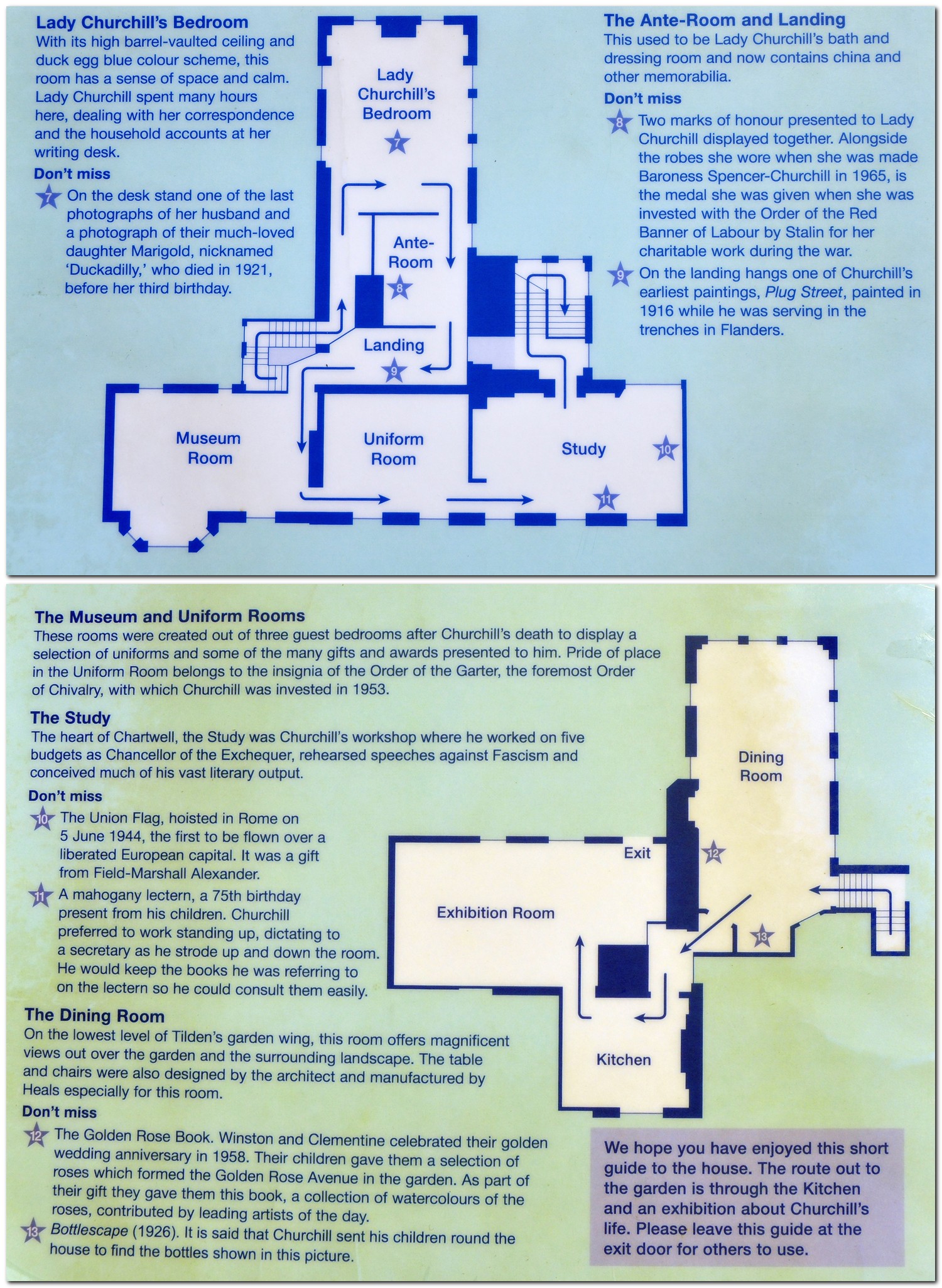
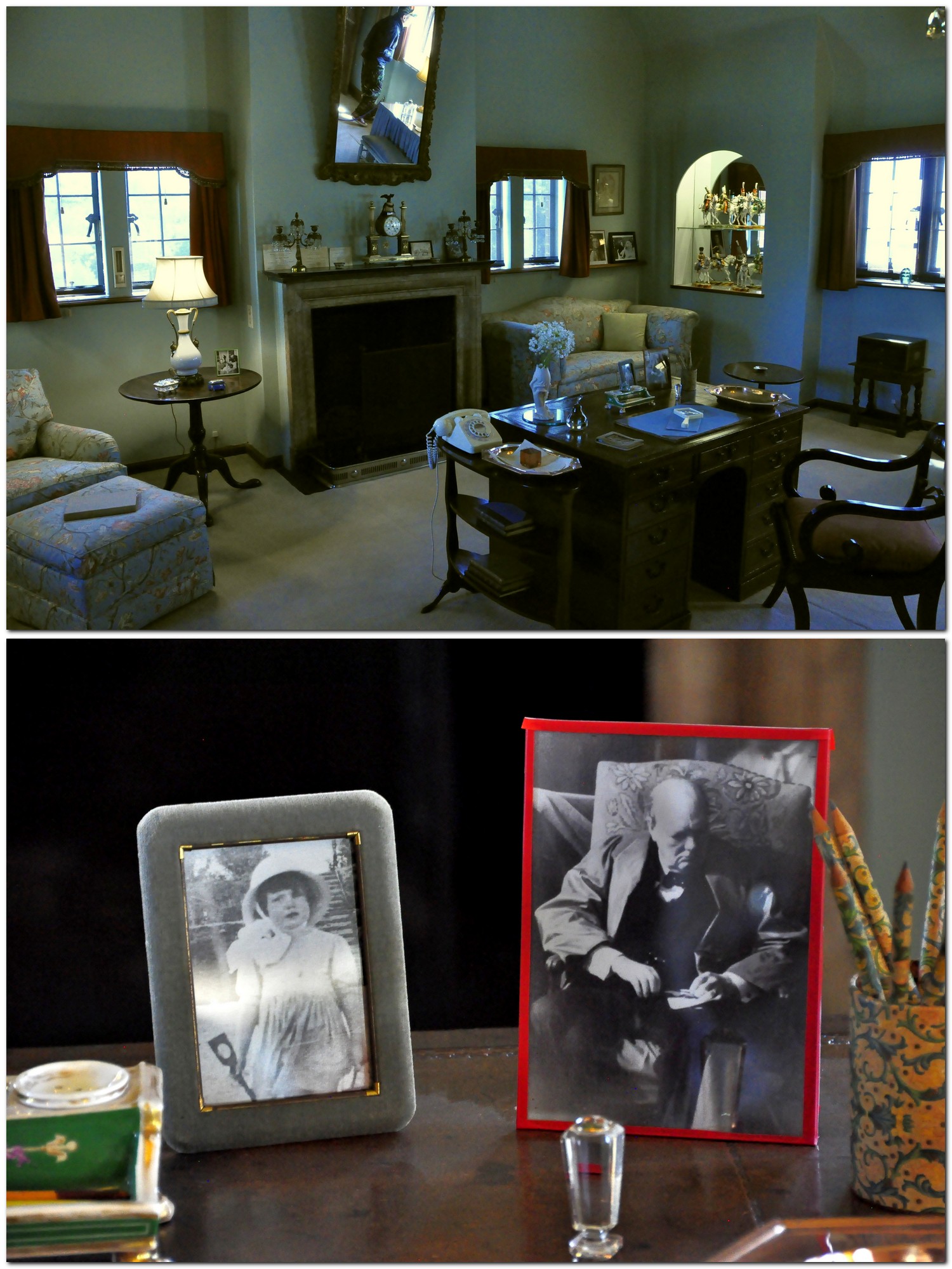

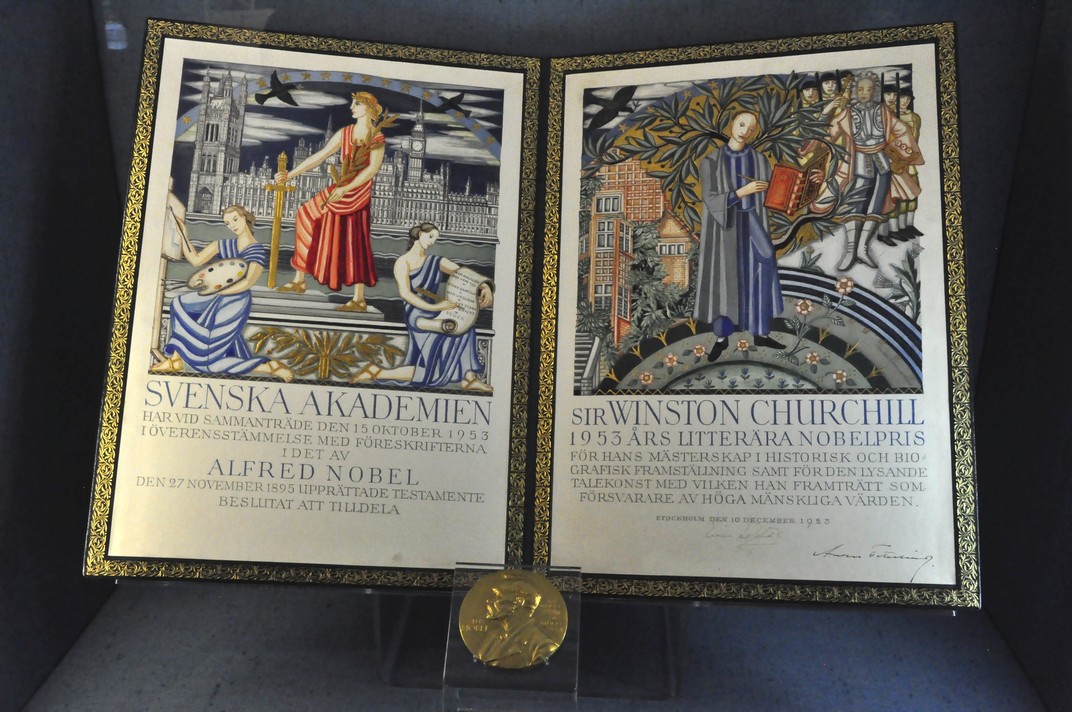
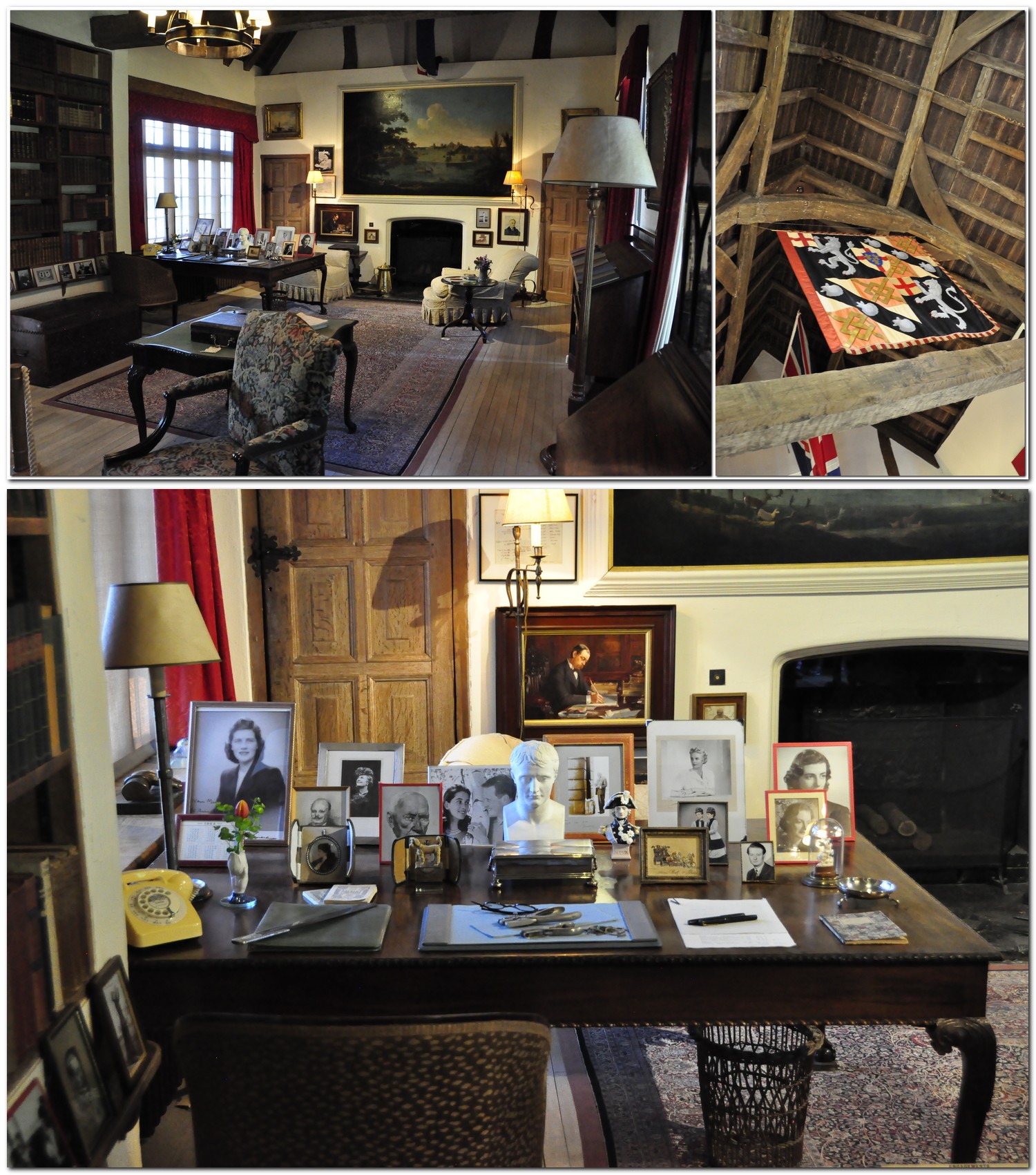
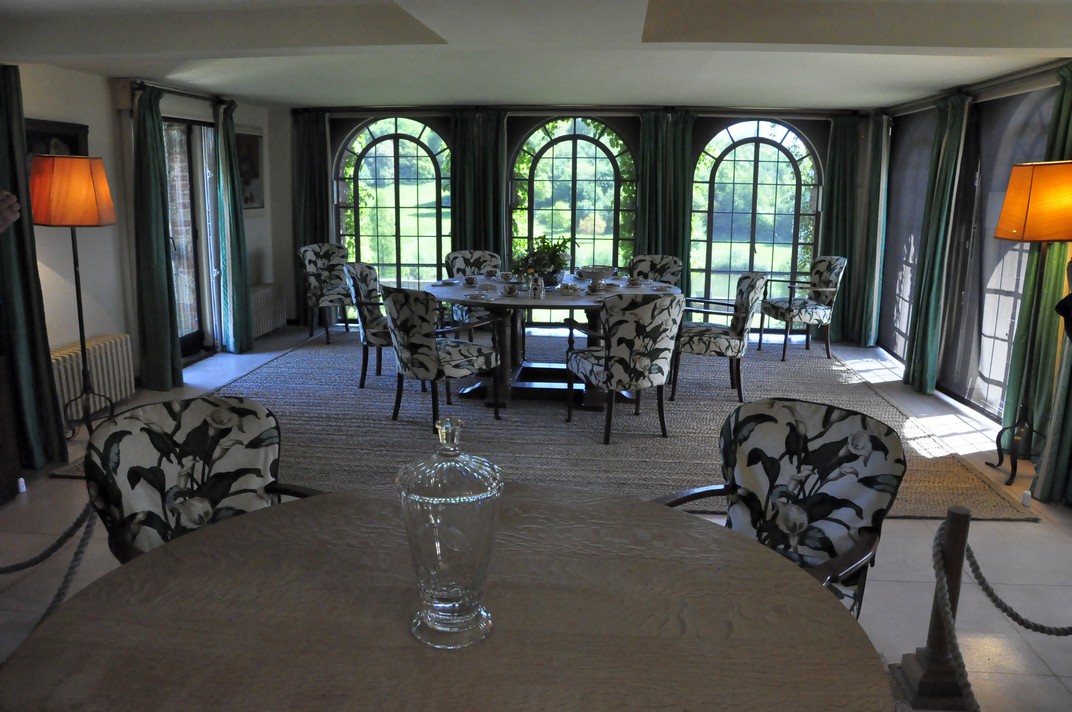


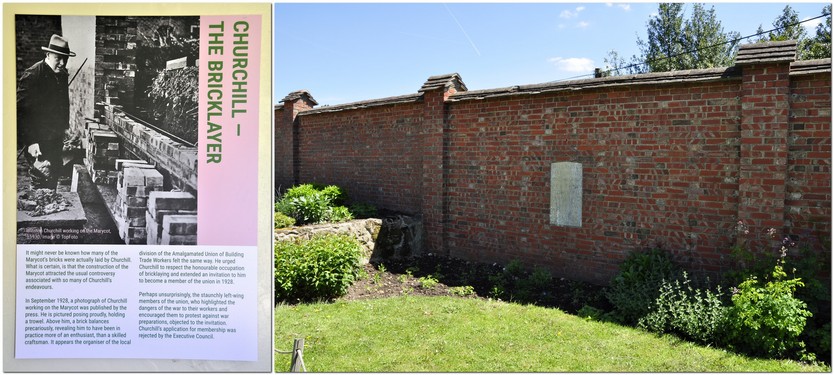

 Chartwell had long been on my bucket-list since I read (about 15 years ago or so) an


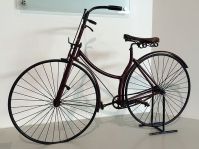
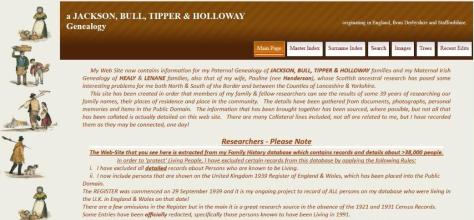
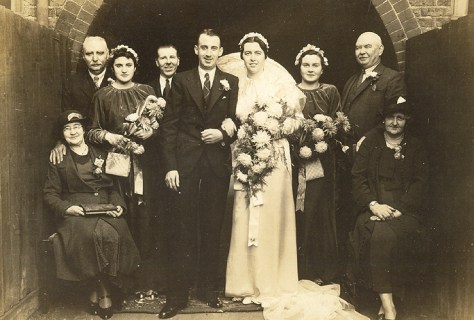
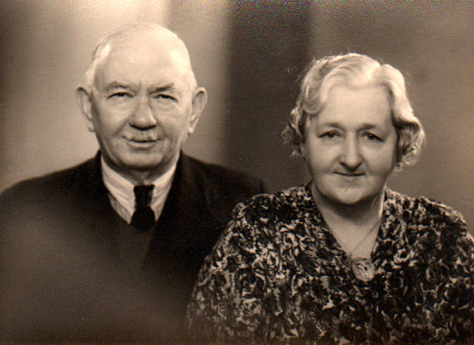
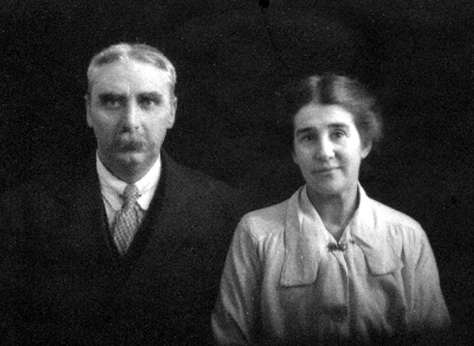
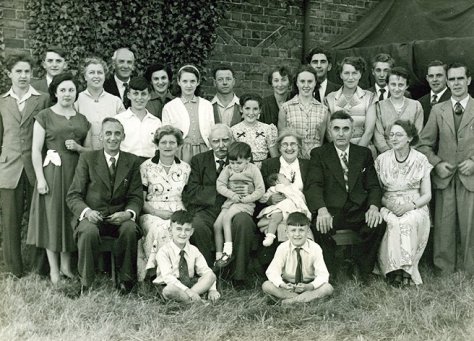
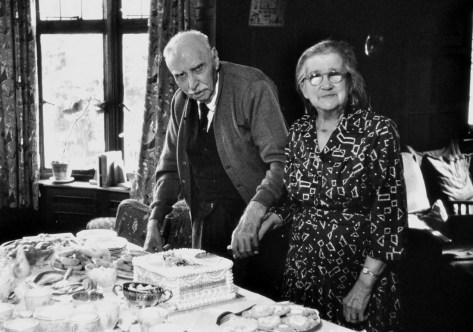
 Just plotting their birthplaces on a map (it’s the geographer in me) gives me a sense of belonging. At heart, I am a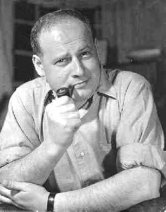
 Well, more of a nightmare, actually.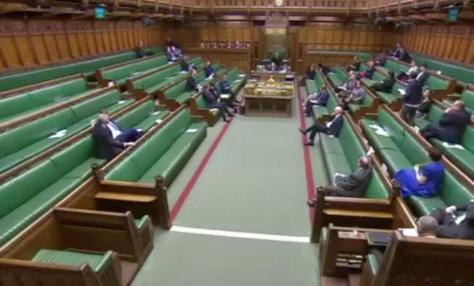

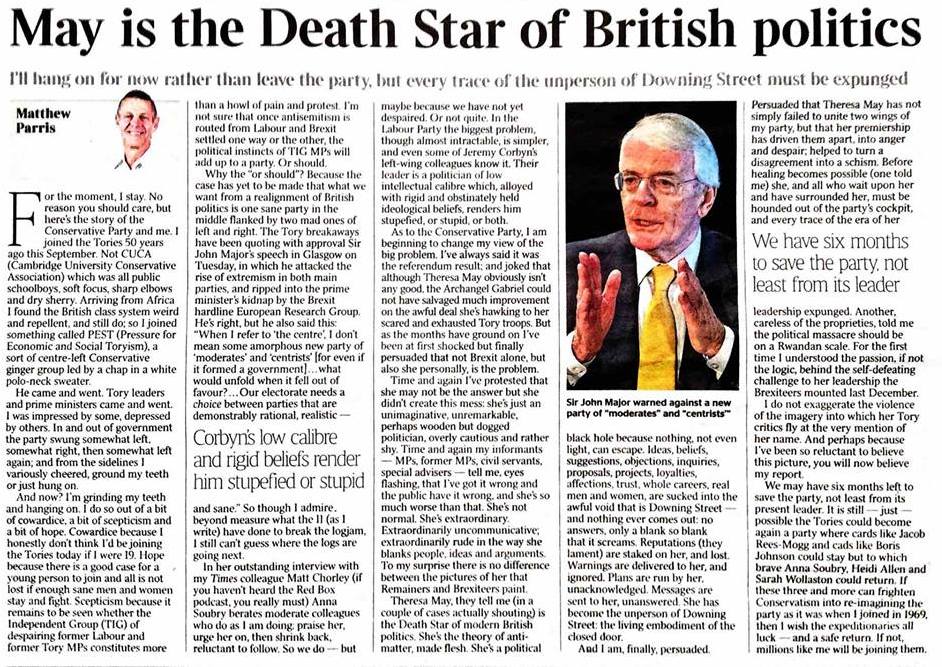
 With just 32 days before the UK is due to leave the European Union (EU), potentially crashing out without a deal if the Withdrawal Agreement negotiated over many months with the EU is once again rejected by Parliament, Theresa May has again kicked the ‘Brexit can’ down the road. Parliament will not hold a ‘
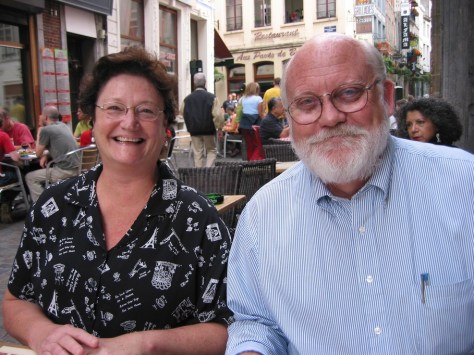
 We met at London’s Waterloo station for the Eurostar service to Brussels, arriving there mid-afternoon. Since no meetings had been arranged that same day, we enjoyed the warm afternoon sunshine for a stroll around


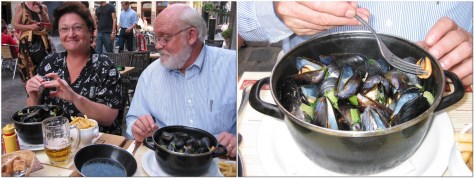
 The day after our meetings, we caught the Thalys (the Belgian TGV) to Cologne, and then a regional service for the short hop to Bonn. We had just one day of meetings in Bonn, with the German aid ministry (BMZ), and then spent an excellent day touring the vineyards of the Ahr Valley just south of Bonn. Our main contact was my old friend Marlene Diekmann who I’d known for many years before she joined the BMZ when she was a plant pathologist at the International Plant Genetic Resources Institute (IPGRI, now Bioversity International) in Rome.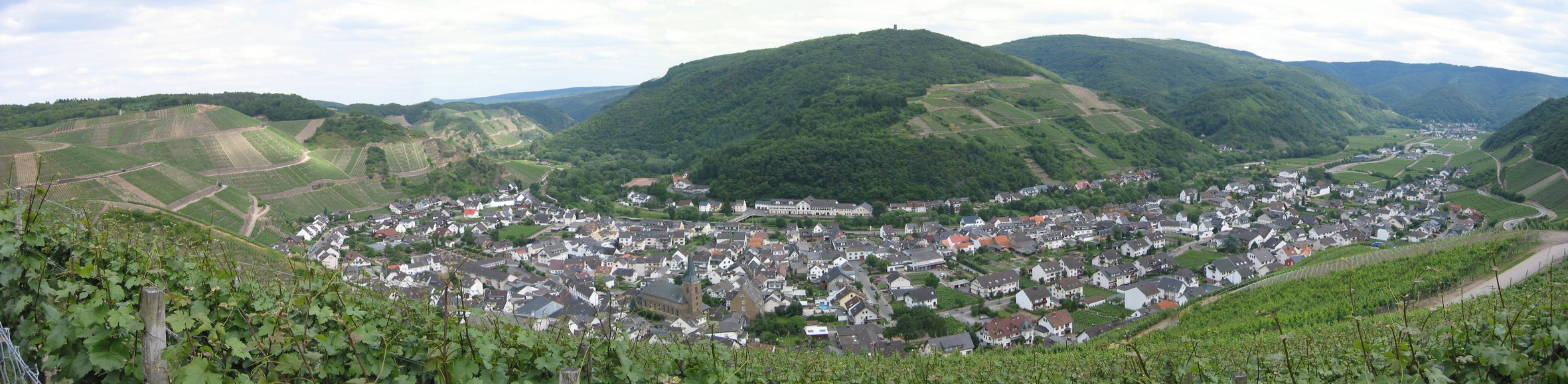
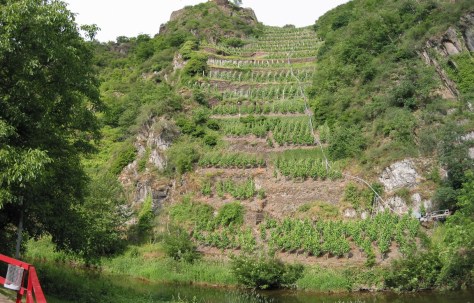
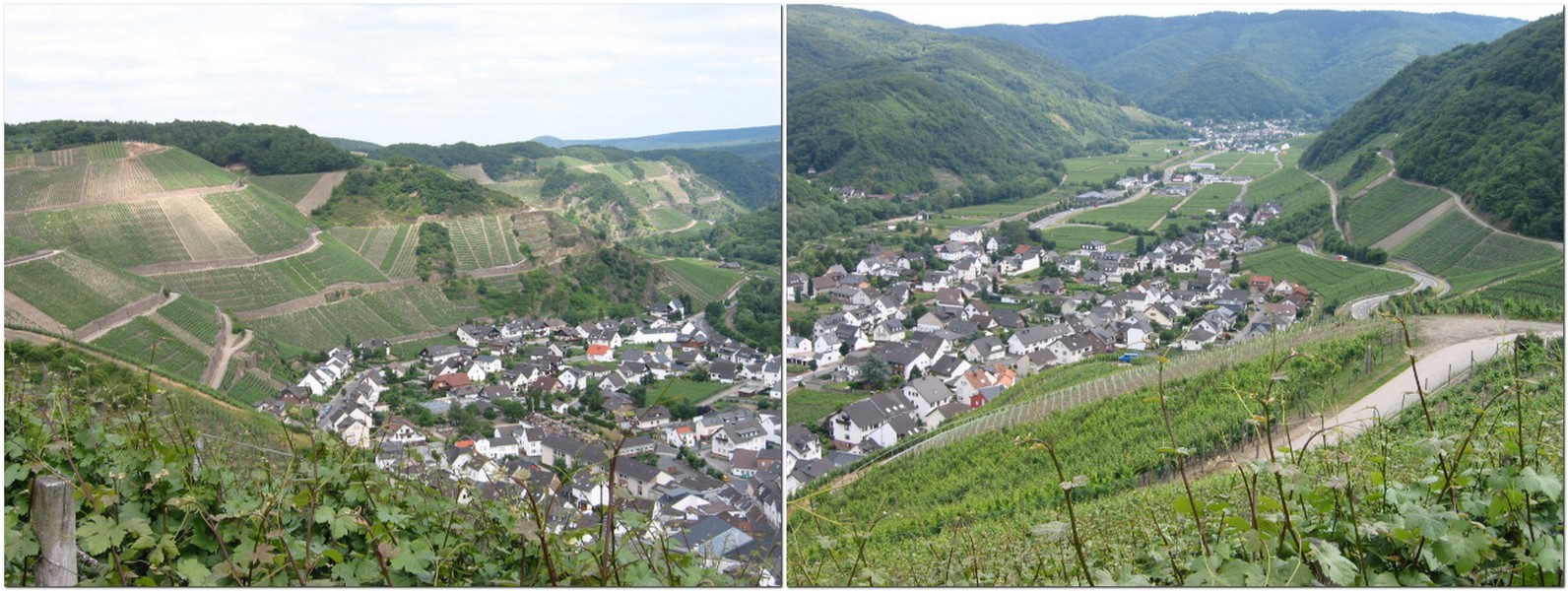
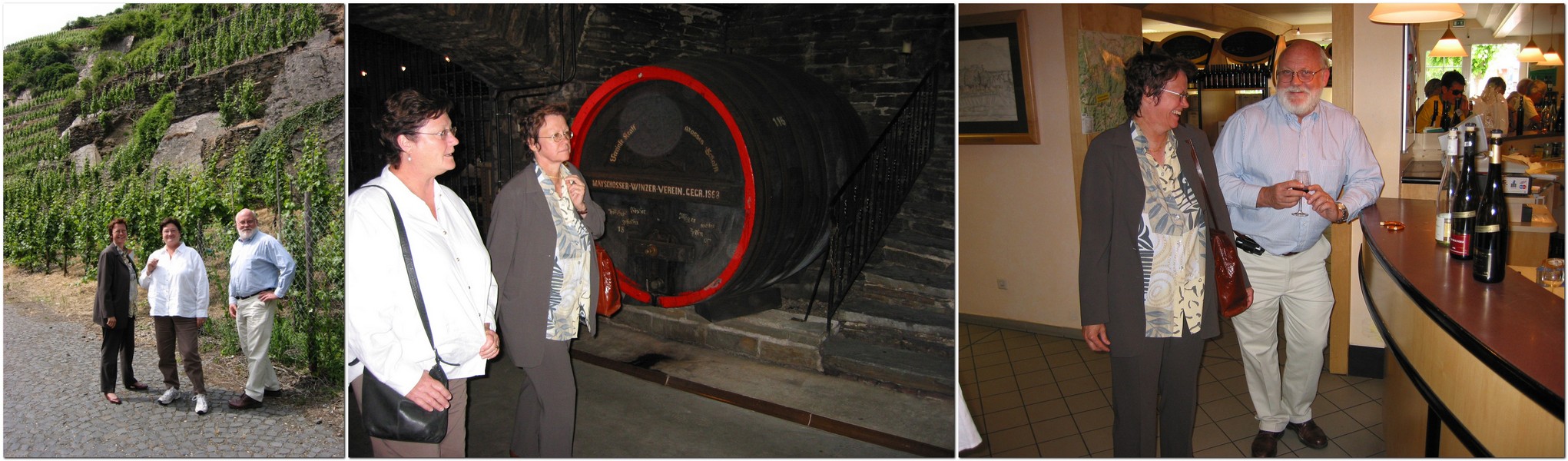


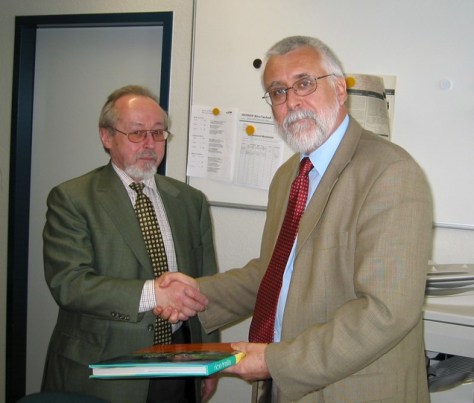

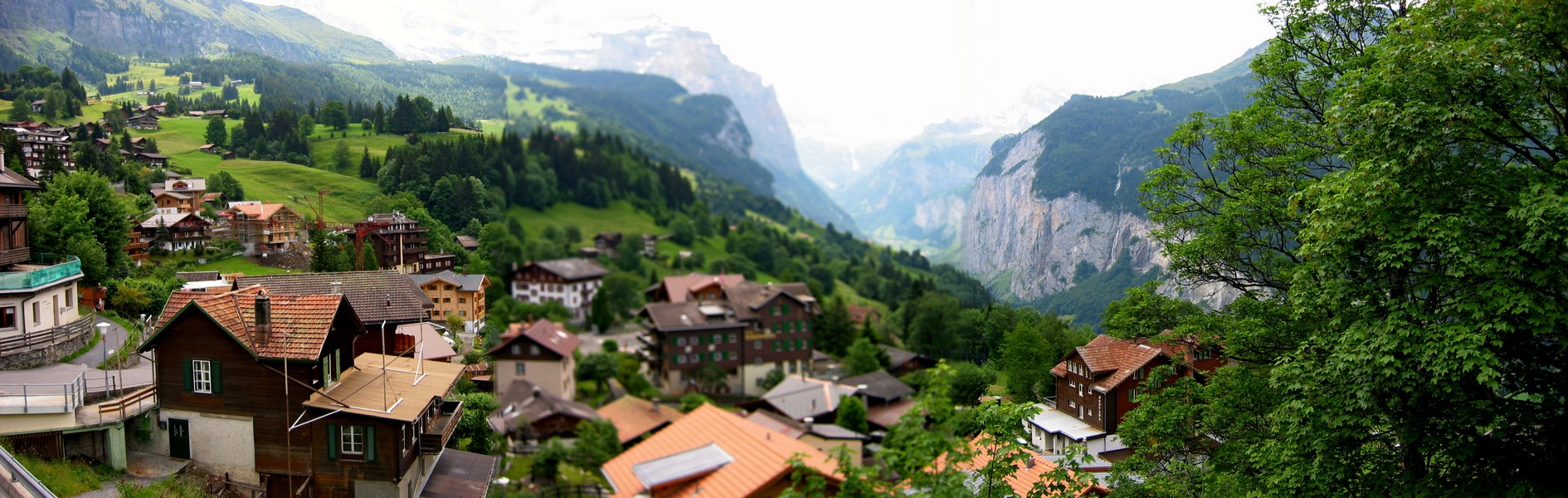



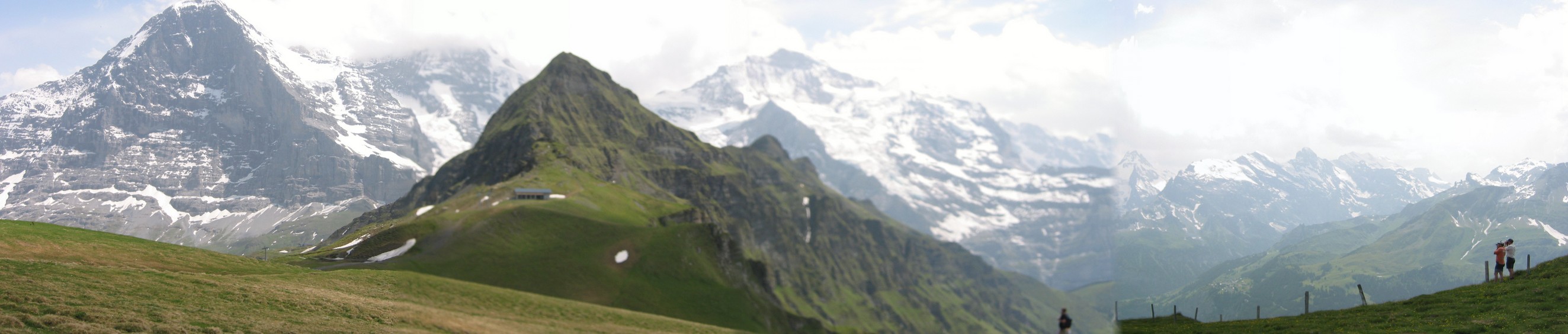
 In Milan, we transferred to the high speed train to Rome. That was an interesting journey. In 2006, the 18th FIFA World Cup was hosted by Germany. Although Mexico had been eliminated from the competition by then, our train was full of supporters from Mexico on their way to Rome to enjoy the sights. Bob, Crissan and I all spoke Spanish. Bob and Crissan had actually lived in Mexico for a few years before returning to IRRI in 2005. So we had a great time with the Mexicans, and our fast train journey to Rome (
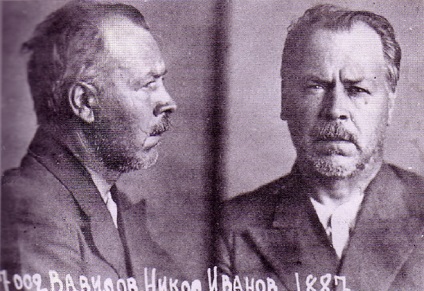
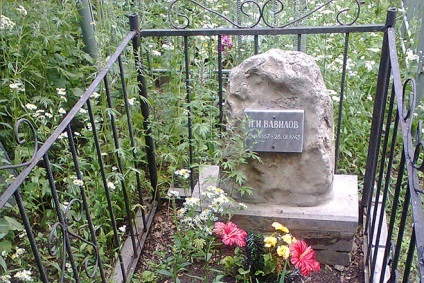
 Actually, Elena Barulina (1896-1957) was Vavilov’s second wife who passed away just two years after Vavilov had been ‘rehabilitated’ by the Soviet government, as she was working her way through his various publications.


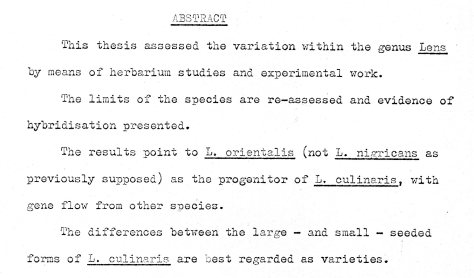
 In 1976, a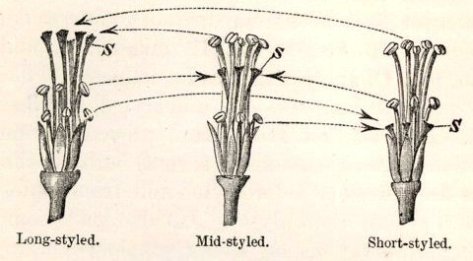
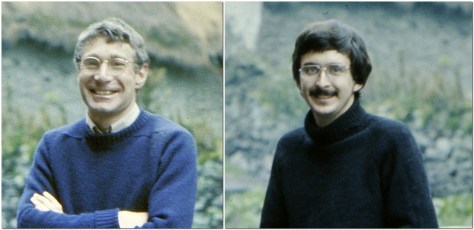
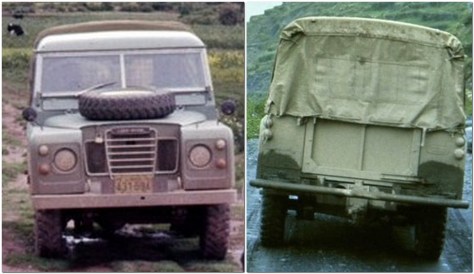


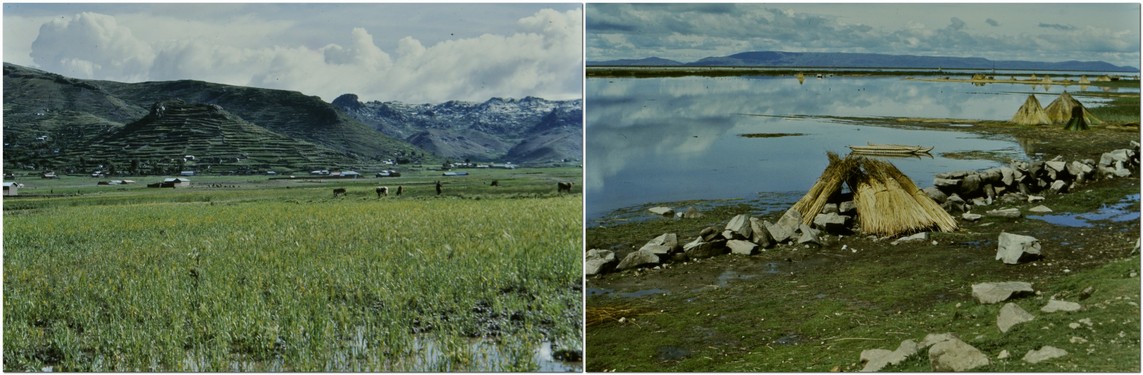


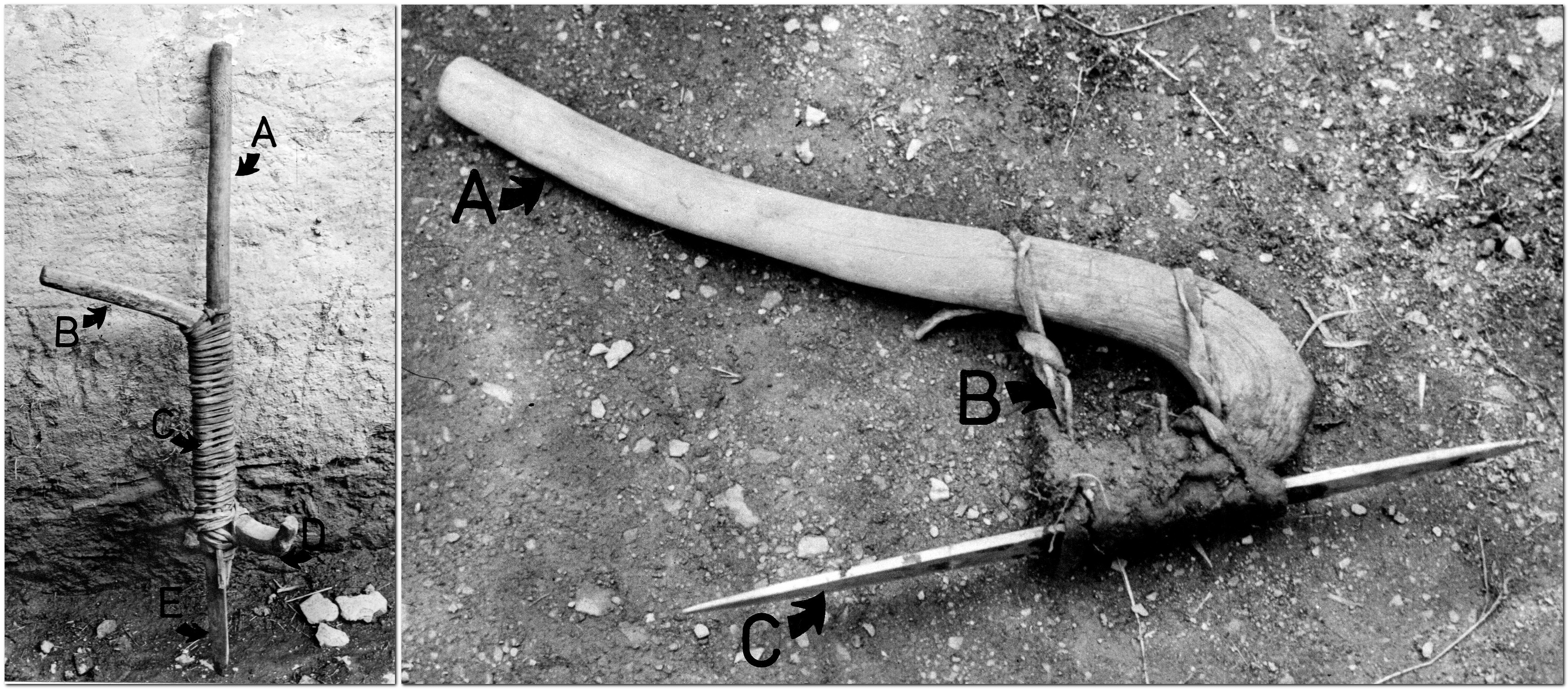
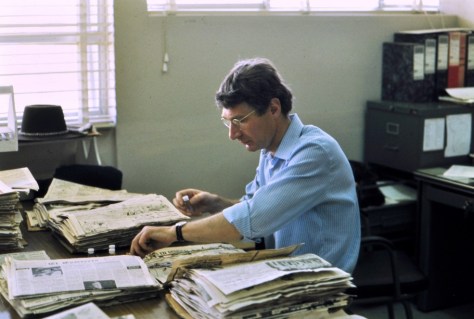


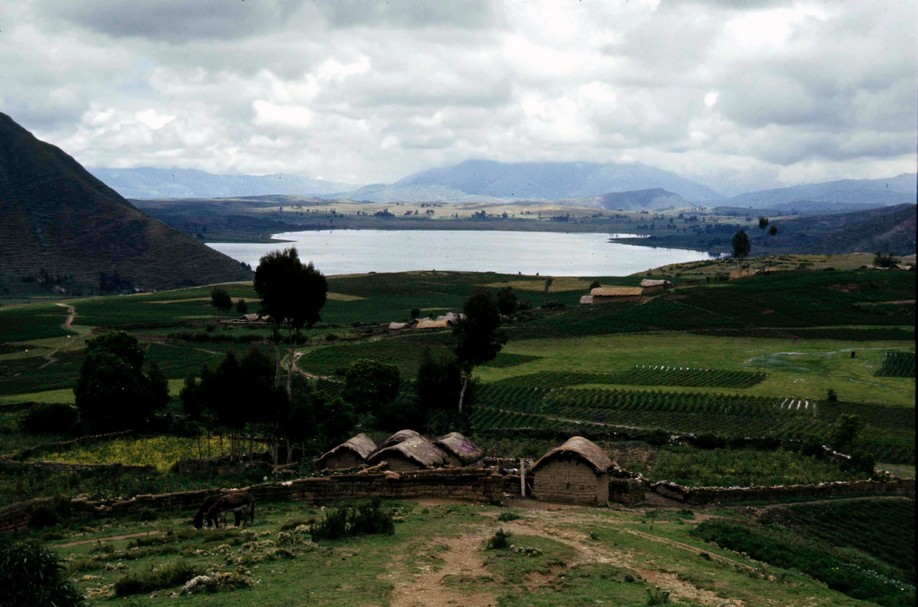
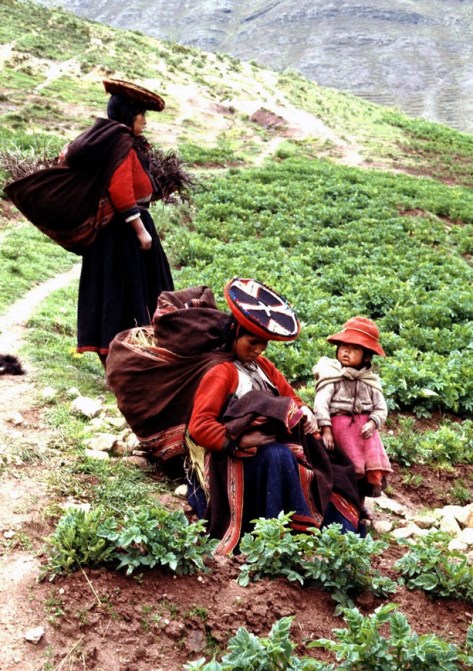
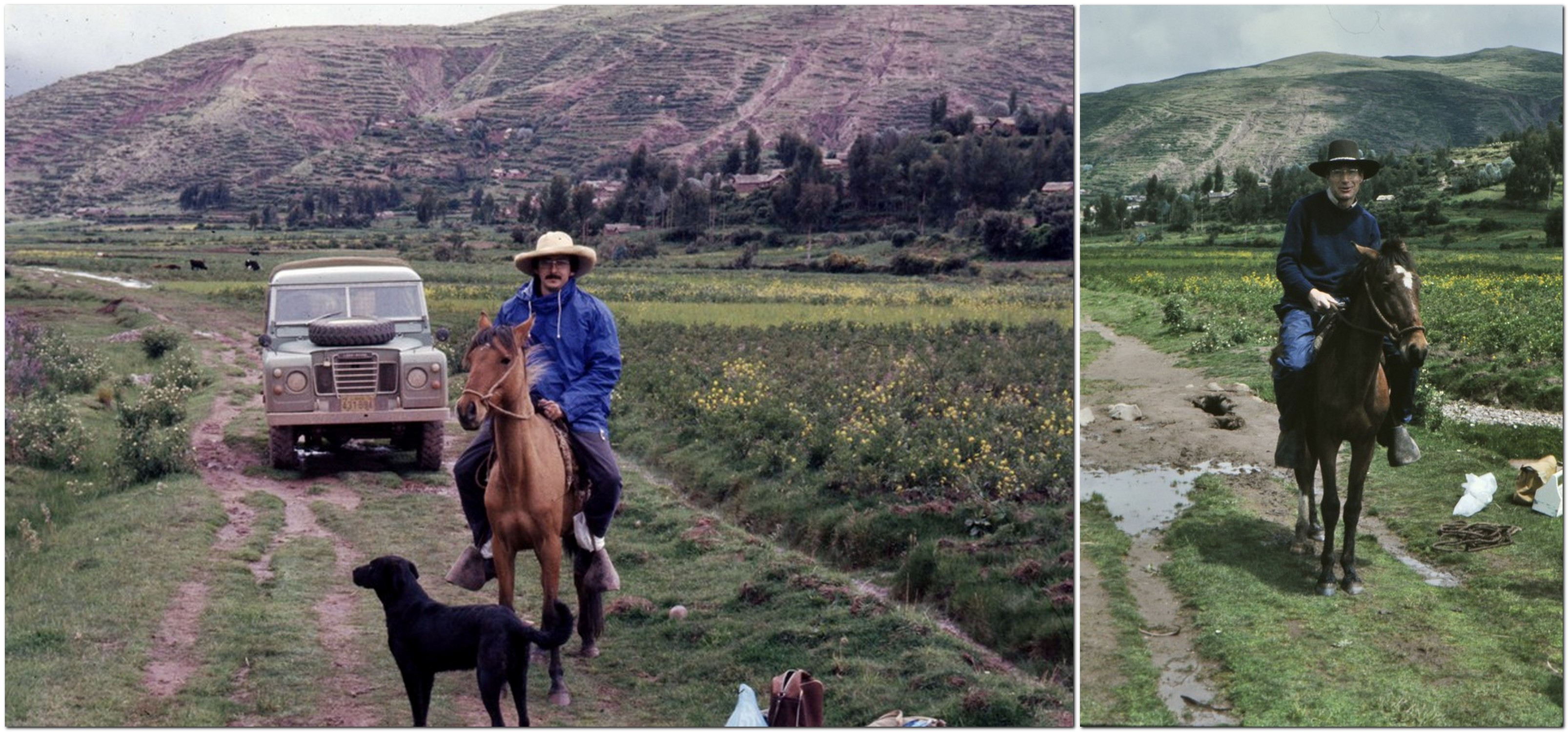
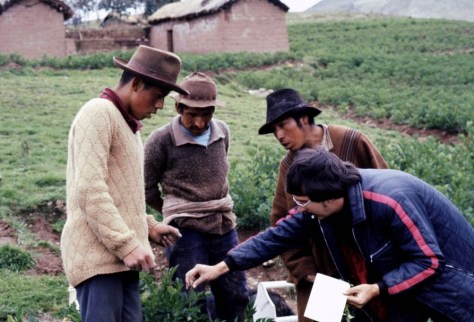 Field work complete, Peter and I spent a couple of days resting up in Cuzco before flying back to Lima. We left the Land Rover there for one of my colleagues Zósimo Huamán to pick up, as he planned to undertake some fieldwork as well before driving back to Lima.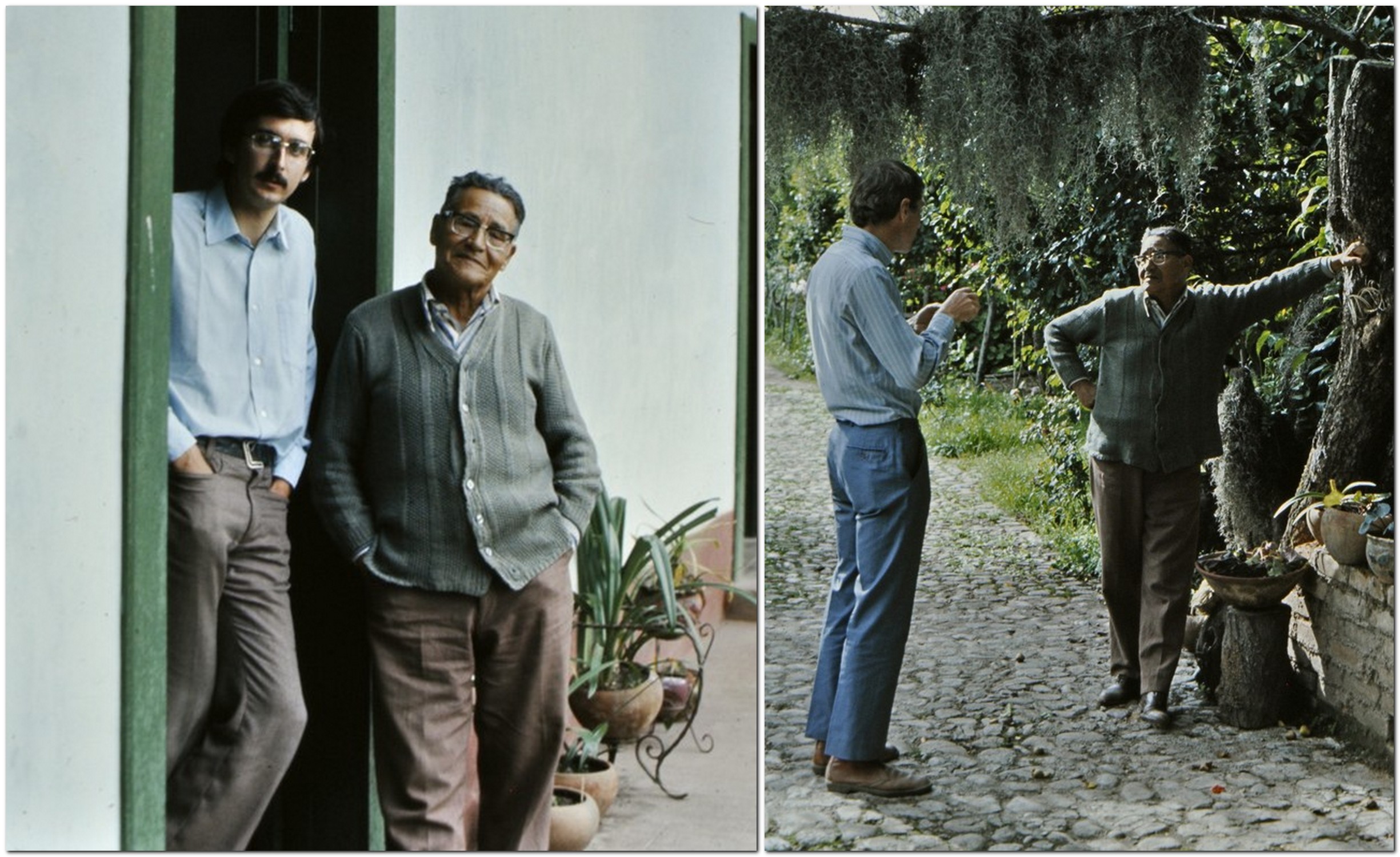
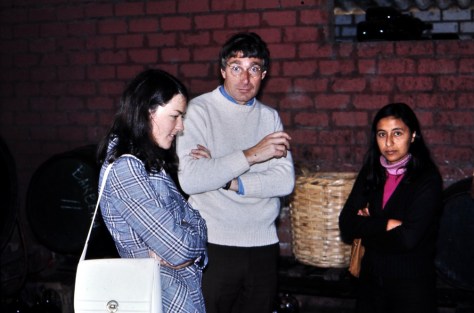
 In the process, I have become a convert to the Amazon Kindle.
 Even now, I’ve only just reached 40%, and I reckon it will take me a few more weeks yet. I hadn’t really expected to appreciate it very much. I was taken with the
  Having taken a peek at the chapters on potato and rice, I’m not entirely convinced of the focus he took with both of these crops – of which I know quite a bit myself. Anyway, time will tell, once I have delved into the various topics in more detail.
 My decision to leave a tenured position at the University of Birmingham in June 1991 was not made lightly. I was about to be promoted to Senior Lecturer, and I’d found my ‘home’ in the Plant Genetics Research Group following the reorganization of the School of Biological Sciences a couple of years earlier.
 I felt as though I was treading water, trying to keep my head above the surface. I had a significant teaching load, research was ticking along, PhD and MSc students were moving through the system, but still the university demanded more. So when an announcement of a new position as Head of the Genetic Resources Center (GRC) at the
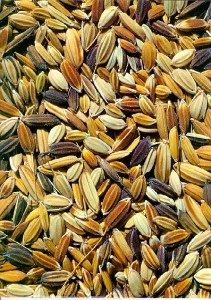 Once in post at IRRI, I asked lots of questions. For at least six months until the end of 1991, I made no decisions about changes in direction for the genebank until I better understood how it operated and what constraints it faced. I also had to size up the caliber of staff, and develop a plan for further staff recruitment. I did persuade IRRI management to increase resource allocation to the genebank, and we were then able to hire technical staff to support many time critical areas.
 Dr Kameswara Rao (from IRRI’s sister center ICRISAT, based in Hyderabad, India) joined GRC to work on the relationship between seed quality and seed growing environment. He had received his PhD from the University of Reading, and this research had started as a collaboration with Professor Richard Ellis there. Rao’s work led to some significant changes to our seed production protocols.
 In 1994, I developed a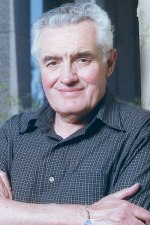
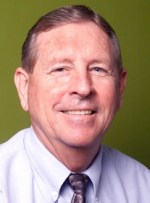
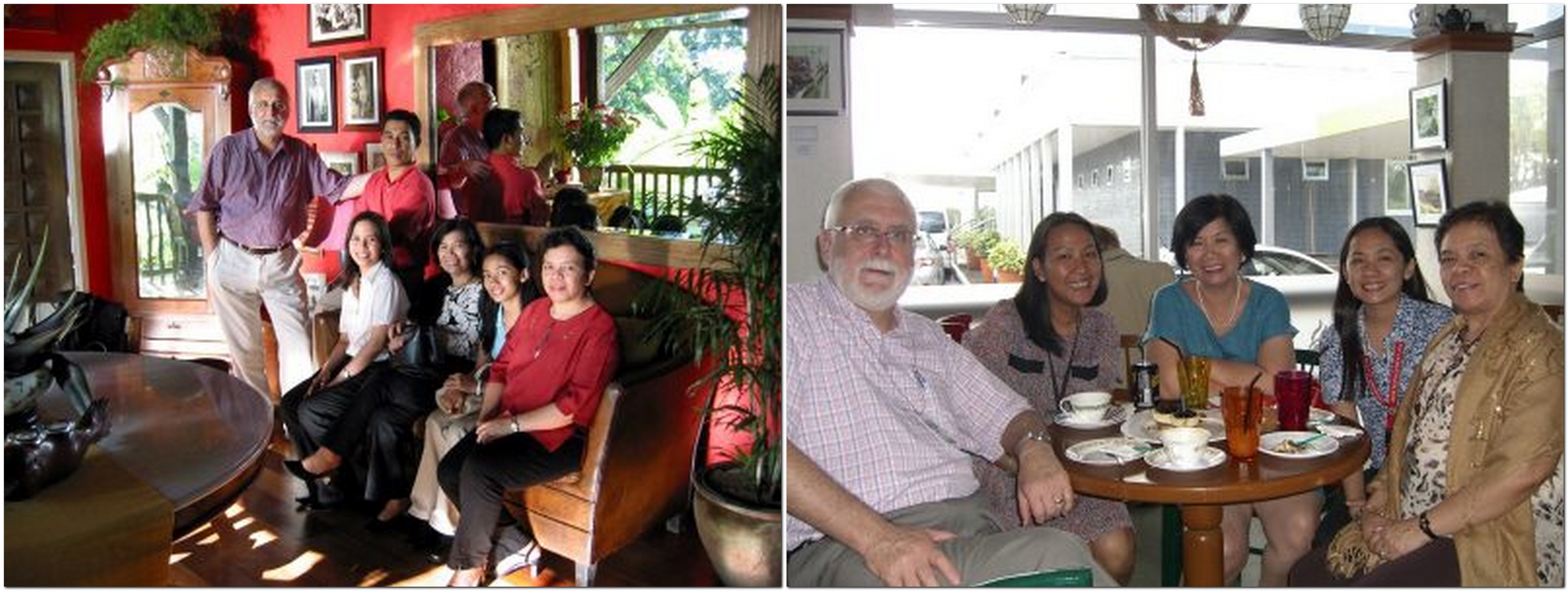
 When, in the mid- to late-60s,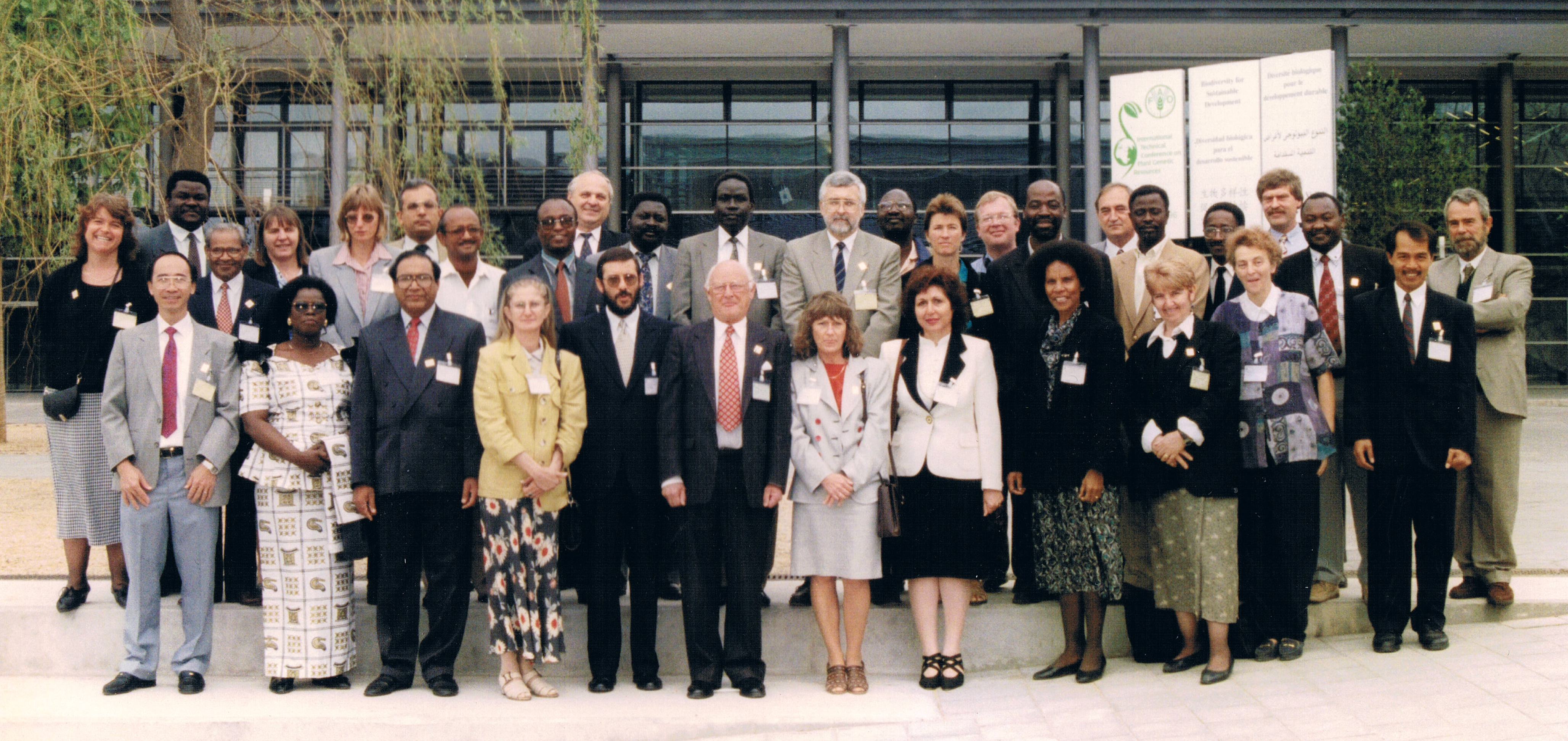
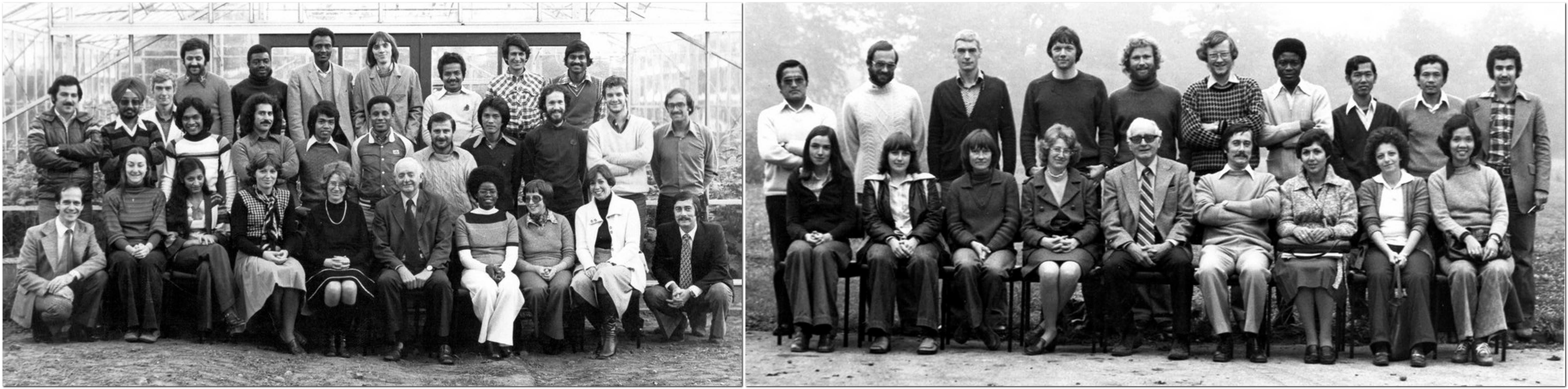
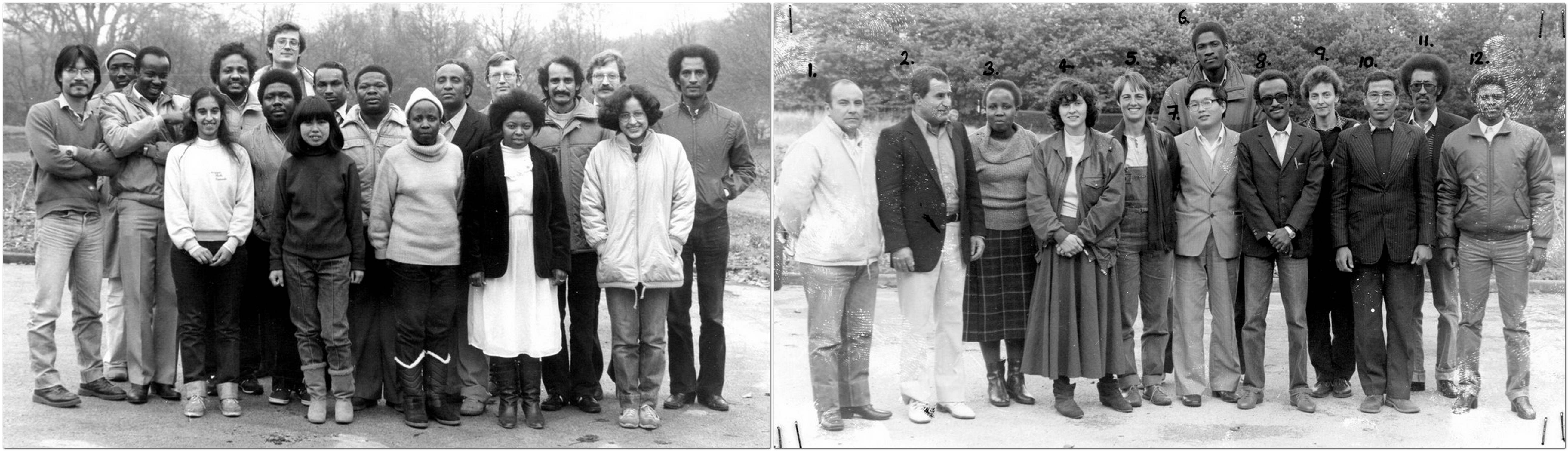
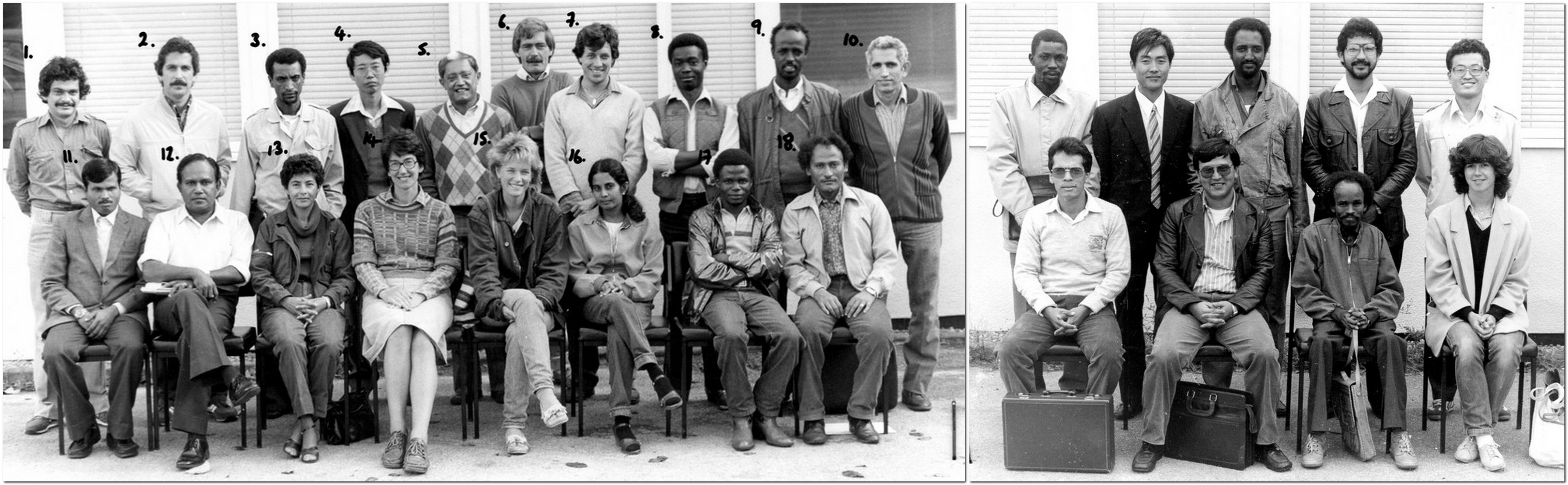
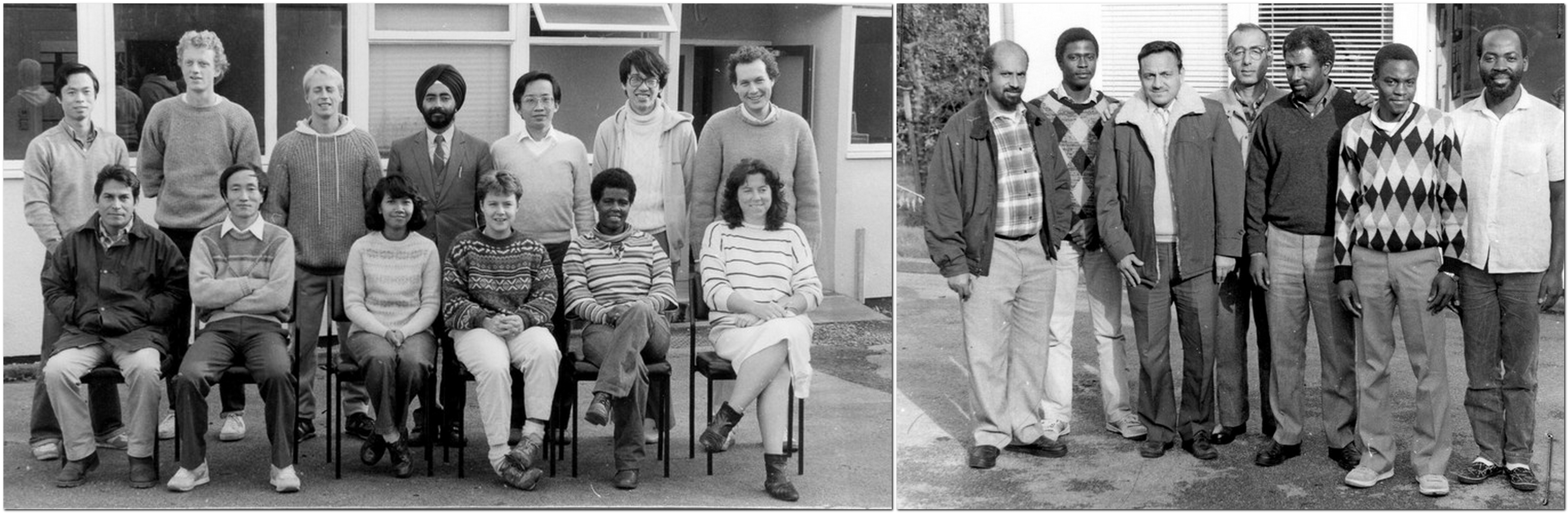
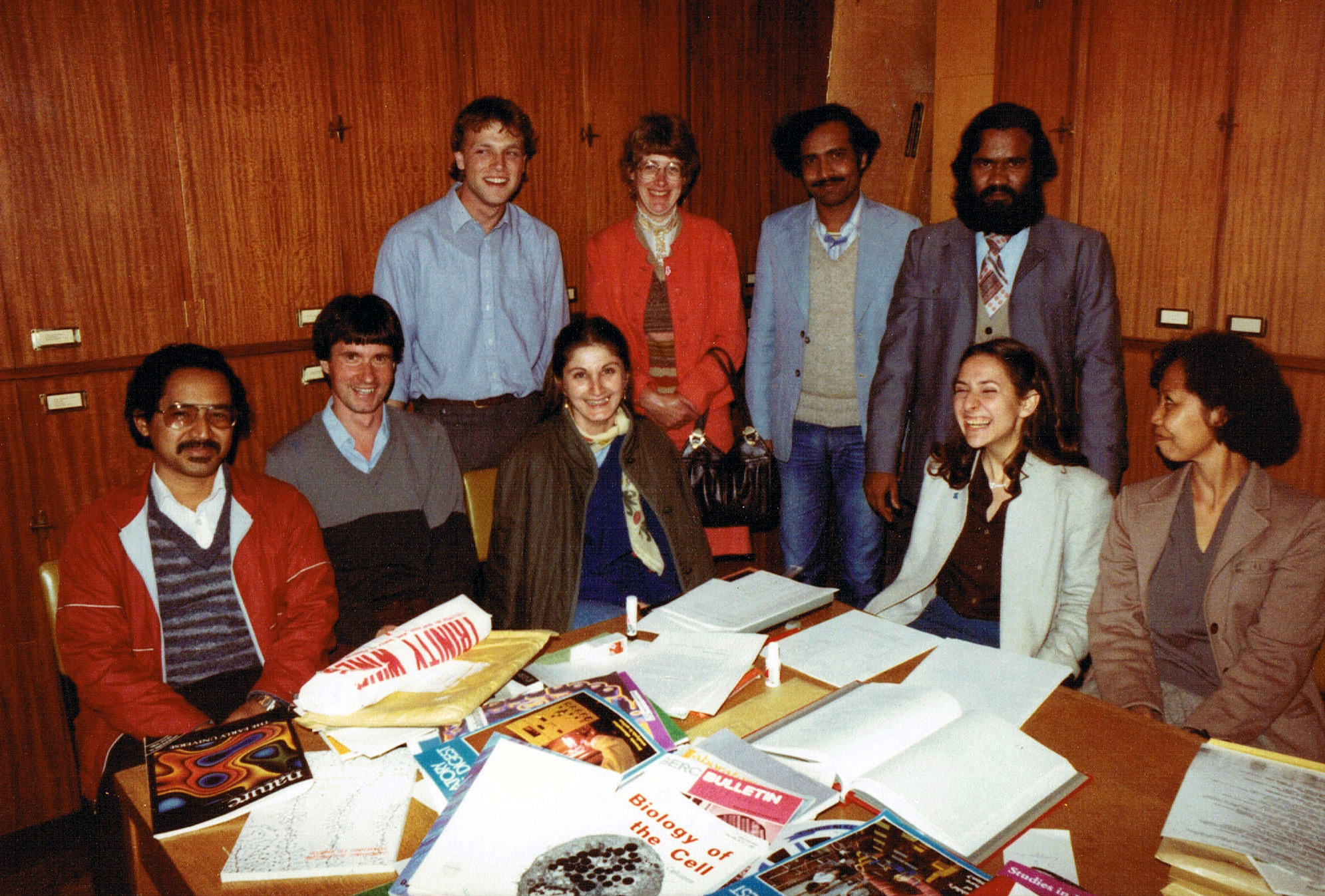
 Several students stayed on to complete PhD degrees under my supervision, or jointly supervised with my colleague Professor Brian Ford-Lloyd (who was the MSc Course Tutor), and I have written more about that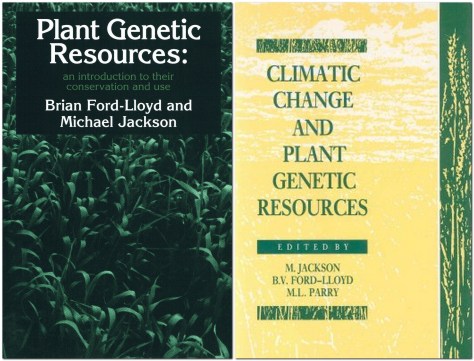
 Around 1989, however, I was becoming increasingly disillusioned with university life, and had begun to think about seeking other opportunities, although none seemed to come along. Until September 1990, that is. One morning, I received in the mail a copy of a recruitment announcement for Head of the Genetic Resources Center at the International Rice Research Institute (IRRI) in the Philippines. To this day I have no idea who sent me this announcement, as there was no cover note.
 Nothing ventured, nothing gained, I decided to submit my application. After all, IRRI was a sister center of CIP, and I was very familiar with the international agricultural research centers funded through the Consultative Group on International Agricultural Research (CGIAR).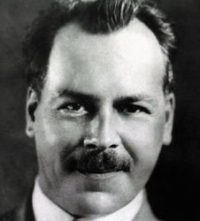
 At the same time I was equally influenced by my mentor and PhD supervisor
  I embarked on a career in international agricultural research for development almost by serendipity. One year became a lifetime. The conservation and use of plant genetic resources became the focus of my work in two international agricultural research centers (CIP and IRRI) of the
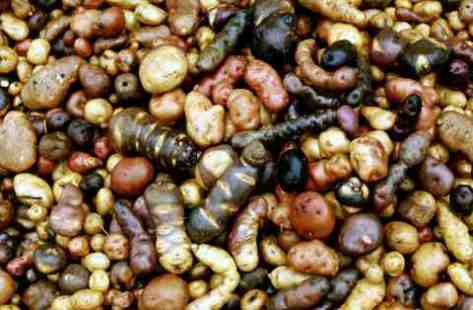
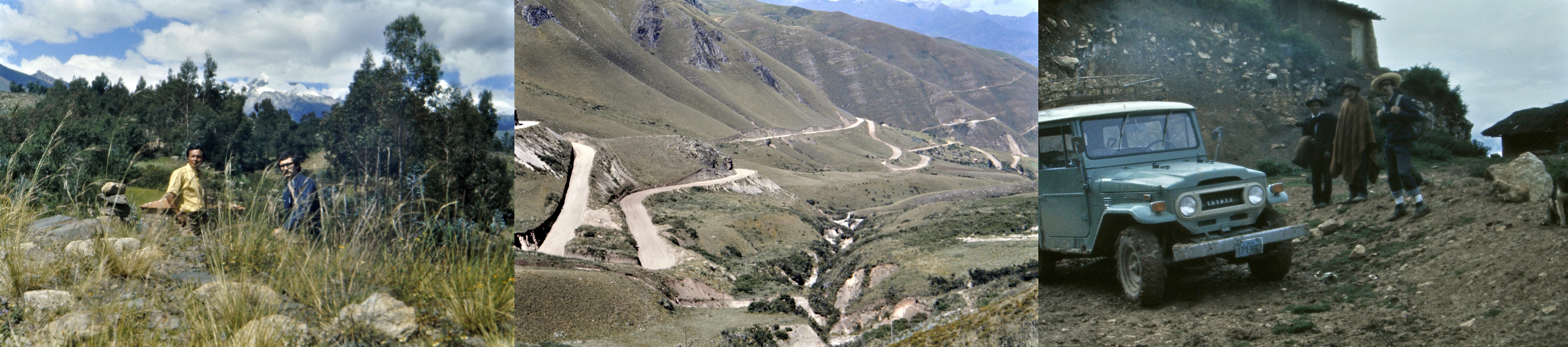
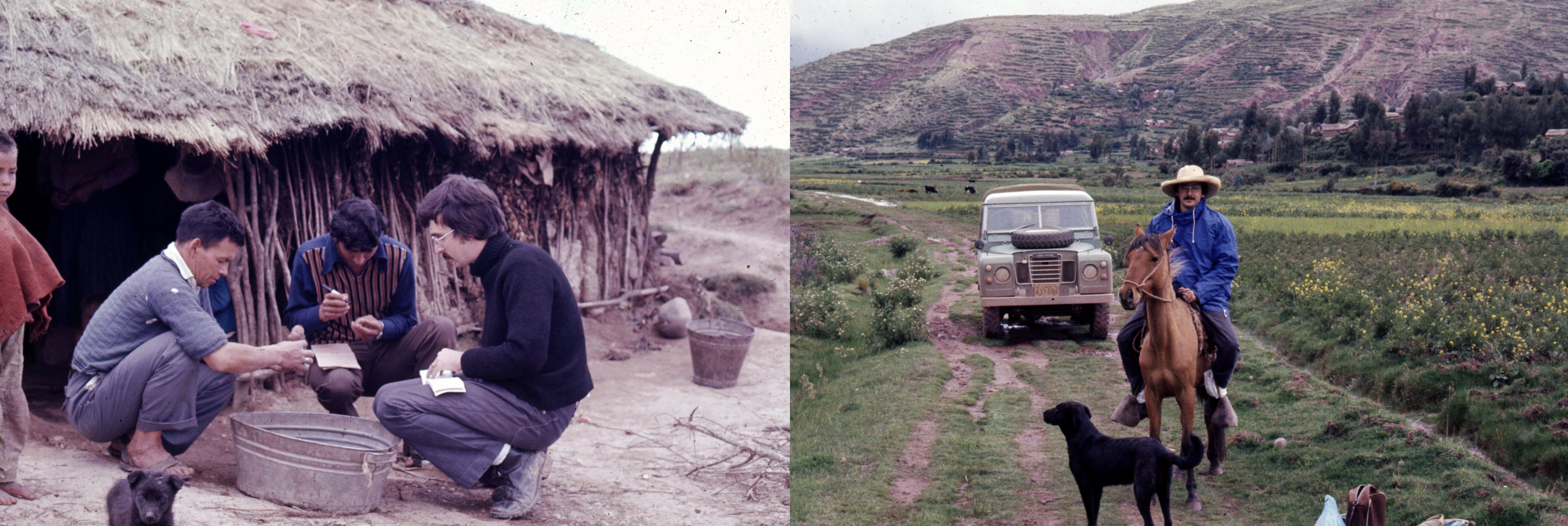
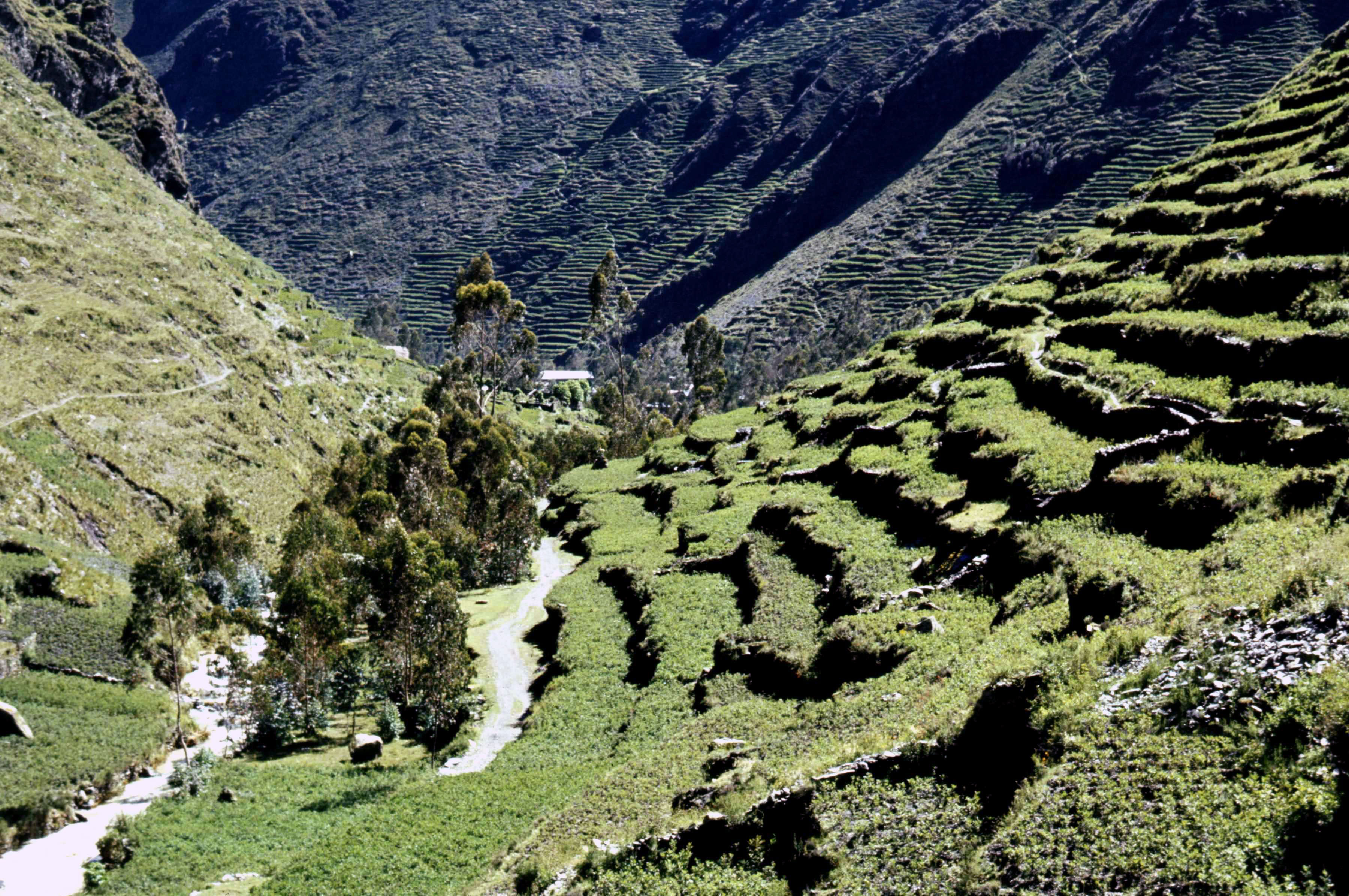
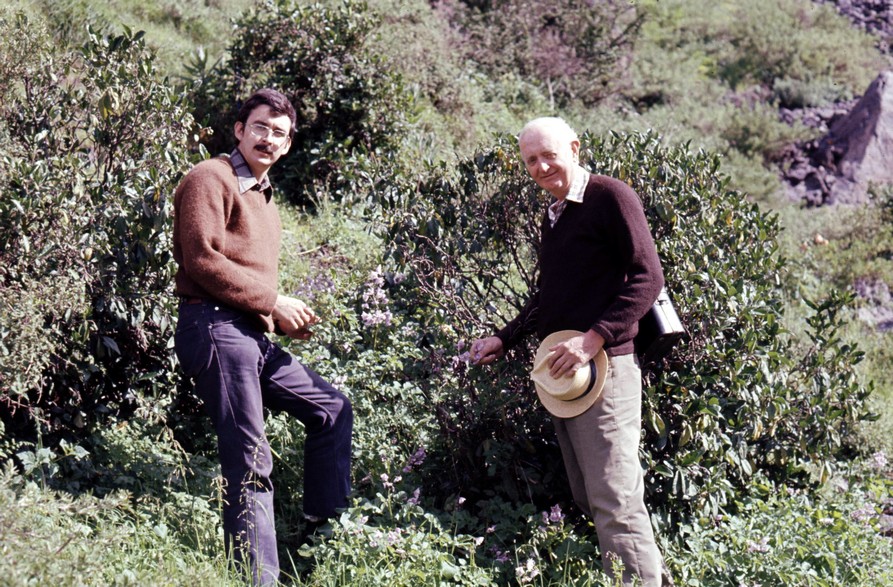
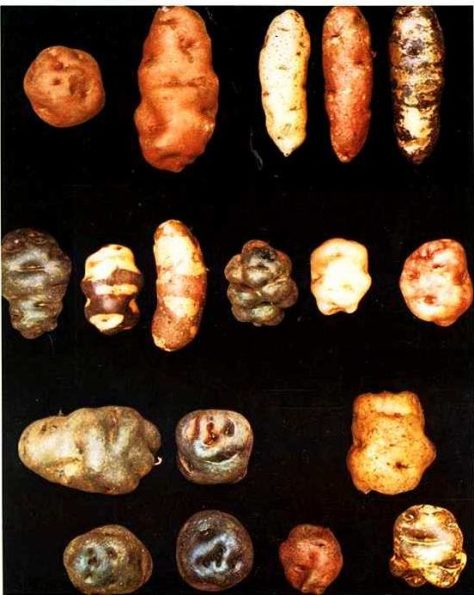
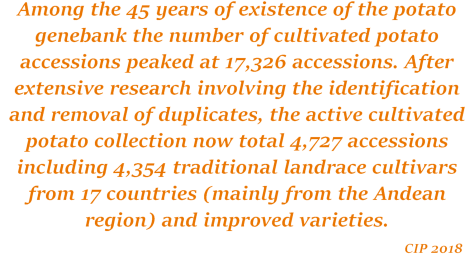
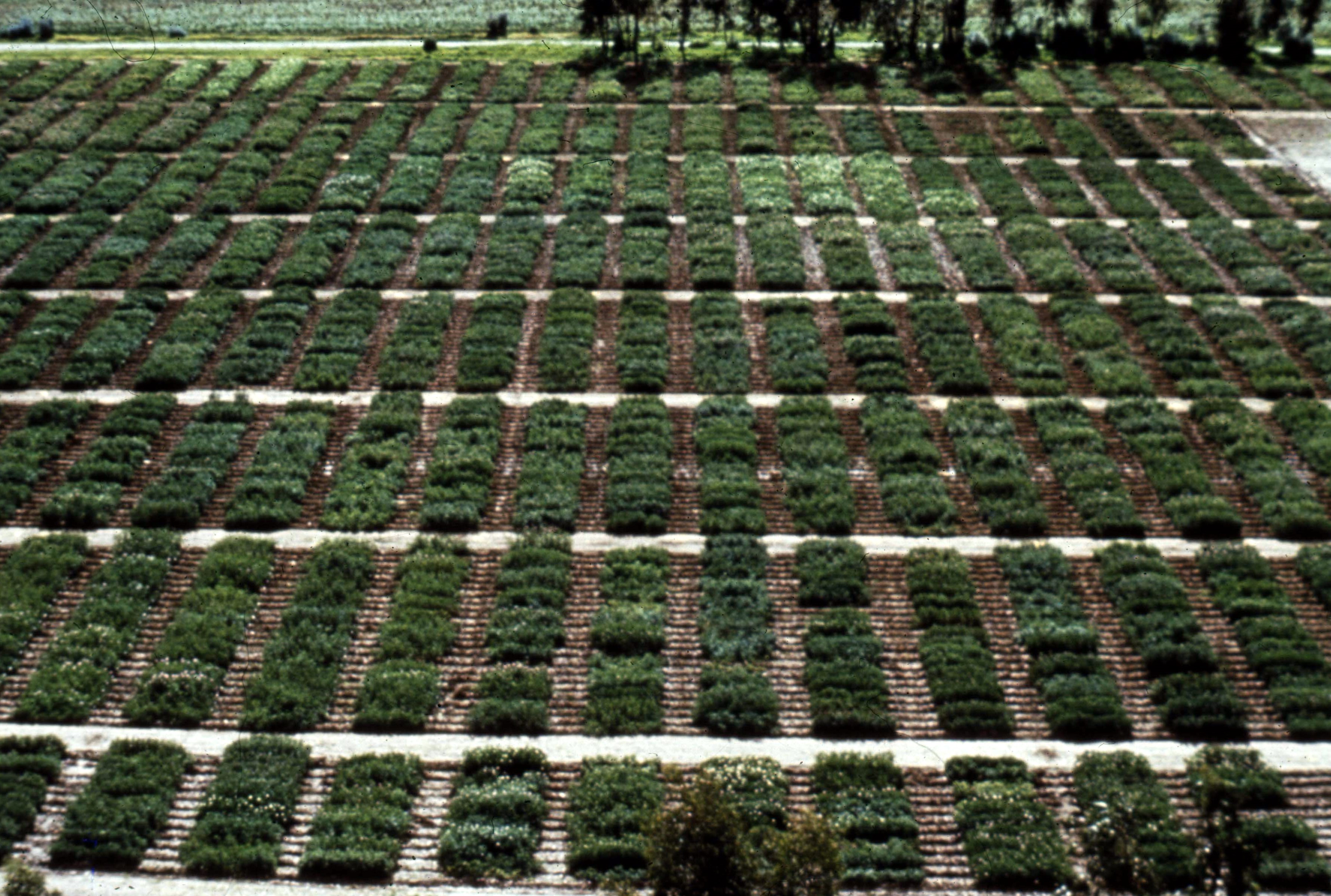
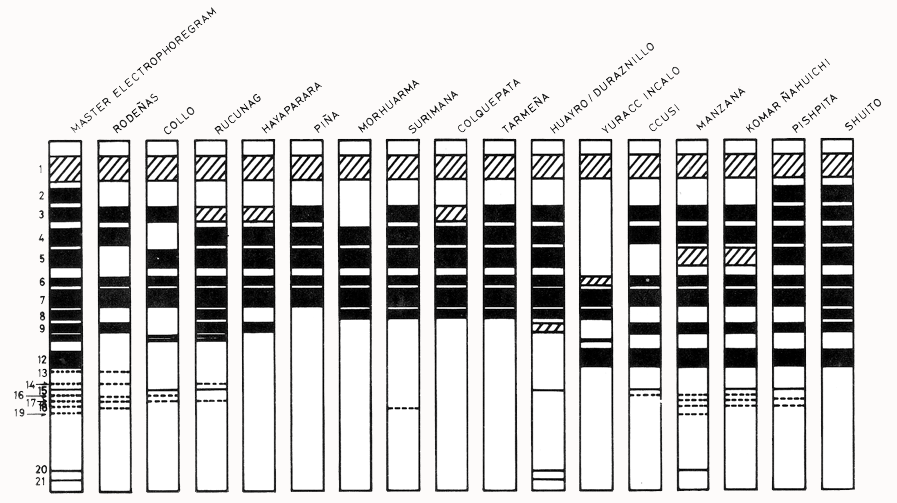
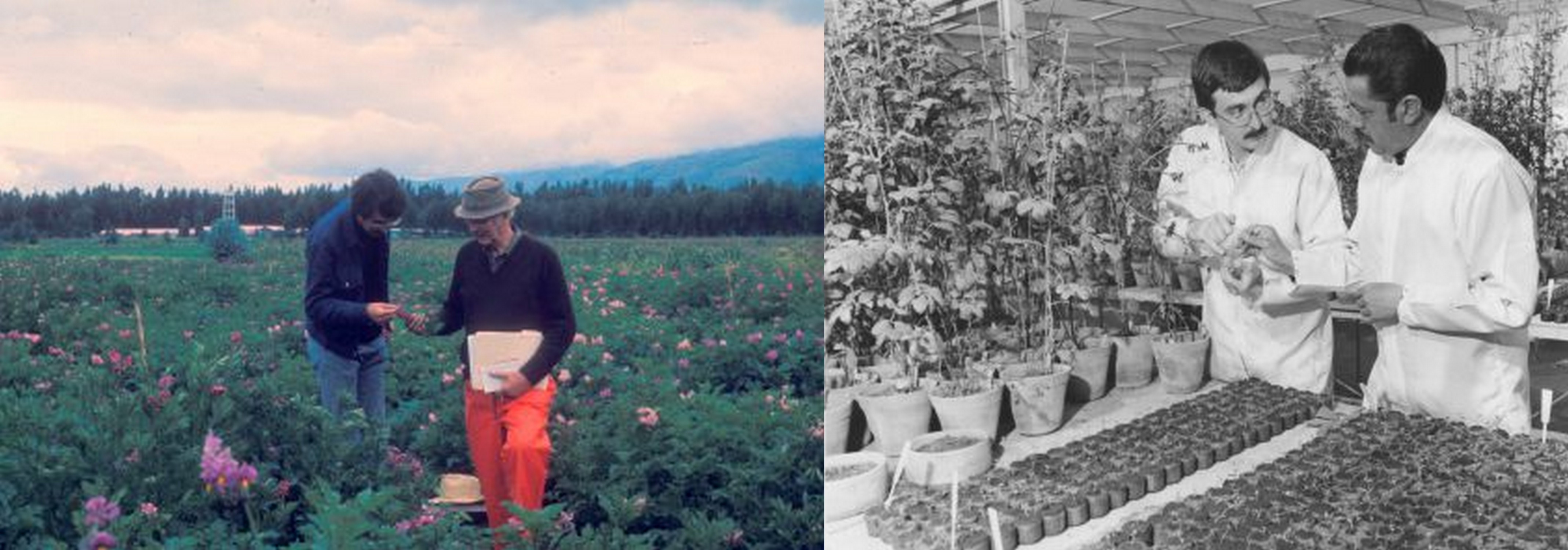
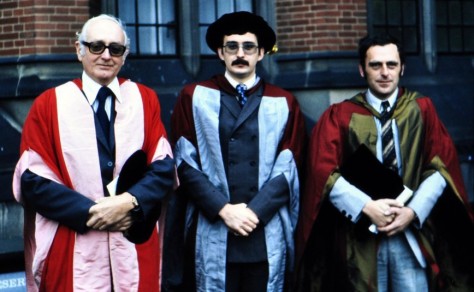
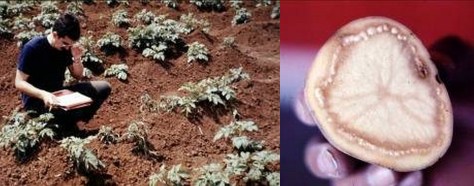


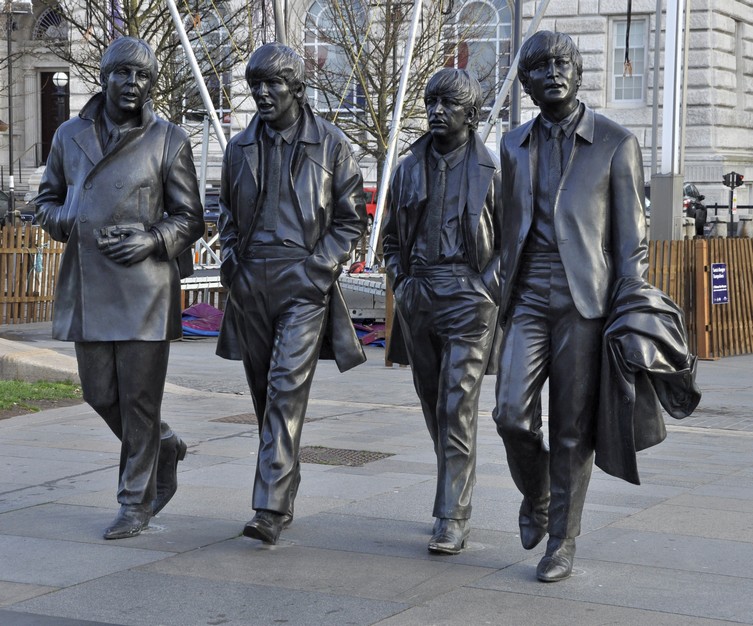
 To begin with, let me take you back to late June 1967.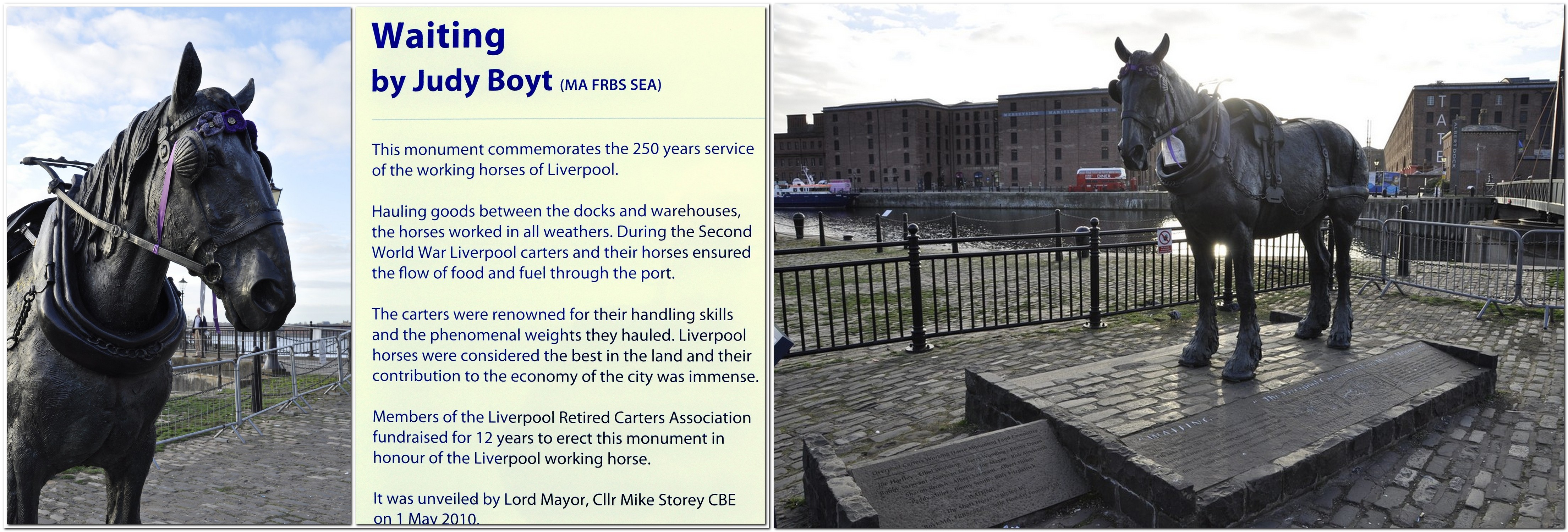
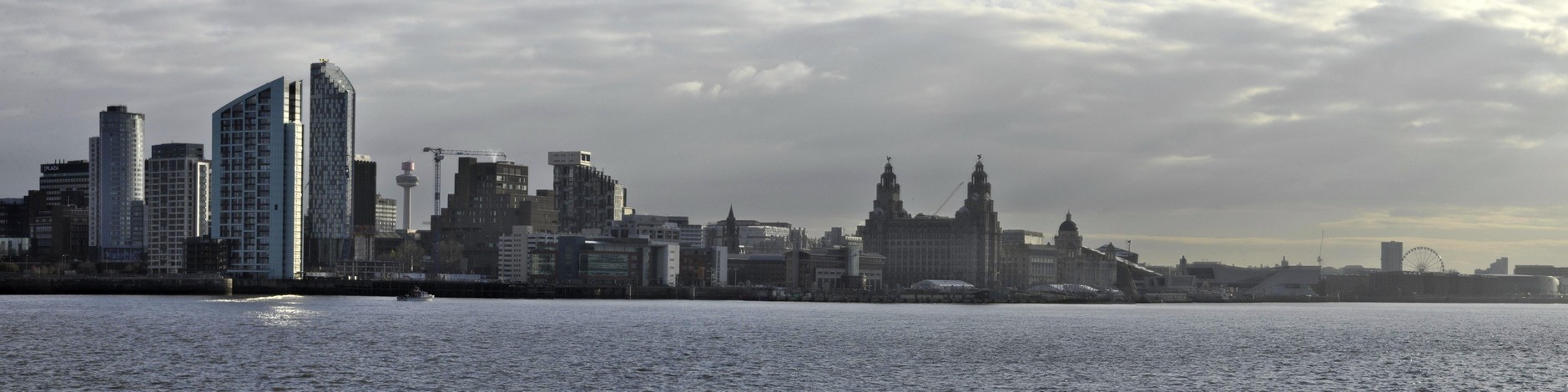
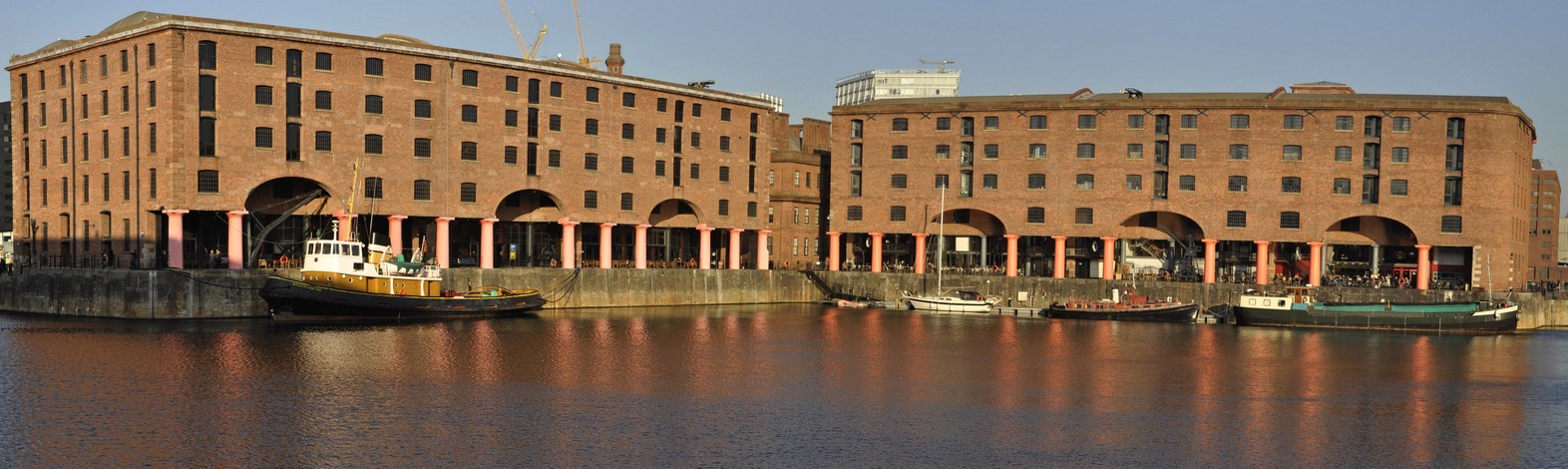
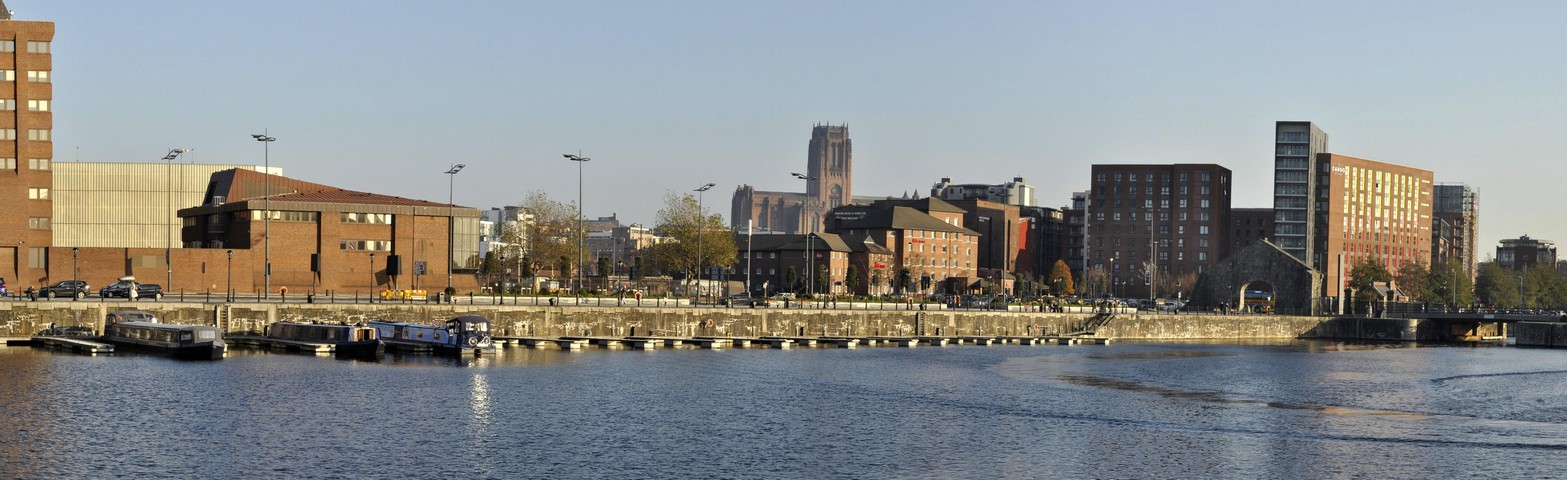


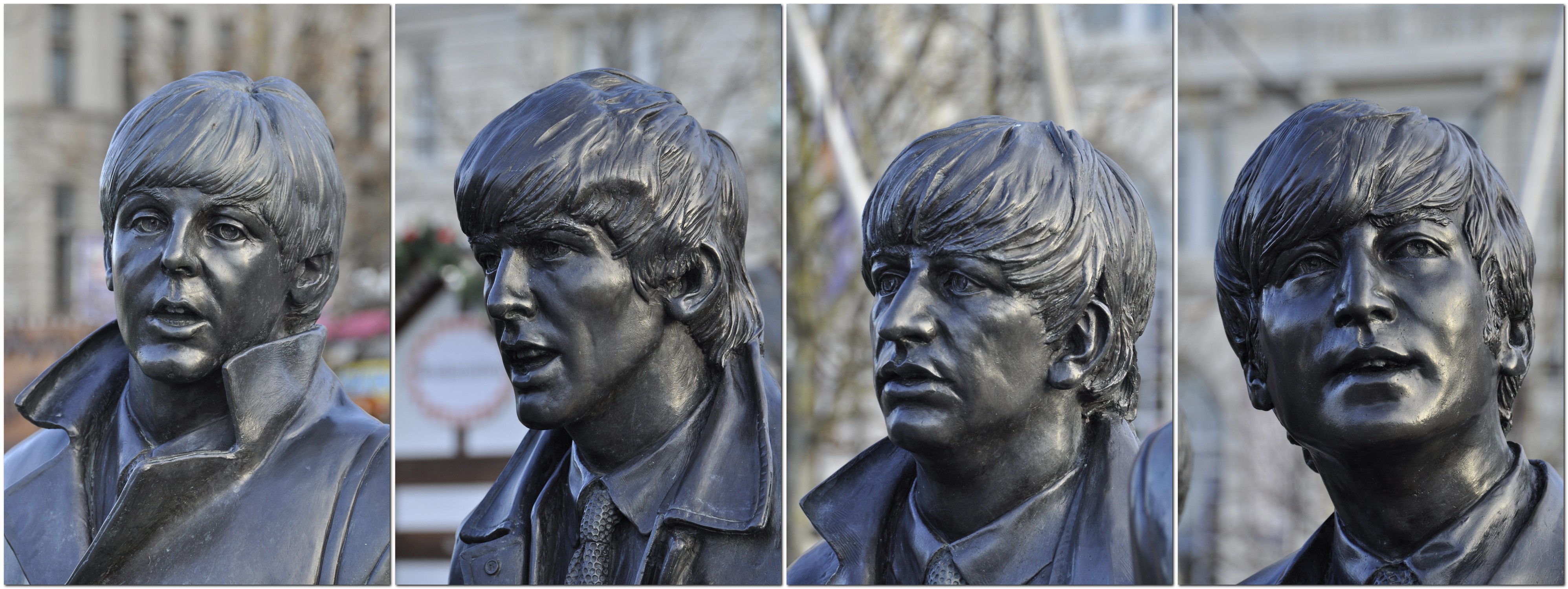
 Our tour of the Beatles’ Childhood Homes started at 10:00 when the National Trust driver, Joe, met us in the lobby of Jurys Inn. We were an international party of just 13 persons (5 UK, 1 Irish, I Czech, I French, 1 Maltese, 1 Australian, and 3 Malaysian). The drive to the first property, John Lennon’s home, took just over 15 minutes. Once we were all strapped in and ready for the off, Joe turned on the music: Love Me Do, and it was Beatles songs all throughout the tour. What a way to start! And, as it turned out, three quite emotional hours.
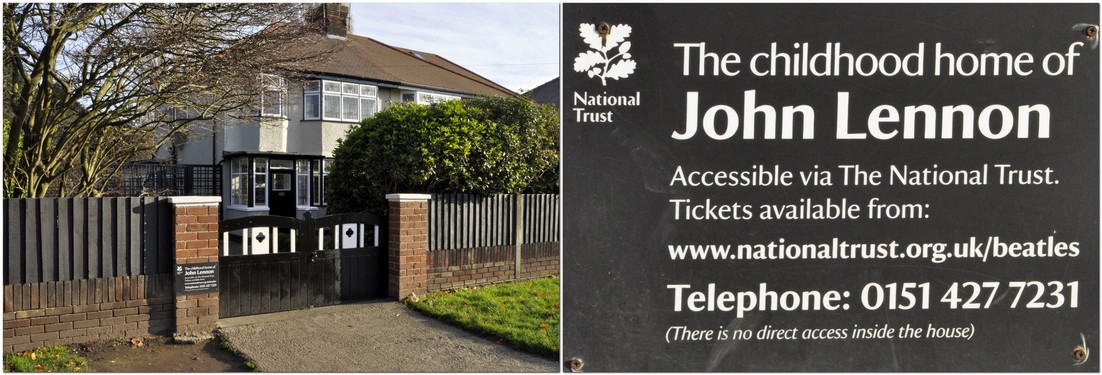


 I have no photographs inside the house. As with the McCartney home, visitors’ cameras and mobile phones are locked away for the duration of their visit. It’s both for security and copyright reasons.


 Dad Jim raised the boys with the help of relatives including Uncle Albert (remembered on Paul and Linda McCartney’s album
  After a reviving cup of tea back at the hotel, we crossed the road to visit The Beatles Story exhibition. The story of The Beatles is told there through displays of memorabilia and photographs; it opened in May 1990.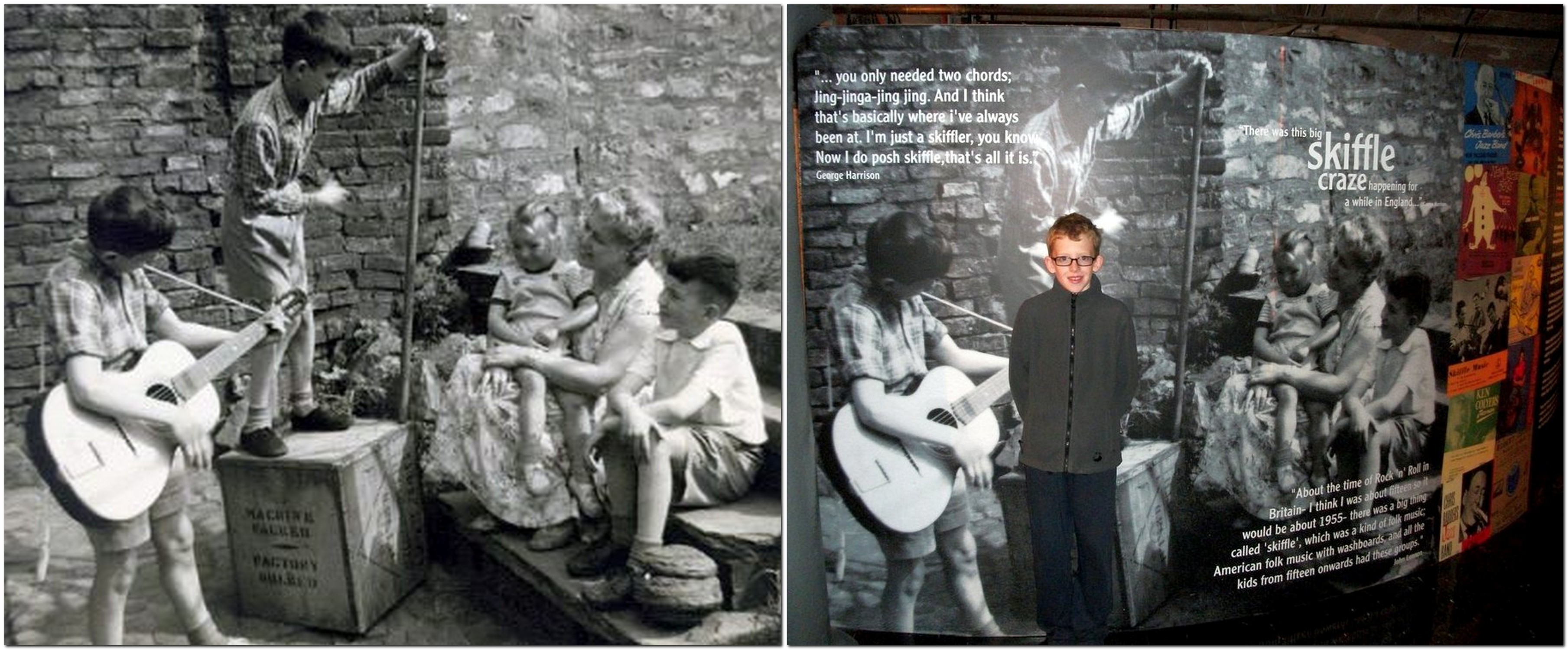


 We returned home to Bromsgrove just after noon on Monday. But before that, we took a 50 minute river cruise on the Mersey ferry, Royal Iris, from the Pier Head Terminal, across to the Seacombe Terminal on the Wirral, and then to Woodside Terminal at Birkenhead, before returning to the Pier Head. Here’s a short video I made, with Gerry & The Pacemakers (courtesy of a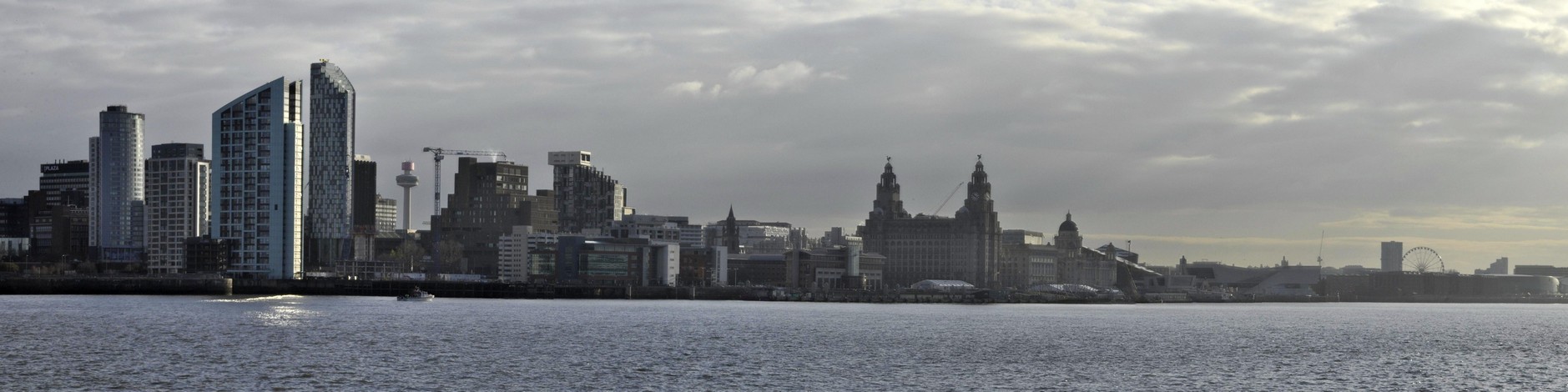
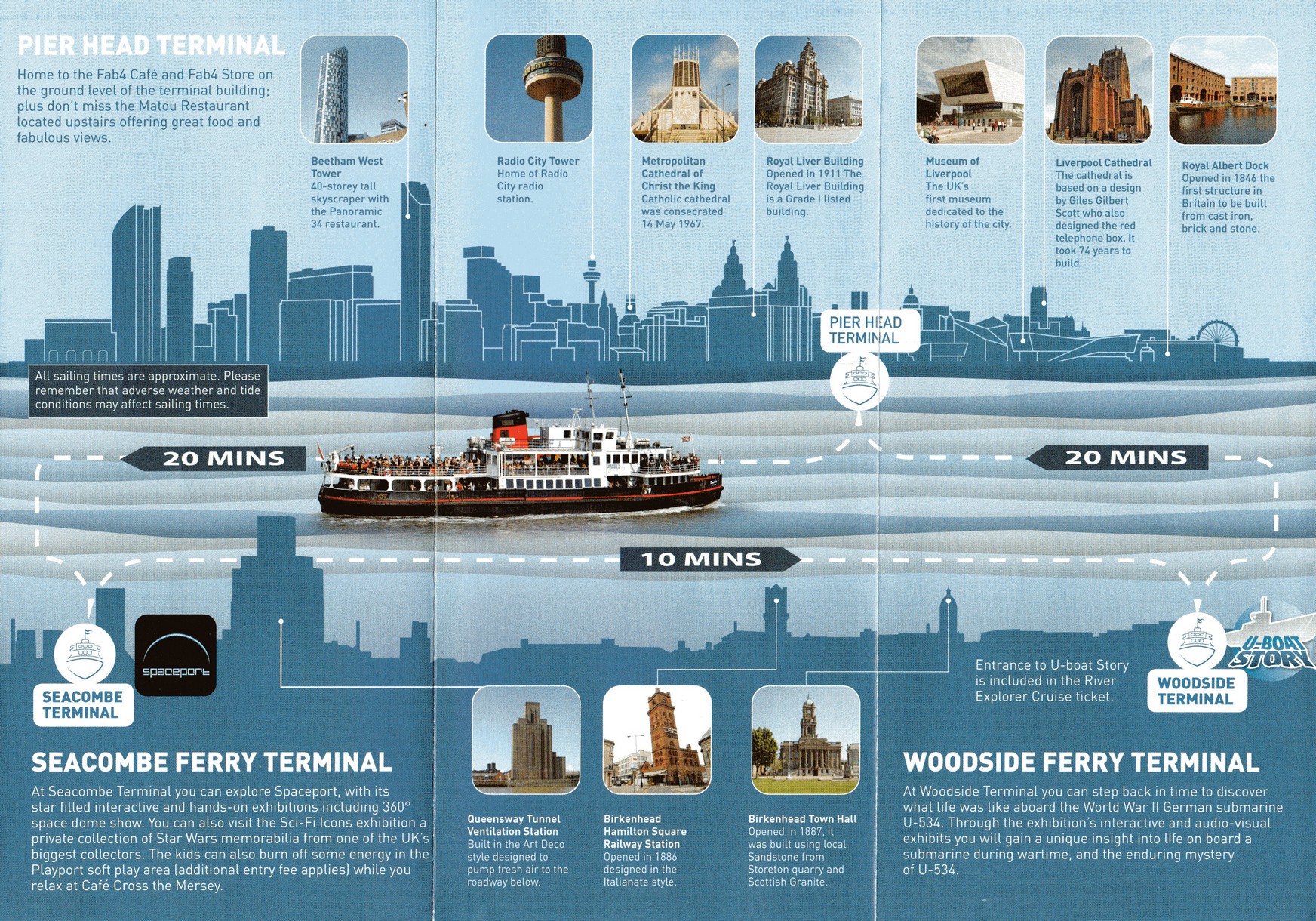




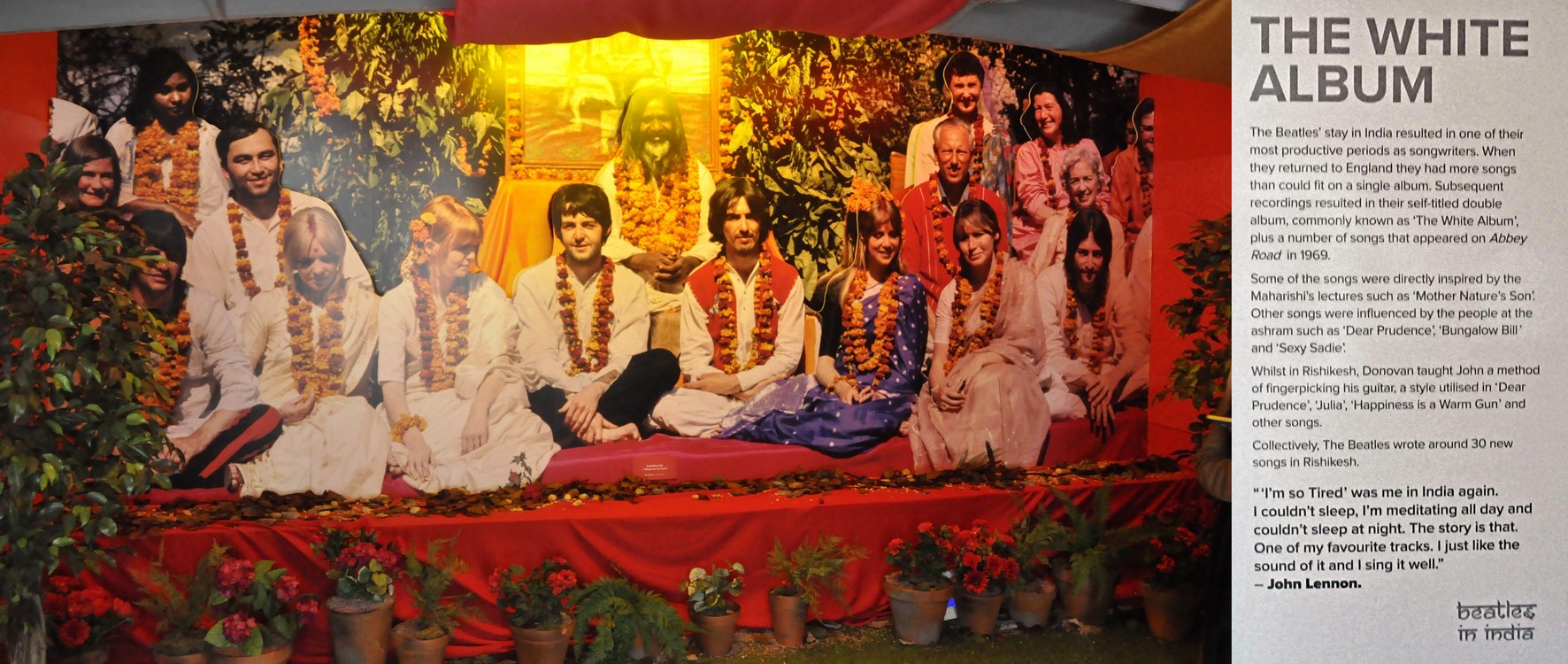

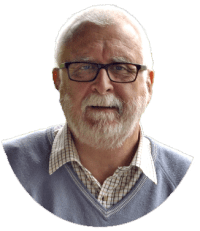 18 November 1948. Today is my 70th birthday. Septuagenarian. The Biblical three score and ten (Psalm 90:10)!
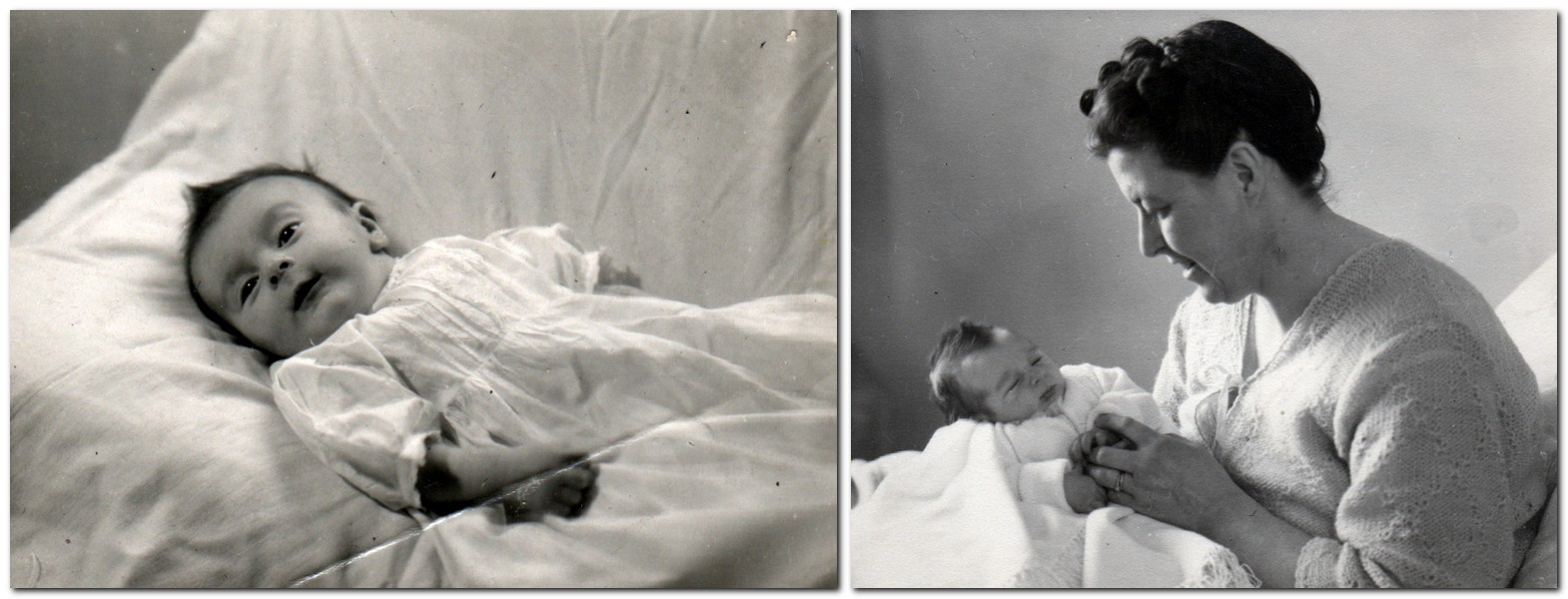
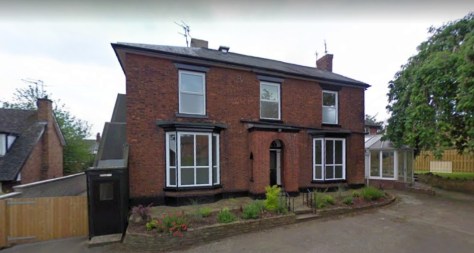
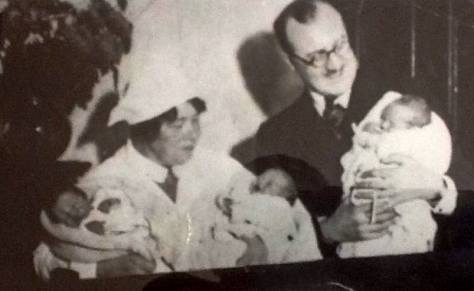
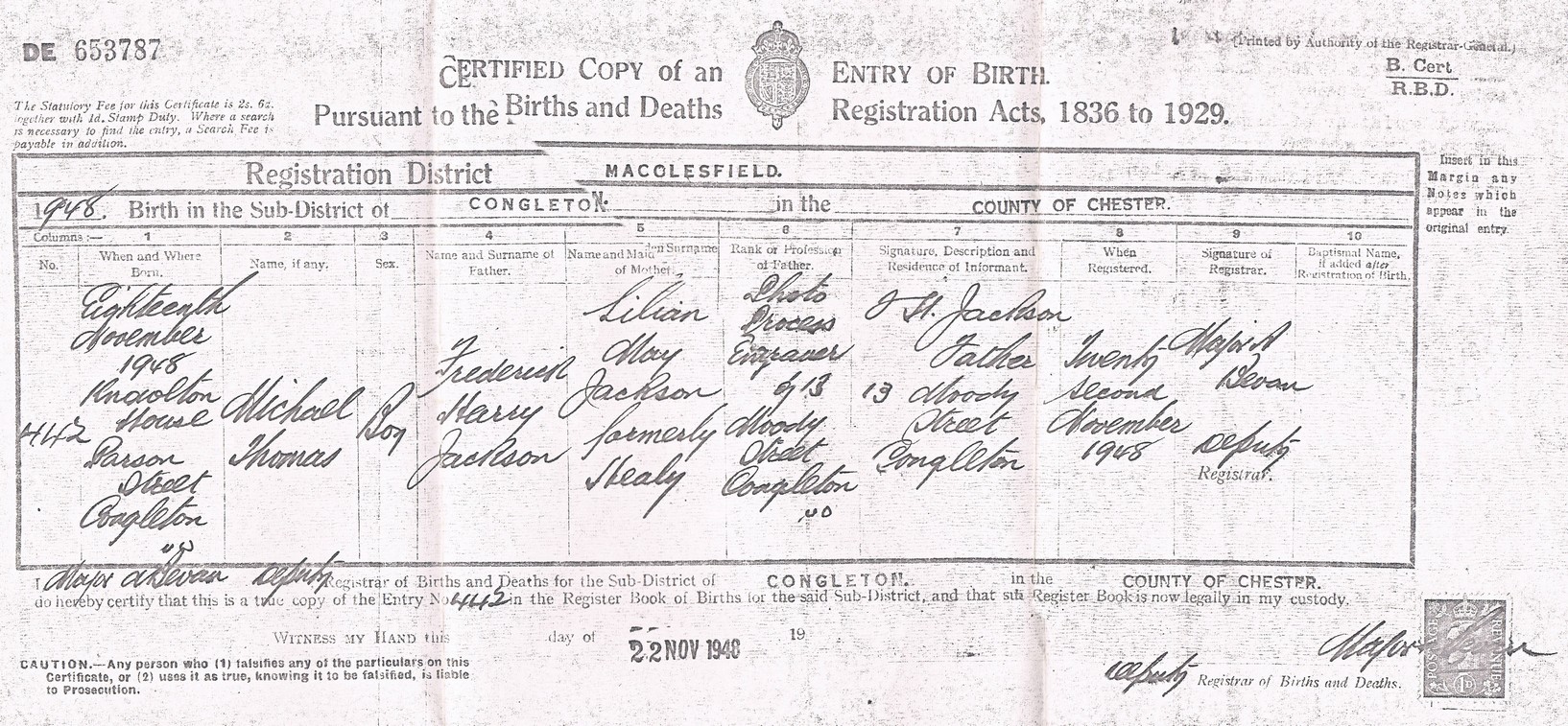
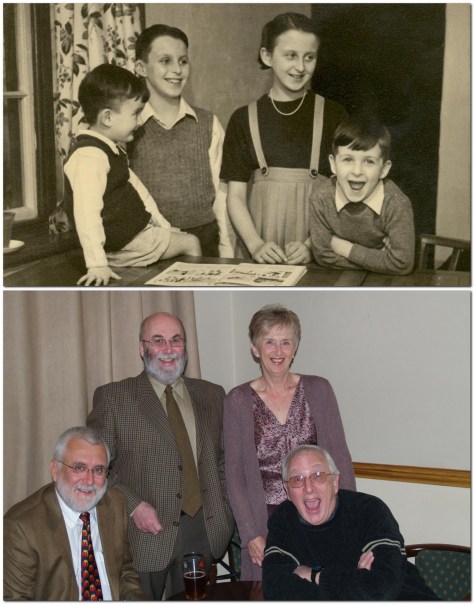


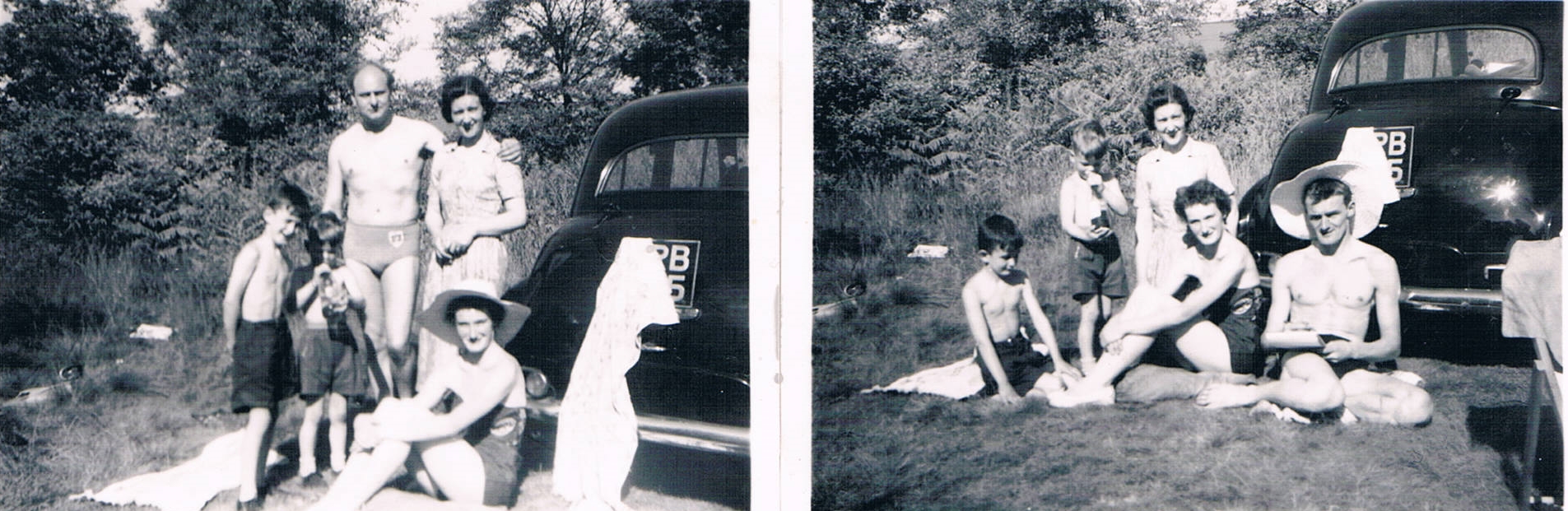
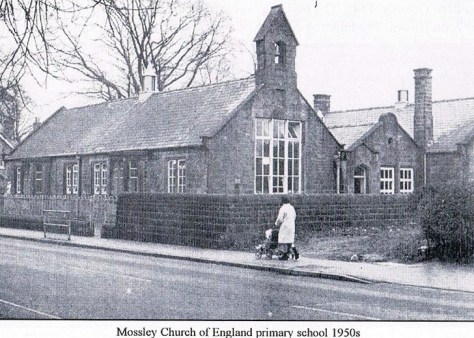

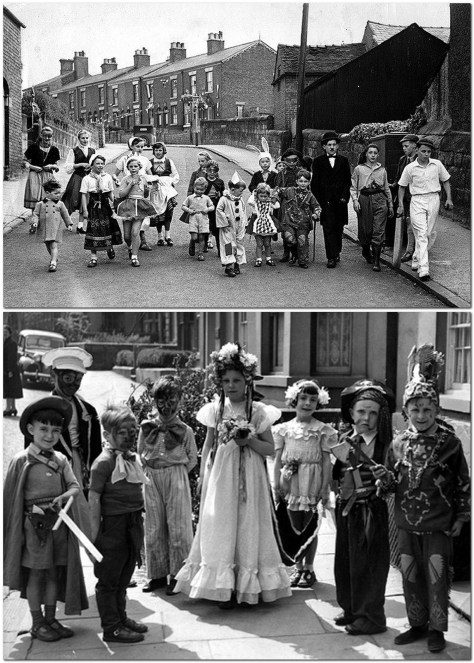


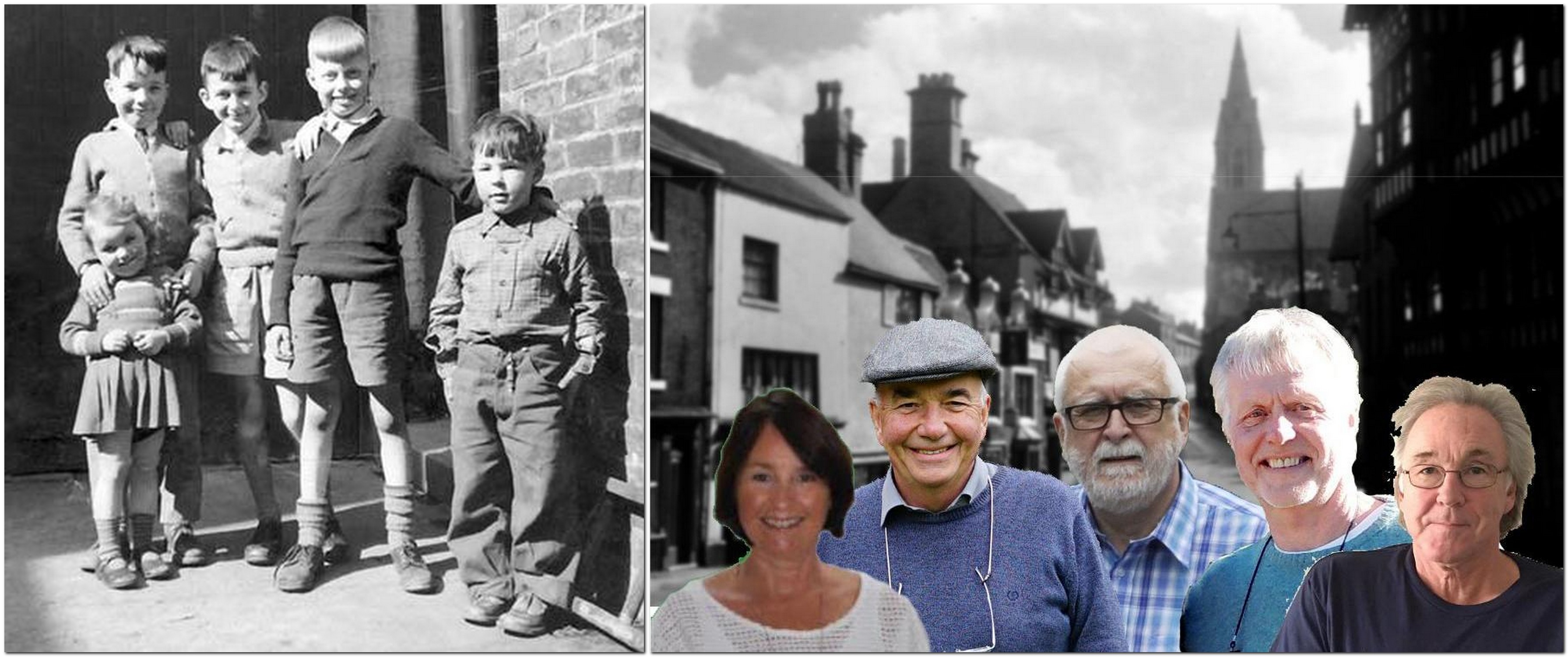
 I was also a cub scout, as was Ed.


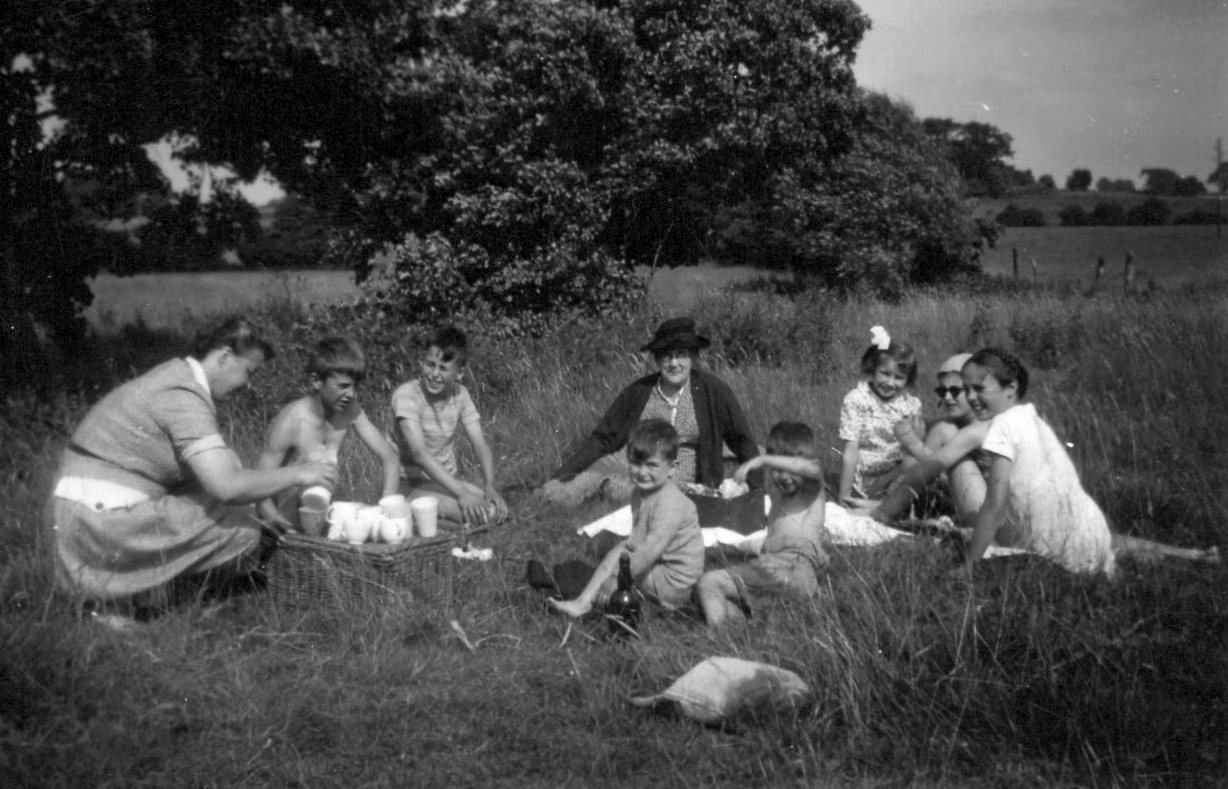
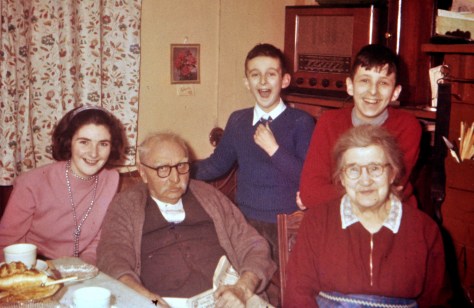
 I passed my 11 Plus exam to attend a Roman Catholic grammar school,
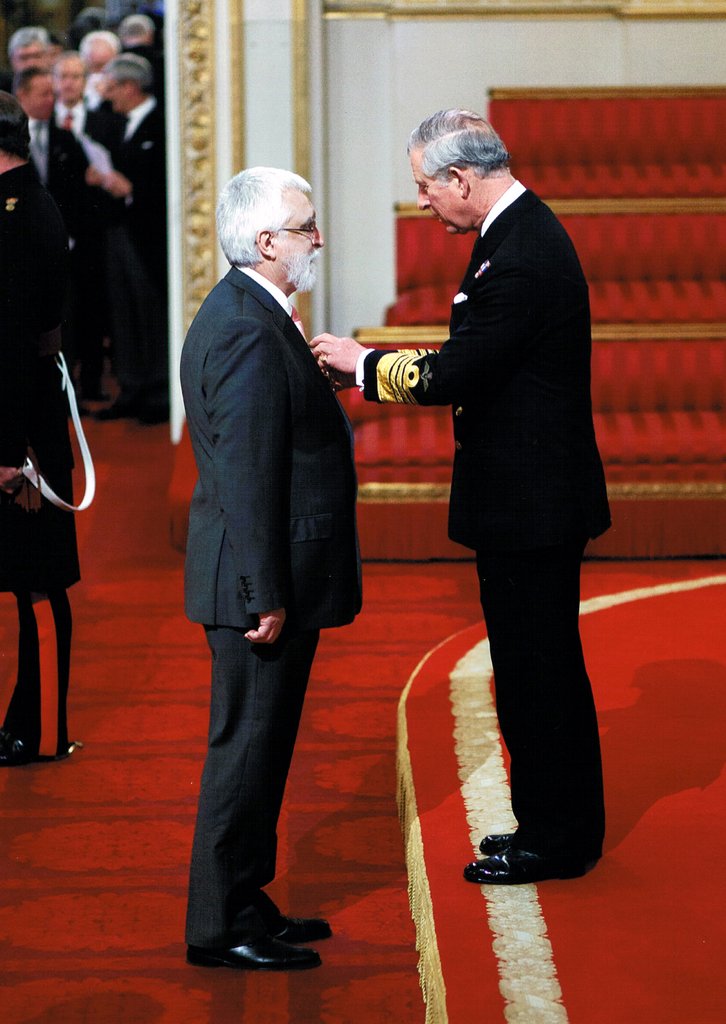
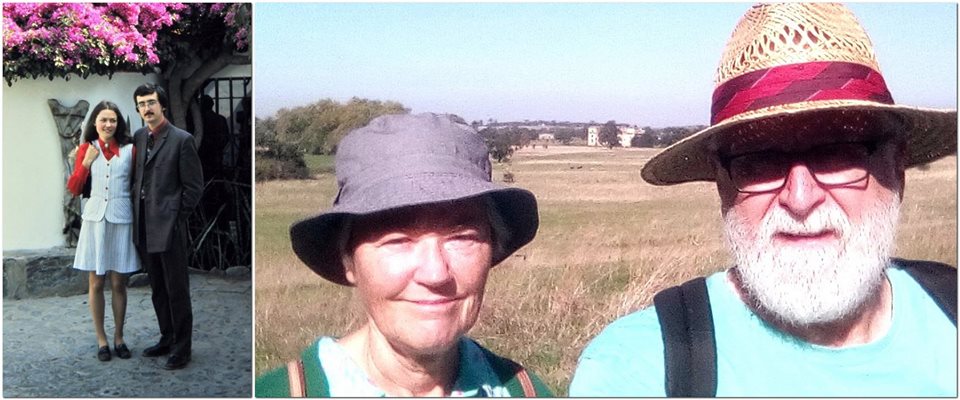
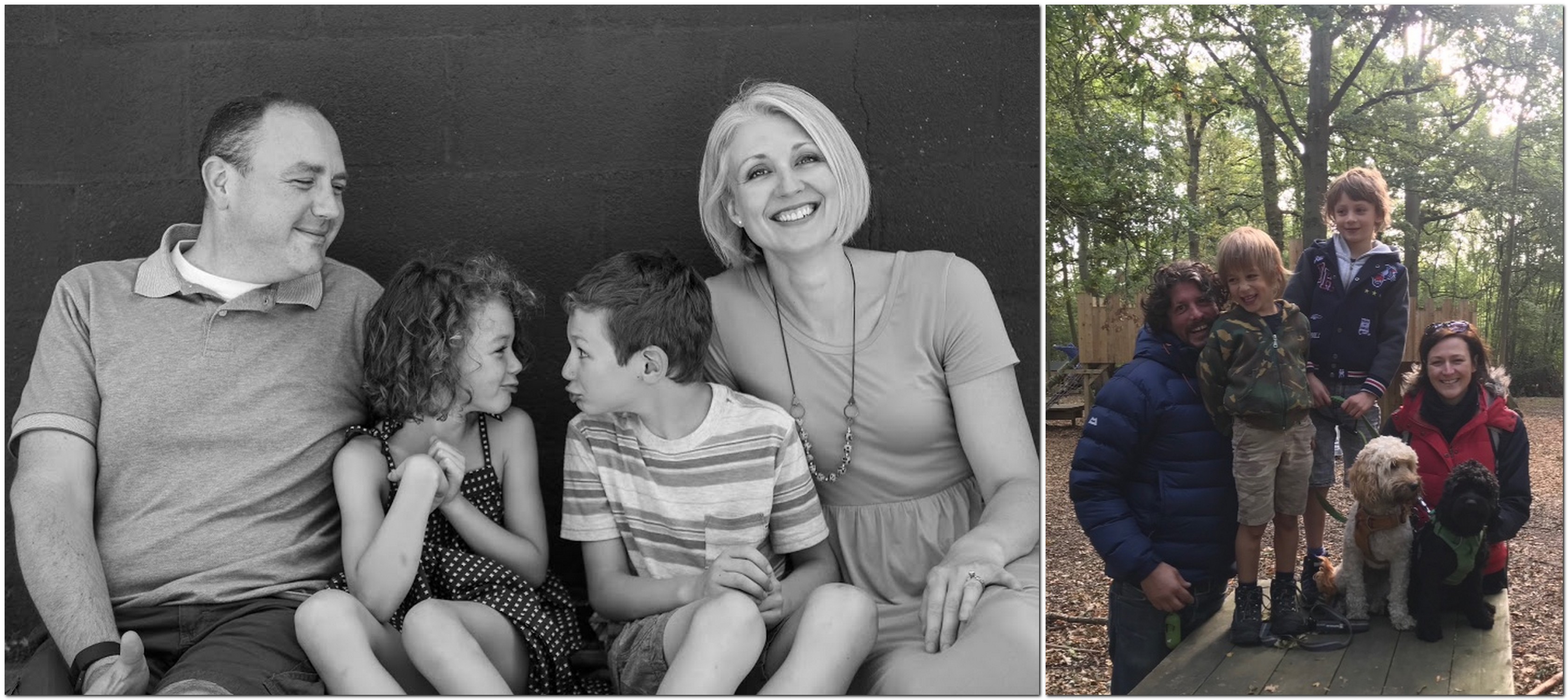
 A balanced diet . . .