Beningbrough Hall in North Yorks, is less than 10 miles northwest from the ancient city of York. It was one of the first properties owned by the National Trust that Steph and I visited in August 2011 a few months after becoming members.
The main entrance, on the north side of the Hall.
Beningbrough Hall is over 150 miles northeast from our home in Worcestershire (map), so it was not the sort of place to visit on a day trip. However, our younger daughter and her family live in Newcastle, a further 82 miles north from Beningbrough, and we stopped off at Beningbrough on the journey north to visit them.
This is believed to be a portrait of John Bourchier III.
There has been a house on the Beningbrough estate since the mid-sixteenth century. The original house was sited a few hundred meters away from the present Hall that was finished in 1716.
It was constructed by John Bourchier III (one of whose forebears, also named John, was one of the 59 persons who signed the death warrant of King Charles I in January 1649).
In 1916, Beningbrough Hall was acquired by Lord and Lady Chesterfield, and after her death in 1957, the Hall passed to the National Trust in 1958 (in lieu of death duties), although none of the contents came with that acquisition.
Besides its elegant architecture and interiors (the work of Bourchier’s chief craftsman William Thornton) and gardens, Beningbrough Hall is now home to a collection of 18th century paintings, displayed as part of a partnership between the National Trust and the National Portrait Gallery.
There’s no doubt that the collection of paintings on display is of the highest quality and significance. Nevertheless, our visit to Beningbrough was equally enjoyable taking in views of the Hall’s elegant exterior, and the formal gardens and orchards, mostly on the rear, south-facing side of the Hall.
The Beale family, c. 1900 (source: the National Trust).
It is located just south of East Grinstead (map) and is owned today by the National Trust. Steph and I visited the house and gardens on a glorious day in mid-May 2019.
The exterior design of the house blends effortlessly with the surrounding Kent landscape. From the gardens that surround the house there are impressives views overlooking the Kent countryside to the south.
The view from Standen House garden looking south across Weir Wood Reservoir to the Weald of (East) Sussex. The West/East Sussex County boundary runs along it northern side. The high ground (left of centre) on the furthest horizon is Ashdown Forest.
But Standen House is famous for its Arts and Crafts interiors. And they are impressive indeed. Most of the rooms are a celebration of the best of the Arts and Crafts Movement, and incorporate many of Morris’s iconic designs in the various wallpapers. It’s a pure feast for the eyes – although I’m not sure I could live with Morris’s designs every day [1].
William Morris in 1884
To view the magnificence (and perhaps to our more minimalist eyes today, the exuberance) of Standen’s interiors, please click here to open a comprehensive album of photos that I took during our visit.
After a tour of the house, it was very pleasant to wander through the shade of the gardens, before completing our visit and returning to our holiday cottage near Robertsbridge in East Sussex, some 32 miles to the southeast of Standen.
[1] Another National Trust property full of William Morris designs is Wightwick Manor near Wolverhampton in the West Midlands. Steph and I visited there in the summer of 2014.
Warkworth Castle, built in the 12th century, stands on a narrow neck of land in a loop of the River Coquet in Northumberland, close to where the river flows into the North Sea at Amble.
View from the Keep along the River Coquet towards Amble and the North Sea.
The view north overlooking part of Warkworth.
Steph and I were visiting family in Newcastle in April 2018, and on a bright sunny day, enjoyed an excursion to Warkworth beach with our younger daughter Philippa and her husband Andi, and grandsons Elvis and Felix (then 6 and 4, respectively).
Phil and Andi went straight home after the walk and a picnic, but we decided to take the boys to Warkworth Castle close-by, which is owned by English Heritage. And we were in luck.
On the day of our visit (21 April) English Heritage was celebrating St George’s Day (actually 23 April) with displays of ‘armed combat between knights in shining armour’, and many other attractions.
Visitors enjoying combat between ‘knights in shining armour’.
Felix and Elvis (with Grandma behind) enjoying the armed combat.
View from the Keep towards the Gatehouse. The Lion Tower is on the right.
Carvings on the face of the Lion Tower.
The castle came into the Percy family (later the Dukes of Northumberland) in the mid-fourteenth century. It saw action in the Wars of the Roses in the late fifteenth century, and parts of the castle were demolished (or ‘slighted’) then. It suffered further damage in the late sixteenth century.
Today, many of the internal structures have disappeared, but the outer curtain wall stands more or less intact. The Keep can be explored. The Lion Tower (on the right in the image immediately above) has some impressive stone carvings above the archway.
It’s an excellent destination for adventurous grandchildren who have some excess energy to burn off. From their reaction at being allowed to explore the different buildings it was clear that Elvis and Felix enjoyed their visit – just as much as Grandma and Grandad.
English Heritage Warkworth Castle in April
The image of Warkworth Tower on its mound that’s covered in daffodils has become iconic, and often use in tourism brochures and the like for Northumberland. Here’s my take.
If you are traveling south on the M40 motorway in Warwickshire and, about half way between Junction 12 (B4451 Gaydon Rd for the British Motor Museum) and Junction 11 (A422 for Banbury), you happen to look to your left, you’ll see an obelisk on the skyline. That obelisk is in the grounds of Farnborough Hall, a country house that has been occupied by the Holbech family since 1684. It’s now owned by the National Trust (since 1960) when the family endowed it to the Trust, although a descendant of the Holbech family still lives there and manages the property.
Farnborough Hall is just under 40 miles southeast from our home in Bromsgrove, Worcestershire (map).
It is an elegant, soft coloured stone building (probably Cotswold limestone) with elegant gardens, and a mile-long grassy terrace with the obelisk at the far end.
The main entrance, on the northeast facade of the house.
Steph and I visited there at the end of July 2012, having visited Upton House earlier that same day. Upton House is only 6 miles west from Farnborough Hall.
I don’t have any images of the interior of Farnborough Hall. I seem to recall that photography was not permitted (for copyright reasons, as many of the artefacts were still owned by the family). So I don’t have any firm memories of the rooms that we may have visited. It apparently has exquisite plaster work, which you can see on the National Trust webpage for the Hall.
Here is more information about the history of the Hall.
Another feature are the beautiful landscaped gardens, and views across the estate and the Warmington Valley.
I would certainly like to make a return visit before we move north to Newcastle. But I guess that is going to have to wait at least 3-6 months, as all National Trust properties are closed until further notice and the Covid-19 situation improves.
In September 2018, Steph and I enjoyed a week long break in Cornwall, and visited sixteen National Trust and English Heritage properties scattered over the county. And a couple in Devon on the journey south and return.
On our last full day, we made the 58 mile journey from our holiday cottage near the Lizard in the far south to Tintagel on the north coast to visit Tintagel Castle, of King Arthur fame, and a National Trust property in the center of the village: Tintagel Old Post Office.
Tintagel Old Post Office was built over 600 years ago. Originally a farmhouse, it has had many functions over the centuries, and became the village post office in 1870. Besides the five rooms to explore on two floors, Tintagel Old Post Office has a delightful cottage garden.
A complete album of photos of the post office and garden can be viewed here.
Then we headed down some very narrow lanes to the cliffs for a picnic overlooking the Atlantic Ocean. Next stop: Newfoundland!
We also took the opportunity to explore the Church of St Materianna, and enjoy the view back to the village itself.
I have included photos of this side trip in the same photo album referred to above.
Cragside, the house built by William, 1st Baron Armstrong between 1869 and 1882, is remarkable. It was the first house in the world to be lit (and powered throughout) by hydroelectricity. Armstrong was a wealthy engineer and industrialist, eminent scientist, inventor and philanthropist.
Surrounded by moorland and farmland, Cragside stands in the heart of Northumberland near the village of Rothbury (map). It has been owned by the National Trust since 1977. It was one of the first National Trust properties that Steph and I visited after becoming members in 2011.
Cragside was a joint creation between William Armstrong, his wife Margaret (née Ramshaw), and architect Richard Norman Shaw.
Armstrong constructed a dam and lake high on the moorland above Cragside to provide the water to generate electricity. The original turbine house still stands in the grounds.
There are many magnificent treasures to view inside the house. However, I don’t have any images of Cragside’s interior. I guess in 2011 the National Trust’s policy on photography was not as liberal as it is today (as my readers will have realised from the many images I have posted about our National Trust visits). Or perhaps, there were copyright issues that did not permit photography inside the house.
What is also remarkable about Cragside is the garden that the Armstrongs carved out of the hillside, planting many trees and exotic plants obtained from all over the world. In particular there are outstanding stands of tall Wellingtonias. Of course they never lived to see their garden in its mature magnificence. Below the house, is a large and impressive rockery, and a bridge takes you across the valley bottom, and a path towards the formal garden, some distance from the house. This garden was designed on an open south-facing slope overlooking Rothbury and the farmland beyond.
Once the Covid-19 crisis has passed, and we have finally made the move north to Newcastle upon Tyne (assuming we can sell our house in Worcestershire), Steph and I look forward to re-visiting Cragside. And then, with any luck, I can add to my collection of photos with some interior images.
23 October 2020
Well, Steph and I moved to the northeast three weeks ago and, having already settled on a house to purchase (we are currently renting a small house towards the coast on the northeast side of Newcastle), we no longer have to spend time viewing prospective houses. More time for getting out and about.
So yesterday, with the weather boding fair (but with gales forecast for the next few days) we headed to Cragside and enjoy the autumn colors before the coming gales rip all the leaves from the trees.
Cragside is magnificent. The staff were doing a great job yesterday, checking everyone on to the site with our timed tickets (at 10:30 in our case), at the café for a welcome Americano, then around the house after we had toured the Rock and Formal Gardens.
We hadn’t expected the house to be open, and although fewer rooms were open yesterday than in 2011 when we first visited, National Trust policy regarding photography inside its properties has changed, and I was able to capture many of the details I was denied nine years back.
Here is a selection of garden photos, followed by some of the house interior. A full set of photos from yesterday and 2001 can be viewed here.
Cragside
Cragside
Cragside
Looking across the moors at Cragside
The garden at Cragside
The rooms that were open included the billiard room, the main hall, gallery, the library, study, and the kitchen.
Then we decided to drive the six miles around the estate on the Carriage Drive. Check the settings on the video for video quality and speed (it’s possible to speed up and slow down).
Dominating the horizon on the coast of Northumberland, and overlooking the cold North Sea, Dunstanburgh Castle was built during the fourteenth century reign of infamous King Edward II by the king’s cousin, Earl Thomas of Lancaster between 1313 and 1322.
Approaching Dunstanburgh Castle along the coastal path from Craster.
The castle can only be reached on foot, about 1.5 miles north from Craster. The castle is owned by the National Trust, but the site is operated by English Heritage.
View of the great gatehouse over the southern mere.
Overlooking cliffs on one side, the castle had excellent natural defences, and occupied the site of an Iron Age fort.
Thomas of Lancaster was executed in 1322, and it passed eventually passed into the hands of John of Gaunt, Duke of Lancaster. It changed hands between Lancastrian and Yorkist forces during the Wars of the Roses, and suffered damage from which it never fully recovered. By the sixteenth century it was in an advanced state of decay.
Today, just a few of the towers are standing, particularly the entrance Great Gate with its twin towers. Also the curtain wall that surrounds the castle connecting with the cliffs.
It’s possible to climb some of the towers from which there are magnificent views over the surrounding Northumberland countryside.
Great Gatehouse
Righthand tower of the Great Gatehouse
The Inner Bailey
Inside one the towers of the Great Gatehouse
View over the coast, southeast from the Great Gatehouse
The view towards Craster from the Great Gatehouse
The Great Gatehouse from the Inner Bailey
The Constable’s Tower
The Great Gatehouse from near the Constable’s Tower
Queen Margaret’s Cove – with lots of kittiwakes
The Great Gatehouse from near Constable’s House
The Great Gatehouse from near Egyncleugh Tower
Looking towards Constable’s Tower and Egyncleugh Tower from the Great Gatehouse
The view towards Craster
Great Gatehouse ruins
Lichens thriving in the unpolluted air
View towards Craster
View north from the Great Gatehouse
Steph and I have visited the castle on a couple of occasions, the last being in May 2012. Parking in Craster, we enjoyed the coastal walk on a fine, bright but blustery day. The kittiwakes were nesting on the cliffs below the castle, and we spotted a weasel darting along a stone wall just above the tide line.
Then it was back to Craster for a pub lunch, and purchasing some of the renowned Craster kippers (smoked North Sea herrings).
The Clent Hills are a range of hills rising proudly to over 1000 feet (315 m) over the surrounding landscape less than 7 miles as the crow flies from our home in Bromsgrove in northeast Worcestershire. They are, as the National Trust states on its website, ‘a stunning countryside haven in the heart of the busy Midlands‘.
In the 39 years that we have lived in Bromsgrove (although we were abroad in the Philippines for 19 of those) we visited Clent Hill on just a handful of occasions, the last being at the end of July 2010, a couple of months after we retired back to the UK.
As you can see from the short video I put together, and the images I have included below, it was a rather overcast day. But the visibility was very good indeed, and we had great views southwest to the Malvern Hills, and even beyond (just) to the Black Mountains of South Wales. Then west into Shropshire, and coming round to the north looking over Stourbridge and on the the Black Country of the West Midlands conurbation.
Emmetts Garden is a six acre garden, high on the 600 foot Ide Hill near Sevenoaks in Kent, overlooking the Weald, which Steph and visited in mid-May 2019 during our week-long vacation in East Sussex and Kent.
Before 1860, the site of Emmetts Garden was open farmland, after which a house was built. But it wasn’t until 1890 when Frederick Lubbock purchased the house and land that he set about designing and creating a garden on the site.
After Lubbock’s death in 1927 the estate was purchased by Charles Boise, who bequeathed Emmetts Garden to the National Trust in 1964. The house is not part of the National Trust property.
Frederick Lubbock and Charles Boise
Under Charles Boise’s care, Emmett’s Garden continued to flourish, as Boise kept on Lubbock’s gardener, Mr Taylor. But he did make several changes, filling in lakes (having worked in the Congo he had a morbid fear of malaria!), and extending the rockery.
When we visited the rockery was probably at its best, but the rose garden (one of the few formal features) had not reached its peak. The wild flower meadow was past its best. We also had a lovely walk through the more informal parts of the gardens leading down to the viewpoint over the Weald that you can see in the photo at the top of this post.
Here are some more photos taken around the garden.
I visited Sri Lanka just the once. However, I don’t even remember which year or month. Only that it was the early 1990s, probably around 1993 or 1994. That was when I was planning a major rice conservation project at IRRI, and I wanted to determine if or how any Sri Lankan organizations would participate. As it turned out, for reasons that I’ll explain in due course, Sri Lanka did not join the project.
The Sri Lankan genebank, The Plant Genetic Resources Centre (PGRC) is based in Kandy in the island nation’s Central Province, of which it is the capital. It lies amongst the hills of the central plateau. The hills surrounding Kandy are covered in tea plantations. And, in many ways, Kandy is a magical place to visit. The scenery is outstanding.
Although I don’t remember in which hotel I stayed, I do remember it was perched on the summit of one of the hills, with views in every direction, as you can see in the gallery above. In the stillness of the dawn, I woke each morning to the sounds of birds calling to each other across the valleys. What a wonderful start to the day.
Kandy is home to a magnificent botanical garden (the Royal Botanical Gardens at Peradeniya just west of the city) and one of Buddhism’s most sacred places of worship, the Temple of the Tooth or Sri Dalada Maligawa, is located in the city center.
The Plant Genetic Resources Centre was opened in 1990. Its construction was a donation from the Government of Japan in 1989. So when I visited it had been open for just a few years—and looked like it. But, unlike one or two other genebanks whose construction Japan had supported in other Asian countries, the staff at PGRC were certainly making the most of their expanded facilities to store seeds and tissue culture or in vitro conservation.
Once again I am unable to name most of the people I met at PGRC, with one exception: Mr CN Sandanayake, who was one of my MSc students at the University of Birmingham in 1986.
CN Sandanayake talks with one of his colleagues at PGRC.
And as you can see from one of the photos in the gallery above, everything stops for tea!
When I discussed participation in the IRRI-led rice biodiversity project, it was clear that Sri Lanka had already made significant progress to collect and conserve indigenous rice varieties and wild species. My former colleague at IRRI, Dr Duncan Vaughan had visited Sri Lanka in the 1980s to help with the collection of wild rices.
Furthermore, PGRC had a cadre of excellent technical staff, and as you can see from the photos, excellent facilities for germplasm conservation. And, given the ongoing civil war there were many no-go areas in the country, especially in the north and east. However, in Kandy, there was no tangible signs of the conflict.
I made a side trip, with Sandanayake, to the Rice Research & Development Institute at Batalagoda, some 50km north of Kandy. Here are a couple of photos I took on that journey.
There I met with MS Dhanapala, a rice breeder who had also come to Birmingham in the 1980s to attend short courses on plant genetic resources, and also spend some time in the Department of Genetics.
Sitting, L-R: Dhanapala, me, Sandanayake. I don’t remember the names of those standing.
Sri Lanka has had a very successful rice breeding program, and many of its varieties have been adopted throughout Asia, after being shared and trialled through INGER, the IRRI-led International Network for the Genetic Evaluation of Rice, that I wrote about in 2015.
Now to return to Kandy tourism.
The Royal Botanic Gardens at Peradeniya cover almost 150 acres. There are wide open spaces to wander around, but also exquisite orchid houses to enjoy, with a multiplicity of species and varieties to take in.
As I mentioned, the Temple of the Tooth is a sacred shrine to Buddhists, and although not overrun with pilgrims during my visit was, nevertheless, quite busy.
One of the most impressive exhibits, in a side room, is a huge, stuffed elephant that died in 1988. This was Raja, a tusker who led ceremonial processions from the Temple for over 50 years.
All too soon my stay in Kandy was over, and I headed down to Colombo on the west coast to take my flight back to Singapore, and from there to the Philippines. It’s certainly a country I would like to return to.
During the nineteen years I spent in the Far East, I visited China just twice. The first time was in March 1995, and this post is all about that visit. It must have been in 2009 that I was in China again, for the annual meeting of the CGIAR (Consultative Group on International Agricultural Research) held in Beijing, just across the street from the famous Beijing National Stadium (aka Bird’s Nest) built for the 2008 Olympic Games.
However, back to 1995.
Dr Bao-Rong Lu
A year earlier I had recruited Dr Bao-Rong Lu (a Chinese national from the southwest Sichuan Province) to work in IRRI’s Genetic Resources Center (GRC) on the diversity of wild rice species. Bao-Rong had just completed his PhD in Sweden at the Swedish University of Agriculture under the supervision Professor Roland von Bothmer, studying the cytogenetics of wheat species, if memory serves me correctly. He had also spent some months working at the Institute of Botany, The Chinese Academy of Sciences (IB-CAS), in Beijing prior to joining IRRI.
With a major rice biodiversity project getting underway at IRRI in 1995, I decided that a visit to China with Bao-Rong was the appropriate moment to initiate some further contacts and possible collaboration. Our visit took in three cities: Beijing, Hangzhou (in Zhejiang Province west of Shanghai), and Guangzhou (Canton) in the south.
First stop was the IB-CAS where I met with the Director (whose name I cannot recall, unfortunately) and many of the staff.
With the Director of the Institute of Botany and staff. Bao-Rong is standing on my left, and the Director on my right.
I was invited to present a seminar about the International Rice Genebank at IRRI and its role in the global conservation of rice genetic resources.
There was also some time for sightseeing around Beijing, and this was my opportunity to tick off another item on my bucket list: walking on the Great Wall of China (at Mutianyu, about 45 miles north of Beijing).
As you can see from these photos, there were few visitors, unlike scenes I have seen in the media in recent years.
We also took a tour of the Forbidden City in Beijing, and a walk around Tiananmen Square. Again not crowded! In one of the photos you can see the Great Hall of the People behind Bao-Rong. During the CGIAR meeting in Beijing that I mentioned earlier, the official dinner (and entertainment) was hosted by the Chinese in the Great Hall. It’s massive!
The photos appear hazy, because it was. It was quite cold in Beijing in March, with a stiff northwesterly breeze blowing over the city, laden with dust from the far west of China. It felt like being sand-blasted.
We also visited some Ming era tombs near Beijing, but I’m unable to find any photos of that particular visit.
On one night the Vice President of the Chinese Academy of Sciences hosted a small dinner in my honor. On another, Bao-Rong introduced me to the delights of spicy Sichuan cuisine. There was a Sichuan restaurant in our hotel where all the staff were from the province.
Trevor Williams
Later that same evening, as Bao-Rong and I were enjoying a beer in the bar overlooking the hotel reception, I saw someone who I recognised enter the dining room. I had to investigate. And, lo and behold, it was Trevor Williams who had supervised my MSc dissertation at the University of Birmingham in 1971. Around 1977, Trevor left Birmingham to become the first Director of the International Board for Plant Genetic Resources (IBPGR – now Bioversity International) in Rome. In 1995 I hadn’t seen Trevor for about six years, and so we spent the rest of the evening catching up over rather too many beers. Having left IBPGR by then, he was in Beijing setting up an organization that would become INBAR, the International Network for Bamboo and Rattan with its headquarters in Beijing.
After a few days in Beijing, we headed south to the city of Hangzhou (inland from Shanghai on the Qiantang River) in Zhejiang province. We were there to visit the China National Rice Research Institute (CNRRI) and meet with its director Professor Ying Cunshan. Professor Ying participated in the rice biodiversity project as a member of the project Steering Committee. CNRRI is the home of China’s largest rice genebank, which was modelled (inadvisedly in my opinion) on the genebank at IRRI.
With Bao-Rong and Professor Ying outside the entrance to CNRRI.
Inside the genebank with Professor Ying.
After a couple of days in Hangzhou, we headed southwest to the city of Guangzhou (Canton) and I experienced one of the most nerve-wracking flights ever.
Much as I am fascinated by aviation in general, I’m somewhat of a nervous flyer. And in the mid-1990s Chinese airlines were only just beginning to modernise their fleets with Boeing and Airbus aircraft. Many were still flying Soviet-era Russian aircraft, like the Tupolev (probably a ‘154’) that was assigned to our flight. On that morning, flights out of Hangzhou were delayed due to fog, and at the same time Guangzhou was also fogged in. Over a period of a couple hours, other flights (of mainly new aircraft) did depart, leaving just the Tupolev on the apron for our flight. Eventually the flight was called and we made our way out to the aircraft. Looking around the cabin as I made my way to my seat, it crossed my mind that this aircraft had seen better days.
Anyway, we took off and headed for Guangzhou. Approaching that city after a flight of about 90 minutes, the captain informed us that fog was still hanging over the airport but he would continue the landing. Only to abort that just before touching down, and returning to Hangzhou! My nerves were on edge. After refuelling, and a further delay, we departed again. This time we did find a gap in the fog and landed. As we were on our final approach and seconds from touch-down, a female passenger immediately in front of me decided to get out of her seat to retrieve her hand luggage from the overhead bin. That was the final straw for me, and I shouted at her, in no uncertain terms, to sit the f*** down. Not my best moment, I admit.
In Guangzhou, our destination was the Guangzhou wild rice nursery and meet with the staff (again I don’t remember who precisely). I believe the nursery was managed through the Guangzhou Academy of Agricultural Sciences. As in Beijing, I gave another seminar here.
In a 2005 paper, Bao-Rong and others has written about wild rice conservation in China.
Completing our visit to Guangzhou, I took a flight into Hong Kong (maybe under 40 minutes) to connect with another back to Manila.
Although China did not participate directly in the rice biodiversity project since the country had already invested heavily in rice collection and conservation, Professor Ying Cunshan served on the Steering Committee for the 5-year life of the project. We felt that his experience, and recognition among other rice scientists, would be an invaluable addition to the team.
I have two particular reflections on this first trip to China. First, in crowded areas the Chinese had little ‘respect’ for personal space, and I often found myself checking my pace of walking as others crossed in front of me, seemingly oblivious of the fact that I was there. And it wasn’t just me, being a foreigner. It just seemed the normal thing to do.
Secondly, I realised that I am not a very adventurous eater. Some of the dishes I was presented with did not encourage my appetite. There was certainly a lack of synchronization between my stomach, eyes and brain. I did find Sichuanese cooking delicious, however. In Guangzhou, where many ‘exotic’ dishes were prepared, I got round any difficulties by explaining to my hosts, through Bao-Rong, that I was vegetarian. And those dishes were equally delicious.
Bao-Rong remained at IRRI for two contracts, a total of six years. After he left IRRI in 2000, he returned to China and it wasn’t long before he joined Fudan University in Shanghai. He is now Professor and Chairman of the Department of Ecology and Evolutionary Biology, and Deputy Director of the Institute of Biodiversity Science. He currently serves as a Member of the Chinese National Biosafety Committee.
Laos or the Lao PDR (the Lao People’s Democratic Republic – actually a Unitary Marxist–Leninist one-party socialist republic) is one of the few landlocked countries in Asia. But it does have a connection to the sea, down the Mekong River where, through its mighty delta in Vietnam, it disgorges into the South China Sea. For a considerable length, the Mekong is the international border between Myanmar and Laos, and Thailand and Laos.
During the 19 years I spent in Asia (with the International Rice Research Institute in the Philippines) I visited Laos more than any other country, probably a couple of times a year over a five to six year period. Why? Because it was a focal country for the major rice conservation project that I managed between 1995 and 2000, funded by the Swiss government.
The Swiss, through the Swiss Agency for Development and Cooperation (SDC), also funded an in-country Lao-IRRI Program. So, as we were looking to strengthen the collection and conservation of indigenous rice varieties and wild rices in that country, it was a logical step to associate our rice biodiversity project administratively with the Lao-IRRI Project. The scientist who we hired for the Lao component of the project, Dr Seppana Appa Rao (originally from a sister center, ICRISAT, in Hyderabad, India) was based in the Lao capital Vientiane, and reported on a day-to-day basis to the leader of the Lao-IRRI Project, Australian agronomist Dr John Schiller (who passed away a couple of years ago).
Enjoying dinner with Appa Rao and John Schiller at John’s home in Vientiane.
In February 1997 I was joined on one of these visits to Laos by my wife Steph. IRRI had a generous travel policy. For every so many days a scientist was travelling outside the Philippines (but discounting the days of departure and arrival), his/her spouse or partner was entitled to one trip to a destination in Asia. So, we took advantage of that policy for a slightly extended visit to Laos (to take in some of the sights) as well as a weekend in Bangkok, through we had to transit in any case. A trip to Laos inevitably involved an overnight stop in Bangkok on both legs of the journey, taking a late flight out of Manila to Bangkok (about three hours) then the first flight on Thai Airways or Lao Aviation the next morning to Vientiane.
When I first visited Laos in 1995, the population of Vientiane was less than 400,000. It’s now reported at over 800,000. Back in the day it had the feel of a small town hugging the banks of the Mekong. But even then the traffic could become snarled at times. I wonder what it’s like nowadays? Looking at a satellite image the other day, the spread from the city center is clear. Even back in the 1990s, the city had begun to rapidly spread eastwards. The National Agricultural Research Center (NARC) of the National Agriculture and Forestry Research Institute (NAFRI) had its research station in this area, and where a rice genebank was constructed with financial support from the Swiss.
On this particular trip, Steph and I spent time with Appa and his Lao colleagues, Dr Chay Bounphanousay and Ms Kongphanh Kanyavong at the research center, looking at the genebank, field plots and various other facilities used to conserve the rice varieties collected throughout the country. This was also of interest for Steph as she originally trained in genetic resources, and has an MSc degree in genetic resources conservation and use from the University of Birmingham (where we met in 1971/72).
L-R: Kongphanh Kanyavong, Appa Rao, and Chay Bounphanousay
We also visited a research site where wild rices were being monitored in a joint project with Japanese scientists. It was hoped that data from that project would inform the establishment of field or in situ conservation sites around the country.
Driving around Vientiane as tourists, we noted that two buildings dominate the skyline in the city center. The first, the Patuxai monument, is a huge war memorial that commemorates the struggle for independence from France. The other, a short distance away to the northeast, is Pha That Luang, a large, gold covered Buddhist stupa.
Patuxai
Pha That Luang
Ph Phat Luang
And after a hard day in the field, or touring the city and markets, what better way to end the day than a stroll along the banks of the Mekong.
That’s Thailand on the far bank.
On another day, Appa, his wife, Chay, and Kongphanh took us for a boat excursion round the Nam Ngum Reservoir, about 70 km north of Vientiane, and afterwards to the Lao Zoo nearby.
Steph and I were also invited to participate in a Baci Ceremony at John’s home, which involves the tying of white cotton strings around person’s wrists and the prayer saying or well wishing for the person that the ceremony is intended for. I had been to one of these ceremonies before, during my first visit to Laos. Another new IRRI staff member, agronomist Bruce Linquist and his family, were also welcomed to Laos at this particular ceremony.
But the tourist highlight of our visit was a weekend in Luang Prabang (a 40 min flight north of Vientiane), an ancient city standing on a peninsula at the confluence of the Mekong and the Nam Khan River.
In 1997 there were few tourists in the city besides ourselves. As we walked through the streets of the ‘old town’ the locals we passed would smile and say hello, and go on about their business. They paid no attention to us whatsoever. Luang Prabang has become a mecca for tourists from afar, and must be a very different place nowadays.
After checking into our hotel (I don’t remember which one—it was new and on the southwest of the city center), we set out to explore the sights.
First on our list was the sixteenth century Buddhist temple Wat Xieng Thong, or Temple of the Golden City, at the northern end of the peninsula. It is one of the most important shrines in the country.
The architecture is breathtaking, and as we wandered around the temple, there was a just a feeling of serenity.
Later in the day before sunset, we climbed 100m high Phousi Hill to enjoy the 360° panorama from the summit, looking north over the old town and the Nam Khan River.
I guess the highlight of our trip to Luang Prabang was the 25 km or so boat trip we took upstream along the Mekong to visit the shrines at the Pak Ou Caves, which are opposite the mouth of the Ou River as it flows into the Mekong.
As I already mentioned, Luang Prabang was very quiet, and we hired a river boat to ourselves. The journey took about two hours, during which we had the chance to take in, close-up, the majesty of the Mekong.
At the landing stage where we took our boat. You can see several of these boats behind Steph, looking north along the Mekong.
Mekong River, nr. Luang Prabang, Laos
Approaching the landing stage at Pak-Ou, our boatman carefully positioned his boat so that we could disembark safely. While we were ashore, he turned the boat around ready for the return, but also a short diversion into the mouth of the Ou River.
There are two caves: Tham Ting is the lower; Tham Phum is the upper. Both are filled with hundreds if not thousands of Buddha sculptures.
Approaching the caves from the Mekong
Tham Ting
Tham Phum
Tham Phum
Tham Phum
Lion carving in Tham Phum
We were the only visitors on this day, and had the site to ourselves. Nowadays, it’s rather different as this photo (copied from the website http://www.viajeasean.com) clearly shows.
After a late afternoon meal overlooking the Mekong back in Luang Prabang, our visit to this ancient city came to an end, and we flew back to Vientiane the following morning, and on to Bangkok.
In July 1981, Steph and I (and three year old Hannah) set up home in Bromsgrove, a market town in northeast Worcestershire of just over 29,000 inhabitants (2001 census), almost equidistant between Birmingham and Worcester (map).
But, if everything goes to plan, we’ll be leaving Bromsgrove later this year. In mid-January, we put our house on the market and once that’s sold and a new home identified, we will relocate to the northeast of England to be closer to our younger daughter Philippa (who was born in Bromsgrove) and her family. Our elder daughter Hannah lives in Minnesota in the US Midwest, so for her and family it’s immaterial whether we remain in Bromsgrove or move north. In fact, we’ll have just as good air links to the USA and beyond from Newcastle International Airport (NCL) as we currently enjoy from Birmingham Airport (BHX).
But why did we choose Bromsgrove all those years ago?
In March 1981 we returned to the UK from Peru, after spending over eight years with the International Potato Center (CIP) in Peru (1973-1975) and Central America, in Costa Rica (1976-1980). After leaving Costa Rica in November 1980 (and moving back to Lima for a few months), we were expecting to move to the Far East with CIP. To the Philippines, actually. But then, everything changed.
A teaching position opened at The University of Birmingham at the end of 1980, and I flew to Birmingham in January 1981 for an interview. Having passed that hurdle, and looking forward to a long career in academia, we made plans to return to the UK as I was due to begin my new job as Lecturer in Plant Biology (in the School of Biological Sciences) on 1 April. Our top priority was to find somewhere to live. But where?
Even before returning to the UK we had asked Steph’s parents (who lived in Southend-on-Sea in Essex) to contact estate agents (realtors in US parlance) for available properties in the area covering the west of Birmingham to the southeast, and within 10-15 miles of the university. We had already decided that we did not want to live in Birmingham itself.
Anyway, to cut a long story short, there was a pile of more than 100 property description sheets waiting for us in Southend that we quickly whittled down to a manageable number based on location, price, amenities, proximity to schools, and the like.
I moved to Birmingham at the end of March, while Steph and Hannah remained behind in Southend with her parents until we could find our own home. That didn’t take as long as we had expected. I took the details of short-listed properties with me to Birmingham, and during my first (maybe second) week on the job, took an afternoon off to go house-hunting.
I settled on Bromsgrove as the first place to visit, simply because it was within easy reach of the university (about 13 miles) on perhaps the most direct direct route south out of the city. In any case I had several colleagues who also lived in Bromsgrove and spoke well of the town.
Remarkably, the house we settled on, in the Aston Fields area on the east of the town, was just the second one I visited that afternoon. I knew immediately that this particular house was full of promise and phoned Steph that evening that she should hop on the train the following day to take a look (and at others in Bromsgrove). By that weekend we had made an offer, and set about raising a mortgage.
Three months later we moved in (on camp beds for the first night) as our furniture and personal effects would be delivered the following day. Having put these into storage the previous November in Costa Rica (not knowing where they would next end up) we looked forward with great anticipation to seeing everything once again.
So began our life in Bromsgrove, never realizing that a decade later we would be on the move yet again, to the Philippines, and rice research at the International Rice Research Institute (IRRI) in Los Baños, 65 km south of Manila.
I moved to the Philippines in July 1991, but Steph and the girls did not join me until just after Christmas that year. From then until the end of April 2010 (when I retired and we moved back to the UK) our home remained unoccupied (though furnished), and we would spend our annual leaves there. It was also our bolt hole in case of any emergency and we had to leave the Philippines at short notice.
Since May 2010, we have settled back into Bromsgrove life, and it’s proved a great location for travel around the UK.
Over the past few years I have explored Bromsgrove on foot in my daily walks, and which I have described in a set of posts, Walking with my Mobile, on this blog. And Bromsgrove turns out to be a more interesting town than I had realized.
As a market town, Bromsgrove grew up straddling the Birmingham Road, the A38 (now by-passing the town center) that connects Birmingham as far northeast as Mansfield in Nottinghamshire, and with Cornwall in the southwest of the country.
The Bromsgrove Eastern By-Pass (A38) between New Road crossroad and The Oakalls roundabout and the Bromsgrove Highway (A448) to Redditch.
Between Worcester and Birmingham it follows the route of a Saxon salt road. Droitwich, just a few miles south of Bromsgrove, is famous for its brine baths and salt production.
Take a look at some of the sites along the old A38 route through the town center, along the Birmingham Road, the High Street, and Worcester Road. In the 1980s the High Street section was pedestrianised.
The local council has recently erected interesting information boards around the town center highlighting historical details around the town.
One of the most impressive buildings in the town is the Tudor House close to the junction of New Road and the High Street/Worcester Road.
The spire of the 12th century church of St John the Baptist, dominates the Bromsgrove skyline and lies at the heart of the town. The spire can be seen from miles around.
At the north end of town proudly stands another impressive Church of England church, All Saints, with a square tower. The body of the church dates from 1872; the tower was added in 1888. It houses an impressive set of stained glass windows made by local craftsmen.
Gazing south over the middle of the High Street stands an imposing statue of one of Bromsgrove’s favorite sons, the poet Alfred Edward Housman (1859-1936), author of the collection of poems A Shropshire Lad.
The Bromsgrove Guild of Applied Arts was active between 1898 and 1966, and was responsible for some iconic works, including the six meter tall Liver Birds on the Royal Liver Building on Liverpool’s waterfront, and the main gates of Buckingham Palace.
The Royal Liver Building in Liverpool with its two liver birds.
The main gates of Buckingham Palace from inside (taken when I attended an investiture there on 29 February 2012).
Many of the pieces were constructed in the Guild’s workshop on Station Street, just off the Worcester Road.
Bromsgrove was connected to the canal system in 1815 when the Worcester and Birmingham Canal was finally completed. It lies about two miles due east of the town center. The railway came to the town in June 1840. New Road was opened off the southern end of the High Street to connect the town center with the station. A new station was opened in 2016, and the line to Birmingham was electrified in 2018.
In the churchyard of St John the Baptist are two significant graves, of Thomas Scaife and Joseph Rutherford, engineers on the Birmingham and Gloucester Railway, who died when a locomotive boiler exploded in Bromsgrove station in November 1840, just a few months after the station had opened.
Another claim to fame is the independent fee-paying Bromsgrove School, founded in 1553 (and re-endowed in 1693).
It occupies a substantial parcel (40 ha) of real estate to the southeast of the town center. There is quite an impressive list of Old Bromsgrovians.
The local Conservative MP is the Rt. Hon. Sajid Javid, erstwhile Chancellor of the Exchequer until last week, when it seems he was manoeuvred out of government.
So, later this year, 39 years of ‘residence’ in Bromsgrove comes to an end. Bromsgrove is growing, expanding – like so many towns – and maybe it won’t be too long before Birmingham creeps over the Lickey Hills (north of the town) and Bromsgrove is absorbed into the greater West Midlands conurbation. There are already rumors that Birmingham wants to build overspill housing in the Bromsgrove administrative area.
But there’s no doubt we will miss much of the beautiful Worcestershire countryside around Bromsgrove, our regular walks along the canal, and further out to Hanbury Hall and Croome.
Nevertheless, the northeast and Northumberland beckon, and once we have settled down there, we look forward with enthusiasm to exploring a part of England that we already know but with which we are not yet too familiar. Exciting times ahead.
I don’t particularly like driving. Never have. Especially on the UK’s crowded roads. But it’s a necessity that I live with.
On the other hand, driving around the USA has been a much more pleasant experience. I have enjoyed¹ the road trips (covering at least 12,000 miles) that Steph and I have made around the USA since 2011.
Budget® Car Rental gave us a Jeep Wrangler this year.
Why? Well, for one thing, most of the the routes I have chosen have not been congested, and it’s possible to drive mile upon mile and hardly see another vehicle. In many places, even in the remotest locations, road surfaces are quite good, or indeed, very good. Also, having lived in countries where they drive on the ‘wrong’ side (Peru, Costa Rica, and the Philippines) for almost three decades, driving on the right in the USA doesn’t faze me.
Those who follow my blog, or come across my stories from time to time, will know that I try and illustrate these quite liberally with photos that I have (mostly) taken myself. But on many of our trips across America there are often no places to stop conveniently and take in the landscape.
On a couple of occasions, when we traveled through the redwoods of northern California, or, more recently, worked our way through the Appalachians, for example, Steph held a video camera. But that’s never been a satisfactory solution.
So, earlier this year, I decided to invest in a Nextbase dashcam, which I used during our most recent trip to record the whole nine days. Hours of video to scan, and decide on the best clips. Was it worth it, you might very well ask? I think so, especially as the software bundled with the cam permits me to capture individual frames as images that I can use in the same way as those from my DSLR.
I try to choose routes along scenic byways, where we’ll often see important features in the landscape. During this year’s trip we took in the Delaware Water Gap National Recreation Area along the border between Pennsylvania and New Jersey, as well as the Monongahela National Forest in West Virginia.
The Delaware Water Gap National Recreation Area follows the course of the Delaware River (map), and forms the state line between Pennsylvania and New Jersey. We traveled down the valley on the PA side, northeast to southwest. At the southern end, the Delaware River takes a sharp turn east cutting through a significant mountain ridge.
The Gap at Kittatinny Point in New Jersey
There are a couple of visitors centers. In the north of the area is Dingmans Falls Visitor Center, and the falls close by. This video takes you from the entrance to the Recreation Area in the north, to Dingmans Falls, and south to the Gap, before emerging in New Jersey and looking back westwards to the Gap.
The Monongahela National Forest (19) is one of 26 national forests nationwide.
We’ve been fortunate to pass through several others during previous road trips: Green Mountain/White Mountain (15) in the northeast; Daniel Boone (10) in Kentucky; Allegheny (1) in western Pennsylvania; Black Hills (3) in South Dakota; Shoshone (25) and Bridger-Teton in Wyoming; and Coconino (8) in Arizona; and many more forests and wilderness areas that are not necessarily part of the national forest system.
Monongahela covers a vast area of the ridges and valleys of West Virginia. We traveled southwest down the valleys, but as our destination on that day was Appomattox in central Virginia, we had to keep turning east, climbing and descending ridges in frequent succession.
We stopped at the Seneca Rocks Discovery Center to take a look (from a distance) at the rocks themselves, an enormous quartzite crag, which apparently the only true peak on the east coast.
Criss-crossing these ridges and valleys was where many battles and skirmishes were fought during the Civil War from 1861-1865. It’s hard enough driving over these ridges, never mind tramping mile after mile, hauling wagons with matériel and provisions, ill-clothed and ill-shod, and then having to fight a battle. Awe inspiring!.
Driving across the USA opens one’s eyes to the enormity of the country, the vastness of the landscapes that open up ahead. And on this particular trip, the scale of the challenge to ford rivers, even the ocean, came home to me as we passed over some remarkable bridges, exquisite examples of civil engineering. So, rather than trying to describe each of the bridges that caught my attention take a look at these two videos (speeded up as were the others above). Also check out the map to see where they are located.
I decided to make a separate video of the crossing of Chesapeake Bay that connects Virginia at Norfolk (and its naval base) with the Delmarva Peninsula to the east. Built on stilts across the bay, and incorporating two deep tunnels and a higher bridge on the eastern end, I was blown away by the scale of the project.
At the north end of Chesapeake Bay there is another long crossing, shown at the end in the first bridge video.
I hope you enjoy these vignettes of travel through the eastern USA, as much as we did driving there and putting together the videos.
~~~~~~~~~~~~~~~~~~~~~~~~~~~~~~~~~~~~~~~~~~~~
¹ There are aspects of driving in the USA that still irk me, however. Such as:
Vehicles entering interstates at high speed, and not matching their speed to existing traffic.
Overtaking on both sides.
Rear brake lights that are also indicators on many models.
Locals who are reluctant to overtake on clear roads, but will tailgate.
And there are rules of the road that one has to be aware / careful of:
Low speed limits, typically 55 mph on US and state roads (although from my experience this year, hardly anyone seems to take notice of these limits.
Stopping rules for school buses – this caught me out once in northern California, as I thought only vehicles on the same side as the bus had to stop. No; both carriageways have to stop.
Turning right on a red light can be confusing.
Pedestrian rights when one is turning left, even on a green light.
Priority rules at all-way stop signs. There are few roundabouts that I’ve come across in the USA, although a few more than usual during this year’s trip.
One can get caught out (especially approaching traffic lights) when entering a right or left lane, and having to make a turn.
Until about four months ago, I’d never heard of Longwood Gardens. A friend and former colleague, Lisa Panes, at the International Rice Research Institute (in the Philippines where I used to work) had posted some lovely photos on Facebook and I asked her where they were taken.
I then discovered that the gardens lay just a few miles to the east of a route I had already planned on our recent road trip between Atlantic City on the New Jersey coast and Gettysburg in central southern Pennsylvania, northwest of Wilmington, DE and almost due west of Philadelphia, PA. And that Longwood is one of the best rated gardens in the country!
Since both Steph and I (Steph in particular) enjoy visiting gardens of all sorts, we decided to make the small diversion and include Longwood in our itinerary. And what a worthwhile visit it was.
The park covers 1100 acres (interactive map), of which 400 are open to the public. And what can only be described as the biggest conservatory I have ever seen, covering 4 acres.
So what’s the origin of this beautiful place?
Longwood Gardens were created in 1906 by Pierre Samuel du Pont, scion of the industrial chemicals du Pont family, and great grandson of the company’s founder, Eleuthère Irénée du Pont, who settled in America (from his native France) in 1800. The original purpose of the du Pont company was the manufacture of black powder explosives.
Eleuthère Irénée du Pont (1771-1834) on the left, and his great grandson Pierre Samuel (1870-1954) on the right.
The origins of Longwood trace back to an arboretum established by twins Joshua and Samuel Peirce.
After George Washington Peirce’s death the Park began to decline as was about to be acquired by a development company intent on cutting down the trees. That’s when Pierre Samuel stepped in to rescue the Peirce farm and Park, and to save the many magnificent trees. He set about realising his vision for the gardens and also remodelled the Peirce farmhouse on the property (now known as the Peirce-du Pont House).
The Flower Walk was the first part of the garden to be laid out.
Making our way back to the main entrance, we walked through the Flower Garden Walk. Although it was probably past its best in early September, there was nevertheless enough in bloom to appreciate just how magnificent it must look at the the height of summer.
But the Gardens’ pièce de résistance is the magnificent conservatory, the first parts of which were completed in the early 1920s and further sections added throughout the decade.
du Pont built a huge Fountain Garden in front of and facing the conservatory. What a display! du Pont built another water garden, the Italian Water Garden, to the east of the house which appears at the end of the video.
All in all, we had a lovely visit to Longwood Gardens, and I’m so grateful to my friend Lisa for putting the Gardens on my radar. If you are ever in this part of eastern Pennsylvania, please do make a beeline for Longwood. You won’t be disappointed. From what I can glean from the Gardens website, they are open all year round. I can imagine walking round the park with snow on the ground, and then experiencing the pleasure of a hot Conservatory afterwards.
I have posted a more extensive album of photos here.
Cape Cod. It defines the coastline of Massachusetts, jutting out into the northwest Atlantic Ocean. Next stop: Europe. It must surely be one of the most recognisable geographical features in North America, maybe the entire planet.
We had flown into Boston the day before, and because the flight path that day took us southeast of the airport, we had a fantastic view of the Cape before the aircraft banked north for its final approach. The 93 mile drive south from Boston’s Logan International Airport was not as straightforward as I had planned. Our flight had been delayed by two hours out of Amsterdam, and it was closer to 6 pm before we were on the road south, becoming mixed up in Boston rush hour traffic for almost 35 miles, then completing the final 20 miles or so to our hotel in Orleans in the dark (something which I had hoped to avoid, never being comfortable with night driving). But we made it in one piece, settled down for a good night’s sleep (sadly not achieved) in expectation of an interesting exploration of the Cape Cod National Seashore the following day. We were not disappointed.
Just 4 miles north of Orleans we stopped at the Cape Cod National Seashore Salt Pond Visitor Center, something which I hadn’t planned to do, but was very pleased that we took the opportunity.
The National Park Service staff were extremely helpful (as they are everywhere), providing maps and other pamphlets, and suggestions of where to visit; the Visitor Center had an excellent museum about life on Cape Cod. There’s information about the indigenous inhabitants of the Cape, and the history of the whaling industry. Some remarkable examples of scrimshaw are also displayed.
Heading north, we arrived at the Province Lands Visitor Center on the north coast of the Cape. While the center was closed for some plumbing maintenance work, the observation platform on the roof was still accessible from which there was a panoramic view over the dunes to the miles of beaches.
We moved on to the car park at Race Point Beach, and wandered down on to the beach. There wasn’t a breath of wind, and the sea was as calm as a millpond. Even though it was overcast, it wasn’t cold, and families were enjoying time on the beach, as well as anglers casting their lines. Prominent signs warned of the dangers of swimming because white sharks are common along the coast in search of seals. We were amused to see a small first aid kit on the beach, which we didn’t think would be much use if one did encounter a white shark.
From Race Point Beach we headed to Herring Cove Beach on the western tip of the Cape, which overlooks Cape Cod Bay. By then the sun had broken through, and it was a little windier there, waves breaking on the shore in quick succession.
Herring Cove Beach, with Race Point Lighthouse in the distance
Next stop was the small community of Provincetown (which swells enormously during the summer, a favorite destination of the LBGT community as evidenced by the many rainbow flags flown from many properties). It was here on 11 November 1620 that the Pilgrim Fathers (who had set sail from Plymouth in England some months earlier bound for the Colony of Virginia). Although they came ashore at Provincetown, they eventually settled at Plymouth across Cape Cod Bay. The skyline at Provincetown is dominated by a granite tower, the Pilgrim Monument, almost 253 feet (77 m) tall, built between 1907 and 1910 to commemorate the landfall of the Pilgrim Fathers in 1620 and the signing of the Mayflower Compact that established the governance for Plymouth County.
There’s only one way on and off Cape Cod, so to continue our journey west into Rhode Island and beyond, we had to retrace our steps south. But we took in the site of the Marconi Wireless Station that was opened in 1903 from where the first transatlantic wireless transmission between the US and Europe was made.
When RMS Titanic hit an iceberg on its maiden voyage in April 1912, wireless operators here alerted the crew of RMS Carpathia to the unfolding tragedy and sending the ship to help with the rescue of survivors.
There’s almost nothing remaining of the original station and antenna, victims of cliff erosion. We did see some metalwork and piles of bricks that might have been part of the station.
After a picnic lunch we continued our journey south and west towards our next night’s stop, in Plainfield, Connecticut via Newport, Rhode Island and the Beavertail Lighthouse on the tip of Jamestown island in Narragansett Bay.
In this video, you can experience something of our road trip through Cape Cod.
You can view more photos of Cape Cod and Beavertail Lighthouse here.
Separated by 213 miles and almost two years, the battlefield of Gettysburg in Pennsylvania, and Appomattox Court House in Virginia must be two of the most significant sites of the American Civil War, a war that ravaged the country for more than four years from April 1861, and cost more than 700,000 lives (a higher proportion with respect to population than any other conflict in which the USA has been a belligerent).
If they know anything about the Civil War at all, many people will have heard of Gettysburg, an unexpected and unplanned battle that took place in central southern Pennsylvania over three days from 1 July 1863, and just over half way through the four year struggle. And remembered not just for President Abraham Lincoln’s Gettysburg Address, delivered on 19 November 1863 (of which more later). Gettysburg was perhaps the pivotal moment of the war in favor of the Union, as Confederate General Robert E Lee’s invasion of the North faltered and he retreated south back into Virginia.
Appomattox Court House will perhaps be less familiar. It’s the site, in central Virginia, where General Lee surrendered the Army of Northern Virginia to Union Lt. General Ulysses S Grant’s Army of the Potomac on Palm Sunday, 9 April 1865. The surrender came after one of the last engagements of the war (in which Brevet Major General George Armstrong Custer’s cavalry played an important role). And while the war did linger further west for a couple more months, it was effectively over when Lee surrendered at Appomattox Court House.
During our recent road trip through ten northeast and Atlantic states, Steph and I took in both Gettysburg and Appomattox Court House.
I have been interested in American Civil War history for quite a number of years, and take the opportunity, whenever possible, to visit historic sites. I made a special beeline for these two sites on this year’s road trip. I wasn’t sure whether Steph would be as keen as myself, but she assured me that the visits were equally interesting to her. Made more so, I believe, by the excellent facilities, exhibits, and literature provided by the National Park Service (NPS) of the US Department of the Interior (doing a great job despite the ‘attacks’ on its budget by the current Trump administration).
The bloodiest battle
The Gettysburg battlefield covers a huge area (map), and more or less surrounds the town of the same name which, in 1863, had a population of around 2500, quite sizeable for that era.
The first engagements began to the northwest of the town center, when Federal (Union) and Confederate units ‘collided’. Over the next three days, the battle spread south and east. While much of the terrain is rolling and open, wooded areas provided cover for units on both side from which to attack. And in a couple of places such as Culps Hill and Little Round Top, the armies clashed over steep and rocky terrain.
The attacks and repulses on both sides were savage, and attrition rates high. For example, the First Minnesota regiment lost 85% of its men dead or wounded in one day during Gettysburg, the highest of the war.
The only other major battlefield I’ve visited before was the site of the Battle of the Little Bighorn in Montana, where Custer’s 7th Cavalry was defeated by an alliance of Lakota, Cheyenne and Arapaho tribes in June 1876.
Gettysburg is on a far greater scale, and monuments (some small, some very large indeed) to the dead and wounded of many regiments are scattered but numerous right across the battlefield.
Our tour of the battlefield took about four hours. Rather than follow the recommended chronological route, taking in the locations of the battle as they unfolded, we headed first to Culps Hill where there is an observation tower that gives an excellent view over the entire battlefield. Another tower, on the west side affords views over sites where the Confederates were dug in, near the Virginia Monument (a huge statue of Lee on horseback) and near where the disastrous Pickett’s Charge by Confederates on the Union center was repulsed on 3 July, and Lee was forced to withdraw.
Statue of Union Brevet Maj. General George Sears Greene who defended Culps Hill
Minnesota Monument
Pennsylvania Monument, the largest on the battlefield, recording the names of every soldier who served at Gettysburg, PA
Soldiers’ National Monument, where Lincoln delivered his Gettysburg Address
View east from the Virginia Monument
Virginia Monument (General Robert E Lee on horseback)
View west from the top of Little Round Top
96th Pennsylvania Infantry
View east from East Cemetery Hill
View northwest from Little Round Top
Acoss the battlefield
View from Culps Hill observation tower
North Carolina Monument
It was a bright sunny day on our visit, a quiet morning that was so different from what was experienced 156 years ago. It was very moving as well. In this video you can experience something of what we did during our tour of the battlefield.
Our final stop was the Soldier’s National Monument where, on 19 November 1863, Abraham Lincoln delivered his Gettysburg Address, just 272 words long (POTUS 45 could learn something from Lincoln’s brief but telling oratory).
Lincoln had arrived in Gettysburg by train from Washington the previous day (exactly 85 years before I was born), and stayed overnight in David Wills’ house in the town square, just a block from the station.
The Confederates surrender
Two days later, we were at Appomattox Court House, which lies a couple miles east of Appomattox Station (town). Yes, there is a county court house there, but it was a small settlement that had grown up before Appomattox itself.
There are more than 30 buildings on the site, some original and some reconstructed (the NPS clearly indicates which). But the fact that some buildings are reconstructed does not detract in any way from the importance and significance of the site.
The court house was originally built in 1846 but burnt down in 1892; it was reconstructed in 1964 and is now the Visitor Center which houses an excellent museum on two floors.
The most significant building however, is the McLean House, a fine residence over three floors with outhouses for slaves, where the deeds of surrender were signed by Lee on 9 April 1865.
This house is also a reconstruction. After the surrender ceremony was over, and Lee had returned to his army to announce the terms of the surrender, Union officers relieved the McLeans of many pieces of furniture, including the two tables at which Lee and Grant sat. Today, these original tables are carefully preserved in museums, but the McLean House has faithful replicas on display. The poignancy of the surrender room, the front parlor, cannot be underestimated.
The tables at which Lee (L) and Grant (R) signed the deeds of surrender
Wilmer McLean was a well-to-do farmer who had brought his family west after the Battle of Manassas (Bull Run) in July 1861, the first of the Civil War. His farm was in the middle of the battlefield. Four years later, he was again surrounded by conflict—and peace! He is reported to have stated: The war began in my front yard and ended in my front parlor.
The McLean House at Appomattox Courthouse
Inside the surrender room
Grant offered Lee generous terms of surrender. Soldiers of the Army of North Virginia were paroled, allowed to return home, and even take their horses with them. Paroles were hastily printed in the Clover Hill Tavern just across the street from the court house.
However, the optimism of peace was shattered less than a week later when Lincoln was assassinated by secessionist sympathiser John Wilkes Booth in the Ford’s Theater in Washington.
During our trip we saw two very different aspects of the Civil War. But the war is not just battles and statistics. It’s also about people. The average age of soldiers on both sides was 20. They were mostly single and Protestant. Many came from farming stock. In one way, the Civil War is unique. It’s probably the first war that was fully documented photographically. Not only do we know the names of the soldiers who served. We also have recorded, for posterity, their likenesses in early photographs.
I’m currently reading this excellent book published by National Geographic (that I picked up, secondhand, in St Paul for under $10). And the human cost of war is certainly brought home in the various accounts and anecdotes retold therein.
After the war, there was (as might be expected) considerable analysis and introspection about the causes of the war, its conduct, outcome, and why soldiers served as they did. The NPS has put together three excellent pamphlets which I have combined in the image below (just click to open a larger image).
In two road trips, this year and two years ago when we crossed the Appalachians from Georgia through Tennessee, North Carolina, West Virginia and Virginia, I have traveled through much of the territory where the armies of the Union and Confederacy came to blows. It’s unforgiving terrain, and the thought that hundreds of thousands of soldiers, many poorly clothed, with ill-fitting shoes (or no shoes at all!) tramped backwards and forwards across these hills at the behest of their commanders fills me with awe and horror. This short video, taken from the top of Brasstown Bald (the highest point in Georgia) is typical of the terrain over which much of the conflict was fought.
~~~~~~~~~~~~~~~~~~~~~~~~~~~~~~~~~~~~~~~~
There are more photos of Gettysburg here, and Appomattox Court House here.
The building of railways around the world in the 19th century inspired some impressive feats of engineering.
Among them must surely be included Horseshoe Curve, just west of Altoona in central Pennsylvania, that was completed in 1854 by the Pennsylvania Railroad as a way to lessen the grade over the Allegheny Mountains. Today, its three tracks are operated by the Norfolk Southern Railway, carrying mainly freight, but with Amtrak passenger trains passing through each day.
It is indeed a main artery connecting Pennsylvania’s coalfields with the east coast. During World War II it was considered a strategic target by Nazi Germany because of the armaments and other materiel being transported to the east coast for shipment to Europe.
In the past year I had come across several videos of trains passing Horseshoe Curve, and determined that if I ever had the chance, I would visit.
And that’s precisely what Steph and I did during our recent trip around northeast and Atlantic states. The trains, often pulled and pushed (or braked going downhill) by as many as five or six locomotives, are just mind-blowing in their length. Just see on the video below, of a coal train negotiating the curve, that the leading locomotives are already out of sight before the last cars have appeared around the upper bend (on the right).
Here are some Horseshoe Curve statistics.
During the 45 minutes we sat by the trackside, three freight trains lumbered through. One of them was actually halted on the Curve to check the brakes of the lead locomotive 4115. An audio link between the railroad controllers and engineers was relayed at the track side viewing point so we could understand what was going on.
Steph and I are now relaxing with family in Minnesota.
We have just completed our 2019 road trip: almost 2050 miles across ten states (in yellow), and crossing state lines thirteen times (MA-RI-CT-NY-PA-NJ-DE-PA-MD-WV-VA-MD-DE-MD).
Our visit to the USA started at 03:00 on Tuesday 3 September, when we dragged ourselves out of bed to head to Birmingham Airport (BHX) to catch the 06:00 KLM flight to Amsterdam(AMS). We were surprised to find the airport heaving even at that early hour. While this flight departed on time, on arrival in Amsterdam we discovered, to our (slight) dismay that the onward Delta flight to Boston (BOS) was delayed at least two hours because of the late arrival of the incoming aircraft (from JFK, where severe weather has disrupted many flights the previous day).
But, to give Delta Airlines due credit, they turned the aircraft around quickly and we departed only slightly over two hours delayed. However, as you can imagine that had a knock-on for our arrival in BOS.
Immigration there was a bit of a nightmare. I had hoped to be on the road before 15:00 for the 93 mile drive south for our first night at Orleans on Cape Cod. Because of the various delays, it was closer to 18:00 before we headed out of the car rental center, immediately hitting Boston rush-hour traffic, and then crawling slowly south for at least 35 miles.
Budget car rental assigned us a Jeep Wrangler, perhaps a little bigger than I had contemplated, but it was comfortable and solid on the road.
I had planned to be at Orleans well before nightfall. It wasn’t to be, and I had to drive the last hour in the dark, not something I relish at the best of times. For the final 15-20 miles of the trip, US-6 narrowed to two-way (known locally as ‘Suicide Alley’). Nonetheless, we made it in one piece and enjoyed a good night’s rest.
We spent the first morning on Cape Cod, checking out various beaches, before traveling into Provincetown to view (from a distance) the Pilgrim Monument, erected between 1907 and 1910 to commemorate the landing of the Pilgrim Fathers in 1620. We also visited the site where Marconi built a transatlantic wireless communication station just after the turn of the 20th century.
Then we headed west to Newport, Rhode Island and the Beavertail Lighthouse at the southern tip of Conanicut Island at the entrance to Narragansett Bay, crossing the impressive Claiborne Pell Newport Bridge in the process.
Beavertail Lighthouse.
Then it was on to Plainfield, CT for our second night.
The next day we headed down to the Connecticut coast at Old Saybrook at the mouth of the Connecticut River, before turning west to have a picnic lunch and a walk on the beach at Silver Sands State Park in Milford, some 15 miles west of New Haven (home to Yale University).
Crossing the causeway at Old Saybrook on CT-154
The ‘dangerous’ sand bar out to Charles Island where is access is not permitted during the breeding season of various sea birds.
In the northwest of the state we visited Kent Falls State Park, before heading to Poughkeepsie (pronounced Puckipsee, home to Vassar College) on the banks of the Hudson River (and close to Hyde Park, the home of President Franklin D Roosevelt that we didn’t have time to visit).
Kent Falls State Park
In Poughkeepsie we found an excellent restaurant, The Tomato Cafe on Collegeview Ave just outside Vassar, and enjoyed probably the best meal of the trip.
From Poughkeepsie we had a long drive west into Pennsylvania before heading south and east to end up near Atlantic City on New Jersey’s coast. From the coast we headed west into Pennsylvania at Gettysburg.
Our day started early, crossing the Hudson River on US-44 at Poughkeepsie despite my satnav refusing to calculate a crossing there.
Crossing the Mid-Hudson Bridge at Poughkeepsie
Our first destination was the Delaware Water Gap National Recreation Area in Pennsylvania, and Dingmans Falls, just a mile west of US209, in particular. On the way there we came across the remains of the Delaware and Hudson Canal, whose construction started in 1823 to carry coal from the Pennsylvania coal fields.
The Visitor Center at Dingmans Falls was closed during our visit, but the boardwalk trail to the Falls themselves was an easy walk of just under a mile. However, the climb up to the top of the Falls was a little more challenging.
About 20 miles south of Dingmans Falls, the Delaware River cuts through the mountains and heads east. It forms the stateline between Pennsylvania and New Jersey. We stopped for a bite to eat at the Kittatinny Point rest area on the New Jersey side.
Looking west (from central northern New Jersey) towards the Delaware Gap.
By this time we were becoming a little concerned about reports of exactly where, on the Atlantic Coast, Hurricane Dorian would make landfall. High winds had been predicted for Atlantic City, and some rain, but as the storm was moving quite slowly, we had no idea if it would affect us or not.
We had already seen forecasts of severe weather in northern New Jersey (just south of New York) and we weren’t disappointed! I misread my satnav and exited from the highway one exit too soon, and found myself heading over the Raritan River at Perth Amboy on the wrong bridge. Fortunately my satnav quickly sorted me out, sending me back north over another bridge on Convery Boulevard, and entering the Garden State Parkway where I had originally intended. We only lost about 10 minutes, but driving among six or more lanes of fast-moving traffic in a downpour and with all the road spray was not an experience I would wish to repeat.
When we arrived at our hotel in Absecon (a few miles outside Atlantic City) it was certainly windy, the clouds were lowering, but there was no immediate threat of the hurricane hitting or any flooding, although our hotel (a rather inferior Travelodge) faced the marshes fronting the ocean.
The next morning dawned bright and sunny however, and hardly a breath of wind. Dorian had passed us by and headed out east into the Atlantic. What a difference a day makes!
The Atlantic City skyline from the northwest, sans hurricane.
So we drove into the center of the city, and walked up and down Atlantic City’s famous boardwalk for a couple of hours.
Longwood Gardens near Kennett Square in Pennsylvania (west of Philadelphia and northwest from Wilmington, DE) was not on our original itinerary. However, through a Facebook chat with a former colleague, accountant Lisa Panes, from IRRI in the Philippines, she mentioned that a visit to Longwood would be worthwhile. I’d never heard of the gardens before, but then discovered they are considered among the best in the USA. And not only that, just a few miles east of the original route I’d planned.
We spent four glorious hours wandering around the gardens. I’ll be writing about the gardens (and other locations we visited) in a separate blog post.
Tired and rather hot, we set off on the last leg to Gettysburg, passing through the heart of Amish country, at Intercourse, PA.
Sunday morning dawned bright and sunny. After breakfast we set off to the Gettysburg battlefield visitor center, received battlefield guide maps, and decided which routes to take. Over the whole site, seemingly every few yards, there are monuments to different regiments, both Federal and Confederate, and the many skirmishes that took place there over a period of three days in July 1863. Very poignant.
We also went into town to view Gettysburg station where President Lincoln arrived on 18 November 1863, just over four months after the battle.
At the end of the visit we strolled around the Gettysburg National Cemetery, and saw the spot where, on 19 November 1863, Lincoln delivered his Gettysburg Address. Have 272 words ever been more powerful?
After lunch we headed northwest from Gettysburg to Horseshoe Curve near Altoona, PA, a feat of railway engineering that was completed in 1854, would you believe.
From there, it was an 80 mile drive south to Frostburg in the mountains of northwest Maryland, a most beautiful landscape that I hadn’t expected. Our hotel there, a Quality Inn, was the best of the trip, about 1½ miles south of the town center, where we also had a lovely meal in an Italian restaurant, Giuseppe’s.
The next two days took us from Frostburg south through the Monongahela National Forest of West Virginia, before turning east into Virginia to spend nights in Appomattox (where General Robert E Lee surrendered the Army of Northern Virginia to Union General Ulysses S Grant at Appomattox Court House on 9 April 1865), and Colonial Williamsburg.
Seneca Rocks, in Pennsylvania, in the heart of the Monongahela National Forest, almost 74 miles south of Frostburg.
A typical West Virginia landscape in the Monongahela National Forest.
The McLean home at Appomattox Court House where General Lee surrendered to General Grant.
Colonial Williamsburg was not quite what I expected. It’s like a living museum, with quite a number of original buildings but many that have been reconstructed.
Our last day, Wednesday, was spent traveling north up the Delmarva Peninsula, stopping off for an hour at Lewes beach, before the last (and heavy traffic) push into Baltimore, for our final night close to Baltimore International Airport (BWI) from where we flew next day to Minneapolis-St Paul (MSP). This last day also included crossing the impressive Chesapeake Bay Bridge and Tunnels, almost 18 miles in length.
On the east Virginia shore, there’s an observation rest area where some of the bridges and causeway can be seen in the distance.
It was over 90F on the beach at Lewes.
So, for another year, our USA road trip is over. We averaged just over 240 miles per day (discounting the first day trip south to Orleans), and only on two days did we travel more than 300 miles (unlike in 2018, for instance, when most days were over 300 miles, and often closer to or more than 400 miles). So, in that sense, this year’s trip was easier, even though I felt the trip took more out of me than I had expected. Must be an age thing.
Overall, I was pleased with the Jeep. We spent only $203 on gasoline and achieved an impressive (considering the size of the vehicle) 26 mpg; $804 on hotels (or about £645 at current—and disappointing, Brexit -induced—exchange rates), and maybe $350 or so on meals.
Where to in 2020? Maybe the Rocky Mountain states, or do we bite the bullet and tour the southern states from Georgia through Alabama, Mississippi, Louisiana, Arkansas, Oklahoma, and Texas? Decisions, decisions!
Last week, Steph and I spent three days exploring five National Trust and English Heritage properties in Lincolnshire and Cambridgeshire. This is not an area with which we are familiar at all. We spent the first night on the coast at Skegness, and the second in the Georgian town of Wisbech.
It was a round trip of just under 360 miles from our home in Bromsgrove, taking in nine counties: Worcestershire, West Midlands, Warwickshire, Leicestershire, Nottinghamshire, Lincolnshire, Cambridgeshire, Norfolk (for about three minutes), and Rutland.
Our first stop was Tattershall Castle in Lincolnshire. There has been a fortified residence on this site since the mid thirteenth century, but it wasn’t until two centuries later that the remarkable brick tower was built. This is quite unusual for any castle, and Lord Cromwell is believed to have seen such buildings during his sojourns in France.
The tower and part of a stable block are all that remain today, although the position of other towers and a curtain wall can be seen. The whole is surrounded by a double moat.
Like so many other castles (see my blogs about Goodrich Castle in Gloucestershire, Corfe Castle in Dorset, and Kenilworth in Warwickshire) Tattershall was partially demolished (or slighted) during the Civil Wars between 1642 and 1651.
And over the subsequent centuries it slipped into decay. Until the 1920s when a remarkable man, Viscount Curzon of Kedleston (near Derby) bought Tattershall Castle with the aim of restoring it to some of its former glory, the magnificent tower that we see today.
The castle was then gifted to the National Trust in whose capable hands it has since been managed.
There is access to the roof (and the various chambers on the second and third floors) via a beautiful spiral stone staircase, quite wide by the normal standard of such staircases. But what makes this one so special is the carved handrail from single blocks of stone. And on some, among all the other centuries-old graffitti, are the signatures of some of the stonemasons.
Do take a look at this album of photos of Tattershall Castle.
Just a mile or so southeast of the castle is RAF Coningsby, very much in evidence because it’s a base for the RAF’s Typhoon aircraft, and a training station for Typhoon pilots. So the noise from these aircraft is more or less constant. However, RAF Coningsby is also the base for the Battle of Britain Memorial Flight, and just as we reached the car park on leaving Tattershall, we were treated to the sight of a Lancaster bomber (the iconic stalwart of the Second World War Bomber Command) passing overhead, having just taken off from the airfield, just like in the video below. At first, it was hidden behind some trees, but from the roar of its engines I knew it was something special. Then it came into view while banking away to the east.
Just 20 miles further east lies Gunby Hall, a William and Mary townhouse masquerading as a country house, and built in 1700. The architect is not known.
It was built by Sir William Massingberd (the Massingberds were an old Lincolnshire family) and was home to generations of Massingberds until the 1960s. You can read an interesting potted history of the family here.
Gunby Hall, and almost all its contents accumulated by the Massingberds over 250 years were gifted to the National Trust in 1944. Lady Diana Montgomery-Massingberd (daughter of campaigner Emily Langton Massingberd) was the last family member to reside at Gunby, and after her death in 1963, tenants moved in until 2012 when the National Trust took over full management of the house, gardens and estate.
Gunby is remarkable for two things. During the Second World War, the house was in great danger of being demolished by the Air Ministry because the runway at nearby (but now closed) RAF Spilsby had to be extended to accommodate the heavy bombers that would operate from there. But Sir Archibald Montgomery-Massingberd (husband of Lady Diana) was not a man without influence. He had risen to the rank of Field Marshal, and had served as Chief of the Imperial General Staff between 1933 and 1936. After he wrote to the king, George V, the location of the runway was changed, and Gunby saved.
It was then decided to gift the property and contents to the National Trust. So what we see in the house today is all original (nothing has been brought in from other properties or museums).
Sir Archibald Montgomery-Massingberd started life a simply Archibald Montgomery, but changed his name by deed poll to Montgomery-Massingberd on his marriage to Diana. It was a condition of the inheritance of the estate that the name Massingberd was perpetuated. Both he and Diana are buried in the nearby St Peter’s Church on the edge of the gardens.
Although not extensive, Steph and I thought that the gardens at Gunby were among the finest we have seen at any National Trust property. Yes, we visited in mid-summer when the gardens were at their finest perhaps, but the layout and attention to detail from the gardeners was outstanding. Overall the National Trust volunteers were knowledgeable and very friendly. All in all, it was a delightful visit.
On the second day, we headed west from our overnight stay in Skegness on the coast (not somewhere I really want to visit again), passing by the entrance to Gunby Hall, en route to Bolingbroke Castle, a ruined castle owned by English Heritage, and birthplace of King Henry IV in 1367, founder of the Lancaster Plantagenets.
There’s not really too much to see of the castle except the foundations of the various towers and curtain wall. Nevertheless, a visit to Bolingbroke Castle is fascinating because English Heritage has placed so many interesting information boards around the site explaining the various constructions, and providing artist impressions of what the castle must have looked like.
So the castle footprint is really quite extensive, surrounded by a moat (now just a swampy ditch) that you can walk around, inside and out, taking in just how the castle was built.
A local sandstone, rather soft and crumbly, was used and couldn’t have withstood a prolonged siege. Interspersed in the walls, now revealed by deep holes but still in situ elsewhere, are blocks of hard limestone that were perhaps used for ornamentation as well as giving the walls additional strength. The castle was slighted in the Civil Wars of the 1640s.
The complete set of Bolingbroke photos can be viewed here.
Heading south to Wisbech, our aim was Peckover House and Garden, occupied from the 1770s until the late 1940s by the Peckover family of Quakers and bankers.
Peckover House is a detached Georgian mansion, among a terrace of elegant houses on North Brink, the north bank of the tidal River Nene, and facing a counterpart terrace on South Brink, where social reformer Octavia Hill, one of the founders of the National Trust, was born in 1838.
Standing in front of Peckover House, it’s hard to believe that there is a two acre garden behind. Among the features there is a cats’ graveyard of many of the feline friends that have called Peckover home.
Inside the house, I was reminded (though on a much smaller scale) of Florence Court in Northern Ireland that we visited in 2017. The hall and stairs are a delicate duck-egg blue, and there and in many of the rooms there is exquisite plasterwork. Above the doorways downstairs are fine broken pediments.
The most celebrated of the family was Alexander (born in 1830) who traveled extensively and built an impressive collection of books and paintings. He was Lord Lieutenant of Cambridgeshire, and was elevated to a peerage in 1907.
He bought one of his books, a 12th century psalter, in about 1920 for £200 or so. Now on loan from Burnley library and displayed in Alexander’s library, the book has been insured for £1,200,000!
Our final stop, on the way home on the third day, was Woolsthorpe Manor, birthplace of Sir Isaac Newton, President of the Royal Society, who was born on Christmas Day in 1642 three months after his father, also named Isaac, had passed away.
This is the second home of a famous scientist we have visited in the past couple of months, the first being Down House in Kent, home of Charles Darwin. Woolsthorpe has become a pilgrimage destination for many renowned scientists, including Albert Einstein and Stephen Hawking who are shown in some of the exhibits.
Woolsthorpe is not a large property, comprising a limestone house and outbuildings. It has the most wonderful tiled roof.
It came into the Newton family as part of the dowry of Isaac Sr.’s marriage to Hannah Ayscough. Keeping sheep for wool production was the principal occupation of the family.
Isaac Newton won a place at Trinity College, Cambridge but had to escape back to Woolsthorpe during an outbreak of the plague in 1665 and 1666. He thrived and the 18 months he spent at Woolsthorpe were among his most productive.
Open to the public on the upper floor, Newton’s study-bedroom displays his work on light that he conducted there.
And from the window is a view over the orchard and the famous Flower of Kent apple tree that inspired his views on gravitation.
On the ground floor, in the parlour are two portraits of Newton, one of him in later life without his characteristic wig, and, high above the fireplace, his death mask.
Also there are early copies (in Latin and English) of his principal scientific work, the Principia Mathematica, first published in 1687.
And, with the 50th anniversary of Apollo 11 and the first landing on the Moon on 20 July 1969, there was a display of NASA exhibits and how Newton’s work all those centuries ago provided the mathematical basis for planning a journey into space. The National Trust has also opened an excellent interactive science display based on Newton’s work that would keep any child occupied for hours. I’m publishing this post on the anniversary of Apollo 11’s blast off from Cape Kennedy, now Cape Canaveral once again.
All in all, we enjoyed three excellent days visiting five properties. Despite the weather forecast before we set out, we only had a few minutes rain (when we arrived at Bolingbroke Castle). At each of the four National Trust properties the volunteer staff were so friendly and helpful, full of details that they were so willing to share. If you ever get a chance, do take a couple of days to visit these eastern England jewels.
~~~~~~~~~~~~~~~~~~~~~~~~~~~~~~~~~
* The Lincolnshire Wolds are a range of hills, comprised of chalk, limestone, and sandstone. The Fens are drained marshlands and a very important agricultural region.

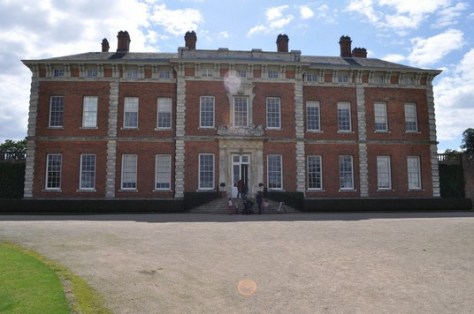


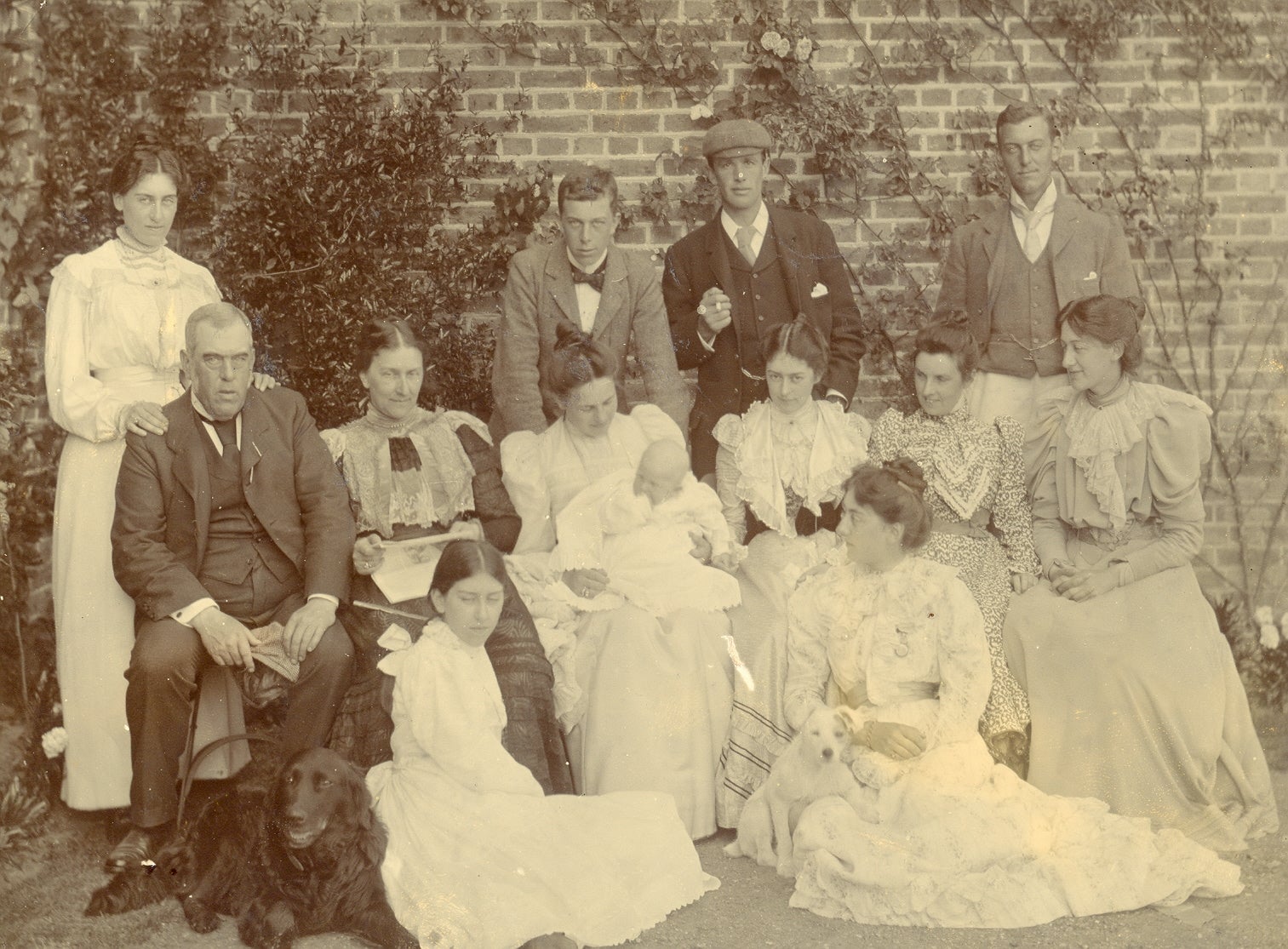

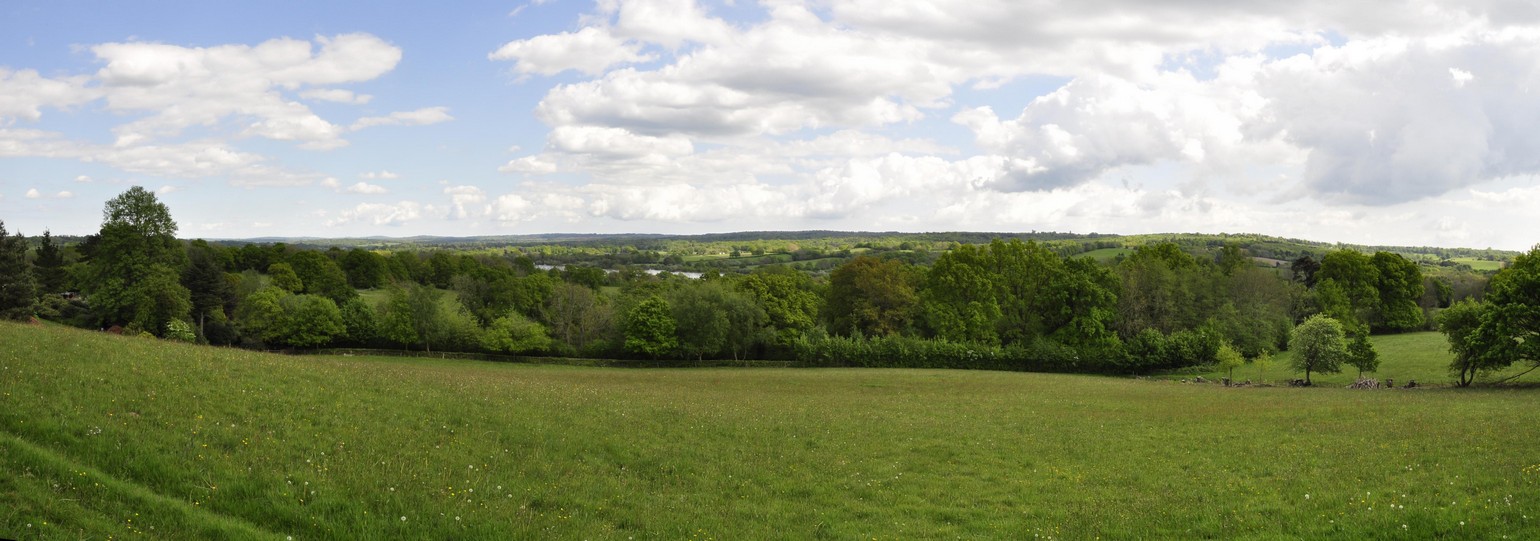


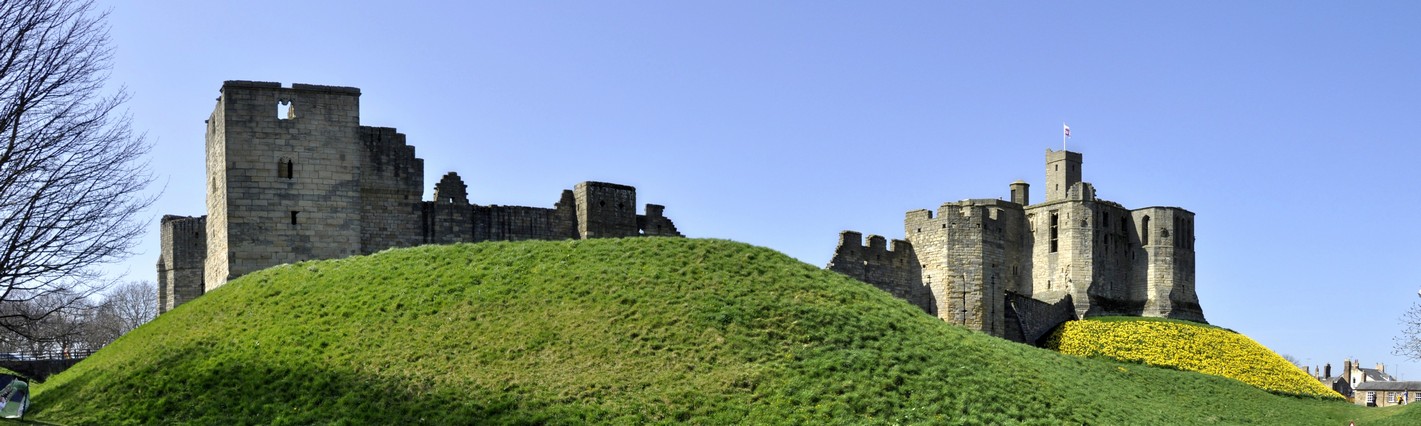
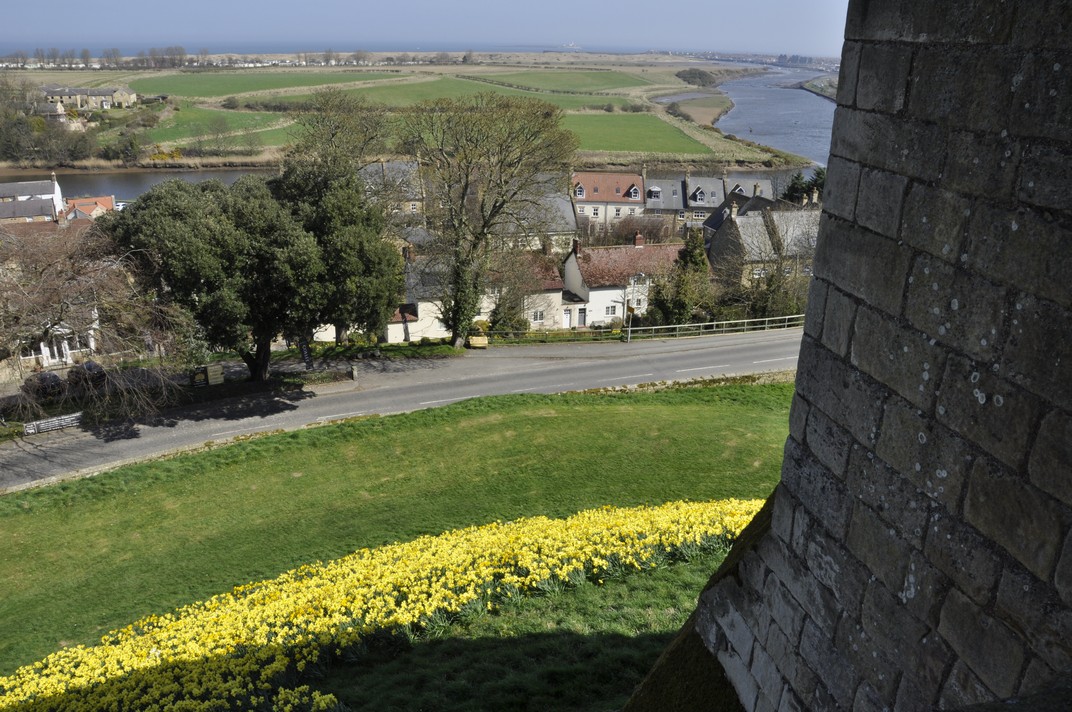
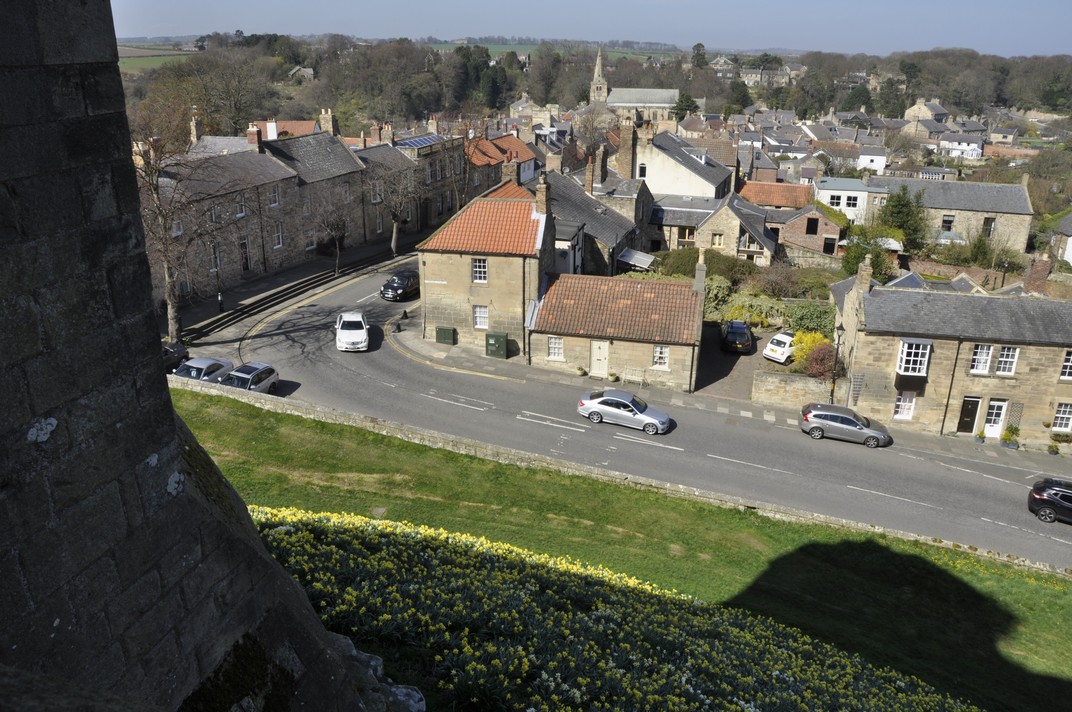


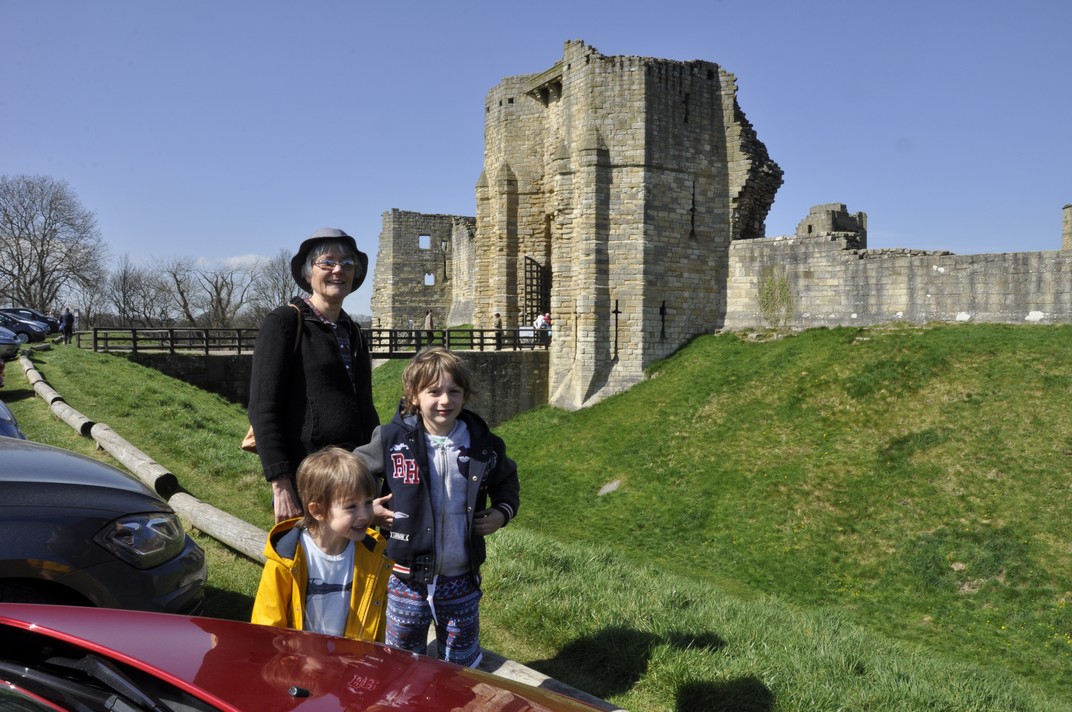

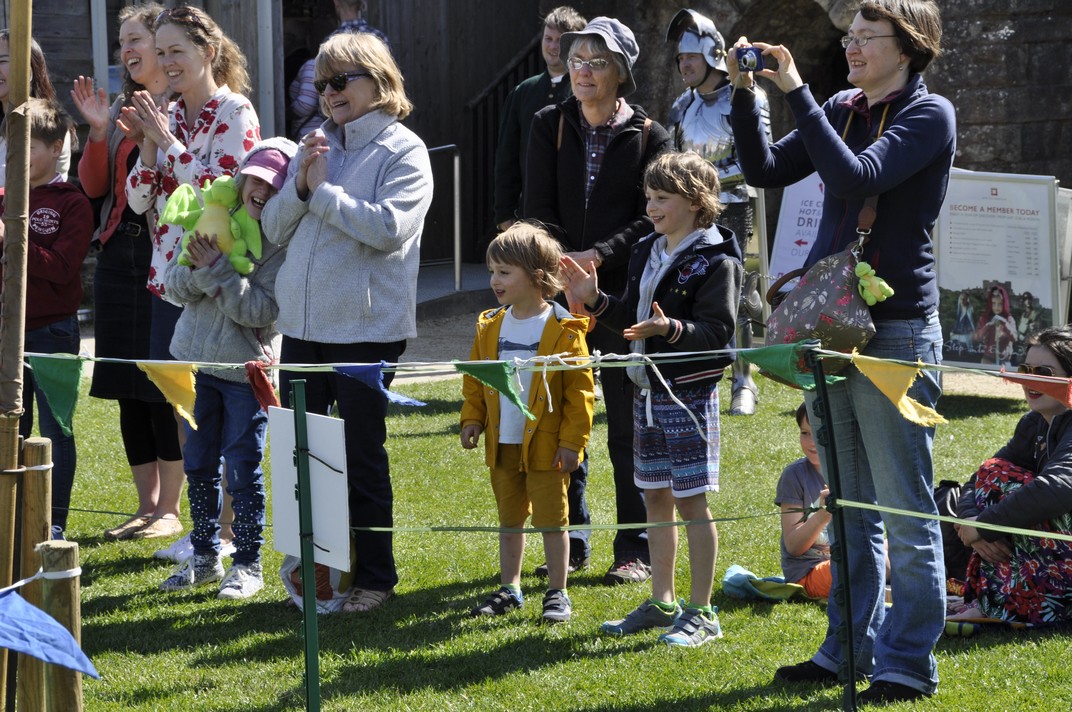
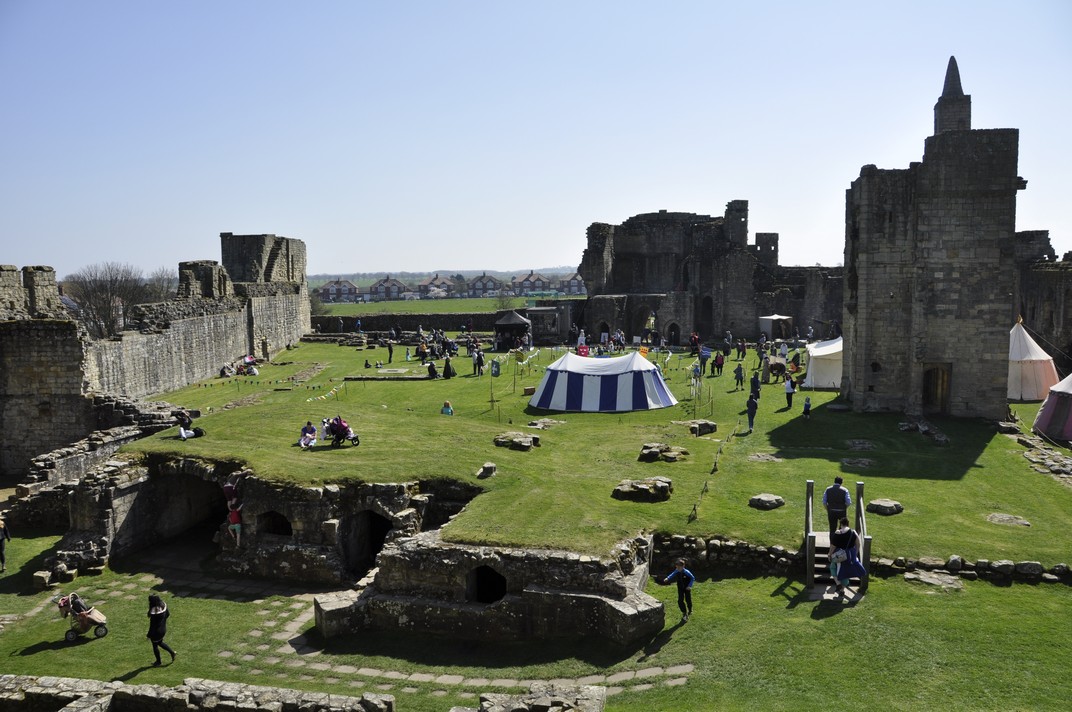


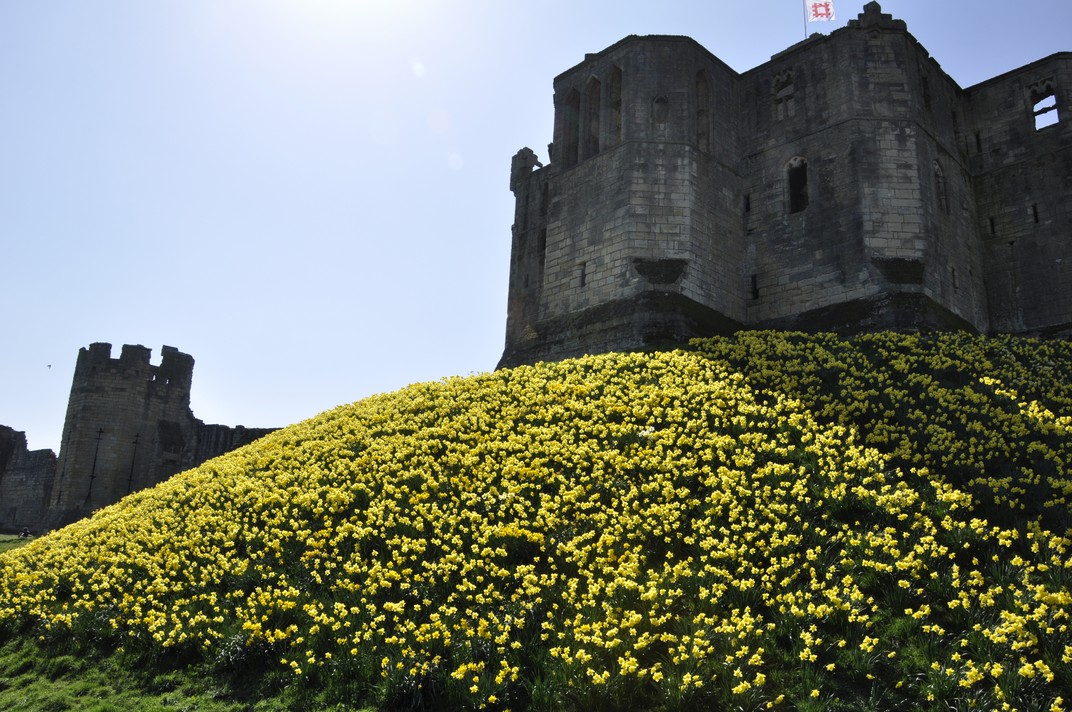
 If you are traveling south on the M40 motorway in Warwickshire and, about half way between Junction 12 (B4451 Gaydon Rd for the British Motor Museum) and Junction 11 (A422 for Banbury), you happen to look to your left, you’ll see an obelisk on the skyline. That obelisk is in the grounds of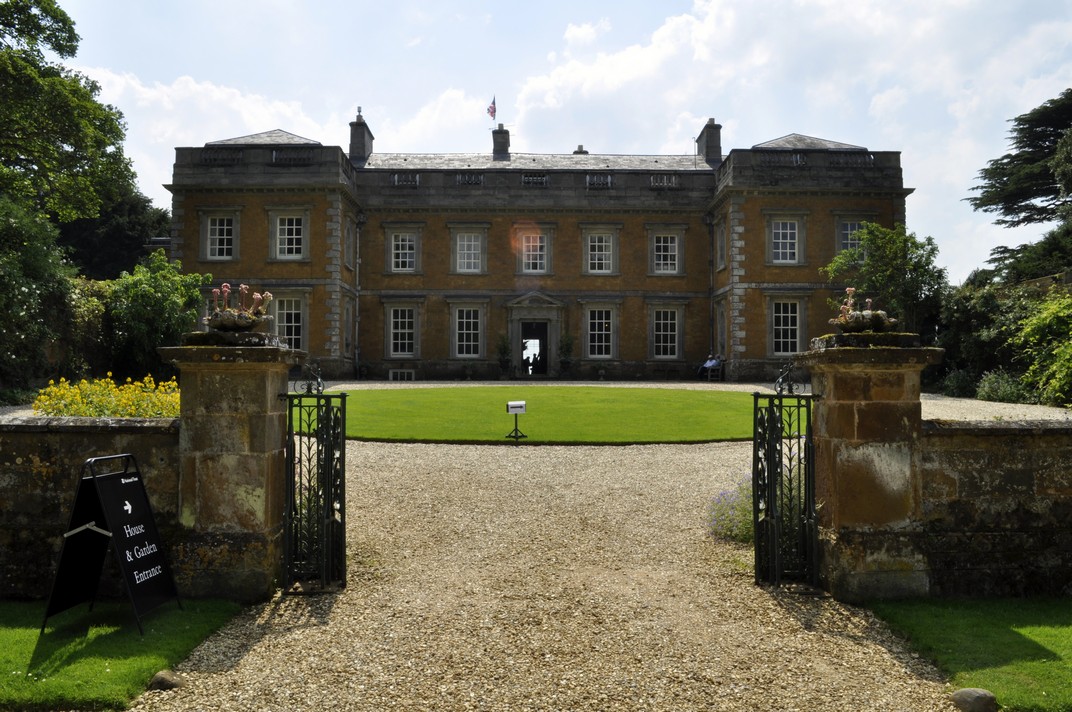


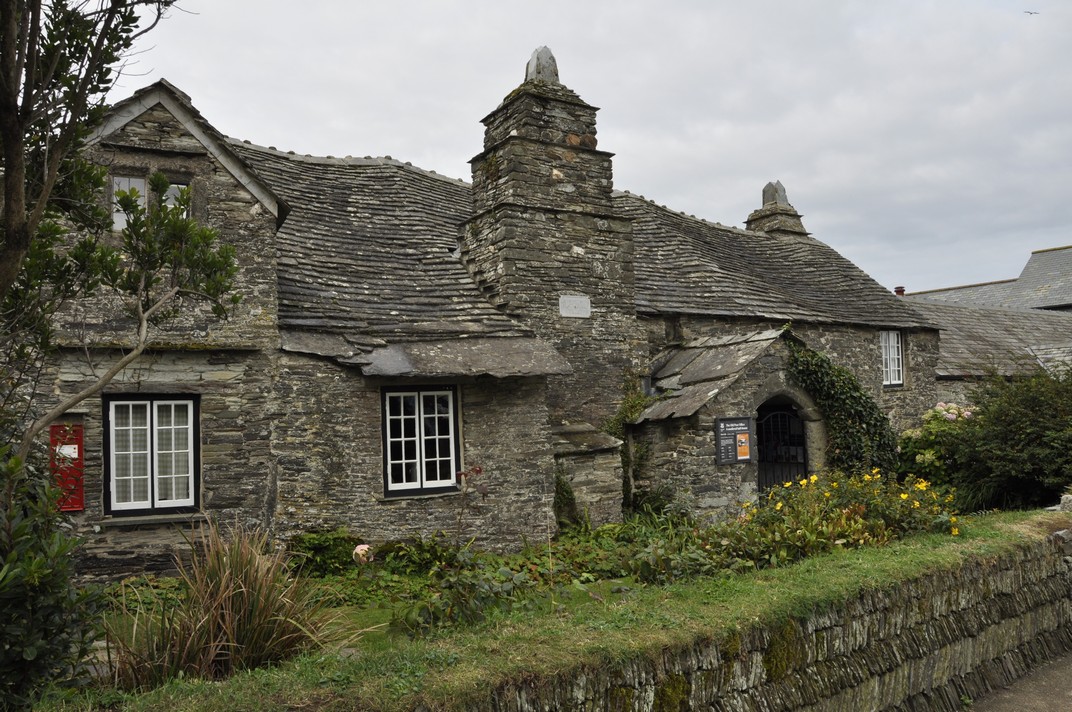
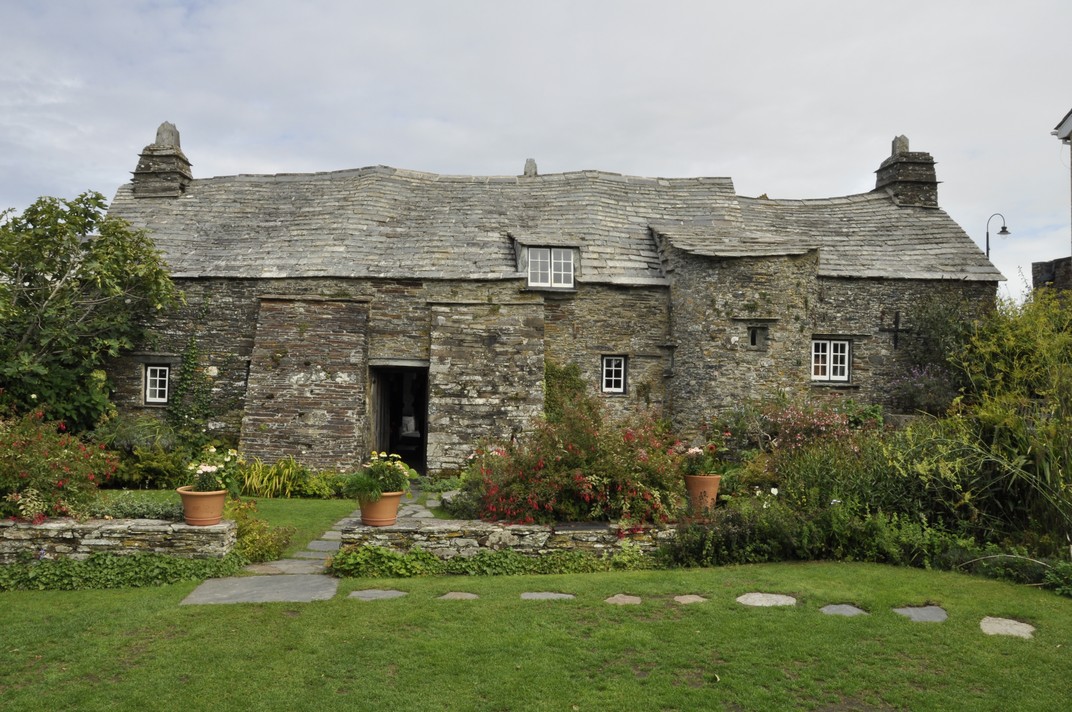
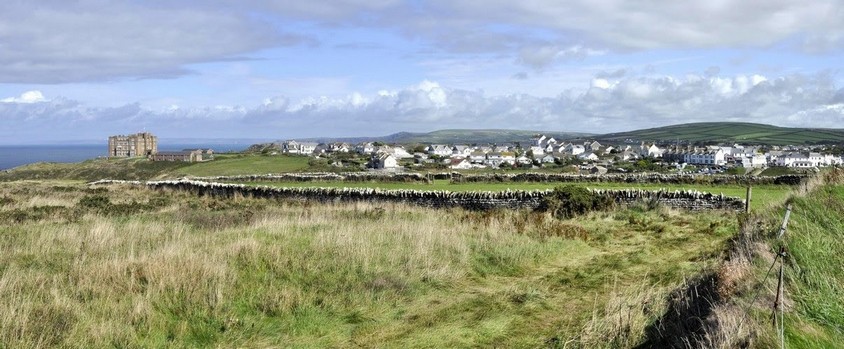




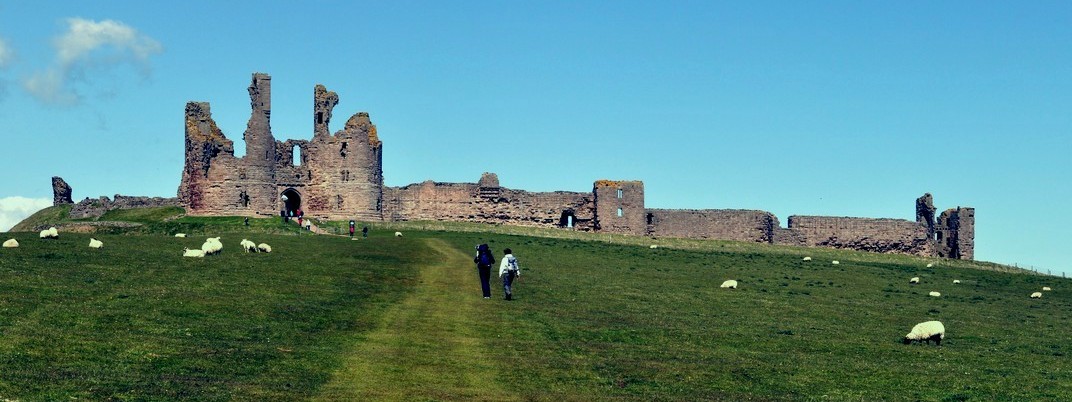
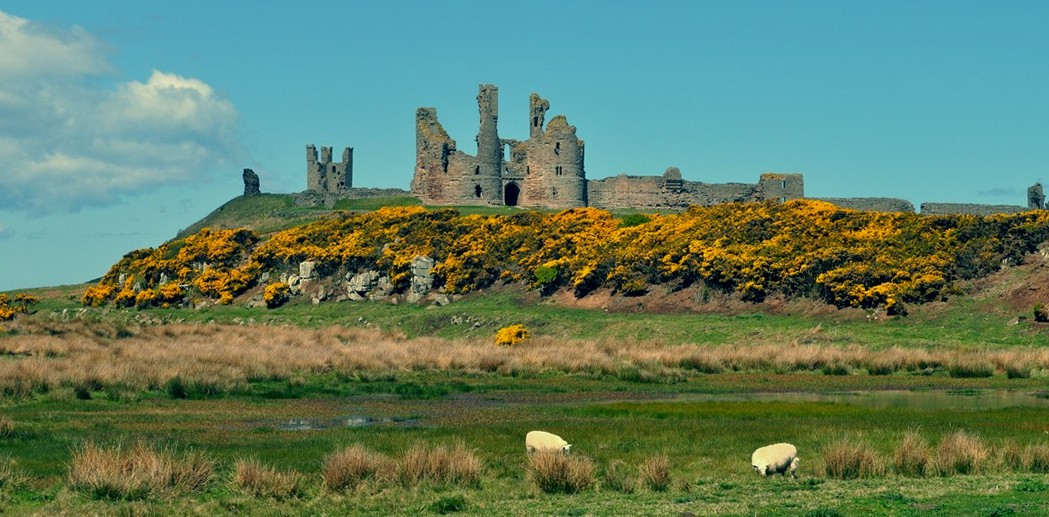
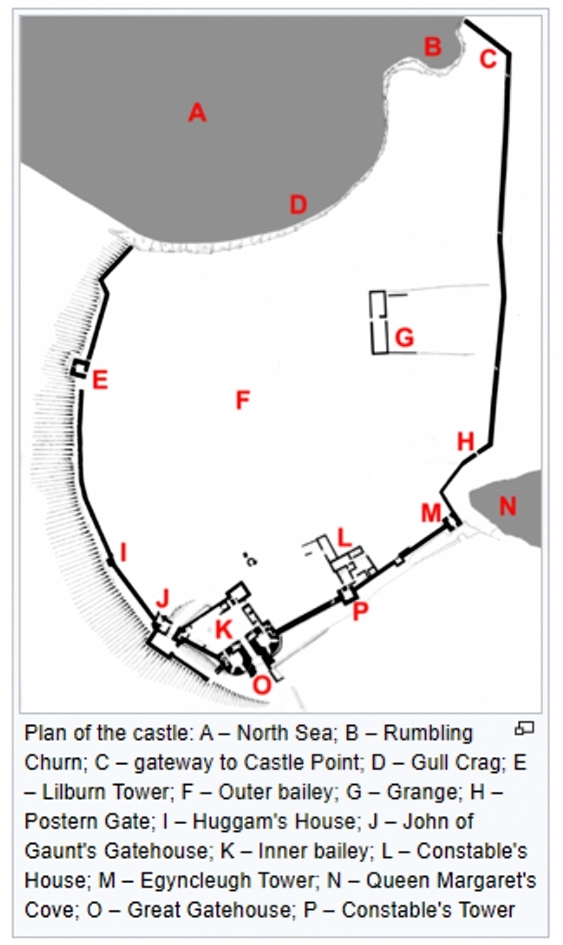





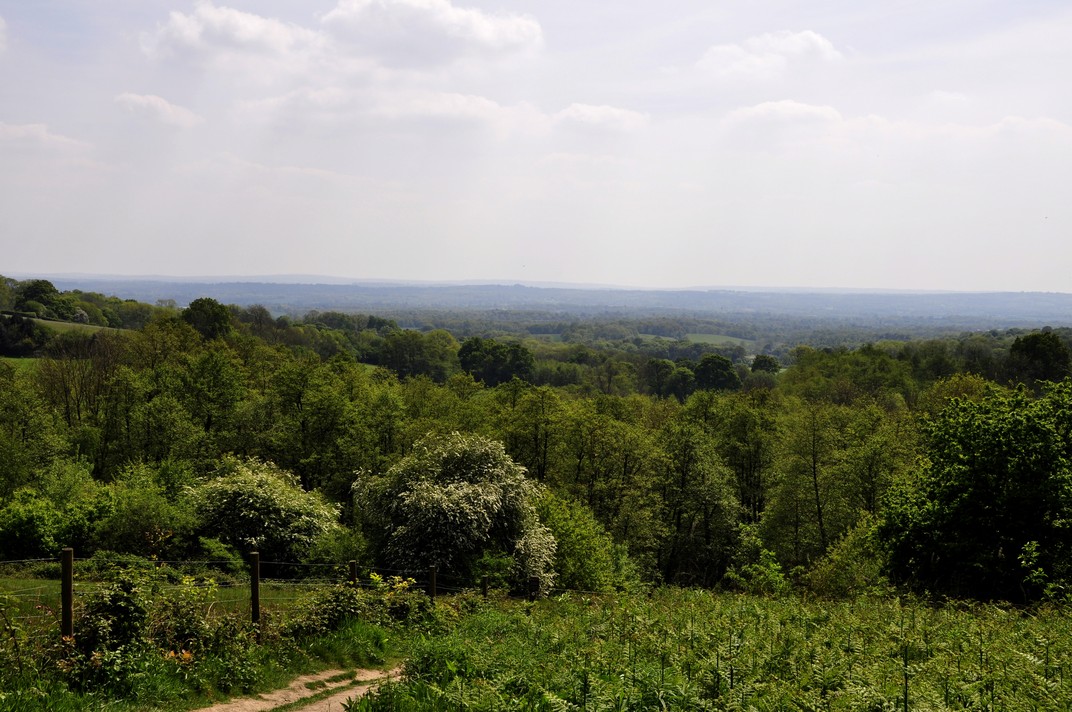
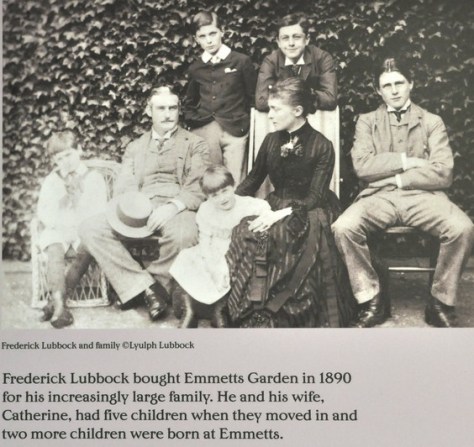
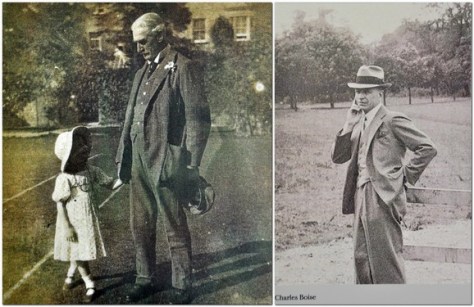
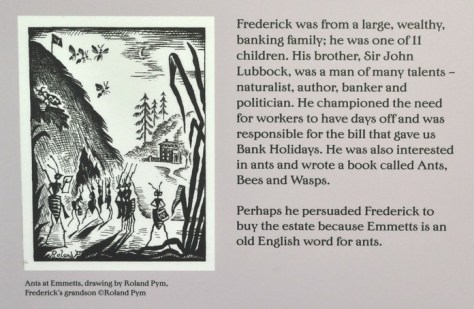


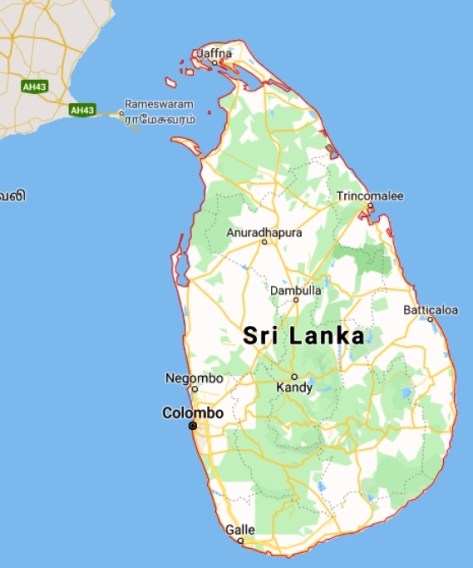


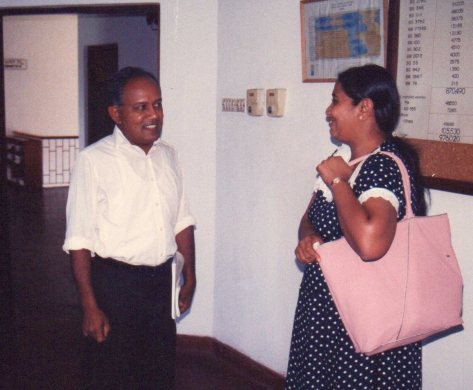


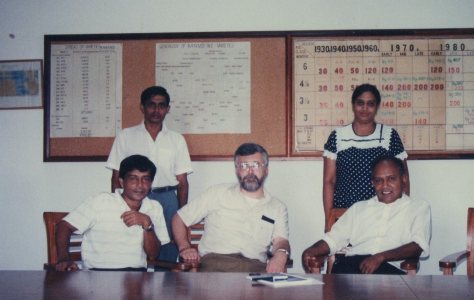


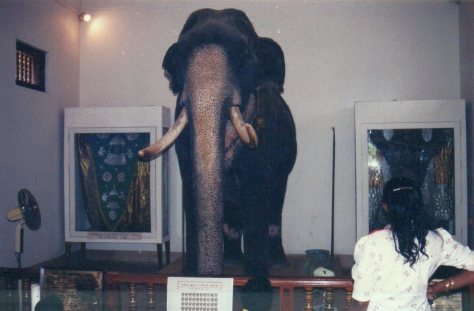
 During the nineteen years I spent in the Far East, I visited China just twice. The first time was in March 1995, and this post is all about that visit. It must have been in 2009 that I was in China again, for the annual meeting of the
 Agriculture under the supervision Professor Roland von Bothmer, studying the cytogenetics of wheat species, if memory serves me correctly. He had also spent some months working at the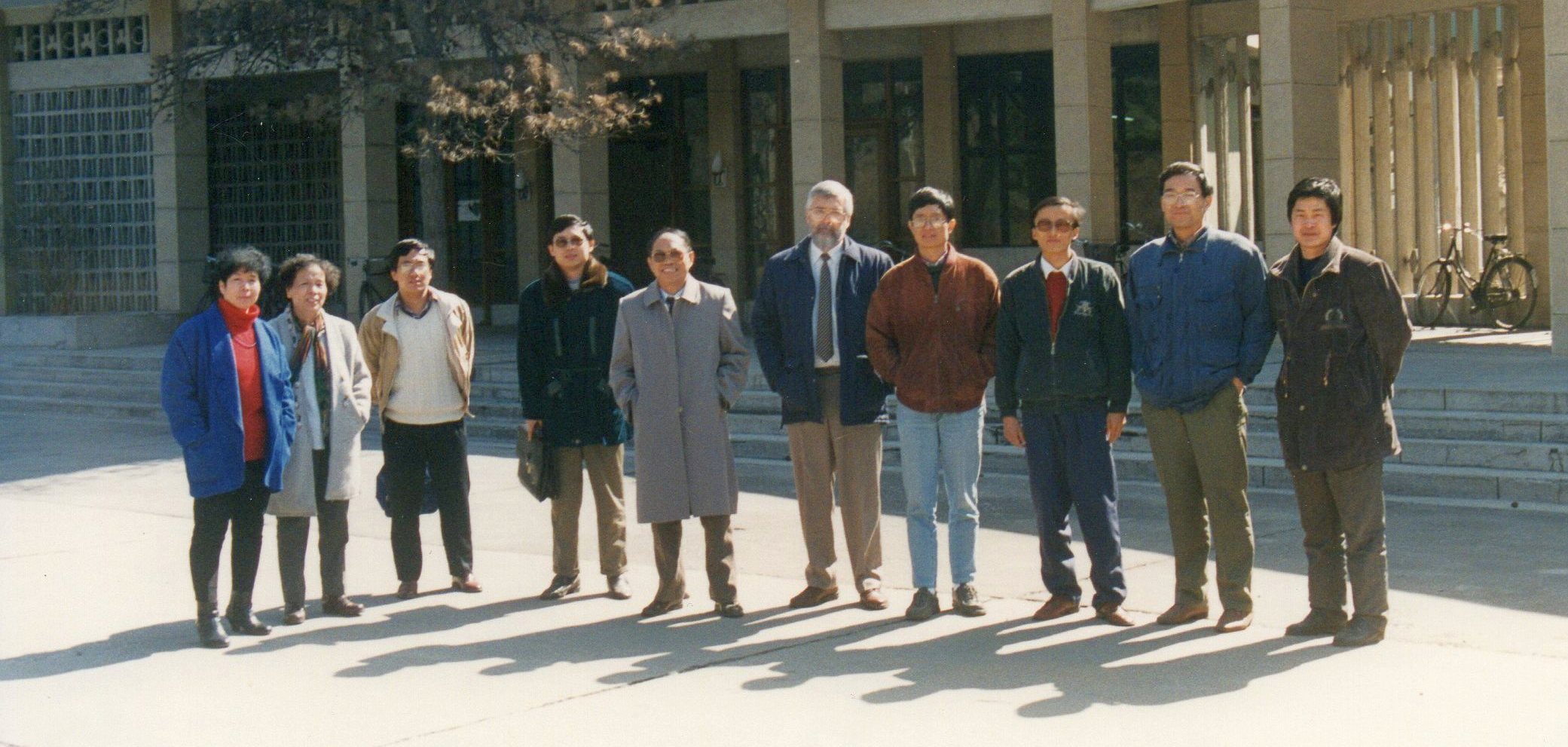
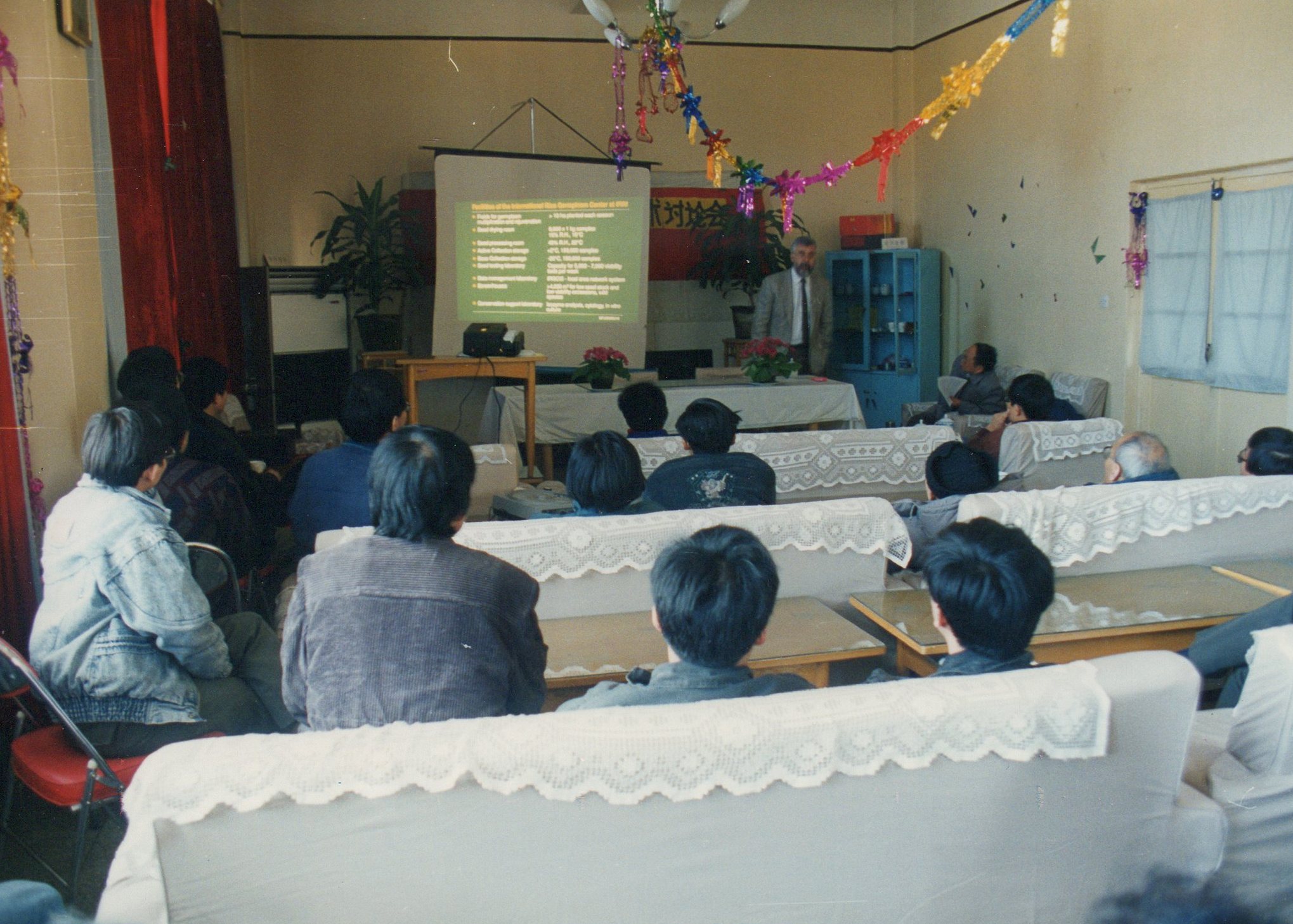


 After a few days in Beijing, we headed south to the city of Hangzhou (inland from Shanghai on the Qiantang River) in Zhejiang province. We were there to visit the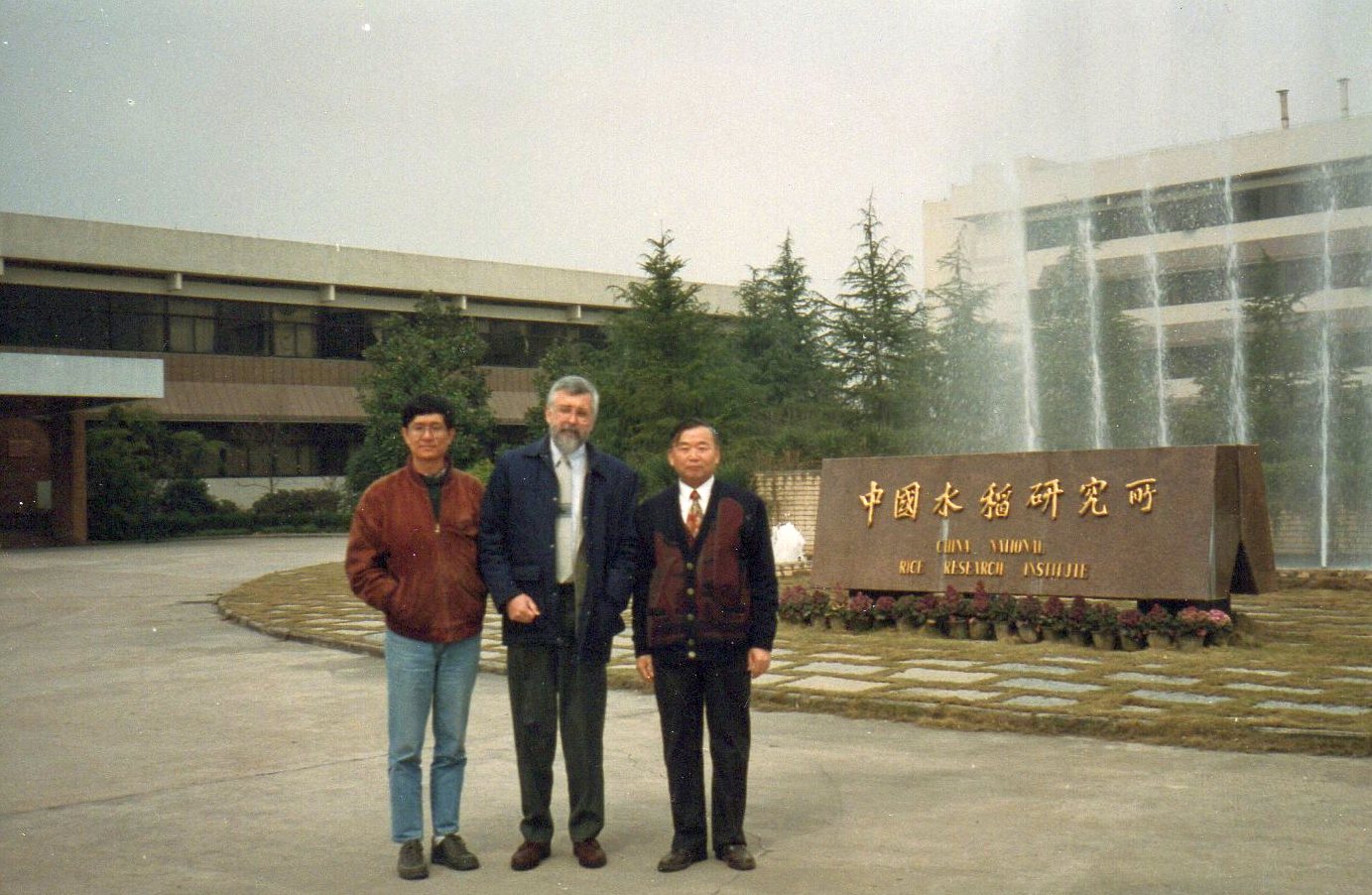
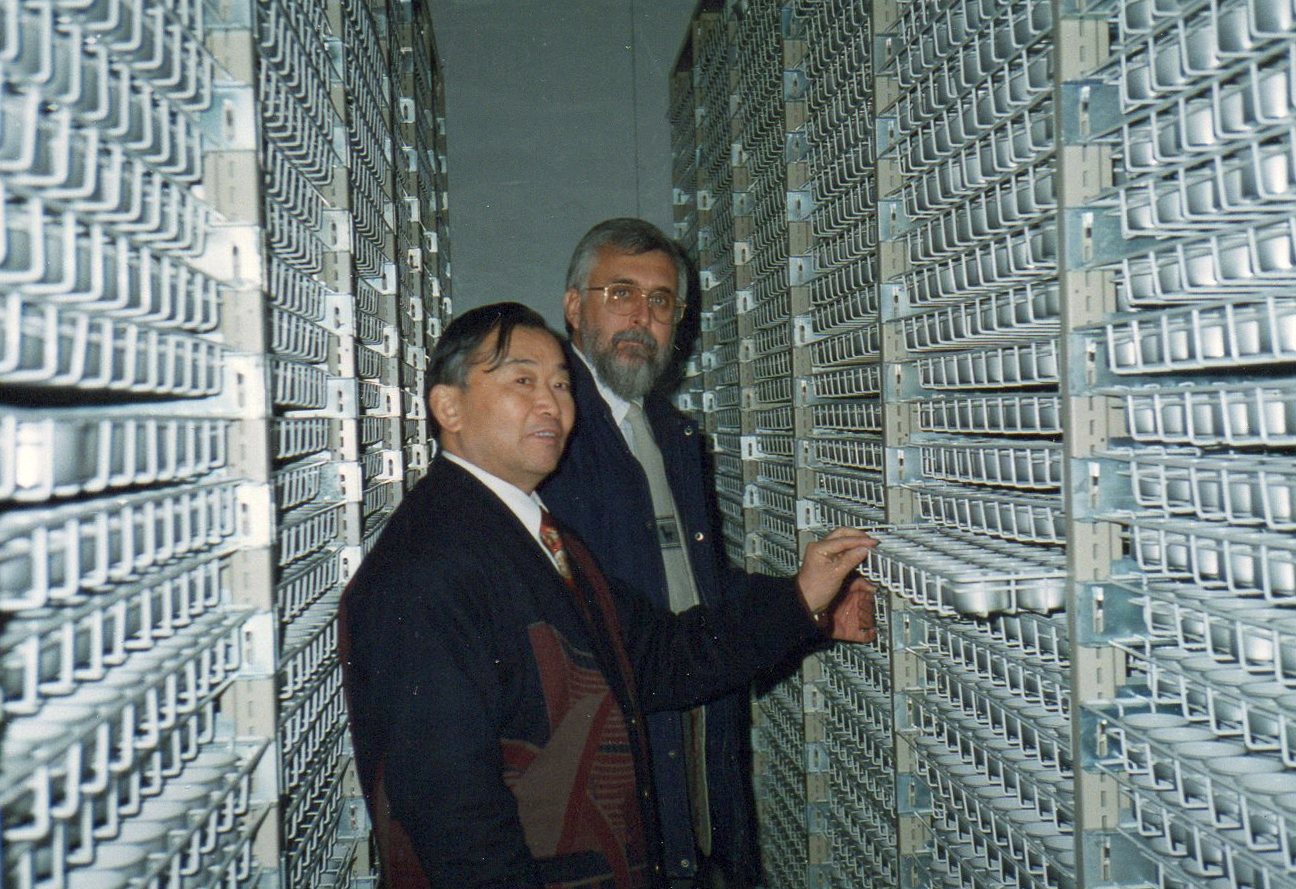


 Bao-Rong remained at IRRI for two contracts, a total of six years. After he left IRRI in 2000, he returned to China and it wasn’t long before he joined
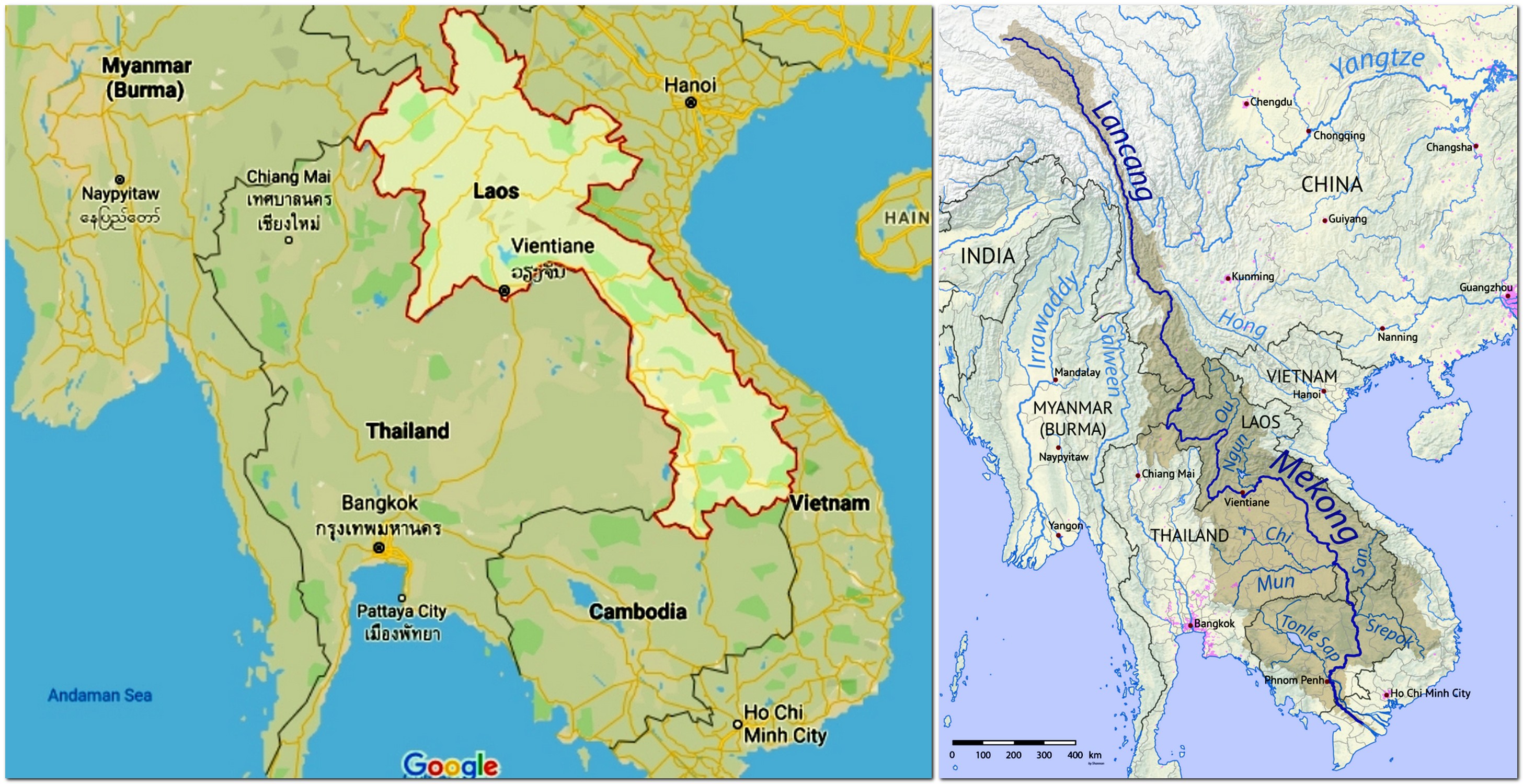
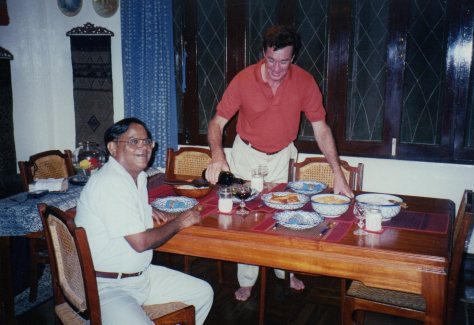
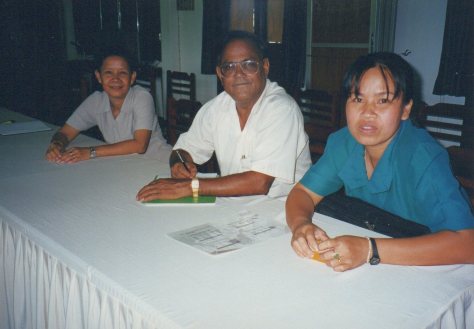


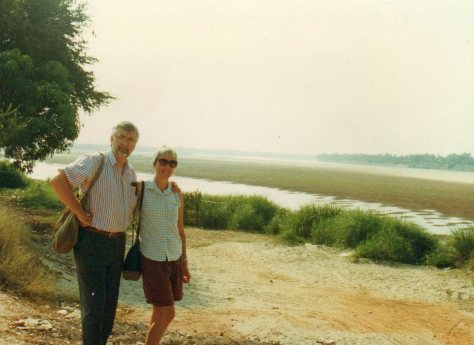


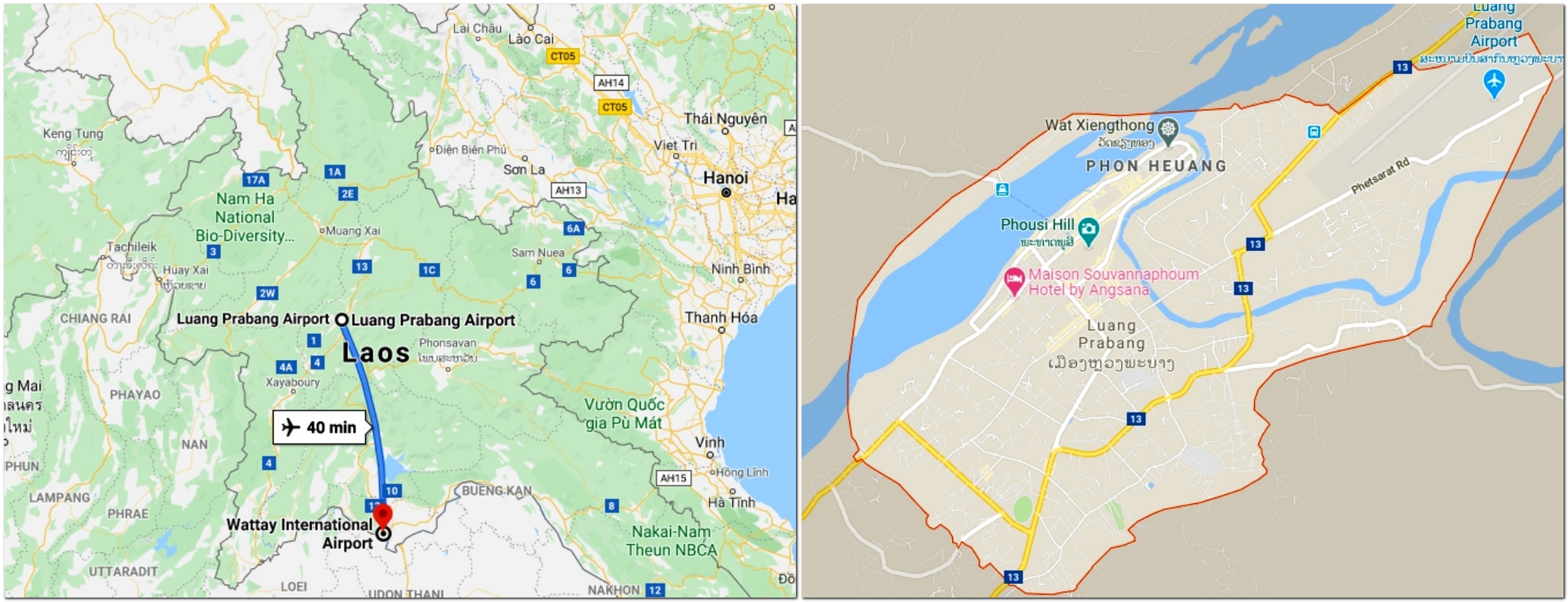


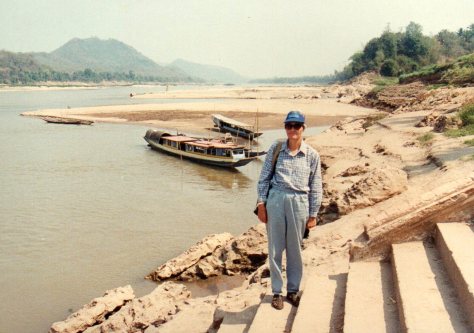


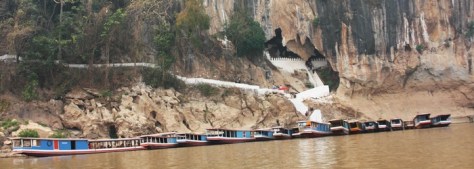
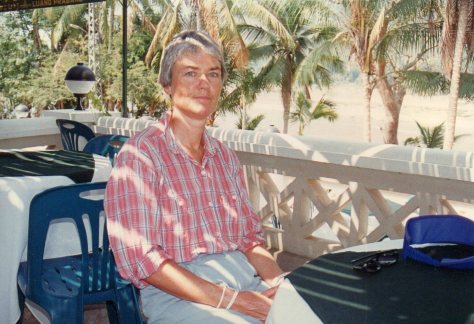
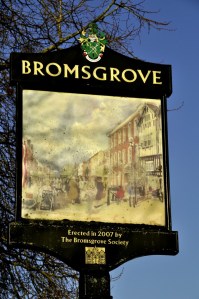 In July 1981, Steph and I (and three year old Hannah) set up home in
  In March 1981 we returned to the UK from Peru, after spending over eight years with the
  A teaching position opened at
  So began our life in Bromsgrove, never realizing that a decade later we would be on the move yet again, to the Philippines, and rice research at the


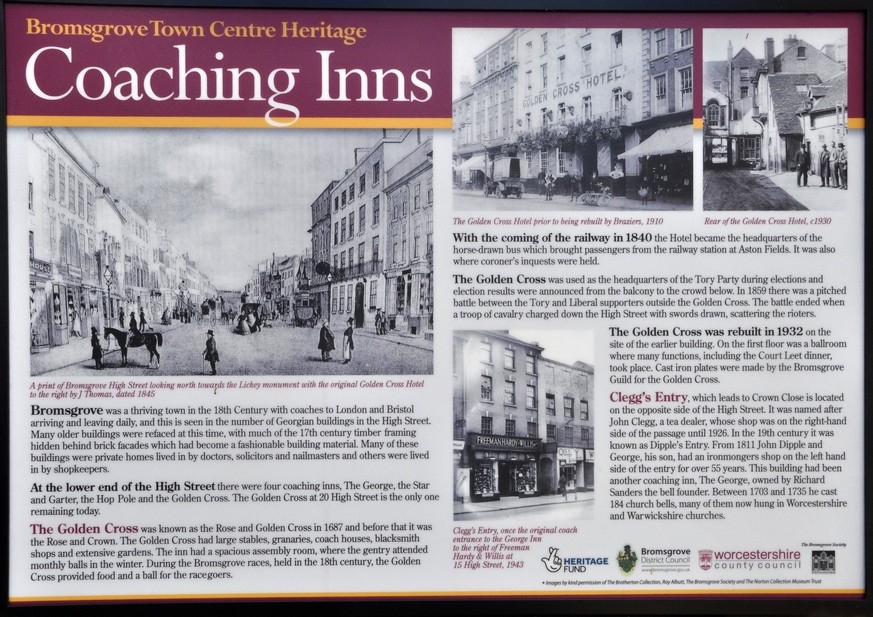
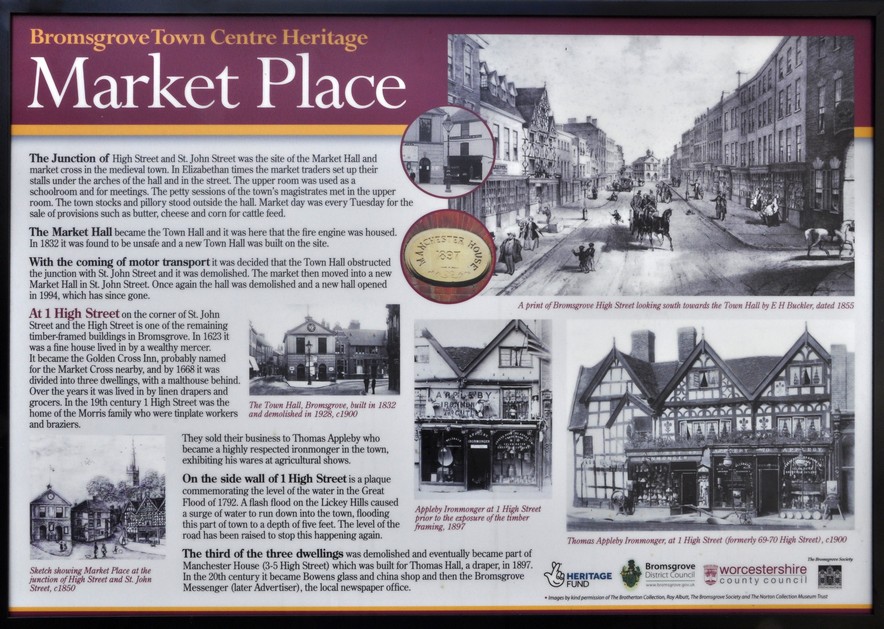


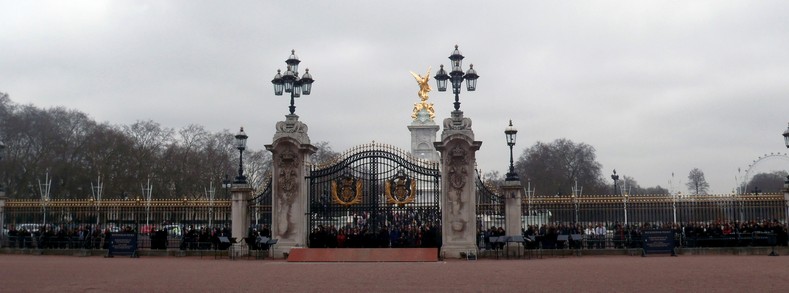
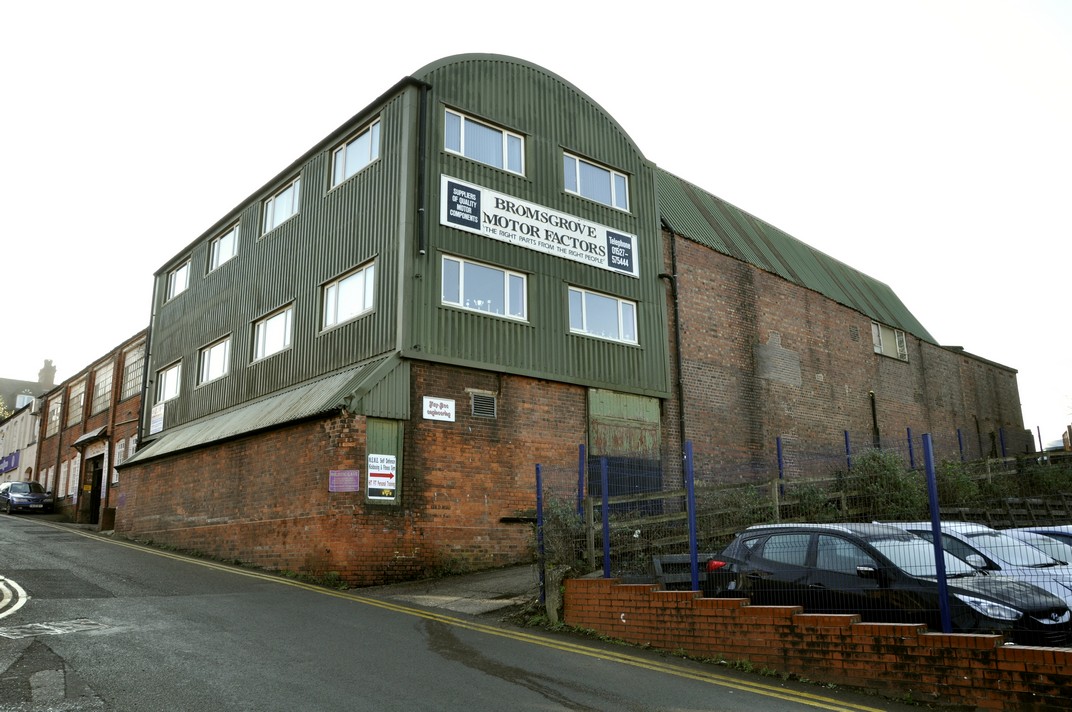
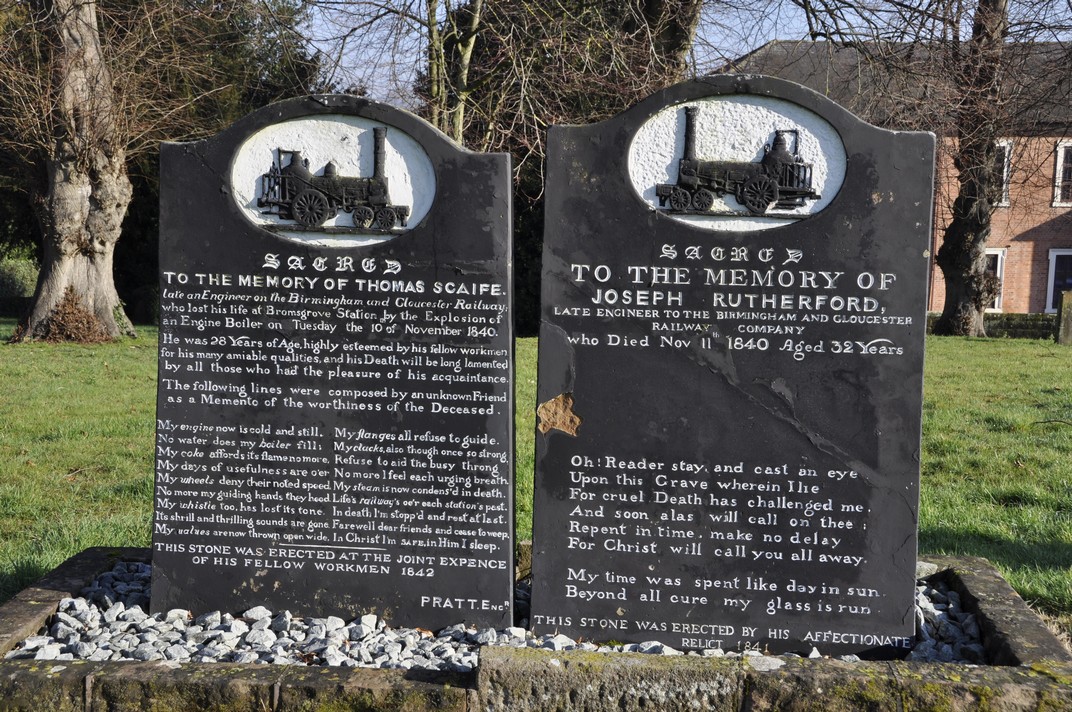

 The local Conservative MP is the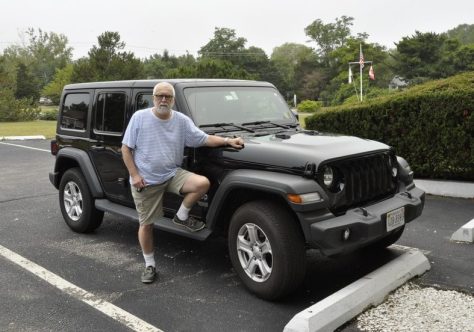

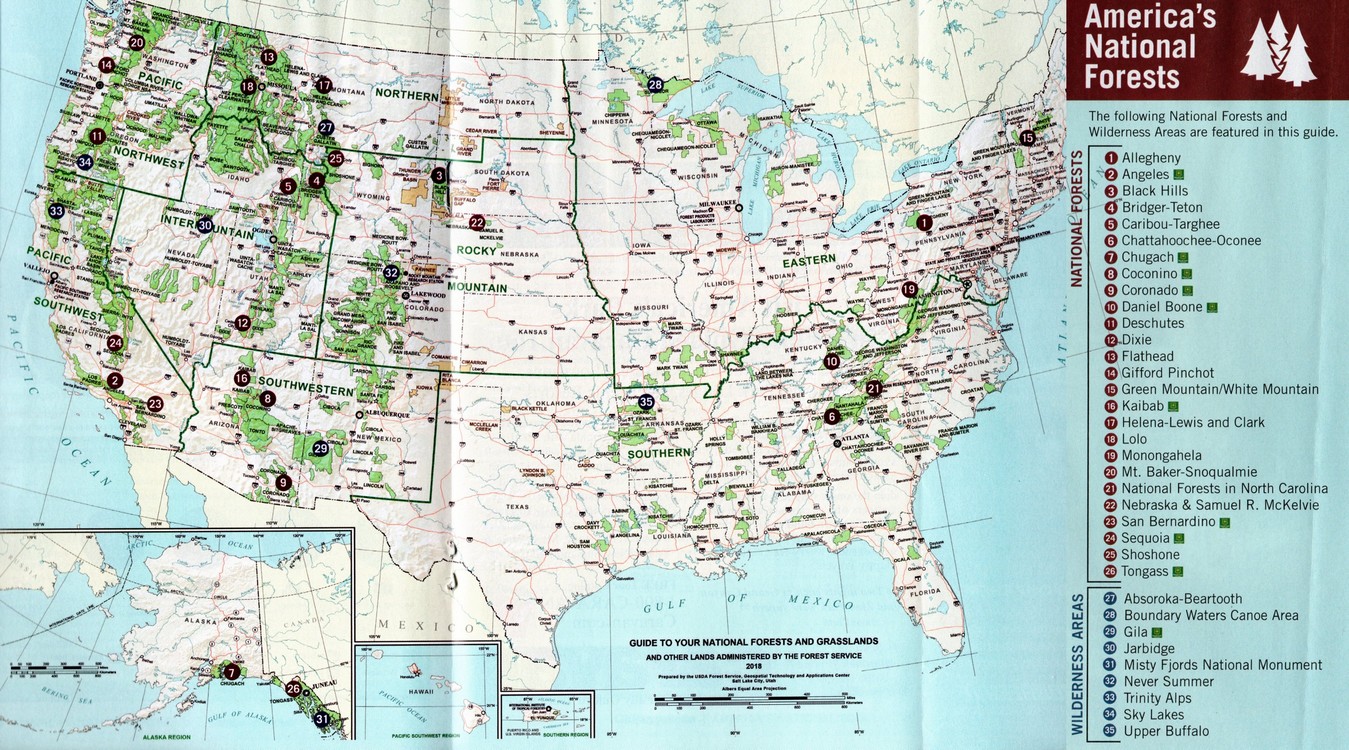


 Until about four months ago, I’d never heard of
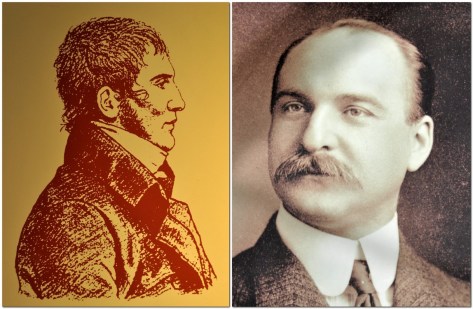
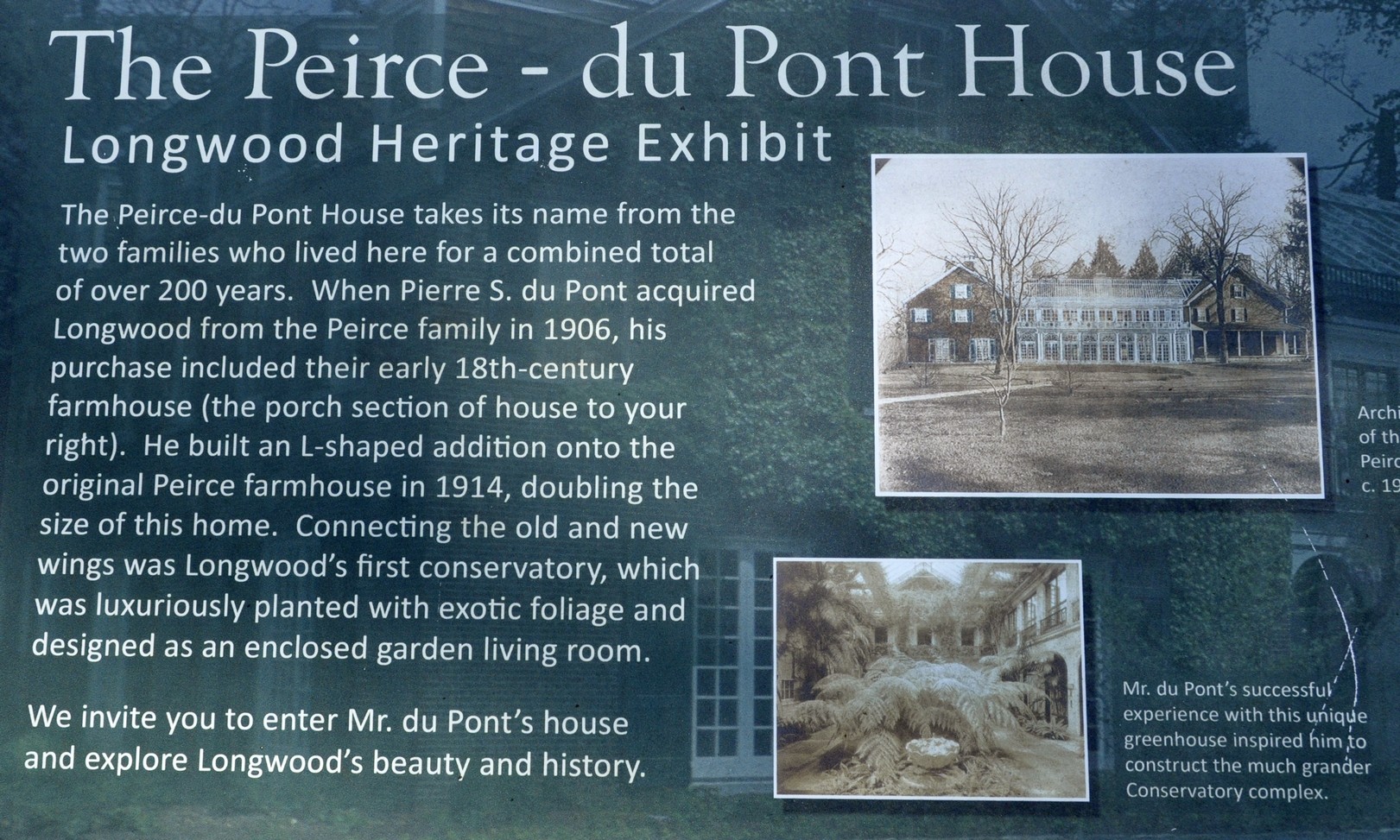




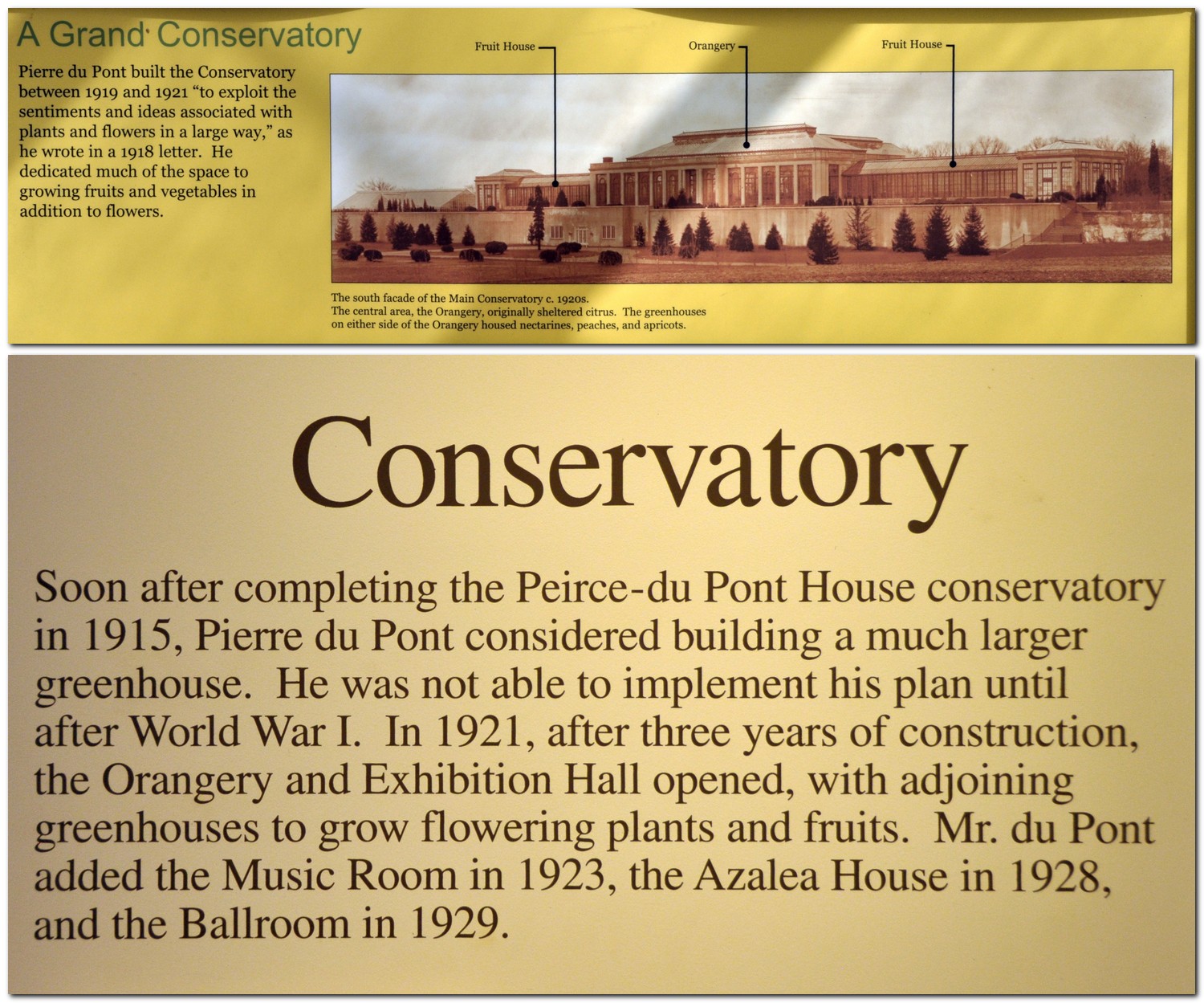


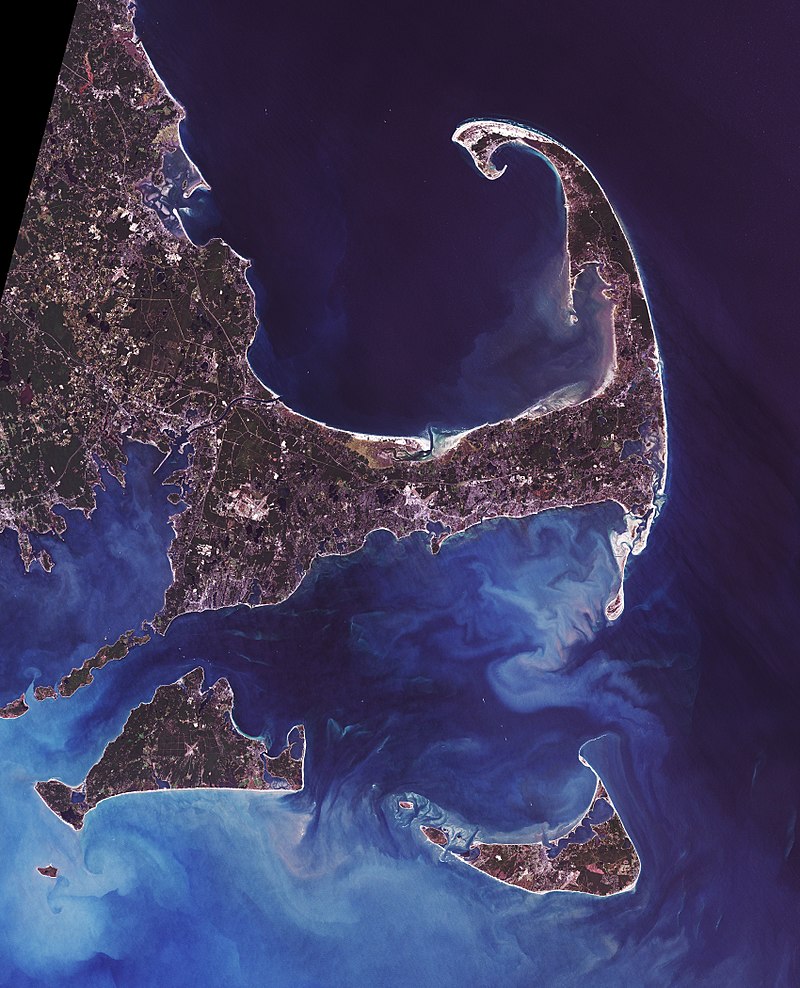
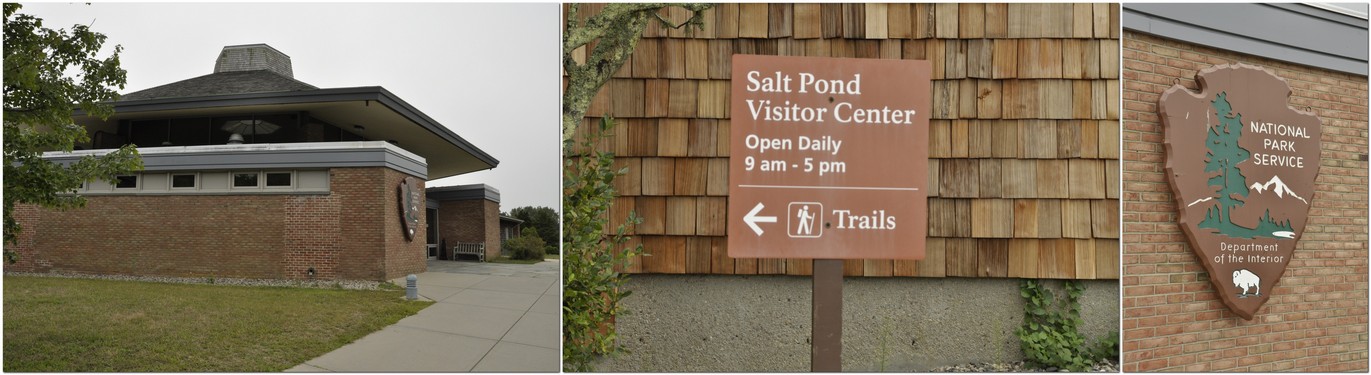


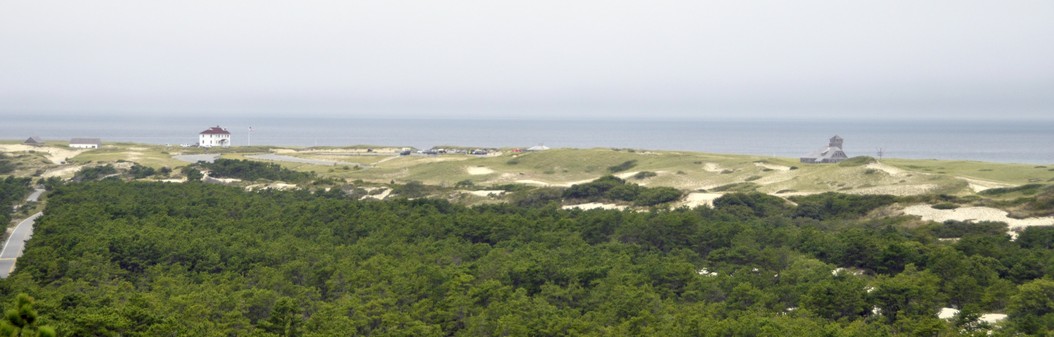
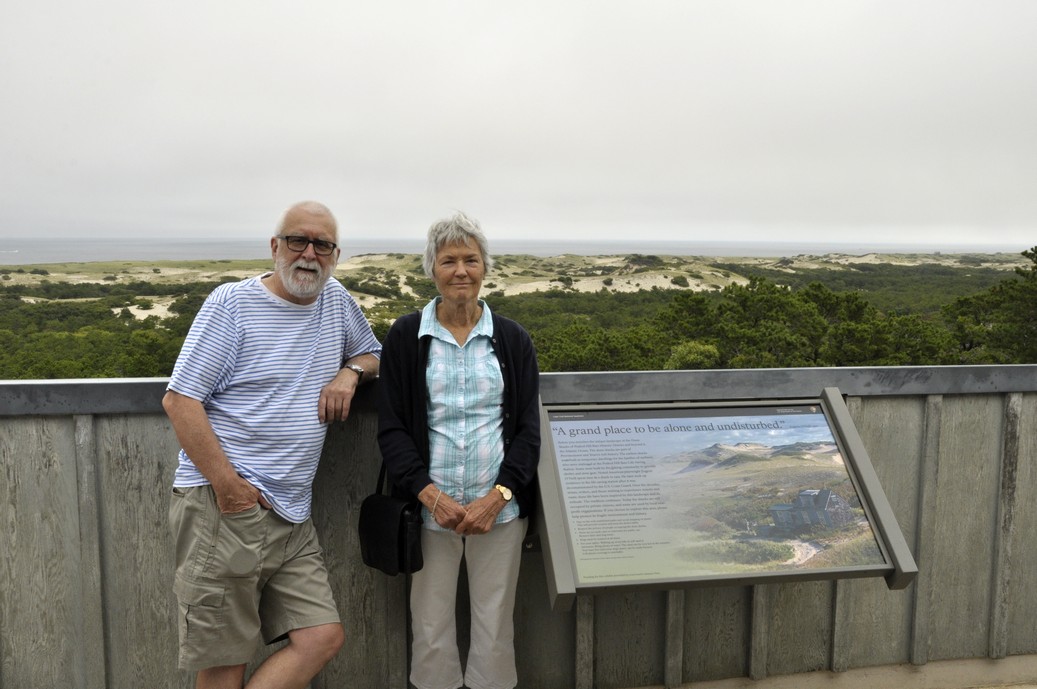


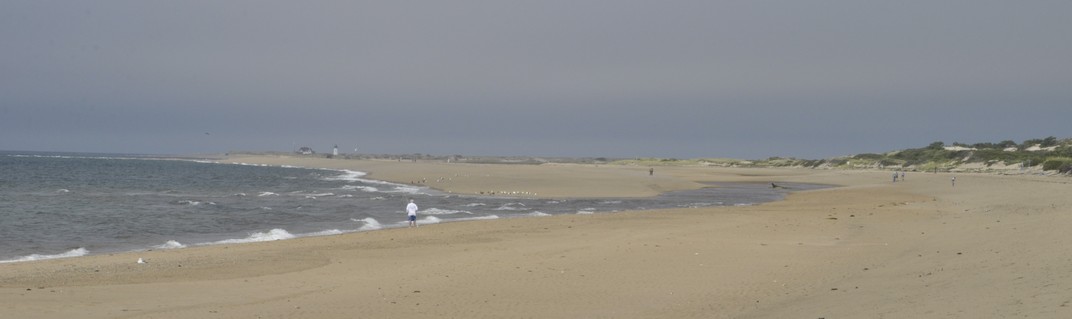


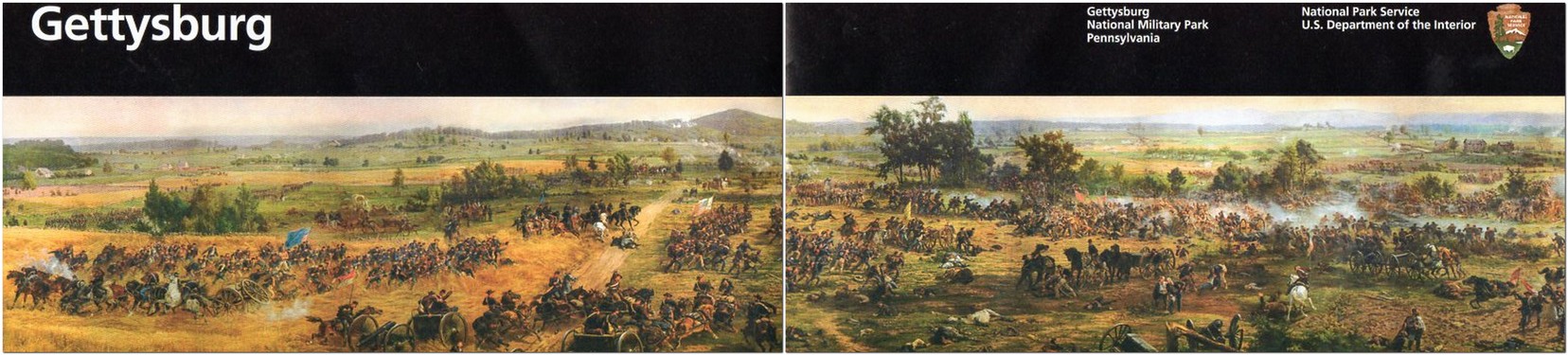
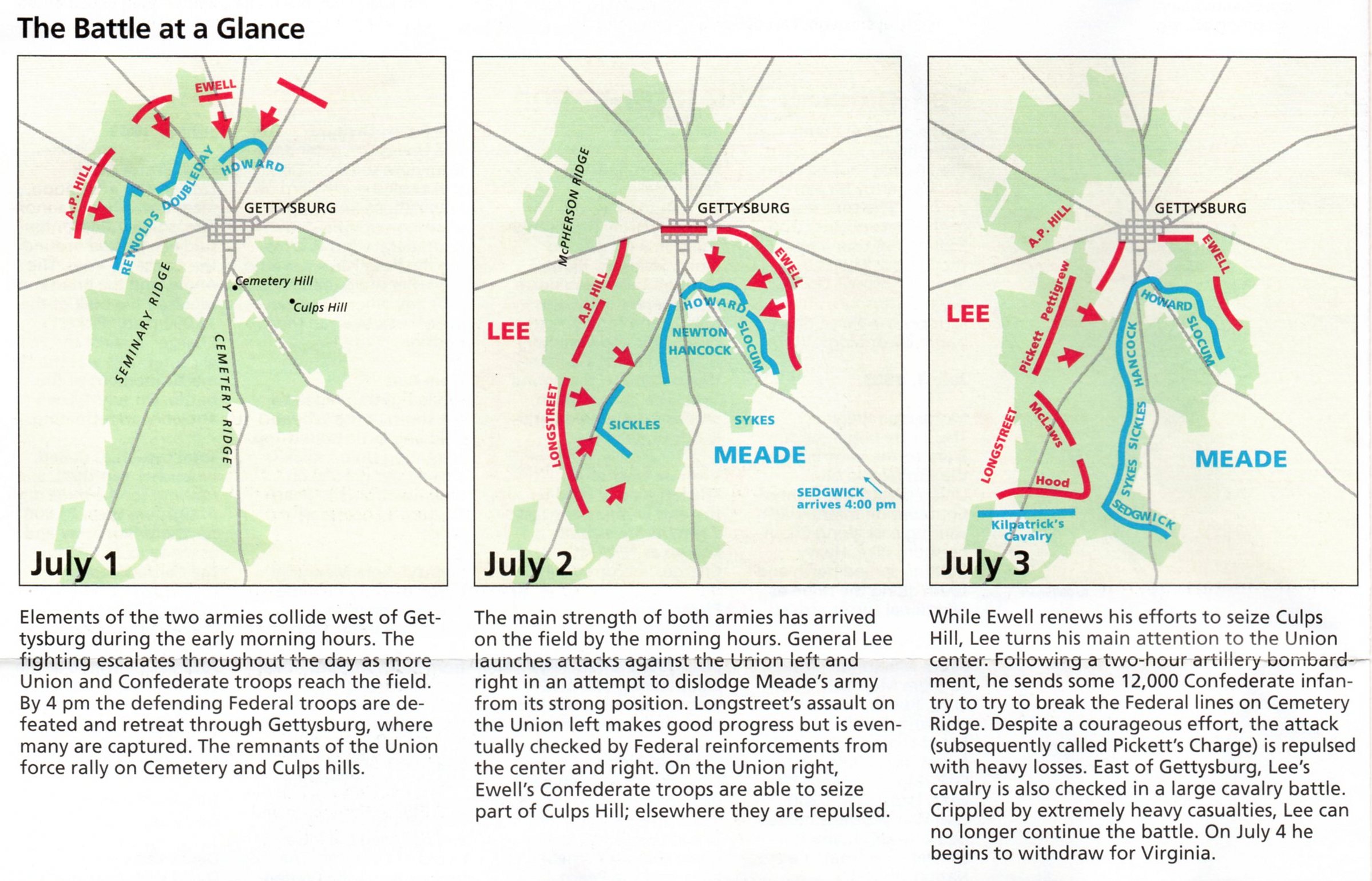
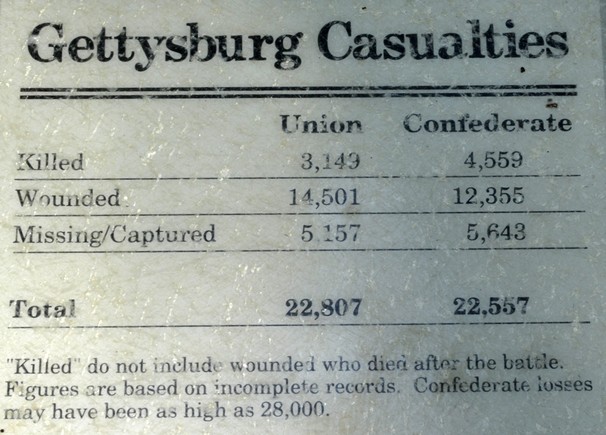
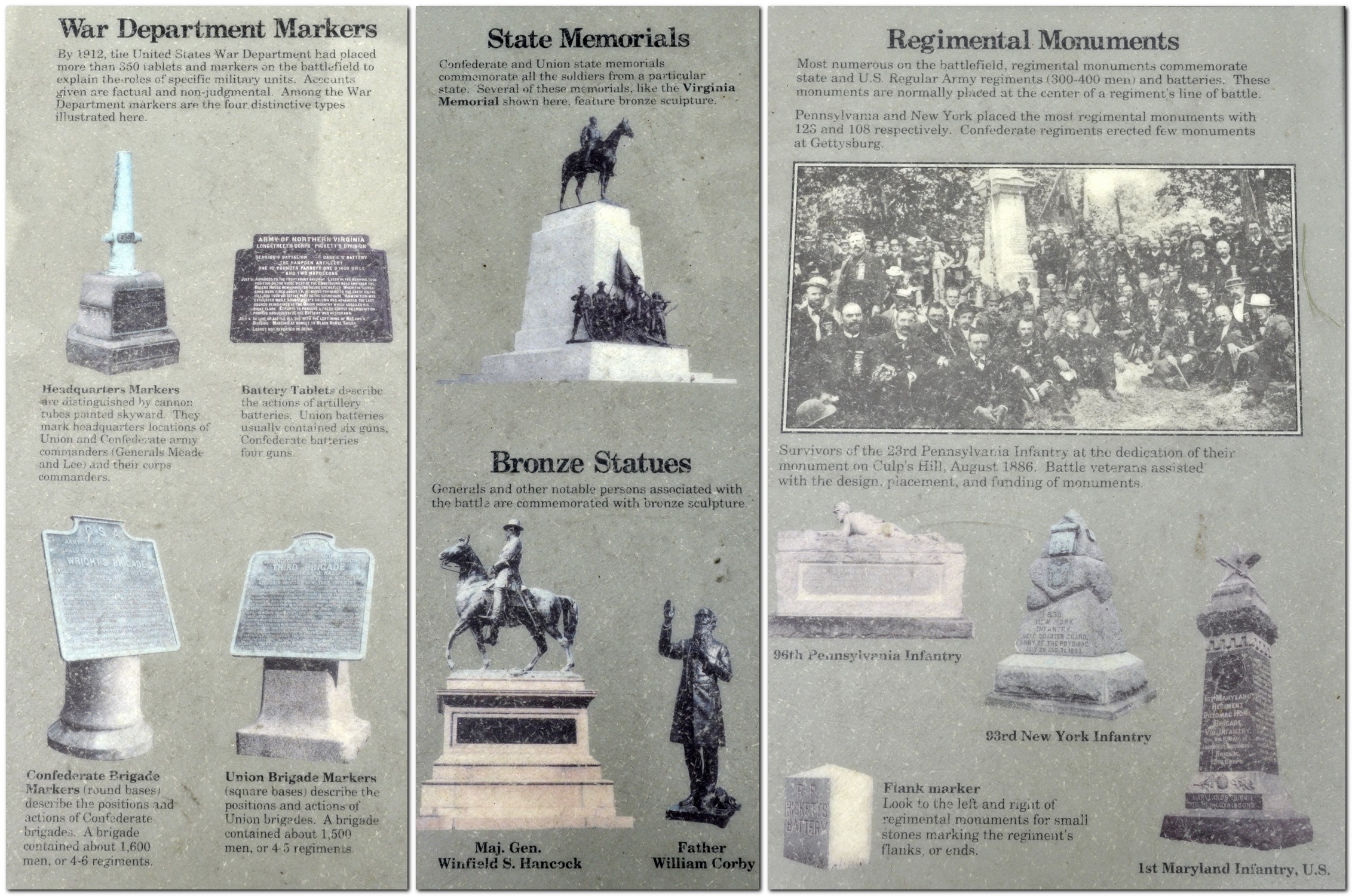


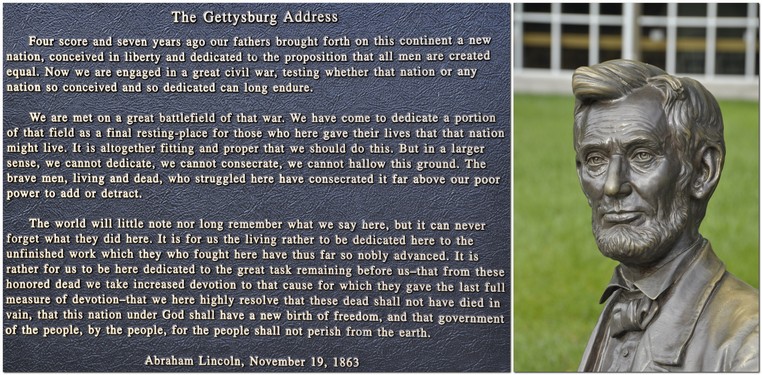
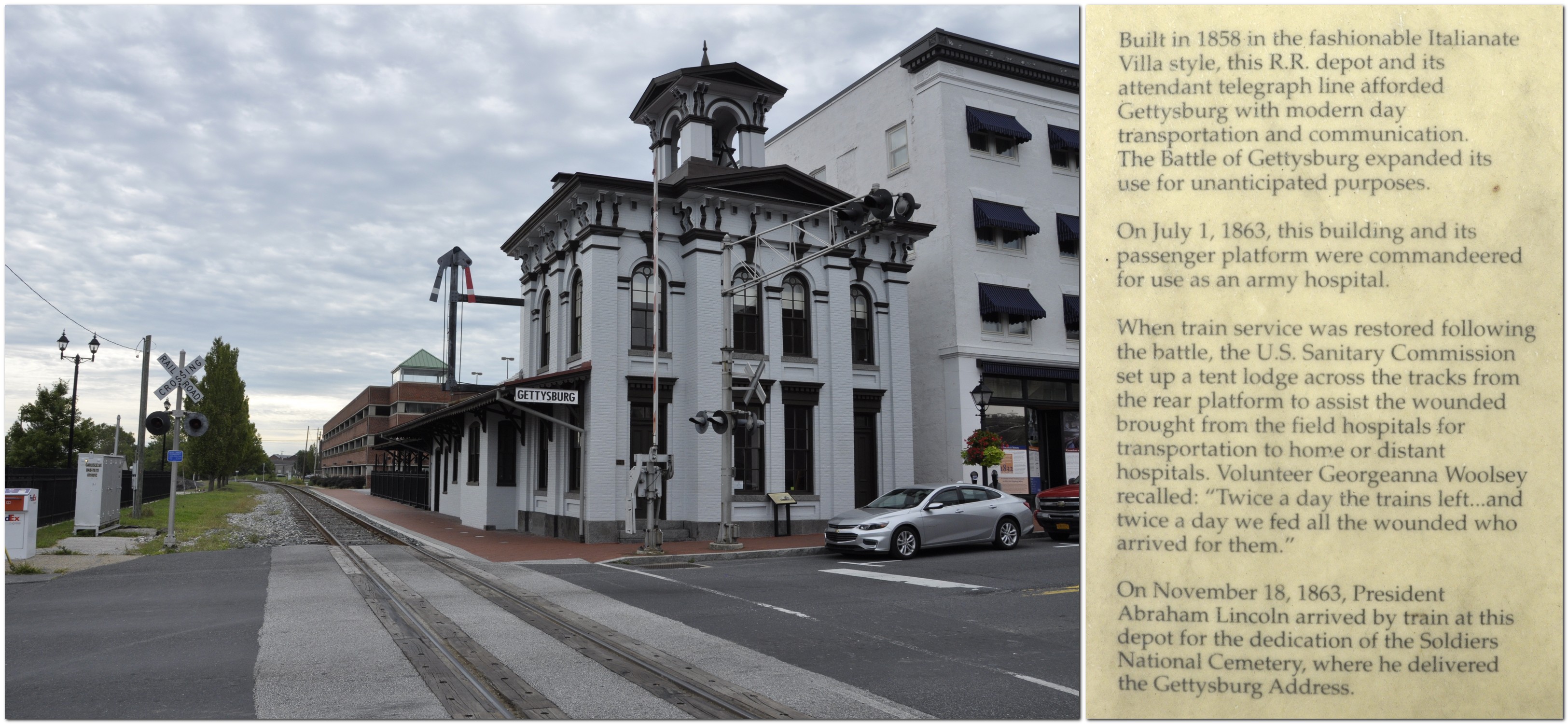
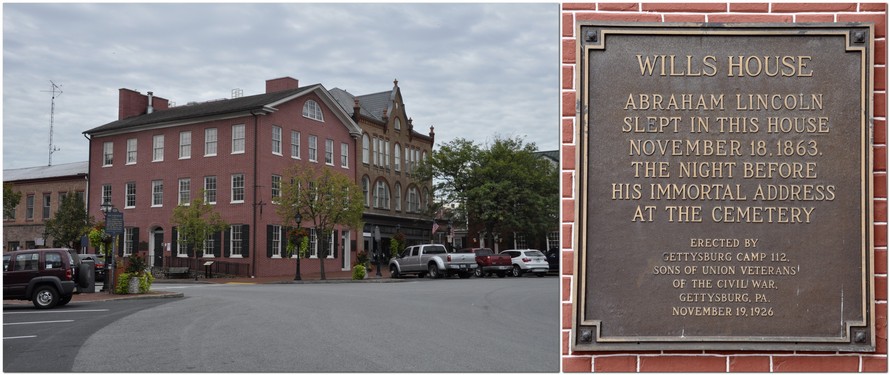
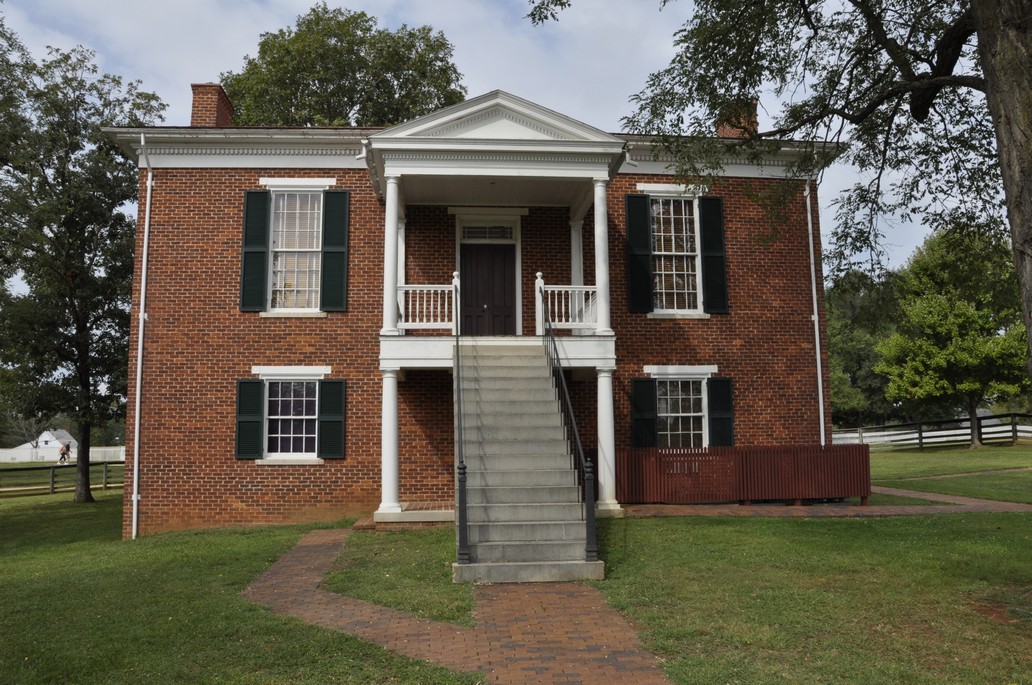
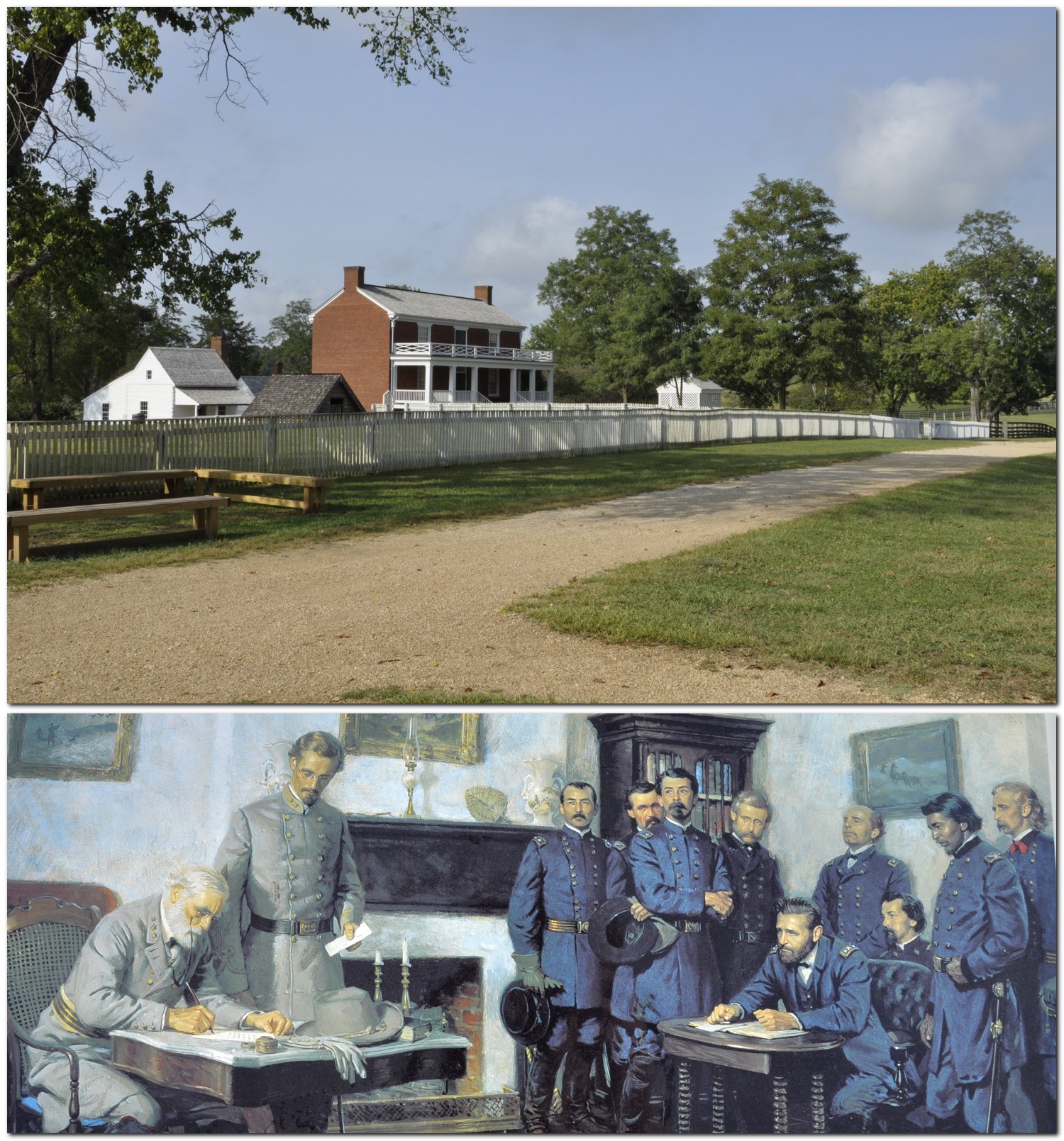
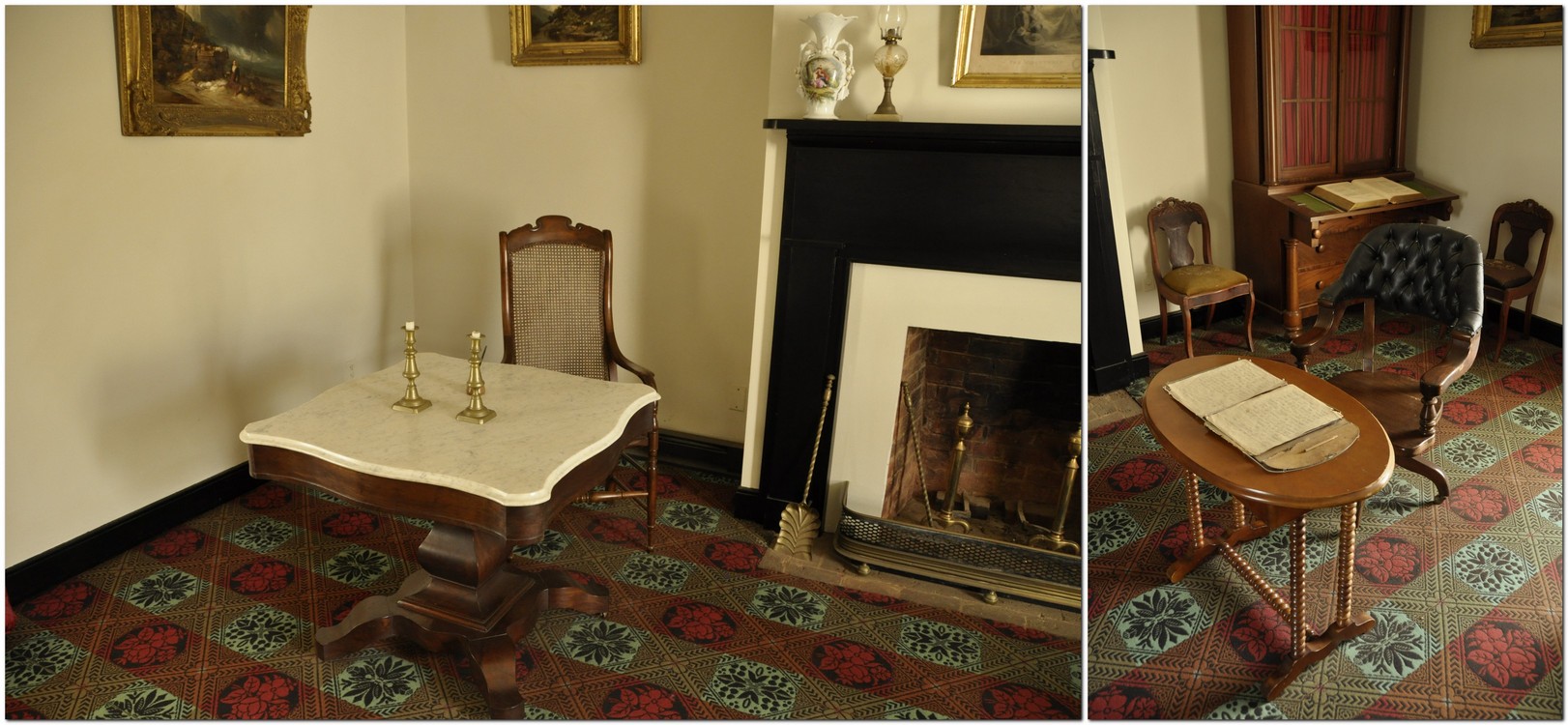


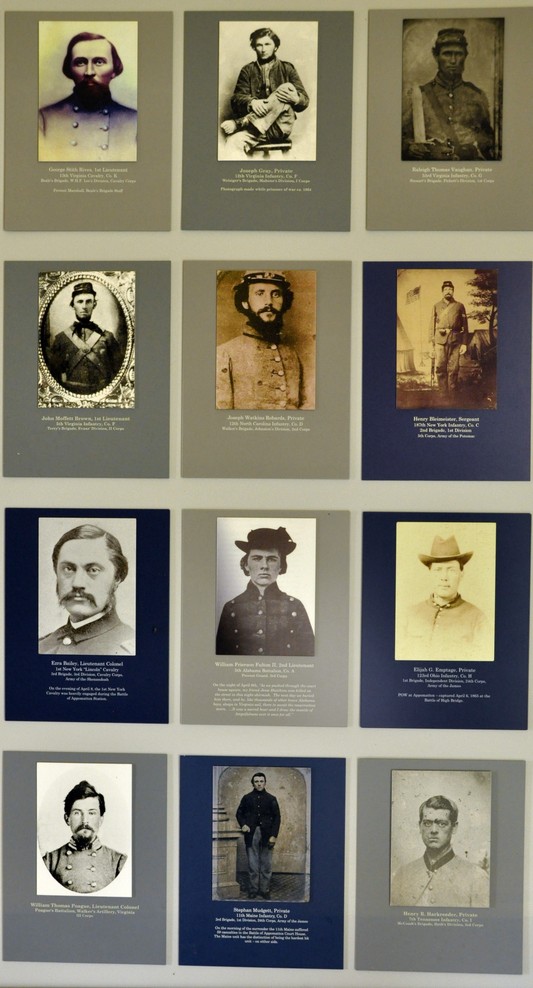
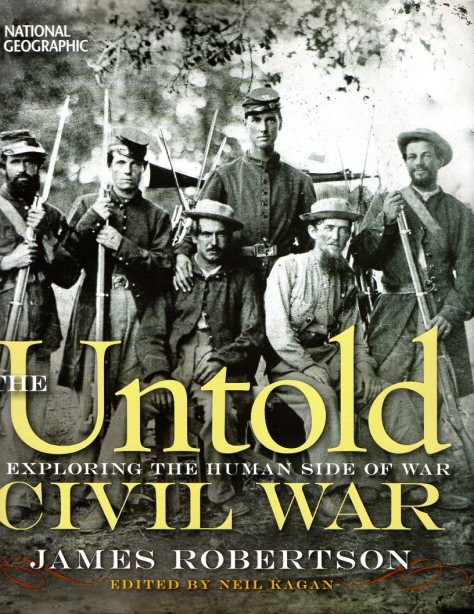
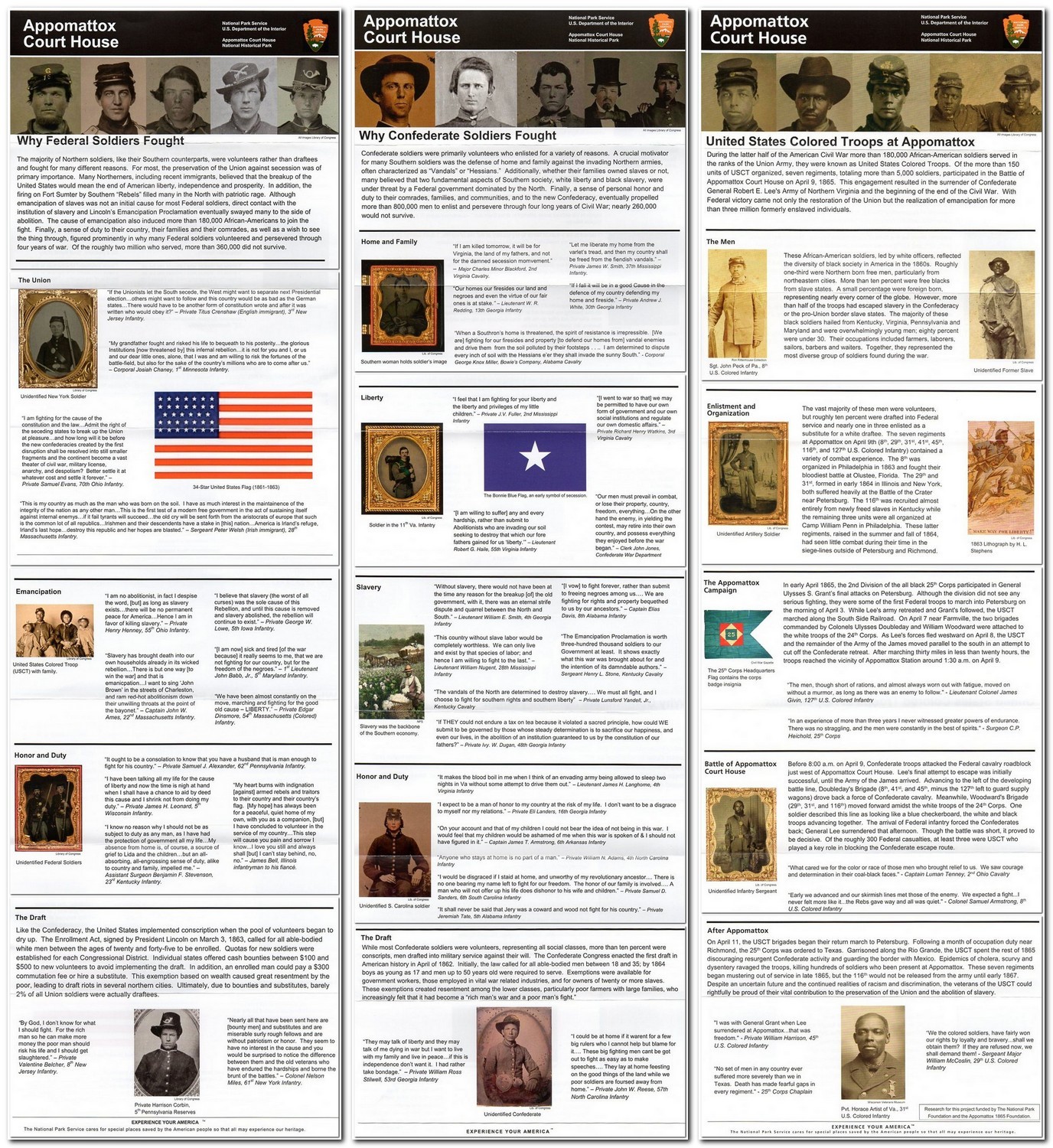
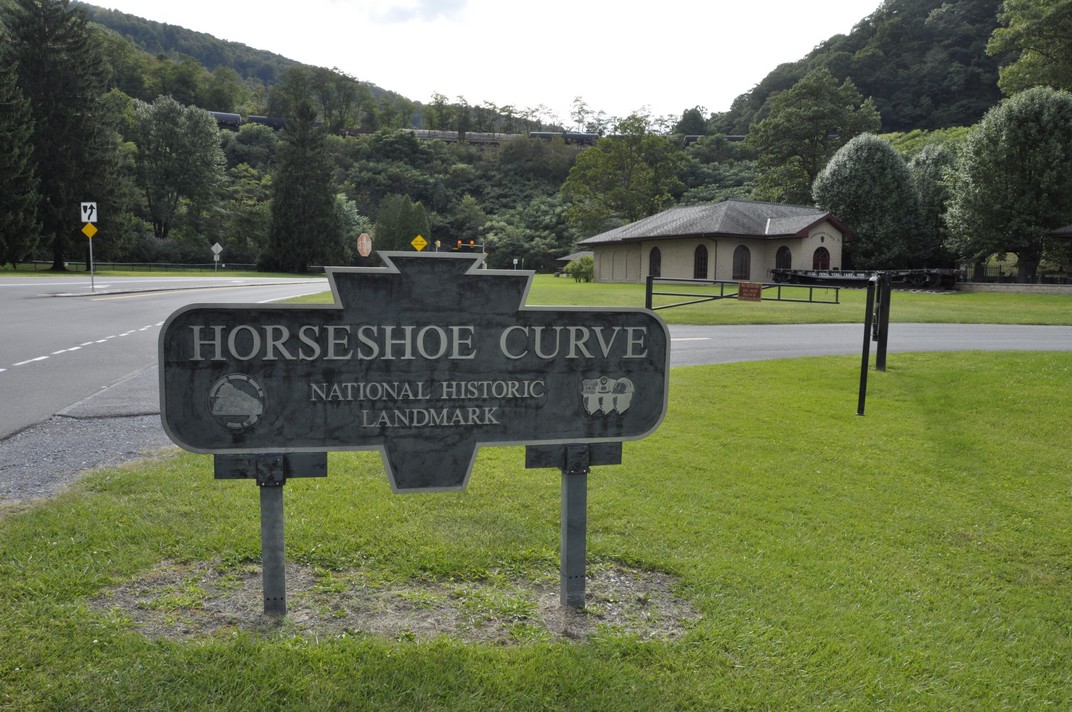
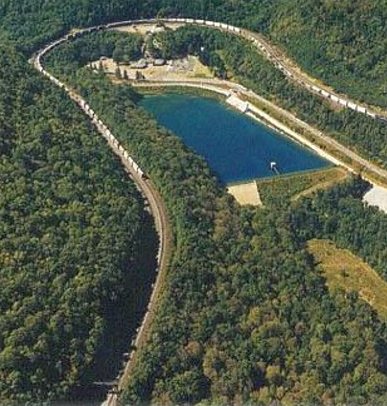
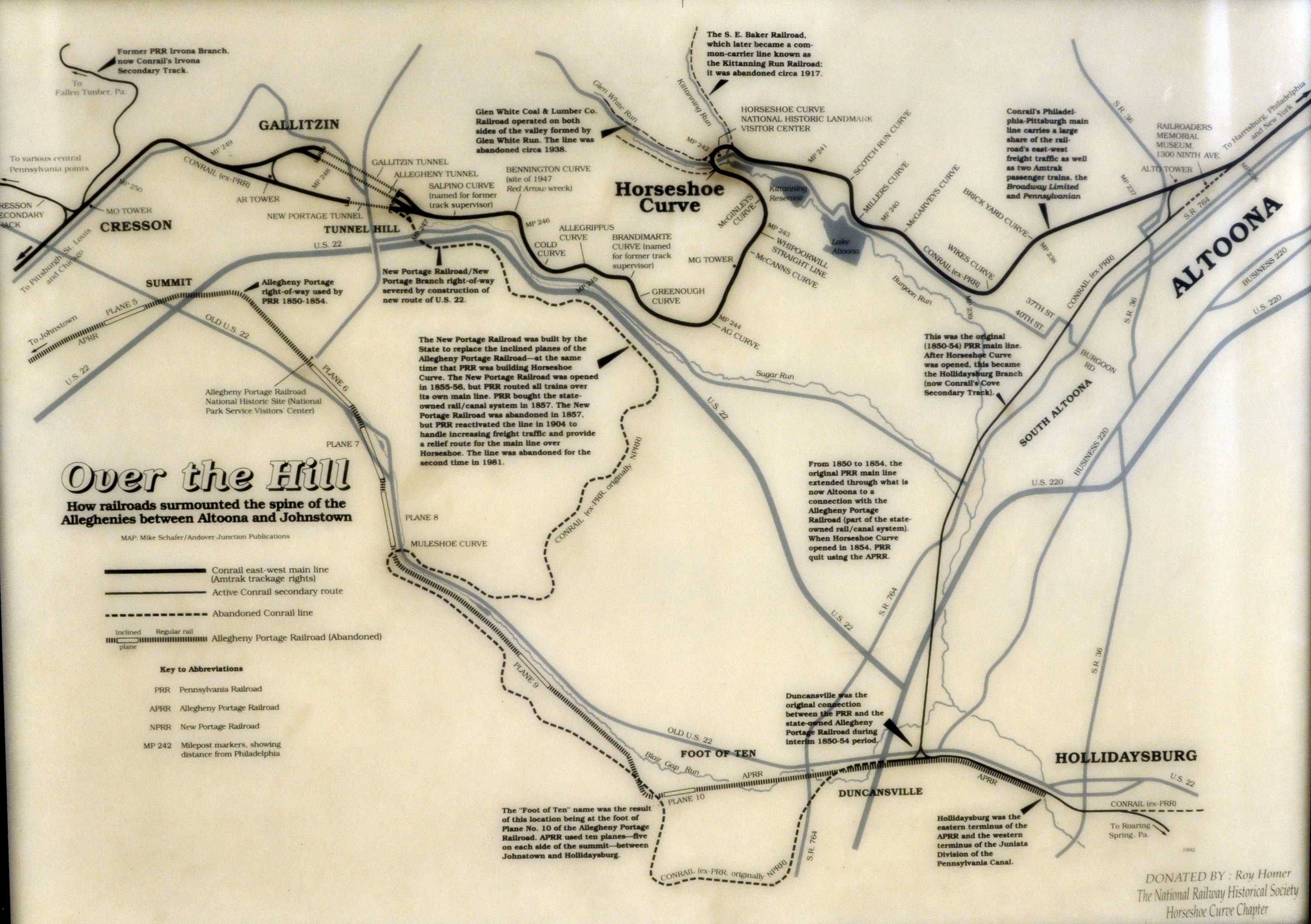
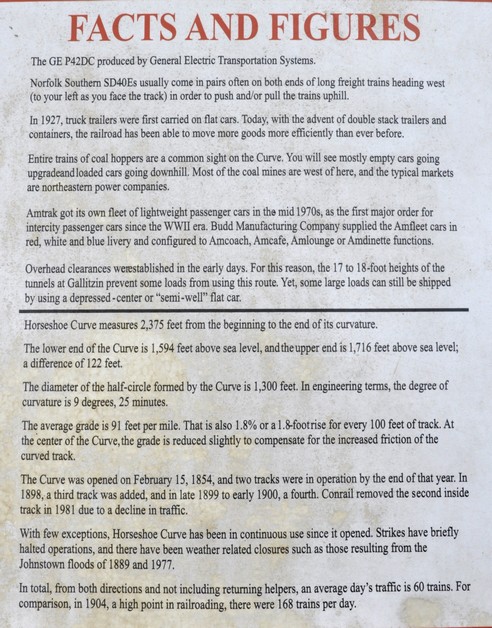
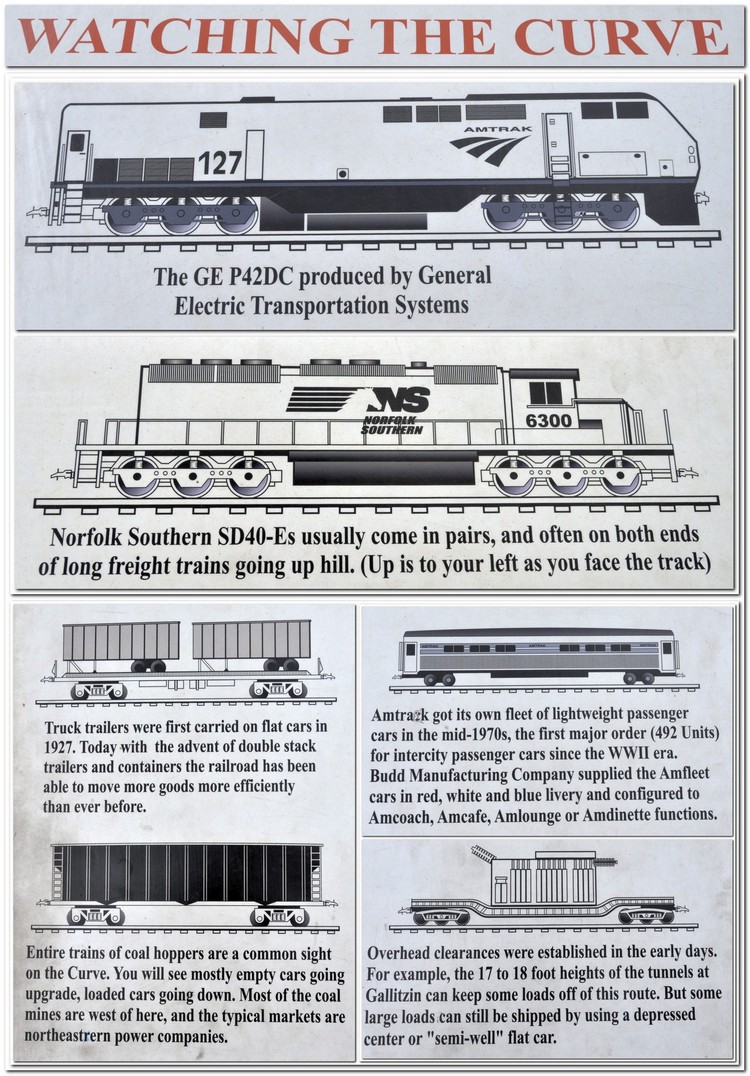
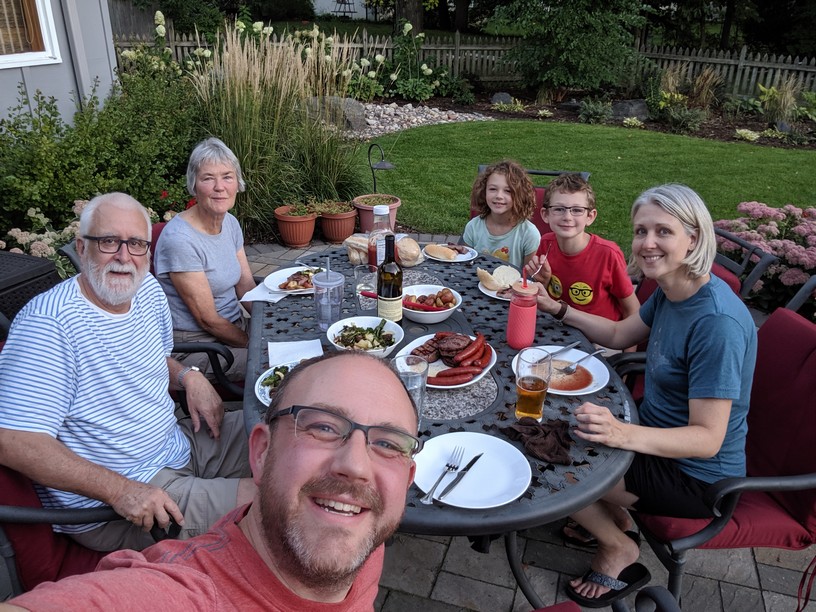
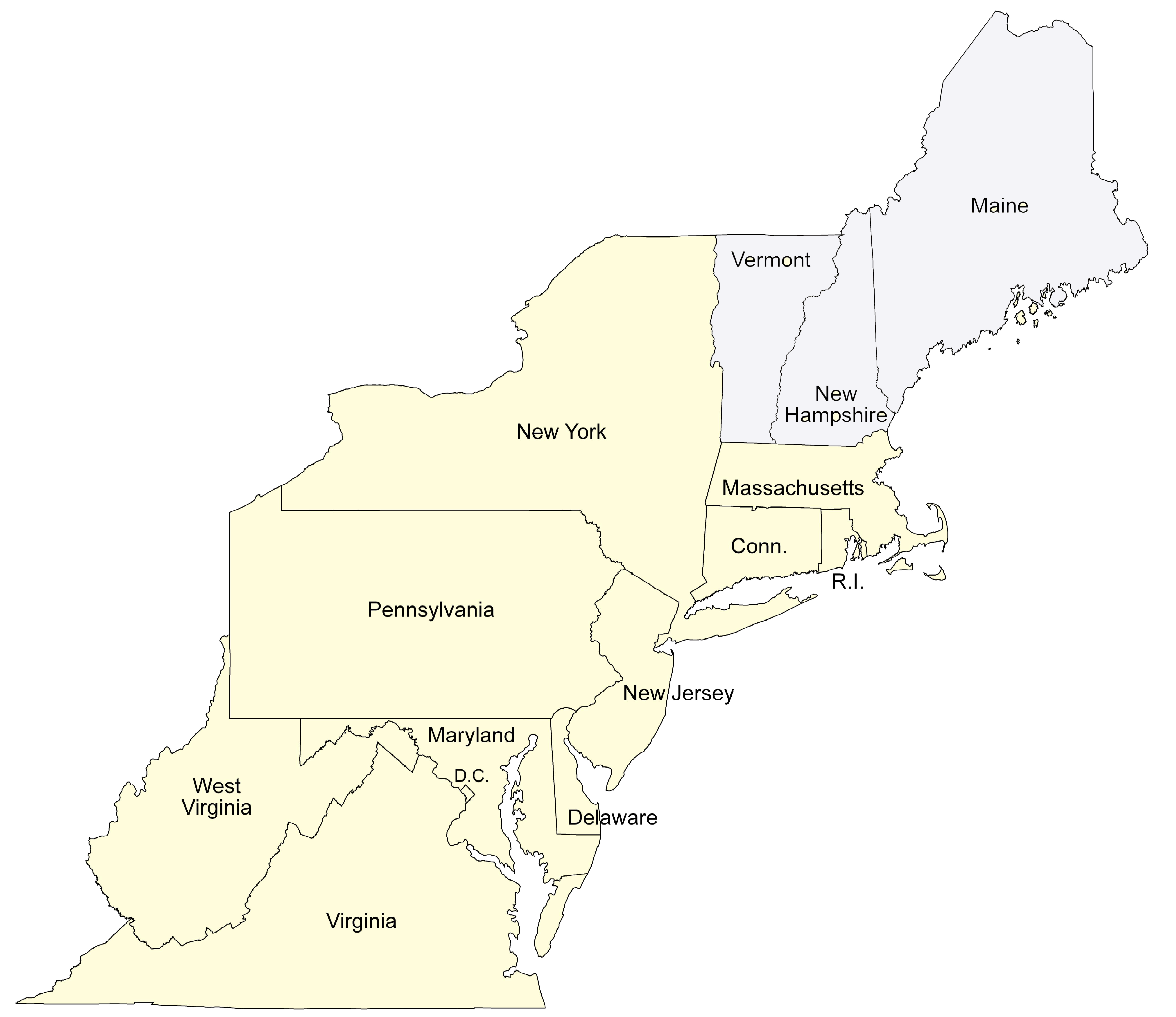
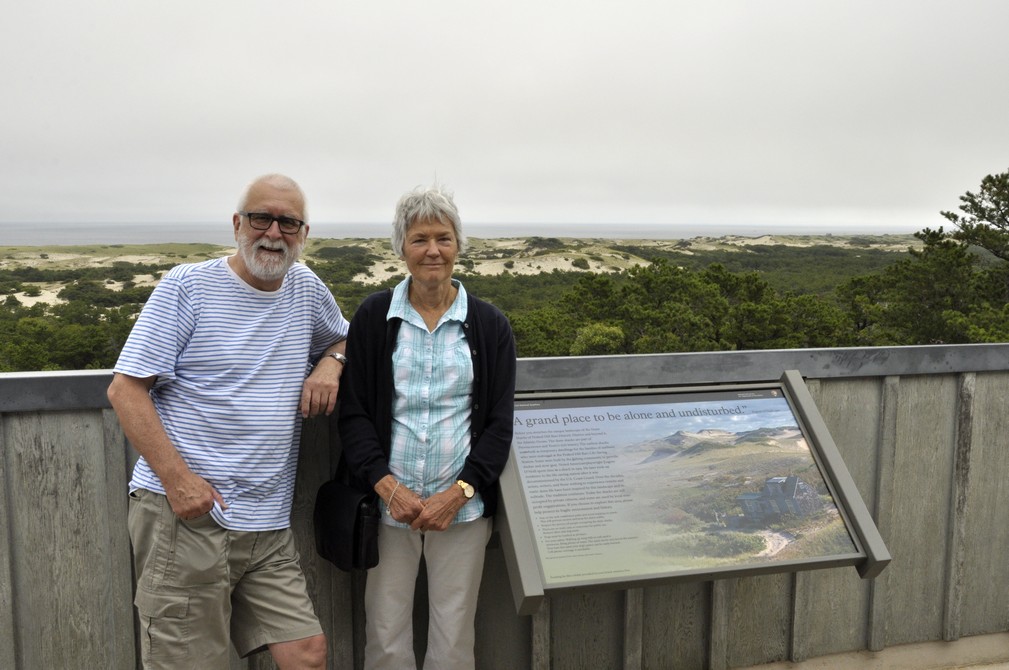


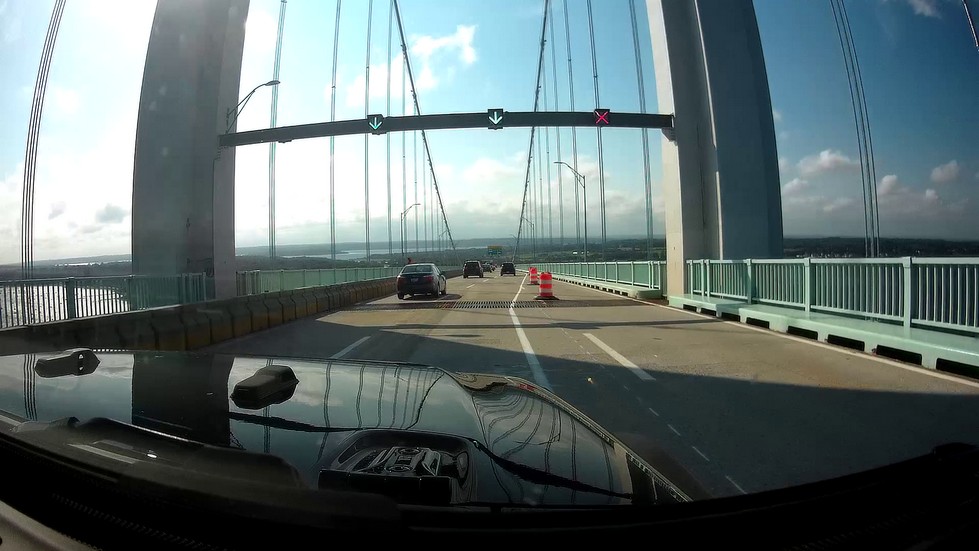
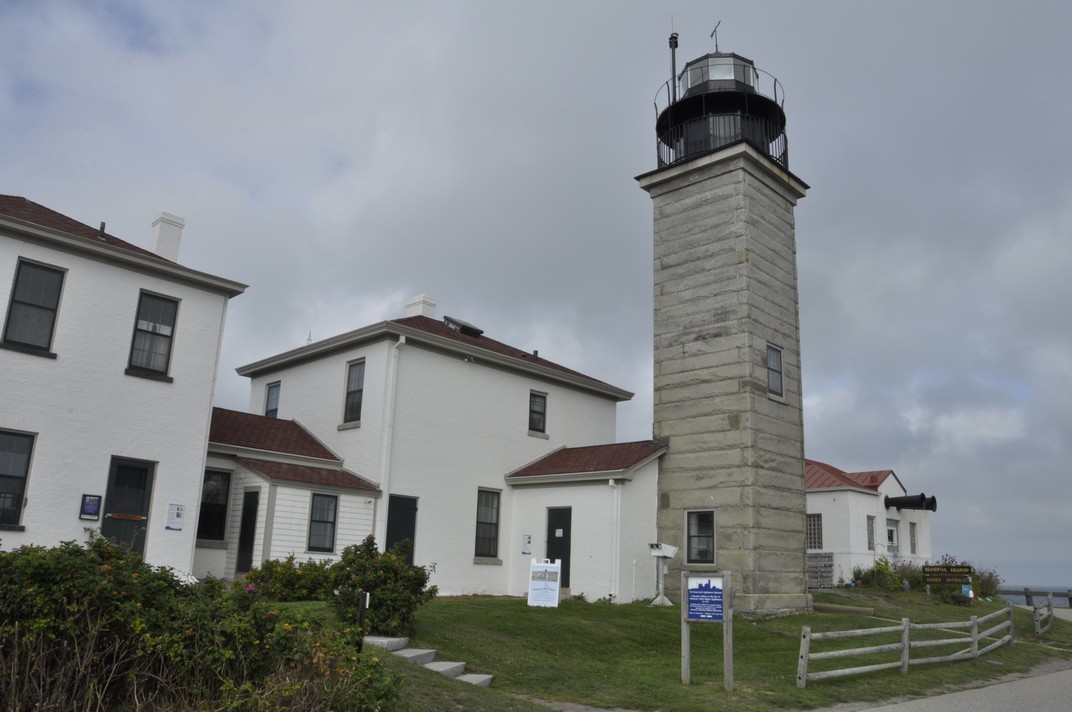


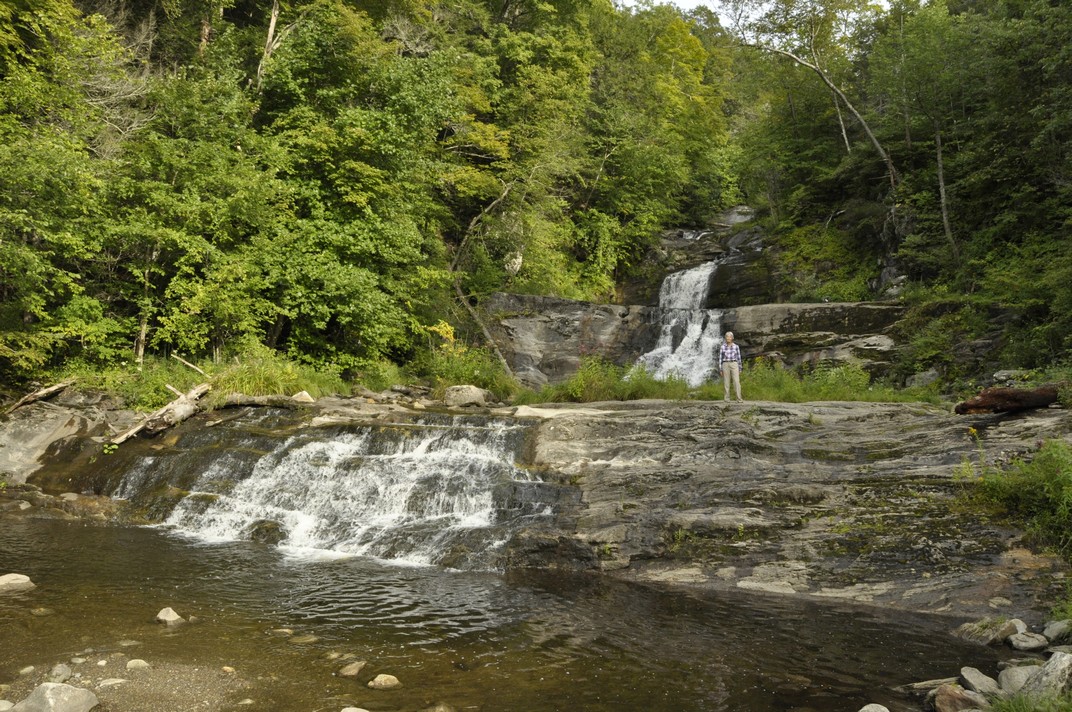
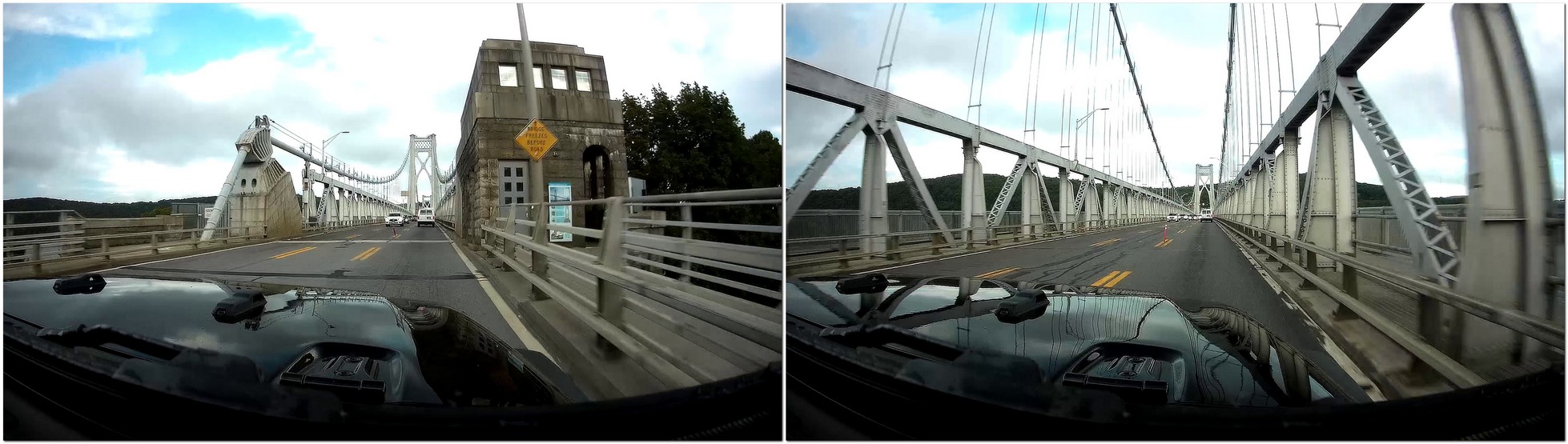
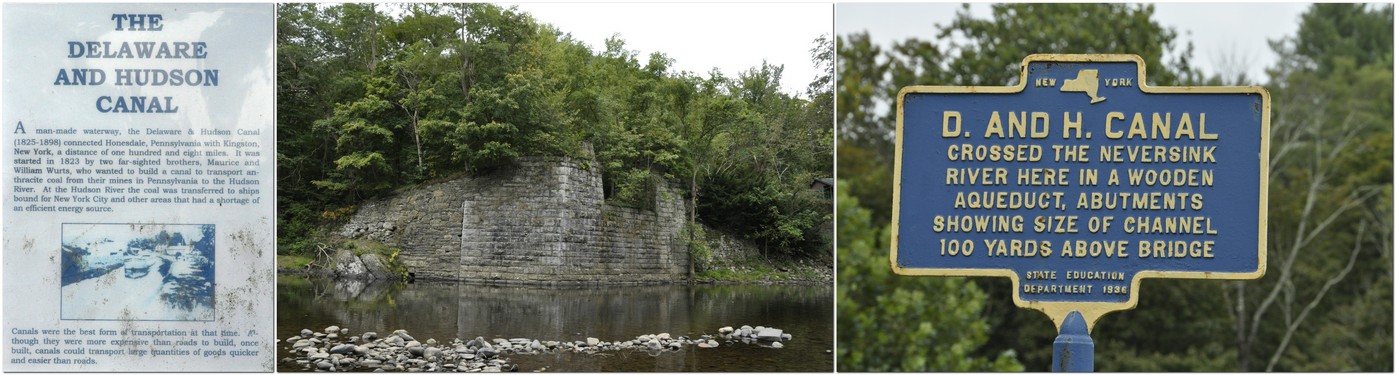
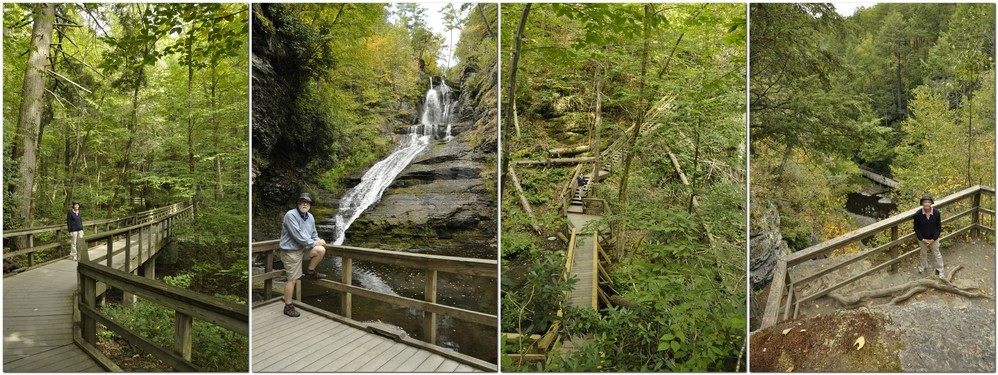
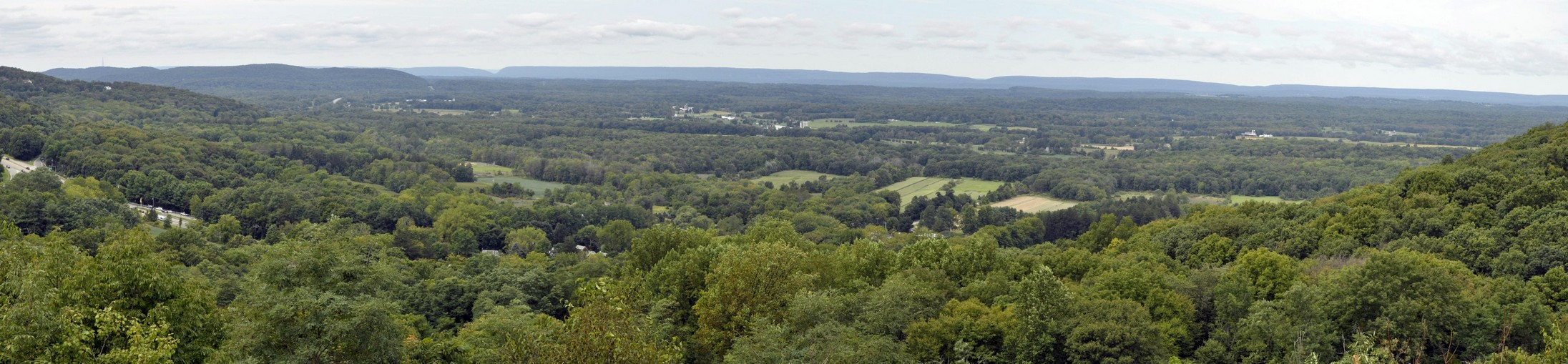
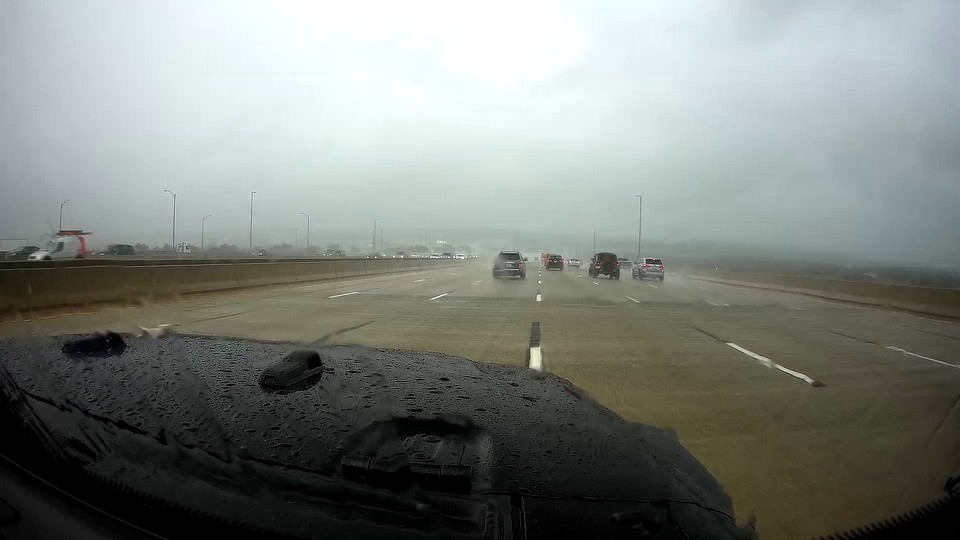
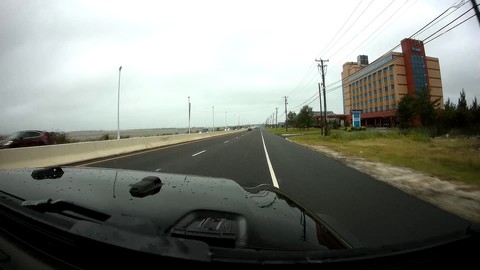



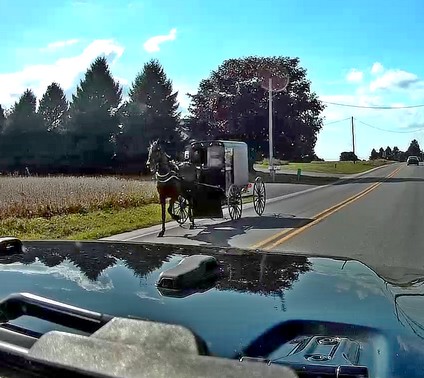


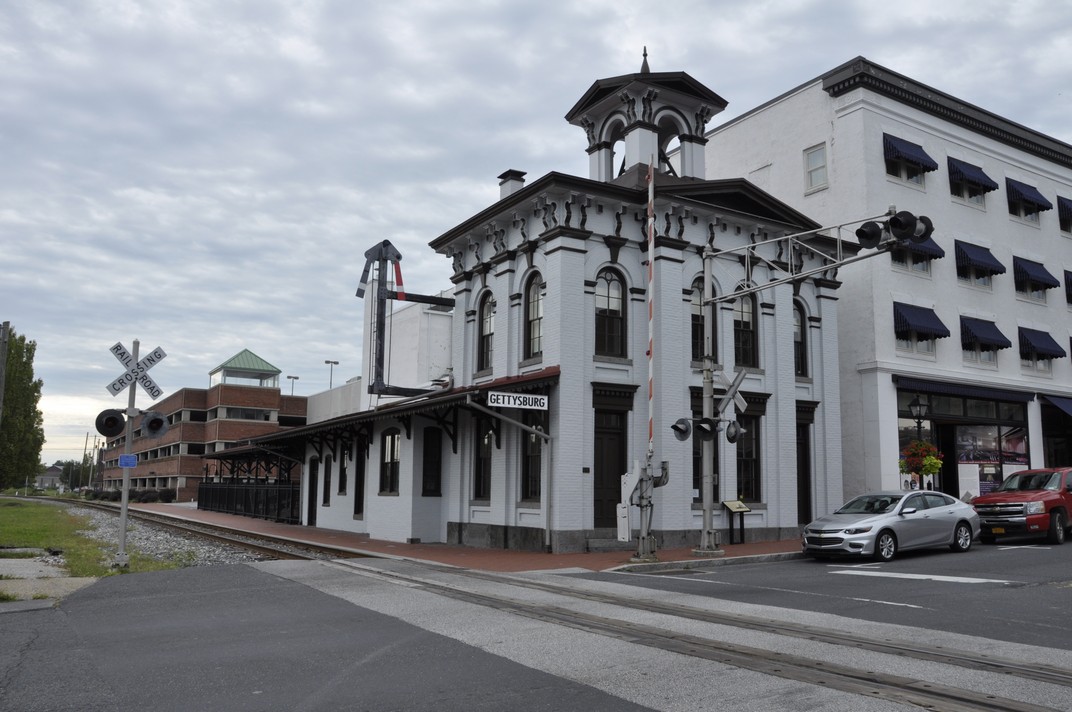

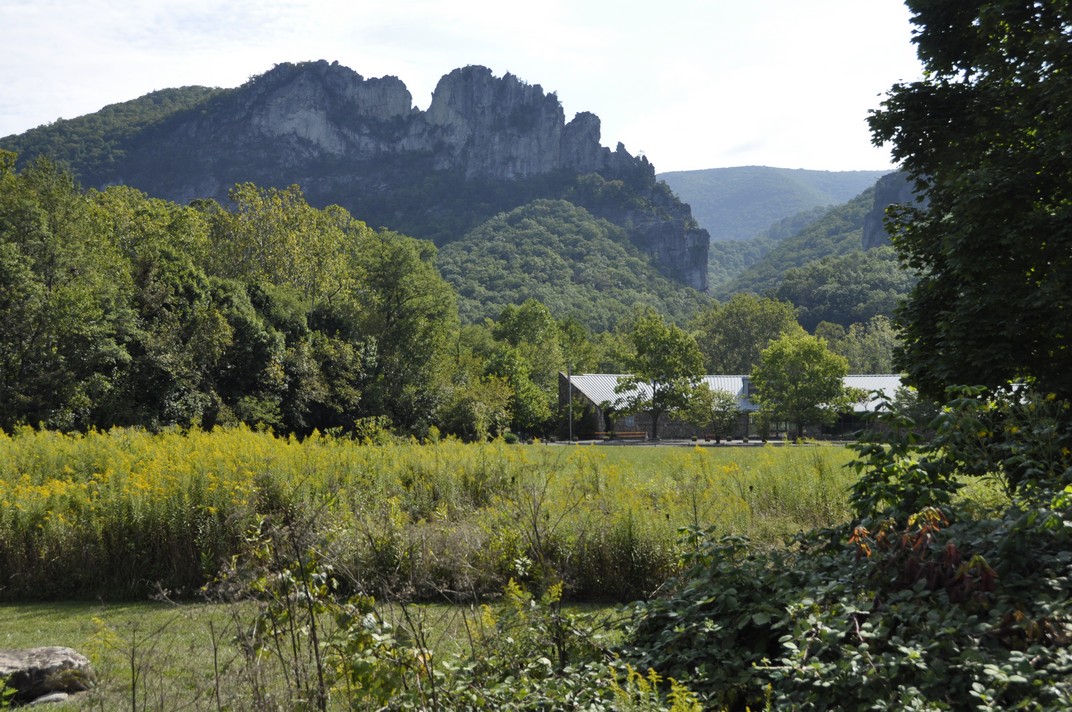
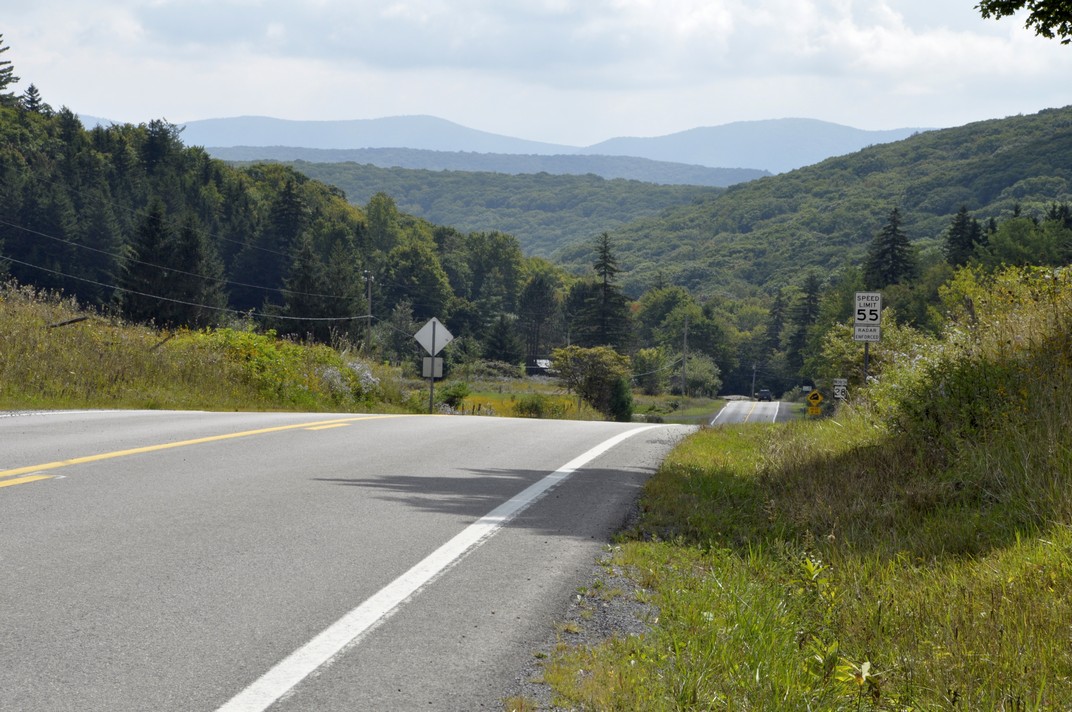
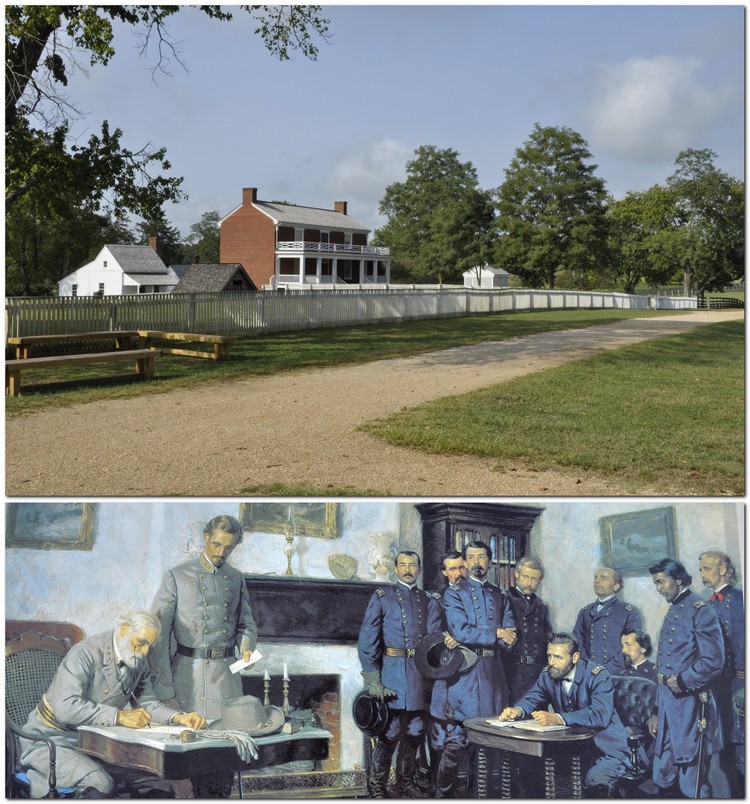


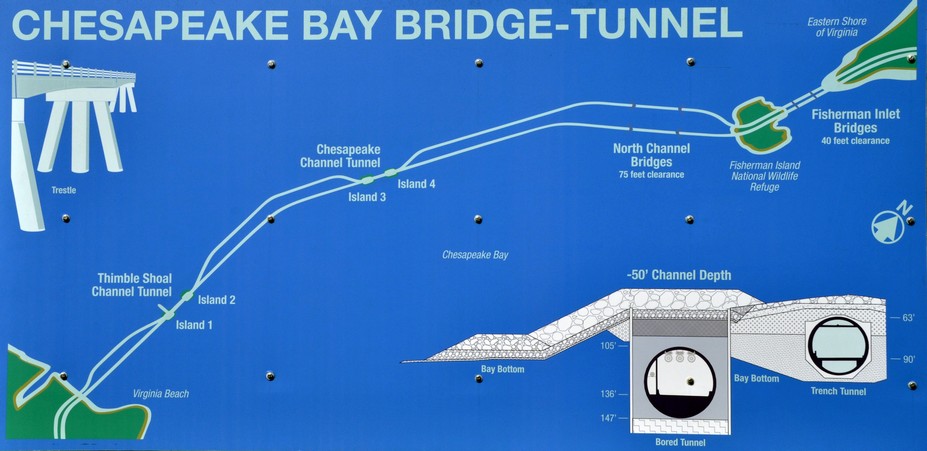
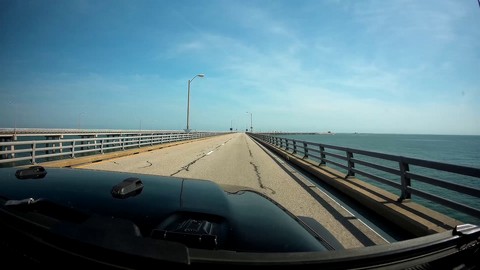
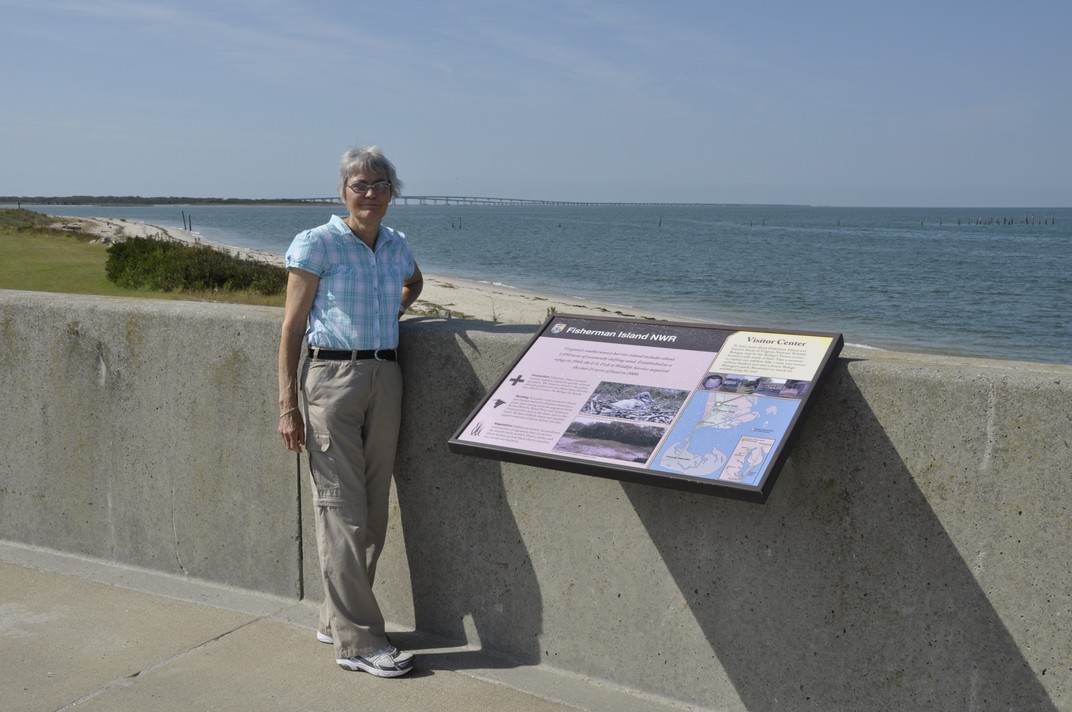
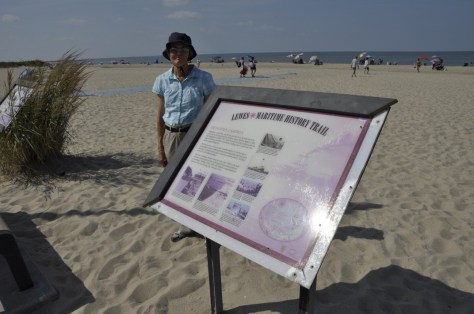

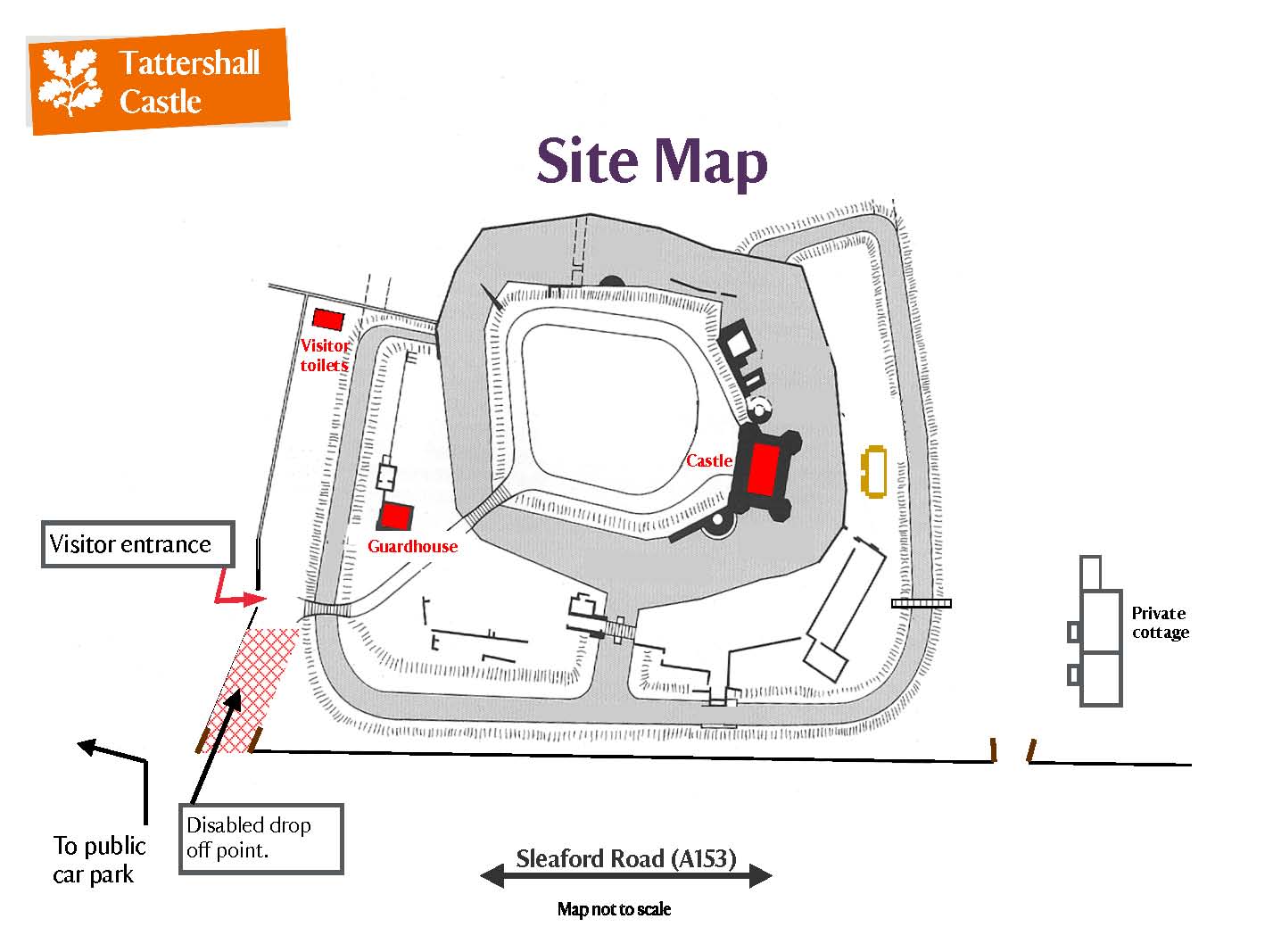
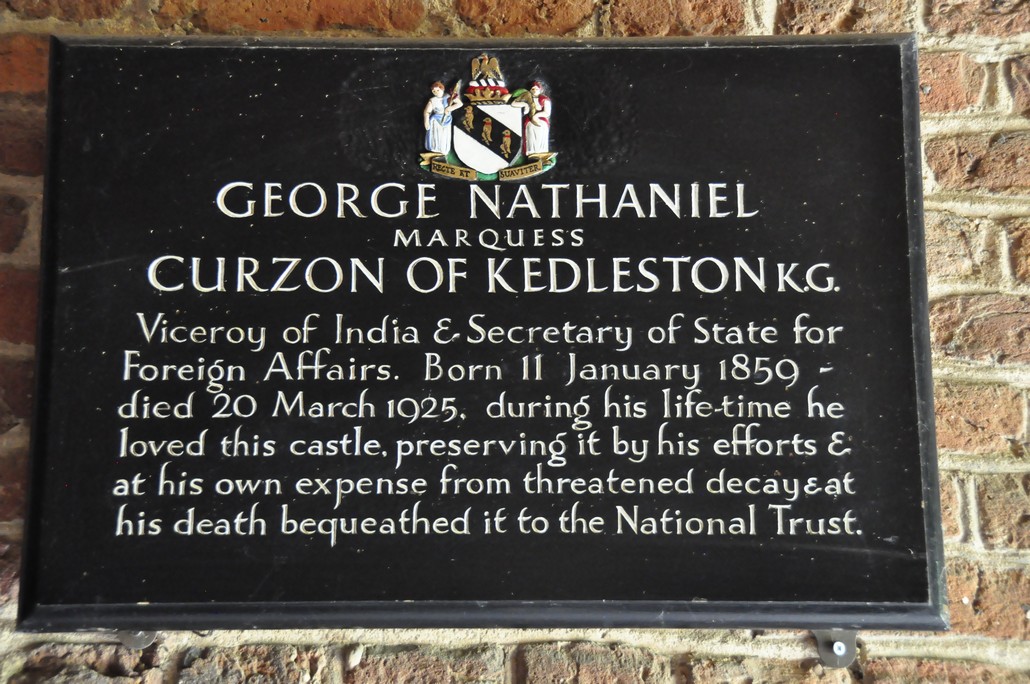


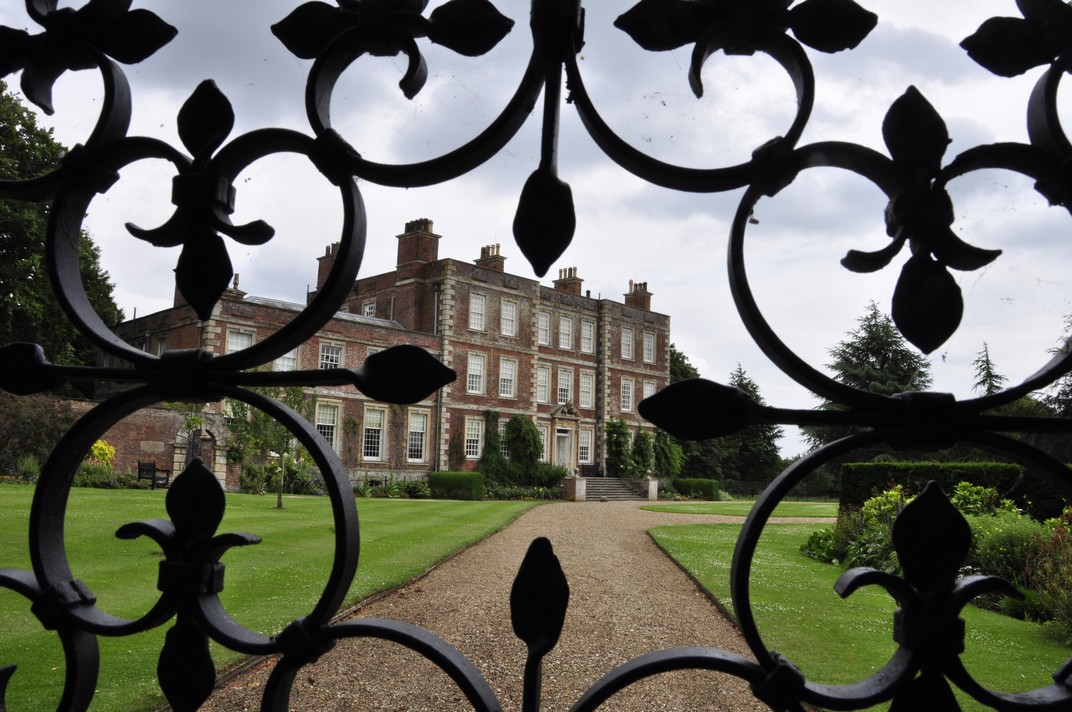


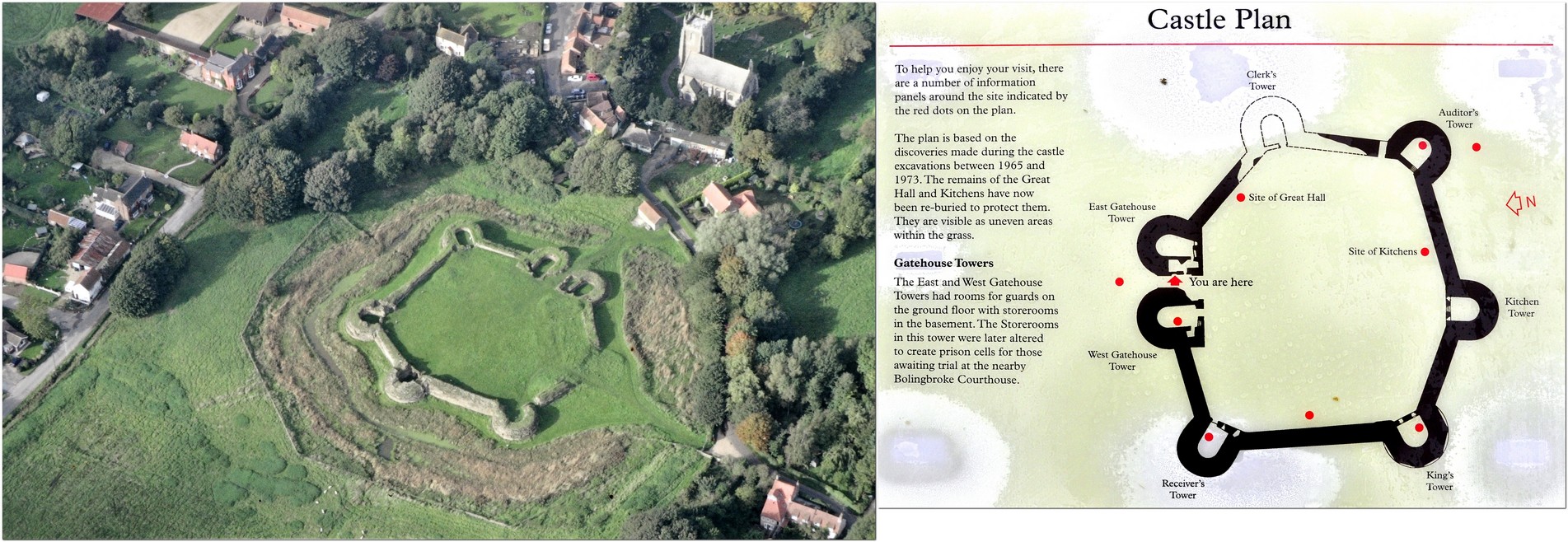


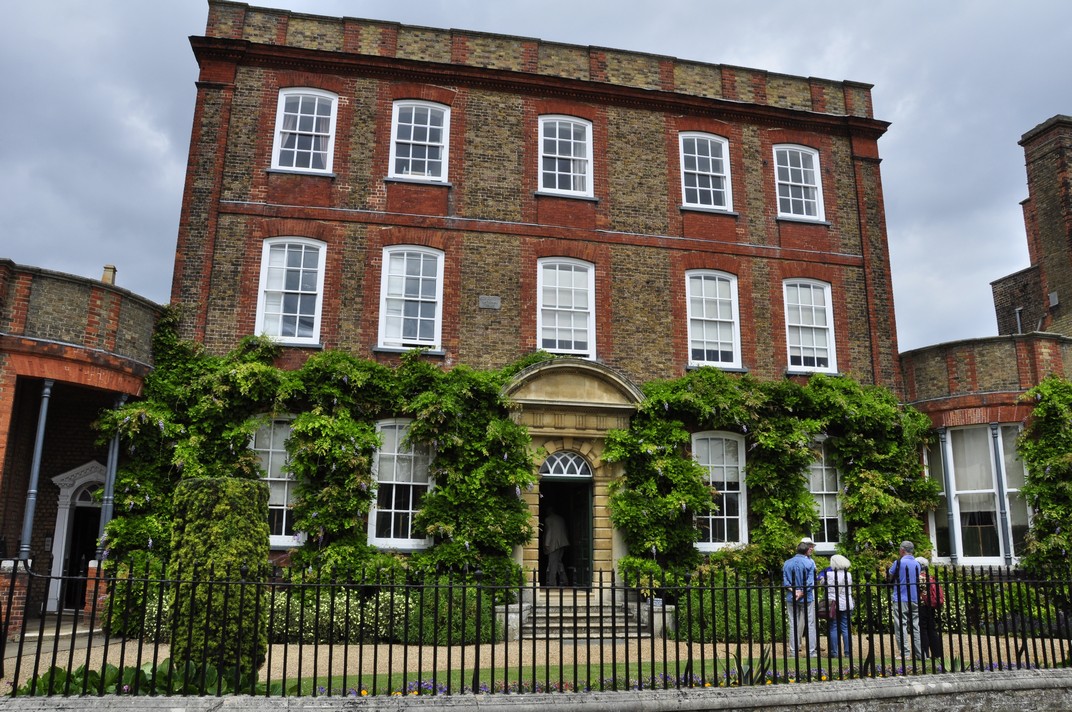


 The most celebrated of the family was Alexander (born in 1830) who traveled extensively and built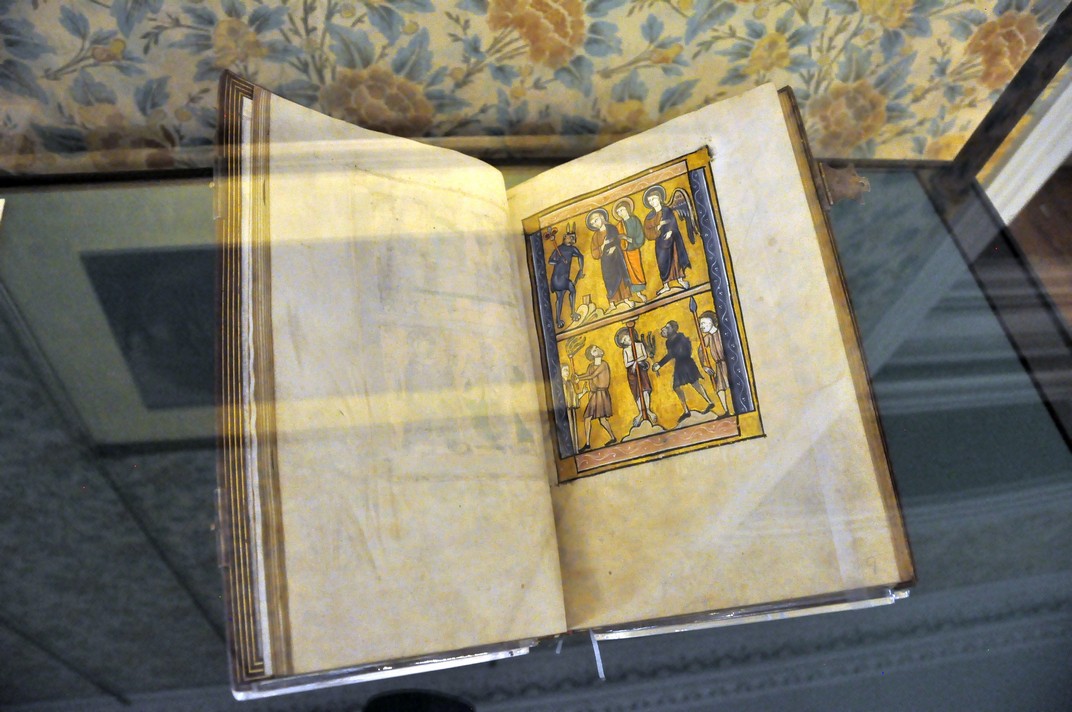


 A balanced diet . . .