Have PhD, will travel . . . for half a century

Friday 12 December 1975. Fifty years ago today!

Harold Wilson had almost reached the end of his second term as Prime Minister. Queen were No. 1 in the UK chart with Bohemian Rhapsody, and would remain there for several weeks.

And, at The University of Birmingham, as the clock on Old Joe (actually the Joseph Chamberlain Memorial Clock Tower) struck 12 noon, so the Chancellor’s Procession made its way (to a musical accompaniment played by the University Organist) from the rear of the Great Hall to the stage.

Thus began a degree congregation (aka commencement in US parlance) to confer graduate and undergraduate degrees in the physical sciences (excluding physics and chemistry), biological and medical sciences, and in medicine and dentistry. All the graduands and their guests remained seated.

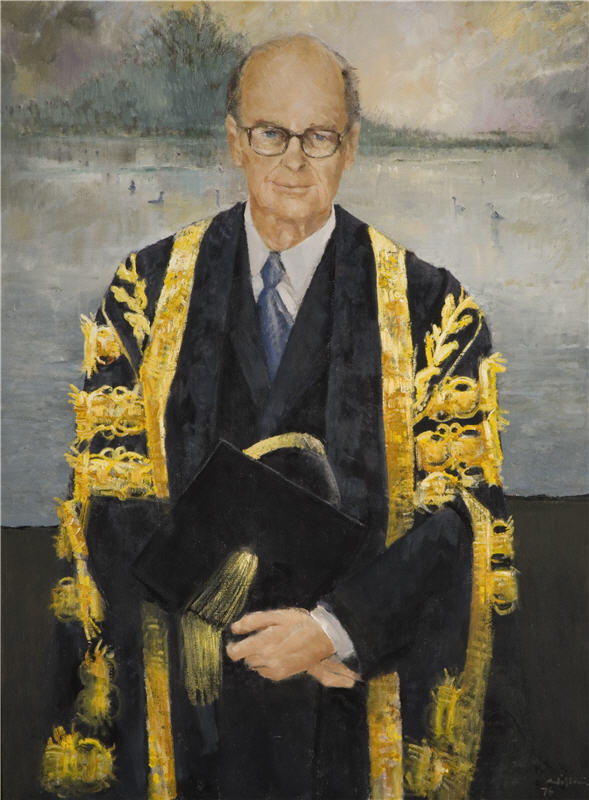
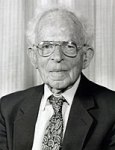
And I was among those graduands, about to have my PhD conferred by the Chancellor and renowned naturalist Sir Peter Scott (right).

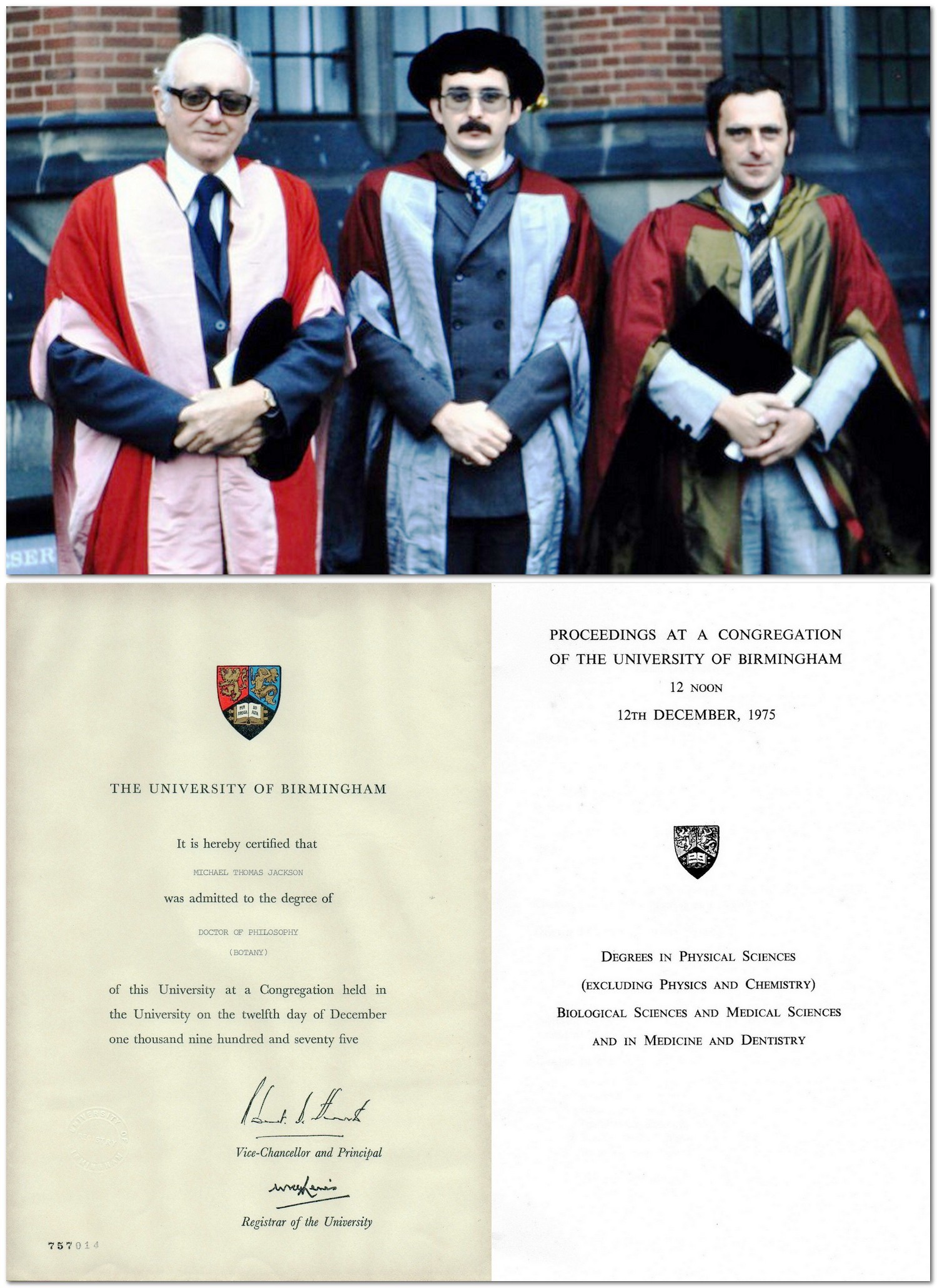
Here are some photos taken during the ceremony as I received my degree, in the procession leaving the Great Hall, and with my parents afterwards.

I’d completed my thesis on the biosystematics of South American potatoes, The Evolutionary Significance of the Triploid Cultivated Potato, Solanum x chaucha Juz. et Buk., at the end of September, just meeting the deadline to have the degree conferred (subject to a successful examination) at the December congregation.

Native potato varieties from the Andes of South America.

My thesis defence (an oral examination or viva voce to give its complete title) was held around the third week of October if my memory serves me right. Fortunately I didn’t have to make any significant corrections to the text, and the examiners’ reports were duly submitted and the degree confirmed by the university [1].

Among the university staff who attended the degree congregation were Professor JG ‘Jack’ Hawkes, Mason Professor of Botany and head of the Department of Botany (later Plant Biology) in the School of Biological Sciences, and Dr J Trevor Williams, Course Tutor for the MSc degree course Conservation and Utilisation of Plant Genetic Resources in the same department.

Jack was a world-renowned expert on the taxonomy of potatoes and a pioneer in the field of genetic resources conservation, who founded the MSc course in 1969. He supervised my PhD research. Trevor had supervised my MSc dissertation on lentils, Studies in the Genus Lens Miller with Special Reference to Lens culinaris Medik., in 1971 when I first came to Birmingham to join the plant genetic resources course.

Here I am with Jack (on my right) and Trevor just after the congregation. Click on the image to view an abridged version of the congregation program.

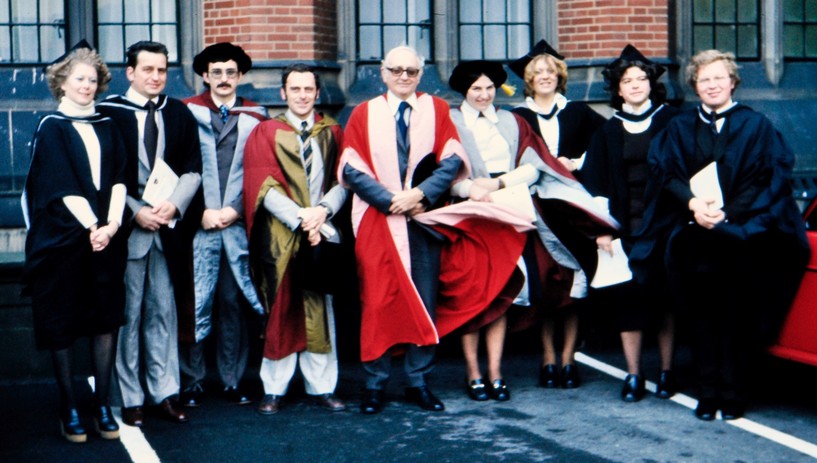
At the same congregation several other graduates from the Department of Botany received their MSc degrees in genetic resources or PhD.

L-R: Pamela Haigh, Brenig Garrett, me, Trevor Williams, Jack Hawkes, Jean Hanson, Margaret Yarwood, Jane Toll, and Stephen Smith


When I began my MSc studies in genetic resources conservation and use at Birmingham in September 1970 I had no clear idea how to forge a career in this fascinating field. The other four students in my cohort came from positions in their own countries, to which they would return after graduating.

My future was much less certain, until one day in February 1971 when Jack Hawkes returned to Birmingham from an expedition to collect wild potatoes in Bolivia. He told me about a one-year vacancy from September that same year at the International Potato Center (CIP) in Lima, Peru, and asked if I’d be interested. Not half! And as the saying goes, The rest is history.

Jack’s expedition had been supported, in part, by CIP’s Director General, Dr Richard Sawyer, who told Jack that he wanted to send a young Peruvian scientist, Zósimo Huaman, to attend the MSc course at Birmingham from September 1971. He was looking for someone to fill that vacancy and did he know of anyone who fitted the bill. Knowing of my interest of working in South America if the opportunity arose, Jack told Sawyer about me. I met him some months later in Birmingham.

Well, things didn’t proceed smoothly, even though Zósimo came to Birmingham as scheduled. Because of funding delays at the UK’s Overseas Development Administration, ODA (which became the Department for International Development or DfID before it was absorbed into the Foreign Office), I wasn’t able to join CIP until January 1973.

In the interim, Jack persuaded ODA to support me at Birmingham until I could move to CIP, and he registered me for a PhD program. He just told me: I think we should work on the triploids. And I was left to my own devices to figure out just what that might mean, searching the literature, growing some plants at Birmingham to get a feel for potatoes, even making a stab (rather unsuccessfully) at learning Spanish.

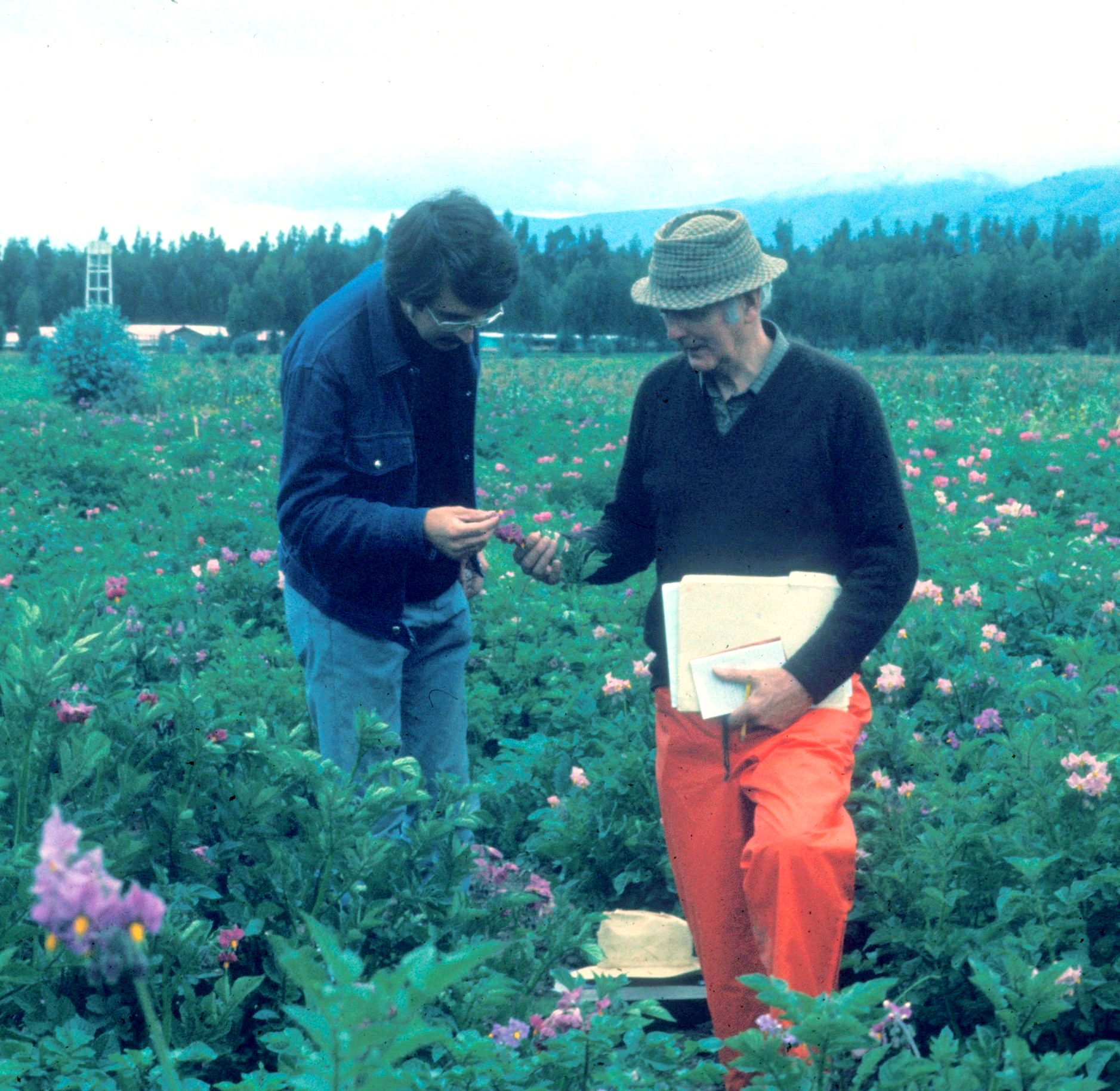
Despite his relaxed view about what my PhD research might encompass, Jack was incredibly supportive, and we spent time in the field together on both occasions he visited CIP while I was there.

With Jack Hawkes in the CIP potato germplasm collection field, in Huancayo, central Peru (alt. 3100 masl) in January 1974.

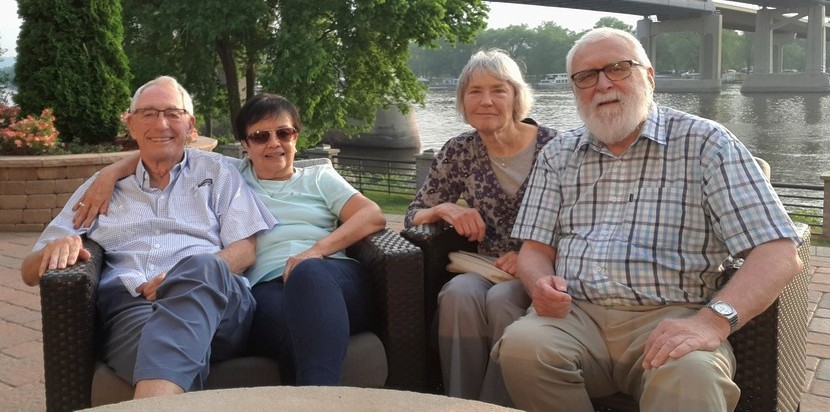
I was also extremely fortunate that I had, as my local supervisor at CIP, the head of the Department of Breeding & Genetics, Dr P Roger Rowe, originally a maize geneticist, who joined CIP in mid-1973 from the USDA potato collection in Wisconsin where he was the curator. Roger and I have remained friends ever since, and Steph and I met him and his wife Norma in 2023 during our annual visit to the USA (where our elder daughter lives).

Roger and Norma Rowe, Steph and me beside the mighty Mississippi in La Crosse, Wisconsin in June 2023.

On joining CIP, Roger thoroughly evaluated—and approved—my research plans, while I also had some general responsibilities to collect potatoes in Peru, which I have written about in these two posts.

My research involved frequent trips between December and May each year to the CIP field station in Huancayo, to complete a crossing program between potato varieties with different chromosome numbers and evaluating their progeny. In CIP headquarters labs in Lima, I set about describing and classifying different potato varieties, and comparing them using a number of morphological and biochemical criteria. And I made field studies to understand how farmers grow their mixed fields of potato varieties in different regions of Peru.

At the beginning of April 1975, Steph and I returned to Birmingham so that I could write my thesis. But we didn’t fly directly home. Richard Sawyer had promised me a postdoctoral position with CIP—subject to successful completion of my PhD—with a posting in the Outreach Program (then to become the Regional Research and Training Program) based in Central America. So we spent time visiting Costa Rica and Mexico before heading for New York and a flight back to Manchester. And all the while keeping a very close eye on my briefcase that contained all my raw research data. Had that gone astray I’m not sure what I would have done. No such thing in 1975 as personal computers, cloud storage and the like. So, you can imagine my relief when we eventually settled into life again in Birmingham, and I could get on with the task in hand: writing my thesis and submitting it before the 1 October deadline.

I still had some small activities to complete, and I didn’t start drafting my thesis in earnest until July. It took me just six weeks to write, and then I spent time during September preparing all the figures. Jack’s technician, Dave Langley, typed my thesis on a manual typewriter!

Of course each chapter had to be approved by Jack. And he insisted that I handed over each chapter complete, with the promise that he’d read it that same evening and return the draft to me with corrections and suggestions by the next day, or a couple of days at most. That was a supervision model I took on board when I became a university lecturer in 1981 and had graduate students of my own.


Looking back, my thesis was no great shakes. It was, I believe, a competent piece of research that met the university criteria for the award of a PhD: that it should comprise original research carried out under supervision, and of a publishable standard.

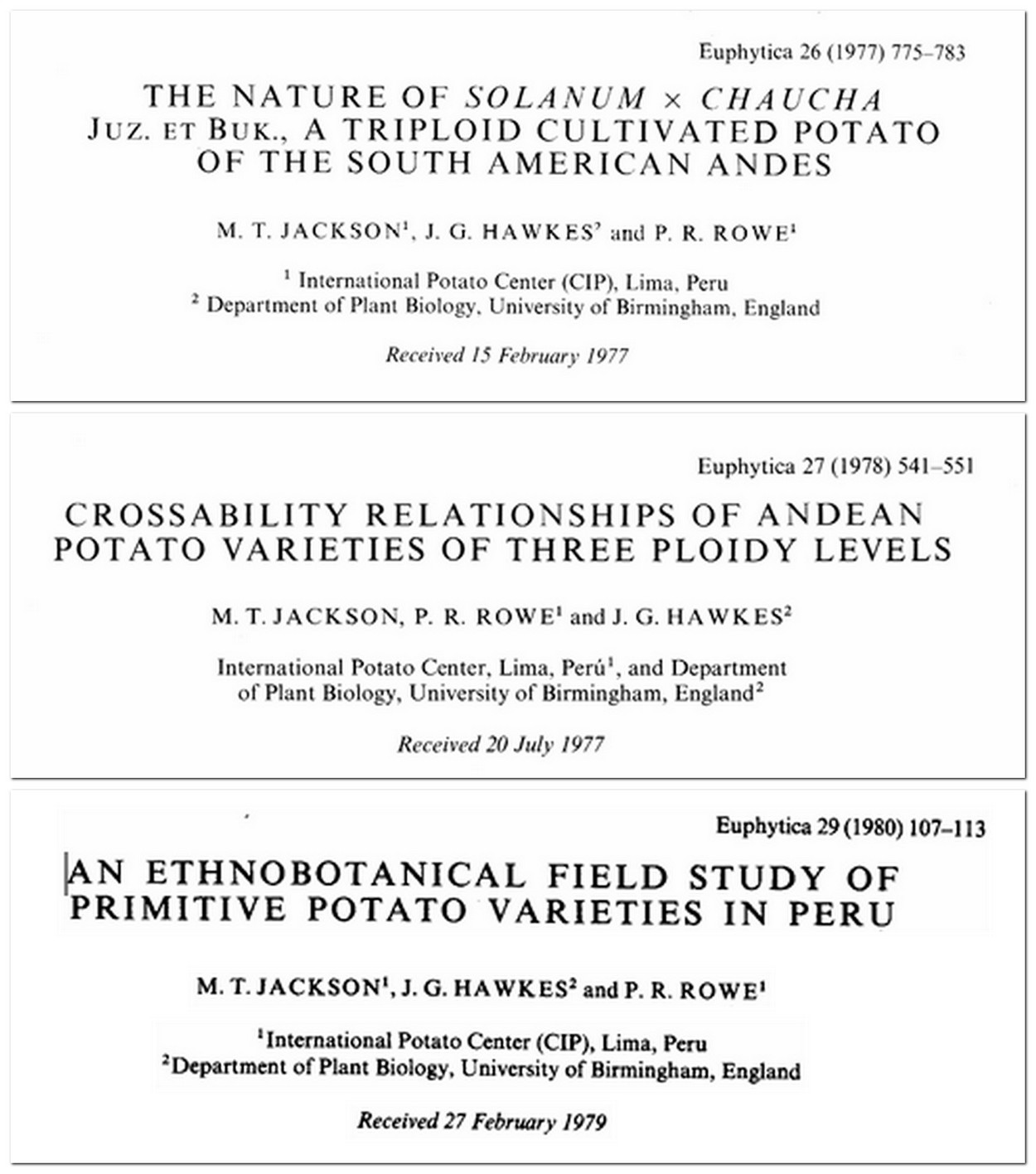
I did publish three papers from my thesis, which have been cited consistently in the scientific literature over the years by other researchers.


So, PhD under my belt so-to-speak, Steph and I returned to Lima just before New Year 1976. Later in April that year, we moved to Costa Rica where I did research on a serious bacterial disease of potatoes, seed potato production, and co-founded a pioneer regional cooperative program on potato research and development. We remained in Costa Rica for almost five years before returning to Lima, and from there to The University of Birmingham.

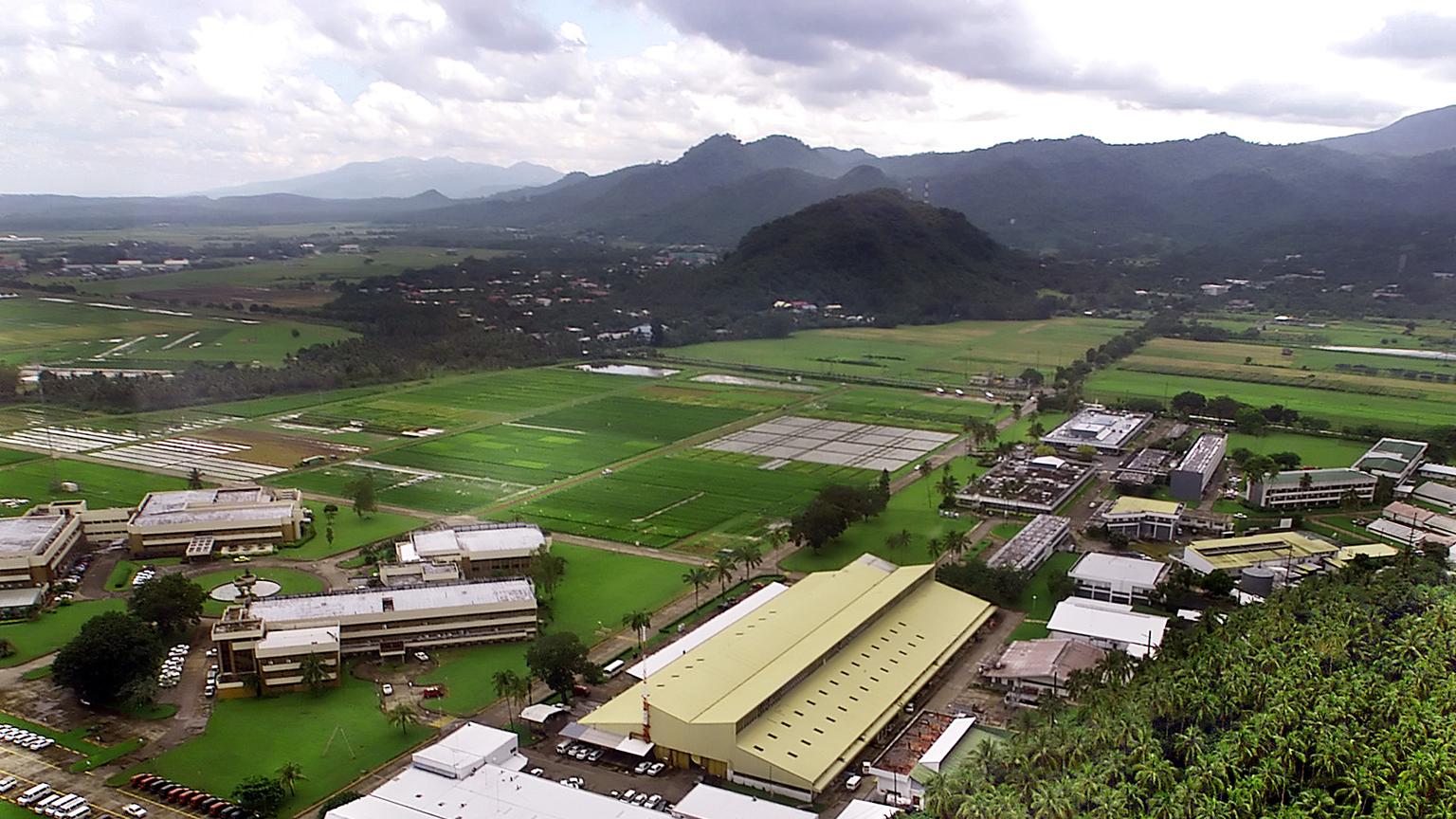
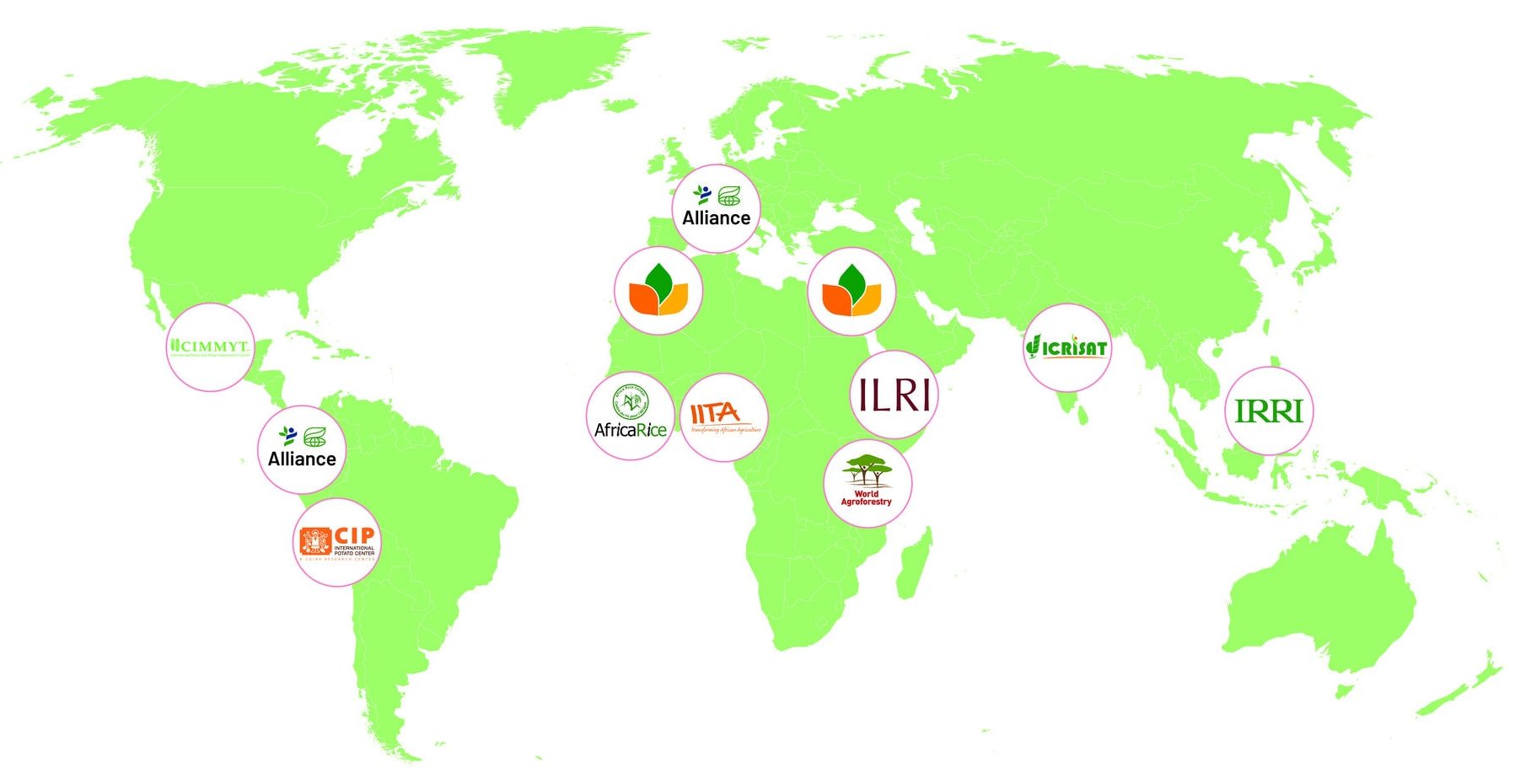
I taught at Birmingham for a decade before becoming Head of the Genetic Resources Center (with the world’s largest and most important rice genebank) at the International Rice Research Institute (IRRI) in Los Baños, Philippines from July 1991. Then in May 2001, I gave up any direct involvement in research and joined IRRI’s senior management team as Director for Program Planning and Communications. I retired in 2010 and returned to the UK.

50 years later

Since retiring, I’ve co-edited—in 2013—a major text on climate change and genetic resources, and led an important review, in 2016-2017, of the management of a network of international genebanks.

Without a PhD none of this would have been possible. Indeed continued employment at CIP in 1976 was contingent upon successful completion of my PhD.

I was extremely fortunate that, as a graduate student (from MSc to PhD) I had excellent mentors: Trevor, Jack, and Roger. I learned much from them and throughout my career tried (successfully I hope) to emulate their approach with my colleagues, staff who reported to me, and students. I’ve also held to the idea that one is never too old to have mentors.


[1] I completed my PhD in four years (September 1971 to September 1975. Back in the day, PhD candidates were allowed eight years from first registration to carry out their research and submit their thesis for examination. Because of concern about submission rates among PhD students in the 1980s, The University of Birmingham (and other universities) reduced the time limit to five years then to four. So nowadays, a PhD program in the UK comprises three years of research plus one year to write and submit the thesis, to be counted as an on-time submission.


The first of everything . . . November 2025

This post is a blogging departure for me, unlike any of the posts I’ve written over the past 13 years. It’s one that will take a year to complete, until New Year’s Day 2026. A record for the whole year, each month I’ll be writing about the places that Steph and I have visited, the excursions we’ve made, and including lots of photos.

November
This was a quiet month, excursion-wise. November started very mild, with some glorious sunny days, such that we headed north (on the 8th) to one of our favorite locations: Hauxley Wildlife Discovery Centre, just behind the beach at Druridge Bay, south of Amble.

It was a good bird-watching day, with lots of geese and ducks on the water. And a surprise as well. A blackcap (below), normally a summer visitor but a species that is increasingly staying resident in the UK the whole year round.
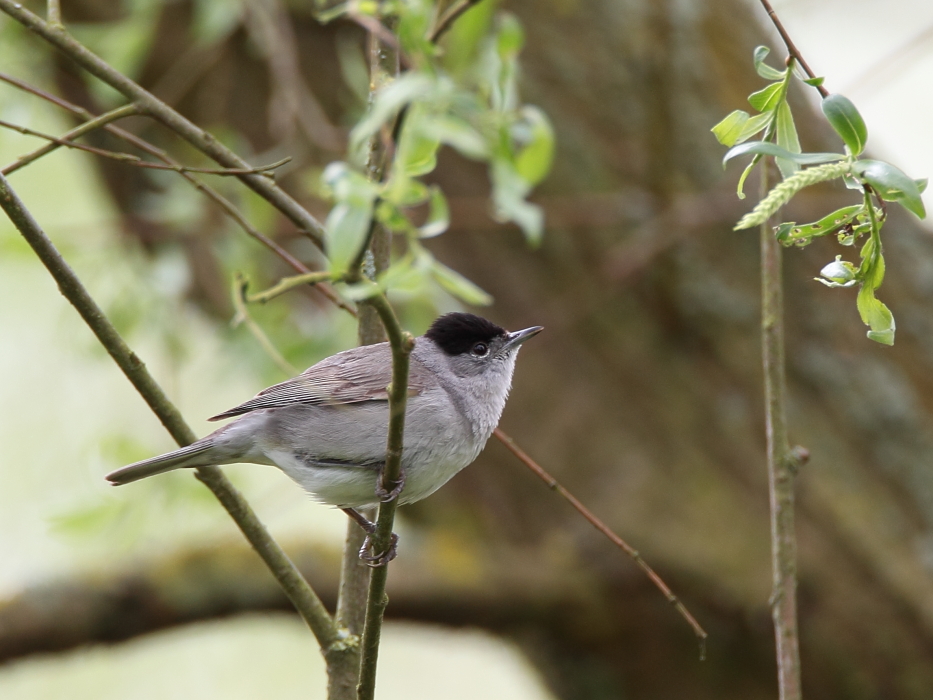
Then the weather really deteriorated, becoming windy and very wet. By 20 November, the temperature had really fallen and we had two days of frost and snow, quite unusual for November. But at least here in the northeast we were spared the torrential and devastating rains that blighted parts further south, especially in Wales.

Finally, on the last day of the month, and having been ‘trapped’ indoors for several days, the skies cleared and we headed to Seaton Sluice for a bracing walk along the beach.

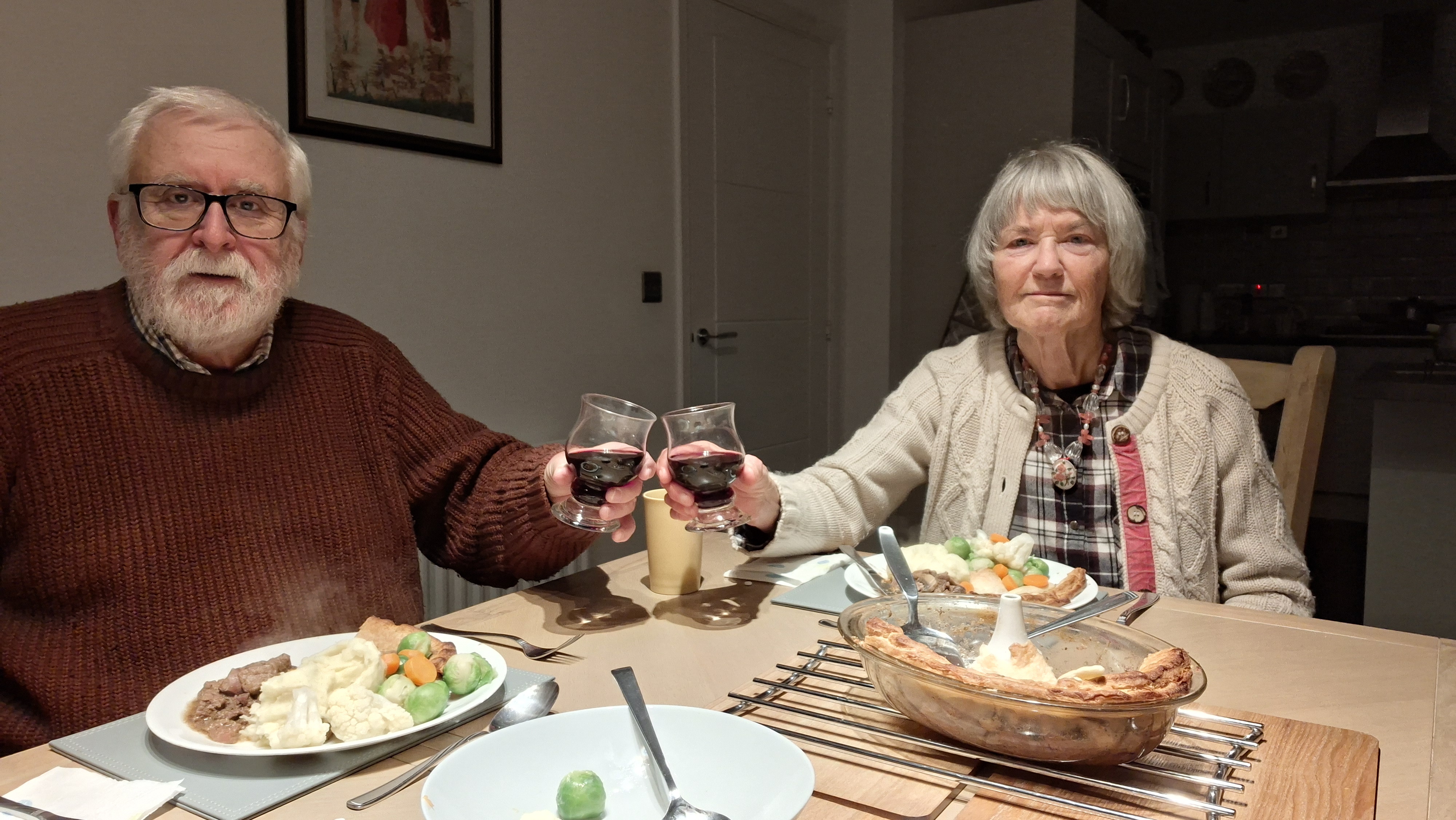
Oh, and I celebrated my 77th birthday on the 18th, Steph cooking my favorite meal: homemade steak and kidney pie.
October
It has been incredibly mild, with just one slight frost at the end of the month. What’s also remarkable is the number of plants that are still flowering in our garden, including hollyhocks, antirrhinums, and calendulas. Even the odd strawberry plant. And this fine weather has allowed us to take some nice walks locally. Finally the trees are beginning to show some autumn color, like these birches along one of my favorite waggonway walks a couple of days ago.

At the beginning of October (from the 6th) we made a four-day trip to Scotland to visit my sister Margaret who lives west of Dunfermline in Fife, stopping off on the way north at a small fishing community, St Abbs, just north of the border with Scotland. I wrote about that trip in this post.
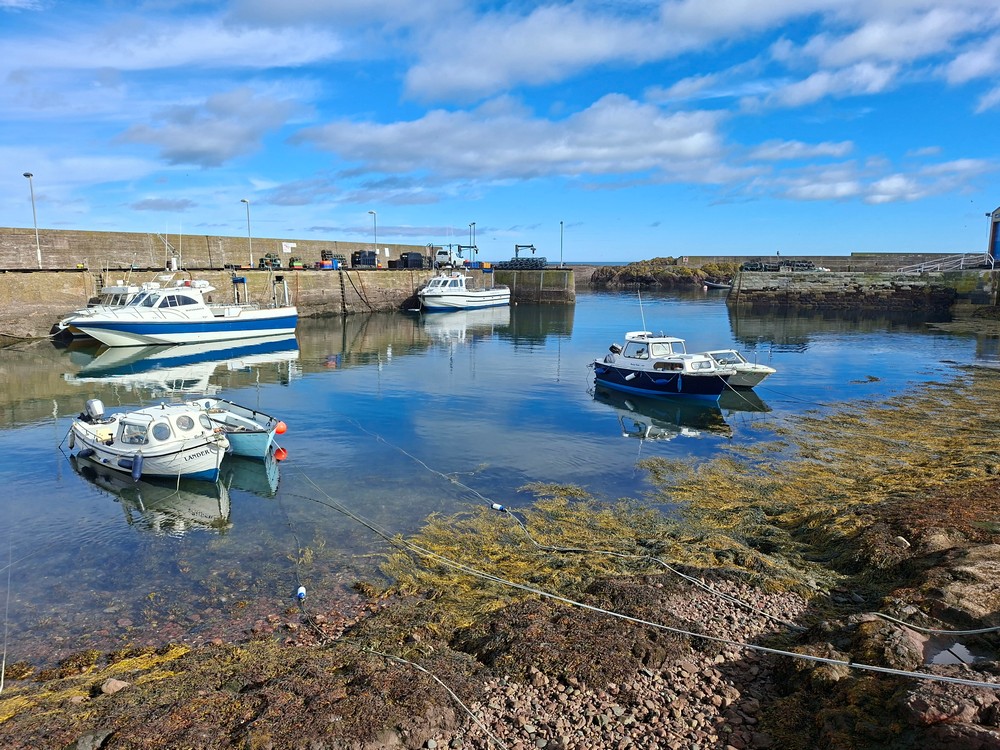
The harbour at St Abbs.

We visited Stirling Castle (managed by Historic Environment Scotland (HES) – the Scottish equivalent of English Heritage) enjoying the splendour of castle that has stood on a volcanic crag since the 14th century, but became a renaissance palace during the 16th century under James V of Scotland, father of Mary, Queen of Scots.
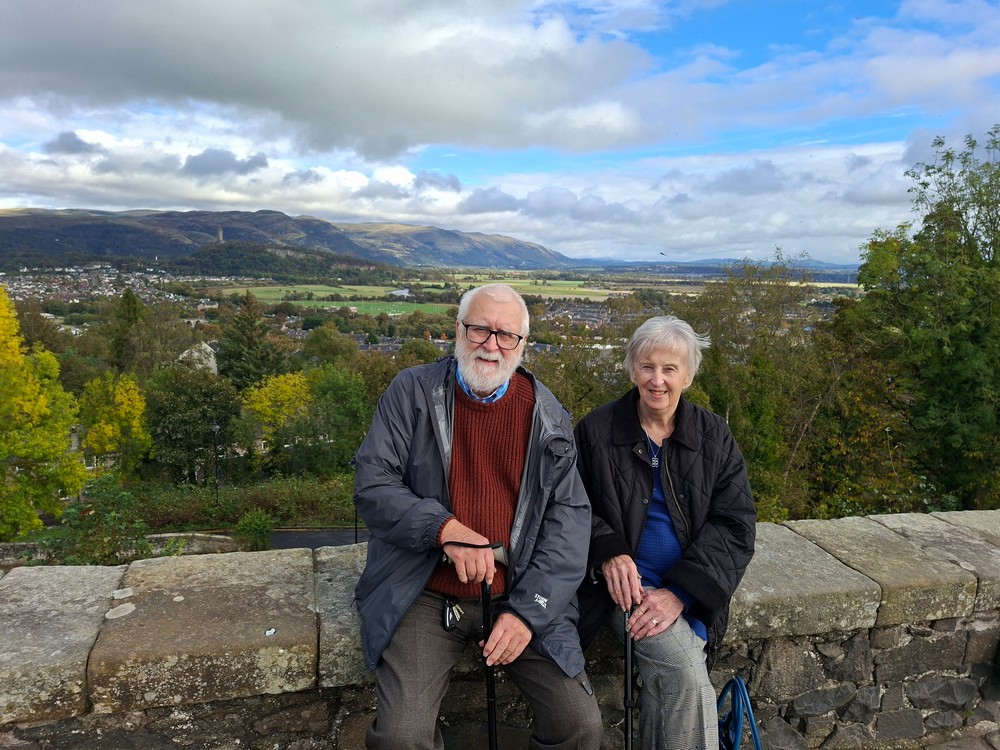
With my sister Margaret, looking north towards the Wallace Monument and the Ochil Hills from Stirling Castle.

HES has undertaken some impressive refurbishment of the royal palace there. Here is a small selection of some of the sights there.

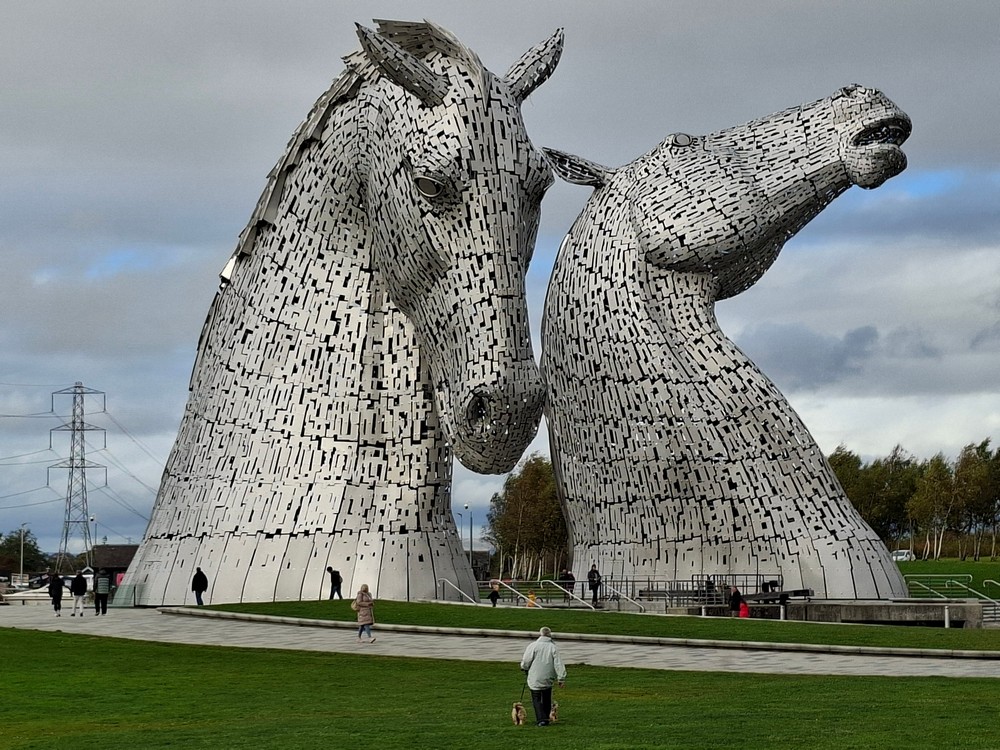
After lunch, we headed a few miles southwest from Stirling to visit a landscape feature we’ve passed by at high speed on the M9 motorway on a couple of previous occasions. The Kelpies, mythical water horses, 30 m (100 foot) tall horses heads. Very impressive indeed!
On the Wednesday, we headed south to the north Northumberland town of Woolmer, nestling under the Cheviot Hills. We had gift vouchers (from last Christmas) for a tour and whisky tasting at the recently opened (2022) Ad Gefrin distillery and museum, named after an important Anglo-Saxon settlement and royal palace a few miles to the northwest.

Since I wanted to enjoy the whisky tasting, we parked in the town close to the guest house where we spent the night. Next morning – after an excellent full English breakfast – we headed to the site of the Anglo-Saxon settlement, and then crossed over the border again to make a quick visit to ruined Cessford Castle (ancestral home of the Ker family who became the Dukes of Roxburghe), before heading south again and crossing over into Northumberland at Carter Bar.

On 17 October we decided to take the Metro to Tynemouth and walk back to the Metro station at Cullercoats along Long Sands Beach, a little over 2 miles.

Then, just last Monday on the 27th, we headed out the Rising Sun Country Park which is quite close to home, and the reclaimed site of several collieries. What a glorious day, and just right to enjoy a cup of coffee and soaking up the Vitamin D.

Then it was Halloween, and although I don’t have any photos of all the children in their lovely costumes, we did hand out quite a large amount of candy. I guess there was a sugar rush in the houses round-about last night.

September
In some ways, September was a rather quiet month, despite having a week-long break in Somerset from the 5th.

We had booked a cottage in a small community a couple of miles south of Shepton Mallet in central Somerset, with the aim of visiting around a dozen National Trust and English Heritage properties in Somerset and west Wiltshire over the week.

We set out on the Friday morning, heading to Dunham Massey, a large estate owned by the National Trust on the west side of Manchester, and a couple of miles from the Manchester Ship Canal (which we had to cross). Having spent the night in a Premier Inn on the south side of Stoke-on-Trent (not far from where I went to high school in the 1960s), we headed south the next day, stopping off at Dyrham Park, just north of Bath, a property we had visited once before on a day trip from our former home in Worcestershire.

Over the course of the week, our travels took us to three castles, three gardens, one abbey and another now converted to a luxurious manor house, and five impressive mansions.

We also ticked off another location from our bucket list: Cheddar Gorge.

On the 21st (a Sunday), we headed west of Newcastle to the small village of Wylam to view the birthplace cottage of The Father of the Railways, George Stephenson. The cottage, owned by the National Trust, is open only on a few select weekends each year, and as the 200th anniversary of the birth of the railways took place the following weekend (on the 27th), we took advantage of the cottage opening and had booked tickets several months back.

And while the weather continued fine, we enjoyed a glorious walk along the Whitburn coast south of the River Tyne, from Souter Lighthouse towards Sunderland on 26 September. I was surprised to discover that this was our first visit here this year, as it’s one of our favorite places to visit. So after a welcome americano in the National Trust café we set off along the cliffs as far as Whitburn Beach and Finn’s Labyrinth.

In this drone video (from YouTube) you can see the complete walk we took from the Lighthouse to the beach.

August
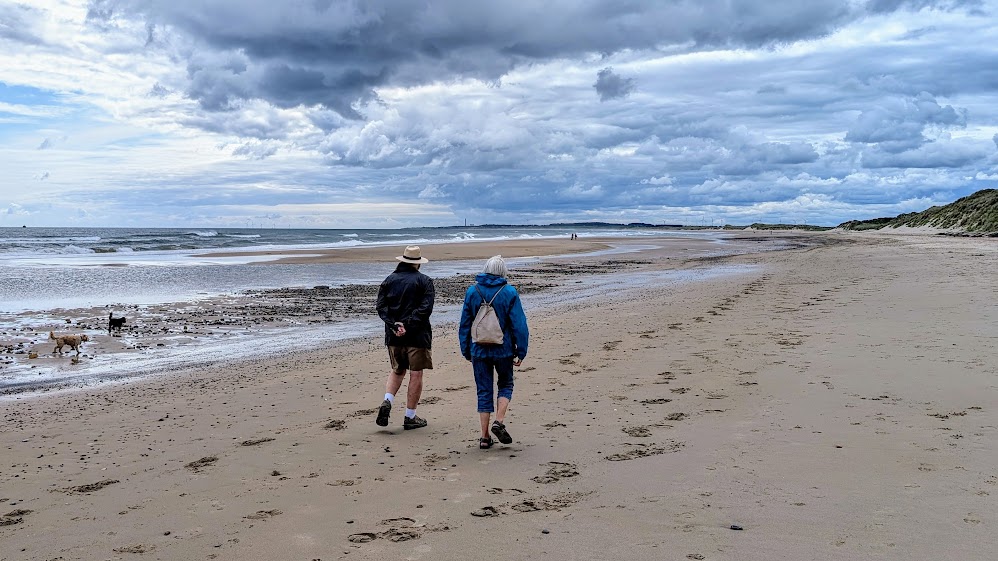
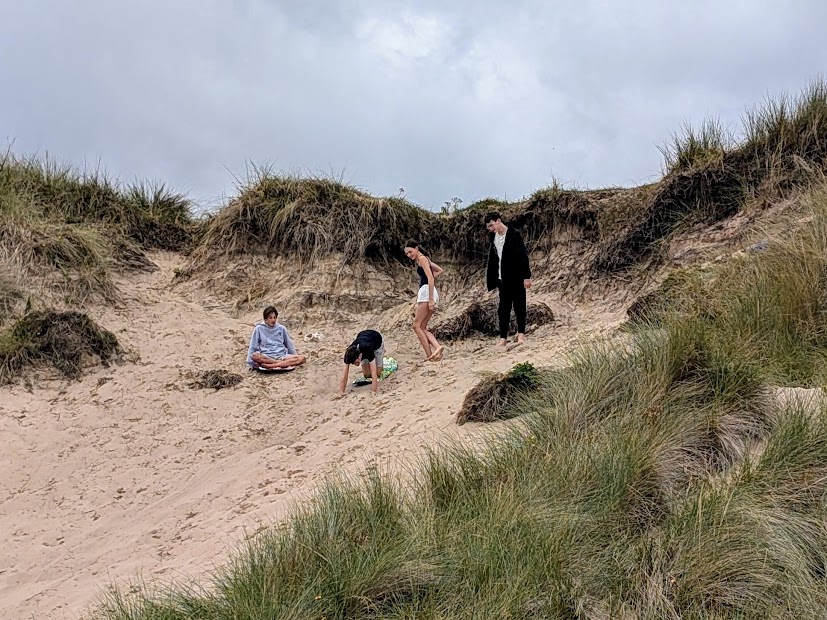
Hannah and Michael, Callum and Zoë were still with us at the beginning of the month. On the 1st, we had an enjoyable trip north to Druridge Bay, with all the grandchildren, and dogs as well. It was rather overcast, and a fair breeze, but with miles of beach to enjoy, I think everyone had a good time.
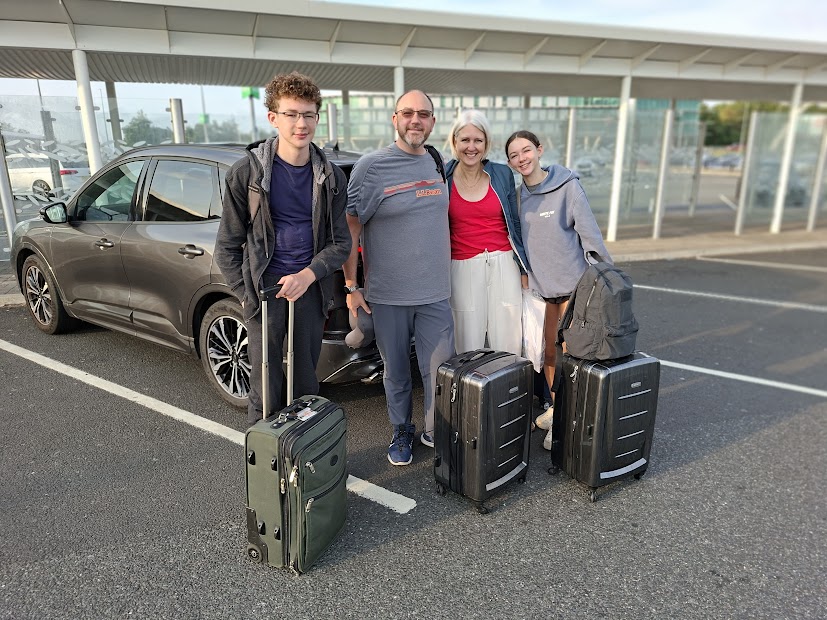
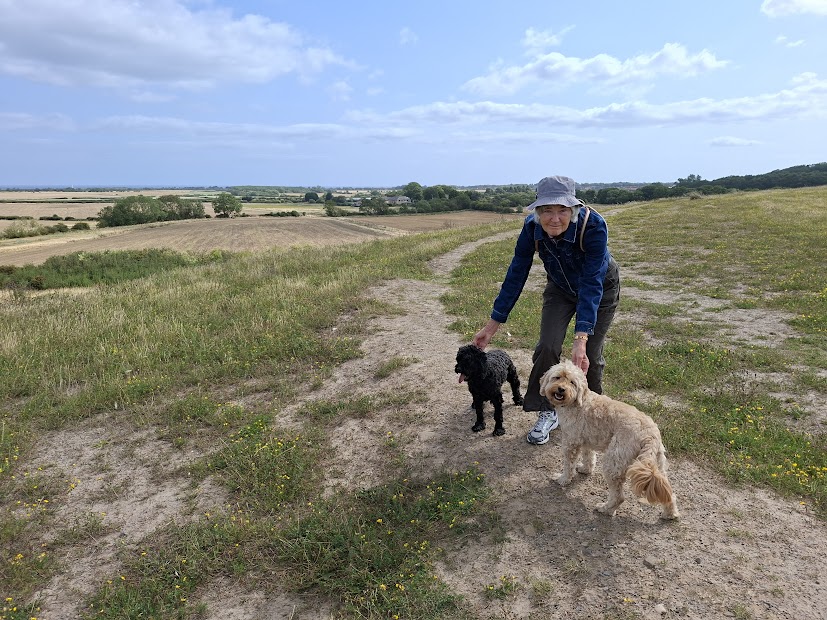
Hannah and family returned to the USA on 6 August, and since Philippa and her family had already left for their camping holiday in France, we had the doggies (Noodle and Rex) for the day.
At the site of the former Fenwick Colliery, close to home

We had great walks along Cambois beach on 8 and 12 August, the second time with Rex and Noodle again.

On 13 August, a very hot day, we decided to visit Derwent Walk Country Park, west of Newcastle, and close to the National Trust’s Gibside. Here in the northeast, local government have converted industrial waste sites to country parks and other recreational facilities. The Derwent Walk stretches for miles along the River Derwent, a tributary of the Rive Tyne, joining the latter west of Newcastle.

Never ones to miss out on a freebie, we spent the morning of 15 August picking blackberries close to home, and have enough to keep us in apple and blackberry crumble for the next 12 months!

Since then we have been very quiet, with just one walk along the promenade at Whitley Bay on the 17th, and (almost) daily walks close to home.

I spent many hours in the last week of the month planning visits (and routes) to National Trust and English Heritage properties in Somerset where we’ll spend a week from 6 September.

July
The first half of the month was generally rather quiet. I think we were still in post-USA mode. But with the good weather, I did get out and about on the local waggonways and another of my ‘Metro walks’ – this time from Four Lane Ends to Ilford Road. With the heatwaves that we’ve experienced recently, the vegetation everywhere was looking more like late summer than mid-July.
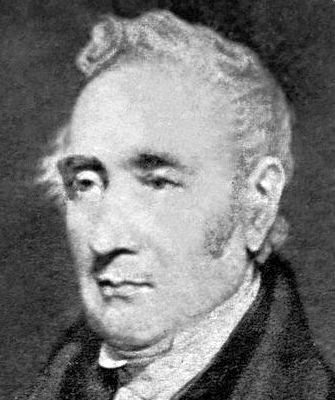
However, we did make one excursion on 11 July, taking in the birthplaces of father of the railways, George Stephenson (right), in Wylam (which we didn’t tour – it’s open in September and we have tickets then), and Thomas Bewick (renowned wood engraver) at Cherryburn, both owned by the National Trust. Then we stopped by the confluence of the North and South Tyne Rivers near Acomb in Northumberland, before making a second visit to St Oswald’s in Lee church at Heavenfield.

On the 17th, we enjoyed an afternoon walk on the beach at Seaton Sluice.
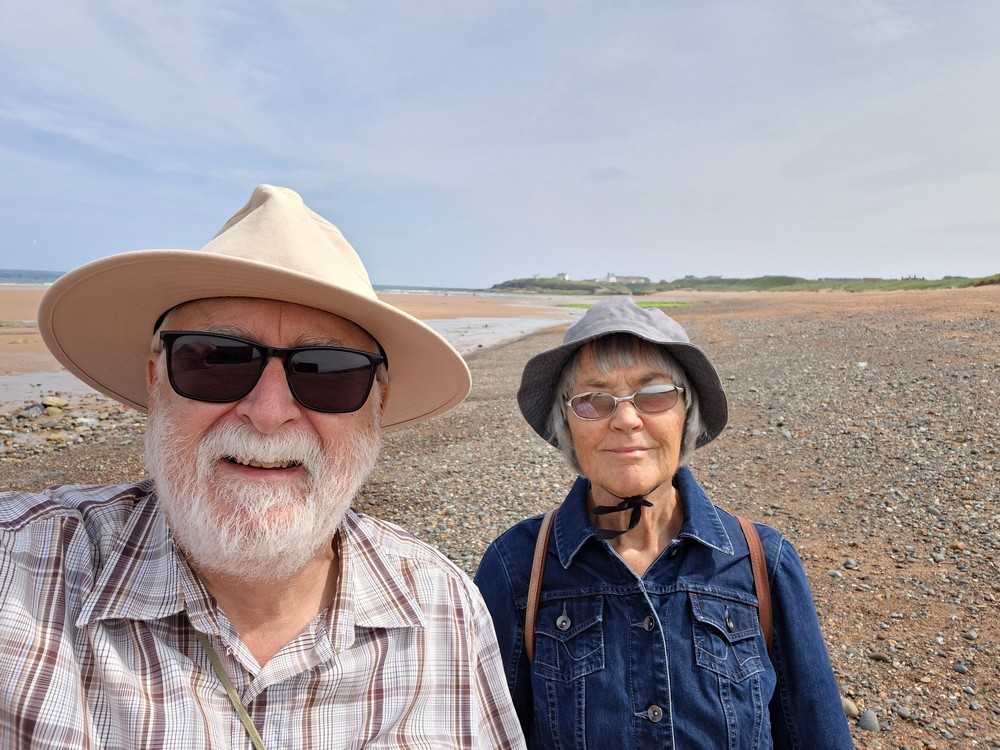
Then, on 26 July, our elder daughter Hannah and her family (husband Michael, and Callum and Zoë) arrived from Minnesota after spending a few days in London prior to their travel north to Newcastle. And we’ve been out and about almost every day since, taking in Seaham in County Durham searching for sea glass (on the 28th), Belsay Hall, Winter’s Gibbet, and Elsdon Castle on the 29th, and the National Trust’s Allen Banks west of Newcastle (that we visited last April) on the 30th.


June
1 June. Not long after breakfast, Hannah drop me off at MSP (less than 10 minutes from her home) so I could collect our hire car for the next four days, for the trip south into north-eastern Iowa.
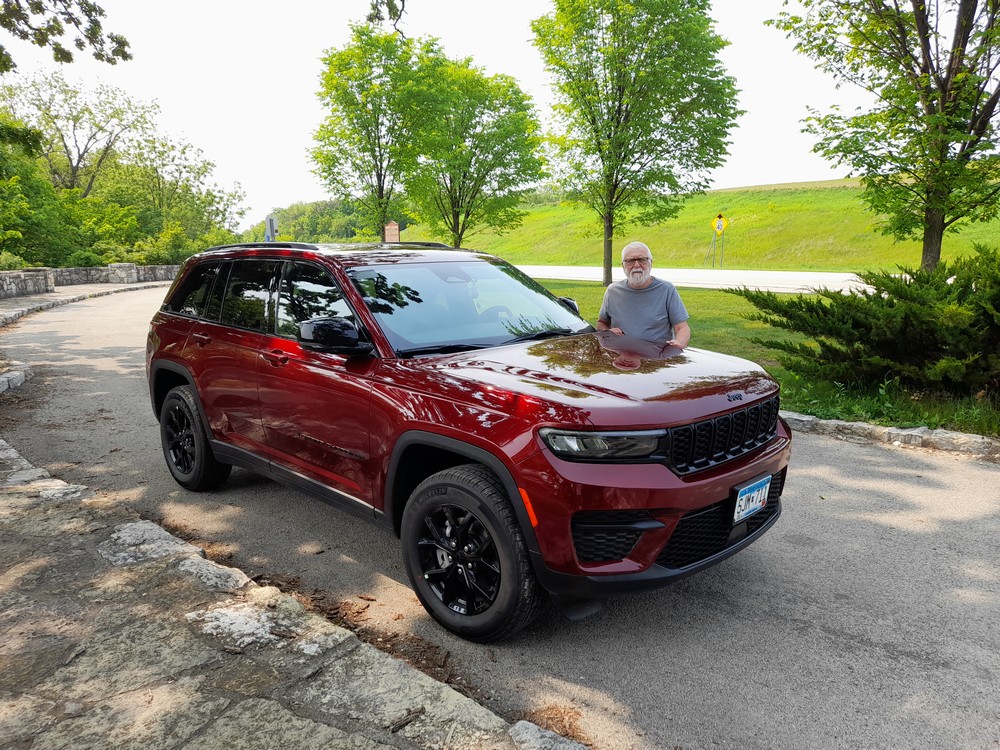
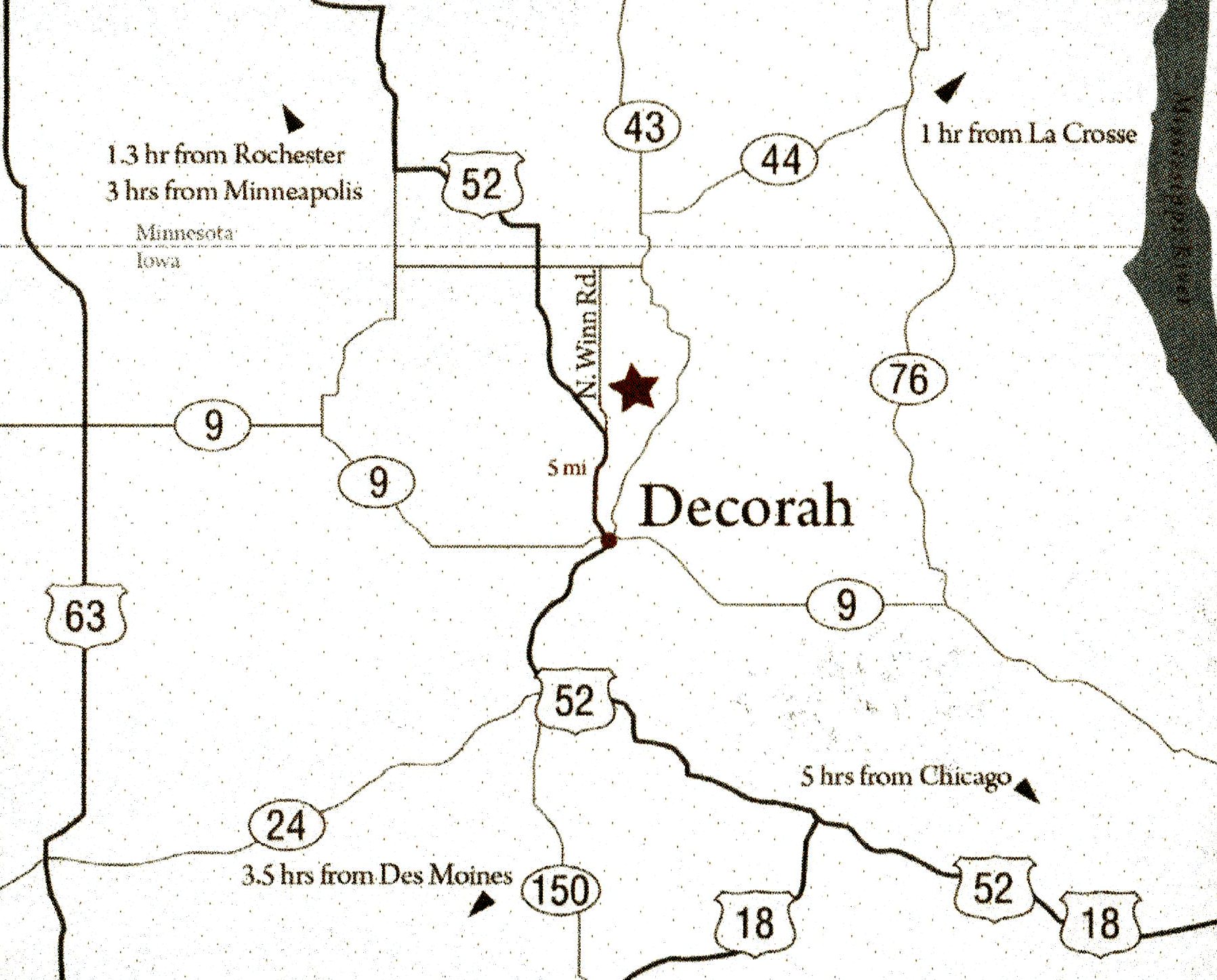
We set off just after 13:30, and took a leisurely drive to Decorah in Iowa where we’d spend the next two nights, for our visit to Seed Savers Exchange the next day.

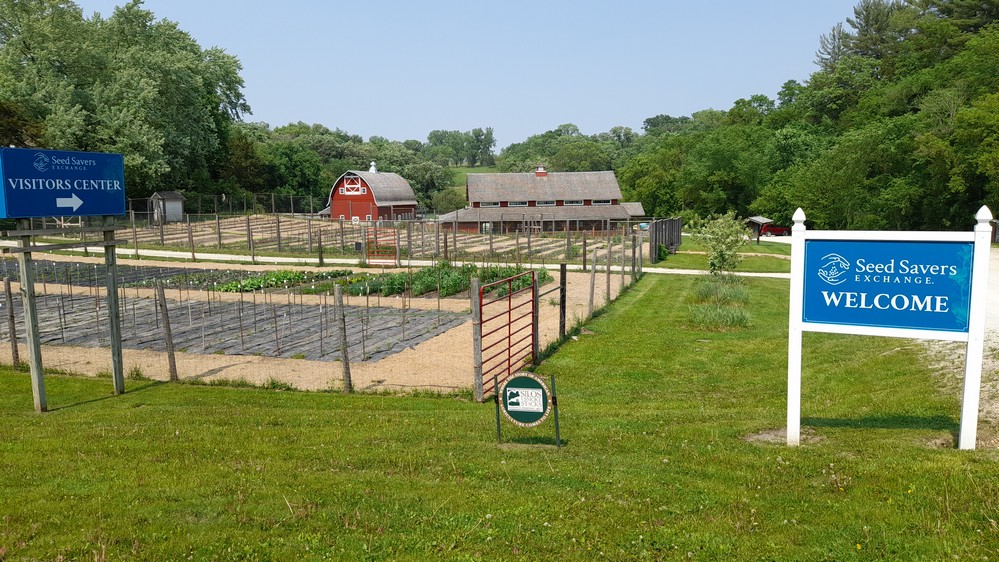
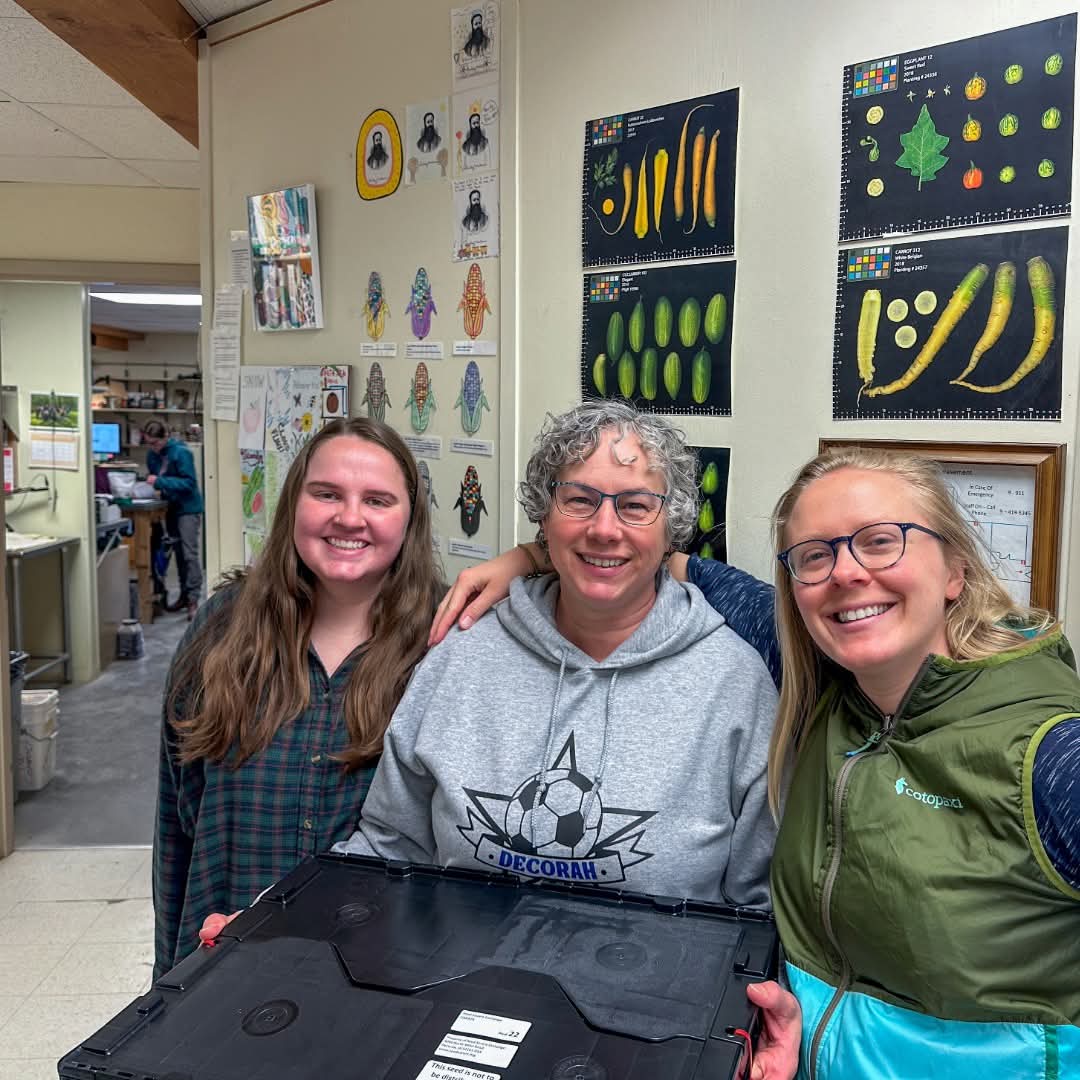
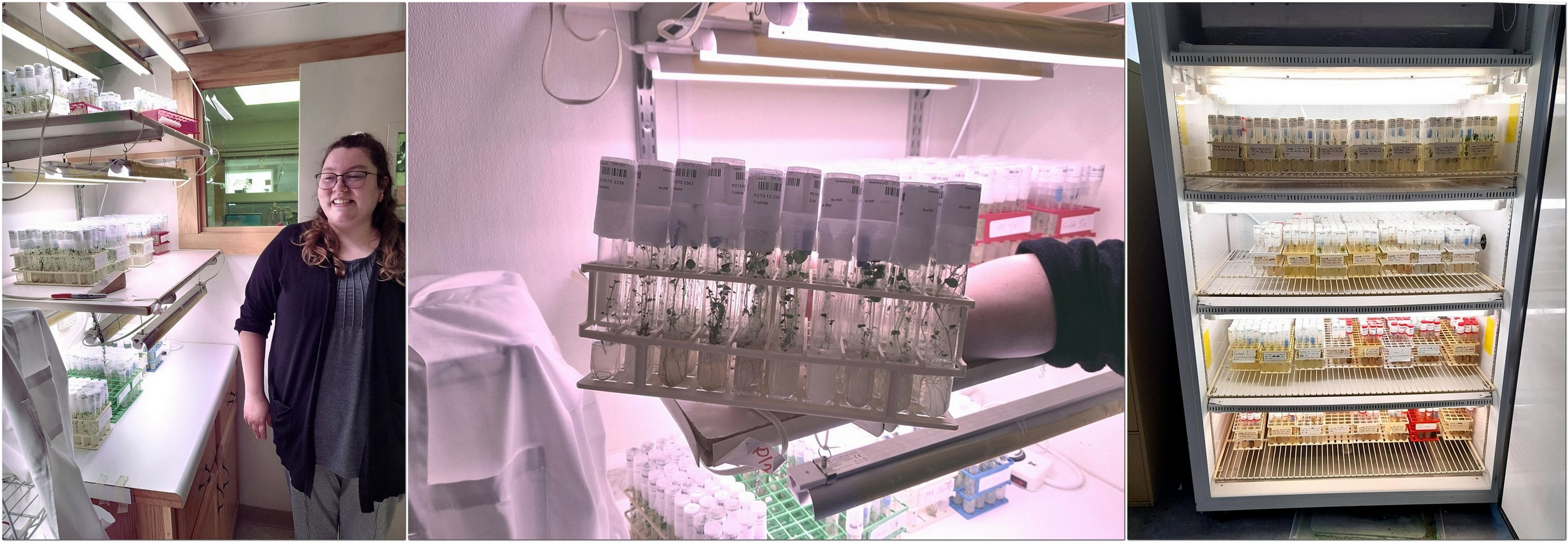
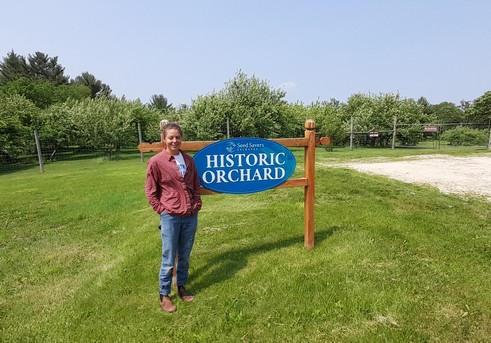
Seed Savers Exchange (SSE) is a wonderful community of gardeners and horticulturalists who collect and preserve heirloom varieties of vegetables, fruits, and some flowers. I had contacted SSE in February about a possible ‘behind-the scenes’ tour of their facilities. And as it turned out we were treated to a six hour visit, which I have described in detail in this post.
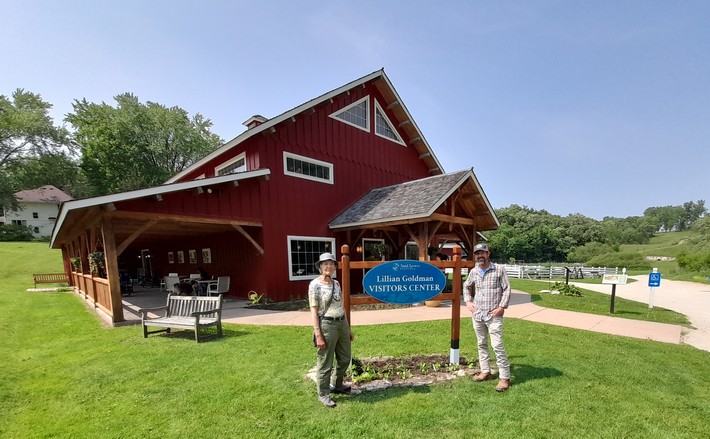
Steph with Director for Preservation, Michael Washburn, who arranged our visit.

We enjoyed looking round Decorah (in Iowa’s part of the Bluff Country). It’s the county seat of Winneshiek County. We were impressed by the various murals that can be seen around the town. The sun was quite hazy that first evening, caused by smoke from Canadian wildfires drifting south.

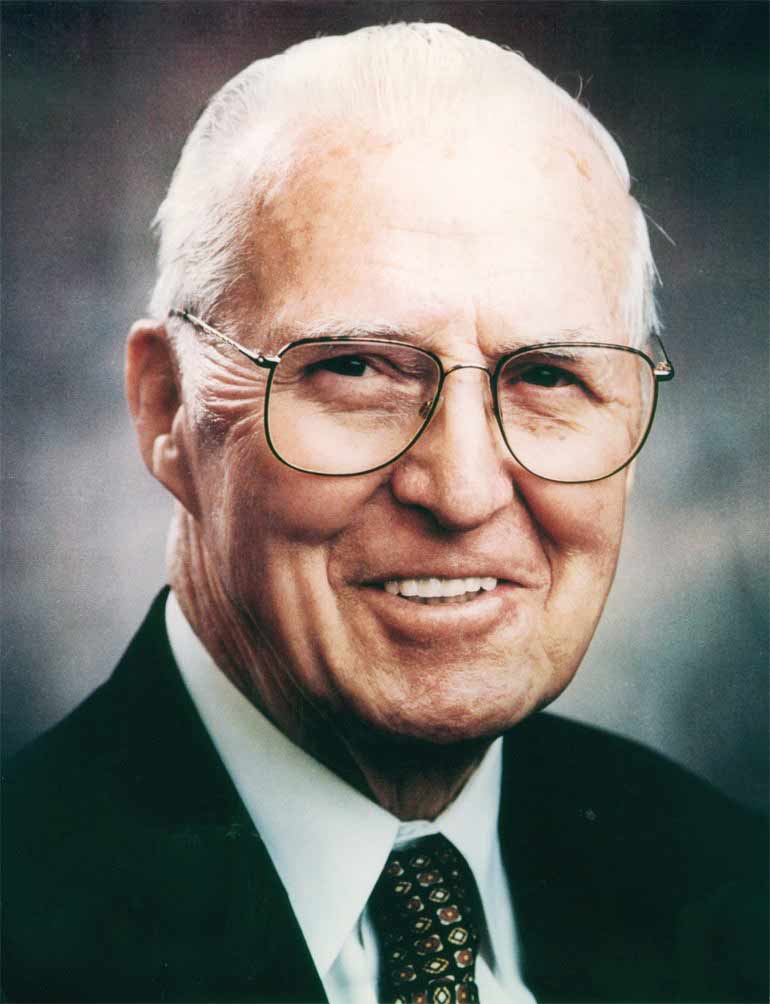
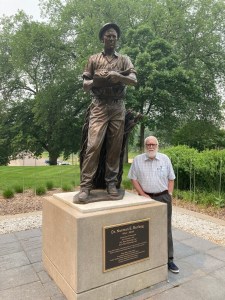
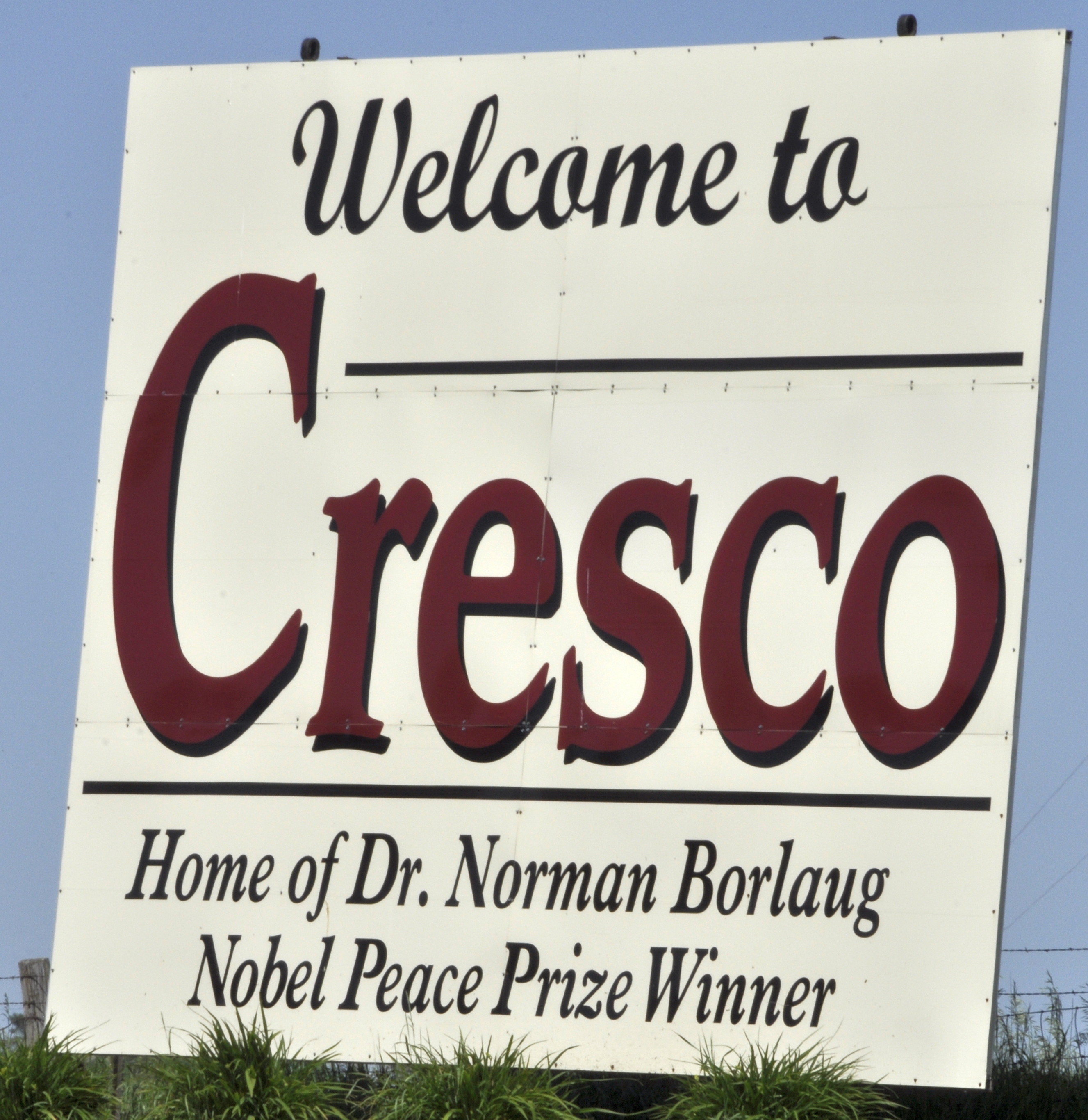
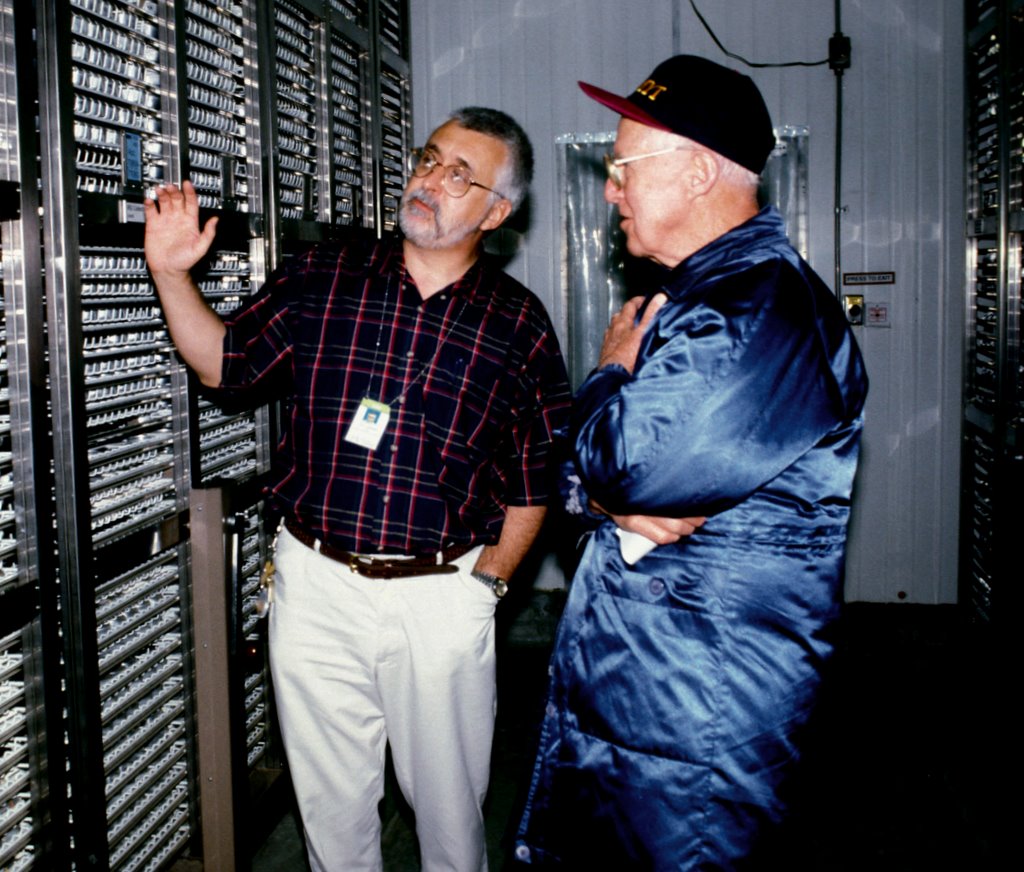
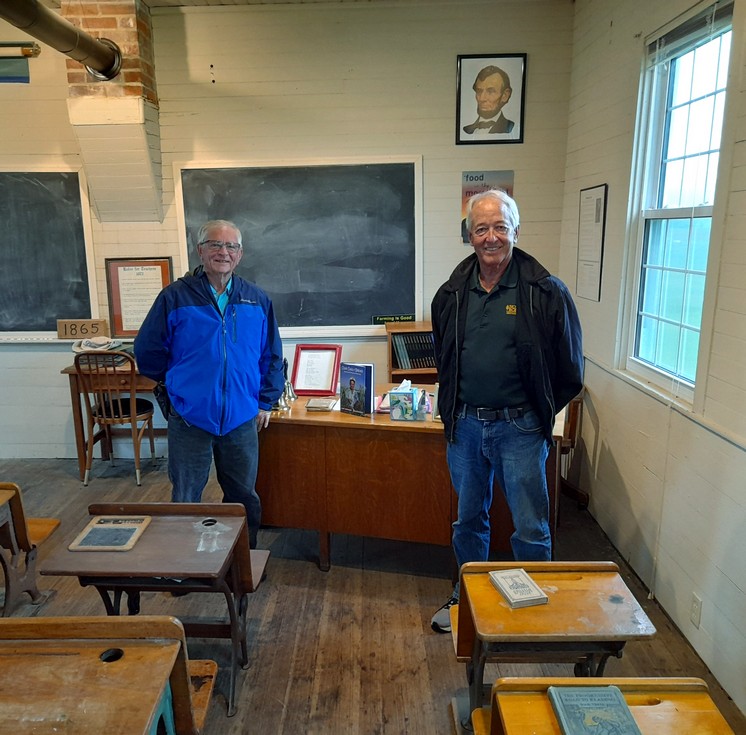
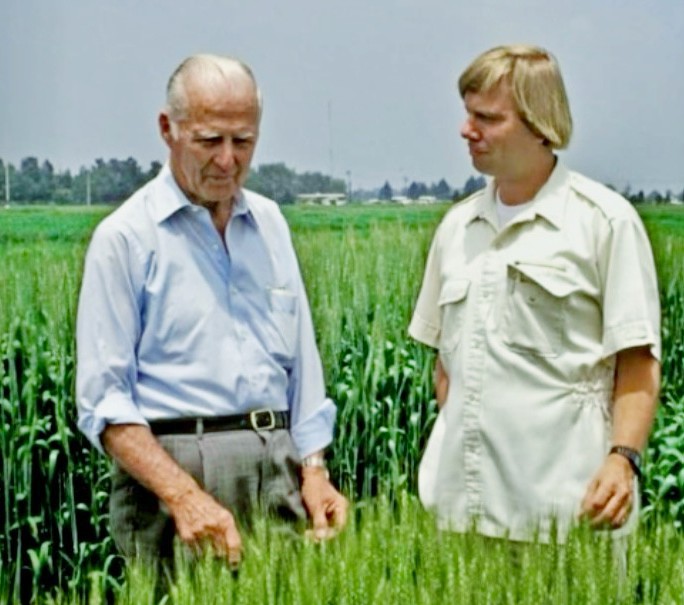
The following day we headed west to Cresco to visit the birthplace and boyhood farms of Dr Norman Borlaug (right), who was awarded the Nobel Peace Prize in 1970 for his research leading to the development of high-yielding varieties of wheat, making several countries self-sufficient in that grain, but also saving millions from the dire prospect of famine. You can read all about Dr Borlaug’s life and career, and our visit to the farm hosted by two members of the Norman Borlaug Heritage Foundation.
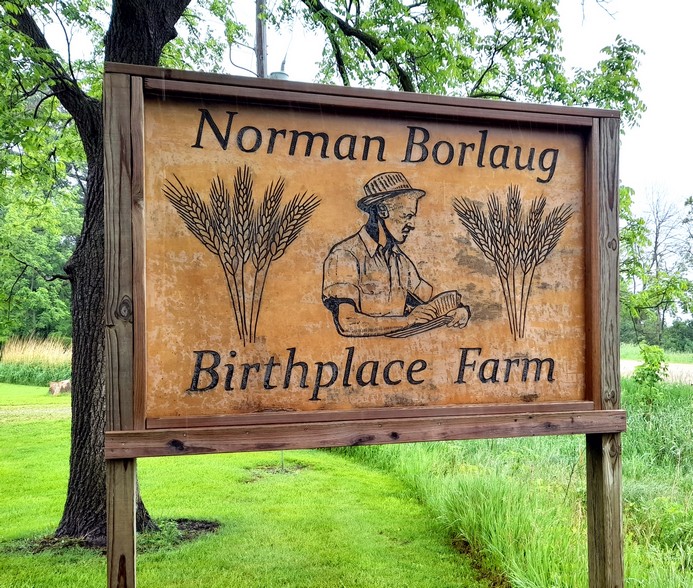
One the last day, as we headed back to the Twin Cities, we stopped off at Nerstrand Big Woods State Park in Minnesota (about 60 miles south of the TC), and enjoyed a peaceful 3 mile walk through the park, visiting the Hidden Falls, and having a picnic lunch before hitting the road again.

After our return to St Paul, we spent the rest of our time there chilling out, walking along the Mississippi, dining out with the family. And we did enjoy an afternoon of mini-golf on the roof of Minneapolis’ Walker Art Center, and looking at some of the sculptures in the Garden. It was so hot!

Then it was time to pack up and fly back to the UK on 17 June. Looking back on our 3 weeks plus in the USA, we had a great time, despite all the dire warnings about what is happening there right now. We had no issues at immigration, nor on departure. Everyone we met was friendly, but perhaps that’s just the Mid-West culture. But it’s so sad to hear how the Trump administration is dismantling the very fabric of democracy, and it’s scary how the Supreme Court is supporting him.

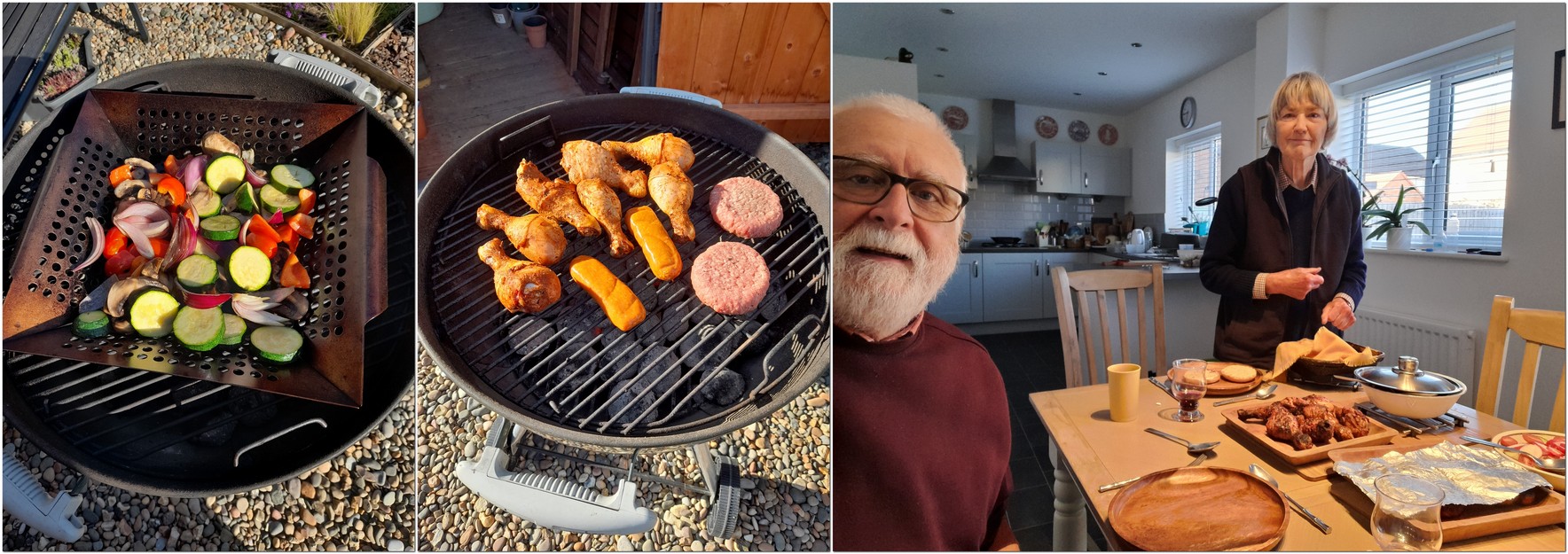
We arrived back the following day to a heat wave, and decided to barbecue the next. Since then we’ve been getting over jet-lag, but have managed a coupe of short excursions.

On the 25th we took one of our favorite walks from Whitley Bay to St Mary’s Lighthouse. It’s always nice to walk beside the sea.

Then, on the last day of the month, and one of the hottest of the year, we once again visited the Penshaw Monument (about 11 miles south of where we live) and Herrington Country Park.

May
What a busy month May has been. With good weather over several days during the first half of the month, we managed three excursions, before departing to Minnesota for almost a month on 21 May, flying from Newcastle International Airport (NCL) to Minneapolis-St Paul (MSP) via Schipol (AMS).

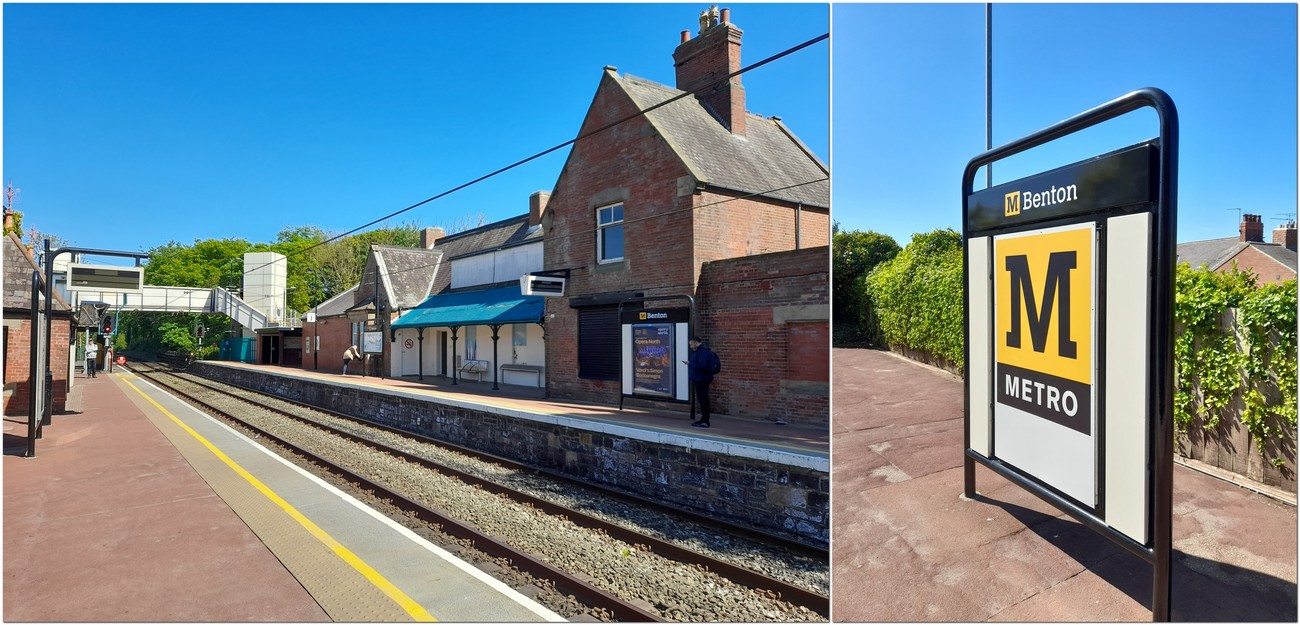
Om 3 May, I continued my exploration of the Tyne and Wear Metro, walking between Four Lane Ends and Chillingham Road ( just under 4 miles), taking the train from Northumberland Park to Four Lane Ends, then from Chillingham Road all the way east to Tynemouth before turning west again to arrive back at Northumberland Park. On 13 May, I explored the short distance between Four Lane Ends to Benton, before taking the metro back home.
On a couple of walks on nearby fields at the beginning of the month, I was lucky to observe kestrels, yellowhammers, and lapwings, all putting on impressive flight or vocal displays.

On 9 May, we returned to Kielder Forest in the west of Northumberland, making the Forest Drive east to west this time. What a beautiful part of the county.

We had never visited our local National Trust property Seaton Delaval Hall (just under 6 miles from home) in the Spring. But finally made it on 16 May.

Then on 17 May, we enjoyed a fine barbecue.
Our trip to Minnesota began at 06:30 when our taxi picked us up for the short ride to Newcastle airport. The airport was quiet and we were soon checked through and had a couple of hours to wait for our 09:30 flight on KLM to AMS. I had been concerned about the relative short connect ion time in AMS (just 1¼ hours). But we arrived on time, and our Delta flight to MSP departed from an E gate quite to close to where we had arrived on the D pier.

The Delta flight was not full, and we had a very comfortable flight, arriving on time in MSP at around 15:00. We were through immigration and baggage collection and out of the airport in around 20 minutes. Hannah was there to pick us up. And although jet-lagged, we did manage to stay awake to hear Callum (our eldest grandson) sing in a school concert that evening.

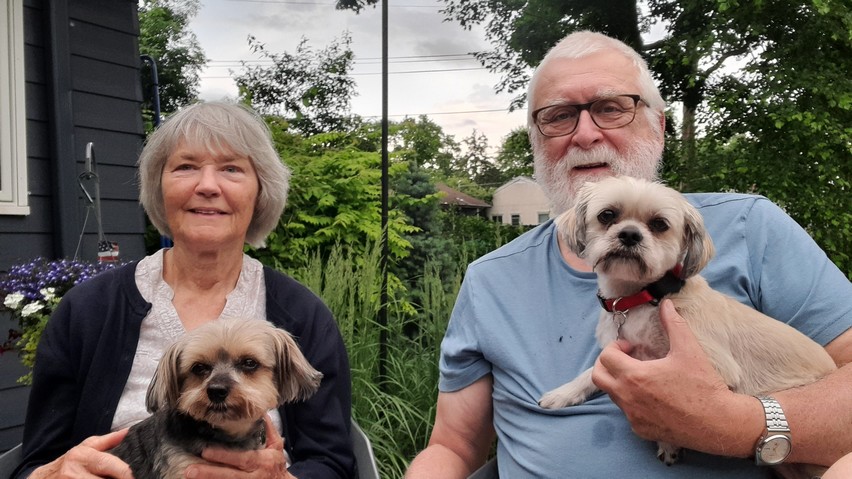
Apart from a short trip to Iowa from the beginning of June (which I will describe in next month’s update) we had no road trip plans during this year’s visit to the USA. So we stayed mostly around the neighbourhood where Hannah and Michael live, enjoying walks, chilling out with their two dogs, Bo and Gizmo, reading, and sampling many of the local beers.
It was interesting to see how much the Highland Bridge development and parks had progressed since 2024. This is the site of a former (and huge) Ford motor assembly plant. The City of St Paul has been very imaginative in its planning of the development (condos, town houses, commercial properties, healthcare, and landscaping – it’s incredible how much wildlife has already taken up residence).

We enjoyed a couple of hours exploring Excelsior and the shore of Lake Minnetonka west of the Twin Cities, while Hannah had brunch with a former work colleague. Lake Minnetonka is now one large lake formed by the merging into a single body of water of numerous kettle lakes after the last glaciation.

On Memorial Day (26 May) we took a walk from the Minneapolis side of the Mississippi back to Hannah’s stopping off the Longfellow Gardens and Minnehaha Park and Falls. We encountered a group of (mainly) old folks protesting against Trump. Well done!

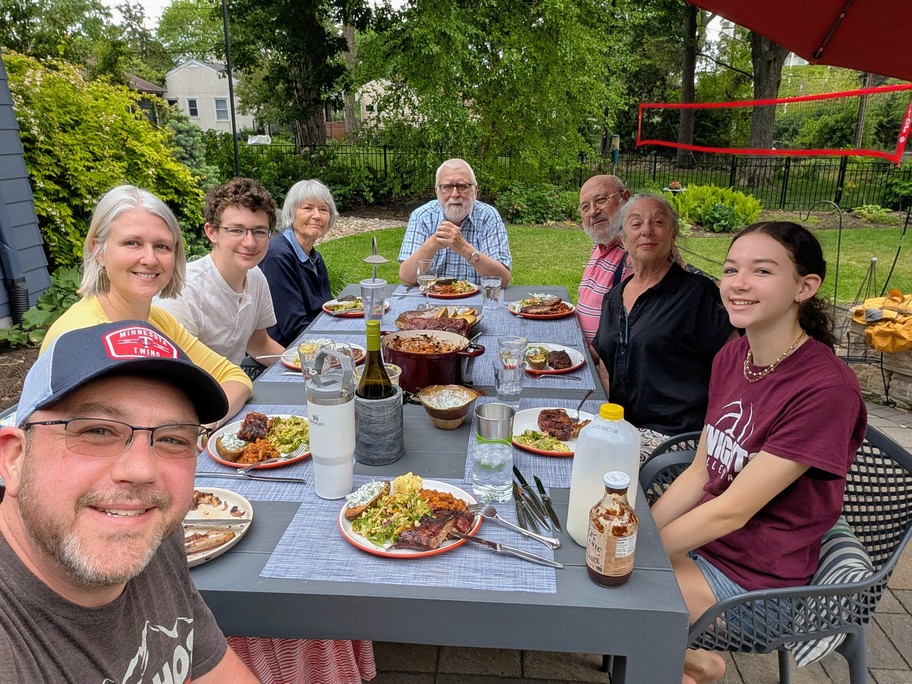
Michael had been smoking several racks of pork ribs for about six hours, and his father Paul and partner Marsha joined us for a delightful evening meal on the patio.
On 30 May we made our annual ‘pilgrimage’ to Como Park in St Paul and the Marjorie McNeely Conservatory (where Hannah and Michael were married in 2006) to see what floral display the gardeners had designed for 2025. The visit to Como was completed with a stroll around the Japanese Garden, and to watch the glorious carousel nearby.

On the last day of the month we prepared for our trip south to Iowa the next day.

April
It has been one of the driest Aprils on record, so we’ve had lots of opportunities of getting out and about.
The month started, right on the 1st, with Steph and I receiving our Covid-19 Spring booster vaccinations. One of the advantages of being over 75 – we get offered these vaccinations twice a year. We believe in science, not the mad ravings of RFK, Jr!

The next day, we headed 75 miles south to Fountains Abbey and Studley Royal Water Gardens just beyond the small cathedral city of Ripon in North Yorkshire. We’ve been there twice before, in July 2013 and again at the end of March 2014. On both occasions it was heavily overcast and rather cold. Not so on this latest visit. We enjoyed a walk of almost 5 miles in the warm sunshine. The ruins of the abbey looked magnificent, likewise the water gardens.

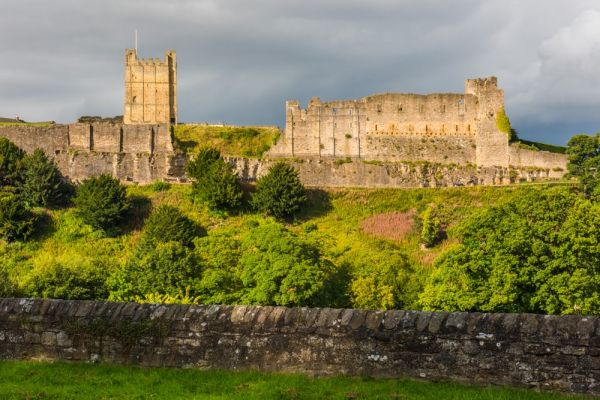
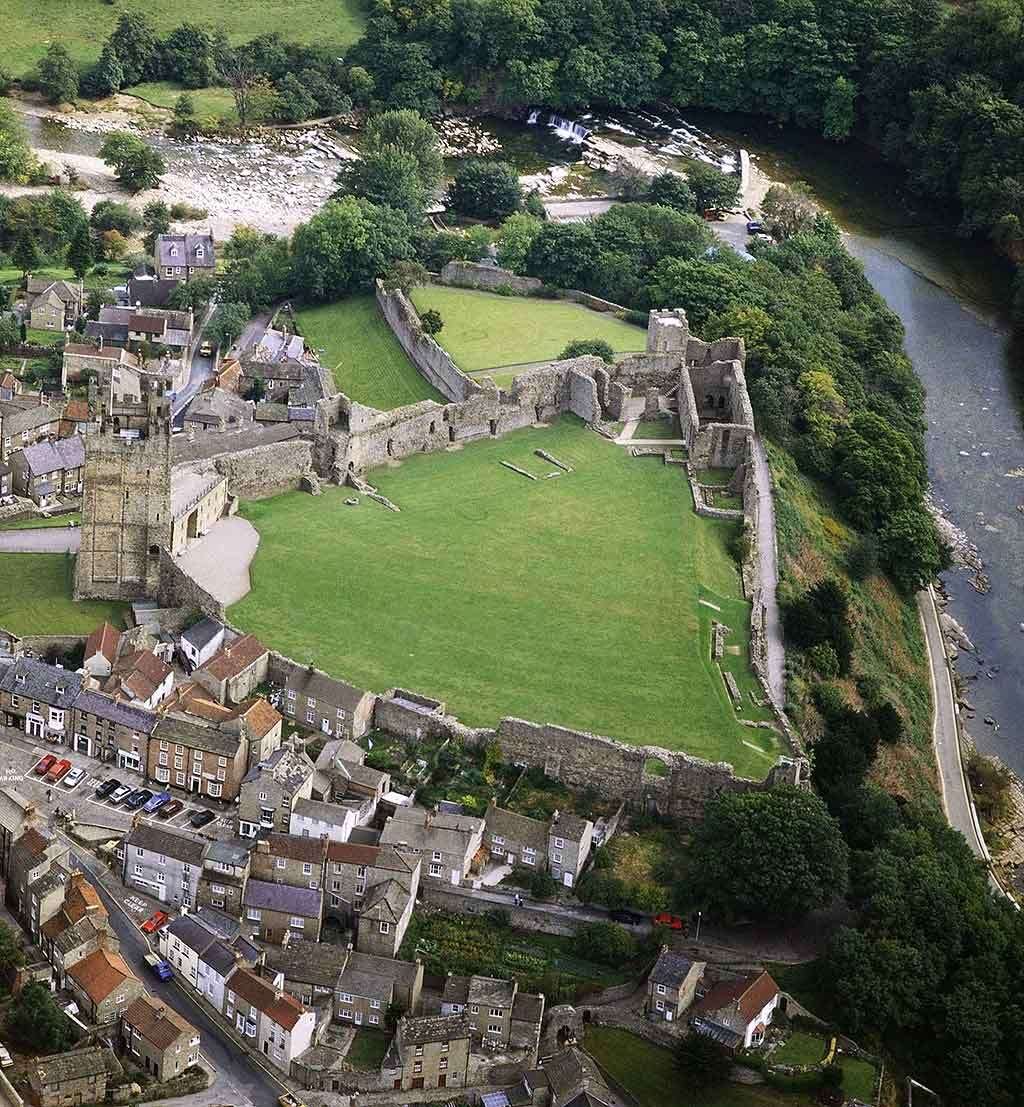
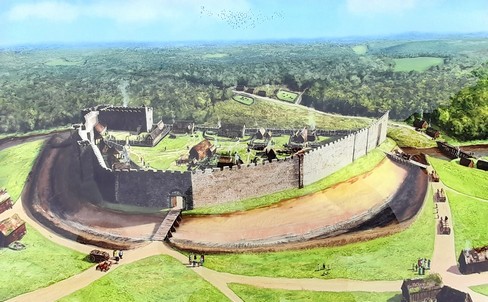
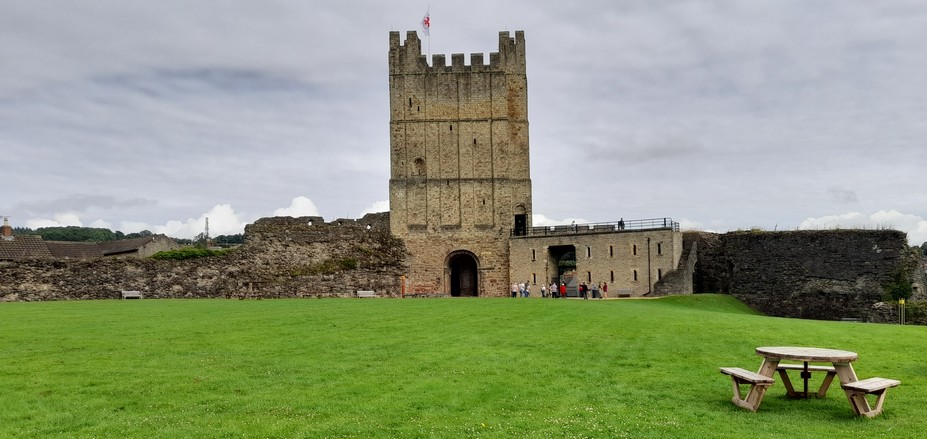
Less than  a week later, we headed south once again, this time to Barnard Castle to explore the 11th century castle and then on to the ruins of Egglestone Abbey, just a couple of miles south of the town. Both owned by English Heritage.

We then came home via the road from Teesdale to Weardale.

I made another of my Metro walks the following day, from West Monkseaton to Monkseaton, and rode one of the new Stadler consists for the first time.
On the 11th, Steph and I headed to the coast to take a look at the newly-renovated St Mary’s Lighthouse. The last time we were there it was high tide so couldn’t cross to the island. As usual, there was a good number of grey seals basking on the rocks.

It wasn’t until the 22nd that we had another excursion, a return visit to Hauxley Wildlife Discovery Centre, where we saw many of the birds that were highlighted on the centre’s reporting board. Including a rare ruddy shelduck, probably an escape or a migrant that had lost its way.

Finally, on the last day of the month, and 15 years to the day since I retired from IRRI in the Philippines, we made a second visit to the National Trust’s Allen Banks and Staward Gorge, about 6 miles west of Hexham. Another glorious day, and we enjoyed a 4 mile return walk along the banks of the River Allen to Plankey Mill from the car park. We’d visited once before at the end of October 2022.

This recent walk was particularly pleasant as the woodlands were waking up in the Spring sunshine.

Internationally, this month saw the death of Pope Francis, and the dramatic election win for Mark Carney and the Liberal Party in Canada, overturning a predicted drubbing from the nation’s right wing Conservative Party. Donald Trump and his henchman continue to embarrass themselves, the USA, and democracy.

March
This has been a walking month, but with a difference. Having walked the waggonways and fields close to home over the past four years, I decided it was time to explore further afield. So, on several occasions, I have taken to the Metro and walked back home as I did at the beginning of the month from Palmersville (the next station west from our nearest at Northumberland Park) or traveling to other stations and taking a walk from there.

On the 9th,  Steph and I headed to Cullercoats, on the coast to walk back to Whitley Bay. Ethereal. There was a light fog rolling off the North Sea which added atmosphere to our walk. By the time we reached the Metro in Whitley Bay, the fog had lifted.

On the 20th, we headed west to Bolam Lake Country Park, making two full circuits of the lake by slightly different routes, enjoying a picnic, before taking a look at the nearby Anglo-Saxon Church of St Andrew’s.

We have explored the center of Newcastle on just a few occasions. However, on 24 March, I took the Metro to West Jesmond, and walked across the city center to St James’ Park (home of Newcastle United), stopping off near Northumbria University for a coffee with my elder daughter Philippa who is an Associate professor there.

Last Friday, 28 March Steph and I took the Metro to Ilford Road, and walked the length of Jesmond Dene, covering almost 5 miles by the time we returned home.

Jesmond Dene is a public park, occupying the steep valley of the River Ouseburn. It was created by William, Lord Armstrong (engineer and industrialist owner of Cragside in Rothbury, now in the hands of the National Trust) in the 1860s, and he gave the park to the people of Newcastle in 1883.

Although showery at times, it was a thoroughly enjoyable walk through the Dene, lots of birdlife (some of which I hadn’t seen for several years such as jays).

However, at the beginning of the month we visited the National Glass Centre in Sunderland for the second time, and took advantage of the visit to explore the nearby St Peter’s Church (with its Saxon tower) which had been closed when we traveled there in November 2022.

Here are some of the studio pieces on display in the Glass Zoo and Menagerie exhibitions.

St Peter’s is one half of the twin monasteries established by Benedict Biscop in the 7th century. The other half is at St Paul’s, Jarrow that we visited in August 2023.
Internationally, I guess the big story has been the powerful earthquake on 28 March in Myanmar, with its epicenter close to Mandalay. Even 1000 km south in Bangkok the effects of the earthquake were devastating. What has been particularly awful about this tragedy has been the request by the Myanmar military junta for international aid while continuing to bomb so-called rebels throughout the country. No humanity!

I am unable to fathom why Israel continues to bomb civilian targets in Gaza, killing recently more than 400 people including many women and children. And why the Israeli government tacitly permits settlers to attack Palestinian families on the West Bank. Meanwhile, Israeli Prime Minister Benjamin Netanyahu joined soldiers of the Israeli Defence Force for a meal in a Palestinian apartment which they had occupied. Obscene.

And don’t get me started on what the Trump Administration has been up to, almost on a daily basis, during March.

February
It’s been a rather quiet month on the home front. Why? The weather has been so foul – cold, wet, and overcast and certainly not the weather (mostly) for excursions. Apart from the 6th, when there was hardly a cloud in the sky so we headed off to National Trust Gibside, and enjoyed a 4 mile walk through the estate and along the River Derwent. Hoping to see a lot of birdlife, it was rather a disappointment apart from a solitary dipper feeding along the river, and a stately heron sunning itself a little further along.

On the 26th, our two grandsons Elvis and Felix spent the day with us during their half-term break. We originally had plans for a trip into the wilds of Northumberland, but the weather deteriorated, Elvis had hurt his ankle at a Parkour class the previous week, so all we could manage was a short hobble around the nearby lake.

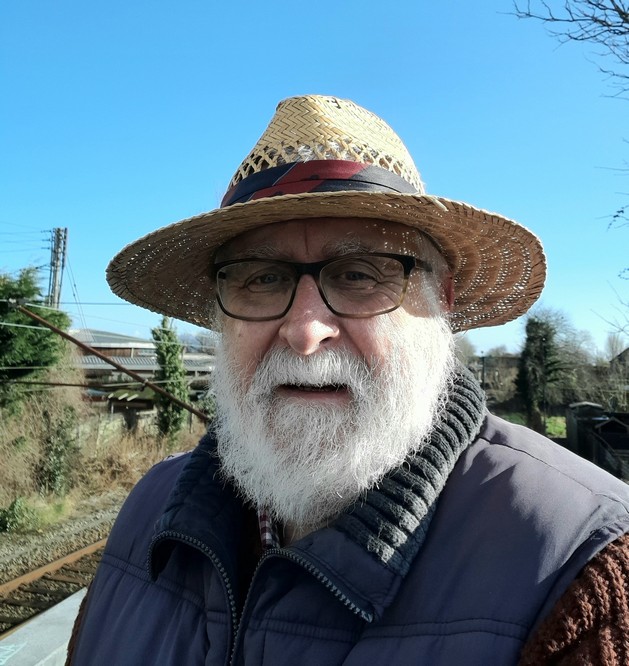
But the following day, Spring arrived. I even resurrected my summer straw hat from the recesses of my wardrobe.
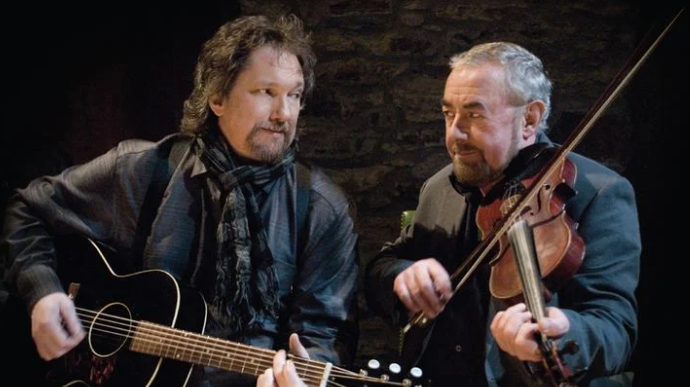
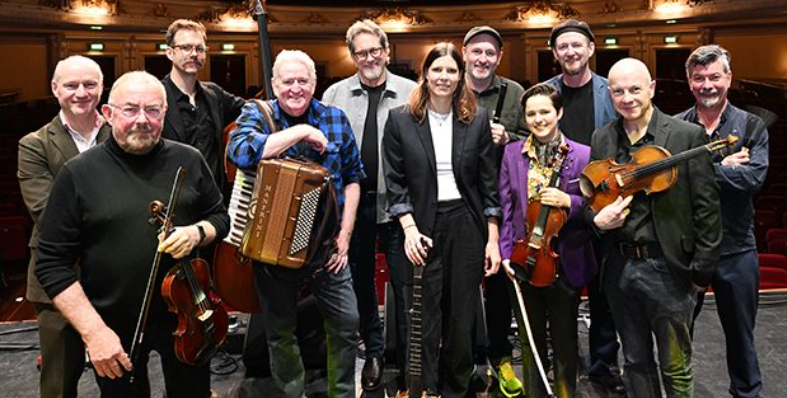
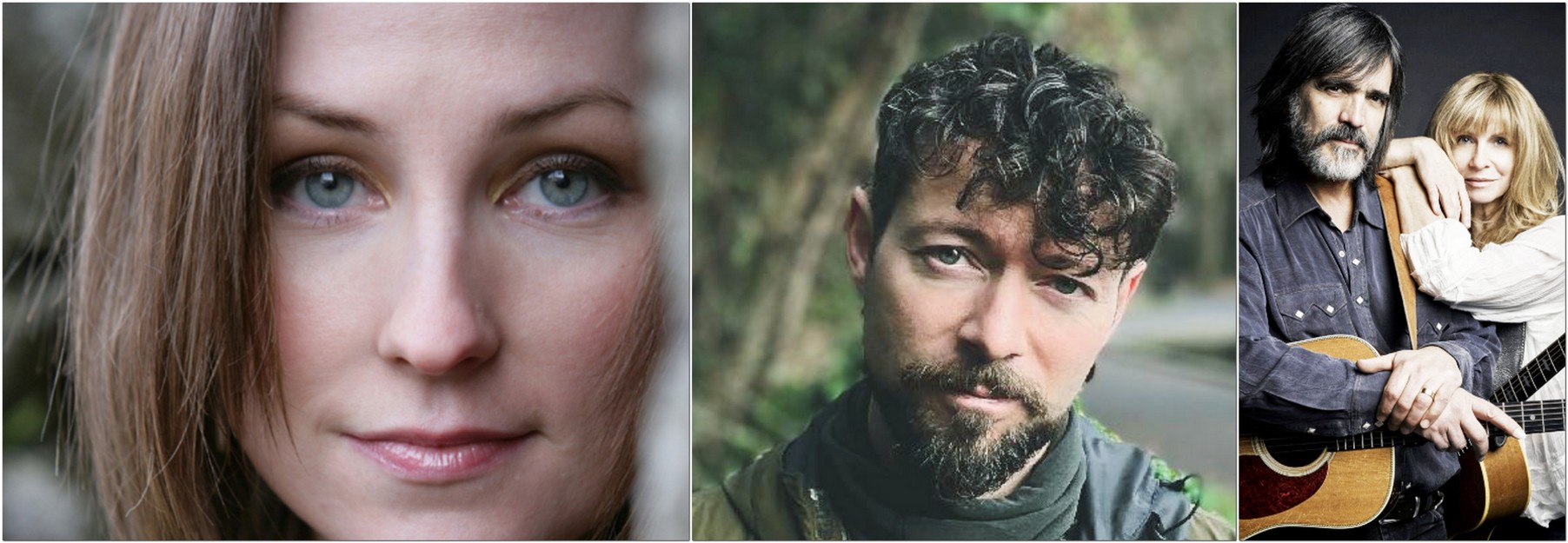
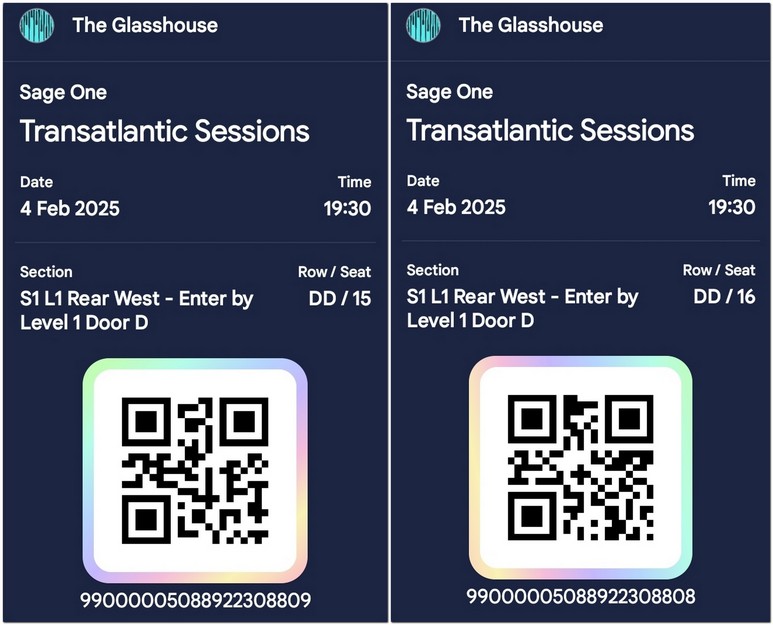
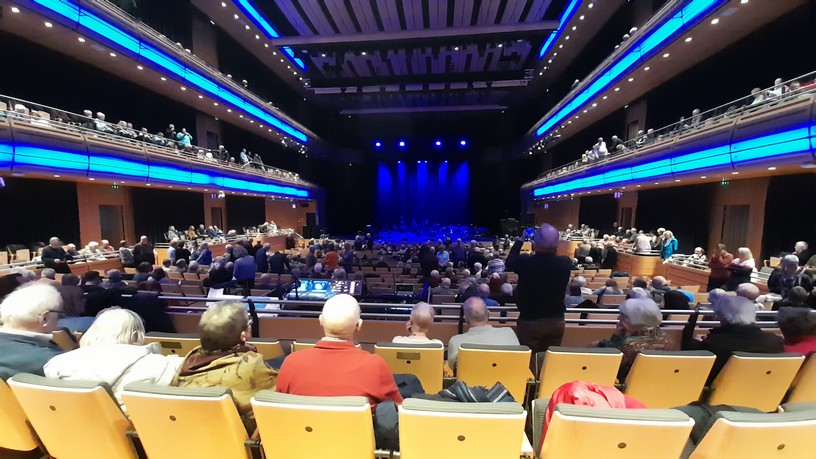
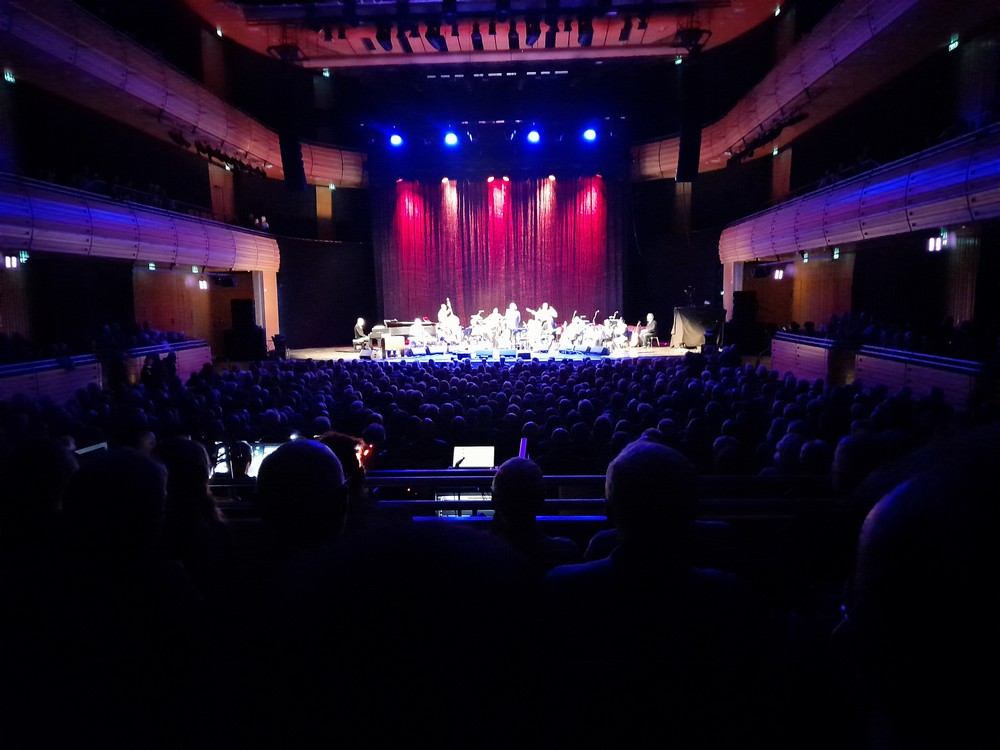
The highlight of the month however was the Transatlantic Sessions concert we attended at The Glasshouse International Centre for Music in Gateshead on 4 February. What an evening! Read all about it by clicking on the box below (and the other red boxes).

I commented about Donald Trump twice during the month. I’d promised myself many weeks ago, even before his inauguration of 20 January, that I would avoid writing anything. I couldn’t help myself.

So on 17 February I published this:

Then, Trump reposted this offensive AI-generated video about Gaza on his Truth Social at the end of the month:

Trump was publicly fact-checked by President Macron of France and prime Minister Sir Keir Starmer of the UK.

On the 28th, I wrote this:

And just when you didn’t think he could sink any lower, Donald came up trumps later that same day, and he and his VP disgraced the Office of the President of the United States in the behaviour towards and treatment of President Volodymyr Zelenskyy of Ukraine in the Oval Office. I’ll just leave this video and let you make your own minds up. I’m appalled.

And this comes on top of Trump being invited to the UK this year or next for an unprecedented second State Visit. Although not a monarchist, I feel sorry for the King that he’s been put in this invidious position, welcoming a convicted felon and sexual abuser once more to the UK.

I also updated these two posts:


January
The weather was quite mixed during this month, with Storm Éowyn (see below) arriving on the 24th, and causing widespread disruption. Having slipped and broken my leg (back in 2016) when it was icy, I rarely venture out these days when there are similar conditions. But we managed a great walk at Cambois beach on 10 January, a rather disappointing bird-watching visit to Hauxley Wildlife Discovery Centre on the 15th, and last Thursday (30th), on a beautiful but sharp sunny day, we completed the River Walk at National Trust Wallington in Northumberland.

Cambois beach

Hauxley Wildlife Discovery Centre

Wallington

Here are some other news items:

  • 31 January: Donald Trump has been President for just eleven days, and already it feels like a lifetime.
  • 31 January: a Medevac Learjet 55 crashes into a Philadelphia suburb just after take-off from Northeast Philadelphia Airport, killing all on board. This was the second fatal crash in two days in the USA.
  • 30 January: Singer and actress, and 60s icon, Marianne Faithfull (right) died, aged 78.
  • 29 January: American Airlines 5342 (from Wichita, Kansas) collided with an army helicopter as it was coming into land at Washington Ronald Reagan National Airport (DCA), and plunged into the Potomac River, killing all 64 passengers and crew, and three soldiers in the helicopter. Donald Trump ‘speculates’ – because he has ‘common sense’ – about the causes of the accident and, to the outrage of many, blames the accident on the Obama and Biden administrations, and diversity, equity, and inclusion (DEI) policies.
  • 24 January: Storm Éowyn hit the UK and Ireland with winds in excess of 100 mph.
  • 20 January: the Orange moron, Donald J Trump was inaugurated as the 47th President of the United States, and immediately disgraced himself in his speech.
  • 15 January: Gaza ceasefire agreed between Hamas and Israel, coming into force on the 19th when the first Israeli hostages and Palestinian prisoners exchanged.
  • 9 January: state funeral, in Washington DC for Jimmy Carter, the 39th President of the United States. A president with an impressive legacy.
  • 7 January: catastrophic wildfires devastate huge areas of Los Angeles, leaving thousands homeless.
  • 7 January: 7.1 earthquake hits holy Shigatse city in Tibet, with as many as 400 people killed, and many more injured.
  • 6 January: Vice President Kamala Harris certifies the 2024 US presidential election results. Justin Trudeau resigns as Prime Minister of Canada. Widespread flooding in the UK.

I wrote these four posts:


New Year’s Day 2025
After a stormy few days, with expectations of worse to come today, we actually woke to a bright, fine morning, blue skies and only a moderate breeze.

Having been confined to indoors for the past couple of days, we decided to head off to Whitley Bay and take a stroll along the promenade, and check whether the sea was still churning after all the recent weather. As the car park was full, we then drove north by a couple of miles to Seaton Sluice, and enjoyed a short (1.07 miles) walk along the beach, collecting small pebbles and sea glass on the way. The temperature was around 7°C but felt much colder in the brisk breeze.



 

Studying at Southampton, 1967-1970 (updated 20 October 2025)

In October 1967 (when I started my undergraduate studies in [Environmental] Botany and Geography¹), The University of Southampton was a very different institution from what it is today. So many changes over the past 50 years! One of the biggest changes is its size. In 1967 there were around 4500-5000 undergraduates (maybe 5000 undergraduates and postgraduates combined) if my memory serves me well, just on a single campus at Highfield.

Today, Southampton is a thriving university with a total enrolment (in 2015/16) of almost 25,000 (70% undergraduates) spread over seven campuses. Southampton has a healthy research profile, a respectable international standing, and is a founding member of the Russell Group of leading universities in the UK.

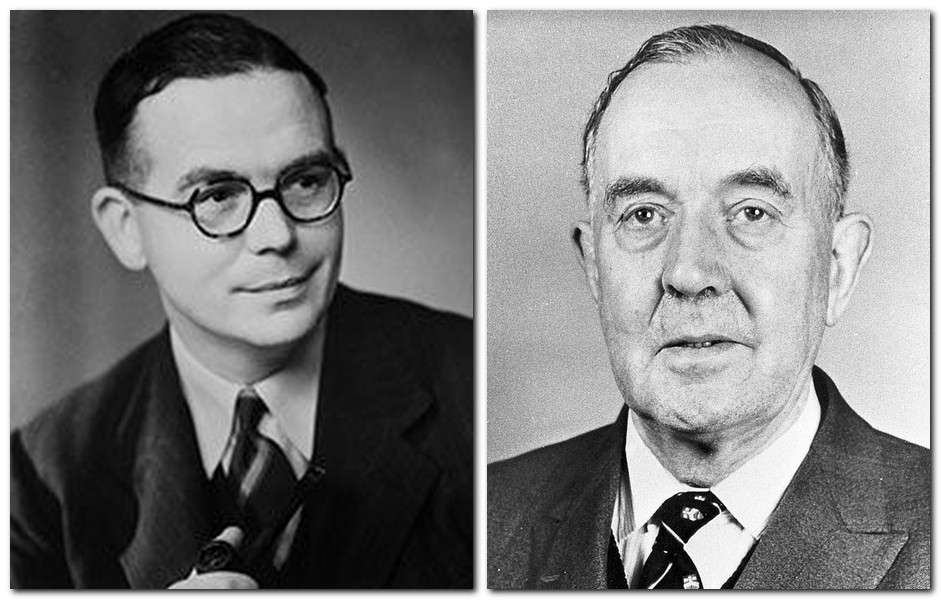
In 1967, the university was led by Vice-Chancellor Professor Sir Kenneth Mather² FRS (1965-1971), an eminent biometrical geneticist, who came to Southampton from the Department of Genetics at The University of Birmingham, where he had been head of department. The Chancellor (1964-1974) was Baron Murray of Newhaven.

(L) Professor Sir Kenneth Mather and (R) Lord Keith Murray (from Wikipedia)

The campus
Looking at a map of the Highfield campus today, many new buildings have risen since 1967, departments have moved between buildings, and some have relocated to new campuses.

In the 1960s, Southampton had benefited from a period of university expansion and new infrastructure under the then Conservative Government (how times have changed), with Sir Edward Boyle at the helm in the Department for Education or whatever it was named in those days.

Until about 1966 or early 1967, Botany had been housed in a small building immediately north of the Library, which has since disappeared. It was one of the early beneficiaries of the ‘Boyle building expansion’ at Southampton, moving to Building #44, shared with Geology.

After I left Southampton in the summer of 1970, Botany and Zoology merged (maybe also with physiology and biochemistry) to form a new department of Biological Sciences at the Boldrewood Campus along Burgess Road, a short distance west of the Highfield Campus. Biological Sciences relocated to a new Institute for Life Sciences (#85) on the main campus at Highfield a few years back.

Geology now resides within Ocean and Earth Science, National Oceanography Centre Southampton located at the Waterfront campus on Southampton Docks.

The Geography department had been located on the first floor of the Hartley Building (#36, now entirely devoted to the university library). By autumn 1968, Geography moved to a new home in the Arts II Building (#2). For some years now it has occupied the Shackleton Building (#44), the former Botany and Geology home.

Spending more time in Botany
As Combined Honours students, the four of us had feet in two departments, and tutors in each. We took the full Single Honours botany course for the first two years, but in the final year, specialised in plant ecology, with a few optional courses (such as plant speciation, plant breeding, and population genetics in my case) taken from the botany common course that all Single Honours students took. I also sat in our the plant taxonomy lectures given by Reading professor and head of the department of botany there, Vernon Heywood, who traveled to Southampton twice a week for five or six weeks. In the early 1990s I crossed paths with him in Rome where we were attending a conference at FAO, and enjoyed an excellent meal together and an evening of reminiscing.

Students complain today that they have few formal contact hours during their degree courses. Not so at Southampton in the late 1960s. But that was also a consequence of taking two subjects with a heavy practical class load, and an ancillary, Geology, for one year, also with a practical class component.

During the first term, Fridays were devoted to practical classes from 9-5 with a break for lunch. In the mornings we spent 10 weeks learning about (or honing existing knowledge) plant anatomy, taught by cytologist Senior Lecturer Dr Roy Lane. Afternoons were devoted to plant morphology, taught by Reader and plant ecologist Dr Joyce Lambert. In the Spring Term in 1968, we started a series of practical classes looking at the flowering plants. Ferns and mosses were studied in the second year.

In the second year, we focused on genetics, plant biochemistry, plant physiology, and mycology, taught by Drs. Joe Smartt, Alan Myers, David Morris, and John Manners. On reflection, the genetics course was pretty basic; most of us had not studied any genetics at school. So practical classes focused on Drosophila fruit fly crossing experiments, and analysing the progeny. Today, students are deeply involved with molecular biology and genomics; they probably learn all about Mendelian genetics at school. During the second year, plant taxonomist Leslie Watson departed for Australia, and this was the reason why Vernon Heywood was asked to cover this discipline later on.

The structure of the Single Honours Botany course changed by my final year. There was a common course covering a wide range of topics, with specialisms taken around the various topics. For us Combined Honours students, we took the plant ecology specialism, and three components from the common course. We also had to complete a dissertation, the work for which was undertaken during the long vacation between the second and third years, and submitted, without fail, on the first day of the Spring Term in January. We could choose a topic in either Botany or Geography. I made a study of moorland vegetation near my home in North Staffordshire, using different sampling methods depending on the height of vegetation.

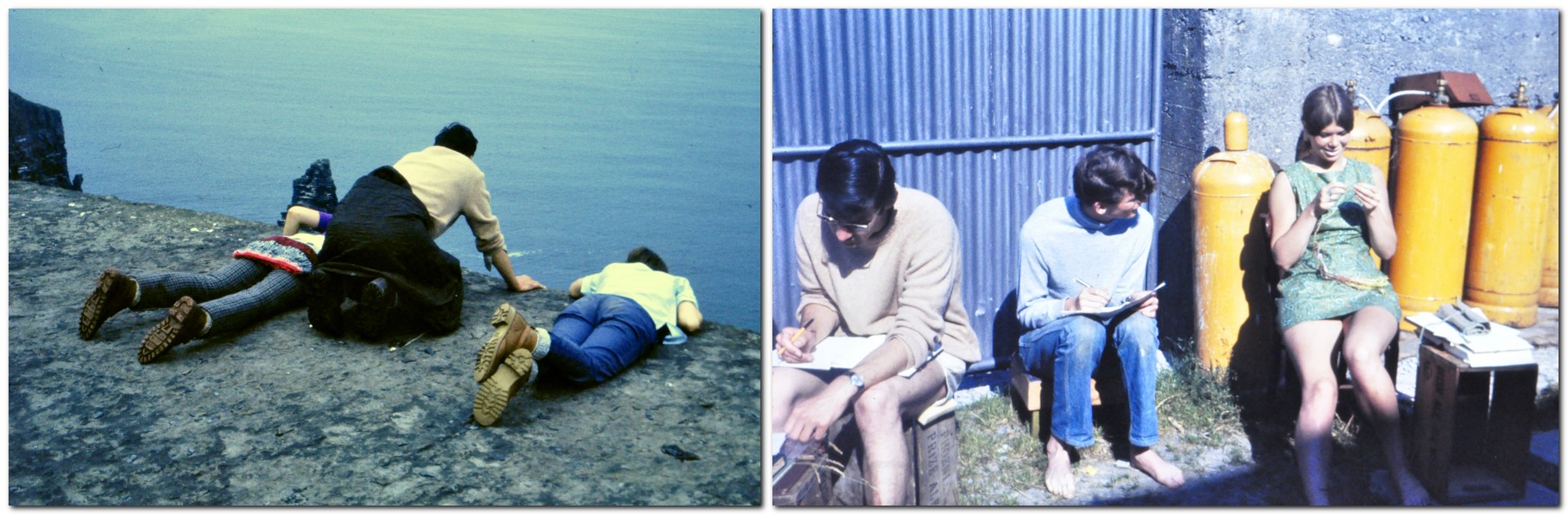
We made two field courses. The first, in July 1968, focusing on an appreciation of the plant kingdom, took us to the Burren on the west coast of Ireland in Co. Clare. We had a great time.

The last morning, Saturday 27 July 1968, outside the Savoy Hotel in Lisdoonvarna. In the right photo, L-R, back row: Alan Myers, Leslie Watson (staff), Jenny?, Chris ? (on shoulders), Paul Freestone, Gloria Davies, John Grainger, Peter Winfield. Middle row: Janet Beazley and Nick Lawrence (crouching) Alan Mackie, Margaret Barran, Diana Caryl, John Jackson, Stuart Christophers. Sitting: Jill Andison, Patricia Banner, Mary Goddard, Jane Elliman, Chris Kirby (crouching)

Checking out the Cliffs of Moher, and working on individual projects (Paul Freestone, John Grainger, Jane Elliman)

We all had to carry out a short project, in pairs, and I worked with Chris Kirby on the brown algae abundant on the coast near Lisdoonvarna which was our base. At the end of the second year, we spent two weeks in Norfolk, when the Americans first landed on the Moon. Led by Joyce Lambert and John Manners, the course had a strong ecology focus, taking us around the Norfolk Broads, the salt marshes, the Breckland, and fens. We also had small individual projects to carry out. I think mine looked at the distribution of a particular grass species across Wheatfen, home of Norfolk naturalist (and good friend of Joyce Lambert), Ted Ellis.

Professor Stephen H Crowdy was the head of department. He had come to Southampton around 1966 from the ICI Laboratores at Jealott’s Hill. He was an expert on the uptake and translocation of various pesticides and antibiotics in plants. I never heard him lecture, and hardly ever came into contact with him. He was somewhat of a non-entity as far as us students were concerned.

Joyce Lambert in 1964

Joyce Lambert was my tutor in botany, a short and somewhat rotund person, a chain-smoker, known affectionately by everyone as ‘Bloss’ (short for Blossom). Her reputation as a plant ecologist was founded on pioneer research, a stratigraphical analysis of the Norfolk Broads confirming their man-made origin, the result of medieval peat diggings. Later on, with her colleague and head of department until 1965, Professor Bill Williams, Joyce developed multivariate methods to study plant communities. This latter research area was the focus of much of her final year teaching in plant ecology. Joyce passed away in 2005.

Joe Smartt

I became a close friend of Joe Smartt, who retired in 1996 as Reader in Biology, and a highly respected expert on grain legumes. It was Joe who encouraged my interest in the nexus between genetics and ecology, which eventually led to me applying to Birmingham in February 1970 to join the MSc course on Conservation and Utilization of Plant Genetic Resources  in September that year, the beginnings of my career in genetic resources conservation. Outside academics, Joe and I founded a Morris dancing team at Southampton, The Red Stags, in October 1968, and its ‘descendant’ is still thriving today. Joe passed away in June 2013.

A young Alan Myers in 1964

I also had little contact outside lectures and practical classes with the other staff, such as physiologists Alan Myers and David Morris, or cytologist Roy Lane. In the late 1980s, when I was a lecturer in plant biology at The University of Birmingham, as internal examiner I joined plant pathologist John Manners (the external examiner) to examine a plant pathology PhD dissertation at Birmingham. I hadn’t seen him since I left Southampton in 1970.

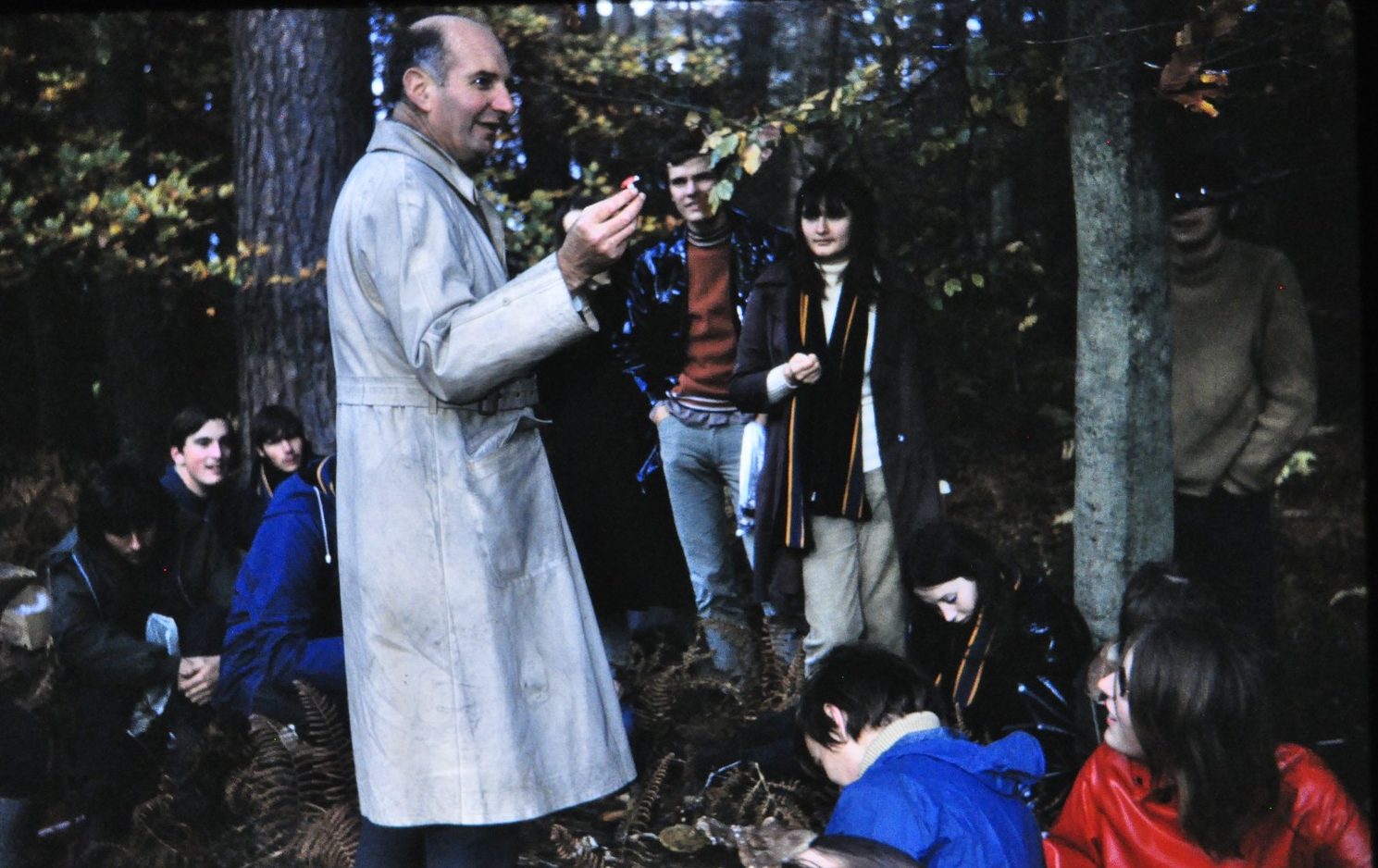
Every October he used to organize a fungus foray into the New Forest for a day. I’ve read a couple of accounts from former botany students, before my time, and how enjoyable these outings were. John was elected President of the British Mycological Society in 1968, and was a recipient of the very special President’s Medal of the Society.

October 1969 – John Manners leading a fungus foray, near Denny Wood in the New Forest

Les Watson in 1964

Leslie Watson (who came from my home town of Leek in Staffordshire) taught flowering plant taxonomy, and had an interest in the application of numerical techniques to classify plants. At some point in my second year, he joined the Australian National University in Canberra, completing several important studies on the grass genera of the world. After I had posted something a few years back on my blog, Leslie left a comment. I’ve subsequently found that he retired to Western Australia. I’ve recently been in touch with him again, and he gave me some interesting insights regarding the setting up of the combined degree course in botany and geography.

In October 1968 (the beginning of my second year), John Rodwell joined Joyce Lambert’s research group to start a PhD study of limestone vegetation. He had graduated with First Class Honours from the University of Leeds that summer. In the summer of 1969, John stayed with me in Leek for a few days while making some preliminary forays (with me acting as chauffeur) to the Derbyshire Dales. After completing his PhD, John was ordained an Anglican priest, and was based at the University of Lancaster and becoming the co-ordinator of research leading to the development of the British National Vegetation Classification. He joined the faculty at Lancaster in 1991, and became Professor of Ecology in 1997, retiring in 2004.

Until 1970 there were no re-sit exams at Southampton – unlike the general situation today nationwide in our universities. You either passed your exams first time or were required to withdraw. We lost about half the botany class in 1968, including one of the five Combined Botany and Geography students. Students could even be asked to withdraw at the end of their second year. However, after much uproar among the student body in 1969, the university did eventually permit re-sit exams.

James H Bird, Professor of Geography and head of department, 1967-1989

Geography in the late sixties
The Head of Geography was Professor James Bird, an expert on transport geography (focusing on ports) who joined the department in 1967, replacing renowned physical geographer, FJ Monkhouse. I can’t recall having seen, let alone met him more than a handful of occasions during my three years at Southampton. But from his obituary that I came across recently, he was remembered with affection apparently. He passed away in 1997.

In the Geography department I had contact with just a few staff who taught aspects of physical geography. Dr Ronald John Small lectured on the geomorphology of the Wessex region, and various tropical erosion processes. He was an excellent lecturer. After I left Southampton he authored a student text on geomorphology, published in 1970, with a second edition in 1978. He became first Reader in Geography, then Professor, and head of department (1983-1989). He retired in 1989.

His younger colleague, Michael Clark (later Professor of Geography) also taught several courses in physical geography, focusing on river erosion and weathering processes. He was only 27 in 1967, and had completed his PhD in the department just a couple of years earlier. His work evolved to focus on environmental management, water resources, coastal zone management and cold regions research and on the interactions between society and risk. His involvement in multi-disciplinary applied research and the application of Geographic Information Systems (GIS) to decision-making led to the co-founding of the GeoData Institute in 1984, where he served as Director for 18 years (1988-2010). A Fellow of the Royal Geographical Society, he received the Gill Memorial Award in 1983. He passed away in 2014.

The third year geomorphology class had eight students: four from Combined honours, and four single Geography honours. Among those was Geoff Hewlett/Hewitt (?), a rather intense, mature student, who was awarded one of just two Firsts in Geography. Just a week before Finals in May/June 1970, John Small took our group of eight students for a short field trip (maybe four days) to Dartmoor in Devon, to look at tropical weathered granite landscapes (the tors) there. It was also an opportunity, they divulged, to get us all away from intense revision, and to relax while learning something at the same time.

My Geography tutor during my first year was Dr Roger Barry, a climatologist who left Southampton in 1968 for a new position at the Institute of Arctic and Alpine Research at the University of Colorado, Boulder. He passed away in 2018.

Dr Brian P Birch became my tutor in my second and third years (he had interviewed me for a place at Southampton in early 1967 with Joyce Lambert from Botany). Brian taught a course on soils and their classification. But I have subsequently discovered that his interest was in settlement patterns (particularly in the US Midwest, where he had completed his Master’s degree in Indiana; he has undergraduate and PhD degrees from Durham University) and their impact on the environment. I never attended any lectures in this field from him. After contacting Prof Jane Hart at Southampton earlier in the year, she gave me Brian’s address so I wrote to him. In a lengthy reply, he told me about the evolution of the Combined Honours degree course into a fully-fledged Environmental Sciences degree, for which he was the Geography lead person. The course grew to include Geology, Oceanography, and even Chemistry. Brian took early retirement in 1990. It was lovely hearing from him after so many decades; he is now in his 80s. He recalled that on one occasion, I had turned up in the Geography department coffee room, and met with staff. He still knew all about my connections with Peru and potatoes. I wonder if that was in 1975 while I was back in the UK to complete my PhD, or later on in the 80s when I did attend a meeting in Botany/ Biological Sciences on a plant genus, Lathyrus, I was working on.

In my final year, there was a new member of staff, Keith Barber who taught Quaternary studies, and who was still completing his PhD at Lancaster University. Keith later became Professor of Environmental Change, and retired in 2009; he passed away in February 2017.

At the end of the first week of classes in October 1967, all geography students had a Saturday excursion to the northwest outskirts of Southampton (I don’t remember the exact route we took), and having been dropped off, we all walked back into the city, with various stops for the likes of Small and Clark, and another lecturer named Robinson, to wax lyrical about the landscape and its evolution and history. This was an introduction to a term long common course about the geography of the Southampton region, examined just before Christmas.

There was only one field course in Geography that I attended, just before Easter in March 1968, to Swansea (where we stayed at the university), and traveled around the region. It was fascinating seeing the effects of industrialization and mining, and pollution over centuries, in the Swansea Valley, and attempts at vegetation regeneration, as well as the physical geography of the Gower Peninsula. The weather was, like the curate’s egg, good in parts. On some days it was hot enough to wear swimsuits on the beach; other days it rained. On the morning of our departure home, there were several inches of snow!

Student life
I had a place in South Stoneham House (now demolished), an all male hall of residence about 25 minutes walk southeast from the Highfield campus. In the sixties, most of the halls of residence were single sex (some of the time – remember these were the Swinging Sixties). Across the road from Stoneham was Montefiore House, a self-catering hall mainly for mature students, and just down Wessex Lane was Connaught, another all male hall. Highfield (to the west of the campus) and Chamberlain (to the north) were all female halls; Glen Eyre (close to Chamberlain) was, if I remember, both male and female, and self catering.

Rules about occupancy were supposedly strictly enforced. Being caught was cause for expulsion from hall. However, the number of males in female halls and vice versa overnight on Fridays and Saturdays was probably quite significant.

I enjoyed my two years in Stoneham, being elected Vice-President of the Junior Common Room (JRC) in my second year. Law student Geoff Pickerill was the President of the JCR. One of my roles was to organize the annual social events: a fireworks party and dance in November, and the May Ball.

Several of my closest friends came from my Stoneham days, and Neil Freeman (Law) and I have remained in touch all these years. Neil and I moved into ‘digs’ together (with an English and History student, Trevor Boag, from York) in a house at 30 University Road, less than 100 m south of the university administration building that opened in 1969. Our landlord and landlady were Mr and Mrs Drissell who looked after the three of us as though we were family.

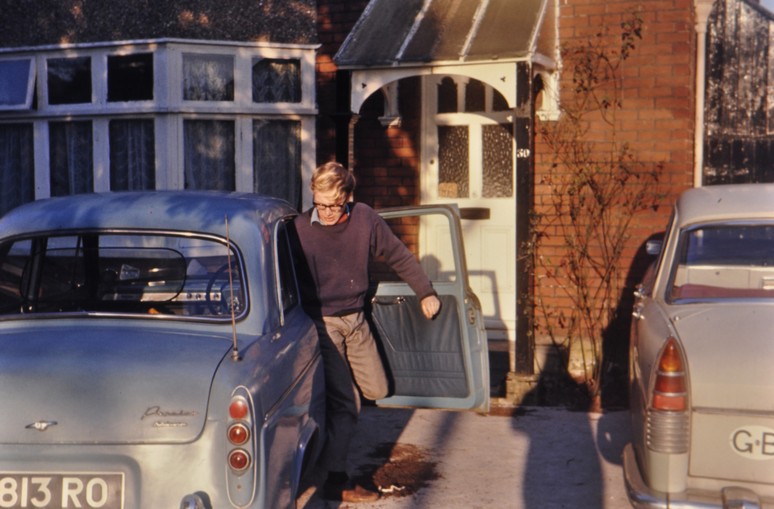
Neil had an old Ford Popular

The university had a very active Students’ Union in the late sixties. A new complex of cafeterias, ballrooms, meeting rooms, and sports facilities had just been completed in 1967. My main interest was folk music and dancing. I joined the Folk Club that met every Sunday evening, and even got up to sing on several occasions. I joined the English and Scottish Folk Dance Society³, and as I mentioned earlier, co-founded The Red Stags Morris in Autumn 1968. Through these dancing activities, I attended three Inter-Varsity Folk Dance Festivals in Hull (1968), Strathclyde (1969), and Reading (1970), performing a demonstration dance at each: Scottish at Hull and Strathclyde, and Morris (Beaux of London City) at Reading.

I also was involved in the University Rag Week as part of the Stoneham contributions.

In my final year, I bumped into a couple of young women in the foyer of the university library. They were from a local teaching college, and were taking part in the city-wide Rag activities. They asked me to buy a raffle ticket – which I did. Then, I suddenly asked one of the girls, who had very long hair, if her name was Jackson. You can imagine her surprise when she confirmed it was. ‘Then’, I said, ‘you are my cousin Caroline’ (the daughter of my father’s younger brother Edgar). I hadn’t seen Caroline for more than a decade, but when I was speaking with her I just knew we were related!

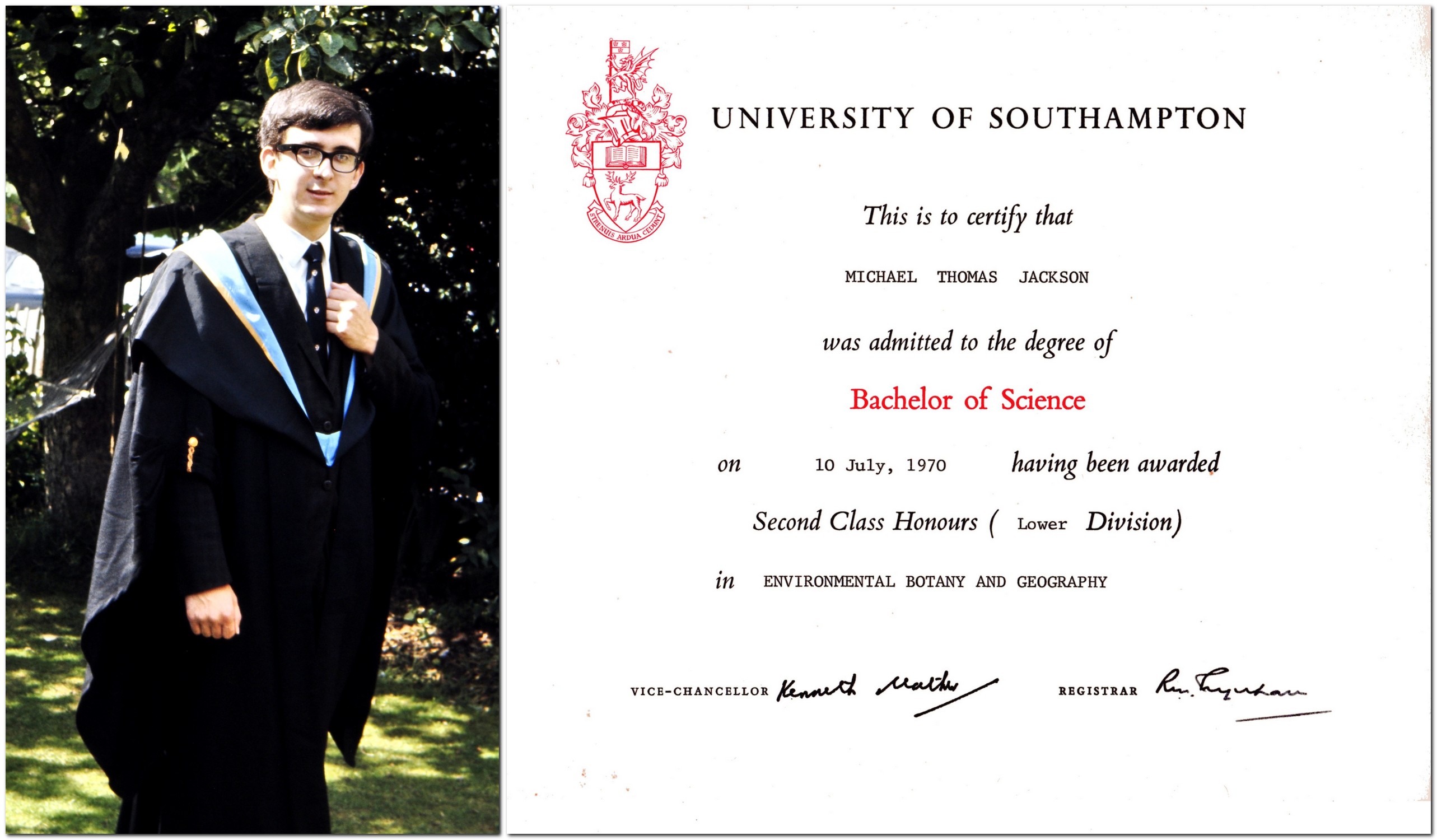
Three years passed so quickly. I graduated on 10 July 1970.

Later in September I began graduate studies at The University of Birmingham, and a career in international agricultural research for development. But that’s another story.

I spent some of my happiest years at Southampton, enjoyed the academics and the social life. I grew up, and was able to face the world with confidence. Southampton: an excellent choice.

These are some of my memories. Thinking back over 50 years I may have got some details wrong, but I think the narrative is mostly correct. If anyone reading this would like to update any details, or add information, please do get in touch. Just leave a comment.

~~~~~~~~~~~~~~~~~~~~~~~~~~~~~~~~~~~~~~

¹ In 1967 I applied to study Botany and Geography. During the Autumn Term of my final year, in 1969, the university changed the degree title to Environmental Botany and Geography that perhaps better reflected the course structure of (mainly) ecology on the one hand and physical geography (geomorphology, climatology, biogeography) on the other. This was probably one of the first environmental degrees.


² After he retired, Mather returned to his home in Birmingham, and became an Honorary Professor in the Department of Genetics in the School of Biological Sciences. In 1981 I joined the staff of the Department of Plant Biology (where I’d taken my PhD) in the same School. By about 1988, the four departments of the School (Plant Biology, Zoology & Comparative Physiology, Microbiology, and Genetics) had merged to form a unitary School of Biological Sciences, and I became a member of the Plant Genetics Research Group. I also moved my office and laboratory to the south ground floor of the School building, that was previously the home of Genetics. Prof. Mather had an office just down the corridor from mine, and we would meet for afternoon tea, and often chat about Southampton days. At Southampton he taught a population genetics course to a combined group of Botany and Zoology students. It was an optional course for me that I enjoyed. One day, he was lecturing about the Hardy-Weinburg Equilibrium, or some such, and filling the blackboard with algebra. Turning around to emphasise one point, he saw a young woman (from Zoology) seated immediately in front of me. She was about to light a cigarette! Without batting an eyelid, and not missing an algebraic beat, all he said was ‘We don’t smoke in lectures’, and turned back to complete the formula he was deriving. Needless to say the red-faced young lady put her cigarette away.

The late 60s were a period of student turmoil, and Southampton was not immune. Along University Road (which bisects the Highfield Campus), close to the Library, a new Administration building, with the Vice-Chancellor’s office (#37) was completed in late 1969 or early 1970 and, as rumored ahead of the event, was immediately the focus of a student sit-in, and regrettably some significant damage. However, one of Mather’s enduring legacies, however, was the establishment of a Medical School at Southampton.


³ At the first meeting of the EDFDS that I attended (probably the first week proper of term), I met a young woman, Liz Holgreaves, who became my best friend during that first year at Southampton, and we dated for many months.

Almost two weeks ago, I received the sad news from Liz’s husband, John Harvey, that she had passed away on 30 August. She was 76.
Liz was studying English and History and I was studying Botany and Geography. Such disparate academic interests, yet we were brought together through our love of folk dancing.

When I met her for the first time, at the first meeting of the English and Scottish Folk Dance Society, I thought that I had never met a lovelier person. And, much to my delight (and perhaps even astonishment), she agreed to meet me later on in the week for a coffee.

As the weeks progressed, we went out together more and more, and by the middle of the Spring Term, our relationship had begun to blossom. During the summer vacation, I spent several weeks at her home in Church Fenton near York, and we went youth hostelling over the North York Moors, visiting Robin Hoods Bay where she had spent many happy childhood holidays.

Liz visited my family home in Leek in North Staffordshire and I was delighted to show her the beautiful Staffordshire Moorlands and the dales of Derbyshire where I grew up. She even joined my family at the wedding of my elder brother Ed and Christine in Brighton. On that evening Liz and I enjoyed a theatre show of The White Heather Club seeing many of the singers and dancers who regularly appeared on the BBC program of that same name, such as folk legends Robin Hall and Jimmy Macgregor.

Sadly, our relationship did not endure, although Liz and I remained good friends and always enjoyed dancing together. She was one of the most graceful dancers I have ever partnered.

I lost touch with Liz after I left Southampton. She and John were married in 1971. And I met Steph in 1972 at the University of Birmingham where we were graduate students.

However, moving on almost 30 years (I was working in the Philippines at the time) I came across the name of someone online who I thought might be related to Liz, and so I wrote to them. You can imagine my surprise when a long letter from Liz landed on my desk a couple of months later. Catching up on so many intervening years, we agreed to meet whenever I was next in the UK on home leave, sharing so many memories and finding out about each other’s families. She had three children: Jamie, Joseph, and Sarah. Steph and I have two daughters, Hannah and Philippa, who are much the same age as Liz’s.

Early in the 2000s, Liz wrote me that the pain she was suffering had been finally diagnosed as secondary progressive multiple sclerosis, and it was this condition (and others) that led to her going into care around 5 years ago. And despite her deteriorating health, she remained happy and always confident in the deep and enduring love of John and children.

Liz died peacefully with John holding her hand, while he and Joe read to her from one of her favourite books, as they listened to the second movement of Mozart’s 21st piano concerto, another of Liz’s favourites.

I was privileged to attend her funeral online on 14 October. It was moving ceremony, full of love and admiration for a beautiful and gentle woman. Many tears were shed.

And although I met Liz only once since we left Southampton in 1970, her passing has raised so many good memories of those times. And for that I will be forever grateful, and she continues to have a place in my heart.

My deep and sincere condolences to John, Jamie, Joe, and Sarah, and their families. Liz will be sorely missed.


From Wylam, Northumberland . . . to the world

Rail transport was one of the most important technological advances of the 19th century, a key component of the so-called Industrial Revolution (approximately 1760-1840) that marked a transformative period characterized by mechanization, urbanization, and significant social changes.

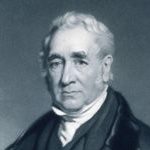
And today, 27 September 2025, is the 200th anniversary of the opening of the Stockton and Darlington Railway, the first public railway to use steam locomotives, and which is considered the beginning of the Railway Age. One man, George Stephenson (right, 1781-1848), is inextricably linked with the birth of the railways, having surveyed the Stockton and Darlington line and constructed (with his son Robert, 1803-1859) the first locomotive, Locomotion No.1, to haul passengers. But they built upon the ingenuity of great engineers before them, like the pioneering Cornish engineer Richard Trevithick who actually developed the world’s first steam locomotive in 1804.
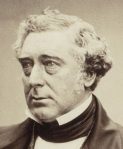
For this, and other inventions and innovations such as surveying lines, the standard gauge (at 4 feet 8½ inches) that was more or less adopted worldwide, and design of steam locos, George Stephenson is often referred to as the Father of the Railways, and rightly so. Although perhaps that’s an accolade that should be shared with son Robert (right).

Steam locomotives and the birth of the railways are part of the proud historic and heritage fabric of the northeast of England where the history of the railways is synonymous with the expansion of the coal mines. Coal had been transported since the late 17th century from the pits along waggonways to wharves or staiths along the River Tyne where it could be loaded on boats for export, most often to London.

Waggons were initially hauled by horses on rails made from wood. Later, stationary steam engines were built to pull the waggons, and wooden rails were replaced by cast iron ones. The design and development of steam locomotives to bring coal from the pits to the River Tyne was the driving force that brought about the birth of the railways. It was a major step forward, and dramatically reduced the cost of coal.

While working at Killingworth Colliery, northeast of Newcastle upon Tyne, Stephenson had a workshop where he constructed his first steam locomotive, Blücher in 1814, establishing his reputation as an engineer. Remarkable for a man who was illiterate until the age of 18.

And while Locomotion No 1 was a major step forward in the development of the railways in 1825, it was Rocket built by George and son Robert in 1829 for the Liverpool and Manchester Railway (which opened on 15 September 1830) that included design innovations (explained in the video below) seen in steam engines over the next century and a half. Although Stephenson did not design flanged wheels (that was done by William Jessop in 1788), he did use them on Rocket, a significant advance in railway technology.

Just imagine how sophisticated some steam locomotives became. Take Union Pacific Big Boy, a 4-8-8-4 locomotive in the USA, the world’s largest and most powerful locomotive ever built. What a beauty!

It’s also remarkable just how quickly railways expanded in and after the 1840s in the UK and around the world. By 1870, the network in the UK comprised around 16,000 miles of track. A year earlier, in May 1869, the the transcontinental rail line in the USA was completed, when the two construction companies met in Utah, north of Salt Lake City. The rail network had been important during the American Civil War (1861-1865) for the movement of troops and materiel, perhaps the first time that railways had taken on such a significant role.


For most railway buffs, I guess there’s no finer sight than a steam locomotive at top speed. Poetry in motion! Today, that’s something you’ll only ever witness here in the UK when special excursions are run on the mainline. And that speed capability came about because of the design innovations in Rocket, and subsequent improvements that engineers made, of course.

The last standard gauge mainline service in this country ran on 11 August 1968 from Liverpool to Carlisle. The focus thereafter was on diesel power and the expansion of electrification.

However, steam locomotives can still be seen in action on the many heritage lines around the UK such as the Severn Valley Railway, a 16-mile line between Kidderminster and Bridgnorth close to our former home in Worcestershire which we rode in 2008. However, trains on heritage lines are restricted to a 25 mph speed limit.

The days of steam power on the railways were always numbered, even as soon as 60 years after the opening of the first steam-only railway. Steam locos were already being replaced in some cities as early as the 1880s, and Switzerland for example, had achieved 50% electrification of its network by 1928.


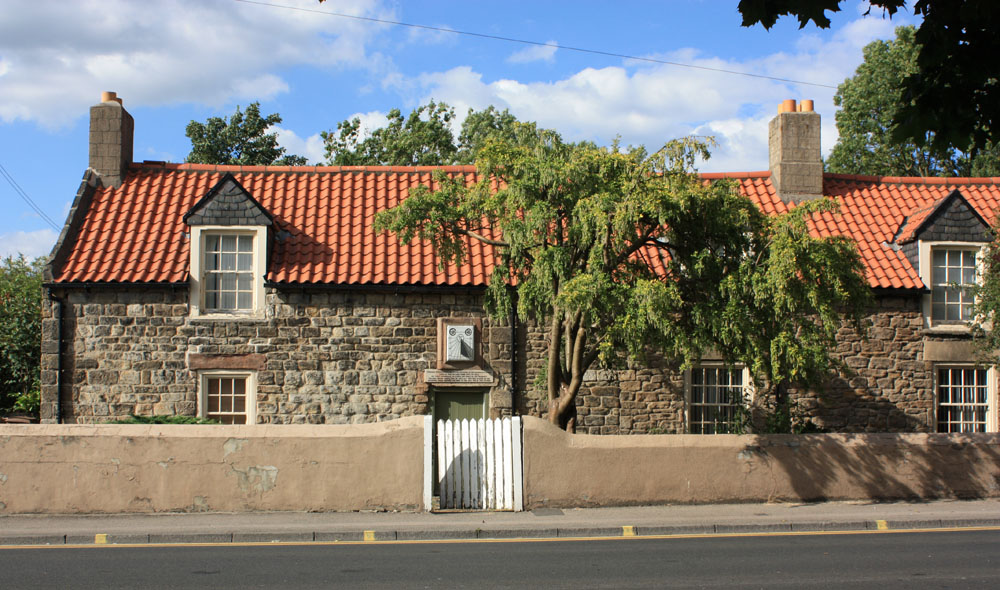
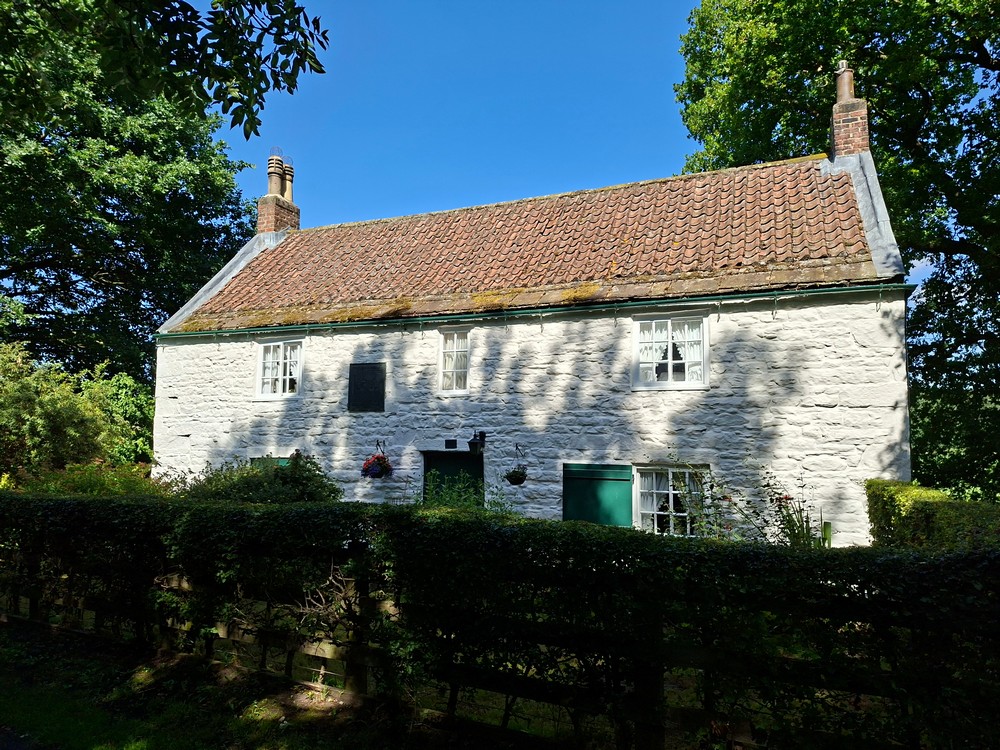
George Stephenson was born in a cottage, known formerly as High Street House, in the colliery village of Wylam in Northumberland, which is about nine miles west of Newcastle upon Tyne, beside the River Tyne.

George Stephenson’s birthplace in Wylam, Northumberland.

His father Robert was a fireman for the Wylam Colliery pumping engine and, being poor, could not pay for George’s education. It’s remarkable, therefore, that George achieved so much, and having become wealthy through his own engineering prowess, ensured that his son Robert benefitted from a better education, and becoming one of the greatest engineers of the Victorian Age.

A week ago (on 21 September) Steph and I had the opportunity of visiting George Stephenson’s birthplace, which is owned by the National Trust and opened on a limited ticketed basis on just a few days each year.

Father Robert, his wife Mabel, and their five children occupied just one ground floor room (to the left of the front door) in this cottage, each of the other rooms also housing a single family. Can you imagine a family of seven living in one room, just 12 x 12 feet approximately? He lived there until he was eight.

The Wylam waggonway ran by the front door, so young George would have, from an early age, seen just what rail systems could achieve.

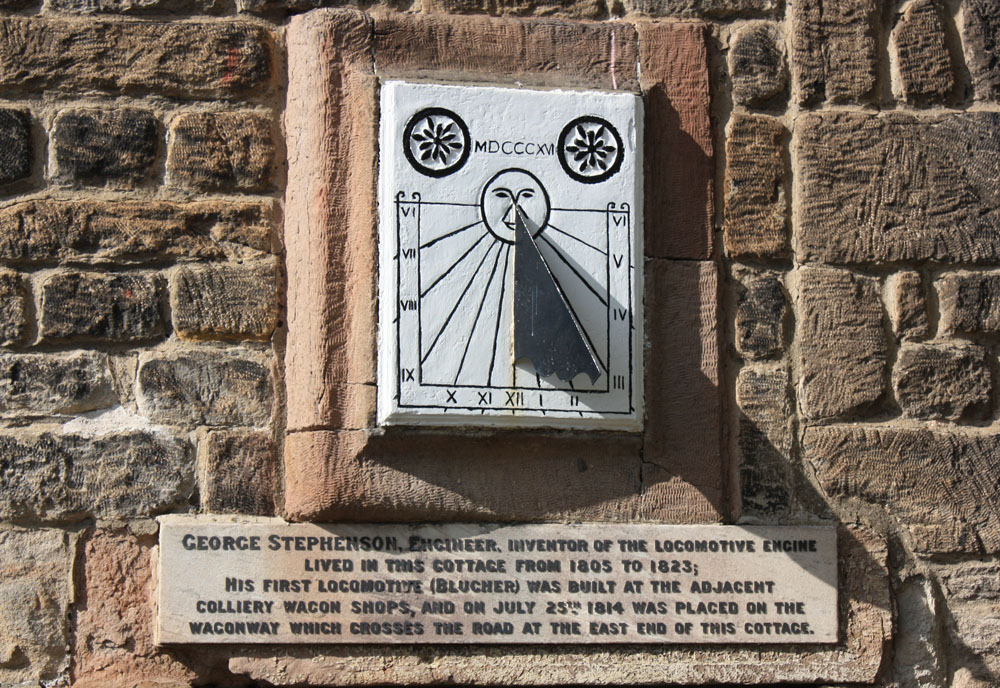
Then, during the tour of the cottage, and in subsequent reading, I discovered that George Stephenson lived, from 1805 to 1823 (after he had become engineer at Killingworth Colliery) in a cottage (known as Dial Cottage for the dial that he and son Robert made and placed over the front door) just 1.80 miles as the crow flies from our home in North Tyneside.

From such humble origins to fame and fortune, and perhaps even greater for son Robert who was elected a Fellow of the Royal Society. Neither accepted a knighthood.

And one final point. George Stephenson invented a mining safety lamp, the Geordie lamp, resulting in a lifelong controversy with Cornish aristocratic chemist Humphry Davy who accused Stephenson of stealing his design for a similar device.

By the mid-1860s, natives of Newcastle became known as Geordies, and it’s commonly believed that the name of the lamp attached to the pit men who worked in the numerous mines across Tyneside.


It ended 160 years ago . . .

I’m not sure why or precisely when I developed an interest in the American Civil War. A devastating war (the bloodiest in American history¹), a continent away, with which we had no family connections that I’m aware of, although any on the Irish side of my family who emigrated to the United States in the 1840s and subsequently (as a consequence of the Irish Potato Famine) may well have become involved in the fighting. I just don’t know.

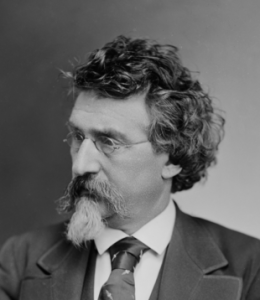
In my early teens, I saw an exhibition of photographs of the Civil War by celebrated American photographer Matthew Brady (right, taken in 1875). Perhaps he was the first photojournalist. And while there are images from earlier wars (such as the Crimean War, from October 1853 to March 1856), I guess the American Civil War was the first to be documented so extensively in this medium.

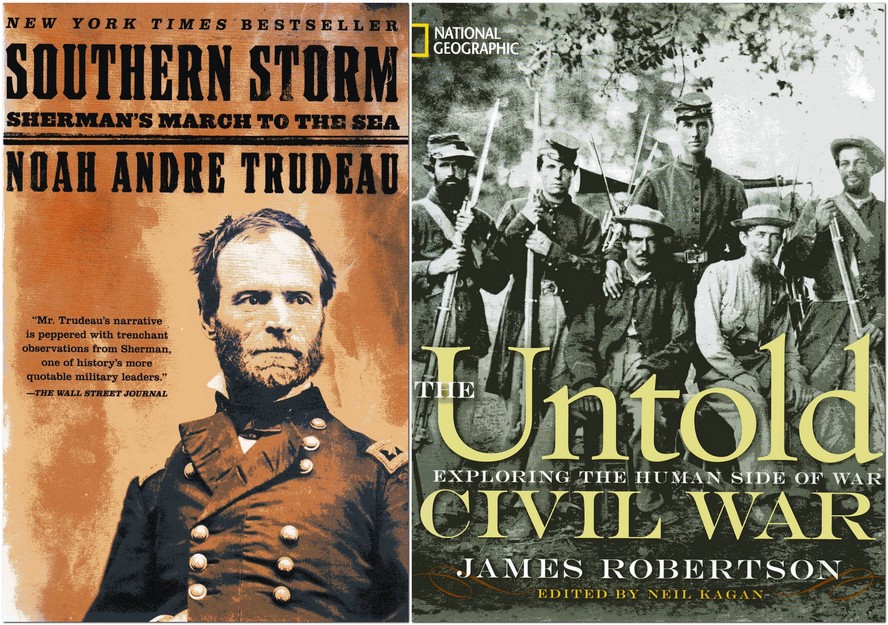
These are just a few archival images that illustrate the National Geographic’s The Untold Civil War, by James Robertson, published in 2011.

Also, another aspect that caught my attention was the role that the railways played in moving troops and materiel in the various theaters where the war was contested. Again, this was probably a first in terms of the extensive and critical role of railways in any conflict. And the wireless of course, which permitted ‘rapid’ communications about the state of the conflict, provided the lines hadn’t been cut. Like the railways, the lines were frequently targeted.

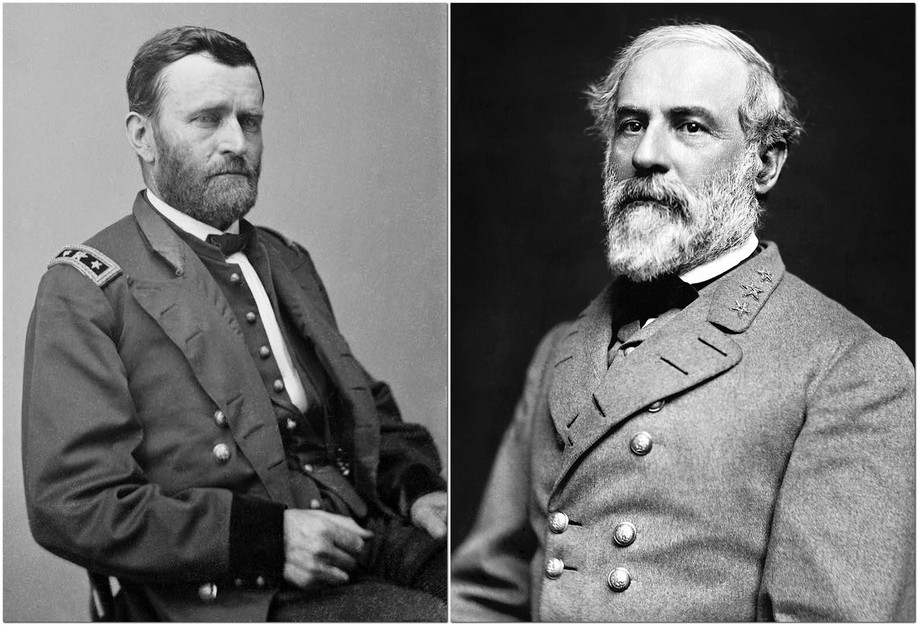
A war that ended 160 years ago, but started on 12 April 1861 when Confederate forces bombarded Fort Sumter (in South Carolina), and which ended to all intents and purposes almost exactly four years later on 9 April 1865 when Confederate General Robert E Lee (right below) surrendered the Army of Northern Virginia to Union General Ulysses S Grant (left) at Appomattox Courthouse in Virginia.

On 18 December 1865, the 13th Amendment to the US Constitution was proclaimed, abolishing slavery and involuntary servitude, once and for all. And with it the root cause for secession and war four years earlier. But, as we know, the abolition of slavery and emancipation of slaves did not correct the ingrained racism that did not die away and continues to this day, despite legislation conferring civil rights and the like.


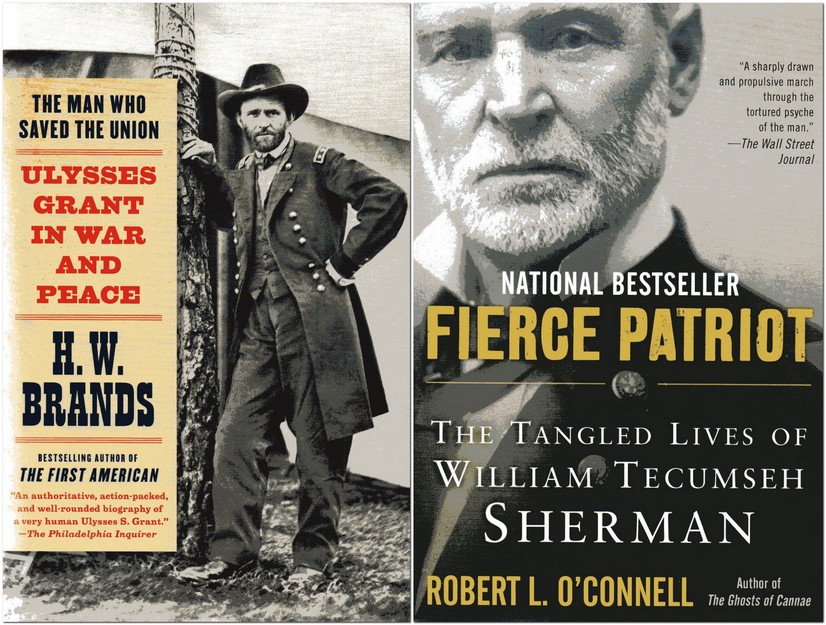
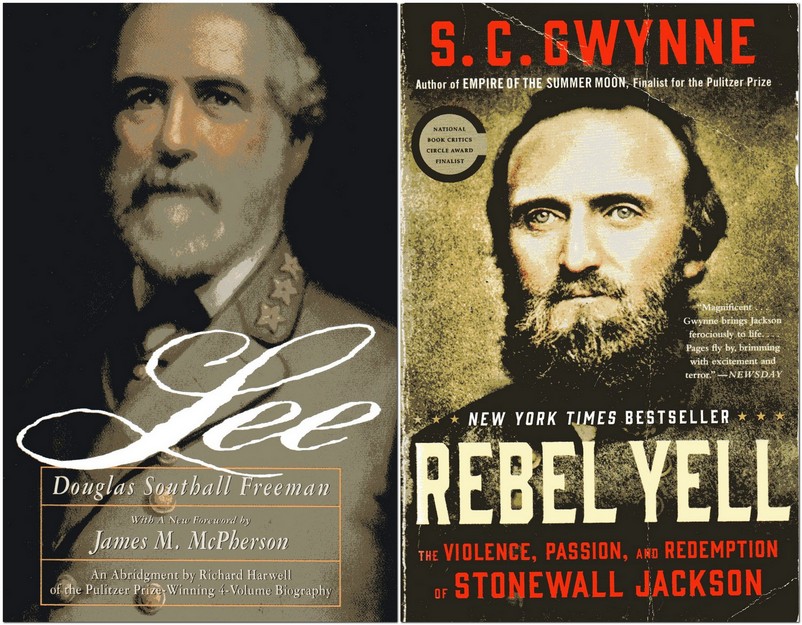
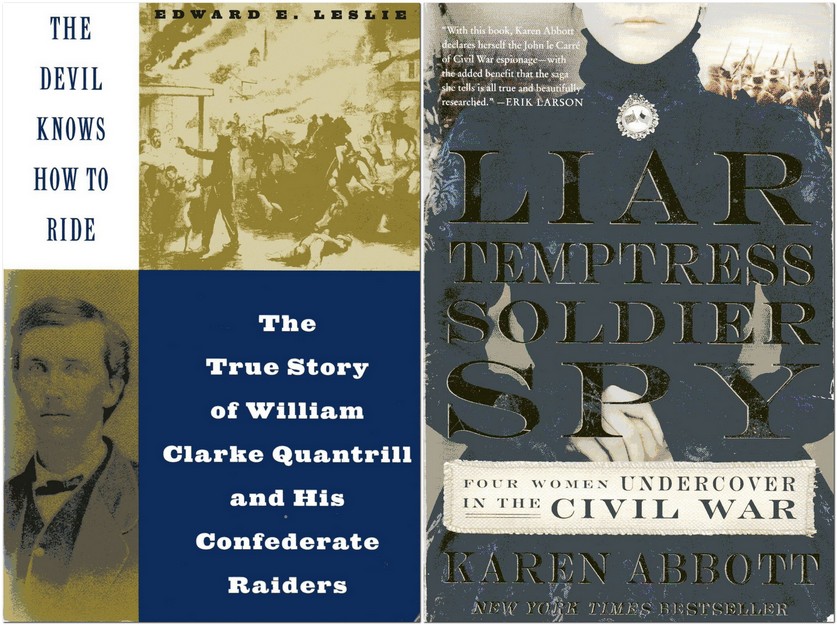
Over the past decade I purchased (from Half Price Books in St Paul) several books² (accounts and biographies) about the war, while visiting family in Minnesota.

And it was one of these, April 1865: The Month that Saved America (first published in 2001) by acclaimed author and historian Jay Winik that I decided to read for a second time, and took it with me on our latest trip to Minnesota in May.
Winik highlights three events that all occurred within a fortnight. First there was the evacuation and fall of the Confederate capital of Richmond between 2-4 April.

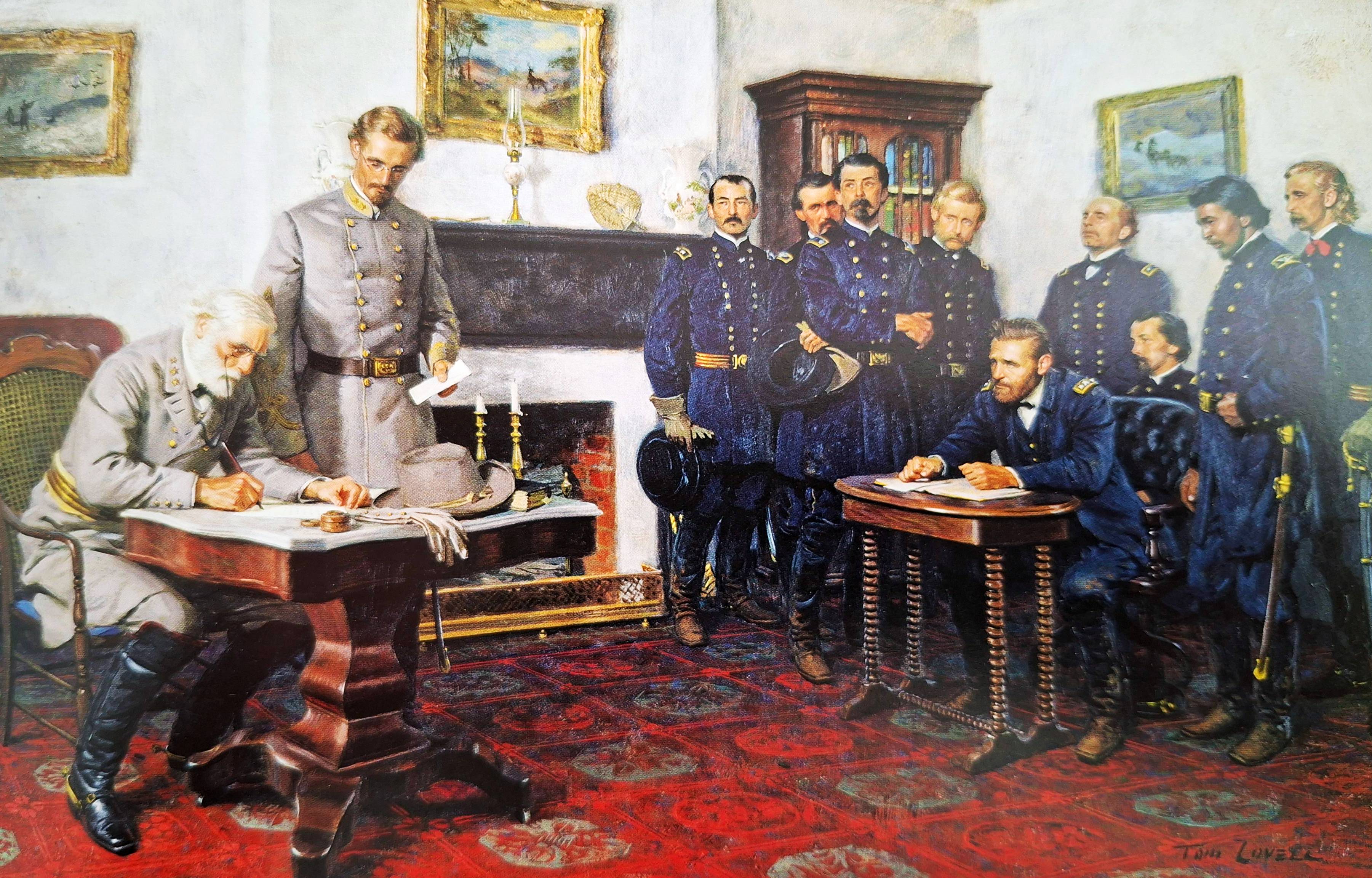
Second, with the writing on the wall, Lee surrendered to Grant on 9 April in the McLean house at Appomattox Courthouse.

Lee signs the surrender of the Army of Northern Virginia, witnessed by Ulysses S Grant and his officers.

The surrender terms were quite favourable to the Confederates, but there was a lingering fear that undefeated troops would take to the mountains and wage guerrilla war for decades. However, Confederate General Joseph E Johnston surrendered his large army to William Tecumseh Sherman at Bennett Place in North Carolina on 26 April. Fighting overall in the Civil War came to an end by the end of May 1865.

And third, was the assassination of President Abraham Lincoln on 14 April (he actually died the following day). This had major ramifications for the post-bellum rapprochement that Linclon had long envisaged, and with the ascendancy of his Vice President Andrew Johnson to the highest office, there was no certainty that a lasting peace would prevail.

Not all reviewers agree with Winik’s interpretation that April 1865 was so crucial. Events earlier in the same year, and perhaps since the Confederate defeat at Gettysburg in 1863 meant that the Confederacy was always destined to fail.

But April 1865 is an easy read. One aspect that I really appreciated were the vignettes of the main protagonists that Winik interspersed with the main chronology of events. It’s remarkable that the Confederates were as successful on the battlefield over the course of the war, albeit their cause ultimately ending in failure, given the jealousies between many of their general officers. I guess most soldiers who reach general rank must have pretty big egos.


Over the course of our road trips across the USA, Steph and I have taken the opportunity of visiting several historical sites connecting with the Civil War.

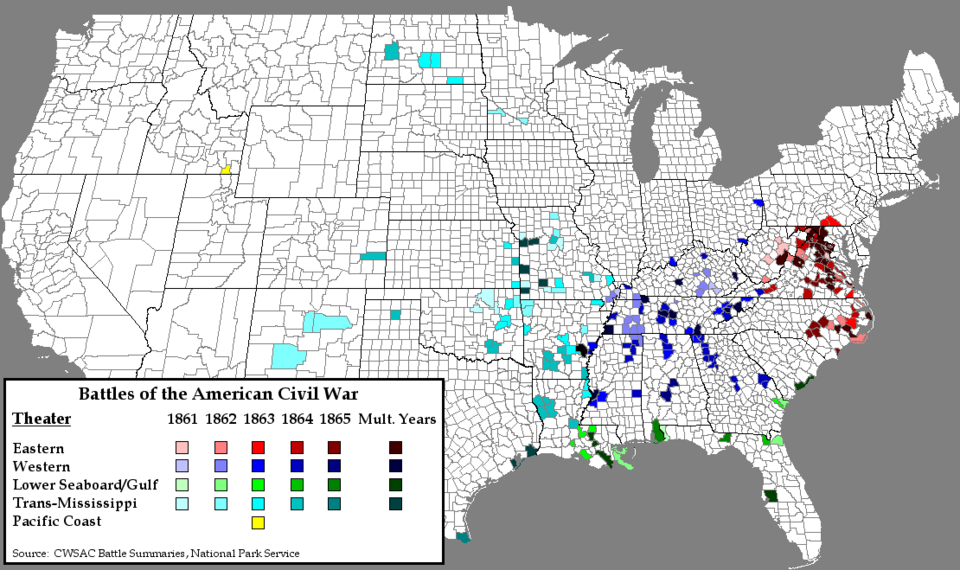
In 2017, we drove from Georgia to Minnesota, taking in Savannah (the destination of Sherman’s March to the Sea in November and December 1864, and through the Appalachians, and crossing (as we did in 2019) much of the region in Virginia and West Virginia in particular where many of the battles were fought.

In 2019, on a trip that took in many northeast and Atlantic states, we visited both the Gettysburg battlefield site and Appomattox Court House.

In 2018, travelling from Maine to Minnesota, we passed through Ohio, the birthplace of two of the most famous generals of the Civil War: Grant (in Point Pleasant) and Sherman (in Lancaster); and the boyhood home—in Somerset—of Philip Sheridan (who was born in Albany, NY, but grew up in Ohio).

The mural of Sherman on the wall of the Glass Museum in Lancaster that I illustrated in that post is no longer there. It has been whitewashed over!

I’ve just completed an abridged biography (see below, down from four volumes) of General Lee. Rather tough going, I must say, with so much miniscule detail rather than a broader horizon to explore.


¹Over 620,000 killed. In fact, more soldiers died from post combat infection of wounds or from diseases like dysentery and measles that spread like wildfire through camps. See this link for a breakdown of the statistics.

² Here are the books about the Civil War that I have read:

One man saved more lives than anyone else in history . . .

A billion lives, it is said.

Official portrait of Norman Borlaug for his Nobel Peace Prize.

And that man was Dr Norman Ernest Borlaug (1914-2009), an agricultural scientist from northeast Iowa, whose research to develop short-strawed and high-yielding varieties staved off predicted widespread famines in the 1960s.

It was the beginning of an international effort to enhance agricultural productivity that endures to this day through the centers of the Consultative Group on International Agricultural Research or CGIAR, one of which is CIMMYT¹ (the International Center for Maize and Wheat Improvement in Mexico) where Borlaug spent many years as Director of the International Wheat Improvement Program (now the Global Wheat Program).
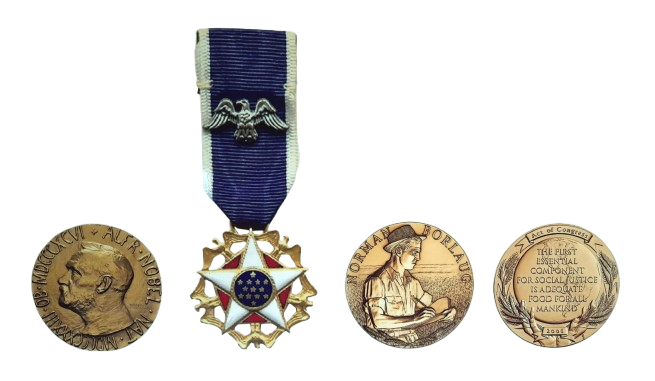
Dr Borlaug was awarded the 1970 Nobel Peace Prize for his work to promote global food supply, an act that contributes greatly to peace. And for having given a well-founded hope – the green revolution.

The expression “the green revolution” is permanently linked to Norman Borlaug’s name. He obtained a PhD in plant protection [from the University of Minnesota] at the age of 27, and worked in Mexico in the 1940s and 1950s to make the country self-sufficient in grain. Borlaug recommended improved methods of cultivation, and developed a robust strain of wheat – dwarf wheat – that was adapted to Mexican conditions. By 1956 the country had become self-sufficient in wheat.

Success in Mexico made Borlaug a much sought-after adviser to countries whose food production was not keeping pace with their population growth. In the mid-1960s, he introduced dwarf wheat into India and Pakistan, and production increased enormously. The expression “the green revolution” made Borlaug’s name known beyond scientific circles, but he always emphasized that he himself was only part of a team. (Source: www.nobelprize.org).

You can read his Nobel Prize lecture here.

Almost thirty years later, Borlaug returned to Oslo and reflected (in this lecture) on the progress that had been made since his 1970 Nobel Peace Prize.

He received many other awards in addition to the Nobel Peace Prize, including the Presidential Medal of Freedom (1977) and the Congressional Gold Medal (2006), one of only seven individuals worldwide to receive all three awards².

His is one of two Iowa statues in the US Capitol’s Statuary Hall, unveiled in 2014 and replacing one of the state’s existing statues. It was sculpted by Benjamin Victor. A duplicate stands on the University of Minnesota campus in St Paul, outside the building named in his honour.

He founded the World Food Prize in 1986, a prestigious, international award given each year to honor the work of great agricultural scientists working to end hunger and improve the food supply.

It was initially sponsored and formed by businessman and philanthropist John Ruan Sr with support from the Governor and State Legislature of Iowa. Since 1987, there have been 55 laureates from 21 countries.


On 9 June 2017, Steph and I were on the last day of a 10 day road trip that had taken us from Atlanta, Georgia down to the coast at Savannah, then up through South Carolina, North Carolina, Tennessee, Virginia, West Virginia, Kentucky, Illinois, Missouri, Iowa, and back to the Twin Cities in Minnesota. Almost 2800 miles.

We’d spent our last night in a suburb of Iowa City before setting off north to St Paul the following morning. In a little under 3 hours, we found ourselves in Cresco, the county seat of Howard County (just south of the state line with Minnesota) in the lovely Bluff Country that encompasses northeast Iowa, southeast Minnesota, and southwest Wisconsin.

On the eastern outskirts of Cresco we came across this large billboard beside the road.

Anyway, as I stopped to take a photograph, I recalled having caught a glimpse—some miles south of Cresco—of a signpost to the ‘Borlaug Birthplace Farm’. Well, being somewhat pressed for time (and having another 180 miles to complete our journey to St Paul), we didn’t turn round and explore.

So it was just a vague hope that someday I might return, since I had met Dr Borlaug in April 1999 when he visited the International Rice Research Institute (IRRI, another of the CGIAR centers) in the Philippines where I was working at the time. It was a hope recently fulfilled.

Explaining how rice seeds are stored in the International Rice Genebank to Nobel Laureate Norman Borlaug

Earlier this year, I had contacted Seed Savers Exchange in Decorah, Iowa asking if Steph and I could have a ‘behind-the-scenes’ visit during our vacation in the USA, a vacation we have just returned from. It was then I discovered that Cresco was just a short drive west from Decorah, and I contemplated whether a tour of the Borlaug Birthplace and Boyhood Farms might be feasible.

So I contacted the Norman Borlaug Heritage Foundation (NBHF, set up in 2000) and very quickly received a reply that NBHF board members would be delighted to arrange a tour.

And that’s what we did on 3 June, setting off from Decorah in time to meet up with board members Tom Spindler (Tours) and Gary Gassett (Co-Treasurer) at the Borlaug Boyhood Farm.

NBHF board members Gary Gassett (L) and Tom Spindler (R) in the old school room on the Borlaug boyhood farm site.


Norman Borlaug came from humble beginnings, the great-grandson of Norwegian immigrants in the late 19th century.

Norman’s grandparents, Emma and Nels (and others of the Borlaug clan) settled in the Cresco area. They had three sons: Oscar, Henry (Norman’s father, second from left), and Ned.

Henry married Clara Vaala, and after Norman was born on 25 March 1914 in his grandparents house, the family lived there for several years. Norman had three younger sisters, Palma Lilian, Charlotte, and Helen (who was born and died in 1921).

The house is currently not open for visitors, as several parts are undergoing extensive repair and renovation.

Henry and Clara bought a small plot of land (around 200 acres) less than a mile from their parent’s farm, but until he was 8, Norman continued to live with his grandparents. By then, in 1922, Henry and Clara had built their own home, ordered from Sears, Roebuck of Chicago. The original flatpack!

Life must have been hard on the Borlaug farm, the winters tough. Heating for the house came solely from the stove in the kitchen with warm(er) air rising to the four bedrooms bedrooms upstairs through a metal grill in the ceiling. There was an outhouse privy some 15 m or so from the back porch.

Besides the kitchen, with its hand pump to deliver water for washing, the other room on the ground floor was a combined parlour cum dining room.

On the front of the house there is a set of steps leading to a porch along the width of the house. Mature pine trees now surround the house, with a row to the front of the house planted by Norman when he was studying for his BS in forestry at the University of Minnesota (only later did he turn to plant pathology for his graduate studies).

On the farm, Henry eventually built a barn in 1929 to house their livestock There is a long chicken coop, beside which is a bronze statue of Norman as a boy feeding the chickens. It was created by Dr Bill Faller and donated to the NBHF, as was another nearby depicting Norman’s work around the world.

In one outhouse there’s a nice memento of Norman’s boyhood here: his initials inscribed on a wall.

It’s said that Norman was an average student. From an early age, until Grade 8, he joined his classmates (of both Lutheran Norwegian and Catholic Czech descent – Czechs had settled in the area of Protivin and Spillville west of the Borlaug farms) in a one room schoolroom (built in 1865) that was originally located about a mile away from the farm. Norwegian children on one side of the room, the Czechs on the other.

At that time, most pupils reaching Grade 8 would leave full-time education and return to working on the family farm. But Norman’s teacher at the time, his cousin Sina Borlaug (right), encouraged both parents and grandparents to permit Norman to attend high school in Cresco. Which he did, boarding with a family there Monday to Friday, returning home each weekend to take on his fair share of the farm chores.
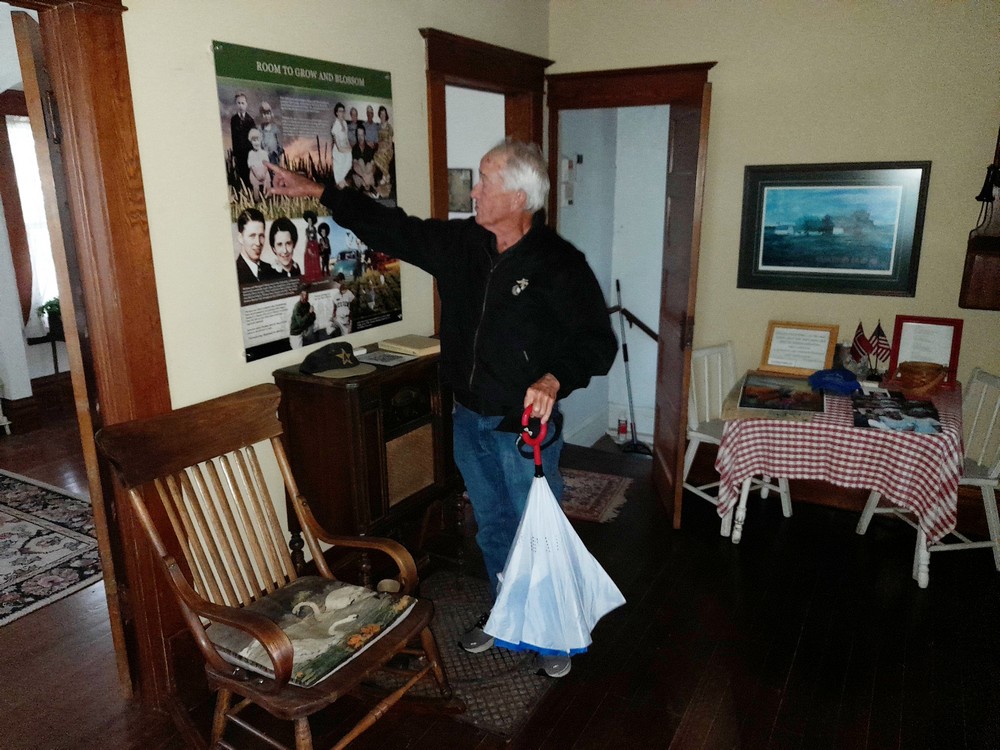
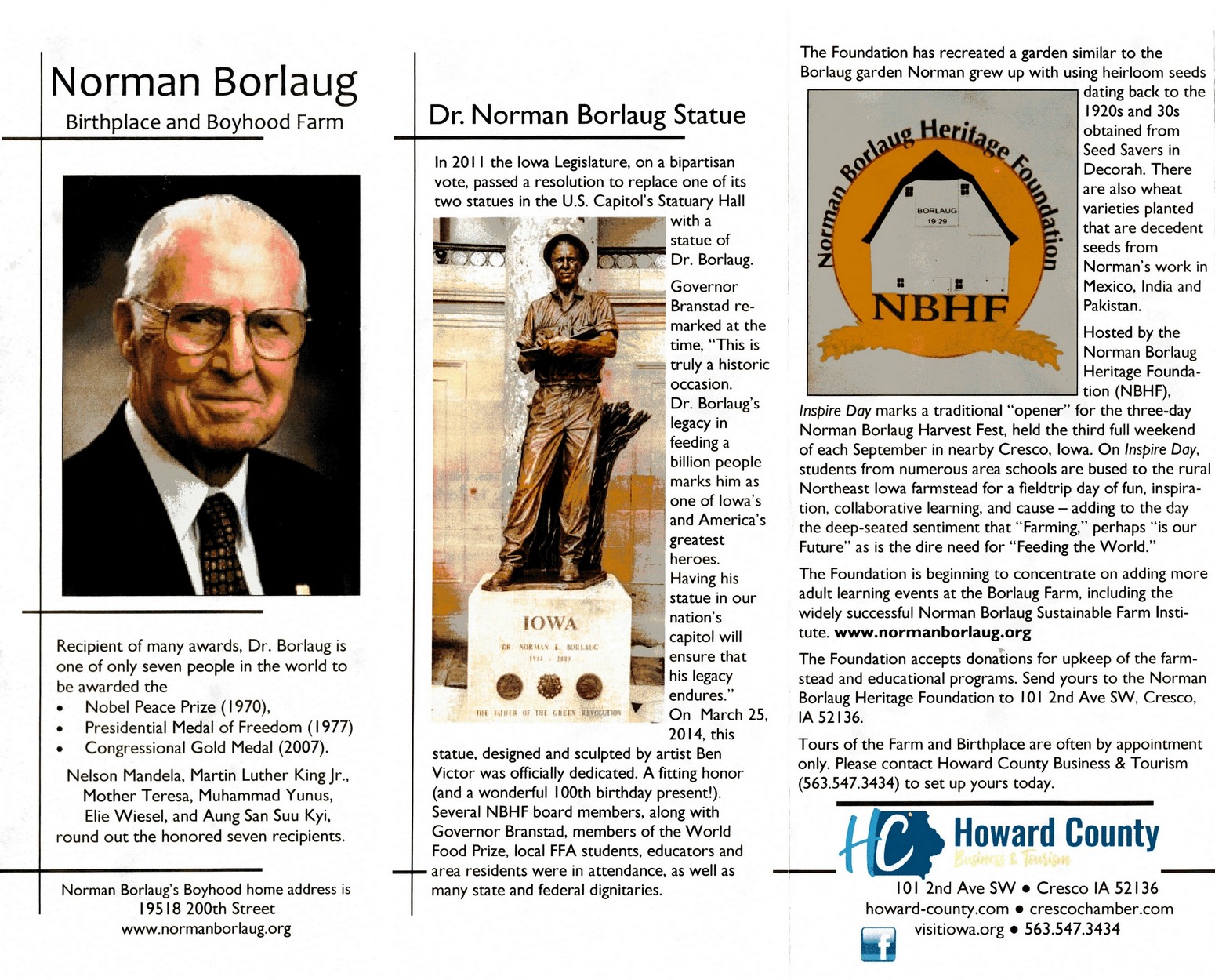
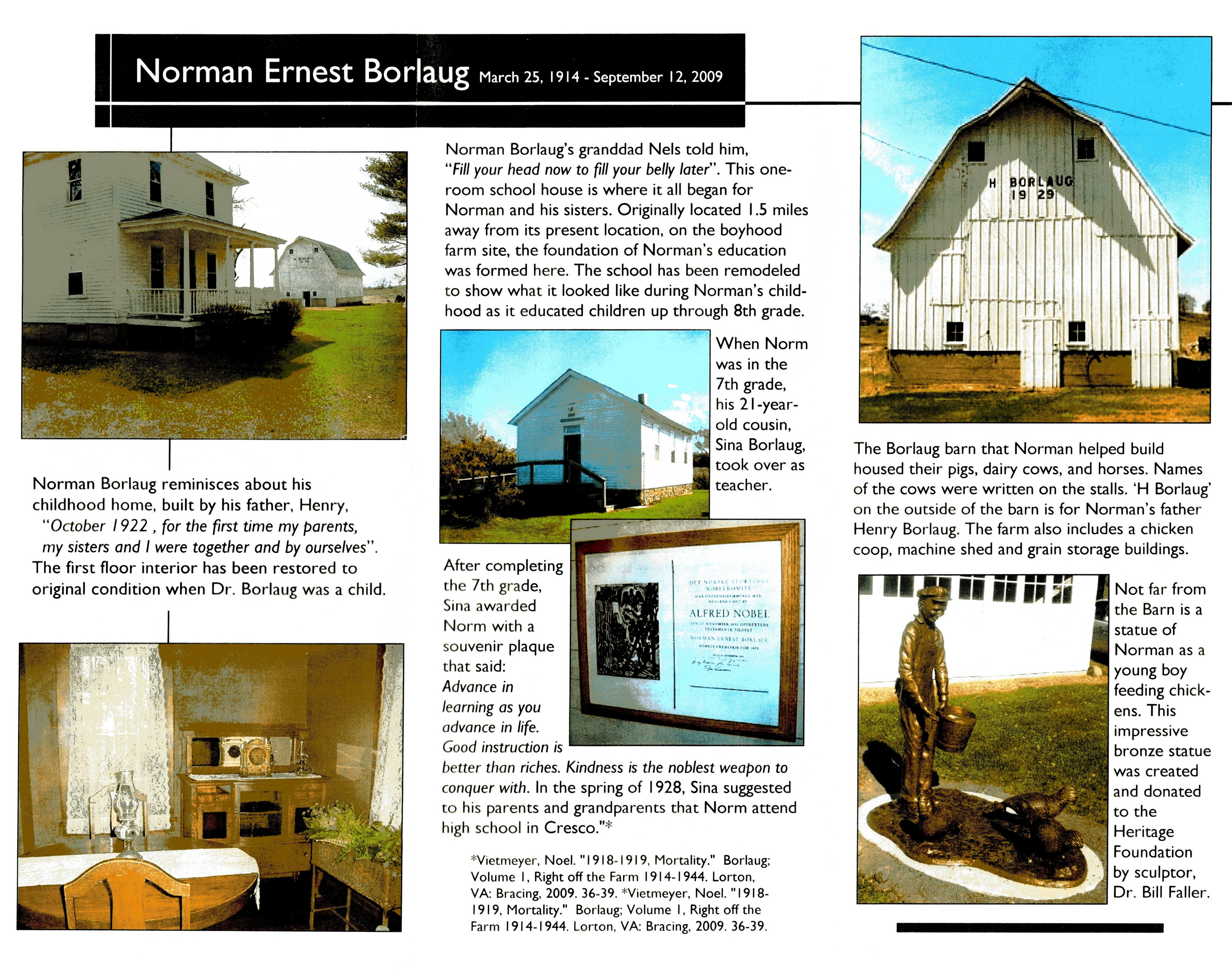
And the rest is history, so to speak. He eventually made it to the University of Minnesota in St Paul to study forestry, spending some time working in that field before completing (in 1942) his PhD on variation and variability in the pathogen that causes flax wilt, Fusarium lini (now F. oxysporum f.sp. lini).

He joined a small group of scientists on a Rockefeller Foundation funded project in Mexico in 1944, and remained in Mexico until he retired. Among these colleagues was potato pathologist, Dr John Niederhauser, who became a colleague of mine as we developed a regional potato program (PRECODEPA) in the late 1970s.

Borlaug and Niederhauser were very keen baseball fans, and they introduced Little League Baseball to Mexico. That achievement is mentioned in one of the posters (below) in the Borlaug home, and our two NBHF guides, Tom and Garry, were surprised to learn that not only had I met Borlaug, but had worked with Niederhauser as well.

Active to the end of his life, Dr Borlaug passed away in Texas on 12 September 2009. His ashes were scattered at several places, including the Iowa farms.

To the end of his life he was passionate about the need for technology to enhance agricultural productivity. And one point of view remained as strong as ever: peace and the eradication of human misery were underpinned by food security.


It was a fascinating tour of the Borlaug Birthplace and Boyhood Farms, and Steph and I are grateful to Tom and Garry for taking the time (over 2.5 hours) to give us a personal tour.

The NBHF has several programs, including internships and one designed especially for schoolchildren to make them aware of Borlaug’s legacy, and why it is important. You can find much more information on the Foundation website.


¹ Many of Dr Borlaug’s day-to-day belongings (including his typewriter) are displayed in the office suite he occupied at CIMMYT. The photos are courtesy of two former IRRI colleagues, plant breeder Dr Mark Nas and Finance Manager Remy Labuguen who now work at CIMMYT.

Dr Borlaug stepped down as head of CIMMYT’s wheat program around 1982, but he remained as active as ever. He especially enjoyed spending time with trainees, passing on his wealth of knowledge about wheat improvement to the next generation of breeders and agronomists.

In this photo, he is showing trainees how to select viable seeds at CIMMYT’s Obregon Wheat Research Station in the spring of 1992.

One of my colleagues at IRRI, Gene Hettel, was the communications specialist in the wheat program at CIMMYT between 1986 and 1995.

Gene told me that Borlaug’s office was directly above mine—that made it handy for when he had editorial chores for me. Sometimes he would call me up to his office if he had a really big job—maybe a major book chapter to edit. Other times he dropped by my office with a grin on his face: “Are you busy?”

Here they are together in the wheat plots just outside their offices to get away from all the paperwork and just “talk” to the plants!

² The other six are: Nelson Mandela (South Africa), Martin Luther King Jr (USA), Mother Teresa (Albania-India), Muhammad Yunus (Bangladesh), Elie Wiesel (USA), and Aung San Suu Kyi (Myanmar). Mohammad Yunus (currently Chief Advisor of the interim government of Bangladesh) was a member of IRRI’s Board of Trustees (1989 to 1994) when I joined the institute in 1991.

Saving seeds, linking generations . . .

If you’ve never been to Seed Savers Exchange near Decorah in the lovely Bluff Country of northeast Iowa, then you should. Especially as it is celebrating its 50th anniversary this year.

Founded in 1975 (originally as True Seed Exchange) by Kent and Diane Ott Whealy in Missouri, Seed Savers Exchange is a tax-exempt 501(c)3 non-profit that conserves and promotes America’s culturally diverse but endangered garden and food crop heritage for future generations by collecting, growing, and sharing heirloom seeds and plants.

In this video, Diane Ott Whealy describes how it all began.

Seed Savers Exchange moved to Decorah in 1987, when the Whealys bought a parcel of land, which became Heritage Farm.

Over five decades, Seed Savers Exchange has built an impressive community (in reality a movement) of gardeners and seed stewards, sharing and swapping unique varieties you might not find anywhere else, combining in situ conservation in home gardens and ex situ in the seedbank at Decorah.

Varieties such as these (of the many thousands in the Exchange network and collection):
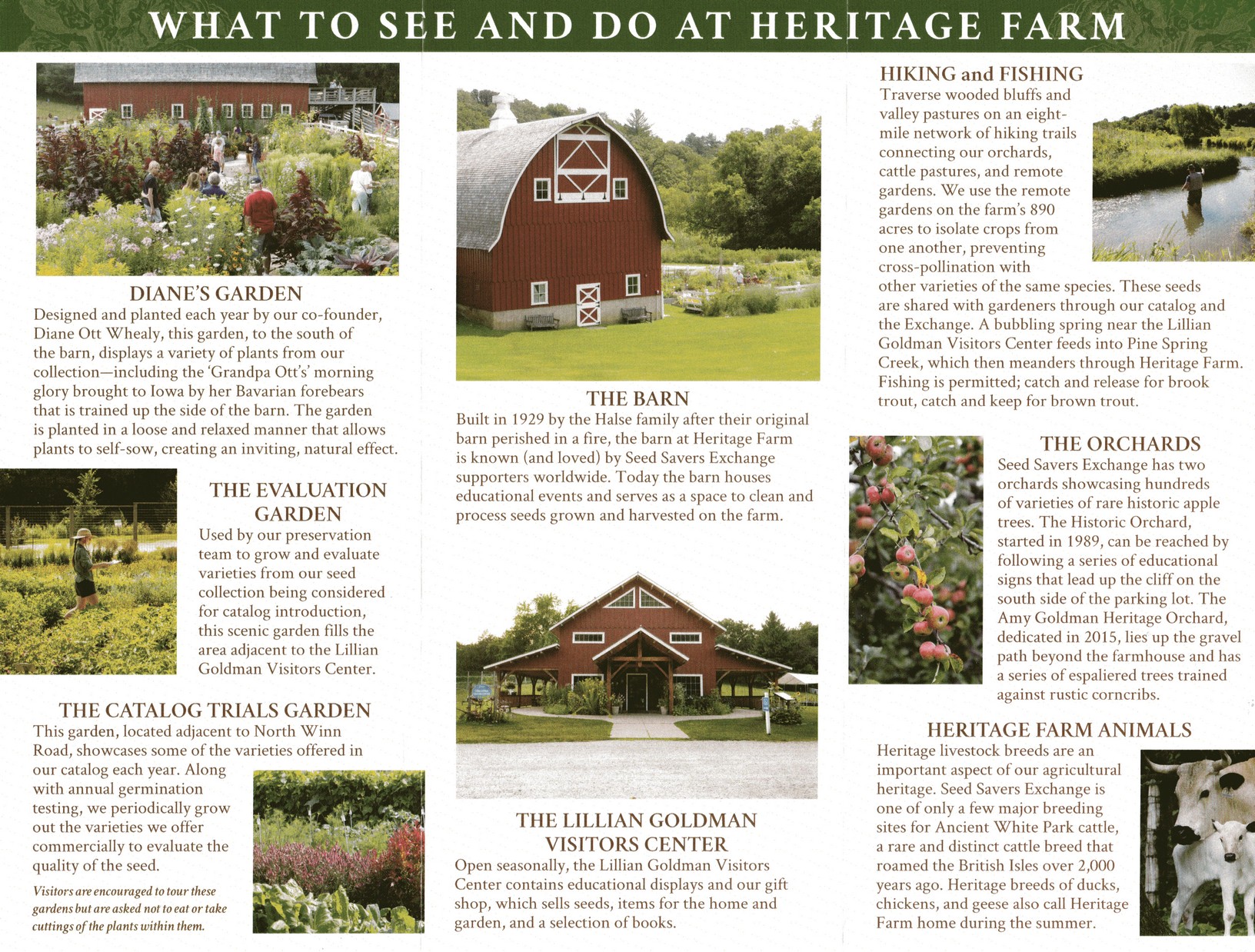
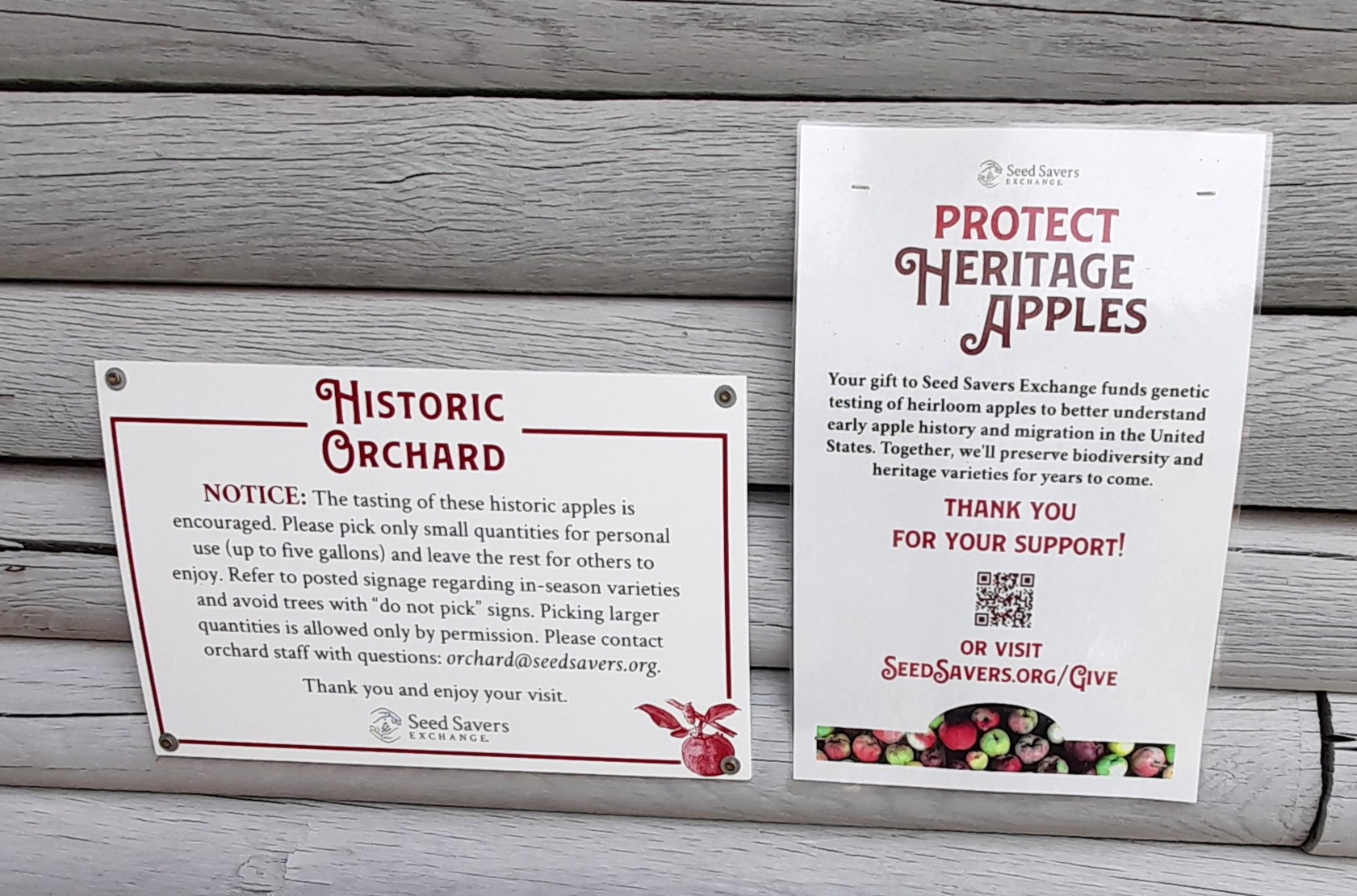
  • Cherokee Trail of Tears, a snap bean carried by the Cherokee over the Trail of Tears, the infamous death march from the Smoky Mountains to Oklahoma in 1838-39);
  • Bull Nose Bell, a sweet pepper introduced into North America in the 1700s, and grown by elder statesman and third POTUS, Thomas Jefferson, in his garden at Monticello in 1812);
  • or the tomato variety German Pink (one of two varieties that started it all – the other being Grandpa Ott’s, a morning glory) introduced into the USA from Bavaria in the late 19th century. Both are featured on the covers of The Exchange 2025 Yearbook and The 2025 Seed Catalog.

There’s lots to see and do at Seed Savers Exchange (click on the image below – and others with a red border – to open a larger version) and visitors are encouraged to hike the trails, and explore the 890 acre farm.

When the apples are ripe in the Historic Orchard, visitors may pick their own. Local cider producers make a beeline to harvest and collect windfalls.

But Seed Savers Exchange is not all plants. The Ancient White Park cattle were introduced into the USA from the UK during WWII as a safeguard against loss of this ancient breed. Several herds were established, two ending up in Decorah. Coincidentally, not far from where we are now living in the northeast of England, there is a completely feral (but enclosed) herd of these beautiful cattle at Chillingham.


During our recent trip to the USA, Steph and I enjoyed a day-long visit to Seed Savers Exchange, staying a couple of nights in Decorah. It was an easy drive south from St Paul, MN (just under 160 miles, and about 3.5 hours on a sunny Sunday afternoon).

A visit to Seed Savers Exchange was first mooted in May 2024, but having just made a long road trip across Utah and Colorado, I really didn’t want to get behind the wheel again. However, we had no epic road trip plans this year, so I decided to contact Executive Director, Mike Bollinger (right) last February to set up a visit.
Regular readers of my blog will know that Steph and I first became part of the germplasm conservation movement in the early 1970s. I spent much of my career in international agricultural research and academia, collecting farmer varieties of potatoes across the Andes of Peru, and in the Philippines managing the world’s largest genebank for rice at the International Rice Research Institute.

So I asked Mike if we could have a ‘behind-the-scenes’ visit (not open to regular visitors), to learn about the organization in detail, and the management of such a large and diverse collection of plant species. He quickly agreed, and asked Director of Preservation, Michael Washburn (right) to set up a program for us.

In this post I’m not going to describe how Seed Savers Exchange works with its members, and how they share seeds among the community or from the seedbank. That information is available in detail on this section of its website.

Incidentally, Seed Savers Exchange also has a commercial arm (which supports its non-profit mission), selling seeds through an annual catalog of around 600 or so varieties of vegetables, herbs, and flowers, some of which come from the collection.
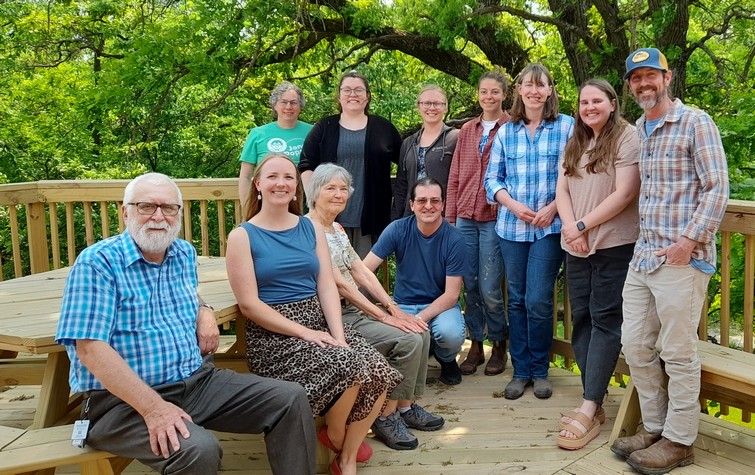
Michael introduced us to the preservation team (see below), and we spent time with each as well as having a very informative round table discussion where we shared our different perspectives and experiences in seed conservation.

Let me highlight some fundamental differences between managing (as I did) the rice collection at IRRI and the collection at Seed Savers Exchange.

IRRI’s collection of rice has its own complexities due to its size and the origin of the germplasm from many countries, with conservation and exchange subject to the rules of the International Treaty on Plant Genetic Resources for Food and Agriculture.

On the other hand, Seed Savers Exchange is a voluntary non-profit, operating within the USA, and not subject to the same bureaucratic constraints. However, its complexity lies with the number of species conserved (and their conservation needs), as well as catering to the needs of the many members in the Exchange network.

Standing (L-R): Heidi Betz (seed bank inventory technician), Maddison MacDonald (potato tissue culture lab manager), Briana Smorstad ( seed bank manager), Jamie Hanson (orchard manager), Sara Straate (seed historian), Natalie Aird (seed bank inventory coordinator), and Michael Washburn. Kneeling: Eduardo Fernandez (assistant seed historian). Seated (L-R): me, Josie Flatgrad (membership and exchange coordinator), and Steph.

Seed bank manager Briana Smorstad explained that the Seed Savers Exchange Collection has around 20,000 accessions (although the database lists many more that are no longer available). About 6000 (about 30% of the collection) are distributable accessions.

This is the scope of the collection, as defined in its 2013 Accessions Policy (updated in 2020):

As with any genebank, this one has its issues with ‘duplicate’ varieties (some with the same name but not necessarily the same variety, and others with different names) currently estimated at around 21% of the collection. Fortunately, and as we all agreed in our round table, Seed Savers Exchange does have a comprehensive database (developed in Microsoft Access) that keeps track of all the germplasm, its status, and where it actually sits in the cold stores (so can be quickly accessed). In the past year, some 4922 varieties were offered through the Exchange. However, if one of the members is listing any variety the Decorah team don’t list these for distribution.

In the ‘active collection’ with seed bank manager Briana Smorstad.

Natalie Aird, the seed bank inventory coordinator (who showed us the database) handles the seed quality assessments, running routine germination tests according to well-established protocols. And these important data guide how and when seeds become available for distribution.

Natalie demonstrating the seed germination test for bean seeds, and the incubator for the tests.

We were especially privileged to be shown the base collection cold store (at around -18°C).

A recent initiative was launched, known as the L-to-D Project (Legacy to Distribution) which has moved 70 varieties in the collection into the Exchange.

The collection has Distributable or D varieties with sufficient seeds to meet regular requests through the Exchange. To have enough seeds means regeneration and multiplication on the Heritage Farm, which is time-, space, and labor-intensive. However, a whole series of seed packets or Legacy (L) accessions were identified in the collection, which were tested for quality and germination, and if reaching the desired standard were moved on to the D list, as was the case with the 70 varieties mentioned above. The project is described in more detail here.

And to safeguard the collection decades into the future, Seed Savers Exchange has sent seeds to the Svalbard Global Seed Vault every year since the vault was first opened in 2008. Here’s a brief report from a Crop Trust news article in early June.

Here are the seedbank team (L-R, Natalie, Heidi, and Briana) preparing to send seeds to Svalbard earlier this year.

Seed Savers Exchange faces particular challenges with two components of its collection, namely the potato varieties, and the apple trees in the Heritage Orchard, which are maintained vegetatively.

In the case of potatoes, curated by Maddison MacDonald, there are 18 US heirloom varieties, 72 historic heirloom varieties, 10 exchange heirlooms. But the number of accessions is much higher. All maintained a virus-free tissue cultures. Potato varieties are distributed as tissue cultures, illustrated below.

One of the collection advisers (and former head of the genebank at the International Potato Center) Dr David Ellis has identified a group of 53 varieties (a core, so-to-speak) that represent the genetic diversity of the whole potato collection. But there is almost no overlap with the heirloom varieties mentioned earlier. The heirloom varieties meet the strict acquisition criteria for the collection and therefore have the highest priority. Managing a smaller number of priority varieties would permit greater focus on those. And, quite independently from David Ellis, I did suggest that Maddison should consider converting many of the other varieties to true potato seed, and in this way conserving the genetic diversity of the collection if not the individual clones.

The collection has an apple orchard with 1042 trees, consisting of 337 unique named varieties, managed by Jamie Hanson (below) and an assistant.

But there are duplicate trees, and these have been identified by DNA fingerprinting through Washington State University’s MyFruitTree initiative (at a cost of just $50 per sample). For example, fingerprinting has identified seven Bethel trees in the orchard, which will permit, in the future, removal of duplicate trees as part of orchard management. Jamie also curates a legacy grape breeding collection from the University of Minnesota.

I was particularly impressed by the outreach program involved in distributing apple varieties, whereby online tuition in grafting is given and the necessary tools also sent with the rootstocks and scions.

Besides conserving the seeds and vegetatively-propagated species at Seed Savers Exchange, there is also coordination of the membership and Exchange (the gardener-to-gardener seed swap) a role that falls to Josie Flatgrad (right).
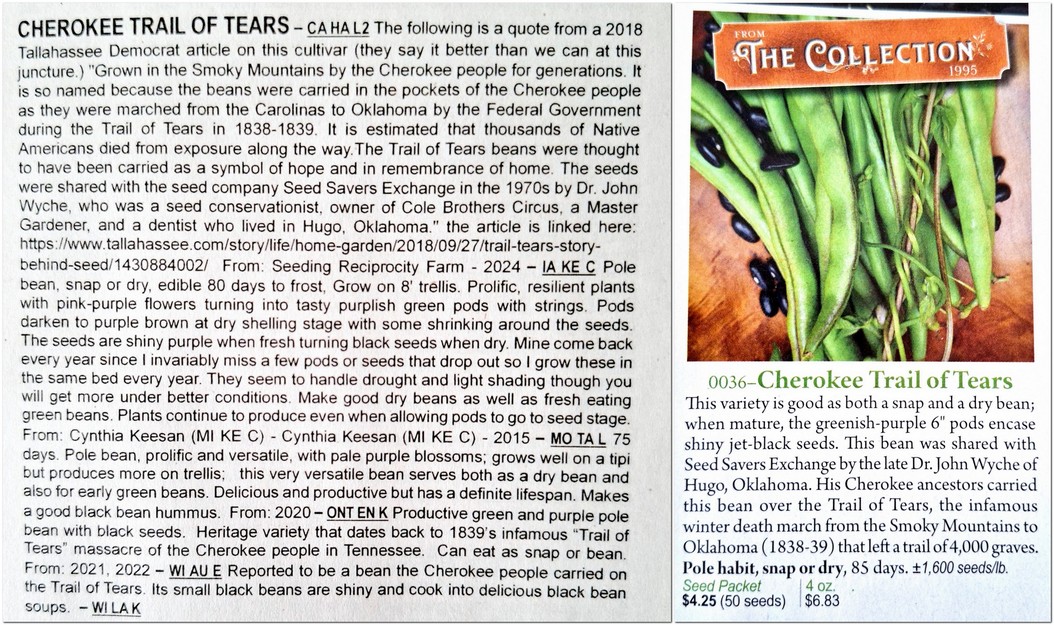
Each year the Yearbook is published, a comprehensive tome of 474 pages! What a treasure trove of germplasm detail.

It has all the listings of varieties (this link explains how to read the listings) available from members, Seed Savers Exchange, details of the person offering seeds (some of whom have been listing seeds for more than 30 years), as well as a description of each variety. And to illustrate, here is the listing for Cherokee Trail of Tears (and also its catalog description) offered by members in California, Missouri, Oklahoma, Wisconsin, and Ontario.

Following a lively round-table discussion with everyone who we met, Steph and I toured the Lillian Goldman Visitors Center (named after the philanthropist whose daughter Amy Goldman Fowler is a Special Advisor to Seed Savers Exchange Board of Directors), and the Iowa heritage barn (beside which Grandpa Ott’s morning glory were just beginning to climb), and the lovely garden in front that Diane Ott Whealy designed and looks after.

We are extremely grateful to Mike Bollinger and the whole Seed Savers Exchange team for their hospitality, their collegiality, and open discussions. We thoroughly enjoyed our six hours at Seed Savers Exchange, and hope to visit again in the future. And even though I spent most of my career in genetic conservation and use, I learned much that was new to me on this visit. It was an experience I shall cherish.

But let me finish this post by pointing you to this page on the Seed Savers Exchange website where there are numerous stories about a range of heirloom varieties and some of the stewards who make conservation of these varieties possible.

Inspirational indeed!


Who is Jacob Collier?

Until about three weeks ago, I’d never heard of Jacob Collier. Then YouTube offered up this video.

In this performance at the O2 Arena in London in December 2024, he was joined by Coldplay front man Chris Martin to sing Coldplay’s Fix You. The video has been viewed more than 5.5 million times.

So, who is Jacob Collier (right)? He’s an English singer, songwriter, multi-instrumentalist, producer, and educator. Born in London in 1994, he certainly has an interesting musical pedigree. He is of part Chinese descent through his mother Suzie Collier, a highly acclaimed conductor, violinist, educator, and mentor. And his grandfather, Derek Collier, was also a violinist, and leader of the Bournemouth Symphony Orchestra.

Jacob has been active since 2002, but it was not until around 2013 that his video covers of songs began to go viral, one in particular.

This was his cover of Stevie Wonder’s Don’t You Worry ‘Bout A Thing, released in 2013, that launched his career. It’s had 11 million views.

He’s a seven times Grammy Award winner. His YouTube channel has almost 2 million subscribers. And he’s about to embark on a world tour of 36 concerts that will finish at the end of October.

Why had I never heard of him? He completely slipped under my musical radar. Not your cup of tea, perhaps. And there’s some of what I’ve heard and seen that’s not for me. But he does have a huge following around the world and plays to packed houses.

And what’s his secret? Here, composer David Bruce explains.

Sharing the emotional impact of one of Collier’s live performances, here is another video by Scottish vocal coach Beth Compson Bradford (aka Beth Roars on her website and YouTube channel), who was in the audience for that December 2024 concert.

His fascination with harmony and engaging the audiences in his performances has certainly captured my attention.


Morons, philistines, iconoclasts . . . or just plain stupid?

Vindictive and vengeful, certainly.

Emboldened by Donald Trump, ‘Department of Government Efficiency‘ or DOGE lead, Elon Musk – the world’s richest man – has taken a chainsaw (his words) to the departments, institutions, and agencies of the US federal government in a cruel and callous not to say careless way over the past few weeks since Trump’s inauguration on 20 January.

Elon Musk wielding a chainsaw at the Conservative Political Action Conference (CPAC) at the Gaylord National Resort Hotel And Convention Center on 20 February 2025 in Oxon Hill, Maryland.

That’s not to deny that inefficiencies can be found and budgetary savings made in any government, and I’m sure the US federal government is no different from any other. But to proceed, as Musk and his acolytes have, is causing possibly irreparable damage on a daily basis, thousands of federal employees are losing their jobs, and this ‘downsizing’ has been effected in, it seems, an indiscriminate way. Last in, first out, and hang the consequences.

As billionaire entrepreneur Mark Cuban posted on Bluesky (@mcuban.bsky.social) a few hours ago:

Ready Aim Fire is a lousy way to govern.

Has it only been five weeks? It feels more like five years. And already the harm is being done, supported by some of probably the most incompetent and least qualified departmental secretaries (RFK Jr at Health and Pete Hegseth at Defense come immediately to mind, but there are many others, although yesterday Musk declared that Trump’s Cabinet was the most qualified of all time).

Certainly it looks like Musk is on some sort of ego trip. Or perhaps an over-enthusiastic substance-fuelled trip, as Musk has himself acknowledged his use of the same.

I’m not going to comment of the long list of agencies that DOGE has gone after, and having done the damage has had to roll back some of his actions, not entirely with success.

But I would like to comment on two areas that I do have some experience in, and have had contact over the years, directly and indirectly.

It’s beyond comprehension that, seemingly on a whim, DOGE abolished the world’s biggest (although not meeting the UN target of 0.7% of Gross National Income or GNI) and perhaps most important development agency, the United States Agency for International Development or USAid (now subsumed into the State Department).
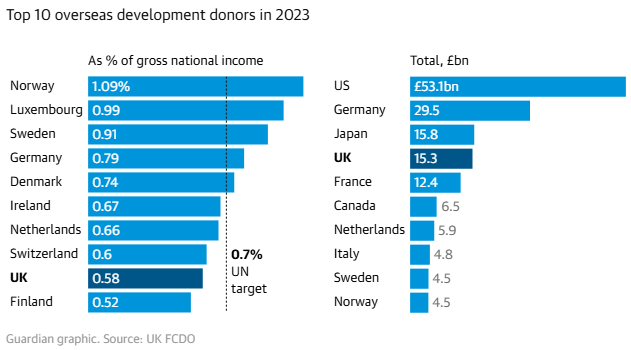

Here’s how USAid compared to other foreign government development aid agencies:

Donald Trump and Elon Musk have hit foreign aid harder and faster than almost any other target in their push to cut the size of the federal government. Both men say USAid projects advance a liberal agenda and are a waste of money. (The Guardian, 27 February 2025).

Seems like charity begins at home. Except that the savings won’t be passed on to Mr and Mrs Average American. Wait for the tax cuts for the already rich.

Those cuts at USAid immediately affected humanitarian, health, and agricultural support programs around the world, as personnel were recalled to the US (I have a number of close friends who worked for USAid in the US or abroad), and an immediate ban on further program expenditures implemented. But it’s not just overseas that USAid’s demise will be felt. USAid was a huge purchaser of home-grown grains for donation to the World Food Program or directly to nations suffering food shortages. US farmers will reap the harvest of Musk’s misguided ‘efficiencies’.

For almost 30 years I worked at two (of 14) centers—the International Potato Center (CIP) and the International Rice Research Institute (IRRI)—of the Consultative Group on International Agricultural Research or CGIAR.

For 2025, the CGIAR had a proposed budget of around USD1 billion, funded through a consortium of donor agencies, and various funding mechanisms. In the past, USAid was one of the largest and most important supporters of the CGIAR. Termination of its funding, if indeed this is what is about to happen, will severely impact how the research centers can continue to operate effectively, and I fear that programs will be cut, and staff let go [1].

The other area of concern with regard to the Trump/Musk attack on federal agencies relates to the long-term safety of the nation’s genetic resources collections managed by the United States Department of Agriculture (USDA).

In this recent article in Science (just click on the headline below to open) the range of cuts is described and the pushback from agribusiness.

Plant breeder Neha Kothari (right) was hired in October 2024 to streamline and improve the department’s vast collections of seeds and living crops that are key to developing improved varieties. But on 13 February she, like tens of thousands of other recent hires across the government still in probationary status, was dismissed from her job. [2]

The entire gene bank network felt the chainsaw wielded by Elon Musk’s Department of Government Efficiency. About 30 employees—10% of its total staff—were terminated, according to an informal survey by some retired USDA scientists. An additional 10 vacant positions have been frozen or rescinded, and a similar number took Musk’s offer last month to resign immediately but remain on the federal payroll through September.

When I started my career in genetic resources conservation 55 years ago, there was a vision and hope that one day the global system of genebanks would be properly funded. Now, with funding from the Crop Trust, that vision is being realised. And just as the genebank system is being stabilised, DOGE’s attack on the USDA’s germplasm system is unprecedented as well as a totally misguided action by incompetent DOGE staff who, it seems across a wide range of sectors, simply do not have the knowledge, expertise, or experience to make the sorts of ‘chainsaw’ decisions they are inflicting on the federal government.

Which brings me on to a final point. There’s something particularly obscene that the world’s richest man is holding sway over the lives of hundreds of thousands of federal employees (and the nation at large) even while his own companies receive federal grants and contracts reported to be in excess of USD13 billion. I wonder if he’s going after those agencies from which he receives such business largesse? Talk about conflict of interest.

I came across this list of questions about Musk and his wealth which someone posted on Bluesky recently:

Says so much. Just to put Musk’s wealth into perspective. If he was to give away USD1 million a day, it would take over 1000 years to disburse the lot! As far as anyone can tell, Musk has not engaged in any (or very little – I stand to be corrected) philanthropic endeavours.

With his wealth, he could fund the Crop Trust and global genebank activities in perpetuity with just a USD1 billion donation. Loose change for him.

Click here to read the Crop Trust Annual Report for 2023 which explains just how its funding is used to preserve and use the world’s crop genetic heritage.

Not all billionaires are like Musk. At least two billionaires, Bill Gates (with ex-wife Melinda) and Warren Buffet put their money where their mouths are in setting up the Bill & Melinda Gates Foundation (now the Gates Foundation) that has funded many humanitarian efforts globally, at USD7.7 billion in 2023. While the GF has come in for criticism on several levels, there’s no doubt that its programs have brought about or facilitated real change. Where does Musk stand in this respect? Invisible!


[1] In a news conference a couple of days ago, UK Prime Minister Sir Keir Starmer announced an increase in the nation’s defence budget – at the expense of the overseas aid and development budget. That had already been cut under the previous Conservative government in 2021 from the UN target of 0.7% of GNI (enshrined in law in 2015). The aid budget has been slashed to 0.3% of GNI. The UK is an important donor to the CGIAR, and this reduction is a double whammy (along with USAid) for future CGIAR prospects.

[2] Update from Science, 24 February, 5:35 pm: Science has learned that USDA is reinstating Neha Kothari as leader of the department’s national program on plant genetic resources. Kothari joins several other top-tier government scientists whose firings have been reversed, but so far there is no indication that USDA has reinstated other fired germplasm system staff. Academic leaders and representatives from the agricultural industry had criticized Kothari’s dismissal.


Killing me softly . . . memories maketh the man! (Updated 25 February 2025)*

Memories. Powerful; fleeting; joyful; or sad. Sometimes, unfortunately, too painful and hidden away in the deepest recesses of the mind, only to be dragged to the surface with great reluctance.
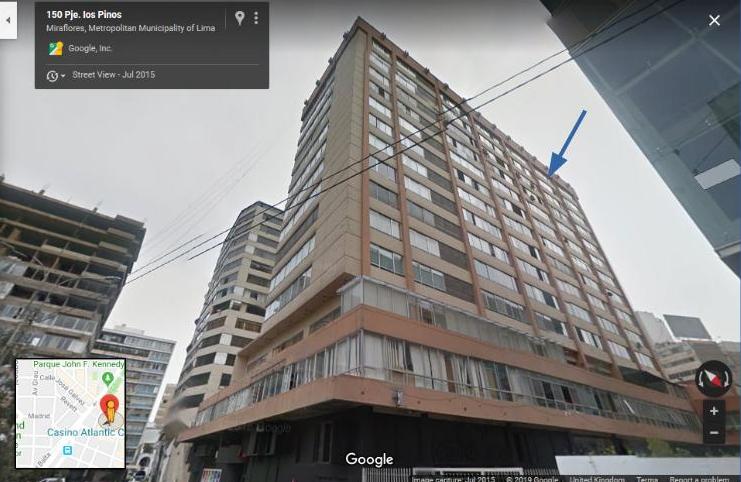
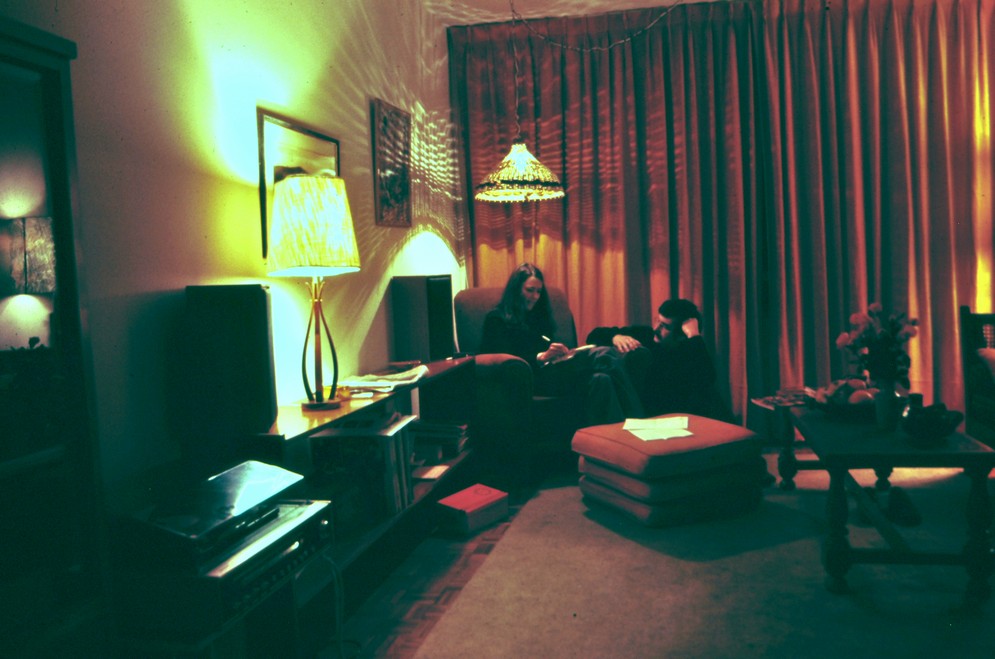
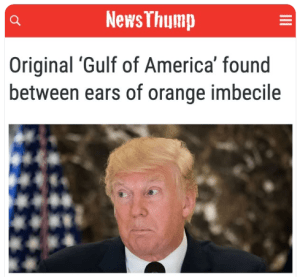
Some memories float to the surface at the slightest instigation. Often all it takes is a glimpse of a treasured landscape, a word spoken by a friend, a few bars of music, or a particular song. Some memories need more persuasion.

And then, one is transported back days, months, years, even decades. Memories can be vague; they can be crystal clear, even while the precise context may be fuzzy round the edges – where, when, or why. They are part and parcel of who each and every one of us is as a person. Without memories, we are nobody.

I have one particular – and very strong – memory whenever Roberta Flack starts to kill me softly . . . Yes, one song. Just a few bars, and I’m taken back 52 years to late January 1973. Lima, Peru.

So why this particular song?

I’d arrived in Lima at the beginning of the month to start my assignment as Associate Taxonomist at the International Potato Center (CIP) in La Molina on the eastern outskirts of the city (now totally subsumed into Lima’s urban sprawl).

After spending a couple of weeks holed up in the Pensión Beech (a guest house in the San Isidro district of Lima), I signed a contract for my own apartment on the 11th or 12th floor of an apartment building (still standing today) at Pasaje Los Pinos in the heart of the Miraflores District. In 1973, there was just a dirt parking lot in front of the apartment building, and the Todos Supermarket (no longer there) was to one side. Now the apartment building is surrounded by high-rise on all sides. It’s a wonder that it has survived about 50 years of earthquakes, including several rather large ones. It never did seem that sturdy to me, but there again, what do I know about engineering?

The arrow indicates the approximate location of my apartment. In January 1973 this building stood in a wide open space – no longer the case.

I moved in, just after my small consignment of airfreight (including a stereo system) had arrived a few days earlier. I had music!

Steph joined me in Lima at the beginning of July 1973, and we stayed in the same apartment for about six weeks more before moving to a larger one elsewhere in Miraflores. My stereo is prominently displayed on the left!

And on the radio station that I tuned into the local radio station, (Radio Panamericana, Radio Pacifico, or perhaps Radio Miraflores?), Killing Me Softly With His Song was played, almost non-stop it seemed, from its release on 21 January 1973 for the next couple of months. It became an instant worldwide success for Roberta Flack. But she wasn’t the first to record it.

KMSWHS was penned by American lyricist Norman Gimbel (who passed away in December 2018), with music by his long-time collaborator Charles Fox. However, there is some dispute over the song’s origins. KMSWHS was originally recorded by American singer Lori Lieberman in 1971.

Whatever the situation, KMSWHS remains a great favorite of mine. Whenever I hear it, I’m 24 years old again, starting out on a career in international agricultural research for development. The world was my oyster!

As I wrote a few years back, I would include KMSWHS on my list of eights discs to take to a desert island. That perspective has not changed.


Yesterday, 24 February 2025, Roberta Flack died in New York at the age of 88.

  • Originally published on 7 January 2019

Respect the Office . . . in spite of the occupant?

I grew up believing that—despite the suitability or not of the occupant—one should respect the office of a Prime Minister or President.



But when it comes to the current occupant of the Oval Office, POTUS #47, that’s a hard maxim to follow.

Why? Well, from my perspective (I’m neither a US citizen nor resident), Donald Trump has shown, by his behaviour since his inauguration just four weeks ago, that he himself does not respect the Office of the President of the United States. Furthermore, he continues to be egregiously offensive to long-term allies or individuals. Take, for example, his denigration of the Prime Minister of Canada as ‘Governor Trudeau’. Decidedly un-presidential!

He was bad enough during his first term as POTUS #45. Then he was just a ridiculous moron. Now he’s a ruthless iconoclastic moron, surrounded by acolytes determined to fundamentally change American society—and not for the better.

In less than four weeks he has wreaked havoc on government departments and agencies (too many to recount here¹) and reset US relationships with allies (and foes).

And he unleashed mad dogs in the form of Elon Musk and his cohort of employees from the so-called ‘Department for Government Efficiency’ (DOGE) with, it seems, carte blanche authority to do whatever he pleases.



There’s something particularly obscene in the world’s richest man taking decisions that will impoverish millions (if not billions) of people worldwide.

Notwithstanding also Trump’s cabinet appointments like Robert Kennedy Jr at Health, or Pete Hegseth at Defense and others (often billionaires) who, on the face of it, are remarkably unqualified to occupy those positions.

Do his MAGA supporters rejoice? Probably so far. Wait until the cuts begin to bite for ordinary Americans.

An ineffective Republican Party refuses to stand up to Trump. Instead of holding the Executive to account—one of the principal roles of Congress—lily-livered Republicans just say ‘How high, Mr President?‘ when Trump says ‘Jump!

The blatantly illegal actions he has already taken through a mountain of Executive Orders are being challenged in the courts. But will Trump obey court orders? It seems not, if we take him at his word in a comment posted on 15 February on Truth Social. What a dangerous attitude and precedent!

During his first term, 2017-2021, I wrote quite a number of blogs decrying Trump and all he stood for. Just click on the red boxes to open these stories.

With regard to that last post, I certainly got it wrong – as did many others. This was written just a month before Trump’s attempted insurrection on 6 January 2021. We thought we’d seen the last of him. How wrong we were.

In writing this story, I broke a promise to myself. How’s that? Well, once it became apparent that Trump was headed for an election victory last November, I vowed I wouldn’t post anything on my blog as I had before. But it has been such a whirlwind of bad news since 20 January, I just couldn’t help myself. This cartoon (which I saw on BlueSky) sums up how I feel about the whole situation.

Were it not for the fact that our elder daughter and family live in Minnesota (who we will visit later this year as we have done regularly over the past 15 years, apart from the Covid years), I think I’d give the USA a wide berth over the next four years. Having said that, Steph and I have encountered friendliness and courtesy everywhere we have traveled around that country. Will that have changed as attitudes and positions, for and against Trump, become increasingly polarised?

A last comment. My car lease contract (on a Ford Kuga diesel) terminates in less than a year, and I will certainly take out another lease on a new car, more than likely an EV this time. One thing’s for certain: it WON’T be a Tesla!


¹ Here are some examples:


The Commonwealth Potato Collection – it really is a treasure trove (revised and updated)*

I originally wrote this story in August 2021 after a friend and former colleague, Dr Glenn Bryan¹ posted a link on his Facebook page to a story—Treasure trove could hold secrets to potato problems—that had just appeared in the online edition of Dundee’s The Courier.

It was about the Commonwealth Potato Collection (CPC) that is held at The James Hutton Institute (JHI) at Invergowrie, just west of Dundee.

Until a couple of years ago (when he retired) Glenn led the Potato Genetics and Breeding Group at JHI, with Gaynor McKenzie as the CPC curator, a position she still occupies.

Glenn Bryan and Gaynor McKenzie at the James Hutton Institute in Invergowrie, where wild potato species in the Commonwealth Potato Collection are conserved.

The Commonwealth Potato Collection has a long and distinguished history, going back more than 80 years. It is one of a handful of potato germplasm collections around the world in which breeders have identified disease and pest resistance genes to enhance the productivity of cultivated varieties. The CPC is particularly important from a plant quarantine perspective because the collection has been routinely tested and cleaned for various pathogens, particularly seed-borne pathogens.

Jack Hawkes

It is a collection with which Steph and I have both a personal and professional connection, from the 1970s and 80s. It’s also the legacy of one man, Professor Jack Hawkes (1915-2007) with whom I had the privilege of studying for both my MSc and PhD degrees.

Let me tell that story.


In December 1938, a young botanist—just 23 years old the previous June—set off from Liverpool, headed to Lima, Peru to join the British Empire Potato Collecting Expedition to South America, the adventure of a lifetime.

Jack in Bolivia in 1939

John ‘Jack’ Gregory Hawkes, a Christ’s College, Cambridge graduate, was destined to become one of the world’s leading potato experts and a champion of the conservation and use of plant genetic resources for food and agriculture.

He was the taxonomic botanist on the 1939 expedition, which was led by experienced plant collector Edwards Kent Balls (1892-1984). Medical doctor and amateur botanist William ‘Bill’ Balfour Gourlay (1879-1966) was the third member of the expedition. Balls and Gourlay had been collecting plants in Mexico (including some potatoes) in 1938 before moving on to Peru for the ‘Empire’ expedition.

The expedition had originally been scheduled to start in 1937, but had to be delayed because of ill health of the original expedition leader, Dr PS Hudson, Director of the Empire Bureau of Plant Breeding and Genetics in Cambridge. Jack had been hired as his assistant.

Whilst waiting for the expedition to get underway, Jack took the opportunity—in August 1938—to visit Leningrad to pick the brains of Russian botanists, Drs SM Bukasov, VS Juzepczuk, and VS Lechnovicz who had already collected potatoes in South America. Jack openly acknowledged that ‘as a raw recently graduated student, [he] knew very little about potatoes’.

Nikolai Vavilov

Not only did Jack receive useful advice from these knowledgeable botanists, but he also met with the great geneticist and ‘Father of Plant Genetic Resources’ Nikolai Vavilov on several occasions during his visit to Leningrad and Moscow, ‘an experience that changed [his] life in many ways’. Vavilov had a profound effect on Jack’s subsequent career as an academic botanist and genetic resources pioneer. Alas there do not appear to be any surviving photos of Jack with Vavilov.

‘Solanum vavilovii’ growing at an experiment station near Leningrad in 1938

In Leningrad, Jack took this photo (right) of a wild potato species that had been described as Solanum vavilovii by Juzepczuk and Bukasov in 1937. Sadly that name is no longer taxonomically valid, and vavilovii is now considered simply as a variant of the species Solanum wittmackii that had been described by the German botanist Friedrich August Georg Bitter in 1913.


The Empire expedition lasted eight months from January 1939, covering northern Argentina, Bolivia, Peru, Ecuador, and ending in Colombia (a country where Jack was to reside for three years from 1948 when he was seconded to establish a national potato research station near Bogota).

Route taken by the Empire Potato Collecting Expedition

More than 1150 samples of cultivated and wild potatoes were collected in these five countries as well as a further 46 samples collected by Balls and Gourlay in Mexico in 1938.

Here is a small selection of photographs taken during the expedition (and a link to an album of photos).


By the time the expedition ended in early September 1939, war with Germany had already been declared, and Jack’s return to the UK by ship convoy from Halifax, Newfoundland was not as comfortable as the outbound voyage nine months earlier, docking in Liverpool early in November.

Jack published an official expedition report in March 1941. Then, in 2003, he published an interesting and lengthy memoir of the expedition, Hunting the Wild Potato in the South American Andes.

In December 2021, my friend Dr Abigail Amey and I published a website (with permission of the Hawkes family) about Jack’s experiences of the 1938-39 expedition, as well as others to the USA, Mexico, and Central America in 1958, and Bolivia in 1971. Just click on the red box below (and others) to open the links.

The website also has several of Jack’s original 16mm films (which we were able to digitise through a special grant from the Crop Wild Relatives Project at Kew and the Crop Trust).

Redcliffe N Salaman

Potato tubers (and presumably seeds) were shipped back to the UK, and after a quarantine inspection, were planted out in a glasshouse at the Potato Virus Research Station, Cambridge whose director was the renowned botanist (and originally a medical doctor) Redcliffe Nathan Salaman, author of the seminal work on potatoes, The History and Social Influence of the Potato, first published in 1949 and reprinted with a new introduction by Hawkes in 1985. I jealously guard the signed copy that Jack gave me.

On his return to the UK in 1939 Jack began to study the collected germplasm, describing several new species, and completing his PhD thesis (supervised by Salaman) at the University of Cambridge in 1941.

South American potato species in the Cambridge glasshouse in the summer of 1940

Among the species identified in the course of Jack’s dissertation research was Solanum ballsii from northern Argentina, which he dedicated to EK Balls in a formal description in 1944. However, in his 1963 revised taxonomy of the tuber-bearing Solanums (potatoes), Jack (with his Danish colleague Jens Peter Hjerting, 1917-2012) recognized Solanum ballsii simply as a subspecies of Solanum vernei, a species which has since provided many important sources of resistance to the potato cyst nematode.


Jack Hawkes in the glasshouse of the Empire Potato Collection at Cambridge in July 1947.

The 1939 germplasm was the foundation of the Empire Potato Collection. When the collection curator Dr Kenneth S Dodds was appointed Director of the John Innes Institute in Bayfordbury in 1954, the collection moved with him, and was renamed the Commonwealth Potato Collection.

By the end of the decade (or early 1960s) the CPC was on the move again. This time to the Scottish Plant Breeding Station (SPBS) at Pentlandfield just south of Edinburgh when Dr Norman W Simmonds moved there in 1959. He rose through the ranks to become the station’s Director.

Dodds and his colleague Dr GJ Paxman traveled through South America during 1959-60, and their research on the genetics of diploid potatoes was based on some of the material collected. Dodds and Simmonds also collected potatoes in early 1963.

But that was not the end of the CPC’s peripatetic existence. It remained at the SPBS until the early 1980s, when the SPBS amalgamated with the Scottish Horticultural Research Institute (which became the Scottish Crop Research Institute or SCRI, and now known as the James Hutton Institute), and the collection moved to its present site near Dundee.

Today, the CPC comprises some 1500 samples or accessions of about 80 wild and cultivated potato species. And over two-thirds were collected by Hawkes himself. Another 9% of the collection were collected by Dodds and his colleagues, as mentioned earlier. The remainder represent donations over the years from various individuals and institutions.


I am not sure how much the CPC grew in the intervening years, but there was a significant boost to the size and importance of the collection around 1987. Let me explain.

As I already mentioned, Jack spent three years in Colombia from 1948, returning to the UK in 1951 when he was appointed Lecturer in Taxonomy in the Department of Botany at the University of Birmingham. He was given a personal chair as Professor of Taxonomic Botany in April 1961, and became Head of Department and Mason Professor of Botany in July 1967. He remained at Birmingham until retirement in September 1982.

It was during his Birmingham years that Jack’s work on the tuber-bearing Solanums expanded significantly with several important monographs and taxonomic revisions published, based on his own field work over the years and experimental studies back at Birmingham on the potato samples he brought back to the UK and which formed an important collection in its own right. Because of the quarantine threat from these seeds (particularly of sexually-transmitted pathogens or new variants of potato viruses already present in the UK), Jack had a special quarantine licence from the then Ministry of Agriculture, Fisheries and Food (MAFF, now DEFRA) to maintain his collection at Birmingham.

In 1958, with Peter Hjerting and young research assistant Richard Lester (who later joined the Department of Botany as a Lecturer), Jack made a six month expedition to the USA , Mexico, and Central America.

Here is another account of that trip from the University of Birmingham Gazette. Besides potatoes, many other species were made for other institutions and botanic gardens.

Collecting a sample of Solanum agrimonifolium (No. 1854) in Guatemala. L: Jack Hawkes, Peter Hjerting, and Morse (driver?); R: Richard Lester

Just three months after I arrived at Birmingham in September 1970 to enrol on the MSc course on plant genetic resources, Jack was off on his travels once again, this time to Bolivia accompanied by Peter Hjerting once again, his research assistant Phil Cribb and, in South America by Zósimo Huamán from the International Potato Center (CIP) and Moisés Zavaleta and others from Bolivia.

This is the official trip report. Here are some images from the 1971 expedition, courtesy of Phil Cribb.

Jack and Peter made another trip to Bolivia in 1974 (with research assistant Dave Astley), and another in 1980. They published their monograph of The Potatoes of Bolivia in 1989.


In September 1971, Zósimo Huamán and Moisés Zavaleta came to Birmingham to study on the genetic resources MSc course. In that same cohort was a young botanist, Stephanie Tribble, recently graduated from the University of Wales – Swansea (now Swansea University). During the summer of 1972, Steph and I became ‘an item’, so-to-speak. However, by then I was already making plans to leave the UK and join CIP in Lima by January 1973, and on graduation, Steph was keen to find a position to use the experiences and skills she had gained on the course.

Just at that time, a Scientific Officer position opened at the SPBS, as assistant to Dalton Glendinning who was the curator of the CPC. Steph duly applied and was appointed from about October that year. Jack must have supported her application. Coincidentally, the MSc course external examiner was no other that Norman Simmonds who met Steph during his course assessment.

I moved to Peru in January 1973, and within a few days discovered that Jack had mentioned Steph to CIP’s Director General, Richard Sawyer. Well, to cut a long story short, Steph was offered a position as Assistant Geneticist at CIP, to support management of CIP’s large potato collection, similar to the role she’d had at Pentlandfield. She resigned from the SPBS and joined me in Lima in July that year. We married there in October, remaining with CIP in Peru and Central America for another eight years.

Steph working in one of CIP’s screen-houses at La Molina on the eastern outskirts of Lima in 1974.

In April 1981 I was appointed Lecturer in Plant Biology at Birmingham, 18 months before Jack’s retirement, the aim being that I would assume Jack’s teaching commitments on the MSc course. When I also took over the Hawkes potato collection in 1982, I had high hopes of identifying funding for biosystematics and pre-breeding research, and continuing the Birmingham focus on potatoes.

Dave Downing was the glasshouse technician who carefully managed the Hawkes collection at Birmingham for many years.

That was not the case, and as the collection needed a dedicated glasshouse and technician I could not justify (nor financially support) holding on to such valuable research space. And, in any case, continuing with the Hawkes collection was actually blocking the opportunities for other potato research because of the MAFF-imposed restrictions.

So, with some regret but also acknowledging that Jack’s collection would be better placed elsewhere, I contacted my colleagues at the CPC to see if they would be interested to receive it—lock, stock, and barrel. And that indeed was what happened. I’m sure many new potato lines were added to the CPC. The germplasm was placed in quarantine in the first instance, and has passed through various stages of testing before being added officially to the CPC. Throughout the 80s and 90s Jack would visit the CPC from time-to-time, and look through the materials, helping with the correct identification of species and the like.

Jack’s interest in and contributions to potato science remained with him almost up to his death in 2007. By then he had become increasingly frail, and had moved into a care home, his wife Barbara having passed away some years previously. By then, Jack’s reputation and legacy was sealed. Not only has his scientific output contributed to the conservation and use of potato genetic resources worldwide, embodied in the CPC that he helped establish all those decades earlier, but through the MSc course that he founded in 1969, hundreds of professionals worldwide have continued to carry the genetic conservation torch. A fine legacy, indeed!


¹ Glenn and I go back almost 30 years when, as a young scientist at the John Innes Centre (JIC) in Norwich, he was a member of a rice research project, funded by the British government, that brought together staff at the International Rice Research Institute (IRRI) in the Philippines where I was Head of the Genetic Resources Center, the University of Birmingham (where I had been a faculty member for a decade from 1981), and the JIC to use molecular markers to study IRRI’s large and globally-important germplasm collection conserved in its International Rice Genebank.

L-R: me, Glenn, and John Newbury (who later became professor at the University of Worcester) during a spot of sight-seeing near IRRI in 1993.


  • Originally published on 24 August 2021.

When east meets west . . . music happens!

Steph and I are not into live music concerts. It’s never been our thing, but . . .

. . . when visiting our elder daughter Hannah in St Paul, Minnesota in June 2003, she had three tickets to see Fleetwood Mac at the Xcel Energy Center in downtown St Paul. And just after we returned to the UK in May 2010, we enjoyed a concert by Mark Knopfler at bp pulse LIVE (formerly the LG Arena) in Birmingham.

Before those two concerts it must have been almost 30+ years since I’d attended any live concert, while I was still at university.
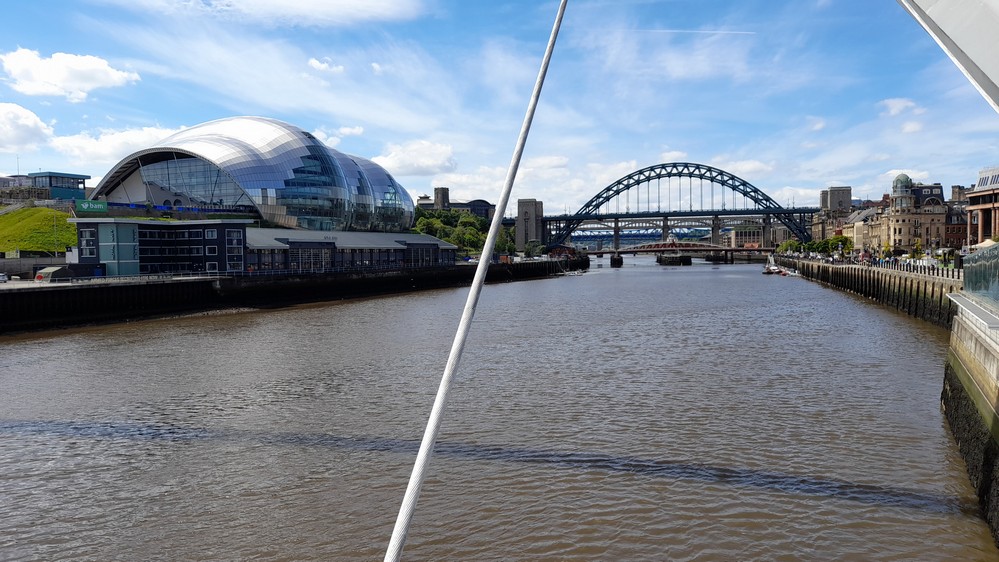
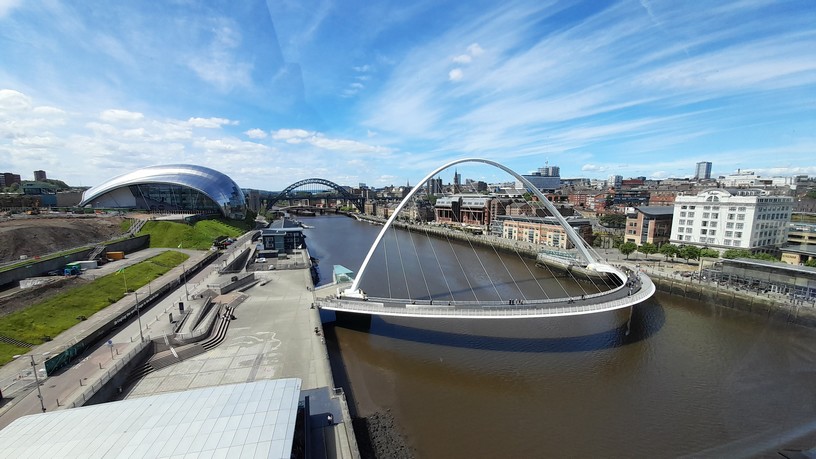
So what changed the habit of a lifetime? Last night (4 February) we enjoyed a concert at The Glasshouse International Centre for Music (formerly Sage Gateshead) on Gateshead quayside beside the River Tyne—right across the river from Newcastle city center. It was our first visit there.

The Glasshouse International Centre for Music on the south bank of the River Tune, taken from the Gateshead Millennium Bridge.

View west along the River Tyne from Baltic (a contemporary art center), with the Glasshouse International Centre for Music on the left, and the Millennium and Tyne Bridges (and others) connecting Gateshead with Newcastle on the right.

And the concert? Click on the banner below to open.

Just the one night in Gateshead, from a tour of eight venues between 31 January and 9 February. Tickets at just £39.40.

So why Transatlantic Sessions? We have been fans of this joyous fusion of Scottish, Irish, and American music since we first watched the various series on BBC4. Series 1 was broadcast in 1995, with subsequent series in 1998, 2007, 2009, 2011 and 2013, each comprising six programs. Here are the details of the programs and the many artists who have appeared over the years. This is what is written on the Sessions website:

. . . 2025 mark[s] 30 years since the original TV series first aired and continuing to explore and celebrate the rich musical traditions that connect Scotland, Ireland and the US. An annual focal point of Celtic Connections, the exclusive line-up combines guest singers and the celebrated house band, inviting them to interweave original material with age-old tunes and songs as they explore shared roots and find new common ground.

Here is just a sample of what you can enjoy. The complete series can also be viewed on YouTube, and listened to on Spotify (which I’m doing right now as I write this!). I came across Iris de Ment, who appeared on the first series, when viewing those videos.

Coordinated by musical co-directors Aly Bain MBE, a renowned fiddler from Shetland, and Jerry Douglas, a virtuoso dobro (resonator guitar) player from Ohio and a member of Alison Krauss and Union Station, the house band for 2025 had an impressive line-up, several regulars from the TV series, and some new faces as well.

Jerry Douglas (left) and Aly Bain (right).

The Transatlantic Sessions house band. L-R: Donald Shaw, Aly Bain, Daniel Kimbro, Phil Cunningham, Jerry Douglas, Allison de Groot, Michael McGoldrick, Tatiana Hargreaves, John Doyle, John McCusker, and James Mackintosh.

Old timers were John McCusker (fiddle), Michael McGoldrick (whistle, Irish flute, and uilleann or Irish pipes), Donald Shaw (piano, harmonium, and accordion), and James Mackintosh (drums). Phil Cunningham (accordion) was unable to participate last night due to some family issues.

Newcomers for 2025 were Allison de Groot (banjo) from Canada, Tatiana Hargreaves (fiddle) and Daniel Kimbro (electric and upright bass) from the USA, and John Doyle (guitar) from Ireland (who has appeared from time to time over the years). Daniel and John also performed solo self-penned songs.


Last night’s concert was a mix of house band sets interspersed by individual ones from the guest artists, who were for 2025:

L-R: Julie Fowlis, Niall McCabe, and Larry Campbell and Teresa Williams.

Singer Julie Fowlis (whistle, bagpipes) was born in North Uist in the Outer Hebrides. In fact, she comes from the village of Hougharry on the west coast (so I was told), which I visited in 1966 and 1967, and returned there with Steph in 2015. In last night’s show, she sang several songs in Gaelic, and joined the house band on the whistle and, at the end of the show, playing the bagpipes.

Here she is singing (and playing the pipes) Hug Air a’ Bhinaid Mhoir (recorded in Glasgow at the start of the 2025 tour just a few nights ago), to great audience acclaim last night.

Irish singer-songwriter Niall McCabe was born on Clare Island off the coast of Co. Mayo in Ireland and sang his own material.

Larry Campbell (electric guitar, mandolin) and Teresa Williams (vocals) are a dynamic duo from the USA, hailing from New York and Tennessee, respectively. Besides performing their own mini-sets, Larry played in the house band, and Teresa provided backing vocals, even in Gaelic when Julie Fowlis was performing. Their gospel song in the second half was a tour de force.

And lastly, the inimitable Loudon Wainwright III, a larger-than-life performer who we first came across in the the late 1980s, when he guested on the 1987 BBC show Carrott Confidential, hosted by Birmingham-born comedian Jasper Carrott.

Here is Loudon singing one of my favorite songs, Harry’s Wall, which was released on his album Therapy in 1989.

Wainwright also appeared in three episodes of M*A*S*H, as singing surgeon Captain Calvin Spalding during 1974-1975. We caught up with those episodes when we were living in the Philippines during the 1990s.

In last night’s concert I particularly enjoyed Wainwright’s version of Harmless (or Hermless) by the late Dundee bard, Michael Marra (a great friend of his). Here’s a link to a version on Spotify that Wainwright has recorded.


The concert lasted almost three hours, with a short intermission. It was originally scheduled for a little longer, but since Phil Cunningham could not appear – who I assume would have had a couple of solo sets – it finished just before 22:30.

It began, as Jerry Douglas explained, with a set of three reels to get the band warmed up, so to speak. As if they needed it. No-one was reading from sheet music. How they keep all those tunes stored away in their minds!

One thing in particular, struck me. How everyone on stage worked together, more than the sum of the parts. If anyone had an ego, that was left at the Stage Door. Impressive.

Unfortunately there was no program, so I can’t provide details of the sets. We thoroughly enjoyed the mix of Scottish and Irish melodies (reels and the like), Appalachian, and gospel music, even contemporary compositions, blended with the backing from the house band. One of the most impressive performances was a song—in Gaelic—by Julie Fowlis, accompanied mostly by Donald Shaw on the harmonium.

The Sage One auditorium (holding >1600) was full. Sold Out! We had great center seats at the back of the auditorium.

The view from Row DD, Level 1.

An acquaintance of Facebook kindly sent me these photos that he took during the concert:

Taking a bow . . .

Two final observations. It was interesting to ponder the demographics of the audience, very few under 50, and probably an average age in their 60s. Lots of grey heads, and (so I thought) a higher proportion of beards than you might see in the general population.

All too soon, 22:30 rolled round, and it was time for the encore. What a great evening, and such a pleasure to see these fine musicians live.

We look forward to Transatlantic Sessions returning to Gateshead in 2026.


Reflections of a 1990s genebanker

Since I started this blog in February 2012, I have written a number of stories about rice genetic resources and their conservation at the International Rice Research Institute (IRRI) in the Philippines, one of the centers of the Consultative Group on Agricultural Research (CGIAR).

Written over several years, there is inevitably some overlap between the posts. I have now brought them together. Just click on the red boxes below to read each one or expand an image.

I was privileged to manage the International Rice Genebank at IRRI (the IRG, formerly known as the International Rice Germplasm Center or IGRC until 1995) for a decade from July 1991, as Head of the Genetic Resources Center (GRC) [1].

The IRRI campus at Los Baños, 70 km south of Manila. The Brady Laboratory (second from left) houses the genebank cold stores.

There are twelve CGIAR genebanks, and IRRI’s is one of the largest. It’s certainly the oldest. In April, IRRI will celebrate its 65th anniversary [2]. For almost six and a half decades, IRRI has successfully managed the world’s largest collection of rice genetic resources (farmer or landrace varieties, improved varieties, wild rice species, genetic stocks, and the like).

There’s perhaps no crop more important than rice. It’s the staple food of half the world’s population on a daily basis. The genebank is a crucial resource for plant breeders who use the germplasm to sustain and increase agricultural productivity, with the aim of reducing hunger among the world’s poor.

IRRI released the first of the semi-dwarf varieties in the 1960s; many others have followed over the decades, with increasingly more complex pedigrees.

Pedigree of rice variety IR72 showing 22 landraces (boxes with bold lines) and one wild species, Oryza nivara. In contrast, IR8, the first of the widely-grown modern semi-dwarf varieties (indicated by the arrow) had only three landraces in its pedigree.

When I joined IRRI, there were just over 70,000 seed samples (or accessions as they are known in genebank parlance) in the genebank.

During the 1990s, the collection grew by about 30% to a little over 100,000 accessions. This was quite remarkable in itself, given that the Convention on Biological Diversity (CBD) had come into effect in 1992, and for for at least a decade or more thereafter, many countries were reluctant to share their national germplasm until benefit-sharing mechanisms had been worked out. It says a lot about the mutual respect between national programs (particularly in Asia) and IRRI that we were able to mount a significant program to collect rice varieties and wild species. But more on that later.

Today the collection is approaching 135,000 accessions, safely duplicated in the Svalbard Global Seed Vault (SGSV, under the auspices of the Government of Norway and the Crop Trust). Prior to 1991, and for at least the next decade or more, duplicates samples were also held in so-called ‘black box’ storage at the National Laboratory for Genetic Resources Preservation in Fort Collins, Colorado. I’m not sure whether IRRI has continued its arrangement with Fort Collins now that the SGSV is open.

When the SGSV vault was opened in 2008, IRRI deposited more than 70,000 accessions, the first to be registered in the Vault. Since then, IRRI has made six more deposits, for a total of 133,707 accessions, almost the entire collection.

Given the amount of publicity that the SGSV has received, one could be forgiven for not knowing that there are many more genebanks around the world.

Inevitably there has been some misguided (as far as I’m concerned) criticism of the SGSV that I attempted to rebut in the next post.

The IRRI genebank became the first genebank of the CGIAR system to be identified by the Crop Trust for in-perpetuity funding that will ensure the availability of the conserved germplasm decades into the future.

The fact that IRRI was able to deposit so many accessions in the SGSV and receive in-perpetuity funding is due—in no small part—to the many changes we made to the management of the genebank and its collection during the 1990s. And which pre-emptively prepared it for the changes that all the CGIAR genebanks would eventually have to make.

But I’m getting ahead of myself just a little.

Although I had been involved with the conservation and use of plant genetic resources since 1970 (when I arrived at the University of Birmingham to attend the one-year MSc course on genetic conservation), I’d never worked on rice nor managed a genebank when I joined IRRI in 1991. All my experience to date had been with potatoes in South and Central America, and several grain legumes while teaching at Birmingham during the 1980s.

1991 was a fortuitous time to join IRRI. I was recruited by Director General Klaus Lampe (right), who had been appointed by the institute’s Board of Trustees in 1998 to revive the institute’s fortunes and refurbish its ageing infrastructure.

Lampe was very supportive of the genetic resources program, and it helped that I had a senior position as a department head, so was able to meet with him directly on a regular basis to discuss my plans for the genebank.

Before 1991 quite a number of staff retired, including the previous and first head of the IRGC, Dr Te-Tzu Chang (known universally simple as ‘TT’). TT and I had very different management styles, and I was determined to involve my genebank staff in the changes that I believed should be made. I spent six months determining how the genebank operations could be significantly enhanced.

As I said, Klaus Lampe was supportive, approving recruitment of junior staff to help with the considerable backlog of seed samples for cleaning and registering in the genebank, as well as including the genebank in the institute’s program of infrastructure refurbishment and equipment upgrades.

These two posts describe many of the changes we made, and include a video about the genebank that I made in 2010 just before I left IRRI.

I was fortunate to inherit a great group of staff, totally dedicated to the genetic conservation cause, and much more knowledgeable about rice than I ever became [3].

I quickly identified Ms Flora ‘Pola’ de Guzman (all Filipinos have a nickname) as a potential genebank manager, and she continued in that role until her retirement a couple of years back. When the in-perpetuity agreement was signed in 2018, Pola was given a special award, recognising her 40 years service to the conservation of rice genetic resources.

Inside the International Rice Genebank Active Collection, with genebank manager Pola de Guzman

I asked Renato ‘Ato’ Reaño to manage all the genebank’s field operations. Ato has also now retired.

One of the key aspects that had to be addressed was data management. As you can imagine, for a collection of 70,000+ accessions that I inherited in 1991, there was a mountain of data about provenance, as well data on morphological characters and response to biotic and abiotic stresses, across the cultivated rices (two different species) and 20+ wild species of Oryza. Essentially there were three databases that couldn’t effectively talk to each other. Big changes had to be made, which I described in this post.

It took almost two years, but when completed we had developed the International Rice Genebank Collection Information System (IRGCIS) to manage all the operations of the genebank. It has now been superseded by an international system based on the US-developed germplasm information network, GRIN.

That information situation also reminds of another information ‘bee in my bonnet’, which I wrote about here.

In my interviews at IRRI in January 1991, I stressed the need for the genebank to carry out research, something that had not been contemplated when the GRC position was advertised the previous year. In fact, I made it a condition of accepting a job offer that the genebank should conduct germplasm-relevant research, such as studies of seed survival, rice taxonomy, and the management of the collection.

I had concerns that we had insufficient information about the longevity of seeds in storage, or how the environment at Los Baños affected the quality of rice seeds grown there. We developed new seed production protocols, and post-harvest management in terms of seed drying. We installed a bespoke seed drying room with a capacity of over 1 tonne of seeds. In the 2000s (after I had moved from GRC to a senior management position at IRRI), seed physiologist Fiona Hay was recruited who improved on the seed handling protocols that we developed and which had already shown to be effective in increasing seed quality for long-term conservation.

Early in the decade, and with funding from the British government, we set up a collaborative project with my former colleagues at the University of Birmingham as well as at the John Innes Centre to study how molecular markers could be used to study the diversity in the rice collection and its management.

In 1994, we received a large grant (>USD 2.3 million) from the Swiss government:

  • to collect rice varieties and wild species throughout Asia, Africa, and parts of South America (essentially to try and complete the collecting of germplasm that had been little explored);
  • to conduct research about on-farm management of rice genetic resources; and
  • to train personnel from national germplasm programs in collecting, conservation techniques, and data management.

During the 1990s, IRRI had a special rice project with the Government of Laos, and a staff member based in Vientiane. Since little rice germplasm had been collected in that country, we recruited Dr Seepana Appa Rao to collect rice varieties there.

Appa Rao (right) and his Lao counterpart, Dr Chay Bounphanousay (left) sampling a rice variety from a Lao farmer.

Over a five year period he and his Lao colleagues collected more than 13,000 samples, now safely conserved in the International Rice Genebank. We also built a small genebank near Vientiane to house the germplasm locally.

My colleagues and I were quite productive in terms of research and publications. This post lists all the publications on which I was author/co-author, and there are links therein to PDF copies of many of them.

Every year, IRRI receives thousands of visitors, and when I first arrived at IRRI, it seemed as if anyone and everyone who wanted to visit the genebank was allowed to do so. On more than one occasion—until I put a stop to it—I’d find our colleagues from Visitor Services taking a large party of visitors, hordes of schoolchildren even, into the cold stores. With such large numbers it was not possible to keep all the doors closed, disrupting the carefully controlled temperature and humidity environment in the genebank and its laboratories.

I had to limit the number of visitors inside the genebank significantly, and ask my staff to take some of the load of attending to visitors. Nevertheless, I do understand the need to explain the importance of genetic resources and the role of the genebank to visitors, and build a constituency who can support the genebank and what it aims to achieve.

But it was a joy to meet with visitors such as wheat breeder, ‘Father of the Green Revolution’, and 1970 Nobel Peace Laureate, Dr Norman Borlaug.

With Dr Norman Borlaug in the IRG Active Collection in the early 1990s, before we transferred the germplasm to aluminum pouches.

Finally, let me say something about IRRI’s genetic conservation role in the context of the CGIAR.

In the early 1990s, the heads of the CGIAR genebanks would meet each year as the Inter-Center Working Group on Genetic Resources (ICWG-GR). I attended my first meeting in January 1993 in Addis Ababa at the International Livestock Centre for Africa (ILCA, now part of the International Livestock Research Institute or ILRI). I was elected chair for three years, and during my tenure the System-wide Genetic Resources Program (SGRP) was launched with the ICWG-GR as its steering committee.

Earlier I mentioned the CBD. There’s no doubt that during the 1990s the whole realm of genetic resources became highly politicized, with the CGIAR centers contributing to CBD discussions as they related to agricultural biodiversity, and through the FAO Commission on Genetic Resources for Food and Agriculture.

The organization of the genebanks in the CGIAR has undergone several iterations since I moved away from this area in May 2001 (when I joined IRRI’s senior management team as Director for Program Planning and Communications). My successor Dr Ruaraidh Sackville Hamilton enthusiastically took on the role of representing the institute in the discussions on the formulation and implementation of the International Treaty on Plant Genetic Resources for Food and Agriculture (ITPGRFA). The Treaty aims to guarantee food security through the conservation, exchange, and sustainable use of the world’s plant genetic resources for food and agriculture. It also focuses on fair and equitable benefit sharing and recognition of farmers’ rights.

In 2016-17, I led a review of the Genebanks CRP (CGIAR Research Program). Since then, the Genebanks CRP evolved into the Genebank Platform, and is now the CGIAR Initiative on Genebanks.

What I can say is that all the CGIAR genebanks have raised their game with respect to the crops they conserve. Working with the Crop Trust, standards have increased, and genebanks held to account more rigorously in terms of how they are being managed. Nevertheless, I think that we can say that the CGIAR continues to play one of the major roles in genetic resources conservation worldwide.


[1] GRC comprised two units: the genebank (my day-to-day responsibility), and the International Network for the Genetic Evaluation of Rice or INGER, which was managed basis by one of my colleagues.

[2] It seems like only yesterday that I was organizing the institute’s Golden Jubilee in 2010, after which I retired and returned to the UK.

[3] Three key staff, Ms Eves Loresto, Tom Clemeno, and Ms. Amita ‘Amy’ Juliano sadly passed away, as have several other junior staff.


Music stirs hidden memories . . .

Hidden but not forgotten. They are just lurking deep in the mind’s archive waiting to be awakened.

And that’s what happened to me just the other afternoon. I was listening to Classic FM. Well, just hearing really, not paying attention as I was reading a book at the time. High brow Muzak.

Pachelbel’s Canon in D major. A popular piece of music (number 35/300 in the Classic FM Hall of Fame 2024 chosen by listeners), by German composer Johann Pachelbel (right, 1653-1706), although its date of composition is not known with any certainty.

As I put my book down and listened more attentively, lots of memories resurfaced from my time in Lima, Peru in the early 1970s.

Here’s the twist, however. I’m not sure all those years ago if it was Pachelbel’s Canon or the  Adagio in G minor by ‘Tomaso Albinoni’ that I heard. Let me explain.

I’m guessing it was sometime between December 1973 and March 1974. So why should I zero in on those particular months?

I know it was post-July 1973 because that’s when Steph joined me in Lima. And before April 1975, because that’s when we returned to the UK for a few months. And in any case we had already given up our apartment in Miraflores after the October 1974 earthquake, and spent the next six months house-sitting for colleagues from the International Potato Center (CIP) where Steph and I worked.

I do remember it was a weekend, and the weather was glorious. Bright and sunny, and rather hot, typical Lima summer weather (unlike the gloomy, foggy days of the middle months of the year). We’d left our apartment to go shopping, and pick up copies of Time and Newsweek from a bookshop in the San Isidro district that we often visited. This particular bookshop or libreria was located in a small shopping center overlooking Avda. Paseo de la Republica/Via Expressa, just opposite the Petroperú building.

I don’t think it’s there any more. I’ve looked on Google Maps and Streetview and it looks like the area has been redeveloped in the intervening decades. I hardly recognise any of the surroundings.

Anyway, to cut a long story short, we also decided to browse the bookshop’s music section. And in the background, I heard this piece of music I’d never heard before. The Canon or the Adagio? I don’t recall. But both pieces were on the same vinyl that I purchased there and then! I’ve enjoyed both ever since.


Tomaso Albinoni (left below, 1671-1751) was a Venetian composer, but did he write the Adagio in G minor? Is it a musical hoax? Its composition is attributed to Italian musicologist Remo Giazotto (right below, 1910-1998), an expert on Albinoni. He is said to have composed/elaborated the Adagio based on a fragment of one of Albinoni’s manuscripts while others believe he composed the whole piece. Certainly Giazotto had the copyright.

I was totally unaware of this interesting back story. Nevertheless, it is a beautiful and much appreciated piece of music, that gained position 170/300 in the Classic FM Hall of Fame 2024. Enjoy this interpretation.


An unlikely trinity . . .

What comprises an unlikely trinity? Music, science, and film. Let me explain.

It’s remarkable how a piece of music can resurrect memories from the deep recesses of one’s mind.

Christoph W Gluck

Just as Steph and I sat down to dinner last Saturday evening, I chose a CD (always classical) to play in the background as we ate. I’ve no idea precisely why I chose the opera Orfeo ed Euridice (first performed in October 1762) by Christoph Willibald Gluck other than it’s one of my favorite pieces of music. There’s one aria in particular, Che farò senza Euridice? (from Act 3) sung by the character of Orfeo, that became a signature concert piece for British soprano Kathleen Ferrier. And it’s a recording of hers that I remember from my childhood in the early 1950s. Ferrier died at age 41 in 1953, and I was born in 1948.

Traditionally however, Orfeo is played/sung by a counter tenor. And in this Philips release (CD 434 093-2, and available on Spotify) the counter tenor is Derek Lee Ragin.

Enjoy the power of Ragin’s voice as he reaches the highest notes in Che farò. Sends shivers down my spine.

I first came across this John Eliot Gardiner/Ragin/Sylvia McNair collaboration on a Lufthansa flight from the Philippines (where I was working at the International Rice Research Institute) to Dublin, Ireland (via Frankfurt) around March/April 1996. I flew quite frequently to Europe in the 1990s and Lufthansa was often my airline of choice because of the good connections to Rome. I always made the trip more enjoyable by listening to Lufthansa’s excellent classical music channel. And it was on that particular trip to Dublin that I heard this particular recording for the first time, and listened to the whole opera.

With some free time in Dublin, I took the opportunity of walking around the city center, and came across a record store on Grafton Street, where this recording of Orfeo ed Euridice was in stock. I also bought Mark Knopfler’s Golden Heart that had just been released. It’s remained a favorite of mine ever since.

So what was I doing in Dublin? There’s no obvious rice connection.

Well, I had been invited to interview for the Chair of Botany (1711) at Trinity College Dublin (TCD), and on a grey early Spring morning, I found myself among six candidates including one internal candidate who was subsequently appointed to the Chair (one of the oldest professorships at TCD). I’d certainly traveled furthest by a long chalk.

So that explains two points of the trinity: music and science. So what about film?

Educating Rita was released in 1983, starring Michael Caine and Julie Walters and written by Willy Russell based on his stage play. Although the storyline takes place at the Open University in England, several scenes were filmed on the Trinity College campus.

And one intimate scene between Caine and Walters was filmed in the lecture theater in the Botany Department. Or so the story goes. I’ve heard that but not (yet) been able to verify. And it was in that very same lecture theater that I presented my candidacy seminar.

Botany building at TCD

It’s interesting to note that botany is still offered today at TCD. Not ‘plant sciences’ or ‘plant biology’. Good old ‘botany’! It’s thriving and there are more staff than when I visited. It’s not a department as such but an important discipline in the School of Natural Sciences.

The Chair of Botany (1711) is now occupied by Professor Jennifer Mc Elwain, whose research focuses on the development and use of palaeobotanical methods (proxies) that use fossil plants to reconstruct the evolution of Earth’s atmospheric composition and climate on multimillion year timescales.

When I lectured in plant biology at The University of Birmingham between 1981 and 1991 a tutee of mine, Trevor Hodkinson, took a joint degree in biological sciences and geography. I don’t remember the dates, but he stayed on to complete his PhD supervised by one of my colleagues. He joined TCD shortly after my visit there, and has been Professor of Botany since 2016 focussing on molecular systematics, genetic resource characterisation, and endophyte biology.


So, as we sat down to a dinner of roast pork, accompanied by a delicious Reserve de Pierre Rosé 2023 from the Côtes du Rhône by winemaker Pierre Latard, all these memories came flooding back. And though, back in 1996, I was momentarily disappointed at the TCD outcome, I have no regrets about how my career turned out.


In the footsteps of the Ancestral Puebloans

Over the past 14 years, Steph and I have made several awesome road trips across the USA, covering 36 states and visiting many national parks and national monuments. I can’t decide which trip I enjoyed most, but the two we made to the American Southwest stand out for the amazing desert landscapes and the fascinating archaeology there.

The ‘three-sisters’ of indigenous American agriculture.

The Ancestral Puebloans (formerly known as the Anasazi) inhabited the southwest in a region known as the Four Corners (where Arizona, New Mexico, Colorado, and Utah meet) from about 500 CE and were known for their pit houses, and cliff dwellings constructed in alcoves along the walls of sandstone canyons.

Where did these people come from, who taught them subsistence agriculture (based on the ‘three sisters‘ polyculture of corn, beans, and squashes), and why did they abandon many of their settlements around 1300 CE?

Since corn (Zea mays) was domesticated in southern Mexico, thousands of years earlier, the Ancestral Puebloans must have had links with other peoples to the south with whom they traded.

I’m still trying to understand North American indigenous cultures, so I’m not going to make any attempt here to explain the Ancestral Puebloans as such. But I have included links where you can find more information.


In 2011, we spent about 10 days exploring Arizona and New Mexico. This past May, over seven days, we drove from Las Vegas, NV to Denver, CO across Utah.

We first came across Ancestral Pueblo settlements on that 2011 trip when, heading north from Flagstaff, AZ to the Grand Canyon, we took a diversion east and visited Wupatki National Monument, and three different sites there: Wukoki Pueblo, Wupatki Pueblo, and Box Canyon. It was a bustling community at its zenith in the 12th century CE, but had been largely abandoned by the first quarter of the 13th.

Then it was on to Canyon de Chelly National Monument in northeast Arizona. We viewed three settlements from the rim of the canyon. Mummy Cave, high on the canyon wall (upper image below), was occupied for a thousand years from about 300 CE, so I have read. Antelope House (middle image), and another, White House ruin (lower image, built in the early 11th century CE), nearer the canyon floor, and the only ruin accessible (from the canyon rim) to tourists on foot. Other visits to the canyon have to be organized with local Navajo tour guides.

On that same trip we drove into New Mexico, passing nearby but not visiting two World Heritage sites: Chaco Culture National Historical Park, a major center of Ancestral Puebloan culture dating between 850 and 1250 CE, and Taos Pueblo, home to Native Americans for over a thousand years. Near Los Alamos, we did visit Bandelier National Monument, a site dated to a later Ancestral Puebloan era, from around 1150 CE to 1600 CE, with rooms carved into the cliff face.


This year, however, Mesa Verde National Park in southwest Colorado (some 35 miles west of Durango) was very much on our itinerary. Ancestral Puebloan remains there span the whole 750 year occupation from about 550 CE up until c. 1300 CE.

The route I’d planned south to Durango took us from Grand Junction in northwest Colorado over the Million Dollar Highway, a 25 mile section of US 550 between Ouray and Silverton in the San Juan Mountains. I had expected the 165 mile drive to take all day, and had planned accordingly, since the Million Dollar Highway is claimed to be one of the most challenging—and dangerous—highways in the USA. In many places there are no guard rails. You can view the route in a couple of videos here. Just scroll down to ‘Day 5’.

However, it took only half a day, so we decided to head to Mesa Verde that same afternoon rather than waiting for the next morning. I guess we must have arrived at the Visitor Center by about 3 pm. Like our visit to Bryce Canyon a few days earlier, arriving mid-afternoon was really quite fortuitous. Many visitors were already leaving and none of the parking lots at the various sites along the park drive was busy, making for a tranquil appreciation of all the park had to offer. And, as an added bonus, visiting Mesa Verde that afternoon freed up time the next day for the 260 mile drive east to Cañon City.

From the Visitor Center it’s a 23 mile drive to the southernmost point on the Mesa Top Loop where some of the most complete ruins are located. The park has 5000 known archaeological sites, and over 600 cliff dwellings. Although famous for its cliff dwellings, these were occupied for a short period, not long before the people abandoned Mesa Verde for reasons not fully understood, and moved south. Click on the map below to open an enlarged version.

The park road climbs steeply on to the mesa top, which lies around 7-8000 ft above sea level. So, in summer it’s blisteringly hot, and bitingly cold in winter. No wonder it was a challenge to live here.

On the way south, one of our first stops was the Montezuma Valley Overlook, from where there is an impressive view of the landscape west into Utah. Click on this image to open a larger version.

I recently came across the video below, posted by explorer and YouTuber Andrew Cross (Desert Drifter – more later). On a recent visit to southeast Utah in Montezuma Canyon, a group from The Archaeological Conservancy explored the extensive settlements there.

The first Ancestral Puebloans lived in pit houses on the mesa tops, and constructed partially underground. The earliest date from the 6th century CE.

Then, several centuries later, larger villages were established (like those we saw at Wupatki) but also the cliff dwellings comprised of multiple houses and rooms, and round, ceremonial courtyards known as kivas, and which can also be seen in the Bandelier images above.

Two of the sites on the Mesa Top Loop, the Cliff Palace and Balcony House are only accessible on a guided tour, which we didn’t take. In any case, access to both requires scrambling up ladders, which I would not have managed (I’m currently using a stick due to an on-going back problem). The Cliff Palace and several other buildings close by can be viewed from an overlook. All very impressive.

The Ancestral Puebloans gained access to the cliff dwellings through handholds in the rock face, or using ropes. Certainly their difficult accessibility must have been a key feature for defence.

So, from the original sparsely settled villages of pit houses, to the more densely populated cliff dwellings, it’s estimated that Mesa Verde was once home to thousands of families. But by about 1300 CE they had upped sticks and moved on. Why? No-one really knows but it could have been due to drought affecting agricultural productivity. Or maybe conflicts had broken out, thus the reasons for more defensive villages in the cliff dwellings. The Ancestral Puebloans certainly left a strong legacy behind.

Earlier I mentioned Andrew Cross (right) and his Desert Drifter channel. It’s certainly worth a watch. His videos document his backpacking trips into canyon country looking for signs of the Ancestral Puebloans (and other indigenous peoples) that he has discovered through careful study of Google Earth images.

And he has come across some remarkable settlements, often sufficient to support just one or two families at most, who left behind evidence of their occupancy 1000 years ago in the form of pottery shards (typically black stripes on a white background), arrow heads, various tools for grinding corn, and ancient corn cobs as well. And the Puebloans also left behind incredible pictographs (paintings) and petroglyphs (etched into the rock surface) of fantastical humans, animals, and symbols. Hand prints are common everywhere.


The day after visiting Mesa Verde, we set off early from Durango to cross the mountains east of Pagosa Springs, before heading northeast to Cañon City.
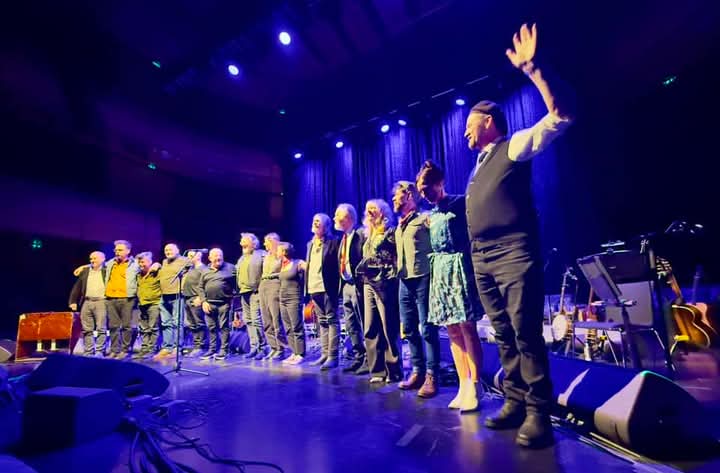
About 16 miles short of Pagosa Springs we saw a road sign to Chimney Rock National Monument, which was just under 4 miles south from the main highway, US 160. I hadn’t noticed this when planning the trip, but as we now had extra time, we decided to explore. We were not disappointed.

Chimney Rock, an outlier from the Chaco Canyon Regional system, ‘. . . covers seven square miles and preserves 200 ancient homes and ceremonial buildings, some of which have been excavated for viewing and exploration: a Great Kiva, a Pit House, a Multi-Family Dwelling, and a Chacoan-style Great House Pueblo. Chimney Rock is the highest in elevation of all the Chacoan sites, at about 7,000 feet above sea level.’

From the Visitor Center, it’s a a 2½ mile drive, on a gravel road, to a parking lot just below the summit of the mesa, and the ruins there. From the parking lot, it’s a steady climb over about a quarter of mile to reach the summit, at 7620 feet.

The panorama there takes in the Rockies to the east, and southwest into New Mexico towards Chaco Canyon, about 90 miles away.

You can view my Chimney Rock photo album here.


Our visits to these extraordinary sites have, for me, generated more questions than answers. I need to spend some time researching human expansion across North America over the millennia. And the story of how agriculture developed in this region of the Four Corners continues to fascinate me.

Then there was rice . . .

For 20 years before I joined the International Rice Research Institute (IRRI) in the Philippines in July 1991, as head of the Genetic Resources Center (GRC), my career in international agricultural research at the International Potato Center (CIP, 1973-1981) in Peru and academia (at The University of Birmingham, 1981-1991) focused on potatoes and legume species. Although I remained at IRRI until 2010 (when I retired), I was head of GRC for just a decade, after which I moved to a senior management position.

I’d travelled in Asia only twice before. And one of those trips had been to IRRI in January 1991 for interview. The other, in 1985, was to attend a genetic resources conference in Jakarta, Indonesia.

IRRI research center in Los Baños. GRC is housed in the Brady Building on the extreme right. Other buildings have been added since the photo was taken.

So my experience in Asia was limited to say the least, and non-existent for rice. Joining IRRI was certainly a challenge. Why?

In the experiment field at IRRI research center in 2010, with Mt Makiling in the background. I bought that sombrero in Peru in January 1973, just a few days after I arrived there to begin my career in international agricultural research at CIP. The hat is still going strong 50+ years later – not so sure about the wearer.

At IRRI, I had to learn about rice from scratch, manage one of the world’s most important genebanks (I’d never managed a genebank before), and supervise a group of more than 70 professional and support staff. Furthermore, I had to learn (quickly) to empathise with a very different culture, specifically Filipino but Asian more broadly (very different from that I’d experienced in Latin America). It wasn’t so straightforward, but I was up for the challenge.


In 1991, Klaus Lampe (right, who passed away earlier this year) was IRRI’s Director General, who was appointed in 1988 to revive the institute’s status in the world of international agricultural research. That meant not only refurbishment of IRRI’s laboratories and offices at its Los Baños campus headquarters, but also involved a significant turnover of staff, replacing many (who had been with IRRI for a decade or more, even since the 1960s) with a cohort of younger staff who could bring new ideas,  enthusiasm, and skills to IRRI’s research for development agenda. I was part of that recruitment cohort.

I first heard about the GRC position at IRRI in September 1990. It was advertised as a new department, bringing together the rice genebank (then known as the International Rice Germplasm Center, later renamed the International Rice Genebank) and INGER, a global network for testing rice varieties and breeding lines. While the head would have overall management responsibility for GRC, his/her day-to-day duties would focus on the genebank, while another staff member was the INGER leader.

During my interviews at IRRI over three days I indicated I would only be interested in the position if there was a specific research component and funding to support it, something that had not been envisaged when GRC was established and the position advertised.

I must have been persuasive because I was offered the position, and Lampe approved a research role for GRC. Specifically for research aimed at managing and using the important rice germplasm collection of indigenous varieties, improved lines, genetic stocks, and wild species that, in 1991, totalled around 75,000 seed samples or accessions.

But in July 1991, research per se was not an immediate priority. There were other, more pressing issues to be attended to first—and their outcome equally as important as our many research publications.

I had to quickly familiarise myself with IRRI’s research and management culture as one of the world’s leading agricultural research centers (and oldest among the research centers supported through the Consultative Group on International Agricultural Research, or CGIAR), build a GRC culture and, specifically, work out just how the genebank could be better managed and the roles of each of the staff.

My predecessor (as head of the International Rice Germplasm Center) was eminent rice geneticist and upland rice breeder, Dr TT Chang. ‘TT’, as he was known, ran the genebank (I quickly discovered) along the lines: ‘Do as I say’, and staff had little or no individual responsibility or leeway to manage their work more effectively.

It didn’t take me long to realise that changes could and should be made to increase efficiency, and eliminate duplication of effort among staff. I needed to assign specific responsibilities (and accountability) to each staff member for seed conservation, germplasm multiplication and rejuvenation, for data management, among others, and also identify individuals who might take on a specific research role.

After six months of asking lots of questions and discussing the genebank operations, I had a genebank strategy and plan ready. And because my staff had been involved in developing the plan, its implementation was fairly plain-sailing from then on.

I’m not going to detail here the sorts of changes that were made. Almost none of the genebank operations in the field or in storage escaped our attention. Job descriptions were rewritten, and positions upgraded to reflect new responsibilities.

Inside the International Rice Genebank, with Pola de Guzman who became the genebank manager.

The genebank was fortunate to be included in the institute’s refurbishment plan, so we upgraded many of its facilities and installed a dedicated seed drying room, a significant addition.

In this post I summarised what it entails to run a genebank for rice. And check out this video I made  about the genebank in 2015 on a return visit to IRRI. Many of the staff who feature in the video have themselves now retired and some have sadly died.

Among the tasks we undertook was revision of the data management system, one of the most important components of genebank operations. For a number of reasons the data system I inherited was not really fit for purpose. It took two years to complete all the changes!

And for the sake of my successor(s), we wrote a genebank operations manual, the first of its kind among the CGIAR genebanks. Publishing the manual was not the only ‘first’ that IRRI achieved.

The fruits of our endeavours were recognised around 1994 when the CGIAR launched an external review of the center genebanks. The reviewers concluded that IRRI’s genebank was ‘a model for others to emulate‘. Our hard work had paid off. But we weren’t complacent, striving to make more improvements which were taken further by my immediate successor, Dr Ruaraidh Sackville Hamilton.


The management and status of the International Rice Genebank
Over the decade I was in charge of IRRI’s genebank, we published several papers and book chapters describing the rice collection and its management (and in the wider CGIAR context), how much it cost to run, who had requested germplasm and for what purpose, using biotechnology for conservation, as well as issues related to the management of intellectual property.

During the mid-1990s, and post-Convention on Biological Diversity (CBD) there was concern internationally about how germplasm was being conserved in the 11 CGIAR center genebanks.

The CGIAR’s System-wide Genetic Resources Program (SGRP, launched in 1994 and which I chaired for several years, seen in the image below meeting in Rome had members from all CGIAR centers) responded to these concerns by publishing Biodiversity in Trust in 1997.

The chapters described the status and management of each of the crops held in trust in the genebanks. The rice chapter had authors from IRRI, Africa Rice (in Ivory Coast), IITA (in Nigeria), and CIAT (in Colombia), all of which had rice collections, with that at IRRI the largest and most comprehensive.

In the 1990s, there was considerable interest in developing ‘core collections’ (first proposed by genetic resources pioneer, Sir Otto Frankel (right, one of the pioneers of the plant genetic resources conservation movement launched in the 1960s, who I had the pleasure of meeting at that 1985 conference in Jakarta), a subset of the whole collection that encompassed all the diversity—a concept that has been (mis)interpreted in a multiplicity of ways ever since. I’ve never been much of an advocate for core collections, simply because we had so much to achieve to ensure the safety of the whole collection rather concentrate our efforts on a subset. Nevertheless, my colleague Duncan Vaughan (who left IRRI in 1993 to join a research institute in Tsukuba, Japan) and I speculated how a core collection for rice might be assembled.

We published an update in 1999, after we’d had several years of molecular analysis experience.

The IRRI collection has been widely used in plant breeding, and rice research in general. It’s not a museum collection, and access to the germplasm is one justification for its continued financial support.

The long-term security of any genebank collection is dependent upon reliability of long-term funding. Fortunately the Crop Trust now provides a significant level of security to genebanks in perpetuity through its Endowment Fund.

But what does it cost to run a genebank like IRRI’s? In the late 1990s, we didn’t really have a good handle on this. With the help of agricultural economists Bonwoo Koo, Philip Pardey, and Brian Wright, several of the CGIAR genebanks made a stab at a costing exercise – subsequently revised since methodologies have been improved. Here is the original IRRI costing study, published in 2004.

During our research on the breeding relationships of wild and cultivated rices, we used in vitro culture of embryos (on nutrient medium), and over the years adopted various molecular approaches (see below) to study the diversity of the rice collection. Some of these also had implications for intellectual property management, and I addressed some of these issues in this chapter in 1999.

In a later section of this post I describe in more detail how we (with colleagues in the UK) adopted and developed molecular approaches to manage the collection (and study diversity). But here are two general descriptions of what we did.

Post-CBD, and with the coming into force of the International Treaty on Plant Genetic Resources for Food and Agriculture, I (together with an FAO consultant Robert Lettington) was asked to provide FAO with an analysis of some of the current developments affecting access to germplasm, including the effects of the development of access legislation under the Convention on Biological Diversity (CBD), legislation on intellectual property rights (IPRs), and other relevant national legislation.


Now let me turn to GRC research per se, which focused on two main areas:

  • managing the germplasm collection; and
  • understanding the diversity of rice accessions in the collection.

From the outset it was clear to me that we would need external collaborators simply because we did not have the resources (human, laboratory, or financial) to carry out everything by ourselves. And in the account below, I’ll explain how and with whom we developed such collaboration.

Germplasm conservation
The top priority (or should be) for any genebank manager is to ensure that conserved germplasm is safe and will retain its viability for decades.

Since the IRRI collection comprised rice varieties and wild species from across the world, I was concerned that we had insufficient information how to improve the multiplication of diverse seed samples in one location, namely Los Baños (14°N). While there was quite a body of literature about seed multiplication, drying, and storage from a range of other species, not so much was known then about rice.

So I turned to my good friend at the University of Reading, Professor Richard Ellis (right), a leading expert in seed conservation, and together we successfully applied for one of the UK Overseas Development Administration’s (ODA, later to become the Department for International Development or DfID) ‘Holdback’ grants. This was a scheme in which the ODA set aside a small portion of its overseas aid budget to the CGIAR centers to fund collaborative work between British institutions and centers, but with the bulk of the funds spent in the UK.

Our project focused on how the seed production environment and time of harvest affected seed longevity in storage, leading to a couple of publications that guided our practices in the genebank.

The next step was to expand the research in Los Baños itself looking at more rice varieties in a real rice-growing environment.

I recruited Dr N Kameswara Rao (right) from India (who had completed his PhD at Reading) to join GRC on a postdoctoral position for three years.

Kameswara Rao and I published these four papers:

As a result of this project, we made several important changes to germplasm multiplication and rejuvenation, and post-harvest drying and management was enhanced, as I mentioned earlier, with the addition of a dedicated seed drying room (with a capacity of at least 2 tonnes, that allowed seeds to dry slowly) to the genebank.

Seed germination of wild rice species had always been somewhat hit-and-miss, so my staff set up a series of experiments to improve the germination rate, leading to the adoption of different protocols.

Molecular markers – collaboration with the University of Birmingham and the John Innes Centre
Even before I left the university to join IRRI, I had discussed with my colleagues Brian Ford-Lloyd and John Newbury [1] how we might continue to collaborate. Then, like I had with Richard Ellis at Reading, we successfully applied for a UK ‘Holdback’ grant (R5059) jointly with John Innes Centre (JIC, with the late Professor Mike Gale, FRS) in Norwich, to study how molecular markers could be used to reveal the nature of diversity in the germplasm collection and help in its management. Parminder Virk [2], a quantitative geneticist, joined the project in Birmingham, and added his considerable statistical analysis skills to the research. Dr Glenn Bryan [3] was the lead scientist at JIC.

But not without a little controversy at IRRI. Why should that have been? Well, some of my IRRI colleagues argued that the funds should come directly to the institute since there was a laboratory already established to use molecular markers (mainly Restriction Fragment Length Polymorphism markers or RFLPs), even though that lab was operating at almost full capacity.

They just couldn’t accept that ‘Holdback Funds’ would never be awarded directly to a center, even though we could allocate some of our expenses in the research to the project. In any case, it was clear to me that we had neither the capacity in house, nor did we have the trained personnel in GRC. With that in mind, I was able eventually to send one of my staff, Amita ‘Amy’ Juliano (who sadly passed away around 2004) for several weeks training (on a travel grant from the British Council) in the Birmingham lab, and on her return she set up her own lab in GRC.

L-R: John Newbury, Faye Hughes (lab technician), Parminder Virk (postdoc), visitor, Amy Juliano (IRRI), visitor, me, Brian Ford-Lloyd in the lab at Birmingham.

Birmingham had responsibility for the molecular screening (and development of techniques and methodologies), using PCR-based markers like Random Amplification of Polymorphic DNA or RAPD markers. What we at IRRI contributed was expertise to phenotype rice varieties in the field.

Compared to what molecular markers are available for research today (and more than a decade before the rice genome was sequenced in 2002), and the developments in genome sequencing that have taken place, our initial focus on RAPD markers was just the beginning of an innovative (pioneering even) molecular study of any germplasm collection. And has led to some molecular firsts.

We showed that RAPD markers were useful for expanding our knowledge of diversity beyond the purely morphological or isozyme data then available.

In a particularly significant development we demonstrated how RAPD markers could be used to predict the behaviour of rice varieties in the field (combining excellent molecular analysis with accurate phenotyping). This was one of the first (if not the first) examples of what came to be known as ‘association genetics’, dismissed at the time by many (including Mike Gale) but now widely verified in other species.

Our colleagues at the JIC also developed work on Amplified Fragment Length Polymorphism or AFLP markers to study rice germplasm. A young Chinese scientist, Zhu Jiahui, joined the project and eventually was awarded his PhD for the research.

A couple of PhD students at Birmingham used molecular markers to study material from the collection.

After several years of study we developed a deep appreciation of how molecular markers really did open a window on the diversity of the germplasm collection.

Biosystematics and pre-breeding
Wild species have been used to improve rice varieties, and the genebank collection holds many accessions of the 20 or so wild Oryza species. However, there had been little systematic study in terms of their taxonomy or their breeding relationships with the cultivated species. We decided to rectify that situation and launched a program to study the variation in and relationships of the wild and cultivated rices, Oryza sativa and Oryza glaberrima.

In 1994 we recruited Chinese cytogeneticist Dr Lu Bao-Rong (right, now at Fudan University in Shanghai) to lead this biosystematics initiative and to continue the collecting of wild species of his predecessor, Dr Duncan Vaughan. The two Filipino support staff were Amy Juliano and Maria Elizabeth ‘Yvette’ Naredo.

Under our supervision, Amy and Yvette carried out some important work on the AA genome rices (the two cultivated species and their closest wild relatives), establishing crossing and embryo rescue protocols.

In all, the biosystematics research led to these papers:

Yvette completed her MS degree at the University of the Philippines-Los Baños, co-supervised by me and a faculty member from the university, for a study on two distantly related species, Oryza ridleyi and Oryza longiglumis. Some years later she went on to complete her PhD as well.


In 1994, I applied to the Swiss government for funding to:

  • ‘complete’ the collection of rice varieties (and some wild species) throughout Asia, and wild rices in several African countries, and Costa Rica and Brazil in South America;
  • train personnel in national programs the principles and practices of rice germplasm conservation and use (including data management); and
  • evaluate the role for on-farm management of rice varieties as a component of genetic conservation.

We received a grant of USD3.286 million, and the project ran until 2000. I’ve written extensively about the project in this blog post. There you will find links to original project reports – and lots more.

Collecting rice germplasm
But in terms of collecting, one of my former MSc students at the University of Birmingham, Dr Dan Kiambi (a Kenyan national) coordinated collecting efforts in Africa.

In Asia, few collections of rice germplasm had been made in Laos, due to the conflict that had blighted that country over many years. In fact it’s overall capacity for agricultural R&D was quite limited. At the end of the 1980s, and supported with Swiss funding, IRRI opened a country program office in Vientiane (the capital city), headed by the late Dr John Schiller (right), an Australian agronomist who became a good friend.

With funding from the rice biodiversity project, I hired a project scientist based in Vientiane who would work with the Lao national program to collect rice varieties throughout the country (as well as assisting collecting elsewhere if time permitted).

Dr Seepana Appa Rao (right, a germplasm scientist) came to us from a sister center, ICRISAT, in Hyderabad, India and he spent five years in Laos, assembling a comprehensive collection of 13,000 Lao rice samples which were duplicated in the International Rice Genebank. I wrote about this special aspect of the rice biodiversity project here.

Appa was an enthusiastic writer and here are two papers about the collections he made.

But Appa didn’t just collect rice varieties and leave it at that. With his Lao colleagues he studied the germplasm, leading to several interesting papers and book chapters.

The following chapters were all published in the same book.

On-farm management of rice genetic resources
During the 1990s there was a concerted effort among some activist NGOs and the like to downplay the important (and safe) role of ex situ conservation in genebanks, instead promoting an in situ on-farm management (conservation) approach that should be adopted. Whereas there was a considerable body of scientific literature to support the efficacy of ex situ conservation, on-farm management seemed to almost be an ideology with little scientific basis to support its long-term consequences in terms of genetic conservation.

I felt we needed to tackle this situation head on, so I hired a population geneticist, Dr Jean-Louis Pham (on secondment from IRD in France) and a Mexican human ecologist, Dr Mauricio Bellon who together would look into the genetic and societal implications of on-farm management. After Mauricio moved to another institute after a couple of years, we recruited Dr Steve Morin, a social anthropologist from Nebraska.

L-R: Jean-Louis Pham, Mauricio Bellon, and Steve Morin


All in all, quite a productive decade, upgrading the genebank and its collection, and establishing excellent collaborations with scientists in the UK and elsewhere, without whom we could never have achieved so much.

My Filipino staff grew in their roles, and the genebank went from strength to strength. I retired just as IRRI reached its Golden Jubilee.

Although I moved into a program management role after leaving GRC, I retained a keen interest in what my former colleagues were undertaking. And to this day, they keep me posted from time-to-time.


Besides the papers and chapters that I have included above, we presented these papers and posters at conferences. No digital copies are available.

1993
Cabanilla, V.R., M.T. Jackson & T.R. Hargrove, 1993. Tracing the ancestry of rice varieties. Poster presented at the 17th International Congress of Genetics, Birmingham, U.K., August 15-21, 1993. Volume of abstracts, 112-113.

Hunt, E.D., M.T. Jackson, M. Oliva & A. Alcantara, 1993. Employing geographical information systems (GIS) for conserving and using rice germplasm. Poster presented at the 17th International Congress of Genetics, Birmingham, U.K., August 15-21, 1993. Volume of abstracts, 117.

Jackson, M.T., 1993. Biotechnology and the conservation and use of plant genetic resources. Invited paper presented at the Workshop on Biotechnology in Developing Countries, held at the 17th International Congress of Genetics, Birmingham, U.K., August 15-21, 1993.

Jackson, M.T., G.C. Loresto & A.P. Alcantara, 1993. The International Rice Germplasm Center at IRRI. In: The Egyptian Society of Plant Breeding (1993). Crop Genetic Resources in Egypt: Present Status and Future Prospects. Papers of an ESPB Workshop, Giza, Egypt, March 2-3, 1992.

Newbury, H.J., P. Virk, M.T. Jackson, G. Bryan, M. Gale & B.V. Ford-Lloyd, 1993. Molecular markers and the analysis of diversity in rice. Poster presented at the 17th International Congress of Genetics, Birmingham, U.K., August 15-21, 1993. Volume of abstracts, 121-122.

1994
Jackson, M.T., 1994. Care for and use of biodiversity in rice. Invited paper presented at the Symposium on Food Security in Asia, held at the Royal Society, London, November 1, 1994.

Parsons, B.J., B.V. Ford-Lloyd, H.J. Newbury & M.T. Jackson, 1994. Use of PCR-based markers to assess genetic diversity in rice landraces from Bhutan and Bangladesh. Poster presented at the Annual Meeting of the British Ecological Society, held at The University of Birmingham, December 1994.

Virk, P., B.V. Ford-Lloyd, M.T. Jackson & H.J. Newbury, 1994. The use of RAPD analysis for assessing diversity within rice germplasm. Paper presented at the Annual Meeting of the British Ecological Society, held at The University of Birmingham, December 1994.

1995
Dao The Tuan, Nguyen Dang Khoi, Luu Ngoc Trinh, Nguyen Phung Ha, Nguyen Vu Trong, D.A. Vaughan & M.T. Jackson, 1995. INSA-IRRI collaboration on wild rice collection in Vietnam. In: G.L. Denning & Vo-Tong Xuan (eds.), Vietnam and IRRI: A partnership in rice research. International Rice Research Institute, Los Baños, Philippines, and Ministry of Agriculture and Food Industry, Hanoi, Vietnam, pp. 85-88.

Jackson, M.T., 1995. The international crop germplasm collections: seeds in the bank! Invited paper presented at the meeting Economic and Policy Research for Genetic Resources Conservation and Use: a Technical Consultation, held at IFPRI, Washington, D.C., June 21-22, 1995

Jackson, M.T., A. Alcantara, E. Guevarra, M. Oliva, M. van den Berg, S. Erguiza, R. Gallego & M. Estor, 1995. Documentation and data management for rice genetic resources at IRRI. Paper presented at the Planning Meeting for the System-wide Information Network for Genetic Resources (SINGER), held at CIMMYT, Mexico, October 2-6, 1995.

Jackson, M.T., B.R. Lu, G.C. Loresto & F. de Guzman, 1995. The conservation of rice genetic resources at the International Rice Research Institute. Paper presented at the International Symposium on Research and Utilization of Crop Germplasm Resources held in Beijing, People’s Republic of China, June 1-3, 1995.

Kameswara Rao, N. & M.T. Jackson, 1995. Seed production strategies for conservation of rice genetic resources. Poster presented at the Fifth International Workshop on Seeds, University of Reading, September 11-15, 1995.

Lu, B.R., A. Juliano, E. Naredo & M.T. Jackson, 1995. The conservation and study of wild Oryza species at the International Rice Research Institute. Paper presented at the International Symposium on Research and Utilization of Crop Germplasm Resources held in Beijing, People’s Republic of China, June 1-3, 1995.

Pham, J.L., M.R. Bellon & M.T. Jackson, 1995. A research program on on-farm conservation of rice genetic resources. Poster presented at the Third International Rice Genetics Symposium, Manila, Philippines, October 16-20, 1995.

Reaño, R., M.T. Jackson, F. de Guzman, S. Almazan & G.C. Loresto, 1995. The multiplication and regeneration of rice germplasm at the International Rice Genebank, IRRI. Paper presented at the Discussion Meeting on Regeneration Standards, held at ICRISAT, Hyderabad, India, December 4-7, 1995, sponsored by IPGRI, ICRISAT and FAO.

1996
Appa Rao, S., C. Bounphanousay, V. Phetpaseuth, K. Kanyavong, B. Sengthong, J. M. Schiller, V. Phannourath & M.T. Jackson, 1996. Collection and classification of rice germplasm from the Lao PDR. Part 1. Southern and Central Regions – 1995. Internal report of the National Agricultural Research Center, Dept. of Agriculture and Extension, Ministry of Agriculture and Forestry, Vientiane, Lao PDR, and Genetic Resources Center, International Rice Research Institute (IRRI), Los Baños, Philippines.

Jackson, M.T. & G.C. Loresto, 1996. The role of the International Rice Research Institute (IRRI) in supporting national and regional programs. Invited paper presented at the Asia-Pacific Consultation Meeting on Plant Genetic Resources, held in New Delhi, India, November 27-29, 1996.

Jackson, M.T. & R.D. Huggan, 1996. Pflanzenvielfalt als Grundlage der Welternährung. Bulletin—das magazin der Schweizerische Kreditanstalt SKA. March/April 1996, 9-10.

Jackson, M.T., 1996. Intellectual property rights—the approach of the International Rice Research Institute. Invited paper presented at the Satellite Symposium on Biotechnology and Biodiversity: Scientific and Ethical Issues, held in New Delhi, India, November 15-16, 1996.

Jackson, M.T., G.C. Loresto & F. de Guzman, 1996. Partnership for genetic conservation and use: the International Rice Genebank at the International Rice Research Institute (IRRI). Poster presented at the Beltsville Symposium XXI on Global Genetic Resources—Access, Ownership, and Intellectual Property Rights, held in Beltsville, Maryland, May 19-22, 1996.

Virk, P.S., H.J. Newbury, Y. Shen, M.T. Jackson & B.V. Ford-Lloyd, 1996. Prediction of agronomic traits in diverse germplasm of rice and beet using molecular markers. Paper presented at the Fourth International Plant Genome Conference, held in San Diego, California, January 14-18, 1996.

1997
Appa Rao, S., C. Bounphanousay, K. Kanyavong, V. Phetpaseuth, B. Sengthong, J.M. Schiller, S. Thirasack & M.T. Jackson, 1997. Collection and classification of rice germplasm from the Lao PDR. Part 2. Northern, Southern and Central Regions. Internal report of the National Agricultural Research Center, Department of Agriculture and Extension, Ministry of Agriculture and Forestry, Vientiane, Lao PDR, and Genetic Resources Center, International Rice Research Institute (IRRI), Los Baños, Philippines.

1998
Appa Rao, S., C. Bounphanousay, V. Phetpaseuth, K. Kanyavong, B. Sengthong, J.M. Schiller & M.T. Jackson, 1998. Collection and Classification of Lao Rice Germplasm Part 3. Collecting Period—October 1997 to February 1998. Internal report of the National Agricultural Research Center, National Agriculture and Forestry Research Institute, Ministry of Agriculture and Forestry, Vientiane, Lao PDR, and Genetic Resources Center, International Rice Research Institute (IRRI), Los Baños, Philippines.

Jackson, M.T., 1998. Intellectual property rights—the approach of the International Rice Research Institute. Invited paper at the Seminar-Workshop on Plant Patents in Asia Pacific, organized by the Asia & Pacific Seed Association (APSA), held in Manila, Philippines, September 21-22, 1998.

Jackson, M.T., 1998. Recent developments in IPR that have implications for the CGIAR. Invited paper presented at the ICLARM Science Day, International Center for Living Aquatic Resources Management, Manila, Philippines, September 30, 1998.

Jackson, M.T., 1998. The genetics of genetic conservation. Invited paper presented at the Fifth National Genetics Symposium, held at PhilRice, Nueva Ecija, Philippines, December 10-12, 1998.

Jackson, M.T., 1998. The role of the CGIAR’s System-wide Genetic Resources Programme (SGRP) in implementing the GPA. Invited paper presented at the Regional Meeting for Asia and the Pacific to facilitate and promote the implementation of the Global Plan of Action for the Conservation and Sustainable Use of Plant Genetic Resources for Food and Agriculture, held in Manila, Philippines, December 15-18, 1998.

Lu, B.R., M.E. Naredo, A.B. Juliano & M.T. Jackson, 1998. Biosystematic studies of the AA genome Oryza species (Poaceae). Poster presented at the Second International Conference on the Comparative Biology of the Monocotyledons and Third International Symposium on Grass Systematics and Evolution, Sydney, Australia, September 27-October 2, 1998.

Morin, S.R., J.L. Pham, M. Calibo, G. Abrigo, D. Erasga, M. Garcia, & M.T. Jackson, 1998. On farm conservation research: assessing rice diversity and indigenous technical knowledge. Invited paper presented at the Workshop on Participatory Plant Breeding, held in New Delhi, March 23-24, 1998.

Morin, S.R., J.L. Pham, M. Calibo, M. Garcia & M.T. Jackson, 1998. Catastrophes and genetic diversity: creating a model of interaction between genebanks and farmers. Paper presented at the FAO meeting on the Global Plan of Action on Plant Genetic Resources for Food and Agriculture for the Asia-Pacific Region, held in Manila, Philippines, December 15-18, 1998.

1999
Alcantara, A.P., E.B. Guevarra & M.T. Jackson, 1999. The International Rice Genebank Collection Information System. Poster presented at the annual meeting of the Crop Science Society of America, Salt Lake City, October 31-November 4, 1999.

Appa Rao, S., C. Bounphanousay, K. Kanyavong, B. Sengthong, J.M. Schiller & M.T. Jackson, 1999. Collection and classification of Lao rice germplasm, Part 4. Collection Period: September to December 1998. Internal report of the National Agricultural Research Center, National Agriculture and Forestry Research Institute, Ministry of Agriculture and Forestry, Vientiane, Lao PDR, and Genetic Resources Center, International Rice Research Institute (IRRI), Los Baños, Philippines.

Appa Rao, S., C. Bounphanouxay, J.M. Schiller & M.T. Jackson, 1999. Collecting Rice Genetic Resources in the Lao PDR. Poster presented at the annual meeting of the Crop Science Society of America, Salt Lake City, October 31-November 4, 1999.

Jackson, M.T., E.L. Javier & C.G. McLaren, 1999. Rice genetic resources for food security. Invited paper at the IRRI Symposium, held at the annual meeting of the Crop Science Society of America, Salt Lake City, October 31-November 4, 1999.

Jackson, M.T., F.C. de Guzman, R.A. Reaño, M.S.R. Almazan, A.P. Alcantara & E.B. Guevarra, 1999. Managing the world’s largest collection of rice genetic resources. Poster presented at the annual meeting of the Crop Science Society of America, Salt Lake City, October 31-November 4, 1999.

2000
Jackson, M.T., B.R. Lu, M.S. Almazan, M.E. Naredo & A.B. Juliano, 2000. The wild species of rice: conservation and value for rice improvement. Poster presented at the annual meeting of the Crop Science Society of America, Minneapolis, November 5-9, 2000.

Naredo, M.E., A.B. Juliano, M.S. Almazan, B.R. Lu & M.T. Jackson, 2000. Morphological and molecular diversity of AA genome species of rice. Poster presented at the annual meeting of the Crop Science Society of America, Minneapolis, November 5-9, 2000.

Pham J.L., S.R. Morin & M.T. Jackson, 2000. Linking genebanks and participatory conservation and management. Invited paper presented at the International Symposium on The Scientific Basis of Participatory Plant Breeding and Conservation of Genetic Resources, held at Oaxtepec, Morelos, Mexico, October 9-12, 2000.

2001
Jackson, M.T., 2001. Collecting plant genetic resources: partnership or biopiracy. Invited paper presented at the annual meeting of the Crop Science Society of America, Charlotte, North Carolina, October 21-24, 2001.

Jackson, M.T., 2001. Rice: diversity and livelihood for farmers in Asia. Invited paper presented in the symposium Cultural Heritage and Biodiversity, at the annual meeting of the Crop Science Society of America, Charlotte, North Carolina, October 21-24, 2001.

2004
Jackson, M.T., 2004. Achieving the UN Millennium Development Goals begins with rice research. Invited paper presented to the Cross Party International Development Group of the Scottish Parliament, Edinburgh, Scotland, June 2, 2004.


[1] Brian was subsequently appointed Professor of Conservation Genetics at Birmingham, and Deputy Head of the School of Biosciences. He retired almost a decade ago.

John moved to the University of Worcester in 2008 as Professor of Bioscience, and head of of the Institute of Science and the Environment. He is now retired.

[2] Parminder later joined IRRI as a rice breeder, and from there, in the early 2000s, joined the CGIAR’s Harvest Plus program. I believe he has now retired.

[3] When the project ended, Glenn moved to the James Hutton Institute near Dundee, Scotland where he was lead of the potato genetics and breeding group, retiring in July 2023.


Comfortable, but definitely not numb

Pink Floyd in January 1968. L-R: Nick Mason, Syd Barrett, Roger Waters, Richard Wright, and David Gilmour (seated)

I came late to Pink Floyd. I’ll be 76 next month, and I must have been well into my 40s before I started listening to them with any regularity. That would be in the 1990s when I acquired a CD player; I’d never listened to them on vinyl.

I should add, however, that I have seen Pink Floyd live—on 26 January 1968 (and supported by T-Rex), in the Students’ Union at the University of Southampton where I began my degree in October the previous year.

During the 1970s I was working in South and Central America, and Pink Floyd were not on my musical radar. Except for one occasion, around the end of 1979. I’d travelled to Guatemala from my home in Costa Rica. My Pan Am flight from San José landed in Guatemala City in the early evening, and I headed straight to my hotel.

As I was unpacking my suitcase, I’d turned on the TV, and whatever channel I’d tuned to (my recollection was MTV, but I’ve checked and MTV wasn’t launched until 1981) was broadcasting a rather interesting video, of cartoon hammers marching in step—in the last minute of Another Brick in the Wall (Pt. 2) by Pink Floyd, which was released in November 1979, from their studio album The Wall.

And that video (and where I first viewed it) has been etched in my mind ever since.

And there is one track from The Wall which features perhaps one of the greatest guitar solos, by David Gilmore. I’m referring of course to Comfortably Numb. It’s a favorite of mine that I listen to regularly, and one of eight I would choose were I to be cast away on a desert island (Desert Island Discs).

Just yesterday, I came across a video on YouTube, by American YouTube personality, multi-instrumentalist, music producer, and educator, Rick Beato (right). Among the videos he presents, he has a series called What Makes This Song Great? And this particular video was all about Comfortably Numb.

Much as I enjoy music of all kinds I have little or no musical knowledge (even though I did play – badly – the cello for several years while in high school). So I found Beato’s analysis of Comfortably Numb absolutely fascinating (even though I didn’t understand many of the descriptions per se), but I could appreciate just what a fine musician David Gilmore is. I’m sure it will enhance your appreciation of this track.

And, at 78, still going strong having just commenced a tour to promote his fifth studio album Luck and Strange, with concerts in Rome, London, New York, and Los Angeles. Comfortably Numb is always a crowd pleaser from clips I’ve seen from the recent Rome concerts.

One track on Luck and Strange that has caught my attention (written and released by The Montgolfier Brothers in 1999) features Gilmore’s 22 year old daughter Romany.

A great interpretation.


Two castles in one day . . .

The weather during June and July was appalling, very wet and cool. However, summer returned temporarily mid-July so we grabbed that rare opportunity to visit two castles in North Yorkshire, around 62 miles south from home.

Richmond Castle (founded in the 1070s) and 12th century Middleham Castle (just 10 miles south of Richmond) in Swaledale and Wensleydale respectively, are among the most important castles in the north of England, perhaps in the country as a whole. They simply exude history! The former was at the heart of one of the largest post-Norman Conquest estates; the other was the boyhood home and later power base of one of England’s most notorious kings.

I have to admit to being a little disappointed initially with Richmond Castle. Until viewed from the south (which we did as we headed to Middleham, but could not stop because of parking restrictions), it’s not easy at ground level to appreciate just how magnificent it must have been in its heyday. 

Richmond Castle from the south, with the residential accommodation on the right, and the later Keep behind.

Richmond Castle from the air, clearly showing the size of the enclosure which must have been full of other ‘temporary’ buildings when the castle was originally occupied. The residential accommodation is in the top right corner, with the Cockpit Garden beyond.

The original castle was built by Alan Rufus (a cousin of William I, the Conqueror) after 1071 but it wasn’t until the 12th century that the magnificent Keep was added.

An artist’s impression of how the castle must have looked not longer after its foundation in the late 11th century.

By the middle of the 16th century the castle had become derelict, but was revived centuries later and a barracks was built along the western wall in the 19th century, as well as a cell block adjoining the keep. In fact the castle was occupied during the Great War (1914-18) and housed conscientious objectors, with some kept as prisoners in the cell block.

I’m not going to describe in detail the history of Richmond Castle here. There is much more information on the English Heritage website, where you can also find a detailed site plan.

From the roof of the Keep there are magnificent views over the castle enclosure and to all points of the compass around Swaledale and the town of Richmond itself. The castle stands to one side of the market place.

The residential block (Scolland’s Hall), on the southeast corner of the enclosure is contemporaneous with the late 11th century curtain wall, but service buildings were added around 1300.

To the east of this area lies the Cockpit Garden (mainly yew shrubs and lawn) surrounded by walls built in the 12th century and some of uncertain age. English Heritage has developed an ornamental section on the north side.

On the eastern wall there is a small chapel, dedicated to St Nicholas and dating from the late 11th century.

The 19th century barracks block has long since been demolished, but a cell block adjoining the Keep, also from the 19th century still stands, and via steps on to its roof provide easier access to the first floor of the Keep rather than the very narrow and steep spiral staircase in the southwest corner of the ground floor.

There is an excellent exhibition on the floor above the visitor entrance and shop. I wish I’d taken more time to look at the various posters, especially those dealing with the incarceration of conscientious objectors in WW1. Read all about their fate on the English Heritage website

But we’d already decided to move on to Middleham Castle, and having enjoyed a picnic lunch beside the River Swale (reportedly one of the fastest-flowing rivers in England), that’s precisely what we did, crossing over the bridge that replaced an original medieval one.

Middleham Castle is much more impressive, and it’s remarkable how much has survived the ravages of the centuries.

Middleham Castle from the southwest, probably from the site of William’s Hill where an original fortification was constructed shortly after the Norman Conquest.

From the moment you walk through the impressive gatehouse, it’s impossible to ignore the grandeur of this castle, which was more a palatial residence than a fortification.

Close by the castle are the remains of an early castle, probably constructed after the Norman Conquest in 1066. Known as William’s Hill, it can easily be seen from the top of Middleham’s south-east turret as the cluster of trees on the skyline in the image below.

Construction of the stone castle began in the later 12th century, and was extended over several centuries. In 1260, the castle passed into the Neville family, one of the most powerful in the kingdom. Richard Neville (1428-1471), the 16th Earl of Warwick and 6th Earl of Salisbury came to be known as ‘Warwick the Kingmaker’ given the power and influence he wielded.

Middleham’s central keep was one of the largest of any castle in the country, and the oldest part of the castle. There are extensive basements with kitchens, above which were the main hall and family apartments. Surrounding the keep is a curtain wall, with several towers, only one of which is round, the Prince’s Tower on the southwest corner.

English Heritage has a detailed ground plan of the castle on its website. There is also a comprehensive historical account here and illustrations of how the castle must have looked in its heyday. It certainly has the feel of a family residence, a show of wealth and opulence. One feature that English Heritage highlights in its introduction and on ground plan is the large number of latrines, with some dedicated latrine towers. It seems that no-one was ever caught short at Middleham.

The original entrance to the castle was on the east side, but this was changed around 1400 to a gatehouse on the north wall. The entrance to the keep is via a modern stairway to the first floor. As I ascended those stairs I imagined what it must have been like all those centuries ago as guests arrived at the castle and were escorted to their rooms. And ascending to the top of the south-east turret gives a wonderful view over the ruins and the wider landscape of Wensleydale.

Surrounding the central keep on the north, west and south sides, are a series of chambers that must have once been accommodation for staff.

One interesting feature inside the south wall is a large circular ‘trough’, and a raised circular platform next to it. While the left hand feature in the image below is described as ‘ovens’ on the ground plan, there is no description for the trough. 

The ovens and ‘trough’ from the south-east turret.

Both date from the 16th century when, apparently, the local folk were allowed into the castle to use the ovens and the trough. I had to ask, and the best guess is that the trough was a cider press, perhaps as shown in this illustration.

Richard, Duke of Gloucester (1452-1485) was the youngest brother of Edward IV, who spent his boyhood at Middleham (along his elder brother George, who was created Duke of Clarence). The Kingmaker’s two daughters Isabel and Anne grew up at Middleham. Isabel married Clarence, and Anne married Gloucester.

Middleham became Gloucester’s northern stronghold, a base from which to gain power and eventually the crown, becoming King Richard III in June 1483. There is a commemorative statue of Richard just inside the castle.

He was defeated by Henry Tudor (who would become King Henry VII) at the Battle of Bosworth Field (the last significant battle of the Wars of the Roses) in August 1485, where he was killed. And disappeared from history so to speak until his body was discovered beneath a car park in Leicester in 2012-13.
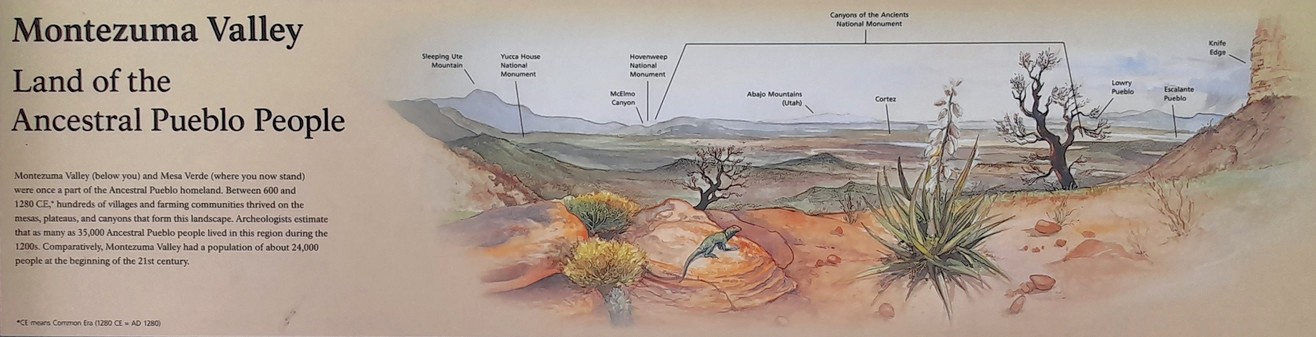
Two castles in one day. Being just a few miles apart it was an easy excursion for us from North Tyneside, and well worth the journey south. A highly recommended day out!

Neither castle has dedicated parking. In Richmond we chose the Fosse Car Park just below the castle. I think it was £3 for 4 hours. There is parking available in the Market Place beside the castle, but I believe it’s more time limited. In Middleham, we parked in Back Street just outside the castle, where there was space for just a handful of vehicles. Parking would be trickier, I guess, on a busier day.


Photo album for Richmond Castle

Photo album for Middleham Castle