Emmetts Garden is a six acre garden, high on the 600 foot Ide Hill near Sevenoaks in Kent, overlooking the Weald, which Steph and visited in mid-May 2019 during our week-long vacation in East Sussex and Kent.
Before 1860, the site of Emmetts Garden was open farmland, after which a house was built. But it wasn’t until 1890 when Frederick Lubbock purchased the house and land that he set about designing and creating a garden on the site.
After Lubbock’s death in 1927 the estate was purchased by Charles Boise, who bequeathed Emmetts Garden to the National Trust in 1964. The house is not part of the National Trust property.
Frederick Lubbock and Charles Boise
Under Charles Boise’s care, Emmett’s Garden continued to flourish, as Boise kept on Lubbock’s gardener, Mr Taylor. But he did make several changes, filling in lakes (having worked in the Congo he had a morbid fear of malaria!), and extending the rockery.
When we visited the rockery was probably at its best, but the rose garden (one of the few formal features) had not reached its peak. The wild flower meadow was past its best. We also had a lovely walk through the more informal parts of the gardens leading down to the viewpoint over the Weald that you can see in the photo at the top of this post.
Here are some more photos taken around the garden.
Self isolation—the new ‘selfie’! Social distancing. New words to add to our vocabularies. How our lives have changed in just two weeks.
These are indeed extraordinary times, unlike most of us have experienced in our lifetimes. And all due to the emergence in central China and subsequent pandemic spread of a previously unknown zoonotic coronavirus, now named SARS-CoV-2, that is causing an acute (and deadly for vulnerable individuals) respiratory infection, Covid-19. And while I am a biologist, this blog post is NOT about the virus and its biology. Rather, I’m focusing on some of the issues around and consequences of this pandemic.
I was born in 1948, three years after the end of World War II. I never personally experienced the horrors of that man-made conflict nor indeed any conflict. I find it offensive that politicians, some journalists, and others on social media make comparisons to a conflict that most were born after. I’m not the only one to feel this way. I just came across this opinion piece in yesterday’s The Guardian by Simon Tisdall.
I remember (just) the exigencies of rationing that continued for many years after the end of the war. Also, the difficulties endured during the petrol rationing of the 1956 Suez Crisis. Since then we have not experienced any serious rationing in the UK that I can recall.
However, the Covid-19 pandemic is on a different scale. It’s not that the total number of patients infected with the virus has yet come anywhere near the 1918 flu pandemic, for example. But this virus is new, it’s very infectious, and lethality apparently high. The worry is that without appropriate control, the pandemic will outrun the capacity of health services to provide care for those who suffer from an acute infection. Whole countries are closing down. And while some ‘draconian’ measures (including curfews) have been introduced in some countries, these have yet to be imposed in the UK. ‘Yet’ being the appropriate word.
Having seen the shortages of some products in the supermarkets such as rice and pasta, hand sanitizers, cleaning products, and, inexplicably, toilet paper, I do wonder when rationing across the board will become the norm. How this pandemic pans out, everyone will have to become accustomed to a changed world. I’ll return to that theme later on.
Cometh the hour, cometh the man . . .
Or woman for that matter.
[Disclaimer: My politics are center left. If I’d had the chance (I didn’t as I was working overseas), I would have voted for Tony Blair’s New Labour. So any criticism of politicians below is not aimed at them because of their right wing political stance (which is anathema to me), but simply because I do not believe they are the right people in this time of crisis.]
As President Franklin D Roosevelt famously said in his first inaugural address on 4 March 1933, ‘. . . the only thing we have to fear is . . . fear itself‘. It’s apt to remember this under the present circumstances. We fear the unknown. In times of crisis, everyone needs reassurance. And, as Simon Tisdall commented in his opinion piece that I referred to above, the war and wartime analogies only stoke fear.
Step up to the plate our political leaders. Or not, as the case may be.
It’s really unfortunate that in these trying times that the governments of both the UK and USA are led by insincere populists, men who are more concerned about their own image.
Sound-bite Boris Johnson (Take Back Control, Get Brexit Done) is resorting to the same sort of rhetoric in his daily Covid-19 briefings (with the Chief Medical Officer and the Chief Scientist often standing either side) as he did during the Brexit campaign. Making claims he cannot substantiate, such as we’d defeat the disease in the next 12 weeks. Evidence? That doesn’t seem to matter to this charlatan, whose attention span and lack of interest are legendary. It doesn’t help that at critical points in any press conference and the like his body language betrays his insecurity. Such as rubbing his hand through his shaggy hair. Not the most reassuring action.
As a question from ITV correspondent Robert Peston unfolded just the other day at a No. 10 briefing, Johnson’s habitual smirk evaporated to be replaced by various degrees of alarm, bewilderment, fear even, and not the look of a Prime Minister at the top of his game. This is not what he expected after his December electoral victory giving him an insurmountable 80 seat majority, and the opportunity, he must have believed, to do just whatever his fancy lighted on.
Here is a damning opinion piece from The Guardian by Marina Hyde on 20 March, who writes ‘We are being asked to put our trust – our lives – in the hands of a man whose entire career, journalistic and political, has been built on a series of lies.’
It seems to me that the UK government has not developed a coherent Covid-19 communications strategy. Have a read of this 21 March piece from BuzzFeed about the behind-the-scenes debates, arguments even, between politicians and experts. At the beginning of the outbreak in the UK, Johnson used his press briefing to suggest, albeit perhaps by accident rather than design, that the old and vulnerable were ‘collateral damage’ during the epidemic. “It is going to spread further“, he said, “and I must level with you, I must level with the British public, many more families are going to lose loved ones before their time.” Yes, that’s indeed a strong possibility. But emanating from the mouth of a politician who is widely mistrusted, and who comes across as callous and self-centered, whatever issue he addresses, it was a communications disaster.
What a message to send out to an already fearful population. Read about that press conference here.
And this appeared in the Sunday Times today.
Dominic Cummings
If true, this is an appalling perspective from the Prime Minister’s Chief Adviser Dominic Cummings (whose credibility among a large swathe of the population has already taken a dive).
And, I’m afraid, Johnson’s often blustering delivery, and lack of clarity on issues that should be unambiguous (his classical references, his use of language that most never use or at the very least understand) have probably exacerbated a situation that was rapidly spiralling out of control.
Communications strategies should deliver straightforward messages in plain language. No ifs or buts. Johnson has catastrophically failed in this respect.
Take the issue of social distancing and whether pubs, clubs and other venues should remain open (until last Friday night when the government finally enforced closure). Clearly millennials (and men in particular) had heard the message that they would be less impacted by Covid-19. They ignored the social distancing advice. And it hasn’t helped that Tim Martin, CEO of pub chain Wetherspoons (arch-Brexiteer and now self-proclaimed ‘epidemiologist’ apparently) could see no reason for pubs to close and went public with his criticism of the decision.
Oh look, the coronaviruses have all chipped in to hire a mouldy potato to be their spokesperson on TV. Clever. pic.twitter.com/ssxFXkzSUq
But if I think that the situation is grave here in the UK, just take a look at what is happening on the other side of the Atlantic, a country without a public healthcare system that takes care of the sick, elderly and vulnerable, come what may. Given the behavior and responses of POTUS #45, Donald J Trump, it’s surely time to seriously consider invoking Section 4 of the Twenty-Fifth Amendment. Why he is still in power is the question asked in this article on the Slate website.
Here is a leader (a term I use very lightly indeed) who has ‘hunches’ or ‘feels good’ about the situation, ignoring facts, scientific advice and stating things that are palpably false, claiming originally that coronavirus was a hoax dreamed up by the Democrats, and then later stating, once the situation had deteriorated, that he knew all along that it was a pandemic. No change in behavior there. Every press briefing becomes a campaign opportunity. And when challenged, even by the simplest and most straightforward of questions, Trump’s reaction is unbelievable. Just watch him throw a tantrum and verbally attack a journalist a couple of days ago when asked how he would reassure the American people, following a comment from Trump recommending the use of chloroquine against the virus. Extraordinary!
And so, here is another piece from Rolling Stone (from 20 March) that Trump’s live briefings are a danger to public health.
And now, Trump is being hailed as a ‘wartime President’, hoping that it will boost his electability in November’s election — assuming that goes ahead as expected. For heaven’s sake! Just read this article from today’s The Guardian.
But if you want to see how any leader should behave, just take a look at this address to the people of Scotland by First Minister, Nicola Sturgeon, on 20 March. What a contrast from Johnson and Trump. I’m no particular fan of Nicola Sturgeon, but she got this just right.
It’s interesting—but also concerning—to think what a changed world will look like. Already, a group of 34 ‘big thinkers’ have waxed lyrical on this very topic just a couple of days ago in the Politico Magazine online.
At the beginning of this post I suggested that ‘selfie’ had taken on a new meaning: self isolation. Here’s me, taking a selfie while taking a selfie.
Steph and I are self isolating since we are in that elderly, over 70 demographic. But if the weather is fine (like earlier today) we have gone out for a walk. We need the fresh air. So we went along the Worcester and Birmingham Canal a few miles from home, and encountered only one or two other walkers while maintaining the necessary social distance.
I came across this the other day. Maybe our antipodean friends will soon be evolving some pandemic language variants.
Stay safe everyone. WASH YOUR HANDS – repeatedly, and thoroughly. Here’s the best demo I’ve yet seen on how to wash your hands properly, using black ink in place of soap to illustrate just how it should be done. Never mind that the commentary is in Spanish. That’s not needed.
In preparation for a house move this year (that is increasingly likely to be delayed indefinitely until the Covid-19 crisis has passed), I’ve been working through dozens of envelopes of old photos, getting rid of those out of focus or we can’t determine when or where they were taken. I have come across quite a number from the years I spent working abroad, but before I went digital in the mid-noughties.
During the decade (1991-2001) that I had responsibility for the International Rice Genebank at the International Rice Research Institute (IRRI) in the Philippines, as Head of the institute’s Genetic Resources Center, I met and collaborated with some remarkable colleagues among the genetic resources community of the international agricultural research centers supported through the Consultative Group on International Agricultural Research (CGIAR).
These specialists met annually as the Inter-Center Working Group on Genetic Resources (ICWG-GR). But unlike other CGIAR inter-center working groups, all of the CGIAR centers were represented on the ICWG-GR, covering crops and their wild relatives, animals, forestry and agroforestry, aquatic resources, irrigation management, and food policy.
I attended my first meeting in January 1973, held at ILCA, the International Livestock Centre for Africa in Addis Ababa, Ethiopia (that merged with the International Laboratory for Research on Animal Diseases, ILRAD, in Nairobi in January 1995 to form the International Livestock Research Institute, ILRI).
The ICWG-GR at its meeting in Addis Ababa in January 1993. L-R: Brigitte L. Maass (CIAT), Geoff Hawtin (IPGRI), Ed Rege (ILCA/ILRI), Ali Golmirzaie (CIP), Jan Valkoun (ICARDA), ??, ??, Masa Iwanaga (IPGRI), Roger Rowe (CIMMYT), ?? (World Agroforestry), Melak Mengesha (ICRISAT), Mike Jackson (IRRI), Murthy Anishetty (FAO), Quat Ng (IITA), Jean Hanson (ILCA/ILRI), and Jan Engels (IPGRI).
I was elected Chair of the ICWG-GR at that Addis meeting, and remained in that role for the next three years, overseeing a major review of genetic resources roles of the centers that led to the launch of the System-wide Genetic Resources Program (SGRP) in 1994. The SGRP was active for around a couple of decades, but has now been replaced by the CGIAR Genebank Platform that . . . led by the Crop Trust, enables CGIAR genebanks to fulfill their legal obligation to conserve and make available accessions of crops and trees on behalf of the global community under the International Treaty on Plant Genetic Resources for Food and Agriculture.
Enjoying a break in discussions in Kenya when World Agroforestry hosted the ICWG-GR in 1998. Bent Skovmand is on the far left.
I don’t remember the details of all the ICWG-GR meetings and their dates, but after 1993 we met at ICARDA in Aleppo, Syria; CIP in Lima, Peru; IITA in Ibadan, Nigeria; IFPRI in Washington, DC; CIFOR in Bogor, Indonesia; World Agroforestry in Nairobi, Kenya; and at IPGRI in Rome on at least a couple of occasions. But not necessarily in that order.
These meetings were a great opportunity to catch up with old friends, besides discussing and setting in train some important policy decisions for the centers regarding the management of and access to the important germplasm collections conserved in their genebanks.
Among the many members of the ICWG-GR, there was one with whom I struck up a particular friendship. This was Dr Bent Skovmand (above), a Danish plant pathologist in charge of the wheat genebank at CIMMYT (the International Center for Maize and Wheat Improvement) in Mexico.
Bent and me during the 1998 meeting of the ICWG-GR meeting held in Kenya.
I’m not sure why Bent and I hit it off so well. I think it was because we didn’t take ourselves too seriously. Perhaps it was our mutual love of beer!
Besides the ICWG-GR meetings, Bent and I would often meet at the annual conferences (usually in November) of the Crop Science Society of America (CSSA) held in different cities in the USA. Bent was a very active member in what was then the C8 Section of the Society, and what I think is now the Plant Preservation section or group.
Bent studied at the University of Minnesota in St Paul on the Minnesota Agricultural Student Trainee international exchange program, gaining a masters degree in 1973 and his PhD in 1976 (in plant pathology). He then joined CIMMYT and remained there for much of his career until 2003. Before heading the wheat genebank, he had also spent time with CIMMYT in Turkey.
But, in some ways, these awards were bittersweet. CIMMYT restructured in 2003, and Bent was made redundant. Having spent so many years at a center that he loved, and based in Mexico (the home of his second wife Eugenia) it was a huge blow to have to leave. Not yet 60, he looked for other employment opportunities, and was soon appointed Director of the Nordic Gene Bank (NGB, now NordGen) in Alnarp, Sweden. In that position, he took a lead role in the establishment of the Svalbard Global Seed Vault, which opened its doors in February 2008.
Entrance to the Svalbard Global Seed Vault. (Courtesy of the Crop Trust).
Bent never got to see this event. Having been diagnosed with a brain tumor some months earlier and his health deteriorating rapidly, he passed away in February 2007.
There’s one particular memory I have of Bent. When in Rome together, he and I would try and eat, at least once, in the Taverna Cestia at the southern end of the Viale Aventino, near the Pyramid of Caius Cestius. Just inside the entrance, on a side-table, was a large meat slicer for carving prosciutto ham. It looked like it had been there for decades.
Every time we ate there, Bent would tell me: ‘I’m going to make them an offer for that slicer, one day.‘ He never did.
Sadly missed by his friends and colleagues in the genetic resources community, not just among the CGIAR centers, but more widely around the world, Bent left a strong and deservable legacy.
I found this obituary for Bent that was published on the website of The American Phytopathological Society (APS). But I have also downloaded it as a PDF file, accessible here.
I visited Sri Lanka just the once. However, I don’t even remember which year or month. Only that it was the early 1990s, probably around 1993 or 1994. That was when I was planning a major rice conservation project at IRRI, and I wanted to determine if or how any Sri Lankan organizations would participate. As it turned out, for reasons that I’ll explain in due course, Sri Lanka did not join the project.
The Sri Lankan genebank, The Plant Genetic Resources Centre (PGRC) is based in Kandy in the island nation’s Central Province, of which it is the capital. It lies amongst the hills of the central plateau. The hills surrounding Kandy are covered in tea plantations. And, in many ways, Kandy is a magical place to visit. The scenery is outstanding.
Although I don’t remember in which hotel I stayed, I do remember it was perched on the summit of one of the hills, with views in every direction, as you can see in the gallery above. In the stillness of the dawn, I woke each morning to the sounds of birds calling to each other across the valleys. What a wonderful start to the day.
Kandy is home to a magnificent botanical garden (the Royal Botanical Gardens at Peradeniya just west of the city) and one of Buddhism’s most sacred places of worship, the Temple of the Tooth or Sri Dalada Maligawa, is located in the city center.
The Plant Genetic Resources Centre was opened in 1990. Its construction was a donation from the Government of Japan in 1989. So when I visited it had been open for just a few years—and looked like it. But, unlike one or two other genebanks whose construction Japan had supported in other Asian countries, the staff at PGRC were certainly making the most of their expanded facilities to store seeds and tissue culture or in vitro conservation.
Once again I am unable to name most of the people I met at PGRC, with one exception: Mr CN Sandanayake, who was one of my MSc students at the University of Birmingham in 1986.
CN Sandanayake talks with one of his colleagues at PGRC.
And as you can see from one of the photos in the gallery above, everything stops for tea!
When I discussed participation in the IRRI-led rice biodiversity project, it was clear that Sri Lanka had already made significant progress to collect and conserve indigenous rice varieties and wild species. My former colleague at IRRI, Dr Duncan Vaughan had visited Sri Lanka in the 1980s to help with the collection of wild rices.
Furthermore, PGRC had a cadre of excellent technical staff, and as you can see from the photos, excellent facilities for germplasm conservation. And, given the ongoing civil war there were many no-go areas in the country, especially in the north and east. However, in Kandy, there was no tangible signs of the conflict.
I made a side trip, with Sandanayake, to the Rice Research & Development Institute at Batalagoda, some 50km north of Kandy. Here are a couple of photos I took on that journey.
There I met with MS Dhanapala, a rice breeder who had also come to Birmingham in the 1980s to attend short courses on plant genetic resources, and also spend some time in the Department of Genetics.
Sitting, L-R: Dhanapala, me, Sandanayake. I don’t remember the names of those standing.
Sri Lanka has had a very successful rice breeding program, and many of its varieties have been adopted throughout Asia, after being shared and trialled through INGER, the IRRI-led International Network for the Genetic Evaluation of Rice, that I wrote about in 2015.
Now to return to Kandy tourism.
The Royal Botanic Gardens at Peradeniya cover almost 150 acres. There are wide open spaces to wander around, but also exquisite orchid houses to enjoy, with a multiplicity of species and varieties to take in.
As I mentioned, the Temple of the Tooth is a sacred shrine to Buddhists, and although not overrun with pilgrims during my visit was, nevertheless, quite busy.
One of the most impressive exhibits, in a side room, is a huge, stuffed elephant that died in 1988. This was Raja, a tusker who led ceremonial processions from the Temple for over 50 years.
All too soon my stay in Kandy was over, and I headed down to Colombo on the west coast to take my flight back to Singapore, and from there to the Philippines. It’s certainly a country I would like to return to.
During the nineteen years I spent in the Far East, I visited China just twice. The first time was in March 1995, and this post is all about that visit. It must have been in 2009 that I was in China again, for the annual meeting of the CGIAR (Consultative Group on International Agricultural Research) held in Beijing, just across the street from the famous Beijing National Stadium (aka Bird’s Nest) built for the 2008 Olympic Games.
However, back to 1995.
Dr Bao-Rong Lu
A year earlier I had recruited Dr Bao-Rong Lu (a Chinese national from the southwest Sichuan Province) to work in IRRI’s Genetic Resources Center (GRC) on the diversity of wild rice species. Bao-Rong had just completed his PhD in Sweden at the Swedish University of Agriculture under the supervision Professor Roland von Bothmer, studying the cytogenetics of wheat species, if memory serves me correctly. He had also spent some months working at the Institute of Botany, The Chinese Academy of Sciences (IB-CAS), in Beijing prior to joining IRRI.
With a major rice biodiversity project getting underway at IRRI in 1995, I decided that a visit to China with Bao-Rong was the appropriate moment to initiate some further contacts and possible collaboration. Our visit took in three cities: Beijing, Hangzhou (in Zhejiang Province west of Shanghai), and Guangzhou (Canton) in the south.
First stop was the IB-CAS where I met with the Director (whose name I cannot recall, unfortunately) and many of the staff.
With the Director of the Institute of Botany and staff. Bao-Rong is standing on my left, and the Director on my right.
I was invited to present a seminar about the International Rice Genebank at IRRI and its role in the global conservation of rice genetic resources.
There was also some time for sightseeing around Beijing, and this was my opportunity to tick off another item on my bucket list: walking on the Great Wall of China (at Mutianyu, about 45 miles north of Beijing).
As you can see from these photos, there were few visitors, unlike scenes I have seen in the media in recent years.
We also took a tour of the Forbidden City in Beijing, and a walk around Tiananmen Square. Again not crowded! In one of the photos you can see the Great Hall of the People behind Bao-Rong. During the CGIAR meeting in Beijing that I mentioned earlier, the official dinner (and entertainment) was hosted by the Chinese in the Great Hall. It’s massive!
The photos appear hazy, because it was. It was quite cold in Beijing in March, with a stiff northwesterly breeze blowing over the city, laden with dust from the far west of China. It felt like being sand-blasted.
We also visited some Ming era tombs near Beijing, but I’m unable to find any photos of that particular visit.
On one night the Vice President of the Chinese Academy of Sciences hosted a small dinner in my honor. On another, Bao-Rong introduced me to the delights of spicy Sichuan cuisine. There was a Sichuan restaurant in our hotel where all the staff were from the province.
Trevor Williams
Later that same evening, as Bao-Rong and I were enjoying a beer in the bar overlooking the hotel reception, I saw someone who I recognised enter the dining room. I had to investigate. And, lo and behold, it was Trevor Williams who had supervised my MSc dissertation at the University of Birmingham in 1971. Around 1977, Trevor left Birmingham to become the first Director of the International Board for Plant Genetic Resources (IBPGR – now Bioversity International) in Rome. In 1995 I hadn’t seen Trevor for about six years, and so we spent the rest of the evening catching up over rather too many beers. Having left IBPGR by then, he was in Beijing setting up an organization that would become INBAR, the International Network for Bamboo and Rattan with its headquarters in Beijing.
After a few days in Beijing, we headed south to the city of Hangzhou (inland from Shanghai on the Qiantang River) in Zhejiang province. We were there to visit the China National Rice Research Institute (CNRRI) and meet with its director Professor Ying Cunshan. Professor Ying participated in the rice biodiversity project as a member of the project Steering Committee. CNRRI is the home of China’s largest rice genebank, which was modelled (inadvisedly in my opinion) on the genebank at IRRI.
With Bao-Rong and Professor Ying outside the entrance to CNRRI.
Inside the genebank with Professor Ying.
After a couple of days in Hangzhou, we headed southwest to the city of Guangzhou (Canton) and I experienced one of the most nerve-wracking flights ever.
Much as I am fascinated by aviation in general, I’m somewhat of a nervous flyer. And in the mid-1990s Chinese airlines were only just beginning to modernise their fleets with Boeing and Airbus aircraft. Many were still flying Soviet-era Russian aircraft, like the Tupolev (probably a ‘154’) that was assigned to our flight. On that morning, flights out of Hangzhou were delayed due to fog, and at the same time Guangzhou was also fogged in. Over a period of a couple hours, other flights (of mainly new aircraft) did depart, leaving just the Tupolev on the apron for our flight. Eventually the flight was called and we made our way out to the aircraft. Looking around the cabin as I made my way to my seat, it crossed my mind that this aircraft had seen better days.
Anyway, we took off and headed for Guangzhou. Approaching that city after a flight of about 90 minutes, the captain informed us that fog was still hanging over the airport but he would continue the landing. Only to abort that just before touching down, and returning to Hangzhou! My nerves were on edge. After refuelling, and a further delay, we departed again. This time we did find a gap in the fog and landed. As we were on our final approach and seconds from touch-down, a female passenger immediately in front of me decided to get out of her seat to retrieve her hand luggage from the overhead bin. That was the final straw for me, and I shouted at her, in no uncertain terms, to sit the f*** down. Not my best moment, I admit.
In Guangzhou, our destination was the Guangzhou wild rice nursery and meet with the staff (again I don’t remember who precisely). I believe the nursery was managed through the Guangzhou Academy of Agricultural Sciences. As in Beijing, I gave another seminar here.
In a 2005 paper, Bao-Rong and others has written about wild rice conservation in China.
Completing our visit to Guangzhou, I took a flight into Hong Kong (maybe under 40 minutes) to connect with another back to Manila.
Although China did not participate directly in the rice biodiversity project since the country had already invested heavily in rice collection and conservation, Professor Ying Cunshan served on the Steering Committee for the 5-year life of the project. We felt that his experience, and recognition among other rice scientists, would be an invaluable addition to the team.
I have two particular reflections on this first trip to China. First, in crowded areas the Chinese had little ‘respect’ for personal space, and I often found myself checking my pace of walking as others crossed in front of me, seemingly oblivious of the fact that I was there. And it wasn’t just me, being a foreigner. It just seemed the normal thing to do.
Secondly, I realised that I am not a very adventurous eater. Some of the dishes I was presented with did not encourage my appetite. There was certainly a lack of synchronization between my stomach, eyes and brain. I did find Sichuanese cooking delicious, however. In Guangzhou, where many ‘exotic’ dishes were prepared, I got round any difficulties by explaining to my hosts, through Bao-Rong, that I was vegetarian. And those dishes were equally delicious.
Bao-Rong remained at IRRI for two contracts, a total of six years. After he left IRRI in 2000, he returned to China and it wasn’t long before he joined Fudan University in Shanghai. He is now Professor and Chairman of the Department of Ecology and Evolutionary Biology, and Deputy Director of the Institute of Biodiversity Science. He currently serves as a Member of the Chinese National Biosafety Committee.
Laos or the Lao PDR (the Lao People’s Democratic Republic – actually a Unitary Marxist–Leninist one-party socialist republic) is one of the few landlocked countries in Asia. But it does have a connection to the sea, down the Mekong River where, through its mighty delta in Vietnam, it disgorges into the South China Sea. For a considerable length, the Mekong is the international border between Myanmar and Laos, and Thailand and Laos.
During the 19 years I spent in Asia (with the International Rice Research Institute in the Philippines) I visited Laos more than any other country, probably a couple of times a year over a five to six year period. Why? Because it was a focal country for the major rice conservation project that I managed between 1995 and 2000, funded by the Swiss government.
The Swiss, through the Swiss Agency for Development and Cooperation (SDC), also funded an in-country Lao-IRRI Program. So, as we were looking to strengthen the collection and conservation of indigenous rice varieties and wild rices in that country, it was a logical step to associate our rice biodiversity project administratively with the Lao-IRRI Project. The scientist who we hired for the Lao component of the project, Dr Seppana Appa Rao (originally from a sister center, ICRISAT, in Hyderabad, India) was based in the Lao capital Vientiane, and reported on a day-to-day basis to the leader of the Lao-IRRI Project, Australian agronomist Dr John Schiller (who passed away a couple of years ago).
Enjoying dinner with Appa Rao and John Schiller at John’s home in Vientiane.
In February 1997 I was joined on one of these visits to Laos by my wife Steph. IRRI had a generous travel policy. For every so many days a scientist was travelling outside the Philippines (but discounting the days of departure and arrival), his/her spouse or partner was entitled to one trip to a destination in Asia. So, we took advantage of that policy for a slightly extended visit to Laos (to take in some of the sights) as well as a weekend in Bangkok, through we had to transit in any case. A trip to Laos inevitably involved an overnight stop in Bangkok on both legs of the journey, taking a late flight out of Manila to Bangkok (about three hours) then the first flight on Thai Airways or Lao Aviation the next morning to Vientiane.
When I first visited Laos in 1995, the population of Vientiane was less than 400,000. It’s now reported at over 800,000. Back in the day it had the feel of a small town hugging the banks of the Mekong. But even then the traffic could become snarled at times. I wonder what it’s like nowadays? Looking at a satellite image the other day, the spread from the city center is clear. Even back in the 1990s, the city had begun to rapidly spread eastwards. The National Agricultural Research Center (NARC) of the National Agriculture and Forestry Research Institute (NAFRI) had its research station in this area, and where a rice genebank was constructed with financial support from the Swiss.
On this particular trip, Steph and I spent time with Appa and his Lao colleagues, Dr Chay Bounphanousay and Ms Kongphanh Kanyavong at the research center, looking at the genebank, field plots and various other facilities used to conserve the rice varieties collected throughout the country. This was also of interest for Steph as she originally trained in genetic resources, and has an MSc degree in genetic resources conservation and use from the University of Birmingham (where we met in 1971/72).
L-R: Kongphanh Kanyavong, Appa Rao, and Chay Bounphanousay
We also visited a research site where wild rices were being monitored in a joint project with Japanese scientists. It was hoped that data from that project would inform the establishment of field or in situ conservation sites around the country.
Driving around Vientiane as tourists, we noted that two buildings dominate the skyline in the city center. The first, the Patuxai monument, is a huge war memorial that commemorates the struggle for independence from France. The other, a short distance away to the northeast, is Pha That Luang, a large, gold covered Buddhist stupa.
Patuxai
Pha That Luang
Ph Phat Luang
And after a hard day in the field, or touring the city and markets, what better way to end the day than a stroll along the banks of the Mekong.
That’s Thailand on the far bank.
On another day, Appa, his wife, Chay, and Kongphanh took us for a boat excursion round the Nam Ngum Reservoir, about 70 km north of Vientiane, and afterwards to the Lao Zoo nearby.
Steph and I were also invited to participate in a Baci Ceremony at John’s home, which involves the tying of white cotton strings around person’s wrists and the prayer saying or well wishing for the person that the ceremony is intended for. I had been to one of these ceremonies before, during my first visit to Laos. Another new IRRI staff member, agronomist Bruce Linquist and his family, were also welcomed to Laos at this particular ceremony.
But the tourist highlight of our visit was a weekend in Luang Prabang (a 40 min flight north of Vientiane), an ancient city standing on a peninsula at the confluence of the Mekong and the Nam Khan River.
In 1997 there were few tourists in the city besides ourselves. As we walked through the streets of the ‘old town’ the locals we passed would smile and say hello, and go on about their business. They paid no attention to us whatsoever. Luang Prabang has become a mecca for tourists from afar, and must be a very different place nowadays.
After checking into our hotel (I don’t remember which one—it was new and on the southwest of the city center), we set out to explore the sights.
First on our list was the sixteenth century Buddhist temple Wat Xieng Thong, or Temple of the Golden City, at the northern end of the peninsula. It is one of the most important shrines in the country.
The architecture is breathtaking, and as we wandered around the temple, there was a just a feeling of serenity.
Later in the day before sunset, we climbed 100m high Phousi Hill to enjoy the 360° panorama from the summit, looking north over the old town and the Nam Khan River.
I guess the highlight of our trip to Luang Prabang was the 25 km or so boat trip we took upstream along the Mekong to visit the shrines at the Pak Ou Caves, which are opposite the mouth of the Ou River as it flows into the Mekong.
As I already mentioned, Luang Prabang was very quiet, and we hired a river boat to ourselves. The journey took about two hours, during which we had the chance to take in, close-up, the majesty of the Mekong.
At the landing stage where we took our boat. You can see several of these boats behind Steph, looking north along the Mekong.
Mekong River, nr. Luang Prabang, Laos
Approaching the landing stage at Pak-Ou, our boatman carefully positioned his boat so that we could disembark safely. While we were ashore, he turned the boat around ready for the return, but also a short diversion into the mouth of the Ou River.
There are two caves: Tham Ting is the lower; Tham Phum is the upper. Both are filled with hundreds if not thousands of Buddha sculptures.
Approaching the caves from the Mekong
Tham Ting
Tham Phum
Tham Phum
Tham Phum
Lion carving in Tham Phum
We were the only visitors on this day, and had the site to ourselves. Nowadays, it’s rather different as this photo (copied from the website http://www.viajeasean.com) clearly shows.
After a late afternoon meal overlooking the Mekong back in Luang Prabang, our visit to this ancient city came to an end, and we flew back to Vientiane the following morning, and on to Bangkok.
I am an optimist by nature. But perhaps not to the same extent as these Monty Python characters from the 1979 film Life of Brian.
Mostly, my glass is half full. But, in recent months, and particularly over the past four weeks, my natural optimism has been severely challenged.
It has been a perfect storm, if you’ll excuse the pun, of bad news and events.
My faith in human nature took a serious dent on 12 December last year when Boris Johnson’s Conservatives (or Tories) won a thumping parliamentary majority, taking seats (mainly in the north of England) from Labour in constituencies that had either never voted Tory, or hadn’t for a generation or more. That was the signal for the Tory Brexiteers to push through the legislation on the EU Withdrawal Act and take us out of the EU on 31 January. Get Brexit Done! was the slogan. But we are just at the end of the beginning. And, it seems, Johnson has drawn so many hard red lines prior to new free trade negotiations that a No Deal Brexit at the end of this year seems evermore likely.
So what’s causing a drop in my spirits, apart from the obvious Brexit catastrophe?
The Prime Minister Boris Johnson
First of all, we now have a seemingly amoral Prime Minister in No 10 Downing Street in the shape of Boris Johnson—someone for whom I have utter contempt, as you will realise if you refer back to an earlier Brexit-related post I published in June last year.
But what tipped me over the edge from optimism to pessimism yesterday (1 March, the first day of meteorological Spring, when we should be thinking more positively) was the adulation in the Tory-supporting press over the news that Johnson and his fiancée Carrie Symonds (presumably his former mistress since he is/was still married to his second wife of 27 years) were expecting a baby later this year. Can you imagine, The Mail on Sunday published an ‘exclusive’ six page special? Could this really be more important news than anything else that’s going on right now? [1]
For weeks now, since the General Election, Johnson has been our ‘invisible Prime Minister’. And that at a time when the world faces a serious public health challenge in the form of Covid-19, which marches on inexorably it seems. Indeed, I just read an item in today’s The Guardian online reporting that a senior health official here in the UK has now stated that we must expect widespread infection with the coronavirus fairly soon. And yet, Johnson decided only a few days ago to call a meeting—today—of the COBRA committee to coordinate the government’s response to this threat.
Already there has been a calamitous impact on the financial markets, which plunged worldwide last week by 10-13%, marking the end of a sustained bull market, and threatening all our pension prospects.
Then, in the UK, we’ve had four consecutive weekends of storms, three of them named: Ciara, Dennis, and Jorge (the last named by the Spanish meteorological service). These storms come after significant amounts of rain at the end of 2019. February was the wettest month on record. On record! And many parts of the country have suffered catastrophic flooding. Just a few miles to the south and west of where I live in Worcestershire, the River Severn rose to unprecedented levels.
Where was Boris Johnson? Nowhere to be seen or heard. Nor letting any of his ministers appear on one of the BBC’s flagship newscasts, Radio 4’s Today to answer any questions. Outrageous! It’s also been reported today that No. 10 has forbidden Department of Health officials from attending an EU-coordination meeting to address the potential Covid-19 pandemic. So much for taking back control. “We’re doomed, doomed I tell ye“, as Private Frazer from Dad’s Army would have commented.
He’s presiding over a dysfunctional government, even though it was elected under three months ago. Just a fortnight ago, the Chancellor the Exchequer and MP for my local Bromsgrove constituency, Sajid Javid, resigned after being presented with reappointment terms he could not accept. Over this past weekend, the Permanent Secretary at the Home Office (Interior ministry), Sir Philip Rutnam resigned after accusing the Secretary of State, Priti Patel (#PritiAwful, #PritiPathetic) of appalling behaviour.
At the heart of government is the unelected Chief Adviser to the Prime Minister, the sinister Dominic Cummings (who made his name as an architect of the Leave campaign in the 2016 EU referendum). Unelected and unaccountable it seems!
On top of all these things, we have the climate change deniers. Australia’s Prime Minister Scott Morrison is a case in point. Not to mention POTUS45, Donald Trump. I said not to mention him!
And what depresses me more about that moron, each and every day, are not just the lies that he spews and the inanities that issue forth from his mouth, and his politicization of the coronavirus crisis, but the fact that he may well be re-elected for a further four-year term come the election in November. What has the US electorate brought on itself, and the rest of us for that matter?
I haven’t even got round to commenting on the escalating humanitarian crisis on the Turkey-Syria border, the conflict in Idlib Province in Syria, or what is happening currently on the border between Turkey and Greece.
No wonder my optimism levels are low. Having got these concerns off my chest, do I feel better? Not really.
Better go wash my hands . . . and you too.
[1] This point of view appeared in The Guardian (online) today (3 March 2020) and is completely in line with what I wrote in this blog post a day earlier.
There’s been quite a bit of discussion in the Twittersphere in recent weeks that caught my attention, about the sources and origins of our food, in which botanist, science writer, and broadcaster James Wong (@Botanygeek) has been a lively participant (expertly educating, and oftentimes correcting misinformation that surfaces all too frequently on Twitter).
So where does our food come from? No, I’m not referring to the local supermarket! Nor the countries where it’s grown and exported to the UK, to land on our supermarket shelves, such as avocados from Peru or French beans (Phaseolus spp.) from Kenya, to mention just a couple of examples.
Rather, I’m talking about the regions of the world where our food crops were first domesticated from wild species [1]. In many farmers’ fields, there is still an enormous diversity of shapes, sizes, and colors, as well as response to different growing conditions or reaction to pests and diseases. Just take the example below of potatoes from Peru, varieties that have been carefully cultivated by generations of farmers in the high Andes.
(L): Farmer varieties of potatoes from Peru; and (R): a potato farmer and her husband from the Province of Cajamarca in the north of Peru proudly holding a prized variety.
These diverse crop varieties and related wild species are the genetic resources or agrobiodiversity (perhaps a term more familiar to most through its regular use in the media) that plant breeders need to enhance agricultural productivity, transferring genes between different varieties or species to keep one step or more ahead of changing climates or increased threat of new strains of plant diseases. Without access to this valuable genetic variation, plant breeders would be challenged indeed to respond appropriately to the many threats in the agricultural environment.
There is an ongoing interdependence among countries for access to genetic resources. Take the potato, for example, with which I am quite familiar. The UK potato crop ultimately depends for its survival on plant breeders being able to access different genes and breed them into new varieties. Where do these genes come from? From from cultivated and wild potatoes in Peru and neighbouring countries. Plant breeders at the James Hutton Institute in Dundee, Scotland, regularly dip into the species conserved in the Commonwealth Potato Collection. This potato example is repeated worldwide for most other crops.
Colin Khoury
In a significant open access article (published in the Proceedings of the Royal Society B in 2016) Colin Khoury (a Birmingham MSc genetic resources graduate) and his co-authors state: Research into the origins of food plants has led to the recognition that specific geographical regions around the world have been of particular importance to the development of agricultural crops . . . We estimate the degree to which countries use crops from regions of diversity other than their own (‘foreign crops’), and quantify changes in this usage over the past 50 years. Countries are highly interconnected with regard to primary regions of diversity of the
crops they cultivate and/or consume.
Colin followed up with a piece on the blog of the Union of Concerned Scientists in 2017, discussing the interdependence of nations: The evidence on countries’ predominant use of foreign crops bolsters the rationale for strengthening international collaboration on conservation of crop diversity and for making the exchange of all agricultural seeds as easy and affordable as possible. Our interdependence also boosts the argument for considering the genetic diversity of globally important food crops as public goods which should be openly available to all, and for respecting the rights of farmers to practice their traditional methods of conservation and exchange, not only in recognition of their historical contributions to the diversity in our food, but also in active support of its further evolution.
Just take a look at this interesting graphic (click to enlarge) that was published in the 2016 paper, and republished in the 2017 blog post. I think many readers of my blog will be surprised when they discover the origins of most of the food plants they take for granted.
Origins and primary regions of diversity of major agricultural crops. Source: Khoury et al. 2016. Proc. R. Soc. B 283(1832): 20160792.
However, the concept of centers of origins and crop diversity is not a new one. It was first formulated by the great Russian geneticist (and ‘father of plant genetic resources’), Nikolai Ivanovich Vavilov (born in 1887). See how his centers coincide with the map above. Vavilov’s ideas have been reworked since his death, but still provide a fundamental foundation for the study and understanding of crop diversity. He was starved to death in one of Stalin’s prisons in 1943.
I. The Tropical Center; II. The East Asiatic Center; III. The Southwest Asiatic Center (c0ntaining [a] the Caucasian Center, [b] the Near East Centre, [c] the Northwestern Indian Center; IV. The Mediterranean Center; V. Abyssinia; VI. The Central American Center (containing [a] the mountains of southern Mexico, [b] the Central American Center, [c] the West Indian islands; and VI. The Andean Center.
One of his great works, Five Continents (a memoir of his many plant collecting expeditions) was republished in 1997 on the occasion of his 110th birthday. It had never appeared during his lifetime.
Vavilov, NI, 1997. Five Continents. International Plant Genetic Resources Institute, Rome, Italy. ISBN: 92-9043-302-7
Then, as I was thinking through these ideas about food origins, I came across the two photos below. At first I couldn’t recall where they had been taken. Then I realized they must have been taken during the drinks reception after the half-day N.I. Vavilov Centenary Symposium, jointly organized by the Linnean Society of London and the Institute of Archaeology of University College London on 26 November 1987 to commemorate Vavilov’s birth. I was one of the speakers.
Top: with Joe Smartt (University of Southampton). Bottom: Chatting with Joe Smartt, with Prof. Jacks Hawkes (University of Birmingham, to my left) with another symposium attendee.
The papers were published in a special edition of the Biological Journal of the Linnean Society in January 1990.
Sadly, all my fellow presenters have since passed away [2].
In the first paper, 1. Preface, Jack Hawkes and David Harris state the following: Vavilov laid the foundations of modern plant breeding, stressing the importance of the wide range of genetic diversity in our ancient crops and in related wild species—a diversity that before his time had barely been used or understood by breeders . . . Not only this—the whole movement of crop genetic resources conservation as a necessary prerequisite for the new more resistant and productive varieties needed now and in the future can be clearly traced back to Vavilov’s seminal ideas . . . Vavilov’s theoretical studies on crop plant origins and evolution under domestication, the areas in which crops evolved and the parallelism in their diversity in particular regions also possess clear practical implications, as well as linking into prehistory and the beginnings of agriculture.
In the second paper, Jack Hawkes discussed the impact of Vavilov’s work. He had met the great man on his visit to the Soviet Union in 1938.
Geographer David Harris discussed the origins of agriculture and how Vavilov’s studies on the centers of origin influenced the work of many other scholars. Yet he concluded that with the discovery of new evidence about the origins of agriculture, Vavilov’s concept as such had outlived its usefulness.
I was privileged to be asked to contribute to this symposium, standing alongside three colleagues: Joe Smartt, Jack Hawkes, and Trevor Williams who had encouraged me to enter the world of genetic resources and supervised my research, and mentored me at various stages of my career.
Professor Hugh Bunting had been the external examiner to the Birmingham MSc Course on genetic resources when I presented my dissertation on lentils in September 1971. There was a link to Vavilov there, because his second wife, Elena Barulina, wrote the first monograph on lentils.
My own paper discussed how homologous variation among potato species was evident when looking for resistance to pests and diseases.
I only met Gordon Hillman on one occasion at this symposium. He made very significant contributions to our understanding of early farming systems and the domestication of cereals in the Near East.
In his paper, Hugh Bunting discussed how Vavilov promoted the inclusion of physiological and biochemical features alongside descriptions of morphology to understand how plants were adapted to their environments. The examples used were groundnuts and sorghum, crops which Bunting had studied in Africa over many years.
In the final paper, Trevor Williams (who was Director of the International Board of Plant Genetic Resources, IBPGR, the forerunner of the International Plant Genetic Resources Institute, IPGRI, and Bioversity International) discussed how IBPGR’s program of collecting and conserving crop varieties and wild species worldwide had been guided by Vavilov’s ideas on centers of diversity.
As you can see, there’s more to this story of our food and its origins than perhaps meets the eye initially. It’s a story that I have followed for the past 50 years since I first set out on my career conserving and using plant genetic resources.
[1] Avocados originated in Central America, and French beans come from South America.
[2] I’ve not been able to find any further information about Stuart Davies, co-author with Gordon Hillman, since his retirement from Cardiff University.
This book (ISBN: 90-220-0785-5), by Anton Zeven and Jan de Wet, published by the Centre for Agricultural Publishing and Documentation in Wageningen in 1982 is an excellent source of information about the crop and wild species found in the centers of diversity.
In July 1981, Steph and I (and three year old Hannah) set up home in Bromsgrove, a market town in northeast Worcestershire of just over 29,000 inhabitants (2001 census), almost equidistant between Birmingham and Worcester (map).
But, if everything goes to plan, we’ll be leaving Bromsgrove later this year. In mid-January, we put our house on the market and once that’s sold and a new home identified, we will relocate to the northeast of England to be closer to our younger daughter Philippa (who was born in Bromsgrove) and her family. Our elder daughter Hannah lives in Minnesota in the US Midwest, so for her and family it’s immaterial whether we remain in Bromsgrove or move north. In fact, we’ll have just as good air links to the USA and beyond from Newcastle International Airport (NCL) as we currently enjoy from Birmingham Airport (BHX).
But why did we choose Bromsgrove all those years ago?
In March 1981 we returned to the UK from Peru, after spending over eight years with the International Potato Center (CIP) in Peru (1973-1975) and Central America, in Costa Rica (1976-1980). After leaving Costa Rica in November 1980 (and moving back to Lima for a few months), we were expecting to move to the Far East with CIP. To the Philippines, actually. But then, everything changed.
A teaching position opened at The University of Birmingham at the end of 1980, and I flew to Birmingham in January 1981 for an interview. Having passed that hurdle, and looking forward to a long career in academia, we made plans to return to the UK as I was due to begin my new job as Lecturer in Plant Biology (in the School of Biological Sciences) on 1 April. Our top priority was to find somewhere to live. But where?
Even before returning to the UK we had asked Steph’s parents (who lived in Southend-on-Sea in Essex) to contact estate agents (realtors in US parlance) for available properties in the area covering the west of Birmingham to the southeast, and within 10-15 miles of the university. We had already decided that we did not want to live in Birmingham itself.
Anyway, to cut a long story short, there was a pile of more than 100 property description sheets waiting for us in Southend that we quickly whittled down to a manageable number based on location, price, amenities, proximity to schools, and the like.
I moved to Birmingham at the end of March, while Steph and Hannah remained behind in Southend with her parents until we could find our own home. That didn’t take as long as we had expected. I took the details of short-listed properties with me to Birmingham, and during my first (maybe second) week on the job, took an afternoon off to go house-hunting.
I settled on Bromsgrove as the first place to visit, simply because it was within easy reach of the university (about 13 miles) on perhaps the most direct direct route south out of the city. In any case I had several colleagues who also lived in Bromsgrove and spoke well of the town.
Remarkably, the house we settled on, in the Aston Fields area on the east of the town, was just the second one I visited that afternoon. I knew immediately that this particular house was full of promise and phoned Steph that evening that she should hop on the train the following day to take a look (and at others in Bromsgrove). By that weekend we had made an offer, and set about raising a mortgage.
Three months later we moved in (on camp beds for the first night) as our furniture and personal effects would be delivered the following day. Having put these into storage the previous November in Costa Rica (not knowing where they would next end up) we looked forward with great anticipation to seeing everything once again.
So began our life in Bromsgrove, never realizing that a decade later we would be on the move yet again, to the Philippines, and rice research at the International Rice Research Institute (IRRI) in Los Baños, 65 km south of Manila.
I moved to the Philippines in July 1991, but Steph and the girls did not join me until just after Christmas that year. From then until the end of April 2010 (when I retired and we moved back to the UK) our home remained unoccupied (though furnished), and we would spend our annual leaves there. It was also our bolt hole in case of any emergency and we had to leave the Philippines at short notice.
Since May 2010, we have settled back into Bromsgrove life, and it’s proved a great location for travel around the UK.
Over the past few years I have explored Bromsgrove on foot in my daily walks, and which I have described in a set of posts, Walking with my Mobile, on this blog. And Bromsgrove turns out to be a more interesting town than I had realized.
As a market town, Bromsgrove grew up straddling the Birmingham Road, the A38 (now by-passing the town center) that connects Birmingham as far northeast as Mansfield in Nottinghamshire, and with Cornwall in the southwest of the country.
The Bromsgrove Eastern By-Pass (A38) between New Road crossroad and The Oakalls roundabout and the Bromsgrove Highway (A448) to Redditch.
Between Worcester and Birmingham it follows the route of a Saxon salt road. Droitwich, just a few miles south of Bromsgrove, is famous for its brine baths and salt production.
Take a look at some of the sites along the old A38 route through the town center, along the Birmingham Road, the High Street, and Worcester Road. In the 1980s the High Street section was pedestrianised.
The local council has recently erected interesting information boards around the town center highlighting historical details around the town.
One of the most impressive buildings in the town is the Tudor House close to the junction of New Road and the High Street/Worcester Road.
The spire of the 12th century church of St John the Baptist, dominates the Bromsgrove skyline and lies at the heart of the town. The spire can be seen from miles around.
At the north end of town proudly stands another impressive Church of England church, All Saints, with a square tower. The body of the church dates from 1872; the tower was added in 1888. It houses an impressive set of stained glass windows made by local craftsmen.
Gazing south over the middle of the High Street stands an imposing statue of one of Bromsgrove’s favorite sons, the poet Alfred Edward Housman (1859-1936), author of the collection of poems A Shropshire Lad.
The Bromsgrove Guild of Applied Arts was active between 1898 and 1966, and was responsible for some iconic works, including the six meter tall Liver Birds on the Royal Liver Building on Liverpool’s waterfront, and the main gates of Buckingham Palace.
The Royal Liver Building in Liverpool with its two liver birds.
The main gates of Buckingham Palace from inside (taken when I attended an investiture there on 29 February 2012).
Many of the pieces were constructed in the Guild’s workshop on Station Street, just off the Worcester Road.
Bromsgrove was connected to the canal system in 1815 when the Worcester and Birmingham Canal was finally completed. It lies about two miles due east of the town center. The railway came to the town in June 1840. New Road was opened off the southern end of the High Street to connect the town center with the station. A new station was opened in 2016, and the line to Birmingham was electrified in 2018.
In the churchyard of St John the Baptist are two significant graves, of Thomas Scaife and Joseph Rutherford, engineers on the Birmingham and Gloucester Railway, who died when a locomotive boiler exploded in Bromsgrove station in November 1840, just a few months after the station had opened.
Another claim to fame is the independent fee-paying Bromsgrove School, founded in 1553 (and re-endowed in 1693).
It occupies a substantial parcel (40 ha) of real estate to the southeast of the town center. There is quite an impressive list of Old Bromsgrovians.
The local Conservative MP is the Rt. Hon. Sajid Javid, erstwhile Chancellor of the Exchequer until last week, when it seems he was manoeuvred out of government.
So, later this year, 39 years of ‘residence’ in Bromsgrove comes to an end. Bromsgrove is growing, expanding – like so many towns – and maybe it won’t be too long before Birmingham creeps over the Lickey Hills (north of the town) and Bromsgrove is absorbed into the greater West Midlands conurbation. There are already rumors that Birmingham wants to build overspill housing in the Bromsgrove administrative area.
But there’s no doubt we will miss much of the beautiful Worcestershire countryside around Bromsgrove, our regular walks along the canal, and further out to Hanbury Hall and Croome.
Nevertheless, the northeast and Northumberland beckon, and once we have settled down there, we look forward with enthusiasm to exploring a part of England that we already know but with which we are not yet too familiar. Exciting times ahead.
The pantomime season ended a week or so ago here in the UK. Pantomime?
Pantomime is a marvellous and wonderful (if a little eccentric!) British institution.
Pantomimes take place around the Christmas period and are nearly always based on well known children’s stories such as Peter Pan, Aladdin, Cinderella, Sleeping Beauty etc. Pantomimes are performed not only in the best theatres in the land but also in village halls throughout Britain. Whether a lavish professional performance or a hammy local amateur dramatic production, all pantomimes are well attended.
Ellen Castelow wrote this for the Historic UK website. And if you want to know a little more about pantomimes, just take a quick look at this YouTube video.
In the mid-1990s at IRRI (the International Rice Research Institute in the Philippines where I worked from 1991-2010), a group of us staged our own pantomimes in the IRRI Auditorium in the period leading up to Christmas, although not conforming entirely to the format described in the video.
With Kate Kirk (wife of soil chemist Guy) as Director, there were three pantomimes from 1994 to 1996. I took part in two of these: Snow White (or was it Sleeping Beauty?) and Robin Hood and his Merry Men, but had to drop out of the third, Aladdin, during rehearsals due to unforeseen travel commitments.
These good memories have resurfaced because I referred to the Robin Hood pantomime in my recent tribute to my friend Martin Mortimer who passed away just before Christmas last year. And also because in the process of working my way through boxes of old photographs in preparation for our house move later this year, I came across a small album of photos from Robin Hood and his Merry Men that was the pre-Christmas highlight at IRRI in mid-December 1995.
I joined IRRI in July 1991 as Head of the Genetic Resources Center, and when Kate asked me to be part of one of her productions, I jumped at the chance. Since my undergraduate days at Southampton I’d enjoyed taking part in reviews and the like, but only on an occasional basis.
It was Christmas 1992 that we staged our first panto, Snow White/Sleeping Beauty, in which I played a dipsomaniac King, father of the leading lady.
I guess there must have been five performances, Wednesday to Saturday (with an afternoon matinee on the Saturday).
So who was involved? As I mentioned, Kate Kirk was the Director, and Crissan Zeigler (wife of IRRI Program Leader and plant pathologist, Bob Zeigler) was the Producer.
L-R: Crissan Zeigler, Rebecca Nelson (as Maid Marian), and Kate Kirk, with Nick Zeigler (as Will Scarlet photobombing in the background).
Most of us had little stage experience, so we were fortunate to depend upon Jay Herrera (a semi-professional actor from Manila) and Pam Denning (wife of Glenn Denning, then head of IRRI’s International Programs Management Office and now Professor of Professional Practice in International and Public Affairs at Columbia University) as the ‘anchors’ around whom we attempted to appear better than we were.
Jay Herrera and Pam Denning at the Sheriff of Nottingham and his wife.
Michael Price and Rebecca Nelson as Robin Hood and Maid Marian
Husband and wife Jon Miller (Rapper) and Rebecca Nelson
Jane Guy (Yaya) and Len Wade (Little John)
Guy Kirk (Sir Guy of Gisbourne) and Bob Zeigler (Friar Tuck)
Mike Jackson (Prince John) and John Bennett (King Richard)
The Forest Fairies
The Merry Men (Nick Zeigler as Will Scarlet far left-standing)
Where are they now?
Robin Hood was played by Michael Price, husband of visiting scientist and anthropologist Lisa M Price (now Professor of Anthropology at Oregon State University).
Rebecca Nelson, a plant pathologist) played Maid Marian. After leaving IRRI (around 1996 or so) she moved to the International Potato Center (CIP) in Lima, Peru to head research on late blight disease. She is now Professor at Cornell University.
Rice agronomist Len Wade was Little John. After leaving IRRI in 2002, Len held Chairs in Agronomy at the University of Western Australia and Charles Sturt University in his native Australia. Following retirement he is now Honorary Professor at the University of Queensland.
Friar Tuck was played by Rainfed Lowland Rice Program Leader and plant pathologist Bob Zeigler, who left IRRI in 1998 to become Chair of the Department of Plant Pathology at Kansas State University. He returned to IRRI in 2005 as Director General.
Guy Kirk was a soil chemist at IRRI for thirteen years. After leaving the institute, he returned to the UK, took a sabbatical at the University of Cambridge to write a book on The Biogeochemistry of Submerged Soils, and in 2003 was appointed Professor of Soil Systems at Cranfield University.
John Bennett was Senior Molecular Biologist at IRRI, and retired about fifteen years ago.
Jane Guy from South Africa (but domiciled in Canada) played the nanny or Yaya (in Filipino) whose husband Peter was an Environment Project Manager for a Canadian-funded project in Los Baños during 1994 and 1995. Their daughter Katherine was one of the Forest Fairies (kneeling in the middle in the photo above) who, in 2018, married Chris, the elder son of my close colleague and head of IRRI Communication and Publications Services, Gene Hettel.
As for myself, I played a very camp Prince John, dyeing my whiskers yellow to match the luxuriant wig I had acquired. In May 2001, I moved into a senior management position at IRRI, as Director for Program Planning and Communications (DPPC) until my retirement in April 2010.
Happy days!
You can view a more extensive album of photos taken during make-up and rehearsals here.
Our ability to adapt to changing climates will be determined, to a considerable extent, upon our ability to feed ourselves, to provide shelter and clothing, and for many peoples in many developing countries there will be problems in obtaining fuelwood for cooking or heating.
My close friend and former colleague Professor Brian Ford-Lloyd and I wrote that 30 years ago in the first chapter [1] of the book on climate change and genetic resources that we edited with Martin Parry.
We also wrote that to avert famine it would be necessary to raise crop yields and identify and use the sorts of genetic resources to contribute to this effort. Fortunately, these genetic resources are, to a large extent, already conserved in genebanks around the world.
In a recent post, I argued that, in the face of climate change, genebanks are the future. And while I hold to that assertion, I must also highlight a challenge that must be addressed—with greater urgency—and one that I already raised 30 years ago!
And that challenge is all about the potential impacts of climate change on genebank operations. I’m concerned about how rising temperatures and changing seasons might affect the ability of a genebank to produce good quality seeds during initial multiplication or thereafter to regenerate seed stocks.
We also have limited information how the environmental pest and plant pathogen load will change under a changing climate. That’s a particular concern for plant species that cannot be stored as seeds but are conserved in field genebanks. In this, the International Year of Plant Health, it is a particular genebank issue worthy of more attention.
Furthermore, we shouldn’t discount possible increases in genebank costs as cooling equipment works harder to maintain cold rooms at the desired temperatures of -18°C for long-term conservation (in so-called Base Collections), or just above 0°C for germplasm that is available for distribution and exchange (in Active Collections), the situation found in many genebanks.
Many (but not all) genebanks were set up in parts of the world where the crops they conserve are important, and where many originated, in so-called ‘centers of diversity’. That holds particularly for the international genebanks managed in eleven of the CGIAR centers, such as for potatoes at the International Potato Center (CIP) in Peru, beans and cassava at the International Center for Tropical Agriculture (CIAT) in Colombia, or rice at the International Rice Research Institute (IRRI) in the Philippines, to give just three examples.
But there are exceptions. CIMMYT, the International Maize and Wheat Improvement Center (located just outside Mexico City) certainly lies in the center of diversity for maize, but not wheat, which is a crop that was domesticated and evolved under domestication in the Near East and fringes of the Mediterranean. Another exception is Bioversity International, based in Rome that maintains an important collection of bananas (Musa spp.) as tissue culture samples (known as in vitro conservation) as well as samples stored frozen (or cryopreserved) at the temperature of liquid nitrogen (-196°C) in Belgium at the Katholieke Universiteit Leuven (KU Leuven).
You can find out more about the CGIAR genebanks on the Genebank Platform website.
As the network of genebanks expanded worldwide, with almost every country setting up at least one national genebank, many genebanks now hold samples of varieties and wild species from distance regions. And it does have some important implications for long-term conservation and regeneration, and exchange of germplasm.
Long-term conservation of many plant species in genebanks is possible because their seeds can be dried to a low moisture content and stored at low temperature. We refer to these seeds as orthodox, and we have a pretty good idea of how to dry them to an optimum moisture content (although research at IRRI has thrown new light on some of the critical drying processes). Provided they can be kept dry and cool, we can predict—with some confidence—how long they will survive in storage before they need to be grown again, or ‘regenerated’, to produce healthy seeds stocks.
On the other hand, the seeds of some species, many from the tropics, do not tolerate desiccation or low temperature storage. We refer to the seeds of these species as recalcitrant. There again, there is also a group of crops that cannot be stored as seeds but must be maintained, like the banana example referred to above, as tissue cultures or cryopreserved, if technically feasible; or in field genebanks because they reproduce vegetatively. The potato for example is grown from tubers, and for any variety, each tuber is genetically identical (a clone) to all the others of that variety. Although potatoes do produce seeds (often in abundance), they do not breed true. That’s why conservation of the original varieties is so important.
However, seeds do not live forever, and periodically regenerated if there are signs of declining viability. Or when seed stocks have become depleted because they have been sent to breeders and researchers around the world.
Climate change is already affecting crop productivity in some parts of the world. Increases in temperature (notably higher nighttime temperatures) are linked with a reduction of fertility in rice [2] for example. Stressed plants produce seeds of lower quality and, in wheat, have an effect on seedling vigour and potentially on yield [3].
Many (perhaps most) genebanks aim to grow their germplasm close to the genebank location, although this may not always be possible. Will the environments of genebank locations remain constant under climate change? Most certainly not. Temperatures have already risen, and are predicted to increase even further unless governments really do take concerted action to reduce our carbon footprint. While temperatures will increase, daylength will remain constant. Under climate change we will see new combinations of temperature and daylength. Response to daylength (or photoperiodism) is a key adaptive trait in many plant species. It is already a challenge to grow some genebank samples at a single location because of their wide latitudinal provenance.
Richard Ellis
Incidentally, 30 years on, it’s worthwhile to take a second look at Chapter 6 in our genetic resources and climate change book [4] by Professor Richard Ellis and colleagues at the University of Reading on the relationship between temperature and crop development and growth.
Seed quality is all important for genebank managers. Unlike farmers, however, they are less concerned about yield per se. They do need to understand the impacts of higher temperatures, drought, or submergence—and when they occur in a plant’s life cycle—on seed quality, because seed quality is a key determinant of long-term survival of seeds.
In a recent article, Richard wrote this: . . . when scientists breed new crop varieties using genebank samples as “parents”, they should include the ability to produce high-quality seed in stressful environments in the variety’s selected traits. In this way, we should be able to produce new varieties of seeds that can withstand the increasingly extreme pressures of climate change.
While a genebank might be able to regenerate its conserved germplasm closeby today, to what extent will these ‘regeneration environments’ become ‘stressful environments’ under a changing climate? What measures must a genebank take to ensure the production of the highest quality seeds? Furthermore, how will the pest and disease load change, and what impact will that have during regeneration and, perhaps more importantly, on germplasm conserved in field genebanks?
We were faced by a similar situation almost 30 years ago after I had joined IRRI. There’s no question that IRRI conserves, in its International Rice Genebank, the world’s largest and genetically most diverse collection of rice varieties and wild species.
Kameswara Rao
One important group of rice varieties, the so-called japonica rices originated in temperate zones, and it was tricky to produce high quality seeds in Los Baños (14°N). With my colleague Kameswara Rao (who received his PhD in Richard’s lab at Reading), we carefully analysed the factors affecting seed quality in the japonica varieties grown in Los Baños [5], and adapted the regeneration cycle to the most appropriate time of year. Given that water was not a limiting factor (there were irrigation ponds on the IRRI Experiment Station) we were not constrained by the changing seasons as such. This would not be possible for all genebanks where growing seasons are more differentiated, in terms of temperature and water availability.
I did look into the possibility of growing the japonica (and other ‘difficult’ varieties) at other sites, even outside the Philippines. What seemed, at the outset, as a logical solution to a challenging problem, became a logistical nightmare.
I was concerned that the International Rice Genebank could ‘lose’ control of the management of germplasm samples in the field unless genebank staff were assigned to oversee that work, even in another country. Afterall, the reputation of the genebank lies in its ability to safely conserve germplasm over the long-term and safely distribute seeds, conditions I was not prepared to compromise.
There were also various plant quarantine issues, seemingly insurmountable. Plant quarantine personnel are, by outlook, a conservative bunch of people. And with good reason. IRRI successfully operates its germplasm exchange (both receipt and distribution) under the auspices of the Philippines Department of Agriculture’s National Plant Quarantine Services Division (of the Bureau of Plant Industry). The institute’s Seed Health Unit carries out all the tests necessary to certify all imports and exports of rice seeds meet exacting quarantine standards. All samples received by IRRI must be tested and, if they are destined for future distribution, must be grown in the field at IRRI for further observation and certification. That would negate the advantages of producing seeds in a ‘better’ environment. Countries like the USA or Russia that cover a huge range of latitude and longitude have a network of experiment stations where germplasm could be grown, and under the same plant quarantine jurisdiction. For many countries and their genebanks, that will just not be an option.
So the challenge for genebank managers is to make sure the impact of climate change on germplasm management and exchange is part of risk management. And begin discussions (if they have not already started) to determine how inter-genebank collaboration could overcome some of the potential constraints I have raised.
[1] Jackson, M.T. & B.V. Ford-Lloyd, 1990. Plant genetic resources – a perspective. In: M. Jackson, B.V. Ford-Lloyd & M.L. Parry (eds.), Climatic Change and Plant Genetic Resources. Belhaven Press, London, pp. 1-17. PDF
[2] Shaobing Peng et al., 2004) Rice yields decline with higher night temperature from global warming. PNAS 101:9971-9975; https://doi.org/10.1073/pnas.0403720101.
[3] Khah, EM et al., 1989. Effects of seed ageing on growth and yield of spring wheat at different plant-population densities. Field Crops Research 20: 175-190.
[4] Ellis, RH et al., 1990. Quantitative relations between temperature and crop development and growth. In: M. Jackson, B.V. Ford-Lloyd & M.L. Parry (eds.), Climatic Change and Plant Genetic Resources. Belhaven Press, London, pp. 85-115.
[5] Kameswara Rao, N. & Jackson, MT, 1996. Seed production environment and storage longevity of japonica rices (Oryza sativa L.). Seed Science Research 6, 17-21. PDF
There has perhaps never been a better justification for conservation of seeds in genebanks, or ex situ conservation as it’s commonly known.
The devastating bush fires that have ravaged huge swathes of eastern Australia have highlighted the fragility of environments that are being affected adversely by the consequences of climate change. It’s a wake-up call, even though some of us were commenting on this a generation ago (and more recently in 2014).
While many news stories have emotionally focused on the impact of the fires on wildlife—the injury to and death of millions of animals—very little has appeared in the media about the impacts on plant species. One story stood out, however: the extraordinary measures that firefighters took to protect the only natural stand of ancient Wollemi pines at a secret location in the Blue Mountains west of Sydney.
In another story I came across, there are concerns that a wild species of sorghum native to East Gippsland in southeast Australia may now be headed towards extinction as fires swept across its habitats. Only time will tell whether this particular species has survived.
Bush fires are not uncommon in Australia and many other parts of the world. Vegetation is, however, quite resilient and, given time, often recovers to a semblance of what was there before fires ravaged the landscape, although the balance of species may be disrupted for a few years.
Clearly nature is under threat. Indeed, in an article in The Guardian on 20 January 2020 the acting executive secretary of the UN Convention on Biological Diversity, Elizabeth Maruma Mrema, is quoted as imploring ‘governments to ensure 2020 is not just another “year of conferences” on the ongoing ecological destruction of the planet, urging countries to take definitive action on deforestation, pollution and the climate crisis.’
Catastrophic fires, and other effects of environmental degradation and climate change, vividly illustrate the necessity of having a dual conservation strategy, backing up conservation in nature, or in situ conservation, with conservation of seeds in genebanks, where appropriate. It’s clear that relying in situ conservation alone is too high a risk to take.
About 25 years ago, while I was leading the genetic conservation program at the International Rice Research Institute (IRRI) in the Philippines, and conserving the world’s largest and most diverse collection of rice varieties and wild species in the International Rice Genebank, vocal lobby groups were pressing hard in several international forums and the media to redirect conservation away from genebanks (they were often referred to as ‘gene morgues’) towards in situ conservation, in nature for wild species or on-farm for cultivated varieties.
The criticism of many genebanks, including some of those managed at centers of the Consultative Group for International Agricultural Research or CGIAR, was not unwarranted. Insufficient attention was given to applying internationally-agreed genebank standards. This was not entirely the fault of genebank managers, both inside and outside the CGIAR. They were often starved of funds, living hand to mouth, year to year as it were, and expected to manage a long-term conservation commitment on inadequate annual budgets.
Standards in the eleven CGIAR genebanks have been raised through the Genebank Platform, supported by the Crop Trust. Between them, not only do the CGIAR genebanks conserve some of the most world’s important collections of genetic resources of cereals, legumes, and roots and tubers, but these collections have been studied in depth to find useful traits, and the volume of germplasm shared annually for research and production is impressive. Just take a look at the data for the years 2012-2018.
Other international efforts like the Crop Wild Relatives Project (supported by the Government of Norway), and managed by the Crop Trust with the Royal Botanic Gardens, Kew have focused attention on the importance of conserving the wild relatives of crop plants as they are often genetically endowed with traits not found in their domesticated derivatives. My own experience studying nematode resistance in wild potatoes from Bolivia for example illustrated the importance of wild species for crop improvement.
Today, we have a whole new suite of tools to study the crop varieties and wild species conserved in genebanks around the world. As the genome of each new species is sequenced, another door is opened on the genetic diversity of nature, how it’s organized, and how genes control different traits. Indeed an argument has recently been made to genotype all samples (or accessions in the ‘official’ parlance) in a genebank. Certainly this is an approach that was merely a dream only two decades ago.
I still argue, however, that in tandem with the molecular analysis of crop diversity, there must be an in-depth evaluation of how different varieties behave in real environments. In joint research between former colleagues of mine at The University of Birmingham (Professors Brian Ford-Lloyd and John Newbury and Dr Parminder Virk) and myself at IRRI in the 1990s, we demonstrated the predictive value of molecular markers for several quantitative characters associated with crop productivity. Somewhat derided at the time, association genetics has become an important approach to study crop diversity.
I’ve been publishing about climate change and the value of plant genetic resources for over 30 years, beginning when there was far more skepticism about this phenomenon than today. At a conference on Crop Networks, held in Wageningen in the Netherlands in December 1990, I presented a paper outlining the need for collaborative research to study germplasm collections in the face of climate change.
And in that paper I argued that widespread testing in replicated field trials would be necessary to identify useful germplasm. With the addition nowadays of molecular markers and genome-wide detailed information for many species, there is now a much better opportunity to evaluate germplasm to identify gene sources that can help protect crops against the worst ravages of climate change and maintain agricultural productivity. Even though political leaders like Donald Trump and Scott Morrison continue to deny climate change (or merely pay lip service), society as a whole cannot ignore the issue. Afterall, for a predicted global population of 9.8 billion by 2050, most of whom will not produce their own food, continued agricultural productivity is an absolute necessity. The conservation, evaluation, and use of plant genetic resources stored in the world’s genebanks is a key component of achieving that goal.
Genebanks are the future! However, in a follow-up story, I write that genebanks still face a major challenge under a changing climate. Read more here.
Job-wise, January has been an important month during my career, on several occasions.
Forty-seven years ago, I was getting ready to fly to Peru, to join the International Potato Center (CIP) in Lima. I actually flew out from London on 4 January 1973.
In January 1981, I was invited to interview for a Lectureship at the University of Birmingham, and flew back from Peru towards the end of the month. Offered the position there and then, I took up my post on 1 April.
A decade later—and increasingly disillusioned with the UK’s higher education sector—I had applied for the position of Head of the Genetic Resources Center (GRC) at the International Rice Research Institute in Los Baños, Philippines, and at the end of the first week of January, flew to the Philippines for an interview. I was offered the position towards the end of the month, and I joined IRRI on 1 July.
Ron Cantrell
In mid-January 2001, IRRI’s Director General, Dr. Ron Cantrell, asked me to stop by his office. Planning to revamp IRRI’s donor relations and fund-raising as well as management of research projects, he invited me to lead a new initiative with appointment at Director level and membership of the institute’s senior management team. It took me a few weeks to decide. I had to give up my life’s work until then, working with crop diversity and gene banking. However, on 1 May, I became IRRI’s Director for Program Planning and Coordination (DPPC, later Communications).
Then, on 1 January 2010 (and just four months before I retired), I relinquished that role (but not my Directorship) to my close colleague, Ms. Corinta Guerta.
Let me tell you about Corinta. She is one of the most remarkable persons it has been my privilege to work with.
When I set up the Office for Program Planning and Coordination in 2001, I inherited several staff from an existing project management office. Very quickly I realised I would be unable to make any significant changes with those staff in place. They had little imagination of what might be achieved if we organized ourselves differently.
One thing I did know, however: I wanted my secretary from GRC, Zeny Federico, to join me in DPPC, and she readily accepted my invitation.
When discussing the move to DPPC with Ron Cantrell (and the two Deputy Directors General, Ren Wang and Willy Padolina), I explained the need for a highly qualified and motivated person to be my 2IC, and I suggested that Corinta would be an ideal candidate. In fact, I remember explicitly stating that I could make a success of DPPC with ‘someone like Corinta’ assisting me. That raised some eyebrows.
Why? Well, for one thing I had never worked with Corinta. As a member of the national support staff she worked in a different research division altogether. As a soil chemist! Then she had no (or very limited) administrative/management experience. As a BS chemistry graduate (one of the topnotchers, as they say in the Philippines, in the nationwide professional licence exam for chemists in her year), she joined IRRI as a Research Assistant in July 1975.
During my early years at IRRI, our paths crossed only occasionally. But she caught my eye. I had seen her in action, so to speak, during a couple of institute-wide initiatives/meetings contributing very effectively to the discussions.
Then, around 1998 or 1999, the institute created the new position of Senior Associate Scientist and invited qualified members of the national (Filipino) staff to apply, supported by references.
There were strict criteria. Candidates had to have a Masters degree and a minimum number of years service. Corinta had an MS degree in soil science from the University of the Philippines-Los Baños (UPLB). Candidates had to present a seminar, open to all staff to attend, and then they were interviewed for about an hour by the promotions committee, of which I was a member.
We received eighteen applications, if memory serves me correctly. As the only member of the committee who attended all the seminars and interviews, I was uniquely placed to objectively compare all candidates. Some of my committee colleagues were unable to reschedule their travel or other commitments so missed some seminars or interviews.
After we had met with all candidates, it was abundantly clear to everyone on the committee who was the top candidate: Corinta. Not only No. 1 on the list, but significantly ahead of all the others. Indeed, I argued (with some passion) that really only one candidate was worthy of promotion. Obviously that was not going to happen and after some further consideration, about eleven staff were promoted.
But Corinta had clearly made an impression on me. I forget if we asked all candidates to address the same topic for their seminar or they could choose one in their own field of expertise. But they were asked to address strategic issues facing the institute. Corinta was the only one (in my opinion) who had such a vision and could express that vision coherently as well explain how IRRI’s research would benefit rice farmers. We explored some of these ideas in her interview, and she stood her ground under some pretty intense questioning.
Once I moved to DPPC, I asked Corinta to come and see me. She had no idea what I was about to surprise her with. Indeed, I think she was quite taken aback and, initially, rather reluctant to even consider a move out of research. But my persistence was greater than hers, and on 1 August she joined DPPC and found herself in the deep end of project management. And the first couple of years were doubly difficult (and tragic) as she supported her husband in his fight against cancer.
It’s no exaggeration to say that I could not have made a success of DPPC (streamlining IRRI’s project management systems, budgeting, donor relations, and the like) without Corinta’s wholesale support and growing expertise. She played a critical role in identifying the staff who joined DPPC: Monina, Sol, Yeyet, Vel, and Eric (our database administrator and developer). One of the original staff, another Sol, stayed on for a few months as an office assistant but was replaced by Vel. When Monina left in 2002, Sol No. 2 joined us. She departed IRRI in 2008 and was replaced by Yeyet.
Christmas 2001 at Ugu Bigyan Pottery in Tiaong, Quezon Province. L-R: Monina, Corinta, Zeny, Sol, and Eric.
Christmas 2004 at Antonio’s, Tagaytay. L-R: me, Sol O., Eric, Corinta, Vel, and Zeny.
March 2009 during the DPPC trip to Mountain Province with L-R, and enjoying a welcome beer: Corinta, Zeny, driver, Vel, Yeyet, Eric, and me.
So, in January 2010, Corinta tooks the reins of DPPC, and grew even more in her role. Over the years she had established great rapport with the internationally-recruited research staff, and quickly gained their respect. They would often consult her for advice before bothering me.
Bob Zeigler
I felt immensely proud when, after my retirement from IRRI at the end of April 2010, the Director General, Bob Zeigler in his wisdom made Corinta the institute’s Director for External Relations. And she remained in that role until her retirement a couple of years ago. Since then, she has been a consultant to the new Director of SEARCA (the Southeast Asian Regional Center for Graduate Study and Research in Agriculture, a non-profit organization based in Los Baños) and former IRRI plant breeder Glenn Gregorio, helping to frame a new strategic plan.
For someone who had joined IRRI more than 40 years earlier, the progression from Research Assistant to Director has been remarkable, unprecedented even. But thoroughly deserved.
In February 2012, when I was invested as an Officer of the Most Excellent Order of the British Empire (OBE) in a ceremony at Buckingham Palace in London, I had the honour of Corinta joining my wife Steph and younger daughter Philippa as one of my three guests.
That for me was also a recognition of the part Corinta contributed to my success and nomination. Thank you!
Last night I heard the sad news—not totally unexpected—that my good friend and former colleague at the International Rice Research Institute (IRRI), Professor Martin Mortimer had passed away, aged 71 [1], on 22 December after a short illness. Diagnosed with a brain tumour only in November, he knew he only had a short time left to him. From a note he sent round to friends and colleagues at the beginning of December, he faced his fate with equanimity but without pain, calmly reflecting on life and the joys that his family had brought him, ending his ‘ramblings’ that he would see us on the other side [2].
Yes, Martin, we will. Rest in Peace [3].
After studying at Bangor University (formerly University College of North Wales [4]), he joined the faculty of the University of Liverpool in 1975, remaining there for 44 years, although only part-time more recently.
After numerous organizational changes at the university, he became Head of the Department of Plant Science, and latterly Professor of Agricultural Ecology in the Institute of Integrative Biology. In this video, Martin describes the important role of the institute in understanding and developing sustainable food systems.
Martin was a plant population biologist, studying the application of agro-ecology in tropical and temperate agro-ecosystems, particularly as it related to weed management in rice and wheat systems.
It was as a weed biologist/ecologist that Martin joined IRRI (seconded from Liverpool) in 1996, and spent seven years at the institute, returning to his university post in 2002. But he remained connected with IRRI for many years afterwards, often spending a few weeks each year participating in weed research and helping to develop collaborations with institutes in South Asia. He published widely in his chosen field, and Dynamics of Weed Populations (with Roger Cousens of the Western Australia Department of Agriculture, and published by Cambridge University Press in 1995) was a significant contribution.
In this photo, Martin is describing aspects of his research on weed dynamics to members of IRRI’s Board of Trustees (BoT). Behind Martin’s right shoulder stands Ron Cantrell, Director General, and behind his left shoulder, Dr Rudy Rabbinge, Chair of the BoT.
Martin was particularly proud of his role in fostering collaboration between the University of Liverpool and two universities in the Philippines, to promote graduate studies leading to Masters and PhD degrees. In 2018 he welcomed a delegation from the Philippines to Liverpool.
My first contact with Martin actually came during his visit to IRRI at the end of 1995 when he was interviewed for the weed scientist position. Over three Christmases, a small group of us staged ‘traditional’ English pantomimes. In the 1995 production, based (very) loosely on the story of Robin Hood and His Merrie Men, I played a camp Prince John, presiding, in one act, over an archery contest. We had already decided to ‘invite’ a member of the audience on stage either to fire an arrow, or be the target. I don’t remember which. Knowing Martin was in the audience, we chose him and he entered into the spirit of the evening.
Martin and I became firm friends, and he would often dine with Steph and me. It was a particular delight if our other good friend John Sheehy joined us as well, or we dined at John’s and Martin was there also.
A splendid evening Chez Sheehy, with (L-R): Steph, Graham McLaren, Martin, Sue McLaren, and John.
Martin and John sharing a tall tale.
Martin learned to scuba dive while in the Philippines, and he and I were often dive buddies on the weekends we were at Arthur’s Place together. On another memorable occasion, Martin and his wife Sue joined a group of friends to scale Mt. Makiling, the 3500 ft dormant (extinct?) volcano that dominates the skyline over IRRI and Los Baños, on May Day 2000.
L: Sue and Martin Mortimer, and Graham McLaren. R: me, Steph, Sue, Graham and Sue McLaren.
I haven’t seen Martin for a number of years, although we kept in touch by email. I always referred to him as ‘Lord Fazakerley’ (because of his Liverpool connections, Fazakerley being a district in Liverpool), and him referring to me as ‘Lord Brum’ (because of my University of Birmingham connections). Only earlier this year we had been corresponding frequently as we drafted obituaries for our dear friend John Sheehy for publication in national newspapers. Little did we suspect that Martin’s life would be cruelly shortened so soon afterwards.
I thought I had already finished blogging for 2019. But I couldn’t let Martin’s sad passing go unrecognised. My thoughts are with his family: wife Sue and son Hugh, and step-daughter and -son, Andrea and Fergus and their families.
30 December
After I had published this tribute to Martin yesterday, my friend and former IRRI colleague Gene Hettel (who was Head of the Communication and Publications Services) posted this short video on YouTube which brilliantly shows Martin’s sense of humour. In the video, Gene’s wife Aurora (who is from the Philippines) comments on Martin’s English accent. Enjoy!
8 January 2020
My friend and former colleague Gene Hettel posted this tribute to Martin on the IRRI website.
[1] Born on 7 January 1948, son of Dorothy Margaret and John Knowles Mortimer of Maidstone, Kent. Martin never knew his father, who died (of cancer) three months before Martin was born. Martin was brought up by his mother on a farm in Kent.
[2] Martin’s message to friends and colleagues was inspirational. The family have kindly given me permission to reproduce this excerpt, which illustrates Martin’s concern, as an evolutionary biologist, about the environment and humanity’s need to tackle head-on the challenge of climate change:
You will all know my attitude to climate change and the fact that I have been encouraging you all to address that major issue. As I die I see the rise of populism and selfishness as a major problem and it depresses me enormously, I genuinely think that the individual can do something about it. Lifestyles will have to change. And indeed the Mortimer lifestyle started to change (we moved house! ). My family bought into this and I would encourage yours to.
[3] Martin’s funeral was held in Wrexham on 9 January 2020. Click on this link to view a copy of the Order of Service of Thanksgiving.
[4] BSc 1969 in Agricultural Botany; PhD 1972 in Plant Ecology (Studies of germination and establishment of selected species). After his PhD, Martin completed (1972-1975) a Lord Leverhulme post-doctoral fellowship at Bangor and the University of Wisconsin, studying the genetics of the Phytophtora group of plant pathogens.
In 1971, Martin joined the University College of Bangor Nepal Expedition under the leadership of John Witcombe, now a Professorial Research Fellow at Bangor. Photos reproduced courtesy of John Witcombe (the last four panoramic photos were taken by Martin). They made important collections of wheat and barley during this expedition, and these samples may well have been the material studied by Altaf Rao who was a student with me in genetic resources at the University of Birmingham, 1970-71.
This obituary, by his son Hugh, was published in The Guardian on 11 February 2020. A Celebration of Martin’s life was held on the Wirral (where Martin and Sue had lived for any years before moving near Llangollen a few years back) on 29 February.
One thing I had known from a young boy was that I wanted to see the world; and work overseas if possible. Following somewhat in the footsteps of my parents, Fred and Lilian Jackson.
Who would have thought that a degree in botany would open up so many opportunities?
Come 1 January, it will be 47 years since I joined the staff of the International Potato Center (CIP) in Lima, Peru, and the start of a 37 year career in the plant sciences: as a researcher, teacher, and manager. Where has the time flown?
After eight years in South and Central America, I spent a decade on the faculty of the School of Biological Sciences at the University of Birmingham. Then, in 1991, I headed to Southeast Asia, spending almost 19 years at the International Rice Research Institute (IRRI) in the Philippines, before retiring in 2010.
However, I have to admit that Lady Luck has often been on my side, because my academic career didn’t get off to an auspicious start and almost thwarted my ambitions.
While I enjoyed my BSc degree course at the University of Southampton (in environmental botany and geography) I was frankly not a very talented nor particularly industrious student. I just didn’t know how to study, and always came up short in exams. And, on reflection, I guess I burnt the candle more at one end than the other.
It would hard to underestimate just how disappointed I was, in June 1970, to learn I’d been awarded a Lower Second Class (2ii) degree, not the Upper Second (2i) that I aspired to. I could have kicked myself. Why had I not applied myself better?
But redemption was on the horizon.
Prof. Jack Hawkes
In February 1970, Professor Jack Hawkes (head of the Department of Botany at the University of Birmingham) interviewed me for a place on the MSc Course Conservation and Utilization of Plant Genetic Resources, that had opened its doors to the first cohort some months earlier. I must have made a favorable impression, because he offered me a place for September.
But how was I to support myself for the one year course, and pay the tuition fees? I didn’t have any private means and, in 1970, the Course had not yet been recognized for designated studentships by any of the UK’s research councils.
Through the summer months I was on tenterhooks, and with the end of August approaching, started seriously to think about finding a job instead.
Then salvation arrived in the form of a phone call from Professor Hawkes, that the university had awarded me a modest studentship to cover living expenses and accommodation (about £5 a week, or equivalent to about £66 in today’s money) as well as paying the tuition fees. I could hardly believe the good news.
Starting a career in international agricultural research
Just before Christmas 1970, Hawkes traveled to Peru and Bolivia to collect wild potatoes. On his return in February 1971, he dangled the possibility of a one year position in Peru (somewhere I had always wanted to visit) to manage the potato germplasm collection at CIP while a Peruvian researcher came to Birmingham for training on the MSc Course. Then, in mid-summer, CIP’s Director General, Dr. Richard Sawyer, visited Birmingham and confirmed the position at CIP beginning in September 1971.
But things didn’t exactly go to plan. Funding from the British government’s overseas development aid budget to support my position at CIP didn’t materialise until January 1973. So, during the intervening 15 months, I began a PhD research project on potatoes (under the supervision of Professor Hawkes), continuing with that particular project as part of my overall duties once I’d joined CIP in Lima, under the co-supervision of Dr. Roger Rowe. That work took me all over the Andes—by road, on horseback, and on foot—collecting native varieties of potatoes for the CIP genebank.
Screening potatoes in Turrialba, Costa Rica for resistance to bacterial wilt.
After successfully completing my PhD in December 1975, I transferred to CIP’s Outreach Program in Central America, moved to Costa Rica for the next 4½ years, and began research on potato diseases, adaptation of potatoes to warm climates, and seed production. This was quite a change from my thesis research, but I acquired valuable experience about many different aspects of potato production. I learnt to grow a crop of potatoes!
But this posting was not just about research. After a year, my regional leader (based in Mexico) moved to the USA to pursue his PhD, and CIP asked me to take over as regional research leader. Thus I began to develop an interest in and (if I might be permitted to say) a flair for research management. In this role I traveled extensively throughout Central America and Mexico, and the Caribbean Islands, and helped to found and establish one of the most enduring and successful research partnerships between national research programs and any international agricultural research institute: PRECODEPA.
Then, just as I was thinking about a move to CIP’s regional office in the Philippines (for Southeast Asia), an entirely different opportunity opened up, and we moved back to the UK.
Back to Birmingham
In January 1981 I successfully applied for a Lectureship in my old department (now named the Department of Plant Biology) at Birmingham. I said goodbye to CIP in March 1981, and embarked on the next stage of my career: teaching botany.
The lectureship had been created to ensure continuity of teaching in various aspects of the conservation and use of plant genetic resources (and other topics) after Professor Hawkes’ retirement in September 1982. I assumed his particular teaching load, in crop plant evolution and germplasm collecting on the MSc Course, and flowering plant taxonomy to second year undergraduates, as well as developing other courses at both undergraduate and graduate level.
In addition to my continuing research interest on potatoes I assembled a large collection of Lathyrus species and one PhD student from Malaysia made an excellent study of species relationships of the one cultivated species, the grasspea, L. sativus. I successfully supervised (or co-supervised) the theses of nine other PhD students (and at least a couple of dozen MSc students) during the decade I spent at Birmingham.
I generally enjoyed the teaching and interaction with students more than research. Having struggled as an undergraduate myself, I think I could empathise with students who found themselves in the same boat, so-to-speak. I took my tutor/tutee responsibilities very seriously. In fact, I did and still believe that providing appropriate and timely tutorial advice to undergraduates was one of the more important roles I had. My door was always open for tutees to drop by, to discuss any issues in addition to the more formal meetings we had on a fortnightly basis when we’d discuss some work they had prepared for me, and I gave feedback.
While I appreciate that university staff are under increasing pressures to perform nowadays (more research, more grants, more papers) I just cannot accept that many consider their tutor responsibilities so relatively unimportant, assigning just an hour or so a week (or less) when they make themselves accessible by their tutees.
The 1980s were a turbulent time in the UK. Politics were dominated by the Tories under Margaret Thatcher. And government policies came to significantly affect the higher education sector. By the end of the decade I was feeling rather disillusioned by university life, and although I was pretty confident of promotion to Senior Lecturer, I also knew that if any other opportunity came along, I would look at it seriously.
And in September 1990 just such an opportunity did come along, in the form of an announcement that IRRI was recruiting a head for the newly-created Genetic Resources Center.
Dr. Klaus Lampe
A return to international agriculture It was early January 1991, and I was on a delayed flight to Hong Kong on my way to the Philippines for an interview. Arriving in Los Baños around 1 am (rather than 3 pm the previous afternoon), I had just a few hours sleep before a breakfast meeting with the Director General, Dr. Klaus Lampe and his two deputies. Severely jet-lagged, I guess I more or less sleep-walked through the next three days of interviews, as well as delivering a seminar. And the outcome? IRRI offered me the position at the end of January, and I moved to the Philippines on 1 July remaining there for almost 19 years.
For the first ten years, management of the International Rice Genebank (the world’s largest collection of rice varieties and wild species) was my main priority. I have written about many aspects of running a genebank in this blog, as well as discussing the dual roles of genebank management and scientific research. So I won’t repeat that here. Making sure the rice germplasm was safe and conserved in the genebank to the highest standards were the focus of my early efforts. We looked at better ways of growing diverse varieties in the single environment of IRRI’s Experiment Station, and overhauled the genebank data management system. We also spent time studying the diversity of rice varieties and wild species, eventually using a whole array of molecular markers and, in the process, establishing excellent collaboration with former colleagues at the University of Birmingham and the John Innes Centre in Norwich, UK.
Dr. Ron Cantrell
Then, one day in early 2001, IRRI’s Director General, Dr. Ron Cantrell, called me to his office, asking me to give up genebanking and join the institute’s senior management team as Director for Program Planning and Communications. As I said earlier, I really enjoyed management, but wasn’t sure I wanted to leave research (and genetic resources) behind altogether. But after some serious soul-searching, I did move across in May 2001 and remained in that position until my retirement in April 2010.
Even in that position, my background and experience in the plant sciences was invaluable. All research project proposals for example passed through my office for review and submission to various donors for funding. I was able not only look at the feasibility of any given project in terms of its objectives and proposed outcomes within the project timeframe, I could comment on many of the specific scientific aspects and highlight any inconsistencies. Because we had a well-structured project proposal development and submission process, the quality of IRRI projects increased, as well as the number that were successfully supported. IRRI’s budget increased to new levels, and confidence in the institute’s research strategy and agenda gained increased confidence among its donors.
What a good decision I made all those years ago to study botany. I achieved that early ambition to travel all over the world (>60 countries in connection with my work) in North and South America, Europe, Africa, Asia, and Australia. But the study (and use) of plants gave me so much more. I used the knowledge and experience gained to help transform lives of some of the poorest farmers and their families, by contributing to efforts to grow better yielding crops, more resilient to climate change, and resistant to diseases.
I’m sure that a degree in botany would be the last in many people’s minds as leading to so many opportunities such as I enjoyed. Knowing that opportunities are out there is one thing. Seizing those opportunities is quite another. And I seized them with both hands. I never looked back.
I should also mention that I also ascribe some of my success to having had excellent mentors—many mentioned in this piece—throughout my career to whom I could turn for advice. Thank you!
If you are interested, a list of my scientific output (papers, book, book chapters, conference presentations and the like) can be seen here.
Ed at his retirement from the University of Alberta in 2007.
A couple of days ago, my elder brother Ed passed away, in Edmonton, Alberta, after a long illness. He was 73.
Born on 7 July 1946 (in Congleton, Cheshire in the northwest of England) he was the third child (of four) of Fred and Lilian Jackson, and christened Edgar Lionel, presumably ‘Edgar’ after our Dad’s younger brother Edgar, and ‘Lionel’ after Lionel Head, proprietor of The Congleton Chronicle where Dad was staff photographer.
Ed was just over two years older than me, but three academic years ahead. He and I were post-war ‘baby boomers’. Our eldest brother Martin was born in September 1939 (just three days before the outbreak of WWII), and our sister Margaret was born in January 1941.
Here we are in about 1951/52 and again in November 2006.
When I started school in 1953, Ed looked after me as we took the bus from the High Street in Congleton (not far from our home on Moody Street) a mile or so southeast of the town to attend the village school in Mossley. And we’d travel together every day until we moved from Congleton to Leek in April 1956.
Outside 13 Moody St. and a Mossley School photo, probably around 1955.
In Leek, our parents enrolled us in the local Roman Catholic primary school, St. Mary’s, just a short walk from where we lived (above our father’s photographic business) on St Edward Street. Together, we joined the Cub Scouts, 5th Leek – St Mary’s.
And we had one more thing we enjoyed together: playing skiffle.
And this image was used for a number of years (sadly no longer) on one of the exhibits at The Beatles Story museum in Liverpool.
This is our great-nephew Sammy in front of that exhibit several years back.
Later in 1956 or, more probably, September 1957, Ed won a scholarship to attend the Roman Catholic grammar school, St. Joseph’s College, in Trent Vale, on the south side of Stoke-on-Trent, a 28 mile round trip every day.
So, by 1957, our paths in life had already begun to diverge. I also attended St. Joseph’s College from September 1960, and by then, Ed was already headed towards his ‘O Level’ exams. In 1964 he’d applied to university and was accepted to study geography at the London School of Economics and Political Science (the LSE). His ‘A Level’ exam results for admission were not promising. He achieved a D grade in geography, E in Latin, and an ‘O Level’ pass in economics. Certainly no indication of what was to come.
However, in July 1967, he graduated with a First Class Honours BA degree in geography, apparently one of only two Firsts awarded that year in geography across the whole of the University of London! Comparing that with the situation today when, in some university departments, up to half the degrees awarded are Firsts, Ed’s achievement is especially remarkable.
Moving to Canada
Not having expected to accomplish so much academically, Ed took a job in marketing in London (with Unilever, I believe) after graduation but he soon realised he wanted to pursue graduate studies. He applied to study for a master’s degree at the University of Calgary in Canada. So, in August 1968, and having just married Christine (his first wife) they set off for a new life in Canada. Ed eventually became a Canadian citizen.
By 1972, he and Christine had separated and ultimately divorced. After completing his MA in Calgary, Ed transferred to the University of Toronto to study for a PhD, undertaking research on the west coast of North America (in California and Alaska) to evaluate population responses to earthquake hazards. He was awarded his PhD in 1974, and after a short spell teaching in Toronto, secured a permanent position in the Department of Geography at the University of Alberta in Edmonton in 1975, where he remained until retirement in 2007 as a Full Professor.
In Toronto he met Linda, and they married before moving west to Edmonton. They had three children together: Patrick, Nicholas, and Katherine.
Life at the university
As Graduate Chair in the Department of Geography for several years, he was a member of the committee which managed the merger with the Department of Geology to become the Department of Earth & Atmospheric Sciences in 1995.
I recall that Ed—as a human geographer—was increasingly isolated in the merged department among geologists, atmospheric physicists, and the like. Human geographers were in short supply. His research ‘focused upon a variety of topics related to leisure and recreation, including the relationship between outdoor recreation participation and attitudes to the natural environment, satisfaction in outdoor recreation, and conflict. In the last twenty years of his appointment he concentrated largely on constraints to leisure participation and enjoyment, an area in which he published many journal articles, book chapters, and contract reports for the Alberta government.’
I hadn’t, however, appreciated just how highly regarded Ed was in his chosen field.
‘He was an Associate Editor of the Journal of Leisure Research from 1988 to 1995, Secretary of the Canadian Association for Leisure Studies (CALS) for two three-year terms (1987-1993), and President of CALS for 1996 to 1999. He received both the Allen V. Sapora Research Award and NRPA’s Roosevelt Research Award in 1995. He was elected to the Academy of Leisure Sciences in 1989 and was President of the Academy for 1995-1996.’
One of his most important contributions to the field of leisure research was the 2005 book Constraints to Leisure, which he edited.
Earlier today, I came across this appreciation, written by Peter A. Witt in the Journal of Leisure Research at the time, I believe, when Ed received the Roosevelt Award: ‘Ed Jackson is the leading figure in North America, and indeed the world, in promoting an understanding of constraints to recreation and leisure participation. Over the past 15 years, he has not only undertaken pioneering conceptualization and research in this area, but has also stimulated the research of others and helped set the agenda for future constraints research. No piece of research will be published any time soon that does not use Ed Jackson’s work as the foundation for its contribution. This assertion could only be made about the contributions of a few people from our field, most of whom have already received this award.’
Icelandic geography and jazz
Ed had two passions (apart from his family): Iceland and jazz.
At the end of his first year at university, Ed was one of the leaders of a 1965 student expedition from the LSE and King’s College London Joint School of Geography to Iceland. Over following decades he returned to Iceland on a number of occasions, making many friends there.
A panoramic view of Akureyri on the north coast of Iceland, where the 1965 expedition was based.
Ed put together this impressive collection of photos taken around Iceland.
Ed with Chris Barber after a concert in Bristol, UK in 2003.
Turning to jazz, Ed was an aficionado of the music of Duke Ellington, and I guess he must have had most if not all of his recordings. But I’ll remember Ed for the other jazz love in his life: the music of trombonist Chris Barber and his band. This was a passion that went back more than 50 years. Together with colleagues in the UK and Switzerland, Ed helped develop and curate the Chris Barber web site, although his participation as one of the web masters tailed off in recent years as illness incapacitated him*. Read, in Ed’s own words, about his involvement in that project, but why he became such a devotee of Chris Barber’s music.
Jazz is not my thing but Ed did introduce me to some of Chris Barber’s music, and one track in particular, on Elite Syncopations (originally released in 1960), became a firm favorite of mine.
I can think of no better way of remembering Ed than through listening to Chris Barber (double, triple or more tracking, and accompanied by Lonnie Donegan on banjo) playing Cole Smoak (composed by Clarence H. St John in 1906). Just click on the album cover to listen.
The last time I saw Ed was in November 2006 when he and Linda and their children came over to the UK for a ‘farewell visit’. Linda had been diagnosed with pancreatic cancer earlier that year. We met up at a reunion of cousins near Derby; I flew back from the Philippines for the event. What a wonderful evening we had. Sadly Linda passed away in mid-2007. It was not long after that Ed himself was diagnosed with prostate cancer. It was the treatment that caused him so much distress and his slow decline over the next decade or more.
Ed and I had never been particularly close, apart from those early Mossley school and skiffle days in the 1950s. After he emigrated to Canada, we saw each other on just a handful of occasions. In July 1979, Steph and I (and 15 month-old Hannah) attended a conference in Vancouver, and then traveled by road to Edmonton, staying with Ed and Linda for a few days before traveling home to Costa Rica where we were living at the time. On another memorable Christmas in 1986, Ed and Linda, and young son Patrick, came over to the UK, and all the family got together at my sister’s house in Newport.
Christmas in Newport, South Wales in 1986. Standing, L-R: brother-in-law Trevor, Mum, Steph. Middle row, L-R: Linda, nephew Alex, brother Martin, nephew Bruce, sister Margaret. Front row, L-R: sister-in-law Pauline, Ed (holding Patrick), Mike, my daughters Philippa and Hannah.
In recent years I had seen, from various photos that Ed had posted online, just how the aftermath of cancer and surgery had ravaged his health. He was often in great pain. He’s now at peace.
Yesterday I contacted Patrick who replied: ‘My father had been suffering from a long list of medical conditions and complications for a long time. His health was in steep decline over more recent months. In retrospect, it seems as if he was preparing for this by getting various affairs in order over the last few months. It is my strong belief that he was ready for this, and wanted to be free from pain.’
I can’t finish this tribute to my brother without recounting an act of heroism by Ed more than 60 years ago. It was a fine summer Sunday afternoon, and Ed and I and some friends were enjoying ourselves on the banks of the River Churnet, about a mile from home in Leek. I fell in and, out of my depth and unable to swim, was in serious danger of drowning. Hearing the cries from friends who saw me slip, Ed sprinted along the river bank and dived—without hesitation—into the river, dragging me to safety.
Thanks, Ed. So long . . .
~~~~~~~~~~~~~~~~~~~~~~~~~~~~~~~~~~~~~~~~~
* Andreas Wandfluh, Ed’s co-webmaster posted this tribute on the Chris Barber web site.
I started the year where I left off in 2018: continuing with (and enjoying) Leo Tolstoy’sWar and Peace [1]. I finished that around the second week of January then dived straight into his Anna Karenina [2].
I guess I started War and Peace (first published in a single volume in 1869, although it had been serialized between 1865 and 1867) because I had this feeling that it’s one of the books that I (at the age of 70) should have dipped into by now. In 2016, at the beginning of the year just as I broke my leg and was laid up for the next six weeks, the BBC broadcast an adaptation of War and Peace in six parts that Steph and I thoroughly enjoyed. It was certainly a lavish production. And quite a feat to condense such a large book into six hours.
War and Peace is quite a marathon, and it must have taken me almost seven weeks to complete. What I liked was Tolstoy’s contrast between the privileged lives of the nobility—Society—and the horrors of war brought to nations through the expansionist policies of Napoleon Bonaparte.
Having completed the book, we decided to revisit the TV series (fortunately available as a box set on the BBC iPlayer). Inevitably I found myself comparing the portrayal of the various characters on screen with those that had formed in my mind. Perhaps the closest was that by Jim Broadbent as Prince Nikolai Bolkonsky, and to some extent, the weakest was Paul Dano as Count Pierre Bezukhov. Jack Lowden as Count Nikolai Rostov came across as a rather more callous individual than he appeared in the book.
Anna Karenina must have been regarded as quite racy when first published in 1878 (but serialized between 1873 and 1877) with themes of betrayal, faith, family, marriage, Imperial Russian society, desire, and rural vs. city life. The central plot is an adulterous affair between Anna (unhappy wife of a Russian bureaucrat in St Petersburg) and a cavalry officer, Count Alexei Vronsky.
One theme that recurs is the societal changes taking place in rural Russia, and the expansion of the railways. Suicide by railway is how Anna meets her unhappy end.
One small aspect that recurs throughout the novel is Tolstoy’s admiration for women’s bosoms. He seems quite obsessed by them considering his vivid descriptions.
Keeping with the Russian theme, I then moved on to Alexander Solzhenitsyn’sOne Day in the Life of Ivan Denisovich [3].
One Day in the Life of Ivan Denisovich (published in 1962) is quite short, a novella in fact like F Scott Fitzgerald’s The Great Gatsby (that I read in 2018). My first impressions were not promising. It’s just one long prose, no chapters. It’s one day in the life.
I persevered, and I’m glad I did. It’s a tale of survival told through the eyes of gulag prisoner Ivan Denisovich (and must have been autobiographical to some extent on Solzhenitsyn’s part). All the while I was reading Ivan Denisovich, I couldn’t help thinking about the prison sentence endured by one of my scientific heroes, Nikolai Ivanovich Vavilov, one of the giants of genetics and agriculture of the 20th century. He fell out of favor with Stalin was imprisoned and died there in 1943.
It took me a week to read Ivan Denisovich. What next? More Russian authors or someone else? I decided on Russian, and Fyodor Dostoevsky. I was able to purchase his 15 novels for my Kindle. But which one to begin with? It had to be Crime and Punishment, concentrating on the mental anguish and moral dilemma faced by the main protagonist, Rodion Raskolnikov.
March. New month, a new book. I decided to go back to my North Staffordshire roots, and explore Arnold Bennett once again. I’m pretty sure I already read Anna of the Five Towns some time in the past, but I can’t remember when, nor the plot. So it was like opening the book for the first time. As with much of Bennett’s writing, there’s a focus on the strong Methodism in late 19th century Stoke-on-Trent.
Then I moved on to The Old Wives’ Tale, considered by many to be Bennett’s finest novel. Then, to complete a Bennett trilogy, I quickly devoured The Card, a delightful tale of Five Towns’ ambitions, and made into a memorable film starring Alec Guinness as Denry Machin in 1952.
Jane Austen is always a favorite of mine; I’ve read all her novels. A year ago I tried to return to Emma, but somehow, I just couldn’t settle to it. This time round, however, I persevered and thoroughly enjoyed my reacquaintance. I have become so accustomed to reading on my Kindle, that I find the small print in some books (as was the case with my Signet Classic edition of Emma) rather hard to handle, especially in the evening when my eyes are tired. With the Kindle I can at least change the font size.
Early April. Return to Dostoyevsky, and perhaps his most famous novel The Brothers Karamazov[5]. I got about two thirds of the way through, and just couldn’t take any more. Page after page of philosophical navel gazing. I very seldom give up on a book. In fact, over the past nine years I can only remember having done this once before – a biography of William Pitt the Elder that I started in 2012.
Over the Easter weekend (and in preparation for visiting his family home in Kent, three weeks later) I decided to re-read toThe Origin of Species by Charles Darwin.
But I didn’t get very far at all. It’s a very hard read. Not the content, I hasten to add. That’s all very familiar to me. No, it’s Darwin’s writing style. Very Victorian. And the copy I have has such small typeface that I had to put the book aside with the hope that I might return to it later in the year.
And there I stopped reading for a month, until I decided to give Rudyard Kipling a try out, so to speak. During our week away in East Sussex and Kent, we spent an enjoyable morning at Kipling’s home, Bateman’s.
And that’s when I chose Kim as my next challenge, followed up a month later by The Man Who Would Be King (a short story in The Phantom ‘Rickshaw and Other Tales).
Kim. What a strange book. Not as easy as I thought it would be. Just as it was getting going, and I expected to read all about Kim’s exploits as a spy, it ended.
Given that The Man Who Would Be King was made into a feature film directed by John Huston, starring Sean Connery and Michael Caine, no less, I was surprised to discover that it was only a short story, rather inconsequential. Kipling himself has a cameo role as a burgeoning newspaperman.
But, having worked my way through, and it having coming to an abrupt end, I opted for another Arnold Bennett tale as my next challenge. The Grand Babylon Hotelseemed to me a rather poor imitation of an Agatha Christie novel. Way before Christie was writing. The plot was weak and ludicrous, to say the least. And although it was a diversion for the five or so days for me to work through it, I found the next four Bennett novels much meatier and to my taste. It was back to The Potteries with Clayhanger, a ‘trilogy’ plus one: Clayhanger (a boy’s tale from the Five Towns), Hilda Lessways and These Twain, followed by Roll Call by mid-August.
Then it was Kipling once again – Plain Tales from the Hills, a collection of 40 short stories, 28 of which first appeared in the Civil and Military Gazette between November 1886 and June 1887. These took me about a week to devour.
I’m not sure if I’d already read North and South by Elizabeth Gaskell. We have a copy in the house. But I decided to download a copy on to my Kindle, and delved into it from late-August. It must count as one of the great social novels of the 19th century.
While in the USA in September, I bought a secondhand copy (for <$10) of the coffee table book, The Untold Civil War, published by National Geographic. Each page is a different story, liberally illustrated with contemporary photographs and cartoons. An excellent read and resource.
Just before departing for the USA, I finished North and South, and started George Eliot’sMill on the Floss, first published in 1860. But somehow, while away, always found something else to keep me occupied than settling to this novel. I was busy sorting and editing over 1000 images I’d taken during our road trip before traveling on to Minnesota. I’d only read a few pages, so on return home, I started from the beginning again. But didn’t get very far.
During the first part of October, I couldn’t settle to reading. First I was seriously jet-lagged and it took me longer to recover than after past trips. Then I went down with a nasty cold that laid me low for almost a fortnight. And during this period I just lost interest in Mill on the Floss.
At the beginning of November I decided I had to find something to read. So I returned to Arnold Bennett and his collection of short stories, The Matador of the Five Towns and Other Stories. I lost count of how many there were; it must have been 20-30. Most were excellent, and often quite humorous. Reading just a few pages a day, it took me almost a month to work through these.
And here we are, on 1 December, and I have just decided to tackle Middlemarch by George Eliot. Published in 1871-72, it’s regarded as her finest, a tale of love, life, and politics set in a fictitious Midlands town in the 1830s, and currently being serialised on BBC Radio 4. No doubt this will take me the whole month to devour, and probably into January. But I’m determined to persevere with George Eliot this time.
That’s it for 2019. Which book(s) did I enjoy most? On reflection, I think I’d have to choose Clayhanger.
There’s an interesting article by Nicola Temple and Michael Major (science communications specialists for Scriptoria and the Crop Trust, respectively), on the Genebank Platform website, about Dr David Ellis who retired at the end of 2018 as head of the genebank at the International Potato Center (CIP) in Lima, Peru (where I began my career in international agricultural research in January 1973).
Titled David Ellis: Finding the balance between manager and scientist, the article describes David’s illustrious career, and highlights an important issue that many genebank managers face. Let me quote directly what they wrote:
David argues that genebank managers need to balance science with the management of their collections. “If you focus purely on the science, then management of the genebank suffers,” he says. “If you focus solely on being a genebank manager, then you are never viewed by your scientific peers as a research scientist and that can mean fewer opportunities for collaboration.”
His perspectives—which I fully endorse—resonated with me, and got me thinking about the time, almost 30 years ago, when I joined the International Rice Research Institute (IRRI) in the Philippines as Head of the newly-created Genetic Resources Center (GRC) with responsibility for (among other things) the internationally-important rice genebank, the International Rice Germplasm Center that, in the fullness of time, we renamed the International Rice Genebank. I was head of GRC for a decade, after which I changed roles at IRRI, and relinquishing all my genetic resources responsibilities.
A career in genetic resources
By July 1991, I’d already been working on the conservation and use of plant genetic resources for twenty years. I’d studied at the University of Birmingham under Professor Jack Hawkes and Professor Trevor Williams, and had forged a career at CIP (in Peru and Central America) for over eight years, before returning to Birmingham to join the faculty of the School of Biological Sciences (helping to train the next generation of germplasm scientists).
However, until joining IRRI, I’d never managed a genebank.
I first heard about the job at IRRI in September 1990, when a position announcement landed on my desk in the morning post. I was intrigued. Who had sent this to me? At the same time, the thought of running a genebank was rather attractive, because by 1990 I had become somewhat disillusioned with academic life.
The IRRI position represented an opportunity to return to international agricultural research that I had enjoyed during my years with CIP from 1973-1981.
As initially advertised, the Head of the Genetic Resources Center position was described merely as a service role with no assigned research responsibilities whatsoever. The Head would report directly to the Deputy Director General (International Programs)—not the DDG (Research).
On the positive side, however, the position would be equivalent to other Division Heads and Program Leaders giving the incumbent an opportunity to represent the genebank directly in institute management discussions.
Having sent in my application, I traveled to the Philippines in early January 1991 for an interview, and was offered the position three weeks later. During the interview(s), and in the subsequent negotiations to iron out the terms and conditions of my appointment, I made it a condition of accepting that I (and my future GRC staff) would have a research role. Indeed, without that commitment and support from senior management, I was not interested in the position. I can be persuasive. My viewpoint prevailed!
Learning about genebanking – on the job
Management and science are almost equally important roles. But not quite. Management and safety of any genebank collection (including making it available to users worldwide) must always be the top priority.
Dr TT Chang
Before 1991 there had been just one person—eminent rice geneticist and upland rice breeder, Dr TT Chang—as head of the genebank for about thirty years. Very quickly I realised that some important changes must be made, and the best known genebank practices and standards adopted. And that’s where I focused my efforts for the first three years of my tenure in GRC.
Initially I had to immerse myself in how the genebank was being managed, especially in terms of staffing needs and people management, and to develop a plan to make it run much more efficiently. That meant identifying and appointing staff to lead critical functions in the genebank like seed conservation, field operations (multiplication of genebank accessions and rejuvenation), characterization, or data management. Finding or assigning existing staff for the right roles.
What I did find was a highly motivated and professional staff who had never received any real guidance as to their roles, nor had they been given any specific responsibilities. As a consequence, productivity was rather low, as different members of staff overlapped in their day-to-day activities, sometimes at cross purposes.
It took me about six months to understand just how the genebank functioned, and how many operations needed to be updated. But I also had the tricky task of ‘side-lining’ the most senior of the national staff, Eves Loresto, from the line of communication to me from other staff members. She had been Dr Chang’s assistant, and nothing reached him from the staff unless it passed through her first. This was, I felt, an obvious obstacle to accomplishing the necessary changes to staff roles and productivity. Ultimately I found her an important role in leading various components of an externally-funded biodiversity project (by the Swiss government) that I couldn’t have managed on my own.
It took about three years, but we overhauled almost everything that the genebank did (and producing an important manual of genebank operations, something that all CGIAR genebanks are now expected to have). One of the key problem areas was data management, a complete nightmare, as I have described elsewhere on my blog.
We brought all field operations back on to the IRRI Experiment Station, and through investment in facilities, we were able to remodel and upgrade the genebank cold stores, the seed testing laboratory, and germplasm handling protocols for responding efficiently to requests for rice germplasm, in conjunction with the Seed Health Unit which handled all aspects of quarantine and phytosanitary certification for import and export of rice seeds.
By the time of the first CGIAR system-wide review of genebanks that was completed in 1994-95, IRRI’s genebank was rated as ‘a model for others to emulate‘. While IRRI did invest in the genebank (improved configuration of storage rooms, laboratories, seed drying, etc.), much of what we achieved in the genebank did not actually require much additional or even special funding. Just a realignment of the way the genebank operated. And a lot of hard work by great staff to make the necessary improvements. I can’t stress too much how important it was to have the staff onside, and spending much effort in people management, including having more than 70% of all positions in GRC upgraded and staff promoted.
You can see much of how the genebank operates in this video below. And while it’s true that my successor, Dr Ruaraidh Sackville Hamilton built on the improvements made during the 1990s, we achieved the current genebank standards, and this permitted IRRI to move to the next level and meet its obligations and performance targets under the current funding structure of the Genebank Platform.
As the staff grew into their roles in the genebank, there was more opportunity to reach out to national rice programs around Asia, as well in Africa and Latin America. We helped train a large cadre of national scientists in genebank data management and, to accompany germplasm collecting, we offered practical workshops. National programs then shared collected germplasm with IRRI, and the size of the International Rice Genebank Collection grew by about 25% between 1995 and 2000. Overall, there were 48 courses in 14 countries. For details, see the project final report.
Turning to research
In July 1991, GRC had essentially no research profile whatsoever. Just a few minor studies, tinkering around the edges of research. From 1994 or thereabouts, that all changed. We invested time, people, and funds to:
Study the effects of seed production environment and seed quality and survival in storage;
Understand the diversity of rice using molecular markers;
Clarify the taxonomy of rice species, primarily those most closely related to Oryza sativa, the rice grown widely around the world; and
Understand the dynamics of rice conservation by farmers from the joint perspectives of population genetics and social anthropology.
Because we started from such a low base, I decided to forge important collaborations with several research groups to kick-start our research efforts.
Dr Kameswara Rao
In terms of seed production (and seed conservation), we had an excellent collaboration with Professor Richard Ellis at the University of Reading in the UK. We also hired a postdoc, Dr Kameswara Rao (from ICRISAT in Hyderabad, India) to work at IRRI on these joint projects. Kameswara had completed his PhD at Reading under the supervision of Professor Eric Roberts. After leaving IRRI, Kameswara joined the genebank program at the International Center for Biosaline Agriculture in Dubai, UAE; he has since retired.
Dr Parminder Virk
The use of molecular markers to study crop diversity was in its infancy in the early 1990s, although as I pointed out in a recent blog post, a number of molecular approaches had been used during the 1980s and earlier in different labs. We partnered with my former colleagues at the University of Birmingham, Professors Brian Ford-Lloyd and John Newbury (now retired) and Dr Parminder Virk (who eventually joined IRRI as a rice breeder and is now with the HarvestPlus program in India), in collaboration with the late Professor Mike Gale’s group at the John Innes Centre in Norwich.
These were highly effective collaborations, and we also built up our in-house capacity by sending one of the GRC staff for short-term training at Birmingham (sponsored by the British Council) while developing a molecular marker laboratory in GRC.
We undertook all taxonomy research in-house, and hired Dr Lu Bao-Rong from China to lead this effort. We also assigned two staff full-time to the molecular and taxonomy research, and support staff as well.
The on-farm conservation research was one component of the Swiss-funded biodiversity project I referred to earlier. One scientist, Dr Jean-Louis Pham came to IRRI from the French public research institution IRD in Montpellier to head the on-farm group.
I think we accomplished a great deal in the decade I was in charge of the International Rice Genebank. We established a solid foundation to take the genebank forward over the next two decades. I have listed below most of the GRC publications that appeared during this period. Links to PDF files of many of the papers can be found here.
The molecular marker and genomics research was strengthened in 2001 (as I was coming to the end of my tenure in GRC) with the appointment of Dr Ken McNally.
Dr Ken McNally and Dr Fiona Hay
Around 2002 a seed physiologist, Dr Fiona Hay, joined GRC and although she has now moved to Aarhus University in Denmark, her research on seed drying and storage contributed significantly towards safeguarding this valuable germplasm collection.
Looking back on the 1990s, I think GRC can be proud of its research output. We did, as David Ellis proposed, establish our scientific credibility and, in a number of forums, took that message out to the wider scientific community and the public at large. Always, however, knowing that the genebank collection was safe for the long term, and available and accessible to everyone around the world who had need of germplasm to improve rice—which is, after all, the world’s most important staple crop.
~~~~~~~~~~~~~~~~~~~~~~~~~~~~~~~~~~~~~~~~~~~ Genebank management (papers in peer-reviewed journals are shown in red, book chapter in blue) Alcantara, A.P., E.B. Guevarra & M.T. Jackson, 1999. The International Rice Genebank Collection Information System. Poster presented at the annual meeting of the Crop Science Society of America, Salt Lake City, October 31-November 4, 1999.
Ford-Lloyd, B.V., M.T. Jackson & H.J. Newbury, 1997. Molecular markers and the management of genetic resources in seed genebanks: a case study of rice. In: J.A. Callow, B.V. Ford-Lloyd & H.J. Newbury (eds.), Biotechnology and Plant Genetic Resources: Conservation and Use. CAB International, Wallingford, pp. 103-118.
Hunt, E.D., M.T. Jackson, M. Oliva & A. Alcantara, 1993. Employing geographical information systems (GIS) for conserving and using rice germplasm. Poster presented at the 17th International Congress of Genetics, Birmingham, U.K., August 15-21, 1993. Volume of abstracts, 117.
Jackson, M.T. & G.C. Loresto, 1996. The role of the International Rice Research Institute (IRRI) in supporting national and regional programs. Invited paper presented at the Asia-Pacific Consultation Meeting on Plant Genetic Resources, held in New Delhi, India, November 27-29, 1996.
Jackson, M.T. & R.D. Huggan, 1993. Sharing the diversity of rice to feed the world. Diversity 9, 22-25.
Jackson, M.T. & R.D. Huggan, 1996. Pflanzenvielfalt als Grundlage der Welternährung. Bulletin—das magazin der Schweizerische Kreditanstalt SKA. March/April 1996, 9-10.
Jackson, M.T. & R.J.L. Lettington, 2003. Conservation and use of rice germplasm: an evolving paradigm under the International Treaty on Plant Genetic Resources for Food and Agriculture. In: Sustainable rice production for food security. Proceedings of the 20th Session of the International Rice Commission. Bangkok, Thailand, 23-26 July 2002. http://www.fao.org/DOCREP/006/Y4751E/y4751e07.htm#bm07. Invited paper.
Jackson, M.T., 1993. Biotechnology and the conservation and use of plant genetic resources. Invited paper presented at the Workshop on Biotechnology in Developing Countries, held at the 17th International Congress of Genetics, Birmingham, U.K., August 15-21, 1993.
Jackson, M.T., 1994. Care for and use of biodiversity in rice. Invited paper presented at the Symposium on Food Security in Asia, held at the Royal Society, London, November 1, 1994.
Jackson, M.T., 1994. Ex situ conservation of plant genetic resources, with special reference to rice. In: G. Prain & C. Bagalanon (eds.), Local Knowledge, Global Science and Plant Genetic Resources: towards a partnership. Proceedings of the International Workshop on Genetic Resources, UPWARD, Los Baños, Philippines, pp. 11-22.
Jackson, M.T., 1994. Preservation of rice strains. Nature 371, 470.
Jackson, M.T., 1995. Protecting the heritage of rice biodiversity. GeoJournal 35, 267-274.
Jackson, M.T., 1995. The international crop germplasm collections: seeds in the bank! Invited paper presented at the meeting Economic and Policy Research for Genetic Resources Conservation and Use: a Technical Consultation, held at IFPRI, Washington, D.C., June 21-22, 1995
Jackson, M.T., 1996. Intellectual property rights—the approach of the International Rice Research Institute. Invited paper presented at the Satellite Symposium on Biotechnology and Biodiversity: Scientific and Ethical Issues, held in New Delhi, India, November 15-16, 1996.
Jackson, M.T., 1997. Conservation of rice genetic resources—the role of the International Rice Genebank at IRRI. Plant Molecular Biology 35, 61-67.
Jackson, M.T., 1998. Intellectual property rights—the approach of the International Rice Research Institute. Invited paper at the Seminar-Workshop on Plant Patents in Asia Pacific, organized by the Asia & Pacific Seed Association (APSA), held in Manila, Philippines, September 21-22, 1998.
Jackson, M.T., 1998. Recent developments in IPR that have implications for the CGIAR. Invited paper presented at the ICLARM Science Day, International Center for Living Aquatic Resources Management, Manila, Philippines, September 30, 1998.
Jackson, M.T., 1998. The role of the CGIAR’s System-wide Genetic Resources Programme (SGRP) in implementing the GPA. Invited paper presented at the Regional Meeting for Asia and the Pacific to facilitate and promote the implementation of the Global Plan of Action for the Conservation and Sustainable Use of Plant Genetic Resources for Food and Agriculture, held in Manila, Philippines, December 15-18, 1998.
Jackson, M.T., 1999. Managing genetic resources and biotechnology at IRRI’s rice genebank. In: J.I. Cohen (ed.), Managing Agricultural Biotechnology – Addressing Research Program and Policy Implications. International Service for National Agricultural Research (ISNAR), The Hague, Netherlands and CAB International, UK, pp. 102-109.
Jackson, M.T., 1999. Managing the world’s largest collection of rice genetic resources. In: J.N. Rutger, J.F. Robinson & R.H. Dilday (eds.), Proceedings of the International Symposium on Rice Germplasm Evaluation and Enhancement, held at the Dale Bumpers National Rice Research Center, Stuttgart, Arkansas, USA, August 30-September 2, 1998. Arkansas Agricultural Experiment Station Special Report 195.
Jackson, M.T., 2004. Achieving the UN Millennium Development Goals begins with rice research. Invited paper presented to the Cross Party International Development Group of the Scottish Parliament, Edinburgh, Scotland, June 2, 2004.
Jackson, M.T., A. Alcantara, E. Guevarra, M. Oliva, M. van den Berg, S. Erguiza, R. Gallego & M. Estor, 1995. Documentation and data management for rice genetic resources at IRRI. Paper presented at the Planning Meeting for the System-wide Information Network for Genetic Resources (SINGER), held at CIMMYT, Mexico, October 2-6, 1995.
Jackson, M.T., B.R. Lu, G.C. Loresto & F. de Guzman, 1995. The conservation of rice genetic resources at the International Rice Research Institute. Paper presented at the International Symposium on Research and Utilization of Crop Germplasm Resources held in Beijing, People’s Republic of China, June 1-3, 1995.
Jackson, M.T., F.C. de Guzman, R.A. Reaño, M.S.R. Almazan, A.P. Alcantara & E.B. Guevarra, 1999. Managing the world’s largest collection of rice genetic resources. Poster presented at the annual meeting of the Crop Science Society of America, Salt Lake City, October 31-November 4, 1999.
Jackson, M.T., G.C. Loresto & A.P. Alcantara, 1993. The International Rice Germplasm Center at IRRI. In: The Egyptian Society of Plant Breeding (1993). Crop Genetic Resources in Egypt: Present Status and Future Prospects. Papers of an ESPB Workshop, Giza, Egypt, March 2-3, 1992.
Jackson, M.T., G.C. Loresto & F. de Guzman, 1996. Partnership for genetic conservation and use: the International Rice Genebank at the International Rice Research Institute (IRRI). Poster presented at the Beltsville Symposium XXI on Global Genetic Resources—Access, Ownership, and Intellectual Property Rights, held in Beltsville, Maryland, May 19-22, 1996.
Jackson, M.T., G.C. Loresto, S. Appa Rao, M. Jones, E. Guimaraes & N.Q. Ng, 1997. Rice. In: D. Fuccillo, L. Sears & P. Stapleton (eds.), Biodiversity in Trust: Conservation and Use of Plant Genetic Resources in CGIAR Centres. Cambridge University Press, pp. 273-291.
Jackson, M.T., J.L. Pham, H.J. Newbury, B.V. Ford-Lloyd & P.S. Virk, 1999. A core collection for rice—needs, opportunities and constraints. In: R.C. Johnson & T. Hodgkin (eds.), Core collections for today and tomorrow. International Plant Genetic Resources Institute, Rome, Italy, pp. 18-27.
Koo, B., P.G. Pardey & M.T. Jackson, 2004. IRRI Genebank. In: B. Koo, P.G. Pardey, B.D. Wright and others, Saving Seeds – The Economics of Conserving Crop Genetic Resources Ex Situ in the Future Harvest Centres of the CGIAR. CABI Publishing, Wallingford, pp. 89-103.
Loresto, G.C. & M.T. Jackson, 1992. Rice germplasm conservation: a program of international collaboration. In: F. Cuevas-Pérez (ed.), Rice in Latin America: Improvement, Management, and Marketing. Proceedings of the VIII international rice conference for Latin America and the Caribbean, held in Villahermosa, Tabasco, Mexico, November 10-16, 1991. Centro Internacional de Agricultura Tropical, Cali, Colombia, pp. 61-65.
Loresto, G.C. & M.T. Jackson, 1996. South Asia partnerships forged to conserve rice genetic resources. Diversity 12, 60-61.
Loresto, G.C., E. Guevarra & M.T. Jackson, 2000. Use of conserved rice germplasm. Plant Genetic Resources Newsletter 124, 51-56.
Lu, B.R., A. Juliano, E. Naredo & M.T. Jackson, 1995. The conservation and study of wild Oryza species at the International Rice Research Institute. Paper presented at the International Symposium on Research and Utilization of Crop Germplasm Resources held in Beijing, People’s Republic of China, June 1-3, 1995.
Newbury, H.J., B.V. Ford-Lloyd, P.S. Virk, M.T. Jackson, M.D. Gale & J.-H. Zhu, 1996. Molecular markers and their use in organising plant germplasm collections. In: E.M. Young (ed.), Plant Sciences Research Programme Conference on Semi-Arid Systems. Proceedings of an ODA Plant Sciences Research Programme Conference , Manchester, UK, September 5-6, 1995, pp. 24-25.
Vaughan, D.A. & M.T. Jackson, 1995. The core as a guide to the whole collection. In: T. Hodgkin, A.H.D. Brown, Th.J.L. van Hintum & E.A.V. Morales (eds.), Core Collections of Plant Genetic Resources. John Wiley & Sons, Chichester, pp. 229-239.
Germplasm collection Appa Rao, S., C. Bounphanousay, J.M. Schiller & M.T. Jackson, 2002. Collection, classification, and conservation of cultivated and wild rices of the Lao PDR. Genetic Resources and Crop Evolution 49, 75-81.
Appa Rao, S., C. Bounphanousay, K. Kanyavong, B. Sengthong, J.M. Schiller & M.T. Jackson, 1999. Collection and classification of Lao rice germplasm, Part 4. Collection Period: September to December 1998. Internal report of the National Agricultural Research Center, National Agriculture and Forestry Research Institute, Ministry of Agriculture and Forestry, Vientiane, Lao PDR, and Genetic Resources Center, International Rice Research Institute (IRRI), Los Baños, Philippines.
Appa Rao, S., C. Bounphanousay, K. Kanyavong, V. Phetpaseuth, B. Sengthong, J.M. Schiller, S. Thirasack & M.T. Jackson, 1997. Collection and classification of rice germplasm from the Lao PDR. Part 2. Northern, Southern and Central Regions. Internal report of the National Agricultural Research Center, Department of Agriculture and Extension, Ministry of Agriculture and Forestry, Vientiane, Lao PDR, and Genetic Resources Center, International Rice Research Institute (IRRI), Los Baños, Philippines.
Appa Rao, S., C. Bounphanousay, V. Phetpaseuth, K. Kanyavong, B. Sengthong, J. M. Schiller, V. Phannourath & M.T. Jackson, 1996. Collection and classification of rice germplasm from the Lao PDR. Part 1. Southern and Central Regions – 1995. Internal report of the National Agricultural Research Center, Dept. of Agriculture and Extension, Ministry of Agriculture and Forestry, Vientiane, Lao PDR, and Genetic Resources Center, International Rice Research Institute (IRRI), Los Baños, Philippines.
Appa Rao, S., C. Bounphanousay, V. Phetpaseuth, K. Kanyavong, B. Sengthong, J.M. Schiller & M.T. Jackson, 1998. Collection and Classification of Lao Rice Germplasm Part 3. Collecting Period – October 1997 to February 1998. Internal report of the National Agricultural Research Center, National Agriculture and Forestry Research Institute, Ministry of Agriculture and Forestry, Vientiane, Lao PDR, and Genetic Resources Center, International Rice Research Institute (IRRI), Los Baños, Philippines.
Appa Rao, S., C. Bounphanouxay, J.M. Schiller & M.T. Jackson, 1999. Collecting Rice Genetic Resources in the Lao PDR. Poster presented at the annual meeting of the Crop Science Society of America, Salt Lake City, October 31-November 4, 1999.
Appa Rao, S., C. Bounphanouxay, V. Phetpaseut, J.M. Schiller, V. Phannourath & M.T. Jackson, 1997. Collection and preservation of rice germplasm from southern and central regions of the Lao PDR. Lao Journal of Agriculture and Forestry 1, 43-56.
Dao The Tuan, Nguyen Dang Khoi, Luu Ngoc Trinh, Nguyen Phung Ha, Nguyen Vu Trong, D.A. Vaughan & M.T. Jackson, 1995. INSA-IRRI collaboration on wild rice collection in Vietnam. In: G.L. Denning & Vo-Tong Xuan (eds.), Vietnam and IRRI: A partnership in rice research. International Rice Research Institute, Los Baños, Philippines, and Ministry of Agriculture and Food Industry, Hanoi, Vietnam, pp. 85-88.
Jackson, M.T., 2001. Collecting plant genetic resources: partnership or biopiracy. Invited paper presented at the annual meeting of the Crop Science Society of America, Charlotte, North Carolina, October 21-24, 2001.
Kiambi, D.K., B.V. Ford-Lloyd, M.T. Jackson, L. Guarino, N. Maxted & H.J. Newbury, 2005. Collection of wild rice (Oryza L.) in east and southern Africa in response to genetic erosion. Plant Genetic Resources Newsletter 142, 10-20.
Seed conservation and regeneration Ellis, R.H. & M.T. Jackson, 1995. Accession regeneration in genebanks: seed production environment and the potential longevity of seed accessions. Plant Genetic Resources Newsletter 102, 26-28.
Ellis, R.H., T.D. Hong & M.T. Jackson, 1993. Seed production environment, time of harvest, and the potential longevity of seeds of three cultivars of rice (Oryza sativa L.). Annals of Botany 72, 583-590.
Kameswara Rao, N. & M.T. Jackson, 1995. Seed production strategies for conservation of rice genetic resources. Poster presented at the Fifth International Workshop on Seeds, University of Reading, September 11-15, 1995.
Kameswara Rao, N. & M.T. Jackson, 1996. Effect of sowing date and harvest time on longevity of rice seeds. Seed Science Research 7, 13-20.
Kameswara Rao, N. & M.T. Jackson, 1996. Seed longevity of rice cultivars and strategies for their conservation in genebanks. Annals of Botany 77, 251-260.
Kameswara Rao, N. & M.T. Jackson, 1996. Seed production environment and storage longevity of japonica rices (Oryza sativa L.). Seed Science Research 6, 17-21.
Kameswara Rao, N. & M.T. Jackson, 1997. Variation in seed longevity of rice cultivars belonging to different isozyme groups. Genetic Resources and Crop Evolution 44, 159-164.
Naredo, M.E.B., A.B. Juliano, B.R. Lu, F. de Guzman & M.T. Jackson, 1998. Responses to seed dormancy-breaking treatments in rice species (Oryza L.). Seed Science and Technology 26, 675-689.
Reaño, R., M.T. Jackson, F. de Guzman, S. Almazan & G.C. Loresto, 1995. The multiplication and regeneration of rice germplasm at the International Rice Genebank, IRRI. Paper presented at the Discussion Meeting on Regeneration Standards, held at ICRISAT, Hyderabad, India, December 4-7, 1995, sponsored by IPGRI, ICRISAT and FAO.
On-farm conservation Appa Rao, S., J.M. Schiller, C. Bounphanousay & M.T. Jackson, 2006. Development of traditional rice varieties and on-farm management of varietal diversity in Laos. In: J.M. Schiller, M.B. Chanphengxay, B. Linquist & S. Appa Rao (eds.), Rice in Laos. Los Baños (Philippines): International Rice Research Institute, pp. 187-196.
Bellon, M.R., J.L. Pham & M.T. Jackson, 1997. Genetic conservation: a role for rice farmers. In: N. Maxted, B.V. Ford-Lloyd & J.G. Hawkes (eds.), Plant Genetic Conservation: the In Situ Approach. Chapman & Hall, London, pp. 263-289.
Jackson, M.T., 2001. Rice: diversity and livelihood for farmers in Asia. Invited paper presented in the symposium Cultural Heritage and Biodiversity, at the annual meeting of the Crop Science Society of America, Charlotte, North Carolina, October 21-24, 2001.
Morin, S.R., J.L. Pham, M. Calibo, G. Abrigo, D. Erasga, M. Garcia, & M.T. Jackson, 1998. On farm conservation research: assessing rice diversity and indigenous technical knowledge. Invited paper presented at the Workshop on Participatory Plant Breeding, held in New Delhi, March 23-24, 1998.
Morin, S.R., J.L. Pham, M. Calibo, M. Garcia & M.T. Jackson, 1998. Catastrophes and genetic diversity: creating a model of interaction between genebanks and farmers. Paper presented at the FAO meeting on the Global Plan of Action on Plant Genetic Resources for Food and Agriculture for the Asia-Pacific Region, held in Manila, Philippines, December 15-18, 1998.
Pham J.L., S.R. Morin & M.T. Jackson, 2000. Linking genebanks and participatory conservation and management. Invited paper presented at the International Symposium on The Scientific Basis of Participatory Plant Breeding and Conservation of Genetic Resources, held at Oaxtepec, Morelos, Mexico, October 9-12, 2000.
Pham, J.L., M.R. Bellon & M.T. Jackson, 1995. A research program on on-farm conservation of rice genetic resources. Poster presented at the Third International Rice Genetics Symposium, Manila, Philippines, October 16-20, 1995.
Pham, J.L., M.R. Bellon & M.T. Jackson, 1996. A research program for on-farm conservation of rice genetic resources. International Rice Research Notes 21, 10-11.
Pham, J.L., M.R. Bellon & M.T. Jackson, 1996. What is on-farm conservation research on rice genetic resources? In: J.T. Williams, C.H. Lamoureux & S.D. Sastrapradja (eds.), South East Asian Plant Genetic Resources. Proceedings of the Third South East Asian Regional Symposium on Genetic Resources, Serpong, Indonesia, August 22-24, 1995, pp. 54-65.
Pham, J.L., S.R. Morin, L.S. Sebastian, G.A. Abrigo, M.A. Calibo, S.M. Quilloy, L. Hipolito & M.T. Jackson, 2002. Rice, farmers and genebanks: a case study in the Cagayan Valley, Philippines. In: J.M.M. Engels, V.R. Rao, A.H.D. Brown & M.T. Jackson (eds.), Managing Plant Genetic Diversity. CAB International, Wallingford, pp. 149-160.
Taxonomy of rice species Aggarwal, R.K., D.S. Brar, G.S. Khush & M.T. Jackson, 1996. Oryza schlechteri Pilger has a distinct genome based on molecular analysis. Rice Genetics Newsletter 13, 58-59.
Juliano, A.B., M.E.B. Naredo & M.T. Jackson, 1998. Taxonomic status of Oryza glumaepatula Steud. I. Comparative morphological studies of New World diploids and Asian AA genome species. Genetic Resources and Crop Evolution 45, 197-203.
Juliano, A.B., M.E.B. Naredo, B.R. Lu & M.T. Jackson, 2005. Genetic differentiation in Oryza meridionalis Ng based on molecular and crossability analyses. Genetic Resources and Crop Evolution 52, 435-445.
Lu, B.R., M.E. Naredo, A.B. Juliano & M.T. Jackson, 1998. Biosystematic studies of the AA genome Oryza species (Poaceae). Poster presented at the Second International Conference on the Comparative Biology of the Monocotyledons and Third International Symposium on Grass Systematics and Evolution, Sydney, Australia, September 27-October 2, 1998.
Lu, B.R., M.E.B. Naredo, A.B. Juliano & M.T. Jackson, 1997. Hybridization of AA genome rice species from Asia and Australia. II. Meiotic analysis of Oryza meridionalis and its hybrids. Genetic Resources and Crop Evolution 44, 25-31.
Lu, B.R., M.E.B. Naredo, A.B. Juliano & M.T. Jackson, 1998. Taxonomic status of Oryza glumaepatula Steud. III. Assessment of genomic affinity among AA genome species from the New World, Asia, and Australia. Genetic Resources and Crop Evolution 45, 215-223.
Lu, B.R., M.E.B. Naredo, A.B. Juliano & M.T. Jackson, 2000. Preliminary studies on the taxonomy and biosystematics of the AA genome Oryza species (Poaceae). In: S.W.L. Jacobs & J. Everett (eds.), Grasses: Systematics and Evolution. CSIRO: Melbourne, pp. 51-58.
Naredo, M.E., A.B. Juliano, M.S. Almazan, B.R. Lu & M.T. Jackson, 2000. Morphological and molecular diversity of AA genome species of rice. Poster presented at the annual meeting of the Crop Science Society of America, Minneapolis, November 5-9, 2000.
Naredo, M.E.B., A.B. Juliano, B.R. Lu & M.T. Jackson, 1997. Hybridization of AA genome rice species from Asia and Australia. I. Crosses and development of hybrids. Genetic Resources and Crop Evolution 44, 17-23.
Naredo, M.E.B., A.B. Juliano, B.R. Lu & M.T. Jackson, 1998. Taxonomic status of Oryzaglumaepatula Steud. II. Hybridization between New World diploids and AA genome species from Asia and Australia. Genetic Resources and Crop Evolution 45, 205-214.
Naredo, M.E.B., A.B. Juliano, B.R. Lu & M.T. Jackson, 2003. The taxonomic status of the wild rice species Oryza ridleyi Hook. f. and O. longiglumis Jansen (Ser. Ridleyanae Sharma et Shastry) from Southeast Asia. Genetic Resources and Crop Evolution. Genetic Resources and Crop Evolution 50, 477-488.
Rao, S.A, M.T. Jackson, V Phetpaseuth & C. Bounphanousay, 1997. Spontaneous interspecific hybrids in Oryza in the Lao PDR. International Rice Research Notes 22, 4-5.
The diversity of rice Appa Rao, S., C. Bounphanousay, J.M. Schiller & M.T. Jackson, 2002. Naming of traditional rice varieties by farmers in the Lao PDR. Genetic Resources and Crop Evolution 49, 83-88.
Appa Rao, S., C. Bounphanousay, J.M. Schiller, M.T. Jackson, P. Inthapanya & K. Douangsila. 2006. The aromatic rice of Laos. In: J.M. Schiller, M.B. Chanphengxay, B. Linquist & S. Appa Rao (eds.), Rice in Laos. Los Baños (Philippines): International Rice Research Institute, pp. 159-174.
Appa Rao, S., J.M. Schiller, C. Bounphanousay & M.T. Jackson. 2006. Diversity within the traditional rice varieties of Laos. In: J.M. Schiller, M.B. Chanphengxay, B. Linquist & S. Appa Rao (eds.), Rice in Laos. Los Baños (Philippines): International Rice Research Institute, pp. 123-140.
Appa Rao, S., J.M. Schiller, C. Bounphanousay, A.P. Alcantara & M.T. Jackson. 2006. Naming of traditional rice varieties by the farmers of Laos. In: J.M. Schiller, M.B. Chanphengxay, B. Linquist & S. Appa Rao (eds.), Rice in Laos. Los Baños (Philippines): International Rice Research Institute, pp. 141-158.
Appa Rao, S., J.M. Schiller, C. Bounphanousay, P. Inthapanya & M.T. Jackson. 2006. The colored pericarp (black) rice of Laos. In: J.M. Schiller, M.B. Chanphengxay, B. Linquist & S. Appa Rao (eds.), Rice in Laos. Los Baños (Philippines): International Rice Research Institute, pp. 175-186.
Cabanilla, V.R., M.T. Jackson & T.R. Hargrove, 1993. Tracing the ancestry of rice varieties. Poster presented at the 17th International Congress of Genetics, Birmingham, U.K., August 15-21, 1993. Volume of abstracts, 112-113.
Cohen, M.B., M.T. Jackson, B.R. Lu, S.R. Morin, A.M. Mortimer, J.L. Pham & L.J. Wade, 1999. Predicting the environmental impact of transgene outcrossing to wild and weedy rices in Asia. In: 1999 PCPC Symposium Proceedings No. 72: Gene flow and agriculture: relevance for transgenic crops. Proceedings of a Symposium held at the University of Keele, Staffordshire, U.K., April 12-14, 1999. pp. 151-157.
Ford-Lloyd, B.V., D. Brar, G.S. Khush, M.T. Jackson & P.S. Virk, 2008. Genetic erosion over time of rice landrace agrobiodiversity. Plant Genetic Resources: Characterization and Utilization 7(2), 163-168.
Ford-Lloyd, B.V., H.J. Newbury, M.T. Jackson & P.S. Virk, 2001. Genetic basis for co-adaptive gene complexes in rice (Oryza sativa L.) landraces. Heredity 87, 530-536.
Jackson, M.T., 1998. The genetics of genetic conservation. Invited paper presented at the Fifth National Genetics Symposium, held at PhilRice, Nueva Ecija, Philippines, December 10-12, 1998.
Jackson, M.T., B.R. Lu, M.S. Almazan, M.E. Naredo & A.B. Juliano, 2000. The wild species of rice: conservation and value for rice improvement. Poster presented at the annual meeting of the Crop Science Society of America, Minneapolis, November 5-9, 2000.
Jackson, M.T., E.L. Javier & C.G. McLaren, 1999. Rice genetic resources for food security. Invited paper at the IRRI Symposium, held at the annual meeting of the Crop Science Society of America, Salt Lake City, October 31-November 4, 1999.
Jackson, M.T., E.L. Javier & C.G. McLaren, 2000. Rice genetic resources for food security: four decades of sharing and use. In: W.G. Padolina (ed.), Plant Variety Protection for Rice in Developing Countries. Limited proceedings of the workshop on the Impact of Sui Generis Approaches to Plant Variety Protection in Developing Countries. February 16-18, 2000, IRRI, Los Baños, Philippines. International Rice Research Institute, Makati City, Philippines. pp. 3-8.
Martin, C., A. Juliano, H.J. Newbury, B.R. Lu, M.T. Jackson & B.V. Ford-Lloyd, 1997. The use of RAPD markers to facilitate the identification of Oryza species within a germplasm collection. Genetic Resources and Crop Evolution 44, 175-183.
Newbury, H.J., P. Virk, M.T. Jackson, G. Bryan, M. Gale & B.V. Ford-Lloyd, 1993. Molecular markers and the analysis of diversity in rice. Poster presented at the 17th International Congress of Genetics, Birmingham, U.K., August 15-21, 1993. Volume of abstracts, 121-122.
Parsons, B., H.J. Newbury, M.T. Jackson & B.V. Ford-Lloyd, 1999. The genetic structure and conservation of aus, aman and boro rices from Bangladesh. Genetic Resources and Crop Evolution 46, 587-598.
Parsons, B.J., B.V. Ford-Lloyd, H.J. Newbury & M.T. Jackson, 1994. Use of PCR-based markers to assess genetic diversity in rice landraces from Bhutan and Bangladesh. Poster presented at the Annual Meeting of the British Ecological Society, held at The University of Birmingham, December 1994.
Parsons, B.J., H.J. Newbury, M.T. Jackson & B.V. Ford-Lloyd, 1997. Contrasting genetic diversity relationships are revealed in rice (Oryza sativa L.) using different marker types. Molecular Breeding 3, 115-125.
Virk, P., B.V. Ford-Lloyd, M.T. Jackson & H.J. Newbury, 1994. The use of RAPD analysis for assessing diversity within rice germplasm. Paper presented at the Annual Meeting of the British Ecological Society, held at The University of Birmingham, December 1994.
Virk, P.S., B.V. Ford-Lloyd, M.T. Jackson & H.J. Newbury, 1995. Use of RAPD for the study of diversity within plant germplasm collections. Heredity 74, 170-179.
Virk, P.S., B.V. Ford-Lloyd, M.T. Jackson, H.S. Pooni, T.P. Clemeno & H.J. Newbury, 1996. Marker-assisted prediction of agronomic traits using diverse rice germplasm. In: International Rice Research Institute, Rice Genetics III. Proceedings of the Third International Rice Genetics Symposium, Manila, Philippines, October 16-20, 1995, pp. 307-316.
Virk, P.S., H.J. Newbury, M.T. Jackson & B.V. Ford-Lloyd, 1995. The identification of duplicate accessions within a rice germplasm collection using RAPD analysis. Theoretical and Applied Genetics 90, 1049-1055.
Virk, P.S., H.J. Newbury, M.T. Jackson & B.V. Ford-Lloyd, 2000. Are mapped markers more useful for assessing genetic diversity? Theoretical and Applied Genetics 100, 607-613.
Virk, P.S., H.J. Newbury, Y. Shen, M.T. Jackson & B.V. Ford-Lloyd, 1996. Prediction of agronomic traits in diverse germplasm of rice and beet using molecular markers. Paper presented at the Fourth International Plant Genome Conference, held in San Diego, California, January 14-18, 1996.
Virk, P.S., J. Zhu, H.J. Newbury, G.J. Bryan, M.T. Jackson & B.V. Ford-Lloyd, 2000. Effectiveness of different classes of molecular marker for classifying and revealing variation in rice (Oryza sativa) germplasm. Euphytica 112, 275-284.
Zhu, J., M.D. Gale, S. Quarrie, M.T. Jackson & G.J. Bryan, 1998. AFLP markers for the study of rice biodiversity. Theoretical and Applied Genetics 96, 602-611.
Zhu, J.H., P. Stephenson, D.A. Laurie, W. Li, D. Tang, M.T. Jackson & M.D. Gale, 1999. Towards rice genome scanning by map-based AFLP fingerprinting. Molecular and General Genetics 261, 184-295.
Earlier this week, I enjoyed—on catch-up TV—the third episode (about South America) of David Attenborough’s latest series on the BBC, Seven Worlds, One Planet. Here’s a taster of this wonderful series.
Once again, Sir David has treated us to a feast of images from the natural world, accompanied by his typical understated but informative commentary. And, as I was saying to Steph afterwards, cinematic technology such as drones with HD cameras has added a new dimension to natural history storytelling.
Most natural history programs routinely highlight loss of biodiversity (and its causes such as climate change), and Seven Worlds, One Planet is no exception. We live on a species-rich planet. But with so many programs about the natural world appearing on our screens, do we take for granted the diversity of nature and its millions of animal, plant, fungal, and microbial species?
Apart from Seven Worlds, One Plant, a couple of other biodiversity-related items on the radio have caught my attention in recent weeks.
The first, at the beginning of November, was an item on the early morning Today news and current affairs program on BBC Radio 4 (that I listen to in bed as I enjoy my early morning cup of tea) about an initiative to unravel the genetic code of all known 60,000 species of eukaryotes [1] in the United Kingdom.
Known as the Darwin Tree of Life Project (a most appropriate name!) it’s the UK arm of a worldwide initiative, the Earth BioGenome Project (EBP) to sequence the genomes of all 1.5 million known species of animals, plants, protozoa and fungi on Earth. That’s some challenge!
Each day, Charles Darwin would take a stroll along the Sandwalk at the bottom of his garden, where ideas about species and evolution not doubt swirled around his mind.
Why is the Darwin Tree of Life Project only possible now?
As stated on the EBP website: Powerful advances in genome sequencing technology, informatics, automation, and artificial intelligence, have propelled humankind to the threshold of a new beginning in understanding, utilizing, and conserving biodiversity. For the first time in history, it is possible to efficiently sequence the genomes of all known species, and to use genomics to help discover the remaining 80 to 90 percent of species that are currently hidden from science.
But also cost. Since the very first genome was sequenced in 1995 (of a pathogenic Gram-negative bacterium) the costs of sequencing have plummeted making it now economically feasible to even contemplate a project on the scale of the Darwin Tree of Life Project.
The UK component (launched on 1 November) is led by the Wellcome Sanger Institute in Cambridge in collaboration with Natural History Museum in London, Royal Botanic Gardens, Kew, Earlham Institute, Edinburgh Genomics, University of Edinburgh, EMBL-EBI (the European Bioinformatics Institute), and others. It is estimated that the project will take ten years to complete, costing £100 million over the first five years.
Dr Ken McNally
Molecular genetics and genomics have come a long, long way in just a few years. Just read the excellent 2014 analysis [2] by my former IRRI colleague, molecular geneticist Ken McNally how the latest developments in genomics (and related techniques) could contribute towards the conservation and use of biological diversity. And I’m sure things have progressed since Ken gazed into his ‘omics’ crystal ball just five years ago.
It’s remarkable how the science has accelerated in just a few decades. I completed my PhD under the supervision of Jack Hawkes, one of the world’s leading potato taxonomists and genetic resources conservation pioneer. In the 1960s (with colleagues from the immunology department at the University of Birmingham) he demonstrated that serology [3] could help clarify relationships between wild potato species (genus Solanum) [4].
As a graduate student at Birmingham in the early 1970s, I used a technique known as gel electrophoresis to separate potato tuber proteins, using the resultant patterns (position, and presence or absence) to better understand the relationships of different classes of cultivated potato.
Since the 1980s several different classes of molecular markers have been developed, and today—through whole genome sequencing—we can begin to decipher the complex relationship between genetic code and phenotypic and physiological diversity. We are beginning to explain better why species are different and how they are adapted to their environments.
My own research at IRRI and in collaboration with former colleagues Brian Ford-Lloyd, John Newbury, and Parminder Virk at the University of Birmingham in the mid-1990s, used molecular markers to analyse the diversity of rice varieties [5].
Another of the Birmingham-IRRI papers [6] was among the first (if not the first) to show a clear (and predictive) relationship between molecular markers (in this case RAPD markers) and appearance and performance of rice plants in the field.
Much of this rice research was aimed at understanding the diversity within a single species, Oryza sativa, which is grown over millions upon millions of hectares across the world. With hindsight, that research looks quite primitive, even though it was cutting edge at the time. Since the rice genome was first sequenced at the turn of the millennium, things have moved on apace, and more than 3000 genomes have been analysed to understand rice diversity.
But the Darwin Tree of Life Project will look across species, and hopefully keep a careful track of exactly which specimens/individuals are sequenced.
So, this brings me to the other radio broadcast I mentioned earlier. It was a discussion—about hybridisation between species—in the regular Thursday night In Our Time program, hosted by that doyen of broadcasting, Lord Melvyn Bragg with three biologists: Professor Steve Jones, Emeritus Professor of Human Genetics at University College London; Dr Sandra Knapp, from the Natural History Museum and a specialist in the taxonomy of the nightshade family, Solanaceae (that includes potatoes, tomatoes, eggplants, and many more); and zoologist Dr Nicola Nadeau of The University of Sheffield University. You can listen to that discussion here.
I found this discussion particularly interesting because in much of my research on potatoes, various legume species, and rice over many years I studied the relationships between species, and their ability to hybridise.
From the outset, Melvyn Bragg was working from the premise that species are distinct and rarely hybridise. That’s a reasonable point of view to take. After all, we can describe and identify millions of species based on the commonality of appearance (morphology) that individuals of one species share and make them different from other species. Like breeds with like.
Hybrids are less common between different animal species. Breeding behavior is a powerful isolating mechanism between species.
In plants, hybridisation is more common. However, there are many pre- and post-fertilization mechanisms that reduce the potential for hybridisation. It doesn’t matter if one can bring different species into cultivation alongside and successfully produce hybrids. In nature, many species never come into contact with each other because they grow in different habitats (in the same or different geographical regions). If they do grow in close (or relatively close) association, different species may not be reproductively compatible. Pollen from one species may fail to germinate on another or, if germinating, fail to achieve fertilization. Hybrid embryos may fail to develop, or even if hybrid seeds are formed, the plants are weak and fail to survive.
In the fluorescence images below (from pollinations between different tomato species that I used in class experiments with some of my students when I was teaching at Birmingham in the 1980s), a compatible pollination is shown in the images on the left and bottom. The other two images show poor pollen germination and growth in incompatible pollinations. Yet one or two pollen tubes have grown ‘normally’.
So, hybrids do occur, and are often successful in disturbed habitats that do not favor one parent or the other. There is a potential for species to expand their gene pools by exchange of some genetic material—or introgression, as it is called—that I described in one of my first blog posts in 2012.
Thank goodness plants can and do hybridise. As Steve Jones pointed out during the discussion, much of agriculture depends on ancient hybridisations and our ability to exploit cross compatibility between species. Wheat, one of the most important staple crops worldwide, is an ancient hybrid between three grass species. Potatoes evolved following crosses between different species (sometimes with different chromosome numbers) and hybrids were maintained by farmers since potatoes are grown vegetatively from tubers, not from seeds. Once a hybrid is formed then it can be maintained indefinitely through tubers.
Through hybridisation between cultivated varieties and wild species important characteristics or traits such as disease resistance can be added to the crops that farmers grow.
Just take this example from rice, showing the pedigree of the variety IR72 that was released in 1990. Many landrace varieties were crossed to produce this variety. But also very importantly, a wild rice, O. nivara (a close relative of O. sativa with which it crosses easily, and in the same genepool – see diagram below) was the source of resistance to grassy stunt virus, and it was this resistance that made IR72 such a successful variety.
One of the most important biodiversity initiatives in recent years has been the Crop Wild Relatives Project, started in 2011, managed by the Crop Trust with the Royal Botanic Gardens, Kew and many partners around the world. It is funded by the Government of Norway.
The project has a number of priorities including collection of crop wild relatives and their conservation around the world. But also evaluation and pre-breeding, exactly the same type of approach I used in my own studies on species relationships. This research aims to determine the gene pools (GP on the diagram below) of crops and their wild relatives (a concept developed by Jack Harlan and JMJ de Wet in 1971 [7]), and provides plant breeders with useful and important information about the value of different wild species, and what traits can be exploited for greater adaptation.
These are exciting times for the collection, conservation, evaluation, and use of the many species of crop wild relatives. With regular access to this valuable germplasm in genebanks around the world, and data on how they can be hybridised, and with the additional information about plant genomes, then plant breeders can begin to use these species more strategically, even using GM approaches. However, the cultivation of GM crops is banned in many countries including the countries of the European Union (one of the biggest mistakes the European Union has collectively made), even though these GM technologies can significantly reduce the time and effort required to transfer useful traits from one species into another.
Scientists have many tools in the plant breeding toolbox. It all starts with a seed, collected from nature, studied in the laboratory, and conserved in genebanks. There’s hope yet.
~~~~~~~~~~~~~~~~~~~~~~~~~~~~~~~~~~~~~~~~~~~~~~~~~
[1] Eukaryotic species are defined as organisms whose cells have a nucleus enclosed within membranes, unlike prokaryotes, which are unicellular organisms that lack a membrane-bound nucleus, mitochondria or any other membrane-bound organelle (Bacteria and Archaea).
[2] McNally, KL. 2014. Exploring ‘omics’ of genetic resources to mitigate the effects of climate change. In: M Jackson, B Ford-Lloyd and M Parry (eds.) Plant Genetic Resources and Climate Change. CABI climate change series 4, CABI Wallingford.
[3] See Hawkes, JG (ed.) 1968. Chemotaxonomy and Serotaxonomy. Systematics Association and Academic Press, London. pp. 299.
[4] Hawkes published several immunological studies in the mid- to late 60s on North American and Mexican species of potato, with Richard Lester, one of his PhD students (and later Lecturer in the Department of Plant Biology at Birmingham).
[5] Virk, P.S., B.V. Ford-Lloyd, M.T. Jackson & H.J. Newbury, 1995. Use of RAPD for the study of diversity within plant germplasm collections. Heredity 74, 170-179. PDF
[6] Virk, P.S., B.V. Ford-Lloyd, M.T. Jackson, H.S. Pooni, T.P. Clemeno & H.J. Newbury, 1996. Predicting quantitative variation within rice using molecular markers. Heredity 76, 296-304. PDF
[7] Harlan, JR and JMJ de Wet, 1971. Toward a rational classification of cultivated plants. Taxon 20, 509-517.
Is it just me? The older I get (I’ll be 71 one month from now) the faster time seems to fly by.
This came home to me quite vividly yesterday morning. Ever since we’ve been married (46 years now) Steph and I enjoy an early morning cup of tea in bed. It’s my job to make the tea from Monday to Friday, Steph’s at the weekend. Anyway, after we were up and dressed, I was about to go downstairs for breakfast carrying the tea tray, and not bothering to turn on the light, even though it’s quite dark these days at 07:15.
I had to stop and tell myself that it would be foolish to slip in the dark and damage my leg as I did in January 2016 when I fell and broke my leg. Then reality hit home. It’s almost four years since my accident. Four years! Where has the time gone?
Notwithstanding that I was very busy in those four years, it seems just like yesterday that I was whisked away by ambulance to the local hospital.
And I got to thinking about things past and present. Through social media and this blog I’ve made contact with a number of friends from school days and university. I haven’t met any of my Southampton University classmates since we graduated almost 50 years ago in July 1970.
In my mind’s eye they are still the same, even though I have aged. Does anyone else have the same issue?
1968 – at the end of a botany field course on the west coast of Ireland at Lisdoonvarna.
July 1970 and October 2019. Spot the difference!
Older? Definitely. Wiser? Maybe.
There are so many memories from those years, still fresh in my mind. What did I do last week? Heaven knows.
But I was taken back to my university days recently when I received something the university alumni office. It was a Map of the Tracks, on which alumni memories (and music tracks associated with those memories) were posted.
That got me thinking. I didn’t go to many live concerts. But three stick in my mind. In January 1968, Pink Floyd supported T. Rex. On another occasion, the Alan Price Set played the Students’ Union. Alan Price had played keyboards with The Animals.
But the concert that is most vivid in my mind was late 1967 or early 1968. Or was it later in 1968 at the beginning of the new academic year? Nevertheless, I’m inclined to recall it was during Freshers’ Week in October 1967, just as I started at Southampton.
So who has stayed in my mind all these years? The Crazy World of Arthur Brown! He performed what would become their hit Fire that did well on both sides of the Atlantic after its release in June 1968.
What a performance! Brown came on stage with this contraption on his head, shooting flames, and it wasn’t long before his hair caught fire. Quickly doused (this wasn’t the first time that this happened, apparently) the performance continued. What a night.


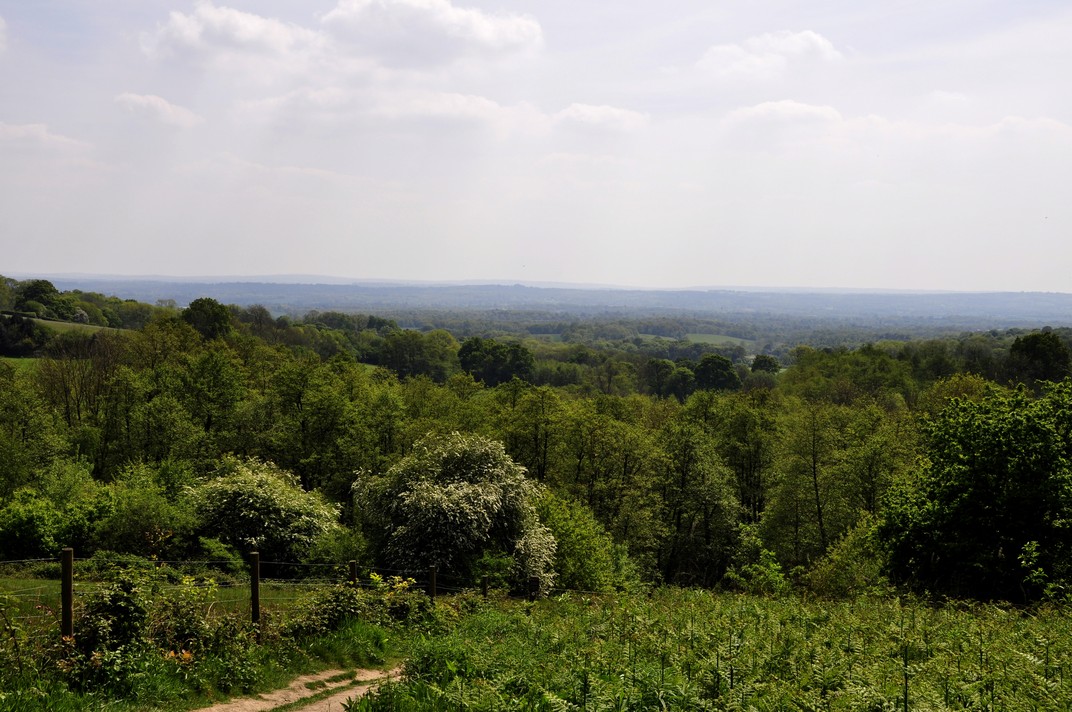
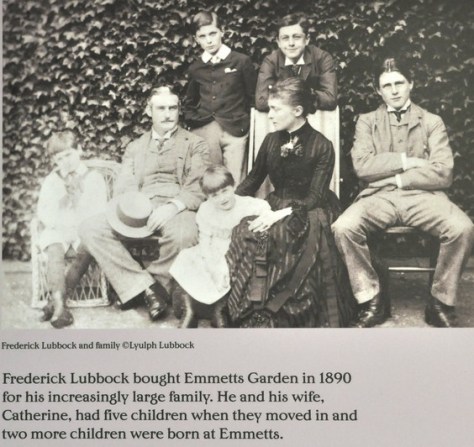
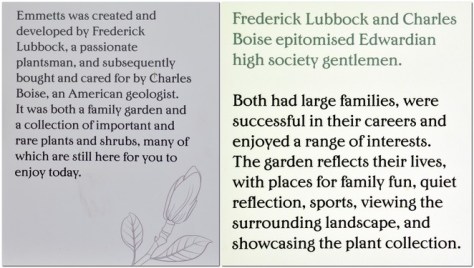
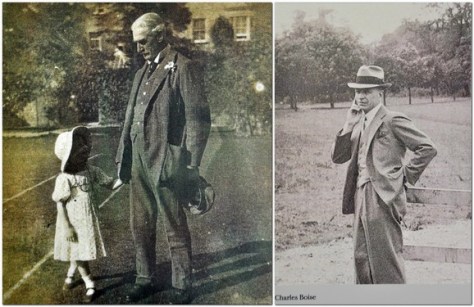
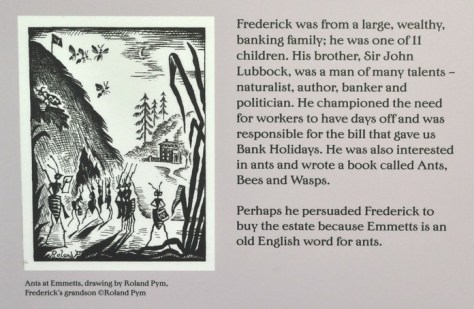


 Self isolation—the new ‘selfie’! Social distancing. New words to add to our vocabularies. How our lives have changed in just two weeks.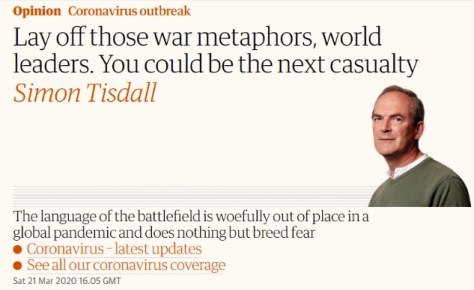

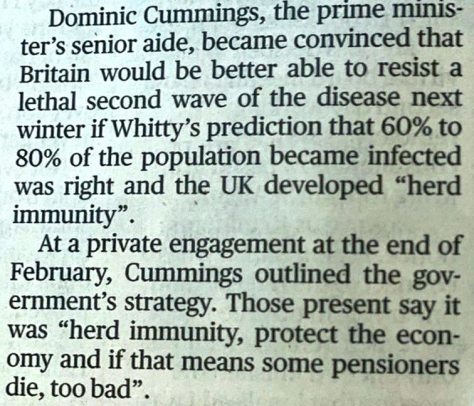

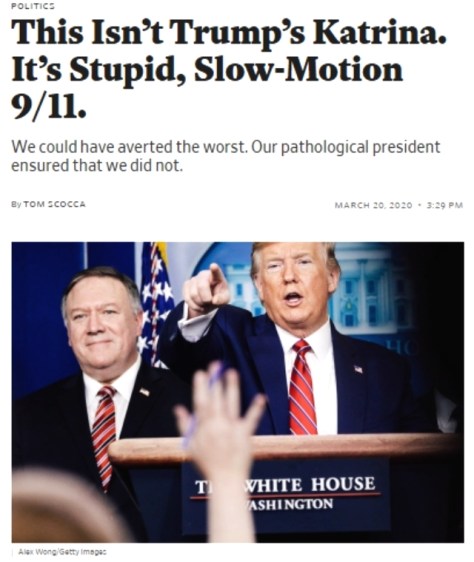

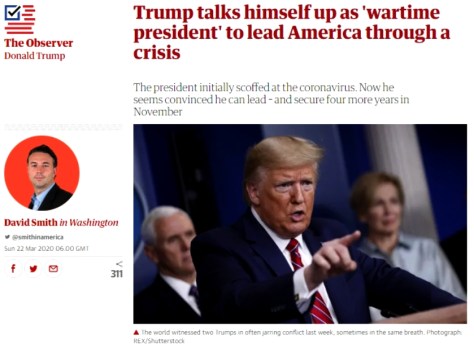


 At the beginning of this post I suggested that ‘selfie’ had taken on a new meaning: self isolation. Here’s me, taking a selfie while taking a selfie.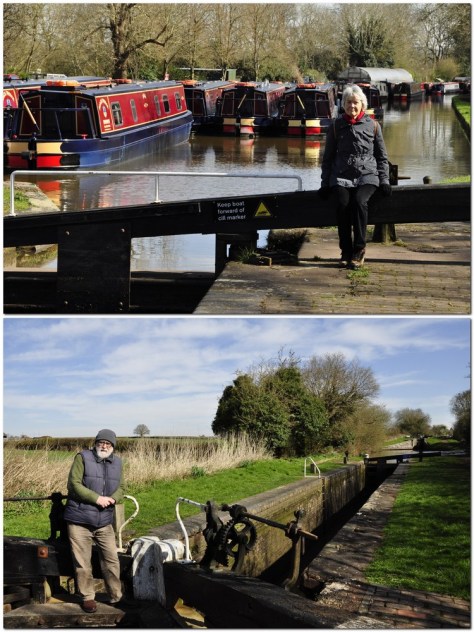
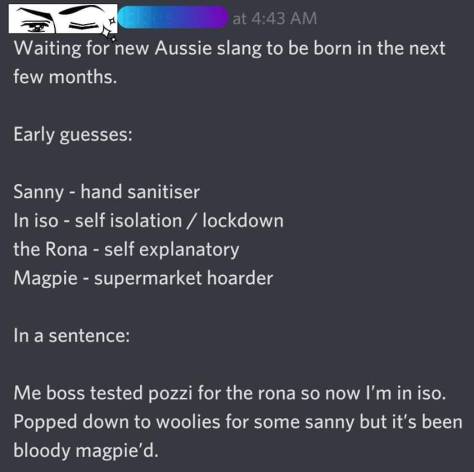
 During the decade (1991-2001) that I had responsibility for the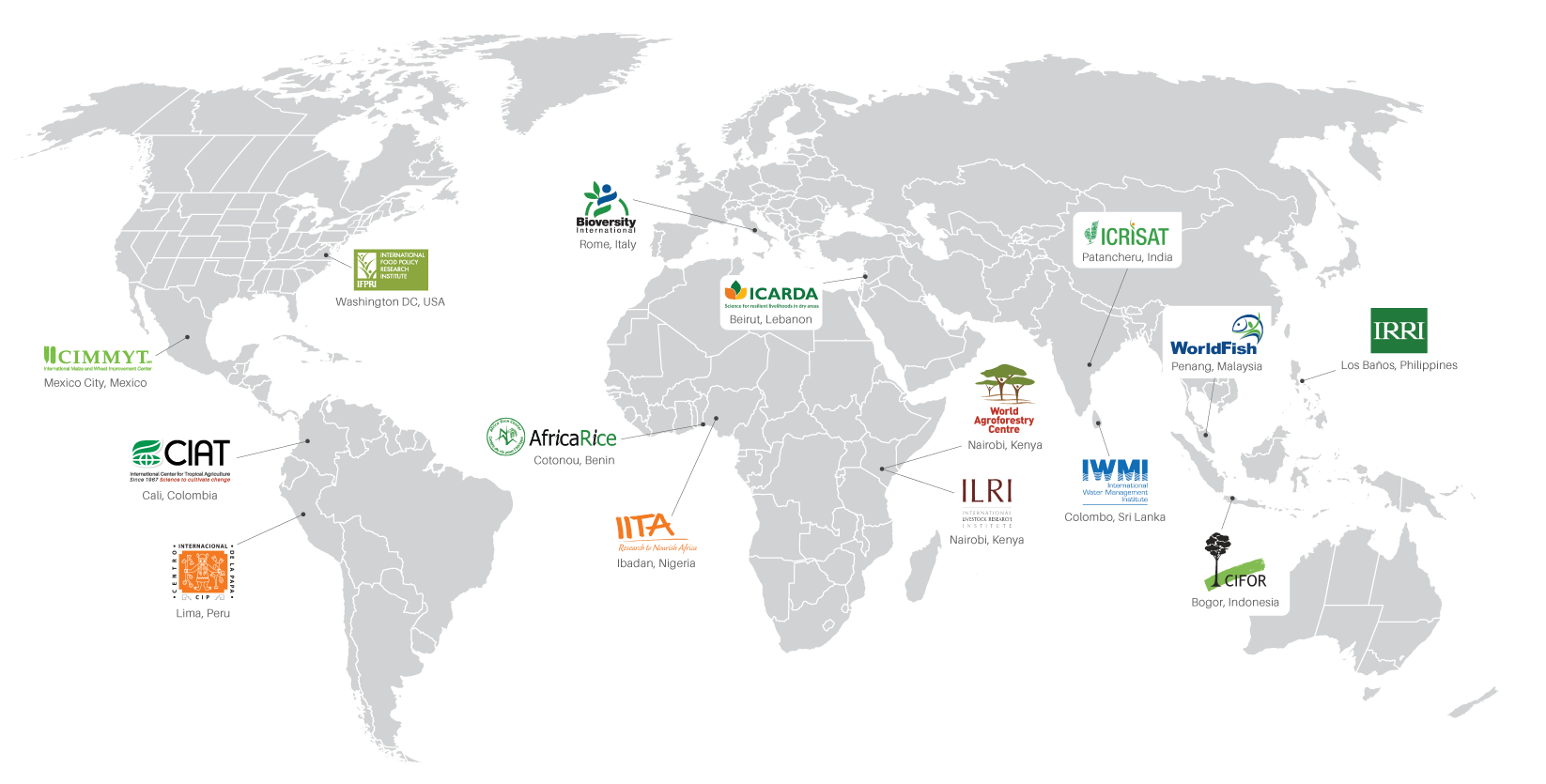
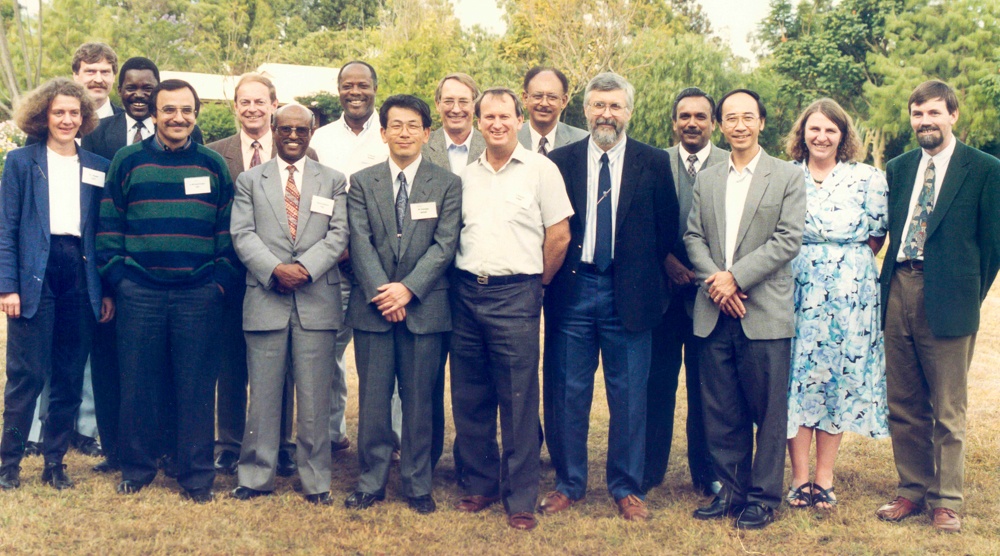
 resources roles of the centers that led to the launch of the System-wide Genetic Resources Program (SGRP) in 1994. The SGRP was active for around a couple of decades, but has now been replaced by the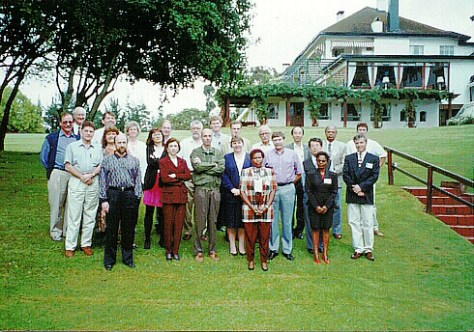
 These meetings were a great opportunity to catch up with old friends, besides discussing and setting in train some important policy decisions for the centers regarding the management of and access to the important germplasm collections conserved in their genebanks.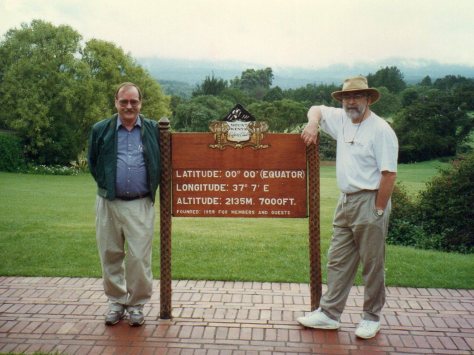
 Bent studied at the University of Minnesota in St Paul on the Minnesota Agricultural Student Trainee international exchange program, gaining a masters degree in 1973 and his PhD in 1976 (in plant pathology). He then joined CIMMYT and remained there for much of his career until 2003. Before heading the wheat genebank, he had also spent time with CIMMYT in Turkey.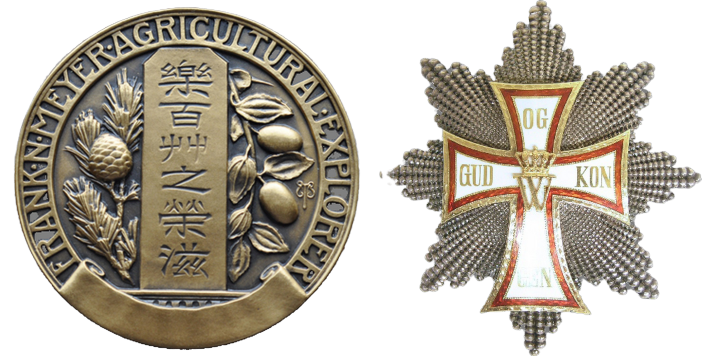

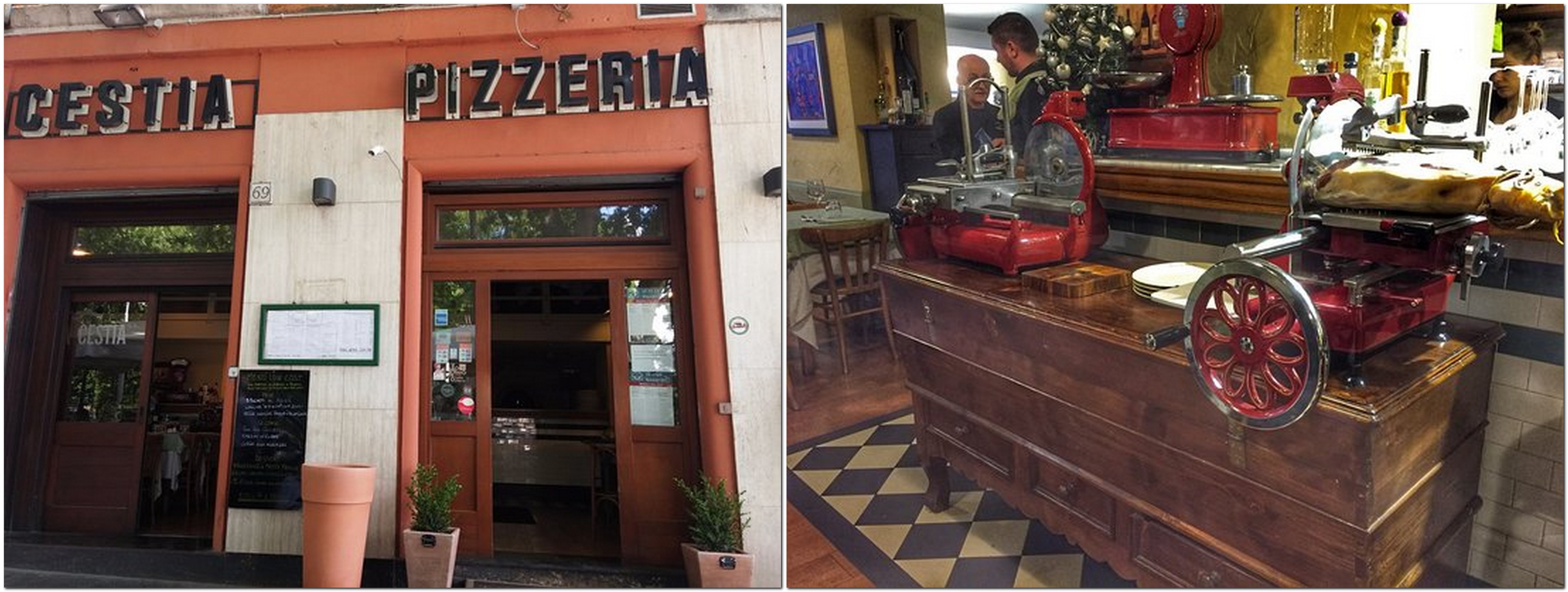
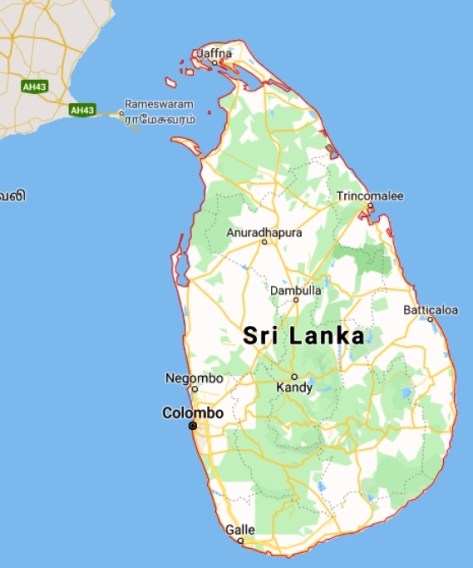


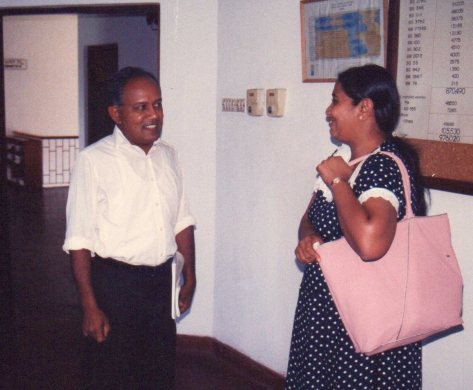


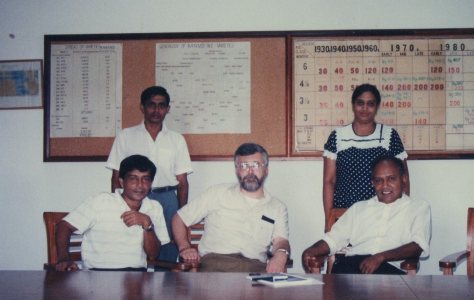


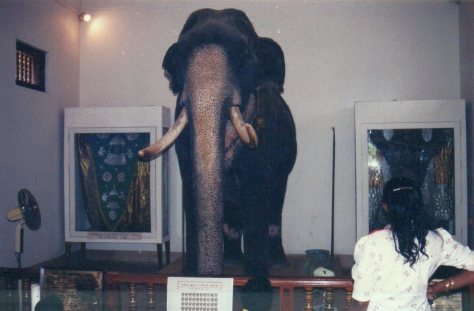
 During the nineteen years I spent in the Far East, I visited China just twice. The first time was in March 1995, and this post is all about that visit. It must have been in 2009 that I was in China again, for the annual meeting of the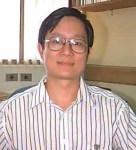
 Agriculture under the supervision Professor Roland von Bothmer, studying the cytogenetics of wheat species, if memory serves me correctly. He had also spent some months working at the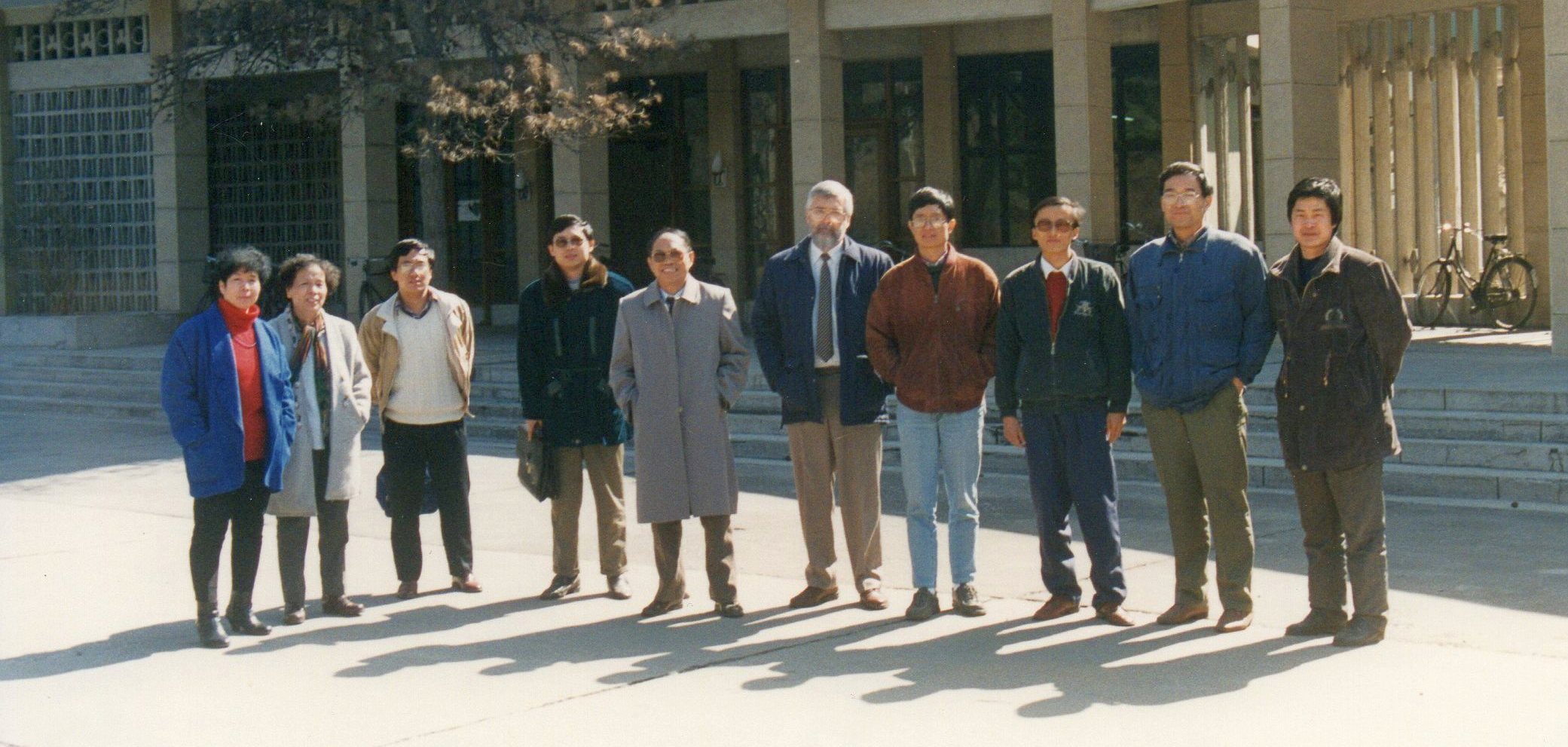
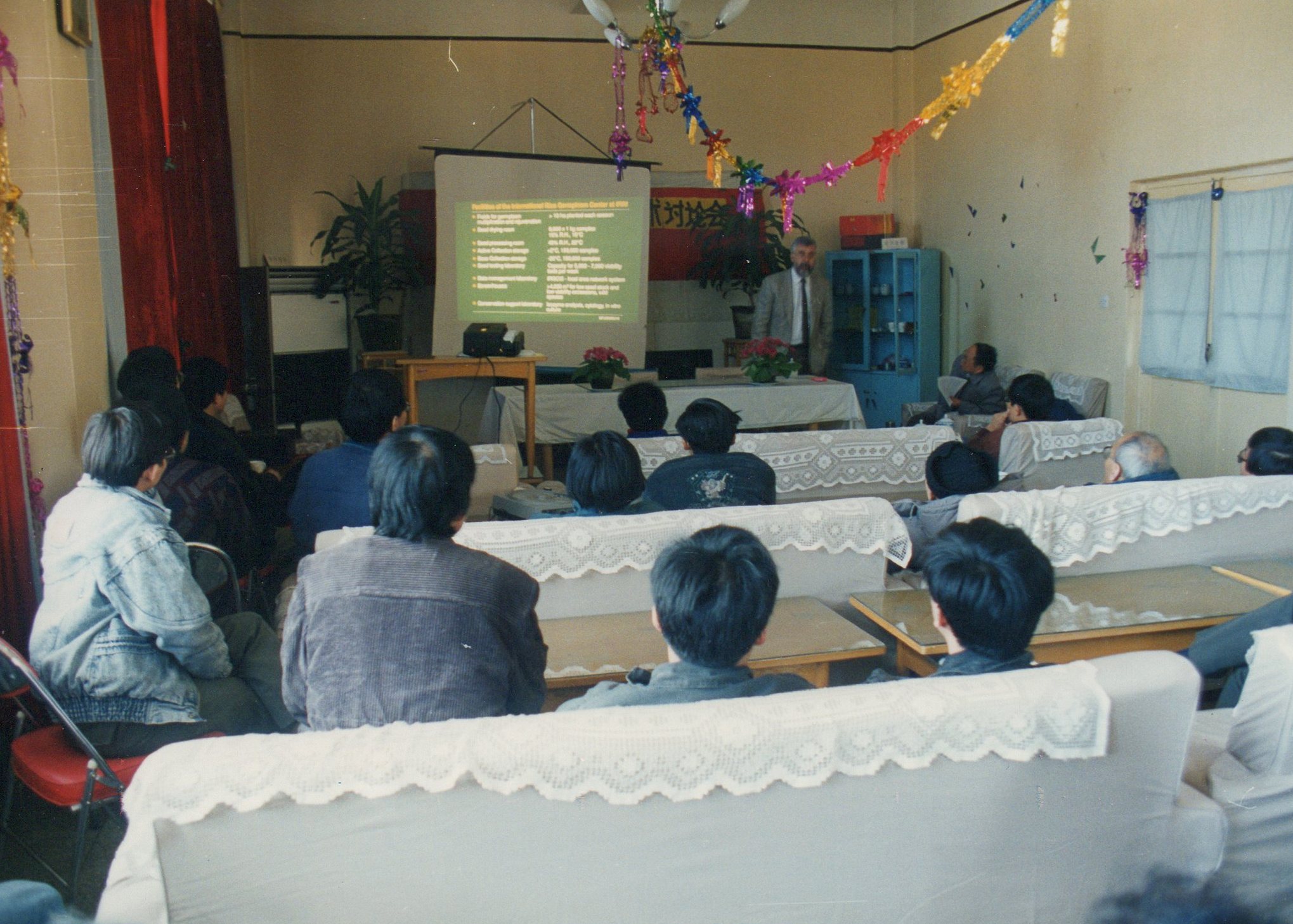


 After a few days in Beijing, we headed south to the city of Hangzhou (inland from Shanghai on the Qiantang River) in Zhejiang province. We were there to visit the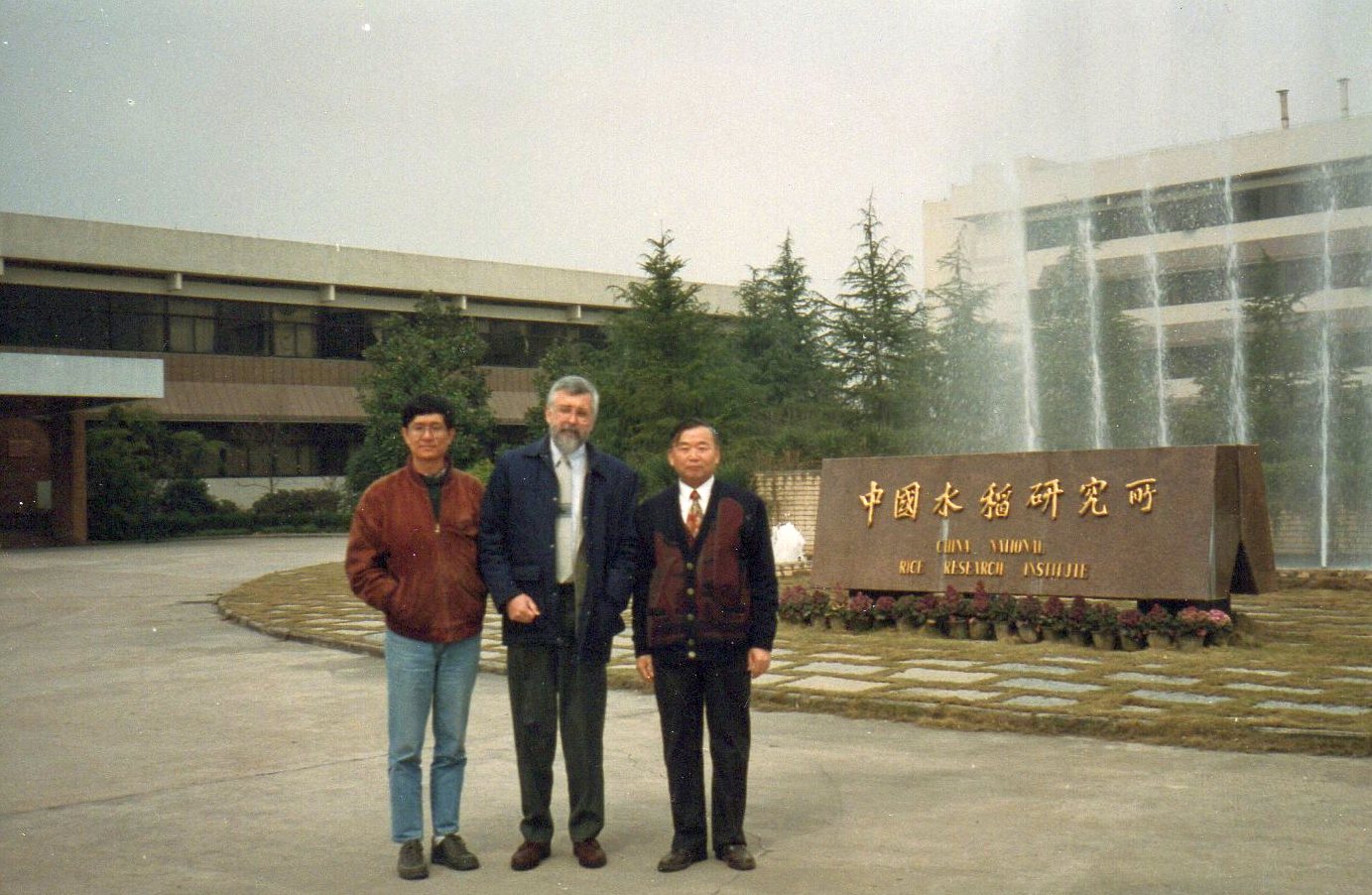
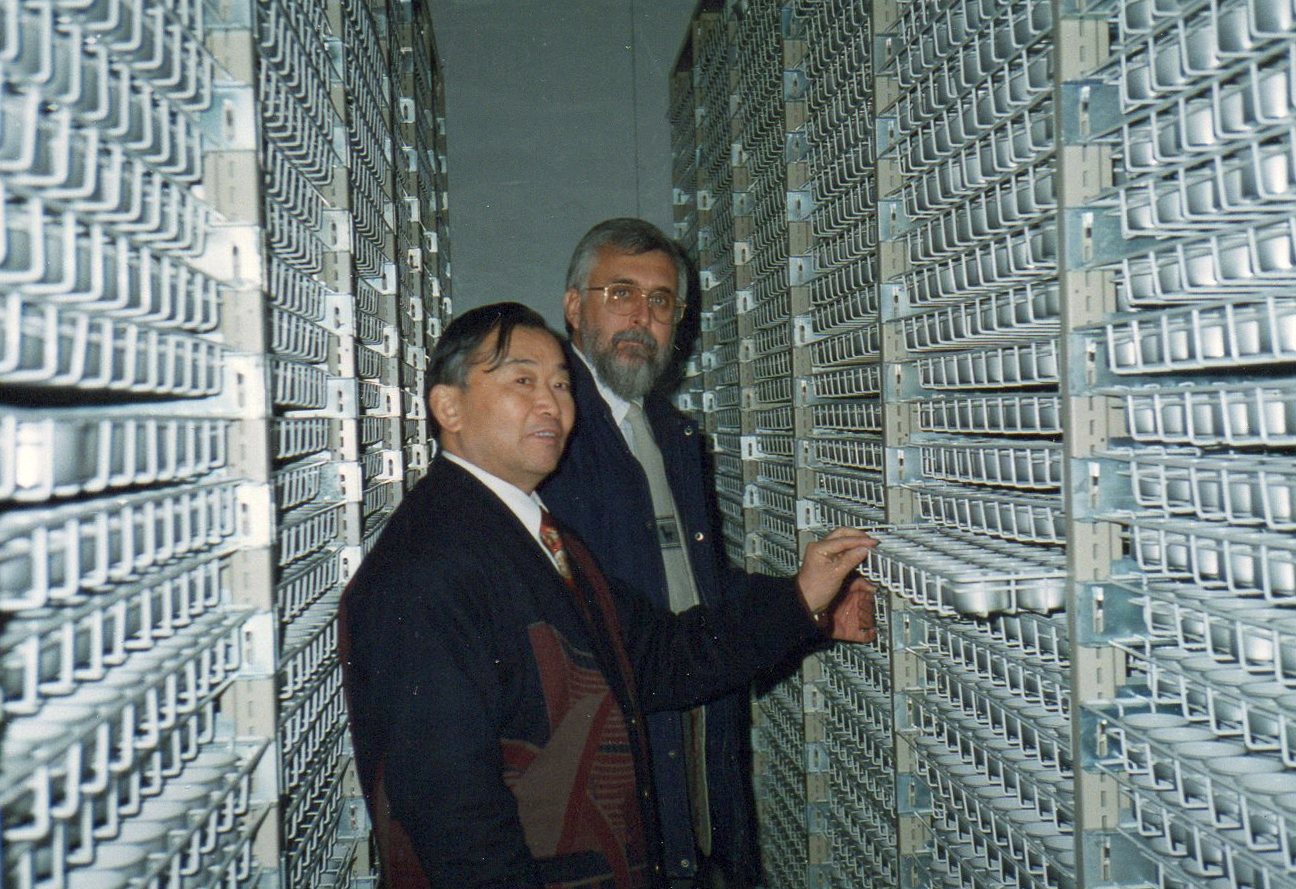


 Bao-Rong remained at IRRI for two contracts, a total of six years. After he left IRRI in 2000, he returned to China and it wasn’t long before he joined
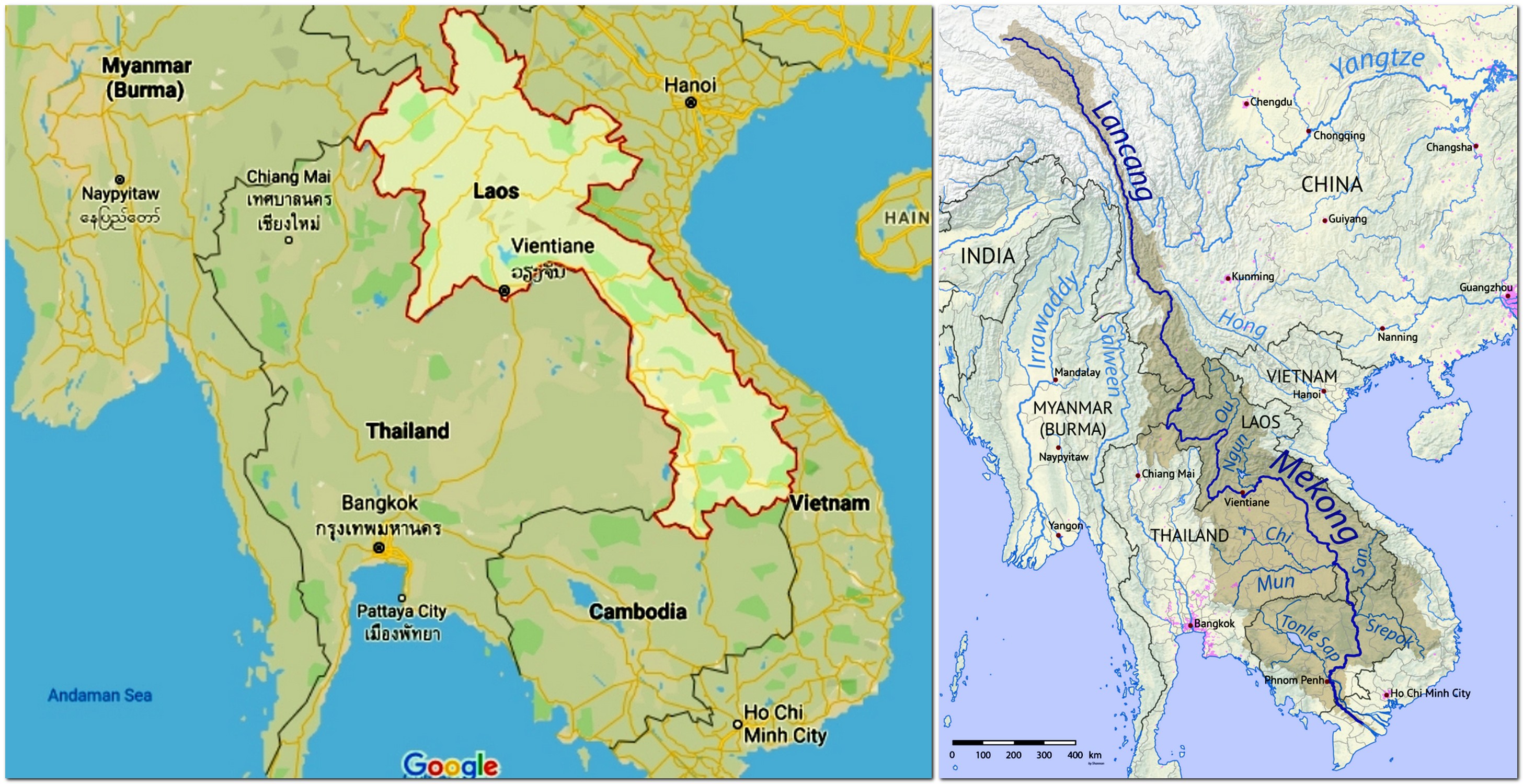
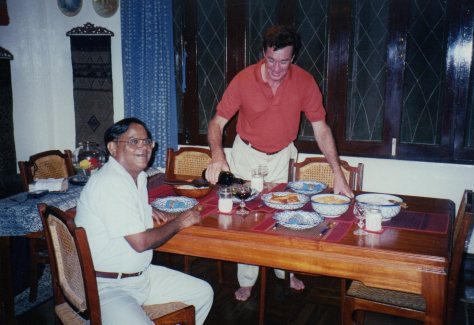
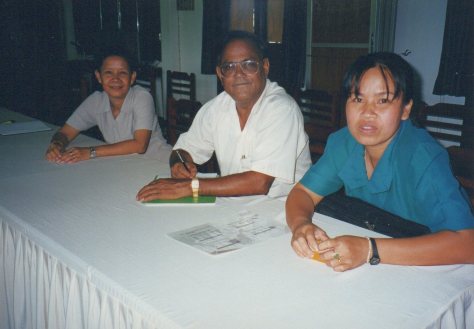


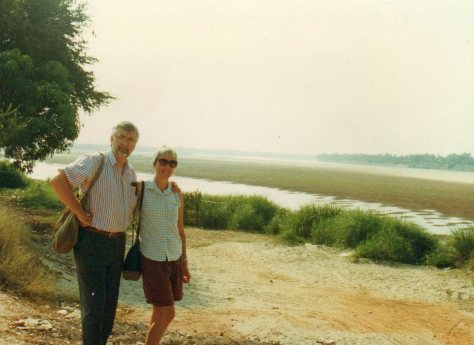


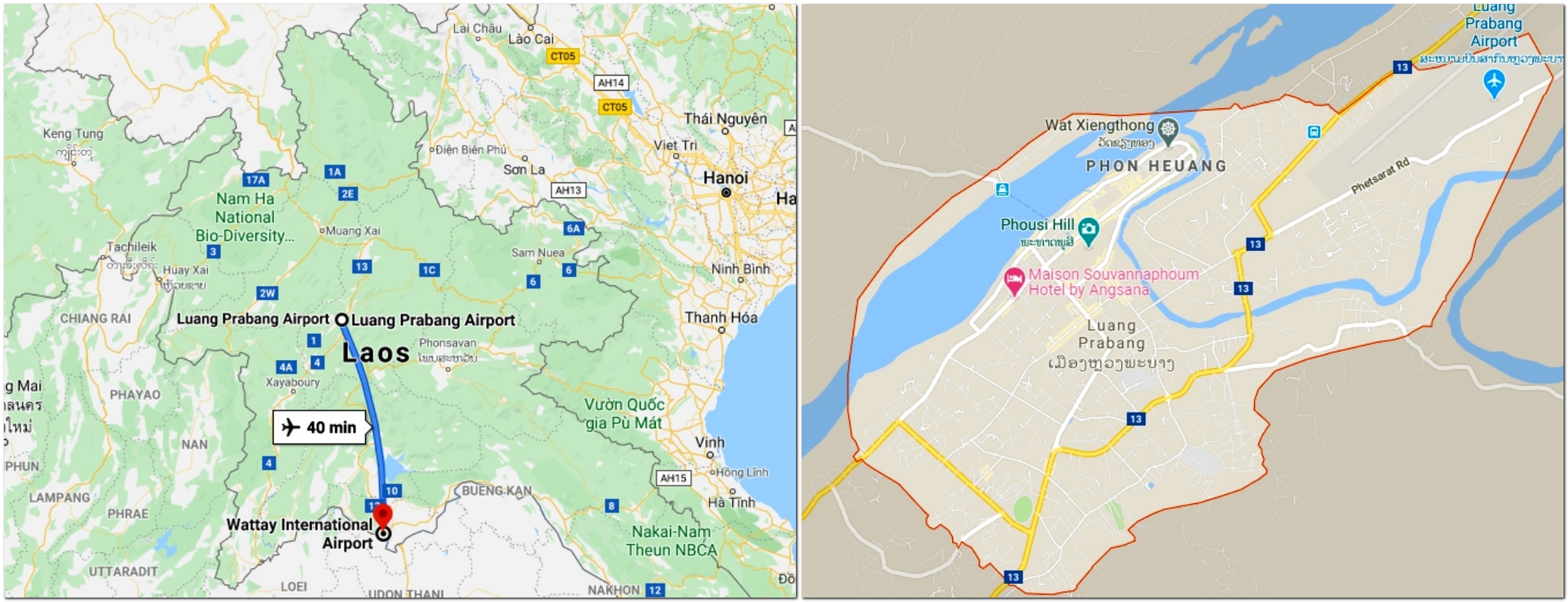


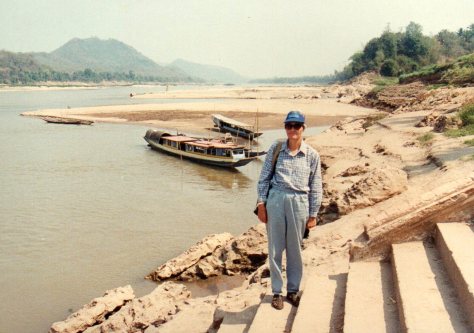


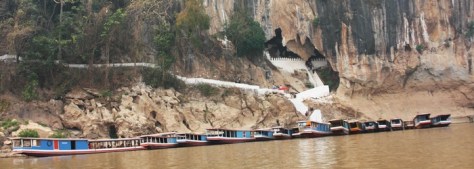
 Mostly, my glass is half full. But, in recent months, and particularly over the past four weeks, my natural optimism has been severely challenged.


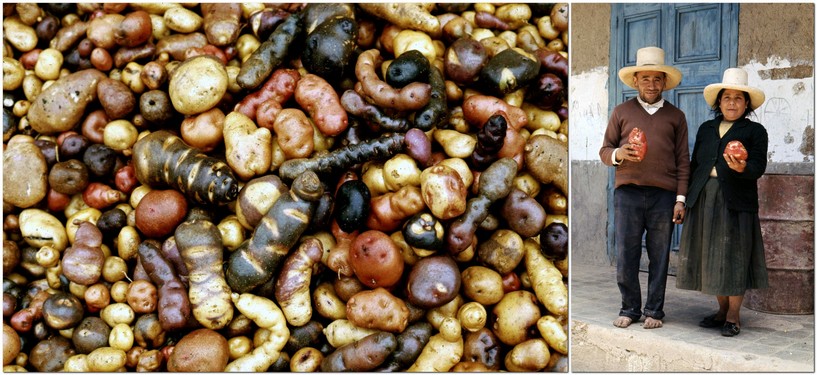

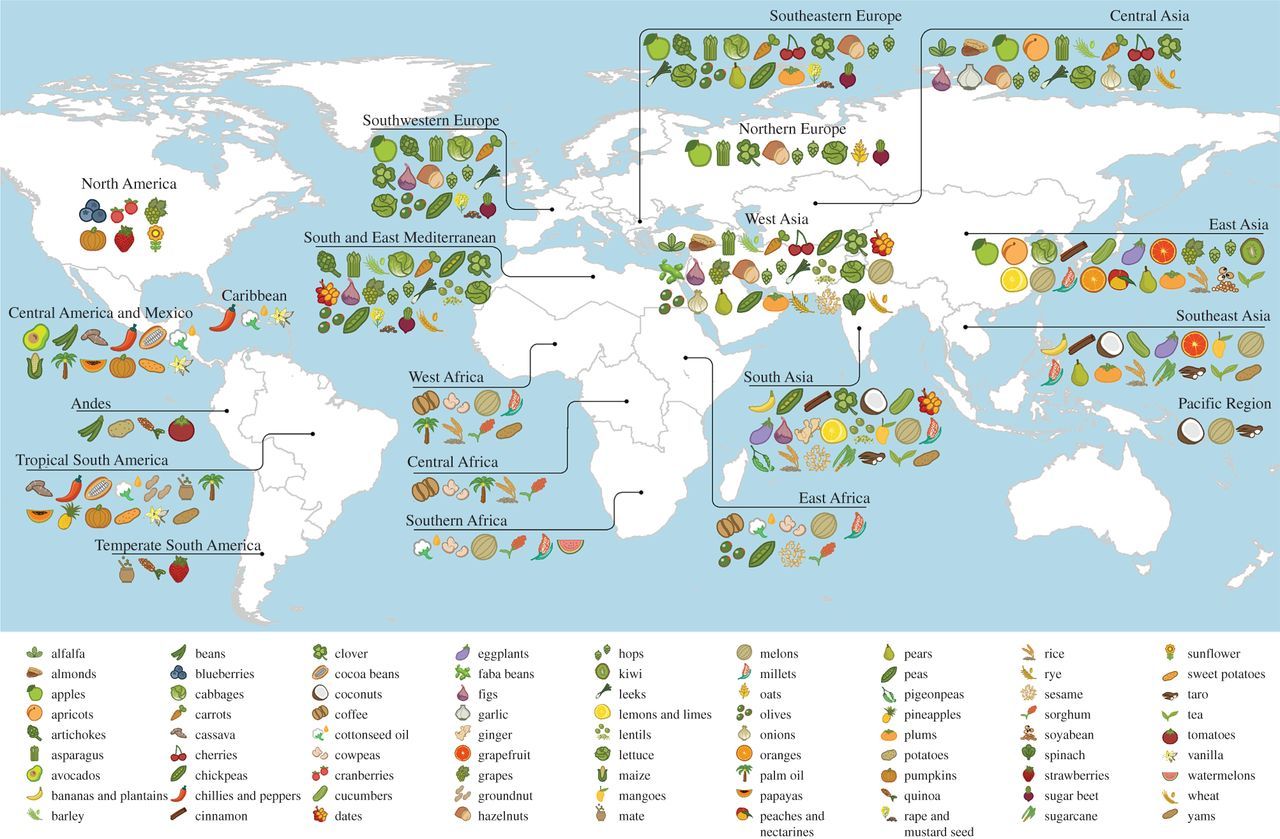
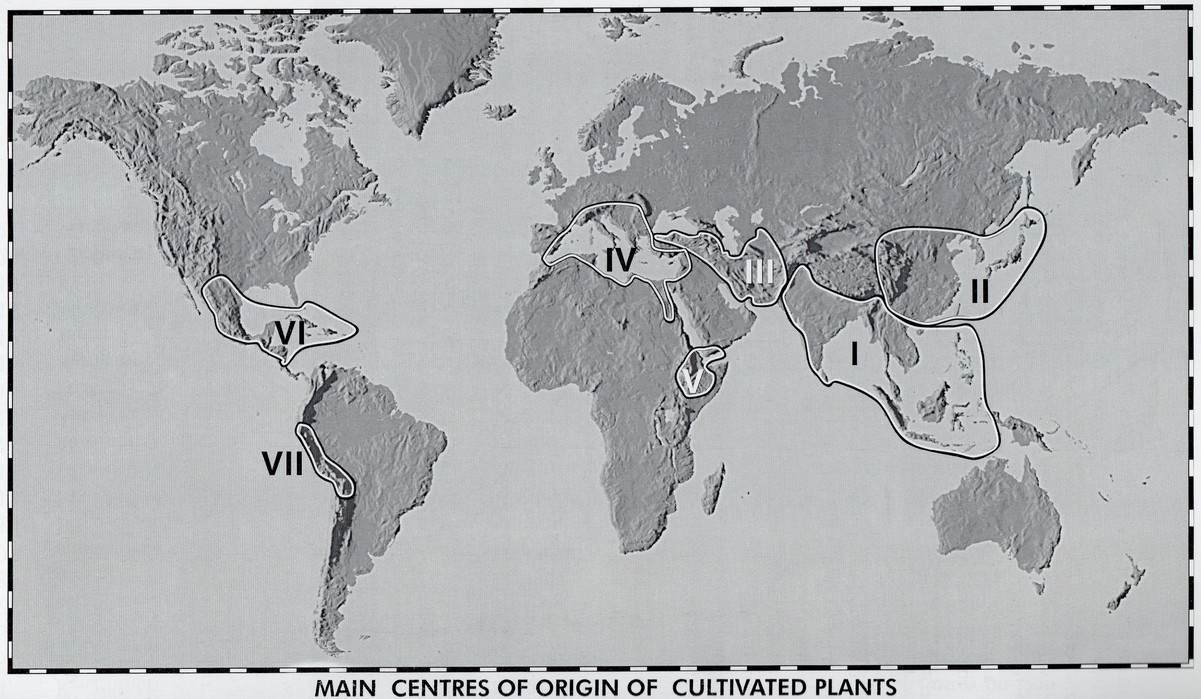
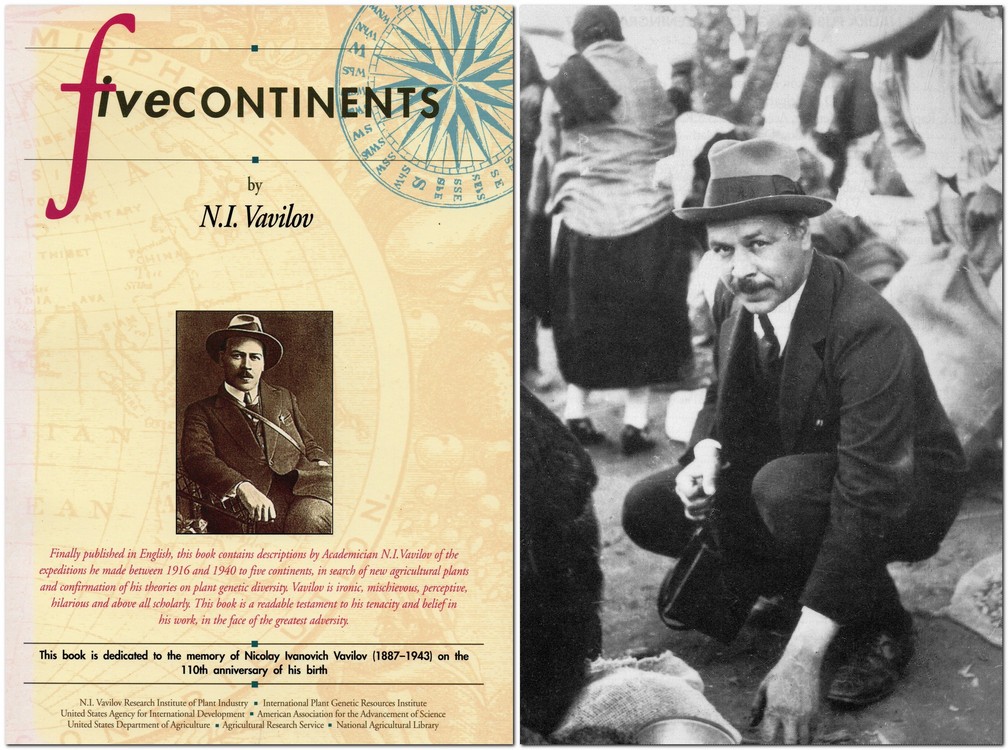


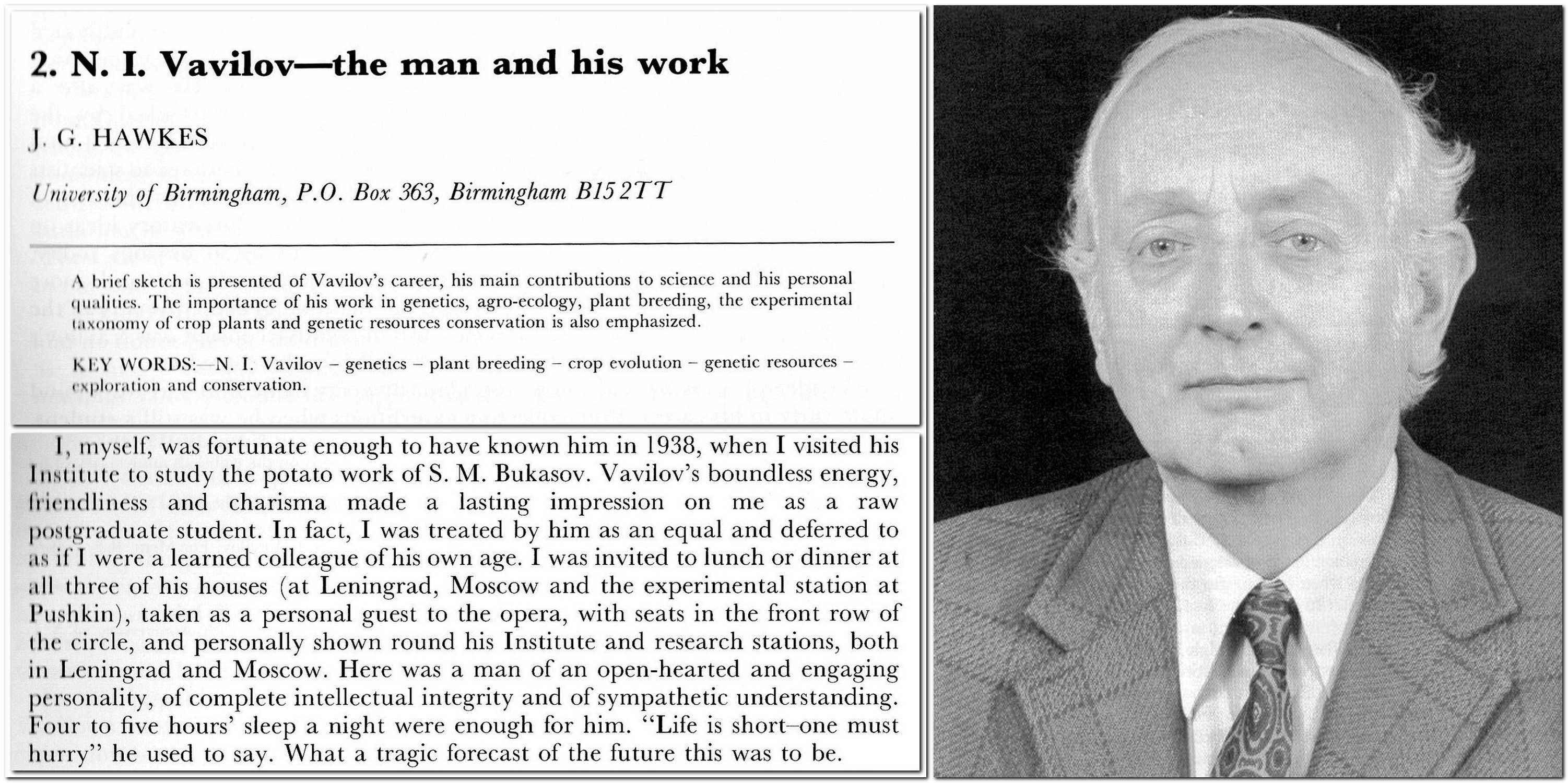

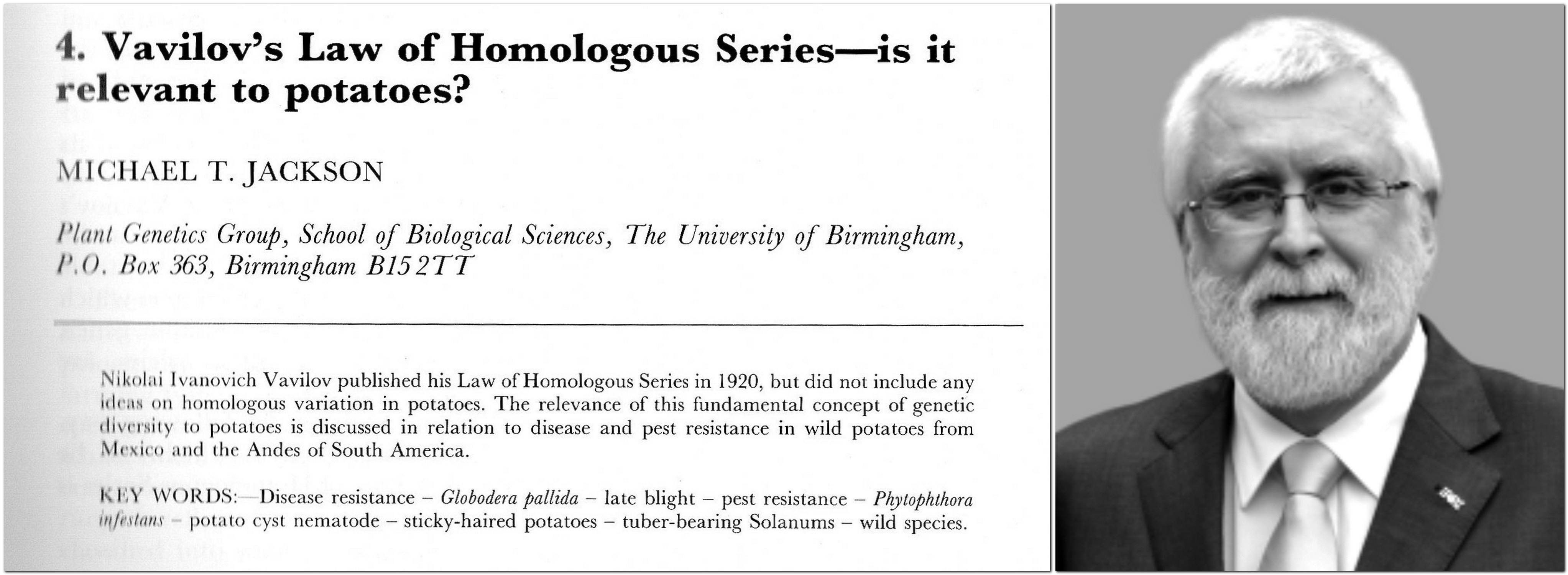
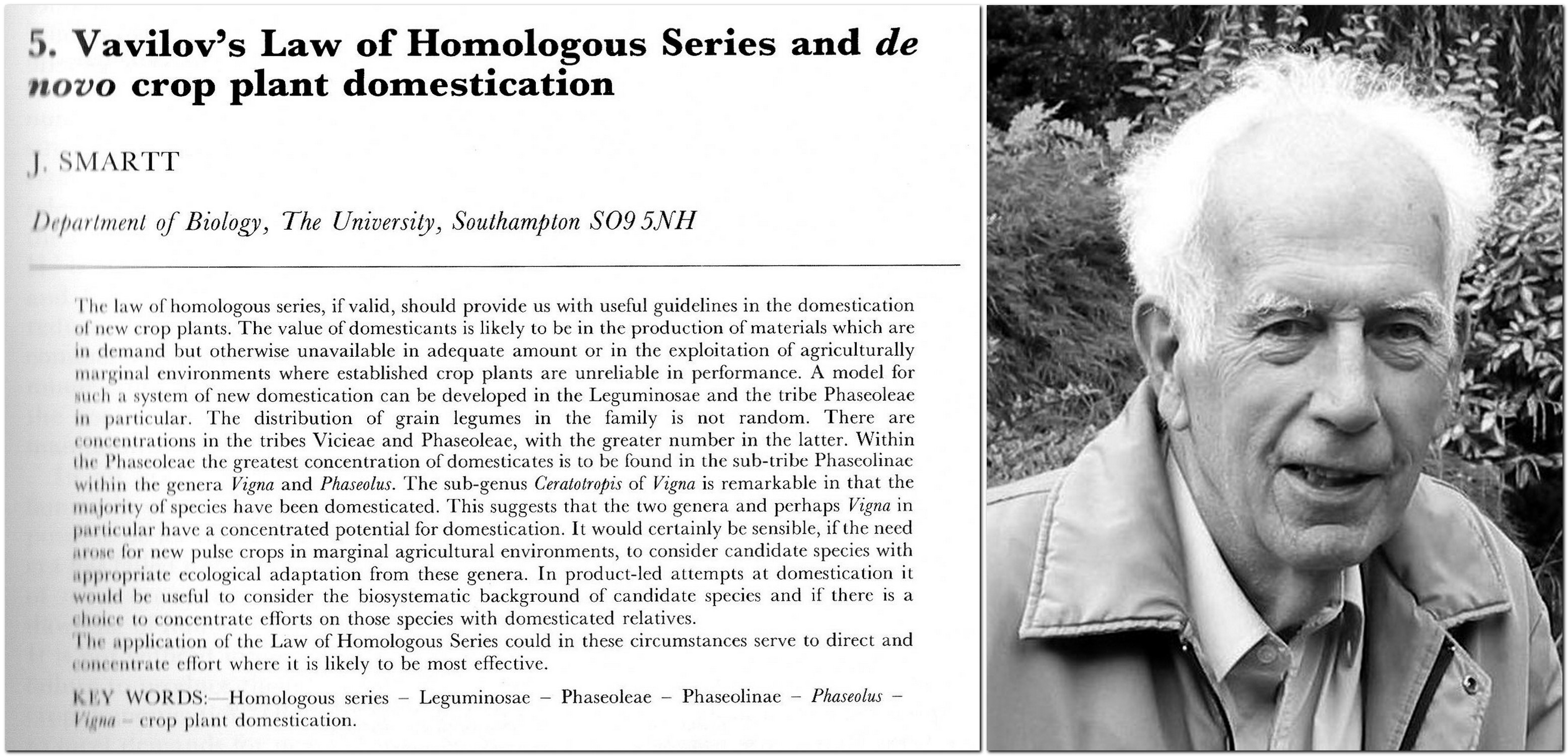
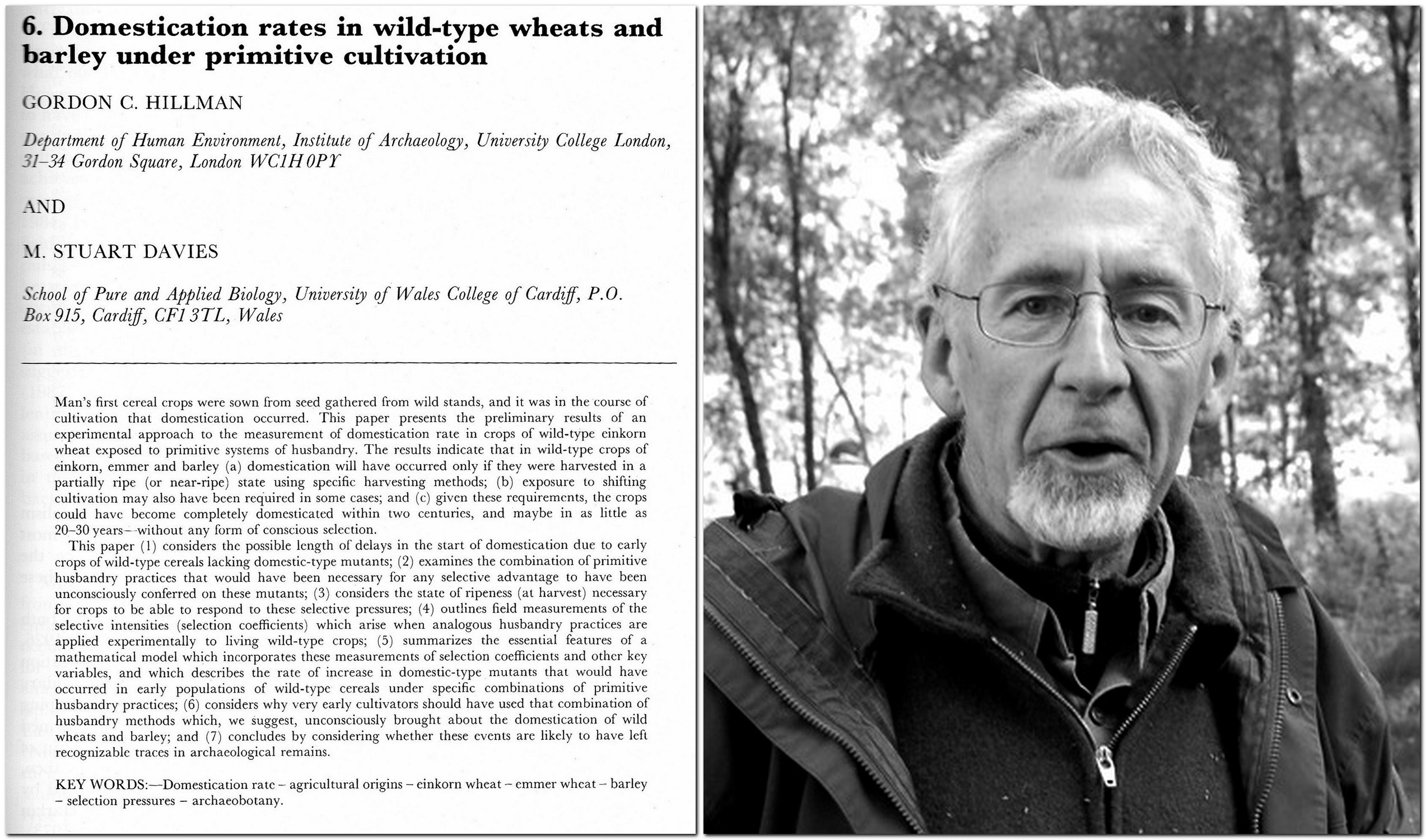
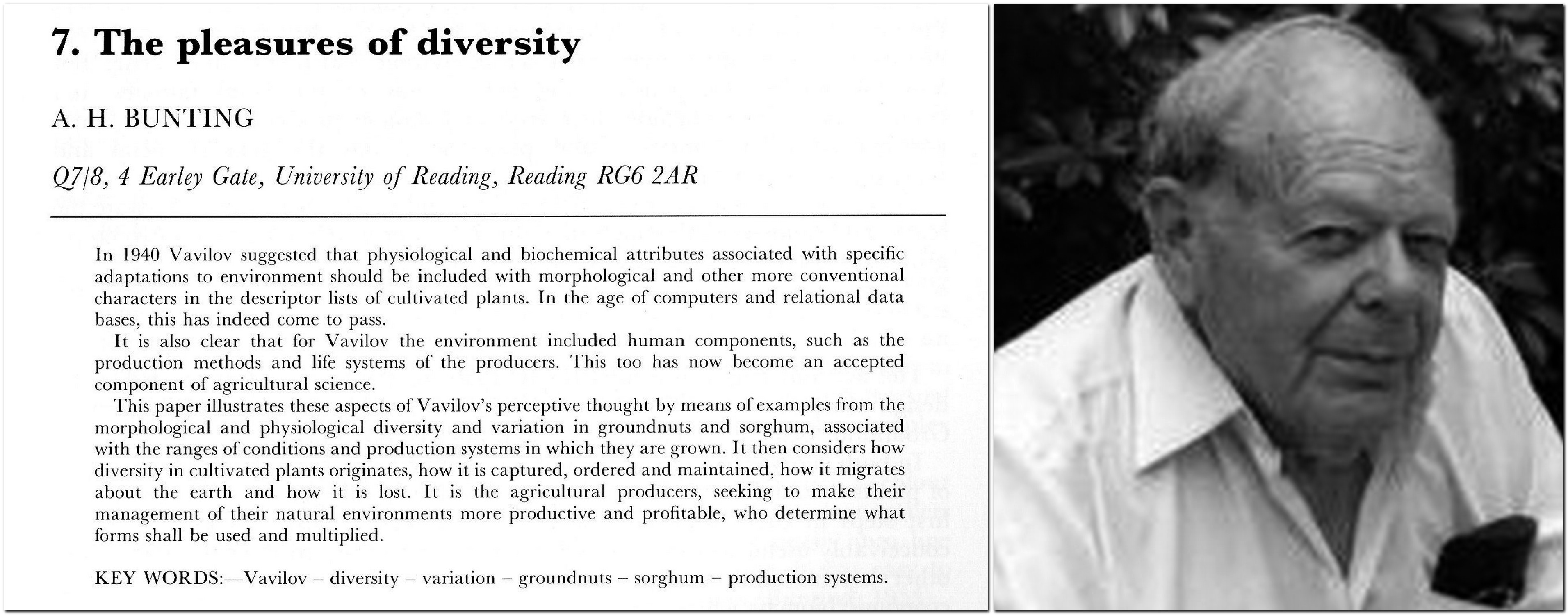

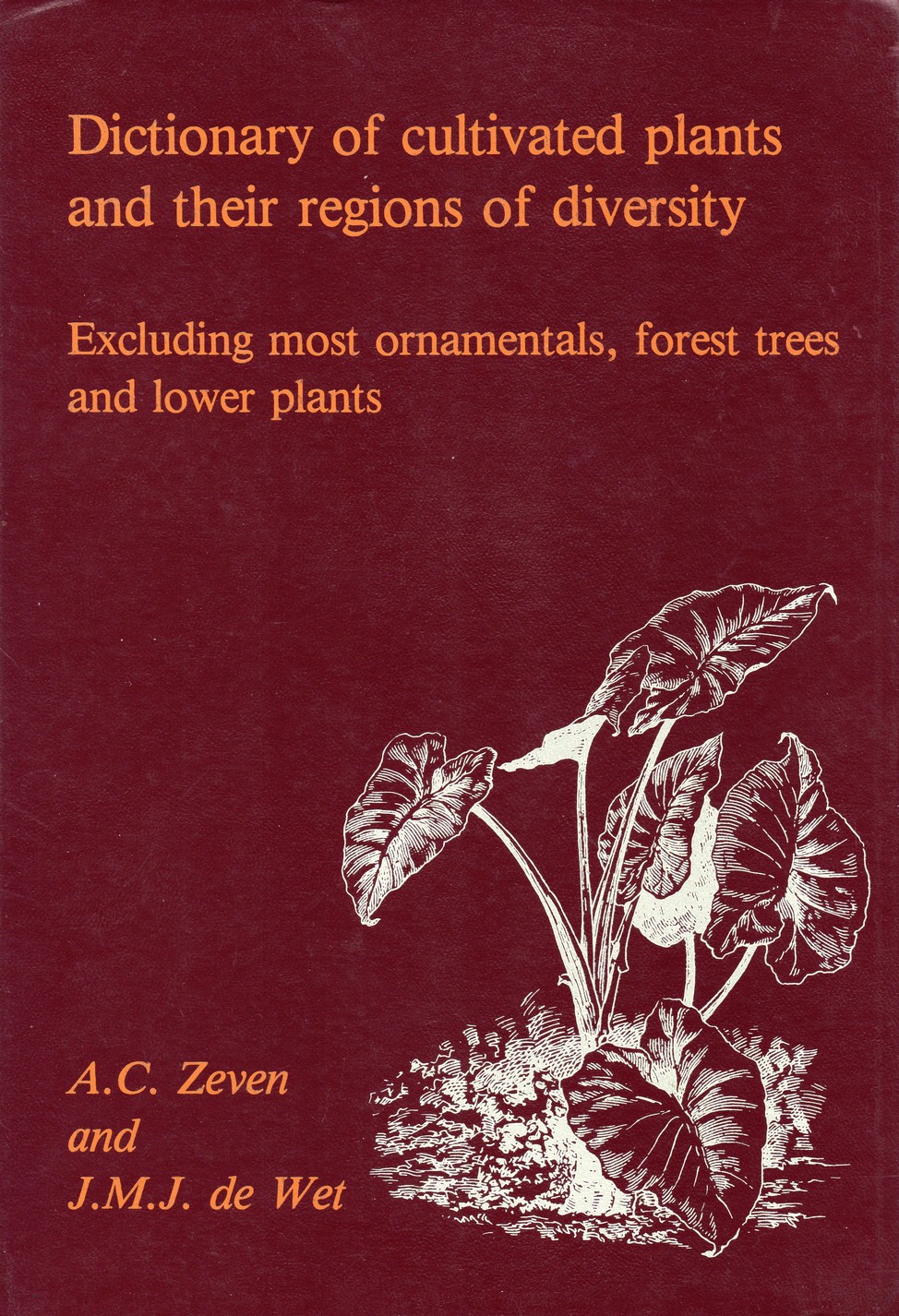

 In July 1981, Steph and I (and three year old Hannah) set up home in
  In March 1981 we returned to the UK from Peru, after spending over eight years with the
  A teaching position opened at
  So began our life in Bromsgrove, never realizing that a decade later we would be on the move yet again, to the Philippines, and rice research at the


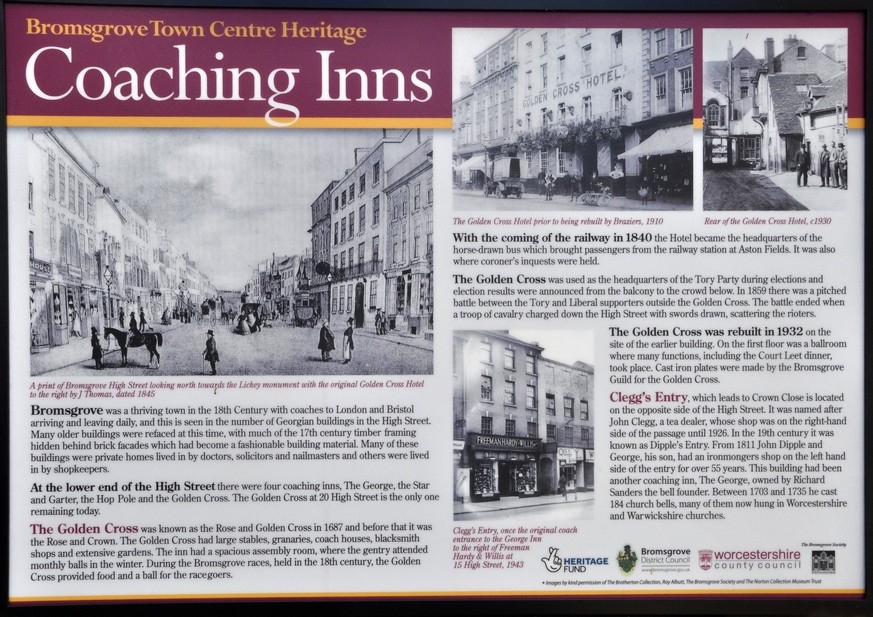
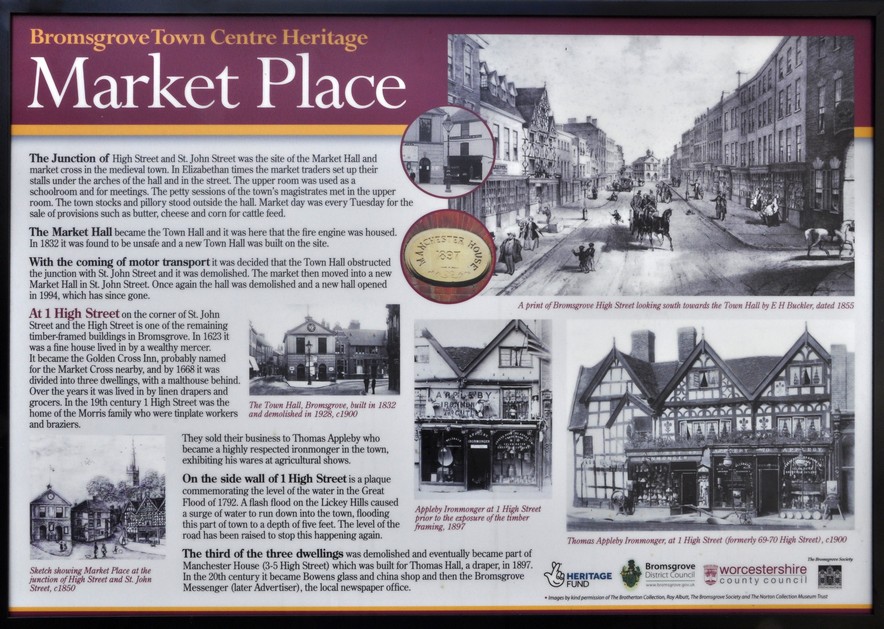


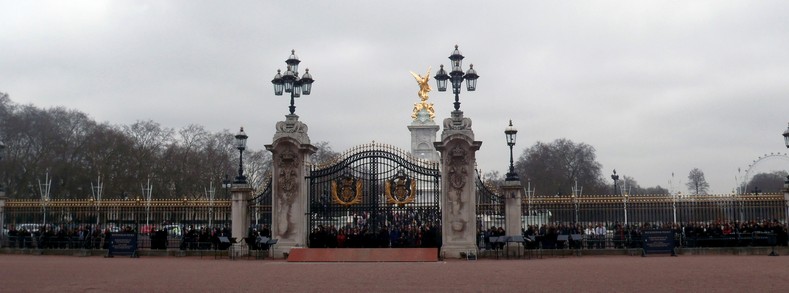
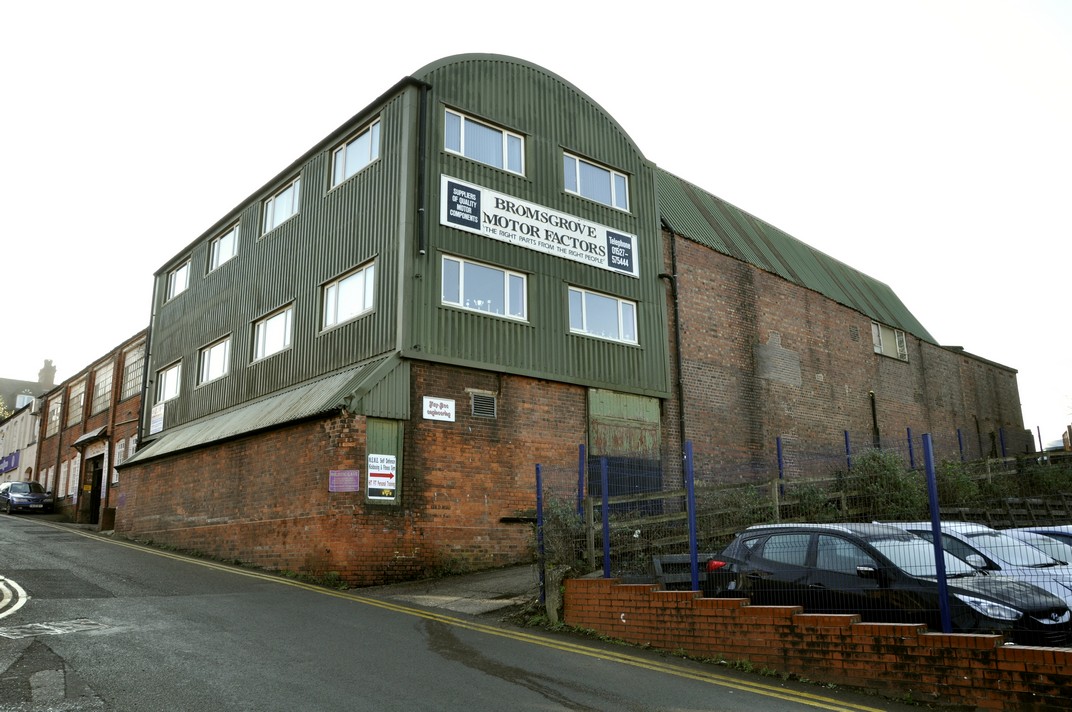
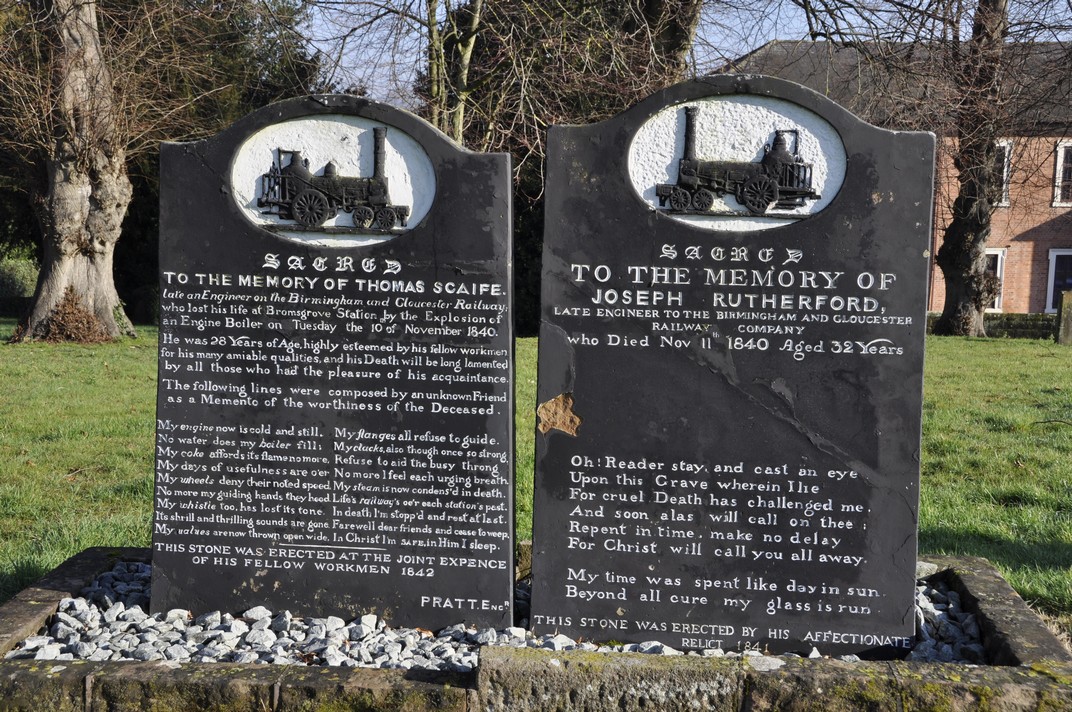

 The local Conservative MP is the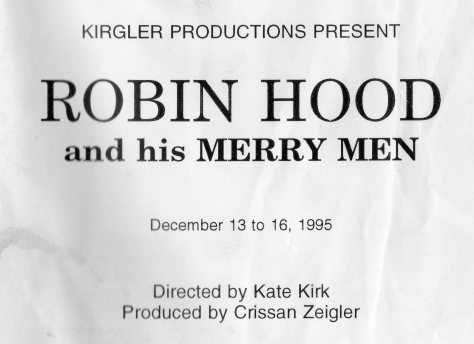
 I joined IRRI in July 1991 as Head of the Genetic Resources Center, and when Kate asked me to be part of one of her productions, I jumped at the chance. Since my undergraduate days at Southampton I’d enjoyed taking part in reviews and the like, but only on an occasional basis.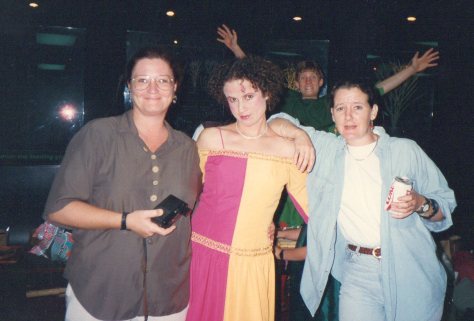
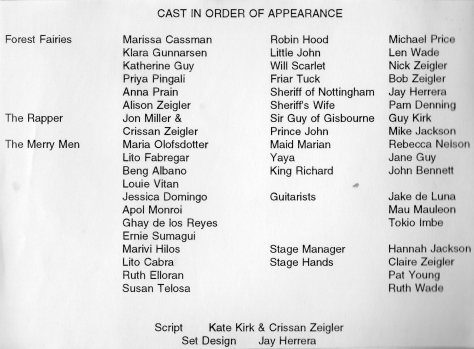
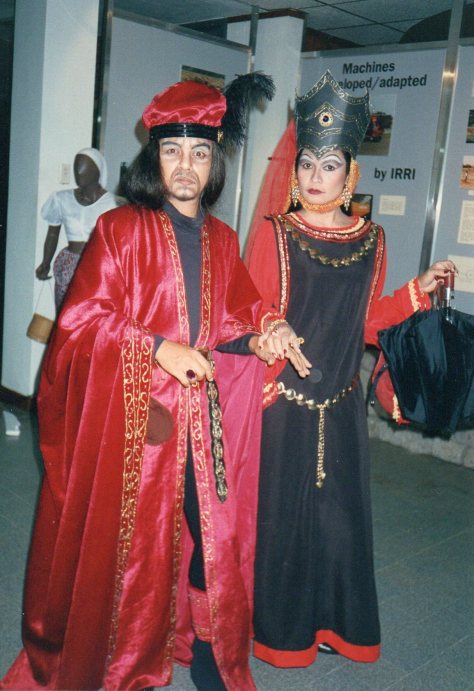


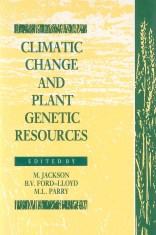 Our ability to adapt to changing climates will be determined, to a considerable extent, upon our ability to feed ourselves, to provide shelter and clothing, and for many peoples in many developing countries there will be problems in obtaining fuelwood for cooking or heating.
 We also have limited information how the environmental pest and plant pathogen load will change under a changing climate. That’s a particular concern for plant species that cannot be stored as seeds but are conserved in field genebanks. In this, the
 You can find out more about the CGIAR genebanks on the Genebank Platform

 There were also various plant quarantine issues, seemingly insurmountable. Plant quarantine personnel are, by outlook, a conservative bunch of people. And with good reason. IRRI successfully operates its germplasm exchange (both receipt and distribution) under the auspices of the Philippines Department of Agriculture’s
 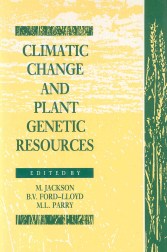 The devastating bush fires that have ravaged huge swathes of eastern Australia have highlighted the fragility of environments that are being affected adversely by the consequences of climate change. It’s a wake-up call, even though some of us were
 Standards in the eleven CGIAR genebanks have been raised through the
  Other international efforts like the
 I still argue, however, that in tandem with the molecular analysis of crop diversity, there must be an in-depth evaluation of how different varieties behave in real environments. In joint research between former colleagues of mine at The University of Birmingham (Professors Brian Ford-Lloyd and John Newbury and Dr Parminder Virk) and myself at IRRI in the 1990s, we demonstrated the
 Forty-seven years ago, I was getting ready to fly to Peru, to join the
  In January 1981, I was invited to interview for a
  A decade later—and increasingly disillusioned with the UK’s higher education sector—I had applied for the position of Head of the
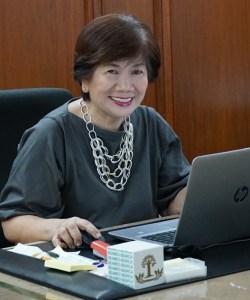
 One thing I did know, however: I wanted my secretary from GRC, Zeny Federico, to join me in DPPC, and she readily accepted my invitation.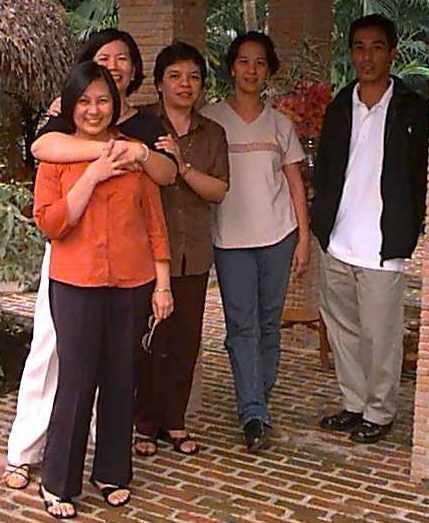
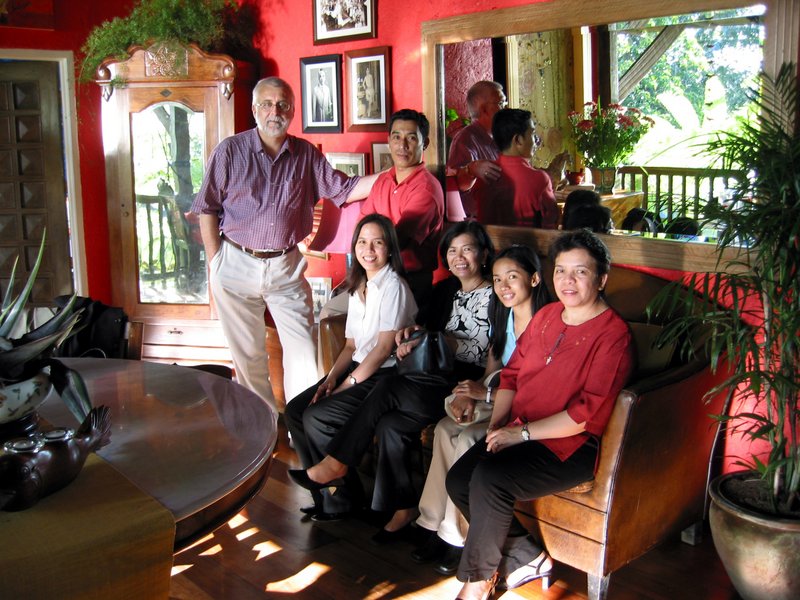
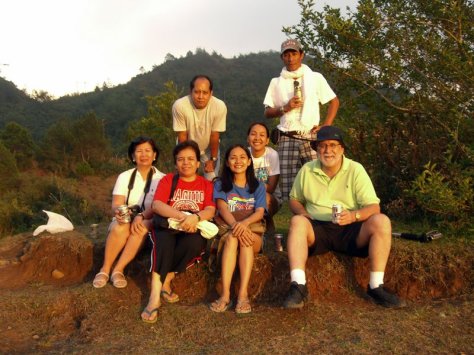

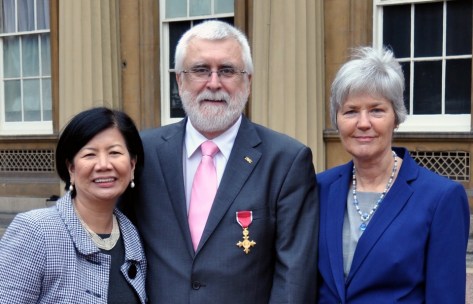


 It was as a weed biologist/ecologist that Martin joined IRRI (seconded from Liverpool) in 1996, and spent seven years at the institute, returning to his university post in 2002. But he remained connected with IRRI for many years afterwards, often spending a few weeks each year participating in weed research and helping to develop collaborations with institutes in South Asia. He published widely in his chosen field, and Dynamics of Weed Populations (with Roger Cousens of the Western Australia Department of Agriculture, and published by Cambridge University Press in 1995) was a significant contribution.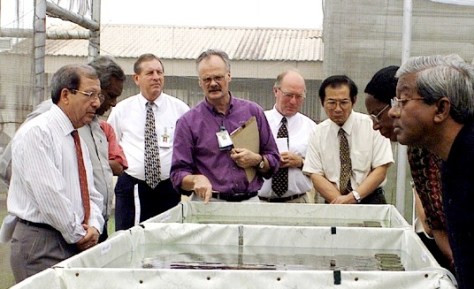
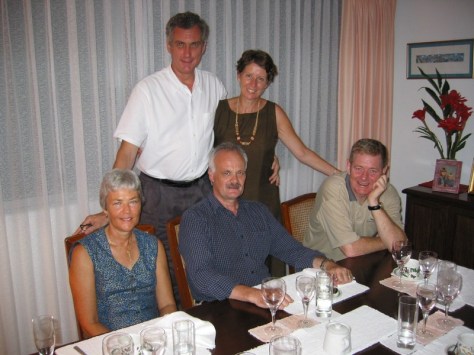


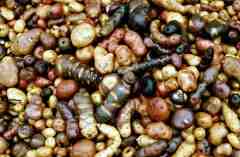 Starting a career in international agricultural research

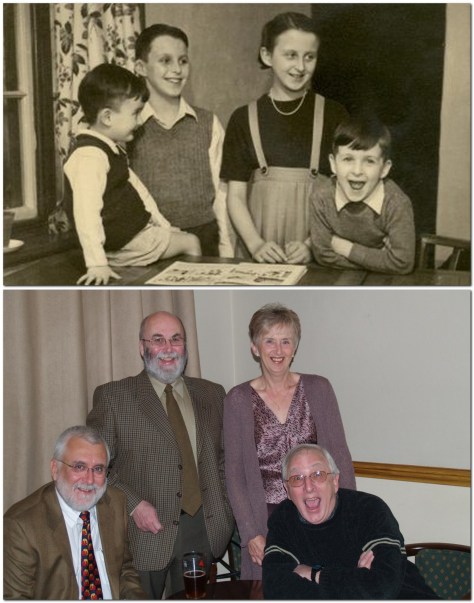
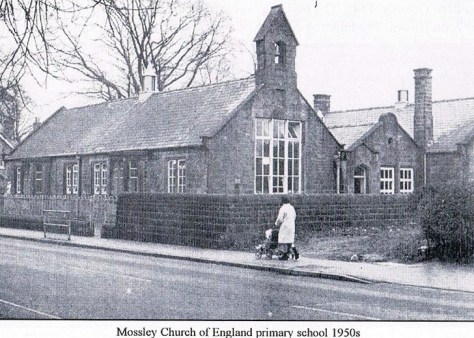

 One of his most important contributions to the field of leisure research was the 2005 book
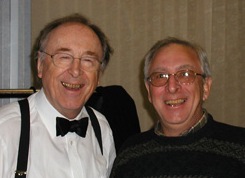


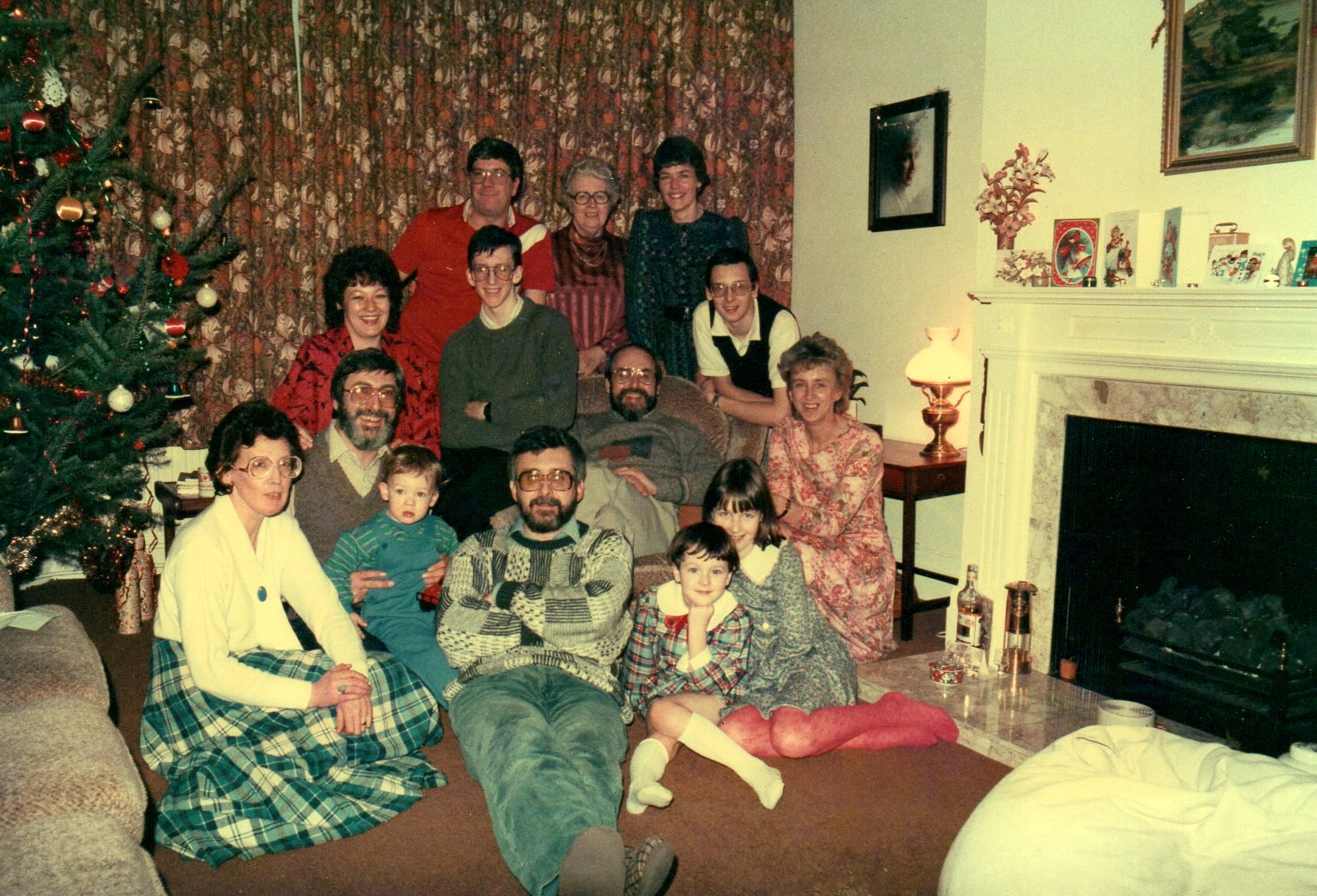
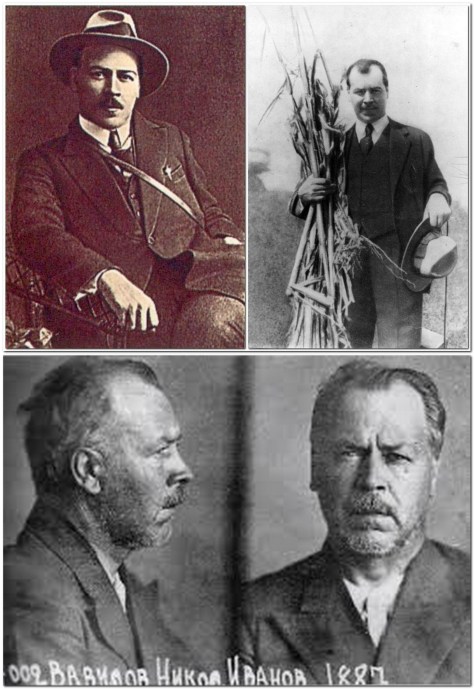

 Then it was Kipling once again –
 Just before departing for the USA, I finished North and South, and started
  And here we are, on 1 December, and I have just decided to tackle
  There’s an
 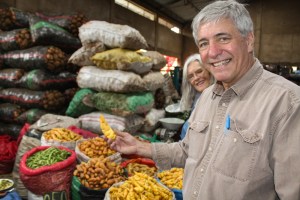 David argues that genebank managers need to balance science with the management of their collections. “If you focus purely on the science, then management of the genebank suffers,” he says. “If you focus solely on being a genebank manager, then you are never viewed by your scientific peers as a research scientist and that can mean fewer opportunities for collaboration.”
 I first heard about the job at IRRI in September 1990, when a position announcement landed on my desk in the morning post. I was intrigued. Who had sent this to me? At the same time, the thought of running a genebank was rather attractive, because by 1990 I had become somewhat
  As initially advertised, the Head of the Genetic Resources Center position was described merely as a service role with no assigned research responsibilities whatsoever. The Head would report directly to the Deputy Director General (International Programs)—not the DDG (Research).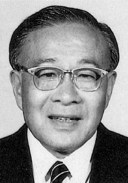
 It took me about six months to understand just how the genebank functioned, and how many operations needed to be updated. But I also had the tricky task of ‘side-lining’ the most senior of the national staff,
  It took about three years, but we overhauled almost everything that the genebank did (and producing an important

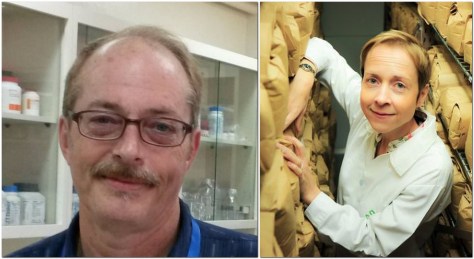
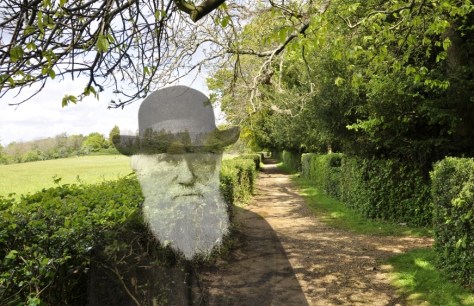

 Much of this rice research was aimed at understanding the diversity within a single species, Oryza sativa, which is grown over millions upon millions of hectares across the world. With hindsight, that research looks quite primitive, even though it was cutting edge at the time. Since the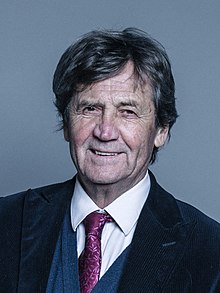


 The project has a number of priorities including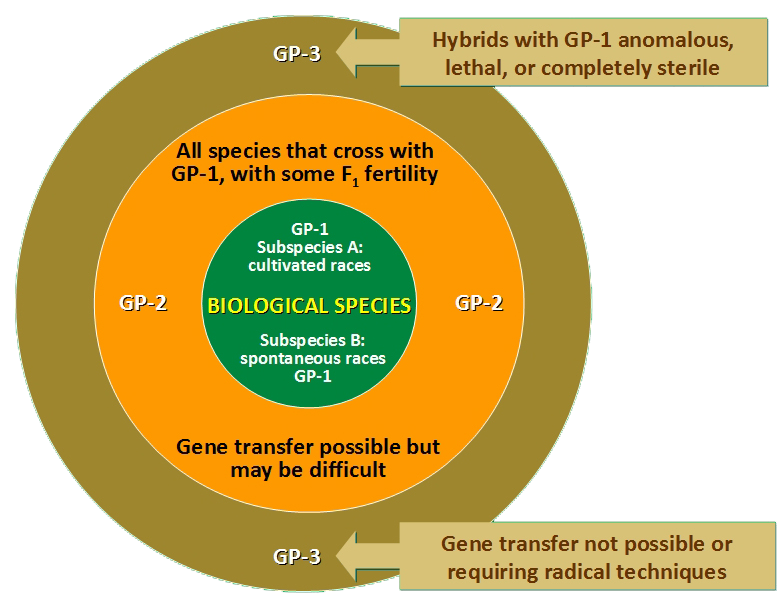
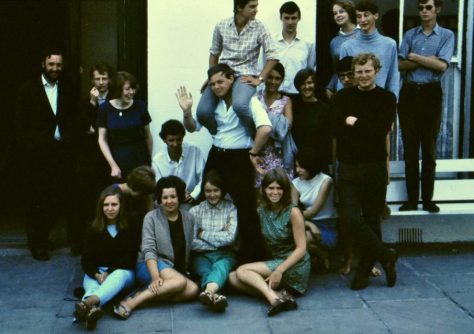
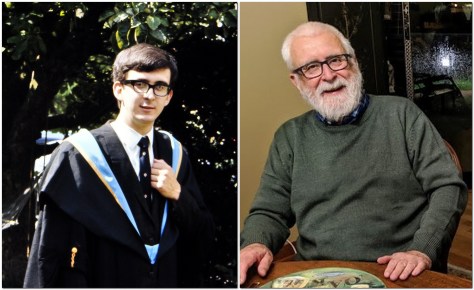
 But I was taken back to my university days recently when I received something the university alumni office. It was a Map of the Tracks, on which alumni memories (and music tracks associated with those memories) were posted.
 A balanced diet . . .