On Senlac Hill (or Senlac Ridge), about six miles north of the coast in Sussex (map), a Saxon shield wall prepares to engage the Norman-French invaders under Duke William of Normandy. The Saxons, under King Harold Godwinson, have just arrived after marching south from Stamford Bridge in the East Riding of Yorkshire where, just three weeks earlier, they had defeated another invading force under King Harald Hardrada of Norway and his ally, Harold’s brother Tostig.
Exhausted and possibly out-numbered, this is a make or break stand for Harold’s Saxons. But, if they stand their ground, they are better positioned than the Normans who must cross a shallow valley then climb Senlac Hill to engage the Saxons.
This is the view from just below Senlac Hill looking south to where the Normans were mustered on the ridge in the distance. They had to cross this shallow valley to engage the Saxons.
For most of the day the battle (of Hastings as it has come to be known) ebbs and flows with neither side gaining an advantage. Until, late in the day, the Normans appear defeated and in retreat. The Saxons break rank and chase the fleeing Normans. But it’s all a feint. The Norman cavalry in small groups of five or six riders turn on the pursuing Saxons, and cut them down. Harold is killed (by an arrow through his eye, so the story goes), and William is victorious.
And so begin several centuries of foreign rule of England, first under the Normans and then under the durable Plantagenets who reign until the death of Richard III (the last Plantagenet king) in 1485 on Bosworth Field in Leicestershire.
Shortly after the Battle of Hastings, Duke William (now crowned King William I, the ‘Conqueror’) founded Battle Abbey, a Benedictine institution, although he died before it was completed.
The abbey endured until 1538 when, during the Dissolution of the Monasteries, under Henry VIII, the abbey was closed, the church demolished, and the lands sold off.
Today, Battle Abbey and the battlefield are owned by English Heritage, and there are many quite well-preserved ruins to explore. From the magnificent gatehouse there is an excellent view not only over the ruins and battlefield but also over the small town of Battle that grew up around the abbey.
The gatehouse (above) and the view over Battle (below)
Among the best preserved buildings is the Dormitory, and beneath it, the Common Room.
At the east end of where the Church once stood, the Crypt is now exposed revealing several chapels.
After the Dissolution, the Abbey passed through several families.
The independent Battle Abbey Schoolnow occupies part of the site of the former abbey.
For more photos of Battle Abbey and the battlefield, please take a look at this album.
Dover Castle sits high on the cliffs overlooking the town and modern port. The site has been fortified since at least the second century AD, when the Romans (who invaded in AD43) built a lighthouse (or pharos) there. But there is evidence of much earlier occupation back to Iron Age times.
From near Langdon Hole on the White Cliffs of Dover, looking west, this is the keep of Dover Castle on the right, and the Saxon church on the left.
The pharos still stands proudly beside a Saxon Church of St Mary in Castro (built around AD1000), and was once used as the bell tower.
A century after the Conquest, Henry II (great grandson of William the Conqueror) launched a major building program at Dover Castle. The keep was erected and much of what we see today began to take shape between 1179 and 1188.
Dover Castle has remained an important link in the chain of defences on England’s southern coast. During Tudor times, it was an important castle for Henry VIII. In the 18th century further garrisons were built to house soldiers sent there to face the threat of invasion from France. And it played an important role during the Napoleonic Wars that ended with Napoleon’s defeat and exile to St Helena in 1815.
Dover Castle
The castle also played its part during the Second World War. There are antiaircraft guns mounted on the battlements. And deep under the castle there is a series of tunnels used during the war. These are quite separate from the extensive medieval tunnels on the north side of the castle, which we had the opportunity to explore.
We must have spent four hours or more exploring Dover Castle. It’s an excellent destination for anyone interested in England’s post-Norman history. And also a mecca for families with children. English Heritage makes great efforts to bring history alive.
I mentioned that Dover Castle stands high above the town. Here are two short videos of the drive up to and down from the castle. They give a good impression of just how strategic its location is.
Just a couple of miles to the east are the White Cliffs of Dover. We walked only as far as Langdon Hole, but still managed a good view of the Cliffs and, once the haze had lifted, a view across the English Channel (La Manche) to the cliffs on the coast of northern France. Just twenty or so miles. It clear why Dover Castle was so important for the defence of the realm.
The White Cliffs of Dover are a National Trust property.
Bayham Old Abbey was founded around 1207 and, like the abbey at Battle, survived until the mid-16th century.
The ruins, some of the best preserved in southern England, stand proudly alongside the River Teise. We enjoyed them by ourselves in the late afternoon sun.
Once the Normans and their successors had their feet under the ‘English table’, so to speak, Saxon lands were confiscated and given to Norman families. Throughout southeast England, and more widely over the country, many of the estates we see today came from the spoils of conquest 1000 years ago.
During our exploration of National Trust and English Heritage properties in East Sussex and Kent, we took in three moated castles built in the 14th century.
Bodiam Castle was built around 1385 by Sir Edward Dalyngrigge, a knight formerly in the service of King Edward III (third great grandson of Henry II). It was occupied for almost three hundred years, until it was slighted (partially dismantled) during the Civil War of the 1640s.
Ask any child to draw a castle, and something resembling Bodiam is what they are likely to produce.
With towers at each corner, and imposing gatehouses, Bodiam Castle is surrounded by a deep moat full of large fish, probably carp. Unlike many castles, Bodiam does not have a central keep. The living apartments were built on the inside of the castle walls.
Owned by the National Trust, much of the castle is open to explore, and visitors can climb a couple of the towers, and enjoy the views over the moat and the central courtyard.
I have posted more photos and plans of the castle in this album.
There is a link between Bodiam Castle and the Second World War, and I now regret not taking a photo.
Alongside the path leading to the castle from the ticket office, there is a pillbox (a type of concrete blockhouse) that was constructed some time after September 1939 to help protect Bodiam bridge over the River Rother against a potential German invasion, although I’m not sure how this could have been successful in the face of a serious onslaught.
The moated manor house at Scotney Castle was built around 1380. It stands some distance from a large country house that was built between 1835 and 1843, known as Scotney ‘New Castle’.
You can just see the round tower of the ‘Old Castle’ in the valley below the terrace of the New Castle (L) and the ‘New Castle’ from the causeway on to the island of the ‘Old Castle’ (R).
The ‘Old Castle’ has not been occupied for a long time, and part of the castle has been completely demolished. Although begun in the late 14th century, the buildings date from different periods in the 16th and 17th centuries as well.
See the full set of photos here, including many photos of the interior of the ‘New’ castle. It’s a National Trustproperty.
Just east of Sevenoaks in Kent, Ightham Mote is one of the most delightful moated manor houses I have ever visited¹. It must be one of the most complete still standing. Over the centuries it has been owned by several families, each generation adding to its architecture (click on the image at right for a larger version), although the Selby family who purchased Ightham in 1591 resided there for almost 300 years.
But perhaps one of its most interesting periods dates from just over 60 years ago, when an American, Charles Henry Robinson (from Portland, Maine), purchased Ightham and lived there for some years. It passed to the National Trust when he died in 1985.
During our recent visit, we watched a short video about the conservation restoration of one of the wings of the house that the Trust commenced in 1989, and was finally completed 15 years and £10 million later. But how it was worth it!
Inside the house, the Great Hall, the New Chapel (with its ceiling panels painted to celebrate the marriage, in 1509, of King Henry VIII and his first wife, Catherine of Aragon), and the Drawing Room (with its exuberant fireplace and raised ceiling to accommodate it), decorated with 18th century hand-painted Chinese wallpaper, are of particular interest.
A visit to Ightham Mote is a stroll through 600 years of history, and the architectural and design interests of several families. What I particularly like about properties such as this are the small details that catch my eye, in the woodwork, the furniture, the wallpaper. The chapel ceiling immediately connects you with early Tudor times, for example, yet in other parts of the house, it’s clear that this was a home until just 35 years ago. Ightham Mote has a remarkable lineage.
Check out the full set of Ightham Mote photos and floor plans here.
¹ Little Moreton Hall in Cheshire (also a National Trust property) has to be the other. We visited there in 2013.
It is clear from our recent visit to Down House in Kent, the Georgian manor that Charles and Emma Darwin called home for 40 years until his death in 1882, that Darwin certainly did discover the value of life.
Charles Darwin, naturalist and confirmed agnostic, turned the world upside down in 1859 with the publication of his seminal On the Origin of Species, published to great claim, and controversy. It was written at Down House as was much of his prolific output.
Born in Shrewsbury in 1809, the son of a doctor and successful businessman, Robert Darwin, he had two illustrious grandfathers: natural philosopher Erasmus Darwin, and potter Josiah Wedgwood, both anti-slavery abolitionists and members of the Lunar Society of Birmingham. Darwin never knew his grandfathers, as both passed away before his birth.
Coming from a wealthy background and supported by his father and the Wedgwoods, Darwin had no need to find other employment. He could concentrate on developing his theories and publishing his ideas. He did not have to sell many of his precious specimens as was often the case for many naturalists like Darwin’s ‘rival’ Alfred Russel Wallace, for example, to keep body and soul together. Many items of Darwin memorabilia are on display at Down House today.
Darwin married his first cousin Emma Wedgwood in January 1839, and over the next seventeen years had ten children. Moving from a cramped house in London in September 1842, Down House was the ideal location for the Darwins to raise their growing family, and for Darwin himself to have the space and tranquility to develop his theories on evolution and natural selection.
When they moved to Down House, the Darwin’s were already the proud parents of a son, William (b. 1839) and a daughter Anne (b. 1841). Another daughter, Mary was born at the time of the move, but lived for less than a month. Their last child, Charles W. (b. 1856), died in infancy aged 18 months. Anne succumbed to tuberculosis in 1851.
Our visit to Down House was the first stop in a recent week-long break in the southeast. From home in northeast Worcestershire to Down House is a journey of 156 miles, under three hours by road, almost entirely on motorways (M42-M40-M25). Leaving the M25 at Junction 4, we took to the narrow lanes to cut across country to the Kent village of Downe.
Just four rooms are open to the public on the ground floor: Darwin’s Study (one can stand there in awe), the Dining Room (that Darwin, as a local Justice of the Peace, used as his court room), the Billiard Room, and the Parlour. No photography is permitted inside the house because all the items on display still belong to the Darwin family.
In the Dining Room there are two fine oil paintings of grandfather Erasmus. The porcelain on the dining table must surely be Wedgwood?
On the first floor (there’s no access to the upper floor) several rooms are filled with Darwin memorabilia, his journals, awards and the like. It’s a snapshot of Darwin’s life. One room was filled with wood engravings by Darwin’s granddaughter Gwen Raverat.
Another room, supposedly the Darwin’s bedroom, with a magnificent bow-window view over the garden, has been reconstructed by English Heritage, and photography is permitted there.
Down House has quite modest grounds, including an orchard. In the walled garden where Darwin conducted many of his experiments, the lean-to greenhouse has a small but fine collection of carnivorous plants and orchids.
At the far end of the garden, and parallel to the house and terrace, is the Sandwalk, a gravel path where Darwin (a creature of habit) would take a walk every day and work through all the ideas swirling around his mind. It’s not hard to imagine Darwin strolling along the Sandwalk.
As an evolutionary biologist who has worked on the variation in domesticated plants and in nature (addressed by Darwin in Chapters 1 and 2 of his On the Origin of Species) in potato and rice and their wild species relatives for much of my career, I had long been looking forward to this visit to Down House.
And I was both pleased and disappointed at the same time. It was incredible to see where Darwin had lived, and formulated one of the most important scientific theories ever, to see his journals and many other personal items, to learn something about his family and family life. Darwin often suffered from ill health, almost considered a hypochondriac. Now it’s thought that he may have been suffering from recurring bouts of Chagas disease that he picked up in South America during his voyage there on HMS Beagle.
On the other hand, I came away feeling that something had been missing. I didn’t feel much emotional connection to Down House as I have experienced in visits to other properties (such as Chartwell or Bateman’s, to mention just a couple). I know Darwin had lived in Down House. There was all the evidence in front of me. It just didn’t feel as though he had.
I mentioned that photography is not permitted inside Down House. Visitors are greeted at the entrance with a sign stating that photography is prohibited. Prohibited! Perhaps English Heritage could tone down the ‘request’. A more welcoming approach would be more appropriate.
Before visiting Down House, I decided to re-read On the Origin of Species, which I had first read many decades ago. I didn’t make good progress. It’s not that the subject matter is difficult. After all, Darwin’s ideas were ‘meat and potatoes’ to me during my working life. It’s just that Darwin’s style of writing is challenging, not helped by an extremely small font in the version I have. I’ll get there, eventually.
So wrote Rudyard Kipling in his 1911 poem The Glory of the Garden, with its ages old image of a kingdom, state or community as a garden, with all its accompanying connotations of natural growth and development, seasonal change, decay and rebirth.
Rudyard Kipling. Journalist, short-story writer, novelist, poet—one of the greats of English literature, the 1907 Nobel Laureate in Literature. He died in January 1936, a couple of weeks after his 70th birthday.
During our recent holiday in East Sussex and Kent, Steph and I enjoyed a visit to Bateman’s, the home that Kipling bought in 1902 and where he and his family resided until his death 34 years later.
The House and Quarterdeck (8 on the map below)
Rudyard Kipling was born in Bombay (Mumbai) on 30 December 1865, the son of John Lockwood Kipling and Alice(née MacDonald). Rudyard. Such an unusual name for a baby boy.
So the story goes, his parents met at a picnic at Rudyard Lake (actually a reservoir to feed the Caldon Canal) in North Staffordshire, less than three miles northwest of my hometown of Leek. It had become popular destination for outings in the 19th century, and still was when I was growing up in the 1950s.
Kipling’s father was working in Burslem in the pottery industry as a designer. John and Alice married in 1865 and moved to India where John had been appointed professor of architectural sculpture in the Jeejeebhoy School of Art in Bombay. He later became its principal.
Inside Bateman’s there are two small paintings, in the Parlour on the ground floor and Kipling’s study upstairs, showing similar scenes of Rudyard Lake, which I am reliably told show an inlet near the dam.
Although raised in India, Kipling returned to England for his early education. He returned to India in 1882, and it was during his time there that he wrote many of the short-stories for which he perhaps became most well-known.
In the exhibition room at Bateman’s there are six first edition copies of stories he published in Allahabad, Uttar Pradesh in 1888.
Back in England, Kipling married Caroline Starr Balestier from Vermont in 1895, but they spent the first years of their marriage in the USA, returning to England in 1896. Two of their children, Josephineand Elsie were born in Vermont, and Johnin Sussex. Josephine died of pneumonia in 1899 during a visit to New York. John was commissioned a Second Lieutenant in the Irish Guards aged 16 in 1914, and was killed a year later at the Battle of Loos in September 1915.
Christmas cards to the children in 1897, hanging in the Parlour.
Bateman’s is an elegant Jacobean manor house, perhaps the most elegant of all the houses we visited during our week away.
The front door and garden (7)
The Oast Shop (9)
Entrance to the Mulberry Garden (4)
The Lily Pond (11) from the Quarterdeck (8)
The Lily Pond (11)
Viewing the House (6) over the Quarterdeck (8) from the Lily Pond (11)
The House (6) and Quarterdeck (8) through the avenue of trees
The House (6) from the Rose Garden (12)
The gate between the Mulberry Garden (4) and the Orchard (2)
Looking towards the Mulberry Garden (4) through the ‘Pear Pergola’ in the Orchard (2)
Apparently Bateman’s had no running water or electricity in 1902, and Kipling installed both. He replaced the water wheel at the nearby mill with a turbine, in order to generate electricity. During our visit, the Mill Pond was empty and undergoing conservation work. The National Trust hopes to have the Mill operating again later this year, and milling flour powered by the water wheel.
Walking through the Wild Garden (13) on the way to the Mill
Walking to the Mill
The Mill
The Mill across the Mill Pond, now empty
The old water wheel and the turbine beside it that was installed by Kipling
Inside the house, four rooms on the ground floor are open to the public.
The Hall
The Hall
The Parlour
The Parlor
The Parlor
In the Dining Room, the walls are lined with painted leather panels, apparently very old.
At the foot of the stairs, there is an elegant bust of Kipling on a side table, and several paintings adorning the walls.
On the upper floor, the main rooms are Kipling’s study, and John’s bedroom. Another room is full of Kipling memorabilia, including his Nobel Prize citation.
Kipling’s study
Take a look at more photos of the house and gardens here.
Although I’m familiar with what Kipling wrote, the Just So Stories, The Jungle Book, and many others, I have to admit that I have never read any of his works. Having been inspired by Bateman’s, perhaps now is the time to load my Kindle and enjoy many of these stories a century or more after they were first published.
A recent visit to Chartwell, the family home of wartime Prime Minister Winston Churchill (he became Sir Winston, a Knight of the Garter, only in 1953) has left a deep impression on me.
It’s not that I’m unfamiliar with Churchill’s contribution to national life and politics over decades. His life must be one of the most thoroughly documented of any statesman in this country. Not least because of the various memoirs that he wrote, from his early adventures as an army officer in India and South Africa to his long life in politics, and the many biographies penned about him.
At Chartwell, that history becomes tangible. So many personal possessions, awards, and other memorabilia fill the house. There’s a real sense of connection with the great man.
During his lifetime Churchill attracted his fair share of controversy, and in some respects that has not waned. I’m no apologist for Winston Churchill. What is incontrovertible, however, is the crucial role that he played in securing victory over Nazi Germany during the Second World War. He took the helm of government when the nation demanded decisive leadership. Oh, for such a leader today!
A visit to Chartwell was at the top of the list of National Trust properties during our recent holiday in Kent and East Sussex.
Chartwell lies on the southern outskirts of Westerham in Kent, just five miles west of Sevenoaks (see map).
Chartwell is a rather unprepossessing redbrick house. I’m sure the Churchills did not purchase it (in 1922) for its ‘looks’. More for the views south over the Kent countryside from the terrace (off Lady Churchill’s sitting room on the ground floor), or from the walled garden, which are truly spectacular on a fine day.
The view from the Terrace, overlooking Churchill’s studio, and further southeast over the Weald.
However, there was once feature of the house that did catch my attention. From a distance, the columns either side of the front door look like stone. On closer inspection, they are clearly carved from wood.
Inside Chartwell, however, is a different matter. This was a family home, and we can see it today more or less as the Churchill family lived there in the 1930s. Lady Churchill and one of her daughters advised the National Trust how the rooms should be presented. Much of the furniture is apparently original to the house.
On the ground floor, there are three rooms open to the public: Lady Churchill’s Sitting Room; the Drawing Room; and the Library.
Above the fireplace in Lady Churchill’s Sitting Room is a fine oil painting of her husband of 57 years, one of many paintings and sketches around the house.
There’s a door leading out on to the Terrace from this sitting room.
The Drawing Room is the ‘jewel’ of Chartwell, and it’s not hard to imagine the Churchills entertaining the great and the good in this room.
Over the fireplace is a painting of Colonist II, the French grey thoroughbred colt that Churchill purchased in 1949 when it won its first race for him, and seventeen more during its twenty-four race career.
On the opposite wall, a 1902 painting, Charing Cross Bridge, by Claude Monet, was gift to Churchill. There is also a large painting of Lady Churchill. On a side table behind the sofa stands a large crystal cockerel (probably made by the famous French glassmaker René Lalique) that was a gift to Lady Churchill from Charles de Gaulle.
Also on the ground floor is the Library (not a large room), with two significant exhibits: a bust of US President Franklin D Roosevelt, and a large model (hanging on the wall) of the Port of Arromanches, one of the artificial harbours that played an important role in the Allied invasion of Europe in 1944.
Moving to the first floor, two rooms, Lady Churchill’s Bedroom and Churchill’s study are open to the public. Two other rooms contain exhibits of the many awards and gifts that Churchill received, and the uniforms he wore.
There are some exquisite Potschappel porcelain figures in the bedroom, but what caught my eye in particular, on a desk at the foot of the bed, are two small framed photographs. One shows his third daughter, and fourth child, Marigold who died in 1921 aged two. The other, equally small photograph is purported to be the last photo taken of Churchill shortly before he died in 1965.
In an Anteroom outside the bedroom there’s a cabinet of Dresden porcelain (one with a portrait of Napoleon, a face seen throughout the house; Churchill was a great admirer of Napoleon), and a wall covered in signed photos. I managed to take photos of two significant figures from the war: General (later Field Marshal) Sir Bernard Montgomery and General Charles de Gaulle.
In the Museum Room, Churchill’s Nobel Prize for Literature (1953) citation and medal, his Honorary US citizenship, and many, many other awards and gifts, too many to mention individually are on display.
Napoleon sits proudly in the center of Churchill’s desk in the Study. On one side of the room, against the wall, stands a mahogany lectern at which Churchill would work, standing up, dictating to one of his secretaries. He apparently had a small army or researchers helping him with his prodigious literary output. Among the most precious artefacts, hanging from the ceiling, is a Union Jack flag, given to Churchill by Earl Alexander of Tunis, who became Supreme Allied Commander Mediterranean. This flag was hoisted over Rome, the first Allied flag flown over a liberated city in Europe.
The Dining Room, on the lower ground floor, overlooking the garden, is simply furnished, with two round tables. Churchill insisted on round tables as they encouraged conversation. I commented to another visitor that we could do with a few more round tables in Parliament these days.
Lord Camrose
There is also a painting of William Ewart Berry, Viscount Camrose. Why?
In July 1945, even before the war with Japan had ended victoriously for the Allies, a General Election was held in the UK. Churchill was booted out of office. Extraordinary really, considering the experiences of the previous five years. Worse still for Churchill personally was that he was bankrupt. And to sort his financial predicament he was faced with selling his beloved Chartwell. That’s when an anonymous group of seventeen wealthy individuals¹, headed by Lord Camrose, came to the rescue, and purchased Chartwell for the nation, with the proviso that the Churchills could live there as long as they wished. The names of these benefactors were eventually published in a newspaper; there’s also a plaque with their names at Chartwell.
Churchill’s studio just below the house is full of many of his oil paintings. This became a serious hobby, and after leaving office in 1945 he thought of selling up and moving to the south of France, and paint all day long.
Many of his paintings that line the studio walls depict Mediterranean scenes.
The gardens and grounds are extensive.
Beside the Golden Orfe Pond
Golden Orfe Pond
Lady Churchill’s Rose Garden
The Marlborough Pavilion
Decoration inside the Marlborough Pavilion
Churchill’s butterfly house
Another of Churchill’s hobbies was brick laying, and he constructed part of one of the walls of the Walled Garden near the Studio.
From the terrace at the top of the Walled Garden is one of the best viewpoints in the whole of Chartwell.
We had arrived to Chartwell just after the café opened at 10 am, and enjoyed a welcome cup of coffee before exploring the gardens. Entry to the house itself is by timed ticket. We opted for the 11 am entry. This system ensures that, with a normal flow of visitors through the house, nowhere becomes particularly congested.
I was amazed that photography was permitted throughout the house and studio. Please look at the more extensive album of photos that I took.
Chartwell had long been on my bucket-list since I read (about 15 years ago or so) an excellent biography of Churchill by Roy Jenkins. Mission accomplished!
The visit to Chartwell was undoubtedly the highlight of our holiday in East Sussex and Kent. The NT staff and volunteers were very welcoming—as always—and knowledgeable. Always ready and keen to answer any question, however mundane. They make each visit so much more interesting and worthwhile.
Quebec House in Westerham
After we left Chartwell, en route to Ightham Mote, we stopped briefly at Quebec House in the village of Westerham, less than two miles north from Chartwell.
Quebec House was closed unfortunately, but we did manage to wander around the exterior and take in the splendour of this 16th century town house. Its current look dates from the mid-1600s.
¹Lord Camrose
Lord Bearstead
Lord Bicester
Sir James Caird
Sir Hugo Cunkiffe-Owen
Lord Catto
Lord Glendyne
Lord Kenilworth
Lord Leathers
Sir James Lithgow
Sir Edward Mountain
Lord Nuffield
Sir Edward Peacock
Lord Portal
J. Arthur Rank
James de Rothschild
Sir Frank Stewart
We live in the northeast of Worcestershire, shown in red, 180 miles from Robertsbridge.
. . . as well as corners of West Sussex and Buckinghamshire.
Steph and I have just returned from a week’s holiday in the southeast of England, a part of the country neither of us is familiar with, where we rented a one bedroom cottage near Robertsbridge in East Sussex (just 10 miles north of Hastings). This was our base for visits to National Trust (NT) and English Heritage (EH) properties. It lies at the heart of the High Weald Area of Outstanding Natural Beauty.
There are so many NT and EH properties to visit in the southeast, far too many for just one week. In the end we took in eighteen, including one on the trip south (to Down House, home of Charles Darwin in Kent), and Hughenden Manor north of High Wycombe in Buckinghamshire, the home of Victorian Prime Minister Benjamin Disraeli, on the return journey. And, during the week, we crossed briefly into West Sussex, to Standen House near East Grinstead.
Check out this map for more details, including links to the NT and EH web sites for each property. I’ll also be writing about our visits to these properties in several posts over the next week or so.
What a week! Great weather. Lots of history, and beautiful landscapes, from the chalk cliffs at Dover and the Seven Sisters at Birling Gap, to the heavily wooded High Weald.
The view southwest over the Weald from Emmetts Garden.
At Langdon Hole on the White Cliffs of Dover; and the Seven Sisters at Birling Gap.
Our holiday home, Hop Cottage, was situated at the end of a half mile unpaved road, set among trees alongside a couple of other cottages. We had the site to ourselves.
And what a feast of bird song to entertain us. I’ve not heard a song thrush (right) for a long time. But, each morning, we awoke to one singing his heart out, perched high in the early morning sun. I thought I’d try my luck recording his song on my smart phone. Just click here to listen to my short (2 minutes) recording. Not bad for a first attempt.
As an evolutionary biologist, I couldn’t resist calling at Down House on the way south, the house Charles and Emma Darwin called home for many decades, and where they raised their large family.
It’s where he wrote his seminal On the Origin of Species, published to acclaim—and controversy—in 1859. We had free range of the gardens, but photography was not permitted inside the house except for a reconstructed bedroom on the first floor. Most of the items on display downstairs still belong to the Darwin family.
The Sandwalk (at the far end of his garden), where Darwin walked daily and pondered his ideas about natural selection and evolution.
While it was a great privilege to wander around Darwin’s house and garden, seeing many of his treasured possessions, his journals, we came away feeling there had been something lacking. I felt no emotional attachment to Down House as I have experienced at other properties, and which I did later in the week when we visited Chartwell, for example, the home of wartime Prime Minister Sir Winston Churchill, or Hughenden.
Our longest excursion, on the first full day, took us to Dover to explore Dover Castle, after which we continued on to the famous White Cliffs.
Built in the late 12th century by King Henry II, the first Plantagenet king and great grandson of William the Conqueror (see below for comments about the 1066 Battle of Hastings), Dover Castle has been occupied continuously in the intervening centuries, right up to the Second World War (1939-45). We didn’t visit any of the WWII tunnels at the castle or defences further along the White Cliffs. But on the day after our return home we learned all about them in a Channel 4 program about Dover and its defences, presented by Professor Alice Roberts.
Henry II was not the first to fortify Dover. There’s a Saxon church within the castle walls and, alongside that, the ruin of a lighthouse that the Romans built almost 2000 years ago. In a chain of defences along the south coast Dover Castle has always been one of the most important, and throughout the castle, its long history of protecting England’s coast is on display.
We only walked a short distance from the NT car park along the White Cliffs as far as Langdon Hole. Just above the cliffs, near the Coastguard Station, two original radar towers from WWII (on the left), are still standing.
As the hazy conditions over the English Channel improved, we could clearly see the coast of France, just 20 miles due east of where we were standing. Such a short distance yet such a cultural chasm.
On our way back to Robertsbridge, we made a detour via Dungeness, a large shingle beach jutting out into the English Channel. I’ve always wanted to visit Dungeness. It’s a unique landscape of pebbles with scattered vegetation. A small hamlet has grown up along the shingle, and its most notable house is Prospect Cottage, once occupied by film director Derek Jarman.
The old lighthouse and decommissioned nuclear power station at Dungeness.
But what I hoped to see at Dungeness, perhaps more than anything else, was the 15 inch Romney, Hythe and Dymchurch Railway. We’d crossed the tracks a couple of times while driving to the end of the road at Dungeness. While there was a diesel-pulled train just departing as we arrived, a few minutes later, Hercules steamed into the station.
Then, as you will see in the short video, we saw another train, pulled by three locomotives heading for Dungeness. As we were stopped at a level crossing, I had to quickly jump out of the car and hope I’d catch the action as the train passed by. Unfortunately I didn’t attach the lens hood properly, so part of the image is obscured – much to my annoyance.
Later on in the week, we had the opportunity to look into the lives of two literary giants, Rudyard Kipling and Winston Churchill, both Nobel Laureates in Literature (in 1907 and 1953, respectively) when we visited Batemans and Chartwell.
Rudyard Kipling and Winston Churchill
Batemans, just a few miles from our holiday cottage, is a delightful Jacobean house that Kipling bought in 1902 and remained there until his death in 1936.
Looking around his study on the first floor and an exhibition room, it’s remarkable just how many possessions from his India days have been preserved. I was particularly impressed by a set of six first edition novels, from Allahabad in 1888, in one display cabinet.
What can I say about Chartwell? I was overwhelmed. I was amazed at how many of Churchill’s belongings were on display. Priceless treasures of national importance. A great tribute to a great man. And one of nation’s greatest Prime Ministers? He certainly was a man of his times, and in the right place at the right time.
Most of the rooms have original furniture, and the layout is the same as when the family lived there. I was also amazed—and very pleased—that photography was permitted throughout the house, and in Churchill’s studio where many of his oil paintings are on display.
The house from Churchill’s studio, and his study where he wrote, standing up, at a desk along the right hand wall.
Undoubtedly, this visit to Chartwell was one of the best NT visits we have made.
Benjamin Disraeli was, apparently, Queen Victoria’s favorite Prime Minister. She certainly held him in high regard, given the number of gifts from her that are on display at Hughenden Manor.
The red brick house is not particularly attractive from the exterior, but as one walks through the various rooms open to the public there is certainly a sense of history that was experienced there.
His study, on the first floor, is the most complete of all the rooms at Hughenden. As custom dictated, Queen Victoria did not attend Disraeli’s funeral in April 1881. However, she did visit Hughenden a few days later, left a wreath of promises on his tomb, and spent a short while alone in his study.
Besides being a prominent politician, it should also be remembered that Disraeli was a prolific author, publishing more than a dozen novels besides political tomes as well.
Leaving Chartwell, we had to pass through the small town of Westerham, so decided to take a look at Quebec House, the boyhood home General James Wolfe, the 18th century army officer who defeated the French in Canada in 1759.
I’d not done my homework carefully enough. Quebec House was closed, but we could walk round the house and small garden.
Continuing the literary theme, we visited three properties connected with the Bloomsbury Set, a group of associated English writers, intellectuals, philosophers and artists in the first half of the 20th century: Sissinghurst (home of Vita Sackville-West and Harold Nicholson), Monk’s House, the home of Virginia Woolf and her husband Leonard, and Knole, ancestral home of the Sackville family since the late 16th century.
The images below show Vita’s Tower from the garden created by Vita and Harold at Sissinghurst (left), Virginia Woolf’s writing room (A Room of Her Own) at Monk’s House, and the majestic entrance to Knole outside Sevenoaks in Kent.
Vita Sackville-West was the daughter of the 4th Lord Sackville. She could not inherit Knole on his death. Instead, Knole passed to her cousin ‘Eddy’ who became the 5th Lord Sackville. In his rooms in the Gatehouse, there are original guest books with the names of many of the Bloomsbury Set who were frequent visitors. One of Vita’s ancestors, Cicely Sackville (nee Baker, died 1615) married into the Sackville family becoming Countess of Dorset. She was originally from Sissinghurst.
When Vita and Harold purchased Sissinghurst it was derelict. They turned it into a family home and created one of the most renowned gardens visited by multitudes of gardening aficionados annually. It was quite busy on the day of our visit, but manageable.
Vita and Virginia Woolf were lovers. The various permutations of relationships are not ignored in various displays at these three properties.
No photography of the wealth of treasures at Knole is permitted as they are still owned by the family. All I can say is that they are remarkable – paintings, furniture (some silver, a gift from Louis XIV of France), and many other items.
Going a little further back in time, we visited Battle Abbey and site of the Battle of Hastings in 1066, where the Normans under William, Duke of Normandy (who came to be known, infamously, as William the Conqueror) defeated the Saxon king Harold Godwinson.
After his victory, William established the abbey at Battle, and the site of the high altar in the abbey church (no longer standing) is said to mark the spot where Harold was slain on Senlac Hill (where the Saxon shield wall had been formed). While the church has disappeared, many other buildings with fine vaulted ceilings adorn the site.
Just 16 miles northwest from Battle (less as the crow flies), Bayham Old Abbey lies in ruined splendour, one of the finest examples of a Premonstratensian monastery type in southern England. It was founded around 1207, and flourished until it was closed during the reign of Henry VIII.
Three moated properties were on our itinerary:Ightham Mote, a fine manor house built around 1320; Bodiam Castle(built by Sir Edward Dallingridge to defend against a possible French invasion) in 1385; and finally, Scotney Castle a fortified manor house that was built around 1380.
Ightham Mote
Bodiam Castle
The ‘old castle’ at Scotney Castle
There are, however, two houses at Scotney. The ‘old castle’ was abandoned a long time ago, and in 1837 another was built in the Elizabethan style for the Hussey family. Scotney also has extensive gardens.
From the terrace of the house you can see the round tower of the old house in the valley below.
Standen House and Garden date from the 1890s, created by James and Margaret Beale, and decorated throughout in the Arts and Crafts style by the design firm Morris & Co. Throughout the gardens there are fine views over the surrounding countryside.
The layout of the rooms today is more or less as the family would have enjoyed them in the 1920s.
Finally, we enjoyed a visit to the Edwardian garden, Emmetts (’emmett’ is a local word for ant), created by banker and scientist (and keen plantsman) Frederick Lubbock. After his death in 1927, it was taken over by American geologist Charles Boise.
A week passed by all too soon. We couldn’t have asked for better weather, and apart from a few brief holdups on the M25 motorway on the return journey, we met with no traffic problems at all.
However, I think we have only scratched the surface of what the National Trust and English Heritage have to offer in this part of England, and I’m sure we’ll be returning at some future date to explore and take in the beauty and heritage of the southeast.
I took my first flight, in the summer of 1966 when I was seventeen. Fifty-three years ago.
It was a short hop, just 137 nm and less than one hour, on a four-engine Vickers Viscount turboprop from Glasgow Airport (GLA, then known as Abbotsinch) to the low-lying island of Benbecula (BEB) in the Outer Hebrides, between North and South Uist. These two airports are shown with purple symbols on the map below. I was to spend a week there bird-watching at the RSPB’s newly-established Balranald reserve.
In the intervening years, Glasgow Airport has become an important international hub for the west of Scotland. In 1966, Benbecula had just one small building, almost a hut, serving as the terminal. When I passed by a few years ago during a vacation in Scotland, it didn’t look as though it had grown much.
Since that first flight I have taken hundreds more and, as far as I can recall, taken off from or landed at a further 189 airports worldwide. Navigate around the map below, or use this link to open a full screen version to see which ones.
Each airport is also identified using its three letter IATA code. Just click on any symbol to see the full name, a photograph, and a Wikipedia link for more details on each airport.
The airports I have departed from or traveled to are shown as dark red symbols. But pink symbols are a subset of those airports I have used at least 20 times or more. The airports (actually quite a small number) where there was an intermediate stop, where I changed flights to the same airline or another one, but did not leave the airport itself, are coded blue.
Several airports (shown in yellow) have since closed. In Hong Kong, the infamous Kai Tak airport in Kowloon was closed in July 1998 when operations moved to Chek Lap Kok, west of the city. The site is being redeveloped. Airports that were operational during the years I was flying regularly, but have now been superseded by new ones such as in Kuala Lumpur (Malaysia), Bangkok (Thailand), Hyderabad (India), and Durban (South Africa), to name just four cities are listed in this category.
When I visited the Caribbean island of Montserrat in November 1979, we landed on a small strip on the east coast. It now lies under several meters of volcanic ash following the disastrous eruption of the Soufrière Hills volcano between 1995 and 1999.
Another, at the Mayan city of Tikal in the rainforest of northeast Guatemala, is no longer operational. I can see from a satellite image on Google Maps that buildings now line either side of what appears to have been the runway. Steph and I flew there in August 1977 on an Aviateca DC-3. Nowadays, I assume that visitors to Tikal must either travel by road (there were none in 1977) or fly into the international airport (FRS) at Flores, a city north of Tikal.
An Aviateca DC-3 at Tikal in 1971.
Finally, several airstrips are shown in green. These were airfields or landing strips not served by commercial flights where I traveled by light aircraft.
Steph and I flew from San Ramon (SPRM) on the east side of the Andes to Puerto Bermudez on this Cessna. We didn’t have seats, and on the return flight sat on empty beer crates, sharing the cabin with three dead pigs!
The second flight I took, in early 1969, was back to GLA from London Heathrow (LHR) to attend a student folk dance festival at Strathclyde University in that city.
My third flight (and first outside the UK), in April 1972, was to Izmir, Turkey to attend an international conference on plant genetic resources. With my friend and former colleague, Brian Ford-Lloyd, we flew from Birmingham (BHX) via LHR to Izmir (IGL – now replaced by a new airport south of the city) through Istanbul’s Atatürk Airport (ISL) formerly known as Yeşilköy Airport. On the return journey, Brian and I almost missed our flight from Istanbul to London. With all the ambient noise in the terminal and inadequate tannoy, we hadn’t heard the flight departure announcement and were blithely sitting there without a care in the world. Eventually someone from Turkish Airlines came looking for us, and escorted us across the apron to board the 707 through a rear door. Embarrassed? Just a little.
The first long-distance flight I took (5677 nm, and only my fourth flight) was in January 1973, to Lima to join the International Potato Center (CIP) as an Associate Taxonomist. On a Boeing 707 operated by BOAC (the predecessor of British Airways), this was a long flight, with intermediate stops in Antigua (ANU) in the Caribbean, Caracas (CCS) in Venezuela, Bogota (BOG) in Colombia, before the final sector to Lima’s Jorge Chávez International Airport (LIM).
Steph joined me in Peru in July 1973, and flew the same route (but starting at LHR), only her second flight (the first being school trip to France in the 1960s).
In compiling this list of airports, I’m also reminded of the many flights that passed through them, and my impressions of each terminal and facilities. After all, transit through an airport is an important part of the overall trip experience. In some instances you can spend almost as much time in the airport as in the air, having to cope with the hassle (challenges in some cases) of checking in, passing through security, the boarding process (which can go smoothly or not depending on how ‘friendly’ the ground staff are) on departure, and immigration, baggage pickup (always stressful), and finally, customs control on arrival. So many steps. So many opportunities for something to go awry. I think we tend to almost discount trips when everything goes to plan. It’s what we hope for, expect even.
However, let’s have a look at the particular challenges of some airports, based just on where they are located, and their difficulty for pilots. Now I’ve never landed in Paro (PBH) in Bhutan (regarded as one of the most ‘dangerous’ airports in the world, flown visually throughout (check out this video to see what I mean), or the gateway to Mt Everest, Lukla (LUA) in Nepal.
But landing at Hong Kong’s Kai Tak¹ was always interesting (even when there were no weather issues), and that I’ve seen referred to as the ‘heart attack’ approach, banking steeply to the right on final, and seemingly skimming the roof tops.
While in Lima (1973-1976) I made a few internal flights but nothing international.
I flew into Cuzco (CUZ) a couple of times. It is surrounded by mountains, and flights can only land from and take off to the east. A new international airport is being built (controversially) at Chinchero north of the city, an important area for indigenous agriculture (potatoes and maize!) and cultural heritage.
The airport at Juliaca (JUL, for Puno on Lake Titicaca) lies at 12,500 feet (or 3800 m), and has one of the longest runways in Latin America. I’ve been there two or three times.
It wasn’t until I moved to Costa Rica (1976-1980) to lead CIP’s research program, that I began to travel more regularly around my ‘patch’ from Mexico to Panama and out into the Caribbean Islands.
San José’s Juan Santamaría International Airport (SJO) is surrounded by volcanic peaks up to 3000 m. This was my local airport for almost five years (we lived in Turrialba, 82 km to the east), and it could be quite badly fogged in from time to time. I remember one time returning from Guatemala City on the late evening Pan Am 707 flight. We had to circle overhead the airport for more than half an hour, until the fog cleared. However, just as we were about to touch down, the Captain applied full power and aborted the approach. At the last moment, the fog had obscured his view of the runway. He banked away steeply to the left and, according to the driver who came to pick me up, our aircraft skimmed the terminal building!
One could always expect a white knuckle approach into Tegucigalpa’s Toncontín International Airport (TGU) in Honduras. Just before landing, aircraft have to bank steeply to the left then skim a hill at the end of the runway, before dropping quickly on to the runway and braking hard to avoid skidding off the end of the runway (which has happened several times). Here’s a B-737 cockpit view of landing there, the aircraft (but generally the 737-100 or 737-200) I often flew into TGU.
The take-off roll at Mexico City (MEX) can last a minute or more, because of the altitude of the airport (7300 feet, 2230 m). The airport has parallel runways almost 4 km long. In 1979, I was returning to Guatemala City with a colleague, and we boarded an Aviateca B-727, a new aircraft. The take-off seemed to last forever. In fact, the Captain lifted the nose just before the end of the runway, and we skimmed the landing lights by only a small height. Then, on landing at Guatemala City’s La Aurora International Airport (GUA, also surrounded by several volcanoes which can make for a tricky approach) we burst a tyre and skidded off the runway, coming to a halt some distance from the terminal building.
Turbulence always makes me nervous. The airspace around the approach to Tokyo’s Narita International Airport (NRT) is always busy, and often subject to bumpy air. Many’s the time I’ve bounced into and out of NRT, but fortunately never experiencing the very severe turbulence affecting some flights.
It wasn’t until I moved to the Philippines in 1991 (until April 2010) that I began to fly on a regular basis, mostly intercontinental flights to the USA or Europe, but also around Asia.
My first foray into Asia was in 1982 when I attended a conference in the Indonesian capital Jakarta, flying into the old Halim Perdanakusuma International Airport (HLP) on a KLM B-747 from Amsterdam’s Schipol Airport (AMS).
AMS and Frankfurt (FRA) became hubs for many of my flights, business and pleasure, until I discovered Emirates (EK) in 2000 when they commenced flights out of Manila to Dubai (DXB) and on to BHX, on a wide-bodied B-777.
And it was during these years that I got to travel into Africa for the first time. In January 1993 I flew to Addis Ababa (ADD) from Manila (MNL) via the old Bangkok Don Mueang International Airport (DMK) on an Ethiopian Airlines flight. On another occasion I took Singapore Airlines from MNL to Johannesburg (JNB) via Singapore (SIN), with a South African Airways (SAA) connection in JNB to Lusaka (LUN), Zambia. It was 27 April 1994, and South Africa was holding its first democratic election, won by Nelson Mandela’s African National Congress (ANC) Party. Having traveled on Business Class, I was settling into the the SAA lounge at JNB when a bomb was detonated in the departure hall above my head. We were all evacuated on to the grass outside, passing through the devastated hall on the way, until we were allowed back into the terminal after several hours. Fortunately it was a fine autumn morning, bright and sunny although a little chilly.
Arrival at Lagos Murtala Muhammed International Airport (LOS) was, for many years, quite stressful. Greeted on arrival with sinister looking individuals not in uniform demanding one’s passport was one thing, but on departure there was always pressure from immigration and security staff at every point in the departure demanding to look through one’s hand-luggage and ‘ask’ for a bribe, a token of ‘friendship’. It didn’t matter what the item might be, one was always faced with the same old question: ‘What have you got for me in your case?’ Invariably I would answer: ‘A nice big friendly smile’ and passed on with no further toll levied. By the time I made my last visit in the early 2000s, those practices had more or less disappeared.
I’ve always found immigration into the United States somewhat intimidating. Whether immigration officers are told to be generally difficult, I don’t know, but they do ask some rather strange questions. On one occasion, in September 1978, when our elder daughter Hannah was just four or so months old, we flew back to the UK from Costa Rica via Miami (MIA). This was Hannah’s first flight – and she nearly didn’t make it.
In those days, MIA (and probably many other ports of entry into the USA) did not have a transit facility. Even if just changing flights, you had to pass through immigration requiring a US visa. Hannah was registered in Steph’s passport, and we did not realize that Steph’s visa did not cover Hannah as well. At first, the immigration officer was reluctant to allow us to pass, but after discussing the situation for more than 30 minutes, she did allow us to proceed to our next flight. Needless to say I had to get Hannah a separate visa at the US Embassy in San Jose on our return, attending an interview on Hannah’s behalf to answer all those silly visa application questions. No, Hannah had never been a Communist, or convicted of war crimes.
This transit situation reminds me of another instance when I was traveling with a Peruvian colleague to the Caribbean islands from Santo Domingo (SDQ) in the Dominican Republic via San Juan (SJU) in Puerto Rico. I had a US visa, Oscar did not. We had a lay-over of several hours between flights in SJU. Eventually Oscar was permitted to join me in the airport terminal, on the condition that he was accompanied by an armed guard at all times.
In 2005 I was caught up in a major strike at Northwest Airlines (NWA, now absorbed into Delta Air Lines). I had a business trip to the USA, to attend a meeting in Houston, Texas. By then, Hannah had been living in St Paul, Minnesota for several years, and I’d schedule any trip to the US at a weekend via Minneapolis–Saint Paul International Airport (MSP) so I could spend time with her and Michael (now my son-in-law). The day after I arrived in St Paul, a strike was called at NWA that lasted for some weeks, causing my travel plans to be thrown into considerable confusion. Fortunately, NWA handled the situation well, and transferred me on to other airlines, mainly United. I flew to George Bush Intercontinental Airport (IAH) in Houston via St Louis (STL). From Houston, I traveled to New York (JFK) for meetings at UNDP. But because of the NWA strike, there was no flight home to the Philippines from MSP. Instead, I flew direct to Chicago O’Hare (ORD) to connect with a United non-stop flight to Hong Kong (HKK, at Kai Tak). And that’s how I came take the world’s longest flight in those days: 17½ hours, 6773 nm. The flight was full. I already had a First Class upgrade from NW that was honored by United, so was rather more comfortable than those in the back over such a long flight. But would we make the flight non-stop? That was the concern raised by our Captain as we taxied out to the runway. He told us that because of the length (and weight) of the full flight, and expected headwinds, there was a 30% chance we might have to land in Beijing (PEK) to refuel. In the eventuality we must have glided on empty from PEK to HKG. Then, in HKG, I transferred to a Canadian Airlines flight for the last sector into MNL.
The whole trip covered more than 17,000 nm.
Then in November 2016, when making a review of genebanks, Brian Ford-Lloyd and I flew to Melbourne (MEL), Australia for four nights, on EK from BHX via DXB. The DXB-MEL sector was the second longest flight I have ever taken at 14 hours or so, and 6283 nm, fortunately on the great A380. This trip was, in total, longer than the US trip I just described above, at 18,625 nm.
Enjoying a wee dram at the bar at the rear upper deck of the A380.
Recently, I came across an item on the CNN travel website, listing Singapore’s Changi Airport (SIN) as No. 1 on its list for 2019, the seventh year in a row that it had received the accolade. Even LHR was on the list, at No. 8. That surprised me, given the problems it has experienced in terms of processing incoming passengers through immigration. It’s an airport I have avoided for many years.
When I first began flying, five decades ago, airport terminals were quite rudimentary in many respects, and even until recently some international airports have failed to make the grade. Many airports didn’t even have air bridges to board the aircraft, and you had to walk to the aircraft in all weathers, or be bused out to the aircraft.
Airports have become prestige projects for many countries, almost cities with many opportunities to fleece us of our hard won cash, flaunting so many luxury products.
It’s no wonder that SIN is No. 1. It’s a fabulous airport, almost a tourist attraction in its own right. As are airports like Dubai (DXB), the airport I have traveled through frequently on home leave. EK via DXB also became my airline of choice for flights into Europe on business.
Some like Dallas-Fort Worth (DFW) are so huge, there’s an internal transportation system to move from one part of the airport to another. New York’s John F. Kennedy International Airport (JFK) is large – and badly designed. I remember one time arriving there on American Airlines (AA, from MEX I think) to connect with a British Airways (BA) flight to BHX. All the terminals at JFK are arranged around a circle, and there were shuttle buses—in one direction only—connecting them. I arrived in the American terminal which was next door to the BA terminal, but to its right. There was no way to walk from the AA terminal to the BA one. I had to take the shuttle bus all the way round, stopping at every terminal on the way to drop-off and pick-up passengers. It was a busy afternoon. It took almost 90 minutes, and I thought I was going to miss my flight, that was, in any case, delayed. I haven’t been to JFK for a couple of decades so don’t know if this set-up is the same.
On these long-haul flights, we were permitted to fly in Business Class. Having picked up so many air miles I could, on occasion, upgrade my seat to First Class. What a privilege. Flying Business Class also meant access to airline lounges where one could escape to a more relaxing environment before boarding. Given the parlous state of many airport terminals (especially the toilets) this really was a boon.
And to wrap up this post, I’ve been thinking of some of my favorite airports. On clear days, the approaches into SJO or CUZ could be marvelous, with fantastic views over the surrounding mountains. Likewise GUA. In Asia, the approach to Luang Prabang (LPQ) was scenically very beautiful.
But I guess the airports that have caught my attention are those that just worked, like SIN or DXB, BHX even. Manila’s Ninoy Aquino International Airport or NAIA (MNL) Terminal 1 (which we used throughout our 19 years in the Philippines, before the new Terminal 3 opened to international traffic in 2011) lacked many facilities, with little space for passengers to wait comfortably for their flights. However, I have to admit it was one of the fastest and easiest I’ve ever transited in terms of immigration procedures. In 1996, I flew back to the Philippines with our younger daughter Philippa on a KLM flight from AMS. We touched down, on time, around 16:30, and we were leaving the airport with four bags, having taxied to the terminal, disembarked, passed through immigration and customs, within fifteen minutes. That’s right, fifteen minutes! That must be a record. But that was NAIA for you. I was only delayed seriously on one occasion in all those years.
So many airports, so many flights. So many memories, also. And, on reflection, mostly good. After all, that’s what has allowed me to explore this interesting world of ours.
¹ It’s also noteworthy how many of the aircraft shown in the video are B-747s, a plane that is becoming an increasingly rare sight at many airports around the world, many having been pensioned off and replaced by more fuel efficient twin-engined aircraft like the B-777 and B-787 from Boeing, or the A330 and A350 from Airbus.
Milestone, near the Queen’s Head pub, a couple of miles south of Tardebigge.
It’s 1807, and fields around Tardebigge, a small settlement east of Bromsgrove in northeast Worcestershire, are swarming with hundreds if not thousands of workmen, known as navvies (from the name by which canals were also known at the end of the 18th century: ‘navigations’) facing their next challenge in the construction of the 29 mile Worcester and Birmingham Canal that would finally open in 1815 after reaching Worcester on the River Severn. That’s what I imagine it must have been like.
Tardebigge is almost equidistant between Birmingham and Worcester. It had already taken 15 years just to dig this first level section of the canal, on the same level as Birmingham (at 453 feet above sea level).
While engineers had avoided building any locks as far as Tardebigge, they had to construct four tunnels, the longest (at 2726 yards) taking the canal under the Lickey Hills (the Wast Hills Tunnel). North of Tardebigge they also constructed the Bittell Reservoirs, to feed the canal.
The Tardebigge Tunnel entrance.
South from Tardebigge the engineers and surveyors had to drop the canal almost 430 feet over the next 15 miles to Worcester, constructing 56 narrow (7 foot) locks, and two larger ones at Worcester where the canal meets the River Severn.
The Tardebigge Flight south of the Tardebigge Reservoir.
Tardebigge Bottom Lock near Stoke Pound.
Immediately below Tardebigge there is a flight of 30 locks, the longest in the country, in the space of under three miles. And another reservoir, and a pumping house (now converted to luxury apartment).
Following the Tardebigge flight is one of my favorite walks. On 11 April, I made a walk of just over six miles, covering much of the same route I described in an earlier post. On this latest walk, I went beyond the Tardebigge Reservoir, leaving the towpath where London Road crosses the canal, and less than half a mile from the last lock of the flight, Tardebigge Top Lock (the deepest of all the 56 narrow locks).
Take a look at the route of this walk. There is an image (or more than one) linked to each of the red via points.
Overlooking the canal at Tardebigge is the late 18th century church of St Bartholomew. From there one can see the spire of 12th century St John’s Church in the center of Bromsgrove itself. In the image below, the spire can be seen just to the right of the chimney on the right. Click to enlarge the image.
Looking east to Tardebigge church and the canal, from Dusthouse Lane.
What I find myself thinking about, as I walk the towpath, is just what it took to dig the canal, and construct the locks. How did they achieve all this without recourse to machinery? Each of the locks is brick-lined, and some are edged with large and beautifully dressed sandstone blocks. Were the bricks made on site, or transported to each lock? Where did the sandstone come from? And the lock gates (double on the lower side, single on the upper), made from huge oak beams, weighing (when assembled) over a tonne? You can’t help wondering how they managed to position all these into place. On many sections there are no nearby roads linking with the canal. How many navvies were injured, or killed even, during the whole construction.
For 25 years, the Worcester and Birmingham Canal had no competition. However, in June 1840 the railway came to Bromsgrove with the opening of its station on the Birmingham and Gloucester Railway, linking Birmingham with the Bristol and Gloucester Railway at Gloucester. Constructed just east of Bromsgrove town center, the line climbs the famous Lickey Incline, a gradient of 1 in 37.7 over a distance of two miles, that begins immediately north of Bromsgrove station.
My walk route also parallels the rail line south to Stoke Pound, crosses underneath there, and again at Finstall on the north side. Approaching the line one cannot but be impressed by the engineering needed to raise level embankments over undulations in the landscape, yet climb the gradient of the Incline to its summit north at Barnt Green.
How many more thousands of navvies swarmed once again into Bromsgrove and surrounding areas while the line was being constructed?
Today the line through Bromsgrove carries commuter services on the recently-electrified Cross City extension (of West Midlands Railways) from Birmingham (and connecting with Lichfield in Staffordshire), or on diesel units south to Hereford via Worcester and Malvern. CrossCountry services hurtle through Bromsgrove (as seen above) on their way south to Penzance at the tip of Cornwall, via Bristol, or north to Aberdeen in the northeast of Scotland, via Birmingham, York, Newcastle, and Edinburgh.
So much industrial history to absorb, and so much to think about while enjoying the tranquility and beauty of this north Worcestershire landscape. I never ceased to be awed by what was achieved.
1886 Rover safety bicycle at the British Motor Museum.
It was the late Professor John Jinks (former head of the Department of Genetics at The University of Birmingham), if memory serves me right, who used to say that the invention of the bicycle, and its wider availability in the last quarter of the 19th century, did more for the genetic health of human communities than almost any other.
Variety is, so they say, the spice of life. And when it comes to genetics, it’s variety (specifically genetic variation) that keeps populations healthy. Too much inbreeding is not a good thing. Just look what happened to the Habsburgs.
So what’s the link between the bicycle and human genetics?
For millennia, human societies comprised isolated rural communities, with limited contact between them. Members of these communities tended to marry among themselves. I think it’s fair to assume there was some degree of inbreeding, only overcome by marriage with members of unrelated (or less related) communities.
But as the Industrial Revolution progressed and agriculture was increasingly mechanized, there were significant demographic changes as people moved into urban areas. By the end of the 19th century more people in England and Wales were living in towns and cities than in rural areas.
Having access to a bicycle, whether one lived in a rural village, a small market town, or a city, meant that a young man could court his sweetheart miles away. No more shank’s pony. More and more couples married who did not live in the same immediate community, and these communities became genetically more diverse. At least that’s the idea, in a nutshell, behind Jinks’s idea.
So I decided to look into the various geographical connections of my family.
Since 1980, my eldest brother Martin has developed a fascinating and comprehensive genealogy web site (just click on the image below) to record our family history. And I’ve delved into that database for this particular post.
While the ancestry on my father’s side of the family can be traced back five centuries, Martin has uncovered information to the beginning of the 19th century only on my mother’s. Her parents were Irish and came over to England at the turn of the 20th century.
However, let’s look at my mother’s side of the family first in a little more detail.
My mum, Lilian (actually Lily) Healy, was born in Shadwell, in the East End of London in April 1908, the second child (and second daughter) of Martin Healy and Ellen Lenane. Mum had five sisters and two brothers.
Mum married Dad, Frederick Jackson, in November 1936.
Wedding on 28 November 1936 in Epsom, Surrey. L-R: Grandma Alice, Grandad Tom, Rebecca (Dad’s sister), Ernest J. Bettley (best man), Dad, Mum, Eileen (Mum’s sister), Grandad Martin, Grandma Ellen.
The Healy and Lenane families (both Catholic) came from Co. Kilkenny and Co. Waterford respectively, some 75-80 miles apart. While the birth and baptism information going back five generations (to my 2nd great grandparents) is not as complete as desirable, there’s every reason to believe that marriages took place between families that lived close to one another.
But my grandparents, Martin and Ellen, did not meet in Ireland.
Born in 1876, Grandad Martin was the seventh of nine children, from Castlecomer, Co. Kilkenny. After serving in the Royal Irish Regiment of the British army (Ireland was part of the United Kingdom of Great Britain & Ireland at that time) in India (on the Northwest Frontier) and South Africa during the Boer War, he became a police constable in the East End of London. He met Ellen in London and they were married in Wimbledon in January 1905.
Grandma Ellen, born in 1878, near Youghal on the southern coast of Ireland in Co. Waterford, was the second eldest of 13 children, although we don’t know how many survived childhood. I also discovered, to my surprise (although thinking about it, I’m not sure why I should be surprised), that she was an Irish speaker.
Both families came through the Irish Potato Famine of the 1840s. But at what cost?
My mother once told me that some of her parents’ siblings emigrated to the USA. Others took up arms following the 1916 Easter Rising, and perhaps also during the Irish Civil War, on the Republican side. How much of this is true I have no way of confirming. But it adds another interesting dimension to the Healy-Lenane story.
Now let me turn to my father’s family.
My father, Fred Jackson, is from Staffordshire-Derbyshire stock. He was born in Burton on Trent in 1908. Grandad Tom (born in 1872 in Burton) was profoundly deaf since a young age, and never served in the armed forces. Grandma Alice (born 1880), was Tom’s second wife. Not only raising four children of her own (Winifred, Fred, Edgar, and Rebecca), she was stepmother to Alice and Bill.
Tom and Alice celebrated their Golden Wedding with family and friends in Hollington in 1954, and their Diamond Wedding in 1964 at the home of Wynne (their elder daughter and my dad’s elder sister) where they had moved after leaving their home of decades in Hollington.
Golden Wedding celebration in August 1954. Sitting, left to right: Fred, Wynne, Grandad Tom (with cousin Timothy on his knee), Grandma Alice (holding cousin Caroline, I believe), Bill, and Alice. Their other daughter, Rebecca, is standing on the back row, fifth from the left. I’m sitting on the grass, front left.
Diamond Wedding in August 1964.
Our ancestry can be traced through Grandma Alice Bull as far back as the late 15th century. I’m the 13th great-grandson of someone named Bull, whose son Thomas was born around 1505 in Ellastone on the Staffordshire-Derbyshire border. As shown on the map below (just zoom in for more details) many of my Bull ancestors (shown in red) came from Ellastone, Cubley, and Hollington (a five mile radius from Cubley) and, in the main, married spouses from the same village or one nearby. But there are a few examples where spouses came from much further away, and it would be interesting to know how the various individuals came to meet in the first place, never mind marrying.
The geographical origins of the Jacksons (shown in blue) are a little more widespread, although coming from southeast Derbyshire in the main. Grandad Jackson lived and worked in Burton, and after the death of his first wife Maria Bishop, I’m not sure how he came to know Alice (who was living in Hollington, about 12 miles on foot), marrying her two years after he became a widower.
Several generations of my forebears were agricultural laborers, some were coal merchants (maybe with a horse and cart for traveling around). Nothing particularly noteworthy.
We are fortunate (thanks to Martin’s impressive research – and others who are also researching many of the same family branches) to have such a fine record for our ancestry. Each time I look through the database I think about the life and times of these forebears of mine. What sort of lives did they really lead? How were they impacted by national events like the Civil War of the 1640s, or the Jacobite Rebellions of 1715 and 1745, for example. In 1745, Bonnie Prince Charlie marched his men right through the area where the Bull family lived, before reaching Derby. Or even international events such as the Napoleonic Wars, the Battle of Waterloo for example, or the Crimean War of the 1850s.
Just plotting their birthplaces on a map (it’s the geographer in me) gives me a sense of belonging. At heart, I am a Staffordshire man.
Earlier today, I was lying in bed sipping a mug of tea and listening to the news on BBC Radio 4. And wondering what progress (or lack thereof) there had been regarding negotiations between the Tories and Labour to resolve the Brexit impasse that has bedeviled politics in this country for far too long.
I couldn’t help speculating that this whole Brexit debacle will be the one and only thing that Prime Minister Theresa May will be remembered for. Political legacies are the basis of history. So whenever some historian or other comes to analyze her legacy, the Brexit negotiations will be at the top of any list, whether they actually lead to Brexit or not. We’ll find out over the next week. Maybe.
Then, that got me thinking about earlier Prime Ministers and what they are remembered for. Not necessarily their full legacies. And Presidents of the United States as well. One of the reasons for this is that I can think of no point in my lifetime (I was born in November 1948) when there were two more inept occupants of No 10 Downing Street and the White House.
While I can recall Presidents of other countries, of France, of Peru, Costa Rica, or the Philippines where I lived for many years, or countries like South Africa that had leaders who performed on the world stage, like Nelson Mandela for example, or his predecessor, FW de Klerk, the last apartheid head of state, even German Chancellors, I’m much more familiar with US politics and political figures.
Why my interest in US politics? That began in January 1973, when I moved to Peru, and my weekly news roundup came courtesy of Time and Newsweek. It was, after all, also the time of Watergate. And I’ve followed US politics closely ever since. However, let’s start with Prime Ministers.
L-R: Clement Attlee (Labour), Jul 1945-Oct 1951; Sir Winston Churchill (Conservative), Oct 1951-Apr 1955; Sir Anthony Eden (Conservative), Apr 1955-Jan 1957.
L-R: Harold Macmillan (Conservative), Jan 1957-Oct 1963; Sir Alec Douglas-Home, Oct 1963-Oct 1964; Harold Wilson (Labour), Oct 1964-Jun 1970.
L-R: Edward Heath (Conservative), June 1970-Mar 1974; Harold Wilson (Labour), Mar 1974-Apr 1976; James Callaghan (Labour), Apr 1976-May 1979.
L-R: Margaret Thatcher (Conservative), May 1979-Nov 1990; John Major (Conservative), Nov 1990-May 1997; Tony Blair (Labour), May 1997-Jun 2007.
L-R: Gordon Brown (Labour), Jun 2007-May 2010; David Cameron (Conservative, in coalition with Lib Dems), May 2010-Jul 2016; Theresa May (Conservative), Jul 2016-present.
So what are these fourteen individuals remembered for, good or bad?
My first recollections of politics in the UK came with the administration of Sir Anthony Eden. His time in office must surely be remembered for the Suez Crisis (or second Arab-Israeli War) of late 1956, when UK and French forces waded in on the side of Israel to seize control of the Suez Canal. What I particularly remember was rationing of petrol (gasoline), and using coupons to purchase fuel for the car. The UK’s subsequent humiliation led to Eden’s resignation shortly afterwards.
In 1945, the Labour Party led by Clement Attlee surprisingly won a General Election, defeating the Conservatives led by Sir Winston Churchill, the successful war-time Prime Minister. Undoubtedly, Clement’s legacy is the foundation of the National Health Service (NHS), in July 1947. I was approximately the 190,063rd baby born under the NHS!
Churchill had his political revenge in 1951. While his second administration oversaw the end of hostilities of the Korean War, and an armistice, there was a deepening of the Cold War that had commenced immediately after the end of Second World War. Churchill had coined the phrase ‘Iron Curtain’ in 1946.
On Eden’s resignation, Harold Macmillan became leader of the Conservatives and Prime Minister, and headed an administration that saw the first sustained economic revival since the war. Macmillan is famous for two sayings. The first, Most of our people have never had it so good (from a speech in 1957) relates to the growing economic prosperity. The second, I was determined that no British government should be brought down by the action of two tarts, concerns the 1963 political scandal, the Profumo Affair, that irreparably damaged Macmillan’s government. Macmillan resigned in October that year.
Sir Alec Douglas-Home became Prime Minister on Macmillan’s retirement (having renounced his peerage, as the 14th Earl of Home), and headed a Conservative administration for just one year, being defeated in the October 1964 General Election by the Labour Party led by Harold Wilson. Douglas-Home is perhaps best remembered for his stint (1960-1963) as Foreign Secretary rather than his premiership.
Wilson won the 1964 election with a majority of just four MPs. In 1967, his government was forced to devalue the currency, the GB pound (£), and Wilson is remembered (and criticized) for his pound in your pocket speech in which he assured listeners that the pound had not lost its value. In 1965, during Wilson’s first administration, the political decision was made (on cost grounds) to cancel the TSR-2 strike and reconnaissance aircraft, considered one of the most sophisticated planes to have been designed in the UK. As one aeronautical engineer said at the time, All modern aircraft have four dimensions: span, length, height and politics. TSR-2 simply got the first three right.
The first Wilson administration saw the outbreak of The Troubles in Northern Ireland, which intensified and continued right up to the administration of Tony Blair in 1998 and the signing of the Good Friday Agreement.
The Labour Party was defeated in the June 1970 General Election (the first election I ever voted in) by the Conservatives under Edward Heath. Heath’s administration lasted just under four years. But his significant contribution was to lead the country into membership of the European Economic Community (EEC) in January 1973 (just as I was leaving to work in Peru). Forty-six years later the nation is divided over its continued membership of the European Union (successor to the EEC and European Community, EC).
Harold Wilson returned to power in the 1974 General Election. Continued membership of the EC was at the forefront of UK politics. In an unprecedented move in the nation’s political history, a referendum was held on 5 June 1975 in which a substantial majority voted for continued membership. How times have changed!
Wilson resigned in March 1976, and was replaced by his Foreign Secretary, James Callaghan. Callaghan’s government lasted just three years, buffeted by economic stresses, and his downfall followed the disastrous 1978-79 Winter of Discontent.
In 1979, the nation had its first female Prime Minister, Margaret Thatcher. She had ousted Edward Heath as leader of the Conservative Party in 1975. Her premiership is remembered for three issues. First was her forceful response to the invasion of the Falklands Islands by Argentina in April-June 1982. But two issues eventually brought her down. The introduction of the Community Charge (commonly known as the Poll Tax) in 1989 was highly unpopular. Industrial relations during her premiership also deteriorated. The Miners’ Strike of 1984-85 was a major industrial action in protest at the closure of coal pits. It was prolonged, violent at times, and divided communities, many of which have hardly yet recovered the loss of jobs. By November 1990, Thatcher had been visited by senior Tory politicians and told to go. She resigned and was replaced by her Chancellor, John Major.
I left the UK in July 1991 to work in the Philippines, returning in May 2010, just before a General Election in which I was not eligible to vote. Thus I have very little direct experience of the premierships of John Major, and his successors Tony Blair and Gordon Brown (both Labour leaders).
John Major was Prime Minister during the first Gulf War in 1991. He helped negotiate the Maastricht Treaty that same year that led to further European integration and the formation of the European Union. After the government withdrew the pound from the European Exchange Rate Mechanism, Black Wednesday on 16 September 1992, there was a fall in confidence in Conservative economic policies, a situation from which Major hardly recovered. However, he remained in office until May 1997, and even won a General Election. Under John Major the privatization of British Railways began; the monopoly was broken up and individual franchises sold to operate the nation’s rail system.
Tony Blair led Labour to a landslide victory over the Tories in the General Election of May 1997. Blair, at age 43, was the youngest Prime Minister since 1812. He went on to win two more elections in 2001 and 2005. He had very high popularity ratings for his handling of the response to the death of Diana, Princess of Wales in August 1997. Under his administration the Human Rights and the National Minimum Wage Acts were introduced, and the Good Friday Agreement finally brought peace to Northern Ireland.
On the other hand, Tony Blair will probably be remembered most for his cozy foreign policy relationship with US President George W Bush and his involvement of UK forces in the invasions of Afghanistan in 2001 and Iraq in 2003. For these actions he will never be forgiven by a significant portion of the population, and it’s fair to say that his reputation has been permanently damaged despite the many good things achieved by his centrist Labour administration. Blair resigned on 27 June 2007, and Gordon Brown (then Chancellor of the Exchequer) immediately assumed the premiership.
Gordon Brown was in office until May 2010 when he was defeated by David Cameron and the Conservatives. His most notable achievement was to steer the nation through all the challenges of the 2008 global recession, bailing out the banks and helping to stabilize financial systems here and around the world.
David Cameron did not achieve a House of Commons majority in the May 2010 election, and was forced to seek support of the Lib Dems in a coalition government. Budget austerity was the watchword of this government, the introduction of tuition fees for university students, and other financial measures from which the nation is still suffering. This was also a consequence of the recession before Cameron came to power.
One of the early pieces of legislation from the Coalition was the Fixed-term Parliaments Act 2011, that has had its consequences subsequently.
Cameron also sought to negotiate revised membership terms for the UK in the European Union and, as a sop to the right wing faction in his party, he foolishly promised to hold a referendum on continued membership of the EU if the Tories were returned to power in 2015. He didn’t expect to win an outright majority, and when he did, he was in hock to anti-EU factions among his MPs.
The fateful referendum was held on 23 June 2016, and although Remain was official government policy, the result was a Leave majority of 52 to 48%. A decision that we continue to rue three years on. On losing the referendum, Cameron immediately resigned leaving the contest wide open for his successor. Although originally a favorite to succeed Cameron, Brexiteer Boris Johnson withdrew before polling began among Tory MPs and constituency members, leaving former Home Secretary Theresa May as the only candidate. She became Prime Minister on 11 July 2016.
And she has proven to be one of the most inept politicians I can ever remember, without empathy (viz. her response to the Grenfell Tower fire tragedy in June 2017 around the time of the general Election), a cold fish, who has led the nation down a disastrous Brexit path. She was so inept as to call an early General Election in 2017 (despite the Fixed-term Parliaments Act), losing her overall majority, and since then propped up by ten Democratic Unionist Party MPs from Northern Ireland. But due to major policy splits in her own party, she has been unable to push through her EU Withdrawal Agreement. It has been defeated three times in the past eight weeks, and unless something comes of the discussions between the Conservatives and Labour over the next week, the UK will crash out of the EU on 12 April. Theresa May will also be remembered, and in a very bad light, for her anti-immigration stance and policies she introduced when Home Secretary.
Fortunately, it seems she will not be Prime Minister for much longer. But will it be a question of out of the frying pan and into the fire? Boris Johnson as her replacement? Heaven forfend!
Let’s now turn to the Presidents of the Unites States, or POTUS.
L-R: Harry S Truman (33rd, Democrat), 1945-1953; Dwight D Eisenhower (34th, Republican), 1953-1961; John F Kennedy (35th, Democrat), 1961-1963.
L-R: Lyndon B Johnson (36th, Democrat), 1963-1969; Richard M Nixon (37th, Republican) 1969-1974; Gerald Ford (38th, Republican) 1974-1977.
L-R: Jimmy Carter (39th, Democrat) 1977-1981; Ronald Reagan (40th, Republican) 1981-1989; George HW Bush (41st, Republican) 1989-1993.
L-R: Bill Clinton (42nd, Democrat) 1993-2001; George W Bush (43rd, Republican) 2001-2009; Barack Obama (44th, Democrat) 2009-2017; Donald J Trump (45th, Republican) 2017-present.
Harry Truman assumed the presidency on 12 April 1945 on the death of Franklin D Roosevelt. Truman will undoubtedly be remembered as the first head of state to authorize the use of atomic weapons, with the bombing of Hiroshima and Nagasaki in early August 1945. The Cold War began under his presidency. He was responsible for the Berlin Airlift in 1948, but also saw the start of the Korean War. He famously won re-election in 1948, defeating Thomas Dewey; even newspapers had gone to press declaring Dewey as the winner.
Truman was succeeded by General Dwight Eisenhower who had been Supreme Commander of Allied Forces in Europe during the Second World War. Eisenhower served two terms. This was the era of the Cold War. And one consequence of that was the 1960 U-2 spyplane incident during his last year in office. The US Interstate Highway System was inaugurated during his presidency.
The presidency of John F Kennedy was all too short. It had promised so much more, but an assassin’s bullet robbed the nation of that promise in November 1963. I remember vividly the moment that programs were suspended on TV in the UK to announce his death. And what grief there was, not just in the USA, but globally.
In May 1961, Kennedy announced a plan to land a man on the moon and bring him safely back to Earth before the end of the decade. He did not live to see that dream realized eight years later.
In August 1961, the East Germans under Soviet encouragement began to build the Berlin Wall, that was to remain in place for the next 28 years. Kennedy visited Berlin in June 1963, making his famous Ich bin ein Berliner speech.
Perhaps Kennedy will be remembered for his handling of the Cuban Missile Crisis in October 1962. It was a period of heightened tension that we also felt in the UK. I clearly remember waiting in class on that fateful day, wondering if Armageddon was about to happen. Soviet leader Nikita Khrushchev backed down. Crisis averted.
Who knows what Kennedy would have achieved, despite his prolific womanizing, had his life not been cut short.
Vice President Lyndon Johnson was sworn in as the 36th POTUS on Kennedy’s death. He served out the rest of Kennedy’s term, and won one for himself in 1964, but did not seek re-election to a second term as he was entitled to do in 1968. Johnson has two legacies. Let me state the positive one first: his enactment of Civil Rights Act in 1964, and other progressive legislation.
But he was also responsible for the escalation of the Vietnam War, that damaged his credibility with the electorate.
Democrats lost the White House in the election of 1968, that brought Richard Milhous Nixon to power. And how he abused that power. Nixon is synonymous with Watergate, impeachment proceedings, and resignation. Yet, Nixon had two significant achievements: rapprochement with China in 1972, and détente with the Soviet Union leading to the signing of the Anti-Ballistic Missile Treaty.
Nixon had already lost his Vice President Spiro Agnew to scandal before he himself was forced from office. Several months later, House Minority Leader Gerald Ford was appointed Vice President, and assumed the presidency on Nixon’s resignation in August 1974. He was the first person to have held both the Vice Presidency and Presidency without being elected to office. Perhaps Ford will be best remembered for his September 1974 full and unconditional pardon for any crimes [Nixon] might have committed against the United States while president. Ford lost the 1976 election to Georgia governor and outsider Jimmy Carter.
Carter served only one term. His denouement was the Iran hostage crisis that lasted from November 1979 to January 1981. He was perceived as a weak leader, the rescue of the hostages in Tehran having failed. The crisis ultimately led to Carter losing the 1980 election to Ronald Reagan. Minutes after Reagan was sworn into office the hostages were released by Iran.
Since leaving the presidency in 1981, Carter and his wife Rosalind have shown themselves to be exemplary citizens through their work to wage peace, fight disease and build hope. Carter was awarded the Nobel Peace Prize in 2002.
Ronald Reagan survived an assassination attempt in March 1981, just a few weeks after his inauguration as the 40th POTUS. A former governor of California, Reagan took the Republican Party to a more conservative side of politics. While he will be remembered for his escalation of the Cold War (his ‘Star Wars’ initiative) after a period of better relations with the Soviet Union under Jimmy Carter, Reagan nevertheless attended the Reyjavik summit with Soviet President Mikhail Gorbachev that led to the end of the Cold War and the signing of the Intermediate-Range Nuclear Forces Treaty in 1987.
Reagan was re-elected in 1984, defeating Jimmy Carter’s Vice President, Minnesotan Walter Mondale.
George HW Bush was elected as 41st POTUS, and served just one term. He was defeated by Arkansan Bill Clinton in the 1992 campaign. Bush was a Second World War fighter ace in the US Navy, and one of the youngest to serve in that capacity.
The most significant event of Bush’s presidency was the Gulf War, that pushed Saddam Hussein back from his occupation of Kuwait, but left much unfinished business that would be completed by his son George W Bush who was elected as the 43rd president in 2000.
Bill Clinton will undoubtedly be remembered for just one thing: the Monica Lewinsky scandalthat almost led to his impeachment. Clinton, in my opinion, was one of the most gifted speakers I have ever heard. Without notes or teleprompters he could hold an audience spellbound as he embraced a wide range of topics in his speeches. The economy boomed under his presidency, and he left office with one of the highest approval ratings ever.
George W Bush came to the presidency somewhat controversially. It was all about hanging chads and the recount in Florida that eventually handed the election to Bush. Later in 2001 he was faced with the aftermath of the September 2001 attacks on the World Trade Center in New York and the Pentagon in Washington, DC, that then led on to the invasions of Afghanistan and Irag, that I alluded to earlier.
With the election of Democrat Barack Obama in 2008, as the 44th POTUS, the presidency entered an eight year period of relative calm, but above all decency. Obama is a charismatic orator, but perhaps his presidency did not achieve as much as was hoped for or expected. His signature achievement was the Patient Protection and Affordable Care Act (Obamacare) that was signed into law in March 2010. It must have been significant because ever since No 45 assumed the presidency he and Senate Republicans have been doing their darndest to repeal the Act. The same can be said for other legislation and initiatives that Obama sponsored. Donald Trump seems hell bent on eradicating any aspect of Obama’s legacy.
And, at last, that brings me on to Donald J Trump, No 45, elected to the presidency with around 3 million fewer votes in the popular vote than his Democrat rival, Hillary Clinton, but squeaked in through winning the Electoral College 304 to 227.
What can I say about Donald Trump that has not been said more eloquently elsewhere? He is perhaps the most odious and inept (and allegedly corrupt) individual elected to the presidency. However, whatever happens over the next 18 months before the 2020 election, and whether Trump is re-elected, he has already secured a legacy. How? He has achieved something, twice, that all presidents aspire to but rarely do. Two of his nominees were appointed Justices on the Supreme Court, thereby ensuring a conservative bias on the bench, and Trump influencing a conservative political agenda for decades to come. He may even yet have a third nominee appointed. It depends if and when octogenarian Justice Ruth Bader Ginsburg succumbs to ill health (or worse) and a replacement has to be found.
But how would I sum up his presidency to date? There is but one word: NARCISSISM.
The presidency, what he says, what he does, how he interacts with others all comes down to just one thing: himself. It affects his whole outlook on the world, his embrace of ‘fake news’, his weak relationship with the truth, his attacks on friends and foes alike.
Never have we seen the like in the White House. Donald Trump makes even Richard Nixon look presidential. And that’s saying something.
* All images of Prime Ministers and US Presidents from Wikipedia.
One thing has caught my attention while out exploring Bromsgrove (in northeast Worcestershire) on foot: how few public houses (or pubs as they are more commonly known) there are in the town. My walks cover an area within a 1½ to 2 mile radius from home, encompassing the town center and immediate surrounding area.
If one was to visit every pub within this area of Bromsgrove (each marked with a green beer mug on the map), and drank a half pint of beer in each, it would be quite an achievement to become inebriated, or as the colloquial saying goes, ‘one over the eight‘. There are just 13 pubs within easy walking distance of home, and the majority lie on the Birmingham-Worcester Roads close to the town center.
There were a few more pubs in the past, but that does not explain the low number (much less than half) compared to Congleton in east Cheshire (where I was born in 1948) and Leek in North Staffordshire, where my family moved in 1956. These towns have many more pubs than Bromsgrove, with around 30+ and between 50 and 60, respectively. When I was growing up in Leek and living in the Market Place in the 1960s, there were at least a dozen pubs within just a couple of hundred meters from home.
Why can’t I provide accurate pub counts? Well, based on the information I’ve received, it depends on what is classified as a pub, and the area taken into account. For the purposes of this post, I’m considering only Bromsgrove pubs in a ‘traditional’ sense, i.e., a premises (often owned by a brewery) where one can walk in and order a glass of beer at the bar. And they often have an interesting or quirky name, such The Red Lion, The Duke of York, or Dog & Pheasant, for example.
Many pubs have become eating places as well and, for some, the sale of beer and other beverages is almost secondary now to the catering side of the business. I have not considered wine bars and the like as ‘pubs’. We have a few of these in Bromsgrove.
Congleton, Leek, and Bromsgrove are old market towns, and have a comparable population: 26,500 for Congleton; 20,800 for Leek, and 29,000 for Bromsgrove (census data from 2011 and 2001). However, if the wider Bromsgrove/Catshill urban area is taken into consideration (that I always think of as ‘Bromsgrove’) then its population is almost 40,000.
Tracing the drinking history of any town can be interesting, but not without its pitfalls. It has been achieved successfully, however, by Leek local historian, Neil Collingwood, who recently published a book about the town’s pubs. Leek apparently has boasted 150 pubs over the centuries!
As far as Bromsgrove is concerned, I have marked (in the map below) all the pubs I come across during my walks (within that 1½-2 mile radius) with a green beer mug symbol; except for my local, The Red Lion which has a red beer mug. Those outside my normal routes, or too far on foot, are shown in purple. Black beer mugs indicate pubs that have closed. Just expand the map to see more detail.
There is at least one image for each pub; just click on the beer mug symbol. Many of these images I have taken myself, but others were captured (under fair use) from Google Maps Streetview, and acknowledged thus.
It’s interesting to note, but not surprising, that many of the pubs follow the route of the main highway south from Birmingham through Bromsgrove to Worcester. This is/was the A38 Birmingham Road/Worcester Road that bisects the town into two almost equal west and east sides. And I guess some of the hostelries must have catered to coaches and their passengers before the railway came to Bromsgrove in June 1840, east of the town. The Ladybird (formerly The Dragoon) was built at Aston Fields in 1905 to serve the railway. It’s close to the site of the old station. In 2016, the new station opened a few hundred meters south.
The Ladybird at Aston Fields. The access road to the rail station (New Road) is on the right.
New Road/Kidderminster Road bisect the town almost equally north and south, and meet the A38 in the town center at the High Street, now closed permanently to traffic (but was still open when we moved to Bromsgrove in 1981). The A38 was also diverted around the town along the Bromsgrove Eastern By-Pass (A38) around the same year.
The Red Lion on Bromsgrove High Street, right in the center of town, is a 10 minute walk or so from home. It serves great beer, and always has several ‘guest’ beers on tap. It used to be quite dingy (although the beer has always been good). The 2007 smoking ban made such a difference, when the landlord took the opportunity to refurbish inside. It has undergone a couple more internal facelifts since then.
All this interest in pubs must give the impression that I’m always frequenting one or another. Not so!
In fact I have only been in four of the pubs shown on the map. Besides The Red Lion, I’ve been in The Ladybird (enjoying several pints of Bathams Bitter) a few times. Steph and I once went to The Gate Hangs Well southeast from Bromsgrove. It closed at least a couple of years ago, and is marked on the map as a black beer mug outlier. And then there’s The Swan, shown in purple at the northern range of symbols on the map, in Fairfield. We used to go there during our home-leaves for a meal and some good Marstons Bitter. But we haven’t been there in recent years.
Memo to self: I should research all these pubs some more—both physically and through searching historical accounts on the Internet.
So why are there fewer pubs in Bromgrove? Well, the only thing that comes readily to mind is the difference between Congleton/Leek and Bromsgrove in terms of industry.
Both Congleton and Leek were once textile towns, with thriving silk weaving mills (and others); Leek also had dye works exploiting the soft water flowing in the River Churnet. These industries declined since the 1960s.
Were so many pubs opened to serve workers in these mills? While many of the workers would have been women at one time, surely when they opened and expanded in the 19th century many more men were occupied then. Many dry throats to satisfy.
Bromsgrove had a lot of cottage industries, such as nail making and the like. But not the widespread industrial employment that characterized Congleton and Leek.
Apart from the forge works, known as Garringtons. In 1946, Garringtons acquired Deritend Stamping Limitedof Newton Works, Bromsgrove [established in 1940] in order to expand production of castings for the automotive industry. Newton Works eventually covered 50 acres, and gave employment to 3,100 people. The works (United Engineering Forgings) closed in 2002.
Garringtons was sited on the east side of the town (map), south of and alongside the mainline railway. Since its closure, the Garringtons site has been redeveloped for housing known collectively as Breme Park.
There were no pubs near Garringtons, apart from The Ladybird, and the Aston Fields Sports & Social Club on Stoke Road (shown as a blue beer mug on the map). I’m not sure if one has to be a member of the club to drink there. The Sugarbrook used to stand at the crossroads of the A38 By-Pass and Charford and Stoke Roads. I’m not sure when it was first built. It was demolished in 2012 and the site now boasts a KFC drive thru!
As I’ve said, there’s more research to be carried out. I’ll post again as and when I uncover more details.
In the meantime, Cheers!
18 April
I’ve just discovered two more pubs. One, the Golden Lion, is on Austin Road on the Charford district, just over a mile south of home. But an area I’ve never walked before.
The other, the Royal Oak, is on the north side of town in Catshill.
When Steph and I moved back to the UK in 1981 from Peru, we had to find somewhere to live that was not too far from Birmingham. I’d been appointed to a Lectureship in the Department of Plant Biology, so needed a base from which to conveniently commute. We’d already decided that we didn’t want to live in Birmingham, so began to look in the area covered by an arc from the west, south and southeast of the city.
Bromsgrove, some 13 or so miles south of Birmingham, was the first town we visited. It’s a straightforward drive south from the university, and was an obvious first choice. In any case, we’d already seen some property flyers for a couple of properties there that had caught our attention.
And in less than a week we had settled on the house that we bought. And we have ‘lived’ there since July of that year. I say ‘lived’ because a decade later I accepted a position at the International Rice Research Institute in the Philippines. For almost 19 years, our house remained empty (although fully furnished) until we moved back on my retirement in April 2010.
I then realized just how little of Bromsgrove I actually knew, or had explored during the 1980s. I also needed some activity to keep me fit. In the Philippines I’d been reasonably active in the decade leading up to my retirement, enjoying scuba diving, badminton twice a week, and swimming at the weekends. So I took to walking on a daily basis (mostly). And I try to walk a minimum of two miles or 45 minutes each outing, often quite a bit more, and began to explore Bromsgrove.
Our home lies to the east of Bromsgrove town center, near the junction of New Road and the Bromsgrove Eastern By-Pass (A38). My Bromsgrove walks cover an area within a 1½ to 2 mile radius from home, west almost to the M5 motorway, and east to the Worcester and Birmingham canal.
Here is a small sample of five walks that I have made in the past ten days. I have plotted each of the routes in Google maps, with red via points indicating that a photo (maybe two or three) is attached. Just click on a red point to open the image. I have added grey via points to fill in some of the ‘gaps’ in the routes.
23 March (2.47 miles | 52 minutes) This is one of my frequent railway walks, taking in the bridge over the mainline to Worcester and the West Country. I had actually planned a much longer walk on this day, but when I arrived at the bridge, I discovered that further progress was blocked as the public footpath had been closed (indicated with a blue via point). The bridge used to be a great location for trainspotting, but since electrification of the line, safety barriers have been constructed on all three bridges over the railway restricting the view from each.
Looking north towards the new station at Bromsgrove, that was ‘electrified’ in 2017.
From the bridge, this walk eventually ends up at the roundabout in Aston Fields. On this occasion, I followed the footpath alongside the railway to join Finstall Road a little way north. Then it was back home from there.
24 March (5.16 miles | 1 hour 51 minutes) This is one of my longer walks, as far as the Worcester and Birmingham Canal (constructed in 1815), north along part the Tardebigge flight of 30 locks (the longest in the UK over 2 miles), as far as the Tardebigge Reservoir, then west back across the fields to home.
A narrowboat passes through the lock below Tardebigge Reservoir (that supplies water to the canal). From here, this walk takes me west towards home.
25 March (4.67 miles | 1 hour 40 minutes) This is a route that I’ve walked on just a few occasions, taking me to the northwest of the town center. But it’s interesting to see that side of the town, where urban and rural meet, and farmers are ploughing their fields and keeping sheep, right up against the M5 motorway. Then I head south back towards Sanders Park on the south side of the town center, and from there back along the by-pass to home.
This the public bridleway connecting Perryfields Road with Crabmill Lane. The fields either side were sown with barley in 2018. The spire of St John’s Church can be seen on the horizon, left of center.
27 March (2.42 miles | 51 minutes) This walk follows a route along New Road into Bromsgrove town center, then through the High Street, on to the Stourbridge Road, before heading southeast once again and back home.
The statue of Bromsgrove poet AE Housman in the center of the High Street.
All Saints’ Church on the Birmingham Road.
1 April (4.2 miles | 1 hour 30 minutes) I’d set out on this walk intending just to take a few photos for another blog post I’m preparing. But since it was such a fine day, I decided to venture further afield, mainly south from home.
Looking north along Rock Hill towards Bromsgrove town center. The spire of St John’s Church can be seen on the center horizon. This spire dominates the Bromsgrove landscape for miles around.
I’ve just discovered (via Twitter) that 19 March was Taxonomist Appreciation Day. This was, as far as I can make out, a celebration of the important—fundamental even—contribution that biologists known as taxonomists make to our understanding of the living world. Taxonomists bring order to the biodiversity that’s all around us. Indeed, without this order and understanding, it would be more difficult to know for example which plants and animals are endangered, and to prioritize what to conserve, and where.
The most celebrated taxonomist of all was surely the eighteenth century Swedish botanist Carl von Linné (whose Latinized name, Linnaeus, identifies him as the taxonomic authority, L., for many plants and animals).
Celebrating the Father of taxonomy this #TaxonomistAppreciationDay. Carl Linnaeus formalised binomial nomenclature, the modern system of naming organisms. This portrait of Linnaeus is made out of digital specimens automatically shorted and shaped according to colour. pic.twitter.com/69GOFEolWu
So what do taxonomists do? One of their important roles is to describe and catalogue all plants and animals and, in the case of plants, publish this information in compendia known as Floras as an aid to identification, like those written about the plants of the British Isles and Europe that have been studied for hundreds of years.
Other Floras are still being written. Take the Flora Zambesiaca, for example, a project started in 1960 as the taxonomic study of native and naturalised plants of the Zambezi River basin, covering the territories of Botswana, Malawi, Mozambique, Zambia, Zimbabwe and the Caprivi Strip. This is a work in progress, and there are many other parts of the world where the diversity of plants is only now being discovered and documented, particularly in the Tropics.
But taxonomists also look at the variation within species, and assess the dynamics of species distribution and evolution.
Mr Les Watson
I had my first taste of taxonomy at the University of Southampton where, as first year students or freshmen in 1967/68, we studied the diversity of flowering plants under the tuition of taxonomist Les Watson. He and another colleague Alan Myers took us to the west coast of Ireland for a field course in July 1968 where we studied the vegetation of the Burren in Co Clare.
Professor Vernon Heywood
In my final or senior year in 1970, I sat in on a plant taxonomy course given by eminent taxonomist Professor Vernon Heywood from the University of Reading (Les Watson had moved to Australia in 1968/69, and had not been replaced in the Department of Botany). I met up with Professor Heywood in 1991 at a conference in Rome where we had an opportunity to reminisce about that course.
I never expected that, one day, I would engage in taxonomic research. However, I never participated in describing or naming plant species, nor undertaking the enormous task of contributing to Floras that is sometimes considered the be-all and end-all of taxonomists’ work. I take my hat off to those taxonomists who write Floras, often relying on dried herbarium specimens of plants collected in nature. Nevertheless, in my own work, I have used herbaria on occasion, and twice spent time looking at specimens of lentil (Lens culinaris Medik.) and grasspea (Lathyrus sativus L.) among the millions of herbarium sheets curated in the Herbarium at the Royal Botanic Gardens at Kew. My interest was in the relationships of these cultivated plants and their wild relatives.
Comparing notes in the field in the Andes of central Peru with potato taxonomist Professor Jack Hawkes (who supervised my PhD dissertation).
In 1973 I joined the International Potato Center in Peru as an Associate Taxonomist, studying the evolution of cultivated potatoes. Biosystematics, a sub-discipline of plant taxonomy, was my field, and I investigated species relationships through field experiments to understand patterns of morphological variation, through breeding experiments, and cytogenetic analysis of chromosome pairing in hybrids, among other several different approaches.
When I returned to Birmingham in 1981 as Lecturer in Plant Biology, I continued research on wild potatoes, and also several legume species. I also contributed about half the lectures to a second year module on flowering plant taxonomy.
On moving to the International Rice Research Institute (IRRI) in the Philippines in July 1991, my colleagues and I delved into the taxonomy and species relationships of the two cultivated species of rice, Oryza sativa L. and O. glaberrima Steud., and the 20 or so wild species in the genus Oryza. We published quite extensively, and you you can peruse a list of rice publications (many with PDF files) here.
Just last week I met up for lunch with six retired former colleagues from the School of Biological Sciences at the University of Birmingham: three plant scientists (including me), three geneticists, and a zoologist. Inevitably we began to discuss not only the administrative and organization changes that had occurred at the university (I taught there between 1981 and 1991), but how the teaching of biology had also changed, and the topics that now form a core biology curriculum.
Back in the day, whole organism biology still formed an important component of an undergraduate degree in biological sciences at Birmingham. Nowadays, and for obvious reasons, there’s much more focus on molecular biology, and recent hirings in what is now the School of Biosciences (Biological Sciences and Biochemistry merged some years back) reflect that change of emphasis.
Alas, it’s no longer possible to study at Birmingham for a biology degree with a plant sciences focus. But that’s not just a Birmingham issue; it’s nationwide. And taxonomy is perhaps the discipline that has suffered more than most. Taxonomists are just not coming through the system. Just at the time when one can argue there should be more demand for taxonomists than ever before, given the environmental changes that threaten the world’s vegetation. In some regions we may be losing species even before they have been identified. Harvard biologist EO Wilson wrote this in 2017: Our incomplete taxonomic knowledge impedes our attempts to protect biodiversity. A renaissance in the classification of species and their interactions is needed to guide conservation prioritization [1].
Now, I started this piece stating that everyone is a taxonomist. Is that a fair assumption?I think so.
Appa Rao collecting upland rice varieties from a farmer in the Lao PDR.
Taxonomy (and classification) is a fundamental human characteristic, something we do every day. We sort the complex world around us into meaningful categories, and we give them names. In many societies, farmers and their husbands use so-called ‘folk taxonomies’ to manage the various crops grown, and often the diversity of different varieties within a crop. I have myself talked to potato farmers in the Andes of southern Peru about their cultivation of different varieties, and why these are grown in different ways. In the Lao PDR, with my colleague Dr Appa Rao, we looked at how farmers name all their rice varieties.
Even before talking to my second year students about flowering plant taxonomy as such (and the different approaches used to study variation), I asked them to practice some simple taxonomies on themselves: males vs. females, blondes vs. brunettes, spectacle users vs. non-users, for example. These are discrete characteristics, binary, one or the other. Then we’d look at the complexity of coping with characters that vary quantitatively, such as height, length, etc.
Fortunately, there are many numerical techniques that allow us to cope with all sorts of measurements, and reduce complexity to a state that can be interpreted more easily.
The classification of different rice species based on the measurement and analysis of a range of morphological characters.
The use of different molecular markers now allows us to refine taxonomies built using morphological data. But, as I once read in a letter published in a scientific journal, a professor of taxonomy decried the lack of basic species knowledge among many students using molecular approaches. They could wax lyrical, he stated, about the value of different molecular techniques, but they had hardly looked at a living plant. That brings me back to my concern about the reduction in teaching whole organism biology.
As I say, we are all taxonomists, one way or another. Unfortunately I don’t see any scientific expansion (in the UK at least) in this particular discipline.
The situation may be different in North America. Plant sciences are still very strong in many US universities, and indeed there is a bill before Congress that promotes botanical research & sciences capacity, generates demand for native plant materials, & authorizes related federal activities.
[1] Wilson, EO (2017). Biodiversity research requires more boots on the ground. Nature Ecology & Evolution 1, 1590 –1591
Last night, I tuned into BBC Radio 4 to listen to the news program at 10 pm expecting all the latest on the Brexit discussions from Brussels. Just before the news, I caught the tail-end of a discussion (in the program In Our Time, chaired by Melvyn Bragg) about the Victorian poet Gerard Manley Hopkins (1844-1889).
Now, for whatever reason, a memory was pulled from the deepest recesses of my mind about someone else whose name was Gerard. Beyond that, I couldn’t recall much else. Except that, when I was a small boy, I’d heard ‘Gerard’ telling an amusing story about a man and a brick barrel. I fell asleep none the wiser.
Until this morning that is, when I called on the power of Google to provide me with answers.
I typed in ‘raconteur’ and ’empty brick barrel’, and pressed Enter. And immediately had the answer I was looking for.
Gerard Hoffnung (1925-1959)
I had been thinking about Gerard Hoffnung, artist, musician, and raconteur known for his many humorous stories and recordings.
Hoffnung was born in Germany but grew up in London, having escaped the Nazis. He trained as an artist, became an accomplished musician (the tuba), and a regular contestant on panel games broadcast by the BBC. He is best remembered perhaps for his many humorous recordings, delivered (with an excellent sense of timing that has hardly been bettered) in his inimitable, and rather fruity, style.
Among his most celebrated recordings is his bricklayer’s tale. Thus my Google search for ‘brick barrel’.
And here it is. It must date from around 1958 (when he gave a famous speech to the Oxford Union). Sixty years on, it’s as fresh as then, and when I also first heard it. I sat at my computer this morning, chuckling away, almost tears in my eyes. I hope you enjoy it as much as I have.
Here is the full Oxford Union speech as well. The bricklayer’s tale clip is taken from this longer speech.
Sadly, Hoffnung was taken from us at an early age in 1959, having suffered a cerebral hemorrhage. He was a one-off.
Until I retired in April 2010 (aged 61) I had been quite active in the previous decade, playing badminton twice a week, and swimming at the weekends. As you can imagine playing badminton was quite strenuous in the heat and humidity (>30ºC/>80%RH) of Los Baños in the Philippines (where I worked for 19 years at the International Rice Research Institute). However, when Steph and returned to the UK, to our home in Bromsgrove in northeast Worcestershire (about 13 miles south of Birmingham city center), I needed to find some other form of exercise.
So, almost religiously since then, I have walked an average of 2 miles a day, around 45 minutes, at about 2.8 mph. Some days I don’t go out, especially if the weather is inclement, but other days, I may walk three to four miles or more. And I have taken these opportunities to explore my ‘home’ town, visiting areas I had never visited when we lived here in the 1980s.
To some extent, the same old walks have become somewhat stale, the same routes, so I always enjoy when we decide to go further afield (by car in the first instance) and then make a long walk. The parks at two national Trust properties, Hanbury Hall and Croome Park (7 and 20 miles from home, respectively) offer good long walks and beautiful landscapes.
Walks around Bromsgrove are mostly less photographically attractive, in the main, but there is a number of interesting landmarks that are worth documenting.
So, with this in mind, I’ve decided to begin a series of blogs, Walking with my mobile, in which I will illustrate the various walks that I make, with photos linked to the various via points added to a map for each.
Today’s walk, just over 2 miles and taking 44 minutes, was a test, as it were, of what I intend to do. I had thought of taking my Nikon D5000 DSLR camera (18-200mm) camera with me. But for a routine walk it’s rather heavy. So I decided to use my mobile phone camera.
In 2016 I acquired my first smartphone. It’s a Doogee X5pro, running Android 5.1, with 4.92MP camera, not the high resolution that is standard on much higher spec (and considerably more expensive) phones. But for the purposes of my walks, I reckon these images will be fine. See what you think.
Click on any of the via points to open an image or two. And this is what I’ll do in subsequent Walking with my mobile posts. Each red point has an image associated with it; the grey points just fill in some of the gaps in the route.
I’ve just finished reading the novel Anna of the Five Towns by Arnold Bennett, set during the late 19th century, in the Potteries of North Staffordshire. And now I have started his 1908 novel (considered his finest), The Old Wives’ Tale, that is set in the 1860s and beyond, also in the ‘five towns’.
Bennett used the local Potteries dialect sparingly throughout his novels. I came across a new dialect word while reading The Old Wives’ Tale this morning, which has perhaps taken on a new meaning nowadays: He admitted a certain feebleness (‘wankiness‘, he playfully called it, being proud of his skill in the dialect) . . . And this use of dialect came to my mind in light of something I read about recently (more of which at the end of this piece).
One author who did successfully write in Potteries dialect was William Bloor. His work has been archived at Keele University, and is available online where there’s this interesting comment: On the written page the dialect has the appearance of an arcane language, with mangled vowel sounds and harsh consonants rendering it incomprehensible to many.
You can find a list of Potteries dialect words here. Better still, listen to local Potteries author Alan Povey tell one of his Owd Grandad Piggott stories in dialect. Can you understand? I can (mostly).
Potteries dialect is much less known (and appreciated, perhaps) than Cockney (London), Brummie (Birmingham), Scouse (Liverpool), or Geordie (Newcastle upon Tyne). Today, there are probably few people in North Staffordshire who still fully speak in dialect as many did up to the 1950s. The influence of radio and television has surely brought about a standardization in the way we speak.
But what are the Potteries? They are the six (not five) towns, north to south, that comprise the City of Stoke-on-Trent: Tunstall [Turnhill], Burslem [Bursley], Hanley [Hanbridge], Stoke [Knype], Fenton, and Longton [Longshaw], and so named because they became a center of ceramic production in the early 17th century, due to the local availability of clay, salt, lead and coal.
I grew up in North Staffordshire, in the small market town of Leek (Axe in the Bennett novels), on the edge of the Staffordshire moorlands, just 10 miles to the northeast of the Potteries. Between September 1960 and June 1967 I traveled the fourteen miles every day from home to school in Trent Vale on the south side of Stoke. In Leek and the Potteries I did hear people talking in the local dialect, but rarely at school. Boys of my age had moved on linguistically, so to speak.
I don’t speak any dialect, but I clearly have an accent that, to many, sounds ‘northern’ because of the short vowel pronunciation characteristic of my speech. In this clip, I’m reading the first few paragraphs from Bennett’s The Old wives’ Tale:
But while I don’t speak dialect, I do use a few dialect words such as nesh (sensitive to the cold) or mithered (bothered). Growing up, I often heard the term of endearment, duck (used for men and women), but never used it myself.
I guess my accent and pronunciation (like anyone else) is a consequence of what I heard at home growing up. And has been modified by years of travel and living overseas. My mother was born in London’s East End, but grew up in Epsom, Surrey. She emigrated as a young woman to Canada and the USA in the 1920s. My father was a Staffordshire man, from Burton-on-Trent, but he moved away as a young man to the Cotswolds and then to sea, traveling the world as ship’s photographer. The way they spoke must have influenced me. For example, I pronounce schedule in the American way: skedule, not the soft shedule. That came from my mum, because that’s how I heard her pronounce it, something she probably picked up while in Canada and the USA.
A week ago or so, a rather interesting ‘quiz’ about British-Irish dialects appeared on Facebook (originally from The New York Times), and was widely shared. It wasn’t your run of the mill Facebook quiz. It seemed to have a purpose. Several people I know took the quiz, including my eldest brother and his wife. I took the quiz. We were all amazed at the accuracy of pinpointing where we came from,based on words we use in everyday speech. This is what my brother posted afterwards: Regarding myself – it says that I formed my language/speech style as being SW Derbyshire and SE Cheshire, which is ‘Spot-on’, Pauline’s was correct also being Perthshire and Aberdeenshire.
I guess the algorithm behind the quiz used certain ‘signature’ words from different parts of the country (like nesh in my case) and gave them extra weight.
My result pointed towards Stoke-on-Trent northeastwards past Leek into southern Yorkshire, but with a greater probability in North Staffordshire. Also spot on! Just click on the link below and try for yourself.
I dreamt that I’d been elected a Member of Parliament. For the Labour Party even. Me, an MP sitting in the House of Commons! Nothing could be further from any aspirations I ever had nor, at my age, could I now want to explore.
I can’t imagine why I would have such a dream, except that my mind must be sensitized to politics given that Brexit is rarely out of the news for five minutes these days.
However, given the parlous state of the Labour Party under the leadership of Jeremy Corbyn (increasingly anti-Semitic in some quarters of the Party), that would not be my natural home. As I mentioned in a recent post, I once voted (in the General Election of June 1970) for the Conservative Party candidate. Never again. My seat in the House of Commons could never be on the Conservative benches, a party standing accused of entrenched Islamophobia.
I also wrote recently that politics in the UK is broken. Broken by Brexit. The fissures were already there perhaps, underneath the surface. They have been blown wide open by Brexit, an issue that has split the two major parties, Conservative and Labour. It’s not an issue that lends itself to tribal loyalties, For or Against, that dominate so many of the issues that Parliament is tasked to resolve.
So the idea that I should go into politics is ludicrous, to say the least. But then again? Political gravity pulls me to the center-center left, towards the Liberal Democrats, but since the 2017 General Election the Lib Dems are no longer a force to be reckoned with. They had already been punished in the 2015 election for having gone into coalition with the Conservatives in 2010 (although I personally believe they didn’t really have much choice, and did help moderate some [many?] of the more extreme Conservative aims in government). They have not shone in recent months although always supporting Remain and a People’s Vote.
But what has become clear to me during the whole Brexit debacle is that politics in the UK needs a root and branch reform. I’ve come to this conclusion because I have probably watched more than my fair share of broadcasts from Parliament.
Our way of doing politics is anachronistic. Just watch the goings-on in the House of Commons during PMQs (Prime Minister’s Questions, which are questions to the PM). I doubt many would argue that change isn’t needed. Debates and member behavior in the House of Lords are much more restrained, probably because half of the members are asleep.
The whole Westminster set up is adversarial, opposing benches of tribal MPs baying at each other. Such a set-up is not conducive to compromise – precisely what is needed at this time of national crisis brought on by Brexit. Party before country! Whatever must anyone from outside the UK think?
It’s interesting to note that the devolved legislatures in Scotland (the Scottish Parliament or Parlàmaid na h-Alba in Gaelic) and Wales (the National Assembly for Wales or Cynulliad Cenedlaethol Cymru in Welsh) are not configured in this way, nor the Northern Ireland Assembly (if it ever meets again). Each member has an individual desk. In the House of Commons there is not enough room for all 650 MPs. Many are forced to stand during certain sessions like PMQs attended by all MPs. At other times it must be quite disheartening to be an MP. Here is Green Party MP Caroline Lucas is introducing a debate (video) last week on an issue as important as climate change to an almost empty chamber.
Caroline Lucas, Green Party MP for Brighton Pavilion, introduces a debate on climate change to an almost empty House of Commons on 28 February 2019.
And then there is the antiquated voting system, where the Speaker asks MPs to signify their support, Aye of No, before deciding whether an actual ‘hard’ vote is needed. Then MPs file through the Lobby to cast their votes. You can imagine how long this can take if there are multiple votes, one by one. Parliamentary procedures and rituals seem locked in the Medieval Period.
The Palace of Westminster (where both the House of Commons and House of Lords meet in separate chambers) is no longer fit for purpose. Indeed it is falling down around Parliamentarians’ heads and is need of an urgent (and very costly) refurbishment. Yet MPs are reluctant to abandon the ‘Westminster ship’ to decamp to temporary premises while the buildings are brought up to standard one might expect in the 21st century for ‘the Mother of Parliaments‘.
But how about moving, permanently, to a bespoke parliament building, preferably in one of the regions outside London? The Palace of Westminster could then be converted to the museum it has (increasingly) become.
And while we’re considering reforms, how about introducing proportional representation in our voting system? Yes, that would probably lead to more frequent coalitions, but unless we break the stranglehold of the main parties I fear increased lurches to the right and left of politics.
MPs’ pay is a contentious issue. Currently MPs receive a basic salary of £77,379 (plus allowances and expenses). Personally, I think that £77,000 is rather low for such an important and responsible position. Not that many MPs are currently worthy perhaps of what they actually receive or might expect in the future. However, one proviso I would insist upon, that no MP may increase his/her income through external emoluments (directorships and the like, or as newspaper columnists, for example). Politics might then attract another (and better) generation of aspiring politicians.
You may accuse me of naïvety, and I would accept the criticism. But unless and until we are willing to openly confront the issues that challenge politics today in the UK, nothing will change. We will continue to be mired in a pit of our own delusions that Westminster really is the ‘Mother of Parliaments’, the epitome of democracy.
Tick tock. Tick tock. We are inching inexorably towards the UK’s departure from the European Union (EU).
Yes, the UK is due to leave the EU at 11 pm on Friday 29 March. Even the Brexit deadline will play out according to the EU’s schedule, Brussels time. It will be midnight there. How ironic.
However, it’s hard to fathom that more than 2½ years on from the vote (by a small majority) in the ‘advisory’ referendum of June 2016 to leave the EU, we are essentially no closer to resolving many of the issues (and prejudices) that Brexit has brought to the surface. Indeed, some have become even more deeply entrenched.
Many seem almost insoluble, given the almost even split in opinion (in 2016) among the nation’s voters, and the parliamentary deadlock that currently blights the House of Commons. Party before nation!
It seems as if everyone has a different idea of what Brexit really means or its consequences. Opinion across the House ranges from Remain on one side of the debate, to the hardest of hard Brexits (the purview of Jacob Rees-Mogg and his European Research Group¹ or ERG acolytes).
Much of the criticism can be laid at Prime Minister Theresa May’s door for her (mis)handling of the negotiations, her red lines, and obsession about immigration as I wrote just a few days ago.
Remainers knew what they were voting for in the 2016 referendum. I’m not sure if Leavers fully understood what they voted for. A land of milk and honey, unicorns? From interviews of many Leave supporters I have watched in recent weeks, they do not appear to have the slightest inkling what Brexit means or how it might affect their day-to-day lives. When they voted they had little or no idea about the EU or how it works (the Single Market or the Customs Union), the real level of the UK’s financial contributions to the EU, or the many benefits that membership has brought to the UK (particularly benefits from the EU’s regional funds in impoverished areas of the UK). For many, a vote to leave the EU was simply a protest vote against the status quo, years of austerity, of neglect. A xenophobic vote against immigration. More worryingly, many ardent Brexiteers clearly don’t care about any economic, social, or constitutional consequences of Brexit.
But this week has seen a significant change in parliamentary dynamics. Several groups of MPs of different political persuasions are working to prevent the UK leaving the EU without a Withdrawal Agreement, taking the so-called ‘No Deal’ option ‘off the table’. Incredibly, a not insignificant number of voters understand ‘No Deal’ to mean ‘Remain’!
Even the Labour Party has now publicly come out in favor of holding a second referendum that would give the electorate an opportunity to make its will known about the outcome of the negotiations between the EU and the UK.
But as things currently stand we are facing acceptance of Theresa May’s draft Withdrawal Agreement or No Deal (leaving the EU without any agreement, no transition period, nothing). The parliamentary arithmetic suggests that Theresa May still does not have enough votes for her agreement to pass, having been rejected by the House of Commons in mid-January by a margin of 432 votes to 202. Yet, with nothing new to offer, she is bringing the deal back to Parliament by 12 March for yet another ‘meaningful vote’. Funny how this second vote is seen as the epitome of democracy, yet asking the electorate to pass its verdict on the same deal, or other Brexit options, in a People’s Vote is viewed as a subversion of that same democracy. Meanwhile, we all sit on the edge of our seats, staring into a Brexit abyss.
But talk of a second referendum worries me. For many Brexiteers and the Leave-supporting public, a ‘second referendum’ is or will be seen simply as a re-run of the 2016 referendum. A People’s Vote is not a second referendum per se. The opinion of the electorate, the British people, is now needed on how to move forward because no single Brexit option commands a parliamentary majority. There is stalemate.
So, moving towards another national vote, it’s not like 2016, a simple question of ‘Leave’ or ‘Remain’. The choices are more complex and, I think, among the reasons why politicians have shied away from agreeing to a new vote, notwithstanding their faux support of democracy.
So what form should a second vote take? I’ve thought long and hard about this, and as I said, it can’t be described (vilified even from some quarters) as 2016 Mk 2. How will the vote be organized? Must a vote be based only on binary choices, or can a vote be based on three or more choices? This is what the Institute for Government has to say on the matter. I was reminded of this issue yesterday in a tweet from my former colleague.
Talking of a second referendum, people I've talked to think you can't have a referendum with more than two options. Felt a right idiot when I came out with three! @mikejackson1948@nl_brown What's the latest thinking?
In my opinion, a People’s Vote has to have two parts, otherwise the expectations of many voters will simply not be captured in a binary choice (while avoiding re-running 2016).
Here’s my take. My wording maybe be naïve or inappropriate, but it gets us to the outcome I think we all want to achieve.
This format allows the electorate to vote to continue with Brexit if it so desires, but under terms they understand and agree with (May’s agreement). It’s a simple choice: support Theresa May’s deal or not. The outcome is a majority one way or the other. If the vote is YES, then that’s it. We leave the EU under defined terms.
In the second part, assuming a NO majority in Part I, the electorate can choose to continue with Brexit (whatever the consequences) or remain in the EU.
Is this format too complicated? Maybe. But it does provide clear binary choices. There is no guarantee, however, that all voters would complete both parts. Maybe a ballot paper would be void/spoiled unless both parts are completed. I don’t know enough (which is very little) about the electoral process. I do know that a People’s Vote must avoid language or outcome ambiguities.
Some way has to be found to cut the Brexitian knot, resulting in a clear decision for a defined option. The nation is sick and tired of the constant Brexit bickering that meets the aspirations of neither Leavers nor Remainers.
¹ European Research Group – yes, these MPs are a group, a definite caucus within the Conservative Party. As a scientist, however, I object to them using the term ‘Research’. They don’t appear to understand even the basic principles of what research is all about.
I have voted Conservative just once, in the June 1970 General Election that brought Ted Heath to power. It was the first election in which I was eligible to vote, aged 21 (although the voting age had been lowered to 18 in January of that year).
Now, wild horses couldn’t drag me into the polling booth to vote for the Conservative Party. Nor for Labour either, while Jeremy Corbyn remains Leader.
I can’t remember a more chaotic situation in British politics than we are currently experiencing. Politics is broken. Indeed, it’s hard to remember when politics was held in such low esteem nationwide; respect for politicians has evaporated.
And the cause? Brexit, of course, which has thrown politics into disarray. And while the same tribal party loyalties affect most parliamentary decisions, perspectives on Brexit or No Brexit, Leave or Remain, cut right across party lines and policies.
No wonder then that eight MPs resigned from the Labour Party last week and formed The Independent Group (TIG), joined by three Conservative MPs. Another Labour MP has resigned from the party, but not joined TIG.
Prime Minister Theresa May is the Death Star of British politics and Leader of the Labour Party Jeremy Corbyn is a politician of low intellectual calibre which, alloyed with rigid and obstinately held ideological beliefs, renders him stupefied, or stupid, or both.
Jeremy Corbyn and Theresa May
Not my descriptions, I should add, although they are ones that resonate with me. No, they come from the pen of long-time Conservative supporter, former Conservative Member of Parliament for West Derbyshire, and newspaper columnist, Matthew Parris.
Writing in The Times last Friday, 22 February, he wrote what is probably one of the most damning indictments of two party leaders that I have ever read. But particularly damning of Theresa May. Click on the image below to read the article in full.
With just 32 days before the UK is due to leave the European Union (EU), potentially crashing out without a deal if the Withdrawal Agreement negotiated over many months with the EU is once again rejected by Parliament, Theresa May has again kicked the ‘Brexit can’ down the road. Parliament will not hold a ‘meaningful vote‘ to decide the future of that agreement until 12 March. FFS! Pardon my language.
You can imagine some of the reactions. Mike Galsworthy is a leading Remain campaigner.
Theresa May does not care about the UK anymore…
She just cares about her pseudo-religious belief that she must fulfil her destiny of forcing the UK out on a sacred date, regardless of all else.
And she will game Parliament to do it. This is criminally irresponsible. https://t.co/cjvsvQ9tBr
And this, despite the EU and European Commission consistently stating that negotiations over the Withdrawal Agreement will not be re-opened to rework the wording over the Irish backstop.
Now listen to former Conservative MP (and TIG member) Anna Soubry commenting on Theresa May’s leadership and her obsession with immigration that seems to be driving her Brexit ‘strategy’.
"I think she's got a problem with immigration."
Anna Soubry MP tells #newsnight that free movement of people is "the only reason" Prime Minister Theresa May will not agree to a single market
Anna Soubry is not the only person concerned about Theresa May’s approach to Brexit. Philosopher and author AC Grayling tweeted this message a couple of days ago.
There is something starkly sinister about May’s monomania on Brexit. In the face of its illegality & profoundly undemocratic nature, & the fact that the majority of the country is against it, her persistence is pathological.
— A C Grayling #FBPE #Reform #Rejoin #FBPR (@acgrayling) February 24, 2019
Here’s another view from Labour MP for Birmingham Yardley Jess Phillips.
I don't hate TM I don't pity her, I think she is not bright,brave or kind. How did our country have such low standards that she runs our country. I would give up everything I have to have her power for 1 day & she uses it like someone quibbling over which fence to buy in B&Q
Corbyn has led a totally ineffective Opposition throughout the whole Brexit process. Labour should be points ahead in the polls. Instead they are lagging behind the Conservatives. Extraordinary! Corbyn appears more concerned about winning a General Election, and implementing a ‘real’ Socialist agenda than he is about Brexit and its impact on the nation. Post-Brexit, the country won’t be able to afford his vision.
Because of the Fixed-term Parliaments Act 2011, Parliament will have to vote to hold a General Election, if Theresa May decides to call one. Corbyn will find himself on a very sticky wicket. Because of his consistent calls for an election, Labour can hardly vote against such a motion even though recent polls don’t give them much hope of success.
Unless . . . ?
Unless Labour openly support a second referendum or People’s Vote (that seems to be the favored option among the electorate). Clearly, there is a groundswell of support for such a vote, even within Labour.
So, with the nation staring down the barrel of a Brexit gun, who knows what the outcome will be, after 29 March. Brexit has opened fissures in both main political parties that are unlikely to heal very quickly. Is this the beginning of a realignment in British politics? Only time will tell. Brexit has caused the perfect storm.
I’ve twice traveled by train, in 2004 and 2006, from my home in Bromsgrove in northeast Worcestershire to Rome in central Italy. And if I had my way, I’d travel everywhere by train, if that were possible.
When visiting government agencies that provided financial support to the International Rice Research Institute (IRRI) when I was Director for Program Planning & Communications (DPPC), I tried to combine as many visits into a single trip as possible, thus making the best use of my time on the road. In Europe, traveling by train was by far the most convenient (and comfortable) way of visiting several cities on the way, rather than hopping on and off planes for relatively short flights. Not to mention the inconvenience of additional waiting time at airports and the hassle of actually getting to and from them.
Train travel in many European countries is reliable and, compared to the UK, competitively priced. Purchasing a Eurail pass was by far the cheapest option, even for First Class tickets, and could be bought online from the Philippines.
This was my itinerary on both occasions:
Bromsgrove – Birmingham New Street – London Euston (into Birmingham on London Midland—now operated by West Midlands Trains—then Virgin Trains to London; around 2 hours or so; map)
London Waterloo (Eurostar now operates from London St Pancras) – Brussels Midi (on Eurostar; around 2 hours; map)
Brussels Midi – Cologne – Bonn Central (on the Thalys to Cologne, and Deutsche Bahn, DB; just over 2 hours; map)
Bonn Central – Basel – Bern (Deutsche Bahn to Basel, then Swiss Federal Railways, or SBB/CFF/FFS), along the Rhine Valley (around 5½ hours; map)
Bern – Milan Central (on Swiss Federal Railways; around 4½ hours; map)
Milan Central – Rome Termini (on Trenitalia; 3 hours; map)
On the second trip I traveled with IRRI Director General Bob Zeigler (and his wife Crissan) to visit donor agencies in Brussels (Directorate General for International Cooperation or DGCI of Belgium, and the European Union, EU), the Federal Ministry for Economic Cooperation and Development (BMZ) in Bonn, the Swiss Development Cooperation (SDC) in Bern (and a side trip to Basel where Bob gave a seminar at the Syngenta Foundation), and finally, the International Fund for Agricultural Development (IFAD, an agency of the United Nations) in Rome – all members of the Consultative Group on International Agricultural Research or CGIAR.
Crissan and Bob Zeigler
We met at London’s Waterloo station for the Eurostar service to Brussels, arriving there mid-afternoon. Since no meetings had been arranged that same day, we enjoyed the warm afternoon sunshine for a stroll around La Grand-Place (a UNESCO World Heritage Site), before enjoying our dinner at one of the many cafes close by.
Bob and Crissan feasted on one of the local delicacies: moules (mussels).
I like mussels, but in moderation, just a few added to a fish pie or a fish soup. Not a whole meal. In any case, our meal was accompanied, of course, by several glasses of excellent Belgian beer.
The day after our meetings, we caught the Thalys (the Belgian TGV) to Cologne, and then a regional service for the short hop to Bonn. We had just one day of meetings in Bonn, with the German aid ministry (BMZ), and then spent an excellent day touring the vineyards of the Ahr Valley just south of Bonn. Our main contact was my old friend Marlene Diekmann who I’d known for many years before she joined the BMZ when she was a plant pathologist at the International Plant Genetic Resources Institute (IPGRI, now Bioversity International) in Rome.
On previous visits to Bonn, in all weathers, Marlene and I had gone walking along the terraces of the Ahr Valley, as I described in this blog post. On this current trip with the Zeiglers, as in the past, we sampled some of the fruits of the vintner’s art. And very good it was.
Each time I have visited the Ahr Valley I have never failed to be impressed at the cultivation of the vines on such steep slopes. In the early evening we headed to Rheinbach (map) to join Dr Hans-Jochen de Haas, who was Germany’s representative to the CGIAR, and became a good friend.
I’d last seen him the previous year in Bonn and presented him with a book on rice culture.
A few years later (and before I retired in 2010) he sadly passed away after contracting Creutzfeldt-Jakob disease or CJD.
Bob and I (with Marlene) also made a one-day visit to Hannover (again by train) to visit the Volkwagen Foundation to try and tempt them to support a research project on rice and climate change involving a German scientist seconded to IRRI.
Commitments in Germany completed, Switzerland was our next stop, so we took the train along the River Rhine to Basel, and transferring to Swiss railways to Bern.
I first visited Switzerland in July 1984 when I attended the 9th Triennial Conference of the European Association for Potato Research (EAPR), that was held in Interlaken in the heart of the Bernese Oberland.
A group of us from the UK flew from London Gatwick to Bern (Switzerland’s capital city) on a Swissair BAe 146, and then taken the train for the 1 hour rail journey to Interlaken. There are no flights to Bern nowadays; Switzerland is served by two major international airports in Geneva (in the west) and Zurich (in the north central part of the country). And, in any case, rail services across the country are frequent, convenient, and comfortable.
In 1984, I’d taken a trip up to Wengen (1274 m) from Interlaken, with the last leg on the funicular railway from Lauterbrunnen. The Zeiglers and I repeated this trip. And after lunch in Wengen, we took the cable car up to Männlichen (2343 m), before dropping to Grindelwald (1034 m) on Europe’s longest gondola cableway (and third longest in the world).
At Männlichen there are fabulous views of the Eiger, Jungfrau and other mountains.
Watch this video that I found on YouTube of the cable car ride to Männlichen and the gondola cableway down to Grindelwald.
All too soon, our Swiss visit was over, and we took the train to Milan, an impressive journey through the Alps and the Italian lakes.
In Milan, we transferred to the high speed train to Rome. That was an interesting journey. In 2006, the 18th FIFA World Cup was hosted by Germany. Although Mexico had been eliminated from the competition by then, our train was full of supporters from Mexico on their way to Rome to enjoy the sights. Bob, Crissan and I all spoke Spanish. Bob and Crissan had actually lived in Mexico for a few years before returning to IRRI in 2005. So we had a great time with the Mexicans, and our fast train journey to Rome (a city I have visited numerous times) passed even faster it seemed.
A common (but misleading and annoying) refrain, frequently repeated by Prime Minister Theresa May and other Brexit supporters, is that delivering Brexit is ‘the will of the British people’, respecting the vote of the June 2016 referendum. Delivery of Brexit and hang the consequences!
Will of the British people? Whatever does that mean? And who are the British?
Yes, the Leave campaign was supported by more voters, 52:48% and ‘won’ the referendum. However, only 37.4% of the electorate (of 46.5 million) actually voted Leave. Not even 50% or more. Had they supported Brexit to that level then it would be appropriate to make that claim. As it is, it’s just a ridiculous platitude that Theresa May repeats ad nauseam.
So voting to leave the EU was the will of the British people? Well, let’s see how they voted.
Actually, voting to Leave was the will of a majority of the English and the Welsh, although listening to the antediluvian Democratic Unionists of Northern Ireland, you might be led to believe that the Province also voted overwhelmingly to Leave.
There is now strong evidence that voting preferences have changed (in favour of Remain) since the referendum as the potential impact of Brexit (especially a No Deal Brexit) has dawned on a naïve electorate.
L: the actual results of the 2016 referendum by local authority. R: voting intention in a Channel 4 survey in November 2018, by local authority. Yellow = Remain; Blue = Leave.
Naïve? Just listen to these British expats who live in or frequently visit Spain. I feel embarrassed (ashamed even) to be part of the same age demographic.
“You want to keep your own freedom of movement, so that you can come back and forth between here and the UK?”
Hundreds of thousands of British expats have settled in Spain. @C4Ciaran asks them what they make of a possible no-deal Brexit. pic.twitter.com/VkLAhSWGEW
Immigration was a serious driver of the Leave result. I find it incredible that so many voters thought that ending free movement (under the Single Market, if they indeed ever understood what that was) only applied to those EU nationals coming into the UK. Not to the British moving around the EU! And, regrettably, ‘British’ is often perceived (especially by those on the Far Right of politics) simplistically as white English.
As I recently wrote, Brexit perspectives will be forensically dissected at some time in the future when the histories of this debacle come to be written.
If the UK crashes out of the EU without a deal, I believe (and fear) the United Kingdom will soon disintegrate. And this once proud, but increasingly impoverished nation, will descend to a state of insignificance on the world stage. Scotland will, in a second referendum, overwhelmingly vote for independence. And who could blame them? Northern Ireland will, within a decade, probably draw even closer to the Irish Republic. I’m not sure about Wales.
Brexiteers (predominantly Tory English MPs) continue to see a role and influence of the UK projecting ‘neo-colonialist’ power (‘lethality’ even) far beyond what this small island nation with a shrinking economy can hope, or should ever again aspire, to achieve. Just take the ludicrous comments of Gavin Williamson, MP for the South Staffordshire constituency and the miserably inadequate Secretary of State for Defence, just a few days ago.
And on the trade and diplomatic front, things aren’t going so well either.
“Officials in Tokyo reacted with dismay at British tactics.”
China: Ditto
It’s almost like the neo-colonialist attitudes that often work with UK voters aren’t popular overseas….https://t.co/esiJTwyAGk
What is also lamentable right now, is that the ‘will of the people’ appears to be cast in stone. Theresa May can bring her failing deal back to Parliament for multiple votes, yet hypocritically denies the electorate the opportunity of comment on the outcome of the Brexit negotiations through holding a second referendum or so-called People’s Vote.
With only 39 days left to Brexit, and nothing clearer appearing on the horizon, it’s about time to recognize that the will of the people has changed. Politics in the UK is broken. Party politics (and survival) have taken precedence over the well-being and future of the country.
I’m a citizen of the United Kingdom, British by nationality. I’m British from England, and I want my British voice and will to be heard and felt along with those from Brits from Scotland, Northern Ireland, and Wales.

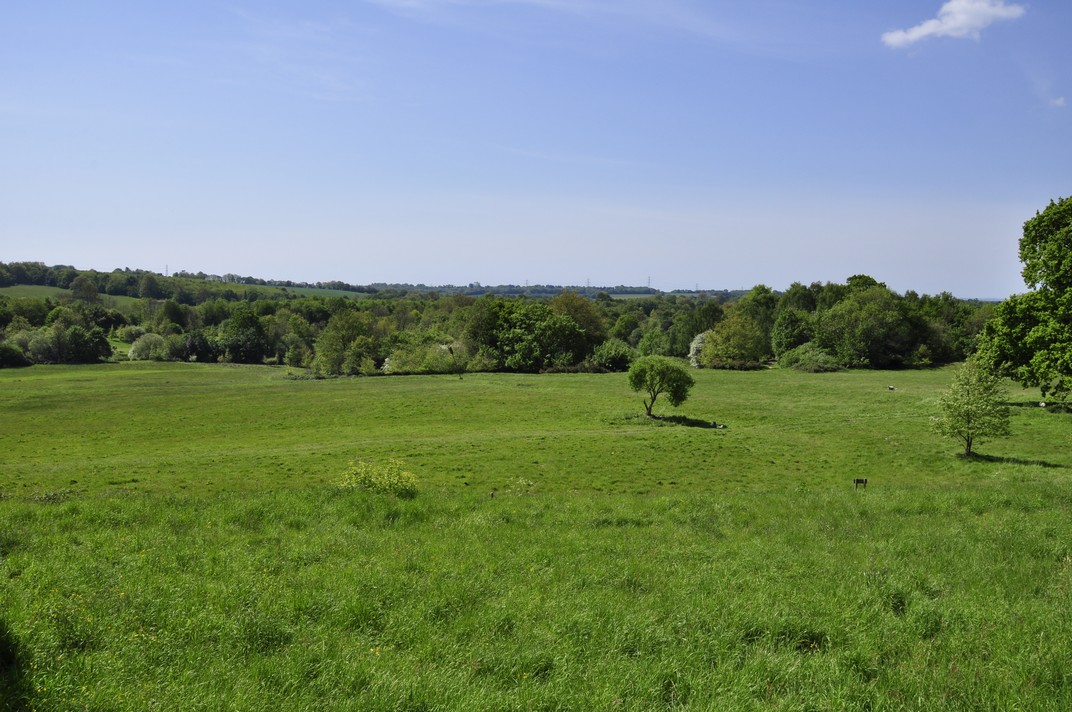
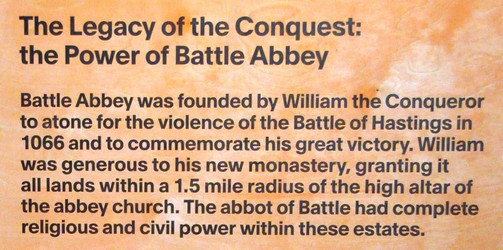
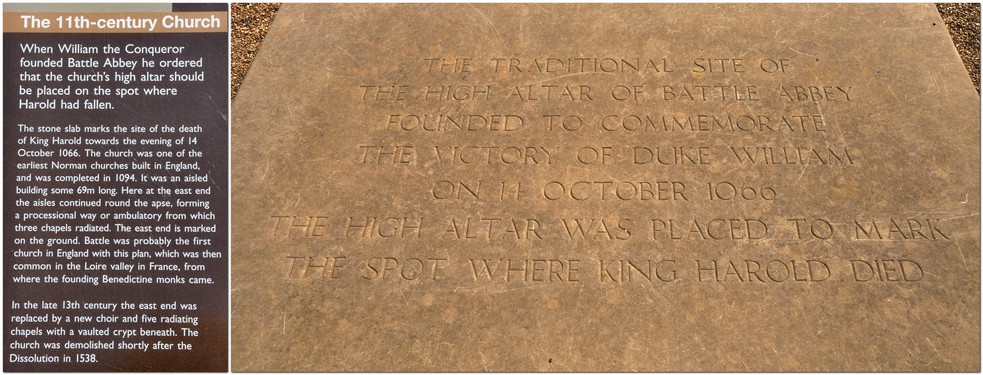
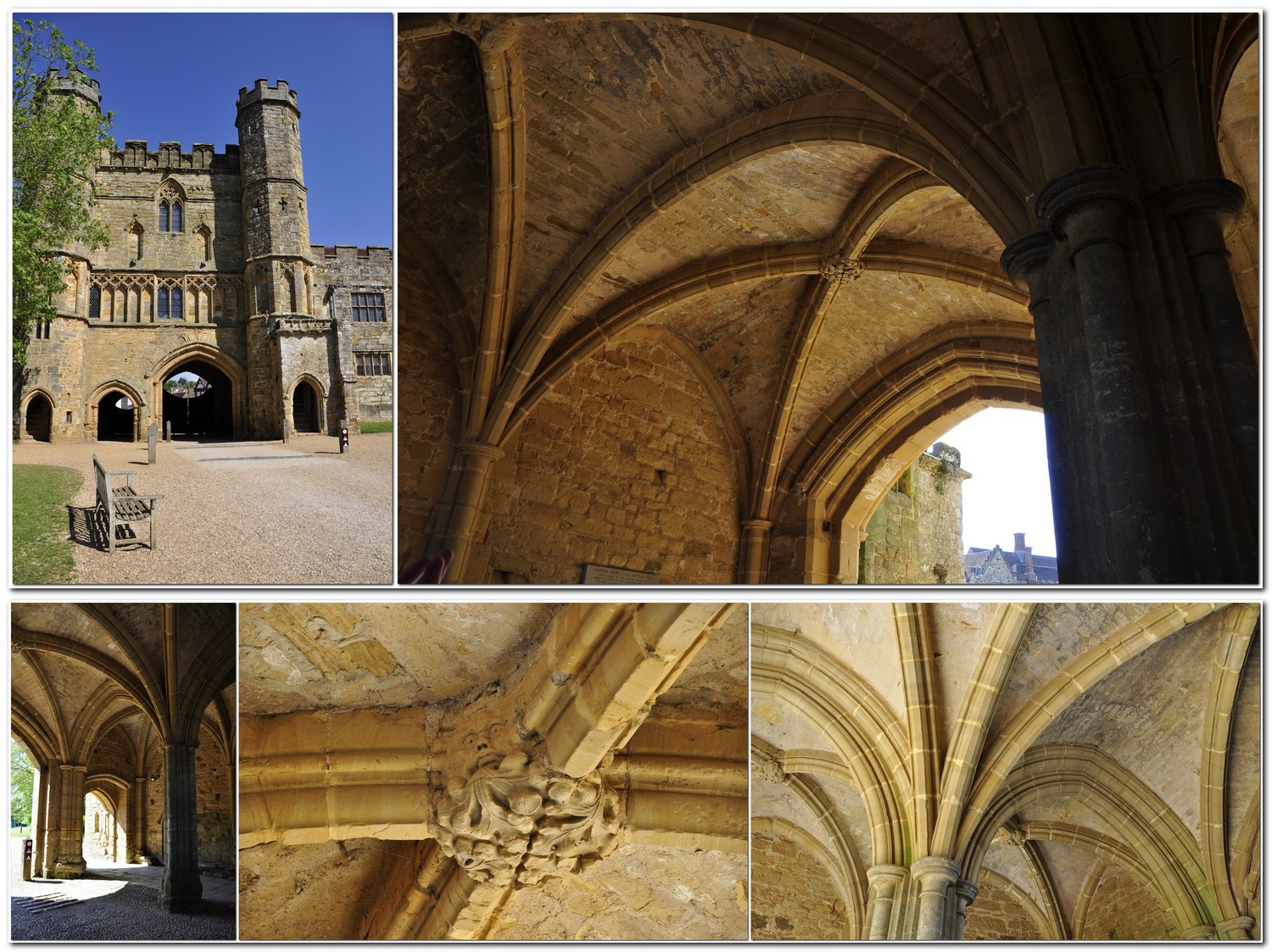
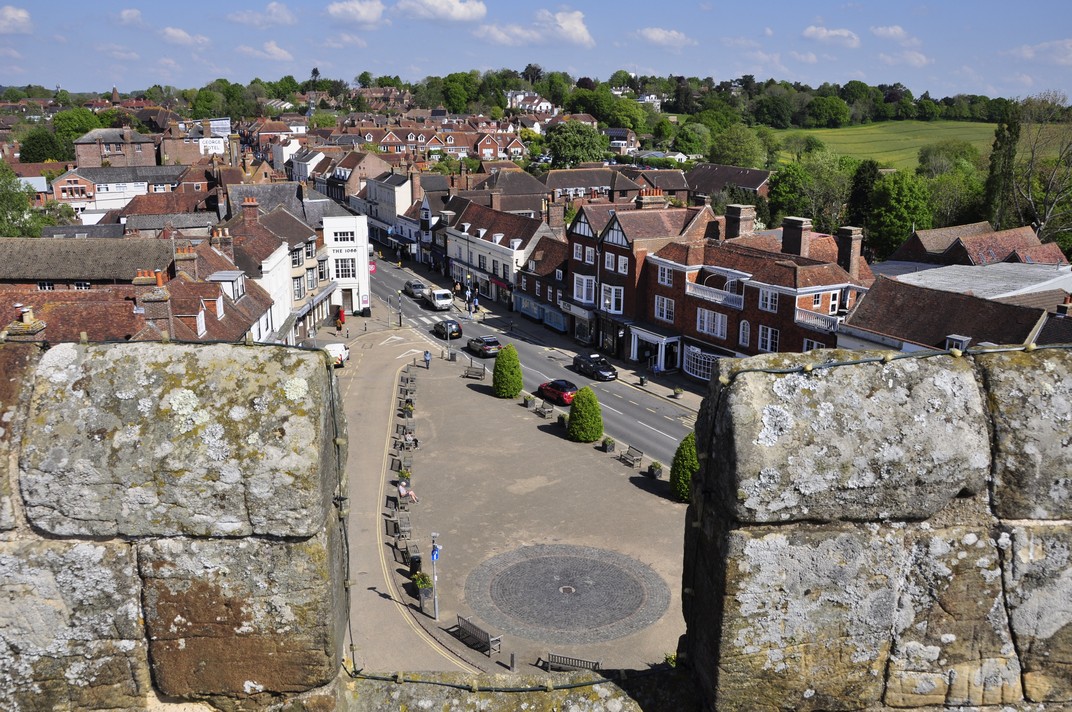
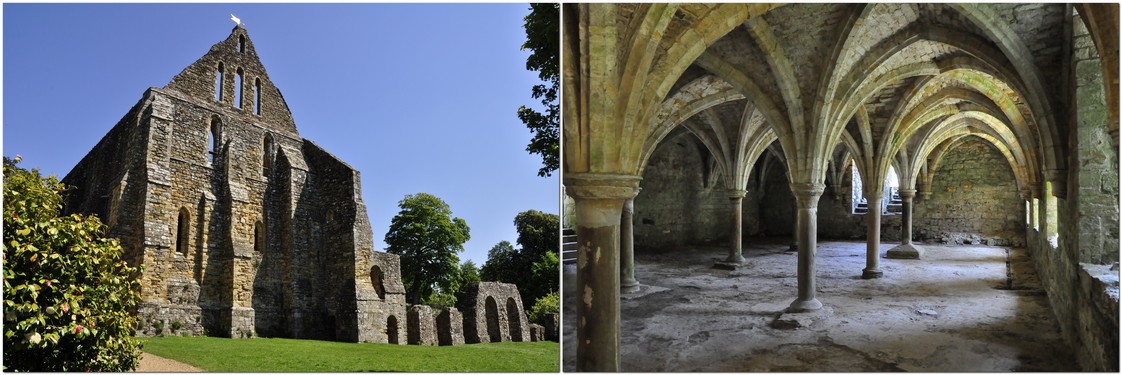
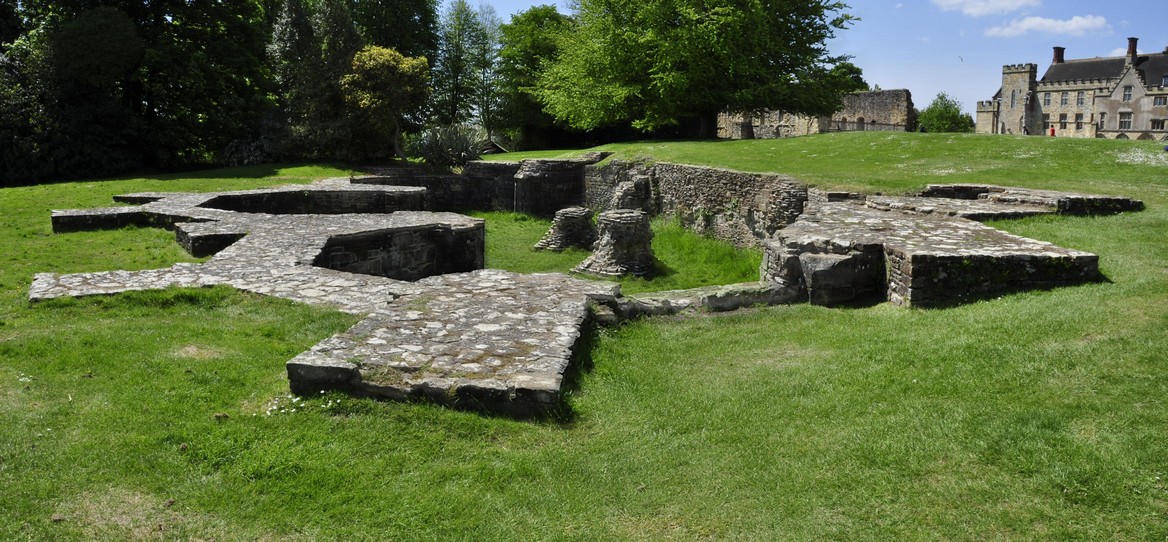
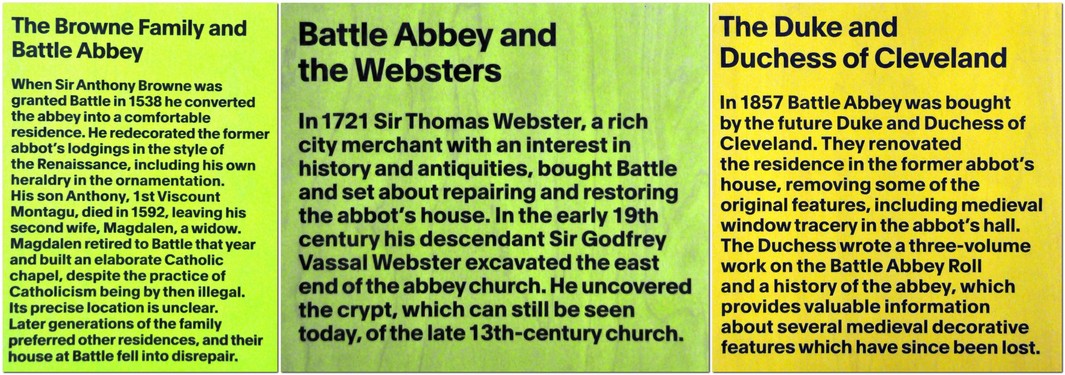
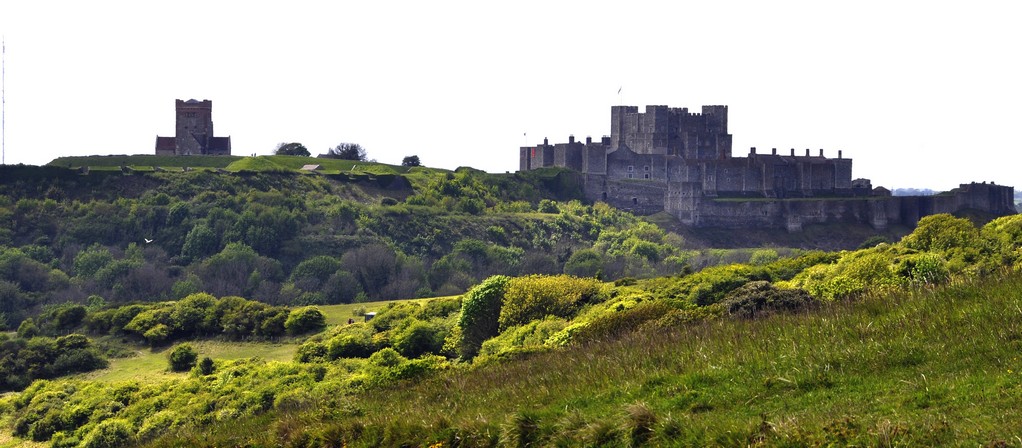
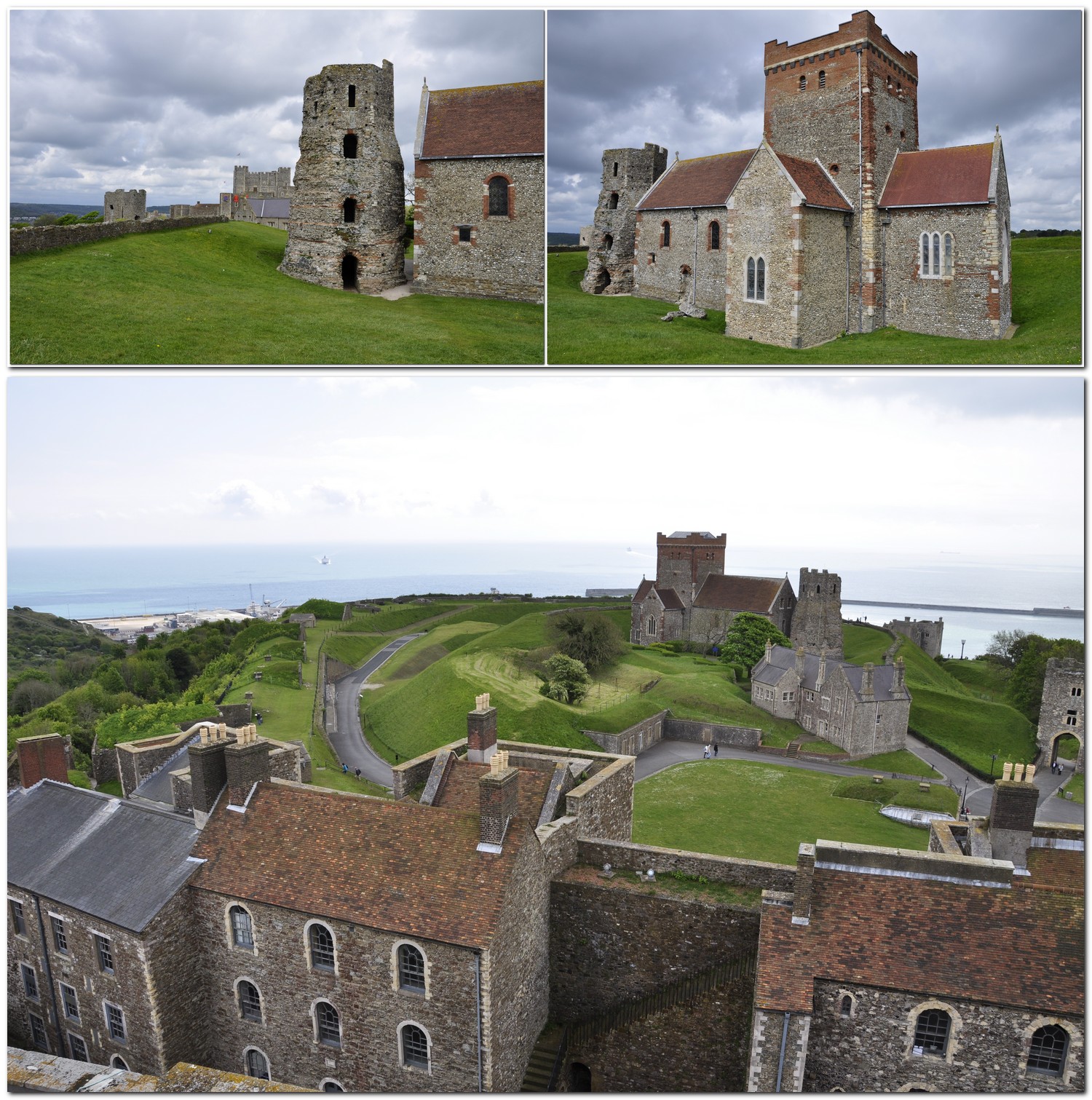


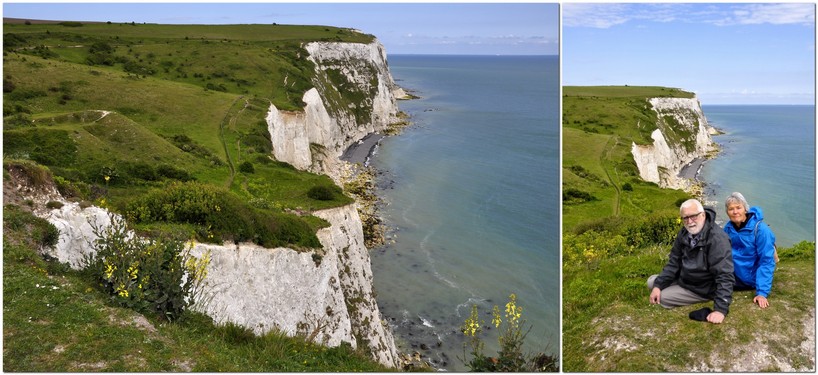
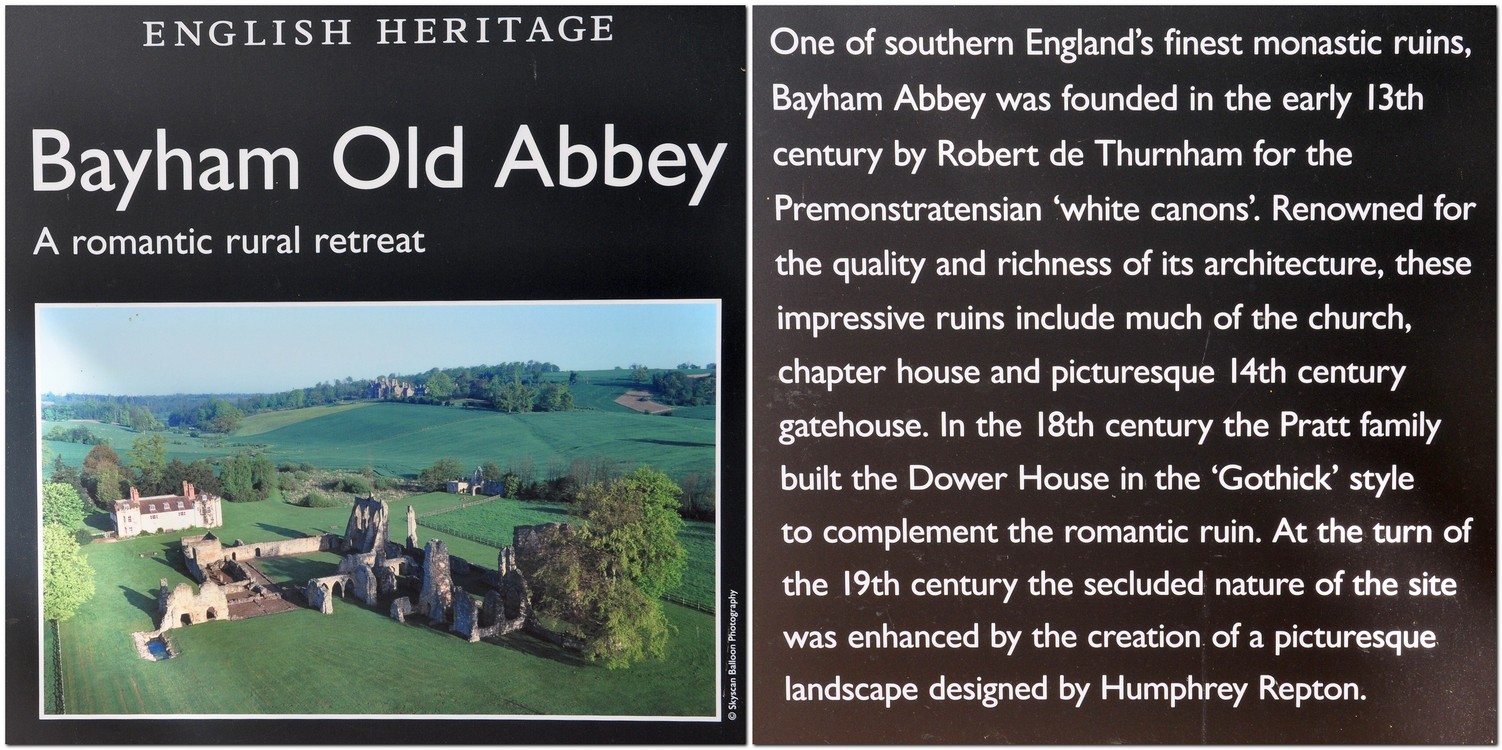
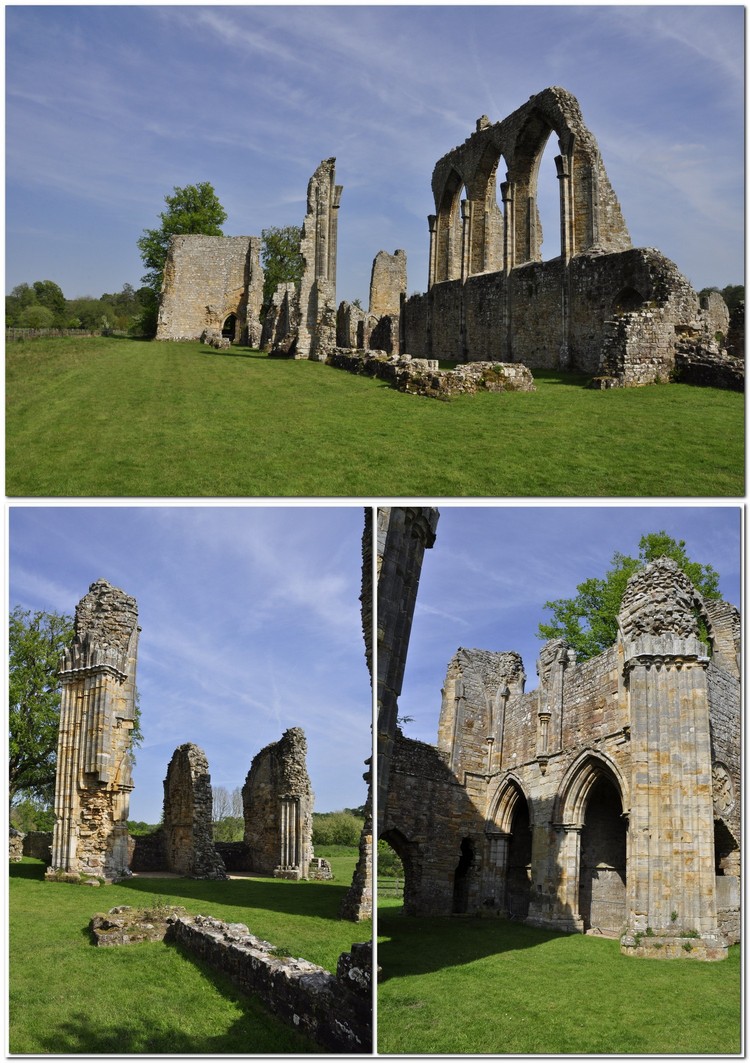
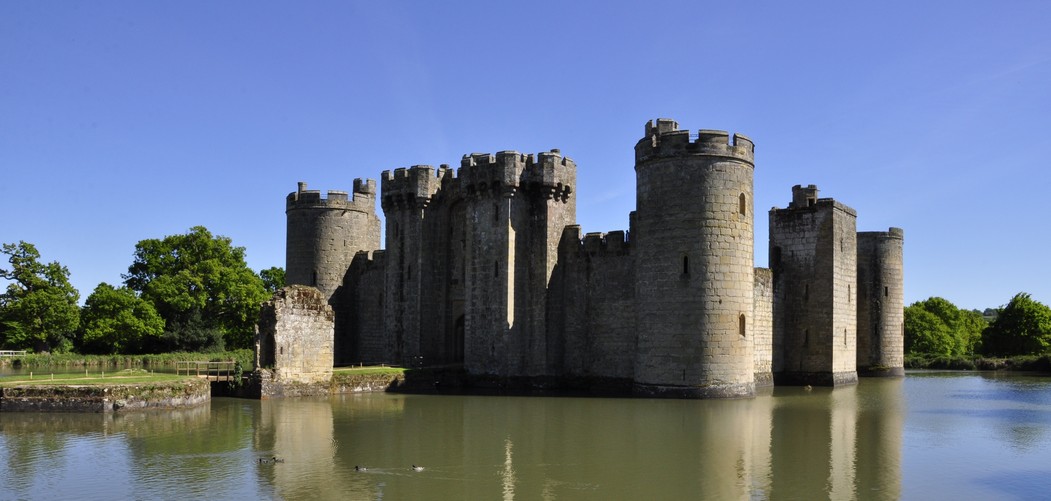


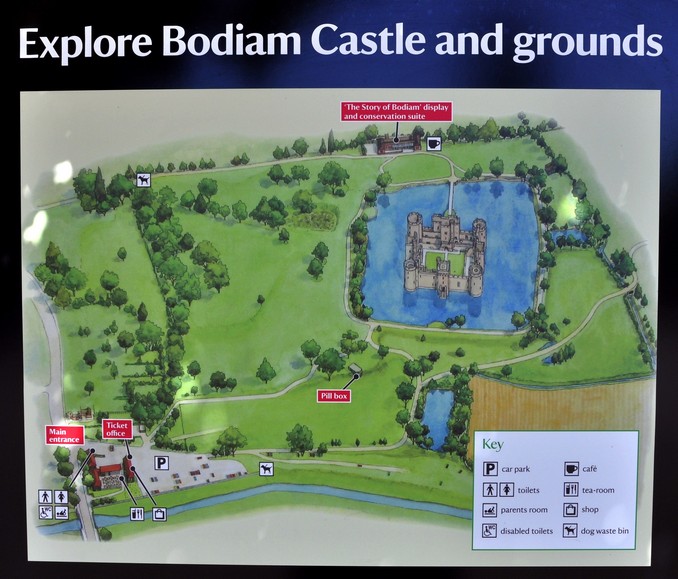
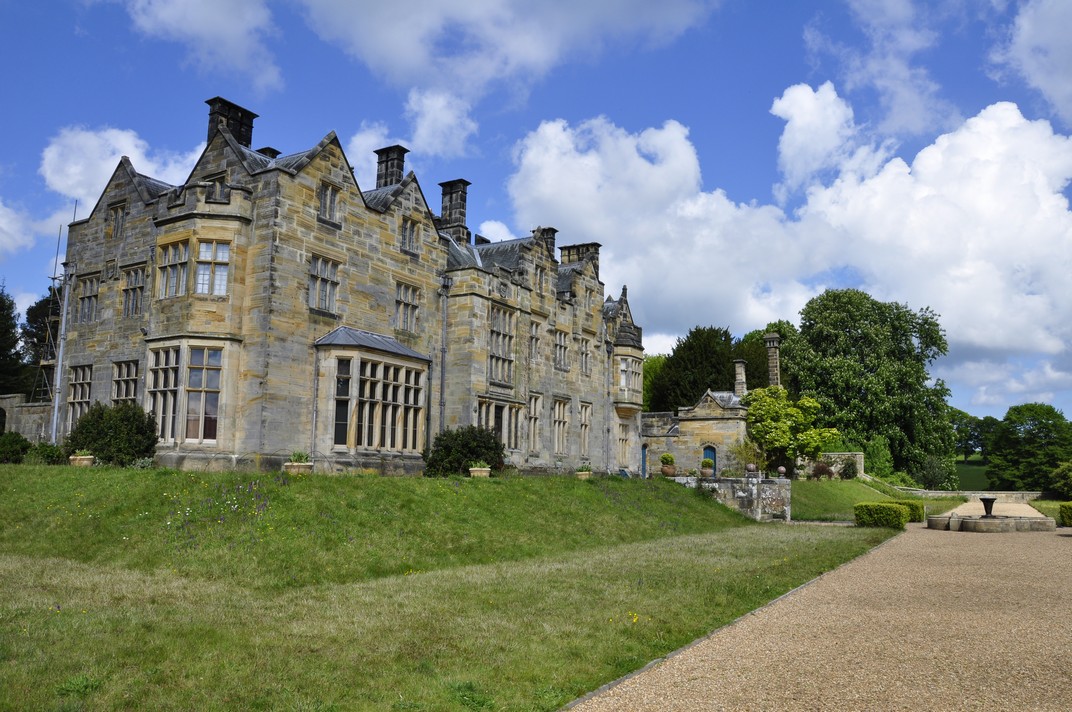
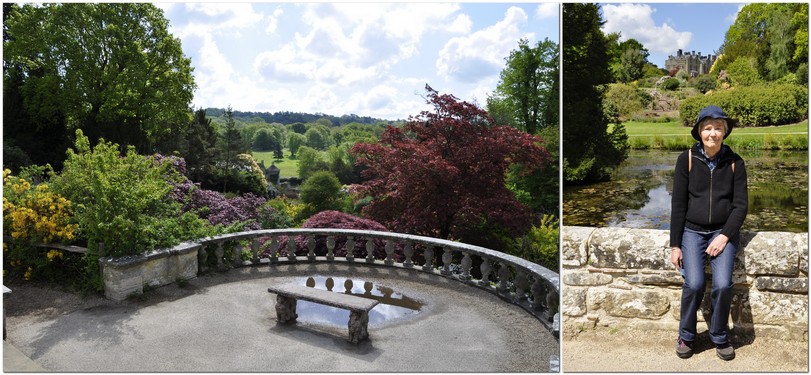


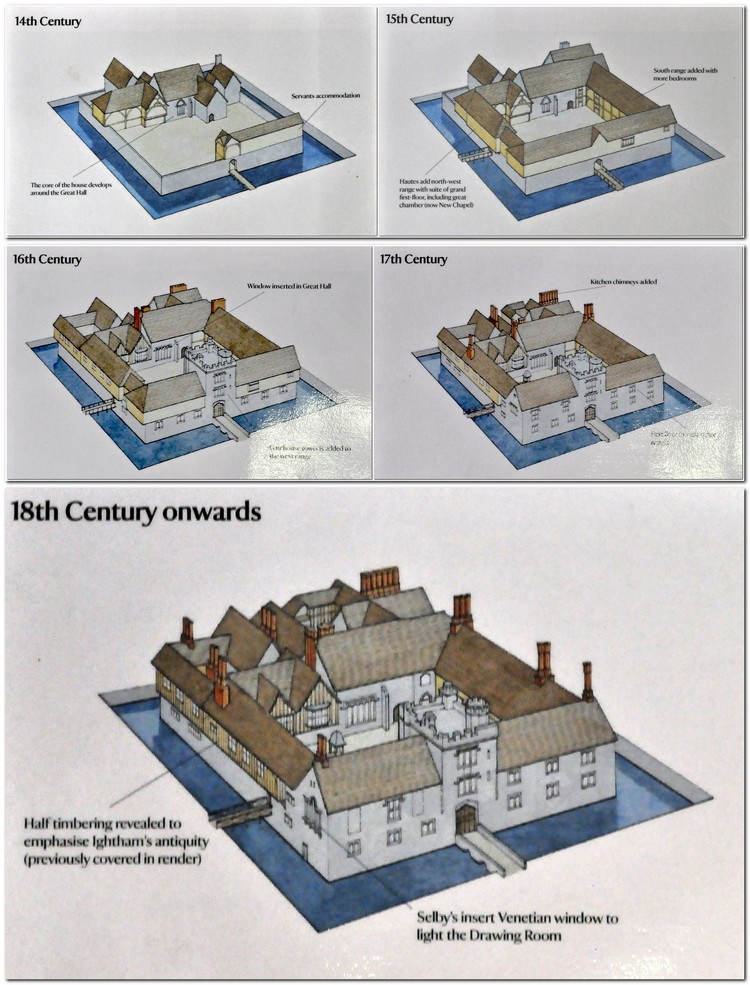 Just east of Sevenoaks in Kent, Ightham Mote is one of the most delightful moated manor houses I have ever visited¹. It must be one of the most complete still standing. Over the centuries it has been owned by several families, each generation adding to its architecture (click on the image at right for a larger version), although the Selby family who purchased Ightham in 1591 resided there for almost 300 years.
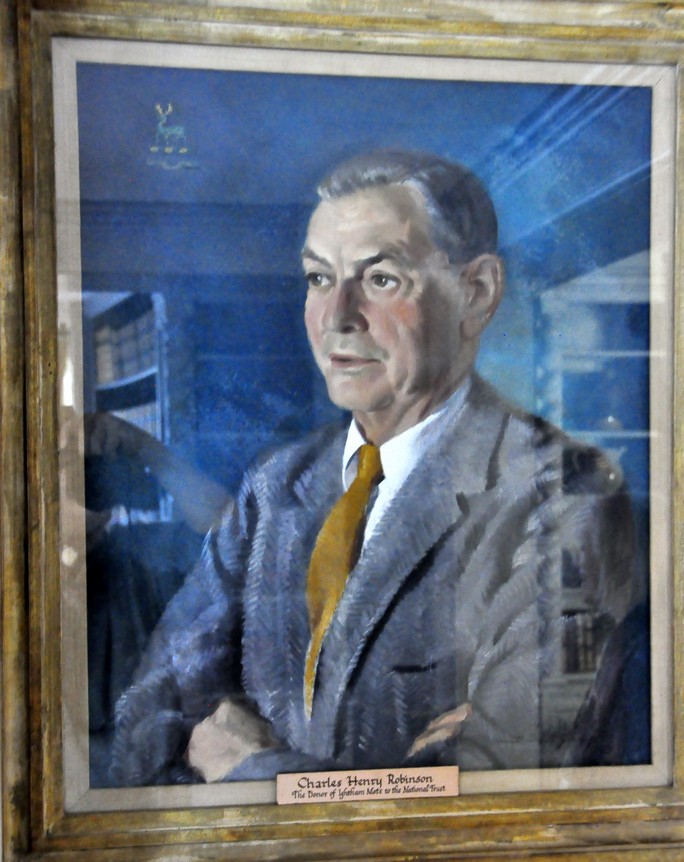 But perhaps one of its most interesting periods dates from just over 60 years ago, when an American, Charles Henry Robinson (from Portland, Maine), purchased Ightham and lived there for some years. It passed to the National Trust when he died in 1985.


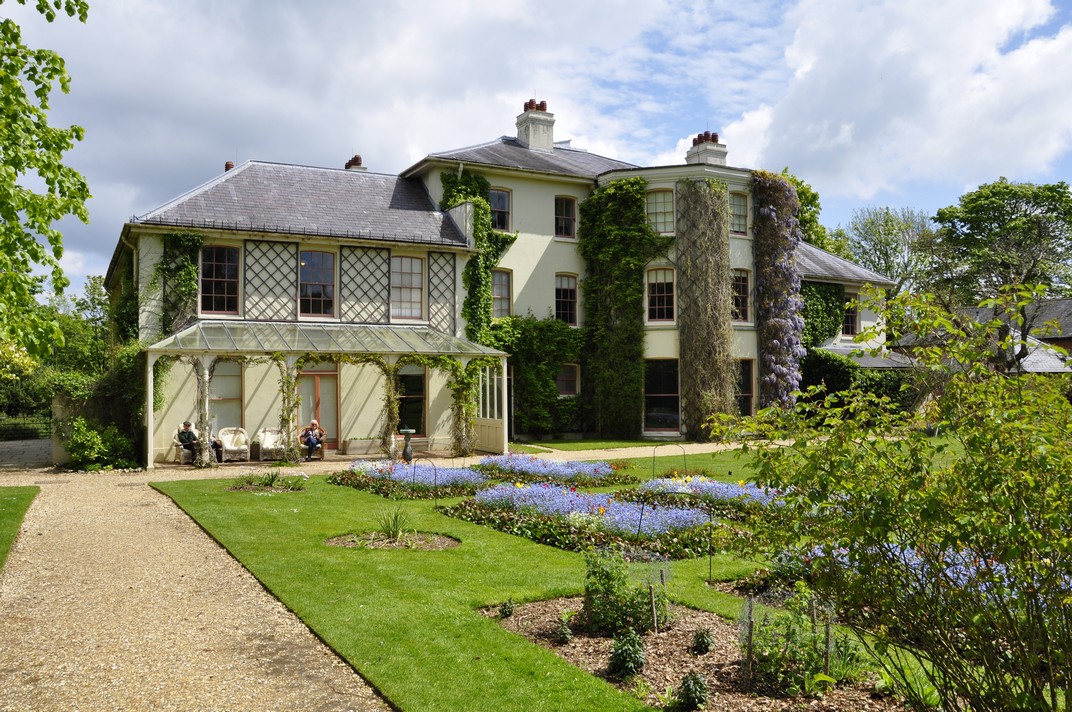
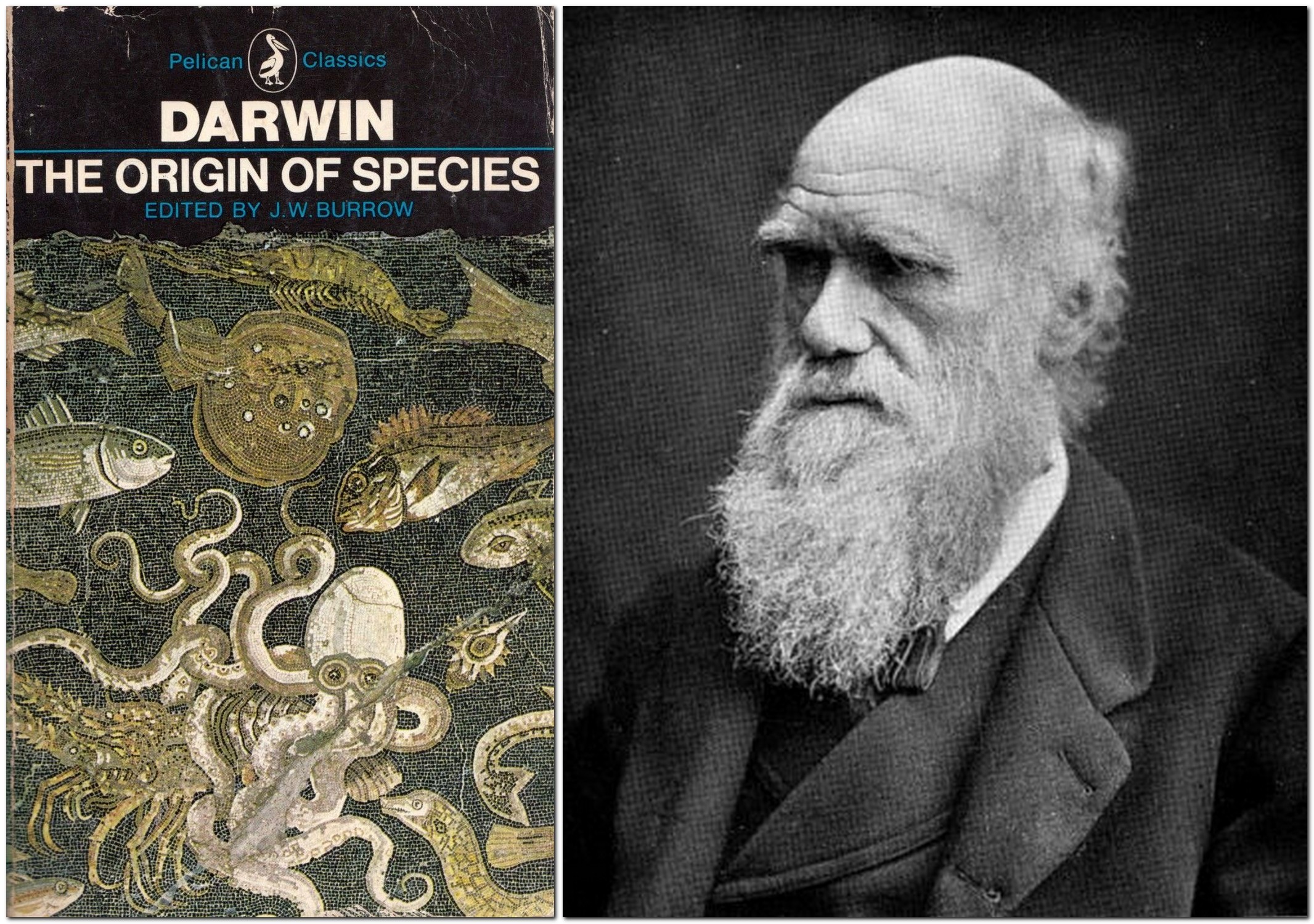
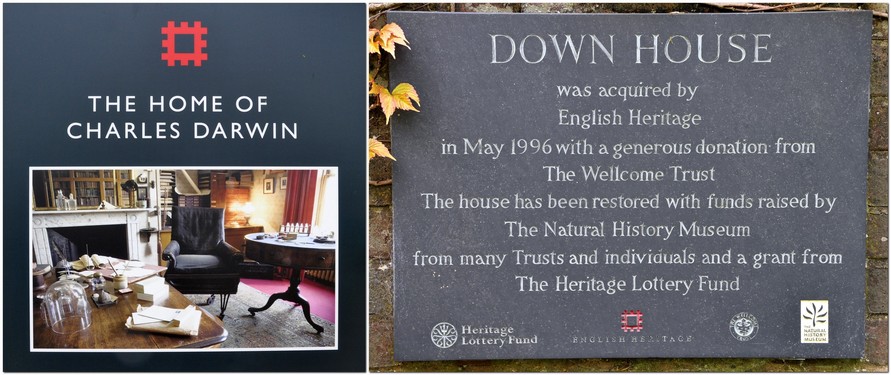


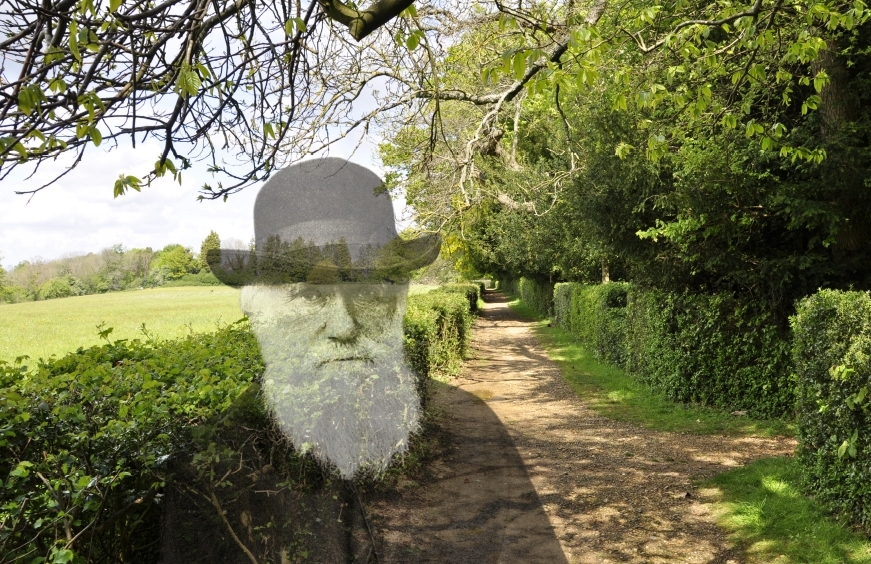
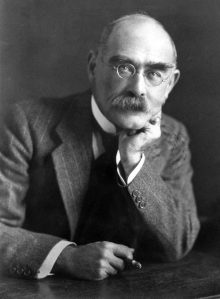 So wrote Rudyard Kipling in his 1911 poem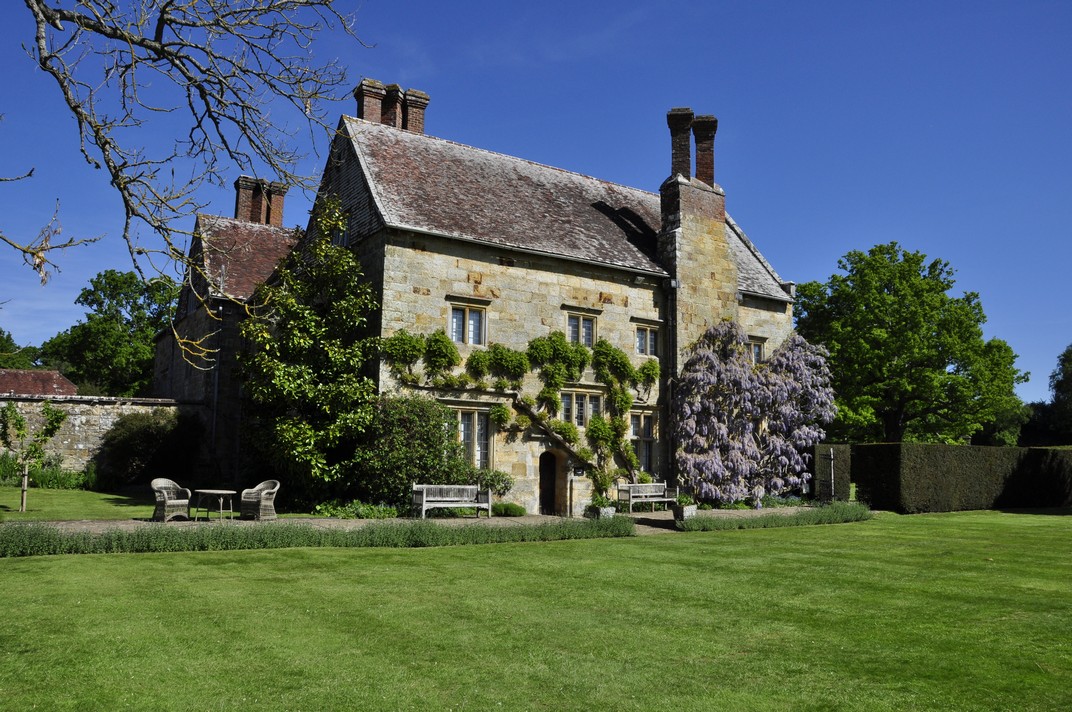
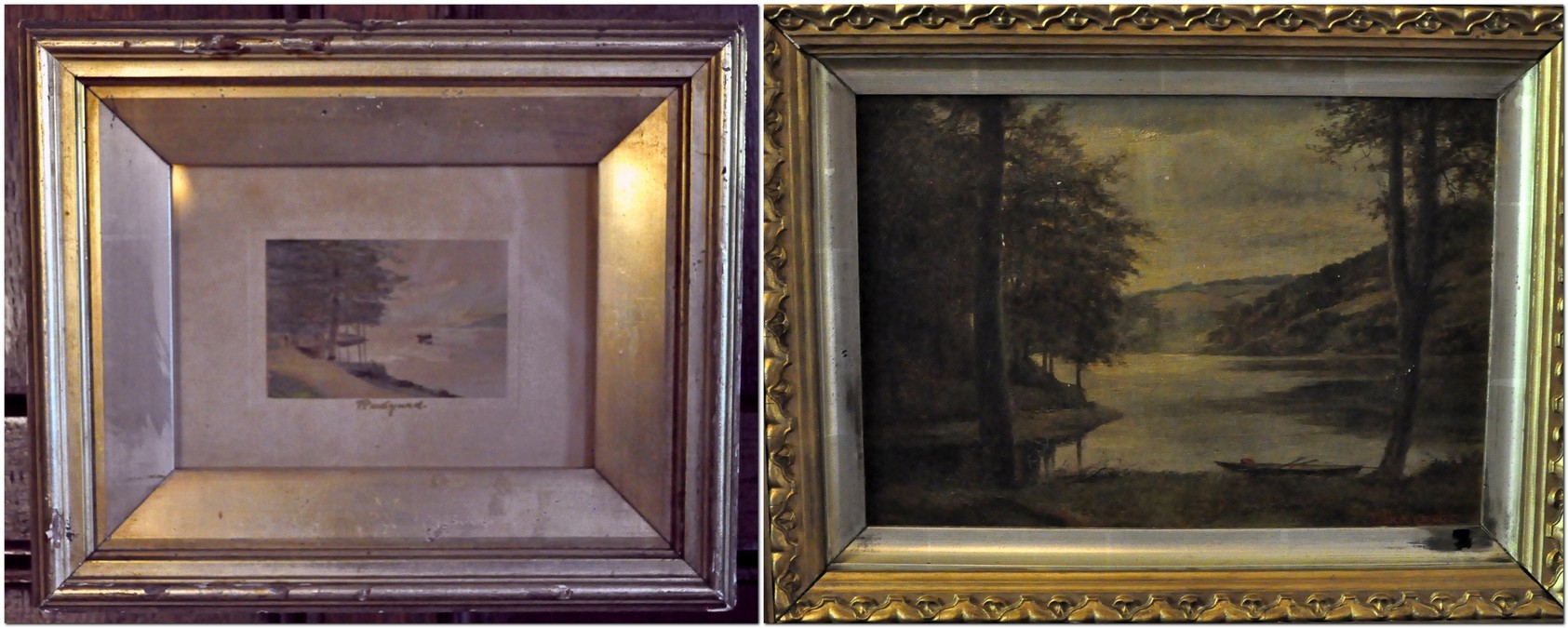


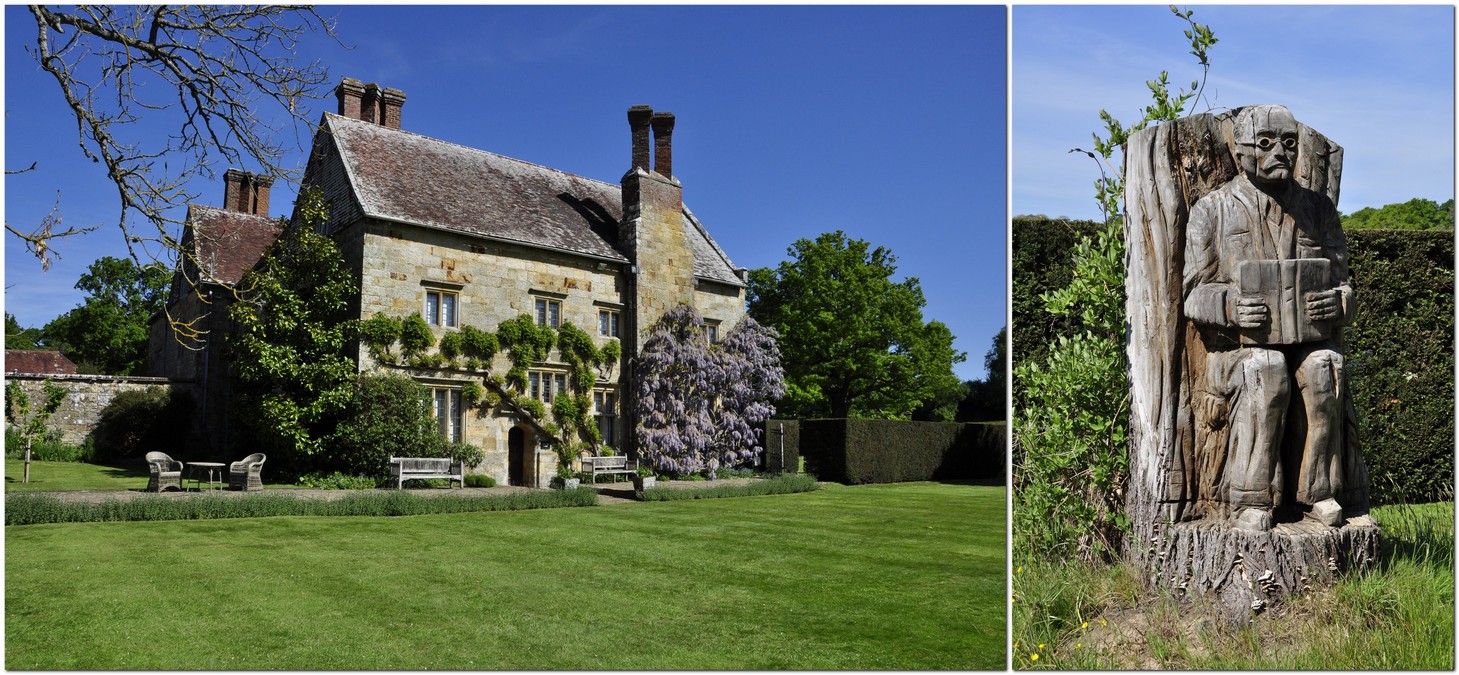


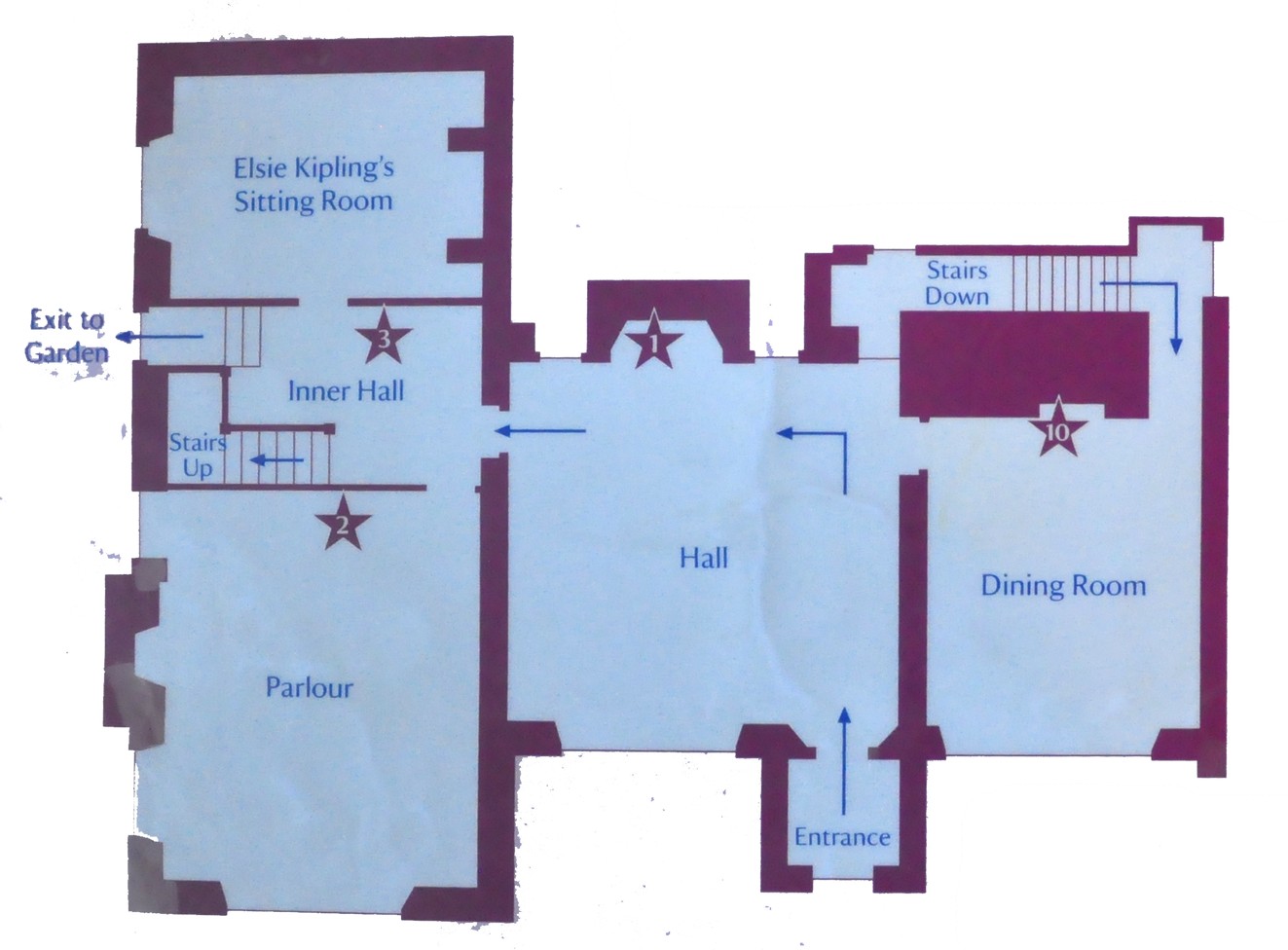


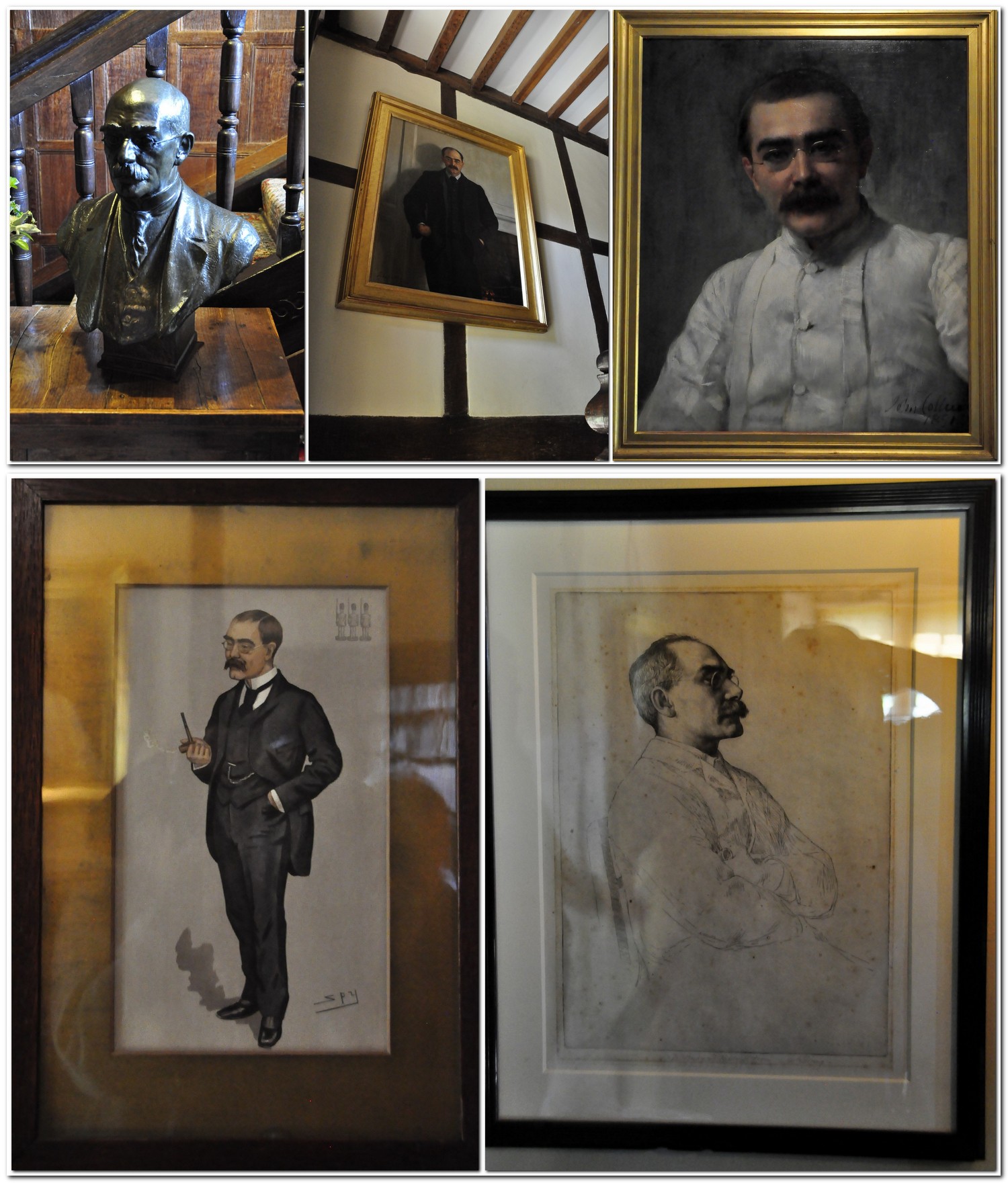 On the upper floor, the main rooms are Kipling’s study, and John’s bedroom. Another room is full of Kipling memorabilia, including his Nobel Prize citation.
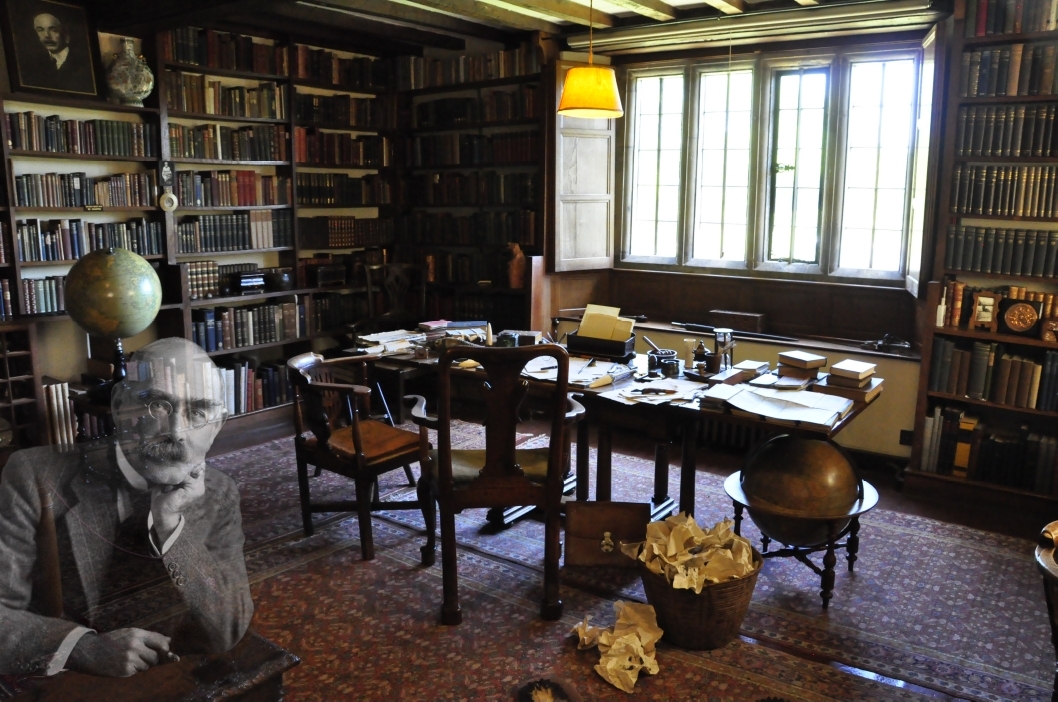

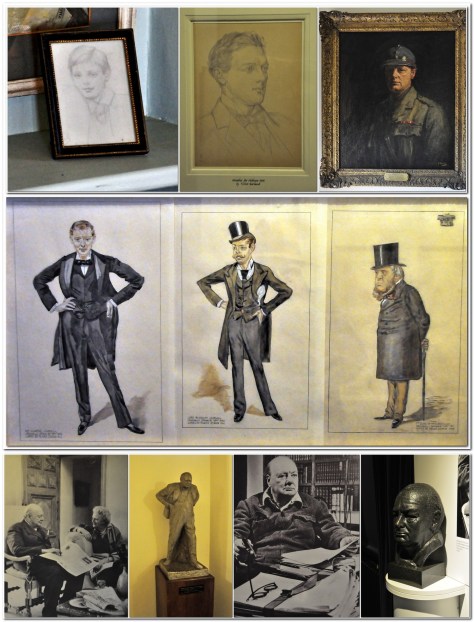
 At Chartwell, that history becomes tangible. So many personal possessions, awards, and other memorabilia fill the house. There’s a real sense of connection with the great man.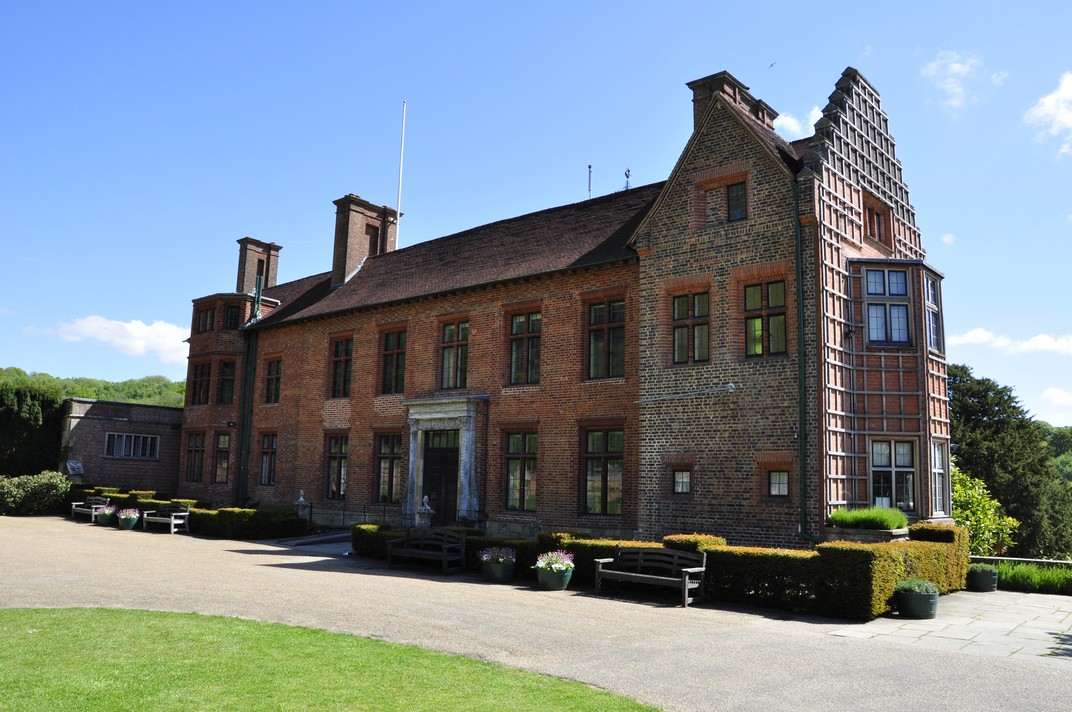


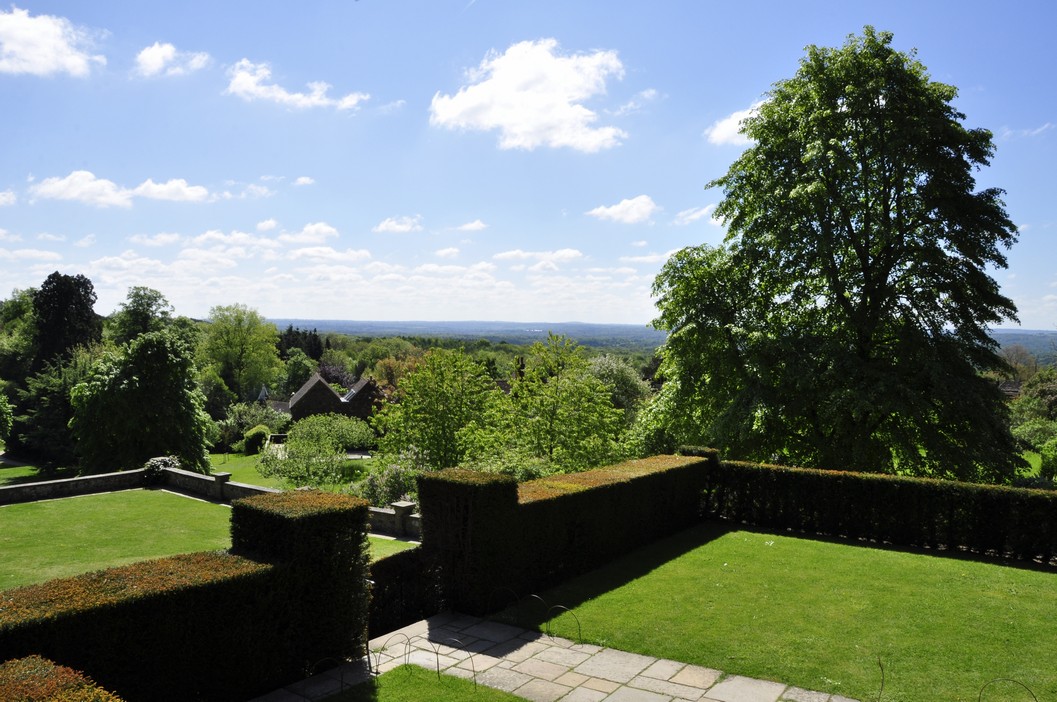


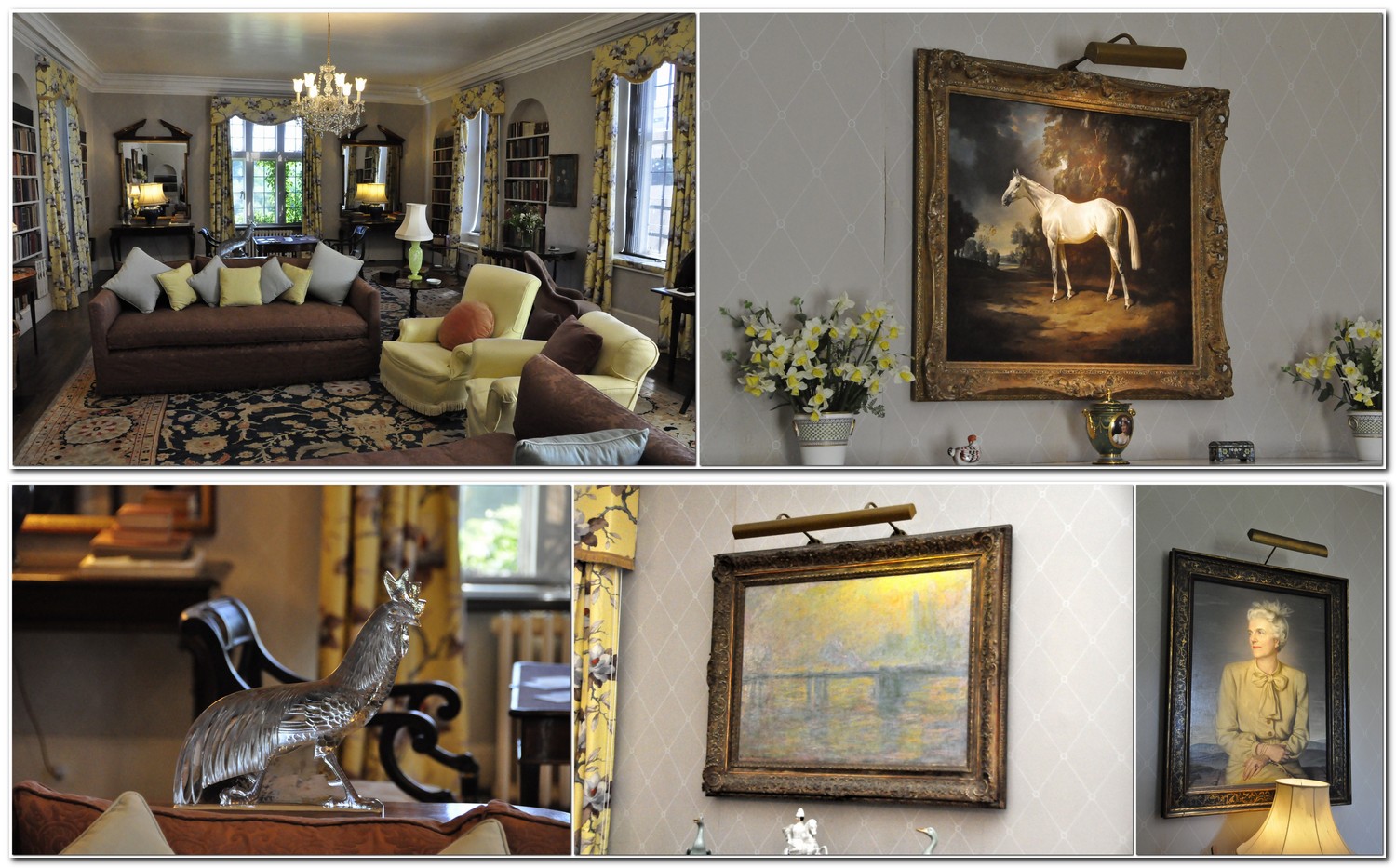
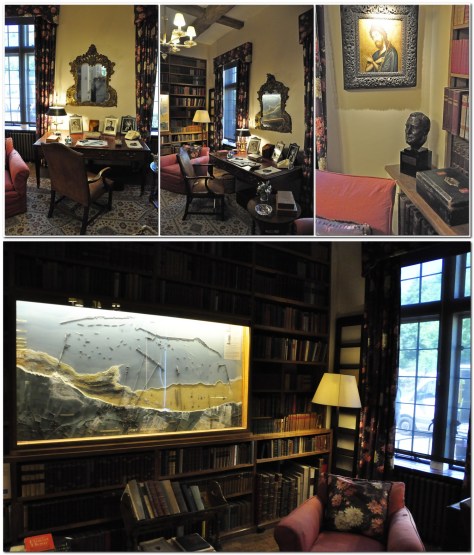
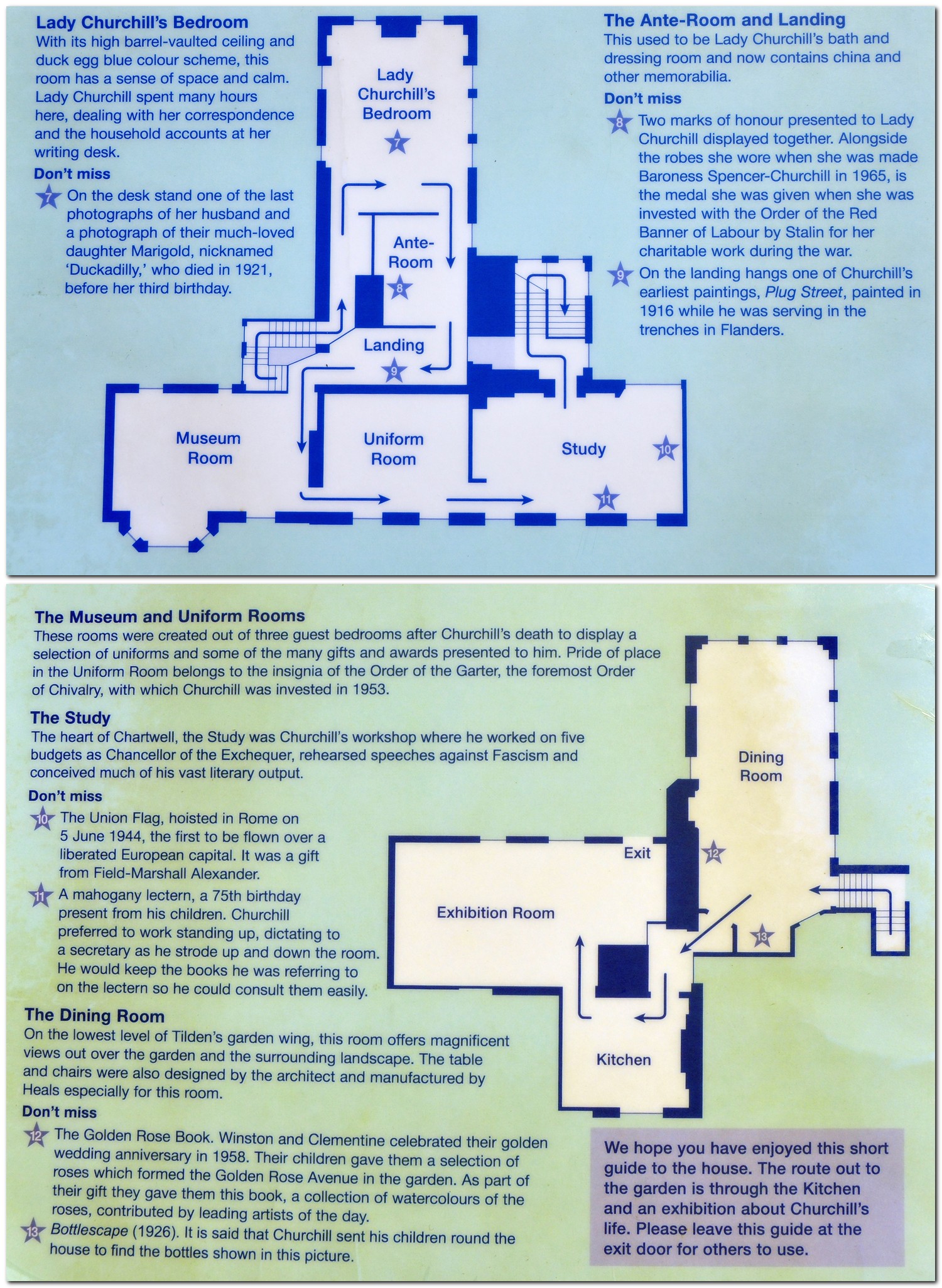
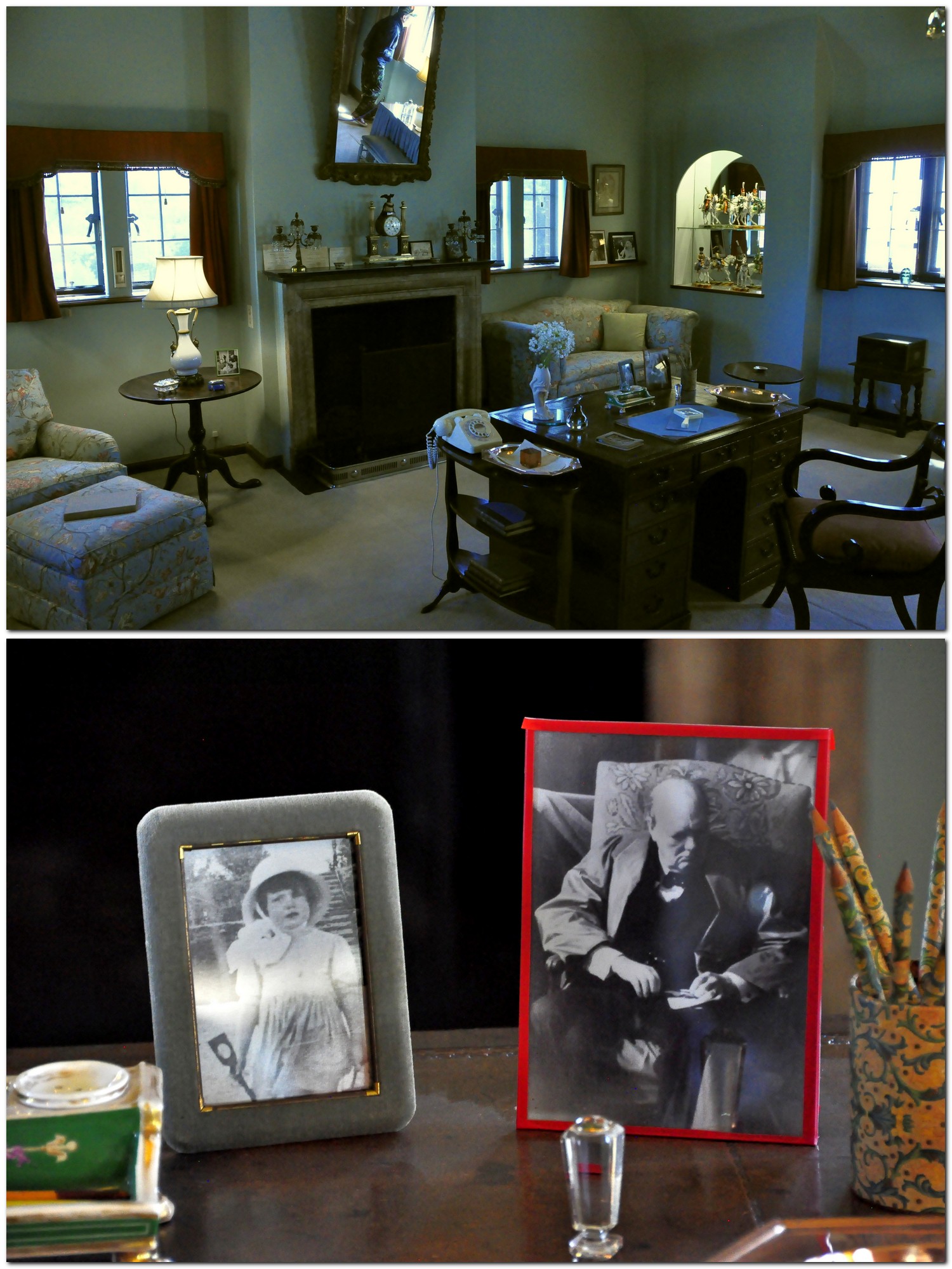

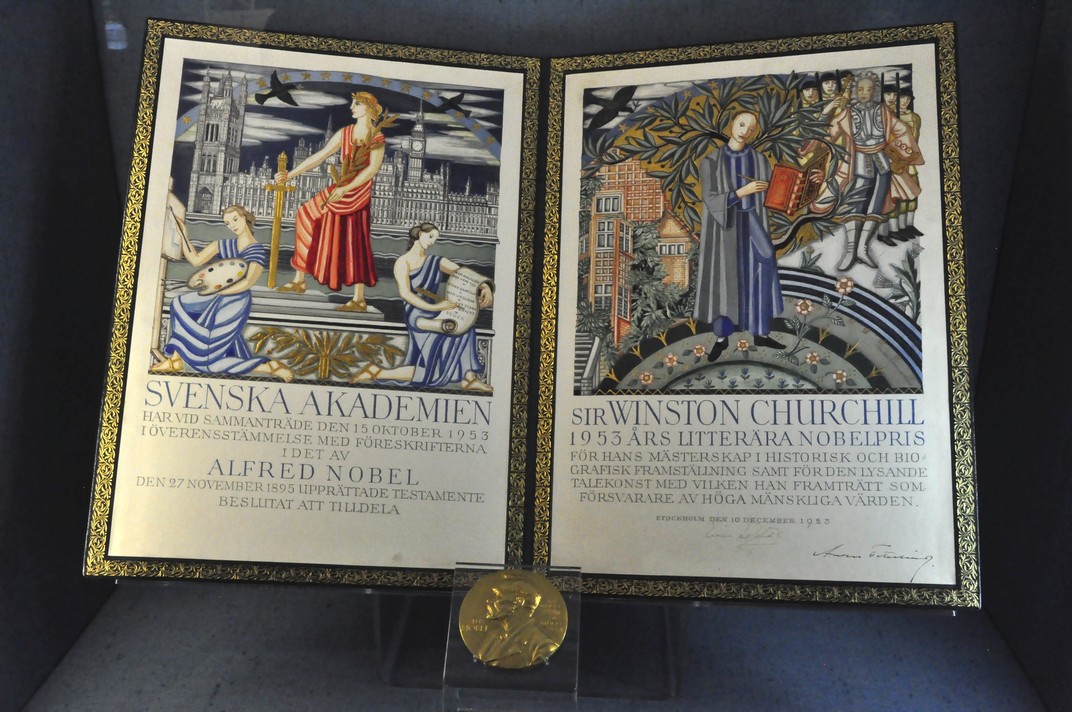
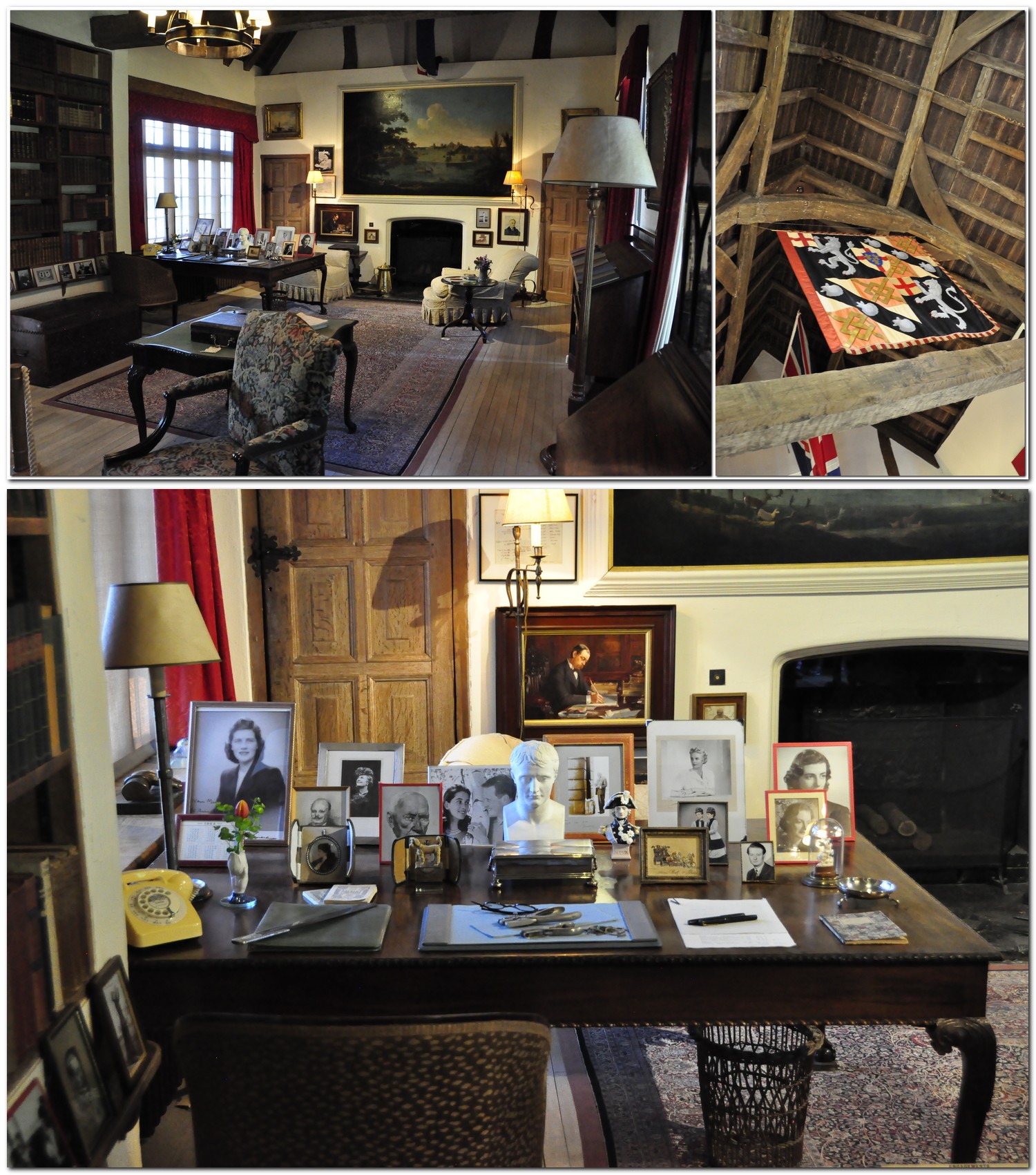
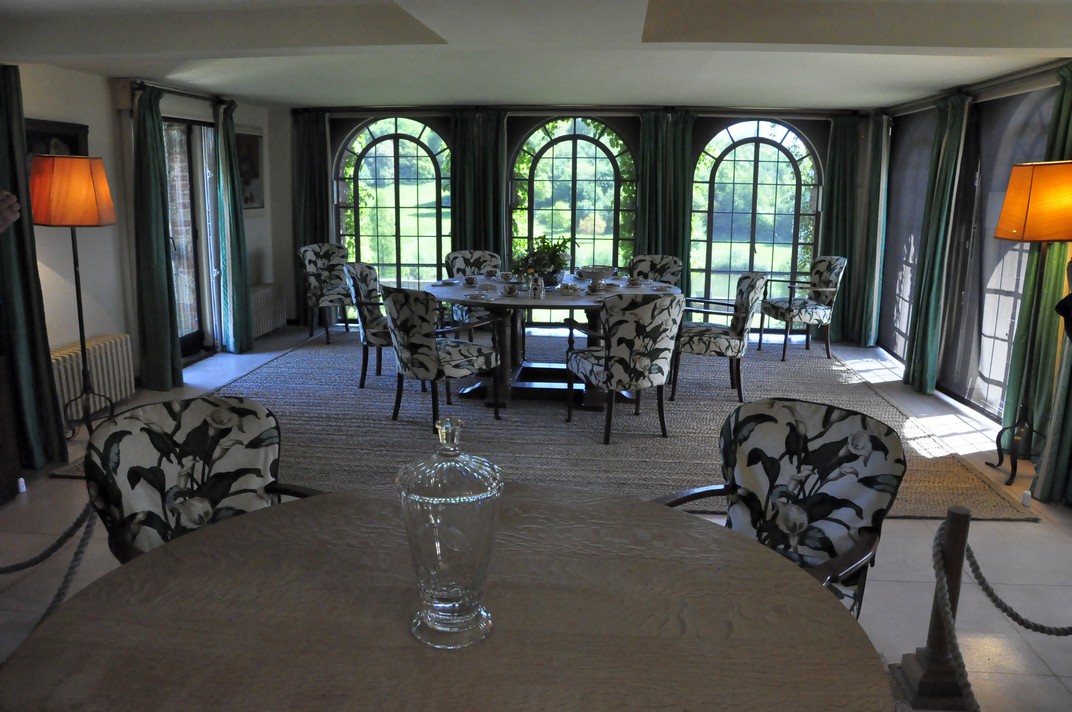


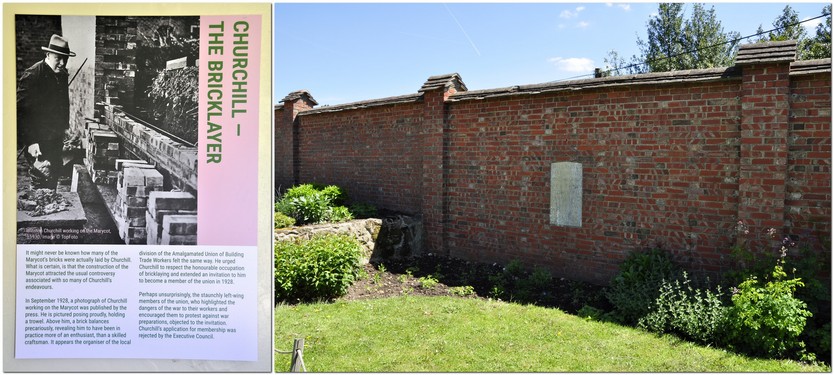

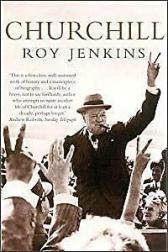 Chartwell had long been on my bucket-list since I read (about 15 years ago or so) an


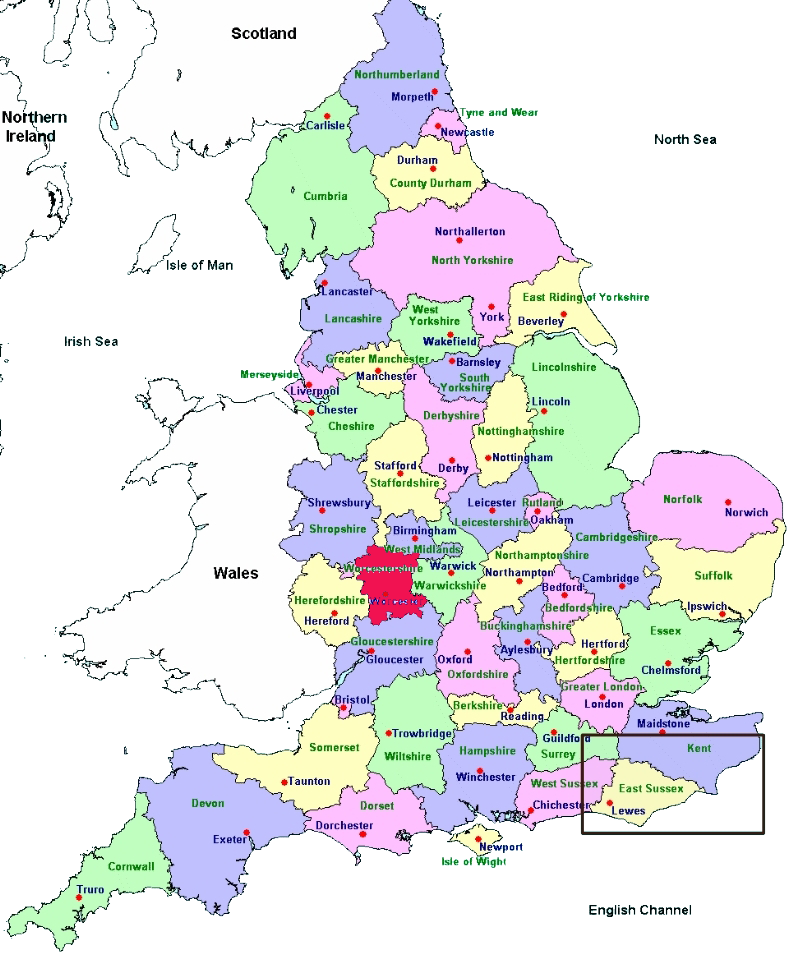
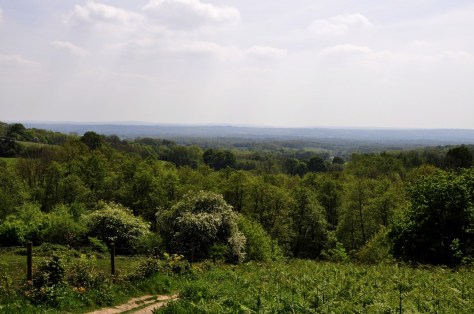
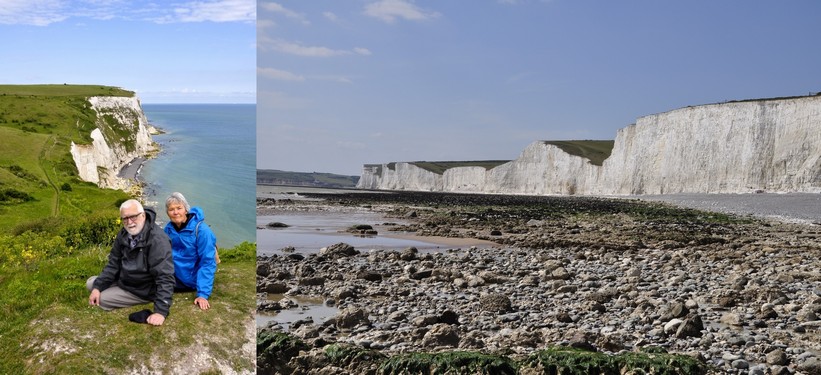
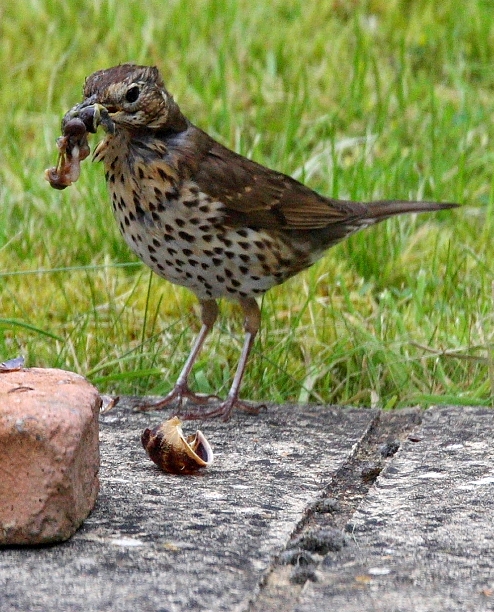
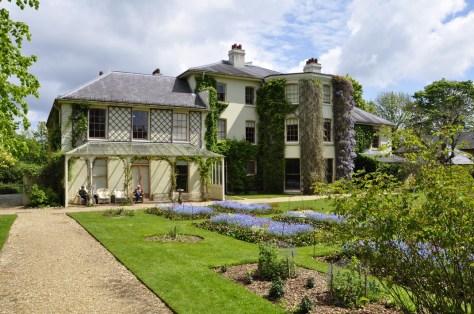
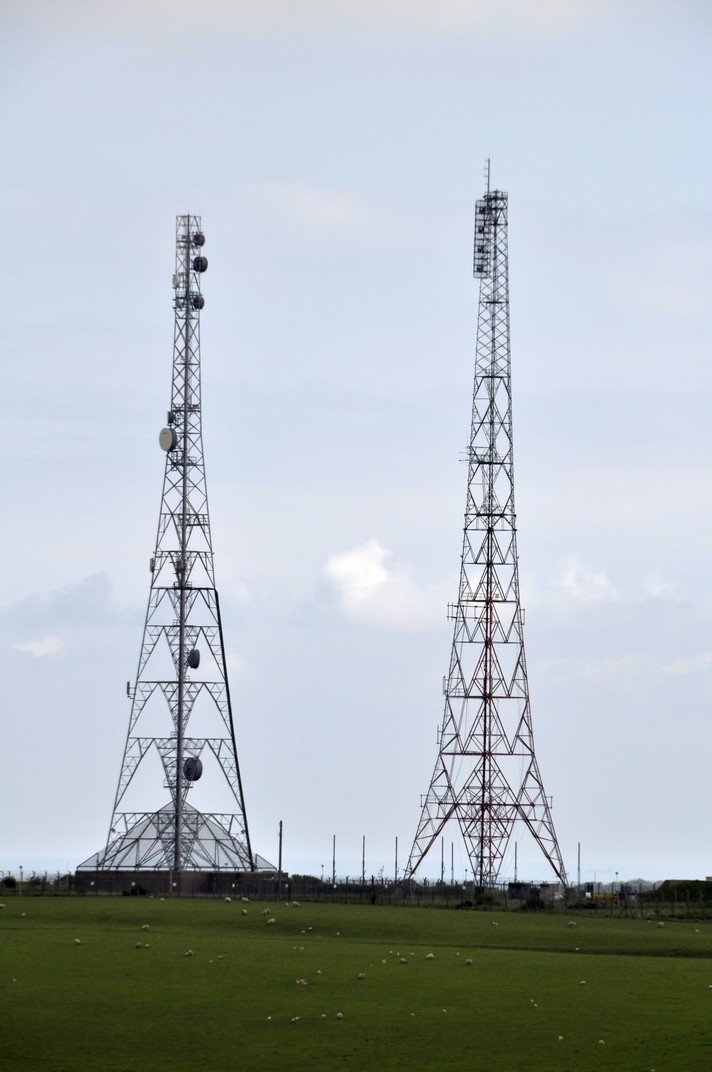
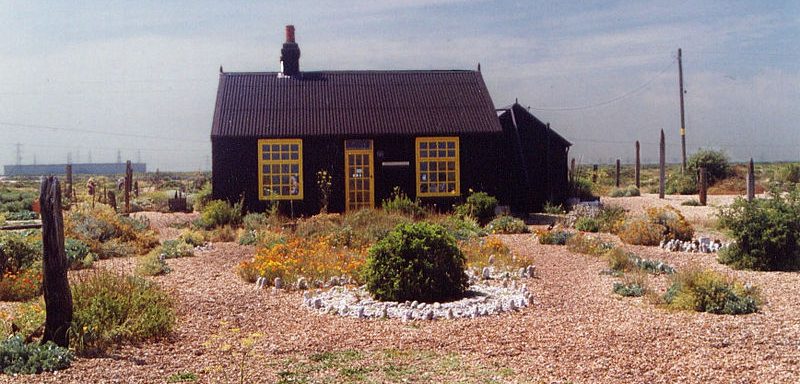

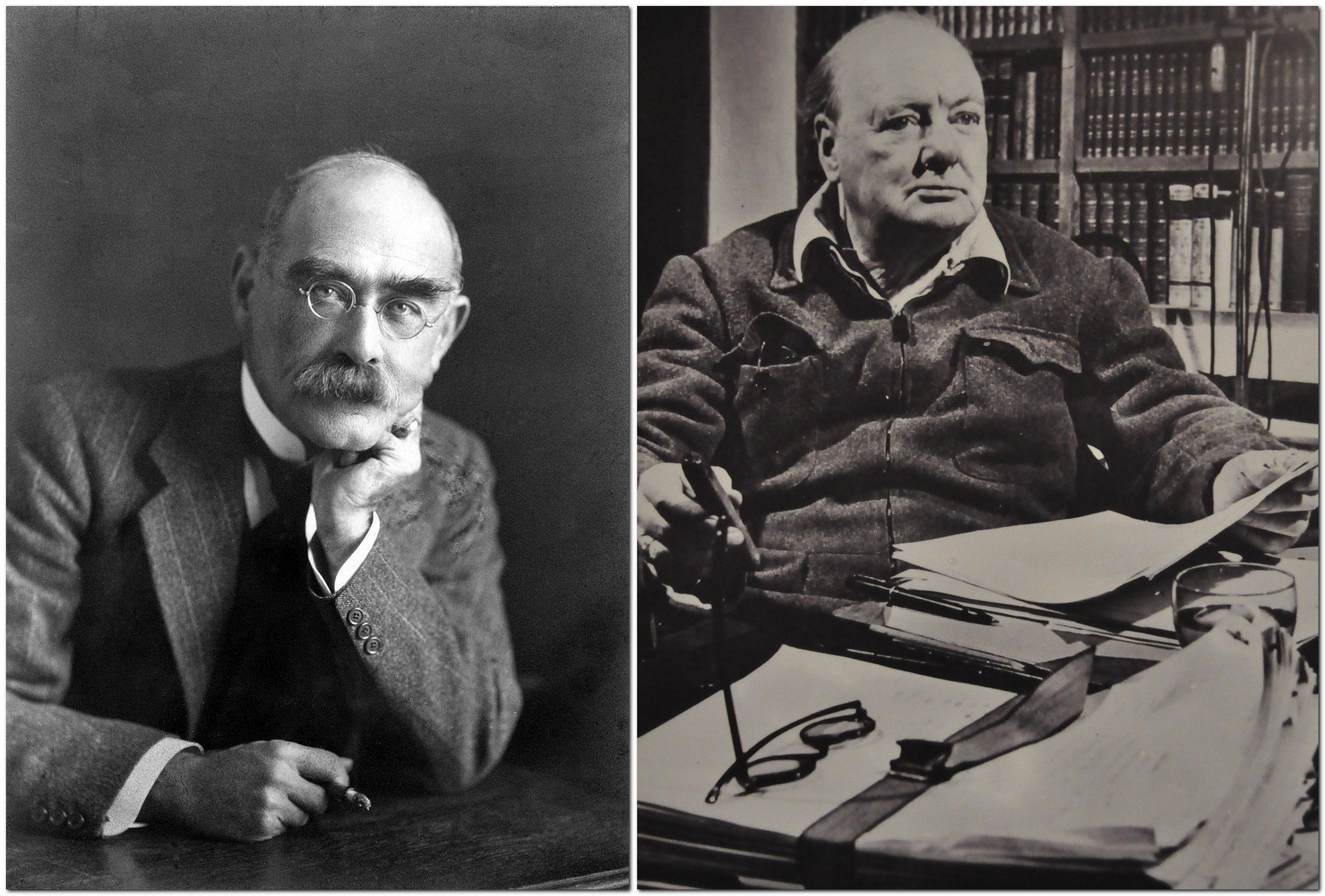
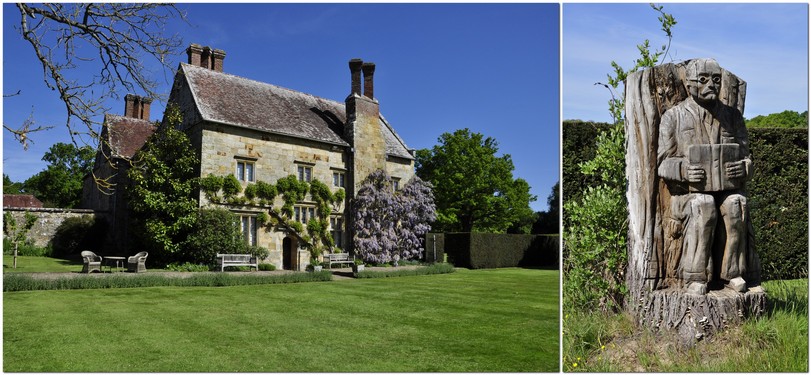
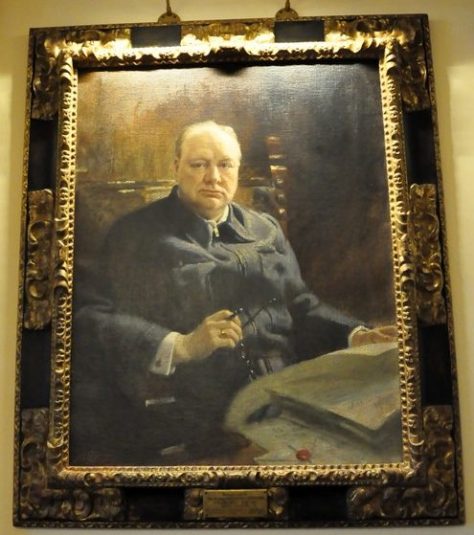
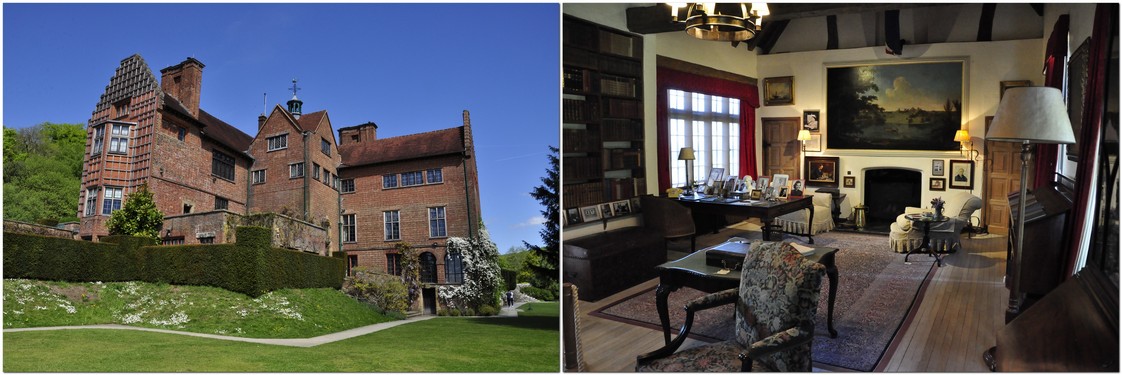
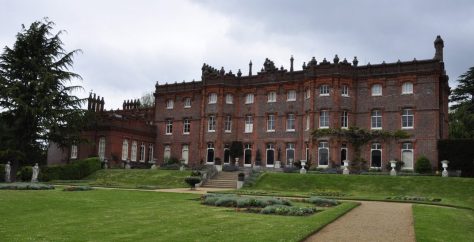
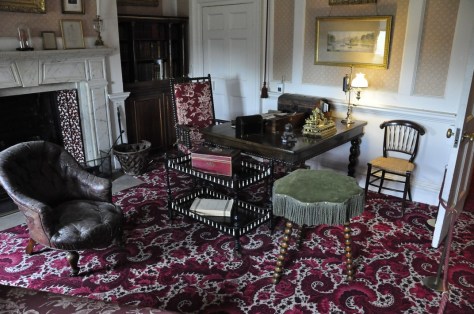
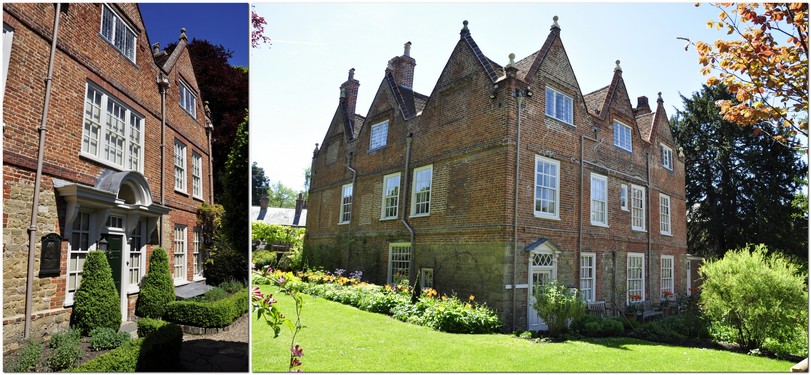


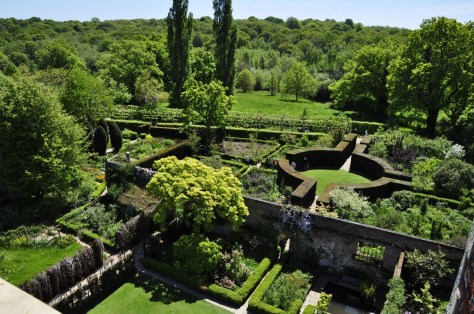
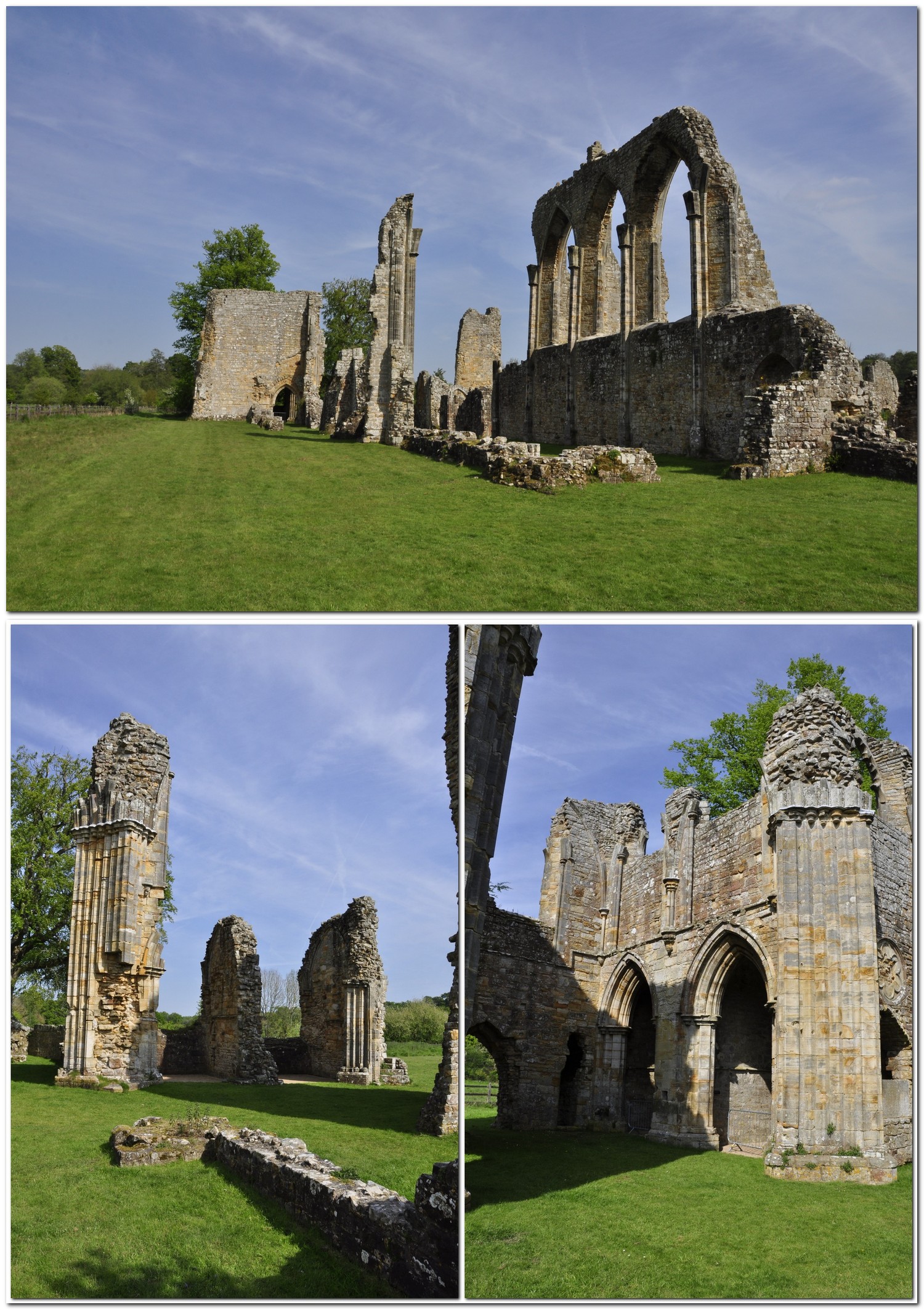
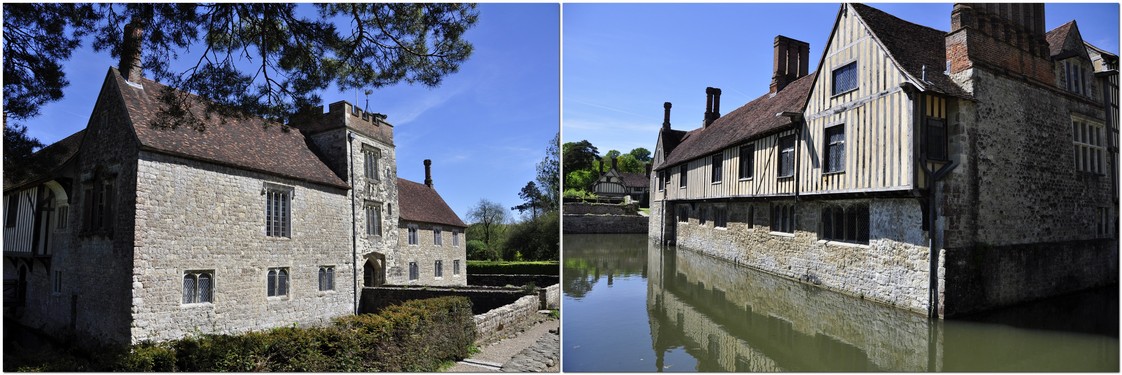
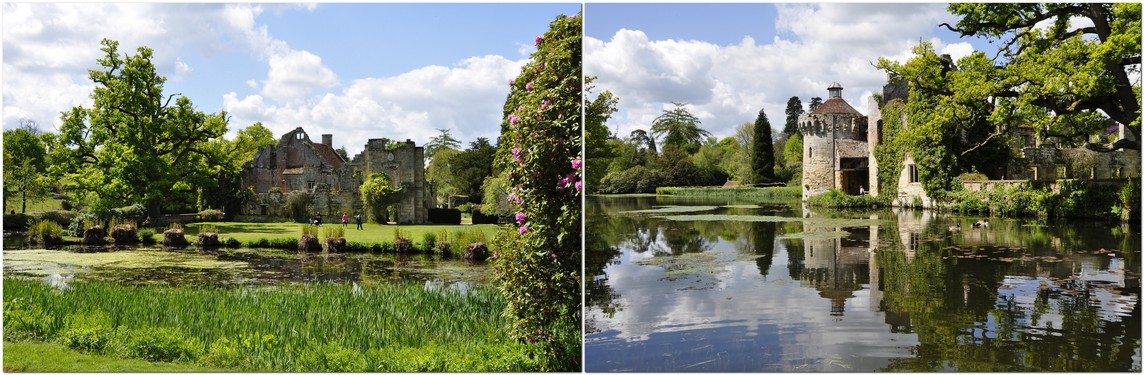
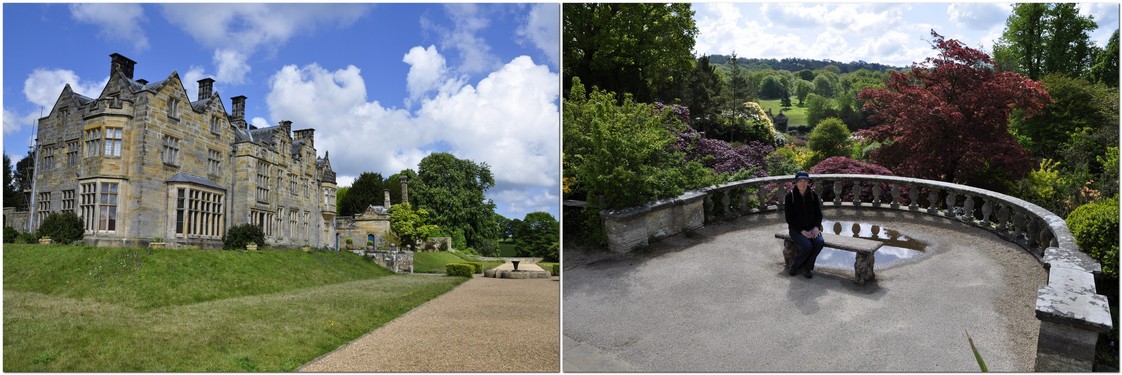
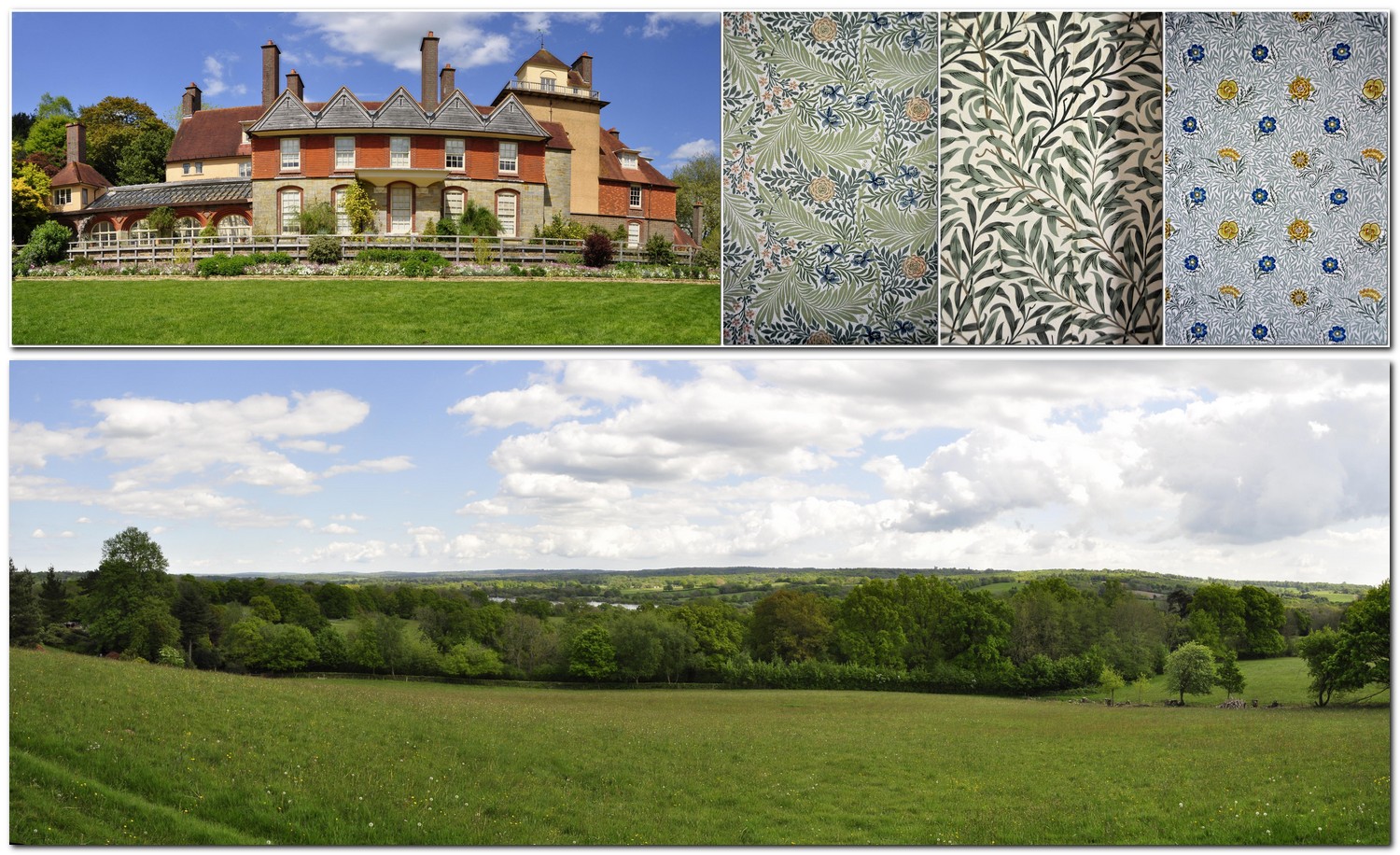
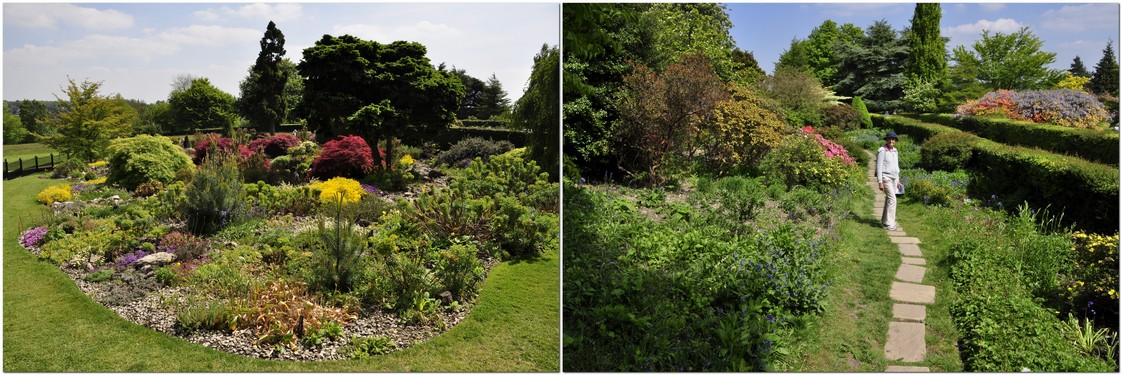
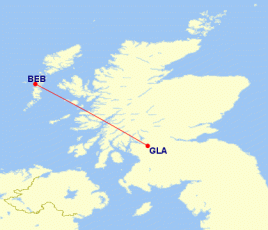 I took my first flight, in the summer of 1966 when I was seventeen. Fifty-three years ago.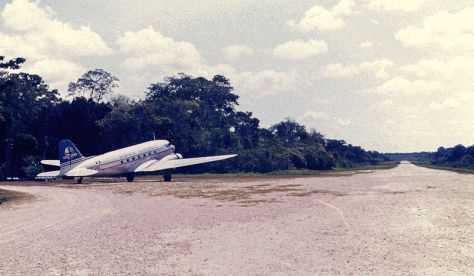
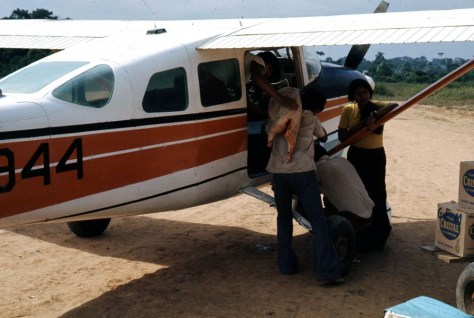
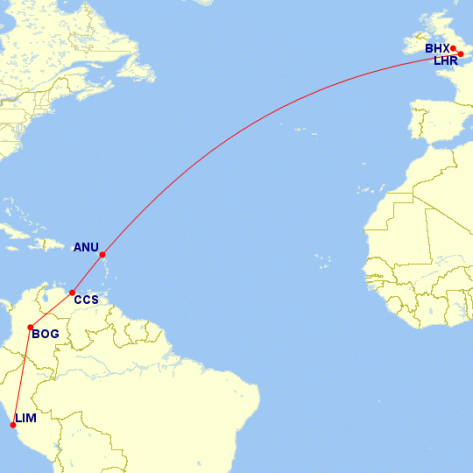
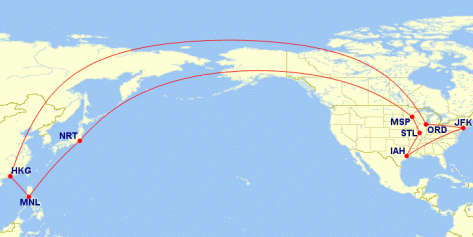 The whole trip covered more than 17,000 nm.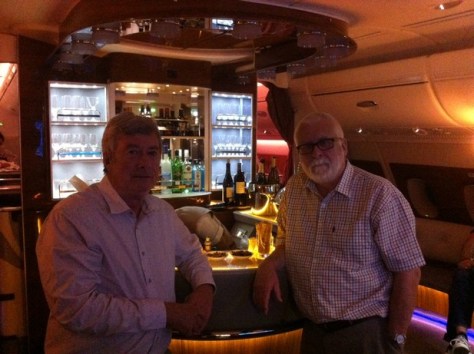
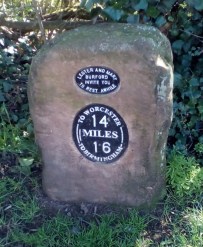
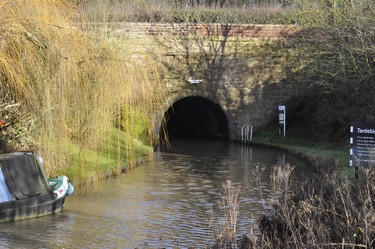
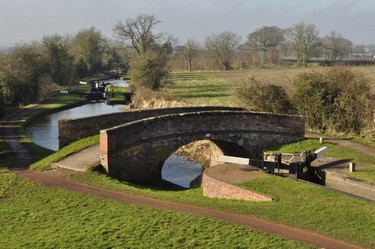
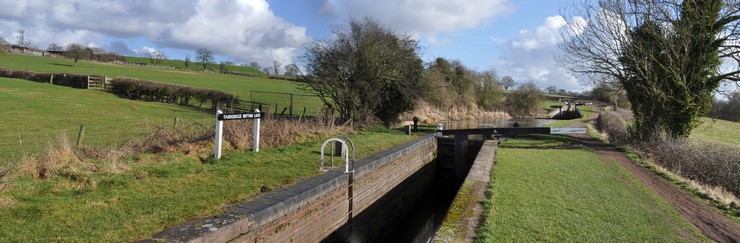
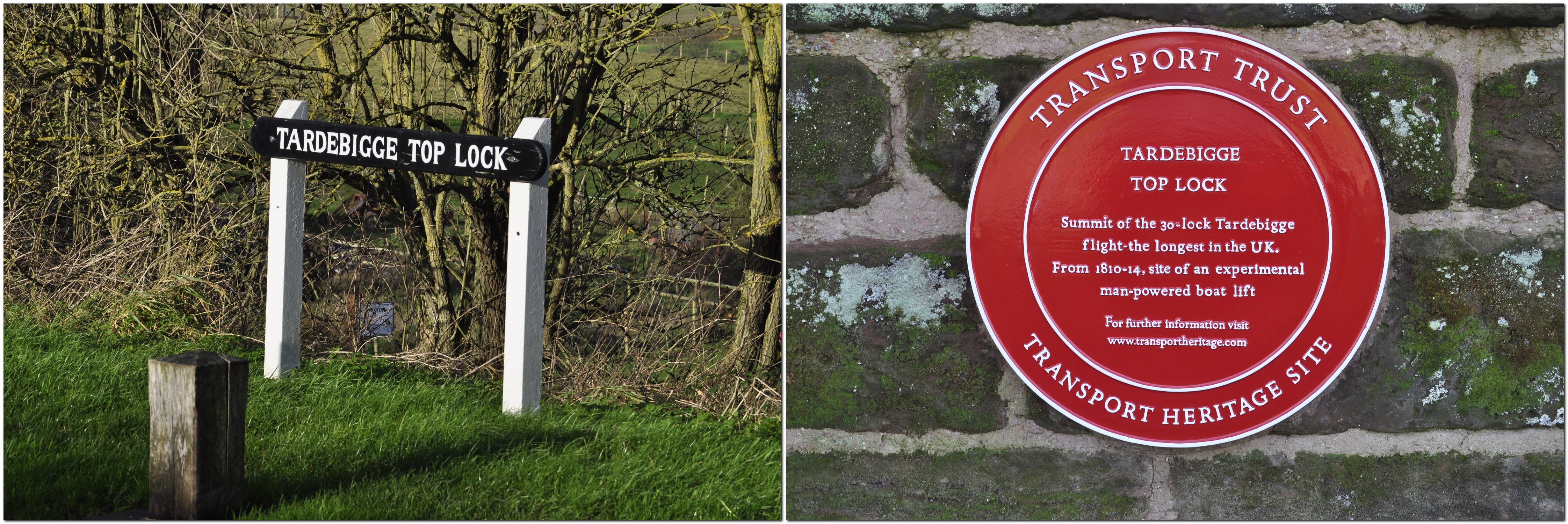
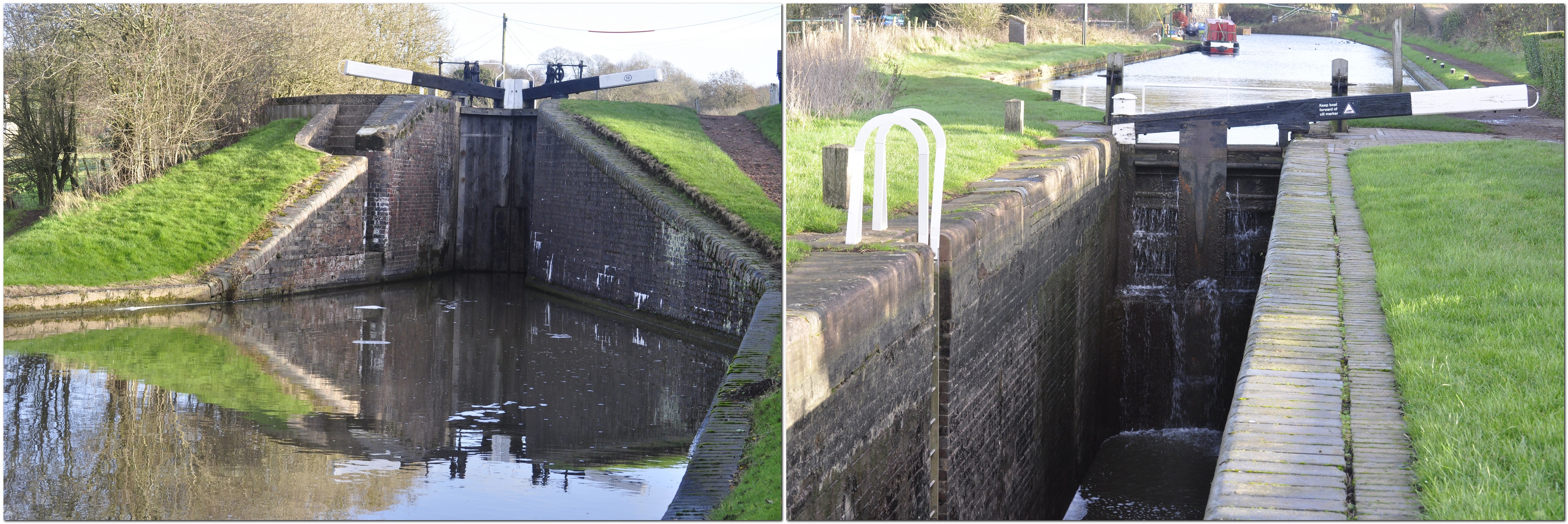
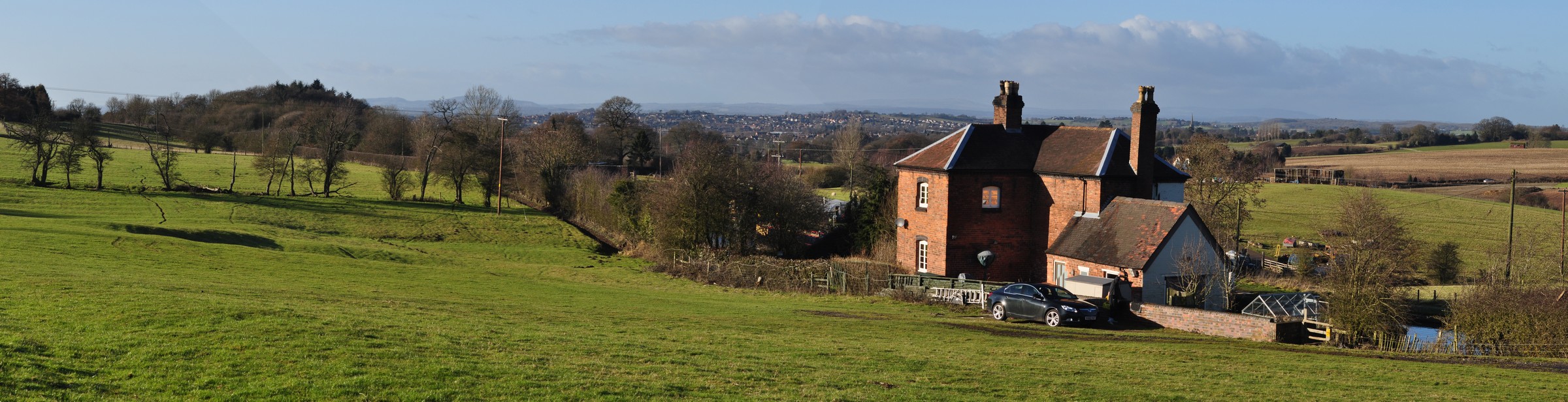


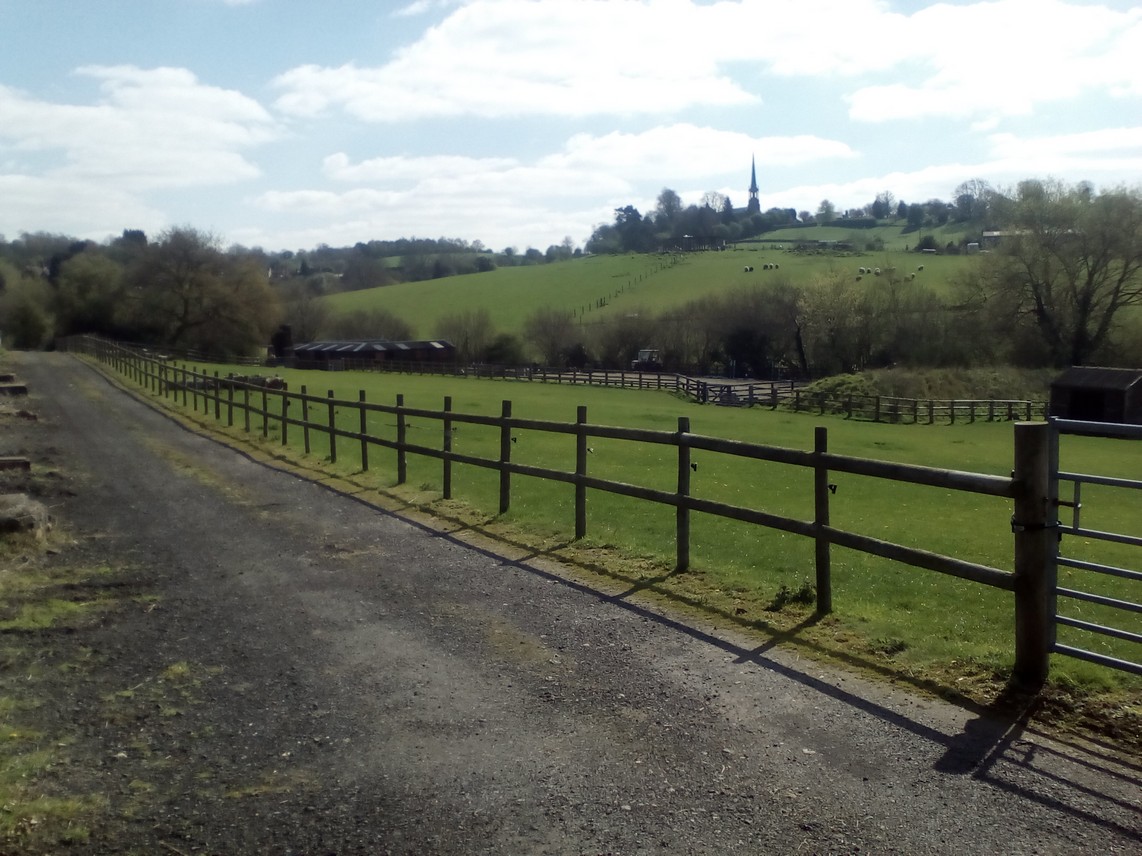
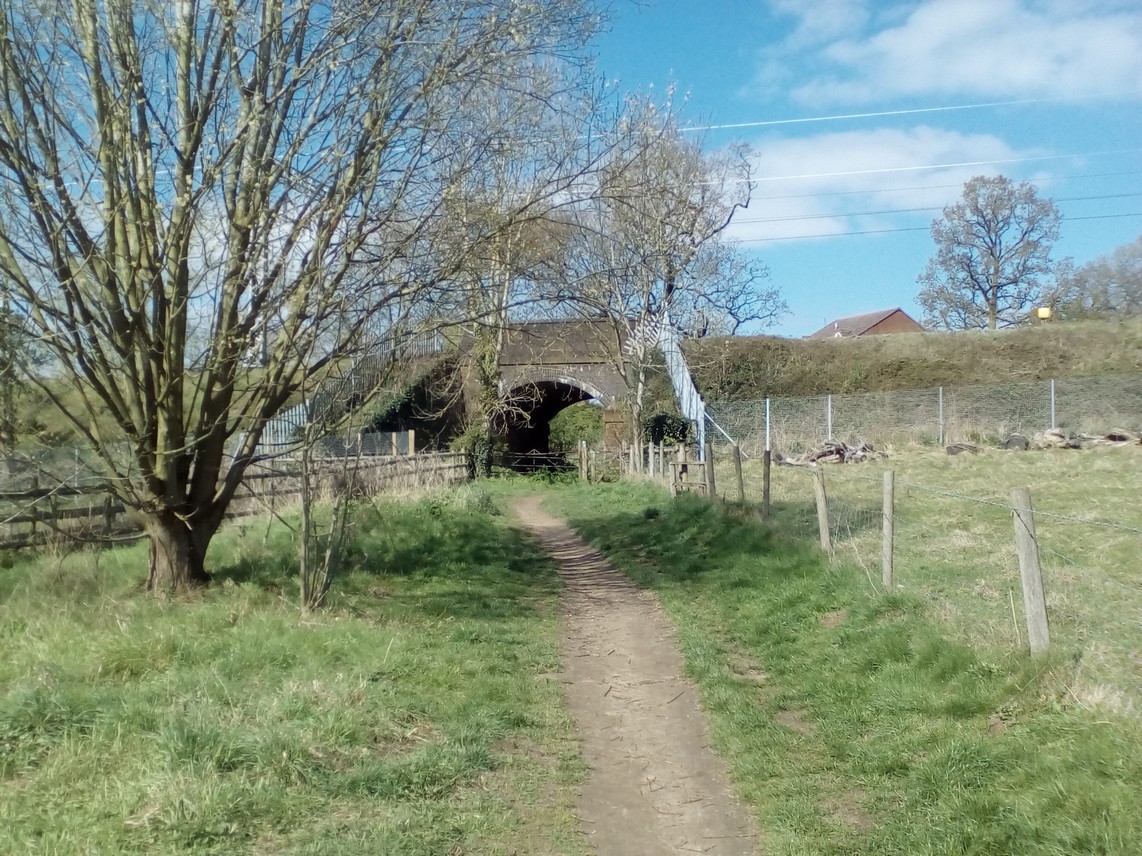
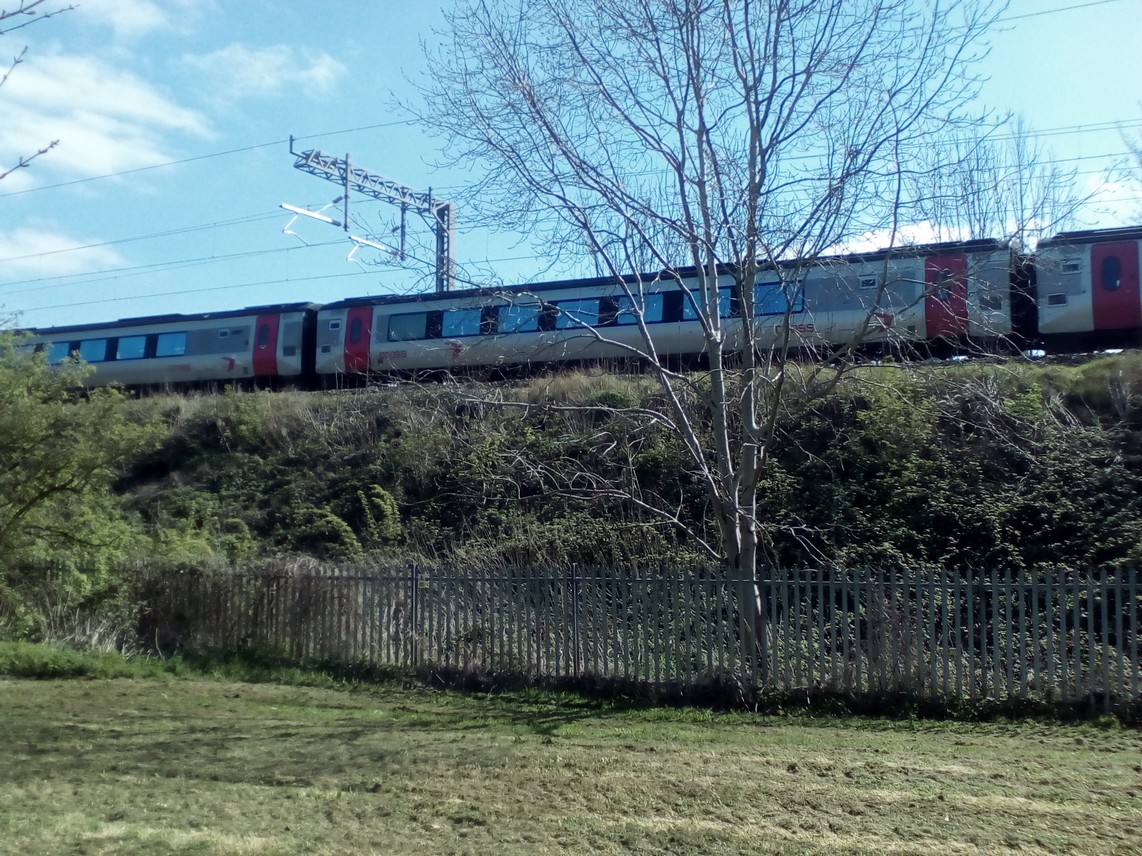
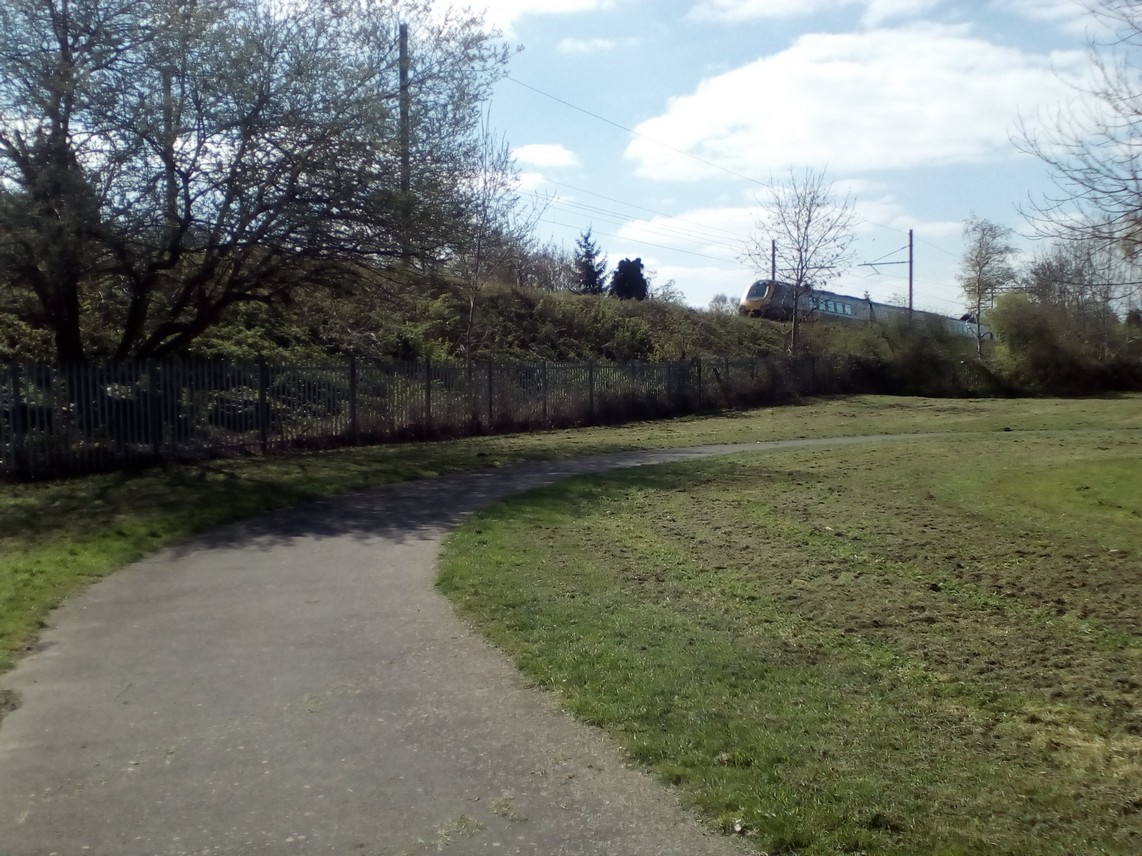
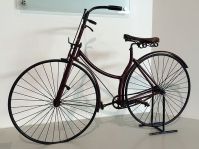
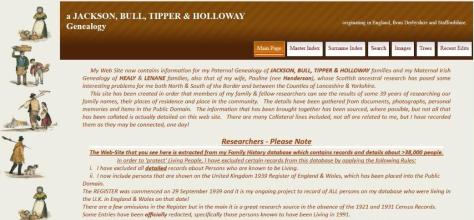
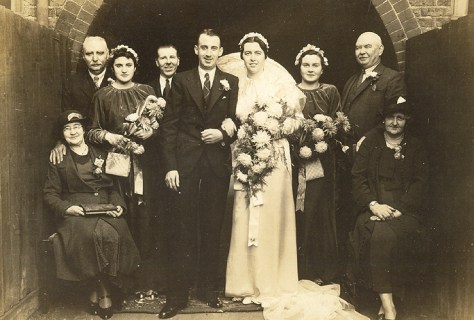
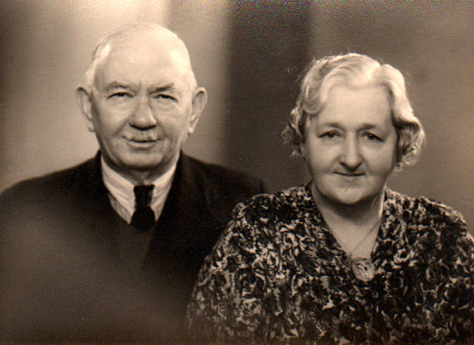
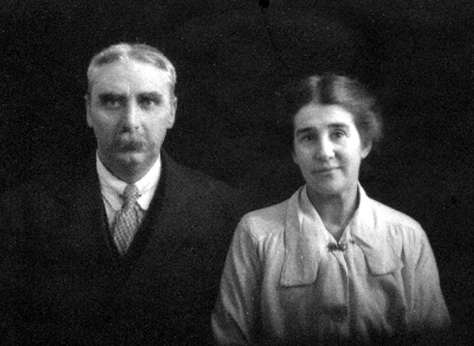
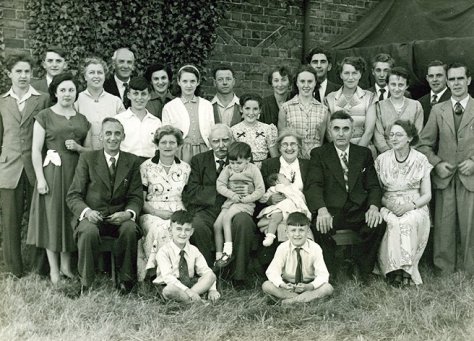
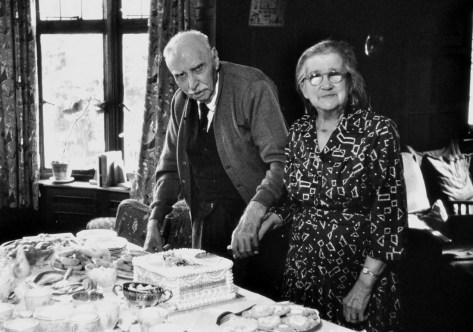
 Just plotting their birthplaces on a map (it’s the geographer in me) gives me a sense of belonging. At heart, I am a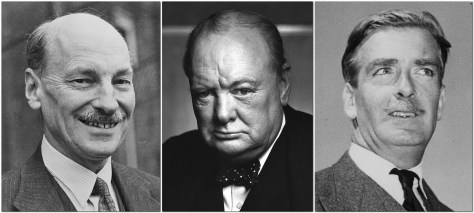
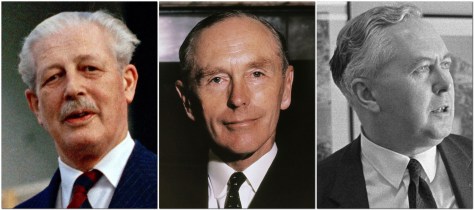
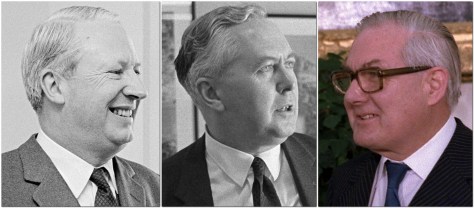
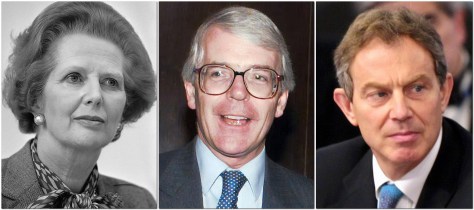
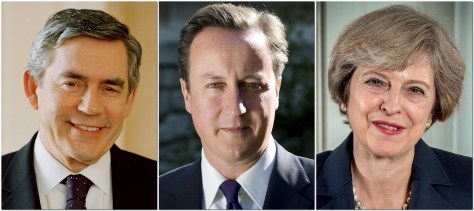
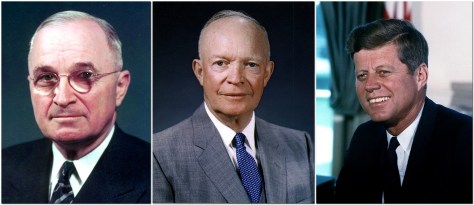
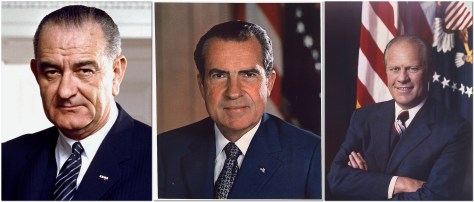
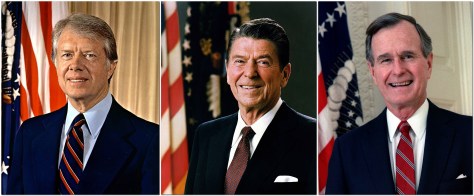
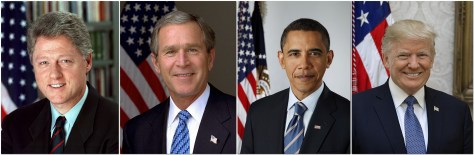
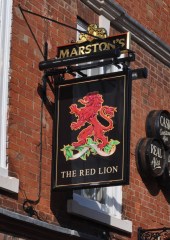 One thing has caught my attention while out exploring
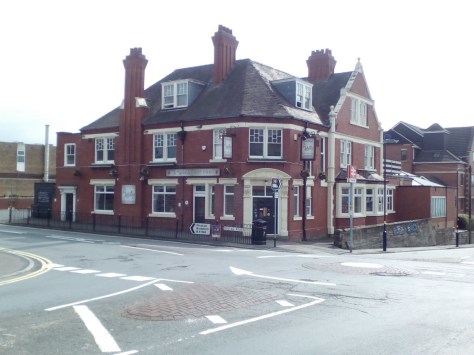

 I’ve just discovered two more pubs. One, the Golden Lion, is on Austin Road on the Charford district, just over a mile south of home. But an area I’ve never walked before.
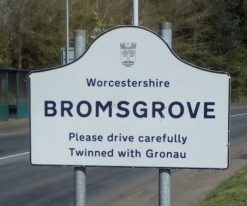 Bromsgrove, some 13 or so miles south of Birmingham, was the first town we visited. It’s a straightforward drive south from the university, and was an obvious first choice. In any case, we’d already seen some property flyers for a couple of properties there that had caught our attention.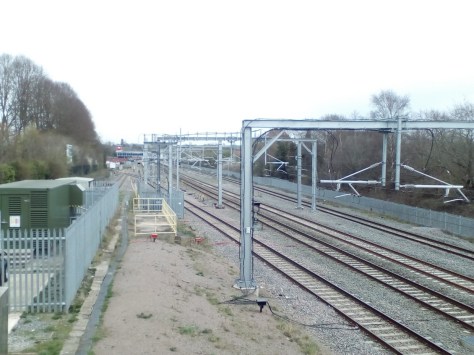
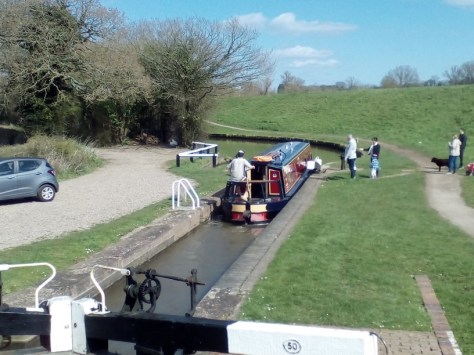
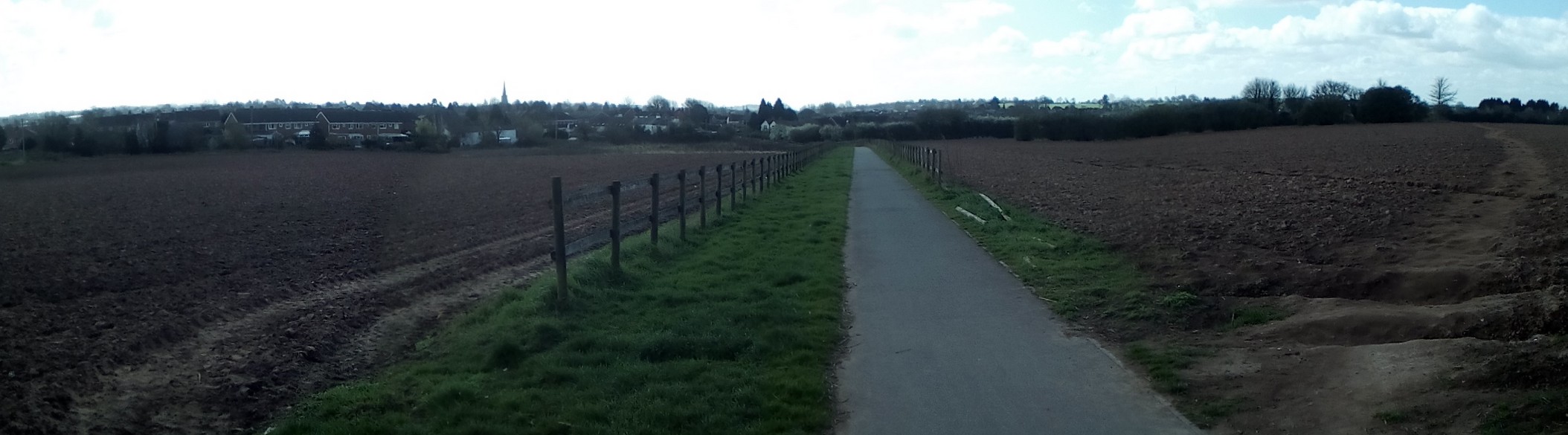
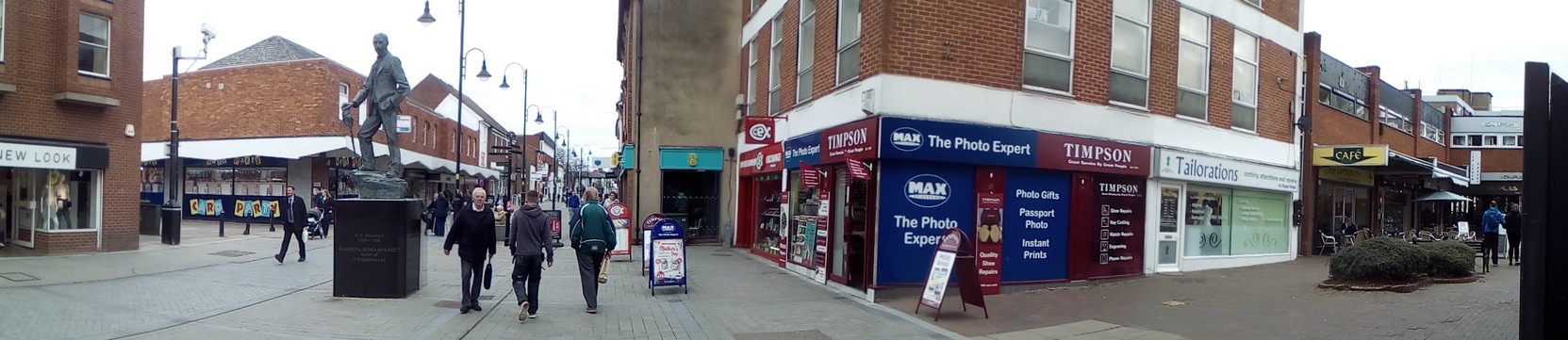


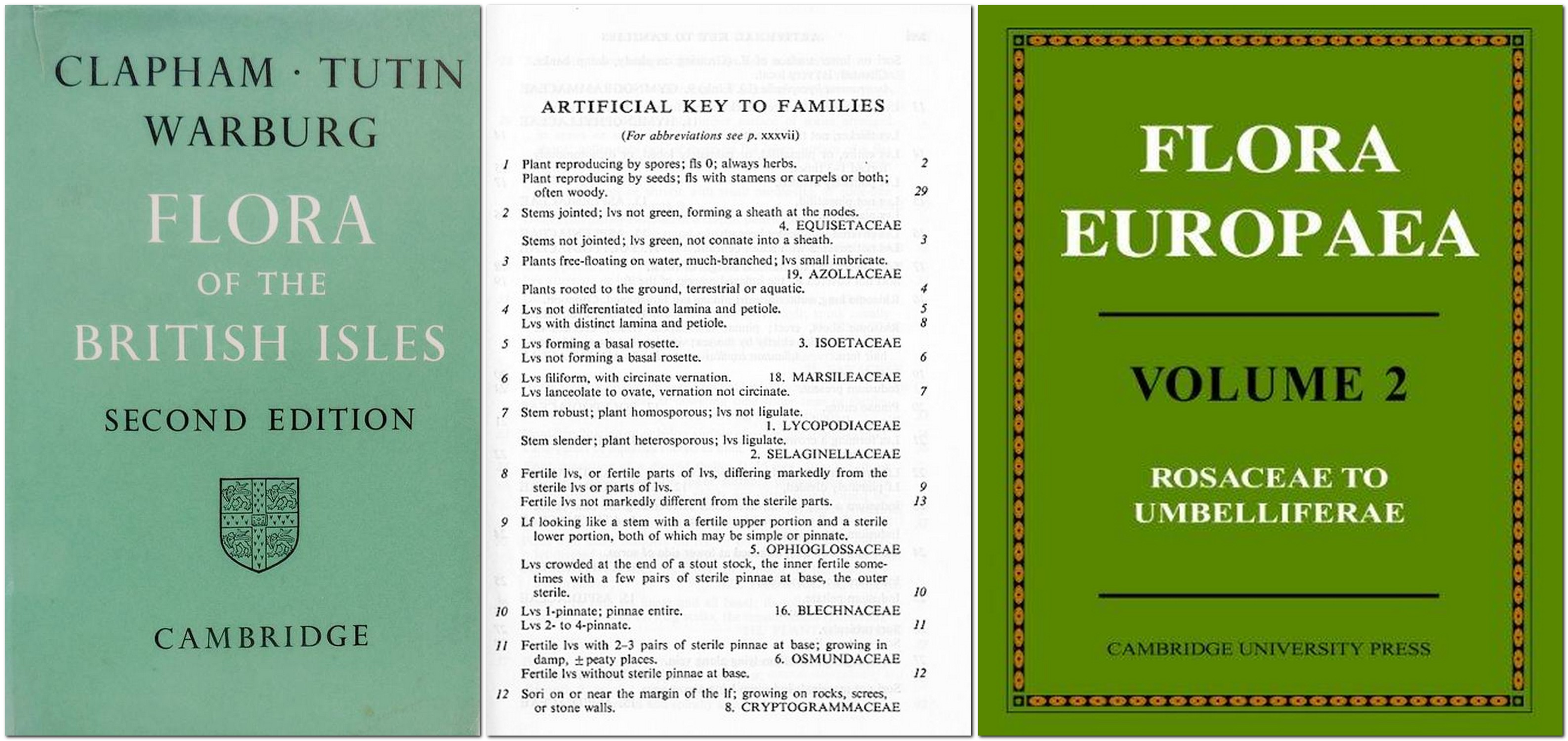

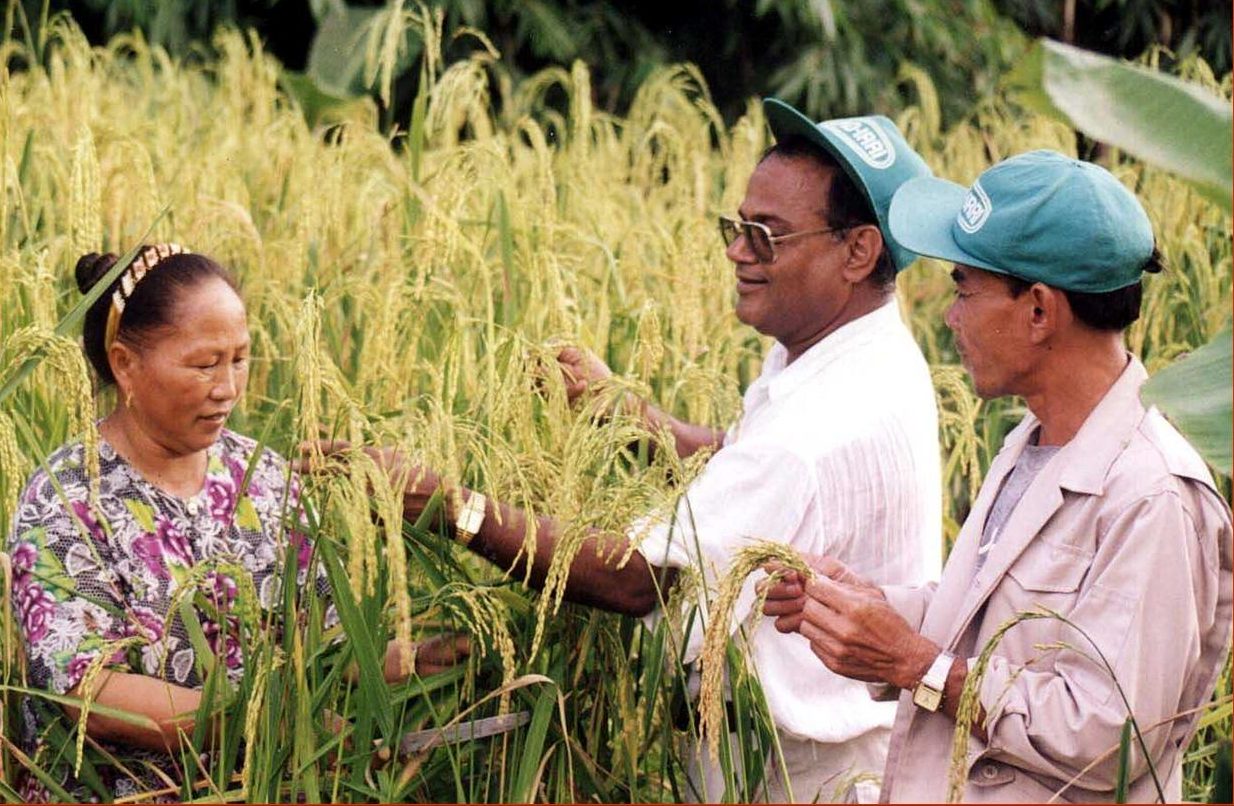
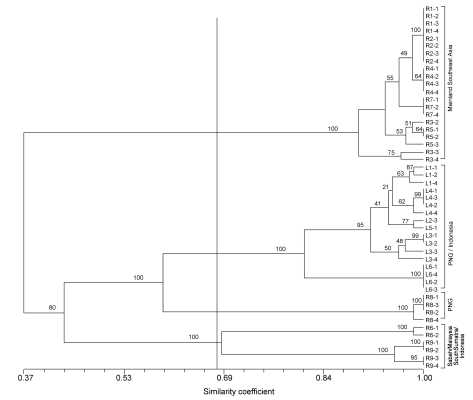

 Until I retired in April 2010 (aged 61) I had been quite active in the previous decade, playing badminton twice a week, and swimming at the weekends. As you can imagine playing badminton was quite strenuous in the heat and humidity (>30ºC/>80%RH) of Los Baños in the Philippines (where I worked for 19 years at the International Rice Research Institute). However, when Steph and returned to the UK, to our home in Bromsgrove in northeast Worcestershire (about 13 miles south of Birmingham city center), I needed to find some other form of exercise.
 I’ve just finished reading the novel
  Well, more of a nightmare, actually.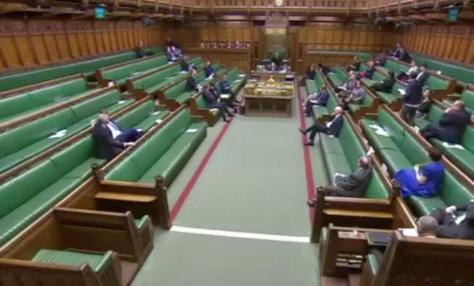
 Tick tock. Tick tock. We are inching inexorably towards the UK’s departure from the European Union (EU).
 Many seem almost insoluble, given the almost even split in opinion (in 2016) among the nation’s voters, and the parliamentary deadlock that currently blights the House of Commons. Party before nation!
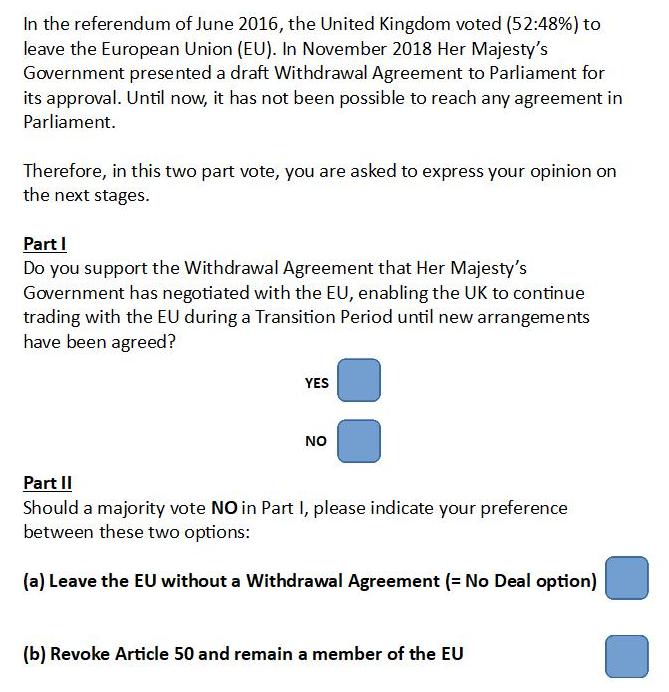

 With just 32 days before the UK is due to leave the European Union (EU), potentially crashing out without a deal if the Withdrawal Agreement negotiated over many months with the EU is once again rejected by Parliament, Theresa May has again kicked the ‘Brexit can’ down the road. Parliament will not hold a ‘
 We met at London’s Waterloo station for the Eurostar service to Brussels, arriving there mid-afternoon. Since no meetings had been arranged that same day, we enjoyed the warm afternoon sunshine for a stroll around


 The day after our meetings, we caught the Thalys (the Belgian TGV) to Cologne, and then a regional service for the short hop to Bonn. We had just one day of meetings in Bonn, with the German aid ministry (BMZ), and then spent an excellent day touring the vineyards of the Ahr Valley just south of Bonn. Our main contact was my old friend Marlene Diekmann who I’d known for many years before she joined the BMZ when she was a plant pathologist at the International Plant Genetic Resources Institute (IPGRI, now Bioversity International) in Rome.



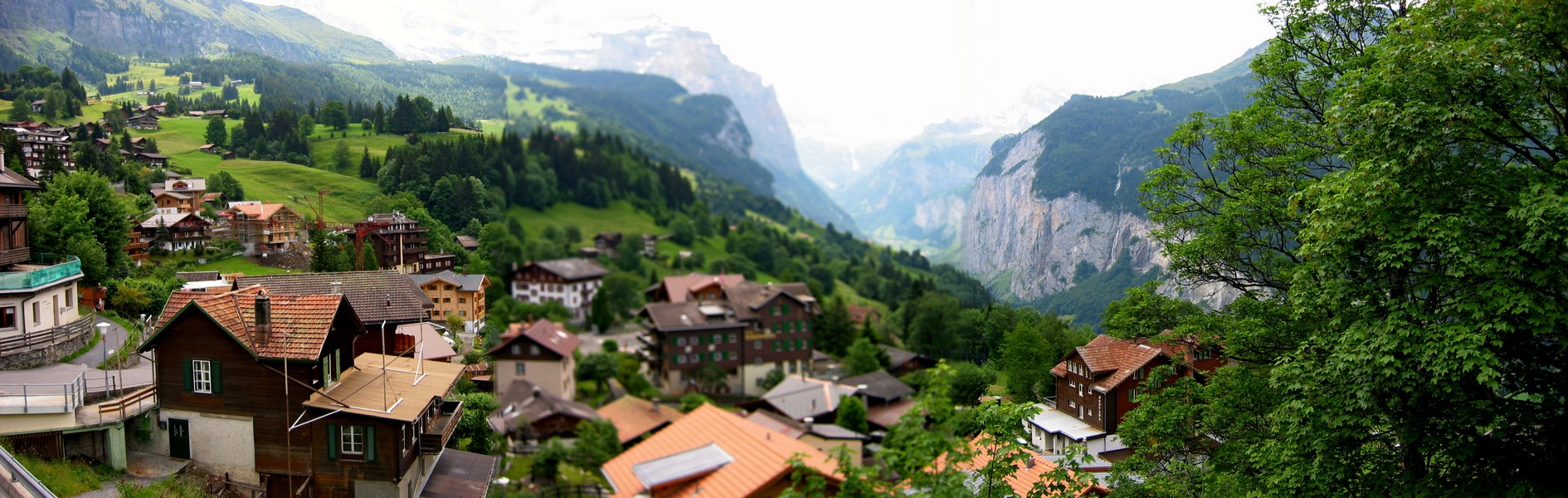



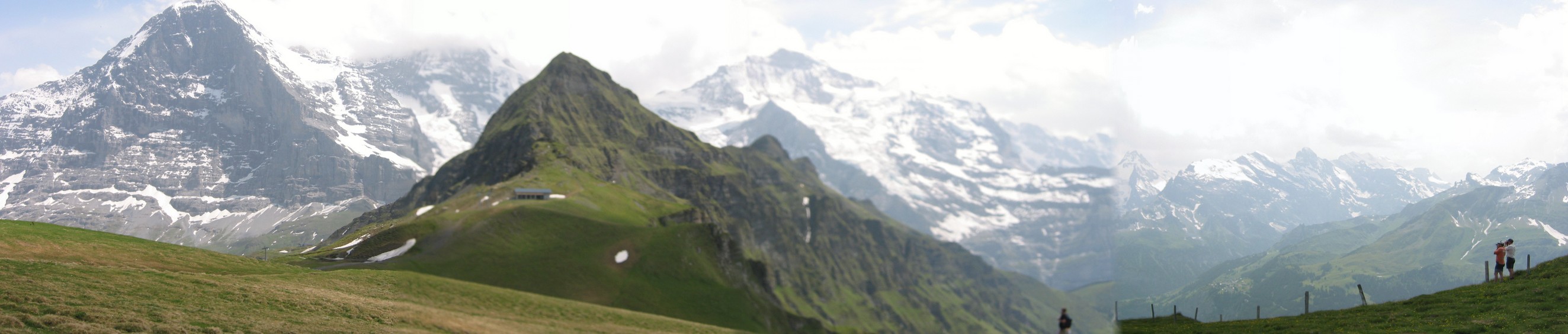
 In Milan, we transferred to the high speed train to Rome. That was an interesting journey. In 2006, the 18th FIFA World Cup was hosted by Germany. Although Mexico had been eliminated from the competition by then, our train was full of supporters from Mexico on their way to Rome to enjoy the sights. Bob, Crissan and I all spoke Spanish. Bob and Crissan had actually lived in Mexico for a few years before returning to IRRI in 2005. So we had a great time with the Mexicans, and our fast train journey to Rome (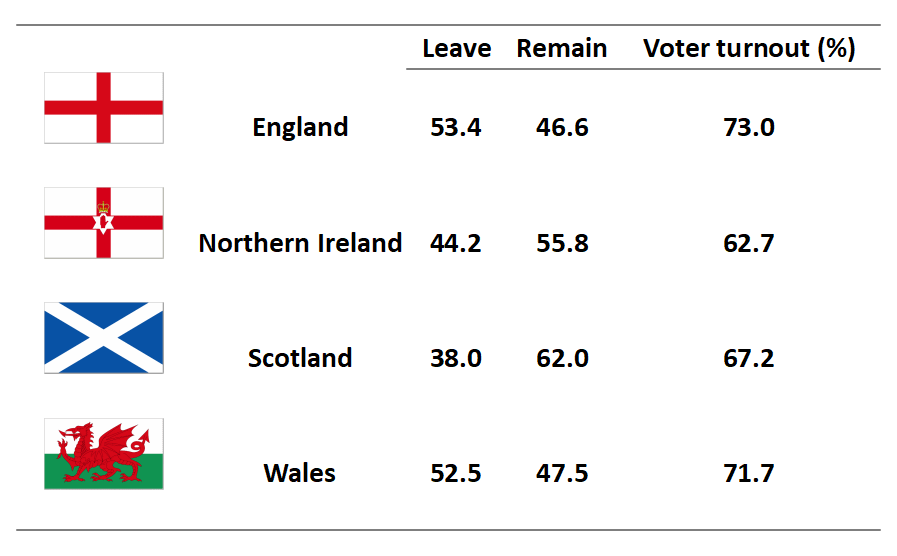
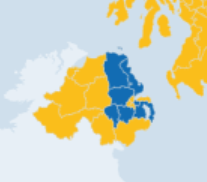
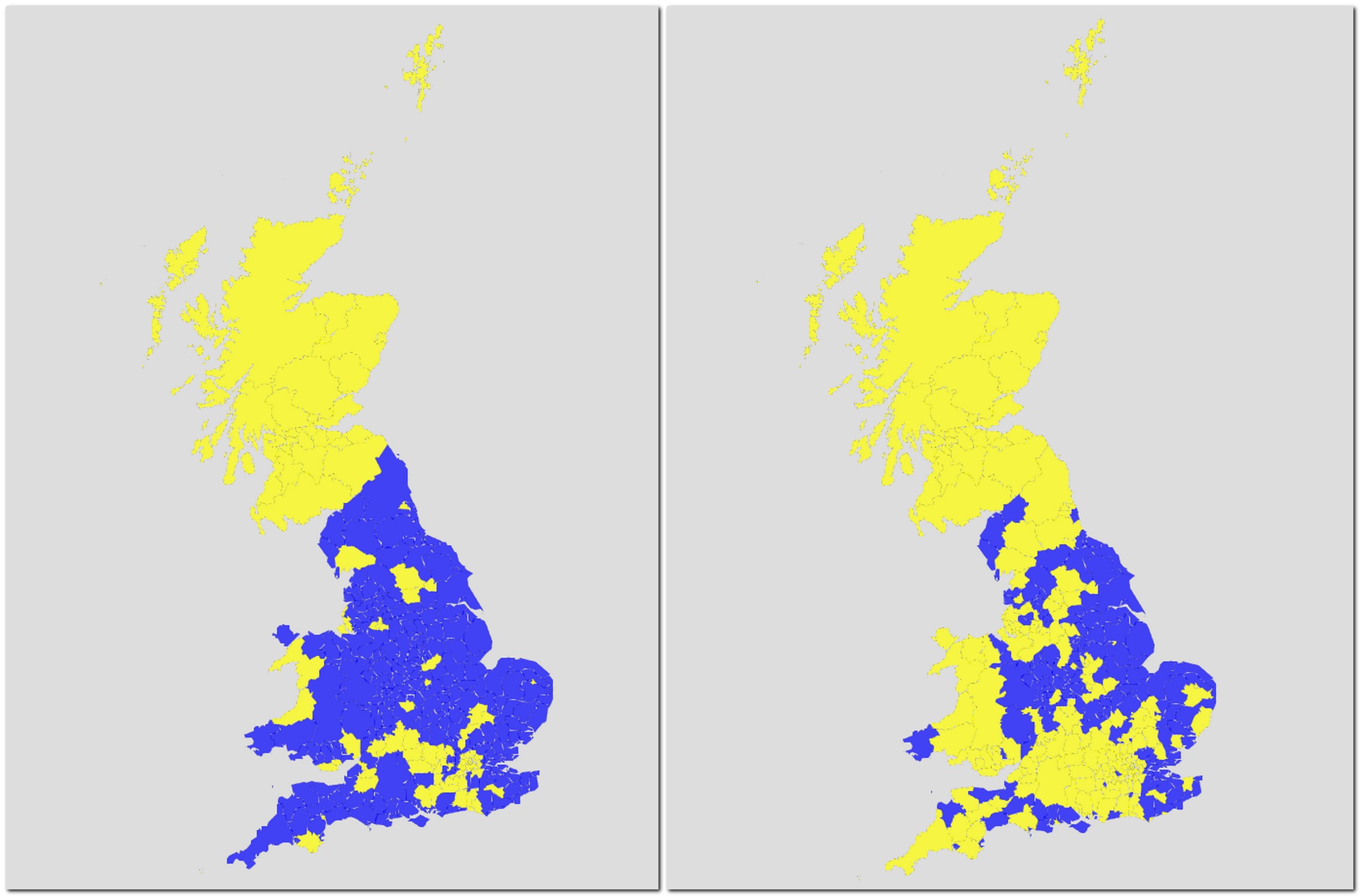
 Brexiteers (predominantly Tory English MPs) continue to see a role and influence of the UK projecting ‘neo-colonialist’ power (‘lethality’ even) far beyond what this small island nation with a shrinking economy can hope, or should ever again aspire, to achieve. Just take the
  A balanced diet . . .