
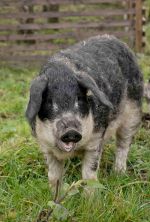
 That’s right. Eat ’em to conserve ’em. Sounds counter-intuitive? Well, the answer is not what you might expect.
On a recent BBC Two program [1], Lisa, a pig breeder from North Yorkshire of rare—and very hairy—Hungarian Mangalica pigs, told one of the presenters (who’d wondered if he might turn vegetarian after seeing the cuteness of Mangalica piglets): “We need you to eat the meat, because if you don’t eat the meat, then farmers won’t breed them, and that’s how you lose them“.
 Regular viewers of BBC One’s Countryfile (broadcast on Sunday evenings) will be familiar with the preservation of rare breeds in the UK. One of the presenters is Cotswold farmer Adam Henson, whose father Joe founded the Rare Breeds Survival Trust (RBST) in 1973. The RBST supports the UK National Livestock Gene Bank where semen and embryos are stored.
Joe Henson also set up the Cotswold Farm Park in 1971 on his farm near Guiting Power that Adam and his business partner continue to run, where the public can see different breeds of cattle, sheep, pigs, horses, and poultry, most of which no longer play any significant role in commercial agriculture. They only survive because of the interest and efforts of farmers like Adam and the RBST. While preservation of rare breeds is one of Adam’s passions, he frequently acknowledges that they have to pay their way. So, for many farmers like pig breeder Lisa, keeping rare breed livestock is a commercial enterprise. And there is a growing interest in and demand for rare breed meat.
What are the parallels in crops?
For decades now crops (and their wild relatives) have been conserved in genebanks around the world. Scientists in the 1960s acknowledged that unless these crop varieties were collected they might be lost forever. So the good news is that important genebank collections were established, crop varieties and diversity preserved, and used to create more productive varieties for farmers to grow.
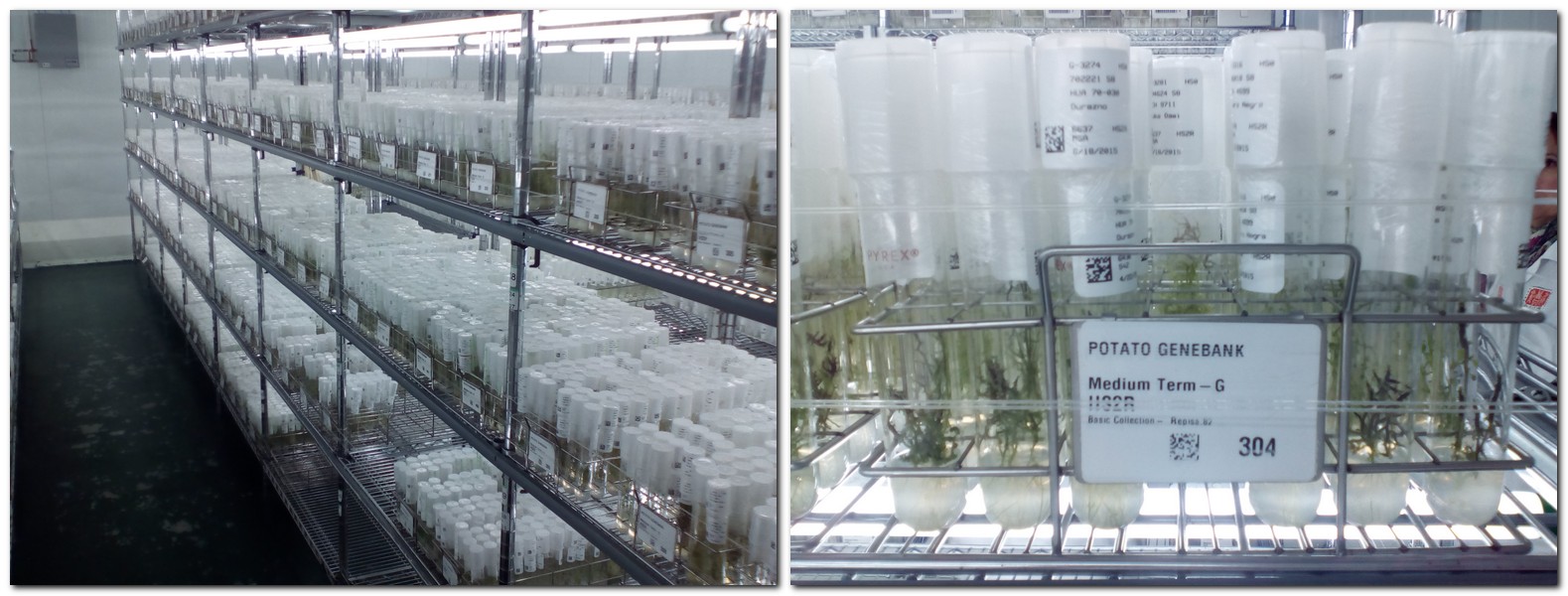
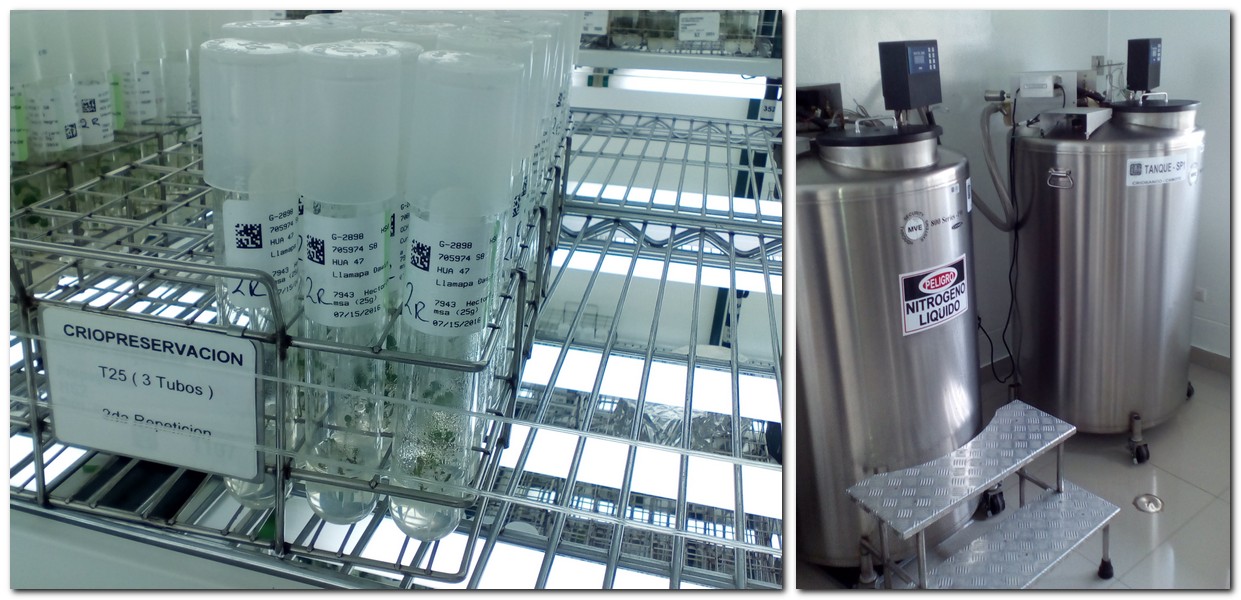
Conservation in genebanks or seed banks (often referred to as ex situ conservation, and the plant equivalent of semen and egg or embryo storage) ensures that genetic diversity is protected over the long term, subject of course to the best genebank management practices. However, there are crops, like potatoes that reproduce vegetatively by tubers (important for maintaining specific varietal identity), and others that either don’t produce seeds, or which are short-lived and cannot be stored in a seed bank.
In the UK there are several important genebank collections: the Commonwealth Potato Collection (CPC) at the James Hutton Institute, Dundee; the Germplasm Resource Unit (GRU, with important collections of wheat, barley, oat, and pea) at the John Innes Centre in Norwich; and the UK Vegetable Genebank (UKGVB) at the Warwick Crop Centre, Wellesbourne.
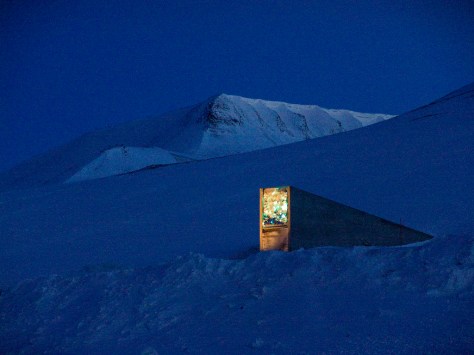
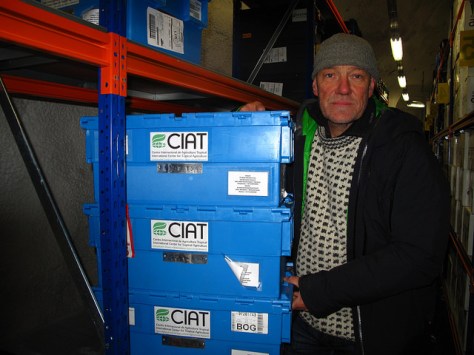
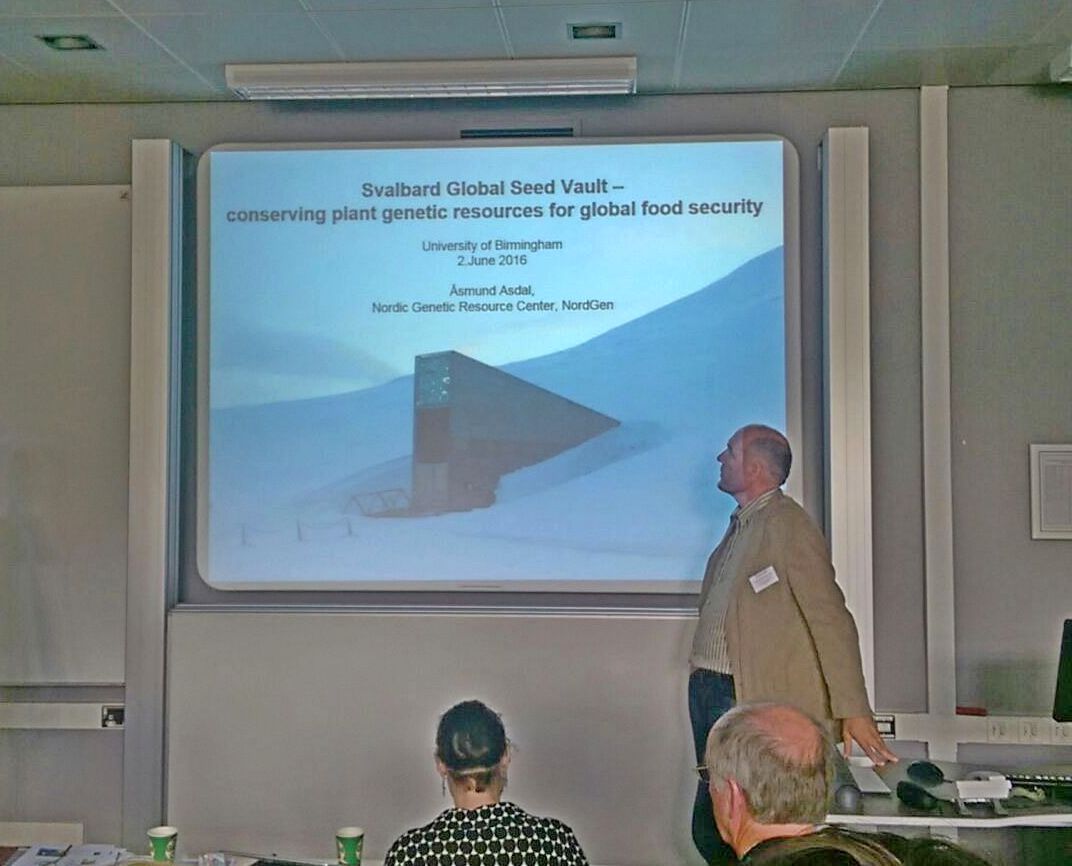
 And the centers of the CGIAR around the world manage some of the largest and genetically most diverse genebank collections anywhere. I have been involved with two of these: for rice at the International Rice Research Institute, in Los Baños, in the Philippines, and for potatoes at the International Potato Center, in Lima, Peru. The Svalbard Global Seed Vault provides an extremely important safety backup to these and many national genebank collections.
However, what is the situation on farms? Do farmers continue to grow the varieties that have sustained their communities for generations? Is it feasible to conserve varieties on farm? And how many would opt to grow new varieties if these were available?
Just like livestock, crop varieties can only survive if farmers continue to care for them, and they are consumed. Eat ’em to conserve ’em.
Now many of these farmer varieties (often referred to as landrace or ‘heirloom’ varieties) are found in subsistence farm systems where the full impact of modern bred varieties has yet to be felt.
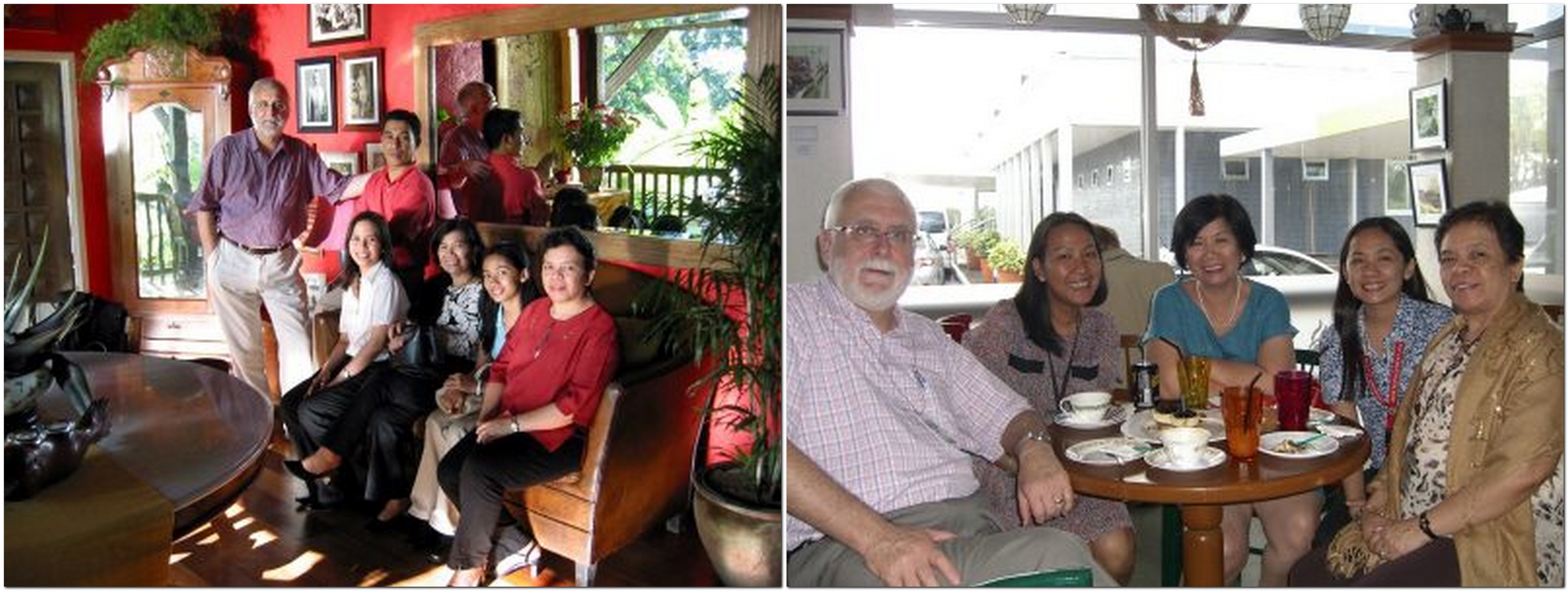
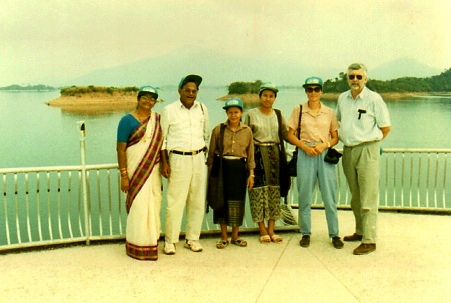
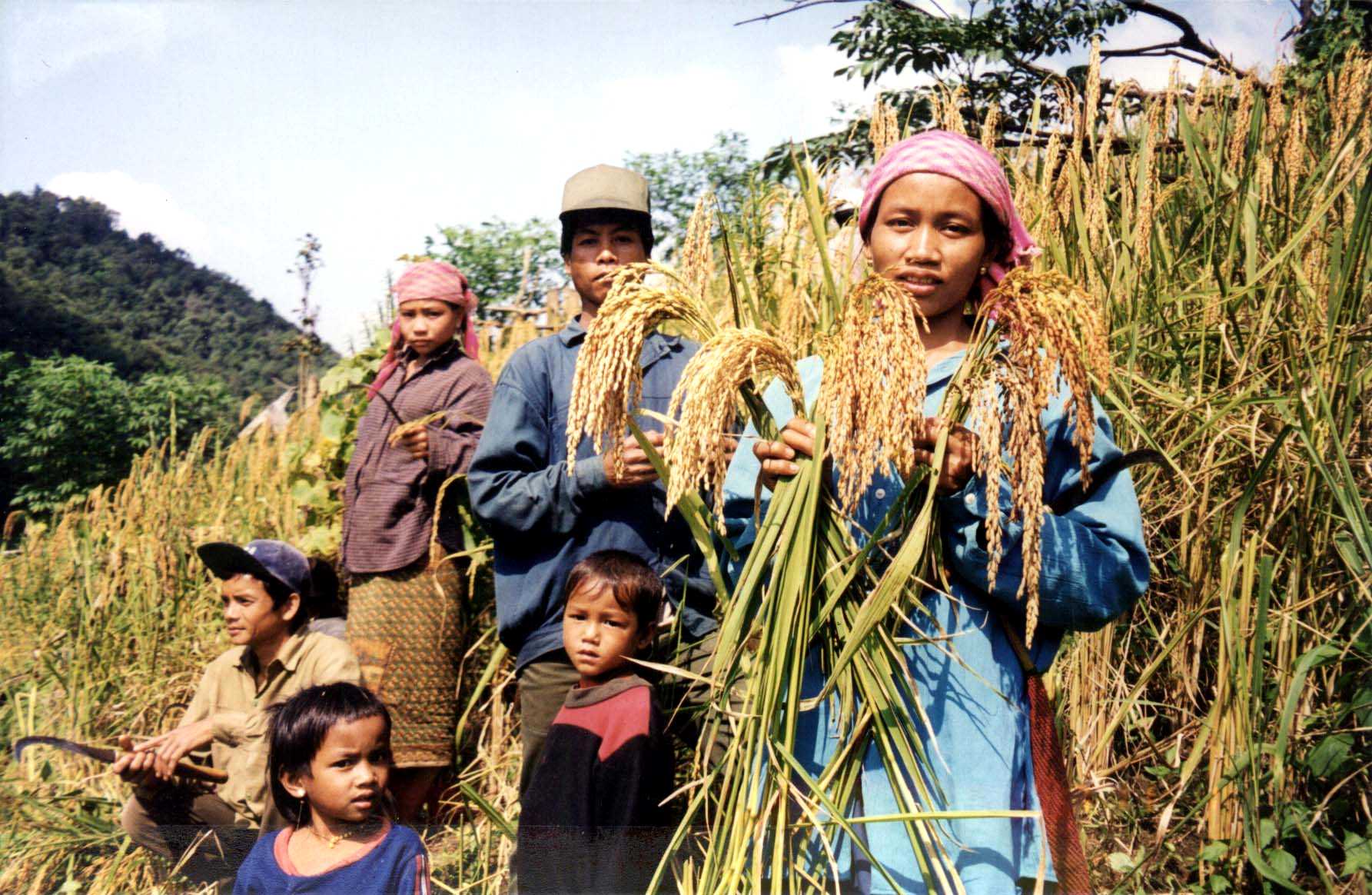
 Take the situation of rice in the northern part of Laos in southeast Asia, for example. Many of the rice varieties grown there are upland rices, and modern rice breeding has produced fewer improved varieties for these agricultural systems. Farmers (many of them women) continue to grow hundreds of rice varieties. While I was head of genetic resources at the International Rice Research Institute in the Philippines during the 1990s, I spear-headed an international project to collect and conserve these varieties in Laos and many other countries, and one of my colleagues, Dr Seepana Appa Rao spent five years in Laos assisting local scientists there.


‘Heirloom’ rice varieties are an important cultural foundation of many societies throughout Asia (and Africa). But farmers need to make a living, aspire to a better life, producing food for their families, and generate income if possible to pay for their children’s education. Many farmers want something better than the drudgery of agriculture for their children.
Is it possible to make a profitable living from these varieties? What are the opportunities to make the old varieties more commercially appealing? To commodify them. Certainly if these traditional varieties could generate an income, then farmers would be more willing to grow them. And, in the process, fulfill an important objective of on-farm or in situ conservation in a sustainable manner, rather than having to rely on farmer-conservators or subsidies (which can always be taken away).
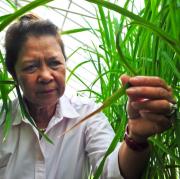
Nollie Vera Cruz
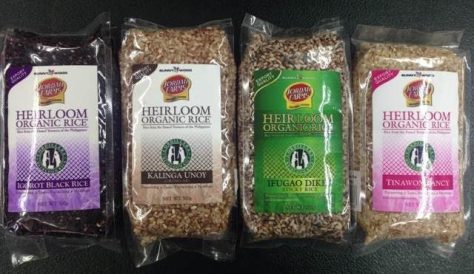
The Heirloom Rice Project (HRP) was a collaboration between the Philippines Department of Agriculture and the International Rice Research Institute (IRRI, coordinated by my former colleague, Dr Casiana ‘Nollie’ Vera Cruz) to enhance the productivity and enrich the legacy of ‘heirloom’ or traditional rice through empowered communities in unfavorable rice-based ecosystems. It focused on traditional rice varieties found only in the Cordillera Region provinces of Ifugao, Mountain Province, Benguet, and Kalinga or northern Luzon island.
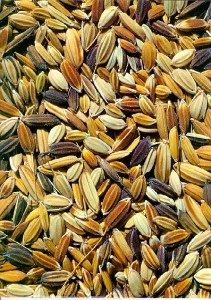
As explained in one website story, ‘heirloom’ rice varieties come in grains of astonishing colors: brown, black, pink, purple, and pearly white; fragrant, nutty in taste, high in fiber; healthy to eat; a gourmet’s delight. Yet for all their captivating look and taste, they thrive in the most fragile places, on mountain tops, where dew, rain, and air are their only means of sustenance.

Rice terraces at Banaue, Ifugao Province, Philippines.
Furthermore . . . ‘heirloom’ rice varieties have been grown on the terraces of the Cordillera Mountains of Luzon, Philippines [for centuries], terroirs known for their significant historical, cultural, and aesthetic values. However, heritage ‘heirloom’ rice farming is gradually being abandoned, mainly because of its lower productivity and the struggle of the sector to create a sustainable niche market for heirloom rice by branding its cultural, social, and nutritional values.
One of the important outcomes was to link farmers with markets so that these special rice varieties could find a particular niche in the market, even exported during the course of the project to the USA. And it’s those linkages that were so important.
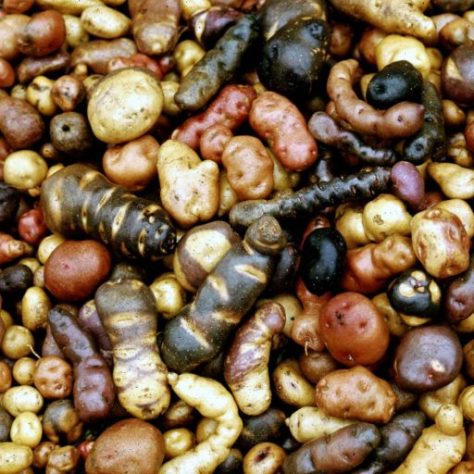
Let’s now to cross to South America where there is a wealth of potato varieties grown throughout the Andes of Peru and Bolivia in particular, mainly (until now) for home consumption.
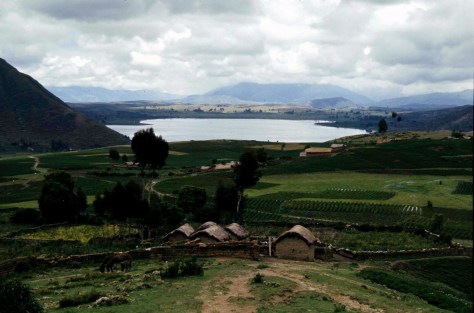
As I have seen for myself, as long ago as 1974 near Cuzco in southern Peru, farmers successfully combined the cultivation of commercial varieties for the market while cultivating the ‘old’ varieties in small plots close to the farmstead, the basis of household food security.
In this photo, northwest of Cuzco, large commercial plantings of improved varieties can be seen in the distance, while inside the wall surrounding the farmstead only native varieties were grown.
Have farmers found a way to make these ‘heirloom’ varieties more commercial? Well, there’s a very interesting initiative in Peru that has spread across quite a large part of the country.

Potato farmers have formed AGUAPAN(Asociación de Guardianes de la Papa Nativa del Centro del Perú) that is supported by Grupo Yanapai, an NGO that has considerable experience in participatory research.
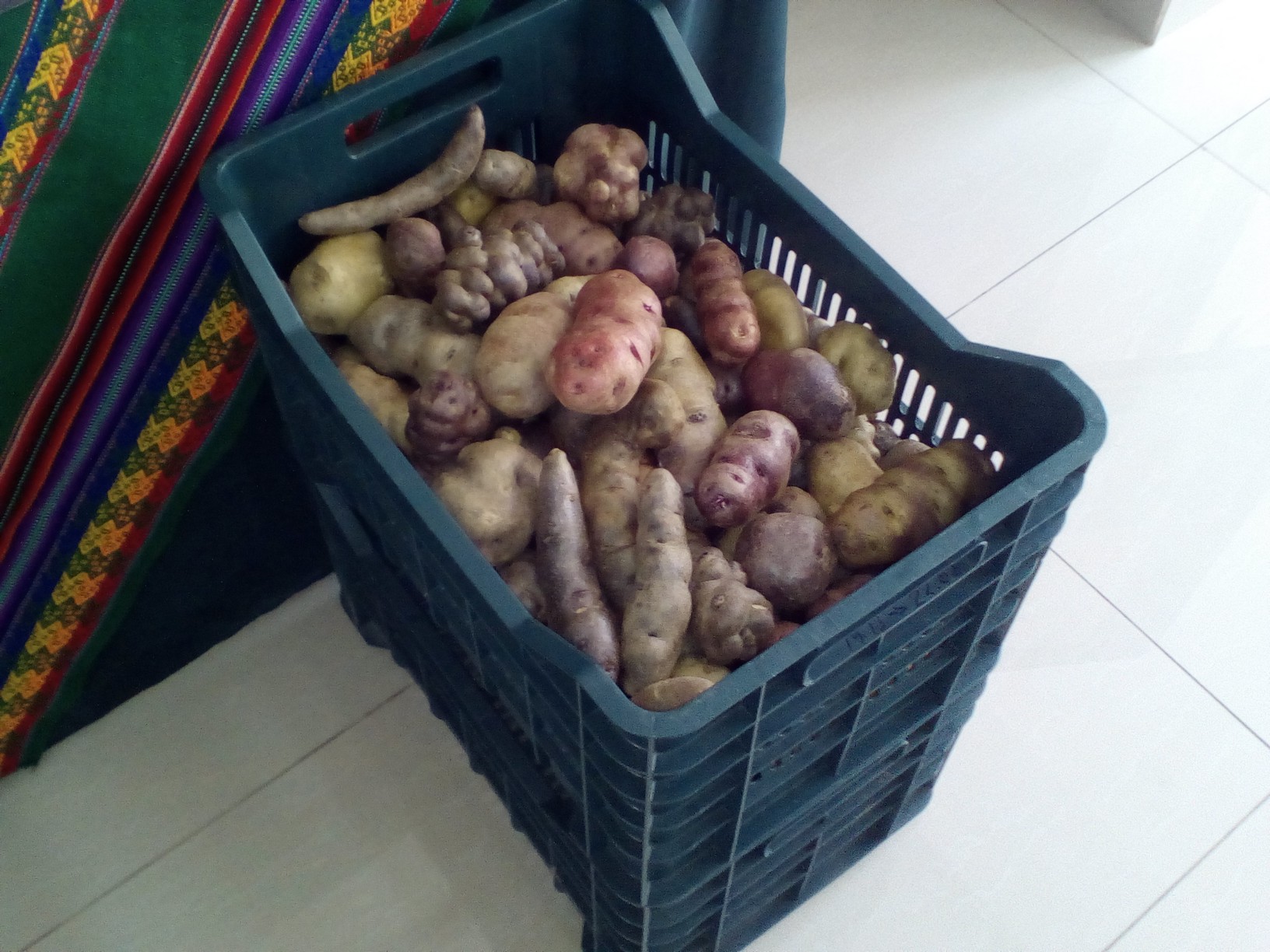
Farmers commercialize their varieties directly to households in Lima, even delivered directly to the door, as mixtures (chaqru) under the trade name Miski Papa.
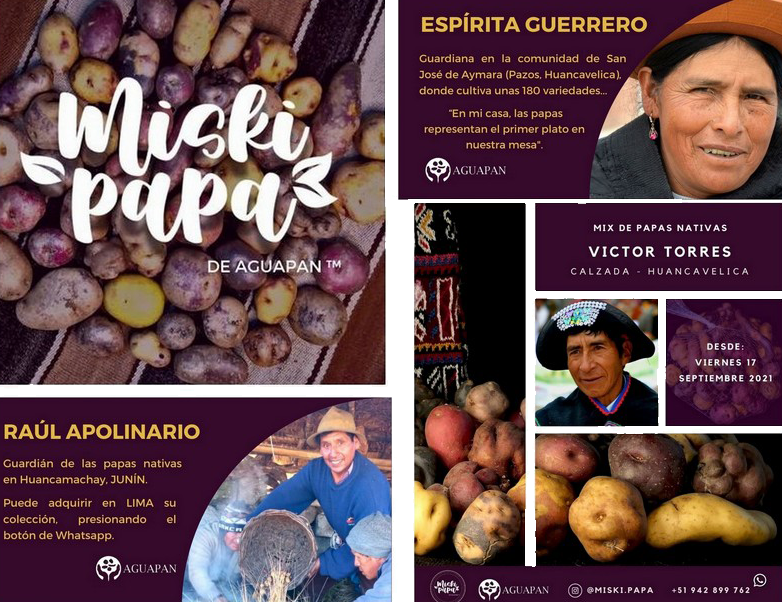
What is particularly interesting about the project is that individual farmers are identified, and the commercialization strategy is geared towards understanding their roles and the varieties they grow. See how Sra. Guerrero grows 180 different varieties!
Now look at these other photos (on AGUAPAN’s Facebook page) showing different farmers and their varieties.
AGUAPAN has taken the opportunity to increase farmer incomes through this project and at the same time ensuring farmers continue to grow ‘heirloom’ varieties. There is an interesting paper published in 2021 by a former colleague of mine at CIP, Andre Devaux (and others) that describes how these potato varieties have become a culinary sensation and a market innovation.
These two projects on rice and potatoes (there must be more around the world on the same and other crops) show how two objectives can be met:
- Enhancement of farmer livelihoods through market innovations with native ‘heirloom’ varieties;
- On-farm (in situ) conservation that permits the dynamics of farmer management to prosper, and exposing genetic diversity to environmental challenges, so important under a changing climate.
Personally, until now, I have had some doubts about the wisdom of prioritizing on-farm conservation for crop genetic resources. Certainly in the 1990s there was quite a push to promote in situ conservation, and in the rice biodiversity project that I referred to at the beginning of the post, we learned a great deal about the choices farmers make on a daily basis. And that is what on-farm conservation should be all about: allowing farmers to make informed choices, to change their varieties, to discard some, adopt others. Even though some farmers take on a role of conservators, I’ve never believed that subsidies paid to farmers to ‘conserve’ their varieties was a viable, long-term option. With the commercialization initiatives I’ve described here, there are now excellent opportunities to ensure the long-term survival of ‘heirloom’ varieties in the systems where they originated.
Eat ’em to conserve ’em!
[1] The Hairy Bikers Go North, Episode 4 North Yorkshire (not available everywhere), just before three minutes, first broadcast on 14 October 2021.



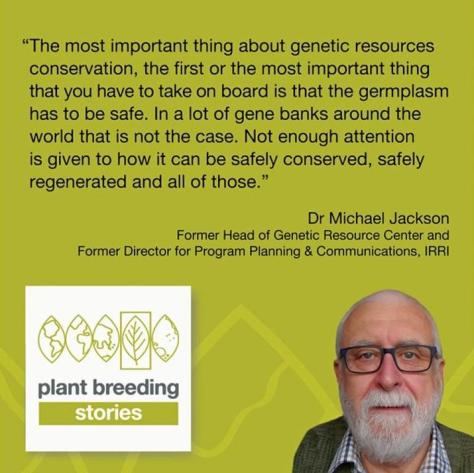
 I came across a tweet a few days ago from the
  CGIAR? As Bill Gates
 largest and most
 Our ability to adapt to changing climates will be determined, to a considerable extent, upon our ability to feed ourselves, to provide shelter and clothing, and for many peoples in many developing countries there will be problems in obtaining fuelwood for cooking or heating.
 We also have limited information how the environmental pest and plant pathogen load will change under a changing climate. That’s a particular concern for plant species that cannot be stored as seeds but are conserved in field genebanks. In this, the
 You can find out more about the CGIAR genebanks on the Genebank Platform

 There were also various plant quarantine issues, seemingly insurmountable. Plant quarantine personnel are, by outlook, a conservative bunch of people. And with good reason. IRRI successfully operates its germplasm exchange (both receipt and distribution) under the auspices of the Philippines Department of Agriculture’s
  The devastating bush fires that have ravaged huge swathes of eastern Australia have highlighted the fragility of environments that are being affected adversely by the consequences of climate change. It’s a wake-up call, even though some of us were
 Standards in the eleven CGIAR genebanks have been raised through the
  Other international efforts like the
 I still argue, however, that in tandem with the molecular analysis of crop diversity, there must be an in-depth evaluation of how different varieties behave in real environments. In joint research between former colleagues of mine at The University of Birmingham (Professors Brian Ford-Lloyd and John Newbury and Dr Parminder Virk) and myself at IRRI in the 1990s, we demonstrated the
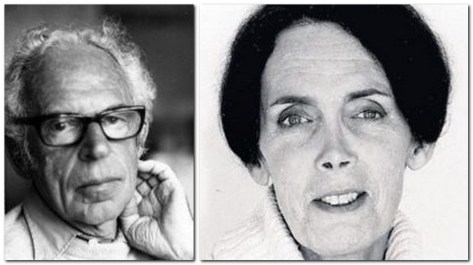
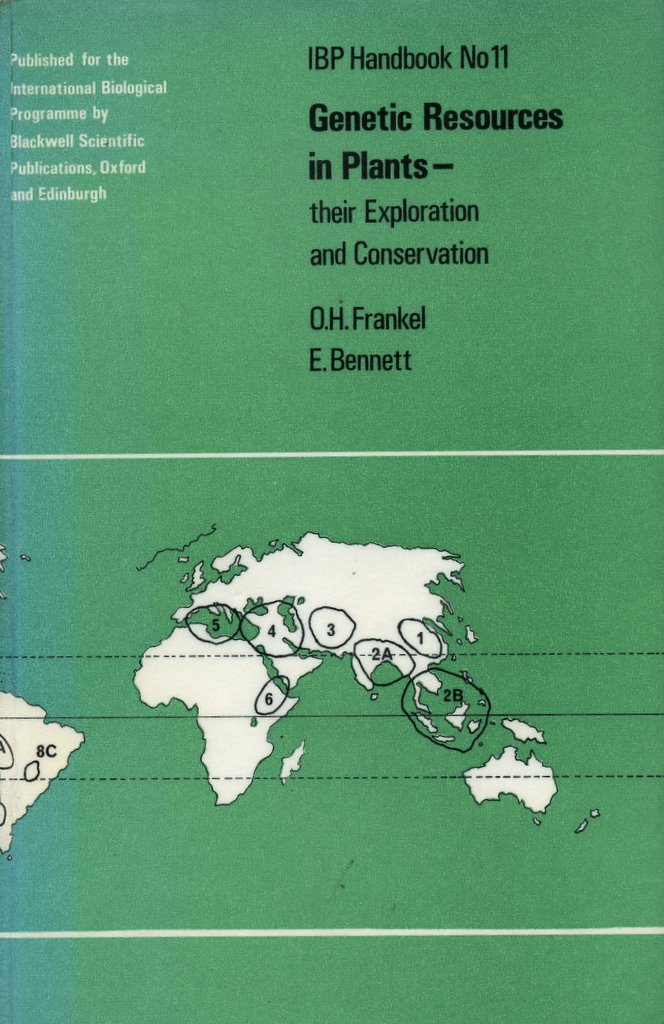
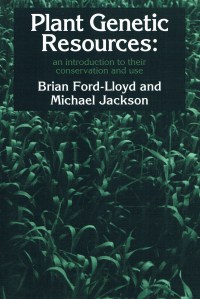 In our 1986 book Plant Genetic Resources: An Introduction to their Conservation and Use, my former colleague and friend of almost 50 years, Professor Brian Ford-Lloyd and I wrote (on page 1):
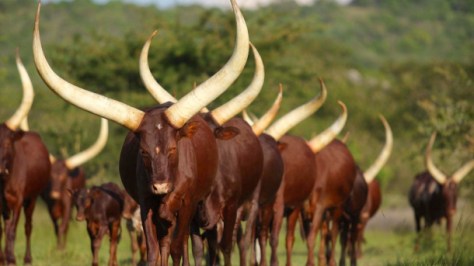
 When it comes to genetic resources, animals don’t do so badly either, at least here in the UK. We get an almost weekly item about the importance of rare breeds of livestock and their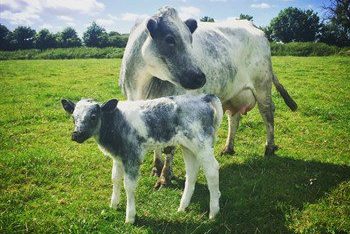
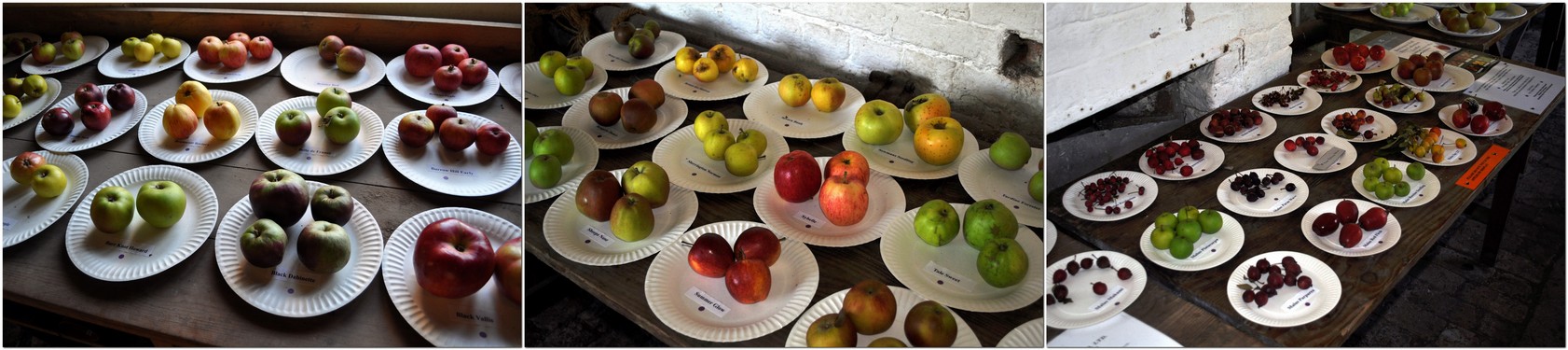





 My decision to leave a tenured position at the University of Birmingham in June 1991 was not made lightly. I was about to be promoted to Senior Lecturer, and I’d found my ‘home’ in the Plant Genetics Research Group following the reorganization of the School of Biological Sciences a couple of years earlier.
 I felt as though I was treading water, trying to keep my head above the surface. I had a significant teaching load, research was ticking along, PhD and MSc students were moving through the system, but still the university demanded more. So when an announcement of a new position as Head of the Genetic Resources Center (GRC) at the
 Once in post at IRRI, I asked lots of questions. For at least six months until the end of 1991, I made no decisions about changes in direction for the genebank until I better understood how it operated and what constraints it faced. I also had to size up the caliber of staff, and develop a plan for further staff recruitment. I did persuade IRRI management to increase resource allocation to the genebank, and we were then able to hire technical staff to support many time critical areas.
 Dr Kameswara Rao (from IRRI’s sister center ICRISAT, based in Hyderabad, India) joined GRC to work on the relationship between seed quality and seed growing environment. He had received his PhD from the University of Reading, and this research had started as a collaboration with Professor Richard Ellis there. Rao’s work led to some significant changes to our seed production protocols.
 In 1994, I developed a


 materials, among others. You can check the status of the IRRI collection (and many more genebanks in the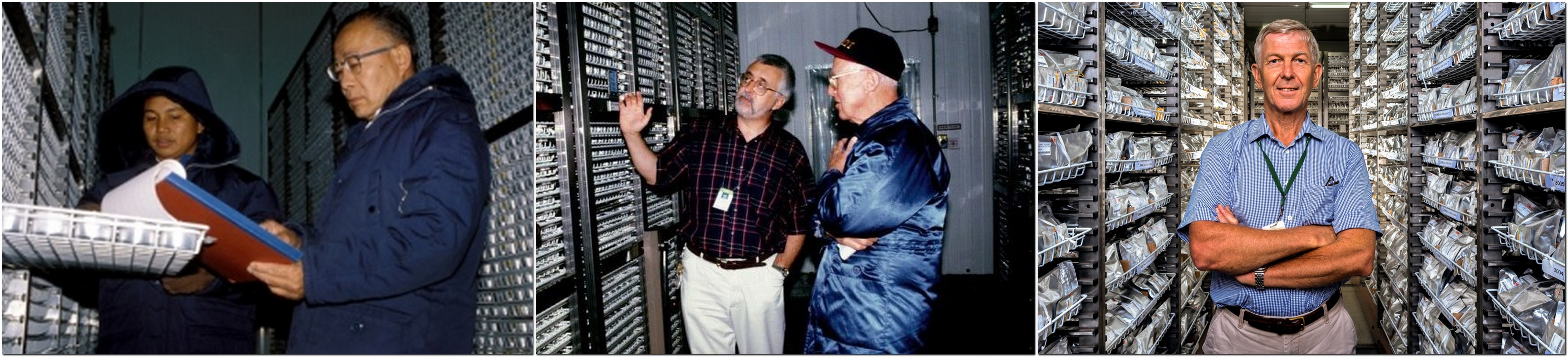


 In 1981, one of the students attending the one-year
  Today, the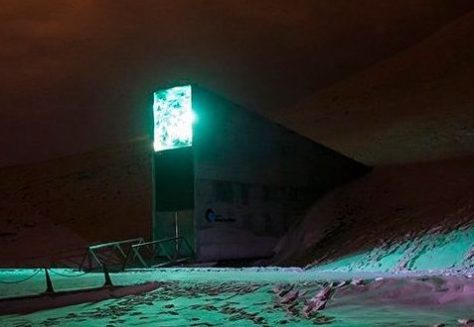



 One of the most important strategic decisions we took was to locate one staff member, Dr Seepana Appa Rao, in
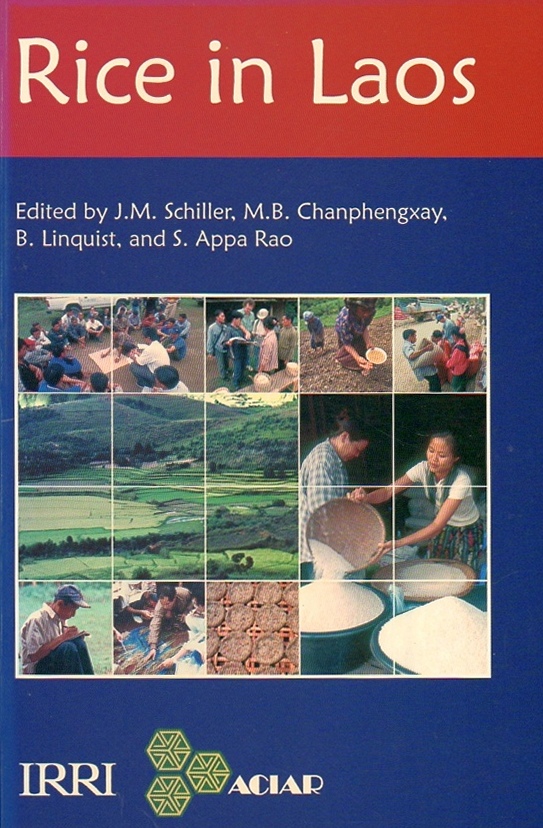
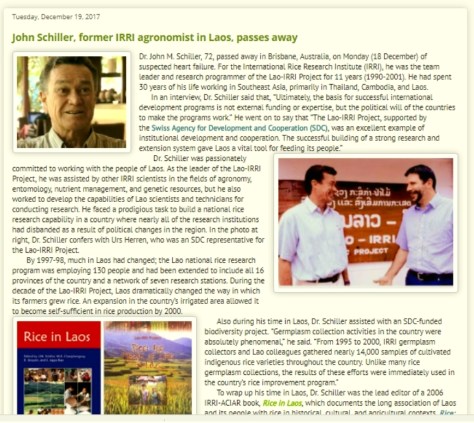
  The leader of the Lao-IRRI Project was Australian agronomist, Dr John Schiller, who had spent about 30 years working in Thailand, Cambodia and Laos, and whose untimely death was announced just yesterday¹.
 Until Appa Rao moved to Laos, very little germplasm exploration had taken place anywhere in the country. It was a total germplasm unknown, but with excellent collaboration with national counterparts, particularly Dr Chay Bounphanousay (now a senior figure in Lao agriculture), the whole of the country was explored and more than 13,000 samples of cultivated rice collected from the different farming systems, such as upland rice and rainfed lowland rice. A local genebank was constructed by the project, and duplicate samples were sent to IRRI for long-term storage as part of the International Rice Genebank Collection in GRC. Duplicate samples of these rice varieties were also sent to the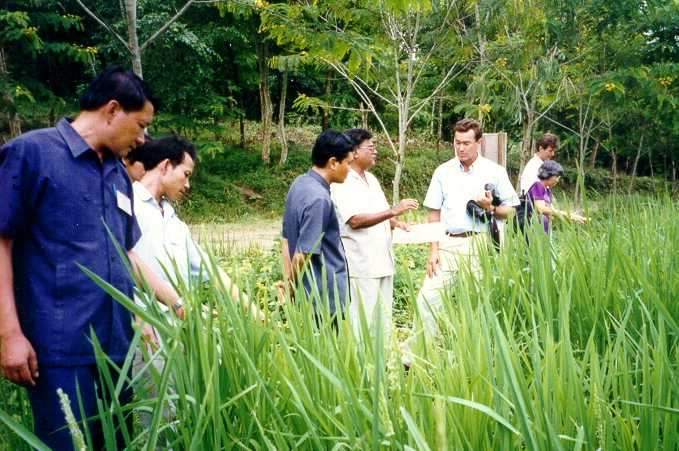
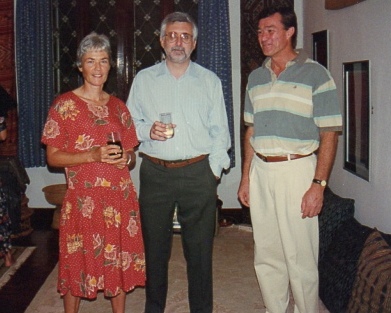
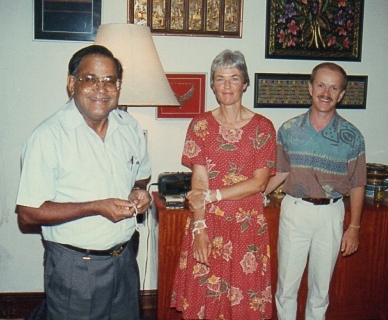
 I first met John in November 1991, a few months after I’d joined IRRI. He and I were part of a group of IRRI scientists attending a management training course, held at a beach resort bear Nasugbu on the west coast of Luzon, south of Manila. The accommodation was in two bedroom apartments, and John and I shared one of those, so I got to know him quite well.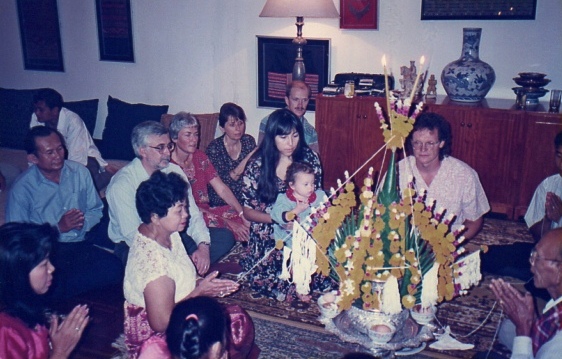
 Among the most important—and most used—collections of plant genetic resources for food and agriculture (PGRFA) are those maintained by eleven of the fifteen international agricultural research centers¹ funded through the
  Genebank security
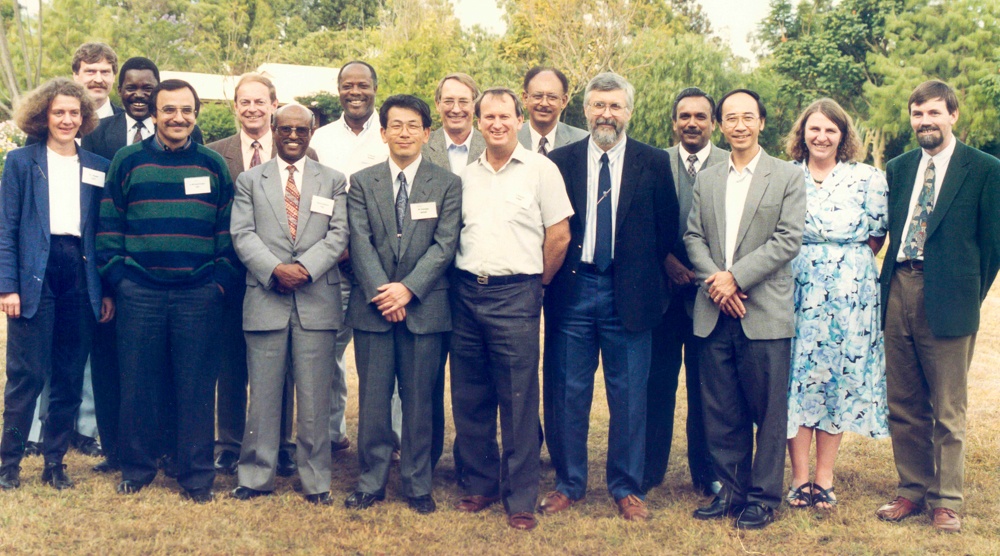


 The formation of the SGRP was an outcome of a review of the CGIAR’s genebank system in 1994. It became the only program of the CGIAR in which all 16 centers at that time (ISNAR, the International Services for National Agricultural Research, based in The Hague, Netherlands closed its doors in March 2004) participated, bringing in trees and fish, agricultural systems where different types of germplasm should be deployed, and various policy aspects of germplasm conservation costs, intellectual property, and use.
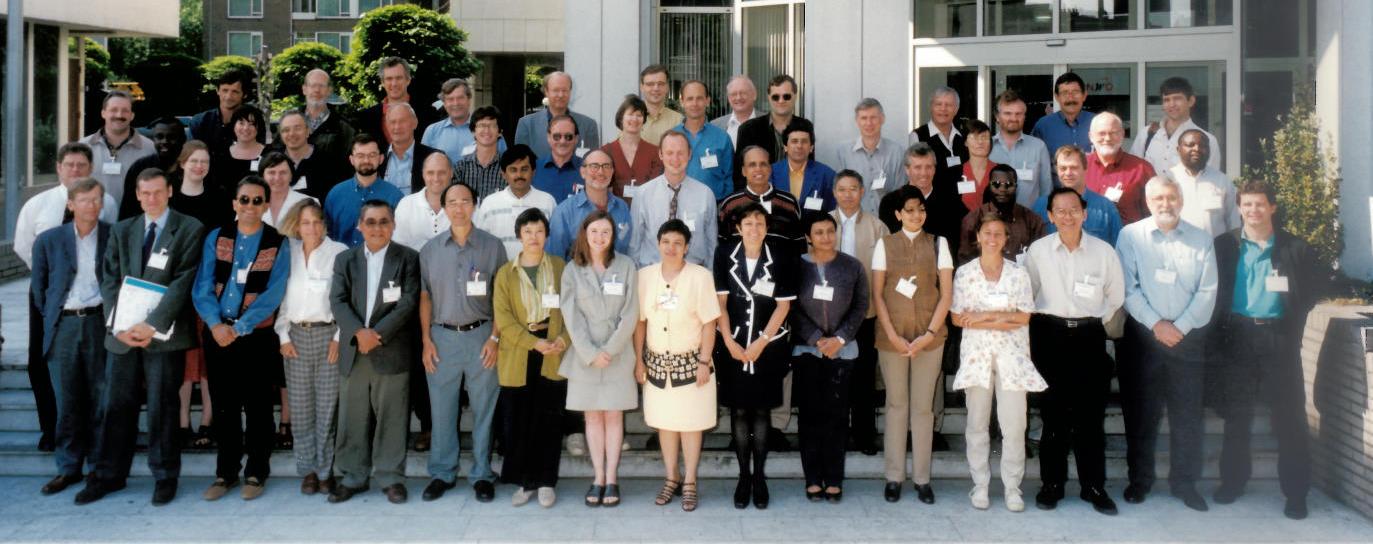
 and bioinformatics. Thus, the































 Thank goodness for the







 Finally, among the genetic resources experts,
  A balanced diet . . .