Would you knowingly eat something that could harm you? That’s the dilemma facing millions of poor, subsistence farmers and their families from time to time, especially in India, Bangladesh, and Ethiopia, when the alternative is not eating anything at all. Famine.
From the beginnings of agriculture and earlier, 10,000 or more years ago, farmers have cultivated and consumed in times of adversity, the seeds of a plant known scientifically as Lathyrus sativus L.¹ Or, more commonly, the grasspea. It’s also an important fodder crop for livestock.
On the plus side, grasspea has a good protein profile and, as a legume, it supplies nitrogen to the soil through its root nodules. Its particular agricultural value is that it can be grown in times of drought, as well as when the land is flooded. It’s the ultimate insurance crop for poor, subsistence farmers.
Yet, it holds a deadly secret. β-ODAP. Or more precisely, β-L-oxalyl-2,3-diaminopropionic acid to give its full name, an amino acid that is also a neurotoxin responsible for the condition known as lathyrism, a non-reversible paralysis. No wonder, then, that its cultivation is banned in some Indian states. In the past, its consumption has also had severe consequences in Europe.
‘Gracias a la Almorta’ or ‘Thanks to the Grasspea’ by Francisco de Goya (painted between 1811 and 1813), painted during the Spanish War of Independence, when poor people turned to eating grasspea, and suffered paralysis from lathyrism. However, on the British Museum website it suggests grain (millet) rather than ‘grasspea’, and no mention of lathyrism. ‘Almorta’ is a Spanish word for grasspea.
Yet, when needs must, poor farmers turn to the grasspea when there is nothing else to eat because drought or floods have wiped out other crops.
I learned about this project yesterday evening when I happened to tune into BBC Radio 4’s Inside Science (you can listen from about 11′ 20″ into the program). The John Innes Centre in the UK is one of the project members, and in Prof. Cathie Martin‘s lab, Dr Anne Edwards is screening about 500 different grasspea lines, testing them for β-ODAP content, and also introgressing the lower content trait into different genetic backgrounds, for future testing in the field.
I was fascinated to hear how this international collaboration was making progress towards defeating the scourge of lathyrism, as I’d also worked on grasspea almost 40 years ago. But from a crop evolution and genetic resources point of view.
When I returned to The University of Birmingham in 1981, I decided to start a small research project on grasspea, looking at the diversity and broader genetic resources of this important but somewhat neglected crop, in addition to continuing my research on potatoes.
In 1981, one of the students attending the one-year MSc Course on Conservation and Utilization of Plant Genetic Resources was Abdul bin Ghani Yunus from Malaysia. He worked on his dissertation project under my supervision, to study the diversity of grasspea. I already had assembled a collection of grasspea varieties from different sources around the world including the Vavilov Institute in St Petersburg, so Ghani had quite a stock of varieties to work with.
His dissertation led to one scientific paper, Variation in the grasspea, Lathyrus sativus L. and wild species, published in the journal Euphytica in 1984. There were two principal conclusions:
L. sativus is a highly variable species, and there is a clear distinction between the blue-flowered forms from south-west Asia, Ethiopia and the Indian subcontinent, and the white and white and blue flowered forms with white seeds which have a more westerly distribution. Differences in vegetative parts may be due to selection for forage types.
L. sativus appears to be closely related to L. cicera and L. gorgoni, and this relationship needs further investigation.
Ghani returned to Malaysia in 1982 to continue his research and teaching at the University of Agriculture, Selangor and I heard little from him, until about 1986. Then, he contacted me again, asking about the possibilities of returning to Birmingham to complete a PhD under my supervision. He wanted to work on a tropical species from Malaysia. But since he did not envision spending time back in Malaysia during his PhD program, I explained that working on this species (I don’t now remember what it was) was not feasible, since we wouldn’t be able to grow it successfully in the glasshouse at Birmingham. After all, it wasn’t the species per se that was the most important aspect for his PhD; it would be the focus, the scientific methods and approaches he would learn and employ that were more important.
I convinced him to continue his work on Lathyrus, but broadening its scope to study the biosystematics or biological relationships of the grasspea with the species considered to be its closest relatives. In that way we anticipated better defining the genetic resources or gene pools of the grasspea (an essential prerequisite if, at some time in the future, a breeding program was set up that needed to exploit more diversity), as well as trying to shed some light on the origin of this neglected food crop.
In 1990, Ghani successfully presented his PhD thesis, Biosystematics of Lathyrus Section Lathyrus with special reference to the grass pea, L. sativus L., leading to two more useful scientific papers that have been widely cited:
The genepools of the grasspea, Lathyrus sativus L., in Plant Breeding (1991). This research concerned the cross-breeding relationships of the grasspea and its closest relatives, based on experimental pollinations, pollen tube growth microscopy, and chromosome pairing, confirming one of our earlier hypotheses about L. cicera.
Phenotypic polymorphism of six isozymes in the grasspea (Lathyrus sativus L.), in Euphytica (1991). Ghani concluded that there was more genetic variation than perhaps expected in this self-pollinating species, and we discussed the implications of exploiting this diversity in plant breeding.
Of course, grasspea is not the only edible plant species that comes with a health risk. In South America, for example, there are so-called ‘bitter’ varieties of cassava, an important source of carbohydrate, producing cyanogenic compounds that must be removed before the roots are safe to eat. Indigenous communities throughout Brazil evolved techniques to express the poisonous juice and make the food safe. In other parts of South America ‘sweet’ varieties were selected over thousands of years, and became the genetic base of commercial cassava varieties grown world-wide. The International Center for Tropical Agriculture (CIAT), based in Cali, Colombia has the world’s largest cassava germplasm that I was privileged to see in 2016 when I was conducting an evaluation of the CGIAR’s genebanks program.
This grasspea story is a good example of how progress can be made when there’s a clear research project objective, funding is available, and researchers around the world agree to pool their expertise towards solving an important problem. With recent reports that the head of DFID (the UK’s government department managing overseas development assistance or ODA) is seriously considering making changes to the 0.7% of national income commitment to the ODA budget, grasspea improvement for marginalized communities goes to show just how important such funding is, and the potential impact it can have on the lives of some of the poorest people around the world. This is the raison d’être of international agricultural research for development, an endeavor in which I participated over four decades.
¹ Grasspea is a relative of the garden sweetpea, Lathyrus odoratus, a plant that is grown for its showy, fragrant blooms.
The weather was awful last Sunday, very cold, with snow showers blowing in on a strong easterly wind throughout the day. From time to time, I found myself staring out of the window at the blizzards and letting my mind wander. A couple of seemingly unconnected ideas were triggered by a tweet about genebanks I’d read earlier in the day, and something I’d seen about a former IRRI colleague on Facebook the day before.
That got me thinking. It’s almost eight years now since I retired from the International Rice Research Institute (IRRI) in the Philippines where I worked for almost 19 years from July 1991 until the end of April 2010. As the snowflakes fell in increasing abundance, obscuring the bottom of our garden some 15 m away, I began to reminisce on the years I’d spent at IRRI, and how they’d been (mostly) good years to me and my family. My work had been very satisfying, and as I retired I felt that I’d made a useful contribution to the well-being and future of the institute. But one thought struck me particularly: how privileged I felt to have worked at one of the world’s premier agricultural research institutes. It was though I was recalling a dream; not reality at all.
In rice fields at IRRI, with magnificent Mt. Makiling in the background.
Behind the plough – now that IS reality. I still have that sombrero, which I purchased shortly after I arrived in Peru in January 1973.
That journey began, as I said, in July 1991 when I became the first head of IRRI’s Genetic Resources Center (GRC) taking responsibility for one of the world’s largest and most important genebanks, the International Rice Genebank (IRG), as well as providing administrative oversight to the International Network for Genetic Evaluation of Rice (INGER). I gave up genebanking in 2001 and joined the institute’s senior management team as Director for Program Planning and Coordination (DPPC, later Communications). As I had made many important changes to the genebank operations and how rice germplasm was managed, my successor, Dr Ruaraidh Sackville Hamilton (who joined IRRI in 2002) probably did not face so many operational and staff challenges. However, he has gone on to make several important improvements, such as bar-coding, commissioning new facilities, and overseeing the first germplasm deposits (in 2008) in the Svalbard Global Seed Vault.
Any success I achieved at IRRI during those 19 years is also due to the fine people who worked closely with me. Not so long ago, I wrote about those who brought success to IRRI’s project management and resource mobilization. I haven’t, to date, written so much about my Filipino colleagues who worked in GRC, although you will find several posts in this blog about conserving rice genetic resources and how the genebank operates (or operated until 2010). The 15 minute video I made about the genebank shortly before leaving IRRI shows what IRRI’s genebank is and does, and featuring several staff.
The tweet I referred to earlier was posted by someone who I follow, Mary Mangan (aka mem_somerville | Wossamotta U, @mem_somerville), commenting on a genebank video produced by the Crop Trust on behalf of the CGIAR’s Genebank Platform.
She tweeted: Finally someone did a genebank video. People don’t understand that scientists are doing this; they are told by PBS [the broadcaster] that some grizzled farmer is the only one doing it.
What particularly caught my attention (apart from viewing the entertaining and informative video) was her comment about the role of scientists and, by implication I suppose, that genebanking is (or should be) supported by scientific research. From my own experience, however, a research role for genebanks has not been as common as you might think, or wasn’t back in the day. Unlike IRRI, where we did have a strong genebanking research program¹.
When I interviewed for the head of GRC in January 1991, I made it quite plain that I hoped for—expected even, almost a condition of accepting an appointment—a research role around germplasm conservation and use, something that had not been explicitly stated in the job description. Once I was appointed, however, at the same senior level as any other Division (i.e. department) Head or Program Leader, I was able to bring my genebanking perspectives directly to discussions about the institute’s research and management policies and program. In that respect, I was successful and, having secured an appropriate budget and more staff, I set about transforming the genebank operations.
The IRG organizational structure then was extremely hierarchical, with access to the head by the national staff often channeled through one senior member, Eves Loresto. That was how my predecessor, Dr TT Chang ran the genebank. That was not my style, nor did I think it an effective way to operate. I also discovered that most of the Filipino scientific staff, as Research Assistants, had been in those positions for several years, with little expectation of promotion. Something had to be done.
In 1991, the genebank collection comprised more than 70,000 seed samples or accessions² of cultivated rices (Oryza sativa or Asian rice, and O. glaberrima or African rice) and the 20 or so wild species of Oryza. I needed to understand how the genebank operated: in seed conservation; data management; the various field operations for regeneration, characterization and evaluation of germplasm; and germplasm exchange, among others. I’d never worked on rice nor managed a genebank, even though my professional formation was in the conservation and use of plant genetic resources for food and agriculture. That was a steep learning curve.
So I took my time, asked lots of questions, and listened patiently (mostly) to the detailed explanations of how and why rice germplasm was handled in this way and not that. It was also the period during which I got to know my Filipino staff. I say ‘got to know’ with some reservation. I’m ashamed to admit that I never did learn to speak Tagalog, although I could, at times, understand what was being said. And while almost all the staff spoke good English, there was always a language barrier. Obviously they always spoke Tagalog among themselves, even when I was around, so I came to rely on one or two staff to act as go-betweens with staff whose English was not so fluent.
After six months I’d developed a plan how to upgrade the genebank operations, and felt confident to implement staff changes. I was also able eventually to find a different (and more significant) role for Eves Loresto that took her out of the ‘chain of command’ between me and other staff members. We took on new ‘temporary’ staff to assist with the burdensome seed handing operations to prepare samples for long-term conservation (many of whom are still with the institute a quarter of century later), and I was able, now that everyone had better-defined responsibilities, to achieve the promotion of more than 70% of the staff.
The genebank needed, I believed, a flatter organizational structure, with each area of the genebank’s critical operations assigned to a single member of staff, yet making sure that everyone had a back-up person to take over whenever necessary. In the structure I’d inherited it was not uncommon for several members of staff to have overlapping responsibilities, with no-one explicitly taking a lead. And no-one seemed to be accountable. As I told them, if they wanted to take on more responsibility (which was a common aspiration) they had to be accountable for their own actions. No more finger-pointing if something went wrong.
How they all grew in their posts! Today, several of the national staff have senior research support positions within the institute; some have already retired.
Flora de Guzman, known to one and all as Pola, is the genebank manager. It soon became obvious to me that Pola was someone itching to take on more responsibility, who was dedicated to germplasm conservation, and had a relevant MS degree. She didn’t let me down, and has become one of the leading lights in genebank management across the eleven CGIAR genebanks that are supported through the Genebank Platform that I mentioned earlier.
Pola manages all the operations inside the genebank: germplasm acquisition; seed cleaning and storage; and exchange (and all the paperwork that goes with that!). Take a peek inside the genebank with Pola, from 1:00 in the video. She worked closely with Renato ‘Ato’ Reaño for the multiplication/regeneration of seeds when seed stocks run low, or seed viability declines. She has done a fantastic job, leading a large team and has eliminated many of the seed conservation backlogs that were like a millstone around our collective necks in the early 1990s. She will be a hard act to follow when the time comes for her to retire.
Ato is a self-effacing individual, leading the genebank field operations. Just take a look at the video I mentioned (at around 2:03 onwards) to see Ato in his domain of several hectares of rice multiplication plots.
Taking the lead from my suggestions, Ato brought all the genebank field operations back on to the institute’s experimental station from farmers’ fields some distance away where they were when I joined IRRI. He enthusiastically adopted the idea of separating multiplication/regeneration of germplasm accessions from those related to characterization, effectively moving them into different growing seasons. For the first years, his colleague Tom Clemeno took on the germplasm characterization role until Tom moved away from GRC and eventually out of the institute. After a battle with cancer, Tom passed away in 2015. ‘Little Big Man’ is sadly missed.
Soccie Almazan became the curator of the wild rices that had to be grown in a quarantine screenhouse some distance from the main research facilities, on the far side of the experiment station. But the one big change that we made was to incorporate all the germplasm types, cultivated or wild, into a single genebank collection, rather than the three collections. Soccie brought about some major changes in how the wild species were handled, and with an expansion of the screenhouses in the early 1990s (as part of the overall refurbishment of institute infrastructure) the genebank at last had the space to adequately grow (in pots) all this valuable germplasm that required special attention. See the video from 4:30. Soccie retired from IRRI in the last couple of years.
I’ve written elsewhere about the challenges we faced in terms of data management, and the significant changes we had to make in fusing what were essentially three separate databases using different coding systems for the same characters across the two cultivated species of rice and the wild species. There were three data management staff in 1991: Adel Alcantara, Vanji Guevarra, and Myrna Oliva.
L to R: Myrna, Adel’s daughter, Adel, and Vanji, during a GRC reunion in Tagaytay, just before my retirement in 2010.
One of the first changes we made during the refurbishment of GRC was to provide each of them with a proper workstation, and new computers. Each time our computers were upgraded, the data management staff were the first to benefit from new technology. Once we had made the necessary data structure changes, we could concentrate on developing a genebank management system that would incorporate all aspects from germplasm acquisition through to exchange and all steps in between. After a year or so we had a working system, the International Rice Genebank Collection Information System (IRGCIS). Myrna left IRRI by the mid-90s, and Adel and Vanji have retired or moved on. But their contributions to data management were significant, as access to and manipulation of data were fundamental to everything we did.
In terms of research per se, there were two young members of staff in 1991, Amy Juliano and Ma. Elizabeth ‘Yvette’ Naredo, who were tinkering with several projects of little consequence. They were supervised by a British scientist, Duncan Vaughan (who spent about six months a year collecting wild rices and writing his trip reports). As I said, I was keen to establish a sound research base to rice conservation in GRC, and felt that Amy and Yvette’s talents were not being put to good use. In my opinion we needed a better taxonomic understanding of the genus Oryza based on sound experimental taxonomic principles and methods. After all, the genebank contained several thousand samples of wild rice seeds, a resource that no other laboratory could count on so readily. Despite my best efforts to encourage Duncan to embrace more research he was reluctant to do so. I wasn’t willing to tolerate ‘passengers’ in my group and so encouraged him to seek ‘pastures greener’ more suitable to his personal objectives. By mid-1993 he had left IRRI for a new position in Japan, and we could recruit his replacement to lead the taxonomic research effort.
L to R: Duncan Vaughan inside the genebank’s cold store; Bao-Rong collecting wild rices in Irian Jaya.
Bao-Rong Lu joined us in 1994, having completed his PhD in Sweden, and took Amy and Yvette under his taxonomic wing, so to speak. Amy and Yvette flourished, achieving thousands of crosses between the different wild and cultivated rices, developing tissue culture techniques to rescue seedlings through embryo culture and, once we had a collaborative research project with the University of Birmingham and the John Innes Centre (funded by UK government department for international aid, DFID), establishing a laboratory to study molecular markers in rice germplasm.
Amy Juliano in the molecular marker laboratory in GRC that she developed (with Sheila Quilloy).
Amy spent a couple of months at Birmingham around 1996 learning new molecular techniques. She was destined for so much more. Sadly, she contracted cancer and passed away in 2004, a great loss to her family and GRC.
I knew from my early days at IRRI that Yvette had considerable promise as a researcher. She was curating the wild species collection, among other duties, and her talents were under-utilized. She took the lead for the biosystematics and cytogenetic research, and under my partial supervision, completed her MS degree at the University of the Philippines – Los Baños (UPLB).
Bao-Rong moved back to China around 2000, giving us the opportunity of moving the research in another direction, and recruiting molecular biologist/biochemist Ken McNally. Ken was already at IRRI, completing an assignment on a perennial rice project. Ken took GRC’s molecular research to another level, with Yvette working alongside, and expanding the research into genomics, culminating in the 3000 rice genomes project. Yvette completed her PhD at UPLB in 2013 as part of that international collaboration, but has now recently retired from IRRI. It was the Facebook post about her being recognized last weekend as a UPLB Outstanding Alumnus that partly triggered this post.
In the early 90s Dr Kameswara Rao and I, supported by Ato, looked at the effects of seed-growing environment and its effect on long-term viability of rice seeds. More recently, Ato worked with Fiona Hay, a British seed physiologist who was recruited to GRC around 2007 or 2008 to extend this research, and they made some interesting changes to seed multiplication protocols and how to dry them post harvest.
The collection grew significantly between 1995 and 2000, with funding from the Swiss Development Cooperation (SDC), especially with regard to germplasm from the Lao PDR where GRC staff member Dr Seepana Appa Rao was based. We also had an important research component about on-farm conservation of rice varieties recruiting staff with expertise in population genetics and social anthropology. You can read more about that particular Swiss-funded project, and the staff involved, in this story from 2015.
The GRC secretaries who worked with me (L ro R): Zeny (1997-2001); Sylvia (1991-1997), and Tessie (1991 until her retirement a couple of years ago).
There were many support staff who all played their roles, and formed a great team. But I cannot end this post without mentioning the secretaries, of course. When I joined GRC, my secretary was Sylvia Arellano. She helped me through those first months as I was finding my feet. Syl was supported by Tessie Santos. When Sylvia was ‘poached’ by the Director General George Rothschild to become his secretary in 1997 (a position she would occupy until her retirement a couple of years back), Zeny Federico became my secretary. When I crossed over to senior management in 2001, Zeny came with me.
Working with such dedicated staff in GRC made my job easier, and very enjoyable. It was always a pleasure to show others just what the staff had achieved, and invariably visitors to the genebank came away impressed by what they had seen. And they understood that conserving rice varieties and wild species was not just a case of putting seeds in a cold store, but that there were many important and inter-linked components, underpinned by sound research, that enabled to the genebank to operate efficiently and safely preserve rice germplasm long into the future.
~~~~~~~~~~~~~~~~~~~~~~~~~~~~~~~~~~~~~~~~~~~~
¹ The research led to many publications. Click here to see a list (and many more that I have published on crop species other than rice).
² The collection has now grown to almost 128,000 samples. During my tenure the collection grew by more than 25%.
There was a germplasm-fest taking place earlier this week, high above the Arctic Circle.
The Svalbard Global Seed Vault celebrated 10 years and, accepting new seed samples from genebanks around the world (some new, some adding more samples to those already deposited) brought the total to more than 1 million sent there for safe-keeping since it opened in February 2008. What a fantastic achievement!
Establishment of the Svalbard Global Seed Vault really does represent an extraordinary—and unprecedented—contribution by the Norwegian government to global efforts to conserve plant genetic resources for food and agriculture. Coinciding with the tenth anniversary, the Norwegian government also announced plans to contribute a further 100 million Norwegian kroner (about USD13 million) to upgrade the seed vault and its facilities. Excellent news!
An interesting article dispelling a few myths about the vault was published in The Washington Post on 26 February.
The CGIAR genebank managers also met in Svalbard, and there was the obligatory visit to the seed vault.
Genebank managers from: L-R front row: ICRAF, Bioversity International, and CIAT, CIAT; and standing, L-R: CIMMYT, ILRI, IITA, ICRISAT, IRRI, ??, CIP, ??, Nordgen, ICRAF
Several of my former colleagues from six genebanks and Cary Fowler (former director of the Crop Trust) were recognized by the Crop Trust with individual Legacy Awards.
Crop Trust Legacy Awardees, L-R: Dave Ellis (CIP), Hari Upadhyaya (ICRISAT), Ruaraidh Sackville Hamilton (IRRI), Daniel Debouck (CIAT), Ahmed Amri (ICARDA), Cary Fowler (former Director of the Crop Trust). and Jean Hanson (ILRI). Photo courtesy of the Crop Trust.
This timely and increased focus on the Svalbard Global Seed Vault, celebrities getting in on the act, and HRH The Prince of Wales hosting (as Global Patron of the Crop Trust) a luncheon and meeting at Clarence House recently, help raise the profile of safeguarding genetic diversity. The 10th anniversary of the Svalbard vault was even an item on BBC Radio 4’s flagship Today news program this week. However, this is no time for complacency.
We need genebanks
The management and future of genebanks have been much on my mind over the past couple of years while I was leading an evaluation of the CGIAR’s research support program on Managing and Sustaining Crop Collections (otherwise known as the Genebanks CRP, and now replaced by its successor, the Genebank Platform). On the back of that review, and reading a couple of interesting genebank articles last year [1], I’ve been thinking about the role genebanks play in society, how society can best support them (assuming of course that the role of genebanks is actually understood by the public at large), and how they are funded.
Genebanks are important. However, don’t just believe me. I’m biased. After all, I dedicated much of my career to collect, conserve, and use plant genetic resources for the benefit of humanity. Genebanks and genetic conservation are recognized in the Zero HungerGoal 2: End hunger, achieve food security and improved nutrition and promote sustainable agriculture of the United Nation’s 17 Sustainable Development Goals.
There are many examples showing how genebanks are the source of genes to increase agricultural productivity or resilience in the face of a changing climate, reduce the impact of diseases, and enhance the nutritional status of the crops that feed us.
In the fight against human diseases too I recently heard an interesting story on the BBC news about the antimicrobial properties of four molecules, found in Persian shallots (Allium hirtifolium), effective against TB antibiotic-resistance. There’s quite a literature about the antimicrobial properties of this species, which is a staple of Iranian cuisine. Besides adding to agricultural potential, just imagine looking into the health-enhancing properties of the thousands and thousands of plant species that are safely conserved in genebanks around the world.
Yes, we need genebanks, but do we need quite so many? And if so, can we afford them all? What happens if a government can longer provide the appropriate financial support to manage a genebank collection? Unfortunately, that’s not a rhetorical question. It has happened. Are genebanks too big (or too small) to fail?
Fewer than 100 genebanks/collections have so far safeguarded their germplasm in the Svalbard Global Seed Vault, just 5% or so, but among them are some of the largest and most important germplasm collections globally such as those in the CGIAR centers, the World Vegetable Center in Taiwan, and national genebanks in the USA and Australia, to name but a few.
I saw a tweet yesterday suggesting that 40% of the world’s germplasm was safely deposited in Svalbard. I find figure that hard to believe, and is more likely to be less than 20% (based on the estimate of the total number of germplasm accessions worldwide reported on page 5 of this FAO brief). I don’t even know if Svalbard has the capacity to store all accessions if every genebank decided to deposit seeds there. In any case, as explained to me a couple of years ago by the Svalbard Coordinator of Operation and Management, Åsmund Asdal, genebanks must meet several criteria to send seed samples to Svalbard. The criteria may have been modified since then. I don’t know.
First, samples must be already stored at a primary safety back-up site; Svalbard is a ‘secondary’ site. For example, in the case of the rice collection at IRRI, the collection is duplicated under ‘black-box’ conditions in the vaults of the USDA’s National Lab for Genetic Resources Preservation in Fort Collins, Colorado, and has been since the 1980s.
The second criterion is, I believe, more difficult—if not almost impossible—to meet. Apparently, only unique samples should be sent to Svalbard. This means that the same sample should not have been sent more than once by a genebank or, presumably, by another genebank. Therein lies the difficulty. Genebanks exchange germplasm samples all the time, adding them to their own collections under a different ID. Duplicate accessions may, in some instances, represent the bulk of germplasm samples that a genebank keeps. However, determining if two samples are the same is not easy; it’s time-consuming, and can be expensive. I assume (suspect) that many genebanks just package up their germplasm and send it off to Svalbard without making these checks. And in many ways, provided that the vault can continue to accept all the possible material from around the world, this should not be an issue. It’s more important that collections are safe.
Incidentally, the current figure for Svalbard is often quoted in the media as ‘1 million unique varieties of crops‘. Yes, 1 million seed samples, but never 1 million varieties. Nowhere near that figure.
In the image below, Åsmund is briefing the press during the vault’s 10th anniversary.
Svalbard is a very important global repository for germplasm, highlighted just a couple of years ago or so when ICARDA, the CGIAR center formerly based in Aleppo, Syria was forced to relocate (because of the civil war in that country) and establish new research facilities—including the genebank—in Lebanon and Morocco. Even though the ICARDA crop collections were already safely duplicated in other genebanks, Svalbard was the only location where they were held together. Logistically it was more feasible to seek return of the seeds from Svalbard rather than from multiple locations. This was done, germplasm multiplied, collections re-established in Morocco and Lebanon, and much has now been returned to Svalbard for safe-keeping once again. The seed vault played the role that was intended. To date, the ICARDA withdrawal of seeds from Svalbard has been the only one.
However, in terms of global safety of all germplasm, blackbox storage at Svalbard is not an option for all crops and their wild relatives. Svalbard can only provide safe storage for seeds that survive low temperatures. There are many species that have short-lived seeds that do not tolerate desiccation or low temperature storage, or which reproduce vegetatively, such as potatoes through tubers, for example. Some species are kept as in vitro or tissue culture collections as shown in the images below for potatoes at CIP (top) or cassava at CIAT (below).
Some species can be cryopreserved at the temperature of liquid nitrogen, and is a promising technology for potato at CIP.
I believe discussions are underway to find a global safety back-up solution for these crops.
How times have changed
Fifty years ago, there was a consensus (as far as I can determine from different publications) among the pioneer group of experts (led by Sir Otto Frankel) that just a relatively small network of international and regional genebanks, and some national ones, was all that would be needed to hold the world’s plant genetic resources. How times have changed!
Sir Otto Frankel and Ms Erna Bennett
In one of the first books dedicated to the conservation and use of plant genetic resources [2], Sir Otto and Erna Bennett wrote: A world gene bank may be envisaged as an association of national or regional institutions operating under international agreements relating to techniques and the availability of material, supported by a central international clearing house under the control of an international agency of the United Nations. Regional gene banks which have been proposed could make a contribution provided two conditions are met—a high degree of technical efficiency, and unrestricted international access. It is of the greatest importance that both these provisos are secured; an international gene bank ceases to fulfil its proper function if it is subjected to national or political discrimination. In the light of subsequent developments, this perspective may be viewed as rather naïve perhaps.
Everything changed in December 1993 when the Convention on Biological Diversity (CBD) came into force. Until then, plant genetic resources for food and agriculture had been viewed as the ‘heritage of mankind’ or ‘international public goods’. Individual country sovereignty over national genetic resources became, appropriately, the new norm. Genebanks were set up everywhere, probably with little analysis of what that meant in terms of long-term security commitments or a budget for maintaining, evaluating, and using these genebank collections. When I was active in genebank management during the 1990s, and traveling around Asia, I came across several examples where ‘white elephant’ genebanks had been built, operating on shoe-string budgets, and mostly without the resources needed to maintain their collections. It was not uncommon to come across genebanks without the resources to maintain the integrity of the cold rooms where seeds were stored.
Frankel and Bennett further stated that: . . . there is little purpose in assembling material unless it is effectively used and preserved. The efficient utilization of genetic resources requires that they are adequately classified and evaluated. This statement still has considerable relevance today. It’s the raison d’être for genetic conservation. As we used to tell our genetic resources MSc students at Birmingham: No conservation without use!
The 11 genebanks of the CGIAR meet the Frankel and Bennet criteria and are among the most important in the world, in terms of: the crop species and wild relatives conserved [3]; the genebank collection size (number of accessions); their remarkable genetic diversity; the documentation and evaluation of conserved germplasm; access to and exchange of germplasm (based on the number of Standard Material Transfer Agreements or SMTAs issued each year); the use of germplasm in crop improvement; and the quality of conservation management, among others. They (mostly) meet internationally-agreed genebank standards.
For what proportion of the remaining ‘1700’ collections globally can the same be said? Many certainly do; many don’t! Do many national genebanks represent value for money? Would it not be better for national genebanks to work together more closely? Frankel and Bennett mentioned regional genebanks, that would presumably meet the conservation needs of a group of countries. Off the top of my head I can only think of two genebanks with a regional mandate. One is the Southern African Development Community (SADC) Plant Genetic Resource Centre, located in Lusaka, Zambia. The other is CATIE in Turrialba, Costa Rica, which also maintains collections of coffee and cacao of international importance.
The politics of genetic conservation post-1993 made it more difficult, I believe, to arrive at cooperative agreements between countries to conserve and use plant genetic resources. Sovereignty became the name of the game! Even among the genebanks of the CGIAR it was never possible to rationalize collections. Why, for example, should there be two rice collections, at IRRI and Africa Rice, or wheat collections at CIMMYT and ICARDA? However, enhanced data management systems, such as GRIN-Global and Genesys, are providing better linkages between collections held in different genebanks.
Running a genebank is expensive. The CGIAR genebanks cost about USD22 million annually to fulfill their mandates. It’s not just a case of putting seed packets in a large refrigerator (like the Svalbard vault) and forgetting about them, so-to-speak. There’s a lot more to genebanking (as I highlighted here) that the recent focus on Svalbard has somewhat pushed into the background. We certainly need to highlight many more stories about how genebanks are collecting and conserving genetic resources, what it takes to keep a seed accession or a vegetatively-propagated potato variety, for example, alive and available for generations to come, how breeders and other scientists have tapped into this germplasm, and what success they have achieved.
Until the Crop Trust stepped in to provide the security of long-term funding through its Endowment Fund, these important CGIAR genebanks were, like most national genebanks, threatened with the vagaries of short-term funding for what is a long-term commitment. In perpetuity, in fact!
Many national genebanks face even greater challenges and the dilemma of funding these collections has not been resolved. Presumably national genebanks should be the sole funding responsibility of national governments. After all, many were set up in response to the ‘sovereignty issue’ that I described earlier. But some national collections also have global significance because of the material they conserve.
I’m sure that genebank funding does not figure prominently in government budgets. They are a soft target for stagflation and worse, budget cuts. Take the case of the UK for instance. There are several important national collections, among which the UK Vegetable Genebank at the Warwick Crop Centre and the Commonwealth Potato Collection at the James Hutton Institute in Scotland figure prominently. Consumed by Brexit chaos, and despite speaking favorably in support of biodiversity at the recent Clarence House meeting that I mentioned earlier in this post, I’m sure that neither of these genebanks or others is high on the agenda of Secretary of State for Environment, Food, and Rural Affairs (DEFRA), Michael Gove MP or his civil servants. If a ‘wealthy’ country like the UK has difficulties finding the necessary resources, what hope have resource-poorer countries have of meeting their commitments.
However, a commitment to place their germplasm in Svalbard would be a step in the right direction.
I mentioned that genebanking is expensive, yet the Crop Trust estimates that an endowment of only USD850 million would provide sufficient funding in perpetuity to support the genebanks. USD850 million seems a large sum, yet about half of this has already been raised as donations, mostly from national governments that already provide development aid. In the UK, with the costs of Brexit becoming more apparent day-by-day, and the damage that is being done to the National Health Service through recurrent under-funding, some politicians are now demanding changes to the government’s aid budget, currently at around 0.7% of GDP. I can imagine the consequences for food security in nations that depend on such aid, were it reduced or (heaven help us) eliminated.
On the other hand, USD850 million is peanuts. Take the cost of one A380 aircraft, at around USD450 million. Emirates Airlines has just confirmed an order for a further 36 aircraft!
The Bill & Melinda Gates Foundation continues to do amazing things through its generous grants. A significant grant from the BMGF could top-up the Endowment Fund. The same goes for other donor agencies.
Let’s just do it and get it over with.
Then we can get on with the job of not only making all germplasm safe, especially for species that are hard to or cannot be conserved as seeds, but by using the latest ‘omics’ technologies [4] to understand just how germplasm really is the basis of food security for everyone on this beautiful planet of ours.
~~~~~~~~~~~~~~~~~~~~~~~~~~~~~~~~~~~
[1] One, on the Agricultural Biodiversity Weblog (that is maintained by two friends of mine, Luigi Guarino, the Director of Science and Programs at the Crop Trust in Bonn, and Jeremy Cherfas, formerly Senior Science Writer at Bioversity International in Rome and now a Freelance Communicator) was about accounting for the number of genebanks around the world. The second, published in The Independent on 2 July 2017, was a story by freelance journalist Ashley Coates about the Svalbard Global Seed Vault, and stated that it is ‘the world’s most important freezer‘.
[2] Frankel, OH and E Bennett (1970). Genetic resources. In: OH Frankel and E Bennett (eds) Genetic Resources in Plants – their Exploration and Conservation. IBP Handbook No 11. Blackwell Scientific Publications, Oxford and Edinburgh.
[3] The CGIAR genebanks hold major collections of farmer varieties and wild relatives of crops that feed the world’s population on a daily basis: rice, wheat, maize, sorghum and millets, potato, cassava, sweet potato, yam, temperate and tropical legume species like lentil, chickpea, pigeon pea, and beans, temperate and tropical forage species, grasses and legumes, that support livestock, and fruit and other tree species important in agroforestry systems, among others.
[4] McNally, KL, 2014. Exploring ‘omics’ of genetic resources to mitigate the effects of climate change. In: M Jackson, B Ford-Lloyd and M Parry (eds). Plant Genetic Resources and Climate Change. CABI, Wallingford, Oxfordshire. pp.166-189 (Chapter 10).
Pioneers. That’s what we were. Or, at least, that’s what we thought we were.
Five individuals arriving at The University of Birmingham’s Department of Botany in September 1970 to study on the one-year MSc degree course Conservation and Utilization of Plant Genetic Resources (CUPGR).
Professor Jack Hawkes (L) and Dr Trevor Williams (R)
The MSc course had its first intake (of four students from Canada, Brazil, and the UK) in September 1969. Twenty years later (which was celebrated at the time), hundreds of students had received training in genetic conservation at Birmingham. The course would continue to flourish for a further decade or so, but by the early 2000s there was less demand, limited financial resources to support students, and many of the staff at the university who were the lynch-pins of teaching on the course had moved on or retired.
However, the course had made its impact. There is no doubt of that. Birmingham genetic resources graduates were working all around the world, leading collection and conservation efforts at national levels and, in many cases, helping their countries—and the world—to set policy for the conservation and use of plant genetic resources for food and agriculture (PGRFA). At the FAO conference on PGRFA held in Leipzig, Germany in 1996, for example, about 50 of the national delegations were led by, or had members, who had received training at Birmingham.
Former Birmingham MSc and Short Course PGR students (and two staff from IPGRI), at the Leipzig conference in 1996. Trevor Sykes (class of 1969) is wearing the red tie in the middle of the front row. Just two former students who attended the conference do not feature in this photo.
The Class of ’71 So, in September 1970, who comprised the second CUPGR cohort? We came from five countries:
Felix Taborda-Romero from Venezuela
Altaf-ur-Rehman Rao from Pakistan
Ayla Sencer from Turkey
Folu Dania-Ogbe from Nigeria
Mike Jackson (me!) from the UK
Having just graduated a couple of months earlier from the University of Southampton with a BSc degree in Botany and Geography, I was the youngest of the group, just approaching my 22nd birthday. Folu was almost four years my senior, and Ayla was perhaps in her late twenties or early thirties, but I’m not sure. Altaf was 34, and Felix the ‘elder’ of the class, at 38.
I guess Ayla was the only one with a specific genetic resources background, coming to Birmingham from an agricultural research institute near Izmir, and having already been involved with conservation work. Felix and Altaf were both academics. As recent graduates, Folu and I were just starting to think about a career in this new field of plant genetic resources. We wouldn’t be disappointed!
Studying alongside mature students who were not only older than my eldest brother (nine years my senior), but who had taken a year out from their jobs to study for a higher degree, was a novel experience for me. There was also a language barrier, to some extent. Felix probably had the weakest English skills; Ayla had already made some good progress before arriving in Birmingham but she struggled with some aspects of the language. Both Altaf and Folu spoke English fluently as a second language.
We occupied a small laboratory on the north corridor, first floor of the School of Biological Sciences building, just a couple of doors down from where Jack, as Mason Professor of Botany and Head of Department, had his office, and just across from Trevor’s office. In 1981, when I returned to Birmingham as Lecturer in Plant Biology, that same room became my research laboratory for six or seven years.
Folu and myself had desk space on one side of the lab, and the others on the other side. We spent a lot of time huddled together in that room. In order to save us time hunting for literature in the university library, we had access to a comprehensive collection of photocopies of many, if not most, of the scientific papers on the prodigious reading lists given to us.
Richard Lester
We had a heavy schedule of lectures, in crop evolution, taxonomic methods, economic botany (from Dr Richard Lester), population genetics and statistics (from staff of the Department of Genetics), computer programming and data management (in its infancy then), germplasm collection, and conservation, among others. At the end of the course I felt that the lecture load during that one year was equivalent to my three-year undergraduate degree course. We also had practical classes, especially in crop diversity and taxonomy, and at the end of the teaching year in May, we had to sit four written exam papers, each lasting three hours.
There were also guest lectures from the likes of experts like Erna Bennett (from FAO) and Jack Harlan from the University of Illinois.
We also had to choose a short research project, mostly carried out during the summer months through the end of August, and written up and presented for examination in September. While the bulk of the work was carried out following the exams, I think all of us had started on some aspects much earlier in the academic year. In my case, for example, I had chosen a topic on lentil evolution by November 1970, and began to assemble a collection of seeds of different varieties. These were planted (under cloches) in the field by the end of March 1971, so that they were flowering by June. I also made chromosome counts on each accession in my spare time from November onwards, on which my very first scientific paper was based.
At the end of the course, all our work, exams and dissertation, was assessed by an external examiner (a system that is commonly used among universities in the UK). The examiner was Professor Norman Simmonds, Director of the Scottish Plant Breeding Station (SPBS) just south of Edinburgh [2]. He made his scientific reputation working on bananas and potatoes, and published several books including an excellent text on crop evolution [3].
We graduated on 17 December 1971. I chose not to receive my degree in person although I attended the graduation ceremony to watch Folu receive hers. I did however borrow an academic gown (minus mortarboard) to have this photo with Trevor Williams.
Then and now So how did we all end up in Birmingham, and what happened after graduation?
Felix received his first degree in genetics (Doutor em Agronomia) in 1955 from the Escola Superior de Agricultura Luiz de Queiroz, Universidade de São Paulo in Brazil. He was a contemporary of Almiro Blumenschein, who went on to collaborate with geneticist and Nobel Laureate Barbara McLintock on the maizes of South America, and head the Brazilian agricultural research institute EMBRAPA (which is the parent organization for the Brazilian national genebank CENARGEN).
Returning to Venezuela, Felix was involved (from 1956-1961) with a national project to breed the first Venezuelan hybrid corns and to organize commercial seed production while also looking after a collection of local varieties and races of corn.
In 1961 he started to work in the Facultad de Agronomía at the Universidad del Zulia, now one of the largest and most important universities in Venezuela. It seems he found out about the Birmingham course in 1969 through contact with Dr Jorge León, a Costarrican botanist working for IICA who had also been worked at FAO in genetic resources, and was a contemporary of Jack Hawkes in the 1960s genetic resources movement. León is second from right, standing, in the photo below. But Felix had also been inspired towards plant genetic resources by the book Plants, Man and Life by American geneticist Edgar Anderson.
Felix self-financed his studies at Birmingham, having taken a sabbatical leave from his university, and arriving in Birmingham by the middle of August. In December 1970, Felix returned briefly to Venezuela to bring his young wife Laura and his newly-born son Leonardo to Birmingham. They took up residence in a house owned by Jack Hawkes in Harborne, a suburb close to the university.
His dissertation, on the effect on growth of supra-optimal temperatures on a local Venezuelan sorghum variety, was supervised by plant physiologist Digby Idle. Having been awarded his MSc (the degree was conferred in December 1971), Felix returned to his university in Maracaibo, and continued his work in sorghum breeding. He was one of the pioneers to introduce grain sorghums in Venezuela, and continued working at the university up until about five years ago when, due to the deteriorating economic and social situation in his native country, Felix and Laura (who has an MSc degree from Vanderbilt University) decided to move to Florida and enjoy their retirement there. His three sons and six grandchildren had already left Venezuela.
Felix and I made contact with each other through Facebook, and it has been wonderful to catch up with him after almost five decades, and to know that since his Birmingham days he has enjoyed a fruitful career in academia and agricultural research, and remains as enthusiastic today, in his mid-eighties, as he was when I first knew him in September 1970.
Altaf was born in Faisalabad in December 1936, and when he came to Birmingham in 1970 he was already Assistant Professor in the Department of Botany at the University of Agriculture in Faisalabad. He had received his BSc (Agric.) degree from that university in 1957, followed by an MSc (Agric.) in 1962.
I cannot remember the topic of his dissertation nor who supervised it, perhaps Richard Lester. After graduation he moved to Bangor University to complete a PhD in 1974 on the genetic variation and distribution of Himalayan wheats and barleys, under the supervision of Professor John Witcombe (from whom I obtained the various photos of Altaf). In 1974 he joined a joint Bangor University-Lyallpur University to collect wheats and barley in northern Pakistan.
He continued his teaching at Faisalabad until 1996 when he retired as Professor of Botany. But he wasn’t finished. He joined the Cholistan Institute of Desert Studies at Islamia Universty and was director from 1998 to 2000. Sadly, in December 2000, just four days after his 64th birthday, Altaf passed away, leaving a wife, two daughters and four sons. Remembered for his devotion to plant genetic resources and desert ecology, you can read his obituary here.
Genetic resources conservation in Turkey received a major boost in the mid-1960s when an agreement was signed between the Government of Turkey and the United Nations Special Fund to establish a ‘Crop Research and Introduction Centre‘ at Menemen, Izmir. The Regional Agricultural Research Institute (ARARI, now the Aegean Agricultural Research Institute) became the location for this project, and Ayla was one of the first scientists to be involved.
Ayla came to Birmingham with a clear focus on what she wanted to achieve. She saw the MSc course as the first step to completing her PhD, and even arrived in Birmingham with samples of seeds for her research. During the course she completed a dissertation (with Jack Hawkes) on the origin of rye (Secale cereale), and she continued this project for a further two years or so for her PhD. I don’t recall whether she had the MSc conferred or not. In those days, it was not unusual for someone to convert an MSc course into the first year of a doctoral program; I’m pretty sure this is what Ayla did.
Completing her PhD in 1973 or 1974, Ayla continued to work with the Turkish genetic resources program until 1981 when she accepted a position at the International Maize and Wheat and Improvement Center (CIMMYT) near Mexico City, as the first curator of the center’s wheat collection.
I believe Ayla stayed at CIMMYT until about 1990 or so, and then returned to Turkey. I know that she has retired with her daughter to a small coastal town southwest from Izmir, but I’ve been unable to make contact with her directly. The photo below was sent to me by Dr Tom Payne who is the current curator of CIMMYT’s wheat collection. He had dinner with Ayla a couple of years ago during one of his visits to Turkey.
Folu married shortly before traveling to Birmingham. Her husband had enrolled for a PhD at University College London. He had seen a small poster about the MSc course at Birmingham on a notice board at the University of Ibadan, Nigeria where Folu had completed her BSc in Botany. She applied successfully for financial support from the Mid-Western Nigeria Government to attend the MSc course, and subsequently her PhD studies.
Dr Dennis Wilkins
Before coming to Birmingham, Folu had not worked in genetic resources, but had a flair for genetics. Like me, she hoped that the course would be a launch pad for an interesting career. Her MSc dissertation—on floating rice—was supervised Dr Dennis Wilkins, an ecophysiologist. In the late 70s and early 80s, Dennis supervised the PhD of World Food Prize Laureate Monty Jones, who is now the Minister of Agriculture, Forestry and Food Security in Sierra Leone.
After completing her MSc, Folu began a PhD under the supervision of Trevor Williams on the taxonomy of West African rice, which she completed in 1974. To successfully grow her rice varieties, half of one glasshouse at the department’s garden at Winterbourne was successfully converted to a rice paddy.
In this photo, taken during her PhD studies, Folu’s mother (who passed away in January 2018) visited her in Birmingham. Folu can’t remember the three persons between her and her mother, but on the far left is Dr Rena Martins Farias from Brazil, who was one of the first cohort of MSc students in 1969.
Folu also had the opportunity of joining a germplasm collecting mission to Turkey during 1972. In this photo, Folu (on the right) and Ayla (on the left) are collecting wheat landrace varieties.
Returning to Nigeria, Folu joined the Department of Plant Biology at the University of Benin, Benin City until 2010, when she retired. She taught a range of courses related to the conservation and use of plant genetic resources, and conducted research on the taxonomy of African crop plants, characterization of indigenous crops from West Africa, and the ethnobotany of useful indigenous African plants. She counts among her most important contributions to genetic resources the training courses she helped deliver, and the research linkages she promoted among various bodies in Nigeria. She has published extensively.
After retirement from the University of Benin, she was seconded to the new Samuel Adegboyega University at Ogwa in Edo State, where she is Professor and Dean of the College of Basic and Applied Sciences. She has three children and five grandchildren.
As for myself, I was the only member of our class to be interviewed for a place on the MSc course, in February 1970. I’d heard about it from genetics lecturer at Southampton, Dr Joe Smartt, who stopped me in the corridor one day and gave me a pamphlet about the course, mentioning that he thought this would be right up my street. He wasn’t wrong!
However, my attendance was not confirmed until late August, because Jack Hawkes was unable to secure any financial support for me until then.
Trevor Williams supervised my dissertation on the origin of lentil (Lens culinaris), but as early as February 1971, Jack Hawkes had told me about an opportunity to work in Peru for a year after I’d completed the course, looking after a germplasm collection of native potato varieties at the newly-established International Potato Center (CIP) in Lima. In October 1971 I began a PhD (under Jack’s supervision) on the relationships between diploid and tetraploid potatoes (which I successfully defended in October 1975), and joined CIP in January 1973. Continuing with my thesis research, I also made several potato collecting missions in different regions of Peru.
But I’ve not rested on my laurels. Since retirement, I’ve organized two international rice science conferences for IRRI in Vietnam and Thailand, co-edited a second book on genetic resources and climate change, and led a review of the CGIAR’s genebank program.
My wife Steph is a genetic resources graduate from Birmingham, in 1972, and she joined me at CIP in July 1973 after leaving her position at the Scottish Plant Breeding Station where she helped to curate the Commonwealth Potato Collection (CPC).
We have two daughters, Hannah and Philippa (both PhD psychologists), and four grandchildren.
Sitting (L to R): Callum, Hannah, Zoe, Mike, Steph, Elvis, Felix, and Philippa. Standing: Michael (L) and Andi (R).
Looking back at the past five decades, I think I can speak for all of us that we had successful careers in various aspects of the conservation and use of plant genetic resources, repaying the investments supporting us to study at Birmingham all those years ago. What a journey it has been!
[1] Trevor left Birmingham at the end of the 1970s to become the first Director General of the International Board for Plant Genetic Resources (now Bioversity International) in Rome.
[2] The SPBS merged with the the Scottish Horticultural Research Institute in Dundee in 1981 to become the Scottish Crops Research Institute. It is now the James Hutton Institute.
[3] Simmonds, NW (ed), 1976. Evolution of Crop Plants. Longman, London. A second edition, co-edited with Joe Smartt was published in 1995.
I came across this short account of Winterbourne Gardens (where the MSc course was ‘housed’ for many years, written by departmental secretary, Diane Wilson.
Just three decades after Spanish conquistador Francisco Pizarro first encountered the potato in the high Andes of Peru in 1532, the potato was already being grown in the Canary Islands. And it found its way to mainland Europe via the Canaries shortly afterwards [1].
The first known published illustration of the potato in Gerard’s Herball of 1597.
The potato was described by English herbalist John Gerard in his Herball published in 1597. In a revised version, published in 1633 over 20 years after his death, there is another beautiful woodcut of the potato, referred to Battata Virginiana or Virginian potatoes.
Potatoes became an important crop by the late 18th century, and particularly the staple of Ireland’s impoverished citizens in the years leading up to the Irish Potato Famine of the mid-1840s.
Today, potatoes are one of the world’s most important crops, grown in every continent except Antarctica. Known scientifically as Solanum tuberosum, it was given this name by the famous Swedish naturalist, Carl Linnaeus in his 1753 magnum opus, Species Plantarum.
The potato and its wild relatives must be one of the most studied groups of crop plants. Not that I’m biased (having researched potatoes for more than 20 years).
Potato diversity and germplasm collections
Its clear that there is a wealth of information about the diversity within the section of the genus Solanum that encompasses the potato. They have been studied extensively from a taxonomic point of view, breeding efforts worldwide have incorporated genes from many wild species to enhance productivity, and important germplasm collections were set up decades ago to preserve this important diversity, to study it, and use it in potato breeding.
My former colleague (and fellow PhD student at Birmingham), Dr Zosimo Huaman, describes the management of CIP’s wild potato collection in Huancayo to members of the CGIAR’s Inter-Center Working Group on Genetic Resources who held their annual meeting at CIP in 1996.
Among the most important collections are held at:
the International Potato Center in Peru (conserving the world’s largest collection of indigenous varieties from the Andes, as well as wild species);
the Commonwealth Potato Collection at the James Hutton Institute in Scotland (a large collection of predominantly wild species);
the CGN Potato Collection (formerly the Dutch-German Potato Collection maintained at Braunschweig, Germany) at Wageningen, the Netherlands.
The wild relatives of the potato have one of the broadest geographical and ecological ranges among species that have been domesticated for human consumption. While the various forms of cultivated potatoes were domesticated in the Andes of Peru and Bolivia, and on the coast of Chile, the wild species are found from the southwest USA (in the coniferous forests of Arizona, for instance) through Mexico and the countries of Central America to Panama, along the Andes south to Chile and northern Argentina, and south and east on to the plains of Argentina, Brazil, Paraguay and Uruguay. Wild species are found in the coastal desert of Peru, in the cloud forests of central America to almost 3000 m, at the highest altitudes of the Andes, well over 4000 m, and also growing in the highly humid transition zone on the eastern side of the Andes dropping down to the lowland forests (known as the ‘eyebrow of the mountain’ or ceja de la montaña).
Here is just a very small sample of the diversity—and beauty—of wild potato species (photos courtesy of my friends at the Commonwealth Potato Collection).
Solanum acaule
A hybrid between two subspecies of Solanum acaule
Berries from a cross between Solanum brachycarpum and S. berthaultii
Flowers of Solanum brevicaule
Solanum circaeifolium
Solanum circaeifolium
Solanum jamesii
Solanum jamesii
Solanum lignicaule
Solanum lignicaule
Solanum neorossii
Solanum neorossii
Solanum pinnatisectum
Solanum pinnatisectum
Solanum schenckii
Solanum lignicaule
Solanum pinnatisectum
A hybrid between Solanum leptophyes and S. gourlayi
Solanum circaeifolium
How many potato species are there?
Well, it depends, to some extent, on one’s perspectives as a taxonomist, use of different species concepts, and the methods used to study species diversity, and also on the work that earlier taxonomists published.
Essentially, there are three basic taxonomic approaches:
Morphology: often based on the study of dried herbarium specimens collected in the wild. In the case of potatoes, this has led to the description of a multiplicity of species, with almost every variant being described as a separate species. This reliance on plant morphology was the approach taken by the 19th and early 20th century botanists.
Biosystematics: takes an experimental view of species diversity, of breeding behaviour and relationships, and very much based on collections in the field and the study of ecology, and growing samples in a uniform environment such as the study one of my PhD students, Susan Juned, made of Solanum chacoense, a species from Argentina and Paraguay.
Molecular biology: methods have become available in the last couple of decades to analyse the most basic variation in DNA, and helped to refine further how potato taxonomists view the diversity within the tuber-bearing Solanums, and the relationships between species.
While these different approaches still do not provide a definitive answer to the question of how many species there are, we know that taxonomists have described and named more than 200 species. To some extent it’s like asking how long is a piece of string. And that helps me to provide an analogy.
Take a piece of string. If you were to view this string along its length that, to your vision would be fore-shortened, it would be very difficult to say with any degree of certainty just how long the string actually was. However, if you increase the angle at which you view the string, until you are looking at right angles, your ability to estimate its length also increases. At right angles you can see the whole length, and measure it accurately in many different ways.
Taxonomic study is a bit like looking at the string from different angles. Each taxonomist builds on earlier studies, and describing new species or subsuming previously described ones into another species (as merely variants). This is one of the challenges of studying wild potato species: they are highly variable and show considerable phenotypic (or morphological) plasticity. It’s not always possible to study large numbers of plants under uniform conditions to reduce the variation caused by differences in habitats.
The 2n=3x=36 chromosomes of a triploid potato, from a root-tip squash in two cells.
Furthermore potatoes have considerable chromosomal variation, with a base number of x=12, with diploids (2n=24) the most frequent, and mostly self-incompatible (i.e. they cannot self fertilise), infertile triploids (2n=36, including two cultivated species), tetraploids with 2n=48 (mostly self-fertile, and including the cultivated Solanum tuberosum of world-wide agriculture), some pentaploids (2n=60; including one cultivated form), and a few hexaploids with 2n=72. Wild potatoes are uncommonly promiscuous when grown together under experimental conditions, and will inter-cross readily (they are bee-pollinated), yet hybrids often do not survive beyond the second generation in the wild. Many species are separated by ecology, and generally do not come into contact with each other, thus maintaining their species identity.
Nevertheless, this is what makes the study of potatoes and wild species so very interesting, and that captured my interest directly for over two decades, and continues to do so, even though I moved on to the study of other crops like rice and grain legumes.
The potato taxonomists
Many botanists have taken an interest in wild potatoes. During the 19th century, the Swiss-French botanist Alphonse de Candolle (d. 1893) named a number of species, as did François Berthault (d. 1916). But the first decades of the 20th century leading up to the Second World War saw a lot of collecting and taxonomic description. In Germany, Friedrich August Georg Bitter, who specialised in the genus Solanum, described and named many species. However, it was the involvement of several Russian botanists and geneticists, under the leadership of Nicolai Vavilov, that saw an expansion in the collection of potatoes throughout the Americas, but a systematic evaluation of this germplasm leading to even more species being described.
SM Bukasov
Two names come to mind, in particular: SM Bukasov and VS Juzepczuk. They were active during the 1920s and 30s, taking part in several missions to South America, and developing further the concept of potato species. But much of their work was based on morphological comparison leading to the identification of even small variants as new species.
In August 1938, a young Cambridge graduate, Jack Hawkes, traveled to Leningrad in Russia to meet and discuss with Bukasov and Juzepczuk (and Vavilov himself) in preparation for the 1938-39 British Empire Potato Collecting Expedition to South America (which Jack has described in his 2004 memoir Hunting the Wild Potato in the South American Andes [2]).
A young Jack Hawkes (second from right) stands outside a church near Lake Titicaca in northern Bolivia, alongside expedition leader Edward Balls (second from the left).
Jack Hawkes
That collecting expedition, and the subsequent studies (which led to Hawkes being awarded his PhD from the University of Cambridge in 1941 for a thesis Cytogenetic studies on South American potatoes supervised by renowned potato scientist Sir Redcliffe N Salaman), was the launch pad, so to speak, of potato taxonomy research for the rest of the 20th century, in which Hawkes became one of the leading exponents.
After Cambridge, Hawkes spent some years in Colombia (where he no doubt continued his studies of wild potatoes) but it was on his return to the UK in 1952 when appointed to a lectureship in the Department of Botany at The University of Birmingham (where he was to remain until his retirement in 1982) that his potato studies flourished, leading him to publish in 1956 his first taxonomic revision of the tuber-bearing Solanums (with a second edition appearing in 1963).
In 1990, he published his final synopsis of the tuber-bearing Solanums [3]; that taxonomic treatment is the one followed by the curators of the Commonwealth Potato Collection.
Jack’s approach to potato taxonomy was based on a thorough study of morphology backed up by rigorous crossing experiments, and a cytogenetic and sometimes serological evaluation of species relationships.
I first met Jack in February 1970 when he interviewed me for a place on his newly-founded MSc course on plant genetic resources, joining the course later that same year. In September 1971 I became one of Jack’s PhD students, joining others who were looking at the origin and evolution of the cultivated species [4].
Donovan S CorrellIn these revisions he was also taking into account the work of US botanist, Donovan S Correll who published his own potato monograph in 1962 [5], as well as three important South American botanists with whom he would collaborate from time-to-time: Professor César Vargas from the National University of Cuzco; Professor Martín Cárdenas from Cochabamba in Bolivia; and Professor Carlos Ochoa, originally from Cuzco, who was a professor at the Universidad Nacional Agraria (UNA) in La Molina, Lima and, around 1975 or so, joined the International Potato Center across the street from the UNA.
L-R: Danish botanist J Peter Hjerting, Martin Cardenas, and Jack Hawkes in Cochabamba.
Vargas published a number of species descriptions in the 1950s, but made his most significant contribution in his two part monographs, Las Papas Sudperuanas published in 1949 and 1956. I met Vargas on a couple of occasions, first in January 1973 just after I’d joined CIP as Associate Taxonomist. And a second time in February 1974 when I was passing through Cuzco with Dr Peter Gibbs from the University of St Andrews in Scotland. Peter was making a study of incompatibility among different forms of the Andean tuber crop, oca (Oxalis tuberosa), and had joined me on an excursion to Cuyo-Cuyo in the Department of Puno. Vargas’s daughter Martha was studying for her MSc degree under Peter’s supervision at St Andrews.
With Prof Cesar Vargas at his home in Urubamba, near Cuzco
It was Carlos Ochoa, however, whose studies of potatoes and their relatives rivalled (and in some respects eclipsed) those of Jack Hawkes. They were quite intense taxonomic rivals, with a not-altogether harmonious relationship at times. Carlos certainly played his taxonomic cards very close to his chest.
Me consulting with Carlos Ochoa concerning the identity of some triploid potatoes, in one the screenhouses at the International Potato Center in 1974.
But the fact that he grew up in the Andes and had, from an early age, taken an interest in the diversity of this quintessential Andean crop and its wild relatives, led him to dedicate his life to uncovering the diversity of potatoes in his homeland. He was also a potato breeder and released some of the most important varieties in Peru, such as Renacimiento, Yungay, and Tomasa Condemayta.
In this video (in Spanish, and broadcast on Peruvian TV on his death in 2008) he talks about his early life in Cuzco, the pressures on him to study medicine or become a lawyer, and how he found his true vocation: the study of wild potatoes.
Setting potato taxonomy and germplasm exploration priorities at CIP
Forty-five years ago this week, CIP convened the first planning workshop on the exploration and taxonomy of potatoes [6], inviting a group of taxonomists and potato breeders to meet in Lima and mull over the ‘state of play’ taking into consideration what taxonomic research had already been accomplished, what was in the pipeline, and what CIP’s germplasm exploration policy (especially in Peru) should be. I attended that meeting (as an observer), having landed in Lima just a few days earlier.
On the taxonomic side were Jack Hawkes, Carlos Ochoa, and Donald Ugent who was a ethnobotany professor at Southern Illinois University in Carbondale. Richard Tarn, a potato breeder from Agriculture Canada at Fredericton, New Brinswick, had completed his PhD under Jack’s supervision at Birmingham. Frank Haynes, a professor of genetics and potato breeder at North Carolina State University (and long-time friend and colleague of CIP’s first Director General, Richard Sawyer) and Roger Rowe [7], then curator of the USDA’s potato collection at Sturgeon Bay (who would join CIP in July 1973 as the Head of Breeding and Genetics, and become my PhD co-supervisor) were the other participants.
Workshop participants looking at CIPs germplasm collection in the field at Huancayo (3000 m) in central Peru. L-R: David Baumann (CIP field manager), Frank Haynes, Jack Hawkes, Roger Rowe, and Don Ugent.
In 1969, Jack had published (with his Danish colleague Peter Hjerting [8]) a monograph of the potatoes of southern cone countries of South America [9], and by the time of the CIP 1973 workshop was well into research on the potatoes of Bolivia [10], leading publication of a monograph in 1989.
Peter Hjerting collecting Solanum chacoense in Bolivia in 1980. Standing next to him is Ing. Israel Aviles, a Bolivian member of the expedition. Their driver looks on.
What I’ve never been able to fathom after all these years is why Ochoa decided to write his own monograph of the Bolivian species rather than concentrating in the first instance on the Peruvian species. Nevertheless Ochoa did produce his own fine monograph in 1990 [11], beautifully illustrated with some fine watercolours by CIP plant pathologist Franz Frey. This was followed by an equally magnificent volume on the potatoes of Peru in 2004 [12], also illustrated by Frey.
Throughout his expeditions and research, Ochoa was supported by several assistants, the most notable being Ing. Alberto Salas. Now in his mid-70s, he has been collecting wild potatoes for five decades.
Unstoppable agronomist, Alberto Salas, is on an unquenchable quest to find, preserve, and study potato wild relatives. pic.twitter.com/mnuIKpKWnf
I knew Alberto when I first joined CIP in 1973, and it was a delight to meet him again (although he had retired) during my visit to CIP in July 2016.
Taking up the baton
With retirement, Hawkes and Ochoa passed the potato taxonomy baton to a new generation of researchers, principally David Spooner, a USDA scientist at the University of Wisconsin-Madison who made several collecting trips throughout the Americas.
David Spooner
David’s research took potato systematics to a new level, employing the developing molecular and genomic approaches, and use of different classes of markers to help him refine his understanding of the diversity of the tuber-bearing Solanums, building of course on the very solid Hawkes and Ochoa foundations.
Although no longer working on potatoes (his most recent focus on carrots supported the PhD thesis of Carlos Arbizu, Jr, the son of one of my PhD students at Birmingham in the 1980s), David’s scientific output on potatoes has been prodigious. With molecular insights supporting more traditional methods he has proposed a 50% reduction in the number of potato species from the more than 200 listed in Hawkes’s 1990 publication.
Is this the end of the potato taxonomy story? Probably for the time-being. It’s unlikely that anyone will pursue these studies to the same depth as Hawkes and Hjerting, Ochoa, or Spooner. Nevertheless, as the curators of the Commonwealth Potato Collection have done, most potato researchers will take a pragmatic approach and fix on a particular taxonomic treatment on which to base their management or use of germplasm. Taxonomy is one of those disciplines in which subjective interpretations (obviously based on empirical studies of diversity) can lead to contrary classifications. What is a distinct species to one taxonomist may be merely a variant to another. Undoubtedly these different taxonomic treatments of the tuber-bearing Solanums have permitted us to have a much better appreciation of just how long ‘the potato piece of string’ really is.
[2] Hawkes, JG, 2004. Hunting the Wild Potato in the South American Andes – Memories of the British Empire Potato Collectiing Expedition to South America 1938-1939. Wageningen, the Netherlands. ISBN: 90-901802-4.
[3] Hawkes, JG, 1990. The Potato – Evolution, Biodiversity and Genetic Resources. Belhaven Press, London.
[4] Since I was working on the origin and evolution of a cultivated species of potato for my PhD, I made only one short collecting trip for wild species with Jack in early 1975, to the Departments of Huanuco, Cerro de Pasco, and Lima. On his trips to Peru between 1973 and 1975 he would join me in the field to look at the germplasm I was studying and give me the benefit of his potato wisdom.
[5] Correll, DS, 1962. The Potato and its Wild Relatives. Contributions from the Texas Research Fiundation 4, pp. 606. Texas Research Foundation, Renner, Texas.
[7] I’ve kept in touch with Roger and his wife Norma all these years. After I left CIP in 1981, Roger moved to East Africa to work with the animal diseases center that became ILRI after its merger with another CGIAR livestock center in Ethiopia. He was DDG-Research at CIMMYT in Mexico in the late 1980s and early 1990s. While I was at IRRI, he was based in Cairo working for the CGIAR center that became WorldFish (with its headquarters in Penang, Malaysia). Before it moved to Malaysia, ICLARM as it then was had its offices in Manila, and we would see Roger in the Philippines from time-to-time. It was great to meet up with Roger and Norma again in July 2016 when I was in Lima for the genebank review that I led.
[8] From what I can determine through a Google search, as of January 2018, Peter celebrated his 100th birthday in 2017. He has a Mexican tetraploid (2n=4x=48) species named after him, Solanum hjertingii. When I was at Birmingham in the 1980s I had two PhD students, Lynne Woodwards and Ian Gubb who studied this species because its tubers lack so-called enzymatic blackening, a trait that could be very useful in potato breeding.
[9] Hawkes, JG & JP Hjerting, 1969. The Potatoes of Argentina, Brazil, Paraguay, and Uruguay – A Biosystematic Study. Annals of Botany Memoirs No. 3. Clarendon Press, Oxford.
[10] Hawkes, JG & JP Hjerting, 1989. The Potatoes of Bolivia – Their Breeding Value and Evolutionary Relationships. Clarendon Press, Oxford.
[11] Ochoa, CM, 1990. The Potatoes of South America: Bolivia. Cambridge University Press, Cambridge.
[12] Ochoa, CM, 2004. The Potatoes of South America: Peru. International Potato Center, Lima, Peru.
From 1995 to late 2000, the International Rice Research Institute (IRRI) through its Genetic Resources Center (GRC, now the TT Chang Genetic Resources Center) coordinated a project to collect and conserve the genetic diversity of rice varieties that smallholder farmers have nourished for generations in Asia and Africa. The collecting program also targeted many of the wild species relatives of cultivated rice found in those continents as well as Latin America.
With a grant of more than USD3 million from the Swiss Agency for Development Cooperation (SDC) the project made significant collections of rice varieties and wild species at a time when, in general, there was a moratorium on germplasm exploration worldwide. The Convention on Biological Diversity had come into force at the end of December 1993, and many countries were developing and putting in place policies concerning access to germplasm. Many were reluctant to allow access to non-nationals, or even exchange germplasm internationally. It’s not insignificant then that IRRI was able to mount such a project with the full cooperation of almost 30 countries, and many collecting expeditions were made, many of them including IRRI staff.
As Head of GRC from 1991 to 2001, I developed the project concept and was responsible for its implementation, recruiting several staff to fill a number of important positions for germplasm collection, project management, and the research and training components. I have written about the project in more detail elsewhere in this blog.
One of the most important strategic decisions we took was to locate one staff member, Dr Seepana Appa Rao, in Laos (also known as the Lao People’s Democratic Republic) where IRRI already managed the Lao-IRRI project for the enhancement of the rice sector. This project was also funded by the SDC, so it was a natural fit to align the rice germplasm activities alongside, and to some extent within, the ongoing Lao-IRRI Project.
The leader of the Lao-IRRI Project was Australian agronomist, Dr John Schiller, who had spent about 30 years working in Thailand, Cambodia and Laos, and whose untimely death was announced just yesterday¹.
Until Appa Rao moved to Laos, very little germplasm exploration had taken place anywhere in the country. It was a total germplasm unknown, but with excellent collaboration with national counterparts, particularly Dr Chay Bounphanousay (now a senior figure in Lao agriculture), the whole of the country was explored and more than 13,000 samples of cultivated rice collected from the different farming systems, such as upland rice and rainfed lowland rice. A local genebank was constructed by the project, and duplicate samples were sent to IRRI for long-term storage as part of the International Rice Genebank Collection in GRC. Duplicate samples of these rice varieties were also sent to the Svalbard Global Seed Vault when IRRI made its various deposits in that permafrost facility inside the Arctic Circle.
Appa Rao and John Schiller (in the center) discussing Lao rice varieties. Im not sure who the person in the blue shirt is. In the background, IRRI scientist Eves Loresto describes rice diversity to her colleague, Mauricio Bellon.
Of particular interest is that Lao breeders immediately took an interest in the collected germplasm as it was brought back to the experiment station near the capital Vientiane, and multiplied in field plots prior to storage in the genebanks. There are few good examples where breeders have taken such an immediate interest in germplasm in this way. In so many countries, germplasm conservation and use activities are often quite separate, often in different institutions. In some Asian countries, rice genebanks are quite divorced from crop improvement, and breeders have no ready access to germplasm samples.
Appa Rao was an assiduous rice collector, and spent weeks at a time in the field, visiting the most remote localities. He has left us with a wonderful photographic record of rice in Laos, and I have included a fine selection below. We also published three peer-reviewed papers (search for Appa Rao’s name here) and seven of the 25 chapters in the seminal Rice in Laos edited by John and others.
The rices from Laos now represent one of the largest components (maybe the largest) of the International Rice Genebank Collection. Many are unique to Laos, particularly the glutinous varieties.
This slideshow requires JavaScript.
~~~~~~~~~~~~~~~~~~~~~~~~~~~~~~~~~~~~~~~~~~~~~~
¹ Yesterday, I received an email from one of my former IRRI colleagues, Professor Melissa Fitzgerald who is now at the University of Queensland, with the very sad news that John Schiller had been found in his apartment just that morning. It’s believed he had passed away due to heart failure over the course of the weekend.
I first met John in November 1991, a few months after I’d joined IRRI. He and I were part of a group of IRRI scientists attending a management training course, held at a beach resort bear Nasugbu on the west coast of Luzon, south of Manila. The accommodation was in two bedroom apartments, and John and I shared one of those, so I got to know him quite well.
Our friendship blossomed from 1995 onwards when we implemented the rice biodiversity project, Appa Rao was based in Vientiane, and I would travel there two or three times a year. In February 1997, I had the opportunity of taking Steph with me on one trip, and that coincided with the arrival of another IRRI agronomist, Bruce Linquist (with his wife and small son) to join the Lao-IRRI Project. We were invited to the Lao traditional welcoming or Baci ceremony at John’s house, for the Linquists and Steph. I’d already received this ceremony on my first visit to Laos in 1995 or 1996.
John also arranged for Appa and Chay to show Steph and me something of the countryside around Vientiane. Here were are at the lookout over the Ang Nam Ngum Lake, just north of the capital, where we took a boat trip.
L to R: Mrs Appa Rao, Appa, Kongphanh Kanyavong, Chay Bounphanousay, Steph, and me.
After he retired from IRRI, John moved back to Brisbane, and was given an honorary fellowship at the University of Queensland. He continued to support training initiatives in Laos. As he himself said, his heart was with those people. But let John speak for himself.
My other close colleague and former head of IRRI’s Communication and Publications Services, Gene Hettel, overnight wrote this eloquent and touching obituary about John and his work, that was published today on the IRRI News website. Just click on the image to read this in more detail.
Much of my work with plant genetic resources has concerned the conservation and use of landrace varieties, of potatoes and rice.
Diversity in potatoes and rice
Yes, I have done some work with wild species, and helped occasionally with collection of wild species germplasm. In terms of research, I managed an active group of scientists at IRRI in the Philippines working on the biosystematics of rice (mainly AA genome species relationships). I also had undergraduate and postgraduate students work on the wild species of Lathyrus and potatoes during the years I taught at The University of Birmingham.
I made just one short collecting trip with Jack Hawkes in early 1975, into the Andes of Central Peru to find wild potatoes. That was a fascinating trip. He knew his potato ecology; he could almost smell them. On returning to the UK in 1981, I joined my colleague Brian Ford-Lloyd to collect wild beets in the Canary Islands, and some years later assisted one of my PhD students, Javier Francisco-Ortega, to collect seeds of a forage legume in Tenerife. I wrote about these two collecting trips recently. I also helped to collect some wild rices during a visit to Costa Rica in the late 1990s but, in the main, orchestrated a major germplasm collecting program while leaving the actual collecting to my other colleagues in IRRI’s Genetic Resources Center.
Collecting Oryza latifolia in northwest Costa Rica
With Jack Hawkes, collecting Solanum multidissectum in the central Andes north of Lima
Collecting escobon (Chamaecytisus proliferus) in Tenerife in 1989
Me, Arnoldo, and Manuel in La Gomera, June 1981
One of my teaching assignments at Birmingham was a 10-week module, two or three classes a week plus plus an afternoon practical, on crop diversity and evolution. Many of the world’s most important crops such as wheat and barley, and a plethora of legume species such as lentil, chickpea, and faba bean originated in the so-called Fertile Crescent of the Middle East. Apart from a couple of short trips to western Turkey, I had limited experience of Mediterranean environments where these crops were domesticated. I’ve since been in Syria a couple of times in the 1990s.
That was all rectified in at the end March-early April 1982¹ when I had the good fortune to participate in a course—two weeks long if my memory serves me well—in Israel, organized by Profs. Gideon Ladizinsky and Amos Dinoor of the Hebrew University of Jerusalem, at the Rehovot campus near Tel Aviv.
Gideon Ladizinsky explains the ecology of wild lentils (or is that wild chickpea?) while Amos Dinoor looks on.
I recall that the course was funded (or at least supported in part) by the International Board for Plant Genetic Resources (IBPGR). Among the other participants were several MSc students, class of 1981-82, from The University of Birmingham attending the Conservation and Utilization of Plant Genetic Resources course in the Department of Plant Biology. Not all the students of that intake could take up the invitation to travel to Israel. Those from Bangladesh, Malaysia, and Indonesia for example were not permitted (under their national laws) to visit Israel, even though an invitation had been extended to all students regardless of nationality, and the Israeli authorities would have issued visas without a stamp in their passports.
I don’t remeber all the other participants. We must have been half a dozen or so from Birmingham, plus Bruce Tyler from the Welsh Plant Breeding Station (now part of the Institute of Biological, Environmental and Rural Sciences, IBERS, at Aberystwyth University), George Ayad from IBPGR, Zofia Bulinska-Radomska and one of her colleagues from the National Centre for Plant Genetic Resources, IHAR, near Warsaw, Poland, Luis Gusmão from Portugal (who attended a short course at Birmingham), and others whose names I cannot remember.
Standing, L-R: Zofia Bulinska-Radomska (Poland), Mike Jackson, ??, ??, ??, ??, George Ayad (Egypt, IBPGR), Rainer Freund (Germany), Bruce Tyler (WPBS), Amos Dinoor, ??, Luis Gusmao (Portugal). Front row, L-R: Krystina ?, ??, Brazilian MSc student, Gideon Ladizinsky, Ayfer Tan (Turkey), Margarida Texeira (Portugal).
Bruce Tyler, from the WPBS. An inveterate smoker, one of Bruce’s comments on almost anything was ‘He’s a cracker!’
We stayed at a kibbutz near to Rehovot, and were quite comfortable there. It was a short drive each day into the campus for the classroom activities, some lectures and practical classes. But we also made excursions from the north to the south of the country, and east to the Dead Sea to find crop wild relatives in their native habitats. I wonder, 35 years on, how many of those habitats exist. We travelled freely between Israel and parts of what are now the Palestine Authority controlled West Bank.
Wild legumes, probably lentils
Mount Hermon, that straddles the border between Lebanon and Syria
Looking for wild legumes
In northern Israel, close to the Sea of Galilee.
In the Elah Valley, where ‘David slew Goliath’.
Wild Lathyrus sp.
Wild Cyclamen sp.
Wild Lathyrus sp.
In northern Israel, close to the Sea of Galilee.
We had opportunity of seeing these wild relatives in what was essentially a living laboratory. Both Gideon and Amos, experts in their fields of crop diversity and domestication, and disease epidemiology in wild species, respectively, used many of these wild populations for their research and of their students.
My eyes were opened to the important role of ecology in these seasonally dry-wet landscapes, often on limestone, and the differences to be found between north- and south-facing slopes. I unfortunately no longer have some of the photos I took during that trip of the populations of wild barley, Hordeum spontaneum, that grew over large swathes of the landscape, looking to all intents and purposes like a field of cultivated barley. It was in populations like these, and of wild oats that Amos Dinoor studied the dynamics of disease spread and resistance.
Gideon had a wonderful way of linking species in different habitats, how they maintained they biological identity, often through flowering at different times of the day. I remember on one occasion as we walked through a mixture of oat species with different chromosome numbers, or ploidy. I asked Gideon the time, but he didn’t look at his watch. Instead, he picked a panicle of one of the oats alongside the path, and replied ‘It’s about 4:15 pm’. Then he looked at his watch. It was almost 4:15 pm! He was so familiar with the ecology of these species that, under defined conditions, he could predict when different species would flower. Remarkable! On the coast, south of Tel Aviv, we did look at disease in different wild species. I certainly learned a great deal from this course, and discussing crop evolution and domestication with these experts from the Fertile Crescent, and others like Daniel Zohary (who had published on the origin of lentils about the same time as me in the mid-1970s; he passed away in December 2016). Among the young scientists we met was Dani Zamir who pioneered the use of enzymes, or isozymes,to study the diversity of crops and their wild relatives, tomatoes in his case.
There was one interesting episode during the course. When teaching crop evolution to my Birmingham students, I encouraged them to analyse the evidence presented to account for the origin and evolution of different crop species, often based on conflicting hypotheses. So, it was natural for them to ask questions at the end of each lecture, and even question the interpretations they had heard. After just one or two sessions, and much to the consternation of my students, the ‘professors’ refused to take any questions. As I explained to my group, their hosts had worked on a range of species in depth, and were convinced that their interpretations were the correct (and only?) ones to be believed. My students hadn’t been impolite or ‘aggressive’ in their questioning, just keen to explore more ideas.
We did also have opportunities for sight-seeing, around Jerusalem and to the Dead Sea, as well as understand some more about irrigation agriculture for which Israeli scientists and engineers had become renowned.
~~~~~~~~~~~~~~~~~~~~~~~~~~~~~~~~~~~~~~~~~
¹ I remember the dates quite well, as they coincided with the invasion of the Falkland Islands in the South Atlantic by Argentina, and the course group had many discussions in the bar at night what the reaction of Margaret Thatcher’s government would be.
Among the most important—and most used—collections of plant genetic resources for food and agriculture (PGRFA) are those maintained by eleven of the fifteen international agricultural research centers¹ funded through the Consultative Group on International Agricultural Research (CGIAR). Not only are the centers key players in delivering many of the 17 Sustainable Development Goals (SDGs) adopted by the United Nations in 2015, but their germplasm collections are the genetic base of food security worldwide.
Over decades these centers have collected and carefully conserved their germplasm collections, placing them under the auspices of the Food and Agriculture Organization (FAO), and now, the importance of the PGRFA held by CGIAR genebanks is enshrined in international law, through agreements between CGIAR Centers and the International Treaty on Plant Genetic Resources for Food and Agriculture (ITPGRFA)². These agreements oblige CGIAR genebanks to make collections and data available under the terms of the ITPGRFA and to manage their collections following the highest standards of operation.
Evaluation and use of the cultivated and wild species in these large collections have led to the development of many new crop varieties, increases in agricultural productivity, and improvements in the livelihoods of millions upon millions of farmers and poor people worldwide. The genomic dissection of so many crops is further enhancing access to these valuable resources.
The CGIAR genebanks
In the Americas, CIP in Peru, CIAT in Colombia, and CIMMYT in Mexico hold important germplasm collections of: potatoes, sweet potatoes and other Andean roots and tubers; of beans, cassava, and tropical forages; and maize and wheat, respectively. And all these collections have serious representation of the closest wild species relatives of these important crops.
In Africa, there are genebanks at Africa Rice in Côte d’Ivoire, IITA in Nigeria, ILRI in Ethiopia, and World Agroforestry in Kenya, holdings collections of: rice; cowpea and yams; tropical forage species; and a range of forest fruit and tree species, respectively.
ICARDA had to abandon its headquarters in Aleppo in northern Syria, and has recently relocated to two sites in Morocco and Lebanon.
ICRISAT in India and IRRI in the Philippines have two of the largest genebank collections, of: sorghum, millets, and pigeon pea; and rice and its wild relatives.
There is just one CGIAR genebank in Europe, for bananas and plantains, maintained by Bioversity International (that has its headquarters in Rome) at the University of Leuven in Belgium.
Genebank security
Today, the future of these genebanks is brighter than for many years. Since 2012 they received ‘secure’ funding through the Genebanks CGIAR Research [Support] Program or Genebanks CRP, a collaboration with and funding from the Crop Trust. It was this Genebanks CRP that I and my colleagues Brian Ford-Lloyd and Marisé Borja evaluated during 2016/17. You may read our final evaluation report here. Other background documents and responses to the evaluation can be found on the Independent Evaluation Arrangement website. The CRP was superseded by the Genebank Platform at the beginning of 2017.
As part of the evaluation of the Genebanks CRP, Brian Ford-Lloyd and I attended the Annual Genebanks Meeting in Australia in November 2016, hosted by the Australian Grains Genebank at Horsham, Victoria.
While giving the Genebanks CRP a favorable evaluation—it has undoubtedly enhanced the security of the genebank collections in many ways—we did call attention to the limited public awareness about the CGIAR genebanks among the wider international genetic conservation community. And although the Platform has a website (as yet with some incomplete information), it seems to me that the program is less proactive with its public awareness than under the CGIAR’s System-wide Genetic Resources Program (SGRP) more than a decade ago. Even the folks we interviewed at FAO during our evaluation of the Genebanks CRP indicated that this aspect was weaker under the CRP than the SGRP, to the detriment of the CGIAR.
Now, don’t get me wrong. I’m not advocating any return to the pre-CRP or Platform days or organisation. However, the SGRP and its Inter-Center Working Group on Genetic Resources (ICWG-GR) were the strong foundations on which subsequent efforts have been built.
The ICWG-GR
When I re-joined the CGIAR in July 1991, taking charge of the International Rice Genebank at IRRI, I became a member of the Inter-Center Working Group on Plant Genetic Resources (ICWG-PGR), but didn’t attend my first meeting until January 1993. I don’t think there was one in 1992, but if there was, I was not aware of it.
We met at the campus of the International Livestock Centre for Africa (ILCA)³ in Addis Ababa, Ethiopia. It was my first visit to any African country, and I do remember that on the day of arrival, after having had a BBQ lunch and a beer or three, I went for a nap to get over my jet-lag, and woke up 14 hours later!
I’m not sure if all genebanks were represented at that ILCA meeting. Certainly genebank managers from IRRI, CIMMYT, IITA, CIP, ILCA, IPGRI (the International Plant Genetic Resources Institute, now Bioversity International) attended, but maybe there were more. I was elected Chair of the ICWG-PGR as it was then, for three years. These were important years. The Convention on Biological Diversity had been agreed during June 1992 Earth Summit in Rio de Janeiro, and was expected to come into force later in 1993. The CGIAR was just beginning to assess how that would impact on its access to, and exchange and use of genetic resources.
L-R: Brigitte Maass (CIAT), Geoff Hawtin (IPGRI), ??, Ali Golmirzaie (CIP), Jan Valkoun (ICARDA), ??, ??, Masa Iwanaga (IPGRI), Roger Rowe (CIMMYT), ?? (ICRAF), Melak Mengesha (ICRISAT), Mike Jackson (IRRI), Murthi Anishetty (FAO), Quat Ng (IITA), Jean Hanson (ILCA), Jan Engels (IPGRI).
We met annually, and tried to visit a different center and its genebank each year. In 1994, however, the focus was on strengthening the conservation efforts in the CGIAR, and providing better corrdination to these across the system of centers. The SGRP was born, and the remit of the ICWG-PGR (as the technical committee of the program) was broadened to include non-plant genetic resources, bringing into the program not only ICLARM (the International Centre for Living Aquatic Resources Management, now WorldFish, but at that time based in Manila), the food policy institute, IFPRI in Washington DC, the forestry center, CIFOR in Indonesia, and ICRAF (the International Centre for Research on Agro-Forestry, now World Agroforestry) in Nairobi. The ICWG-PGR morphed into the ICWG-GR to reflect this broadened scope.
Here are a few photos taken during our annual meetings in IITA, at ICRAF (meetings were held at a lodge near Mt. Kenya), and at CIP where we had opportunity of visiting the field genebanks for potatoes and Andean roots and tubers at Huancayo, 3100 m, in central Peru.
Looking at wild yams (Dioscorea spp.) on the IITA campus in Nigeria. L-R: Mike Jackson (IRRI), ??, Jan Valkoun, Willy Roca (CIP), Murthi Anishetty (FAO), Quat Ng (IITA), ??
Enjoying a break in discussions in Kenya when ICRAF hosted the ICWG-GR
Don Byth (ICRISAT), Jean Hanson (ILRI) and Jane Toll (SGRP) listen intently to Zosimo Huaman, genebnak curator at CIP in Huancayo
L-R: Zosimo Huaman, Jane Toll, Jan Valkoun (ICARDA)
In the field looking at cultivated potato landrace varieties. Quat Ng (IITA) on the left.
Jan Valkoun looking at oca varieties (Oxalis tuberosa)
Fine diversity in potatoes
Looking at a farmer’s field of potatoes in the Mantaro Valley near Huancayo.
Jane Toll and Zosimo Huaman
The System-wide Genetic Resources Program The formation of the SGRP was an outcome of a review of the CGIAR’s genebank system in 1994. It became the only program of the CGIAR in which all 16 centers at that time (ISNAR, the International Services for National Agricultural Research, based in The Hague, Netherlands closed its doors in March 2004) participated, bringing in trees and fish, agricultural systems where different types of germplasm should be deployed, and various policy aspects of germplasm conservation costs, intellectual property, and use.
In 1995 the health of the genebanks was assessed in another review, and recommendations made to upgrade infrastructure and techical guidelines and procedures. In our evaluation of the Genebanks CRP in 2016/17 some of these had only recently been addressed once the secure funding through the CRP had provided centers with sufficient external support.
SGRP and the ICWG-GR were major players at the FAO International Technical Conference on Plant Genetic Resources held in Leipzig in 1997.
Under the auspices of the SGRP two important books were published in 1997 and 2004 respectively. The first, Biodiversity in Trust, written by 69 genebank managers, plant breeders and others working with germplasm in the CGIAR centers, and documenting the conservation and use status of 21 species or groups of species, was an important assessment of the status of the CGIAR genebank collections and their use, an important contribution not only in the context of the Convention on Biological Diversity, but also as a contribution to FAO’s own monitoring of PGRFA that eventually led to the International Treaty in 2004.
The second, Saving Seeds, was a joint publication of IFPRI and the SGRP, and was the first comprehensive study to calculate the real costs of conserving seed collections of crop genetic resources. Costing the genebanks still bedevils the CGIAR, and it still has not been possible to arrive at a costing system that reflects both the heterogeneity of conservation approaches and how the different centers operate in their home countries, their organizational structures, and different costs basis. One model does not fit all.
In 1996/97 I’d been impressed by some research from the John Innes Institute in the UK about gene ‘homology’ or synteny among different cereal crops. I started developing some ideas about how this might be applied to the evaluation of genebank collections. In 1998, the ICWG-GR gave me the go-ahead—and a healthy budget— to organize an international workshop on Genebanks and Comparative Genetics that I’d been planning. With the help of Joel Cohen at ISNAR, we held a workshop there in ISNAR in August 1999, and to which we invited all the genebank managers, staff working at the centers on germplasm, and many of the leading lights from around the world in crop molecular biology and genomics, a total of more than 50 participants.
This was a pioneer event for the CGIAR, and certainly the CGIAR genebank community was way ahead of others in the centers in thinking through the possibilities for genomics, comparative genetics, and bioinformatics for crop improvement. Click here to read a summary of the workshop findings published in the SGRP Annual Report for 1999.
The workshop was also highlighted in Promethean Science, a 41 page position paper published in 2000 on the the importance of agricultural biotechnology, authored by former CGIAR Chair and World Bank Vice-President Ismail Serageldin and Gabrielle Persley, a senior strategic science leader who has worked with some of the world’s leading agricultural research and development agencies. They address address the importance of characterizing biodiversity (and the workshop) in pages 21-23.
Although there was limited uptake of the findings from the workshop by individual centers (at IRRI for instance, breeders and molecular biologists certainly gave the impression that us genebankers has strayed into their turf, trodden on their toes so-to-speak, even though they had been invited to the workshop but not chosen to attend), the CGIAR had, within a year or so, taken on board some of the findings from the workshop, and developed a collective vision related to genomics and bioinformatics. Thus, the Generation Challenge Program (GCP) was launched, addressing many of the topics and findings that were covered by our workshop. So our SGRP/ICWG-GR effort was not in vain. In fact, one of the workshop participants, Bob Zeigler, became the first director of the GCP. Bob had been a head of one of IRRI’s research programs from 1992 until he left in about 1998 to become chair of the Department of Plant Pathology at Kansas State University. He returned to IRRI in 2004 as Director General!
Moving forward
Now the Genebanks CRP has been superseded by the Genebank Platform since the beginning of the year. The genebanks have certainly benefited from the secure funding that, after many years of dithering, the CGIAR finally allocated. The additional and external support from the Crop Trust has been the essential element to enable the genebanks to move forward.
In terms of data management, Genesys has gone way beyond the SGRP’s SINGER data management system, and now includes data on almost 3,602,000 accessions held in 434 institutes. Recently, DOIs have been added to more than 180,000 of these accessions.
One of the gems of the Genebanks CRP, which continues in the Genebank Platform, is delivery and implementation of a Quality Management System (QMS), which has two overarching objectives. QMS defines the necessary activities to ensure that genebanks meet all policy and technical standards and outlines ways to achieve continual quality improvement in the genebank’s administrative, technical and operational performance. As a result, it allows genebank users, regulatory bodies and donors to recognize and confirm the competence, effectiveness and efficiency of Platform genebanks.
The QMS applies to all genebank operations, staff capacity and succession, infrastructure and work environments, equipment, information technology and data management, user satisfaction, risk management and operational policies.
The Platform has again drawn in the policy elements of germplasm conservation and use, as it used to be under the SGRP (but ‘ignored’ under the Genebanks CRP), and equally importantly, the essential elements of germplasm health and exchange, to ensure the safe transfer of germplasm around the world.
Yes, I believe that as far as the CGIAR genebanks are concerned, genetic resources are in safe(r) hands. I cannot speak for genebanks elsewhere, although many are also maintained to a high standard. Unfortunately that’s not always the case, and I do sometimes wonder if there are simply too many genebanks or germplasm collections for their own good.
But that’s the stuff of another blog post once I’ve thought through all the implications of the various threads that are tangled in my mind right now.
International Institute for Tropical Agriculture (IITA), Ibadan, Nigeria*
International Livestock Research Institute (ILRI), Addis Ababa, Ethiopia and Nairobi, Kenya*
World Agroforestry Centre (WARDA), Nairobi, Kenya*
International Crops Research Institute for the Semi-Arid Tropics (ICRISAT), Hyderabad, India*
International Rice Research Institute (IRRI), Los Baños, Philippines*
Center for International Forestry Research (CIFOR), Bogor, Indonesia
WorldFish, Penang, Malaysia
International Water Management Institute (IWMI), Colombo, Sri Lanka
International Food Policy Research Institute (IFPRI), Washington, DC, USA
² The objectives of the International Treaty on Plant Genetic Resources for Food and Agriculture are the conservation and sustainable use of all plant genetic resources for food and agriculture and the fair and equitable sharing of the benefits arising out of their use, in harmony with the Convention on Biological Diversity, for sustainable agriculture and food security.
³ ILCA was merged in January 1995 with the International Laboratory for Research on Animal Diseases, based in Nairobi, Kenya, to form the International Livestock Research Institute (ILRI) with two campuses in Nairobi and Addis Ababa. The forages genebank is located at the Addis campus. A new genebank building was opened earlier this year.
Lying off the Atlantic coast of northwest Africa by less than 600 miles, the Canary Islands archipelago comprises seven large islands, and a small group of islets off the north coast of Lanzarote, the island that lies furthest east and north. Volcanic in origin, and arid for the most part, their flora comprises many interesting endemic species found only on the Atlantic islands of Macaronesia. I’ve visited the Canaries twice, both in the 1980s, to collect plant germplasm (and also take a family holiday). Both expeditions were funded by the International Board for Plant Genetic Resources (IBPGR, now Bioversity International, based in Rome, Italy). So, as someone who studied potatoes and rice (and some legumes) most of my career, how did I become involved with collecting germplasm in the Canaries?
Brian Ford-Lloyd
Searching for beets
After leaving the International Potato Center in March 1981, I arrived at The University of Birmingham to begin my decade-long teaching career as Lecturer in Plant Biology from 1 April. Almost immediately, my colleague and fellow lecturer, Brian Ford-Lloyd (who retired a few years back as Emeritus Professor of Plant Conservation Genetics) invited me to join him on a collecting trip to the Canaries to look for wild relatives of beets (Beta spp.) that would contribute to an IPBGR global initiative on beet germplasm.
Now while I had my own experiences of germplasm collecting of cultivated (and some wild) potatoes in the Andes of South America between 1973 and 1976, I had no experience of beets whatsoever. Brian was keen to have me along on the trip because I did have one very important skill: I spoke (quite) fluent Spanish, and he expected that our Canarian counterparts would speak little English (which turned out to be more or less correct). So, not only would I be an experienced pair of germplasm hands, I could also be interpreter-in-chief.
Fortunately the dates for the trip coincided with my personal timetable then. Having arrived back in the UK at the end of March, my wife Steph (and daughter Hannah) stayed with her parents in Essex while I settled into my new job at the university, and while we house hunted. By the time Brian and I headed off to the Canaries in June, we’d bought our house, but moving in was not scheduled until the first or second weeks of July. So this was a great opportunity for me to join Brian.
Trevor Williams
Brian completed his PhD in 1973 under the supervision of Trevor Williams, submitting a thesis on the biosystematics of the genus Beta. As part of that research he made a collecting trip throughout Turkey in the early 1970s; and subsequently he maintained his research interest and activity in beets. Collecting in the Canaries was part of an IBPGR global initiative on beets.
Our particular interest there was a group of three beet species of Beta Sect. Patellares (I’m not sure if, or how, the taxonomy of Beta has changed in the intervening years) native to the archipelago, little represented at that time in different germplasm collections. Beets were reported from a range of localities throughout the islands, most often around the coasts or in ruderal habitats, but rarely inland (except in Fuerteventura) where the terrain is too high. In any case, this beet germplasm was considered under threat of genetic erosion, and had to be collected before habitats were lost through expansion of tourist resorts and holiday homes. Brian tells me he has been back to some of the sites where we collected and they have indeed been lost in this way.
Arnoldo Santos-Guerra
Travelling to the Canaries from Elmdon Airport (now Birmingham Airport) via London and Madrid, our first stop was Gran Canaria, staying for a couple of nights at the Jardín Botánico Canario Viera y Clavijo, where British botanist Dr David Bramwell was the director (and his wife Zoë, an acclaimed botanical artist). Those first days were essentially to find our feet, take some advice from David on where best to collect, before heading off to the island of Fuerteventura, the next island east from Gran Canaria, where we would meet our local expert and collaborator, Dr Arnoldo Santos-Guerra of the Centro Regional de Investigación y Tecnología Agrarias, Tenerife. For the collections in Tenerife, La Palma, and La Gomera we were joined by Arnoldo’s colleague, Lic. Manuel Fernández-Galván.
L-R: Brian, Arnoldo, Manuel, and me
In all, we collected 93 samples of beets from 52 locations on five islands: Gran Canaria, Fuerteventura, Tenerife, La Palma, and La Gomera. Afterwards we published a trip report¹ in the FAO/IBPGR Plant Genetic Resources Newsletter.
On Tenerife, La Palma, and particularly La Gomera, there are precipitous inclines from the main roads down to the ocean’s edge. Deeply dissected landscapes ensure that wild beet populations are isolated from one another, even over relatively short distances as the cliff coastlines project into the ocean, with coves and beaches in between, where beets were often found. Therefore our ability to collect beet samples was quite often dependent entirely upon accessibility to the beach. The photos below were taken in Fuerteventura, Tenerife, and La Gomera. In some of them you can see the level of urbanization, almost 40 years ago, in many localities that were suitable environments for wild beets. The housing and tourist developments must be many times greater today.
On the north coast of Tenerife
Among euphorbias on the north coast of Tenerife
In La Gomera
Precipitous roads in north Tenerife
Urban sprawl, tenerife
On the north coast of Tenerife
La Gomera
Collecting in abandoned fields in Tenerife
Fuerteventura
Tenerife
Looking to the coast from teide
Fuerteventura
North coast of tenerife
Access to the beach, Teberife
Tenerife
Finding beets along the path
Arnoldo and Brian in Fuerteventura
On the beach in La Gomera
Near Puerto del Rosario, Fuerteventura
Puerto del Rosario, Fuerteventura
On tghe beach, La Gomera
Fuerteventura
Beets hiding under a rock
Fuerteventura
Manuel collecting in La Gomera
Manuel collecting in La Gomera
North coast of Tenerife
In Fuerteventura
Brian and Arnoldo surveying some beets in Fuerteventura
Me, Arnoldo, and Manuel in La Gomera, June 1981
Brian and Manuel
But the actual process of collecting was not difficult at all, and seeds were often sampled from most if not all plants in some populations. Wild beets have a prostrate habit, and the ‘seeds’ were often found, in abundance, underneath the living plants. It was then just a question of scooping up handfuls of the seeds into a collecting bag, and annotating the collecting information appropriately.
Beta webbiana (left) and B. procumbens (right) from the Canary Islands
I say ‘seeds’, but the morphology of beets is a little more complex than that. Actually what we collected were small fruits with a hard pericarp, with several joined together to form multigerm seedballs. Modern sugar beet varieties are monogerm, a trait discovered in a wild beet species, in the former Soviet Union (Ukraine, in fact) during the 1930s . Because of their impermeability to moisture, and also due to the arid environments in which these beets species grew, we were confident that we were collecting viable seeds. In fact, as Brian explained to me, beet seeds are quite difficult to germinate.
Morphology of a beet inflorescence, seedballs, and a sugar beet (from: Wikipedia)
On our return to Birmingham, the seeds were added to the Birmingham Beta Collection that Brian curated, and other collections that are part of the World Beta Network. One recipient was Lothar Frese in Germany, now at the Julius Kühn-Institut in Quedlinburg. This germplasm has been used in a variety of studies looking at disease resistance such as Cercospora leaf spot resistance in B. procumbens in particular, and there has been much work since in terms of genetic mapping for resistance. After Brian retired, his beet collection was passed to the Genetic Resources Unit at the Warwick Crop Centre for safe storage.
A beet -‘bean’ linkage
In addition to beets, we collected 11 samples of other crops, among which was just one sample of a shrub or tree fodder legume, tagasaste, from La Palma, classified botanically as Chamaecytisus palmensis, and cultivated by many farmers. In our trip report, referred to above, we commented that the species did seem to be quite variable and, given its wider potential as a fodder legume, we suggested that it would warrant further study.
Javier Francisco-Ortega
And that was the last I thought about tagasaste until six years later when a young Spanish student from Tenerife, Javier Francisco-Ortega, enrolled on the genetic resources MSc course at Birmingham. Thirty years ago this month! I supervised Javier’s MSc dissertation on chromosome variation in Lathyrus pratensis, one of around 150 species in a genus that also contains the commonly-grown garden sweetpea, L. odoratus, and the edible grasspea L. sativus that was one of my research interests during the 1980s.
Anyway, to cut a long story short, Javier was an outstanding student, and began a PhD project with me in October 1988 on the ecogeography of the tagasaste complex, now classified taxonomically as C. proliferus. Only the forms from La Palma are popularly known as tagasaste (the ‘C. palmensis‘ we’d seen in La Palma in 1981), whereas those from the rest of the archipelago are commonly called escobón.
Morphological variants of tagasaste and escobón, Chamaecytisus proliferus
Tagasaste is the only form which is broadly cultivated in the Canary Islands and, since the late 19th century, also in New Zealand and Australia (particularly as fodder for sheep and goats). It has also become naturalized in Australia (South Australia, New South Wales, Victoria and Tasmania), Java, the Hawaiian Islands, California, Portugal, North Africa, Kenya, Tanzania and South Africa.
When I resigned from the university in June 1991 to join the International Rice Research Institute in the Philippines, supervision of Javier’s PhD passed to Brian.
In Spring and Summer 1989, and with funding from IBPGR, Javier began a systematic survey of 184 tagasaste and escobón populations throughout the archipelago (all islands except Fuerteventura and Lanzarote which are too dry), taking herbarium samples from each for morphological study, and revisited later to collect seeds. I joined Javier in July to assist with the collection of seeds from the Tenerife populations. Our trip report² was published in Plant Genetic Resources Newsletter in 1990. Arnoldo Santos-Guerra and Manuel Fernández-Galván were also contributors to this work.
Escobón populations are found commonly growing in gullies among pine forests, and appear to thrive here where there is the ever-present expectation (and danger) of forest fires. Indeed periodic burning appears to support the maintenance of escobón populations. These photos show the habitats of escobón populations in Tenerife, and Javier and myself making collections.
While more common in La Palma, farmers in Tenerife grow a few bushes of tagasaste in their terraces (seen on the right edge of the field in the picture below) on the north-facing slopes of the Teide volcano sloping down to the Atlantic.
After he completed his PhD at Birmingham, Javier took postdoctoral fellowships at Ohio State University and the University of Texas at Austin before returning to Tenerife for a couple of years. In 1999 he was appointed Assistant Professor in the Department of Biological Sciences at Florida International University in Miami. He became Full Professor in 2012. He also has a joint appointment at the Fairchild Tropical Garden just south of Miami, as head of the Fairchild Plant Molecular Systematics Laboratory, with a special interest in cycads and palms, as well as an abiding interest in island floras. He has maintained his links with Arnoldo Santos-Guerra and David Bramwell.
In this video, Javier talks about his interests and the impact of his botanical research.
~~~~~~~~~~~~~~~~~~~~~~~~~~~~~~~~~~~~~~~~~
¹ Ford-Lloyd, B.V., M.T. Jackson & A. Santos Guerra, 1982. Beet germplasm in the Canary Islands. Plant Genetic Resources Newsletter 50, 24-27.
² Francisco-Ortega, F.J., M.T. Jackson, A. Santos-Guerra & M. Fernández-Galván, 1990. Genetic resources of the fodder legumes tagasaste and escobón (Chamaecytisus proliferus (L. fil.) Link sensu lato) in the Canary Islands. Plant Genetic Resources Newsletter 81/82, 27-32.
The first week of October 1967. 50 years ago, to the day and date. Monday 2 October.
I was setting off from my home in north Staffordshire to the port city of Southampton on the the UK’s south coast (via London for a couple of nights), to begin a three year BSc Combined Honours degree course in [Environmental] Botany and Geography at the university. I was about to become a Freshman or ‘Fresher’. Not only anticipating being away from home for the first time (although I’d always been sort of independent), I was looking forward to the excitement of ‘Freshers’ Week’ to make new friends, discovering new activities to take up.
On the afternoon of Wednesday 4 October, I joined the ‘Freshers’ Special’ from Waterloo Station in London, a train chartered by the Students’ Union, and met several fellow students in the same compartment who remained close friends throughout my time at Southampton. Unlike mainline rail services, our train stopped at the small suburban station at Swaythling, and hordes of Freshers were disgorged on to the platform and into buses to take them to their respective Hall of Residence, several of which were close-by.
I’d accepted a place in South Stoneham House (becoming Vice President of the Junior Common Room in my second year in autumn 1968), comprising a sixteen floor tower (now condemned for habitation as there’s a lot of asbestos) alongside a rather elegant Queen Anne mansion built in 1708.
I later discovered that the grounds had been landscaped by Capability Brown. Quite a revelation considering my interest in these things nowadays associated with my membership of the National Trust. It’s sad to know what has happened to South Stoneham in the last decade or so.
I had a room on the sixth floor, with a view overlooking Woodmill Lane to the west, towards the university, approximately 1.2 miles and 25 minutes away on foot. In the next room to mine, or perhaps two doors away, I met John Grainger who was also signed up for the same course as me. John had grown up in Kenya where his father worked as an entomologist. Now that sounded quite exotic to me.
Over the course of the next couple of days, I met the other students who had enrolled for Combined Honours as well as single honours courses in botany or geography, and others who were taking one of these as a two-year subsidiary or one-year ancillary subject.
We were five Combined Honours students: Stuart Christophers from Devon, Jane Elliman from Stroud in Gloucestershire, another whose name was Michael (I forget his surname; he came from Birmingham), John and me. Failing his exams at the end of the first year in early summer 1968, Michael was asked to withdraw, as were about one third of the botany class, leaving fewer than twenty students to head off to an end-of-year field course in Co. Clare, Ireland.
End of first year field course in Co. Clare, 27 July 1968. Dept of Botany lecturers Alan Myers and Leslie Watson are on the left. Beside them is Jenny ? Back row, L-R: Chris ? (on shoulders), Paul Freestone, Gloria Davies, John Grainger, Peter Winfield. Middle row: Nick Lawrence (crouching), Alan Mackie, Margaret Barran, Diana Caryl, John Jackson (Zoology with Botany subsidiary), Stuart Christophers. Front row: Jill Andison, Janet Beasley, Patricia Banner, Mary Goddard, Jane Elliman, Chris Kirby.
As ‘Combined’ students we had, of course, roots in both departments, and tutors in both as well: Dr Joyce ‘Blossom’ Lambert (an eminent quantitative ecologist) in Botany, and Dr Brian Birch, among others, in Geography. However, because of the course structure, we actually had many more contact hours in botany, and for my part, I felt that this was my ‘home department’.
Three years passed quickly and (mainly) happily. The odd pull at the old heart strings, falling in and out of love. I took up folk dancing, and started a Morris dancing team, The Red Stags, that continues today but outside the university as a mixed male-female side dancing Border Morris.
And so, in late May 1970 (the day after the Late Spring Bank Holiday), we sat (and passed) our final exams (Finals), left Southampton, and basically lost contact with each other.
In developing this blog, I decided to try and track down my ‘Combined’ colleagues John, Stuart, and Jane. Quite quickly I found an email address for Stuart and sent a message, introducing myself. We exchanged several emails, and he told me a little of what he had been up to during the intervening years.
Despite my best efforts, I was unable to find any contact information for John, although I did come across references to a ‘John Grainger’ who had been involved in wildlife conservation in the Middle East, primarily Saudi Arabia and Egypt. The profile seemed right. I knew that John had stayed on at Southampton to complete a PhD in ecology. Beyond that – nothing! Then, out of the blue in late 2015, John contacted me after he’d come across my blog and posts that I had written about Southampton. We’ve been in touch ever since.
To date, I’ve had no luck tracking down Jane.
Why choose Southampton?
Southampton was a small university in the late 1960s, maybe fewer than 5000 undergraduates. There was no medical faculty, and everything was centred on the Highfield campus. I recently asked John why he decided to study at Southampton. Like me, it seems it was almost by chance. We both sat the same A level exams: biology, geography, and English literature, and we both applied for quite a wide range of university courses. He got a place at Southampton through clearing; I had been offered a provisional place (Southampton had been my third or fourth choice), and my exam results were sufficiently good for the university to confirm that offer. I’d been very impressed with the university when I went for an interview in February. Instinctively, I knew that I could settle and be happy at Southampton, and early on had decided I would take up the offer if I met the grade.
John and I are very much in agreement: Southampton was the making of us. We enjoyed three years academics and social life. It gave us space to grow up, develop friendships, and relationships. As John so nicely put it: . . . thank you Southampton University – you launched me.
My story after 1970
After Southampton, I moved to the University of Birmingham in September 1970, completing a MSc in conservation and use of plant genetic resources in 1971, then a PhD under potato expert Professor Jack Hawkes in 1975. Thus began a career lasting more than 40 years, working primarily on potatoes and rice.
By January 1973 I’d moved to Peru to work in international agricultural research for development at the International Potato Center (CIP), remaining in Peru until 1975, and moving to Costa Rica between 1976 and 1981. Although it was not my training, I did some significant work on a bacterial pathogen of potatoes in Costa Rica.
I moved back to the UK in March 1981, and from April I taught at the University of Birminghamin the Dept. of Plant Biology (formerly botany) for ten years.
In the Philippines, I learned to scuba dive, and made over 360 dives off the south coast of Luzon, one of the most biodiverse marine environments in the country, in Asia even.
Retirement is sweet! Back in the UK since 2010, my wife Steph and I have become avid National Trusters (and seeing much more of the UK than we had for many years); and my blog absorbs probably more time than it should. I’ve organized two major international rice congresses in Vietnam in 2010 and Thailand in 2014 and just completed a one year review of the international genebanks of eleven CGIAR centers.
Steph and me at the Giant’s Causeway in Northern Ireland in mid-September 2017
I was made an OBE in the 2012 New Year’s Honours for services to international food science, and attended an investiture at Buckingham Palace in February 2012.
Receiving my gong from HRH The Prince of Wales (L); with Philippa and Steph after the ceremony in the courtyard of Buckingham Palace (R)
Steph and I met at Birmingham when she joined the genetic resources MSc course in 1971. We married in Lima in October 1973 and are the proud parents of two daughters. Hannah (b. 1978 in Costa Rica) is married to Michael, lives in St Paul, Minnesota, and works as a group director for a company designing human capital and training solutions. Philippa (b. 1982), married to Andi, lives in Newcastle upon Tyne, and is Senior Lecturer at Northumbria University. Both are PhD psychologists! We are now grandparents to four wonderful children: Callum (7) and Zoë (5) in Minnesota; and Elvis (6) and Felix (4) in Newcastle.
Our first full family get-together in the New Forest in July 2016. Standing: Michael and Andi. Sitting, L-R: Callum, Hannah, Zoë, Mike, Steph, Elvis, Felix, and Philippa
Stuart’s story (in his own words, 2013) I spent my first year after Southampton teaching English in Sweden and the following year doing a Masters at Liverpool University. From there I joined Nickersons, a Lincolnshire-based plant breeding/seeds business, acquired by Shell and now part of the French Group Limagrain.
In 1984 I returned to my native Devon to run a wholesale seeds company that fortunately, as the industry rationalised, had an interest in seed-based pet and animal feeds. Just prior to coming home to Devon I was based near York working with a micronutrient specialist. A colleague of mine there was Robin Eastwood¹ who certainly knew of you. Robin tragically was killed in a road accident while doing consultancy work in Nigeria.
This is my third year of retirement. We sold on our business which had become centred around wild bird care seven years ago now and I stayed on with the new owners for four years until it was time to go !
Stuart has a son and daughter (probably about the same as my two daughters) and three grandchildren.
John’s story John stayed on at Southampton and in 1977 was awarded his PhD for a study that used clustering techniques to structure and analyse grey scale data from scanned aerial photographs to assess their use in large-scale vegetation survey. In 1975 he married his girlfriend from undergraduate days, Teresa. After completing his PhD, John and Teresa moved to Iran, where he took up a British Council funded lecturing post at the University of Tehran’s Higher School of Forestry and Range Management in Gorgan, on the southern shore of the Caspian Sea.
Alice, Teresa, and John at the Hejaz railway in Saudi Arabia, c. 1981/82.
By early 1979 they were caught up in the Iranian Revolution, and had to make a hurried escape from the country, landing up eventually in Saudi Arabia in February 1980, where John joined the Institute of Meteorology and Arid Land Studies at King Abdul Aziz University in Jeddah. Between Iran and Saudi Arabia there was an ‘enforced’ period of leisure in the UK, where their daughter Alice was born in December 1979.
John’s work in Jeddah included establishing an herbarium, researching traditional range conservation practices (hima system), and exploring places with intact habitats and interesting biodiversity. This is when his career-long interest in and contributions to wildlife management took hold, and in 1987 he joined a Saudi Commission for wildlife conservation. The work included an ambitious programme of establishing protected areas and breeding endangered native wildlife species for re-introduction – particularly Arabian oryx, gazelles and houbara bustards. The photos below show some of the areas John visited in Saudi Arabia, often with air logistical support from the Saudi military.
In 1992, he was recruited by IUCN to lead a protected area development project in Ghana where he spent an exhausting but exhilarating 28 months doing management planning surveys of eight protected areas including Mole National Park. Then in 1996, the Zoological Society of London appointed him as the project manager for a five year, €6 million EU-funded project in South Sinai to establish and develop the Saint Katherine Protectorate. John stayed until 2003, but by then, Teresa and he had separated; Alice had gained a good degree from St Andrew’s University in Scotland.
With a range of other assignments, and taking some time out between in Croatia, South Africa and other places, he was back in Egypt by 2005 to head up a project aimed at enhancing the institutional capacity of the Nature Conservation Sector for planning and implementing nature conservation activities. By 2010, and happily settled with a new partner, Suzanne, John moved to South Africa for several years, returning to Somerset in the past year. Suzanne and John were married in 2014. Retirement brings extra time for pastimes such as sculpting (many stunning pieces can be seen on his website), and some continuing consultancies in the wildlife management sector.
But I can’t conclude this brief account of John’s career without mentioning his thoughts on what being at Southampton meant to him: I have many reasons to be grateful to Southampton University – the degree involved me in the nascent environmental movement and provided me with the general tools and qualifications to participate professionally in the field. It was I think in the years that I was a postgraduate that I learned the true value of being at university and to become intellectually curious.
John sent me a more detailed account of his post-Southampton career that you can read here.
What next?
Fifty fruitful years. Time has flown by. I wonder what others from our cohort got up to? I have some limited information:
Allan Mackie went into brewing, and he and I used to meet up regularly in Birmingham when I was a graduate student there.
Peter Winfield joined what is now the Department for Agriculture & Fisheries for Scotland at East Craigs in Edinburgh.
Diana Caryl married barrister Geoffrey Rowland (now Sir Geoffrey) who she met at Southampton, and moved to Guernsey, where Geoff served as the Bailiff between 2005 and 2012. She has been active with the plant heritage of that island.
Mary Goddard completed a PhD at the Plant Breeding Institute in Cambridge (awarded by the University of Cambridge), and married Dr Don MacDonald from the university’s Dept. of Genetics.
Zoologist John Jackson (who took the subsidiary botany course for two years) completed a Southampton PhD on deer ecology in the New Forest, and spent many years in Argentina working as a wildlife coordinator for INTA, the national agricultural research institute.
The others? Perhaps someone will read this blog and fill in some details. As to geography, I have no contacts whatsoever.
However, through one of the earliest posts on this blog, Proud to be a botanist, which I wrote in April 2012, I was contacted by taxonomist Les Watson, who was one of the staff who took us on the first year field course to Co. Clare, and by graduate student Bob Mepham, who had taught a catch-up chemistry course to students like John Grainger and me, as we hadn’t studied that at A Level, and which was a requirement to enter the Single Honours course in botany. Another botany graduate, Brian Johnson, two years ahead of me and who sold me some books he no longer needed, also commented on one post about a field course in Norfolk.
I’m ever hopeful that others will make contact.
~~~~~~~~~~~~~~~~~~~~~~~~~~~~~~~~~~~~~
¹Robin Eastwood had completed the Birmingham MSc course in the early 1970s when I had already left for Peru. If memory serves me right, Robin did start a PhD, and was around the department when I returned from Lima in Spring 1975 to submit my PhD dissertation.
~~~~~~~~~~~~~~~~~~~~~~~~~~~~~~~~~~~~~
I wrote this story, looking back on my degree course, in October 1967. I added this link today, 10 July 2020, exactly 50 years since I graduated from Southampton with my BSc in Environmental Botany and Geography.
Imagine a little corner of Birmingham, just a couple of miles southwest of the city center. Edgbaston, B15 to be precise. The campus of The University of Birmingham; actually Winterbourne Gardens that were for many decades managed as the botanic garden of the Department of Botany / Plant Biology.
As a graduate student there in the early 1970s I was assigned laboratory space at Winterbourne, and grew experimental plants in the greenhouses and field. Then for a decade from 1981, I taught in the same department, and for a short while had an office at Winterbourne. And for several years continued to teach graduate students there about the conservation and use of plant genetic resources, the very reason why I had ended up in Birmingham originally in September 1970.
Potatoes at Birmingham
It was at Birmingham that I first became involved with potatoes, a crop I researched for the next 20 years, completing my PhD (as did many others) under the supervision of Professor Jack Hawkes, a world-renowned expert on the genetic resources and taxonomy of the various cultivated potatoes and related wild species from the Americas. Jack began his potato career in 1939, joining Empire Potato Collecting Expedition to South America, led by Edward Balls. Jack recounted his memories of that expedition in Hunting the Wild Potato in the South American Andes, published in 2003.
29 March 1939: Bolivia, dept. La Paz, near Lake Titicaca, Tiahuanaco. L to R: boy, Edward Balls, Jack Hawkes, driver.
The origins of the Commonwealth Potato Collection
Returning to Cambridge, just as the Second World War broke out, Jack completed his PhD under the renowned potato breeder Sir Redcliffe Salaman, who had established the Potato Virus Research Institute, where the Empire Potato Collection was set up, and after its transfer to the John Innes Centre in Hertfordshire, it became the Commonwealth Potato Collection (CPC) under the management of institute director Kenneth S Dodds (who published several keys papers on the genetics of potatoes).
Bolivian botanist Prof Martin Cardenas (left) and Kenneth Dodds (right). Jack Hawkes named the diploid potato Solanum cardenasii after his good friend Martin Cardenas. It is now regarded simply as a form of the cultivated species S. phureja.
Hawkes’ taxonomic studies led to revisions of the tuber-bearing Solanums, first in 1963 and in a later book published in 1990 almost a decade after he had retired. You can see my battered copy of the 1963 publication below.
Dalton Glendinning
The CPC was transferred to the Scottish Plant Breeding Station (SPBS) at Pentlandfield just south of Edinburgh in the 1960s under the direction of Professor Norman Simmonds (who examined my MSc thesis). In the early 1970s the CPC was managed by Dalton Glendinning, and between November 1972 and July 1973 my wife Steph was a research assistant with the CPC at Pentlandfield. When the SPBS merged with the Scottish Horticultural Research Institute in 1981 to form the Scottish Crops Research Institute (SCRI) the CPC moved to Invergowrie, just west of Dundee on Tayside. The CPC is still held at Invergowrie, but now under the auspices of the James Hutton Institute following the merger in 2011 of SCRI with Aberdeen’s Macaulay Land Use Research Institute.
Today, the CPC is one of the most important and active genetic resources collections in the UK. In importance, it stands alongside the United States Potato Genebank at Sturgeon Bay in Wisconsin, and the International Potato Center (CIP) in Peru, where I worked for more than eight years from January 1973.
Hawkes continued in retirement to visit the CPC (and Sturgeon Bay) to lend his expertise for the identification of wild potato species. His 1990 revision is the taxonomy still used at the CPC.
So what has this got to do with the EU?
For more than a decade after the UK joined the EU (EEC as it was then in 1973) until that late 1980s, that corner of Birmingham was effectively outside the EU with regard to some plant quarantine regulations. In order to continue studying potatoes from living plants, Jack Hawkes was given permission by the Ministry of Agriculture, Fisheries and Food (MAFF, now DEFRA) to import potatoes—as botanical or true seeds (TPS)—from South America, without them passing through a centralised quarantine facility in the UK. However, the plants had to be raised in a specially-designated greenhouse, with limited personnel access, and subject to unannounced inspections. In granting permission to grow these potatoes in Birmingham, in the heart of a major industrial conurbation, MAFF officials deemed the risk very slight indeed that any nasty diseases (mainly viruses) that potato seeds might harbour would escape into the environment, and contaminate commercial potato fields.
Jack retired in 1982, and I took up the potato research baton, so to speak, having been appointed lecturer in the Department of Plant Biology at Birmingham after leaving CIP in April 1981. One of my research projects, funded quite handsomely—by 1980s standards—by the Overseas Development Administration (now the Department for International Development, DFID) in 1984, investigated the potential of growing potatoes from TPS developed through single seed descent in diploid potatoes (that have 24 chromosomes compared with the 48 of the commercial varieties we buy in the supermarket). To cut a long story short, we were not able to establish this project at Winterbourne, even though there was space. That was because of the quarantine restrictions related to the wild species collections were held and were growing on a regular basis. So we reached an agreement with the Plant Breeding Institute (PBI) at Trumpington, Cambridge to set up the project there, building a very fine glasshouse for our work.
Then Margaret Thatcher’s government intervened! In 1987, the PBI was sold to Unilever plc, although the basic research on cytogenetics, molecular genetics, and plant pathology were not privatised, but transferred to the John Innes Centre in Norwich. Consequently our TPS project had to vacate the Cambridge site. But to where could it go, as ODA had agreed a second three-year phase? The only solution was to bring it back to Birmingham, but that meant divesting ourselves of the Hawkes collection. And that is what we did. However, we didn’t just put the seed packets in the incinerator. I contacted the folks at the CPC and asked them if they would accept the Hawkes collection. Which is exactly what happened, and this valuable germplasm found a worthy home in Scotland.
In any case, I had not been able to secure any research funds to work with the Hawkes collection, although I did supervise some MSc dissertations looking at resistance to potato cyst nematode in Bolivian wild species. And Jack and I published an important paper together on the taxonomy and evolution of potatoes based on our biosystematics research.
A dynamic germplasm collection
It really is gratifying to see a collection like the CPC being actively worked on by geneticists and breeders. Especially as I do have sort of a connection with the collection. It currently comprises about 1500 accessions of 80 wild and cultivated species.
Glasshouse for the CPC at the JHI
Solanum neorossii, 2n=2x=24, from Argentina
Solanum neorossii
Solanum schenckii , 2n=6x=72, from Mexico
Solanum pinnatisectum, 2n=2x=24, from Mexico
Solanum lignicaule, 2n=2x=24, from southern Peru
Solanum jamesii, 2n=2x=24, from Mexico and southern USA
Solanum circaeifolium, 2n=2x=24, from cloud forest in Bolivia
Solanum brevicaule, 2n=2x=24, from Bolivia
Solanum acaule, 2n=4x=48, a high altitude species found in Peru, Bolivia and Argentina
Solanum lignicaule, 2n=2x=24
Sources of resistance to potato cyst nematode in wild potatoes, particularly Solanum vernei from Argentina, have been transferred into commercial varieties and made a major impact in potato agriculture in this country.
Safeguarded at Svalbard
Just a couple of weeks ago, seed samples of the CPC were sent to the Svalbard Global Seed Vault (SGSV) for long-term conservation. CPC manager Gaynor McKenzie (in red) and CPC staff Jane Robertson made the long trek north to carry the precious potato seeds to the vault.
Jane Robertson and Gaynor McKenzie
Potato reproduces vegetatively through tubers, but also sexually and produces berries like small tomatoes – although they always remain green and are very bitter, non-edible.
Tubers of farmer varieties from Peru
Berries of Solanum brachycarpum, 2n=6x=72, from Mexico
We rarely see berries after flowering on potatoes in this country. But they are commonly formed on wild potatoes and the varieties cultivated by farmers throughout the Andes. Just to give an indication of just how prolific they are let me recount a small piece of research that one of my former colleagues carried out at CIP in the 1970s. Noting that many cultivated varieties produced an abundance of berries, he was interested to know if tuber yields could be increased if flowers were removed from potato plants before they formed berries. Using the Peruvian variety Renacimiento (which means rebirth) he showed that yields did indeed increase in plots where the flowers were removed. In contrast, potatoes that developed berries produced the equivalent of 20 tons of berries per hectare! Some fertility. And we can take advantage of that fertility to breed new varieties by transferring genes between different strains, but also storing them at low temperature for long-term conservation in genebanks like Svalbard. It’s not possible to store tubers at low temperature.
Here are a few more photos from the deposit of the CPC in the SGSV.
Waiting to go inside the vault
With SGSV manager Åsmund Asdal
CPC boxes safely on the shelves
I am grateful to the James Hutton Institute for permission to use these photos in my blog, and many of the other potato photographs displayed in this post.
Way above the Arctic Circle (in fact at 78°N) there is a very large and cold hole in the ground. Mostly it is dark. Few people visit it on a daily basis.
A germplasm backup for the world
Nevertheless it’s a very important hole in the ground. It is the Svalbard Global Seed Vault, where more than 70 genebanks have placed — for long-term security, and under so-called blackbox storage [1] — a duplicate sample of seeds from their genetic resources (or germplasm) collections of plant species important for agriculture. Many of the most important and genetically diverse germplasm collections are backed up in Svalbard. But there are hundreds more collections, including some very important national collections, still not represented there.
A beacon of light – and hope – shining out over the Arctic landscape. Photo courtesy of the Crop Trust.
Since it opened in 2008, the Svalbard vault has hardly ever been out of the media; here is a recent story from Spain’s El Pais, for example. If the public knows anything at all about genetic resources and conservation of biodiversity, they have probably heard about that in relation to Svalbard (and to a lesser extent, perhaps, Kew Gardens’ Millennium Seed Bank at Wakehurst Place in Sussex).
The Svalbard Vault is a key and vital component of a worldwide network of genebanks and genetic resources collections. It provides a long-term safety backup for germplasm that is, without doubt, the genetic foundation for food security; I have blogged about this before. At Svalbard, the seeds are ‘sleeping’ deep underground, waiting to be wakened when the time comes to resurrect a germplasm collection that is under threat. Waiting for the call that hopefully never comes.
Carrying newly-arrived germplasm samples into the Vault.
Shelf after shelf of seeds – waiting to be called.
Svalbard comes to the rescue
But that call did come in 2015 for the first and only time since the vault opened. Among the first depositors in Svalbard in 2008 were the international genebanks of the CGIAR Consortium, including the International Center for Agricultural Research in the Dry Areas (ICARDA). The ICARDA genebank conserves important cereal and legume collections from from the Fertile Crescent (the so-called ‘Cradle of Agriculture’) in the Middle East, and from the Mediterranean region. Until the civil war forced them out of Syria, ICARDA’s headquarters were based in Aleppo. Now it has reestablished its genebank operations in Morocco and Lebanon. In order to re-build its active germplasm collections, ICARDA retrieved over 15,000 samples from Svalbard in 2015, the only time that this has happened since the vault was opened. Now, thanks to successful regeneration of those seeds in Morocco and Lebanon, samples are now being returned to Svalbard to continue their long sleep underground.
ICARDA genebank staff ready to send precious seeds off to the Arctic. Dr Ahmed Amri, the ICARDA Head of Genetic Resources, is third from the right. Photo courtesy of ICARDA.
Another point that is often not fully understood, is that Svalbard is designated as a ‘secondary’ safety backup site. Genebanks sending material to Svalbard are expected to have in place a primary backup site and agreement. In the case of the International Rice Research Institute (IRRI), which I am most familiar with for obvious reasons, duplicate germplasm samples of almost the entire collection of 127,000 accessions, are stored under blackbox conditions in the -18°C vaults of The National Center for Genetic Resources Preservation in Fort Collins, Colorado. Although ICARDA had safety backup arrangements in place for its collections, these involved several institutes. To reestablish its active collections in 2015 it was simpler and more cost effective to retrieve the samples from just one site: Svalbard.
We see frequent reports in the media about seeds being shipped to Svalbard. Just last week, the James Hutton Institute in Dundee, Scotland, announced that it was sending seeds of potatoes from the Commonwealth Potato Collection to Svalbard; it was even reported on the BBC. A few days ago, the International Maize and Wheat Improvement Center (CIMMYT) in Mexico sent a ton of seeds to the vault. The International Center for Tropical Agriculture (CIAT), in Cali, Colombia sent its latest shipment of beans and tropical forages last October.
Dr Åsmund Asdal, Coordinator of the Svalbard Global Seed Vault, from the Nordic Genetic Resource Center (NordGen), receives a shipment of germplasm from CIAT in October 2016. Photo courtesy of the Crop Trust.
The germplasm iceberg
Key and vital as Svalbard is, it is just the tip of the germplasm iceberg. The Svalbard vault is just like the part of an iceberg that you see. There’s a lot more going on in the genetic resources world that the public never, or hardly ever, sees.
There are, for example, other types of genetic resources that will never be stored at Svalbard. Why? Some plant species cannot be easily stored as seeds because they either reproduce vegetatively (and are even sterile or have low fertility at the very least; think of bananas, potatoes, yams or cassava); or have so-called recalcitrant seeds that are short-lived or cannot be stored at low temperature and moisture content like the seeds of many cereals and other food crop species (the very species stored at Svalbard). Many fruit tree species have recalcitrant seeds.
Apart from the ICARDA story, which was, for obvious reasons, headline news, we rarely see or hear in the media the incredible stories behind those seeds: where they were collected, who is working hard to keep them alive and studying the effects of storage conditions on seed longevity, and how plant breeders have crossed them with existing varieties to make them more resistant to diseases or better able to tolerate environmental change, such as higher temperatures, drought or flooding. Last year I visited a potato and sweet potato genebank in Peru, a bean and cassava genebank in Colombia, and one for wheat and maize in Mexico; then in Kenya and Ethiopia, I saw how fruit trees and forage species are being conserved.
Here is what happens at IRRI. You can’t do these things at Svalbard!
These are the day-to-day (and quite expensive) operations that genebanks manage to keep germplasm alive: as seeds, as in vitro cultures, or as field collections.
But what is the value of genebank collections? Check out a PowerPoint presentation I gave at a meeting last June. One can argue that all germplasm has an inherent value. We value it for its very existence (just like we would whales or tigers). Germplasm diversity is a thing of beauty.
Most landraces or wild species in a genebank have an option value, a potential to provide a benefit at some time in the future. They might be the source of a key trait to improve the productivity of a crop species. Very little germplasm achieves actual value, when it used in plant breeding and thereby bringing about a significant increase in productivity and economic income.
There are some spectacular examples, however, and if only a small proportion of the economic benefits of improved varieties was allocated for long-term conservation, the funding challenge for genebanks would be met. Human welfare and nutrition are also enhanced through access to better crop varieties.
Last year, in preparation for a major fund-raising initiative for its Crop Diversity Endowment Fund, the Crop Trust prepared an excellent publication that describes the importance of genebanks and their collections, why they are needed, and how they have contributed to agricultural productivity. The economic benefits from using crop wild relatives are listed in Table 2 on page 8. Just click on the cover image (right) to open a copy of the paper. A list of wild rice species with useful agronomic traits is provided in Table 3 on page 9.
Linking genebanks and plant breeding
Let me give you, once again, a couple of rice examples that illustrate the work of genebanks and the close links with plant breeding, based on careful study of genebank accessions.
The indica variety IR72 was bred at IRRI, and released in 1990. It became the world’s highest yielding rice variety. One of its ancestors, IR36 was, at one time, grown on more than 11 million hectares. IR72 has 22 landrace varieties and a single wild rice, Oryza nivara, in its pedigree. It gets its short stature ultimately from IR8, the first of the so-called ‘miracle rices’ that was released in 1966. IRRI celebrated the 50th anniversary of that release recently. Resistance to a devastating disease, grassy stunt virus, was identified in just one accession of O. nivara from India. That resistance undoubtedly contributed to the widespread adoption of both IR36 and IR72. Just click on the pedigree diagram below to open a larger image [2].
The pedigree of rice variety IR72, that includes 22 landrace varieties and one wild species, Oryza nivara. Courtesy of IRRI.
A more recent example has been the search for genes to protect rice varieties against flooding [3]. Now that might seem counter-intuitive given that rice in the main grows in flooded fields. But if rice is completely submerged for any length of time, it will, like any other plant, succumb to submergence and die. Or if it does recover, the rice crop will be severely retarded and yield very poorly.
Rice varieties with and without the SUB1 gene following transient complete submergence. Photo courtesy of IRRI.
Seasonal flooding is a serious issue for farmers in Bangladesh and eastern India. So the search was on for genes that would confer tolerance of transient complete submergence. And it took 18 years or more from the discovery of the SUB1 gene to the release of varieties that are now widely grown in farmers’ fields, and bringing productivity backed to farming communities that always faced seasonal uncertainty. These are just two examples of the many that have been studied and reported on in the scientific press.
There are many more examples from other genebanks of the CGIAR Consortium that maintain that special link between conservation and use. But also from other collections around the world where scientists are studying and using germplasm samples, often using the latest molecular genetics approaches [4]for the benefit of humanity. I’ve just chosen to highlight stories from rice, the crop I’m most familiar with.
~~~~~~~~~~~~~~~~~~~~~~~~~~~~~~~~~~~~~~~~
[1] Blackbox storage is described thus on the Crop Trust website (https://www.croptrust.org/our-work/svalbard-global-seed-vault/): “The depositors who will deposit material will do so consistently with relevant national and international law. The Seed Vault will only agree to receive seeds that are shared under the Multilateral System or under Article 15 of the International Treaty or seeds that have originated in the country of the depositor.
Each country or institution will still own and control access to the seeds they have deposited. The Black Box System entails that the depositor is the only one that can withdraw the seeds and open the boxes.”
[2] Zeigler, RS (2014). Food security, climate change and genetic resources. In: M Jackson, B Ford-Lloyd & M Parry (eds). Plant Genetic Resources and Climate Change. CABI, Wallingford, Oxfordshire. pp. 1-15.
[3] Ismail, AM & Mackill, DJ (2014). Response to flooding: submergence tolerance in rice. In: M Jackson, B Ford-Lloyd & M Parry (eds). Plant Genetic Resources and Climate Change. CABI, Wallingford, Oxfordshire. pp. 251-269.
[4] McNally, KL (2014). Exploring ‘omics’ of genetic resources to mitigate the effects of climate change. In: M Jackson, B Ford-Lloyd & M Parry (eds). Plant Genetic Resources and Climate Change. CABI, Wallingford, Oxfordshire. pp. 166-189.
L to R: Director General Tony Simons, Brian, Alice Muchugi, and me
Learning about trees
While I have visited ICRAF (the acronym for the institute’s former name, which is still used) a couple of times in the past, I had never visited the genebank, and was intrigued to learn more about the particularities of conserving tree germplasm for food and agriculture. And we were not disappointed.
ICRAF’s Genetic Resources Unit (GRU) is part of the Tree diversity, domestication and delivery science domain, and is managed by Dr Alice Muchugi. On its web site, it states that the GRU has a global role to collect, conserve, document, characterize and distribute a diverse collection of agroforestry trees, mainly focusing on indigenous species in all ICRAF working regions. The ICRAF seed bank in Nairobi and field genebanks in the regions ensure the supply of superior tree germplasm for research and conserve material for the benefit of present and future generations. The current aim of ex situ conservation activities at ICRAF is to be a world leader in the conservation of agroforestry tree germplasm and develop a global conservation system for priority agroforestry trees. Genetic resources databases provide information on agroforestry tree taxonomy, uses, suitability and sources of seed as well as details of the ICRAF agroforestry genetic resources collection. The Genetic Resources Strategy guides in ensuring that collections are conserved to international standards, encouraging quality research to fill information gaps and promote use, and sharing knowledge and germplasm to improve livelihoods.
The genebank holds more than 5000 accessions of some 190 tree species. Among the important species are the tallow tree (Allanblackia floribunda), the baobab (Adansonia spp.), and a whole slew of fruit tree species like mango.While many have seeds that can be stored at low temperature, others have short-lived or so-called recalcitrant seeds. Seed conservation is therefore quite challenging. Some species can only be maintained as living plants in field genebank collections at several sites around Africa and also in Peru. The conservation biology of some of the species is further complicated by sex! Some trees have separate male and female plants, known as dioecy. As you can imagine, this is a very important characteristic to know at the seedling stage, since it might take up to 25 years for a tree to flower. And it’s not much consolation for a farmer to discover then that he has planted only male trees. Knowing whether a seed or seedling is male or female is actually a rather important conservation objective.
Not only is the biology complicated for ICRAF’s genebank staff, seed size varies from the ‘dust’ of gum trees (Eucalyptus species) to fruits and seeds weighing a kilo or more. Many have very hard seed cases, and staff have to resort to garden secateurs to break into them, or even place a seed in a workbench vice and attack them with hammer and chisel! Because so few seeds are available for some species, the seedlings from germination tests are most often taken to the field nursery. In the following photos, Alice Muchugi and some of her staff explain how seeds are tested in the laboratory and stored in the genebank
My genetic resources experience is limited mainly to potatoes and rice, each of which presents its own challenges. But nothing like the scale of agroforestry species. It was fascinating to see how Alice and her staff are successfully facing these challenges.
The Genetic Resources Research Institute (GeRRI) of Kenya Brian and I took the opportunity of visiting the national genebank of Kenya, located at ‘at the former KARI Muguga South, 28 km from Nairobi, in Kiambu County. Muguga, located at an altitude of 2200 metres above sea-level, has a bimodal rainfall pattern and provides naturally cool temperatures that are conducive for genetic resources conservation‘. This was interesting for a number of reasons. We wanted to have a national perspective on the CGIAR genebanks program we were evaluating, but also to see how this national genebank was operating. The Institute Director, Dr Desterio Nyamongo, is also a Birmingham genetic resources alumnus, having studied for his MSc in the early 1990s (after I had left to join IRRI). I should add that Brian was the Course Director for the MSc course on plant genetic resources.
The genebank has more than 45,000 accessions of 2000 species, landraces and wild species, and aims eventually to cover the flora of Kenya. The comprises the usual facilities for data management, seed conservation, and cold storage units. We were very impressed with the program of the genebank, and it has engaged very actively in international agreements for the collection, conservation, and use of genetic resources. Its recent collaboration with Hyderabad-based ICRISAT has led to collections of sorghum, pigeonpea and finger millet in Kenya, and germplasm is now conserved in both the GeRRI and in ICRISAT’s regional genebank in Nairobi where it has already been evaluated for useful traits and selections released to farmers.
I had one small embarrassing moment as we were shown around the genebank. When introduced to one of the staff, Mr Joseph Kamau, he told me we had already met. My mind was a blank. In 1998, he had attended a training course at IRRI on morphological and agronomic characterisation of rice varieties, as part of the participation by Kenya in the IRRI-led (and Swiss-sponsored) Rice Biodiversity Project. There he is on the left in the second row.
Now, forages are another thing . . .
After Nairobi, Brian and I moved on to ILRI’s Addis Ababa campus. We had earlier visited ILRI’s headquarters in Nairobi, located a few miles west of ICRAF.
ILRI’s genebank has always been located in Ethiopia, and has a very large collection of forage species (legumes and grasses) important for livestock. It has almost 19,000 accessions of 1000 species. During our recent visit to Australia we heard about a strategy for the conservation of forage species that aims to rationalise the forages collection held at ILRI and CIAT in Colombia (that I visited at the end of July). Forages are complex to conserve. The breeding system for many is not fully understood, nor their tolerance of low temperature storage conditions. The strategy contemplates archiving some of the species, since it’s unlikely that they will be useful for agriculture, even in the medium-term.
The head of the genebank is Dr Jean Hanson, a seed physiologist by training, and another Birmingham alumna, both MSc (1973) and PhD. Jean and I received our PhD degrees at the same congregation in December 1975. Jean has tried to retire at least once, but was asked to return to her old position after her successor left ILRI after just one year. Nevertheless, Jean has her sights set on permanently retiring once the new genebank facilities in Addis are commissioned in 2017.
In managing a genebank, you sometimes have to make tough (even hard) decisions. I never expected to have to become hard-hatted!
But that’s exactly what we had to do during our visit, as Jean showed us round the impressive building that is being constructed around the existing cold store and will expand the conservation capacity significantly. It’s also interesting that the genebank and its collection will now be managed through ILRI’s Feed and Forages Biosciences program, whose new head, Dr Chris Jones is keen to use genomics to study and exploit the diversity in this important germplasm collection.
In these photos, Jean explained some of the complexities of seed increase in the greenhouse (these were Trifolium or clover species), and in the field where it’s often necessary to spatially separate different accessions to prevent cross pollination. She also showed us bar-coded samples in small refrigerators of the Most Original Samples – samples closest genetically to the germplasm collected in the field. We did go inside one of the cold stores after navigating our way through a construction site. Thus the hard hats for health and safety purposes.
This is an important investment by ILRI in its genetic resources conservation responsibilities, and is a great commitment for the future, based no doubt on the broader institutional support for genetic resources conservation through the Genebanks CRP (soon to become the Genebanks Platform).
I have just returned from Australia, a round trip of almost 21,500 miles, to attend the Annual Genebanks Meeting of the CGIAR’s Genebanks CRP. I was in Australia for only four nights! I travelled there with my colleague Brian Ford-Lloyd. Considering the distance I think I coped with the travel reasonably well, no jet-lag to speak of, although I was just tired from the length of each flight. There’s no doubt that travelling business class with Emirates took away much of the ‘travel pain’, with three of the sectors (DXB-MEL, MEL-DXB, and DXB-BHX) operated with the A380-800.
Brian and me enjoying a wee dram in the A380 upper-deck lounge on the flight from Melbourne to Dubai, all 14 hours plus.
Arrival in Australia
We landed in Melbourne early on the Sunday morning. I was just thankful to be there. Our trip down-under had not be confirmed until a week before we were due to travel on Friday 28 October. I immediately applied for a free visa (yes, even UK citizens need a visa for Australia) through the official Australian Government Department of Immigration and Border Protection (DIBP) website. It indicated that most visas are granted in one working day. Since it was a Friday when I applied, I didn’t expect to receive my visa until Monday morning, UK time when offices in Tasmania would already be closed.
Well, to cut a long story short, I still hadn’t heard back from the DIBP on Thursday, the day before I was scheduled to travel. Talk about stress! So I bit the bullet and applied for an ETA (electronic travel authorisation) through an agency, and paid for the Fast Track (20 minute) service. And less than 30 minutes later I had my travel authorisation. Weird. I did wonder if this was a scam, but when I checked in at the departure gate at BHX to board the flight to Dubai, the system initially denied me permission to board, but once my passport details were entered into the system, there was my authorisation.
On landing in Dubai on the Saturday morning (29 October), I checked my emails, and there was a message from the DIBP with my ‘official’ visa approval. I had no issues at all when we went through immigration in Melbourne.
About five or six hours after departing Dubai I woke up and needed to visit the toilet. By then, we’d hit rough air (somewhere off the coast of south India) and the cabin crew wouldn’t let me out of my seat. So I had to sit uncomfortably cross-legged until the seat belt signs had been turned off.
The meeting that Brian and I were to attend was held in Horsham, a small town with a population of around 14,000, half distance between Melbourne and Adelaide in western Victoria. We met up with the rest of the genebank managers group at an airport hotel. They were all headed for a tour of the lovely Royal Botanic Gardens Victoria in Melbourne (that Steph and I had visited in January 2004). Instead Brian and I were able to take a half day room, have a shower and get our heads down for a few hours before leaving on the 3½ hour coach trip to Horsham.
The AGM was hosted in Horsham at the Grains Innovation Park, an agricultural research station on the western limits of the town, and the location of the Australian Grains Genebank.
Australia’s genebanks
Until quite recently, Australia did not have any federal genebanks, rather genetic resources conservation was the responsibility of various state agencies. Having no federal coordination in this respect, it was difficult for Australia to comply fully with the International Treaty on Plant Genetic Resources for Food and Agriculture. So two national genebanks were set up. Horsham is the home of the Australian Grains Genebank (AGG), a state-of-the art facility built in the last couple of years, and headed by Dr Sally Norton. The other genebank (that we didn’t visit) is the Australian Pastures Genebank (APG) located in Adelaide. However, the leader of that genebank, Mr Steve Hughes and some of his colleagues did attend the open second half of the meeting held in Melbourne.
During one of the meeting breaks, Sally Norton took us on a tour of the genebank. The AGG ‘underpins the development of new, more productive temperate and tropical grain crop varieties for Australia . . . to acquire, conserve, maintain stocks of viable seed, and distribute seed of diverse germplasm to Australia plant research and breeding programs.’ Click on the flyer image to open a PDF version.
The genebank has an impress collection of cereals, pulses, and oilseeds, almost 119,000 accessions in total, of which >5000 are unique (that is, as far as can be determined, they do not exist in any other genebank collection).
The genebank has impressive interconnected facilities: a laboratory for seed sorting and cleaning, a drying room with controlled temperature and relative humidity to dry seeds to an acceptable equilibrium moisture content, and several cold stores, all at -20C.
Dr Sally Norton, Leader of the AGG
The seed sorting and cleaning laboratory.
Germplasm on display – the AGG has an active schools visitors program.
In the drying room outside the freezers.
Sally Norton describes the genebank set-up, while Dr Jean Hanson, genebank manager from ILRI in Addis Ababa listens on..
The freezers.
Germplasm stored inside one of the freezers.
Seeds drying to equilibrium moisture content.
Sally tells us about seed drying. Me with Dave Ellis from CIP on my left.
We spent two days in closed meetings, during which Brian and I sat quietly at the back of the room, intently listening to the discussions about the Genebanks CRP, its progress and achievements, and plans for the next phase beginning in 2017.
On the Wednesday, we had a tour of other facilities at the Grains Innovation Park, before setting off to Melbourne for a break at Brambuk, the National Park & Cultural Center in the Grampians National Park, a BBQ lunch and the chance to get up close and personal with some native Australian wildlife.
Another facility that has recently opened at Horsham is Plant Phenomics Victoria.
It’s one thing to conserve seeds of potentially useful varieties and wild species. It’s another to discover if they have traits useful for breeders to increase productivity. The study of plants for drought or heat tolerance, for example has certainly moved into the 21st century. Not only can drones (and other pieces of clever kit) be used to record in real time the responses of individual plants and even whole crops in the field, but sophisticated equipment can be used to measure plants every few minutes or more frequently. And at Horsham, Plant Phenomics Victoria is a AUD7 million initiative with greenhouses, growth chambers and a state-of-the-art automated high-throughput phenotyping system (that is, for measuring how the plants look and grow). Just check out what this facility can be used for by clicking on the image on the left and opening a PDF flyer. Pots move along various conveyor belts, are photographed, weighed, water use and temperature measured – all automatically. Very impressive.
A drone used for photographing crops in the field.
The conveyor belt system in the greenhouse.
The blue canes can be digitally removed from photographs.
Pots emerging from the greenhouse to be photographed.
Entering the photographic chamber.
Job done!
Up close with a koala
We had a great time getting to know a koala (named Bruce – what else?), a young kangaroo, dingo, crocodile, echidna, and python, and a toothy wombat at Brambuk. I’ve never touched a snake before – somewhat of a phobia for me. But I decided to have the python draped around my neck, and help hold a jumpy crocodile. Thank goodness its jaw was held shut! Then it was back on the coach to Melbourne.
Brian and I stayed on for one more day, departing on the Thursday evening, having missed a bush meat (kangaroo and crocodile, among others) BBQ in Melbourne. Our flight departed at 22:35, and we landed, on time at BHX just after 11:30 on Friday morning. It was interesting landing at BHX in an A380, a service that Emirates launched earlier this year, replacing the Boeing Triple 7 on that midday service. Apparently Emirates will replace its evening service that we took to Dubai with another A380 in January. It just goes to show how profitable this BHX-DXB route has become.
Not quite the ‘Road to Rio . . .’ I have just returned from one of the most hectic work trips I have taken in a very long time. I had meetings in three countries: Peru, Colombia, and Mexico in just over 6½ days.
And then, of course, there were four days of travel, from Birmingham to Lima (via Amsterdam), Lima to Cali (Colombia), then on to Mexico City, and back home (again via Amsterdam). That’s some going. Fortunately the two long-haul flights (BHX-AMS-LIM and MEX-AMS-BHX) were in business class on KLM. Even so the journeys from Lima to Cali (direct, on Avianca) and Cali to Mexico (via Panama City, on COPA) were 12 hours and 11 hours door-to-door, respectively, the former taking so long because we were delayed by more than 5 hours.
As I have mentioned in an earlier blog post, I am leading the evaluation of the program to oversee the genebank collections in eleven of the CGIAR centers (known as the Genebanks CRP). Together with my team colleague, Marisé Borja, we met with the genebank managers at the International Potato Center (CIP, in Lima), the International Center for Tropical Agriculture (CIAT, in Cali), and the International Maize and Wheat Improvement Center (CIMMYT, in Texcoco near Mexico City).
A drop of cognac.
It all started on Sunday 24 July, when I headed off to Birmingham Airport at 04:30 for a 6 o’clock flight to Amsterdam. Not really having slept well the night before, I can’t say I was in the best shape for flying half way round the world. I had a four hour stopover in Amsterdam, and managed to make myself more or less comfortable in the KLM lounge before boarding my Boeing 777-300 Lima flight sometime after noon. There’s not a lot to do on a long flight across the Atlantic except eat, drink and (try to) sleep. I mainly did the first two.
It never ceases to impress me just how vast South America is. Once we crossed the coast of Venezuela and headed south over the east of Colombia and northern Peru we must have flown for about three hours over rain forest as far as you could see. I wish I’d taken a few pictures of the interesting topography of abandoned river beds and oxbow lakes showing through all that dense vegetation. At one point we flew over a huge river, and there, on its banks, was a city, with an airport to the west. I checked later on Google Maps, and I reckon it must have been Iquitos in northern Peru on the banks of the Amazon. Over 2000 miles from the Atlantic, ocean going ships can sail all the way to Iquitos. I once visited Iquitos in about 1988 in search of cocoa trees, and we crossed the Amazon (about two miles wide at this point) in a small motorboat.
Then the majestic Andes came into view, and after crossing these we began our long descent into Lima, with impressive views of the mountains all the way and, nearer Lima, the coastal fogs that creep in off the Pacific Ocean and cling to the foothills of the Andes.
We landed on schedule at Jorge Chavez International Airport in Lima around 18:00 (midnight UK time) so I had been travelling almost 20 hours since leaving home. I was quickly through Immigration and Customs, using the Preferencial (Priority) line reserved for folks needing special assistance. My walking stick certainly gives me the edge these days on airlines these days.
Unfortunately, the taxi that had been arranged to take me to my hotel, El Condado, in the Lima district of Miraflores (where Steph and I lived in the 1970s) was a no-show. But I quickly hired another through one of the official taxi agencies inside the airport (necessary because of the various scams perpetrated by the cowboy taxi drivers outside the terminal) at half the price of the pre-arranged taxi.
After a quick shower, I met up with old friends and former colleagues at CIP, Dr Roger Rowe and his wife Norma. I first joined CIP in January 1973, and Roger joined in July that same year as CIP’s first head of Breeding & Genetics. He was my first boss!
They were in the bar, and we enjoyed several hours of reminiscences, and a couple of pisco sours (my first in almost two decades), and a ‘lite bite’ in the restaurant. It must have been almost 11 pm before I settled into bed. That was Sunday done and dusted. The work began the following morning.
All things potatoes . . . and more
I haven’t been to CIP since the 1990s. Given the tight schedule of meetings arranged for us, I didn’t get to see much more than the genebank and dining room.
CIP has a genebank collection of wild and cultivated potatoes (>4700 samples or accessions, most from the Andes of Peru), wild and cultivated sweet potatoes (>6400, Ipomoea spp.), and Andean roots and tubers (>1450) such as ulluco (Ullucus tuberosus), mashua (Tropaeolum tuberosum), and oca (Oxalis tuberosa).
Native potato varieties.
Although potatoes are grown annually at the CIP experiment station at Huancayo, some six or more hours by road east of Lima, at over 10,000 feet in the Mantaro Valley, and sweet potatoes multiplied in greenhouses at CIP’s coastal headquarters at La Molina, the collections are maintained as in vitro cultures and, for potatoes at least, in cryopreservation at the temperature of liquid nitrogen. The in vitro collections are safety duplicated at other sites in Peru, with Embrapa in Brazil, and botanical seeds are safely stored in the Svalbard Global Seed Vault.
With a disease pressure from the many diseases that affect potato in its center of origin—fungal, bacterial, and particularly viruses—germplasm may only be sent out of the country if it has been declared free of these diseases. That requires growth in aseptic culture and treatments to eradicate viruses. It’s quite an operation. And the distribution does not even take into account all the hoops that everyone has to jump through to comply with local and international regulations for the exchange of germplasm.
The in vitro culture facilities at CIP are rather impressive. When I worked at CIP more than 40 years ago, in vitro culture was really in its infancy. Today, its application is almost industrial in scale.
Ana Panta and Rocio Silvestre look after the conservation and distribution of the in vitro collections.
Conditioning of cultures ready for cryopreservation.
Material being prepared for cryopreservation.
Rainer Vollmer leads the cryopreservation work.
Tanks of liquid nitrogen in which the cultures are stored.
Our host at CIP was Dr David Ellis, genebank manager, but we also met with several of the collection curators and managers.
L to R: Ivan Manrique (Andean roots and tubers), Alberto Salas (consultant, wild potatoes), Marisé Borja (evaluation team), me, René Gómez (Senior Curator), David Ellis.
Alberto Salas, now in his 70s, worked as assistant to Peruvian potato expert Prof. Carlos Ochoa. Alberto’s wealth of knowledge about wild potatoes is enormous. I’ve known Alberto since 1973, and he is one of the most humble and kind persons I have ever met.
Prior to our tour of the genebank, René Gómez and Fanny Vargas of the herbarium had found some specimens that I had made during my studies in Lima during 1973 and 1974. I was also able to confirm how the six digit germplasm numbering system with the prefix ’70’ had been introduced and related to earlier designations.
It was great to see how the support from the Genebanks CRP has brought about so many changes at CIP.
Lima has changed so much over the past couple of decades. It has spread horizontally and upwards. So many cars! In the district of Miraflores where we used to live, the whole area has been refurbished and become even smarter. So many boutiques and boutique restaurants. My only culinary regret is that the famous restaurant La Rosa Nautica, on a pier over the Pacific Ocean closed down about two months ago. It served great seafood and the most amazing pisco sours.
All too soon our two days in Lima were over. Next stop: Cali, Colombia.
Heading to the Cauca Valley . . .
Our Avianca flight to Cali (an Embraer 190, operated by TACA Peru) left on time at 10:25. Once we’d reached our cruising altitude, the captain turned off the seat belt sign, and I headed to the toilet at the front of the aircraft, having been turned away from the one at the rear. Strange, I thought. I wasn’t allowed to use the one at the front either. It seems that both refused to flush. The captain decided to return to Lima, but as we still almost a full load of fuel, he had to burn of the excess so we could land safely. So, at cruising altitude and as we descended, he lowered the undercarriage and flaps to create drag which meant he had to apply more power to the engines to keep us flying, thereby burning more fuel. Down and down we went, circling all the time, for over an hour! We could have made it to Cali in the time it took us to return to Lima. We could have all sat there with legs crossed, I guess.
Once back on the ground, engineers assessed the situation and determined they could fix the sensor fault in about a couple of hours. We were taken back to the terminal for lunch, and around 15:30 we took off again, without further incident.
But as we waited at the departure gate for a bus to the aircraft, there was some impromptu entertainment by a group of musicians.
Unfortunately because of our late arrival in Cali, we missed an important meeting with the CIAT DG, who was not available the following days we were there.
CIAT was established in 1967, and is preparing for its 5oth anniversary next year.
Daniel Debouck, from Belgium, is CIAT’s genebank manager, and he has been there for more than 20 years. He steps down from this position at the end of the year, and will be replaced by Peter Wenzl who was at the Global Crop Diversity Trust in Bonn until the end of April this year. Daniel is an internationally-recognised expert on Phaseolus beans.
The CIAT genebank building.
The CIAT genebank has three significant collections: wild and cultivated Phaseolus beans (almost 38,000 accessions), wild and cultivated cassava (Manihot spp., >6600 accessions in vitro or as ‘bonsai’ plants), and more than 23,000 accessions of tropical forages. Here’s an interesting fact: one line of the forage grass Brachiaria is grown on more than 100 million hectares in Brazil alone!
Me and Daniel Debouck.
Bean varieties.
The bean collections are easily maintained as seeds in cold storage, as can most of the forages. But, like potato, the cassava accessions present many of the same quarantine issues, have to be cleaned of diseases, particularly viruses, and maintained in tissue culture. Cryopreservation is not yet an option for cassava, and even in vitro storage needs more research to optimise it for many clones.
Mónica Lorena Vélez Tobón is the research assistant for in vitro conservation, and she was checking several cultures from each accession for any contamination.
Excising tissue for in vitro culture.
Cassava samples in vitro.
Germination of bean samples.
Seed cleaning laboratory.
Preparing samples for long term conservation.
Inside one of the cold stores.
QMS manuals in the germplasm health laboratory.
Like many of the genebanks, CIAT has been upgrading its conservation processes and procedures through the application of a Quality Management System (QMS). A couple of genebanks (including CIP) have opted for ISO certification, but I am of the opinion that this is not really suitable for most genebanks. Everything is documented, however, including detailed risk assessments, and we saw that the staff at CIAT were highly motivated to perform to the highest standards. In all the work areas, laboratory manuals are always to hand for easy reference.
An exciting development at CIAT is the planned USD18-20 million biodiversity center, with state of the art conservation and germplasm health facilities, construction of which is expected to begin next year. It is so designed to permit the expected thousands of visitors to have good views of what goes on in a genebank without actually having to enter any of the work areas.
On our first night in Cali, our hosts graciously wined and dined us at Platillos Voladores, regarded as one of Cali’s finest restaurants.
We had the private room for six persons with all the wine bottles on the wall, which can be seen in this photo above.
Arriba, arriba! Andale!
On Saturday afternoon around 15:30, we headed to Mexico City via Tocumen International Airport in Panama City. Cali’s international airport is being expanded significantly and there are now international flights to Europe as well as the USA. This must be great for CIAT staff, as the airport is only 15 minutes or so from the research center.
After takeoff, we climbed out of the Cauca Valley and had great views of productive agriculture, lots of sugar cane.
Tocumen is lot busier than when I was travelling through therein the late 1970s. With several wide-bodied jets getting set to depart to Europe, the terminal was heaving with passengers and there was hardly anywhere to sit down. On our COPA 737-800 flight to Mexico I had chosen aisle seat 5D immediately behind the business class section, so had plenty of room to stretch my legs. Much more comfortable than had I stayed with the seat I was originally assigned. I eventually arrived to CIMMYT a little after midnight.
CIMMYT is the second oldest of the international agricultural centers of the CGIAR, founded in 1966. And it is about to celebrate its 50th anniversary in about 1 month from now. IRRI, where I worked for 19 years, was the first center.
Dr Norman E Borlaug
Unlike many of the CGIAR centers that have multi-crop collections in their genebanks (ICARDA, ICRISAT, and IITA for example), CIMMYT has two independent genebank collections for maize and wheat in a single facility, inaugurated in 1996, and dedicated to two renowned maize and wheat scientists, Edwin Wellhausen and Glenn Anderson. But CIMMYT’s most famous staff member is Nobel Peace prize Laureate, Norman Borlaug, ‘Father of the Green Revolution’.
Mural of Anderson and Wellhausen inside the genebank.
Tom Payne and Denise Costich are the wheat and maize genebank managers. CIMMYT’s genebank has ISO 9001:2008 accreditation.
Ayla Sençer
Tom has been at CIMMYT in various wheat breeding capacities for more than 25 years. In addition to managing the wheat genebank, Tom manages the wheat international nurseries. One of the first curators of the wheat collection was Ayla Sençer from Turkey, and a classmate of mine when we studied at Birmingham in 1970 for the MSc in Conservation and Utilisation of Plant Genetic Resources. The CIMMYT wheat collection is unlike many other germplasm collections in that most of the 152,800 samples are actually breeding lines (in addition to landrace varieties and wild species).
Denise joined CIMMYT just a year or so ago, from the USDA. She has some very interesting work on in situ conservation and management of traditional maize varieties in Mexico and Guatemala. A particular conservation challenge for the maize genebank is the regeneration of highland maizes from South America that are not well-adapted to growing conditions in Mexico. The maize collection comprises over 28,000 accessions including a field collection of Tripsacum (a wild relative of maize).
Wheat varieties.
Drying room for maize.
Cleaning maize seeds.
Entering the genebank – using face and card recognition.
The medium-term storage vault, with wheat on the left, maize on the right.
Packed wheat samples.
Denise shows a maize sample.
In recent years has received major infrastructure investments from both the Carlos Slim Foundation and the Bill & Melinda Gates Foundation. New laboratories, greenhouses and the like ensure that CIMMYT is well-placed to deliver on its mission. And the support received through the Genebanks CRP has certainly raised the morale of genebank staff.
On our last day at CIMMYT (Wednesday), we met with Janny van Beem from the Crop Trust. Janny is a QMS expert, based in Houston, Texas, and she flew over to Mexico especially to meet with Marisé and me. When we visiited Bonn in April we only had opportunity to speak by Skype with Janny for jsut 30 minutes. Since the implementation of QMS in the genebanks seems to be one of the main challenges—and success stories—of the Genebanks CRP, we thought it useful to have an in-depth discussion with Janny about this. And very useful it was, indeed!
On the previous evening (Tuesday) Tom, Denise, Marisé, Janny and I went out for dinner in Texcoco, to a well-known tacqueria, then into the coffee shop next door afterwards. No margaritas that night – we’d sampled those on Monday.
L to R: Janny, me, Tom, Marisé, and Denise.
But on this trip we did have one free day, Sunday. And I met up with members of CIMMYT’s Filipino community, many of them ex-IRRI employees, some of who worked in units for which I had management responsibility. They organised a ‘boodle fight‘ lunch, and great fun was had by one and all.
Hasta la vista . . .
At 6 pm on Wednesday I headed into Mexico City to take the KLM flight to Amsterdam. It was a 747-400 Combi (half passengers, half cargo). I haven’t flown a 747 for many years, and I’d forgotten what a pleasant experience it can be. It’s remarkable that the 747 is being phased out by most airlines; they are just not as economical as the new generation twin engine 777s, 787s, and A350s.
With the new seating configuration, I had a single seat, 4E, in the center of the main deck forward cabin. Very convenient. I was glad to have the opportunity of putting my leg up for a few hours. Over the previous 10 days my leg had swelled up quite badly by the end of each day, and it was quite painful. The purser asked if I had arranged any ground transport at Schipol to take me from the arrival to departure gates. I hadn’t, so she arranged that for me before we landed. The distances at Schipol between gates can be quite challenging, so I was grateful for a ride on one of the electric carts.
But after we went through security, my ‘assistant’ pushed me to my gate in a wheelchair. I must admit I felt a bit of a fraud. An electric cart is one thing, and most welcome. But a wheelchair? Another was waiting for me on arrival at Birmingham. Go with the flow!
I was all alone in Business Class from Schipol to Birmingham. We were back at BHX on time, and I was out in the car park looking for my taxi home within about 20 minutes, and home at 6 pm.
Now the hard work really begins—synthesising all the discussions we had with so many staff at CIP, CIAT, and CIMMYT. For obvious reasons I can’t comment about those discussions, but visiting these important genebanks in such a short period was both a challenging but scientifically enriching experience.
That was the title of a one day meeting on plant genetic resources organized by doctoral students, led by Jade Phillips, in the School of Biosciences at The University of Birmingham last Thursday, 2 June. And I was honoured to be invited to present a short talk at the meeting.
Now, as regular readers of my blog will know, I began my career in plant genetic resources conservation and use at Birmingham in September 1970, when I joined the one year MSc course on genetic conservation, under the direction of Professor Jack Hawkes. The course had been launched in 1969, and 47 years later there is still a significant genetic resources presence in the School, even though the taught course is no longer offered (and hasn’t accepted students for a few years). Staff have come and gone – me included, but that was 25 years ago less one month, and the only staff member offering research places in genetic resources conservation is Dr Nigel Maxted. He was appointed to a lectureship at Birmingham (from Southampton, where I had been an undergraduate) when I upped sticks and moved to the International Rice Research Institute (IRRI) in the Philippines in 1991.
Click on this image for the full program and a short bio of each speaker.
Click on each title below; there is a link to each presentation.
I guess there were about 25-30 participants in the meeting, mainly young scientists just starting their careers in plant genetic resources, but with a few external visitors (apart from speakers) from the Millennium Seed Bank at Kew-Wakehurst Place, the James Hutton Institute near Dundee, and IBERS at Aberystwyth.
The meeting grew out of an invitation to Åsmund Asdal from the Nordic Genetic Resources Center (NordGen) to present a School of Biosciences Thursday seminar. So the audience for his talk was much bigger.
Åsmund is Coordinator of Operation and Management for the Svalbard Global Seed Vault, and he gave a fascinating talk about the origins and development of this important global conservation facility, way above the Arctic Circle. Today the Vault is home to duplicate samples of germplasm from more than 60 depositor genebanks or institutes (including the international collections held in the CGIAR genebank collections, like that at IRRI.
Nigel Maxted’s research group has focused on the in situ conservation and use of crop wild relatives (CWR), although they are also looking at landrace varieties as well. Several of the papers described research linked to the CWR Project, funded by the Government of Norway through the Crop Trust and Kew. Postdocs and doctoral students are looking at the distributions of crop wild relatives, and using GIS and other sophisticated approaches that were beyond my comprehension, to determine not only where there are gaps in distributions, lack of germplasm in genebank collections, but also where possible priority conservation sites could be established. And all this under the threat of climate change. The various PowerPoint presentations demonstrate these approaches—which all rely on vast data sets—much better than I can describe them. So I encourage you to dip into the slide shows and see what this talented group of scientists has been up to.
Neil Munro from Garden Organic described his organization’s approach to rescue and multiply old varieties of vegetables that can be shared among enthusiasts.
Seeds cannot be sold because they are not on any official list of seed varieties. What is interesting is that one variety of scarlet runner bean has become so popular among gardeners that a commercial seed company (Thompson & Morgan if I remember what he said) has now taken this variety and selling it commercially.
Julian Hosking from Natural England gave some interesting insights into how his organization was looking to combine the conservation of genetic diversity—his ‘Fifth Dimension’—with conservation of natural habitats in the UK, and especially the conservation of crop wild relatives of which there is a surprisingly high number in the British flora (such as brassicas, carrot, and onions, for example).
So, what about myself? When I was asked to contribute a paper I had to think hard and long about a suitable topic. I’ve always been passionate about the use of plant genetic diversity to increase food security. I decided therefore to talk about the value of genebank collections, how that value might be measured, and I provided examples of how germplasm had been used to increase the productivity of both potatoes and rice.
Nicolay Vavilov is a hero of mine
Although all the speakers developed their own talks quite independently, a number of common themes emerged several times. At one point in my talk I had focused on the genepool concept of Harlan and de Wet to illustrate the biological value (easy to use versus difficult to use) of germplasm in crop breeding.
In the CWR Project research several speakers showed how the genepool concept could be used to set priorities for conservation.
Finally, there was one interesting aspect to the meeting—from my perspective at least. I had seen the titles of all the other papers as I was preparing my talk, and I knew several speakers would be talking about future prospects, especially under a changing climate. I decided to spend a few minutes looking back to the beginning of the genetic conservation movement in which Jack Hawkes was one of the pioneers. What I correctly guessed was that most of my audience had not even been born when I started out on my genetic conservation career, and probably knew very little about how the genetic conservation movement had started, who was involved, and what an important role The University of Birmingham had played. From the feedback I received, it seems that quite a few of the participants were rather fascinated by this aspect of my talk.
That’s the motto of The University of Birmingham, and ‘these sentiments sum up the spirit of Birmingham and illustrate the attitude of the people who have shaped both the city and the University.’
Almost 50 years ago, I had no inkling that I would have more than half a lifetime’s association with this university. Receiving its royal charter in 1900 (although the university was a successor to several institutions founded in the 19th century as early as 1828), Birmingham is the archetypal ‘redbrick university‘, located on its own campus in Edgbaston, about 3 miles southwest of Birmingham city center.
First encounter in 1967 My first visit to the university was in May or June 1967—to sit an exam. Biology was one of the four subjects (with Geography, English Literature, and General Studies) I was studying for my Joint Matriculation Board Advanced Level high school certificate (essentially the university entrance requirement) here in the UK. We were only four or five biology students at my high school, St Joseph’s College in Trent Vale, Stoke-on-Trent (motto: Fideliter et Fortiter).
Now, I don’t remember (maybe I never knew) whether we were too few in number to sit our biology practical exam at the school, or all students everywhere had to attend an examination venue, but we set off by train from Stoke to Birmingham, and ended up at the School of Biological Sciences building. It was a new building then, and the (federal) School had only recently been formed from the four departments of Botany, Zoology & Comparative Physiology, Genetics, and Microbiology.
Just before 2 pm, the five of us—and about 100 other students—trooped into the main laboratory (that I subsequently came to know as the First Year Lab) on the second floor. Little did I know that just over three years later I’d be joining the Department of Botany as a graduate student, nor that 14 years later in 1981 I would join the faculty as Lecturer in Plant Biology. Nothing could have been further from my mind as I settled down to tackle a dissection of the vascular system of a rat, and the morphology of a gorse flower, among other tasks to attempt.
Birmingham was not on the list of universities to which I had applied in December 1966. I’d chosen King’s College, London (geography), Aberystwyth (zoology and geography), Southampton (botany and geography), York (biology), Queen Mary College, London (general biological sciences), and Newcastle (botany and geography). In the end, I chose Southampton, and spent three very happy if not entirely fruitful years there.
Entering the postgraduate world
Jack Hawkes
The next time I visited Birmingham was in February 1970. I had applied to join the recently-founded postgraduate MSc Course on Conservation and Utilization of Plant Genetic Resources. I was interviewed by Course Director and Head of the Department of Botany, Professor JG Hawkes and Senior Lecturer and plant ecologist, Dr Denis Wilkins.
Despite the grilling from both of them, I must have made an impression because I was offered a place for the following September. The only problem: no support grant. Although Hawkes had applied for recognition by one of the research councils to provide postgraduate studentships, nothing had materialized when I applied (although he was successful the following year, and for many years afterwards providing studentships to British students). So, after graduation from Southampton in July 1970 I was on tenterhooks all summer as I tried to sort out a financial solution to attend the course. Finally, around mid-August, I had a phone call from Hawkes telling me that the university would provide a small support grant. It was only £380 for the whole year, to cover all my living expenses including rent. That’s the equivalent of about £5600 today. The university would pay my fees.
All set then. I found very comfortable bed-sit accommodation a couple of miles from the university, and turned up at the department in early September to begin my course, joining four other students (from Nigeria, Pakistan, Turkey and Venezuela). It was during this one year course that I really learned how to study, and apart from my weekly Morris dancing night, I had few other distractions. It was study, study, study: and it paid off. The rest is history. I graduated in September 1971, by which time I’d been offered a one-year position at the newly-founded International Potato Center (CIP) in Lima, Peru, and I was all set for a career (I hoped) in the world of genetic resources and conservation. As it turned out, my travel to South America was delayed by more than a year during which time I registered for and commenced a PhD study on potatoes, finally landing in Lima in January 1973 and beginning a career in international agricultural research that lasted, on and off, until my retirement in 2010. I carried out most of my PhD research in Peru, and submitted my thesis in October 1975.
Jack Hawkes and me discussing landrace varieties of potatoes in the CIP potato germplasm collection, Huancayo, central Peru in early 1974.
Graduation December 1975. L to R: Jack Hawkes (who co-supervised my PhD), me, and Trevor Williams (who became the first Director General of the International Board for Plant Genetic Resources). Trevor supervised my MSc dissertation.
Then I returned to Lima, spending another five years with CIP in Costa Rica carrying out research on bacterial diseases of potatoes among other things.
I should add that during the academic year 1971-72, a young woman, Stephanie Tribble, joined the MSc course. A few months later we became an ‘item’.
Steph’s MSc graduation at the University of Birmingham in December 1972, just weeks before I flew to South America and join the International Potato Center in Lima, Peru.
After graduation, she joined the Scottish Plant Breeding Station just south of Edinburgh, but joined me in Lima in July 1973. We married there in October, and she also had a position with CIP for the years we remained in Lima.
A faculty position On 1 April 1981 I joined the University of Birmingham as a lecturer in the Department of Plant Biology.
Richard Sawyer
By mid-1980, after almost five years in Costa Rica, I felt that I had achieved as much as I could there, and asked my Director General in Lima, Dr Richard Sawyer, for a transfer to a new position. In November, we moved back to Lima, and I was expecting to be posted either to Brazil or possibly to the Philippines. In the meantime, I had been alerted to a recently-established lectureship in the Department of Plant Biology (formerly Botany) at Birmingham, and had been encouraged to apply¹. With encouragement from Richard Sawyer², and having been invited for interview, I made the trek back to the UK from Lima towards the end of January 1981. The interview process then was very different from what might be expected nowadays. No departmental seminar. Just a grilling from a panel chaired by the late Professor John Jinks, FRS, Dean of the Faculty of Science and head of the Department of Genetics. There were three staff from Plant Biology (Hawkes, Dennis Wilkins, and Brian Ford-Lloyd), and the head of the Department of Biochemistry and Deputy Dean, Professor Derek Walker.
We were three candidates. Each interview lasted about 45 minutes, and we all had to wait outside the interview room to learn who would be selected. I was interviewed last. Joining the other two candidates afterwards, we sat side-by-side, hardly exchanging a word between us, nervously waiting for one of us to be called back in to meet the panel. I was the lucky one. I was offered the position, accepted immediately, and a couple of days later flew back to Lima to break the news and make plans to start a new life with Steph and our daughter Hannah (then almost three) in Birmingham.
Over the 10 years I spent at Birmingham I never had the worry (or challenge) of teaching any First Year Course – thank goodness. But I did contribute a small module on agricultural systems to the Second Year common course (and became the Second Year Chair in the School of Biological Sciences), as well as sharing teaching of flowering plant taxonomy to plant biology stream students in the Second Year. With my colleague Brian Ford-Lloyd (with whom I’ve published three books on genetic resources) I developed a Third Year module on genetic resources that seems to have been well-received (from some subsequent feedback I’ve received). I also contributed to a plant pathology module for Third Year students. But the bulk of my teaching was to MSc students on the graduate course on Conservation and Utilization of Plant Genetic Resources – the very course I’d attended a decade earlier. My main focus was crop evolution, germplasm collecting, and agricultural systems, among others. And of course there was supervision of PhD and MSc student research projects.
One of the responsibilities I enjoyed was tutoring undergraduate students, and always had an open door if they needed to see me. It quite shocked me in the late 1990s when my elder daughter, then a student at Swansea University, told me that her tutors had very limited and defined access hours for students. Of course you can’t be on call all day, every day, but you have to be there if a student really need to see you. And my tutees knew that if my office door was open (as it mostly was) they were free to come in and see me.
Once the four departments of the School of Biological Sciences merged into a single department in 1988, I aligned myself with and joined the Plant Genetics Group, and found a better role for myself. I also joined and became Deputy Chair of a cross-disciplinary group called Environmental Research Management (ERM) whose aim was to promote the strength of environment-related research across the university. Through ERM I became acquainted with Professor Martin Parry, and together with Brian Ford-Lloyd we published a book on genetic resources and climate change in 1990, and another in 2014 after we had retired.
Moving on
Even though the prospect of promotion to Senior Lecturer was quite good (by 1989 I’d actually moved on to the Senior Lecturer pay scale), I was becoming somewhat disillusioned with university life by that time. Margaret Thatcher and her government had consistently assaulted the higher education sector, and in any case I couldn’t see things getting any better for some years to come. In this I was unfortunately proved correct. In September 1990 a circular dropped into my post, advertising a new position at the International Rice Research Institute (IRRI) in the Philippines. This was for a germplasm specialist and first head of the Genetic Resources Center. So I applied, was interviewed in January 1991, and accepted the position with a view to joining the institute from 1 July. They actually wanted me to start on 1 April. But as I explained—and IRRI Management accepted—I had teaching and examination commitments to fulfill at the university. In February I began to teach my third year module on genetic resources for the last time, and set the exams for all students to take in May and June. Once the marking and assessments had been completed, I was free to leave.
Friday 28 June was my last day, ending with a small farewell party in the School. I flew out to the Philippines on Sunday 30 June. And, as they say, the rest is history. I never looked back. But now, retirement is sweet, as are my memories.
~~~~~~~~~~~~~~~~~~~~~~~~~~~~~~~~~~~~~~~~~~
¹ Jack Hawkes was due to retire in September 1982 and, recognizing that his departure would leave a big hole in the MSc teaching, the university approved the recruitment of a lecturer in plant genetic resources (with a focus on crop evolution, flowering plant taxonomy, and the like) essentially covering those areas where Jack had contributed.
² Dick Sawyer told me that applying for the Birmingham position was the right thing to do at that stage of my career. However, the day before I traveled to the UK he called me to his office to wish me well, and to let me know whichever way the interview went, he would have a new five-year contract waiting on his desk for me on my return. From my point of view (and I hope CIP’s) it was a win-win situation. Thus I left for the interview at Birmingham full of confidence.
Do you ever look at the variety name on a bag of potatoes in the supermarket? I do. Must get a life.
How many potato varieties can you name? Reds? Whites? Or something more specific, like Maris Piper, King Edward, or Desiree to name just three? Or do you look for the label that suggests this variety or that is better for baking, roasting, mashing? Let’s face it, we generally buy what a supermarket puts on the shelf, and the choice is pretty limited. What about varieties of rice? Would it just be long-grain, Japanese or Thai, arboreo, basmati, maybe jasmine?
When I lived in the Philippines, we used to buy rice in 10 kg bags (although you could buy 25 kg or larger if you so desired). On each, the variety name was printed. This was important because they all had different cooking qualities or taste (or fragrance in the case of the Thai jasmine rice). In Filipino or Thai markets, it’s not unusual to see rice sold loose, with each pile individually labelled and priced, as the two images below show¹:
Philippines
Thailand
Today, our rather limited choice of varieties on the shelf does change over time as new ones are adopted by farmers, or promoted by the breeding companies because they have a better flavor, cooking quality, or can be grown more efficiently (often because they have been bred to resist diseases better).
Apples on the other hand are almost always promoted and sold by variety: Golden Delicious, Pink Lady, Granny Smith, Red McIntosh, and Bramley aresome of the most popular. That’s because, whether you consciously think about it, you are associating the variety name with fruit color, flavor and flesh texture (and use). But there were so many more apple varieties grown in the past, which we often now describe as ‘heirloom varieties’. Most of these are just not commercial any more.
In many parts of the world, however, what we might consider as heirloom varieties are everyday agriculture for farmers. For example, a potato farmer in the Andes of South America, where the plant was first domesticated, might grow a dozen or more varieties in the same field. A rice farmer in the uplands of the Lao People’s Democratic Republic in Southeast Asia grows a whole mixture of varieties. As would a wheat farmer in the Middle East. There’s nothing heirloom or heritage about these varieties. This is survival.
Heirloom potato varieties still grown by farmers in the Andes of Peru.
An upland rice farmer and her family in the Lao People’s Democratic Republic showing just some of the rice varieties they continue to cultivate. Many Lao rice varieties are glutinous (sticky) and particular to that country.
What’s even more impressive is that these farmers know each of the varieties they grow, what characteristics (or traits) distinguish each from the next, whether it is disease resistant, what it tastes like, how productive it will be. And just as we name our children, all these varieties have names that, to our unsophisticated ears, sound rather exotic. Names can be a good proxy for the genetic diversity of varieties, but it’s not necessarily a perfect association. In the case of potatoes, for example, I have seen varieties that were clearly different (in terms of the shape and color of the tubers) but having the same name; while other varieties that we could show were genetically identical and looked the same had different names. The cultural aspects of naming crop varieties are extremely interesting and can point towards quite useful traits that a plant breeder might wish to introduce into a breeding program. Some years back, my colleague Appa Rao, I and others published a paper on how and why farmers name rice varieties in the Lao PDR.
In the genebank of the International Rice Research Institute (IRRI) in Los Baños in the Philippines, there are more than 120,000 samples of cultivated rice. And from memory there are at least 65,000 unique names. Are these genetically distinct? In many cases, yes they are. The genebank of the International Potato Center (CIP) in Lima, Peru conserves about 4000 different potato varieties.
What these potato and rice varieties represent (as do maize varieties from Mexico, wheats from the Middle East, soybeans from China, and beans from South and Central America, and many other crops) is an enormous wealth of genetic diversity or, if you prefer, agricultural biodiversity (agrobiodiversity): the genetic resources of the main staple crops and less widely planted crops that sustain human life. The efforts over the past six decades and more to collect and conserve these varieties (as seeds in genebanks wherever possible) provides a biological safety net for agriculture without depriving farmers of the genetic heritage of their indigenous crops. But as we have seen, time and time again, when offered choices—and that’s what it is all about—farmers may abandon their own crop varieties in favor of newly-bred ones that can offer the promise of higher productivity and better economic return. The choice is theirs (although agricultural policy in a number of countries has worked against the continued cultivation of so-called ‘farmer varieties’).
Thank goodness for the genebanks of 11 centers of the global agricultural research partnership that is the Consultative Group on International Agricultural Research (CGIAR). These centers carefully conserve the largest, most important, and genetically-diverse collections of crop germplasm (and forages and trees) of the most important agricultural species. The flow of genetic materials to users around the world is sustained by the efforts of these genebanks under the International Treaty on Plant Genetic Resources for Food and Agriculture. And, of course, these collections have added long-term security because they are duplicated, for the most part, in the long-term vaults of the Svalbard Global Seed Vault¹ deep within a mountain on an island high above the Arctic Circle.
Heritage is not just about conservation. Heritage is equally all about use. So it’s gratifying (and intriguing) to see how IRRI, for example, is partnering with the Philippines Department of Agriculture and farmers in an ‘heirloom rice project‘ that seeks ‘to enhance the productivity and enrich the legacy of heirloom or traditional rice through empowered communities in unfavorable rice-based ecosystems‘ by adding value to the traditional varieties that farmers continue to grow but which have not, until now, been widely-accepted commercially. I gather a project is being carried out by the International Maize and Wheat Improvement Center (CIMMYT) for maize in Mexico that aims to raise the cuisine profile of traditional varieties.
Genetic conservation is about ensuring the survival of heritage varieties (and their wild relatives) for posterity. We owe a debt of gratitude to farmers over the millennia who have been the custodians of this important genetic diversity. It’s a duty of care on which humanity must not renege.
~~~~~~~~~~~~~~~~~~~~~~~
¹ Courtesy of IRRI
² The Seed Vault is owned and administered by the Ministry of Agriculture and Food on behalf of the Kingdom of Norway and is established as a service to the world community. The Global Crop Diversity Trust provides support for the ongoing operations of the Seed Vault, as well as funding for the preparation and shipment of seeds from developing countries to the facility. The Nordic Gene Bank (NordGen) operates the facility and maintains a public on-line database of samples stored in the seed vault. An International Advisory Council oversees the management and operations of the Seed Vault.
It’s a celebration of the ingenuity of human agricultural innovation in northern Luzon in the Philippines where, over the course of several centuries, local indigenous communities tamed the steep valleys to grow paddy rice in irrigated fields high in the mountains (about 1500 m above sea level) and, employing a sophisticated hydrology, to supply water to the terraces and drain them before harvest: the rice terraces of the Philippines Cordilleras, which received UNESCO World Heritage designation in 1995.
Rice terraces in Banaue, Ifugao Province
In March 2009, Steph and me, along with my staff in the Program Planning & Communications (DPPC) office at IRRI—Corinta, Zeny, Yeyet, Vel, and Eric—made a five day, 1000 km trip (see map) north to Ifugao and Mountain Provinces to see these world famous terraces. There is a cluster of five sets of terraces designated under UNESCO, all in Ifugao Province.
L to R: Corinta, Zeny, Rolly (IRRI driver), Vel, Yeyet, Eric, and me – enjoying a San Miguel sundowner near Sagada, Mountain Province.
A long road trip north
We knew it would be a day-long journey from Los Baños to Banaue. Although the first part of the journey to the Science City of Muñoz in Nueva Ecija Province took in divided highways, there were two main ‘obstacles’ in our path. First we had to cross the length of Manila from the South Luzon Expressway (SLEX) to the north one (NLEX), a part of the journey fraught with delays and congestion if you hit the traffic at the wrong time. I guess we didn’t fair to badly. Then, once off the main highways, there’s the ever-present frustration of following jeepneys and tricycles that potter along at their own speeds, oblivious to other road users, and which stop continually to pick up and drop off passengers. So even a short journey on a single carriageway road can take forever (or so it seems).
In Muñoz, we visited and had lunch at the Philippine Rice Research Institute (PhilRice) which is the country’s leading research organization on rice, and IRRI’s principal partner for all-things-rice in the Philippines.
After a courtesy visit with the PhilRice Executive Director, we toured several laboratories, and the rice genebank that collaborates closely with the International Rice Genebank at IRRI. In fact, IRRI holds a duplicate sample of much of the PhilRice collection.
The majesty of Batad
From PhilRice it was a long climb of several hours into the mountains, and we arrived to our hotel in Banaue just as the sun was setting. It was an early start the next morning, because we visited the impressive rice terraces at Batad, more than an hour from Banaue by jeepney, and then another couple of hours downhill on foot to reach one of the villages from where there is an impressive vista over the amphitheater of terraces stretched across the hillside.
The rice terraces at Batad.
In 2006, Biggs Javellana, one of IRRI’s photographers at that time, flew over over Ifugao and took a superb collection of aerial photographs.
The rice terraces at Batad from the air. The photograph above was taken from the cluster of houses at center top in this photo.
In 2008, one of the main articles in Rice Today featured Biggs’ photos, and other older ones taken by eminent anthropologist Harold Conklin, Crosby Professor Emeritus of Anthropology at Yale University, who had studied the Ifugao for many decades. Just click on the Rice Today cover below to read the article. You can also browse the original photos (and others) here.
I wasn’t too concerned about the hike to the Batad terraces from the parking area, although it was a long way down.
I was more concerned about the climb back up. But having gone all that distance I wasn’t going to miss out, and with encouragement from Steph and everyone else (and a few helpful shoulders to lean on occasionally) I made it down and up again. And it was certainly worth the effort.
On the north side of Banaue, on our way to Sagada, Mountain Province on the third day of our trip, we stopped to look back down the valley, and admire the beauty of sky reflected in the flooded rice terraces, recently planted with young seedlings. There really is a majesty in rice agriculture under these circumstances.
Looking south towards Banaue town center.
A vista over Banaue in the early morning mist.
Along the route to Sagada there are other rice terraces, at Bay-Yo Barangay near Bontoc in Mountain Province, and just south of Bontoc itself. Sagada is surrounded by quite extensive terraces.
Near Bontoc.
Sagada.
Bay-Yo terraces.
Near Bontoc.
There’s lot to see in Sagada, including weaving for which the town is famous. And the indigenous ‘hanging burials’ with coffins left on the sides of limestone cliffs, or piled up in the many caves that dot the landscape.
Hanging coffins near the bottom of the cliff.
Coffins piled up in a cave.
The return journey to Los Baños took 17 hours, including comfort stops on the way, lunch in Baguio and dinner near Manila. I think we were all relieved to be back home, but very contented that we had made the trip. It took Steph and me 18 years almost before we actually made the effort.
The heritage of rice agriculture in the Philippine Cordilleras
But what is also special about the rice terraces of Ifugao (and the other sites) is that they are still farmed in the same way, and the communities still practice many of the same rice ceremonies and rituals they have for generations. But rather than me try to explain what this is all about, I will leave it to Aurora (wife of my good friend and former IRRI colleague Gene Hettel) who hails from Banaue and is a proud member of the Ifugao community, to explain in her own words in this video (made by Gene).
Heirloom rice varieties
The farmers also plant traditional rice varieties that they have also cherished for generations. With the pressures of modern agricultural technologies and new varieties, there is always a danger that these varieties will be lost, notwithstanding that they are safely conserved in the PhilRice and IRRI genebanks (and duplicated in the Svalbard Global Seed Vault). If the farmers stop growing them these rice varieties will disappear from everyday agriculture. They have to make a living, and although most varieties are grown for home use, there has recently been an effort to bring them to a wider rice-consuming public. With the Philippine Department of Agriculture, IRRI has initiated an heirloom rice project that aims ‘to enhance the productivity and enrich the legacy of heirloom or traditional rice through empowered communities in unfavorable rice-based ecosystems.’ Details of the project can be found here.
One of my former staff at IRRI’s Genetic Resources Center (GRC) passed away last week. Tom Clemeno had been an employee of IRRI for many years, working his way up to Senior Manager of the institute’s Experiment Station (ES). Diagnosed with a lymphoma in 2013, Tom fought the disease with courage but it became clear in recent weeks that he could not win this last battle.
It is a sign of the affection in which he was held by friends and former colleagues that there has been an enormous outpouring of sympathy on his Facebook page and those of his immediate family.
Tom’s role in GRC in the 90s
Tom must have been a Research Assistant in GRC when I joined IRRI in July 1991. He was one of at least two staff handling field operations: rice germplasm multiplication, rejuvenation, and characterization. Once I’d made a thorough review of the genebank operations, I separated germplasm multiplication/rejuvenation and germplasm characterization as distinct activities, and we determined the level of field support needed to carry out each of these functions efficiently. I asked Tom to take charge of germplasm characterization, while his colleague Ato Reaño was put in charge of the germplasm multiplication and rejuvenation operations.
GRC field staff measuring various morphological traits of conserved rice varieties during the annual germplasm characterization cycle, on the IRRI Experiment Station.
Towards the end of the 1990s I was approached by the then head of the ES because he wanted to recruit Tom as his 2-I-C. In those days there was a pretty strange job transfer protocol in place at IRRI. An employee was allowed to move across to a new position in another department only with the approval of his/her current head of department. A head could effectively block someone’s career, and unfortunately that did happen from time-to-time. As Tom related in a short memoir that he wrote not long before he passed away, he came to see me full of trepidation. He did acknowledge that while I was quite strict, I did listen to my staff. Anyway, I told him that if he wanted to move to the Experiment Station, and if he felt it was an appropriate move for him to progress his career, then the decision was his, not mine. We arrived at an accommodation with the head of the ES to allow Tom to complete some important germplasm characterization activities he was involved with, and so Tom moved on from GRC. He eventually left IRRI in 2010 to manage a 200 ha rice farm in Malaysia, but did return to the institute three years later as a consultant in the plant breeding group.
Tom and CIEM
While Tom was on my staff in the early 1990s, there had been considerable staff unrest at IRRI. I don’t remember all the background after so many years. But Tom played an important role for several years as the local staff chair of the Committee of IRRI Employees and Management (CIEM). I think Tom was a born politician, and had a pivotal role in negotiating an outcome to the unrest that was best for everyone. He certainly had the gift of the gab! But these CIEM responsibilities increasingly took him away from his GRC ones. And that was not a sustainable position to be in. His colleagues would have to cover for him when he was called away frequently—and often unexpectedly—to a meeting with senior management.
So we agreed among ourselves to effectively allow Tom a three-year ‘leave of absence’ from GRC, and we re-organized the field operations with Ato taking on an enhanced role (that he has maintained to this day). I do believe that the support of Tom’s GRC colleagues, particularly Ato, should also be recognized during this important phase in IRRI’s history. After three years, we asked Tom to return full-time to GRC, but not long after, as I mentioned earlier, he was recruited to the Experiment Station.
Participating in groundbreaking research
But while Tom was managing the germplasm characterization activities in the early 90s, we had begun a research project (with my former colleagues at The University of Birmingham and at the John Innes Centre, and funded by the British government through DfID) to determine how molecular markers could be applied to the study of genetic diversity in a rice germplasm collection. We used rather crude molecular markers by today’s standards. These were so-called RAPD (Random Amplification of Polymorphic DNA) markers, and we wanted to determine if there might be an association between these markers with ten quantitative traits: culm number, culm length (cm), culm diameter (mm), grain length (mm), grain width (mm), leaf length (cm), leaf width (cm), days to 50 per cent flowering, panicle length (cm) and seedling height (cm). I asked Tom to take charge of the important field experiment that was planted between November 1993 and May 1994. Without hesitation I can say that Tom conducted this field trial with great care and generated valuable data. In fact, they were so good that not only were we able to correlate (or ‘associate’) markers with these morphological traits, but were able to predict the performance of rice germplasm growing in the field at Los Baños. A paper was finally published in the international journal Heredity in 1996, and Tom was included as one of the authors, and rightly so, for his contribution to the research. This paper was one of the first, if indeed the first, rice research paper to definitely demonstrate the link between molecular markers and phenotype in a sub-discipline now known as ‘association genetics’. We also believe it’s one of the first papers for any plant species. Click on the image below to read the paper.
Committed friends
It was very sad to see Tom’s decline over recent months, which I did through various posts on his and others Facebook pages, most often in connection with his beloved and very active Rotary Club of West Bay membership, of which he was Charter President. I think the last time I met Tom in person must have been in August 2014 when I visited IRRI in connection with the 4th International Rice Congress. He seemed his usual robust, and substantial self. Tom was rather short in stature, and we always had a teasing joke between the two of us about that. But that belied a BIG heart.
Another Tom characteristic was his (almost) ubiquitous hat. Everywhere! Here is a photo of Tom (wearing his signature titfer) among GRC friends during a lunch we shared at Tagaytay in late February 2010 shortly before I retired from IRRI, and probably not long before he headed to Malaysia.
Tom Clemeno with current and former GRC colleagues. Sitting, L to R: Steph Jackson, Vangi Guevarra, Zeny Federico, Sylvia Arellano, Adel Alcantara. Standing, L to R: Tom Clemeno, Soccie Almazan, Andong Bernardo, Myrna Oliva, Ato Reaño, Tessie Santos, Nelia Resurreccion, son and daughter of Adel.
Tom, you will be missed. But your memory will linger on in the hearts and minds of your IRRI friends and former colleagues.
My sincere condolences to Tom’s wife Jovith, and his three children Jaicee, Teejay, and J2.


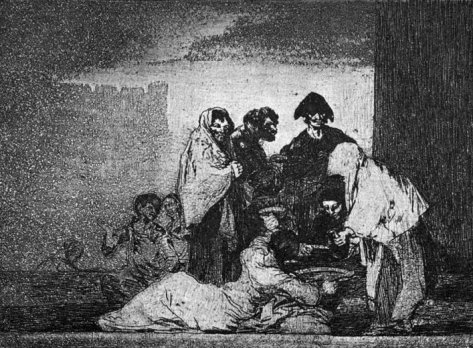
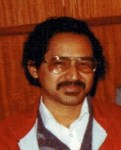 In 1981, one of the students attending the one-year MSc Course on Conservation and Utilization of Plant Genetic Resources was Abdul bin Ghani Yunus from Malaysia. He worked on his dissertation project under my supervision, to study the diversity of grasspea. I already had assembled a collection of grasspea varieties from different sources around the world including the Vavilov Institute in St Petersburg, so Ghani had quite a stock of varieties to work with.
 Today, the International Center for Agricultural Research in the Dry Areas (ICARDA) receives financial support from the Crop Trust to conserve almost 4200 samples of grasspea in its genebank, with 2000 safely stored in the Svalbard Global Seed Vault above the Arctic Circle.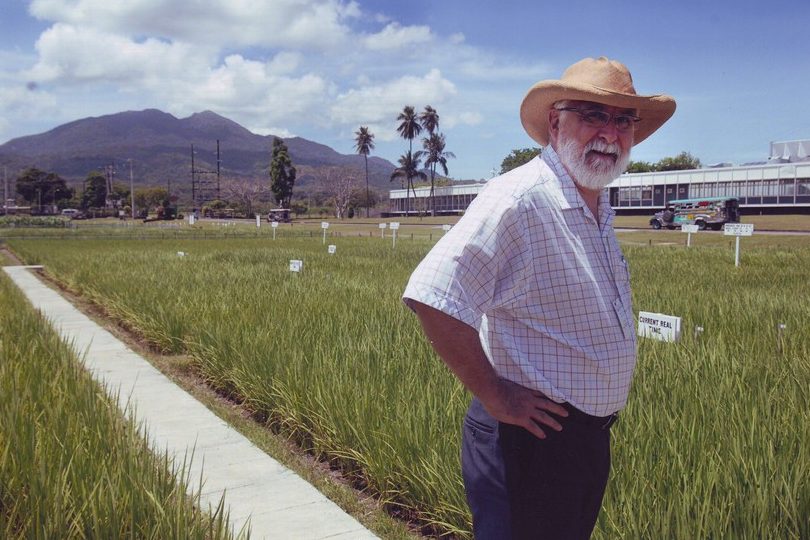
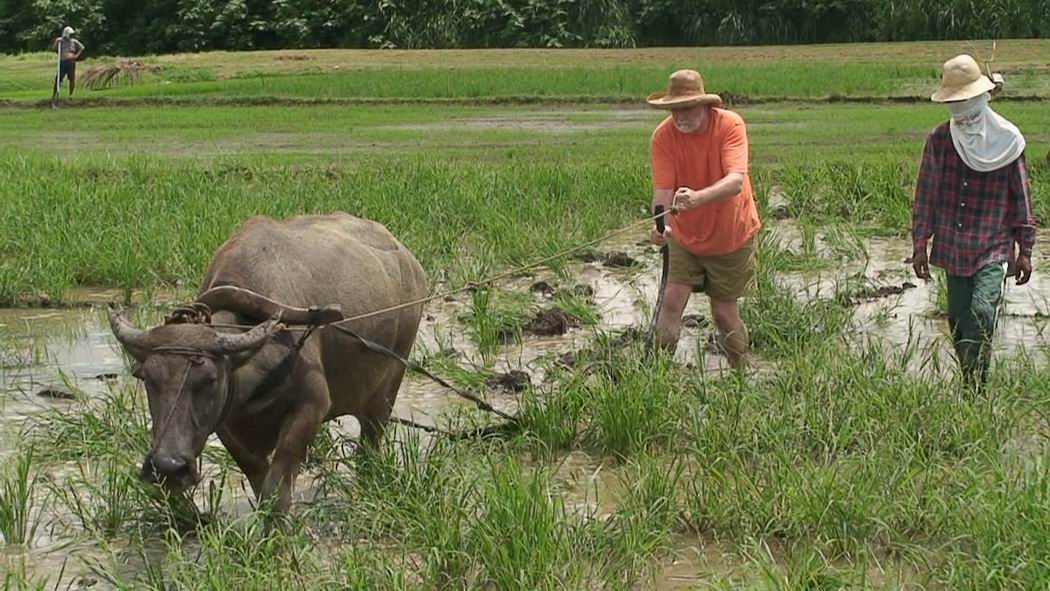


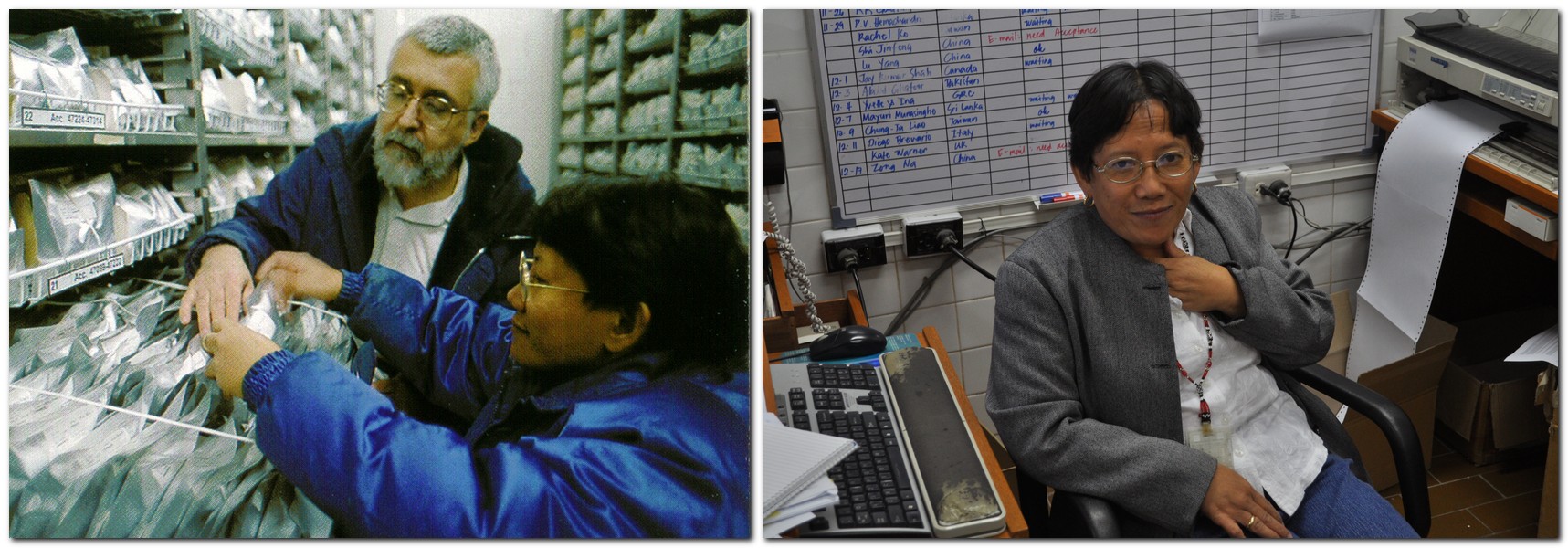
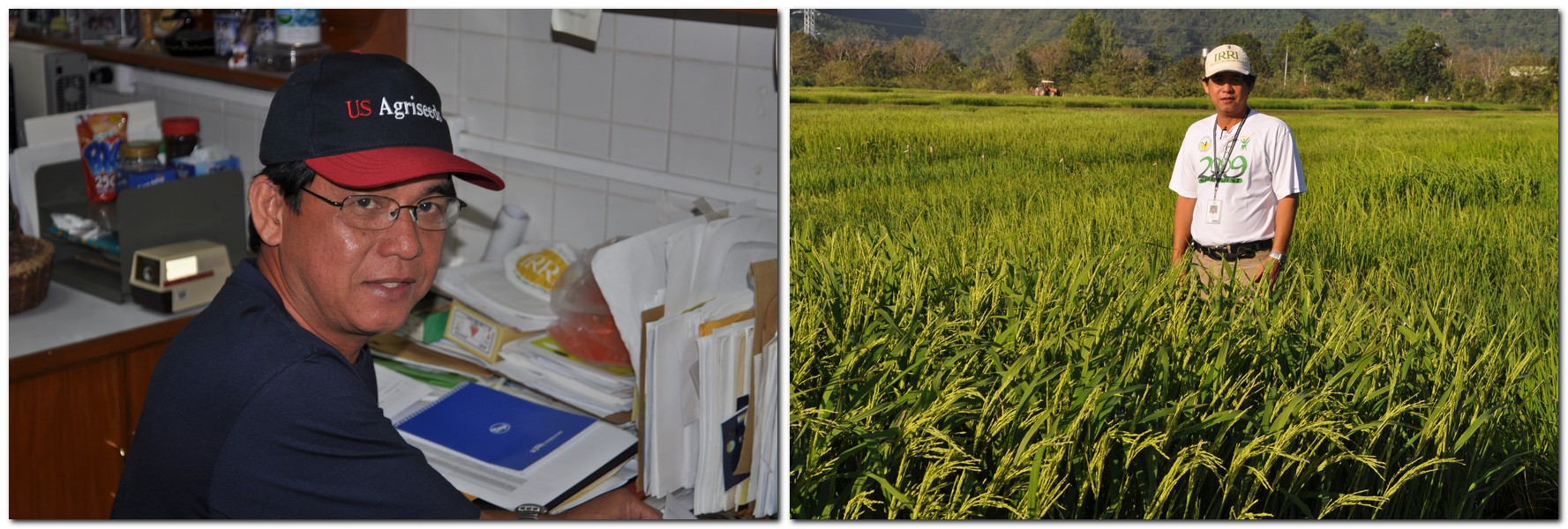
 Soccie Almazan became the curator of the wild rices that had to be grown in a quarantine screenhouse some distance from the main research facilities, on the far side of the experiment station. But the one big change that we made was to incorporate all the germplasm types, cultivated or wild, into a single genebank collection, rather than the three collections. Soccie brought about some major changes in how the wild species were handled, and with an expansion of the screenhouses in the early 1990s (as part of the overall refurbishment of institute infrastructure) the genebank at last had the space to adequately grow (in pots) all this valuable germplasm that required special attention. See the video from 4:30. Soccie retired from IRRI in the last couple of years.
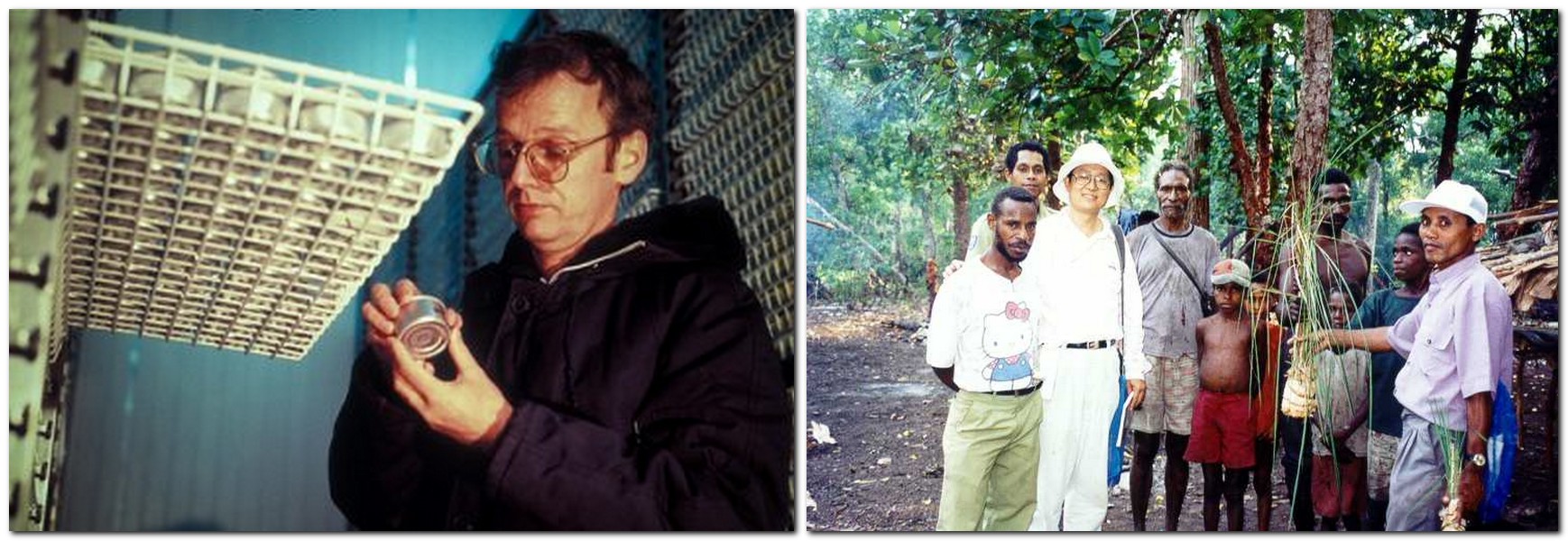
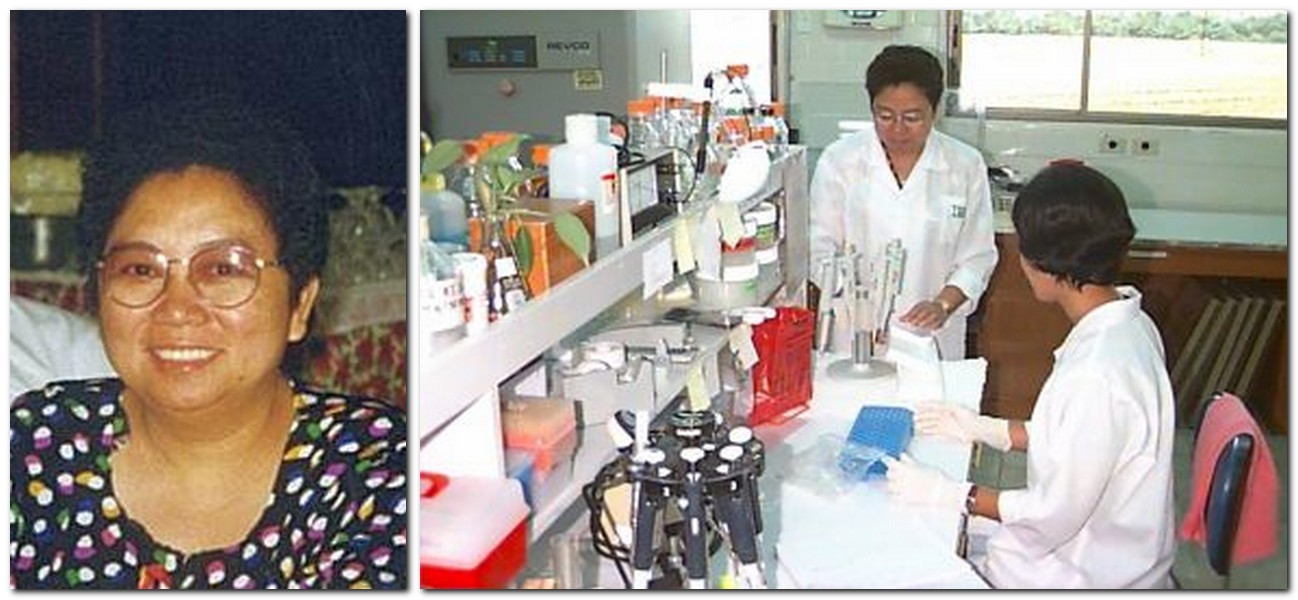
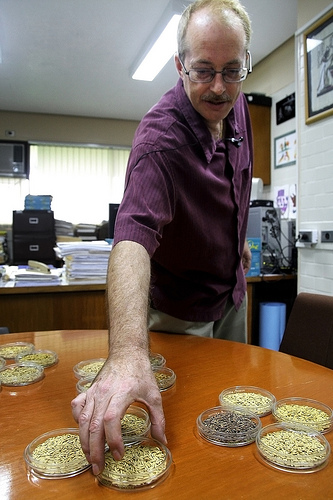
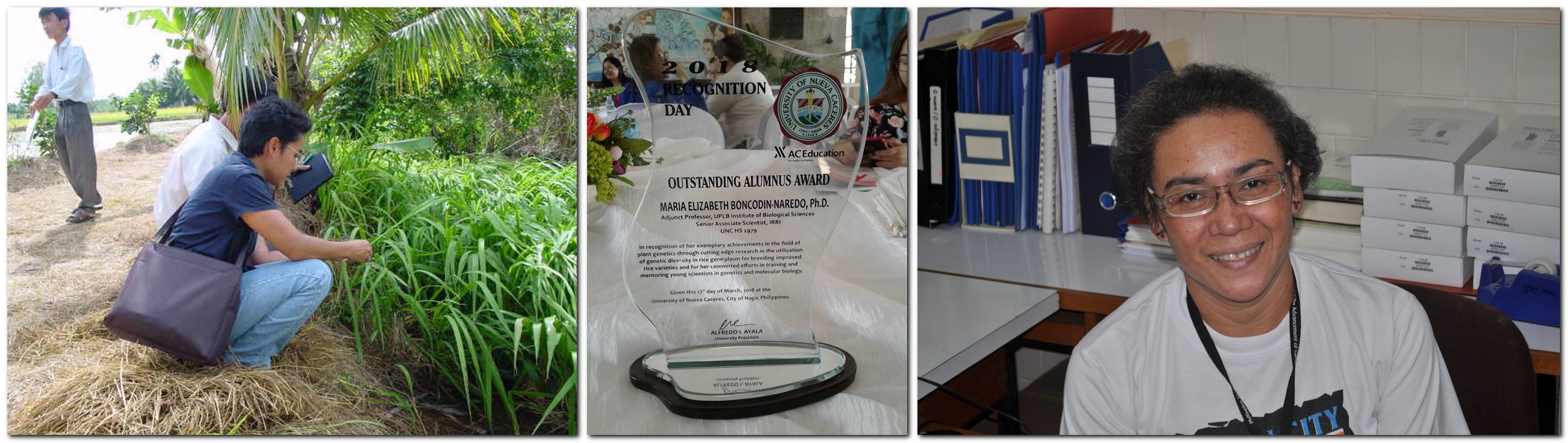
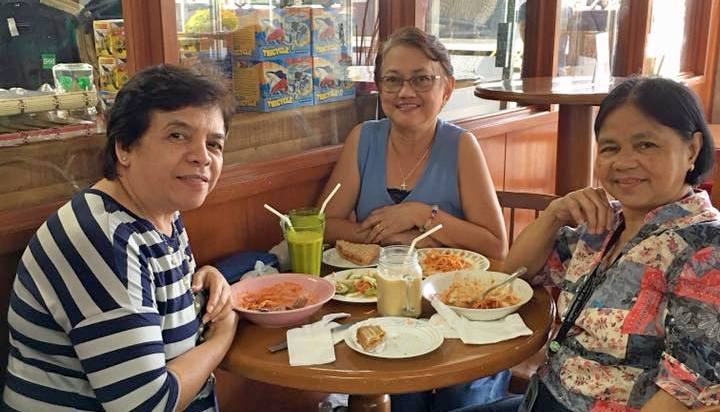
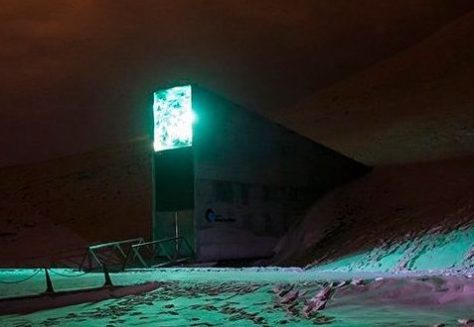
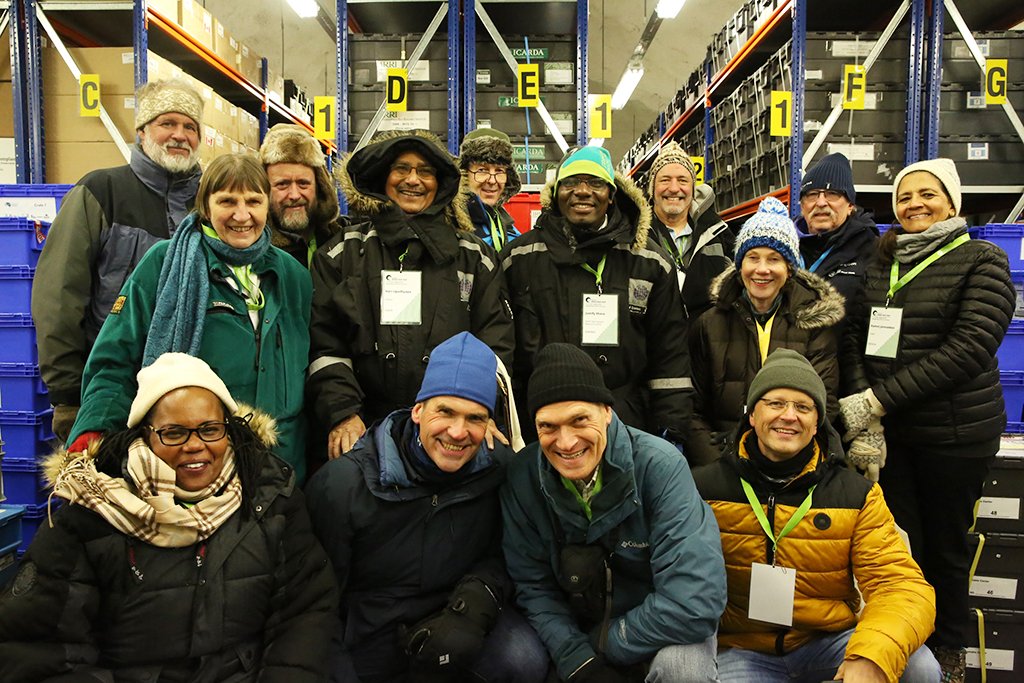

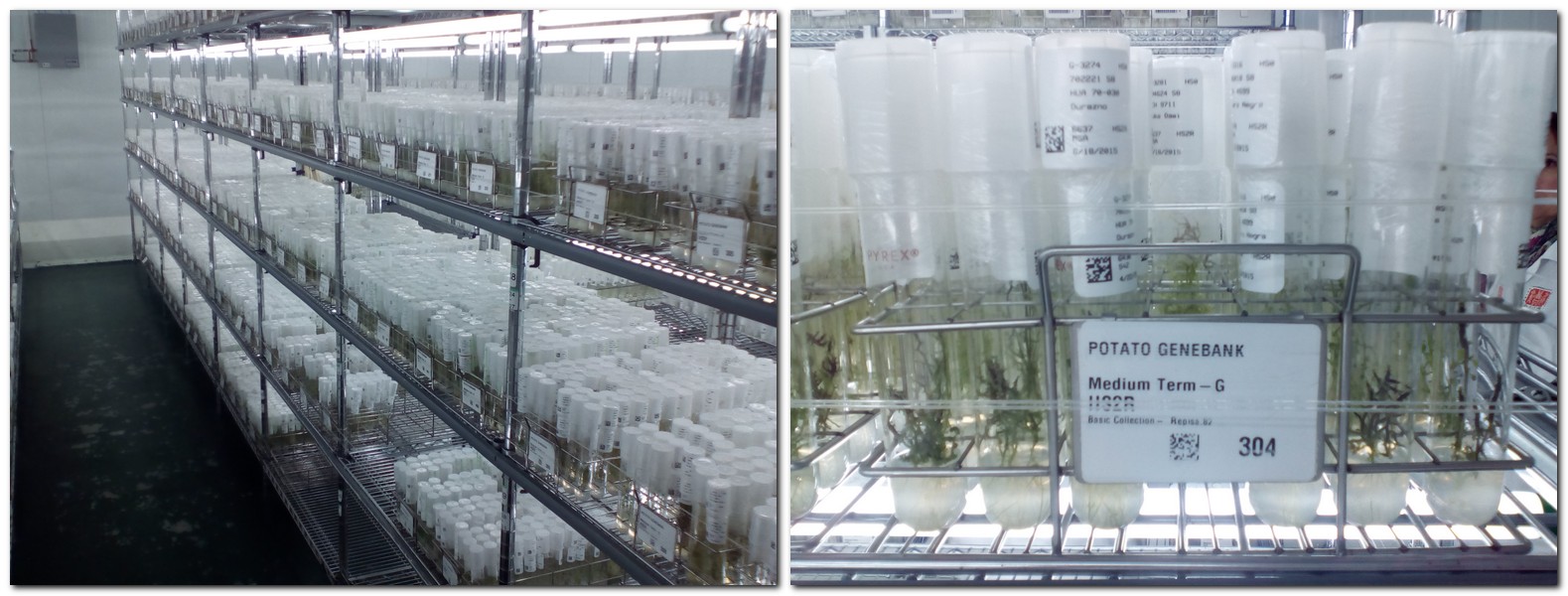

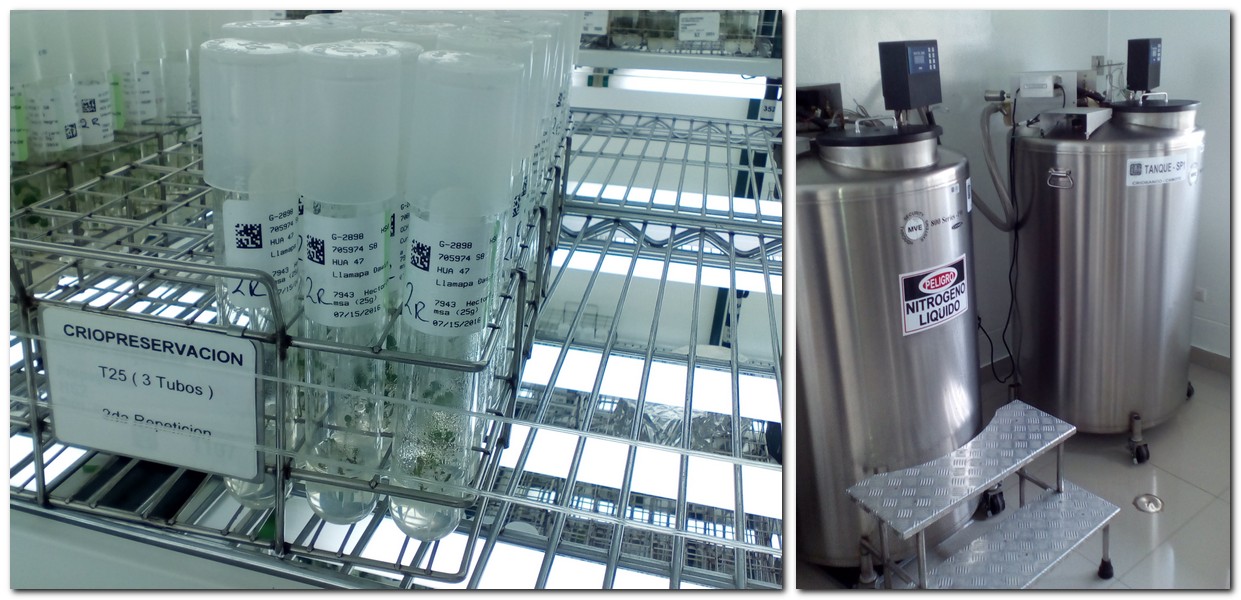
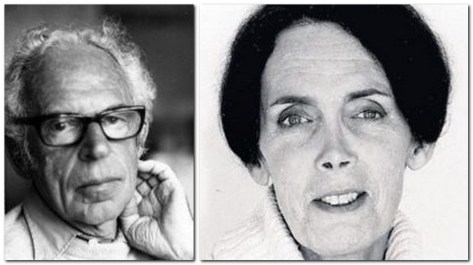

 Until the Crop Trust stepped in to provide the security of long-term funding through its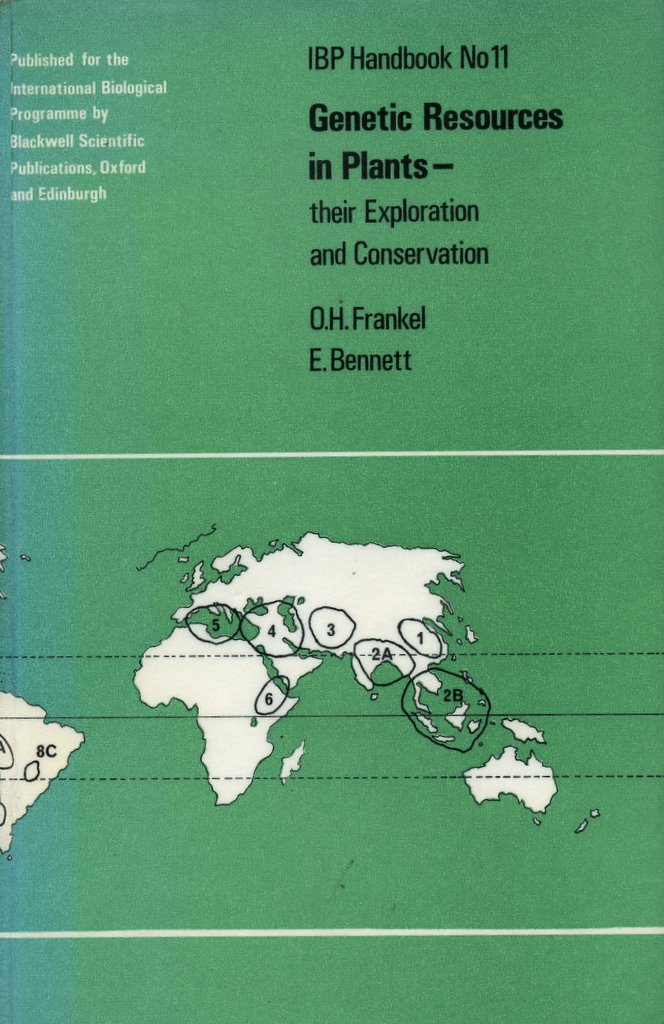
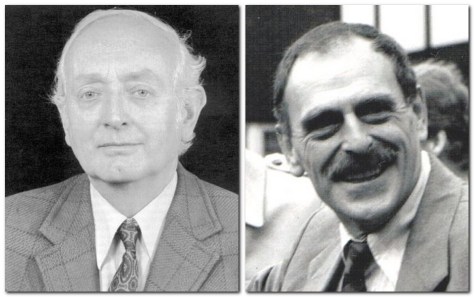
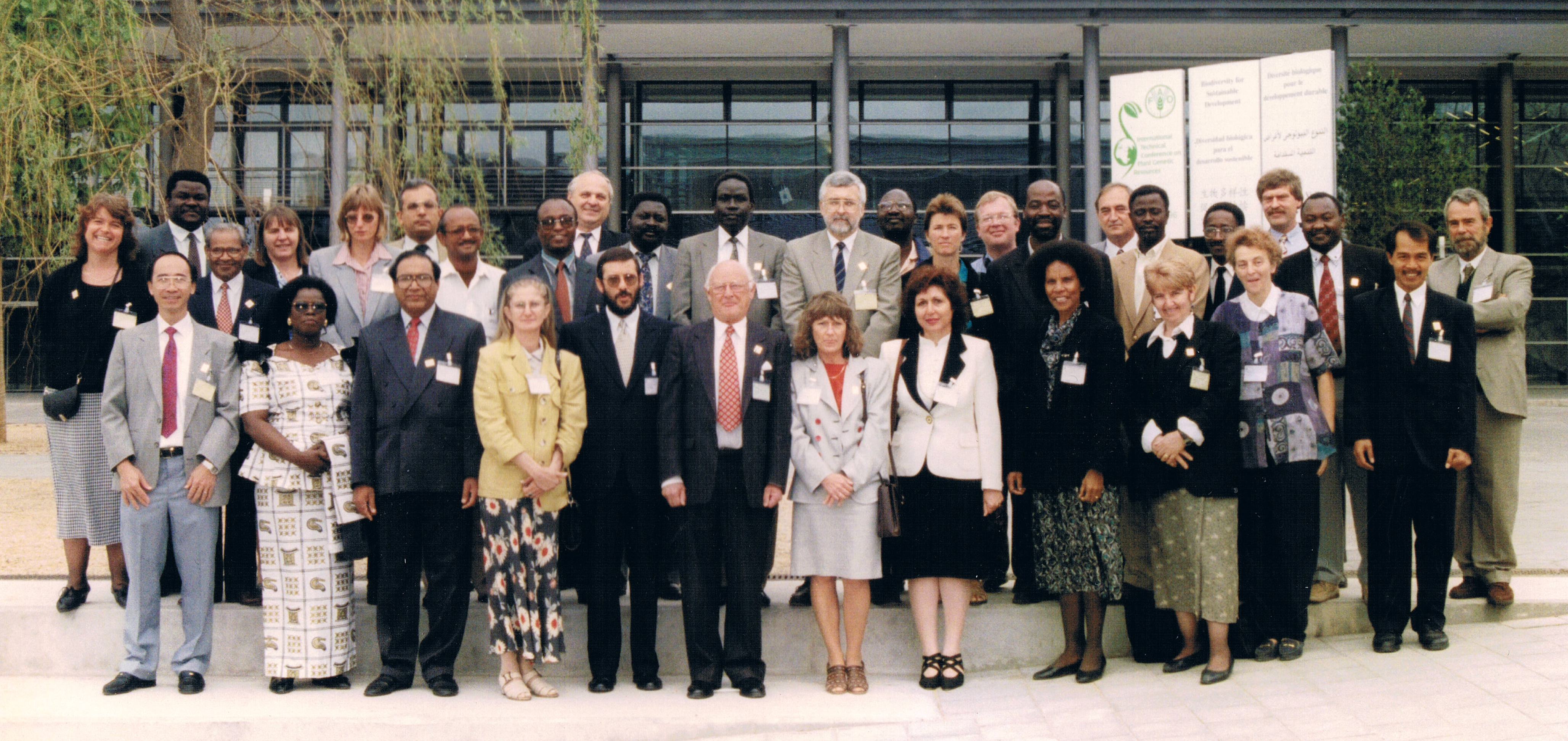

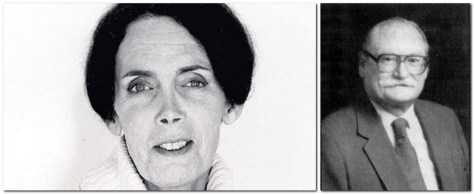 We also had to choose a short research project, mostly carried out during the summer months through the end of August, and written up and presented for examination in September. While the bulk of the work was carried out following the exams, I think all of us had started on some aspects much earlier in the academic year. In my case, for example, I had chosen a topic on lentil evolution by November 1970, and began to assemble a collection of seeds of different varieties. These were planted (under cloches) in the field by the end of March 1971, so that they were flowering by June. I also made chromosome counts on each accession in my spare time from November onwards, on which my very first
  At the end of the course, all our work, exams and dissertation, was assessed by an external examiner (a system that is commonly used among universities in the UK). The examiner was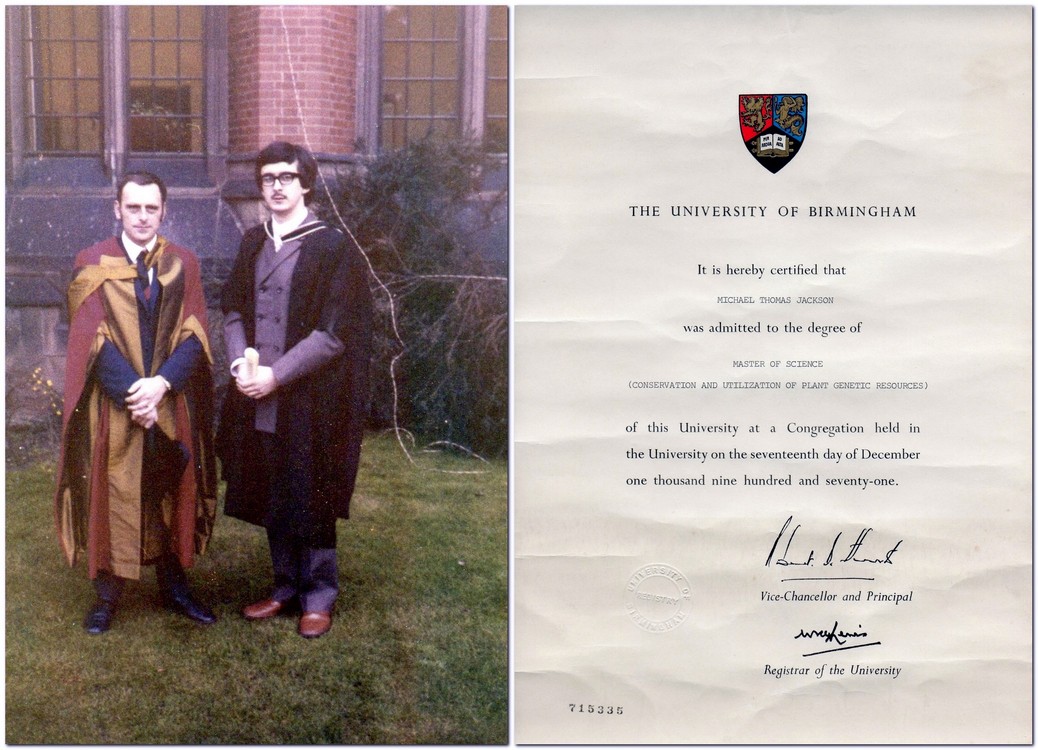
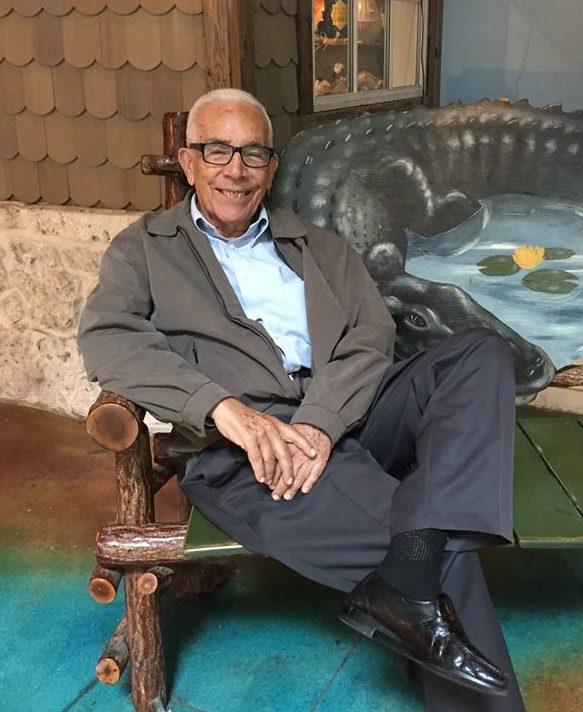
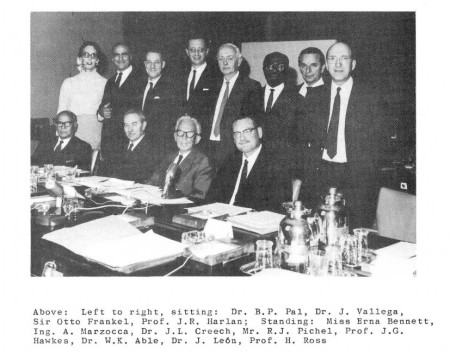
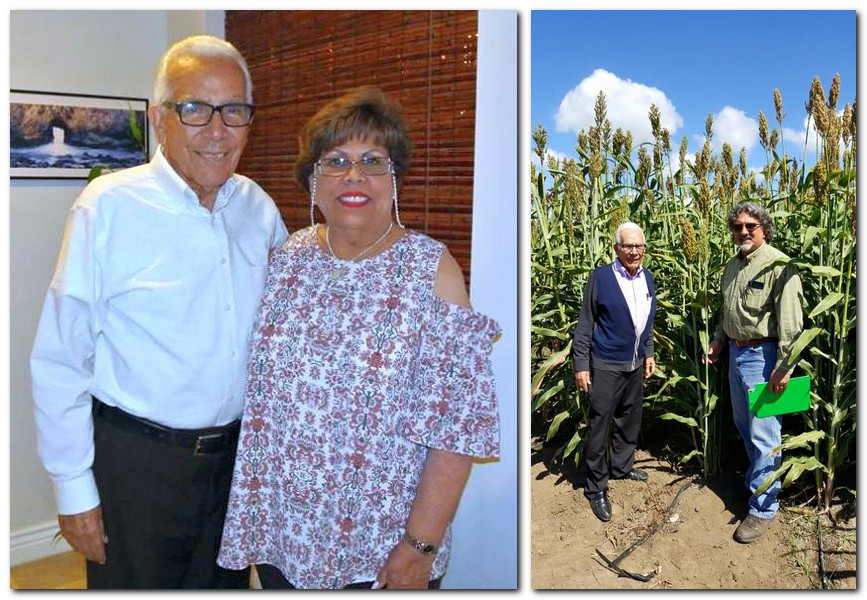
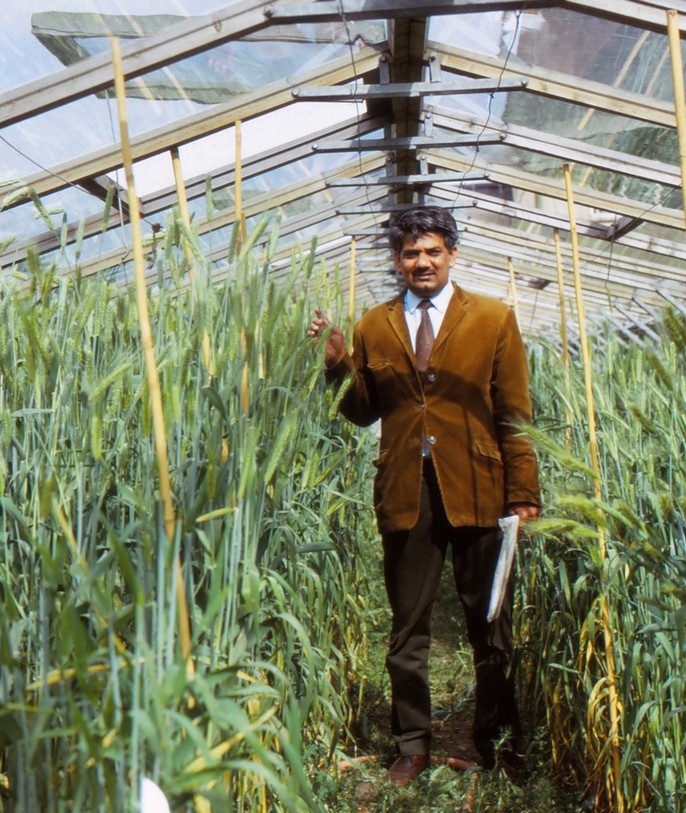


 Ayla came to Birmingham with a clear focus on what she wanted to achieve. She saw the MSc course as the first step to completing her PhD, and even arrived in Birmingham with samples of seeds for her research. During the course she completed a dissertation (with Jack Hawkes) on the origin of rye (Secale cereale), and she continued this project for a further two years or so for her PhD. I don’t recall whether she had the MSc conferred or not. In those days, it was not unusual for someone to convert an MSc course into the first year of a doctoral program; I’m pretty sure this is what Ayla did.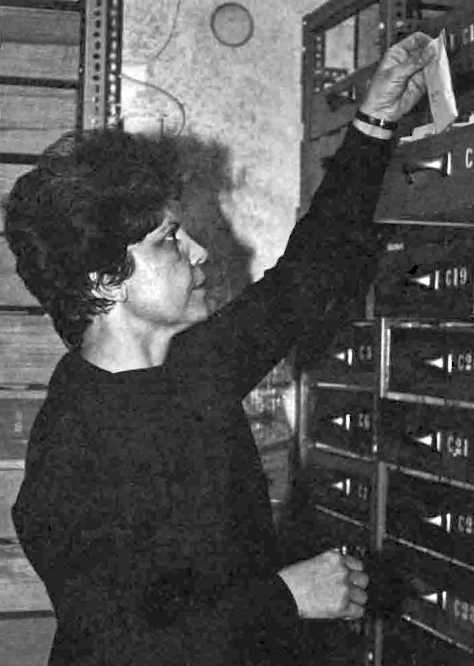
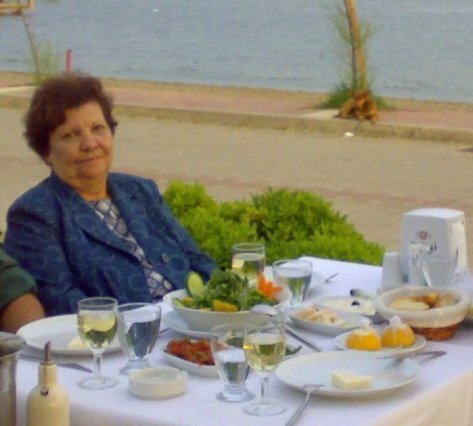
 Folu married shortly before traveling to Birmingham. Her husband had enrolled for a PhD at University College London. He had seen a small poster about the MSc course at Birmingham on a notice board at the University of Ibadan, Nigeria where Folu had completed her BSc in Botany. She applied successfully for financial support from the Mid-Western Nigeria Government to attend the MSc course, and subsequently her PhD studies.
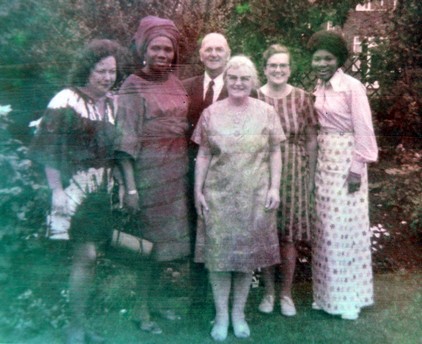
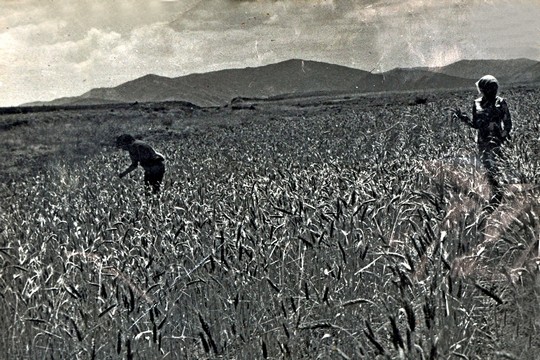
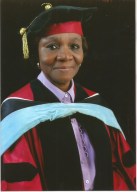 genetic resources the training courses she helped deliver, and the research linkages she promoted among various bodies in Nigeria. She has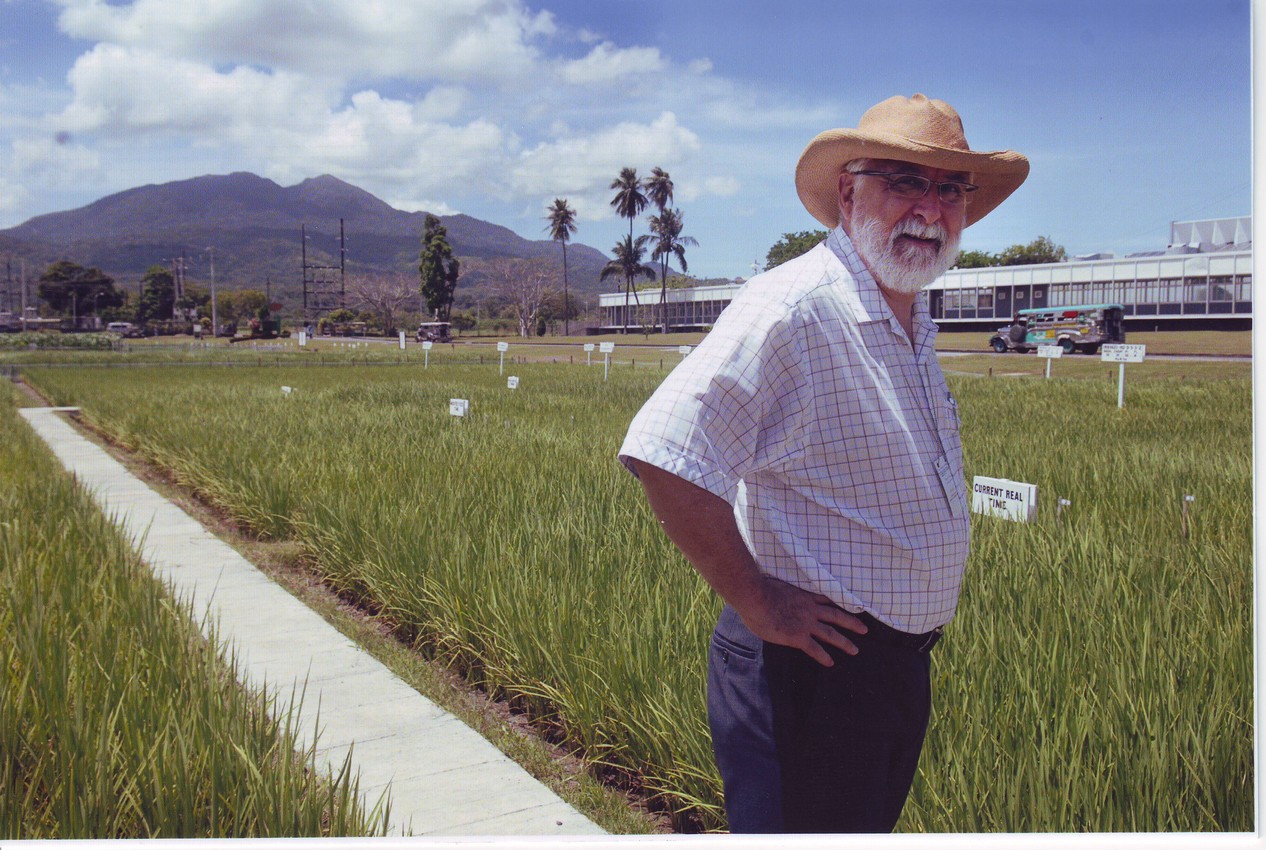
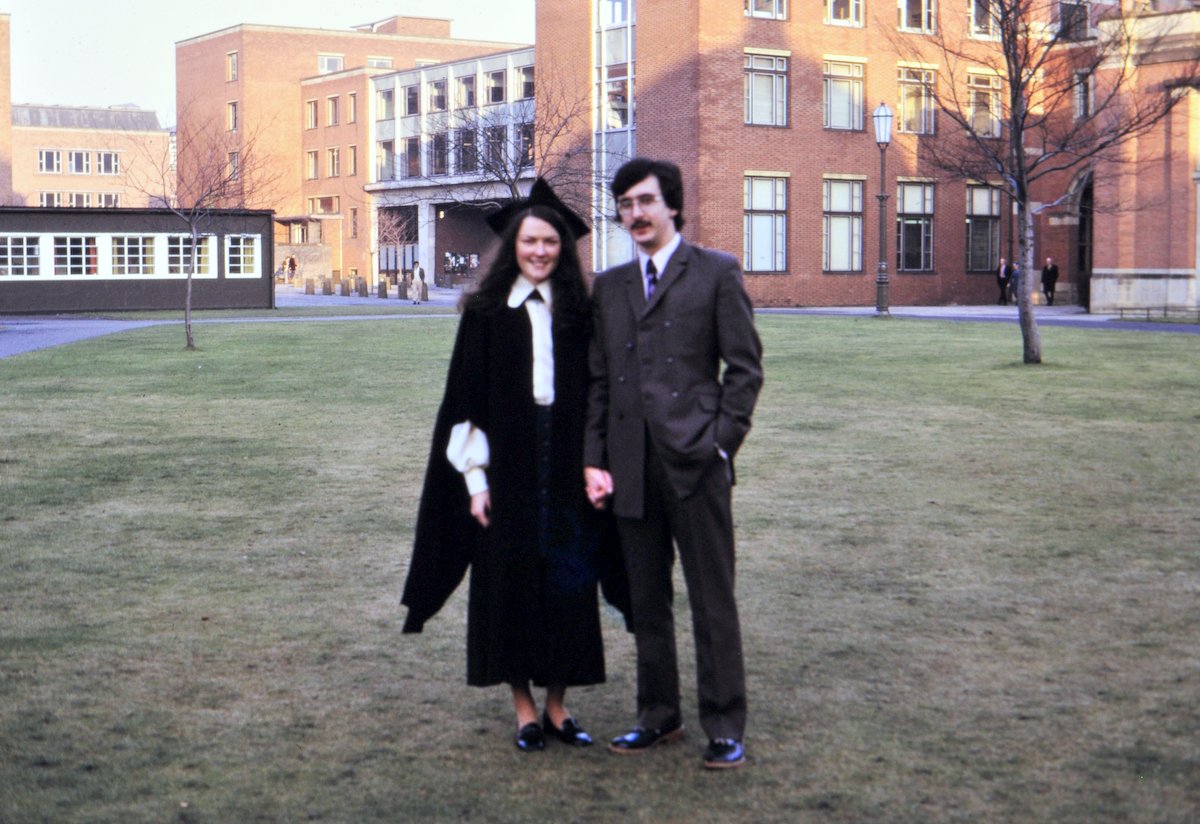
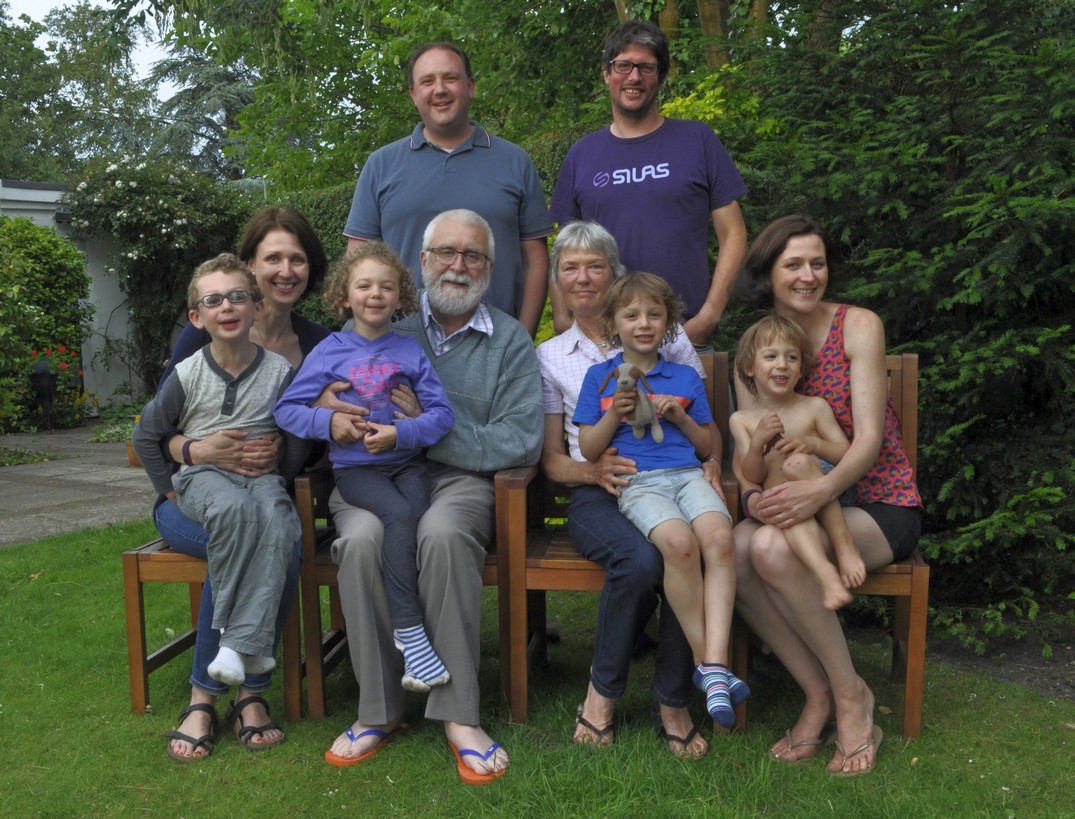
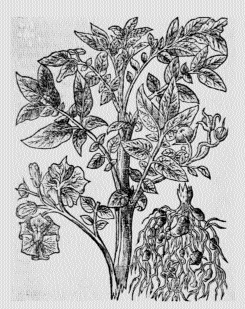
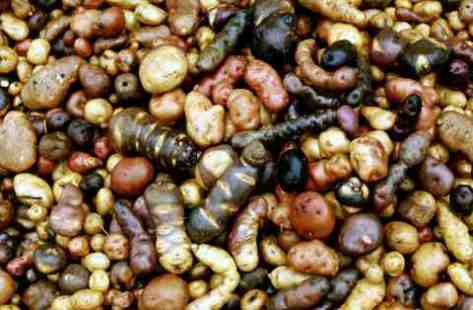





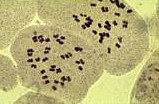
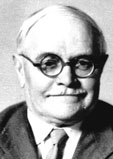
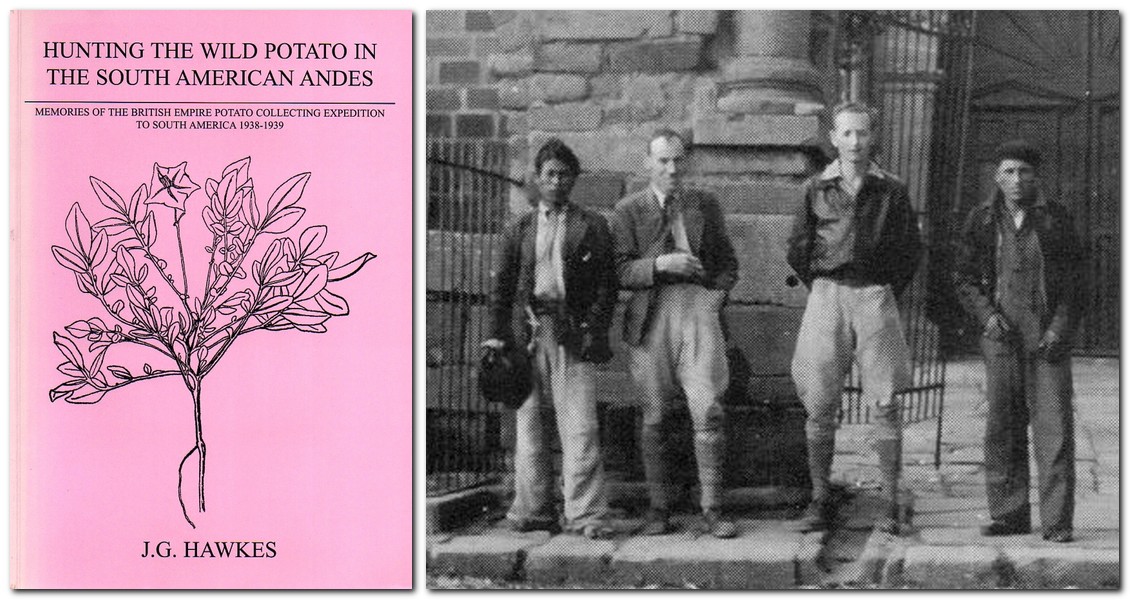
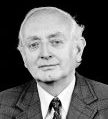
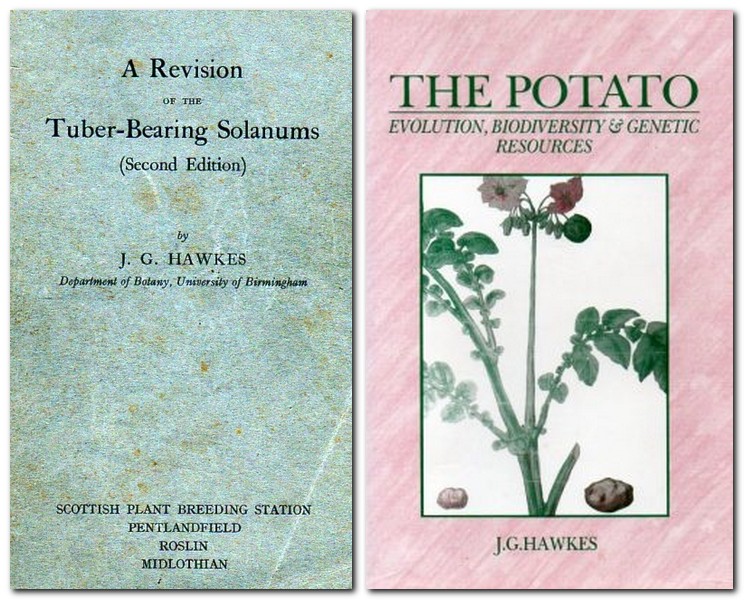
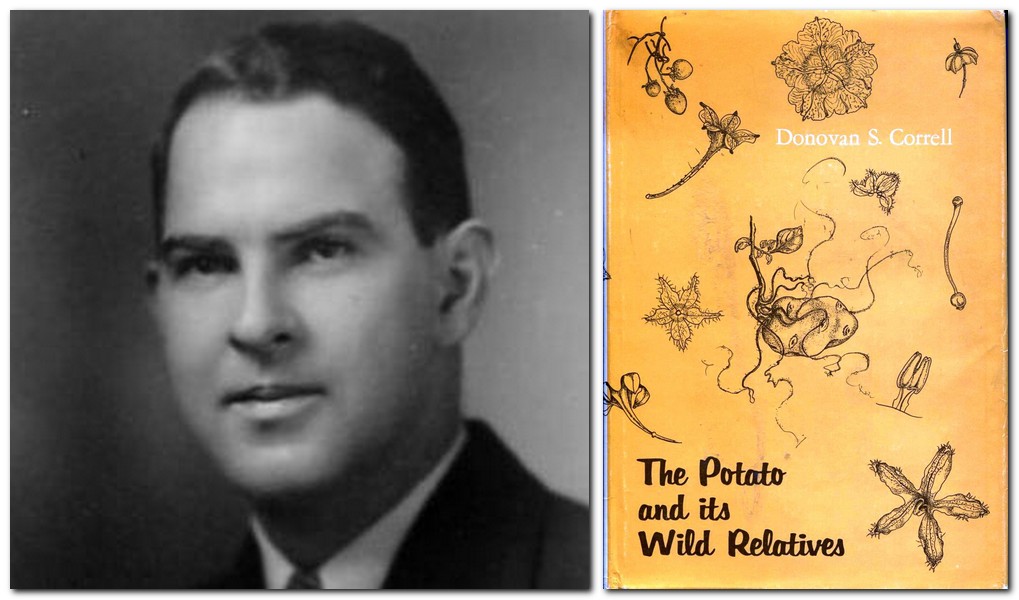


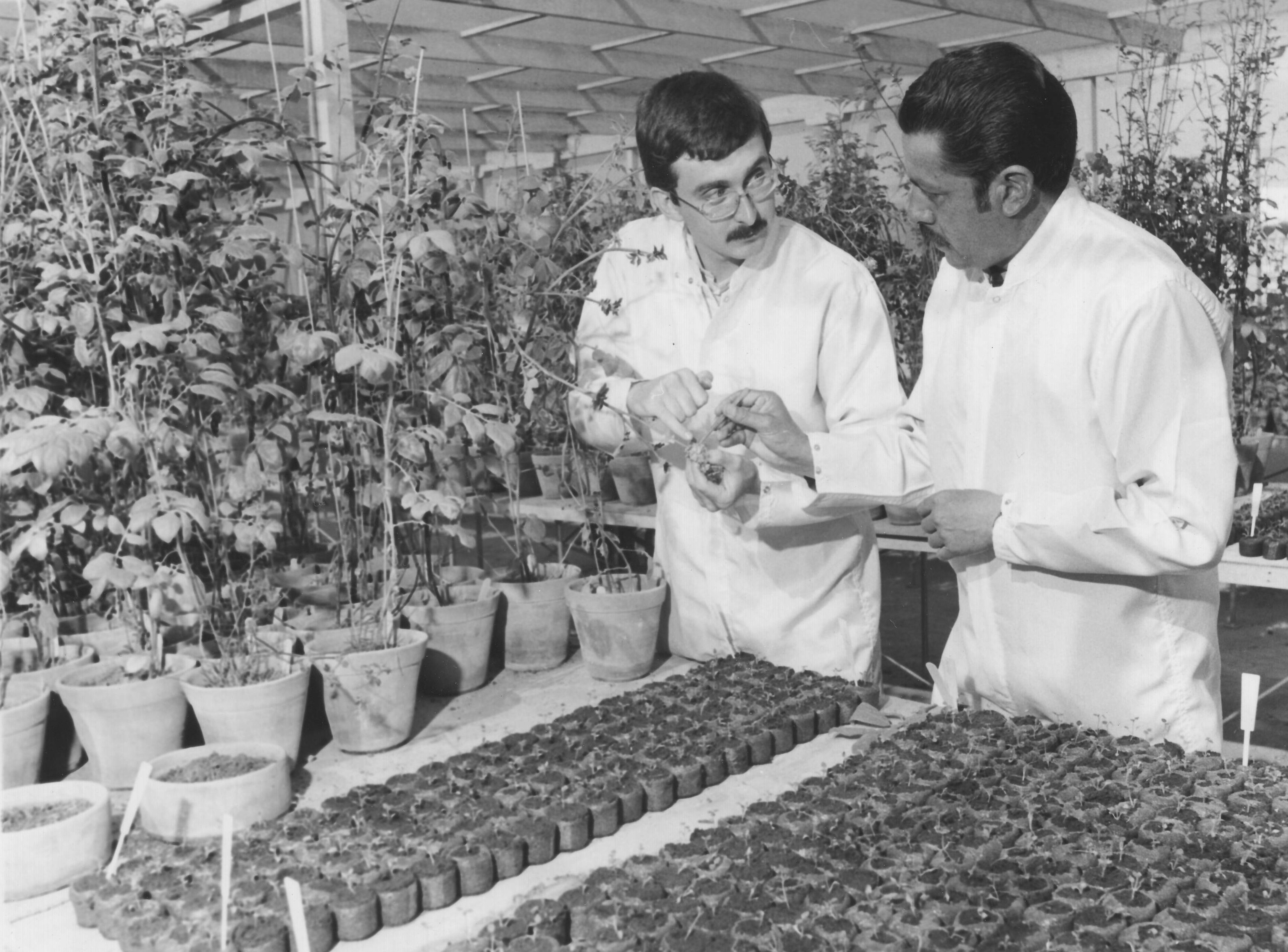
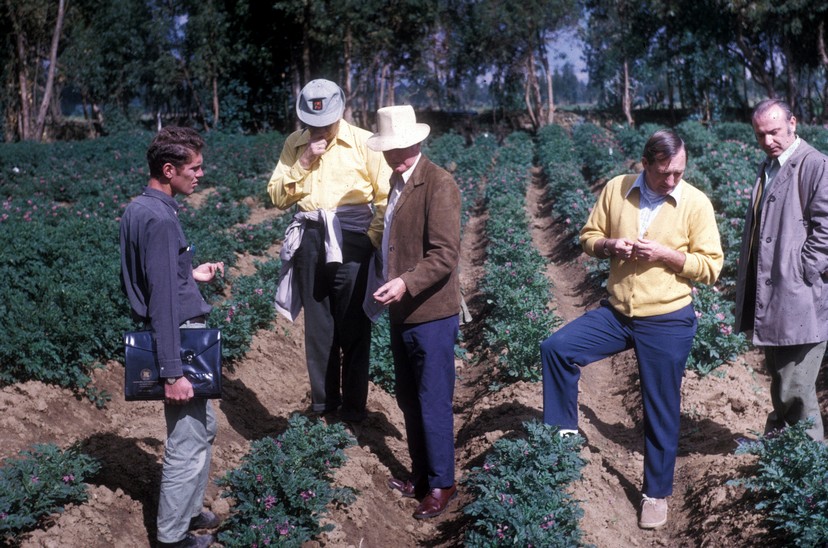

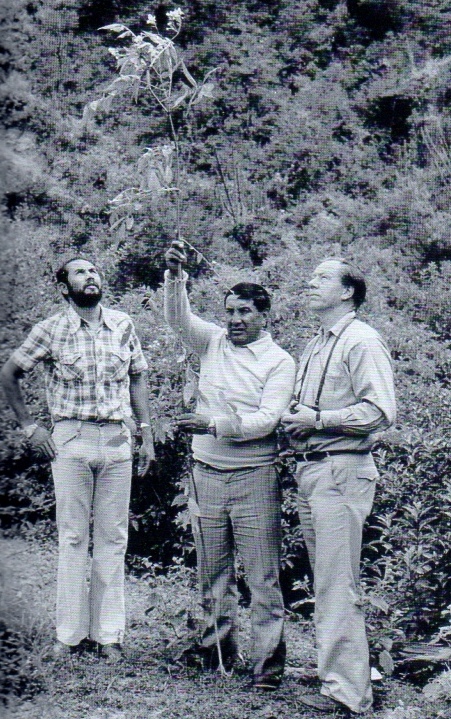
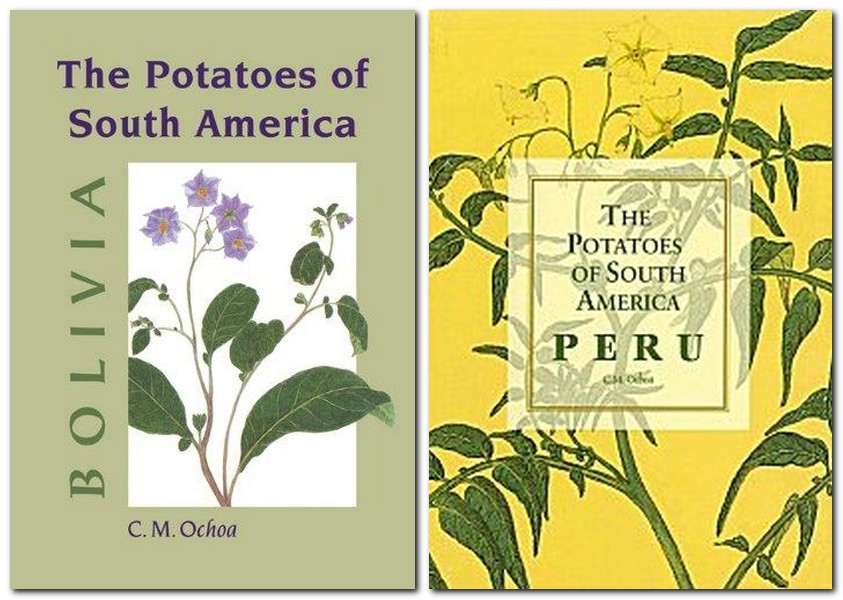
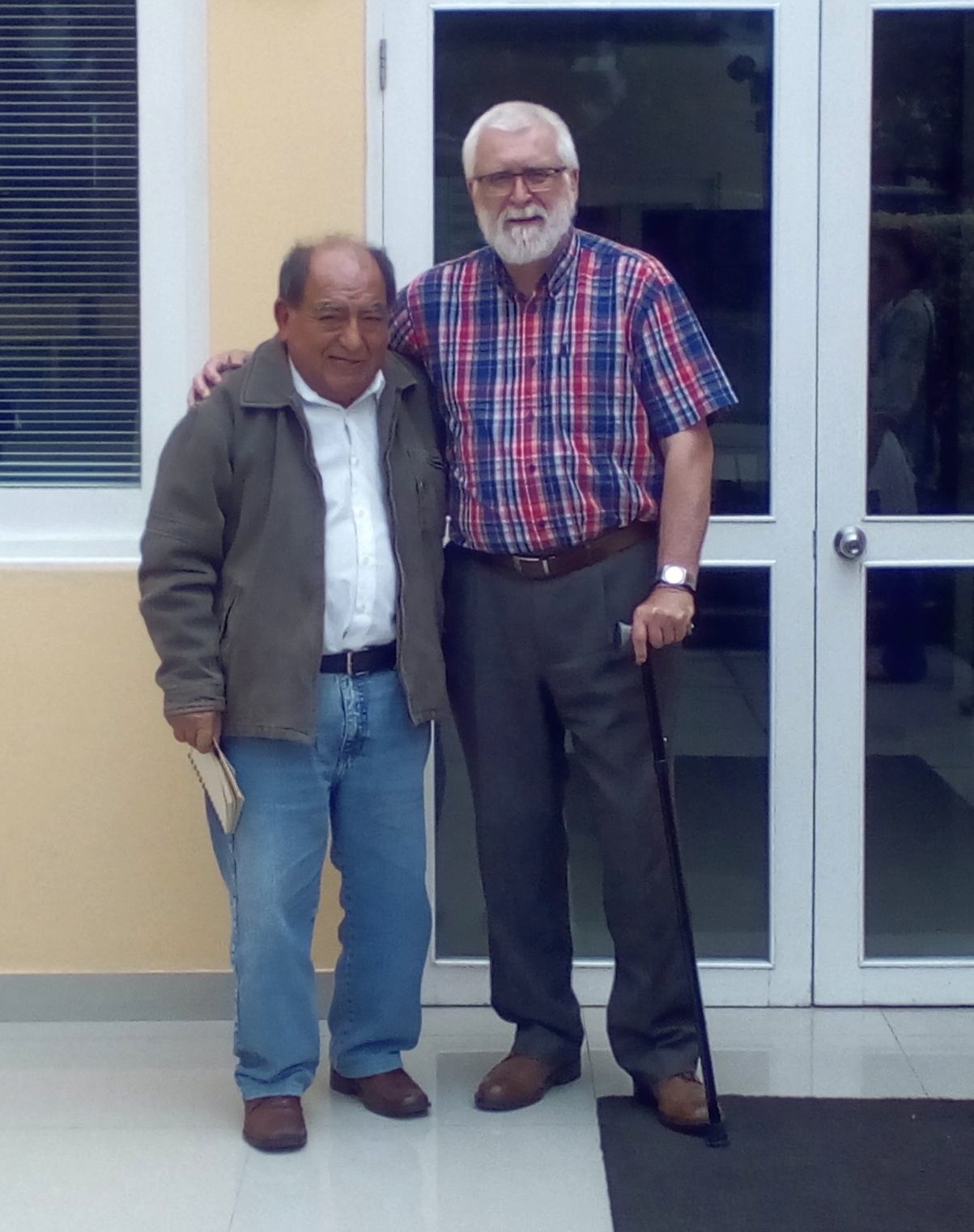


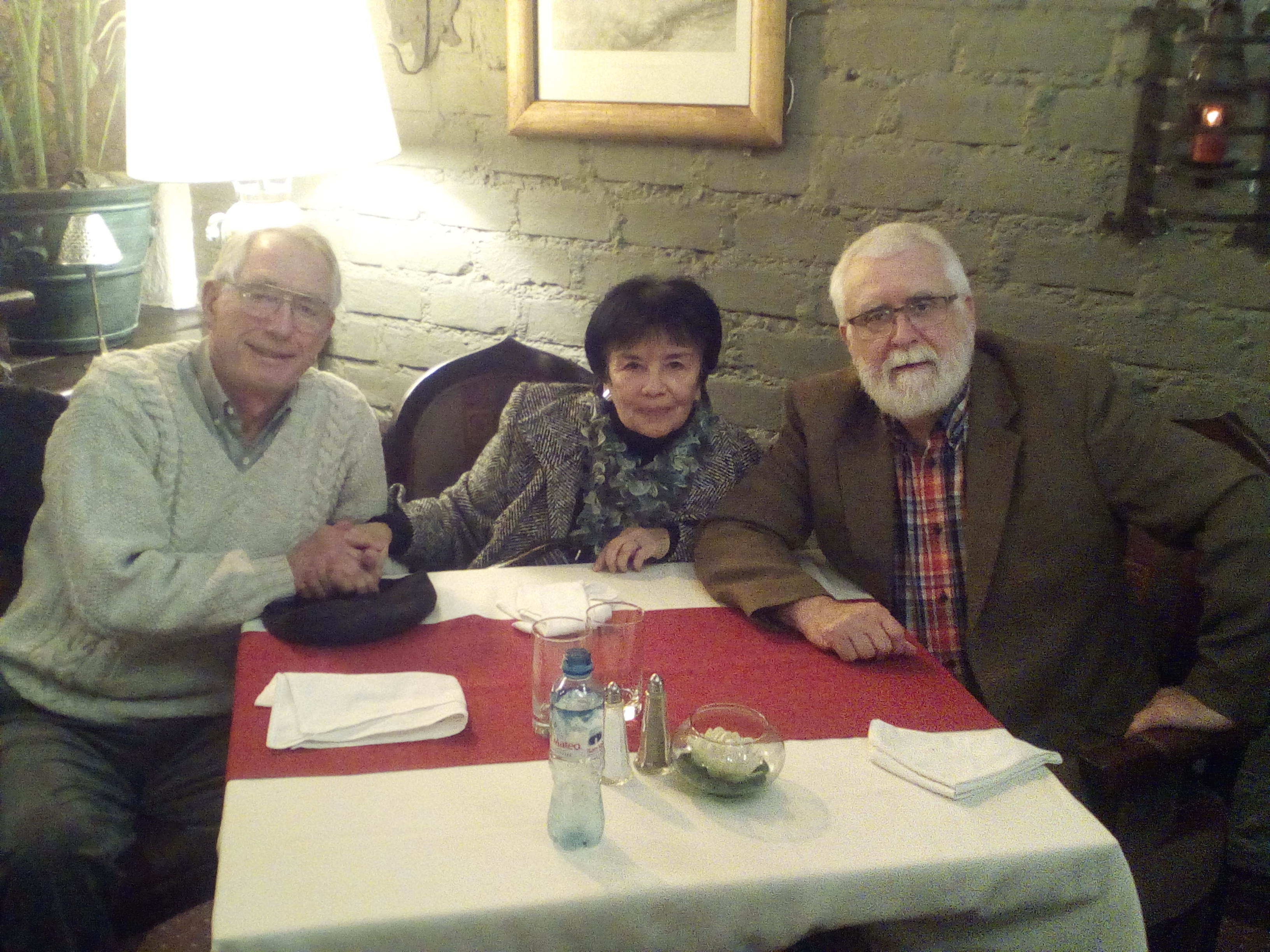
 One of the most important strategic decisions we took was to locate one staff member, Dr Seepana Appa Rao, in
  The leader of the Lao-IRRI Project was Australian agronomist, Dr John Schiller, who had spent about 30 years working in Thailand, Cambodia and Laos, and whose untimely death was announced just yesterday¹.
 Until Appa Rao moved to Laos, very little germplasm exploration had taken place anywhere in the country. It was a total germplasm unknown, but with excellent collaboration with national counterparts, particularly Dr Chay Bounphanousay (now a senior figure in Lao agriculture), the whole of the country was explored and more than 13,000 samples of cultivated rice collected from the different farming systems, such as upland rice and rainfed lowland rice. A local genebank was constructed by the project, and duplicate samples were sent to IRRI for long-term storage as part of the International Rice Genebank Collection in GRC. Duplicate samples of these rice varieties were also sent to the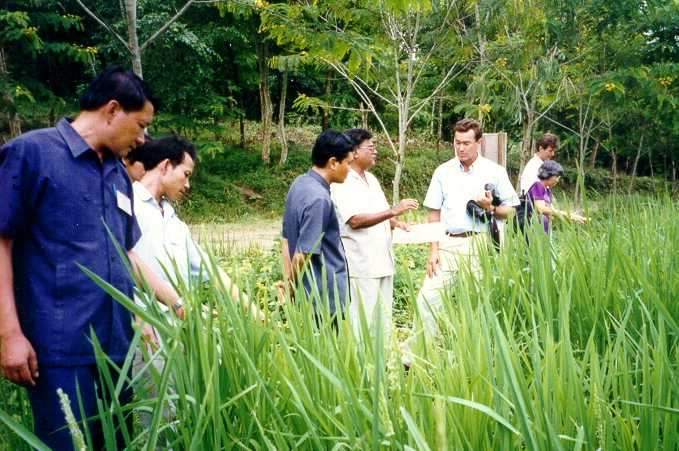
 I first met John in November 1991, a few months after I’d joined IRRI. He and I were part of a group of IRRI scientists attending a management training course, held at a beach resort bear Nasugbu on the west coast of Luzon, south of Manila. The accommodation was in two bedroom apartments, and John and I shared one of those, so I got to know him quite well.
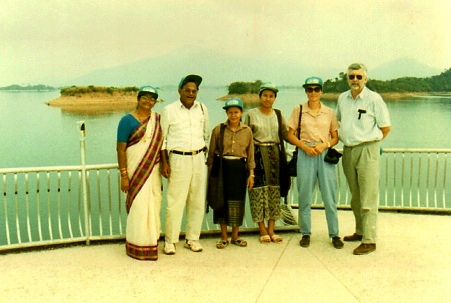
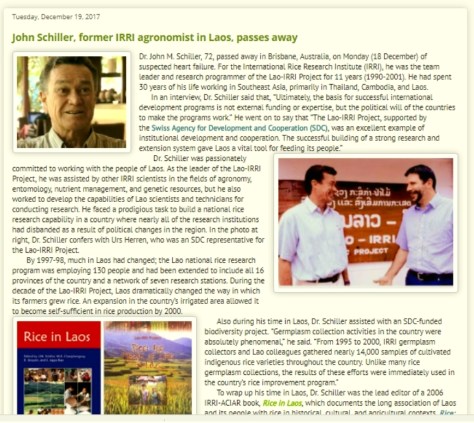
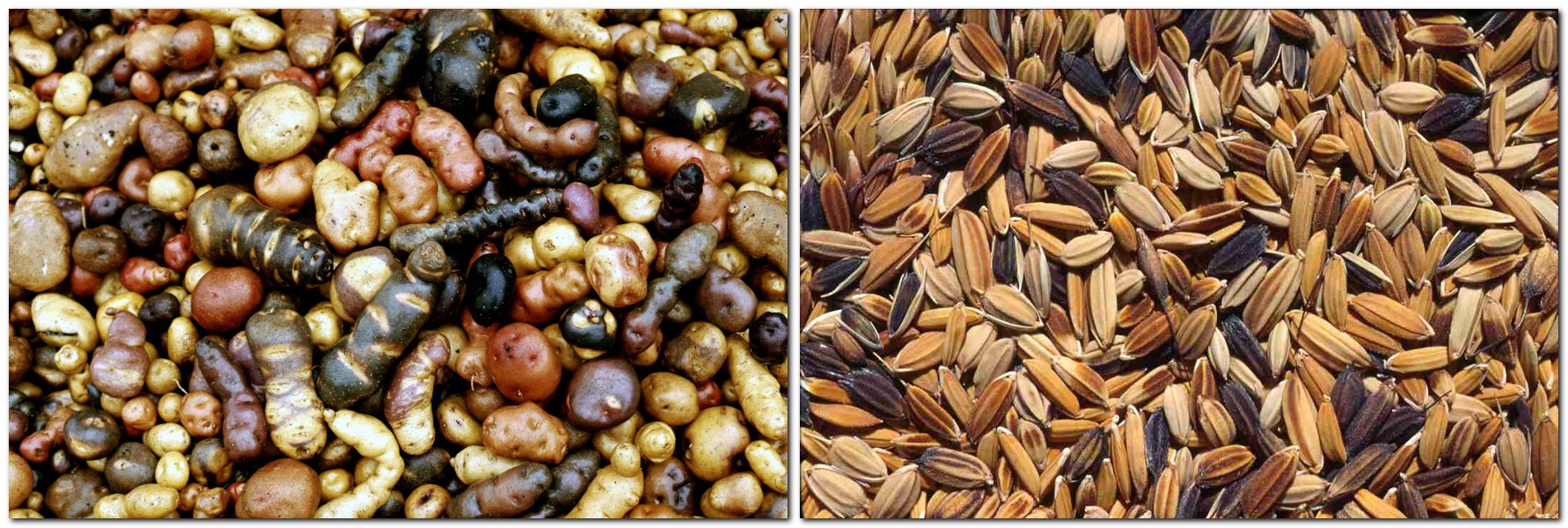


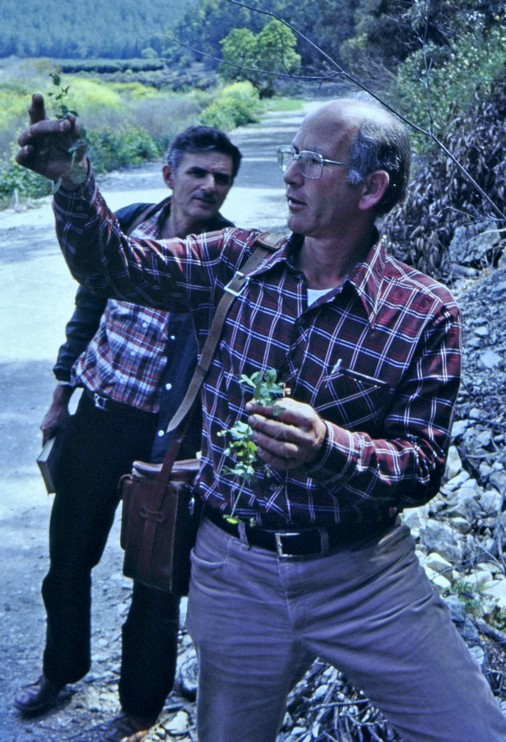
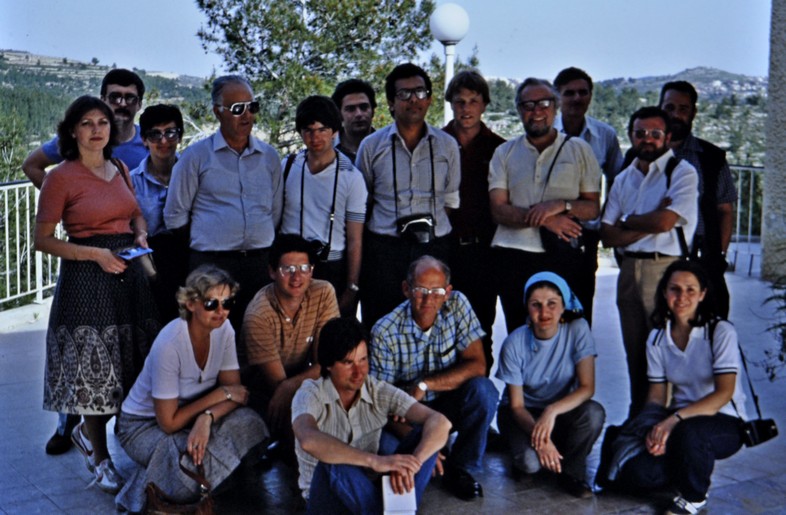


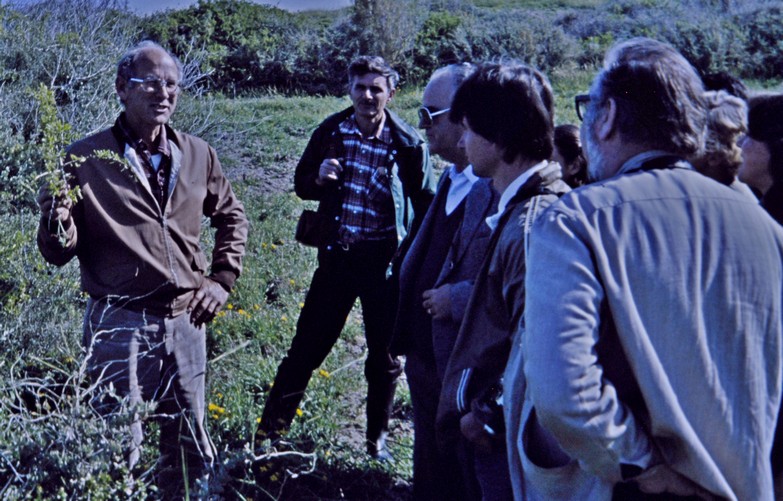
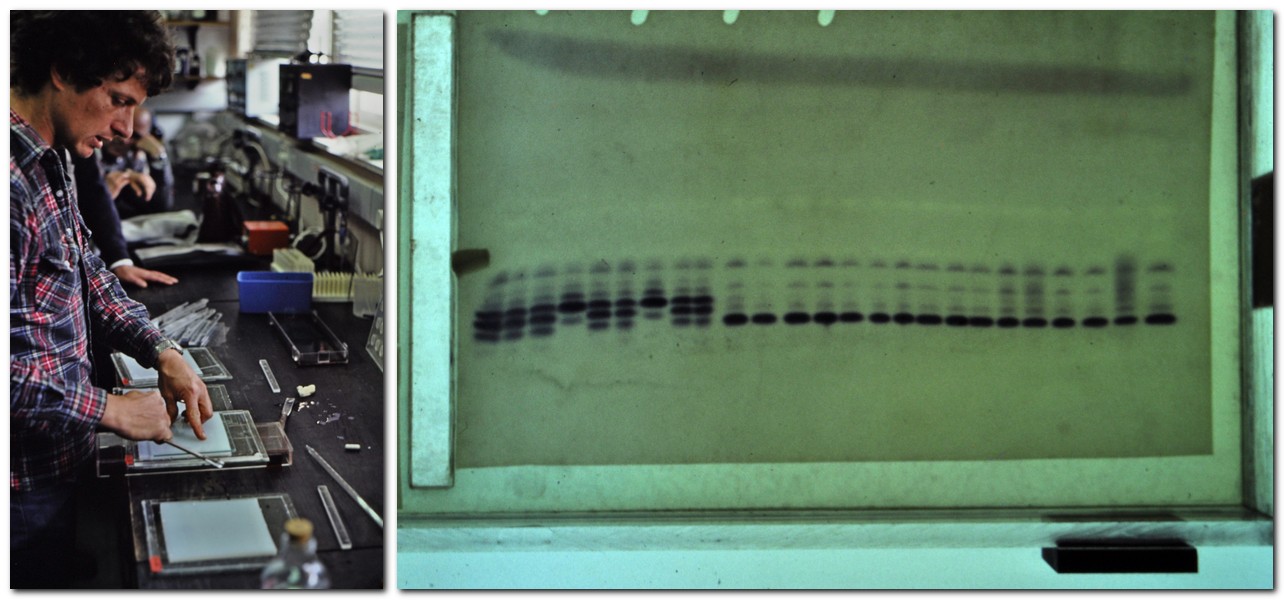
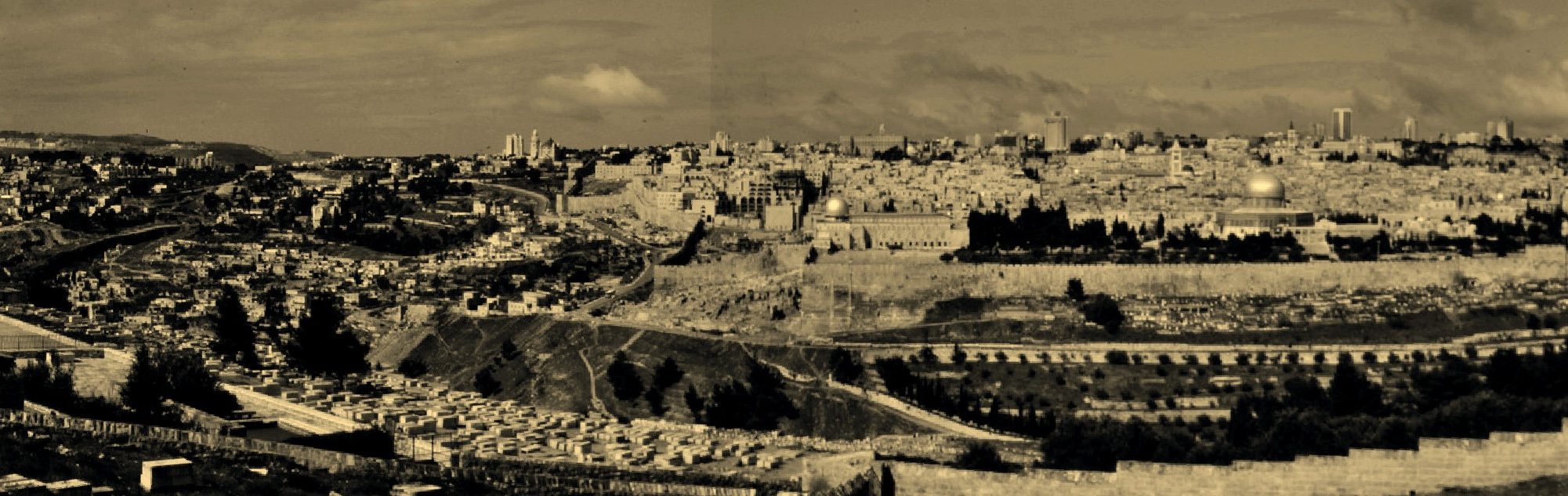


 Among the most important—and most used—collections of plant genetic resources for food and agriculture (PGRFA) are those maintained by eleven of the fifteen international agricultural research centers¹ funded through the
  Genebank security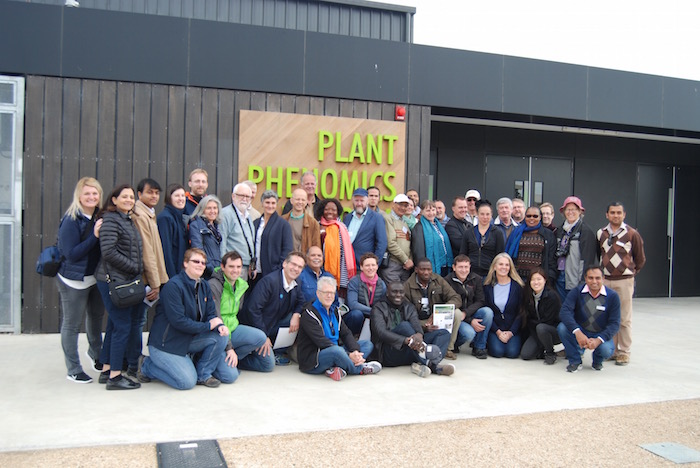
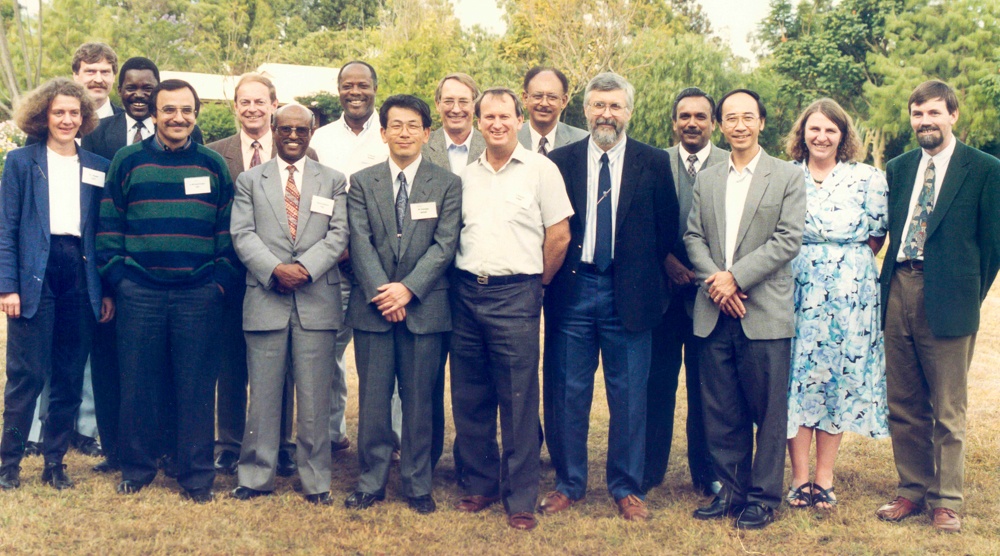


 The formation of the SGRP was an outcome of a review of the CGIAR’s genebank system in 1994. It became the only program of the CGIAR in which all 16 centers at that time (ISNAR, the International Services for National Agricultural Research, based in The Hague, Netherlands closed its doors in March 2004) participated, bringing in trees and fish, agricultural systems where different types of germplasm should be deployed, and various policy aspects of germplasm conservation costs, intellectual property, and use.
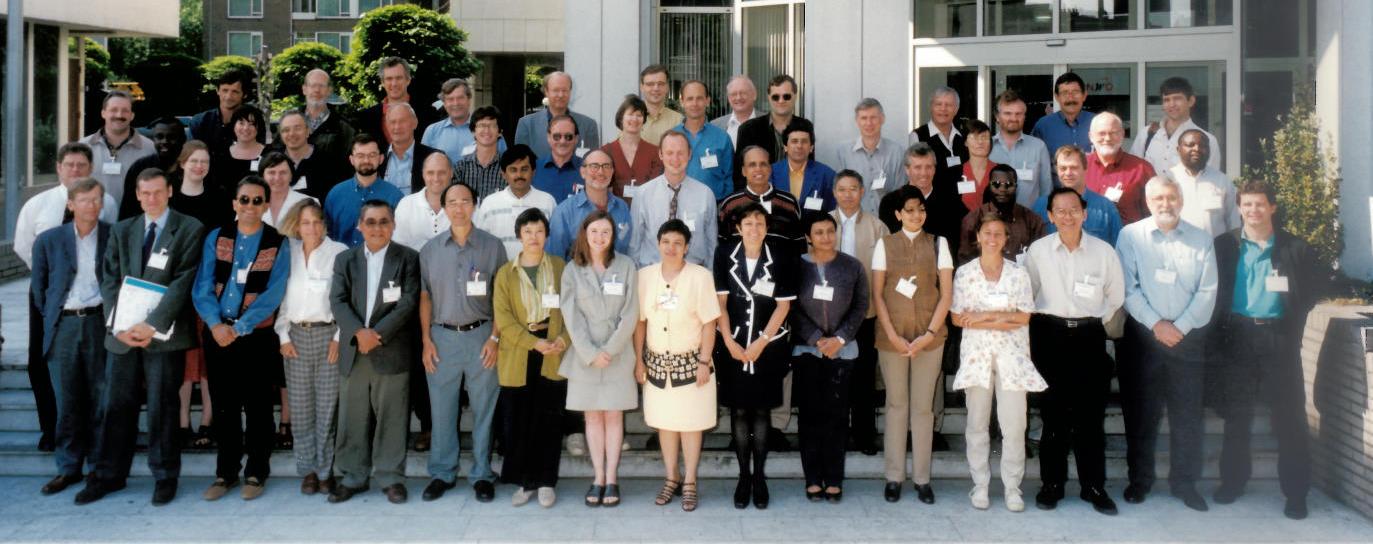
 and bioinformatics. Thus, the
  In terms of data management,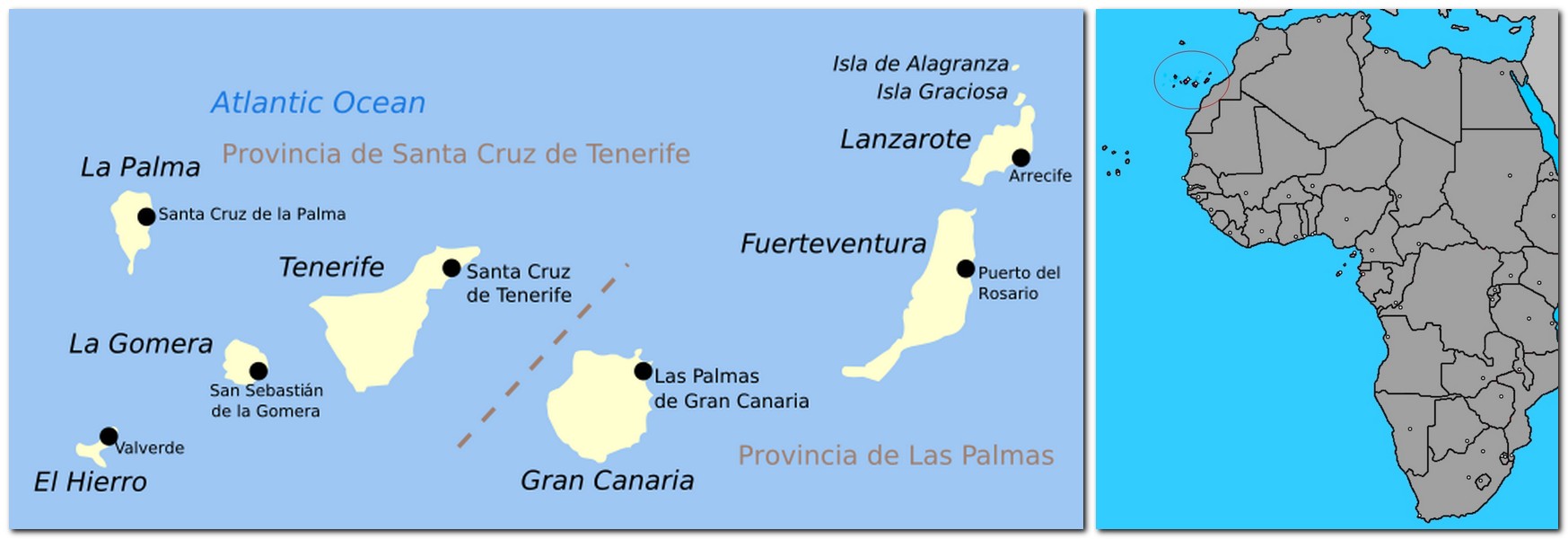



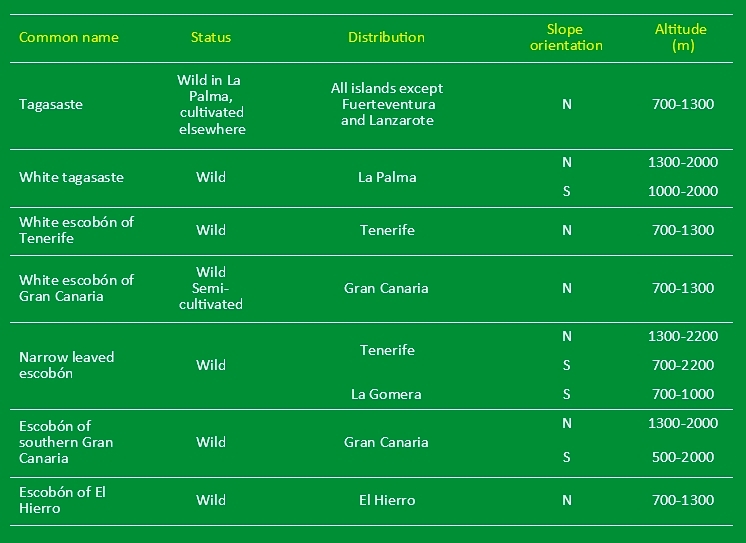


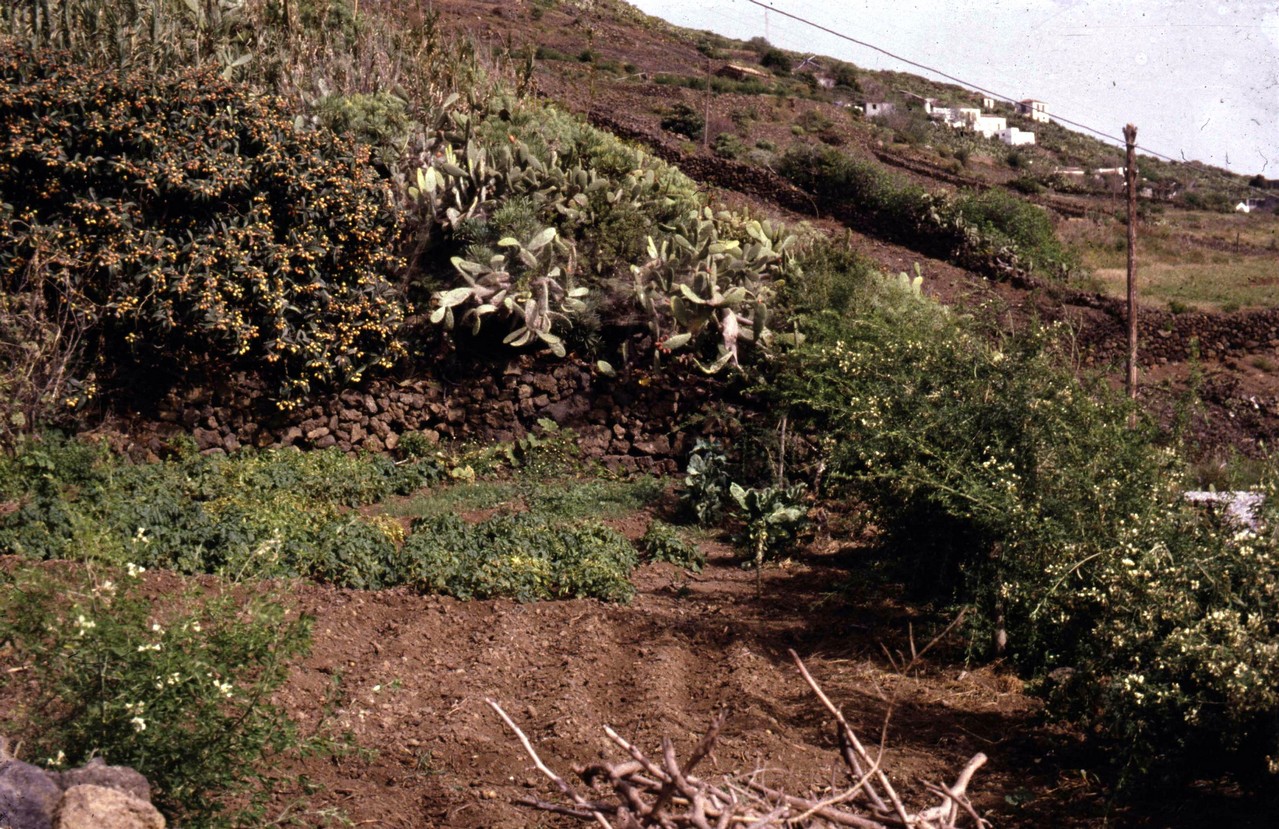
 The first week of October 1967. 50 years ago, to the day and date. Monday 2 October.
 I had a room on the sixth floor, with a view overlooking Woodmill Lane to the west, towards the university, approximately 1.2 miles and 25 minutes away on foot. In the next room to mine, or perhaps two doors away, I met John Grainger who was also signed up for the same course as me. John had grown up in Kenya where his father worked as an entomologist. Now that sounded quite exotic to me.

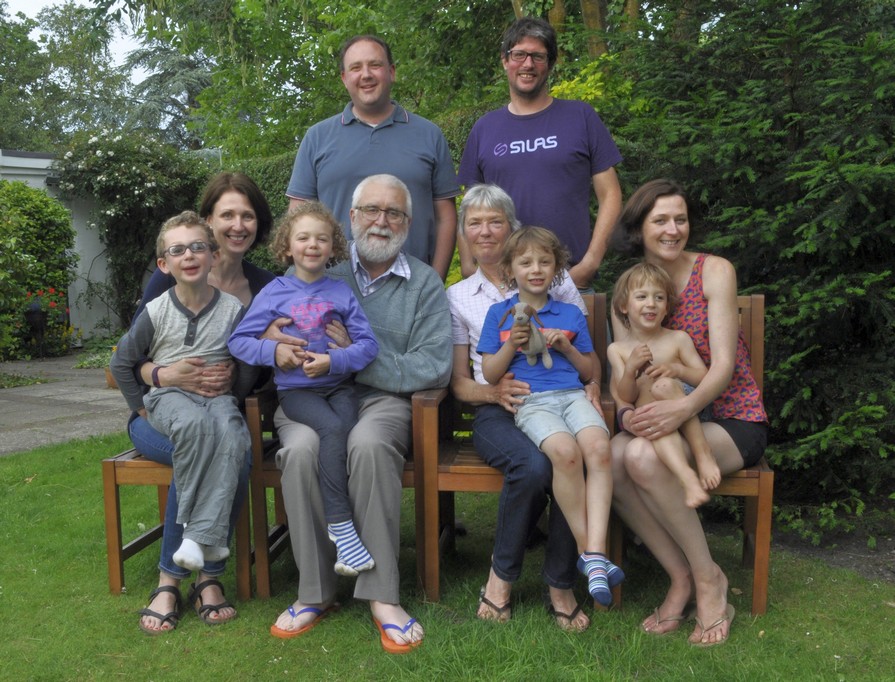
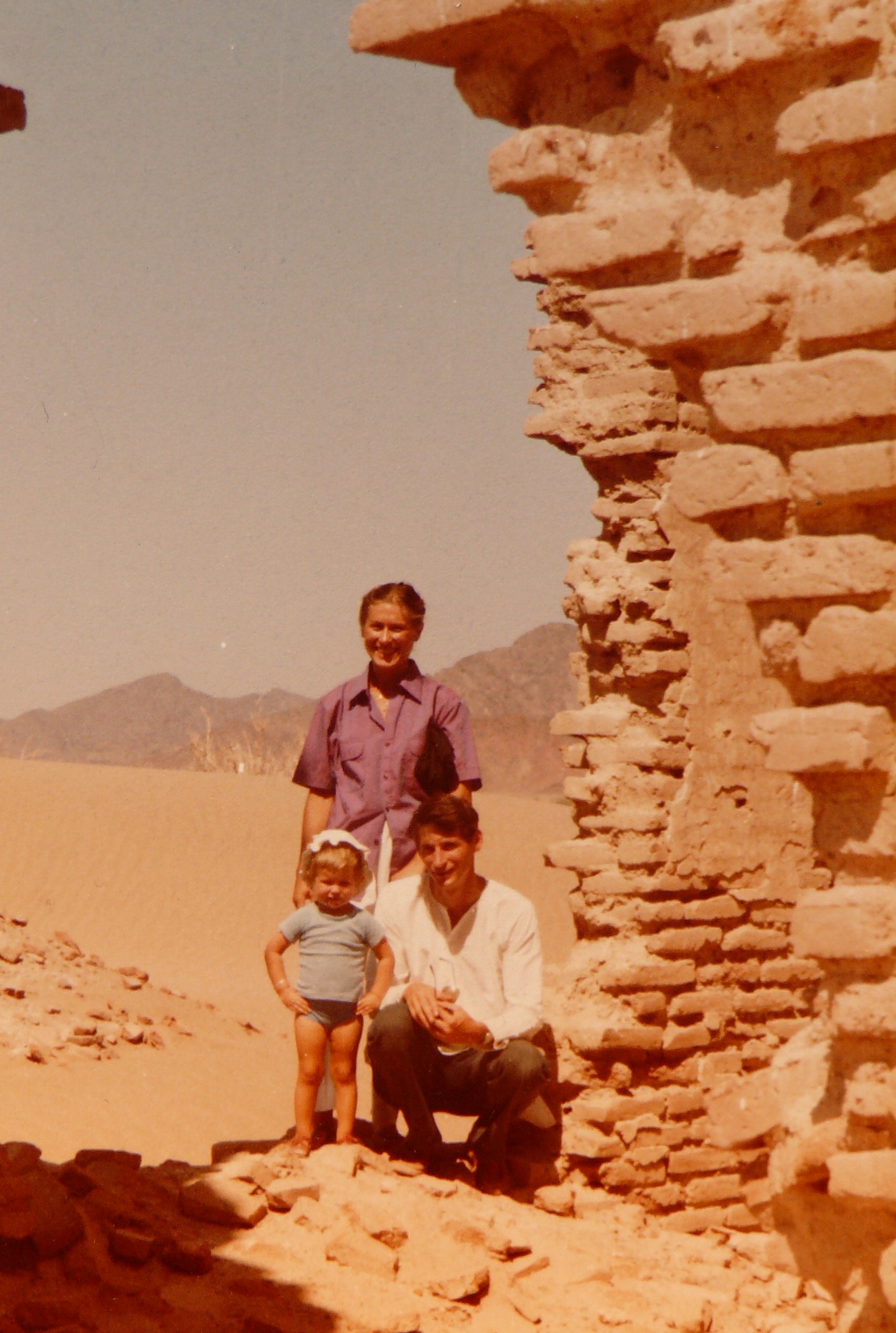


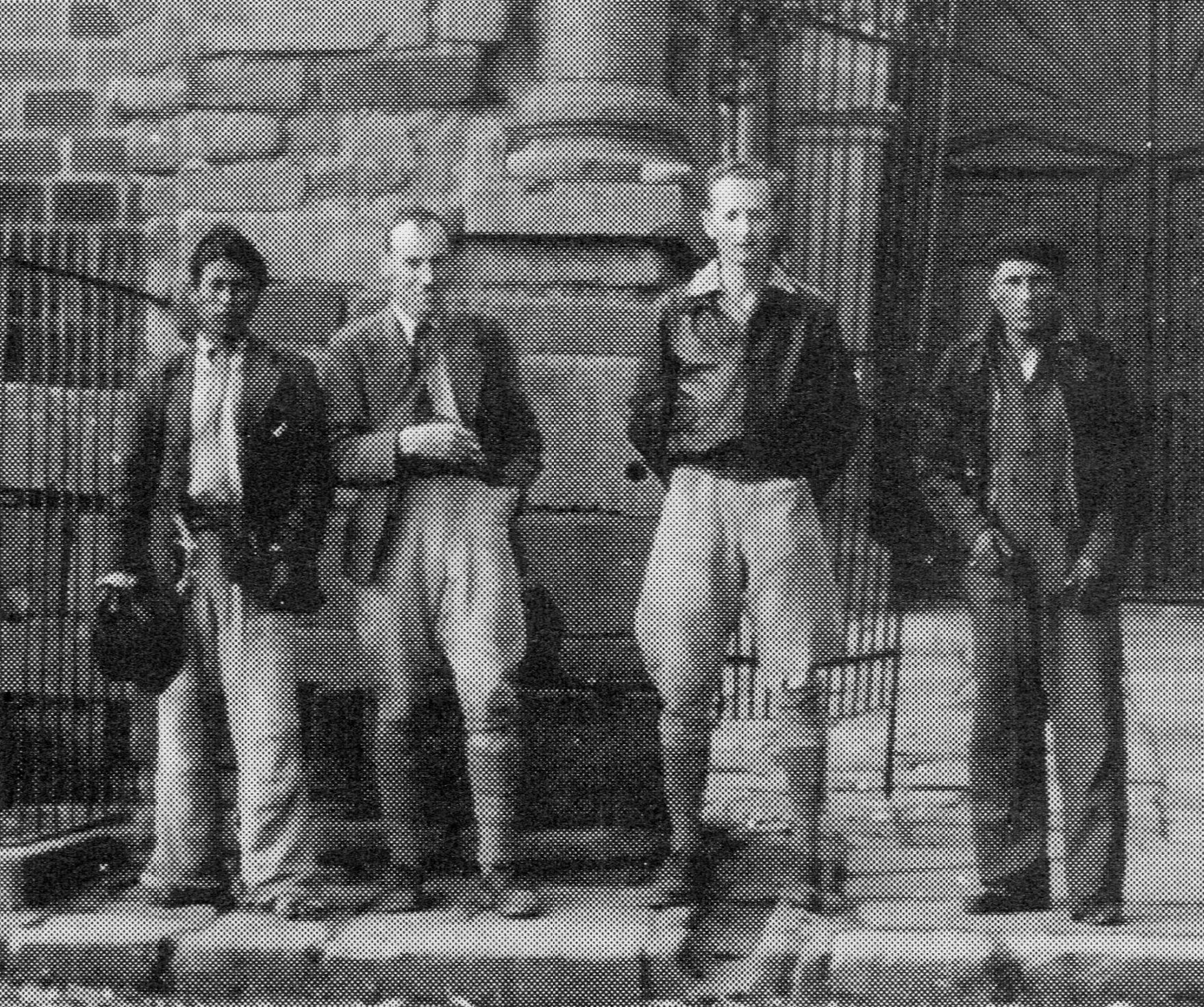
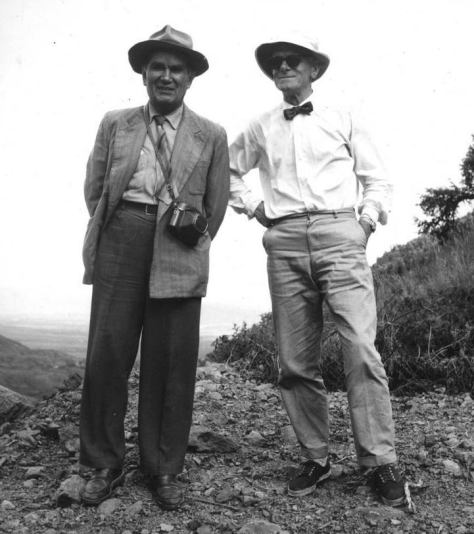




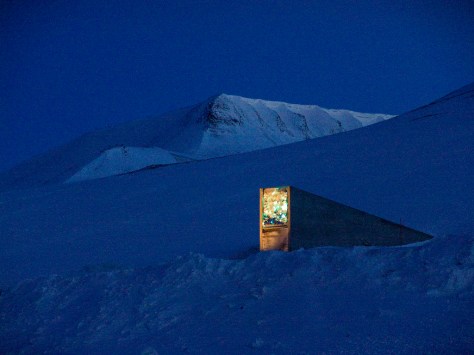


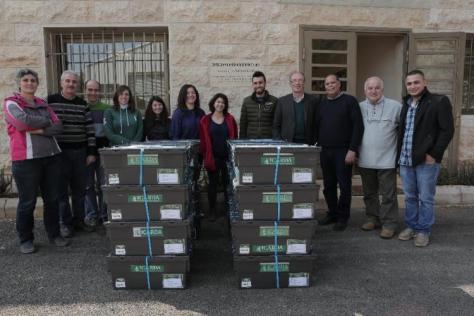
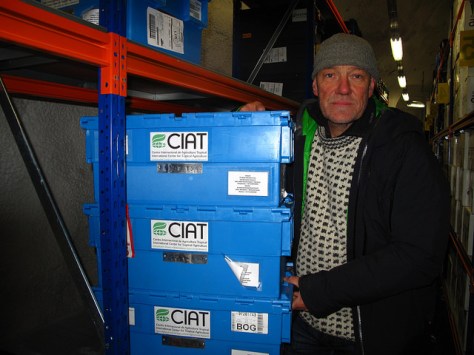
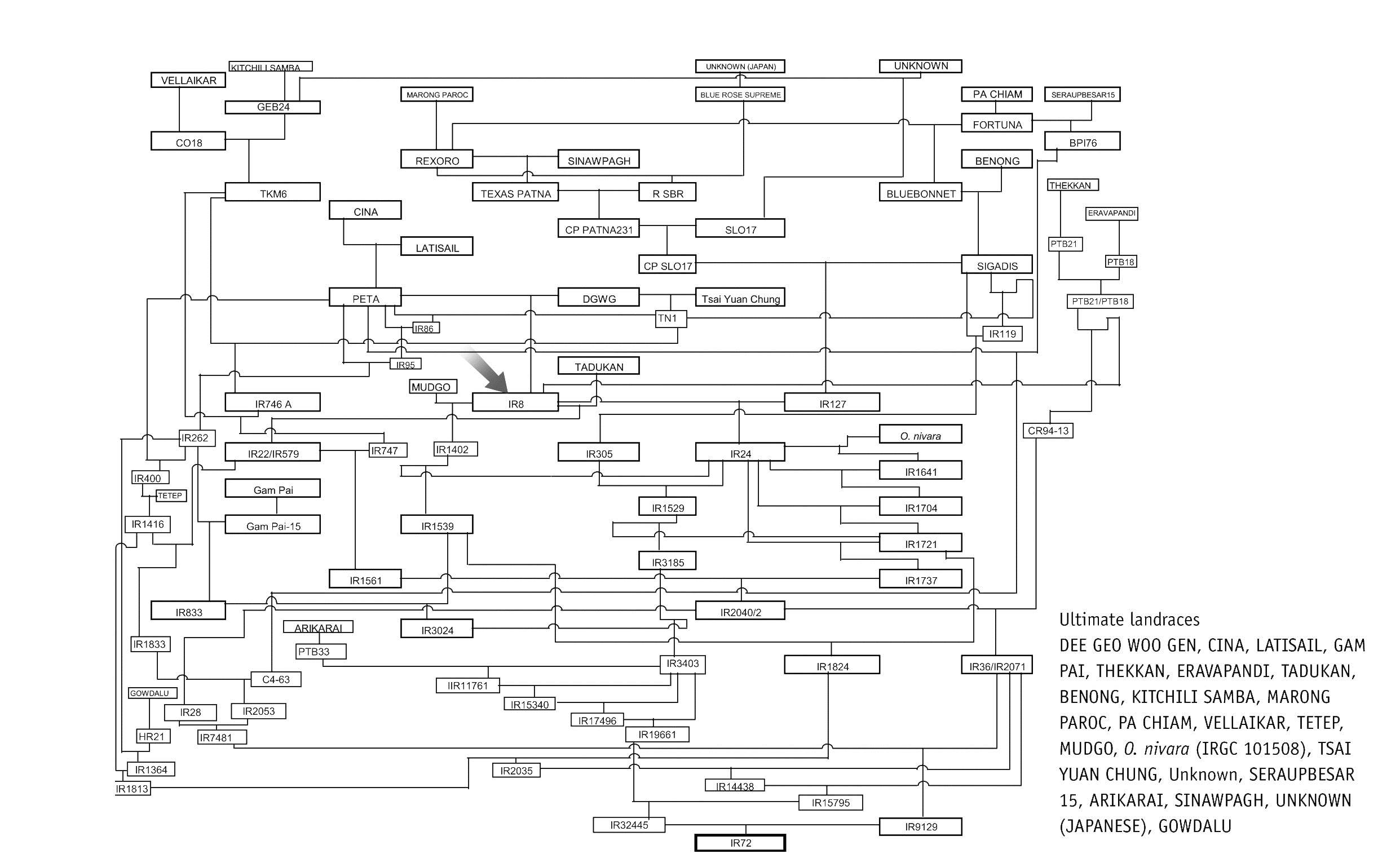
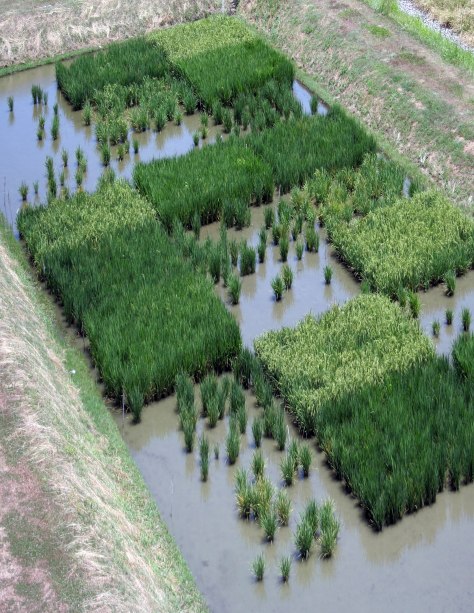


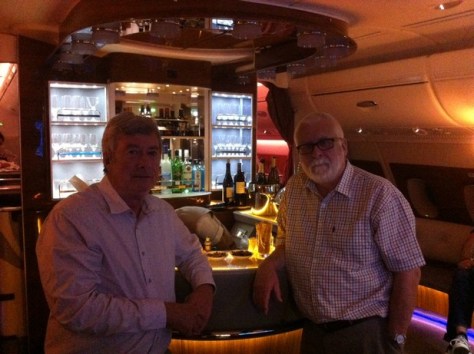






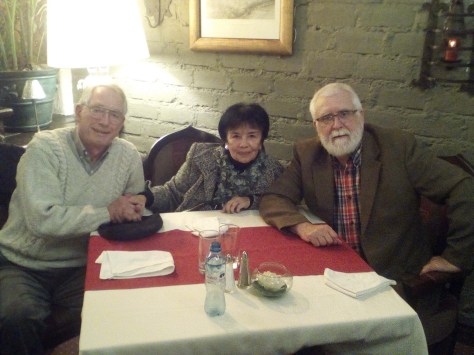


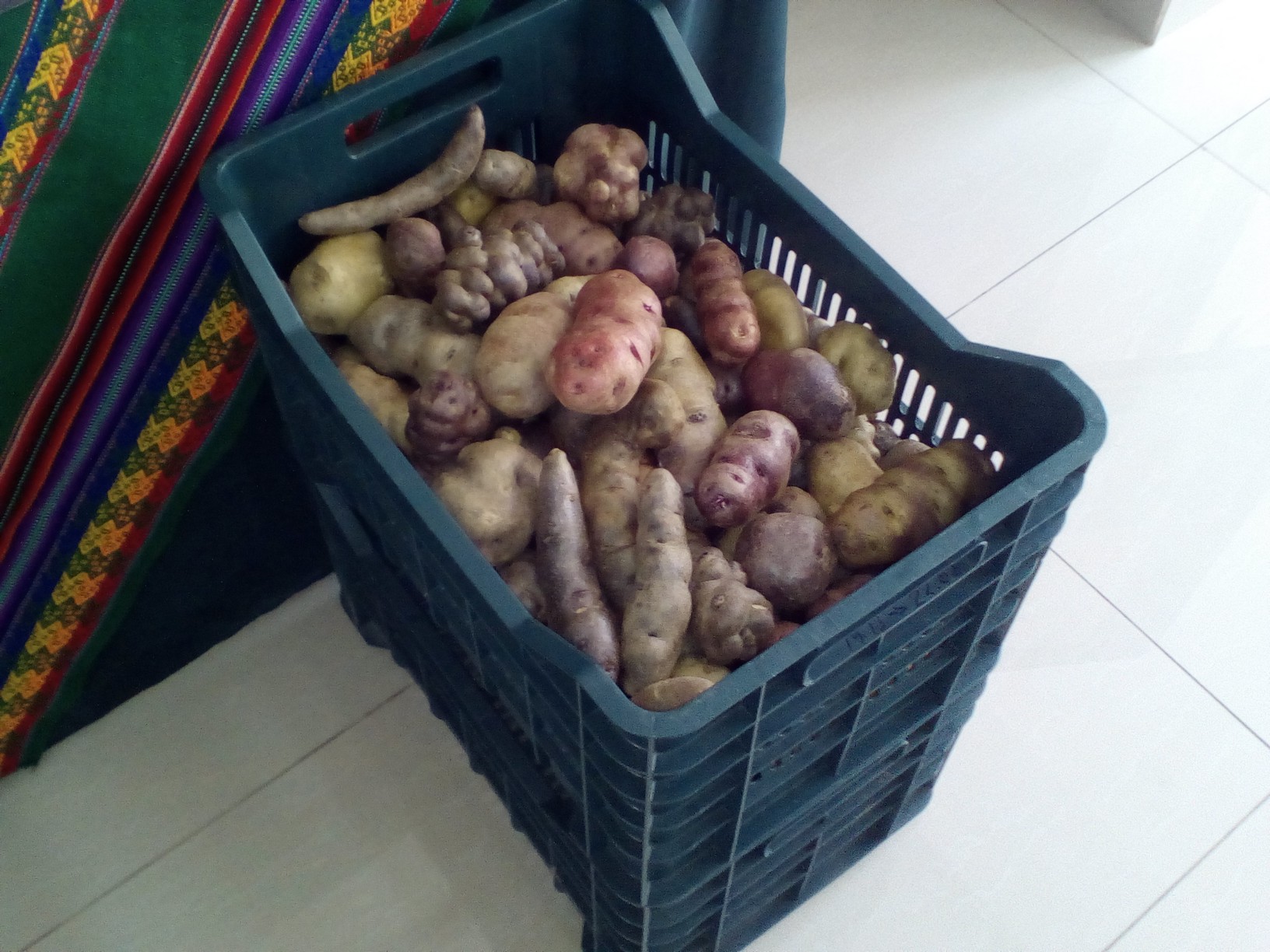




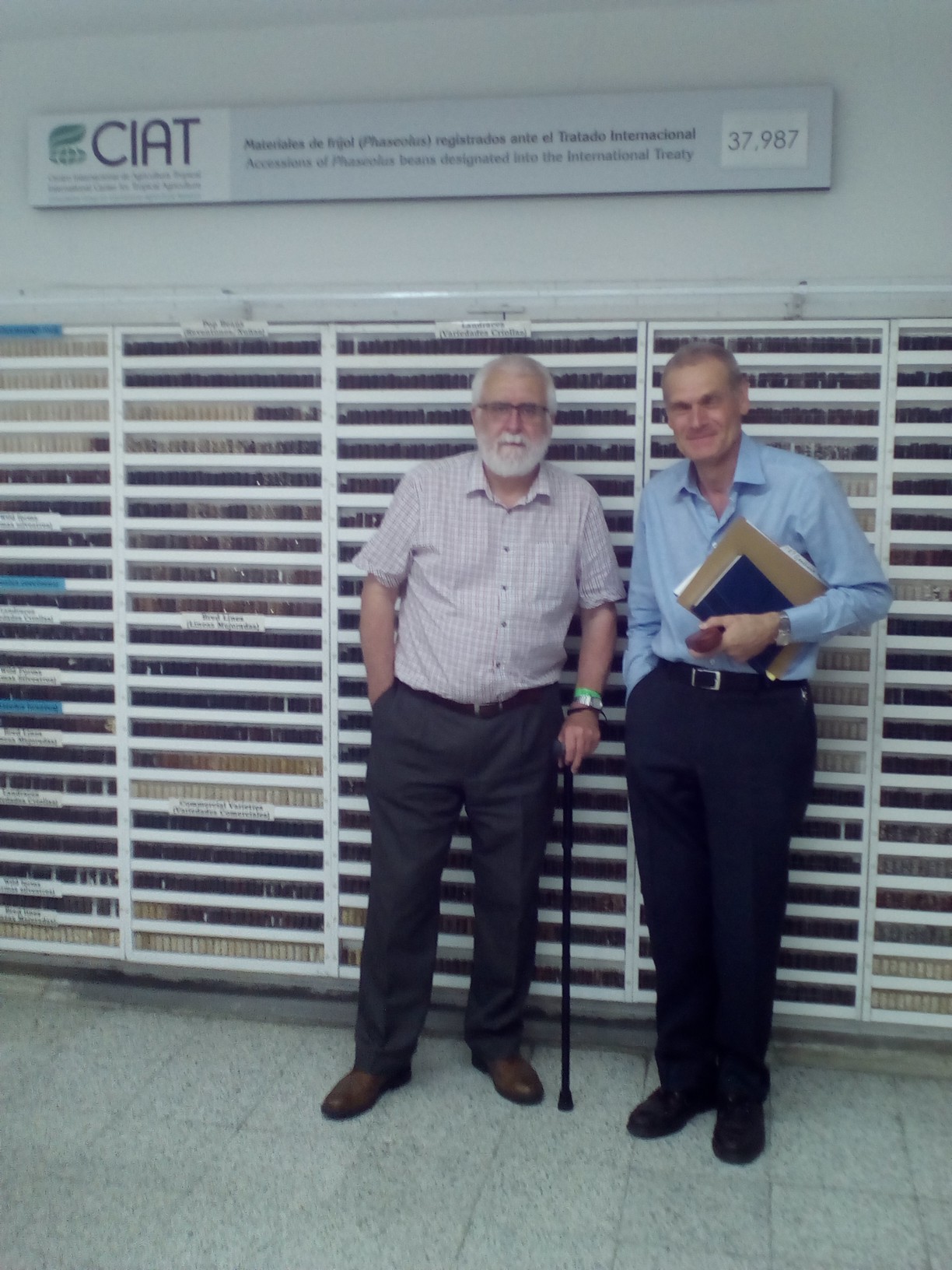
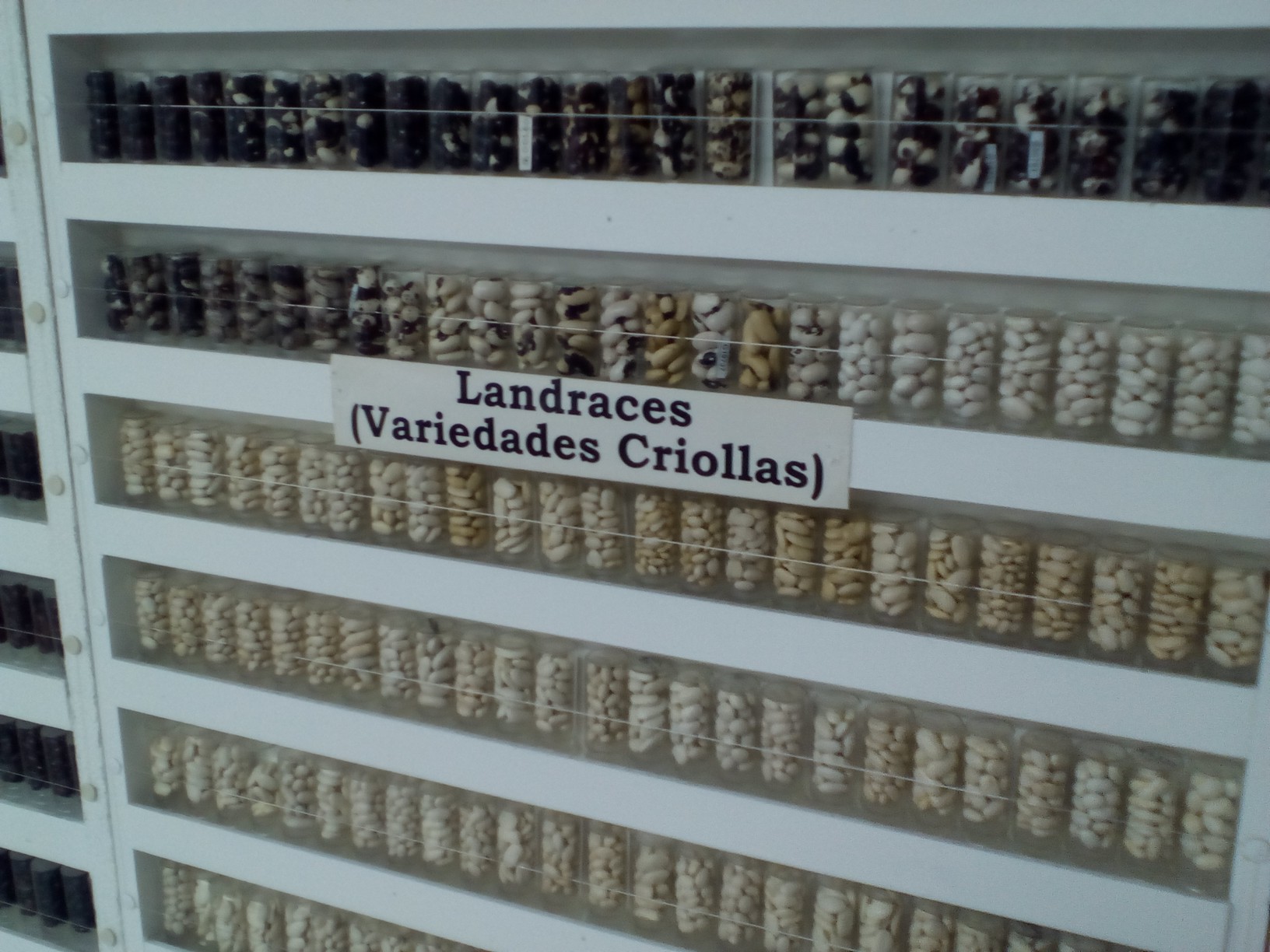




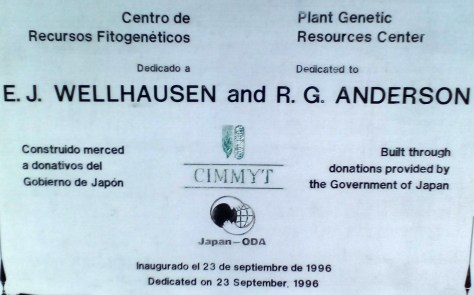
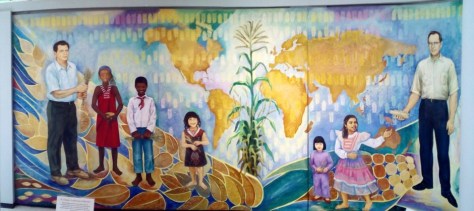
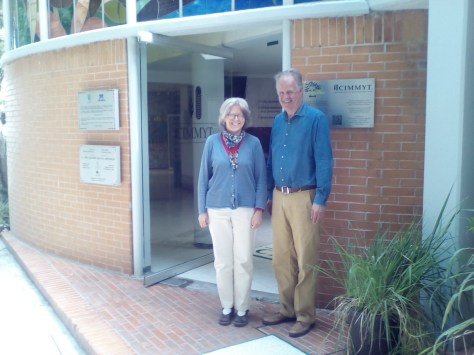




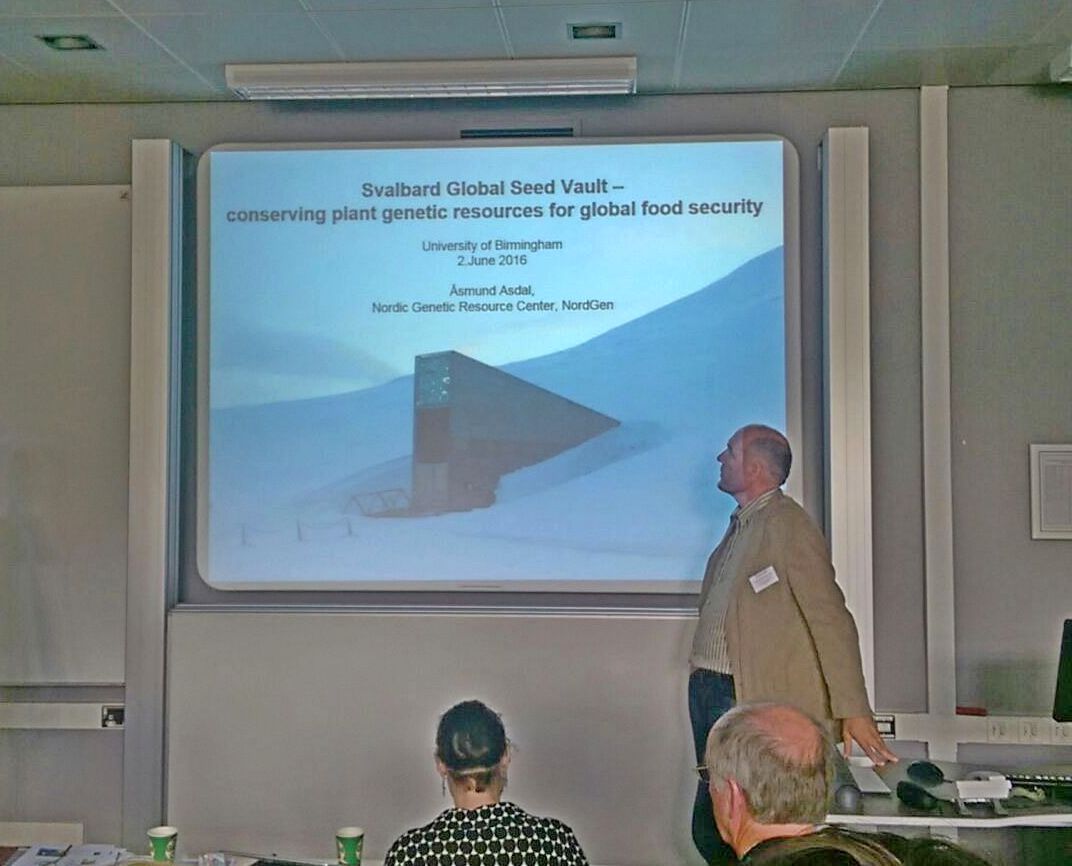
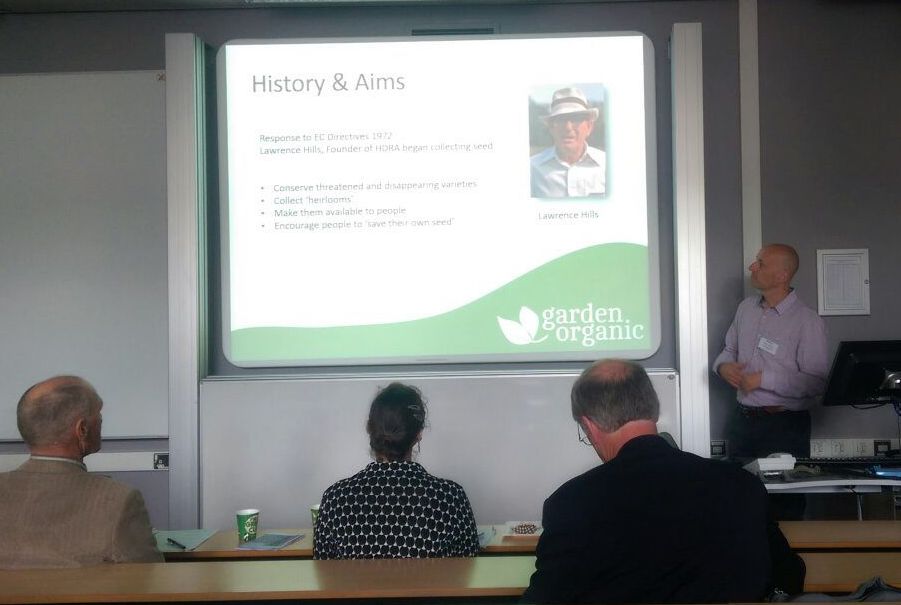

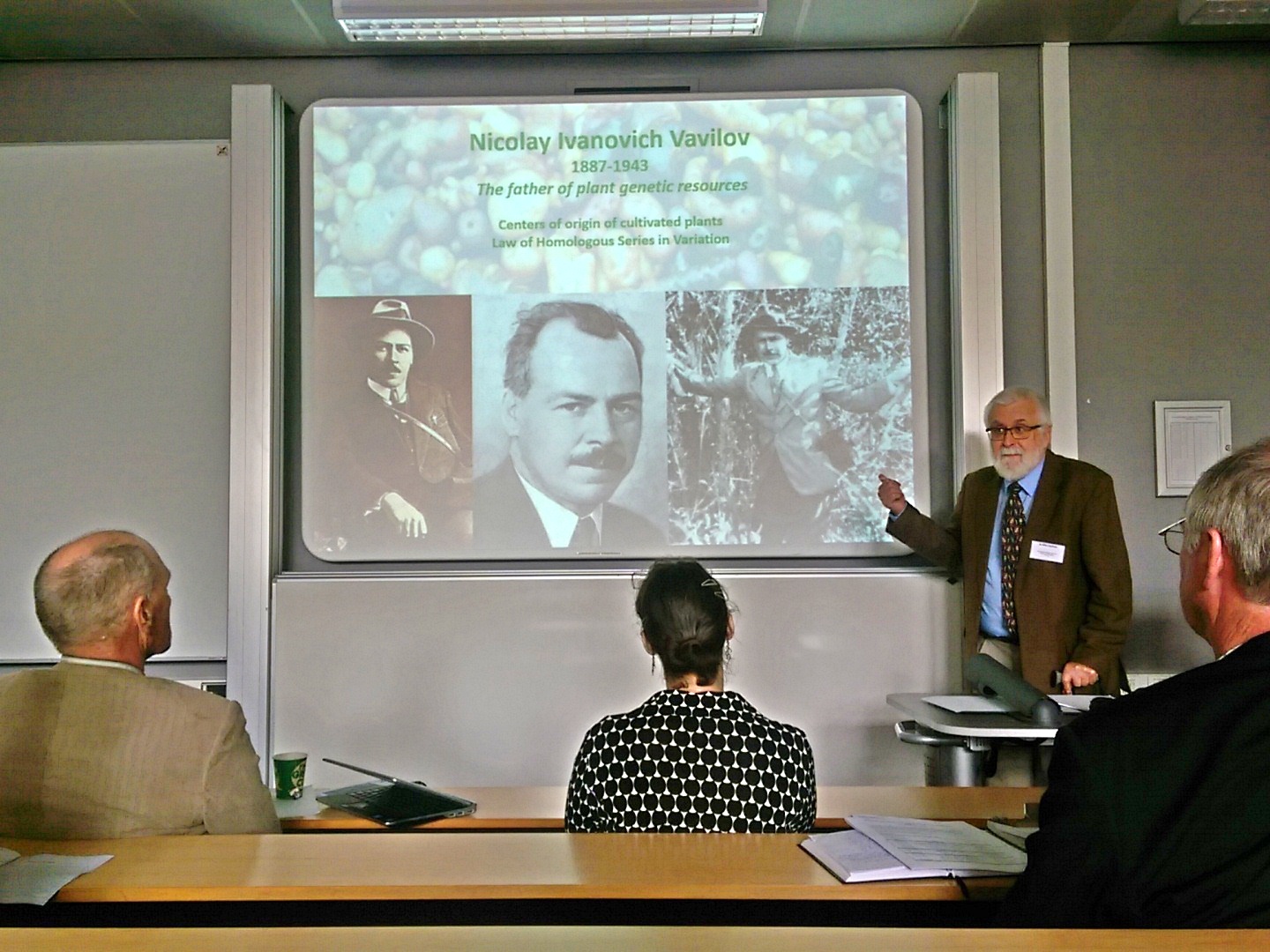
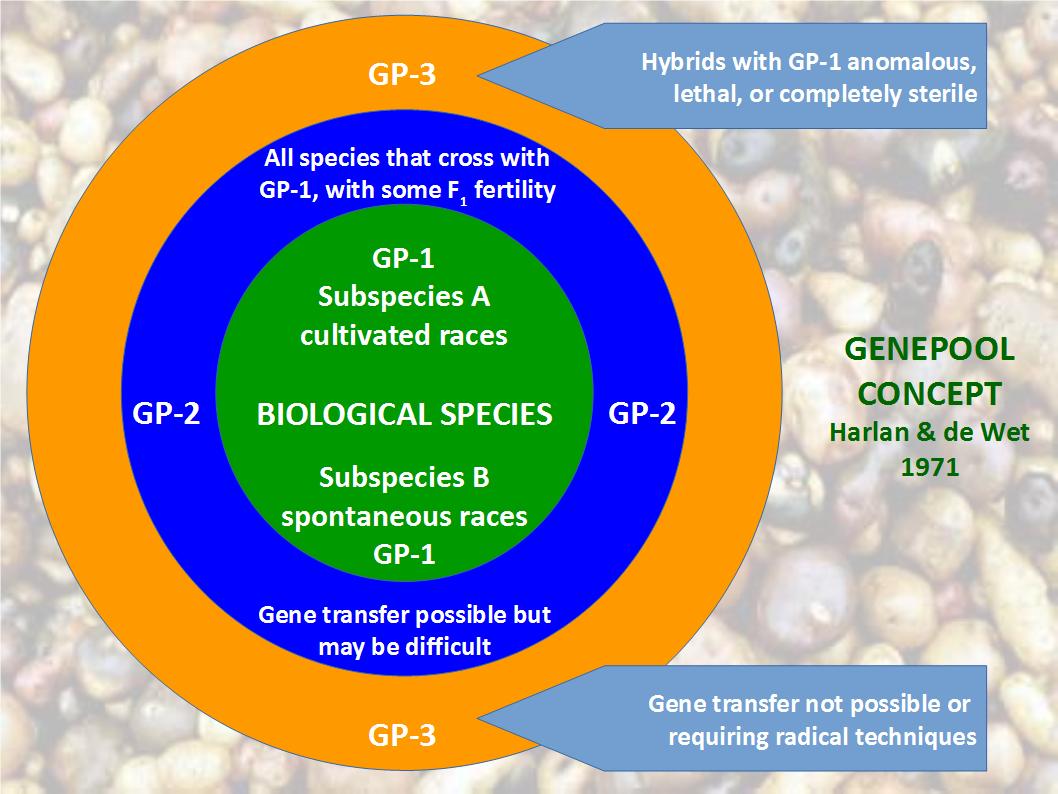
 Per Ardua Ad Alta
 My first visit to the university was in May or June 1967—to sit an exam. Biology was one of the four subjects (with Geography, English Literature, and General Studies) I was studying for my
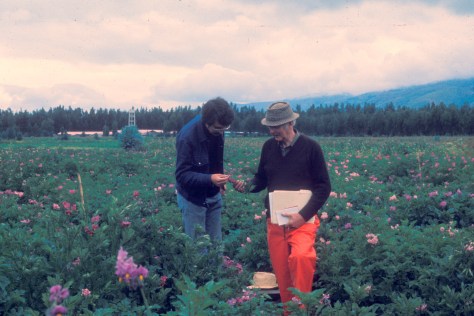
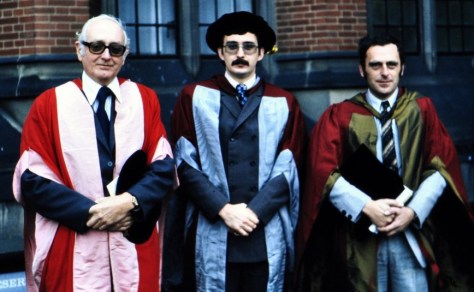
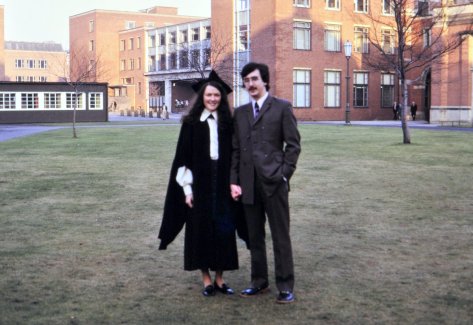
 in the Second Year. With my colleague Brian Ford-Lloyd (with whom I’ve published three books on genetic resources) I developed a Third Year module on genetic resources that seems to have been well-received (from some subsequent feedback I’ve received). I also contributed to a plant pathology module for Third Year students. But the bulk of my teaching was to MSc students on the graduate course on Conservation and Utilization of Plant Genetic Resources – the very course I’d attended a decade earlier. My main focus was crop evolution, germplasm collecting, and agricultural systems, among others. And of course there was supervision of


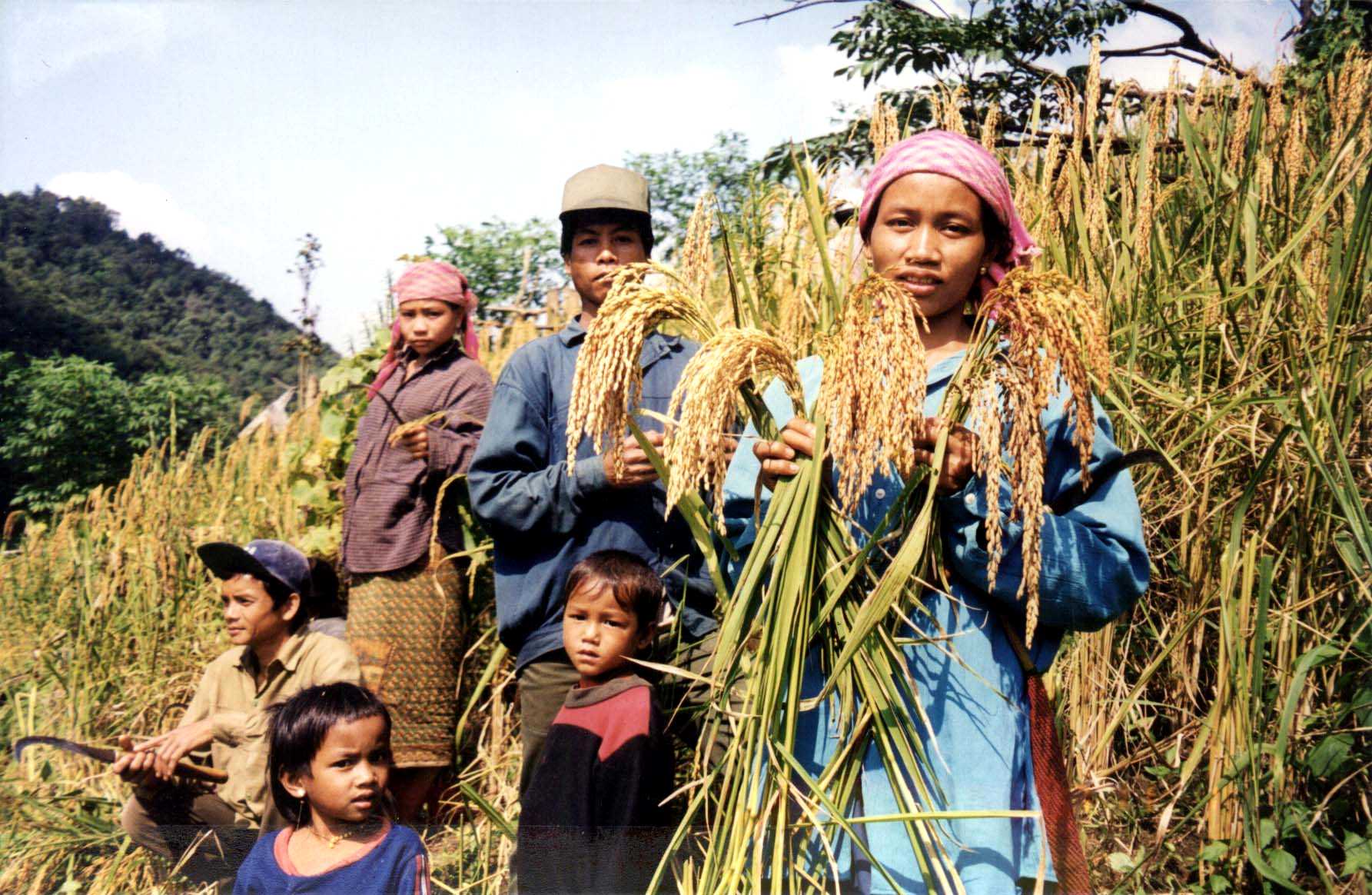
 Thank goodness for the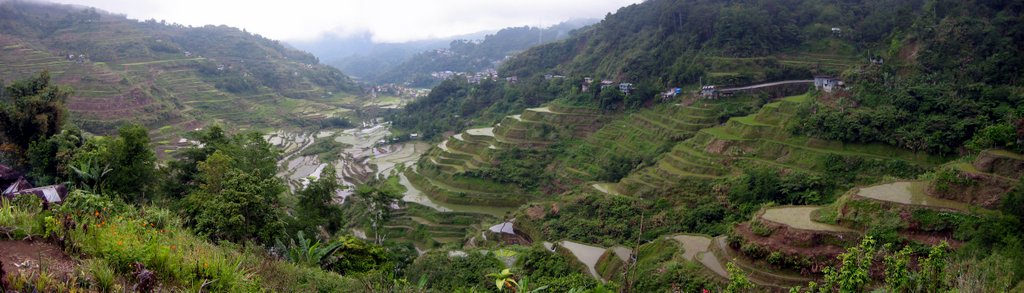
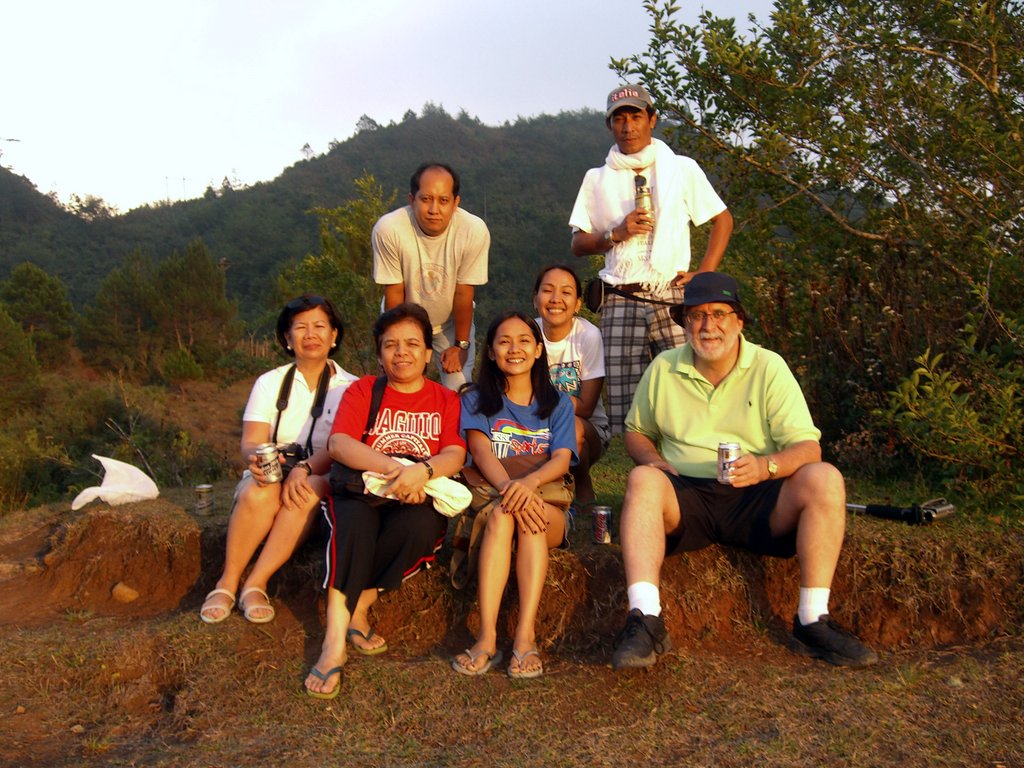


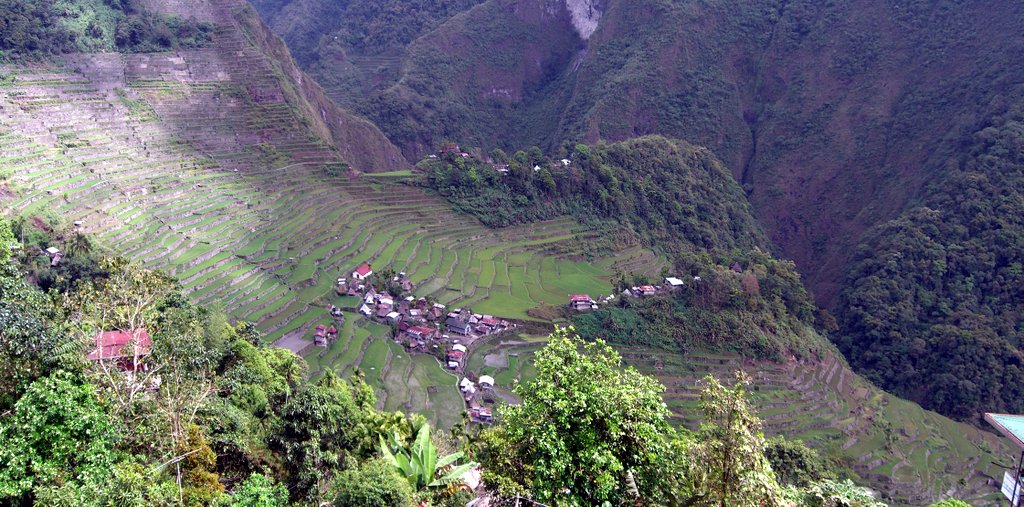
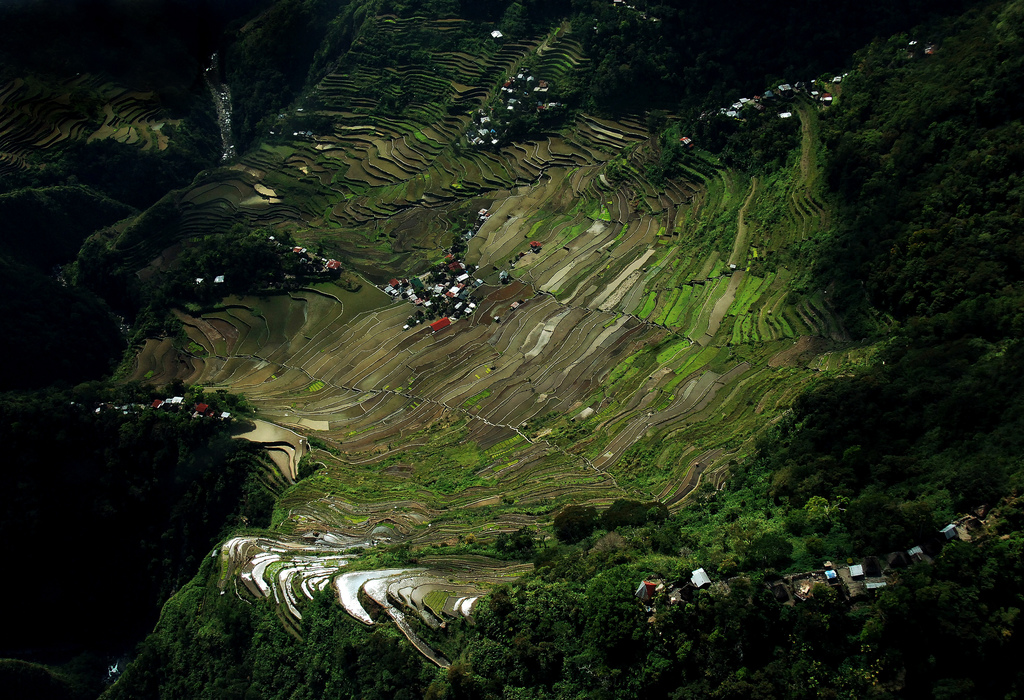


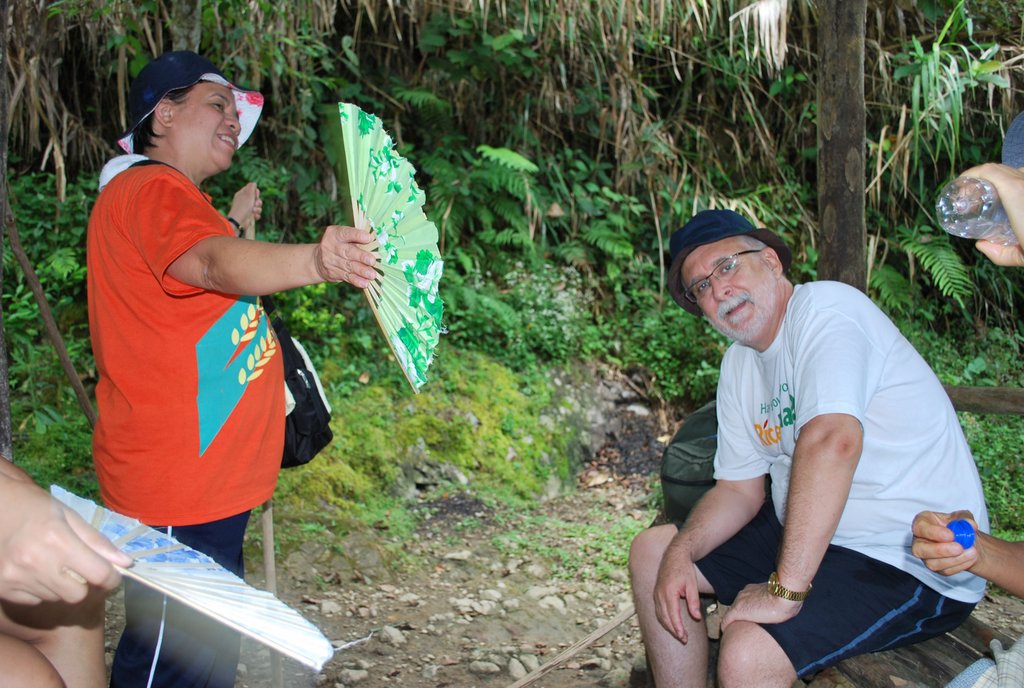



 One of my former staff at IRRI’s Genetic Resources Center (GRC) passed away last week. Tom Clemeno had been an employee of IRRI for many years, working his way up to Senior Manager of the institute’s Experiment Station (ES). Diagnosed with a lymphoma in 2013, Tom fought the disease with courage but it became clear in recent weeks that he could not win this last battle.
 So we agreed among ourselves to effectively allow Tom a three-year ‘leave of absence’ from GRC, and we re-organized the field operations with Ato taking on an enhanced role (that he has maintained to this day). I do believe that the support of Tom’s GRC colleagues, particularly Ato, should also be recognized during this important phase in IRRI’s history. After three years, we asked Tom to return full-time to GRC, but not long after, as I mentioned earlier, he was recruited to the Experiment Station.
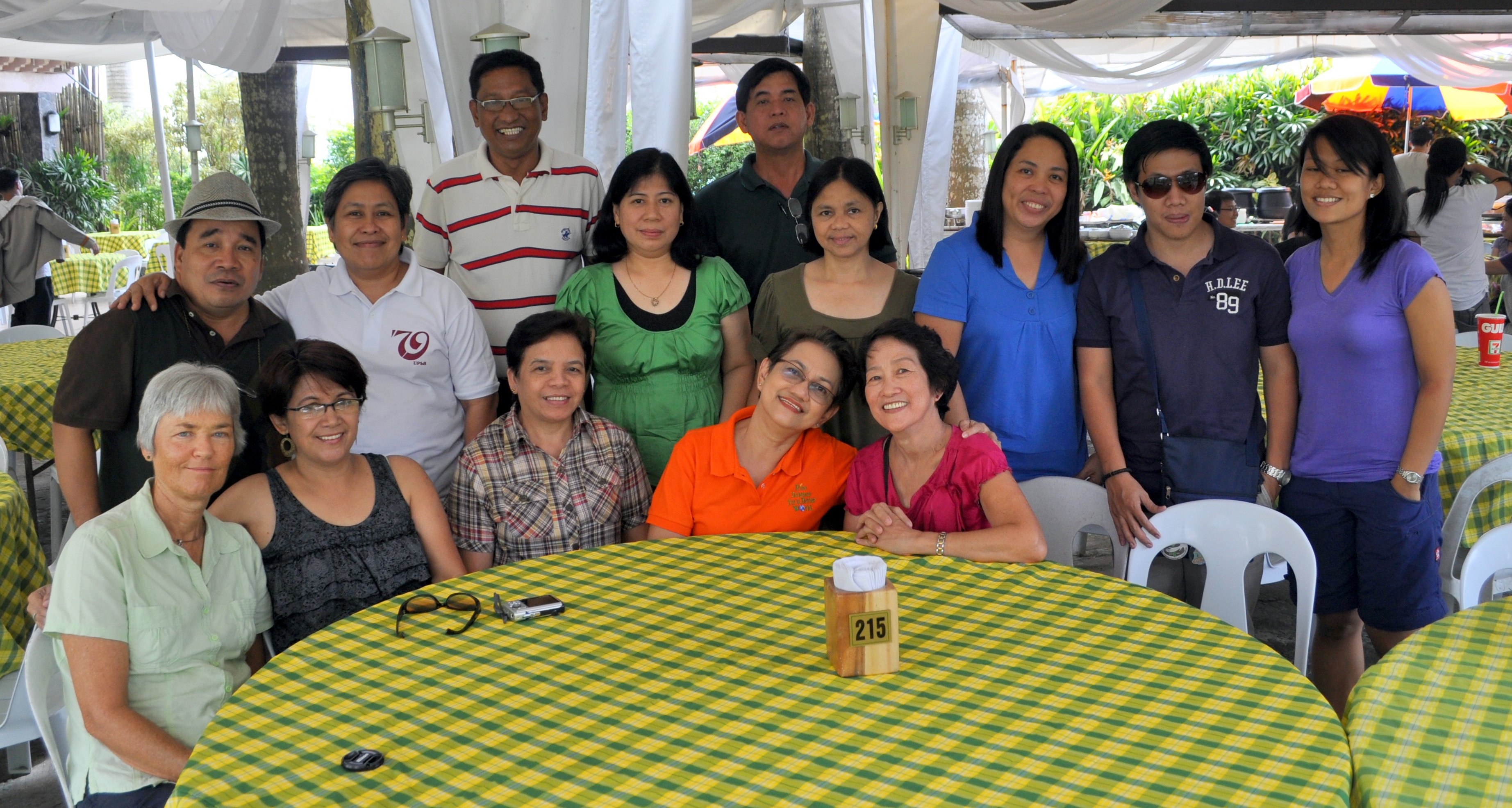
 A balanced diet . . .