The 10th World Potato Congress takes place in the southern Peruvian city of Cuzco at the end of May this year. I wish I was going.
It would be a great opportunity to renew my links with potato research, and revisiting one of Peru’s most iconic cities would be a joy.
I like this quotation from the Congress website: Potatoes are the foundation of Andean society. It shaped cultures and gave birth to empires. As the world population explodes and climate change places increased demands on the world’s farmers, this diverse and hearty tuber will play an instrumental role in feeding a hungry planet.
Cuzco lies at the heart of the Andean potato culture. The region around Cuzco, south to Lake Titicaca and into northern Bolivia is where most diversity in potatoes and their wild species relatives has been documented. When I worked for the International Potato Center (CIP) in Peru during the early 1970s I had several opportunities of looking for potatoes on the Peruvian side of the border, and made three (possibly four) visits to Cuzco. I see from a quick scrutiny of the street map of Cuzco on Google maps that the city has changed a great deal during the intervening years. That’s hardly surprising, including many fast food outlets dotted around the city. The golden M get everywhere! Also there are many more hotels (some of the highest luxury) in the central part of the city than I encountered 45 years ago.
At Machu Picchu in January 1973
I visited Cuzco for the first time within two weeks of arriving in Peru in January 1973. The participants of a potato germplasm workshop (that I described just a few days ago) spent a few days in Cuzco, and I had the opportunity of taking in some of the incredible sights that the area has to offer, such as Machu Picchu and the fortress of Sacsayhuamán on the hillside outside the city.
Steph and I were married in Lima in October 1973, but we delayed our honeymoon until December. And where could there be a more romantic destination than Cuzco, taking in a trip to Machu Picchu (where we stayed overnight at the turista hotel right beside the ruins), Sacsayhuamán, the Sacred Valley, and the Sunday market at Pisac.
In the early 70s, the Peruvian airline Faucett flew Boeing 727s into Cuzco. In January 1973 I’d only ever flown three times: in 1966 to the Outer Hebrides in Scotland on a BEA Viscount turboprop; from London to Istanbul on Turkish Airlines to attend a scientific meeting in Izmir; and the intercontinental flight from London to Lima with BOAC.
Flying into Cuzco was (is) quite an experience. There’s only one way in, and out! It is quite awesome (if not a little unnerving) dropping through the cloud cover, knowing that some of the highest mountains in the world are just below, then seeing the landscape open as you emerge from the clouds, banking hard to the left and follow the valley, landing at Cuzco from the east.
The city has now expanded eastwards beyond the airport, but in 1973 it was more or less at the city limits. The main part of the city lies at the western end of the runway, and hills rise quite steeply just beyond, thus the single direction for landing and the reverse for take-off. Maybe with new, and more highly powered aircraft, it’s now possible to take off to the west. Those attending the World Potato Congress should have a delightful trip from the coast. By the end of May the dry season should be well-established, and the skies clear.
So, what is so special about Cuzco? It’s a city steeped in history, with Spanish colonial buildings blending into, and even constructed on top of the Inca architecture. That architecture leaves one full of wonder, trying to imagine how the stones were brought to the various sites, and sculpted to fit so snugly. Perhaps the best example is the twelve-sided (or angled) stone in the street named Hatun Rumiyoc (a couple of blocks east of the Plaza de Armas). This is taken to an even greater level at Sacsayhuamán, with an enormous eleven-sided stone.
My first impressions of Cuzco were the orange-tiled roofs of most buildings in the city.
One of the finest examples of the Inca-Colonial mixed architecture is the Coricancha temple upon which was constructed the Convent of Santo Domingo. The Incan stonework is exquisite (although showing some earthquake damage), and inside 16th/17 century paintings have survived for centuries.
Another aspect of Cuzco’s architectural heritage that caught our attention were the balconies adorning many (if not most) buildings on every street, at least towards the city center.
In the early 1970s steam locomotives were still in operation around Cuzco and, being somewhat of a steam buff, I had to take the opportunity of wandering around the locomotive shed. During our trip to Machu Picchu, our tourist diesel-powered train actually crossed with another pulled by a steam locomotive.
This slideshow requires JavaScript.
Outside the city, to the north lies the Inca fortress citadel of Sacsayhuamán, the park covering an area of more than 3000 hectares. Steph and I spent a morning exploring the fortress, viewing it from many different angles, and pondering just how a workforce (probably slave labour) came to construct this impressive site, with its huge stones so closely sculpted against each other that it’s impossible to insert the blade of a knife.
This slideshow requires JavaScript.
Among the most commonly visited locations by many tourists is the small town of Pisac, some 35 km from northeast of Cuzco at the head of the Sacred Valley, where a vibrant market is held each Sunday. We took a taxi there, and joined quite a small group of other tourists to wander around, bargain for various items (including an alpaca skin rug that we still had until just a couple of years ago). This is not a tourist market, however—or at least it wasn’t in December 1973 when we visited. As you can see in the slideshow below, it was very much a place and occasion frequented by people coming from the surrounding communities to sell their produce, and meet up with family and friends. Whenever I look at these photographs I always feel quite sad, as it’s likely that many who appear have since passed away.
This slideshow requires JavaScript.
It’s no wonder that Cuzco and surrounding areas have been afforded UNESCO World Heritage status (as so many other treasures in this wonderful country). So, as I think about the opportunities that potato scientists from all around the world will enjoy when they visit Cuzco at the end of May, I can’t help but feel a tinge of envy. However, they’d better take advantage of the odd cup of coca tea, or maté de coca, if offered. An infusion of coca leaves (yes, that coca!), it really does help mitigate the effects of high altitude and the onset of so-called ‘altitude sickness’.
Just three decades after Spanish conquistador Francisco Pizarro first encountered the potato in the high Andes of Peru in 1532, the potato was already being grown in the Canary Islands. And it found its way to mainland Europe via the Canaries shortly afterwards [1].
The first known published illustration of the potato in Gerard’s Herball of 1597.
The potato was described by English herbalist John Gerard in his Herball published in 1597. In a revised version, published in 1633 over 20 years after his death, there is another beautiful woodcut of the potato, referred to Battata Virginiana or Virginian potatoes.
Potatoes became an important crop by the late 18th century, and particularly the staple of Ireland’s impoverished citizens in the years leading up to the Irish Potato Famine of the mid-1840s.
Today, potatoes are one of the world’s most important crops, grown in every continent except Antarctica. Known scientifically as Solanum tuberosum, it was given this name by the famous Swedish naturalist, Carl Linnaeus in his 1753 magnum opus, Species Plantarum.
The potato and its wild relatives must be one of the most studied groups of crop plants. Not that I’m biased (having researched potatoes for more than 20 years).
Potato diversity and germplasm collections
Its clear that there is a wealth of information about the diversity within the section of the genus Solanum that encompasses the potato. They have been studied extensively from a taxonomic point of view, breeding efforts worldwide have incorporated genes from many wild species to enhance productivity, and important germplasm collections were set up decades ago to preserve this important diversity, to study it, and use it in potato breeding.
My former colleague (and fellow PhD student at Birmingham), Dr Zosimo Huaman, describes the management of CIP’s wild potato collection in Huancayo to members of the CGIAR’s Inter-Center Working Group on Genetic Resources who held their annual meeting at CIP in 1996.
Among the most important collections are held at:
the International Potato Center in Peru (conserving the world’s largest collection of indigenous varieties from the Andes, as well as wild species);
the Commonwealth Potato Collection at the James Hutton Institute in Scotland (a large collection of predominantly wild species);
the CGN Potato Collection (formerly the Dutch-German Potato Collection maintained at Braunschweig, Germany) at Wageningen, the Netherlands.
The wild relatives of the potato have one of the broadest geographical and ecological ranges among species that have been domesticated for human consumption. While the various forms of cultivated potatoes were domesticated in the Andes of Peru and Bolivia, and on the coast of Chile, the wild species are found from the southwest USA (in the coniferous forests of Arizona, for instance) through Mexico and the countries of Central America to Panama, along the Andes south to Chile and northern Argentina, and south and east on to the plains of Argentina, Brazil, Paraguay and Uruguay. Wild species are found in the coastal desert of Peru, in the cloud forests of central America to almost 3000 m, at the highest altitudes of the Andes, well over 4000 m, and also growing in the highly humid transition zone on the eastern side of the Andes dropping down to the lowland forests (known as the ‘eyebrow of the mountain’ or ceja de la montaña).
Here is just a very small sample of the diversity—and beauty—of wild potato species (photos courtesy of my friends at the Commonwealth Potato Collection).
Solanum acaule
A hybrid between two subspecies of Solanum acaule
Berries from a cross between Solanum brachycarpum and S. berthaultii
Flowers of Solanum brevicaule
Solanum circaeifolium
Solanum circaeifolium
Solanum jamesii
Solanum jamesii
Solanum lignicaule
Solanum lignicaule
Solanum neorossii
Solanum neorossii
Solanum pinnatisectum
Solanum pinnatisectum
Solanum schenckii
Solanum lignicaule
Solanum pinnatisectum
A hybrid between Solanum leptophyes and S. gourlayi
Solanum circaeifolium
How many potato species are there?
Well, it depends, to some extent, on one’s perspectives as a taxonomist, use of different species concepts, and the methods used to study species diversity, and also on the work that earlier taxonomists published.
Essentially, there are three basic taxonomic approaches:
Morphology: often based on the study of dried herbarium specimens collected in the wild. In the case of potatoes, this has led to the description of a multiplicity of species, with almost every variant being described as a separate species. This reliance on plant morphology was the approach taken by the 19th and early 20th century botanists.
Biosystematics: takes an experimental view of species diversity, of breeding behaviour and relationships, and very much based on collections in the field and the study of ecology, and growing samples in a uniform environment such as the study one of my PhD students, Susan Juned, made of Solanum chacoense, a species from Argentina and Paraguay.
Molecular biology: methods have become available in the last couple of decades to analyse the most basic variation in DNA, and helped to refine further how potato taxonomists view the diversity within the tuber-bearing Solanums, and the relationships between species.
While these different approaches still do not provide a definitive answer to the question of how many species there are, we know that taxonomists have described and named more than 200 species. To some extent it’s like asking how long is a piece of string. And that helps me to provide an analogy.
Take a piece of string. If you were to view this string along its length that, to your vision would be fore-shortened, it would be very difficult to say with any degree of certainty just how long the string actually was. However, if you increase the angle at which you view the string, until you are looking at right angles, your ability to estimate its length also increases. At right angles you can see the whole length, and measure it accurately in many different ways.
Taxonomic study is a bit like looking at the string from different angles. Each taxonomist builds on earlier studies, and describing new species or subsuming previously described ones into another species (as merely variants). This is one of the challenges of studying wild potato species: they are highly variable and show considerable phenotypic (or morphological) plasticity. It’s not always possible to study large numbers of plants under uniform conditions to reduce the variation caused by differences in habitats.
The 2n=3x=36 chromosomes of a triploid potato, from a root-tip squash in two cells.
Furthermore potatoes have considerable chromosomal variation, with a base number of x=12, with diploids (2n=24) the most frequent, and mostly self-incompatible (i.e. they cannot self fertilise), infertile triploids (2n=36, including two cultivated species), tetraploids with 2n=48 (mostly self-fertile, and including the cultivated Solanum tuberosum of world-wide agriculture), some pentaploids (2n=60; including one cultivated form), and a few hexaploids with 2n=72. Wild potatoes are uncommonly promiscuous when grown together under experimental conditions, and will inter-cross readily (they are bee-pollinated), yet hybrids often do not survive beyond the second generation in the wild. Many species are separated by ecology, and generally do not come into contact with each other, thus maintaining their species identity.
Nevertheless, this is what makes the study of potatoes and wild species so very interesting, and that captured my interest directly for over two decades, and continues to do so, even though I moved on to the study of other crops like rice and grain legumes.
The potato taxonomists
Many botanists have taken an interest in wild potatoes. During the 19th century, the Swiss-French botanist Alphonse de Candolle (d. 1893) named a number of species, as did François Berthault (d. 1916). But the first decades of the 20th century leading up to the Second World War saw a lot of collecting and taxonomic description. In Germany, Friedrich August Georg Bitter, who specialised in the genus Solanum, described and named many species. However, it was the involvement of several Russian botanists and geneticists, under the leadership of Nicolai Vavilov, that saw an expansion in the collection of potatoes throughout the Americas, but a systematic evaluation of this germplasm leading to even more species being described.
SM Bukasov
Two names come to mind, in particular: SM Bukasov and VS Juzepczuk. They were active during the 1920s and 30s, taking part in several missions to South America, and developing further the concept of potato species. But much of their work was based on morphological comparison leading to the identification of even small variants as new species.
In August 1938, a young Cambridge graduate, Jack Hawkes, traveled to Leningrad in Russia to meet and discuss with Bukasov and Juzepczuk (and Vavilov himself) in preparation for the 1938-39 British Empire Potato Collecting Expedition to South America (which Jack has described in his 2004 memoir Hunting the Wild Potato in the South American Andes [2]).
A young Jack Hawkes (second from right) stands outside a church near Lake Titicaca in northern Bolivia, alongside expedition leader Edward Balls (second from the left).
Jack Hawkes
That collecting expedition, and the subsequent studies (which led to Hawkes being awarded his PhD from the University of Cambridge in 1941 for a thesis Cytogenetic studies on South American potatoes supervised by renowned potato scientist Sir Redcliffe N Salaman), was the launch pad, so to speak, of potato taxonomy research for the rest of the 20th century, in which Hawkes became one of the leading exponents.
After Cambridge, Hawkes spent some years in Colombia (where he no doubt continued his studies of wild potatoes) but it was on his return to the UK in 1952 when appointed to a lectureship in the Department of Botany at The University of Birmingham (where he was to remain until his retirement in 1982) that his potato studies flourished, leading him to publish in 1956 his first taxonomic revision of the tuber-bearing Solanums (with a second edition appearing in 1963).
In 1990, he published his final synopsis of the tuber-bearing Solanums [3]; that taxonomic treatment is the one followed by the curators of the Commonwealth Potato Collection.
Jack’s approach to potato taxonomy was based on a thorough study of morphology backed up by rigorous crossing experiments, and a cytogenetic and sometimes serological evaluation of species relationships.
I first met Jack in February 1970 when he interviewed me for a place on his newly-founded MSc course on plant genetic resources, joining the course later that same year. In September 1971 I became one of Jack’s PhD students, joining others who were looking at the origin and evolution of the cultivated species [4].
Donovan S CorrellIn these revisions he was also taking into account the work of US botanist, Donovan S Correll who published his own potato monograph in 1962 [5], as well as three important South American botanists with whom he would collaborate from time-to-time: Professor César Vargas from the National University of Cuzco; Professor Martín Cárdenas from Cochabamba in Bolivia; and Professor Carlos Ochoa, originally from Cuzco, who was a professor at the Universidad Nacional Agraria (UNA) in La Molina, Lima and, around 1975 or so, joined the International Potato Center across the street from the UNA.
L-R: Danish botanist J Peter Hjerting, Martin Cardenas, and Jack Hawkes in Cochabamba.
Vargas published a number of species descriptions in the 1950s, but made his most significant contribution in his two part monographs, Las Papas Sudperuanas published in 1949 and 1956. I met Vargas on a couple of occasions, first in January 1973 just after I’d joined CIP as Associate Taxonomist. And a second time in February 1974 when I was passing through Cuzco with Dr Peter Gibbs from the University of St Andrews in Scotland. Peter was making a study of incompatibility among different forms of the Andean tuber crop, oca (Oxalis tuberosa), and had joined me on an excursion to Cuyo-Cuyo in the Department of Puno. Vargas’s daughter Martha was studying for her MSc degree under Peter’s supervision at St Andrews.
With Prof Cesar Vargas at his home in Urubamba, near Cuzco
It was Carlos Ochoa, however, whose studies of potatoes and their relatives rivalled (and in some respects eclipsed) those of Jack Hawkes. They were quite intense taxonomic rivals, with a not-altogether harmonious relationship at times. Carlos certainly played his taxonomic cards very close to his chest.
Me consulting with Carlos Ochoa concerning the identity of some triploid potatoes, in one the screenhouses at the International Potato Center in 1974.
But the fact that he grew up in the Andes and had, from an early age, taken an interest in the diversity of this quintessential Andean crop and its wild relatives, led him to dedicate his life to uncovering the diversity of potatoes in his homeland. He was also a potato breeder and released some of the most important varieties in Peru, such as Renacimiento, Yungay, and Tomasa Condemayta.
In this video (in Spanish, and broadcast on Peruvian TV on his death in 2008) he talks about his early life in Cuzco, the pressures on him to study medicine or become a lawyer, and how he found his true vocation: the study of wild potatoes.
Setting potato taxonomy and germplasm exploration priorities at CIP
Forty-five years ago this week, CIP convened the first planning workshop on the exploration and taxonomy of potatoes [6], inviting a group of taxonomists and potato breeders to meet in Lima and mull over the ‘state of play’ taking into consideration what taxonomic research had already been accomplished, what was in the pipeline, and what CIP’s germplasm exploration policy (especially in Peru) should be. I attended that meeting (as an observer), having landed in Lima just a few days earlier.
On the taxonomic side were Jack Hawkes, Carlos Ochoa, and Donald Ugent who was a ethnobotany professor at Southern Illinois University in Carbondale. Richard Tarn, a potato breeder from Agriculture Canada at Fredericton, New Brinswick, had completed his PhD under Jack’s supervision at Birmingham. Frank Haynes, a professor of genetics and potato breeder at North Carolina State University (and long-time friend and colleague of CIP’s first Director General, Richard Sawyer) and Roger Rowe [7], then curator of the USDA’s potato collection at Sturgeon Bay (who would join CIP in July 1973 as the Head of Breeding and Genetics, and become my PhD co-supervisor) were the other participants.
Workshop participants looking at CIPs germplasm collection in the field at Huancayo (3000 m) in central Peru. L-R: David Baumann (CIP field manager), Frank Haynes, Jack Hawkes, Roger Rowe, and Don Ugent.
In 1969, Jack had published (with his Danish colleague Peter Hjerting [8]) a monograph of the potatoes of southern cone countries of South America [9], and by the time of the CIP 1973 workshop was well into research on the potatoes of Bolivia [10], leading publication of a monograph in 1989.
Peter Hjerting collecting Solanum chacoense in Bolivia in 1980. Standing next to him is Ing. Israel Aviles, a Bolivian member of the expedition. Their driver looks on.
What I’ve never been able to fathom after all these years is why Ochoa decided to write his own monograph of the Bolivian species rather than concentrating in the first instance on the Peruvian species. Nevertheless Ochoa did produce his own fine monograph in 1990 [11], beautifully illustrated with some fine watercolours by CIP plant pathologist Franz Frey. This was followed by an equally magnificent volume on the potatoes of Peru in 2004 [12], also illustrated by Frey.
Throughout his expeditions and research, Ochoa was supported by several assistants, the most notable being Ing. Alberto Salas. Now in his mid-70s, he has been collecting wild potatoes for five decades.
Unstoppable agronomist, Alberto Salas, is on an unquenchable quest to find, preserve, and study potato wild relatives. pic.twitter.com/mnuIKpKWnf
I knew Alberto when I first joined CIP in 1973, and it was a delight to meet him again (although he had retired) during my visit to CIP in July 2016.
Taking up the baton
With retirement, Hawkes and Ochoa passed the potato taxonomy baton to a new generation of researchers, principally David Spooner, a USDA scientist at the University of Wisconsin-Madison who made several collecting trips throughout the Americas.
David Spooner
David’s research took potato systematics to a new level, employing the developing molecular and genomic approaches, and use of different classes of markers to help him refine his understanding of the diversity of the tuber-bearing Solanums, building of course on the very solid Hawkes and Ochoa foundations.
Although no longer working on potatoes (his most recent focus on carrots supported the PhD thesis of Carlos Arbizu, Jr, the son of one of my PhD students at Birmingham in the 1980s), David’s scientific output on potatoes has been prodigious. With molecular insights supporting more traditional methods he has proposed a 50% reduction in the number of potato species from the more than 200 listed in Hawkes’s 1990 publication.
Is this the end of the potato taxonomy story? Probably for the time-being. It’s unlikely that anyone will pursue these studies to the same depth as Hawkes and Hjerting, Ochoa, or Spooner. Nevertheless, as the curators of the Commonwealth Potato Collection have done, most potato researchers will take a pragmatic approach and fix on a particular taxonomic treatment on which to base their management or use of germplasm. Taxonomy is one of those disciplines in which subjective interpretations (obviously based on empirical studies of diversity) can lead to contrary classifications. What is a distinct species to one taxonomist may be merely a variant to another. Undoubtedly these different taxonomic treatments of the tuber-bearing Solanums have permitted us to have a much better appreciation of just how long ‘the potato piece of string’ really is.
[2] Hawkes, JG, 2004. Hunting the Wild Potato in the South American Andes – Memories of the British Empire Potato Collectiing Expedition to South America 1938-1939. Wageningen, the Netherlands. ISBN: 90-901802-4.
[3] Hawkes, JG, 1990. The Potato – Evolution, Biodiversity and Genetic Resources. Belhaven Press, London.
[4] Since I was working on the origin and evolution of a cultivated species of potato for my PhD, I made only one short collecting trip for wild species with Jack in early 1975, to the Departments of Huanuco, Cerro de Pasco, and Lima. On his trips to Peru between 1973 and 1975 he would join me in the field to look at the germplasm I was studying and give me the benefit of his potato wisdom.
[5] Correll, DS, 1962. The Potato and its Wild Relatives. Contributions from the Texas Research Fiundation 4, pp. 606. Texas Research Foundation, Renner, Texas.
[7] I’ve kept in touch with Roger and his wife Norma all these years. After I left CIP in 1981, Roger moved to East Africa to work with the animal diseases center that became ILRI after its merger with another CGIAR livestock center in Ethiopia. He was DDG-Research at CIMMYT in Mexico in the late 1980s and early 1990s. While I was at IRRI, he was based in Cairo working for the CGIAR center that became WorldFish (with its headquarters in Penang, Malaysia). Before it moved to Malaysia, ICLARM as it then was had its offices in Manila, and we would see Roger in the Philippines from time-to-time. It was great to meet up with Roger and Norma again in July 2016 when I was in Lima for the genebank review that I led.
[8] From what I can determine through a Google search, as of January 2018, Peter celebrated his 100th birthday in 2017. He has a Mexican tetraploid (2n=4x=48) species named after him, Solanum hjertingii. When I was at Birmingham in the 1980s I had two PhD students, Lynne Woodwards and Ian Gubb who studied this species because its tubers lack so-called enzymatic blackening, a trait that could be very useful in potato breeding.
[9] Hawkes, JG & JP Hjerting, 1969. The Potatoes of Argentina, Brazil, Paraguay, and Uruguay – A Biosystematic Study. Annals of Botany Memoirs No. 3. Clarendon Press, Oxford.
[10] Hawkes, JG & JP Hjerting, 1989. The Potatoes of Bolivia – Their Breeding Value and Evolutionary Relationships. Clarendon Press, Oxford.
[11] Ochoa, CM, 1990. The Potatoes of South America: Bolivia. Cambridge University Press, Cambridge.
[12] Ochoa, CM, 2004. The Potatoes of South America: Peru. International Potato Center, Lima, Peru.
I’d left my apartment in Birmingham, said goodbye to many friends in the Department of Botany at The University of Birmingham, and headed the 60 miles north to Leek in Staffordshire to spend what would be my last Christmas in the UK for almost a decade with my parents, my elder brother Ed who had arrived from Canada. Then after Christmas, I spent a couple of days in London with my girlfriend, Steph; we married in Lima later in 1973.
I’d turned 24 a month earlier, and two weeks hence on 4 January 1973 I would be on a flight from London to Lima, Peru to join the International Potato Center (CIP) as an Associate Taxonomist. I can’t deny that I faced that journey and joining CIP with a certain amount of trepidation. I’d only been outside the UK on one occasion (to Turkey in early 1972). My horizons were definitely limited.
Furthermore, I spoke hardly a word of Spanish. Now that was my fault. And it wasn’t. I’d had ample opportunity while at Birmingham once I knew I’d be working in Peru to make an effort to learn some basic Spanish. But I was rather dilatory in my approach.
On the top of the university’s Muirhead Tower, a language laboratory was open to all staff and students to improve, at their own pace, their existing language skills or ones that they wished to acquire. The laboratory was equipped with a number of individual audio booths where you could listen to classes on tape, and follow along with the standard text from which the classes had been developed.
I started, and really intended to continue. Then the only copy of the text book went missing. I gave up.
So, my language skills were essentially non-existent when I landed in Lima on Thursday 4 January 1973. Staying at the Pensión Beech on Los Libertadores in the Lima suburb of San Isidro, I couldn’t even order my breakfast the following morning. Fortunately, Mrs. Beech, the formidable British-born proprietor, came to my rescue. Thereafter I quickly gained enough vocabulary so I didn’t starve. But it was a month or two before I plucked up enough courage to visit a barber’s shop (peluquería) to have my hair cut.
The secretarial and some of the administrative staff at CIP spoke English, and I was indeed very fortunate to receive great support from them, particularly in my first months as I found my feet and started to pick up the language.
All expat staff were offered Spanish classes, provided by freelance teacher Sr Jorge Palacios. And it was that gentleman who had, in my opinion, the patience of Job, listening, day after day, to our pathetic attempts to make sense of what is a beautiful language. Some long-term CIP staff never really did become that fluent in Spanish. I’m sure my old CIP friends can guess who they were.
Unfortunately I don’t have any photo of Sr Jorge*. Yesterday, I placed a comment on a Friends of CIP Facebook group page asking if anyone had a photo. An old and dear friend from my very first days at CIP, Maria Scurrah replied: I certainly remember that thin, never-aging but already old, proper Spanish teacher. And that’s how I also remember Jorge. It was impossible to tell just how old he was, maybe already in his 50s when I first knew him in January 1973.
It was arranged to meet with Sr Jorge at least a couple of times a week; maybe it was more. We agreed that the most convenient time would be the early evening. He would come to my apartment (in Los Pinos in Miraflores), and spend an hour working our way through different exercises, using exactly the same text that was ‘lost’ in Birmingham! Anther colleague who joined CIP within a week or so of me was German pathologist Rainer Zachmann. He also took an apartment in the same building as me. I was on the 12th floor, he on the sixth. So Sr Jorge would call on me, then descend to spend an hour with Rainer, after which we would all go out to dinner at a local restaurant. Through these Spanish classes, and dinner conversation, Jorge introduced me to the delights of Peruvian Chinese cuisine, and there was a good restaurant or chifa just a block or so away from our apartment building, perhaps further along Av. Larco.
It didn’t take long, however, before my classes became intermittent. I was travelling to and spending more time in Huancayo, and in May that year, my germplasm colleague Zosimo Huaman and I spent almost a month exploring for potato varieties in the Departments of Ancash and La Libertad. With the basics that I’d learned from Sr Jorge, and being put in situations where my companions/co-workers did not speak English, I was ‘forced’ to practice—and improve—my rudimentary Spanish.
End of the road – getting to walk into several communities, May 1973
During that trip to Ancash, Zosimo and I found ourselves in a remote village that had been very badly affected by the May 1970 earthquake that had devastated many parts of Ancash. I don’t remember the names or exact locations of the two communities we walked into, except that they were deep in the mountains beyond Chavín de Huantar. It was their fiesta day, and we were welcomed as auspicious visitors, particularly me, as once it was revealed that I was from England, I became a representative of La Reina Isabel (Queen Elizabeth II).
The schoolmaster and his wife and son, with Zosimo Huaman on the right.
A ‘town meeting’ was quickly called and organized by the rather inebriated schoolmaster. Zosimo and I were the guests of honor, and it became clear during the schoolmaster’s speech of welcome that I would have to respond in some way. But what about my lack of Spanish? The schoolmaster explained that the community felt abandoned by the Peruvian government, and even three years on from the earthquake had still not received any material assistance. He implored me to bring their plight to the attention of the British Government and, as the ‘Queen’s representative’, get assistance for them. What was I to reply?
I was able to follow, more or less, what the schoolmaster was saying, and Zosimo filled in the bits I missed. I asked him how to say this or that, and quickly jotted down some sentences on the palm of my hand.
It was now my turn to reply. I congratulated the community on its festive day, stating how pleased Zosimo and I were to be there, and taking note of their situation which I would mention to the British ambassador in Lima (my position at CIP was funded through the then Overseas Development Administration, now the Department for International Development, and I would regularly meet the ODA representative in the embassy, or attend social functions at the ambassador’s residence).
As I sat down, everyone in that room, 150 or more, stood up and each and everyone one came and shook my hand. It was quite overwhelming.
I found that trying to use what little Spanish I had was more useful than having continuous lessons. Nevertheless, the solid grounding I received from Sr Jorge stood me in good stead. When we moved to Costa Rica in April 1976, I had to speak Spanish almost all the time. Very few of the persons I worked with in national programs spoke any English; my two assistants in Turrialba none at all.
By the time I left Latin America in March 1991 I was pretty fluent in Spanish. I could hold my own, although I have to admit that I have never been any good at writing Spanish. During the 1980s when I had a research project with CIP, I travelled to Lima on several occasions. By then, Sr Jorge was no longer freelancing and had become a CIP staff member. We always took time during one of those visits to having lunch together and reminiscing over times past. By the time I visited CIP once again in the mid-1990s he must have retired, as I never saw him again.
My Spanish still resurfaces from time to time. I can follow it quite easily if I hear it on the TV, and during my visit to CIP, CIAT, and CIMMYT in 2016 (as part of a review of genebanks) I was able to participate in the discussions easily enough that took place in Spanish. My Spanish teacher had obviously given me a very good grounding of the basics.
Sr Jorge Palacios – a real gentleman, with the patience of Job.
~~~~~~~~~~~~~~~~~~~~~~~~~~~~~~~~~~~~~~~~~~~~~~~
* If anyone who reads this post has such a photo, or knows how/where to get hold of one, I’d appreciate hearing from you and receiving a copy. Thank you.
At 3812 m above sea level, Lake Titicaca straddles the border between Peru and Bolivia, and is the ‘highest navigable lake in the world’. It’s more than 1200 km south from Lima by road, and was the destination of a trip that Steph and I made in November 1974. Our first idea was to drive to La Paz, the capital of Bolivia, some 256 km southeast from Puno. However, we decided that would be one sector too far in the time we had available.
Most of the drive follows the Panamericana Sur for 850 km through a coastal desert, one of the driest in the world.
The highway crosses the Nazca Plain about 450 km south of Lima, and is the site of the world famous Nazca Lines (yet another UNESCO World Heritage Site in Peru!), ancient geoglyphs that can only be appreciated from the air. Sadly, we never took the opportunity for a flight over the Lines¹.
The Nazca monkey. Photo taken by renowned archaeologist Maria Reiche in 1953.
Much further south, at Camana, the road branches north towards the southern city of Arequipa, some 180 km away, and at an altitude of around 2330 m. Puno is reached from Arequipa after a climb to well over 4000 m before dropping to 3800 m on the shore of Lake Titicaca, crossing (among other locations) the Reserva Nacional Salinas y Aguada Blanca (and its flamingos).
We had already decided to drive ourselves just as far as Arequipa, then take a colectivo (a communal taxi) for the rest of the journey to Puno, and use taxis to move between the various sites we wanted to visit around Puno. On reflection we could have taken our VW the whole distance given some of the other trips we made around Peru and the state of some of those roads. From Arequipa to Puno we left the asphalt behind, travelling on a graded dirt road.
We spent the first night in Nazca, traveling on to Camana and its turista hotel on the second day. Like most of our travels there were frequent stops to admire the landscape, take photos, and investigate the local flora, especially the various cactus species, a particular hobby of Steph’s at that time.
This cactus, possibly an Echinocactus species, was less than 3 inches in diameter.
On the Nazca plain
Earthquake damage in Ica
The highway crosses quite a number of rivers that flow down from the Andes. In the desert, and along the valleys themselves, irrigated rice cultivation is quite important. I had no idea when looking at these rice paddies in the 1970s that I’d be working on that crop across the other side of the world two decades later².
In Arequipa, we found a garage where we could leave the car safely for a few days while we traveled on to Puno. And then spent the next day and a half walking around the city to enjoy some of its sites.
Arequipa, founded in 1540, is (was) an elegant city, with a skyline dominated by the symmetrical cone of the Misti volcano, rising to over 5800 m. It is seasonally snow-capped, but with the effects of climate change affecting so many mountain ranges in the Andes today, I wonder to what extent Misti now has any snow cover at all during the year.
There were two sites we wanted to visit: the Basilica Cathedral, located on the north side of the Plaza de Armas, Arequipa’s central square. It has a facade of beautifully carved white stone, like the cathedral in Cajamarca that we visited in June 1974.
It was constructed over more than two centuries beginning in the 1540s. Progress was interrupted many times by volcanic eruptions and earthquakes, and the church had to be reconstructed several times. As recently as June 2001, one of its towers was toppled by a powerful earthquake that shook southern Peru. It is a building of great beauty, and dominates the Plaza de Armas.
A short distance north of the Plaza de Armas, the 16th century Dominican Convent of Saint Catherine (Monasterio Santa Catalina) is a quiet haven among the bustle of a busy city, and open for tourists to visit. Well, that was the situation four decades ago, so it must be even more so today. It has the feel of a small Spanish village, with winding streets, open doorways off to the side, and colonnaded hidden courtyards. And all decorated in a glorious umber.
The nuns could not receive visitors inside the convent, but could communicate with the outside world through grills. Natural light brightens the visitors’ corridor through skylights hewn from rock crystal. Inside the convent there are beautiful murals dating from as early as 1516. That’s interesting, because in the article about the convent on Wikipedia linked to above, the founding date is given as 1579, and Arequipa was not founded until 1540. Maybe some early buildings were incorporated into the convent. Nevertheless, there are some date inconsistencies I need to check further.
In Puno, there were three attractions we wanted to visit: the harbour and its large steamships; the floating islands made from the local totora reeds (Schoenoplectus californicus subsp. tatora), and home to a community of indigenous Urus; and the pre-Incan archaeological site of Sillustani, some 32 km northwest from Puno towards the airport town of Juliaca.
Some of the vessels that ply (or used to ply) Lake Titicaca are remarkable for their size. So how did they come to be sailing around the lake? The SS Ollanta was built in 1929 in Kingston upon Hull in England, in kit form, and sent out to Peru in pieces. The original Lego! Transported from the port of Mollendo to Puno by rail, it was riveted together on the shore of Lake Titicaca, and launched in 1931. It is still sailing today, but no longer on any scheduled services.
Tourism was, and must still be, a significant source of income for the Uru community that lives on the totora reed islands just offshore from Puno. Steph and I took the short motor boat trip from Puno to spend a couple of hours there. It is quite a remarkable community, seemingly self-sufficient, and getting around on their beautifully-crafted reed boats (the inspiration for Thor Heyerdahl’s Ra II expedition).
Given my interest in potatoes, I was fascinated to come across this brilliant example of potato hydroponics. Now that’s a good use for an old totora reed boat. Ingenious!
Although we didn’t make it into Bolivia, we did head out along the south shore of the lake towards the border, as far as Juli, just over 80 km southeast from Puno. As with so many small communities in the Andes, the town is dominated by a Catholic church, that we took the opportunity of visiting. The opulence of its interior was quite unexpected.
Our final visit in the Puno area was to the pre-Incan cemetery of Sillustani constructed by the Qulla people on the edges of Lake Umayo, and comprising a series of round towers called chullpas. The stones making up the chullpas are smooth and regular is shape, and one is left, yet again, with a sense of awe, at how such beautiful pieces of architecture were actually constructed. Interestingly, the Qulla are an indigenous people of western Bolivia, northern Argentina, and Chile. Sillustani must have been at the northern limit of their territory and range.
And then the vacation was over and we were headed back to Arequipa, to pick up our car and drive to Camana on the coast for an overnight stop. I think we made it back to Lima from there is one very long day of driving.
Besides this visit, I’d been in Puno on two previous occasions. One of my abiding memories was to seemingly acquire a taste for the algarrobina cocktail, made with Pisco. While I love a delicious Pisco sour, the thought of this rather sweet concoction now sends shivers down my spine. Happy days!
~~~~~~~~~~~~~~~~~~~~~~~~~~~~~~~~~~~~~~~~
¹ The Greenpeace delinquents who staged a protest on and defaced the Lines in December 2014 should have faced the full force of the law.
² In about 1996, the then President of Peru, Alberto Fujimori (now disgraced and serving a prison term for various human rights crimes, among others), visited the International Rice Research Institute (IRRI) in Los Baños, Philippines. I showed him around the genebank, and then joined discussions with IRRI’s Director General George Rothschild about rice production in Peru. Peru grows a number of IRRI varieties that have fallen out of favor in other parts of the world because of their susceptibility to pests and diseases. These, including IR43 and IR48 were less affected in Peru.
In a corner of the Lima suburb of Pueblo Libre, on one side of Plaza Bolivar, the Museo Nacional de Arqueología, Antropología e Historia del Perú (the National Archeological, Anthropological and History of Peru Museum) is arguably one of the most important buildings in Lima. Peru, even. When Steph and I lived in Lima, we visited the museum on several occasions. It looks as though it has had a major face-lift since the 1970s.
It houses one of the finest collections of pre-Columbian artefacts. Anywhere. There are more than 70,000 pieces of ceramic alone. Many must be priceless. These reflect the various indigenous cultures that grew up in Peru (over hundreds and thousands of years) along the coast and in the mountains, before the Spanish arrived in the early 16th century and destroyed them.
As a student of the origins and evolution of crop plants I’m particularly interested in what these fine ceramics can tell us about the crops that dominated ancient cultures. I would relish the opportunity to return and, on this occasion, more carefully document what I saw.
Most of the plants we eat were domesticated from wild plants by farmers thousands of years ago, who developed agricultural systems to grow them and provide food for their families and communities. Peru is the home of many crops important in world agriculture, not least, of course, being the potato. When we begin to look at the origins and evolution of crop plants, we examine the distribution of indigenous crop varieties and where these overlap with the wild species from which they were originally derived. We study their genetic variation patterns, make experimental crosses (pollinations) between crops and wild species to see how inter-related they might be, and compare the offspring with existing varieties. My own research on potatoes, grain legumes, and rice has followed this pattern.
But we also want to be able to track when things happened. And that’s where archaeology and anthropology come into play. In many famous archaeological sites in the so-called Fertile Crescent of the Middle East (one of the earliest cradles of agriculture), carbon-dated remains of cereals are associated with the earliest stages of agriculture, some 10,000 years ago, at a time that is often referred to as the Neolithic Revolution. Archaeologists can tell from these plant remains whether human communities were collecting grains from wild plants or whether they were growing a crop (domesticated cereals, for example, have lost the ability to disperse their seeds, and there are clear anatomical and morphological characteristics that differentiate these from wild plants). Here is an example of such remains (of several crops) from a Central Eurasian site.
The second millennium BC carbonized domesticated crop remains from Central Eurasian seasonal campsites. Tasbas: (a) naked six-row barley, (b) barley rachis, (c) broomcorn millet, (d) green pea (arrow pointing to hilum), and (e) highly compact free-threshing wheat; Ojakly: (f) broomcorn millet, (g) free-threshing wheat, and (h) barley rachises. From: Robert Spengler, Michael Frachetti, Paula Doumani, Lynne Rouse, Barbara Cerasetti, Elissa Bullion, Alexei Mar’yashev (2014) Early agriculture and crop transmission among Bronze Age mobile pastoralists of Central Eurasia. Proceedings of the Royal Society B. Published 2 April 2014.DOI: 10.1098/rspb.2013.3382
But an additional source of information about pre-Columbian cultures and their agriculture in Peru for example can be found in the exquisite ceramics (or huacos) that so many coastal cultures—Chavín, Nazca, Moche, Chimu, among many—left behind, and which have been recovered from graves in the vast cemeteries along the coast.
Many pots have the form of crops grown at that time, 1000 years ago or more, such as potatoes, cassava, lima bean, and many more. There are also representations of animals such as llamas and monkeys. Some ceramics of fruits and vegetables have even taken on human form!
An anthropomorphic potato ceramic
My inspiration was Professor Jack Hawkes, my mentor and PhD supervisor, potato taxonomist extraordinaire! He was fascinated by archaeology, and pre-Columbian archaeology in particular, an interest that he had developed following his first visit to Peru in 1938-39. In this photo, Jack is describing to CIP colleague Jim Bryan, a particularly fine Hauri (Wari)ceremonial urn – just look at the size – decorated around the rim with portrayals of different crops. Can you recognise any? There’s certainly potatoes (Solanum tuberosum) and chili peppers (Capsicum spp.). Maybe even peanuts (Arachis hypogaea).
On a second pot, there’s oca (Oxalis tuberosa) and maize (Zea mays).
If I had been more assiduous 40 years ago I would have carefully noted the details of each pot. But I didn’t. In the gallery below, the brightly painted pots are from the Nazca culture I believe, and the others from the Moche/Huari cultures.
Then there are the ‘other’ ceramics, in a discreet section of the museum (or at least that was the case in the 1970s) of the rather explicit ceramics related to fertility rituals presumably. My, he’s a big boy!
Many of the ceramics were found wrapped inside so-called mummy bundles, buried in the sand of the coastal desert. Bodies were quite well-preserved because of the very dry conditions, and wrapped in beautiful textiles.
On display in the museum there are examples of skull distortion practised by some of these ancient cultures, as well as head surgery or trepanning.
There are also examples of the famous Incan counting string orquipu, and some gold artefacts that I remember, like this solid gold tumi, a ceremonial axe or knife.
In this post I have just lightly touched on the splendour and interest of pre-Columbian Peru.
Peru justly has a proud heritage, both human and crop, that must be cherished. In a small way, and over the decades I have been able to experience these at first hand. No visit to Lima should miss a visit to this national museum.
There are many fake ceramics around for tourists to buy. This is a ‘Mochica’ one that Steph and I purchased while in Lima. Yes, we knew it was a fake, and paid a token amount.
But we liked it, and it has graced a shelf in our homes in Peru, Costa Rica, and the UK ever since.
What if it were genuine? It would be worth a pretty penny.
Imagine a little corner of Birmingham, just a couple of miles southwest of the city center. Edgbaston, B15 to be precise. The campus of The University of Birmingham; actually Winterbourne Gardens that were for many decades managed as the botanic garden of the Department of Botany / Plant Biology.
As a graduate student there in the early 1970s I was assigned laboratory space at Winterbourne, and grew experimental plants in the greenhouses and field. Then for a decade from 1981, I taught in the same department, and for a short while had an office at Winterbourne. And for several years continued to teach graduate students there about the conservation and use of plant genetic resources, the very reason why I had ended up in Birmingham originally in September 1970.
Potatoes at Birmingham
It was at Birmingham that I first became involved with potatoes, a crop I researched for the next 20 years, completing my PhD (as did many others) under the supervision of Professor Jack Hawkes, a world-renowned expert on the genetic resources and taxonomy of the various cultivated potatoes and related wild species from the Americas. Jack began his potato career in 1939, joining Empire Potato Collecting Expedition to South America, led by Edward Balls. Jack recounted his memories of that expedition in Hunting the Wild Potato in the South American Andes, published in 2003.
29 March 1939: Bolivia, dept. La Paz, near Lake Titicaca, Tiahuanaco. L to R: boy, Edward Balls, Jack Hawkes, driver.
The origins of the Commonwealth Potato Collection
Returning to Cambridge, just as the Second World War broke out, Jack completed his PhD under the renowned potato breeder Sir Redcliffe Salaman, who had established the Potato Virus Research Institute, where the Empire Potato Collection was set up, and after its transfer to the John Innes Centre in Hertfordshire, it became the Commonwealth Potato Collection (CPC) under the management of institute director Kenneth S Dodds (who published several keys papers on the genetics of potatoes).
Bolivian botanist Prof Martin Cardenas (left) and Kenneth Dodds (right). Jack Hawkes named the diploid potato Solanum cardenasii after his good friend Martin Cardenas. It is now regarded simply as a form of the cultivated species S. phureja.
Hawkes’ taxonomic studies led to revisions of the tuber-bearing Solanums, first in 1963 and in a later book published in 1990 almost a decade after he had retired. You can see my battered copy of the 1963 publication below.
Dalton Glendinning
The CPC was transferred to the Scottish Plant Breeding Station (SPBS) at Pentlandfield just south of Edinburgh in the 1960s under the direction of Professor Norman Simmonds (who examined my MSc thesis). In the early 1970s the CPC was managed by Dalton Glendinning, and between November 1972 and July 1973 my wife Steph was a research assistant with the CPC at Pentlandfield. When the SPBS merged with the Scottish Horticultural Research Institute in 1981 to form the Scottish Crops Research Institute (SCRI) the CPC moved to Invergowrie, just west of Dundee on Tayside. The CPC is still held at Invergowrie, but now under the auspices of the James Hutton Institute following the merger in 2011 of SCRI with Aberdeen’s Macaulay Land Use Research Institute.
Today, the CPC is one of the most important and active genetic resources collections in the UK. In importance, it stands alongside the United States Potato Genebank at Sturgeon Bay in Wisconsin, and the International Potato Center (CIP) in Peru, where I worked for more than eight years from January 1973.
Hawkes continued in retirement to visit the CPC (and Sturgeon Bay) to lend his expertise for the identification of wild potato species. His 1990 revision is the taxonomy still used at the CPC.
So what has this got to do with the EU?
For more than a decade after the UK joined the EU (EEC as it was then in 1973) until that late 1980s, that corner of Birmingham was effectively outside the EU with regard to some plant quarantine regulations. In order to continue studying potatoes from living plants, Jack Hawkes was given permission by the Ministry of Agriculture, Fisheries and Food (MAFF, now DEFRA) to import potatoes—as botanical or true seeds (TPS)—from South America, without them passing through a centralised quarantine facility in the UK. However, the plants had to be raised in a specially-designated greenhouse, with limited personnel access, and subject to unannounced inspections. In granting permission to grow these potatoes in Birmingham, in the heart of a major industrial conurbation, MAFF officials deemed the risk very slight indeed that any nasty diseases (mainly viruses) that potato seeds might harbour would escape into the environment, and contaminate commercial potato fields.
Jack retired in 1982, and I took up the potato research baton, so to speak, having been appointed lecturer in the Department of Plant Biology at Birmingham after leaving CIP in April 1981. One of my research projects, funded quite handsomely—by 1980s standards—by the Overseas Development Administration (now the Department for International Development, DFID) in 1984, investigated the potential of growing potatoes from TPS developed through single seed descent in diploid potatoes (that have 24 chromosomes compared with the 48 of the commercial varieties we buy in the supermarket). To cut a long story short, we were not able to establish this project at Winterbourne, even though there was space. That was because of the quarantine restrictions related to the wild species collections were held and were growing on a regular basis. So we reached an agreement with the Plant Breeding Institute (PBI) at Trumpington, Cambridge to set up the project there, building a very fine glasshouse for our work.
Then Margaret Thatcher’s government intervened! In 1987, the PBI was sold to Unilever plc, although the basic research on cytogenetics, molecular genetics, and plant pathology were not privatised, but transferred to the John Innes Centre in Norwich. Consequently our TPS project had to vacate the Cambridge site. But to where could it go, as ODA had agreed a second three-year phase? The only solution was to bring it back to Birmingham, but that meant divesting ourselves of the Hawkes collection. And that is what we did. However, we didn’t just put the seed packets in the incinerator. I contacted the folks at the CPC and asked them if they would accept the Hawkes collection. Which is exactly what happened, and this valuable germplasm found a worthy home in Scotland.
In any case, I had not been able to secure any research funds to work with the Hawkes collection, although I did supervise some MSc dissertations looking at resistance to potato cyst nematode in Bolivian wild species. And Jack and I published an important paper together on the taxonomy and evolution of potatoes based on our biosystematics research.
A dynamic germplasm collection
It really is gratifying to see a collection like the CPC being actively worked on by geneticists and breeders. Especially as I do have sort of a connection with the collection. It currently comprises about 1500 accessions of 80 wild and cultivated species.
Glasshouse for the CPC at the JHI
Solanum neorossii, 2n=2x=24, from Argentina
Solanum neorossii
Solanum schenckii , 2n=6x=72, from Mexico
Solanum pinnatisectum, 2n=2x=24, from Mexico
Solanum lignicaule, 2n=2x=24, from southern Peru
Solanum jamesii, 2n=2x=24, from Mexico and southern USA
Solanum circaeifolium, 2n=2x=24, from cloud forest in Bolivia
Solanum brevicaule, 2n=2x=24, from Bolivia
Solanum acaule, 2n=4x=48, a high altitude species found in Peru, Bolivia and Argentina
Solanum lignicaule, 2n=2x=24
Sources of resistance to potato cyst nematode in wild potatoes, particularly Solanum vernei from Argentina, have been transferred into commercial varieties and made a major impact in potato agriculture in this country.
Safeguarded at Svalbard
Just a couple of weeks ago, seed samples of the CPC were sent to the Svalbard Global Seed Vault (SGSV) for long-term conservation. CPC manager Gaynor McKenzie (in red) and CPC staff Jane Robertson made the long trek north to carry the precious potato seeds to the vault.
Jane Robertson and Gaynor McKenzie
Potato reproduces vegetatively through tubers, but also sexually and produces berries like small tomatoes – although they always remain green and are very bitter, non-edible.
Tubers of farmer varieties from Peru
Berries of Solanum brachycarpum, 2n=6x=72, from Mexico
We rarely see berries after flowering on potatoes in this country. But they are commonly formed on wild potatoes and the varieties cultivated by farmers throughout the Andes. Just to give an indication of just how prolific they are let me recount a small piece of research that one of my former colleagues carried out at CIP in the 1970s. Noting that many cultivated varieties produced an abundance of berries, he was interested to know if tuber yields could be increased if flowers were removed from potato plants before they formed berries. Using the Peruvian variety Renacimiento (which means rebirth) he showed that yields did indeed increase in plots where the flowers were removed. In contrast, potatoes that developed berries produced the equivalent of 20 tons of berries per hectare! Some fertility. And we can take advantage of that fertility to breed new varieties by transferring genes between different strains, but also storing them at low temperature for long-term conservation in genebanks like Svalbard. It’s not possible to store tubers at low temperature.
Here are a few more photos from the deposit of the CPC in the SGSV.
Waiting to go inside the vault
With SGSV manager Åsmund Asdal
CPC boxes safely on the shelves
I am grateful to the James Hutton Institute for permission to use these photos in my blog, and many of the other potato photographs displayed in this post.
That was the title of a one day meeting on plant genetic resources organized by doctoral students, led by Jade Phillips, in the School of Biosciences at The University of Birmingham last Thursday, 2 June. And I was honoured to be invited to present a short talk at the meeting.
Now, as regular readers of my blog will know, I began my career in plant genetic resources conservation and use at Birmingham in September 1970, when I joined the one year MSc course on genetic conservation, under the direction of Professor Jack Hawkes. The course had been launched in 1969, and 47 years later there is still a significant genetic resources presence in the School, even though the taught course is no longer offered (and hasn’t accepted students for a few years). Staff have come and gone – me included, but that was 25 years ago less one month, and the only staff member offering research places in genetic resources conservation is Dr Nigel Maxted. He was appointed to a lectureship at Birmingham (from Southampton, where I had been an undergraduate) when I upped sticks and moved to the International Rice Research Institute (IRRI) in the Philippines in 1991.
Click on this image for the full program and a short bio of each speaker.
Click on each title below; there is a link to each presentation.
I guess there were about 25-30 participants in the meeting, mainly young scientists just starting their careers in plant genetic resources, but with a few external visitors (apart from speakers) from the Millennium Seed Bank at Kew-Wakehurst Place, the James Hutton Institute near Dundee, and IBERS at Aberystwyth.
The meeting grew out of an invitation to Åsmund Asdal from the Nordic Genetic Resources Center (NordGen) to present a School of Biosciences Thursday seminar. So the audience for his talk was much bigger.
Åsmund is Coordinator of Operation and Management for the Svalbard Global Seed Vault, and he gave a fascinating talk about the origins and development of this important global conservation facility, way above the Arctic Circle. Today the Vault is home to duplicate samples of germplasm from more than 60 depositor genebanks or institutes (including the international collections held in the CGIAR genebank collections, like that at IRRI.
Nigel Maxted’s research group has focused on the in situ conservation and use of crop wild relatives (CWR), although they are also looking at landrace varieties as well. Several of the papers described research linked to the CWR Project, funded by the Government of Norway through the Crop Trust and Kew. Postdocs and doctoral students are looking at the distributions of crop wild relatives, and using GIS and other sophisticated approaches that were beyond my comprehension, to determine not only where there are gaps in distributions, lack of germplasm in genebank collections, but also where possible priority conservation sites could be established. And all this under the threat of climate change. The various PowerPoint presentations demonstrate these approaches—which all rely on vast data sets—much better than I can describe them. So I encourage you to dip into the slide shows and see what this talented group of scientists has been up to.
Neil Munro from Garden Organic described his organization’s approach to rescue and multiply old varieties of vegetables that can be shared among enthusiasts.
Seeds cannot be sold because they are not on any official list of seed varieties. What is interesting is that one variety of scarlet runner bean has become so popular among gardeners that a commercial seed company (Thompson & Morgan if I remember what he said) has now taken this variety and selling it commercially.
Julian Hosking from Natural England gave some interesting insights into how his organization was looking to combine the conservation of genetic diversity—his ‘Fifth Dimension’—with conservation of natural habitats in the UK, and especially the conservation of crop wild relatives of which there is a surprisingly high number in the British flora (such as brassicas, carrot, and onions, for example).
So, what about myself? When I was asked to contribute a paper I had to think hard and long about a suitable topic. I’ve always been passionate about the use of plant genetic diversity to increase food security. I decided therefore to talk about the value of genebank collections, how that value might be measured, and I provided examples of how germplasm had been used to increase the productivity of both potatoes and rice.
Nicolay Vavilov is a hero of mine
Although all the speakers developed their own talks quite independently, a number of common themes emerged several times. At one point in my talk I had focused on the genepool concept of Harlan and de Wet to illustrate the biological value (easy to use versus difficult to use) of germplasm in crop breeding.
In the CWR Project research several speakers showed how the genepool concept could be used to set priorities for conservation.
Finally, there was one interesting aspect to the meeting—from my perspective at least. I had seen the titles of all the other papers as I was preparing my talk, and I knew several speakers would be talking about future prospects, especially under a changing climate. I decided to spend a few minutes looking back to the beginning of the genetic conservation movement in which Jack Hawkes was one of the pioneers. What I correctly guessed was that most of my audience had not even been born when I started out on my genetic conservation career, and probably knew very little about how the genetic conservation movement had started, who was involved, and what an important role The University of Birmingham had played. From the feedback I received, it seems that quite a few of the participants were rather fascinated by this aspect of my talk.
Earth, wind, and fire (not that Earth, Wind & Fire—still active 45 years after the group formed).
No, these are some reflections, going back almost as far as EWF, about my encounters with and experiences of earthquakes, typhoons, and volcanoes (fortunately mostly dormant) around the Ring of Fire.
But first, a summer morning in west Wales
Take 19 July 1984 for example. Steph and I with our two daughters Hannah and Philippa were enjoying a week’s holiday in Pembrokeshire, in west Wales. We’d rented a nice cottage, in Broad Haven, on the coast south of St David’s. As usual, one of us had gone downstairs to make a cup of tea. Steph says it was her; I think it was me. No matter. But just as the tea-maker was about to climb the stairs back to our bedroom (lying in bed, waking up to and enjoying a cup of tea, is one of life’s simple pleasures), we felt the house shake. There had been an earth tremor, hardly worthy of the description ‘earthquake’. But noticeable enough, especially if, like me, you had become sensitized to such tectonic events.
Further north, close to the epicenter on the Llŷn Peninsula, it was much stronger, registering 5.4 on the Richter scale, and was ‘the largest known onshore earthquake to occur in the UK since instrumental measurements began‘. It was felt all over Wales and many parts of England. Chimneys fell from roofs. Liverpool was apparently quite badly hit.
But a Richter 5 quake in the UK is nothing compared to what I have experienced along the ‘Ring of Fire‘.
October 1974
Thursday 3 October started as a normal day. Steph and I had taken the staff bus from our apartment in the Lima district of Miraflores to the International Potato Center (CIP) in La Molina (on the eastern outskirts of the city, and close to the National Agrarian University). We didn’t have our car that day. The government had introduced a gasoline rationing system, and the decal we choose allowed us to drive only over the weekends and on alternate days during the week. This is relevant.
36 chromosomes from a triploid potato variety.
I had arranged to show one of the laboratory technicians how to make chromosome preparations from potatoes. Then, around 09:20, as I was enjoying a cup of coffee, and without any warning, the whole building started to rock and shake backwards and forwards. Clearly this was more than the all-too-frequent earth tremors or temblores that we were ‘used’ to. We all rushed out of the building into the car park. I was still carrying my cup of coffee! And in the car park we all endeavored to remain upright as the ground rolled back and forth, almost a meter at a time, for over two minutes! At La Molina the earthquake (or terremoto) was recorded over 8 on the Richter Scale. Remember of course that the scale is a logarithmic one, so the La Molina earthquake was hundreds of times more powerful than the alarming Llŷn Peninsula version in 1984.
Damage to laboratories and offices at CIP was considerable.
Fortunately there were fewer than 80 deaths and only a couple of thousand injuries around the city, because many people were already in their places of work that were better constructed to withstand an earthquake. However, it was the continual aftershocks (the strongest—at 7.1—felt on Saturday 9 November just before 08:00 as military parade was commencing in downtown Lima) that unnerved everyone. Ever since I have been hypersensitive to any sort of movement of that kind. ‘Did the earth move for you?‘ holds no pleasant connotations.
However, it was in May 1973 that I saw first hand the aftermath of a powerful earthquake. My colleague, Zosimo Huaman and I were away from Lima on a three-week trip to collect native varieties of potatoes from farmers in the Departments of Ancash and La Libertad in central-northern Peru. Just north of Huaraz in the Callejon de Huaylas, and beneath Peru’s highest mountain, Huascarán, lie the remains of two towns, Yungay and Ranrahirca. On 31 May 1970 a huge earthquake triggered an ice and rock landslide from the top of Huascarán, which quickly sped down the mountain obliterating everything in its path. More than 70,000 people lost their lives, and the two towns were destroyed. When we visited just three years later the scene in Yungay was one of utter devastation, with just a few palm trees surviving, and the statue of Christ in the cemetery.
All that was left of Yungay after the earthquake of May 1970.
The site of Ranrahirca.
Huascaran.
Further north, Zosimo and I had the opportunity of visiting several remote villages on foot. In one (I don’t recall the name) we were welcomed as honored guests, and in my case, as a representative of Queen Elizabeth. After making a short speech of thanks in broken Spanish to about 200 residents gathered in the ‘town hall’, everyone came up and shook my hand. Apparently they had received no help for the government to rebuild their communities nor livelihoods even three years after the earthquake.
Over the course of our three years in Lima, five years in Costa Rica, and almost 19 years in the Philippines, we felt many earth tremors, some stronger than others, but never as awe-inspiring or sphincter-challenging as that in October 1974.
Winds over the Pacific
The Pacific Ocean sees its fair share of tropical storms and stronger. Severe storms in the Pacific are called ‘typhoons’, and the Philippines is unlucky to be battered, on average, by 20 or more each year. Developing way to the east in the open ocean, typhoons head due west towards the Philippines, but often veer northwards and clip the northern tip of the main island of Luzon. Nevertheless, the weather effects of high winds and heavy and prolonged rainfall can affect a much wider area than hit by the ‘eye of the storm’. Some typhoons do head straight for Metro Manila and its 11.8 million population, many living in poverty.
During our almost two decades in Los Baños (working and living at the International Rice Research Institute, IRRI, some 65 km south of Manila, we were hit by just a couple of super typhoons (although after our departure in May 2010 there have been others) but we did feel the effects of many of the typhoons that barreled into the country, disrupting daily life and communications.
I was away in Laos on 3 November 1995 when Los Baños was hit by Super Typhoon Angela (known as Rosing in the Philippines). I’d departed totally unaware that a typhoon was headed for the Philippines, let alone one that was expected to develop into a ‘super typhoon’. It was only when I tried to phone home during the height of the storm that I realised what I had missed. You can experience something of the force of this typhoon and the unimaginable rainfall that accompanied it in the video below, made by my neighbor and former colleague, Gene Hettel.
At the end of September 2006, the Philippines was hit by Typhoon Milenyo. This was a slow-moving typhoon, dumping a huge amount of rain. In the Los Baños area, most damage was caused by flooding not by the wind. Laguna de Bay rose several meters. The Philippines national genebank in Los Baños was flooded to a depth of several meters because debris washed down the sides of nearby Mt Makiling accumulated created a log jam under a bridge and causing the creek to overflow.
At IRRI Staff Housing, there were several major landslips and the integrity of the Guesthouse and several houses threatened. Creeks around the campus of the University of the Philippines – Los Baños were scoured, and much timber and other vegetation felled.
This slideshow requires JavaScript.
Since 2010, there have been two super typhoons. In November 2013, Typhoon Haiyan (Yolanda in the Philippines) killed more than 6000 people in the Philippines, and was the strongest storm ever recorded at landfall. Many of the deaths in Tacloban were caused by a storm surge. And in July 2014 (just before I made a visit to IRRI) Super Typhoon Glenda did considerable damage to IRRI’s glasshouses and other buildings. Here is another video by Gene Hettel taken at the height of Super Typhoon Glenda.
Now the fire . . .
I lived on the slopes of two volcanoes for almost 24 years; in Costa Rica, on VolcánTurrialba and in the Philippines, on Mt Makiling. On one occasion I got to the top of Turrialba, driving most of the way with a colleague from CATIE, Dr Andrew King and his wife Heather. That must have been about 1976 or 1977. I almost made it to the top of Makiling, but the final stretch—almost vertical and defeating my arthritic hips—was impossible. Makiling has been dormant for centuries. Turrialba had been inactive for a hundred years but burst into life at the end of October 2014.
To the west of Turrialba stands the Irazú volcano, the highest in Costa Rica at more than 3400 m. It has a perfect crater with a turquoise lake.
The main potato growing area of Costa Rica is found on the slopes of Irazú, and I’ve spent many a long week planting research trials and growing seed potatoes there. After the 1963 eruption, meters of volcanic ash were dumped on the slopes. The soils today are fine, deep and fertile.
A field of potatoes, var. Atzimba, above Cartago on the slopes of the Irazú volcano in Costa Rica.
Los Baños is surrounded by volcanoes.
Mt Makiling from the IRRI research station and rice fields (looking northwest).
Mt Banahaw and other volcanoes near San Pablo, south and southeast from the IRRI research station.
About 20 km or so as the crow flies almost due west from Los Baños lies the Taal volcano, apparently one of the world’s most dangerous volcanoes.
Taal volcano and volcano island from Tagaytay, on the northern rim of a vast caldera.
During our time in the Philippines there was the occasional rumble, but nothing significant since its last major eruption in 1977. Some 400 km southeast from Los Baños and north of the port city of Legazpi is the Mayon volcano, a perfect cone. This is very active and farmers often have to be evacuated when an eruption occurs.
Rice farmer Gloria Miranda’s house at the foot of Mayon Volcano was threatened by lava flows in July 2006. (Photo courtesy of IRRI. Photo by Ariel Javellana).
However, I’ve never been affected directly by a volcanic eruption, only indirectly. Let me explain.
Mt Pinatubo
At the beginning of January 1991 I was invited to interview for the position of Head of the Genetic Resources Center at IRRI. I flew out from Gatwick on British Airways via Hong Kong, after a 13 hour delay in London. After a week at IRRI, I flew back to the UK. Uneventful you may say, and so it was. At the end of January, IRRI offered me the position, and I accepted to join in July that year once I’d completed some teaching and examination commitments at The University of Birmingham.
From mid-March, Mount Pinatubo, a seemingly innocuous volcano north of Manila, began to show signs of seismic activity. In early June there was a series of eruptions, but the massive, climactic eruption of 15 June had a massive effect over a huge area. Ash fell on Los Baños, 150 km to the south.
Fewer than 900 people lost their lives, due in no small part to the evacuations that had been enforced in the days leading up to the 15 June eruption.Nevertheless, the impact on humans, livestock and agriculture in general was immense and pitiful.
On June 15, 1991, this is the eruption plume minutes after the climactic eruption.
Manila airport was closed for days, flights were diverted. This was just a fortnight before I was scheduled to fly to the Philippines. Glued to the news each day I waited to see what the outcome would be. Fortunately I was able to travel on 30 June. But it was touch and go.
Over a year later, when we visited the flight deck of a British Airways 747 out of Hong Kong bound for Manila, the First Officer indicated that flights into the Philippines had to take well-defined flight paths to avoid the lingering ash layers at certain levels in the atmosphere, clearly visible to the naked eye.
A volcano with an unpronounceable name
And when it was time to return to the UK in 2010 on my retirement, it was another volcano, thousands of miles from the Philippines, that almost derailed our travel plans. We had booked to fly back (on our usual Emirates route via Dubai) on Sunday 2 May. But just a fortnight or so earlier, Iceland’s Eyjafjallajökull volcano had erupted; the ever expanding ash cloud effectively closed the airspace over much of Europe for many days.
The estimated ash cloud at 18:00 GMT on 15 April, just a day after the main eruption began.
Once again Fortune smiled on us, and we returned to the UK without delay or incident. Nevertheless, the disruption to air travel, inconvenience to passengers, and not least the economic costs just illustrate how feeble humanity is in the face of the forces of Nature.
Having ‘survived’ numerous earth tremors (or worse) I’m now highly sensitive to anything that smacks of an earthquake. I’m instantly alert. The fugitive impulse kicks in immediately. And you never know, even here in the UK when the next tremor will hit.
The UK is experiencing ever more severe winter storms, with gale-force winds. Not quite on the typhoon scale, but damaging enough, all the same. I hate lying in bed hearing the wind howling around, gusting as though the chimney might be toppled at any moment.
But unless I choose to, I’m unlikely to encounter an active volcano any time soon. Touch wood! However, those Icelandic volcanoes can be highly unpredictable.
Or to put it another way: The scientist’s dilemma . . . Where to publish?
Let me explain.
It’s autumn 1982. And just over a year since I joined the faculty of The University of Birmingham. Our department had a new Mason Professor of Botany, someone with a very different academic background and interests from myself.
At one departmental coffee break several of us were sitting around discussing various issues when the topic of academic publishing came up.
“In which journals do you publish, Mike?” the new head of department asked me. I told him that I’d published several papers in the journal Euphytica, an international journal covering the theoretical and applied aspects of plant breeding. It’s now part of the Springer stable, but I’m not sure who was the publisher then.
His next question surprised me. It’s not an exaggeration to say that I was gob-smacked. “Is that a refereed journal?” he asked, and went on to explain that he’d never even heard of Euphytica. In my field, Euphytica was considered then as an excellent choice for papers on genetic resources. In a sense he was valuing my academic output based on his ‘blinkered’ view of our shared discipline, botany, which is after all a broad church.
Springer now has its own in-house genetic resources journal, Genetic Resources and Crop Evolution (I’m a member of the editorial board), but there are others such as Plant Genetic Resources – Characterization and Utilization (published by Cambridge University Press). Nowadays there are more journals to choose from dealing with disciplines like seed physiology, molecular systematics and ecology, among others, in which papers on genetic resources can find a home.
But in the 1970s and 80s and beyond, I’d always thought about the visibility of my research to others working in the same or allied fields. My research would be of little or no interest to researchers beyond genetic resources or plant breeding for example. So choice of journal in which to publish was predicated very much on this basis. Today, with online searches, the world’s voluminous scientific publishing is accessible at the click of a mouse, it’s perhaps less important exactly where you publish.
Back in the day we had to seek out a hard copy of a journal that interested us, or use something like Current Contents (I’m surprised that’s still going, even in hard copy) to check, on a regular basis, what was being published in various journals. And then contact the author for a reprint (before the days of email).
I can remember way back in the mid-1980s when I had to write a review of true potato seed, when you had to pay for a special literature search through the university library. Now everyone can do it themselves—from their own desk. Nowadays you just search for a journal online, or tap in a few key words, and Hey Presto! there’s a list of relevant papers, complete journal contents lists, abstracts, and even full papers if your institute has a subscription to the journal or the article itself is Open Access.
So the dynamics of scientific publishing have changed from the days when I first began. In some respects then scientific publishing has never been easier but then again never more challenging. Not only are scientists publishing more but they are expected to publish more. Sink or swim!
About a year ago, I was ‘invited’ to join ResearchGate, a social networking site for scientists and researchers to share papers, ask and answer questions, and find collaborators. Since then I receive almost daily (if not more frequent) stats about my science publications and who is citing them. It’s obviously quite gratifying to know that many of the papers I published over the decades are still having scientific traction, so-to-speak. And ResearchGate gives me a score indicating how much my papers are being cited (currently 32.10—is this good? I have no idea). There’s obviously no metric that determines the quality of these papers, nor whether they are being cited for good or bad.
In the 1980s there was some discussion of the value of citation indices. I remember reading an interesting article in an internal University of Birmingham newsletter, Teaching News I think it was called, that was distributed to all staff. In this article the author had warned against the indiscriminate use of citation indices, pointing out that an excellent piece of scholarship on depopulation in rural Wales would receive a much lower citation than say a lower quality paper on the rise of fascism, simply because the former represented a much narrower field of academic pursuit.
Today there are so many more metrics, journal impact factors and the like that are taken into account to assess the quality of science. And for many young researchers these metrics play an important role—for good or bad—for the progression of their careers. Frankly, I don’t understand all of these, and I’m glad I didn’t have to worry about them when I was a young researcher.
Prof. David Colquhoun, FRS
And there are many pitfalls. I came across this interesting article on the blog of Professor David Colquhoun, FRS (formerly professor of pharmacology at University College London) about the use (and misuse) of metrics to assess research performance. There was one very interesting comment that I think sums up many of the concerns about the indiscriminate use of publication metrics:
. . . in six of the ten years leading up to the 1991 Nobel prize, Bert Sakmann failed to meet the metrics-based publication target set by Imperial College London, and these failures included the years in which the original single channel paper was published and also the year, 1985, when he published a paper that was subsequently named as a classic in the field. In two of these ten years he had no publications whatsoever.
Application of metrics in the way that it’s been done at Imperial and also at Queen Mary College London, would result in firing of the most original minds.
We seem obsessed by metrics. And whenever there is a request for publication metrics for whatever purpose, there are always perverse incentives and opportunities to game the system, as I discovered to IRRI’s cost during the CGIAR annual performance exercise in the late ‘Noughties’. And when the submitted data are scrutinized by someone who really does not understand the nature of scientific publishing, then you’re on a slippery slope to accepting scientific mediocrity.
The community of the Consultative Group on International Agricultural Agriculture (CGIAR) has mourned the loss of three giants of agricultural research for development, two of whom I have blogged about earlier in the year. For a number of years they were contemporaries, leading three of the research centers that are supported through the CGIAR.
Richard Sawyer
In March, Dr Richard Sawyer, first Director General of the International Potato Center (CIP) in Lima, Peru passed away at the age of 93. Richard was my first boss in the CGIAR when I joined CIP in January 1973. He remained Director General until 1991. Not one to suffer fools gladly, Richard set CIP on a course that seemed – to some at least – at odds with the way they thought international agricultural research centers should operate. He was eventually proved correct, and CIP expanded its mandate to include sweet potatoes and other Andean crops. His legacy in potato research lives on.
Trevor Williams
In April, Professor Trevor Williams, the first Director General of the International Board for Plant Genetic Resources (that became the International Plant Genetic Resources Institute, and now Bioversity International) passed away after a long respiratory illness, aged 76. Trevor had supervised my MSc thesis when I first joined the Department of Botany at the University of Birmingham in September 1970. We did some interesting work together on lentils. Here is my blog post. I also published an obituary in the scientific journal Genetic Resources and Crop Evolution.
Nyle Brady
Now we have just heard that Dr Nyle C Brady, third Director General of the International Rice Research Institute (IRRI), based in Los Baños, Philippines, passed away at the end of November. He was 95. I never worked for Brady, although I met him on several occasions during the 1990s and early 2000s. However, for a decade I worked at IRRI in the building that was named after him when he retired from IRRI in 1981. There is a long-standing tradition of such naming honours at IRRI for former Directors General (and two other dignitaries who were instrumental in setting up IRRI in 1959/60).
This is what IRRI just published recently on its website (where you will find other links and videos):
Dr. Nyle C. Brady, the third director general of the International Rice Research Institute (IRRI) and long-time professor and leader in soil science at Cornell University in the United States, passed away on 24 November in Colorado at age 95.
After 26 years at Cornell, Brady became IRRI’s director general in 1973. During 8 years at the helm, he pioneered new cooperative relationships between the Institute and the national agricultural research systems in Asia.
In October 1976, Dr. Brady led an IRRI group of scientists on a historic 3-week trip to China where they visited most of the institutions conducting rice research, as well as rice-growing communes where they interacted with farmers (a rare circumstance in 1976). Brady had previously provided China with seeds of IRRI-developed varieties, which jump-started the Institute’s formal scientific collaboration that facilitated the development of the country’s rice economy. The October 1976 trip marked the beginning of dramatic changes in China and of a close relationship between China and IRRI that has resulted in major achievements in rice research.
In a 2006 interview, Dr. Brady said, “My IRRI experience ranks very high. I had three careers: one at Cornell as a professor and a teacher, one at IRRI, and then one in Washington, D.C. with the U.S. Agency for International Development (USAID; as senior assistant administrator for science and technology, 1981-89), the United Nation Development Programme (UNDP), and The World Bank. I won’t say which one was the more critical. I will say that my experience at IRRI, not only for me but for my wife and family, was a highlight because we were involved in something that would help humanity. I felt I was working with a group of individuals, men and women, who wanted to improve the lot of people. They were not there just to do research and write papers; they were there to solve problems.”
“Nyle Brady led IRRI into a tremendous period of growth in the 1970s, through which some of its greatest achievements came to fruition,” said Robert Zeigler, IRRI’s current director general. “Even after he left IRRI to join USAID, and through his retirement, he was always looking out for IRRI’s best interest. He understood the power of what IRRI had to offer some of the world’s least advantaged people and did what he could to help us realize our full potential. IRRI and the world are better places for having had Nyle at the helm for so many productive years.”
Born in Colorado in the U.S., he earned his B.S. in chemistry from Brigham Young University in 1941 and his PhD in soil science from North Carolina State University in 1947. An emeritus professor at Cornell, he was the co-author (with Ray R. Weil) of the classic textbook, The nature and properties of soils, now in its 14th edition. “He was a giant in soil science and agriculture, and left an important legacy in many ways,” said Weil, professor of environmental science and technology at the University of Maryland.
“Brady was one of the giants of our field, and yet known for his personable approach to students and colleagues,” said Pedro Sanchez, director of the Agriculture and Food Security Center and senior research scholar at Columbia University’s Earth Institute, whom Brady mentored.
A topical story in the Lima press
Overnight, there was an interesting and topical post (as far as I’m concerned) on the Facebook page of one of my ‘friends’—the son of one of my graduate students when I was a faculty member at The University of Birmingham in the 1980s. He hails from Peru. Carlos Arbizu Jr. is studying for his PhD at the University of Wisconsin-Madison and, as far as I can determine, he’s working on carrot genetics under the supervision of my friend and former potato scientist David Spooner.
Carlos had posted a link to an article published on the website of the Lima-based Newspaper Perú21: ¿Por qué estudiar un doctorado? (Why study for a PhD?). To which Carlos had added the byline: PhD = Permanent Head Damage.
Maybe he’s going through a difficult patch right now. I’ve seen from several of his posts that he’s immersed in some pretty ‘heavy’ molecular genetic analysis. It’s beyond my comprehension.
But all PhD students go through peaks and troughs. I know I did. Some days nothing can go wrong, progress is swift. The world is your oyster, and there really is a light at the end of the tunnel. On other days, you just wish the earth would open up and swallow you.
And for many PhD students, the most trying time often comes when they begin to draft their thesis and eventually prepare to defend it. Unfortunately many science graduates have received very little formal training in how to write clear and concise prose. Writing just doesn’t come naturally. So what should be one of the most important aspects of completing a PhD can become a long and tedious chore. And before submission regulations were tightened up at UK universities, some students could take a couple of years or more to write up and submit their thesis for examination.
40 years ago today
Well, this Perú21 article was published yesterday. And today, 23 October (if memory serves me right) is exactly 40 years since I defended my PhD thesis: The Evolutionary Significance of the Triploid Cultivated Potato, Solanum x chaucha Juz. et Buk. I was almost 27 (old by UK standards, average or maybe young compared to many US graduate students), and had been working on my degree for four years. I’d completed a one-year MSc degree in genetic resources at Birmingham in September 1971 (having graduated from the University of Southampton with a BSc in botany and geography in July 1970), and then been offered the opportunity to work in Peru for a year at the newly-established International Potato Center (CIP). Well, for various reasons, and to cut a long story short, That opportunity didn’t materialize in September 1971 so my head of department, Professor Jack Hawkes (who went on to supervise my PhD) persuaded the Overseas Development Administration (now Department for International Development, DfID) to cough up some support until the funding for my position at CIP was guaranteed. Thus I began my study in Birmingham, and finally moved to Lima in January 1973, working as an Associate Taxonomist and conducting research that went towards my PhD thesis. And since I was employed and having a regular income, I took another three years to complete all the experimental work I had planned. In any case, when I joined CIP in 1973 the institute was still establishing and developing its own infrastructure. That was also one of the exciting aspects to my work. It was a real opportunity to build up and curate a large collection of Andean potato varieties and wild species, and study them in their native environment.
The CIP field collection of potato varieties planted in the Mantaro Valley near Huancayo in central Peru.
The diversity of Andean potato varieties.
The next couple of photos show some of the field work I carried out in various parts of Peru.
Learning from my supervisor, Professor Jack Hawkes, during one of his visits to Peru while I was carrying out my study.
With CIP taxonomist, Professor Carlos Ochoa, a renowned Peruvian expert on potatoes and their wild relatives.
I was looking at the relationship between potato varieties with different chromosome numbers, so-called diploids and tetraploids, with 24 and 48 chromosomes respectively. If you can cross these two types you expect to produce some with an intermediate chromosome number. So, 48 x 24 = 36, the triploids. For the first years at CIP we didn’t have any glasshouses where we could work. Instead we had rather rustic polytunnels right in the field next to the germplasm collection, where I would make all those pollinations using the so-called cut-stem technique.
Experimental data from other parts of the world had shown that triploids were formed only rarely in such crosses. Yet triploid varieties were quite common and highly prized by potato farmers in the Andes. I was trying to determine if the crossability relationships of these native potatoes might be different in their indigenous environment. So I went on to make hundreds of crosses (and thousands of pollinations), as well as study indigenous farming systems in the south of Peru. This next gallery show some of the triploids potatoes grown by farmers. One of the most prized was the variety Huayro, and there were two forms, one round and the other elongated (and quite large). Both had red skins and yellow flesh.
Huayro
Shuito
Back to Birmingham
In May 1975, Steph and I headed back to the UK. But not directly. On the assumption that I would successfully defend my PhD thesis, CIP’s Director General had offered me a new position in the Outreach Department, and with the possibility of moving to Central America. So we headed for Costa Rica (where I’d eventually move to in April 1976) to see the lie of the land, so to speak. And from there we went on to Mexico for a few days to visit our old friends, and former CIP colleagues, John and Marion Vessey who had moved to maize and wheat center, CIMMYT, near Mexico City. From Mexico we headed to New York (first flight on a wide-bodied jet, an Eastern Airlines L-1011 Tristar) for a connection with British Airways to Manchester where my parents met us. We spent a further week looking for somewhere to live in Birmingham, and were fortunate to find an apartment very convenient to the university and only a few minutes walk from the Department of Botany (as it was then) Winterbourne Gardens where I had been assigned some lab space and a desk.
A nightmare waiting to happen
Now remember, there were no PCs or laptops, cloud computing, USB sticks or floppy disks in 1975. All my thesis data was available in hard copy only, and I carried a briefcase with four years of work with me from Lima to the UK on that journey I just related. The briefcase was hardly ever out of my sight! In those days it was not unknown for a graduate student to have lost a briefcase on a journey containing a complete draft of a thesis. No backup!
Getting into a routine
Once settled in Birmingham, I planned out my work for the coming months, with a deadline of 1 October. That was the final day of submission if I wanted to have my thesis examines and (if approved) have the degree awarded at the next congregation or commencement in early December that same year. But by the beginning of June I had not even begun to write, never mind complete the last minute field experiment I had planned (checking the ploidy of a set of hybrids produced earlier in the year) or create the figures I would include. Again, there was no digital technology available. I had to hand draw all my maps and other figures (my geography training in cartography at Southampton finally came in useful). While the department’s chief technician actually photographed all of these, I had to print all my own photographs (again, the experience I’d gained from my father, a professional photographer all his life, came in handy).
Working to a regular schedule every day, from around 7:30 am until 5 pm with a break for lunch, and spending another couple of hours after dinner, I soon began to make progress, although I didn’t actually start putting pen to paper until the beginning of July. It took me only six weeks to draft my thesis. Once I’d completed a chapter I’d hand it over to Jack Hawkes for review and revision. And to give him credit, he usually handed me back my draft with his comments within a couple of days only (and this was an approach I adopted with all my graduate students during the 1980s).
So, by mid-August or so I had a completed text, I’d checked the chromosome numbers of the hundred or so plants in the field, and set about the figures. I found someone who would type my thesis, but at the last moment he had to use a manual typewriter since the electric one he’d wanted to rent was no longer available. In 1975 The University of Birmingham changed the thesis submission regulations and it was no longer necessary to submit a thesis fully bound in a hard cover. I was able to submit in temporary binding, and this in fact saved perhaps three weeks from my tight schedule. I hit the 1 October deadline with about twenty minutes to spare just before 5 pm.
Thesis defence
I was quite surprised when my external examiner planned the defence of my thesis just three weeks later. All went to plan. In those days, the exam consisted of the graduate student, the external examiner and an internal examiner (usually the thesis supervisor). Today things might have changed, and even when I worked at Birmingham in the 80s the supervisor was no longer permitted to act as the internal examiner. I believe there may now also be a third panel member, to see fair play.
From the outset it was apparent that my thesis would pass muster, since the external examiner told me that he’d enjoyed reading the thesis. But we then went on to have a thorough discussion over the next three hours about many of the details, and the implications for potato genetic conservation and breeding. Phew!
And in early December, the 12th actually, I was able to celebrate with others from the department as we were awarded our degrees at the mid-year congregation.
L to R: Pam Haigh, Brenig Garrett, me, Prof Trevor Williams, Prof Jack Hawkes, Dr Jean Hanson, Margaret Yarwood, Jane Toll, Stephen Smith
With my PhD supervisor, Prof. Jack Hawkes on my right, and MSc supervisor, Prof. Trevor Williams on my left; 12 December 1975.
With my Mum and Dad.
Was it worth it?
So let me come back to the question I posed in the title of this post. Was it worth it? Unequivocally Yes! Would I want to do it again? No!
Actually completing a PhD is probably the most selfish piece of research that a scientist will ever get to do. There’s one aim: complete a thesis and have the doctorate awarded. PhD research does not have to be ground-breaking at all. In fact much of it is pretty mundane, and that’s one of the down sides when things are not going so well. For Birmingham at least, the PhD regulations stated that the thesis had to represent a piece of original research, completed under supervision. And it’s the ‘under supervision’ that is critical. A PhD student is still maturing, so to speak. The work is guided by a mentor. Of course there can be breakthroughs that lead to the most prestigious prizes. I believe that Sir Paul Nurse’s PhD research set him off on the path that eventually led to his Nobel prize.
I have encouraged others to research for a PhD, and I hope I was able to give them the support and advice that my supervisors gave me. In that respect my PhD was a positive experience. It’s not always the case, and when student-supervisor relationships break down, every one suffers. It does not necessarily have to take many, many months (or years even) to write a thesis. It takes self-discipline but also support from the supervisor.
Without a PhD I would not have enjoyed the career in international agricultural research and academia that I did. My PhD was like a ‘union card’. It enabled me to seek opportunities that would probably have been closed without a PhD. But I also acknowledge that I was lucky. I moved into a field—genetic resources—that was just expanding, as were the international centers of the CGIAR. And I had mentors who were prepared to back me.
Forty years on I can look back to those days in 1975 with a fair degree of nostalgia. And then reflect on the benefits that accrued from that intense but disciplined period in the summer of 1975 (when there was a heat wave, and Arthur Ashe won the men’s title at Wimbledon), and which allow me now to enjoy the retirement I started five years ago.
Both of our daughters, Hannah and Philippa, went on to complete a PhD (in 2006 and 2010, respectively) in their chosen field: psychology! So I can’t have passed on so many negative vibes about graduate study, although their choice of psychology does make a profound statement, perhaps.
Peer-reviewed papers
Incidentally, I finally got around to publishing three papers from my thesis. When I returned to CIP just before New Year 1976, I moved into a new role and responsibilities. And even though I eventually found time to draft manuscripts, these took some time to appear in print after peer review, revision and acceptance. One of the papers—on the field work at Cuyo Cuyo—was originally submitted to the journal Economic Botany. And there it languished for over two years. I received an invitation from the editor of Euphytica to submit a paper on the same topic, so I withdrew my manuscript from Economic Botany. About that same time I received a letter from that journal’s interim editor in chief that manuscripts had been discovered unpublished up to 20 years after they had been submitted, and what did I want to happen to mine. It was published in Euphytica in 1980.
Jackson, M.T., J.G. Hawkes & P.R. Rowe, 1977. The nature of Solanum x chaucha Juz. et Buk., a triploid cultivated potato of the South American Andes. Euphytica 26, 775-783. PDF
Jackson, M.T., J.G. Hawkes & P.R. Rowe, 1980. An ethnobotanical field study of primitive potato varieties in Peru. Euphytica 29, 107-113. PDF
Jackson, M.T., P.R. Rowe & J.G. Hawkes, 1978. Crossability relationships of Andean potato varieties of three ploidy levels. Euphytica 27, 541-551.PDF
I opened my email this morning to find one with the sad news that Richard Sawyer, the first Director General of the International Potato Center (CIP) had died at his home in North Carolina on 9 March. He was 93, just a week short of his 94th birthday.
Richard was my first boss from January 1973 when I joined the International Potato Center (CIP) as an associate taxonomist in Lima, Perú. In fact, Richard was one of the first Americans I had ever met, and it was quite an eye-opener, as a young British graduate, to be working for an organization led by an American.
I first met Richard in early summer 1971 or thereabouts, while I was a graduate student at the University of Birmingham. My major professor, and head of the Department of Botany at the university was renowned potato taxonomist Jack Hawkes. Jack had made a collecting expedition for wild potatoes to Bolivia in the first couple months of 1971. And his trip was supported by the USAID-funded North Carolina State University – Peru potato project. Richard had been in Lima since 1966 as head of that mission. I believe that Jack stayed in Lima with Richard and his wife, and had the opportunity to discuss with Richard how the recently-founded MSc course on Conservation and Utilization of Plant Genetic Resources could support the genetic resources activities at what would soon become the International Potato Center. Richard wanted to send a young Peruvian scientist (Zosimo Huaman) for training at Birmingham, but wondered if Jack had anyone in mind who could accept a one-year assignment in Peru while Zosimo was away in Birmingham studying for his MSc degree.
During a visit to meet with potential donors for the fledgling CIP in the UK, Richard came up to Birmingham from London to discuss some more about training possibilities, and the one-year assignment. And Jack invited me to meet Richard. I remember quite clearly entering Jack’s office, and my first impression of Richard Sawyer. “Good grief,” I thought to myself, “I’ve come to meet Uncle Sam!” At that time, Richard sported a goatee beard and, to my mind, was the spitting image of ‘Sam’.
I eventually moved to Lima in January 1973, and spent the next eight happy and scientifically fruitful years with CIP in Perú and Central America.
CIP staff in 1972, taken a few months before I joined the center. L to r: Ed French, Richard Sawyer, John Vessey, ??, Rosa Rodriguez, Carlos Bohl, Sr., Haydee de Zelaya, Rosa Mendez, Heather ??, Oscar Gil, Javier Franco, Luis Salazar, David Baumann
A family man. There are several things I remember specially about Richard. When I joined CIP he had recently remarried, and was devoted to his young wife Norma who was expecting their son Ricardo Jr. The Sawyers hosted a cocktail at their San Isidro apartment during that first week I was in Lima for the participants of a potato genetic resources and taxonomy planning workshop. Almost the whole staff of CIP had been invited – we were so few that everyone could easily fit into their apartment.
During that workshop we traveled to Huancayo to see the germplasm collection, and Richard drove one of the vehicles himself. Staying at the Turista hotel in the center of Huancayo, we spent that first night drinking pisco sours and playing dudo for a couple of hours.
Richard practiced what he preached. He was very supportive of CIP scientists and their families, and always encouraged his staff to maintain a healthy balance between work and home. At 4 pm each day he was the first out of the office and on to the frontón court; he was very competitive.
A TPS incident.I remember one (potentially disastrous) incident, in about 1978 or 1979, during the annual review meeting held in Lima, and in which all staff from around the world also participated. I came down to Lima from Costa Rica where I was leading CIP’s Region II Program (Mexico, Central America and the Caribbean). After several presentations about the emerging technology of true potato seed (TPS) during the first couple of days, the then Director of Research, Dr Ory Page from Canada, opened the floor for general comments and questions. I’d been storing up some comments and, nothing venture, nothing gained, stuck my hand up and began to make several critical comments about the TPS program and how it was not currently applicable to the farmers of Central America.
Well, as they say, the ‘proverbial’ hit the fan. Richard was seated immediately in front of me, among the CIP staff. He turned on me, and gave me a public dressing down. I decided not to accept this quietly, and responded as vigorously. As tempers began to fray, the Chair of the CIP Board Program Committee, British scientist Dr Glyn Burton, suspended the meeting. Richard stormed out to his office, followed by Dr Ken Brown, head of Regional Research and my immediate boss who was upset at Richard’s reaction. Several colleagues came up to me during the enforced break, and while they might have concurred with my point of view, felt that I had burned my bridges at CIP, and was likely to lose my job.
Far from it. A couple of days later, Richard came looking for me and apologized for how he’d behaved towards me; he told me that I’d had every right to question aspects of CIP’s research. I think this whole incident strengthened the relationship I had with Richard, and he was very supportive. It also indicated to me that Richard was a supremely confident person, and a strong leader.
Moving on. In 1980, a teaching position opened at the University of Birmingham. I was keen to apply, but felt I had to discuss the various options first. Ken Brown advised me to talk directly with Richard, and it was fortunate that I was already back in Lima, having left Costa Rica in November just before the Birmingham position was announced. Richard strongly encouraged me to apply for the Birmingham lectureship, but at the same time offering me a new five-year contract with CIP should I fail with my application. Now that was, as you can imagine, an unbelievable way to approach a job interview. I was offered the position and resigned from CIP in March 1981 to return to the UK.
But that wasn’t the end of my relationship with CIP. The UK Department for International Development (then the Overseas Development Institute) supported my research project with CIP on TPS of all things during the 1980s. And I also carried out a couple of consultancies for CIP, the more significant being an evaluation of a Swiss-funded seed potato project in Perú, during which I always had the opportunity to meet with Richard. He was always interested in what I was up to and how the family was getting on. After all, my wife Stephanie had also personally been offered a position at CIP by Richard from July 1973.
Richard’s legacy. There are so many things I could point out, but three come most readily to my mind:
Richard was a compassionate individual, very supportive of his staff and their families. But having a clear vision, he could also be determined and make the tough decisions. This served CIP extremely well during his tenure.
He placed the conservation of the germplasm collection and its use at the heart of CIP’s strategy and research. Later this was expanded to include sweet potatoes and several ‘minor’ Andean tuber crops. Focusing only on potato for the first decade enabled CIP to establish and maintain a strong research program, that had the strong foundation for expansion into other tuber crops.
His vision of regional research and collaboration with potato researchers around the world – and the use of CIP funding to support these scientists as part of CIP’s core research program – was not always appreciated around the CGIAR in the early 1970s. It was innovative, and CIP was able to have an early impact on and bring new technologies to potato programs and systems right around the world. The establishment of PRECODEPA in 1978 was one of these important initiatives. Not only did Richard persevere, but he showed that this model of collaboration was one applicable to other centers and their mandate crops. It is the modus operandi today.
It is always sad when a colleague and friend passes away. While we – his family, friends and former colleagues – mourn his passing, let us also celebrate a life of service to international agriculture by this extraordinary individual. It has been my privilege to count Richard Sawyer as a friend and mentor. My life has certainly been profoundly changed by knowing and working with him.
Deepest condolences to his wife Norma, son Ricardo Jr., his daughters from his first marriage, and all his family.
Humble? Boiled, mashed, fried, roast, chipped or prepared in many other ways, the potato is surely the King of Vegetables. And for 20 years in the 1970s and 80s, potatoes were the focus of my own research.
The potato (Solanum tuberosum) has something scientifically for everyone: the taxonomist or someone interested in crop diversity, geneticist or molecular biologist, breeder, agronomist, plant pathologist or entomologist, seed production specialist, biotechnologist, or social scientist. So many challenges – so many opportunities, especially since many potatoes are polyploids; that is, they have multiple sets of chromosomes, from 2x=24 to 6x=72.
Much of my own work – both in the Andes of Peru in the early 70s and once I was back in Birmingham during the 80s – focused on potato genetic resources, understanding the evolutionary dynamics of speciation, and the distribution and breeding value of wild potatoes.
If you’re interested in species diversity, then the potato is the crop for you. In South America there are many indigenous varieties integral to local farming systems at high altitude. Grown alongside other crops such as oca (Oxalis tuberosa) and other Andean tubers of limited distribution, quinoa, and introduced crops such as barley and faba bean (that must have been brought to South America by the Spanish in the 16th century and afterwards). In a recent series on BBC TV (The Inca – Masters of the Cloud), archaeologist and South American expert Dr Jago Cooper repeatedly talked about the wonders of Incan agriculture as one of the foundations of that society yet, disappointingly chose not to illustrate anything of indigenous agriculture today. Farmers still grow potatoes and other crops on the exactly the same terraces that the Incas constructed hundreds of years ago (see my post about Cuyo Cuyo, for example). The continued cultivation of native potato varieties today is a living link with the Incas.
Native cultivated potatoes are found throughout the Andes from Colombia and Venezuela in the north, south through Ecuador, Peru, Bolivia and Chile, and into northern Argentina. One of the main centres of diversity lies in the region of Lake Titicaca that straddles the border between Peru and Bolivia.
Another important centre of diversity is in the island of Chiloé , southeast of Puerto Montt, a well-known potato growing region of Chile.
The wild tuber-bearing Solanums have a much wider distribution, from the USA south through Mexico and Central America, and widely in South America. And from the coast of Peru to over 4000 m in the high Andes. They certainly have a wide ecological range. But how many wild species are there? Well, it depends who you follow, taxonomy-wise.
SM Bukasov
Some of the earliest studies (in the 1930s) were made by Russian potato experts SM Bukasov and SV Juzepczuk, contemporaries of the great geneticist and plant breeder, Nikolai I Vavilov.
In 1938, a young Cambridge graduate, Jack Hawkes (on the left below), visited the Soviet Union to meet with Bukasov (and Vavilov) as he would soon be joining a year-long expedition to the Americas to collect wild and cultivated potatoes. His PhD thesis (under the supervision of Sir Redcliffe Salaman) was one of the first taxonomies of wild potatoes. By 1963, Hawkes had published a second edition of A Revision of the Tuber-Bearing Solanums. By 1990 [1] the number of wild species that he recognized had increased to 228 and seven cultivated ones. Hawkes (and his Danish colleague Peter Hjerting) focused much of their effort on the wild potatoes of the southern cone countries (Argentina, Brazil, Paraguay and Uruguay) [2] and Bolivia [3]. Working at the National Agrarian University and the International Potato Center (CIP) in La Molina, Lima, Peru, potato breeder and taxonomist Carlos Ochoa (on the right below) spent several decades exploring the Andes of his native country, and discovered many new species. But he also produced monographs on the potatoes of Bolivia [4] and Peru [5].
Jack Hawkes
Carlos Ochoa
Both Hawkes and Ochoa – rivals to some extent – primarily used plant morphology to differentiate the species they described or recognized, but also using the tools of biosystematics (crossing experiments) and a detailed knowledge of species distributions and ecology.
March 1975, somewhere above Canta in Lima Province. Probably a small population of Solanum multidissectum = S. candolleanum (that now includes S. bukasovii)
I made only one short collecting trip with Jack Hawkes, in March 1975 just before I returned to Birmingham to defend my PhD thesis. Travelling in the Andes between Cerro de Paso, Huanuco and Lima, at one point he asked me to stop our vehicle. “There are wild potatoes near here,” he told me. “To be specific, I think we’ll find Solanum bukasovii”. And within minutes, he had. That’s because Jack had a real feel for the ecology of wild potatoes; he could almost smell them out. I’m sure Carlos Ochoa was just the same, if not more so.
David Spooner
The potato taxonomist’s mantle was taken up in the early 1990s by USDA Agricultural Research Service professor David Spooner at the University of Wisconsin. Over two decades, and many field expeditions, he has published an impressive number of papers on potato biology. More importantly, he added molecular analyses to arrive at a comprehensive revision and understanding of the diversity of the tuber-bearing Solanums. In fact, in December 2014, Spooner and his co-authors published one of the most important papers on the biodiversity of wild and cultivated potatoes, recognizing just 107 wild and four cultivated species [6]. For anyone interested in crop evolution and systematics, and potatoes in particular, I thoroughly recommend you take the time to look at their paper (available as a PDF file).
~~~~~~~~~~~~~~~~~~~~~~~~~~~~~~~~~~
[1] Hawkes, JG. 1990. The Potato – Evolution, Biodiversity and Genetic Resources. Belhaven Press, London.
[2] Hawkes, JG & JP Hjerting. 1969. The Potatoes of Argentina, Brazil, Paraguay, and Uruguay – A Biosystematic Study. Annals of Botany Memoirs No. 3, Clarendon Press, Oxford.
[3] Hawkes, JG & JP Hjerting. 1989. The Potatoes of Bolivia – Their Breeding Value and Evolutionary Relationships. Clarendon Press, Oxford.
[4] Ochoa, CM. 1990. The Potatoes of South America: Bolivia. Cambridge University Press.
[5] Ochoa, CM. 2004. The Potatoes of South America: Peru. Part 1. The Wild Species. International Potato Center, Lima, Peru.
[6] Spooner, DM, M Ghislain, R Simon, SH Jansky & T Gavrilenko. 2014. Systematics, diversity, genetics, and evolution of wild and cultivated potatoes. Bot. Rev. 80:283–383
DOI 10.1007/s12229-014-9146-y.
After I’d completed my PhD in October 1975, I stayed on in the UK for a couple of months to sort out ideas and initial drafts for several journal papers, before returning to Lima, Peru just before the end of December, where I was to begin a post-doctoral fellowship with the International Potato Center (CIP). I’d already been working with CIP since January 1973 but I was uncertain in January 1976 where I was going to be located, or what my responsibilities would be. I had spent the previous three years working in CIP’s germplasm program, collecting native varieties of potatoes throughout the Peruvian Andes, and studied the evolution and ethnobotany of cultivated potato species (which formed the basis of the thesis I submitted to the University of Birmingham).
Moving to Costa Rica
CIP Director General Richard Sawyer asked me to move to Costa Rica in Central America to establish a research program on adaptation of potatoes to warm, humid environments, and also to participate in and support other regional activities from CIP’s regional office in Toluca, Mexico. Following a reconnaissance and feasibility mission with CIP colleagues Drs Roger Rowe (head of breeding and genetics) and Ed French (head of plant pathology) to Costa Rica in early January, my wife Steph and I moved to Turrialba in April to be based at CATIE (Centro Agronómico Tropical de Investigación y Enseñanza).
Those first few months were a wake-up call. Not only did I have to establish my own program, hire support staff (Leda Avila as secretary, Jorge Aguilar as research assistant, and Moisés Pereira as technician), and develop the facilities I might need, I also had to navigate rather carefully through the ‘politics’ of a host institution that felt – certainly at that time and for several years subsequently – very insecure. With its limited budget, CATIE management saw my assignment in Turrialba merely as a ‘cheap pair of hands’ to contribute to its research program on inter-cropping systems. I had a hard time convincing CATIE colleagues that, in the first instance, my research should focus on testing and identifying germplasm that showed broad adaptation and could be included in the broader systems research. I also had those other commitments outside Costa Rica that had to be managed as well.
Well, the long and short of it, was that we encountered a serious problem with bacterial wilt, caused by Ralstonia solanacearum, and from then, the focus of my research turned from warm environment adaptation to resistance studies and agronomic management.
Potatoes in Costa Rica during the 1970s
Bacterial wilt was also a serious problem for farmers in certain areas of the lower elevation production zones in Costa Rica. Potatoes have never been a major crop in Costa Rica (rice and beans are much more important staples), but on the slopes of the Irazú volcano near Cartago to the east and northeast of San José (the capital of Costa Rica), potato production is the main economic activity. In the mid- to late-1970s there were only about 10,000 ha of potatoes grown, and about 95% of the production was centered on this Cartago region. Within the Ministry of Agriculture there were only a couple of staff dedicated to potatoes, one agronomist and one pathologist. The small size of the Costa Rican potato program (and others in Central America) was the justification for developing the Regional Cooperative Potato Program (PRECODEPA) in 1978.
Two varieties of Mexican origin, Atzimba and Rosita, made up almost 100% of the production. Atzimba had been developed originally for its resistance to late blight, caused by Phytophthora infestans.
A field of potatoes, var. Atzimba, above Cartago near San Juan de Chicua.
Potato fields of white-flowered var. Atzimba. Because of the steep slopes on the flanks of the Irazu volcano, farmers still use ox-drawn ploughs. These volcanic soils are very deep and fertile.
Mike Jackson using a motorized back-pack sprayer to fumigate potato seedlings in a virus resistance trial. Sprayers of this type produce a turbulent fine mist that effectively applies the pesticide. We were perhaps a little lax in terms of health and safety in the 70s!
In Costa Rica, however, it was extremely susceptible, because the climatic conditions permitted the cultivation of potatoes all year round somewhere in this rather restricted area on the flanks of the volcano. There was always fungal inoculum floating around, and farmers were often obliged to spray their crops at least once a week or more often. Believing that higher doses of fungicides would be more effective than the recommended dosage, the quantity of fungicide used was unacceptable. But it was difficult to persuade farmers to spray more effectively, to use machine powered back-pack sprayers rather than hand-pumped equipment that merely soaked the upper surfaces of the potato leaves. This is not very effective. The machine sprayers create a finer mist and also turbulence among the potato canopy and reach the undersides of the leaves where the fungus actually sporulates.
No healthy seed potatoes
As a vegetatively-propagated crop, potatoes are prone to the build up of several virus diseases that can, unless kept in check, result in a reduction of yield (or degeneration) year on year. That’s why in many countries there are seed production systems to provide potato farmers with healthy planting stock each year. Three common viruses were prevalent in Costa Rica: potato virus X (PVX), potato virus Y (PVY), and potato leafroll virus (PLRV) – singly, or more commonly, in combination, and as such were a serious threat to the long-term viability of national potato production. More so, it has to be said, than other pests and diseases that affected the crop that could be controlled – if applied effectively and safely – by a range of chemical treatments.
Costa Rica did not have a seed production program in the 1970s (and I haven’t been able to determine whether the foundations we at CIP laid in terms of seed production were maintained) even though many farmers did try to source their seed tubers from farms located at the highest elevations. Many farmers kept the smallest tubers from a commercial production or ware crop as ‘seed potatoes’ with the inevitable degeneration this practice brought with it. The main problem was that seed stocks were not being constantly being replenished with healthy tubers in a foundation seed initiative. The challenge was therefore to develop a seed production program that could effectively supply the seed potato needs of the country – several thousand tonnes annually.
Although healthy, virus-free stocks of Atzimba and Rosita were readily available, as well as bacterial wilt resistant varieties like MS-35-22 from tissue cultures initially but most often as a small number of virus-free tubers, how was it going to be possible to quickly multiply these seed stocks to a quantity that would begin to have some impact on potato yields in the short term?
Jim Bryan showing Jorge Aguilar, on the right, and a techician from the Costa Rican national potato program how to make single node cuttings.
The challenge
In 1979, CIP seed production specialist Jim Bryan joined me in Costa Rica on a one-year sabbatical to focus on the seed production needs of the Central American region. And together – with colleagues from the Ministerio de Agricultura y Ganadería – we developed a rapid multiplication program, not only to provide the foundation seed for Costa Rica, but also to put into practice many of the ideas that Jim had been developing at CIP headquarters in Peru, but which had not been tested in an actual production context. And at the same time we set ourselves a challenge: to produce one tonne of potatoes from a single tuber in a year (since the growing conditions in Costa Rica permitted more or less all-year-round production).
We converted our screen-houses in Turrialba full-time to this rapid multiplication project. We were sent a small quantity of basic seed tubers that had passed through tissue culture in Lima to eradicate viruses, or received actual tissue culture stocks that we grew on in a makeshift chamber at the plant pathology laboratory in the University of Costa Rica in San José, managed by my good friends and colleagues Drs Luis Carlos González Umaña (a bacteriologist with whom I collaborated over several years on bacterial wilt research) and virologist Rodrigo Gámez Lobo (who became the first director of the biodiversity institute, INBio).
But how to rapidly multiply limited seed stocks? Obviously we had to maintain the health of this basic seed, so only grew the tubers in pots inside the screen-house, in a ‘compost’ of sugarcane bagasse mixed with coarse river sand for better drainage. Having first sterilized this mixture, it was an excellent medium for growing potatoes in pots.
Once we had these plants established we could then start to take a whole range of cuttings: stem cuttings, single node cuttings (usually from young seedlings), sprout cuttings, and leaf-bud cuttings. Rooted cuttings could be grown on in the screen-house to produce more ‘mother plants’ or transplanted directly to the field. The same with single node cuttings and sprout cuttings. Leaf bud cuttings were made from senescing stems (or potato vines) and the axillary buds swelled to form a small tuber.
Each cutting was derived from an axillary bud, and these were stimulated to grow once the apical meristem had been removed from each stem. Cuttings were ‘planted’ in coarse river sand, kept constantly watered, and after a couple of weeks or thereabouts, most had produced healthy roots. Sometimes we used a rooting hormone, but mostly this was not necessary.
Stem cuttings
The base of these tables is covered in a fine mesh.
Coarse gravel is placed in the bottom of these
The coarse gravel is covered in river sand.
The apical meristem is removed.
Axillary buds grow, and form the stem cuttings.
Each stem cutting is carefully removed, using a blade disinfected between mother plants.
Stem cuttings.
Stem cuttings placed in a box on damp paper towels prior to planting in sand.
Planting stem cuttings.
Planting cuttings in pre-drilled holes.
The sand is carefully pressed around each cutting.
A rooted stem cutting after about 10 days or so.
Single node cuttings
Sprout cuttings
Leaf bud cuttings
Senescing potato stems ready for the harvest of leaf bud cuttings. The stems are cut up into pieces each with a leaf and an axillary bud that develops into a small tuber.
Planting leaf bud cuttings in coarse sand.
The axillary bud develops into a small tuber. They can be difficult – but not impossible – to sprout.
Going to the field
Jim Bryan planting single node cuttings in the field.
Single node cuttings.
A healthy crop of bacterial wilt resistant variety, MS-35-22, from various types of cuttings.
Jim Bryan checking the health of basic seed from cuttings.
Individual plant harvests.
Harvesting by hand.
The fruits of our labor.
With the mixture of rooted cuttings planted directly in the field, plus the numerous tubers from cuttings in the screen-house, it was possible to produce hundreds of ‘daughter’ plants from each ‘mother’ plant that we grew only in the screen-house. And taken over a year, we did show that it was possible to produce one tonne of potatoes from a single tuber. Establishing a basic seed program based on the rapid multiplication of important varieties ensured that there was a constant replenishment of healthy seed available to farmers.
Spreading the word Through PRECODEPA, we held several training courses in Turrialba on rapid multiplication techniques, and also produced a small brochure (in English and Spanish).
Ing. Luis Fernando Cartin, Costa Rican national potato program leader in the 1970s, on the right.
Click on this image to open the brochure as a PDF file.
Storing seed tubers
Once we had harvested tubers from the screen-house – and for our other research projects – we had to have somewhere to store our seed stocks. At that time, my two colleagues from CIP headquarters in Lima, Dr Bob Booth and Mr Roy Shaw, had designed and promoted in many parts of the world low coast diffused light storage units. And based on their design, we built a prototype for warm humid conditions in Turrialba. It consisted of a double skin of corrugated fiberglass sheets, a wide overlapping roof to provide shade in the strong tropical sun, and an air conditioner to keep the temperature around 20C or so.
We placed bags of sand inside the store and kept them constantly wet, and therefore increased the humidity inside. We also monitored both the temperature and relative humidity as can be seen in one of the photos in the gallery below. Under these diffused light conditions, potato sprouts grow slowly and sturdy. certainly for our needs it was a viable and efficient option for potato storage.
Did we succeed?
I have no idea to what extent the seed production program prospered. One of the issues was commitment from the Ministry itself, but also the continuity of personnel in the potato program.
I left Costa Rica in November 1980 and returned to Lima, expecting to move to another CIP regional office early in 1981. The regional office in Los Baños, Philippines was mooted as a likely venue. As it turned out I resigned from CIP in March 1981 and joined the School of Biological Sciences – Department of Plant Biology at the University of Birmingham. Ten years later I did end up in Los Baños when I joined IRRI. But that’s another story.
One evening in February 1971 I received a phone call from Professor Jack Hawkes who was head of the Department of Botany at the University of Birmingham, and Course Director for the MSc on Conservation and Utilization of Plant Genetic Resources. I’d begun my studies at Birmingham in September 1970 after graduating some months earlier from the University of Southampton with a BSc in environmental botany and geography. He asked me if I was interested in working in Peru for a year. Well, it had been my ambition for many years to visit Peru, and here was my chance.
Jack was a world-renowned authority on the potato, its taxonomy and origins in the Andes of South America. And on the day that he phoned me, he had just returned from a two month expedition to Bolivia to collect samples of wild potato species. He had been joined on that expedition by his close collaborator from Denmark, Dr Peter Hjerting, and one of his PhD students, Phillip Cribb (who went on to become an orchid expert at the Royal Botanic Gardens – Kew).
Dr Richard L Sawyer, Director General of CIP, 1971-1991
The expedition also received logistical support from the North Carolina State University-Peru USAID project, led at that time by Dr Richard Sawyer who would go on to found and become the first Director General of the International Potato Center (CIP) in October 1971.
Peruvian potato expert, Dr Zosimo Huaman
While in Lima at the start and end of the expedition, Jack has stayed with Richard and his wife Norma. Richard talked of his vision to found CIP, and that he wanted to send a young Peruvian to study on the MSc course at Birmingham. That was Zosimo Huaman, who would go on to complete his PhD with Jack, and stay with CIP for the next 20 or more years. Zosimo was helping to manage a collection of native varieties of potato from Peru that the USAID project had taken over, and which would pass to CIP once that institute was open for business.
But if Zosimo went off to the UK, who would look after the potato collection? Richard asked Jack if he knew of anyone from Birmingham who might be interested in going out to Peru, just for a year, while Zosimo was completing his master’s studies. ‘I think I know just the person’, was Jack’s reply. And that’s how Jack came to phone me that February evening over 40 years ago.
But it wasn’t quite that simple.
There was the question of funding to support my year-long appointment, and Richard Sawyer was hoping that the British government, through the then Overseas Development Administration (now the Department for International Development – DfID) might cough up the support. The intention was for me to complete my MSc and fly out to Peru in September 1971. In the event, however, my departure was delayed until January 1973.
By February 1971, an initiative was already under way that would lead to the formation of the Consultative Group on International Agricultural Research (CGIAR) later that same year, and the ODA was contemplating two issues: whether to join the CGIAR, and whether to fund a position at CIP on a bilateral basis, or on a multilateral basis if it became a member of the CGIAR. But that decision would not be made before my expected move to Peru in September.
At what became a pivotal meeting in London in mid-1971, Jack argued – convincingly as it turned out – that he’d identified a suitable candidate, me, to join CIP’s genetic resources program, and that if some funding support was not found quickly, I’d likely find a job elsewhere. And so ODA agreed to support me at Birmingham on a Junior Research Fellowship for 15 months until December 1972, and that if negotiations to join the CGIAR went smoothly, I could expect to join CIP in January 1973. In the interim, Richard Sawyer did come through Birmingham and I had the chance to meet him, and for him to give me the once over. All seemed set for a January 1973 move to Peru, and I settled down to begin a PhD study under Jack’s supervision, working on the group of triploid potatoes known as Solanum x chaucha.
Mike discussing potato taxonomy with renowned Peruvian potato expert, Prof. Carlos Ochoa
Steph checking potatoes in the CIP germplasm collection in one of the screenhouses at La Molina
Although I went on to the CIP payroll on 1 January 1973, I didn’t fly out to Peru until the 4th (a Thursday). After spending Christmas with my parents in Leek, then a couple of days in London with my girlfriend Stephanie (who joined me in Peru in July 1973, where we were married in October, and she joined CIP’s staff as well) I spent a couple of nights in Birmingham with Jack and his wife Barbara before we set out on the long journey to Lima.
In those days, the ‘direct’ route to Peru from the UK was with BOAC from London-Heathrow, with three intermediate stops: in St John’s, Antigua in the Caribbean; in Caracas, Venezuela; and finally in Bogotá, Colombia. We finally arrived in Lima late at night, were met at Jorge Chavez airport by plant pathologist Ed French, and whisked off to our respective lodgings: me to the Pension Beech on Los Libertadores in the San Isidro district of Lima, and Jack to stay with the Sawyers. Thus began my association with CIP – for the next eight and a half years (I moved to Costa Rica in April 1976), and with the CGIAR until my retirement in 2010.
Celebrating the 20th anniversary of the Birmingham genetic resources MSc course in 1989. R to L: Trevor Williams, Jim Callow (Mason Professor of Botany), Jack Hawkes, Brian Ford-Lloyd, Mike Jackson, not sure
After CIP I returned to the UK to teach at the University of Birmingham. By then, many of the overseas MSc students were being supported by another of the CGIAR institutes, the International Board for Plant Genetic Resources, IBPGR (later to become the International Plant Genetic Resources Institute, IPGRI, then Bioversity International) based in Rome. A former Birmingham faculty member, Dr Trevor Williams (who had supervised my master’s thesis) was the first Director General of IBPGR. I maintained my links with CIP, and for a number of years had a joint research project with it and the Plant Breeding Institute in Cambridge on true potato seed. I also took part in a very detailed project review for CIP in about 1988.
The CGIAR gave me a great career. I was able to work for excellent scientific research organizations that had noble goals to reduce rural poverty, increase food security, ensure better nutrition and health, and manage resources sustainably. As a small cog in a big wheel it’s hard to fathom what contribution you might be making. But I often thought that if people were going to bed less hungry each night, then we were making a difference. This does not diminish the scale of the continuing problems of poverty and food security problems in the developing world, which are all-too-often exacerbated by civil strife and conflict in some of the most vulnerable societies. Nevertheless, I feel privileged to have played my part, however small. It was my work with the CGIAR that led to my appointment as an OBE by HM The Queen in 2012, for services to international food science.
Completing a PhD thesis is one thing. Supervising the research of someone else is another.
And when I joined the University of Birmingham in April 1981 as lecturer in plant sciences, one of the duties expected of me was to supervise graduate students. Since I had already spent over eight years overseas, I was quite keen to take on graduate students from different countries. So over the decade I remained at Birmingham, half of my PhD students were from overseas, as were many of the students on the genetic resources MSc course.
Apart from advice to give a prospective student regarding a suitable thesis topic (and the opportunity to secure adequate funding), it’s very important for a supervisor to be ‘there’ for a graduate student, to be a sounding board, to be available for discussion on a regular basis, to help make contacts with others working in the same or similar field, and to dedicate a good deal of attention when students begins to write their thesis in earnest. I remember very clearly how my PhD supervisor helped me during the writing phase. And the most important aspect was that he gave me thorough, detailed and prompt feedback – usually no more than 24 hours or so after I had handed a draft to him. Over the years I’ve heard horror stories of supervisors not being available at this critical stage, of taking weeks, months even, to read drafts and provide feedback. I decided from the outset that I would always provide feedback promptly.
Professor Jack Hawkes was still head of department when I joined Plant Biology (in the School of Biological Sciences); we overlapped for just over a year, since he retired in September 1992. I took on a couple of Jack’s PhD students who were, in April 1991, about half way through their PhD programs. Most of the theses I supervised were about potatoes, and a couple on legume species. Some were carried out entirely at Birmingham, but most were collaborative studies with research institutes in the UK or overseas (in Peru and Italy). Unfortunately I have lost touch with some of these students and have been unable to find out what they are now up to.
In any case, here’s a brief description of them all.
Lynne Woodwards 1982: The non-blackening character of Solanum hjertingii Hawkes – studies on its nature and transference into European potato cultivars Lynne had completed her MSc degree and began this study with Jack Hawkes, who asked me to take on responsibility for her supervision as soon as I arrived at Birmingham. Solanum hjertingii is a tetraploid species from Mexico. In most potatoes the tuber flesh begins to blacken since cells when sliced because cells are ruptured and phenols are oxidised. We looked at the variation in various accessions of this wild potato and others in the same taxonomic group, and investigated how easily the character might be bred into commercial varieties. Lynne published just one paper from her thesis:
Woodwards, L. & M.T. Jackson, 1985. The lack of enzymic browning in wild potato species, Series Longipedicellata, and their crossability with Solanum tuberosum. Zeitschrift für Pflanzenzüchtung 94, 278-287.
Ardeshir B Damania 1983: Variation in wheat and barley landraces from Nepal and the Yemen Arab Republic
Adi carried out much of his field work at the Italian genebank at Bari in southern Italy, and was co-supervised by Prof. Enrico Porceddu. Adi is now working in the genetic resources program at the University of California-Davis, and has been a collaborator of emeritus professor and cereal breeder Cal Qualset for many years. We published two papers:
Damania, A.B., E. Porceddu & M.T. Jackson, 1983. A rapid method for the evaluation of variation in germplasm collections of cereals using polyacrylamide gel electrophoresis. Euphytica 32, 877-883
Rene Chavez 1984: The use of wide crosses in potato breeding
Rene had come to Birmingham as an MSc student from the University of Tacna in the south of Peru. He then started a PhD with me in 1981 based at CIP, working on the problems of inter-ploidy crosses to transfer pest resistance from wild to cultivated potatoes. At CIP, his principal supervisor was Peter Schmiediche (also a Birmingham graduate), but was supported by other CIP staff whose names appear on the three papers we published:
Chávez, R., M.T. Jackson, P.E. Schmiediche & J. Franco, 1988. The importance of wild potato species resistant to the potato cyst nematode, Globodera pallida, pathotypes P4A and P5A, in potato breeding. I. Resistance studies. Euphytica 37, 9-14
Chávez, R., M.T. Jackson, P.E. Schmiediche & J. Franco, 1988. The importance of wild potato species resistant to the potato cyst nematode, Globodera pallida, pathotypes P4A and P5A, in potato breeding. II. The crossability of resistant species. Euphytica 37, 15-22
After returning to South America, Rene spent a couple of years at CIAT, in Cali, Colombia, helping to curate a large field collection of wild species of Manihot – cassava. He then returned to the University of Tacna, and as far as I’m aware, developed some collaborative research on potatoes with CIP. Sadly Rene died of cancer a couple of years ago.
Denise B Clugston 1988: Embryo culture and protoplast fusion for the introduction of Mexican wild species germplasm into the cultivated potato
Denise came to Birmingham as an MSc student in the early 80s and stayed on to complete her PhD on different biotechnology options to transfer genes from the valuable Mexican wild potato species into commercial forms. She had studied originally at the Royal College of Music in London, and had played the oboe professionally. She then took an Open University degree in biology, and came to Birmingham to study genetic resources. Regretfully I have lost touch with her completely.
Elizabeth L Newton 1989: Studies towards the control of viruses transmitted through true potato seed
Beth was a Birmingham graduate in biological sciences. I was able to offer her a studentship in collaboration with the then Ministry of Agriculture, Food and Fisheries (MAFF) Harpenden Laboratory to study the mechanisms of sexual transmission of potato viruses. Her co-supervisor at Harpenden was Dr Roger Jones, an ex-colleague of mine from CIP in the 70s. As a government laboratory the Harpenden lab had permission to study several dangerous viruses under quarantine, so Beth had to carry out her practical work there. Before she completed her PhD, Roger moved to Australia in 1986 where he is now a Research Professor at the University of Western Australia. Supervision of the work at Harpenden was then taken over by Dr Lesley Torrance, who subsequently moved to Dundee to what is now the James Hutton Institute. I’ve lost touch with Beth.
Carlos Arbizu 1990: The use of Solanum acaule as a source of resistance to potato spindle tuber viroid (PSTV) and potato leaf roll virus (PLRV)
Another Birmingham MSc genetic resources graduate, Carlos hails from Ayacucho in central Peru, and can relate many stories about the emergence of the terrorist group Sendero Luminoso and how it affected him and his family, and some of the adventures he found himself in while collecting germplasm in the Andes. He is also a widely-acclaimed expert on minor Andean tuber crops. At CIP, he worked with eminent virologist Luis Salazar (now retired, but who obtained his PhD in Scotland). Carlos stayed with CIP for several years, but has now retired.
Abdul Ghani Yunus 1990: Biosystematics of Lathyrus Section Lathyrus with special reference to the grass pea, L. sativus L.
Ghani is from Malaysia. He first came to Birmingham in the early 80s, and completed his MSc dissertation on Lathyrus. Later on in the decade he successfully applied for a government scholarship and returned to Birmingham, and made an excellent study of breeding relationships among Lathyrus species, several aspects of which were published:
Ian R Gubb 1991: The biochemical and genetic basis for the lack of enzymic browning in the wild potato species Solanum hjertingii Hawkes
We continued our work on non-blackening potatoes and, with a joint studentship with Dr JG Hughes at the Institute of Food Research in Norwich, we recruited Ian to carry out this much more detailed study on Solanum hjertingii. After completing his PhD, Ian moved to Wye College for a while, but I’ve lost contact with him. Just one paper was published:
Gubb, I.R., J.C. Hughes, M.T. Jackson & J.A. Callow, 1989. The lack of enzymic browning in the wild potato species Solanum hjertingii Hawkes compared with commercial Solanum tuberosum varieties. Annals of Applied Biology 114, 579-586.
F Javier Franisco Ortega 1992: An ecogeographical study within the Chamaecytisus proliferus (L.fil.) Link complex (Fabaceae: Genisteae) in the Canary Islands
Javier came to Birmingham as a self-funded MSc student from Spain. He completed a dissertation with me on Lathyrus pratensis, which led to one publication:
Francisco-Ortega, J. & M.T. Jackson, 1992. The use of discriminant function analysis to study diploid and tetraploid cytotypes of Lathyrus pratensis L. (Fabaceae: Faboideae). Acta Botanica Neerlandica 41, 63-73.
Having obtained a Spanish government scholarship, Javier undertook an extraordinary ecogeographical study of a perennial forage legume species, known locally as tagasaste, from his native Canary Islands, and our field studies in 1989 were supported by the International Board for Plant Genetic resources (now Bioversity International). Javier published prolifically afterwards:
Francisco-Ortega, F.J. & M.T. Jackson, 1993. Conservation strategies for tagasaste and escobón (Chamaecytisus proliferus (L. fil.) Link) in the Canary Islands. Boletim do Museu Municipal do Funchal, Sup. N° 2, 99-105.
Francisco-Ortega, J., M.T. Jackson, A.R. Socorro-Monzon & B.V. Ford-Lloyd, 1992. Ecogeographical characterization of germplasm of tagasaste and escobón (Chamaecytisus proliferus (L. Fil.) Link sensu lato) from the Canary Islands: soil, climatological and geographical features. Investigación Agraria: Producción y Protección Vegetal 7, 377-388.
Javier is now an Associate Professor at Florida International University in Miami, USA and holds a joint appointment at the Fairchild Tropical Botanic Garden.
Susan A Juned 1994: Somaclonal variation in the potato (Solanum tuberosum L.) cultivar Record with particular reference to the reducing sugar variation after cold storage Sue came to Birmingham to study genetic resources, and when my colleague Brian Ford-Lloyd and I were awarded a commercial grant to study low temperature sweetening and somaclonal variation in potatoes (see an earlier post), we offered her the research position attached to the grant. Sue had completed her MSc dissertation with me on variation in a wild potato species from southern South America:
The somaclonal project, funded by United Biscuits, was quite successful, and although we did identify several somaclones that responded better to low storage temperatures, none were taken into commercial production, as the variety Record was increasingly dropped in favor of better crisping varieties. But we did demonstrate some of the disadvantages of producing seed potatoes from tissue culture and its implications for different ‘clones’ to emerge:
After leaving Birmingham, Sue became involved with Liberal Democrat politics, serving in local government in Warwickshire, and standing as a candidate twice in parliamentary elections. Sue now works as an environmental consultant.
When I resigned from Birmingham in 1991 to join IRRI as head of the Genetic Resources Center, two students had already begun their PhD studies with me in October 1990. Since I already knew by the beginning of February 1991 that I would be leaving the university later that year, I arranged for other colleagues to take over their supervision.
Gisella Orjeda (Peru) transferred to geneticist Dr Mike Lawrence and completed her study in 1995 on ploidy manipulations for sweet potato breeding and genetic studies, in collaboration with the International Potato Center (CIP). Gisella is now the President (CEO) of CONCYTEC (Consejo Nacional de Ciencia, Tecnología e Innovación Tecnológica) in Lima, Peru.
Establishing a regional program
In April 1976, CIP opened an office in Turrialba, Costa Rica, hosted by the Centro Agronómico Tropical de Investigación y Enseñanza (CATIE). My role there was to support the regional office based in Toluca, Mexico, and to carry out research on breeding potatoes to tropical conditions, and once we’d realized the problem of bacterial wilt, searching for resistance to this insidious disease.
In July 1997, the regional leader, Ing. Oscar Hidalgo (a Peruvian bacteriologist) departed for his PhD studies in the USA, and instead of transferring me to Toluca, the Turrialba office became the regional headquarters. And in doing so, my responsibilities changed considerably; I became CIP’s primary link with the national potato programs in Mexico, Central America and the Caribbean.
I was supported by my boss in Lima, Dr Ken Brown (right), who had joined CIP in early 1976 to support the Outreach Program, and soon becoming the head of the Regional Research Program, replacing Dick Wurster. Ken was a cotton physiologist, and had spent most of his career in various parts of Africa, especially Nigeria, and just before joining CIP had headed a cotton research project in Pakistan. Ken was a fantastic person to work with – he knew just how to manage people, was very supportive, and the last thing he ever tried to do was micromanage other people’s work. I learnt a great deal about program and people management from Ken.
Towards the end of 1977, Dr John Niederhauser, proposed the idea of a cooperative regional network among several countries. I worked closely with John over about six months developing and refining ideas, and travelling together to meet program leaders (and even ministers and vice ministers of agriculture) in six countries: Mexico, Guatemala, Honduras, Costa Rica, Panama, and the Dominican Republic. In April 1978 a meeting was held in Guatemala City to launch the Programa Regional Cooperativa de Papa – PRECODEPA, with funding from the Swiss Agency for Development and Cooperation (SDC).
The inaugural meeting of PRECODEPA in Guatemala City, April 1978. L to R (sitting): Ken Brown, me, Richard Sawyer, John Niederhauser (CIP), Carlos Crisostomo (ICTA-Guatemala), unknown. I don’t recognise/remember the two gentlemen standing in the rear.
The SDC was just the right donor agency – one with a long-term commitment. Although I’m not able to determine the current status of PRECODEPA, it was supported by the SDC for more than 25 years, and expanded from the initial six countries to 10 or more, with French and English-speaking countries participating. Of course the original members were all Spanish-speaking – one of the major advantages of this regional program in its early years.
For the next three years, much of my time as CIP’s regional leader was spent supporting PRECODEPA and contributing my own work on bacterial wilt and seed production. However, I have to say that my role during this period – especially during the inception design and development phase – has essentially been removed from the record. And for reasons I could never understand, John Niederhauser chose not to recognize the important contributions that CIP (and me) made to the overall success of PRECODEPA.
Why was PRECODEPA needed, and what did it achieve? While potato was an important commodity in most of the countries of the region, it was never in the same league as other staples such as maize and beans. Mexico had (and still has) the largest area of potato cultivation in the region, but even this pales into insignificance compared to maize. While agriculture ministries supported potato production, this crop was not a top priority, nor did the countries have the resources (both finance and staff) to support and maintain a fully-rounded potato program. Thus the principal idea behind PRECODEPA was a distributed research effort among the member countries, with each taking leadership in one or more areas of potato research and production which had a high national priority, and sharing that expertise with the other members of the network. This also facilitated support from CIP in that CIP specialists were able to meet with their counterparts from one or two countries in the region rather than all of them, and then the national programs supporting each other, as explained earlier.
Thus, Mexico took a lead in seed potato production and late blight research (Phytophthora infestans; some of the pioneer research funded by the Rockefeller Foundation was carried out in the Toluca valley); Guatemala concentrated on post harvest storage, Costa Rica on bacterial wilt (Ralstonia solanacearum), and Panama on potato cyst nematode (Globodera spp.) After 40 years I cannot remember the lead activities for Honduras and the Dominican Republic. With support from the SDC and back stopping from CIP each country developed its capabilities in its lead area, offered training and technical support to the other members, and in turn received support from the others in those areas where it was ‘weaker’.
Among the first national members of PRECODEPA were Ing. Manuel Villareal (Mexico), who had once served as CIP’s regional leader for Region II, Ing. Alberto Vargas (Vice Minister) and Ing. Fernando Cartín from the agriculture ministry in Costa Rica, Ing. Roberto Rodriguez (IDIAP) from Panama, and Ing. Polibio Vargas from the Dominican Republic. Unfortunately, after 38 years, I am unable to remember the names of the Guatemala (ICTA) and Honduras representatives. In 1979, I think it was, Peruvian scientist Dr Jorge Christiansen was appointed to PRECODEPA and based in Guatemala.
The fact that all original members spoke Spanish was a huge advantage. This greatly facilitated all the nitty-gritty discussions needed to achieve consensus among the members about the advantages of working together – as equals. The fact that the SDC supported PRECODEPA for so many years is one indication of its success. On the SDC website there was this succinct assessment: PRECODEPA’s achievements include increases in yields, output and profitability; substantial reduction in the use of pesticides – representing savings for Central American farmers and reducing the impact on the environment and consumers; the beginnings of a processing industry (French fries, crisps) – meaning regional products entered a market previously dominated by their powerful northern neighbours; production of quality potato seed and the development of a regional potato seed market; and training for thousands of farmers and technicians.
I’m proud to have been part of this innovative program – one of the first such research networks or regional programs established by the centers of the CGIAR.
CIP’s direct involvement
CIP contributed specifically in a couple of areas. In an earlier post I have described the work we did on resistance to bacterial wilt. Some of those resistant materials found their way into the Costarrican seed potato program.
Seed production of bacterial wilt resistant potatoes.
Seed production through rapid multiplication techniques was another important area, and I supported in this by seed production specialistJim Bryan who spent a sabbatical year with me in 1979-80. We developed further (from Jim’s initial work in Lima) the techniques of stem, sprout and single-node cuttings [1], bringing these to the field to produce disease-free seed potatoes, and help establish a vibrant seed potato industry in Costa Rica.
Potato production, Cartago Prov., in Costa Rica; variety Atzimba
Production of potato stem cuttings, with Jim Bryan and research technician Jorge Aguilar
Training staff from PRECODEPA member countries in rapid multiplication techniques.
Since I left CIP (in March 1981) PRECODEPA increased in size, and the members continued to share the coordination of the program among the members. As the information on the SDC website indicates, PRECODEPA was indeed the blueprint for other regional programs on maize and beans, and for other collaborative programs around the world. It was a model for the various consortia that have developed among the centers of the CGIAR and national program partners.
I’m talking about earthquakes – not just a little tremble (known in Peru as a temblor), but a full-bloodied bone rattler that occurred on 3 October 1974, at 09:21. Although I’d felt a number of tremors of various magnitudes since my arrival in Lima in January 1973, I wasn’t prepared for what happened that morning and continued for many weeks afterwards.
Getting the shakes in 1974 I was working in La Molina on the eastern outskirts of Lima. Usually when an earthquake hit, we would first hear a rumbling noise (somewhat like the sound of a train passing) just before everything started shaking, and often building in intensity. But not the October 1974 earthquake.
I was busy showing a colleague how to make cell preparations to count potato chromosomes (rather tiny and many of them). I was also enjoying (if that’s the right word, given the strength of the CIP brew) my first cup of coffee of the day. And then it hit, without warning, no noise. Just a massive sideward shaking of the building. We immediately joined everyone else in making a beeline for the exit – somehow I even carried my coffee cup outside – and assembling in the car park. The shaking continued for more than two minutes, as strong at the end as when it commenced. Parked cars were bouncing up and down, and I had a hard time even standing up, since the ground was moving about a meter back and forth. As abruptly as it had started, it stopped and we were all left dazed to contemplate what we had just experienced. We later found out that it was a 8.1 M earthquake, the biggest in Peru since those of 1966 and 1970. It was felt about 1300 km north and south of Lima, as well as in the selva to the east of the Andes. The whole country and its major mountain chain rocked for two minutes!
During the earthquake we could hear walls in the CIP building cracking, and shelves falling down. Afterwards we discovered a bizarre cocktail of various chemicals that had mixed together as their containers had smashed on the floor. This was enough, in the months to follow, to re-design all storage cupboards, to segregate potentially flammable materials, and generally improve the housekeeping, having taken serious advice from an agency of the Japanese government.
The earthquake was centered in the Pacific Ocean about 80 km southwest of Lima. There were reports of the ocean retreating off the coast of Miraflores, but no tsunami occurred. The remarkable thing however is that there were few casualties although many properties were badly damaged. Some attribute this to the fact that many people were at work or children in school, in buildings that were safer than their homes. Additionally, the earthquake was hardly felt in some parts of Lima, where buildings had been constructed on alluvial sands near to the River Rimac, the sands having absorbed much of the violent movements.
Collapsed buildings at the National Agrarian University in La Molina.
In La Molina, where buildings had been constructed on bed rock, damage even to new buildings was considerable, particularly in the National Agrarian University.
Once the shaking had stopped, I ran off to find my wife Steph and check if she was alright. She was. Another colleague, Maria Scurrah, had just entered the toilet on the first (upper) floor when the shaking started, and she was unable to escape from the building, and spent the entire time clutching one of the main support pillars. The first thing everyone wanted to do was get home, to check on family and friends – and property. We had an apartment on the 12th floor, and did wonder what we might find. Another problem at that time was the shortage of motor transport. Why? Well, the Peruvian government had introduced a fuel rationing system whereby each car was assigned a different color decal which allowed it to circulate on just certain days of the week. While the CIP buses quickly set off taking staff home, I used my car to ferry quite a number of staff home in the La Molina area before setting off to our Miraflores apartment.
There was little damage to speak of – just a few cracks, but large pieces of furniture had waltzed around the living room, and some items had smashed on the floor. But with aftershocks continuing, we didn’t really want to spend a night on the 12th floor. So we arranged to stay the night with our good friends, Jim and Jeanne Bryan, sleeping on their living room floor. After the earthquake it was agreed that a group of us would return that afternoon to begin the clean-up in the laboratories; eventually large quantities of peat were used to soak up the various spilled chemicals. While I had been fine in the morning, cool and calm, and in full possession of my faculties, by the early afternoon, shock had set in, and I was unable to get up out of my seat, and continued to sit there, hands shaking.
Just less than a week later, on a national holiday to commemorate the naval Battle of Angamos in 1879 against Chile (which Peru lost), there was a major aftershock that occurred as the president of the republic, General Juan Velasco, was about to make a speech. And so they continued week after week, some minor, one or two quite hefty – keeping everyone alert and tense. All the secretaries at CIP were put into a communal office space on the ground floor, but they kept the doors open all the way to the exit. At the first hint of an aftershock there was a stampede down the corridor – woe betide anyone who got in the way!
Ever since I have been incredibly sensitive to the slightest movement that even hints of a tremor or worse, and ready to make my escape. I used to have very dark hair, but from 3 October 1974 my hair started to turn grey.
The earthquake of May 1970 This was a major earthquake that caused the death of tens of thousands of Peruvians. It occurred off the coast of Chimbote, north of Lima. While damage was severe in Chimbote and Casma on the coast, inland in the Callejón de Huaylas, a long valley nestling below the highest snow-capped peaks of the Andes in the Department of Ancash, there was a major landslide.
An aerial view showing the path of the landslide
This fell from near the summit of Nevado Huascarán, Peru’s highest mountain. I read that more than 80 million cubic meters of rock and ice fell at a speed of more than 250 kph. Click on the photo to the left to see the path of the landslide. The towns of Yungay and Ranrahirca were in the path of this landslide, known in Peru as a huayco, and were totally destroyed. In Yungay, just a few palm trees were left standing, and the statue of Christ in the cemetery, where some of the only survivors were visiting when the landslide hit.
Callejon de Hauylas, Ancash, Peru – looking north towards the double peak of Nevado Huascaran.
All that remains of Ranrahirca (photo taken in May 1973); some of the boulders are as big as houses.
May 1973 – looking over the remains of Yungay, with the Christ statue in the cemetery in the distance.
The Yungay palm trees; May 1973
Experiences in other countries
I never again experienced another earthquake of such magnitude while I lived in Peru (until early 1976) nor on the many occasions afterwards that I visited. But there were some in Costa Rica and Mexico during the mid- to late-1970s, and during the 19 years we lived in the Philippines, we felt the odd tremor from time-to-time. The strongest earthquake in the Philippines for many years had occurred in July 1990 which did some damage in Los Baños at IRRI. Many of the bookshelves in the library toppled like dominoes. Elsewhere, and in Baguio in particular, there was serious damage, and deaths.
We’ve even felt a few tremors in the UK over the years, both here in Worcestershire, as well as on the Welsh coast in Pembrokeshire in about 1983 or so.
Typhoons
Of course, living in the Philippines we experienced typhoons on a regular basis, several each year in fact. While many of them headed west towards Luzon from the open Pacific, most of these usually headed north to clip the top of the island and regularly doing great damage there. But on a couple of occasions, major typhoons did pass over Los Baños. One of these was Typhoon Milenyo in September 2006. Although the winds were strong it was the typhoon’s slow progress coupled with heavy rain, dumping an enormous amount of water and causing massive flooding, that did most damage and leading to loss of life over a wide area. Laguna de Bay rose several meters, flooding villages along the shoreline.
Botanist. That’s right. Not plant scientist or plant biologist. Botanist!
Call me old-fashioned, but I prefer the term ‘botany’ to ‘plant sciences’ or ‘plant biology’ that are now preferentially used to give the study of plants a more ‘modern’ image.
And I’m proud that I received my university education in botany: BSc at Southampton (combined with geography, 1970), and MSc (in genetic resources, 1971) and PhD (botany – biosystematicsof potatoes, 1975) at Birmingham. By the time I returned to teach at the University of Birmingham in 1981, the Department of Botany had already become the Department of Plant Biology, a decision made in the late 1970s in the hope of attracting more undergraduates to study plant courses offered as part of the biological sciences degree.
Botany has had a bit of a bad press, I guess. And there has been a significant decline in teaching plant sciences at university level in the UK.
For one thing there’s an image issue. It’s often seen as old-fashioned, the purview of enthusiastic Victorian amateurs like country parsons collecting and studying wild flowers, and perhaps not relevant for today’s society. Nothing could be further from the truth. Given that food security is dependent upon the productivity of agricultural systems – all life depends on plants in one way or another – the study of plants is essential for humanity’s survival.
In an interesting article [1], Grierson et al. (2011) ask what are the 100 most important questions for plant science research. They also propose that “We need to radically change our culture so that ‘plant scientist’ (or, if we can rehabilitate the term, ‘botanist’) can join ‘doctor’, ‘vet’ and ‘lawyer’ in the list of top professions to which our most capable young people aspire.”
I’ve had a successful career over 40 years based on botany, one way or the other. So why did I become a botanist in the first place? In high school, I didn’t study biology until I began my GCE Advanced Level courses in 1965. Biology was not taught at my school in earlier years, and only accepted a handful of students for the advanced course. I’d always had an interest in natural history, particularly bird watching, and had harboured ideas at one time of becoming a professional ornithologist. But over the two years of the biology ‘A level’, I came to realize there was likely to be a more secure future in plants, and even the possibility of getting into agriculture in some way, better still if that would take me overseas.
Southampton University was not my first choice, but once I’d attended an interview there, I knew that was where I wanted to study. As a botany-geography undergraduate, I knew that there would be a focus on plant ecology, even though we took the full honours course for two years, and selected modules in the final year. My tutor was Dr Joyce Lambert, Reader in Ecology, who had studied the origin of the Norfolk Broads in the east of England, and shown that they were actually man-made, the result of medieval peat diggings that became flooded. Just before I went to Southampton (and for the rest of her career at Southampton – she retired in 1979) she began working on multivariate methods to study plant communities (with former head of department Bill Williams, who had left Southampton in 1966 to join CSIRO in Australia). I even completed my dissertation on an assessment of vegetation sampling techniques based on quadrat size related to the height of the vegetation (not really a success). I made this study in the Back Forest area of the Roaches in the Staffordshire Moorlands. I measured quadrats along a 200 m transect from open heath to larch-oak woodland dropping steeply to the Black Brook and River Dane. I used a tape recorder with a thumb switch microphone to record the presence and absence of species in each quadrat, using a checklist of species.
Joe Smartt
As a final year student, however, my interests had already begun to turn from ecology. I took courses on plant speciation and plant breeding with geneticist DrJoe Smartt, and a special course in flowering plant taxonomy offered by Professor Vernon Heywood of Reading University. Southampton’s own taxonomist, Leslie Watson had emigrated to Australia in 1969, and it was felt that a botany degree without any taxonomy component was not complete. Heywood travelled down from Reading once a week for 10 weeks, giving two lectures each time. This was not one of my specific elective courses for examination, but I decided to sit in and listen – and I was hooked. Linking what I heard in Heywood’s lectures with the plant speciation and plant breeding courses, and ecology was the foundation for my career-long study of plant variation, and entry into the world of plant genetic resources.
But there was one research endeavour that really fired my imagine – and it’s as good today as when it was originally published in the 1930s, 40s and 50s. In a ground-breaking series of experiments, geneticist/ecologist Jens Clausen, taxonomist David Keck, and plant physiologist William Hiesey, from the Carnegie Institute of Washington located on the campus of Stanford University, studied the adaptation of plants to their environments, the variation in plant populations, and the genetical and physiological basis of the variation they observed.
Establishing a series of experimental stations across California, they undertook transplant experiments in a range of species such as Achillea and Potentilla, to understand the nature of variation and species, and published in a series of monographs Experimental Studies on the Nature of Species.
Similar work had been carried out in Scandinavia by Turesson and in Scotland by Gregor, but the Californian group was, in my estimation, pre-eminent. Thus was the concept of the ecotype established. And the methods of experimental taxonomy and genecology which they developed are used to study the nature of variation in the genetic resources of crop plants conserved in genebanks around the world – and certainly the approach I took with my own work on lentils and grasspea (Lathryus sativus), potatoes, and rice.
Diversity in rice seeds
Another influence was Missouri Botanical Garden geneticist Edgar Anderson (left). If you’ve not read his highly entertaining and readable Plants, Man & Life, then grab yourself a copy.
But the most influential concept he developed was introgressive hybridization, the merging of plant species populations through crossing and backcrossing – a phenomenon we believe to have played a major role in the evolution of many crop plants.
Joe Smartt encouraged me to follow a career in plant genetic resources. In fact he was the one who suggested I should apply for a place on the Birmingham MSc course on Conservation and Utilization of Plant Genetic Resources, founded by Jack Hawkes in 1969. Joe had studied the cytogenetics of groundnut (= peanut, Arachis spp.) under Walter C Gregory at North Carolina State University, and joined the Department of Botany at Southampton in 1967. He had also spent time in Northern Rhodesia (= Zambia) working on groundnuts in the 1950s.
And the rest is history, as they say, and I spent the rest of my career studying genetic resources and agriculture in many different countries (Peru, Costa Rica, Canary Islands, Philippines and other countries in Asia).
Some of my own interests have included the species relationships of triploid potatoes, and we have looked at the compatibility relationships between wild and cultivated forms.
These photos show the growth of pollen tubes in compatible (left) and incompatible (right) crosses between wild potato species.
Pollen tubes growing in compatible and incompatible crosses between potato species.
In potatoes and rice we made tens of thousands of crosses to understand the biological relationships between different species.
It’s important to make many crosses when the chances of success are quite low. And we have looked at the morphological and biochemical variation in different plant populations – the ability to study species relationships at the molecular level is throwing a whole new perspective on plant speciation; applications of GIS permit easier mapping of diversity.
One of the concepts that has guided much of my work with genetic resources is the genepool concept developed by Illinois geneticists Harlan and de Wet in 1971 [2]. This allows one to assess the relationship between crops and their wild relatives based on crossability, and the accessibility of different genetic resources that can be used in crop improvement.
I’ve been very fortunate in my career choices – all because of my decision to become a botanist. Who says that botany is an old-fashioned science? Just look through the 100 science challenges I referred to earlier on and you will see just how and why it’s ever more important that we invest in the study of plants.
[1] C. S. Grierson, S. R. Barnes, M. W. Chase, M. Clarke, D. Grierson, K. J. Edwards, G. J. Jellis, J. D. Jones, S. Knapp, G. Oldroyd, G. Poppy, P. Temple, R. Williams, and R. Bastow, 2011. One hundred important questions facing plant science research. New Phytologist 192 (1): 6-12.
[2] J.R. Harlan and J.M.J. de Wet, 1971. Toward a rational classification of cultivated plants. Taxon 20: 509-517.
Potatoes were not my first choice Hindsight is a wonderful thing. Although I spent more than 20 years studying potatoes – in a variety of guises – that had not been my first choice. I originally wanted to become the world’s lentil expert.
Well, not exactly. When I joined the 1970 intake on the MSc course Conservation and Utilization of Plant Genetic Resourcesat the University of Birmingham, I quickly decided to work with Trevor Williams on the taxonomy and origin of lentils (Lens culinaris). I wanted to study variation in a crop species that had received little attention; and preferably it had to be a legume species.
Working our way through Flora Europaea, we came across the notation under lentil: Origin unknown. Now that seemed like an interesting challenge, and we began to plan a suitable dissertation project on that basis. I completed my dissertation in September 1971.
Daniel Zohary
Interestingly, unknown to Trevor and me, renowned Israeli expert on crop evolution Professor Daniel Zohary (of the Hebrew University of Jerusalem) had been working on the same problem, and published his results in Economic Botany in 1972 [1], which essentially confirmed the conclusions I’d reached a year earlier.
As it turned out – and this is the hindsight bit – continuing work on lentils was not really an option; and funding for a lentil PhD would have been very difficult to find.
In any case, the MSc course leader Professor Jack Hawkes had, by March 1971, already raised the possibility of spending a year in Peru (see my posts about potatoes in Peru and about Peru in general), which I jumped at. So in January 1973, I landed in Lima, an employee of the recently-founded International Potato Center (CIP).
The original CIP building in 1973
First impressions
Then, CIP was housed in just a single building on a developing campus in La Molina, on the eastern outskirts of Lima, where the National Agrarian University is located (in fact, just across the road from CIP). In those days, the journey to La Molina from the Lima suburbs of San Isidro or Miraflores (we lived in Miraflores on Av. Larco, close to the cliffs overlooking the Pacific Ocean) took about 20 minutes. Around La Molina it was essentially a rural setting. But even in those days, housing developments were already underway, and today what were once fields of maize are now ‘fields of concrete’. I’m told that the journey can now take forever, and CIP staff often plan to arrive early or depart late just to avoid the horrendous traffic.
The first floor of the original CIP building
But I digress. The CIP building was essentially an empty shell on both floors. This was gradually partitioned to form offices and laboratories, and over the years, new buildings were added. On my first day at CIP (Friday 5 January) I was shown to my ‘office’ on the upper (first) floor. The whole floor at that time was completely open plan from one end to the other, except for one room opposite the staircase that actually had two solid walls either side (the toilets were located on either side), and a wooden panel front. Inside was a desk, a chair, a filing cabinet, and a bookshelf. That was it!
John Vessey (British plant pathologist working on bacterial wilt) and Rosa Mendez in the plant pathology laboratory of the national agricultural research institute close-by CIP. I’m not sure who has her back to the camera – it might be Liliam Lindo de Gutarra
While there were no laboratories as such at CIP until a few months later (the pathologists were using space in a national program laboratory building across the street), we did have access to a couple of screenhouses at La Molina for growing experimental materials, but that was quite a challenge in the heat of the Lima summer from January to April until facilities with some sort of cooling system were constructed.
I must admit I did wonder what I’d let myself in for. There were no established research facilities such as laboratories, I didn’t speak Spanish (although that was rectified in about six months), and went through all the stages of ‘culture shock’.
Carlos Ochoa – renowned Peruvian potato taxonomist
A planning meeting on germplasm
The following week CIP held the second planning workshop (but the first on germplasm and taxonomy) of a whole series that would be convened over the next decade to help plan its program. The participants were Jack Hawkes, taxonomist Carlos Ochoa (Peru), potato breeder Frank Haynes (North Carolina State University), geneticist Roger Rowe (then with the USDA regional potato germplasm project in Sturgeon Bay, Wisconsin, and later to join CIP in July 1973 as head of the breeding and genetics department), ethnobotanist and taxonomist Don Ugent (Southern Illinois University-Carbondale), and potato breeder Richard Tarn (from Agriculture and Agri-Food Canada, New Brunswick, and a former PhD student of Jack Hawkes), and myself. We made a trip to Huancayo in the central Andes (more than 3000 m above sea level) where CIP proposed to establish its highland field station (more of that below), and also to Cuzco in southern Peru (where I seized the opportunity, with Richard Tarn, of making a day trip to Machu Picchu). In Huancayo, we visited the small, but growing, potato germplasm collection which in those days was being multiplied on rented land.
L to r: David Baumann, Frank Haynes, Jack Hawkes, Roger Rowe, Don Ugent
The field supervisor was a young agronomist, David Baumann, who can be seen in this photo explaining the collection to the workshop participants. Around this time, plant pathologist Dr Marco Soto – who had just returned from his PhD studies in the USA – was named as the head of the Huancayo station.
The arrangements for that meeting say a lot about the early CIP days. We traveled to Huancayo by road, in two Iranian-built Hillman station wagons, one of them driven by the CIP Director General, Richard Sawyer. Another point worth mentioning is the research planning strategy that CIP implemented. Since potato research was strong in many countries around the world, Sawyer decided it would be effective to engage potato scientists from elsewhere in CIP’s research. Not only were they invited to participate in planning workshops, they also received research grants to carry out specific research projects (such as the potato breeding and nematology resistance research at Cornell University, for example), and provide graduate opportunities for students sponsored by CIP. This approach, as well as developing a regional program for research and dissemination, were heavily criticised in the early days of the CGIAR. This was not the approach taken by other centers such as IRRI, CIMMYT, and CIAT for example. It now seems a rather silly opposition, and is more the norm than the exception in how the centers of the CGIAR do business.
So who worked at CIP in the early days?
In Lima, there were only a handful of staff in January 1973, me included as a Fellow in Taxonomy, even though I only had a masters degree, and would continue with my PhD research while working for CIP.
L to r: Ed French, Richard Sawyer, John Vessey, secretary (Lupe?), Rosa Benavides, Carlos Bohl, Haydee de Zelaya, Rosa Mendez, Heather (secretary to the DG), Oscar Gil, Javier Franco, Luis Salazar, David Baumann. Not all staff are shown.
Head of plant pathology, and long-time North Carolina team member, Ed French (a US citizen of Anglo-Argentinian ancestry) had already begun to recruit staff. Post-doctoral fellow John Vessey from the UK worked on resistance to bacterial wilt, and he and his wife Marian became close friends (we are still in touch with them), although John departed for CIMMYT in Mexico in 1974, followed by United Fruit in Honduras – more bacterial wilt – before returning to the UK (John was my principal contact for the somaclone project I reported in another post).
Rainer Zachmann
At first, there were few internationally-recruited staff, but throughout 1973, the staff increased quite rapidly. Rainer Zachmann, a German plant pathologist working on Rhizoctonia solani, joined in February, followed by Julia Guzman, a late blight specialist from Colombia; Parviz Jatala, a nematologist from Iran; Ray Meyer, an agronomist from the USA; and Dick Wurster as head of the Outreach Dept. , among others. Dick had been working in Uganda prior to joining CIP.
Dick Wurster
A qualified pilot, Dick brought his plane with him (it had two engines – one at the front, and one behind!), which was also used by CIP to ferry staff to Huancayo on occasion, although we usually made the six hour journey by road.Jim Bryan returned from his leave in the USA to join CIP as a seed specialist.
Among the Peruvian staff were virologist Luis Salazar (who gained his PhD some years later from the University of Dundee in Scotland), nematologist Javier Franco (who studied at Rothamsted for a University of London PhD), and plant pathologist Oscar Hidalgo (who went to North Carolina State University). Just returned from Cornell was Dr Marco Soto (a plant pathologist) who became superintendent of the Huancayo experiment station. About to return from graduate studies overseas were plant physiologists Willy Roca (and his wife Charo) and Fernando Ezeta, and virologist Anna-Maria Hinostroza. Nematologist Maria Scurrah (who was born in Huancayo of German parents, and who spoke Spanish, German and English will equal rapidity) returned from her PhD studies at Cornell in 1972. Entomologist Luis Valencia was mentored by Maurie Semel who was on sabbatical from Cornell. Zosimo Huaman returned from Birmingham in April 1973.
The first support staff included secretaries Rosa Benavides (who sadly succumbed to cancer just a few years later) and Haydee de Zelaya, caretaker José Machuca, messenger Victor Madrid (who eventually became a very talented member of the communications support team), carpenter Maestro Caycho, and screenhouse technicians, the Gomez brothers – Lauro, Felix, and Walter.
Municipalidad de Miraflores – where we married in October 1973
My fiancée Stephanie joined me in Lima in July 1973 and began work as a germplasm expert with the CIP potato collection. We married in October 1973 in the Municipalidad de Miraflores, near to where we were renting a 12th floor apartment on Av. Larco.
[1] Zohary, D. 1972. The wild progenitor and the place of origin of the cultivated lentil: Lens culinaris. Economic Botany 26: 326-332.

 Cuzco lies at the heart of the Andean potato culture. The region around Cuzco, south to Lake Titicaca and into northern Bolivia is where most diversity in potatoes and their wild species relatives has been documented. When I worked for the International Potato Center (CIP) in Peru during the early 1970s I had several opportunities of looking for potatoes on the Peruvian side of the border, and made three (possibly four) visits to Cuzco. I see from a quick scrutiny of the street map of Cuzco on Google maps that the city has changed a great deal during the intervening years. That’s hardly surprising, including many fast food outlets dotted around the city. The golden M get everywhere! Also there are many more hotels (some of the highest luxury) in the central part of the city than I encountered 45 years ago.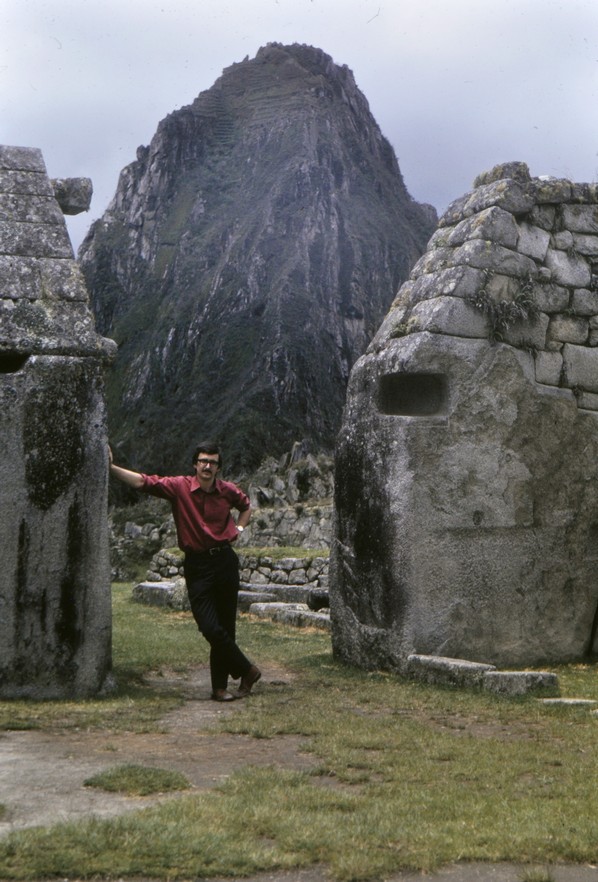
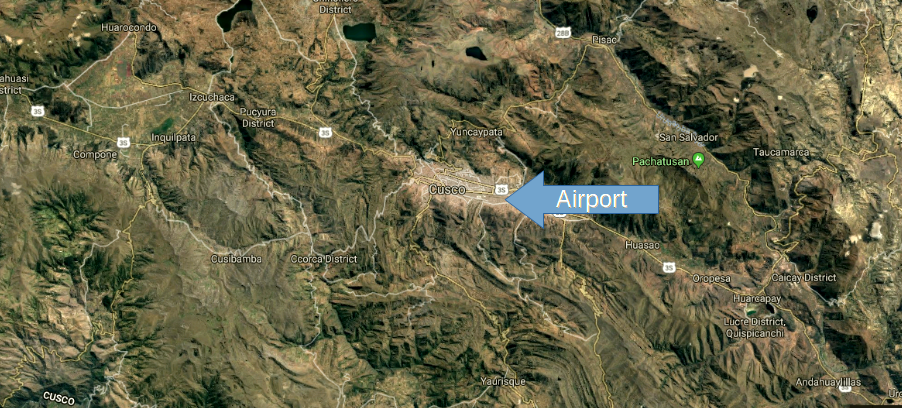 The city has now expanded eastwards beyond the airport, but in 1973 it was more or less at the city limits. The main part of the city lies at the western end of the runway, and hills rise quite steeply just beyond, thus the single direction for landing and the reverse for take-off. Maybe with new, and more highly powered aircraft, it’s now possible to take off to the west. Those attending the World Potato Congress should have a delightful trip from the coast. By the end of May the dry season should be well-established, and the skies clear.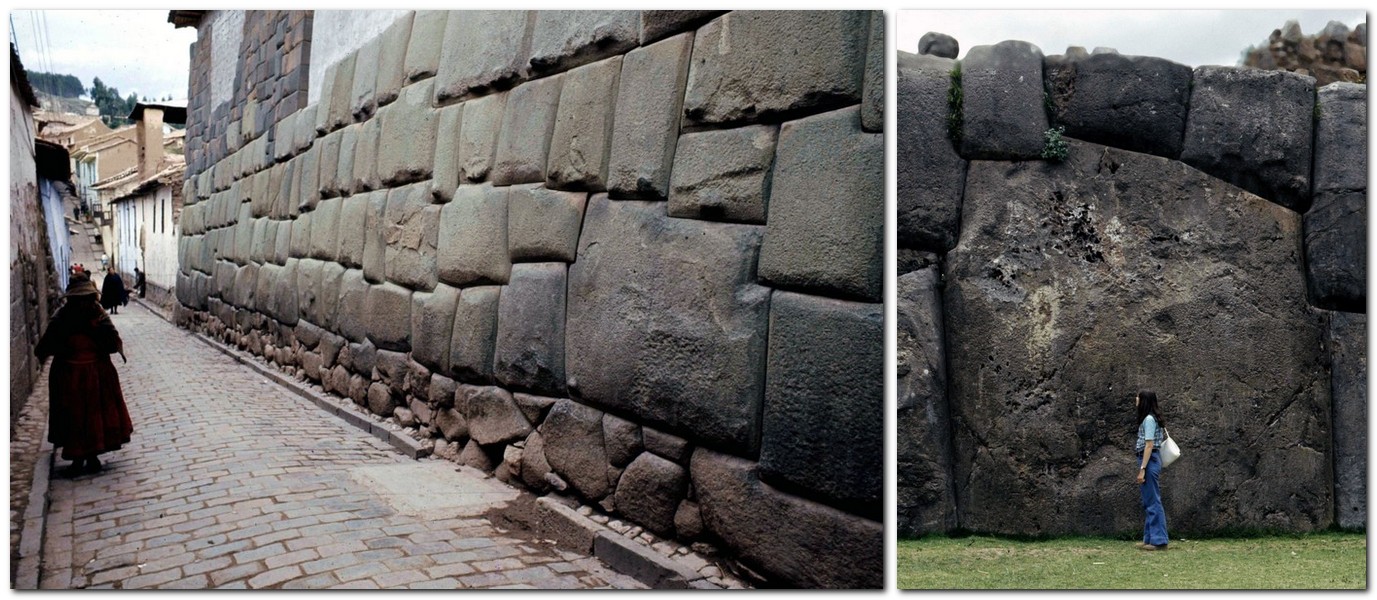


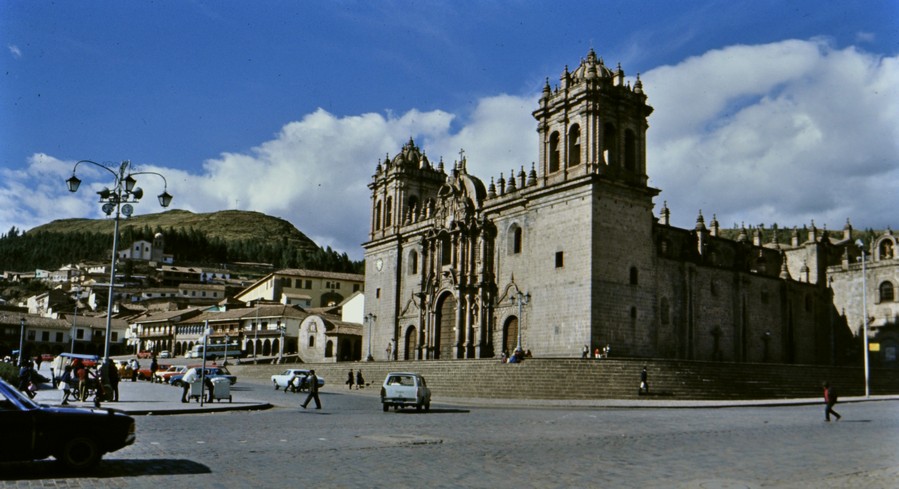


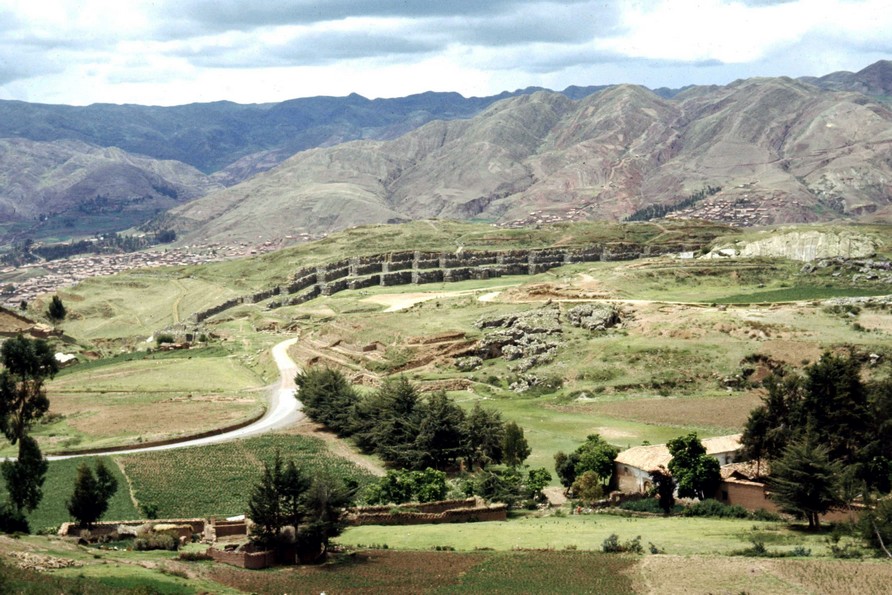
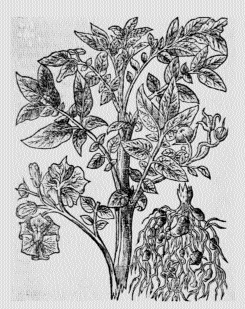
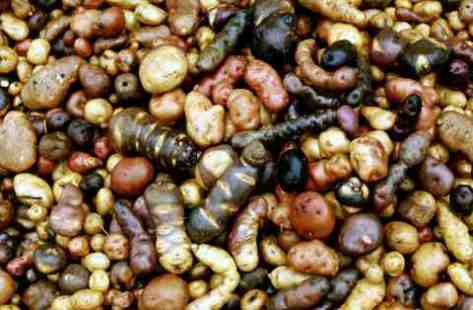





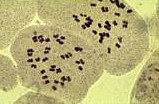
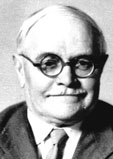
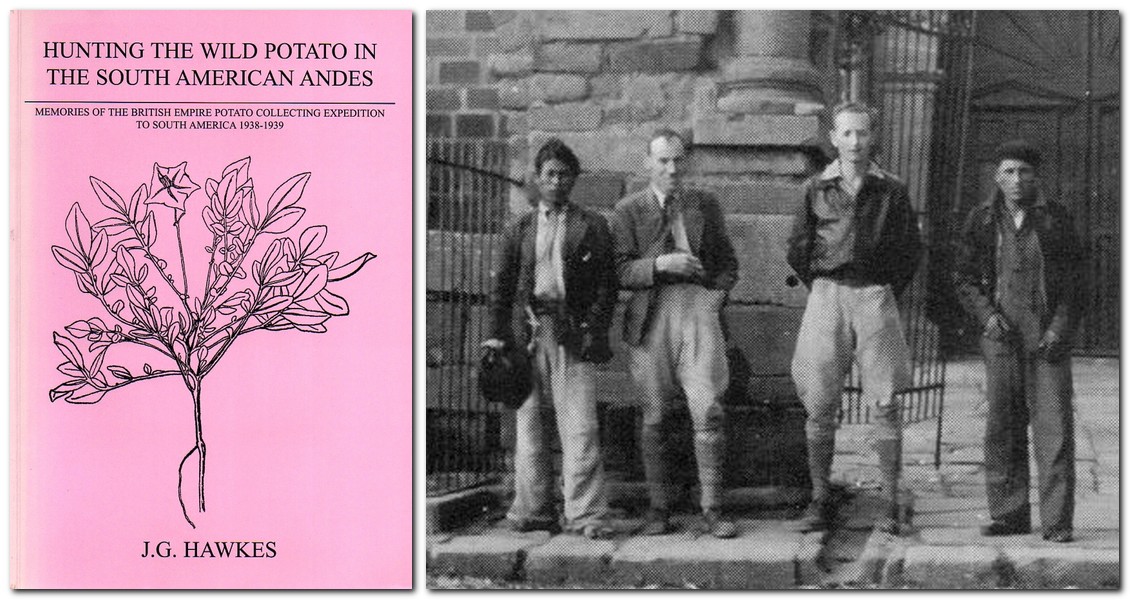
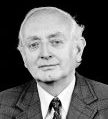
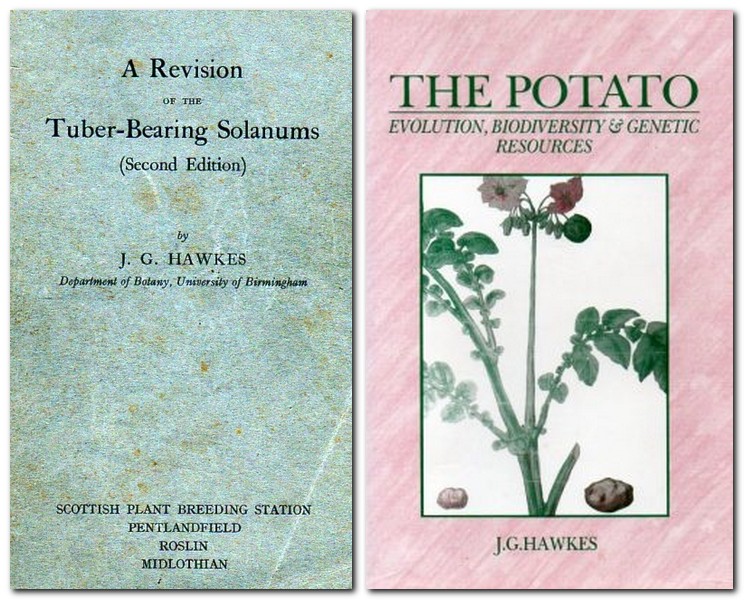
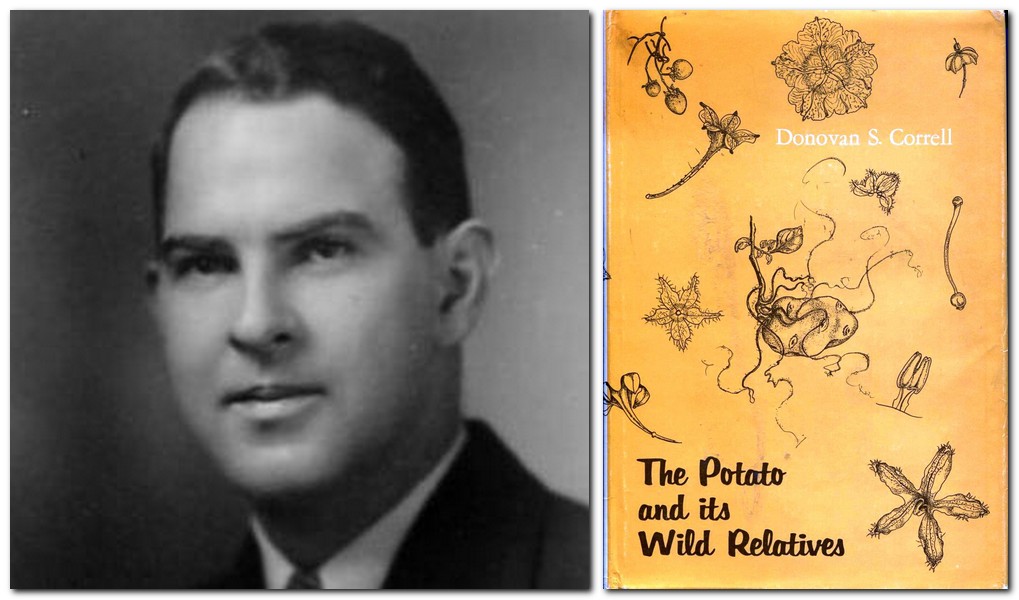


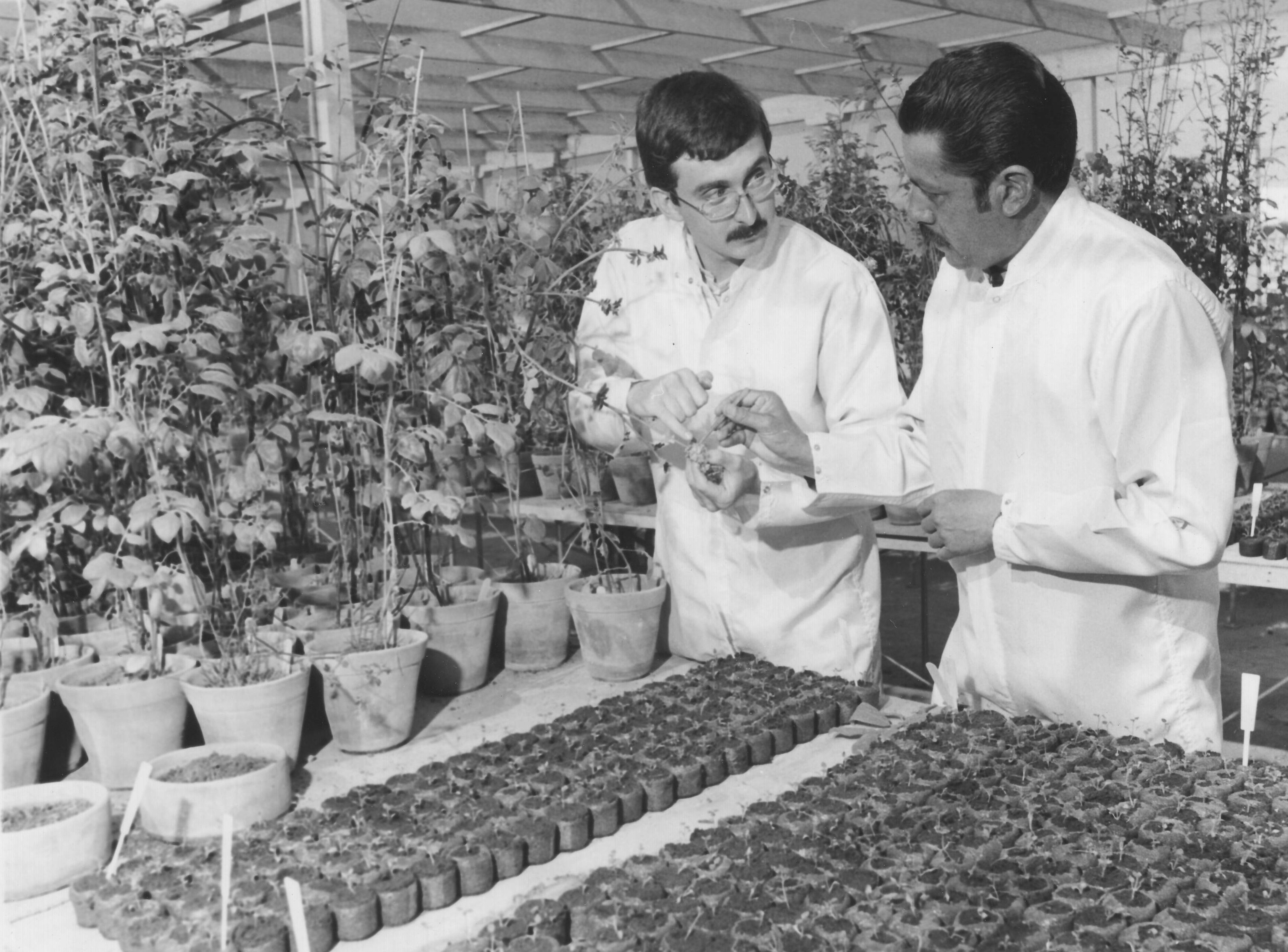
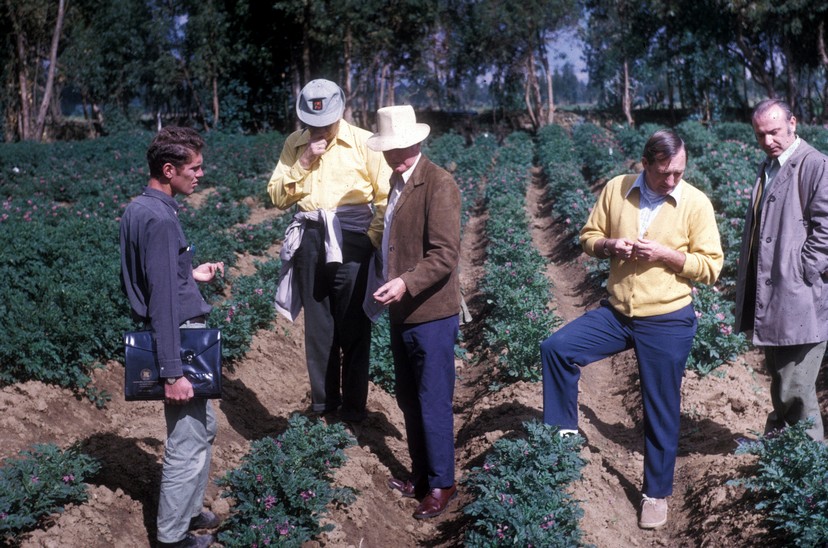

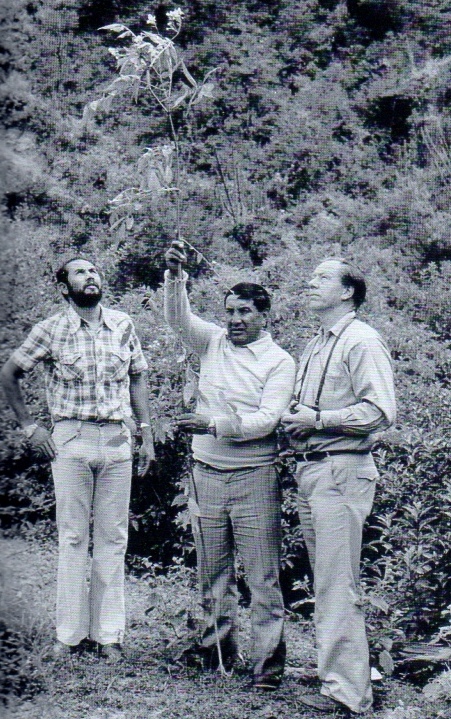
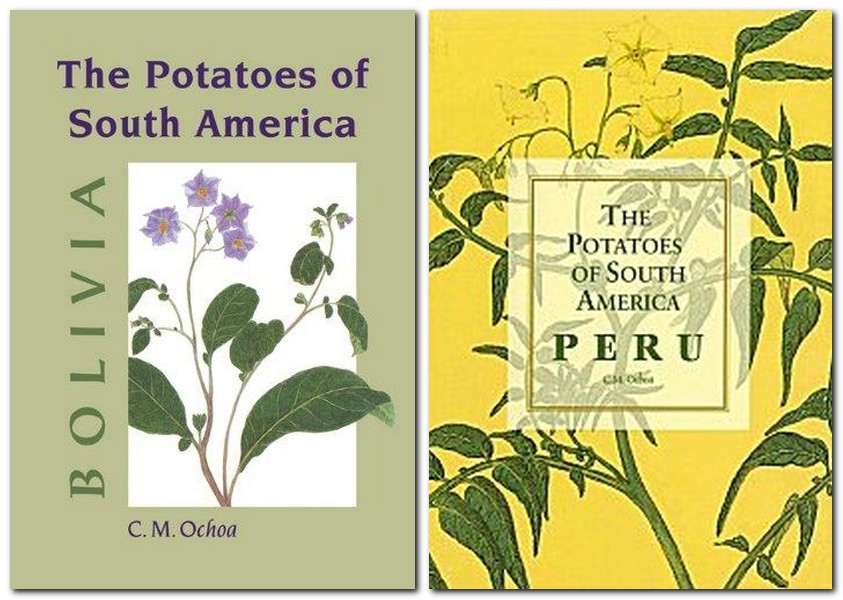
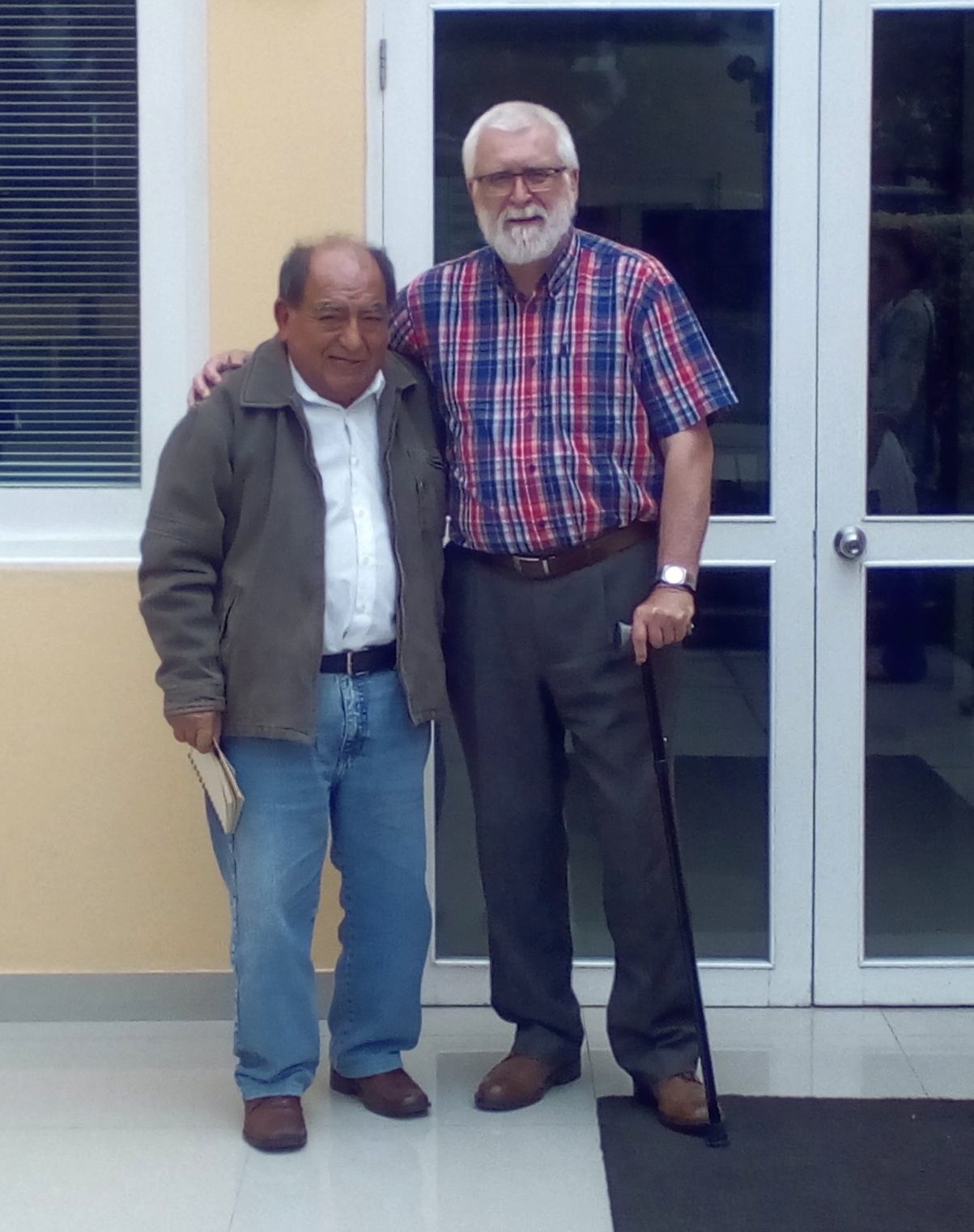


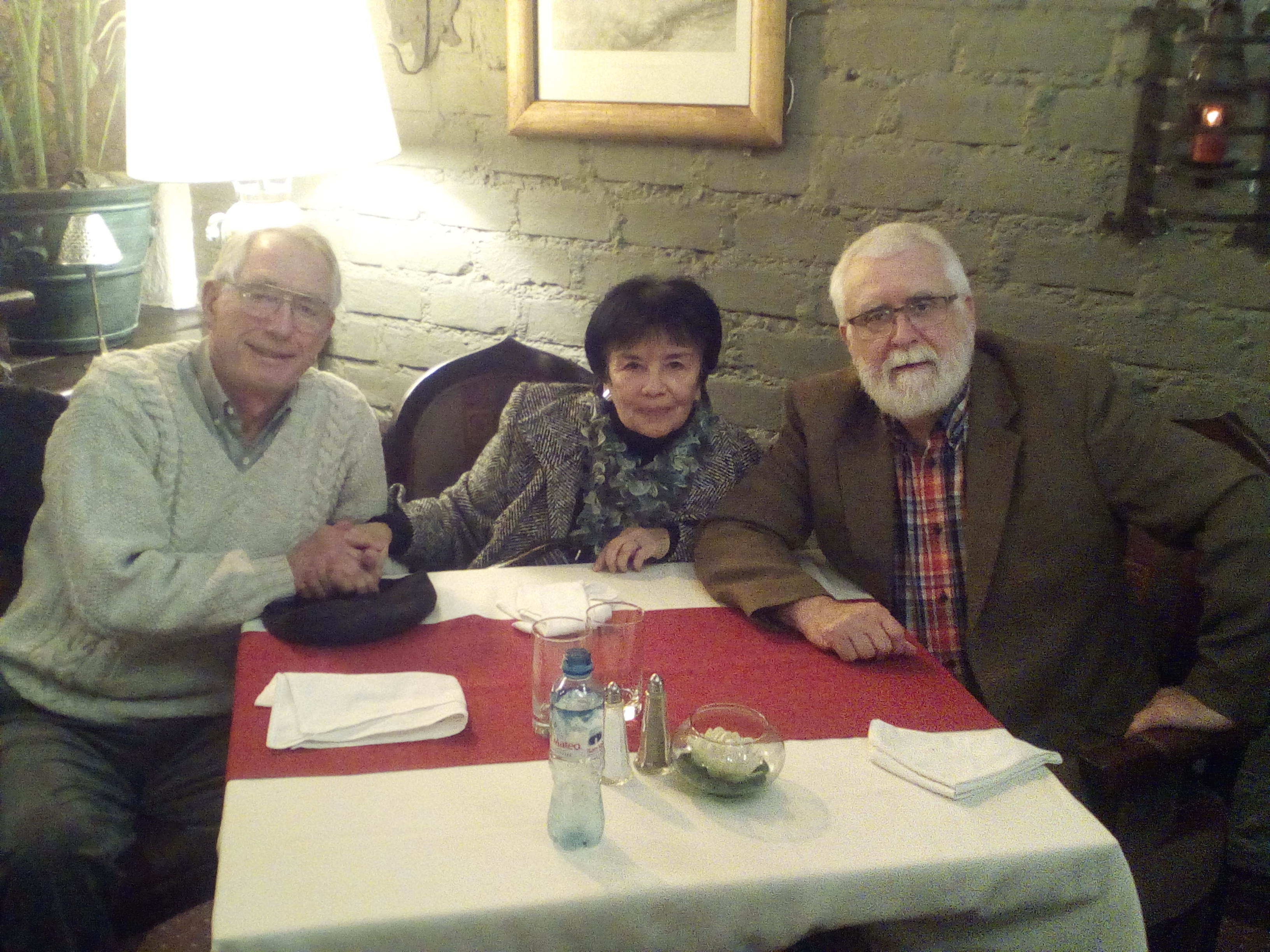
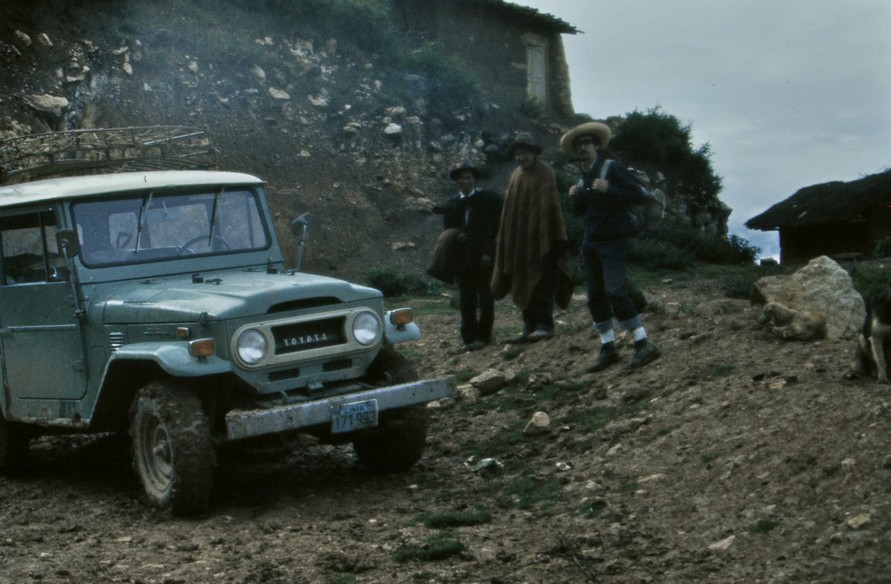
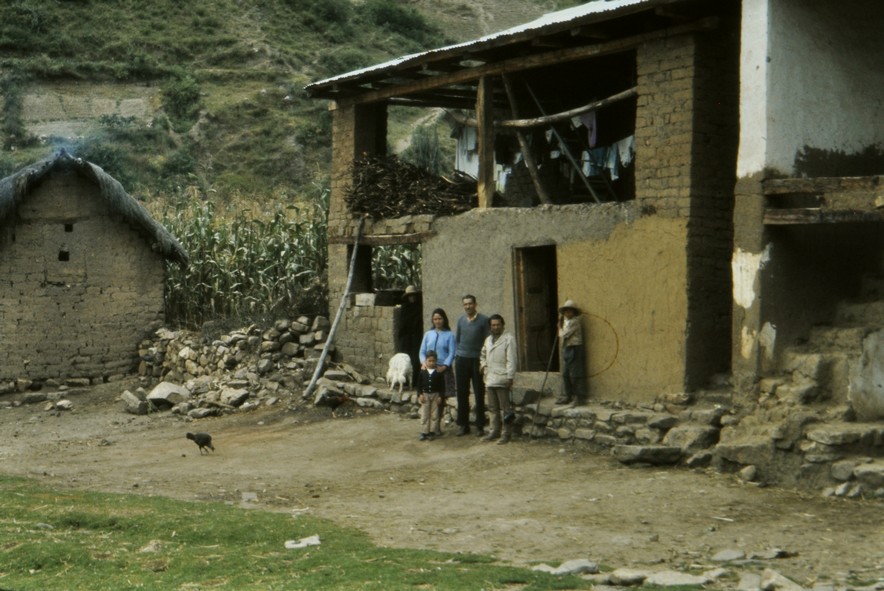
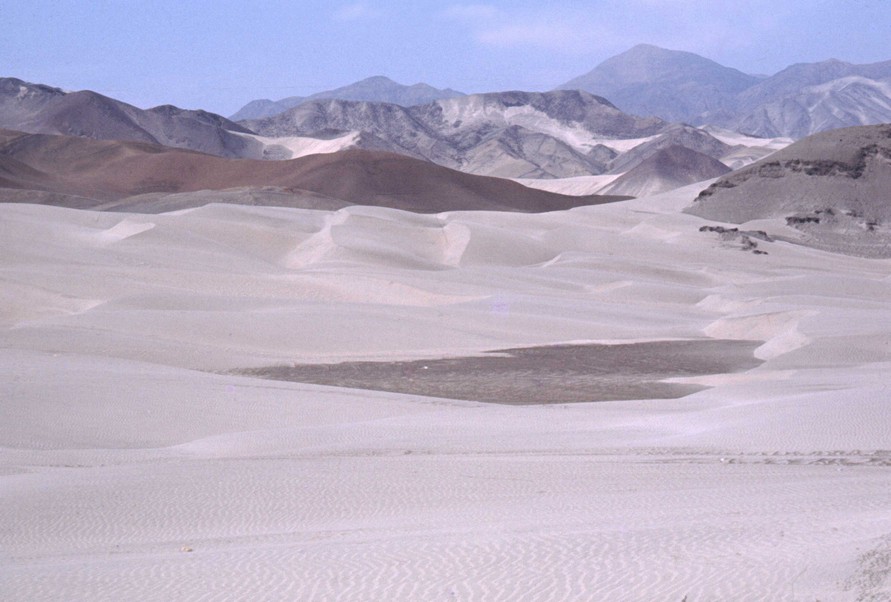
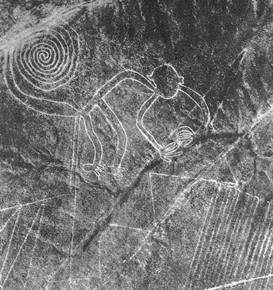


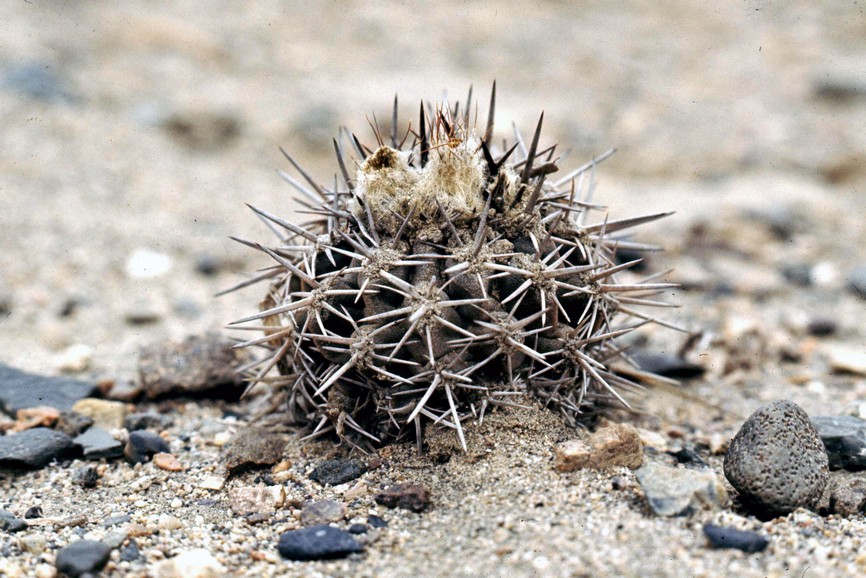


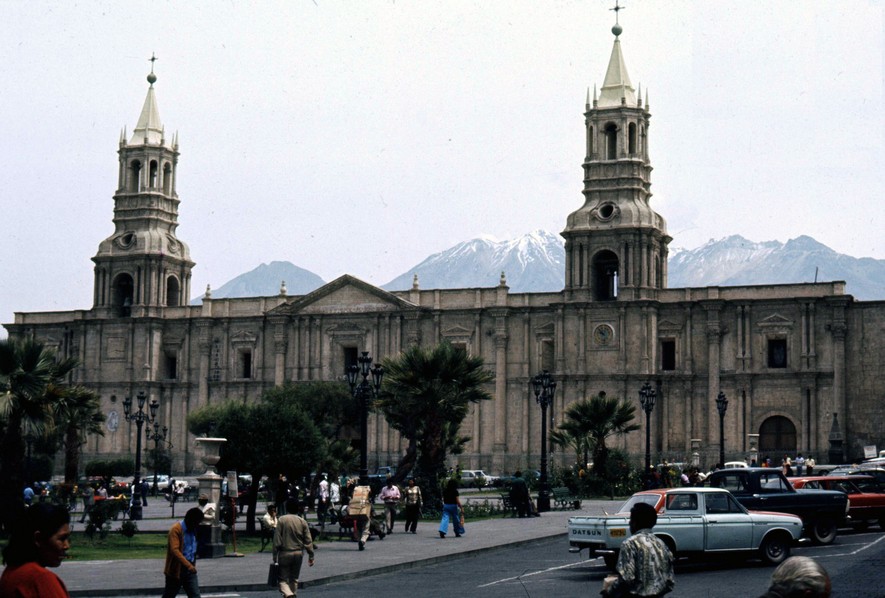


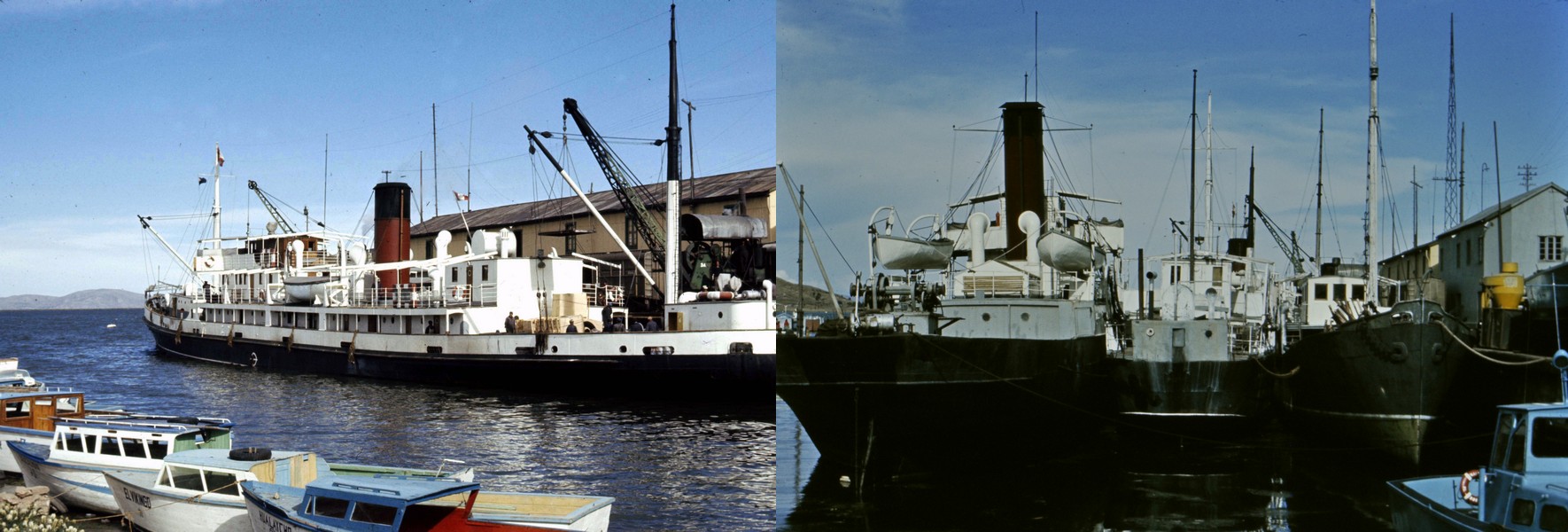


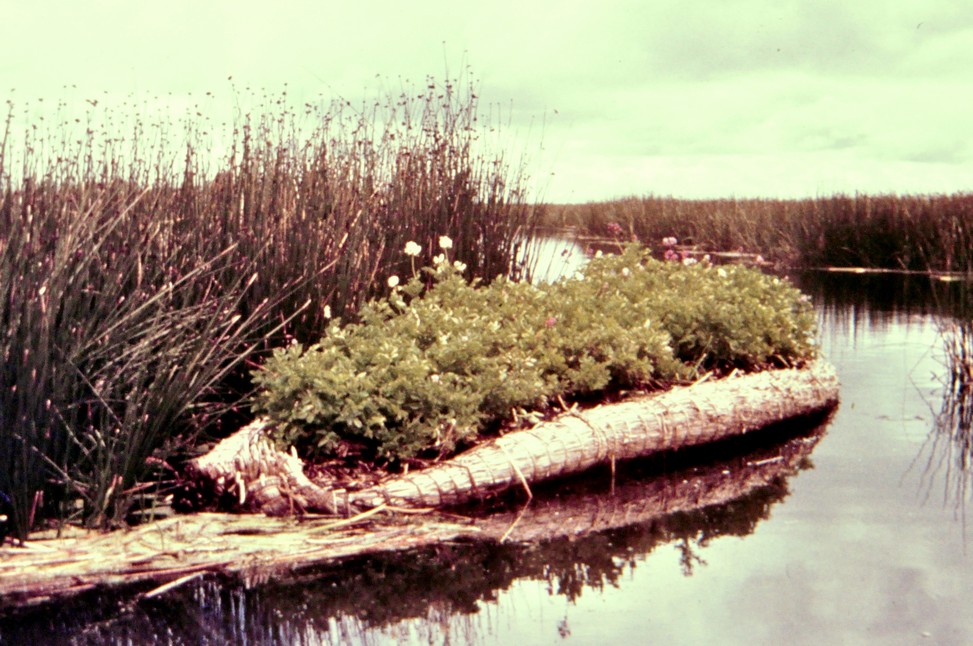


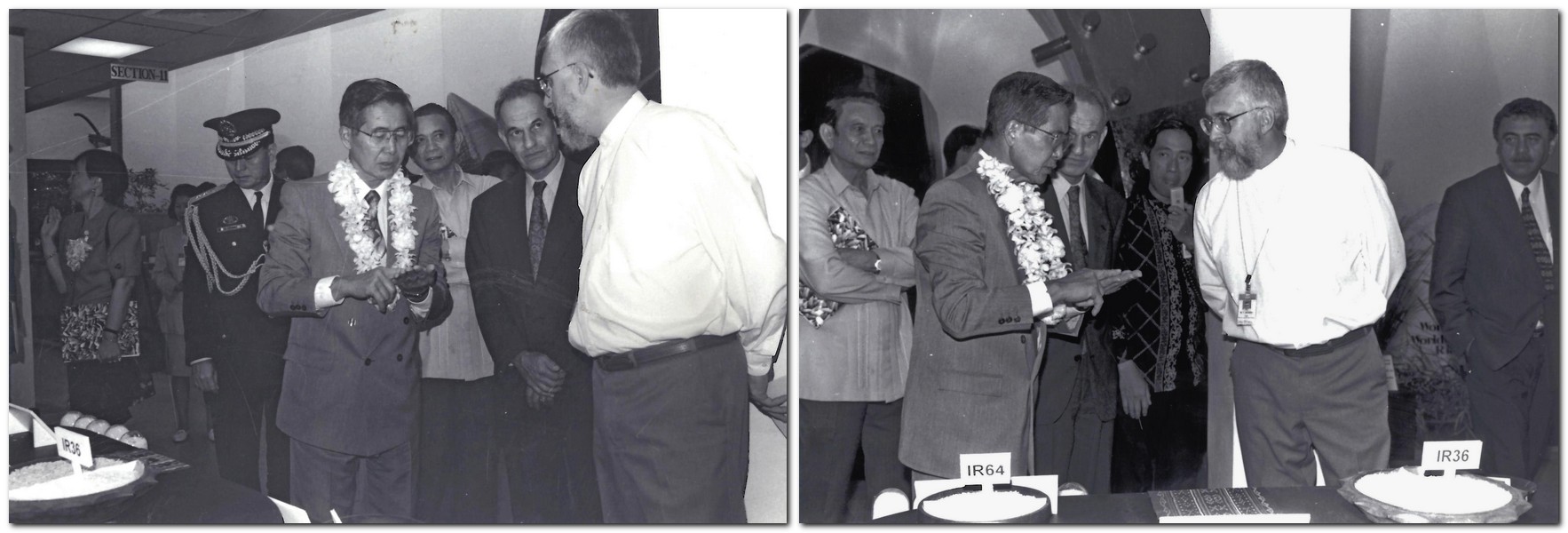
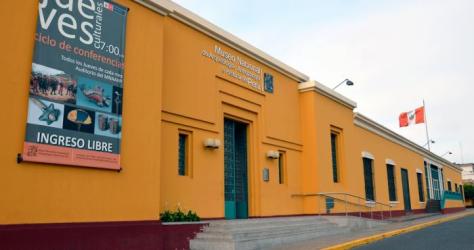
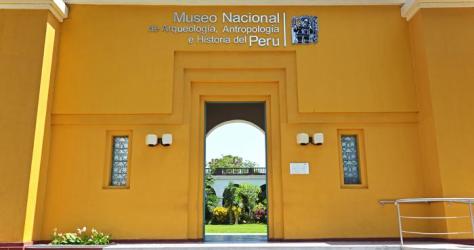
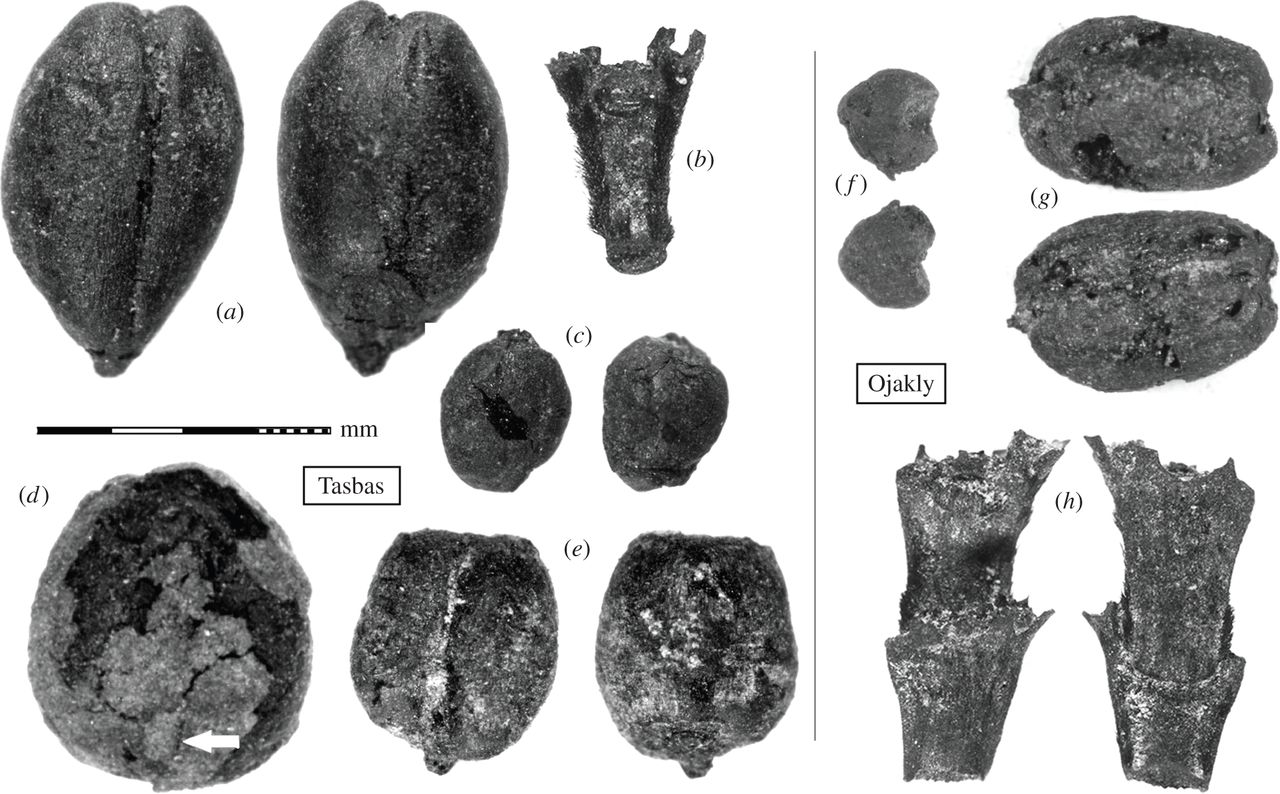
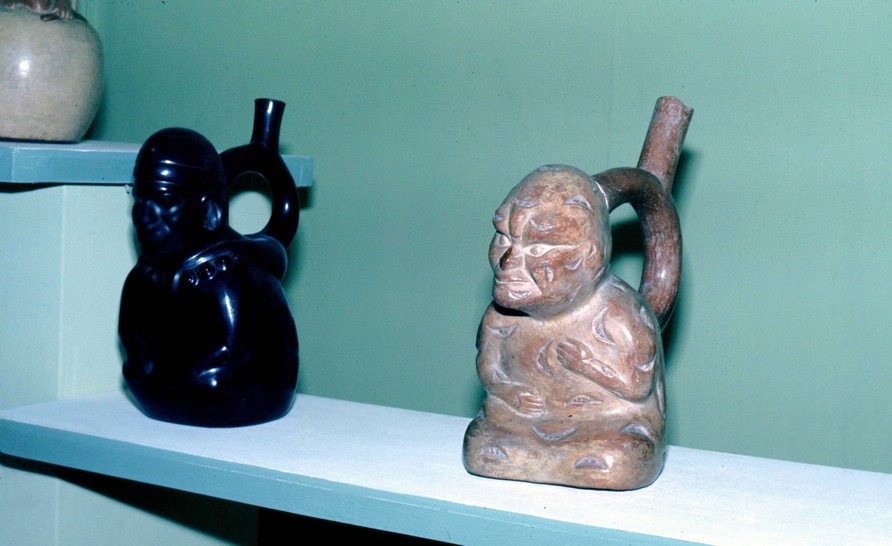
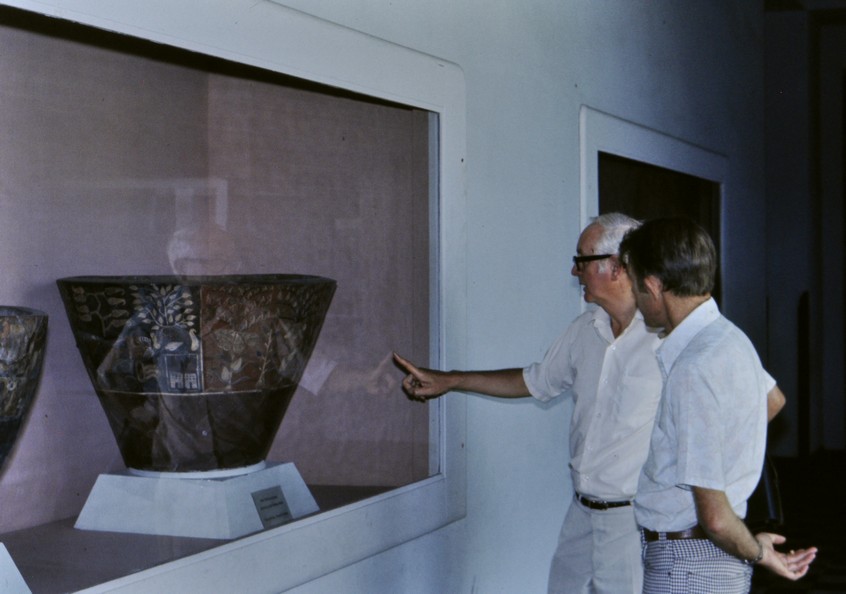
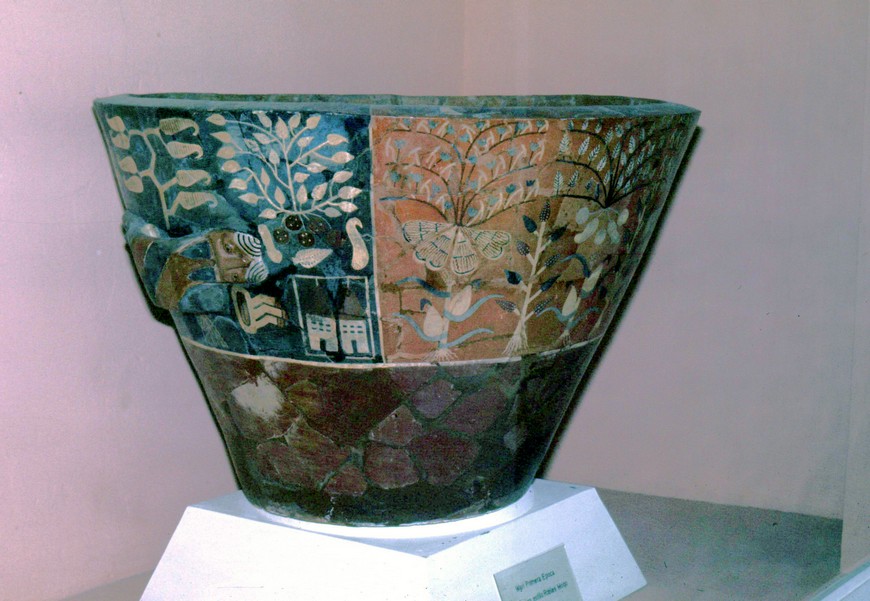
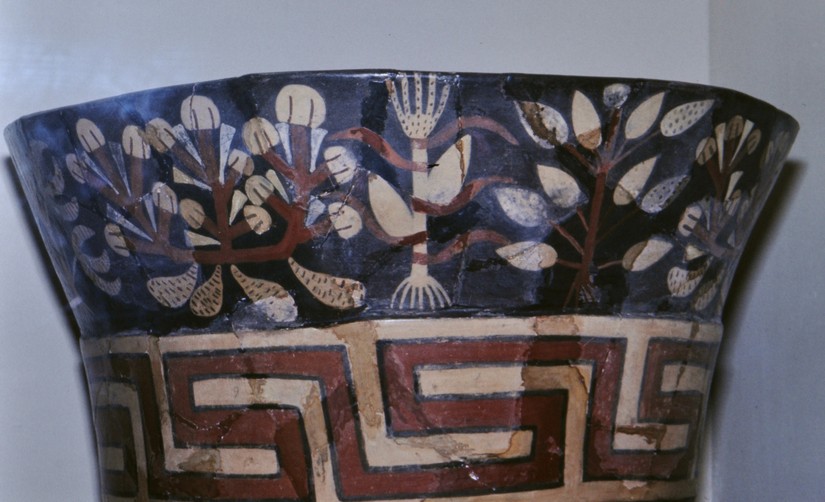


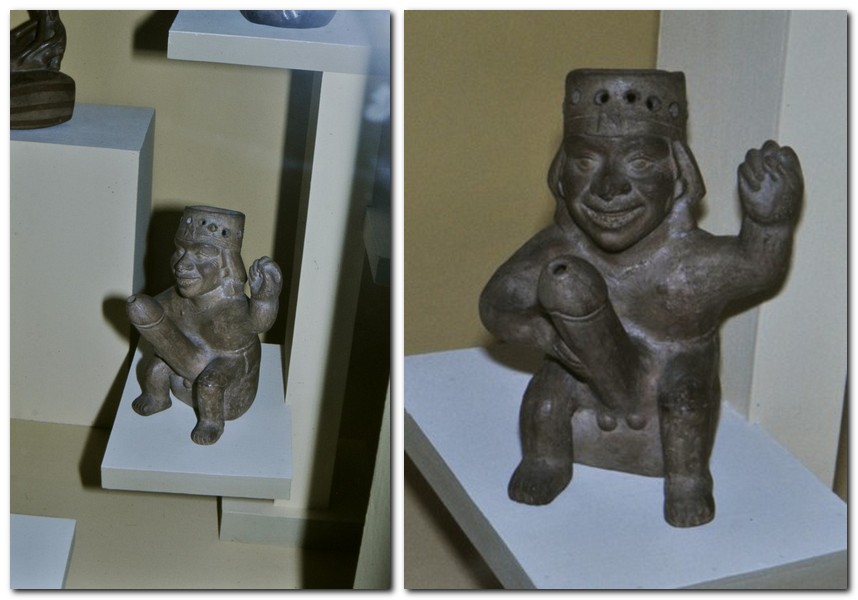
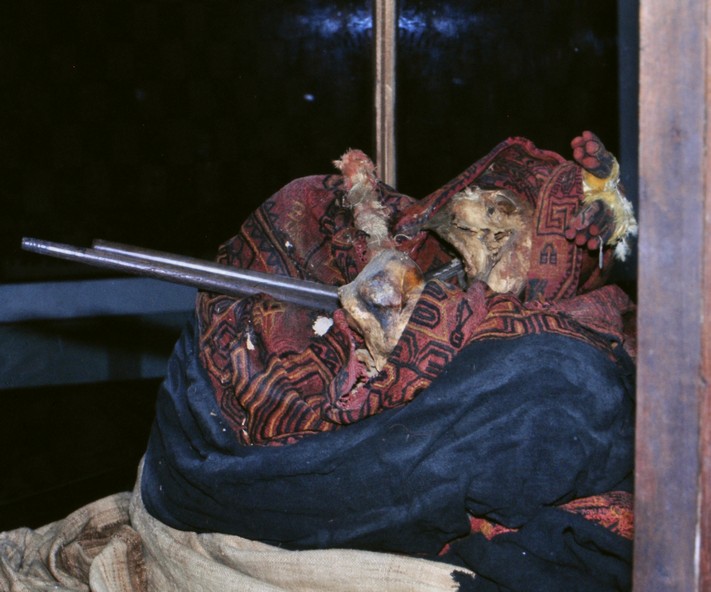


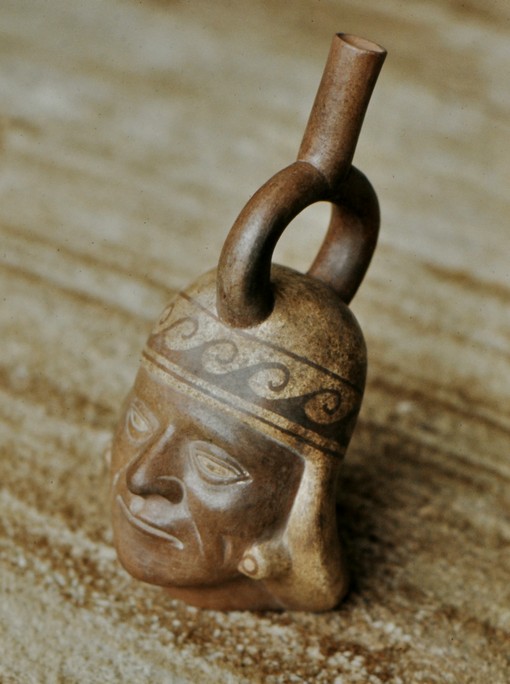
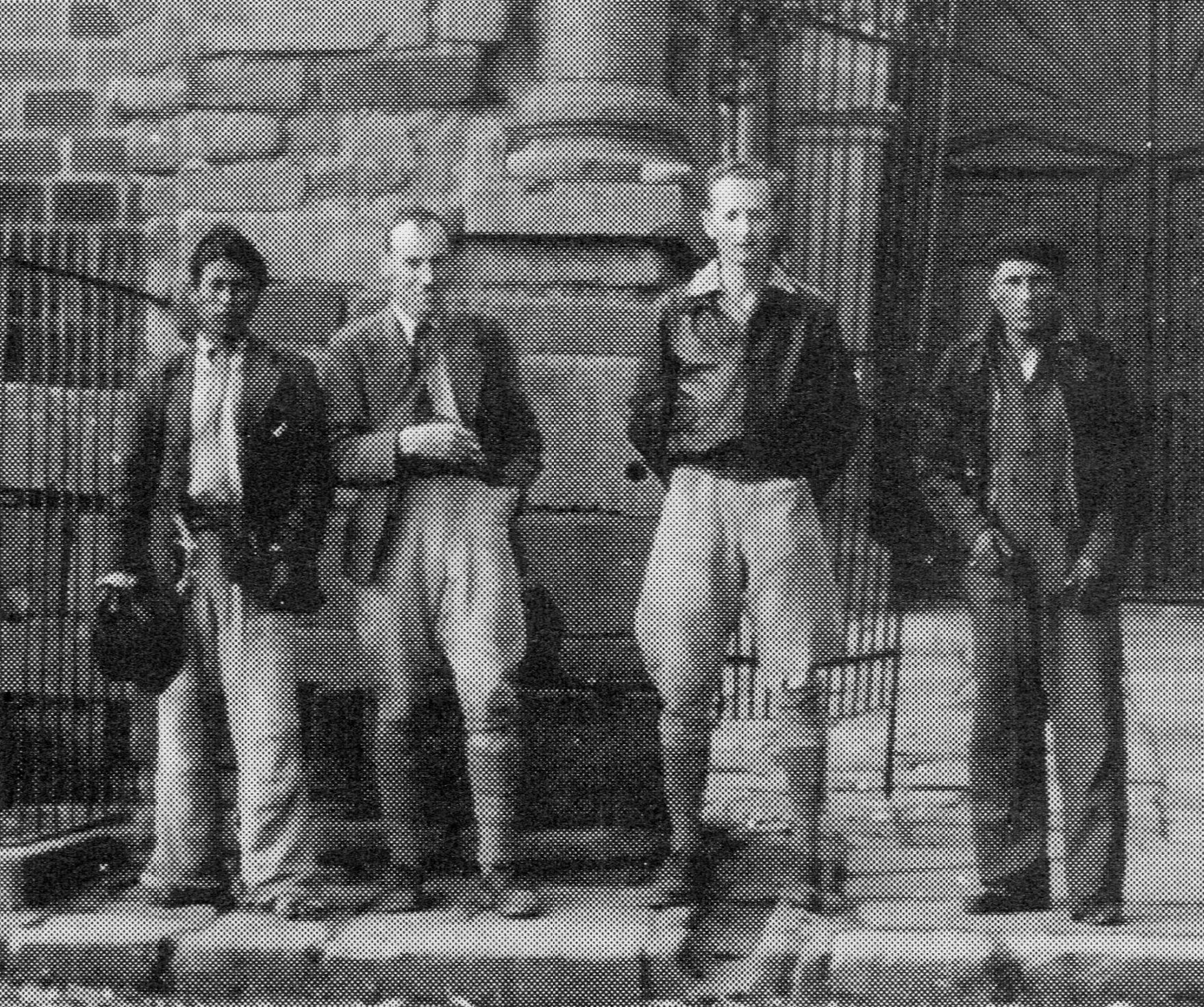
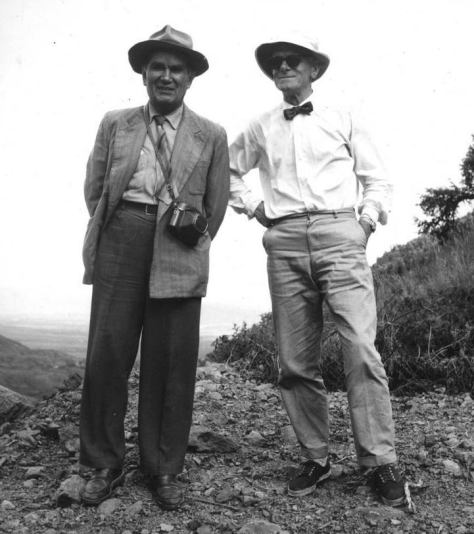




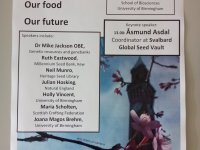
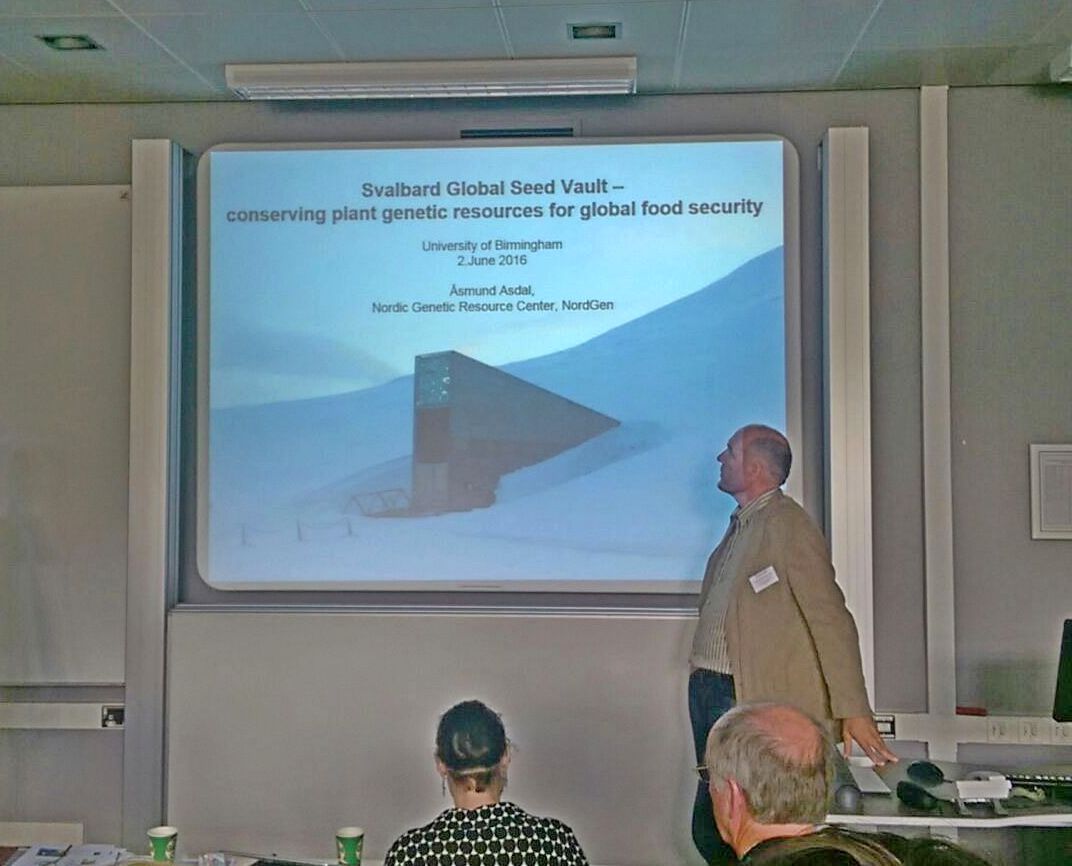
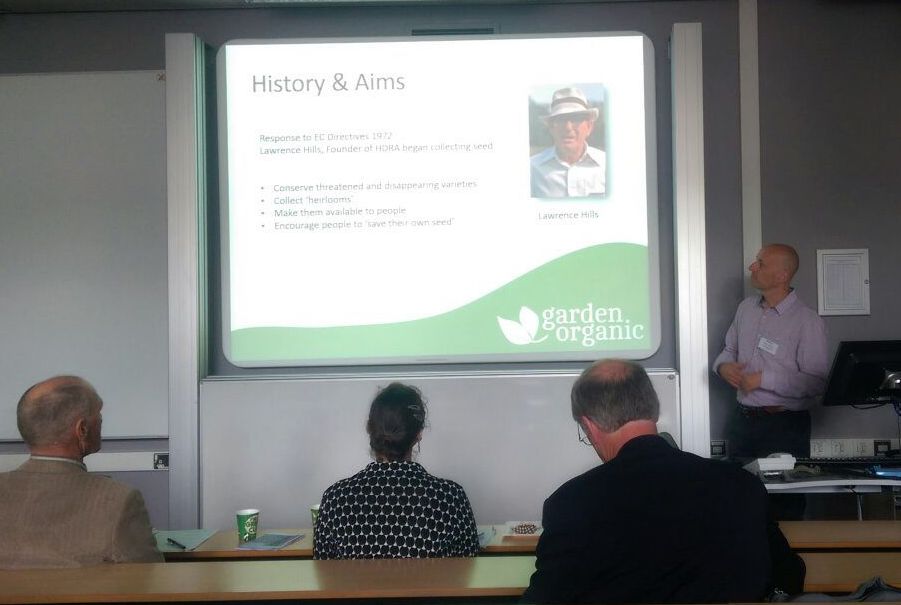

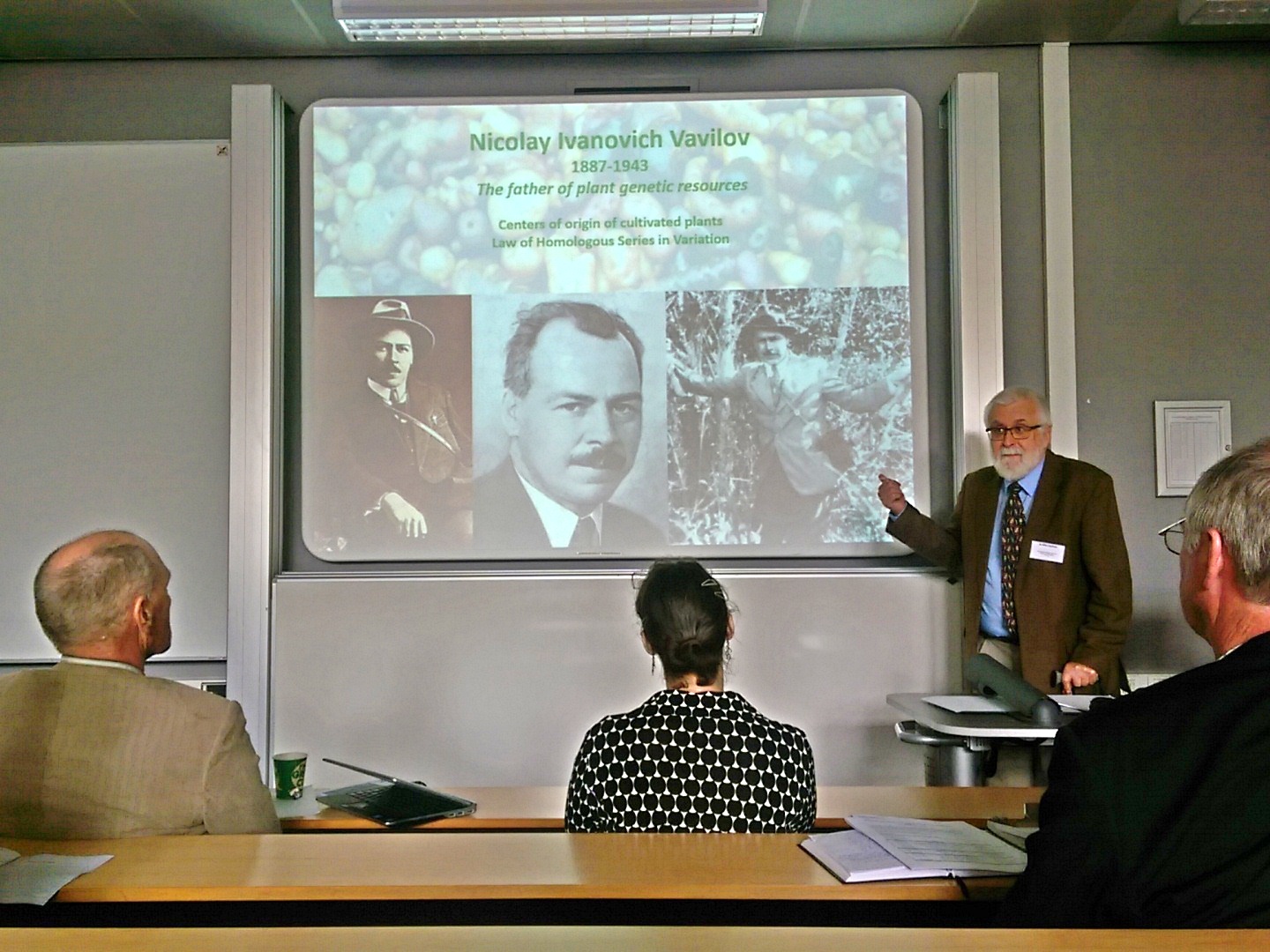
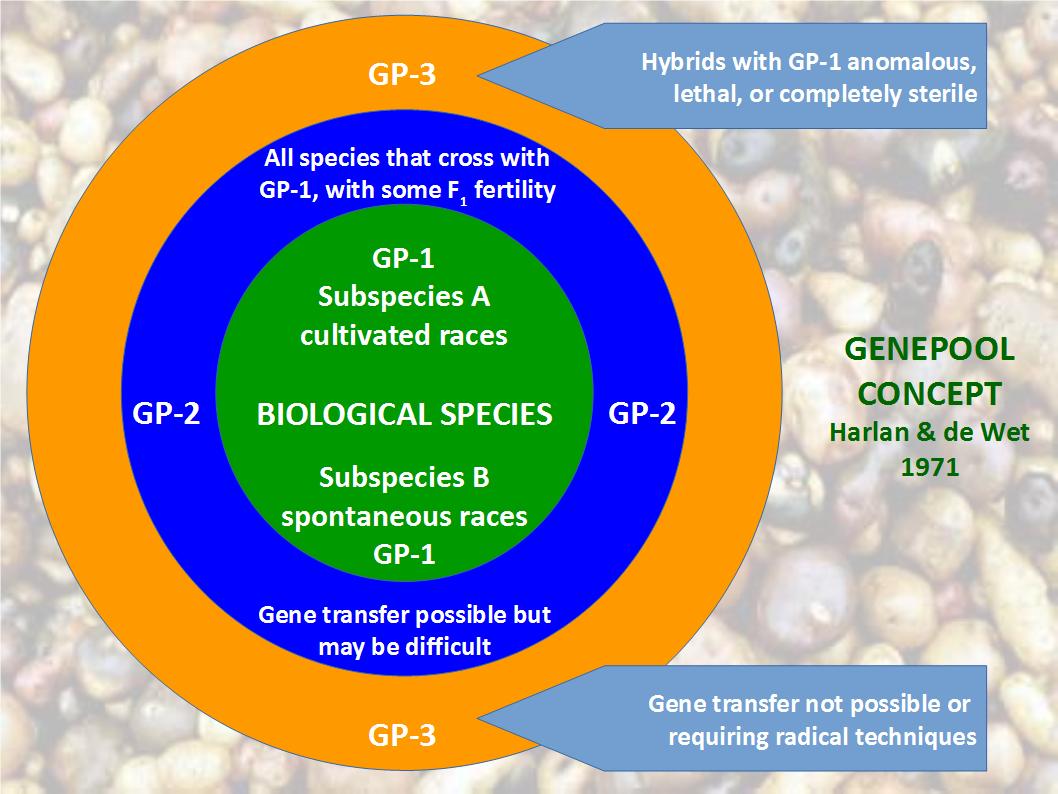
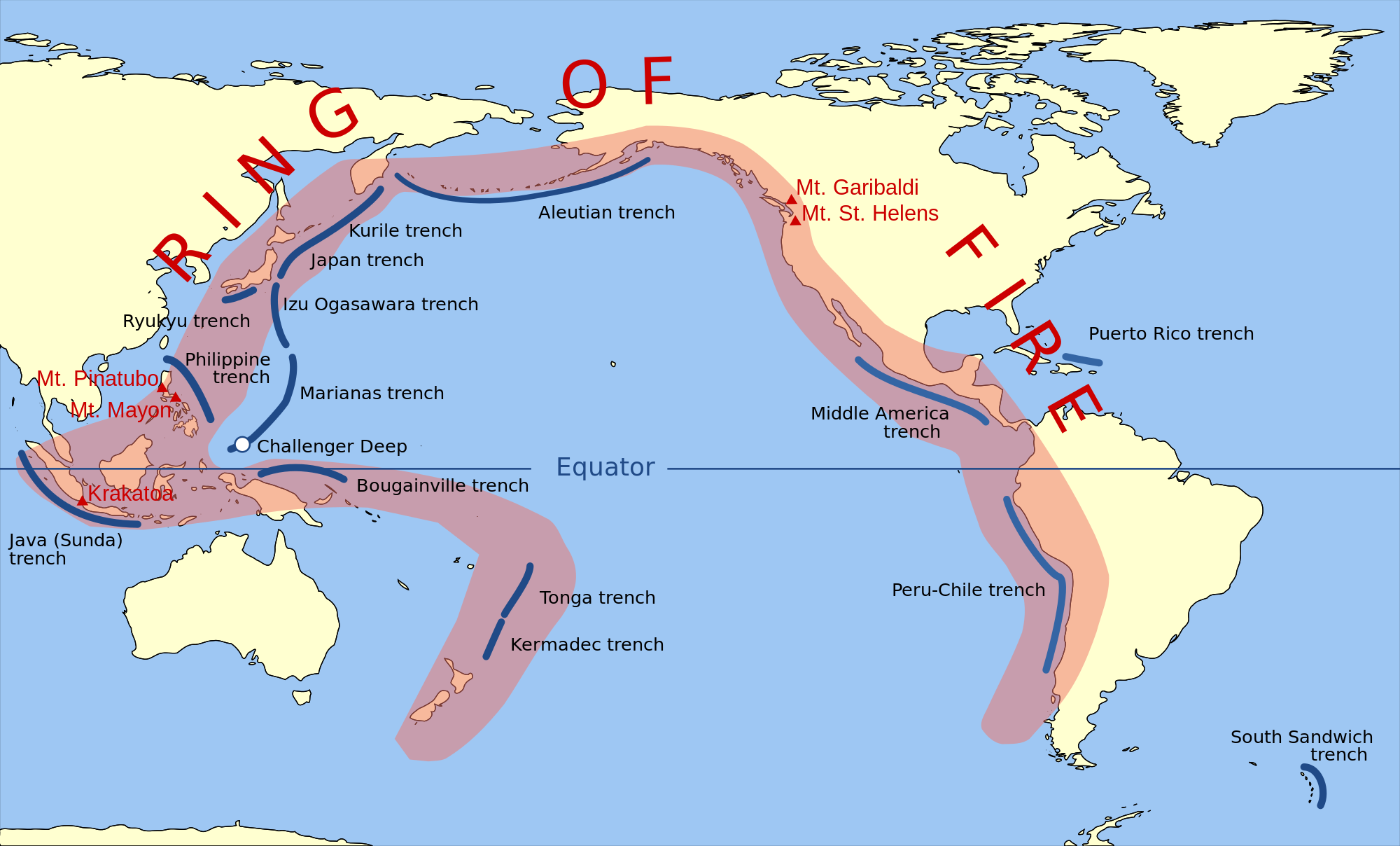


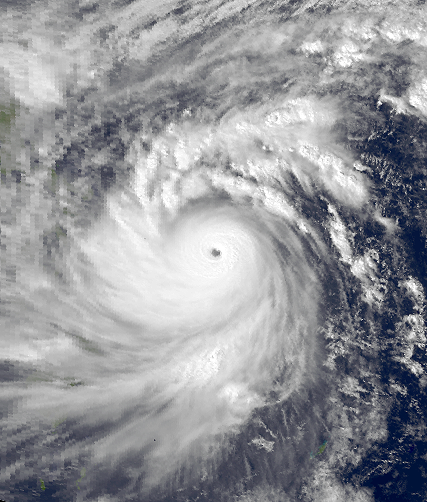

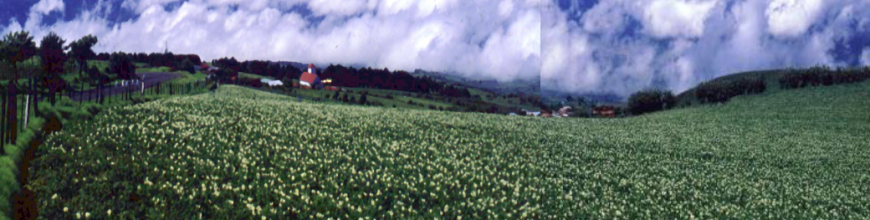


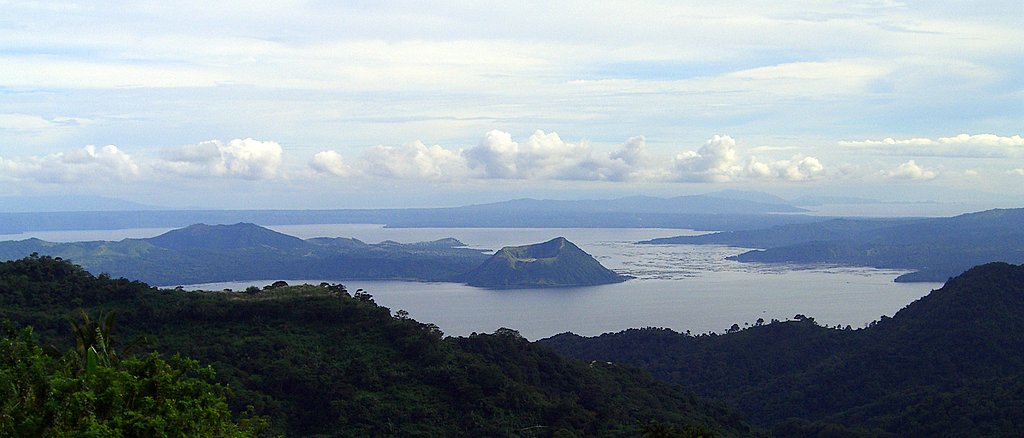
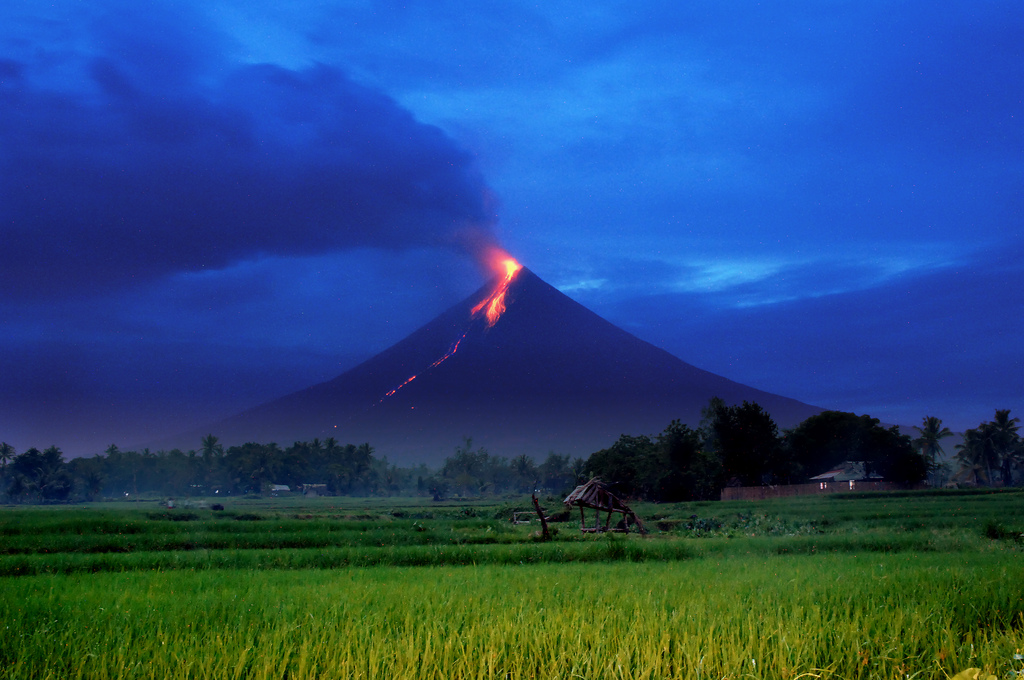
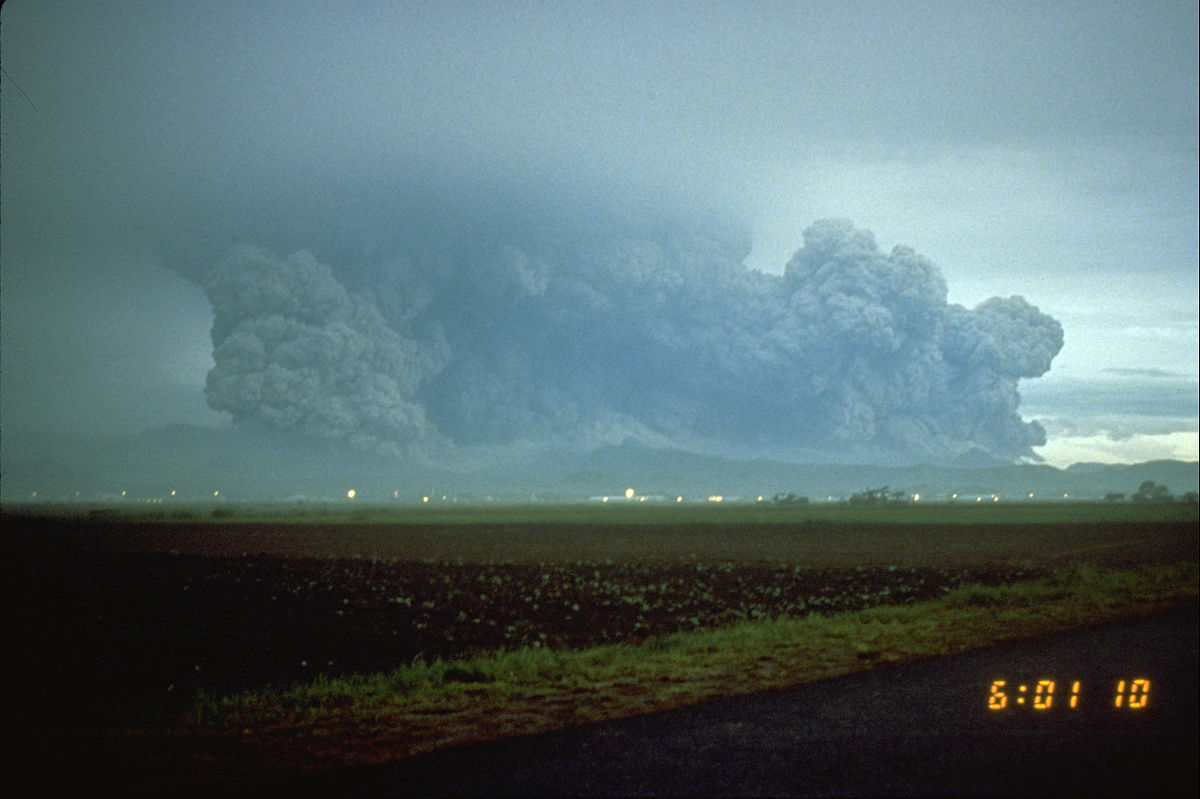


 Springer now has its own in-house genetic resources journal, Genetic Resources and Crop Evolution (I’m a member of the editorial board), but there are others such as Plant Genetic Resources – Characterization and Utilization (published by Cambridge University Press). Nowadays there are more journals to choose from dealing with disciplines like seed physiology, molecular systematics and ecology, among others, in which papers on genetic resources can find a home.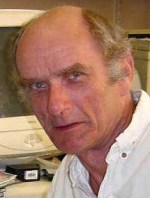
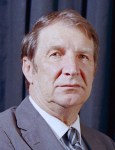
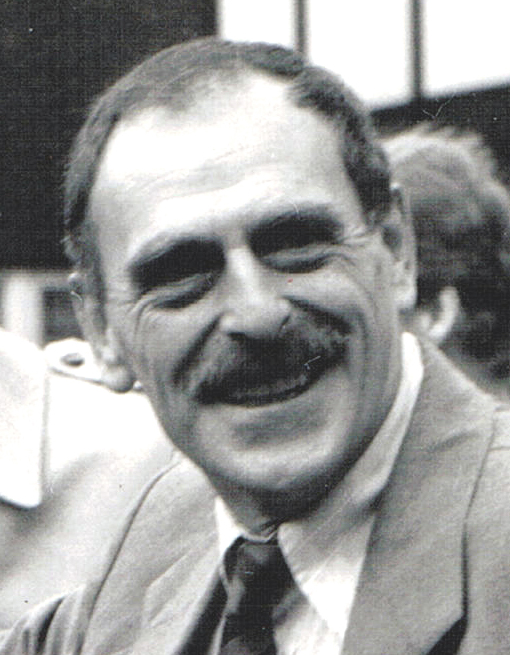
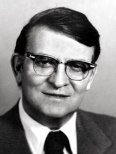
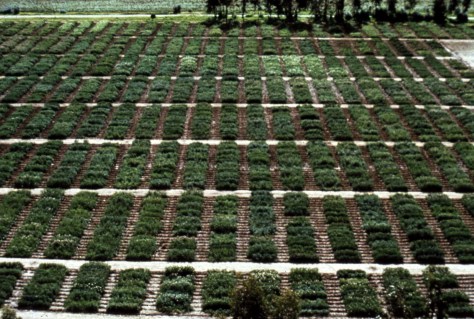
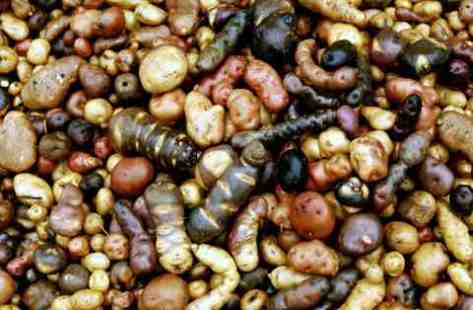


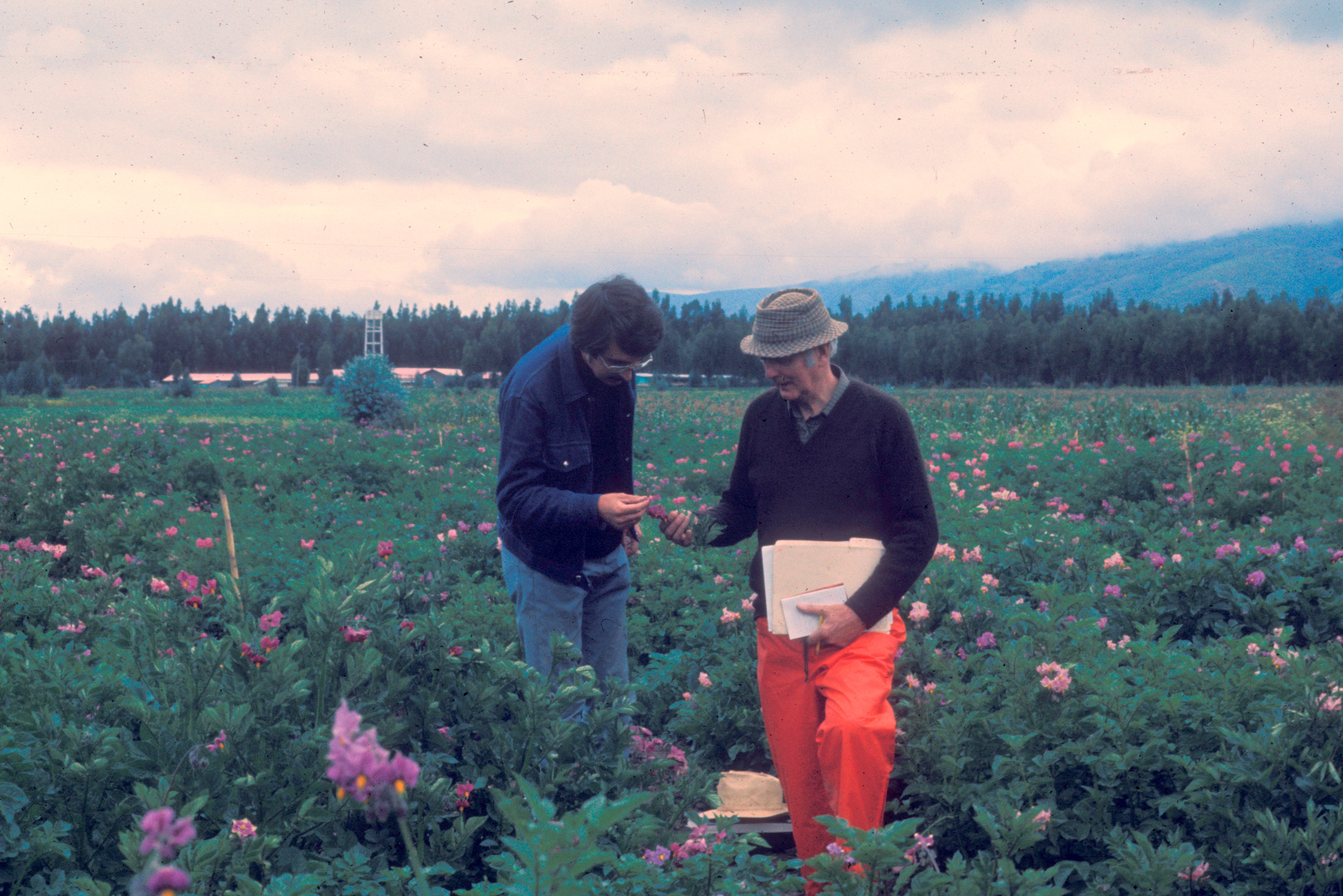


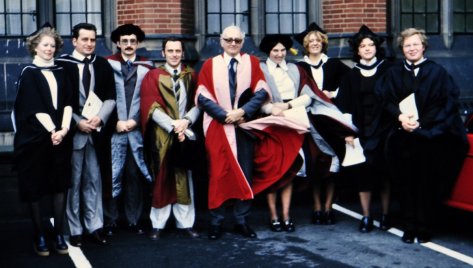
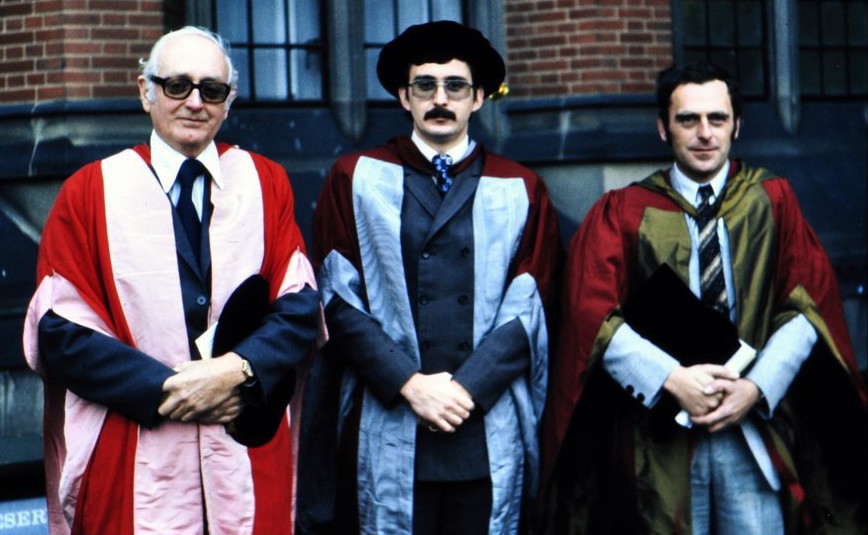




 I opened my email this morning to find one with the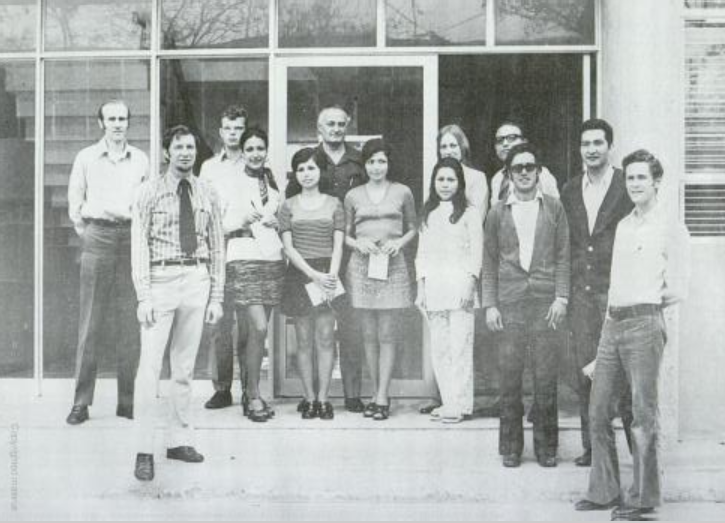
 Humble? Boiled, mashed, fried, roast, chipped or prepared in many other ways, the potato is surely the King of Vegetables. And for 20 years in the 1970s and 80s, potatoes were the focus of my own research.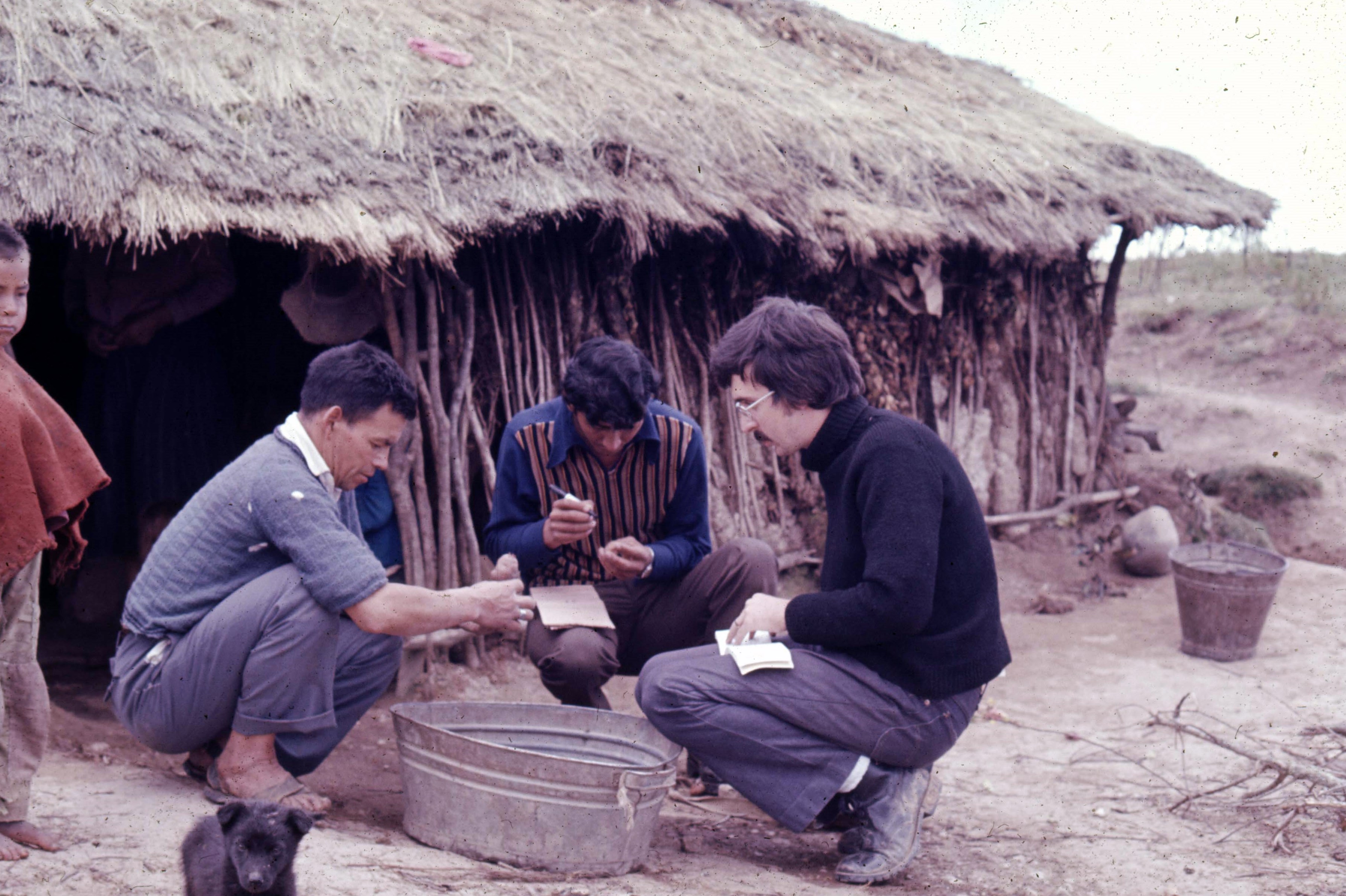


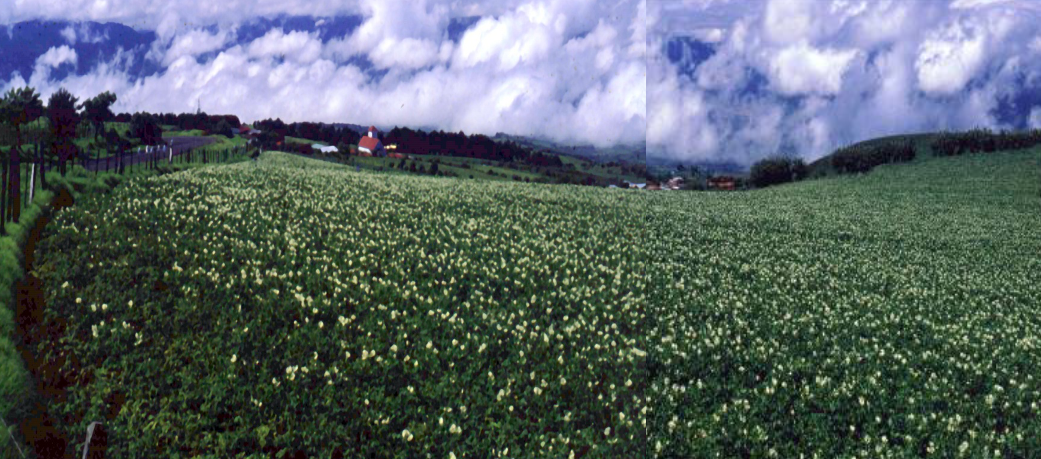

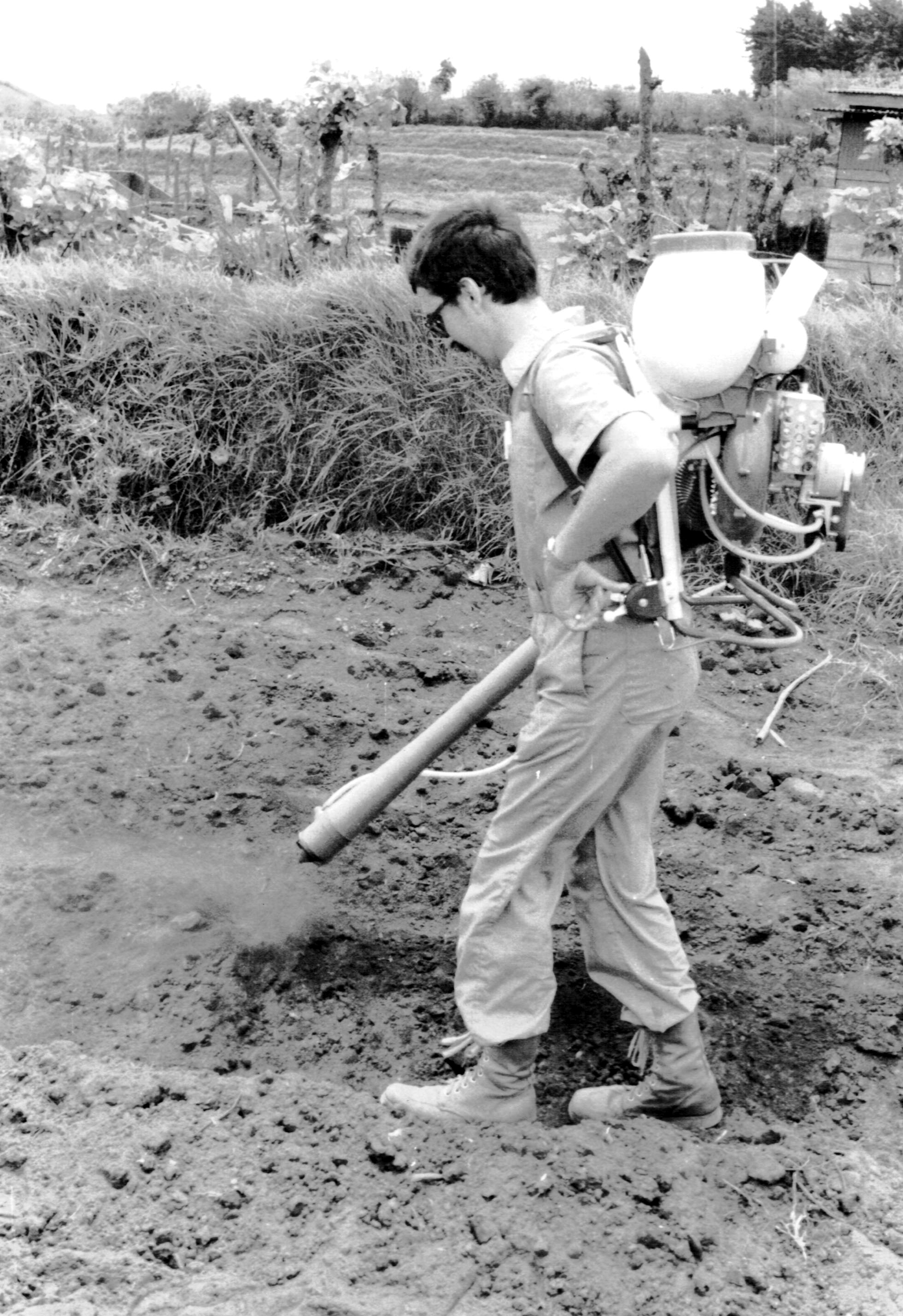
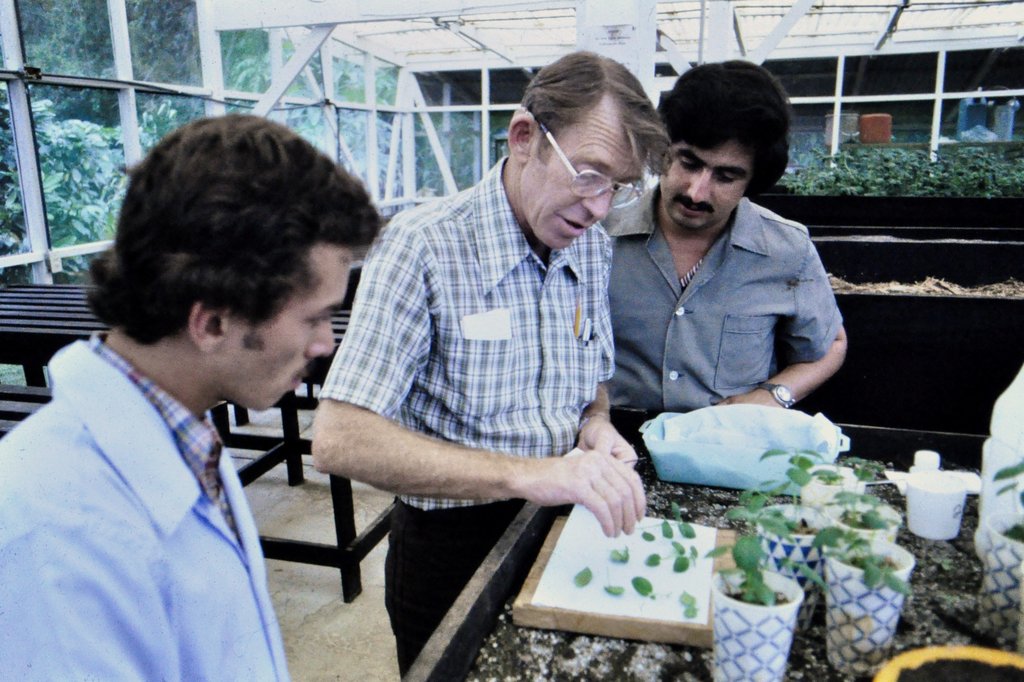


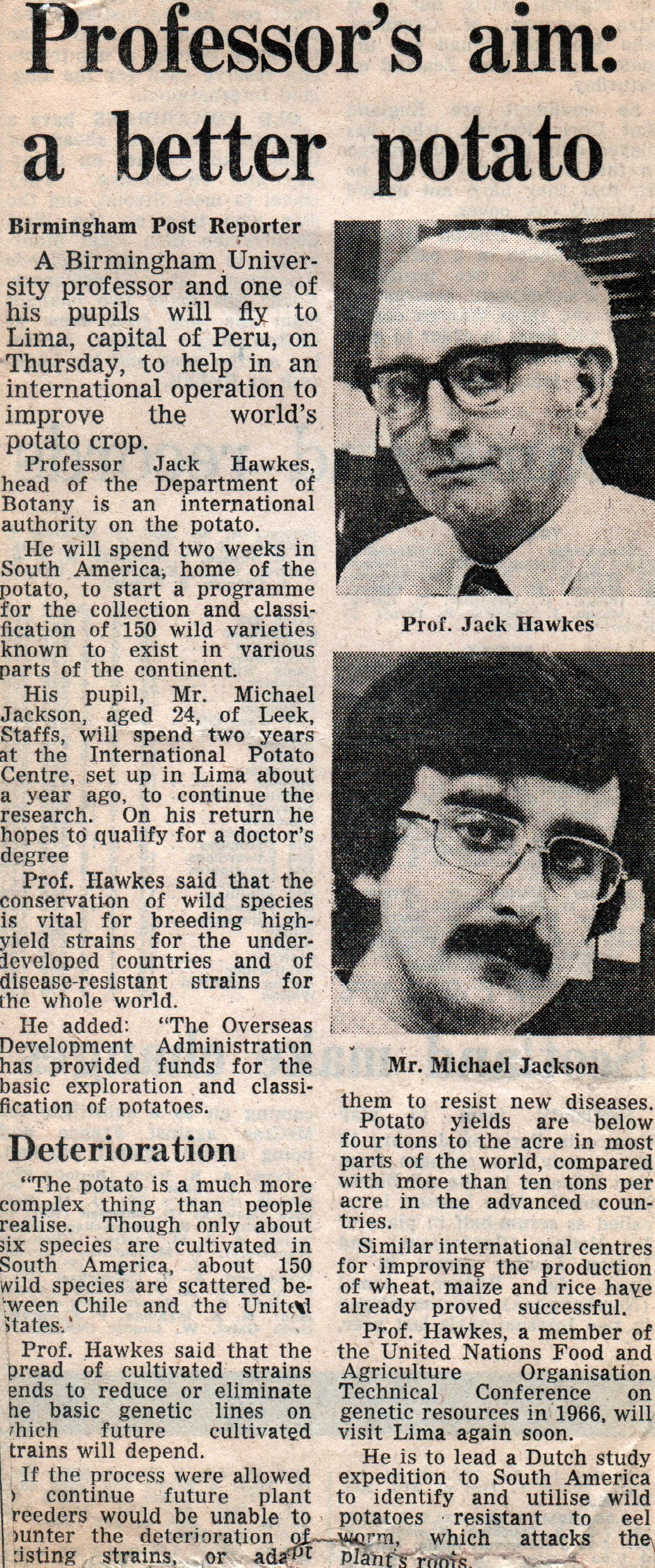
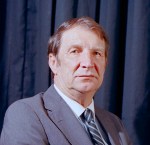
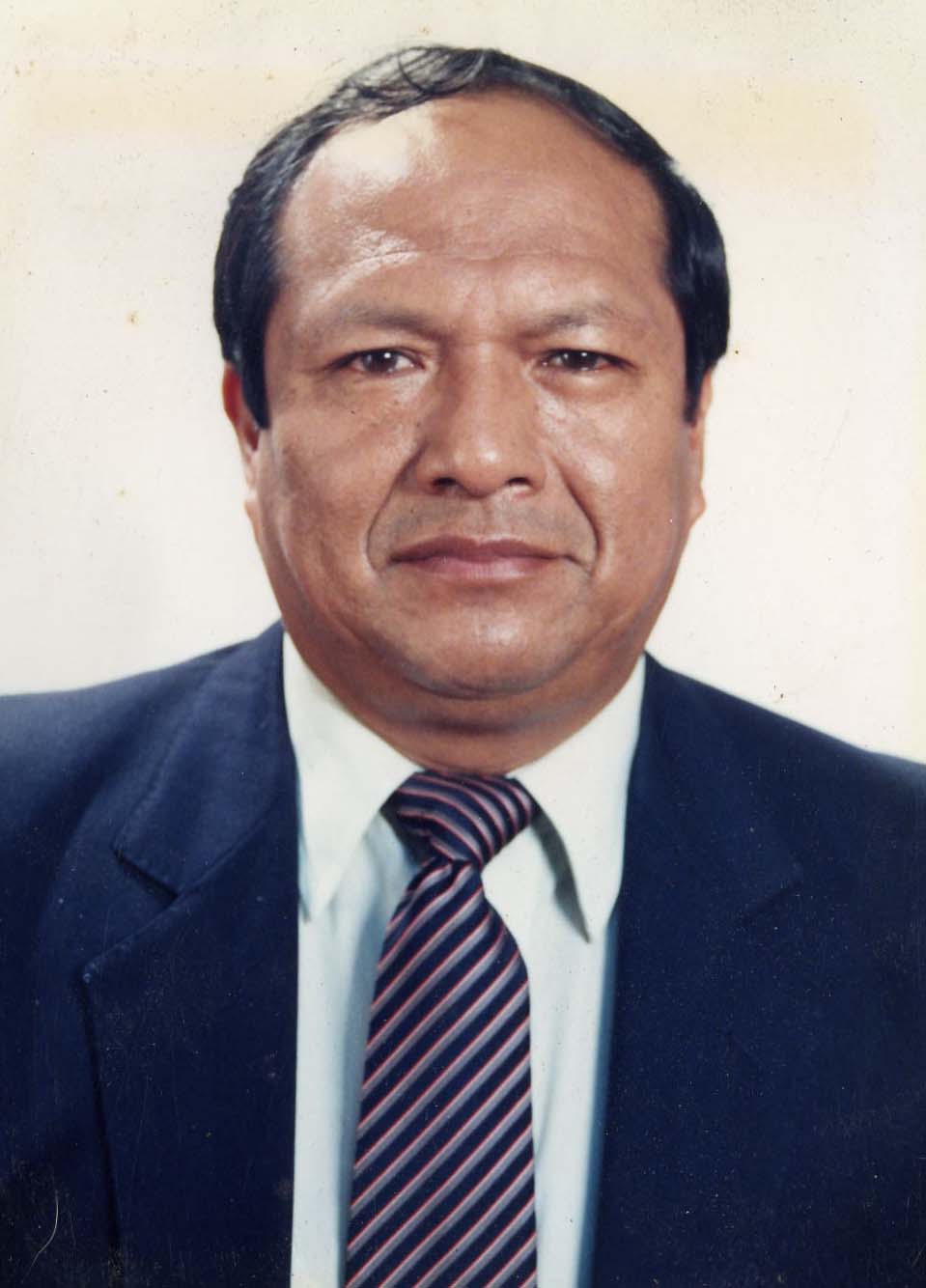
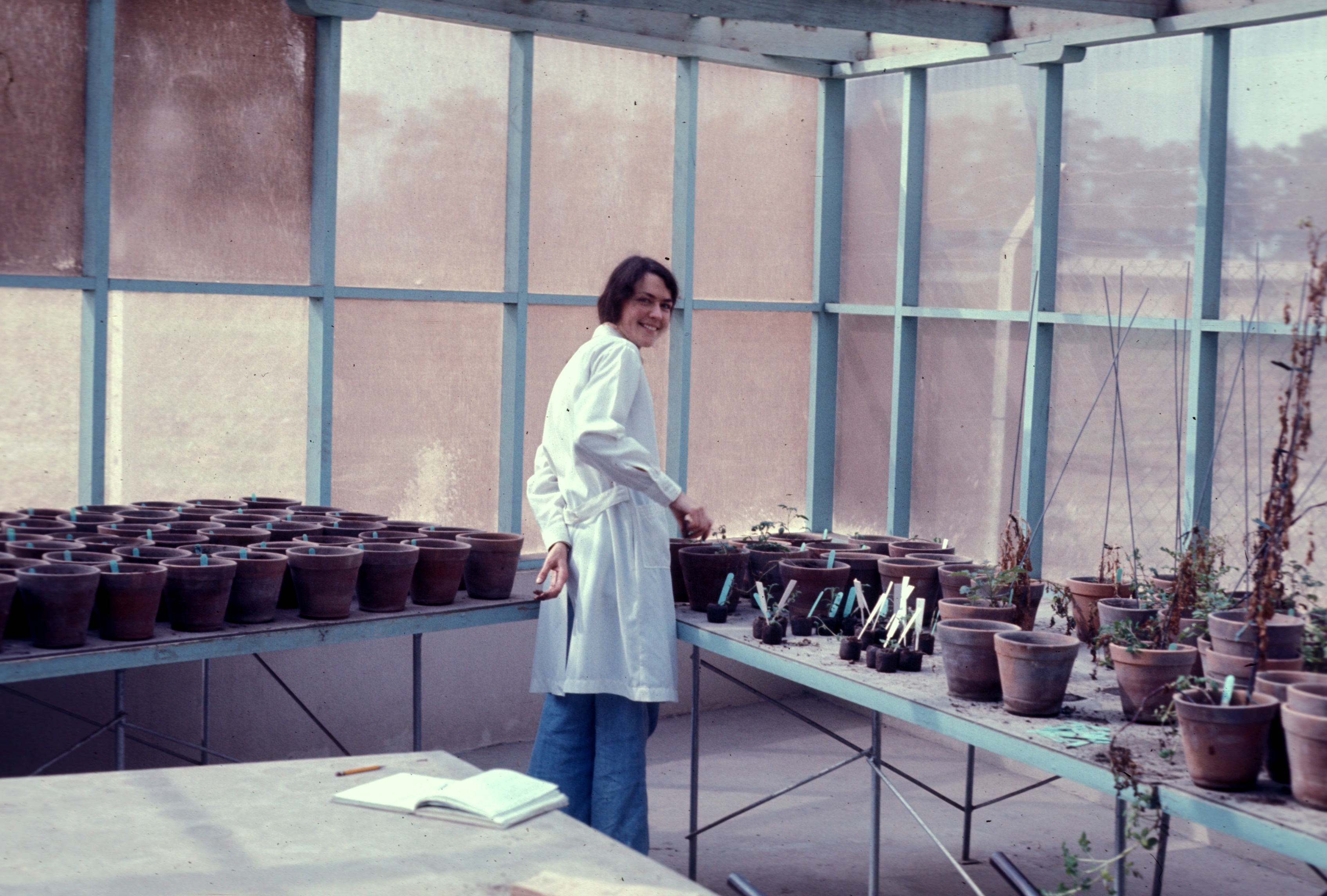
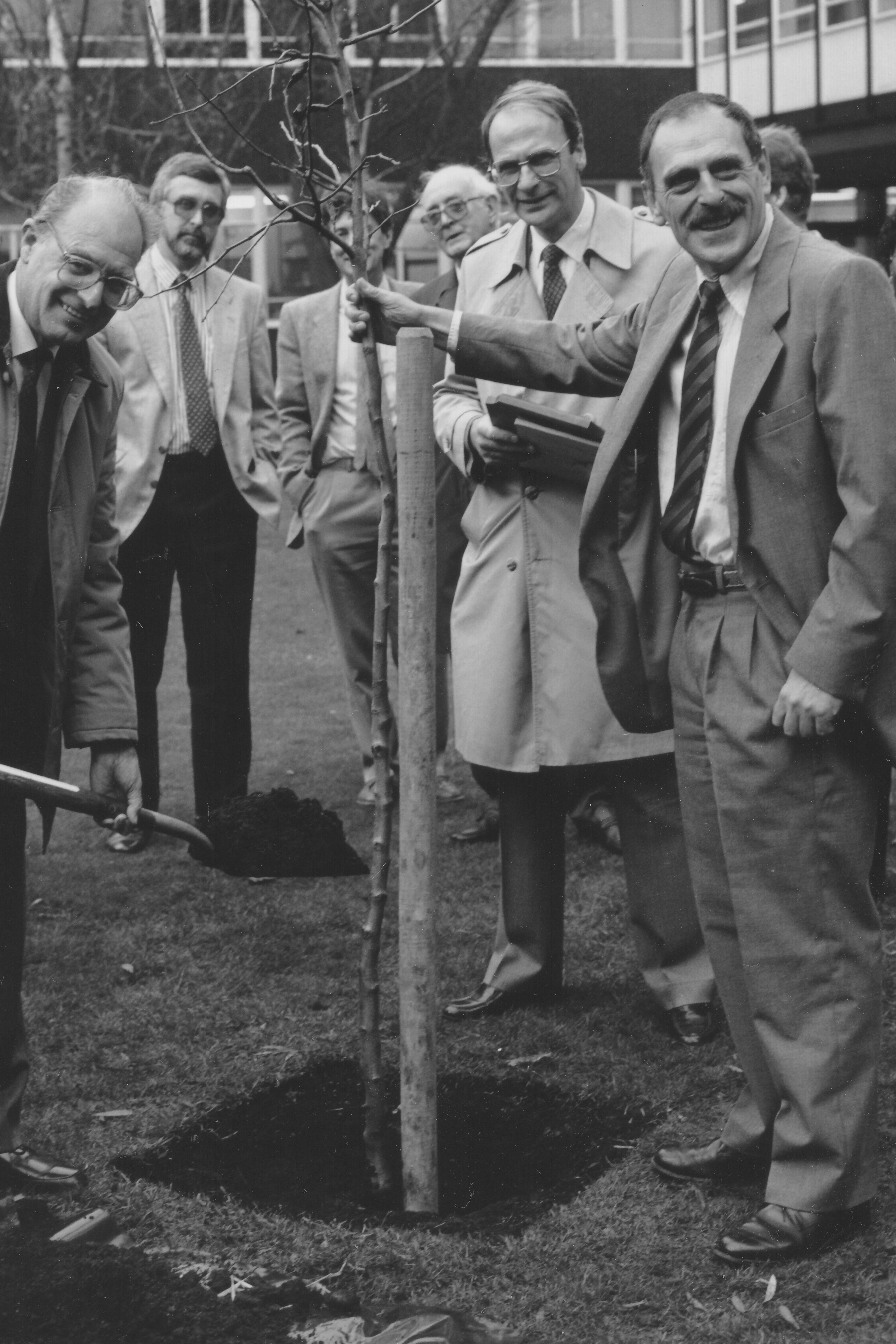
 Completing a PhD thesis is one thing. Supervising the research of someone else is another.
 Ardeshir B Damania 1983: Variation in wheat and barley landraces from Nepal and the Yemen Arab Republic
 Rene Chavez 1984: The use of wide crosses in potato breeding
 Denise B Clugston 1988: Embryo culture and protoplast fusion for the introduction of Mexican wild species germplasm into the cultivated potato
 Carlos Arbizu 1990: The use of Solanum acaule as a source of resistance to potato spindle tuber viroid (PSTV) and potato leaf roll virus (PLRV)
 Abdul Ghani Yunus 1990: Biosystematics of Lathyrus Section Lathyrus with special reference to the grass pea, L. sativus L.
 F Javier Franisco Ortega 1992: An ecogeographical study within the Chamaecytisus proliferus (L.fil.) Link complex (Fabaceae: Genisteae) in the Canary Islands
 Susan A Juned 1994: Somaclonal variation in the potato (Solanum tuberosum L.) cultivar Record with particular reference to the reducing sugar variation after cold storage
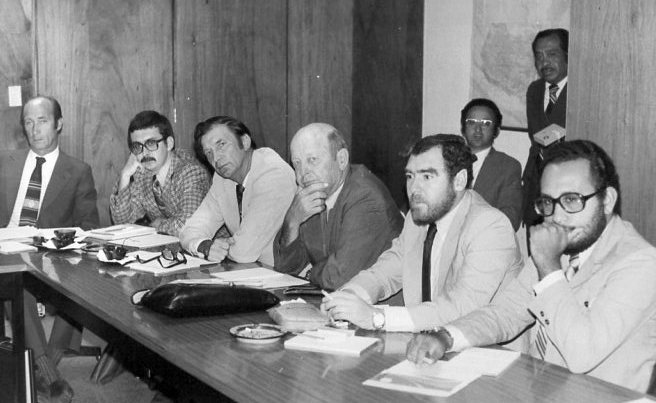


 Seed production through rapid multiplication techniques was another important area, and I supported in this by seed production specialist

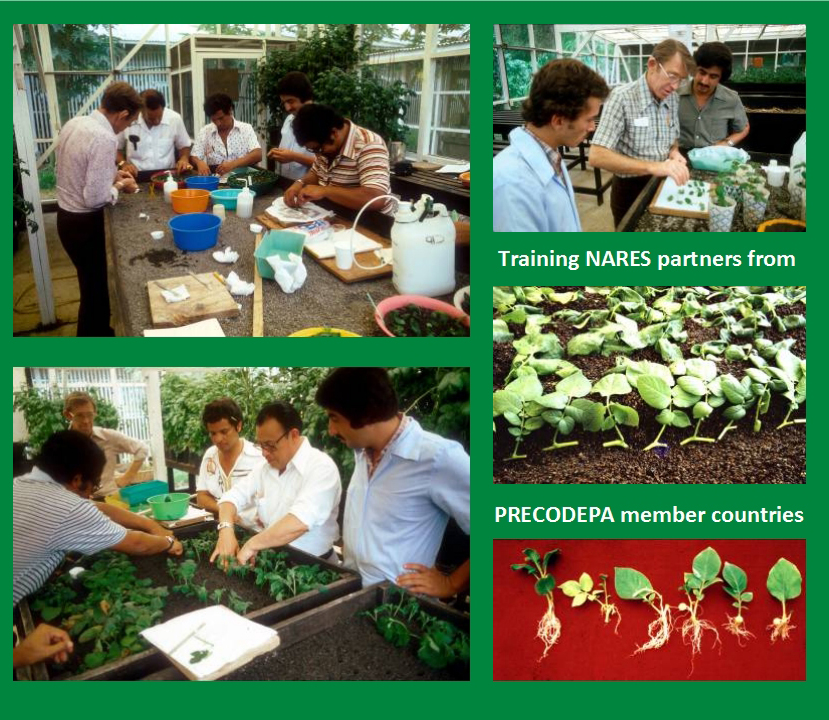
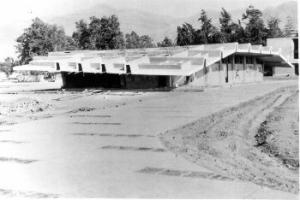
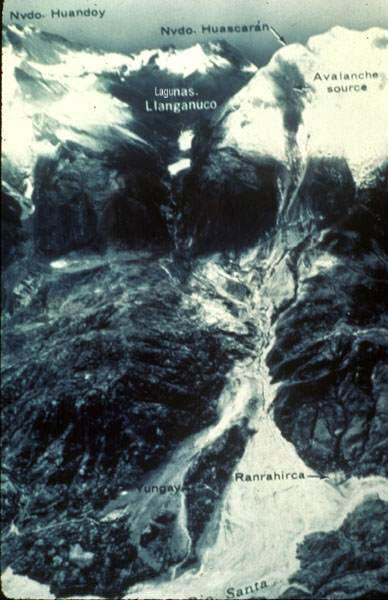
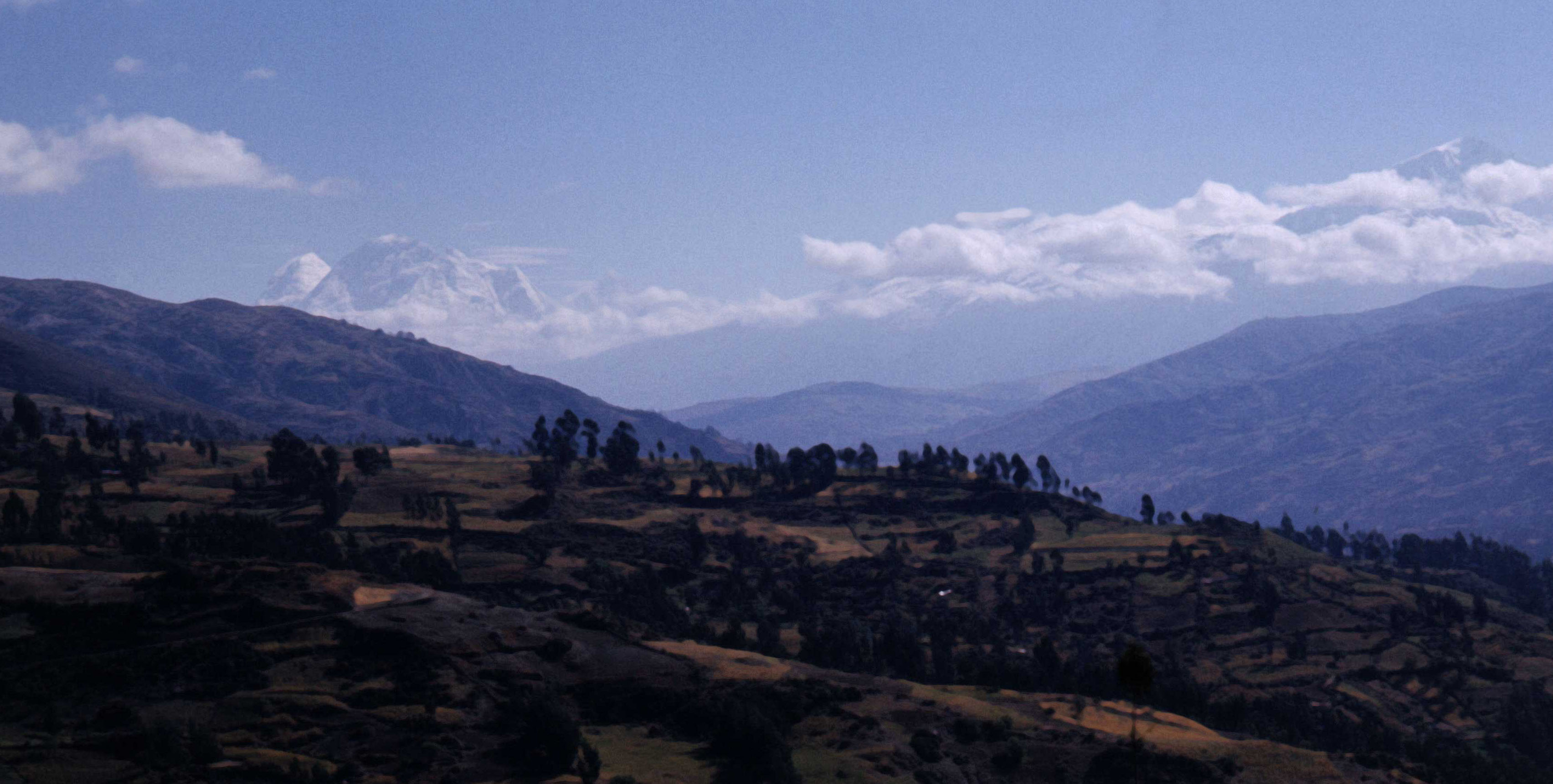

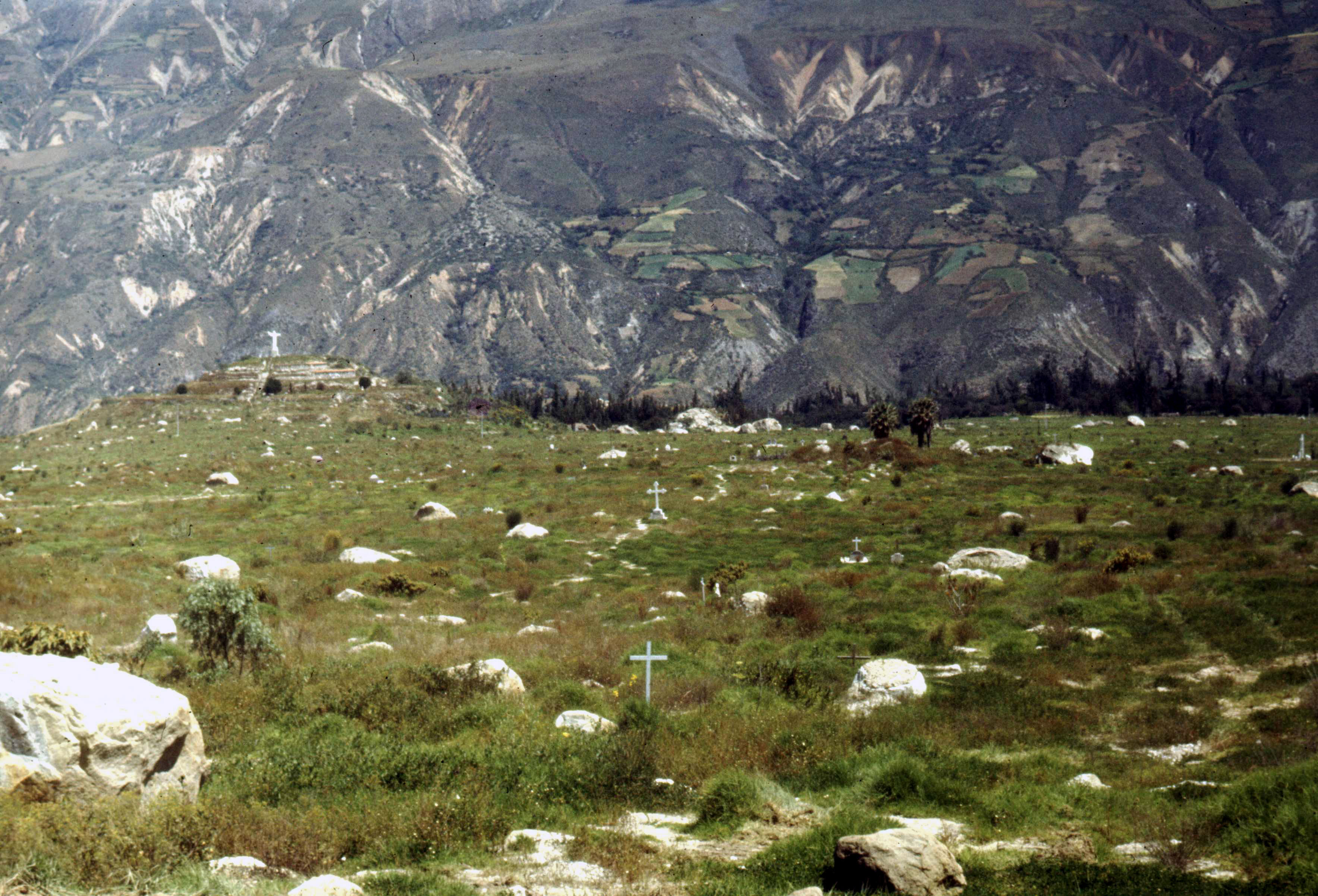

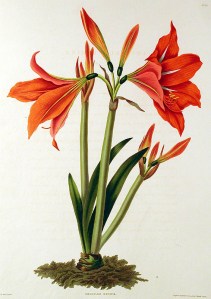


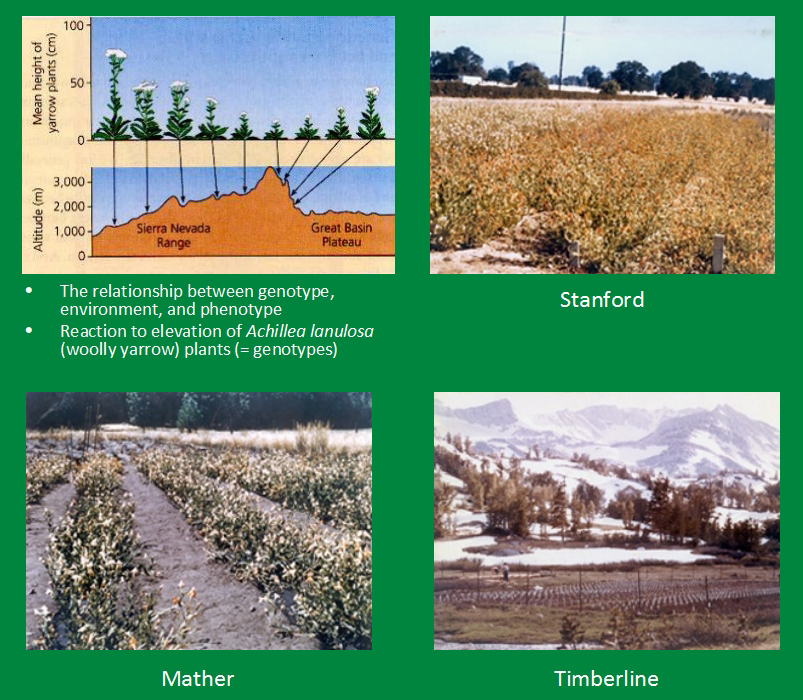

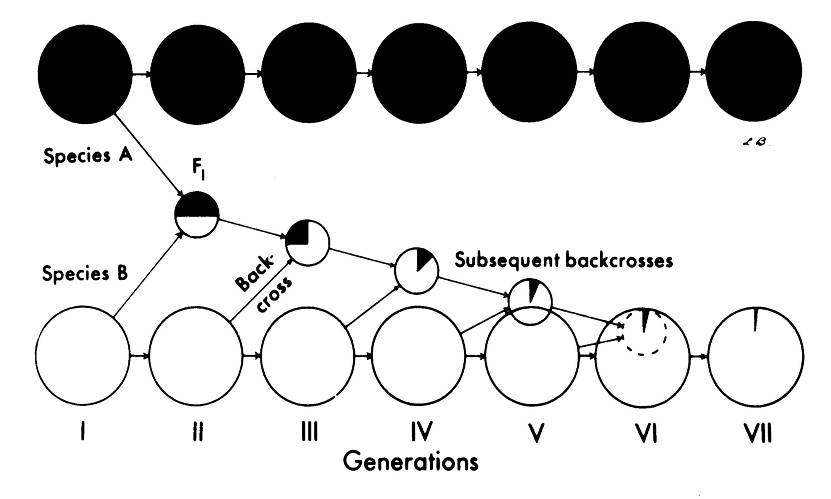
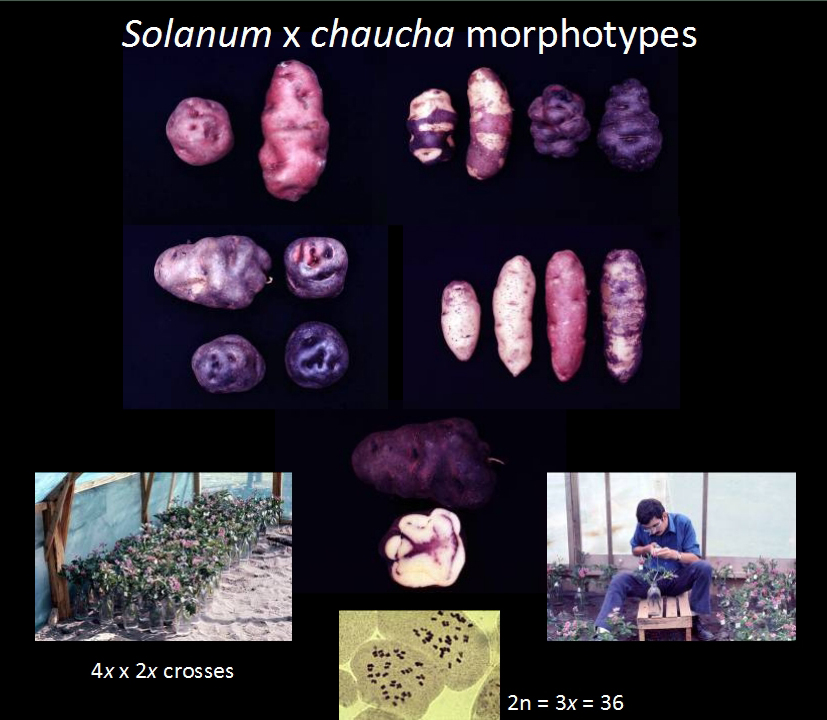
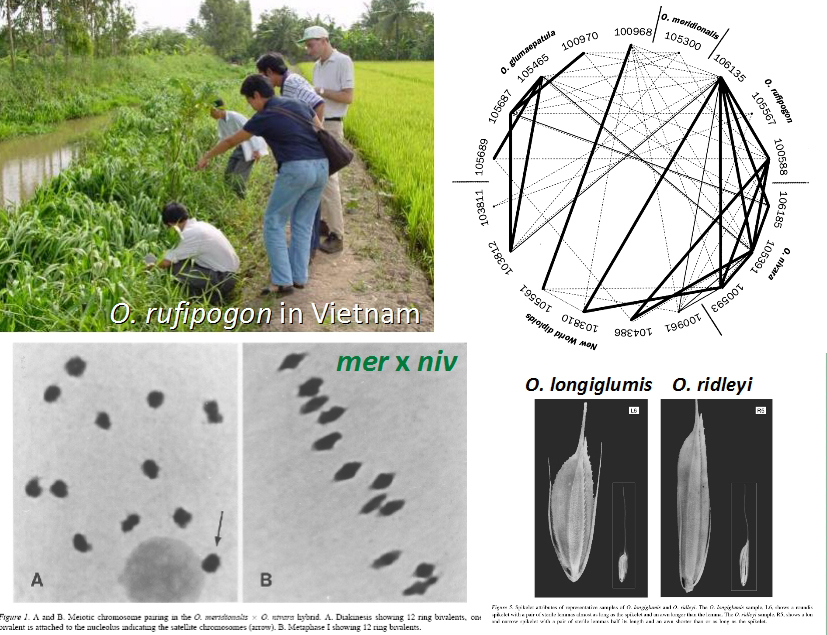
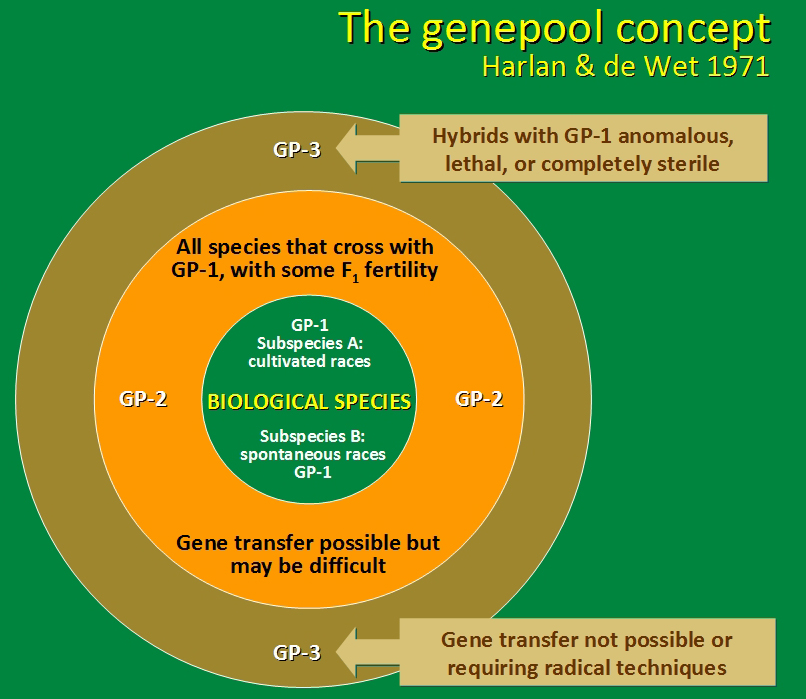
 Hindsight is a wonderful thing. Although I spent more than 20 years studying potatoes – in a variety of guises – that had not been my first choice. I originally wanted to become the world’s lentil expert.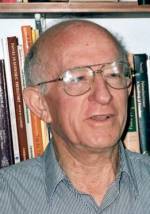
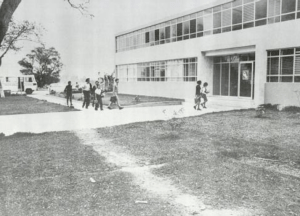
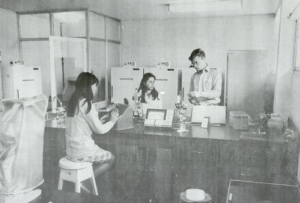
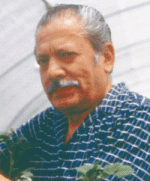

 The arrangements for that meeting say a lot about the early CIP days. We traveled to Huancayo by road, in two Iranian-built Hillman station wagons, one of them driven by the CIP Director General, Richard Sawyer. Another point worth mentioning is the research planning strategy that CIP implemented. Since potato research was strong in many countries around the world, Sawyer decided it would be effective to engage potato scientists from elsewhere in CIP’s research. Not only were they invited to participate in planning workshops, they also received research grants to carry out specific research projects (such as the potato breeding and nematology resistance research at Cornell University, for example), and provide graduate opportunities for students sponsored by CIP. This approach, as well as developing a regional program for research and dissemination, were heavily criticised in the early days of the CGIAR. This was not the approach taken by other centers such as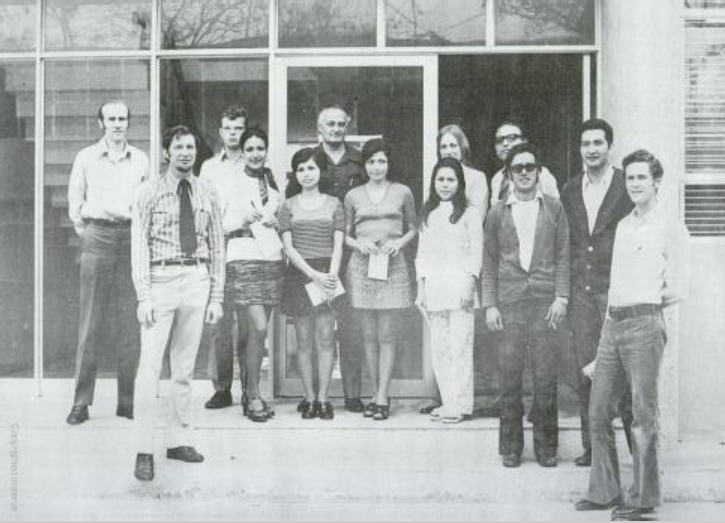
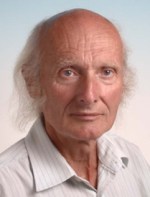
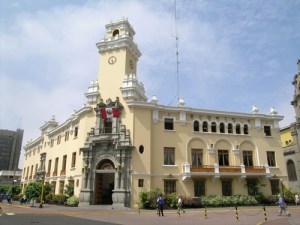
 A balanced diet . . .