I recently wrote about a trip to Bali in 2005 when the IRRI Board of Trustees (BoT) held one of its biannual meetings there.
Four years later, in September 2009, Steph joined me when I attended the BoT meeting in Japan that was held in Tsukuba, the science city just over 60 km or so northeast of Tokyo, followed by a couple of days in Tokyo itself. Since the meeting was held in the week before Steph’s 60th birthday, we decided to stay on an extra couple of nights and see something of Tokyo. I had been in Tokyo just once before¹, around 1994; Steph had never visited. However, we’d both passed through Tokyo’s Narita airport many times while flying to the USA.
In the good old days, before Northwest Airlines merged with and was taken over by Delta. Narita was a major hub for NW flights to and from the USA, as is the case now with Delta.
Leaving Manila for Tokyo on the early morning flight (a very early start from Los Baños to check-in three hours ahead of the flight) was not without its challenges, and we weren’t entirely certain we’d be able to fly. The Philippines had been hit the day before by Typhoon Ketsana (known in the Philippines as Ondoy), the first of two typhoons to hit the country within one week. There was extensive flooding in parts of Manila (which we saw as the Delta 747 climbed out of the city). At Manila’s Ninoy Aquino International Airport or NAIA there was chaos at the check-in and in the departure areas. Many flights had failed to leave the previous day, and with so many passengers with nowhere else to go, the airport was heaving with people hoping to get a flight out.
Since Steph was traveling with me, I used air miles to upgrade our booking to Business Class as a special treat. The flight to Narita takes four hours. On arrival at Narita, we had a short wait for the bus to Tsukuba, around an hour northwest from the airport. We stayed at the Okura Frontier Hotel (the square building on the right) in the center of the city.
The Board and IRRI Management (and scientists as needed) met for three and a half days at the Tsukuba International Conference Center (just over a five minute walk south from the hotel).
The entrance to the Tsukuba International Conference Center.
Meanwhile, Steph joined the other spouses for several excursions in the surrounding region, as well as into Tokyo, to visit markets, see local handicrafts, take part in traditional Japanese flower arranging, a tea ceremony, and the like.
Then, after four days in Tsuskuba, we all decamped to central Tokyo, to the the Sheraton Miyako Hotel where, close-by, several events were organized by IRRI’s Japanese partner organization, the Japan International Research Center for Agricultural Sciences or JIRCAS.
The Sheraton Miyako Hotel (on the left) in the Minato district of Tokyo.
As I mentioned earlier, Steph and I stayed on for an extra couple of nights, so we could explore parts of Tokyo at the weekend, on Saturday 3 October, departing for Manila on the Sunday evening flight.
I’ve marked the places we visited on the map below.
We took full advantage of the extensive Tokyo subway system. We were able to purchase day tickets that gave access to the whole of the Tokyo subway system, over both the Toei Line and the Tokyo Metro Line. However, our first challenge was to purchase two tickets using the ticket machines. Eventually a very kind Japanese gentleman saw we were having a little difficulty, and helped us successfully navigate the menu.
The entrance to Shirokanedai subway station.
Starting at Shirokanedai Station (station I02, center bottom left on the map) on the Mita Line (Toei Line system), we traveled to the commercial district of Akihabara (I08), well known for its many electronics outlets. From there we visited Hibiyakōen (via Hibiya station, I08/H07), a park (near the Imperial Palace) where an agricultural exhibition was being held, that also featured a booth for the Consultative Group on International Agricultural Research (including IRRI). Then it was on to the Shinjuku Gyoen National Garden (via Shinjuku-Gyoemmae station, M10), and back to the hotel.
One thing struck us quite forcefully during this day excursion: how quickly one could get away from the hustle and bustle of Tokyo at the Shinjuku Gyoen National Garden. It was a haven of peace and tranquility. Early October was perhaps not the best time of the year to see the garden. But it was lovely, nevertheless, and being enjoyed by locals with their families, although not at all busy.
Here is a 17 minute video that I made of the day.
One day is surely not enough to explore a city the size of Tokyo, but we did get to visit three areas that we had chosen. Getting around Tokyo was much easier than I anticipated, and more so than I remembered from my visit in the 1990s.
Of course there are many other places in Japan that we never had the opportunity and maybe one day we will return. The only other city I have seen—from the airport constructed on an artificial island—is Osaka.
¹ During that trip, when I was hosted by a former member of IRRI’s Board of Trustees, and another who was currently serving on the Board, I visited both Tsukuba and Tokyo. In Tokyo I met officials at the Ministry of Agriculture, Forestry, and Fisheries (MAFF), and there I came across one of my former students, Yoshi Nishikawa, who attended the University of Birmingham plant genetic resources MSc course in 1987-88.
During the 19 years I worked at the International Rice Research Institute (IRRI) in the Philippines, I traveled to most of the countries in Asia, some repeatedly (Laos, for example) and others (such as Sri Lanka) just the once.
I must have visited Indonesia half a dozen times, mostly to Jakarta (on the island of Java) and to Bogor, about 64 km south of the capital, where one of IRRI’s sister centers, the forestry institute CIFOR, has its headquarters.
My first visit to Asia, in 1982, was to Indonesia. I stayed in Bogor for a couple of nights at the famous botanical garden there before returning to Jakarta to attend a genetic resources conference. However, it wasn’t until 2005 that I experienced the beauty of Bali for the first and only time.
Bali’s landscapes are dominated by three volcanoes in the north and northeast, the highest of which is Mt Agung, active since 2017.
These landscapes have been molded by generations of rice farmers who built and still maintain terraces to grow their precious crops. The soils, volcanic in origin, are fertile, and appear very productive.
IRRI’s Board of Trustees (BoT) meets twice a year. One meeting, in April, is always held at the institute’s headquarters in Los Baños, some 70 km south of Manila. The other meeting is often co-hosted by one of the institute’s national program partners with which IRRI collaborates to develop better rice technologies. Such joint meetings are often the opportunity for Board members (who come from a wide range of backgrounds, not necessarily agricultural) to better understand national rice production issues, and to see first hand how technologies are being tested, and disseminated to and adopted by farmers to increase agricultural productivity.
Rice varieties on display (above) and technologies (below) at a field day for IRRI’s Board of Trustees.
In 2005, the September BoT meeting was held at the Pan Pacific Nirwana Bali Resort 27 km west of Bali’s capital Denpasar. Steph joined me on this trip for only the second time (she did join me on a trip to Laos in 1997, then to Japan in 2009). We flew from Manila via Singapore on Singapore Airlines.
The BoT meeting lasted three days, and while we were locked away in presentations and discussions, the group of IRRI wives who had come along for the trip took various excursions around the island. Fortunately, we scientists and management also got to see something of Bali, the fertile volcanic landscapes, and rice agriculture on the picturesque and iconic rice terraces typical of the island.
Bali has a thriving tourist industry, but at the Nirwana resort we saw very little of the multitudes that flock to Bali each year. In any case most tourists stick close to Denpasar and its nightlife, in resorts located to the east and south of the capital. The coast west of Denpasar still remains unspoiled and uncrowded, however, according to an article that appeared in The Guardian today.
The hotel was very comfortable, and we enjoyed a large room with a balcony overlooking the restless Indian Ocean (next stop south: Antarctica!). The resort lies in the middle of an 18 hole golf course, interspersed with rice fields and lotus ponds, so there were ample opportunities for long walks at sunset. Several bars and restaurants are dotted around the complex, most with views over the golf course or the ocean. There were several pools to relax in.
Lotus ponds
Once the IRRI Board meeting was done and dusted, Steph and I decided to extend our stay over a long weekend.Just a short distance along the coast from the resort stands the famous and revered 16th century Hindu temple at Tanah Lot with access along the beach.
Unlike much of Indonesia (which is the world’s largest Muslim nation), Bali is primarily Hindu, and that is reflected in its culture, dances, and customs, some of which we experienced at a reception one evening.
In just over a week, we just sampled the flavor of Bali, but it would take an extended stay to become immersed in its vibrant culture. While I would like to return, one day, there are so many other places that I just have to explore first, given the opportunity.
My decision to leave a tenured position at the University of Birmingham in June 1991 was not made lightly. I was about to be promoted to Senior Lecturer, and I’d found my ‘home’ in the Plant Genetics Research Group following the reorganization of the School of Biological Sciences a couple of years earlier.
But I wasn’t particularly happy. Towards the end of the 1980s, Margaret Thatcher’s Conservative Government had become hostile to the university sector, demanding significant changes in the way they operated before acceding to any improvements in pay and conditions. Some of the changes then forced on the university system still bedevil it to this day.
I felt as though I was treading water, trying to keep my head above the surface. I had a significant teaching load, research was ticking along, PhD and MSc students were moving through the system, but still the university demanded more. So when an announcement of a new position as Head of the Genetic Resources Center (GRC) at the International Rice Research Institute (IRRI) in the Philippines landed on my desk in September 1990, it certainly caught my interest. I discussed such a potential momentous change with Steph, and with a couple of colleagues at the university.
Nothing venture, nothing gained, I formally submitted an application to IRRI and, as they say, the rest is history. However, I never expected to spend the next 19 years in the Philippines.
Since 1971, I’d worked almost full time in various aspects of conservation and use of plant genetic resources. I’d collected potato germplasm in Peru and the Canary Islands while at Birmingham, learned the basics of potato agronomy and production, worked alongside farmers, helped train the next generation of genetic conservation specialists, and was familiar with the network of international agricultural research centers supported through the Consultative Group on International Agricultural Research or CGIAR.
What I had never done was manage a genebank or headed a department with tens of staff at all professional levels. Because the position in at IRRI involved both of these. The head would be expected to provide strategic leadership for GRC and its three component units: the International Rice Germplasm Center (IRGC), the genebank; the International Network for the Genetic Evaluation of Rice (INGER); and the Seed Health Unit (SHU). However, only the genebank would be under the day-to-day management of the GRC head. Both INGER and the SHU would be managed by project leaders, while being amalgamated into a single organizational unit, the Genetic Resources Center.
I was unable to join IRRI before 1 July 1991 due to teaching and examination commitments at the university that I was obliged to fulfill. Nevertheless, in April I represented IRRI at an important genetic resources meeting at FAO in Rome, where I first met the incoming Director General of the International Board for Plant Genetic Resources (soon to become the International Plant Genetic Resources Institute or IPGRI), Dr Geoff Hawtin, with whom I’ve retained a friendship ever since.
On arrival at IRRI, I discovered that the SHU had been removed from GRC, a wise decision in my opinion, but not driven I eventually discerned by real ‘conflict of interest’ concerns, rather internal politics. However, given that the SHU was (and is) responsible, in coordination with the Philippines plant health authorities, to monitor all imports and exports of rice seeds at IRRI, it seemed prudential to me not to be seen as both ‘gamekeeper and poacher’, to coin a phrase. After all the daily business of the IRGC and INGER was movement of healthy seeds across borders.
Klaus Lampe
My focus was on the genebank, its management and role within an institute that itself was undergoing some significant changes, 30 years after it had been founded, under its fifth Director General, Dr Klaus Lampe, who had hired me. He made it clear that the head of GRC would not only be expected to bring IRGC and INGER effectively into a single organizational unit, but also complete a ‘root and branch’ overhaul of the genebank’s operations and procedures, long overdue.
Since INGER had its own leader, an experienced rice breeder Dr DV Seshu, somewhat older than myself, I could leave the running of that network in his hands, and only concern myself with INGER within the context of the new GRC structure and personnel policies. Life was not easy. My INGER colleagues dragged their feet, and had to be ‘encouraged’ to accept the new GRC reality that reduced the freewheeling autonomy they had become accustomed to over the previous 20 years or so, on a budget of about USD1 million a year provided by the United Nations Development Program or UNDP.
When interviewing for the GRC position I had also queried why no germplasm research component had been considered as part of the job description. I made it clear that if I was considered for the position, I would expect to develop a research program on rice genetic resources. That indeed became the situation.
Once in post at IRRI, I asked lots of questions. For at least six months until the end of 1991, I made no decisions about changes in direction for the genebank until I better understood how it operated and what constraints it faced. I also had to size up the caliber of staff, and develop a plan for further staff recruitment. I did persuade IRRI management to increase resource allocation to the genebank, and we were then able to hire technical staff to support many time critical areas.
But one easy decision I did make early on was to change the name of the genebank. As I’ve already mentioned, its name was the ‘International Rice Germplasm Center’, but it didn’t seem logical to place one center within another, IRGC in GRC. So we changed its name to the ‘International Rice Genebank’, while retaining the acronym IRGC (which was used for all accessions in the germplasm collection) to refer to International Rice Genebank Collection.
In various blog posts over the past year or so, I have written extensively about the genebank at IRRI, so I shall not repeat those details here, but provide a summary only.
I realized very quickly that each staff member had to have specific responsibilities and accountability. We needed a team of mutually-supportive professionals. In a recent email from one of my staff, he mentioned that the genebank today was reaping the harvest of the ‘seeds I’d sown’ 25 years ago. But, as I replied, one has to have good seeds to begin with. And the GRC staff were (and are) in my opinion quite exceptional.
In terms of seed management, we beefed up the procedures to regenerate and dry seeds, developed protocols for routine seed viability testing, and eliminated duplicate samples of genebank accessions that were stored in different locations, establishing an Active Collection (at +4ºC, or thereabouts) and a Base Collection (held at -18ºC). Pola de Guzman was made Genebank Manager, and Ato Reaño took responsibility for all field operations. Our aim was not only to improve the quality of seed being conserved in the genebank, but also to eliminate (in the shortest time possible) the large backlog of samples to be processed and added to the collection.
Dr Kameswara Rao (from IRRI’s sister center ICRISAT, based in Hyderabad, India) joined GRC to work on the relationship between seed quality and seed growing environment. He had received his PhD from the University of Reading, and this research had started as a collaboration with Professor Richard Ellis there. Rao’s work led to some significant changes to our seed production protocols.
Since I retired, I have been impressed to see how research on seed physiology and conservation, led by Dr Fiona Hay (now at Aarhus University in Denmark) has moved on yet again. Take a look at this story I posted in 2015.
Screen house space for the valuable wild species collection was doubled, and Soccie Almazan appointed as wild species curator.
One of the most critical issues I had to address was data management, which was in quite a chaotic state, with data on the Asian rice samples (known as Oryza sativa), the African rices (O. glaberrima), and the remaining 20+ wild species managed in separate databases that could not ‘talk’ to each another. We needed a unified data system, handling all aspects of genebank management, germplasm regeneration, characterization and evaluation, and germplasm exchange. We spent about three years building that system, the International Rice Genebank Collection Information System (IRGCIS). It was complicated because data had been coded differently for the two cultivated and wild species, that I have written about here. That’s a genebank lesson that needs to be better appreciated in the genebank community. My colleagues Adel Alcantara, Vanji Guevarra, and Myrna Oliva did a splendid job, which was methodical and thorough.
In 1995 we released the first edition of a genebank operations manual for the International Rice Genebank, something that other genebanks have only recently got round to.
Our germplasm research focused on four areas:
seed conservation (with Richard Ellis at the University of Reading, among others);
the use of molecular markers to better manage and use the rice collection (with colleagues at the University of Birmingham and the John Innes Centre in Norwich);
biosystematics of rice, concentrating on the closest wild relative species (led by Dr Bao-Rong Lu and supported by Yvette Naredo and the late Amy Juliano);
on farm conservation – a project led by French geneticist Dr Jean-Louis Pham and social anthropologists Dr Mauricio Bellon and Steve Morin.
At the beginning of the 1990s there were no genome data to support the molecular characterization of rice. Our work with molecular markers was among use these to study a germplasm collection. The research we published on association analysis is probably the first paper that showed this relationship between markers and morphological characteristics or traits.
In 1994, I developed a 5-year project proposal for almost USD3.3 million that we submitted for support to the Swiss Development Cooperation. The three project components included:
germplasm exploration (165 collecting missions in 22 countries), with about half of the germplasm collected in Laos; most of the collected germplasm was duplicated at that time in the International Rice Genebank;
training: 48 courses or on-the-job opportunities between 1995 and 1999 in 14 countries or at IRRI in Los Baños, for more than 670 national program staff;
on farm conservation to:
to increase knowledge on farmers’ management of rice diversity, the factors that
influence it, and its genetic implications;
to identify strategies to involve farmers’ managed systems in the overall conservation of
rice genetic resources.
I was ably assisted in the day-to-day management of the project by my colleague Eves Loresto, a long-time employee at IRRI who sadly passed away a few years back.
When I joined IRRI in 1991 there were just under 79,000 rice samples in the genebank. Through the Swiss-funded project we increased the collection by more than 30%. Since I left the genebank in 2001 that number has increased to over 136,000 making it the largest collection of rice germplasm in the world.
We conducted training courses in many countries in Asia and Africa. The on-farm research was based in the Philippines, Vietnam, and eastern India. It was one of the first projects to bring together a population geneticist and a social anthropologist working side-by-side to understand how, why, and when farmers grew different rice varieties, and what incentives (if any) would induce them to continue to grow them.
The final report of this 5-year project can be read here. We released the report in 2000 on an interactive CD-ROM, including almost 1000 images taken at many of the project sites, training courses, or during germplasm exploration. However, the links in the report are not active on this blog.
During my 10 year tenure of GRC, I authored/coauthored 33 research papers on various aspects of rice genetic resources, 1 co-edited book, 14 book chapters, and 23 papers in the so-called ‘grey’ literature, as well as making 33 conference presentations. Check out all the details in this longer list, and there are links to PDF files for many of the publications.
In 1993 I was elected chair of the Inter-Center Working Group on Genetic Resources, and worked closely with Geoff Hawtin at IPGRI, and his deputy Masa Iwanaga (an old colleague from CIP), to develop the CGIAR’s System-wide Genetic Resources Program or SGRP. Under the auspices of the SGRP I organized a workshop in 1999 on the application of comparative genetics to genebank collections.
Professor John Barton
With the late John Barton, Professor of Law at Stanford University, we developed IRRI’s first policy on intellectual property rights focusing on the management, exchange and use of rice genetic resources. This was later expanded into a policy document covering all aspects of IRRI’s research.
The 1990s were a busy decade, germplasm-wise, at IRRI and in the wider genetic resources community. The Convention on Biological Diversity had come into force in 1993, and many countries were enacting their own legislation (such as Executive Order 247 in the Philippines in 1995) governing access to and use sovereign genetic resources. It’s remarkable therefore that we were able to accomplish so much collecting between 1995 and 2000, and that national programs had trust in the IRG to safely conserve duplicate samples from national collections.
Ron Cantrell
All good things come to an end, and in January 2001 I was asked by then Director General Ron Cantrell to leave GRC and become the institute’s Director for Program Planning and Coordination (that became Communications two years later as I took on line management responsibility for Communication and Publications Services, IT, and the library). On 30 April, I said ‘goodbye’ to my GRC colleagues to move to my new office across the IRRI campus, although I kept a watching brief over GRC for the next year until my successor, Dr Ruaraidh Sackville Hamilton, arrived in Los Baños.
Listen to Ruaraidh and his staff talking about the genebank.
So, after a decade with GRC I moved into IRRI’s senior management team and set about bringing a modicum of rationale to the institute’s resource mobilization initiatives, and management of its overall research project portfolio. I described here how it all started. The staff I was able to recruit were outstanding. Running DPPC was a bit like running a genebank: there were many individual processes and procedures to manage the various research projects, report back to donors, submit grant proposals and the like. Research projects were like ‘genebank accessions’ – all tied together by an efficient data management system that we built in an initiative led by Eric Clutario (seen standing on the left below next to me).
From my DPPC vantage point, it was interesting to watch Ruaraidh take GRC to the next level, adding a new cold storage room, and using bar-coding to label all seed packets, a great addition to the data management effort. With Ken McNally’s genomics research, IRRI has been at the forefront of studies to explore the diversity of genetic diversity in germplasm collections.
Last October, the International Rice Genebank was the first to receive in-perpetuity funding from the Crop Trust. I’d like to think that the significant changes we made in the 1990s to the genebank and management of rice germplasm kept IRRI ahead of the curve, and contributed to its selection for this funding.
I completed a few publications during this period, and finally retired from IRRI at the end of April 2010. Since retirement I have co-edited a second book on climate change and genetic resources, led a review of the CGIAR’s genebank program, and was honored by HM The Queen as an Officer of the British Empire (OBE) in 2012 for my work at IRRI.
So, as 2018 draws to a close, I can look back on almost 50 years involvement in the conservation and use of plant genetic resources for food and agriculture. What an interesting—and fulfilling—journey it has been.
18 November 1948. Today is my 70th birthday. Septuagenarian. The Biblical three score and ten (Psalm 90:10)!
Steph and I have come away for the weekend to celebrate my birthday with The Beatles in Liverpool.
We are staying for a couple of nights at Jurys Inn close to the Albert Dock. Later this morning we’ve booked to visit the National Trust-owned Beatles’ Childhood Homes (of John Lennon and Paul McCartney). And after lunch, we will tour The Beatles Story where I’m hoping to see, displayed there, something special from my childhood.
How the years have flown by. Just a month ago, Steph and I celebrated our 45th wedding anniversary. And I find it hard to believe that I started university over 50 years ago.
That got me thinking. I’ve written quite a lot in this blog about the years after I graduated, my time working overseas, about travel, and what Steph and I have been up to since retiring in 2010.
However, I written much less about my early years growing up in Cheshire and Staffordshire. This is then an appropriate moment to fill some gaps.
A son of Cheshire I was born in Knowlton House nursing home in Congleton, Cheshire (map), third son and fourth and youngest child of Frederick Harry Jackson (aged 40), a photo process engraver, and Lilian May Jackson, also aged 40, housewife.
Mum and Dad, around 1959/60 after we had moved to Leek
My eldest brother Martin has been able to trace our family’s ancestry (mainly on my father’s side) back to someone named Bull, who was my 13th great-grandfather, born around 1480 on the Staffordshire/ Derbyshire border, just one of my 32,000 plus direct ancestors then. I must be related to royalty in one way or another (as are most of us), although looking at the occupations noted for many of them in various official documents (birth and marriage certificates, census data), we came a long way down the pecking order. Definitely below the salt! We’re Irish on my mother’s side of the family.
A punk before it was fashionable!
I am also a child of the National Health Service (NHS) that was founded in July 1948. In fact, I’m (approximately) the 190,063rd baby born under the NHS!
Knowlton House on Parson Street in Congleton – it’s no longer a nursing home.
I wonder who assisted at my birth? It could well have been our family Dr Galbraith, or Nurses Frost and Botting.
Dr Galbraith (R) was our family doctor, who (with his partner Dr Ritchie) often attended births at Knowlton House, and is seen here with resident midwife Nurse Rose Hannah Frost, who assisted at more than 3000 births. There is a very good chance either Nurse Frost or Nurse May Botting (who ran the nursing home) assisted at my birth. In this photo from 1936, Dr Galbraith and Nurse Frost are holding the Nixon triplets. Photo courtesy of Alan Nixon, who was apparently named after Dr Galbraith.
My dad registered my birth¹ on 22 November (Entry No. 442). There are few ‘Michaels’ in the family; Thomas is my paternal grandfather’s name.
My eldest brother Martin was born in September 1939, just a couple of days before war was declared on Germany. My sister Margaret was born in January 1941. Martin and Margaret spent much of WWII with my paternal grandparents in rural Derbyshire. My elder brother Edgar (‘Ed’) is, like me, one of the baby boomer generation, born in July 1946.
The difference of around 55 years – 1951/52 and 2006
I’ve often wondered what sacrifices Mum and Dad had to make to give us all such a good start in life.
Growing up in Congleton, we lived at 13 Moody Street, close to the town center’s High Street.
There’s not much to tell about my first couple of years, other than what I can surmise from a few photographs taken around that time when I was still in my pram or just beginning to walk. Two things I do remember clearly, though. The hens my father used to keep, and even the large henhouse he constructed at the bottom of the garden. And our female cat, Mitten, and all her kittens. That must have been the start of becoming an ailurophile (cat lover).
My best friend was Alan Brennan, a year younger, who lived a little further up Moody Street at No. 23 (and with whom I reconnected through this blog, after a gap of around 60 years!).
With Alan and his parents (and friends) at Timbersbrook, in 1955. I clearly remember Mr Brennan’s Vauxhall car – a Wyvern I believe.
We didn’t go to the same primary school. Like my brothers and sister before me, I was enrolled (in September 1952 or April 1953, maybe as late as September 1953) at the small Church of England school on Leek Road in Mossley, south of the town. By then, Martin had moved on to grammar school in Macclesfield; Margaret had also transferred to secondary school in Congleton.
Each morning, Ed and I would catch the bus in the High Street together for the short, 1½ mile ride to Mossley. And even as young as five, I would sometimes walk home alone from school during the summer months, along Leek Road and Canal Road/Street. How times change!
I remember the headteacher, Mr Morris, as a kind person. My class teachers were Mrs Bickerton (on the left) and Mrs Johnson (on the right). Courtesy of Liz Campion.
There was a real community of children around Moody Street, Howie Lane/Hill, and Priesty Fields. In summer, we’d all wander up to play on the swing bridge over the Macclesfield Canal (beyond the cemetery – where we would also play in a WWII air raid shelter). The bridge has long been replaced, but from comments on a Congleton Facebook group I belong to, it seems that over the generations, many children enjoyed the swing bridge as much as we did.
In winter, we had fun in the snow at Priesty Fields just round the corner from Moody St. And, as you can see below, we enjoyed dressing up. Happy days!
In the upper image, taken on Coronation Day in 1953, I’m fifth from the right (carrying the stick). Alan Brennan is the little by to the left of the ‘clown’, and in front of the ‘pirate’, my elder brother Ed. The lower image was taken on May Day, probably 1953 or 54. I’m on the left, carrying the sword, uncertain whether to be a knight or a cowboy.
c. 1955. L-R: Veronica George, Carol Brennan, Jessica George, my elder brother Ed, me, Margaret Moulton, and Alan Brennan. Taken in the garden of No 13 Moody St. The George sisters lived at No. 21 Moody St.
I often joined my father when he went out on photographic assignments for the Congleton Chronicle (where he was Chief Photographer), often to Biddulph Grange when it was an orthopedic hospital, also to Astbury, and out into the beautiful Cheshire countryside.
I remember one outing in particular, to Little Moreton Hall in May 1954. This is my father’s photo of Manley Morris Men dancing there, an image that stuck in my mind for many years. So much so that when I went to university in the later 1960s, I helped form a morris dancing side, the Red Stags, that’s still going strong (albeit in a slightly different form) 50 years later.
The Manley Morris Men at Little Moreton Hall on 8 May 1954.
For family holidays I remember those in North Wales, at a caravan park or, on one occasion, a camping coach, a converted railway carriage alongside the mainline to Holyhead next to the beach at Abergele.
During these early years, until July 1954, rationing was still in place that had come into effect at the start of the Second World War. I often wonder how my parents managed to raise four children during these difficult years. One thing I do recall, however, is how we shared things, particularly confectionery. No individual treats. My father would buy a Mars bar (I’m sure they were bigger then) and cut it into six pieces. Funny how these things stick in one’s memory.
The move to Leek
April 1956. A big change in my life. My family upped sticks and moved 12 miles southeast to the market town of Leek in north Staffordshire, where my father took over a retail photography business. As I was only 7½ when we moved, I’ve come to regard Leek as my home town. My parents lived there for the rest of their lives. My father passed away in 1980, and after my mother had a stroke in 1990, only then did she move away from Leek to spend her last couple of years in a care home near my sister in South Wales.
We lived at No. 65, St Edward Street, and within a couple of days of arriving there, I’d made friends with three boys who lived close by: Philip Porter (next door), Geoff Sharratt – whose father was publican at The Quiet Woman pub a few doors away, and David Phillips who lived over the road. Geoff’s younger sister Susan sometimes joined in our games, as did Philip’s sister Jill. We were the ‘St Edward Street Gang’.
Here we are in the late 1950s (probably 1958), in the yard of The Quiet Woman pub. L-R: Sue, Geoff, me, Philip, and Dave. And again in 2018.
Geoff was my best friend, and we spent a lot of time playing together. There were several upstairs rooms at The Quiet Woman, one of which was the Lodge of the Royal Antediluvian Order of Buffaloes (RAOB, the Buffs, a fraternal organization somewhat similar to the Freemasons). During inclement weather, we often took refuge in the Lodge, playing among the benches and high chairs.
Playing with my Hornby ‘O’ gauge clockwork train at ‘Congleton’ station – it would be a collectors’ item today. Taken around 1958.
I was also a cub scout, as was Ed.
Around 1960, the lease on No. 65 came due, so my father decided to to find a better location for his business. First, he moved across St Edward’s St to No. 56 (while we lived in a flat at the top of the Market Place). In 1962/63 my father acquired No. 19 Market Place as premises for his photographic business, with living accommodation above. This was just what he had been looking for, centrally located in the town, lots of footfall. But the whole property had to be refurbished; there was only one water tap – in the cellar. He did much of the refurbishment himself. I’ve never ceased to be amazed at his DIY talents, something I sadly have not inherited to the same degree. My parents remained at No. 19 until they retired in 1976.
Sandwiched between Jackson the Optician (no relation) on the left, and Victoria Wine on the right, No 19 Market Place was my parents home for 14 years.
Around the same time, Geoff’s parents left The Quiet Woman and moved elsewhere in the town. I was also traveling every day to school to Trent Vale on the south side of Stoke-on-Trent (a round trip of about 28 miles), while Geoff continued his education in Leek. As a consequence, we drifted apart, but through my blog we reconnected in 2012.
Mr Smith
My mother’s family were Irish Catholics, and although we had not been brought up in the faith while in Congleton, both Ed and myself were enrolled in St. Mary’s RC primary school on Cruso Street, a short walk away from home. We were taught by Sisters of Loreto nuns. Headmistress Mother Elizabeth or my class teacher, Mother Bernadine, were never averse to wrapping us across the knuckles with the sharp edge of a ruler. In my final year at St Mary’s (1959-60), we were taught by Mr Smith. But my recollections don’t tally so much with many others who also attended St Mary’s. And I have been horrified at some accounts of how unhappy they were at the school in the 1950s and 60s.
In the late 50s and early 60s, just Ed and I would join our parents for holidays in Wales, most often camping or in our own caravan.
Some of my happiest memories though come from our visits to my grandparents² (my father’s parents) in Hollington, a small Derbyshire village between Ashbourne and Derby. My grandfather was almost 76 when I was born; Grandma was 68.
Family picnic at Hollington, c. 1952, with cousins. Grandma in the center, my mum is on the left. I’m center front ‘guarding’ the bottle.
With Grandad and Grandma Jackson, and our cousin Diana, c. 1959 at Ebenezer Cottage.
Grandma and Grandad celebrated their Golden Wedding in 1954, the occasion of a large gathering of family and friends in Hollington.
Enduring high school I passed my 11 Plus exam to attend a Roman Catholic grammar school, St Joseph’s College, at Trent Vale on the south side of Stoke-on-Trent. Founded by Irish Christian Brothers in 1932, the school took boys only (but is now co-educational). I had to be on the bus by 07:50 each morning if I was to get to school by 09:00. This was my daily routine for the next seven years.
On reflection, I can’t say that I found the school experience satisfying or that the quality of the education I received was worth writing home about. Yes, there were some good teachers who I looked up to, but much of the teaching was pretty mediocre. I’ve written elsewhere about the gratuitous use of corporal punishment at the school.
Perhaps one of the school’s claims to fame was the priest who attended to our ‘spiritual needs’. He was Father John Tolkien, son JRR Tolkien, the author of Lord of the Rings and The Hobbit. My first impressions of Fr Tolkien were not favorable. He came across as cold and authoritarian. When I got to know him later on, however, I found he was a warm person with a good sense of humor. I was saddened to learn that his last years were blighted by accusations of abuse, later dropped.
On to university . . . and faraway places
I was lucky to secure a place in October 1967 at the University of Southampton to study botany and geography, beginning three of the happiest years of my life. I’ve already blogged about various aspects of my time at Southampton, and you can read them here. Little did I think that I would have a career in botany, and that would lead me to fulfill one of my ambitions: to visit Peru.
Even though I graduated in 1970 with only an average BSc degree, that didn’t hold me back. I had ambitions.
I was fortunate to be accepted into graduate school at the University of Birmingham, where I completed MSc and PhD degrees in plant genetic resources, and returned there in 1981 for a decade as Lecturer in Plant Biology.
After my PhD graduation at The University of Birmingham on 12 December 1975 with my PhD supervisor, Prof. Jack Hawkes (L) and Prof. Trevor Williams (R) who supervised my MSc dissertation.
I had good opportunities to publish my research over the years, in terms of journal articles, books and book chapters, and presentations at scientific conferences.
I retired in April 2010, at the age of 61. But I haven’t rested on my laurels. Scientifically I have:
organized two international conferences on rice that were hosted in Vietnam (2010) and Thailand (2014);
I set up this blog in February 2012, and have written more than 460 stories for a total of around 470,000 words since then, and posted thousands of images, most of which I have taken myself.
Family
Steph and I were married on 13 October 1973 in Lima, Peru. We’d met at Birmingham during 1971-72, and after I’d moved to Lima in January 1973, she joined me there in July and also worked at CIP.
At La Granja Azul restaurant near Lima (on the left) after our wedding in 1973. And on the right, exactly 45 years later during one of our walks at Croome Court in Worcestershire.
Hannah, our elder daughter was born in Costa Rica in April 1978. Philippa was born in Bromsgrove in May 1982, a year after we had moved back to the UK (in March 1981). When we moved to the Philippines in 1991, they both attended the International School Manila, and then went on to university in the USA (Macalester College in Minnesota) and Durham in the UK, respectively. In 2006 and 2010, they completed their PhD degrees in psychology, respectively at the University of Minnesota and Northumbria University.
PhD graduands! On the left, Hannah is with her classmates in Industrial-Organizational Psychology at the University of Minnesota, Emily and Mike, on 12 May 2006. Philippa (on the right) is with one of her PhD supervisors, Prof. David Kennedy of the Brain, Performance and Nutrition Research Centre in the Dept. of Psychology at Northumbria University on 7 December 2010.
In those same years Hannah married Michael, and Phil married Andi. We now have four wonderful grandchildren: Callum (8), Elvis (7), Zoë (6), and Felix (5). The family came together for the first time in a New Forest holiday in July 2016.
On holiday in the New Forest in July 2016. L-R (sitting): Callum, Hannah, Zoë, me, Steph, Elvis, Felix, and Philippa. Standing: Michael and Andi
The 2018-19 school year started for Callum and Zoë in August, and for Elvis and Felix in September. It was also Felix’s first day at school.
In September, Steph and I spent a week in Cornwall exploring many National Trust and English Heritage properties around the county.
Foldes and Fenner family photos in July and September
So, as I look back on the past 70 years, I can’t say I have much to complain about. Steph and I have a beautiful family. An interesting career took me to more than 65 countries (and Steph to some of those). We’ve lived and worked in three countries and made some wonderful friends.
Je ne regrette rien
At 70, though, what does life have in store?
I think Fleetwood Mac (one of my favorite bands) sum it up quite nicely. If it was fine for Bill Clinton, it’s good enough for me.
Retirement is sweet. Who could ask for more?
¹ I no longer have my original birth certificate. That now sits in an archive somewhere in the Miraflores Municipality building in Lima, Peru. When Steph and I married there in October 1973 we had to present our original birth certificates, not realizing these would be filed away in perpetuity and never returned to us.
² I did not really know my mother’s parents, who died before my sixth birthday. They lived in Epsom, Surrey.
I was going to say ‘disaster’, but that would be an exaggeration.
Let me take you back to mid-November 2008. It was my 60th birthday, and Steph and I had planned a small dinner—just a handful of close friends—to celebrate with. I didn’t want a big party.
So we invited one of my closest colleagues at the International Rice Research Institute (IRRI) in Los Baños in the Philippines, plant physiologist Dr John Sheehy (with whom I shared the OBE in 2012), my second-in-command in the Office for Program Planning & Communications, Corinta Guerta, and Duncan Macintosh (IRRI’s Director for Development in my office) and his fiancée Cel (now Mrs Macintosh).
A week earlier, during our regular monthly shop at Alabang (47 km north towards Manila) we selected a nice looking complete beef tenderloin, perhaps 3-4 kg, which we placed in the freezer in readiness for the dinner party. I also chose a simple starter of delicious local king prawns, and asparagus spears and broccoli with the beef. Fresh mangoes and vanilla ice-cream (my favorites) completed the dessert.
We invited our guests to arrive around 6:30 pm, to enjoy a glass of champagne (or three) before dinner. I’d placed two bottles of Veuve Cliquot Brut on ice beforehand.
Anyway, I decided to leave the office a little earlier the day of my birthday, at 4 pm, to check on preparations at home (we lived on the Staff Housing gated community, just 10 minutes from the IRRI research center).
Imagine my horror when I found that our helper Lilia had not even taken the beef from the freezer. Just two hours before our guests arrived and we were faced with a frozen slab of beef. I had asked Lilia not to prepare everything too early. Although a fabulous cook, unless checked, she had the habit (tradition even) of preparing and cooking our meals way ahead. I also discovered that she had diced the asparagus into small pieces! This was not an auspicious start to my 60th birthday bash.
What to do? We initially thawed the beef under the hot water tap, then placed it in the microwave on the highest setting for several minutes. That at least thawed the beef to a couple of centimeters or so. Then I asked Lilia to brown the beef in a pan on the stove, thawing it even more, before placing it in a hot oven, wrapped in foil to cook for the next hour or so.
We sat down to prawns a little after 7 pm, and as we finished that course, I slipped into the kitchen to check on the beef, heart in mouth. Removing the foil, the beef was delightfully cooked on the outside, but what about the center? I prodded it with a fork. It was thawed, and the fork felt warm when I removed it. Taking courage in both hands, I gingerly sliced the beef in two. And, lo and behold, it was cooked to perfection: tender, juicy, and slightly pink in the middle. What a relief doesn’t quite capture my feelings just then.
Washed down with several bottles of Cabernet Shiraz or similar, and some digestifs to follow, this was a delightful way to celebrate my birthday. All’s well that ends well.
I was searching YouTube the other day for videos about the recent 5th International Rice Congress held in Singapore, when I came across several on the IRRI channel about a long-time friend and former colleague, Professor Gelia Castillo, who passed away in August 2017 at the age of 89¹.
Gelia was a distinguished rural sociologist, emeritus professor at the University of the Philippines-Los Baños (UPLB) and, since 1999, a National Scientist of the Philippines, the highest honor that can be bestowed on any scientist.
I’m proud to have counted her among my friends.
I’d known Gelia since the late 1970s when she joined the Board of Trustees of the International Potato Center (CIP) in Lima, Peru, the first woman board member and, if memory serves me correctly, one of the first women to serve on any board among the CGIAR centers when they were dominated by white Caucasian males (a situation that no longer obtains, thankfully).
The CGIAR centers in 2018 (from CIAT Annual Report 2017-2018).
I know that Gelia went to serve on the board of the International Plant Genetic Resources Institute (now Bioversity International) based in Rome, and other boards inside and outside the CGIAR.
I was a young scientist, in my late 20s, working for CIP in Costa Rica (and throughout Central America) when Gelia joined the center’s board, bringing (as she did everywhere she went) a welcome breath of fresh air—and a clarity of independent thinking—that categorized all her intellectual contributions. She influenced policymakers in government, international development circles, and academe, [and] pioneered the concept of participatory development.
Gelia was born into a poor family in Pagsanjan in Laguna Province, just 31 km east of Los Baños, the city² where she spent her entire academic career. She completed her graduate studies in the United States with MS (1953) and PhD (1960) degrees in rural sociology from Penn State and Cornell, respectively. She retired from UPLB in 1993, a couple of years after I landed in the Philippines, when we renewed our friendship after more than a decade.
But retirement did not mean slowing down. Besides her international board commitments, Gelia became ‘synthesizer-in-chief’ at IRRI, an honorary role through which she attended institute seminars and science reviews. She was also a valued adviser to successive Directors General. Let Gelia herself explain.
Gelia kept us honest! Why do I say this? She had an uncanny ability always to see the broader picture and bring together quite different perspectives to bear on the topic in hand. She herself admitted that, early in her career, she decided to concentrate on ‘synthesis’, an academic and intellectual focus and a skill (gift almost) that few manage to harness successfully. It wasn’t just her social sciences training.
In developing a research strategy and plan, any organization like IRRI needs skilled and dedicated researchers. But often, because each is deeply involved in his or her own projects, they find it hard to see (often necessary) links with other disciplines and research outcomes. Gelia was able to extract the essence of the institute’s research achievements and pull it together, mostly with approval but sometimes with justified criticism. Given her expertise in participatory research, working with poor families in rural areas (the ‘clients, as it were, of IRRI’s research and products), and promoting gender studies, Gelia could, almost at the drop of a hat, deliver a succinct synthesis of everything she had listened to, and provide suggestions for future directions. After a week of intense annual science review presentations and discussions, Gelia would be called upon, at the end of the final afternoon, to deliver her synthesis. Here she is, at the IRRI science review in 2010.
And almost without fail, she could hit the mark; and while she could be critical, never were criticisms aimed at individuals. Her analysis never became personal. I’m sure her wise words are sorely missed at IRRI.
Permit me to finish with a personal recollection. I retired from IRRI in April 2010 and, in subsequent years, I only saw her a couple of times, later that same year and in August 2014, when I was organizing the 3rd and 4th International Rice Congresses, and had to visit IRRI in that capacity.
Sharing cake and reminiscences with Gelia (in the DPPC office) on my last day at IRRI, 30 April 2010.
But just before I retired, in March 2010, I delivered my ‘exit’ seminar: Potatoes, pulses and rice – a 40 year adventure, a synthesis of my career in international agricultural research and academia. It must have struck a chord with Gelia. Because after it was all over, she came up to me, took me by the hand, and planted a large kiss on my cheek. That was praise indeed! A memory I cherish.
¹ Written by my friend and former colleague, Gene Hettel (who had been Head of IRRI’s Communication & Publication Services), IRRI published this obituary shortly after her death. There you will also find links to the speeches at her memorial service.
² In 2000, under Presidential Proclamation Order No. 349, the Municipality of Los Baños was designated and declared a Special Science and Nature City of the Philippines.
The airwaves yesterday were full of the news¹ about the secure, in perpetuity funding that the Crop Trust has awarded (annually USD1.4 million) to support the operations of the International Rice Genebank at the International Rice Research Institute (IRRI), based in Los Baños, Philippines. The genebank conserves the largest and most genetically diverse collection of rice genetic resources that is the genetic base of rice improvement programs worldwide. It’s the first genebank to receive this sort of funding commitment.
In perpetuity! Forever! That’s a long time. In some ways, of course, it’s not a completely open-ended commitment. The agreement (to be signed on World Food Day, 16 October², during the 5th International Rice Congress in Singapore) will, I understand, be subject to five-year reviews, and the development of a business plan that will guide how, where and what will get done. That plan must inevitably evolve over time, as new technologies not only enhance how rice seeds can be better preserved but also how they can be used in rice improvement. Not that I can see IRRI screwing up and losing the funding. That behavior is not in the institutional DNA!
The collection holds more than 130,000 seed samples or accessions of landrace varieties, wild species, and other research materials, among others. You can check the status of the IRRI collection (and many more genebanks in the Genesys database).
My congratulations to Genebank Head and compatriot, Ruaraidh Sackville Hamilton and his key genebank lieutenants, Genebank Manager Flora ‘Pola’ de Guzman and Sr Associate Scientist Renato ‘Ato’ Reaño, for guiding the genebank to this happy state.
It has been a long journey, almost 60 years, from 1960 when IRRI was founded and Dr TT Chang (the first head of the genebank) began to assemble a collection of rice varieties that soon became the International Rice Germplasm Center (IRGC).
L-R: Dr TT Chang was head of the International Rice Germplasm Center from 1962-1990; Mike Jackson served as Head of the Genetic Resources Center (here with Nobel Peace Prize Laureate Dr Norman Borlaug) from 1991-2001; and Dr Ruaraidh Sackville Hamilton joined IRRI in 2002.
There was a significant change of direction, so to speak, to the genebank and its operations in 1991 after my appointment as Head of the newly-created Genetic Resources Center (the IRGC acronym was subsequently changed to International Rice Genebank Collection) with a mandate to rationalize and upgrade the genebank’s operations. I held that position for the next decade before moving on to the institute’s senior management team as Director for Program Planning & Communications in 2001. Ruaraidh joined IRRI in 2002 and has been at the helm ever since.
In 2015 I made my own video to illustrate many of the different operations of the genebank, some of which have been modified in the light of new research concerning the handling of rice seeds post-harvest. Nevertheless, the video reflects the changes I introduced during my tenure as head of the International Rice Genebank, many of which still prevail.
Ruaraidh built upon the changes I introduced, bar-coding all samples for example, and linking the collection with others in the CGIAR through the Genebank Platform. There have been further improvements to how data about the collection are managed, and seed management was enhanced through the research of former employee and seed physiologist Dr Fiona Hay and her PhD student Kath (now Dr) Whitehouse.
Ruaraidh has also successfully steered IRRI and its genetic resources through the turbulent currents of international germplasm politics that culminated in the entering into force of the International Treaty in June 2004, and the subsequent negotiations over access and benefit sharing. I can’t deny I was quite happy to leave these ‘political’ aspects behind when I left GRC in 2001. Management and use of genetic resources in the 1990s were increasingly affected by the various negotiations that affected access to and sharing of biodiversity after the Convention on Biological Diversity (CBD) came into force in December 1993. To some extent they were a distraction (but an important one) from the technical aspects of rice genetic resources that I tackling.
It’s quite humbling that for generations to come, I will have been a part of securing the genetic heritage of rice. Besides making the necessary technical changes to genebank structure and operations in the 1990s, I’m particularly proud of the personnel structures I introduced. These permitted staff to really fulfill their potential.
I quickly recognized that Pola should be placed in the role of Genebank Manger, and Ato given responsibility for all field operations. We built a team that believed in a culture of mutual support.
Ken McNally
Another aspect was the recognition, way back in 1998, of the power of genomics and molecular genetics to unravel the secrets of rice diversity. To that end I had organized an international workshop in The Hague in September 1999, which is described about two-thirds through this blog post. I was fortunate to hire Dr Ken McNally as a molecular geneticist in this respect, and he has taken the study of rice genetic diversity to another level, supported by someone who I believed in from my early days at IRRI, Dr Elizabeth Naredo.
But the genebank is also facing some changes. Ruaraidh is expected to retire in the near future, and Pola and Ato can’t be far off retirement. No-one is irreplaceable, but they will be a hard act to follow. Finding individuals with the same breadth of experience, commitment to genetic resources conservation, and work ethic will certainly be a challenge. Other staff from my era have already retired; the genebank did not fall apart. With this secure funding from the Crop Trust the genebank can, for the first time in its 60 year history, set itself on a trajectory into the future in a way that was always uncertain in the past (because of year-to-year funding), but always the Holy Grail of genetic resources conservation.
I also hope that IRRI will step up to the plate and secure other funds to build a completely new genebank appropriate for the 21st century. After all, the facilities I ‘inherited’ from TT Chang are approaching 40-50 years, and even those I improved are 25 years old. Relieving the institute of the genebank annual operating budget should open up other opportunities.
Congratulations to IRRI, and on behalf of the genetic resources community (especially those depending on rice) a big thank you to the Crop Trust!
² My friend and former IRRI colleague, Gene Hettel, kindly sent me some photos and videos from yesterday’s signing ceremony in Singapore between IRRI and the Crop Trust.
Crop Trust Executive Director Marie Haga and IRRI Director General Matthew Morell sign the agreement assuring in perpetuity funding for the International Rice Genebank.
Head of the genebank Ruaraidh Sackville Hamilton speaking after the signing of the agreement. On the left is Charlotte Lusty, Head of Programs and Genebank Platform Coordinator at the Crop Trust.
One very nice touch during the ceremony was the recognition of Pola de Guzman’s 40 years dedicated service to genetic conservation at IRRI.
A few days ago, I wrote a piece about perceived or real threats to the UK’s development aid budget. I am very concerned that among politicians and the wider general public there is actually little understanding about the aims of international development aid, how it’s spent, what it has achieved, and even how it’s accounted for.
Throughout my career, I worked for organizations and programs that were supported from international development aid budgets. Even during the decade I was a faculty member at The University of Birmingham during the 1980s, I managed a research project on potatoes (a collaboration with the International Potato Center, or CIP, in Peru where I had been employed during the 1970s) funded by the UK’s Overseas Development Administration (ODA), the forerunner of today’s Department for International Development (DFID).
I actually spent 27 years working overseas for two international agricultural research centers in South and Central America, and in the Philippines, from 1973-1981 and from 1991-2010. These were CIP as I just mentioned, and the International Rice Research Institute (IRRI), a globally-important research center in Los Baños, south of Manila in the Philippines, working throughout Asia where rice is the staple food crop, and collaborating with the Africa Rice Centre (WARDA) in Africa, and the International Center for Tropical Agriculture (CIAT) in Latin America.
All four centers are members of the Consultative Group on International Agricultural Research (or CGIAR) that was established in 1971 to support investments in research and technology development geared toward increasing food production in the food-deficit countries of the world.
Dr Norman Borlaug
The CGIAR developed from earlier initiatives, going back to the early 1940s when the Rockefeller Foundation supported a program in Mexico prominent for the work of Norman Borlaug (who would be awarded the Nobel Peace Prize in 1970).
By 1960, Rockefeller was interested in expanding the possibilities of agricultural research and, joining with the Ford Foundation, established IRRI to work on rice in the Philippines, the first of what would become the CGIAR centers. In 2009/2010 IRRI celebrated its 50th anniversary. Then, in 1966, came the maize and wheat center in Mexico, CIMMYT—a logical development from the Mexico-Rockefeller program. CIMMYT was followed by two tropical agriculture centers, IITA in Nigeria and CIAT in Colombia, in 1967. Today, the CGIAR supports a network of 15 research centers around the world.
Peru (CIP); Colombia (CIAT); Mexico (CIMMYT); USA (IFPRI); Ivory Coast (Africa Rice); Nigeria (IITA); Kenya (ICRAF and ILRI); Lebanon (ICARDA); Italy (Bioversity International); India (ICRISAT); Sri Lanka (IWMI); Malaysia (Worldfish); Indonesia (CIFOR); and Philippines (IRRI)
The origins of the CGIAR and its evolution since 1971 are really quite interesting, involving the World Bank as the prime mover.
In 1969, World Bank President Robert McNamara (who had been US Secretary of Defense under Presidents Kennedy and Johnson) wrote to the heads of the Food and Agriculture Organization (FAO) in Rome and the United Nations Development Fund (UNDP) in New York saying: I am writing to propose that the FAO, the UNDP and the World Bank jointly undertake to organize a long-term program of support for regional agricultural research institutes. I have in mind support not only for some of the existing institutes, including the four now being supported by the Ford and Rockefeller Foundations [IRRI, CIMMYT, IITA, and CIAT], but also, as occasion permits, for a number of new ones.
Just click on this image to the left to open an interesting history of the CGIAR, published a few years ago when it celebrated its 40th anniversary.
I joined CIP in January 1973 as an Associate Taxonomist, not longer after it became a member of the CGIAR. In fact, my joining CIP had been delayed by more than a year (from September 1971) because the ODA was still evaluating whether to provide funds to CIP bilaterally or join the multilateral CGIAR system (which eventually happened). During 1973 or early 1974 I had the opportunity of meeting McNamara during his visit to CIP, something that had quite an impression on a 24 or 25 year old me.
In the first couple of decades the primary focus of the CGIAR was on enhancing the productivity of food crops through plant breeding and the use of genetic diversity held in the large and important genebanks of eleven centers. Towards the end of the 1980s and through the 1990s, the CGIAR centers took on a research role in natural resources management, an approach that has arguably had less success than crop productivity (because of the complexity of managing soil and water systems, ecosystems and the like).
In research approaches pioneered by CIP, a close link between the natural and social sciences has often been a feature of CGIAR research programs. It’s not uncommon to find plant breeders or agronomists, for example working alongside agricultural economists or anthropologists and sociologists, who provide the social context for the research for development that is at the heart of what the CGIAR does.
And it’s this research for development—rather than research for its own sake (as you might find in any university department)—that sets CGIAR research apart. I like to visualize it in this way. A problem area is identified that affects the livelihoods of farmers and those who depend on agriculture for their well-being. Solutions are sought through appropriate research, leading (hopefully) to positive outcomes and impacts. And impacts from research investment are what the donor community expects.
Of course, by its very nature, not all research leads to positive outcomes. If we knew the answers beforehand there would be no need to undertake any research at all. Unlike scientists who pursue knowledge for its own sake (as with many based in universities who develop expertise in specific disciplines), CGIAR scientists are expected to contribute their expertise and experience to research agendas developed by others. Some of this research can be quite basic, as with the study of crop genetics and genomes, for example, but always with a focus on how such knowledge can be used to improve the livelihoods of resource-poor farmers. Much research is applied. But wherever the research sits on the basic to applied continuum, it must be of high quality and stand up to scrutiny by the scientific community through peer-publication. In another blog post, I described the importance of good science at IRRI, for example, aimed at the crop that feeds half the world’s population in a daily basis.
Since 1972 (up to 2016 which was the latest audited financial statement) the CGIAR and its centers have received USD 15.4 billion. To some, that might seem an enormous sum dedicated to agricultural research, even though it was received over a 45 year period. As I pointed out earlier with regard to rice, the CGIAR centers focus on the crops and farming systems (in the broadest sense) in some of the poorest countries of the world, and most of the world’s population.
But has that investment achieved anything? Well, there are several ways of measuring impact, the economic return to investment being one. Just look at these impressive figures from CIAT in Colombia that undertakes research on beans, cassava, tropical forages (for pasture improvement), and rice.
For even more analysis of the impact of CGIAR research take a look at the 2010 Food Policy paper by agricultural economists and Renkow and Byerlee.
Over the years, however, the funding environment has become tighter, and donors to the CGIAR have demanded greater accountability. Nevertheless, in 2018 the CGIAR has an annual research portfolio of just over US$900 million with 11,000 staff working in more than 70 countries around the world. CGIAR provides a participatory mechanism for national governments, multilateral funding and development agencies and leading private foundations to finance some of the world’s most innovative agricultural research.
The donors are not a homogeneous group however. They obviously differ in the amounts they are prepared to commit to research for development. They focus on different priority regions and countries, or have interests in different areas of science. Some donors like to be closely involved in the research, attending annual progress meetings or setting up their own monitoring or reviews. Others are much more hands-off.
When I joined the CGIAR in 1973, unrestricted funds were given to centers, we developed our annual work programs and budget, and got on with the work. Moving to Costa Rica in 1976 to lead CIP’s regional program in Mexico, Central America and the Caribbean, I had an annual budget and was expected to send a quarterly report back to HQ in Lima. Everything was done using snail mail or telex. No email demands to attend to on almost a daily basis.
Much of the research carried out in the centers is now funded from bilateral grants from a range of donors. Just look at the number and complexity of grants that IRRI manages (see Exhibit 2 – page 41 and following – from the 2016 audited financial statement). Each of these represents the development of a grant proposal submitted for funding, with its own objectives, impact pathway, expected outputs and outcomes. These then have to be mapped to the CGIAR cross-center programs (in the past these were the individual center Medium Term Plans), in terms of relevance, staff time and resources.
What it also means is that staff spend a considerable amount of time writing reports for the donors: quarterly, biannually, or annually. Not all have the same format, and it’s quite a challenge I have to say, to keep on top of that research complexity. In the early 2000s the donors also demanded increased attention to the management of risk, and I have written about that elsewhere in this blog.
And that’s how I got into research management in 2001, when IRRI Director General Ron Cantrell invited me to join the senior management team as Director for Program Planning & Coordination (later Communications).
For various reasons, the institute did not have a good handle on current research grants, nor their value and commitments. There just wasn’t a central database of these grants. Such was the situation that several donors were threatening to withhold future grants if the institute didn’t get its act together, and begin accounting more reliably for the funding received, and complying with the terms and conditions of each grant.
Within a week I’d identified most (but certainly not all) active research grants, even those that had been completed but not necessarily reported back to the donors. It was also necessary to reconcile information about the grants with that held by the finance office who managed the financial side of each grant. Although I met resistance for several months from finance office staff, I eventually prevailed and had them accept a system of grant identification using a unique number. I was amazed that they were unable to understand from the outset how and why a unique identifier for each grant was not only desirable but an absolute necessity. I found that my experience in managing the world’s largest genebank for rice with over 100,000 samples or accessions stood me in good stead in this respect. Genebank accessions have a range of information types that facilitate their management and conservation and use. I just treated research grants like genebank accessions, and built our information systems around that concept.
Eric Clutario
I was expressly fortunate to recruit a very talented database manager, Eric Clutario, who very quickly grasped the concepts behind what I was truing to achieve, and built an important online information management system that became the ‘envy’ of many of the other centers.
We quickly restored IRRI’s trust with the donors, and the whole process of developing grant proposals and accounting for the research by regular reporting became the norm at IRRI. By the time IRRI received its first grant from the Bill & Melinda Gates Foundation (for work on submergence tolerant rice) all the project management systems had been in place for several years and we coped pretty well with a complex and detailed grant proposal.
Since I retired from IRRI in 2010, and after several years of ‘reform’ the structure and funding of the CGIAR has changed somewhat. Centers no longer prepare their own Medium Term Plans. Instead, they commit to CGIAR Research Programs and Platforms. Some donors still provide support with few restrictions on how and where it can be spent. Most funding is bilateral support however, and with that comes the plethora of reporting—and accountability—that I have described.
Managing a research agenda in one of the CGIAR centers is much more complex than in a university (where each faculty member ‘does their own thing’). Short-term bilateral funding (mostly three years) on fairly narrow topics are now the components of much broader research strategies and programs. Just click on the image on the right to read all about the research organization and focus of the ‘new’ CGIAR. R4D is very important. It has provided solutions to many important challenges facing farmers and resource poor people in the developing world. Overseas development aid has achieved considerable traction through agricultural research and needs carefully protecting.
The weather was awful last Sunday, very cold, with snow showers blowing in on a strong easterly wind throughout the day. From time to time, I found myself staring out of the window at the blizzards and letting my mind wander. A couple of seemingly unconnected ideas were triggered by a tweet about genebanks I’d read earlier in the day, and something I’d seen about a former IRRI colleague on Facebook the day before.
That got me thinking. It’s almost eight years now since I retired from the International Rice Research Institute (IRRI) in the Philippines where I worked for almost 19 years from July 1991 until the end of April 2010. As the snowflakes fell in increasing abundance, obscuring the bottom of our garden some 15 m away, I began to reminisce on the years I’d spent at IRRI, and how they’d been (mostly) good years to me and my family. My work had been very satisfying, and as I retired I felt that I’d made a useful contribution to the well-being and future of the institute. But one thought struck me particularly: how privileged I felt to have worked at one of the world’s premier agricultural research institutes. It was though I was recalling a dream; not reality at all.
In rice fields at IRRI, with magnificent Mt. Makiling in the background.
Behind the plough – now that IS reality. I still have that sombrero, which I purchased shortly after I arrived in Peru in January 1973.
That journey began, as I said, in July 1991 when I became the first head of IRRI’s Genetic Resources Center (GRC) taking responsibility for one of the world’s largest and most important genebanks, the International Rice Genebank (IRG), as well as providing administrative oversight to the International Network for Genetic Evaluation of Rice (INGER). I gave up genebanking in 2001 and joined the institute’s senior management team as Director for Program Planning and Coordination (DPPC, later Communications). As I had made many important changes to the genebank operations and how rice germplasm was managed, my successor, Dr Ruaraidh Sackville Hamilton (who joined IRRI in 2002) probably did not face so many operational and staff challenges. However, he has gone on to make several important improvements, such as bar-coding, commissioning new facilities, and overseeing the first germplasm deposits (in 2008) in the Svalbard Global Seed Vault.
Any success I achieved at IRRI during those 19 years is also due to the fine people who worked closely with me. Not so long ago, I wrote about those who brought success to IRRI’s project management and resource mobilization. I haven’t, to date, written so much about my Filipino colleagues who worked in GRC, although you will find several posts in this blog about conserving rice genetic resources and how the genebank operates (or operated until 2010). The 15 minute video I made about the genebank shortly before leaving IRRI shows what IRRI’s genebank is and does, and featuring several staff.
The tweet I referred to earlier was posted by someone who I follow, Mary Mangan (aka mem_somerville | Wossamotta U, @mem_somerville), commenting on a genebank video produced by the Crop Trust on behalf of the CGIAR’s Genebank Platform.
She tweeted: Finally someone did a genebank video. People don’t understand that scientists are doing this; they are told by PBS [the broadcaster] that some grizzled farmer is the only one doing it.
What particularly caught my attention (apart from viewing the entertaining and informative video) was her comment about the role of scientists and, by implication I suppose, that genebanking is (or should be) supported by scientific research. From my own experience, however, a research role for genebanks has not been as common as you might think, or wasn’t back in the day. Unlike IRRI, where we did have a strong genebanking research program¹.
When I interviewed for the head of GRC in January 1991, I made it quite plain that I hoped for—expected even, almost a condition of accepting an appointment—a research role around germplasm conservation and use, something that had not been explicitly stated in the job description. Once I was appointed, however, at the same senior level as any other Division (i.e. department) Head or Program Leader, I was able to bring my genebanking perspectives directly to discussions about the institute’s research and management policies and program. In that respect, I was successful and, having secured an appropriate budget and more staff, I set about transforming the genebank operations.
The IRG organizational structure then was extremely hierarchical, with access to the head by the national staff often channeled through one senior member, Eves Loresto. That was how my predecessor, Dr TT Chang ran the genebank. That was not my style, nor did I think it an effective way to operate. I also discovered that most of the Filipino scientific staff, as Research Assistants, had been in those positions for several years, with little expectation of promotion. Something had to be done.
In 1991, the genebank collection comprised more than 70,000 seed samples or accessions² of cultivated rices (Oryza sativa or Asian rice, and O. glaberrima or African rice) and the 20 or so wild species of Oryza. I needed to understand how the genebank operated: in seed conservation; data management; the various field operations for regeneration, characterization and evaluation of germplasm; and germplasm exchange, among others. I’d never worked on rice nor managed a genebank, even though my professional formation was in the conservation and use of plant genetic resources for food and agriculture. That was a steep learning curve.
So I took my time, asked lots of questions, and listened patiently (mostly) to the detailed explanations of how and why rice germplasm was handled in this way and not that. It was also the period during which I got to know my Filipino staff. I say ‘got to know’ with some reservation. I’m ashamed to admit that I never did learn to speak Tagalog, although I could, at times, understand what was being said. And while almost all the staff spoke good English, there was always a language barrier. Obviously they always spoke Tagalog among themselves, even when I was around, so I came to rely on one or two staff to act as go-betweens with staff whose English was not so fluent.
After six months I’d developed a plan how to upgrade the genebank operations, and felt confident to implement staff changes. I was also able eventually to find a different (and more significant) role for Eves Loresto that took her out of the ‘chain of command’ between me and other staff members. We took on new ‘temporary’ staff to assist with the burdensome seed handing operations to prepare samples for long-term conservation (many of whom are still with the institute a quarter of century later), and I was able, now that everyone had better-defined responsibilities, to achieve the promotion of more than 70% of the staff.
The genebank needed, I believed, a flatter organizational structure, with each area of the genebank’s critical operations assigned to a single member of staff, yet making sure that everyone had a back-up person to take over whenever necessary. In the structure I’d inherited it was not uncommon for several members of staff to have overlapping responsibilities, with no-one explicitly taking a lead. And no-one seemed to be accountable. As I told them, if they wanted to take on more responsibility (which was a common aspiration) they had to be accountable for their own actions. No more finger-pointing if something went wrong.
How they all grew in their posts! Today, several of the national staff have senior research support positions within the institute; some have already retired.
Flora de Guzman, known to one and all as Pola, is the genebank manager. It soon became obvious to me that Pola was someone itching to take on more responsibility, who was dedicated to germplasm conservation, and had a relevant MS degree. She didn’t let me down, and has become one of the leading lights in genebank management across the eleven CGIAR genebanks that are supported through the Genebank Platform that I mentioned earlier.
Pola manages all the operations inside the genebank: germplasm acquisition; seed cleaning and storage; and exchange (and all the paperwork that goes with that!). Take a peek inside the genebank with Pola, from 1:00 in the video. She worked closely with Renato ‘Ato’ Reaño for the multiplication/regeneration of seeds when seed stocks run low, or seed viability declines. She has done a fantastic job, leading a large team and has eliminated many of the seed conservation backlogs that were like a millstone around our collective necks in the early 1990s. She will be a hard act to follow when the time comes for her to retire.
Ato is a self-effacing individual, leading the genebank field operations. Just take a look at the video I mentioned (at around 2:03 onwards) to see Ato in his domain of several hectares of rice multiplication plots.
Taking the lead from my suggestions, Ato brought all the genebank field operations back on to the institute’s experimental station from farmers’ fields some distance away where they were when I joined IRRI. He enthusiastically adopted the idea of separating multiplication/regeneration of germplasm accessions from those related to characterization, effectively moving them into different growing seasons. For the first years, his colleague Tom Clemeno took on the germplasm characterization role until Tom moved away from GRC and eventually out of the institute. After a battle with cancer, Tom passed away in 2015. ‘Little Big Man’ is sadly missed.
Soccie Almazan became the curator of the wild rices that had to be grown in a quarantine screenhouse some distance from the main research facilities, on the far side of the experiment station. But the one big change that we made was to incorporate all the germplasm types, cultivated or wild, into a single genebank collection, rather than the three collections. Soccie brought about some major changes in how the wild species were handled, and with an expansion of the screenhouses in the early 1990s (as part of the overall refurbishment of institute infrastructure) the genebank at last had the space to adequately grow (in pots) all this valuable germplasm that required special attention. See the video from 4:30. Soccie retired from IRRI in the last couple of years.
I’ve written elsewhere about the challenges we faced in terms of data management, and the significant changes we had to make in fusing what were essentially three separate databases using different coding systems for the same characters across the two cultivated species of rice and the wild species. There were three data management staff in 1991: Adel Alcantara, Vanji Guevarra, and Myrna Oliva.
L to R: Myrna, Adel’s daughter, Adel, and Vanji, during a GRC reunion in Tagaytay, just before my retirement in 2010.
One of the first changes we made during the refurbishment of GRC was to provide each of them with a proper workstation, and new computers. Each time our computers were upgraded, the data management staff were the first to benefit from new technology. Once we had made the necessary data structure changes, we could concentrate on developing a genebank management system that would incorporate all aspects from germplasm acquisition through to exchange and all steps in between. After a year or so we had a working system, the International Rice Genebank Collection Information System (IRGCIS). Myrna left IRRI by the mid-90s, and Adel and Vanji have retired or moved on. But their contributions to data management were significant, as access to and manipulation of data were fundamental to everything we did.
In terms of research per se, there were two young members of staff in 1991, Amy Juliano and Ma. Elizabeth ‘Yvette’ Naredo, who were tinkering with several projects of little consequence. They were supervised by a British scientist, Duncan Vaughan (who spent about six months a year collecting wild rices and writing his trip reports). As I said, I was keen to establish a sound research base to rice conservation in GRC, and felt that Amy and Yvette’s talents were not being put to good use. In my opinion we needed a better taxonomic understanding of the genus Oryza based on sound experimental taxonomic principles and methods. After all, the genebank contained several thousand samples of wild rice seeds, a resource that no other laboratory could count on so readily. Despite my best efforts to encourage Duncan to embrace more research he was reluctant to do so. I wasn’t willing to tolerate ‘passengers’ in my group and so encouraged him to seek ‘pastures greener’ more suitable to his personal objectives. By mid-1993 he had left IRRI for a new position in Japan, and we could recruit his replacement to lead the taxonomic research effort.
L to R: Duncan Vaughan inside the genebank’s cold store; Bao-Rong collecting wild rices in Irian Jaya.
Bao-Rong Lu joined us in 1994, having completed his PhD in Sweden, and took Amy and Yvette under his taxonomic wing, so to speak. Amy and Yvette flourished, achieving thousands of crosses between the different wild and cultivated rices, developing tissue culture techniques to rescue seedlings through embryo culture and, once we had a collaborative research project with the University of Birmingham and the John Innes Centre (funded by UK government department for international aid, DFID), establishing a laboratory to study molecular markers in rice germplasm.
Amy Juliano in the molecular marker laboratory in GRC that she developed (with Sheila Quilloy).
Amy spent a couple of months at Birmingham around 1996 learning new molecular techniques. She was destined for so much more. Sadly, she contracted cancer and passed away in 2004, a great loss to her family and GRC.
I knew from my early days at IRRI that Yvette had considerable promise as a researcher. She was curating the wild species collection, among other duties, and her talents were under-utilized. She took the lead for the biosystematics and cytogenetic research, and under my partial supervision, completed her MS degree at the University of the Philippines – Los Baños (UPLB).
Bao-Rong moved back to China around 2000, giving us the opportunity of moving the research in another direction, and recruiting molecular biologist/biochemist Ken McNally. Ken was already at IRRI, completing an assignment on a perennial rice project. Ken took GRC’s molecular research to another level, with Yvette working alongside, and expanding the research into genomics, culminating in the 3000 rice genomes project. Yvette completed her PhD at UPLB in 2013 as part of that international collaboration, but has now recently retired from IRRI. It was the Facebook post about her being recognized last weekend as a UPLB Outstanding Alumnus that partly triggered this post.
In the early 90s Dr Kameswara Rao and I, supported by Ato, looked at the effects of seed-growing environment and its effect on long-term viability of rice seeds. More recently, Ato worked with Fiona Hay, a British seed physiologist who was recruited to GRC around 2007 or 2008 to extend this research, and they made some interesting changes to seed multiplication protocols and how to dry them post harvest.
The collection grew significantly between 1995 and 2000, with funding from the Swiss Development Cooperation (SDC), especially with regard to germplasm from the Lao PDR where GRC staff member Dr Seepana Appa Rao was based. We also had an important research component about on-farm conservation of rice varieties recruiting staff with expertise in population genetics and social anthropology. You can read more about that particular Swiss-funded project, and the staff involved, in this story from 2015.
The GRC secretaries who worked with me (L ro R): Zeny (1997-2001); Sylvia (1991-1997), and Tessie (1991 until her retirement a couple of years ago).
There were many support staff who all played their roles, and formed a great team. But I cannot end this post without mentioning the secretaries, of course. When I joined GRC, my secretary was Sylvia Arellano. She helped me through those first months as I was finding my feet. Syl was supported by Tessie Santos. When Sylvia was ‘poached’ by the Director General George Rothschild to become his secretary in 1997 (a position she would occupy until her retirement a couple of years back), Zeny Federico became my secretary. When I crossed over to senior management in 2001, Zeny came with me.
Working with such dedicated staff in GRC made my job easier, and very enjoyable. It was always a pleasure to show others just what the staff had achieved, and invariably visitors to the genebank came away impressed by what they had seen. And they understood that conserving rice varieties and wild species was not just a case of putting seeds in a cold store, but that there were many important and inter-linked components, underpinned by sound research, that enabled to the genebank to operate efficiently and safely preserve rice germplasm long into the future.
~~~~~~~~~~~~~~~~~~~~~~~~~~~~~~~~~~~~~~~~~~~~
¹ The research led to many publications. Click here to see a list (and many more that I have published on crop species other than rice).
² The collection has now grown to almost 128,000 samples. During my tenure the collection grew by more than 25%.
From 1995 to late 2000, the International Rice Research Institute (IRRI) through its Genetic Resources Center (GRC, now the TT Chang Genetic Resources Center) coordinated a project to collect and conserve the genetic diversity of rice varieties that smallholder farmers have nourished for generations in Asia and Africa. The collecting program also targeted many of the wild species relatives of cultivated rice found in those continents as well as Latin America.
With a grant of more than USD3 million from the Swiss Agency for Development Cooperation (SDC) the project made significant collections of rice varieties and wild species at a time when, in general, there was a moratorium on germplasm exploration worldwide. The Convention on Biological Diversity had come into force at the end of December 1993, and many countries were developing and putting in place policies concerning access to germplasm. Many were reluctant to allow access to non-nationals, or even exchange germplasm internationally. It’s not insignificant then that IRRI was able to mount such a project with the full cooperation of almost 30 countries, and many collecting expeditions were made, many of them including IRRI staff.
As Head of GRC from 1991 to 2001, I developed the project concept and was responsible for its implementation, recruiting several staff to fill a number of important positions for germplasm collection, project management, and the research and training components. I have written about the project in more detail elsewhere in this blog.
One of the most important strategic decisions we took was to locate one staff member, Dr Seepana Appa Rao, in Laos (also known as the Lao People’s Democratic Republic) where IRRI already managed the Lao-IRRI project for the enhancement of the rice sector. This project was also funded by the SDC, so it was a natural fit to align the rice germplasm activities alongside, and to some extent within, the ongoing Lao-IRRI Project.
The leader of the Lao-IRRI Project was Australian agronomist, Dr John Schiller, who had spent about 30 years working in Thailand, Cambodia and Laos, and whose untimely death was announced just yesterday¹.
Until Appa Rao moved to Laos, very little germplasm exploration had taken place anywhere in the country. It was a total germplasm unknown, but with excellent collaboration with national counterparts, particularly Dr Chay Bounphanousay (now a senior figure in Lao agriculture), the whole of the country was explored and more than 13,000 samples of cultivated rice collected from the different farming systems, such as upland rice and rainfed lowland rice. A local genebank was constructed by the project, and duplicate samples were sent to IRRI for long-term storage as part of the International Rice Genebank Collection in GRC. Duplicate samples of these rice varieties were also sent to the Svalbard Global Seed Vault when IRRI made its various deposits in that permafrost facility inside the Arctic Circle.
Appa Rao and John Schiller (in the center) discussing Lao rice varieties. Im not sure who the person in the blue shirt is. In the background, IRRI scientist Eves Loresto describes rice diversity to her colleague, Mauricio Bellon.
Of particular interest is that Lao breeders immediately took an interest in the collected germplasm as it was brought back to the experiment station near the capital Vientiane, and multiplied in field plots prior to storage in the genebanks. There are few good examples where breeders have taken such an immediate interest in germplasm in this way. In so many countries, germplasm conservation and use activities are often quite separate, often in different institutions. In some Asian countries, rice genebanks are quite divorced from crop improvement, and breeders have no ready access to germplasm samples.
Appa Rao was an assiduous rice collector, and spent weeks at a time in the field, visiting the most remote localities. He has left us with a wonderful photographic record of rice in Laos, and I have included a fine selection below. We also published three peer-reviewed papers (search for Appa Rao’s name here) and seven of the 25 chapters in the seminal Rice in Laos edited by John and others.
The rices from Laos now represent one of the largest components (maybe the largest) of the International Rice Genebank Collection. Many are unique to Laos, particularly the glutinous varieties.
This slideshow requires JavaScript.
~~~~~~~~~~~~~~~~~~~~~~~~~~~~~~~~~~~~~~~~~~~~~~
¹ Yesterday, I received an email from one of my former IRRI colleagues, Professor Melissa Fitzgerald who is now at the University of Queensland, with the very sad news that John Schiller had been found in his apartment just that morning. It’s believed he had passed away due to heart failure over the course of the weekend.
I first met John in November 1991, a few months after I’d joined IRRI. He and I were part of a group of IRRI scientists attending a management training course, held at a beach resort bear Nasugbu on the west coast of Luzon, south of Manila. The accommodation was in two bedroom apartments, and John and I shared one of those, so I got to know him quite well.
Our friendship blossomed from 1995 onwards when we implemented the rice biodiversity project, Appa Rao was based in Vientiane, and I would travel there two or three times a year. In February 1997, I had the opportunity of taking Steph with me on one trip, and that coincided with the arrival of another IRRI agronomist, Bruce Linquist (with his wife and small son) to join the Lao-IRRI Project. We were invited to the Lao traditional welcoming or Baci ceremony at John’s house, for the Linquists and Steph. I’d already received this ceremony on my first visit to Laos in 1995 or 1996.
John also arranged for Appa and Chay to show Steph and me something of the countryside around Vientiane. Here were are at the lookout over the Ang Nam Ngum Lake, just north of the capital, where we took a boat trip.
L to R: Mrs Appa Rao, Appa, Kongphanh Kanyavong, Chay Bounphanousay, Steph, and me.
After he retired from IRRI, John moved back to Brisbane, and was given an honorary fellowship at the University of Queensland. He continued to support training initiatives in Laos. As he himself said, his heart was with those people. But let John speak for himself.
My other close colleague and former head of IRRI’s Communication and Publications Services, Gene Hettel, overnight wrote this eloquent and touching obituary about John and his work, that was published today on the IRRI News website. Just click on the image to read this in more detail.
One of the most satisfying periods of my working life was setting up and managing the Office for Program Planning and Coordination (DPPC, later to become Program Planning and Communications) at the International Rice Research Institute (IRRI) from May 2001 until my retirement in April 2010. And working with a fine team of people over the years.
30 April 2010 – my last day at IRRI, with the DPPC team (L-R) Eric Clutario, Corinta Guerta, Zeny Federico, Vel Hernandez-Ilao, and Yeyet Enriquez-Agnes (aka ‘The Jackson Five’)
Not only did we achieve a great deal—especially rescuing the institute’s reputation with its donors from the dark place it had sunk to—but we helped to rehabilitate a research culture that had become seriously dysfunctional. The term ‘herding cats’ comes to mind.
The achievements of DPPC are down to the fantastic team of professionals that I was able to bring together, who quickly bought into an ethos for DPPC that I was keen to establish. Thereafter they worked very effectively together to make things happen, often going the extra mile to meet deadlines (mostly externally imposed) even when research colleagues hadn’t always met their side of the ‘project development and management bargain’.
So how did this all come about, who was involved, and why am I waxing lyrical about DPPC at the end of October 2017, over seven years since I retired from IRRI?
Well, the short answer is that at the end of October, the last member of my original DPPC team, Zeny Federico, will retire. Others have retired already, moved on to bigger and better things, or moved to other positions in the institute. It’s the end of an era! DPPC no longer exists. Shortly after I retired it changed its name to DRPC—Donor Relations and Project Coordination, and is to become the IRRI Portfolio Management Office (IPMO).
DPPC is born
In January 2001, I was approached by IRRI Director General Ron Cantrell to take over the office responsible for the institute’s donor relations and project management, and help rebuild its reputation and credibility with its donors¹, as I have described in one of my very first blog posts back in February 2012. In itself this would appear rather strange as I was then head of the institute’s Genetic Resources Center (GRC), with day-to-day responsibility managing the world’s largest genebank for rice.
During the visit of a team of management consultants at the back end of 2000, Ron received some bleak feedback about the parlous state of the institute’s donor relations and project management. There was apparently little accurate information about the number and scope, or even commitments, of time-bound projects or grants (often referred to as ‘special projects’, each with its specific objectives and research timeline) within the institute’s overall research framework that IRRI had on its books. I’m not sure exactly how, but my name was suggested as someone to lead an initiative to put things in order.
Let’s talk about funding for international agricultural research for a moment. In January 1973, when I first joined the International Potato Center (CIP), one of 15 international agricultural research centers supported through the Consultative Group on International Agricultural Research (CGIAR), most donor support came in the form of lump-sum grants, commonly known as ‘unrestricted funding’. Even in the 1990s, however, the writing was on the wall, the future of ‘unrestricted’ funding was looking uncertain, and ‘special project’ funding started to increase significantly. It’s the norm today.
With ‘special project’ funding, donors have rightly insisted on greater accountability, mostly through regular (often bespoke) reporting on what the research has achieved, what benefits it has brought to farmers and particularly the rural and urban poor, and how the funds have been spent. After all, donor agencies are accountable to tax-payers in their own countries. The challenge for DPPC was not only to meet donor expectations and comply with their funding requirements, but help build a robust research management culture in which individual researchers fully committed to institute goals and objectives rather than focusing on their own, sometimes selfish, research agendas as had increasingly (and regrettably for IRRI) become the situation across the institute. Herding cats!
And while we certainly did help rebuild the institute’s reputation in terms of research project management and accountability, I believe the most important legacy was a solid culture for project development, execution, and management that has served the institute well.
Building the DPPC team
When I moved from GRC to become head of DPPC and an institute director, I asked Zeny to join me. I knew that I needed someone working alongside me who I could rely on completely. Zeny had been my secretary since 1997 when my secretary at that time, Sylvia Arellano was poached by George Rothschild to become the executive secretary in his office. The day after Sylvia moved, George ‘resigned’ as Director General.
Zeny with Sylvia and Tessie Santos. Sylvia and Tessie were secretaries in GRC when I joined IRRI in 1991; both are now retired.
Zeny joined IRRI in 1980, aged 27, as one of the administrative support staff for the International Rice Testing Program (IRTP), which became the International Network for the Genetic Evaluation of Rice (INGER) at the end of the 80s or thereabouts. Prior to IRRI she had been a clerical research aide with the Corn Program in the Department of Agronomy of the University of the Philippines-Los Baños (UPLB), which transferred after 1975 to the university’s Institute of Plant Breeding.
In 1991, when GRC was founded, and merging INGER and the International Rice Germplasm Center (IRGC, the rice genebank) into a single administrative unit that retained their separate programmatic functions. Without going into detail, many INGER staff (including Zeny) were not, to put it mildly, enthusiastic that INGER was no longer completely independent unit.
By 1997, I think much of that reluctance had disappeared, and Zeny immediately accepted my invitation to become the GRC executive secretary. I couldn’t have hoped for more loyal and committed support over the years. It was a ‘no-brainer’ for her to accompany me to DPPC. She was the anchor among the DPPC team. Since I left IRRI, Zeny’s role has evolved, and she will retire in two weeks as Senior Officer – Administrative Coordination.
I was faced with a decision concerning the three existing staff I inherited, and very quickly came to the conclusion that two of them appeared to be ‘square pegs in round holes’ given the vision I had for DPPC. In any case, I was keen to bring in someone new as my deputy.
And that person was Corinta Guerta, a soil chemist and Senior Associate Scientist working on the adaptation of rice varieties to problem soils. A soil chemist, you might ask? When discussing my new role with Ron Cantrell in early 2001, I’d already mentioned Corinta’s name as someone I would like to try and recruit. What in her experience would qualify Corints (as we know her) to take up a role in donor relations and project management?
Corinta joined IRRI in July 1975 as a Research Assistant 1, when she was 23 years old. Having earlier graduated with a BS degree in chemistry from College of the Holy Spirit in Manila, she then placed sixth in the national Chemist Licensure Examination of the Philippines Professional Regulation Commission. In 1982 she received her MS from UPLB.
But rather than explain here what transpired, why not watch this short video:
When, in April 2009, I accepted a one-year extension to my contract, Corints took over the day-to-day running of DPPC. This gave me time and space to plan the 3rd International Rice Congress to be held in Hanoi in 2010 (IRC 2010), as well as overseeing the IRRI Golden Jubilee celebrations from December 2009 to April 2010. In fact, Corints became de facto head of DPPC from January 2010, with me simply in a mentoring support role. After I retired, she was appointed Director for External Relations and, as far as I’m aware, is the only IRRI national staff member to have joined the institute as a junior researcher and retiring earlier this year at the highest levels of management.
Corints with her DRPC team on her retirement in May 2017
I was delighted in February 2012 that Corints would be visiting several donors in Europe, and that she could join my wife Steph and younger daughter Philippa at an investiture in Buckingham Palace in London when I received my OBE from HRH The Prince of Wales.
Sadly, Corints was widowed around 2003 or so. I watched her son Christian and daughter Diane grow up over the years. Corints is the proud grandmother of a little girl.
Over the years there were several personnel changes in DPPC/DRPC. That was a healthy situation, because they came about for all the right reasons. Staff grew in their positions, and then moved on to broaden their experience further (mainly) outside IRRI. The turnover of staff also brought some positives. New people do things in different ways, bring in new ideas and approaches.
From the outset, I knew we needed an online database to handle all the information and correspondence around each project and grant, ‘glued’ together by a unique ID number for each project/grant. Not exactly ‘rocket science’, but I couldn’t believe the resistance I faced in some quarters (particularly the Finance Office) to adopting this ID. Remember, I came from a genebank background, managing thousands of seed samples, known as ‘accessions’ (= projects/grants), and handled lots of different activities and information through a database management system. We ditched the idea of using a system-in-development from IRRI’s sister center in Colombia, the International Center for Tropical Agriculture (CIAT). I was convinced we could do better. But we needed some in-house expertise to translate ideas into tangible assets. That’s where computer science graduate Eric Clutario enters the DPPC story.
When Corints and I interviewed Eric, he quickly understood the essential elements of what we wanted to do, and had potential solutions to hand. Potential became reality! I don’t remember exactly when Eric joined us in DPPC. It must have been around September or October 2001, but within six months we had a functional online grants management system that already moved significantly ahead of where the CIAT system has languished for some time. Our system went from strength to strength and was much admired, envied even, among professionals at the other centers who had similar remits to DPPC.
I could outline an idea to Eric and within the same day he’d have a prototype to show me. Once we could make the database accessible on the intranet, then all researchers were able to monitor research progress and expenditures, and non-confidential correspondence, related to the projects they were working in.
After about four years, I discussed with the head of IRRI’s IT Services about how IRRI more widely could benefit from Eric’s expertise. With everyone’s agreement, Eric transferred to IT Services, but with a guaranteed 50% commitment to DPPC. In this way his expertise could be deployed to solve other pressing database issues outside DPPC without compromising his support to us. And, as far as I know, that arrangement has remained in place to some extent.
In 2007, Eric was seconded to Bioversity International in Rome for several months to contribute to an inter-center initiative. I don’t remember the details. I also attended a workshop in FAO to launch this particular project, and Eric I traveled there together. It was his first time to fly, and we flew Business Class on Emirates. I don’t think Eric could imagine his good fortune. This was what flying must be like all the time.
(L) On theFAO terrace, overlooking the Circo Massimo, and (R) enjoying a macchiato together in one of Rome’s many sidewalk cafes
Eric in his ‘mafioso’ pose at the Colosseum
Another member of team was needed to handle the ‘donor intelligence’ in the first instance, then take over other aspects of project management. During my time we had three staff as Assistant Manager / Manager in this position.
L-R: Monina La’O, Sol Ogatis, and Marileth ‘Yeyet’ Enriquez
Monina La’O joined DPPC in September 2001, and started to compile information about the donor community and funding opportunities. She left in December 2002, when she married and moved with her husband away from the Manila area.
Monina’s despedida from DPPC in November/December 2002, with friends from other units.
That’s when Sol Ogatis came to our attention, in February 2003. A BS Economics graduate from UPLB, Sol was working as a supervisor at the Philippine Chamber of Commerce and Industry in Manila. Sol did a great job, building a solid donor base for the information system, and the essential links between DPPC and research staff around the institute.
By July 2008, new opportunities had come along, and Sol decided to take a new position in the US Embassy in Manila as Coordinator for the US Export Control and Related Border Security Program. And she’s still there, but her legacy at IRRI endures.
Sol’s farewell from DPPC on 22 August 2008. L-R: me, Sol, Corints, Zeny, and Vel
Sol was replaced by Marileth Enriquez, known as ‘Yeyet’, in December 2008. A molecular genetics graduate from UPLB, and holding a Masters degree in Technology Management from the University of the Philippines – Diliman, Yeyet came to us from the Colombo Plan Staff College for Technician Education for Human Resource Development in the Asia Pacific Region. Building on the work of her predecessors, Yeyet took this role to another level, and soon had taken over some of the more detailed project development aspects that Corints had managed, once Corints had broader responsibilities as a Director and oversight of other units.
L-R: Yeyet, Vel, and Zeny
In March 2009 we decided to make an office trip to the rice terraces north of Manila. Yeyet quickly took on the role of ‘expedition organizer’, and we had a great visit to Banaue, Sagada and Baguio. Steph joined us on that trip.
Come October 2015, Yeyet decided to seek pastures new, and joined Save the Children Philippines as Director of Awards. In early 2014, she married Christian, an accountant who had worked in IRRI’s Finance Office. I was privileged to be invited to become a sponsor (known as ‘ninong’ in Tagalog) when they married. And although I was unable to attend their wedding, I did send a surprise video greeting.
Marisol ‘Sol’ Camasin was the only one of the three original staff who stayed on as an office clerk, until September 2002. She was replaced by Analyn Jopia until early 2004, when Vel Hernandez-Ilao joined the office on a half-time basis (shared with the DDG-Research office). Vel became full time member of the DPPC team in April 2007.
L-R: Zeny, Sol, me, Corints, Eric, and Monina in late 2001
L-R: Analyn, Eric, Corints, Monina, me, and Zeny, in October 2002
L-R: me, Sol, Eric, Corints, Vel, and Zeny at Antonio’s in Tagaytay for our Christmas lunch in December 2004
L-R: Yeyet, Corints, Zeny, Vel, me, and Eric near Batad rice terraces in March
Nominally the ‘junior’ in DPPC, Vel very quickly became an indispensable member of the team, taking on more responsibilities related to data management. She has a degree in computer science. However, just a month or so back, an opportunity presented itself elsewhere in the institute, and Vel moved to the Seed Health Unit (SHU) as the Material Transfer Agreements Controller. As the SHU is responsible for all imports and exports of rice seeds under the terms of the International Treaty on Plant Genetic Resources for Food and Agriculture using Material Transfer Agreements, Vel’s role is important to ensure that the institute is compliant under its agreement with FAO for the exchange of rice germplasm. Vel married Jason a few years back, and they have two delightful daughters.
With her departure, and Zeny’s pending retirement, that’s the original team I put together gone forever.
We took on some short-term staff from time-to-time, to cover for Vel when she was expecting her first child, or when the work load required an additional pair of hands, between Sol’s departure and Yeyet coming on board, for example. Colleen Fernandez comes to mind, as does Froilan ‘Popo’ Fule.
But there is someone else I must mention who was a member of the DPPC Team although not an IRRI employee as such. In 2005, the donors to the CGIAR decided that they would only continue funding programs if each center rolled out a risk assessment and business continuity initiative. I drew the short straw, and had to decide how we would do that. With advice from the head of the CGIAR’s Internal Audit Unit (IAU), John Fitzsimon (who became Inspector General at FAO in Rome for six years from February 2010), and whose office was just down the corridor from mine, we decided to develop a bottom-up approach, but needed a safe pair of hands to manage this full-time. So we hired Alma Redillas Dolot as a consultant, and she stayed with DPPC for a couple of years before joining the IAU.
Working intensively with all programs, divisions and units, Alma built up a comprehensive picture of all the risks facing the institute including financial, legal, reputational, scientific, and logistical risks, and plans to mitigate or respond to these. Among all the CGIAR centers it was by far the most comprehensive risk assessment and management plan developed.
Following her stint in the IAU, Alma moved to Nairobi, Kenya to join the Alliance for a Green Revolution in Africa (AGRA) as Head of Internal Auditing Unit, remaining there for about seven years. She received some pretty serious mentoring from some very influential persons. Do you recognise next to whom she is standing?
With former UN Secretary-General Kofi Annan and others.
Taking a sabbatical from AGRA in 2012, Alma also completed her Master in Public Administration degree from the John F. Kennedy School of Government at Harvard University in May 2013. Returning to Nairobi, she stayed with AGRA for a couple more years, before making another move, in 2016, to Vienna and the headquarters of the International Atomic Energy Agency (IAEA) as an Internal Auditor in the Office of Internal Oversight Services.
All work and no play . . .
Over the years, we had lots of fun together socially, playing badminton twice a week, dining out at Christmas or enjoying a BBQ at my house, sometimes with staff of the Development Office (one of the units I supervised, and closely linked to DPPC).
At Nuvali, December 2009
At Nuvali, December 2009
At Sulyap, San Pablo, with Development Office colleagues in 2008
Christmas lunch in Manila in 2007
At Staff Housing #15, Christmas 2005
2005
2005
2005
At Antonio’s, in December 2004
2004
2004
2004
2004
2004
2004
Christmas lunch at The Fort, December 2003
Just before I left the Philippines, in March 2010, the DPPC Team enjoyed a long weekend at the beach at Arthur’s Place (where Steph and I used to snorkel and scuba dive) together with colleagues from the Development Office.
OLYMPUS DIGITAL CAMERA
OLYMPUS DIGITAL CAMERA
OLYMPUS DIGITAL CAMERA
OLYMPUS DIGITAL CAMERA
Looking back, I have been immensely privileged to work with such a dedicated team, and very smart people. Much smarter than me!
As one of them told me recently: ‘You were like the conductor of a [great] orchestra. We were the virtuosos‘. I like that analogy. They also seemed to have appreciated my management style, allowing them to get on with their tasks, after we’d agreed on what needed tackling, without constant interference from me. Micromanagement is something I detest.
The last time I saw my team was in August 2014 when I visited IRRI in connection with the 4th International Rice Congress. As usual we spent a lovely evening together, at Sulyap in San Pablo.
After seven years of retirement, I miss the daily camaraderie as a member of the DPPC Team. As Joe Gargery would say, in Charles Dickens’s Great Expectations: ‘What larks!’
~~~~~~~~~~~~~~~~~~~~~~~~~~~~~~~~~~~~~~~~~~~
¹Not all these donors support IRRI. Here is a list of current donors to the institute.
Rice. Oryza sativa. A crop that feeds more people worldwide on a daily basis than any other.
It’s the staple food of at least half the world’s population. In many countries, it is eaten several times a day. A meal without rice is no meal at all in many Asian countries. Rice is life!
For almost 20 years from 1991-2010 it was also my life.
While you might know that rice is grown in flooded fields (in so-called rice paddies) in Asia, this crop can be found almost everywhere. It’s an important crop in California and Louisiana in the USA, grown widely in many Latin American countries, and in Europe it is found in the Camargue delta in the south of France, and in the Po Valley south of Milan in northern Italy, in sight of the snow-capped Alps!
Rice is a particularly important crop in West Africa where it evolved from an indigenous species, Oryza glaberrima. In the Riverina of New South Wales, Australia, rice is an irrigated crop, under threat due to water shortages, but where some of the highest global yields have been achieved. In the temperate regions of Japan and northern China rice agriculture is widely grown.
But it is South and Southeast Asia that has the largest areas of cultivation. Farmers throughout the region, particularly in the highlands of Indonesia and the Philippines, have adapted the environment to rice agriculture, terracing whole hillsides to provide pockets of land that can be flooded to grow rice.
The rice we eat in Europe has probably come from Thailand, one of the world’s major rice exporting nations. In Asia, many families subsist by growing their crops on small parcels of land – in flooded conditions, on steep slopes, wherever rice can be grown. Many farmers still grow the same varieties that have been nurtured for generations; yields are often low. Modern rice varieties, in contrast, can yield up to several tons per hectare, vital for feeding ever-burgeoning populations throughout Asia.
Here is a selection of rice agriculture photographs taken by my former colleague Dr Seepana Appa Rao (center in the photo below) who was based in the Lao People’s Democratic Republic (Lao PDR) for five years from 1995. They illustrate different types of rice agriculture, and farmers proudly displaying their varieties.
Together with Lao colleagues Appa (as we called him) collected, for the first time, more than 13,000 samples of indigenous rice varieties, many with interesting names that often describe their appearance or use in cooking.
Rice is such a fascinating crop you might want to understand a little more. And there’s no better source than Rice Today, a magazine launched by the International Rice Research Institute (IRRI) in 2002, and published quarterly ever since. It’s a solid mix of rice news and research, stories about rice agriculture from around the world, rice recipes even, and the odd children’s story about rice.
It was the brainchild of Gene Hettel, former head of IRRI’s Communication and Publications Services (CPS) and Duncan Macintosh, who was initially IRRI’s spokesperson and head of the Visitors’ Office; he became Director for Development. Duncan moved back to Australia a few years back. Recently he was back in the Philippines on a visit, and caught up with Gene.
Gene Hettel and Duncan Macintosh
The cover story on the very first Rice Today issue was all about the development of rice agriculture in Cambodia after the downfall of the brutal Pol Pot regime. It celebrated the role of Australian agronomist Dr Harry Nesbitt who was team leader for IRRI in Cambodia.
Now in it’s 16th volume, with a change of logo even, the cover of latest issue shows a painting of a traditional method of rice planting by Filipino artist Erick Dator. Throughout each issue, the graphics and images are stunning. Take for example the aerial photographs accompanying an article published in the Jan-Mar 2008 issue, written by Gene about the of the Ifugao rice terraces in the Philippines.
For its 10th anniversary (Vol 11) in January 2012, former Director General Bob Zeigler talked about the value of Rice Today. Just click on the image below to read it.
Rice Today is published by IRRI on behalf of Rice (GRiSP), the CGIAR research program on rice; it is also available online. Lanie Reyes (right) joined IRRI in 2008 as a science writer and editor. She is now editor-in-chief. She is supported by Savitri Mohapatra and Neil Palmer from sister centers Africa Rice Center in Côte d’Ivoire and CIAT in Colombia, respectively.
Gene was a close colleague of mine; we even won the odd communications award together as well! He came to IRRI in 1995 (having been a visiting editor in 1982-83) from a sister center, CIMMYT, based north of Mexico City that works on maize and wheat improvement, just like IRRI works on rice. He had been a communications expert at CIMMYT. Here is a younger Gene in a wheat field in Mexico with Nobel Peace Laureate Dr Norman Borlaug, who spent much of his career at CIMMYT.
That was the title of a one day meeting on plant genetic resources organized by doctoral students, led by Jade Phillips, in the School of Biosciences at The University of Birmingham last Thursday, 2 June. And I was honoured to be invited to present a short talk at the meeting.
Now, as regular readers of my blog will know, I began my career in plant genetic resources conservation and use at Birmingham in September 1970, when I joined the one year MSc course on genetic conservation, under the direction of Professor Jack Hawkes. The course had been launched in 1969, and 47 years later there is still a significant genetic resources presence in the School, even though the taught course is no longer offered (and hasn’t accepted students for a few years). Staff have come and gone – me included, but that was 25 years ago less one month, and the only staff member offering research places in genetic resources conservation is Dr Nigel Maxted. He was appointed to a lectureship at Birmingham (from Southampton, where I had been an undergraduate) when I upped sticks and moved to the International Rice Research Institute (IRRI) in the Philippines in 1991.
Click on this image for the full program and a short bio of each speaker.
Click on each title below; there is a link to each presentation.
I guess there were about 25-30 participants in the meeting, mainly young scientists just starting their careers in plant genetic resources, but with a few external visitors (apart from speakers) from the Millennium Seed Bank at Kew-Wakehurst Place, the James Hutton Institute near Dundee, and IBERS at Aberystwyth.
The meeting grew out of an invitation to Åsmund Asdal from the Nordic Genetic Resources Center (NordGen) to present a School of Biosciences Thursday seminar. So the audience for his talk was much bigger.
Åsmund is Coordinator of Operation and Management for the Svalbard Global Seed Vault, and he gave a fascinating talk about the origins and development of this important global conservation facility, way above the Arctic Circle. Today the Vault is home to duplicate samples of germplasm from more than 60 depositor genebanks or institutes (including the international collections held in the CGIAR genebank collections, like that at IRRI.
Nigel Maxted’s research group has focused on the in situ conservation and use of crop wild relatives (CWR), although they are also looking at landrace varieties as well. Several of the papers described research linked to the CWR Project, funded by the Government of Norway through the Crop Trust and Kew. Postdocs and doctoral students are looking at the distributions of crop wild relatives, and using GIS and other sophisticated approaches that were beyond my comprehension, to determine not only where there are gaps in distributions, lack of germplasm in genebank collections, but also where possible priority conservation sites could be established. And all this under the threat of climate change. The various PowerPoint presentations demonstrate these approaches—which all rely on vast data sets—much better than I can describe them. So I encourage you to dip into the slide shows and see what this talented group of scientists has been up to.
Neil Munro from Garden Organic described his organization’s approach to rescue and multiply old varieties of vegetables that can be shared among enthusiasts.
Seeds cannot be sold because they are not on any official list of seed varieties. What is interesting is that one variety of scarlet runner bean has become so popular among gardeners that a commercial seed company (Thompson & Morgan if I remember what he said) has now taken this variety and selling it commercially.
Julian Hosking from Natural England gave some interesting insights into how his organization was looking to combine the conservation of genetic diversity—his ‘Fifth Dimension’—with conservation of natural habitats in the UK, and especially the conservation of crop wild relatives of which there is a surprisingly high number in the British flora (such as brassicas, carrot, and onions, for example).
So, what about myself? When I was asked to contribute a paper I had to think hard and long about a suitable topic. I’ve always been passionate about the use of plant genetic diversity to increase food security. I decided therefore to talk about the value of genebank collections, how that value might be measured, and I provided examples of how germplasm had been used to increase the productivity of both potatoes and rice.
Nicolay Vavilov is a hero of mine
Although all the speakers developed their own talks quite independently, a number of common themes emerged several times. At one point in my talk I had focused on the genepool concept of Harlan and de Wet to illustrate the biological value (easy to use versus difficult to use) of germplasm in crop breeding.
In the CWR Project research several speakers showed how the genepool concept could be used to set priorities for conservation.
Finally, there was one interesting aspect to the meeting—from my perspective at least. I had seen the titles of all the other papers as I was preparing my talk, and I knew several speakers would be talking about future prospects, especially under a changing climate. I decided to spend a few minutes looking back to the beginning of the genetic conservation movement in which Jack Hawkes was one of the pioneers. What I correctly guessed was that most of my audience had not even been born when I started out on my genetic conservation career, and probably knew very little about how the genetic conservation movement had started, who was involved, and what an important role The University of Birmingham had played. From the feedback I received, it seems that quite a few of the participants were rather fascinated by this aspect of my talk.
Earth, wind, and fire (not that Earth, Wind & Fire—still active 45 years after the group formed).
No, these are some reflections, going back almost as far as EWF, about my encounters with and experiences of earthquakes, typhoons, and volcanoes (fortunately mostly dormant) around the Ring of Fire.
But first, a summer morning in west Wales
Take 19 July 1984 for example. Steph and I with our two daughters Hannah and Philippa were enjoying a week’s holiday in Pembrokeshire, in west Wales. We’d rented a nice cottage, in Broad Haven, on the coast south of St David’s. As usual, one of us had gone downstairs to make a cup of tea. Steph says it was her; I think it was me. No matter. But just as the tea-maker was about to climb the stairs back to our bedroom (lying in bed, waking up to and enjoying a cup of tea, is one of life’s simple pleasures), we felt the house shake. There had been an earth tremor, hardly worthy of the description ‘earthquake’. But noticeable enough, especially if, like me, you had become sensitized to such tectonic events.
Further north, close to the epicenter on the Llŷn Peninsula, it was much stronger, registering 5.4 on the Richter scale, and was ‘the largest known onshore earthquake to occur in the UK since instrumental measurements began‘. It was felt all over Wales and many parts of England. Chimneys fell from roofs. Liverpool was apparently quite badly hit.
But a Richter 5 quake in the UK is nothing compared to what I have experienced along the ‘Ring of Fire‘.
October 1974
Thursday 3 October started as a normal day. Steph and I had taken the staff bus from our apartment in the Lima district of Miraflores to the International Potato Center (CIP) in La Molina (on the eastern outskirts of the city, and close to the National Agrarian University). We didn’t have our car that day. The government had introduced a gasoline rationing system, and the decal we choose allowed us to drive only over the weekends and on alternate days during the week. This is relevant.
36 chromosomes from a triploid potato variety.
I had arranged to show one of the laboratory technicians how to make chromosome preparations from potatoes. Then, around 09:20, as I was enjoying a cup of coffee, and without any warning, the whole building started to rock and shake backwards and forwards. Clearly this was more than the all-too-frequent earth tremors or temblores that we were ‘used’ to. We all rushed out of the building into the car park. I was still carrying my cup of coffee! And in the car park we all endeavored to remain upright as the ground rolled back and forth, almost a meter at a time, for over two minutes! At La Molina the earthquake (or terremoto) was recorded over 8 on the Richter Scale. Remember of course that the scale is a logarithmic one, so the La Molina earthquake was hundreds of times more powerful than the alarming Llŷn Peninsula version in 1984.
Damage to laboratories and offices at CIP was considerable.
Fortunately there were fewer than 80 deaths and only a couple of thousand injuries around the city, because many people were already in their places of work that were better constructed to withstand an earthquake. However, it was the continual aftershocks (the strongest—at 7.1—felt on Saturday 9 November just before 08:00 as military parade was commencing in downtown Lima) that unnerved everyone. Ever since I have been hypersensitive to any sort of movement of that kind. ‘Did the earth move for you?‘ holds no pleasant connotations.
However, it was in May 1973 that I saw first hand the aftermath of a powerful earthquake. My colleague, Zosimo Huaman and I were away from Lima on a three-week trip to collect native varieties of potatoes from farmers in the Departments of Ancash and La Libertad in central-northern Peru. Just north of Huaraz in the Callejon de Huaylas, and beneath Peru’s highest mountain, Huascarán, lie the remains of two towns, Yungay and Ranrahirca. On 31 May 1970 a huge earthquake triggered an ice and rock landslide from the top of Huascarán, which quickly sped down the mountain obliterating everything in its path. More than 70,000 people lost their lives, and the two towns were destroyed. When we visited just three years later the scene in Yungay was one of utter devastation, with just a few palm trees surviving, and the statue of Christ in the cemetery.
All that was left of Yungay after the earthquake of May 1970.
The site of Ranrahirca.
Huascaran.
Further north, Zosimo and I had the opportunity of visiting several remote villages on foot. In one (I don’t recall the name) we were welcomed as honored guests, and in my case, as a representative of Queen Elizabeth. After making a short speech of thanks in broken Spanish to about 200 residents gathered in the ‘town hall’, everyone came up and shook my hand. Apparently they had received no help for the government to rebuild their communities nor livelihoods even three years after the earthquake.
Over the course of our three years in Lima, five years in Costa Rica, and almost 19 years in the Philippines, we felt many earth tremors, some stronger than others, but never as awe-inspiring or sphincter-challenging as that in October 1974.
Winds over the Pacific
The Pacific Ocean sees its fair share of tropical storms and stronger. Severe storms in the Pacific are called ‘typhoons’, and the Philippines is unlucky to be battered, on average, by 20 or more each year. Developing way to the east in the open ocean, typhoons head due west towards the Philippines, but often veer northwards and clip the northern tip of the main island of Luzon. Nevertheless, the weather effects of high winds and heavy and prolonged rainfall can affect a much wider area than hit by the ‘eye of the storm’. Some typhoons do head straight for Metro Manila and its 11.8 million population, many living in poverty.
During our almost two decades in Los Baños (working and living at the International Rice Research Institute, IRRI, some 65 km south of Manila, we were hit by just a couple of super typhoons (although after our departure in May 2010 there have been others) but we did feel the effects of many of the typhoons that barreled into the country, disrupting daily life and communications.
I was away in Laos on 3 November 1995 when Los Baños was hit by Super Typhoon Angela (known as Rosing in the Philippines). I’d departed totally unaware that a typhoon was headed for the Philippines, let alone one that was expected to develop into a ‘super typhoon’. It was only when I tried to phone home during the height of the storm that I realised what I had missed. You can experience something of the force of this typhoon and the unimaginable rainfall that accompanied it in the video below, made by my neighbor and former colleague, Gene Hettel.
At the end of September 2006, the Philippines was hit by Typhoon Milenyo. This was a slow-moving typhoon, dumping a huge amount of rain. In the Los Baños area, most damage was caused by flooding not by the wind. Laguna de Bay rose several meters. The Philippines national genebank in Los Baños was flooded to a depth of several meters because debris washed down the sides of nearby Mt Makiling accumulated created a log jam under a bridge and causing the creek to overflow.
At IRRI Staff Housing, there were several major landslips and the integrity of the Guesthouse and several houses threatened. Creeks around the campus of the University of the Philippines – Los Baños were scoured, and much timber and other vegetation felled.
This slideshow requires JavaScript.
Since 2010, there have been two super typhoons. In November 2013, Typhoon Haiyan (Yolanda in the Philippines) killed more than 6000 people in the Philippines, and was the strongest storm ever recorded at landfall. Many of the deaths in Tacloban were caused by a storm surge. And in July 2014 (just before I made a visit to IRRI) Super Typhoon Glenda did considerable damage to IRRI’s glasshouses and other buildings. Here is another video by Gene Hettel taken at the height of Super Typhoon Glenda.
Now the fire . . .
I lived on the slopes of two volcanoes for almost 24 years; in Costa Rica, on VolcánTurrialba and in the Philippines, on Mt Makiling. On one occasion I got to the top of Turrialba, driving most of the way with a colleague from CATIE, Dr Andrew King and his wife Heather. That must have been about 1976 or 1977. I almost made it to the top of Makiling, but the final stretch—almost vertical and defeating my arthritic hips—was impossible. Makiling has been dormant for centuries. Turrialba had been inactive for a hundred years but burst into life at the end of October 2014.
To the west of Turrialba stands the Irazú volcano, the highest in Costa Rica at more than 3400 m. It has a perfect crater with a turquoise lake.
The main potato growing area of Costa Rica is found on the slopes of Irazú, and I’ve spent many a long week planting research trials and growing seed potatoes there. After the 1963 eruption, meters of volcanic ash were dumped on the slopes. The soils today are fine, deep and fertile.
A field of potatoes, var. Atzimba, above Cartago on the slopes of the Irazú volcano in Costa Rica.
Los Baños is surrounded by volcanoes.
Mt Makiling from the IRRI research station and rice fields (looking northwest).
Mt Banahaw and other volcanoes near San Pablo, south and southeast from the IRRI research station.
About 20 km or so as the crow flies almost due west from Los Baños lies the Taal volcano, apparently one of the world’s most dangerous volcanoes.
Taal volcano and volcano island from Tagaytay, on the northern rim of a vast caldera.
During our time in the Philippines there was the occasional rumble, but nothing significant since its last major eruption in 1977. Some 400 km southeast from Los Baños and north of the port city of Legazpi is the Mayon volcano, a perfect cone. This is very active and farmers often have to be evacuated when an eruption occurs.
Rice farmer Gloria Miranda’s house at the foot of Mayon Volcano was threatened by lava flows in July 2006. (Photo courtesy of IRRI. Photo by Ariel Javellana).
However, I’ve never been affected directly by a volcanic eruption, only indirectly. Let me explain.
Mt Pinatubo
At the beginning of January 1991 I was invited to interview for the position of Head of the Genetic Resources Center at IRRI. I flew out from Gatwick on British Airways via Hong Kong, after a 13 hour delay in London. After a week at IRRI, I flew back to the UK. Uneventful you may say, and so it was. At the end of January, IRRI offered me the position, and I accepted to join in July that year once I’d completed some teaching and examination commitments at The University of Birmingham.
From mid-March, Mount Pinatubo, a seemingly innocuous volcano north of Manila, began to show signs of seismic activity. In early June there was a series of eruptions, but the massive, climactic eruption of 15 June had a massive effect over a huge area. Ash fell on Los Baños, 150 km to the south.
Fewer than 900 people lost their lives, due in no small part to the evacuations that had been enforced in the days leading up to the 15 June eruption.Nevertheless, the impact on humans, livestock and agriculture in general was immense and pitiful.
On June 15, 1991, this is the eruption plume minutes after the climactic eruption.
Manila airport was closed for days, flights were diverted. This was just a fortnight before I was scheduled to fly to the Philippines. Glued to the news each day I waited to see what the outcome would be. Fortunately I was able to travel on 30 June. But it was touch and go.
Over a year later, when we visited the flight deck of a British Airways 747 out of Hong Kong bound for Manila, the First Officer indicated that flights into the Philippines had to take well-defined flight paths to avoid the lingering ash layers at certain levels in the atmosphere, clearly visible to the naked eye.
A volcano with an unpronounceable name
And when it was time to return to the UK in 2010 on my retirement, it was another volcano, thousands of miles from the Philippines, that almost derailed our travel plans. We had booked to fly back (on our usual Emirates route via Dubai) on Sunday 2 May. But just a fortnight or so earlier, Iceland’s Eyjafjallajökull volcano had erupted; the ever expanding ash cloud effectively closed the airspace over much of Europe for many days.
The estimated ash cloud at 18:00 GMT on 15 April, just a day after the main eruption began.
Once again Fortune smiled on us, and we returned to the UK without delay or incident. Nevertheless, the disruption to air travel, inconvenience to passengers, and not least the economic costs just illustrate how feeble humanity is in the face of the forces of Nature.
Having ‘survived’ numerous earth tremors (or worse) I’m now highly sensitive to anything that smacks of an earthquake. I’m instantly alert. The fugitive impulse kicks in immediately. And you never know, even here in the UK when the next tremor will hit.
The UK is experiencing ever more severe winter storms, with gale-force winds. Not quite on the typhoon scale, but damaging enough, all the same. I hate lying in bed hearing the wind howling around, gusting as though the chimney might be toppled at any moment.
But unless I choose to, I’m unlikely to encounter an active volcano any time soon. Touch wood! However, those Icelandic volcanoes can be highly unpredictable.
Or to put it another way: The scientist’s dilemma . . . Where to publish?
Let me explain.
It’s autumn 1982. And just over a year since I joined the faculty of The University of Birmingham. Our department had a new Mason Professor of Botany, someone with a very different academic background and interests from myself.
At one departmental coffee break several of us were sitting around discussing various issues when the topic of academic publishing came up.
“In which journals do you publish, Mike?” the new head of department asked me. I told him that I’d published several papers in the journal Euphytica, an international journal covering the theoretical and applied aspects of plant breeding. It’s now part of the Springer stable, but I’m not sure who was the publisher then.
His next question surprised me. It’s not an exaggeration to say that I was gob-smacked. “Is that a refereed journal?” he asked, and went on to explain that he’d never even heard of Euphytica. In my field, Euphytica was considered then as an excellent choice for papers on genetic resources. In a sense he was valuing my academic output based on his ‘blinkered’ view of our shared discipline, botany, which is after all a broad church.
Springer now has its own in-house genetic resources journal, Genetic Resources and Crop Evolution (I’m a member of the editorial board), but there are others such as Plant Genetic Resources – Characterization and Utilization (published by Cambridge University Press). Nowadays there are more journals to choose from dealing with disciplines like seed physiology, molecular systematics and ecology, among others, in which papers on genetic resources can find a home.
But in the 1970s and 80s and beyond, I’d always thought about the visibility of my research to others working in the same or allied fields. My research would be of little or no interest to researchers beyond genetic resources or plant breeding for example. So choice of journal in which to publish was predicated very much on this basis. Today, with online searches, the world’s voluminous scientific publishing is accessible at the click of a mouse, it’s perhaps less important exactly where you publish.
Back in the day we had to seek out a hard copy of a journal that interested us, or use something like Current Contents (I’m surprised that’s still going, even in hard copy) to check, on a regular basis, what was being published in various journals. And then contact the author for a reprint (before the days of email).
I can remember way back in the mid-1980s when I had to write a review of true potato seed, when you had to pay for a special literature search through the university library. Now everyone can do it themselves—from their own desk. Nowadays you just search for a journal online, or tap in a few key words, and Hey Presto! there’s a list of relevant papers, complete journal contents lists, abstracts, and even full papers if your institute has a subscription to the journal or the article itself is Open Access.
So the dynamics of scientific publishing have changed from the days when I first began. In some respects then scientific publishing has never been easier but then again never more challenging. Not only are scientists publishing more but they are expected to publish more. Sink or swim!
About a year ago, I was ‘invited’ to join ResearchGate, a social networking site for scientists and researchers to share papers, ask and answer questions, and find collaborators. Since then I receive almost daily (if not more frequent) stats about my science publications and who is citing them. It’s obviously quite gratifying to know that many of the papers I published over the decades are still having scientific traction, so-to-speak. And ResearchGate gives me a score indicating how much my papers are being cited (currently 32.10—is this good? I have no idea). There’s obviously no metric that determines the quality of these papers, nor whether they are being cited for good or bad.
In the 1980s there was some discussion of the value of citation indices. I remember reading an interesting article in an internal University of Birmingham newsletter, Teaching News I think it was called, that was distributed to all staff. In this article the author had warned against the indiscriminate use of citation indices, pointing out that an excellent piece of scholarship on depopulation in rural Wales would receive a much lower citation than say a lower quality paper on the rise of fascism, simply because the former represented a much narrower field of academic pursuit.
Today there are so many more metrics, journal impact factors and the like that are taken into account to assess the quality of science. And for many young researchers these metrics play an important role—for good or bad—for the progression of their careers. Frankly, I don’t understand all of these, and I’m glad I didn’t have to worry about them when I was a young researcher.
Prof. David Colquhoun, FRS
And there are many pitfalls. I came across this interesting article on the blog of Professor David Colquhoun, FRS (formerly professor of pharmacology at University College London) about the use (and misuse) of metrics to assess research performance. There was one very interesting comment that I think sums up many of the concerns about the indiscriminate use of publication metrics:
. . . in six of the ten years leading up to the 1991 Nobel prize, Bert Sakmann failed to meet the metrics-based publication target set by Imperial College London, and these failures included the years in which the original single channel paper was published and also the year, 1985, when he published a paper that was subsequently named as a classic in the field. In two of these ten years he had no publications whatsoever.
Application of metrics in the way that it’s been done at Imperial and also at Queen Mary College London, would result in firing of the most original minds.
We seem obsessed by metrics. And whenever there is a request for publication metrics for whatever purpose, there are always perverse incentives and opportunities to game the system, as I discovered to IRRI’s cost during the CGIAR annual performance exercise in the late ‘Noughties’. And when the submitted data are scrutinized by someone who really does not understand the nature of scientific publishing, then you’re on a slippery slope to accepting scientific mediocrity.
The community of the Consultative Group on International Agricultural Agriculture (CGIAR) has mourned the loss of three giants of agricultural research for development, two of whom I have blogged about earlier in the year. For a number of years they were contemporaries, leading three of the research centers that are supported through the CGIAR.
Richard Sawyer
In March, Dr Richard Sawyer, first Director General of the International Potato Center (CIP) in Lima, Peru passed away at the age of 93. Richard was my first boss in the CGIAR when I joined CIP in January 1973. He remained Director General until 1991. Not one to suffer fools gladly, Richard set CIP on a course that seemed – to some at least – at odds with the way they thought international agricultural research centers should operate. He was eventually proved correct, and CIP expanded its mandate to include sweet potatoes and other Andean crops. His legacy in potato research lives on.
Trevor Williams
In April, Professor Trevor Williams, the first Director General of the International Board for Plant Genetic Resources (that became the International Plant Genetic Resources Institute, and now Bioversity International) passed away after a long respiratory illness, aged 76. Trevor had supervised my MSc thesis when I first joined the Department of Botany at the University of Birmingham in September 1970. We did some interesting work together on lentils. Here is my blog post. I also published an obituary in the scientific journal Genetic Resources and Crop Evolution.
Nyle Brady
Now we have just heard that Dr Nyle C Brady, third Director General of the International Rice Research Institute (IRRI), based in Los Baños, Philippines, passed away at the end of November. He was 95. I never worked for Brady, although I met him on several occasions during the 1990s and early 2000s. However, for a decade I worked at IRRI in the building that was named after him when he retired from IRRI in 1981. There is a long-standing tradition of such naming honours at IRRI for former Directors General (and two other dignitaries who were instrumental in setting up IRRI in 1959/60).
This is what IRRI just published recently on its website (where you will find other links and videos):
Dr. Nyle C. Brady, the third director general of the International Rice Research Institute (IRRI) and long-time professor and leader in soil science at Cornell University in the United States, passed away on 24 November in Colorado at age 95.
After 26 years at Cornell, Brady became IRRI’s director general in 1973. During 8 years at the helm, he pioneered new cooperative relationships between the Institute and the national agricultural research systems in Asia.
In October 1976, Dr. Brady led an IRRI group of scientists on a historic 3-week trip to China where they visited most of the institutions conducting rice research, as well as rice-growing communes where they interacted with farmers (a rare circumstance in 1976). Brady had previously provided China with seeds of IRRI-developed varieties, which jump-started the Institute’s formal scientific collaboration that facilitated the development of the country’s rice economy. The October 1976 trip marked the beginning of dramatic changes in China and of a close relationship between China and IRRI that has resulted in major achievements in rice research.
In a 2006 interview, Dr. Brady said, “My IRRI experience ranks very high. I had three careers: one at Cornell as a professor and a teacher, one at IRRI, and then one in Washington, D.C. with the U.S. Agency for International Development (USAID; as senior assistant administrator for science and technology, 1981-89), the United Nation Development Programme (UNDP), and The World Bank. I won’t say which one was the more critical. I will say that my experience at IRRI, not only for me but for my wife and family, was a highlight because we were involved in something that would help humanity. I felt I was working with a group of individuals, men and women, who wanted to improve the lot of people. They were not there just to do research and write papers; they were there to solve problems.”
“Nyle Brady led IRRI into a tremendous period of growth in the 1970s, through which some of its greatest achievements came to fruition,” said Robert Zeigler, IRRI’s current director general. “Even after he left IRRI to join USAID, and through his retirement, he was always looking out for IRRI’s best interest. He understood the power of what IRRI had to offer some of the world’s least advantaged people and did what he could to help us realize our full potential. IRRI and the world are better places for having had Nyle at the helm for so many productive years.”
Born in Colorado in the U.S., he earned his B.S. in chemistry from Brigham Young University in 1941 and his PhD in soil science from North Carolina State University in 1947. An emeritus professor at Cornell, he was the co-author (with Ray R. Weil) of the classic textbook, The nature and properties of soils, now in its 14th edition. “He was a giant in soil science and agriculture, and left an important legacy in many ways,” said Weil, professor of environmental science and technology at the University of Maryland.
“Brady was one of the giants of our field, and yet known for his personable approach to students and colleagues,” said Pedro Sanchez, director of the Agriculture and Food Security Center and senior research scholar at Columbia University’s Earth Institute, whom Brady mentored.
I’m Santa Claus, and I have the evidence to prove it.¹
Over the years I have taken up the mantle each December to bring joy and happiness to the children at the International Staff Housing community at the International Rice Research Institute in Los Baños, the Philippines.
Actually, I did my first turn, so to speak, in 2002; and each year thereafter until 2009. I retired from IRRI in April 2010.
I had a great deal of fun over the years assuming the persona of Santa Claus and, as far as I could tell, most of the children (of neighbors and their domestic helpers) never did figure out who was the person inside the Santa suit.
IRRI is a multi-national, multi-ethnic, and multi-religion community from all around the world. And it didn’t matter whether you came from a Christian, Jewish, Muslim, Hindu, Buddhist or atheist background, the children always found magic in Santa’s arrival and the giving and receiving of presents.
My early attempts at ‘being Santa’ certainly needed improvement – too heavy on the rouge. And in the early days I needed some extra padding, which I eventually dispensed with as my natural girth expanded. The beard was all mine, however, and I used to cease trimming it from about the beginning of October onwards. However, some additional white makeup was needed . By the end of 2008, I think I’d developed a much more convincing character.
Here I am in 2003 (heavy on the rouge) . . .
. . . and in 2004 (toned down somewhat).
By 2005, I think I’d developed the makeup pretty well.
Santa with two little Japanese fans, in 2005.
But there was still room for improvement, and once I’d decided in 2006 that Santa needed a new suit of clothes, my ‘interpretation’ thereafter was quite convincing.
Santa’s Japanese fans had grown somewhat, and joined by a brother, in 2008.
With ‘Mrs Santa’, in 2008.
Over the years, I arrived at the Christmas party—at the swimming pool, House No. 1 (of the Director General), or the Guest House—on a variety of transports. In 2002 it was on the back of a motorcycle driven by my colleague Rob Raab from IRRI’s Training Center. For several years, it was a nicely decorated tricycle, then a jeepney and, for a couple of years, a ‘Philippine reindeer’, aka a carabao.
Of course, when it came to handing out presents, I had the best seat in the house, on the front row of course. It was such a delight to see the expectation and joy on so many young (and not so young) faces.
Well, my Santa days came to end. They were one of my more pleasurable commitments during my second decade at IRRI. And of course by then I’d grown somewhat more stout, my hair had turned almost white, and my whiskers as well.
Once my Santa duties were over, I’d leave the party using my appointed transport, go home, shower, and return to the celebrations sans make-up and Santa clothes. The children were none the wiser of my role, because I’d always started out at the party before going home to metamorphose into Santa.
¹ Most of the photos courtesy of the Santa paparazzi (aka Gene Hettel).
It’s a celebration of the ingenuity of human agricultural innovation in northern Luzon in the Philippines where, over the course of several centuries, local indigenous communities tamed the steep valleys to grow paddy rice in irrigated fields high in the mountains (about 1500 m above sea level) and, employing a sophisticated hydrology, to supply water to the terraces and drain them before harvest: the rice terraces of the Philippines Cordilleras, which received UNESCO World Heritage designation in 1995.
Rice terraces in Banaue, Ifugao Province
In March 2009, Steph and me, along with my staff in the Program Planning & Communications (DPPC) office at IRRI—Corinta, Zeny, Yeyet, Vel, and Eric—made a five day, 1000 km trip (see map) north to Ifugao and Mountain Provinces to see these world famous terraces. There is a cluster of five sets of terraces designated under UNESCO, all in Ifugao Province.
L to R: Corinta, Zeny, Rolly (IRRI driver), Vel, Yeyet, Eric, and me – enjoying a San Miguel sundowner near Sagada, Mountain Province.
A long road trip north
We knew it would be a day-long journey from Los Baños to Banaue. Although the first part of the journey to the Science City of Muñoz in Nueva Ecija Province took in divided highways, there were two main ‘obstacles’ in our path. First we had to cross the length of Manila from the South Luzon Expressway (SLEX) to the north one (NLEX), a part of the journey fraught with delays and congestion if you hit the traffic at the wrong time. I guess we didn’t fair to badly. Then, once off the main highways, there’s the ever-present frustration of following jeepneys and tricycles that potter along at their own speeds, oblivious to other road users, and which stop continually to pick up and drop off passengers. So even a short journey on a single carriageway road can take forever (or so it seems).
In Muñoz, we visited and had lunch at the Philippine Rice Research Institute (PhilRice) which is the country’s leading research organization on rice, and IRRI’s principal partner for all-things-rice in the Philippines.
After a courtesy visit with the PhilRice Executive Director, we toured several laboratories, and the rice genebank that collaborates closely with the International Rice Genebank at IRRI. In fact, IRRI holds a duplicate sample of much of the PhilRice collection.
The majesty of Batad
From PhilRice it was a long climb of several hours into the mountains, and we arrived to our hotel in Banaue just as the sun was setting. It was an early start the next morning, because we visited the impressive rice terraces at Batad, more than an hour from Banaue by jeepney, and then another couple of hours downhill on foot to reach one of the villages from where there is an impressive vista over the amphitheater of terraces stretched across the hillside.
The rice terraces at Batad.
In 2006, Biggs Javellana, one of IRRI’s photographers at that time, flew over over Ifugao and took a superb collection of aerial photographs.
The rice terraces at Batad from the air. The photograph above was taken from the cluster of houses at center top in this photo.
In 2008, one of the main articles in Rice Today featured Biggs’ photos, and other older ones taken by eminent anthropologist Harold Conklin, Crosby Professor Emeritus of Anthropology at Yale University, who had studied the Ifugao for many decades. Just click on the Rice Today cover below to read the article. You can also browse the original photos (and others) here.
I wasn’t too concerned about the hike to the Batad terraces from the parking area, although it was a long way down.
I was more concerned about the climb back up. But having gone all that distance I wasn’t going to miss out, and with encouragement from Steph and everyone else (and a few helpful shoulders to lean on occasionally) I made it down and up again. And it was certainly worth the effort.
On the north side of Banaue, on our way to Sagada, Mountain Province on the third day of our trip, we stopped to look back down the valley, and admire the beauty of sky reflected in the flooded rice terraces, recently planted with young seedlings. There really is a majesty in rice agriculture under these circumstances.
Looking south towards Banaue town center.
A vista over Banaue in the early morning mist.
Along the route to Sagada there are other rice terraces, at Bay-Yo Barangay near Bontoc in Mountain Province, and just south of Bontoc itself. Sagada is surrounded by quite extensive terraces.
Near Bontoc.
Sagada.
Bay-Yo terraces.
Near Bontoc.
There’s lot to see in Sagada, including weaving for which the town is famous. And the indigenous ‘hanging burials’ with coffins left on the sides of limestone cliffs, or piled up in the many caves that dot the landscape.
Hanging coffins near the bottom of the cliff.
Coffins piled up in a cave.
The return journey to Los Baños took 17 hours, including comfort stops on the way, lunch in Baguio and dinner near Manila. I think we were all relieved to be back home, but very contented that we had made the trip. It took Steph and me 18 years almost before we actually made the effort.
The heritage of rice agriculture in the Philippine Cordilleras
But what is also special about the rice terraces of Ifugao (and the other sites) is that they are still farmed in the same way, and the communities still practice many of the same rice ceremonies and rituals they have for generations. But rather than me try to explain what this is all about, I will leave it to Aurora (wife of my good friend and former IRRI colleague Gene Hettel) who hails from Banaue and is a proud member of the Ifugao community, to explain in her own words in this video (made by Gene).
Heirloom rice varieties
The farmers also plant traditional rice varieties that they have also cherished for generations. With the pressures of modern agricultural technologies and new varieties, there is always a danger that these varieties will be lost, notwithstanding that they are safely conserved in the PhilRice and IRRI genebanks (and duplicated in the Svalbard Global Seed Vault). If the farmers stop growing them these rice varieties will disappear from everyday agriculture. They have to make a living, and although most varieties are grown for home use, there has recently been an effort to bring them to a wider rice-consuming public. With the Philippine Department of Agriculture, IRRI has initiated an heirloom rice project that aims ‘to enhance the productivity and enrich the legacy of heirloom or traditional rice through empowered communities in unfavorable rice-based ecosystems.’ Details of the project can be found here.
When the Director General of one of the world’s premier agricultural research institutes talks about poverty and food security, and what has to change, the global development community better take note. The Director General of IRRI—the International Rice Research Institute, located in Los Baños, the Philippines—has a unique perspective on these issues, since rice is the most important staple crop on the planet, and the basis of food security for more than half the world’s population who eat rice at least once a day. And rice agriculture is also the livelihood for millions of farmers and their families worldwide. When rice prospers, so do they. They feed their families, they send their children to school. The converse, alas, is also true.
For the past decade, IRRI has been led by a remarkable scientist, someone I am honored to call a friend, and a close colleague for many years. In mid-December, however, Dr Robert ‘Bob’ Zeigler will step down as CEO and Director General of IRRI, a position he has held since March 2005. Bob is IRRI’s ninth Director General. And of all those who have held this position, he perhaps has been uniquely qualified, because of his practical experience of working in many developing countries, his in-depth understanding of international agricultural research funded through the Consultative Group on International Agricultural Research (CGIAR), and his profound knowledge of rice agriculture.
A passion for science
Bob hails from the USA, and completed his BS degree in biological sciences at the University of Illinois in 1972, followed by an MS from the University of Oregon in forest ecology in 1978. He joined the Peace Corps and spent a couple of years in Zaire (now Democratic Republic of Congo), and it was there that his passion for plant pathology was ignited. He returned to Cornell University to work for his PhD in 1982 on cassava diseases under the guidance of renowned plant pathologist Dr H David Thurston. For his PhD research, Bob also spent time at a sister center, the International Center for Tropical Agriculture (CIAT) in Cali, Colombia that has an important global cassava research program, and germplasm collection. After his PhD Bob returned to Africa, working in the national maize program in Burundi.
After three years, he joined CIAT as a senior plant pathologist and then became head of the rice program. IRRI recruited Bob in December 1991 to lead the Rainfed Lowland Rice Research Program, and I first met Bob around September of that year when he came for interview. I was also a newbie, having joined IRRI as head of the Genetic Resources Center just three months earlier. After a couple of years or so, he became leader of the Irrigated Rice Research Program. Much of his own research focused on the rice blast pathogen, Magnaporthe grisea, and I know he is particularly proud of the work he and his colleagues did on the population genetic structure of the pathogen.
Bob with Gonzalo Zorilla of the Uruguayan rice program.
Henri Carsalade (France), IRRI DG Klaus Lampe, and Bob.
Sitting L to R: Ken Fischer, George Rothschild, William Dar (PCARRD), ??; Standing L to R: Bob, Kwanchai Gomez, Nanding Bernardo, Mike Jackson, ?? (Korea).
As a program leader Bob visited all of the rice-growing countries in Asia, and with his experience in Latin America at CIAT, as well as working in Africa, he had a broad perspective on the challenges facing rice agriculture. And of all his eight predecessors as Director General of IRRI, Bob is the only one who made rice his career. This has given him the edge, I believe, to speak authoritatively about this important crop and rice research. His scientific credentials and passion for ‘doing the right science, and doing the science right‘ ensured that Bob was the candidate recruited as the next Director General when Ron Cantrell stepped down in 2004.
First departure from IRRI
Bob first left IRRI in 1998, and became professor and head of the Department of Plant Pathology at Kansas State University. But he couldn’t stay away from international agriculture for long, and by 2004 he became Director of the CGIAR’s cross-cutting Generation Challenge Program (GCP). I like to think my colleagues and I in the System-wide Genetic Resources Program (SGRP) had something to do with the founding of the GCP, since we held an interdisciplinary workshop in The Hague in September 1999 assessing the role of comparative genetics to study germplasm diversity. I invited Bob as one of the participants. Comparative genetics and its applications became one of the pillars of the GCP. And its was from the GCP that Bob returned to IRRI in March 2005 as the institute’s ninth Director General.
Back ‘home’ again And it wasn’t long before his presence was felt. It’s not inappropriate to comment that IRRI had lost its way during the previous decade for various reasons. There was no clear research strategy nor direction. Strong leadership was in short supply. Bob soon put an end to that, convening an international expert group of stakeholders (rice researchers, rice research leaders from national programs, and donors) to help the institute chart a perspective for the next decade or so. In 2006 IRRI’s Strategic Plan (2007-2015), Bringing Hope, Improving Lives, was rolled out.
Bob wasn’t averse to tackling a number of staffing issues, even among the senior management team. And although the changes were uncomfortable for the individuals involved (and Bob himself), Bob built a strong team to support the finance, administration, and research challenges that he knew IRRI would face if it was to achieve its goals.
A born leader
Not every good scientist can become a good manager or research leader, but I do think that Bob was an exception. His major strength, as I see it, was to have a clear vision of what he wanted the institute to achieve, and to be able to explain to all stakeholders why this was important, what needed to be done or put in place, and how everyone could contribute. He nurtured an environment at IRRI where research flourished. Rice research was once again at the center of the international agricultural research agenda. Many visitors to the institute commented on the ‘science buzz’ around the institute. And if Bob felt he wasn’t equipped to tackle a particular situation, he sought—and took—advice. Perhaps uniquely among many of the Directors General of the CGIAR centers, Bob has this ability to listen, to argue fiercely if he thinks you are wrong or misguided. But once convinced of an argument, he accepts the alternatives and moves forward. However, he also admits when he gets something wrong, a very important attribute for any CEO.
Science at the heart of IRRI’s agenda
With Bob at the helm, IRRI’s research agenda expanded, as did the funding base, with significant funding coming from the Bill & Melinda Gates Foundation for submergence tolerant rice, for C4 rice, and stressed rice environments. Under Bob’s guidance IRRI developed the first of the CGIAR research programs, GRiSP—the Global Rice Science Partnership. I think that name is instructive. Science and partnership are the key elements. Bob has vigorously defended IRRI’s research for development focus in the face of quite hostile criticism from some of his colleagues and peers among the CGIAR Center Directors. As Bob has rightly rebutted their ‘anti-science’ attacks, by explaining that submergence tolerant rice varieties for example (that are now benefiting millions of farmers in Asia) didn’t materialize as if by magic. There had been an 18 year intensive research program to identify the genetic base of submergence tolerance, and several years to transfer the genes into widely-adapted rice varieties before farmers even had the first seeds.
These are just a few of the research innovations that have taken place with Bob at IRRI’s helm. No doubt there will be much more appearing in print in due course that will fill in many more of the details. I’ll let Bob tell us a few things in his own words, just published in the latest issue of Rice Today.
Public recognition
Over the past 10 years Bob has been invited to speak at many international meetings, including the World Economic Forum held each year in Davos. He’s appeared on numerous television broadcasts and news programs. His contributions to rice science have been recognized with numerous awards and honorary doctorates. Just last week he received from the Government of the Philippines its highest honour awarded to a foreign national—the Order of Sikatuna, Grand Cross (Rank of Datu), Gold Distinction (Katangiang Ginto).
A downturn . . . but continuing strength It must be rather disappointing for Bob to leave IRRI just as the funding support for the centers has once again hit the buffers, and led to a trimming of IRRI’s research and staff. But even with these setbacks, Bob leaves a strong institute that can and will withstand such setbacks. Incoming Director General Matthew Morell, the current Deputy Director General for Research, has big shoes to fill. Nevertheless, I’m sure that the underlying strength of IRRI will enable Matthew to move IRRI once again towards the important goals of supporting rice farmers, enhancing food security, and reducing poverty. Rice research is closely aligned with the United Nations Millennium Development Goals, as it will be with the recently-agreed Sustainable Development Goals. In fact it’s hard to contemplate the successful delivery of these goals without rice being part of the equation.
Bob Zeigler and Mike Jackson after the unveiling of one of two historical markers at IRRI, on 14 April 2010, IRRI’s 50th anniversary.
Thank you
So let me take this opportunity of thanking Bob for his friendship and collegiality over many years, and to wish him and Crissan many years of happy retirement back in Portland, OR. However, I’m sure it won’t be long before he is lured out of retirement in some capacity or other to continue contributing his intellect, experience, and broad perspectives to the global development agenda.
A few anecdotes
But I can’t end this blog post without telling a ‘tale’ or two.
Bob has a great sense of humor, often self-deprecating. Unfortunately this is not always understood by everyone. But I certainly appreciated it, as I’m much the same.
Not long after Bob joined IRRI he took up scuba diving, as did I. And we have, over the years, made some great dives together at Anilao, Batangas. Here are a few memorable photos from a great dive we made at the ‘coral garden’ site, to the south of Sombrero Island in April 2005.
In the 1990s, Bob rode the IRRI Staff bus to and from Staff Housing each day. The ten or so minute drive down to the research center was a good opportunity to catch up on gossip, check a few things with colleagues before everyone disappeared into their offices, or simply to exchange some friendly banter. On two occasions, Bob was the ‘victim’ of some leg-pulling from his colleagues, me included.
I don’t remember which year it was, but Bob had been asked to chair the committee organizing the biennial International Rice Research Conference that would be held at IRRI HQ. The guest speaker was President of the Philippines, Fidel Ramos, and it was Bob’s responsibility to introduce him. For several weeks Bob would be greeted with the sound advice from his colleagues each time he took the bus: “Remember“, they exhorted him, “It’s President Marcos. Marcos!” In the event, Bob cleverly avoided any embarrassment, simply introducing him as ‘Mr President’.
On a couple of occasions, Bob and I were members of the ‘IRRI Strolling Players’, taking part in a pantomime (usually three performances) in the institute’s auditorium. In 1995 the theme was Robin Hood and His Merry Men. I played a rather camp Prince John; Bob was Friar Tuck.
Bob had the awkward line at some point in the play: “My, that’s a cunning stunt“. And you can imagine the bus banter around that. “Remember Bob, you say it’s a ‘cunning stunt’!” Fortunately Bob was not susceptible to Spoonerisms.
Both Bob and I have contributed over the years to the Christmas festivities at Staff Housing by taking on the role of Santa (hush, don’t tell anyone).
Bob Zeigler, pipe and all.
Santa, Crissan and Bob Zeigler.
It was fun working with Bob. He set a challenging agenda that staff responded to. It’s not for nothing that IRRI has continued to retain its high reputation for science and scientific impact. And for the past decade IRRI has indeed been fortunate to have Bob in charge.
One of my former staff at IRRI’s Genetic Resources Center (GRC) passed away last week. Tom Clemeno had been an employee of IRRI for many years, working his way up to Senior Manager of the institute’s Experiment Station (ES). Diagnosed with a lymphoma in 2013, Tom fought the disease with courage but it became clear in recent weeks that he could not win this last battle.
It is a sign of the affection in which he was held by friends and former colleagues that there has been an enormous outpouring of sympathy on his Facebook page and those of his immediate family.
Tom’s role in GRC in the 90s
Tom must have been a Research Assistant in GRC when I joined IRRI in July 1991. He was one of at least two staff handling field operations: rice germplasm multiplication, rejuvenation, and characterization. Once I’d made a thorough review of the genebank operations, I separated germplasm multiplication/rejuvenation and germplasm characterization as distinct activities, and we determined the level of field support needed to carry out each of these functions efficiently. I asked Tom to take charge of germplasm characterization, while his colleague Ato Reaño was put in charge of the germplasm multiplication and rejuvenation operations.
GRC field staff measuring various morphological traits of conserved rice varieties during the annual germplasm characterization cycle, on the IRRI Experiment Station.
Towards the end of the 1990s I was approached by the then head of the ES because he wanted to recruit Tom as his 2-I-C. In those days there was a pretty strange job transfer protocol in place at IRRI. An employee was allowed to move across to a new position in another department only with the approval of his/her current head of department. A head could effectively block someone’s career, and unfortunately that did happen from time-to-time. As Tom related in a short memoir that he wrote not long before he passed away, he came to see me full of trepidation. He did acknowledge that while I was quite strict, I did listen to my staff. Anyway, I told him that if he wanted to move to the Experiment Station, and if he felt it was an appropriate move for him to progress his career, then the decision was his, not mine. We arrived at an accommodation with the head of the ES to allow Tom to complete some important germplasm characterization activities he was involved with, and so Tom moved on from GRC. He eventually left IRRI in 2010 to manage a 200 ha rice farm in Malaysia, but did return to the institute three years later as a consultant in the plant breeding group.
Tom and CIEM
While Tom was on my staff in the early 1990s, there had been considerable staff unrest at IRRI. I don’t remember all the background after so many years. But Tom played an important role for several years as the local staff chair of the Committee of IRRI Employees and Management (CIEM). I think Tom was a born politician, and had a pivotal role in negotiating an outcome to the unrest that was best for everyone. He certainly had the gift of the gab! But these CIEM responsibilities increasingly took him away from his GRC ones. And that was not a sustainable position to be in. His colleagues would have to cover for him when he was called away frequently—and often unexpectedly—to a meeting with senior management.
So we agreed among ourselves to effectively allow Tom a three-year ‘leave of absence’ from GRC, and we re-organized the field operations with Ato taking on an enhanced role (that he has maintained to this day). I do believe that the support of Tom’s GRC colleagues, particularly Ato, should also be recognized during this important phase in IRRI’s history. After three years, we asked Tom to return full-time to GRC, but not long after, as I mentioned earlier, he was recruited to the Experiment Station.
Participating in groundbreaking research
But while Tom was managing the germplasm characterization activities in the early 90s, we had begun a research project (with my former colleagues at The University of Birmingham and at the John Innes Centre, and funded by the British government through DfID) to determine how molecular markers could be applied to the study of genetic diversity in a rice germplasm collection. We used rather crude molecular markers by today’s standards. These were so-called RAPD (Random Amplification of Polymorphic DNA) markers, and we wanted to determine if there might be an association between these markers with ten quantitative traits: culm number, culm length (cm), culm diameter (mm), grain length (mm), grain width (mm), leaf length (cm), leaf width (cm), days to 50 per cent flowering, panicle length (cm) and seedling height (cm). I asked Tom to take charge of the important field experiment that was planted between November 1993 and May 1994. Without hesitation I can say that Tom conducted this field trial with great care and generated valuable data. In fact, they were so good that not only were we able to correlate (or ‘associate’) markers with these morphological traits, but were able to predict the performance of rice germplasm growing in the field at Los Baños. A paper was finally published in the international journal Heredity in 1996, and Tom was included as one of the authors, and rightly so, for his contribution to the research. This paper was one of the first, if indeed the first, rice research paper to definitely demonstrate the link between molecular markers and phenotype in a sub-discipline now known as ‘association genetics’. We also believe it’s one of the first papers for any plant species. Click on the image below to read the paper.
Committed friends
It was very sad to see Tom’s decline over recent months, which I did through various posts on his and others Facebook pages, most often in connection with his beloved and very active Rotary Club of West Bay membership, of which he was Charter President. I think the last time I met Tom in person must have been in August 2014 when I visited IRRI in connection with the 4th International Rice Congress. He seemed his usual robust, and substantial self. Tom was rather short in stature, and we always had a teasing joke between the two of us about that. But that belied a BIG heart.
Another Tom characteristic was his (almost) ubiquitous hat. Everywhere! Here is a photo of Tom (wearing his signature titfer) among GRC friends during a lunch we shared at Tagaytay in late February 2010 shortly before I retired from IRRI, and probably not long before he headed to Malaysia.
Tom Clemeno with current and former GRC colleagues. Sitting, L to R: Steph Jackson, Vangi Guevarra, Zeny Federico, Sylvia Arellano, Adel Alcantara. Standing, L to R: Tom Clemeno, Soccie Almazan, Andong Bernardo, Myrna Oliva, Ato Reaño, Tessie Santos, Nelia Resurreccion, son and daughter of Adel.
Tom, you will be missed. But your memory will linger on in the hearts and minds of your IRRI friends and former colleagues.
My sincere condolences to Tom’s wife Jovith, and his three children Jaicee, Teejay, and J2.
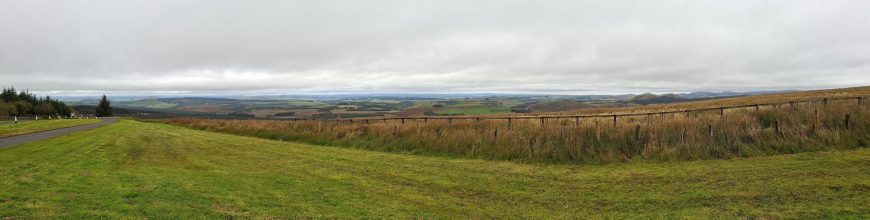


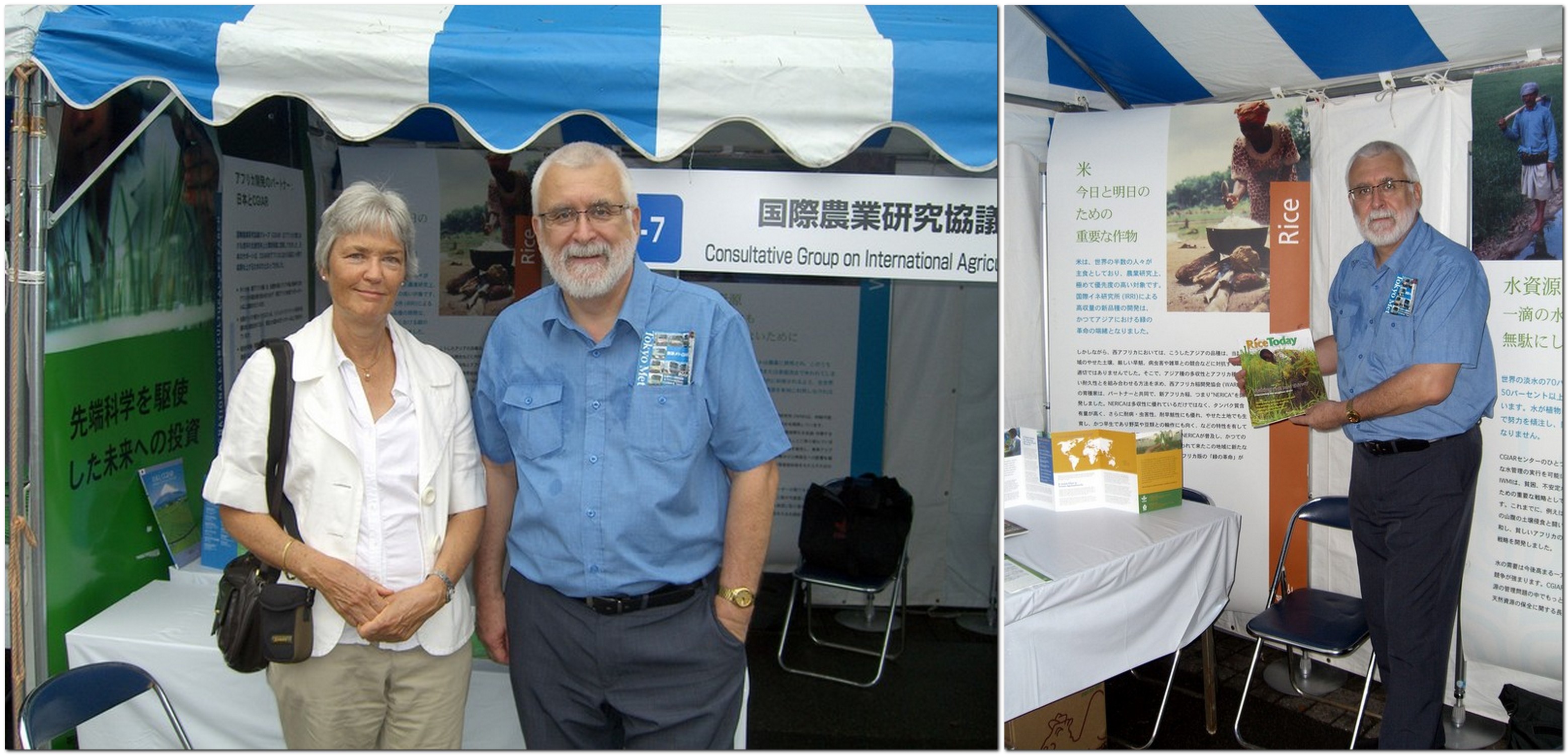

 ¹ During that trip, when I was hosted by a former member of IRRI’s Board of Trustees, and another who was currently serving on the Board, I visited both Tsukuba and Tokyo. In Tokyo I met officials at the Ministry of Agriculture, Forestry, and Fisheries (MAFF), and there I came across one of my former students, Yoshi Nishikawa, who attended the University of Birmingham plant genetic resources MSc course in 1987-88.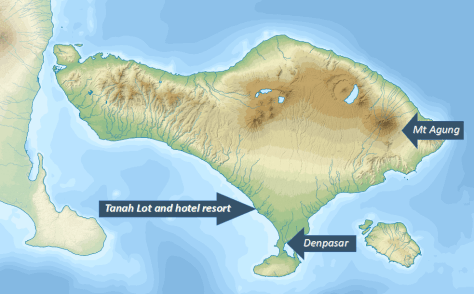
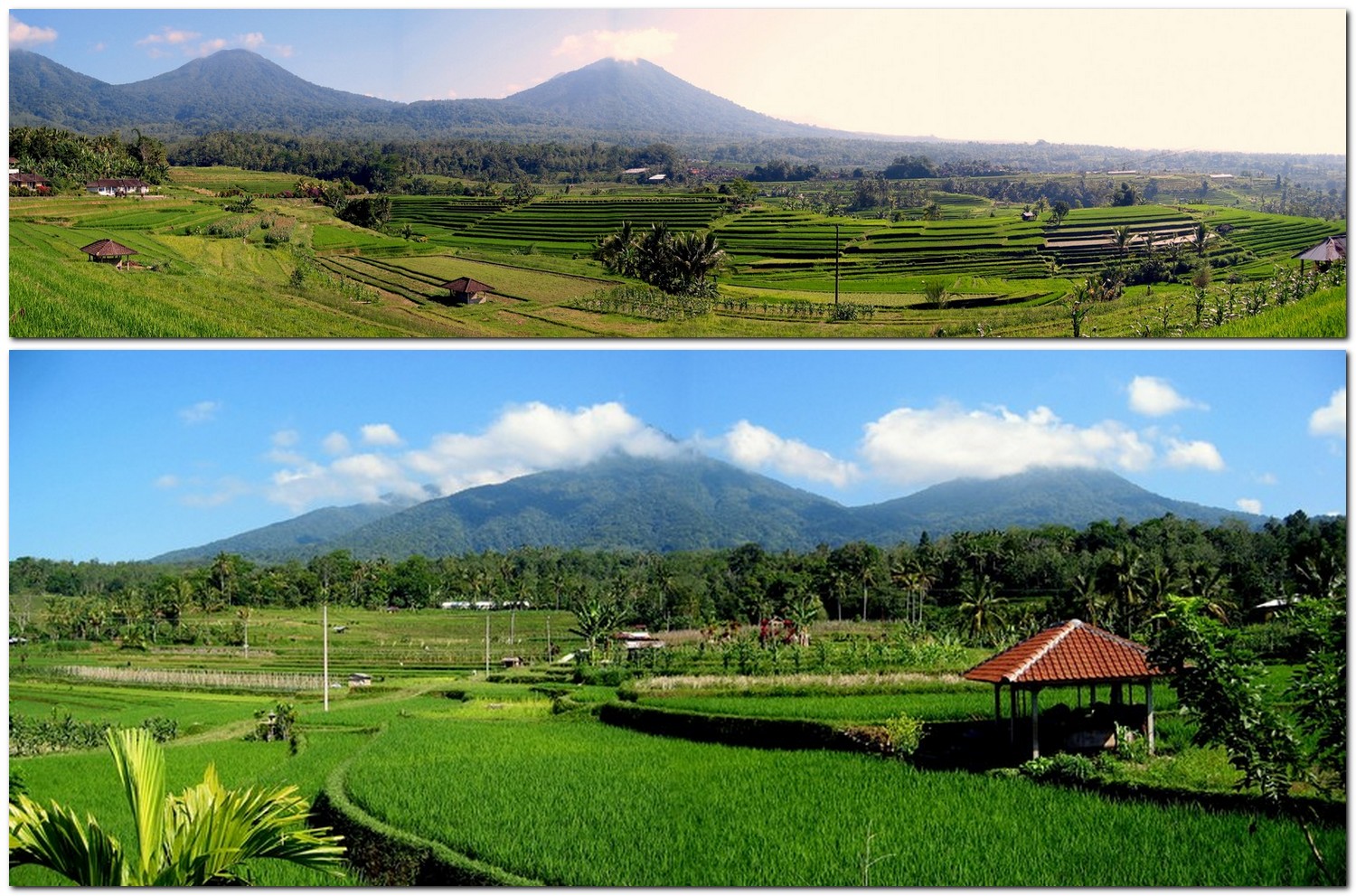
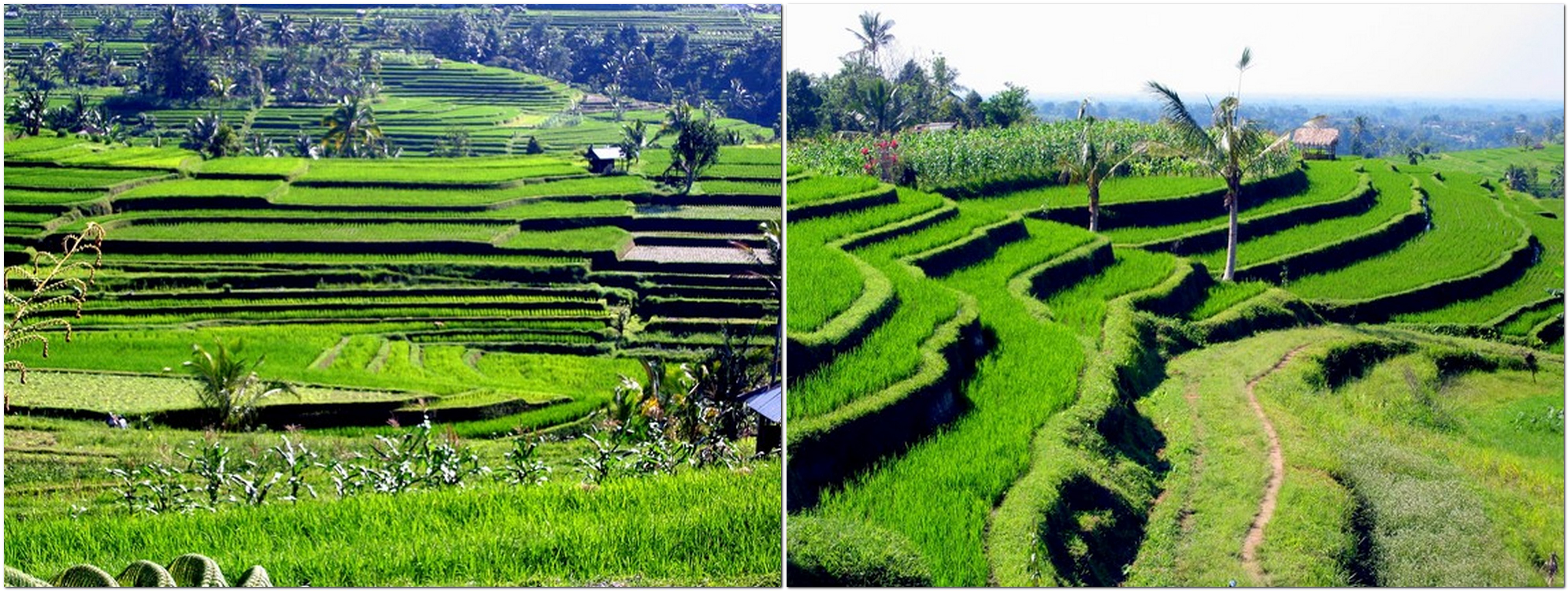
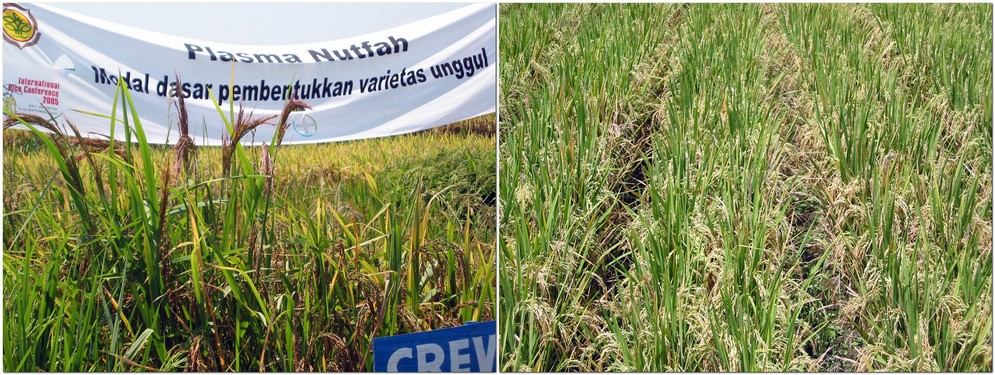
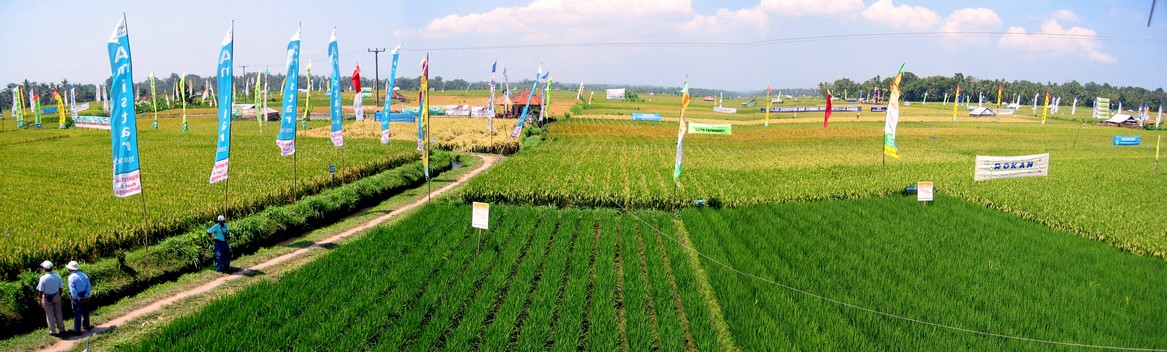
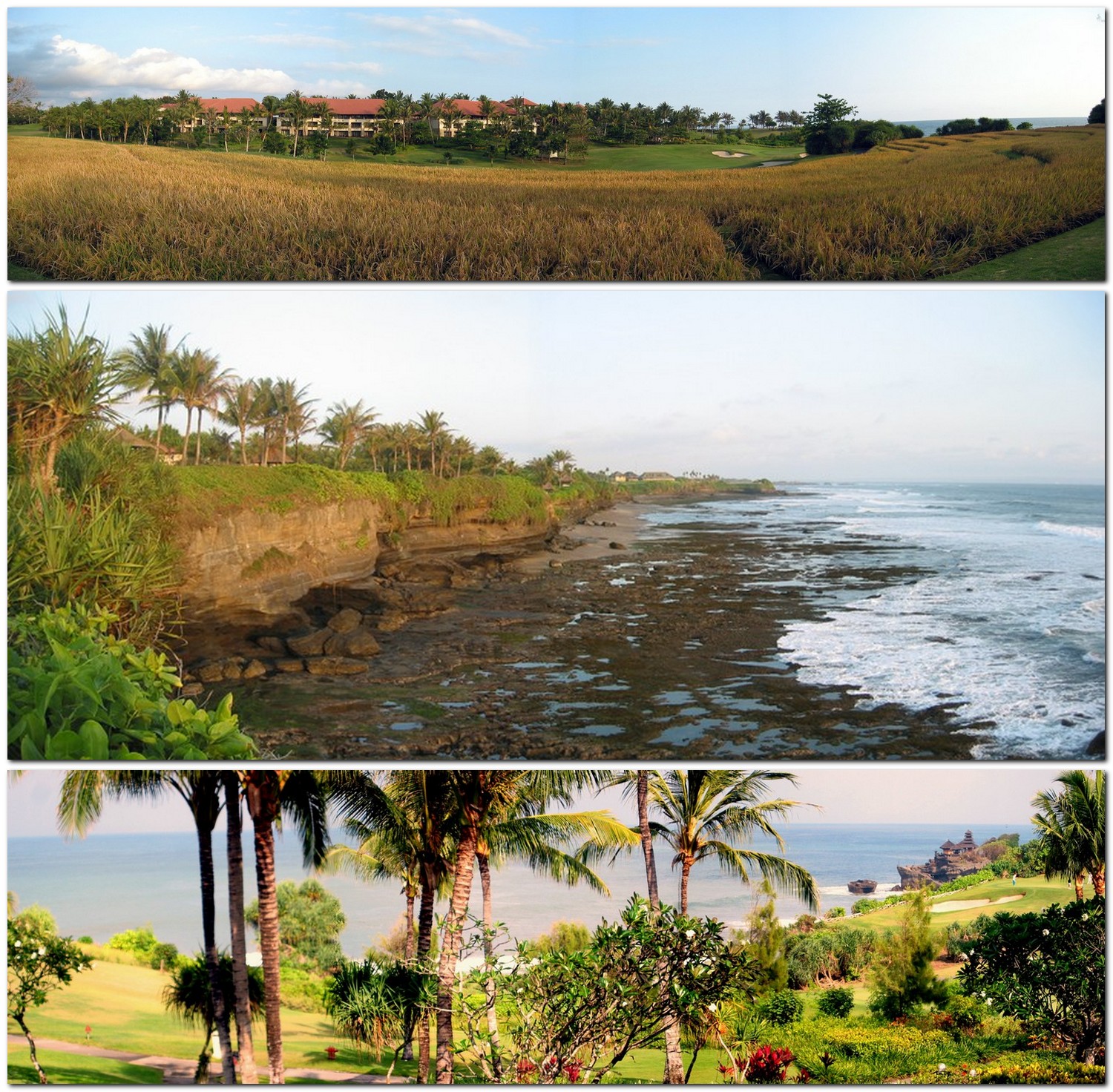
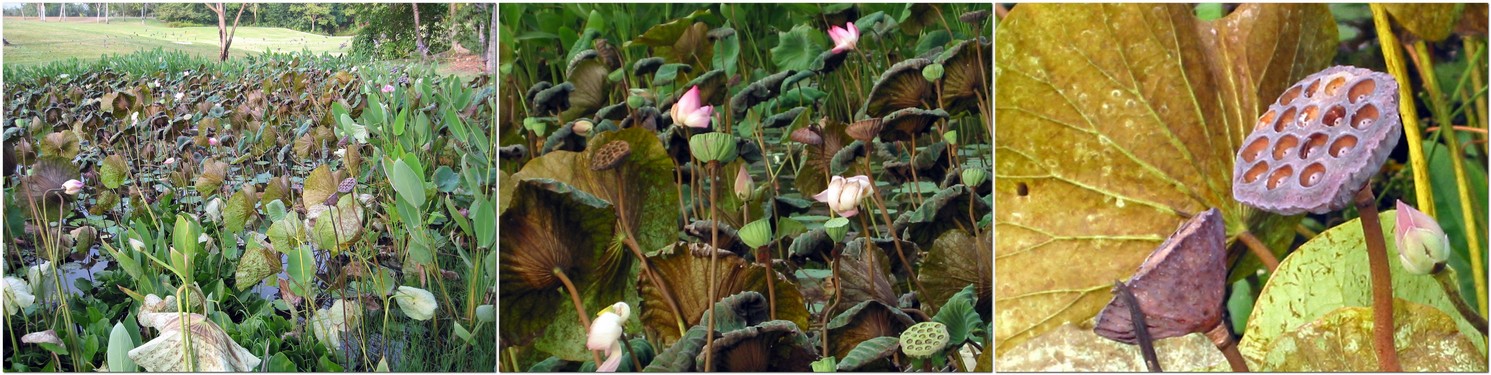
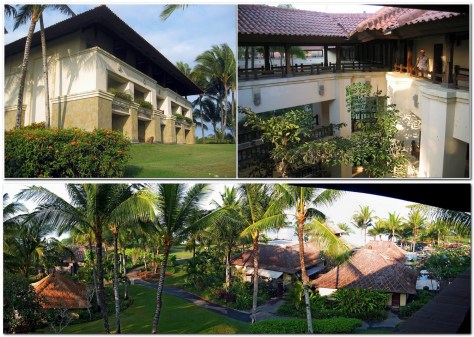
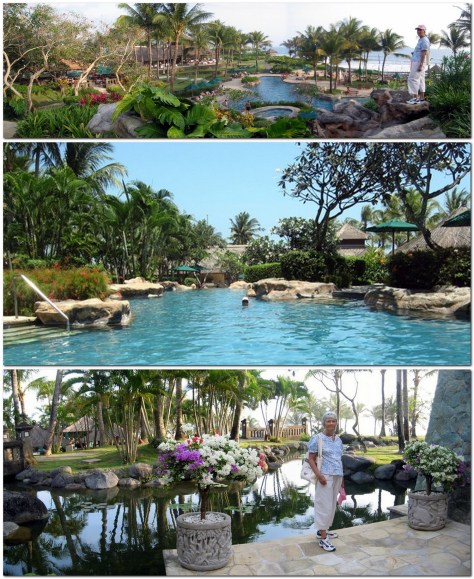
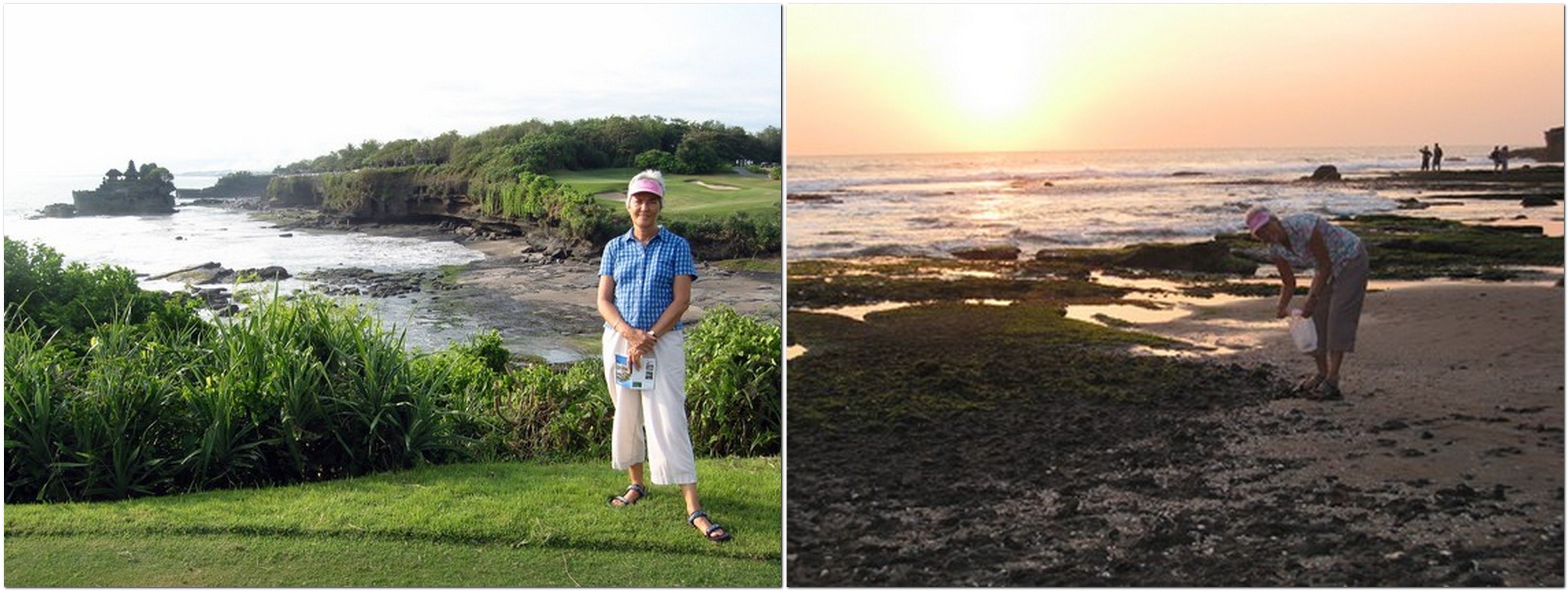
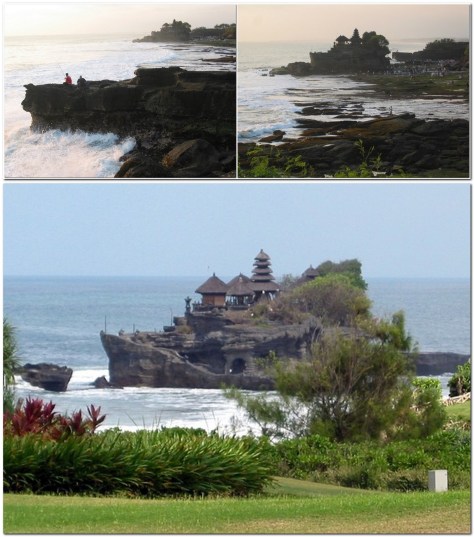 Unlike much of Indonesia (which is the world’s largest Muslim nation),


 My decision to leave a tenured position at the University of Birmingham in June 1991 was not made lightly. I was about to be promoted to Senior Lecturer, and I’d found my ‘home’ in the Plant Genetics Research Group following the reorganization of the School of Biological Sciences a couple of years earlier.
 I felt as though I was treading water, trying to keep my head above the surface. I had a significant teaching load, research was ticking along, PhD and MSc students were moving through the system, but still the university demanded more. So when an announcement of a new position as Head of the Genetic Resources Center (GRC) at the
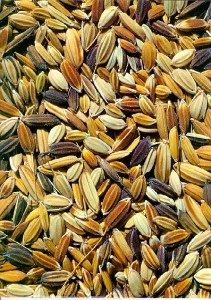 Once in post at IRRI, I asked lots of questions. For at least six months until the end of 1991, I made no decisions about changes in direction for the genebank until I better understood how it operated and what constraints it faced. I also had to size up the caliber of staff, and develop a plan for further staff recruitment. I did persuade IRRI management to increase resource allocation to the genebank, and we were then able to hire technical staff to support many time critical areas.
 Dr Kameswara Rao (from IRRI’s sister center ICRISAT, based in Hyderabad, India) joined GRC to work on the relationship between seed quality and seed growing environment. He had received his PhD from the University of Reading, and this research had started as a collaboration with Professor Richard Ellis there. Rao’s work led to some significant changes to our seed production protocols.
 In 1994, I developed a
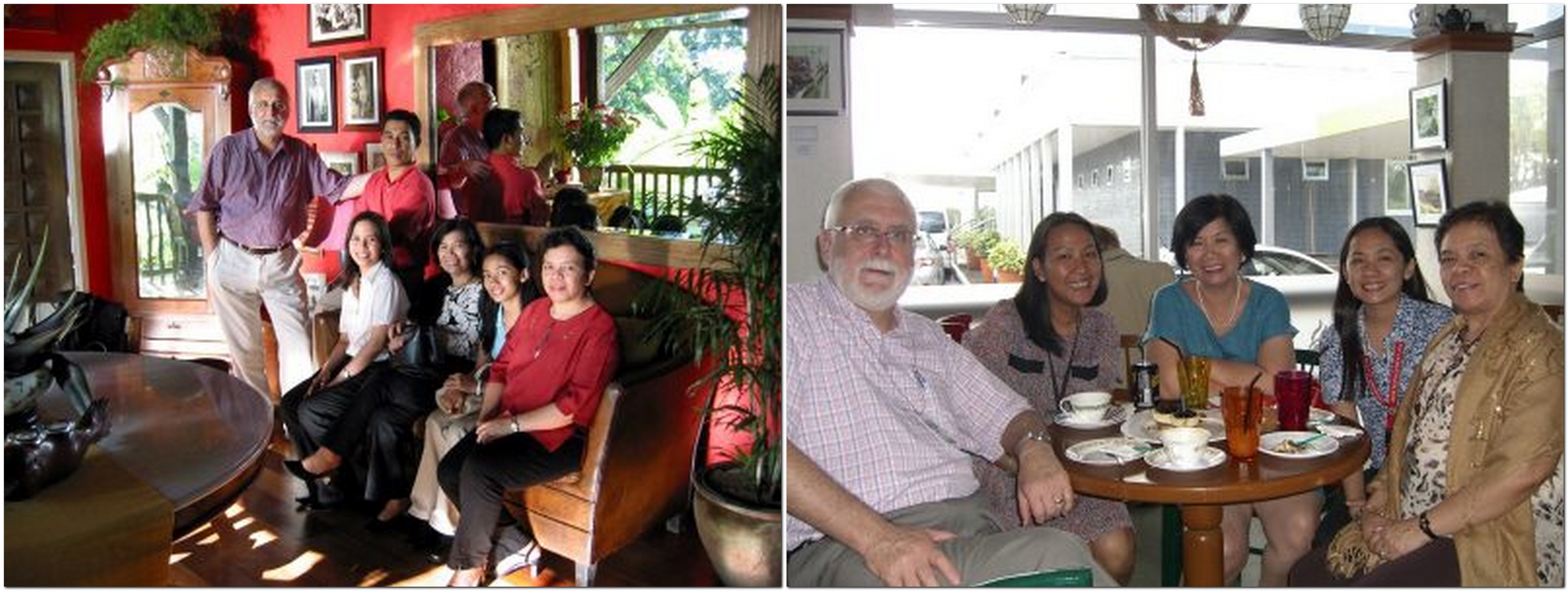
 18 November 1948. Today is my 70th birthday. Septuagenarian. The Biblical three score and ten (Psalm 90:10)!
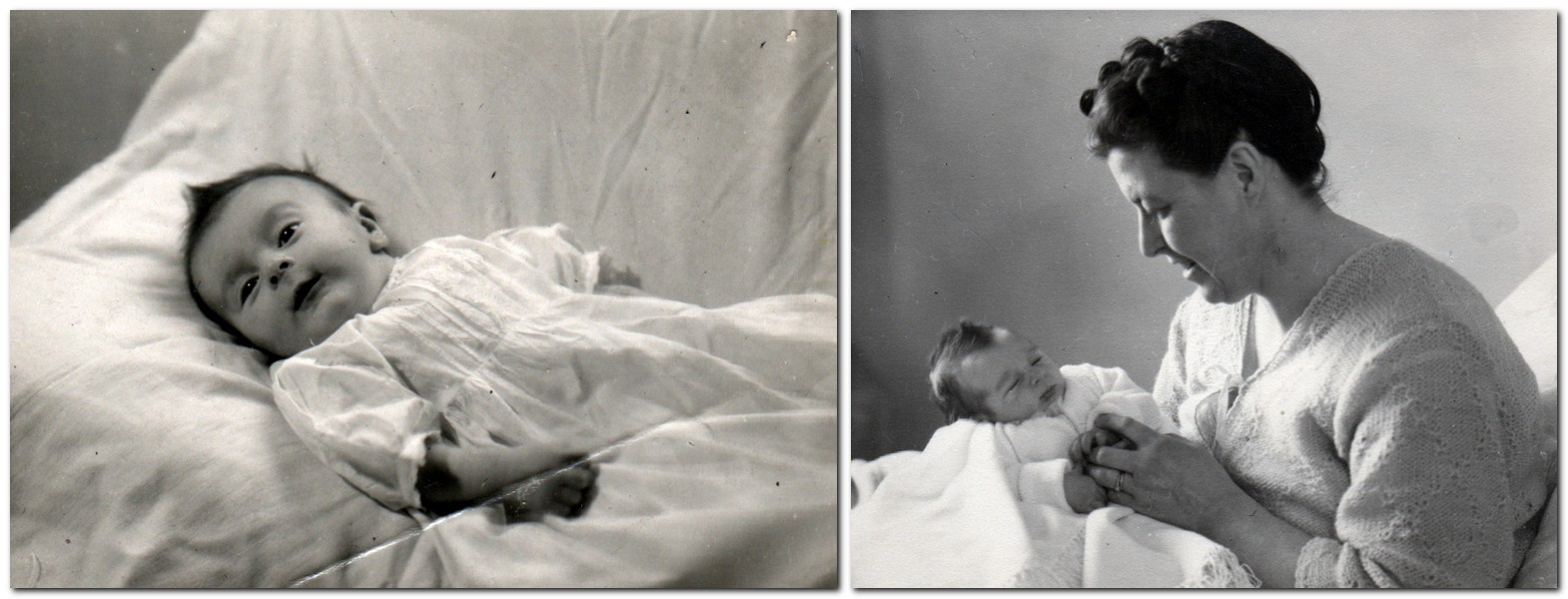
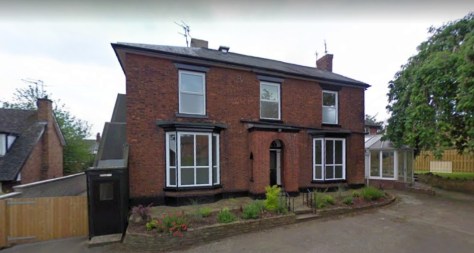
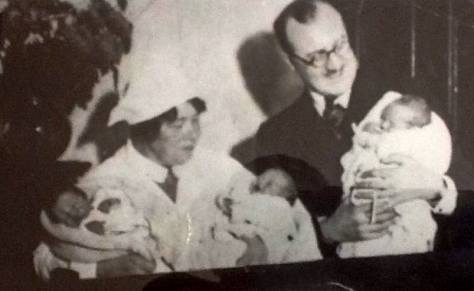
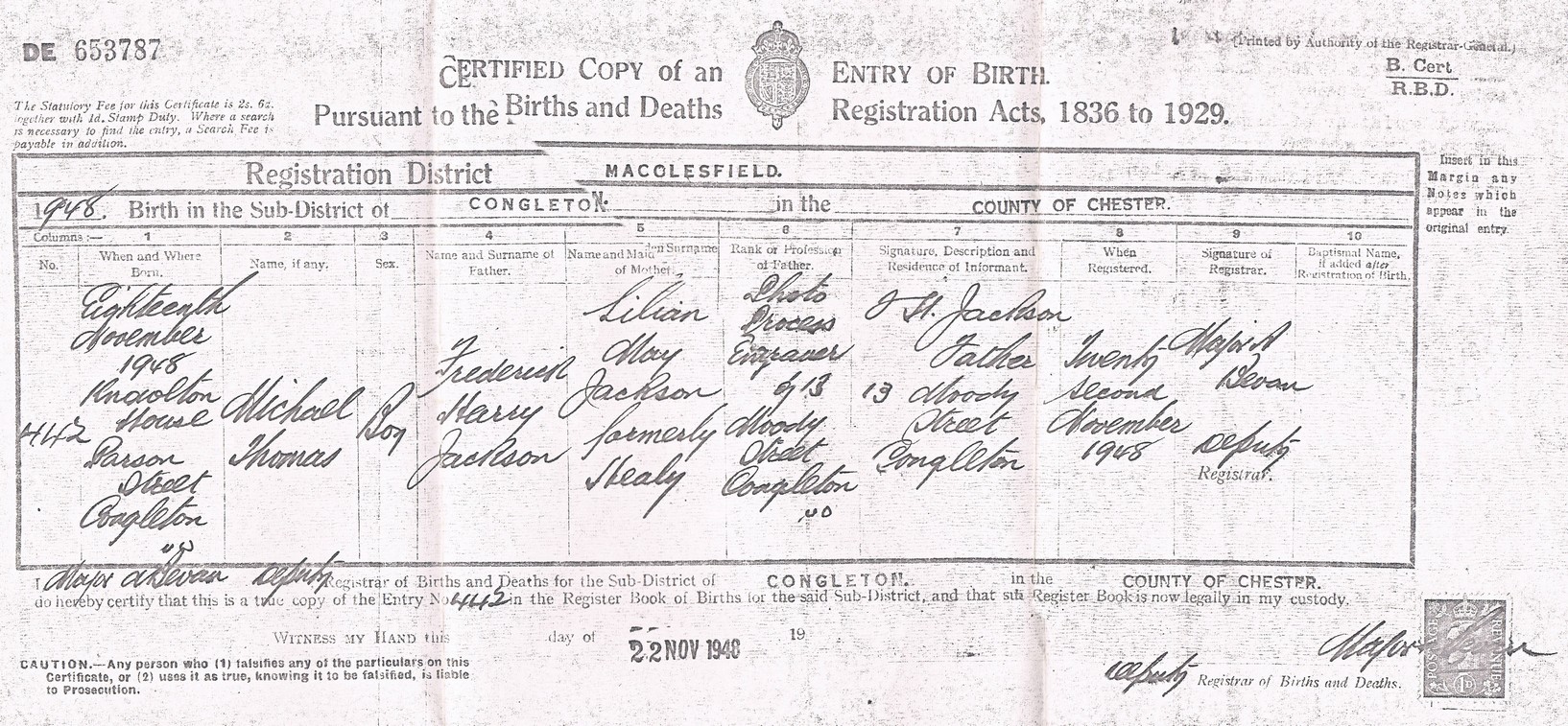
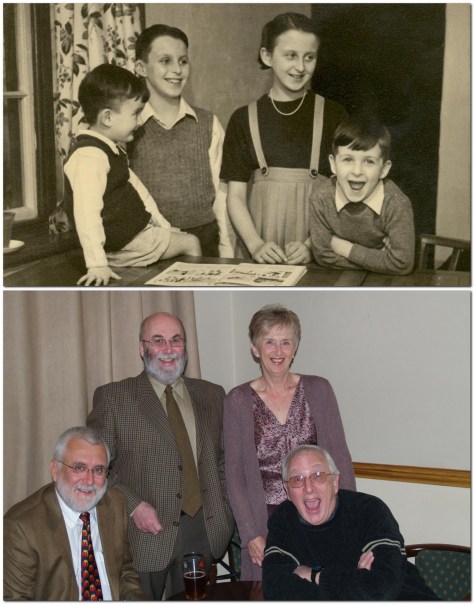
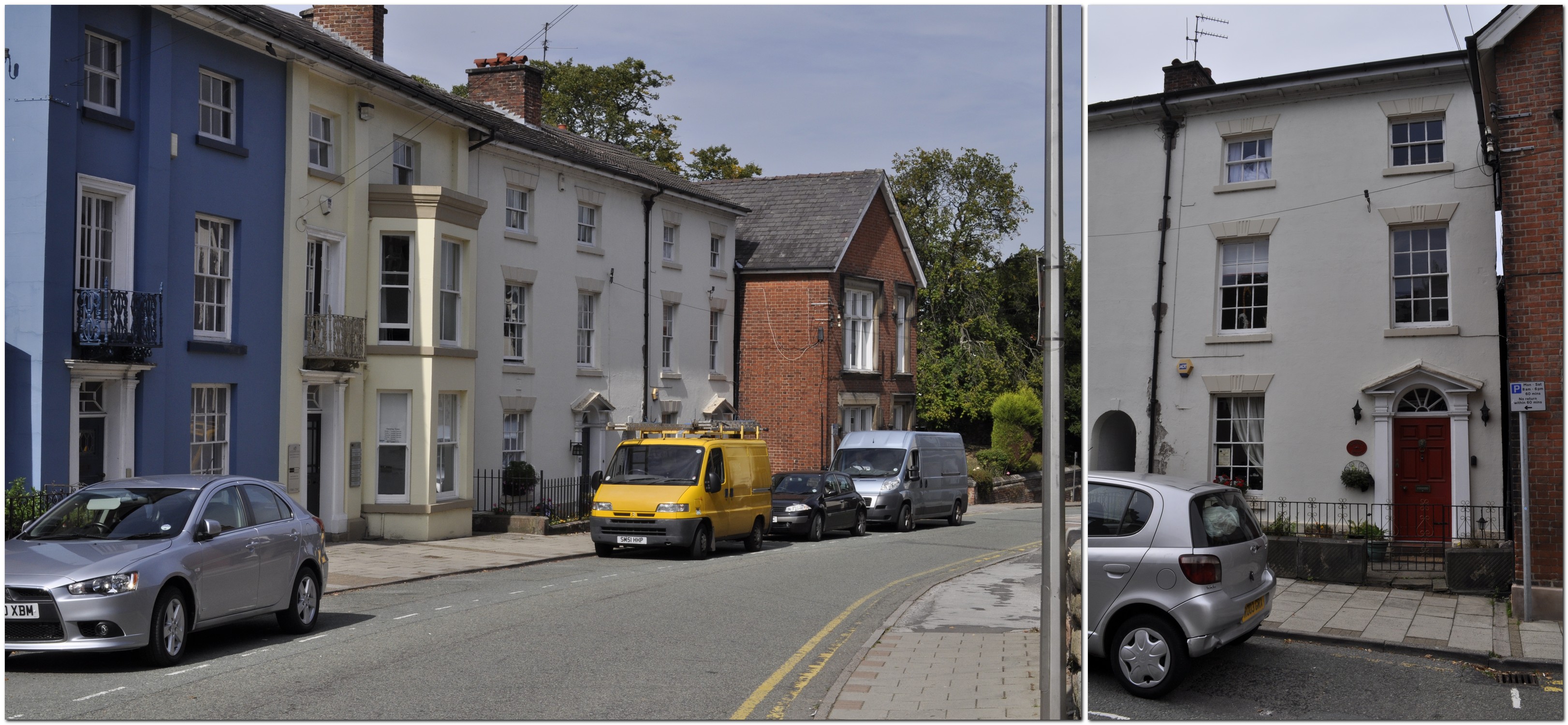


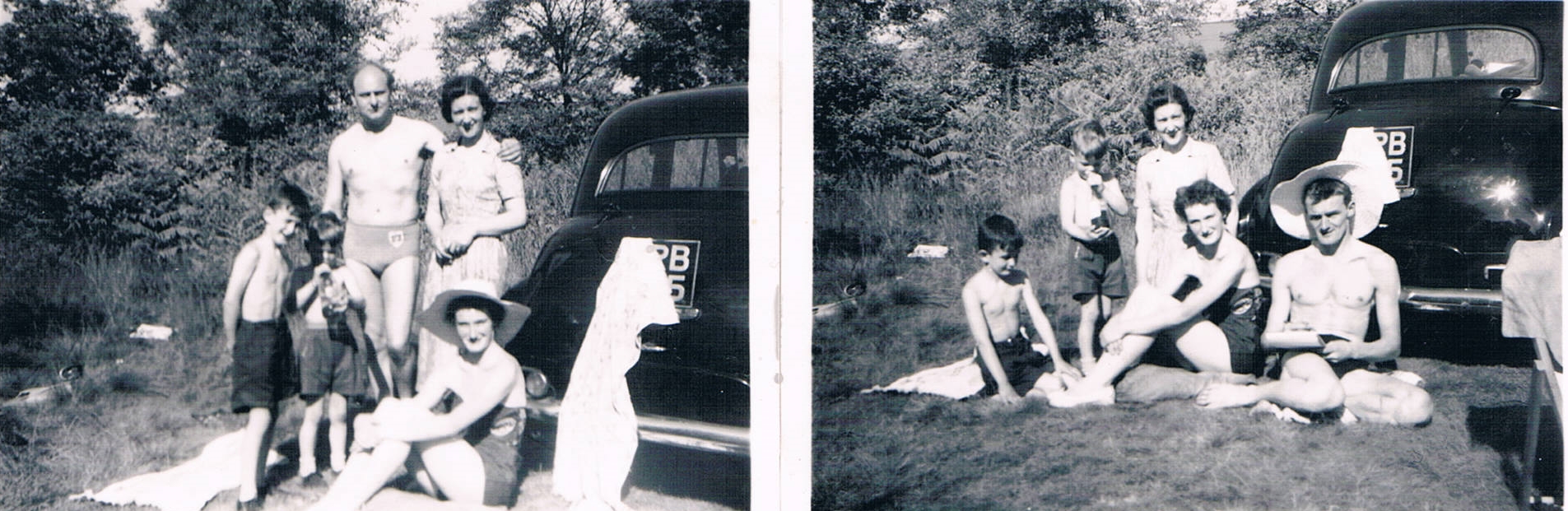
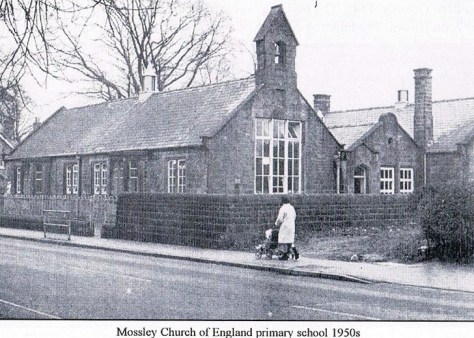

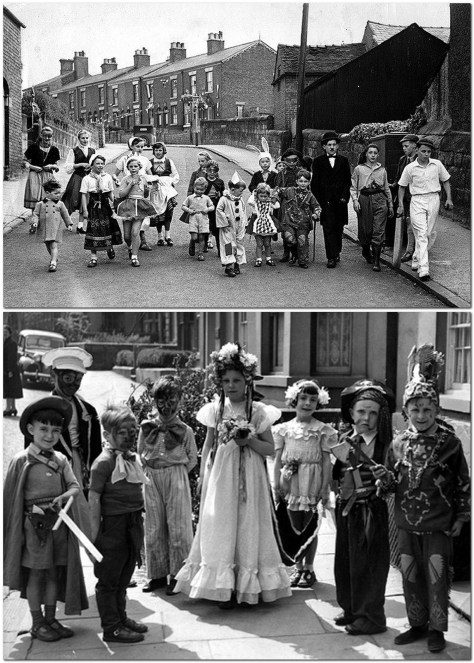
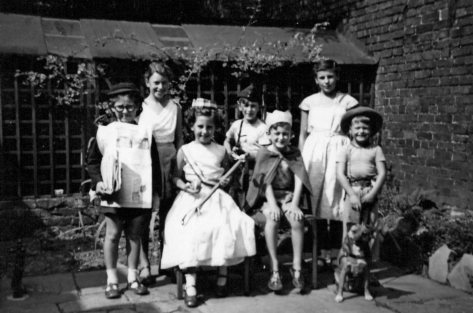
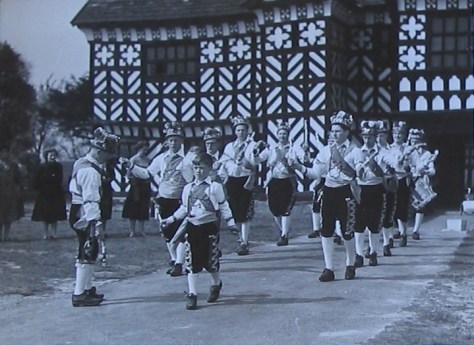


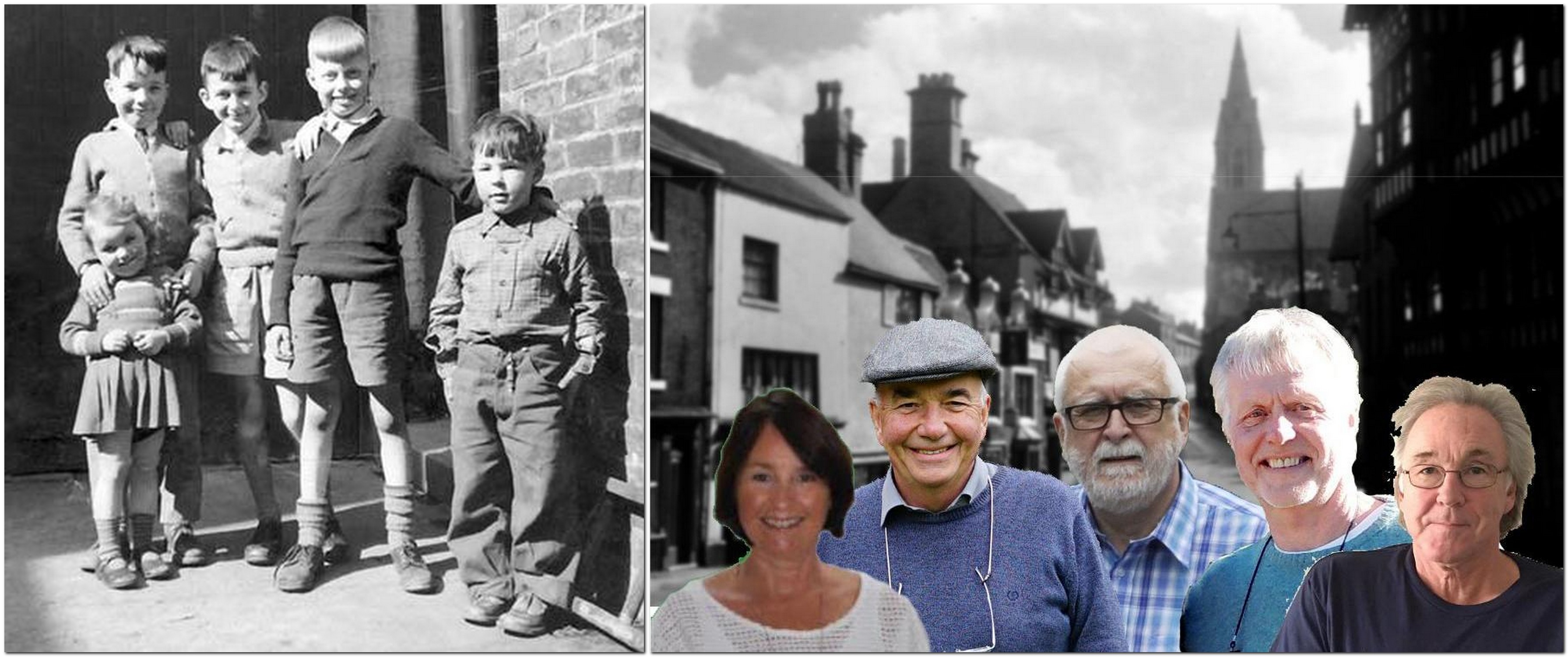
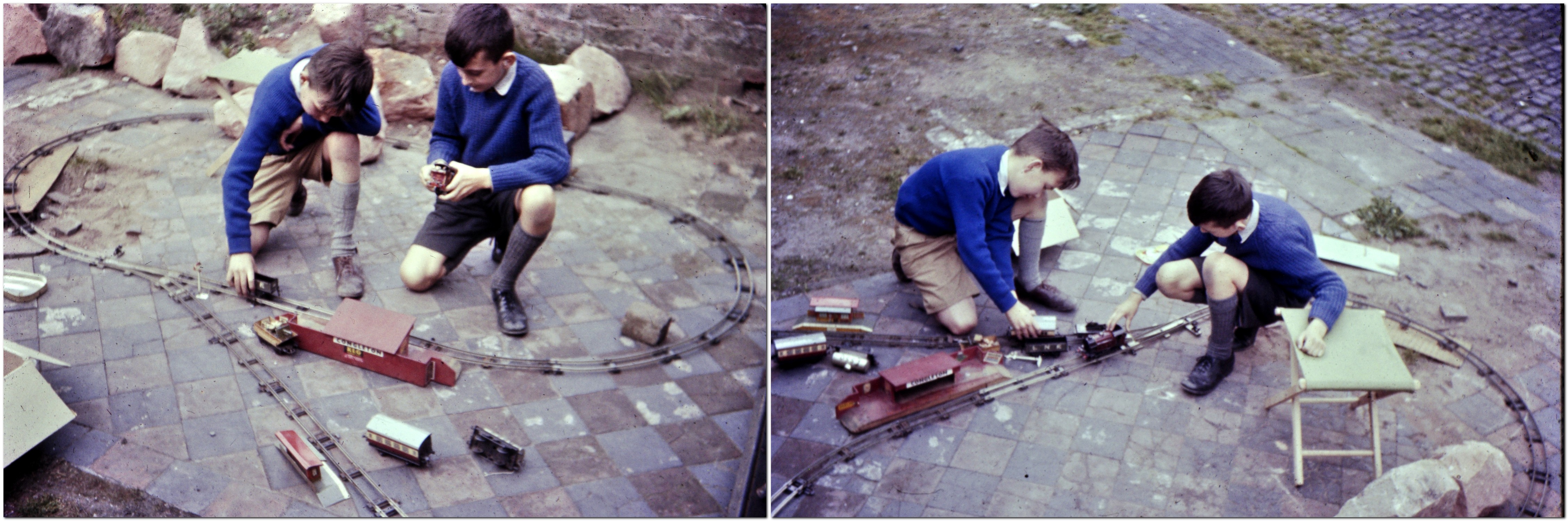
 I was also a cub scout, as was Ed.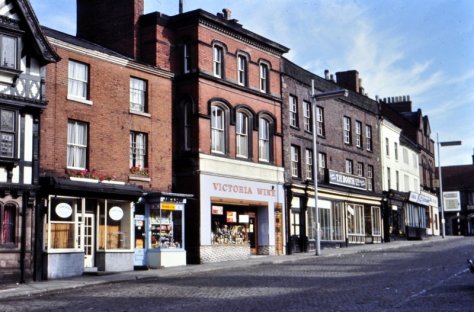


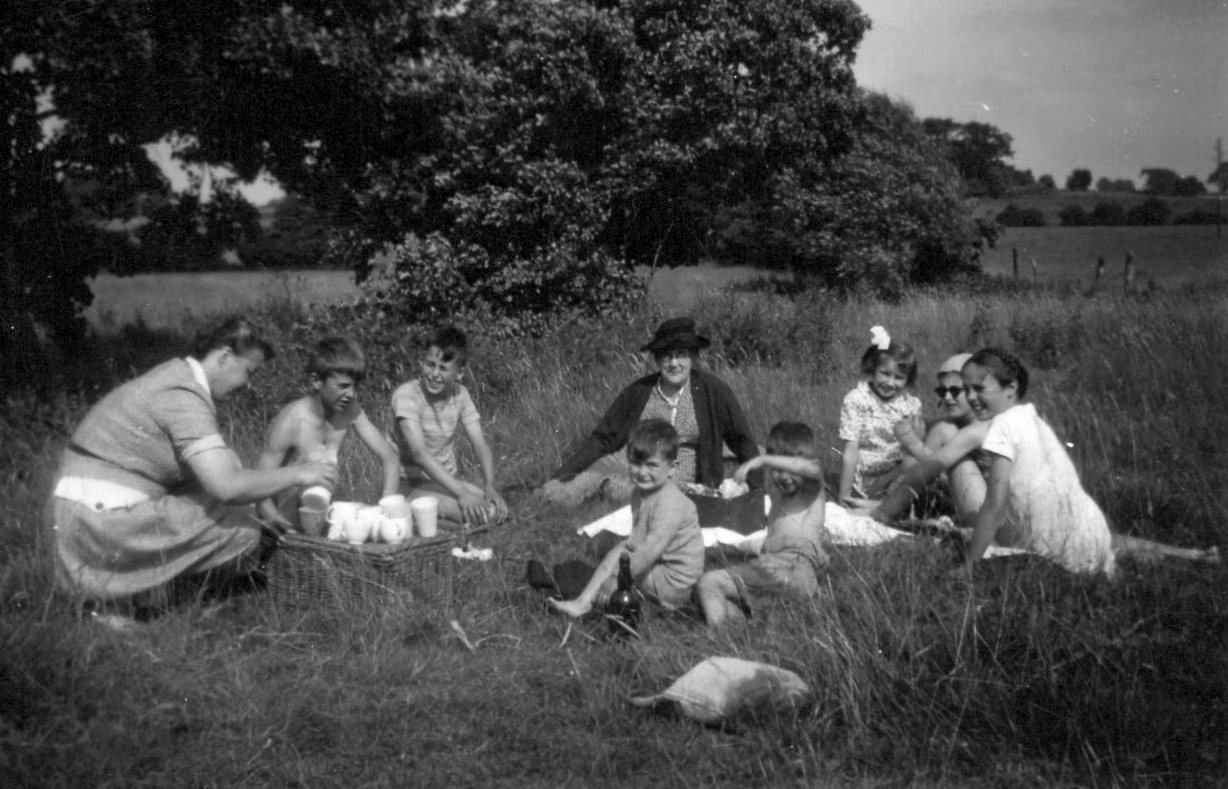
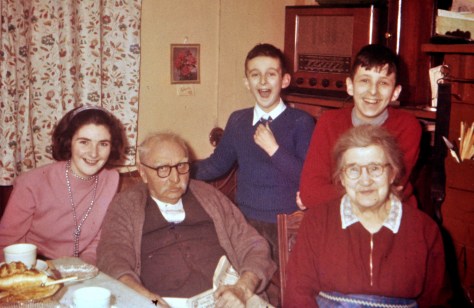
 I passed my 11 Plus exam to attend a Roman Catholic grammar school,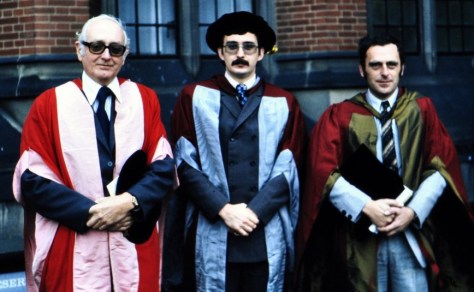
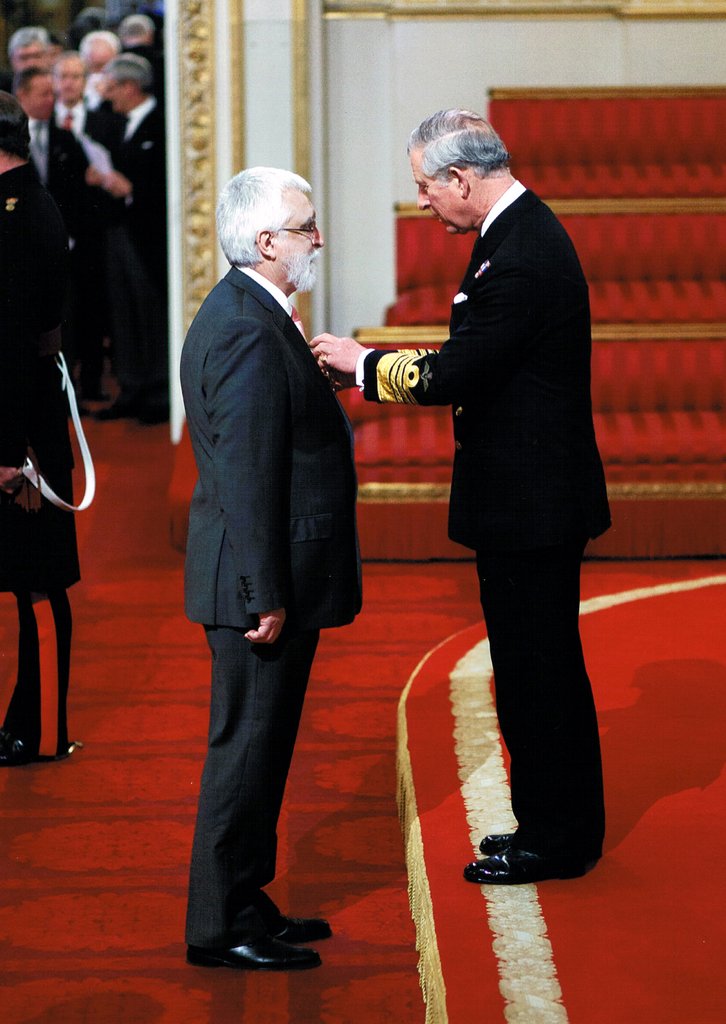
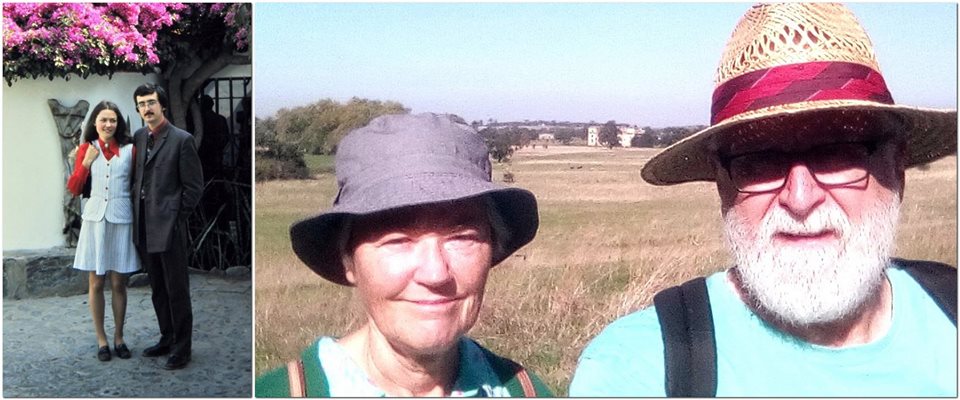
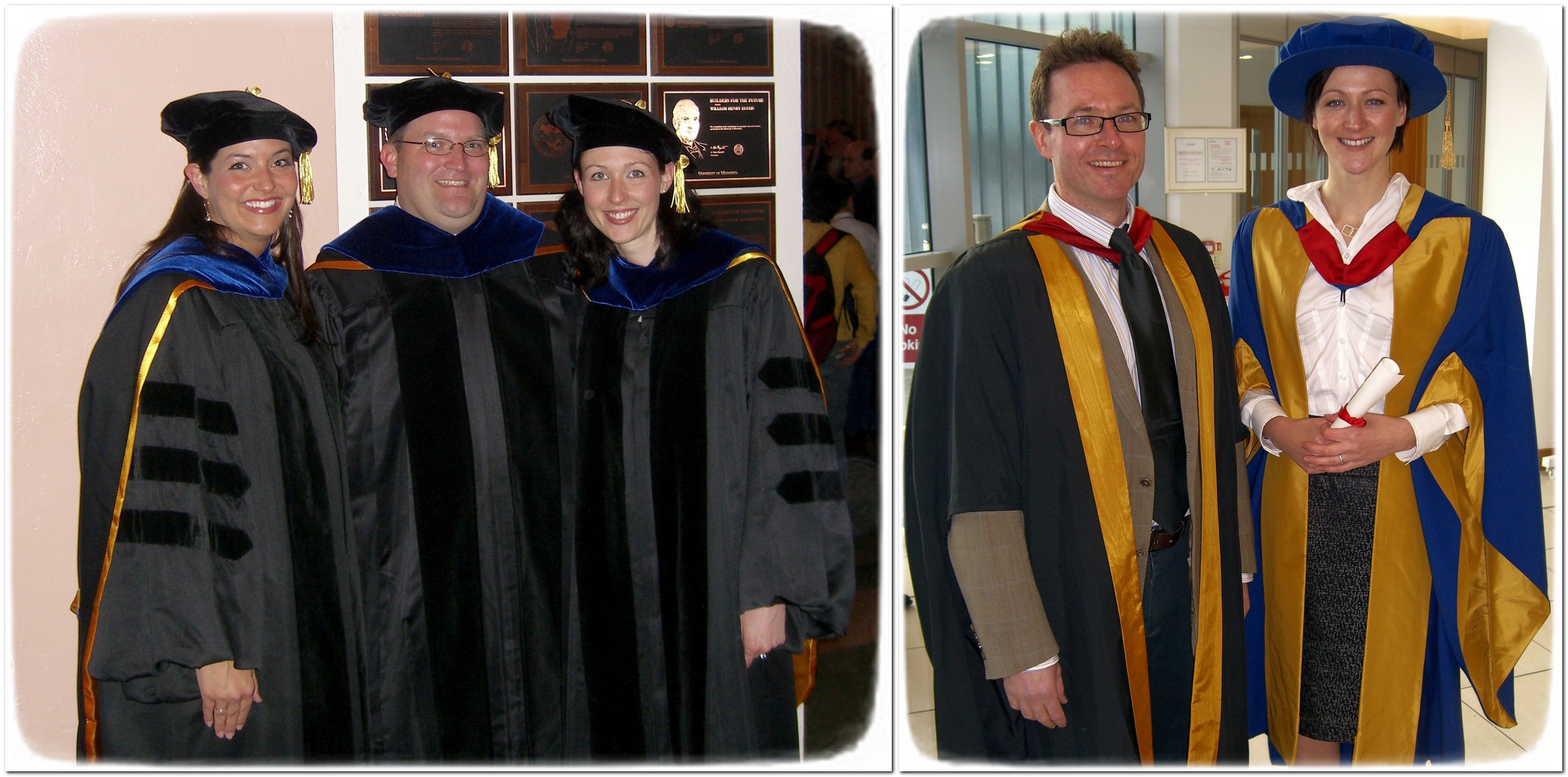
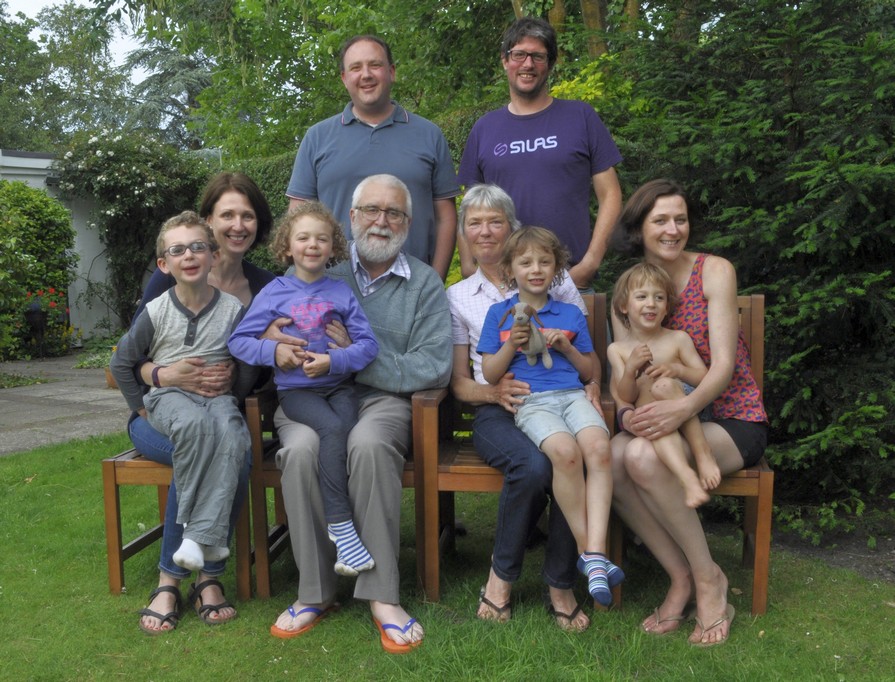
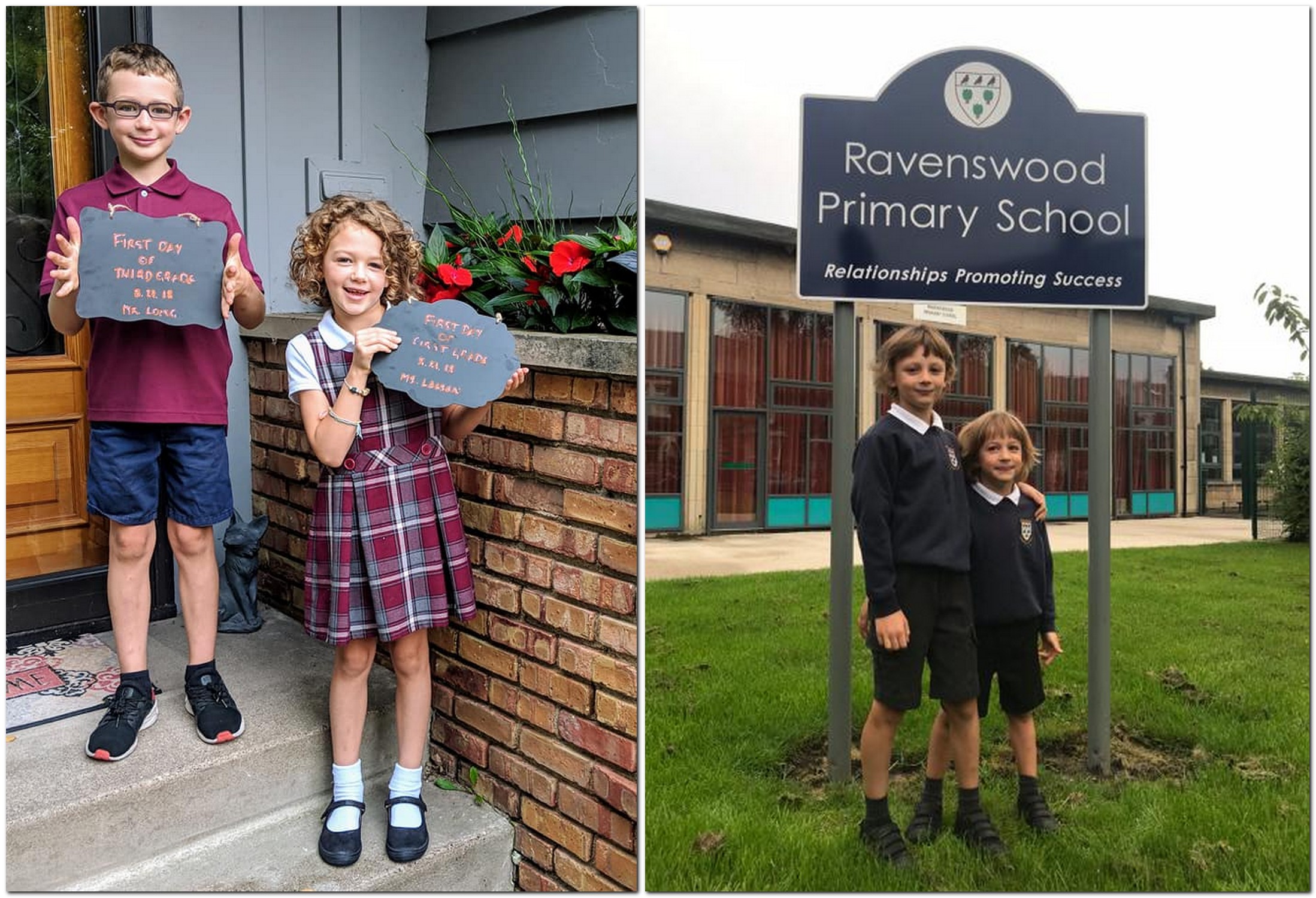
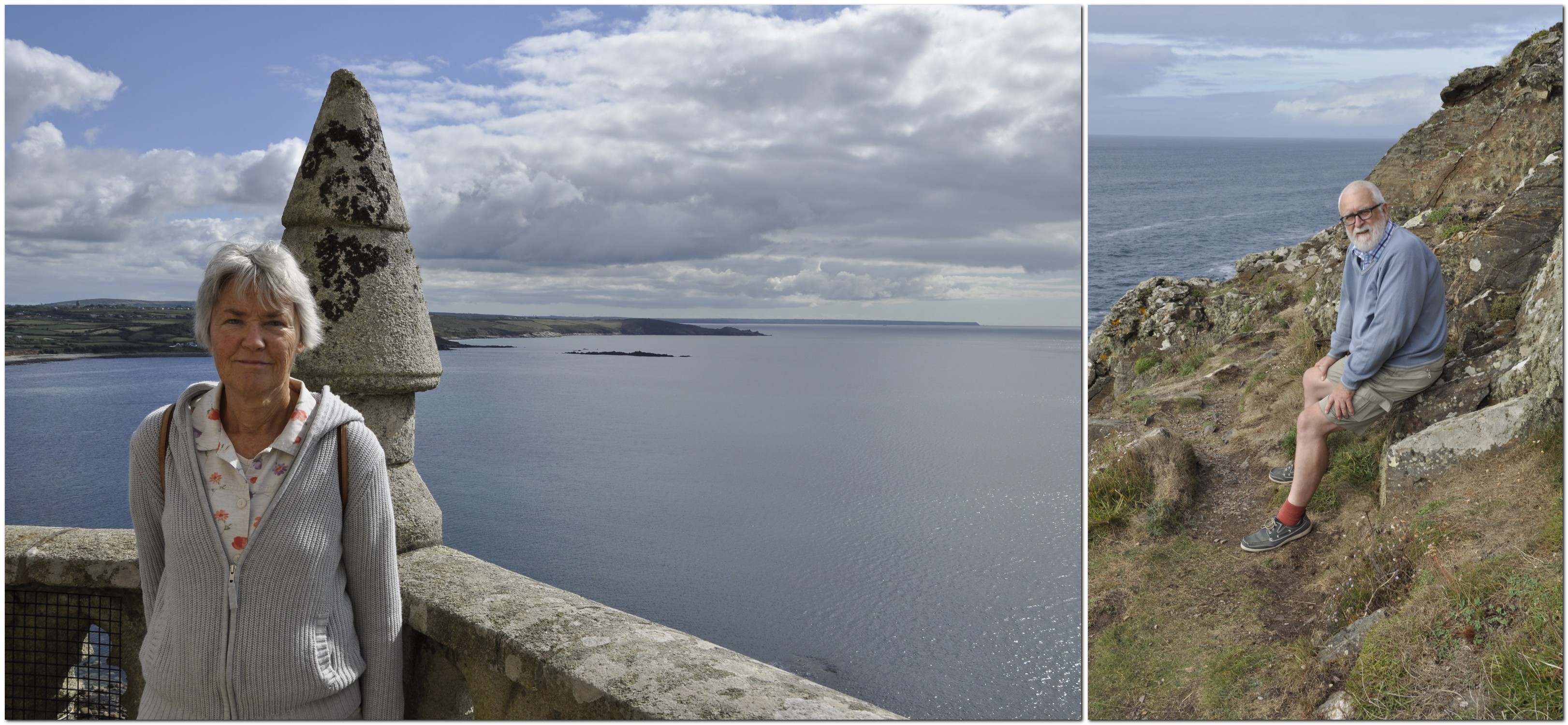
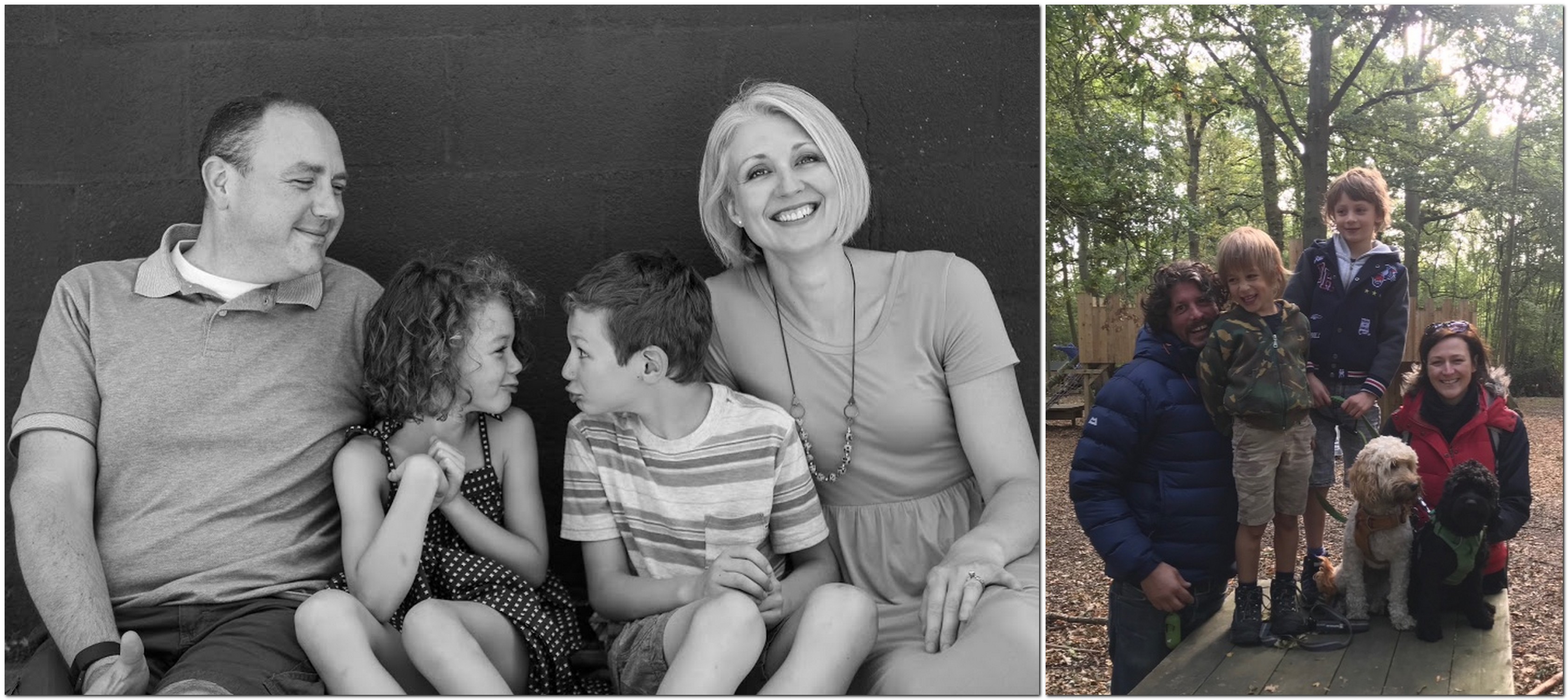
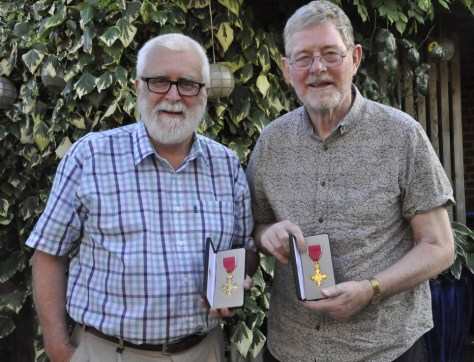
 Imagine my horror when I found that our helper Lilia had not even taken the beef from the freezer. Just two hours before our guests arrived and we were faced with a frozen slab of beef. I had asked Lilia not to prepare everything too early. Although a fabulous cook, unless checked, she had the habit (tradition even) of preparing and cooking our meals way ahead. I also discovered that she had diced the asparagus into small pieces! This was not an auspicious start to my 60th birthday bash.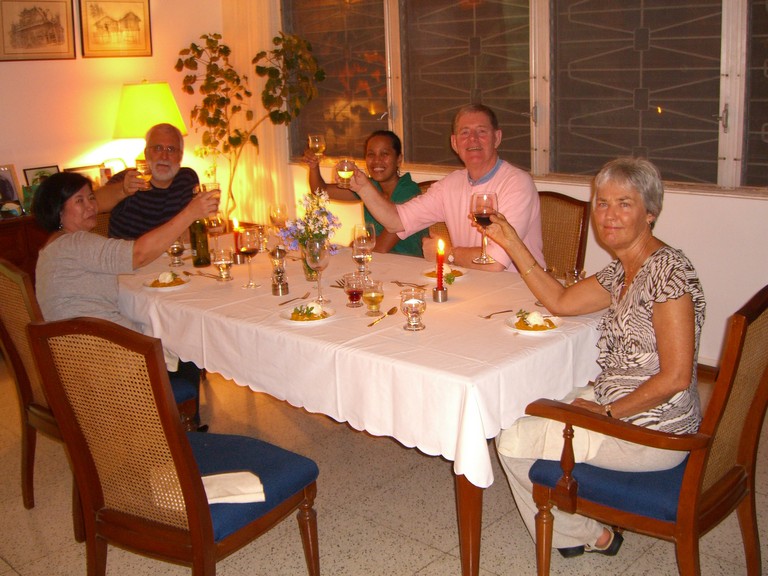
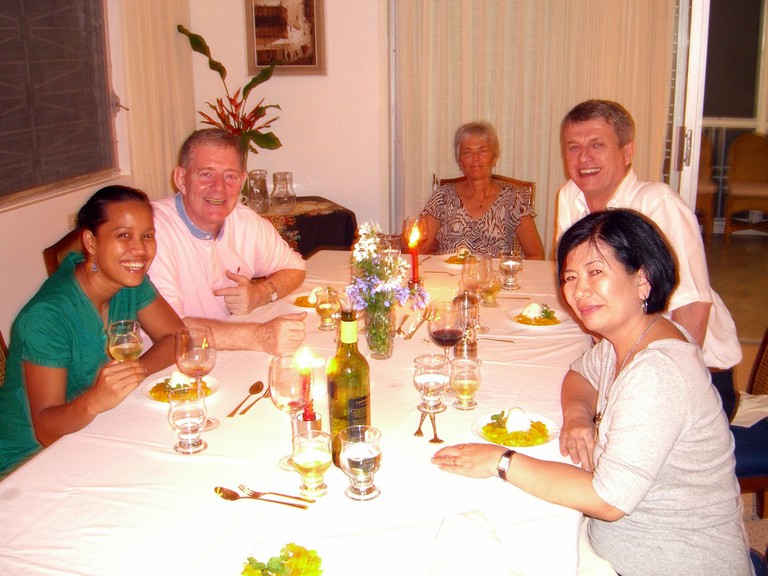
 I was searching YouTube the other day for videos about the recent 5th International Rice Congress held in Singapore, when I came across several on the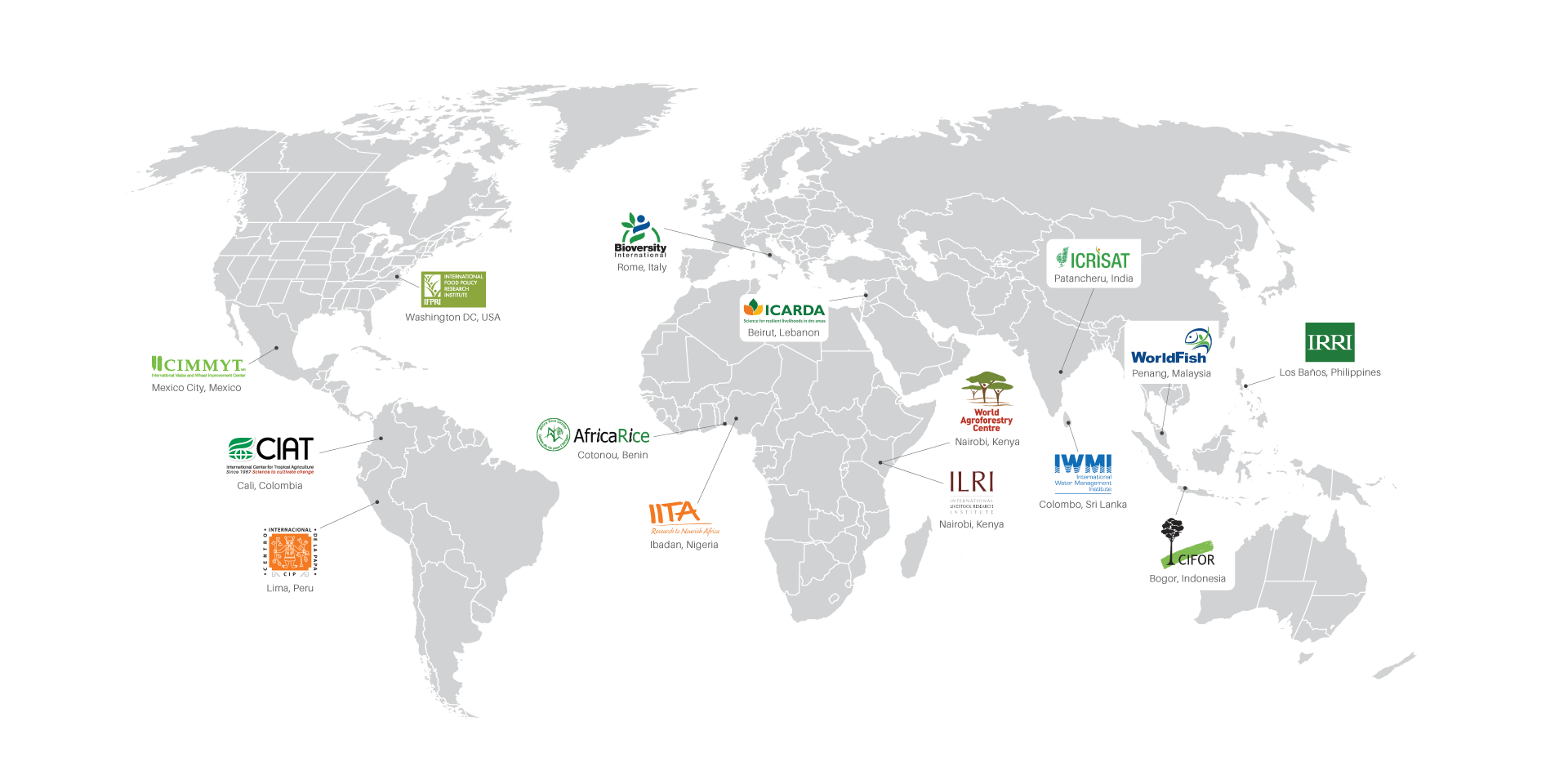
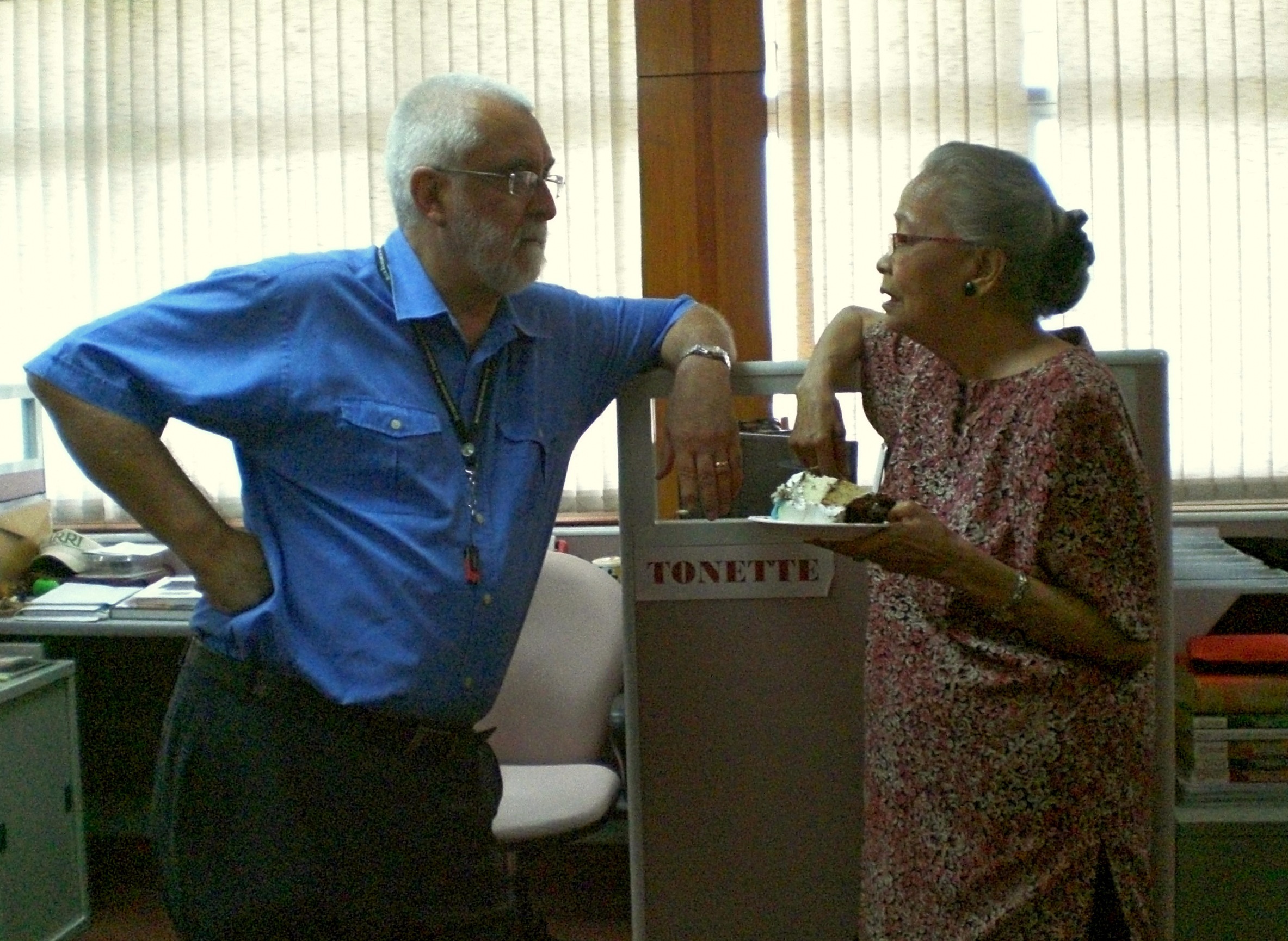

 materials, among others. You can check the status of the IRRI collection (and many more genebanks in the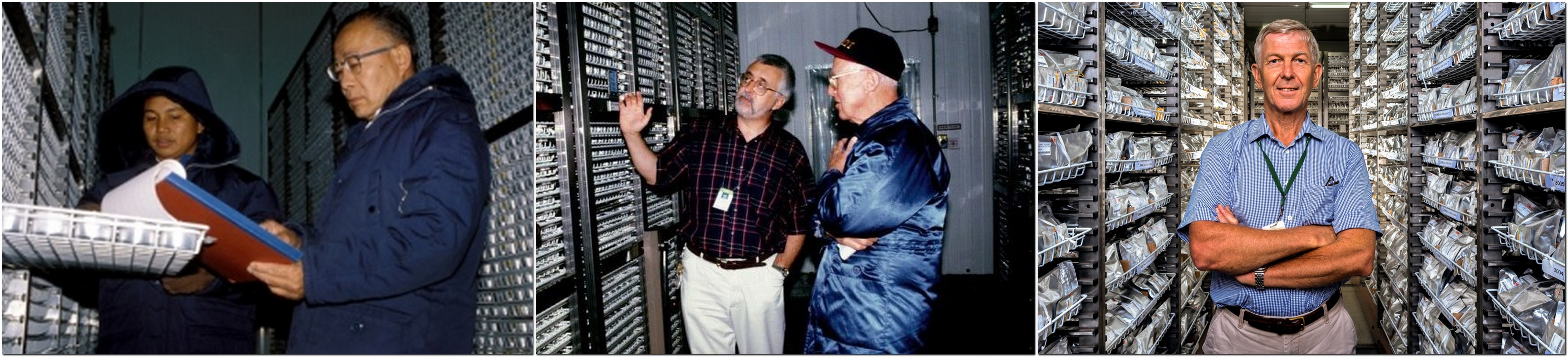
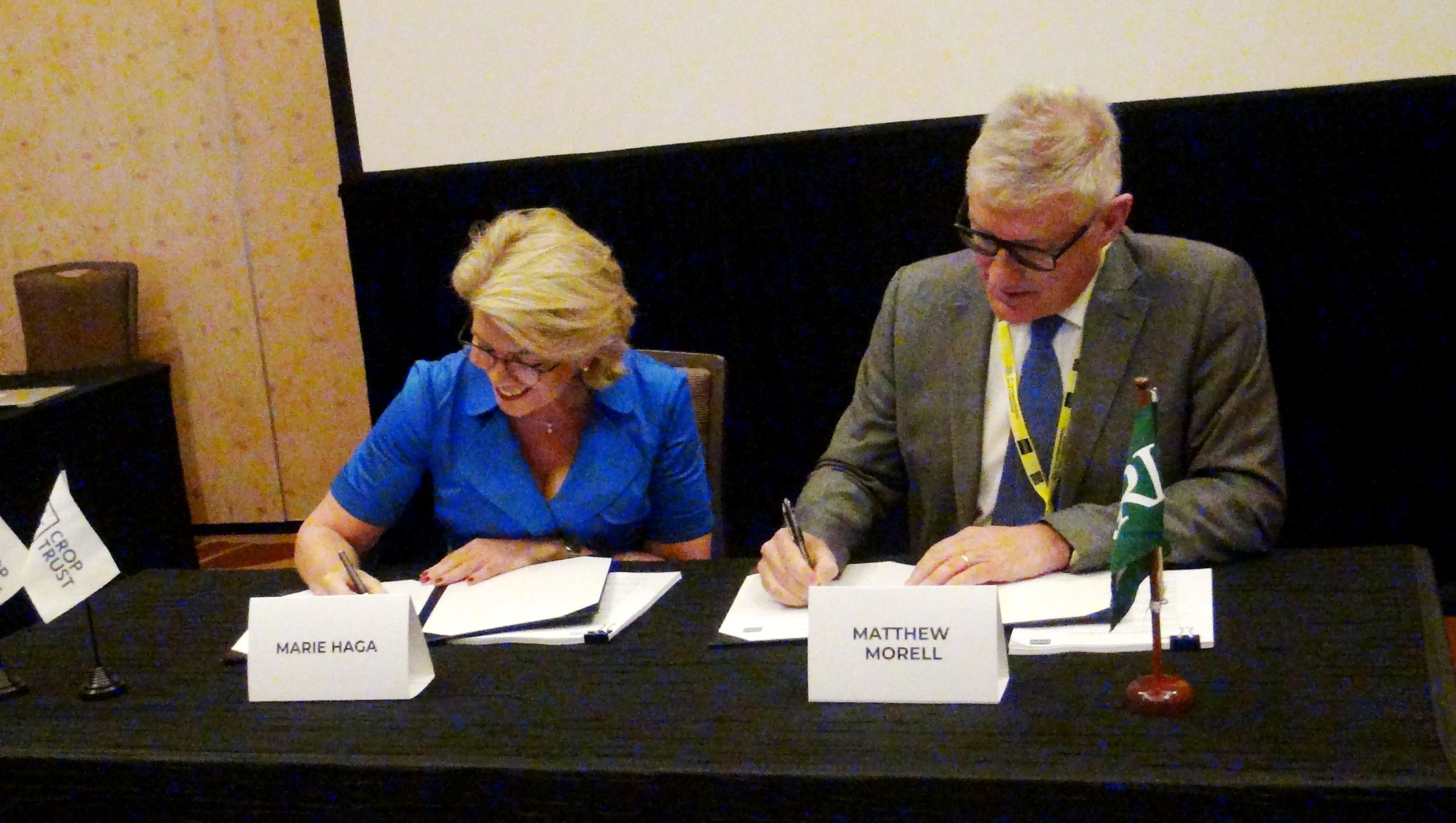
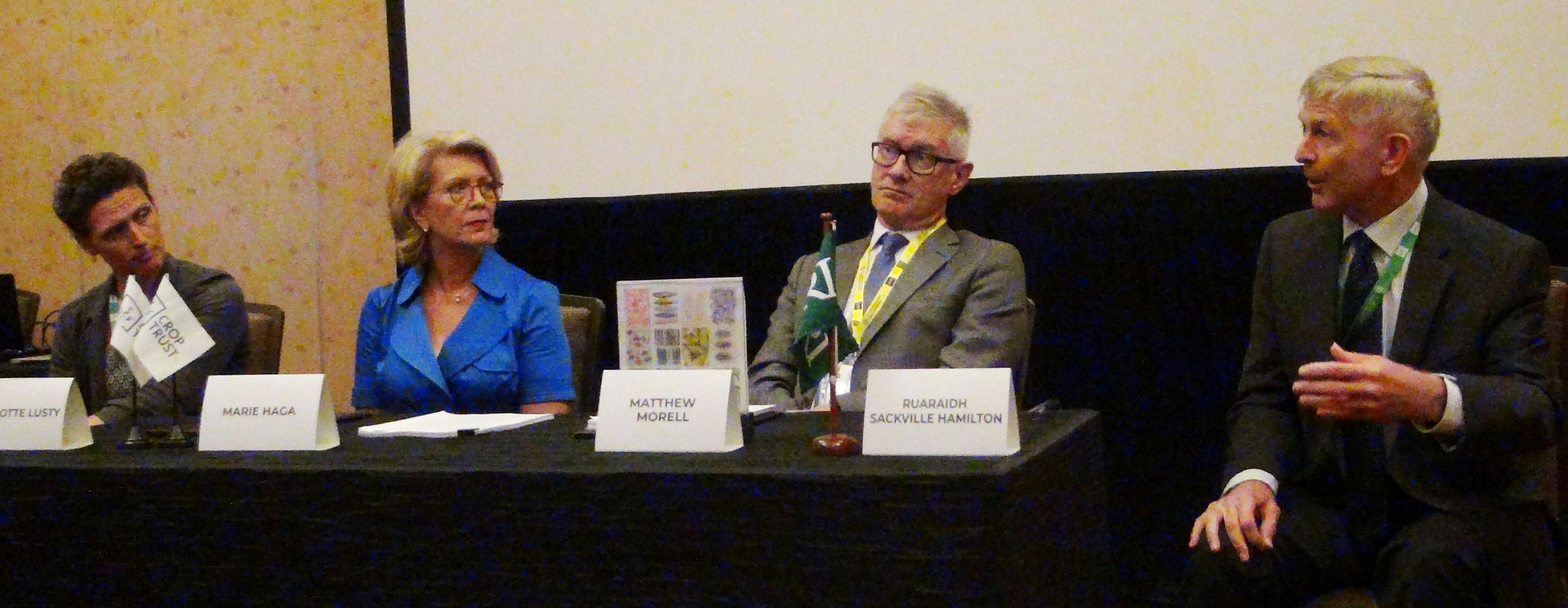


 All four centers are members of the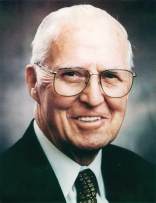
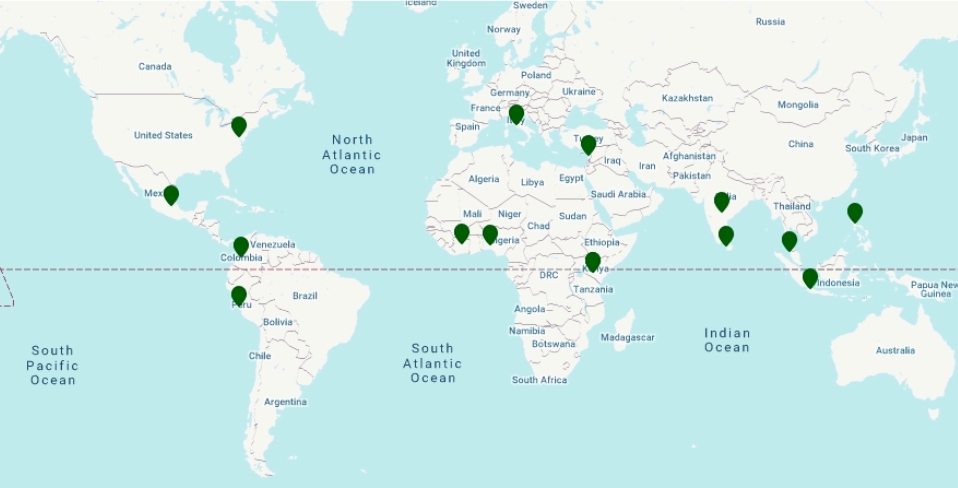
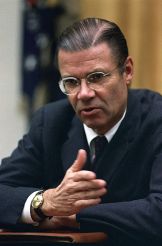 In 1969, World Bank President Robert McNamara (who had been US Secretary of Defense under Presidents Kennedy and Johnson) wrote to the heads of the Food and Agriculture Organization (FAO) in Rome and the United Nations Development Fund (UNDP) in New York saying: I am writing to propose that the FAO, the UNDP and the World Bank jointly undertake to organize a long-term program of support for regional agricultural research institutes. I have in mind support not only for some of the existing institutes, including the four now being supported by the Ford and Rockefeller Foundations [IRRI, CIMMYT, IITA, and CIAT], but also, as occasion permits, for a number of new ones.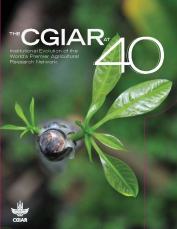
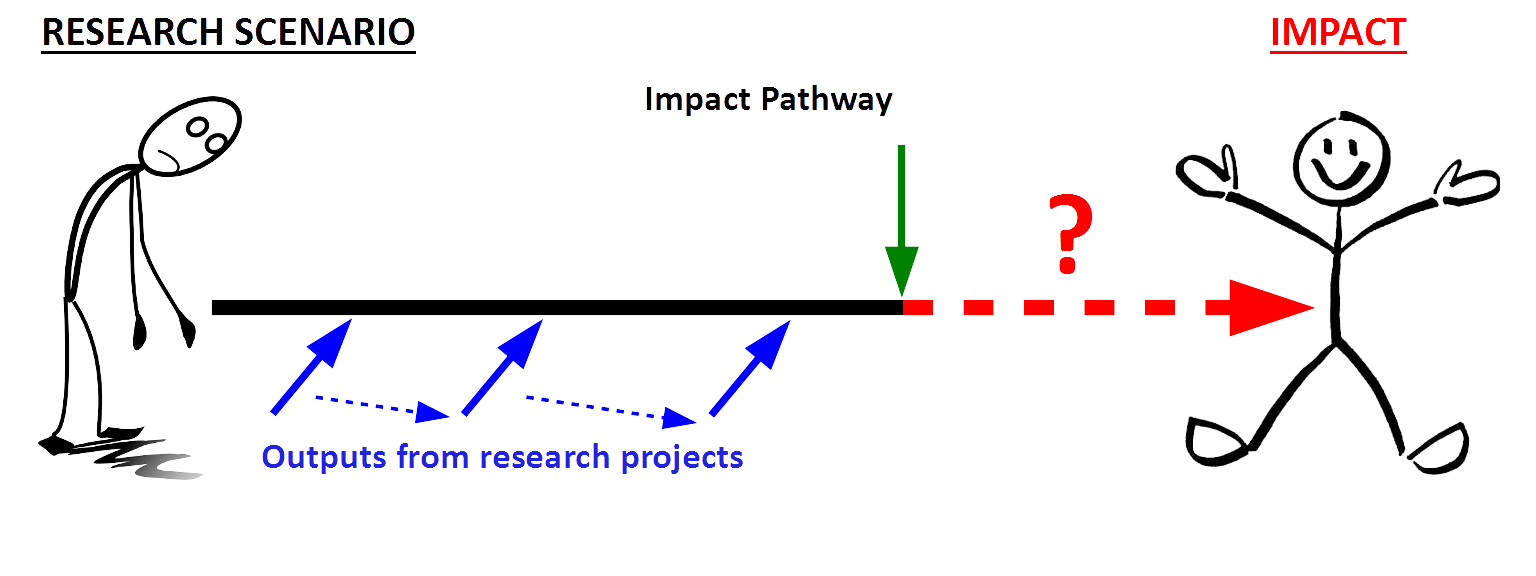
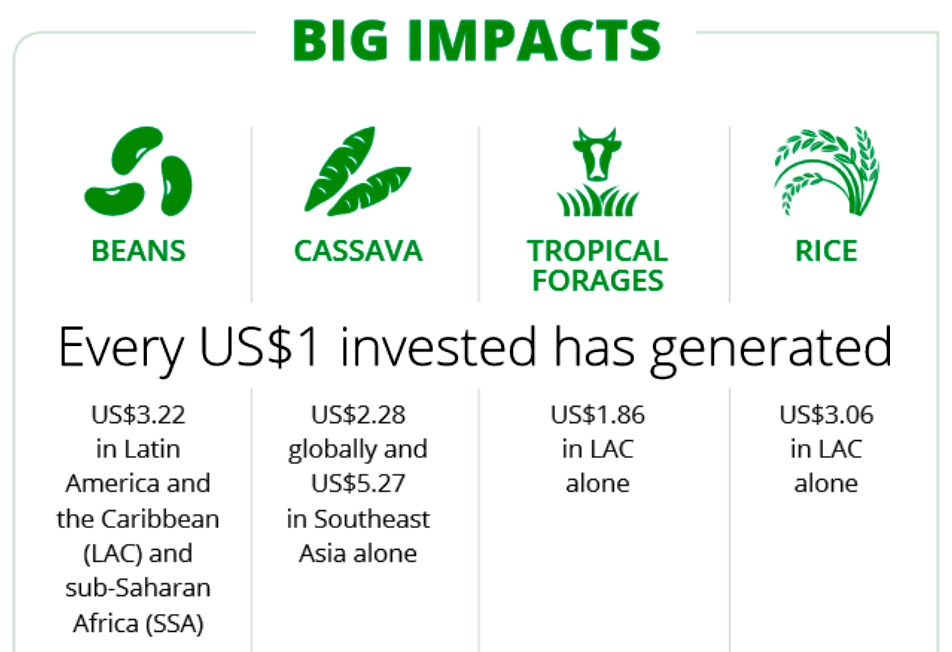
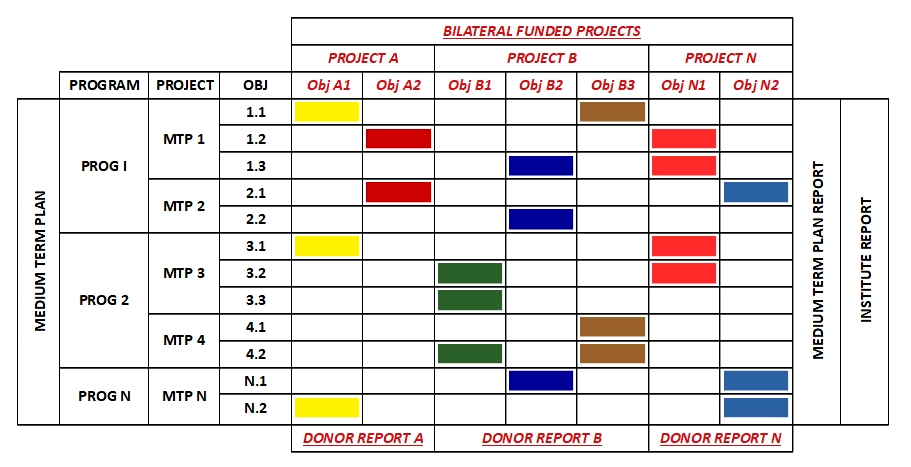
 And that’s how I got into research management in 2001, when IRRI Director General Ron Cantrell invited me to join the senior management team as
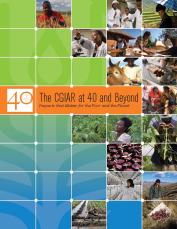
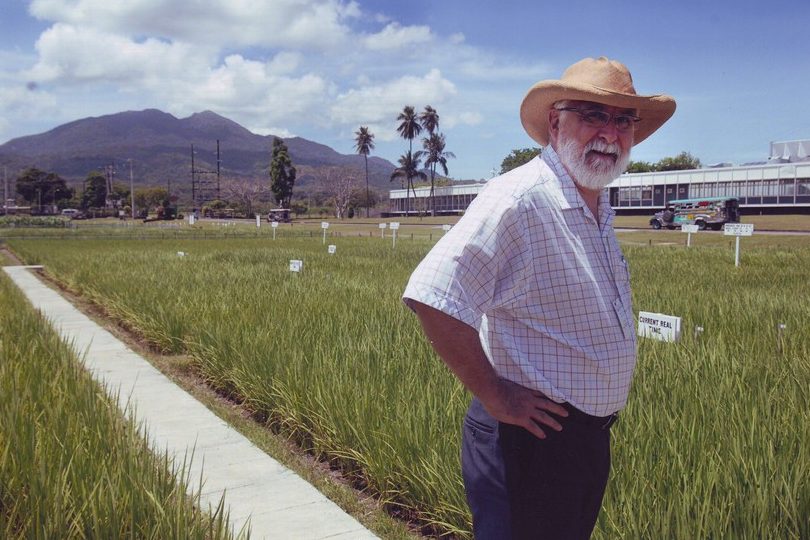
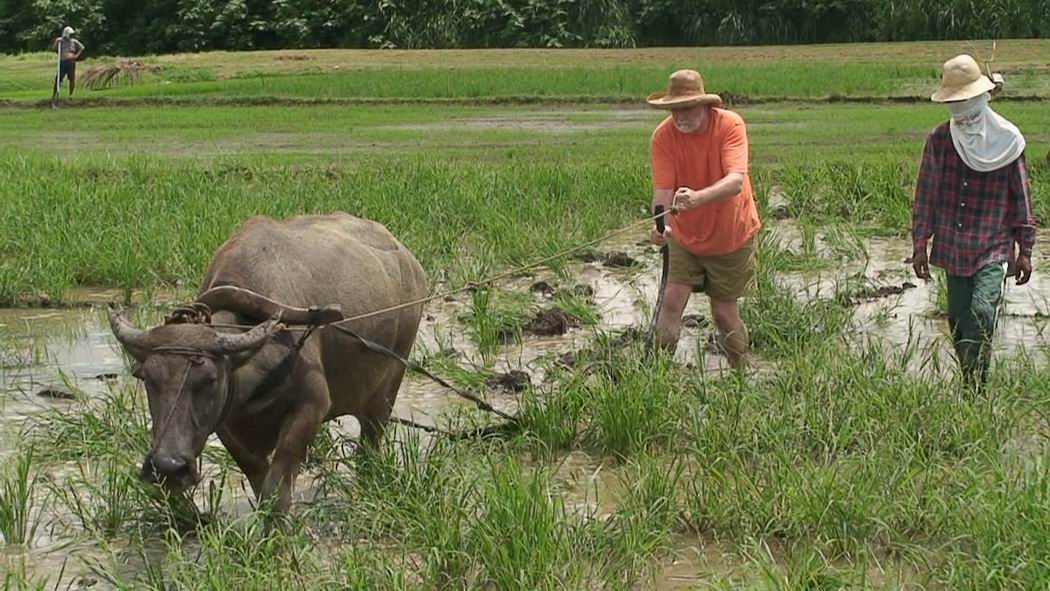
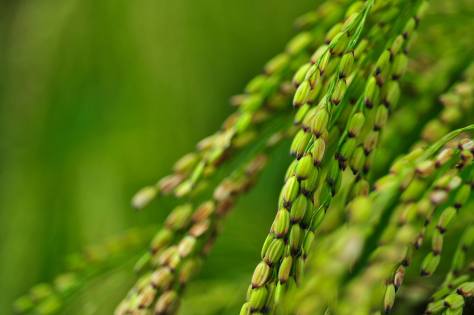


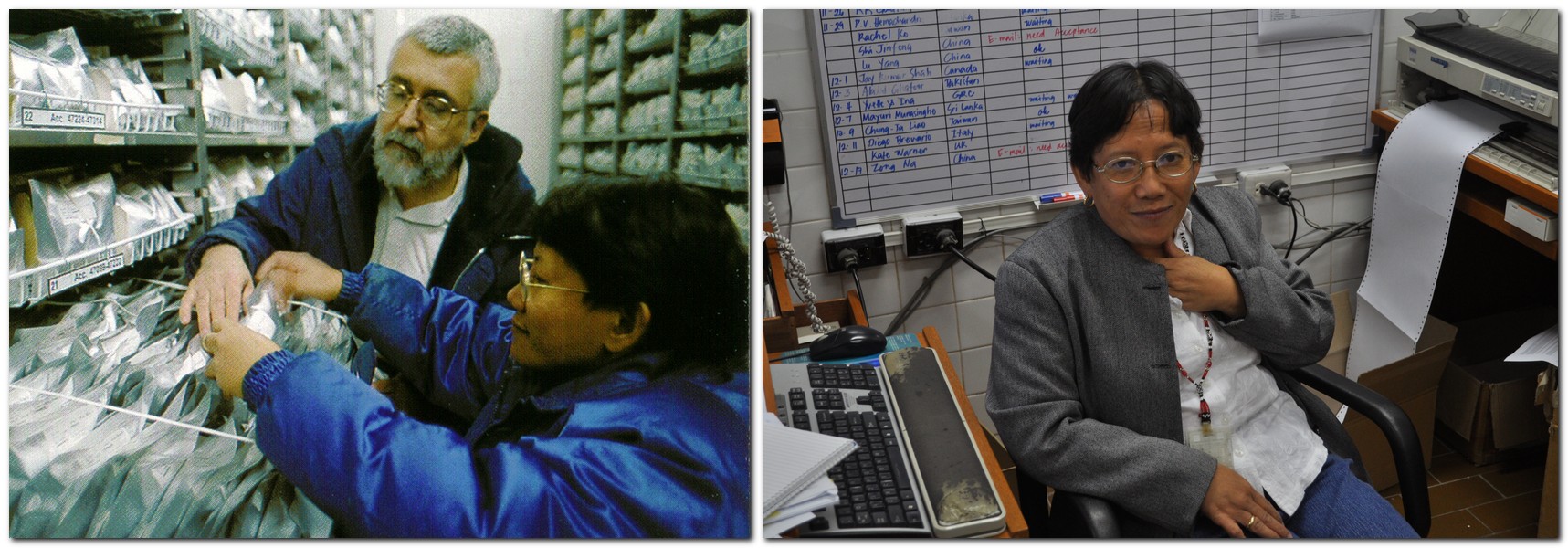
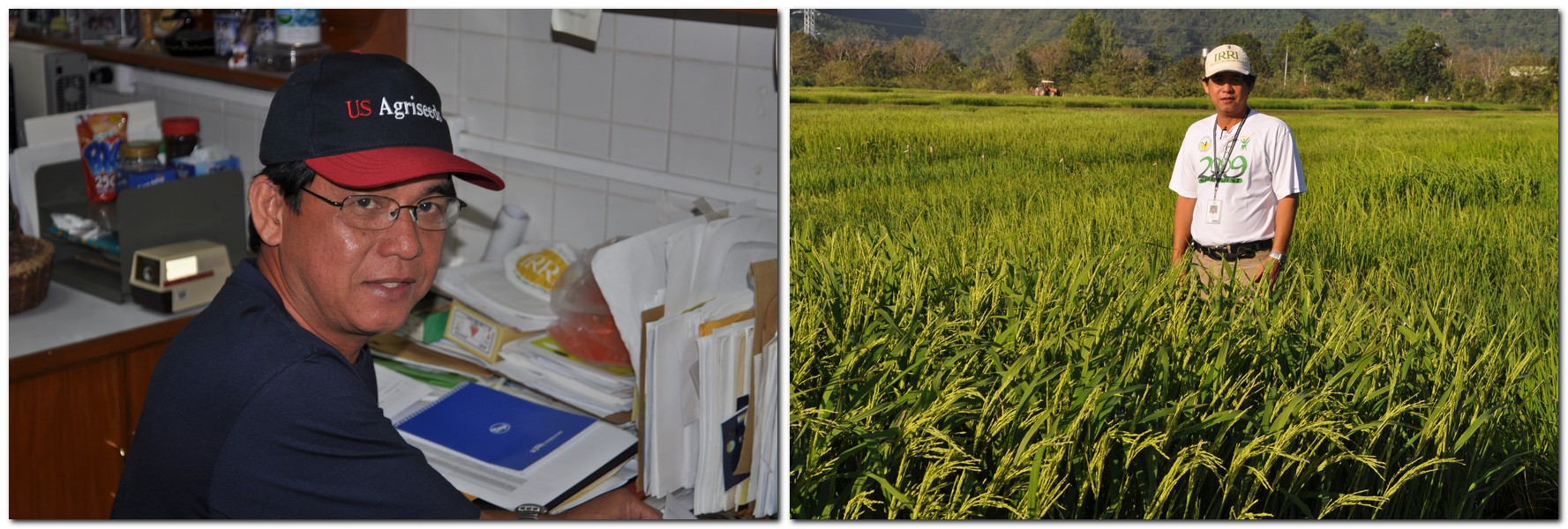
 Soccie Almazan became the curator of the wild rices that had to be grown in a quarantine screenhouse some distance from the main research facilities, on the far side of the experiment station. But the one big change that we made was to incorporate all the germplasm types, cultivated or wild, into a single genebank collection, rather than the three collections. Soccie brought about some major changes in how the wild species were handled, and with an expansion of the screenhouses in the early 1990s (as part of the overall refurbishment of institute infrastructure) the genebank at last had the space to adequately grow (in pots) all this valuable germplasm that required special attention. See the video from 4:30. Soccie retired from IRRI in the last couple of years.
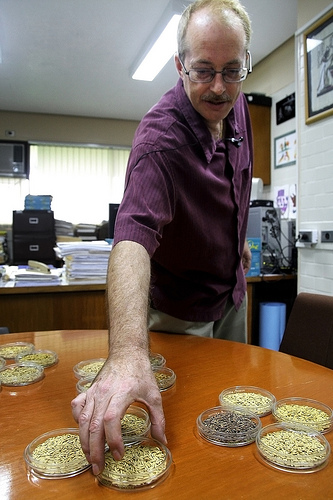
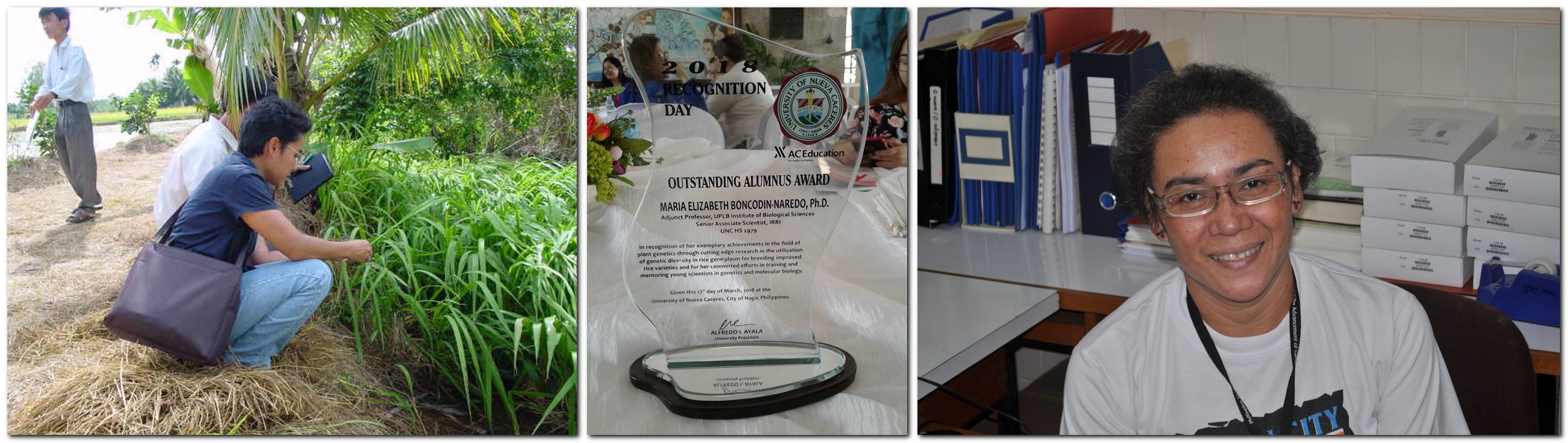
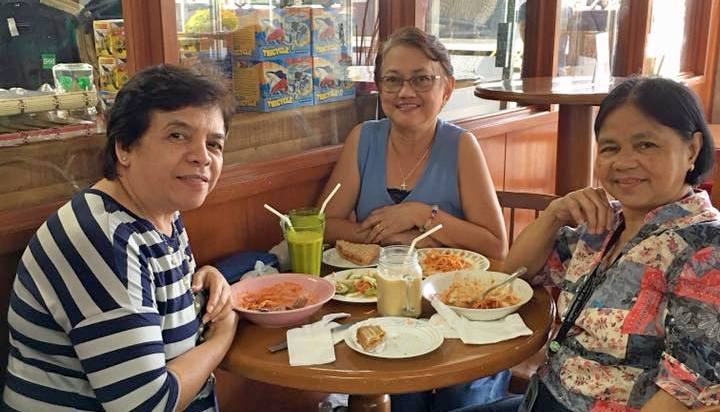
 One of the most important strategic decisions we took was to locate one staff member, Dr Seepana Appa Rao, in
  The leader of the Lao-IRRI Project was Australian agronomist, Dr John Schiller, who had spent about 30 years working in Thailand, Cambodia and Laos, and whose untimely death was announced just yesterday¹.
 Until Appa Rao moved to Laos, very little germplasm exploration had taken place anywhere in the country. It was a total germplasm unknown, but with excellent collaboration with national counterparts, particularly Dr Chay Bounphanousay (now a senior figure in Lao agriculture), the whole of the country was explored and more than 13,000 samples of cultivated rice collected from the different farming systems, such as upland rice and rainfed lowland rice. A local genebank was constructed by the project, and duplicate samples were sent to IRRI for long-term storage as part of the International Rice Genebank Collection in GRC. Duplicate samples of these rice varieties were also sent to the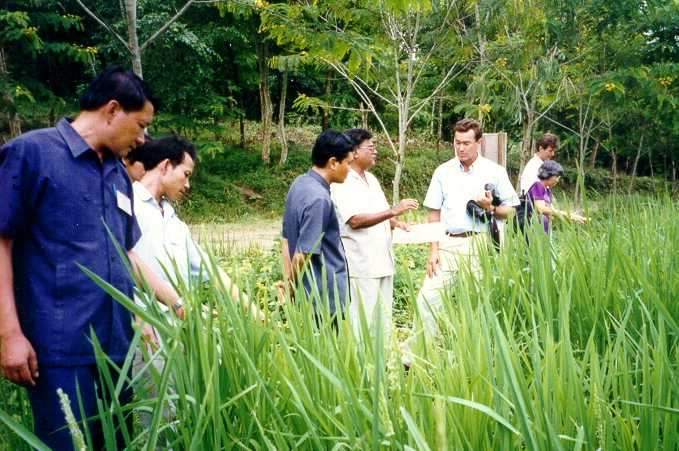
 I first met John in November 1991, a few months after I’d joined IRRI. He and I were part of a group of IRRI scientists attending a management training course, held at a beach resort bear Nasugbu on the west coast of Luzon, south of Manila. The accommodation was in two bedroom apartments, and John and I shared one of those, so I got to know him quite well.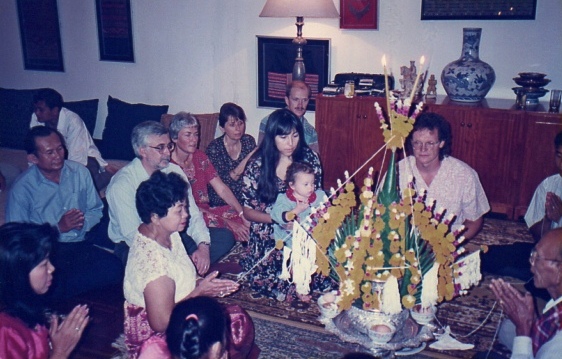
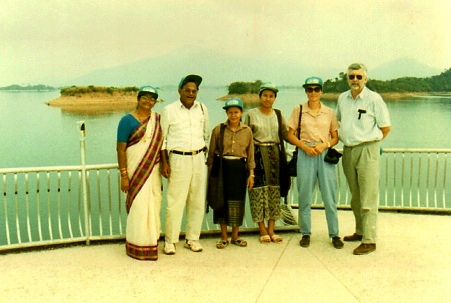
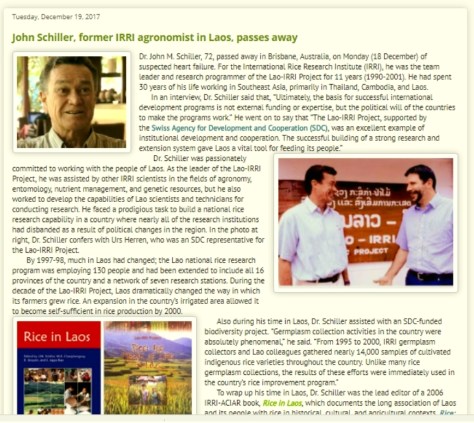
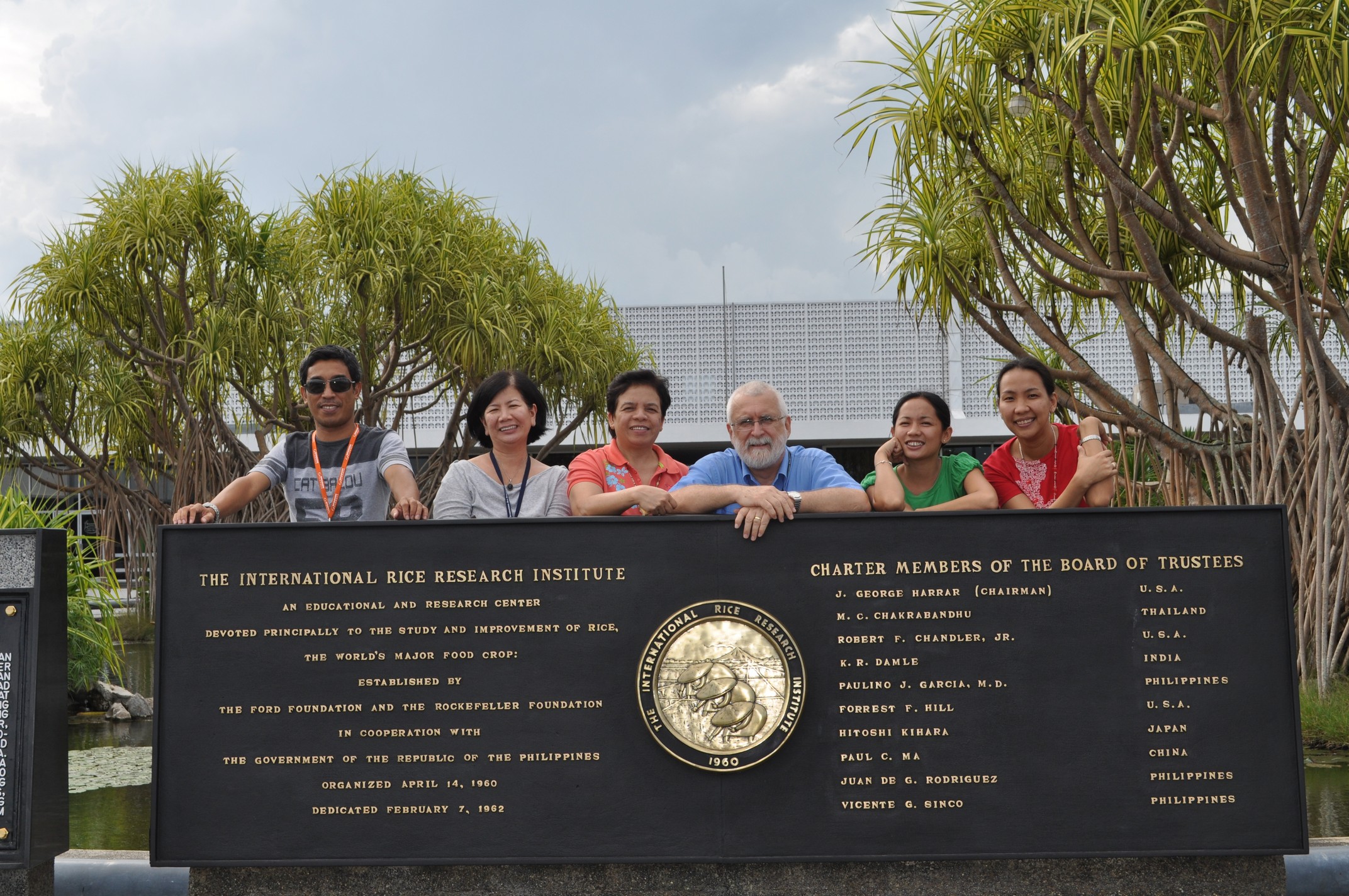
 Well, the short answer is that at the end of October, the last member of my original DPPC team, Zeny Federico, will retire. Others have retired already, moved on to bigger and better things, or moved to other positions in the institute. It’s the end of an era! DPPC no longer exists. Shortly after I retired it changed its name to DRPC—Donor Relations and Project Coordination, and is to become the IRRI Portfolio Management Office (IPMO).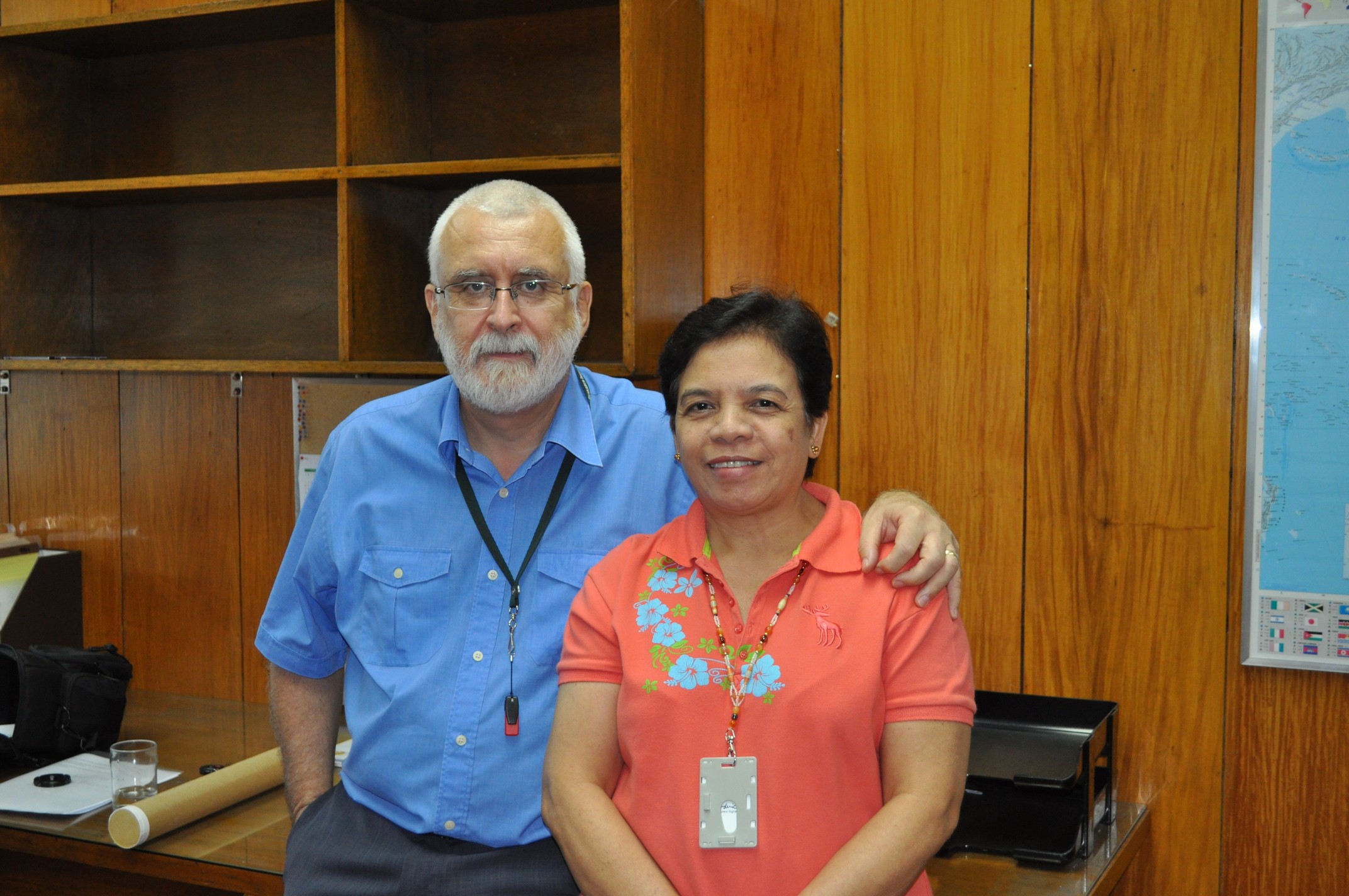
 And that person was Corinta Guerta, a soil chemist and Senior Associate Scientist working on the adaptation of rice varieties to problem soils. A soil chemist, you might ask? When discussing my new role with Ron Cantrell in early 2001, I’d already mentioned Corinta’s name as someone I would like to try and recruit. What in her experience would qualify Corints (as we know her) to take up a role in donor relations and project management?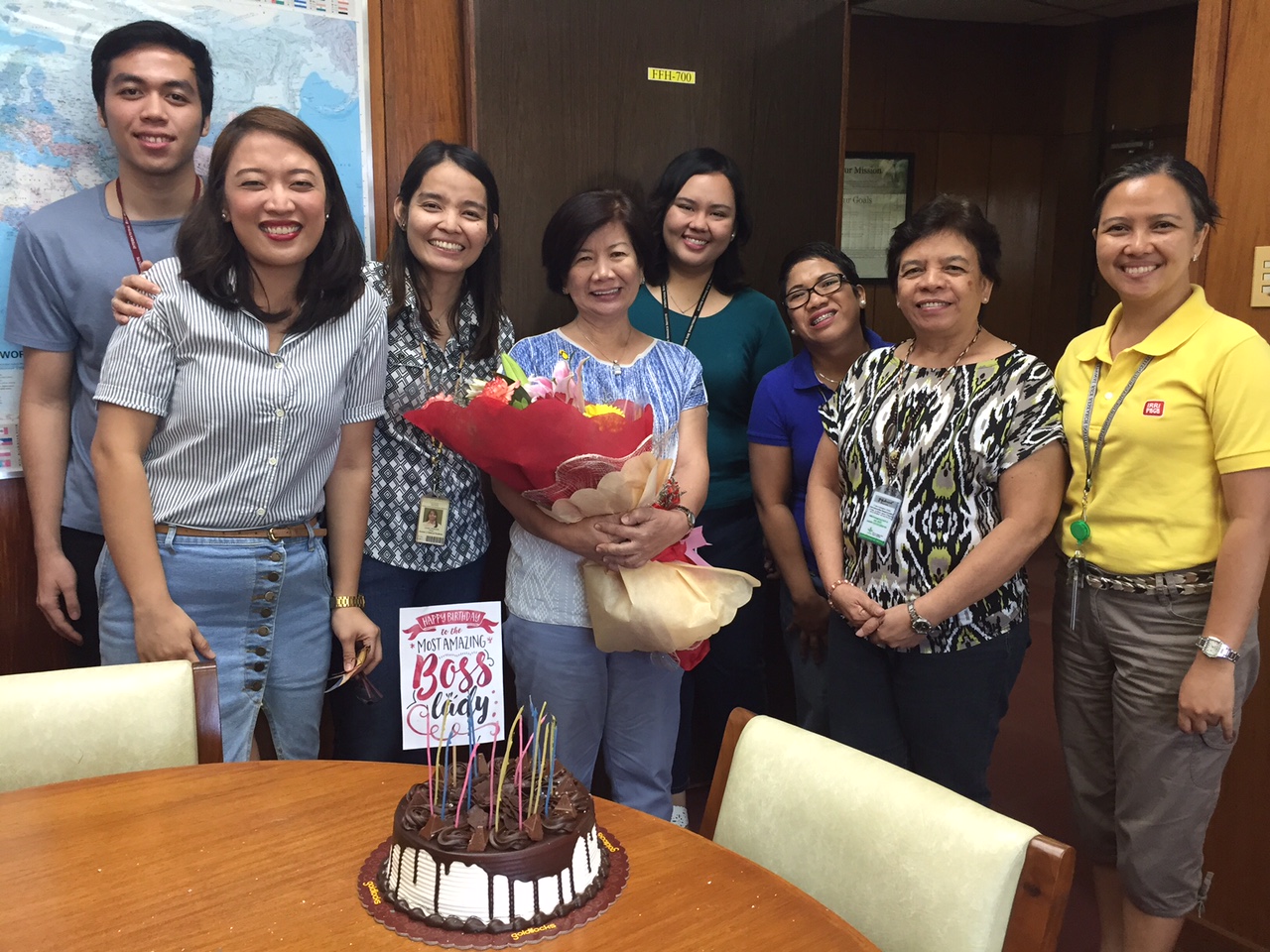

 When Corints and I interviewed Eric, he quickly understood the essential elements of what we wanted to do, and had potential solutions to hand. Potential became reality! I don’t remember exactly when Eric joined us in DPPC. It must have been around September or October 2001, but within six months we had a functional online grants management system that already moved significantly ahead of where the CIAT system has languished for some time. Our system went from strength to strength and was much admired, envied even, among professionals at the other centers who had similar remits to DPPC.
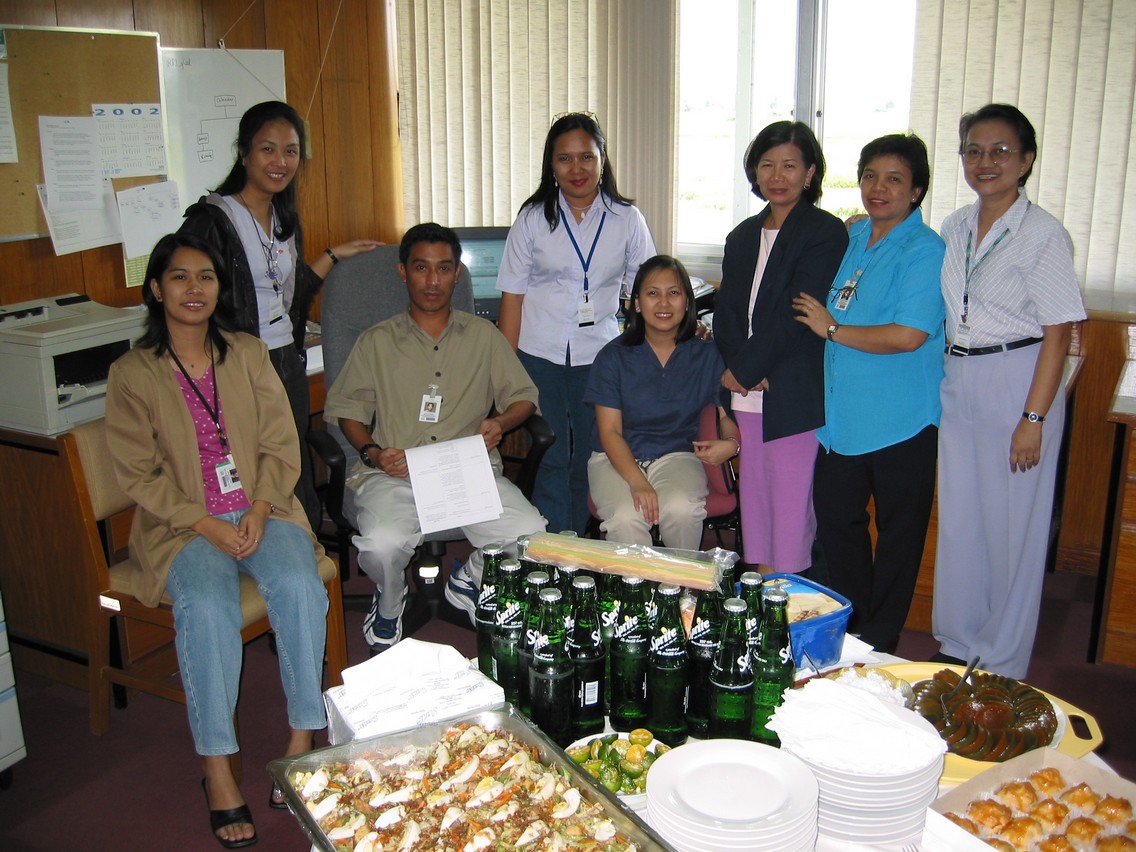
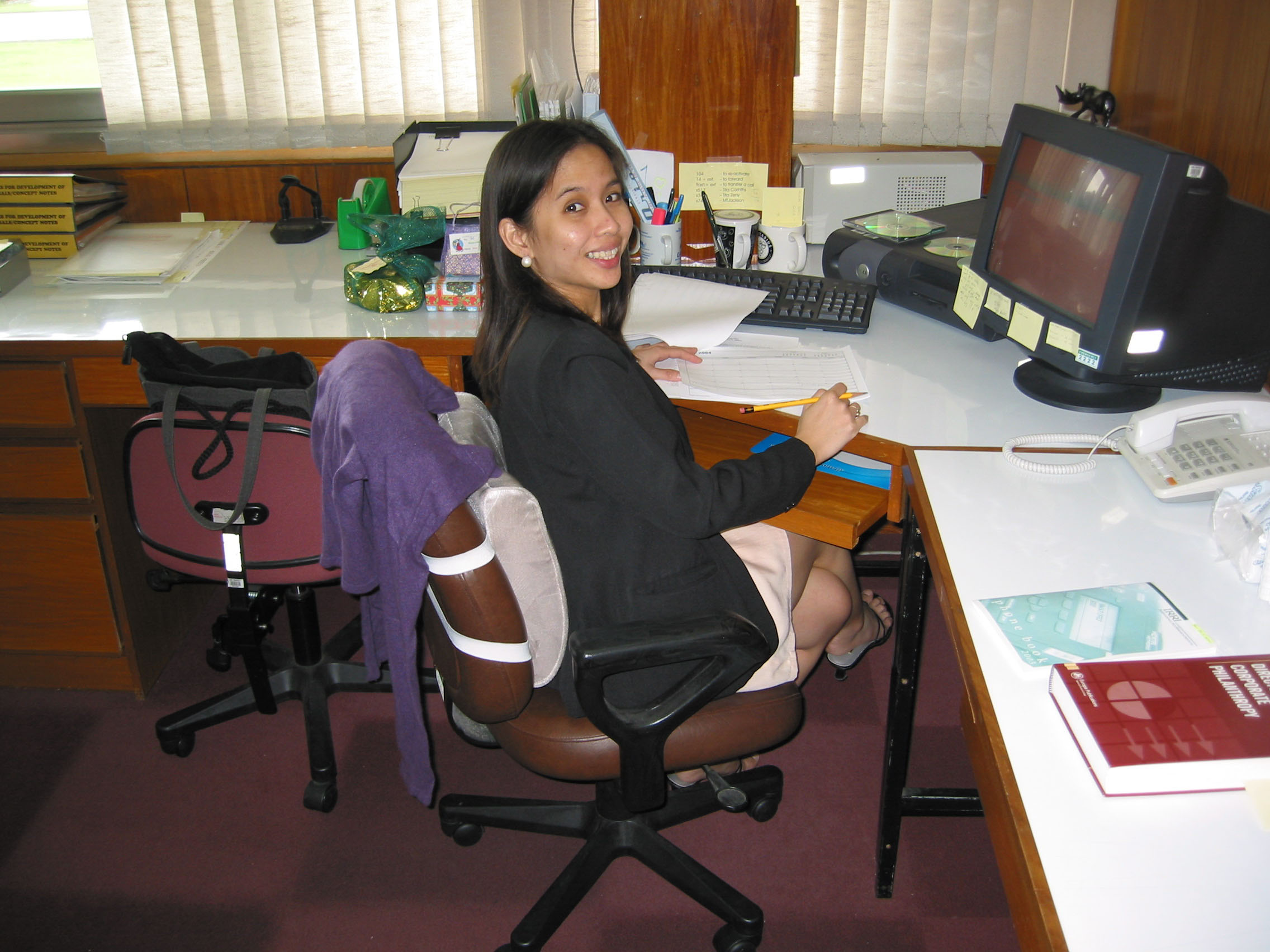
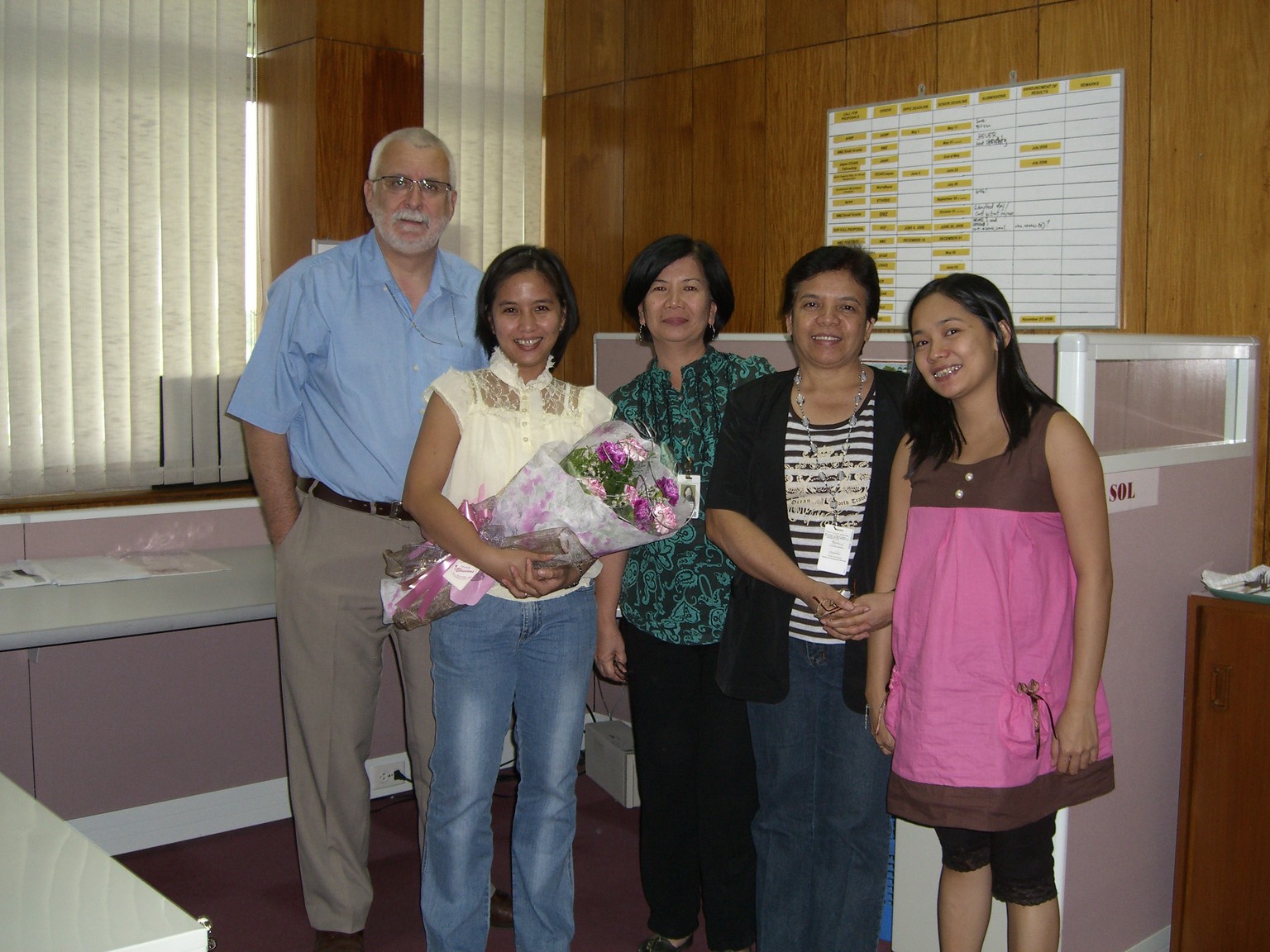
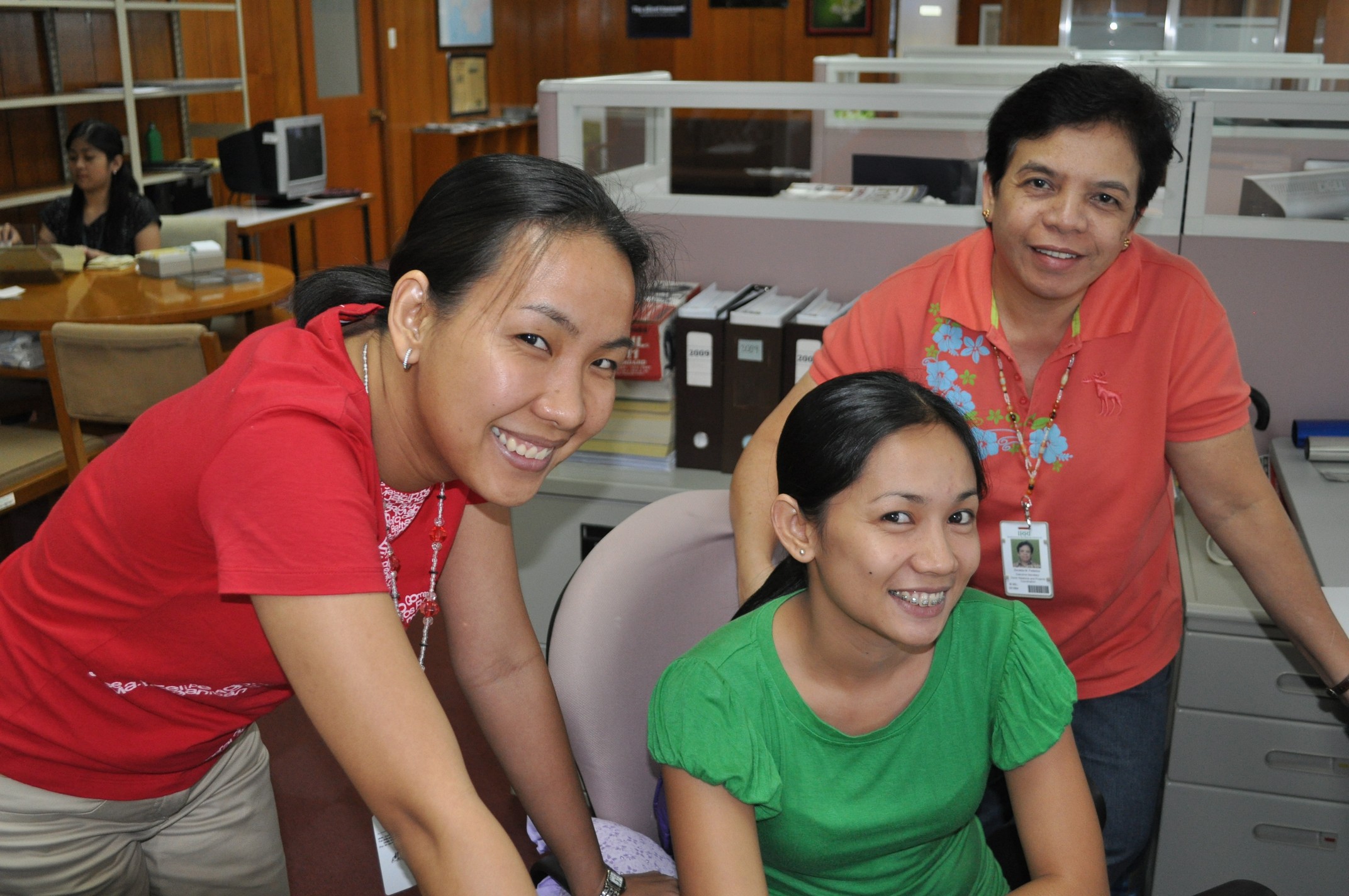


 Come October 2015, Yeyet decided to seek pastures new, and joined
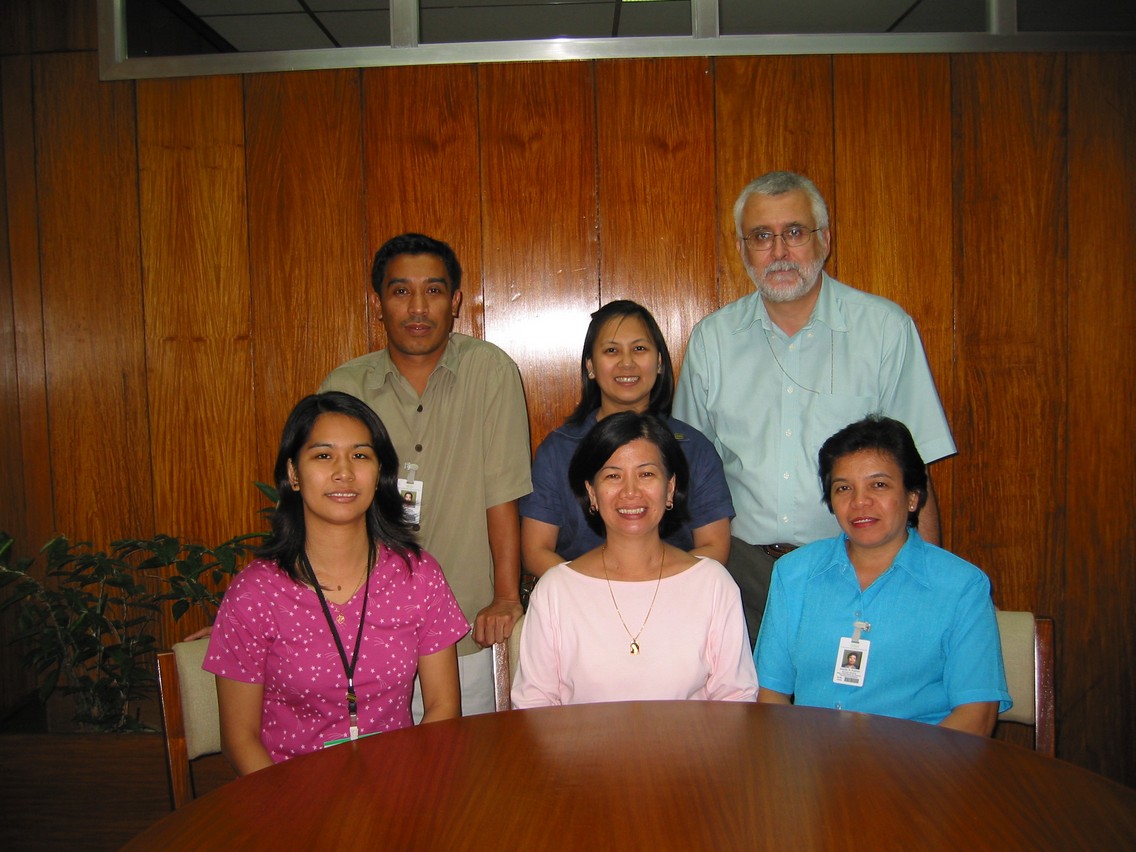
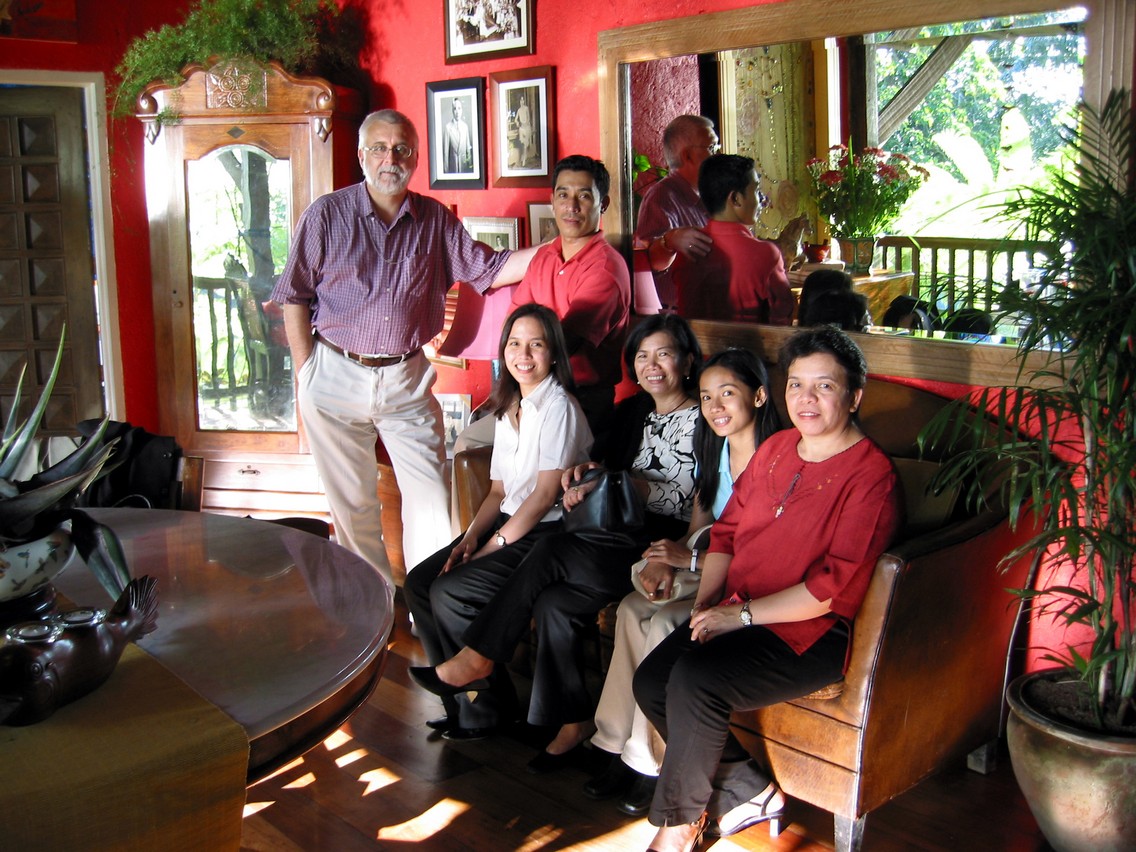
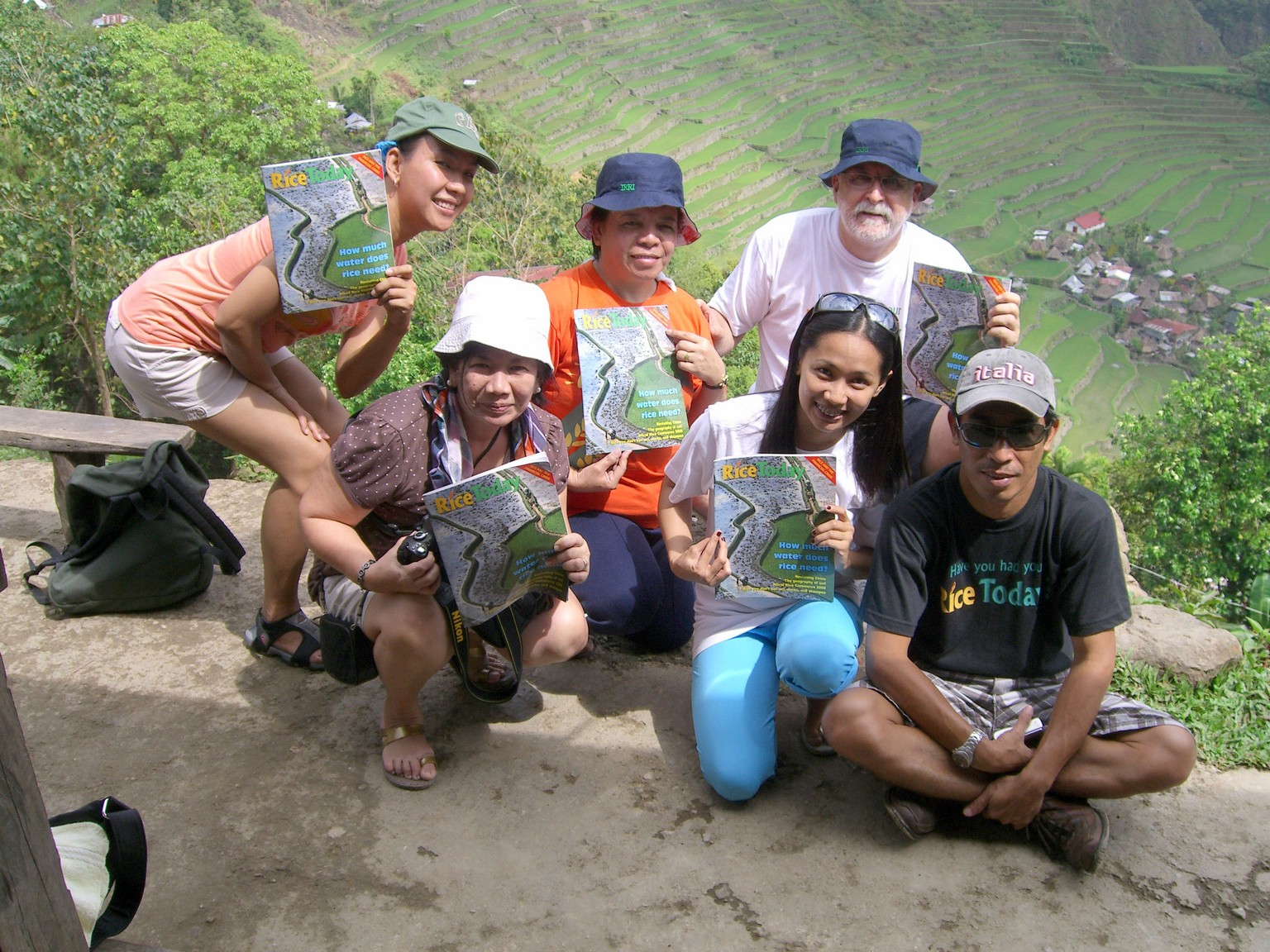
 Nominally the ‘junior’ in DPPC, Vel very quickly became an indispensable member of the team, taking on more responsibilities related to data management. She has a degree in computer science. However, just a month or so back, an opportunity presented itself elsewhere in the institute, and Vel moved to the Seed Health Unit (SHU) as the Material Transfer Agreements Controller. As the SHU is responsible for all imports and exports of rice seeds under the terms of the International Treaty on Plant Genetic Resources for Food and Agriculture using Material Transfer Agreements, Vel’s role is important to ensure that the institute is compliant under its agreement with FAO for the exchange of rice germplasm. Vel married Jason a few years back, and they have two delightful daughters.
 Inspector General at FAO in Rome for six years from February 2010), and whose office was just down the corridor from mine, we decided to develop a bottom-up approach, but needed a safe pair of hands to manage this full-time. So we hired Alma Redillas Dolot as a consultant, and she stayed with DPPC for a couple of years before joining the IAU.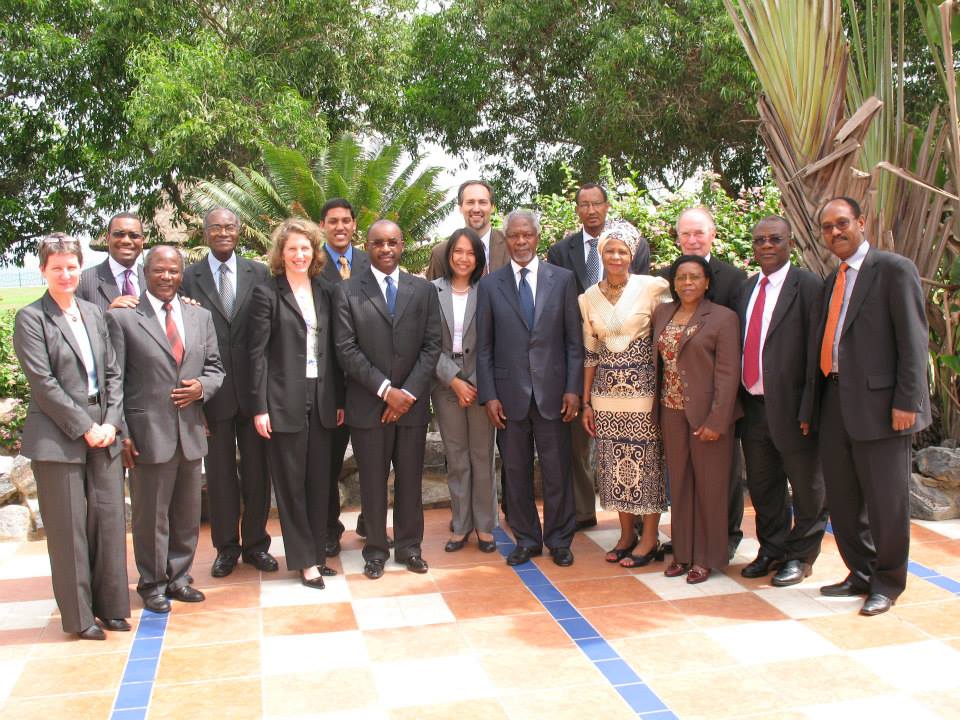


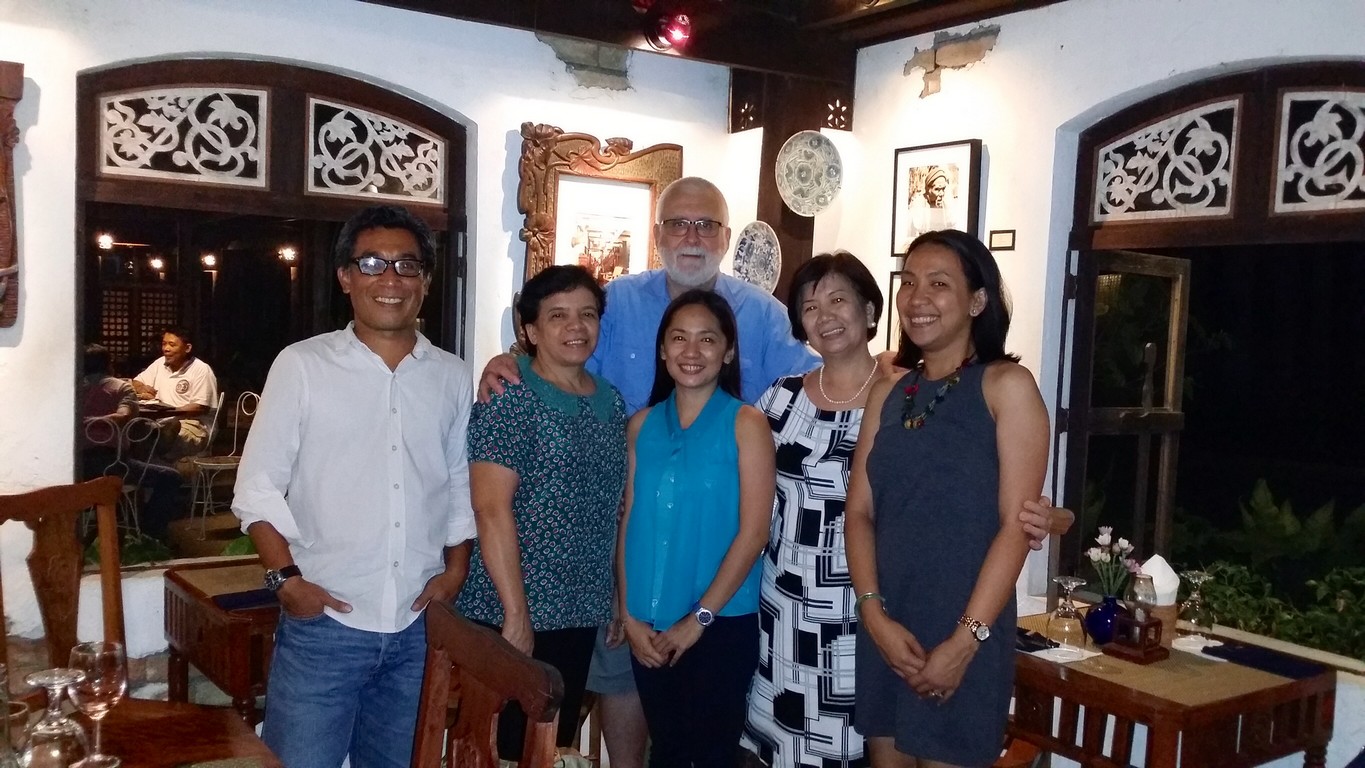
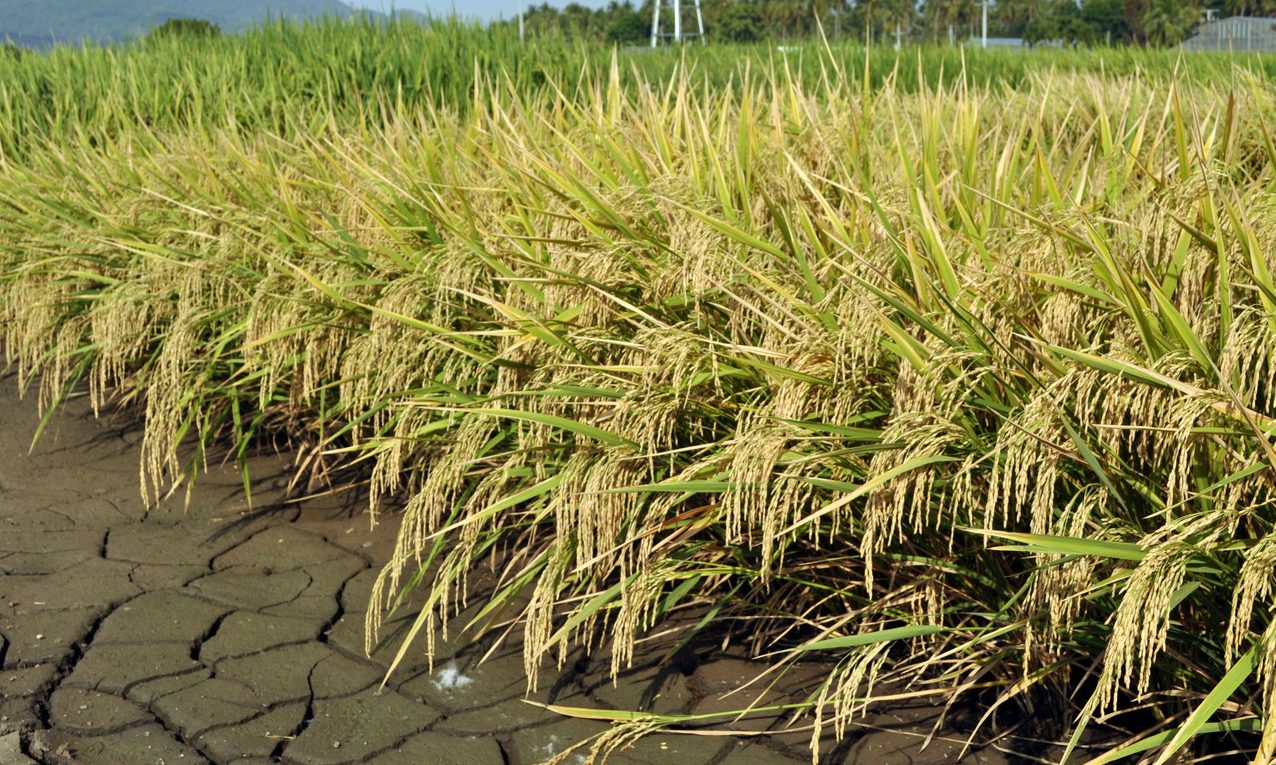
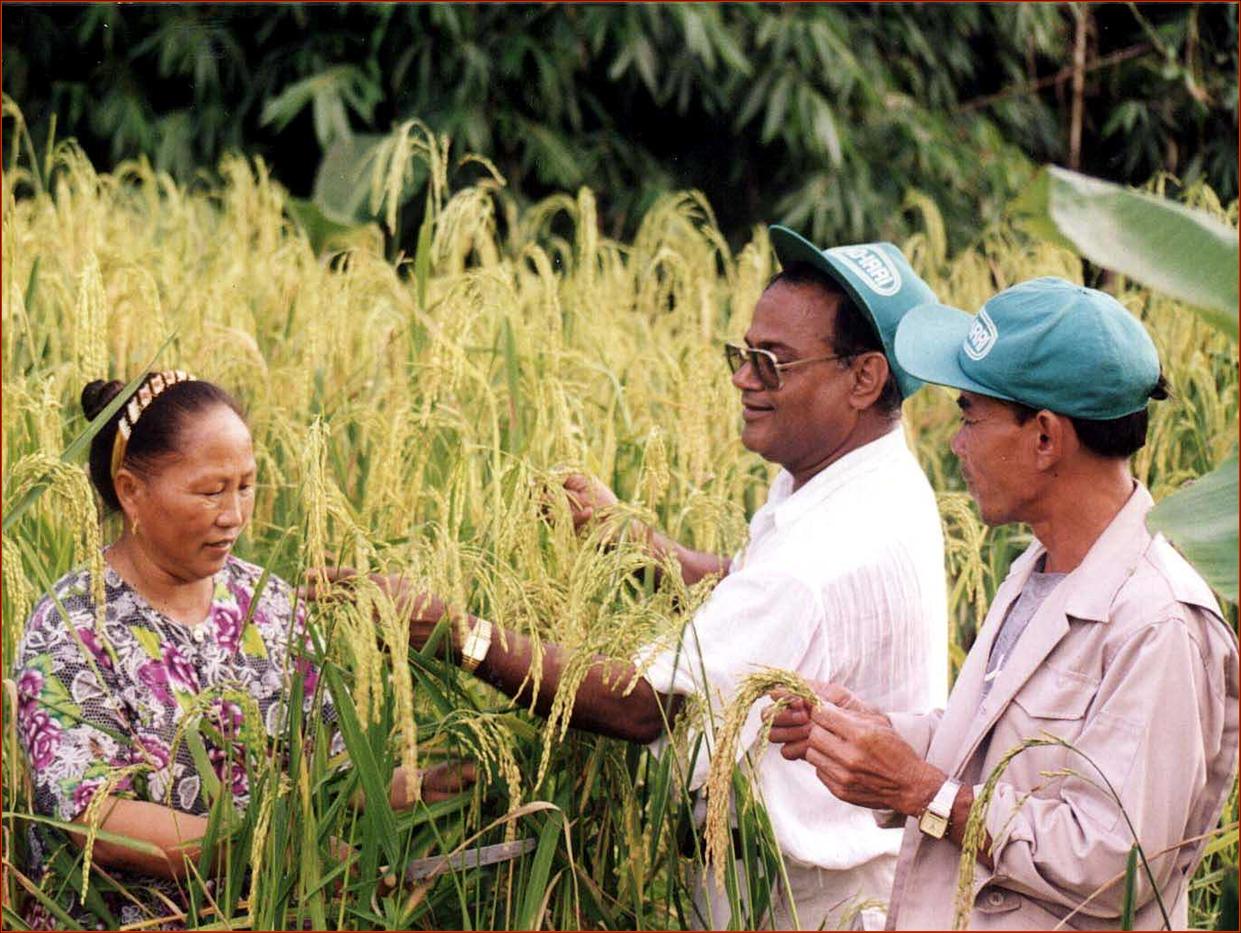
 Rice is such a fascinating crop you might want to understand a little more. And there’s no better source than Rice Today, a magazine launched by the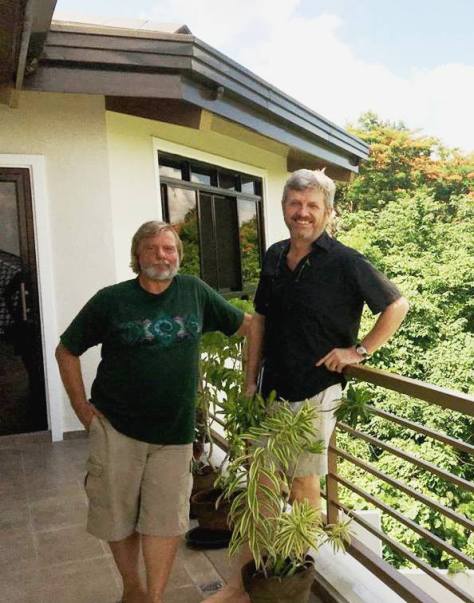


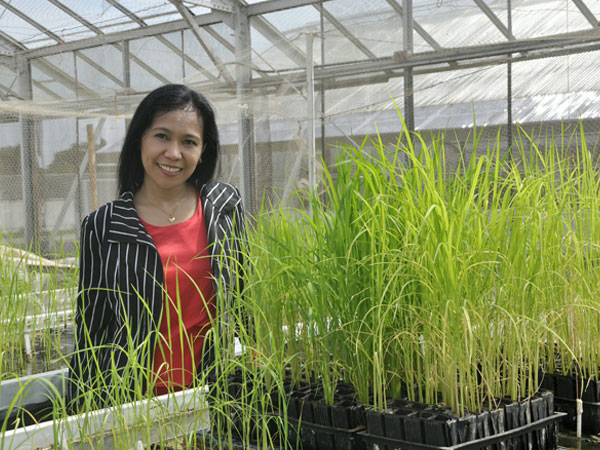
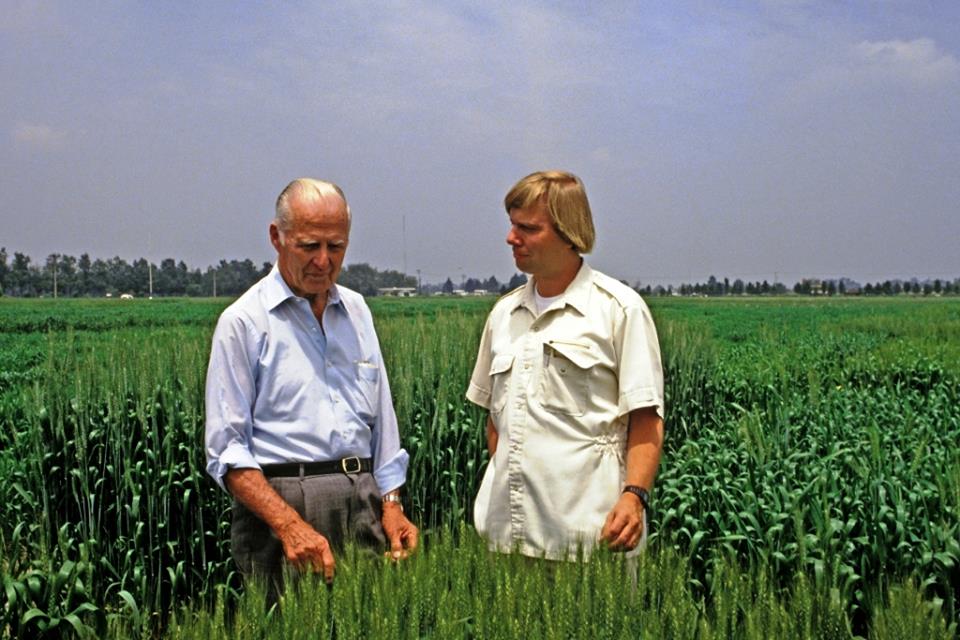

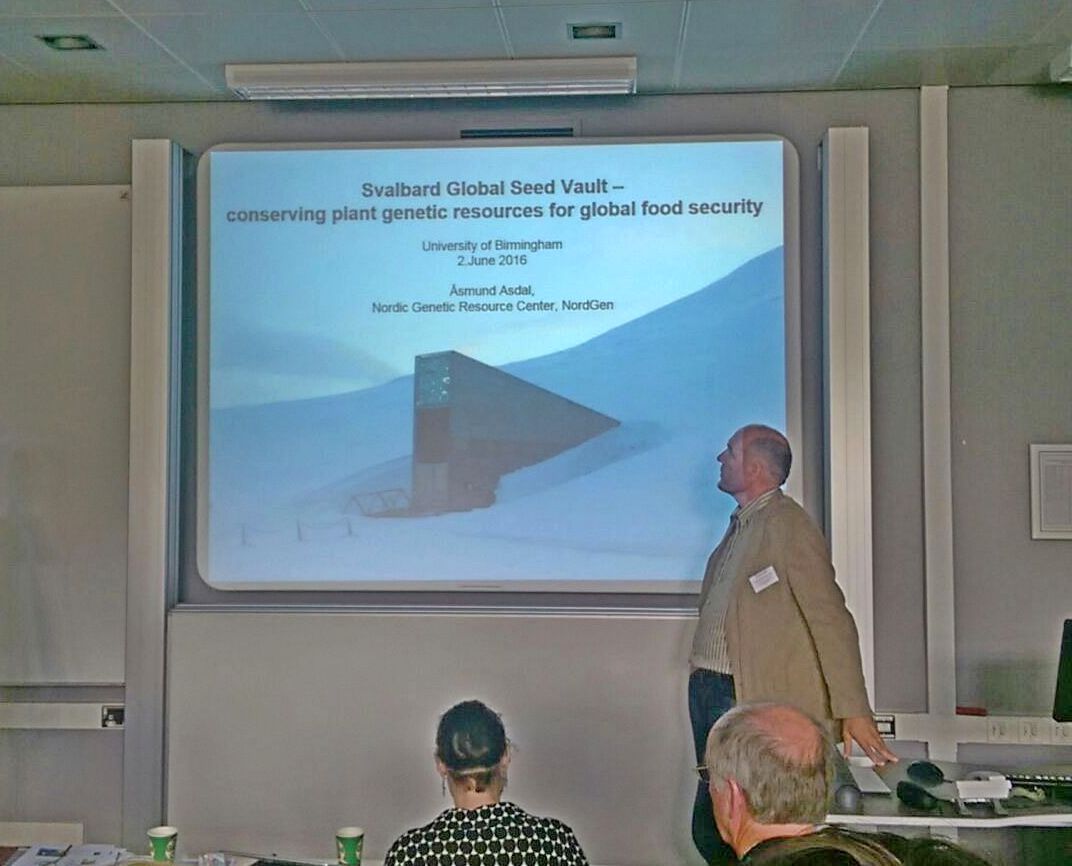
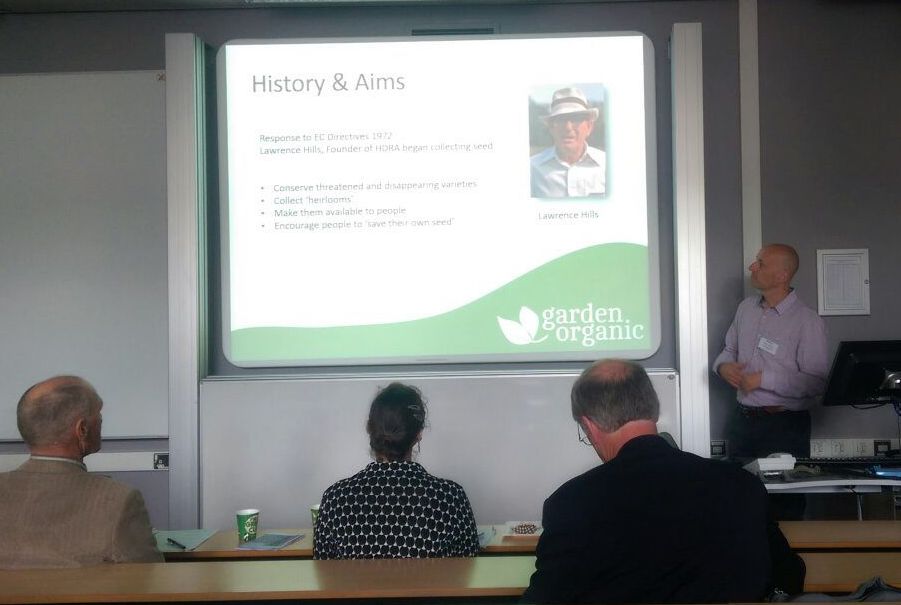

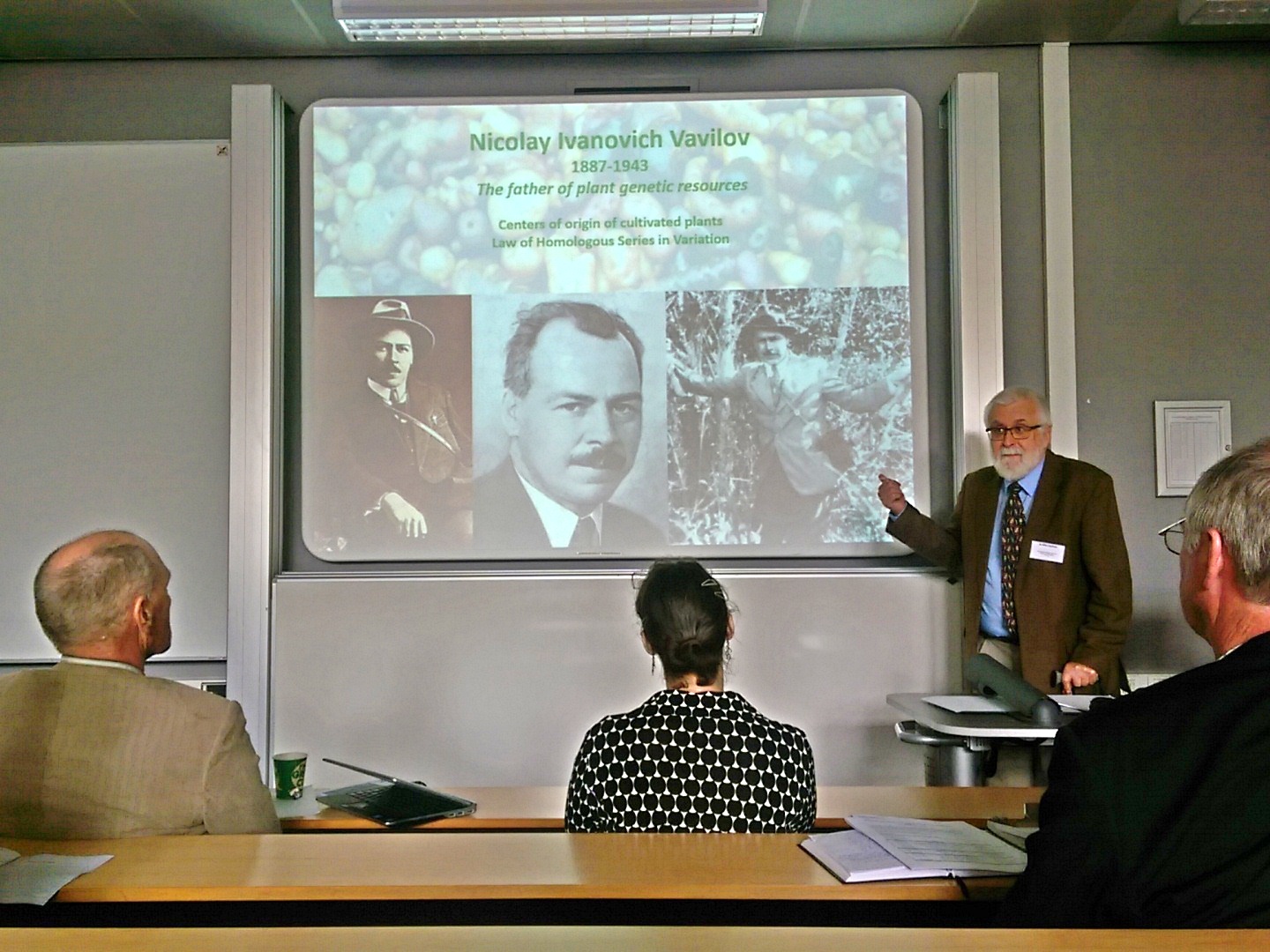
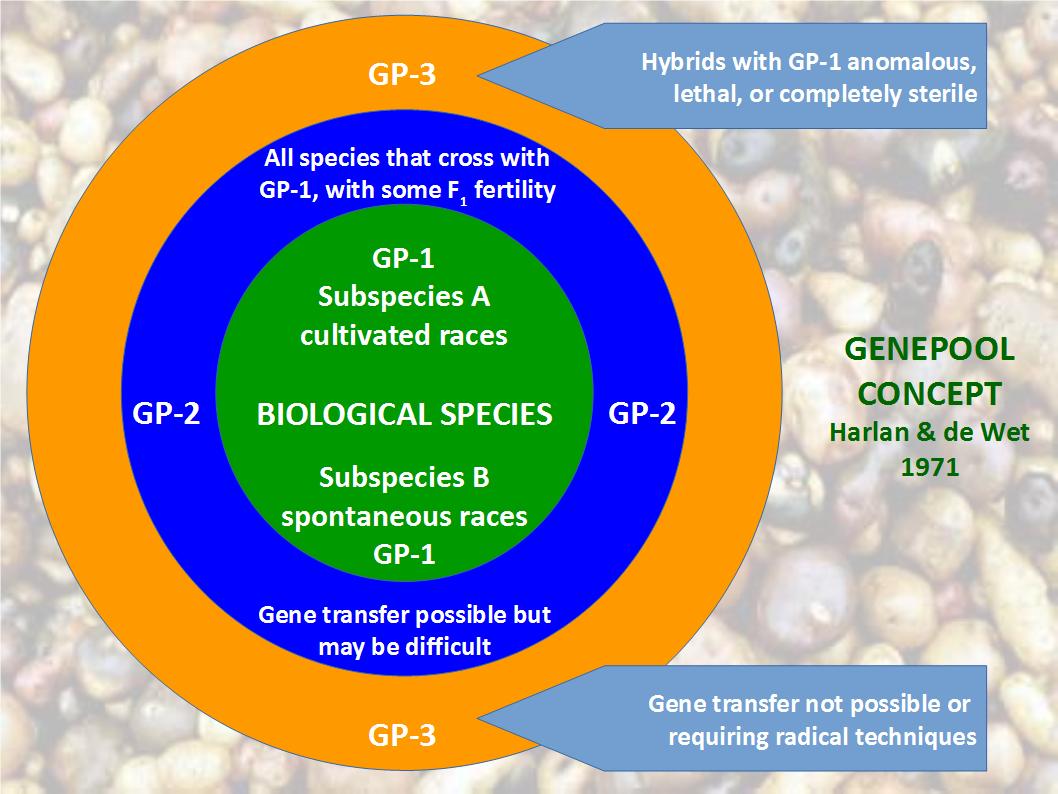
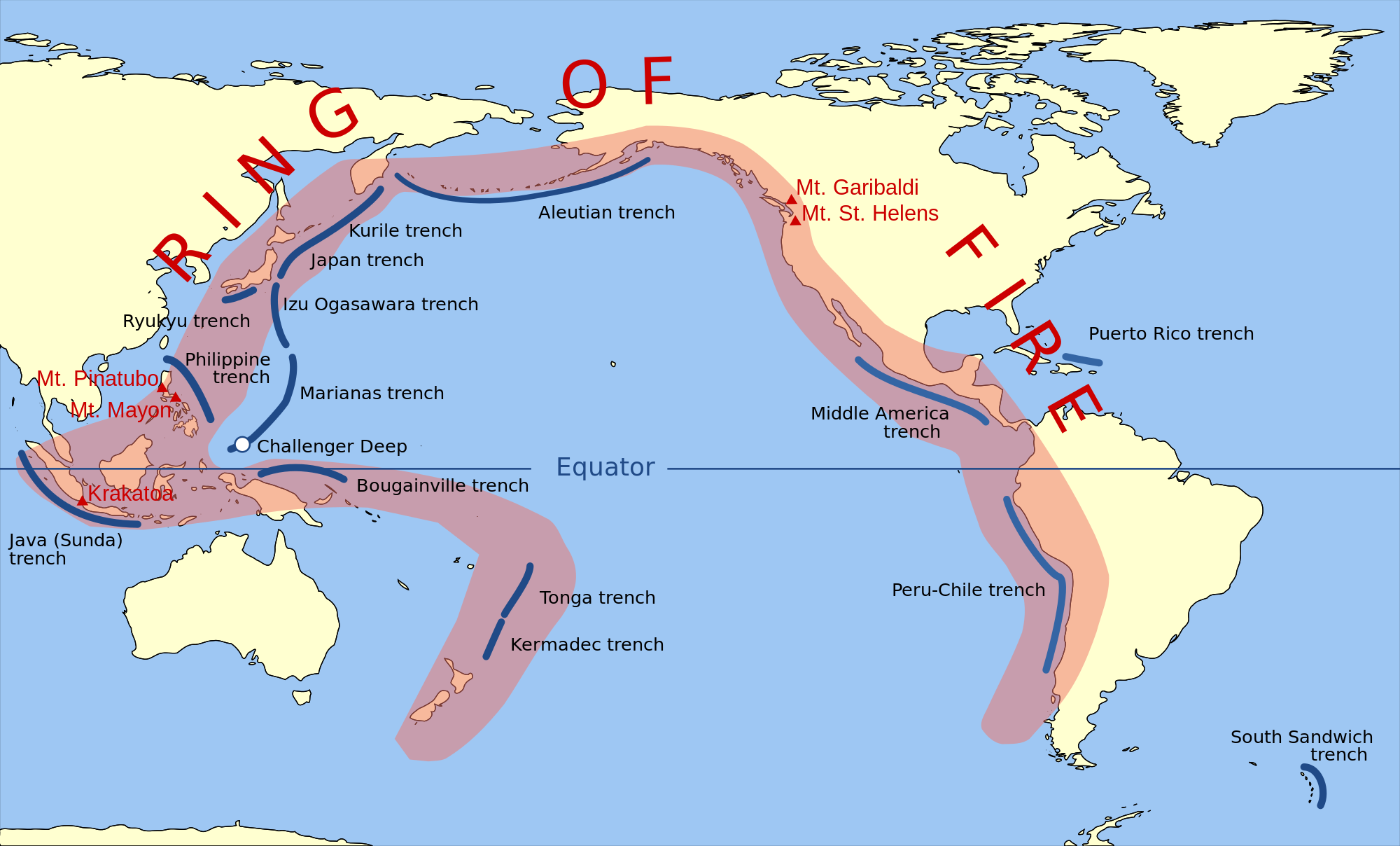





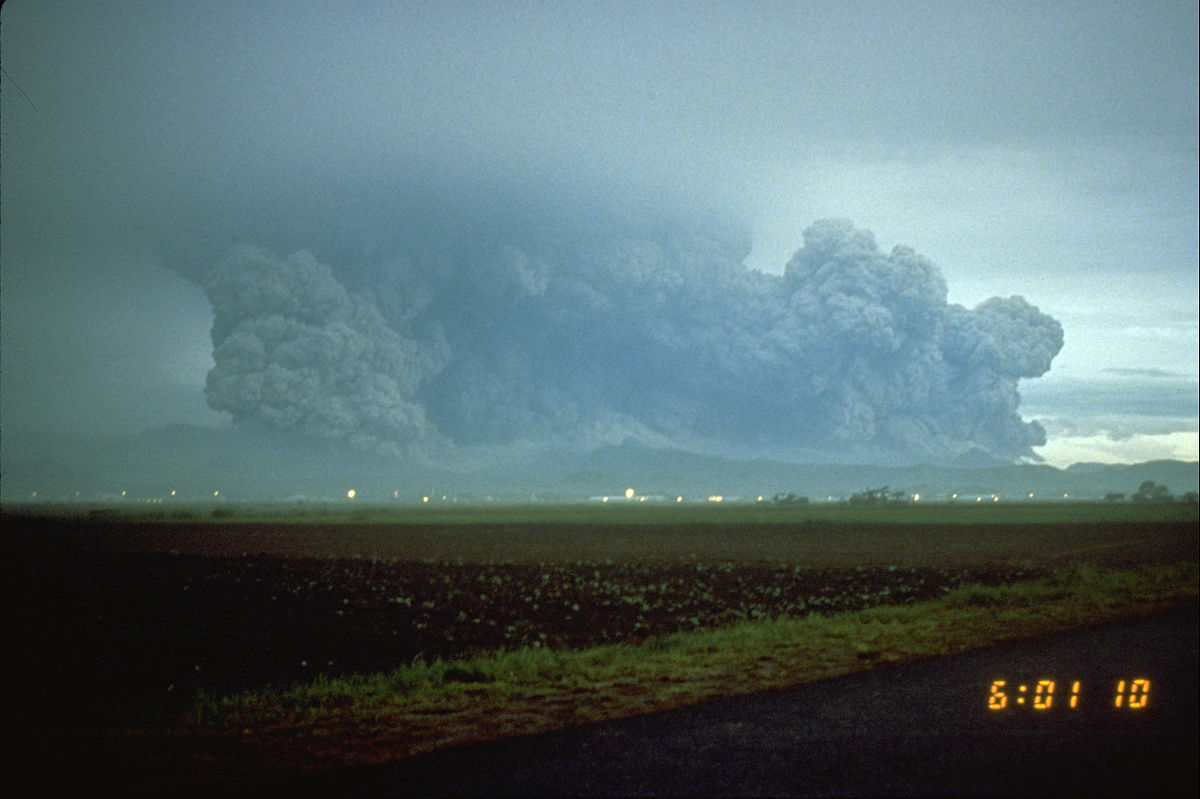


 Springer now has its own in-house genetic resources journal, Genetic Resources and Crop Evolution (I’m a member of the editorial board), but there are others such as Plant Genetic Resources – Characterization and Utilization (published by Cambridge University Press). Nowadays there are more journals to choose from dealing with disciplines like seed physiology, molecular systematics and ecology, among others, in which papers on genetic resources can find a home.







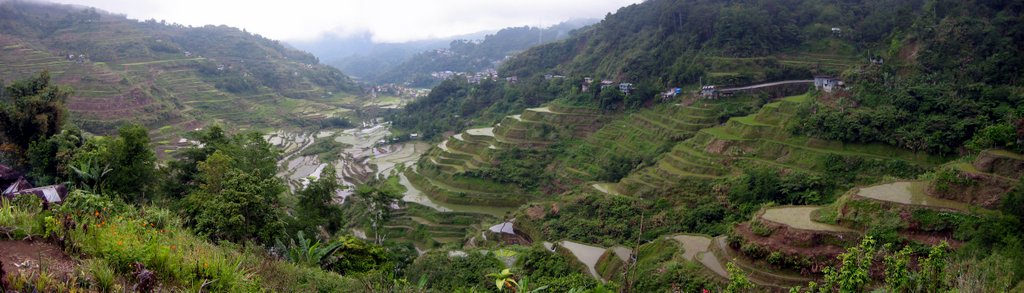
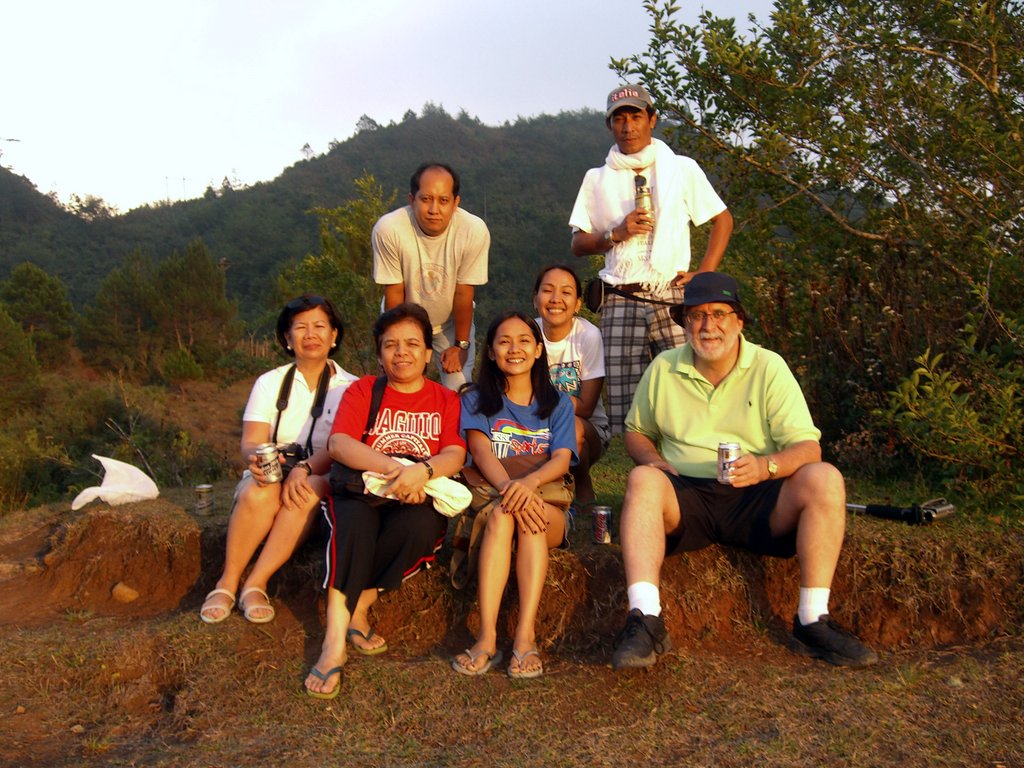


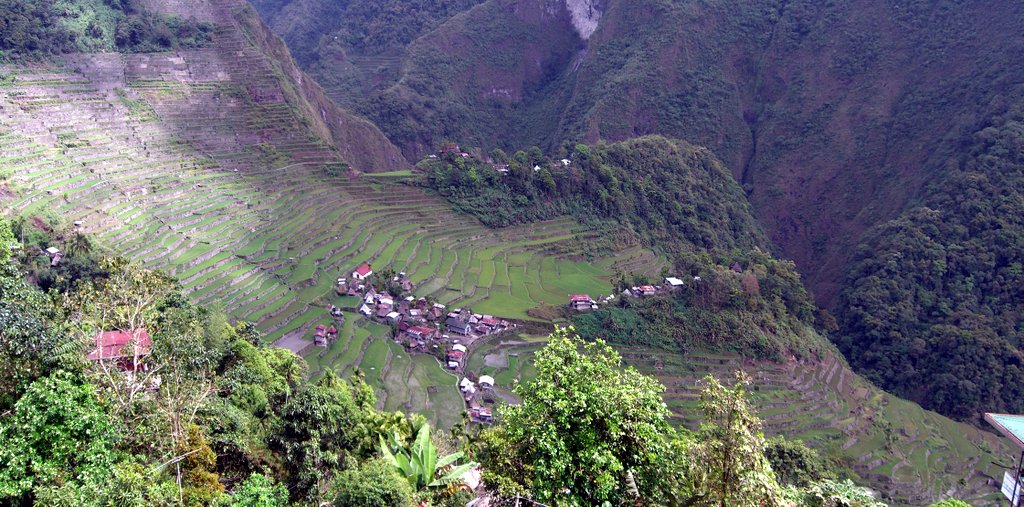
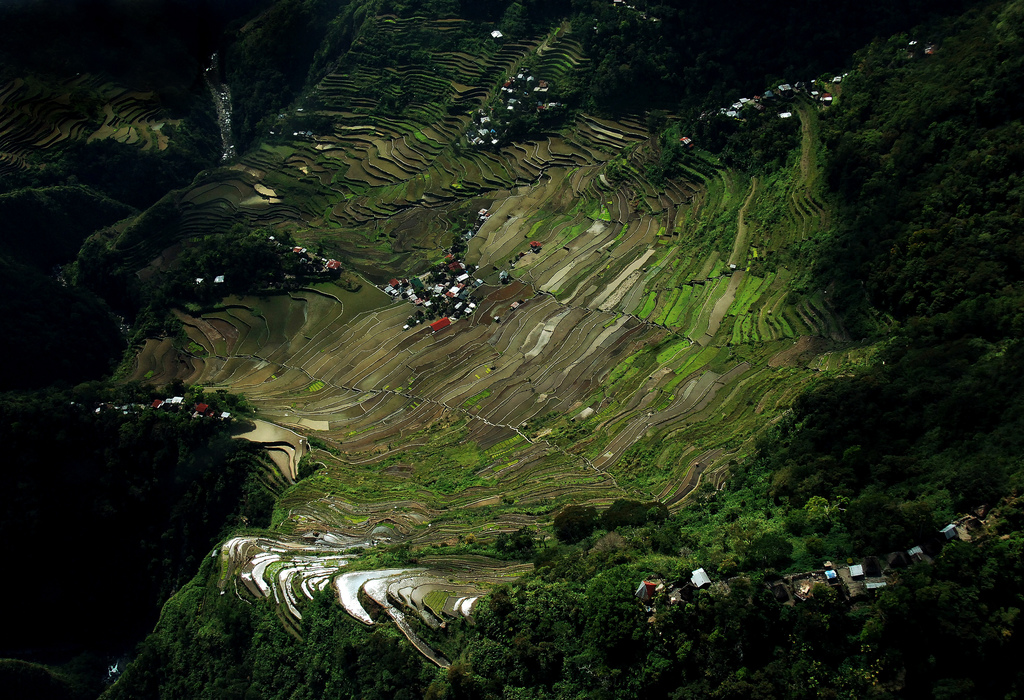


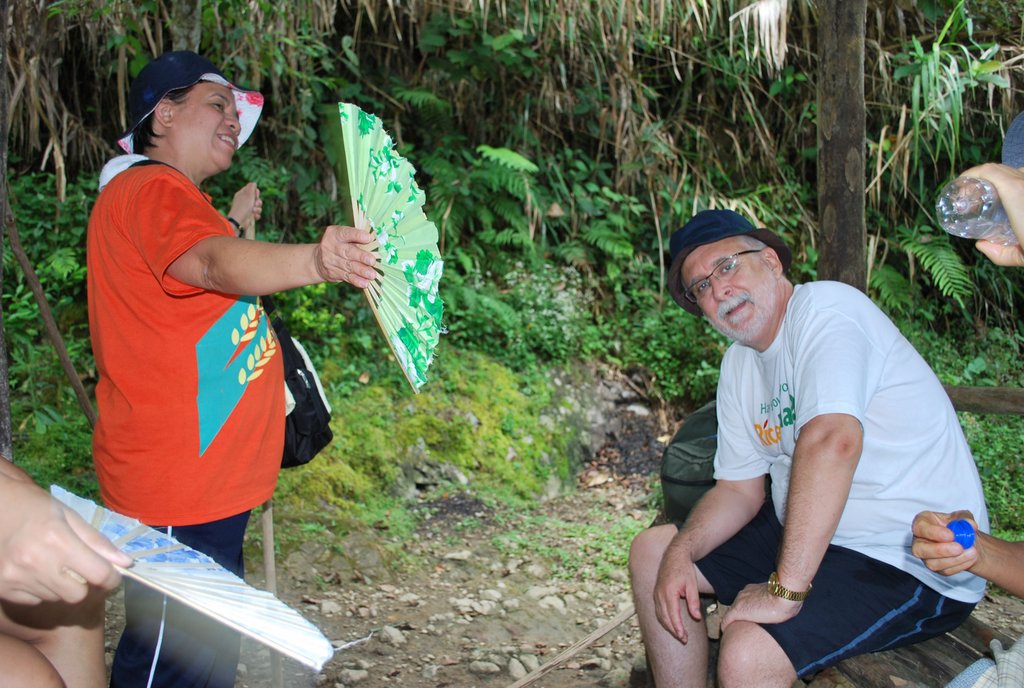


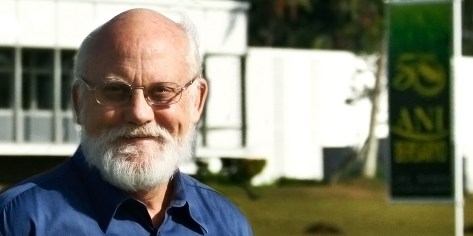


 And it wasn’t long before his presence was felt. It’s not inappropriate to comment that IRRI had lost its way during the previous decade for various reasons. There was no clear research strategy nor direction. Strong leadership was in short supply. Bob soon put an end to that, convening an international expert group of stakeholders (rice researchers, rice research leaders from national programs, and donors) to help the institute chart a perspective for the next decade or so. In 2006 IRRI’s Strategic Plan (2007-2015),


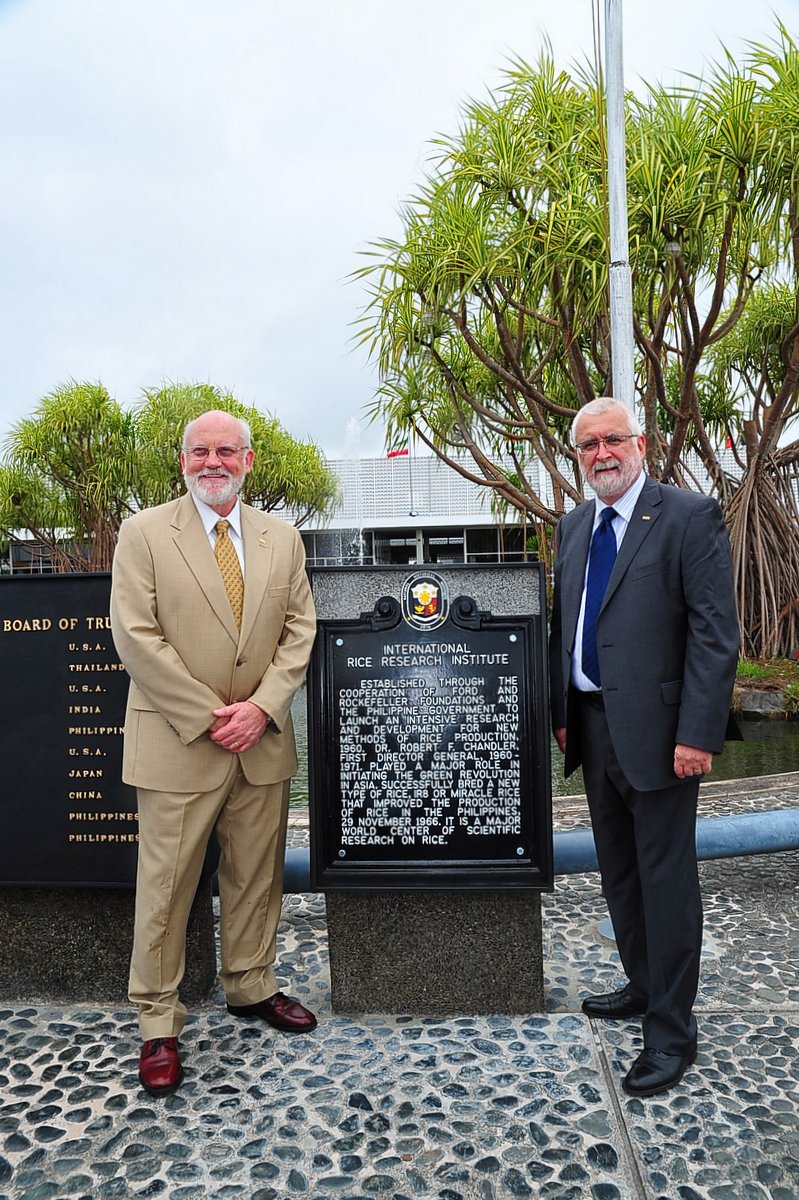


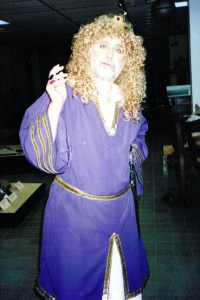
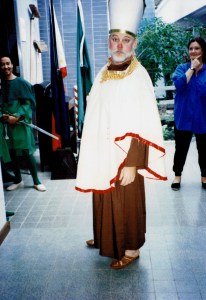


 One of my former staff at IRRI’s Genetic Resources Center (GRC) passed away last week. Tom Clemeno had been an employee of IRRI for many years, working his way up to Senior Manager of the institute’s Experiment Station (ES). Diagnosed with a lymphoma in 2013, Tom fought the disease with courage but it became clear in recent weeks that he could not win this last battle.
 So we agreed among ourselves to effectively allow Tom a three-year ‘leave of absence’ from GRC, and we re-organized the field operations with Ato taking on an enhanced role (that he has maintained to this day). I do believe that the support of Tom’s GRC colleagues, particularly Ato, should also be recognized during this important phase in IRRI’s history. After three years, we asked Tom to return full-time to GRC, but not long after, as I mentioned earlier, he was recruited to the Experiment Station.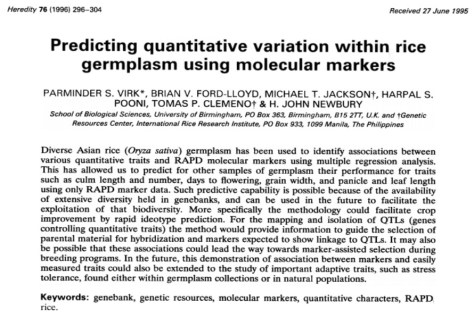
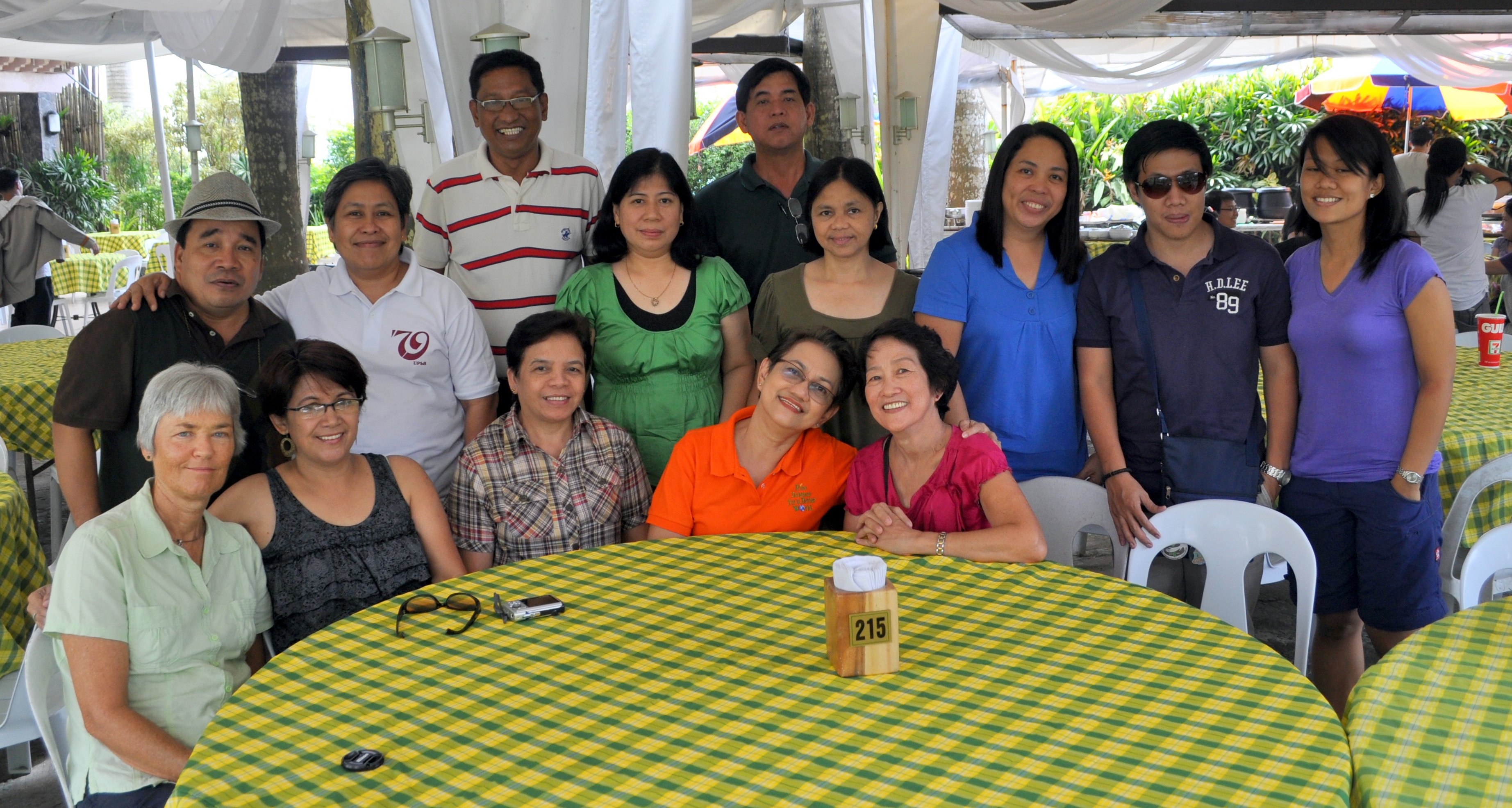
 A balanced diet . . .