I couldn’t agree more. Take a piece of distinct Bristol blue glass, or an 18th century air twist glass, for example. Glass is such a beautiful medium—organic even—that when cold and solid seems to retain a fluidity only achieved at high temperature.
I enjoy a wee dram of whisky from time to time. There’s nothing quite like drinking whisky from a finely-cut crystal glass. Taste and touch combining to enhance the overall sensory experience.
If I ever tune into Antiques Roadshow on BBC1, it’s with the hope that glassware expert Andy McConnell (right) might be on the show, and has found an interesting piece of glassware. His enthusiasm for all glass is infectious.
I lived in the West Midlands until two years ago, and knew that Stourbridge was one of the country’s most important glass making centers for centuries. It wasn’t until we moved to the northeast that I discovered just how important the glass industry was in this region since Anglo-Saxon times.
Last Friday, we decided to find out a lot more about glass making and visited the National Glass Centre (NGC), that was opened in October 1998 on the University of Sunderland’s Sir Tom Cowie campus at St Peter’s, on the banks of the River Wear opposite the Port of Sunderland.
So why did Sunderland become such an important center for glass making?
Well, you have to go back to AD 674 when Bishop Benedict Biscop sought help from craftsmen in Gaul to make windows for his newly-founded monastery, the remains of which are still seen in St Peter’s Church (with its original Anglo-Saxon tower) near the NGC. This was where one of Britain’s most famous scholars, the Venerable Bede, grew up.
Between AD 800 or so and 1615, glass making had all but ceased in the northeast. Then King James I banned the use of wood as a fuel for glass production. Given the plentiful supply of coal in the northeast, and that sailing ships coming from the Continent carried ballast in the form of quality sand, glass making was revived here, companies founded, and they prospered well into the 20th century. Sunderland became famous for Pyrex.
Most of the bottle and glassworks have disappeared, closed down, demolished.
But the remants of the industry continue to be washed up along the shore. At the end of August, Steph and I traveled to Seaham, south of Sunderland, to find sea glass on one of the beaches south of the town’s harbor.
Today, the National Glass Centre celebrates the history of glass making in Sunderland and along the Durham coast. When some of the glass makers closed down a couple of decades ago, craftsmen from those companies were hired at the NGC and today offer daily demonstrations of glass-blowing and the like in its workshops, one of which we enjoyed watching after lunch.
Exhibitions are mounted in the main gallery on the upper entrance level. And at the time of our visit, there was a display of many of the pieces that have emanated from the studios of Neil Wilkin and Rachael Woodman. Such remarkable artistry, use of color. I was blown away, if you’ll pardon the pun. Pieces are also offered for sale, with the smallest and cheapest being merely expensive (£1800) to other larger pieces beyond my pay grade, several times over. They are remarkably beautiful. Here is just a small selection of the pieces on display.
Exhibition at the National Glass Centre, Sunderland
We opted to take the Tyne and Wear Metro to Sunderland, changing lines (from yellow to green) at Monument on the outward journey, and Heworth on the return.
Our closest station, Northumberland Park is just a few minutes’ walk from home. St Peter’s at the other end is just over half a mile (and 10 minutes) from the NGC.
Nothing could have been more convenient, and much less hassle than driving there.
It was about 45 minutes or so each way, and on the return journey I managed to snap the Tyne bridges in the afternoon sunlight.
Nestling beneath the England-Scotland border in the far west of Northumberland in the northeast of England, Kielder Water (owned by Northumbrian Water) is the largest man-made reservoir in England by capacity (Rutland Water has a greater surface area), holding 200 billion liters, and with a maximum depth of 52 meters.
It took six years (1975-1981) to construct the reservoir, which was first flooded in 1982. The River North Tyne is the primary inflow.
The Kielder Water dam.
The view east down the valley of the River North Tyne from the Kielder Water dam.
View from the dam across Kielder Water towards the England-Scotland border on the hills in the distance.
Kielder Water is surrounded by Kielder Forest, the largest woodland of its kind in northern Europe, managed by Forestry England (an executive agency sponsored by the Forestry Commission).
We have been waiting for a break in the weather to make a return visit. We first visited this area in 1998 during a touring holiday in Northumberland. And then again in December 2017 when we spent a couple of nights in one of the cabins (with our daughter Philippa, husband Andi, and grandsons Elvis and Felix) at the Leaplish Waterside Park along the western shore of the reservoir.
There are paths for walking and cycling right around Kielder Water.
Kielder Water on a cold and calm December morning, looking east towards the dam.
From our home in North Tyneside, it’s just under 60 miles by road to Kielder Water, taking in much of the awe-inspiring Northumberland landscape along the way. Talk about big skies!
We stopped at the Kielder dam to enjoy a welcome cup of coffee; our journey had taken a little over an hour. Then we crossed the dam to a viewpoint on the far side before heading back and continuing our trip north on the western shore.
Less than a mile from the dam we made a slight detour to view the reservoir from Elf Kirk Viewpoint (it’s marked on the map above). What a delight to see the Autumn colors beginning to shine through, particularly all the golden bracken.
The view northeast from Elf Kirk Viewpoint, looking over the small marina at Merlin Brae.
This was the view southeast from the northern end of Kielder Water, with the dam in the distance.
However, the main focus of our trip was the Kielder Forest Drive, a 12 mile toll road (£3) from Kielder village northeast to the A68 road (Newcastle-Jedburgh) just south of Byrness village.
About a mile in, we stopped to take a stroll up the hillside, which ended up being a three mile walk, and climbing maybe a couple of hundred feet. But the weather was glorious, and it was most enjoyable.
Here is a short video taken along the Forest Drive. It’s really remote, and on the day we visited virtually no other travelers apart from some Forestry England employees.
The rough gravel roads reminded me of traveling around Peru all those decades ago, fifty years come January. The Forest Drive certainly passes through some wild landscapes, made even more ethereal in those parts of the forest that have been felled but not yet replanted. A torn landscape. No cellphone signal.
And there was one object we saw on the hills marking the border between England and Scotland. A container with fire retardant fluid to combat any forest fires, perhaps? Or maybe a defence installation, and early warning system the Scots have installed to repel English encroachments once they gain independence. What do you think?
Fire prevention or defence?
Having reached the A68, it was a smooth and direct drive back down to the coast. Here are a couple of videos (below) traveling through glorious landscapes near Otterburn and Elsdon. Why not listen to Kathryn Tickell, an acclaimed exponent of the Northumbrian pipes (and fiddle); the first tune is Kielder Jock.
York is an historic town, founded by the Romans in AD 71 and known as Eboracum. It was one of the most important settlements in Roman Britannia, sitting at the confluence of the rivers Ouse and Foss, and navigable inland from the North Sea.
Just over 80 miles south of our home in North Tyneside, we enjoyed an excursion to York last week.
From the magnificent York Minster (completed after several centuries in 1472) to the city walls dating mainly to the 13th century (but built on earlier earth banks), and the bustling and narrow streets of the medieval town around Shambles, York has a lot to offer any tourist. And even in the middle of September after children had begun the school year, the city center was extremely busy with visitors from the four corners of the world (if the languages I heard spoken were anything to go by).
While we appreciated the Minster from outside, walked through Shambles, and enjoyed a section of the city walls circuit west of the River Ouse (from Baile Hill, past Micklegate Bar, and back to the Ouse) we had traveled to York to visit the Treasurer’s House (a National Trust property behind the Minster), and Clifford’s Tower (an English Heritage property near the confluence of the two rivers, with a magnificent 360º view over the city). More images of York can be viewed here.
The journey south, on just the A19 the whole way, took around 90 minutes. Just outside York we parked at Rawcliffe Bar Park and Ride on the northwest of the city before 10:30, and took the bus into Museum Street close-by the Minster, and a 15 minute journey costing just £1.20 return (with our concessionary travel cards).
The Treasurer’s House sits just behind York Minster (off Minster Yard) and was the residence of its Treasurer (a position established in 1091) until 1547 when it was abolished during the Reformation.
The Grade 1 listed house we see today, from the early 17th century, was previously much larger comprising several additional wings that are now part of Grays Court hotel. Roman remains have been found beneath the house.
In the fading years of the 19th century, Treasurer’s House was bought by eccentric industrialist Frank Green (born 1861, right), who filled it with exquisite paintings, ceramics, and furniture. So none of the interior is contemporary to the house per se, rather a reflection of Green’s eclectic collecting passion.
The family wealth was founded by Green’s grandfather Edward, who established the an engineering firm in Wakefield in 1821. Edward Green patented (in 1845) a design—Green’s Economizer—to increase the steam-raising efficiency of boilers. The company is still in operation today.
Frank’s father, Sir Edward Green was Conservative MP for Wakefield from 1895 to 1892. He married Mary Lycett, introducing that surname into the family although it was not used by Frank but by his elder brother Edward who became the second baronet. Edward Lycett Green, 2nd Baronet took no interest in the engineering company.
L-R: Edward Green (grandfather), Sir Edward Green, and Mary Lycett (parents)
Frank Green never married. He was an irascible individual, obsessed by cleanliness and hygiene. Even down to the placement of furniture in the house, marking precisely where each piece should be replaced if it was ever moved for cleaning. And woe-betide any of staff who didn’t follow his instructions – to the letter! He even sent his laundry each week to London for cleaning. Nevertheless, he was, by all accounts, a genial host of York society, celebrities, even royalty.
He extensively remodeled the house, and opened the central part to create a great hall – because he thought all ‘good’ houses needed a hall (and a gallery). The magnificent staircase to the first floor was a purchase from another house, and none of the paintings displayed there have any connection with the house whatsoever.
Entrance hall.
Dining room ceiling.
Wedgwood cauliflower teapot.
Plaques on the wall of the great hall.
The great hall and gallery.S
Sitting room.
Staircase.
Queen’s bedroom.
King’s bedroom.
A full album of images from our visit can be found here.
By 1930, and his health declining (perhaps because of the damp conditions in York), Frank Green moved away from the Treasurer’s House and set up home in Somerset. He gave the Treasurer’s House and all its contents to the National Trust which has faithfully looked after the property ever since. Even making sure that the furniture is always replaced on the marks on the floor! He is also reputed to have left one of his Rolls Royce limousines to his chauffeur who set up a taxi business. In Somerset, Green was instrumental in saving the Exmoor pony breed during World War II.
Clifford’s Tower stands atop a very steep mound – the motte, and until recently visitors could only enter and gaze up at the blank walls. That is until English Heritage constructed a framework inside that takes visitors on to the roof and affording those panoramic views over the city.
This Norman tower was built on the orders of William I (the Conqueror) in 1068, and rebuilt a year later after it was destroyed by Vikings.
York or Jórvík had been the Scandinavian capital in northern England. In 1190 the Jews of York died in a pogrom inside the tower.
By the 18th century the tower was being used as a gaol and continued as such until the 1890s. Across the River Ouse the remains of York’s second castle can be seen at Baille Hill alongside the city walls.
By the time we had walked that section of the wall, it must have been 15:30 and catching the bus in Museum Street back to Rawcliffe Bar we were on the road home by 16:00, arriving around 17:20. York is a fascinating city and has lots to offer, and we’ll have to make plans to return again.
Steph and I have been Friends of the Alnwick Garden since April 2021, and being only 34 miles north of where we live in Newcastle, we try to visit the Garden every couple of months or so. It’s always nice to see how the Garden awakens in the Spring, flourishes during Summer, and closes down in the Autumn and Winter. And we always enjoy a welcome cup of Americano in the Pavilion Cafe.
However a stroll round the Garden usually takes no more than 90 minutes, so we often try to combine a visit there with somewhere else: on one of Northumberland’s glorious beaches, or deep in the county’s fabulous landscape.
And that’s just what we did last week, heading south from Alnwick to Lordenshaws Iron Age hill fort, south of Rothbury and beyond.
This is the route we took, and I have marked the various interesting sites along the way that encompass various aspects of Northumberland’s history over the millennia. We only stopped at three of these (having visited the others many times before): Lordenshaws, Mote Hills motte and bailey castle at Elsdon, and Winter’s Gibbet high on the moorland beyond Elsdon.
So without further ado, let’s explore what can be seen along this route.
(1) The Alnwick GardenPlanning for the Alnwick Garden began in 1997, with the first phase opening in 2001. It was the inspiration of Jane, Duchess of Northumberland. The land was donated by her husband, Ralph Percy, 12th Duke of Northumberland, and covers 42 acres. The garden is managed by a charitable trust. The garden also includes a display of some of the world’s most poisonous plants, and there is a narrative of how they have been used for various nefarious purposes.
(2) Alnwick CastleHome of the Percy family for over 700 years, and residence of the 12th Duke of Northumberland and his family, the first parts of Alnwick Castle were erected in 1096.
Today, it’s open to the public, although we have never visited. The castle has been the filming location for several movies and television programs such as two of the Harry Potter films, and Downton Abbey.
Leaving the Alnwick Garden, we headed south towards Rothbury on the B6341, with views back towards the coast from the high, heather-covered moors, then descending towards Edlingham and magnificent views over the Upper Coquet valley all the way to the Cheviot Hills and the Scottish border.
The line was closed to passenger traffic in 1930. Freight services continued until 1965.
(4) Edlingham Castle and chapel The castle dates from the 14th century, although there was an earlier manor house on the site dating from about 1300. It was the home of Sir William Felton. The castle was abandoned as a residence in the mid-17th century.
Close by the castle is the 11th century chapel of St John the Baptist. Services are still held in the chapel.
(5) Cragside This must be one of the jewels in the National Trust crown, being the first house in the world powered by hydro-electricity. It was built by Lord William and Lady Margaret Armstrong. What is particularly striking about Cragside, in addition to the magnificent house and its location, is the fact that the Armstrongs transformed an area of high Northumberland heath into a remarkable garden with trees a hundred feet tall or more, something that they would never have seen. We’ve visited there several times, even before we moved to the Northeast in 2020.
Cragside
National Trust Cragside
Cragside
Cragside
(6) Rothbury Proudly proclaimed as the ‘Capital of Coquetdale‘, Rothbury is a small, traditional market town, and a convenient staging post for tourists wishing to explore the surrounding Northumbrian landscape. It was the birthplace, in 1970, of radio and TV celebrity Alexander Armstrong (a distant cousin of the Cragside Armstrongs). In 2010, Rothbury was also the focus of a massive police manhunt.
From Rothbury, the route climbs towards the Simonside Hills. Lordenshaws hill fort is close by. On this section of the route—as from Alnwick to Rothbury—the damage to trees caused by Storm Arwen in November 2021 was very much in evidence.
(7) Lordenshaws Iron Age hill fort and rock carvingsThis was our second visit to Lordenshaws. The Iron Age fort was built around 2000 years ago. There is also a Bronze Age burial mound. Close-by are the cup and ring marks etched in large boulders, and dating from the Neolithic and Bronze Ages, 6000 to 3500 years ago. Also, the views from there over Coquetdale are impressive.
Heading west from Lordenshaws, we traveled below the Simonside ridge before reaching the meandering River Coquet. Then climbing once more before descending into the village of Elsdon, a small hamlet we had visited in 1998 and which, for us, held an interesting story.
(8) Tosson Tower The tower appears in the video above around 5 minutes mark.
It is a Pele tower built in the 14th or 15th century to protect against raiders in this border region with Scotland. It had walls 2 m thick. We didn’t stop as the tower is on private land.
I’d been trying to locate some of the villages we had visited in Northumberland in 1998. And as we entered Elsdon I realized this was one of them. On that holiday we never had a set route, just ending up each day finding bed and breakfast accommodation when and where we could. In Elsdon, we had an evening meal in the local Bird in Bush pub, before retiring for an early night. You can imagine our surprise the following morning when we came down to breakfast to discover that the landlady’s husband, who we’d met the evening before, had suffered a heart attack during the night. A doctor and ambulance had been called and he was in hospital, probably in Morpeth. We slept through the whole commotion!
(9) Mote Hills motte and bailey castle, Elsdon Parking close by the village hall (where the toilets are open to the public!), we walked the short distance up a lane to Mote Hills, the earthwork remains of a late 11th/early 12th century motte and bailey castle, and one of the finest in the country. It’s very impressive, from a distance and close up.
Click on the image below to enlarge.
We had come across the Umfraville family on one of our earlier trips, in Upper Coquetdale, at Harbottle castle. And like the castle at Elsdon, Harbottle was built on a steep mound, the motte. At Elsdon the slopes must be 60° at least, and after struggling up the sides (before we found a much easier exit) I could imagine just how easy the site would have been to defend against unwanted visitors.
Having spent around 30 minutes exploring the remains of this interesting castle, we left Elsdon, and headed southeast to the last stop on that day’s tour of Northumberland: Winter’s Gibbet.
(10) Winter’s GibbetHigh on the moors southeast from Elsdon, and with a magnificent 360° panorama, stands a sinister reminder of a late 18th century crime.
Winter’s Gibbet stands out clearly against the skyline. It a replica of the one first erected in 1792.
It was here that the body of one William Winter was hung in chains and left to rot following his execution (in August 1792 in Newcastle, along with two women accomplices) for the murder a year earlier of an old woman, Margaret Crozier who lived in a nearby Pele tower. It was the custom back in the day to leave the body of a murderer in a place overlooking the scene of their horrific crime. Click on the image below to enlarge.
William Winter was the only criminal to be ‘displayed’ at this gibbet.
From Winter’s Gibbet we headed home, passing on the way Wallington Hall, the village of Kirkharle, and Belsay Hall.
(11) Wallington This is a late 18th century mansion in the Palladian style, that replaced a medieval Pele tower on the estate (the cellars of which are still visible in the basement). It passed to the Trevelyan family in 1777.
We have visited Wallington on several occasions, and enjoyed not only walks in the garden and parkland, but also understanding the links of the Trevelyan family with the pre-Raphaelite Brotherhood of the late 19th century. I have written about our visits in three blog posts.
Capability Brown
(12) Kirkharle Just west of the A696 and about two miles south of Wallington, lies the village of Kirkharle. Birthplace in 1715/16 of the famous landscape architect, Lancelot ‘Capability’ Brown, who I wrote about after a visit to the National Trust’s Croome in Worcestershire. Brown received one of his earliest commissions from Earl Coventry to redesign the landscape at Croome and dig a large lake, the ‘Croome river’.
(13) Belsay Hall and castleThis was one of the first English Heritage properties we visited even before we moved to the Northeast. It lies about 14 miles northwest of Newcastle.
Besides the Regency style house built in the early 19th century, the Belsay estate includes an impressive garden within the quarry from which stone for the house (and castle?) was taken, and the ruins of a 14th century castle, original home of the Middleton family.
There is access to the roof of the tower with good views over the estate and the Northumbrian hills to the north.
Northumberland has something for everyone. I think we’ve hardly scratched the surface in terms of its history. And although we have traveled quite extensively already throughout the county, there is still plenty more to explore. After all, it is 1820 square miles (or 4716 km²).
When we lived in Bromsgrove (in north Worcestershire), we were about as far from the coast as it’s possible to be in England (if you discount stretches of the Severn Estuary).
In fact, the small community of Meriden (yellow icon on the map) near Coventry (just 19 miles north east of Bromsgrove) claimed for hundreds of years, to be the geographical center of England. However, when I did a search online, I came across this Ordnance Survey website. The center of England and Wales is, apparently, on a farm just outside Sutton Coldfield (green icon), about the same distance away from Bromsgrove as Meriden. Almost two years ago, Steph and I left Bromsgrove and moved to the eastern outskirts of Newcastle upon Tyne in the northeast of England, and just over 5 miles (or 10 minutes) from the North Sea coast.
We love it up here in the northeast, and take every opportunity of exploring Northumberland and its glorious coastline. Northumberland boasts some of the best beaches in the country, although the sea is much too cold for the likes of me to even dip my toes.
We’ve spent less time south of the River Tyne, but have enjoyed the various visits we have made to the Magnesian limestone cliffs at Whitburn, Marsden Beach, and Souter lighthouse.
However, earlier in the week we headed a little further south, beyond Sunderland, to explore one of the beaches near Seaham on the Durham Heritage Coast (DHC).
The DHC is a 20 mile stretch of coast from Sunderland south to Hartlepool having emerged from its industrial past to an area worthy of Heritage Coast status with one of the finest coastlines in England. Click on the map to enlarge. Here is a pamphlet.
Viewing the coast today it’s hard to believe that for decades it was heavily polluted, and almost all wildlife was wiped out. All along the coast there were coal mines, and the waste from the collieries was simply dumped over the cliffs (a continuation of the Magnesian limestone found north of the River Wear).
We headed for Nose’s Point and Blast Beach less than a mile south of Seaham harbor. This was the site of the former Dawdon Colliery. It was one of the most efficient and productive pits in the Durham coalfield. Indeed one of the most productive in the country. It finally closed in 1991.
Dawdon Colliery above Nose’s Point and Blast Beach, in 1934.
Blast Beach was once so polluted that it was used as a location for the opening sequences of the 1992 movie Alien 3. It looks very different today.
Blast Beach from Nose’s Point.
Nose’s Point from Blast Beach.
So what is its history? These sign boards tell something of the industrial story of the coast. Click on the image to enlarge.
The wildlife has returned, the sea water is clean, and this has been repeated all along the DHC.
And as much as we just enjoy being out and about, our visit to Blast Beach had a purpose. We came looking for ‘treasure’ – sea treasure. Sea glass, in fact. The beaches north and south of Seaham are world famous for the quantity and variety of sea glass that is washed up with almost every tide.
The northeast is famous for its glass-making industry, and has a long and illustrious history. Today the National Glass Centre is located in Sunderland.
The Londonderry Bottleworks were opened in 1853 on a site close to Seaham harbor, and remained in production until 1921. Vast quantities of waste glass were dumped in the sea close to the beach, and later on in deeper water. Over the decades this glass tumbled with the tides, becoming smooth pieces, almost jewel-like.
Let Paula Newman from Peblsrock in Seaham explain more about sea glass and its origin.
As it turned out, Blast Beach was not the best location to find sea glass, but wherever you are beach-combing for sea glass, it’s not so easy to spot the small fragments of glass among the shingle.
Here’s our small haul for about 90 minutes of combing as we strolled along the beach.
Eventually we reached Frenchman’s Cove towards the southern end of the beach, and made our way up the steep steps to the coastal path that encompasses the whole of the DHC.
Back at the car park, we had a picnic lunch overlooking the North Sea, and then marveled at the Dawdon fossil.
Hunting for sea glass is very compelling; it could almost become obsessive. So I’m sure that it won’t be too long before we find ourselves once again strolling along one of Seaham’s beaches, backs bent, peering at the shingle and hoping that the one piece of glass we hoped for was there at our feet.
Recently, I was asked to choose one of the most beautiful places I have visited. Well beauty lies, as the saying goes, in the eyes of the beholder. What one person finds appealing leaves another cold.
However, to choose just one place, that really is a challenge. But I’m up for it!
I have visited more than 60 countries, and whenever possible, took a day or so from my busy schedules (mainly at weekends) for some sightseeing. So there are many candidates to choose from.
I lived abroad for almost 28 years, in Peru and Costa Rica between 1973 and 1981, and in the Philippines from 1991 to 2010. Our elder daughter lives in the USA (in Minnesota) and Steph and I have visited each year since 2010 and traveled extensively across that vast country. Until Covid put paid to our plans, that is.
In the Americas, I could choose Crater Lake in Oregon, the Grand Canyon and Monument Valley in Arizona, or the giant redwoods of northern California. Not to mention the many spectacular rivers we have crossed or the mountains like the Tetons and Appalachians we have traveled along.
Giant redwoods, CA
Cherohala Skyway, TN
Grand Canyon, Arizona
Crater Lake, OR
Mountains near Yellowstone National Park, Wyoming
Monument Valley, AZ
Ohio River, Ohio-Kentucky
Grand Teton, WY
In Central America, we visited the Aztec temples north of Mexico City, the ruins of Tikal in Guatemala, and the Monteverde Cloud Forest in Costa Rica. In Peru, there’s the awe-inspiring Machu Pichu, and well as the beauty of the Andes mountains.
Machu Pichu, Cuzco
Huascaran, Peru’s highest mountain, Ancash
Tikal, Guatemala
Teotihuacan, Mexico
At Monteverde Cloud Forest Reserve, April 1980
In Europe, I fulfilled a life-long ambition to see the Matterhorn, and almost anywhere you travel in Switzerland is chocolate box beauty.
Matterhorn, Switzerland
At Kleine Scheidegg, Switzerland
My travels in Africa have taken me to Ethiopia and Kenya in the east, and the magnificent Rift Valley, and to regularly to Nigeria and Ivory Coast in the west.
Water buffalo in the Nairobi National Park, Kenya
Traveling around Asia, I spent many happy times in Laos, and on one occasion Steph and I managed to snatch a weekend away in the ancient capital of Luang Prabang, and take a trip up the Mekong River. In Cambodia, we’ll never forget our visit to Angkor Wat, while the beauty of the Bali landscape and beaches is firmly embedded in my mind. In the Philippines, we visited the coast at Anilao as frequently as possible, about nine visits a year, where Steph would snorkel and I would scuba dive over some of the most diverse coral reefs in the world. And again, there’s the wonder of the rice terraces in the mountains.
Mekong River, nr. Luang Prabang, Laos
Diving at Anilao, Philippines
Bali landscape, Indonesia
Sunset at Anilao
Rice terraces at Banaue, Philippines
Angkor Wat, Cambodia
Bayon, at Angkor Wat, Cambodia
Heading further south, our travels have taken us on several occasions to Australia and one memorable road trip of 1000 miles from Sydney to Melbourne taking in the spectacular coastline.
Wilson’s Promontory, Victoria, Australia
And not to miss out on locations closer to home such as the Giant’s Causeway in Northern Ireland, or the landscapes and beaches along the Northumberland coast where we now live.
Giant’s Causeway, Northern Ireland
Druridge Bay, Northumberland
Coquetdale, Northumberland
But how can I distill all these experiences down to just a single choice? It’s very hard indeed. But in doing so, and I will reveal my choice shortly, I have also taken into consideration not only its intrinsic beauty, but the location, history, and emotions it stirred. And when I combine all these elements, I have chosen the one place (not yet mentioned) I would return to tomorrow, given half the chance.
And where is this particular jewel? Canyon de Chelly National Monument (pronounced Canyon de Shay), in northeast Arizona. Just zoom out on the map below to reveal its location.
It’s certainly not on the same scale as its ‘near’ neighbor the Grand Canyon. But there’s something about Canyon de Chelly that really caught my imagination. And Steph and I have the good fortune to visit there in May 2011.
So how did I come to learn about Canyon de Chelly? It’s not a name that rolls off the tongue.
Well, in early 2011 I came across a book in the public library in Bromsgrove (in Worcestershire where I used to live) about US army officer, Indian fighter, explorer and adventurer, Colonel Christopher Houston ‘Kit’ Carson (1809-1868). Kit Carson was a western ‘hero’ of my boyhood, a figure in popular western culture and myth.
In 1863, he led an expedition into Canyon de Chelly to vanquish the resident Navajo tribe, killing more than 20 persons, stealing 200 or more sheep, destroying their homes (known as hogans) and their precious peach orchards. Not something to be proud of or remembered for as a hero. Anyway, this biography of Carson had me intrigued, and as I began to plan our road trip to the American Southwest for May, I decided to see if it would be possible to include Canyon de Chelly in the itinerary. It fitted in just right.
Landing in Phoenix, we headed north through Sedona Valley to Flagstaff, and on to the Grand Canyon the next day via Sunset Crater Volcano National Monument and Wupatki National Monument. After a couple of nights at the Grand Canyon, we headed east to Chinle (the nearest town to Canyon de Chelly) via Monument Valley.
The Canyon de Chelly National Monument actually comprises three interconnected canyons: Chelly, del Muerto, and Monument. It was designated a national monument in 1931. It’s the ancestral home of the Navajo, but throughout there are the relics of Ancestral Pueblans or Anasazi built into the cliff faces.
Access to the floor of the canyon is limited, with just one trail—to the White House—open to the public (although currently closed due to safety and ‘law enforcement’ issues). Otherwise, visitors must take one of the guided tours to travel along the canyons.
However, there are rim drives on the north and south sides of the canyon, with several overlooks providing spectacular (awe-inspiring even) views. Steph and I set out early from our motel, before the day became too hot, to explore as much as possible along both rim drives.
The approach to Canyon de Chelly from Chinle is not particularly impressive. In the canyon bottom there are groves are cottonwoods springing up beside the creeks that run through.
But it’s not until you begin to climb further along the rim drives that the true nature of Canyon de Chelly reveals itself, with sheer sandstone cliffs rising from the canyon floor.
In places these cliffs are 700 feet or more high.
Among the impressive Ancient Pueblan ruins are Mummy Cave and Antelope House (seen from the north rim drive), and the White House from the south.
Mummy Cave
Antelope House
White House
There is also a cave, fairly close to the rim on the north side known as Massacre Cave where, in 1825, the Navajo were slaughtered by invading Spanish troops.
Massacre Cave
The drive along the south rim eventually brings you to the Spider Rock overlook. Spider Rock is a free-standing sandstone pillar, over 700 feet tall, named after Spider Woman, a prominent character in Navajo lore.
Spider Rock, with the Chuska Mountains on the Arizona-New Mexico border on the horizon.
There were few people visiting at the same time as us, and it felt as though we had the whole canyon to ourselves. While we didn’t descend to the canyon floor, the overlook points along both the north and south rim drives provide excellent visual access to the canyon from above.
Spider Rock overlook
Now I’d like to return, taking several days to really explore, understand better the Navajo relationship with Canyon de Chelly, how they came to occupy it, and how their agriculture has evolved over the centuries. In fact, I’d like to understand more about the evolution of human societies in the American southwest.
The grave of Col. ‘Kit’ Carson in Taos cemetery, New Mexico.
Canyon de Chelly has featured in at least 26 movies or TV specials, among the most notable being The Lone Ranger (2013) with Johnny Depp, Wild Wild West (1999) with Will Smith, Kenneth Branagh, and Kevin Kline, Mackenna’s Gold (1969) with Gregory Peck and Omar Sharif, How The West Was Won (1962) with a host of ‘Western’ stars, and The Big Country (1958) with Gregory Peck, Jean Simmons, and Charlton Heston.
Heading east from Arizona, we found ourselves in Taos in northern New Mexico where I visited the grave of Kit Carson.
If you ever find yourself on the border of Arizona and New Mexico, make a beeline for Canyon de Chelly. You won’t regret it.
Lasting for over 1000 years, from the time of the first Emperor Augustus (Gaius Julius Octavius, 63 BC – AD 14) in 27 BC, its physical legacy can be seen all over Europe, North Africa, and the Middle East.
Julius Caesar
Eventually Britain (Britannia) came under the sway of the Romans. In 55 BC, Gaius Julius Caesar (100-44 BC) led an expeditionary force to this island, returning the following year. But that did not lead to conquest, taking almost another 100 years to complete, under the Emperor Claudius (Tiberius Claudius Drusus Nero Germanicus, 10 BC – AD 54) in AD 43.
What is remarkable in many ways, is that the Roman occupation of Britannia lasted less than 400 years. By AD 410 they had upped sticks and departed.
Less than 60 years after the conquest of Britannia, the Romans built a road network of almost 8000 miles, and in AD 122, the Emperor Hadrian (Publius Aelius Hadrianus, AD 76-138) ordered the construction of a wall across the narrowest part of northern England, from the Solway Firth in the west to the North Sea coast in the east.
Twenty years later, under the Emperor Antoninus Pius (Titus Aurelius Fulvus Boionus Arrius Antoninus, AD 86-161), the Antonine Wall was constructed from turf on a stone foundation, coast to coast, about 40 miles north from Hadrian’s Wall in Scotland. It was abandoned less than 10 years later.
Location of Hadrian’s Wall and the Antonine Wall
Hadrian’s Wall is surely one of the most conspicuous of all Roman remains, anywhere. It still stands proudly, although somewhat diminished, where once it guarded the most northwestern frontier of the empire against barbarians to the north. It was a remarkable achievement, and even today inspires wonder at the effort it took to construct the Wall over the wildest of landscapes.
And we can also wonder about the lives of the men (and women) who were stationed along the Wall and where they came from. It’s not just the physical legacy of the Wall (and other settlements around the country) but also the genetic legacy that the Romans left behind, in their offspring from relationships with local women, legitimate or otherwise. Romans didn’t just come from Rome, but from all corners of the empire even from the easternmost provinces of the Middle East and beyond. The ‘Roman’ genetic signature has obviously been diluted by successive waves of invasion into these islands.
The Romans have left a huge legacy for us all to wonder at. They were road builders par excellence. Roads were needed as the Romans spread out across the country, to maintain communications between towns and military garrisons, to allow troops to travel more effectively and rapidly, and to facilitate commerce. And their roads have endured even today, and some of England’s principal arteries follow the routes of former Roman roads, and are known, in part, by the same names.
I recently came across this stylized map (in the format of the iconic map of the London Underground created by Harry Beck) of the Roman road network that connected towns and cities, and military installations all over.
Even today, Roman roads are still being uncovered. There was a report recently in The Guardian of a road in west Wales that indicated the Romans had ventured deeper into Wales than previously appreciated.
As far as I can recall, the only Roman road I have walked was the Wheeldale Roman road on the North York Moors near Goathland. The exposed part is only about a mile long. The first time was in 1968 when I was at university, and then about 20 years later with my wife Steph and daughters Hannah and Philippa.
We now live in North Tyneside, just 3 miles north as the crow flies from Segedunum, the fort at the the eastern end of Hadrian’s Wall. And with Hadrian’s Wall and other Roman remains so close, we have made quite a number of forays into the Northumberland countryside to explore them.
It’s quite remarkable just how much of Hadrian’s Wall remains, after 2000 years, despite much of the stone having been removed.
Hadrian’s Wall at Sycamore Gap.
The Wall was much higher than remains today, and the Mileposts and Turrets (or observation towers) have been reduced to shells of their former imposing structures.
Milepost 39 near Sycamore Gap.
However, further west beyond Birdoswald, where the Wall was built from turf, the signature of the Wall can still be seen as depressions in the landscape.
Underfloor heating at Chester’s Roman Fort (English Heritage)
Housesteads from the air (Source: English Heritage)
East Gate at Birdoswald Roman Fort
Grain stores at Corbridge Roman Town, National Trust
Vindolanda
Archaeology at Vindolanda
This is a panorama across Corbridge Roman Town.
At Wroxeter, in Shropshire, one part of a basilica wall still stands, and at Portchester the impressive outer curtain wall of the original Roman fort is still intact, 20 feet or more tall. Typical Roman concrete, just like I have seen in Rome itself.
The surviving 7 m high basilica wall (‘Old Work’) at Wroxeter, the largest free-standing wall in England.
The Roman walls of Portschester Castle.
And then there are the civil remains like Fishbourne Roman Palace near Chichester in West Sussex (that I haven’t visited) and Chedworth Roman Villa in Gloucestershire that we have.
And Roman remains are still being uncovered all over England. Not only hoards of coins, but also a beautiful mosaic that was discovered in a farmer’s field in eastern England a couple of years ago, with images of Homer’s Iliad, a unique find. Roman archaeology is thriving.
Then there are all the various artefacts, from jewelry to household items, monuments and statues that were left behind that allow us to paint a detailed picture of life in Roman Britain. Here are some kept in the museums at Corbridge Roman Town and Chesters Roman Fort.
And, in particular, the Vindolanda Tablets, the oldest surviving handwritten documents in this country, have provided a commentary of the lives of soldiers and their families.
The world-famous Vindolanda Tablets
These are some of the most important relics from the period of Roman occupation. And these, and other sites and remains from that time will keep archaeologists busy for years to come.
The vandalism began in 1536. The landscape changed. Henry VIII threw his toys out of the pram, and ordered his officials to close down religious houses all over England, in what has become known as The Dissolution of the Monasteries. What had been thriving communities, with some of the most magnificent architecture that this country has ever produced, were sold off, some converted where possible into residences, or simply destroyed.
And much of Henry’s despotic legacy still stands in ruins in many parts of England 500 years later.
Over the past 12 years, we have (as members of the National Trust and English Heritage) visited many of the ruins of once proud, the grand (like Fountains, Rievaulx, and Whitby in North Yorkshire) and not-so-grand monasteries, priories, abbeys, and the like, as well as some small churches and chapels (Langley in Shropshire, St Mary’s at Kempley in Gloucestershire with its magnificent frescoes, or the ancient church of St Clement’s on the southern tip of Harris in the Outer Hebrides) that did survive and continue to serve their communities, some dating back to pre-Norman Saxon times.
Fountains Abbey
Rievaulx Abbey
Whitby Abbey
Langley Chapel, Shropshire
Six of the 12 apostles on the north wall of the chancel., St Mary’s Kempley
St Clement’s, Rodel, Isle of Harris
Some we made a bee-line for; others we came across quite by chance. All have been inspirational in one way or another, although I should add that I hold no religious beliefs. I am inspired nevertheless by these buildings and how they must have dominated the surrounding landscape during their brief ‘lives’. Many were built in the couple of centuries after the Norman conquest of England in 1066. And I am inspired by the skills of the masons and other craftsmen who created these magnificent buildings.
Just click on any of the icons on the map below to view links to my stories or to photo albums. I’ve also included links to National Trust or English Heritage web pages where available. To open the map in full screen mode in a new tab, click on square icon in the top right hand corner.
One thing you can say, however, is that these religious orders certainly knew where to found their abbeys, monasteries, or priories. Just a few days ago, Steph and I made the short (<18 mile) journey south into County Durham to visit Finchale Priory that stands beside a bend in the River Wear. What a peaceful setting, and you can easily image just how that tranquility made for easy religious contemplation. Something of that spirituality lingers. Quite magic!
The River Tyne is actually two rivers, North and South, until they converge at Warden Rock, a couple of miles west of Hexham in Northumberland in the northeast of England. From there, the river flows east, eventually meeting the North Sea at Tynemouth, east of Newcastle upon Tyne. The river is tidal upstream as far as Wylam, just under 24 miles (38 km) from Tynemouth.
The river is the southern boundary of Newcastle, and the adjoining authority of North Tyneside. On the south of the river lie Gateshead and South Tyneside. It’s a bit like the Twin Cities of Minneapolis-St Paul in Minnesota, where our elder daughter Hannah and her family reside.
Tyneside was, for generations, a site of heavy industry, especially shipbuilding and coal mining. The lower reaches of the river are lined with the remains of once proud shipyards.
Large ships still enter the Port of Tyne. Most conspicuous, and always attracting large crowds of spectators are the cruise ships, even Cunarders like Queen Victoria or Queen Elizabeth.
And almost all the most coal wharves or staiths that brought coal by rail from mines north and south of the river for export worldwide have disappeared. The mines finally closed in the 1980s or earlier.
Only Dunston Staiths has survived, on the river’s south side, from where coal was exported from the North Durham Coalfield.
Families lived in the rows of crowded, smoky, dirty, and noisy slum terraced houses on both sides of the river, now mostly demolished to make way for new upmarket housing and commercial developments, even a marina.
What a renewal the area has enjoyed in recent decades, and a stroll along the Newcastle and Gateshead Quaysides is now a pleasure. But not one that we had experienced until just a few days ago although we had visited more than ten years ago.
After we moved to Newcastle on 30 September 2020, we spent the first five months in rented accommodation in the Shiremoor district of North Tyneside (towards the coast, east of Newcastle city center), but within a couple of weeks of arriving here had put in an offer on a new house in Backworth, moving in at the beginning of March 2021. Being in our early 70s, we’d made the move north from Worcestershire to be closer to our younger daughter Philippa and her family.
Given the Covid-19 restrictions and lockdowns that came into play beginning March 2020, we still wonder we could sell our house that year and make the move north. We’ve now been here for 21 months, but only recently ventured into the city center for the first time. That was last week, when we attended a wine and cheese tasting at the Newcastle Wine School, that I wrote about immediately afterwards.
We have been ultra-cautious about mixing with crowds. Even though the government has signaled (falsely) that the pandemic is over and done with, there are already worrying signs of a new wave of infections. So whenever we are out and about, and likely to encounter crowds, Steph and I always wear masks. And so like sore thumbs we stick out in a crowd. Almost no-one else is masked these days. Having avoided infection so far (although I’m not pushing my luck by saying this, I hope) we don’t intend to expose ourselves to infection.
Last Wednesday dawned bright and sunny, and warm, quite a change from the unseasonable weather we’ve been experiencing recently. Just after 10 am we headed to our nearest Metro station at Northumberland Park (less than 10 minutes walk) for the 20 minute ride into the city center, to Monument station.
For most of the network, except for a short section from Jesmond to the city center at Central Station, the Metro is an overground service. But at Jesmond it dives under the city.
We emerged at Monument, beneath the hugely impressive pillar monument (135 feet or 41 m) to Charles, 2nd Early Grey, Prime Minister and father of the Great Reform Act of 1832, that stands at the head of Grainger Street and Grey Street.
Grey’s Monument, Newcastle city center
Working our way south towards the river, through Grainger Market and Central Arcade, passing by the Cathedral Church of St Nicholas, one of the Tyne’s iconic bridges came into view. Close by the city center there are seven bridges taking road and rail traffic over the river.
The Tyne Bridge, opened in October 1928 by King George V (and remarkably similar to the Sydney Harbour Bridge since it was designed by the same architects), has almost come to symbolize Newcastle.
The Tyne Bridge, Newcastle
What is pretty special about this bridge (and other tall buildings in the vicinity) is that it is home to an inland colony of kittiwakes, a bird that normally nests on wind-swept coastal cliffs.
Kittiwakes nesting on the Tyne Bridge
Kittiwakes on the nearby Baltic Centre for Contemporary Art
Along the Newcastle Quayside, about a quarter of mile east from the Tyne Bridge, the Gateshead Millennium Bridge is a foot and cycle bridge across the river connecting to (the) Baltic Centre for Contemporary Art (a converted flour mill) and the Gateshead Sage (an international home for music and musical discovery, affectionately known as The Slug on the Tyne). We took the lift to Baltic’s 4th floor viewing platform to appreciate the impressive panorama of the river, its bridges, and Newcastle city center.
Opening to the public in 2001, the Millennium Bridge tilts to allow tall river traffic to pass through. It quickly became a must-see feature of the Quaysides.
The Millennium Bridge in Newcastle
We enjoyed a picnic lunch on the Newcastle Quayside across from (the) Baltic, and beside the rather impressive Blacksmith’s Needle, erected in 1997.
Then it was a slow walk back to the Metro at Central Station via the steep climb up Sandhill (a quayside used since Roman times) and Side (a medieval Street) and Dog Leap Stairs to exit beside Newcastle castle (which we must really return to visit soon).
On our return Metro journey, we were again the only passengers wearing masks. I still can’t fathom why so many folks, many elderly and potentially more vulnerable, are oblivious to the continuing Covid threat that could be reduced by the simple measure of wearing a mask.
We arrived home by 4 pm, tired but cheerful, ready for a welcome cuppa, having walked almost 5½ miles around the city (according to the pedometer app on my mobile).
Twice a day—without fail—the Holy Island of Lindisfarne, lying about 1 mile at its closest point off the north coast of Northumberland (map), is separated from the mainland as the tide sweeps in and covers a paved causeway.
The tide takes no prisoners, but safe crossing times are widely publicized. Not everyone heeds those warnings.
Steph and I last visited Holy Island (for the first and only time) in July 1998 when we were on home leave from the Philippines.
Earlier this week, we headed north to visit the two attractions on Holy Island: Lindisfarne Priory (run by English Heritage, which we looked at in 1998), and Lindisfarne Castle (managed by the National Trust). It’s quite unusual to have separate attractions from these two organizations at the same location (although they do co-manage several properties around the country).
My satnav indicated a journey of about 58 miles to the village, just 54 to the start of the causeway, and about an hour’s travel time. So we left home around 09:45 with the aim of arriving at the causeway just as the tide had receded. The causeway was already open when we arrived, ahead of the published safe crossing time of 10:55. There were already many vehicles in the car park.
There is only a small population of around 160 persons on the island. But that number is swelled to at least 650,000 or more visitors a year. Choosing a day for our visit, we were just waiting for the tide times and good weather to coincide. As it transpired, the day was not as bright as originally forecast, but that was no bad thing. Sometimes photography is much easier when the light is even; no harsh shadows. Even so, we only saw the sun as we were preparing to leave late in the afternoon.
The history of Lindisfarne Priory is illustrious and tragic. It was founded in the 7th century, on a promontory at the southwest corner of the island, and is one of the most important early Christian sites in the country. An Irish monk named Aidan became the bishop of Oswald’s Kingdom of Northumbria, and founded the Priory on Holy Island.
12th century wall paining of St Cuthbert in Durham Cathedral.
One of the North’s greatest saints, Cuthbert (who is buried in Durham Cathedral) joined the community in the 670s as monk-bishop.
However, in AD 793, Lindisfarne was raided for the first time by the Vikings, and over the next century the Priory declined under the threat of further raids, with as few as a couple of monks at one time.
After the Norman Conquest of England in AD 1066, Lindisfarne was re-founded and continued to thrive albeit at a low level. In the 13th century, after Edward I’s invasion of Scotland, border warfare flared, and the monks were obliged to fortify their Priory.
Then along came Henry VIII, and in 1537, the Priory was ordered to close. By the 18th century much of the priory lay in ruins, although the church was reported as more or less intact in 1780. Further collapses followed in the subsequent decades.
Click on the image (right) to open a site plan of the Priory on the English Heritage website.
I think one of the first impressions of the Priory is the rich red color of much of the stonework, of the West Front and what remains of the church. Particularly striking is the so-called ‘rainbow’ arch, the surviving rib of a crossing vault even though the tower above it has collapsed.
Here is a small selection of the many photos I took in the Priory; there are more in this album.
I shouldn’t finish this brief description of Lindisfarne Priory without mentioning the Lindisfarne Gospels, one of the most spectacular manuscripts to have survived from Anglo-Saxon England, and now residing in the British Library. There is a small exhibit about the gospels in the Church of St Mary the Virgin adjoining the ruins of the Priory.
From the grounds of the Priory there are stunning views towards Lindisfarne Castle that sits on a rocky crag at the southeast corner of the island.
And having seen all there was to see in the Priory, that’s where we were headed, a walk of a little over a mile from the village.
A fort or castle has stood here since Tudor times in the 16th century after the Dissolution of the Monasteries and Lindisfarne Priory was abandoned.
Stone from the Priory was used in the construction of the castle, which stands on a rocky outcrop known as Beblowe Crag. The walls are very thick, since several rooms were used as powder magazines.
In 1901, the castle was purchased by Edward Hudson (owner of Country Life magazine) who commissioned the famous architect Sir Edwin Lutyens (who played a leading role in the design and building of New Delhi as the capital of India) to refurbish the castle in the Arts and Craft style. The castle was given to the National Trust in 1944 and opened to the public in the late 1960s.
Access to the castle is up a winding and quite steep slope, through a sturdy wooden door (with the remains of a portcullis) and up a flight of stairs to the entrance terrace. Just a few rooms are open to the public (the entrance hall, kitchen/parlor, the dining room and a couple of bedrooms. But there is also access to an upper terrace and I guess many visitors to the castle come for the stunning views from there over Holy Island, and north and south on the mainland coast with views of Bamburgh Castle also due south.
Here are a few of the photos I took on that visit. Others can be seen in this album.
Lindisfarne Priory from the castle.
Bamburgh Castle from Lindisfarne.
To the north of the castle is a small walled garden, designed in 1911 by the influential garden designer and horticulturist, Gertrude Jeckyll(1843-1932).
Further east from the castle crag, there is a set of lime kilns built in the 1860s. Limestone was quarried on the north of the island; coal was brought in by sea.
It was a slow walk back to car park. Having enjoyed an interesting visit to Holy Island, it was time to head south for home. We left just after 15:30, well ahead of the closure of the causeway on the incoming tide.
We really must return, in the winter (weather permitting) when there are fewer visitors (it really was quite hectic throughout), but also when the geese return. Lindisfarne is an important wildlife area.
A baker’s dozen¹. That’s how many National Trust (NT) and English Heritage (EH) properties—spanning more than 4500 years of history—Steph and I visited recently during the course of a 10-day and 1337 mile holiday in the south of England. We stayed at a cottage in the New Forest, near the village of Beaulieu in Hampshire, almost 300 miles due south (as the crow flies) from where we live in North Tyneside, near Newcastle upon Tyne in the northeast of England, but almost 380 miles by road.
At the end of this piece I’ll also tell you all about that extraordinary close encounter that occurred on the last day.
We took two days each way, stopping off in Banbury, Oxfordshire on the way south, and Leek, in North Staffordshire (and my ‘home town’) returning north. And on each of these four days we visited one NT or EH property, and the other nine during six days in Hampshire. The round trip took in 19 non-metropolitan and metropolitan counties². And over the course of our break we managed to walk, on average, more than four miles each day.
Click on the map below to view the NT and EH icons for each of the 13 properties.
In this post I’ve made little attempt to provide a comprehensive description of each property. Rather I have selected a few highlights that caught my attention. But there are links to National Trust or English Heritage and other sites for each property where you can find much more detail. I have however included links to the photo albums I have created to display the many photos I took during this trip.
Nostell (photo album)
Looking for somewhere to visit, about half the distant to Banbury on the first day, I came across Nostell in the National Trust handbook. Located in West Yorkshire, a few miles south of the M62 (roughly between and south of Wakefield and Pontefract) it was a convenient spot to break our journey after 110 miles on the road.
And we weren’t disappointed.
Dating from the 1730s, it was built, in Palladian style, for the Winn family who continued to live there until the property and contents were given to the National Trust in 1953.
Nostell is renowned for several treasures: an impressive doll’s house made for Susanna Winn and her sister in the 1730s; a fine collection of oil paintings including one by Pieter Brueghel the Younger, and a copy of a Holbein of the family of Sir Thomas Moore; and perhaps one of the finest collections of furniture designed and made by Thomas Chippendale.
The Nostell collection also includes a wooden clock, made in 1717, by John Harrison, the clock-making genius who made the world’s first marine chronometer.
We enjoyed a walk through the park (which covers more than 300 acres), around the lake and in the walled garden which had a stunning display of tulips.
Leaving Nostell by mid-afternoon, we headed south on the M1, M42, and M40 motorways to arrive at our Premier Inn for the night in Banbury, a distance of 142 miles.
Basildon Park (photo album)
After a satisfying Premier Inn full English breakfast (highly recommended!), we set off south again, covering the 53 miles in under 1½ hours, and crossing the lovely landscape of the Berkshire Downs close to Basildon Park which overlooks the River Thames near Pangbourne, west of Reading.
Basildon Park has had an interesting history. Built in the Palladian style and decorated inside by Robert Adam, between 1776 and 1783, it served as a convalescent hospital during WW1, a barracks for a US airborne division in WW2, and fell into disrepair thereafter. It was rescued by Lord and Lady Iliffe, who gave the property and estate to the National Trust in 1978.
Among the most impressive are the dining room, the octagonal room, and the extraordinary shell room. Much of the house has a homely feel, and apparently the Iliffe’s stipulated that each room should be displayed as though the family were still living there.
We also enjoyed a walk around the park of almost 5 miles, and came across the most wonderful display of bluebells I think I have ever seen. Unfortunately, the disease ‘ash dieback‘ has taken hold quite seriously across the estate.
Then we headed back to the A34 and south to the New Forest, and our ‘home’ for the next six nights.
The Vyne (photo album)
This is located in the north of Hampshire, a round trip of almost 120 miles from our accommodation near Beaulieu.
The Vyne, on the edge of Sherborne St John, is a Tudor mansion built for William, 1st Baron Sandys who was Lord Chamberlain to Henry VIII. At the time of the English Civil Wars in the 1640s, the Sandys family found themselves on the wrong, Royalist, side of the conflict, and they lost The Vyne which passed to the Chute (or Chewt) family. And there it remained until bequeathed to the National Trust in 1956.
The classical portico on the northwest face was added in 1654 by John Webb, a pupil of Inigo Jones.
Among the treasures of The Vyne are the Palladian staircase, in a classical Greek style added in the mid-18th century, the Oak Gallery (the most significant surviving Tudor room in the house), the Soho tapestries woven in the first two decades of the 18th century (and which had just been returned to The Vyne after years of conservation work), and the chapel, unchanged from its original Catholic origins, i.e. pre-Reformation.
Henry VIII visited The Vyne on several occasions with his first two wives, Catherine of Aragon and Anne Boleyn. All around the house Catherine’s pomegranate motif can be seen on many carvings.
There are good walking opportunities at The Vyne taking in the gardens, lake, woodland, and wetlands. We covered just over 3½ miles.
Sandham Memorial Chapel (photo album)
That same afternoon we traveled west from The Vyne to the village of Burghclere, about 17 miles, to view the Sandham Memorial Chapel.
Externally, the chapel, constructed in the 1920s, is nothing particularly special to look at. It was commissioned as a memorial to Mary Behrend’s brother, Lieutenant Henry Willoughby Sandham who died from an illness contracted in WW1.
Inside, however, is something quite altogether different. The walls are covered in a series of frescoes painted by the English artist, Sir Stanley Spencer, that were inspired by his own experiences during the war. The paintings took him six years to complete between 1926 and 1932.
These next images are courtesy of the National Trust.
The north wall paintings, and altar and east wall with THE RESURRECTION OF THE SOLDIERS by Stanley Spencer (1891- 1959) at Sandham Memorial Chapel, Burghclere, Hampshire. Artist’s work in copyright – further permission required
Oil painting on canvas, The Resurrection of the Soldiers by Sir Stanley Spencer, CBE, RA (Cookham 1891? Cliveden 1959), 1928/9. This picture is a reminder of the relationship between war, death and Christianity. The ‘Resurrection’ took Spencer nearly a year to complete. It dominates the Chapel and all the other scenes are subordinate too it. The picture is a reminder of the relationship between war, death and Christianity, not merely a convenient and familiar religious image behind the altar. The composition is based on a complex pattern of wooden crosses which was suggested to Spencer by his habit of squaring up the canvas in order to work out the design. As a living soldier hands in his rifle at the end of service, so a dead soldier carries his cross to Christ, who is seen in the middle distance receiving these crosses. Spencer’s idea was that the cross produces a different reaction in everybody.
Oil painting on canvas, Camp at Karasuli by Sir Stanley Spencer, CBE, RA (Cookham 1891? Cliveden 1959). The canvas along the top of the North wall illustrates a camp in the early morning with men cooking breakfast or carrying stones for the Serres military road, which is winding through the background of the picture. The soldier in the extreme right is driving a stake into the ground, using sacking to deaden the sound – the figure is Spencer himself. Another man is collecting discarded newspaper (‘The Balkan News’). ‘Rubbish is always rubbish, however you collect it’, was Spencer’s terse comment after receiving a reprimand for not picking up paper in an orderly manner. Other incidents depicted in this canvas include a soldier washing an officer’s shirt and a dog foraging amongst empty tins of bully beef.
Oil painting on canvas, Map Reading by Sir Stanley Spencer, CBE, RA (Cookham 1891? Cliveden 1959), 1927/32. This scene which featured in the original 1923 sketches, shows soldiers taking a rest whilst in route-march, whilst the only officer in the whole scheme of paintings is depicted studding a large map from the back of his horse. Around him soldiers sleep upon the grass and harvest bilberries from the landscape. The bright, distinct flora along the roadside is analogous to that of `Convoy of Wounded?, a painting with which an elevated view point is also shared.
Oil painting on canvas, Map Reading by Sir Stanley Spencer, CBE, RA (Cookham 1891? Cliveden 1959), 1927/32. This scene which featured in the original 1923 sketches, shows soldiers taking a rest whilst in route-march, whilst the only officer in the whole scheme of paintings is depicted studding a large map from the back of his horse. Around him soldiers sleep upon the grass and harvest bilberries from the landscape. The bright, distinct flora along the roadside is analogous to that of `Convoy of Wounded?, a painting with which an elevated view point is also shared.
Oil painting on canvas, The Resurrection of the Soldiers by Sir Stanley Spencer, CBE, RA (Cookham 1891? Cliveden 1959), 1928/9. This picture is a reminder of the relationship between war, death and Christianity. The ‘Resurrection’ took Spencer nearly a year to complete. It dominates the Chapel and all the other scenes are subordinate too it. The picture is a reminder of the relationship between war, death and Christianity, not merely a convenient and familiar religious image behind the altar. The composition is based on a complex pattern of wooden crosses which was suggested to Spencer by his habit of squaring up the canvas in order to work out the design. As a living soldier hands in his rifle at the end of service, so a dead soldier carries his cross to Christ, who is seen in the middle distance receiving these crosses. Spencer’s idea was that the cross produces a different reaction in everybody.
Oil painting on canvas, The Resurrection of the Soldiers by Sir Stanley Spencer, CBE, RA (Cookham 1891? Cliveden 1959), 1928/9. This picture is a reminder of the relationship between war, death and Christianity. The ‘Resurrection’ took Spencer nearly a year to complete. It dominates the Chapel and all the other scenes are subordinate too it. The picture is a reminder of the relationship between war, death and Christianity, not merely a convenient and familiar religious image behind the altar. The composition is based on a complex pattern of wooden crosses which was suggested to Spencer by his habit of squaring up the canvas in order to work out the design. As a living soldier hands in his rifle at the end of service, so a dead soldier carries his cross to Christ, who is seen in the middle distance receiving these crosses. Spencer’s idea was that the cross produces a different reaction in everybody.
Oil painting on canvas, The Resurrection of the Soldiers by Sir Stanley Spencer, CBE, RA (Cookham 1891? Cliveden 1959), 1928/9. This picture is a reminder of the relationship between war, death and Christianity. The ‘Resurrection’ took Spencer nearly a year to complete. It dominates the Chapel and all the other scenes are subordinate too it. The picture is a reminder of the relationship between war, death and Christianity, not merely a convenient and familiar religious image behind the altar. The composition is based on a complex pattern of wooden crosses which was suggested to Spencer by his habit of squaring up the canvas in order to work out the design. As a living soldier hands in his rifle at the end of service, so a dead soldier carries his cross to Christ, who is seen in the middle distance receiving these crosses. Spencer’s idea was that the cross produces a different reaction in everybody.
Oil painting on canvas, Camp at Karasuli by Sir Stanley Spencer, CBE, RA (Cookham 1891? Cliveden 1959). The canvas along the top of the North wall illustrates a camp in the early morning with men cooking breakfast or carrying stones for the Serres military road, which is winding through the background of the picture. The soldier in the extreme right is driving a stake into the ground, using sacking to deaden the sound – the figure is Spencer himself. Another man is collecting discarded newspaper (‘The Balkan News’). ‘Rubbish is always rubbish, however you collect it’, was Spencer’s terse comment after receiving a reprimand for not picking up paper in an orderly manner. Other incidents depicted in this canvas include a soldier washing an officer’s shirt and a dog foraging amongst empty tins of bully beef.
Oil painting on canvas, Riverbed at Todorovo, by Sir Stanley Spencer, CBE, RA (Cookham 1891? Cliveden 1959), 1930-1. The canvas runs along the top of the south wall showing soldiers, likely the 143rd Field Ambulance, RAMC, at recreation.The badges of the RAMC and the Berkshire Regiment (which Spencer later transferred to) are being made by a group of soldiers, whilst in the foreground men wash their clothes in the river. Aspects of the painting were established in the earlier paintings `Making a Red Cross? and `Scrubbing Clothes?.
Oil painting on canvas, Sorting and Moving Kitbags by Sir Stanley Spencer, CBE, RA (Cookham 1891? Cliveden 1959), 1927. Painted in Henry Lamb’s studio in Hampstead before the artist moved to Burghclere to work in the Chapel itself, the scene depicts a newly-arrived convoy in the background pointing out their kitbags to the hospital orderlies, who then would deliver the bags too the patients in their wards. The drab and limited range of colours, and the stark architecture again help to evoke a cold, cheerless institutional scene. Exhibited at Stanley Spencer’s first solo exhibition at the Goupil Gallery, London, in March 1927.
Oil painting on canvas, Map Reading by Sir Stanley Spencer, CBE, RA (Cookham 1891? Cliveden 1959), 1927/32. This scene which featured in the original 1923 sketches, shows soldiers taking a rest whilst in route-march, whilst the only officer in the whole scheme of paintings is depicted studding a large map from the back of his horse. Around him soldiers sleep upon the grass and harvest bilberries from the landscape. The bright, distinct flora along the roadside is analogous to that of `Convoy of Wounded?, a painting with which an elevated view point is also shared.
South Harting (West Sussex), Harting Down, and Uppark House and Garden (photo album)
On the Saturday we made the first of two forays into West Sussex, aiming for the village of South Harting, just east of Petersfield. Why? Well, there are two National Trust properties close by: Harting Down on the rolling chalk hills of the South Downs National Park; and Uppark House and garden. But, more importantly, South Harting is where some of Steph’s Legg ancestors come from. Her grandfather, Sidney Legg, was born there in 1893, and her mother Myrtle spent some years as a child living with her grandmother in ‘Rose Cottage, which we searched for but were unable to find.
Sidney’s father, Frederick (Steph’s great-grandfather, born 1858) was a gamekeeper, and it’s highly likely that he was the gamekeeper, or one of a group, working on the Uppark estate.
We drove up on to Harting Down, affording great views over the surrounding countryside, down into South Harting, enjoying a picnic lunch then driving on to Uppark, just a couple of miles further on.
Uppark is a late 17th century perched on the top of the down with marvellous views to the coast and even as far as The Solent and the Isle of Wight to the west on a clear day.
Only the ground floor and basement are open to the public. The Featherstonehaugh family that purchased the house in 1747 still has interest in upper floor apartments. No photography is permitted in the ground floor rooms. There are some real treasures there. But all was nearly lost in 1989 when a fire ravaged the building and destroying the upper floors. Much on the ground floor was rescued, however, and is on display today.
The dairy was not open during our visit, but the game larder (presumably where Steph’s great-grandfather spent much time) is now the tea room, and is (like the dairy) connected to the main house by a tunnel.
Another exquisite dolls’ house is on display in the basement, an equal of the one we saw at Nostell a few days before. These two dolls’ houses are certainly among the priceless treasures of the National Trust.
On the Sunday, we decided to make an easier day of it after so many days previously on the road, and spent time along the coast nearby at Lepe Country Park (with great views across to the Isle of Wight), and at King’s Hat and Hatchet Pond in the New Forest.
Mottisfont (photo album)
Mottisfont is an interesting house which shows its historical colors in different aspects of its architecture. It had been an Augustinian priory before the Reformation, and afterwards was given by Henry VIII to his Lord Chamberlain, Sir William Sandys (who we heard about at The Vyne).
It stands beside the River Test, a quintessential chalk stream full of trout, near Romsey, and west from Winchester.
It was during the 1930s that Mottisfont took its final turn, so to speak, with the arrival of Maud and Gilbert Russell, who completely refurbished the building, remodeling it in parts and exposing its medieval origins in some rooms. It came into the hands of the National Trust in 1957.
I suppose the pièce de résistance must be the Whistler Room, painted by renowned artist Rex Whistler over a period of several years. But not completed by the time he went to war (and was killed) in 1939. We’d seen work of his (much more vibrant) at Plas Newydd in Anglesey in 2017.
Hinton Ampner(photo album) Overlooking the Hampshire countryside a few miles east of Winchester, Hinton Ampner is essentially a ‘modern’ house rebuilt from the charred ruins of a much older one that stood on the site until it was severely damaged by fire in 1960. It was originally a Georgian mansion built in 1793, remodeled in the late Victorian period, and by 1936 had been ‘restored’ to its Georgian appearance by its last owner, Ralph Dutton, 8th Baron Sherborne. With no heirs, Hinton Ampner was bequeathed to the National Trust on his death in 1985.
There is a glorious view from the terrace.
Petworth House and Park (photo album)
Petworth, in West Sussex, is one of the National Trust’s jewels, and must also be one of its most-visited properties, conveniently located to London (about 52 miles southwest towards the coast).
For us it was 130 mile round-trip from our New Forest accommodation. But it was worth it, given the treasures on display and the extensive park and gardens to enjoy.
But it’s perhaps best known for the treasures accumulated by George Wyndham, 3rd Earl of Egremont (1751-1837): paintings by Titian, Van Dyck, and many by Turner who was a frequent visitor to Petworth and on display today for everyone to enjoy, many in the Somerset Room. In fact, Petworth has one of the National Trust’s most extensive and, I guess, valuable collections. In the North Gallery there is also a large collection of ancient Greek and Roman marbles, as well as several that were contemporaneous with Wyndham’s occupancy of Petworth. I found that gallery rather overwhelming.
After our visit, I posted a tweet about the visit, and someone from the National Trust replied, asking which aspect had impressed me most. Not fair! There really is a cornucopia of artistic delights. But while the Somerset Room and its oils is predictably impressive, there are two other parts of the house which caught my attention.
First is the Grand Staircase, perhaps one of the best examples I have ever had chance to appreciate.
Then there is the Carved Room, with a large portrait of Henry VIII taking center stage, but surrounded throughout the room by wall carvings by the master craftsman, Grinling Gibbons (1648-1721). We had first appreciated his work at Sudbury Hallwhen we visited in 2017.
Portchester Castle (photo album)
On our last day in the south, we decided to venture much closer to home, as it were, taking in two English Heritage properties on the east side of Southampton.
At the head of Portsmouth Harbor, Portchester Castle has stood guard since the Romans erected the first walls between AD 285 and 290. In the post-Roman era it was occupied by the Saxons, but it came into its own after the Norman conquest of 1066, when a fortified keep was erected in the northwest corner of this extensive walled enclosure.
In the subsequent centuries it underwent extensive modifications under kings such as Richard II. In the 18th century it became a prison for French prisoners from the Caribbean captured during one of the interminable conflicts with France.
English Heritage has opened many parts of the keep, even with access to the roof from where there is a panoramic view over the castle and the harbor, all the way to the naval base (where both of the UK’s aircraft carriers were currently docked).
Portschester castle roman walls
Netley Abbey (photo album)
This is the most complete surviving Cistercian monastery in southern England, under four miles east from Southampton city center. I was quite surprised how much of the monastery is still standing. During the 16th century Reformation it was seized by the crown and parts were added to or converted to a residence. Some of those Tudor influences can be seen in some of the windows.
Stonehenge (photo album)
Just under 40 miles northwest from our New Forest accommodation, the ancient monument of Stonehenge still stands proudly overlooking Salisbury Plain after more than 4500 years.
The stone circle was constructed from huge sarsen sandstone blocks that were strewn over the chalk landscape after the last Ice Age, which were also used to create other stone circles like Avebury that we visited in 2016. Unlike Avebury however, the stones at Stonehenge were dressed. What is also remarkable about Stonehenge is the presence of the so-called bluestones that were quarried in the Preseli Hills of Pembrokeshire, some 140 miles to the west. How they were transported to Stonehenge, and more importantly perhaps, why they were even chosen is somewhat of a mystery to this day, even though Stonehenge and the surrounding landscape has undergone extensive archaeological research. Much more is known, but there are still issues to be uncovered.
Stonehenge is a World Heritage Site, receiving more than 1 million visitors a year. It wasn’t too busy during our visit, and I was able cleverly to use the stones themselves to block any ‘rogue’ tourists in my photos. Take a look at the album.
The line of midsummer sunrise and sunset.
This was my second visit to Stonehenge, after more than 60 years! Returning from a caravan holiday in the New Forest with my parents and elder brother Edgar, we stopped off at Stonehenge. Back in the day, complete and close-up access to the stones was permitted. No longer; they are behind a rope, but you can get as close as 5 meters, unless you subscribe to a sunset or sunrise special tour limited to about 20 persons.
From Stonehenge, we headed north towards Swindon, crossing the M4 and traversing the Cotswolds, and arriving at Birdlip Hill (with its panoramic view over the valley of the River Severn) for a late picnic lunch.
From there we headed north to Leek as I mentioned earlier for our final night away.
Quarry Bank (photo album)
After a pleasant overnight stay in Leek (and an early morning strollaround the center of the town when we bought a dozen oatcakes), we continued our journey north, just 25 miles to Quarry Bank on the outskirts of Wilmslow and south of Manchester, where the National Trust cares for one of the most important relics of the Industrial Revolution, a cotton mill where machinery to spin and weave cotton can still be seen in action.
Built in the 1780s by Samuel Greg, who came to England at the age of 15 from Belfast in Northern Ireland, he chose the site for his mill along the banks of the River Bollin in a steep-sided valley, where the power of the river could be harnessed to turn the machines in the mill.
At nearby Styal, Greg built a small community of cottages for his workers. Greg and his wife were Unitarians. Even so, their ‘philanthropy’ smacks of a form of slavery since workers were tied to the mill though their housing and where they could spend their wages to buy food in the company shop.
The grounds (woods and gardens) are extensive and we must have walked almost 5 miles around the estate and mill. What was a little disconcerting to discover was the main runway for Manchester Airport just a short distance behind the trees at Styal, and to watch large jets gather speed as they lumbered into the air.
Inside the mill there’s much to observe. With just one or two of the looms in action, the noise was deafening. You can just imagine what a whole floor of these machines must have sounded like, how it affected the workers’ hearing, and what other accidents occurred as workers, even children worked around and under the machines and all their moving parts.
Anyway, our interesting visit to Quarry Bank was over all too soon, and we hit the road again to take us on the next and last stage of our journey (some ) north to Newcastle and home.
We covered a lot in miles, years, art, and culture. It was a great break, and nice to be able to get away, even for a short while, as the pandemic restrictions are eased.
The close encounter
Steph and I had completed our walk around the woods and gardens at Quarry Bank, and were making our way to the mill entrance over the bridge through a gate.
I was vaguely aware of another couple with a spaniel as we passed through the gate. And immediately afterwards, someone behind me—the man—called my name. Momentarily confused, I turned around but didn’t recognize him or his wife.
‘It’s Alan Brennan’, he said. And with that you could have knocked me down with a feather. I hadn’t seen him in 63 years! Let me explain.
I was born in Congleton in November 1948; Alan a year later in December 1949. We lived a few doors apart on Moody Street and were best friends. My family moved to Leek in April 1956, and I lost touch with Alan, although he has since reminded me that we did meet up in Congleton in May 1959 when I came over from Leek to take part in a village fête at Mossley just outside the town.
Here we are Coronation Day in June 1953. I’m on the extreme right, Alan on the left.
And from the late 1950s until the other day, we had never met since. After Steph and I visited Congleton in September 2013, Alan came across that blog post and got in touch by email. It was from my blog photos that he recognized me as our paths crossed at Quarry Bank.
What were the chances of that happening? I’m sure a clever mathematician could devise some formula or other. But it must be millions to one that we’d be in the same place at the same time after more than 60 years.
Me and Alan – after 63 years!
Steph, me, Alan, and Lyn
Unfortunately we couldn’t stay chatting for too long since Alan and Lyn were coming to the end of their visit to Quarry Bank, and we had to complete our tour of the mill. We also needed to get on the road before the afternoon traffic build-up around Manchester. After all, we still had almost 170 miles to cover, and as it turned out, a slower journey due to hold-ups on the motorway.
Meeting Alan and Lyn was undoubtedly the icing on the cake as far as our holiday was concerned. Certainly a close encounter of the most extraordinary kind!
¹ A baker’s dozen, i.e., a group of 13. A dozen plus one, from the former practice among bakers and other tradespeople of giving 13 items to the dozen as a safeguard against penalties for short weights and measures.
² Starting in North Tyneside (Tyne & Wear) where we now live, we traveled south through County Durham, North Yorkshire. West Yorkshire, South Yorkshire, Derbyshire, Nottinghamshire, Leicestershire, Warwickshire, Oxfordshire, Berkshire, Hampshire, West Sussex, Wiltshire, Gloucestershire, Worcestershire, West Midlands, Staffordshire, Cheshire, and Greater Manchester.
We couldn’t have asked for better weather yesterday. Even though a little on the cool side, accompanied by a blustery wind, there was hardly a cloud in the sky. A perfect early Spring day.
So we headed for the National Trust’s Gibside estate, about 11½ miles southwest from where we live in North Tyneside, as the crow flies (or just over 15 miles by road).
Covering 600 acres (just over 240 hectares), Gibside provides excellent walking. While the old house lies in ruins, and the chapel is not open every day, there’s plenty to explore on foot. We covered almost five miles.
Taking my trusty binoculars along (a pair of Swift Saratoga 8×40 that I’ve had for about 60 years) we hoped there might be some interesting wildlife to observe. On one of our previous visits, we’d come across a pair of roe deer among the pine trees. I was hopeful there might be some interesting birds along the River Derwent, the northern boundary of the Gibside estate.
And we weren’t disappointed. As we were leaving the Trust cafe after enjoying a refreshing regular Americano, a solitary grey heron flew low overhead, buffeted by the gusting winds, and crabbing to make headway. It’s one of the largest birds in this country, and doesn’t look designed for flying in high winds.
Grey heron
Then, as we walked down to the banks of the Derwent, we came across a pair of dippers on a shallow cascade; and further on, a pair of goosanders in full breeding plumage. What a magnificent sight!
Dipper
Goosanders
We’d seen a dipper a few weeks back alongside Seaton Burn in Holywell Dene close to home, the first I’d encountered in more than 20 years. And I’d seen my first ever goosander just a couple of months back on a local pond, so seeing a breeding pair yesterday was a real delight.
At the bird hide we watched great, blue, coal, and long-tailed tits, and as we sat having a picnic in the early afternoon sun (quite warm out of the breeze), beside the fish pond below the 18th century Banqueting Hall (not National Trust), we enjoyed the antics of a trio of little grebes, another species I’m not sure I’ve ever seen before.
Little grebe
Then, as Steph was finishing her lunch, and I was taking a photo of the view, a red kite swooped overhead; we saw another one later in the walk.
Red kite
Then, just before we continued on our walk, I happened to look up at the Banqueting Hall and spotted a single roe deer grazing in front of the building. What luck!
Since moving to North Tyneside from the West Midlands around 18 months ago, I have revived my interest in and enjoyment of bird watching.
Compared with our garden and surrounding countryside in north Worcestershire (some 230 miles south of where we now live)—and which I wrote about in one of my early blog posts in May 2012—there seem to be more birding opportunities here in the northeast: in the garden, on the coast (which is less than five miles as the crow flies), and the river valleys, moors, and hills of Northumberland.
Close to where we now live, the land has slowly recovered over the last four decades since the coal mines were closed. A mosaic of streams, hedgerows, scrub land, reed beds, ponds, arable and grassland, not to mention woodlands in various stages of development, has now replaced what had been a desolate industrial landscape, supporting an abundance of bird life and even some large mammals like roe deer. The routes of the former mine railways—the waggonways—have been left as footpaths and bridleways, serving as excellent wildlife corridors across North Tyneside and connecting urban sites with the surrounding countryside.
Source (for all photos in gallery): MTJ
Upper Coquetdale
Lordenshaws Iron Age Hill Fort
To date, my northeast bird list comprises about 80 species observed and one, a grasshopper warbler, heard but not seen (according to a more experienced birder than me).
Some species, like goldfinches (left below) or bullfinches (right) which I saw only occasionally down south, are quite common here, often in flocks of 20-30 birds.
Goldfinch
Bullfinch
Herring and black-headed gulls are ‘as common as sparrows’ (which we don’t actually see very often, although I did come across the more scarce tree sparrow just a week ago while on one of my walks).
House sparrow (L) and tree sparrow
Rather than describe all the birds on my current list, do go back to that earlier post to see many of the birds that we see regularly here. I’ll just highlight some of those that have particularly caught my attention.
When we moved into our new house just over a year ago, the rear and front gardens were just patches of grass. Calling them ‘lawns’ would be an exaggeration. Steph worked hard from the end of April 2021 to design and build a new garden, hopefully attracting more insect and bird life.
Certainly the insects increased in number and type, with many different types of bees visiting the range of flowering plants that we introduced.
Throughout the summer and into autumn, there was a family of five or six pied wagtails (right) that we saw in the garden almost everyday. They disappeared during the coldest weeks of the winter, but have once again started to show up in the garden.
And when we took a trip in July to the headwaters of the River Coquet and the Cheviot Hills, we saw many pied wagtails flitting back and forth along the banks of the river.
Upper Coquetdale
Another surprising visitor to the garden, just once, was an uncommon mistle thrush (right), a much larger cousin of the song thrush.
Song thrush numbers have declined dramatically, but they were a common presence in my younger days, over 60 years ago. However, over the past week, I’ve seen three song thrushes and heard them belting out their glorious songs.
Close to home is an overflow pond for the local stream or burn that has its source less than half a mile away to the west.
Surrounded by lush vegetation, particularly knapweed and bulrushes closer to the water’s edge, this pond hosts several species like mallards and moorhens. Throughout most of last year, and until quite recently, there was a semi-resident grey heron. I hope he will return as the frog population grows in the Spring. Recently, however, a little egret has made an appearance over a couple of days.
Little egret
And in the summer months, the site hosts a thriving population of reed warblers, reed buntings, and whitethroats.
Reed warbler
Reed bunting
Whitethroat
The goldfinches have an autumn feast when the knapweed seed heads ripen.
On the coast we see the usual range of waders such as oystercatchers, ringed plovers, sanderling, dunlin, and turnstones. One of my favorites however is the redshank (right), easily spotted because of its bright orange-red bill and legs. And, of course, several species of gull.
Another new species is the golden plover that I’ve seen on local farmland during the winter as well as at the coast foraging among the rocks. In summer it can be found inland on the hills and moors.
Golden plover
On the cliffs just south of the River Tyne (south of our home) and further north at Dunstanburgh Castle near Craster on the Northumberland coast are colonies of kittiwakes (below) and cormorants.
Source: MTJ
Source: MTJ
Cormorants on the coast south of the River Tyne at Whitburn.
We’ve also seen other cliff-dwelling species like guillemots and razorbills surfing on the waves, but we’re waiting on a trip out to the Farne Islands later in May to really get a look at these up-close.
But perhaps the most impressive sight, to date, have been flocks of pink-footed geese. We saw them first in a field (together with a small flock of about 30 curlews) near Seaton Sluice back in the Autumn. Then, on a walk close to home I could hear them honking in the distance and, gaining some height on the spoil heap at the former Fenwick Colliery, we could see a flock of several hundred grazing in a nearby field.
Pink-footed goose
But it wasn’t until about a month ago, when we were sat enjoying a picnic lunch just south of Amble, that I saw a murmuration of large birds which I’m pretty certain were pink-footed geese even though I didn’t have a clear sight as they were too far away to the west and I was looking into the sun. There must have been 1000 birds or more (based on my rough and ready count), flying this way then that, and finally spiraling down one after the other to land close to Hauxley Reserve. Until I have experienced a starling murmuration, this one will have to suffice, even though it was less frenetic than the starling version.
As in that earlier post, most of the bird images here were taken by amateur photographer Barry Boswell (below), based in Northamptonshire.
Barry has accumulated an impressive portfolio of bird photos. It’s remarkable how digital photography has revolutionized this particular hobby. When I see images of this quality I do wonder where he (and others with the same passion) get their patience, and indeed bird-spotting luck. Patience has never been one of my virtues.
Unlike the 500 mm lens (and Canon bodies) that Barry is sporting in the image above, I only have an 18-200 mm telephoto lens on a Nikon D5000 DSLR body.
Over recent weeks, Steph and I have been enjoying the latest series of Digging for Britain on BBC2, hosted by Alice Roberts who is Professor of Public Engagement in Science at the University of Birmingham. In this ninth series (as in the earlier programs) she visited digs all over the UK where archaeologists were busy uncovering our distant (and not-so-distant) past, and the lives of the people who lived there.
In one program she visited a (secret) site in Rutland (England’s smallest county in the East Midlands) where, in a farmer’s field, the most remarkable Roman mosaic floor had been uncovered, depicting scenes from the Trojan War. This was only one of many treasures that were ‘discovered’ during the series.
The British landscape has been transformed by multiple waves of immigration and conquest over thousands of years. But scrape away the surface, as archaeologists are wont to do, and fascinating histories begin to emerge, from prehistoric times through to the arrival of the Romans in AD 43, and in the centuries afterwards.
Sites like Stonehenge or the Avebury Stone Circle remind us that humans were living in and modifying these landscapes thousands of years before the Romans arrived on these shores.
Avebury Stone Circle.
Northumberland in the northeast of England (where I now live) is particularly rich in Roman remains. Besides the iconic Hadrian’s Wall, forts like Housesteads or Chew Green, and towns like Corbridge and Vindolanda are a visible reminder that these islands were once under the military control of an empire the like of which the world had never seen before. Northumberland was the northwest frontier.
And after the Romans departed in the 5th century AD, northern tribes such as by Angles, Saxons, and Jutes from continental Europe made these islands their home.
However, I often view our landscape as essentially post-Norman (that is, after 1066) since the Normans (and their descendants) left so many statements of their hegemony: magnificent castles (such as Prudhoe, Warkworth, and Dunstanburgh that stand as proud ruins even today), manor houses, churches and abbeys, and royal hunting parks.
I guess our appetite for the archaeological past was whetted when we moved to Peru in 1973. Within two weeks of landing in Lima in January I had already visited Machu Picchu while attending a meeting in Cuzco. Then, after Steph arrived in Lima in July, we spent many weekends exploring the coast and heading off into the numerous valleys that lead inland from Lima. In December, I took her to Machu Picchu (for a delayed honeymoon!)
Over the three years we spent in Peru, five in Central America, and more recently in the southwestern United States, we have visited a number of iconic pre-Columbian archaeological sites, and others less well known.
It’s not just the remains that various cultures have left behind, however. It’s also understanding their connection with the environment, the types of agriculture practiced for example, and the crops that were domesticated and brought into cultivation (a particular interest of mine).
So permit me to take you on a brief archaeological travelogue through the Americas.
Hiram Bingham III
As I’ve already mentioned Machu Picchu, perhaps I should start there. I guess it’s not only the location of this Incan refuge, but something of the mystery that surrounds it until it was ‘discovered’ by Hiram Bingham III in 1911 (although there are earlier claimants).
But tales of a lost city in Peru certainly caught the public imagination, and soon Machu Picchu was a notable tourist destination. In 1973, the rail journey between Cuzco and Machu Picchu was slow and left early in the morning. Nowadays the line has been upgraded and beside the river (way below the ruins) a small town has sprung up to accommodate the multitude of tourists who descend on Machu Picchu daily from all over the world.
I made just a day visit there in January 1973. However, Steph and I were lucky to reserve a room at the turista hotel that once stood just outside the ruins. So, once most tourists had returned to Cuzco late in the afternoon, we (and a handful of other hotel guests) had the ruins to ourselves. Next morning we breakfasted early to watch the sun rise, and enjoy the peace and quiet of this iconic site until, late morning, it was thronging once again with a trainload of tourists.
In many ways it’s not surprising that Machu Picchu remained ‘undiscovered’ for so long, five centuries after the last Inca took refuge there. Other ruins, further out into the jungle, have been uncovered in recent years, like Choquequirao, a two day hike from Cuzco.
What is remarkable about Cuzco, the Inca capital before the Spaniards arrived in the 16th century, is the juxtaposition of Incan and colonial architecture, in many places the latter built over the former. The beautiful Incan stonework is epitomized, for example, in the 12-sided stone in Calle Jatun Rumiyoc, east of the Plaza de Armas (the city’s main square).
Or the foundations of the Qorikancha temple (right) on which the colonizing Spaniards built the Santo Domingo convent five centuries ago.
Outside and overlooking Cuzco from the north is the impressive Inca fortress Sacsayhuamán (below). It’s not only its size, but especially the precision with which the stones have been placed together, some stones (like that shown below) weighing tens of tons at the very least.
Just 32 km to the northeast of Cuzco, and standing at the head of the Sacred Valley of the Incas is the market town of Pisac. Even in 1973 it was a major tourist attraction, even though it had changed little from almost 40 years previously when my PhD supervisor Professor Jack Hawkes had visited as a young man of 24. Check out these photos I took in 1973, and compare them with scenes in the film that Jack made in 1939 (after minute 25:25).
Above the town, 15th century terraces or andenes stretch up the hillside, where there are also temple remains; due to limited time we didn’t have an opportunity of exploring those nor travel further down the valley to Ollantaytambo where there are also impressive Inca remains.
Andenes above the town of Pisac.
But what is particularly remarkable about the Incas is the relative short period (perhaps a little over 300 years until the Spanish conquest in the mid-16th century) in which they held domain over many of the other cultures that had gone before them. Not only in the mountains, but on the coast as well, as I shall describe a little later.
But talking of terraces, I was fortunate to visit the small town of Cuyo Cuyo in Puno in the far south of Peru, in February 1974 while undertaking some fieldwork for my PhD research. Agricultural terraces built centuries ago are still being farmed communally today (at least when I visited almost 50 years ago).
Potato terraces at Cuyo Cuyo, Puno in southern Peru.
While some terraces had fallen into disrepair, the majority were still being carefully tended, and planted with a rotation of potatoes-oca (a minor Andean tuber crop)-barley or beans-fallow over about an eight year period. Impressive as they are, terraces like those at Cuyo Cuyo can be seen in many valleys all over Peru, but perhaps not so actively farmed as there.
Puno is one of the highest cities in the world, at just over 3800 m (12,556 ft), alongside Lake Titicaca, the highest navigable lake.
On a peninsula overlooking a lake about 33 km northwest of Puno stands a cluster of rather peculiar round towers, known as chullpas, of the most exquisite masonry, mostly ruined. Some of these stand 12 m tall. This is Sillustani, a pre-Incan Aymara cemetery site.
It seems that once this area came under Inca control, many of the chullpas were redressed with Incan masonry, much of what we see today.
One could be forgiven for imagining that the coastal desert of Peru is one huge cemetery, such is the extent of the burial sites where Moche (AD 100 -AD 800) and Chimú civilizations (AD 900 until about AD 1470 when the Incas arrived on the scene), and others, held sway leaving behind a vast array of artefacts that tell us so much about them. Having no written language, their pottery tells us much about the crops they grew, the animals they kept, even their sex lives.
Mummy bundles have been excavated in their thousands, and many of the contents are now carefully stored in one of Lima’s most prestigious museums, with just a fraction on display at any one time. Take a moment to read about the museum and its contents that I published in 2017.
All along the coast there are temples built of mud bricks, like the one below. I don’t remember exactly where this was located, but I think maybe in one of the valleys inland from the coast, 4-500 km north of Lima.
One of the more important ones lies just 40 km (or 25 miles) south of Lima. Pachacamac covers about 240 hectares, and was continuously occupied from about AD 100 until the Spanish conquest, 1300 years later.
North of Lima there are two interesting sites.
Just outside the coastal city of Casma (about 350 km or 165 miles north of Lima) stand the unusual remains of Cerro Sechín, an archaeological complex covering many hectares, and one of the oldest sites in Peru, dating back about 4000 years. The striking elements of this site are the bas-reliefs etched into the stonework depicting war-like scenes, of warriors, mutilation and the like. It really is a most unusual site. Steph and I visited there (with our CIP friends John and Marian Vessey) in 1974.
At Sechín, as at other coastal sites, the archaeological evidence shows that not only did the inhabitants practice agriculture (maize and beans being the domesticated staples) but depended on the abundant marine resources close by.
Further north, outside the city of Trujillo stand the degraded remains of Chan Chan, once the great Chimú capital covering 20 km², and built of adobe bricks. It’s regarded as the largest adobe-built city in the world. The complex comprises plazas and citadels, and because of the extremely arid conditions, many of the walls (and their carvings of animals, birds and marine life) have survived to the present.
While the coastal desert is one of the driest in the world, it does rain heavily from time-to-time, and when we visited the walls were being protected from further rain erosion.
Unfortunately, I never got to view the world-famous Nazca Lines from the air. As you cross the Nazca plain (over 400 km south of Lima) you can see some of the lines stretching into the distance but with no comprehension of what they might represent. Furthermore, indiscriminate vehicular access to this area in the past (even army manoeuvres!) has left indelible tracks across the desert, desecrating some of the incredible figures there.
The Nazca Plain from the Panamericana Sur. You can see vehicle tracks heading off into the desert.
The monkey on the Nazca lines.
On the southeastern side of the Cordillera Blanca in the Department of Ancash the ruins at Chavín de Huántar, a site that was occupied over 3000 years ago, and regarded as the oldest highland culture in Peru.
I visited there in May 1973 when collecting potatoes in that part of Peru, and again with Steph and the Vesseys a year later.
Just outside the highland city of Cajamarca (2750 m, about 180 km inland from the coast between Trujillo and Chiclayo) are the Ventanillas de Otuzco, and ancient necropolis (over 2000 years old) carved in the rock face.
Steph and I lived in Costa Rica in Central America for almost five years from April 1976. There are few remains of indigenous cultures around the country (unlike Guatemala or Mexico for instance).
However, just under 20 km north of Turrialba (where we lived) lie the enigmatic remains of Guayabo National Monument, which I wrote about in October 2017.
There’s good evidence however that this site was first occupied over 2000 years ago, until the beginning of 15th century.
In the jungle of northeast Guatemala stands the ruins of ancient Tikal, a Mayan complex dating back more than 2400 years, surely one of the most iconic archaeological sites on the planet (and which even featured in the very first Star Wars movie).
Steph and I flew there in 1977, on an Aviateca DC3, spending one night in one of the lodges. Back in the day it was possible to reach Tikal only by air, but the whole region has now opened up via roads and even an international airport in the nearby city of Flores, just 64 km to the south. I guess the site must now be overrun to some extent by tourists, much like has happened at Machu Picchu. We were fortunate to visit here, as with many of the sites I have described, before they appeared on the everyday tourist routes.
We spent hours wandering around this huge site, and managing to see just a fraction probably. It’s hard to imagine just how steep the temple steps are. No wonder Steph was out of breath. We later learned that she was pregnant when we were there.
It seems that Tikal was conquered, around the 4th century AD, from Teotihuacán from the valley of Mexico. And it’s there, north of present day Mexico City that the important temple complex of Teotihuacán can be found. Its famous Temple of the Sun and others are significant Mesoamerican pyramids standing on a site that covers 21 km². We visited there in April 1975 on our way back to the UK, staying with our friends John and Marian Vessey who had left CIP to join a sister research center, the International Maize and Wheat Improvement Center (CIMMYT) that is located not far from Teotihuacán. I’ve been back there a couple of times in the 1990s and 2000s.
Our elder daughter Hannah moved to Minnesota in 1998 to complete her undergraduate degree at Macalester College in St Paul, then registered at the University of Minnesota for her PhD in psychology. In 2006 she married Michael, and they set up home in St Paul. Grandchildren Callum and Zoë came along in 2010 and 2012, respectively. And since I retired from IRRI in 2010 and returned to the UK, Steph and I have visited them every year, and made some pretty impressive road trips across many parts of the USA. That is until Covid 19 put paid to international travel for the time being.
In 2011, we had the opportunity of fulfilling a lifetime ambition: to travel to the Grand Canyon in Arizona. So we flew from Minneapolis-St Paul (MSP) to Phoenix (PHX) to take in the Grand Canyon, and travel extensively through Arizona and New Mexico. We visited three sites on this trip, but only one, the Canyon de Chelly, was a pre-trip destination. We fortunately came across the other two during the course of our travels.
We stopped in Flagstaff on our first night, having traveled north from Phoenix through the Sedona valley and having our first taste of the magnificent red-rock buttes. Then, the following day as we headed north on US89, we saw a sign to Sunset Crater Volcano National Monument.
Checking the map, I saw that we could make a useful diversion, and also taking in further north Wupatki National Monument, a 100-room pueblo and other buildings in the surrounding small ‘canyons’. It is believed that peoples first gathered here around 1100 AD, just a century after the Sunset Crater Volcano erupted. Even today, Wupatki is revered by the Hopi, Zuni, and Navajo tribes.
After a couple of nights at the Grand Canyon (South Rim), and a detour to Monument Valley we found ourselves in Chinle, in northeast Arizona.
In the heart of the Navajo Nation, Chinle is the gateway to the Canyon de Chelly National Monument. Occupied for thousands of years, Canyon de Chelly is a very special place, and somewhere in the USA that I would return to tomorrow, given half the chance.
It was settled by ancient Puebloans at least 4000 years ago, finding the steep-sided canyon an ideal place to settle, raise their families in a safe environment, and raise their crops. These included, after the Spanish arrival in the Americas in the 16th century, peaches that were destroyed during reprisal raids by the US Army in the late 19th century, led by Indian agent and Army officer Kit Carson. In fact, it was reading a biography of Kit Carson in February 2011 that was the impetus to visit Canyon de Chelly.
We viewed the canyon from the rim only. Access to the canyon floor is limited to just one access point to visitors on foot, who can climb the long way down (800-1000 feet) to view houses built into the cliff face. We could see that from the rim, as well as two others at different locations and at different heights on the canyon wall. The Navajo must have felt they were safe from invaders, but unfortunately not, making a last stand at the tall pillar Spider Rock that you can see in one of the images below.
Spider Rock
The Navajo do provide guided tours into the canyon, and if I ever return, I’ll spend several days there and take the tour.
On the penultimate day of our road trip, passing through Los Alamos (where the first atom bombs were designed) in New Mexico, we’d seen signposts to Bandelier National Monument. There’s good evidence of human settlement in this area over 10,000 years ago; ancestral Puebloan peoples settled here 2000 years ago, but had moved on by the mid-16th century.
Rooms were carved into the soft rock or tuff, with ladders used to scale the cliff face. In a few places rock art can be seen. There is also good evidence of agriculture based on the staple triumvirate of maize, beans, and squashes, as well as hunting for deer. Since we had to make progress towards Albuquerque for the last night before flying back to MSP, we were not able to spend as much time exploring the site as we wanted.
Nevertheless, with our visits to Wupatki, Canyon de Chelly, and Bandelier, we gained an appreciation of ancient lives in these desert environments. Of course there’s more to see and learn about the Chaco culture that thrived in New Mexico. Ancient settlements are scattered all over Arizona, New Mexico, and Colorado.
After Storms Arwen and Barra that battered us recently, a dusting of snow and icy pavements, and the endless rain, it was a delight yesterday to wake up to clear skies, and the promise of a fine day. Although rather cold. In fact the temperature didn’t climb much past 6°C all day, although it did feel warmer out of the breeze and in direct sunlight.
We’d already planned to get out and about should the weather hold. And that’s what we did, heading back to the National Trust’s Wallington in central Northumberland, just under 25 miles west from home.
The south front of Wallington
Ever since we joined the National Trust in 2011, we have tried to visit one of its properties around Christmas time, since many receive a delightful Christmas makeover. And we were not disappointed at the Christmas offerings Wallington had in store.
This was our third visit to Wallington, having first been there in July 2013, and again almost to the day a year ago. Last year the house was closed because of Covid restrictions. However, it was open yesterday, but most of the extensive grounds and woodland were closed to the public. Storm Arwen had torn through the estate, and brought down a large number of majestic old trees. In fact, some of the strongest winds of the storm (around 100 mph) were recorded just a few miles to the east of Wallington. National Trust staff were busy clearing paths of fallen timber and generally making access safe for the public. It will be some weeks, I fear, before everything is ship-shape and Bristol fashion once again.
We couldn’t have asked for a nicer day yesterday, and on our arrival just before 11 am, the clocktower at the entrance to the courtyard was bathed in bright winter sunshine.
After fortifying ourselves with a welcome of coffee in the excellent Clocktower Cafe, we headed to the Walled Garden, about a 15 minute walk from the house. We were surprised to find the conservatory open, and the lovely display of flowering plants was a feast for the eyes. My glasses and camera lens steamed up and it was some minutes before I could fully appreciate the displays in front of me.
Only the ground floor of the house was open but Christmas was on display from the entrance hall onwards.
Each room thereafter from the dining room, the drawing room, library, study, to the parlour, had festive trimmings to raise the spirit. Quite beautifully—and tastefully—decorated by the staff.
Dining room
Drawing room
Library
Study
Parlour
Along the North Corridor, one room is full of Dolls’ Houses. I don’t remember seeing these before. It was fun looking inside at the miniature worlds.
But the jewel in Wallington’s Christmas crown must be the Central Hall, with its tall and magnificently decorated tree. Once open to the sky, the Hall was roofed in the 1850s at the behest of Pre-Raphaelite John Ruskin. Now it’s a haven of tranquility. I’m sure it wasn’t always like that at Christmases past.
Although inspired by others, the Hall was very much the creation of Pauline, Lady Trevelyan whose bust can be seen on the left hand pillar above. I have written elsewhere about the artist William Bell Scottwho painted many of the murals. In between the large paintings the pillars are decorated with paintings of flowers. Quite stunning. The only unfinished one (bottom row, left) was by Ruskin himself.
Walking around Wallington, I could imagine the Trevelyan family gathered round the dining table on Christmas Day, beside the piano in the drawing room, children rushing excitedly about in the hall. I wonder if they sang carols around the piano. They must have. But did they sing In the Bleak Midwinter (a favorite of mine), originally a poem composed by Wallington visitor Christina Rossetti (and sister of Dante Gabriel Rossetti, who founded the Pre-Raphaelite Brotherhood) and set to music by Gustav Holst and also by Harold Darke? I prefer the Holst version.
Here is a link to a complete album of photos taken yesterday.
There were days, a little over a year ago, when I thought that the sale of our house in Worcestershire would never be completed. It was a really stressful time, not made any easier by the solicitors ‘managing’ the house sale chain.
Even today I find it slightly surreal that we finally managed to sell our house and move 226 miles to Newcastle upon Tyne in the northeast of England (map), in the middle of a pandemic. But, at just after 12:30 on 30 September last year, that’s what we did, closing the front door of our home of 39 years for the final time.
Since we hadn’t found anywhere to buy in the Newcastle area—the pandemic restricting any travel plans we initially had to view properties for sale—we took a six month rental on a three bedroom house in the West Allotment-Shiremoor area of the city, about six miles northeast of the city center towards the North Sea coast, moving in on 1 October.
After taking a little over a week to settle in and familiarize ourselves with the local area and shopping, we began the search for a new home to buy, armed with a list of properties that I’d already lined up through online searches of estate agent (realtor) websites.
The search didn’t take long at all. On 14 October our offer on a two-year old house in the Backworth area (just under a mile from where we were renting) was accepted. However, the actual sale didn’t complete until the first week of February this year, and we finally moved in on 6 March.
Moving out of Cloverfield on 6 March
Moving into our new home
Having spent so little time searching for somewhere to live, we could then sit back and relax, so to speak, and explore the local North Tyneside area and Northumberland more widely.
We already knew something about the county. In 1998 during one of our home leaves, Steph and I spent a week traveling around Northumberland. Then, our younger daughter Philippa commenced her degree course at Durham University in October 2000, and afterwards she moved permanently to Newcastle. So for 20 years or more we’ve had good reason to come back to this neck of the woods.
Northumberland is one of the most beautiful counties in the country, located just south of the border with Scotland, with Cumbria (and the Lake District) to the west, and North Yorkshire (and the North Pennines Area of Outstanding Natural Beauty, or AONB) to the south. There are so many interesting and beautiful locations to visit, and keep up our interest in properties owned and managed by the National Trust and English Heritage. And it’s a county with a long and illustrious history.
The Backworth area was, until 40 years ago, home to several collieries. After they were closed, the buildings demolished, rail tracks lifted, and spoil heaps leveled, the whole area has re-wilded, and the routes of the former rail links (the waggonways) to the coal depots or staithes on the River Tyne to the south have opened as footpaths and bridleways. There are miles and miles of waggonways. The plant and animal and bird life is incredible. I try to get out most days for a 2-3 mile walk along the waggonways.
Along the Cramlington Waggonway, West Allotment
Just a few miles to the east of Backworth is the North Sea coast. Northumberland boasts of some of the finest beaches in the country. Our closest is at Seaton Sluice, and many times since we moved north we have headed there for a bracing walk along the beach, weather permitting.
This interactive map (with links to other blog posts or photo albums) shows all the places we have visited over the past 12 months. And although it looks as though we have been quite busy, there’s just so much more to explore for the first time or renew our acquaintance from previous visits to Northumberland.
Being a new build house, there were only a few things that needed my attention inside and they were quickly dealt with over a few weeks. Outside was a different prospect, and a project that has kept us busy—well, kept Steph busy— ever since: the creation of a new garden. Both the front and rear of the house only had lawns. So Steph came up with a design and we called in a small company at the end of April to remove the surplus turf. Then we set about planting all the materials we’d brought from Bromsgrove and carefully nurtured over the winter.
Quite a difference for just five months. But Steph has lots more plans.
As we have for exploring Northumberland and the wider region in the coming months and years.
One of Northumberland’s most famous sons was artist and naturalist Thomas Bewick who became England’s finest wood-engraver.
Born in 1753 at Cherryburn in the village of Mickley beside the River Tyne, 12 miles west of Newcastle upon Tyne, Thomas was apprenticed in October 1767, aged 14, to Newcastle silver and copper engraver Ralph Beilby(1743-1817), who quickly (though reluctantly, so it is said) recognized Thomas’s skill as an engraver, particularly of wood. After his seven year apprenticeship, Thomas went into partnership with Beilby, and eventually took over the business.
Thomas was the eldest of nine children of John Bewick and his wife Ann Toppin. A younger brother John also became a renowned engraver and was apprenticed to Thomas. Click on the genealogy chart below to enlarge.
Thomas married Isabella Elliot in April 1786, and they had four children: Jane, Robert, Isabella, and Elizabeth. None of his children married and so Thomas has no direct descendants. Robert (also an artist) was apprenticed to his father; he became an accomplished player of the Northumbrian pipes.
Last week, Steph and I traveled the 20 miles from our home to Cherryburn that is now owned and managed by the National Trust.
National Trust Thomas Bewick’s home at Cherryburn
A couple of rooms in the old farmhouse can be viewed, and are sparsely furnished with period pieces, much as it would have appeared, I imagine, in the late 18th century. The fireplace is particularly impressive.
Across the cobbled farmyard is a more recent house, from the 1820s that became the family home of Thomas’s brother.
This houses a small museum displaying many Bewick artefacts such as original boxwood blocks and prints from two of Thomas’s most accomplished works: A General History of Quadrupeds (published in 1790), and The History of British Birds (published in two volumes in 1797 and 1804).
There is a gallery of engravings from his major publications on the website of The Bewick Society, and is well worth a look. They are simply beautiful.
Perhaps one of the best known of Bewick’s engravings is that of The Chillingham Bull (1789) as a single sheet print (7¼ x 9¾ inches). It was commissioned by Marmaduke Tunstall, of Wycliffe in North Yorkshire. Just look at the remarkable detail.
At the rear of the house, one room has now been converted into a printing shop, with a single sheet printing press (made in Edinburgh) that would have been similar to the type that Thomas Bewick was familiar with, although this particular press was not contemporaneous with Bewick. One of the National Trust volunteers was on hand to demonstrate just how these single sheet prints were made, with a copy wood block depicting the heron that appears in his book of British birds. The resulting print was a souvenir of our visit to Cherryburn.
Before his death in 1828, Bewick had campaigned for a bridge across the River Tyne, something that was not completed until 55 years later in 1883. It is a single carriageway bridge and footbridge connecting Prudhoe on the south bank with Ovingham on the north.
Crossing the River Tyne at Ovingham
And it’s in the churchyard of St Mary the Virgin in Ovingham (a 13th century building with a Saxon tower) where Bewick and his wife are buried on the west side of the tower. A stone memorial that was originally on the outside wall of the church now sits inside the porch, and there is a more recent one on the south wall near the altar. Memorials to Bewick’s three daughters and his wife, and his artist brother John can also be seen outside the porch.
As you can see from the photos in this post, the weather was beautiful on the day of our visit to Cherryburn, affording superb views north over the Tyne into the Northumberland countryside. It’s no wonder that Thomas Bewick was inspired by the nature all around him. Who wouldn’t be? They are images forever engraved on my mind.
As I approach my 73rd birthday, I find myself inevitably reminiscing about the places I’ve been, the wonders (both natural and man-made) I’ve seen, and the people I’ve met in the more than 60 countries (map) I visited throughout my career in international agricultural research for development.
I guess I inherited a ‘travel gene’ from my parents, Fred and Lilian Jackson, who both traveled at an early age. My mother first went to Canada when she was 17, as a children’s nanny, then moved to the USA to train as an orthopedic nurse. My father was a photographer for most of his life, and spent his early life crossing the North Atlantic and further afield as a ship’s photographer in the 1920s and ’30s when travel by ocean liner was the way to travel.
My global travel adventures had somewhat humble beginnings however. I took my first flight in the summer of 1966 (aged 17), when I traveled to the Outer Hebrides off the west coast of Scotland for a spot of bird watching. In September 1969, as an undergraduate at the University of Southampton, I traveled overland to Czechoslovakia to take part in a folk festival. Then, in April 1972, I flew to Izmir on the Aegean coast of Turkey to attend a genetic resources conference, and had the opportunity of seeing the ancient ruins at Ephesus for the first time.
The Library of Celsus at Ephesus
Those trips were just the beginning. By the end of 1972, I was ready for my next big adventure: moving to Lima, Peru to join the newly-founded International Potato Center (CIP) as an Associate Taxonomist studying the center’s large and impressive germplasm collection of South American potato varieties.
The beauty of diverse potato varieties from the Andes of South America
With my PhD supervisor, Professor Jack Hawkes, among potato varieties in the CIP germplasm collection at Huancayo (3300 masl) in Central Peru
As I’ve written in other blog posts, I had an ambition (probably a much stronger feeling than that) to visit Peru, even when I was still a young boy. And then in January 1973, there I was in Peru, and being paid to be there to boot.
Without hesitation I can say that the three years I spent in Peru had the strongest influence on the rest of my career, in research and teaching in the field of plant genetic resources, and international agricultural development.
Peru had everything: landscapes, culture, history, archaeology, people, cuisine. It’s the most marvellous country.
Huascaran, the highest mountain in Peru
Looking east back over Cajamarca (in the north of Peru), with the mists rising up from the Inca baths.
While Peru has all manner of landscapes—coastal deserts, mountains, jungle—Steph and I have also been fortunate to experience the wonders of so many more elsewhere, but particularly across the USA, which we have visited regularly since retirement in 2010 as our elder daughter Hannah and her family reside in Minnesota. And during those visits, we have made long road trips, exploring almost the whole of the country, except the Deep South.
Where do I start? The one place I would return to tomorrow is Canyon de Chelly in northeast Arizona. It’s not only the landscape that inspires, but Canyon de Chelly is all about the Navajo Nation and its persecution in the 19th century.
In the west we could hardly fail to be appreciate the majesty of Crater Lake in Oregon and the redwoods of northern California.
There’s so much history at the confluence of the Mississippi and Ohio Rivers on the borders of Kentucky, Illinois, and Missouri. These rivers were integral to the exploration of the continent, and during the American Civil War of the 1860s whole armies were transported to the different theaters of war along their reaches.
At Fort Defiance, Cairo, IL with the Ohio on the left, and the Mississippi on the right
In Asia, during a visit to Laos (where I had a project) Steph and I enjoyed a day trip up the mighty Mekong River to the Pak Ou Caves, north of Luang Prabang.
L: temple with hundreds of Buddhist carvings at the Pak Ou caves along the Mekong at its confluence with the Nam Ou river, 25 km north of Luang Prabang
I’ve seen two of the most impressive waterfalls in the world: Niagara Falls and Iguazu Falls from the Brazil side.
Niagara Falls (top) from the Canadian side; aerial view of the Iguazu Falls (bottom)
We climbed (by car I have to mention) to the top of the highest mountain in the northeast USA, Mt Washington (at 6288 ft or 1916 m), on a glorious June day in 2018 that offered views across the region for mile upon mile.
In Switzerland, I fulfilled another long-standing ambition in 2004 to view the Matterhorn at Zermatt.
I’ve visited several African countries. You can’t but be impressed by the sheer size of the African continent. I never thought I’d ever see landscapes that went on forever like the Great Rift Valley in Kenya and Ethiopia. Sadly, I don’t appear to have saved any photos from my 1993 trip to Ethiopia when I first went into the Rift Valley. It was a day trip from Addis Ababa to a research station at Debre Zeit. Apart from the expansive landscape, what caught my attention most perhaps was the abundant bird life. There were African fish eagles in the trees, almost as common as sparrows. And around the research station itself, it was almost impossible not to tread on ground foraging birds of one sort or another, so numerous and unafraid of humans.
On another trip to Kenya, I saw wildlife in the 177 sq km Nairobi National Park, right on the outskirts of the city. Although I’ve traveled through a number of sub-Saharan countries I’ve yet to enjoy the full ‘safari experience’ and see large aggregations of wildlife. That’s definitely a bucket list item.
Giraffe and water buffalo in the Nairobi National Park
During the 19 years I spent in the Philippines I had the good fortune to explore an entirely different underwater landscape after I learned to scuba dive in March 1993.
Featherstars at Kirby’s Rock, Anilao, Philippines, January 2005
I made more than 360 dives but only at Anilao, some 90 km or so south of Los Baños where I worked at the International Rice Research Institute. The reefs at Anilao are some of the most biodiverse in the Philippines, indeed almost anywhere.
Three man-made landscapes: one in the Philippines, one in Peru, and another in Germany particularly come to mind. These are witness to the incredible engineering that built the rice terraces of the Ifugao region of northern Luzon in the Philippines, the potato terraces of Cuyo Cuyo in the south of Peru that I visited in February 1974, and the vineyards on the steep slopes of the Ahr Valley, just south of Bonn. The wines are not bad, either.
Rice terraces near Banaue, Philippines
Potato terraces at Cuyo Cuyo, Peru
Vineyards in the Ahr Valley, Germany
Several archaeological wonders are seared into my mind. Steph and I have together visited four of them. Two others—the Great Wall of China and Ancient Rome—on my own during work trips.
In December 1973 we spent a night at Machu Picchu in southern Peru. This was my second visit, as I’d made a day visit there in January that year, just 10 days after I’d first landed in Peru. In 1975, while visiting friends in Mexico on the way back to the UK, we saw the magnificent pyramids at Teotihuacan near Mexico City. During the five years we lived in Central America between 1976 and 1980, Steph joined me on one of my trips to Guatemala, and we took a weekend off to fly into the ancient Mayan city of Tikal. Magical! And once we were in Asia, Steph, Philippa (our younger daughter) and I took a Christmas-New Year break at Angkor Wat in Cambodia.
Machu Picchu
Teotihuacan
Tikal
Angkor Wat
With my colleague, Bao-Rong Lu (middle) on the Great Wall, north of Beijing
The Forum from the Colosseum in Rome
Among the man-made features that cannot fail to inspire are the Golden Gate Bridge in San Francisco and the Sydney Harbour Bridge and Opera House, the Statue of Christ the Redeemer, overlooking Rio de Janeiro, and New York’s Empire State Building that Steph, Hannah (then almost three) went up in March 1981.
At the Golden Gate (Marin County side) in July 1979
The Sydney Harbour Bridge and Opera House from Mrs Macquarie’s Point
My father took the B&W photos of the Christ statue in the 1930s; my effort is on the right
With Hannah at the top of the Empire State Building, looking out over Manhattan
I guess I could go on and on, but where to draw the line?
However, I cannot finish without mentioning two more places that are near and dear to me. The first is the International Potato Center in Lima. That was where my career started. So CIP will always have a special place in my heart.
The other is the International Rice Research Institute (IRRI) at Los Baños, 70 km south of Manila.
Aerial view of the IRRI campus
As I mentioned, Steph and I lived there for almost 19 years. Our two daughters were raised and went to school in the Philippines. My roles at IRRI, as head of genetic resources then as a director were professionally fulfilling and, to a large degree, successful. When I retired in 2010 I left IRRI with a clear sense of achievement. I do miss all the wonderful folks that I worked alongside, too numerous to mention but my staff in the Genetic Resources Center and DPPC are particularly special to me.
With genebank manager, Pola de Guzman, in the cold storage of the International Rice Genebank at IRRI
Standing in IRRI’s demonstration plots in front of the FF Hill admin building where I, as Director for Program Planning & Communications, had my office. That’s Mt Makiling, a dormant volcano in the background.
The IRRI campus is special. It’s where, in the 1960s the Green Revolution for rice in Asia was planned and delivered. It really should be awarded UNESCO World Heritage Site status.
Professor Brian Ford-Lloyd and I were graduate students together, colleagues at the University of Birmingham during the 1980s, and collaborating research scientists during the years at IRRI. Since we both lived in Bromsgrove, we would travel together into the university each day. We’ve published three books on genetic resources together. Following my retirement in 2010, Brian and I would meet up every few weeks to enjoy a pint of beer or three at our local pub, the Red Lion, in Bromsgrove where we both lived. Until that is I moved away from Bromsgrove to the northeast of England almost a year ago.
I’ve also met with royalty, presidents, politicians, diplomats, Nobel Prize winners, and many others during their visits to IRRI, and who inevitably made a bee-line for the genebank.
Former President of Peru, Alberto Fujimori
Ismail Serageldin, Former Chair of the CGIAR and Founding Director of the Bibliotheca Alexandrina
US Ambassador to the Philippines, and former US Ambassador to the UN, Deputy Secretary of StateJohn Negroponte,
Norman Borlaug – Nobel Peace Laureate 1970
President of the Lao PDR
Papua New Guinea Justice Minister Jacob Wama
Pakistan Minister Abdul Satar Laleka.
Former First Lady of the Philippines, Dr Luisa Estrada
Joseph Stiglitz – Nobel Memorial Prize in Economic Sciences 2001 (second from right)
Vietnam National Assembly Chairman Nong Duc Manh
Receiving my OBE from HRH The Prince of Wales on 14 February 2012
Former President of India A. P. J. Abdul Kalam
Former President of the Philippines Gloria Macapagal Arroyo on 9 December 2009
John Niederhauser – World Food Prize Laureate 1990
Sir Otto Frankel – genetic resources pioneer
Former President of the Philippines Fidel V Ramos (center)
So what’s still on my bucket list. The Covid pandemic has put the kibosh on international travel over the past two summers. We’ve not visited our family in the USA since 2019. I’m not sure I would want to undertake long road trips in the future (more than 2000 miles) as we have in past visits, even though there are some regions, like the Deep South that we’d still like to visit.
Number 1 on my list would be New Zealand. I’ve always hankered to go there, and maybe we’ll still get that opportunity. Also Cape Province in South Africa: for the landscapes, Table Mountain, and the plant life. Not to mention the superb South African wines from that region. The lakes region of Argentina around Bariloche, and southern Chile are also on my list. And although Steph and I have traveled quite extensively in Australia, down the east coast from Sydney to Melbourne, it’s such a large country that there’s so many other places to see like Uluru and the Great Barrier Reef.
I’ve been to a fair number of countries in Europe but mostly when I have been on work trips. I’d like to take Steph to some of the places I’ve already enjoyed. However, Brexit has certainly made travel into many European countries rather more challenging.
But until the Covid pandemic is under control and there are few or no restrictions on international travel I guess we won’t be going anywhere soon. For the time being they remain on my wish list for future adventures.
Once the weather improved in May and June, and we could get out and about more regularly, Steph and I visited several abbeys and priories managed by English Heritage that dot the landscape of this northeast corner of England, including Tynemouth Priory, Brinkburn Priory, Whitby Abbey, and Mount Grace Priory.
More recently, however, we’ve turned our attention to military historical sites, from the Romans (with visits to Chester’s Fort and Housesteads along the iconic Hadrian’s Wall) to the post-Norman conquest period of the late 11th century, with visits to Prudhoe Castle, Aydon Castle (more a fortified manor house), and most recently, Dunstanburgh Castle that proudly looks out over the North Sea on a windswept headland (home to the largest breeding colony of kittiwakes in Northumberland).
Northumberland has many castles, over 70 in fact. While most are ruins, shells of their former glory, some are still lived in today (such as Alnwick, Bamburgh, and Chillingham). All have played a significant role in British history, situated as they were at a great distance from the seat of power in London, along the border with Scotland (an independent country then), and prone to inter-familial conflict. Many castles and towers were also built for protection against the Border reivers, raiders from both England and Scotland who terrorized communities in the region.
Prudhoe Castle overlooks the River Tyne from a hill on the south bank, a little over 11 miles west of Gateshead (map).
The barony of Prudhoe had been granted to the d’Umfraville family, and construction of the castle began around 1100. It was this same family who built Harbottle Castle in the Upper Coquet valley that we visited a fortnight ago. It remained in the d’Umfraville family until 1381, when it passed by marriage to the Percy family, who became Earls and Dukes of Northumberland.
Prudhoe has an impressive gatehouse, with the room above converted to a chapel in the 13th century. The curtain wall encloses a large bailey or courtyard, and the remains of a substantial keep still stand on the west side. An 18th century manor house stands in front of the keep and now houses the offices of English Heritage and a museum.
Prudhoe castle from the pele yard, English Heritage
The dry moat
Prudhoe’s curtain wall on the north side, overlooking the River Tyne
Approaching the gatehouse
Looking back from the gatehouse
Inside the bailey
The gatehouse from the bailey
the 13th century chapel above the gatehouse
The bailey
the 18th century mansion house
The remains of the keep
Stairway inside the wall of the keep
I have posted more photos of the castle here, together with images (with descriptions) taken in the museum.
About 7 miles northwest from Prudhoe, as the crow flies, the fortified manor house of Aydon Castle occupies a site overlooking a small stream known as the Cor Burn (map). Its construction began in the late 13th century.
It’s remarkably intact, because since the 17th century it was used as a farmhouse, and apparently still occupied until the mid-1960s.
There is an outer courtyard, with enclosed battlements on the curtain wall surrounding the site, if the model of the house has been interpreted correctly (rather like those we saw at Stokesay Castle in Shropshire in 2015 (below).
Model of Aydon Castle, with enclosed battlements on two walls.
Stokesay Castle, Shropshire
English Heritage has carefully removed the wall paneling and room partitions that were in place when the house was most recently occupied. So you get a real sense of what Aydon Castle must have been like in its fortified heyday.
And there are more images and building plans here.
We have visited 14th century Dunstanburgh Castle several times, but this visit less than a month ago in mid-July was the first time we had ventured this far north since moving to the northeast last October (map).
There’s not too much of the castle left standing, apart from the main gatehouse, and a couple of towers on the east and north sides of the bailey. But the location is spectacular, and the cliffs teem with seabirds.
National Trust Dunstanburgh Castle
Even though the ruins themselves are not extensive, it’s perhaps the enjoyment of the walk from the village of Craster, some 1½ miles to the south, that attracts so many visitors. And, the Craster kippers of course.
The view south towards Craster from the ramparts of Dunstanburgh Castle.
For the past couple of months I’ve delved into Roman military fiction by British authors Simon Scarrow and Harry Sidebottom. Several of their books are set on the fringes of the Roman empire, including references to the conquest and settlement of the British Isles two millennia ago.
I’ve been to Rome more times than I can remember, always in a work capacity. Having said that, I often tried to time my arrival in Rome to give me a free weekend to explore the city, mostly on foot. Rome is a great city for walking around. History and archaeology are everywhere. And it has never ceased to amaze me just how Rome was, for hundreds of years, the hub of one of the world’s largest and most powerful empires.
Here are just a few views of ancient Rome, from the Circus Maximus, the Palatine Hill, the Arch of Constantine, the Via Sacra, the Colosseum, and the Pantheon.
Throughout England, less so in Wales and Scotland, the reminders of Roman occupation can be seen everywhere, from the towns they founded such as Londinium (London), Camulodunum (Colchester), Corinium (Cirencester); the roads they built (still evidenced today in several important highways such as Ermine Street and Watling Street, to name just two), the villas they left behind (such as Fishbourne Palace in West Sussex or Chedworth in Gloucestershire), the various garrison towns like Viriconium (Wroxeter) in Shropshire and Vindolandain Northumberland, and last but not least, perhaps the most famous landmark of all: Hadrian’s Wall stretching more than 70 miles from coast to coast across northern England.
The Romans did venture further north into Scotland, and built the Antonine Wall from the Clyde in the west to the Forth in the east. Construction began around AD142, but it was abandoned after only eight years. And so Hadrian’s Wall became the de facto northern boundary of the Roman occupation of Britain: Roman territory to the south, land of the barbarians to the north.
Steph is standing astride the north gate entrance at Chesters Roman Fort on Hadrian’s Wall: barbarians to the north (left foot), Romans to the south (right foot).
Our outing at the end of June took in two sites along Hadrian’s Wall: Chesters Roman Fort near Chollerford (map) and a little further west, Housesteads Roman Fort, one of the best examples of an auxiliary fort anywhere in Europe. And, between the two, and beside the invisible remains of Carrawburgh Fort (also know as Brocolita), stand the ruins of the small Temple of Mithras. All sites are maintained by English Heritage. We’ve been to Housesteads and the Temple at least twice before, but this was our first visit to Chesters. We weren’t disappointed.
Much of our understanding of the history and archaeology of Hadrian’s Wall is down to one man in the nineteenth century: John Clayton (1792-1890), the town clerk of Newcastle upon Tyne. He came from a wealthy family, acquired much of the land on which the Wall and other sites stand, and over a fifty year period beginning in 1840, he excavated much of what we see today (with the exception of Vindolanda where there is an active excavation and many remarkable finds still being unearthed). Many of the best pieces are now displayed in a museum named after Clayton that was opened by his family in 1896 after his death.
Chesters Roman Fort As with many Roman sites, only the outline of buildings can be seen, just a few feet high. Nevertheless, it’s possible to take in just what the site might have looked like in its heyday. And English Heritage kindly provides reconstructions of what the buildings and overall site might have looked like on display boards around the site—as they do at Housesteads and elsewhere.
We entered through the North Gate, and immediately made our way to baths on the east side of the fort, where the land slopes down to the North Tyne river. The Romans certainly knew how to choose the right spots to build their forts. But at this point the river was easily fordable, and a bridge (no longer standing) was built across the river to connect with Hadrian’s Wall on both banks.
Valley of the North Tyne at Chesters Roman Fort
Remains of Hadrian’s Wall on the east bank of the North Tyne, and immediately opposite the East Gate at Chesters Roman Fort
Chesters was primarily a cavalry fort, and there are the remains of stable barracks on the northeast corner of the fort. Elsewhere the commanding officer’s house gives some indications still of how much better he must have lived with his family than the ordinary troops. There are remains of underfloor heating and the like that must have made living in the harsh climate of Northumberland that little bit more bearable. Just beyond the commanding officer’s house, closer to the river are the ruins of the substantial bathhouse.
Barracks
Commanding officer’s house
Underfloor heating
Underfloor heating
Underfloor heating at Chester’s Roman Fort (English Heritage)
Bathhouse
Bathhouse
Bathhouse
Bathhouse
Housesteads
It’s a half mile walk uphill from the car park beside the B6318 to the main entrance to the fort. The English Heritage shop and cafe are next to the car park.
What is particularly impressive about Housesteads is its remote location. There are spectacular views from the fort over the surrounding Northumberland landscape, in all directions. And the fort and Hadrian’s Wall are intimately connected. It must have been an important site along the wall, in defence of the empire.
Among the more intact buildings is the granary, that was used to dry or keep dry any cereals and presumably other perishables.
At the bottom of the slope, in the southeast corner stand the remains of the communal latrine, which must be one of the best preserved examples.
We didn’t visit the museum close by the fort during this visit. I had seen evidence displayed there—or was it at Vindolanda just over two miles away to the southwest?—of letters received or never sent by a soldier who hailed from Syria or somewhere in that region. Roman auxiliaries came from all over the empire, and could acquire citizenship after more than 20 years service. So, as I’ve commented elsewhere, the Romans must have left more behind than just impressive ruins. Their legacy lives on in the genetics of this part of the country.
On a bright and sunny day when we visited in June, Housesteads is a great destination for all the family. From what we experienced that day, children were having a great time exploring the fort—especially the latrine! Given its exposed location, a less clement day would make for a challenging visit.
In case you would like to see more of the photos I took during this visit (and more details of each site), please click on the links below to open photo albums:
Over the centuries, the coast of northeast England has been notoriously dangerous for shipping. Many will know of the tale of Grace Darling, daughter of the lighthouse keeper on the Farne Islands who, with her father, rescued nine members of the crew of the SS Forfarshire that went aground in September 1838.
Grace Darling rescuing sailors from the SS Forfarshire, painted by Thomas Musgrave Joy in 1840
There are several hundred shipwrecks lying on the seabed off County Durham and Northumberland, many from the nineteenth century when this stretch of coastline was one of the busiest in the world. Millions of tons of coal were carried from the northeast coalfields on dangerously overloaded colliers and foundering in the rough seas that often batter this coast.
To protect mariners sailing these waters a chain of lighthouses was constructed over the centuries, with a number being erected in the 1800s. Several have already been decommissioned.
Looking for a destination for a day trip earlier this week, I suggested to Steph that we should head south of the River Tyne and take a look at Souter Lighthouse that has been standing on the cliffs overlooking the North Sea at Whitburn (map) for a century and a half, and protecting shipping against the dangerous reefs of Whitburn Steel in the immediate vicinity.
National Trust Souter Lighthouse
Yes, there’s been a lighthouse here since 1871. And it has a particular claim to fame. It was the first lighthouse powered by electricity in the country. Until earlier this year Souter was believed to be the world’s first lighthouse powered by electricity, but further research has apparently revealed that’s not the case (although I haven’t yet discovered which one now claims that accolade). However, it may be the world’s first purpose-built lighthouse powered by alternating electric current. The lighthouse was not automated, but in the late 1970s an electric motor replaced the clockwork mechanism that turned the lamp. The lighthouse needed four keepers and an engineer to keep the lamp lit.
The lighthouse was decommissioned in 1988, although it continued as a radio navigation beacon until 1999. It’s now owned and maintained by the National Trust, as is the surrounding land which has its own remarkable story to tell.
As a destination, Souter Lighthouse couldn’t have been more convenient, being just 11 miles and less than half an hour from home, down the A19 and crossing the River Tyne through the Tyne Tunnel. The mouth of the River Tyne is less than three miles to the north of the lighthouse.
Souter Lighthouse, a brick tower, stands at 77 feet or 23 meters. There are 76 steps up to the lantern platform. Its characteristic external marking is a single broad red band.
From the lantern platform the horizon on the clear day we visited was about 14 nautical miles.
The red lamp, which flashes for one second, every five seconds, has a range of about 26 nautical miles. It weighs 4½ tons, and ‘floats’ on a bed of 1½ tons of mercury. The mechanism is so friction free, that it can be rotated with just the slightest assistance, as Steph demonstrated.
The National Trust provides a detailed description of the lamp on its website.
The original 800,000 candle lamp was generated using a carbon arc lamp, later replaced by more conventional bulbs.
On a landing just below the lamp, there is another innovation. Landward or ‘wasted’ light was used to direct ships away from dangerous rocks near Sunderland Harbour.
The central green column in the tower housed the weights that descended due to gravity, causing a clockwork mechanism to turn the lamp above, in much the same way that a grandfather clock works. And this mechanism was wound every hour. The weights were never allowed to descend the whole height of the tower.
A steam engine generated the electricity; mains electricity didn’t arrive until 1952. The engine house is now the National Trust cafe. Next door, original tanks stored pressurized air (at 60 psi) to power the huge foghorns closer to the cliff, which sounded every two minutes when needed.
There are six cottages in a single block at Souter (two now converted to holiday cottages). Souter was regarded as a desirable posting because, being land-based, it meant that keepers could live with their families. But the two up – two down cottages must have been very cramped for families with up to nine children. And with no mains electricity, gas, or water, on stormy days when the children could not play outside, living conditions for beleaguered housewives must have been stressful indeed. Notwithstanding that lighthouse keepers at Souter earned an annual wage of around £400 (=£45,000 or so today), about ten times that of a laborer.
Souter Lighthouse stood alone in the landscape for just a handful of years. In 1874, a coal mine was opened just to the south of the lighthouse, and Marsden mining village, with 135 terraced houses in nine streets for more than 700 inhabitants was developed to the north of the lighthouse. Across the road there is a huge magnesian limestone quarry and the ruins of lime kilns that were fired using coal from the adjacent colliery. Over 2000 tons of coal were brought to the surface each day. The coal galleries stretched for several miles out under the North Sea. In 1968 the mine was closed and eventually the village abandoned, before being demolished.
Looking at this photo below, taken from the top of the lighthouse, it’s hard to imagine that there was once a thriving community in that open space.
Looking north from the top of Souter Lighthouse, over the site of the ‘lost village’.
The Marsden lime kilns
Here’s a short video of more Marsden history.
What Steph and I hadn’t appreciated before we headed to Souter Lighthouse is the beauty of this stretch of coast, with limestone cliffs, populated by numerous seabirds, standing maybe 50 feet or so above the crashing waves.
Cormorants and kittiwakes
Even though the sea was calm, we were surprised at the size of some waves that hit the rocks.
Anyway, we took a walk about 2 miles south of the lighthouse, and enjoyed the many views of coves, rock stacks, and south as far as the North York Moors near Whitby, maybe 30 miles away. This map shows only half the distance we walked, eventually reaching the southern end of Whitburn beach.
Marsden Cliffs south of the River Tyne
Whitburn close south of the River Tyne
This visit to Souter Lighthouse was one of the most enjoyable National Trust visits that we’ve had in a long time. Well, the Covid pandemic hasn’t helped with our visits. But it wasn’t just the beautiful sunny weather, the awesome cliff landscapes, and the interesting history of the lighthouse itself (I learned a lot about the network of lighthouses around our coasts that I hadn’t appreciated before). The National Trust volunteers who showed us around the lighthouse were friendly, knowledgeable and more than willing to share insights about the property.
I’m sure we’ll be making another visit before too long. In case you’d like to see more photos of our visit, you can open an album of photos and videos here.

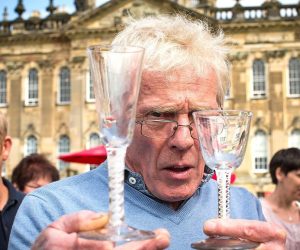


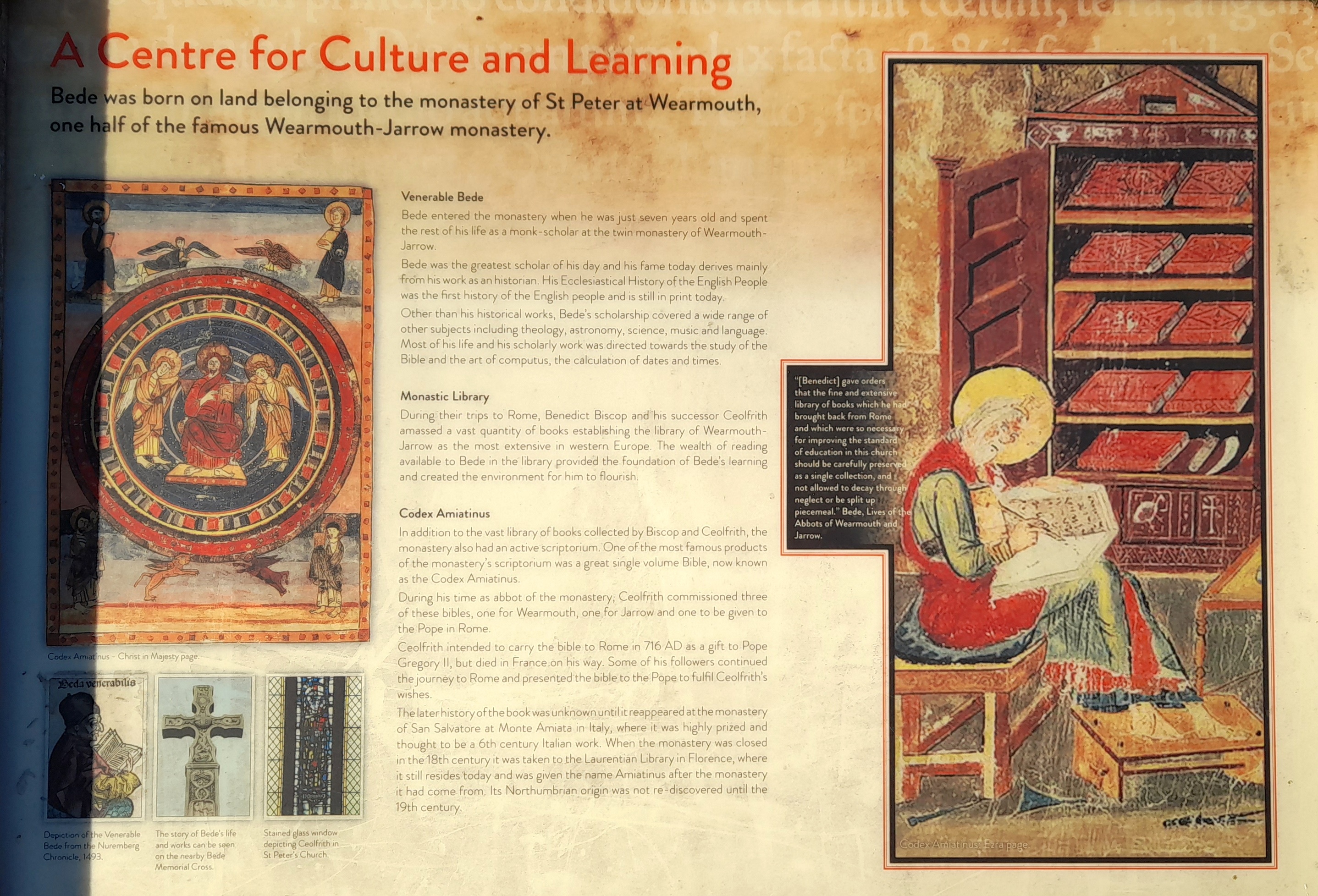
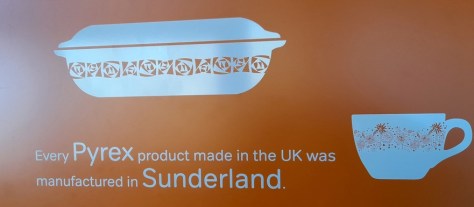
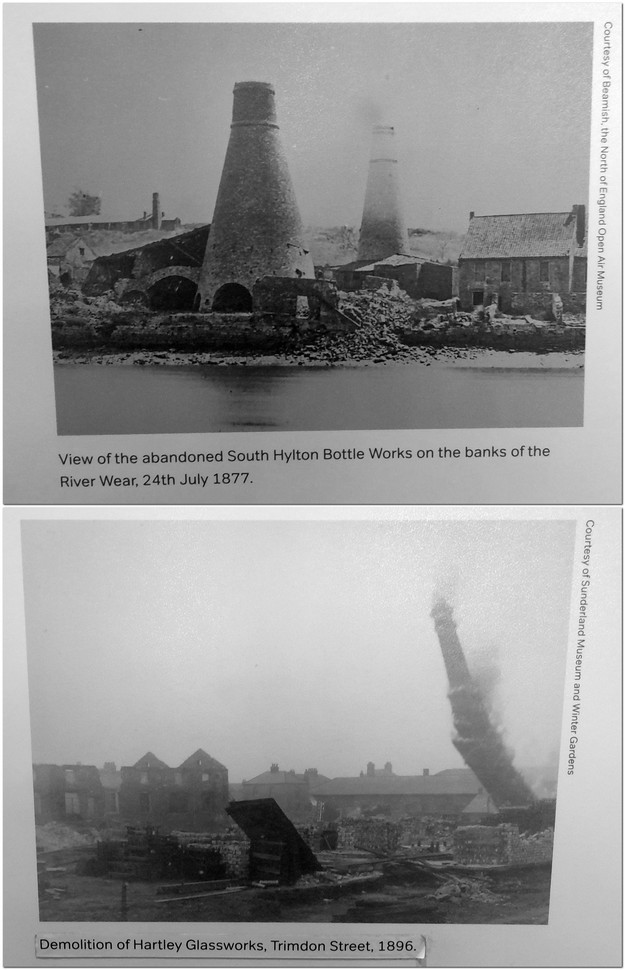
 But the remants of the industry continue to be washed up along the shore. At the end of August, Steph and I traveled to Seaham, south of Sunderland, to find sea glass on one of the beaches south of the town’s harbor.




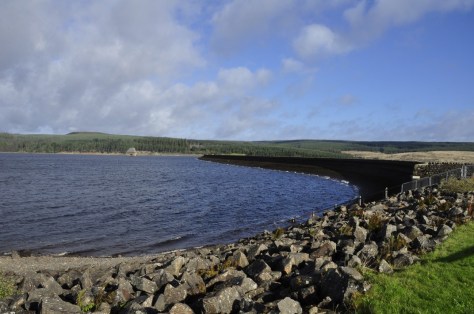
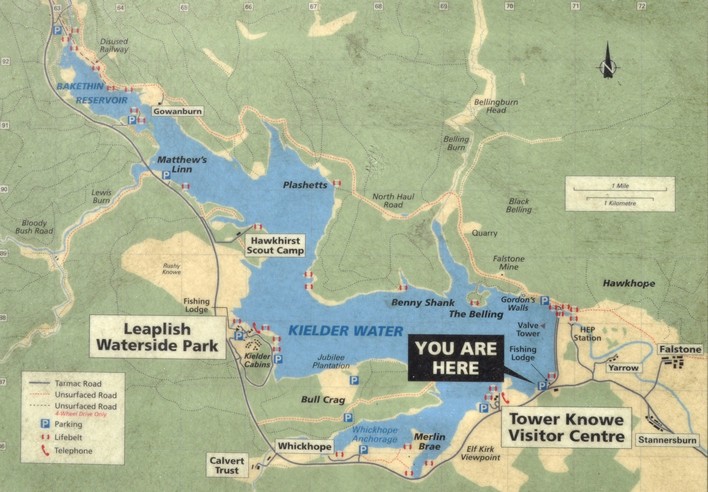
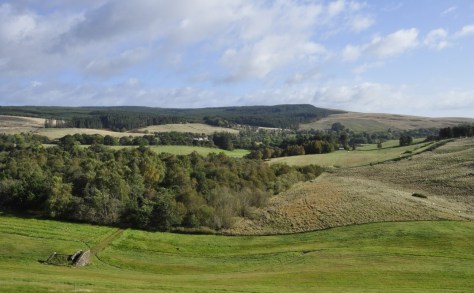
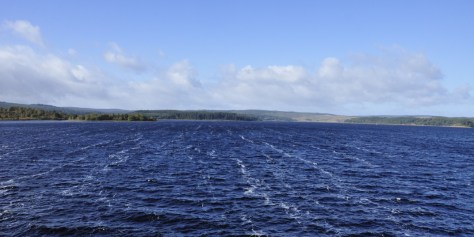
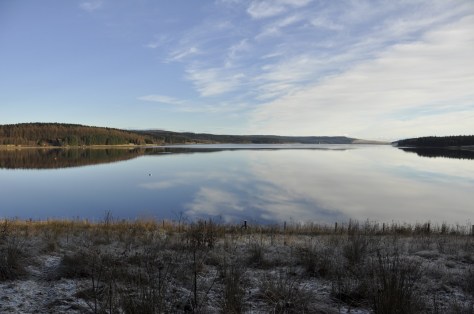
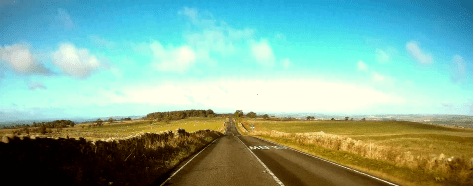
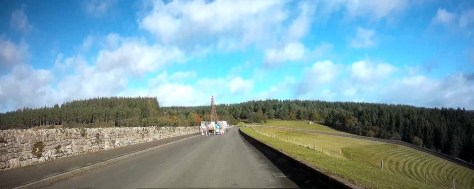
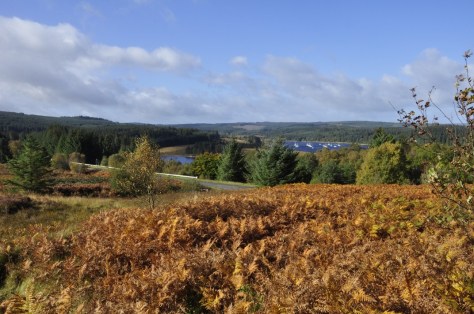
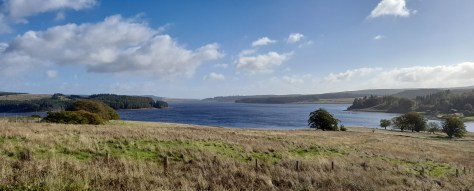


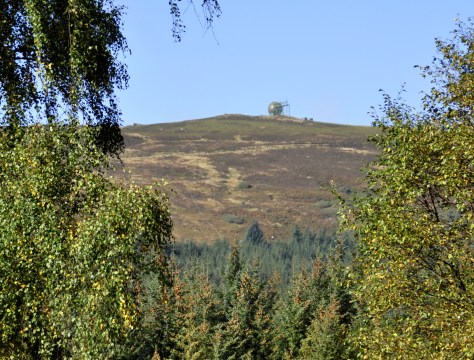
 Having reached the A68, it was a smooth and direct drive back down to the coast. Here are a couple of videos (below) traveling through glorious landscapes near Otterburn and Elsdon. Why not listen to
  York is an historic town, founded by the Romans in AD 71 and known as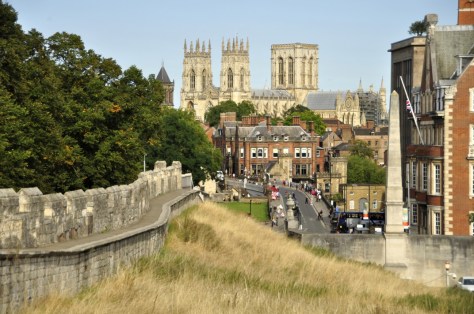


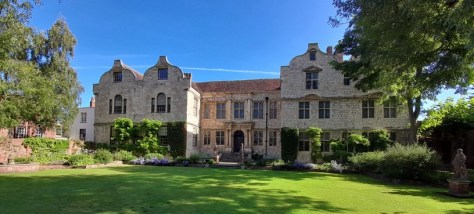
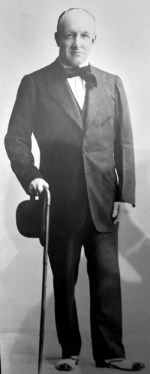 In the fading years of the 19th century, Treasurer’s House was bought by eccentric industrialist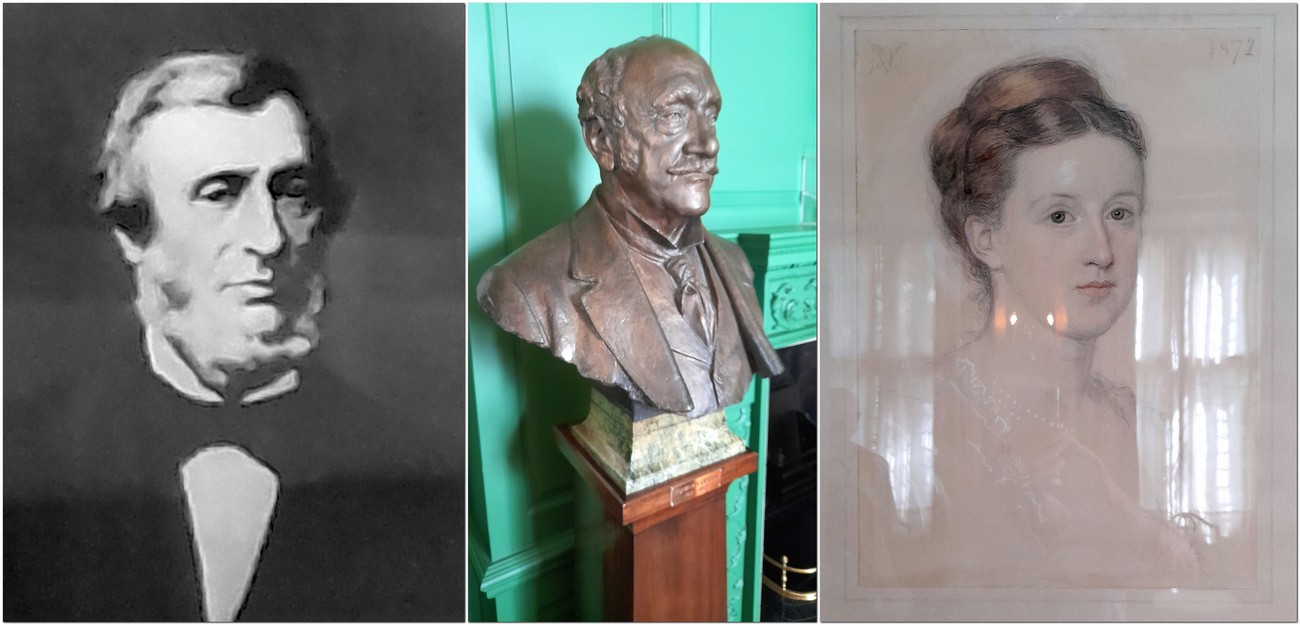


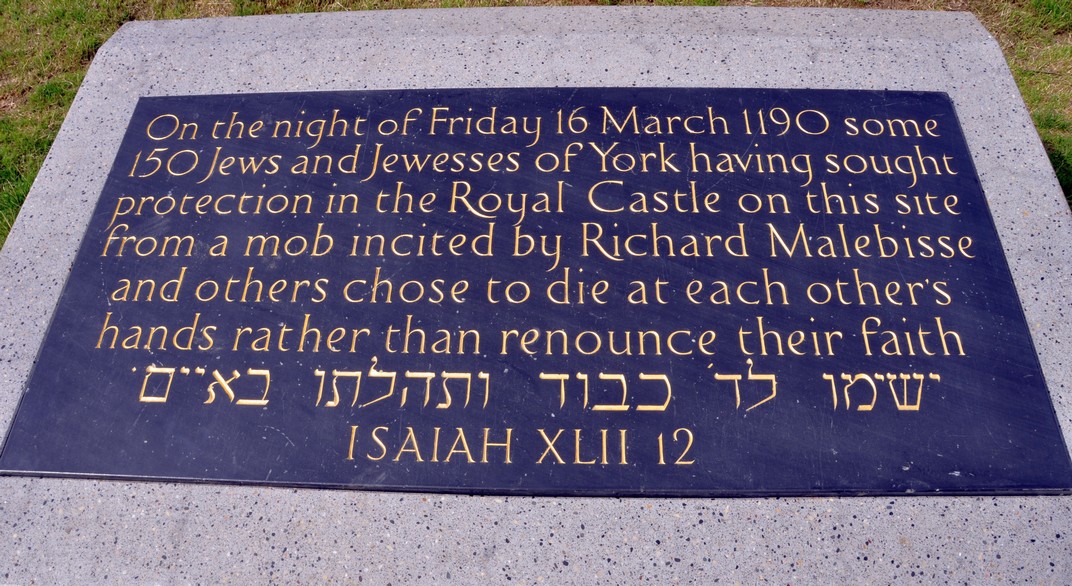
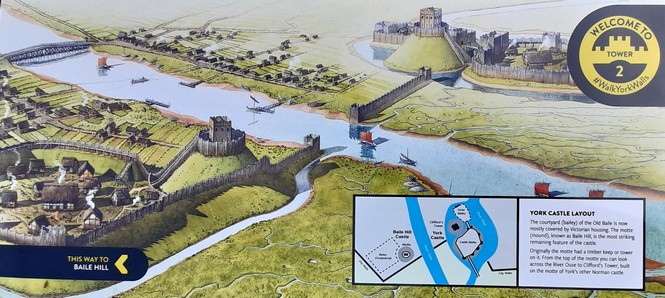
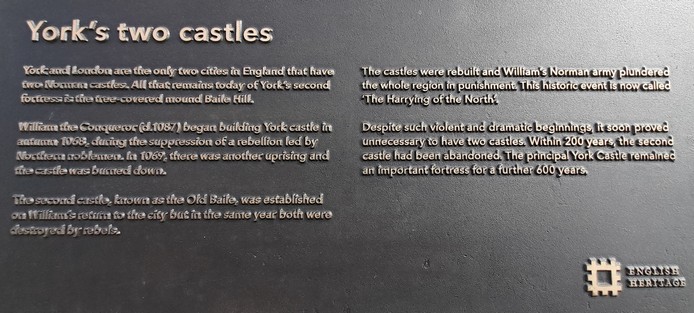
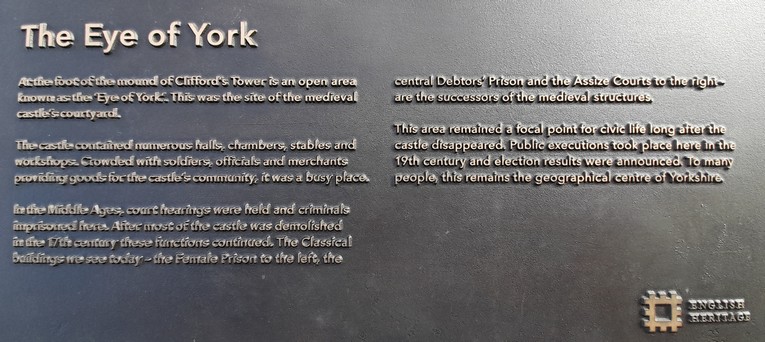


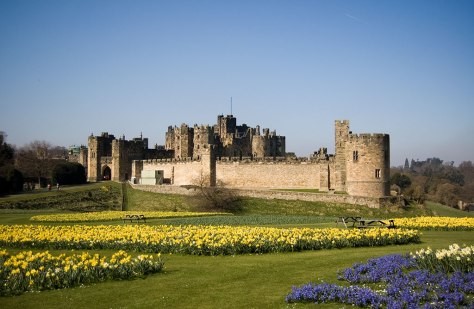
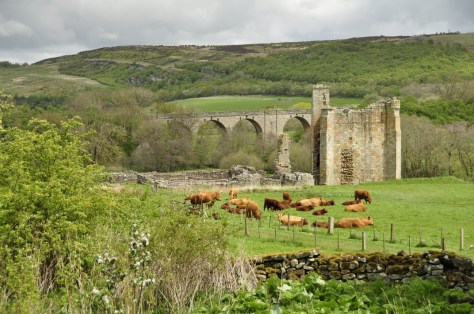


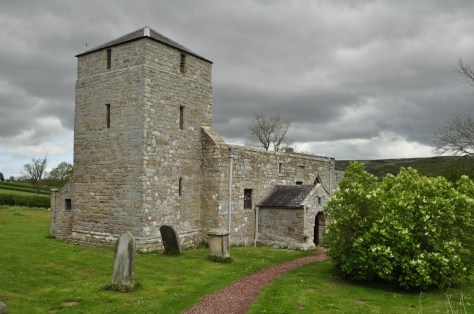


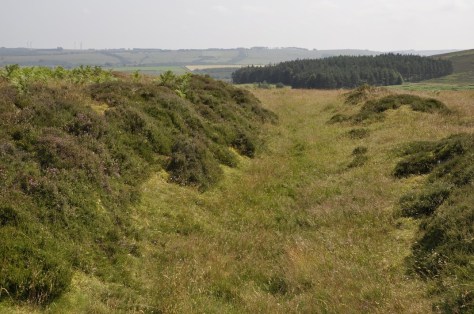
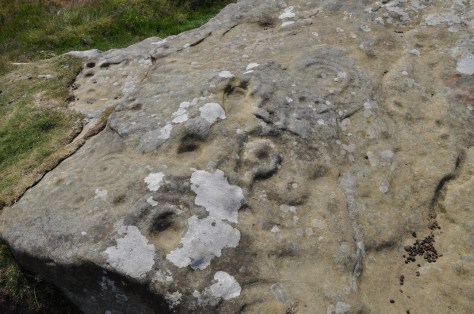
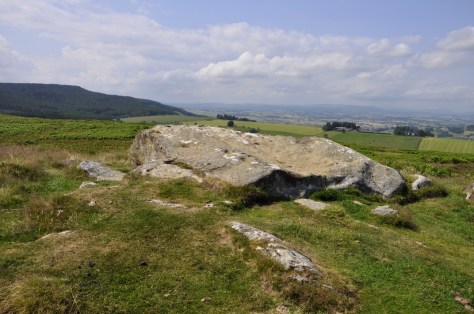
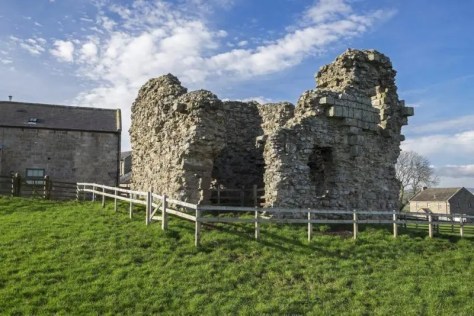
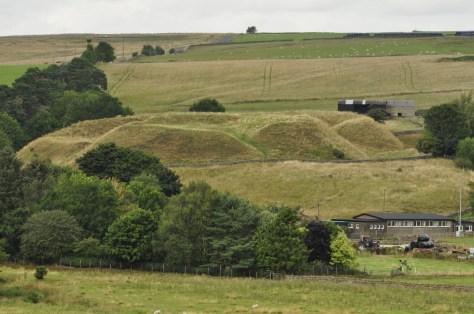
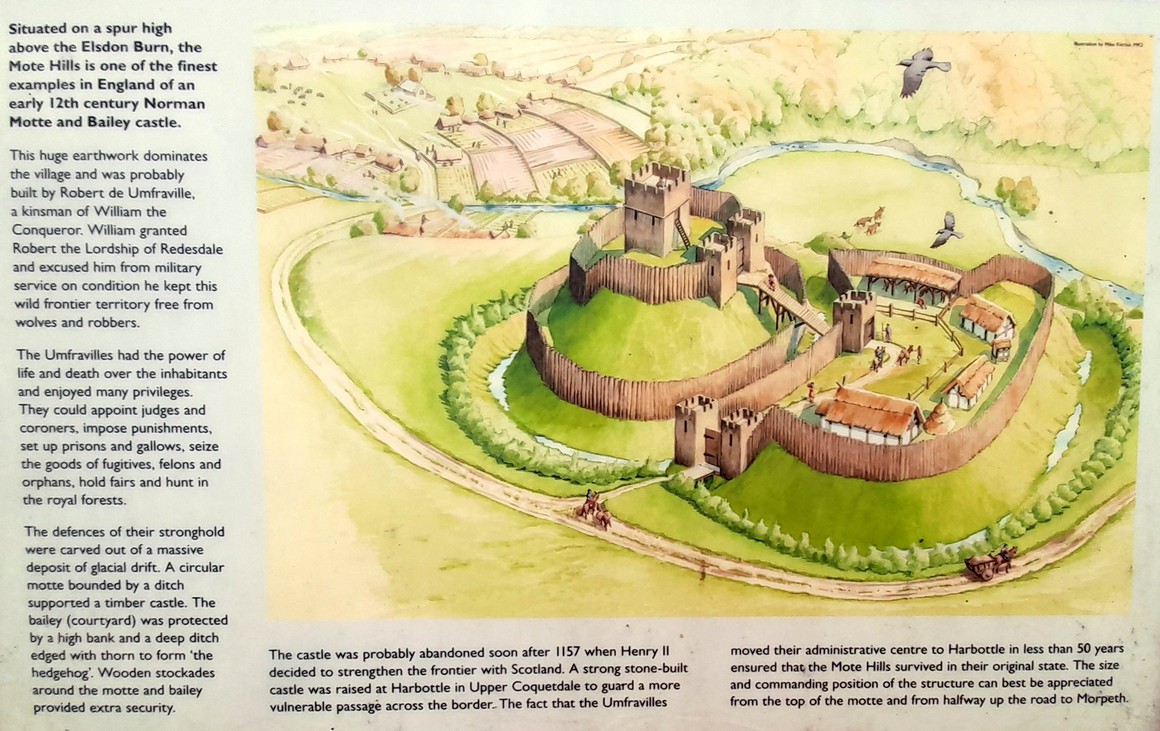
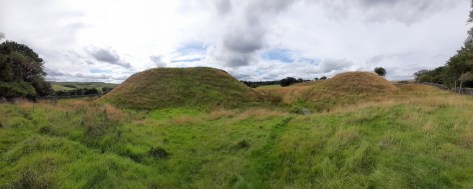
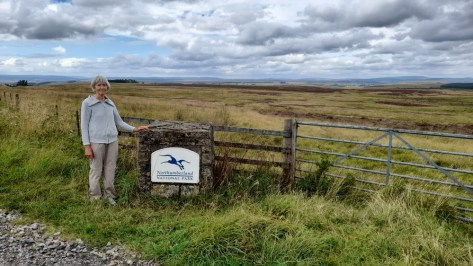
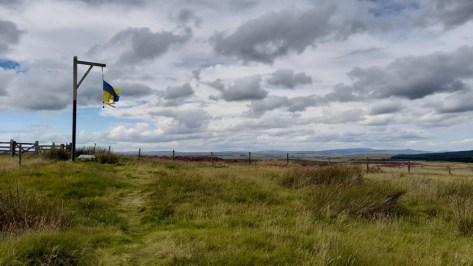
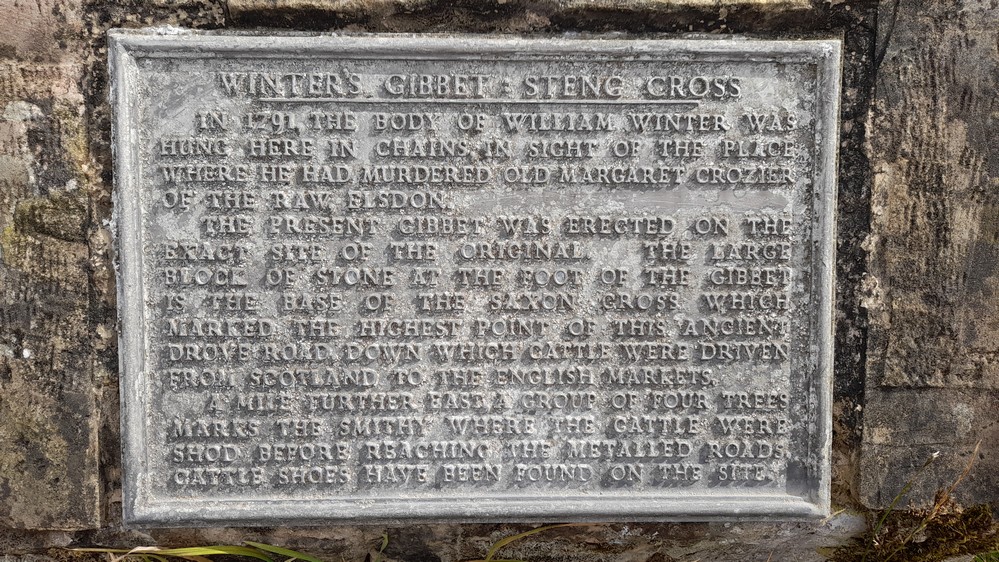



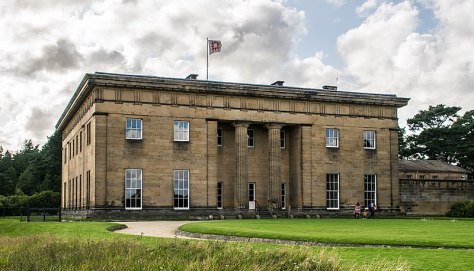
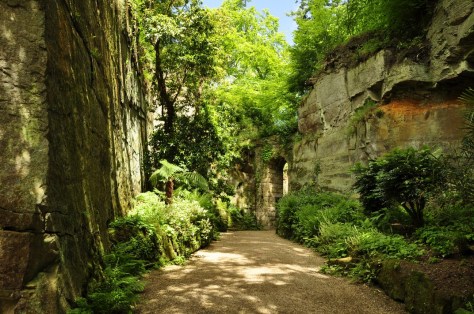
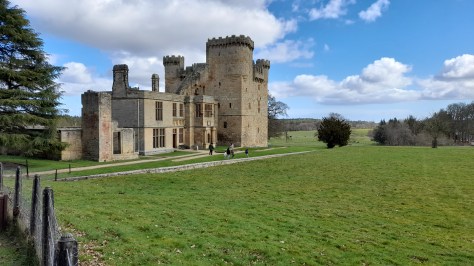
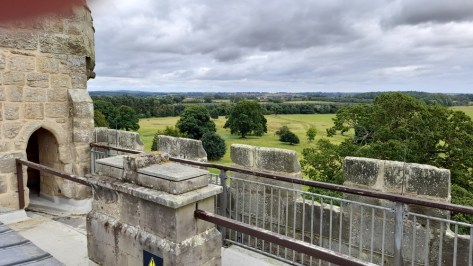

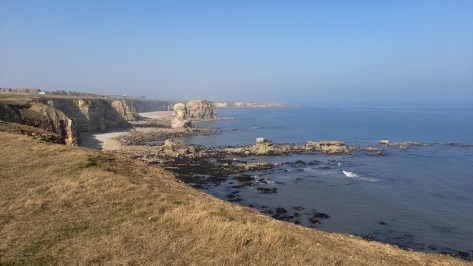
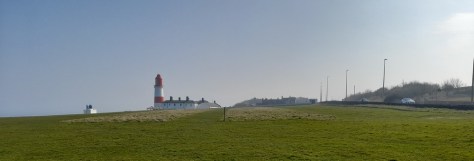

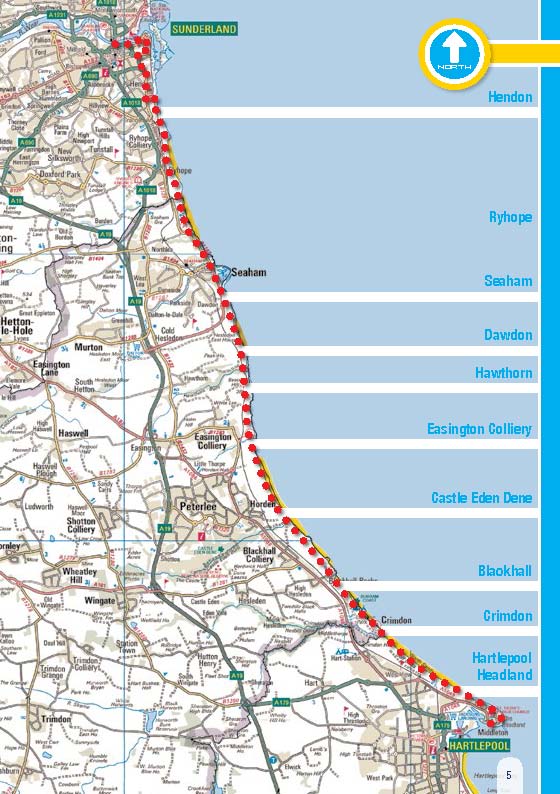
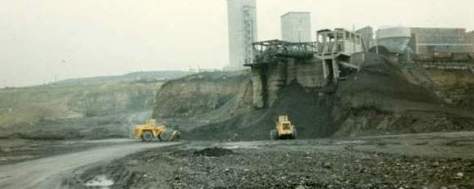

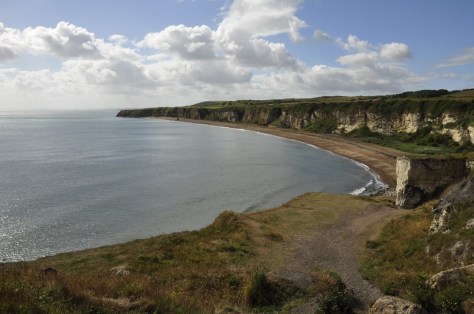
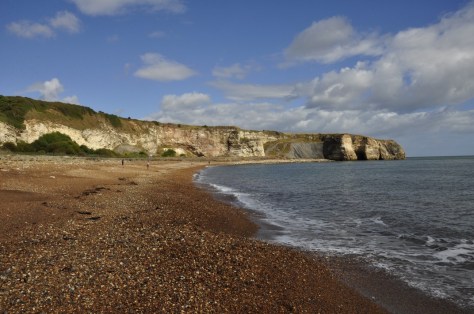
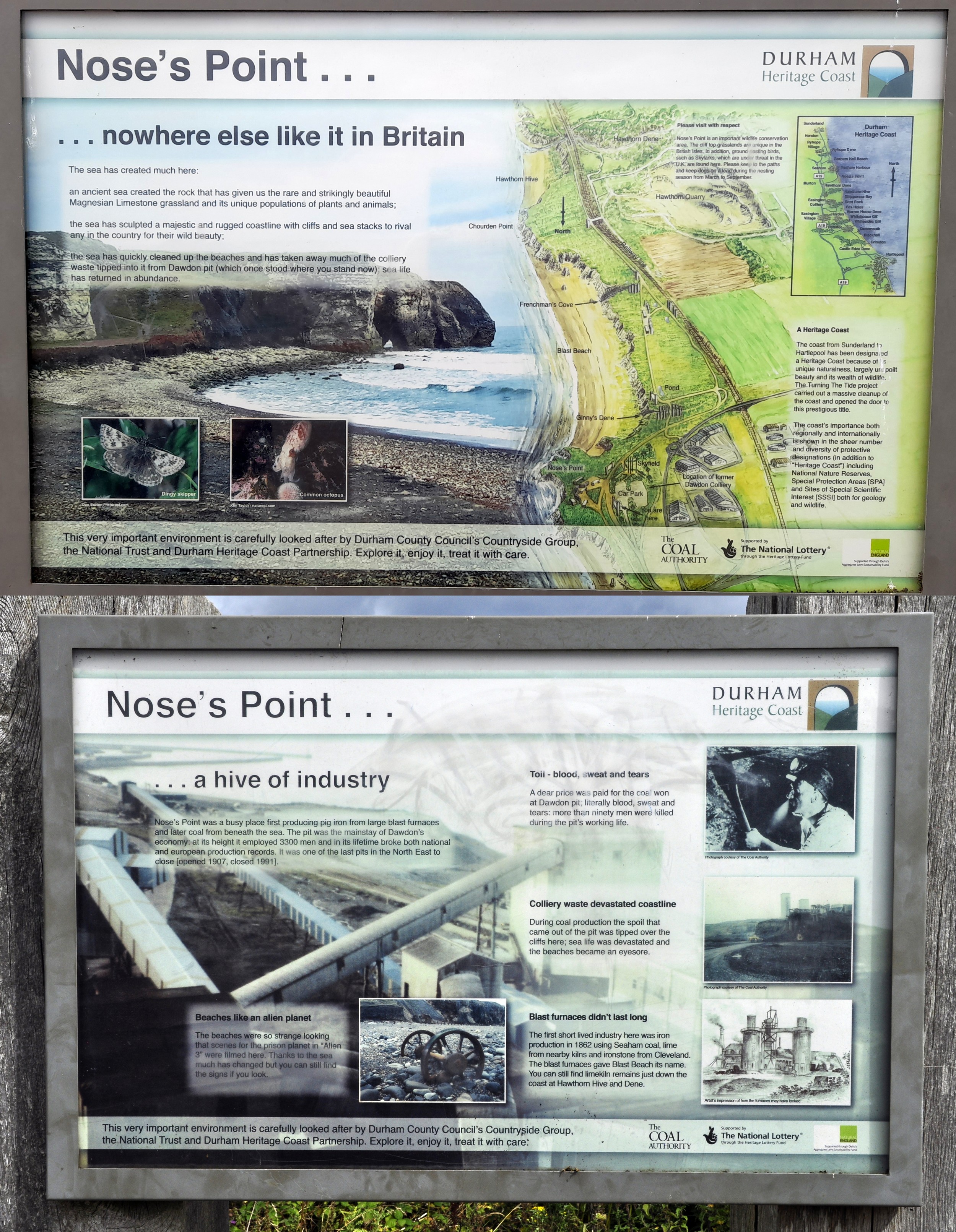
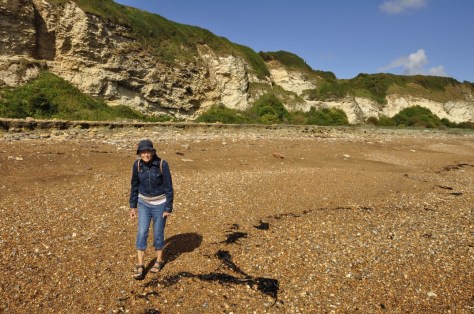
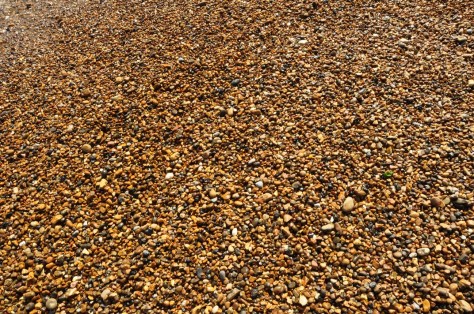
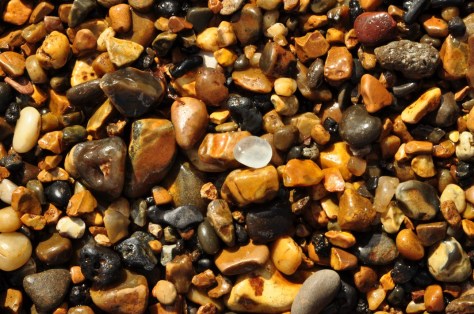
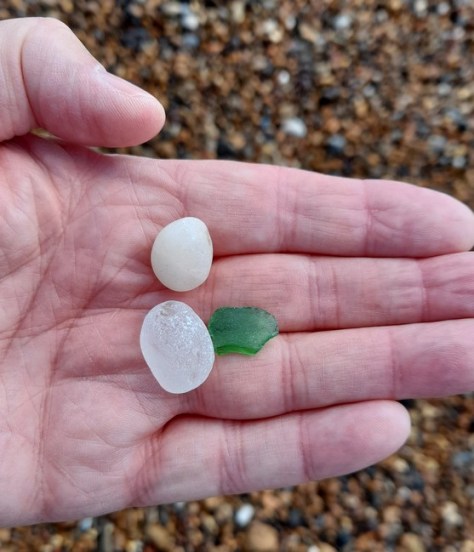
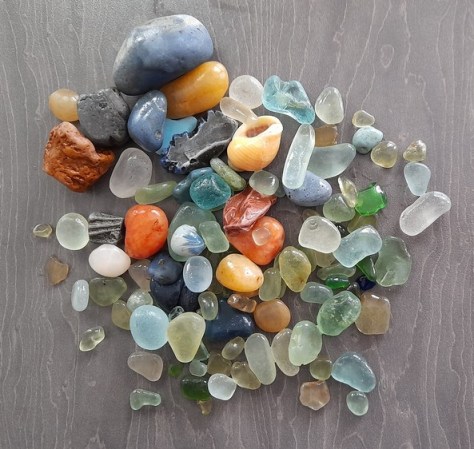
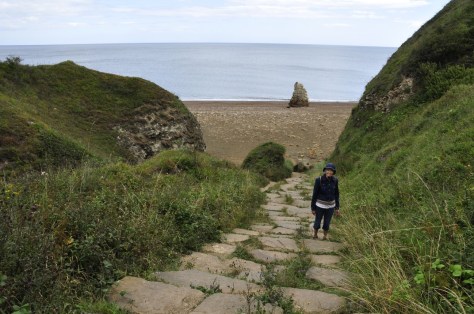
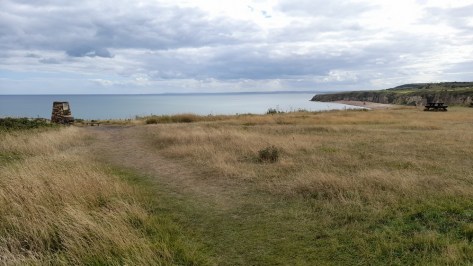
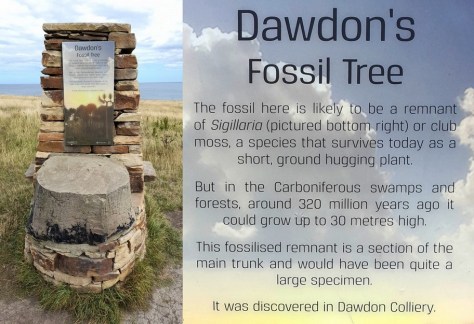


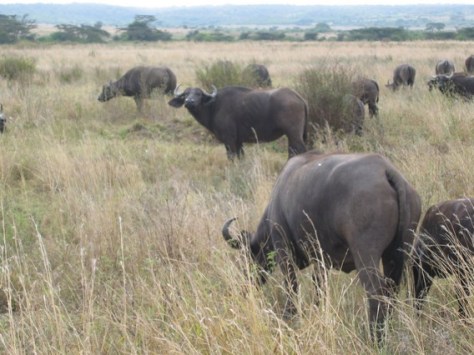


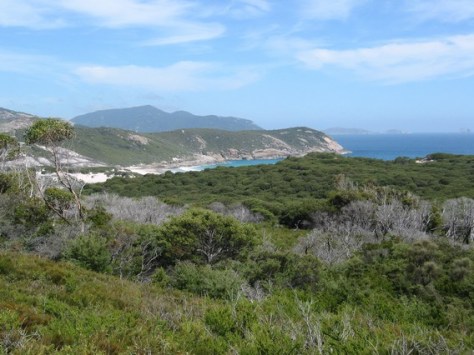


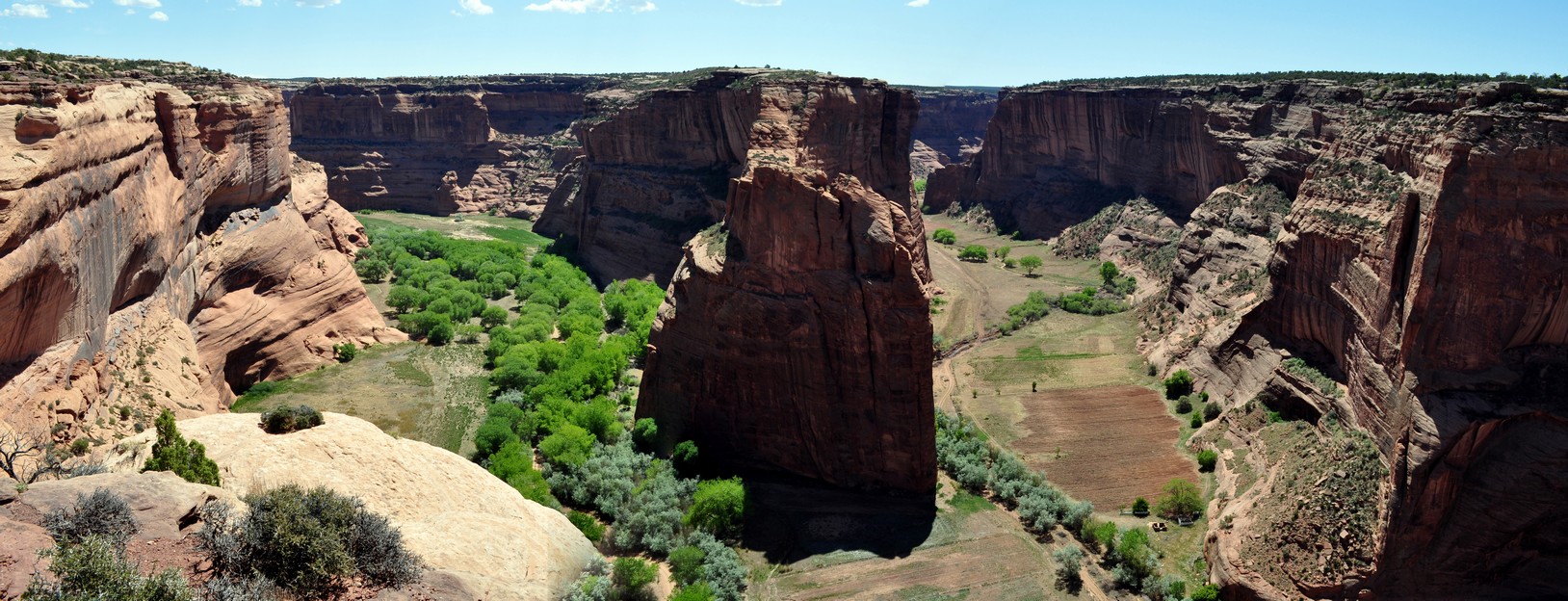
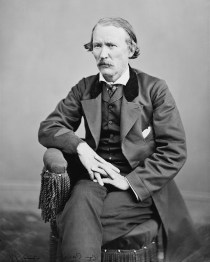 Well, in early 2011 I came across a book in the public library in Bromsgrove (in Worcestershire where I used to live) about US army officer, Indian fighter, explorer and adventurer, Colonel Christopher Houston ‘Kit’ Carson (1809-1868). Kit Carson was a western ‘hero’ of my boyhood, a figure in popular western culture and myth.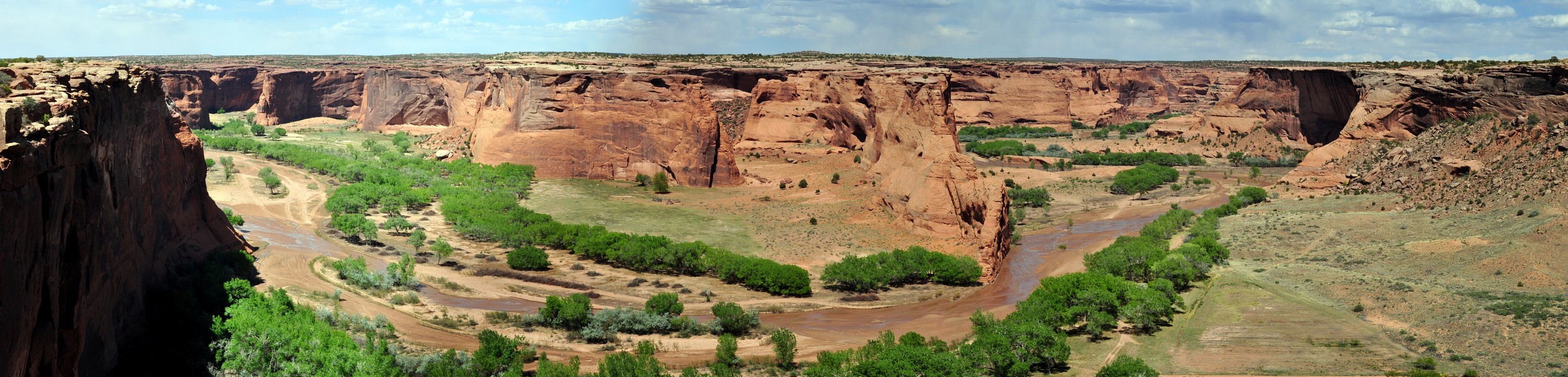
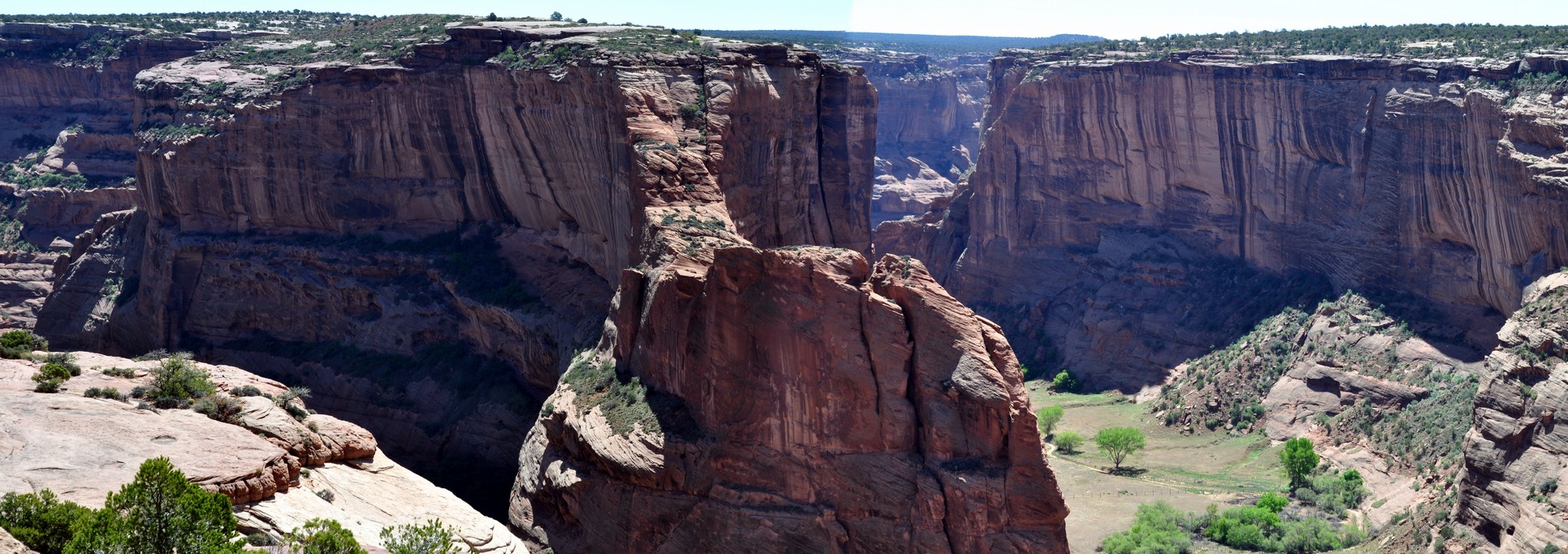

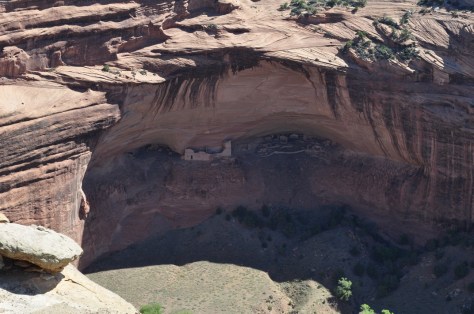
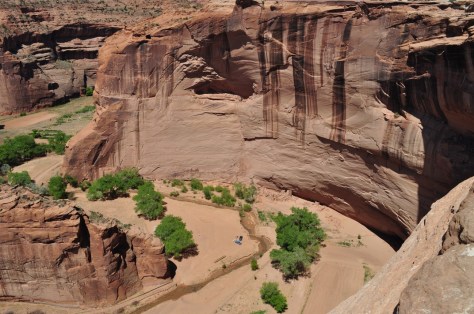
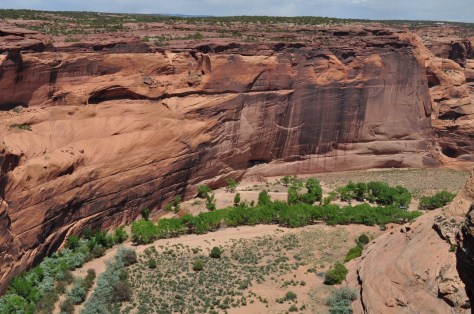
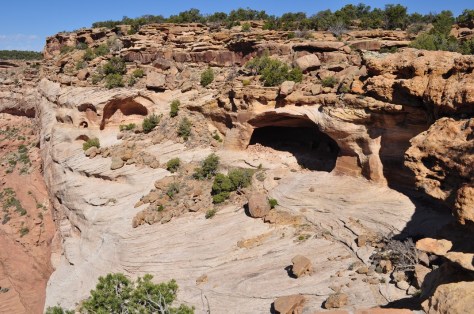
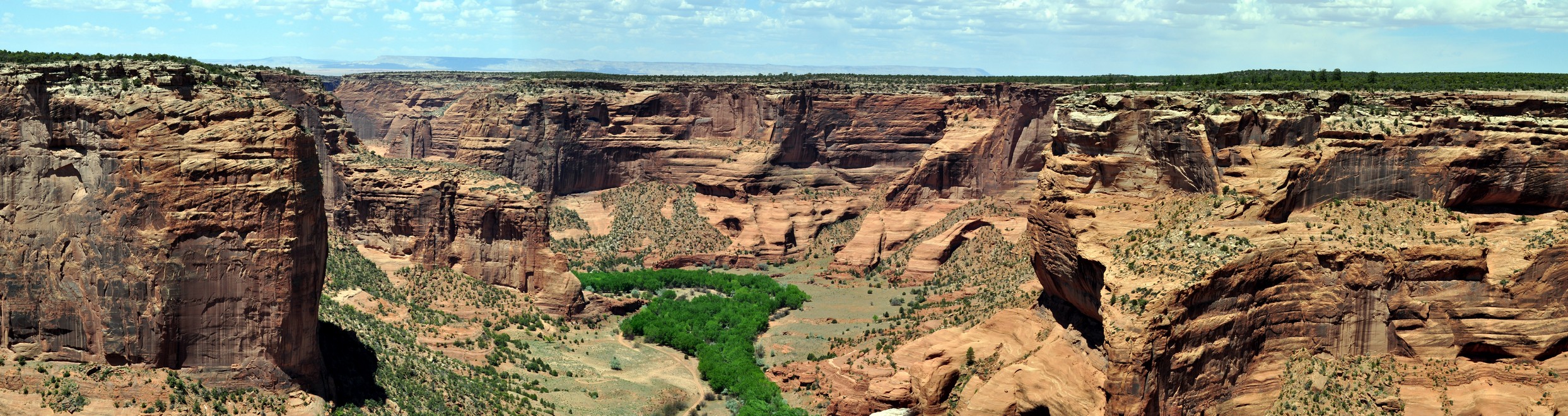
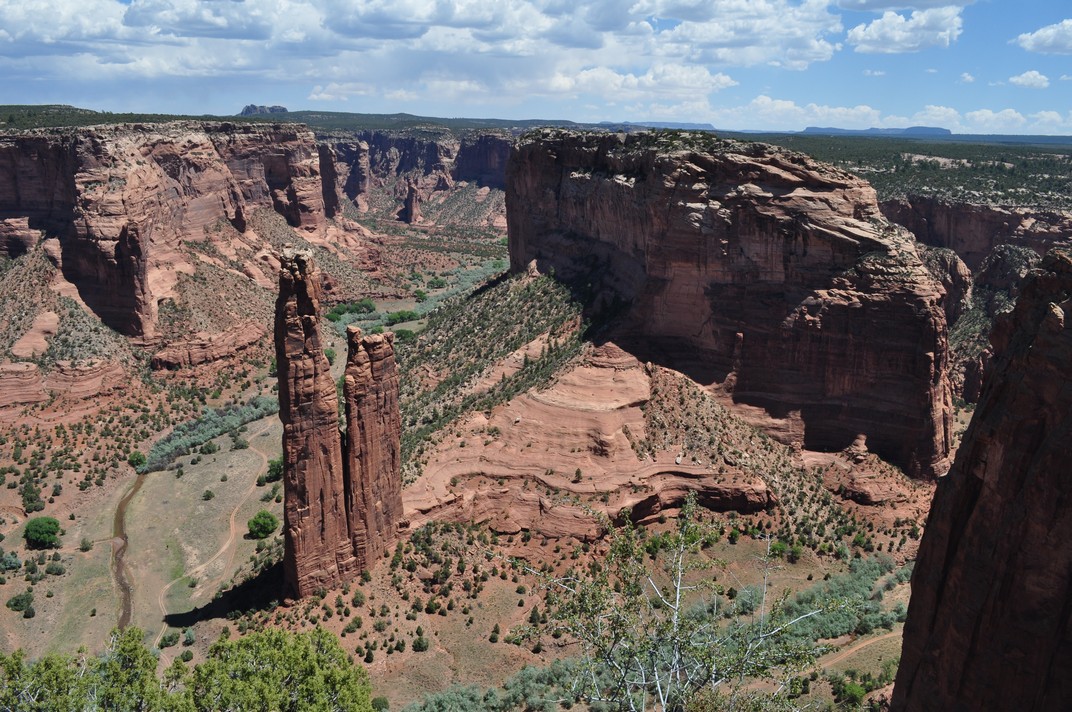
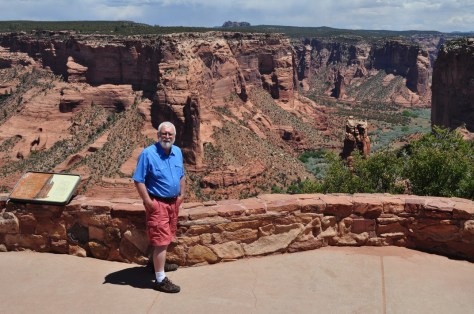
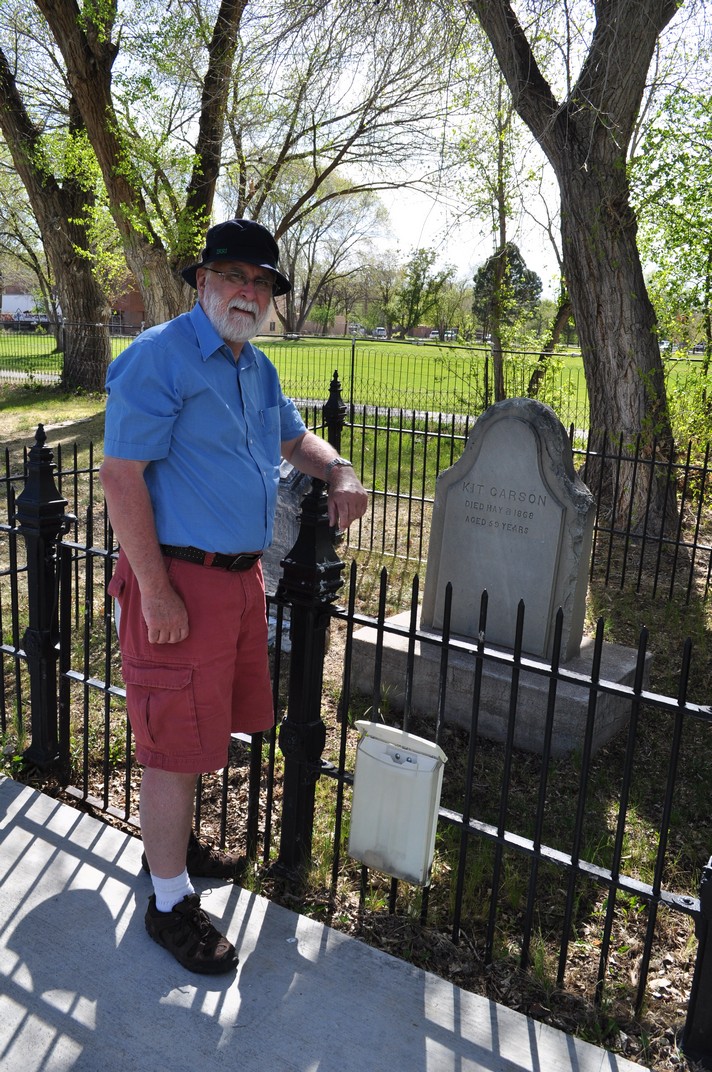

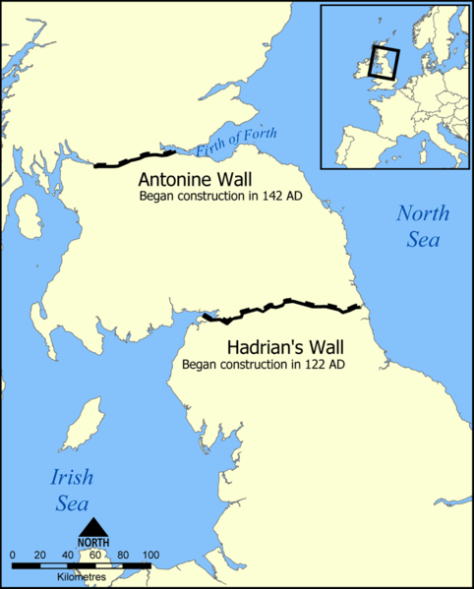
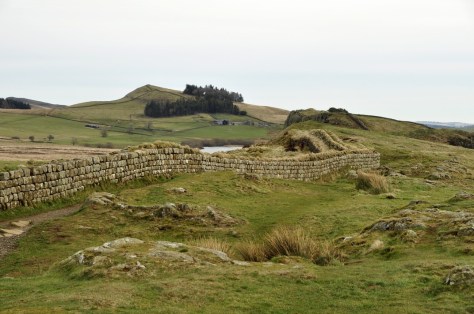
 And we can also wonder about the lives of the men (and women) who were stationed along the Wall and where they came from. It’s not just the physical legacy of the Wall (and other settlements around the country) but also the genetic legacy that the Romans left behind, in their offspring from relationships with local women, legitimate or otherwise. Romans didn’t just come from Rome, but from all corners of the empire even from the easternmost provinces of the Middle East and beyond. The ‘Roman’ genetic signature has obviously been diluted by successive waves of invasion into these islands.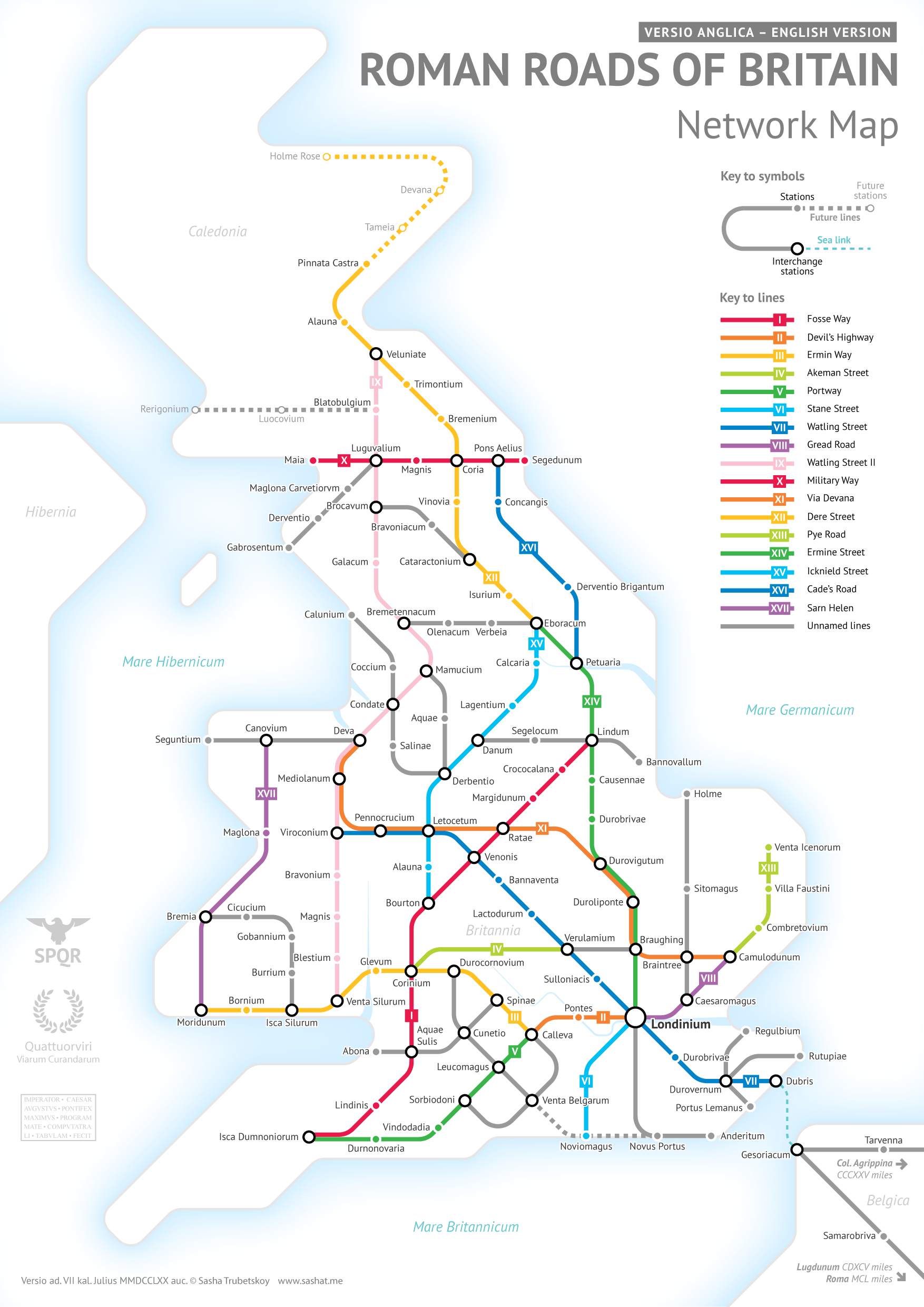
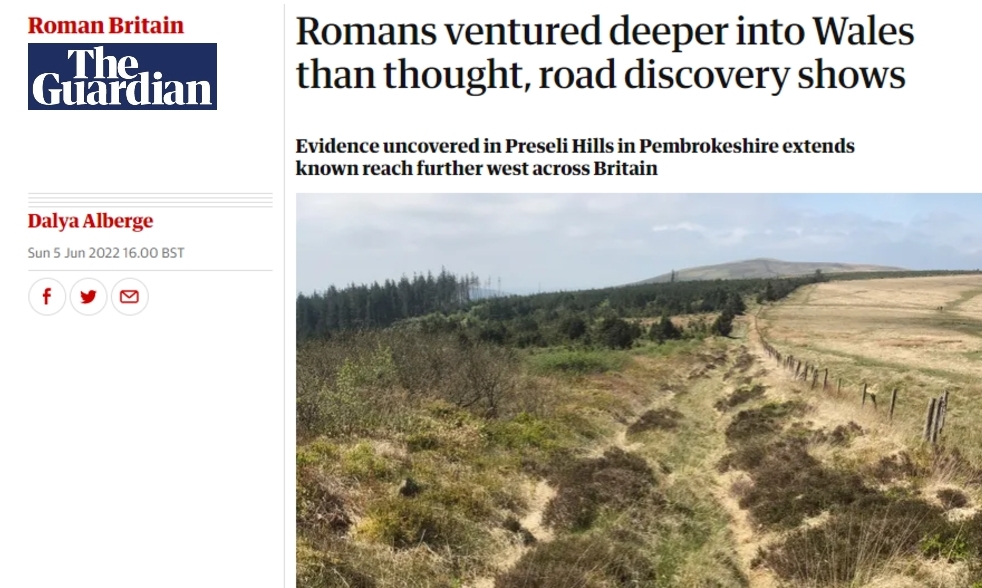
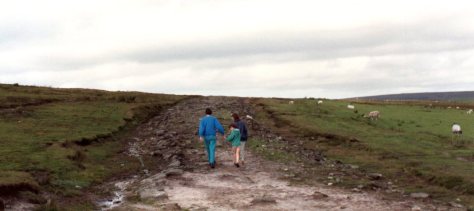
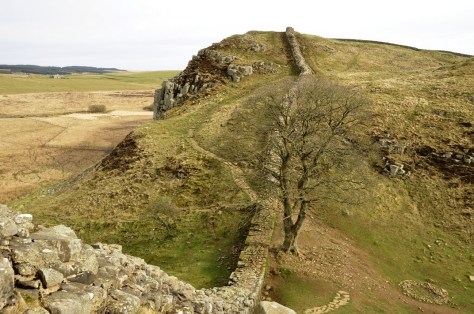
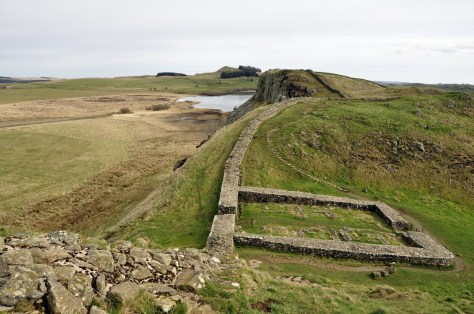
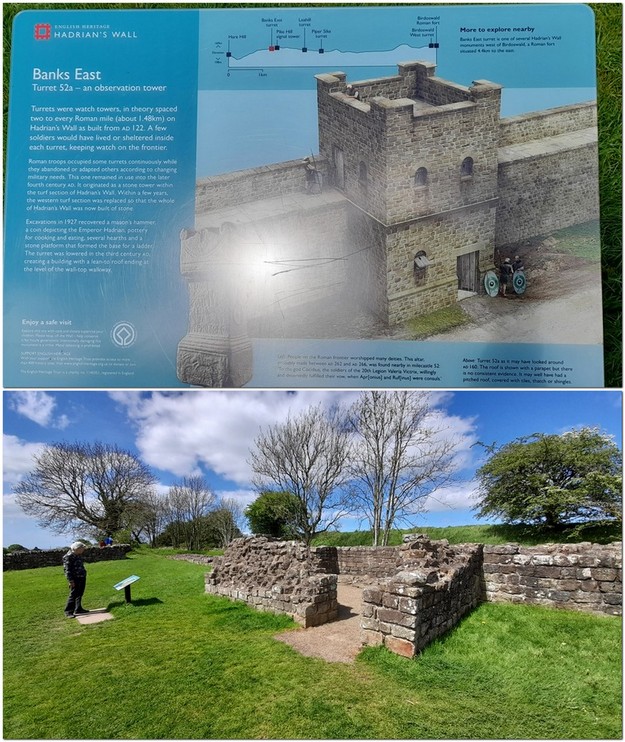


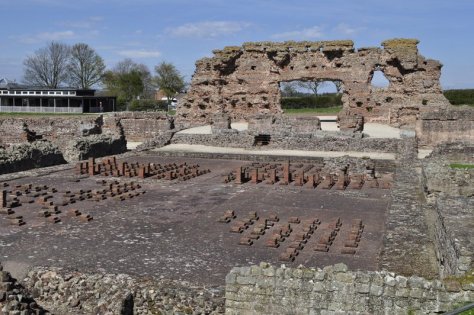

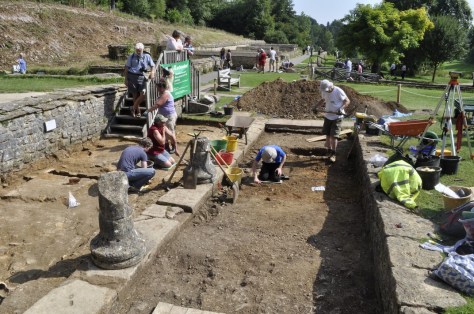
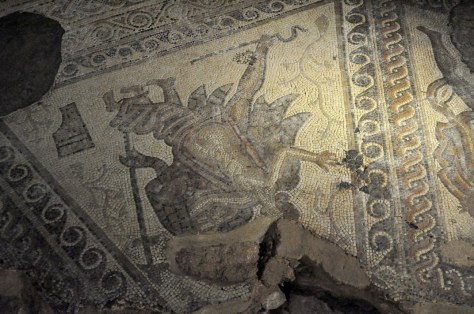
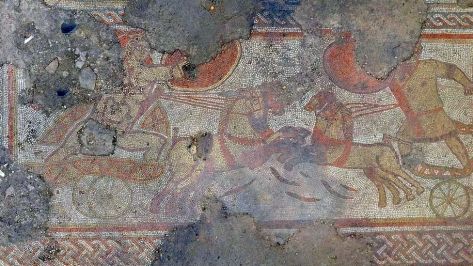


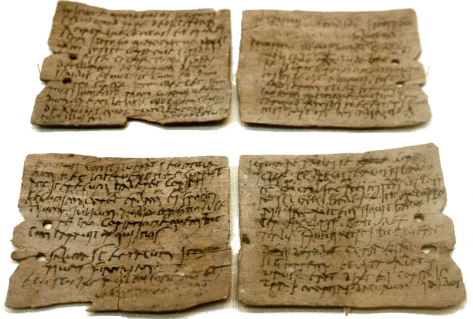
 The vandalism began in 1536. The landscape changed. Henry VIII threw his toys out of the pram, and ordered his officials to close down religious houses all over England, in what has become known as


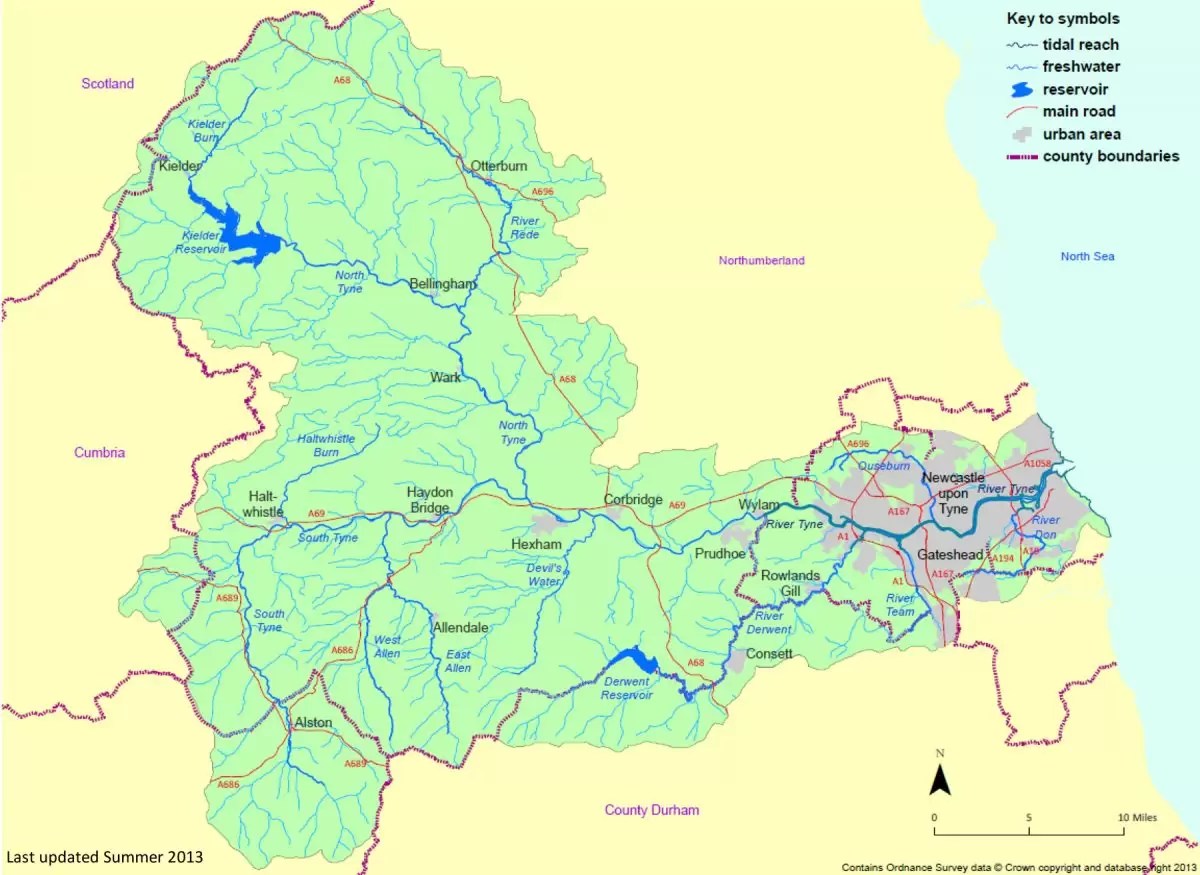


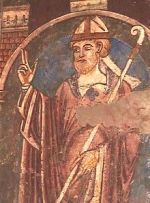


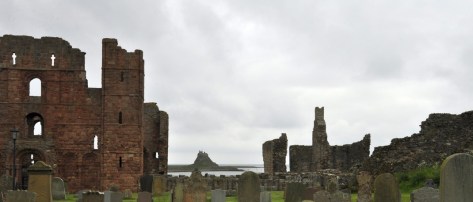
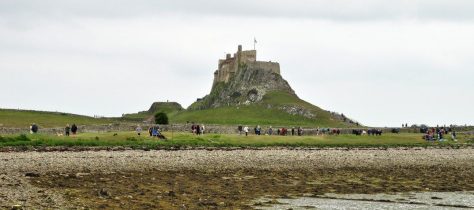
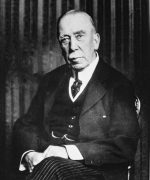


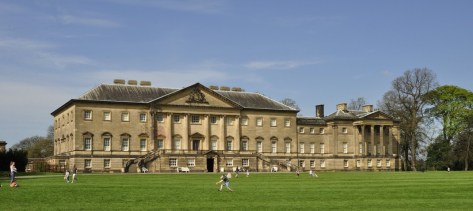


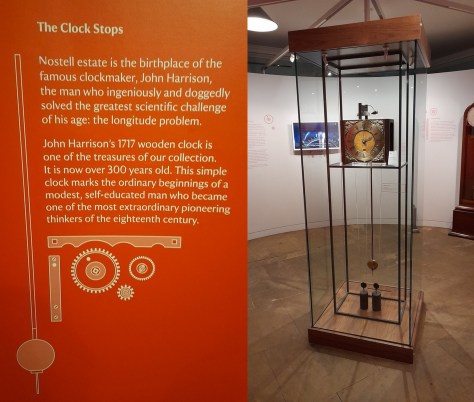


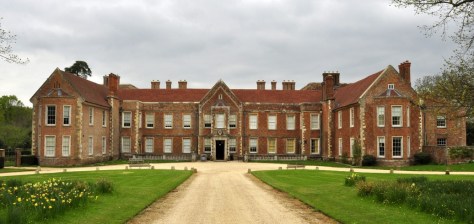
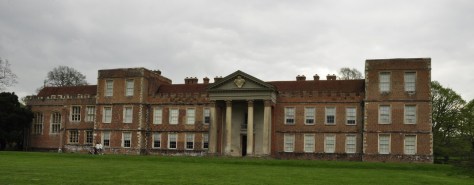


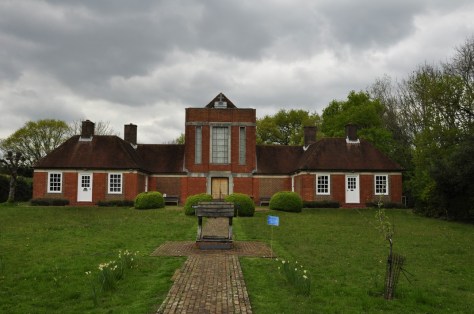


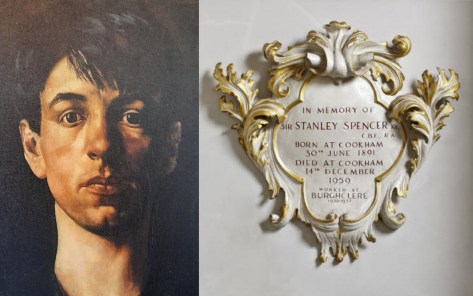


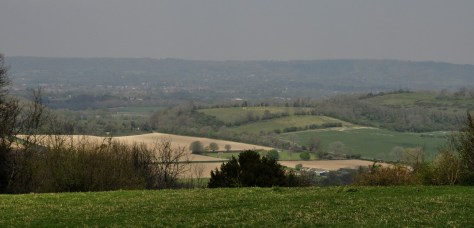
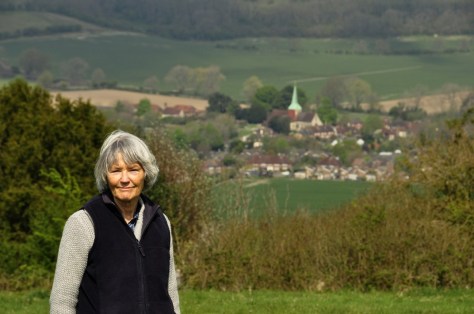
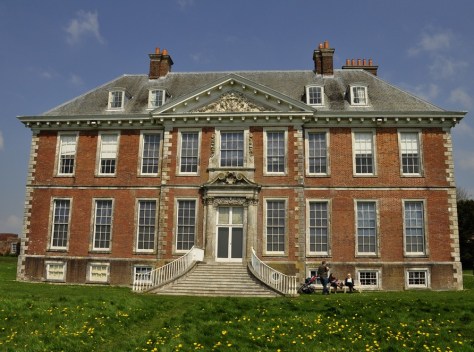
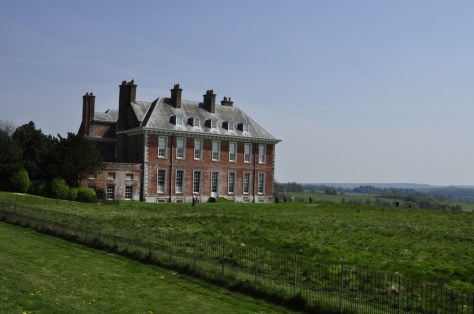


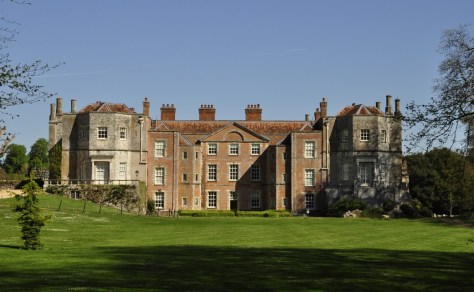
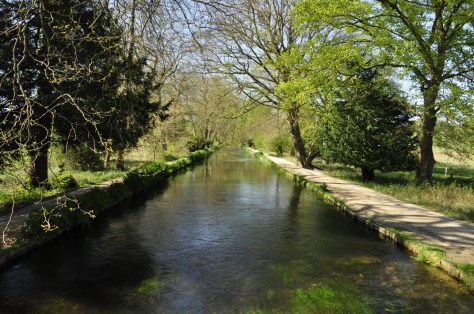


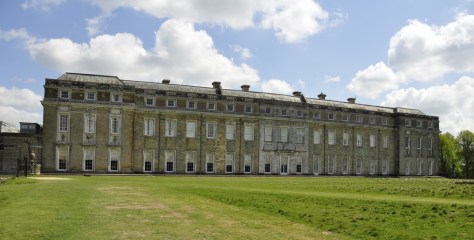
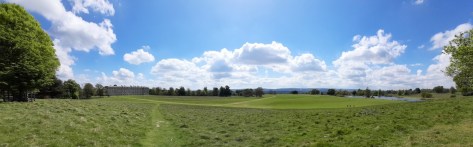


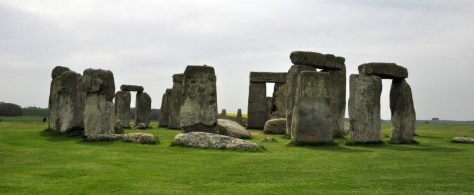
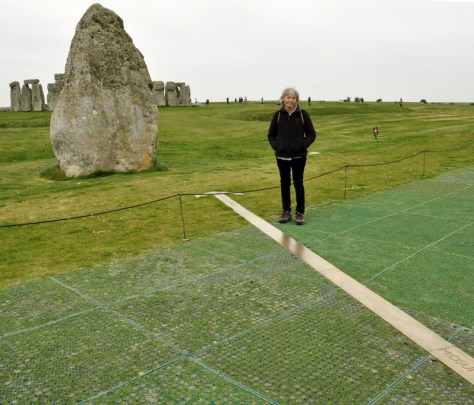
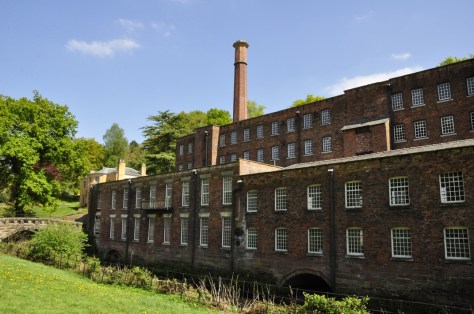


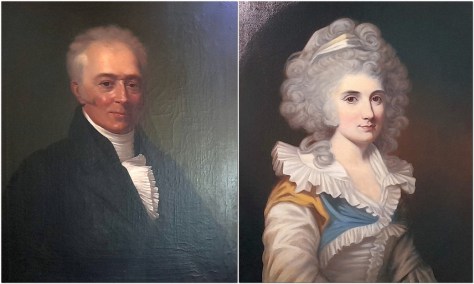


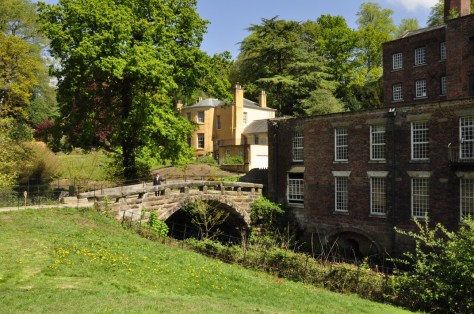

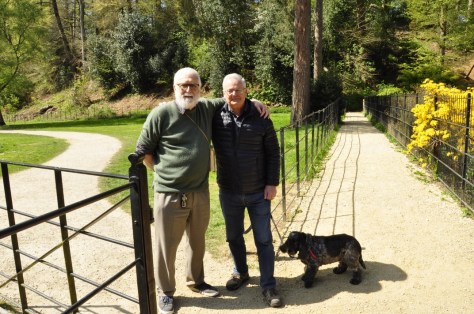
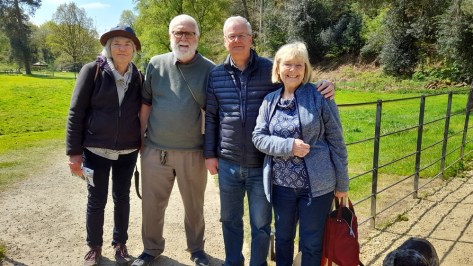
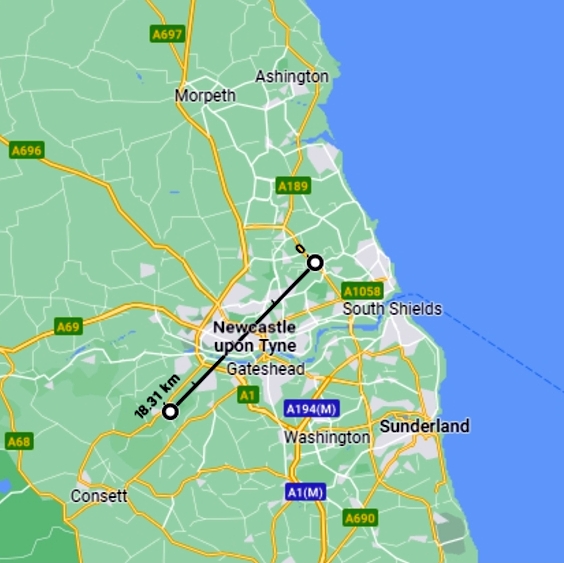
 Taking my trusty binoculars along (a pair of Swift Saratoga 8×40 that I’ve had for about 60 years) we hoped there might be some interesting wildlife to observe. On one of our previous visits, we’d come across a pair of roe deer among the pine trees. I was hopeful there might be some interesting birds along the River Derwent, the northern boundary of the Gibside estate.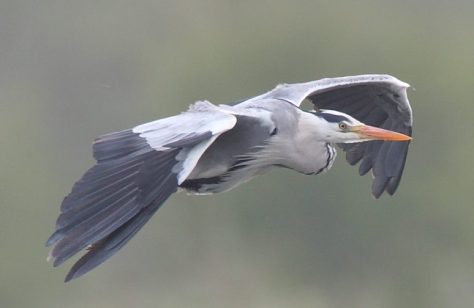
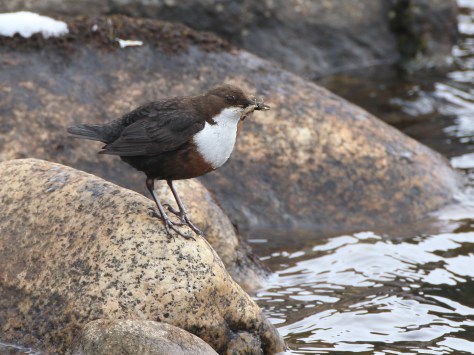
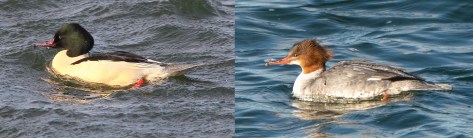
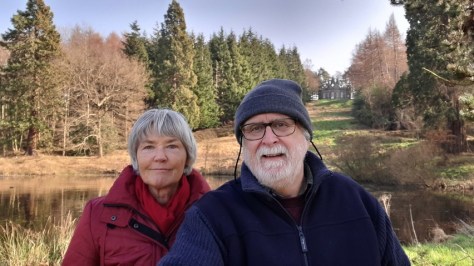
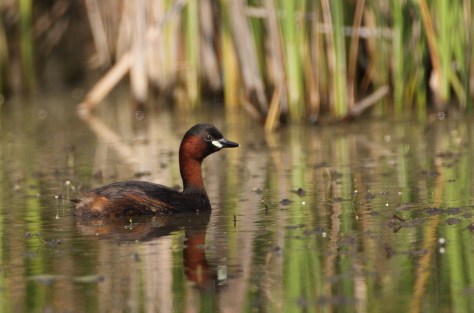
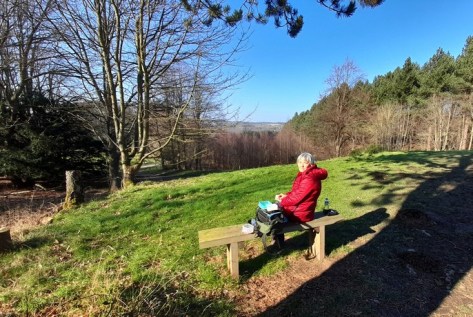
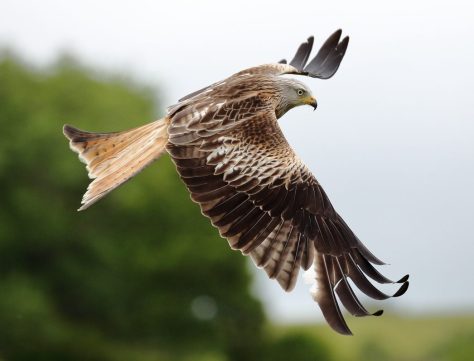


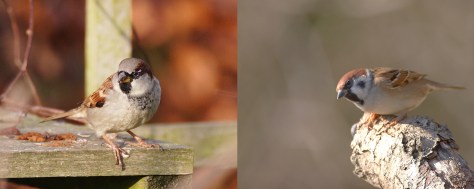
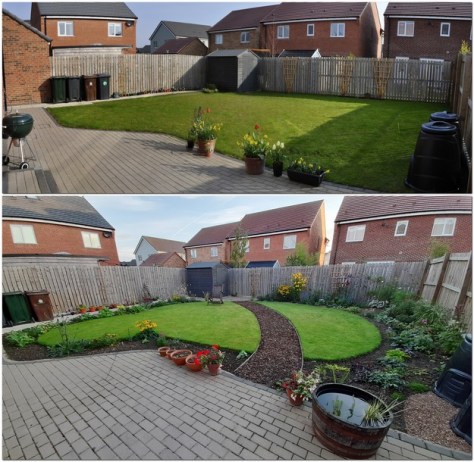
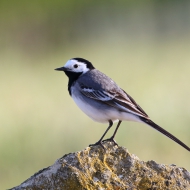
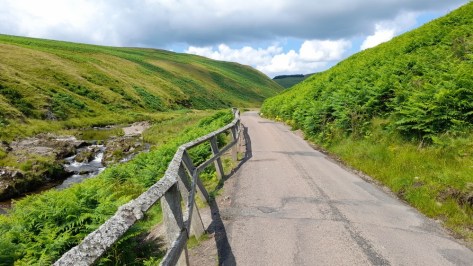
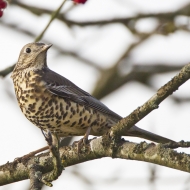 Another surprising visitor to the garden, just once, was an uncommon mistle thrush (right), a much larger cousin of the song thrush.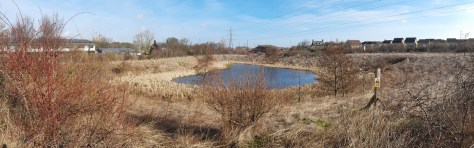
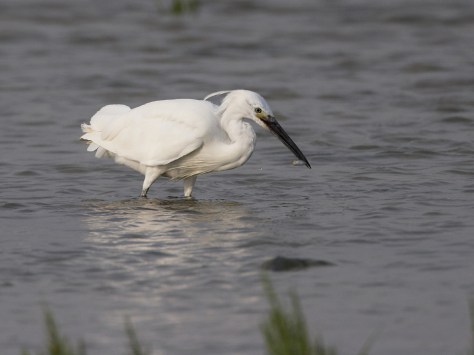


 On the coast we see the usual range of waders such as oystercatchers, ringed plovers, sanderling, dunlin, and turnstones. One of my favorites however is the redshank (right), easily spotted because of its bright orange-red bill and legs. And, of course, several species of gull.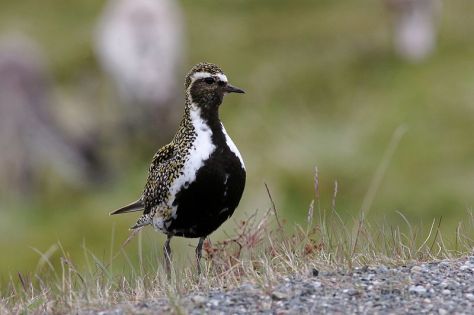


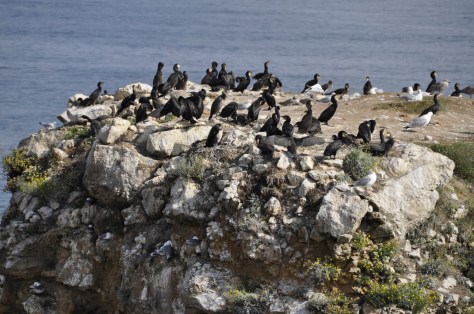
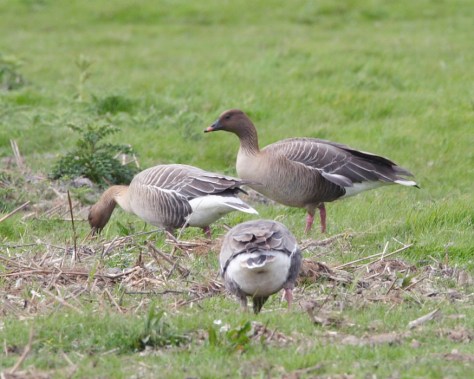
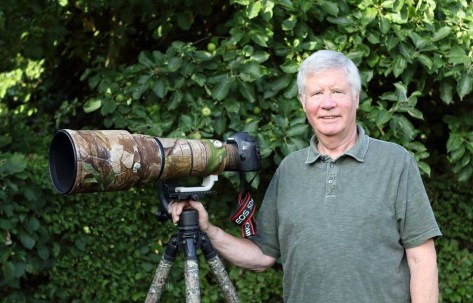
 Over recent weeks, Steph and I have been enjoying the latest series of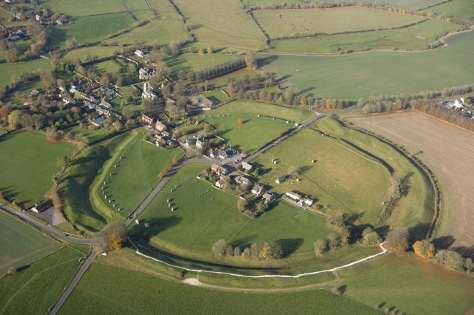
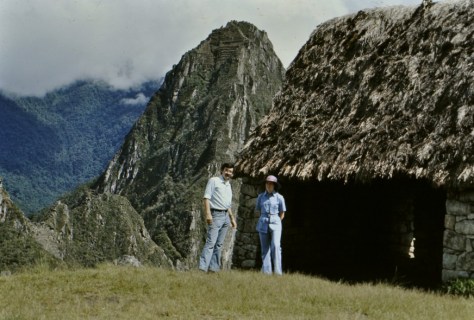
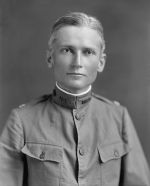
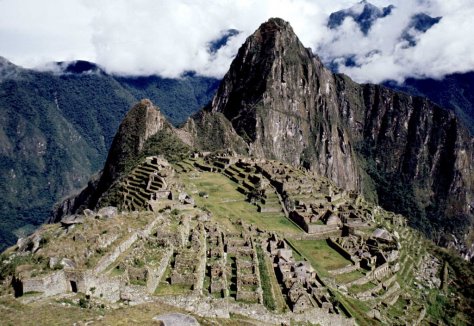
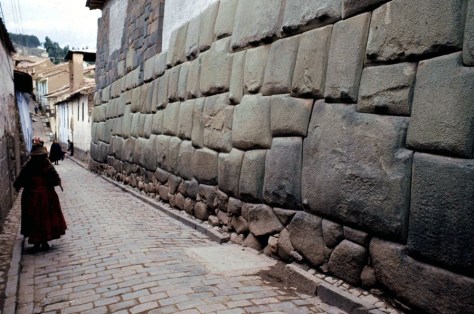
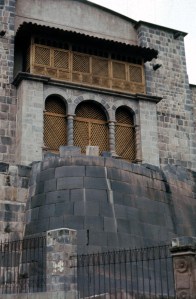 Or the foundations of the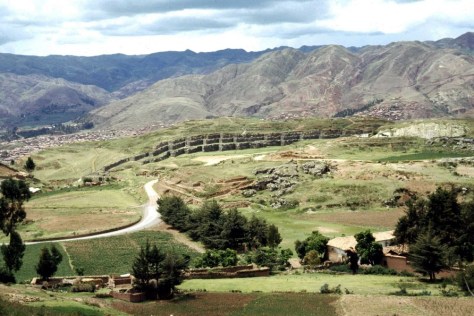
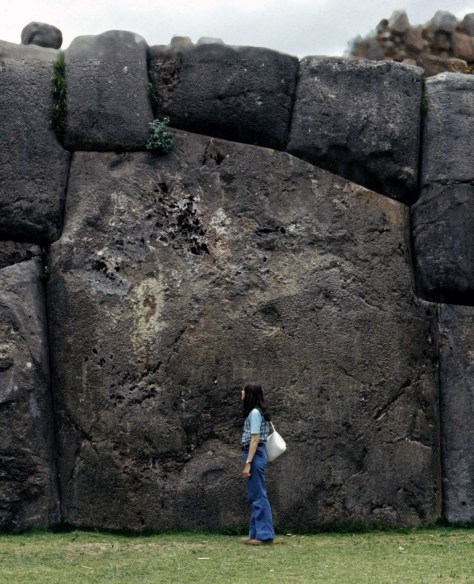
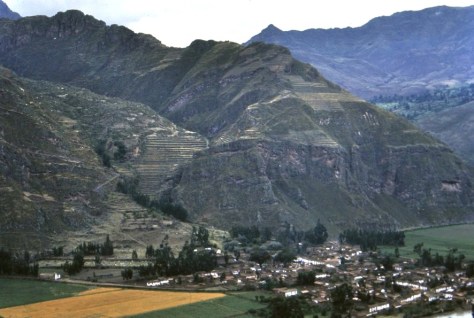
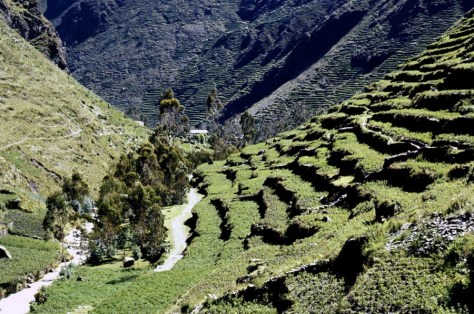


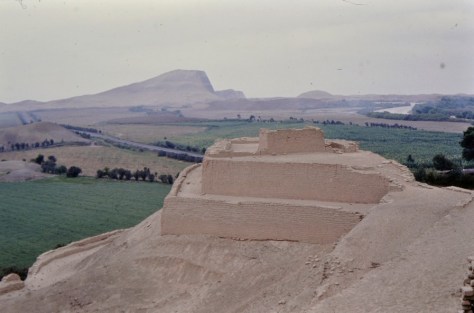
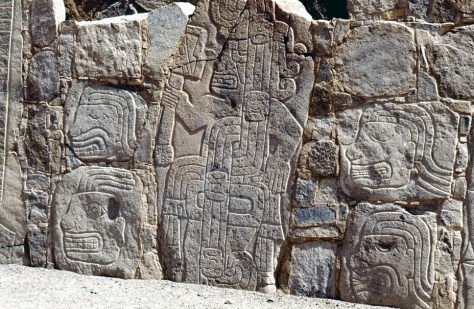
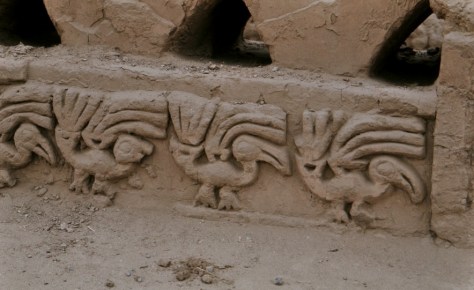
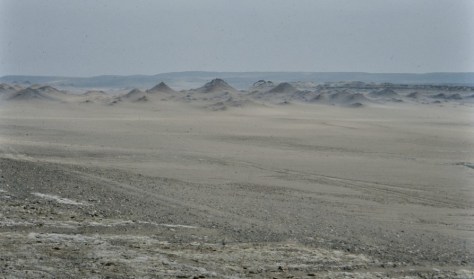
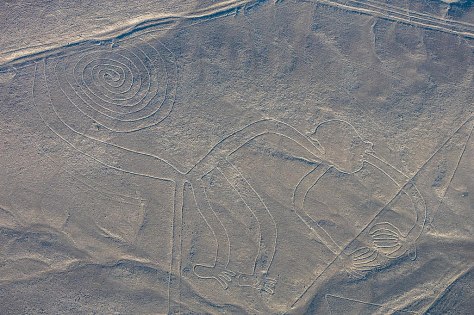
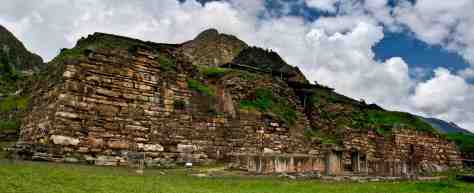
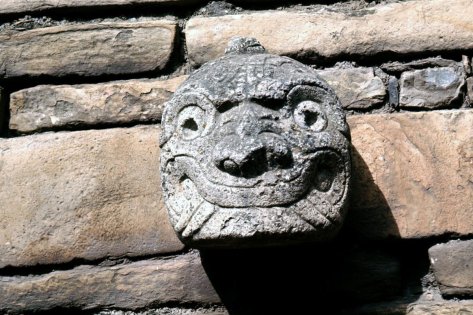
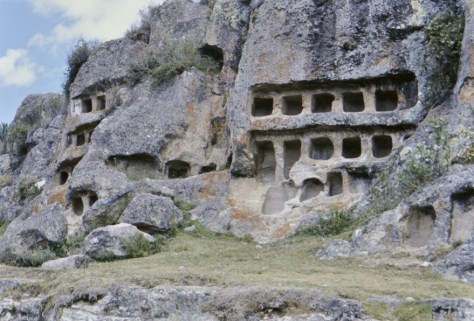
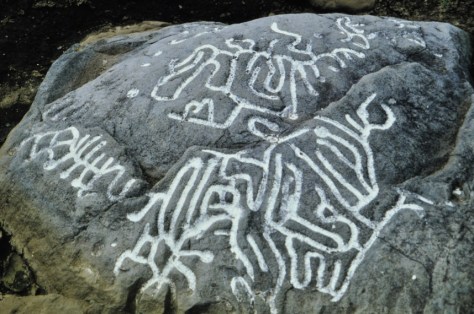
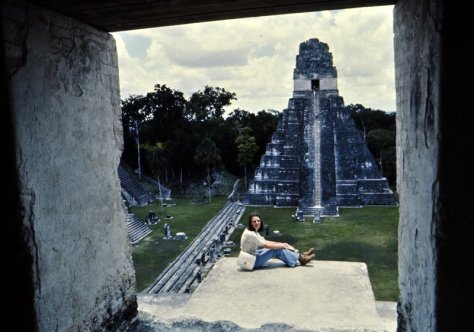
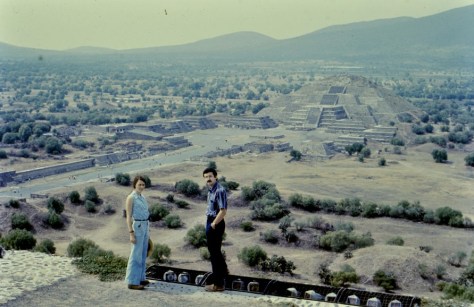
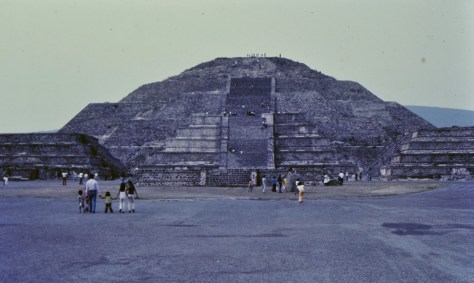
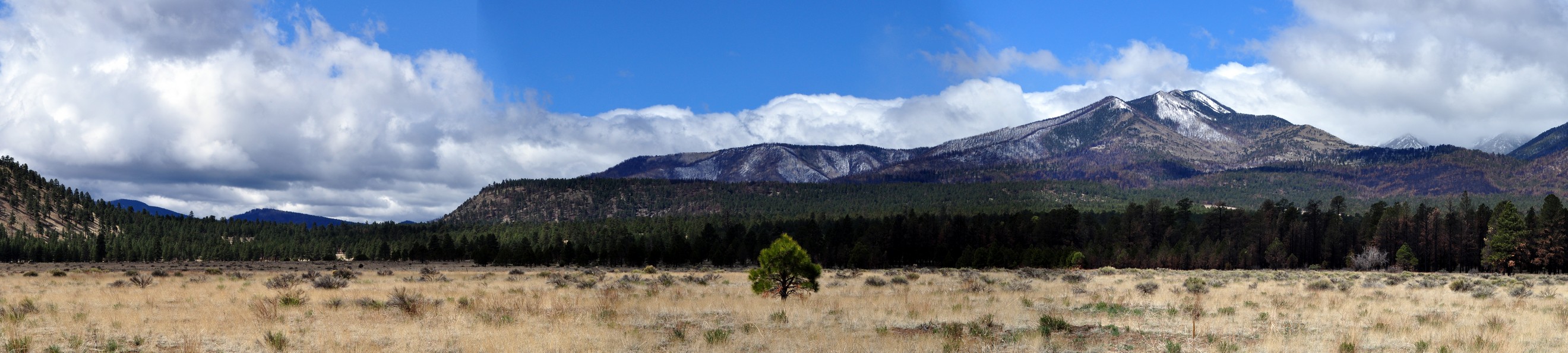


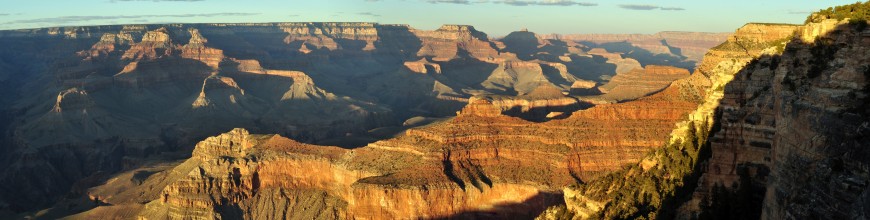
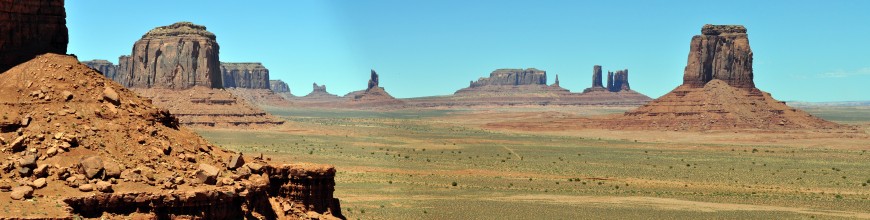


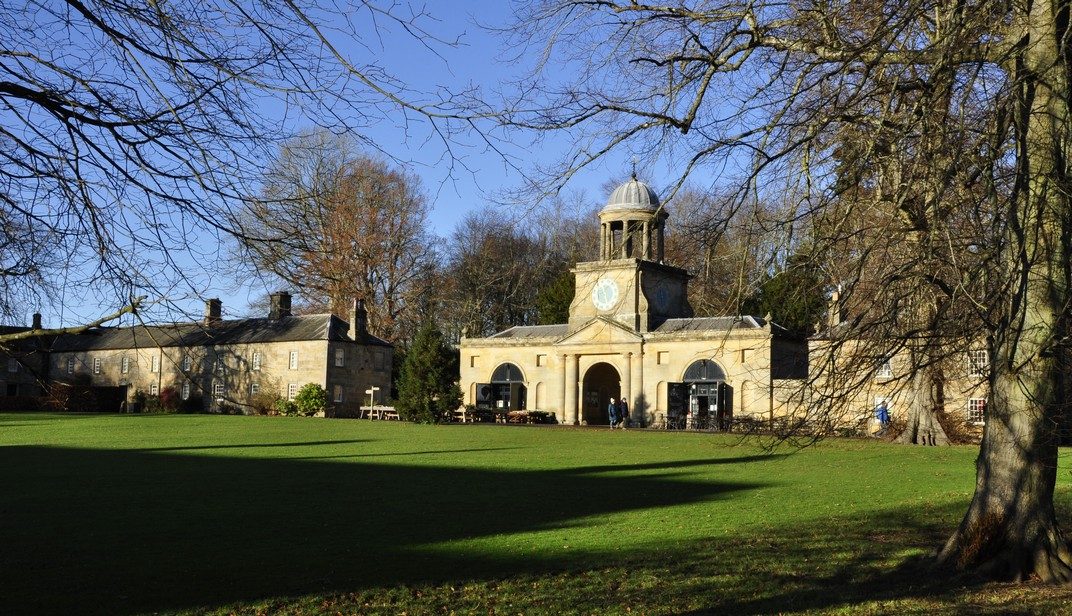


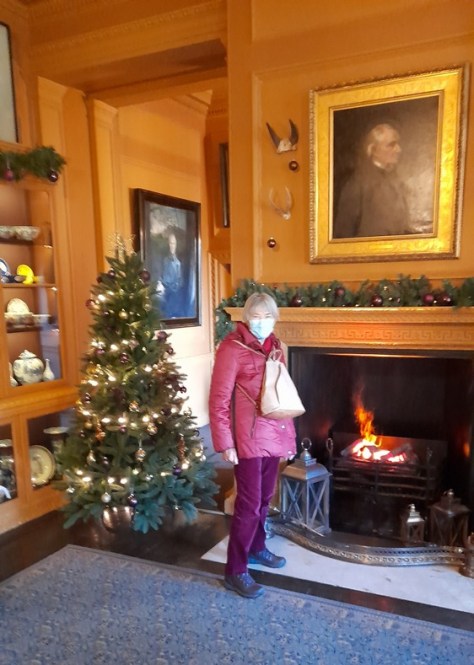


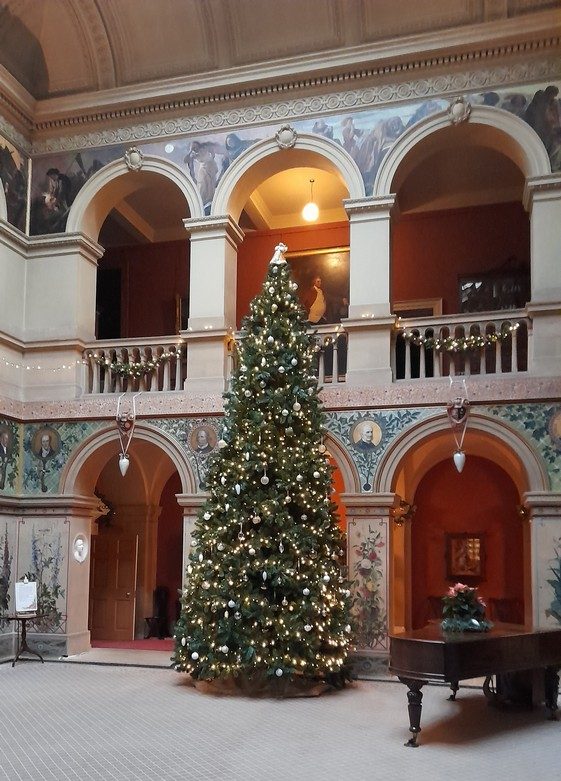



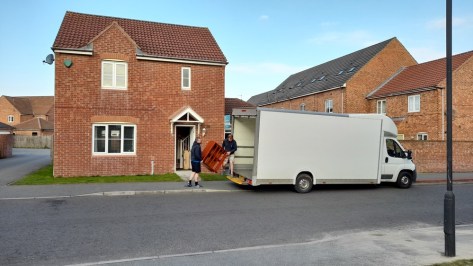
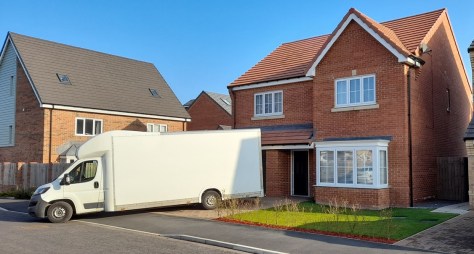

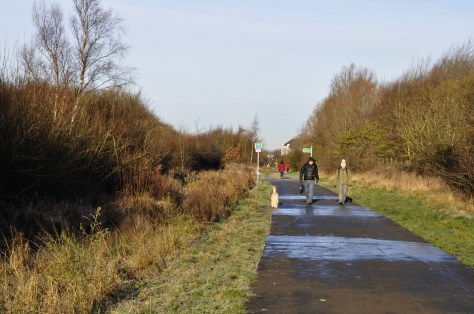

 Being a new build house, there were only a few things that needed my attention inside and they were quickly dealt with over a few weeks. Outside was a different prospect, and a project that has kept us busy—well, kept Steph busy— ever since: the creation of a new garden. Both the front and rear of the house only had lawns. So Steph came up with a design and we called in a small company at the end of April to remove the surplus turf. Then we set about planting all the materials we’d brought from Bromsgrove and carefully nurtured over the winter.
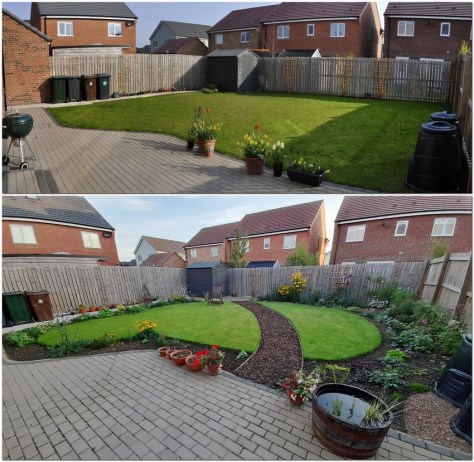
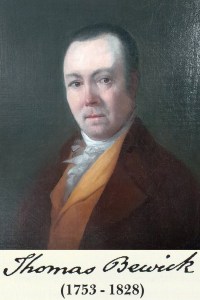 One of Northumberland’s most famous sons was artist and naturalist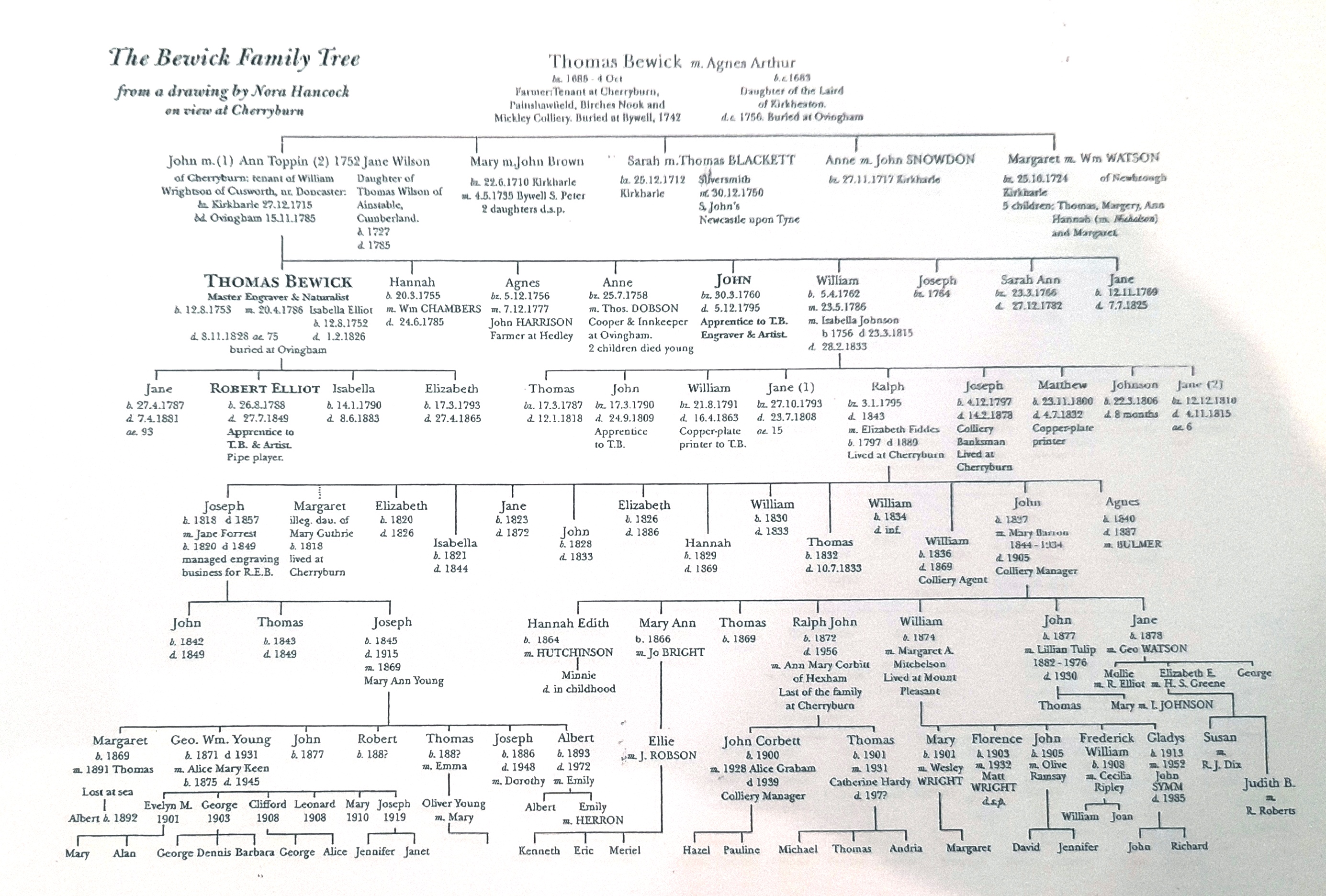




 There is a gallery of engravings from his major publications on the website of


 As I approach my 73rd birthday, I find myself inevitably reminiscing about the places I’ve been, the wonders (both natural and man-made) I’ve seen, and the people I’ve met in the more than 60 countries (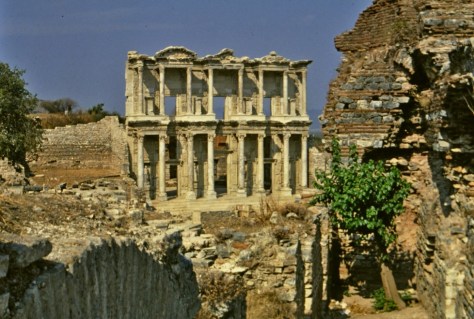

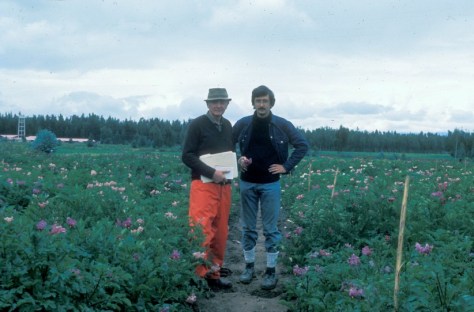
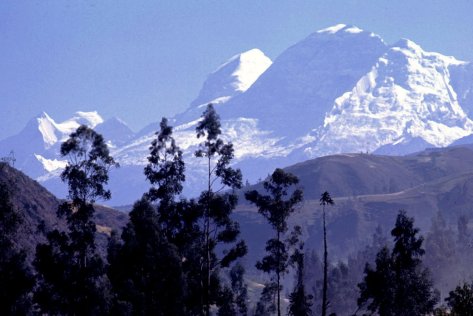
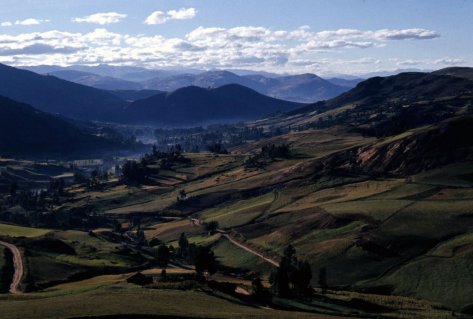
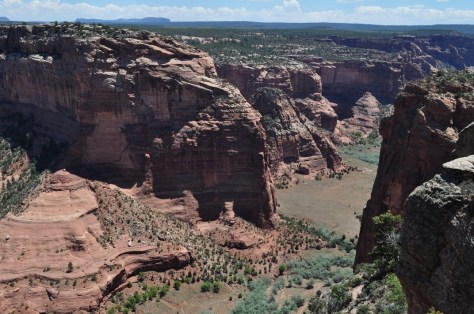
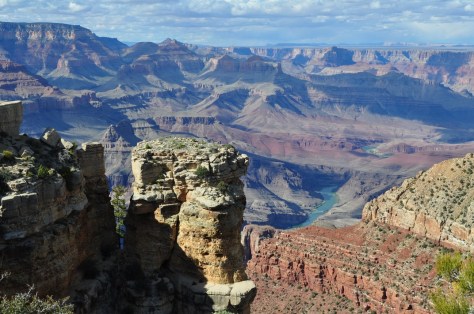
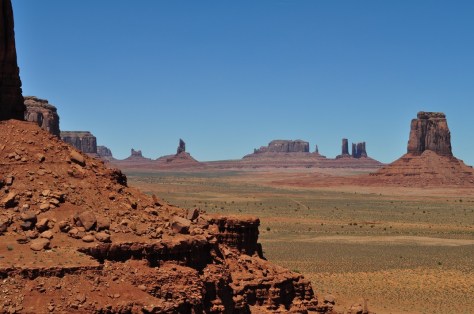

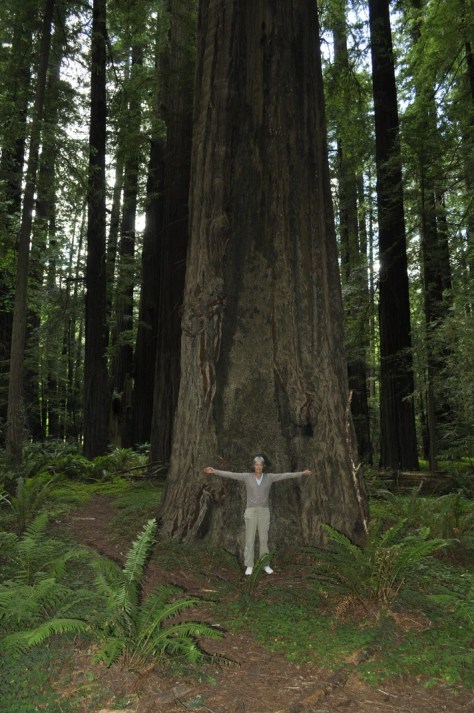

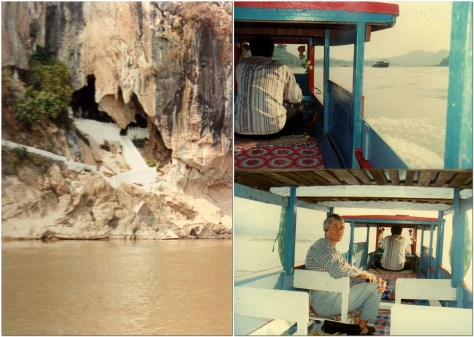


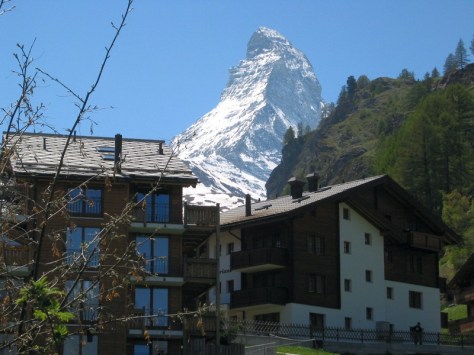

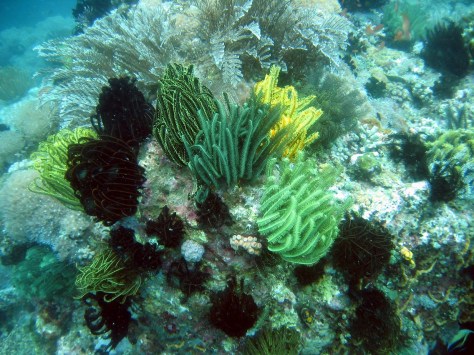
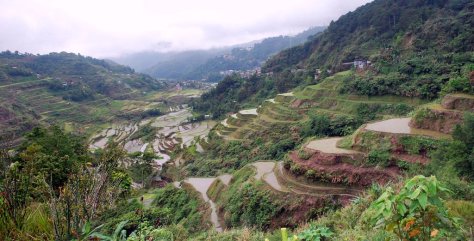



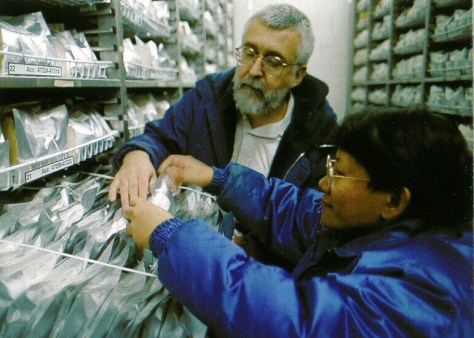
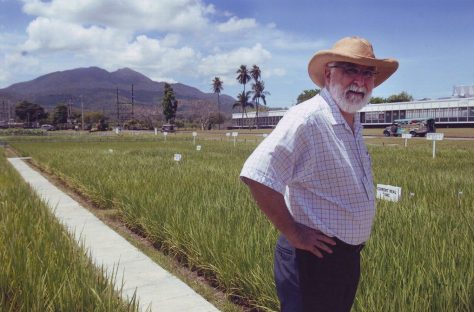
 Professor Brian Ford-Lloyd and I were graduate students together, colleagues at the University of Birmingham during the 1980s, and collaborating research scientists during the years at IRRI. Since we both lived in Bromsgrove, we would travel together into the university each day. We’ve published three books on genetic resources together. Following my retirement in 2010, Brian and I would meet up every few weeks to enjoy a pint of beer or three at our local pub, the Red Lion, in Bromsgrove where we both lived. Until that is I moved away from Bromsgrove to the northeast of England almost a year ago.


 Once the weather improved in May and June, and we could get out and about more regularly, Steph and I visited several abbeys and priories managed by English Heritage that dot the landscape of this northeast corner of England, including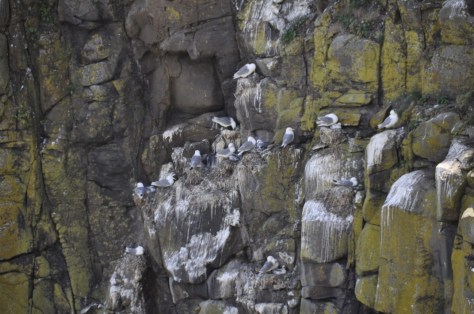


 About 7 miles northwest from Prudhoe, as the crow flies, the fortified manor house of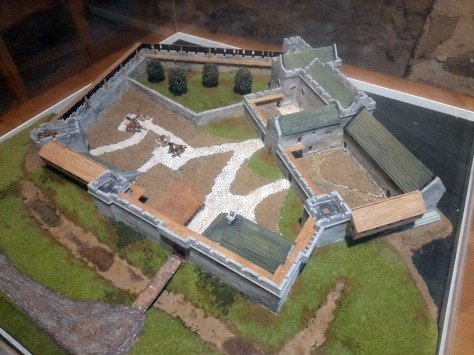
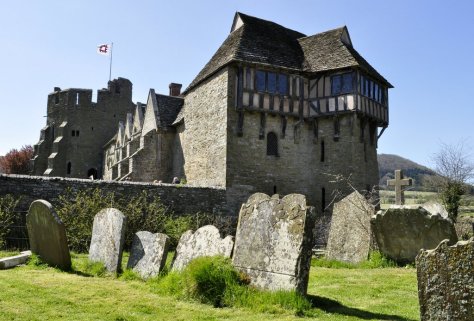


 We have visited 14th century


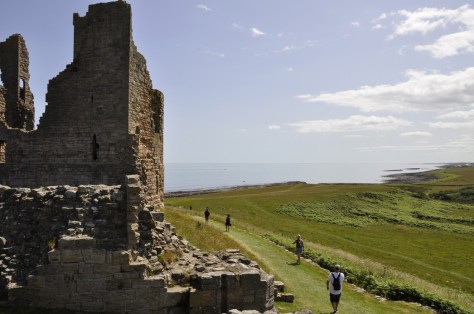
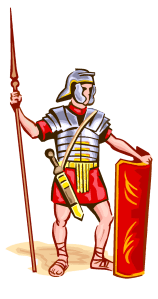 For the past couple of months I’ve delved into Roman military fiction by British authors


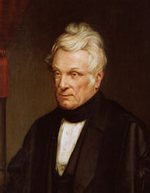 Much of our understanding of the history and archaeology of Hadrian’s Wall is down to one man in the nineteenth century:


 Chesters Roman Fort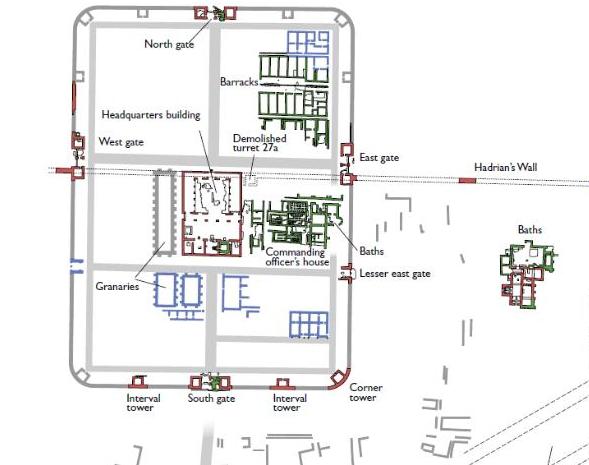


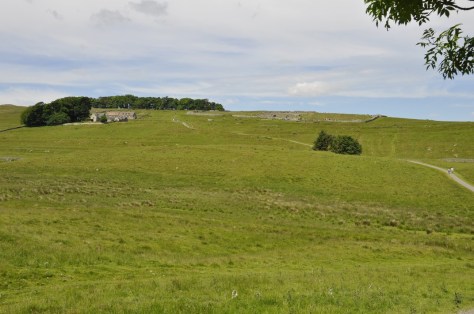

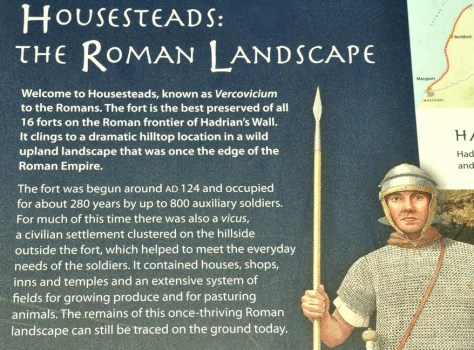 What is particularly impressive about Housesteads is its remote location. There are spectacular views from the fort over the surrounding Northumberland landscape, in all directions. And the fort and Hadrian’s Wall are intimately connected. It must have been an important site along the wall, in defence of the empire.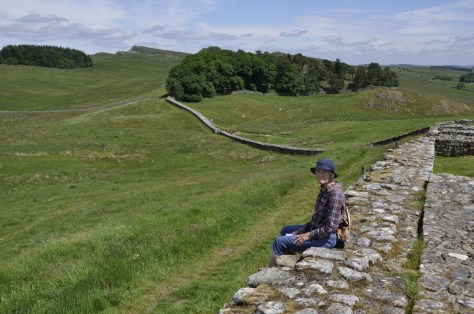
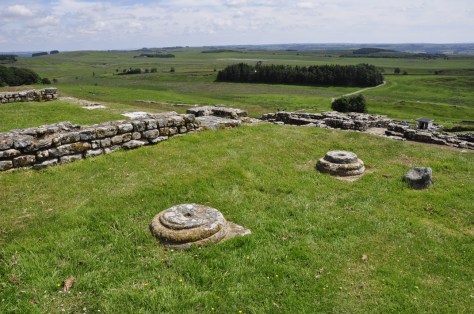


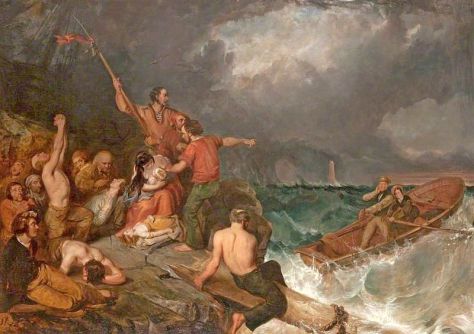


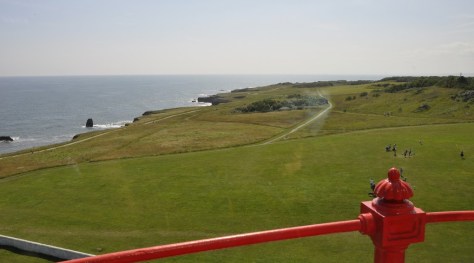


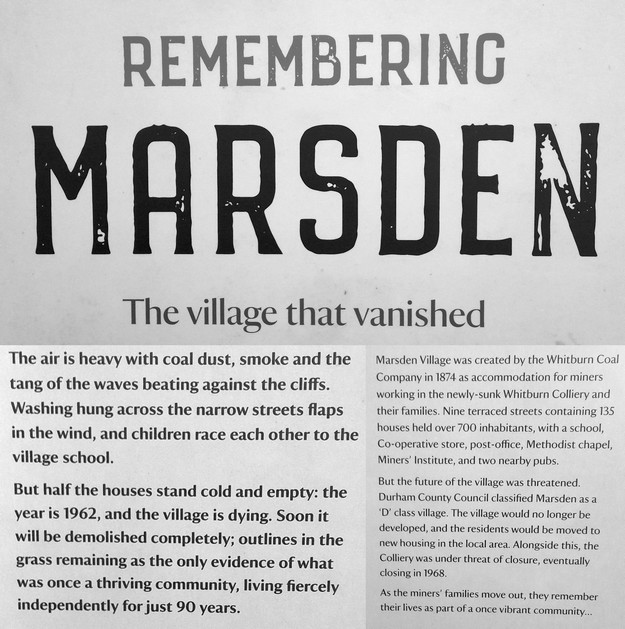
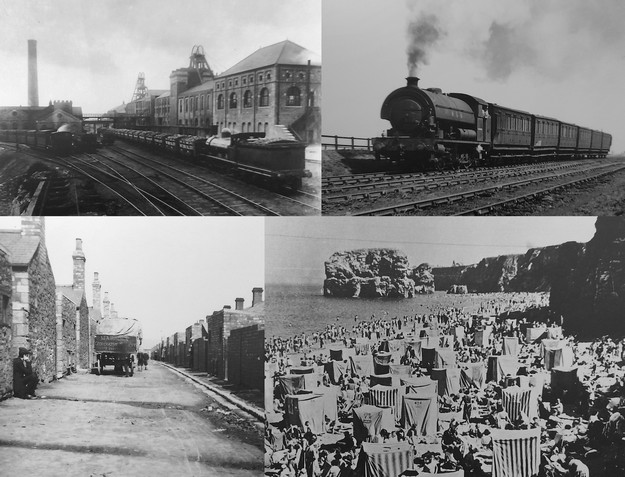
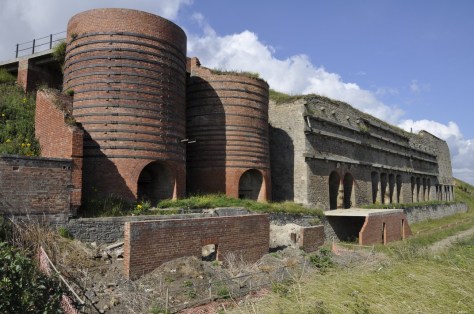

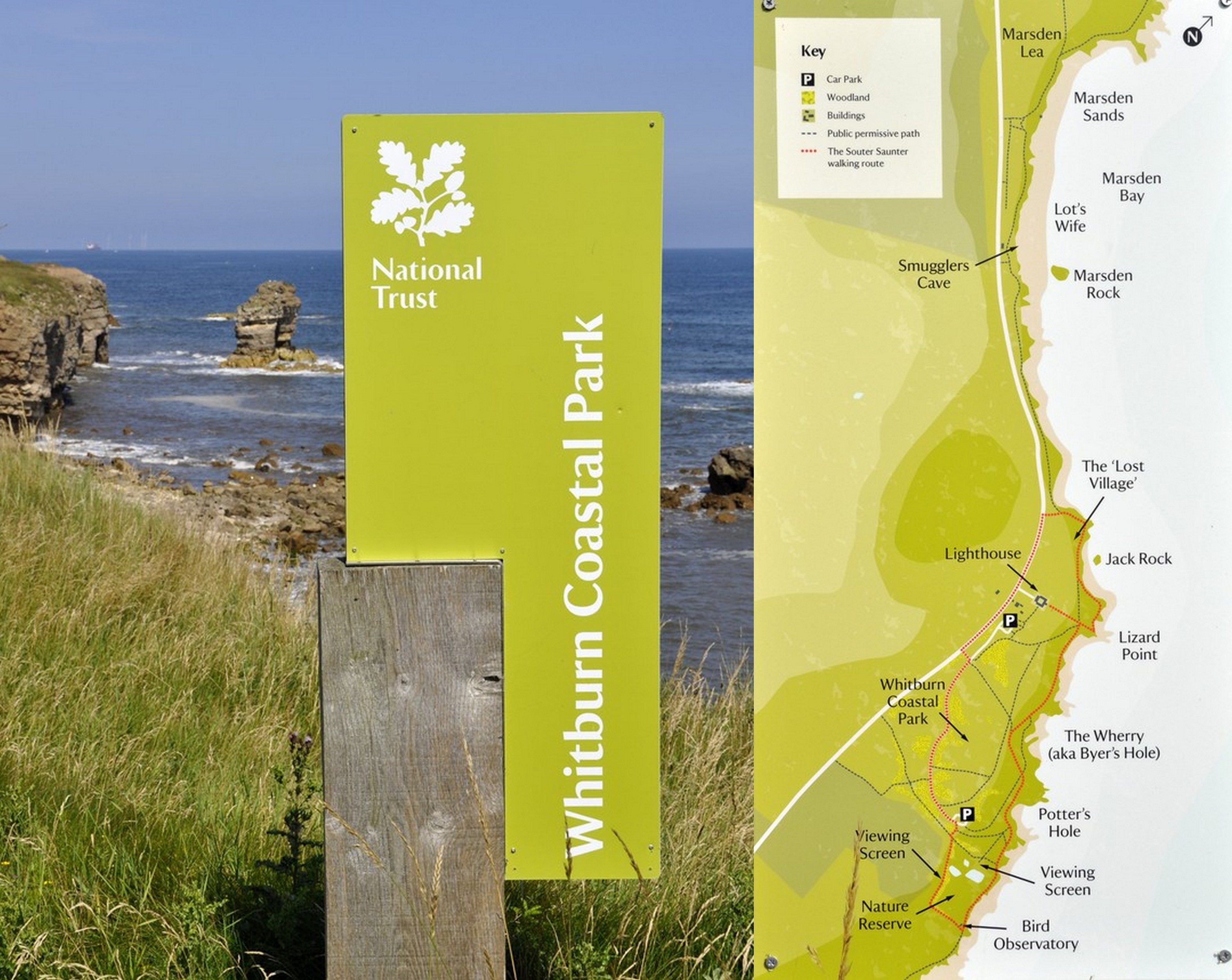


 A balanced diet . . .