
 As I approach my 73rd birthday, I find myself inevitably reminiscing about the places I’ve been, the wonders (both natural and man-made) I’ve seen, and the people I’ve met in the more than 60 countries (map) I visited throughout my career in international agricultural research for development.
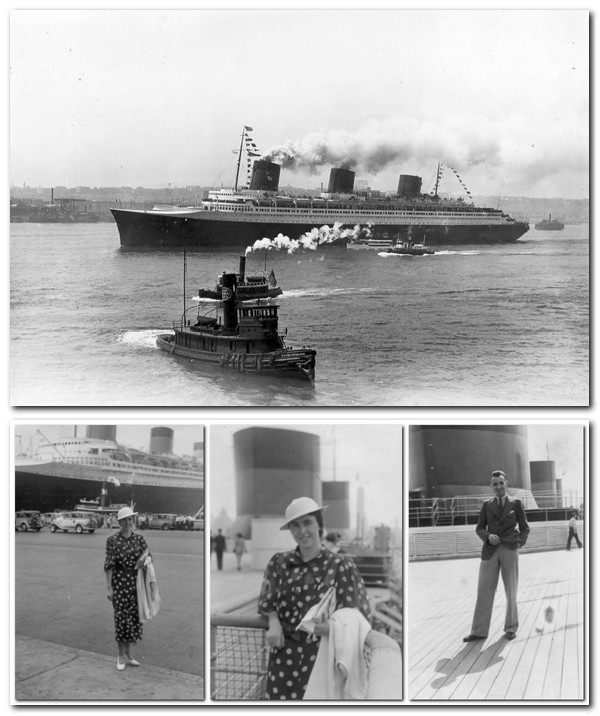
I guess I inherited a ‘travel gene’ from my parents, Fred and Lilian Jackson, who both traveled at an early age. My mother first went to Canada when she was 17, as a children’s nanny, then moved to the USA to train as an orthopedic nurse. My father was a photographer for most of his life, and spent his early life crossing the North Atlantic and further afield as a ship’s photographer in the 1920s and ’30s when travel by ocean liner was the way to travel.
My global travel adventures had somewhat humble beginnings however. I took my first flight in the summer of 1966 (aged 17), when I traveled to the Outer Hebrides off the west coast of Scotland for a spot of bird watching. In September 1969, as an undergraduate at the University of Southampton, I traveled overland to Czechoslovakia to take part in a folk festival. Then, in April 1972, I flew to Izmir on the Aegean coast of Turkey to attend a genetic resources conference, and had the opportunity of seeing the ancient ruins at Ephesus for the first time.
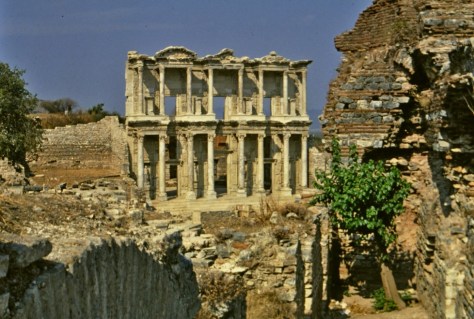
The Library of Celsus at Ephesus
Those trips were just the beginning. By the end of 1972, I was ready for my next big adventure: moving to Lima, Peru to join the newly-founded International Potato Center (CIP) as an Associate Taxonomist studying the center’s large and impressive germplasm collection of South American potato varieties.
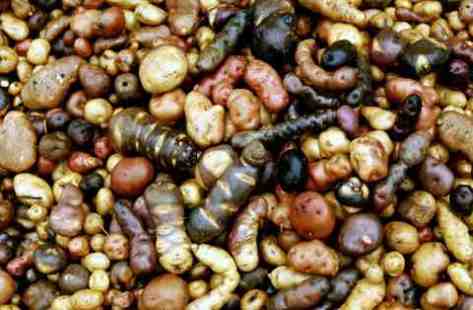
The beauty of diverse potato varieties from the Andes of South America
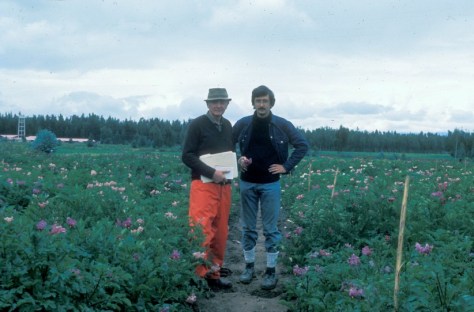
With my PhD supervisor, Professor Jack Hawkes, among potato varieties in the CIP germplasm collection at Huancayo (3300 masl) in Central Peru
As I’ve written in other blog posts, I had an ambition (probably a much stronger feeling than that) to visit Peru, even when I was still a young boy. And then in January 1973, there I was in Peru, and being paid to be there to boot.
Without hesitation I can say that the three years I spent in Peru had the strongest influence on the rest of my career, in research and teaching in the field of plant genetic resources, and international agricultural development.
Peru had everything: landscapes, culture, history, archaeology, people, cuisine. It’s the most marvellous country.
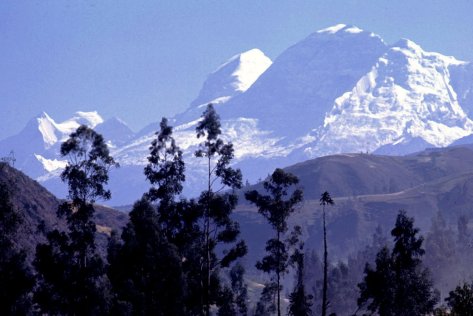
Huascaran, the highest mountain in Peru
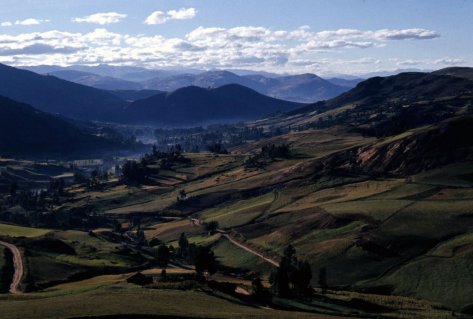
Looking east back over Cajamarca (in the north of Peru), with the mists rising up from the Inca baths.
Just check out my photo album to see what I mean.
While Peru has all manner of landscapes—coastal deserts, mountains, jungle—Steph and I have also been fortunate to experience the wonders of so many more elsewhere, but particularly across the USA, which we have visited regularly since retirement in 2010 as our elder daughter Hannah and her family reside in Minnesota. And during those visits, we have made long road trips, exploring almost the whole of the country, except the Deep South.
Where do I start? The one place I would return to tomorrow is Canyon de Chelly in northeast Arizona. It’s not only the landscape that inspires, but Canyon de Chelly is all about the Navajo Nation and its persecution in the 19th century.
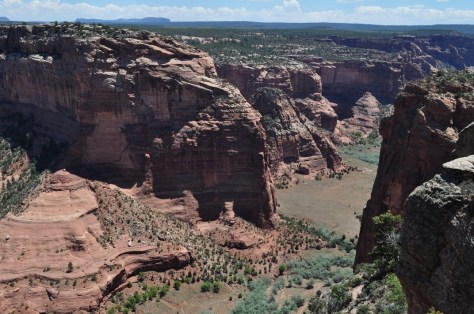
Then of course there’s the Grand Canyon, Monument Valley and other desert landscapes in the US southwest.
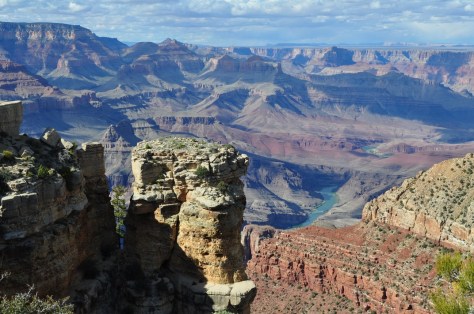
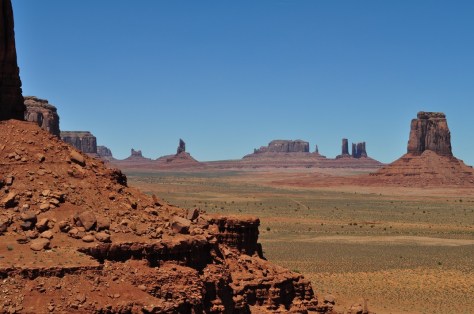
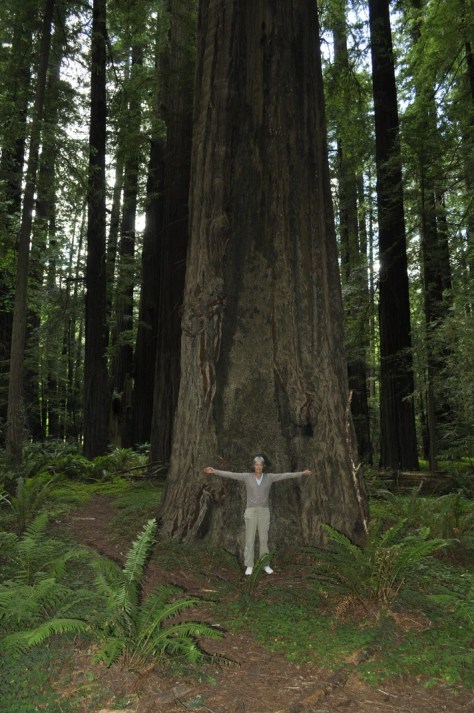
In the west we could hardly fail to be appreciate the majesty of Crater Lake in Oregon and the redwoods of northern California.

There’s so much history at the confluence of the Mississippi and Ohio Rivers on the borders of Kentucky, Illinois, and Missouri. These rivers were integral to the exploration of the continent, and during the American Civil War of the 1860s whole armies were transported to the different theaters of war along their reaches.

At Fort Defiance, Cairo, IL with the Ohio on the left, and the Mississippi on the right
In Asia, during a visit to Laos (where I had a project) Steph and I enjoyed a day trip up the mighty Mekong River to the Pak Ou Caves, north of Luang Prabang.
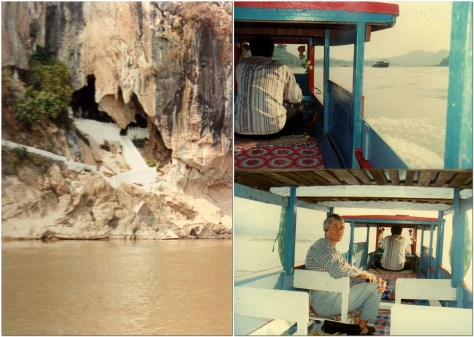
L: temple with hundreds of Buddhist carvings at the Pak Ou caves along the Mekong at its confluence with the Nam Ou river, 25 km north of Luang Prabang
I’ve seen two of the most impressive waterfalls in the world: Niagara Falls and Iguazu Falls from the Brazil side.

Niagara Falls (top) from the Canadian side; aerial view of the Iguazu Falls (bottom)
We climbed (by car I have to mention) to the top of the highest mountain in the northeast USA, Mt Washington (at 6288 ft or 1916 m), on a glorious June day in 2018 that offered views across the region for mile upon mile.

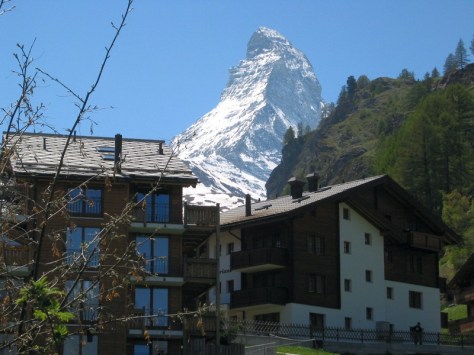
In Switzerland, I fulfilled another long-standing ambition in 2004 to view the Matterhorn at Zermatt.
I’ve visited several African countries. You can’t but be impressed by the sheer size of the African continent. I never thought I’d ever see landscapes that went on forever like the Great Rift Valley in Kenya and Ethiopia. Sadly, I don’t appear to have saved any photos from my 1993 trip to Ethiopia when I first went into the Rift Valley. It was a day trip from Addis Ababa to a research station at Debre Zeit. Apart from the expansive landscape, what caught my attention most perhaps was the abundant bird life. There were African fish eagles in the trees, almost as common as sparrows. And around the research station itself, it was almost impossible not to tread on ground foraging birds of one sort or another, so numerous and unafraid of humans.
On another trip to Kenya, I saw wildlife in the 177 sq km Nairobi National Park, right on the outskirts of the city. Although I’ve traveled through a number of sub-Saharan countries I’ve yet to enjoy the full ‘safari experience’ and see large aggregations of wildlife. That’s definitely a bucket list item.

Giraffe and water buffalo in the Nairobi National Park
During the 19 years I spent in the Philippines I had the good fortune to explore an entirely different underwater landscape after I learned to scuba dive in March 1993.
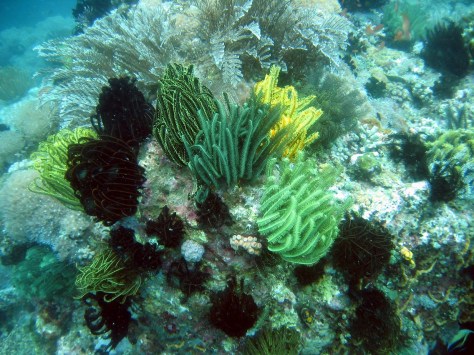
Featherstars at Kirby’s Rock, Anilao, Philippines, January 2005
I made more than 360 dives but only at Anilao, some 90 km or so south of Los Baños where I worked at the International Rice Research Institute. The reefs at Anilao are some of the most biodiverse in the Philippines, indeed almost anywhere.
Three man-made landscapes: one in the Philippines, one in Peru, and another in Germany particularly come to mind. These are witness to the incredible engineering that built the rice terraces of the Ifugao region of northern Luzon in the Philippines, the potato terraces of Cuyo Cuyo in the south of Peru that I visited in February 1974, and the vineyards on the steep slopes of the Ahr Valley, just south of Bonn. The wines are not bad, either.
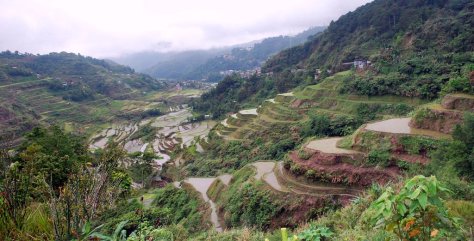
Rice terraces near Banaue, Philippines

Potato terraces at Cuyo Cuyo, Peru
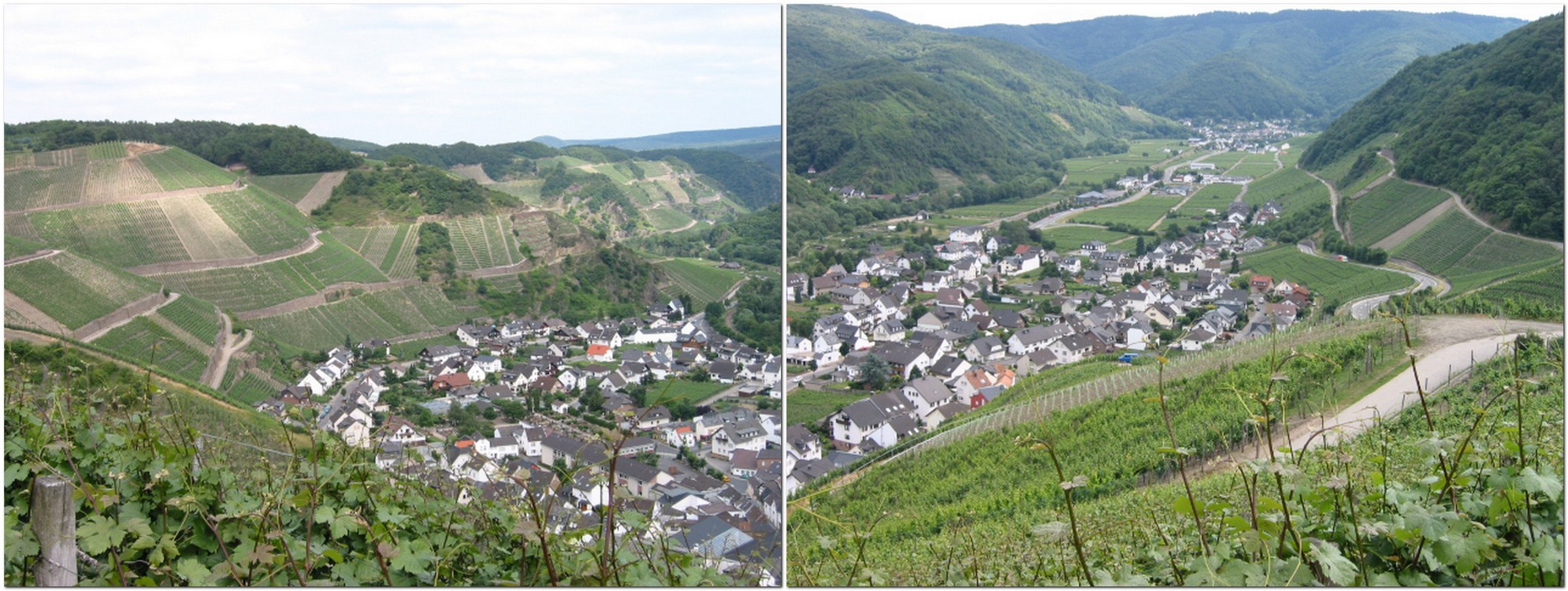
Vineyards in the Ahr Valley, Germany
Several archaeological wonders are seared into my mind. Steph and I have together visited four of them. Two others—the Great Wall of China and Ancient Rome—on my own during work trips.
In December 1973 we spent a night at Machu Picchu in southern Peru. This was my second visit, as I’d made a day visit there in January that year, just 10 days after I’d first landed in Peru. In 1975, while visiting friends in Mexico on the way back to the UK, we saw the magnificent pyramids at Teotihuacan near Mexico City. During the five years we lived in Central America between 1976 and 1980, Steph joined me on one of my trips to Guatemala, and we took a weekend off to fly into the ancient Mayan city of Tikal. Magical! And once we were in Asia, Steph, Philippa (our younger daughter) and I took a Christmas-New Year break at Angkor Wat in Cambodia.


Among the man-made features that cannot fail to inspire are the Golden Gate Bridge in San Francisco and the Sydney Harbour Bridge and Opera House, the Statue of Christ the Redeemer, overlooking Rio de Janeiro, and New York’s Empire State Building that Steph, Hannah (then almost three) went up in March 1981.


I guess I could go on and on, but where to draw the line?
However, I cannot finish without mentioning two more places that are near and dear to me. The first is the International Potato Center in Lima. That was where my career started. So CIP will always have a special place in my heart.
The other is the International Rice Research Institute (IRRI) at Los Baños, 70 km south of Manila.
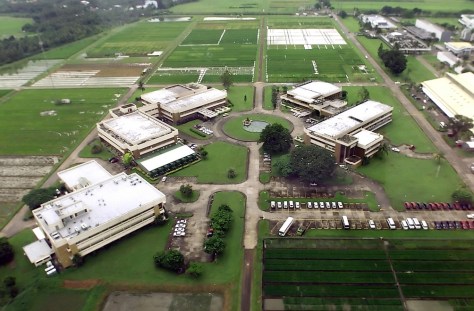
Aerial view of the IRRI campus
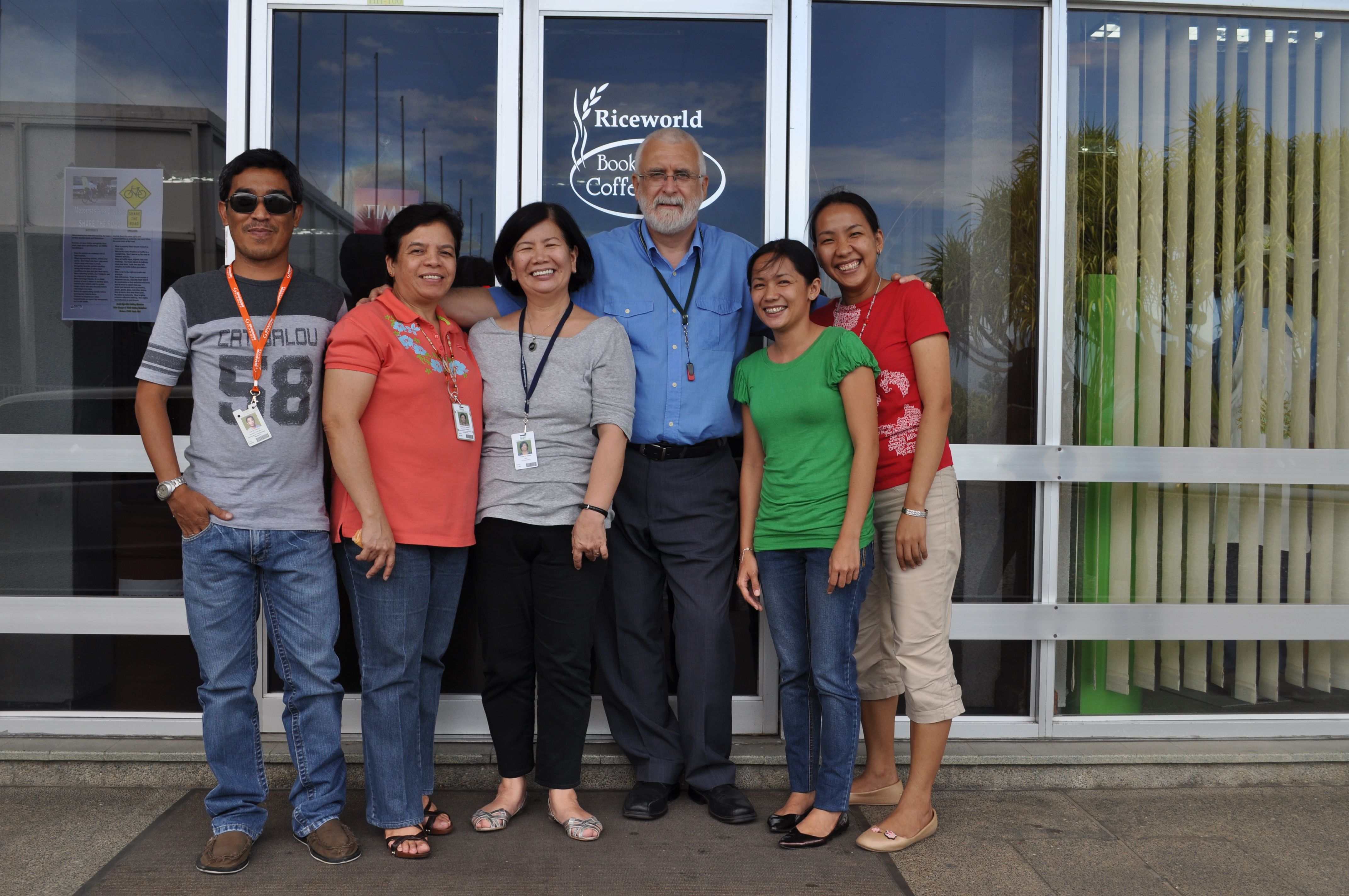
As I mentioned, Steph and I lived there for almost 19 years. Our two daughters were raised and went to school in the Philippines. My roles at IRRI, as head of genetic resources then as a director were professionally fulfilling and, to a large degree, successful. When I retired in 2010 I left IRRI with a clear sense of achievement. I do miss all the wonderful folks that I worked alongside, too numerous to mention but my staff in the Genetic Resources Center and DPPC are particularly special to me.
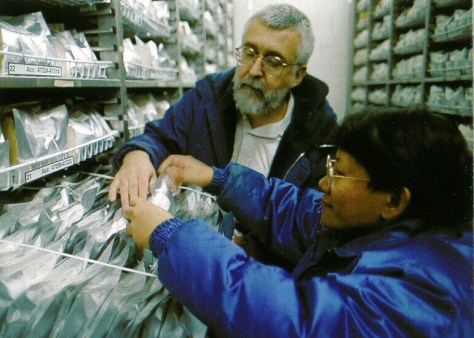
With genebank manager, Pola de Guzman, in the cold storage of the International Rice Genebank at IRRI
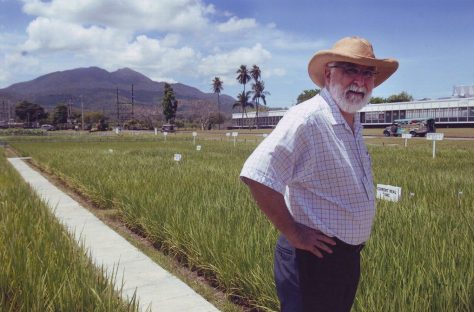
Standing in IRRI’s demonstration plots in front of the FF Hill admin building where I, as Director for Program Planning & Communications, had my office. That’s Mt Makiling, a dormant volcano in the background.
The IRRI campus is special. It’s where, in the 1960s the Green Revolution for rice in Asia was planned and delivered. It really should be awarded UNESCO World Heritage Site status.
Over the decades I’ve worked for and with some remarkable scientists, all dedicated to making food and agricultural systems productive and sustainable. I’ve written about some here: Joe Smartt, Jack Hawkes, Trevor Williams, Richard Sawyer, Jim Bryan, Bob Zeigler.
 Professor Brian Ford-Lloyd and I were graduate students together, colleagues at the University of Birmingham during the 1980s, and collaborating research scientists during the years at IRRI. Since we both lived in Bromsgrove, we would travel together into the university each day. We’ve published three books on genetic resources together. Following my retirement in 2010, Brian and I would meet up every few weeks to enjoy a pint of beer or three at our local pub, the Red Lion, in Bromsgrove where we both lived. Until that is I moved away from Bromsgrove to the northeast of England almost a year ago.
I’ve also met with royalty, presidents, politicians, diplomats, Nobel Prize winners, and many others during their visits to IRRI, and who inevitably made a bee-line for the genebank.


So what’s still on my bucket list. The Covid pandemic has put the kibosh on international travel over the past two summers. We’ve not visited our family in the USA since 2019. I’m not sure I would want to undertake long road trips in the future (more than 2000 miles) as we have in past visits, even though there are some regions, like the Deep South that we’d still like to visit.
Number 1 on my list would be New Zealand. I’ve always hankered to go there, and maybe we’ll still get that opportunity. Also Cape Province in South Africa: for the landscapes, Table Mountain, and the plant life. Not to mention the superb South African wines from that region. The lakes region of Argentina around Bariloche, and southern Chile are also on my list. And although Steph and I have traveled quite extensively in Australia, down the east coast from Sydney to Melbourne, it’s such a large country that there’s so many other places to see like Uluru and the Great Barrier Reef.
I’ve been to a fair number of countries in Europe but mostly when I have been on work trips. I’d like to take Steph to some of the places I’ve already enjoyed. However, Brexit has certainly made travel into many European countries rather more challenging.
But until the Covid pandemic is under control and there are few or no restrictions on international travel I guess we won’t be going anywhere soon. For the time being they remain on my wish list for future adventures.
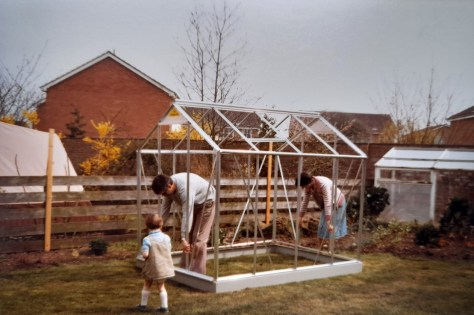
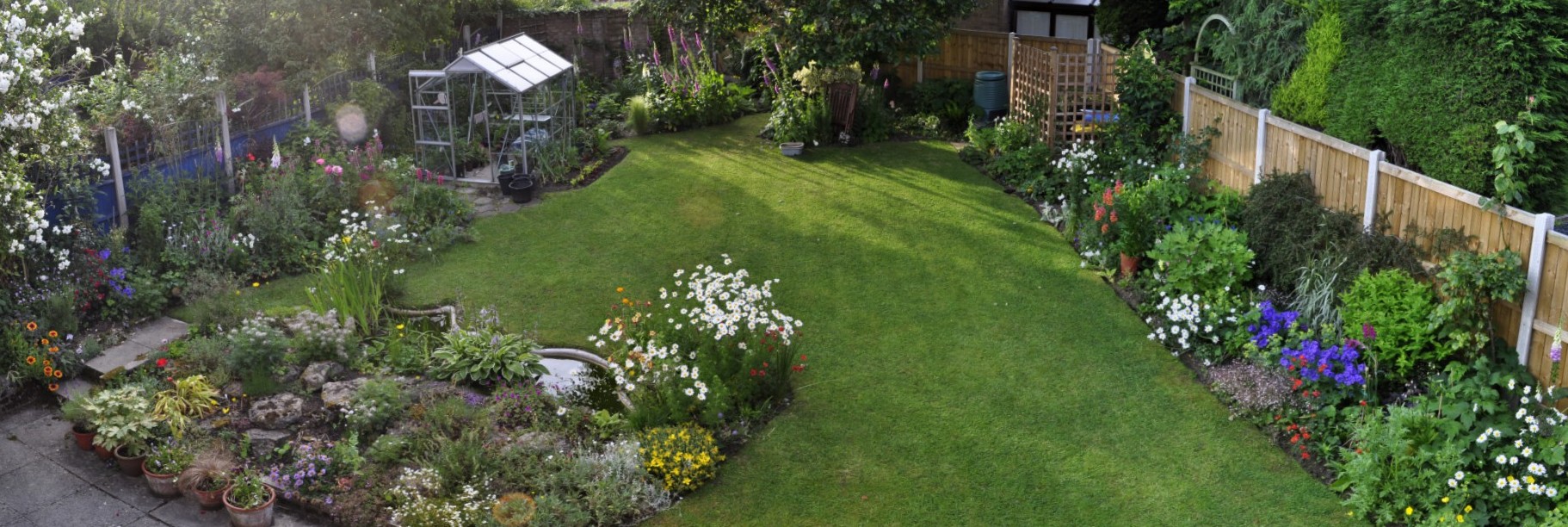

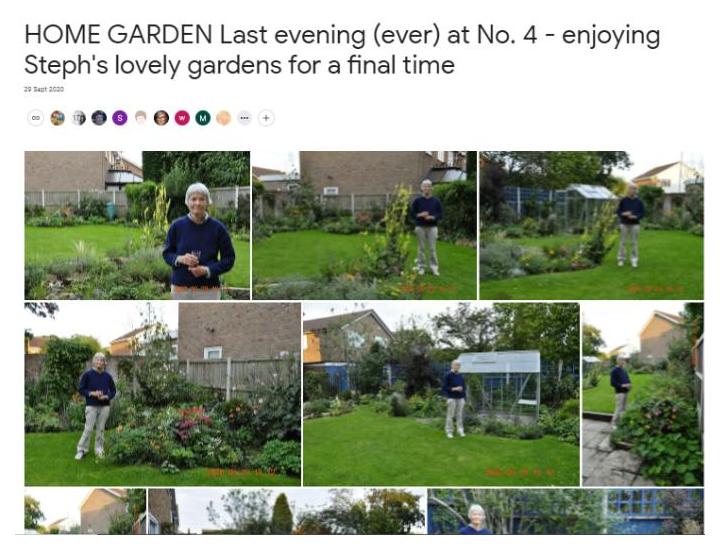
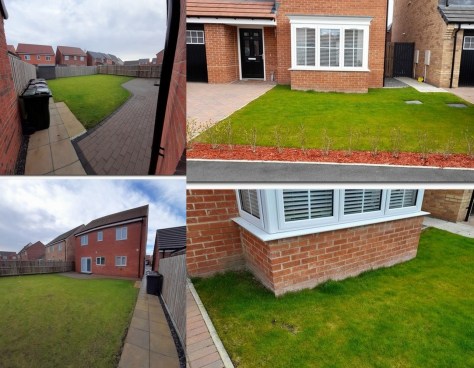
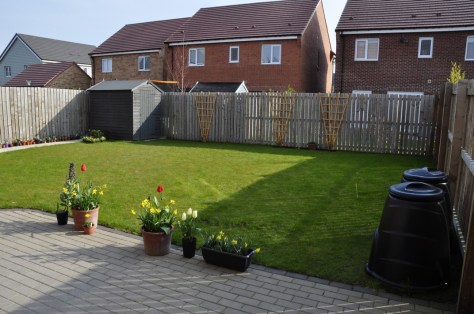
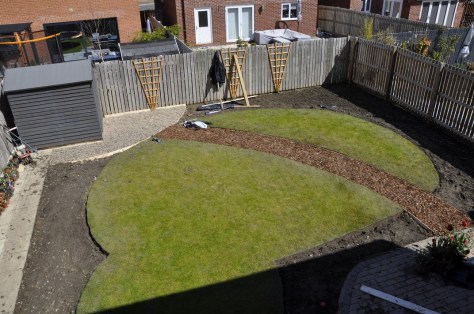
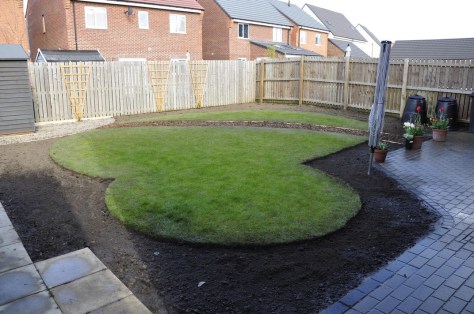
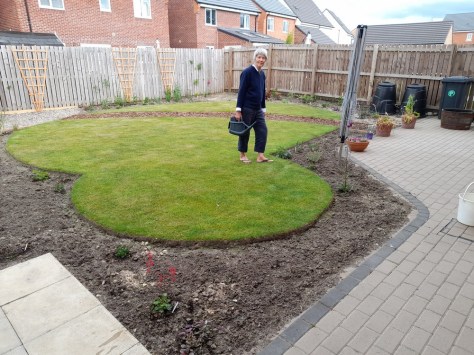
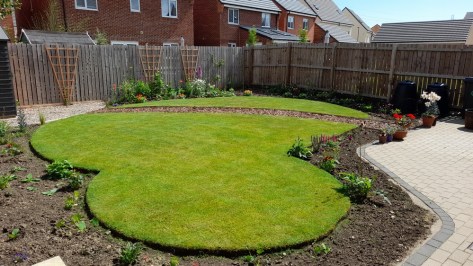
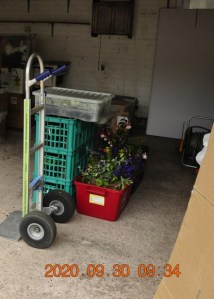 Before leaving Bromsgrove, Steph had collected seeds from most of her favorite plants, or taken cuttings. So we brought them in half a dozen crates full of small pots, and carefully nurtured them through our first northeast winter.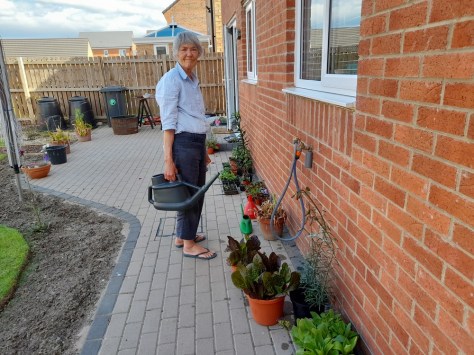
 Once the weather improved in May and June, and we could get out and about more regularly, Steph and I visited several abbeys and priories managed by English Heritage that dot the landscape of this northeast corner of England, including


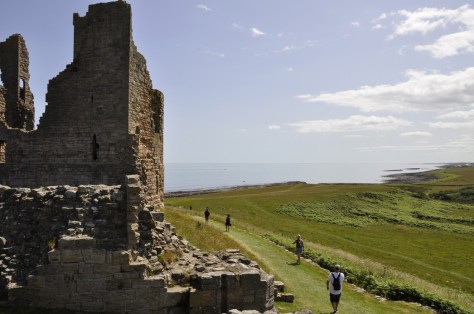
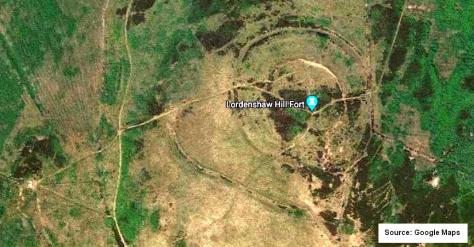
 About 7 miles northwest from Prudhoe, as the crow flies, the fortified manor house of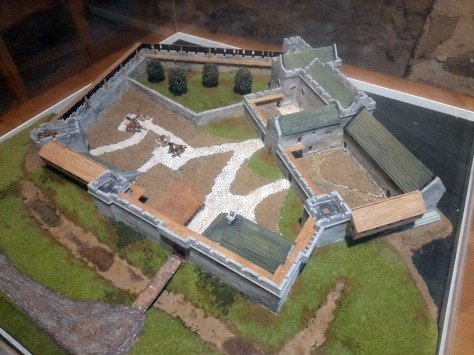
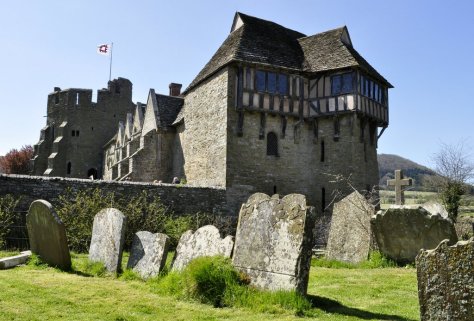


 We have visited 14th century


 For the past couple of months I’ve delved into Roman military fiction by British authors


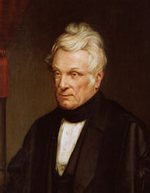 Much of our understanding of the history and archaeology of Hadrian’s Wall is down to one man in the nineteenth century:


 Chesters Roman Fort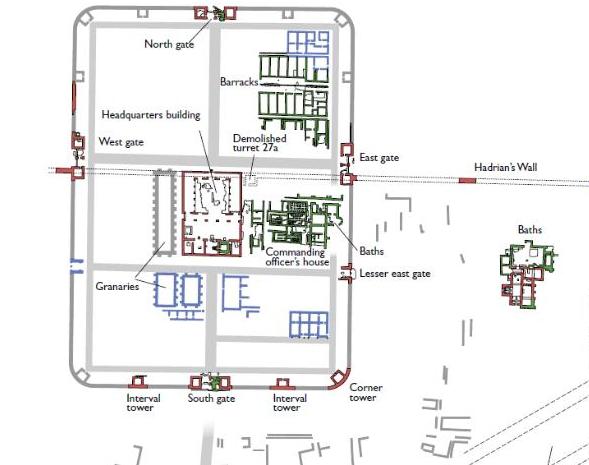


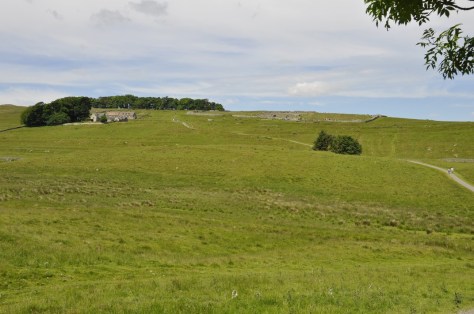

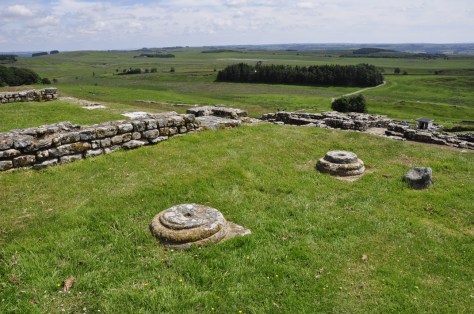
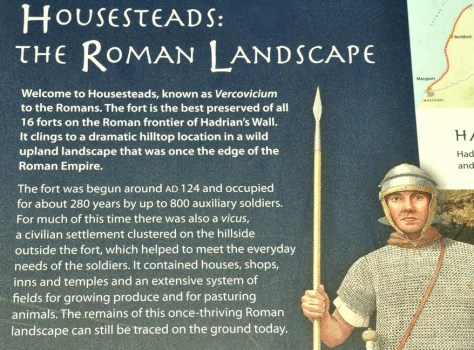 What is particularly impressive about Housesteads is its remote location. There are spectacular views from the fort over the surrounding Northumberland landscape, in all directions. And the fort and Hadrian’s Wall are intimately connected. It must have been an important site along the wall, in defence of the empire.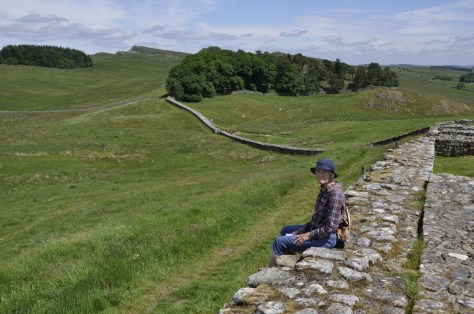






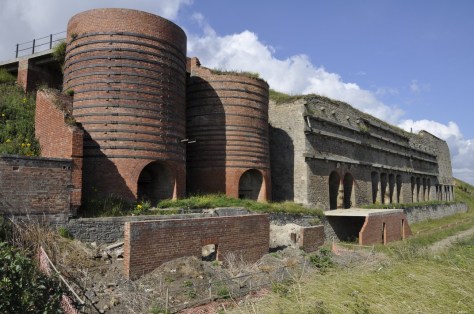

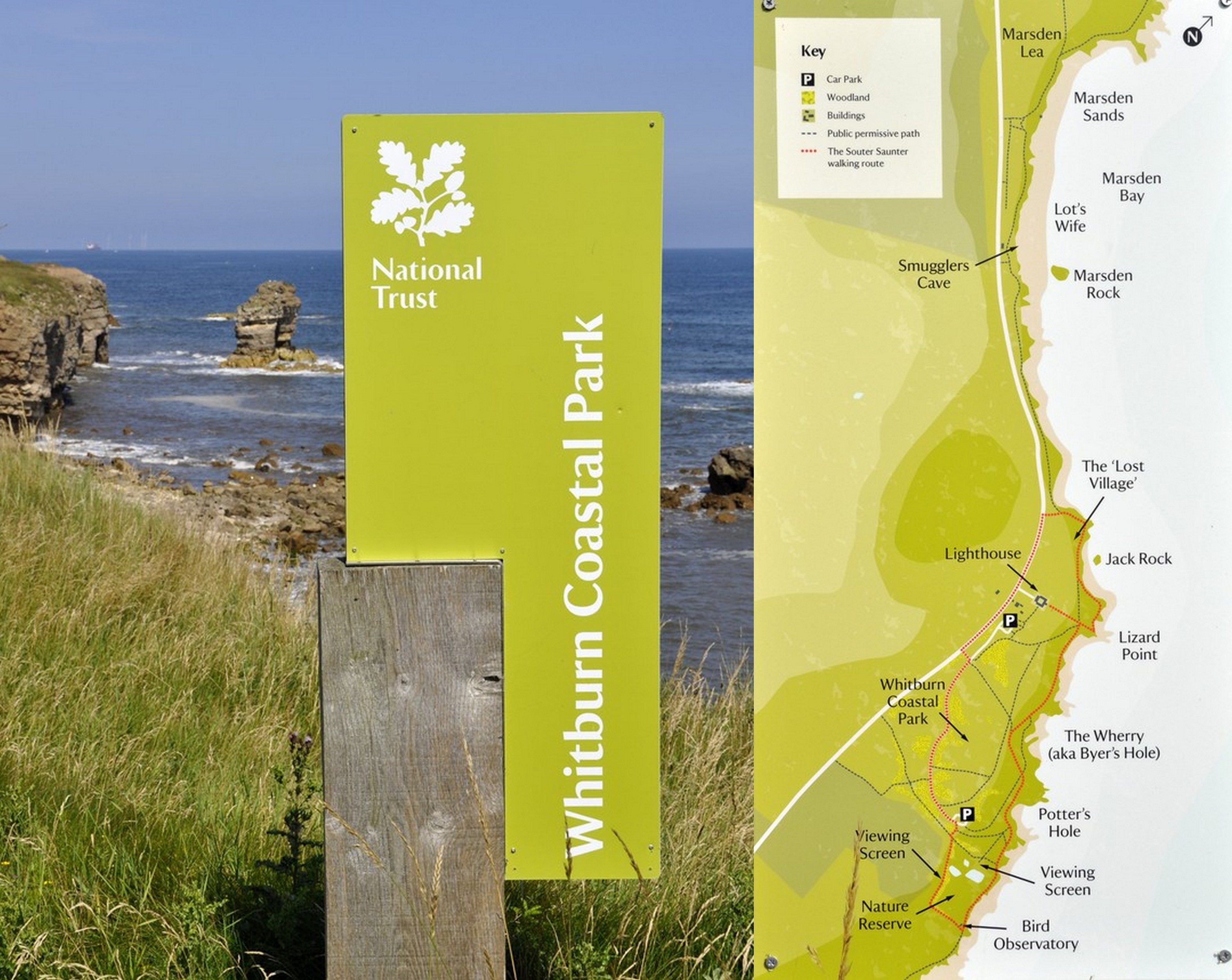


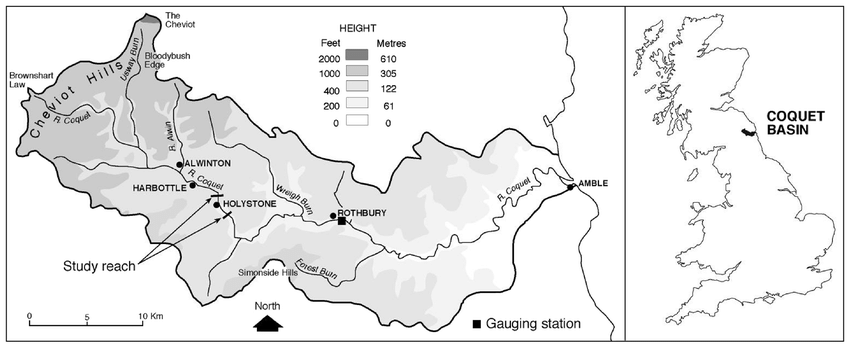
 A couple of days ago, as Steph and I were driving—almost 23 years to the day since we first made this particular journey—up the narrow and twisting road to the headwaters of the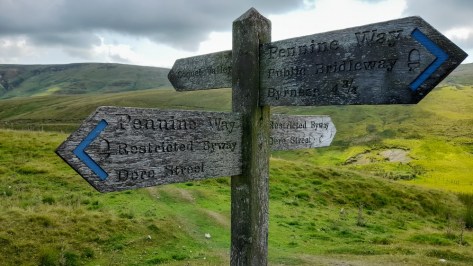










 I came late to botany, however. It wasn’t until I was studying for my university entrance exams (known here in the UK as the General Certificate of Education (GCE) Advanced Level exams) that I realized that botany was the degree course for me, something I achieved at the University of Southampton (in a combined honors degree with geography) for three years from 1967.
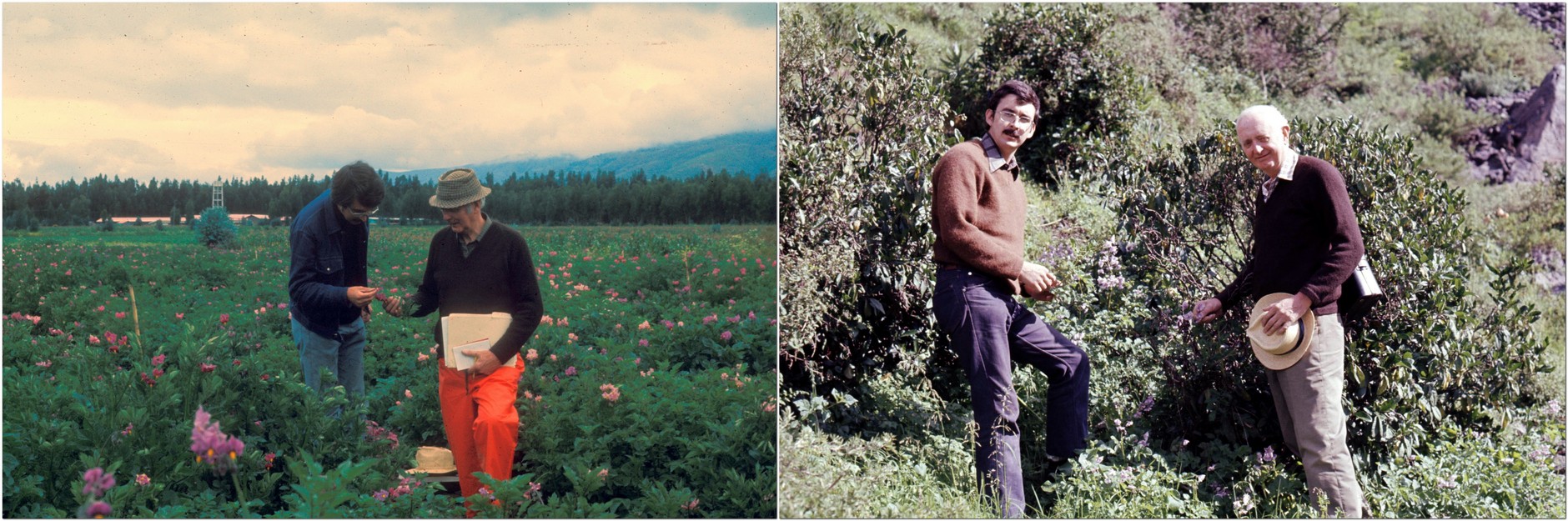


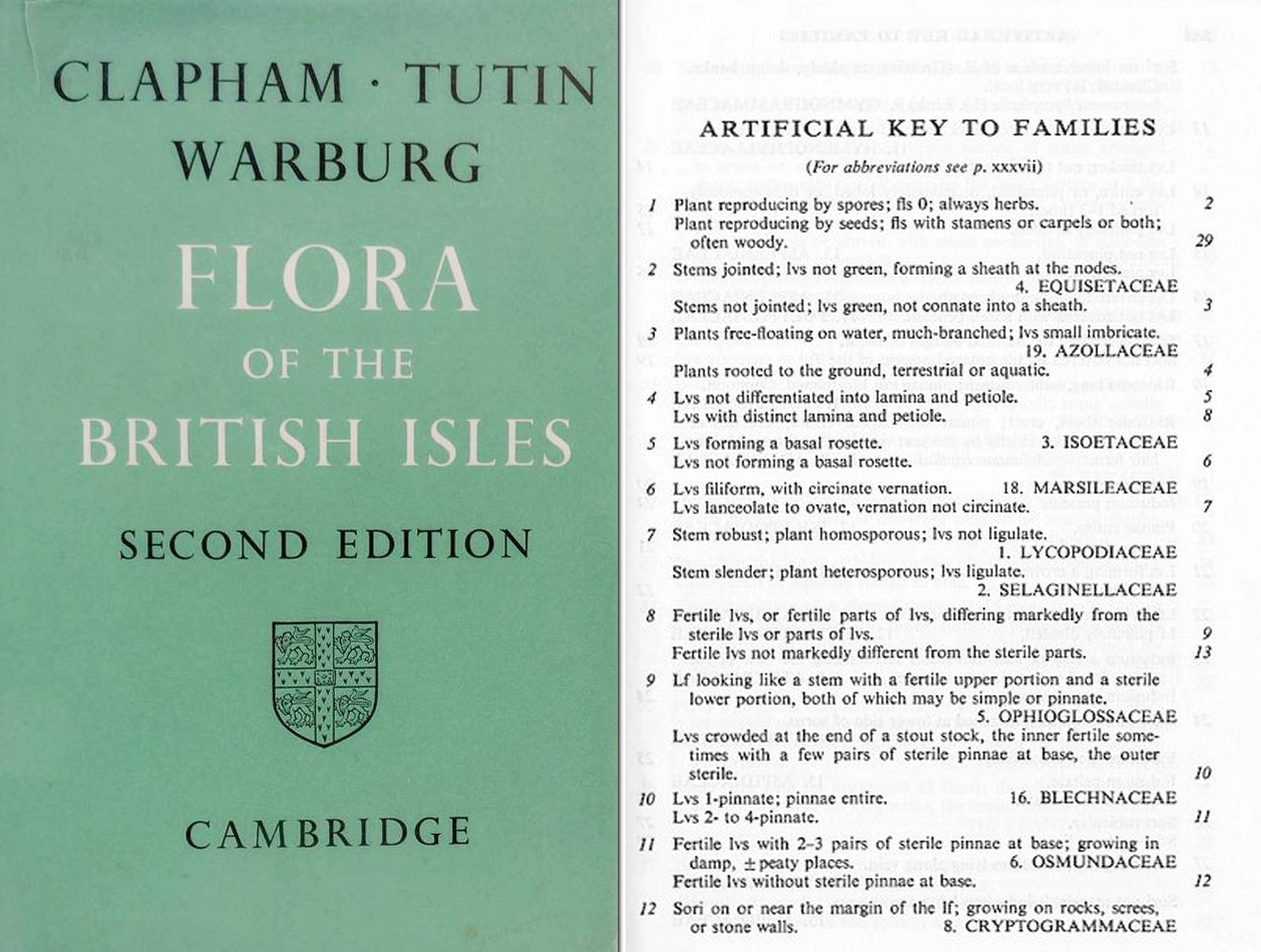
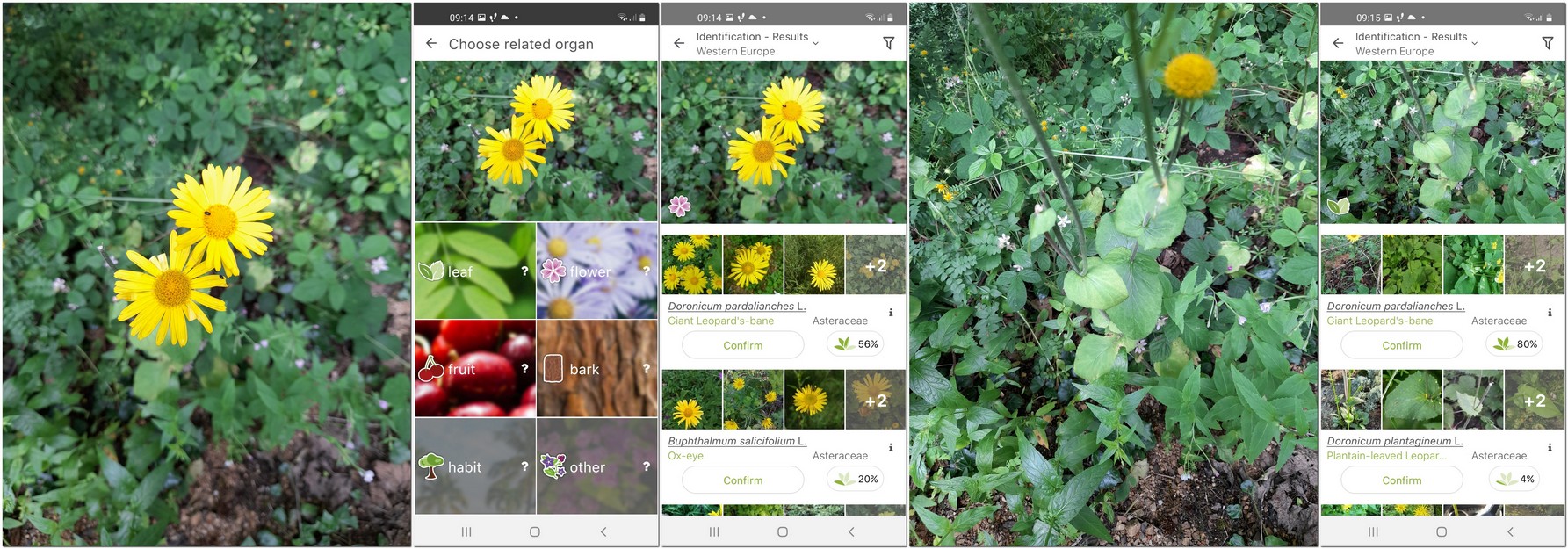
 But my quest to identify plants has been made a whole lot easier. I follow lots of botanical related feeds on Twitter, and a couple of weeks ago, I came across one tweet referring to a plant identification site called
  So what is Pl@ntNet? On its website, it states that Pl@ntNet is a citizen science project available as an app that helps you identify plants thanks to your pictures. This project is part of the Floris’Tic initiative, which aims to promote scientific, technical and industrial culture in plant sciences. For this, it relies on a consortium of complementary expertise in Botany, IT and Project Animation.
 Pl@ntNet is a French project under the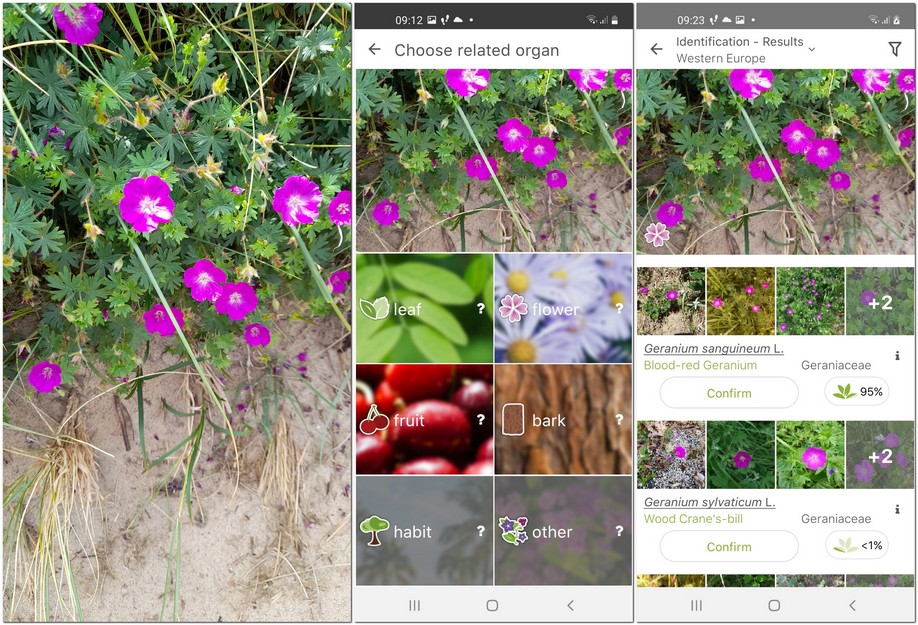
 28 June 1991. It was a Friday. Ten years and three months since I joined the University of Birmingham as a Lecturer in Plant Biology. And it was my last day in that post. A brief farewell party in the School of Biological Sciences at the end of the day, and that was it. I was no longer an academic.
 But I began to get itchy feet, and when the opportunity arose (in September 1990) for a move to the Philippines, to join the International Rice Research Institute (IRRI) as Head of the newly-established Genetic Resources Center (with its mandate to manage the world’s largest and genetically most important genebank for rice), I didn’t hesitate. Although, I have to admit, Steph and our daughters (Philippa was born in 1982) were less keen on the idea.
 Philippines with just under 24 hours to recover from my trip before the interview schedule began. In the end, I had less than four hours sleep, and was up for a 7 am breakfast meeting with Director General
  Even so, Lampe asked me to represent IRRI at a genetic resources meeting held in April at the Food and Agriculture Organization of the United Nations (FAO) in Rome. That would be the first of many meetings at FAO and even more visits to Rome where the International Plant Genetic Resources Institute (IPGRI, now Bioversity International) also had its office.
 I don’t remember too much about the trip from that point. Not because of over-imbibing, I hasten to add. It was just uneventful. On arrival in Manila, I was greeted by Director of Administration Tim Bertotti (right) and his Vietnamese wife who would be my ‘welcomers’ for the next few weeks, show me the IRRI ropes, so to speak, and be a couple I could turn to for advice. Having collected my heavy bags, and found the IRRI driver we headed south to Los Baños, where I stayed in the IRRI Guesthouse for the next month or so until the house allocated to me had been redecorated.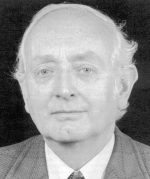

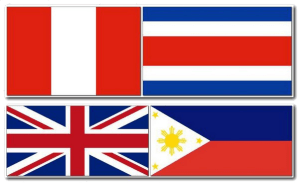 I worked overseas for much of my career—just over 27 years—in three countries. For those who are new to my blog, I’m from the UK, and I worked in agricultural research (on potatoes and rice) in Peru, Costa Rica, and the Philippines, besides spending a decade in the UK in between teaching plant sciences at the University of Birmingham.
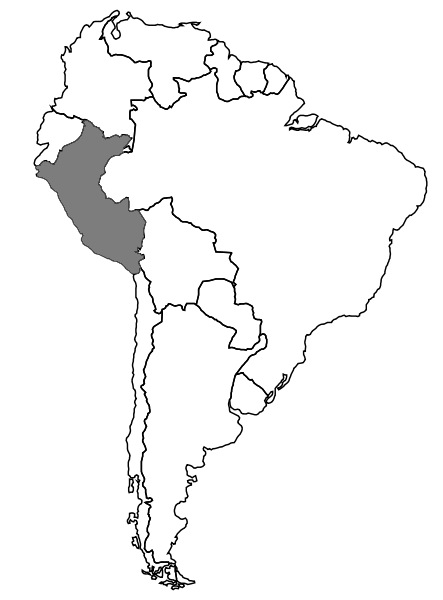 I won’t deny that I have a particular soft-spot for Peru. It was a country I’d wanted to visit since I was a small boy, when I often spent hours poring over maps of South America, imagining what those distant countries and cities would be like to visit.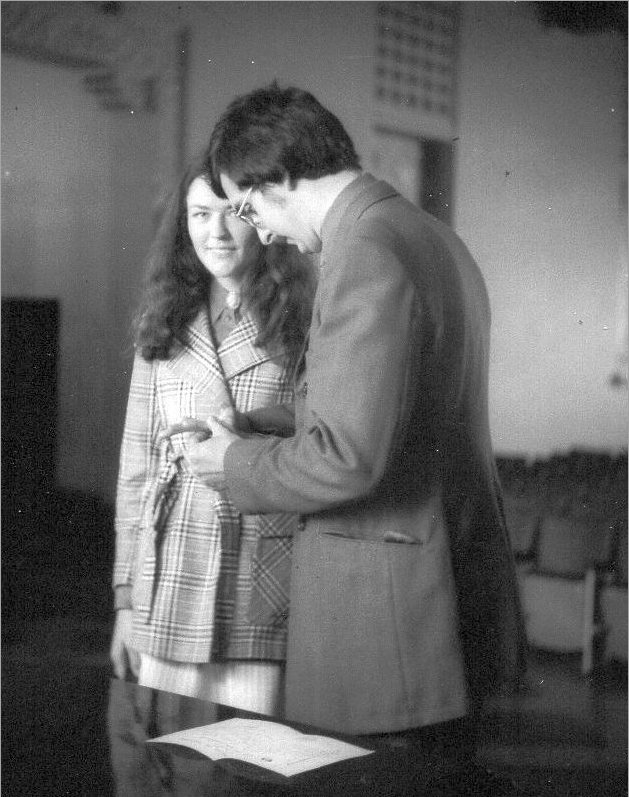


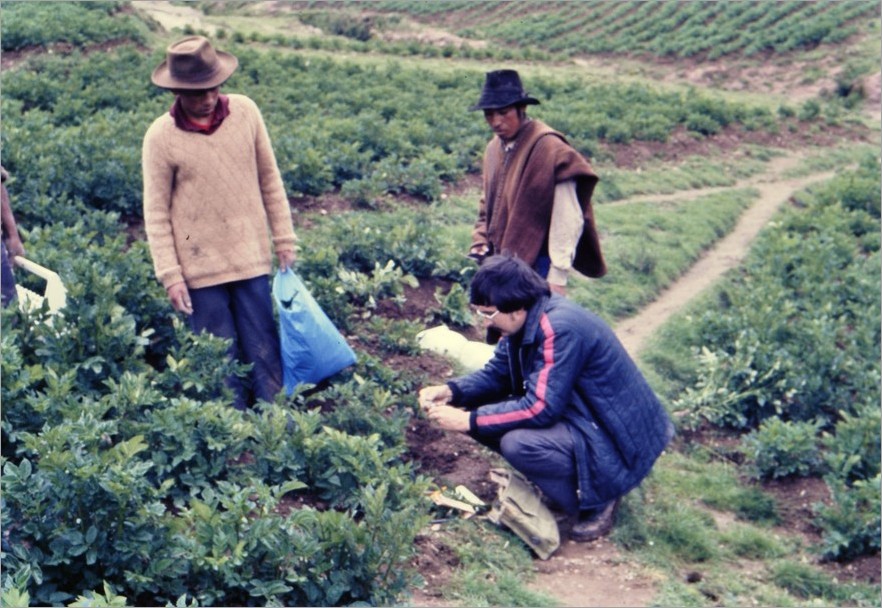


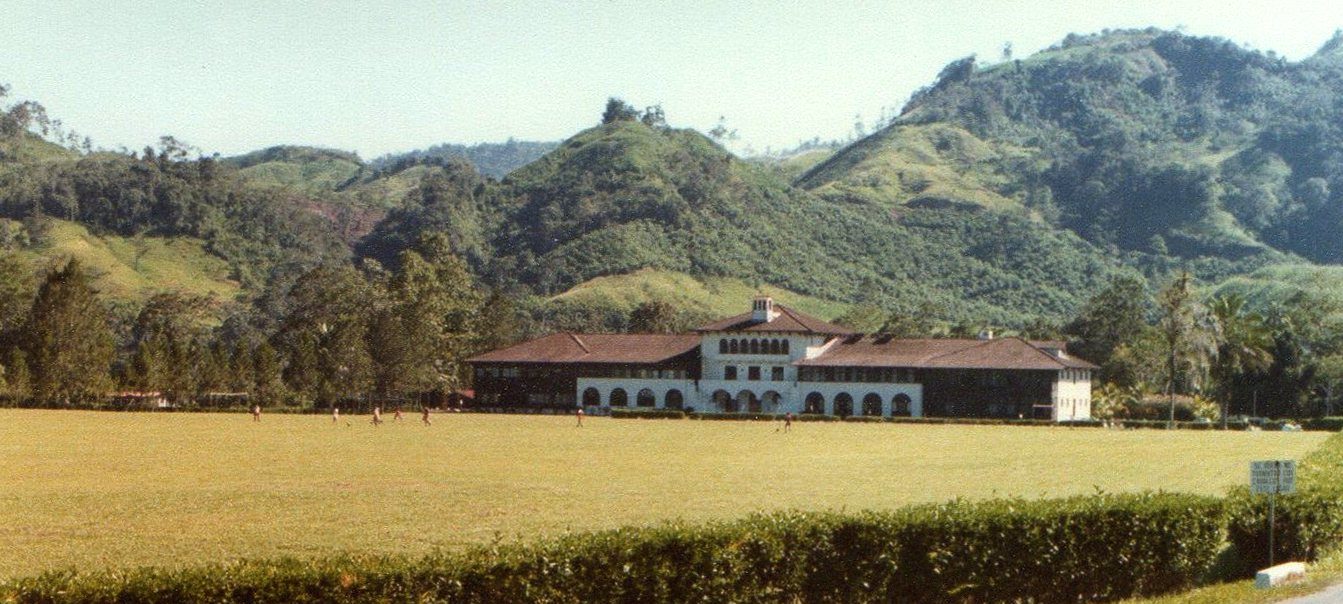
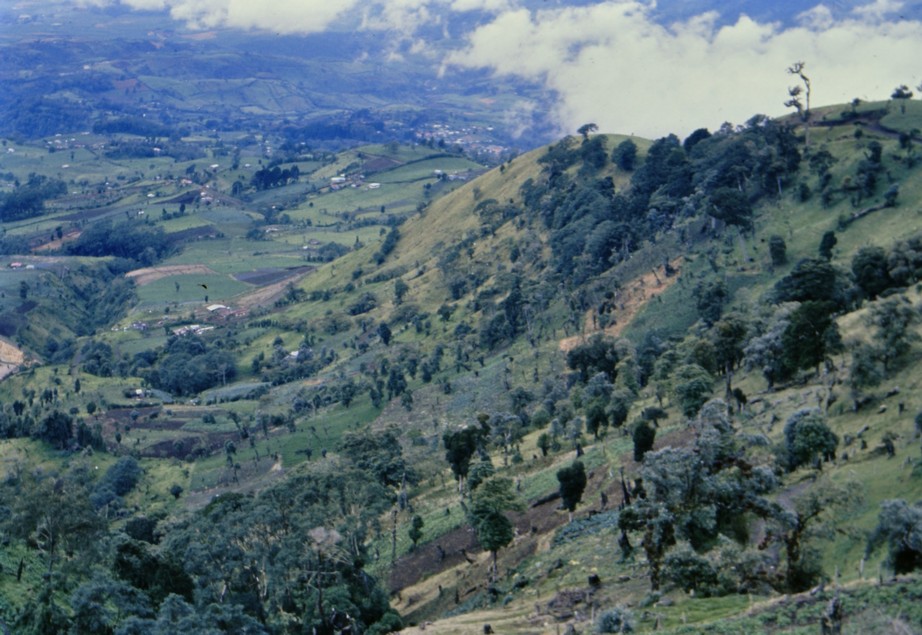
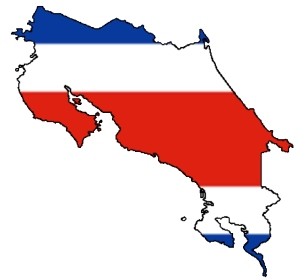 But, after three years, it was time to move on, and that’s when we began a new chapter in Costa Rica from April 1976 a new chapter. Professionally, for me it was a significant move. I’d turned 27 a few months earlier. CIP’s Director General

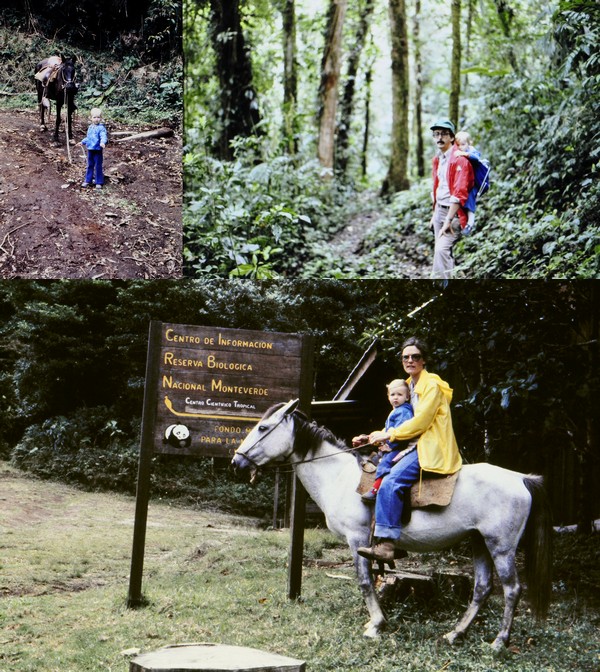





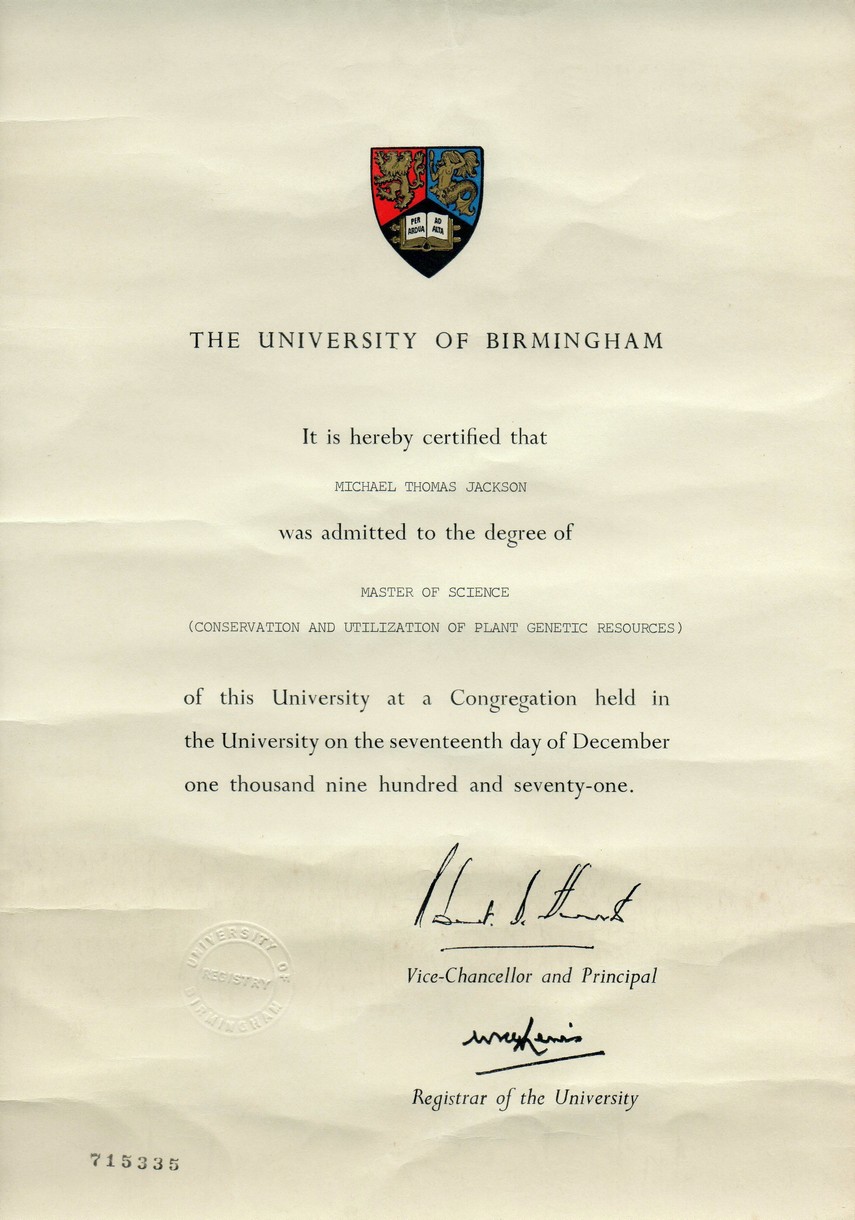
 I was never much good at taking exams. That is, until I studied for my Masters degree in Conservation and Utilization of Plant Genetic Resources at the University of Birmingham in 1970-1971. So how come I improved?


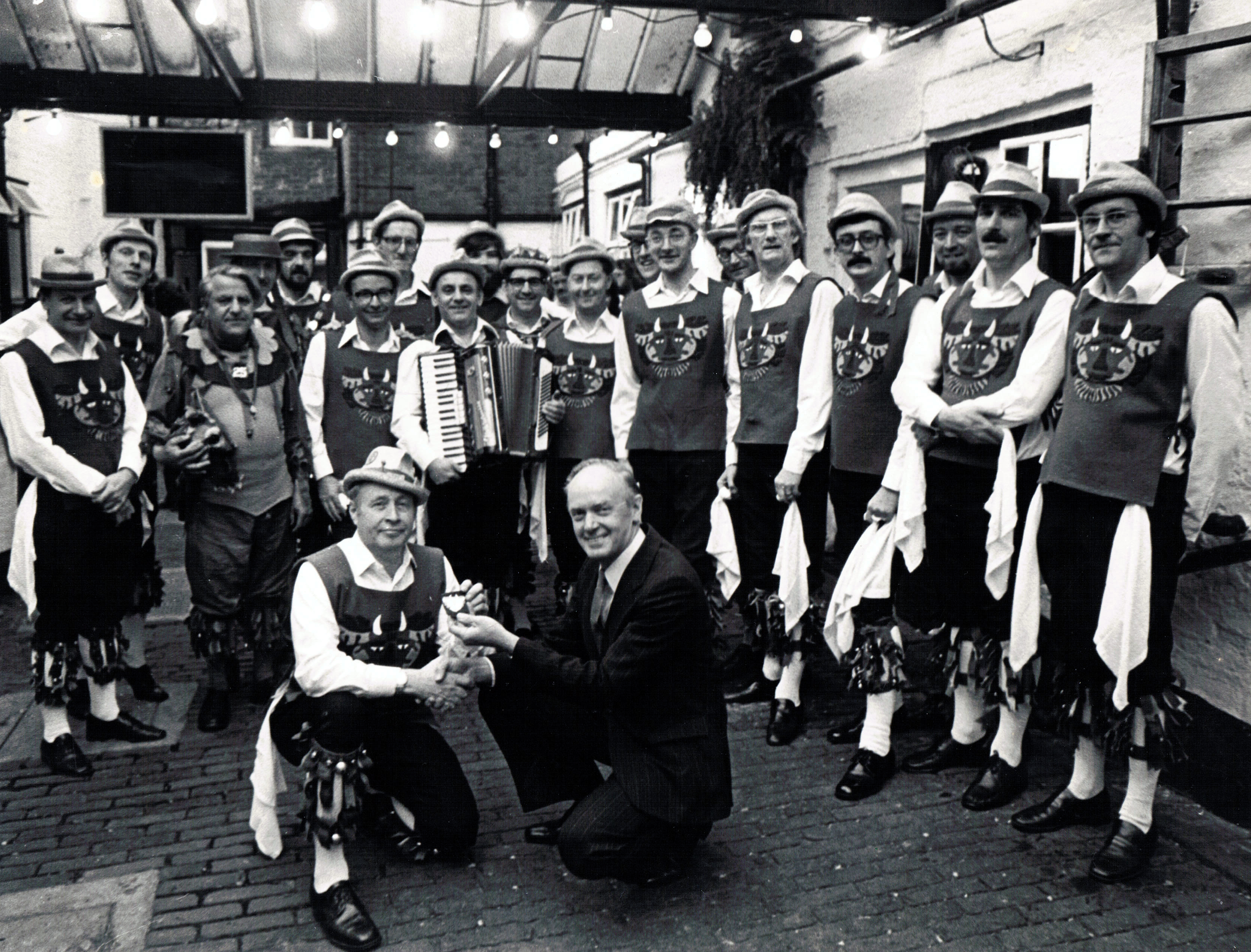

 I’m referring to
  Discovering City to City had to wait until a few weeks later when I was in San José (the capital city) to take delivery of a new car, and have a stereo system installed, including a tape deck.


 The site is owned and managed by


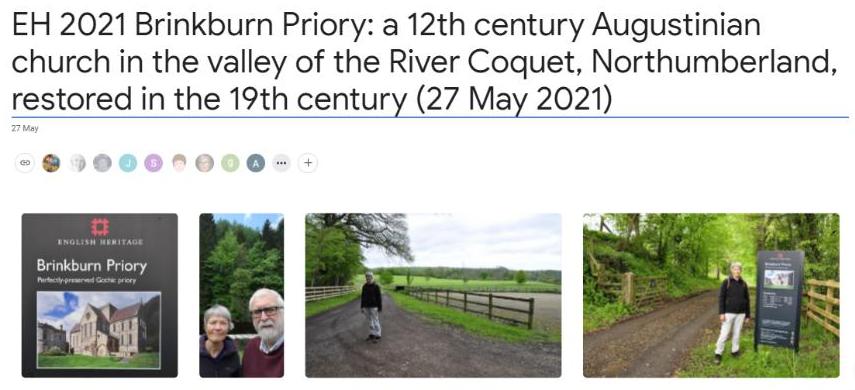


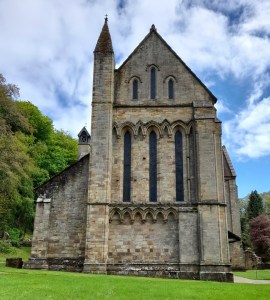 As we sat on a bench, eating a picnic lunch and facing the west end of the priory church, I couldn’t help reflecting on the other ruined monasteries and the like that we have visited over the years: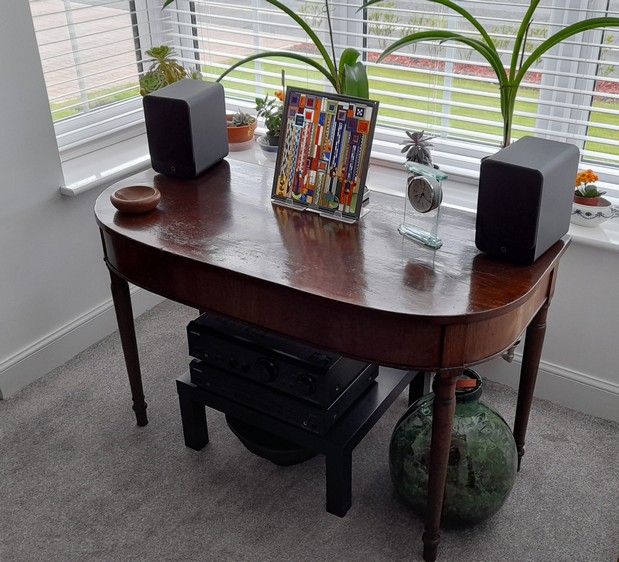
 I can’t state unequivocally where the table originated. But family tradition has it that the table was once the end section of a dining table on board one of the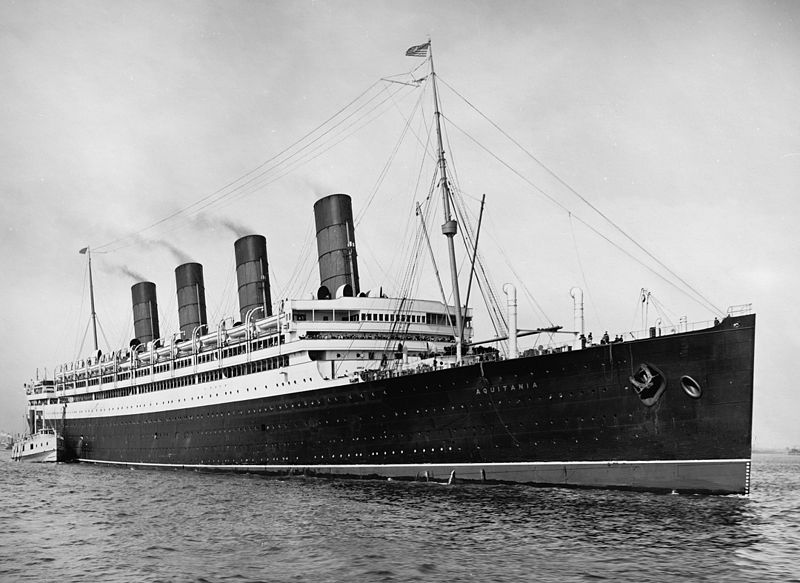
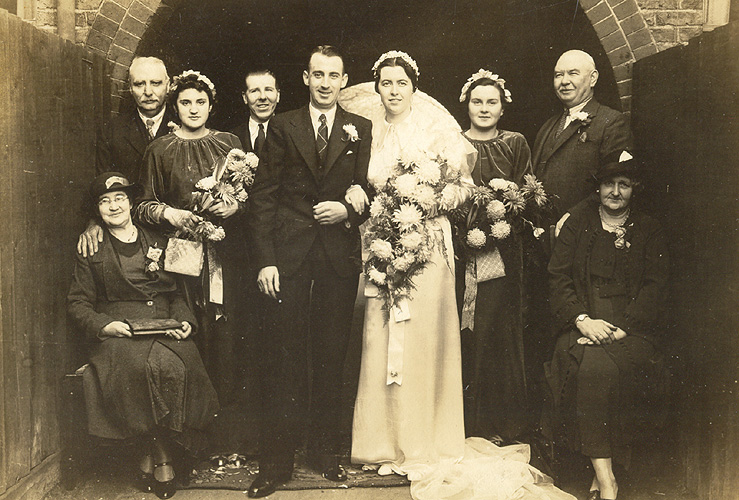
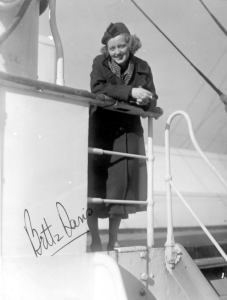
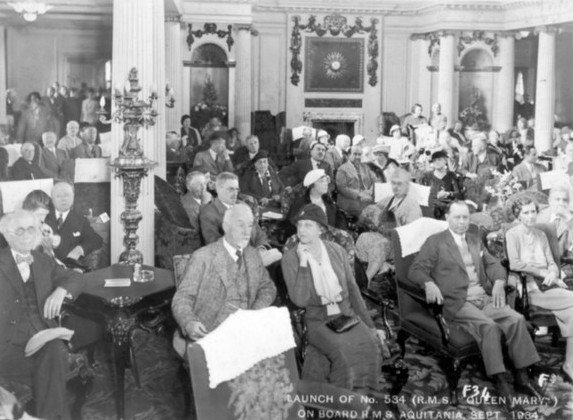
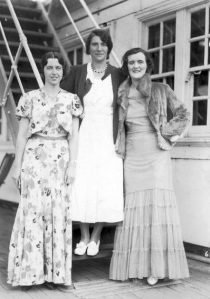 So let’s go back to that summer of 1934 and Dad’s early voyages on the Aquitania. On one return crossing from New York to Southampton, three young women asked Dad to take their photograph. One of them, Lily May Healy (on the left; she was always known as ‘Lilian’), just 26, had




 Ask almost any scientist, and the one thing they (mostly) have in common is their dislike (I could put it stronger) of having to write reports or to be held to deadlines.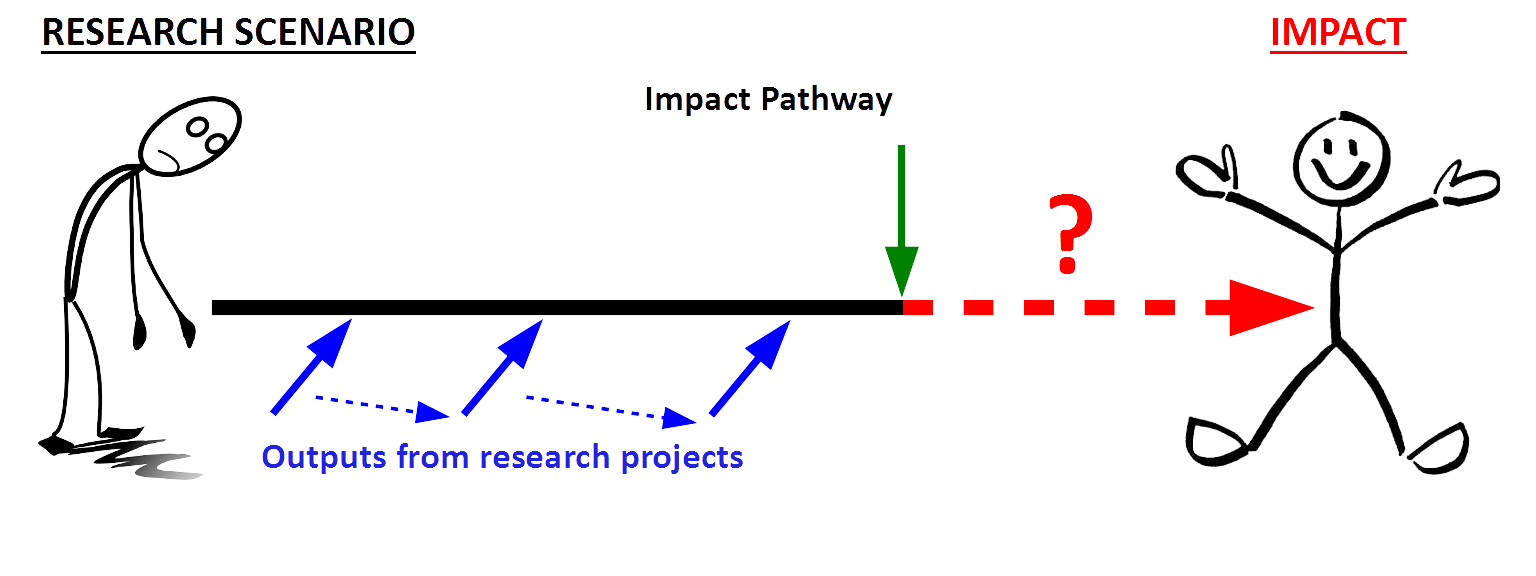


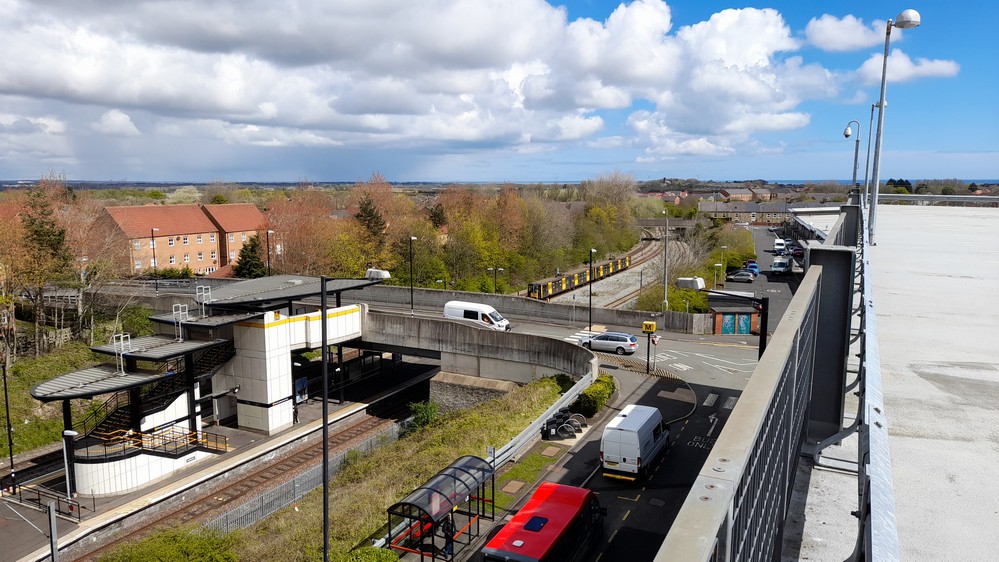
 And a couple of days ago, after seven months here in the northeast of England (on the outskirts of Newcastle upon Tyne in North Tyneside), Steph and I took our first ride on the region’s Metro. Destination: Tynemouth, just six stations and 12 minutes from our nearest station, Northumberland Park.
 Earlier last week we upgraded our concessionary travel passes (CTP) to Gold Cards. With our CTP, we have unlimited free travel on buses nationwide, one of the benefits of being a senior citizen. For an extra £12 fee, we purchased unlimited travel on the Metro that we can use everyday, but only after 09:30 on weekdays. Here’s my CTP. Somehow my image was squashed; the original I submitted with my online application was fine.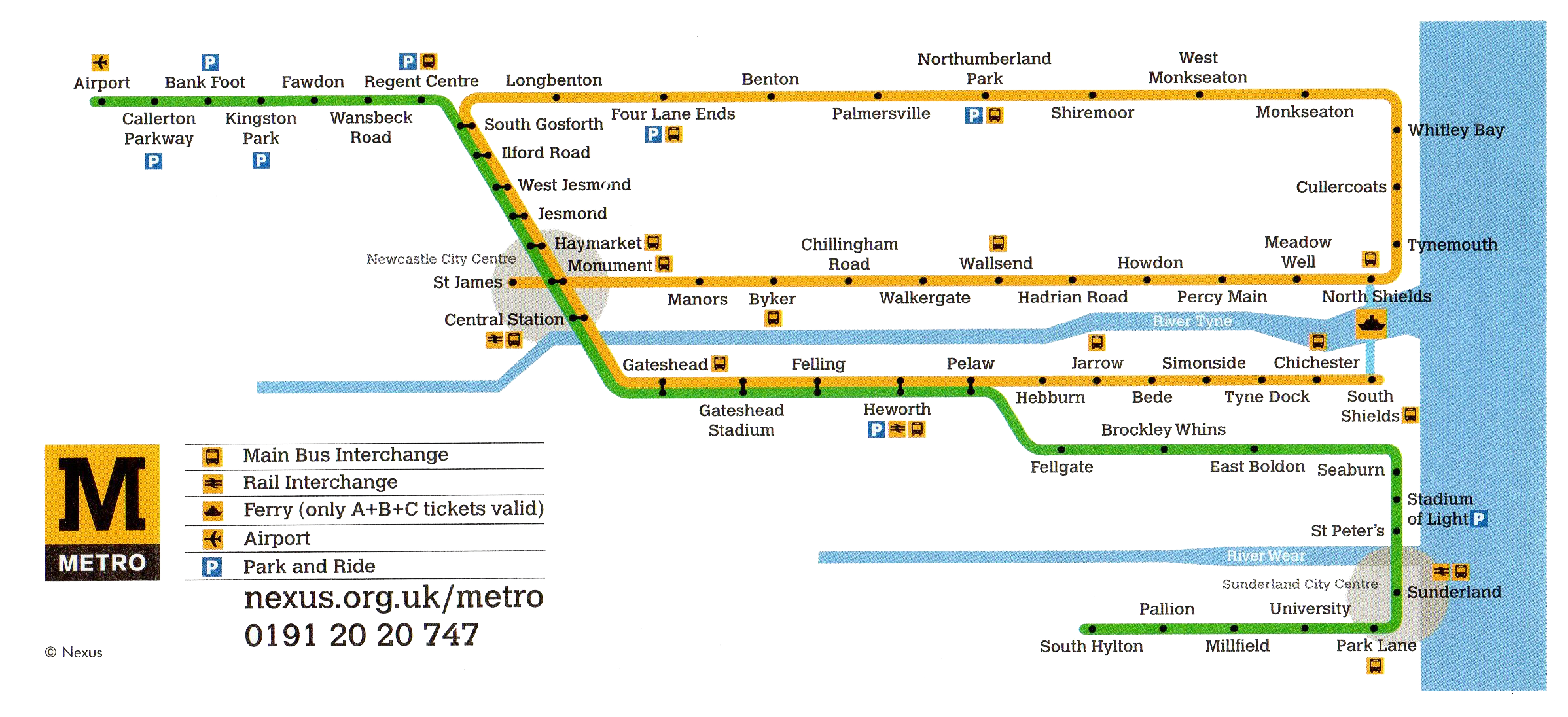



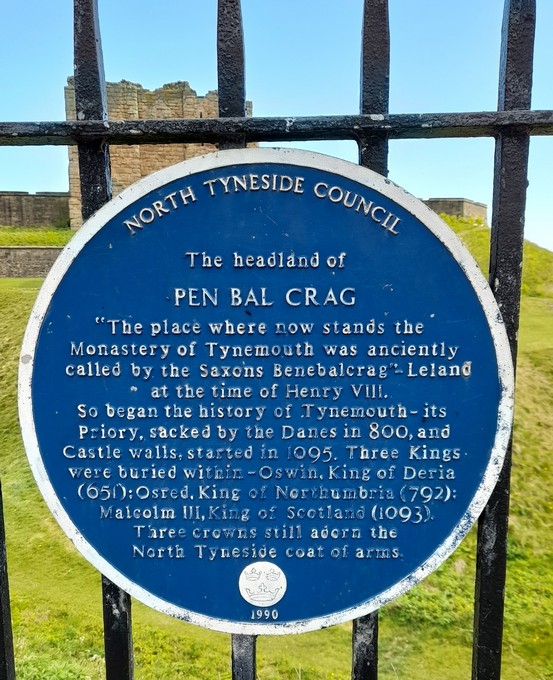
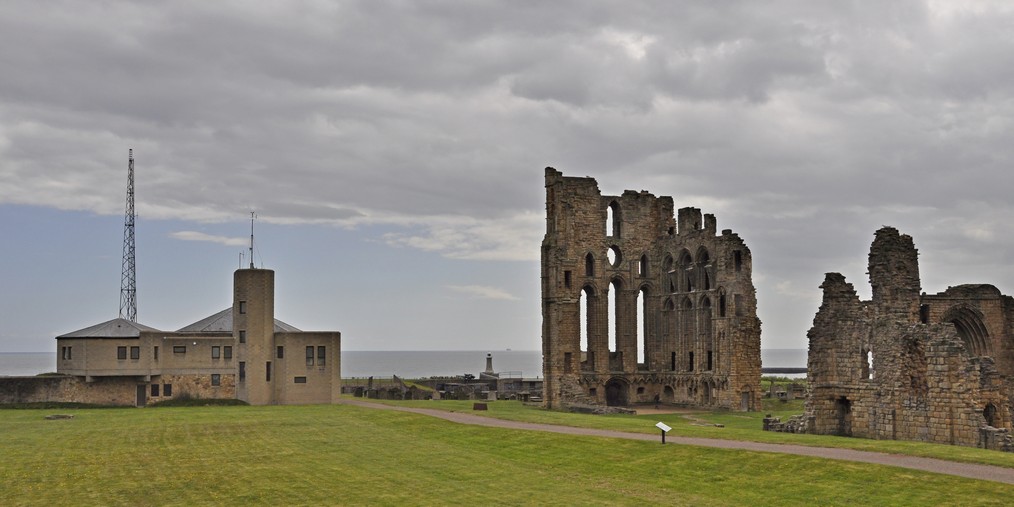
 This time, however, we had a particular Tynemouth destination in sight:












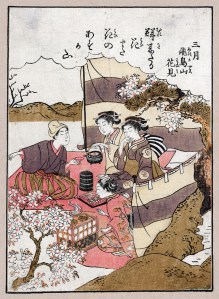 Cherry trees are central to Japanese culture, but tastes in different varieties have changed over the centuries. ‘Taihaku’ cherries apparently went extinct in Japan in the late 19th century. Move on a few decades, and up steps a very interesting Englishman,
 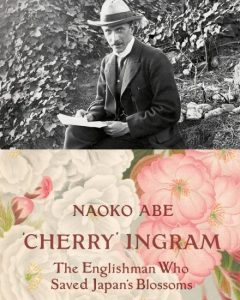 In 2016, Japanese author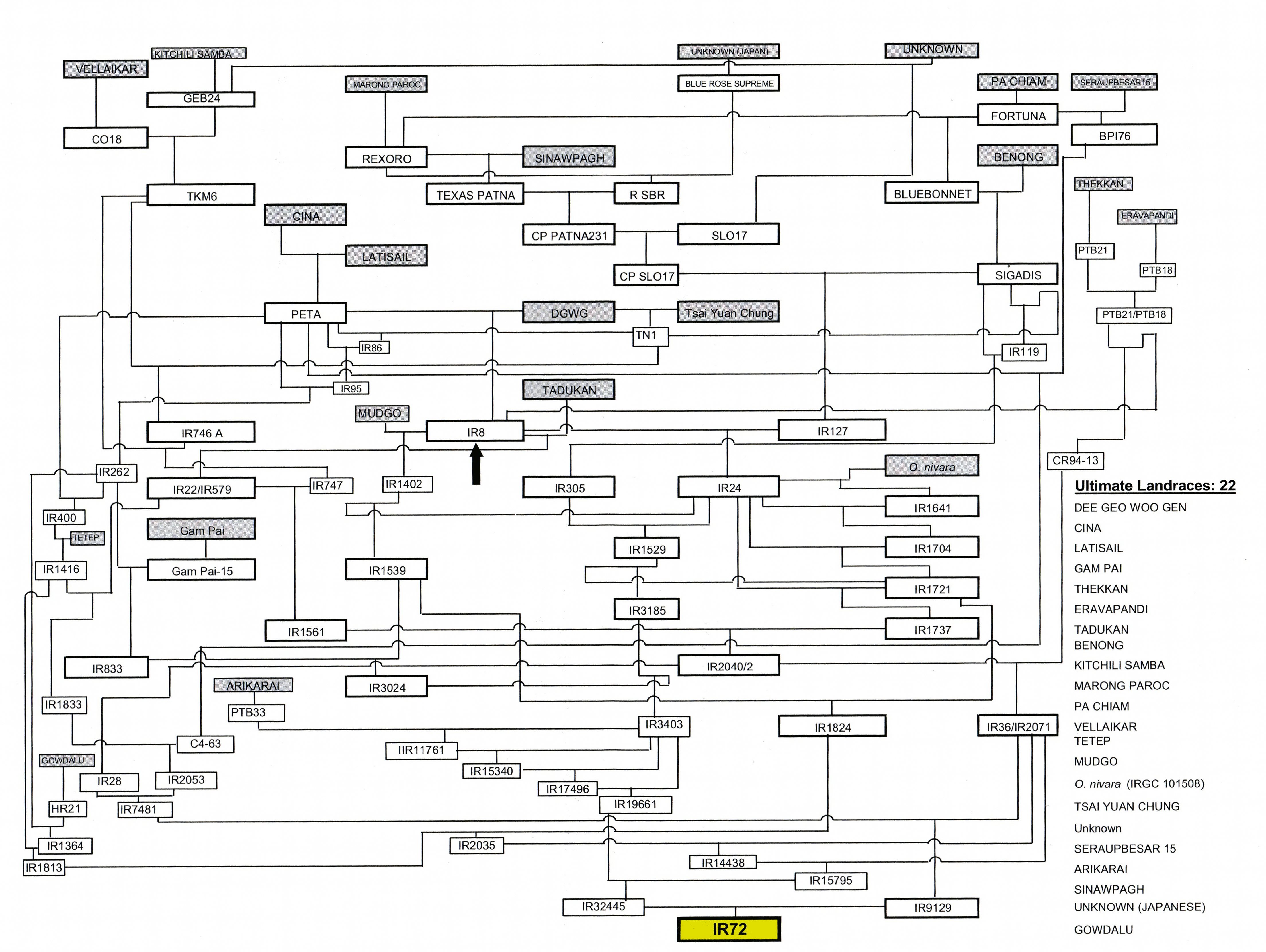
 Just recently I’ve been involved in an online discussion among old friends and colleagues about the loss of genetic diversity over the decades, and how much has actually been lost. As Brian Ford-Lloyd and I wrote in our 1986 introduction to genetic conservation:
 effort has been backstopped financially and technically by the
  Northumberland, England’s northernmost and sixth largest county, is majestic, with its rolling hills to the north, the wild moorlands in the west, and its east-facing, awe-inspiring beaches along the North Sea coast.
 But this time we returned as Friends of the Garden, with a dual membership given to us by family as a Christmas gift last December.


 A balanced diet . . .