New Year’s Eve, and another year coming to a close.
We just celebrated our fifth Christmas here in the northeast, on the eastern outskirts of Newcastle upon Tyne and a few miles inland from the North Sea coast. I thought I’d take this opportunity to look back on some of our 2024 highlights.
In the walled garden at Cragside, a National Trust property near Rothbury in Northumberland, in early December.
We’re both now in our mid-70s and fortunately keeping in reasonably good health. Steph has her daily yoga session before breakfast. I try (but don’t always succeed) to take a daily walk locally. As often as possible—weather-permitting—we head out to explore more of the glorious landscapes here in the northeast of England.
This past year, we’ve explored some new beaches just 10-15 miles north, at Cambois (pronounced Ka-miss) and Newbiggin-by-the-Sea, as well as returning to one of our favorite haunts: Hauxley Wildlife Discovery Centre, where there is always an abundance of bird species to observe. And it was there, around August, that I was able to tick one bird off my ornithological bucket list: a kingfisher, that we watched for almost 30 minutes from the Wildlife Centre café, as it flew from branch to branch beside the lake, occasionally diving for fish. What a sight! It’s only taken me almost 70 years!
On the beach at Newbiggin at the beginning of November
At the end of June we headed south of the River Tyne into Teesdale to visit one of the most spectacular waterfalls in the country, at High Force on the River Tees.
Afterwards, we headed up to Cow Green Reservoir in the hope of seeing some of the special Teesdale flora there, but they were past flowering. But we did enjoy crossing over into Weardale to the north, and exploring upland landscapes that were new to us.
Crossing north from Teesdale into Weardale
In mid-August we set off early one bright and sunny morning 55 miles north towards the border with Scotland, to visit four ancient sites. First of all there was the site of the Battle of Flodden Field, fought in 1513 between King James IV of Scotland and King Henry VIII of England, and in which James was killed.
The site of the Battle of Flodden Field. near Braxton Hill.
From there we headed to the Duddo Five Stones Circle, dating from the Neolithic/Bronze Age, and from where there are panoramic views of the Cheviot Hills to the south and the Lammermuir Hills to the north.
Then it was on to two castles managed by English Heritage at Etal and Norham, the latter overlooking the River Tweed, which is the border between England and Scotland. In fact, all four sites were within an easy 10 miles of each other, but it was nevertheless quite a full day. I wrote about those four visits in this post.
There is just a handful of National Trust properties in the northeast, among them Gibside (west of Newcastle), Seaton Delaval Hall (close to home), Wallington, and Cragside, all of which we visited this year.
Each Christmas we try to visit one of Trust properties to see their Christmas decorations. And this year it was Cragside and Seaton Delaval in early December, where there was the most enormous bauble hanging from the ceiling of the main hall (which was destroyed by fire at the beginning of the 19th century).
Other excursions south of the Tyne took us to York in early March to meet up with my nephew Nicholas and his wife Metta from Edmonton, Canada. Nicholas is the younger son of my late elder brother Edgar and wife Linda. Philippa joined us on this trip as she hadn’t seen Nicholas since he was a small boy. We enjoyed a satisfying pub lunch before taking a walk around the city walls.
In April, we headed south again, calling in at Mount Grace Priory for a welcome cup of coffee before heading on to our destination, Byland Abbey. En route, we stopped off at the Church of St Mary the Virgin beside the A19 trunk road south that we’d often passed but never taken the opportunity to stop. I wrote about both visits in this post.
The west front of Byland Abbey
We have to travel much further afield now to find National Trust and English Heritage properties new to us. So in September we spent a week in East Anglia, visiting twelve properties over six days. I wrote about that trip here. We rented a small cottage on a farm near the Suffolk market town of Eye.
It’s hard to choose a favorite property, but if ‘forced’ to it would be Blickling Hall. What an awesome view along the gravel drive to the entrance of this magnificent Jacobean country house.
Our big trip of the year was our annual visit from early May to June (just over three weeks) to stay with Hannah and family in St Paul, Minnesota. After our last road trip in 2019 I had wondered if we’d make another one. But nothing ventured nothing gained, we decided to hit the road again, crossing Utah and Colorado, and visiting some of the best national parks and enjoying some spectacular desert and Rocky Mountain landscapes. You can read about that trip in this post.
Flying into Las Vegas, we immediately headed to the Hoover Dam, then traveling north to Zion National Park, and on to Bryce Canyon National Park. Heading east we visited Arches and Canyonlands National Parks near Moab in eastern Utah. Then we crossed over into Colorado taking in the ‘Million Dollar Highway’ south through the San Juan range before arriving at Mesa Verde National Park. From there we headed east to Denver for the flight back to Minneapolis-St Paul.
Hoover Dam
Hoover Dam
Zion NP
Zion NP
Zion NP
Bryce Canyon NP
Bryce Canyon NP
Arches NP
Arches NP
Arches NP
Canyonlands NP
Canyonlands NP
Ouray and the start of the Million Dollar Highway
The Million Dollar Highway
The Million Dollar Highway
Mesa Verde NP
Mesa Verde NP
I-70 to Grand Junction, CO
Chimney Rock National Monument
Chimney Rock National Monument
Chimney Rock National Monument
Royal Gorge Bridge over the Arkansas River
Without doubt Bryce Canyon National Canyon was the highlight of the trip, but only just ahead of all the other fascinating places we visited.
We had a delightful time with Hannah, Michael, Callum (then 13), and Zoë (12), and their doggies Bo and Ollie, and cat Hobbes (sadly no longer with us).
Enjoying the warm weather in St Paul, we spent much of our time relaxing in the garden, taking walks around the neighbourhood, or sitting on the front patio in the late afternoon/early evening just watching the world go by on Mississippi River Boulevard (Hannah’s house is just 50 m from the bluff overlooking the Mississippi River), savouring a gin and tonic (or two).
At the end of July, Callum and Zoë flew over to Newcastle to spend a couple of weeks with us, but more importantly to hang out with their cousins Elvis (now 13) and Felix (now 11), Phil and Andi’s boys.
Arrival at NCL on 25 July
They all went camping (a first for Callum and Zoë) to Bamburgh on the north Northumberland coast, and we spent a day with them.
Enjoying fish and chips
At Souter Lighthouse
Beach fun at Bamburgh
Beach fun at Bamburgh
Noodle and Rex
Zoe, Elvis, Felix, and Callum
Saying goodbye
All too soon, their visit came to an end, but it seems plans are afoot for them to repeat the visit in 2025.
We enjoyed a couple of outings with Elvis and Felix during the year—they are so busy with all their extracurricular activities—to Belsay Hall, and we enjoyed a performance of the Alice in Wonderland pantomime in Newcastle just before Christmas.
We spent Christmas Day with Phil and Andi and family followed, on Boxing Day, by a brisk walk at Souter Lighthouse and Marsden Beach.
I’m sure there must have been other things we got up to but I don’t recall. These have certainly been many of the year’s highlights.
So as the year comes to an end, I’ll take this opportunity to wish all my followers on this blog (and others who come across it by chance) A Happy, Peaceful, and Prosperous New Year 2025!
My blog activity was much reduced this past year, just 30 stories posted with 46,000 words compared to previous years, although on average each post was longer.
I’m not sure why I’ve been less productive. While I felt quite elated mid-year about the General Election win by Labour, having booted the Conservatives out after 14 years in power, I have to admit to becoming rather depressed at the beginning of November when Donald Trump reclaimed the US presidency. His occupancy of the White House does not bode well for 2025.
Over the past 14 years, Steph and I have made several awesome road trips across the USA, covering 36 states and visiting many national parks and national monuments. I can’t decide which trip I enjoyed most, but the two we made to the American Southwest stand out for the amazing desert landscapes and the fascinating archaeology there.
The ‘three-sisters’ of indigenous American agriculture.
The Ancestral Puebloans (formerly known as the Anasazi) inhabited the southwest in a region known as the Four Corners (where Arizona, New Mexico, Colorado, and Utah meet) from about 500 CE and were known for their pit houses, and cliff dwellings constructed in alcoves along the walls of sandstone canyons.
Where did these people come from, who taught them subsistence agriculture (based on the ‘three sisters‘ polyculture of corn, beans, and squashes), and why did they abandon many of their settlements around 1300 CE?
Since corn (Zea mays) was domesticated in southern Mexico, thousands of years earlier, the Ancestral Puebloans must have had links with other peoples to the south with whom they traded.
I’m still trying to understand North American indigenous cultures, so I’m not going to make any attempt here to explain the Ancestral Puebloans as such. But I have included links where you can find more information.
In 2011, we spent about 10 days exploring Arizona and New Mexico. This past May, over seven days, we drove from Las Vegas, NV to Denver, CO across Utah.
We first came across Ancestral Pueblo settlements on that 2011 trip when, heading north from Flagstaff, AZ to the Grand Canyon, we took a diversion east and visited Wupatki National Monument, and three different sites there: Wukoki Pueblo, Wupatki Pueblo, and Box Canyon. It was a bustling community at its zenith in the 12th century CE, but had been largely abandoned by the first quarter of the 13th.
Wupatki
Box Canyon
Then it was on to Canyon de Chelly National Monument in northeast Arizona. We viewed three settlements from the rim of the canyon. Mummy Cave, high on the canyon wall (upper image below), was occupied for a thousand years from about 300 CE, so I have read. Antelope House (middle image), and another, White House ruin (lower image, built in the early 11th century CE), nearer the canyon floor, and the only ruin accessible (from the canyon rim) to tourists on foot. Other visits to the canyon have to be organized with local Navajo tour guides.
On that same trip we drove into New Mexico, passing nearby but not visiting two World Heritage sites: Chaco Culture National Historical Park, a major center of Ancestral Puebloan culture dating between 850 and 1250 CE, and Taos Pueblo, home to Native Americans for over a thousand years. Near Los Alamos, we did visit Bandelier National Monument, a site dated to a later Ancestral Puebloan era, from around 1150 CE to 1600 CE, with rooms carved into the cliff face.
This year, however, Mesa Verde National Park in southwest Colorado (some 35 miles west of Durango) was very much on our itinerary. Ancestral Puebloan remains there span the whole 750 year occupation from about 550 CE up until c. 1300 CE.
The route I’d planned south to Durango took us from Grand Junction in northwest Colorado over the Million Dollar Highway, a 25 mile section of US 550 between Ouray and Silverton in the San Juan Mountains. I had expected the 165 mile drive to take all day, and had planned accordingly, since the Million Dollar Highway is claimed to be one of the most challenging—and dangerous—highways in the USA. In many places there are no guard rails. You can view the route in a couple of videos here. Just scroll down to ‘Day 5’.
However, it took only half a day, so we decided to head to Mesa Verde that same afternoon rather than waiting for the next morning. I guess we must have arrived at the Visitor Center by about 3 pm. Like our visit to Bryce Canyon a few days earlier, arriving mid-afternoon was really quite fortuitous. Many visitors were already leaving and none of the parking lots at the various sites along the park drive was busy, making for a tranquil appreciation of all the park had to offer. And, as an added bonus, visiting Mesa Verde that afternoon freed up time the next day for the 260 mile drive east to Cañon City.
From the Visitor Center it’s a 23 mile drive to the southernmost point on the Mesa Top Loop where some of the most complete ruins are located. The park has 5000 known archaeological sites, and over 600 cliff dwellings. Although famous for its cliff dwellings, these were occupied for a short period, not long before the people abandoned Mesa Verde for reasons not fully understood, and moved south. Click on the map below to open an enlarged version.
The park road climbs steeply on to the mesa top, which lies around 7-8000 ft above sea level. So, in summer it’s blisteringly hot, and bitingly cold in winter. No wonder it was a challenge to live here.
On the way south, one of our first stops was the Montezuma Valley Overlook, from where there is an impressive view of the landscape west into Utah. Click on this image to open a larger version.
I recently came across the video below, posted by explorer and YouTuber Andrew Cross (Desert Drifter – more later). On a recent visit to southeast Utah in Montezuma Canyon, a group from The Archaeological Conservancy explored the extensive settlements there.
The first Ancestral Puebloans lived in pit houses on the mesa tops, and constructed partially underground. The earliest date from the 6th century CE.
Then, several centuries later, larger villages were established (like those we saw at Wupatki) but also the cliff dwellings comprised of multiple houses and rooms, and round, ceremonial courtyards known as kivas, and which can also be seen in the Bandelier images above.
Two of the sites on the Mesa Top Loop, the Cliff Palace and Balcony House are only accessible on a guided tour, which we didn’t take. In any case, access to both requires scrambling up ladders, which I would not have managed (I’m currently using a stick due to an on-going back problem). The Cliff Palace and several other buildings close by can be viewed from an overlook. All very impressive.
Mesa Verde NP
Mesa Verde NP
The Ancestral Puebloans gained access to the cliff dwellings through handholds in the rock face, or using ropes. Certainly their difficult accessibility must have been a key feature for defence.
So, from the original sparsely settled villages of pit houses, to the more densely populated cliff dwellings, it’s estimated that Mesa Verde was once home to thousands of families. But by about 1300 CE they had upped sticks and moved on. Why? No-one really knows but it could have been due to drought affecting agricultural productivity. Or maybe conflicts had broken out, thus the reasons for more defensive villages in the cliff dwellings. The Ancestral Puebloans certainly left a strong legacy behind.
Earlier I mentioned Andrew Cross (right) and his Desert Drifter channel. It’s certainly worth a watch. His videos document his backpacking trips into canyon country looking for signs of the Ancestral Puebloans (and other indigenous peoples) that he has discovered through careful study of Google Earth images.
And he has come across some remarkable settlements, often sufficient to support just one or two families at most, who left behind evidence of their occupancy 1000 years ago in the form of pottery shards (typically black stripes on a white background), arrow heads, various tools for grinding corn, and ancient corn cobs as well. And the Puebloans also left behind incredible pictographs (paintings) and petroglyphs (etched into the rock surface) of fantastical humans, animals, and symbols. Hand prints are common everywhere.
The day after visiting Mesa Verde, we set off early from Durango to cross the mountains east of Pagosa Springs, before heading northeast to Cañon City.
About 16 miles short of Pagosa Springs we saw a road sign to Chimney Rock National Monument, which was just under 4 miles south from the main highway, US 160. I hadn’t noticed this when planning the trip, but as we now had extra time, we decided to explore. We were not disappointed.
Chimney Rock, an outlier from the Chaco Canyon Regional system, ‘. . . covers seven square miles and preserves 200 ancient homes and ceremonial buildings, some of which have been excavated for viewing and exploration: a Great Kiva, a Pit House, a Multi-Family Dwelling, and a Chacoan-style Great House Pueblo. Chimney Rock is the highest in elevation of all the Chacoan sites, at about 7,000 feet above sea level.’
From the Visitor Center, it’s a a 2½ mile drive, on a gravel road, to a parking lot just below the summit of the mesa, and the ruins there. From the parking lot, it’s a steady climb over about a quarter of mile to reach the summit, at 7620 feet.
The panorama there takes in the Rockies to the east, and southwest into New Mexico towards Chaco Canyon, about 90 miles away.
Our visits to these extraordinary sites have, for me, generated more questions than answers. I need to spend some time researching human expansion across North America over the millennia. And the story of how agriculture developed in this region of the Four Corners continues to fascinate me.
Born around 1122/25, he is widely regarded as one of the most powerful of Khmer monarchs, and ruled the vast Khmer Empire between 1181 and 1218. He was the first Khmer king to fully embrace Buddhism (earlier kings had been Hindu).
The empire was founded at the beginning of the 9th century, and at its zenith in the 12th century had subjugated much of Southeast Asia. By the middle of the 15th century however it had disappeared. All the temples and surrounding buildings were reclaimed by the jungle, and not uncovered again until the 19th century, mainly by French archaeologists. Archaeology is thriving in Cambodia today, and new discoveries are being made.
Southeast Asia circa 900 CE, showing the Khmer Empire in red.
At the heart of the empire was the capital, Angkor, with its principal temple Angkor Wat, now one of the most visited heritage sites worldwide. Angkor Wat features on the national flag of Cambodia.
Steph and I (with our younger daughter Philippa) had the privilege of visiting Angkor Wat in December 2000.
Angkor Wat was actually built by Suryavarman II(ruled 1113– c.1150) as a Hindu temple, and took almost 30 years to construct. Under Jayavarman II, it gradually became a Buddhist one. The king was also responsible for one of the most beautiful temples, Bayon (below), at Angkor.
And he established an impressive network of more than 100 hospitals throughout his empire, and other temples and cities that are now only being intensively studied in the northwest of Cambodia close to the frontier with Thailand.
Last Saturday Steph and I watched (on Channel 4) the third and final part of Lost Temples of Cambodia, fronted by British archaeologist Pauline Carroll (about whom I can find no information other than she worked on the dig in Leicester that discovered the remains of King Richard III in 2012). Click on the image below to access each of the programs.
Filmed at Angkor Wat and other close-by sites, the programs also explored newly-discovered sites to the north west close to the frontier with Thailand. And, as with Angkor Wat, the temples at Banteay Chhmar (and another recently-discovered a short distance away at Banteay Toap) are revealing much about the king who built them.
As we watched the programs, it was hard not to pinch ourselves that we had been so lucky to have visited Angkor Wat before it became overrun with tourists. We had flown to Siem Reap from the Philippines (where I was working at the International Rice Research Institute) via Singapore on Silk Air, and spent three nights there. Which gave us two full days to explore the many Angkor sites and take a boat ride on the large lake nearby, the Tonlé Sap.
Just click on each of the icons on the Angkor map below to explore a photo album for each, and zoom out to see the location of other sites in the northwest of Cambodia that were featured in the Channel 4 programs.
We didn’t join any tour to explore Angkor. Through one of my IRRI colleagues based in Phnom Penh we arranged for a driver to pick us up at the airport, and then stay with us over the next two and a half days. Once we had toured one of the sites, the driver quickly whisked us off to the next, finding the best locations to start from. Such as at Banteay Kdei (photo album), where he dropped us at one entrance, and picking us up on the far side of the site once we had walked through at our own pace, and not one dictated by any tour guide.
Even at Angkor Wat itself it’s quite remarkable how many photos I was able to take with only a smattering (if any) of other tourists (photo album).
As we watched the TV programs, it brought back to us how beautiful are the many bas-reliefs and stone carvings in general through the Angkor complex. Absolutely exquisite! And to some extent, those at Banteay Chhmar and Banteay Toap (more recent than Angkor Wat although constructed by Jayavarman II) are even finer.
Here is just a small selection of those we saw.
Taking the Angkor complex in total (and the many other sites across Cambodia) the construction of temples and other buildings would have required millions of tons of sandstone that had to be quarried some distance away and transported to the sites.
The stone came from Phnom Kulen, a range of hills to the northeast of Angkor Wat by about 30 miles. A series of canals was constructed to float the millions of stone blocks to the construction sites, on rafts pulled by elephants. Evidence for the canals was first gleaned from satellite images, and verified at ground level.
The construction must have involved a very large population. It has been estimated that perhaps as many 1 million people lived at Angkor, making it one of the largest cities in the ancient world. And they would have to be fed. But on what? Rice, of course, and that crop remains the staple in Cambodia today, thriving in the hot humid lowland climate, even in seasonally deep-water sites.
Eventually the Khmer Empire declined. Was it due to overpopulation, climate change affecting agricultural productivity, or warfare both internal and foreign? Certainly the Khmer faced threats and invasion from Thailand and Vietnam. Probably it was a combination of many factors.
But as new sites are discovered and recovered from the jungle, the history of this once thriving empire is being revealed in ever more detail.
There were a few things that caught my attention in the three program series on Channel 4.
I mentioned that Pauline Carroll was an unknown entity before now. And yet, she didn’t ‘front’ the series in quite the way you might expect in such programs. There was a background narrative, from restaurateur and presenter of The Great British Bake Off, Prue Leith. What a strange choice as narrator! Instead, Pauline Carroll was left to wander around the various sites, ask a few questions of local archaeologists, and occasionally speak to camera.
Second, as with many documentary programs nowadays, considerable use was made of drones to capture aerial shots, which certainly enhanced appreciation of the scope and scale of Angkor Wat and the other sites. In the past, such aerial photography would have required helicopters, but even low-cost drones can provide high quality output, and reaching areas inaccessible to helicopters.
And the final point I would like to make is about the healthy state, it seems, of Cambodian archaeology. Pauline Carroll met and spoke with several knowledgeable Cambodian archaeologists who have taken on the role of revealing their nation’s cultural history. And this is even more remarkable and encouraging considering it’s not that many decades since the appalling Cambodian genocide perpetrated by the murderous regime of Pol Pot in the 1970s, when millions of lives were sacrificed, particularly from the intelligentsia.
I have been very fortunate. There’s no denying. Since I made my first trip outside the UK, to the west coast of Ireland for a botany field course in July 1968, followed a year later, in September 1969 to participate in a folk festival in Czechoslovakia, I’ve had so many opportunities to travel around the globe—to more than 60 countries (sometimes on vacation, but mostly on business associated with my work in international agricultural research).
Morris dancing at the folk festival in Strakonice, Czechoslovakia in 1969. That’s me on the extreme right.
I’ve lived and worked in three countries (besides the UK of course): Peru (1973-76); Costa Rica (1976-1980); and the Philippines (1991-2010). I’ve visited several countries multiple times, and others just the once. Whenever I was traveling on business, I would also try to fit in some tourism over a weekend if possible. I have so many memories over those 55 years. Here are some that spring to mind.
The Americas I guess I should begin this section with Peru. In 1971 I was thrilled to be offered a job in Peru, at the newly-founded International Potato Center (CIP), although I didn’t actually travel there until January 1973.
13 October 1973
So many memories. Steph and I were married in Lima in October 1973.
Looking at a farmer’s field of potatoes in the Mantaro Valley near Huancayo.
Solanum lignicaule, 2n=2x=24, from southern Peru
In Pisac market
The street of the thirteen-sided stone.
Cuzco cathedral.
School time.
North of Ayacucho, but before the Mantaro gorge.
Arequipa’s cathedral with El Misti in the background.
On the river near Puerto Bermudez
Near Cuzco in southern Peru, 1974
Machu Picchu
Sacsayhuaman at Cuzco
It’s almost impossible to choose any one aspect that stands out. The diversity of landscapes, with desert on the coast, the high Andes, and the jungle on the eastern side. The long history of agriculture in difficult environments, and the archaeology of civilizations that go way back before the invasion by the Spanish in the 16th century.
Then we moved to Costa Rica in April 1976, living in Turrialba, about 70 km east of the capita, San José. Once again I was working on potatoes and with farmers.
We enjoyed our five years in that beautiful country, and our elder daughter Hannah was born there in April 1978.
A land of volcanoes (some very active), Costa Rica is a verdant country, and there are national parks everywhere. The bird and plant life is extraordinary, so I guess this is what stands out for me in particular.
Potato fields of var. Atzimba on the slopes of the Irazu volcano
Northern Costa Rica on the way to Monteverde.
Just after we’d taken delivery of our VW Brasilia
Typical ox carts in Costa Rica
Steph and Hannah at the Monteverde Biological Reserve
A respendent quetzal that we saw at Monteverde
Carrying Hannah on my back at Monteverde
Tamarindo Beach on the Guanacaste coast in northwest Costa Rica
CATIE in Turrialba
The Turrialba volcano from our garden at CATIE
Hannah growing up at CATIE
On a visit to the Poas volcano
My work took me to all the countries of Central America, as well as to Mexico where, until 1977, CIP’s regional headquarters was based just outside Mexico City at Toluca. And also out into the Caribbean islands, to Haiti and the Dominican Republic, to Jamaica, St Kitts, Antigua, Montserrat, Barbados, and Trinidad.
In Mexico, most of my visits were to Toluca. But on one visit there, I joined the participants of a potato training course to study potato production in Mexico State, Michoacán, Puebla, Jalisco, and Guanajuato. Later, in the 1980s I also visited Nuevo Leon in the north, and Morelos south of Mexico City.
But if I had to choose one highlight, it would be the pyramids at Teotihuacán, northeast of Mexico City that Steph and visited in 1975 when we visited some friends at CIMMYT (a sister center to CIP) on our way back to the UK.
Guatemala is a fascinating and beautiful country, and I was a regular visitor. A land of lakes and volcanoes, it has a high indigenous population, who wear the most colorful fabrics.
In 1977, Steph and I flew into the Mayan city of Tikal, deep in the jungle, for an overnight stay.
On another trip I spent a few days in Belize, first in Belize City on the coast, then in Belmopan, the smallest capital city in the Americas.
The overriding memory I have of Honduras was the white-knuckle landings in Tegucigalpa. How they managed to land jets there is beyond me. What pilot skill!
I visited El Salvador and Nicaragua just once each, and then only overnight. They had virtually no potato sector.
Flying in and out of Panama City was quite a regular occurrence. It was a transit for Costa Rica from South America. The main potato area was in the west of the country near the frontier with Costa Rica (map), north of the city of David at Volcán and Boquete. A region of deep volcanic soils, it was very good potato-growing country, and one I traveled to by road from my base in Turrialba on a couple of occasions.
Potato fields in Boquete, northern Panama
It was only after I moved to the Philippines in 1991 that my work took me back to Costa Rica for the first time in about 15 years, and one other country, Venezuela, which I’d not visited before although landing at Caracas airport on several occasions. This airport is located on the Caribbean coast north of the city, and is connected by a 27 km motorway that crosses the mountains, a spectacular drive over what I assume is a northern extension of the Andes.
In the 1990s I spent a week in Caracas attending a potato network meeting, but seeing very little of the city, just the metro from hotel to meeting venue and back!
Another international agricultural research center in Cali, Colombia is CIAT (map), supported in the same way as CIP and CIMMYT (and the rice institute, IRRI, in the Philippines, that I joined in 1991). Located in the Cauca Valley, CIAT is surrounded by huge plantations of sugar cane, but the rice-growing area is nearby as well. The last time I was there (and in Peru and Mexico) was in July 2016 conducting a review of the CIAT genebank.
I was in Chile just the once, for a week in Santiago in July 1979. I’d flown down from Costa Rica to join two colleagues from Lima to carry out a short review of the Chilean potato program. Two things come to mind: wine and ABBA. Wine, because we were taken to dinner at Enoteca, a fine restaurant overlooking the city on Camino Real, where all the wines produced in Chile were on display, and we were invited to sample many of them. On one evening, while out enjoying some souvenir shopping, I heard (for the first time) the refrains of Chiquitita by ABBA emitting from one of the shops. My visit to Santiago will always be associated with ABBA.
What can I say about Brazil? It’s huge. My first visit there was in 1979 when I attended a potato conference at Poços de Caldas in Minas Gerais (map), followed by a couple of nights in Rio de Janeiro. On another occasion I attended a conference in Foz do Iguaçu (in Paraná state) close to the border with Argentina and Paraguay, and site of the impressive Iguazu Falls.
I’ve been to Brasilia twice, and once upon a time, that nearly became home for Steph and me when CIP’s Director General deliberated whether to post me to Brazil or the Philippines. In the event we returned to the UK in 1981 when I joined the faculty of the University of Birmingham.
I guess the most impressive thing I’ve experienced in Brazil is the statue of Christ at Corcovado, high above Rio de Janeiro, with the most spectacular views over the city. My dad was there in the 1930s.
I’ve been to Canada twice, the first time in 1979 (with Steph and 15 month-old Hannah) when I attended a potato conference in Vancouver, then we drove across the Rockies to meet up with my late elder brother Ed and his wife Linda in Edmonton, AB.
In the early 2000s, I made a short visit to Ottawa to meet with representatives of Canadian overseas development assistance agencies, and managed to spend a day getting to know the city, before heading back to the USA.
Parliament Hill from the banks of the Ottawa River
Over the decades I’ve traveled to the USA many times, and have now visited all states and DC except Hawaii, Alaska (although one flight touched down in Anchorage), Idaho, Nevada (I changed flights in Las Vegas), Oklahoma, Kansas, North Dakota, Louisiana, Mississippi, and Alabama. It’s such a vast country, but since 2011, Steph and I have managed several mega road trips and seen so many wonderful sights. It’s hard to pick any one. I have written about these trips and you can find a link here; just scroll down to the USA section).
However, I’ve often said since we made the visit there in 2011, that if I ever got the opportunity to return, it would be to Canyon de Chelly in northeast Arizona. It’s a special place.
Canyon de Chelly, AZ
Spider Rock in the Canyon de Chelly
There’s not a lot of potatoes grown throughout the Caribbean, with only the Dominican Republic having any significant potato program, in the central highlands close to the border with Haiti. The Dominican Republic became one of the founder members of a regional potato program, PRECODEPA, set up in 1978, so I guess I must have traveled there five or six times.
I was just the once in Haiti, in the late 1970s attending a conference for about a week. We stayed in a nice hotel overlooking Port-au-Prince, and ventured out into the city just the once. Even then the city was not a safe place to wander round, and following the disastrous 2010 earthquake followed by the cholera outbreak, the country has become even more ungovernable, and not somewhere I would want to visit again. It’s one of the poorest countries in the Western Hemisphere.
I also paid short visits to Jamaica, St Kitts, Montserrat (which had a small but thriving potato sector before the Soufrière Hills volcano erupted in 1995, covering half the island with ash), Barbados, and Trinidad. Before long-haul jets could make the flight direct from Europe to South America, Antigua was a refuelling stop, which I made a couple of times. And after being being bumped off a flight to Montserrat, I spent the night in Antigua at a luxury resort (the only hotel bed I could find on the island!) and enjoying a delicious lobster dinner for the same price as a steak.
My first trip to Asia, to Indonesia in fact, was in the early 1980s, when I attended a genetic resources meeting in Jakarta, but spending a weekend at the Bogor Botanical Garden beforehand. The oil palm tree on the right below is one of the original trees introduced into Asia and became the foundation of the oil palm industry.
Bogor botanical garden
Bogor botanical garden
One of the original oil palms in the garden
Over the 19 years I spent living in the Philippines, I returned to Indonesia several times, the most memorable being in September 2005 when the IRRI Board of Trustees held one of it bi-yearly meetings there. Steph was able to join me on that trip, and along with excursions into the Bali countryside, we also enjoyed a long weekend break at our hotel before returning to the Philippines.
Bali landscape, Indonesia
In the Philippines, we lived in Los Baños, some 60 km south of Manila, where IRRI had its research center.
On the IRRI experiment station, with Mt Makiling (a dormant volcano) in the background.
Although we didn’t travel much around the Philippines (and apart from one short trip to Cebu, we didn’t wander beyond the island of Luzon), we went to the beach most months, and in March 2009, Steph joined me and my DPPC staff when we took an office outing over five days to the rice terraces in the mountains north of Manila. Very impressive.
Looking south towards Banaue town center.
In 1993 I learnt to scuba dive, one of the best things I’ve ever done, opening up a totally new world for me. The Philippines has some of the best diving in the world, especially at Anilao south of Manila.
Diving at Anilao, Philippines
But one of the best things about the Philippines? The Filipinos! Always smiling. Such friendly people. And I had great Filipino colleagues working with and for me in both the roles I took on at IRRI.
The ‘IRRI All Stars’ who helped during the IRRI Day in October 2002.
Colleagues from the Genetic Resources Center.
In 1995, I launched a major rice biodiversity project (funded by the Swiss government), and one of my staff, Dr Seepana Appa Rao was recruited to help the national rice program in Laos to collect native varieties of rice. Over five years, I visited Laos at least twice a year, taking part several times in a baci ceremony to welcome me to the country, and other visitors as well. Steph joined me on one trip, and here we are during one such ceremony at the house of my colleague, the late Dr John Schiller.
On that particular trip, we took a weekend off, flying to Luang Prabang and enjoying a river trip on the Mekong.
Mekong River, nr. Luang Prabang, Laos
IRRI had a country program in Cambodia, and I visited a couple of times to discuss rice germplasm conservation, and stayed in Phnom Penh. But after Christmas 2000, Steph and I were joined by our younger daughter Philippa (who had just begun her undergraduate studies at the University of Durham in the UK) for a mini-break in Cambodia (and Singapore).
We flew from Phnom Penh to Siem Reap, and spent three nights there visiting the amazing Angkor Wat temple complex, and a boat trip on the Tonle Sap, before flying back to the capital for one night, and back to Singapore.
We celebrated the New Year in Singapore, taking in the beautiful botanic gardens. Work has taken me to Singapore on several occasions, and Changi airport has to be one of the world’s aviation destinations. How it must have changed since I was last there.
Work took me to Seoul in South Korea on several occasions, and Japan. Steph joined me on one trip to Japan in September 2009 when the IRRI Board of Trustees met in Tsukuba north of Tokyo. We stayed on for a long weekend sightseeing in Tokyo, although she got to see more than I did earlier in the week, when a series of excursions for IRRI and Trustee wives were organised from Tsukuba.
Narita airport was also a hub for Northwest Airlines (now Delta) for flights from Manila to the USA, so I would fly through there at least a couple of times a year, also Osaka.
I’ve been to Beijing in China a couple of times, taking in the Great Wall during my first visit in 1995.
With my colleague, Bao-Rong Lu (middle) on the Great Wall, north of Beijing
On that trip we also took in Hangzhou and Guangzhou. I was in Beijing again around 2005 for a meeting, and in 2004, Steph and I flew to Hong Kong over Christmas and New Year. We also crossed to Macau on that trip.
The view from Victoria Peak, Hong Kong
Ruins of St Paul’s, Macau
Again, Hong Kong was one of those hub airports that I passed through many times, first at the old Kai Tak airport alongside Kowloon harbor (an interesting approach), and later at the new airport reclaimed from the sea.
I’ve only been to India a handful of times, always to meetings, and only then to Delhi and Hyderabad, so I can’t say that I’ve ever seen much of the country. There’s no doubt it’s a fascinating country, but I’m not sure it’s really on my bucket list – except if I could travel on one of those luxury trains, perhaps.
The same goes for Bangladesh, with just a couple of visits to Dhaka so I can’t say that I’ve ever known the country.
I was in Sri Lanka just the once, spending most of my time in Kandy. The hotel where I stayed was outside the city, on a hill, with breath-taking views over the surrounding hills. And I remember waking up early one still morning, and listening to the bird calls echoing all around. Magic!
I been to the north and south of Vietnam. On my first trip, I traveled to Can Tho in the Mekong Delta, and on the return journey to the airport in Ho Chi Minh City, I had to cross the river in a small boat (the bridge was down) and flag down a tuk-tuk for the last 20 km or so. I caught my flight!
Then I was in Hanoi several times in connection with the rice biodiversity project, but in 2010 I was the chair of the science committee for the 3rd International Rice Congress held in that city.
Myanmar has been closed off to visitors for many years, but I was able to visit just the once in the late 1990s, to the rice genebank at Yezin, about 250 miles north of the old capital Yangon. The train ride was interminable, and the sleeper on the return journey left a lot to be desired in terms of comfort and cleanliness. Nevertheless it was an interesting visit, but compared to the cuisine of other countries in the region (especially Thailand and Indonesia) the food was not inspiring: served quite cold and swilling in oil.
I’ve been in Bangkok many times, as it where I would change flights for Vientiane in Laos, having to spend one night to catch the early morning flight on Thai or Lao Airlines. But I never got to know the country, just a couple of visits to Chiang Mai in the north (again for meetings but no tourism). The same goes for Malaysia, with meetings in Kuala Lumpur and Penang.
In 2014 IRRI once again asked me to chair the science committee for the 4th International Rice Congress that was held in Bangkok, so I made several visits there (and on to the Philippines) before the congress was held in November.
Australia
I’ve been in Australia four times. As a family, Steph, our elder daughter Hannah, Philippa and I flew from the Philippines just after Christmas 1998 to Sydney, spending just under a week there, enjoying a trip up into the Blue Mountains, and watching the awesome fireworks display over Sydney Harbour on New Year’s Eve.
I made a work trip there around 2001, taking in Canberra, the rice-growing area in the Riverina, Adelaide, and Melbourne.
In December 2003, Steph and I drove from Sydney to Melbourne over the course of a week, taking the train back to Sydney, where we enjoyed a harbour dinner cruise.
At the Sydney Harbour Bridge during our Christmas vacation in Australia in December 2003
We spent New Year’s Eve on the south coast near Melbourne.
Next stop: Antarctica
The last time I was there was November 2016, when my friend and former colleague, Professor Brian Ford-Lloyd flew from Birmingham to Melbourne for three days as part of a review of genebanks.
Enjoying a stiff one on the Emirates A380 flight from Melbourne to Dubai.
Africa
Africa now, where I have visited Morocco in the north, Ghana, Ivory Coast, and Nigeria in West Africa, Ethiopia and Kenya in East Africa, and Zambia, South Africa, Mozambique, and Madagascar in southern Africa. I wrote this general account in 2013.
There are several international agricultural research centers in Africa: ILRI (a livestock center) in Kenya and Ethiopia; World Agroforestry (ICRAF) in Kenya; IITA in Ibadan, Nigeria; and Africa Rice (WARDA) in Bouaké, Ivory Coast. I have attended meetings there on several occasions. In Ethiopia, the ILRI campus is located in Addis Ababa, and during my first visit there, in January 1993, I had the opportunity of traveling down into the Rift Valley. What I most remember about that trip, and the stay in Addis, was the incredible bird life. An ornithologist’s paradise. Likewise on the campus of IITA in Nigeria. IITA has a 1000 ha campus, and part of it has been left as pristine rainforest with its assemblage of species, some of them crop wild relatives.
Looking for wild yams on the IITA Forest Reserve.
I made my first visit to Nigeria and Ivory Coast after the genetic resources meeting in Addis Ababa in 1993. For security reasons, visitors to IITA who arrive in Lagos in the afternoon and evening spend the night there, before being escorted to Ibadan, around 2 hours by road to the northeast. I always enjoyed my visits to IITA. But Lagos airport was another thing. The situation there did improve, but throughout the 1990s, I always felt uneasy passing through, as officials (some in uniform, others in plain clothes) would often ask for a bribe.
I must have visited Ivory Coast a couple of times, the first time flying from Abidjan (the capital) to Bouaké on the national airline, a Boeing 727 that had once been the presidential aircraft! I made those visits before the disastrous civil wars of 2002-2004 and 2010-2011.
Africa Rice had to abandon its research center in Bouaké for many years, although the institute has now returned there. I planted a tree during my first visit. I wonder if it’s still there?
With Deputy Director General Perter Matlon at the tree planting.
On another occasion, I was in Ghana for a week, attending a planning meeting, and didn’t see much of Accra outside my hotel.
I’ve been in Kenya probably half a dozen times, straddled the Equator, and enjoyed the wildlife in the Nairobi National Park.
With my dear friend from CIMMYT, the late Sir Bent Skovmand (from Denmark), wheat pathologist and then head of the CIMMYT wheat genebank.
In October 2005, I was in Marrakech, Morocco to attend the annual meeting of the CGIAR, the consortium of donors and international centers. I got sick, and I had to work on a project proposal so spent much of my time in my hotel room, with just one excursion to the souk for some souvenir shopping.
Looking for silver beads for Steph.
In southern Africa, I spent several days in Lusaka, Zambia visiting the SADC genebank there. I’ve passed through Johannesburg several times, and on my transit there (on my way to Lusaka) was caught up in a car bomb incident on the day of the election that first brought Nelson Mandela to power in April 1994. On another occasion I spent a week in Durban (meetings once again) with a side trip to Pietermaritzburg, almost 90 km inland from Durban,
IRRI had a country program in Mozambique, and I was there a couple of times. The rice program joined our biodiversity project, and the CGIAR held its annual meeting there in 2009.
I was in Madagascar just the once, staying in the capital Antananarivo on the east coast, and traveling along dreadful roads north to the rice experiment station. Madagascar also participated in the rice biodiversity project.
At a training course on rice genetic resources in Madagascar in 1998.
Middle East
I had the opportunity of visiting Izmir in Turkey in April 1972, one of my first overseas trips from Birmingham, to attend a genetic resources conference. There was an excursion to Ephesus.
On another visit (also to Izmir) in the late 1970s, I spent a day in Istanbul before taking an evening flight to the UK, enjoying the Topkapi Palace and various mosques.
The Blue Mosque
I was fortunate to travel to Syria several times, to Aleppo, before the civil war pulled the country apart. Another agricultural research center, ICARDA, had its headquarters there and genebank. I even went for a job interview once. It’s a beautiful country, and I guess many of the beautiful almond orchards have probably been destroyed in the fighting. I also spent some time in Damascus, visiting the famous souk there.
In 1982, I took a party of graduate students from the University of Birmingham to Israel for a two week course on genetic resources of the Mediterranean. I wrote about that visit here.
And then there’s Dubai in the United Arab Emirates. I’ve spent a few nights there in between flights but never had enough time to explore the city. When Emirates Airlines began a service from Manila (MNL) to Dubai (DXB), and on to Birmingham (BHX), we flew that route each year on home leave, and Emirates also became my airline of choice for trips into Europe. In the 1990s it had either been with Lufthansa into Frankfurt (FRA) or KLM into Amsterdam (AMS).
Europe
Steph and I have been married almost 50 years but we’ve never taken a vacation on mainland Europe. But my work has taken me there quite often, and to three countries, Germany, Switzerland and especially Italy, several times a year between 1991 and 2010.
On that first trip to Czechoslovakia in 1969, we traveled by road, through the Netherlands, southern German, and into Czechoslovakia.
I was next in Germany in the late 1980s, when I visited agricultural research institute near Hannover (also taking in the scenic town of Celle), before crossing into East Germany. I spent several interesting days at the genebank in Gatersleben (now part of The Leibniz Institute of Plant Genetics and Crop Plant Research), before flying on to Warsaw in Poland.
There I gave a series of seminars on crop evolution and genetic conservation (focusing on potatoes) to staff of the agricultural research institute (IHAR). My hosts took me to the family home of Frédéric Chopin west of Warsaw. As we walked around the gardens, we could hear several of Chopin’s piano pieces broadcast over speakers there. His Mazurka in D Major has remained a firm favorite ever since (here interpreted by acclaimed pianist Vladimir Horowitz), and is always a reminder of that visit whenever I hear it.
I also took in Cracow in the south of the country, a most elegant city.
While I was DPPC at IRRI, my work with the institute’s donors took me many times into Europe, particularly to Germany (Bonn and Frankfurt), to Switzerland (at Bern), and to Rome in Italy.
I had a good friend, plant pathologist Dr Marlene Diekmann, who lived near Bonn, and who worked for one of the German aid agencies. Whenever I was in Bonn, we’d try and spend some time walking the wine terraces of the Ahr Valley south of Bonn.
The last time I was in Bonn was 2016 during the genebank review I mentioned earlier.
I love trains, and have often traveled that way from one European capital to another. In fact I have traveled from my former home of Bromsgrove in Worcestershire to Rome, with stops in Belgium, Germany, and Switzerland on the way.
One of the best trips I made was to view the Matterhorn in Switzerland near Zermatt. I had a free weekend before I had to travel on to Rome, so I took the opportunity of a day excursion from Bern.
My trips to France have taken in Paris, where I spent a very wet weekend once walking around the city. But it was worth it. And to Montpellier on the Mediterranean coast several times, the last being in 2016.
Brussels (in Belgium) has a beautiful central square, but I’ve never had much time to explore there.
For many years, Amsterdam was a hub airport for home leave flights back to the UK. In the Netherlands, I’ve spent time in the university town of Wageningen (east of Amsterdam), in the capital, The Hague, and in Amsterdam itself. A boat tour of the canals is well worth it.
My donor trips took me to Lisbon in Portugal and Madrid in Spain, which I wrote about in this blog post from 2019. Then in 2012, Steph and I visited my late eldest brother Martin and wife Pauline at their beautiful home in Tomar, north of Lisbon. What a glorious 10 days.
Central square in Tomar
I was in the Canary Islands (part of Spain) a couple of times, collecting various wild crop relatives. Steph, the girls, and me had a holiday there in 1989.
On the north coast of Tenerife
Looking over the Tenerife landscape.
However, the country I have visited most in Europe is Italy, and Rome in particular. I was once in the Po Valley southwest of Milan, looking at the rice research there. The Food and Agriculture Organization of the United Nations (FAO) has its headquarters in Rome, as does Bioversity International (formerly the International Plant Genetic Resources Institute, IPGRI). I guess over the 19 years I spent in the Philippines, I must have traveled to Rome at least once a year for one meeting or another, and up to five times in one year. It’s a magnificent place, although my elder daughter Hannah who has just spent a few days there commented on how dirty it was, and full of tourists. But I’ve always enjoyed my stays there, and have had ample opportunity to enjoy the history and archaeology, and the fantastic cuisine.
I’ve only been in Austria, Norway, and Denmark on one occasion each, and in the capitals Vienna, Oslo, and Copenhagen. In Vienna, I spent a week at the International Atomic Energy Agency (where they have a program in mutation breeding) consulting on germplasm databases. I visited donor agencies in Norway and Denmark, but had no time for any tourism in Oslo. It was a different situation in Copenhagen where I looked round the pretty city over a weekend.
I started this blog post in the Republic of Ireland, and Steph and I have returned there three times, two with Hannah and Philippa in the 1990s, and also in 2017 after we’d spent a little over a week touring Northern Ireland.
Northern Ireland was a revelation. Prosperous, and beautiful. We visited many National Trust properties over there, and I wrote about our 10 days there afterwards, with links in the post to many of the properties we visited.
Giant’s Causeway, Northern Ireland
In Great Britain (United Kingdom minus Northern Ireland), Steph and I have visited so many National Trust and English Heritage properties around the country. This link gives a complete list (and maps) of all those we have visited.
Since we returned to the UK in 2010, we have toured Scotland, spent time in the south and southeast of England, and in Cornwall.
South Harris beach, Outer Hebrides
Calanais Standing Stones, Isle of Lewis
Isle of Skye
Stormy weather at the Butt of Lewis
The Lizard, Cornwall
Cape Cornwall
Tintagel Castle, Cornwall
At the White Cliffs of Dover, Kent
Th whole family together for the first time, in the New Forest in 2016
South Harting from Hartin Down, West Sussex
Now that we are living in the northeast of England, we have spent time exploring Northumberland, including its incredible Roman heritage.
The Whin Sill along Hadrian’s Wall
As a small boy, I spent many holidays with my parents in different parts of Wales, and Steph and I will be returning there at the beginning of September to renew our acquaintance with North Wales after so many decades.
So, there we have it. Fifty-five years of travel. So many special experiences.
Ernest who? Ernest Marples. Minister of Transport in the Harold Macmillan and Alec Douglas-Home Conservative governments between October 1959 and October 1964.
As Minister of Transport he introduced parking meters, the provisional driving licence, the MOT test, yellow parking lines, and traffic wardens. He also oversaw an expansion of the road network and the opening, in November 1959, of the first section (53½ miles) of the M1 motorway, between Luton and Crick (although it had been inaugurated a year earlier).
The M1 was not the country’s first motorway, however. That honor is given to an 8¼ mile section of the Preston by-pass, opened in November 1958, and which became part of the M6 motorway.
I remember the first time my father took us on the recently-opened first section of the M1. It must have been around 1960. What an experience on such wide carriageways, and very little traffic. That’s hardly the case today. More like Chris Rea’s The Road to Hell, released in 1989, supposedly about the London Orbital Motorway, the M25, although, to be fair, it could be about any of our motorways.
So much congestion, lines of juggernauts traveling nose-to-tail. I never relish having to take one of the motorways for my journeys, but they are a necessity. Many motorways were constructed with three lanes in each direction, but some like the M5 (opened in 1962 and connecting the West Midlands with the southwest of England) had only two for much of its length, but later widened to three.
From those humble beginnings more than 60 years ago, the motorway network in Great Britain (not including Northern Ireland) now extends over 2300 miles (out of a total of 247,500 total road miles). Another 29,500 miles are A roads, major routes connecting cities, but only about 18% are what we in the UK call dual carriageways (divided highways in the US).
Originally there was no speed limit on the motorways. In December 1965 a temporary speed limit of 70 mph was introduced and made permanent in 1967. That remains in force today on motorways and dual carriageways, with 60 mph the limit on other A and B roads. The limit in urban areas is generally 30 (maybe 20) mph.
But if you want to really explore the countryside, as Steph and I like to do, then you have to get off the main routes and take the B roads, as you can see in this video, which I made recently as we crossed Northumberland (in the northeast of England). In any case, for me it’s never about the trip itself but the many interesting places and sights along the way.
I passed my driving test (at the second attempt) in May 1966, six months after my 17th birthday, the earliest age when one can apply for a driving licence here in the UK. I got to drive my father’s car from time to time, but while away at university between 1967 and 1972 I didn’t have much opportunity to drive, until I had my own car (in October 1971), a rather battered Ford Anglia. In September 1972 I bought a new left-hand drive Volkswagen Variant to export to Peru, where I moved in January 1973.
Between 1973 and 1981 we lived in Peru and Costa Rica (in Central America), and from 1991 spent almost 19 years in the Philippines (from where we traveled to and down the east coast of Australia). We also made two road trips around Ireland in the 1990s while on home leave from the Philippines. Our road trip experiences were very different.
Since retiring in 2010, however, Steph and I have enjoyed several road trips around the UK. taking in Scotland in 2015, Northern Ireland in 2017, Cornwall in 2018, and Sussex and Kent in 2019.
And, since 2010, we have (until the Covid pandemic struck) visited the USA every year and made some epic road trips that are described briefly later on.
Touring Peru
A couple of months after I arrived in Peru, the ship carrying my Volkswagen finally docked at Callao, the port for Lima. It was just the right sort of vehicle for the rugged roads that Steph and I traveled exploring that fascinating country. Solid suspension (although I did add heavy-duty shock absorbers) and an air-cooled engine.
Almost five decades ago, there were few paved roads in Peru, the main one being the Panamerican Highway stretching the whole length of the country, just a single carriageway in each direction. And the Carretera Central from the coast to the central Andes at Huancayo, crossing the high pass at Ticlio on the way.
Most elsewhere, apart from in the towns and cities, the roads were unpaved. And through the Andes, these roads followed the contours of the valleys. Often you could see your destination in the valley below, but know there would be many kilometers to travel as the road snaked down the valley, as you can see in these photos.
Above Tarma on the road to San Ramon
Then there was the ever-present danger of landslides which might take hours if not days to clear, or precipitous drop-offs at the side of the road. I remember on one occasion driving along one road (in fog) in the north-central part of Peru, and afterwards checking the maps to discover that the drop was about 1000 m.
Three of the most interesting trips we made were to Arequipa and Puno on the shore of Lake Titicaca in the south of the country, to Cajamarca in the north, and to Ayacucho and the central Andes on another occasion.
In Costa Rica
Many of the roads in Costa Rica were paved when we lived there in the mid-70s, with some notorious exceptions. Turrialba, where we lived, lies 41 km due east from Cartago (San José lies a further 19 km beyond Cartago). From Turrialba to Cartago, there’s a climb of almost 800 m, passing through a cloud zone (zona de neblina) on a narrow and twisting road that was, back in the 1970s, unpaved for most part.
Further this was the main route from the Caribbean port of Limón on the east coast to San José, and was always busy with one juggernaut after another. Not to mention the tractors towing a dozen or more sugar cane carts along sections of the road, without any hazard lights whatsoever.
The Philippines
Mostly, the Philippines has good roads. It’s just the congestion and the lack of driver discipline that makes driving in that country stressful. Also, farmers drying their rice or maize harvest along one side of an already narrow road.
Drying maize along the highway in Nueva Ecija, north of Manila. The more numerous rice farmers do the same.
We lived in Los Baños, the Science City of the Philippines, location of the University of the Philippines-Los Baños, the Institute of Plant Breeding, a local office of PhilRice, as well as the headquarters of the International Rice Research Institute (IRRI) where I worked for almost 19 years.
Los Baños is sited along the shore of Laguna de Bay, and on the lower slopes of a dormant volcano, Mt Makiling. It’s almost 65 km south of Manila and, on a good day, a little under 90 minutes by road. Back in the day we used to joke that it took anywhere between 90 minutes and a lifetime to make the journey. Major road improvements took almost 15 years to complete and with traffic congestion (caused mainly by tricycles and jeepneys) the journey could take several hours. Here’s a short video of a trip to Tagaytay (a town that overlooks the Taal volcano), about 50 km west of Los Baños by the quickest route (map).
In 2009, my staff, Steph and I made a long-weekend trip to the world-famous rice terraces in the Ifugao-Mountain Province of northern Luzon. Staying in Banaue, we took a jeepney to the end of the trail leading to the Batad rice terraces.
From there we had to hike for well over an hour deep into the valley.
Steph and I would also spend about eight weekends a year on the coast at Anilao (map) where I scuba dived and she would snorkel.
When we first visited Arthur’s Place in March 1992, there was no passable road from Anilao to the resort, and we had to take a 30 minute outrigger or banca ride. By 2009, the road had been paved.
Touring the USA
I really enjoy driving in the USA, once I’d become familiar with a number of the driving norms and the various road signs. Our elder daughter lives in Minnesota so our trips have begun or ended there. Thank goodness for the interstate highways whose construction was begun under President Eisenhower in the 1950s. We prefer to follow the US or state highways mostly if we can, even county roads.
These are the trips we have taken:
2011 – the southwest states of Arizona and New Mexico, taking in the Grand Canyon, Monument Valley, Canyon de Chelly, among other wondrous sights.
2015 – since we had already traveled round Scotland earlier that year, we visited Chicago by train instead.
2016 – I’d broken my leg in January, so when we visited in September, we spent a few days seeking out the source of the mighty Mississippi in Minnesota.
And, along these travels, one thing that caught my attention. In the UK, road construction has involved the building of just a few major bridges, over river estuaries, the most recent being a second bridge crossing the Firth of Forth west of Edinburgh in Scotland.
Not so in the USA. East-west or north-south, immense bridges had to be constructed across the many rivers that criss-cross that vast country. Some of the most impressive have been along the Mississippi, Missouri, and Ohio Rivers.
Simon Kenton Memorial Bridge over the Ohio River at Aberdeen, OH connecting OH and KY on US62.
Champ Clark Bridge carrying US54 from IL to MO at Louisiana, MO.
Bridges over the Ohio and Mississippi Rivers at Fort Defiance State Park, connecting KY, IL and MO.
South Grand Island Bridge over the Niagara River, NY.
As I approach my 73rd birthday, I find myself inevitably reminiscing about the places I’ve been, the wonders (both natural and man-made) I’ve seen, and the people I’ve met in the more than 60 countries (map) I visited throughout my career in international agricultural research for development.
I guess I inherited a ‘travel gene’ from my parents, Fred and Lilian Jackson, who both traveled at an early age. My mother first went to Canada when she was 17, as a children’s nanny, then moved to the USA to train as an orthopedic nurse. My father was a photographer for most of his life, and spent his early life crossing the North Atlantic and further afield as a ship’s photographer in the 1920s and ’30s when travel by ocean liner was the way to travel.
My global travel adventures had somewhat humble beginnings however. I took my first flight in the summer of 1966 (aged 17), when I traveled to the Outer Hebrides off the west coast of Scotland for a spot of bird watching. In September 1969, as an undergraduate at the University of Southampton, I traveled overland to Czechoslovakia to take part in a folk festival. Then, in April 1972, I flew to Izmir on the Aegean coast of Turkey to attend a genetic resources conference, and had the opportunity of seeing the ancient ruins at Ephesus for the first time.
The Library of Celsus at Ephesus
Those trips were just the beginning. By the end of 1972, I was ready for my next big adventure: moving to Lima, Peru to join the newly-founded International Potato Center (CIP) as an Associate Taxonomist studying the center’s large and impressive germplasm collection of South American potato varieties.
The beauty of diverse potato varieties from the Andes of South America
With my PhD supervisor, Professor Jack Hawkes, among potato varieties in the CIP germplasm collection at Huancayo (3300 masl) in Central Peru
As I’ve written in other blog posts, I had an ambition (probably a much stronger feeling than that) to visit Peru, even when I was still a young boy. And then in January 1973, there I was in Peru, and being paid to be there to boot.
Without hesitation I can say that the three years I spent in Peru had the strongest influence on the rest of my career, in research and teaching in the field of plant genetic resources, and international agricultural development.
Peru had everything: landscapes, culture, history, archaeology, people, cuisine. It’s the most marvellous country.
Huascaran, the highest mountain in Peru
Looking east back over Cajamarca (in the north of Peru), with the mists rising up from the Inca baths.
While Peru has all manner of landscapes—coastal deserts, mountains, jungle—Steph and I have also been fortunate to experience the wonders of so many more elsewhere, but particularly across the USA, which we have visited regularly since retirement in 2010 as our elder daughter Hannah and her family reside in Minnesota. And during those visits, we have made long road trips, exploring almost the whole of the country, except the Deep South.
Where do I start? The one place I would return to tomorrow is Canyon de Chelly in northeast Arizona. It’s not only the landscape that inspires, but Canyon de Chelly is all about the Navajo Nation and its persecution in the 19th century.
In the west we could hardly fail to be appreciate the majesty of Crater Lake in Oregon and the redwoods of northern California.
There’s so much history at the confluence of the Mississippi and Ohio Rivers on the borders of Kentucky, Illinois, and Missouri. These rivers were integral to the exploration of the continent, and during the American Civil War of the 1860s whole armies were transported to the different theaters of war along their reaches.
At Fort Defiance, Cairo, IL with the Ohio on the left, and the Mississippi on the right
In Asia, during a visit to Laos (where I had a project) Steph and I enjoyed a day trip up the mighty Mekong River to the Pak Ou Caves, north of Luang Prabang.
L: temple with hundreds of Buddhist carvings at the Pak Ou caves along the Mekong at its confluence with the Nam Ou river, 25 km north of Luang Prabang
I’ve seen two of the most impressive waterfalls in the world: Niagara Falls and Iguazu Falls from the Brazil side.
Niagara Falls (top) from the Canadian side; aerial view of the Iguazu Falls (bottom)
We climbed (by car I have to mention) to the top of the highest mountain in the northeast USA, Mt Washington (at 6288 ft or 1916 m), on a glorious June day in 2018 that offered views across the region for mile upon mile.
In Switzerland, I fulfilled another long-standing ambition in 2004 to view the Matterhorn at Zermatt.
I’ve visited several African countries. You can’t but be impressed by the sheer size of the African continent. I never thought I’d ever see landscapes that went on forever like the Great Rift Valley in Kenya and Ethiopia. Sadly, I don’t appear to have saved any photos from my 1993 trip to Ethiopia when I first went into the Rift Valley. It was a day trip from Addis Ababa to a research station at Debre Zeit. Apart from the expansive landscape, what caught my attention most perhaps was the abundant bird life. There were African fish eagles in the trees, almost as common as sparrows. And around the research station itself, it was almost impossible not to tread on ground foraging birds of one sort or another, so numerous and unafraid of humans.
On another trip to Kenya, I saw wildlife in the 177 sq km Nairobi National Park, right on the outskirts of the city. Although I’ve traveled through a number of sub-Saharan countries I’ve yet to enjoy the full ‘safari experience’ and see large aggregations of wildlife. That’s definitely a bucket list item.
Giraffe and water buffalo in the Nairobi National Park
During the 19 years I spent in the Philippines I had the good fortune to explore an entirely different underwater landscape after I learned to scuba dive in March 1993.
Featherstars at Kirby’s Rock, Anilao, Philippines, January 2005
I made more than 360 dives but only at Anilao, some 90 km or so south of Los Baños where I worked at the International Rice Research Institute. The reefs at Anilao are some of the most biodiverse in the Philippines, indeed almost anywhere.
Three man-made landscapes: one in the Philippines, one in Peru, and another in Germany particularly come to mind. These are witness to the incredible engineering that built the rice terraces of the Ifugao region of northern Luzon in the Philippines, the potato terraces of Cuyo Cuyo in the south of Peru that I visited in February 1974, and the vineyards on the steep slopes of the Ahr Valley, just south of Bonn. The wines are not bad, either.
Rice terraces near Banaue, Philippines
Potato terraces at Cuyo Cuyo, Peru
Vineyards in the Ahr Valley, Germany
Several archaeological wonders are seared into my mind. Steph and I have together visited four of them. Two others—the Great Wall of China and Ancient Rome—on my own during work trips.
In December 1973 we spent a night at Machu Picchu in southern Peru. This was my second visit, as I’d made a day visit there in January that year, just 10 days after I’d first landed in Peru. In 1975, while visiting friends in Mexico on the way back to the UK, we saw the magnificent pyramids at Teotihuacan near Mexico City. During the five years we lived in Central America between 1976 and 1980, Steph joined me on one of my trips to Guatemala, and we took a weekend off to fly into the ancient Mayan city of Tikal. Magical! And once we were in Asia, Steph, Philippa (our younger daughter) and I took a Christmas-New Year break at Angkor Wat in Cambodia.
Machu Picchu
Teotihuacan
Tikal
Angkor Wat
With my colleague, Bao-Rong Lu (middle) on the Great Wall, north of Beijing
The Forum from the Colosseum in Rome
Among the man-made features that cannot fail to inspire are the Golden Gate Bridge in San Francisco and the Sydney Harbour Bridge and Opera House, the Statue of Christ the Redeemer, overlooking Rio de Janeiro, and New York’s Empire State Building that Steph, Hannah (then almost three) went up in March 1981.
At the Golden Gate (Marin County side) in July 1979
The Sydney Harbour Bridge and Opera House from Mrs Macquarie’s Point
My father took the B&W photos of the Christ statue in the 1930s; my effort is on the right
With Hannah at the top of the Empire State Building, looking out over Manhattan
I guess I could go on and on, but where to draw the line?
However, I cannot finish without mentioning two more places that are near and dear to me. The first is the International Potato Center in Lima. That was where my career started. So CIP will always have a special place in my heart.
The other is the International Rice Research Institute (IRRI) at Los Baños, 70 km south of Manila.
Aerial view of the IRRI campus
As I mentioned, Steph and I lived there for almost 19 years. Our two daughters were raised and went to school in the Philippines. My roles at IRRI, as head of genetic resources then as a director were professionally fulfilling and, to a large degree, successful. When I retired in 2010 I left IRRI with a clear sense of achievement. I do miss all the wonderful folks that I worked alongside, too numerous to mention but my staff in the Genetic Resources Center and DPPC are particularly special to me.
With genebank manager, Pola de Guzman, in the cold storage of the International Rice Genebank at IRRI
Standing in IRRI’s demonstration plots in front of the FF Hill admin building where I, as Director for Program Planning & Communications, had my office. That’s Mt Makiling, a dormant volcano in the background.
The IRRI campus is special. It’s where, in the 1960s the Green Revolution for rice in Asia was planned and delivered. It really should be awarded UNESCO World Heritage Site status.
Professor Brian Ford-Lloyd and I were graduate students together, colleagues at the University of Birmingham during the 1980s, and collaborating research scientists during the years at IRRI. Since we both lived in Bromsgrove, we would travel together into the university each day. We’ve published three books on genetic resources together. Following my retirement in 2010, Brian and I would meet up every few weeks to enjoy a pint of beer or three at our local pub, the Red Lion, in Bromsgrove where we both lived. Until that is I moved away from Bromsgrove to the northeast of England almost a year ago.
I’ve also met with royalty, presidents, politicians, diplomats, Nobel Prize winners, and many others during their visits to IRRI, and who inevitably made a bee-line for the genebank.
Former President of Peru, Alberto Fujimori
Ismail Serageldin, Former Chair of the CGIAR and Founding Director of the Bibliotheca Alexandrina
US Ambassador to the Philippines, and former US Ambassador to the UN, Deputy Secretary of StateJohn Negroponte,
Norman Borlaug – Nobel Peace Laureate 1970
President of the Lao PDR
Papua New Guinea Justice Minister Jacob Wama
Pakistan Minister Abdul Satar Laleka.
Former First Lady of the Philippines, Dr Luisa Estrada
Joseph Stiglitz – Nobel Memorial Prize in Economic Sciences 2001 (second from right)
Vietnam National Assembly Chairman Nong Duc Manh
Receiving my OBE from HRH The Prince of Wales on 14 February 2012
Former President of India A. P. J. Abdul Kalam
Former President of the Philippines Gloria Macapagal Arroyo on 9 December 2009
John Niederhauser – World Food Prize Laureate 1990
Sir Otto Frankel – genetic resources pioneer
Former President of the Philippines Fidel V Ramos (center)
So what’s still on my bucket list. The Covid pandemic has put the kibosh on international travel over the past two summers. We’ve not visited our family in the USA since 2019. I’m not sure I would want to undertake long road trips in the future (more than 2000 miles) as we have in past visits, even though there are some regions, like the Deep South that we’d still like to visit.
Number 1 on my list would be New Zealand. I’ve always hankered to go there, and maybe we’ll still get that opportunity. Also Cape Province in South Africa: for the landscapes, Table Mountain, and the plant life. Not to mention the superb South African wines from that region. The lakes region of Argentina around Bariloche, and southern Chile are also on my list. And although Steph and I have traveled quite extensively in Australia, down the east coast from Sydney to Melbourne, it’s such a large country that there’s so many other places to see like Uluru and the Great Barrier Reef.
I’ve been to a fair number of countries in Europe but mostly when I have been on work trips. I’d like to take Steph to some of the places I’ve already enjoyed. However, Brexit has certainly made travel into many European countries rather more challenging.
But until the Covid pandemic is under control and there are few or no restrictions on international travel I guess we won’t be going anywhere soon. For the time being they remain on my wish list for future adventures.
28 June 1991. It was a Friday. Ten years and three months since I joined the University of Birmingham as a Lecturer in Plant Biology. And it was my last day in that post. A brief farewell party in the School of Biological Sciences at the end of the day, and that was it. I was no longer an academic.
I’d left Peru in March 1981 with such enthusiasm for the next stage of my career at Birmingham. Having spent the previous eight years and three months in South and Central America with the International Potato Center (CIP), Steph and I were looking forward to setting up home with our daughter Hannah (then almost three) back in the UK. I joined the university on 1 April. Was I the fool?
By the end of the 1980s, however, my enthusiasm for academia had waned considerably. Not that I wasn’t getting on. Far from it. I was about to be promoted to Senior Lecturer, I had an active research group (looking at the relationships between crop plants and their wild species relatives), and I enjoyed teaching.
But I began to get itchy feet, and when the opportunity arose (in September 1990) for a move to the Philippines, to join the International Rice Research Institute (IRRI) as Head of the newly-established Genetic Resources Center (with its mandate to manage the world’s largest and genetically most important genebank for rice), I didn’t hesitate. Although, I have to admit, Steph and our daughters (Philippa was born in 1982) were less keen on the idea.
In early January 1991, I was interviewed for the position at IRRI (at its research center in Los Baños, about 70 km south of Manila, the capital city of the Philippines)
This was only my second trip to Asia. I’m not sure how or why at this distance of 30 years, but I flew to Manila (MNL) with British Airways out of London-Gatwick (LGW). Having checked in, I was informed that the flight to Manila was delayed because of a fault with the assigned aircraft (a 747), and that it would be replaced by an incoming aircraft – from Miami, which wasn’t expected for at least five hours. In the end, the delay was almost 15 hours, and I arrived in Los Baños just after 1 am on the Monday morning, having set out from the UK early on Saturday, with the expectation of arriving in the Philippines with just under 24 hours to recover from my trip before the interview schedule began. In the end, I had less than four hours sleep, and was up for a 7 am breakfast meeting with Director General Klaus Lampe (right) and his three Deputy Directors General!
By the end of the month I’d agreed a three year contract. Lampe wanted me to start on 1 April. But, as I explained—and he reluctantly accepted—I still had teaching and examination commitments at the university that would take me up to the end of June. So the earliest I would be able to join the institute was 1 July.
Even so, Lampe asked me to represent IRRI at a genetic resources meeting held in April at the Food and Agriculture Organization of the United Nations (FAO) in Rome. That would be the first of many meetings at FAO and even more visits to Rome where the International Plant Genetic Resources Institute (IPGRI, now Bioversity International) also had its office.
I flew out to the Philippines on Sunday 30 June. With just one day between leaving Birmingham and heading east, I still had some final packing. And, in any case, I had to make sure that everything was ship shape and Bristol fashion for Steph and the girls, as we’d agreed I would head off to the Philippines on my own, in the first instance, get settled into my new job, and they would join me just after Christmas.
That last couple of days were quite stressful. My friend and close colleague at Birmingham, Brian Ford-Lloyd and his wife Pat dropped by on the Saturday to wish me Bon Voyage! Brian has often told me subsequently that I looked rather drained. After all it was quite a step to up sticks and move the family to the Philippines. But it was a move we have never regretted.
Steph and I also agreed that we wouldn’t rent out our home in Bromsgrove (in northeast Worcestershire, and about thirteen miles south of Birmingham), but keep it locked up and safe in case we ever needed a bolt hole, as it were, should things not work out well at IRRI, or civil unrest required us to leave the country at short notice. Politics in the Philippines has always been volatile, to say the least.
So, come Sunday morning, it was a teary goodbye for all of us when the taxi arrived to take me to Birmingham airport (BHX) for the flight to MNL via London Heathrow (LHR) and Hong Kong (HKG). In subsequent years, and for a decade until Emirates had daily flights from BHX to Dubai (DXB) and on to MNL, we always flew with KLM via Amsterdam (AMS), much more convenient than transiting through LHR. Apart from our first home leave in the summer of 1992.
British Midland (now defunct) operated the connecting flight from BHX to LHR. Placing my two or three bags on the scales, the check-in agent told me that I was way over my allowance, and if I chose to check them through to MNL, then she would have to charge me £500. On the other hand, she could send them to LHR free of charge, and I could argue with my next carrier, British Airways, for the onward flight. She checked my schedule and we agreed there was more than sufficient time between landing in LHR and the departure of my HKG flight to pick up my bags in Terminal 1 and get to Terminal 4 to check-in for the HKG/MNL flight. Wrong!
The flight left BHX on time, but on landing at LHR we taxied to the perimeter of the apron because gates were either occupied or undergoing refurbishment. And there we sat for about 30 minutes until buses came along to take us to the terminal. All the while, my connection time was being eroded by the minute. Then I had to wait for my bags to offload, and for the bus to Terminal 4. On previous transits through LHR between terminals, the bus had always crossed to the other side of the airport where Terminal 4 is located through a tunnel, a journey of a matter of minutes. Not that day, however. Our bus headed out on to the public roads, hit the M25 then exited close to Terminal 4. By the time I reached the back of a check-in queue for my flight, it was due to depart in just five minutes. Panic stations!
Leaving my bags where they were, I politely walked to the front of the queue explaining to other waiting passengers my dilemma, and they kindly let me move to the front. I was in luck. The flight had been delayed by at least 30 minutes, and the agent reckoned I could still make it. What to do about the excess baggage charges? He agreed not to charge me the full amount, and after several attempts to charge my credit card, he waived the fees, told me to put the bags on an express shute, and RUN!
The aircraft door was closed immediately after I boarded and found the only empty seat in Business Class (my reserved seat having been reallocated), and we were off. I sat there, thanking my lucky stars that I’d made the flight after all, feeling rather sweaty, and hoping it wouldn’t be too long after take-off before the cabin crew brought round the drinks trolley and I could get stuck into my first G&T.
I don’t remember too much about the trip from that point. Not because of over-imbibing, I hasten to add. It was just uneventful. On arrival in Manila, I was greeted by Director of Administration Tim Bertotti (right) and his Vietnamese wife who would be my ‘welcomers’ for the next few weeks, show me the IRRI ropes, so to speak, and be a couple I could turn to for advice. Having collected my heavy bags, and found the IRRI driver we headed south to Los Baños, where I stayed in the IRRI Guesthouse for the next month or so until the house allocated to me had been redecorated.
I can’t deny that the first night in Los Baños was quite miserable. I was overwhelmed by a feeling of regret, whether I had made the right choice to give up a tenured position at the university (a number of colleagues there thought I was crazy to leave a tenured position for the ‘insecurity’ of short-term contracts overseas). And how would the family fare during the intervening six months until they headed east? So many questions, so many uncertainties. And hard to sleep because of jet-lag.
But the next morning there was no time for self pity. I had a job to do, and just get stuck in. A driver collected me from the Guesthouse after breakfast and took me down to the research center, less than a ten minute drive across the campus of the University of the Philippines-Los Baños (UPLB). I got my ID, was assigned a car, and made an appointment to meet with Klaus Lampe.
Jack Hawkes
Then it was off to GRC in the Brady Laboratory, a building named after IRRI’s second Director General, Nyle Brady. I was already aware that there was only measured enthusiasm among the GRC staff for my appointment. Three of us had been interviewed in January, all with MSc and PhD degrees from the University of Birmingham, and Professor Jack Hawkes had supervised our PhD research. The other two candidates already managed genebanks; I had no hands-on experience of genebank management. One of the candidates, a Chinese Malay national, had carried out his thesis research at IRRI (on rice of course) with my predecessor in the IRRI gene bank, Dr TT Chang, co-supervising his research. He was a known quantity for the GRC staff and, I think, their preferred candidate. Instead they got this straight-talking Brit.
First things first. I needed to understand in detail how the genebank was currently being managed, who the key personnel were, and what were their thoughts about how things might change. I also had to manage the merger of the genebank (known in 1991 as the International Rice Germplasm Center) with another group, the International Network for the Genetic Evaluation of Rice (INGER) that was coordinated by a senior Indian scientist, Dr Seshu Durvasula who, I’m sorry to say, had no intention of going along easily with the intended merger into GRC. He resented, I believe, that he had been overlooked for the leadership of GRC. And, in any case, who was this British scientist with no rice experience?
Anyway, back to the genebank. I think the staff were quite surprised to be asked their opinions. That was not Dr Chang’s style. Thanks to Eves, Pola (who I quickly identified as someone to lead the genebank operations on a daily basis, as genebank manager), Ato, Tom, Soccie, the data management group (Adel, Myrna, and Vangie), and Yvette and Amy (who I assigned to wild species research) for being very patient, answering all my questions, and letting me know when one of my ideas was perhaps a step too far. But one thing was clear: the operations of the genebank had to be upgraded and made more efficient. After about six months I was ready to put a plan into operation. By then, Steph and the girls were ready to fly out to the Philippines to join me.
But I have to make special mention to two very special ladies, who made my first months at GRC (and IRRI in general) so much easier: the GRC secretaries Sylvia Arellano (L below) and Tessie Santos (R). Jewels in the IRRI crown.
Sylvia was my personal secretary, and had worked for TT Chang for a number of years before he retired. Tessie supported the other internationally-recruited scientist in the genebank, British geneticist Dr Duncan Vaughan, and the rest of the genebank staff as and when needed.
Sylvia (known as Syl to everyone) was a mine of information, knew exactly who to contact should I need to follow up on any issue, and was quick to advise me how to deal with colleagues (especially the old timers) with whom I had to work across the institute. She knew just how to get things done, call in favors, and the like. I reckon that without her day-to-day support my first few months at IRRI (before I knew the ropes or understood the institutional politics) would have been far less productive. I cannot thank her too much for all the support she gave me, and we remain in contact and good friends to this day, even though it’s eleven years since I retired from IRRI, and almost 25 years since she last worked with me.
When I was on home leave in the UK during the summer of 1997, I had a phone call from the then Director General, Dr George Rothschild, who asked ‘permission’ for Sylvia to move from my office to become Executive Secretary to the Director General. It was hardly an offer I could refuse, and in any case, it was a huge promotion for Syl. She remained as Executive Secretary to the DG until her retirement a few years back, serving under three DGs (possibly four) and an Acting DG.
Tessie was quite shy, and seemed rather in awe of me. But she was a valued member of the GRC staff, and on those occasions when Syl was away from the institute, Tessie would admirably step into her shoes as my personal secretary. After a few months and once she got used to me, Tessie began to relax in my presence. Tessie was just the sort of staff member that IRRI should be proud of: hard-working, loyal, knowledgeable. And it was my good fortune that Syl had someone like Tessie to back her up.
By the end of 1991, I was very much at home at IRRI. I had a good relationship with Klaus Lampe (well, for the next couple of years or so), I had the measure of my immediate boss, Deputy Director General for International Programs, Dr Fernando ‘Nanding’ Bernardo for whom, I’m sad to relate, I didn’t have much time, and I was moving ahead with plans for the upgrade of the genebank, and reorganization of the staff. It felt like the world was my oyster, and I looked forward to the coming year with the family in Los Baños as well.
Originally thinking that I’d remain at IRRI for perhaps a couple of three-year contracts, but certainly no longer than ten years, when I retired at the end of April 2010 I’d been at IRRI for almost 19 years. Joining IRRI was the best career move I made.
For almost five years, from April 1976 until the end of November 1980, Steph and I had the great good fortune to live in Costa Rica in Central America (it’s that small country with Nicaragua to the north and Panamá to the south). I was working for the Peru-based International Potato Center (CIP) in its regional program for Mexico, Central America, and the Caribbean. How the years have flown by since then.
We lived in Turrialba, a small town around 70 km east of Costa Rica’s capital, San José, on the campus of The Tropical Agricultural Research and Higher Education Center (known by its Spanish acronym as CATIE). Although many features of CATIE’s 900 ha campus have changed since our time there, this video simply highlights its beauty. Surrounded by lush tropical forest, with the Reventazón River snaking around the campus on the east side, it is a haven for the most incredible wildlife (particularly birds), and made it a special place to raise our elder daughter Hannah who was born there in April 1978.
We occupied a single storey, two bedroom residence on the south side of the campus, next door to the International School. Since our time, the school has been expanded, and our house is now part of the school.
Water apples in a San Jose market
Our garden was full of fruit trees, some of which (like lemons and papayas) we planted ourselves. Just beside the house entrance there was a mature and very tall water apple tree (manzana de agua, Syzygium malaccense, Myrtaceae) that produced abundant fruit each year. Loved by the locals, I never really did acquire a taste for them. If taste is the right word. I just found them bland and watery.
Common animal visitors to our garden included white-nosed coatimundis (known locally as pizotes), skunks, the marsupial opossums (which often made themselves noisily at home in the roof of our house), and armadillos. Snakes were also quite common, and fierce; Costa Rica is home to many different snake species. In fact one of the world’s most venomous snakes, the fer-de-lance (terciopelo in Spanish), was quite common on the CATIE campus. Poisonous coral snakes sometimes found their way inside the house and we had to call someone in to rescue them. Not something I was ever up for!
The bird life in Costa Rica is extraordinary. Something to write home about! One year, I took part in the annual Christmas Bird Count (number of different species, and their abundance) organized by the National Audubon Society. We set off in pairs, counting all the birds we observed over a six hour period, in our assigned area of the Turrialba valley. Altogether the spotters observed more than 100 species.
And around our house, on the edges of the Reventazón ravine, and behind my office we saw so many different species. The sunbirds and hummingbirds were always amazing. As were the motmots with their swinging pendulum-like tails, and several migrant species that stopped off in Turrialba on their travels between North and South America. Like the summer tanager (Piranga rubra) below, one of the brightest birds that showed up each year in the garden.
However, two of the most flamboyant—and vocal—birds, seen in abundance high up the trees around the campus were the keel-billed toucan (Ramphastos sulfuratus) and Montezuma’s oropendola (Psarocolius montezuma) [1].
My work took me away frequently from Turrialba, to meetings every couple of weeks or so at the University of Costa Rica or the Ministry of Agriculture and Livestock in San José, to the potato-growing areas on the slopes of the Irazú Volcano, or outside the country to work with colleagues in government potato programs in the region.
Potatoes at Llano Grande, Cartago Province, on the slopes of the Irazu Volcano.
In the 1970s (until just a year or so before we left) the road between Turrialba and Cartago (about half the way to San José) was unpaved, and rather tricky to navigate. Steph and I didn’t travel around the country much, exploring the Caribbean coast for instance near the port city of Limón just once.
On our first visit to Costa Rica in April 1975 (on our way back to the UK from Lima) we drove to the summit of the Irazú Volcano (at over 3400 m or 11,200 ft), looking down into the deep turquoise lake that fills the crater. Since potatoes are grown on the slopes very close to the summit, I would often take visitors to the summit while in the field.
On another occasion, a CATIE entomologist colleague and his wife, Andrew and Heather King, and I ascended to the summit of the Turrialba Volcano.
The Turrialba Volcano from CATIE’s experimental field plots.
It was quiet in those days, just some steaming vents around the large crater into which you could descend.
Inside the Turrialba crater.
Occasionally we felt an earth tremor that was probably associated with rumblings inside the volcano. But Turrialba started to show signs of activity in 2001, and became explosively active after 2014 (video), although it’s quiet again now.
For the first three years, we traveled around in our white VW Brasilia, even taking it south to Boquete, a small town in the heart of the potato-growing region of north Panamá, just south of the border with Costa Rica. The Inter-American Highway heading south crosses the Talamanca Range of mountains. Its highest point, Cerro de la Muerte (Summit of Death) is notorious for catching out careless drivers who pay the ultimate price. The road is winding, and often covered in cloud. [2]
We enjoyed short breaks on the northwest coast in the province of Guanacaste at Playa Tamarindo, more than 350 km from Turrialba, and a journey of more than eight hours. There was a gorgeous stretch of beach, and on both occasions (in March 1977 and 1979) we were the only residents at our chosen hotel. During our second time there, Hannah was a toddler, her first time at the beach. It’s much more developed now, and I’m sure the highway between Liberia (where there’s now an international airport to accommodate all the ‘snowbirds’ from the USA) and Tamarindo beach (almost 80 km) is now paved. Back in the day, it was a haven of tranquillity.
Apart from one evening that is, in March 1979. We’d enjoyed dinner, and getting Hannah ready for bed. We had chosen a suite with two rooms, so Hannah could sleep alone. I was reading her a story, when my foot accidentally tipped over an open bottle of Coca Cola. It was ice cold. I don’t know whether it was the temperature, or how the bottle made contact with the tile floor. The bottle simply exploded, and we found ourselves covered not only in frothing Coca Cola but shattered glass fragments. Everywhere! Hannah’s bed was full of glass. And soaking wet. There was no alternative but to ask the hotel management to quickly change our suite for another.
Besides the Irazú and Turrialba volcanoes, there’s another, Poás, northwest of San José. In 1978/79 when we visited, it was at least a four hour road trip from Turrialba to the summit, even though it was only 116 km or so. Poás has one of the largest craters (in diameter) in the world. When we arrived there it was smothered in cloud and we didn’t see anything!
Steph and Hannah on the summit of Poas.
Closer to Turrialba is the archaeological site of Guayabo, just 20 km north of CATIE but, in the 1970s, the road was completely unpaved, deep mud in places. I have written about our visit to that national monument here.
Exploring Guayabo.
Perhaps the most spectacular (if that’s the right word)—and saddest—trip was the one we made to the Monteverde Cloud Forest Biological Reserve in the northwest of Costa Rica, in April 1980. Spectacular, because of the location and wildlife. Saddest, because we heard from home that my father had passed away from a heart attack the very day (29 April) we went into the Reserve. Hannah had just celebrated her second birthday five days earlier.
We hired horses to take us from our guesthouse into the reserve; it was several kilometers, and too far a two-year old to walk.
Although Hannah did decide, once we were in the forest, to explore on foot or ride on Dad’s back as well.
Why is Monteverde so special?
Monteverde houses 2.5% of worldwide biodiversity;
10% of its flora is endemic; and
50% of flora and fauna of Costa Rica is in this paradise.
Monteverde is home to some large mammals like jaguar and tapir. We didn’t see them.
We actually went in search of the Resplendent Quetzal (Pharomachrus mocinno). It’s the national bird of Guatemala and also the name of its currency.
But there’s a larger population of quetzals apparently in Costa Rica. And Monteverde is a quetzal hotspot. And did we find it? You bet we did!
If you are lucky to come across a quetzal, as we did, it’s not hard to identify with its brilliant emerald green plumage, bright red breast, and tail streamers (on the males) as long as 26 in (65 cm). This is the best image I could take. But at least we saw this magnificent bird.
Another bird that is heard more than it’s seen in the dense forest is the three-wattled bellbird. Its call is unmistakable. We did however see it flying among the trees. Its plumage is quite distinctive.
Because of my father’s death, we had to cut short our visit to Monteverde and head back to Turrialba the next day, a journey of more than 200 km, and over six hours in those days.
Among its neighbors Costa Rica was a peaceful haven. While these countries had insurgencies (Guatemala) or civil war (Nicaragua), Costa Rica was not affected until the end of the 1970s, when refugees from the Nicaraguan civil war started to spill south over the border. This put pressure on the civil and social authorities, especially in San José, and there were reports that crime was increasing there. We saw, for the first time, armed police on the streets. Costa Rica suffered a civil war in 1948 that lasted just 44 days. In the aftermath, its armed forces were abolished. Investment in social welfare programs and education became the norm in the country, making Costa Rica an enlightened outlier among its neighbors. When we first arrived in Costa Rica traffic police were ‘armed’ with screwdrivers, to remove the licence plates from any vehicle infringing traffic regulations.
Clinica Santa Rita
Being a small town, Turrialba did not have access to many of the extended commercial and health facilities available in San José. I guess we took time off every fortnight or so to do a big shop there, and fit in any other appointments as necessary. Hannah was born in the Hospital Clínica Santa Rita in San José.
While I had a badly sprained ankle attended to and put in a cast at the hospital in Turrialba, I checked myself into a clinic in San José when I had a tonsillectomy (just a few weeks before Hannah was born).
So, on reflection, these were five good years, in a beautiful country. After all, there can’t be much wrong with a country that dedicates 25% of its land area to 29 national parks. Although, back in the day, it was definitely a slower pace of life. In 1976, the population of San José was around 456,000. Today, it’s closer to 1.4 million. One sign of that slower pace were the typical ox-carts used on farms all over the country. I wonder how many are used today on a regular basis?
Collecting seeds of Oryza latifolia with Alejandro Zamora.
Will I go back to Costa Rica? Perhaps. It would be great to see my old CIP team with whom I’m still in contact. But since there are so many other places I would like explore (Covid-19 permitting), it may be just a pipe dream. So many good memories.
[1] This YouTube video was actually filmed in Guatemala. However, it’s the same species as in Costa Rica, and I chose this particular video because it shows to perfection the display and call of Montezuma’s oropendola.
[2] Just one species of wild potatoes is found in Costa Rica: Solanum oxycarpum Schiede. We came across this species on the Cerro de la Muerte.
2020 was meant to be a positive year of change. In early January we placed our house in Bromsgrove, Worcestershire on the market, with the hope (expectation?) of a quick sale. Instead, it’s a year on hold.
By the end of 2019 we had already decided (after pondering this decision for a couple of years or more) to leave the Midlands and move north to the Newcastle upon Tyne area, to be closer to our younger daughter Philippa and her family: husband Andi, and sons Elvis (8) and Felix (6).
Steph and I are not getting any younger (70 and 71, respectively) and we decided that if we were going to make a move, we’d better get on with it while we had the enthusiasm, and continuing good health. Newcastle is almost 250 miles from where we currently live.
Back in January we thought we might be in Newcastle by mid-year, early autumn at the latest. That was before Covid-19 reared its ugly head. We are now in lockdown, and will be for the foreseeable future. Heaven knows when we might eventually push through with a sale.
So, with the expectation of this house move, we had already decided not to make our ‘annual’ visit to the USA (and road trip as in past years) to stay with our elder daughter Hannah and her family in Minnesota: husband Michael, Callum (9) and Zoë (7). Instead, they had decided to join us all in the Newcastle area for a two week vacation from early August. That’s also on hold until conditions improve and is unlikely now until 2021.
Since retirement in 2010, Steph and I have been making these US visits, and taking another holiday here in the UK, such as to Scotland in 2015, Northern Ireland in 2017, Cornwall in 2018, and East Sussex and Kent last year. As followers of this blog will know, Steph and I are avid members of both the National Trust and English Heritage. Alas, those day trips are also on hold.
Anyway, to cheer myself in the absence of any holiday breaks this year, I decided to look through the various blog posts I have published about many of the places we have visited in the USA—shown on the map below—and then give you my top five choices. As you can see from the map, there are several regions of the USA that we’ve not yet explored: Colorado, Utah and Idaho, southern Midwest, and southern states.
The dark red symbols indicate various national parks or other landscapes we have visited. Each has a link to the relevant blog post. The green symbols show cities where I have spent some days over the years.
It’s very hard to make a choice of my top five. But here they are, in no particular order (the links below open photo albums):
Having said that, Canyon de Chelly really is my No. 1, and I would return there tomorrow given half a chance. So why not include the Grand Canyon or Yellowstone in my top five? They would certainly be in the top 10.
We have been so fortunate to have had such great opportunities to travel around the USA. And we look forward to many more, filling in some of the gaps as we go.
I hope you enjoy looking at these road trip sites as much as we did visiting them over the past decade.
During the nineteen years I spent in the Far East, I visited China just twice. The first time was in March 1995, and this post is all about that visit. It must have been in 2009 that I was in China again, for the annual meeting of the CGIAR (Consultative Group on International Agricultural Research) held in Beijing, just across the street from the famous Beijing National Stadium (aka Bird’s Nest) built for the 2008 Olympic Games.
However, back to 1995.
Dr Bao-Rong Lu
A year earlier I had recruited Dr Bao-Rong Lu (a Chinese national from the southwest Sichuan Province) to work in IRRI’s Genetic Resources Center (GRC) on the diversity of wild rice species. Bao-Rong had just completed his PhD in Sweden at the Swedish University of Agriculture under the supervision Professor Roland von Bothmer, studying the cytogenetics of wheat species, if memory serves me correctly. He had also spent some months working at the Institute of Botany, The Chinese Academy of Sciences (IB-CAS), in Beijing prior to joining IRRI.
With a major rice biodiversity project getting underway at IRRI in 1995, I decided that a visit to China with Bao-Rong was the appropriate moment to initiate some further contacts and possible collaboration. Our visit took in three cities: Beijing, Hangzhou (in Zhejiang Province west of Shanghai), and Guangzhou (Canton) in the south.
First stop was the IB-CAS where I met with the Director (whose name I cannot recall, unfortunately) and many of the staff.
With the Director of the Institute of Botany and staff. Bao-Rong is standing on my left, and the Director on my right.
I was invited to present a seminar about the International Rice Genebank at IRRI and its role in the global conservation of rice genetic resources.
There was also some time for sightseeing around Beijing, and this was my opportunity to tick off another item on my bucket list: walking on the Great Wall of China (at Mutianyu, about 45 miles north of Beijing).
As you can see from these photos, there were few visitors, unlike scenes I have seen in the media in recent years.
We also took a tour of the Forbidden City in Beijing, and a walk around Tiananmen Square. Again not crowded! In one of the photos you can see the Great Hall of the People behind Bao-Rong. During the CGIAR meeting in Beijing that I mentioned earlier, the official dinner (and entertainment) was hosted by the Chinese in the Great Hall. It’s massive!
The photos appear hazy, because it was. It was quite cold in Beijing in March, with a stiff northwesterly breeze blowing over the city, laden with dust from the far west of China. It felt like being sand-blasted.
We also visited some Ming era tombs near Beijing, but I’m unable to find any photos of that particular visit.
On one night the Vice President of the Chinese Academy of Sciences hosted a small dinner in my honor. On another, Bao-Rong introduced me to the delights of spicy Sichuan cuisine. There was a Sichuan restaurant in our hotel where all the staff were from the province.
Trevor Williams
Later that same evening, as Bao-Rong and I were enjoying a beer in the bar overlooking the hotel reception, I saw someone who I recognised enter the dining room. I had to investigate. And, lo and behold, it was Trevor Williams who had supervised my MSc dissertation at the University of Birmingham in 1971. Around 1977, Trevor left Birmingham to become the first Director of the International Board for Plant Genetic Resources (IBPGR – now Bioversity International) in Rome. In 1995 I hadn’t seen Trevor for about six years, and so we spent the rest of the evening catching up over rather too many beers. Having left IBPGR by then, he was in Beijing setting up an organization that would become INBAR, the International Network for Bamboo and Rattan with its headquarters in Beijing.
After a few days in Beijing, we headed south to the city of Hangzhou (inland from Shanghai on the Qiantang River) in Zhejiang province. We were there to visit the China National Rice Research Institute (CNRRI) and meet with its director Professor Ying Cunshan. Professor Ying participated in the rice biodiversity project as a member of the project Steering Committee. CNRRI is the home of China’s largest rice genebank, which was modelled (inadvisedly in my opinion) on the genebank at IRRI.
With Bao-Rong and Professor Ying outside the entrance to CNRRI.
Inside the genebank with Professor Ying.
After a couple of days in Hangzhou, we headed southwest to the city of Guangzhou (Canton) and I experienced one of the most nerve-wracking flights ever.
Much as I am fascinated by aviation in general, I’m somewhat of a nervous flyer. And in the mid-1990s Chinese airlines were only just beginning to modernise their fleets with Boeing and Airbus aircraft. Many were still flying Soviet-era Russian aircraft, like the Tupolev (probably a ‘154’) that was assigned to our flight. On that morning, flights out of Hangzhou were delayed due to fog, and at the same time Guangzhou was also fogged in. Over a period of a couple hours, other flights (of mainly new aircraft) did depart, leaving just the Tupolev on the apron for our flight. Eventually the flight was called and we made our way out to the aircraft. Looking around the cabin as I made my way to my seat, it crossed my mind that this aircraft had seen better days.
Anyway, we took off and headed for Guangzhou. Approaching that city after a flight of about 90 minutes, the captain informed us that fog was still hanging over the airport but he would continue the landing. Only to abort that just before touching down, and returning to Hangzhou! My nerves were on edge. After refuelling, and a further delay, we departed again. This time we did find a gap in the fog and landed. As we were on our final approach and seconds from touch-down, a female passenger immediately in front of me decided to get out of her seat to retrieve her hand luggage from the overhead bin. That was the final straw for me, and I shouted at her, in no uncertain terms, to sit the f*** down. Not my best moment, I admit.
In Guangzhou, our destination was the Guangzhou wild rice nursery and meet with the staff (again I don’t remember who precisely). I believe the nursery was managed through the Guangzhou Academy of Agricultural Sciences. As in Beijing, I gave another seminar here.
In a 2005 paper, Bao-Rong and others has written about wild rice conservation in China.
Completing our visit to Guangzhou, I took a flight into Hong Kong (maybe under 40 minutes) to connect with another back to Manila.
Although China did not participate directly in the rice biodiversity project since the country had already invested heavily in rice collection and conservation, Professor Ying Cunshan served on the Steering Committee for the 5-year life of the project. We felt that his experience, and recognition among other rice scientists, would be an invaluable addition to the team.
I have two particular reflections on this first trip to China. First, in crowded areas the Chinese had little ‘respect’ for personal space, and I often found myself checking my pace of walking as others crossed in front of me, seemingly oblivious of the fact that I was there. And it wasn’t just me, being a foreigner. It just seemed the normal thing to do.
Secondly, I realised that I am not a very adventurous eater. Some of the dishes I was presented with did not encourage my appetite. There was certainly a lack of synchronization between my stomach, eyes and brain. I did find Sichuanese cooking delicious, however. In Guangzhou, where many ‘exotic’ dishes were prepared, I got round any difficulties by explaining to my hosts, through Bao-Rong, that I was vegetarian. And those dishes were equally delicious.
Bao-Rong remained at IRRI for two contracts, a total of six years. After he left IRRI in 2000, he returned to China and it wasn’t long before he joined Fudan University in Shanghai. He is now Professor and Chairman of the Department of Ecology and Evolutionary Biology, and Deputy Director of the Institute of Biodiversity Science. He currently serves as a Member of the Chinese National Biosafety Committee.
Laos or the Lao PDR (the Lao People’s Democratic Republic – actually a Unitary Marxist–Leninist one-party socialist republic) is one of the few landlocked countries in Asia. But it does have a connection to the sea, down the Mekong River where, through its mighty delta in Vietnam, it disgorges into the South China Sea. For a considerable length, the Mekong is the international border between Myanmar and Laos, and Thailand and Laos.
During the 19 years I spent in Asia (with the International Rice Research Institute in the Philippines) I visited Laos more than any other country, probably a couple of times a year over a five to six year period. Why? Because it was a focal country for the major rice conservation project that I managed between 1995 and 2000, funded by the Swiss government.
The Swiss, through the Swiss Agency for Development and Cooperation (SDC), also funded an in-country Lao-IRRI Program. So, as we were looking to strengthen the collection and conservation of indigenous rice varieties and wild rices in that country, it was a logical step to associate our rice biodiversity project administratively with the Lao-IRRI Project. The scientist who we hired for the Lao component of the project, Dr Seppana Appa Rao (originally from a sister center, ICRISAT, in Hyderabad, India) was based in the Lao capital Vientiane, and reported on a day-to-day basis to the leader of the Lao-IRRI Project, Australian agronomist Dr John Schiller (who passed away a couple of years ago).
Enjoying dinner with Appa Rao and John Schiller at John’s home in Vientiane.
In February 1997 I was joined on one of these visits to Laos by my wife Steph. IRRI had a generous travel policy. For every so many days a scientist was travelling outside the Philippines (but discounting the days of departure and arrival), his/her spouse or partner was entitled to one trip to a destination in Asia. So, we took advantage of that policy for a slightly extended visit to Laos (to take in some of the sights) as well as a weekend in Bangkok, through we had to transit in any case. A trip to Laos inevitably involved an overnight stop in Bangkok on both legs of the journey, taking a late flight out of Manila to Bangkok (about three hours) then the first flight on Thai Airways or Lao Aviation the next morning to Vientiane.
When I first visited Laos in 1995, the population of Vientiane was less than 400,000. It’s now reported at over 800,000. Back in the day it had the feel of a small town hugging the banks of the Mekong. But even then the traffic could become snarled at times. I wonder what it’s like nowadays? Looking at a satellite image the other day, the spread from the city center is clear. Even back in the 1990s, the city had begun to rapidly spread eastwards. The National Agricultural Research Center (NARC) of the National Agriculture and Forestry Research Institute (NAFRI) had its research station in this area, and where a rice genebank was constructed with financial support from the Swiss.
On this particular trip, Steph and I spent time with Appa and his Lao colleagues, Dr Chay Bounphanousay and Ms Kongphanh Kanyavong at the research center, looking at the genebank, field plots and various other facilities used to conserve the rice varieties collected throughout the country. This was also of interest for Steph as she originally trained in genetic resources, and has an MSc degree in genetic resources conservation and use from the University of Birmingham (where we met in 1971/72).
L-R: Kongphanh Kanyavong, Appa Rao, and Chay Bounphanousay
We also visited a research site where wild rices were being monitored in a joint project with Japanese scientists. It was hoped that data from that project would inform the establishment of field or in situ conservation sites around the country.
Driving around Vientiane as tourists, we noted that two buildings dominate the skyline in the city center. The first, the Patuxai monument, is a huge war memorial that commemorates the struggle for independence from France. The other, a short distance away to the northeast, is Pha That Luang, a large, gold covered Buddhist stupa.
Patuxai
Pha That Luang
Ph Phat Luang
And after a hard day in the field, or touring the city and markets, what better way to end the day than a stroll along the banks of the Mekong.
That’s Thailand on the far bank.
On another day, Appa, his wife, Chay, and Kongphanh took us for a boat excursion round the Nam Ngum Reservoir, about 70 km north of Vientiane, and afterwards to the Lao Zoo nearby.
Steph and I were also invited to participate in a Baci Ceremony at John’s home, which involves the tying of white cotton strings around person’s wrists and the prayer saying or well wishing for the person that the ceremony is intended for. I had been to one of these ceremonies before, during my first visit to Laos. Another new IRRI staff member, agronomist Bruce Linquist and his family, were also welcomed to Laos at this particular ceremony.
But the tourist highlight of our visit was a weekend in Luang Prabang (a 40 min flight north of Vientiane), an ancient city standing on a peninsula at the confluence of the Mekong and the Nam Khan River.
In 1997 there were few tourists in the city besides ourselves. As we walked through the streets of the ‘old town’ the locals we passed would smile and say hello, and go on about their business. They paid no attention to us whatsoever. Luang Prabang has become a mecca for tourists from afar, and must be a very different place nowadays.
After checking into our hotel (I don’t remember which one—it was new and on the southwest of the city center), we set out to explore the sights.
First on our list was the sixteenth century Buddhist temple Wat Xieng Thong, or Temple of the Golden City, at the northern end of the peninsula. It is one of the most important shrines in the country.
The architecture is breathtaking, and as we wandered around the temple, there was a just a feeling of serenity.
Later in the day before sunset, we climbed 100m high Phousi Hill to enjoy the 360° panorama from the summit, looking north over the old town and the Nam Khan River.
I guess the highlight of our trip to Luang Prabang was the 25 km or so boat trip we took upstream along the Mekong to visit the shrines at the Pak Ou Caves, which are opposite the mouth of the Ou River as it flows into the Mekong.
As I already mentioned, Luang Prabang was very quiet, and we hired a river boat to ourselves. The journey took about two hours, during which we had the chance to take in, close-up, the majesty of the Mekong.
At the landing stage where we took our boat. You can see several of these boats behind Steph, looking north along the Mekong.
Mekong River, nr. Luang Prabang, Laos
Approaching the landing stage at Pak-Ou, our boatman carefully positioned his boat so that we could disembark safely. While we were ashore, he turned the boat around ready for the return, but also a short diversion into the mouth of the Ou River.
There are two caves: Tham Ting is the lower; Tham Phum is the upper. Both are filled with hundreds if not thousands of Buddha sculptures.
Approaching the caves from the Mekong
Tham Ting
Tham Phum
Tham Phum
Tham Phum
Lion carving in Tham Phum
We were the only visitors on this day, and had the site to ourselves. Nowadays, it’s rather different as this photo (copied from the website http://www.viajeasean.com) clearly shows.
After a late afternoon meal overlooking the Mekong back in Luang Prabang, our visit to this ancient city came to an end, and we flew back to Vientiane the following morning, and on to Bangkok.
One thing I had known from a young boy was that I wanted to see the world; and work overseas if possible. Following somewhat in the footsteps of my parents, Fred and Lilian Jackson.
Who would have thought that a degree in botany would open up so many opportunities?
Come 1 January, it will be 47 years since I joined the staff of the International Potato Center (CIP) in Lima, Peru, and the start of a 37 year career in the plant sciences: as a researcher, teacher, and manager. Where has the time flown?
After eight years in South and Central America, I spent a decade on the faculty of the School of Biological Sciences at the University of Birmingham. Then, in 1991, I headed to Southeast Asia, spending almost 19 years at the International Rice Research Institute (IRRI) in the Philippines, before retiring in 2010.
However, I have to admit that Lady Luck has often been on my side, because my academic career didn’t get off to an auspicious start and almost thwarted my ambitions.
While I enjoyed my BSc degree course at the University of Southampton (in environmental botany and geography) I was frankly not a very talented nor particularly industrious student. I just didn’t know how to study, and always came up short in exams. And, on reflection, I guess I burnt the candle more at one end than the other.
It would hard to underestimate just how disappointed I was, in June 1970, to learn I’d been awarded a Lower Second Class (2ii) degree, not the Upper Second (2i) that I aspired to. I could have kicked myself. Why had I not applied myself better?
But redemption was on the horizon.
Prof. Jack Hawkes
In February 1970, Professor Jack Hawkes (head of the Department of Botany at the University of Birmingham) interviewed me for a place on the MSc Course Conservation and Utilization of Plant Genetic Resources, that had opened its doors to the first cohort some months earlier. I must have made a favorable impression, because he offered me a place for September.
But how was I to support myself for the one year course, and pay the tuition fees? I didn’t have any private means and, in 1970, the Course had not yet been recognized for designated studentships by any of the UK’s research councils.
Through the summer months I was on tenterhooks, and with the end of August approaching, started seriously to think about finding a job instead.
Then salvation arrived in the form of a phone call from Professor Hawkes, that the university had awarded me a modest studentship to cover living expenses and accommodation (about £5 a week, or equivalent to about £66 in today’s money) as well as paying the tuition fees. I could hardly believe the good news.
Starting a career in international agricultural research
Just before Christmas 1970, Hawkes traveled to Peru and Bolivia to collect wild potatoes. On his return in February 1971, he dangled the possibility of a one year position in Peru (somewhere I had always wanted to visit) to manage the potato germplasm collection at CIP while a Peruvian researcher came to Birmingham for training on the MSc Course. Then, in mid-summer, CIP’s Director General, Dr. Richard Sawyer, visited Birmingham and confirmed the position at CIP beginning in September 1971.
But things didn’t exactly go to plan. Funding from the British government’s overseas development aid budget to support my position at CIP didn’t materialise until January 1973. So, during the intervening 15 months, I began a PhD research project on potatoes (under the supervision of Professor Hawkes), continuing with that particular project as part of my overall duties once I’d joined CIP in Lima, under the co-supervision of Dr. Roger Rowe. That work took me all over the Andes—by road, on horseback, and on foot—collecting native varieties of potatoes for the CIP genebank.
Screening potatoes in Turrialba, Costa Rica for resistance to bacterial wilt.
After successfully completing my PhD in December 1975, I transferred to CIP’s Outreach Program in Central America, moved to Costa Rica for the next 4½ years, and began research on potato diseases, adaptation of potatoes to warm climates, and seed production. This was quite a change from my thesis research, but I acquired valuable experience about many different aspects of potato production. I learnt to grow a crop of potatoes!
But this posting was not just about research. After a year, my regional leader (based in Mexico) moved to the USA to pursue his PhD, and CIP asked me to take over as regional research leader. Thus I began to develop an interest in and (if I might be permitted to say) a flair for research management. In this role I traveled extensively throughout Central America and Mexico, and the Caribbean Islands, and helped to found and establish one of the most enduring and successful research partnerships between national research programs and any international agricultural research institute: PRECODEPA.
Then, just as I was thinking about a move to CIP’s regional office in the Philippines (for Southeast Asia), an entirely different opportunity opened up, and we moved back to the UK.
Back to Birmingham
In January 1981 I successfully applied for a Lectureship in my old department (now named the Department of Plant Biology) at Birmingham. I said goodbye to CIP in March 1981, and embarked on the next stage of my career: teaching botany.
The lectureship had been created to ensure continuity of teaching in various aspects of the conservation and use of plant genetic resources (and other topics) after Professor Hawkes’ retirement in September 1982. I assumed his particular teaching load, in crop plant evolution and germplasm collecting on the MSc Course, and flowering plant taxonomy to second year undergraduates, as well as developing other courses at both undergraduate and graduate level.
In addition to my continuing research interest on potatoes I assembled a large collection of Lathyrus species and one PhD student from Malaysia made an excellent study of species relationships of the one cultivated species, the grasspea, L. sativus. I successfully supervised (or co-supervised) the theses of nine other PhD students (and at least a couple of dozen MSc students) during the decade I spent at Birmingham.
I generally enjoyed the teaching and interaction with students more than research. Having struggled as an undergraduate myself, I think I could empathise with students who found themselves in the same boat, so-to-speak. I took my tutor/tutee responsibilities very seriously. In fact, I did and still believe that providing appropriate and timely tutorial advice to undergraduates was one of the more important roles I had. My door was always open for tutees to drop by, to discuss any issues in addition to the more formal meetings we had on a fortnightly basis when we’d discuss some work they had prepared for me, and I gave feedback.
While I appreciate that university staff are under increasing pressures to perform nowadays (more research, more grants, more papers) I just cannot accept that many consider their tutor responsibilities so relatively unimportant, assigning just an hour or so a week (or less) when they make themselves accessible by their tutees.
The 1980s were a turbulent time in the UK. Politics were dominated by the Tories under Margaret Thatcher. And government policies came to significantly affect the higher education sector. By the end of the decade I was feeling rather disillusioned by university life, and although I was pretty confident of promotion to Senior Lecturer, I also knew that if any other opportunity came along, I would look at it seriously.
And in September 1990 just such an opportunity did come along, in the form of an announcement that IRRI was recruiting a head for the newly-created Genetic Resources Center.
Dr. Klaus Lampe
A return to international agriculture It was early January 1991, and I was on a delayed flight to Hong Kong on my way to the Philippines for an interview. Arriving in Los Baños around 1 am (rather than 3 pm the previous afternoon), I had just a few hours sleep before a breakfast meeting with the Director General, Dr. Klaus Lampe and his two deputies. Severely jet-lagged, I guess I more or less sleep-walked through the next three days of interviews, as well as delivering a seminar. And the outcome? IRRI offered me the position at the end of January, and I moved to the Philippines on 1 July remaining there for almost 19 years.
For the first ten years, management of the International Rice Genebank (the world’s largest collection of rice varieties and wild species) was my main priority. I have written about many aspects of running a genebank in this blog, as well as discussing the dual roles of genebank management and scientific research. So I won’t repeat that here. Making sure the rice germplasm was safe and conserved in the genebank to the highest standards were the focus of my early efforts. We looked at better ways of growing diverse varieties in the single environment of IRRI’s Experiment Station, and overhauled the genebank data management system. We also spent time studying the diversity of rice varieties and wild species, eventually using a whole array of molecular markers and, in the process, establishing excellent collaboration with former colleagues at the University of Birmingham and the John Innes Centre in Norwich, UK.
Dr. Ron Cantrell
Then, one day in early 2001, IRRI’s Director General, Dr. Ron Cantrell, called me to his office, asking me to give up genebanking and join the institute’s senior management team as Director for Program Planning and Communications. As I said earlier, I really enjoyed management, but wasn’t sure I wanted to leave research (and genetic resources) behind altogether. But after some serious soul-searching, I did move across in May 2001 and remained in that position until my retirement in April 2010.
Even in that position, my background and experience in the plant sciences was invaluable. All research project proposals for example passed through my office for review and submission to various donors for funding. I was able not only look at the feasibility of any given project in terms of its objectives and proposed outcomes within the project timeframe, I could comment on many of the specific scientific aspects and highlight any inconsistencies. Because we had a well-structured project proposal development and submission process, the quality of IRRI projects increased, as well as the number that were successfully supported. IRRI’s budget increased to new levels, and confidence in the institute’s research strategy and agenda gained increased confidence among its donors.
What a good decision I made all those years ago to study botany. I achieved that early ambition to travel all over the world (>60 countries in connection with my work) in North and South America, Europe, Africa, Asia, and Australia. But the study (and use) of plants gave me so much more. I used the knowledge and experience gained to help transform lives of some of the poorest farmers and their families, by contributing to efforts to grow better yielding crops, more resilient to climate change, and resistant to diseases.
I’m sure that a degree in botany would be the last in many people’s minds as leading to so many opportunities such as I enjoyed. Knowing that opportunities are out there is one thing. Seizing those opportunities is quite another. And I seized them with both hands. I never looked back.
I should also mention that I also ascribe some of my success to having had excellent mentors—many mentioned in this piece—throughout my career to whom I could turn for advice. Thank you!
If you are interested, a list of my scientific output (papers, book, book chapters, conference presentations and the like) can be seen here.
The building of railways around the world in the 19th century inspired some impressive feats of engineering.
Among them must surely be included Horseshoe Curve, just west of Altoona in central Pennsylvania, that was completed in 1854 by the Pennsylvania Railroad as a way to lessen the grade over the Allegheny Mountains. Today, its three tracks are operated by the Norfolk Southern Railway, carrying mainly freight, but with Amtrak passenger trains passing through each day.
It is indeed a main artery connecting Pennsylvania’s coalfields with the east coast. During World War II it was considered a strategic target by Nazi Germany because of the armaments and other materiel being transported to the east coast for shipment to Europe.
In the past year I had come across several videos of trains passing Horseshoe Curve, and determined that if I ever had the chance, I would visit.
And that’s precisely what Steph and I did during our recent trip around northeast and Atlantic states. The trains, often pulled and pushed (or braked going downhill) by as many as five or six locomotives, are just mind-blowing in their length. Just see on the video below, of a coal train negotiating the curve, that the leading locomotives are already out of sight before the last cars have appeared around the upper bend (on the right).
Here are some Horseshoe Curve statistics.
During the 45 minutes we sat by the trackside, three freight trains lumbered through. One of them was actually halted on the Curve to check the brakes of the lead locomotive 4115. An audio link between the railroad controllers and engineers was relayed at the track side viewing point so we could understand what was going on.
Steph and I are now relaxing with family in Minnesota.
We have just completed our 2019 road trip: almost 2050 miles across ten states (in yellow), and crossing state lines thirteen times (MA-RI-CT-NY-PA-NJ-DE-PA-MD-WV-VA-MD-DE-MD).
Our visit to the USA started at 03:00 on Tuesday 3 September, when we dragged ourselves out of bed to head to Birmingham Airport (BHX) to catch the 06:00 KLM flight to Amsterdam(AMS). We were surprised to find the airport heaving even at that early hour. While this flight departed on time, on arrival in Amsterdam we discovered, to our (slight) dismay that the onward Delta flight to Boston (BOS) was delayed at least two hours because of the late arrival of the incoming aircraft (from JFK, where severe weather has disrupted many flights the previous day).
But, to give Delta Airlines due credit, they turned the aircraft around quickly and we departed only slightly over two hours delayed. However, as you can imagine that had a knock-on for our arrival in BOS.
Immigration there was a bit of a nightmare. I had hoped to be on the road before 15:00 for the 93 mile drive south for our first night at Orleans on Cape Cod. Because of the various delays, it was closer to 18:00 before we headed out of the car rental center, immediately hitting Boston rush-hour traffic, and then crawling slowly south for at least 35 miles.
Budget car rental assigned us a Jeep Wrangler, perhaps a little bigger than I had contemplated, but it was comfortable and solid on the road.
I had planned to be at Orleans well before nightfall. It wasn’t to be, and I had to drive the last hour in the dark, not something I relish at the best of times. For the final 15-20 miles of the trip, US-6 narrowed to two-way (known locally as ‘Suicide Alley’). Nonetheless, we made it in one piece and enjoyed a good night’s rest.
We spent the first morning on Cape Cod, checking out various beaches, before traveling into Provincetown to view (from a distance) the Pilgrim Monument, erected between 1907 and 1910 to commemorate the landing of the Pilgrim Fathers in 1620. We also visited the site where Marconi built a transatlantic wireless communication station just after the turn of the 20th century.
Then we headed west to Newport, Rhode Island and the Beavertail Lighthouse at the southern tip of Conanicut Island at the entrance to Narragansett Bay, crossing the impressive Claiborne Pell Newport Bridge in the process.
Beavertail Lighthouse.
Then it was on to Plainfield, CT for our second night.
The next day we headed down to the Connecticut coast at Old Saybrook at the mouth of the Connecticut River, before turning west to have a picnic lunch and a walk on the beach at Silver Sands State Park in Milford, some 15 miles west of New Haven (home to Yale University).
Crossing the causeway at Old Saybrook on CT-154
The ‘dangerous’ sand bar out to Charles Island where is access is not permitted during the breeding season of various sea birds.
In the northwest of the state we visited Kent Falls State Park, before heading to Poughkeepsie (pronounced Puckipsee, home to Vassar College) on the banks of the Hudson River (and close to Hyde Park, the home of President Franklin D Roosevelt that we didn’t have time to visit).
Kent Falls State Park
In Poughkeepsie we found an excellent restaurant, The Tomato Cafe on Collegeview Ave just outside Vassar, and enjoyed probably the best meal of the trip.
From Poughkeepsie we had a long drive west into Pennsylvania before heading south and east to end up near Atlantic City on New Jersey’s coast. From the coast we headed west into Pennsylvania at Gettysburg.
Our day started early, crossing the Hudson River on US-44 at Poughkeepsie despite my satnav refusing to calculate a crossing there.
Crossing the Mid-Hudson Bridge at Poughkeepsie
Our first destination was the Delaware Water Gap National Recreation Area in Pennsylvania, and Dingmans Falls, just a mile west of US209, in particular. On the way there we came across the remains of the Delaware and Hudson Canal, whose construction started in 1823 to carry coal from the Pennsylvania coal fields.
The Visitor Center at Dingmans Falls was closed during our visit, but the boardwalk trail to the Falls themselves was an easy walk of just under a mile. However, the climb up to the top of the Falls was a little more challenging.
About 20 miles south of Dingmans Falls, the Delaware River cuts through the mountains and heads east. It forms the stateline between Pennsylvania and New Jersey. We stopped for a bite to eat at the Kittatinny Point rest area on the New Jersey side.
Looking west (from central northern New Jersey) towards the Delaware Gap.
By this time we were becoming a little concerned about reports of exactly where, on the Atlantic Coast, Hurricane Dorian would make landfall. High winds had been predicted for Atlantic City, and some rain, but as the storm was moving quite slowly, we had no idea if it would affect us or not.
We had already seen forecasts of severe weather in northern New Jersey (just south of New York) and we weren’t disappointed! I misread my satnav and exited from the highway one exit too soon, and found myself heading over the Raritan River at Perth Amboy on the wrong bridge. Fortunately my satnav quickly sorted me out, sending me back north over another bridge on Convery Boulevard, and entering the Garden State Parkway where I had originally intended. We only lost about 10 minutes, but driving among six or more lanes of fast-moving traffic in a downpour and with all the road spray was not an experience I would wish to repeat.
When we arrived at our hotel in Absecon (a few miles outside Atlantic City) it was certainly windy, the clouds were lowering, but there was no immediate threat of the hurricane hitting or any flooding, although our hotel (a rather inferior Travelodge) faced the marshes fronting the ocean.
The next morning dawned bright and sunny however, and hardly a breath of wind. Dorian had passed us by and headed out east into the Atlantic. What a difference a day makes!
The Atlantic City skyline from the northwest, sans hurricane.
So we drove into the center of the city, and walked up and down Atlantic City’s famous boardwalk for a couple of hours.
Longwood Gardens near Kennett Square in Pennsylvania (west of Philadelphia and northwest from Wilmington, DE) was not on our original itinerary. However, through a Facebook chat with a former colleague, accountant Lisa Panes, from IRRI in the Philippines, she mentioned that a visit to Longwood would be worthwhile. I’d never heard of the gardens before, but then discovered they are considered among the best in the USA. And not only that, just a few miles east of the original route I’d planned.
We spent four glorious hours wandering around the gardens. I’ll be writing about the gardens (and other locations we visited) in a separate blog post.
Tired and rather hot, we set off on the last leg to Gettysburg, passing through the heart of Amish country, at Intercourse, PA.
Sunday morning dawned bright and sunny. After breakfast we set off to the Gettysburg battlefield visitor center, received battlefield guide maps, and decided which routes to take. Over the whole site, seemingly every few yards, there are monuments to different regiments, both Federal and Confederate, and the many skirmishes that took place there over a period of three days in July 1863. Very poignant.
We also went into town to view Gettysburg station where President Lincoln arrived on 18 November 1863, just over four months after the battle.
At the end of the visit we strolled around the Gettysburg National Cemetery, and saw the spot where, on 19 November 1863, Lincoln delivered his Gettysburg Address. Have 272 words ever been more powerful?
After lunch we headed northwest from Gettysburg to Horseshoe Curve near Altoona, PA, a feat of railway engineering that was completed in 1854, would you believe.
From there, it was an 80 mile drive south to Frostburg in the mountains of northwest Maryland, a most beautiful landscape that I hadn’t expected. Our hotel there, a Quality Inn, was the best of the trip, about 1½ miles south of the town center, where we also had a lovely meal in an Italian restaurant, Giuseppe’s.
The next two days took us from Frostburg south through the Monongahela National Forest of West Virginia, before turning east into Virginia to spend nights in Appomattox (where General Robert E Lee surrendered the Army of Northern Virginia to Union General Ulysses S Grant at Appomattox Court House on 9 April 1865), and Colonial Williamsburg.
Seneca Rocks, in Pennsylvania, in the heart of the Monongahela National Forest, almost 74 miles south of Frostburg.
A typical West Virginia landscape in the Monongahela National Forest.
The McLean home at Appomattox Court House where General Lee surrendered to General Grant.
Colonial Williamsburg was not quite what I expected. It’s like a living museum, with quite a number of original buildings but many that have been reconstructed.
Our last day, Wednesday, was spent traveling north up the Delmarva Peninsula, stopping off for an hour at Lewes beach, before the last (and heavy traffic) push into Baltimore, for our final night close to Baltimore International Airport (BWI) from where we flew next day to Minneapolis-St Paul (MSP). This last day also included crossing the impressive Chesapeake Bay Bridge and Tunnels, almost 18 miles in length.
On the east Virginia shore, there’s an observation rest area where some of the bridges and causeway can be seen in the distance.
It was over 90F on the beach at Lewes.
So, for another year, our USA road trip is over. We averaged just over 240 miles per day (discounting the first day trip south to Orleans), and only on two days did we travel more than 300 miles (unlike in 2018, for instance, when most days were over 300 miles, and often closer to or more than 400 miles). So, in that sense, this year’s trip was easier, even though I felt the trip took more out of me than I had expected. Must be an age thing.
Overall, I was pleased with the Jeep. We spent only $203 on gasoline and achieved an impressive (considering the size of the vehicle) 26 mpg; $804 on hotels (or about £645 at current—and disappointing, Brexit -induced—exchange rates), and maybe $350 or so on meals.
Where to in 2020? Maybe the Rocky Mountain states, or do we bite the bullet and tour the southern states from Georgia through Alabama, Mississippi, Louisiana, Arkansas, Oklahoma, and Texas? Decisions, decisions!
During our recent trip to East Sussex and Kent, we visited three National Trust properties that are linked by family and membership of or association with the Bloomsbury Group (or Set) – check the map:
Knole, on the outskirts of Sevenoaks in Kent, family home, since the 16th century of the Sackville and Sackville-West families;
Monk’s House at Rodmell on the south coast near the Seven Sisters at Birling Gap (see map), the home of writer Virginia Woolf and her husband Leonard, prominent members of the Bloomsbury Group.
Top: Knole; bottom left: Sissinghurst; bottom right: Monk’s House
The Bloomsbury Group was a group of associated English writers, intellectuals, philosophers and artists in the first half of the 20th century.
What was their ethos? Their works and outlook deeply influenced literature, aesthetics, criticism, and economics as well as modern attitudes towards feminism, pacifism, and sexuality.
So what is the particular connection, the ‘ménage’ as I’ve called it, between Knole, Sissinghurst, and Monk’s House?
Left: Vita Sackville-West (and husband Harold Nicholson); middle: Eddy Sackville-West, 5th Baron Sackville; right: Virginia Woolf.
Vita Sackville-West was the daughter of Lionel Edward Sackville-West, 3rd Baron Sackville. She was born at Knole in 1892. As a woman, Vita could not inherit Knole on her father’s death. Instead, Knole and the Sackville title passed to Lionel’s younger brother Charles. His son Edward (‘Eddy’), Vita’s cousin, became the 5th Baron. Although he was not a core member of the Bloomsbury Group, many of its members and ‘hangers-on’ were frequent visitors to Knole as shown in the guest book on display in the rooms that Eddy occupied in the Gatehouse Tower there.
Vita and her husband purchased derelict Sissinghurst Castle in 1930 and set about creating a garden that has received acclaim worldwide. Sissinghurst had been the home of one of Vita’s ancestors, Cicely Baker, who married Thomas, Ist Earl of Dorset in 1555.
Vita Sackville-West and Virginia Woolf were lovers.
It’s not my intention here to discuss nor describe further the ancestral, social, or sexual links between all involved. I cannot comment either on the literary output of Vita and Virginia as I have not read any of their works, although I know what they wrote and the genre.
Instead, let me just describe some of my impressions of Knole, Sissinghurst, and Monk’s House.
It took less than an hour to drive north on the A21 to Sevenoaks from our holiday cottage near Robertsbridge. Driving along the High Street (A225) at Sevenoaks, it’s hard to believe that just behind the houses lies a 1000 acre parkland, with Knole and its gardens at the center. The park has herds of fallow and Japanese Sika deer, descendants of the deer introduced centuries ago.
Knole is a large house, but the public has access to just a few rooms. But what a feast for the eyes therein. Treasures aplenty! The items on display inside the house: oil paintings by the dozen, rare furniture and many others remain the property of the Sackville-West family that continues to live at Knole, under a 200-year lease from the National Trust. Robert Sackville-West is the 7th Baron.
No photography is permitted inside the main house; but no such restrictions hold in the Stone [4] and Green Courts [2], or from the roof of the Gatehouse [8]. Likewise photography is permitted in the Orangery [3].
Sissinghurst Castle Garden is a delight. But hard to appreciate fully when there are so many visitors. And on the day we visited, it wasn’t as busy as it must surely get!
Designed by Vita and Harold, Sissinghurst must be on every gardener’s bucket list. Like the garden we saw at Greys Court two years ago, Sissinghurst is also a series of rooms open to the sky, and best seen in their entirety perhaps from the top of the double turret tower, Vita’s Tower.
The White Garden from Vita’s Tower.
The South Cottage from Vita’s Tower.
Vita loved her tower, and had a writing room there. There’s no access to the room, but I visitors can look through a grille to see its layout.
The Library is open however. Over the fireplace there is a grand oil painting of Vita. It’s a comfortable room where no doubt she and Harold entertained their Bloomsbury friends.
Vita and Harold had a turbulent marriage, and both had same-sex affairs. Vita’s affair with Virginia Woolf was perhaps the most notorious. But their marriage survived, and together they worked on creating their garden at Sissinghurst.
Visitors to Monk’s House in the small village of Rodmell new Newhaven make a beeline to Virginia Woolf’s writing room in the garden.
Virginia and husband Leonard shared a 16th century cottage. On the walls are paintings by Virginia’s sister Vanessa Bell (VB) and the person (TR) who became Leonard’s companion after Virginia’s suicide by drowning in 1941 (aged 59) until his death in 1969, Trekkie Parsons.
The ashes of both Virginia and Leonard were laid at the base of a wall in their small but attractive garden, with its views over the South Downs.
Before our visit to Monk’s House, the name of Virginia Woolf was familiar to me, but I knew very little of her life and associates. It was fascinating, however, to see the environment and work room that gave one of the great writers of the 20th century inspiration to continue, even though she suffered mental health problems all her life. For some of visitors I had the sense that their visit to Monk’s House was almost a pilgrimage.
Leaving Monk’s House to drive back to Robertsbridge, we chose a route that would take us down to the coast at Birling Gap where we hoped to have a good view of the chalk cliffs known as the Seven Sisters, where the South Downs meet the sea. It was a sparklingly bright afternoon, and we were not disappointed.
From the National Trust car park there was easy access down to the beach, where we could sit and take in the magnificence of that landscape.
Continuing our journey on from Birling Gap, we passed Beachy Head, although we didn’t stop. The short video below shows our departure from the car park at Birling Gap, and the climb on to the cliffs, passing the Belle Tout Lighthouse (now restored as a bed & breakfast establishment), and finally dropping down into Eastbourne, with Pevensey Bay in the distance, where the Normans landed in 1066. From that drop into Eastbourne you can appreciate just how high the chalk cliffs are at Beachy Head, at more than 530 feet (162 m).
I took my first flight, in the summer of 1966 when I was seventeen. Fifty-three years ago.
It was a short hop, just 137 nm and less than one hour, on a four-engine Vickers Viscount turboprop from Glasgow Airport (GLA, then known as Abbotsinch) to the low-lying island of Benbecula (BEB) in the Outer Hebrides, between North and South Uist. These two airports are shown with purple symbols on the map below. I was to spend a week there bird-watching at the RSPB’s newly-established Balranald reserve.
In the intervening years, Glasgow Airport has become an important international hub for the west of Scotland. In 1966, Benbecula had just one small building, almost a hut, serving as the terminal. When I passed by a few years ago during a vacation in Scotland, it didn’t look as though it had grown much.
Since that first flight I have taken hundreds more and, as far as I can recall, taken off from or landed at a further 189 airports worldwide. Navigate around the map below, or use this link to open a full screen version to see which ones.
Each airport is also identified using its three letter IATA code. Just click on any symbol to see the full name, a photograph, and a Wikipedia link for more details on each airport.
The airports I have departed from or traveled to are shown as dark red symbols. But pink symbols are a subset of those airports I have used at least 20 times or more. The airports (actually quite a small number) where there was an intermediate stop, where I changed flights to the same airline or another one, but did not leave the airport itself, are coded blue.
Several airports (shown in yellow) have since closed. In Hong Kong, the infamous Kai Tak airport in Kowloon was closed in July 1998 when operations moved to Chek Lap Kok, west of the city. The site is being redeveloped. Airports that were operational during the years I was flying regularly, but have now been superseded by new ones such as in Kuala Lumpur (Malaysia), Bangkok (Thailand), Hyderabad (India), and Durban (South Africa), to name just four cities are listed in this category.
When I visited the Caribbean island of Montserrat in November 1979, we landed on a small strip on the east coast. It now lies under several meters of volcanic ash following the disastrous eruption of the Soufrière Hills volcano between 1995 and 1999.
Another, at the Mayan city of Tikal in the rainforest of northeast Guatemala, is no longer operational. I can see from a satellite image on Google Maps that buildings now line either side of what appears to have been the runway. Steph and I flew there in August 1977 on an Aviateca DC-3. Nowadays, I assume that visitors to Tikal must either travel by road (there were none in 1977) or fly into the international airport (FRS) at Flores, a city north of Tikal.
An Aviateca DC-3 at Tikal in 1971.
Finally, several airstrips are shown in green. These were airfields or landing strips not served by commercial flights where I traveled by light aircraft.
Steph and I flew from San Ramon (SPRM) on the east side of the Andes to Puerto Bermudez on this Cessna. We didn’t have seats, and on the return flight sat on empty beer crates, sharing the cabin with three dead pigs!
The second flight I took, in early 1969, was back to GLA from London Heathrow (LHR) to attend a student folk dance festival at Strathclyde University in that city.
My third flight (and first outside the UK), in April 1972, was to Izmir, Turkey to attend an international conference on plant genetic resources. With my friend and former colleague, Brian Ford-Lloyd, we flew from Birmingham (BHX) via LHR to Izmir (IGL – now replaced by a new airport south of the city) through Istanbul’s Atatürk Airport (ISL) formerly known as Yeşilköy Airport. On the return journey, Brian and I almost missed our flight from Istanbul to London. With all the ambient noise in the terminal and inadequate tannoy, we hadn’t heard the flight departure announcement and were blithely sitting there without a care in the world. Eventually someone from Turkish Airlines came looking for us, and escorted us across the apron to board the 707 through a rear door. Embarrassed? Just a little.
The first long-distance flight I took (5677 nm, and only my fourth flight) was in January 1973, to Lima to join the International Potato Center (CIP) as an Associate Taxonomist. On a Boeing 707 operated by BOAC (the predecessor of British Airways), this was a long flight, with intermediate stops in Antigua (ANU) in the Caribbean, Caracas (CCS) in Venezuela, Bogota (BOG) in Colombia, before the final sector to Lima’s Jorge Chávez International Airport (LIM).
Steph joined me in Peru in July 1973, and flew the same route (but starting at LHR), only her second flight (the first being school trip to France in the 1960s).
In compiling this list of airports, I’m also reminded of the many flights that passed through them, and my impressions of each terminal and facilities. After all, transit through an airport is an important part of the overall trip experience. In some instances you can spend almost as much time in the airport as in the air, having to cope with the hassle (challenges in some cases) of checking in, passing through security, the boarding process (which can go smoothly or not depending on how ‘friendly’ the ground staff are) on departure, and immigration, baggage pickup (always stressful), and finally, customs control on arrival. So many steps. So many opportunities for something to go awry. I think we tend to almost discount trips when everything goes to plan. It’s what we hope for, expect even.
However, let’s have a look at the particular challenges of some airports, based just on where they are located, and their difficulty for pilots. Now I’ve never landed in Paro (PBH) in Bhutan (regarded as one of the most ‘dangerous’ airports in the world, flown visually throughout (check out this video to see what I mean), or the gateway to Mt Everest, Lukla (LUA) in Nepal.
But landing at Hong Kong’s Kai Tak¹ was always interesting (even when there were no weather issues), and that I’ve seen referred to as the ‘heart attack’ approach, banking steeply to the right on final, and seemingly skimming the roof tops.
While in Lima (1973-1976) I made a few internal flights but nothing international.
I flew into Cuzco (CUZ) a couple of times. It is surrounded by mountains, and flights can only land from and take off to the east. A new international airport is being built (controversially) at Chinchero north of the city, an important area for indigenous agriculture (potatoes and maize!) and cultural heritage.
The airport at Juliaca (JUL, for Puno on Lake Titicaca) lies at 12,500 feet (or 3800 m), and has one of the longest runways in Latin America. I’ve been there two or three times.
It wasn’t until I moved to Costa Rica (1976-1980) to lead CIP’s research program, that I began to travel more regularly around my ‘patch’ from Mexico to Panama and out into the Caribbean Islands.
San José’s Juan Santamaría International Airport (SJO) is surrounded by volcanic peaks up to 3000 m. This was my local airport for almost five years (we lived in Turrialba, 82 km to the east), and it could be quite badly fogged in from time to time. I remember one time returning from Guatemala City on the late evening Pan Am 707 flight. We had to circle overhead the airport for more than half an hour, until the fog cleared. However, just as we were about to touch down, the Captain applied full power and aborted the approach. At the last moment, the fog had obscured his view of the runway. He banked away steeply to the left and, according to the driver who came to pick me up, our aircraft skimmed the terminal building!
One could always expect a white knuckle approach into Tegucigalpa’s Toncontín International Airport (TGU) in Honduras. Just before landing, aircraft have to bank steeply to the left then skim a hill at the end of the runway, before dropping quickly on to the runway and braking hard to avoid skidding off the end of the runway (which has happened several times). Here’s a B-737 cockpit view of landing there, the aircraft (but generally the 737-100 or 737-200) I often flew into TGU.
The take-off roll at Mexico City (MEX) can last a minute or more, because of the altitude of the airport (7300 feet, 2230 m). The airport has parallel runways almost 4 km long. In 1979, I was returning to Guatemala City with a colleague, and we boarded an Aviateca B-727, a new aircraft. The take-off seemed to last forever. In fact, the Captain lifted the nose just before the end of the runway, and we skimmed the landing lights by only a small height. Then, on landing at Guatemala City’s La Aurora International Airport (GUA, also surrounded by several volcanoes which can make for a tricky approach) we burst a tyre and skidded off the runway, coming to a halt some distance from the terminal building.
Turbulence always makes me nervous. The airspace around the approach to Tokyo’s Narita International Airport (NRT) is always busy, and often subject to bumpy air. Many’s the time I’ve bounced into and out of NRT, but fortunately never experiencing the very severe turbulence affecting some flights.
It wasn’t until I moved to the Philippines in 1991 (until April 2010) that I began to fly on a regular basis, mostly intercontinental flights to the USA or Europe, but also around Asia.
My first foray into Asia was in 1982 when I attended a conference in the Indonesian capital Jakarta, flying into the old Halim Perdanakusuma International Airport (HLP) on a KLM B-747 from Amsterdam’s Schipol Airport (AMS).
AMS and Frankfurt (FRA) became hubs for many of my flights, business and pleasure, until I discovered Emirates (EK) in 2000 when they commenced flights out of Manila to Dubai (DXB) and on to BHX, on a wide-bodied B-777.
And it was during these years that I got to travel into Africa for the first time. In January 1993 I flew to Addis Ababa (ADD) from Manila (MNL) via the old Bangkok Don Mueang International Airport (DMK) on an Ethiopian Airlines flight. On another occasion I took Singapore Airlines from MNL to Johannesburg (JNB) via Singapore (SIN), with a South African Airways (SAA) connection in JNB to Lusaka (LUN), Zambia. It was 27 April 1994, and South Africa was holding its first democratic election, won by Nelson Mandela’s African National Congress (ANC) Party. Having traveled on Business Class, I was settling into the the SAA lounge at JNB when a bomb was detonated in the departure hall above my head. We were all evacuated on to the grass outside, passing through the devastated hall on the way, until we were allowed back into the terminal after several hours. Fortunately it was a fine autumn morning, bright and sunny although a little chilly.
Arrival at Lagos Murtala Muhammed International Airport (LOS) was, for many years, quite stressful. Greeted on arrival with sinister looking individuals not in uniform demanding one’s passport was one thing, but on departure there was always pressure from immigration and security staff at every point in the departure demanding to look through one’s hand-luggage and ‘ask’ for a bribe, a token of ‘friendship’. It didn’t matter what the item might be, one was always faced with the same old question: ‘What have you got for me in your case?’ Invariably I would answer: ‘A nice big friendly smile’ and passed on with no further toll levied. By the time I made my last visit in the early 2000s, those practices had more or less disappeared.
I’ve always found immigration into the United States somewhat intimidating. Whether immigration officers are told to be generally difficult, I don’t know, but they do ask some rather strange questions. On one occasion, in September 1978, when our elder daughter Hannah was just four or so months old, we flew back to the UK from Costa Rica via Miami (MIA). This was Hannah’s first flight – and she nearly didn’t make it.
In those days, MIA (and probably many other ports of entry into the USA) did not have a transit facility. Even if just changing flights, you had to pass through immigration requiring a US visa. Hannah was registered in Steph’s passport, and we did not realize that Steph’s visa did not cover Hannah as well. At first, the immigration officer was reluctant to allow us to pass, but after discussing the situation for more than 30 minutes, she did allow us to proceed to our next flight. Needless to say I had to get Hannah a separate visa at the US Embassy in San Jose on our return, attending an interview on Hannah’s behalf to answer all those silly visa application questions. No, Hannah had never been a Communist, or convicted of war crimes.
This transit situation reminds me of another instance when I was traveling with a Peruvian colleague to the Caribbean islands from Santo Domingo (SDQ) in the Dominican Republic via San Juan (SJU) in Puerto Rico. I had a US visa, Oscar did not. We had a lay-over of several hours between flights in SJU. Eventually Oscar was permitted to join me in the airport terminal, on the condition that he was accompanied by an armed guard at all times.
In 2005 I was caught up in a major strike at Northwest Airlines (NWA, now absorbed into Delta Air Lines). I had a business trip to the USA, to attend a meeting in Houston, Texas. By then, Hannah had been living in St Paul, Minnesota for several years, and I’d schedule any trip to the US at a weekend via Minneapolis–Saint Paul International Airport (MSP) so I could spend time with her and Michael (now my son-in-law). The day after I arrived in St Paul, a strike was called at NWA that lasted for some weeks, causing my travel plans to be thrown into considerable confusion. Fortunately, NWA handled the situation well, and transferred me on to other airlines, mainly United. I flew to George Bush Intercontinental Airport (IAH) in Houston via St Louis (STL). From Houston, I traveled to New York (JFK) for meetings at UNDP. But because of the NWA strike, there was no flight home to the Philippines from MSP. Instead, I flew direct to Chicago O’Hare (ORD) to connect with a United non-stop flight to Hong Kong (HKK, at Kai Tak). And that’s how I came take the world’s longest flight in those days: 17½ hours, 6773 nm. The flight was full. I already had a First Class upgrade from NW that was honored by United, so was rather more comfortable than those in the back over such a long flight. But would we make the flight non-stop? That was the concern raised by our Captain as we taxied out to the runway. He told us that because of the length (and weight) of the full flight, and expected headwinds, there was a 30% chance we might have to land in Beijing (PEK) to refuel. In the eventuality we must have glided on empty from PEK to HKG. Then, in HKG, I transferred to a Canadian Airlines flight for the last sector into MNL.
The whole trip covered more than 17,000 nm.
Then in November 2016, when making a review of genebanks, Brian Ford-Lloyd and I flew to Melbourne (MEL), Australia for four nights, on EK from BHX via DXB. The DXB-MEL sector was the second longest flight I have ever taken at 14 hours or so, and 6283 nm, fortunately on the great A380. This trip was, in total, longer than the US trip I just described above, at 18,625 nm.
Enjoying a wee dram at the bar at the rear upper deck of the A380.
Recently, I came across an item on the CNN travel website, listing Singapore’s Changi Airport (SIN) as No. 1 on its list for 2019, the seventh year in a row that it had received the accolade. Even LHR was on the list, at No. 8. That surprised me, given the problems it has experienced in terms of processing incoming passengers through immigration. It’s an airport I have avoided for many years.
When I first began flying, five decades ago, airport terminals were quite rudimentary in many respects, and even until recently some international airports have failed to make the grade. Many airports didn’t even have air bridges to board the aircraft, and you had to walk to the aircraft in all weathers, or be bused out to the aircraft.
Airports have become prestige projects for many countries, almost cities with many opportunities to fleece us of our hard won cash, flaunting so many luxury products.
It’s no wonder that SIN is No. 1. It’s a fabulous airport, almost a tourist attraction in its own right. As are airports like Dubai (DXB), the airport I have traveled through frequently on home leave. EK via DXB also became my airline of choice for flights into Europe on business.
Some like Dallas-Fort Worth (DFW) are so huge, there’s an internal transportation system to move from one part of the airport to another. New York’s John F. Kennedy International Airport (JFK) is large – and badly designed. I remember one time arriving there on American Airlines (AA, from MEX I think) to connect with a British Airways (BA) flight to BHX. All the terminals at JFK are arranged around a circle, and there were shuttle buses—in one direction only—connecting them. I arrived in the American terminal which was next door to the BA terminal, but to its right. There was no way to walk from the AA terminal to the BA one. I had to take the shuttle bus all the way round, stopping at every terminal on the way to drop-off and pick-up passengers. It was a busy afternoon. It took almost 90 minutes, and I thought I was going to miss my flight, that was, in any case, delayed. I haven’t been to JFK for a couple of decades so don’t know if this set-up is the same.
On these long-haul flights, we were permitted to fly in Business Class. Having picked up so many air miles I could, on occasion, upgrade my seat to First Class. What a privilege. Flying Business Class also meant access to airline lounges where one could escape to a more relaxing environment before boarding. Given the parlous state of many airport terminals (especially the toilets) this really was a boon.
And to wrap up this post, I’ve been thinking of some of my favorite airports. On clear days, the approaches into SJO or CUZ could be marvelous, with fantastic views over the surrounding mountains. Likewise GUA. In Asia, the approach to Luang Prabang (LPQ) was scenically very beautiful.
But I guess the airports that have caught my attention are those that just worked, like SIN or DXB, BHX even. Manila’s Ninoy Aquino International Airport or NAIA (MNL) Terminal 1 (which we used throughout our 19 years in the Philippines, before the new Terminal 3 opened to international traffic in 2011) lacked many facilities, with little space for passengers to wait comfortably for their flights. However, I have to admit it was one of the fastest and easiest I’ve ever transited in terms of immigration procedures. In 1996, I flew back to the Philippines with our younger daughter Philippa on a KLM flight from AMS. We touched down, on time, around 16:30, and we were leaving the airport with four bags, having taxied to the terminal, disembarked, passed through immigration and customs, within fifteen minutes. That’s right, fifteen minutes! That must be a record. But that was NAIA for you. I was only delayed seriously on one occasion in all those years.
So many airports, so many flights. So many memories, also. And, on reflection, mostly good. After all, that’s what has allowed me to explore this interesting world of ours.
¹ It’s also noteworthy how many of the aircraft shown in the video are B-747s, a plane that is becoming an increasingly rare sight at many airports around the world, many having been pensioned off and replaced by more fuel efficient twin-engined aircraft like the B-777 and B-787 from Boeing, or the A330 and A350 from Airbus.
I’ve twice traveled by train, in 2004 and 2006, from my home in Bromsgrove in northeast Worcestershire to Rome in central Italy. And if I had my way, I’d travel everywhere by train, if that were possible.
When visiting government agencies that provided financial support to the International Rice Research Institute (IRRI) when I was Director for Program Planning & Communications (DPPC), I tried to combine as many visits into a single trip as possible, thus making the best use of my time on the road. In Europe, traveling by train was by far the most convenient (and comfortable) way of visiting several cities on the way, rather than hopping on and off planes for relatively short flights. Not to mention the inconvenience of additional waiting time at airports and the hassle of actually getting to and from them.
Train travel in many European countries is reliable and, compared to the UK, competitively priced. Purchasing a Eurail pass was by far the cheapest option, even for First Class tickets, and could be bought online from the Philippines.
This was my itinerary on both occasions:
Bromsgrove – Birmingham New Street – London Euston (into Birmingham on London Midland—now operated by West Midlands Trains—then Virgin Trains to London; around 2 hours or so; map)
London Waterloo (Eurostar now operates from London St Pancras) – Brussels Midi (on Eurostar; around 2 hours; map)
Brussels Midi – Cologne – Bonn Central (on the Thalys to Cologne, and Deutsche Bahn, DB; just over 2 hours; map)
Bonn Central – Basel – Bern (Deutsche Bahn to Basel, then Swiss Federal Railways, or SBB/CFF/FFS), along the Rhine Valley (around 5½ hours; map)
Bern – Milan Central (on Swiss Federal Railways; around 4½ hours; map)
Milan Central – Rome Termini (on Trenitalia; 3 hours; map)
On the second trip I traveled with IRRI Director General Bob Zeigler (and his wife Crissan) to visit donor agencies in Brussels (Directorate General for International Cooperation or DGCI of Belgium, and the European Union, EU), the Federal Ministry for Economic Cooperation and Development (BMZ) in Bonn, the Swiss Development Cooperation (SDC) in Bern (and a side trip to Basel where Bob gave a seminar at the Syngenta Foundation), and finally, the International Fund for Agricultural Development (IFAD, an agency of the United Nations) in Rome – all members of the Consultative Group on International Agricultural Research or CGIAR.
Crissan and Bob Zeigler
We met at London’s Waterloo station for the Eurostar service to Brussels, arriving there mid-afternoon. Since no meetings had been arranged that same day, we enjoyed the warm afternoon sunshine for a stroll around La Grand-Place (a UNESCO World Heritage Site), before enjoying our dinner at one of the many cafes close by.
Bob and Crissan feasted on one of the local delicacies: moules (mussels).
I like mussels, but in moderation, just a few added to a fish pie or a fish soup. Not a whole meal. In any case, our meal was accompanied, of course, by several glasses of excellent Belgian beer.
The day after our meetings, we caught the Thalys (the Belgian TGV) to Cologne, and then a regional service for the short hop to Bonn. We had just one day of meetings in Bonn, with the German aid ministry (BMZ), and then spent an excellent day touring the vineyards of the Ahr Valley just south of Bonn. Our main contact was my old friend Marlene Diekmann who I’d known for many years before she joined the BMZ when she was a plant pathologist at the International Plant Genetic Resources Institute (IPGRI, now Bioversity International) in Rome.
On previous visits to Bonn, in all weathers, Marlene and I had gone walking along the terraces of the Ahr Valley, as I described in this blog post. On this current trip with the Zeiglers, as in the past, we sampled some of the fruits of the vintner’s art. And very good it was.
Each time I have visited the Ahr Valley I have never failed to be impressed at the cultivation of the vines on such steep slopes. In the early evening we headed to Rheinbach (map) to join Dr Hans-Jochen de Haas, who was Germany’s representative to the CGIAR, and became a good friend.
I’d last seen him the previous year in Bonn and presented him with a book on rice culture.
A few years later (and before I retired in 2010) he sadly passed away after contracting Creutzfeldt-Jakob disease or CJD.
Bob and I (with Marlene) also made a one-day visit to Hannover (again by train) to visit the Volkwagen Foundation to try and tempt them to support a research project on rice and climate change involving a German scientist seconded to IRRI.
Commitments in Germany completed, Switzerland was our next stop, so we took the train along the River Rhine to Basel, and transferring to Swiss railways to Bern.
I first visited Switzerland in July 1984 when I attended the 9th Triennial Conference of the European Association for Potato Research (EAPR), that was held in Interlaken in the heart of the Bernese Oberland.
A group of us from the UK flew from London Gatwick to Bern (Switzerland’s capital city) on a Swissair BAe 146, and then taken the train for the 1 hour rail journey to Interlaken. There are no flights to Bern nowadays; Switzerland is served by two major international airports in Geneva (in the west) and Zurich (in the north central part of the country). And, in any case, rail services across the country are frequent, convenient, and comfortable.
In 1984, I’d taken a trip up to Wengen (1274 m) from Interlaken, with the last leg on the funicular railway from Lauterbrunnen. The Zeiglers and I repeated this trip. And after lunch in Wengen, we took the cable car up to Männlichen (2343 m), before dropping to Grindelwald (1034 m) on Europe’s longest gondola cableway (and third longest in the world).
At Männlichen there are fabulous views of the Eiger, Jungfrau and other mountains.
Watch this video that I found on YouTube of the cable car ride to Männlichen and the gondola cableway down to Grindelwald.
All too soon, our Swiss visit was over, and we took the train to Milan, an impressive journey through the Alps and the Italian lakes.
In Milan, we transferred to the high speed train to Rome. That was an interesting journey. In 2006, the 18th FIFA World Cup was hosted by Germany. Although Mexico had been eliminated from the competition by then, our train was full of supporters from Mexico on their way to Rome to enjoy the sights. Bob, Crissan and I all spoke Spanish. Bob and Crissan had actually lived in Mexico for a few years before returning to IRRI in 2005. So we had a great time with the Mexicans, and our fast train journey to Rome (a city I have visited numerous times) passed even faster it seemed.
In 1976, a paper appeared in the scientific journal Flora, authored by University of St Andrews botanist Peter Gibbs¹ (now retired), on the breeding system of a tuber crop, oca (Oxalis tuberosa), that is grown by farmers throughout the Andes of Peru and Bolivia.
Like a number of Oxalis species, oca has a particular floral morphology known as heterostyly that promotes outcrossing between different plants. In his 1877 The Different Forms of Flowers on Plants of the Same Species, Charles Darwin had illustrated (in Fig. 11) the particular situation of tristyly in ‘Oxalis speciosa‘, the same floral morphology that is found in oca. In this illustration taken from Darwin’s publication, the ‘legitimate’ pollinations are shown; stigmas can only receive pollen from stamens at the same level in another flower.
Anyway, to cut a long story short, Peter had visited Peru in early 1974 (hard to believe that it’s 45 years ago), made collections of oca from a number of localities, particularly one village, Cuyo Cuyo, in the Department of Puno in the south of Peru (just north of Lake Titicaca), and then studied the breeding system of the oca varieties that he’d collected. His 1976 paper in Flora emanated from that field trip.
But there’s more to that story (and publication) than meets the eye. It was also tied up with the research I was carrying out on potatoes in the Peruvian Andes at that time. Peter and I made that field trip together, spending at least three weeks on the road, before flying back to Lima from Cuzco.
I don’t recall precisely when I first met Peter. We were obviously in touch when planning the trip south, but I simply can’t remember whether, during 1973, Peter had passed through Lima where I was working at the International Potato Center (CIP) in La Molina since January that year, or he had contacted CIP’s Director General Richard Sawyer asking if the center could provide logistical support and the DG had passed that request on to me. Whatever the course of events, Peter and I came to an agreement to make a field trip together to the south of Peru.
This is the route of more than 2000 km that we took.
While working as an Associate Taxonomist at CIP I was also registered for a PhD in potato biosystematics (under potato expert Professor Jack Hawkes at The University of Birmingham) which I was expected to complete by 1975. My work, studying the breeding relationships of potato varieties with different chromosome numbers was similar, in some respects, to that Peter envisaged with oca.
I’d been looking for suitable field locations where it might be possible to study the dynamics of potato cultivation in an ‘unspoiled’ area where mostly traditional potato varieties were cultivated rather than varieties bred and released on the market in recent years. At the back end of 1973 I made a short visit to Puno on the shore of Lake Titicaca to explore several possible field sites. Then, Peter proposed we visit the remote village of Cuyo Cuyo, around 250 km north of Puno. He’d come across a paper (either one by AW Hill in 1939 or another by WH Hodge in 1951 – both are cited by Peter in his Flora paper) that described widespread oca cultivation at Cuyo Cuyo on a series of ancient terraces, but also of potato varieties. I wasn’t sure if this was the location I was looking for, but agreed that we could explore Cuyo Cuyo first before heading north towards Cuzco in search of other likely sites.
Our journey south to Puno took at least three days if memory serves me correctly. Our trusty chariot was a short wheelbase Land Rover, with a canvas hood.
Not the most secure vehicle if you have to park up overnight in an unprotected lot. Nor the most comfortable; very sturdy suspension. But an excellent vehicle otherwise for ‘driving’ out of tricky situations.
We headed south on the Panamericana Sur, stopping at Ica or Nazca on the first night south of Lima, then on to Arequipa on the second day.
The Panamericana hugs the coast through the southern desert, crossing river valleys that flow down from the Andes to meet the Pacific Ocean. Along these, and in the area of Camana (where the road heads inland to Arequipa) quite a lot of rice is grown.
From Arequipa it must have taken another day to travel to Puno across the altiplano.
We then had another night to recoup in Puno, enjoying a comfortable bed, some good food, and perhaps one too many algarrobina cocktails (made from pisco) that Peter had taken a shine to.
Along the shore of Lake Titicaca near Puno
It took a day to travel to Cuyo Cuyo, across the altiplano (>4000 masl), fording rivers, and then, as we approached the village from the south, dropping into a steep-sided valley, the Sandia Gorge.
We hit a cloud layer, obscuring views of the valley, but also coming across a landslide that had to be cleared before we could make progress.
Once past that barrier, the cloud cleared and we began to see something of the majesty of the Cuyo Cuyo valley, with the steep valley sides covered in ancient terraces that, as we discovered over the next few days, were still be farmed communally as they had been for generations apparently. On the descent into Cuyo Cuyo, the banks alongside the road were also covered in masses of a beautiful begonia (Begonia clarkei Hook.) with large white flowers about 3-4 inches in diameter.
Begonia clarkei Hook.
Where to stay? There was no hotel or pensión in Cuyo Cuyo. We did however have some camping gear with us such as camp beds, sleeping bags and the like. Plus all our other equipment for collecting (and drying) herbarium samples, and flowers and flower buds for pollen and chromosome studies.
After some enquiries we met Sr Justo Salas Rubín (who was, if I remember correctly, the local postmaster – seen with Peter below) who gave us space in one of the rooms of his home (the ‘post office’?) to set up ‘camp’. We also soon became quite a curiosity for the local children (and some animal friends as well).
I was not disappointed that we chose Cuyo Cuyo first. It was an extraordinary location where we could interact with potato and oca farmers who grew a wide range of varieties, and who were open to collaborate with us. Since that visit in 1974 several other botanists (and anthropologists) have made field studies at Cuyo Cuyo on the agricultural terraces that I described here.
While Peter set about collecting samples in the many oca fields (mainly beside the river on the valley floor), I set off up the terraces to study a couple of fields for their varietal composition, the ploidy (or chromosome number) of these varieties, and the factors that led farmers to accept or reject varieties. I was interested to see how triploid varieties (sterile forms with 36 chromosomes that can only be formed following hybridization between varieties with 48 and 24 chromosomes) could enter farmer systems, and at what frequency.
I also looked at the methods used to cultivate potatoes, and the tools used.²
On the left is a foot plough, about 4 feet in length, known in Cuyo Cuyo as a ‘huire’ (most often ‘chaqui taccla’ in other parts of Peru). Its component parts are: A. ‘calzada’ that rests on the shoulder; B. ‘huiso’ or hand grip; C. ‘lazo’ or leather binding fastening the parts together; D. ‘taquillpo’ or foot rest; and E. the ‘reja’ or blade. On the right is a hand tool used for harvesting potatoes (and presumably oca as well) called the ‘lawccana’, as well as other cultivations during the growing season. Its component parts are: A. the ‘ccalo’ or handle; B. the ‘lazo’, a leather thong holding the blade C. or ‘chonta’ on to the handle.
Peter was keen to make herbarium sheets of many of the varieties he’d collected. We set up a dryer in the house where we were staying. But there was a problem. Most of the samples were pretty wet to begin with, as we experienced intermittent rain during our stay in Cuyo Cuyo. Oca stems are very fleshy, and despite our best efforts, they just didn’t dry out. Even when we got them back to Lima, and Peter prepared them for shipping back to St Andrews, many of the samples were still showing signs of life.
Indeed, after he returned to Scotland, Peter was able to take cuttings from his herbarium samples and grow plants to maturity in the glasshouse, thus continuing his studies there.
After three or four days in Cuyo Cuyo, we retraced our steps to Puno, then headed north towards Cuzco and further study sites near Chinchero.
At these, I was particularly interested in taking flower bud samples from different potato fields. In the area we chose, farmers grew a combination of bred varieties for sale in the local markets of Cuzco and, around their homes, native varieties for home consumption. In this photo, large plantings of commercial varieties stretch into the distance. Around the homes in the foreground, in walled gardens, farmers grew their native varieties.
As I was busy looking at different varieties, these two women came by, and one sat down to breastfeed her baby. They are wearing the traditional dress of that region of Cuzco.
On another day we set out to study potato (and oca) fields a little more remote, so had to hire horses to reach our destination.
Field work complete, Peter and I spent a couple of days resting up in Cuzco before flying back to Lima. We left the Land Rover there for one of my colleagues Zósimo Huamán to pick up, as he planned to undertake some fieldwork as well before driving back to Lima.
During the couple of days in Cuzco we paid a call on Prof. César Vargas, a renowned Peruvian botanist (and close friend of my PhD supervisor Jack Hawkes), who I’d met once before in January 1973 not long after I arrived in Peru. Prof Vargas’s daughter Martha studied for her MSc degree in botany at the University of St Andrews.
L to R: my wife Steph, Peter, and Martha Vargas
All in all, we had a successful field trip to the south of Peru. It’s hard to believe it all took place 45 years ago next month. But it remains, in my mind’s eye, quite a significant trip from the years I spent in Peru.
¹ Peter graduated in botany from the University of Liverpool, and completed his PhD in 1964 there under the supervision of Professor Vernon Heywood, who moved to the University of Reading to become head of that university’s Department of Botany a couple of years later. Peter and I had a lot to talk about, because in 1969-70, when I was an undergraduate at the University of Southampton, Vernon Heywood gave a series of 20 lectures on flowering plant taxonomy over 10 weeks to Southampton botanists, because Leslie Watson, Southampton’s taxonomy lecturer had moved to Australia. Vernon and I renewed our acquaintance some years later, in 1991, when he and I attended a genetic resources meeting at the Food and Agriculture Organization of the United Nations (FAO) in Rome just before I moved to the Philippines to join the International Rice Research Institute (IRRI).
² One interesting piece of information that didn’t make it into my thesis but which I remember clearly was the incidence of geophagy among some residents of Cuyo Cuyo. I was taken to a location where farmers would excavate small quantities of a hard clay, that would be ground to a powder and mixed with water to form a slurry or soft paste. They would then dip recently harvested boiled potatoes in the clay as this, apparently, would decrease the slightly ‘spicy’ flavor of some of the varieties. I’m not sure how widespread this behavior was, but it’s something that has stuck in my mind all these years. I think I once had photos but they are long lost, more’s the pity.
³ I completed my PhD in December 1975, and shortly afterwards moved to Costa Rica to continue working for CIP, in potato breeding and agronomy. I started to prepare three manuscripts from my thesis for publication in Euphytica. The first, on varietal diversity, was submitted in February 1977, and published later the same year. The second, on breeding relationships, was published in 1978, having been submitted in July 1977. The third, on the ethnobotany of potato cultivation in Cuyo Cuyo finally appeared in print in 1980, having been submitted to Euphytica in February 1979.
But Euphytica had not been the first choice for this third paper. I actually produced a manuscript for the journal Economic Botany, and it included more details of the cropping systems and varietal choices made by farmers. My paper was received by the journal and acknowledged, but then I heard nothing more, for months and months. Eventually I wrote to the editor asking about the status of my manuscript. And I received a very strange reply.
It seemed that the editor-in-chief had retired, and his replacement had found, on file, manuscripts that had been submitted up to 20 years earlier, but had never been published! I was asked how I wanted to proceed with my manuscript as there was no guarantee it would appear in print any time soon. But about the same time, I received a nice letter from the then editor of Euphytica, Dr AC Zeven, complimenting me on my PhD thesis (which he had read in the library at Wageningen University in the Netherlands) and encouraging me to publish my work on the ethnobotany of potatoes – if I hadn’t already done so. I withdrew my manuscript from Economic Botany, and after some reformatting to fit the Euphytica style, sent it to Dr Zeven. He requested some deletions of the more descriptive sections on ethnobotany, and published my paper in 1980.
One last thing: I also remember was the novel that Peter was reading throughout the trip. Watership Down by Richard Adams, first published in 1972, that went on to become a literary sensation. I did read it myself at some point, but whether I borrowed Peter’s copy immediately after the trip, or some time later, I don’t recall. I know I didn’t think it would become the phenomenon that it did. What do I know?
9 February 2023 Today I received the news that Peter passed away, at home in St Andrews, on 6 February. That would be almost 49 years to the day since we set out from Lima on our expedition to the south of Peru. Rest in peace, Peter.
Steph and I have been members of the National Trust since 2011. Following our first visit to one of the Trust’s properties in February that year (to Hanbury Hall, just 7 miles from home), we have tried each year to get out and about as often as we can. After 5 years membership, we were offered a special senior citizen joint membership: such great value for money; so many interesting houses, landscapes, and gardens to visit, and enjoy a cup of coffee (and an occasional flapjack) in one of the NT cafes.
These visits give purpose to our excursions. We’ve now explored 97 National Trust properties in England and Northern Ireland (as well as as few maintained by the National Trust for Scotland). And we have enjoyed many country walks as well around parkland and through gardens.
Click on the various links to open stories I have posted during the year, or an album of photos.
We are fortunate that close to us (we’re just south of Birmingham in northeast Worcestershire) there are half a dozen properties that take 30 minutes or less to reach. The closest is Hanbury Hall, and we often visit there to enjoy a walk around the park – four times this year – or take one of the many paths to the canal, up to Hanbury church, and back into the park. I particularly enjoy seeing how the parterre changes through the seasons. It is a very fine example.
The parterre at Hanbury in August
The other houses close to home are Charlecote Park( in July), Croome (August), Packwood House (August), Baddesley Clinton (October), and Coughton Court (April and November).
Coughton Court in April
Our National Trust year began in February with a return visit to Newark Park, 58 miles south in Gloucestershire, to see the carpets of snowdrops, for which the garden is famous. We first visited the house in August 2015.
A week later we traveled 20 miles southwest from home to the birthplace of one of England’s greatest composers, Sir Edward Elgar. It was a sparkling day. We even managed a picnic! After visiting the house, The Firs, and the visitor center, we took the circular walk from the site that lasted about 1 hour. I found watching a short video about Elgar’s life to the accompaniment of Nimrod quite emotional.
Then a week later, we decided on a walk in the Wyre Forest, about 17 miles west from Bromsgrove, to find Knowles Mill, a derelict flour mill in the heart of the forest.
In May, I had to obtain an international driving permit, and the closest post office was in the center of Birmingham. That was just the excuse we needed to book a tour of the Back-to-Backs on the corner of Inge and Hurst Streets. What an eye-opener, and one NT property that should be on everyone’s bucket list.
Closer to home, in fact less than 4 miles from home, is Rosedene, a Chartist cottage that was one of a number erected in the area of Dodford in the 19th century. It’s open infrequently, so looking to the weather forecast we booked to view the property on Sunday morning. Unfortunately, the NT guides were unable to unlock the front door, so we never got to see inside, just peer through the windows.
We had returned to Upton House in Warwickshire at the beginning of the month to enjoy the walk along the escarpment overlooking the site of the 1642 Battle of Edgehill, and then around the garden. We had first visited in July 2012.
We were away in the USA during June and July, and just made some local visits in August. We were preparing for a week of NT and English Heritage (EH) visits in Cornwall during the second week of September.
What a busy week! We stopped at Barrington Court in Somerset on the way south, and Knightshayes in Devon on the way home a week later. You can read about those visits here.
October was a quiet month. I can’t remember if we took a walk at Hanbury, but we did enjoy a long one along the Heart of England Way at Baddesley Clinton.
November saw us in the northeast, with a return visit to Seaton Delaval Hall (that we first visited in August 2013), and also to Penshaw Monument that is such an imposing sight over the Durham-Tyneside landscape.
In mid-November it was 70th birthday, and Steph and I spent a long weekend in Liverpool. One of the highlights was a visit to the Beatles Childhood Homes of John Lennon and Paul McCartney – rather emotional.
We have been members of English Heritage (EH) since 2015. Our daughters gifted us membership at Christmas 2014. Witley Court in Worcestershire is the nearest property to home, and we have been visiting there since the 1980s when we first moved to Bromsgrove. But not during 2108. Here’s a story from September 2017.
In April we were in the northeast and enjoyed a visit to Warkworth Castle near Alnwick on the Northumberland coast (map) with grandsons Elvis and Felix. Since it was close to St George’s Day, there was a tournament entertainment for the children.
Warkworth Castle
While in the northeast, we visited Rievaulx Abbey, somewhere I had first visited as a student in the summer of 1968, and then again in the mid-1980s on holiday with the family on the Yorkshire coast.
Towards the South Transept and the east end of the church from the southeast.
Then in November, on the way home from Newcastle, we stopped off at Mount Grace Priory, that is owned by the National Trust but managed by English Heritage.
It was a bright and calm November morning, lots of color in the trees, and we were enchanted by the peace of this wonderful site. On our trips to Newcastle we have passed the entrance to the Priory many times, but never had found the time (or the weather) to stop off. It was well worth the wait.
This has been our heritage 2018. We have barely scratched the surface of NT and EH properties. We look forward to spreading our wings further afield in 2019.
I recently posted a link on a Facebook group to a photo album that shows many of the places Steph and I visited when we lived in Peru in the early 1970s. We worked at the International Potato Center (CIP) in Lima. One friend and former colleague expressed her surprise that we’d lived there only three years.
In 1976, after we moved to Costa Rice (but still working for CIP), I continued to visit Peru regularly, at least once a year for CIP’s annual science review meetings. Then, after I left the center in 1981 to return to the UK, I visited Peru several times during the 1980s in connection with my potato research at the University of Birmingham. I also had a consultancy in the late 1980s to help the UK chocolate industry scope a cocoa (Theobroma cacao) conservation project [2] in the northeast of Peru, similar to the one it had supported in eastern Ecuador [3] some years earlier.
Moving to the Philippines in 1991, my genetic resources and CGIAR system-wide management roles at IRRI took me back to Lima on at least a couple of occasions. And the last time I was there was July 2016; and how Lima had changed!
Every day I am reminded of the brief time we spent in Peru.
I find my nostalgia for Peru can be quite overwhelming sometimes. I’d had such a strong ambition to visit Peru from an early age that I sometimes wonder if, almost 46 years since I first landed there (on 4 January 1973) it was, after all, just a dream. But no, it was for real. Steph and I were even married in Lima, in October 1973.
Just take a look at all the stories I have written about Peru in this blog, which highlight its beauty and diversity: the landscapes, people, cultures and heritage, history, and archaeology. And not least, its fascinating agriculture and indigenous crops. Peru is the full monty! [1]
Why not listen to a haunting melody, Dolor indio, played on the Peruvian flute or quena by Jaime Arias Motta (with Ernesto Valdez Chacón on charango and guitar, and Elias Garcia Arias on bass) while reading the rest of this post.
Each morning I wake to see these three watercolors on the wall opposite. I’ve experienced scenes just like these so many times in my travels around the country.
Our home is graced with many other reminders. In the kitchen/diner we have a number of ornaments that we picked up at ferias and markets.
In our living room, there are several iconic pieces that you just can’t miss. On one wall we have two framed cushion covers from Silvania Prints. And, of course, finely-carved gourds from Huancayo, and a copper church
The centerpiece, however, is an oil painting hanging above the fireplace. For me, this painting evokes so many memories. I have seen that image in so many places, a family walking to market perhaps. Although I bought this painting in Miraflores (at the Sunday market there) it depicts a family, probably from Cajamarca in the north of the country. You can tell that by the style of hat.
After I’d posted the link to that photo album on a ex-CIP Facebook group, another member commented that I’d probably seen more of the country than many Peruvians. And 45 years ago that was probably the case.
Then, travel around Peru was rather difficult. Few roads were paved, although gravel roads were passable under most circumstances. Landslides commonly affected many roads (such as the main road to the Central Andes from Lima, the Carretera Central) during the rainy season, between December and May. And improving the roads can’t take away that particular risk.
Many of the people I knew in Lima had never traveled much around Peru, at least not by road. I guess this will have changed as communications improved in the intervening years. Air travel to distant cities, such as Cuzco was the preferred mode of transport for many.
However, that point got me thinking. So I searched for a map of Peru showing the major administrative districts or Departments as they are known; Peru has twenty-four.
I’ve visited them all except seven: Tumbes, Piura, and Amazonas in the north; Ucayali and Madre de Dios in the east-southeast; and Moquegua and Tacna in the south. But I’m not really sure about Moquegua. I was checking the road from Arequipa to Puno, and if it still takes the same route across the altiplano as it did more than 40 years ago, it cuts across the northwest corner of Moqegua for a distance of about 3 km. So technically, I guess, I can say I’ve been to that department. But in all the others I have done some serious traveling. Well, most of them.
Steph and I took the opportunity whenever we had free time to jump in the car and explore the Santa Eulalia valley, east of Lima. Steph had (has) an interest in cacti and succulents, and this was a great place for some relaxed botanizing. Further up the valley, at higher altitudes wild potatoes were quite common by the side of the road.
And it was in relation to several extensive trips that I made to collect native potato varieties that I got to see parts of Peru that perhaps remain quite isolated even today. In May 1973, my colleague Zosimo Huaman and I spent almost a month traveling around the Departments of Ancash and La Libertad. A year later, I went by myself (with a driver) to explore the Department of Cajamarca. I was so impressed with what I saw in all three that I took Steph and a couple of friends back there. But my work-related travels took me off the beaten track: by road as far as the roads would take us, and then on foot or on horseback. Again, take a look at the Peru stories and photo album to marvel at beauty of the landscapes and sights we experienced, the archaeology we explored, the botanizing we attempted.
Steph and I drove around central Peru in Ayacucho, Junin, and down to the selva lowlands to the east. In the south we drove to Arequipa and Puno (where my potato collecting work also took me to Cuyo Cuyo), as well as to Cuzco (by air) and Machu Picchu of course.
My cocoa consultancy took me to Tarapoto in San Martin (proposed site of the cocoa field genebank), and to Iquitos where I crossed the two mile-wide Amazon in a small motorboat to reach a site of some very old cocoa trees (the ‘Pound Collection‘) on the far bank.
And talking of food and drink, Steph and I loved to dine at La Granja Azul, a former monastery on the eastern outskirts of Lima along the Carretera Central. We had our wedding lunch there. The restaurant only served chicken grilled on the spit; and the most delicious chicken liver kebabs or anticuchos. These were served while waiting in the bar for dinner to be served. And, in the bar, there were (and still is) the most cocktails. We often enjoyed a particular one: Batchelor’s Desire. I don’t recall all its ingredients, but I think it had a base of gin, with kirsch among other ingredients. What a kick! Its signature however was a small ceramic statue of a naked female embellishing the cocktail. It must have made an impression, as we still have one of the figures displayed in a cabinet! From the image I just saw on the restaurant website, the naked lady is no longer part of the experience. Very 1970s perhaps.
Peru is a country that should be on the bucket list of anyone with a hankering for travel. Don’t take my word for it. Go and and experience it for yourself.
[1] A British slang phrase of uncertain origin. It is generally used to mean everything which is necessary, appropriate or possible; ‘the works’.
[2] The project never got off the ground. The political situation in Peru had deteriorated, the terrorist organization Sendero Luminoso or Shining Path was in the ascendant nationwide, and drug traffickers (narcotraficantes) were active in the region of Peru (near Tarapoto) where it was hoped to establish the field genebank.
[3] In that context, a story in The Guardian recently is quite interesting, putting back the domestication of cacao some 1500 years, and to Ecuador not Central America and the Mayas as has long been surmised.
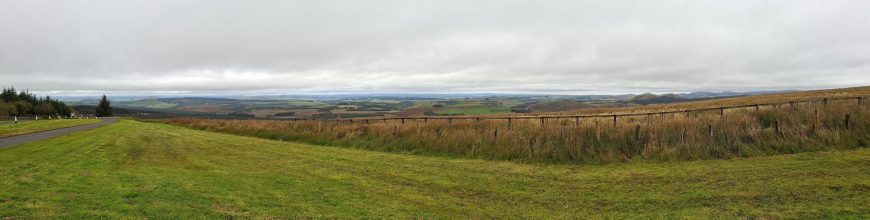
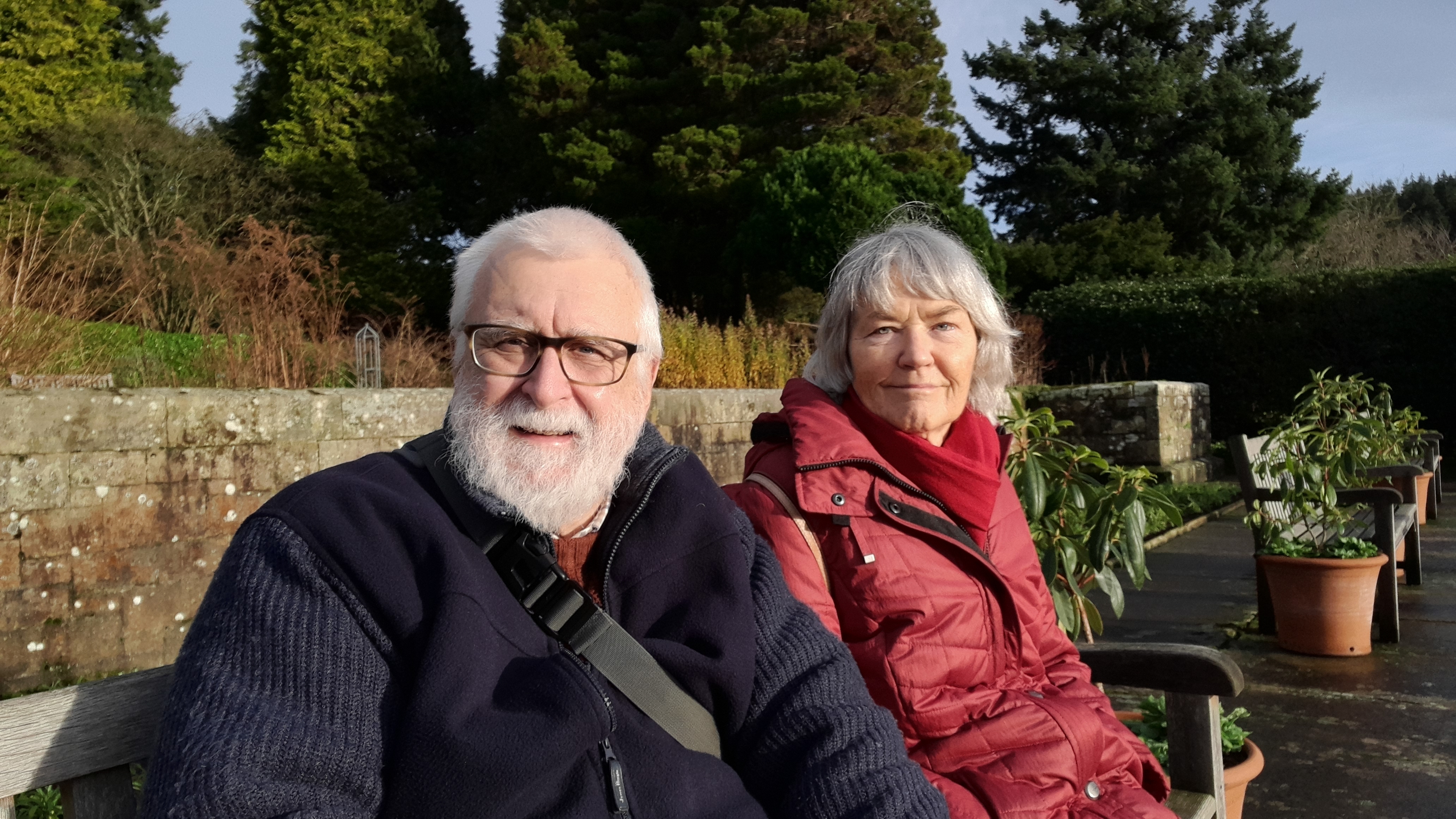
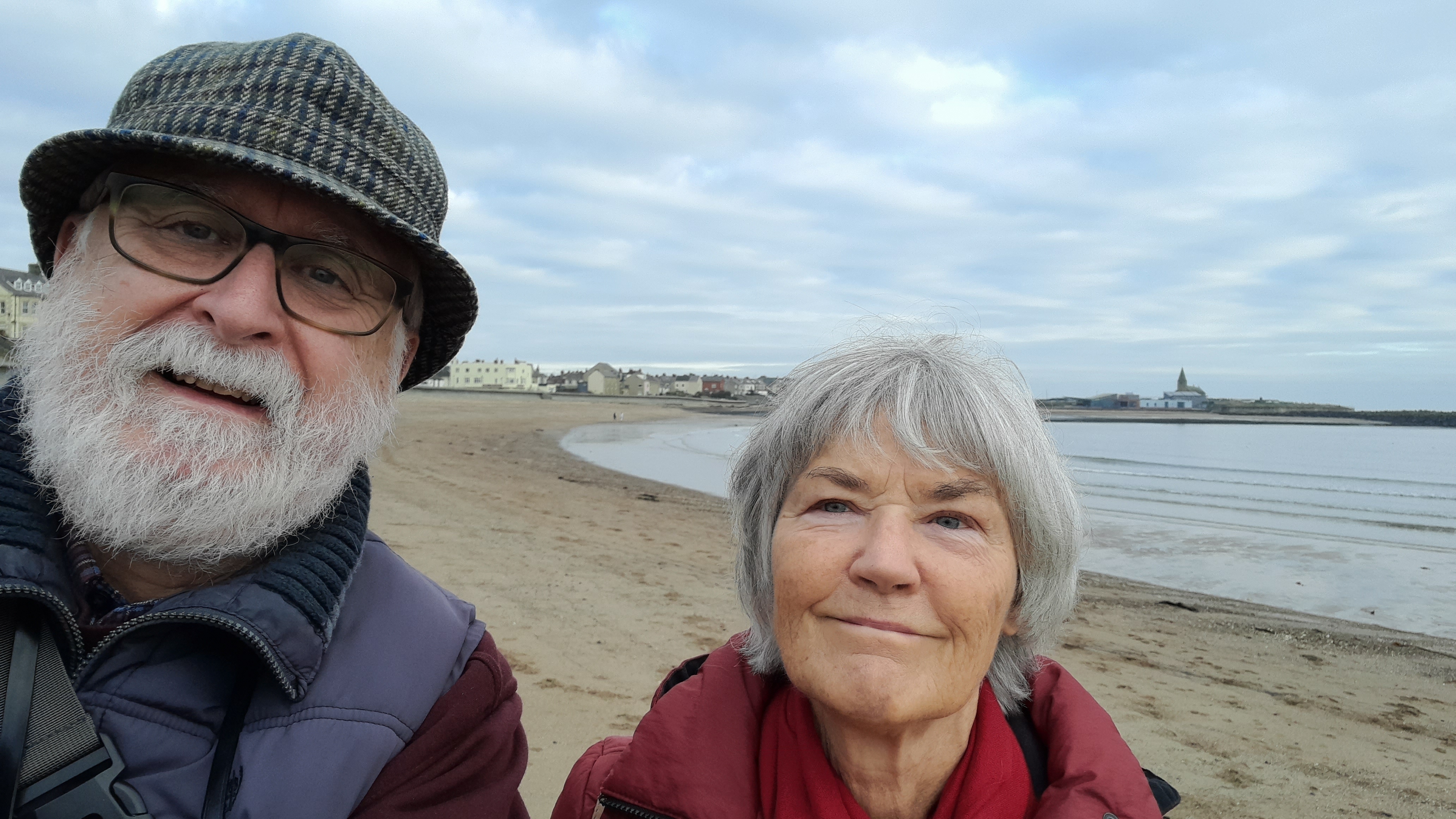
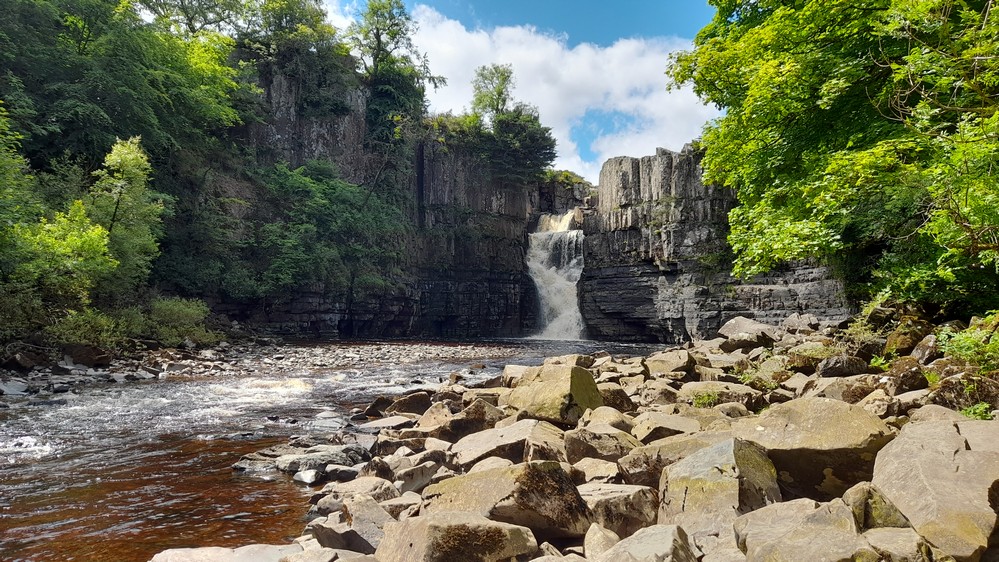
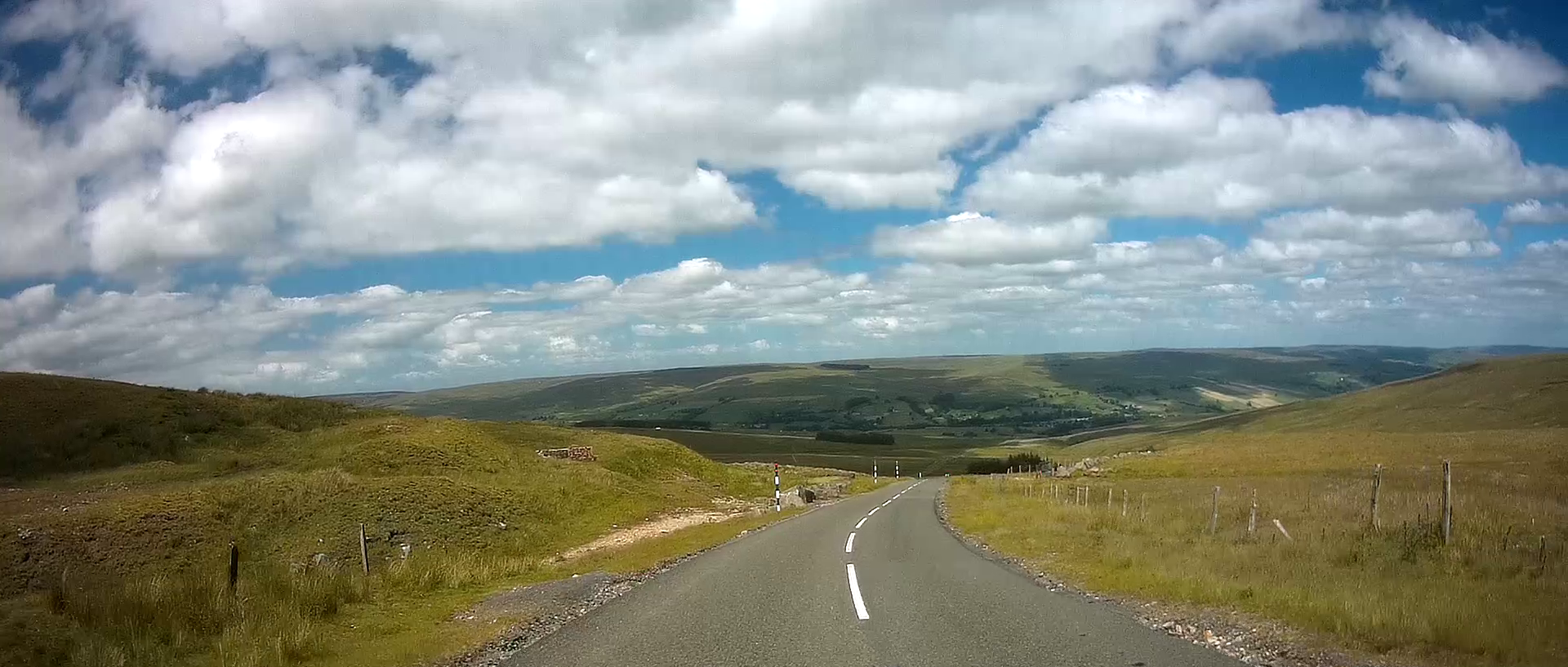
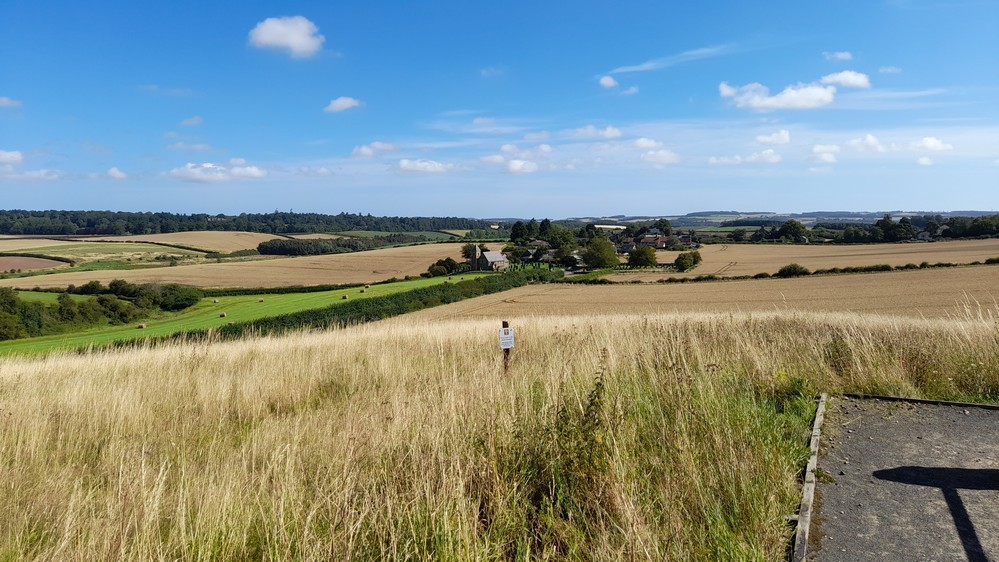
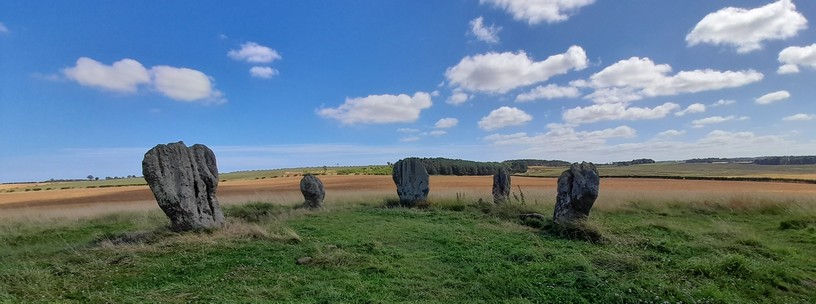
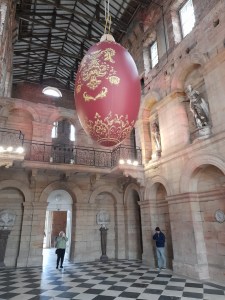 Each Christmas we try to visit one of Trust properties to see their Christmas decorations. And this year it was Cragside and Seaton Delaval in early December, where there was the most enormous bauble hanging from the ceiling of the main hall (which was destroyed by fire at the beginning of the 19th century).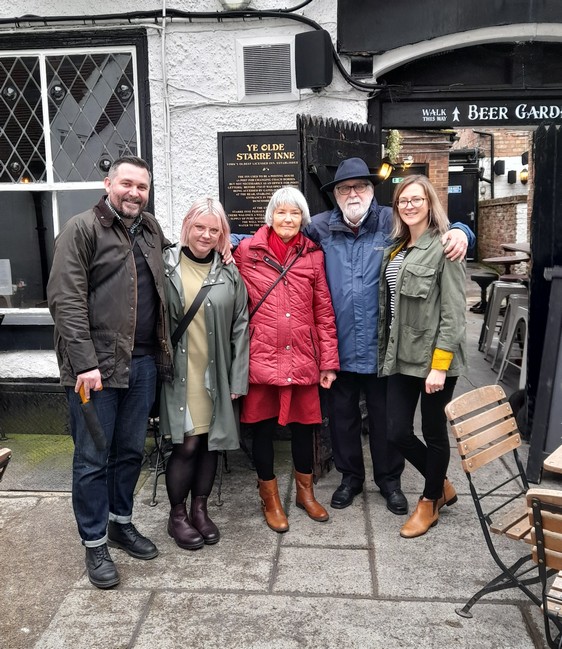
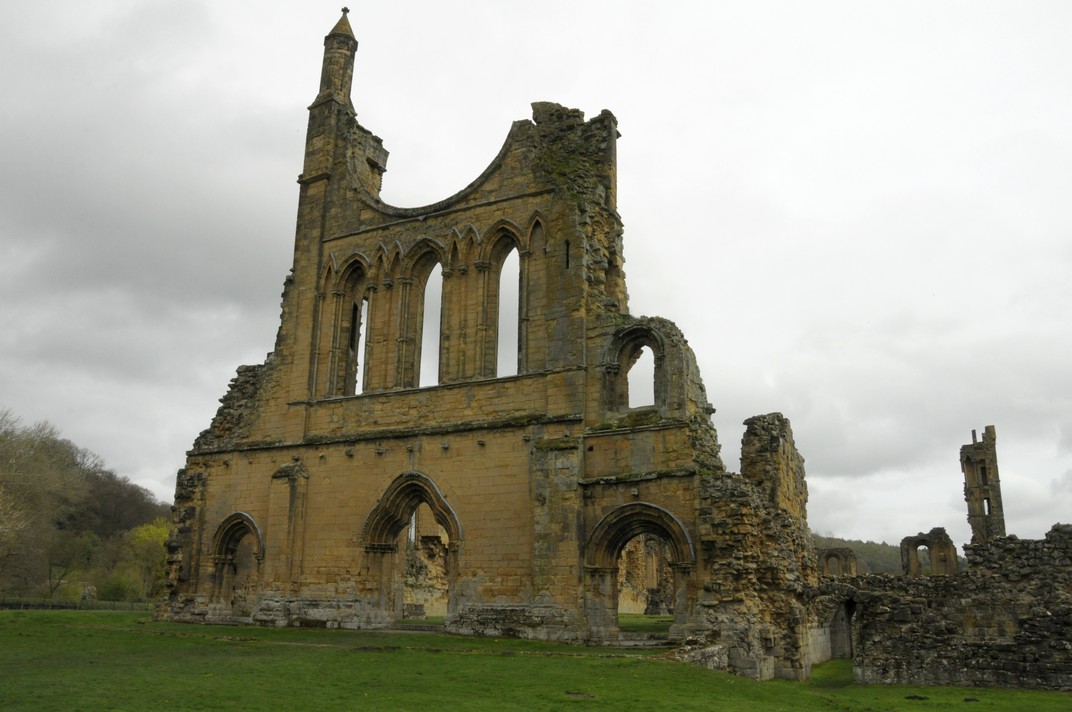
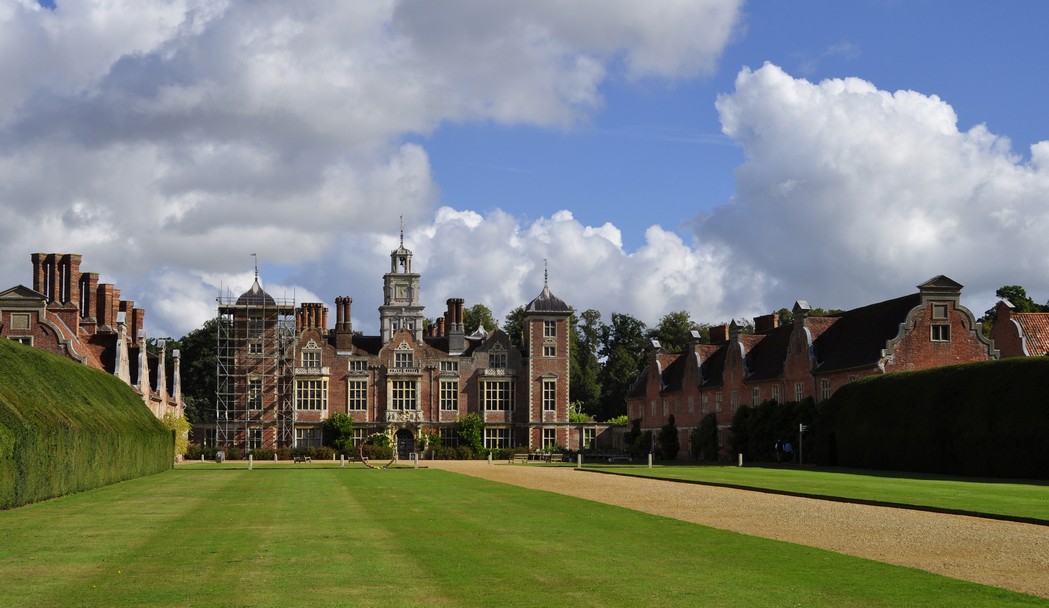


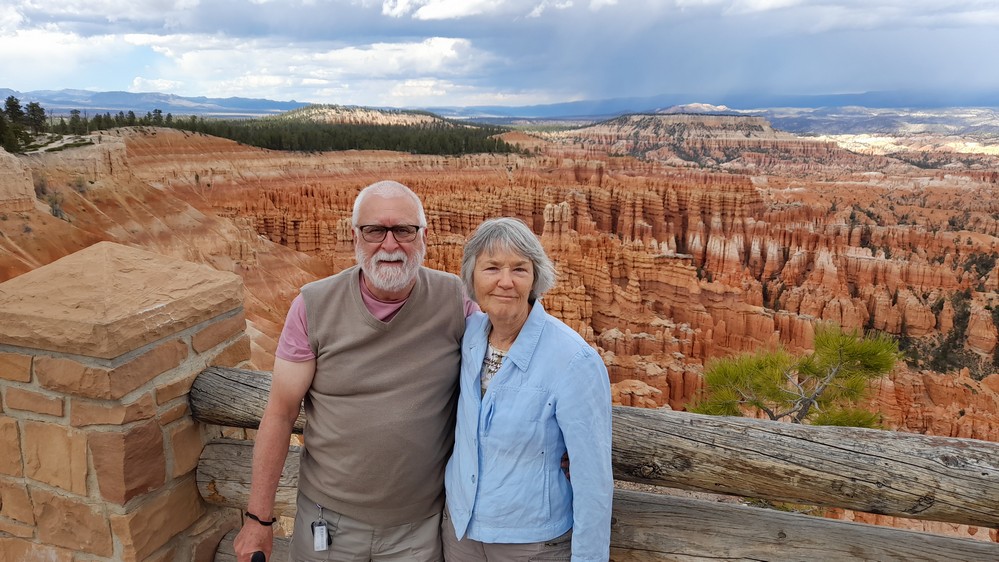
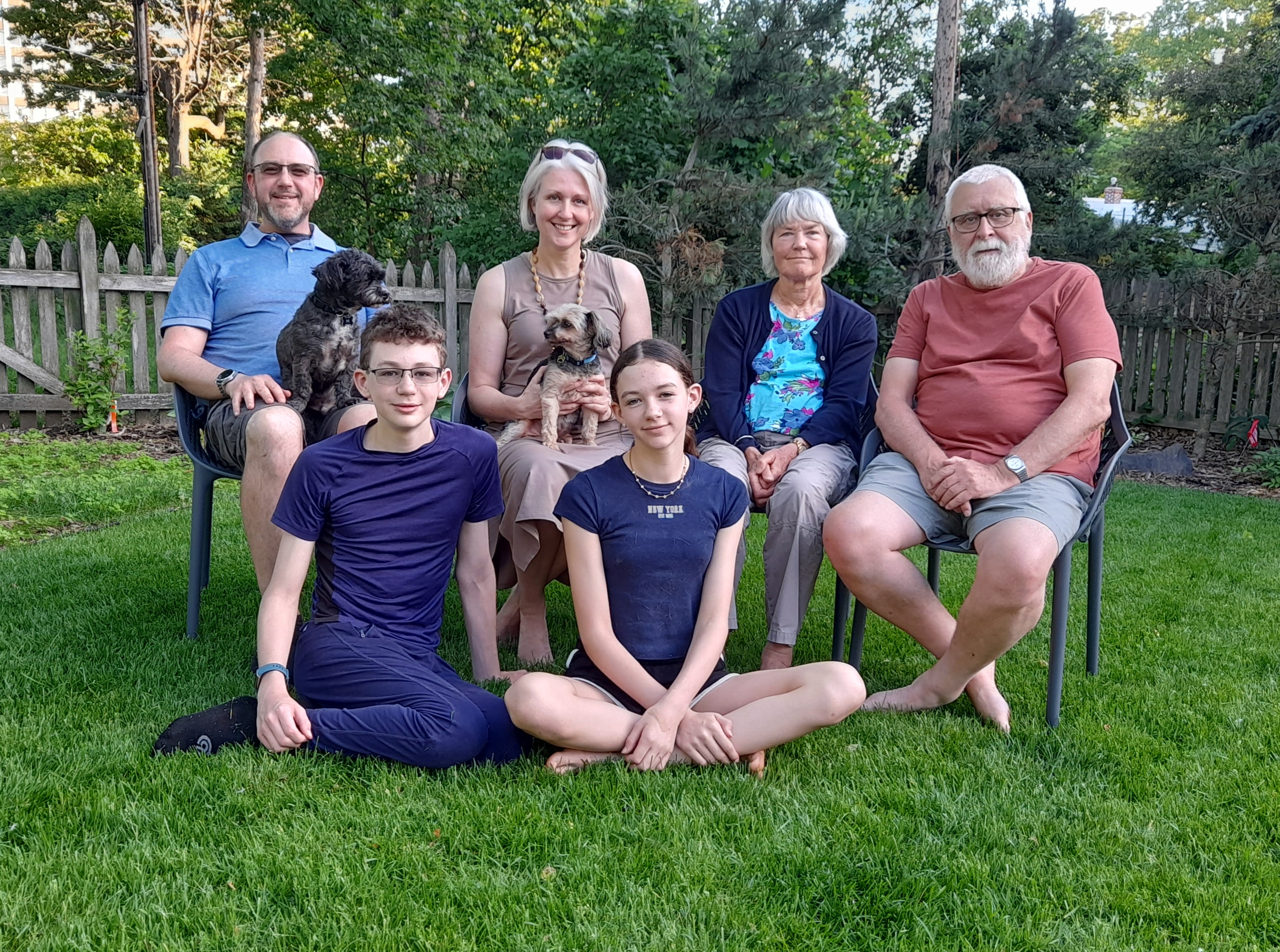
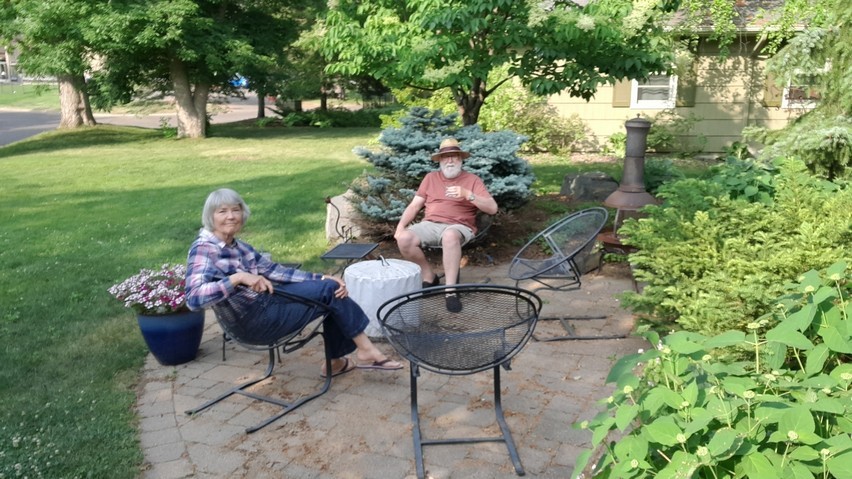
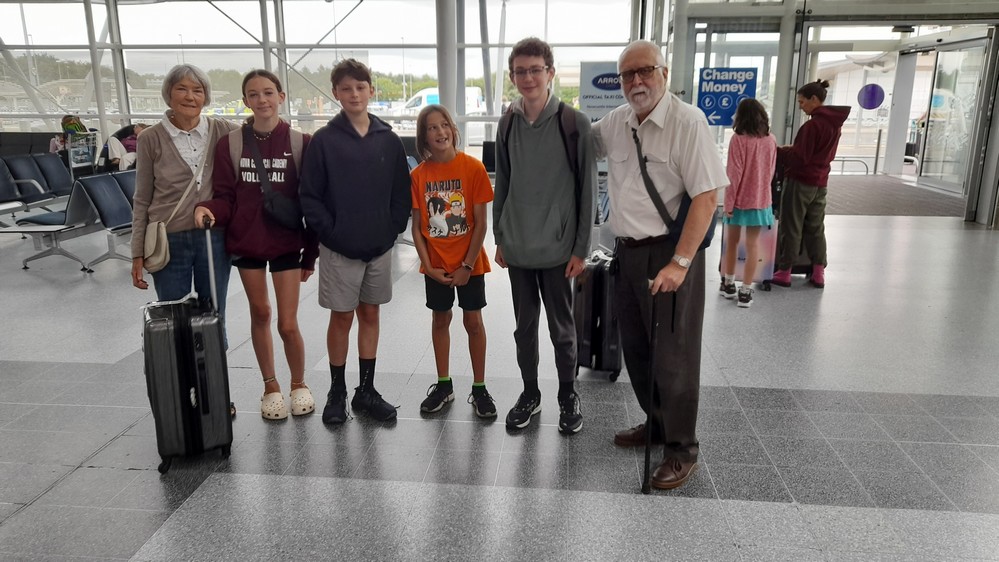


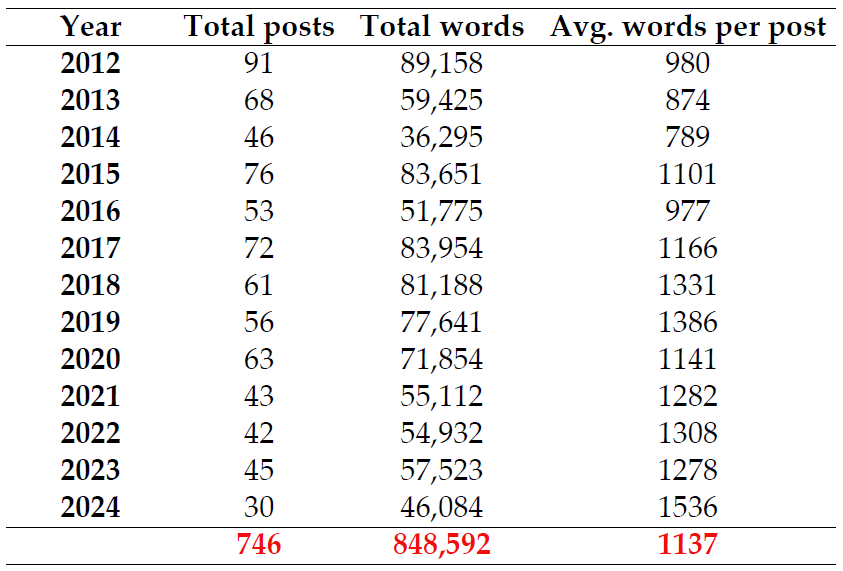
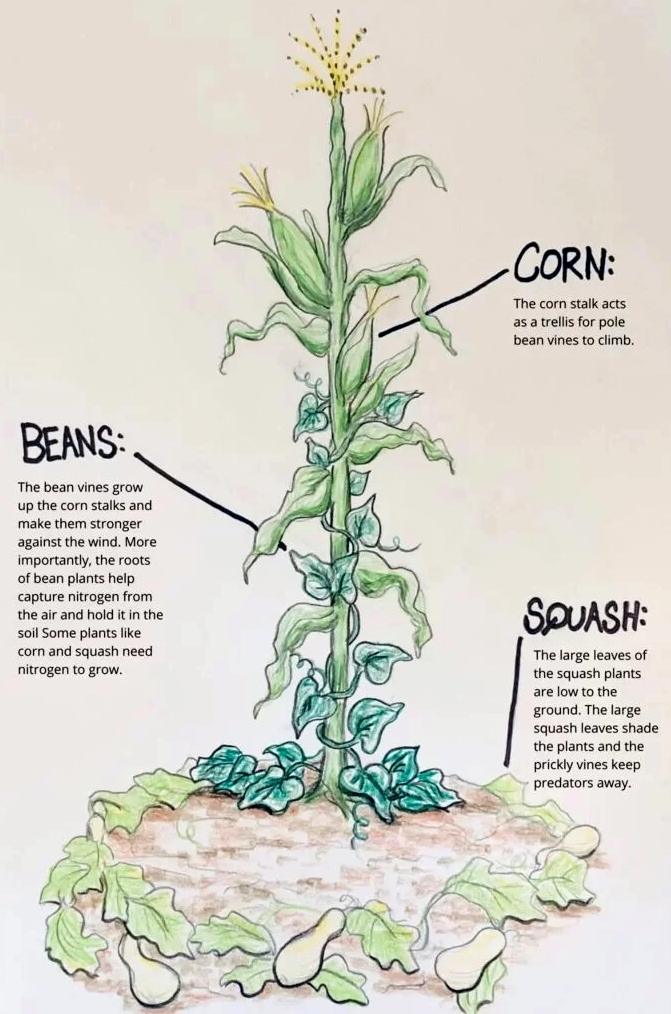


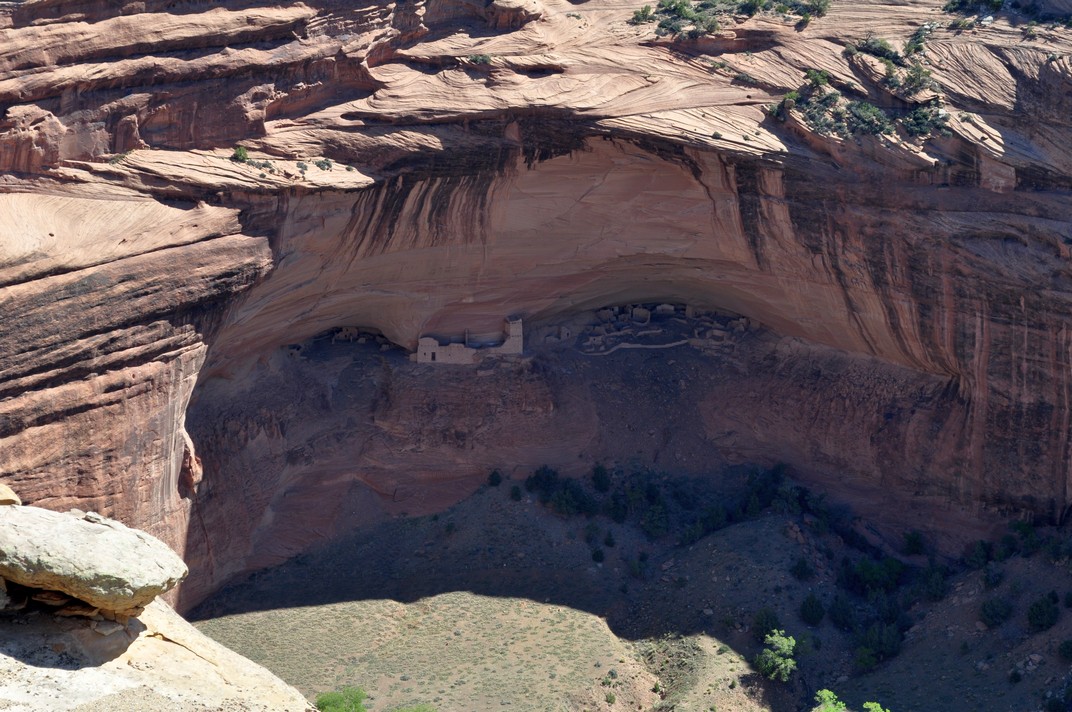
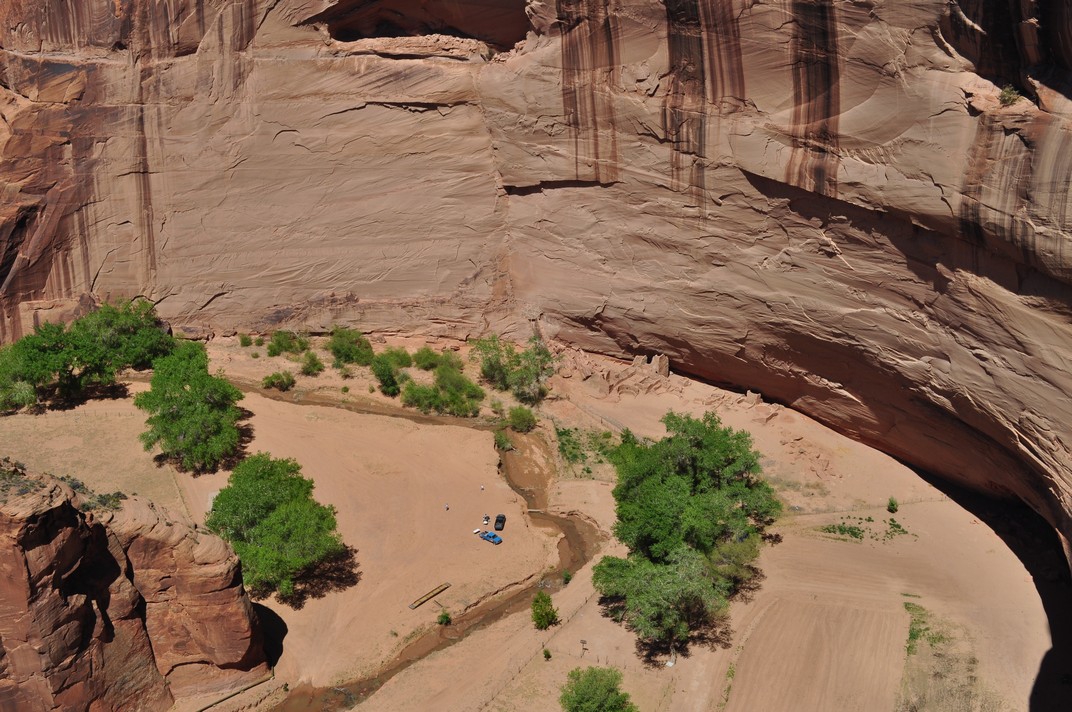
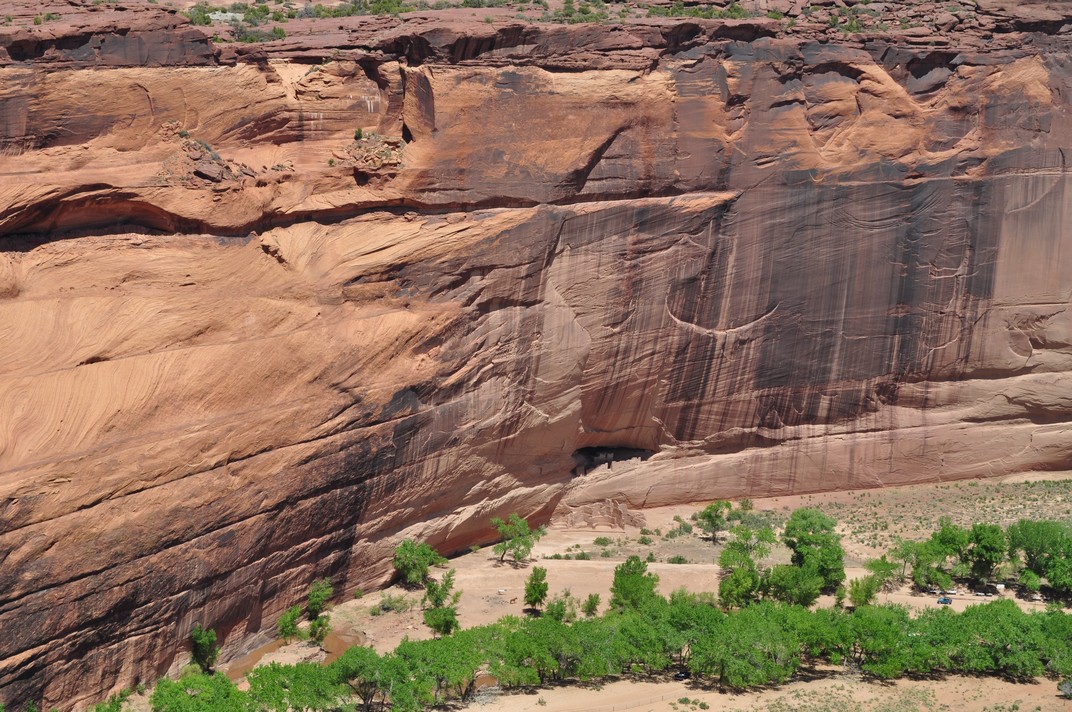




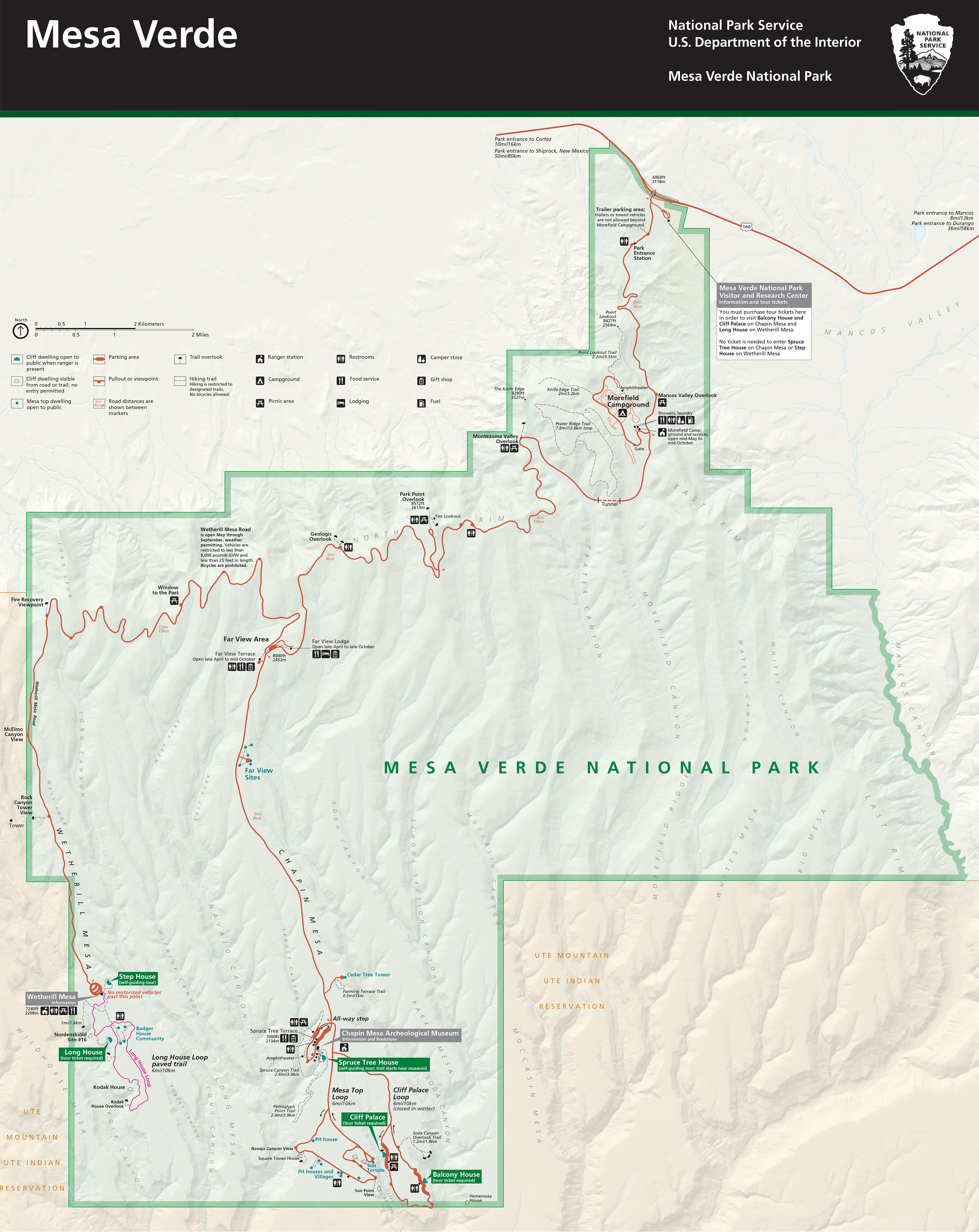


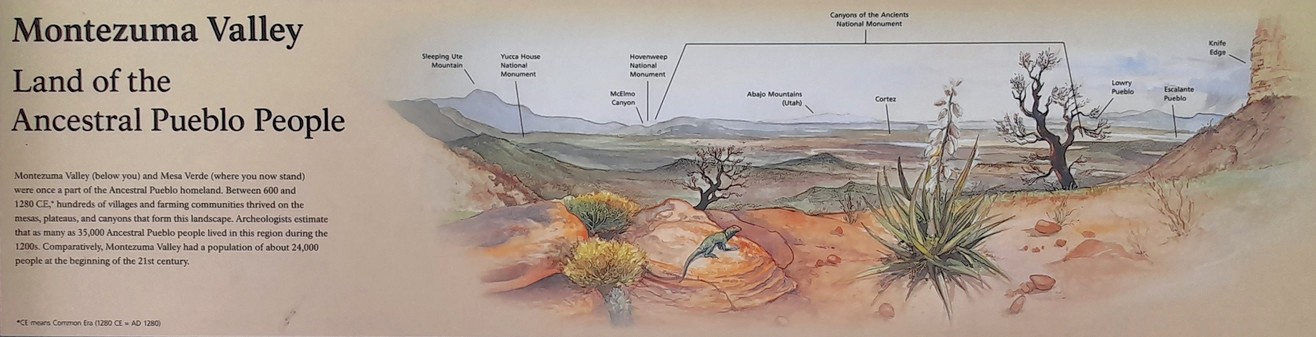
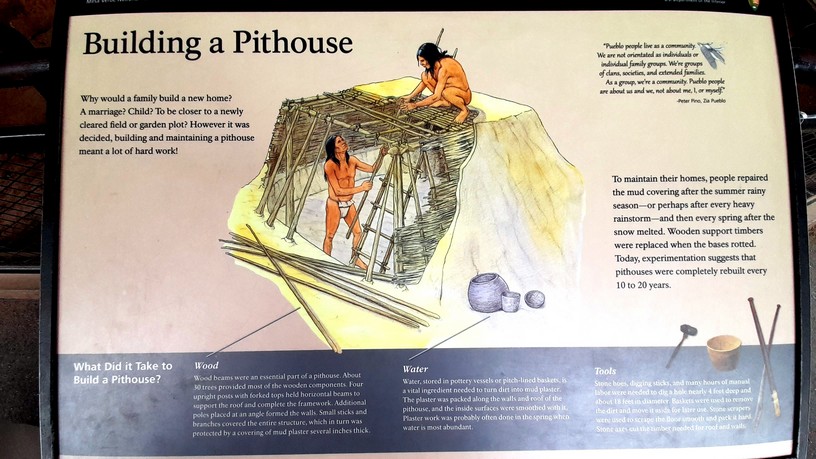
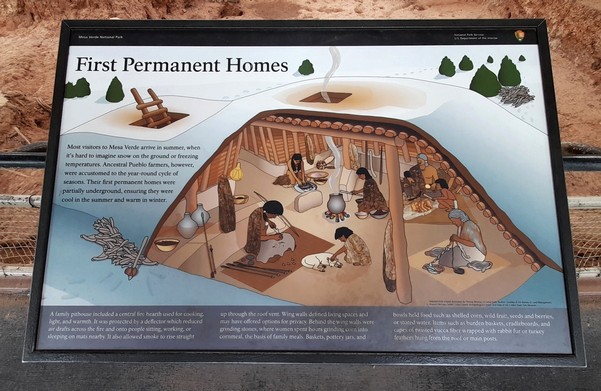
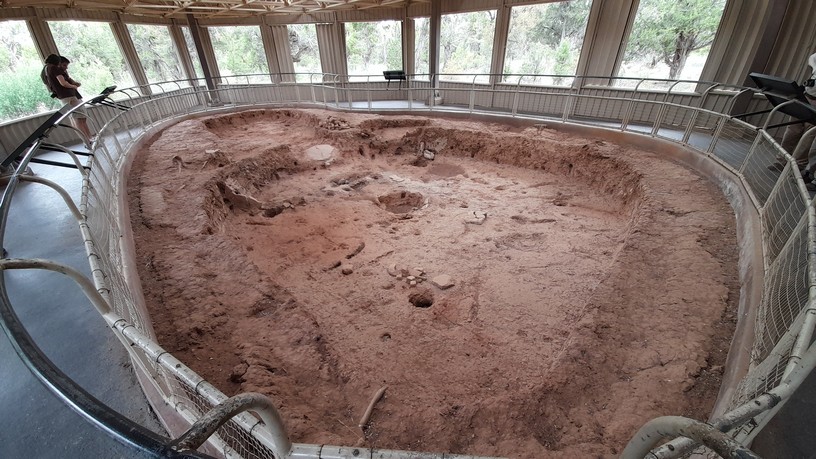
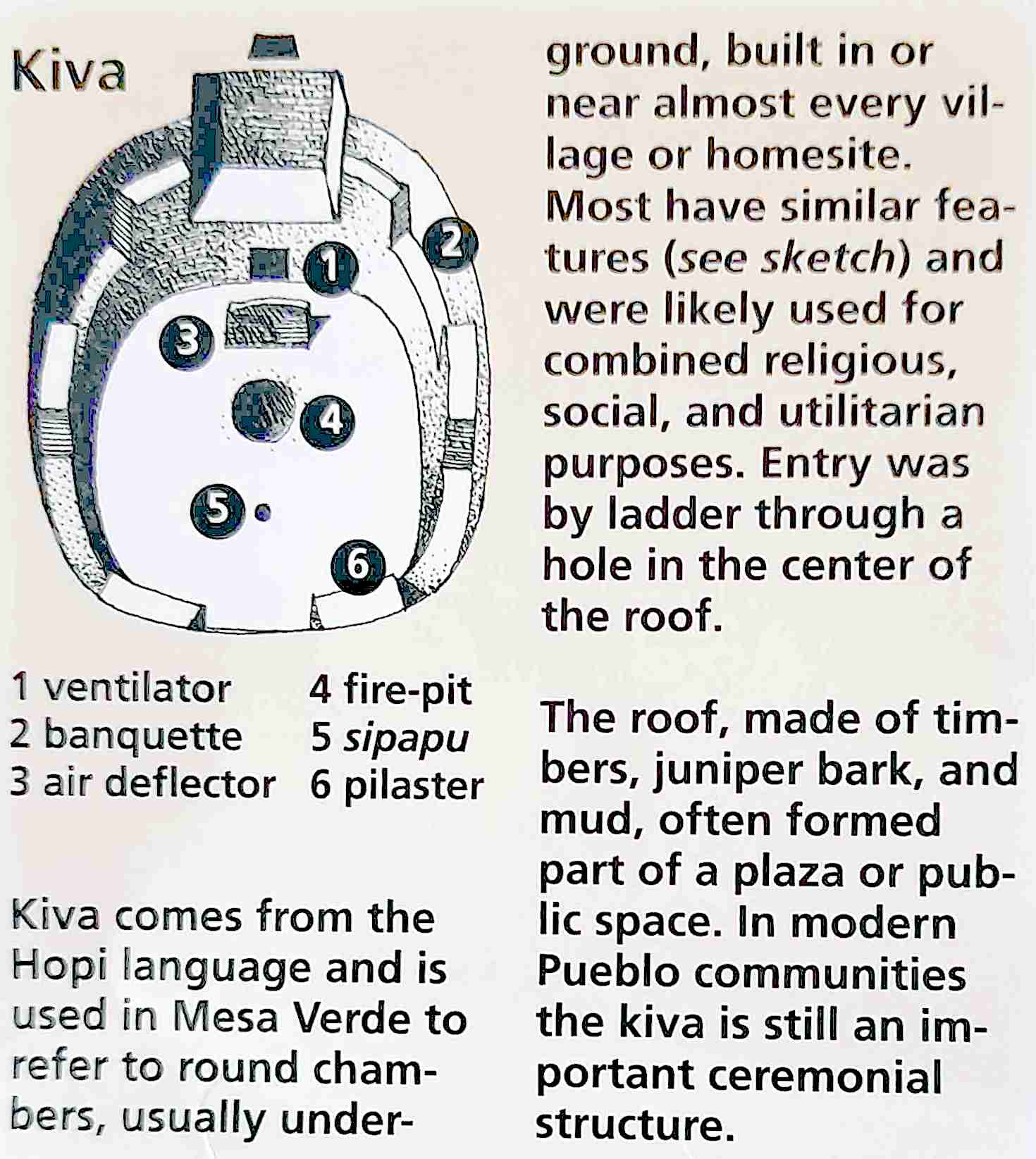
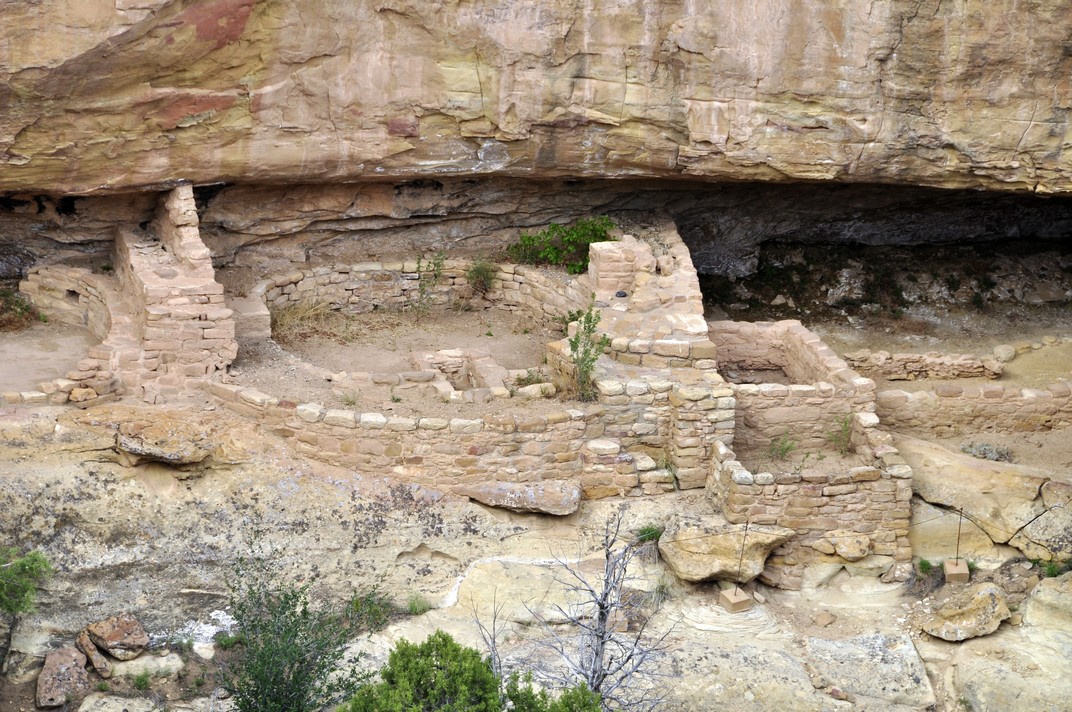


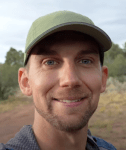
 The day after visiting Mesa Verde, we set off early from Durango to cross the mountains east of Pagosa Springs, before heading northeast to Cañon City.
 You’ve probably never heard of
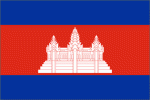 At the heart of the empire was the capital, Angkor, with its principal temple

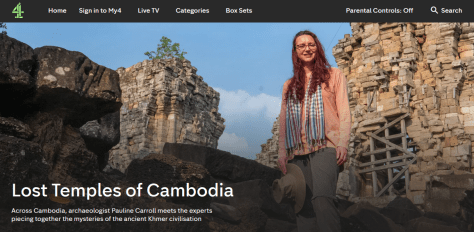


 I guess I should begin this section with


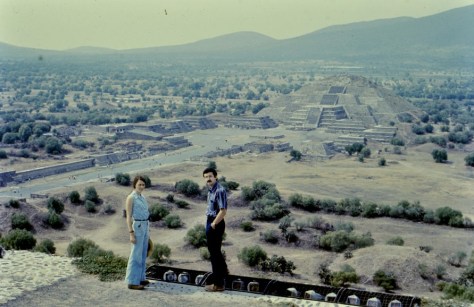


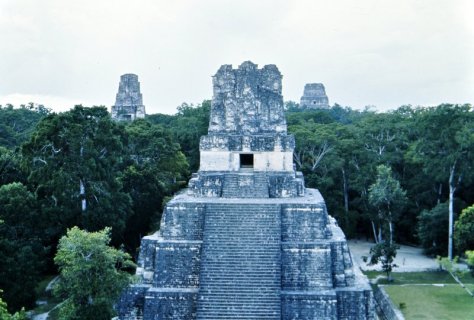
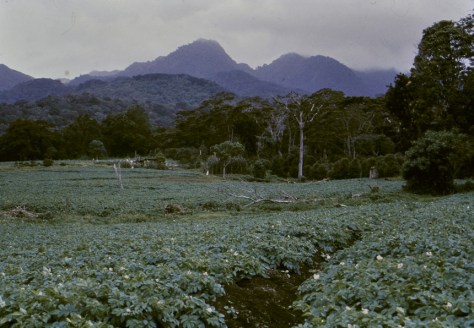
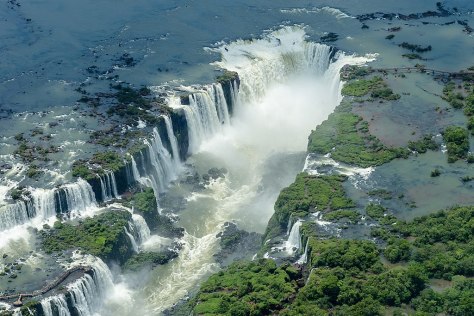


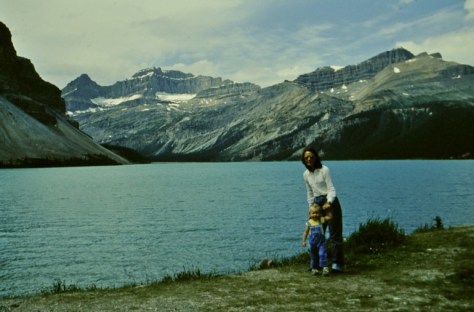
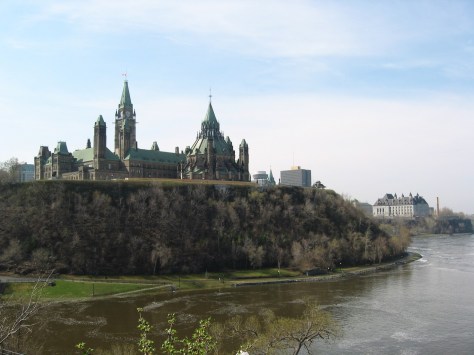


 Let’s turn to Asia now. I spent almost 19 years in the Philippines, joining the


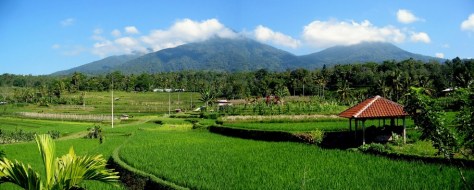
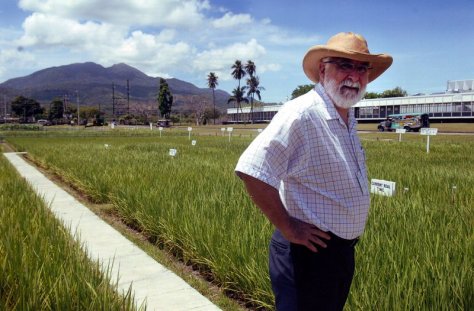


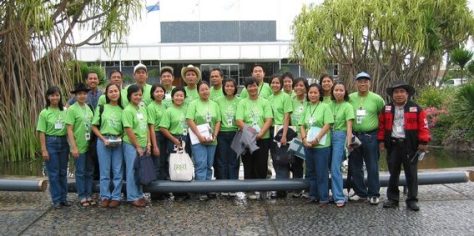
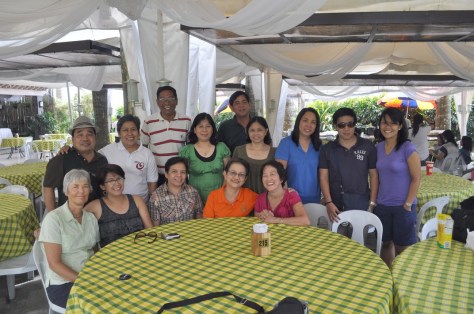


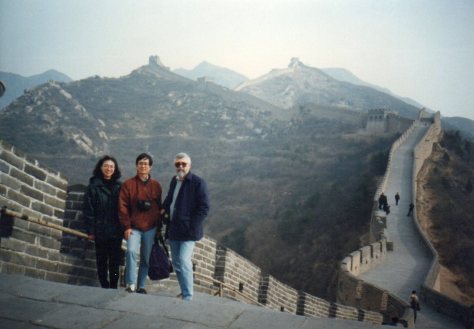
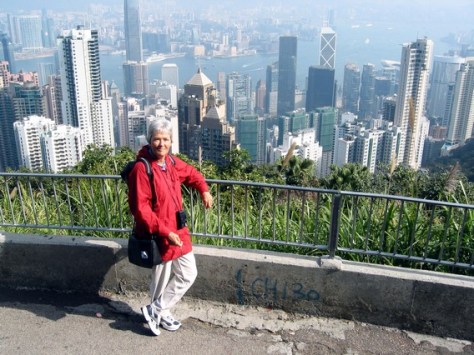
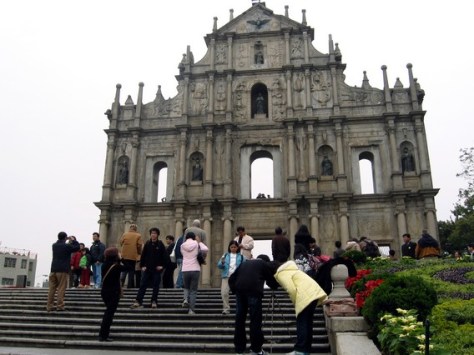
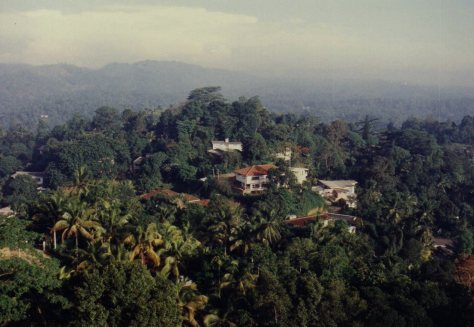
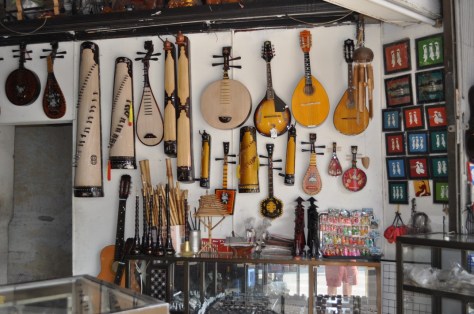

 In 2014 IRRI once again asked me to chair the science committee for the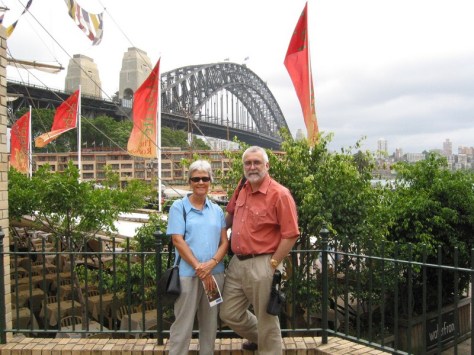

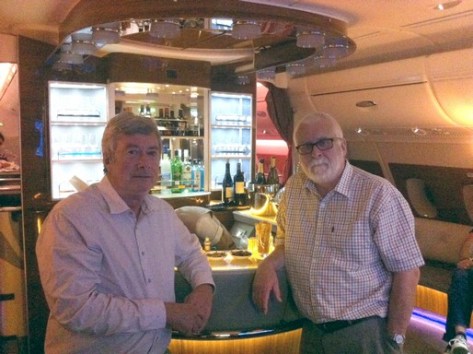

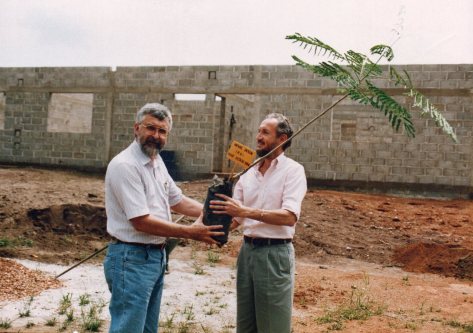
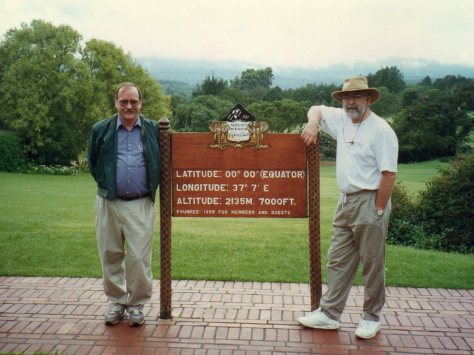


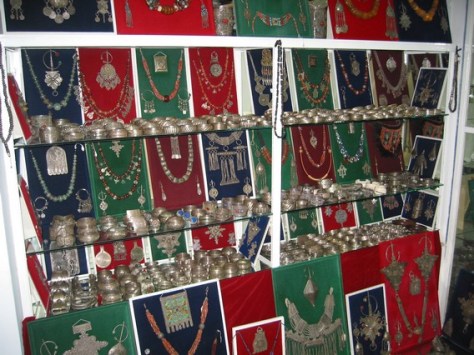
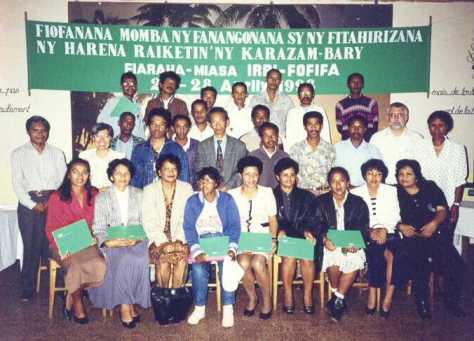

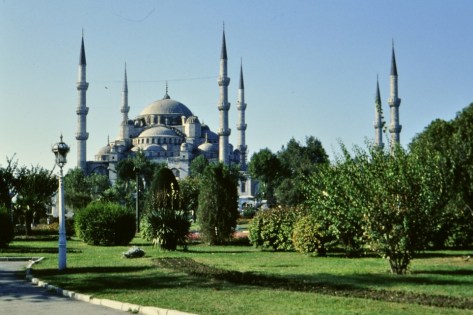
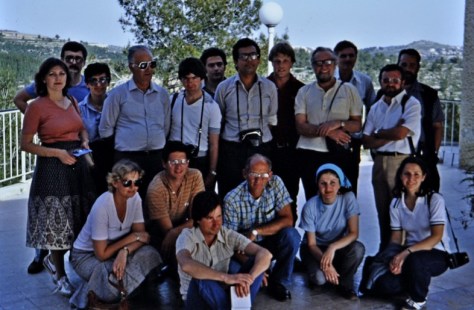
 I was next in Germany in the late 1980s, when I visited agricultural research institute near Hannover (also taking in the scenic town of Celle), before crossing into East Germany. I spent several interesting days at the
  There I gave a series of seminars on crop evolution and genetic conservation (focusing on potatoes) to staff of the agricultural research institute (IHAR). My hosts took me to the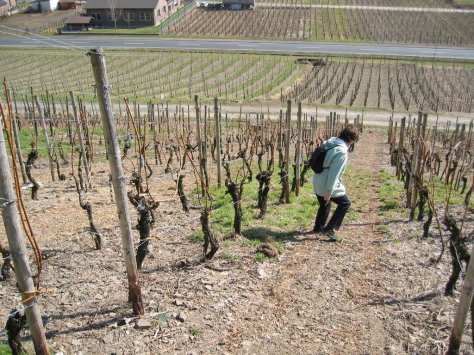
 One of the best trips I made was to view the Matterhorn in Switzerland near Zermatt. I had a free weekend before I had to travel on to Rome, so I took the opportunity of a day excursion from Bern.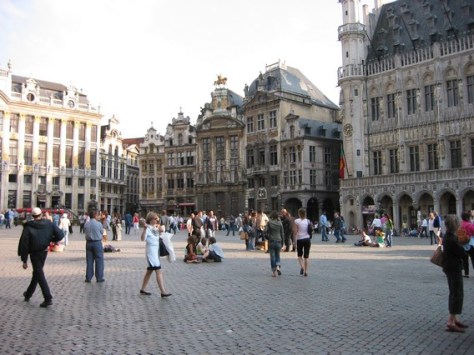
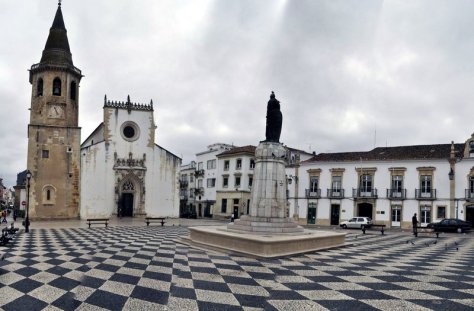

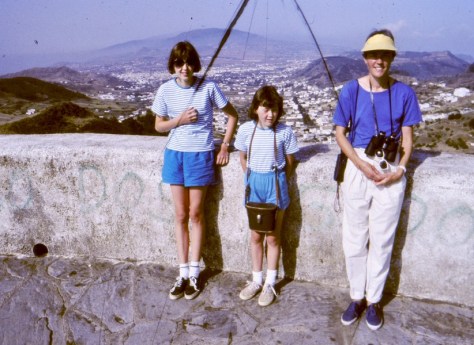
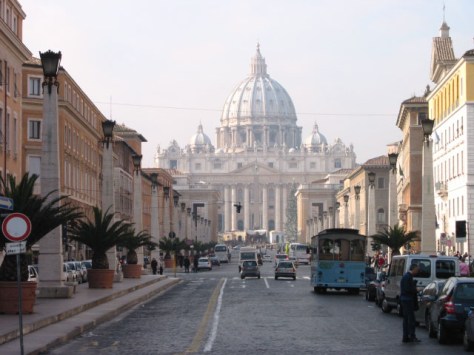


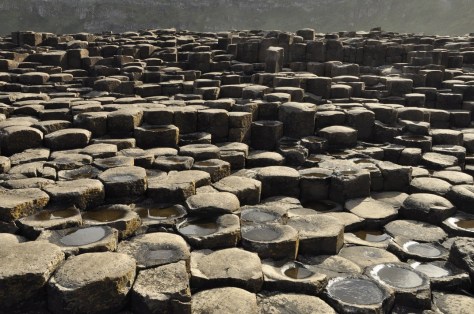


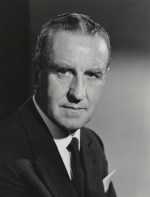
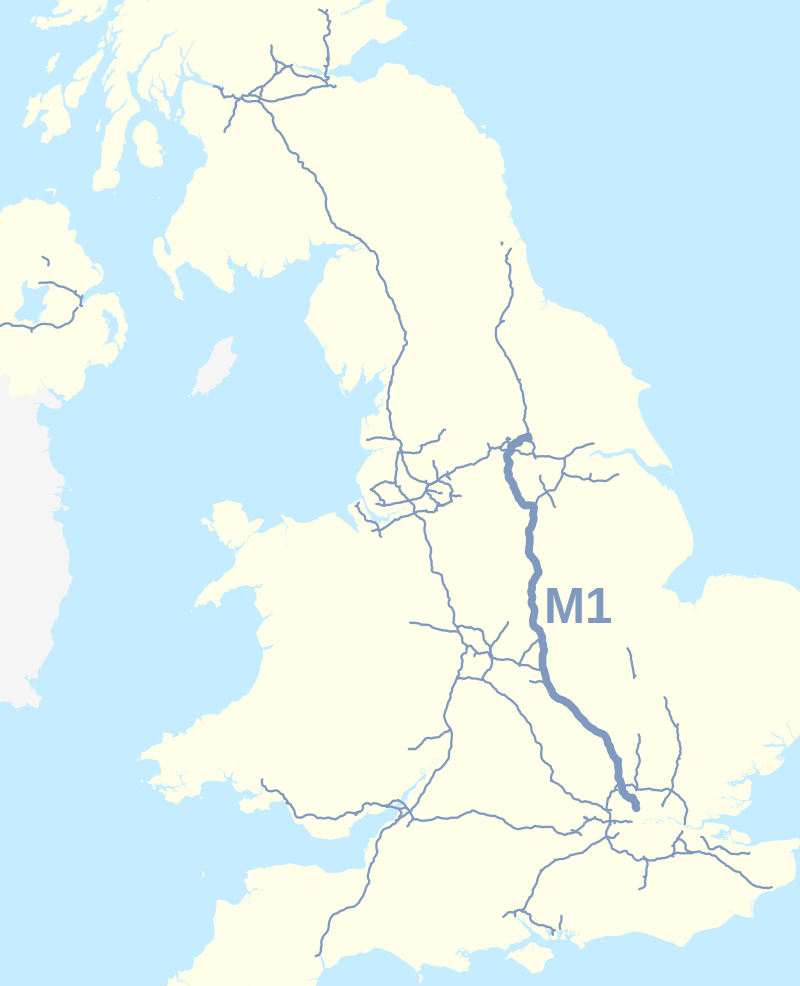
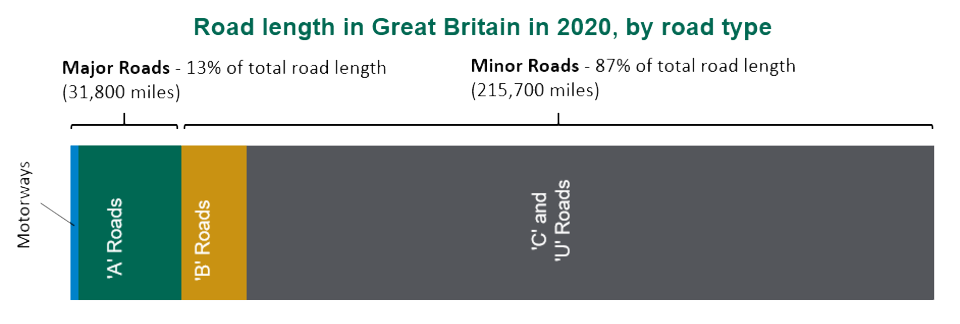


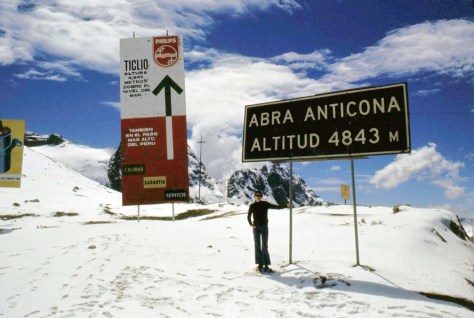


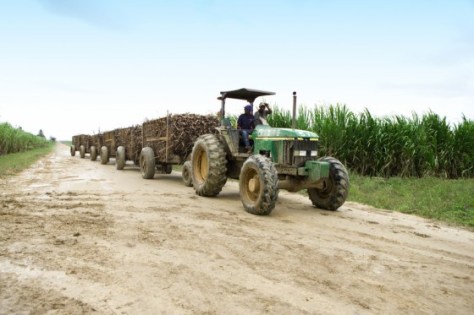
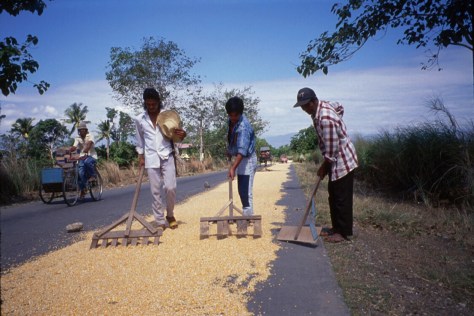
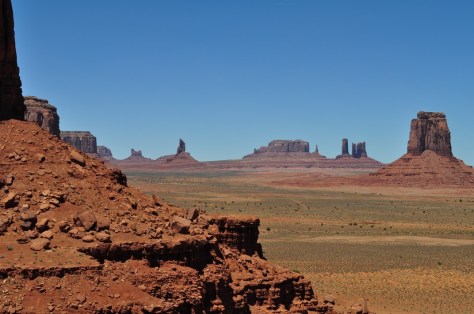
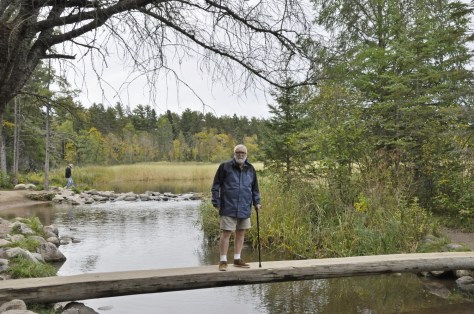
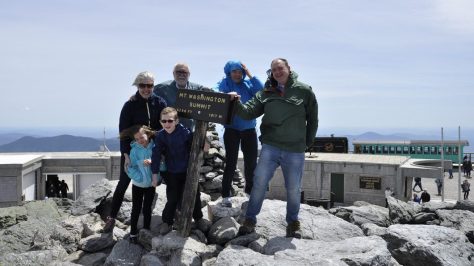


 As I approach my 73rd birthday, I find myself inevitably reminiscing about the places I’ve been, the wonders (both natural and man-made) I’ve seen, and the people I’ve met in the more than 60 countries (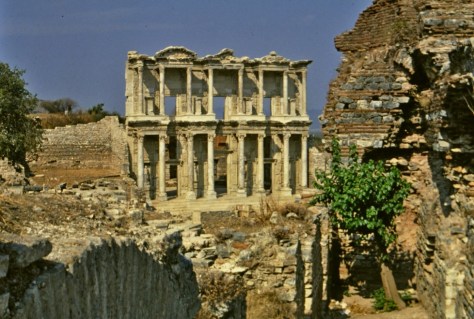
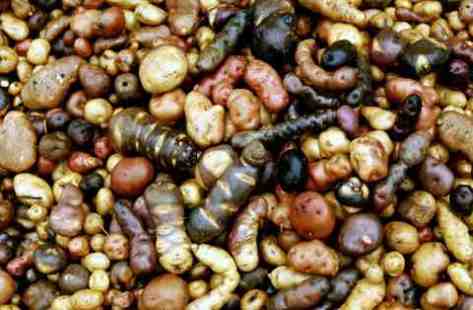
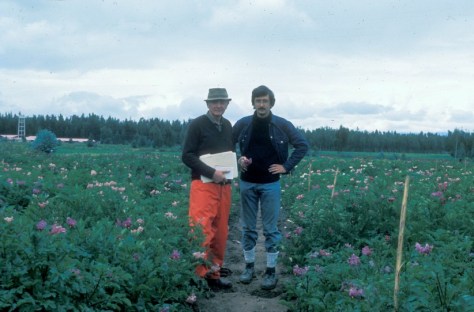
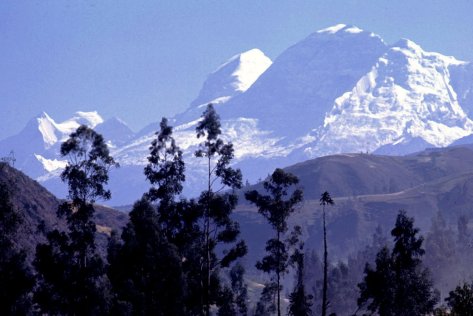
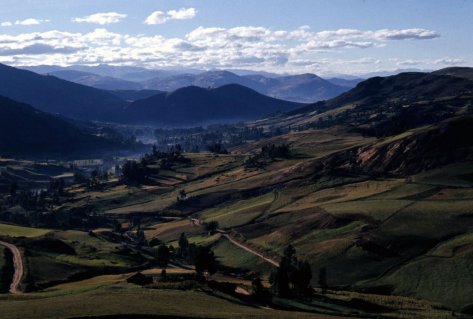
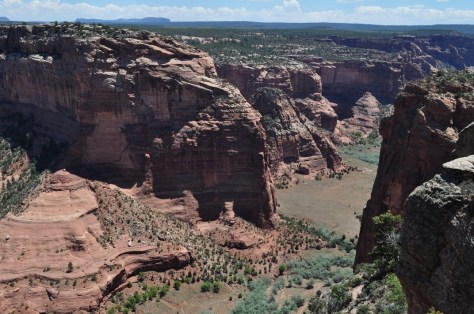
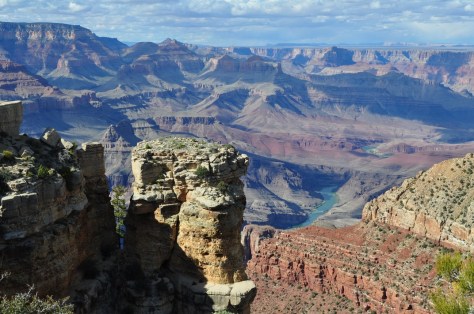

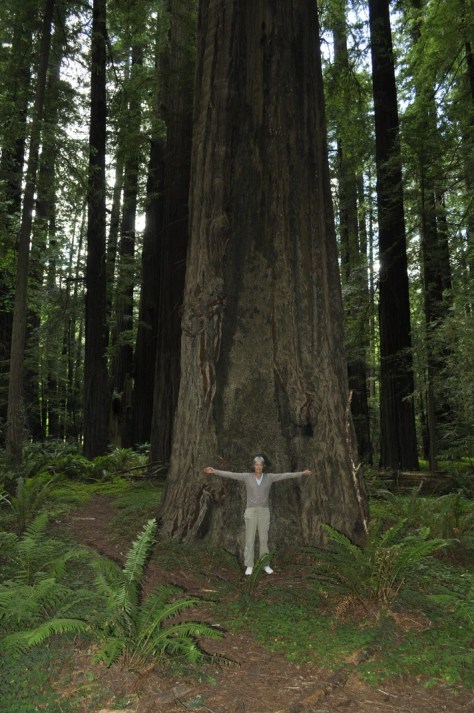

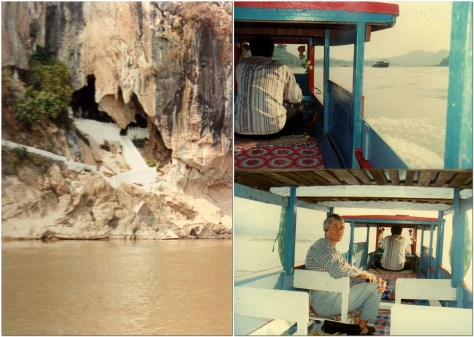


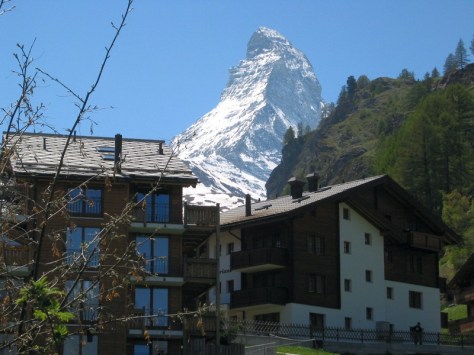

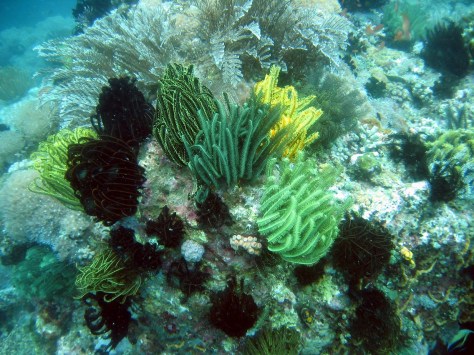
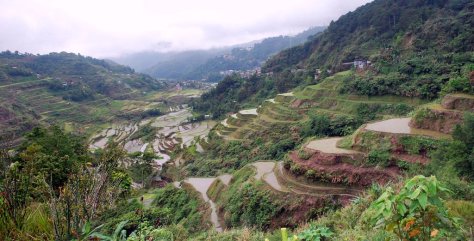

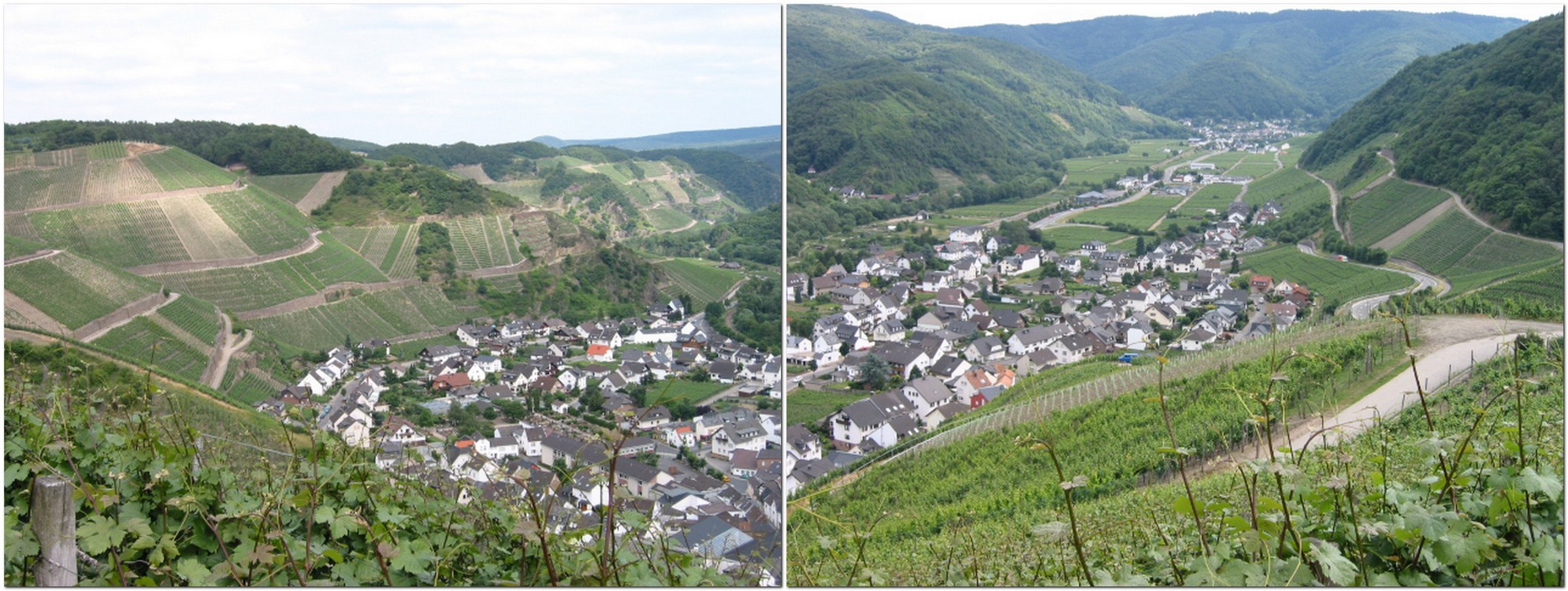


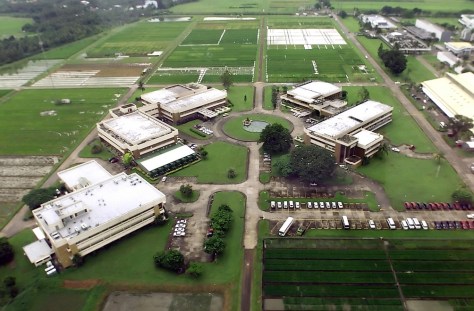
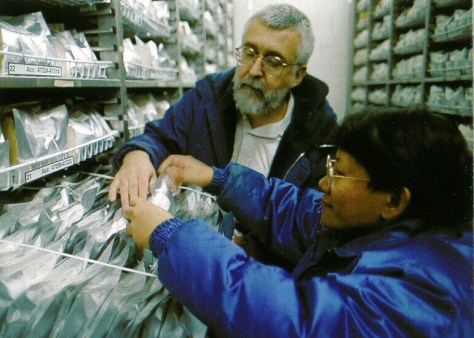
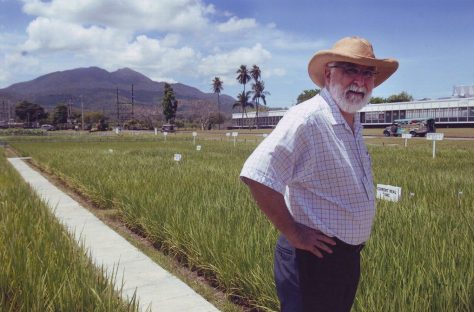
 Professor Brian Ford-Lloyd and I were graduate students together, colleagues at the University of Birmingham during the 1980s, and collaborating research scientists during the years at IRRI. Since we both lived in Bromsgrove, we would travel together into the university each day. We’ve published three books on genetic resources together. Following my retirement in 2010, Brian and I would meet up every few weeks to enjoy a pint of beer or three at our local pub, the Red Lion, in Bromsgrove where we both lived. Until that is I moved away from Bromsgrove to the northeast of England almost a year ago.


 28 June 1991. It was a Friday. Ten years and three months since I joined the University of Birmingham as a Lecturer in Plant Biology. And it was my last day in that post. A brief farewell party in the School of Biological Sciences at the end of the day, and that was it. I was no longer an academic.
 But I began to get itchy feet, and when the opportunity arose (in September 1990) for a move to the Philippines, to join the International Rice Research Institute (IRRI) as Head of the newly-established Genetic Resources Center (with its mandate to manage the world’s largest and genetically most important genebank for rice), I didn’t hesitate. Although, I have to admit, Steph and our daughters (Philippa was born in 1982) were less keen on the idea.
 Philippines with just under 24 hours to recover from my trip before the interview schedule began. In the end, I had less than four hours sleep, and was up for a 7 am breakfast meeting with Director General Klaus Lampe (right) and his three Deputy Directors General!
 Even so, Lampe asked me to represent IRRI at a genetic resources meeting held in April at the Food and Agriculture Organization of the United Nations (FAO) in Rome. That would be the first of many meetings at FAO and even more visits to Rome where the International Plant Genetic Resources Institute (IPGRI, now Bioversity International) also had its office.
 I don’t remember too much about the trip from that point. Not because of over-imbibing, I hasten to add. It was just uneventful. On arrival in Manila, I was greeted by Director of Administration Tim Bertotti (right) and his Vietnamese wife who would be my ‘welcomers’ for the next few weeks, show me the IRRI ropes, so to speak, and be a couple I could turn to for advice. Having collected my heavy bags, and found the IRRI driver we headed south to Los Baños, where I stayed in the IRRI Guesthouse for the next month or so until the house allocated to me had been redecorated.

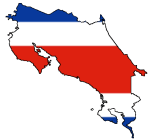 For almost five years, from April 1976 until the end of November 1980, Steph and I had the great good fortune to live in Costa Rica in Central America (it’s that small country with Nicaragua to the north and Panamá to the south). I was working for the Peru-based International Potato Center (CIP) in its regional program for Mexico, Central America, and the Caribbean. How the years have flown by since then.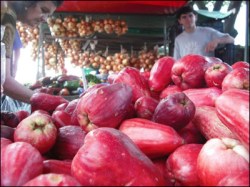
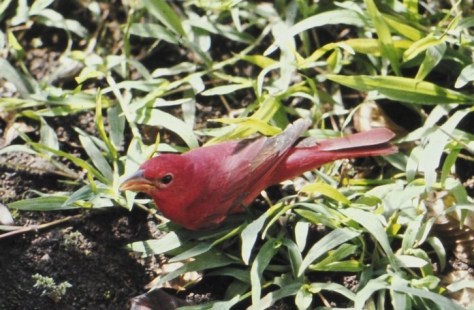
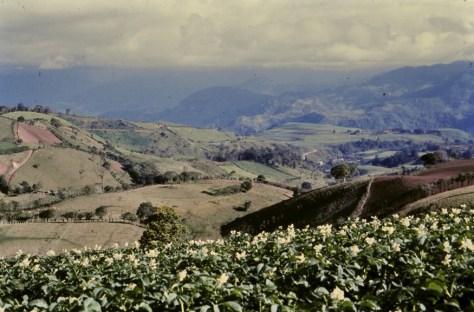
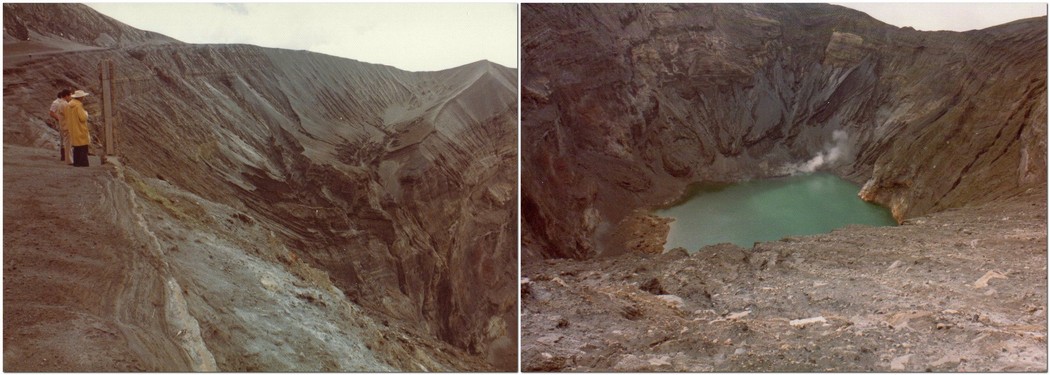
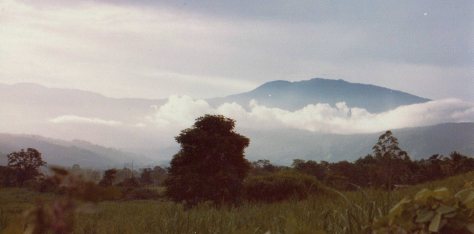
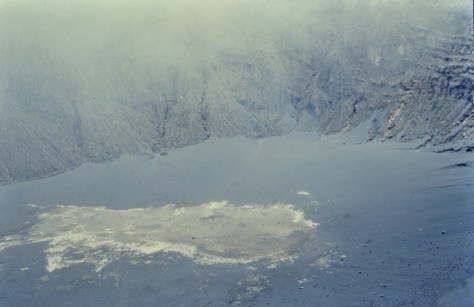
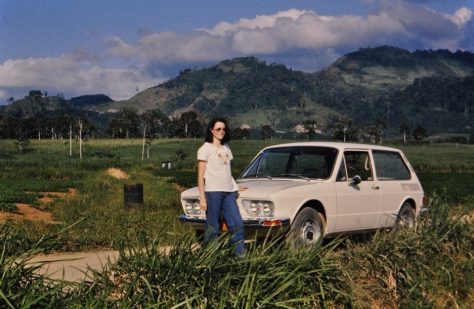


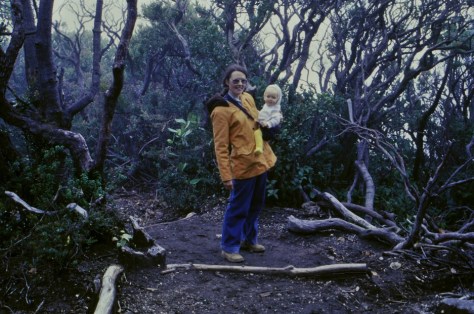
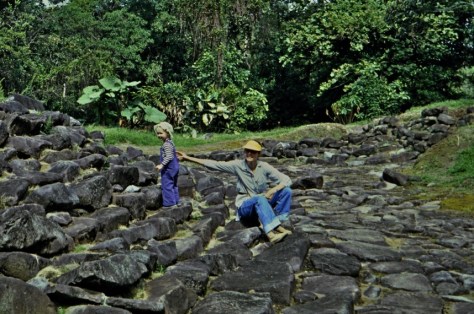
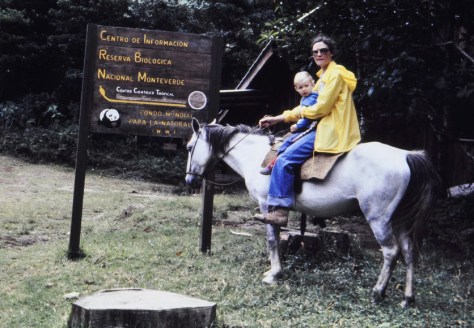


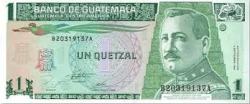 We actually went in search of the
  But there’s a larger population of quetzals apparently in Costa Rica. And Monteverde is a quetzal hotspot. And did we find it? You bet we did!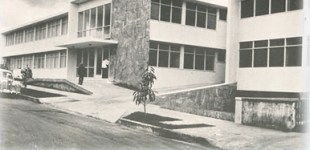
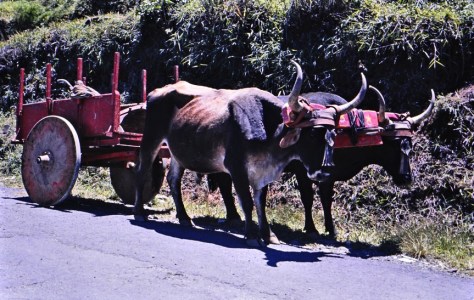
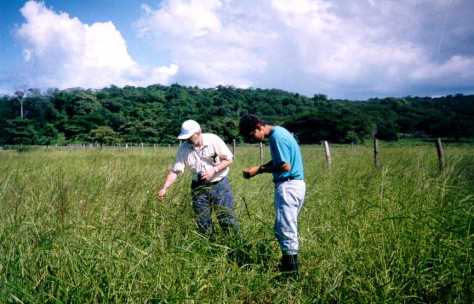
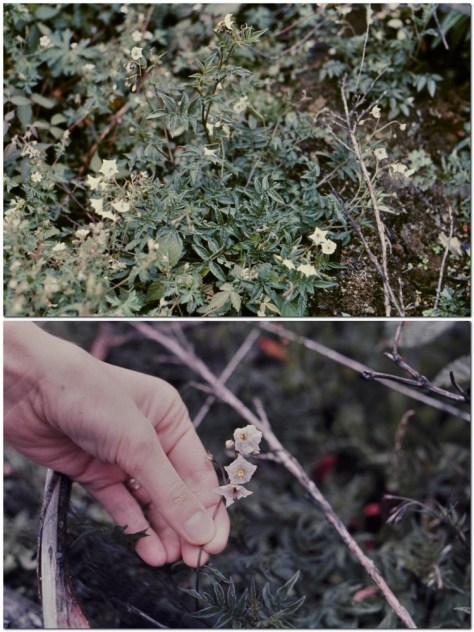
 2020 was meant to be a positive year of change. In early January we placed our house in Bromsgrove, Worcestershire on the market, with the hope (expectation?) of a quick sale. Instead, it’s a year on hold.
 During the nineteen years I spent in the Far East, I visited China just twice. The first time was in March 1995, and this post is all about that visit. It must have been in 2009 that I was in China again, for the annual meeting of the
 Agriculture under the supervision Professor Roland von Bothmer, studying the cytogenetics of wheat species, if memory serves me correctly. He had also spent some months working at the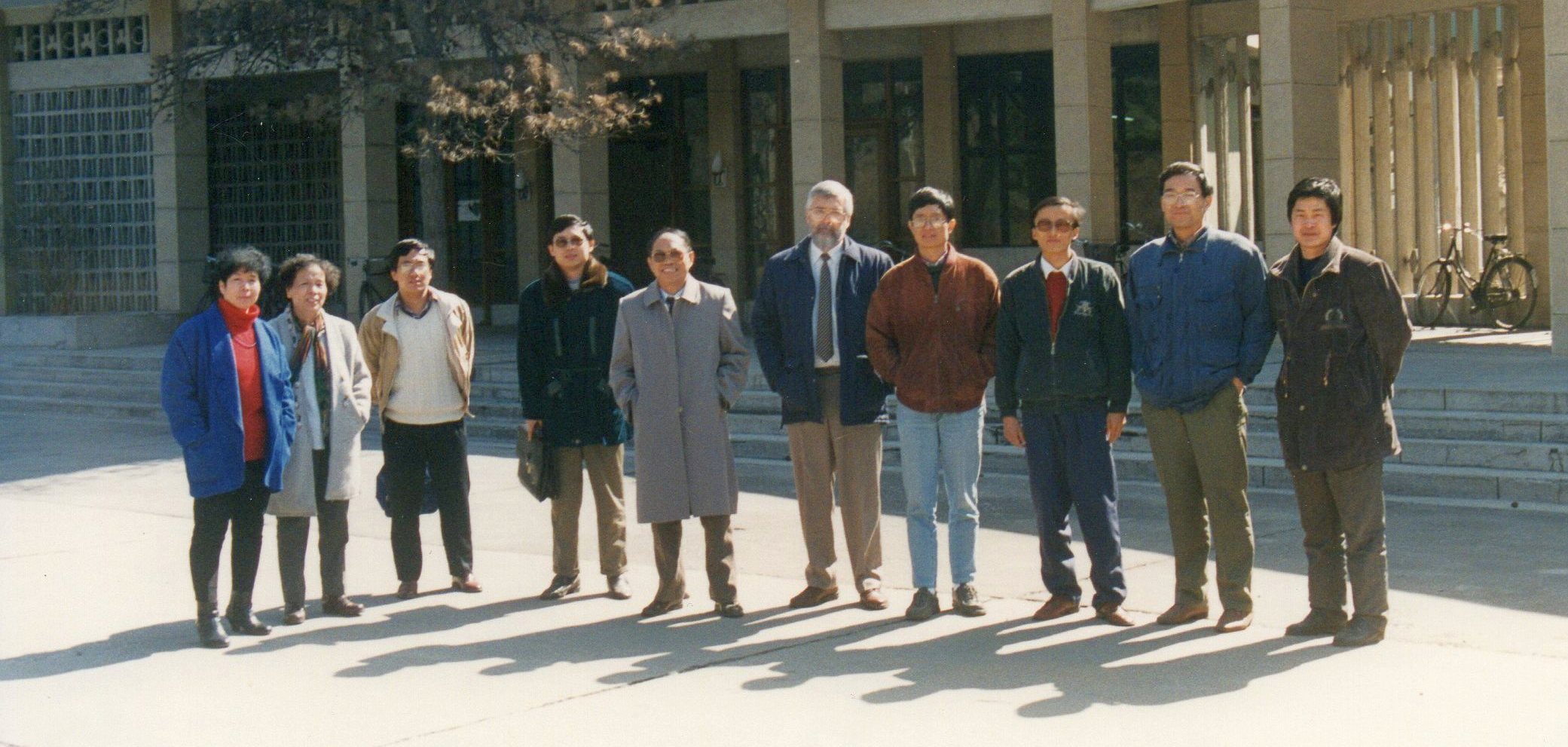
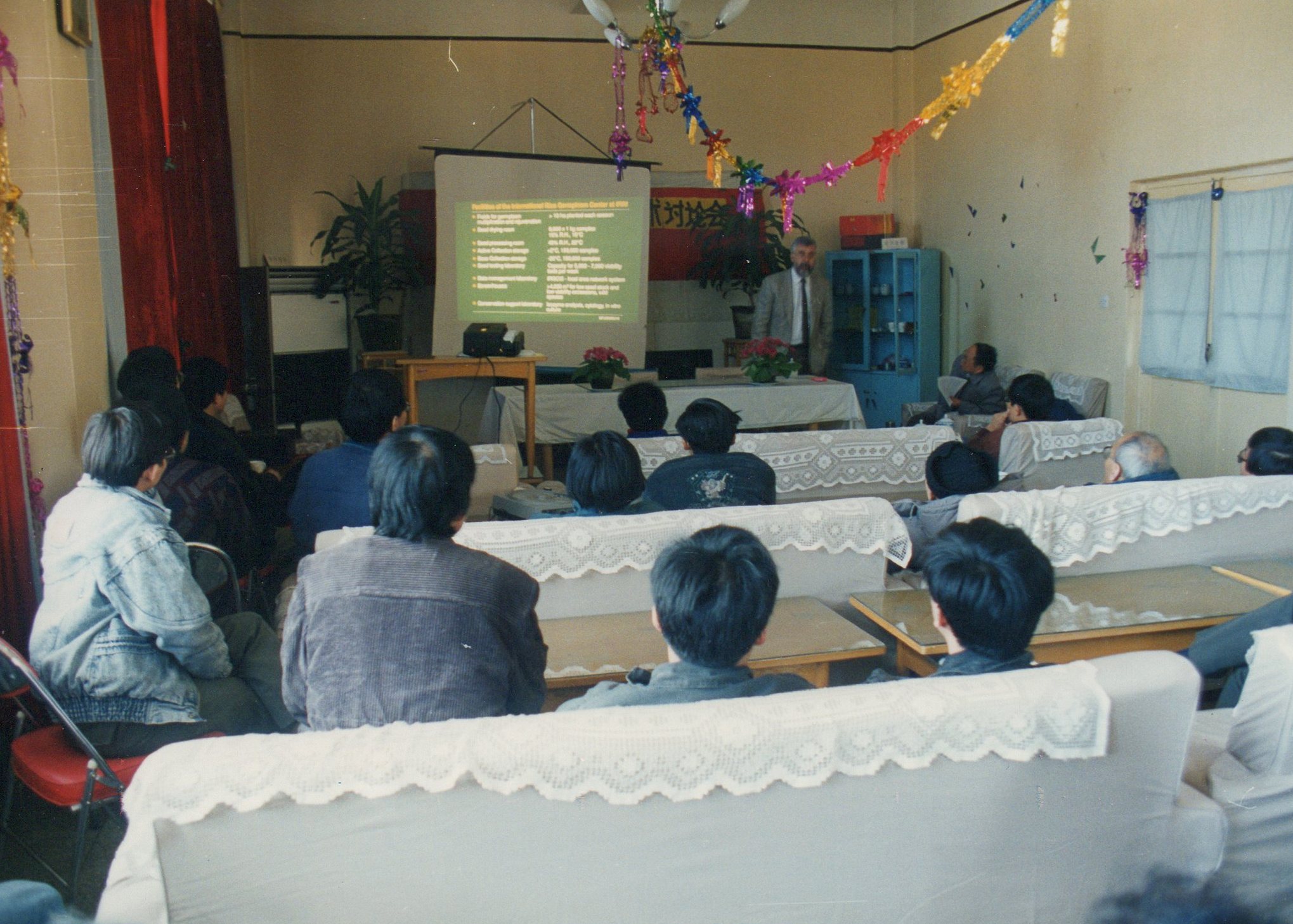


 After a few days in Beijing, we headed south to the city of Hangzhou (inland from Shanghai on the Qiantang River) in Zhejiang province. We were there to visit the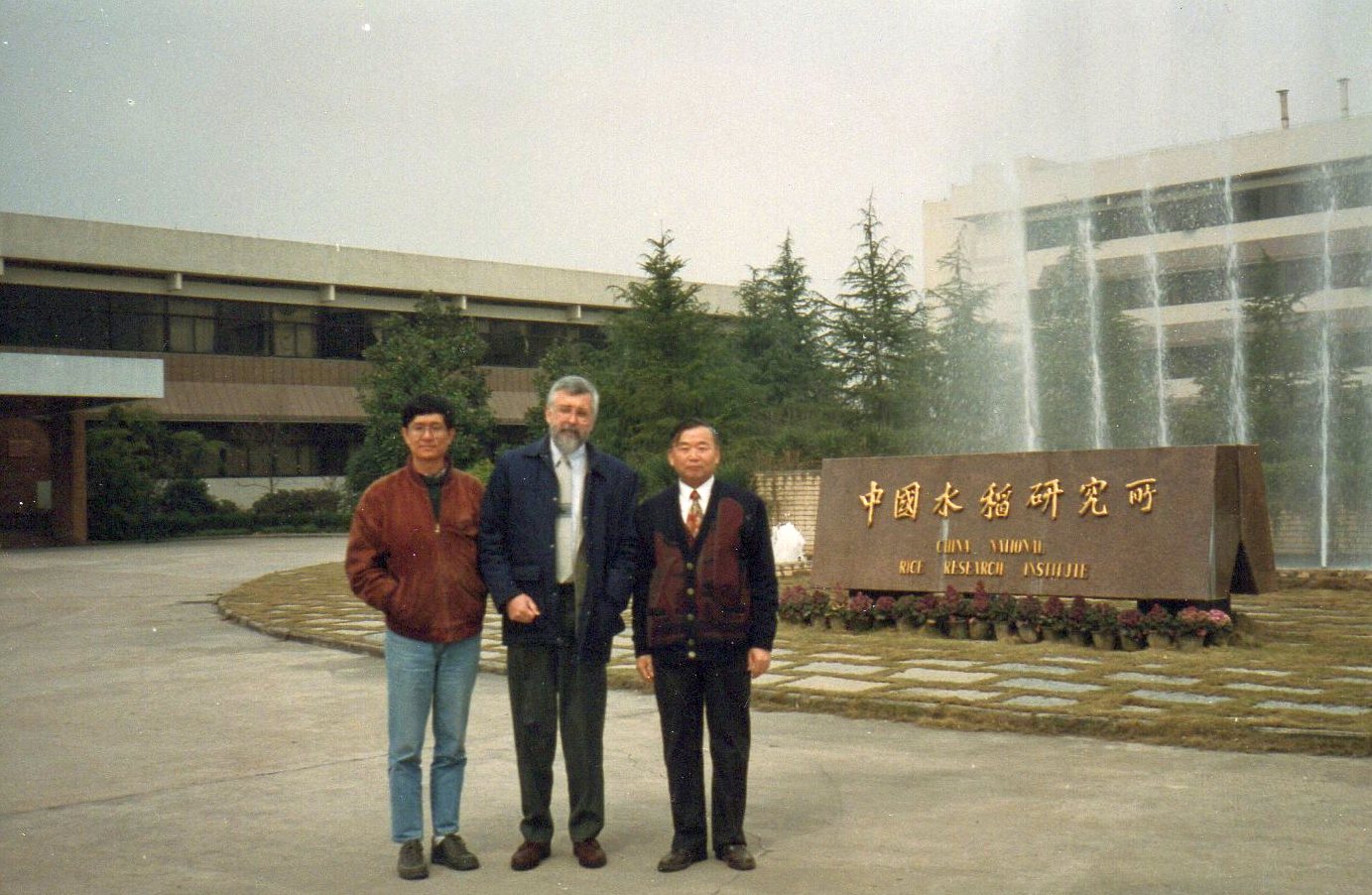
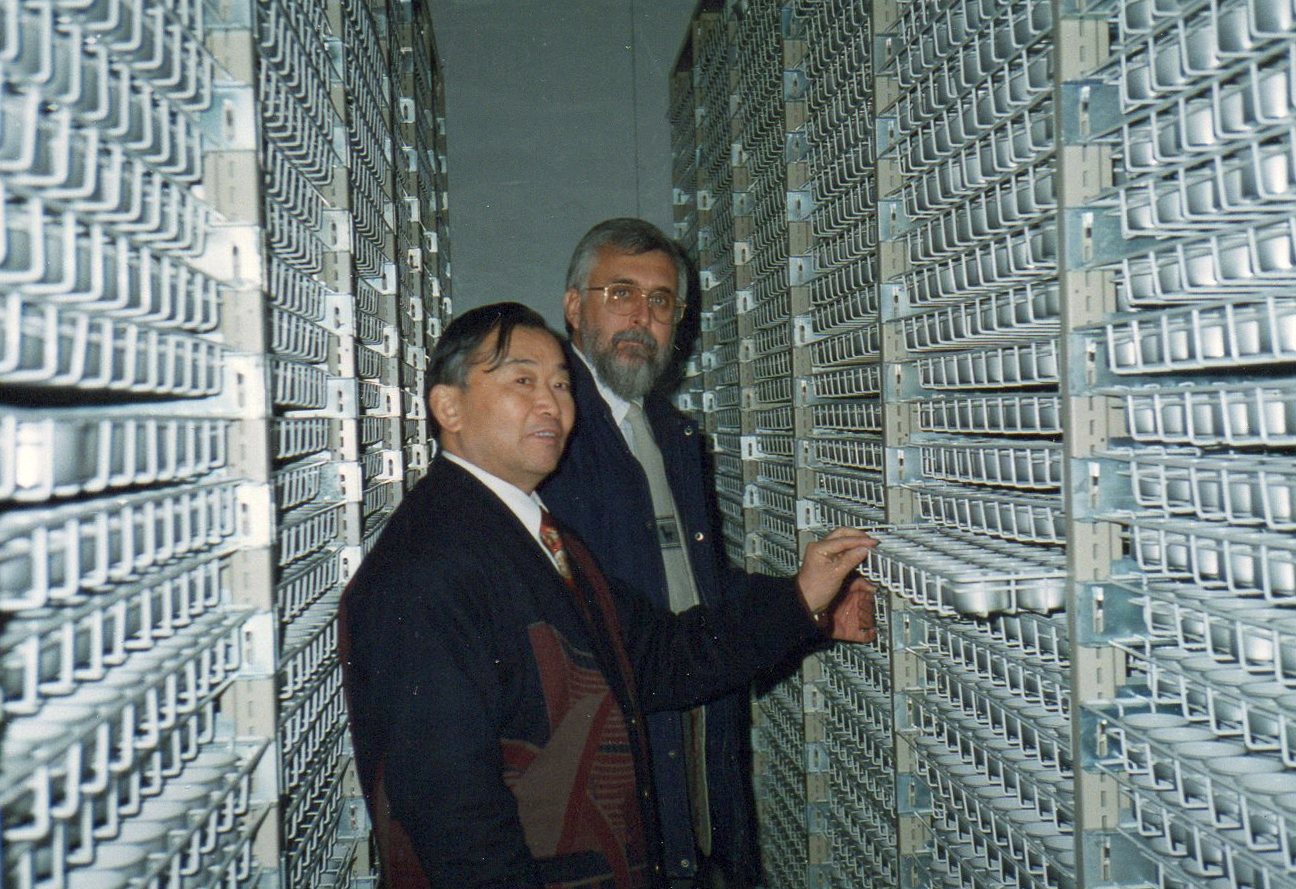


 Bao-Rong remained at IRRI for two contracts, a total of six years. After he left IRRI in 2000, he returned to China and it wasn’t long before he joined
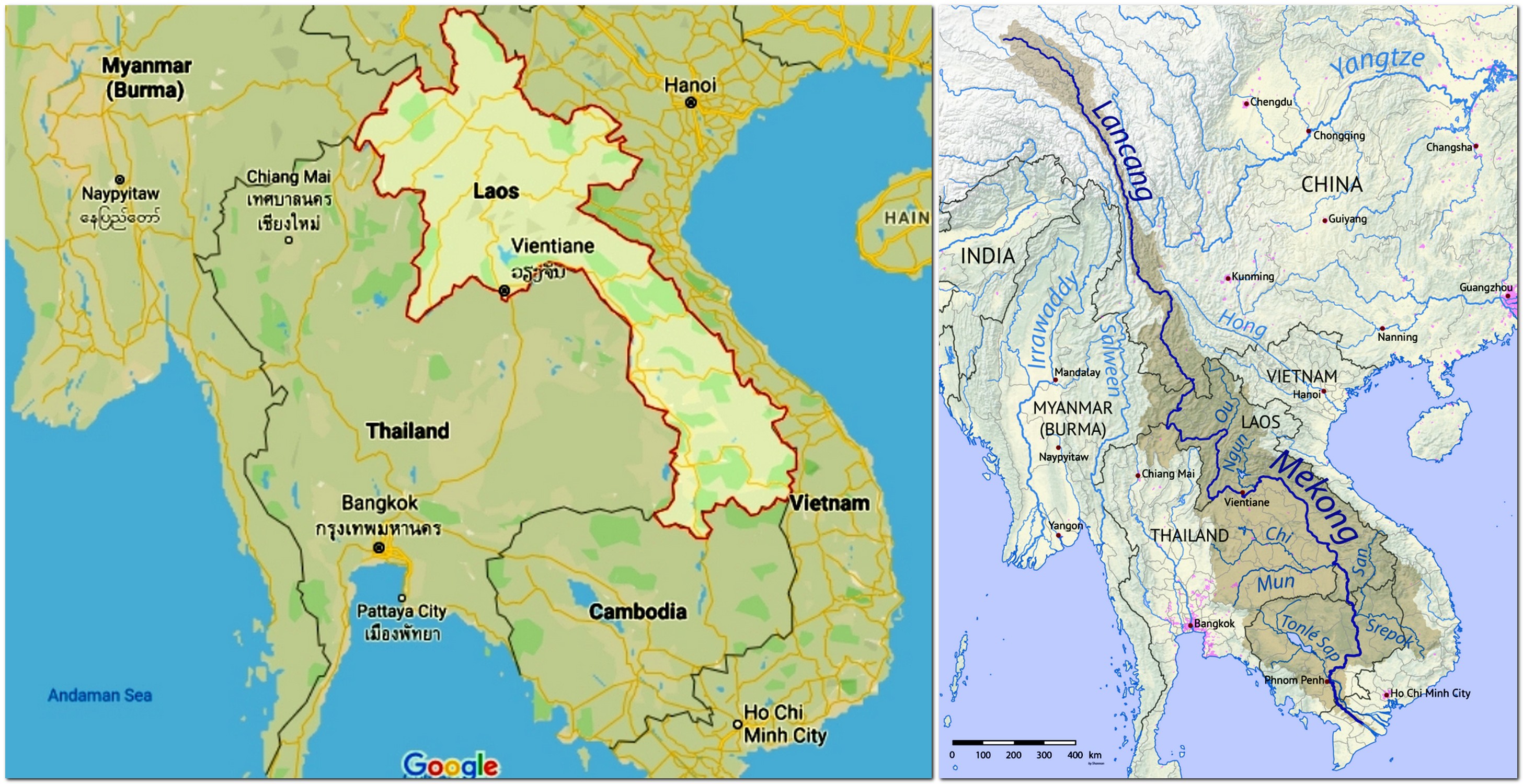
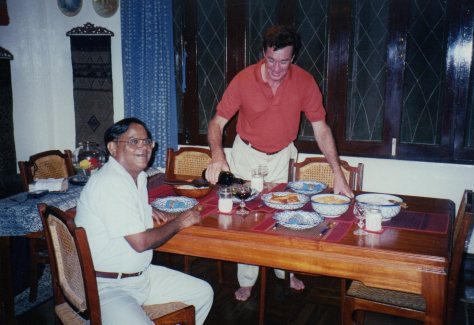
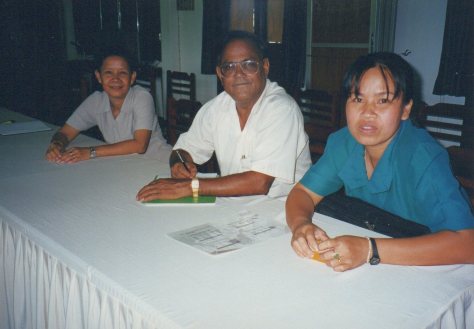


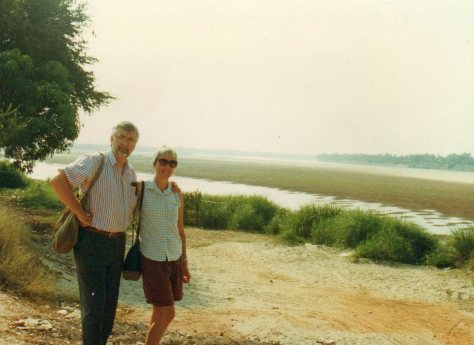


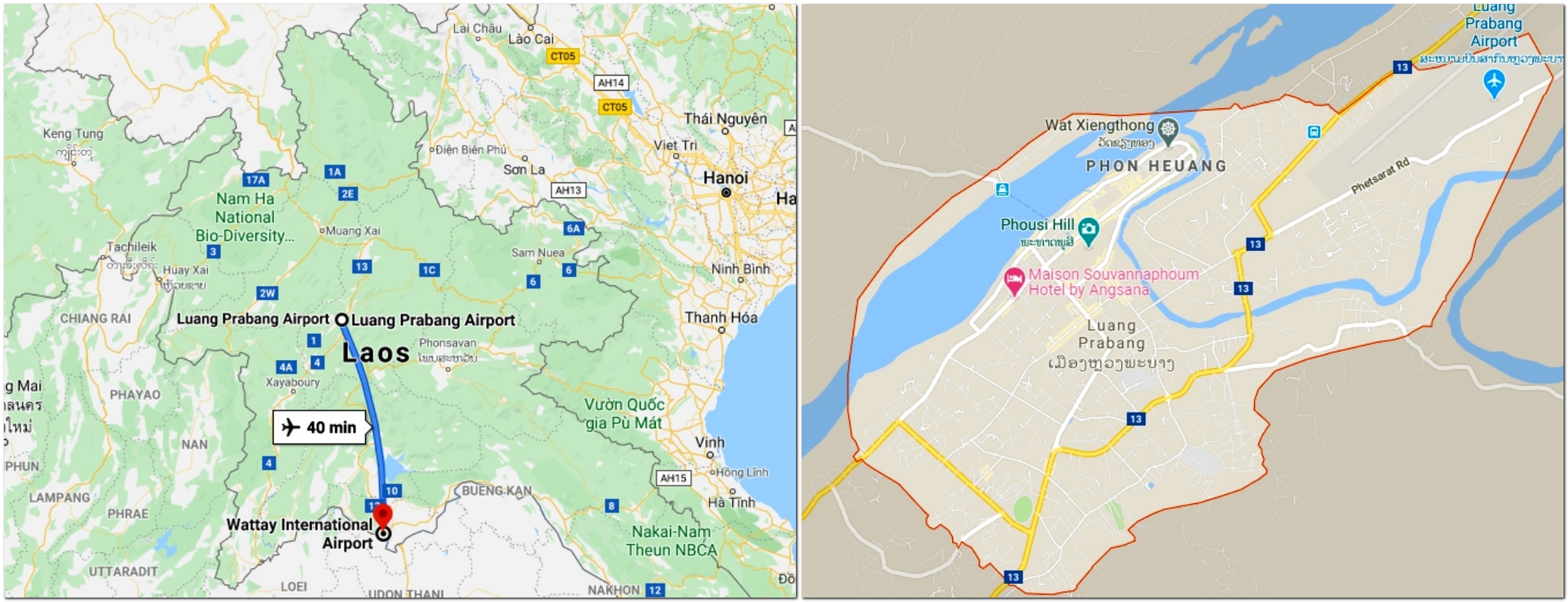


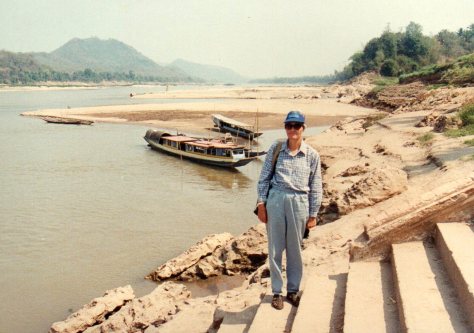


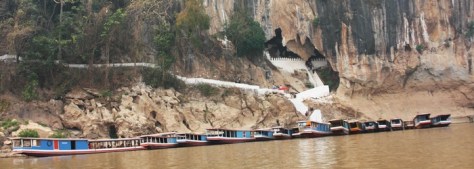
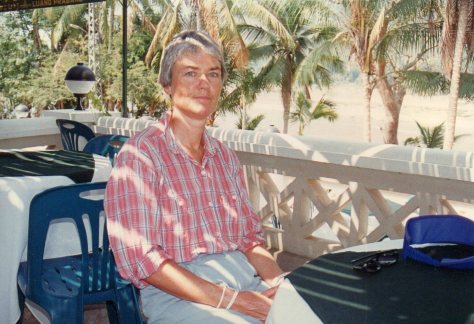


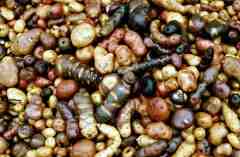 Starting a career in international agricultural research
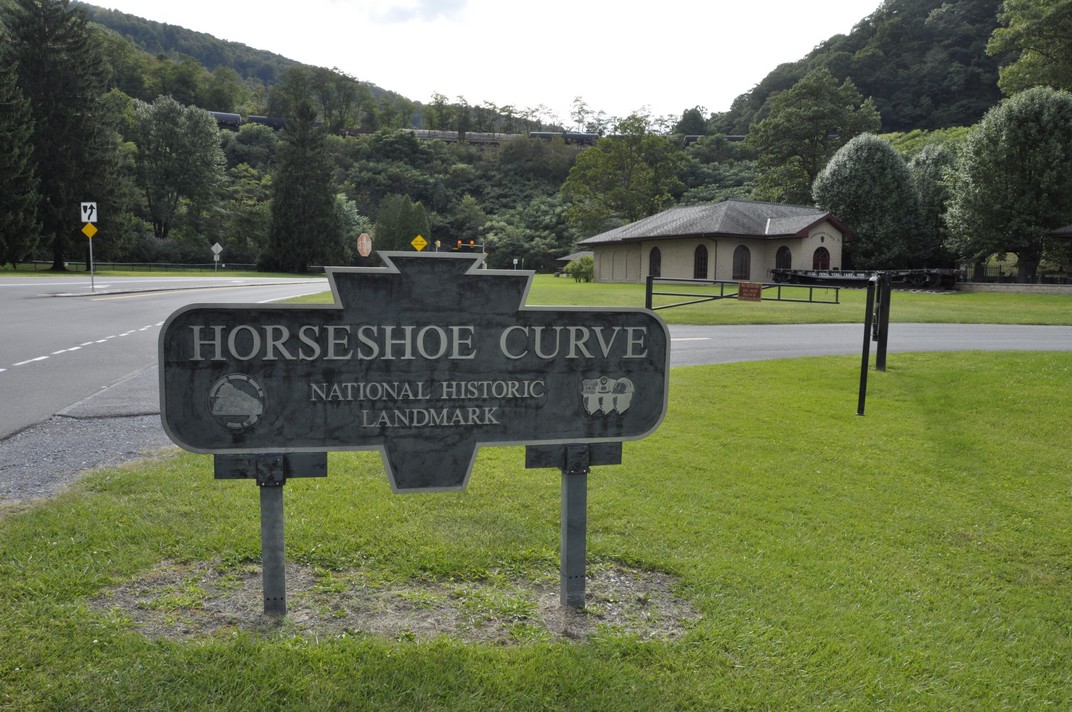
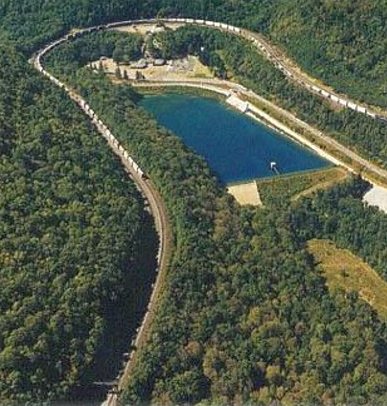
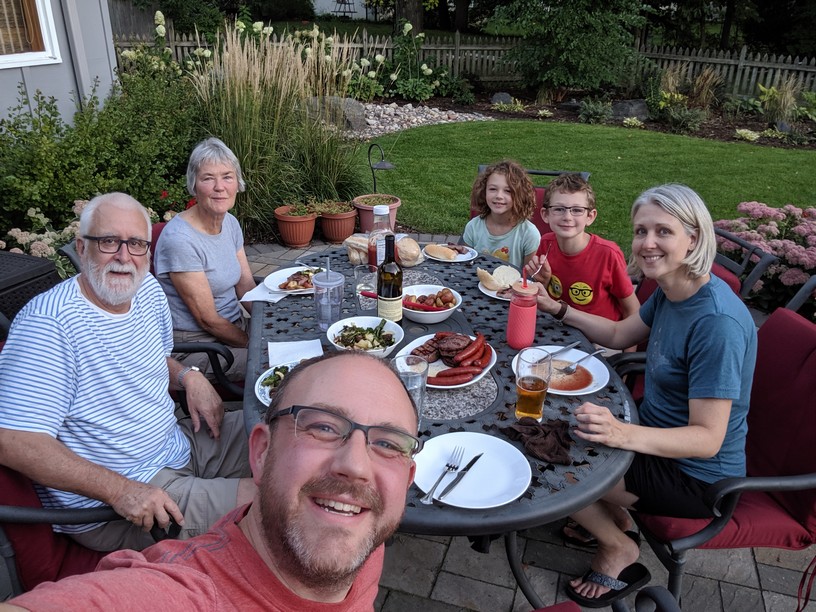
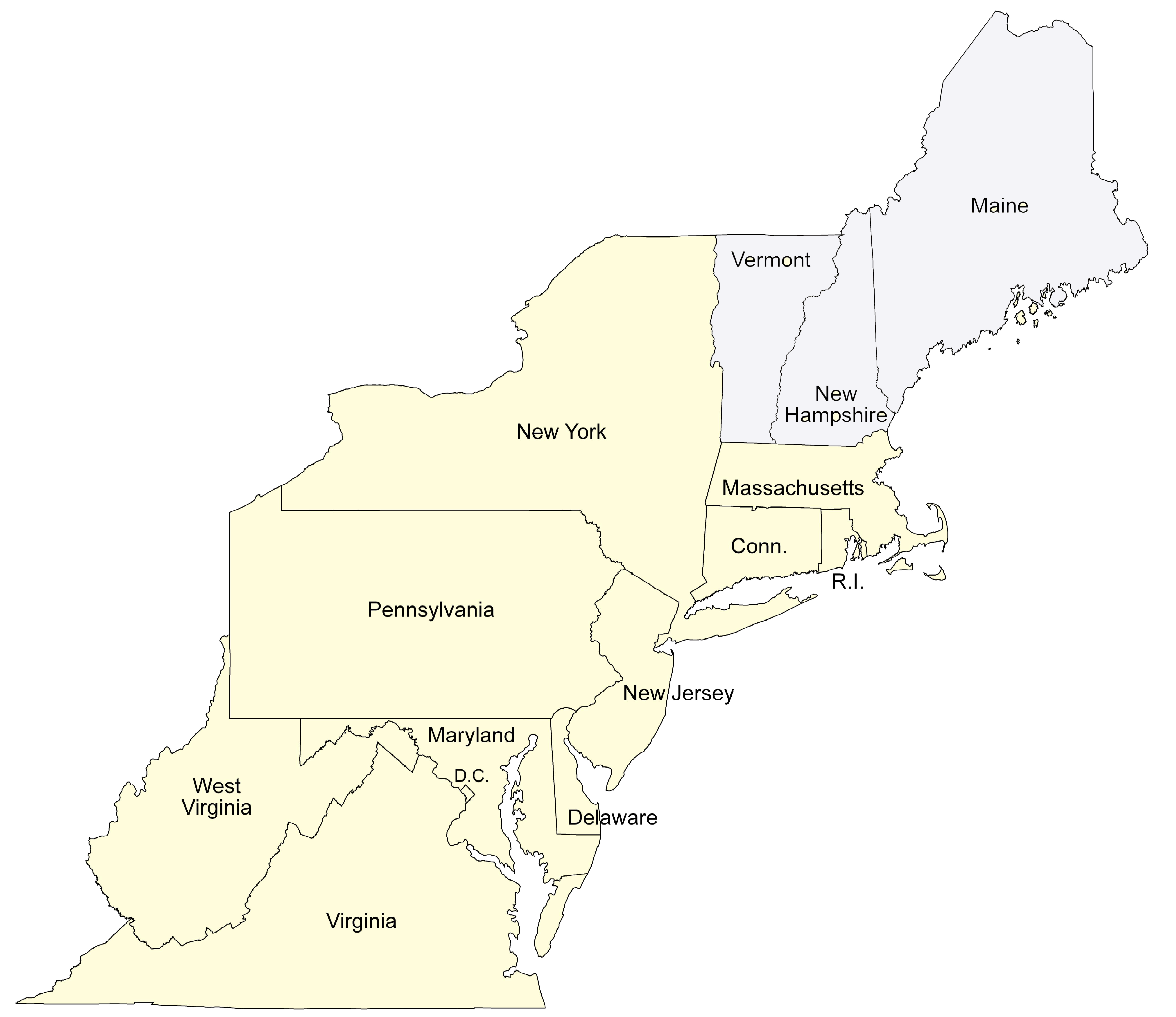
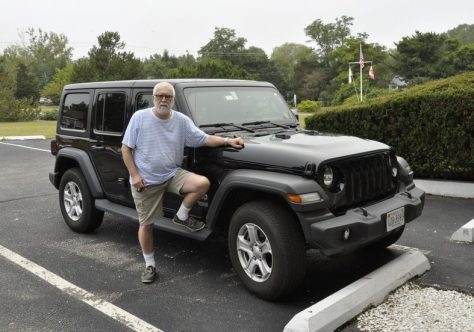
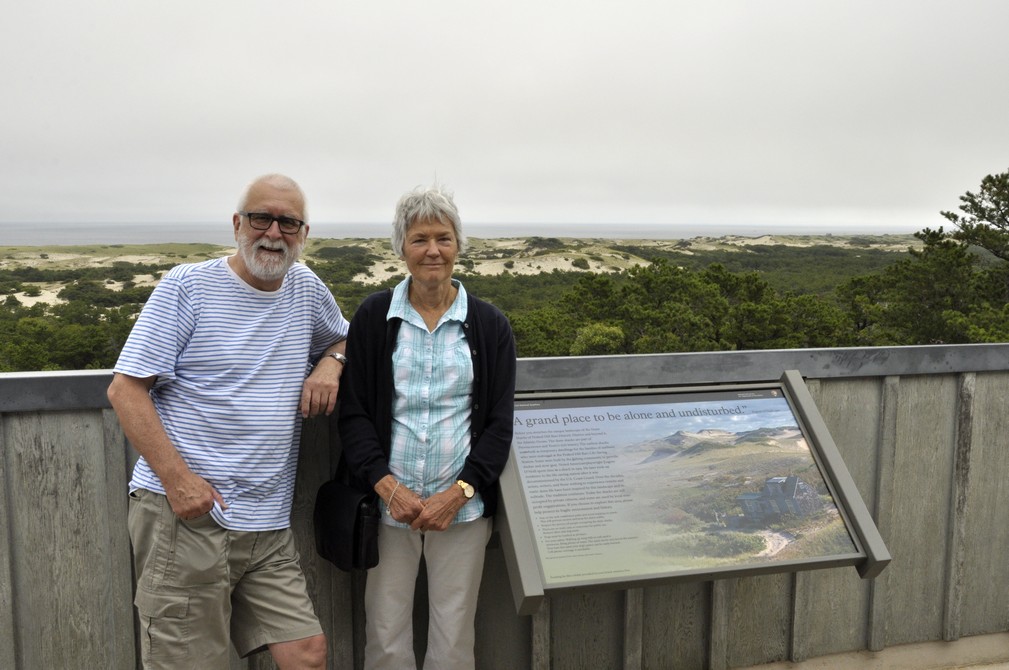


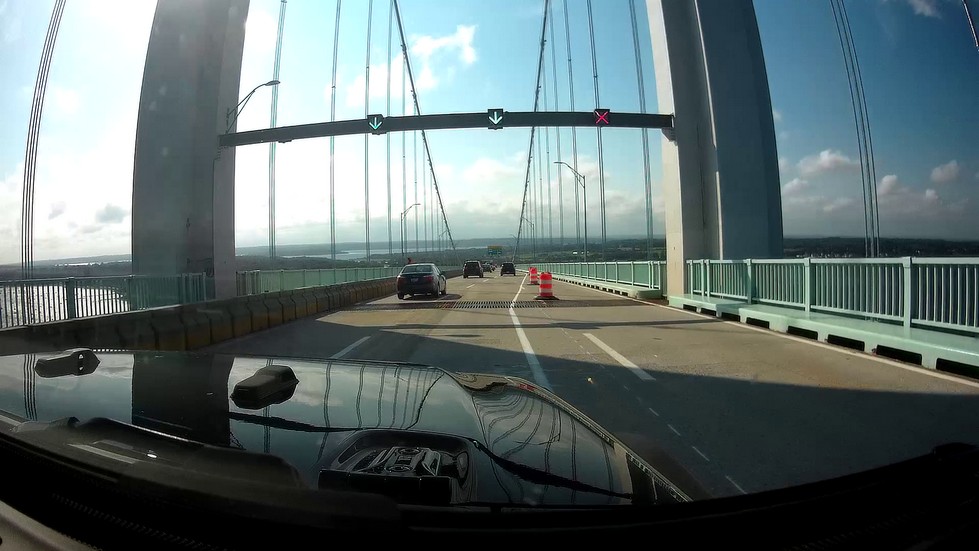
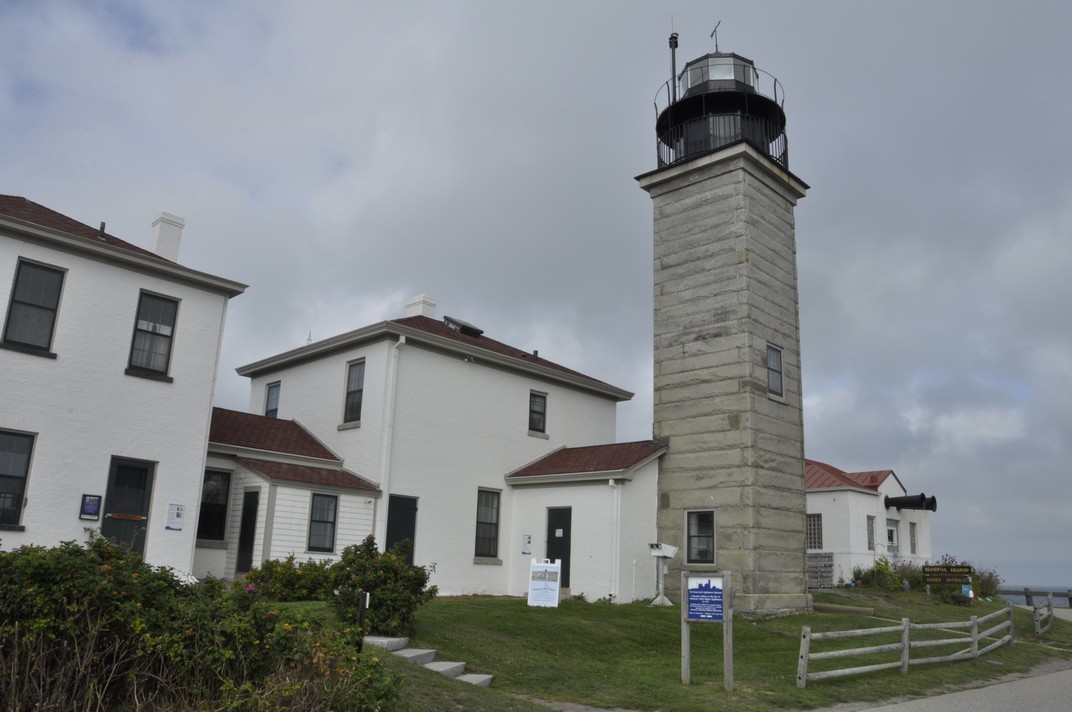


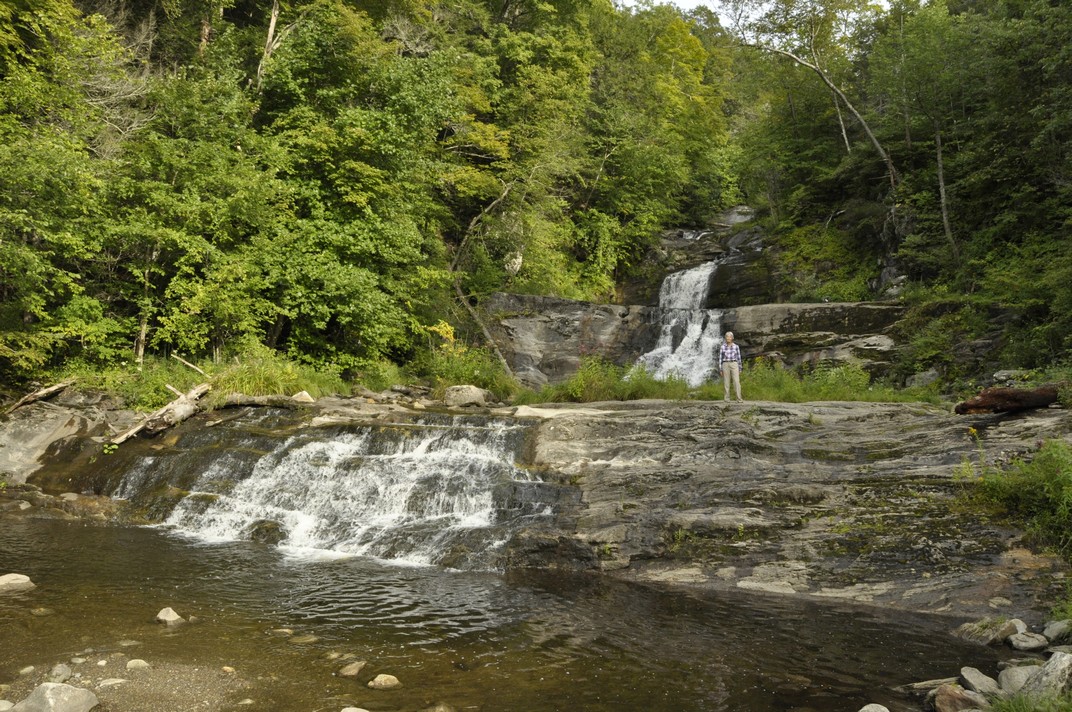
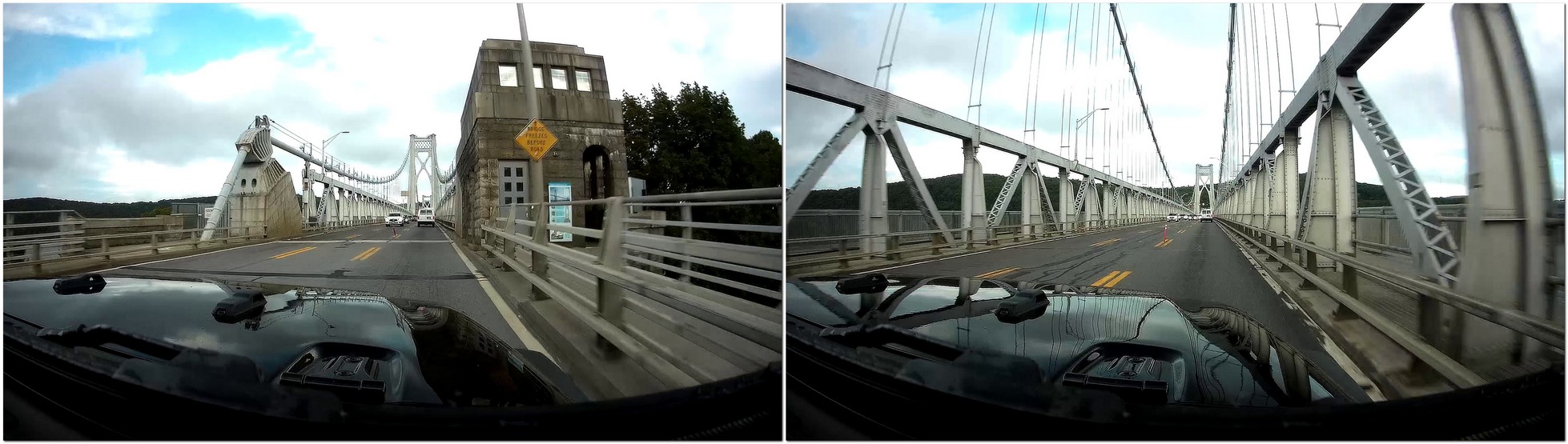
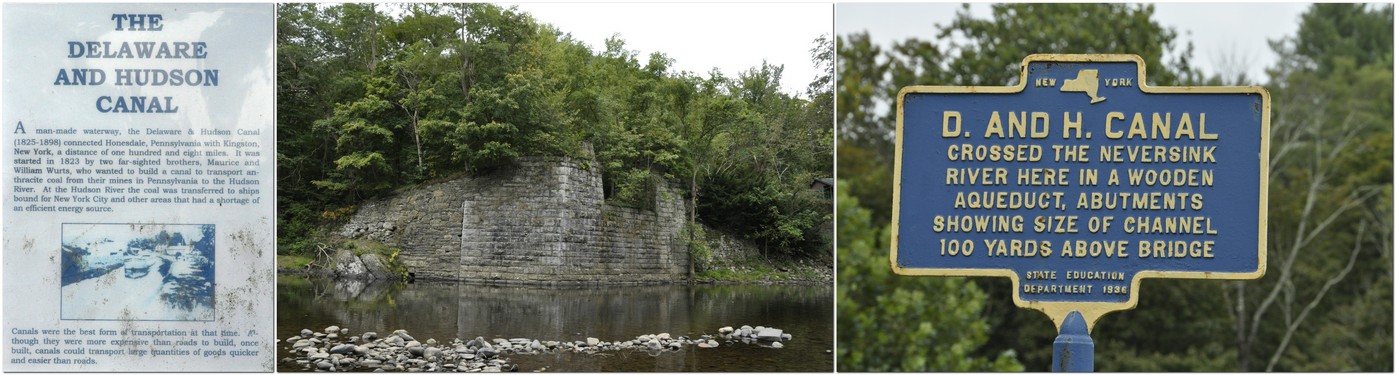
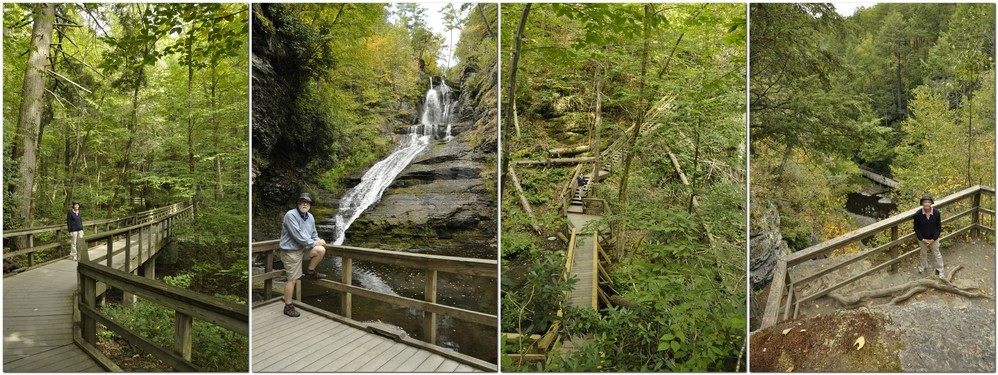

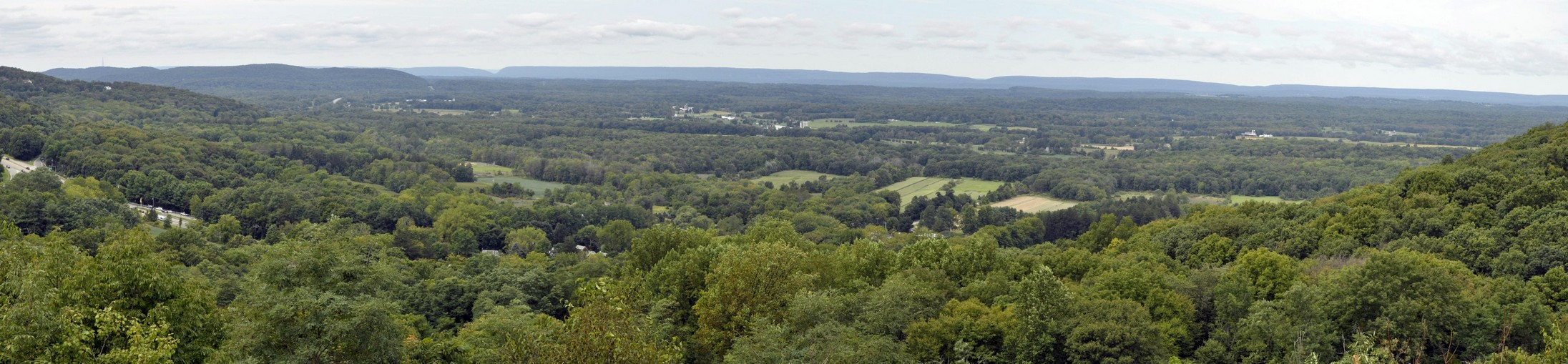
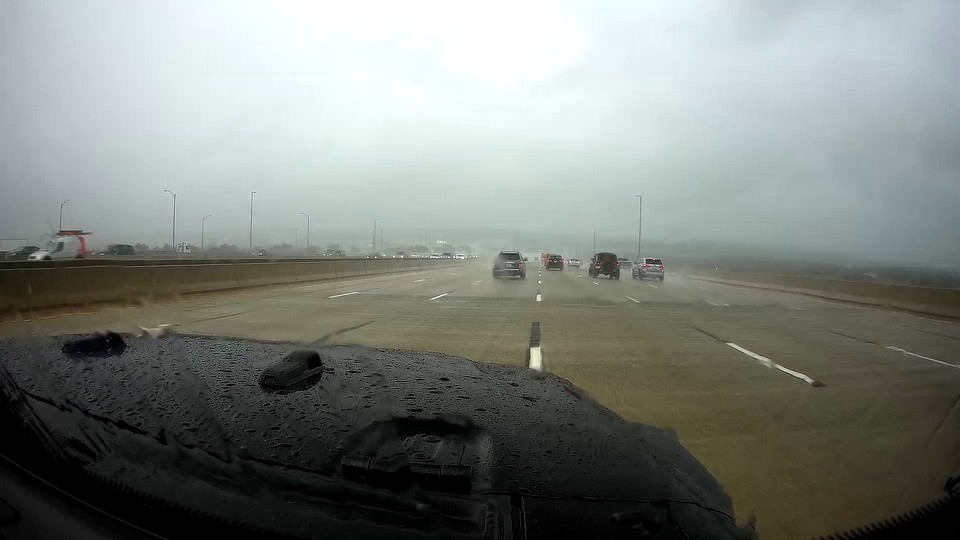
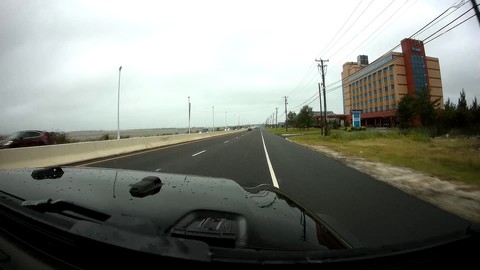



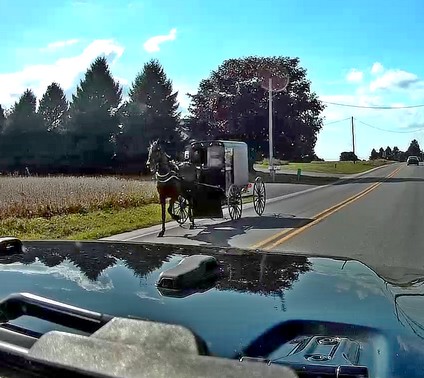


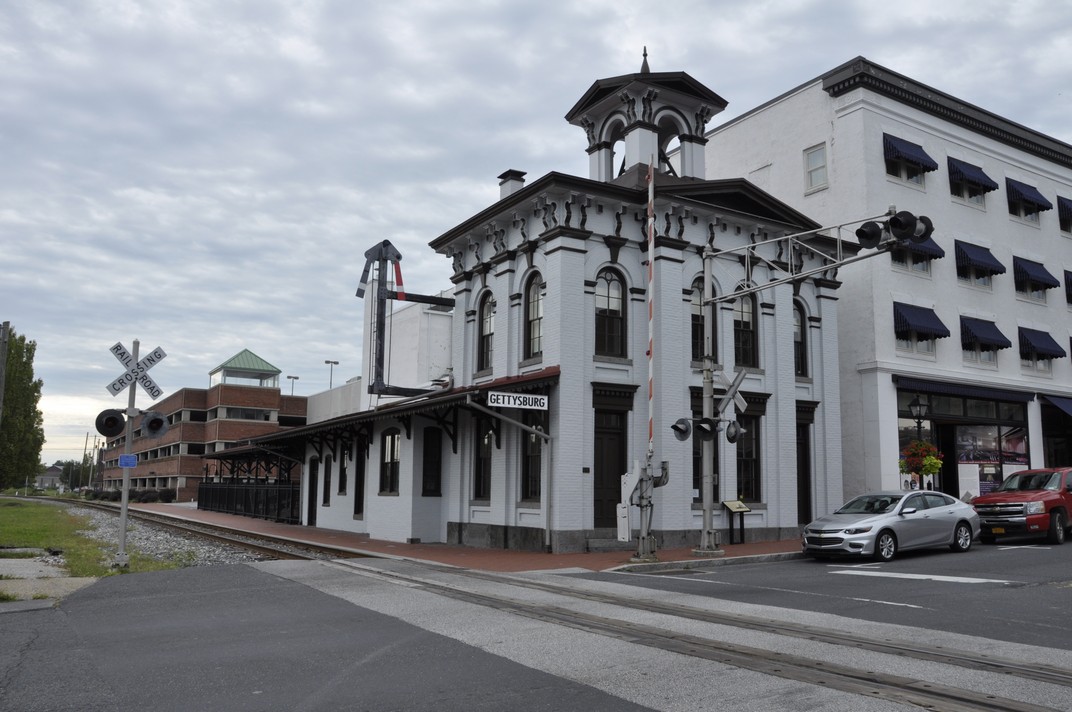

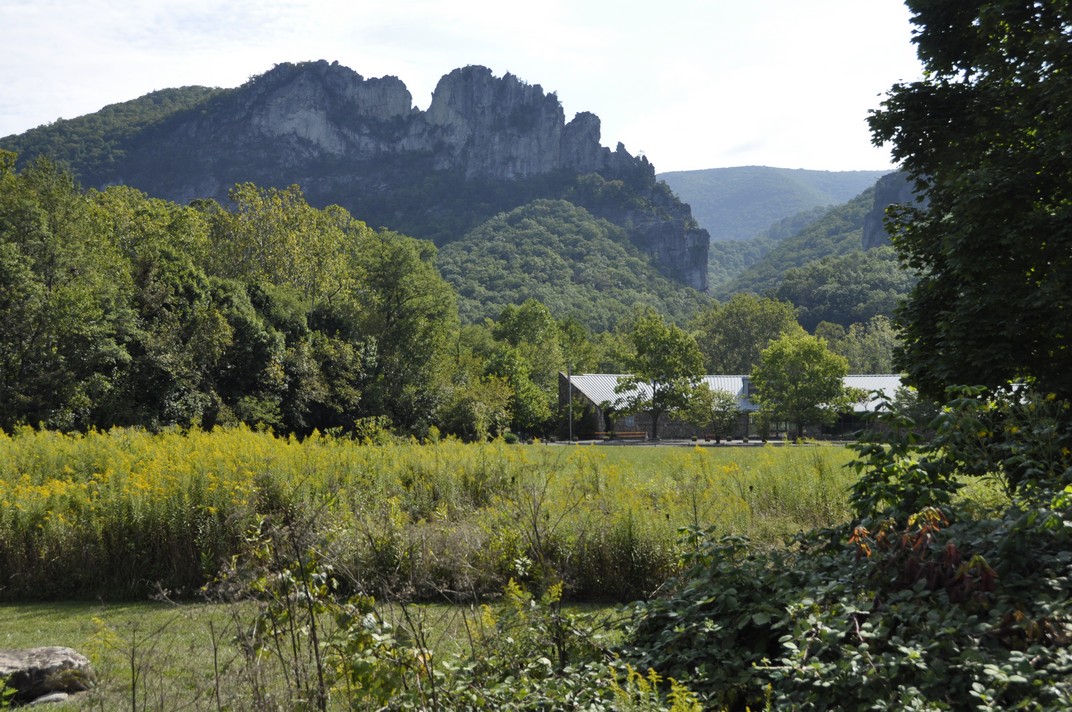
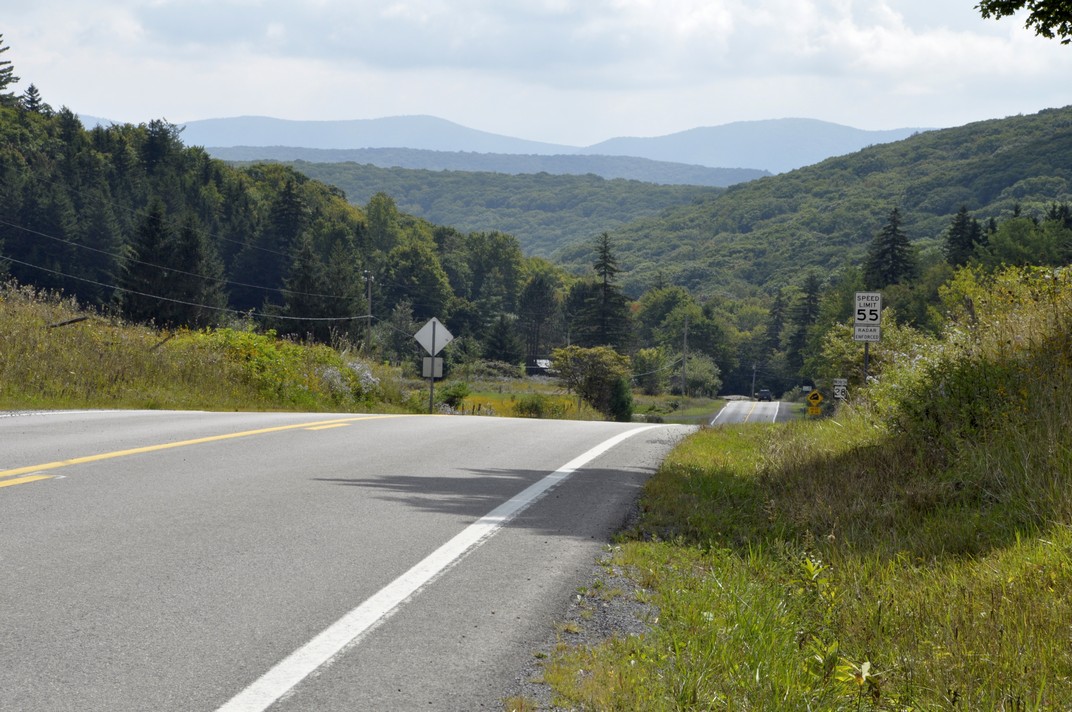
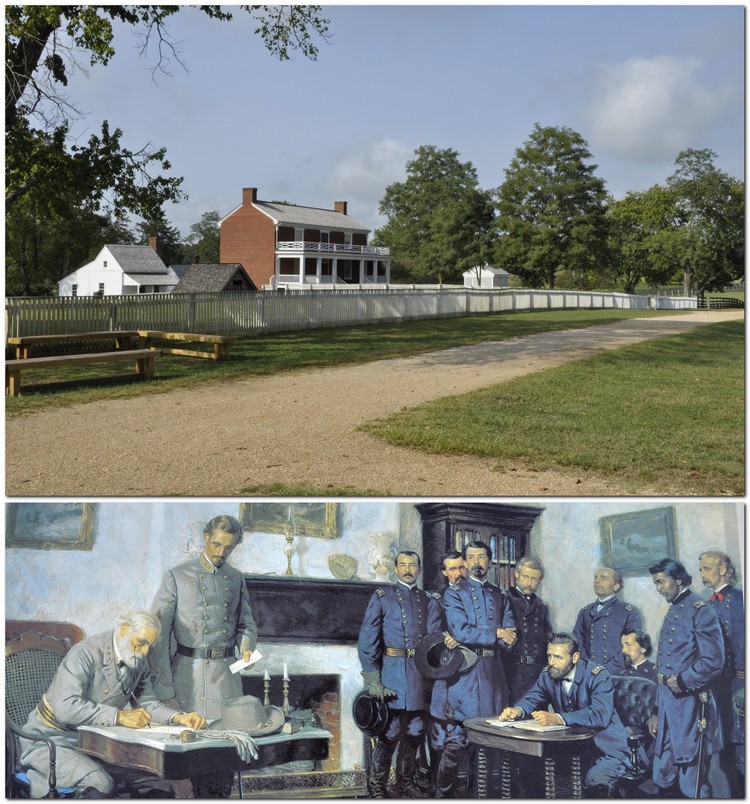


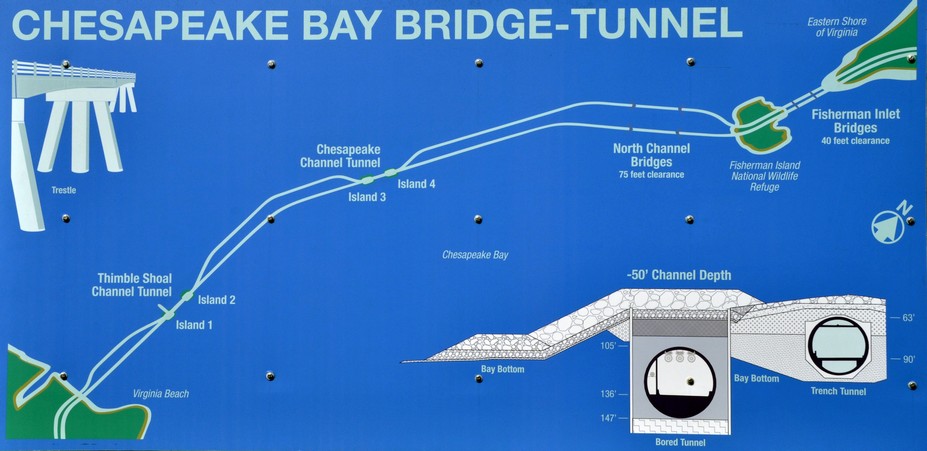
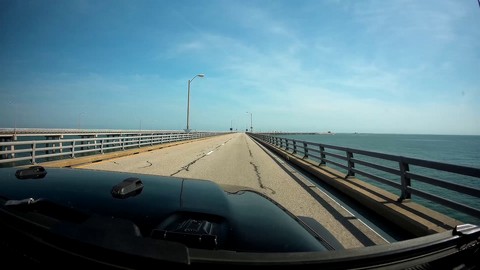
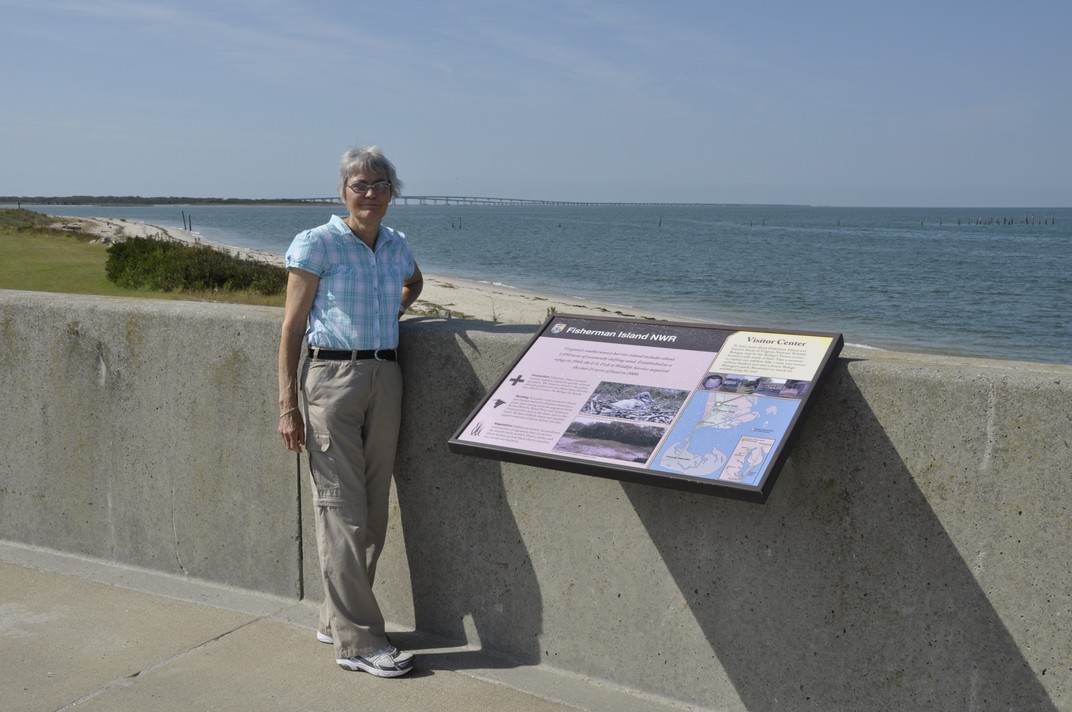
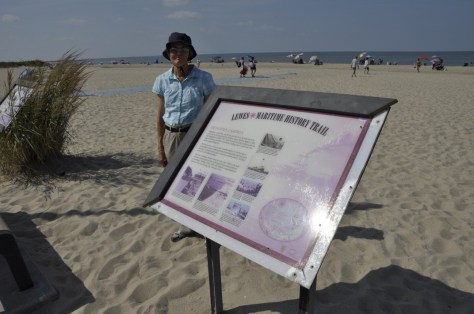
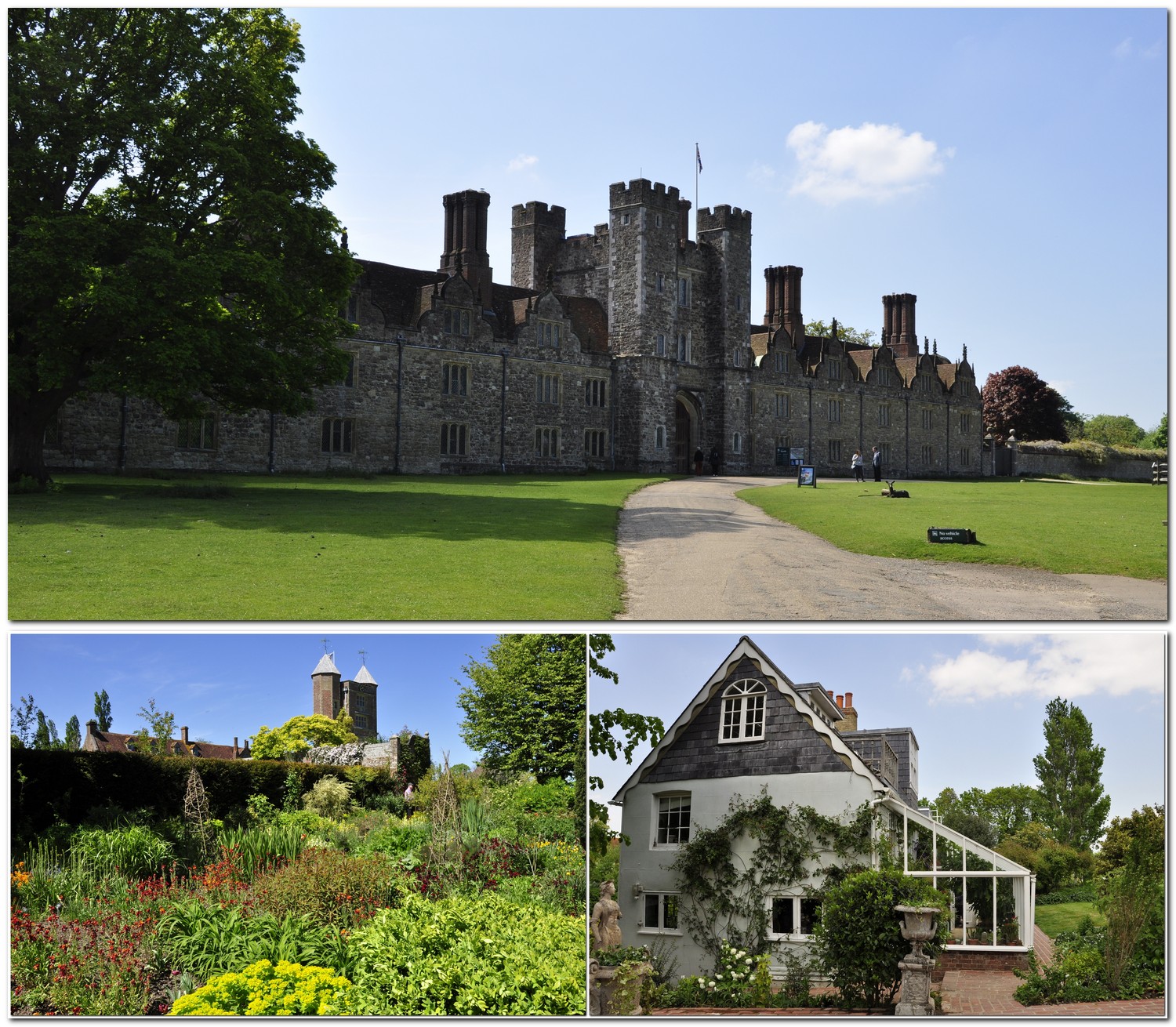

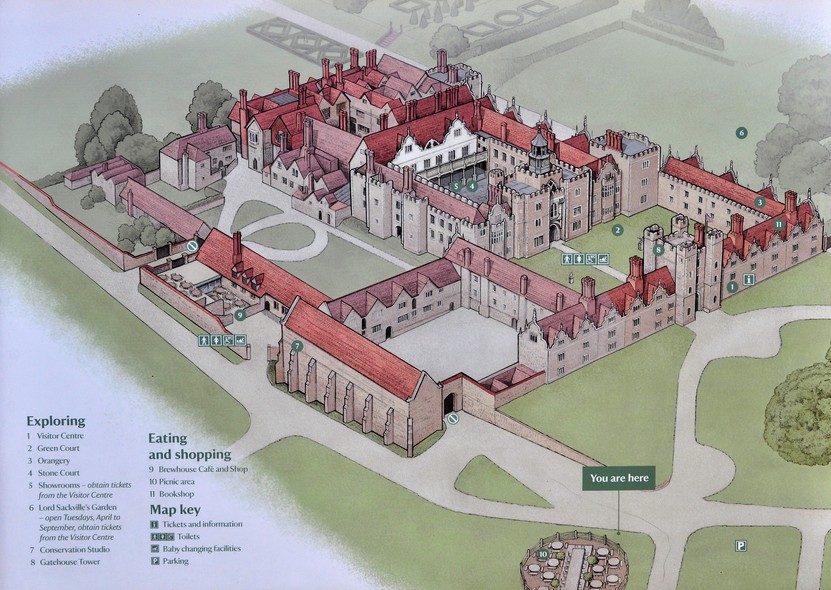


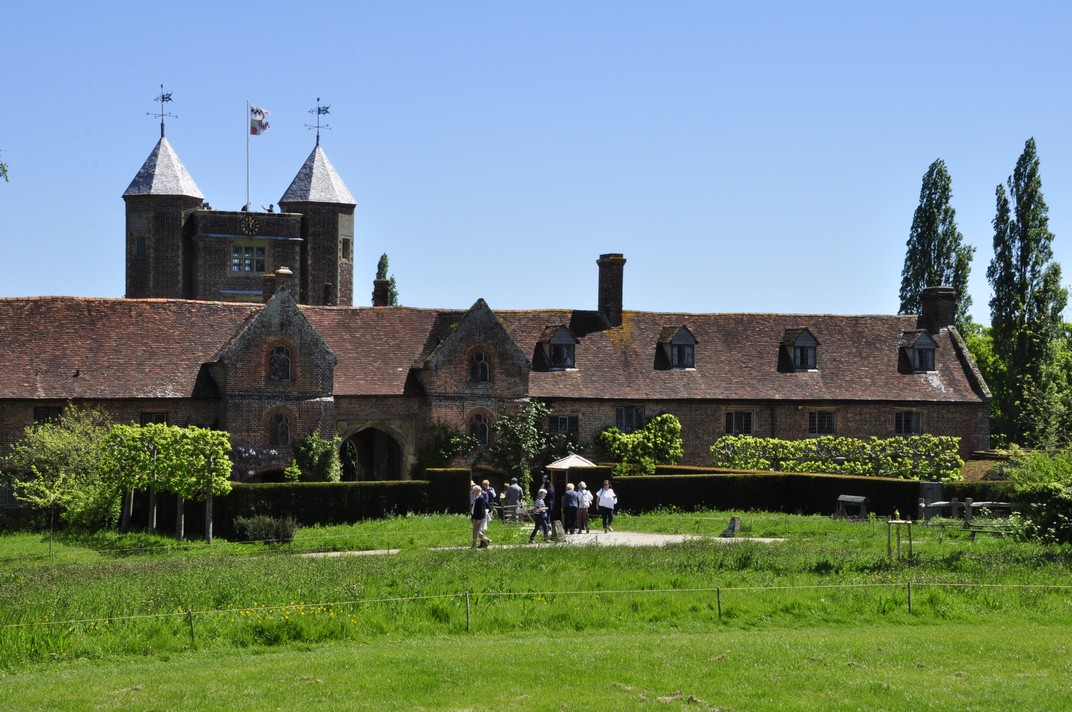


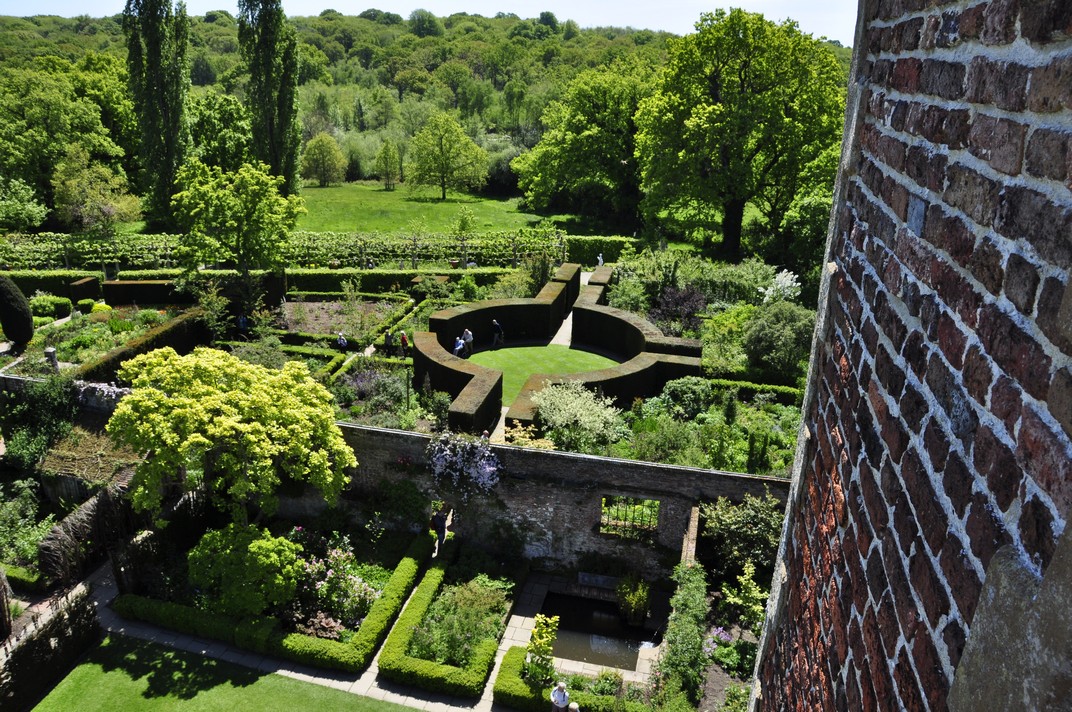


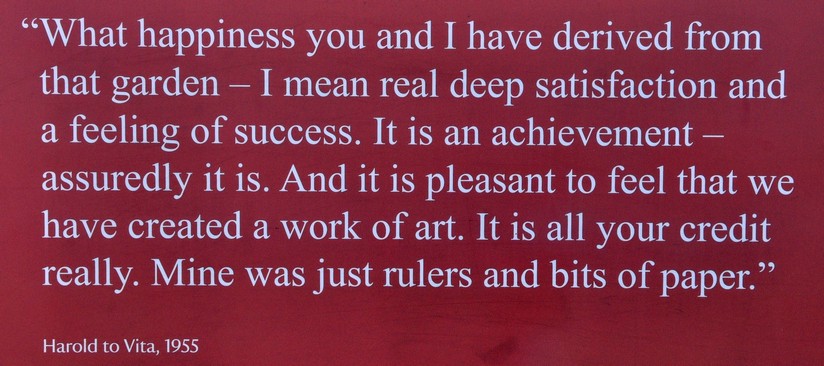


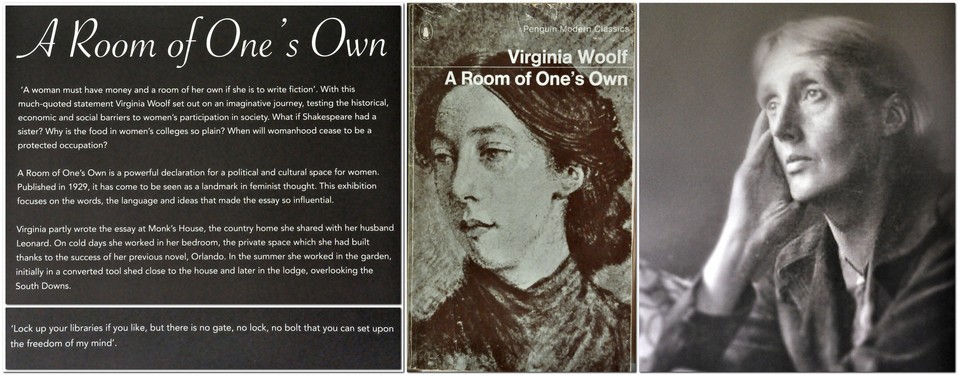


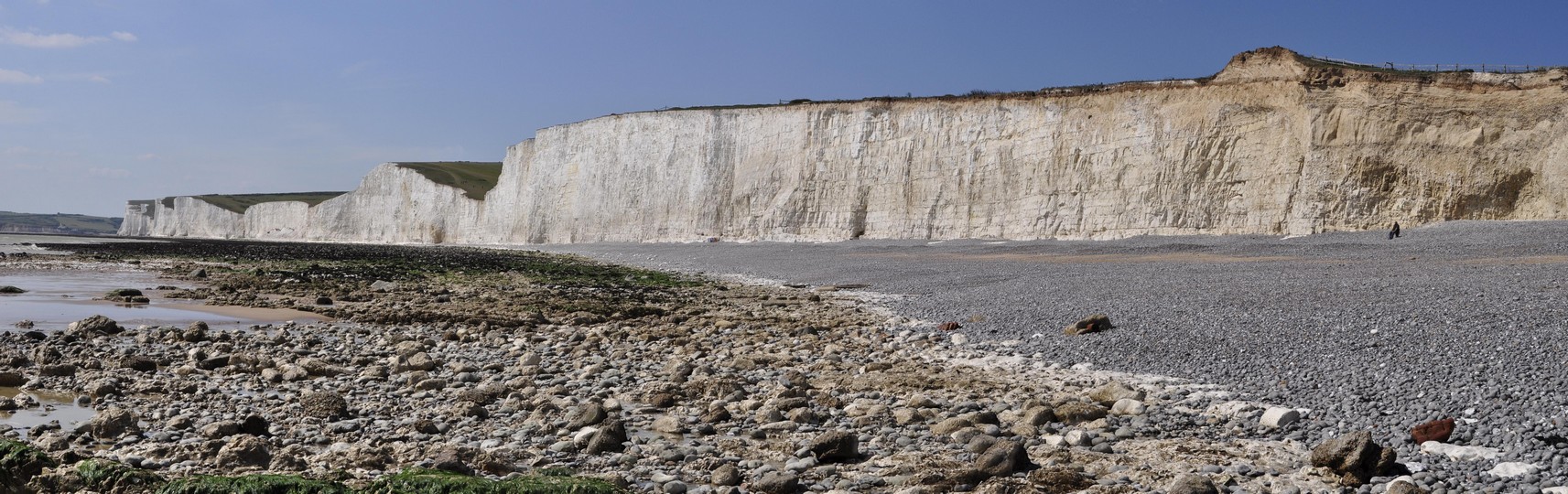


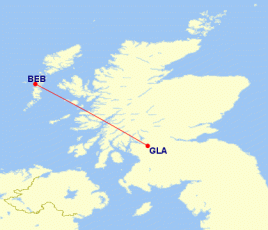 I took my first flight, in the summer of 1966 when I was seventeen. Fifty-three years ago.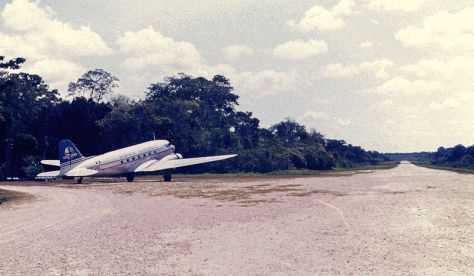
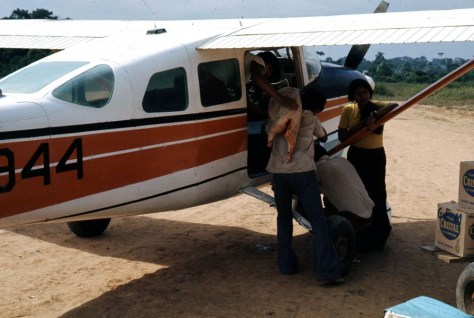
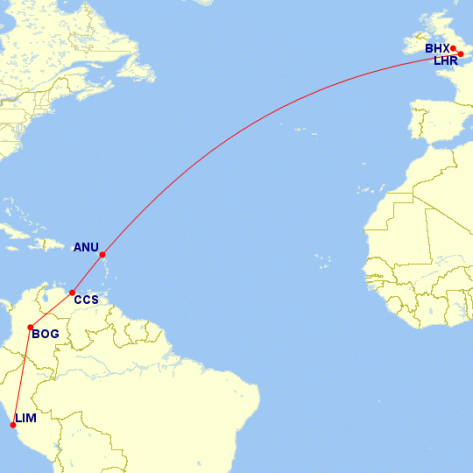
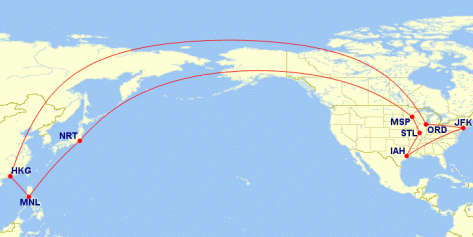 The whole trip covered more than 17,000 nm.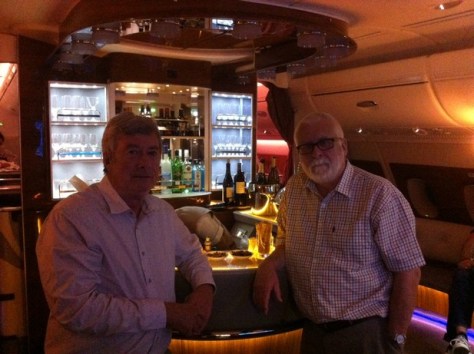

 We met at London’s Waterloo station for the Eurostar service to Brussels, arriving there mid-afternoon. Since no meetings had been arranged that same day, we enjoyed the warm afternoon sunshine for a stroll around


 The day after our meetings, we caught the Thalys (the Belgian TGV) to Cologne, and then a regional service for the short hop to Bonn. We had just one day of meetings in Bonn, with the German aid ministry (BMZ), and then spent an excellent day touring the vineyards of the Ahr Valley just south of Bonn. Our main contact was my old friend Marlene Diekmann who I’d known for many years before she joined the BMZ when she was a plant pathologist at the International Plant Genetic Resources Institute (IPGRI, now Bioversity International) in Rome.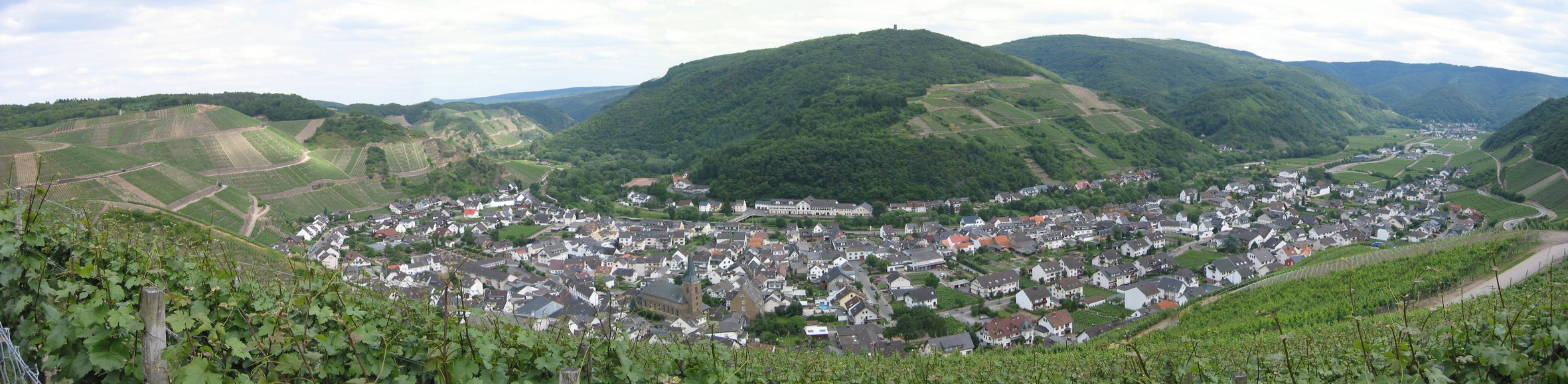
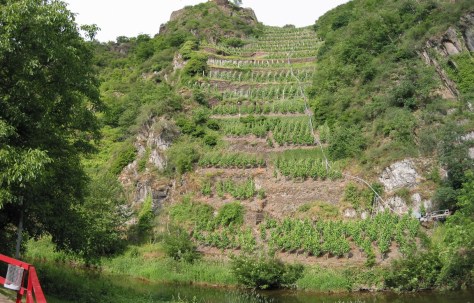
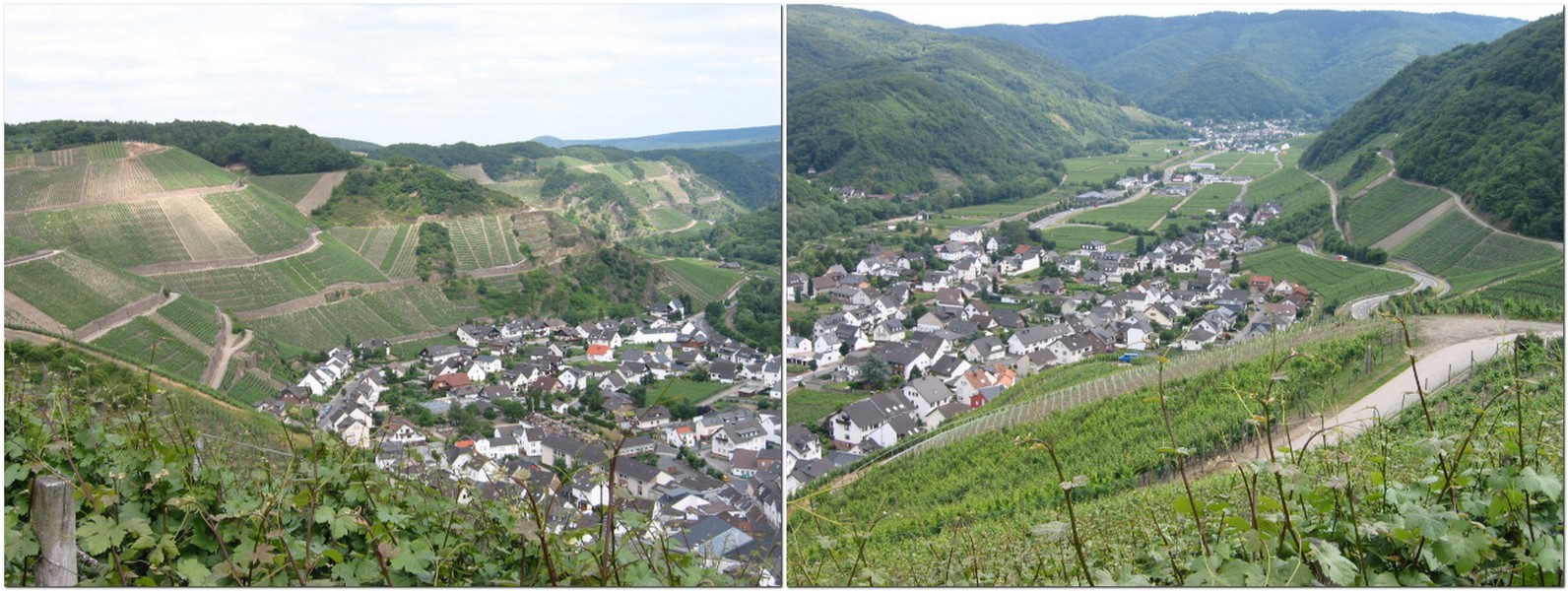
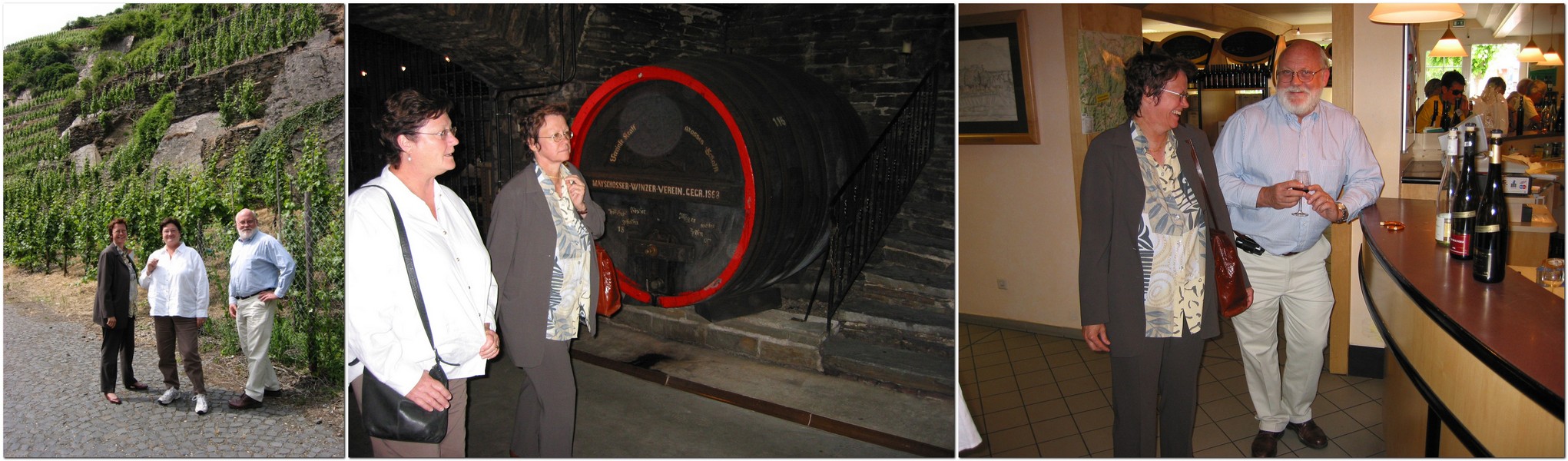


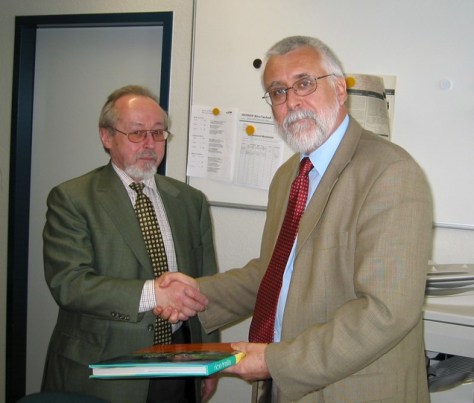

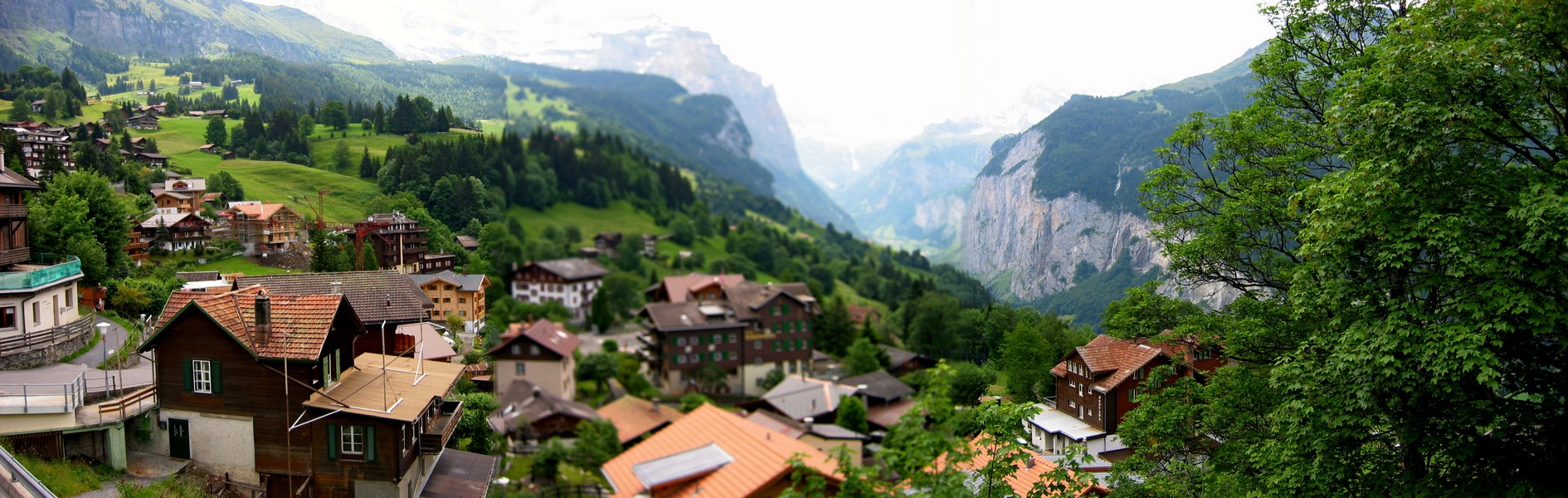



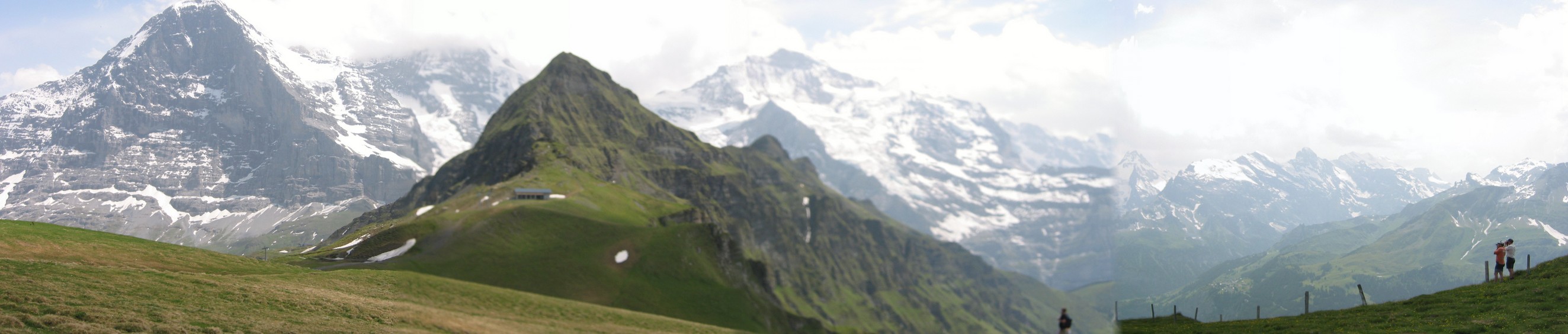
 In Milan, we transferred to the high speed train to Rome. That was an interesting journey. In 2006, the 18th FIFA World Cup was hosted by Germany. Although Mexico had been eliminated from the competition by then, our train was full of supporters from Mexico on their way to Rome to enjoy the sights. Bob, Crissan and I all spoke Spanish. Bob and Crissan had actually lived in Mexico for a few years before returning to IRRI in 2005. So we had a great time with the Mexicans, and our fast train journey to Rome (
 In 1976, a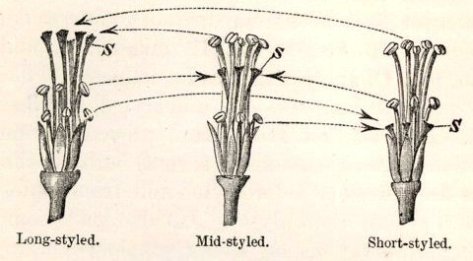
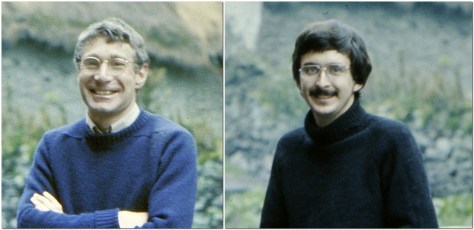
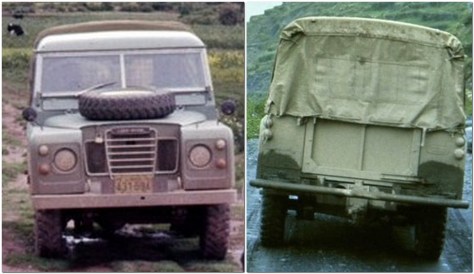


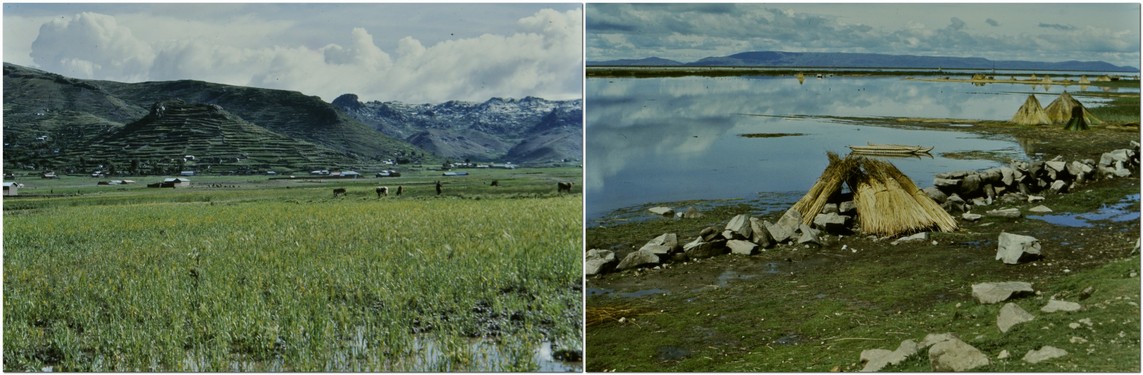


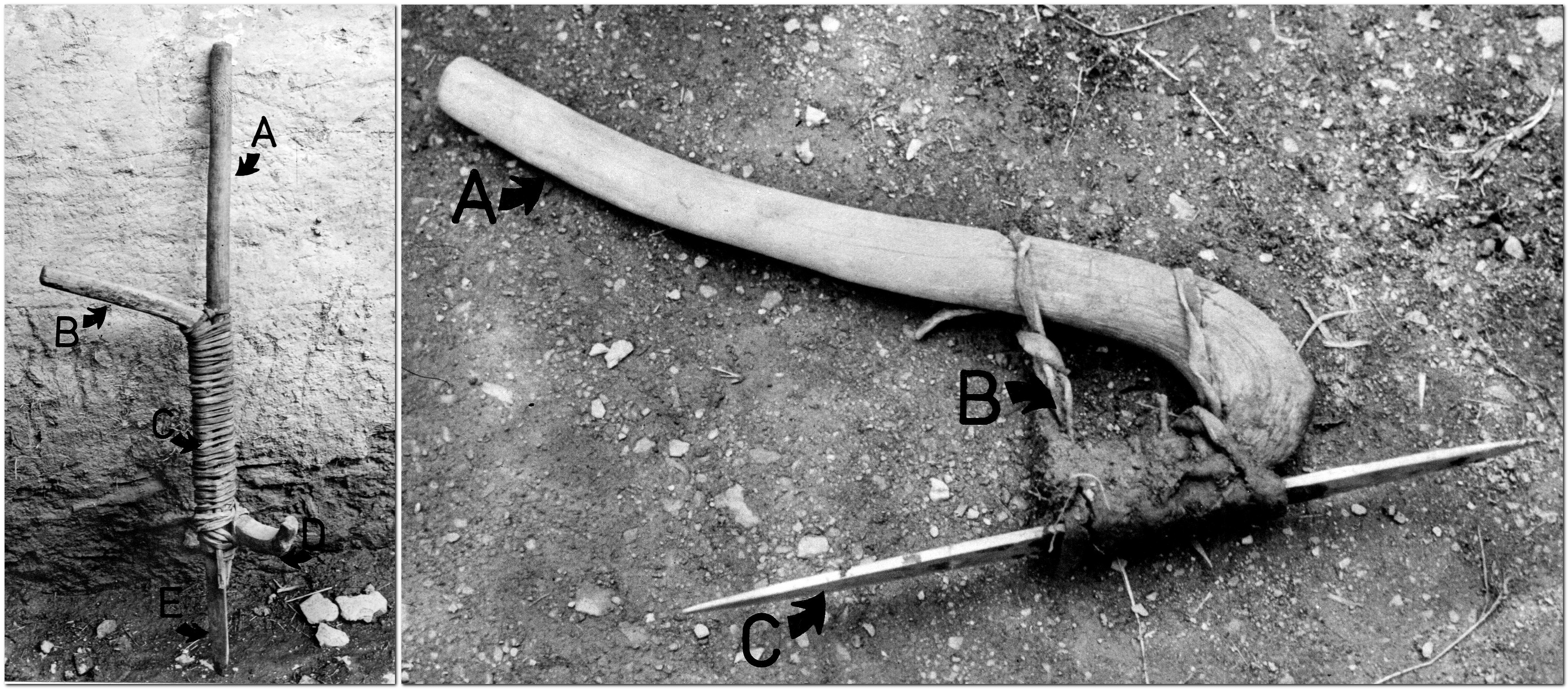
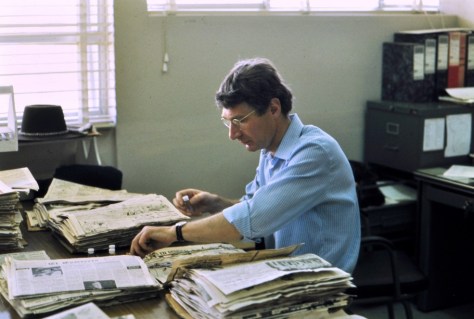


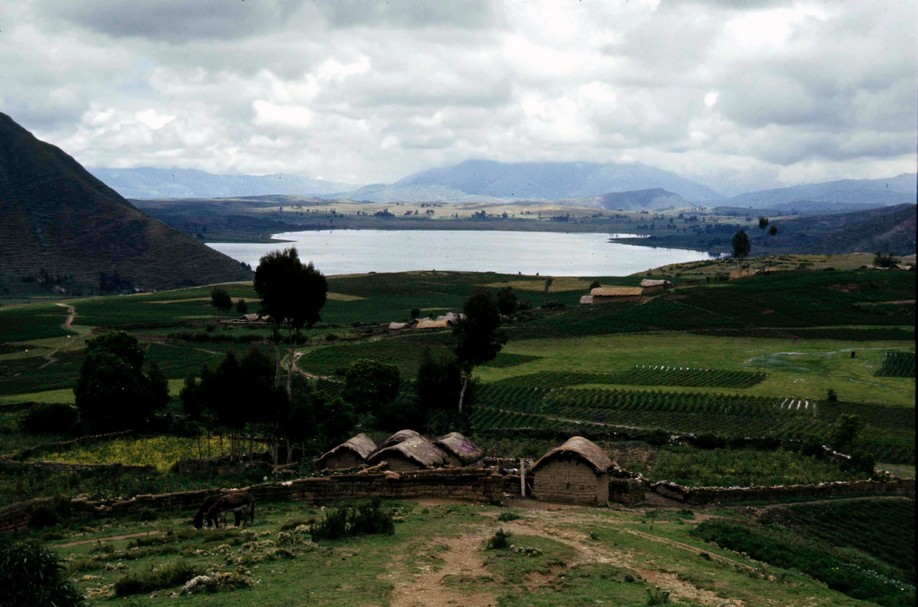
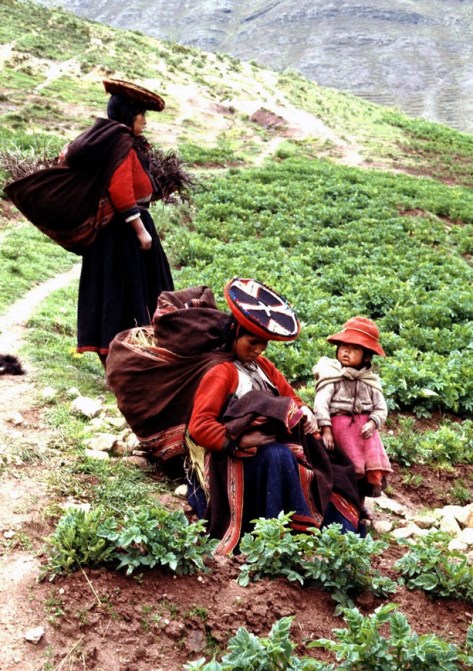
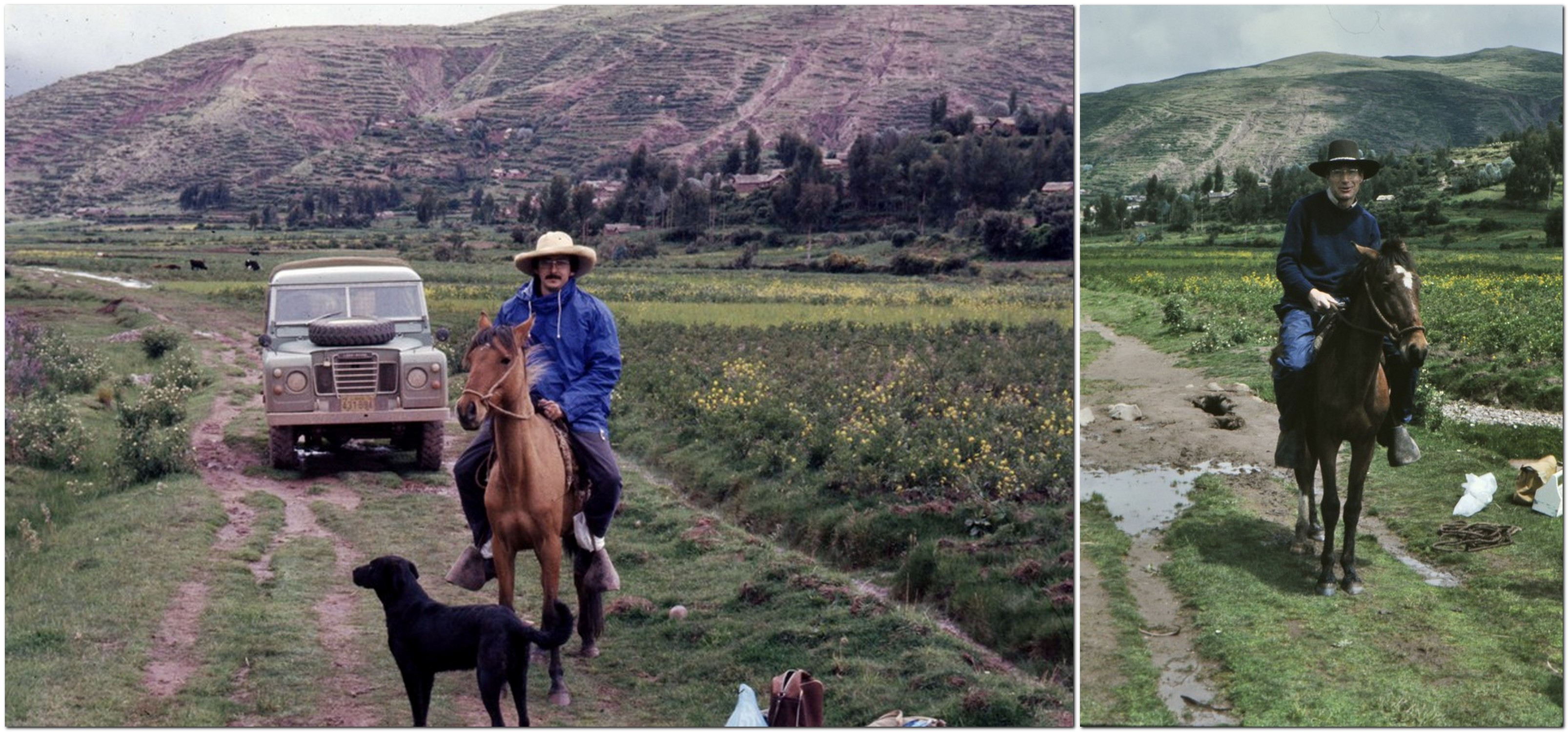
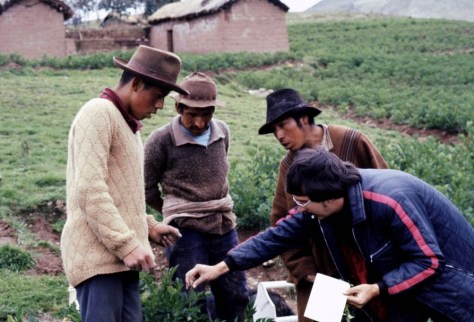 Field work complete, Peter and I spent a couple of days resting up in Cuzco before flying back to Lima. We left the Land Rover there for one of my colleagues Zósimo Huamán to pick up, as he planned to undertake some fieldwork as well before driving back to Lima.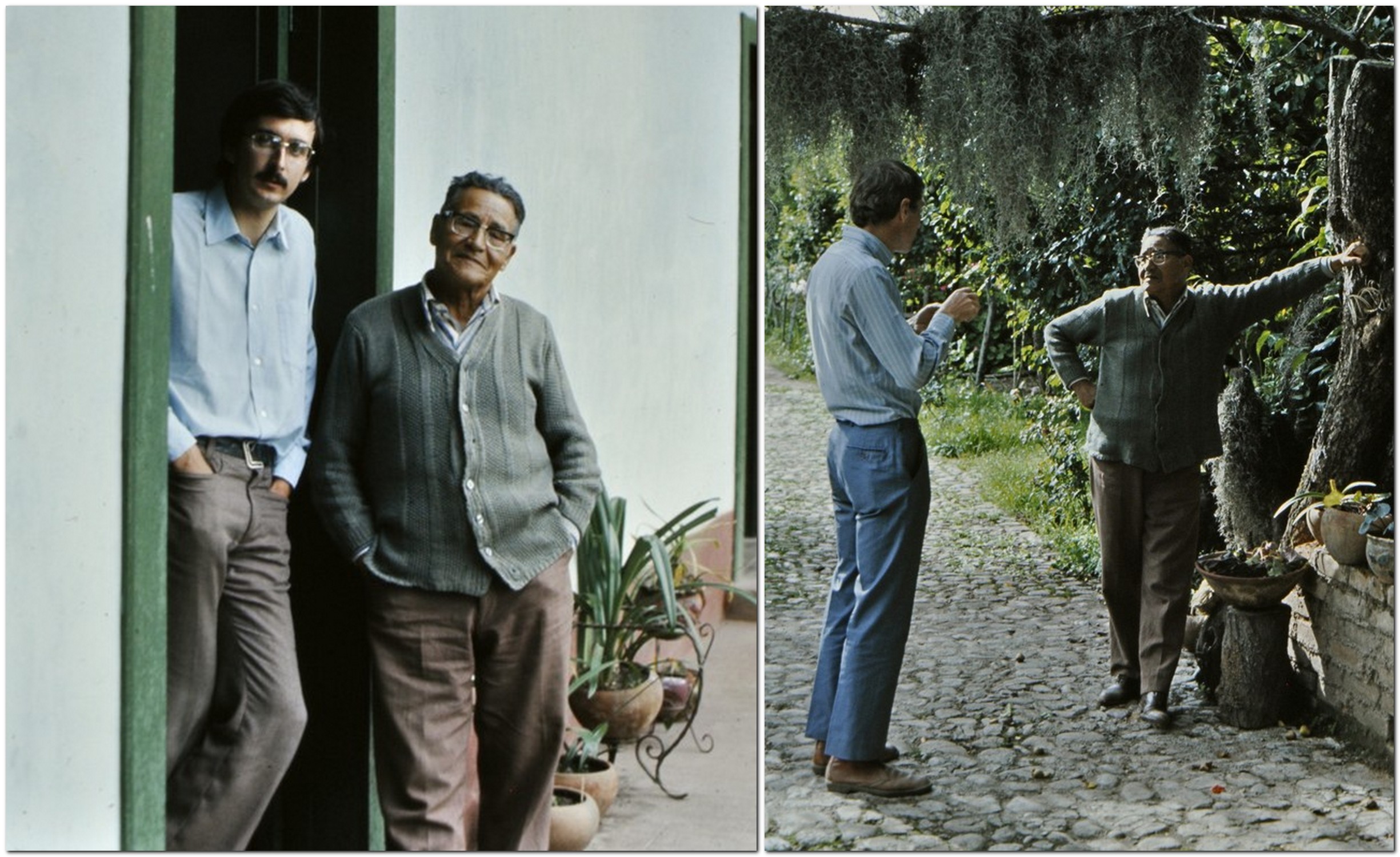
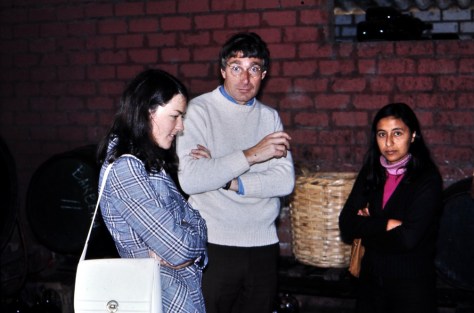
 Steph and I have been members of the
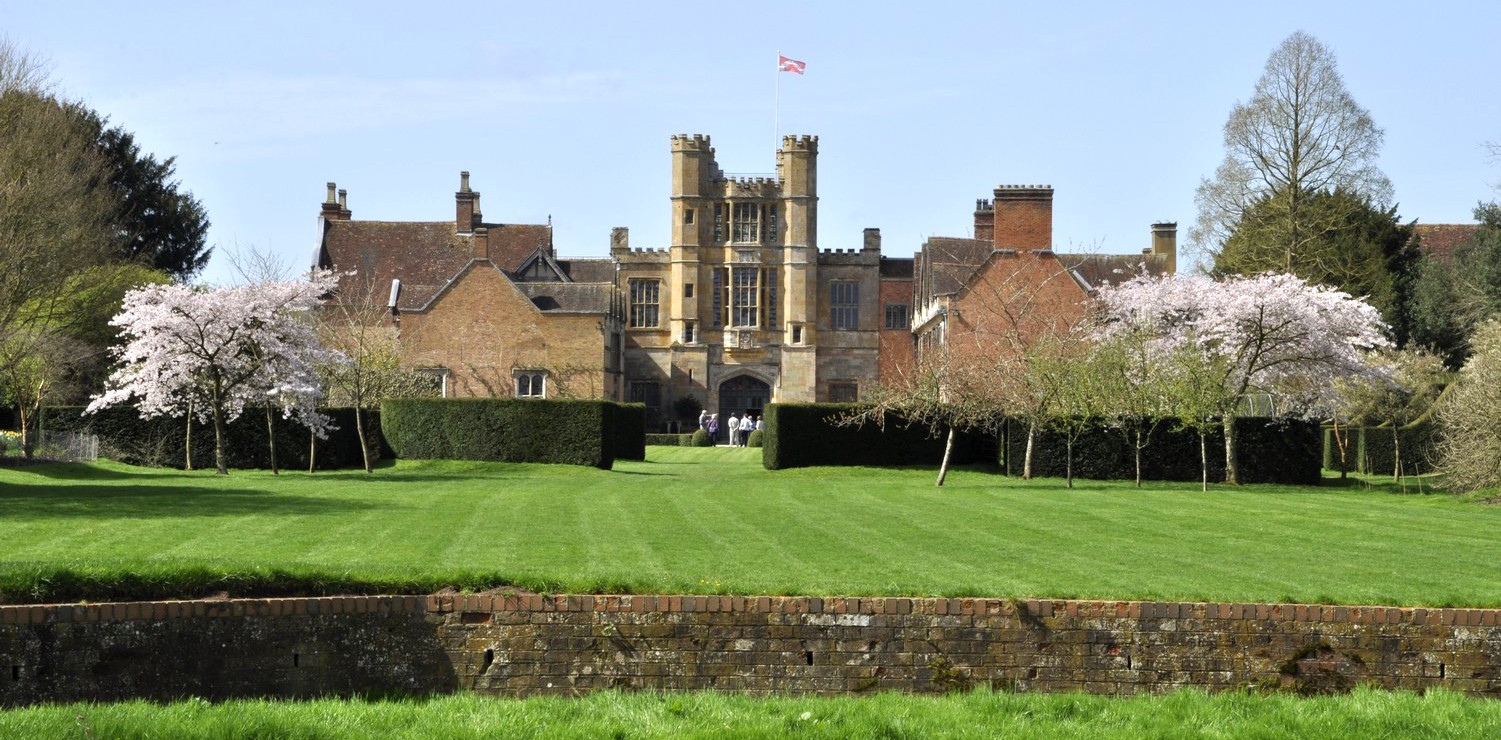


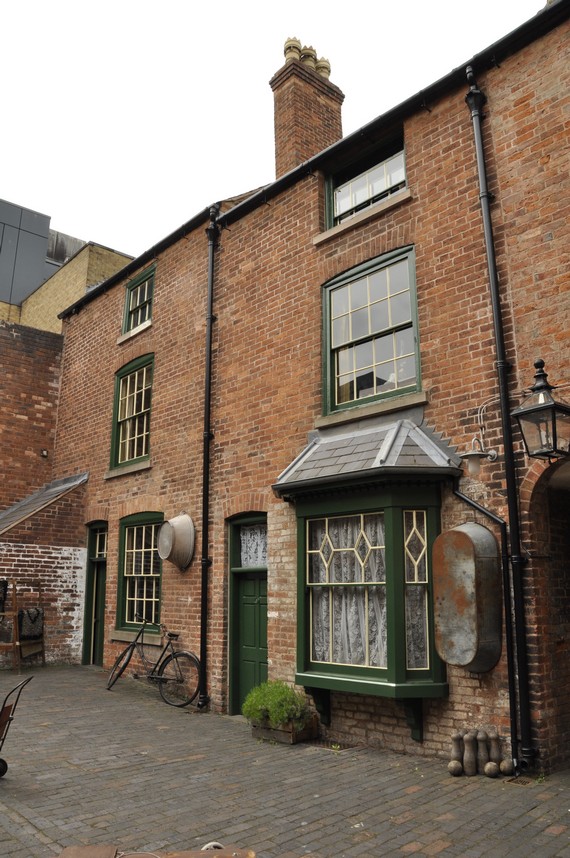

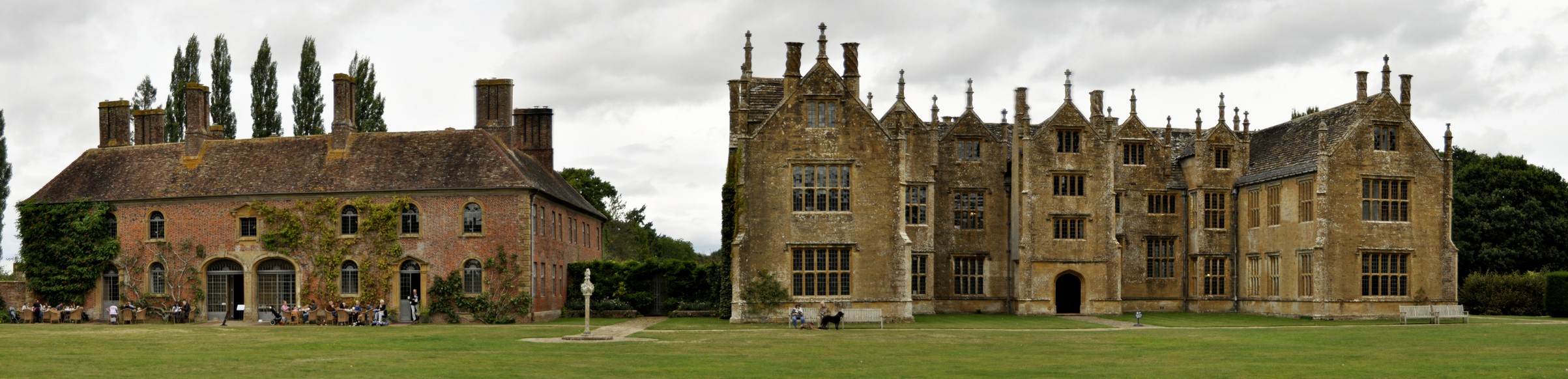


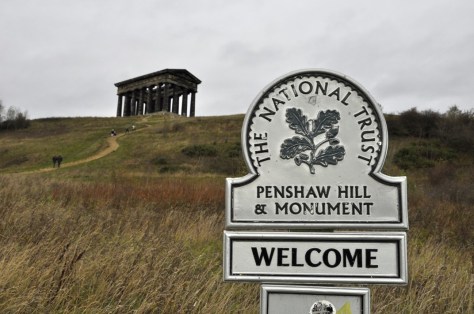

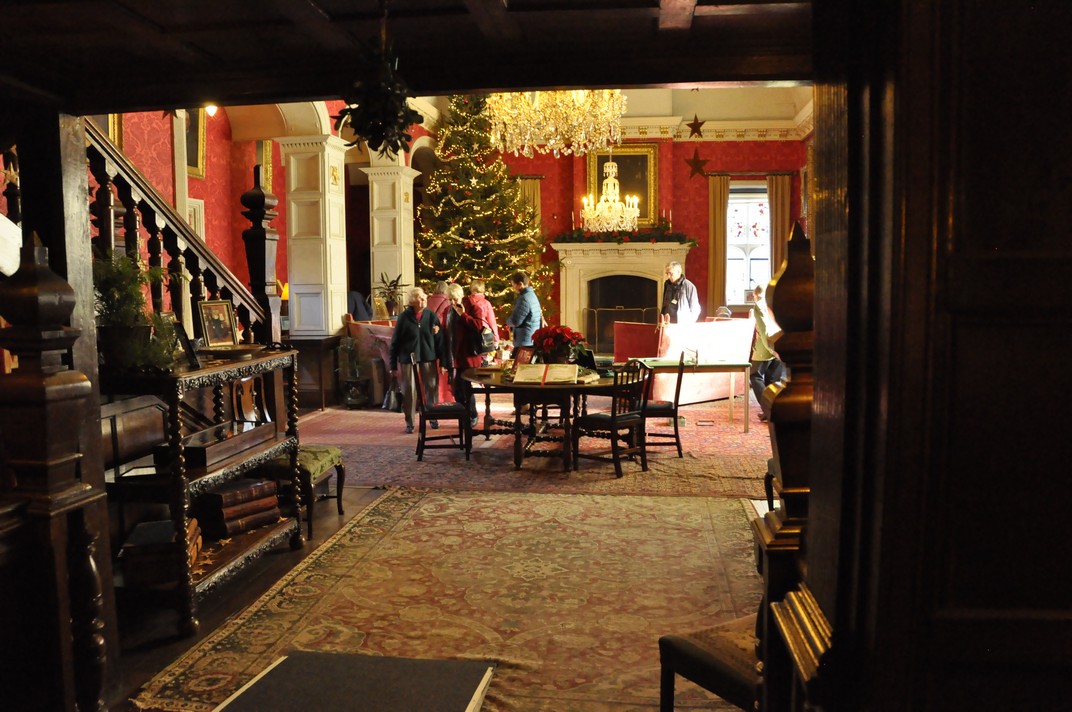


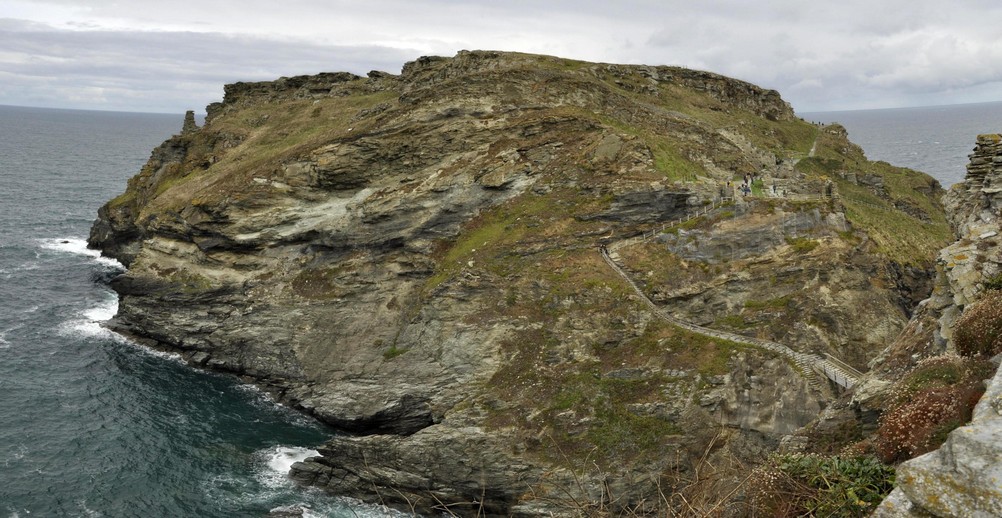

 I recently posted a link on a Facebook group to a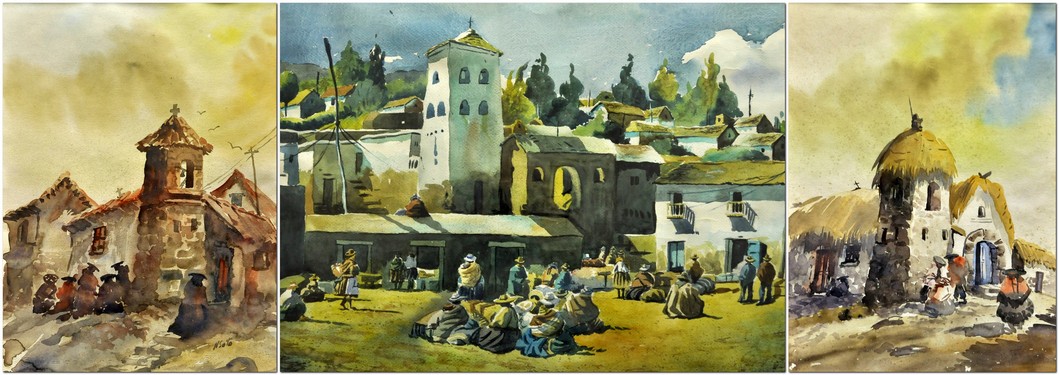
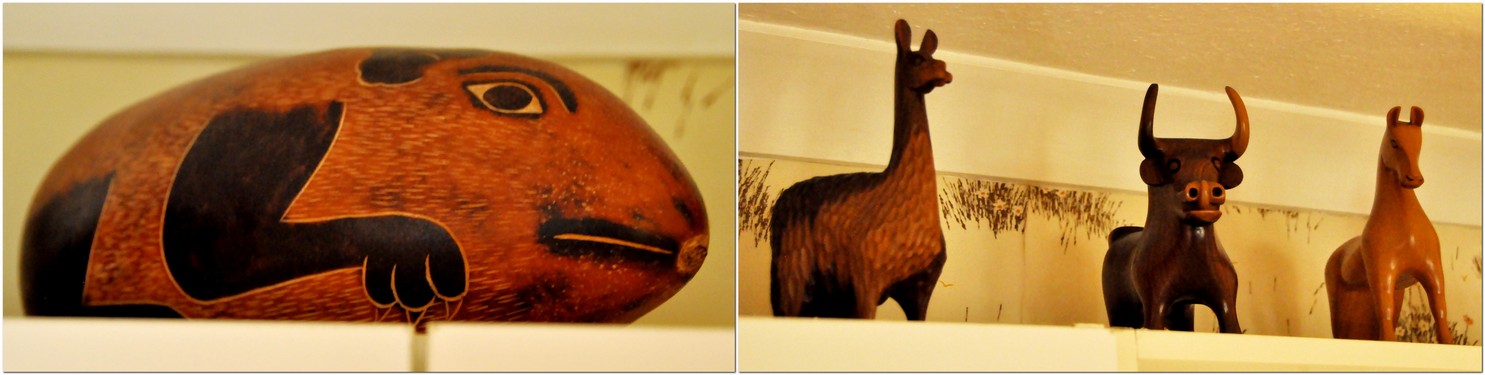
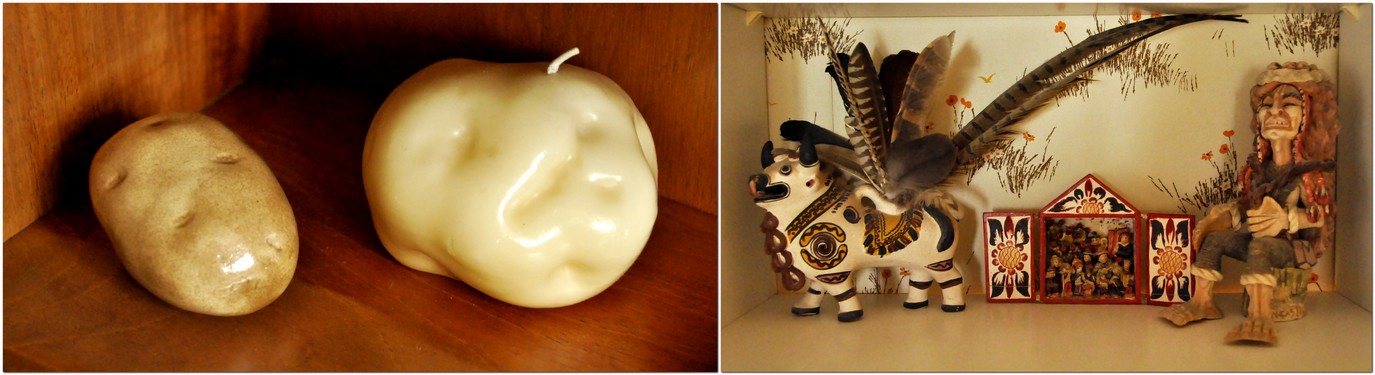
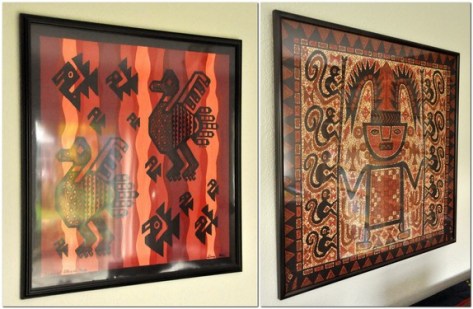
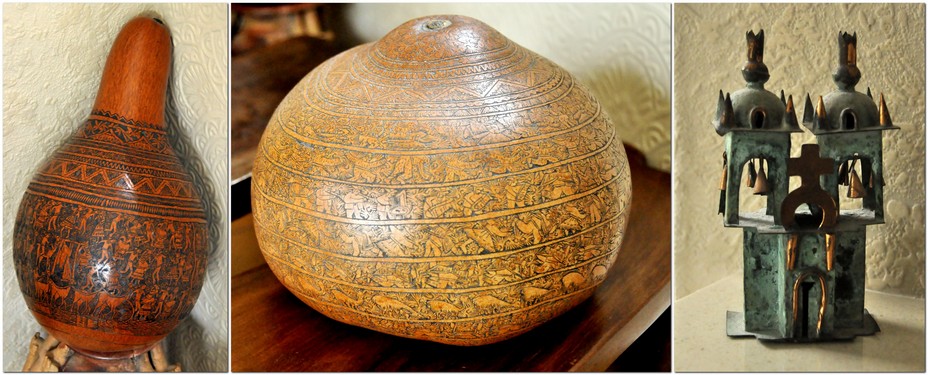
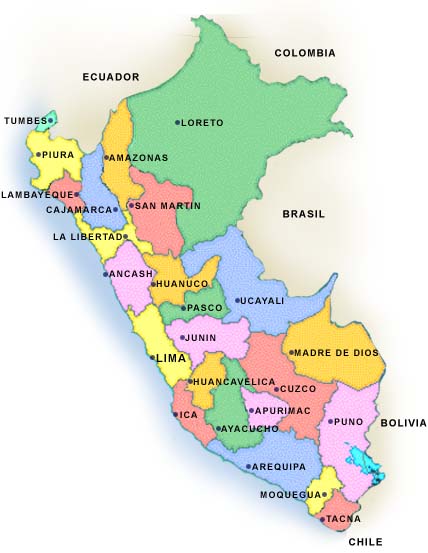
 And talking of food and drink, Steph and I loved to dine at
  A balanced diet . . .