14 February 2019. Valentine’s Day. Bright and sunny, hardly a cloud in the sky. Just a gentle breeze. What a better day for a nice long walk in the Worcestershire countryside.
So Steph and I headed off to Hanbury Hall, just over 6 miles from home, the closest National Trust property¹ where we often enjoy the garden and parkland.
We completed the circular walk that we had part enjoyed last August, taking in the extra mile or so that we had omitted then.
This is the route we took, clockwise from the car park, and ending at the shop and plant sales.
In all, this walk was just over 3.6 miles and took us almost 1½ hours. From the car park, we headed round the south side of the hall and through the parterre, northwest across the fields (sown with soybeans, we think) before joining the Worcester and Birmingham Canal towpath at the Hanbury Park lock, then following the towpath north to the next lock at Astwood Lane.
Here we turned east along Astwood Lane, heading towards Hanbury Church of St Mary the Virgin, before once again turning south on to National Trust land and back into the park and along an old oak avenue.
Along the way we enjoyed the stark magnificence of Hanbury’s parterre and its box hedges and cones, banks of snowdrops and emerging and soon-to-flower daffodils.
Along the canal there was hardly a breath if wind, so the reflections in the water were particularly strong.
We came across two badger carcasses, roadkill perhaps or maybe victims of TB? Near the church a fox came out of the undergrowth and trotted along the lane ahead of us. We think it had been inspecting one of the dead badgers, an easy meal in the middle of winter.
In a field attached to Webb House Farm we saw a flock of perhaps a hundred fieldfares (the largest of the thrushes that visits these shores in winter); and rabbits skipping along in the warm sunshine. Everywhere there were flocks of heavily pregnant ewes.
Male fieldfare
A full album of photos from our walk can be viewed here.
It was certainly a beautiful day to be outside. And remarkably, it was almost a year to the day that we visited The Firs (the birthplace of composer Sir Edward Elgar) near Worcester, and had enjoyed equally fine and warm weather.
¹ Actually, Rosedene is closer by two miles, but is open only on a few weekends each year.
23 June 2016 will forever be remembered as the date when the UK (or parts of it at least) collectively committed an act of great folly, by voting by a slim margin to leave the European Union (EU). No doubt there will be, in due course, a flurry of Brexit histories.
Historians will take the facts and interpret them through a prism of their Leave or Remain beliefs and opinions, prejudices even, and analyze the roles and motives of the dramatis personae.
Facts are facts (despite Donald Trump’s best efforts to disabuse us of this). They can be checked and verified, and nowadays, at the drop of a hat. But they can come back to bite you—as many politicians are finding to their cost during this whole Brexit debacle. Social media like Twitter and Facebook are being used to hold politicians to account.
Here’s just one example, recently resurrected, of Prime Minister Theresa May talking about the border between Northern Ireland and the Irish Republic (when she was Home Secretary, and before the referendum), a position on which she has now backtracked to appease and gain the support of the hard Brexiteers on the right of her party.
Devastating put-down of Theresa May's "who needs a backstop" unicornology by, er, Theresa May. pic.twitter.com/TiwBiUqh9s
So when the histories of Brexit come to be written, here’s one suggestion:
I have my own opinions and prejudices. So let me be clear, upfront. I voted to Remain in the EU. I never wanted to leave, and am having a hard time trying to understand why any government would deliberately try and impoverish the nation.
Brexiteers are optimistic about the future; Remainers, like me, are pessimistic. I fear what a No Deal Brexit will mean. And given the appalling use and misuse of facts during and after the 2016 Referendum, I’m not surprised that a small percentage of the electorate actually believe that No Deal means staying in the EU. They have an unwelcome surprise in store should this come to pass.
I think what has depressed me most about the whole Brexit process is the sheer level of ignorance of many who support Leave (many of my generation, 65 and over, who look back through rose-tinted spectacles to a Britain that never was), the mendacity and the documented illegality of the Leave campaign, the dismissal of expert advice (and facts) as Project Fear, and the complete breakdown of commonsense in Parliament as party tribalism reared its ugly head. Party before country!
I can’t help feeling that the ending to the 1991 film Thelma and Louise is a great allegory for Brexit and how Theresa May seems to be leading us to a No Deal Brexit, hang the consequences.
Over the months, I have posted various opinions about Brexit, so I’m not going to go over those points again in any detail.
I’ve consistently argued that the UK should have been, from when it joined in 1973, an enthusiastic member of the EEC/EU, helping to push forward its common agenda, and iron out the idiosyncrasies that inevitably emerge when 28 nations are working on a ‘common’ agenda. The UK should have contributed its well-known (and appreciated) pragmatism to the (often) difficult issues that face the EU. But perhaps UK membership has always been ambivalent. Let Sir Humphrey explain:
We have squandered opportunities, and consistently hectored and whined from the sidelines, even while securing special status for the country in several respects (like the annual rebate, non-membership of Schengen or the Euro, just to mention three). The EU has wasted a considerable amount of time on the ‘British question’. I’m surprised the other EU members didn’t already ask the UK to leave. But no, they loyally stuck with us. And now that we are leaving, many on the Leave side can’t or won’t understand the EU position of the remaining 27 members. They consistently view the EU position as bullying the UK. But any difficulties we brought on ourselves. Well, some of us did. We are leaving of our own volition, not being pushed. We started this sorry state of affairs. The consequences must be laid at our door. No one else’s.
I voted Remain, proud to have done so, and deeply regret the situation the country now finds itself in, with a Parliament in stalemate, and an electorate that is thoroughly disillusioned with politics and the whole Brexit fiasco. And equally, for many, confused about what Brexit really means.
11 pm GMT on Friday 29 March 2019 is fast approaching. Just 49 days. That is the time and date when the UK will leave the EU, withdrawal deal or no deal, unless some miracle happens during the intervening period. And the country is not prepared in any shape or form. Just read this article from today’s The Guardian.
Recently, former Prime Minister David Cameron was asked—just after the House of Commons had soundly rejected Theresa May’s negotiated Brexit deal—whether he had any regrets about holding the 2016 referendum. Given that he resigned immediately after defeat in that referendum, after he’d committed himself to a lame Remain campaign (because I do believe that no-one, not even Leavers, expected that the electorate would support Leave), he took no responsibility for the genie he’d released from the Brexit bottle and its consequences. This is what he said.
It seems that David Cameron never expected to hold a referendum, because he never thought the Conservatives would win the 2015 election outright, and would have to go into coalition again with the Lib Dems who, he thought, would oppose a referendum. Having secured a majority for the Conservatives in that General Election, Cameron was a hostage to fortune to his own party. He was committed to a referendum.
Thus holding a referendum and delivering Brexit has little to do with the future well-being of the nation. It had much to do with internal Conservative Party politics and coherence.
The referendum took place. Just a binary question: Leave the EU or Remain. With no thought given it seems, to how Brexit might be delivered and what its consequences might be. I believe that everyone, on both sides of the argument, thought that the referendum result would be to Remain. Just look at Boris Johnson and Michael Gove (key players on the Leave side) the following morning, hardly believing what had happened. As Michael Gove’s wife Sarah Vine supposedly said after the referendum: You were only supposed to blow the bloody doors off!
The morning after . . .
No wonder a frustrated Donald Tusk (President of the European Council) commented just a couple of days ago:Well, cartoonist Matt (in The Daily Telegraph) responded appropriately*:
I often argued that the referendum (if indeed it had to be held at all) should have been a two stage process.The first would be to gauge what the nation favored: IN or OUT? Then, after any deal had been reached to leave the EU and we had a better idea of its consequences, we should have been given the opportunity (in a second vote) to agree with any deal, Leave the EU with No Deal, or Remain a member.
I also strongly believe that, given the constitutional, economic, social, and political implications of leaving the EU, then the first referendum should have met certain thresholds: more than a certain percentage of the electorate had to cast a vote, and an absolute majority had to vote to Leave. As it is, although the turnout was more than 70% in June 2016, Leave won the referendum by a margin of 52:48%, representing only approximately only 37% of the electorate. So it’s disingenuous for Theresa May to claim it’s the will of the British people.
For so long this has been the Leavers’ mantra, but what does it mean?
There’s more immigration from countries outside the EU than under free movement from EU countries. The UK net contribution to the EU is between £8 and £9 billion annually (less than £140 per person, or <2% of government spending, and less than the ‘annual subvention to Northern Ireland‘), after the rebate and other funds that come back to us (such as regional funds that have supported, in particular, less favored parts of the country).
Data (probably 2016) from Business Insider/HMRC (article published in 2017)
And in terms of laws, I haven’t seen Parliament slacking in passing new legislation. But the Brexiteers don’t like the role of the European Court of Justice or the ‘imposition’ of regulations that facilitate industry and business.
So many lies!
So what will the forthcoming histories of Brexit focus on? There are so many perspectives to explore, but I’m not qualified to do so. I can only draw your attention to some of them.
Will it be Theresa May’s pathetic leadership, running from meeting to meeting in recent days like a headless chicken, listening to no-one. Here’s a cartoon by Peter Brookes in today’s The Times that sums up the situation we now find ourselves in:
Or the duplicitous Jeremy Corbyn leading the Labour Party into the electoral wilderness through his tacit support of Brexit. He’s certainly anti-EU as this speech in 2009 (at the time of the second Irish referendum) shows.
EXCL: Corbyn branded EU a "military Frankenstein" and trashed second Irish referendum in footage unearthed from 2009 rally against the Lisbon Treaty. https://t.co/knycGdfQWypic.twitter.com/Z6s73MthIp
If Corbyn claims that his views have changed since then, why will he not support a #PeoplesVote on whether to support Theresa May’s deal or Remain? There is good evidence to suggest that many Leavers have now become Remain supporters now that they can see what Brexit actually means.
Or will histories focus on the reasons why people voted to Leave the EU in 2016? Was it just a protest vote against an unpopular Conservative government that was seen to favor the southeast while imposing austerity on the rest of us? Listen to Cambridge economist Dr Victoria Bateman’s interview with John Humphrys on Radio 4’s Today this morning talking about the consequences of Brexit for an electorate that felt left behind and who voted Leave.
What about the anti-immigration issue, whipped up to a frenzy by the likes of Nigel Farage, but tacitly supported by Theresa May as her actions as Home Secretary and Prime Minister have shown?
Or will historians analyze Project Fear and how the perspectives of experts (in all spheres of business, trade negotiations, economic prospects post-Brexit, and the like) were dismissed by Brexiteers as scaremongering. The odious Marc Francois (MP for Rayleigh and Wickford) who made these totally unacceptable comments recently.
Mark Francois on BBC just now accused Airbus's Tom Enders of "Teutonic arrogance", adding: "My father, Reginald Francois, was a D-Day veteran. He never submitted to bullying by any German. Neither will his son. So if Mr Enders is watching, that's what he can do with his letter" pic.twitter.com/4tpXaS8Kgs
Then there’s the naivete of politicians like Liam Fox, responsible for international trade, claiming that the UK will strike the best trade deals in the fastest time. The reality is turning out rather differently.
While much debate has focused on the urgency with which Brexiteers want to leave the EU, strike trade deals around the world, and operate on WTO terms, the other advantages of EU membership are glossed over, like our membership in many agencies (at shared cost) that give structure to the way in which we live as a nation (such as air traffic safety, medicines, and the like) that we will have to replicate (at great cost) once we leave the EU.
Yet Brexiteers had no plan whatsoever for leaving the EU—thus Donald Tusk’s outburst a couple of days ago (which was roundly misquoted and condemned by Brexiteers like Peter Bone (but was applauded by many on the Remain side of the argument). Here’s Peter Bone complaining in the House of Commons:
Few politicians have come out of this Brexit mess with honor. But several Tory MPs have consistently opposed the government on Brexit, including Anna Soubry, Dominic Grieve, Justine Greening, and others. They have been vilified in the right-wing media? On the Opposition benches, MPs like Yvette Cooper, Chukka Umunna, and David Lammy have not been afraid to speak out against Brexit and their own front bench leadership (hopeless as it is), to mention just three. And we shouldn’t forget the outstanding Green Party MP for Brighton Pavilion, Caroline Lucas.
I hope any future Brexit history takes note of this speech by Labour David Lammy MP, speaking during the Brexit debate in the House of Commons on 10 January this year.
And then there are the heroes and heroines among the general public. Steve Bray (Mr Stop Brexit) is a rare coin dealer from Newport who has been protesting for weeks outside Westminster, day in and day out.
Steve Bray
Then there’s Madeleina Kay (EU Super Girl) who has protested Brexit all over the country and in many capitals among the other 27 EU members.
So, there you have it. If you’ve got this far you will see that my comments have been presented through my ‘Remain prism’. And I’m not embarrassed to admit it. If Brexit does come to pass, I fear we will be a diminished nation, our Union will dissolve and Scotland will go its own way. How long before this insignificant nation is ousted from its seat on the Security Council of the United Nations? Its world standing will have decreased to such a level that it surely cannot continue as before. Oh, I forgot. Brexiteers look at life through rose-colored glasses. Put ‘Great’ back into Great Britain. Pathetic.
* For my non-UK/EU followers, Ode to Joy (from Beethoven’s 9th Symphony) is the EU’s anthem played on official occasions.
As Director for Program Planning and Communications (DPPC, from 2001 until my retirement in 2010) at the International Rice Research Institute (IRRI), I managed the institute’s portfolio of research projects, reporting back to donor agencies on progress and outcomes, such as the UK’s DFID, USAID in the USA, or the SDC in Switzerland, to mention just three. And working with them to ensure continued financial support to the institute each year.
On a rolling basis, I tried to meet officials from these agencies on their home turf, so to speak, and would coordinate several meetings in a single trip. I often scheduled meetings with European donor agencies when I was back on leave in the UK each year. And this was the case in early July 2003 when I visited Portugal (Lisbon) and Spain (Madrid).
At that time, one of my IRRI colleagues, Dr Swapan Datta, had a joint research project with Professor M. Margarida Oliveira of the Instituto de Tecnologia Química e Biológica António Xavier (ITQB), a scientific research and advanced training institute of the Universidade NOVA de Lisboa in Portugal. One of her students, Marta Vasconcelos, worked on rice biofortification with ferritin in Datta’s lab. Another, Sónia Negrão, worked with IRRI’s plant breeders for part of her PhD study, and held a post-doctoral fellowship at IRRI as well.
On the beach at Oeiras close to ITQB, with Margarida, Marta, and Sonia (in the left image) and Sonia and Marta (right).
Prof. Oliveira and I visited the Portuguese overseas aid agency to seek funding for joint rice projects. Portugal, at that time, provided only a small amount of funding (if any—I don’t remember the details) to IRRI. I also got to see some rice growing at the ITQB experiment station.
During the visit to ITQB, I gave a seminar about the genetic resources of rice and, with the donor visit, most of my second day in Lisbon was quite full. But, as was often the case in visits to donor capitals, there also was an opportunity for some sight-seeing.
I had arrived to Lisbon the day before, in the early afternoon. After settling into the Hotel Lutécia in the Areeiro district (map), north of the city center, I decided to see what Lisbon had to offer and took the metro to the city center, about a 20 minute ride from the Roma-Areeiro station to the Baixa-Chiado station.
Lisbon is a lovely maze of narrow streets, and large open plazas. One thing that immediately struck me, especially from the heights of the Castelo de S. Jorge, were the orange tile roofs of all the houses spread over the surrounding hills, and the views over the Tagus River, and west to the expanses of the Atlantic Ocean.
Anyway, I made my way from the metro, south along Rua Agustina (mostly traffic free) full of designer shops and cafes and restaurants towards the Praça de Comércio.
And although I’d intended to carry on walking around the city, I did something I’d never done before. Seeing a line of double-decker open top buses to one side of the plaza, I decided to take a city tour. Having only a short time in Lisbon I realized this would be the best way of seeing much of the city.
The tour lasted about two hours, and I certainly saw many of the important sites, some of which I went back to explore on foot afterwards.
The tour took in: Praça da Figueira; Praça D. Pedro IV; Praça da Restauradores; Av. da Liberdade; Praça do Marquês de Pombal; the view down to the coast from the Alameda Cardeal Cerejeira; west to the Torre de Belém; and back to the city center via the Praça do Império and the magnificent Mosteiro dos Jerónimos, passing under the impressive Ponte 25 de Abril over the Tagus.
Praça da Figueira
Praça da Figueira
Praça D. Pedro IV
Praça da Restauradores
Praça do Marquês de Pombal
View down to the coast from the Alameda Cardeal Cerejeira
Torre de Belém
Ponte 25 de Abril
Mosteiro dos Jerónimos
Mosteiro dos Jerónimos
Praça de Comércio
Although it was getting on in the afternoon, I decided to walk up to the Castelo de S. Jorge and enjoy the views over the city.
Castelo de S. Jorge from Praça da Figueira (L) and the plaza from the castle (R).
Praça de Comércio from the castle
Then, it was back down to enjoy a beer or three and a dish of bacalhau (a typical dish of cod), before heading back to my hotel.
On the second evening I decided to stay near my hotel, write up my notes, and get ready for a mid-morning departure to Madrid the following day.
I had just a couple of nights in Madrid. I’d been through the city’s airport in 1981 on my way to the Canary Islands. That was in June, and I remember stepping outside the airport terminal building to experience the heat. It was over 40ºC. Now, I’d lived in the tropics for over eight years up till then, but I’d never experienced heat like that.
In July 2003 it was pretty hot as well. I arrived mid-afternoon on my flight from Lisbon. I was booked into a boutique hotel near Real Madrid’s Santiago Bernabéu Stadium. By the time I was settled into my hotel, it was late afternoon, and fortunatley it was cooling down. So I took the metro to the Puerta del Sol plaza.
I wandered along the Calle Mayor, taking in the Plaza Mayor and Plaza de la Villa on my left, on on towards the Catedral de Santa María la Real de la Almudena and the Palacio Real.
Calle Mayor and PLaza Mayor in the distance
Plaza Mayor
Plaza Mayor
Plaza Mayor
Plaza Mayor
Plaza Mayor
Plaza de la Villa
Plaza de la Villa
Street scene
Plaza de Ramales
Palacio Real
Palacio Real
Catedral de Santa María la Real de la Almudena
Nearby there was a cafe where I could sit outside and enjoy a cold beer, before I headed back towards the Puerta del Sol plaza to choose a restaurant for my evening meal. Then it was back on the metro to my hotel.
In the evening I chose a small restaurant close to the hotel. Excellent food!
Then, early the next day, it was off to the Madrid-Barajas Adolfo Suárez Airport, and an Iberia flight to Switzerland (Zurich), where I had a meeting in Bern at the SDC.
Before heading back to BHX, I visited old friends in The Hague, Gordon and Joan MacNeil. Gordon had been IRRI’s Deputy Director General for Finance, and left the institute in 2002.
All in all, an enjoyable trip, but not very fruitful donor-wise, unfortunately.
In 2012, Steph and I had a short holiday in Portugal, visiting my eldest brother Martin and his wife Pauline who live about 100 km north of Lisbon.
I’ve got a bee in my bonnet, and it won’t go away. Buzz, buzz, buzz. Let me explain. Please bear with me.
My home town, Bromsgrove, lies at the foot of the Lickey Hills in north Worcestershire (map). The rail mainline from Birmingham to the southwest (through Worcester and Cheltenham, on to Bristol and the West Country) passes to the east of the town, having descended the Lickey Incline, ‘the steepest sustained main-line railway incline in Great Britain. The climb is a gradient of 1 in 37.7 (2.65% or 26.5‰ or 1.52°) for a continuous distance of two miles (3.2 km)’.
A new station was opened in 2016, and the line was subsequently electrified.
The new electric trains (operated by West Midlands Railways in their bright gold and silvery grey livery) came into service in July 2018 as part of the Cross City line connecting Bromsgrove with Lichfield to the north of Birmingham.
I wrote a blog post about the station in 2016, and updated it last November.
There are three bridges over the railway near the new station, one to the south (at a housing development known as Breme Park that had been built on the site of the former Garringtons Ltd or United Engineering Forgings), and two to the north (one over St Godwald’s Road, and the other over the B4184, Finstall Road), indicated by arrows on the map below. All three bridges are owned by Network Rail, which ‘own[s] and operate[s] the railway infrastructure in England, Wales and Scotland on behalf of the nation.That’s 20,000 miles of track, 30,000 bridges and viaducts and thousands of tunnels, signals, level crossings and points’.
Until recently these bridges were great vantage points to watch rail traffic up and down the Lickey Incline. No longer. During the installation the overhead electrification it wasn’t necessary to raise any of the three bridges in Bromsgrove. However, as a safety feature to prevent anyone leaning over the parapets, steel cladding was erected on both sides of each bridge, as illustrated in this photo to the right. I didn’t manage to take any photos of the bridges with all this cladding, but you can now imagine what it must have looked like. Very unsightly.
Now the cladding has been replaced on all three bridges—for better or worse. That’s why a bee is busy buzzing. Let me show you, bridge by bridge.
To the south of the station, there is a steel and brick bridge that connects with public footpaths on the east side. It’s just a muddy track, but wide enough for a vehicle to cross. From here was the perfect spot to watch trains approaching, at speed, round the bend from the south. Almost all the steel cladding has gone, except at each end of the bridge on both sides. I cannot understand why Network Rail would leave the bridge with four sets of steel cladding, unless workmen will return at a later date to replace the remain panels. Click on each image to enlarge.
In the center and right below, can be seen the view, north and south from the bridge, from the ends of the bridge. On the left is the view south towards the bridge from the station platform.
Just north of the station (close to where the old station was sited until 2016), a concrete bridge crosses St Godwald’s Road. On the top of the parapet has been placed a single course of ‘plastic bricks’. Since the parapet itself is flat, Network Rail made a better job here. It wasn’t so complicated. Yet, on the rail side of the north parapet, there is much to be desired, as the ‘bricks’ don’t appear to be fully secured.
Then there is the bridge further north carrying the B4184 Finstall Road over the mainline. This is actually a concrete structure, but the parapets were faced with pink sandstone blocks that have weathered over the decades, and are in keeping with the surrounding area.
But what a botched job Network Rail has made of placing a course of ‘bricks’ on the top of each parapet. This a view of the bridge from the south (rail) side.
On the bridge itself, south and north sides, it’s hard to believe that anyone signed off on this as a completed job, well done. Just look at how they have placed the ‘bricks’. Let’s look at the south side first.
And on the north side, it’s almost as bad. And in the process, some of the stonework has been damaged.
On one of my walks a couple of weeks ago (on 21 January to be precise), I took a few photos on my mobile and sent a couple of tweets to Network Rail:
To their credit, Network Rail did reply within an hour, and through emails they have now referred this issue to a local team to investigate: Your service request has been assigned to our RAM Structures team to investigate further. They will report back shortly with their findings and your local contact and communities team will be in contact to confirm the next steps in due course. There’s even a job number, #190121-000205.
Nothing has happened yet, but I’ll keep monitoring the situation—and bugging Network Rail—until the buzzing has gone away*.
But why have I become so incensed about this situation? The casual use of resources is unacceptable in these difficult fiscal times. But maybe I’m just becoming a grumpy old fart.
I have no idea what budget was allocated to, firstly, install the steel cladding, and secondly, the replacement panels and ‘bricks’. Thousands of pounds, undoubtedly. How many person-days so far? And, for the bridge on the Finstall Road, because there is a pavement on only one side (the south) the road had to be partially closed (with traffic signals) for about three weeks, disrupting traffic for the local community.
But as I’ve already said, I can’t imagine how anyone could think that this workmanship was acceptable, up to standard. And that goes against my sensibilities of doing something right the first time!
These are the only views now possible from the bridge on St Godwald’s Road. The middle image below was taken from the car park of the old station, and shows a West Midlands Railways train departing from Platform 3, and then crossing over on to the up line. Diesel trains (shown here) to and from Hereford via Worcester stop at Bromsgrove.
* On 12 February, I received a further update from Network Rail, which I reproduce here in full:
Dear Mr Jackson,
Thank you for your recent communication to our National Helpline on the 21 January 2019.
As part of the scope of works of the Bromsgrove electrification, our project team have had to ensure that at all bridges over the railway a minimum of 1.8 metre high parapets have to be in place to protect users of the bridge from the presence of live electrification equipment below. From July 2018 this was permanently energised at 25,000 volts. In some cases (such as the new Bromsgrove station footbridge and newly-reconstructed bridges in the Barnt Green and Blackwell areas), this height separation has been provided from new. At bridges which have not needed to be reconstructed, we have raised the heights of the parapets, there being three such structures in the Bromsgrove area.
The designs for parapet height extension have gone through a number of approval processes, which have taken some time. Temporary steel screening has been installed at the bridges – including Finstall Road – to provide the necessary separation in the interim between energisation of the electrification and the approval and delivery of the permanent works. Planning consent has been sought and received, with an inert colour incorporated into the material used (GRP).
Volker Rail is the contractor undertaking the works (under subcontract to MPB), and over a number of weekends has progressively installed the cladding and when able, removed the temporary steel cladding. As per the photos supplied by you the temporary gaps left between the GRP panels, some of which were filled in the interim with plywood panels, were of work still in progress whilst the GRP ones were being fabricated.
While I appreciate this may not be the answer that you were hoping for, and there may still be some work outstanding, the work to date is as per the design.
For the rest of your enquiry about the costs involved in this project, if you would like to pursue this information, we would kindly request for you to make a separate enquiry as this would require a Freedom of Information request.
Kind Regards Community Relations
Now, there’s a couple of points I’d like to make. First, I have never questioned the necessity of meeting health and safety issues by installing raised parapets. I completely see the need for these, while feeling disappointed (along with many others, I’m sure) that the views up and down the Lickey Incline have now been reduced or lost. Second, the reply from Network Rail is ambiguous whether the job at the bridges is a ‘work in progress’ and yet to completed, or whether this is now the finished article, so to speak. If it’s a ‘work in progress’ I’m surprised that Network Rail did not agree with the contractor (Volker Rail) a more convenient start date when all the materials necessary for the job had been assembled. If the contractor has to return that will mean more expense and road closure inconvenience perhaps.
Update (14 April 2019)
While out for a short walk yesterday I decided to check if any more work had been carried out on the bridge on the Finstall Road. I’d noticed that the parapet on the south side had been repaired a week earlier. And I was pleasantly surprised to see that the north side had also now been brought up to standard.
Parapets on the south side of the bridge.
On the north side.
After I’d downloaded the images from my phone, I decided to send a tweet to Network Rail:
Nikolai Ivanovich Vavilov (1887-1943)—The Father of Plant Genetic Resources—is one of my scientific heroes. Yet I knew nothing about him until September 1970 when I began my graduate studies concerning the conservation and use of plant genetic resources at The University of Birmingham (in the Department of Botany as it was then).
Last Saturday, 26 January, was the 76th anniversary of Vavilov’s death in a Soviet prison.
Prison photos of Vavilov.
Vavilov’s grave in Saratov.
Botanist, science writer, and broadcaster James Wong (@Botanygeek) posted a short thread of tweets about Vavilov. So, I tweeted a reply to James about three scientists (two I worked with; the other I’d been introduced to) who met Vavilov in the 1930s.
James, you might like this 'personal' perspective about one of my science heroes: Vavilov Standing on Vavilov’s shoulders . . . | A balanced diet . . .https://t.co/rkCAb3ZpDA
Actually, Elena Barulina (1896-1957) was Vavilov’s second wife who passed away just two years after Vavilov had been ‘rehabilitated’ by the Soviet government, as she was working her way through his various publications.
Vavilov had first married Ekaterina Saharova in 1912, and they had one son, Oleg (born 1918).
Vavilov with his first wife Ekaterina, and son Oleg.
Vavilov divorced Ekaterina in 1926 and married Elena; they had one son, Yuri (born 1928). Both Oleg and Yuri became physicists, like their renowned uncle Sergey, Nikolai’s younger brother. Ekaterina died in 1963 never having remarried.
Elena Barulina and Nikolai Vavilov.
Elena (Helena) Barulina was an international lentil expert, publishing an important monograph in 1930. During the course of 1970-71, I got to know this publication in great detail.
So how did I get involved with lentils, and what was the outcome? As part of the MSc course requirements at Birmingham, each student had to present a short dissertation. I opted to carry out a study of crop variation, but first I had to choose the species for my study.
Trevor Williams
My dissertation supervisor was Dr J Trevor Williams (who went on to become the first Director General of the International Board for Plant Genetic Resources or IBPGR (that then became the International Plant Genetic Resources Institute or IPGRI, and is now Bioversity International) in Rome.
In November 1970, we scanned the pages of Flora Europaea, looking for potential targets among the various legume species. And there, under the cultivated lentil (Lens culinaris) was the important comment: Origin unknown. Now there was a challenge if ever we saw one!
Lentil is an ancient crop, associated with the earliest developments and spread of agriculture in the Near East and Mediterranean, and this is where the wild lentil species are also found. When I began my study, there were just five recognized lentil species (this was increased to seven in a 2015 paper):
I presented my dissertation, Studies in the genus Lens Miller with special reference to Lens culinaris Medik., in September 1971, having used Barulina’s monograph as my lentil ‘Bible’ throughout.
I grew a large field trial of lentil varieties and, from my analysis of the variation in morphological characters, some chromatographic analyses, and growth pattern relationships, concluded that the small- and large-seeded forms described by Barulina as subsp. microsperma and subsp. macrosperma were the extremes of a continuous variation pattern, and not correlated with geographical origin. Similar small- and large-seeded forms can also be seen in other legumes like faba bean and grasspea.
To analyze the relationships between the different lentil species, I spent several days working in the Herbarium at the Royal Botanic Gardens at Kew, measuring variation in many morphological characters on as many herbarium specimens of lentil species I could get my hands on. I also borrowed herbarium specimens from several other herbaria. In all I must have looked at least a couple of hundred herbarium sheets.
Hybrid indices for lentil species.
Species were compared by constructing hybrid indices (a numerical method developed and first described in 1949 by renowned American botanist, Edgar Anderson—another scientific hero of mine—in his seminal publication Introgressive Hybridization). This allowed me to determine to what extent variation patterns in lentil species overlapped, or were distinct. Click on the image to the right to see an enlarged version of the resulting hybrid indices.
While the variation patterns between some species were quite distinct, the continuity in variation between L. orientalis and L. culinaris led me to the conclusion that we might be describing a wild species progenitor-domesticate relationship. And, indeed, this is what I proposed in my dissertation.
A year later, the eminent Israeli botanist Daniel Zohary actually published a paper¹ in the scientific journal Economic Botany arriving at the same conclusion. The studies I commenced in 1970-71 were continued by Carmen Sánchez Kilner the following year, and in our 1974 paper we proposed that L. culinaris and L. orientalis were subspecies of the same species, L. culinaris. In 1979, another Israeli botanist, Gideon Ladizinsky, reached the same conclusion based on hybridization experiments and cytogenetic analysis, in a paper published in Euphytica.
Today, I’m sure students would dive straight into analyses of molecular markers to clarify the taxonomy and species relationships. Almost 50 years ago these techniques were not available, so we had to rely on a thorough analysis of species morphology, an approach that is often regarded today as ‘old hat’ but still remains the solid foundation of plant taxonomy. It was an approach that served us well, and our conclusions were corroborated by others later on.
I see my studies on lentils as an important link to Vavilov and his colleagues such as Elena Barulina. Also, in later research, I drew on Vavilov’s Law of Homologous Series and its relevance to potatoes, especially with regard to resistance to the cyst nematode (Globodera spp.).
It’s also interesting to note just how relevant the ‘Vavilov approach’ still is today (76 years after his death), guiding the exploration and use plant genetic resources to increase agricultural productivity, which was the focus of my career over 40 years.
¹ Zohary, D., 1972. The wild progenitor and the place of origin of the cultivated lentil, Lens culinaris. Econ. Bot. 26: 326–332.
I recently wrote about a trip to Bali in 2005 when the IRRI Board of Trustees (BoT) held one of its biannual meetings there.
Four years later, in September 2009, Steph joined me when I attended the BoT meeting in Japan that was held in Tsukuba, the science city just over 60 km or so northeast of Tokyo, followed by a couple of days in Tokyo itself. Since the meeting was held in the week before Steph’s 60th birthday, we decided to stay on an extra couple of nights and see something of Tokyo. I had been in Tokyo just once before¹, around 1994; Steph had never visited. However, we’d both passed through Tokyo’s Narita airport many times while flying to the USA.
In the good old days, before Northwest Airlines merged with and was taken over by Delta. Narita was a major hub for NW flights to and from the USA, as is the case now with Delta.
Leaving Manila for Tokyo on the early morning flight (a very early start from Los Baños to check-in three hours ahead of the flight) was not without its challenges, and we weren’t entirely certain we’d be able to fly. The Philippines had been hit the day before by Typhoon Ketsana (known in the Philippines as Ondoy), the first of two typhoons to hit the country within one week. There was extensive flooding in parts of Manila (which we saw as the Delta 747 climbed out of the city). At Manila’s Ninoy Aquino International Airport or NAIA there was chaos at the check-in and in the departure areas. Many flights had failed to leave the previous day, and with so many passengers with nowhere else to go, the airport was heaving with people hoping to get a flight out.
Since Steph was traveling with me, I used air miles to upgrade our booking to Business Class as a special treat. The flight to Narita takes four hours. On arrival at Narita, we had a short wait for the bus to Tsukuba, around an hour northwest from the airport. We stayed at the Okura Frontier Hotel (the square building on the right) in the center of the city.
The Board and IRRI Management (and scientists as needed) met for three and a half days at the Tsukuba International Conference Center (just over a five minute walk south from the hotel).
The entrance to the Tsukuba International Conference Center.
Meanwhile, Steph joined the other spouses for several excursions in the surrounding region, as well as into Tokyo, to visit markets, see local handicrafts, take part in traditional Japanese flower arranging, a tea ceremony, and the like.
Then, after four days in Tsuskuba, we all decamped to central Tokyo, to the the Sheraton Miyako Hotel where, close-by, several events were organized by IRRI’s Japanese partner organization, the Japan International Research Center for Agricultural Sciences or JIRCAS.
The Sheraton Miyako Hotel (on the left) in the Minato district of Tokyo.
As I mentioned earlier, Steph and I stayed on for an extra couple of nights, so we could explore parts of Tokyo at the weekend, on Saturday 3 October, departing for Manila on the Sunday evening flight.
I’ve marked the places we visited on the map below.
We took full advantage of the extensive Tokyo subway system. We were able to purchase day tickets that gave access to the whole of the Tokyo subway system, over both the Toei Line and the Tokyo Metro Line. However, our first challenge was to purchase two tickets using the ticket machines. Eventually a very kind Japanese gentleman saw we were having a little difficulty, and helped us successfully navigate the menu.
The entrance to Shirokanedai subway station.
Starting at Shirokanedai Station (station I02, center bottom left on the map) on the Mita Line (Toei Line system), we traveled to the commercial district of Akihabara (I08), well known for its many electronics outlets. From there we visited Hibiyakōen (via Hibiya station, I08/H07), a park (near the Imperial Palace) where an agricultural exhibition was being held, that also featured a booth for the Consultative Group on International Agricultural Research (including IRRI). Then it was on to the Shinjuku Gyoen National Garden (via Shinjuku-Gyoemmae station, M10), and back to the hotel.
One thing struck us quite forcefully during this day excursion: how quickly one could get away from the hustle and bustle of Tokyo at the Shinjuku Gyoen National Garden. It was a haven of peace and tranquility. Early October was perhaps not the best time of the year to see the garden. But it was lovely, nevertheless, and being enjoyed by locals with their families, although not at all busy.
Here is a 17 minute video that I made of the day.
One day is surely not enough to explore a city the size of Tokyo, but we did get to visit three areas that we had chosen. Getting around Tokyo was much easier than I anticipated, and more so than I remembered from my visit in the 1990s.
Of course there are many other places in Japan that we never had the opportunity and maybe one day we will return. The only other city I have seen—from the airport constructed on an artificial island—is Osaka.
¹ During that trip, when I was hosted by a former member of IRRI’s Board of Trustees, and another who was currently serving on the Board, I visited both Tsukuba and Tokyo. In Tokyo I met officials at the Ministry of Agriculture, Forestry, and Fisheries (MAFF), and there I came across one of my former students, Yoshi Nishikawa, who attended the University of Birmingham plant genetic resources MSc course in 1987-88.
During the 19 years I worked at the International Rice Research Institute (IRRI) in the Philippines, I traveled to most of the countries in Asia, some repeatedly (Laos, for example) and others (such as Sri Lanka) just the once.
I must have visited Indonesia half a dozen times, mostly to Jakarta (on the island of Java) and to Bogor, about 64 km south of the capital, where one of IRRI’s sister centers, the forestry institute CIFOR, has its headquarters.
My first visit to Asia, in 1982, was to Indonesia. I stayed in Bogor for a couple of nights at the famous botanical garden there before returning to Jakarta to attend a genetic resources conference. However, it wasn’t until 2005 that I experienced the beauty of Bali for the first and only time.
Bali’s landscapes are dominated by three volcanoes in the north and northeast, the highest of which is Mt Agung, active since 2017.
These landscapes have been molded by generations of rice farmers who built and still maintain terraces to grow their precious crops. The soils, volcanic in origin, are fertile, and appear very productive.
IRRI’s Board of Trustees (BoT) meets twice a year. One meeting, in April, is always held at the institute’s headquarters in Los Baños, some 70 km south of Manila. The other meeting is often co-hosted by one of the institute’s national program partners with which IRRI collaborates to develop better rice technologies. Such joint meetings are often the opportunity for Board members (who come from a wide range of backgrounds, not necessarily agricultural) to better understand national rice production issues, and to see first hand how technologies are being tested, and disseminated to and adopted by farmers to increase agricultural productivity.
Rice varieties on display (above) and technologies (below) at a field day for IRRI’s Board of Trustees.
In 2005, the September BoT meeting was held at the Pan Pacific Nirwana Bali Resort 27 km west of Bali’s capital Denpasar. Steph joined me on this trip for only the second time (she did join me on a trip to Laos in 1997, then to Japan in 2009). We flew from Manila via Singapore on Singapore Airlines.
The BoT meeting lasted three days, and while we were locked away in presentations and discussions, the group of IRRI wives who had come along for the trip took various excursions around the island. Fortunately, we scientists and management also got to see something of Bali, the fertile volcanic landscapes, and rice agriculture on the picturesque and iconic rice terraces typical of the island.
Bali has a thriving tourist industry, but at the Nirwana resort we saw very little of the multitudes that flock to Bali each year. In any case most tourists stick close to Denpasar and its nightlife, in resorts located to the east and south of the capital. The coast west of Denpasar still remains unspoiled and uncrowded, however, according to an article that appeared in The Guardian today.
The hotel was very comfortable, and we enjoyed a large room with a balcony overlooking the restless Indian Ocean (next stop south: Antarctica!). The resort lies in the middle of an 18 hole golf course, interspersed with rice fields and lotus ponds, so there were ample opportunities for long walks at sunset. Several bars and restaurants are dotted around the complex, most with views over the golf course or the ocean. There were several pools to relax in.
Lotus ponds
Once the IRRI Board meeting was done and dusted, Steph and I decided to extend our stay over a long weekend.Just a short distance along the coast from the resort stands the famous and revered 16th century Hindu temple at Tanah Lot with access along the beach.
Unlike much of Indonesia (which is the world’s largest Muslim nation), Bali is primarily Hindu, and that is reflected in its culture, dances, and customs, some of which we experienced at a reception one evening.
In just over a week, we just sampled the flavor of Bali, but it would take an extended stay to become immersed in its vibrant culture. While I would like to return, one day, there are so many other places that I just have to explore first, given the opportunity.
Steph and I really enjoy our visits to the USA. Over the years, we have experienced much of what this beautiful, fascinating, diverse, challenging, often bewildering (to the outsider, at least), and HUGE (or should that be ‘yuge’?) country has to offer.
And now that we have family there (our elder daughter Hannah studied in Minnesota, was married there in 2006, and she and her family live in St Paul), there’s an added incentive to visit the USA annually.
Since retiring in 2010, we have made some spectacular road trips to explore the country. In fact there are now few states (shown in white) that we have not visited, and just two (Nevada and Alaska) where sitting in an airport was as close as I got. Just click the various links below to open earlier blog posts or photo albums.
On one flight from Japan to the USA on Delta Airlines, we were diverted to Anchorage, Alaska because of a medical emergency, then spent three hours or so on the tarmac before continuing our journey. In Las Vegas, Nevada we transferred to a domestic flight having arrived from the Philippines.
The first time we ever set foot in the USA was in April 1975, but that was only to transfer flights in New York’s JFK airport. Steph and I had left Peru about a week or so earlier on our way back to the UK where I would write and present my PhD thesis at The University of Birmingham later that year.
I was working at the International Potato Center (CIP) in Lima, and the center’s Director General, Richard Sawyer, had offered me a postdoctoral position (provided I successfully defended my thesis) and a posting in Central America. So our trip home took us to Costa Rica for about 3-5 days (via an overnight stop in Panama City), a brief stopover of about the same length in Mexico to visit former CIP friends, and then on to New York on an Eastern Airlines Lockheed L-1011 TriStar, the first wide-bodied aircraft we had flown. From New York we took British Airways (on our first Boeing 747) to Manchester.
In April 1976 Steph and I moved to Costa Rica and remained there until November 1980. As CIP’s Regional Representative (and potato production specialist), I worked throughout Mexico, Central America, and several countries of the Caribbean. Travel from Costa Rica out to the Caribbean islands (mainly the Dominican Republic, but occasionally other islands where potatoes figured in the agricultural cycle for at least some period of the year) inevitably involved flights through Miami in Florida, and I soon got to know Miami International Airport intimately. Because transit through Miami was a good opportunity to stock up on items we couldn’t readily purchase in Costa Rica, I would always try and schedule my return flights via Miami, arriving there in the early morning and taking the late LACSA flight to San José, giving me several hours for shopping in one of the nearby malls in Dade County. Each year when we flew back to the UK on our annual leave, we took flights via Miami to London.
However, the first big challenge of any visit to the USA is actually entering the country. The immigration experience is not always a pleasant or easy one.
When traveling in the 1970s, unlike today when we enjoy visa-free ESTA travel (unless Brexit changes that), it was necessary to have a visa to enter the USA, even if only transferring flights, as was frequently the case in Miami. There were no transit facilities.
In September 1978, when our elder daughter Hannah was about five months, we traveled to the UK on leave. Things started to go pear-shaped on presentation at the immigration desk in Miami. Although Hannah was registered in Steph’s passport she apparently needed her own visa; Steph’s visa was not good for the both of them. After some intense discussion for perhaps 30 minutes or more, we were finally allowed to enter the USA (and headed straight to a day room in the airport hotel), but with the advice/warning that Hannah’s visa needed to be sorted in London.
To cut a long story short, we chanced our arm on the return journey without a visa for Hannah, and I sorted that soon after at the US embassy in San Jose. I had to take six month old Hannah for an ‘interview’ and answer, on her behalf, all the nonsensical questions that one has to answer, about ever being a Communist or a Nazi. I felt like providing sarcastic responses to these, but held my tongue. All babies are communist, right?
On another occasion I traveled with a Peruvian colleague, Oscar Hidalgo (who was based in Mexico), to the Dominican Republic, and from there to St Kitts and Barbados, starting our trip in Nicaragua. If memory serves me well, we took a flight operated by the Spanish airline Iberia from Managua to Santo Domingo. So far, so good.
But to travel on to St Kitts, we had to transit in San Juan, Puerto Rico. I had a US visa; Oscar did not. Our transit time was about four hours, and although Oscar was eventually permitted to enter the airport, he had an armed guard by his side throughout the whole period, ensuring that he didn’t become an illegal immigrant!
Steph and Hannah at the Golden Gate Bridge, on the north side in Marin County, in July 1979
In July 1979, I attended the annual meeting of the Potato Association of America in Vancouver, and Steph and Hannah (then 15 months) came along for the ride. Flying from Costa Rica via Guatemala City (a hub for American airline Panamerican in those days), we took a short break of about three days for sight seeing in San Francisco, our first and only visit to that extraordinary city.
From Vancouver we drove to Edmonton, then flew down to Madison, Wisconsin where I visited the university for a couple of days, and also the USDA Potato Introduction Station at Sturgeon Bay in Door County alongside Lake Michigan in the northeast of the state.
In March 1981, after I had resigned from CIP to return to an academic post in the UK, we flew to New York (on a Lufthansa DC-10), spending three nights there before heading on to London with British Airways.
Steph and Hannah at the top of the Empire State Building in New York, in March 1981
During the 1980s, I visited the USA only once, to attend a scientific conference in St Louis, Missouri, held at the Missouri Botanical Garden in the summer of 1982. This was the first time that I saw the Mississippi River, and also the Missouri a few miles upstream where we had a conference dinner at a restaurant on its southern bank. I had no inkling then that the Mississippi would eventually become a regular feature of our visits to the USA.
When we moved to the Philippines in 1991, my work with the International Rice Research Institute (IRRI) took me the USA on a regular basis, to visit the USDA genebank in Fort Collins, Colorado, to attend meetings at the World Bank in Washington, DC (a city I visited many times), or scientific conferences in Seattle (Washington), Minneapolis (Minnesota), Charlotte (North Carolina), Baltimore (Maryland), Stuttgart (Arkansas), and Salt Lake City (Utah).
Steph and I also visited old friends in Seattle in May 2000, and toured the Olympic Peninsula with them.
L: Sea stack at Ruby Beach on the Pacific coast of the Olympic Peninsula; R: snowfield at Hurricane Ridge on the north of the Olympic Peninsula.
When Hannah joined Macalester College in St Paul in the autumn of 1998, I would, as far as possible, route my trips via the Twin Cities, and got to know the area quite well.
But it wasn’t until after I had retired that Steph and I really set about exploring the country.
In 2016, after I’d broken my leg in January, we made just a short trip to find the source of the Mississippi in central Minnesota.
June 2013 saw us on the Oregon coast, spending time with Hannah and family in a house overlooking the spectacular coastline at Oceanside just south of Cape Meares, where the photo below was taken.
Then Steph and I headed south into northern California to take in the coastal redwoods. But not before stopping off at Crater Lake, OR.
In September 2015, having made a long tour of Scotland in May, we decided on just a mini-break in the Windy City, Chicago, and traveled there by train from St Paul on Amtrak’s Empire Builder.
In 2017, we made the long road trip from Atlanta in Georgia to St Paul, taking in eleven states: South Carolina, North Carolina, Tennessee, West Virginia, Virginia, Kentucky, Illinois, Missouri, Iowa, and back into Minnesota. Among the many attractions were the streets and parks of Savannah, the Appalachians, Mammoth Cave National Park in Kentucky, the confluence of the Mississippi and Ohio Rivers, and following the meandering Mississippi north through Illinois, Missouri, and Iowa.
Savannah, GA
The view from Brasstown Bald, GA
Overlooking the Cumberland Gap
Mammoth Cave, KY
At Fort Defiance, at the southernmost tip of Illinois, at the confluence of the Mississippi and Ohio Rivers
Along the Mississippi in MO
That was 2017. Last year we drove from Massachussetts to Minnesota (there is a link to the other four posts in this series), crossing Vermont, New Hampshire, Maine, New York, Pennsylvania, Ohio, Indiana, Michigan, and Wisconsin.
On the MA-VT border
Bretton Woods and Mt Washington
Looking over ME from Hawk Mtn
At the top of Mt Washington, NH
Mt Washington, NH
Camden harbor, Maine
One of the many covered bridges of New Hampshire
Niagara Falls, NY
Warren Dunes State Park, MI
Leaving Ludington, MI to cross Lake Michigan to Manitowoc, WI
So what does 2019 hold in store. We’d like to explore the Deep South: Alabama, Mississippi, and Louisiana, but also taking in Arkansas, Oklahoma, and south as far as San Antonio (and The Alamo) in Texas. But we have no firm plans yet. It all depends on how the UK leaves the European Union (Brexit!) at the end of March, and whether this affects our ability to travel easily. There are so many unknowns, but we are not booking any flights or car rental until the situation is clearer.
I think we would fly into Atlanta, and head southwest into Alabama. I’d like to visit Vicksburg in Mississippi (site of an important siege during the American Civil War), and on to New Orleans of course. We wouldn’t try and drive back to Minnesota; it would be too far, so we’ll need to look into flights from San Antonio to MSP. Another consideration is when to travel. Mid-summer would be too hot and humid; not comfortable at all. So I guess it could be in September or early October, but will we come up against the hurricane season?
Although I have visited Washington, DC many times, I’ve never really toured the city. Steph hasn’t visited. So a visit there and to Virginia (Williamsburg, Monticello, and Mount Vernon), the Civil War battlefields of Virginia, Pennsylvania (Gettysburg), and Maryland, and the other Atlantic states (Delaware and New Jersey) is another trip we must plan.
At the beginning of this post I mentioned that the USA is beautiful, fascinating, diverse, challenging, bewildering, and huge country.
From the distances we have traveled there’s no doubt about just how huge the country is; the landscapes go on forever. These landscapes—forests, river valleys, mountains, plains, deserts, and coasts—are stunningly beautiful. In fact, I find it hard to describe them, so will let my photography speak for me.
The USA is so many countries rolled into one. The people are so different from one region to another, with very different perspectives on life. And challenging perspectives for me as an outsider, on religion (which plays such an important, and perhaps overly so, role in daily life), the love affair with guns, and the election of someone as President who is clearly not fit to hold that office. A political system that permits a president to be elected although losing the popular vote by 3 million votes or more seems bizarre (not that the first past the post parliamentary constituency system in the UK has much to commend it right now).
But it’s the paradoxes of the USA that I find bewildering.
We always enjoy returning to Minnesota however, and although we have mostly visited during the summer months, we did experience a Minnesota winter at Christmas 2007. Apart from the winters, Minnesota and Minnesotans are mellow!
One last point. If I had to choose to return to just one of places we have visited, which would it be?
Without a doubt – the Canyon de Chelly. It was one of the most remarkable places I have ever visited. The closest town is Chinle, and that’s in Navajo Reservation territory. No alcohol in the restaurants, so I’d have to make sure I brought some cold beers along. It was quite a shock when we visited in 2011 and I couldn’t order a beer with my steak.
In 1976, a paper appeared in the scientific journal Flora, authored by University of St Andrews botanist Peter Gibbs¹ (now retired), on the breeding system of a tuber crop, oca (Oxalis tuberosa), that is grown by farmers throughout the Andes of Peru and Bolivia.
Like a number of Oxalis species, oca has a particular floral morphology known as heterostyly that promotes outcrossing between different plants. In his 1877 The Different Forms of Flowers on Plants of the Same Species, Charles Darwin had illustrated (in Fig. 11) the particular situation of tristyly in ‘Oxalis speciosa‘, the same floral morphology that is found in oca. In this illustration taken from Darwin’s publication, the ‘legitimate’ pollinations are shown; stigmas can only receive pollen from stamens at the same level in another flower.
Anyway, to cut a long story short, Peter had visited Peru in early 1974 (hard to believe that it’s 45 years ago), made collections of oca from a number of localities, particularly one village, Cuyo Cuyo, in the Department of Puno in the south of Peru (just north of Lake Titicaca), and then studied the breeding system of the oca varieties that he’d collected. His 1976 paper in Flora emanated from that field trip.
But there’s more to that story (and publication) than meets the eye. It was also tied up with the research I was carrying out on potatoes in the Peruvian Andes at that time. Peter and I made that field trip together, spending at least three weeks on the road, before flying back to Lima from Cuzco.
I don’t recall precisely when I first met Peter. We were obviously in touch when planning the trip south, but I simply can’t remember whether, during 1973, Peter had passed through Lima where I was working at the International Potato Center (CIP) in La Molina since January that year, or he had contacted CIP’s Director General Richard Sawyer asking if the center could provide logistical support and the DG had passed that request on to me. Whatever the course of events, Peter and I came to an agreement to make a field trip together to the south of Peru.
This is the route of more than 2000 km that we took.
While working as an Associate Taxonomist at CIP I was also registered for a PhD in potato biosystematics (under potato expert Professor Jack Hawkes at The University of Birmingham) which I was expected to complete by 1975. My work, studying the breeding relationships of potato varieties with different chromosome numbers was similar, in some respects, to that Peter envisaged with oca.
I’d been looking for suitable field locations where it might be possible to study the dynamics of potato cultivation in an ‘unspoiled’ area where mostly traditional potato varieties were cultivated rather than varieties bred and released on the market in recent years. At the back end of 1973 I made a short visit to Puno on the shore of Lake Titicaca to explore several possible field sites. Then, Peter proposed we visit the remote village of Cuyo Cuyo, around 250 km north of Puno. He’d come across a paper (either one by AW Hill in 1939 or another by WH Hodge in 1951 – both are cited by Peter in his Flora paper) that described widespread oca cultivation at Cuyo Cuyo on a series of ancient terraces, but also of potato varieties. I wasn’t sure if this was the location I was looking for, but agreed that we could explore Cuyo Cuyo first before heading north towards Cuzco in search of other likely sites.
Our journey south to Puno took at least three days if memory serves me correctly. Our trusty chariot was a short wheelbase Land Rover, with a canvas hood.
Not the most secure vehicle if you have to park up overnight in an unprotected lot. Nor the most comfortable; very sturdy suspension. But an excellent vehicle otherwise for ‘driving’ out of tricky situations.
We headed south on the Panamericana Sur, stopping at Ica or Nazca on the first night south of Lima, then on to Arequipa on the second day.
The Panamericana hugs the coast through the southern desert, crossing river valleys that flow down from the Andes to meet the Pacific Ocean. Along these, and in the area of Camana (where the road heads inland to Arequipa) quite a lot of rice is grown.
From Arequipa it must have taken another day to travel to Puno across the altiplano.
We then had another night to recoup in Puno, enjoying a comfortable bed, some good food, and perhaps one too many algarrobina cocktails (made from pisco) that Peter had taken a shine to.
Along the shore of Lake Titicaca near Puno
It took a day to travel to Cuyo Cuyo, across the altiplano (>4000 masl), fording rivers, and then, as we approached the village from the south, dropping into a steep-sided valley, the Sandia Gorge.
We hit a cloud layer, obscuring views of the valley, but also coming across a landslide that had to be cleared before we could make progress.
Once past that barrier, the cloud cleared and we began to see something of the majesty of the Cuyo Cuyo valley, with the steep valley sides covered in ancient terraces that, as we discovered over the next few days, were still be farmed communally as they had been for generations apparently. On the descent into Cuyo Cuyo, the banks alongside the road were also covered in masses of a beautiful begonia (Begonia clarkei Hook.) with large white flowers about 3-4 inches in diameter.
Begonia clarkei Hook.
Where to stay? There was no hotel or pensión in Cuyo Cuyo. We did however have some camping gear with us such as camp beds, sleeping bags and the like. Plus all our other equipment for collecting (and drying) herbarium samples, and flowers and flower buds for pollen and chromosome studies.
After some enquiries we met Sr Justo Salas Rubín (who was, if I remember correctly, the local postmaster – seen with Peter below) who gave us space in one of the rooms of his home (the ‘post office’?) to set up ‘camp’. We also soon became quite a curiosity for the local children (and some animal friends as well).
I was not disappointed that we chose Cuyo Cuyo first. It was an extraordinary location where we could interact with potato and oca farmers who grew a wide range of varieties, and who were open to collaborate with us. Since that visit in 1974 several other botanists (and anthropologists) have made field studies at Cuyo Cuyo on the agricultural terraces that I described here.
While Peter set about collecting samples in the many oca fields (mainly beside the river on the valley floor), I set off up the terraces to study a couple of fields for their varietal composition, the ploidy (or chromosome number) of these varieties, and the factors that led farmers to accept or reject varieties. I was interested to see how triploid varieties (sterile forms with 36 chromosomes that can only be formed following hybridization between varieties with 48 and 24 chromosomes) could enter farmer systems, and at what frequency.
I also looked at the methods used to cultivate potatoes, and the tools used.²
On the left is a foot plough, about 4 feet in length, known in Cuyo Cuyo as a ‘huire’ (most often ‘chaqui taccla’ in other parts of Peru). Its component parts are: A. ‘calzada’ that rests on the shoulder; B. ‘huiso’ or hand grip; C. ‘lazo’ or leather binding fastening the parts together; D. ‘taquillpo’ or foot rest; and E. the ‘reja’ or blade. On the right is a hand tool used for harvesting potatoes (and presumably oca as well) called the ‘lawccana’, as well as other cultivations during the growing season. Its component parts are: A. the ‘ccalo’ or handle; B. the ‘lazo’, a leather thong holding the blade C. or ‘chonta’ on to the handle.
Peter was keen to make herbarium sheets of many of the varieties he’d collected. We set up a dryer in the house where we were staying. But there was a problem. Most of the samples were pretty wet to begin with, as we experienced intermittent rain during our stay in Cuyo Cuyo. Oca stems are very fleshy, and despite our best efforts, they just didn’t dry out. Even when we got them back to Lima, and Peter prepared them for shipping back to St Andrews, many of the samples were still showing signs of life.
Indeed, after he returned to Scotland, Peter was able to take cuttings from his herbarium samples and grow plants to maturity in the glasshouse, thus continuing his studies there.
After three or four days in Cuyo Cuyo, we retraced our steps to Puno, then headed north towards Cuzco and further study sites near Chinchero.
At these, I was particularly interested in taking flower bud samples from different potato fields. In the area we chose, farmers grew a combination of bred varieties for sale in the local markets of Cuzco and, around their homes, native varieties for home consumption. In this photo, large plantings of commercial varieties stretch into the distance. Around the homes in the foreground, in walled gardens, farmers grew their native varieties.
As I was busy looking at different varieties, these two women came by, and one sat down to breastfeed her baby. They are wearing the traditional dress of that region of Cuzco.
On another day we set out to study potato (and oca) fields a little more remote, so had to hire horses to reach our destination.
Field work complete, Peter and I spent a couple of days resting up in Cuzco before flying back to Lima. We left the Land Rover there for one of my colleagues Zósimo Huamán to pick up, as he planned to undertake some fieldwork as well before driving back to Lima.
During the couple of days in Cuzco we paid a call on Prof. César Vargas, a renowned Peruvian botanist (and close friend of my PhD supervisor Jack Hawkes), who I’d met once before in January 1973 not long after I arrived in Peru. Prof Vargas’s daughter Martha studied for her MSc degree in botany at the University of St Andrews.
L to R: my wife Steph, Peter, and Martha Vargas
All in all, we had a successful field trip to the south of Peru. It’s hard to believe it all took place 45 years ago next month. But it remains, in my mind’s eye, quite a significant trip from the years I spent in Peru.
¹ Peter graduated in botany from the University of Liverpool, and completed his PhD in 1964 there under the supervision of Professor Vernon Heywood, who moved to the University of Reading to become head of that university’s Department of Botany a couple of years later. Peter and I had a lot to talk about, because in 1969-70, when I was an undergraduate at the University of Southampton, Vernon Heywood gave a series of 20 lectures on flowering plant taxonomy over 10 weeks to Southampton botanists, because Leslie Watson, Southampton’s taxonomy lecturer had moved to Australia. Vernon and I renewed our acquaintance some years later, in 1991, when he and I attended a genetic resources meeting at the Food and Agriculture Organization of the United Nations (FAO) in Rome just before I moved to the Philippines to join the International Rice Research Institute (IRRI).
² One interesting piece of information that didn’t make it into my thesis but which I remember clearly was the incidence of geophagy among some residents of Cuyo Cuyo. I was taken to a location where farmers would excavate small quantities of a hard clay, that would be ground to a powder and mixed with water to form a slurry or soft paste. They would then dip recently harvested boiled potatoes in the clay as this, apparently, would decrease the slightly ‘spicy’ flavor of some of the varieties. I’m not sure how widespread this behavior was, but it’s something that has stuck in my mind all these years. I think I once had photos but they are long lost, more’s the pity.
³ I completed my PhD in December 1975, and shortly afterwards moved to Costa Rica to continue working for CIP, in potato breeding and agronomy. I started to prepare three manuscripts from my thesis for publication in Euphytica. The first, on varietal diversity, was submitted in February 1977, and published later the same year. The second, on breeding relationships, was published in 1978, having been submitted in July 1977. The third, on the ethnobotany of potato cultivation in Cuyo Cuyo finally appeared in print in 1980, having been submitted to Euphytica in February 1979.
But Euphytica had not been the first choice for this third paper. I actually produced a manuscript for the journal Economic Botany, and it included more details of the cropping systems and varietal choices made by farmers. My paper was received by the journal and acknowledged, but then I heard nothing more, for months and months. Eventually I wrote to the editor asking about the status of my manuscript. And I received a very strange reply.
It seemed that the editor-in-chief had retired, and his replacement had found, on file, manuscripts that had been submitted up to 20 years earlier, but had never been published! I was asked how I wanted to proceed with my manuscript as there was no guarantee it would appear in print any time soon. But about the same time, I received a nice letter from the then editor of Euphytica, Dr AC Zeven, complimenting me on my PhD thesis (which he had read in the library at Wageningen University in the Netherlands) and encouraging me to publish my work on the ethnobotany of potatoes – if I hadn’t already done so. I withdrew my manuscript from Economic Botany, and after some reformatting to fit the Euphytica style, sent it to Dr Zeven. He requested some deletions of the more descriptive sections on ethnobotany, and published my paper in 1980.
One last thing: I also remember was the novel that Peter was reading throughout the trip. Watership Down by Richard Adams, first published in 1972, that went on to become a literary sensation. I did read it myself at some point, but whether I borrowed Peter’s copy immediately after the trip, or some time later, I don’t recall. I know I didn’t think it would become the phenomenon that it did. What do I know?
9 February 2023 Today I received the news that Peter passed away, at home in St Andrews, on 6 February. That would be almost 49 years to the day since we set out from Lima on our expedition to the south of Peru. Rest in peace, Peter.
I started to draft this post several weeks ago, with the intention of completing it between Christmas and the New Year. I was all set to put the finishing touches after Steph and I returned from our short Christmas break with family in the northeast. It was meant to be my last post of 2018. Instead, it’s my first of 2019.
I was laid low by a nasty respiratory viral infection, and that was that. Ten days later and I’m still not fully recovered, but at least I can face sitting at the keyboard and tapping out the few last thoughts of a post I’d expected to complete before now.
I spent much of 2017 working my way through all the novels of Charles Dickens, taking a mid-year break from those to pursue my other literary interest: history, and in recent years, history of the American Civil War. And also towards the end of the year after completing the ‘Dickens literary marathon’. In the process, I have become a convert to the Amazon Kindle.
A couple of years back, my elder daughter Hannah recycled an old Kindle to Steph, but she never really got to grips with it. Once I found there was a wealth of titles available, many free or at a very low cost, I decided to invest some time in this new-fangled gadget. Some of the books I fancied reading were not available in our local library, and we no longer have the shelf space to accumulate more books. I haven’t disposed of any of the many history books I bought over the years we lived in the Philippines. And, each year that we visit Hannah in Minnesota, I have added to that collection with regular visits to Half Price Books in the Highland Park area of St Paul.
But after fifteen Dickens novels, and five Civil War histories, I decided to take a short literary break at the beginning of this year, before starting a rather gruesome—but fascinating—book that my younger daughter Philippa and husband Andi had given me for Christmas.
Written by Lindsey Fitzharris, a medical historian with a doctorate from the University of Oxford, The Butchering Art is an account of how 19th century medicine, and particularly surgery, was transformed by Joseph Lister, a Quaker surgeon.
With that under my belt, so to speak, I looked round for my next literary challenge. I attempted to re-read Emma by Jane Austen, but soon grew dissatisfied with the main character. An attempt to re-read the first of Anthony Trollope’s Palliser novels, Can You Forgive Her (1864) also ended in failure. I’d first read these in the late 1970s when we lived in Costa Rica.
Then, in April, BBC TV screened a five-part adaptation of Wilkie Collins’s 1859 novel, The Woman in White, set in Cumberland. Having enjoyed the dramatization, I wondered how true it had been to the original. Of course I knew of the novel, but until then, had never considered reading it. And it was through A Woman in White that I decided that 2018 should be a year when I explored novels that are often considered among the finest of 19th century literature. And a couple of others.
So, I searched out novels by the three Brontë sisters, F Scott Fitzgerald, Harper Lee, Alexandre Dumas, and Leo Tolstoy, as well as enjoying three more American Civil War tomes mid-year.
Wuthering Heights, a text that’s almost compulsory reading on high school curricula (but was not on mine). So in my 70th year, I finally got round to investing time with Emily and her sisters Anne and Charlotte. A couple of years ago, in December 2016, the BBC screened an excellent 2-hour drama, To Walk Invisible, about the lives of the Brontë sisters. What that drama emphasized—and what one clearly sees in their writing—was just what extraordinary authors they all were. Sitting around their parlour table in the Haworth rectory, their words conjure up a world way beyond the close confines of their Yorkshire upbringing. Remarkable!
What a joy Wuthering Heights was to read. Heathcliff and Catherine!
Anne’s The Tenant of Wildfell Hall was completely unknown to me, and like Wuthering Heights is a tale of love among the moors. And of mistaken identity and all its consequences.
Villette is regarded as one of Charlotte’s finest novels, and although it has its merits, the fact that large sections are written in French don’t make it particularly accessible. I have basic French so could more or less follow along. But it was a struggle. It’s based on Charlotte’s experiences in Belgium.
Jane Eyre is much more familiar. How many times has the BBC adapted it for the small screen? We’re currently watching the 2006 version starring Ruth Wilson in the lead role. And there have been large screen adaptations as well. The novel is so much better than any of the screen versions I have seen.
In between Wuthering Heights and The Tenant of Wildfell Hall, I decided to search out two masterpieces of 20th century American fiction: The Great Gatsby (1925) by F Scott Fitzgerald (and St Paul native), and Harper Lee’s To Kill A Mockingbird (1960). I knew Gatsby from the 1974 film version (script by Francis Ford Coppola) starring Robert Redford and Mia Farrow. What surprised me was how short the novel was, almost a short story.
Now that I’ve read To Kill A Mockingbird, I’m still not sure why it’s regarded as such an outstanding novel. I’d only ever watched one or two scenes from the 1962 dramatization starring Gregory Peck, and had expected much of the novel to focus on the trial. Not so. It’s full of observations of small town life in Alabama during the 1930s, seen through the eyes of six year old ‘Scout’ Finch, daughter of town lawyer Atticus Finch who takes on the defence of a young African American accused of raping a white woman.
Considered a classic of American literature, and a Pultizer Prize winner, there’s no doubt that Mockingbird is a significant novel. But I’m still not certain just how significant it is.
The three novels by Alexandre Dumas that I tackled were just a romp, as it were. On reflection, I think that I enjoyed The Count of Monte Cristo most. The Man in the Iron Mask was not what I expected at all; it’s the third part of a much larger novel, but often distributed on its own.
And as 2018 drew to a close, I was less than one third of the way through Leo Tolstoy’s magnum opus War and Peace, published in 1869.
Even now, I’ve only just reached 40%, and I reckon it will take me a few more weeks yet. I hadn’t really expected to appreciate it very much. I was taken with the 2016 adaptation of the novel on the BBC, and look forward to seeing that again, once I have finished the novel. But War and Peace is a delight, much to my surprise.
Written by British author Bill Laws, I look forward to dipping into Fifty Plants that Changed the Course of History(2010). This book was another Christmas present from Philippa and Andi. Laws apparently has a book on the potato coming out in 2019.
Having taken a peek at the chapters on potato and rice, I’m not entirely convinced of the focus he took with both of these crops – of which I know quite a bit myself. Anyway, time will tell, once I have delved into the various topics in more detail.
But that won’t be for a week or two yet. I still have to settle the demise of Napoleon Bonaparte, courtesy of Leo Tolstoy.
Steph and I have been members of the National Trust since 2011. Following our first visit to one of the Trust’s properties in February that year (to Hanbury Hall, just 7 miles from home), we have tried each year to get out and about as often as we can. After 5 years membership, we were offered a special senior citizen joint membership: such great value for money; so many interesting houses, landscapes, and gardens to visit, and enjoy a cup of coffee (and an occasional flapjack) in one of the NT cafes.
These visits give purpose to our excursions. We’ve now explored 97 National Trust properties in England and Northern Ireland (as well as as few maintained by the National Trust for Scotland). And we have enjoyed many country walks as well around parkland and through gardens.
Click on the various links to open stories I have posted during the year, or an album of photos.
We are fortunate that close to us (we’re just south of Birmingham in northeast Worcestershire) there are half a dozen properties that take 30 minutes or less to reach. The closest is Hanbury Hall, and we often visit there to enjoy a walk around the park – four times this year – or take one of the many paths to the canal, up to Hanbury church, and back into the park. I particularly enjoy seeing how the parterre changes through the seasons. It is a very fine example.
The parterre at Hanbury in August
The other houses close to home are Charlecote Park( in July), Croome (August), Packwood House (August), Baddesley Clinton (October), and Coughton Court (April and November).
Coughton Court in April
Our National Trust year began in February with a return visit to Newark Park, 58 miles south in Gloucestershire, to see the carpets of snowdrops, for which the garden is famous. We first visited the house in August 2015.
A week later we traveled 20 miles southwest from home to the birthplace of one of England’s greatest composers, Sir Edward Elgar. It was a sparkling day. We even managed a picnic! After visiting the house, The Firs, and the visitor center, we took the circular walk from the site that lasted about 1 hour. I found watching a short video about Elgar’s life to the accompaniment of Nimrod quite emotional.
Then a week later, we decided on a walk in the Wyre Forest, about 17 miles west from Bromsgrove, to find Knowles Mill, a derelict flour mill in the heart of the forest.
In May, I had to obtain an international driving permit, and the closest post office was in the center of Birmingham. That was just the excuse we needed to book a tour of the Back-to-Backs on the corner of Inge and Hurst Streets. What an eye-opener, and one NT property that should be on everyone’s bucket list.
Closer to home, in fact less than 4 miles from home, is Rosedene, a Chartist cottage that was one of a number erected in the area of Dodford in the 19th century. It’s open infrequently, so looking to the weather forecast we booked to view the property on Sunday morning. Unfortunately, the NT guides were unable to unlock the front door, so we never got to see inside, just peer through the windows.
We had returned to Upton House in Warwickshire at the beginning of the month to enjoy the walk along the escarpment overlooking the site of the 1642 Battle of Edgehill, and then around the garden. We had first visited in July 2012.
We were away in the USA during June and July, and just made some local visits in August. We were preparing for a week of NT and English Heritage (EH) visits in Cornwall during the second week of September.
What a busy week! We stopped at Barrington Court in Somerset on the way south, and Knightshayes in Devon on the way home a week later. You can read about those visits here.
October was a quiet month. I can’t remember if we took a walk at Hanbury, but we did enjoy a long one along the Heart of England Way at Baddesley Clinton.
November saw us in the northeast, with a return visit to Seaton Delaval Hall (that we first visited in August 2013), and also to Penshaw Monument that is such an imposing sight over the Durham-Tyneside landscape.
In mid-November it was 70th birthday, and Steph and I spent a long weekend in Liverpool. One of the highlights was a visit to the Beatles Childhood Homes of John Lennon and Paul McCartney – rather emotional.
We have been members of English Heritage (EH) since 2015. Our daughters gifted us membership at Christmas 2014. Witley Court in Worcestershire is the nearest property to home, and we have been visiting there since the 1980s when we first moved to Bromsgrove. But not during 2108. Here’s a story from September 2017.
In April we were in the northeast and enjoyed a visit to Warkworth Castle near Alnwick on the Northumberland coast (map) with grandsons Elvis and Felix. Since it was close to St George’s Day, there was a tournament entertainment for the children.
Warkworth Castle
While in the northeast, we visited Rievaulx Abbey, somewhere I had first visited as a student in the summer of 1968, and then again in the mid-1980s on holiday with the family on the Yorkshire coast.
Towards the South Transept and the east end of the church from the southeast.
Then in November, on the way home from Newcastle, we stopped off at Mount Grace Priory, that is owned by the National Trust but managed by English Heritage.
It was a bright and calm November morning, lots of color in the trees, and we were enchanted by the peace of this wonderful site. On our trips to Newcastle we have passed the entrance to the Priory many times, but never had found the time (or the weather) to stop off. It was well worth the wait.
This has been our heritage 2018. We have barely scratched the surface of NT and EH properties. We look forward to spreading our wings further afield in 2019.
My decision to leave a tenured position at the University of Birmingham in June 1991 was not made lightly. I was about to be promoted to Senior Lecturer, and I’d found my ‘home’ in the Plant Genetics Research Group following the reorganization of the School of Biological Sciences a couple of years earlier.
But I wasn’t particularly happy. Towards the end of the 1980s, Margaret Thatcher’s Conservative Government had become hostile to the university sector, demanding significant changes in the way they operated before acceding to any improvements in pay and conditions. Some of the changes then forced on the university system still bedevil it to this day.
I felt as though I was treading water, trying to keep my head above the surface. I had a significant teaching load, research was ticking along, PhD and MSc students were moving through the system, but still the university demanded more. So when an announcement of a new position as Head of the Genetic Resources Center (GRC) at the International Rice Research Institute (IRRI) in the Philippines landed on my desk in September 1990, it certainly caught my interest. I discussed such a potential momentous change with Steph, and with a couple of colleagues at the university.
Nothing venture, nothing gained, I formally submitted an application to IRRI and, as they say, the rest is history. However, I never expected to spend the next 19 years in the Philippines.
Since 1971, I’d worked almost full time in various aspects of conservation and use of plant genetic resources. I’d collected potato germplasm in Peru and the Canary Islands while at Birmingham, learned the basics of potato agronomy and production, worked alongside farmers, helped train the next generation of genetic conservation specialists, and was familiar with the network of international agricultural research centers supported through the Consultative Group on International Agricultural Research or CGIAR.
What I had never done was manage a genebank or headed a department with tens of staff at all professional levels. Because the position in at IRRI involved both of these. The head would be expected to provide strategic leadership for GRC and its three component units: the International Rice Germplasm Center (IRGC), the genebank; the International Network for the Genetic Evaluation of Rice (INGER); and the Seed Health Unit (SHU). However, only the genebank would be under the day-to-day management of the GRC head. Both INGER and the SHU would be managed by project leaders, while being amalgamated into a single organizational unit, the Genetic Resources Center.
I was unable to join IRRI before 1 July 1991 due to teaching and examination commitments at the university that I was obliged to fulfill. Nevertheless, in April I represented IRRI at an important genetic resources meeting at FAO in Rome, where I first met the incoming Director General of the International Board for Plant Genetic Resources (soon to become the International Plant Genetic Resources Institute or IPGRI), Dr Geoff Hawtin, with whom I’ve retained a friendship ever since.
On arrival at IRRI, I discovered that the SHU had been removed from GRC, a wise decision in my opinion, but not driven I eventually discerned by real ‘conflict of interest’ concerns, rather internal politics. However, given that the SHU was (and is) responsible, in coordination with the Philippines plant health authorities, to monitor all imports and exports of rice seeds at IRRI, it seemed prudential to me not to be seen as both ‘gamekeeper and poacher’, to coin a phrase. After all the daily business of the IRGC and INGER was movement of healthy seeds across borders.
Klaus Lampe
My focus was on the genebank, its management and role within an institute that itself was undergoing some significant changes, 30 years after it had been founded, under its fifth Director General, Dr Klaus Lampe, who had hired me. He made it clear that the head of GRC would not only be expected to bring IRGC and INGER effectively into a single organizational unit, but also complete a ‘root and branch’ overhaul of the genebank’s operations and procedures, long overdue.
Since INGER had its own leader, an experienced rice breeder Dr DV Seshu, somewhat older than myself, I could leave the running of that network in his hands, and only concern myself with INGER within the context of the new GRC structure and personnel policies. Life was not easy. My INGER colleagues dragged their feet, and had to be ‘encouraged’ to accept the new GRC reality that reduced the freewheeling autonomy they had become accustomed to over the previous 20 years or so, on a budget of about USD1 million a year provided by the United Nations Development Program or UNDP.
When interviewing for the GRC position I had also queried why no germplasm research component had been considered as part of the job description. I made it clear that if I was considered for the position, I would expect to develop a research program on rice genetic resources. That indeed became the situation.
Once in post at IRRI, I asked lots of questions. For at least six months until the end of 1991, I made no decisions about changes in direction for the genebank until I better understood how it operated and what constraints it faced. I also had to size up the caliber of staff, and develop a plan for further staff recruitment. I did persuade IRRI management to increase resource allocation to the genebank, and we were then able to hire technical staff to support many time critical areas.
But one easy decision I did make early on was to change the name of the genebank. As I’ve already mentioned, its name was the ‘International Rice Germplasm Center’, but it didn’t seem logical to place one center within another, IRGC in GRC. So we changed its name to the ‘International Rice Genebank’, while retaining the acronym IRGC (which was used for all accessions in the germplasm collection) to refer to International Rice Genebank Collection.
In various blog posts over the past year or so, I have written extensively about the genebank at IRRI, so I shall not repeat those details here, but provide a summary only.
I realized very quickly that each staff member had to have specific responsibilities and accountability. We needed a team of mutually-supportive professionals. In a recent email from one of my staff, he mentioned that the genebank today was reaping the harvest of the ‘seeds I’d sown’ 25 years ago. But, as I replied, one has to have good seeds to begin with. And the GRC staff were (and are) in my opinion quite exceptional.
In terms of seed management, we beefed up the procedures to regenerate and dry seeds, developed protocols for routine seed viability testing, and eliminated duplicate samples of genebank accessions that were stored in different locations, establishing an Active Collection (at +4ºC, or thereabouts) and a Base Collection (held at -18ºC). Pola de Guzman was made Genebank Manager, and Ato Reaño took responsibility for all field operations. Our aim was not only to improve the quality of seed being conserved in the genebank, but also to eliminate (in the shortest time possible) the large backlog of samples to be processed and added to the collection.
Dr Kameswara Rao (from IRRI’s sister center ICRISAT, based in Hyderabad, India) joined GRC to work on the relationship between seed quality and seed growing environment. He had received his PhD from the University of Reading, and this research had started as a collaboration with Professor Richard Ellis there. Rao’s work led to some significant changes to our seed production protocols.
Since I retired, I have been impressed to see how research on seed physiology and conservation, led by Dr Fiona Hay (now at Aarhus University in Denmark) has moved on yet again. Take a look at this story I posted in 2015.
Screen house space for the valuable wild species collection was doubled, and Soccie Almazan appointed as wild species curator.
One of the most critical issues I had to address was data management, which was in quite a chaotic state, with data on the Asian rice samples (known as Oryza sativa), the African rices (O. glaberrima), and the remaining 20+ wild species managed in separate databases that could not ‘talk’ to each another. We needed a unified data system, handling all aspects of genebank management, germplasm regeneration, characterization and evaluation, and germplasm exchange. We spent about three years building that system, the International Rice Genebank Collection Information System (IRGCIS). It was complicated because data had been coded differently for the two cultivated and wild species, that I have written about here. That’s a genebank lesson that needs to be better appreciated in the genebank community. My colleagues Adel Alcantara, Vanji Guevarra, and Myrna Oliva did a splendid job, which was methodical and thorough.
In 1995 we released the first edition of a genebank operations manual for the International Rice Genebank, something that other genebanks have only recently got round to.
Our germplasm research focused on four areas:
seed conservation (with Richard Ellis at the University of Reading, among others);
the use of molecular markers to better manage and use the rice collection (with colleagues at the University of Birmingham and the John Innes Centre in Norwich);
biosystematics of rice, concentrating on the closest wild relative species (led by Dr Bao-Rong Lu and supported by Yvette Naredo and the late Amy Juliano);
on farm conservation – a project led by French geneticist Dr Jean-Louis Pham and social anthropologists Dr Mauricio Bellon and Steve Morin.
At the beginning of the 1990s there were no genome data to support the molecular characterization of rice. Our work with molecular markers was among use these to study a germplasm collection. The research we published on association analysis is probably the first paper that showed this relationship between markers and morphological characteristics or traits.
In 1994, I developed a 5-year project proposal for almost USD3.3 million that we submitted for support to the Swiss Development Cooperation. The three project components included:
germplasm exploration (165 collecting missions in 22 countries), with about half of the germplasm collected in Laos; most of the collected germplasm was duplicated at that time in the International Rice Genebank;
training: 48 courses or on-the-job opportunities between 1995 and 1999 in 14 countries or at IRRI in Los Baños, for more than 670 national program staff;
on farm conservation to:
to increase knowledge on farmers’ management of rice diversity, the factors that
influence it, and its genetic implications;
to identify strategies to involve farmers’ managed systems in the overall conservation of
rice genetic resources.
I was ably assisted in the day-to-day management of the project by my colleague Eves Loresto, a long-time employee at IRRI who sadly passed away a few years back.
When I joined IRRI in 1991 there were just under 79,000 rice samples in the genebank. Through the Swiss-funded project we increased the collection by more than 30%. Since I left the genebank in 2001 that number has increased to over 136,000 making it the largest collection of rice germplasm in the world.
We conducted training courses in many countries in Asia and Africa. The on-farm research was based in the Philippines, Vietnam, and eastern India. It was one of the first projects to bring together a population geneticist and a social anthropologist working side-by-side to understand how, why, and when farmers grew different rice varieties, and what incentives (if any) would induce them to continue to grow them.
The final report of this 5-year project can be read here. We released the report in 2000 on an interactive CD-ROM, including almost 1000 images taken at many of the project sites, training courses, or during germplasm exploration. However, the links in the report are not active on this blog.
During my 10 year tenure of GRC, I authored/coauthored 33 research papers on various aspects of rice genetic resources, 1 co-edited book, 14 book chapters, and 23 papers in the so-called ‘grey’ literature, as well as making 33 conference presentations. Check out all the details in this longer list, and there are links to PDF files for many of the publications.
In 1993 I was elected chair of the Inter-Center Working Group on Genetic Resources, and worked closely with Geoff Hawtin at IPGRI, and his deputy Masa Iwanaga (an old colleague from CIP), to develop the CGIAR’s System-wide Genetic Resources Program or SGRP. Under the auspices of the SGRP I organized a workshop in 1999 on the application of comparative genetics to genebank collections.
Professor John Barton
With the late John Barton, Professor of Law at Stanford University, we developed IRRI’s first policy on intellectual property rights focusing on the management, exchange and use of rice genetic resources. This was later expanded into a policy document covering all aspects of IRRI’s research.
The 1990s were a busy decade, germplasm-wise, at IRRI and in the wider genetic resources community. The Convention on Biological Diversity had come into force in 1993, and many countries were enacting their own legislation (such as Executive Order 247 in the Philippines in 1995) governing access to and use sovereign genetic resources. It’s remarkable therefore that we were able to accomplish so much collecting between 1995 and 2000, and that national programs had trust in the IRG to safely conserve duplicate samples from national collections.
Ron Cantrell
All good things come to an end, and in January 2001 I was asked by then Director General Ron Cantrell to leave GRC and become the institute’s Director for Program Planning and Coordination (that became Communications two years later as I took on line management responsibility for Communication and Publications Services, IT, and the library). On 30 April, I said ‘goodbye’ to my GRC colleagues to move to my new office across the IRRI campus, although I kept a watching brief over GRC for the next year until my successor, Dr Ruaraidh Sackville Hamilton, arrived in Los Baños.
Listen to Ruaraidh and his staff talking about the genebank.
So, after a decade with GRC I moved into IRRI’s senior management team and set about bringing a modicum of rationale to the institute’s resource mobilization initiatives, and management of its overall research project portfolio. I described here how it all started. The staff I was able to recruit were outstanding. Running DPPC was a bit like running a genebank: there were many individual processes and procedures to manage the various research projects, report back to donors, submit grant proposals and the like. Research projects were like ‘genebank accessions’ – all tied together by an efficient data management system that we built in an initiative led by Eric Clutario (seen standing on the left below next to me).
From my DPPC vantage point, it was interesting to watch Ruaraidh take GRC to the next level, adding a new cold storage room, and using bar-coding to label all seed packets, a great addition to the data management effort. With Ken McNally’s genomics research, IRRI has been at the forefront of studies to explore the diversity of genetic diversity in germplasm collections.
Last October, the International Rice Genebank was the first to receive in-perpetuity funding from the Crop Trust. I’d like to think that the significant changes we made in the 1990s to the genebank and management of rice germplasm kept IRRI ahead of the curve, and contributed to its selection for this funding.
I completed a few publications during this period, and finally retired from IRRI at the end of April 2010. Since retirement I have co-edited a second book on climate change and genetic resources, led a review of the CGIAR’s genebank program, and was honored by HM The Queen as an Officer of the British Empire (OBE) in 2012 for my work at IRRI.
So, as 2018 draws to a close, I can look back on almost 50 years involvement in the conservation and use of plant genetic resources for food and agriculture. What an interesting—and fulfilling—journey it has been.
When, in the mid- to late-60s, Jack Hawkes was planning a one-year MSc course, Conservation and Utilization of Plant Genetic Resources (CUPGR), at the University of Birmingham (in the Department of Botany), Sir Otto Frankel (that doyen of the genetic resources movement) predicted that the course would probably have a lifetime of just 20 years, at most. By then, he assumed, all the persons who needed such training would have passed through the university’s doors. Job done! Well, it didn’t turn out quite that way.
The first cohort of four students graduated in September 1970, when I (and four others) arrived at the university to begin our careers in plant genetic resources. In 1989, the course celebrated its 20th anniversary. But there was still a demand, and Birmingham would continue to offer graduate training (and short course modules) in genetic resources for the next 15 or so years before dwindling applications and staff retirements made the course no longer viable.
Over its lifetime, I guess at least 500 MSc and Short Course students from more than 100 countries received their training in genetic conservation and use. So, for many years, the University of Birmingham lay at the heart of the growing genetic resources movement, and played a pivotal role in ensuring that national programs worldwide had the trained personnel to set up and sustain genetic conservation of local crops and wild species. Many Birmingham graduates went on to lead national genetic resources programs, as evidenced by the number who attended the 4th International Technical Conference on Plant Genetic Resources convened by FAO in Leipzig in June 1996.
Birmingham PGR students at the Leipzig conference in 1996. Trevor Sykes (class of 1969) is wearing the red tie, in the middle of the front row, standing next to Andrea Clausen (Argentina) on his left. Geoff Hawtin, then Director General of IPGRI is fourth from the right (On the back row), and Lyndsey Withers (who gave a course on in vitro conservation to Birmingham students) is second from the right on the front row (standing in between Liz Matos (from Angola) on her left, and the late Rosa Kambuou (Papua New Guinea).
In April 1981, I joined that training effort as a faculty member at the university. For the previous eight years, I had been working for the International Potato Center (CIP) in Peru and Costa Rica. Around September 1980 (a couple months before I left Costa Rica to return to Lima and my next assignment with CIP), I was made aware that a Lectureship had just been advertised in the Department of Plant Biology (as the Department of Botany had been renamed) to contribute to the MSc course curriculum.
Jack Hawkes was due to retire in September 1982 after he reached the mandatory retirement age (for full professors) of 67. He persuaded the university to create a lectureship in his department to cover some of the important topics that he would vacate, primarily in crop diversity and evolution.
After my arrival in Birmingham, I didn’t have any specific duties for first four months. With the intake of the 1981-82 cohort, however, it was ‘full steam ahead’ and my teaching load remained much the same for the next decade. My teaching focused on crop diversity and evolution, germplasm exploration, and agricultural systems, although I made some small contributions to other topics as well.
I also took on the role of Short Course Tutor for those who came to study on one or both of the semester modules (about 12 weeks each).
Since its inception in 1969, the overall structure of the course remained much the same, with about nine months of theory, followed by written examinations. The curriculum varied to some degree over the lifetime of the course, as did the content as new biology opened new opportunities to study, conserve, and use genetic resources.
Following the examinations, all students completed a three-month research project and submitted a dissertation around the middle of September, which was examined by an external examiner. The first external examiner, from 1970-1972, was Professor Norman Simmonds, then Director of the Scottish Plant Breeding Station, and a widely respected plant breeder and potato and banana expert.
Financial support for students came from a variety of sources. The year after I graduated, the course was recognized by one of the UK research councils (I don’t remember which) for studentship support, and annually three or four British students were funded in this way through the 1970s and 80s. By the late 1970s, the International Board for Plant Genetic Resources¹ (IBPGR) funded many of the students coming from overseas, and had also agreed an annual grant to the department that, among other aspects, funded a lectureship in seed physiology and conservation (held by Dr Pauline Mumford). A few students were self-funded.
Here are some of the classes from 1978 to 1988; names of students can be found in this file. Do you recognize anyone?
L: Class of 1978 | R: Class of 1979
L: Class of 1984 | R: Class of 1985
L: Class of 1986 | Class of 1987
L: Class of 1988 | R: Short Course participants, Autumn semester 1987
The first group of students that I had direct contact with, in the autumn of 1981, came from Bangladesh, Germany, Indonesia, Malaysia, Portugal, Turkey, and Uruguay. After nearly 40 years I can’t remember all their names, unfortunately.
The MSc class of 1982: L-R: Ghani Yunus (Malaysia), ?? (Uruguay), Rainer Freund (Germany), Ayfer Tan (Turkey), Dr Pauline Mumford (IBPGR-funded lecturer), ?? (Bangladesh), ?? (Bangladesh), Maria Texeira (Portugal), ?? (Indonesia).
Over the decade I remained at Birmingham, I must have supervised the dissertation projects of about 20-25 students, quite an intensive commitment during the summer months. Since my main interest was crop diversity and biosystematics, several students ran projects on potatoes and Lathyrus. I curated the Hawkes collection of wild potato species, and had also assembled a large collection of Lathyrus species from different countries and diverse environments. Some students wanted to work on crops and species important in their countries and, whenever possible, we tried to accommodate their interests. Even with glasshouse facilities it was not always possible to grow many tropical species at Birmingham². In any case, the important issue was for students to gain experience in designing and executing projects, and evaluating germplasm effectively. Two students from Uganda for example, studied the resistance of wild potatoes from Bolivia to the potato cyst nematode, in collaboration with the Nematology Department at Rothamsted Experiment Station.
Several students stayed on to complete PhD degrees under my supervision, or jointly supervised with my colleague Professor Brian Ford-Lloyd (who was the MSc Course Tutor), and I have written more about that here.
Immediately on joining the department in 1981, Jack asked me to take on the supervision of two of his students, Lynne Woodwards and Adi Damania who were half way through their research. Lynne competed her study of the non-blackening trait in a tetraploid (2n=4x=48 chromosomes) wild potato species from Mexico, Solanum hjertingii in 1982. Adi split his time between Birmingham and the Germplasm Institute in Bari, Italy, where he was co-supervised by Professor Enrico Porceddu, studying barley and wheat landraces from Nepal and Yemen. One of the methods he used was the separation of seed proteins using gel electrophoresis. His PhD was completed in 1983.
Lynne’s research on Solanum hjertingii was continued by Ian Gubb, in collaboration with the Institute of Food Research in Norwich.
Two Peruvian students, Rene Chavez (1978) and Carlos Arbizu (1979) completed their PhD theses in 1984 and 1990 respectively. They did all their experimental work at CIP in Lima, studying wide crosses in potato breeding, and wild potatoes as sources of virus resistance.
Malaysian student Ghani Yunus (1982) returned to Birmingham around 1986 to commence his PhD and continued his study of the grasspea (Lathyrus sativus) that he began for his MSc dissertation.
While the MSc course comprised my main teaching load, I also had some undergraduate teaching commitments. I did no First Year teaching, thank goodness! In the Summer Semester I had a 50% commitment to a Flowering Plant Taxonomy module as part of the Second Year Plant Biology stream. I also gave half a dozen lectures on agricultural systems as part of a Second Year Common Course attended by all Biological Sciences students, and I eventually became chair of that course.
With Brian, we offered a Third (Final) Year option in conservation and use of genetic resources under the Plant Biology degree. I guess during the 1980s some 40 students (maybe more) chose that option. The five-week module comprised about 20-25 lectures, and each student also had to undertake an practical project as well. It was quite a challenge to devise and supervise so many ‘doable’ projects during such a short period.
While all this was going on, I also had a couple of research projects on potatoes. The first, on true potato seed, was in collaboration with CIP in Peru and the Plant Breeding Institute in Cambridge. Over the project’s five-year life, I traveled to Lima at least once a year. This also gave me an opportunity to check on progress of my PhD students there.
In another project (with Brian) funded by industry, we investigated the opportunity for using somaclonal variation to identify genotypes resistant to low temperature sweetening in potatoes. The research had an important spin-off however for the genetic conservation of vegetatively-propagated crops like potatoes, as we demonstrated that genetic changes do occur during in vitro or tissue culture.
Knowing of my annual trips to Peru, the chocolate and confectionery manufacturers in the UK asked me to scope the possibility of establishing a field genebank in Peru of cacao (cocoa) trees in the northeast of the country. The industry had funded a project like this in Ecuador, and wanted to replicate it in Peru. Regrettably, the security situation deteriorated markedly in Peru (due to the Shining Path or Sendero Luminoso terrorist group), and the project never went ahead.
Brian and I collaborated a good deal during the 1980s, in teaching, research, and publishing.
Around 1983 he and I had the idea of writing a short general text about genetic resources and their conservation. As far as we could determine there were no books of this nature suitable for both undergraduates and postgraduates. Having approached the publisher Edward Arnold, we set about putting our ideas down on paper. The book appeared in 1986, with a print run of 3000, which quickly sold out. After Edward Arnold was taken over by Cambridge University Press, our modest volume was re-issued in a digitally printed version in 2010.
In 1988, we organized the first International Workshop on Plant Genetic Resources at Birmingham, on in situ conservation. The topic of the second two-day workshop, in April 1989, focused on climate change and genetic resources. We were ahead of our time! Proceedings from the workshop were published by Belhaven Press in 1990. It was a theme that my co-editors and I returned to in 2014, published by CAB International.
Around 1989, however, I was becoming increasingly disillusioned with university life, and had begun to think about seeking other opportunities, although none seemed to come along. Until September 1990, that is. One morning, I received in the mail a copy of a recruitment announcement for Head of the Genetic Resources Center at the International Rice Research Institute (IRRI) in the Philippines. To this day I have no idea who sent me this announcement, as there was no cover note.
Nothing ventured, nothing gained, I decided to submit my application. After all, IRRI was a sister center of CIP, and I was very familiar with the international agricultural research centers funded through the Consultative Group on International Agricultural Research (CGIAR).
Personally, I knew it would be a huge opportunity, but also a challenge for Steph and our two daughters Hannah (13) and Philippa (9). But apply I did, and went for an interview at the beginning of January 1991, learning three weeks later that I was the preferred candidate of three interviewed. All three of us were ex-Birmingham MSc and PhD, having completed our theses under the supervision of Jack Hawkes. My ‘rivals’ were managing genebanks in the UK and Nigeria. I had no genebank experience per se.
I was about to become a genebanker, but I couldn’t join the institute quite as early as IRRI management desired. I still had teaching and examination commitments to fulfill for that academic year, which would not be finished until the end of June. Nevertheless, IRRI did ask me to represent the institute at a meeting in April of the Commission on Plant Genetic Resources at the Food and Agriculture Organization (FAO) in Rome, the first of many that I would attend over the next decade.
Friday 28 June was my last day at the university. Two days later I was on my way to Manila, to open the next chapter of my genetic resources adventure.
¹ Around 1990, IBPGR became the International Plant Genetic Resources Institute (IPGRI), and later, Bioversity International, expanding its headquarters in Rome.
² One of the students in my 1970-71 class, Folu Ogbe from Nigeria, undertook a project on West African rice and part of one glasshouse was converted to a ‘rice paddy’!
Russian geneticist and plant breeder Nikolai Vavilov (1887-1943) is a hero of mine. He died, a Soviet prisoner, five years before I was born.
Until I began my graduate studies in the Department of Botany at the University of Birmingham in the conservation and use of plant genetic resources (i.e., crops and their wild relatives) almost 50 years ago in September 1970, his name was unknown to me. Nevertheless, Vavilov’s prodigious publications influenced the career I subsequently forged for myself in genetic conservation.
At the same time I was equally influenced by my mentor and PhD supervisor Professor Jack Hawkes, at Birmingham, who met .
Vavilov undoubtedly laid the foundations for the discipline of genetic resources —the collection, conservation, evaluation, and use of plant genetic resources for food and agriculture (PGRFA). It’s not for nothing that he is widely regarded as the Father of Plant Genetic Resources.
Almost 76 years on from his death, we now understand much more about the genetic diversity of crops than we ever dreamed possible, even as recently as the turn of the Millennium, thanks to developments in molecular biology and genomics. The sequencing of crop genomes (which seems to get cheaper and easier by the day) opens up significant opportunities for not only understanding how diversity is distributed among crops and species, but how it functions and can be used to breed new crop varieties that will feed a growing world population struggling under the threat of environmental challenges such as climate change.
These tools were not available to Vavilov. He used his considerable intellect and powers of observation to understand the diversity of many crop species (and their wild relatives) that he and his associates collected around the world. Which student of genetic resources can fail to be impressed by Vavilov’s theories on the origins of crops and how they varied among regions.
In my own small way, I followed in Vavilov’s footsteps for the next 40 years. I can’t deny that I was fortunate. I was in the right place at the right time. I had some of the best connections. I met some of the leading lights such as Sir Otto Frankel, Erna Bennett, and Jack Harlan, to name just three. I became involved in genetic conservation just as the world was beginning to take notice.
Knowing of my ambition to work overseas (particularly in South America), Jack Hawkes had me in mind in early 1971 when asked by Dr Richard Sawyer, the first Director General of the International Potato Center (CIP, based in Lima, Peru) to propose someone to join the newly-founded center to curate the center’s collection of Andean potato varieties. This would be just a one-year appointment while a Peruvian scientist received MSc training at Birmingham. Once I completed the MSc training in the autumn of 1971, I had some of the expertise and skills needed for that task, but lacked practical experience. I was all set to get on the plane. However, my recruitment to CIP was delayed until January 1973 and I had, in the interim, commenced a PhD project.
I embarked on a career in international agricultural research for development almost by serendipity. One year became a lifetime. The conservation and use of plant genetic resources became the focus of my work in two international agricultural research centers (CIP and IRRI) of the Consultative Group on International Agricultural Research (CGIAR), and during the 1980s at the University of Birmingham.
My first interest were grain legumes (beans, peas, etc.), and I completed my MSc dissertation studying the diversity and origin of the lentil, Lens culinaris whose origin, in 1970, was largely speculation.
Trevor Williams
Trevor Williams, the MSc Course tutor, supervised my dissertation. He left Birmingham around 1977 to become the head of the International Board for Plant Genetic Resources (IBPGR) in Rome, that in turn became the International Plant Genetic Resources Institute (IPGRI), and continues today as Bioversity International.
Joe Smartt
I guess that interest in legume species had been sparked by Joe Smartt at the University of Southampton, who taught me genetics and encouraged me in the first instance to apply for a place to study at Birmingham in 1970.
But the cold reality (after I’d completed my MSc in the autumn of 1971) was that continuing on to a PhD on lentils was never going to be funded. So, when offered the opportunity to work in South America, I turned my allegiance to potatoes and, having just turned 24, joined CIP as Associate Taxonomist.
From the outset, it was agreed that my PhD research project, studying the diversity and origin, and breeding relationships of a group of triploid (with three sets of chromosomes) potato varieties that were known scientifically as Solanum x chaucha, would be my main contribution to the center’s research program. But (and this was no hardship) I also had to take time each year to travel round Peru and collect local varieties of potatoes to add to CIP’s germplasm collection.
I explored the northern departments of Ancash and La Libertad (with my colleague Zósimo Huamán) in May 1973, and Cajamarca (on my own with a driver) a year later. Each trip lasted almost a month. I don’t recall how many new samples these trips added to CIP’s growing germplasm collection, just a couple of hundred at most.
Collecting in Ancash with Zosimo Huaman in May 1973.
Collecting potatoes from a farmer in Cajamarca, northern Peru in May 1974 (L); and getting ready to ride off to a nearby village, just north of Cuzco, in February 1974 (R).
In February 1974, I spent a couple of weeks in the south of Peru, in the department of Puno, studying the dynamics of potato cultivation on terraces in the village of Cuyo-Cuyo.
Potato terraces at Cuyo Cuyo in Puno, southern Peru.
I made just one short trip with Jack Hawkes (and another CIP colleague, Juan Landeo) to collect wild potatoes in central Peru (Depts. of Cerro de Pasco, Huánuco, and Lima). It was fascinating to watch ‘the master’ at work. After all, Jack had been collecting wild potatoes the length of the Americas since 1939, and instinctively knew where to find them. Knowing their ecological preferences, he could almost ‘smell out’ each species.
With Jack Hawkes, collecting Solanum multidissectum in the central Andes north of Lima, early 1975.
My research (and Zósimo’s) contributed to a better understanding of potato diversity in the germplasm collection, and the identification of duplicate clones. During the 1980s the size of the collection maintained as tubers was reduced, while seeds (often referred to as true potato seed, or TPS) was collected for most samples.
Potato varieties (representative ‘morphotypes’) of Solanum x chaucha that formed part of my PhD study. L-R, first row: Duraznillo, Huayro, Garhuash Shuito, Puca Shuito, Yana Shuito L-R, second row: Komar Ñahuichi, Pishpita, Surimana, Piña, Manzana, Morhuarma L-R, third row: Tarmeña, Ccusi, Yuracc Incalo L-R, fourth row: Collo, Rucunag, Hayaparara, Rodeñas
Roger Rowe
Dr Roger Rowe was my department head at CIP, and he became my ‘local’ PhD co-supervisor. A maize geneticist by training, Roger joined CIP in July 1973 as Head of the Department of Breeding & Genetics. Immediately prior to joining CIP, he led the USDA’s Inter-Regional Potato Introduction Project IR-1(now National Research Support Program-6, NRSP-6) at the Potato Introduction Station in Sturgeon Bay, Wisconsin.
Although CIP’s headquarters is at La Molina on the eastern outskirts of Lima, much of my work was carried out in Huancayo, a six hour drive winding up through the Andes, where CIP established its highland field station. This is where we annually grew the potato collection.
Aerial view of the potato germplasm collection at the San Lorenzo station of CIP, near Huancayo in the Mantaro Valley, central Peru, in the mid-1970s.
During the main growing season, from about mid-November to late April (coinciding with the seasonal rainfall), I’d spend much of every week in Huancayo, making crosses and evaluating different varieties for morphological variation. This is where I learned not only all the practical aspects of conservation of a vegetatively-propagated crop, and many of the phytosanitary implications therein, but I also learned how to grow a crop of potatoes. Then back in Lima, I studied the variation in tuber proteins using a tool called polyacrylamide gel electrophoresis (that, I guess, is hardly used any more) by separating these proteins across a gel concentration gradient, as shown diagrammatically in the so-called electrophoregrams below. Compared to what we can achieve today using a range of molecular markers, this technique was really rather crude.
Jack Hawkes visited CIP two or three times while I was working in Lima, and we would walk around the germplasm collection in Huancayo, discussing different aspects of my research, the potato varieties I was studying, and the results of the various crossing experiments.
With Jack Hawkes in the germplasm collection in Huancayo in January 1975 (L); and (R), discussing aspects of my research with Carlos Ochoa in a screenhouse at CIP in La Molina (in mid-1973).
I was also fortunate (although I realized it less at the time) to have another potato expert to hand: Professor Carlos Ochoa, who joined CIP (from the National Agrarian University across the road from CIP) as Head of Taxonomy.
Well, three years passed all too quickly, and by the end of May 1975, Steph and I were back in Birmingham for a few months while I wrote up and defended my dissertation. This was all done and dusted by the end of October that year, and the PhD was conferred at a congregation held at the university in December.
With Jack Hawkes (L) and Trevor Williams (R) after the degree congregation on 12 December 1975 at the University of Birmingham.
With that, the first chapter in my genetic resources career came to a close. But there was much more in store . . .
I remained with CIP for the next five years, but not in Lima. Richard Sawyer asked me to join the center’s Regional Research Program (formerly Outreach Program), initially as a post-doctoral fellow, the first to be based outside headquarters. Thus, in April 1976 (only 27 years old) I was posted to Turrialba, Costa Rica (based at a regional research center, CATIE) to set up a research project aimed at adapting potatoes to warm, humid conditions of the tropics. A year later I was asked to lead the regional program that covered Mexico, Central America, and the Caribbean.
CATIE had its own germplasm collections, and just after I arrived there, a German-funded project, headed by Costarrican scientist Dr Jorge León, was initiated to strengthen the ongoing work on cacao, coffee, and pejibaye or peach palm, and other species. Among the young scientists assigned to that project was Jan Engels, who later moved to Bioversity International in Rome (formerly IBPGR, then IPGRI), with whom I have remained in contact all these years and published together. So although I was not directly involved in genetic conservation at this time, I still had the opportunity to observe, discuss and learn about crops that had been beyond my immediate experience.
It wasn’t long before my own work took a dramatically different turn. In July 1977, in the process of evaluating around 100 potato varieties and clones (from a collection maintained in Toluca, Mexico) for heat adaptation (no potatoes had ever been grown in Turrialba before), my potato plots were affected by an insidious disease called bacterial wilt (caused by the pathogen Ralstonia solanacearum).
(L) Potato plants showing typical symptoms of bacterial wilt. (R) An infected tuber exuding the bacterium in its vascular system.
Turrialba soon became a ‘hot spot’ for evaluating potato germplasm for resistance against bacterial disease, and this and some agronomic aspects of bacterial wilt control became the focus of much of my research over the next four years. I earlier wrote about this work in more detail.
This bacterial wilt work gave me a good grounding in how to carefully evaluate germplasm, and we went on to look at resistance to late blight disease (caused by the fungus Phytophthora infestans – the pathogen that caused the Irish Potato Famine of the 1840s, and which continues to be a scourge of potato production worldwide), and the viruses PVX, PVY, and PLRV.
One of the most satisfying aspects of my work at this time was the development and testing of rapid multiplication techniques, so important to bulk up healthy seed of this crop.
My good friend and seed production specialist colleague Jim Bryan spent a year with me in Costa Rica on this project.
Throughout this period I was, of course, working more on the production side, learning about the issues that farmers, especially small farmers, face on a daily basis. It gave me an appreciation of how the effective use of genetic resources can raise the welfare of farmers and their families through the release of higher productivity varieties, among others.
I suppose one activity that particularly helped me to hone my management skills was the setting up of PRECODEPA in 1978, a regional cooperative potato project involving six countries, from Mexico to Panama and the Dominican Republic. Funded by the Swiss, I had to coordinate and support research and production activities in a range of national agricultural research institutes. It was, I believe, the first consortium set up in the CGIAR, and became a model for other centers to follow.
I should add that PRECODEPA went from strength to strength. It continued for at least 25 years, funded throughout by the Swiss, and expanding to include other countries in Central America and the Caribbean.
However, by the end of 1980 I felt that I had personally achieved in Costa Rica and the region as much as I had hoped for and could be expected; it was time for someone else to take the reins. In any case, I was looking for a new challenge, and moved back to Lima (38 years ago today) to discuss options with CIP management.
It seemed I would be headed for pastures new, the southern cone of South America perhaps, even the Far East in the Philippines. But fate stepped in, and at the end of March 1981, Steph, daughter Hannah (almost three) and I were on our way back to the UK. To Birmingham in fact, where I had accepted a Lectureship in the Department of Plant Biology.
The subsequent decade at Birmingham opened up a whole new set of genetic resources opportunities . . .
Last weekend, Steph and I spent a couple of days in Liverpool where, in the 1960s, there was an explosion of musical talent—the ‘Mersey Sound‘ (a somewhat patronizing video)—that had been influenced by and built on the late 1950s skiffle music of Lonnie Donegan, among others.
The greatest among greats to emerge from the ‘Mersey Sound’ have to be The Beatles – Paul McCartney, George Harrison, Ringo Starr, and John Lennon.
We originally intended to drive to Liverpool. Not difficult in itself, you might imagine: a mere 109 miles. But as most of that journey is along the notorious M6 motorway, potentially it would have been 109 miles of traffic hassle, and long stretches of roadworks. And although the weather has been quite mild recently, November can be foggy and frosty. These were the points we considered when finalizing our travel plans in late August. So we opted to travel by rail from Bromsgrove to Liverpool-Lime Street (via Birmingham New Street).
As it turned out, we had a weekend of the most wonderful weather—clear skies, bright and sunny. No rain whatsoever.
Although our train from Birmingham departed about 20 minutes late, we still arrived to Lime Street before 13:00, and after a 20 minute walk to the hotel, we were out and about exploring well before 14:00.
Our hotel was the 4-star Jurys Inn, located right on the Liverpool Waterfront, just across the road from the Royal Albert Dock, home to The Beatles Story. It was also starting point for the National Trust tour of The Beatles’ Childhood Homes. Right beside the hotel are the 60 m (196 ft) Wheel of Liverpool, the Echo Arena, and convention centre.
We used Emirates Airlines airmiles (Rocketmiles) that were about to expire and a small cash supplement to pay for the hotel.
To begin with, let me take you back to late June 1967.
Just a month earlier, The Beatles had released their eighth and iconic Sgt. Pepper’s Lonely Hearts Club Band album. Little did I realize then that I’d be regularly visiting the home of The Beatles in the coming weeks.
Having just left school, I was waiting for my exam results and hoping I’d done well enough to secure a coveted place to study botany and geography, from October, at The University of Southampton. As I couldn’t spend the summer kicking my heels around my parent’s home, I found a temporary job for the next couple of months working for a local Leek company, Adams Butter (which I’ve written about elsewhere), as driver’s mate on the company’s fleet of trucks.
Adams Butter took raw, unsalted butter (mostly from Australia and New Zealand), blended and packed it into household packs, and distributed it to supermarkets and other retail outlets all over the country. Having emptied a truck of 25 tons of butter (in 26lb boxes), we’d head off to the nearest port to load up with another 25 tons of frozen butter, in 56lb boxes, to transport back to the dairy in Leek.
That first week saw me in Liverpool twice, and over eight or nine weeks or so, I must have gone back there a dozen times or more. But I haven’t been back there since, apart from a half-day visit around 2000, when I was invited to give a seminar at The University of Liverpool. Until last weekend, that is.
Fifty years on and Liverpool is a transformed city. Gone is the frenetic activity of the docks; there were no containers then. Once the River Mersey and port were bustling with ships from all over the world; a huge labor force of dockers manhandled produce off the ships. By the 1980s many of the docks along the Liverpool Waterfront were closed, and warehouses were derelict.
Now the Waterfront is a World Heritage Site, a place for everyone to enjoy. And also home to The Beatles Story, Tate Liverpool, the Museum of Liverpool, shops, cafes, and restaurants. During our visit, there were funfair rides set up along the Waterfront, as well as an ice rink, and some sections of the German market, all part of Liverpool’s run up to Christmas.
The Royal Albert Dock
The Royal Albert Dock
Our tour of the Beatles’ Childhood Homes started at 10:00 when the National Trust driver, Joe, met us in the lobby of Jurys Inn. We were an international party of just 13 persons (5 UK, 1 Irish, I Czech, I French, 1 Maltese, 1 Australian, and 3 Malaysian). The drive to the first property, John Lennon’s home, took just over 15 minutes. Once we were all strapped in and ready for the off, Joe turned on the music: Love Me Do, and it was Beatles songs all throughout the tour. What a way to start! And, as it turned out, three quite emotional hours.
‘Mendips’. 251 Menlove Avenue, Woolton (a desirable suburb of Liverpool) is a 1930s semi-detached house (that has retained many of its original design features). John was born in October 1940. When his mother Julia separated from father Alfred in 1945, John went to live with Julia’s oldest sister Mimi and her husband George at ‘Mendips’. It was felt that a two-room flat in a rough part of the city near the cathedral was not a suitable place to raise a young boy.
John Lennon’s home
It seems that John had limited contact with Julia as he was growing up. But by the time he was 17 (in 1958), he had begun to see her more regularly. Tragically, however, she was hit by a car on Menlove Avenue, and died from her injuries. She was just 44.I have no photographs inside the house. As with the McCartney home, visitors’ cameras and mobile phones are locked away for the duration of their visit. It’s both for security and copyright reasons.
It was a powerful and emotional experience walking round John’s childhood home. I could feel a tear or two welling up every now and then. There were his school reports and lots of photos; also his bedroom where he wrote some of his early songs. And the porch where he and Paul tried out some of their songs. The National Trust guide encouraged us to go into the porch to test the acoustics. I didn’t sing but just clapped my hands; the acoustics were excellent. Apparently Paul has said he’d like to record some songs there.
John bought a bungalow for Aunt Mimi in Sandbanks in Dorset. ‘Mendips’ was never modernized after Aunt Mimi moved out. When the house came on the market in 2002, it was purchased by Yoko Ono and donated to the National Trust. The letter that Yoko Ono wrote to the National Trust explaining why she had bought the house is framed and lies on John’s bed.
On another level it was emotional for Steph in particular. So much of the layout and features of ‘Mendips’ reminded her of 30 Hillway, her parents’ home in Westcliff-on-Sea, Essex. That was a 1930s detached house.
We came away from ‘Mendips’ after an hour, to head to the McCartney home at 20 Forthlin Road, Allerton [1], just over a mile west from John’s house. John would visit Paul on his bicycle, cutting across the Allerton Manor Golf Club.
20 Forthlin Road is a terraced, former council house, to which the McCartney family, dad Jim, mother Mary, Paul, and younger brother Mike (Mike McGear) moved in 1956, from their home in the Speke. Forthlin Road was a step up.
Initially Paul and Mike shared a bedroom, but Paul eventually moved into a small front bedroom on his own. He continued to live there until 1963, after the other Beatles had already moved to London, and the band were already becoming a phenomenon.
Paul McCartney’s home
Sitting in the front parlor, our guide Sylvia told us about how the McCartney family would make music together around the piano (I’m not sure if the piano there today is the original, but I think so; I tinkled the ivories), and singing in harmony. So when The Beatles started recording, singing in harmony with John was second nature to Paul (just watch the We Can Work It Out video at the end of this post). Paul originally played the trumpet, but dropped it to learn the guitar – which he had to modify and re-string because he is left-handed.
Paul’s mother Mary passed away from cancer in 1956, aged 47. Paul wrote Let It Be as a tribute to his mother.Dad Jim raised the boys with the help of relatives including Uncle Albert (remembered on Paul and Linda McCartney’s albumRam, released in 1971). Paul bought his father a house across the Mersey on the Wirral to which he retired; Paul still owns the house and uses it when visiting Liverpool.
Around No 20 there are many original and iconic photos of Paul and John writing and singing their songs in the same front parlor where we were sitting, taken by Paul’s brother Mike (who has the copyright, this being the reason why photography is not permitted inside).
Then after an hour there, we traveled back to Jurys Inn, to the accompaniment of more Beatles songs. What a marvellous way to spend the morning of my 70th birthday!
After a reviving cup of tea back at the hotel, we crossed the road to visit The Beatles Story exhibition. The story of The Beatles is told there through displays of memorabilia and photographs; it opened in May 1990.
From an early date until sometime in the past year, one particular display near the entrance explained the influence of the 1950s skiffle movement on The Beatles’ early musical careers. John Lennon played in a skiffle group called The Quarrymen which Paul McCartney and George Harrison later joined.
The display in question showed two boys, my elder brother Ed and me, playing guitar and tea-chest bass, entertaining our mother and two friends, Geoff and Susan Sharratt. That display has now been taken down, so I never got to see myself in The Beatles Story. But here’s my great-nephew Sammy standing in front of the display a year or so back.
The exhibition takes you through the band’s time in Hamburg at the turn of the sixties, their ‘residence’ at The Cavern, and onwards through their worldwide success.
There are so many iconic things to see and read about. It’s quite overwhelming. Here’s just a small selection; you can also see many more photos in the album I mentioned earlier.
The Beatles Story
We returned home to Bromsgrove just after noon on Monday. But before that, we took a 50 minute river cruise on the Mersey ferry, Royal Iris, from the Pier Head Terminal, across to the Seacombe Terminal on the Wirral, and then to Woodside Terminal at Birkenhead, before returning to the Pier Head. Here’s a short video I made, with Gerry & The Pacemakers (courtesy of a YouTube video) providing the appropriate soundtrack.
It was a relaxing way to enjoy the Liverpool skyline. And the weather still kept fine for us even though the cloud built up later, and there was some rain before we departed from Liverpool.
On the Mersey ferry
Ferry across the Mersey
Then it was a brisk walk back to Lime Street in time to catch our train just after 12:30.
We arrived home, on time, just after 15:30, and there was a very nice surprise waiting. My bank had sent me a bottle of Moët & Chandon Impérial Brut champagne for my 70th! What a treat to end a great weekend. I can’t stop singing all those Beatles songs.
But there is a postscript to this Beatles adventure . . .
Fifty years ago today, 22 November, The Beatles released their ninth studio album, The Beatles, also known as the White Album.
Many of the songs that appeared on this album (and some on Abbey Road in 1969) were penned while The Beatles were experimenting with transcendental meditation under the Maharishi Mahesh Yogi at his ashram in Rishikesh, India.
In 1968 (just a couple of months into my second year at the University of Southampton), I celebrated my 20th birthday by purchasing a copy of the White Album, which I had pre-ordered some weeks earlier. I believe I was the first person in our student residence, South Stoneham House, to have a copy. Word soon got around and it wasn’t long before my room on the 13th floor became the focus of White Album sessions.
This is how the album was reviewed in 1968; here is a current reappraisal. A re-mastered version of the album was released just over a week ago.
You can hear more about Giles Martin’s work on the album here.
What’s your favorite track? There are so many to choose from. But if I had to name just one, it has to be George Harrison’s While My Guitar Gently Weeps, on which Eric Clapton was invited by George to play a solo.
Anyway, enjoy this ethereal version that was released on Love – a 2006 remix album (by George Martin and son Giles) that accompanied a Cirque du Soleil show of the same name.
In the ultimate tribute to George Harrison, here is a multi-talented band, led by two of Harrison’s Traveling Wilburys band mates, Jeff Lynne and the late Tom Petty (and including Harrison’s son Dhani), interpreting this song; there’s a superb guitar solo from Prince.
The first Beatles vinyl I bought was Rubber Soul, released in December 1965. I remember that quite distinctly, because I held a small Christmas party for school friends in Leek, and Rubber Soul was the soul of that party.
I never owned the early albums. I didn’t really like their music until A Hard Day’s Night was released in 1964. After Rubber Soul, I acquired all the other albums on vinyl, but these were lost in a burglary in 1978 when we lived in Turrialba, Costa Rica. I replaced them on CD in the 1990s.
Compared to modern bands, look at how prolific The Beatles were, given the short periods between release dates of their albums. These are the albums I currently have.
Released in July 1964 and August 1965
Released in December 1965 and August 1966
Released in May 1967 and November 1967
Released in November 1968 and January 1969
Released in September 1969 and May 1970
And I also have these two compilations: Past Masters Vol. 2 and Love that I have already referred earlier.
Released in March 1988 and November 2006
No-one can deny the genius that is Sgt. Pepper’s Lonely Hearts Club Band. But if I had to choose just one album, I think it would be Revolver. And an overall favorite Beatles track? Probably We Can Work It Out (although I don’t like the ending particularly) that was released on a double A-side single (with Day Tripper) in December 1965 (and features on Past Masters Volume 2).
Happy memories!
[1] 2 August 2020. I came across this video today on the Facebook page of a former IRRI colleague. It’s James Corden’s Carpool Karaoke with Paul McCartney, driving around Liverpool, and ending up at Paul’s childhood home. It’s great to see and hear Paul describe his early years there. And playing on the piano in the front parlor (on which even I managed to touch the ivories).
18 November 1948. Today is my 70th birthday. Septuagenarian. The Biblical three score and ten (Psalm 90:10)!
Steph and I have come away for the weekend to celebrate my birthday with The Beatles in Liverpool.
We are staying for a couple of nights at Jurys Inn close to the Albert Dock. Later this morning we’ve booked to visit the National Trust-owned Beatles’ Childhood Homes (of John Lennon and Paul McCartney). And after lunch, we will tour The Beatles Story where I’m hoping to see, displayed there, something special from my childhood.
How the years have flown by. Just a month ago, Steph and I celebrated our 45th wedding anniversary. And I find it hard to believe that I started university over 50 years ago.
That got me thinking. I’ve written quite a lot in this blog about the years after I graduated, my time working overseas, about travel, and what Steph and I have been up to since retiring in 2010.
However, I written much less about my early years growing up in Cheshire and Staffordshire. This is then an appropriate moment to fill some gaps.
A son of Cheshire I was born in Knowlton House nursing home in Congleton, Cheshire (map), third son and fourth and youngest child of Frederick Harry Jackson (aged 40), a photo process engraver, and Lilian May Jackson, also aged 40, housewife.
Mum and Dad, around 1959/60 after we had moved to Leek
My eldest brother Martin has been able to trace our family’s ancestry (mainly on my father’s side) back to someone named Bull, who was my 13th great-grandfather, born around 1480 on the Staffordshire/ Derbyshire border, just one of my 32,000 plus direct ancestors then. I must be related to royalty in one way or another (as are most of us), although looking at the occupations noted for many of them in various official documents (birth and marriage certificates, census data), we came a long way down the pecking order. Definitely below the salt! We’re Irish on my mother’s side of the family.
A punk before it was fashionable!
I am also a child of the National Health Service (NHS) that was founded in July 1948. In fact, I’m (approximately) the 190,063rd baby born under the NHS!
Knowlton House on Parson Street in Congleton – it’s no longer a nursing home.
I wonder who assisted at my birth? It could well have been our family Dr Galbraith, or Nurses Frost and Botting.
Dr Galbraith (R) was our family doctor, who (with his partner Dr Ritchie) often attended births at Knowlton House, and is seen here with resident midwife Nurse Rose Hannah Frost, who assisted at more than 3000 births. There is a very good chance either Nurse Frost or Nurse May Botting (who ran the nursing home) assisted at my birth. In this photo from 1936, Dr Galbraith and Nurse Frost are holding the Nixon triplets. Photo courtesy of Alan Nixon, who was apparently named after Dr Galbraith.
My dad registered my birth¹ on 22 November (Entry No. 442). There are few ‘Michaels’ in the family; Thomas is my paternal grandfather’s name.
My eldest brother Martin was born in September 1939, just a couple of days before war was declared on Germany. My sister Margaret was born in January 1941. Martin and Margaret spent much of WWII with my paternal grandparents in rural Derbyshire. My elder brother Edgar (‘Ed’) is, like me, one of the baby boomer generation, born in July 1946.
The difference of around 55 years – 1951/52 and 2006
I’ve often wondered what sacrifices Mum and Dad had to make to give us all such a good start in life.
Growing up in Congleton, we lived at 13 Moody Street, close to the town center’s High Street.
There’s not much to tell about my first couple of years, other than what I can surmise from a few photographs taken around that time when I was still in my pram or just beginning to walk. Two things I do remember clearly, though. The hens my father used to keep, and even the large henhouse he constructed at the bottom of the garden. And our female cat, Mitten, and all her kittens. That must have been the start of becoming an ailurophile (cat lover).
My best friend was Alan Brennan, a year younger, who lived a little further up Moody Street at No. 23 (and with whom I reconnected through this blog, after a gap of around 60 years!).
With Alan and his parents (and friends) at Timbersbrook, in 1955. I clearly remember Mr Brennan’s Vauxhall car – a Wyvern I believe.
We didn’t go to the same primary school. Like my brothers and sister before me, I was enrolled (in September 1952 or April 1953, maybe as late as September 1953) at the small Church of England school on Leek Road in Mossley, south of the town. By then, Martin had moved on to grammar school in Macclesfield; Margaret had also transferred to secondary school in Congleton.
Each morning, Ed and I would catch the bus in the High Street together for the short, 1½ mile ride to Mossley. And even as young as five, I would sometimes walk home alone from school during the summer months, along Leek Road and Canal Road/Street. How times change!
I remember the headteacher, Mr Morris, as a kind person. My class teachers were Mrs Bickerton (on the left) and Mrs Johnson (on the right). Courtesy of Liz Campion.
There was a real community of children around Moody Street, Howie Lane/Hill, and Priesty Fields. In summer, we’d all wander up to play on the swing bridge over the Macclesfield Canal (beyond the cemetery – where we would also play in a WWII air raid shelter). The bridge has long been replaced, but from comments on a Congleton Facebook group I belong to, it seems that over the generations, many children enjoyed the swing bridge as much as we did.
In winter, we had fun in the snow at Priesty Fields just round the corner from Moody St. And, as you can see below, we enjoyed dressing up. Happy days!
In the upper image, taken on Coronation Day in 1953, I’m fifth from the right (carrying the stick). Alan Brennan is the little by to the left of the ‘clown’, and in front of the ‘pirate’, my elder brother Ed. The lower image was taken on May Day, probably 1953 or 54. I’m on the left, carrying the sword, uncertain whether to be a knight or a cowboy.
c. 1955. L-R: Veronica George, Carol Brennan, Jessica George, my elder brother Ed, me, Margaret Moulton, and Alan Brennan. Taken in the garden of No 13 Moody St. The George sisters lived at No. 21 Moody St.
I often joined my father when he went out on photographic assignments for the Congleton Chronicle (where he was Chief Photographer), often to Biddulph Grange when it was an orthopedic hospital, also to Astbury, and out into the beautiful Cheshire countryside.
I remember one outing in particular, to Little Moreton Hall in May 1954. This is my father’s photo of Manley Morris Men dancing there, an image that stuck in my mind for many years. So much so that when I went to university in the later 1960s, I helped form a morris dancing side, the Red Stags, that’s still going strong (albeit in a slightly different form) 50 years later.
The Manley Morris Men at Little Moreton Hall on 8 May 1954.
For family holidays I remember those in North Wales, at a caravan park or, on one occasion, a camping coach, a converted railway carriage alongside the mainline to Holyhead next to the beach at Abergele.
During these early years, until July 1954, rationing was still in place that had come into effect at the start of the Second World War. I often wonder how my parents managed to raise four children during these difficult years. One thing I do recall, however, is how we shared things, particularly confectionery. No individual treats. My father would buy a Mars bar (I’m sure they were bigger then) and cut it into six pieces. Funny how these things stick in one’s memory.
The move to Leek
April 1956. A big change in my life. My family upped sticks and moved 12 miles southeast to the market town of Leek in north Staffordshire, where my father took over a retail photography business. As I was only 7½ when we moved, I’ve come to regard Leek as my home town. My parents lived there for the rest of their lives. My father passed away in 1980, and after my mother had a stroke in 1990, only then did she move away from Leek to spend her last couple of years in a care home near my sister in South Wales.
We lived at No. 65, St Edward Street, and within a couple of days of arriving there, I’d made friends with three boys who lived close by: Philip Porter (next door), Geoff Sharratt – whose father was publican at The Quiet Woman pub a few doors away, and David Phillips who lived over the road. Geoff’s younger sister Susan sometimes joined in our games, as did Philip’s sister Jill. We were the ‘St Edward Street Gang’.
Here we are in the late 1950s (probably 1958), in the yard of The Quiet Woman pub. L-R: Sue, Geoff, me, Philip, and Dave. And again in 2018.
Geoff was my best friend, and we spent a lot of time playing together. There were several upstairs rooms at The Quiet Woman, one of which was the Lodge of the Royal Antediluvian Order of Buffaloes (RAOB, the Buffs, a fraternal organization somewhat similar to the Freemasons). During inclement weather, we often took refuge in the Lodge, playing among the benches and high chairs.
Playing with my Hornby ‘O’ gauge clockwork train at ‘Congleton’ station – it would be a collectors’ item today. Taken around 1958.
I was also a cub scout, as was Ed.
Around 1960, the lease on No. 65 came due, so my father decided to to find a better location for his business. First, he moved across St Edward’s St to No. 56 (while we lived in a flat at the top of the Market Place). In 1962/63 my father acquired No. 19 Market Place as premises for his photographic business, with living accommodation above. This was just what he had been looking for, centrally located in the town, lots of footfall. But the whole property had to be refurbished; there was only one water tap – in the cellar. He did much of the refurbishment himself. I’ve never ceased to be amazed at his DIY talents, something I sadly have not inherited to the same degree. My parents remained at No. 19 until they retired in 1976.
Sandwiched between Jackson the Optician (no relation) on the left, and Victoria Wine on the right, No 19 Market Place was my parents home for 14 years.
Around the same time, Geoff’s parents left The Quiet Woman and moved elsewhere in the town. I was also traveling every day to school to Trent Vale on the south side of Stoke-on-Trent (a round trip of about 28 miles), while Geoff continued his education in Leek. As a consequence, we drifted apart, but through my blog we reconnected in 2012.
Mr Smith
My mother’s family were Irish Catholics, and although we had not been brought up in the faith while in Congleton, both Ed and myself were enrolled in St. Mary’s RC primary school on Cruso Street, a short walk away from home. We were taught by Sisters of Loreto nuns. Headmistress Mother Elizabeth or my class teacher, Mother Bernadine, were never averse to wrapping us across the knuckles with the sharp edge of a ruler. In my final year at St Mary’s (1959-60), we were taught by Mr Smith. But my recollections don’t tally so much with many others who also attended St Mary’s. And I have been horrified at some accounts of how unhappy they were at the school in the 1950s and 60s.
In the late 50s and early 60s, just Ed and I would join our parents for holidays in Wales, most often camping or in our own caravan.
Some of my happiest memories though come from our visits to my grandparents² (my father’s parents) in Hollington, a small Derbyshire village between Ashbourne and Derby. My grandfather was almost 76 when I was born; Grandma was 68.
Family picnic at Hollington, c. 1952, with cousins. Grandma in the center, my mum is on the left. I’m center front ‘guarding’ the bottle.
With Grandad and Grandma Jackson, and our cousin Diana, c. 1959 at Ebenezer Cottage.
Grandma and Grandad celebrated their Golden Wedding in 1954, the occasion of a large gathering of family and friends in Hollington.
Enduring high school I passed my 11 Plus exam to attend a Roman Catholic grammar school, St Joseph’s College, at Trent Vale on the south side of Stoke-on-Trent. Founded by Irish Christian Brothers in 1932, the school took boys only (but is now co-educational). I had to be on the bus by 07:50 each morning if I was to get to school by 09:00. This was my daily routine for the next seven years.
On reflection, I can’t say that I found the school experience satisfying or that the quality of the education I received was worth writing home about. Yes, there were some good teachers who I looked up to, but much of the teaching was pretty mediocre. I’ve written elsewhere about the gratuitous use of corporal punishment at the school.
Perhaps one of the school’s claims to fame was the priest who attended to our ‘spiritual needs’. He was Father John Tolkien, son JRR Tolkien, the author of Lord of the Rings and The Hobbit. My first impressions of Fr Tolkien were not favorable. He came across as cold and authoritarian. When I got to know him later on, however, I found he was a warm person with a good sense of humor. I was saddened to learn that his last years were blighted by accusations of abuse, later dropped.
On to university . . . and faraway places
I was lucky to secure a place in October 1967 at the University of Southampton to study botany and geography, beginning three of the happiest years of my life. I’ve already blogged about various aspects of my time at Southampton, and you can read them here. Little did I think that I would have a career in botany, and that would lead me to fulfill one of my ambitions: to visit Peru.
Even though I graduated in 1970 with only an average BSc degree, that didn’t hold me back. I had ambitions.
I was fortunate to be accepted into graduate school at the University of Birmingham, where I completed MSc and PhD degrees in plant genetic resources, and returned there in 1981 for a decade as Lecturer in Plant Biology.
After my PhD graduation at The University of Birmingham on 12 December 1975 with my PhD supervisor, Prof. Jack Hawkes (L) and Prof. Trevor Williams (R) who supervised my MSc dissertation.
I had good opportunities to publish my research over the years, in terms of journal articles, books and book chapters, and presentations at scientific conferences.
I retired in April 2010, at the age of 61. But I haven’t rested on my laurels. Scientifically I have:
organized two international conferences on rice that were hosted in Vietnam (2010) and Thailand (2014);
I set up this blog in February 2012, and have written more than 460 stories for a total of around 470,000 words since then, and posted thousands of images, most of which I have taken myself.
Family
Steph and I were married on 13 October 1973 in Lima, Peru. We’d met at Birmingham during 1971-72, and after I’d moved to Lima in January 1973, she joined me there in July and also worked at CIP.
At La Granja Azul restaurant near Lima (on the left) after our wedding in 1973. And on the right, exactly 45 years later during one of our walks at Croome Court in Worcestershire.
Hannah, our elder daughter was born in Costa Rica in April 1978. Philippa was born in Bromsgrove in May 1982, a year after we had moved back to the UK (in March 1981). When we moved to the Philippines in 1991, they both attended the International School Manila, and then went on to university in the USA (Macalester College in Minnesota) and Durham in the UK, respectively. In 2006 and 2010, they completed their PhD degrees in psychology, respectively at the University of Minnesota and Northumbria University.
PhD graduands! On the left, Hannah is with her classmates in Industrial-Organizational Psychology at the University of Minnesota, Emily and Mike, on 12 May 2006. Philippa (on the right) is with one of her PhD supervisors, Prof. David Kennedy of the Brain, Performance and Nutrition Research Centre in the Dept. of Psychology at Northumbria University on 7 December 2010.
In those same years Hannah married Michael, and Phil married Andi. We now have four wonderful grandchildren: Callum (8), Elvis (7), Zoë (6), and Felix (5). The family came together for the first time in a New Forest holiday in July 2016.
On holiday in the New Forest in July 2016. L-R (sitting): Callum, Hannah, Zoë, me, Steph, Elvis, Felix, and Philippa. Standing: Michael and Andi
The 2018-19 school year started for Callum and Zoë in August, and for Elvis and Felix in September. It was also Felix’s first day at school.
In September, Steph and I spent a week in Cornwall exploring many National Trust and English Heritage properties around the county.
Foldes and Fenner family photos in July and September
So, as I look back on the past 70 years, I can’t say I have much to complain about. Steph and I have a beautiful family. An interesting career took me to more than 65 countries (and Steph to some of those). We’ve lived and worked in three countries and made some wonderful friends.
Je ne regrette rien
At 70, though, what does life have in store?
I think Fleetwood Mac (one of my favorite bands) sum it up quite nicely. If it was fine for Bill Clinton, it’s good enough for me.
Retirement is sweet. Who could ask for more?
¹ I no longer have my original birth certificate. That now sits in an archive somewhere in the Miraflores Municipality building in Lima, Peru. When Steph and I married there in October 1973 we had to present our original birth certificates, not realizing these would be filed away in perpetuity and never returned to us.
² I did not really know my mother’s parents, who died before my sixth birthday. They lived in Epsom, Surrey.
Unfortunately, politics in the UK is broken and requires more than a sticking plaster.
A minority Conservative government under Prime Minister Theresa May has been rent asunder by Brexit. The draft withdrawal deal announced yesterday already appears dead in the water. Even as the Cabinet ‘approved’ the draft text at a marathon meeting yesterday, there were reports that as many as nine cabinet members were opposed, although apparently going along with the whole charade.
It’s now just before noon, and already two Cabinet members have resigned, including the second idiot in charge of the Brexit negotiations, Dominic Raab. And several junior ministers have gone as well. More are expected. Theresa May is entering a dark place.
Immediately on release of the draft agreement, the Brexiteer vultures began to circle. Without having read the text (a 580 page document, which was published online later in the evening), they rejected the draft out of hand. It has not found favor with Remainers either. In speaking briefly to the assembled press outside No 10, Theresa May said it was her deal, no deal, or no Brexit. Hope lingers eternal that if Parliament rejects the draft, a sane way out of this chaos might yet be found. One thing is clear. Theresa May is going to struggle to win support for the agreement in the House of Commons. Opinion is too divided.
May lost her overall parliamentary majority in the disastrous 2017 General Election (for the Conservatives anyway), and has since been kept in power by 10 members of Northern Ireland’s Democratic Unionist Party (DUP). But even they are preparing to abandon the May Brexit ship, despite having accepted a £1 billion ‘bribe’ after the General Election to provide May with a working majority under a confidence-and-supply agreement. They are even more blinkered than usual. It has not been a pretty sight, especially as the border between Northern Ireland and the Republic became the major sticking point in the withdrawal agreement negotiations with the European Union (EU).
Given the ‘civil war’ within the ranks of the Conservative Party, Labour should have won the 2017 election, hands down. Or perhaps I should say it could have won the election if its stance on Brexit had been unequivocally in favor of Remain. Unfortunately, Jeremy Corbyn, has consistently proved just what a weak and prevaricating leader of the Labour Party he is. Certainly there is now a clear majority of Labour supporters—in every Labour-held constituency—in favor of remaining, as evidenced by a nationwide poll of 20,090 people that Channel 4 commissioned recently. Even regions of the UK that voted heavily in favor of Brexit: the northeast, Wales, and the southwest, now have majorities in favor of remaining members of the EU.
Referendums are, to some extent, a clumsy democratic tool. However, in Switzerland they are used all the time. But, if social mores change, then the Swiss can change their minds, and this shift in opinion can be reflected in another referendum. Referendums are employed in California to guide opportunities to change the law (such as the legalization of cannabis), if I understand that situation correctly.
The Brexit referendum was different. Why? Although it was ‘advisory’, it is now seen (on the Brexiteer side) as immutable, the ‘will of the British people’, cast in stone, never to be challenged or overturned. But clearly public opinion has moved on, now that the actual consequences of Brexit are becoming clearer, already realized in some instances.
On the other hand, referendums have one important aspect that normal elections (at least in the UK) do not have. Every vote counts. For example, with our first-past-the-post electoral system, there’s hardly any chance that my vote ever counts in parliamentary elections in our Bromsgrove constituency, held by the Conservatives with a comfortable majority; Home Secretary Sajid Javid is the sitting MP.
So, the 2016 referendum result, 51.9-48.1% in favor of leaving the EU was an accurate reflection of those who voted. But since only 72.2% of the electorate turned out to vote (actually high by other election standards), those explicitly in favor of leaving were only about 37%. I’ve always maintained that for this referendum that would have such economic, political, constitutional, and social implications, there had to be a minimum agreed voter turnout for the referendum to be valid in the first place (which I think would be the case for 2016), and an overall majority of the electorate (not just those who voted).
Goodness knows what the outcome is going to be. Politics has become so tribal, factional, and disjointed, I have no idea where the country is heading – except down the bowl, perhaps. The extremes of politics, on the right and on the left, are center stage right now. It’s time to claim back the center ground, but that’s increasingly difficult with our first-past-the-post system.
Reluctantly—and I never thought I would ever come to this position—I do believe it’s time to take really hard and serious look at proportional voting and representation. Compromise is denigrated quite often in politics today, but working to reach compromise does focus minds.
Proportional representation in many European countries most often leads to coalition governments that take months to agree a parliamentary agenda. Is that such a bad thing? Is coalition government per se such a bad thing?
After the 2010 election the Liberal Democrats went into coalition with the Conservatives and, based on reaction to at least one key decision in government (student tuition fees), the Liberal Democrats were hammered in the 2015 General Election. But was their participation in the coalition so terrible? I sincerely believe that they did help reduce the impact of the hard right (who hated the Lib-Dems with a vengeance), and the natural orientations of Prime Minister David Cameron and Chancellor of the Exchequer George Osbourne.
I, for one, would be willing to give coalition government a try once again. And if that means introducing proportional representation, then that’s what needs to be done. After all, future governments can always reverse that decision, something that apparently we are unable or powerless (forbidden?) to effect now to steer a course away from the omnishambles that Brexit has become.
Changes to how we elect our politicians would certainly be more than a sticking plaster.
I was going to say ‘disaster’, but that would be an exaggeration.
Let me take you back to mid-November 2008. It was my 60th birthday, and Steph and I had planned a small dinner—just a handful of close friends—to celebrate with. I didn’t want a big party.
So we invited one of my closest colleagues at the International Rice Research Institute (IRRI) in Los Baños in the Philippines, plant physiologist Dr John Sheehy (with whom I shared the OBE in 2012), my second-in-command in the Office for Program Planning & Communications, Corinta Guerta, and Duncan Macintosh (IRRI’s Director for Development in my office) and his fiancée Cel (now Mrs Macintosh).
A week earlier, during our regular monthly shop at Alabang (47 km north towards Manila) we selected a nice looking complete beef tenderloin, perhaps 3-4 kg, which we placed in the freezer in readiness for the dinner party. I also chose a simple starter of delicious local king prawns, and asparagus spears and broccoli with the beef. Fresh mangoes and vanilla ice-cream (my favorites) completed the dessert.
We invited our guests to arrive around 6:30 pm, to enjoy a glass of champagne (or three) before dinner. I’d placed two bottles of Veuve Cliquot Brut on ice beforehand.
Anyway, I decided to leave the office a little earlier the day of my birthday, at 4 pm, to check on preparations at home (we lived on the Staff Housing gated community, just 10 minutes from the IRRI research center).
Imagine my horror when I found that our helper Lilia had not even taken the beef from the freezer. Just two hours before our guests arrived and we were faced with a frozen slab of beef. I had asked Lilia not to prepare everything too early. Although a fabulous cook, unless checked, she had the habit (tradition even) of preparing and cooking our meals way ahead. I also discovered that she had diced the asparagus into small pieces! This was not an auspicious start to my 60th birthday bash.
What to do? We initially thawed the beef under the hot water tap, then placed it in the microwave on the highest setting for several minutes. That at least thawed the beef to a couple of centimeters or so. Then I asked Lilia to brown the beef in a pan on the stove, thawing it even more, before placing it in a hot oven, wrapped in foil to cook for the next hour or so.
We sat down to prawns a little after 7 pm, and as we finished that course, I slipped into the kitchen to check on the beef, heart in mouth. Removing the foil, the beef was delightfully cooked on the outside, but what about the center? I prodded it with a fork. It was thawed, and the fork felt warm when I removed it. Taking courage in both hands, I gingerly sliced the beef in two. And, lo and behold, it was cooked to perfection: tender, juicy, and slightly pink in the middle. What a relief doesn’t quite capture my feelings just then.
Washed down with several bottles of Cabernet Shiraz or similar, and some digestifs to follow, this was a delightful way to celebrate my birthday. All’s well that ends well.
I recently posted a link on a Facebook group to a photo album that shows many of the places Steph and I visited when we lived in Peru in the early 1970s. We worked at the International Potato Center (CIP) in Lima. One friend and former colleague expressed her surprise that we’d lived there only three years.
In 1976, after we moved to Costa Rice (but still working for CIP), I continued to visit Peru regularly, at least once a year for CIP’s annual science review meetings. Then, after I left the center in 1981 to return to the UK, I visited Peru several times during the 1980s in connection with my potato research at the University of Birmingham. I also had a consultancy in the late 1980s to help the UK chocolate industry scope a cocoa (Theobroma cacao) conservation project [2] in the northeast of Peru, similar to the one it had supported in eastern Ecuador [3] some years earlier.
Moving to the Philippines in 1991, my genetic resources and CGIAR system-wide management roles at IRRI took me back to Lima on at least a couple of occasions. And the last time I was there was July 2016; and how Lima had changed!
Every day I am reminded of the brief time we spent in Peru.
I find my nostalgia for Peru can be quite overwhelming sometimes. I’d had such a strong ambition to visit Peru from an early age that I sometimes wonder if, almost 46 years since I first landed there (on 4 January 1973) it was, after all, just a dream. But no, it was for real. Steph and I were even married in Lima, in October 1973.
Just take a look at all the stories I have written about Peru in this blog, which highlight its beauty and diversity: the landscapes, people, cultures and heritage, history, and archaeology. And not least, its fascinating agriculture and indigenous crops. Peru is the full monty! [1]
Why not listen to a haunting melody, Dolor indio, played on the Peruvian flute or quena by Jaime Arias Motta (with Ernesto Valdez Chacón on charango and guitar, and Elias Garcia Arias on bass) while reading the rest of this post.
Each morning I wake to see these three watercolors on the wall opposite. I’ve experienced scenes just like these so many times in my travels around the country.
Our home is graced with many other reminders. In the kitchen/diner we have a number of ornaments that we picked up at ferias and markets.
In our living room, there are several iconic pieces that you just can’t miss. On one wall we have two framed cushion covers from Silvania Prints. And, of course, finely-carved gourds from Huancayo, and a copper church
The centerpiece, however, is an oil painting hanging above the fireplace. For me, this painting evokes so many memories. I have seen that image in so many places, a family walking to market perhaps. Although I bought this painting in Miraflores (at the Sunday market there) it depicts a family, probably from Cajamarca in the north of the country. You can tell that by the style of hat.
After I’d posted the link to that photo album on a ex-CIP Facebook group, another member commented that I’d probably seen more of the country than many Peruvians. And 45 years ago that was probably the case.
Then, travel around Peru was rather difficult. Few roads were paved, although gravel roads were passable under most circumstances. Landslides commonly affected many roads (such as the main road to the Central Andes from Lima, the Carretera Central) during the rainy season, between December and May. And improving the roads can’t take away that particular risk.
Many of the people I knew in Lima had never traveled much around Peru, at least not by road. I guess this will have changed as communications improved in the intervening years. Air travel to distant cities, such as Cuzco was the preferred mode of transport for many.
However, that point got me thinking. So I searched for a map of Peru showing the major administrative districts or Departments as they are known; Peru has twenty-four.
I’ve visited them all except seven: Tumbes, Piura, and Amazonas in the north; Ucayali and Madre de Dios in the east-southeast; and Moquegua and Tacna in the south. But I’m not really sure about Moquegua. I was checking the road from Arequipa to Puno, and if it still takes the same route across the altiplano as it did more than 40 years ago, it cuts across the northwest corner of Moqegua for a distance of about 3 km. So technically, I guess, I can say I’ve been to that department. But in all the others I have done some serious traveling. Well, most of them.
Steph and I took the opportunity whenever we had free time to jump in the car and explore the Santa Eulalia valley, east of Lima. Steph had (has) an interest in cacti and succulents, and this was a great place for some relaxed botanizing. Further up the valley, at higher altitudes wild potatoes were quite common by the side of the road.
And it was in relation to several extensive trips that I made to collect native potato varieties that I got to see parts of Peru that perhaps remain quite isolated even today. In May 1973, my colleague Zosimo Huaman and I spent almost a month traveling around the Departments of Ancash and La Libertad. A year later, I went by myself (with a driver) to explore the Department of Cajamarca. I was so impressed with what I saw in all three that I took Steph and a couple of friends back there. But my work-related travels took me off the beaten track: by road as far as the roads would take us, and then on foot or on horseback. Again, take a look at the Peru stories and photo album to marvel at beauty of the landscapes and sights we experienced, the archaeology we explored, the botanizing we attempted.
Steph and I drove around central Peru in Ayacucho, Junin, and down to the selva lowlands to the east. In the south we drove to Arequipa and Puno (where my potato collecting work also took me to Cuyo Cuyo), as well as to Cuzco (by air) and Machu Picchu of course.
My cocoa consultancy took me to Tarapoto in San Martin (proposed site of the cocoa field genebank), and to Iquitos where I crossed the two mile-wide Amazon in a small motorboat to reach a site of some very old cocoa trees (the ‘Pound Collection‘) on the far bank.
And talking of food and drink, Steph and I loved to dine at La Granja Azul, a former monastery on the eastern outskirts of Lima along the Carretera Central. We had our wedding lunch there. The restaurant only served chicken grilled on the spit; and the most delicious chicken liver kebabs or anticuchos. These were served while waiting in the bar for dinner to be served. And, in the bar, there were (and still is) the most cocktails. We often enjoyed a particular one: Batchelor’s Desire. I don’t recall all its ingredients, but I think it had a base of gin, with kirsch among other ingredients. What a kick! Its signature however was a small ceramic statue of a naked female embellishing the cocktail. It must have made an impression, as we still have one of the figures displayed in a cabinet! From the image I just saw on the restaurant website, the naked lady is no longer part of the experience. Very 1970s perhaps.
Peru is a country that should be on the bucket list of anyone with a hankering for travel. Don’t take my word for it. Go and and experience it for yourself.
[1] A British slang phrase of uncertain origin. It is generally used to mean everything which is necessary, appropriate or possible; ‘the works’.
[2] The project never got off the ground. The political situation in Peru had deteriorated, the terrorist organization Sendero Luminoso or Shining Path was in the ascendant nationwide, and drug traffickers (narcotraficantes) were active in the region of Peru (near Tarapoto) where it was hoped to establish the field genebank.
[3] In that context, a story in The Guardian recently is quite interesting, putting back the domestication of cacao some 1500 years, and to Ecuador not Central America and the Mayas as has long been surmised.
Viewed by thousands of motorists every day as they head into Newcastle upon Tyne or further north on the A1, the iconic Angel of the North spreads its (her?) welcoming wings on the southern outskirts of Gateshead. It was commissioned by Gateshead Council, and erected in February 1998.
Designed by British sculptor Sir Antony Gormley¹(who also created Another Place of 100 iron figures on the beach at Crosby near Liverpool), the Angel of the North stands over 20 m tall, and has a wingspan of 54 m. Overall, the Angel’s statistics are something to behold.
The construction details are also rather interesting.But why choose an angel as such an emblem for the North? Here’s what Antony Gormley said.
Angel of the North
Driving north at 60-70 mph you only get a brief glimpse of the Angel off to the right, or a receding image in the rear-view mirror. So having seen the Penshaw Monument (just 8½ miles east) last Sunday, and with improving afternoon sunshine, we decided to grab the opportunity to view the Angel up close and personal. And we were not disappointed. It/She is a wonderful piece of sculpture of which Gateshead (and the Northeast) should be justifiably proud. So, if you’re headed towards the Northeast, don’t just drive by as we had for years, but leave the A1 at the A167 junction for Gateshead (map) and see for yourselves why this sculpture has become such a ‘heavenly’ icon. It’s well signposted.

 14 February 2019. Valentine’s Day. Bright and sunny, hardly a cloud in the sky. Just a gentle breeze. What a better day for a nice long walk in the Worcestershire countryside.


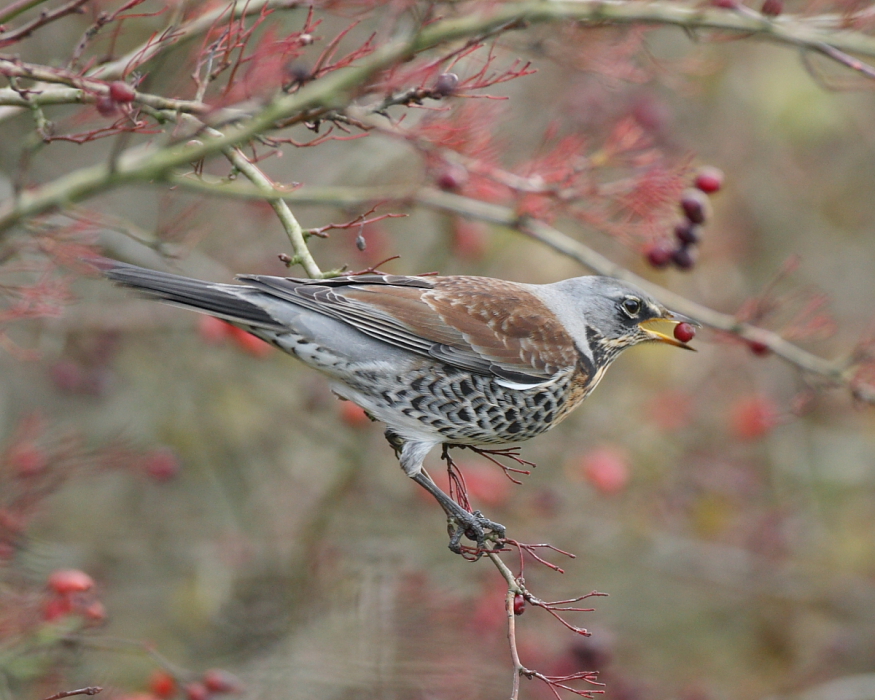


 Well, cartoonist
 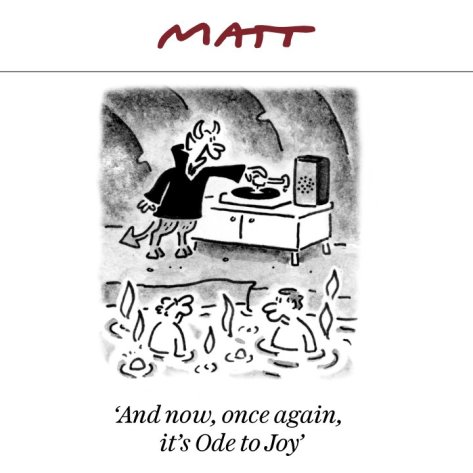 I often argued that the referendum (if indeed it had to be held at all) should have been a two stage process.The first would be to gauge what the nation favored: IN or OUT? Then, after any deal had been reached to leave the EU and we had a better idea of its consequences, we should have been given the opportunity (in a second vote) to agree with any deal, Leave the EU with No Deal, or Remain a member.
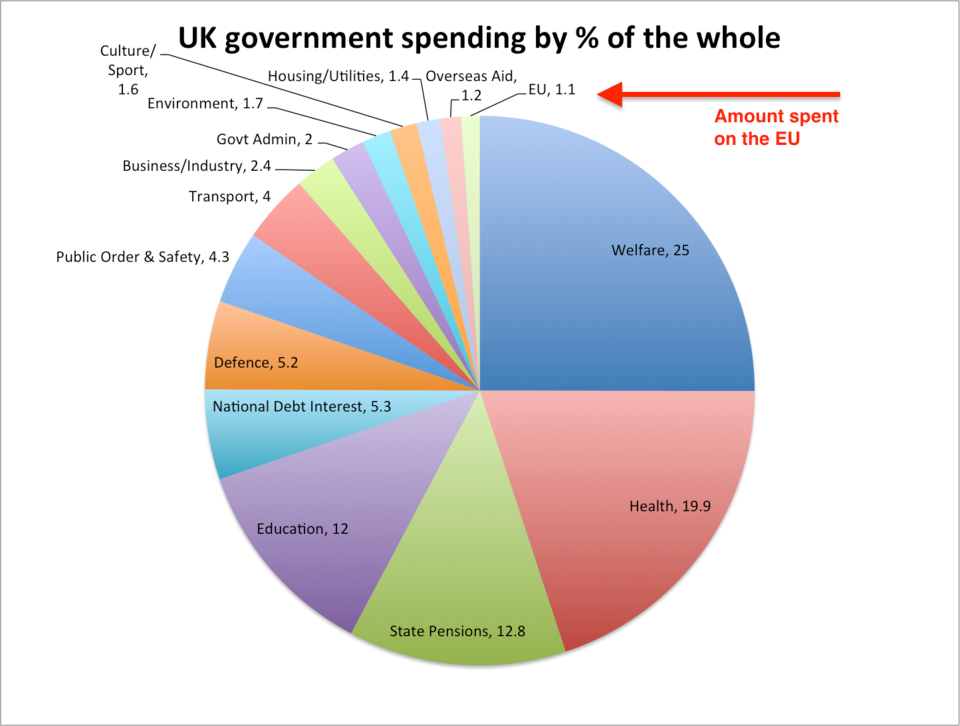





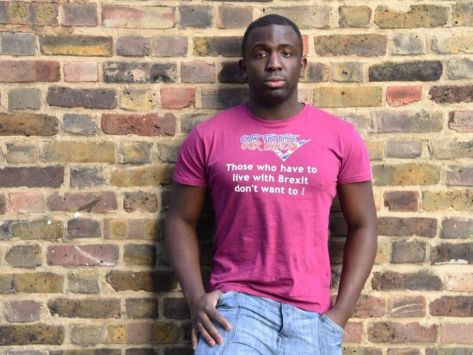
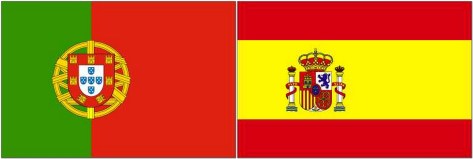
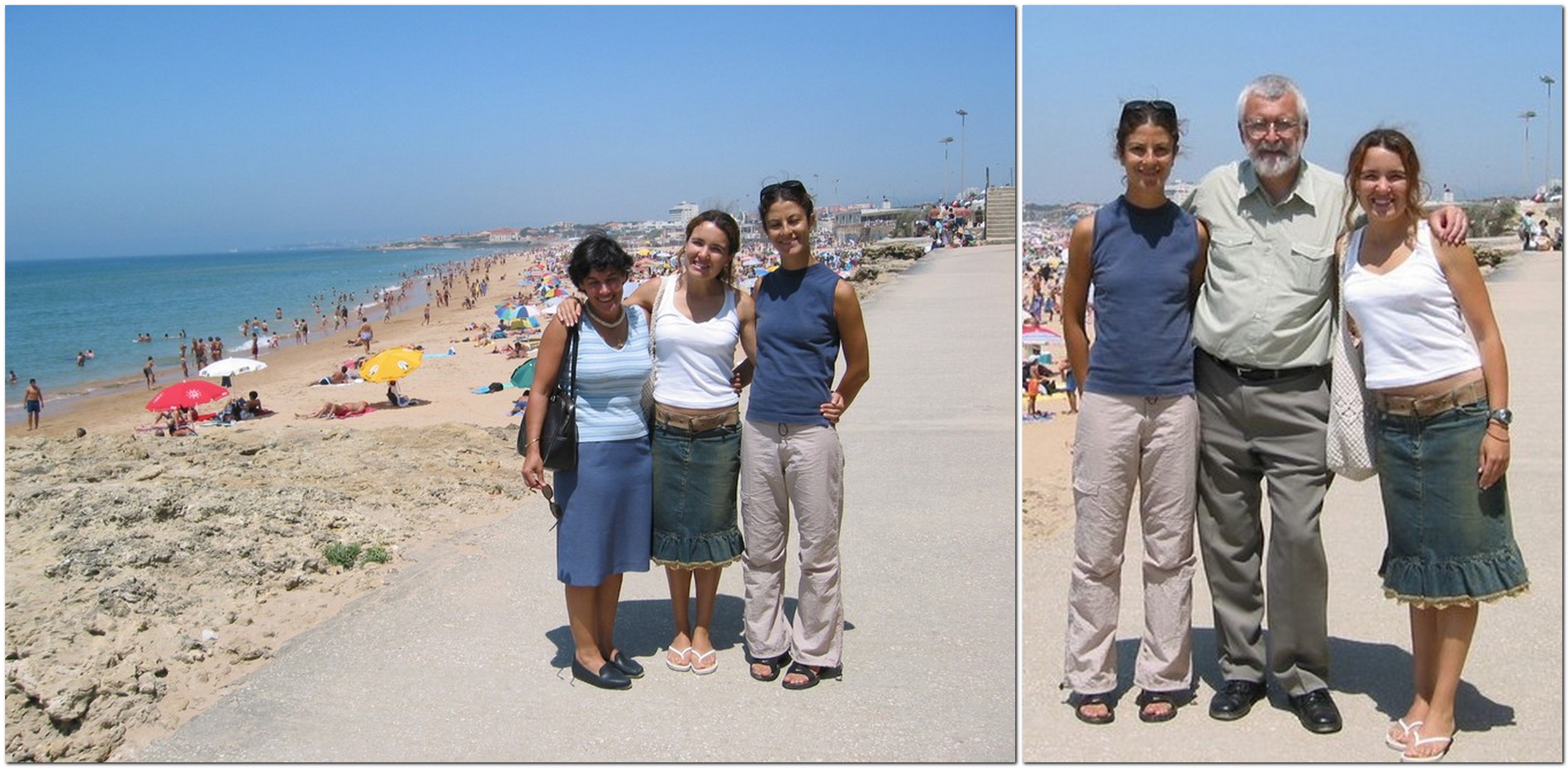
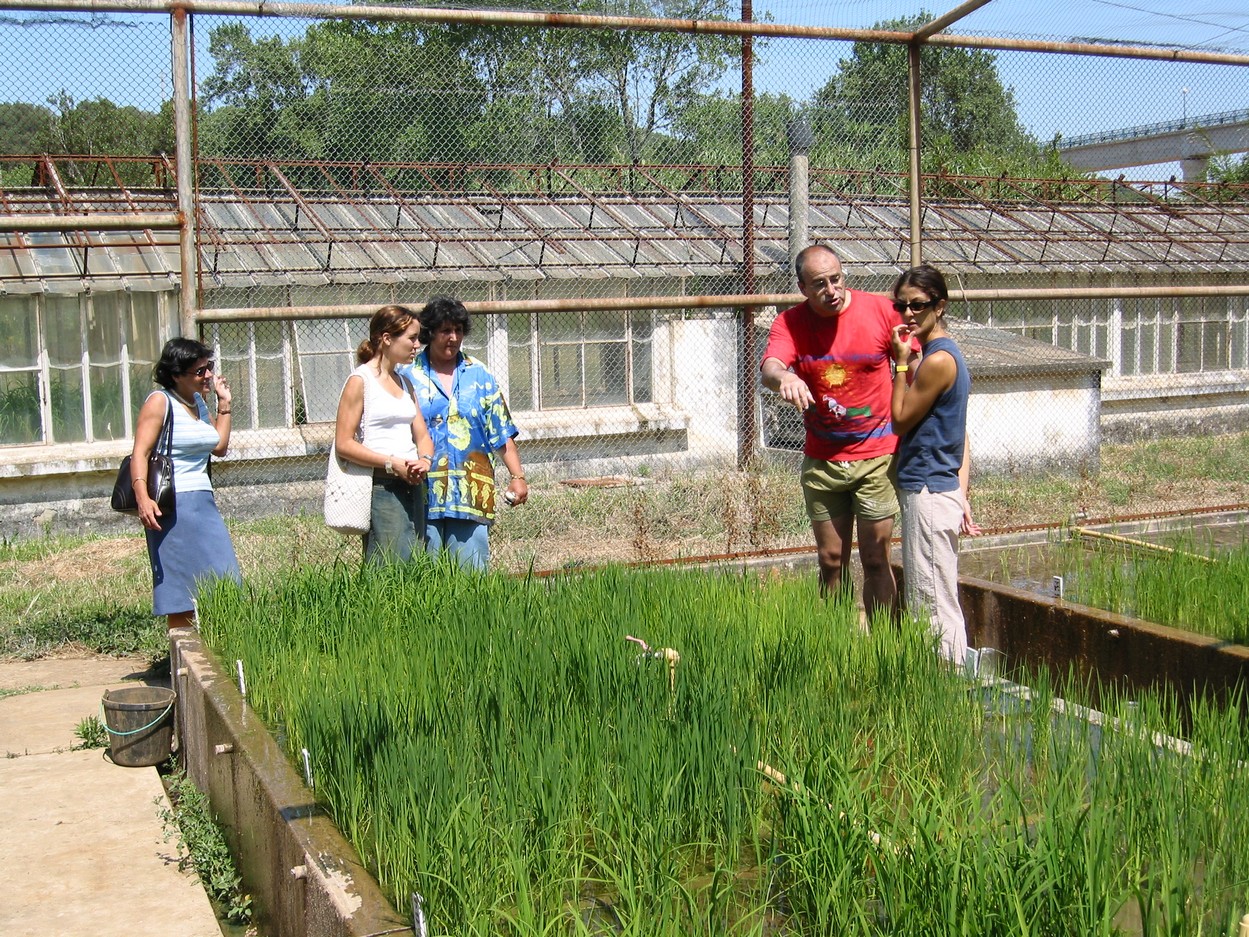

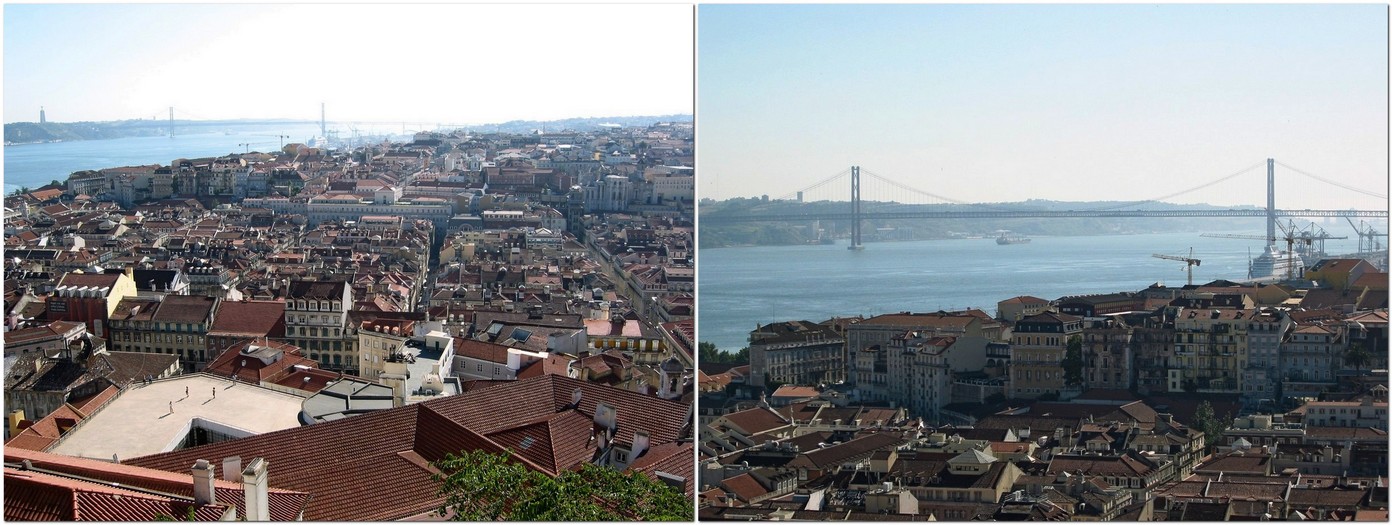

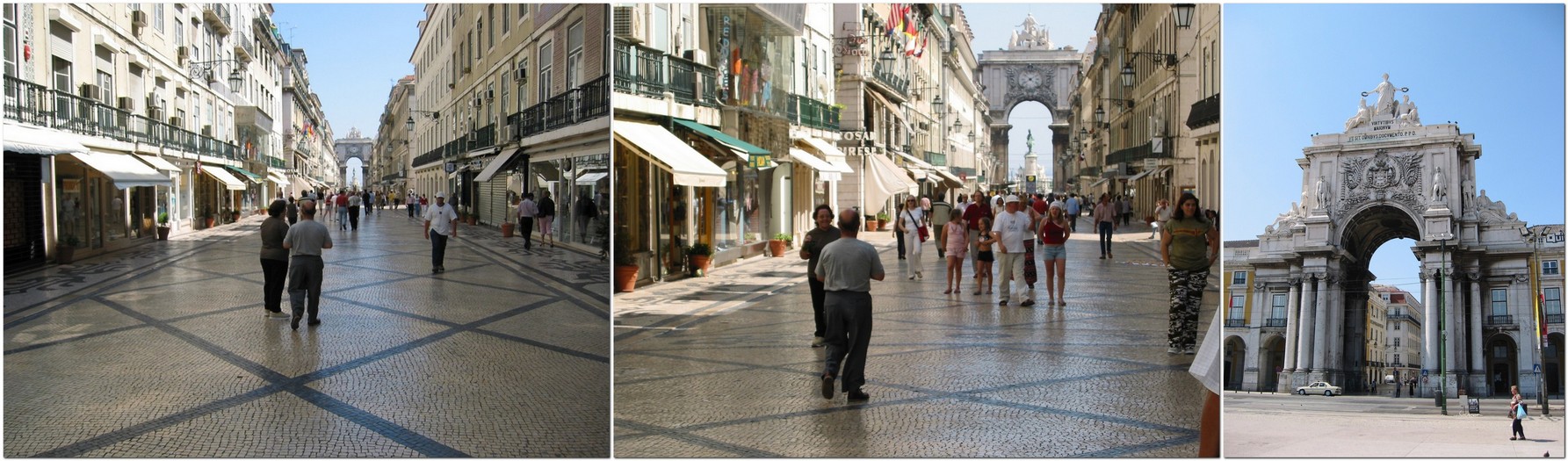
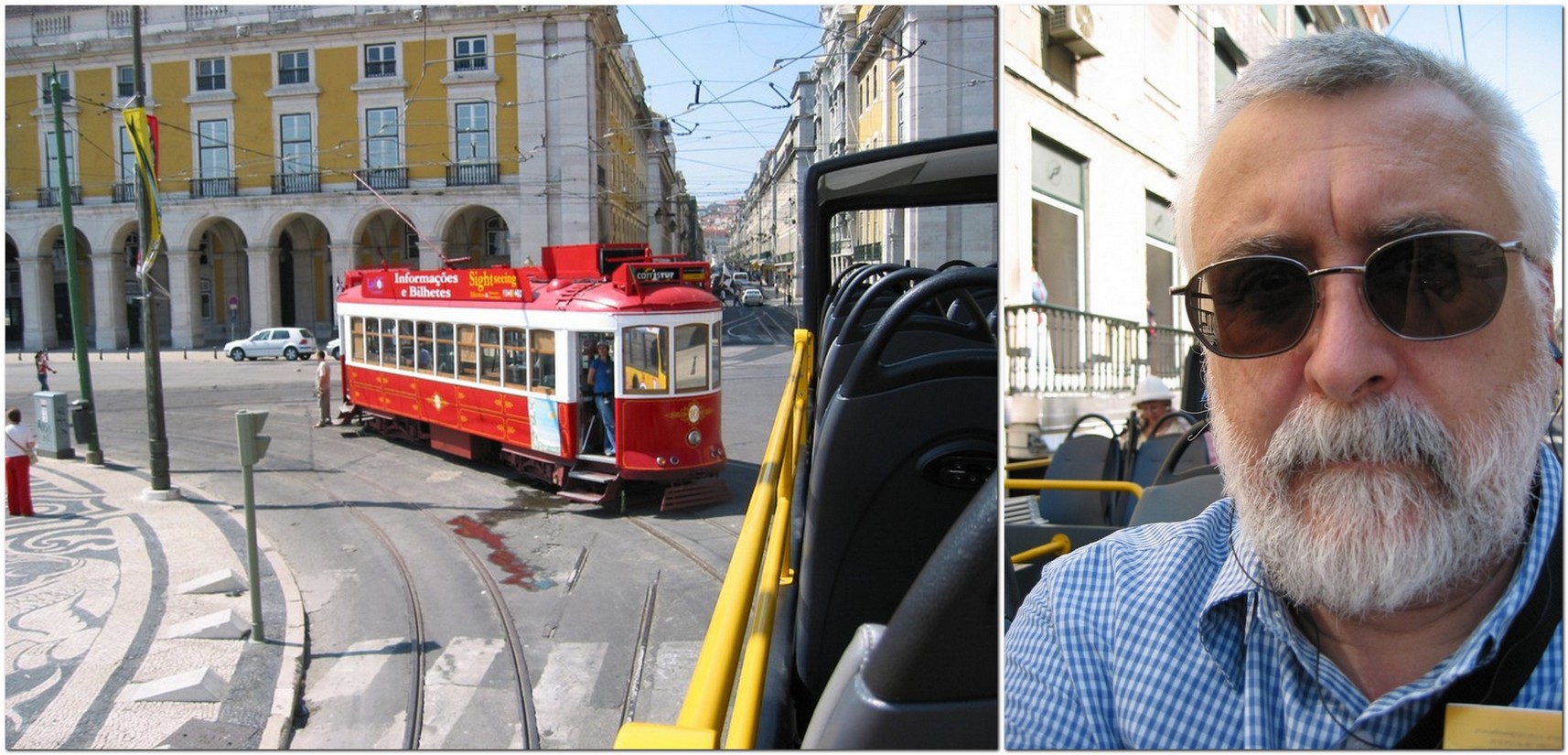


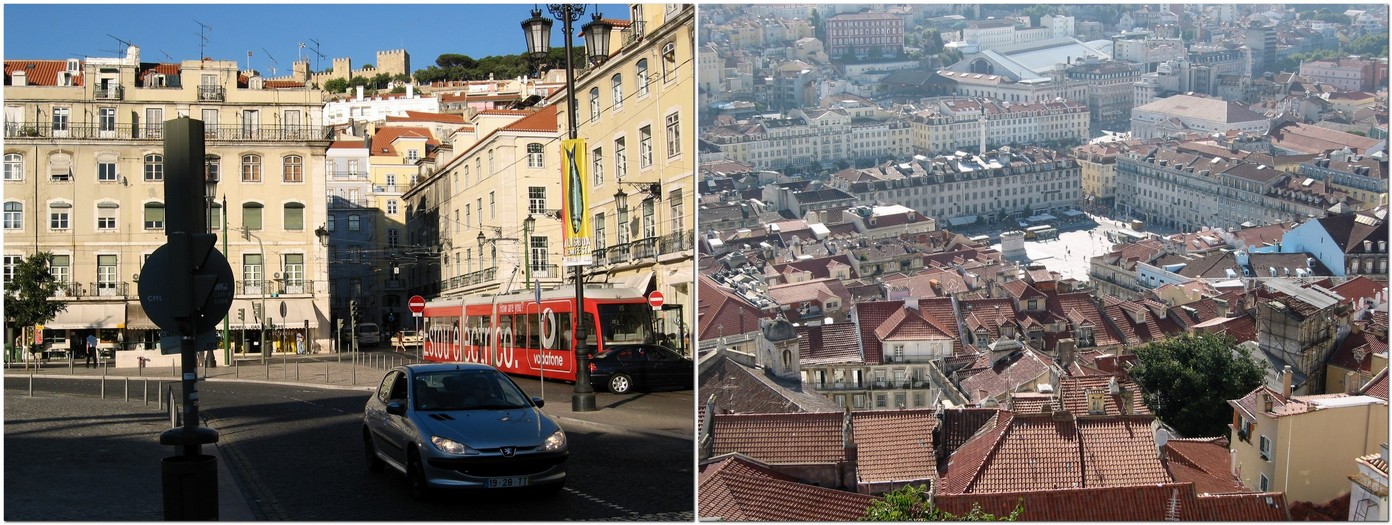


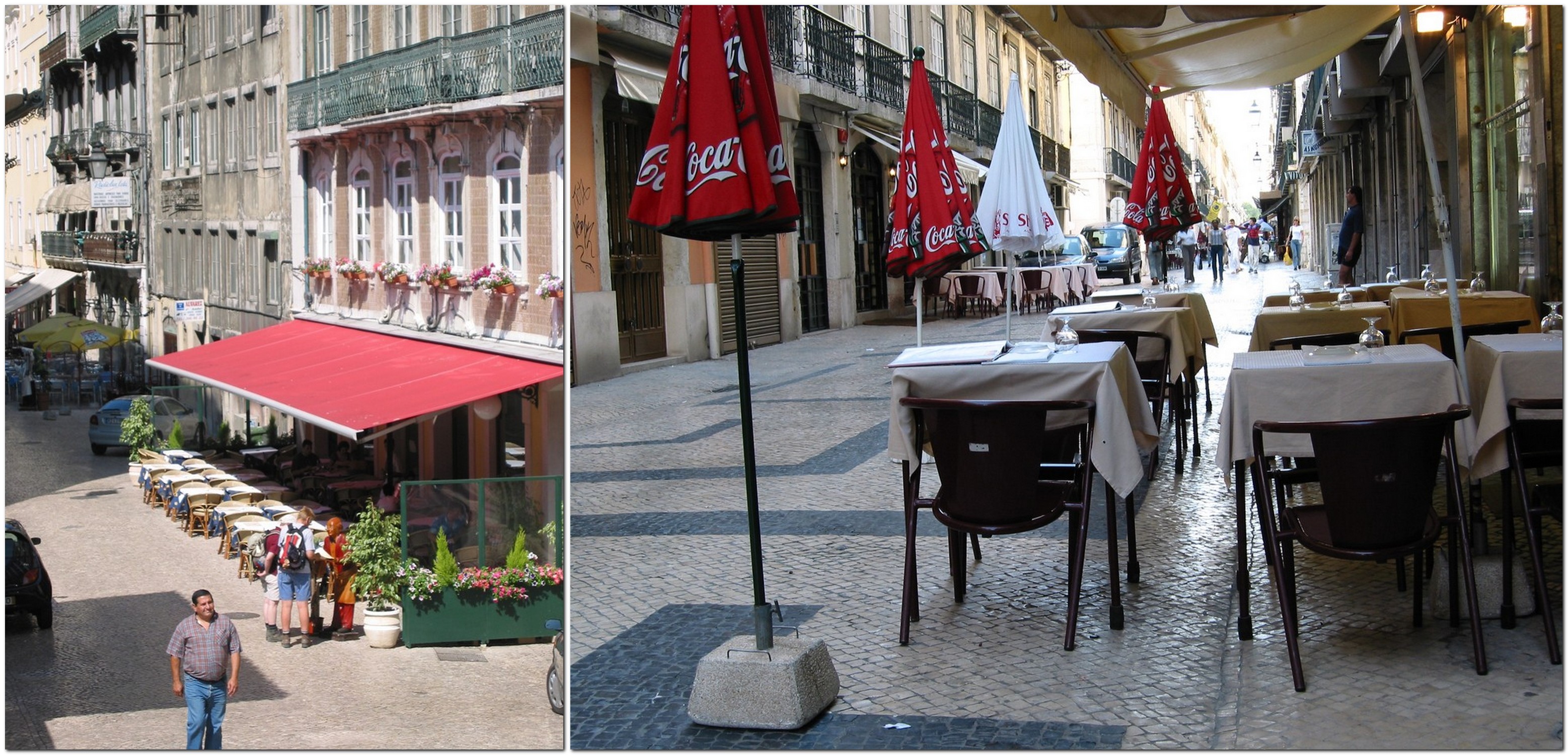


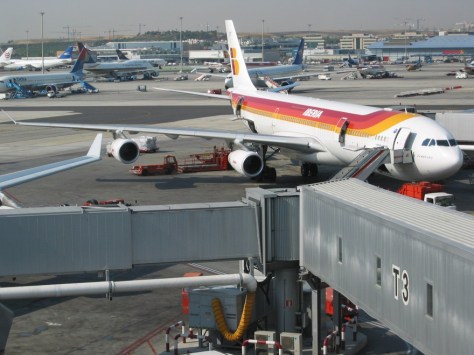

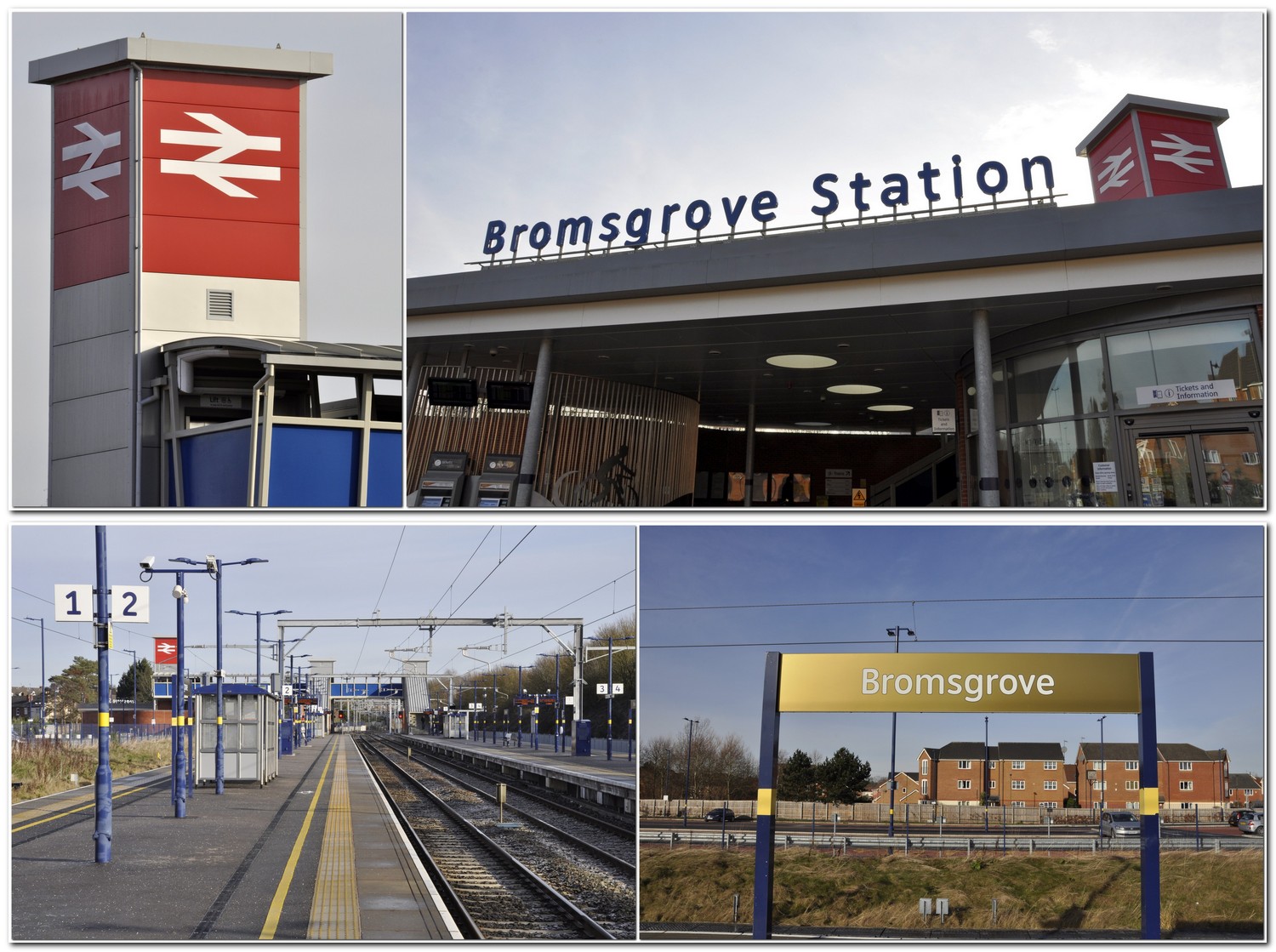


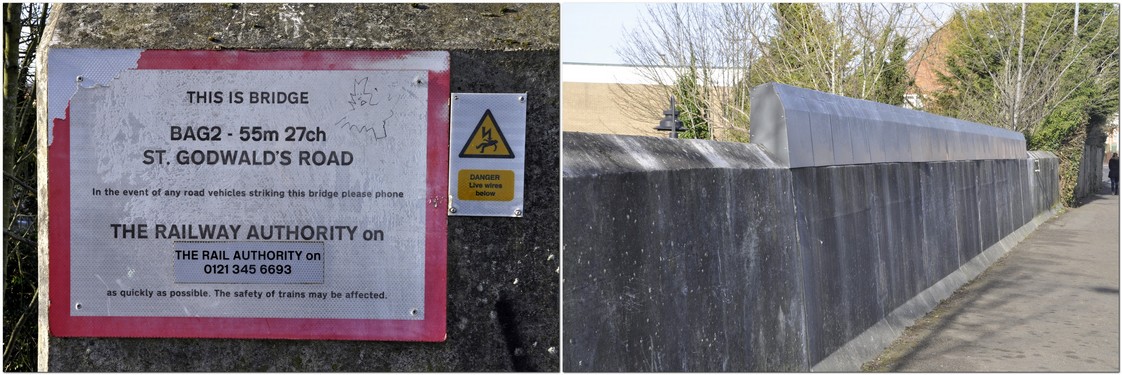
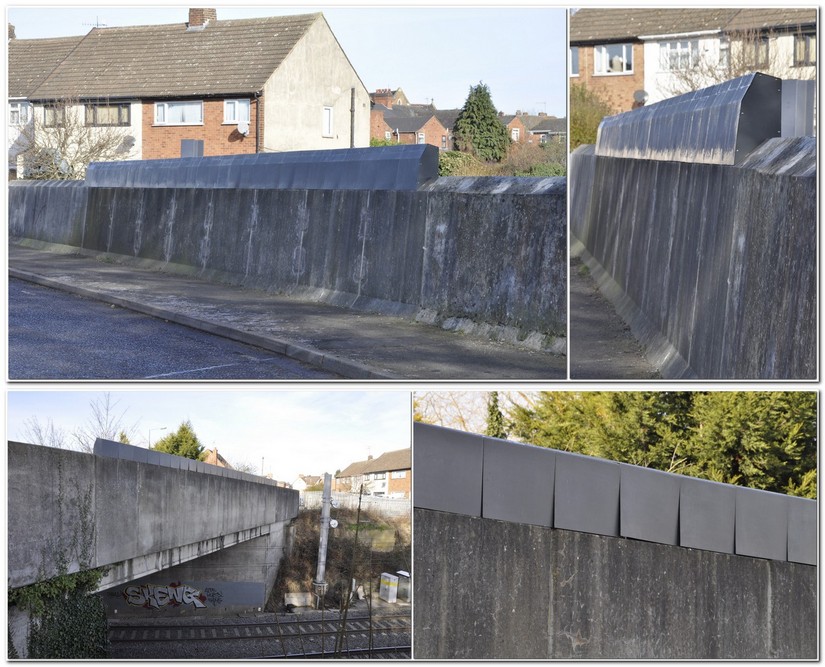
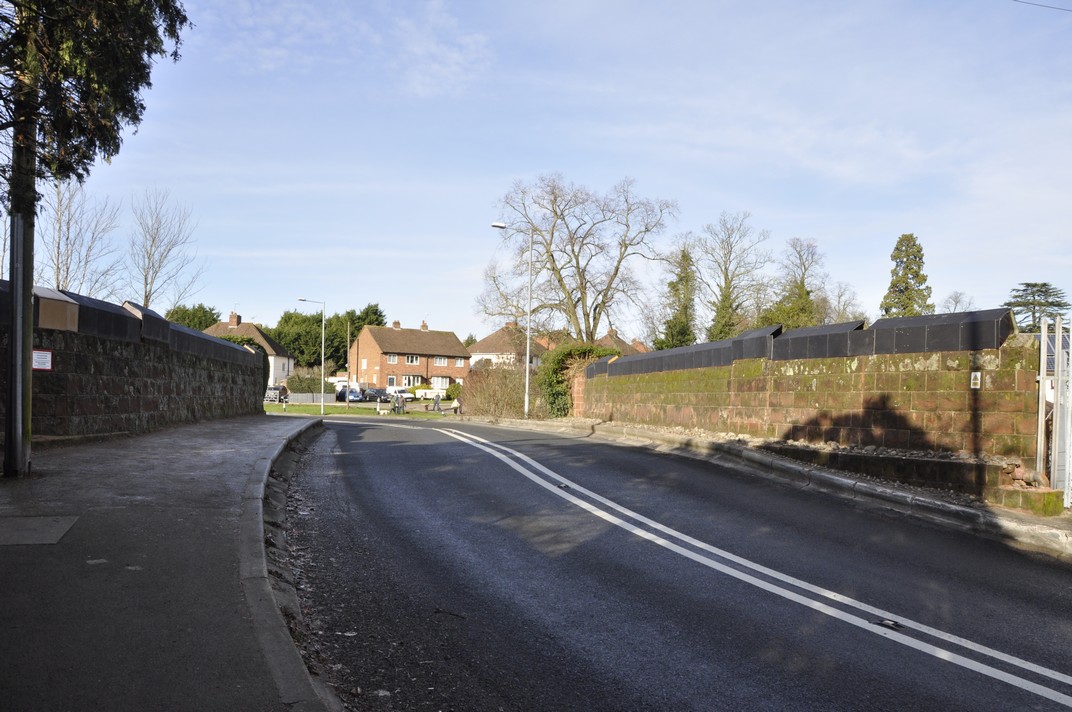
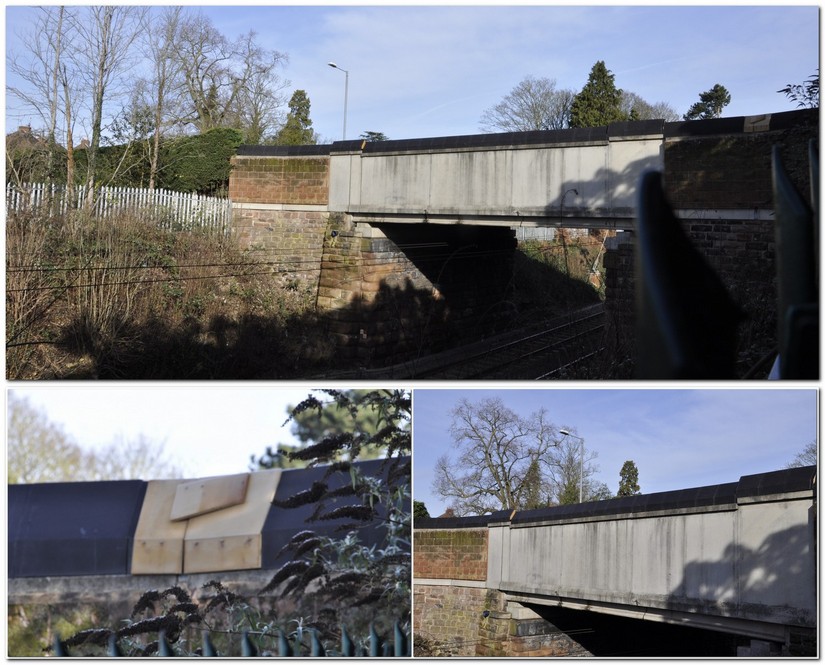
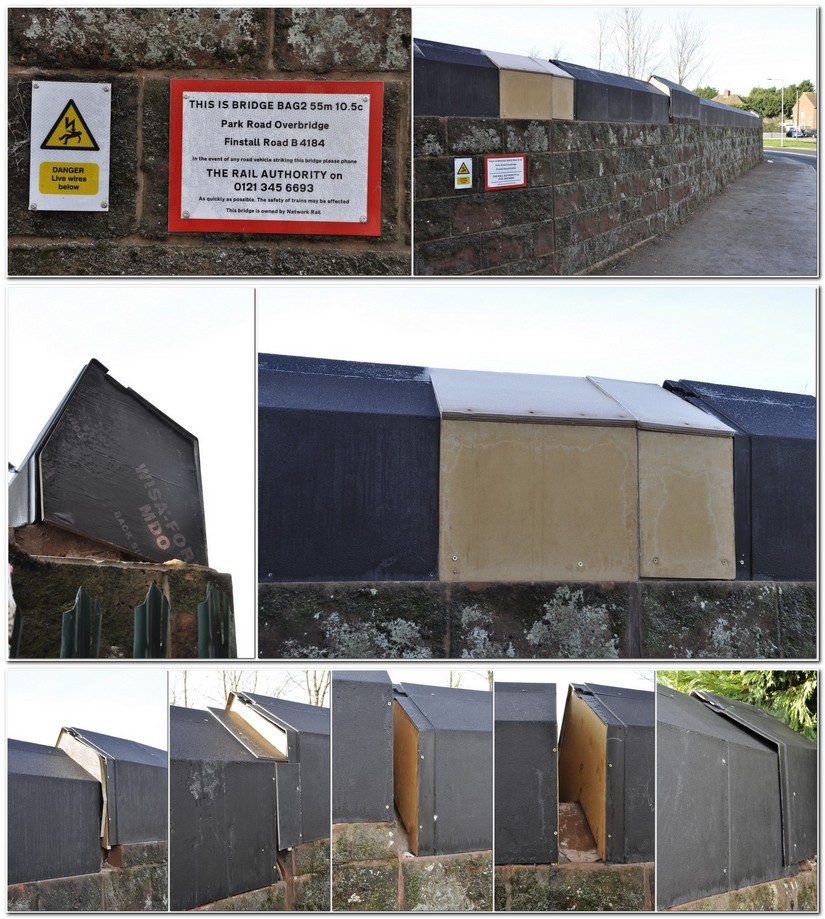
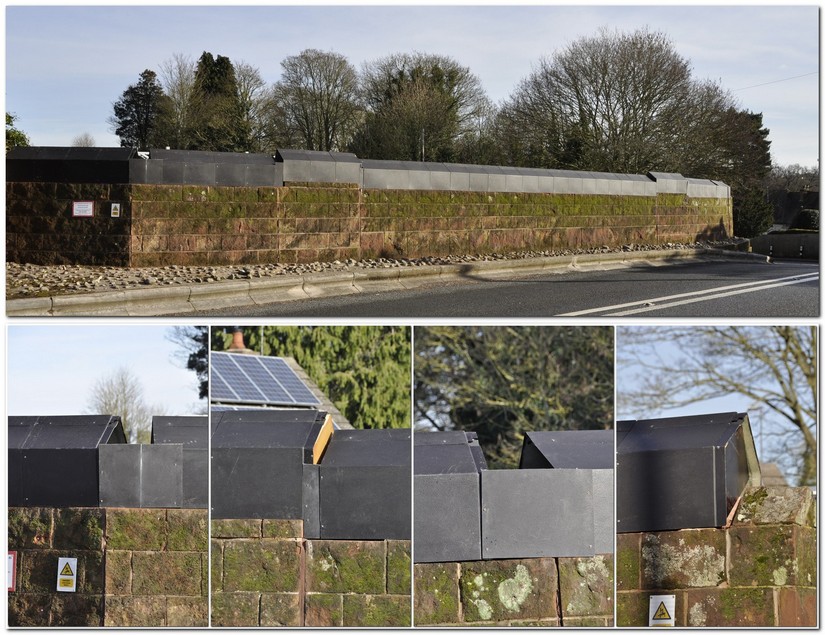

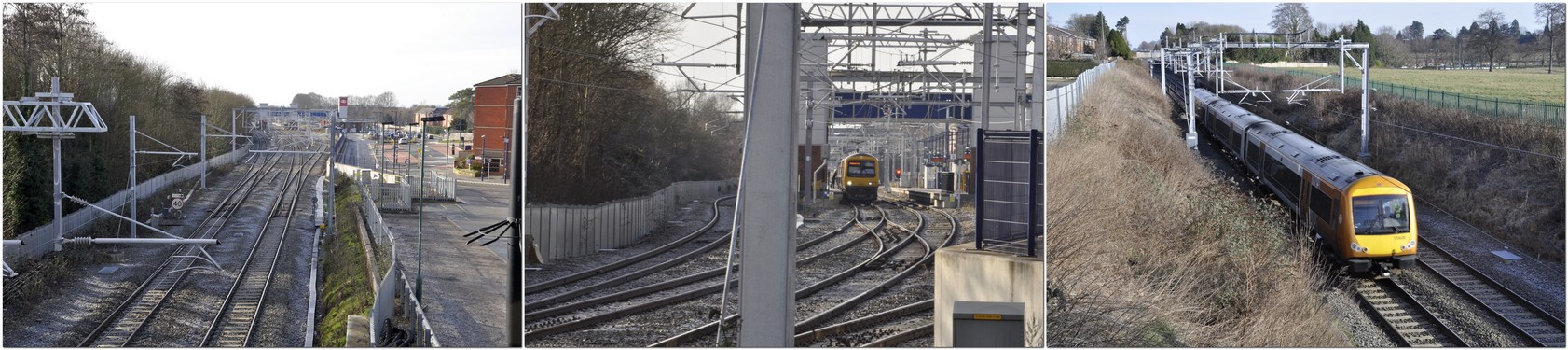

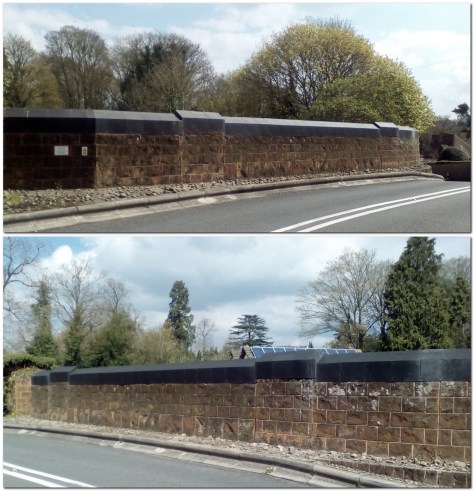
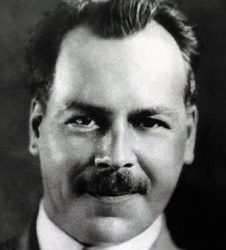
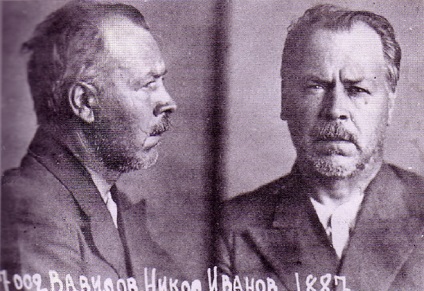
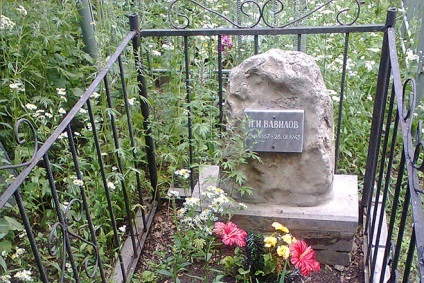
 Actually, Elena Barulina (1896-1957) was Vavilov’s second wife who passed away just two years after Vavilov had been ‘rehabilitated’ by the Soviet government, as she was working her way through his various publications.


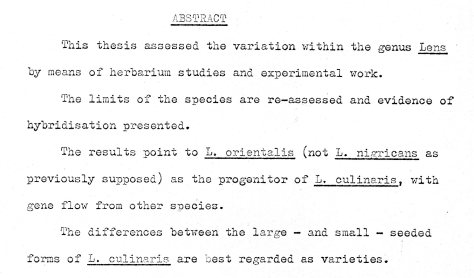


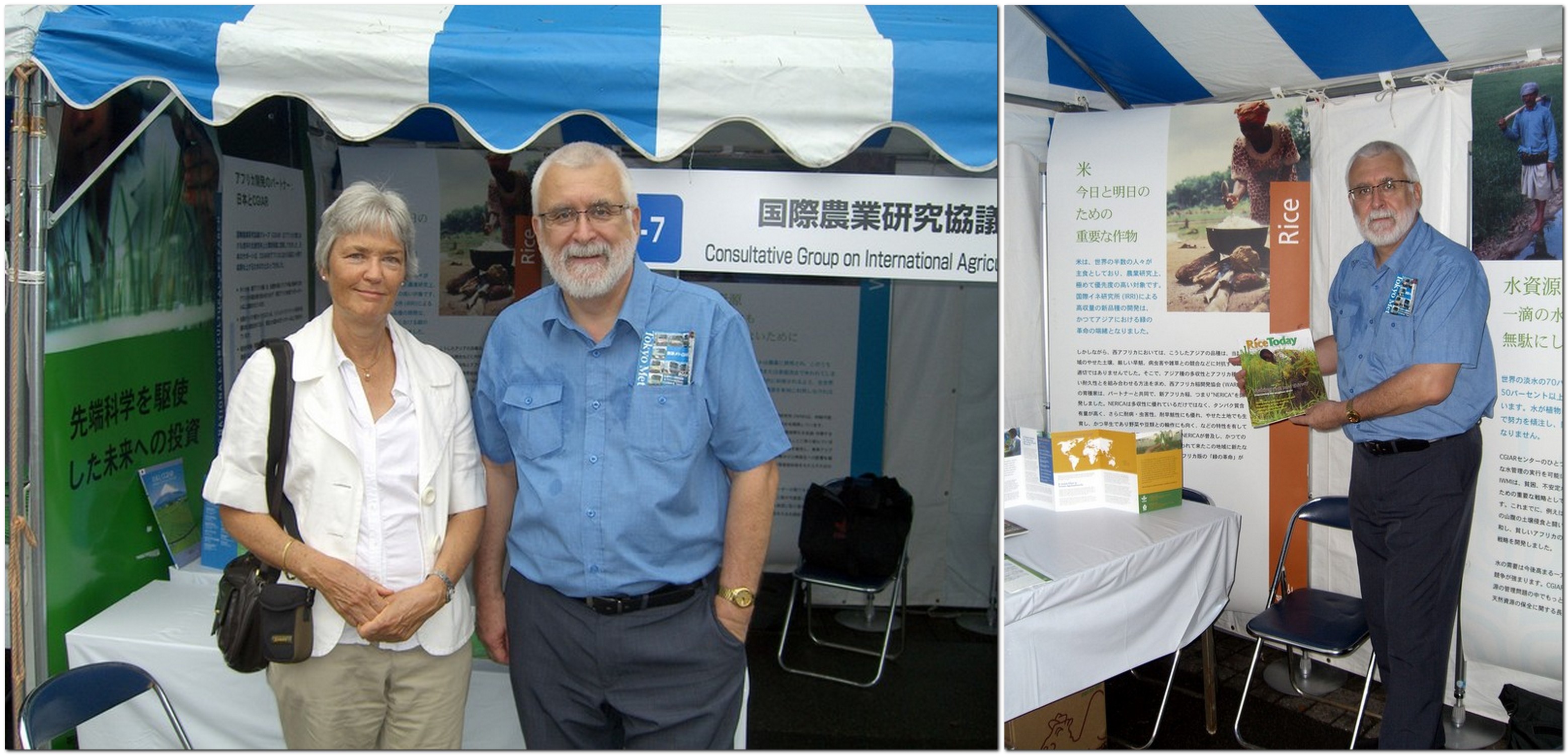


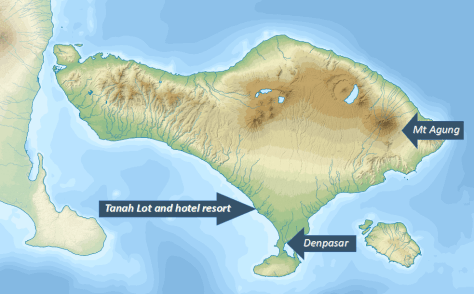
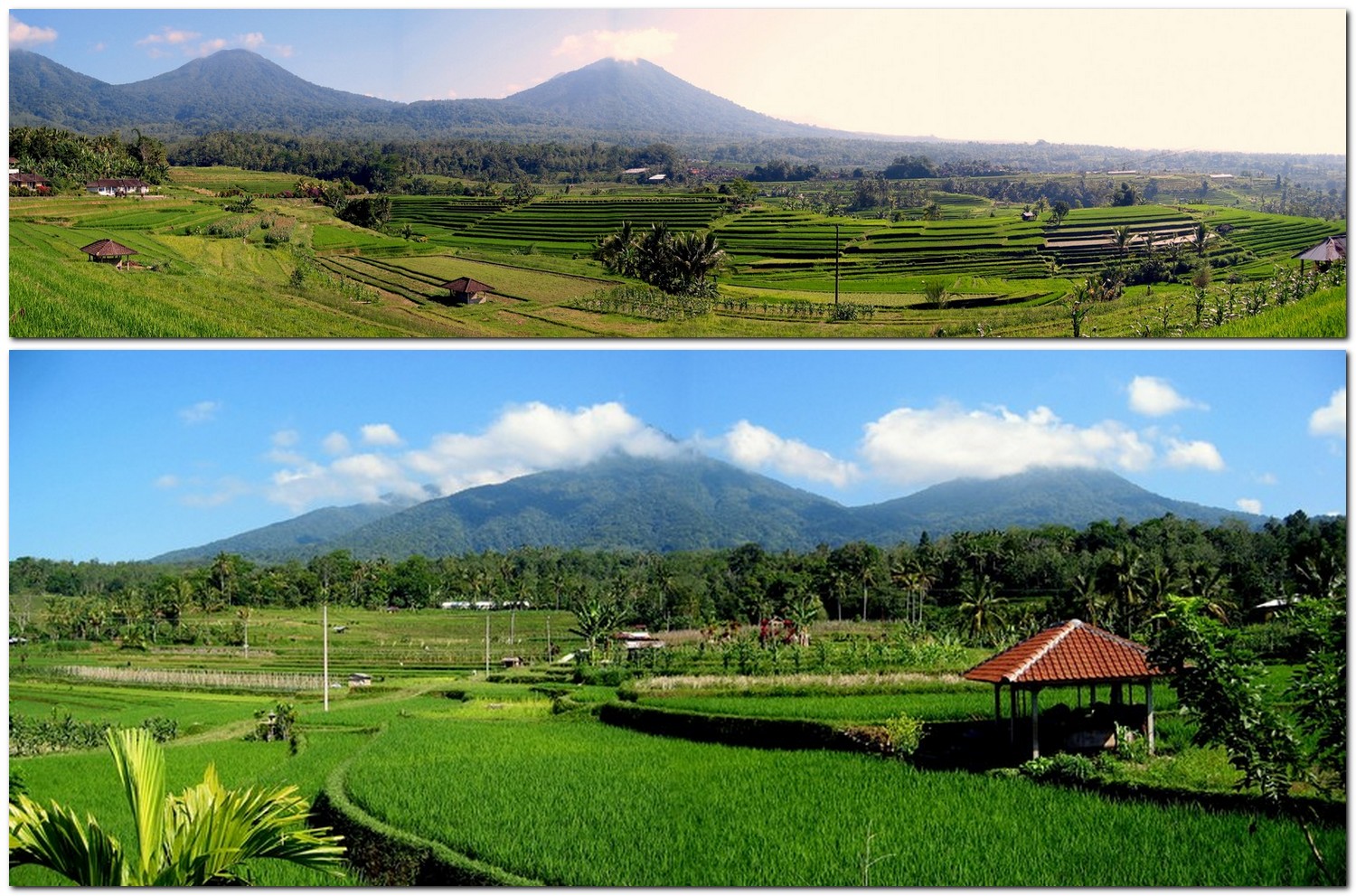
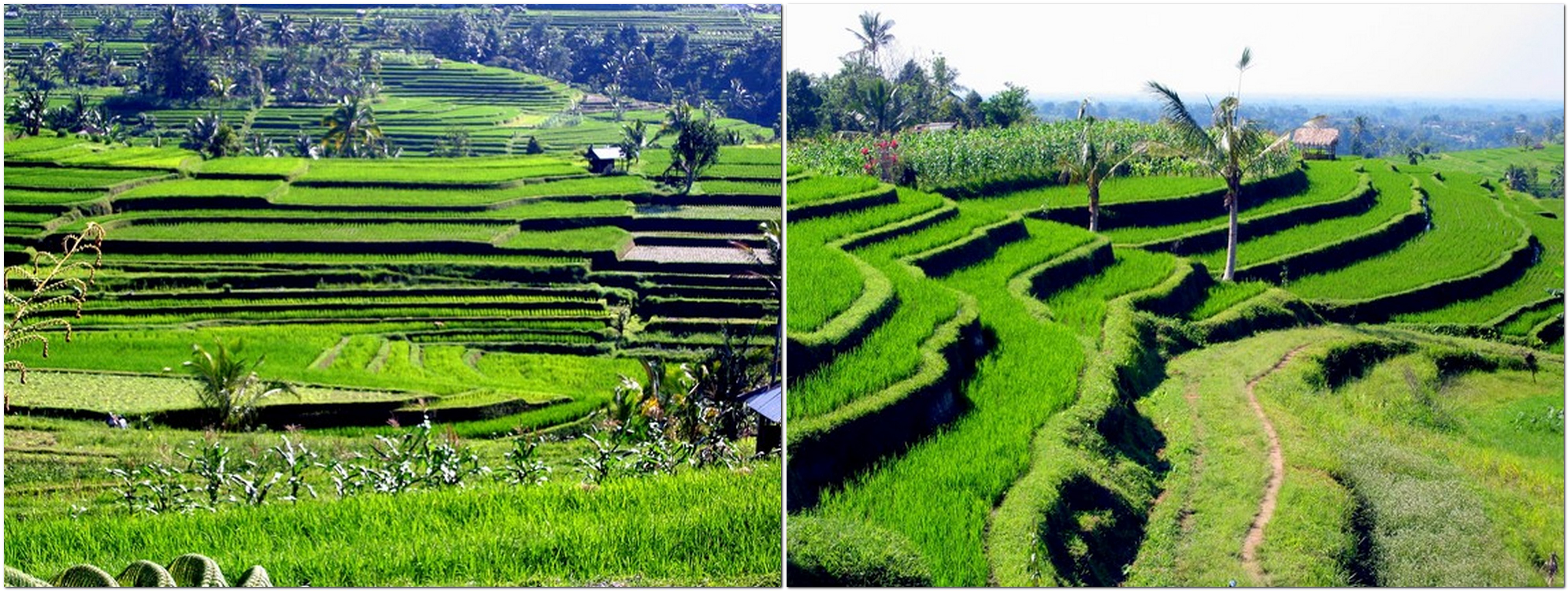
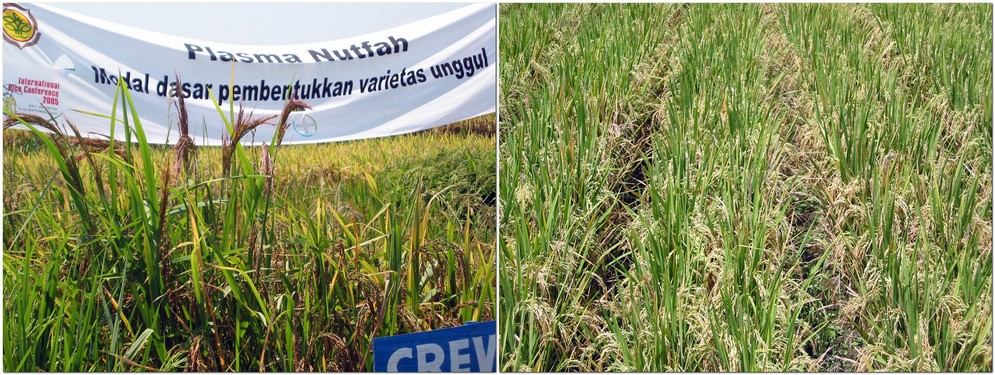
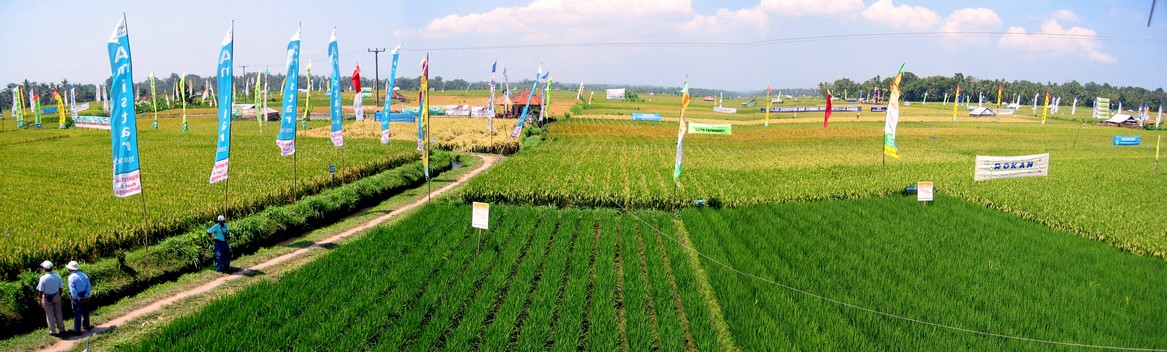
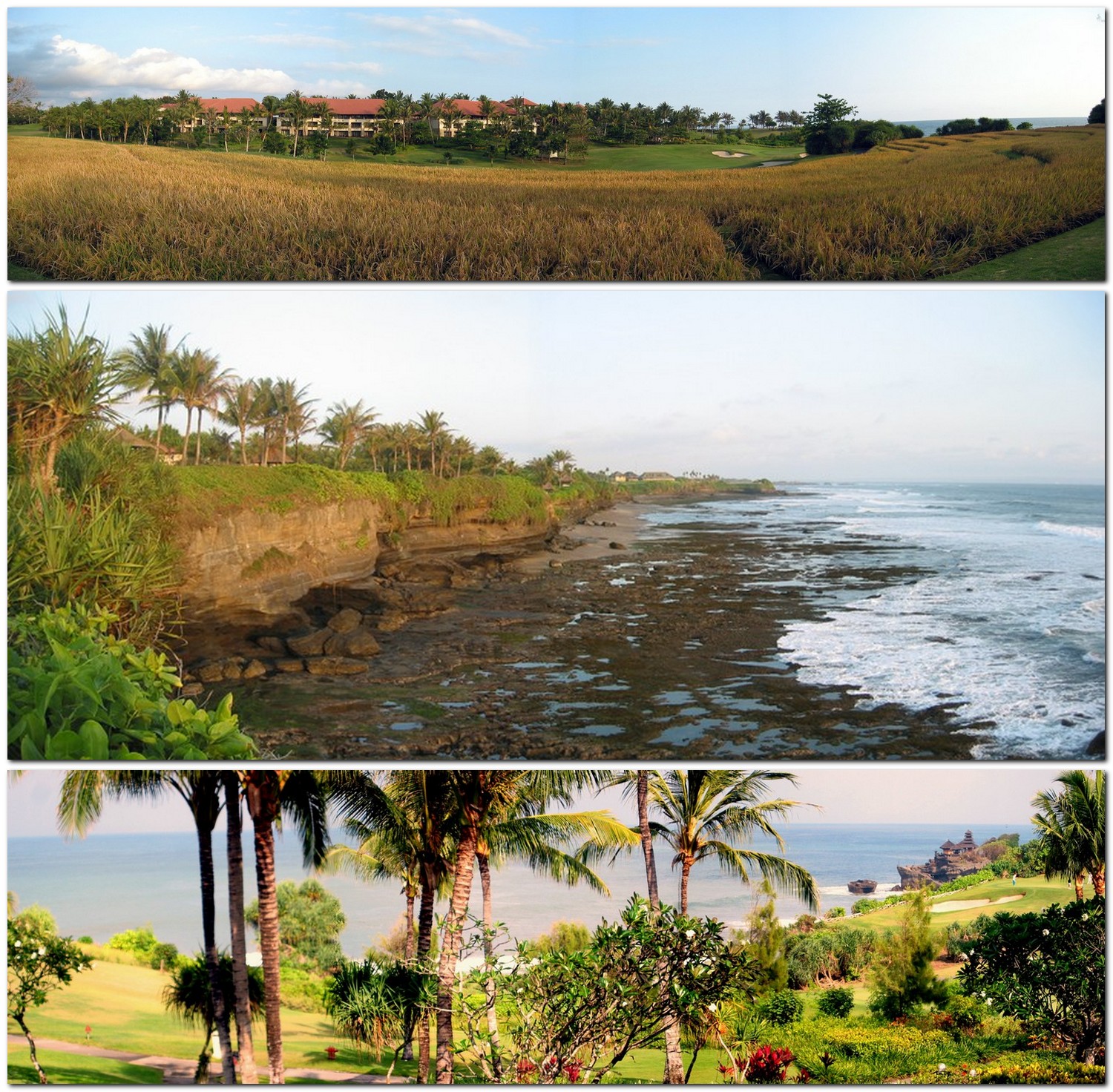
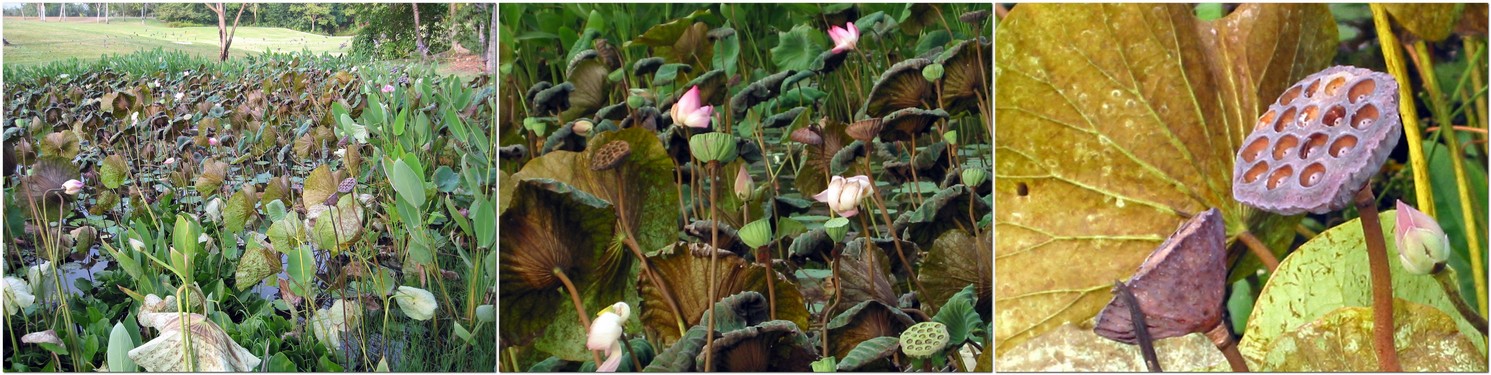
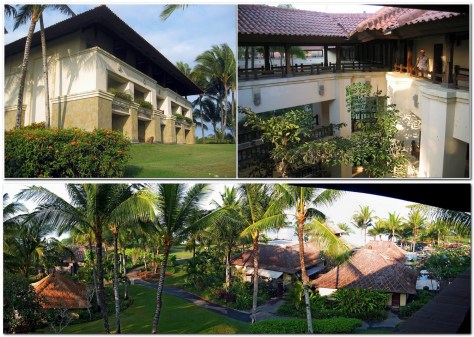
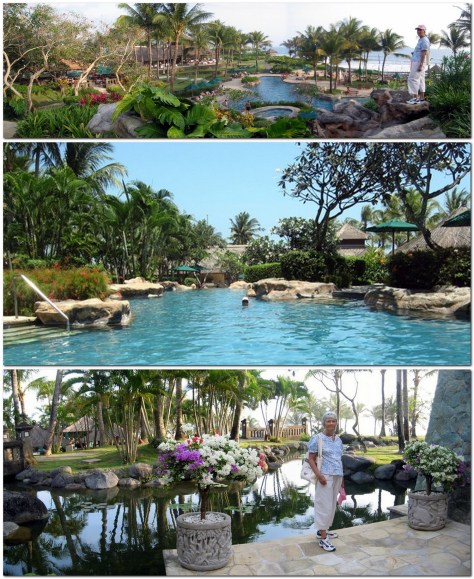
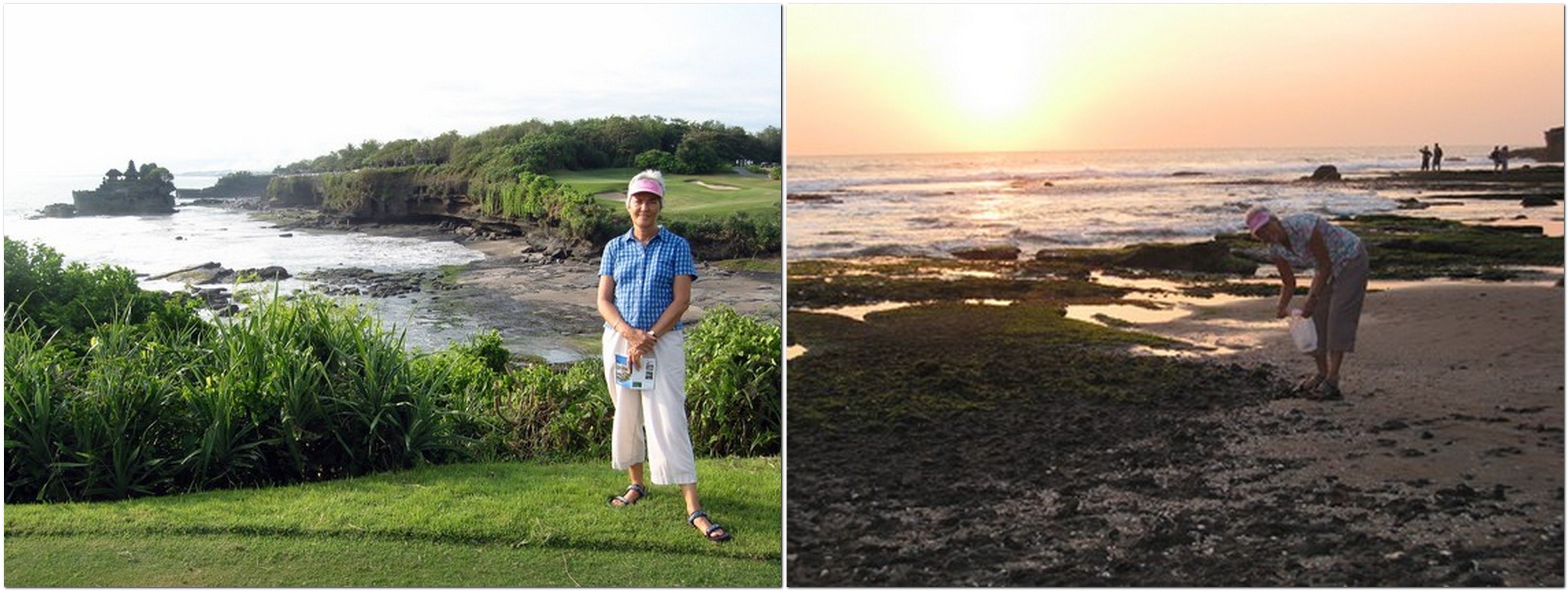
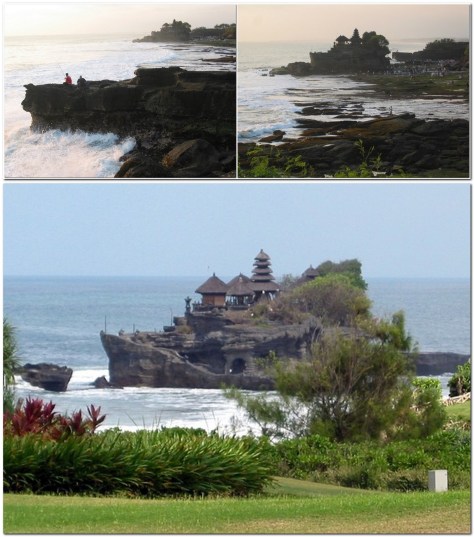 Unlike much of Indonesia (which is the world’s largest Muslim nation),


 Steph and I really enjoy our visits to the USA. Over the years, we have experienced much of what this beautiful, fascinating, diverse, challenging, often bewildering (to the outsider, at least), and HUGE (or should that be ‘yuge’?) country has to offer.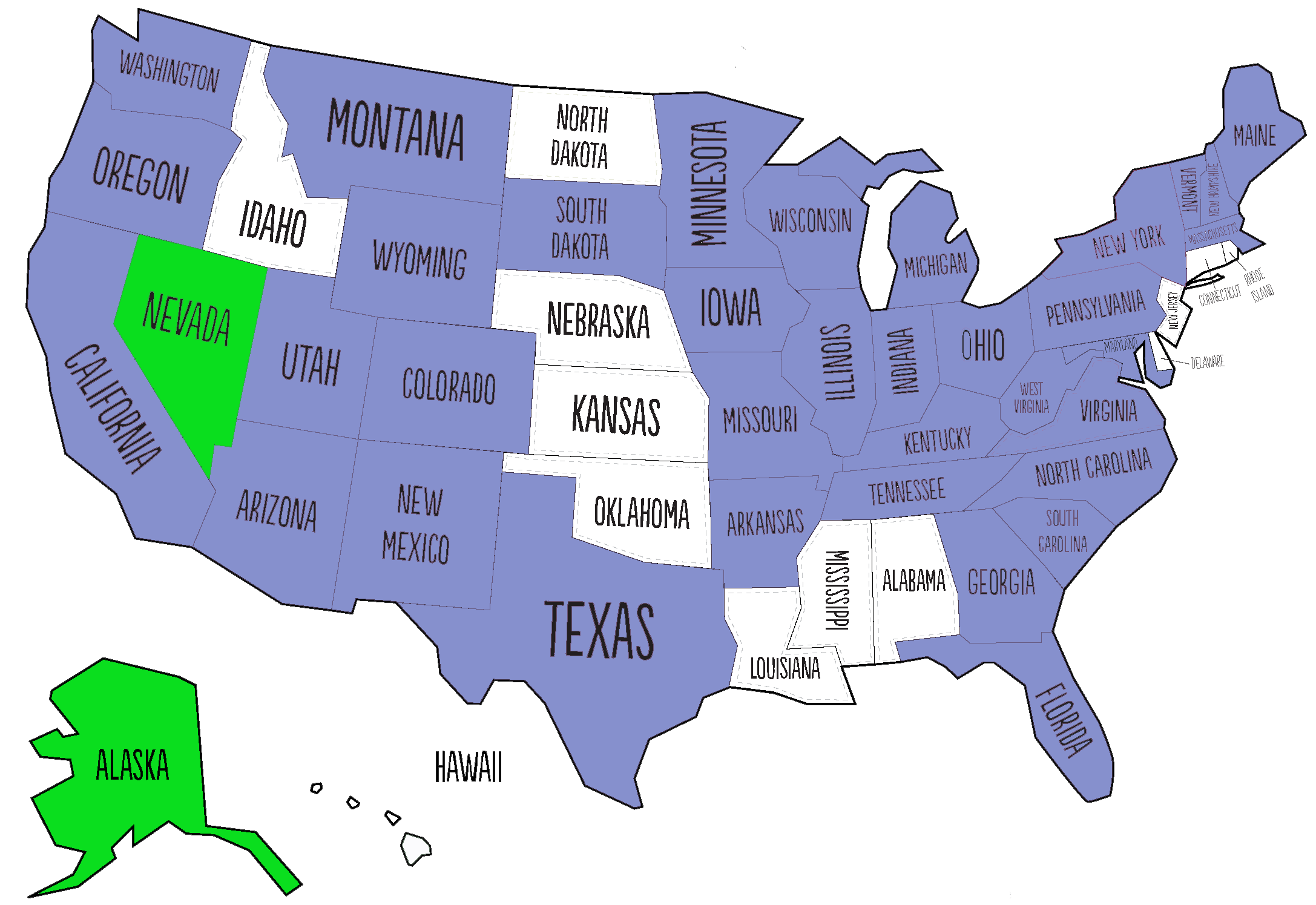
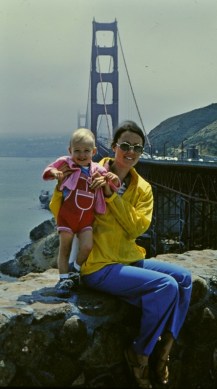
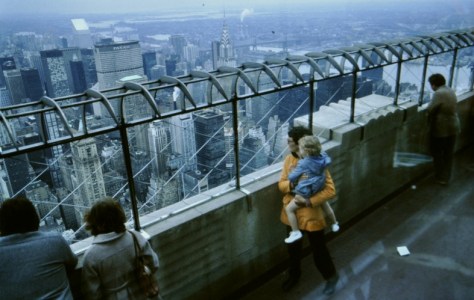
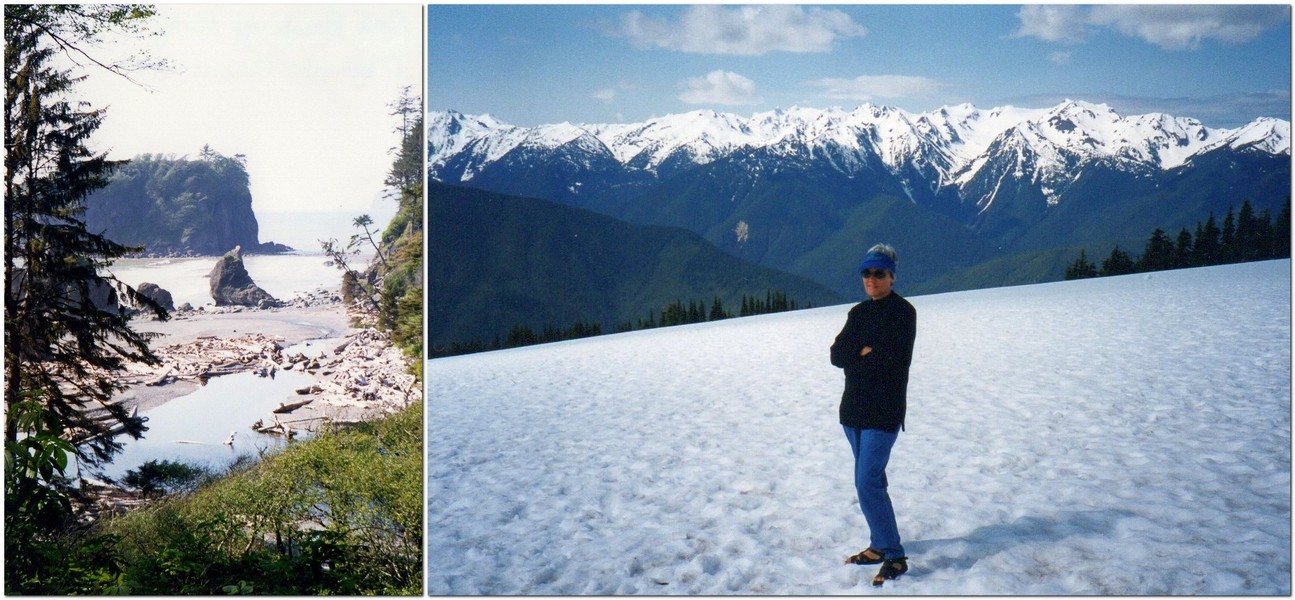


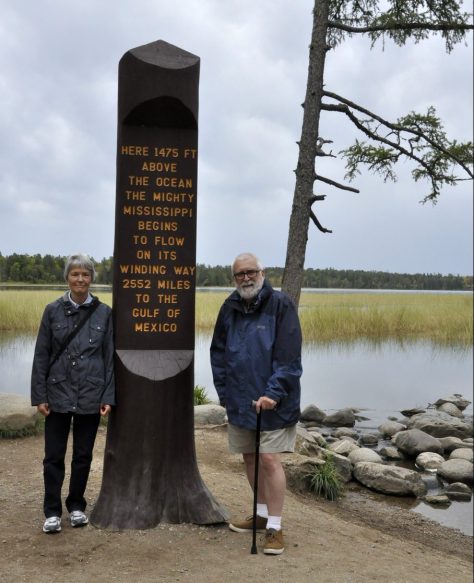
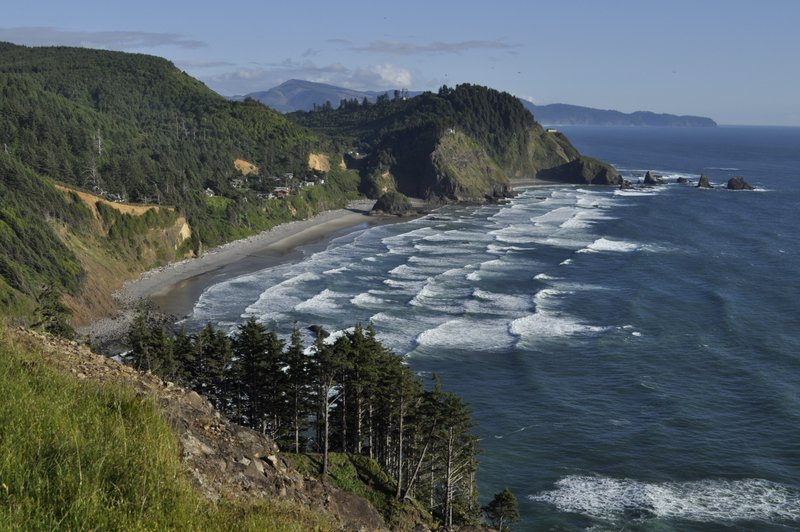
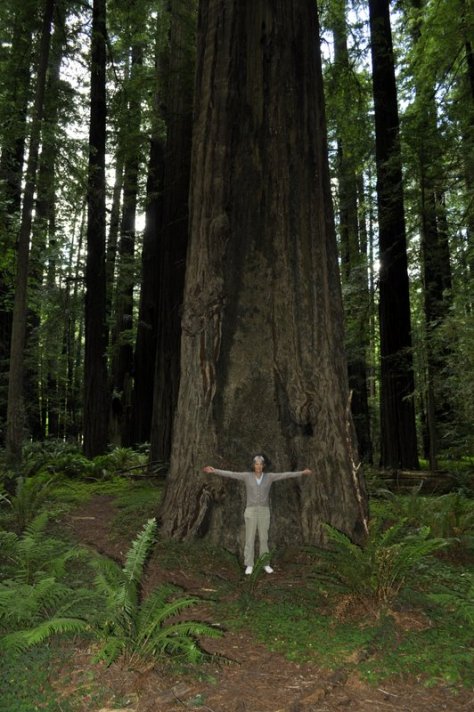
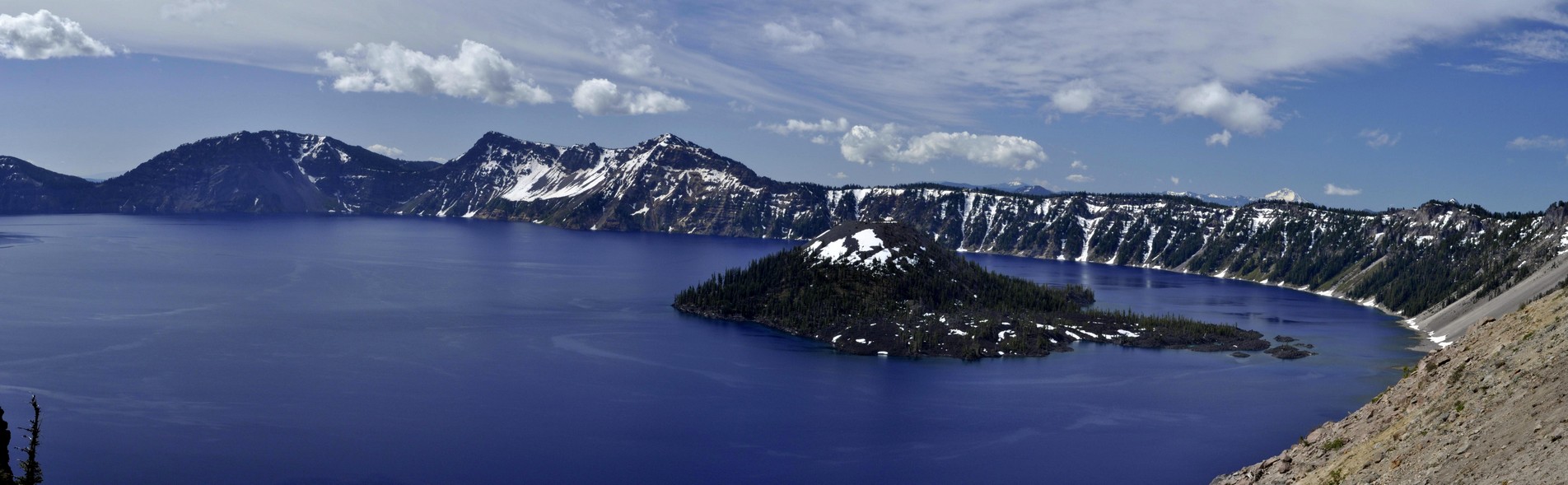


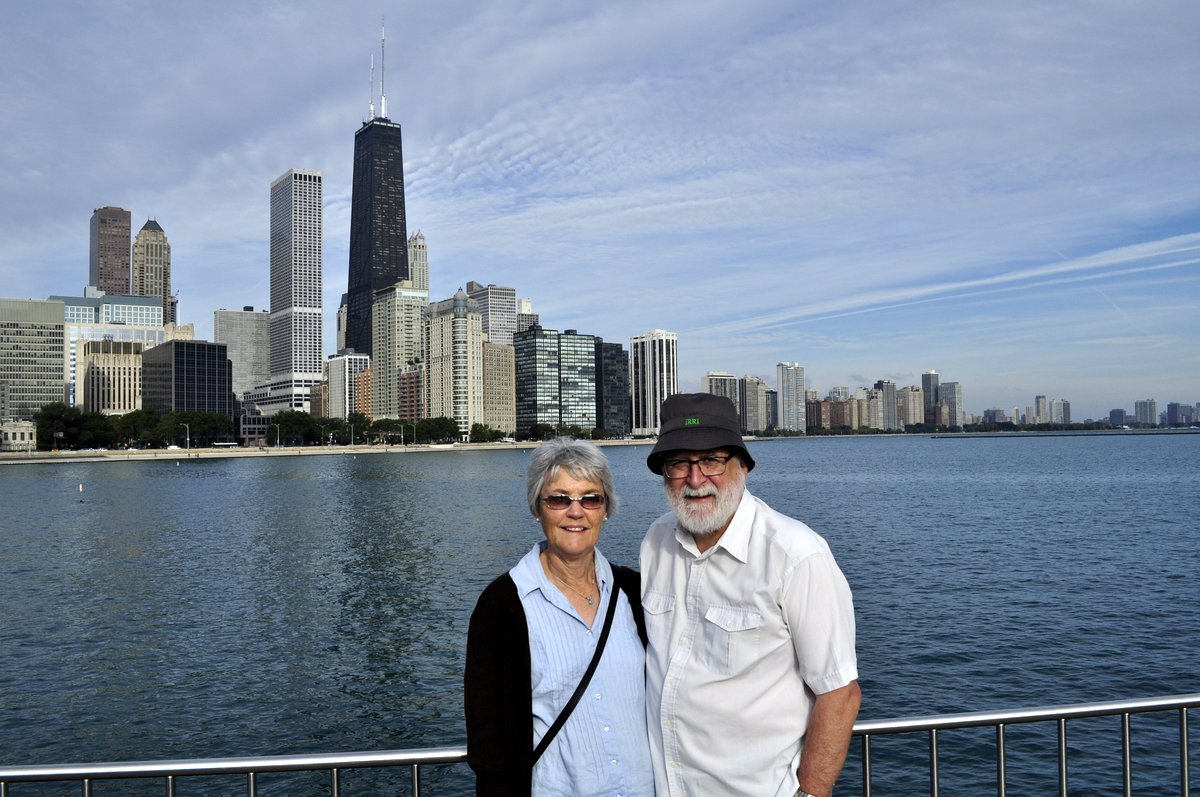


 In 1976, a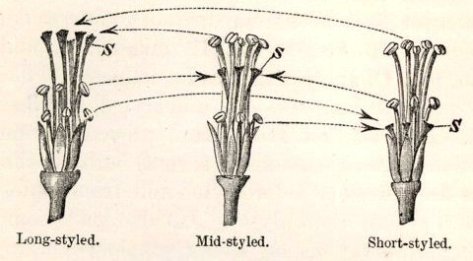
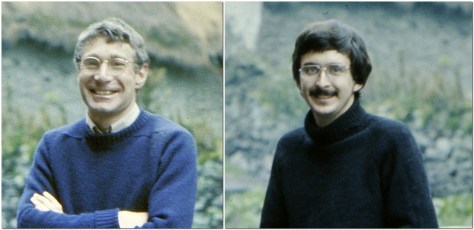
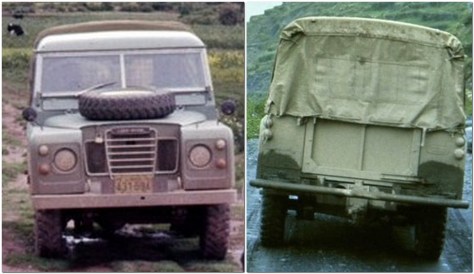


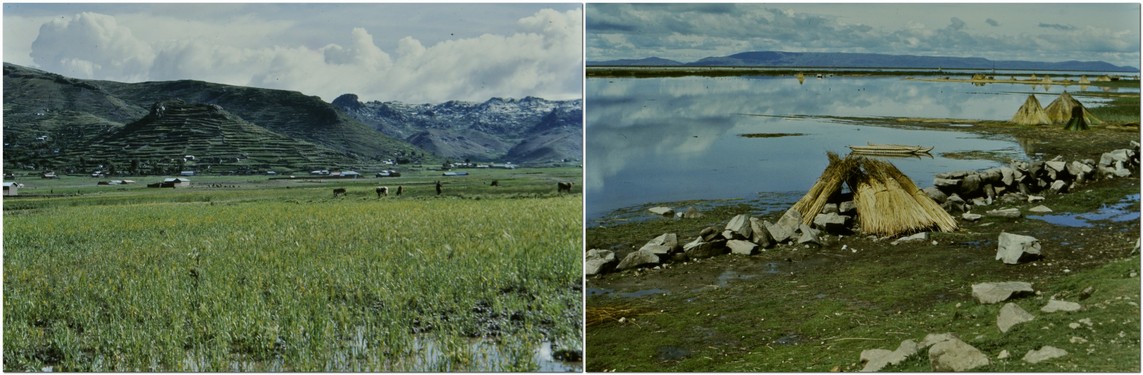


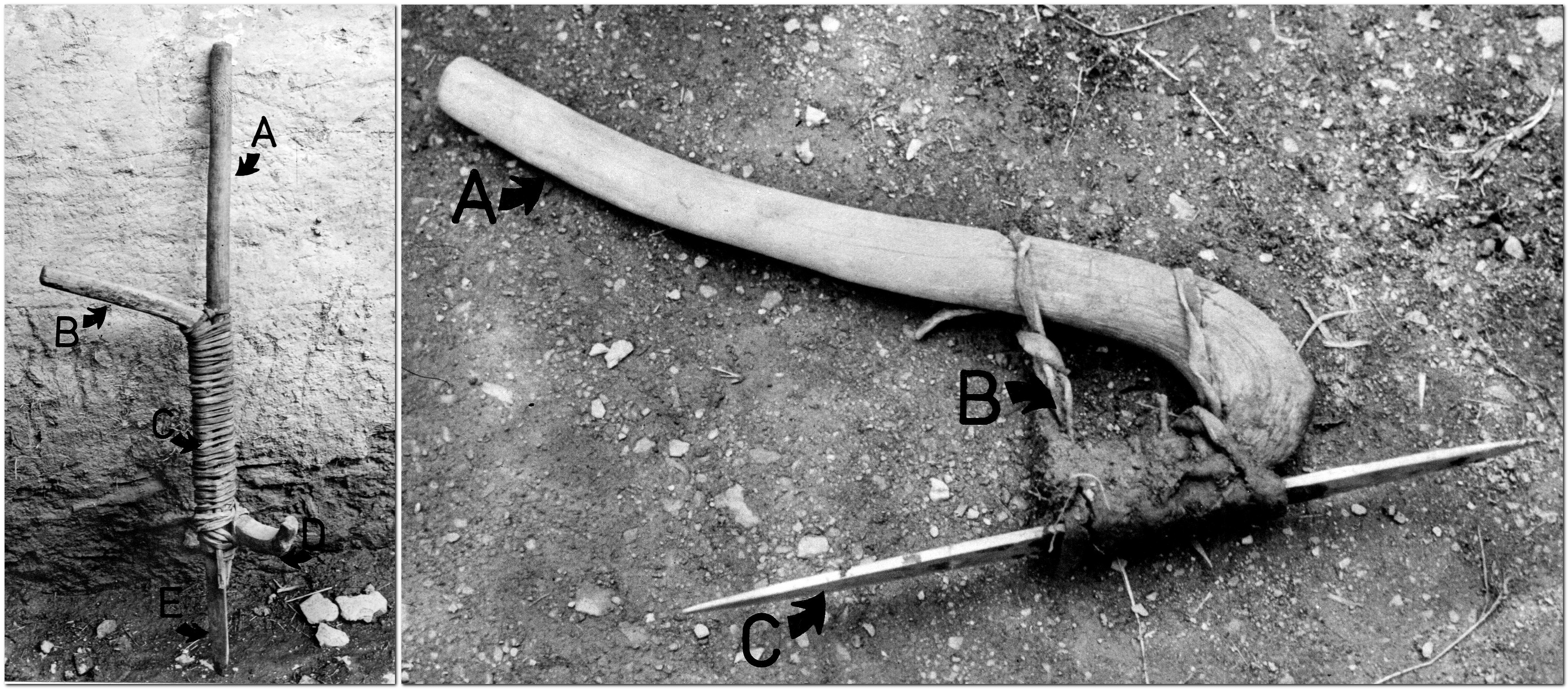
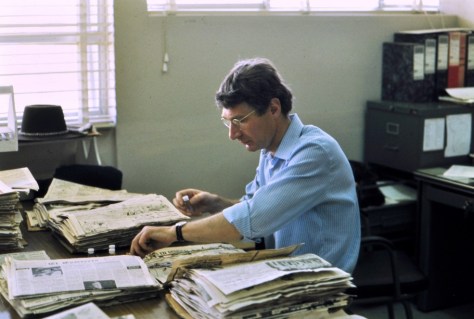


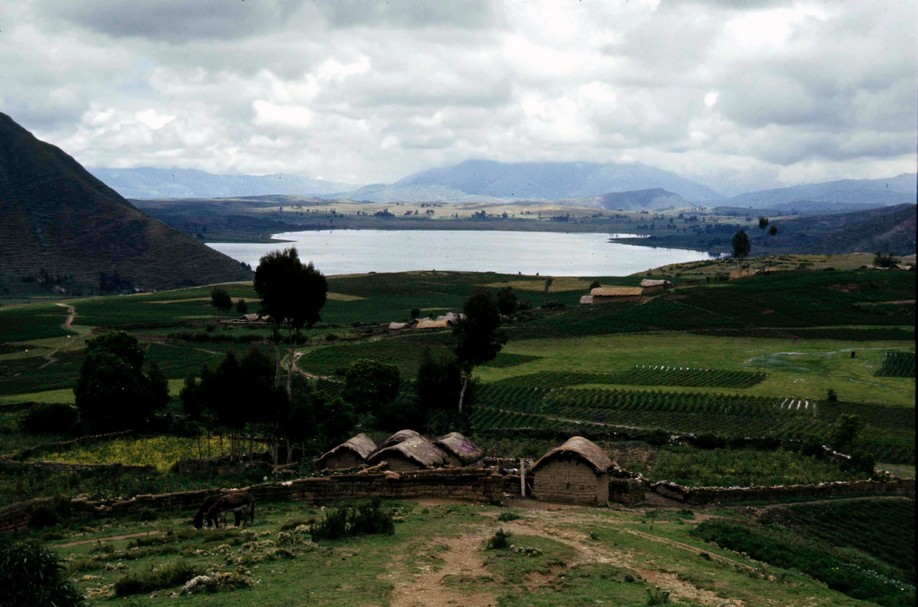
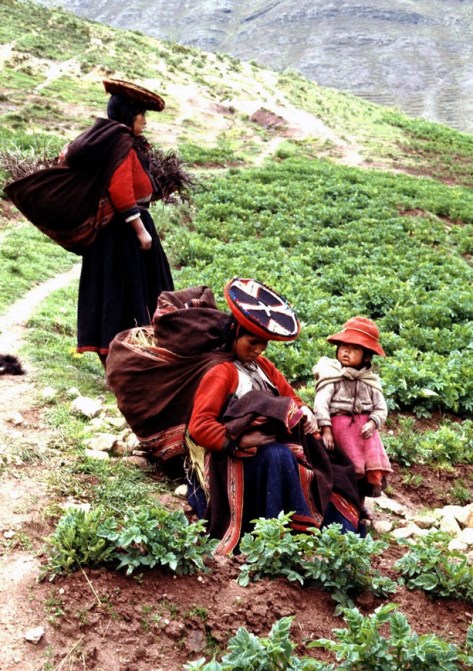
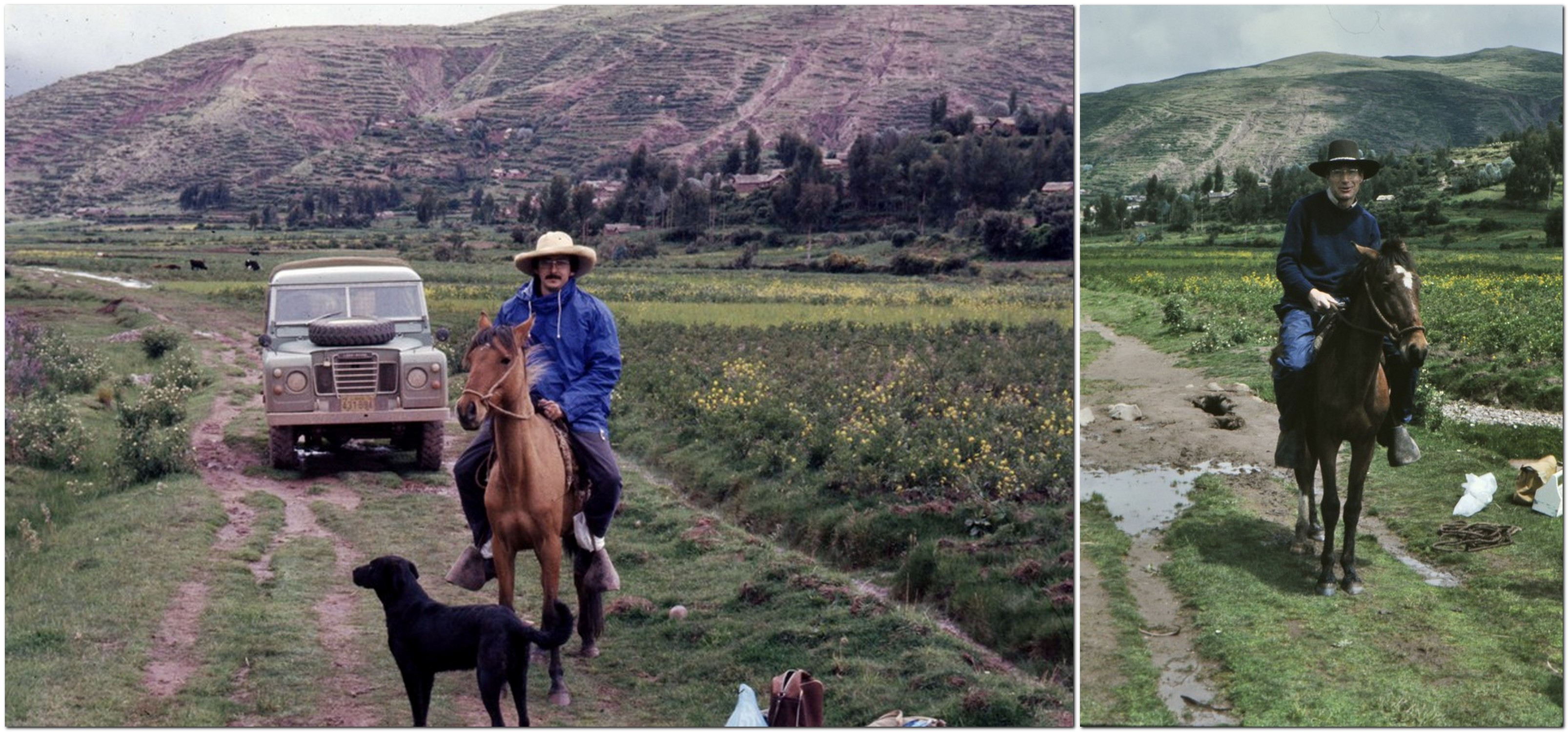
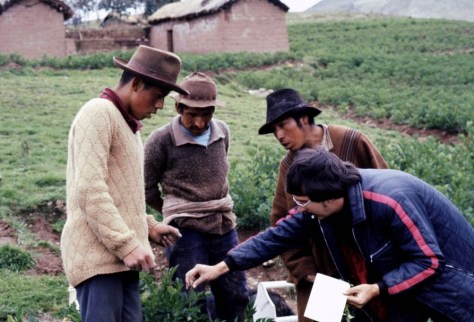 Field work complete, Peter and I spent a couple of days resting up in Cuzco before flying back to Lima. We left the Land Rover there for one of my colleagues Zósimo Huamán to pick up, as he planned to undertake some fieldwork as well before driving back to Lima.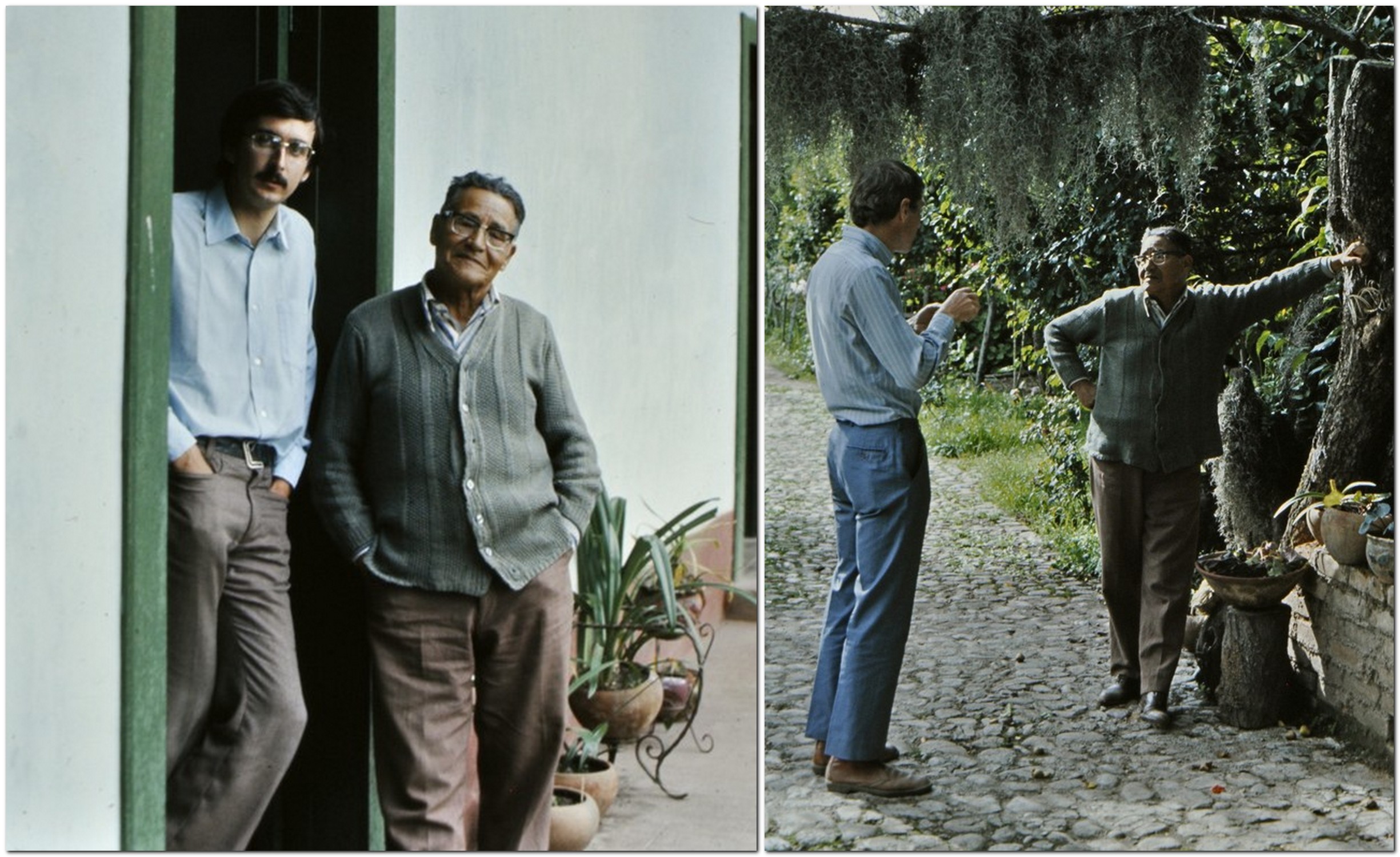
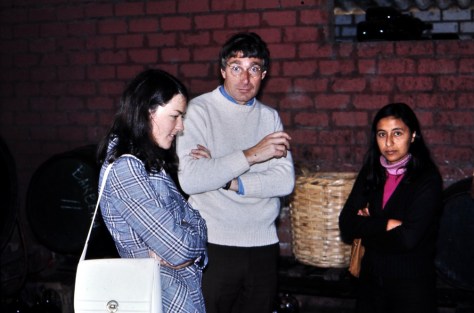
 In the process, I have become a convert to the Amazon Kindle.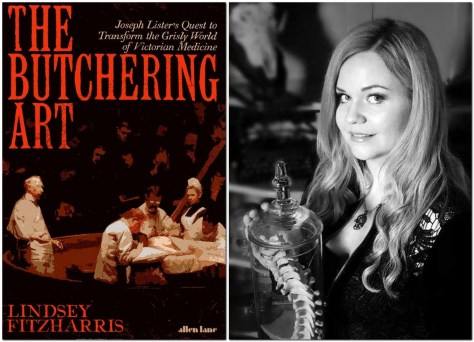
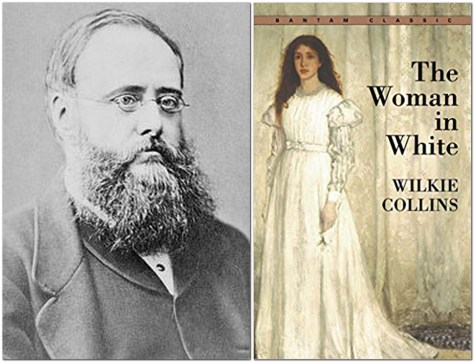
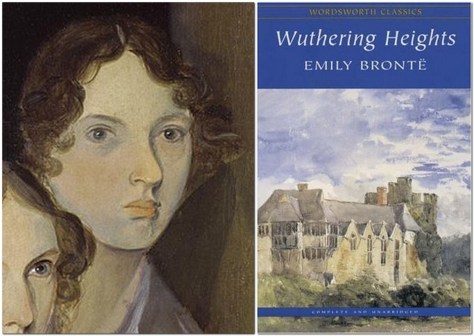
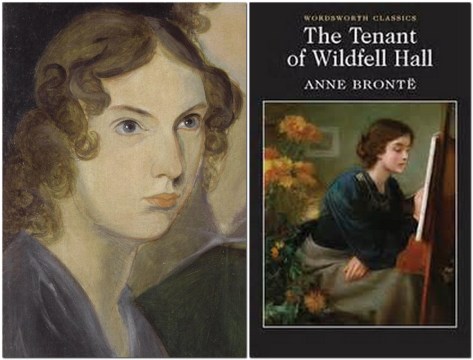
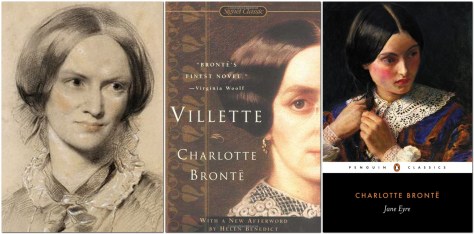
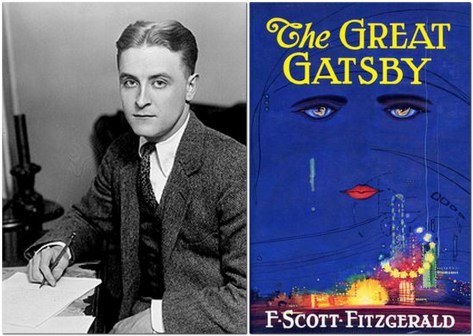
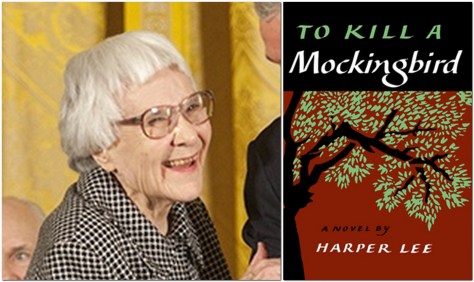
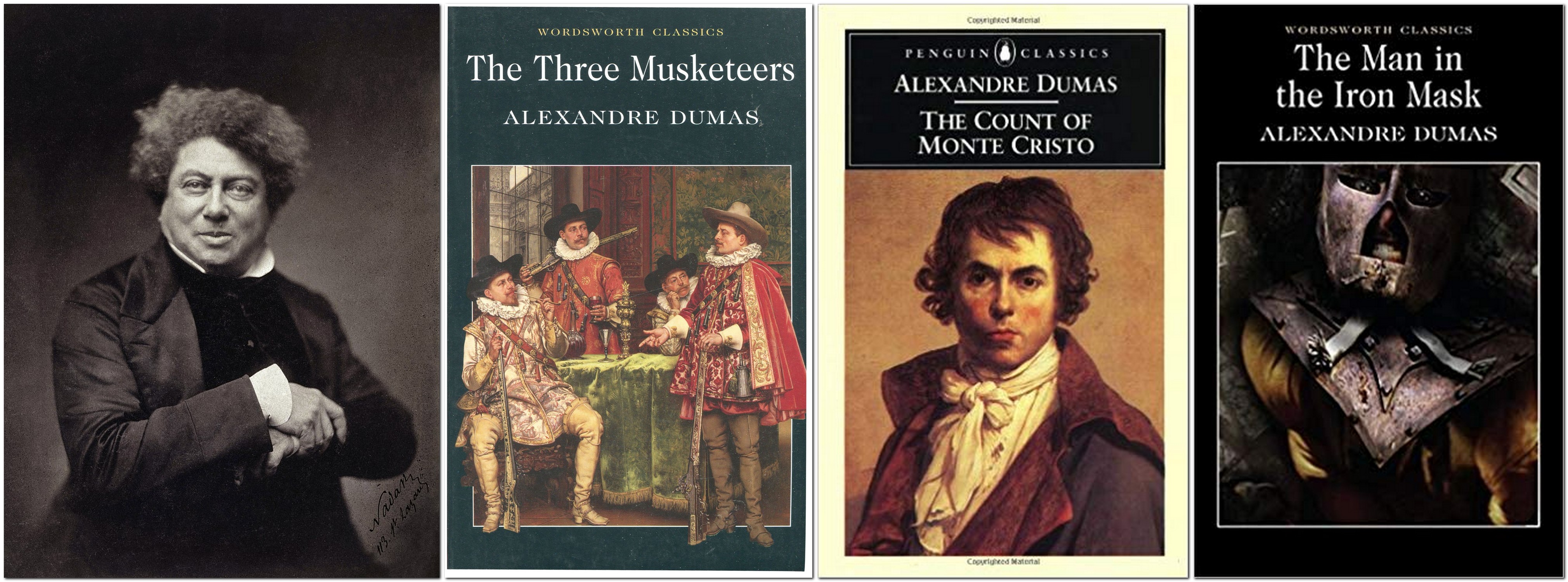
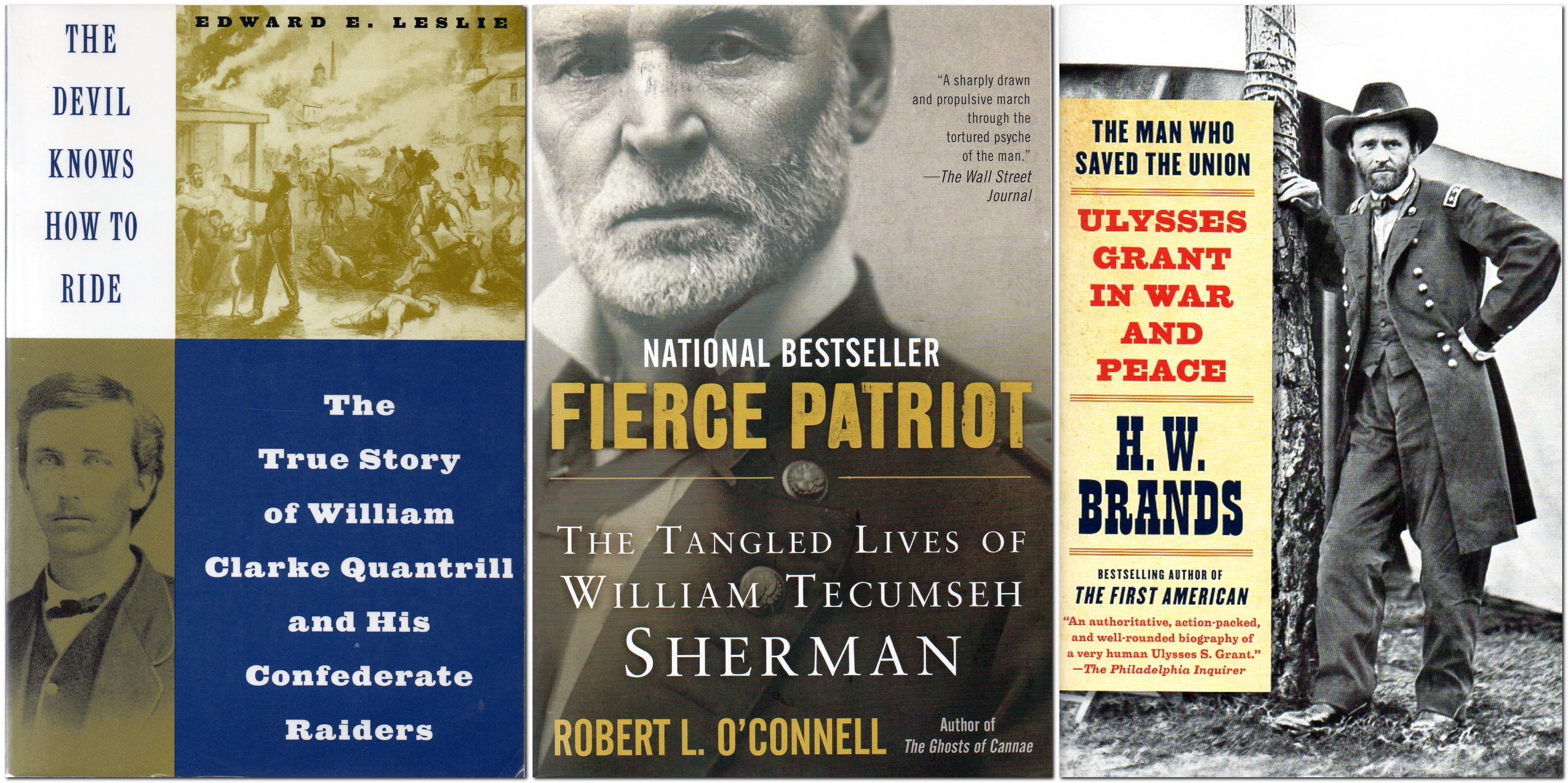
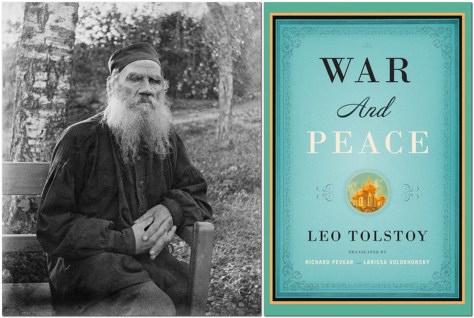 Even now, I’ve only just reached 40%, and I reckon it will take me a few more weeks yet. I hadn’t really expected to appreciate it very much. I was taken with the
 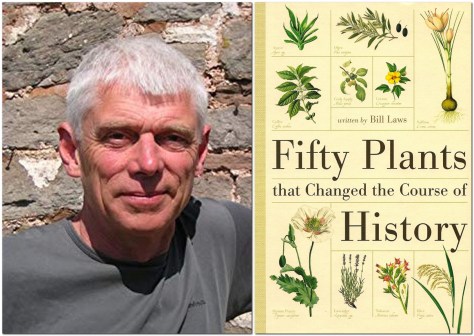 Having taken a peek at the chapters on potato and rice, I’m not entirely convinced of the focus he took with both of these crops – of which I know quite a bit myself. Anyway, time will tell, once I have delved into the various topics in more detail.
 Steph and I have been members of the
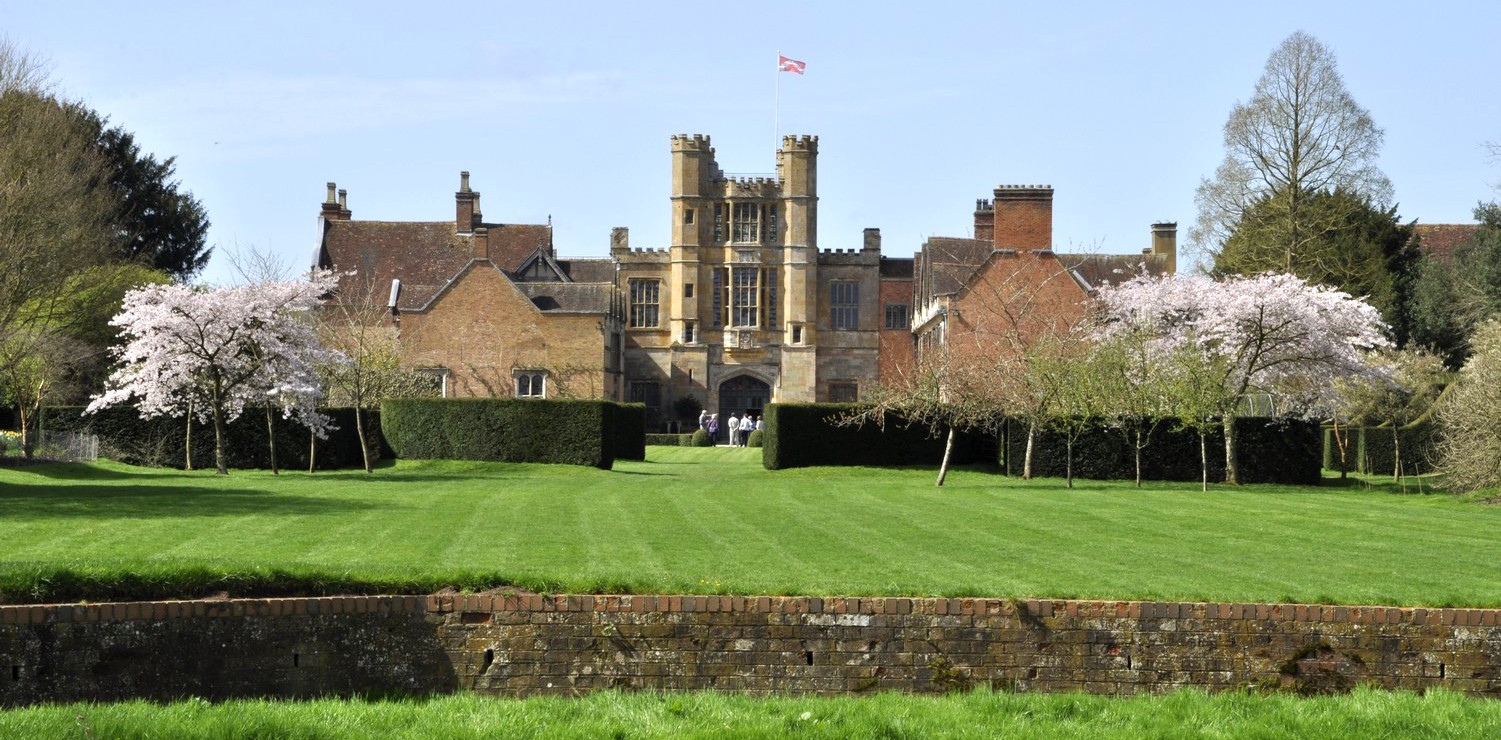


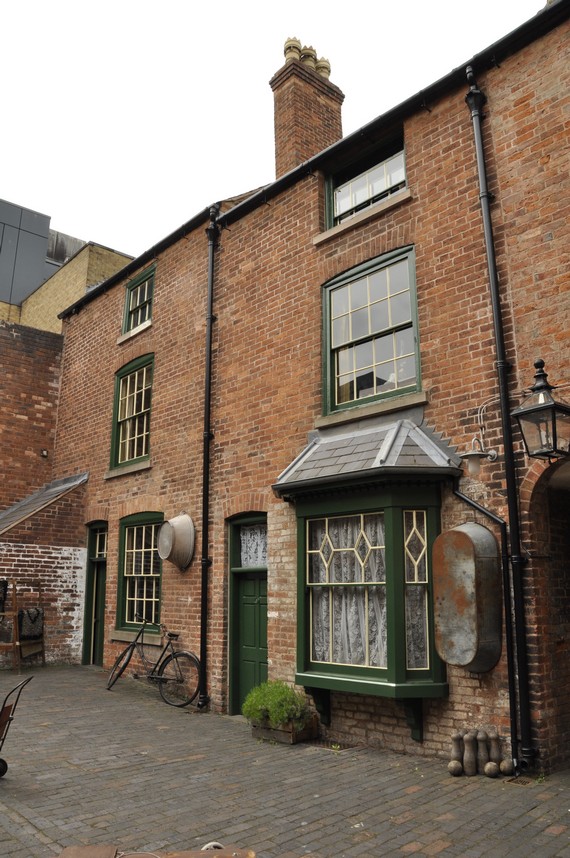

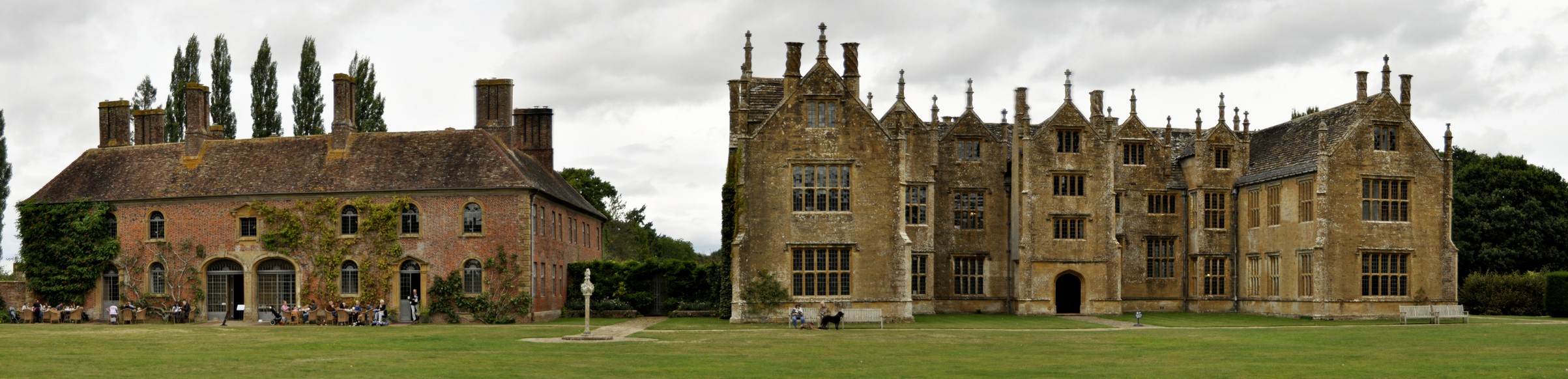


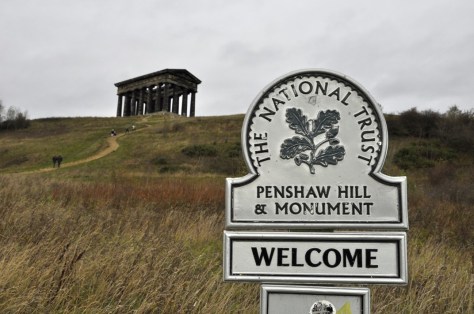

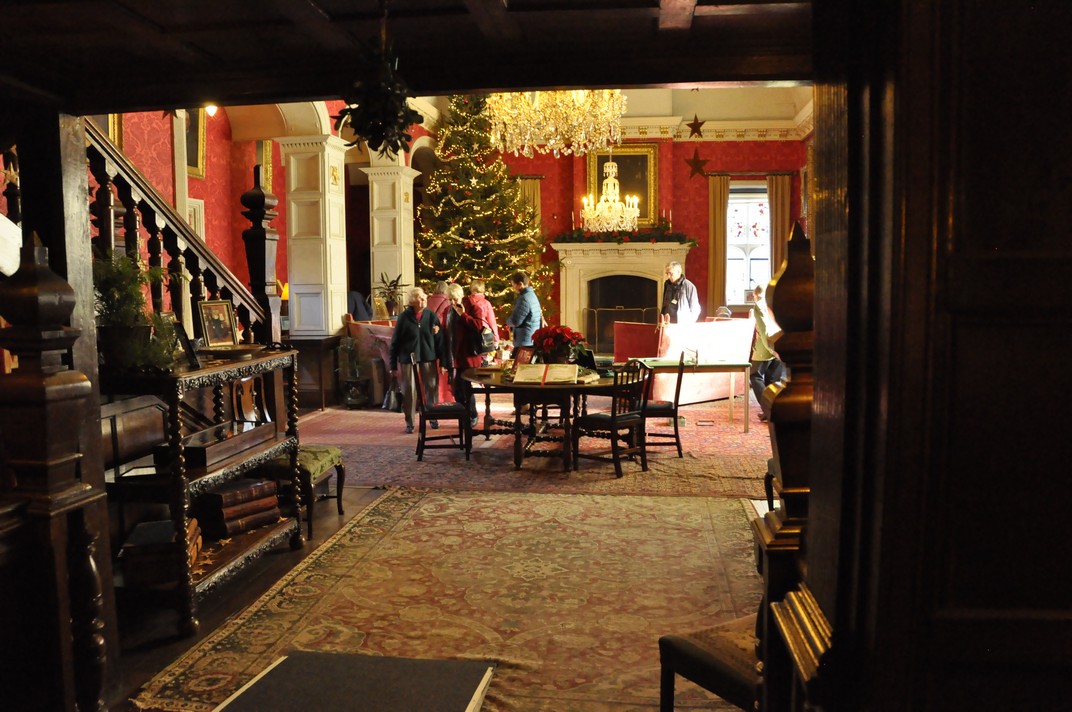


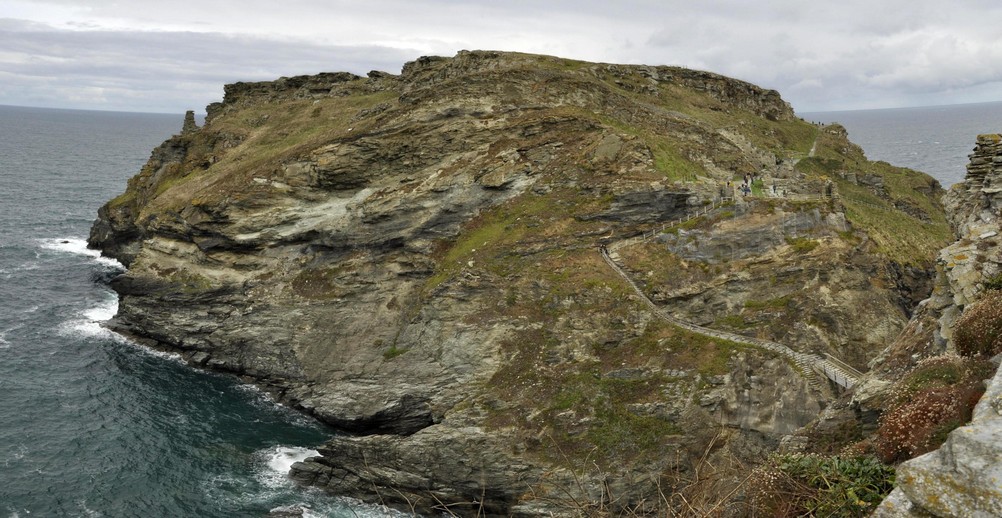

 My decision to leave a tenured position at the University of Birmingham in June 1991 was not made lightly. I was about to be promoted to Senior Lecturer, and I’d found my ‘home’ in the Plant Genetics Research Group following the reorganization of the School of Biological Sciences a couple of years earlier.
 I felt as though I was treading water, trying to keep my head above the surface. I had a significant teaching load, research was ticking along, PhD and MSc students were moving through the system, but still the university demanded more. So when an announcement of a new position as Head of the Genetic Resources Center (GRC) at the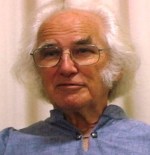
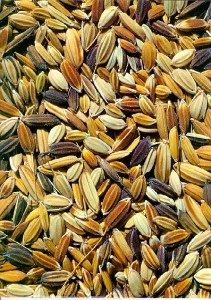 Once in post at IRRI, I asked lots of questions. For at least six months until the end of 1991, I made no decisions about changes in direction for the genebank until I better understood how it operated and what constraints it faced. I also had to size up the caliber of staff, and develop a plan for further staff recruitment. I did persuade IRRI management to increase resource allocation to the genebank, and we were then able to hire technical staff to support many time critical areas.
 Dr Kameswara Rao (from IRRI’s sister center ICRISAT, based in Hyderabad, India) joined GRC to work on the relationship between seed quality and seed growing environment. He had received his PhD from the University of Reading, and this research had started as a collaboration with Professor Richard Ellis there. Rao’s work led to some significant changes to our seed production protocols.
 In 1994, I developed a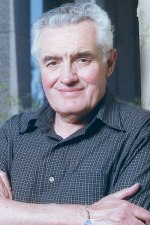
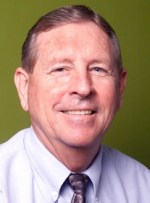
 When, in the mid- to late-60s,
 Several students stayed on to complete PhD degrees under my supervision, or jointly supervised with my colleague Professor Brian Ford-Lloyd (who was the MSc Course Tutor), and I have written more about that
 Around 1989, however, I was becoming increasingly disillusioned with university life, and had begun to think about seeking other opportunities, although none seemed to come along. Until September 1990, that is. One morning, I received in the mail a copy of a recruitment announcement for Head of the Genetic Resources Center at the International Rice Research Institute (IRRI) in the Philippines. To this day I have no idea who sent me this announcement, as there was no cover note.
 Nothing ventured, nothing gained, I decided to submit my application. After all, IRRI was a sister center of CIP, and I was very familiar with the international agricultural research centers funded through the Consultative Group on International Agricultural Research (CGIAR).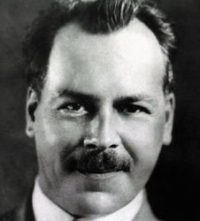
 At the same time I was equally influenced by my mentor and PhD supervisor
  I embarked on a career in international agricultural research for development almost by serendipity. One year became a lifetime. The conservation and use of plant genetic resources became the focus of my work in two international agricultural research centers (CIP and IRRI) of the
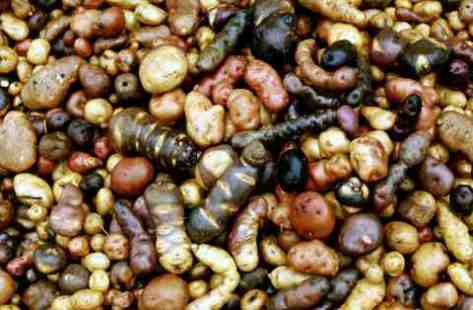
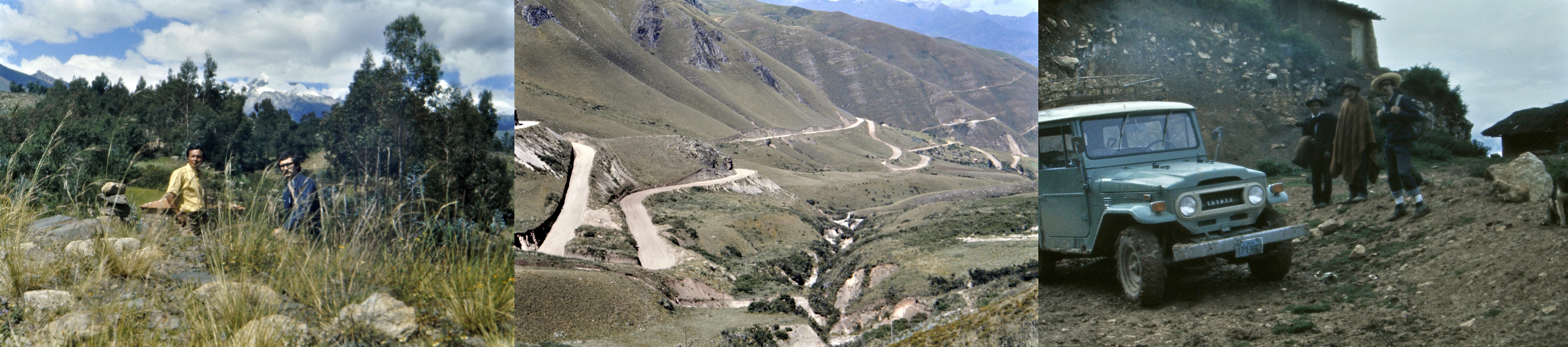
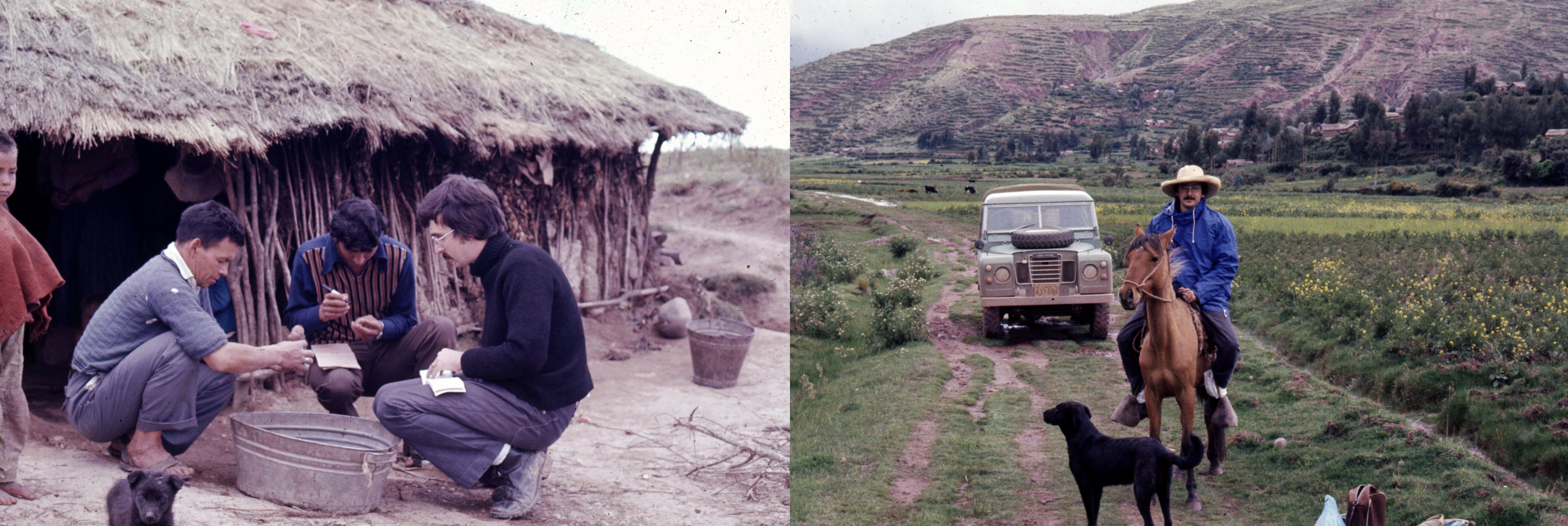
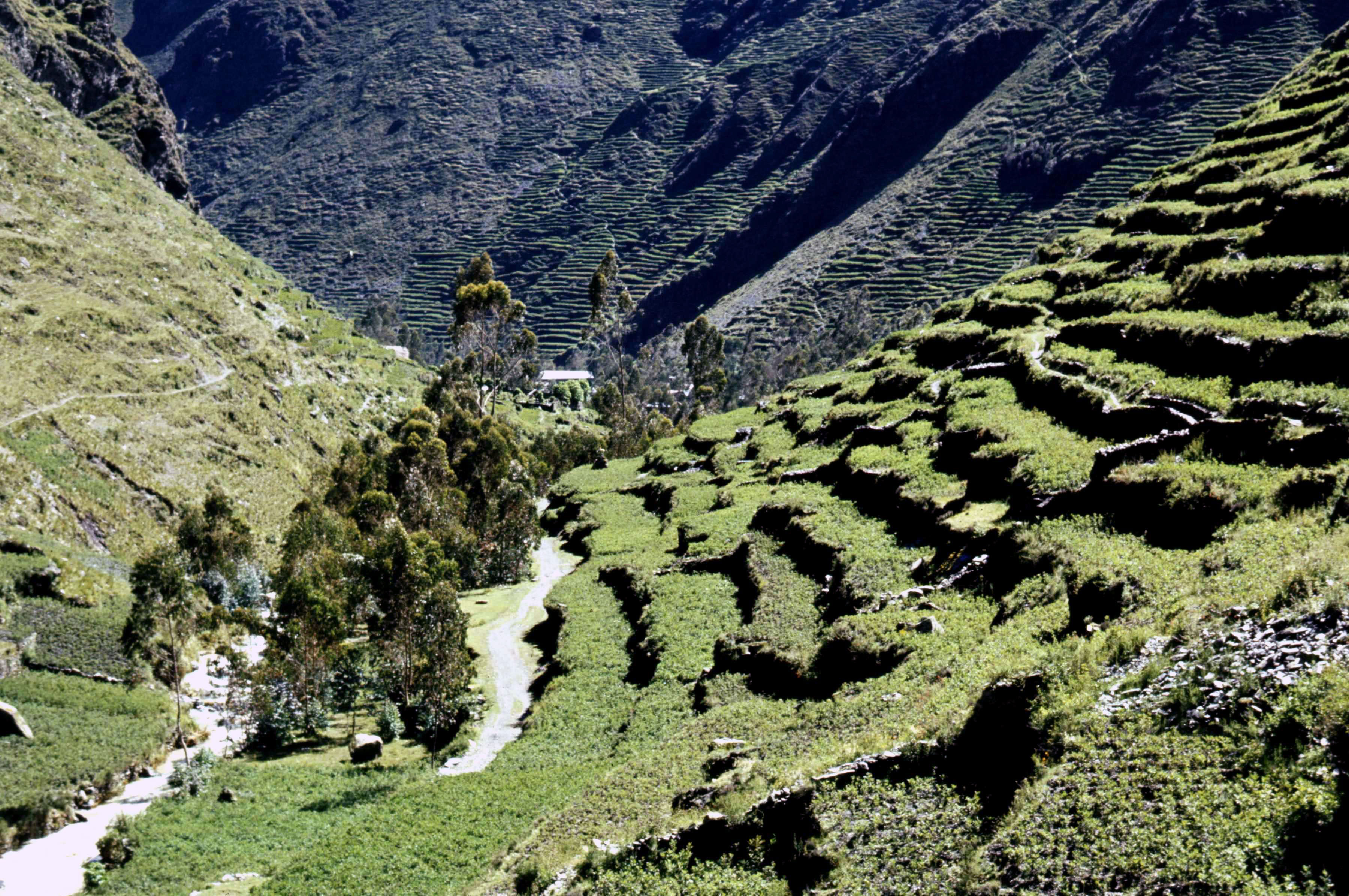
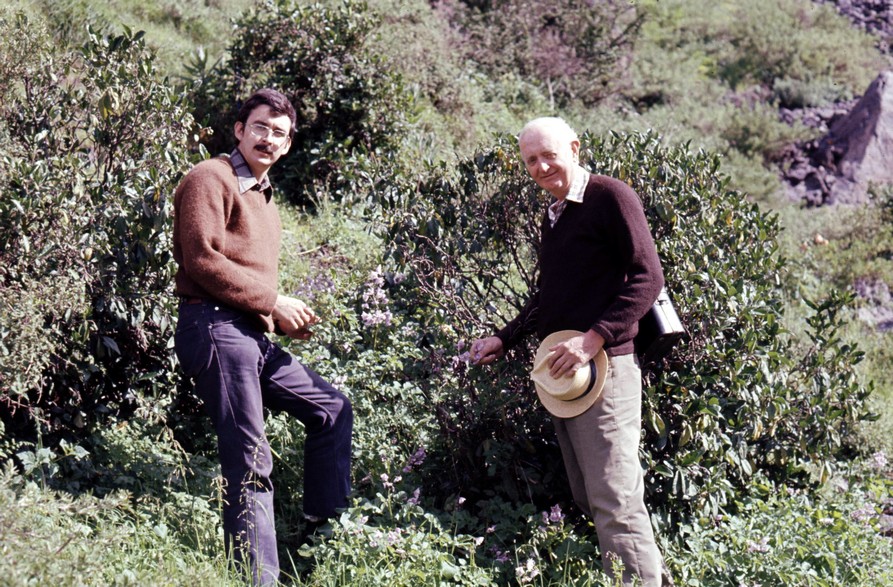
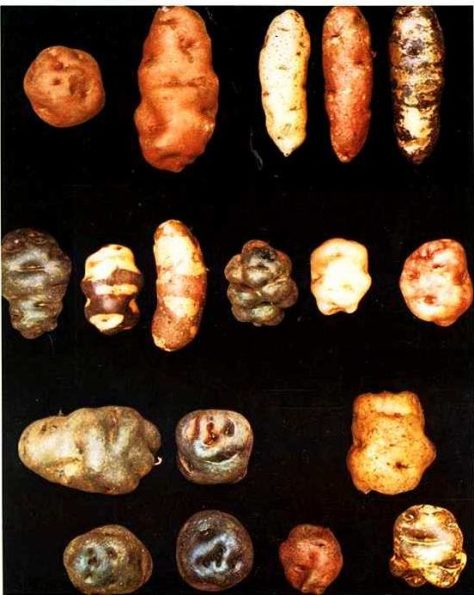
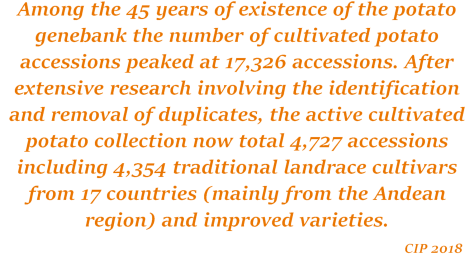
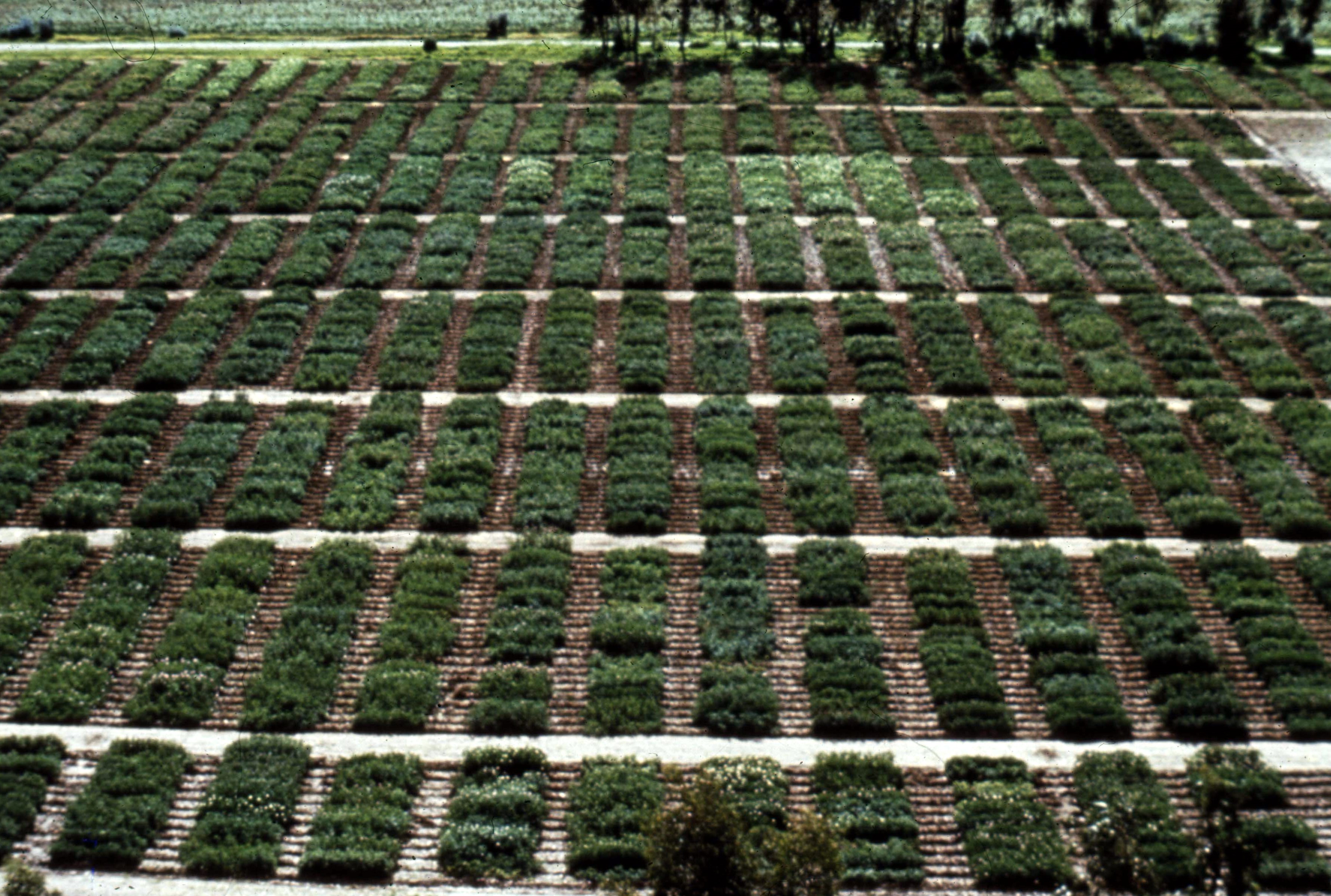
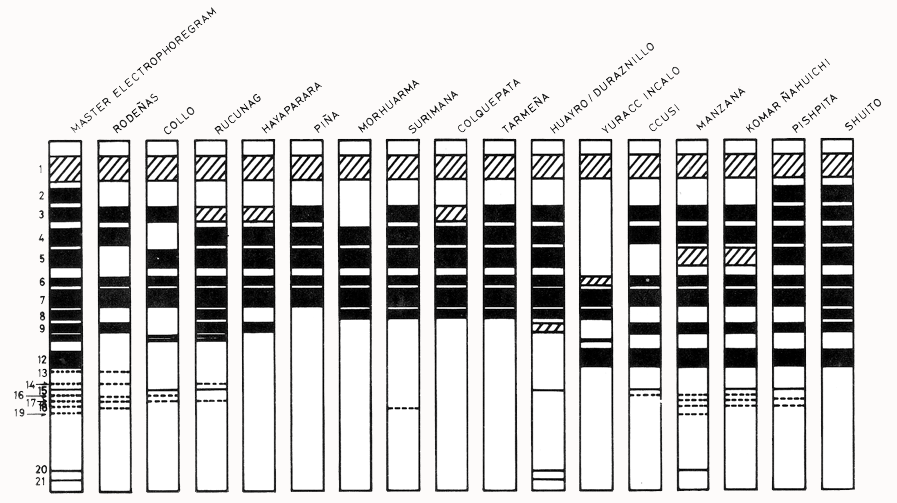
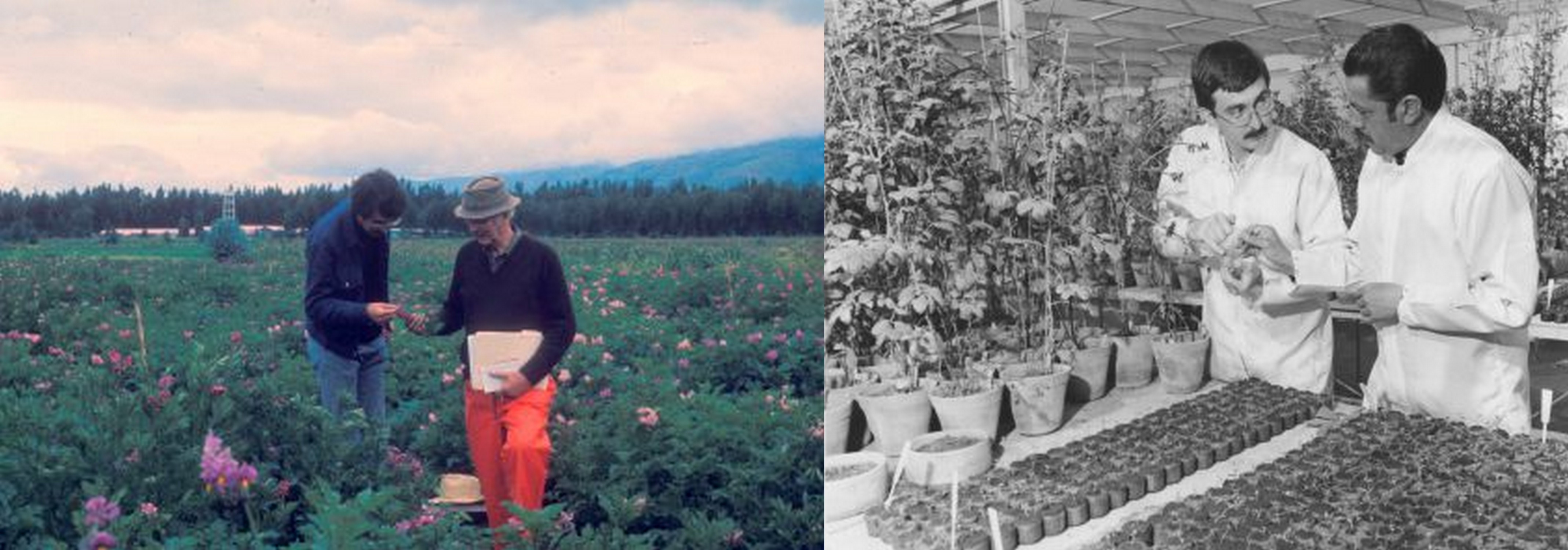
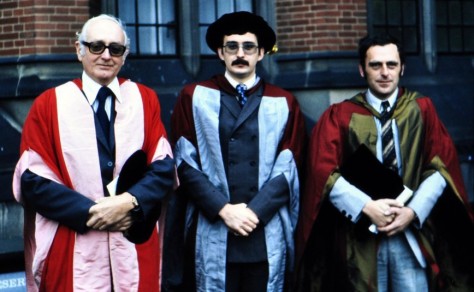


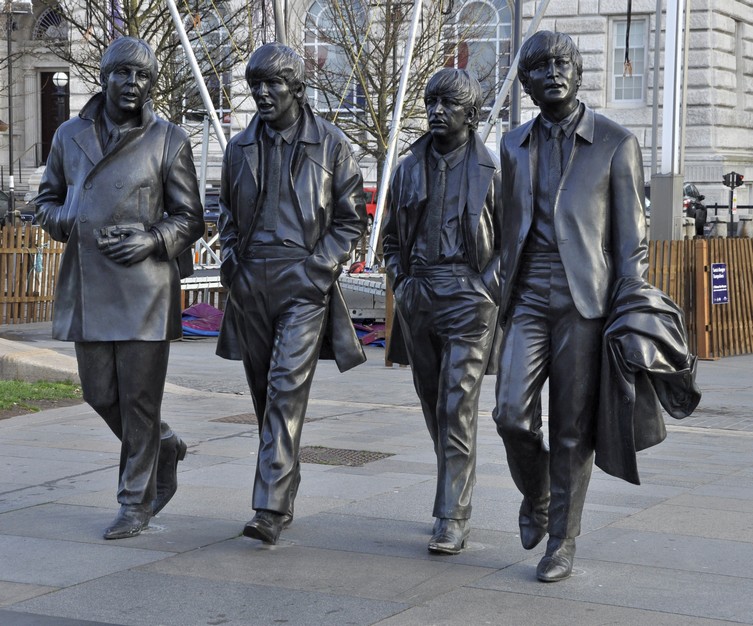
 To begin with, let me take you back to late June 1967.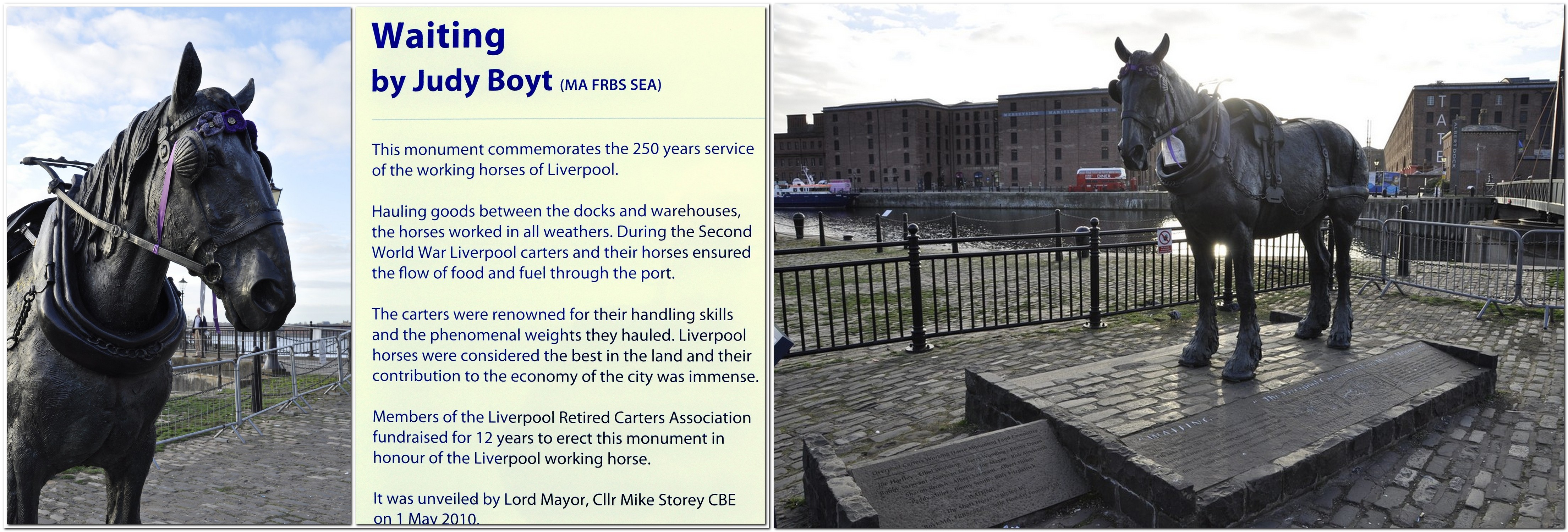
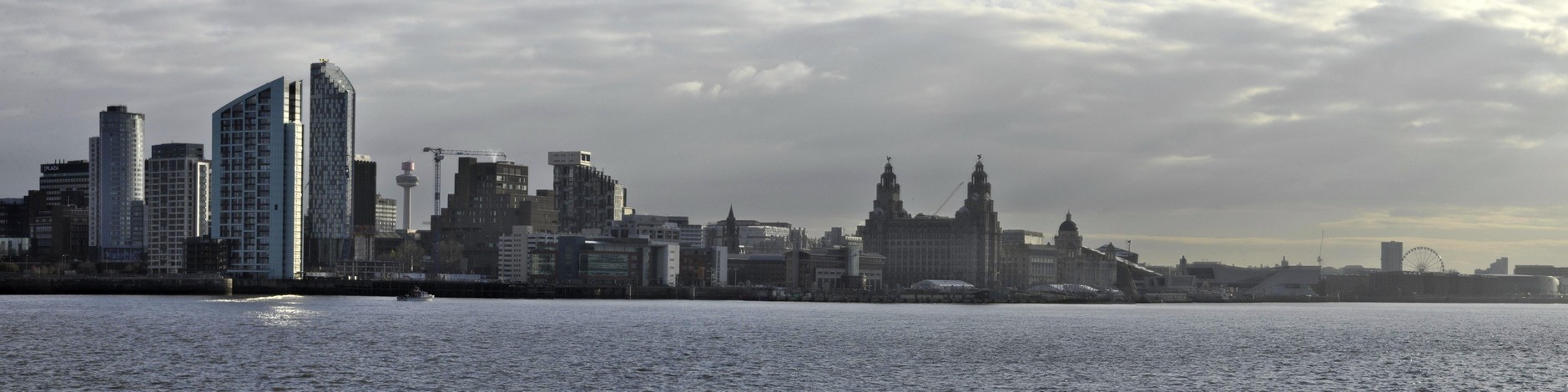
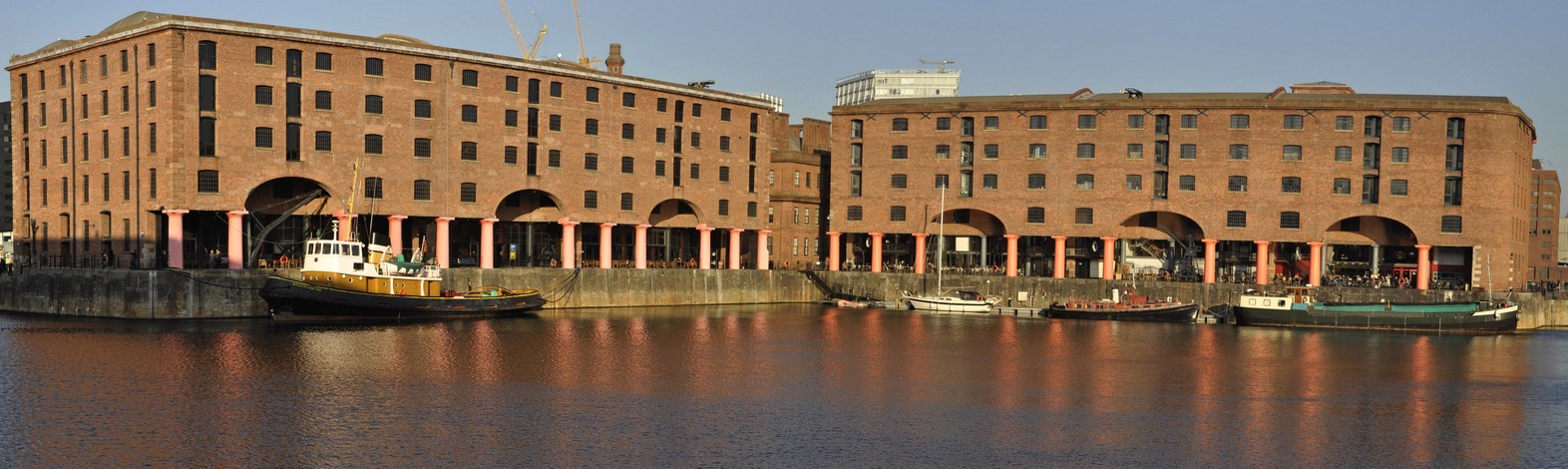
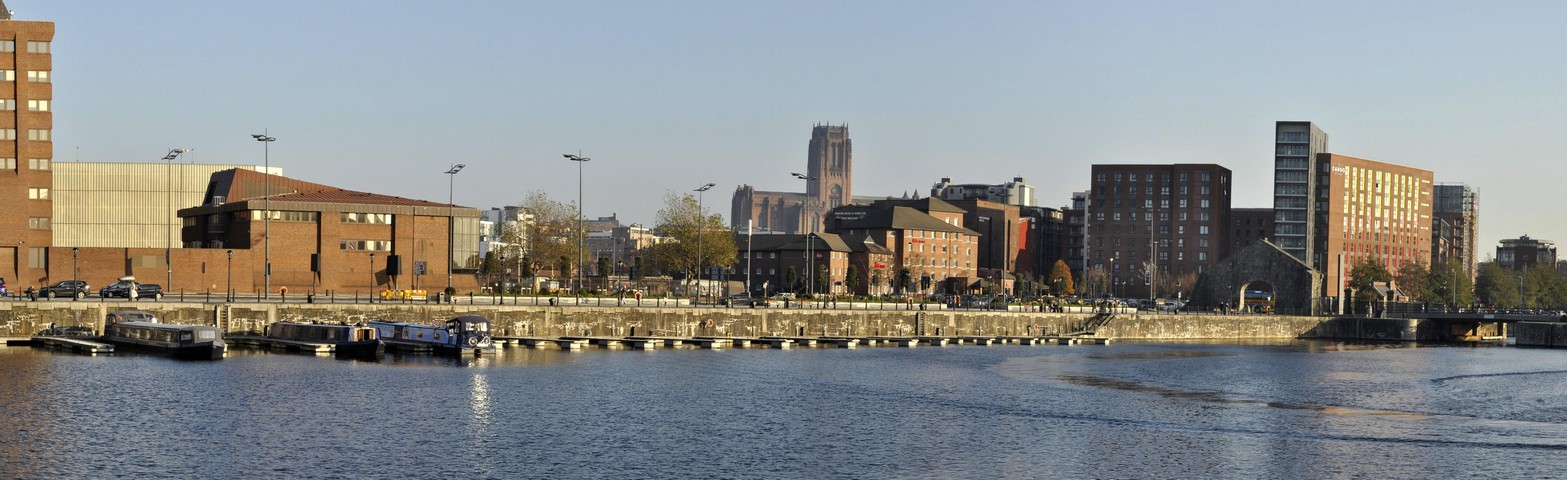


 Our tour of the Beatles’ Childhood Homes started at 10:00 when the National Trust driver, Joe, met us in the lobby of Jurys Inn. We were an international party of just 13 persons (5 UK, 1 Irish, I Czech, I French, 1 Maltese, 1 Australian, and 3 Malaysian). The drive to the first property, John Lennon’s home, took just over 15 minutes. Once we were all strapped in and ready for the off, Joe turned on the music: Love Me Do, and it was Beatles songs all throughout the tour. What a way to start! And, as it turned out, three quite emotional hours.


 I have no photographs inside the house. As with the McCartney home, visitors’ cameras and mobile phones are locked away for the duration of their visit. It’s both for security and copyright reasons.


 Dad Jim raised the boys with the help of relatives including Uncle Albert (remembered on Paul and Linda McCartney’s album
  After a reviving cup of tea back at the hotel, we crossed the road to visit The Beatles Story exhibition. The story of The Beatles is told there through displays of memorabilia and photographs; it opened in May 1990.


 We returned home to Bromsgrove just after noon on Monday. But before that, we took a 50 minute river cruise on the Mersey ferry, Royal Iris, from the Pier Head Terminal, across to the Seacombe Terminal on the Wirral, and then to Woodside Terminal at Birkenhead, before returning to the Pier Head. Here’s a short video I made, with Gerry & The Pacemakers (courtesy of a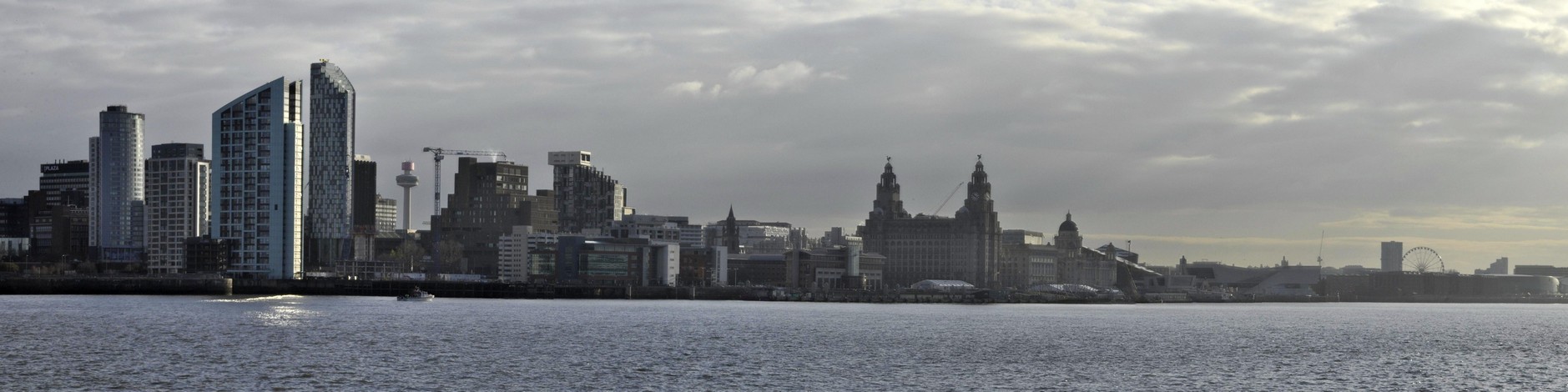
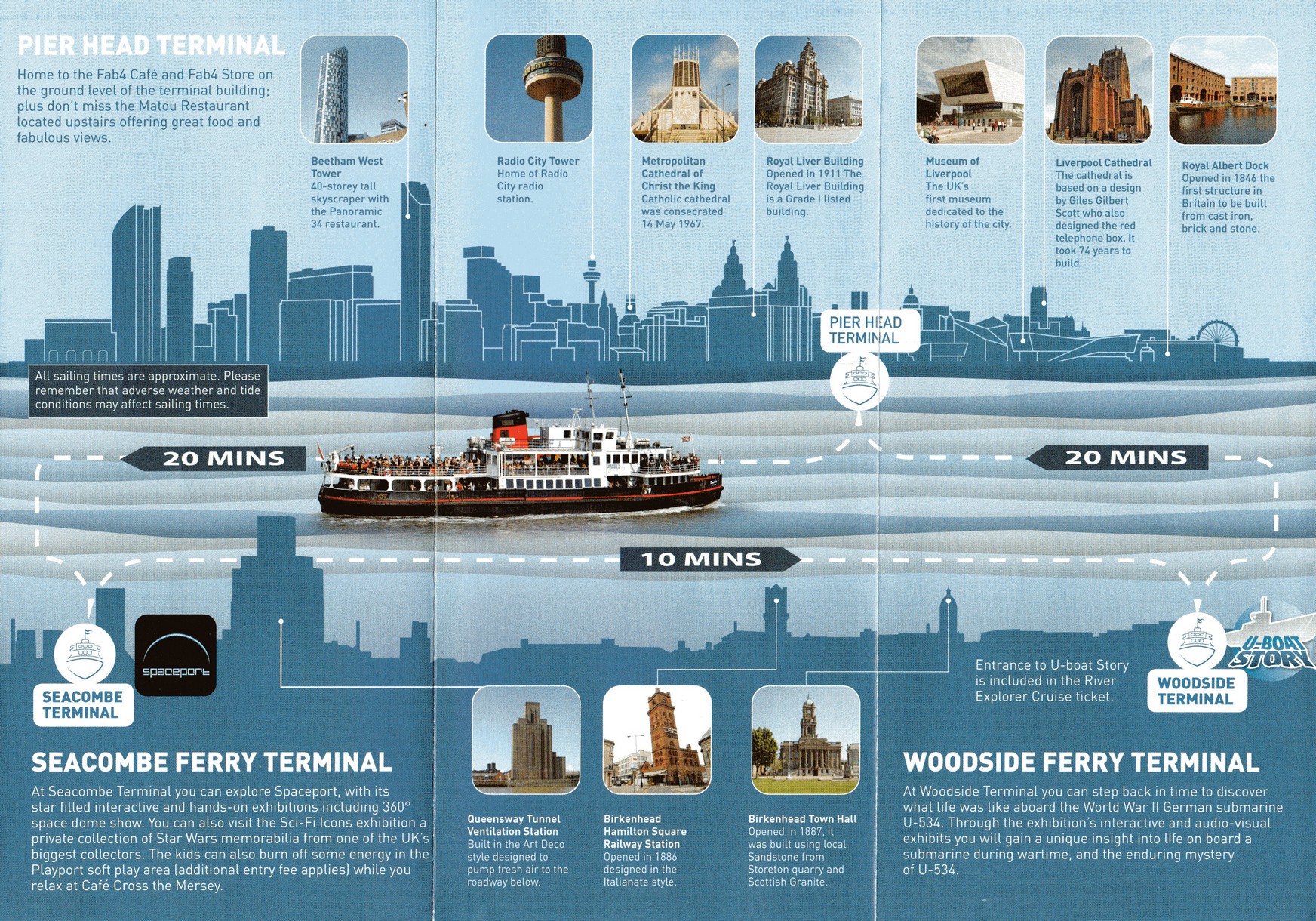




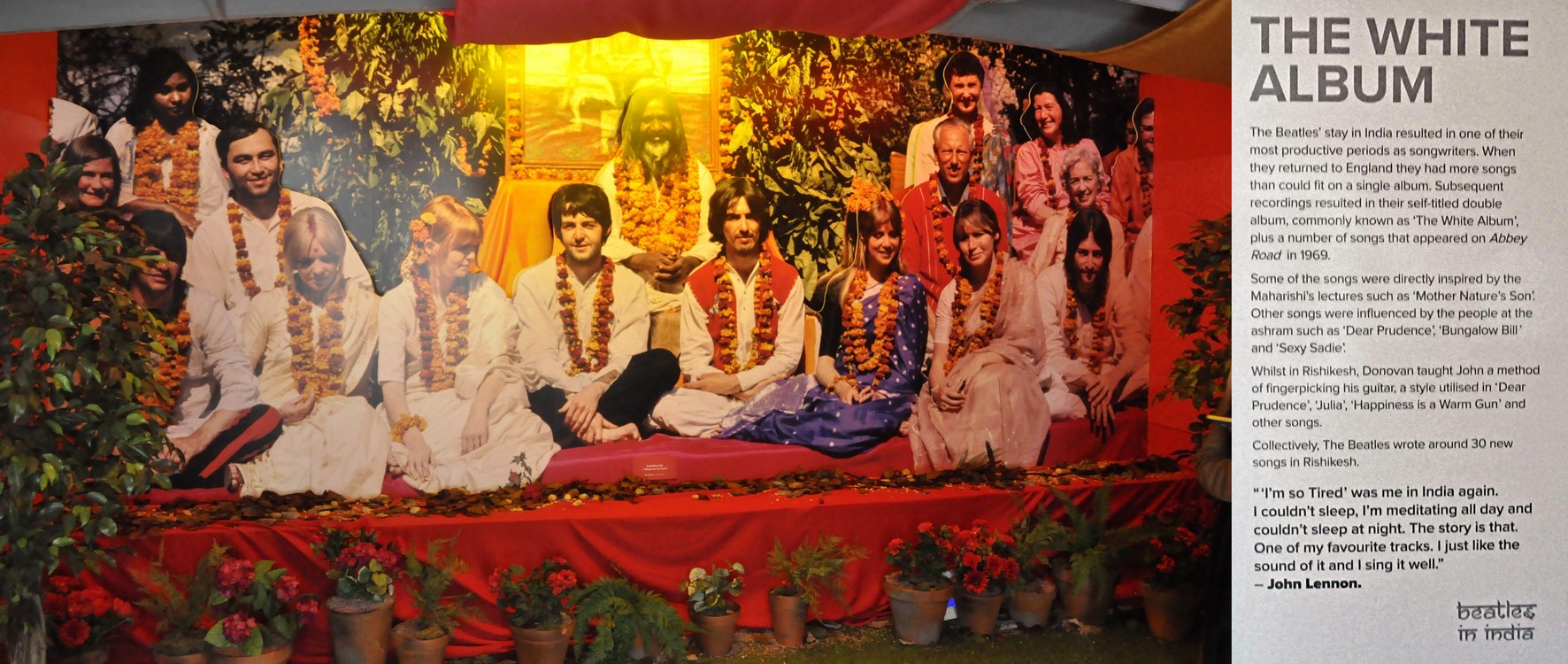


 18 November 1948. Today is my 70th birthday. Septuagenarian. The Biblical three score and ten (Psalm 90:10)!
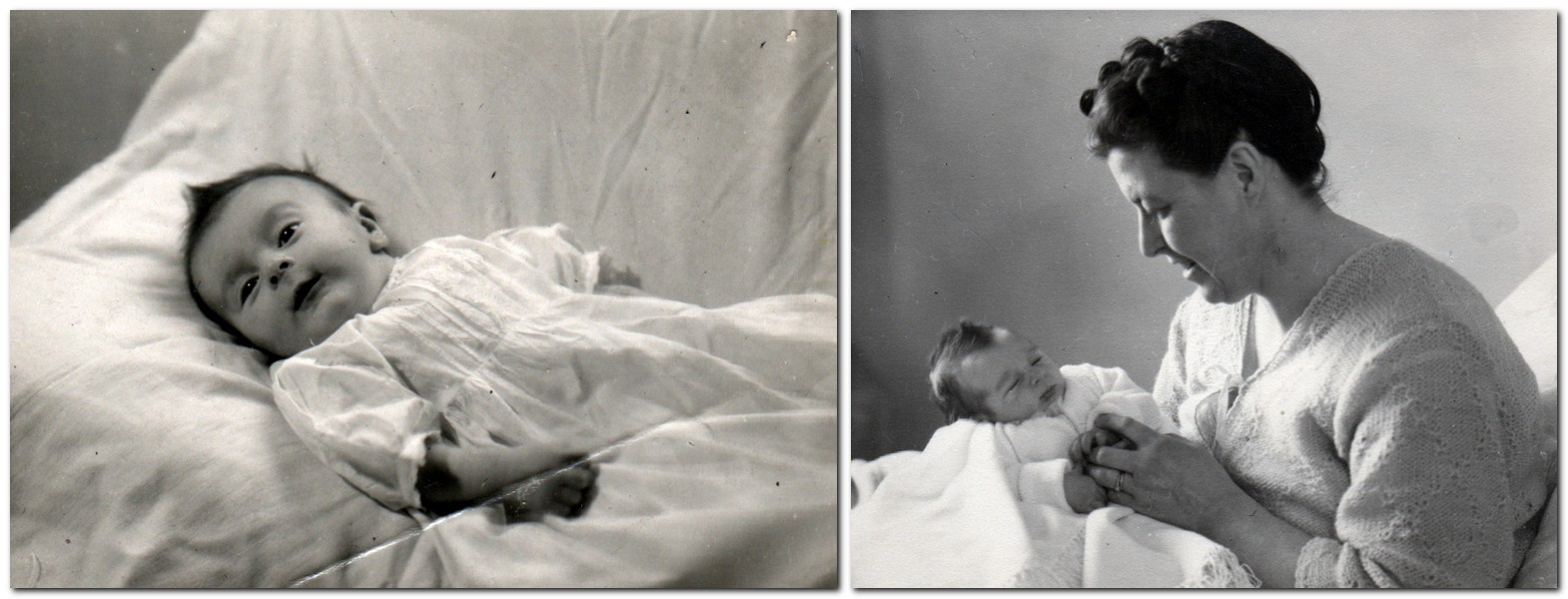
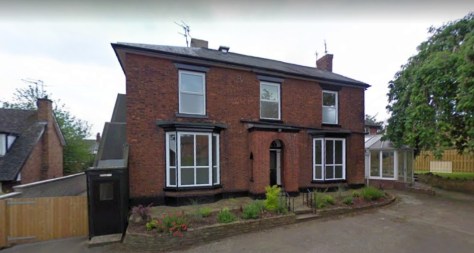
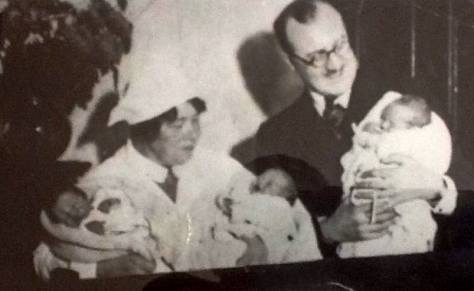
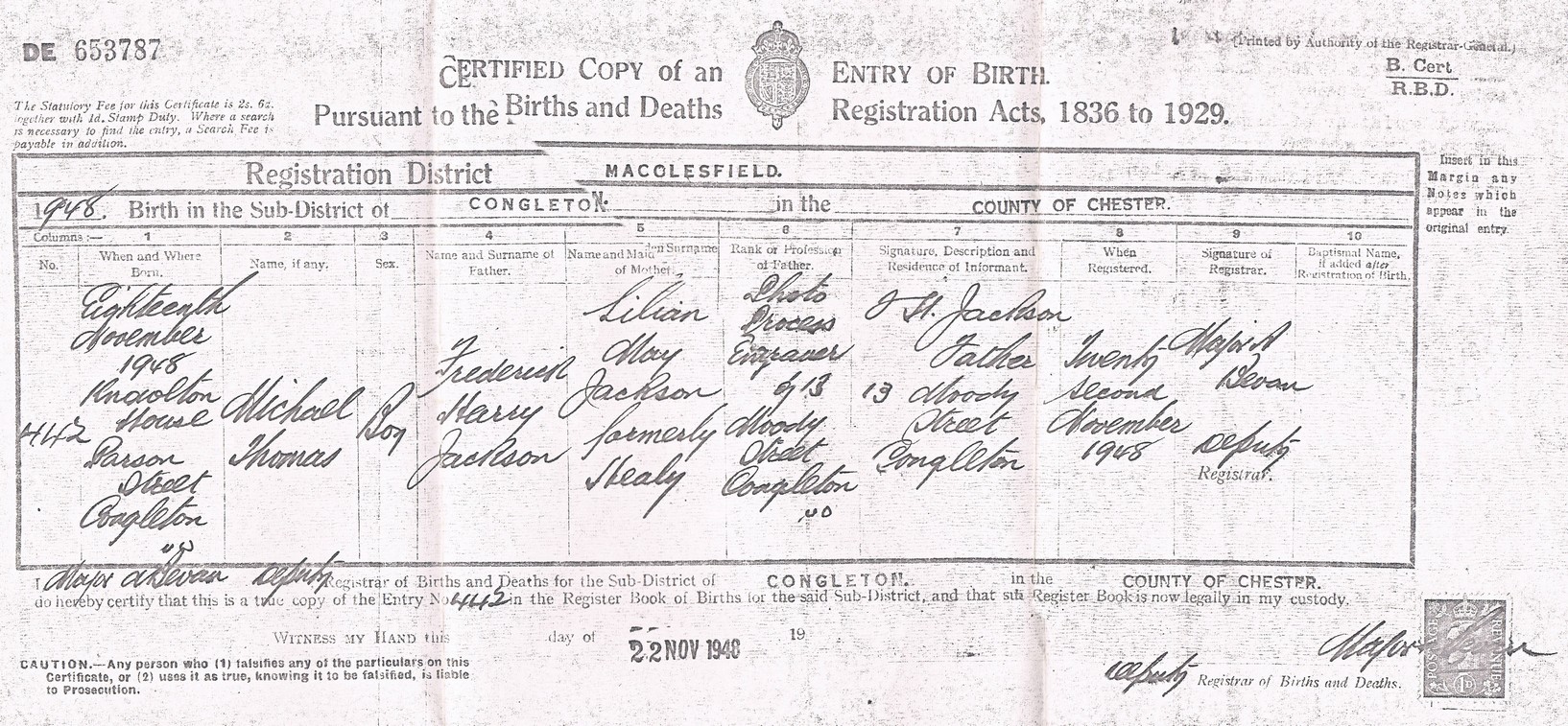
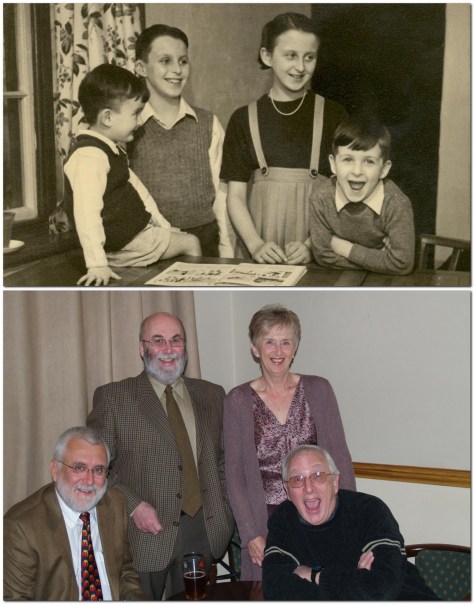
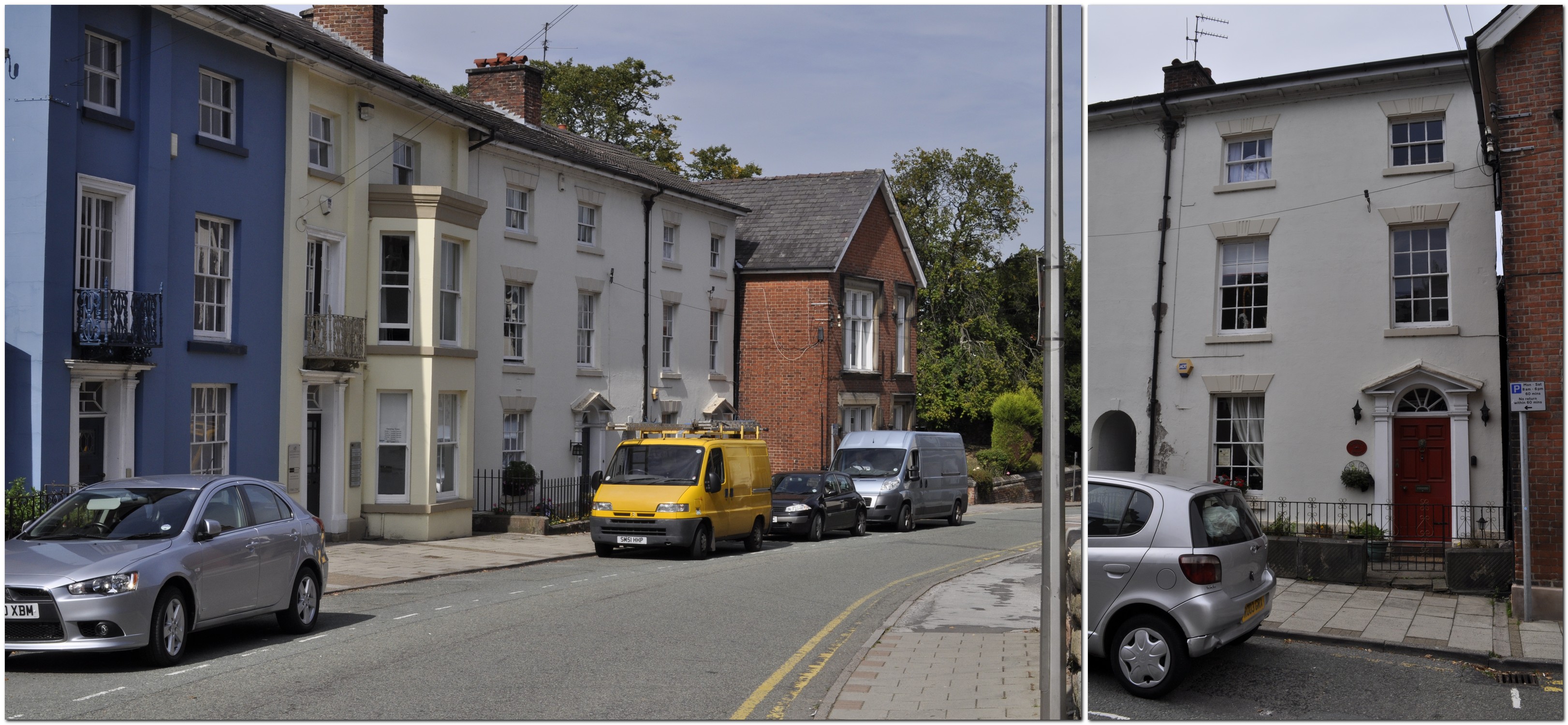



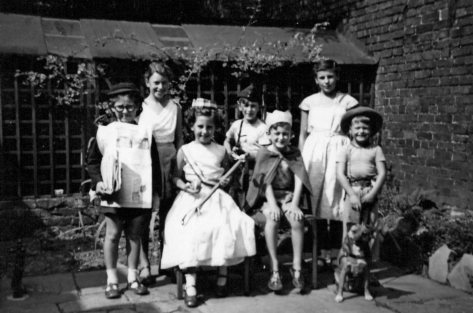
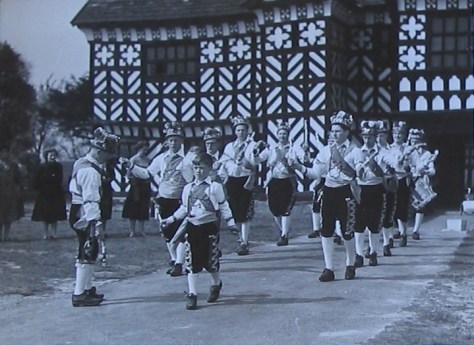


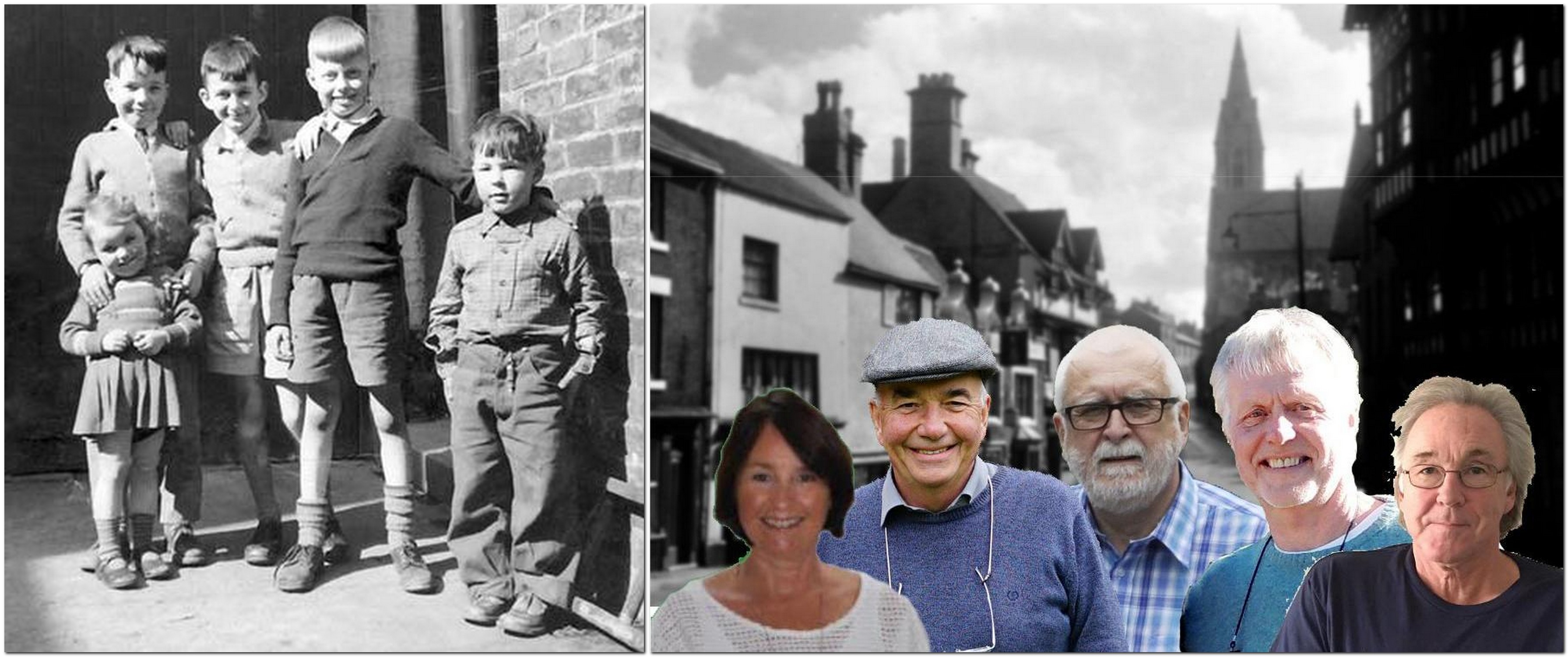
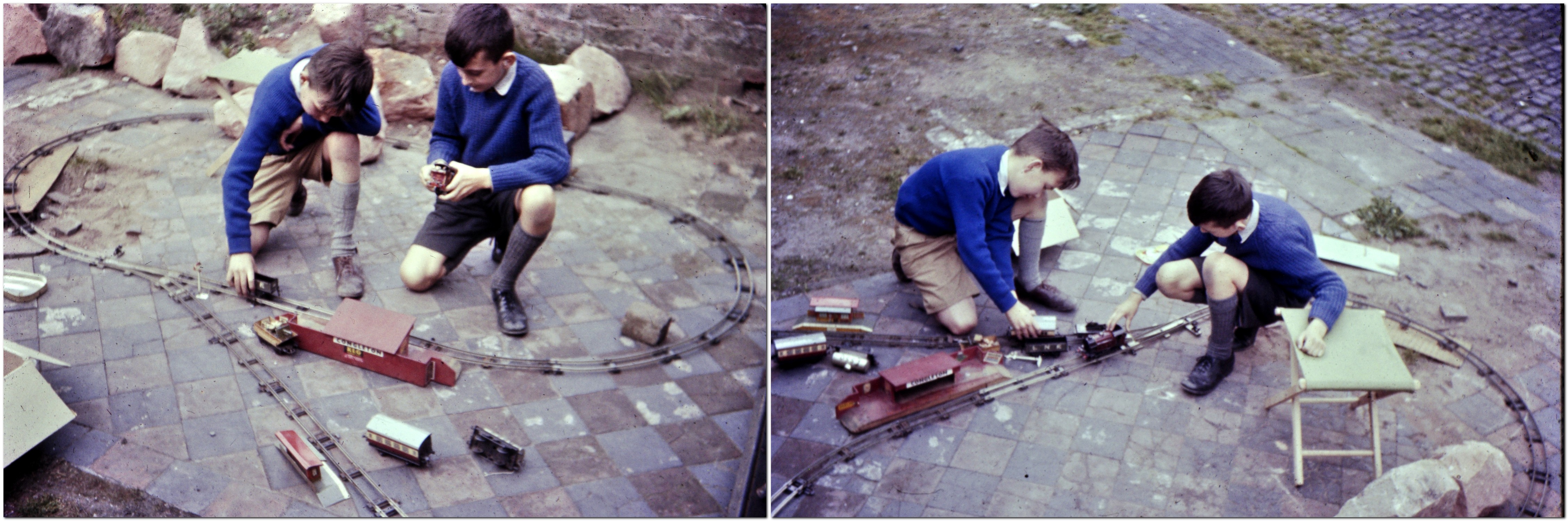
 I was also a cub scout, as was Ed.


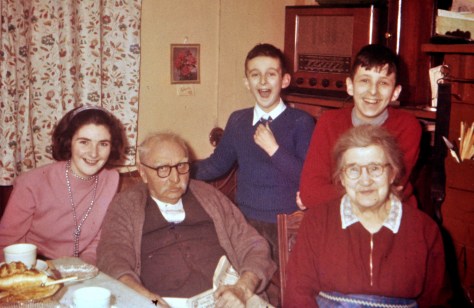
 I passed my 11 Plus exam to attend a Roman Catholic grammar school,
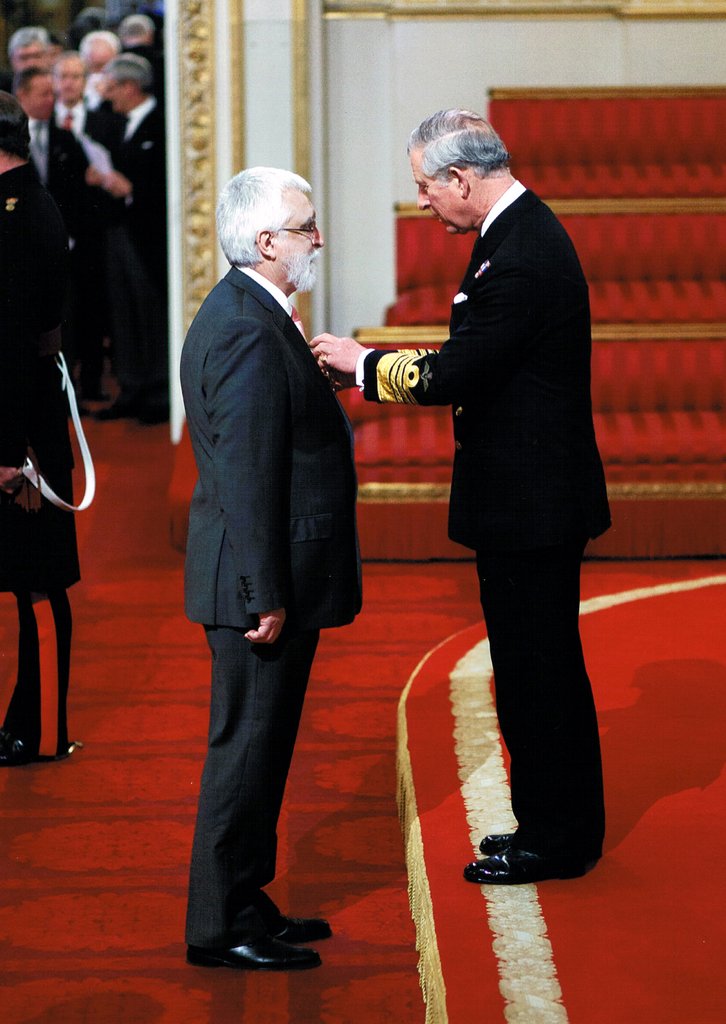
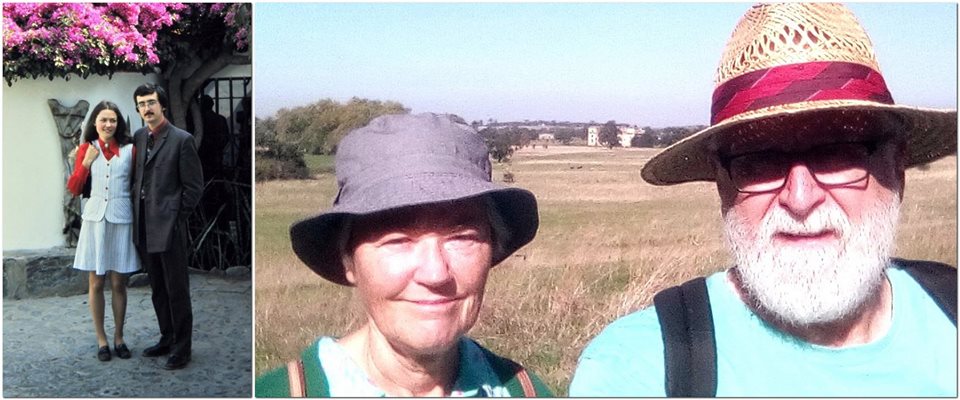
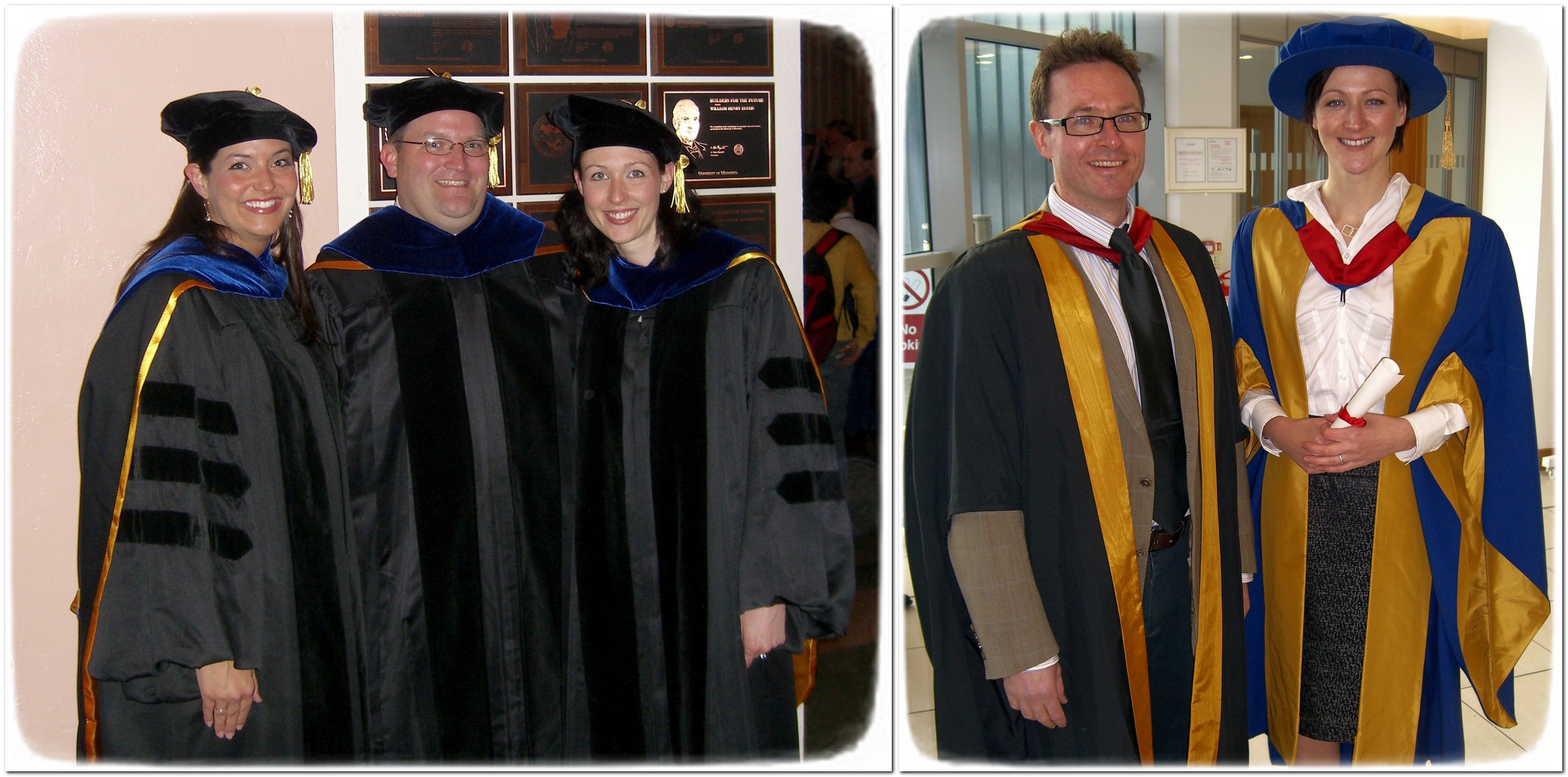
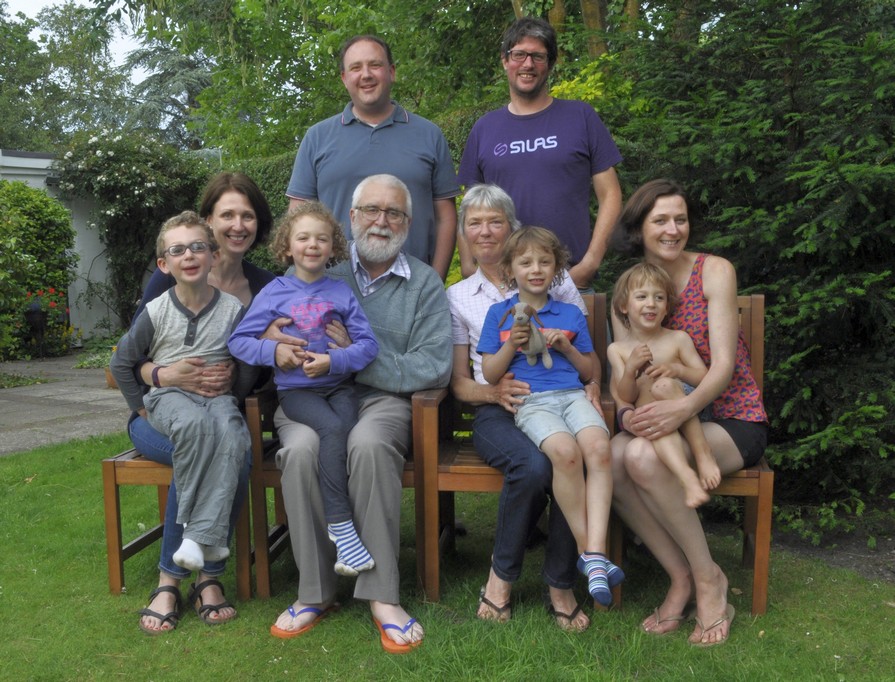
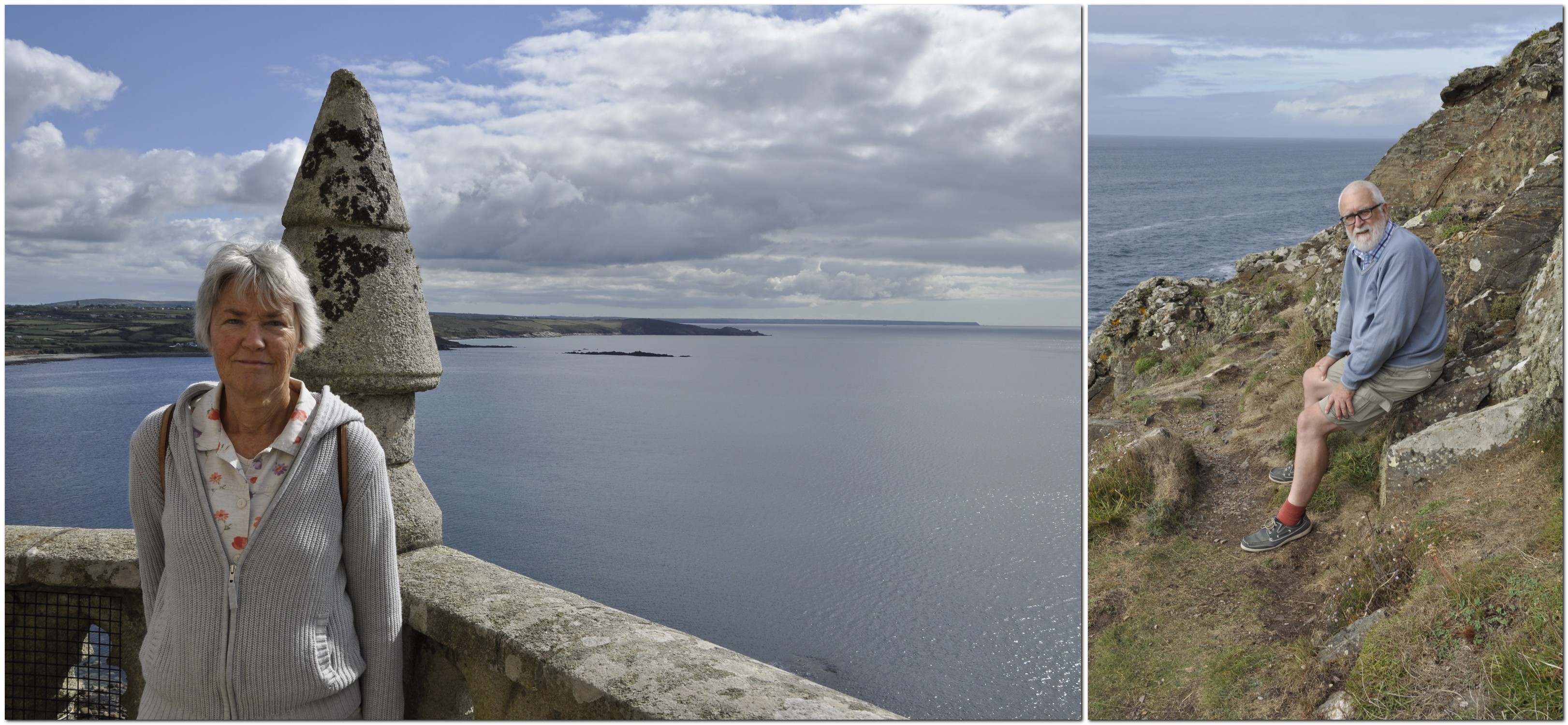

 Imagine my horror when I found that our helper Lilia had not even taken the beef from the freezer. Just two hours before our guests arrived and we were faced with a frozen slab of beef. I had asked Lilia not to prepare everything too early. Although a fabulous cook, unless checked, she had the habit (tradition even) of preparing and cooking our meals way ahead. I also discovered that she had diced the asparagus into small pieces! This was not an auspicious start to my 60th birthday bash.
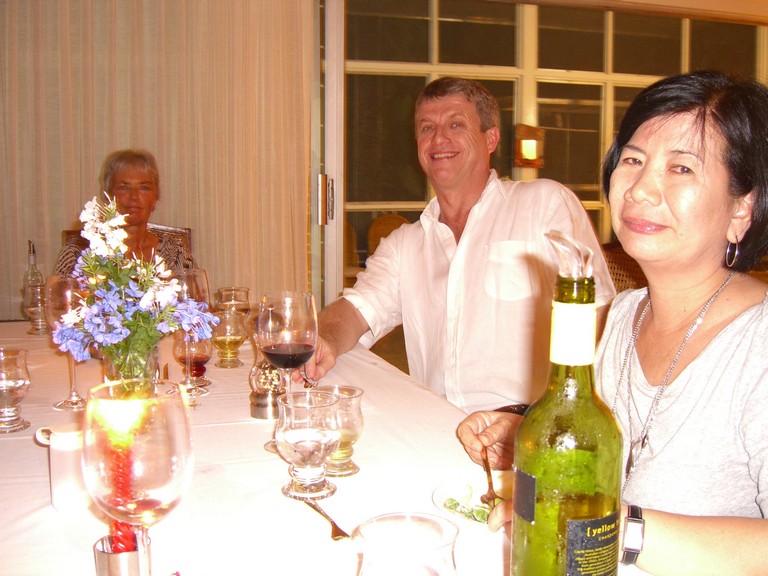
 I recently posted a link on a Facebook group to a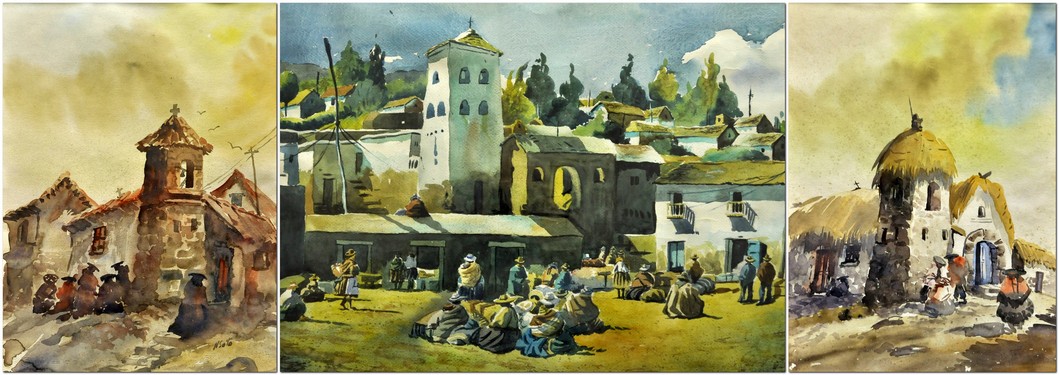
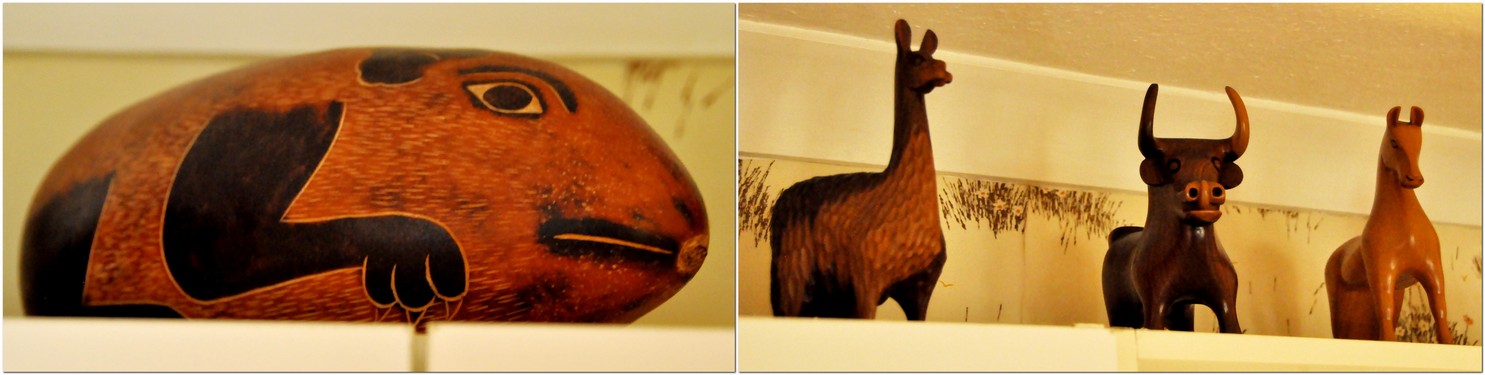
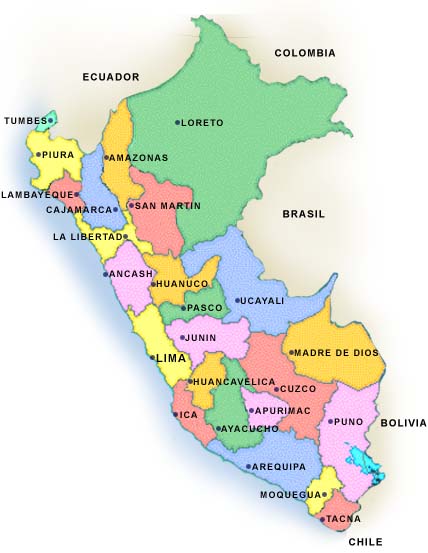
 And talking of food and drink, Steph and I loved to dine at
  Viewed by thousands of motorists every day as they head into Newcastle upon Tyne or further north on the A1, the iconic Angel of the North spreads its (her?) welcoming wings on the southern outskirts of Gateshead. It was commissioned by Gateshead Council, and erected in February 1998.
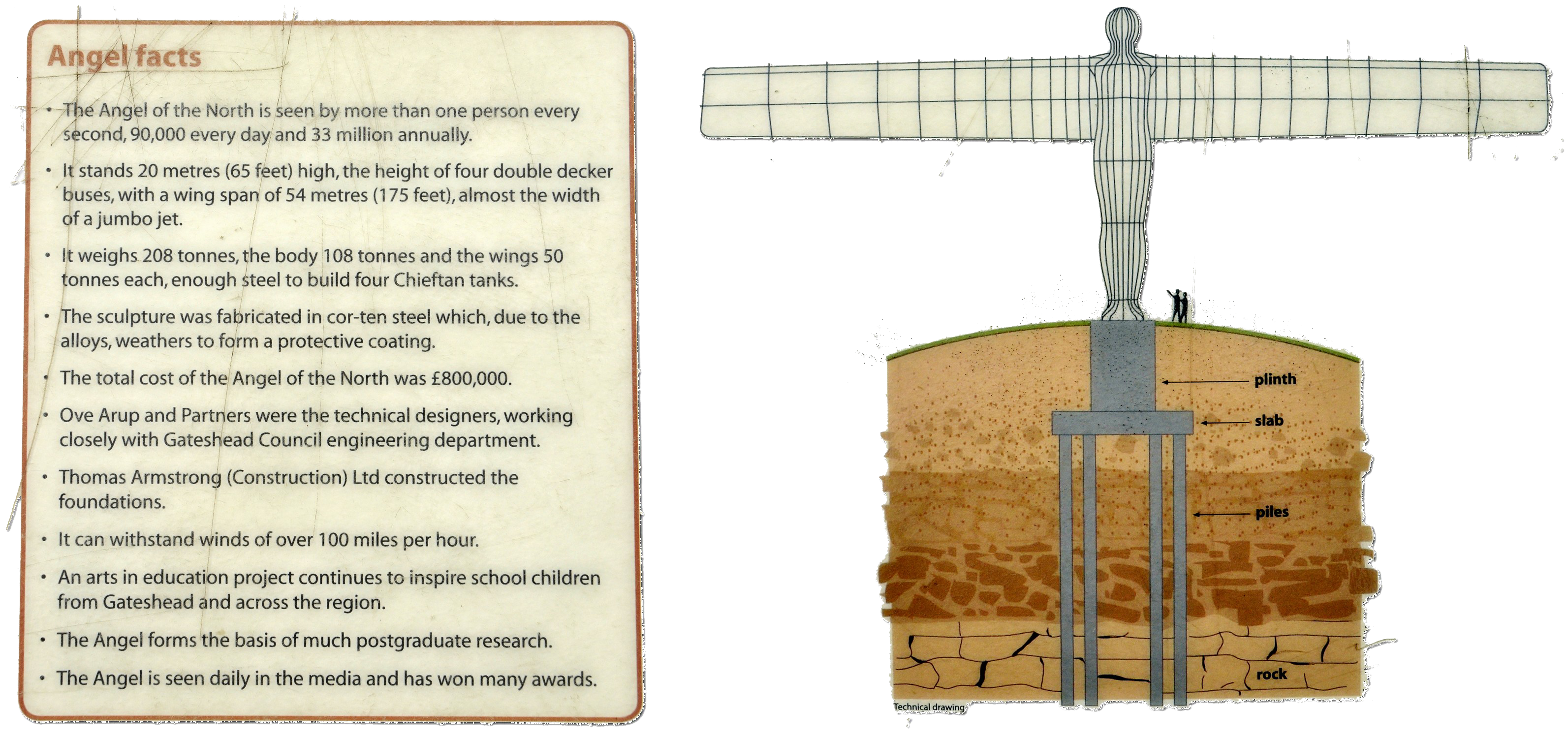
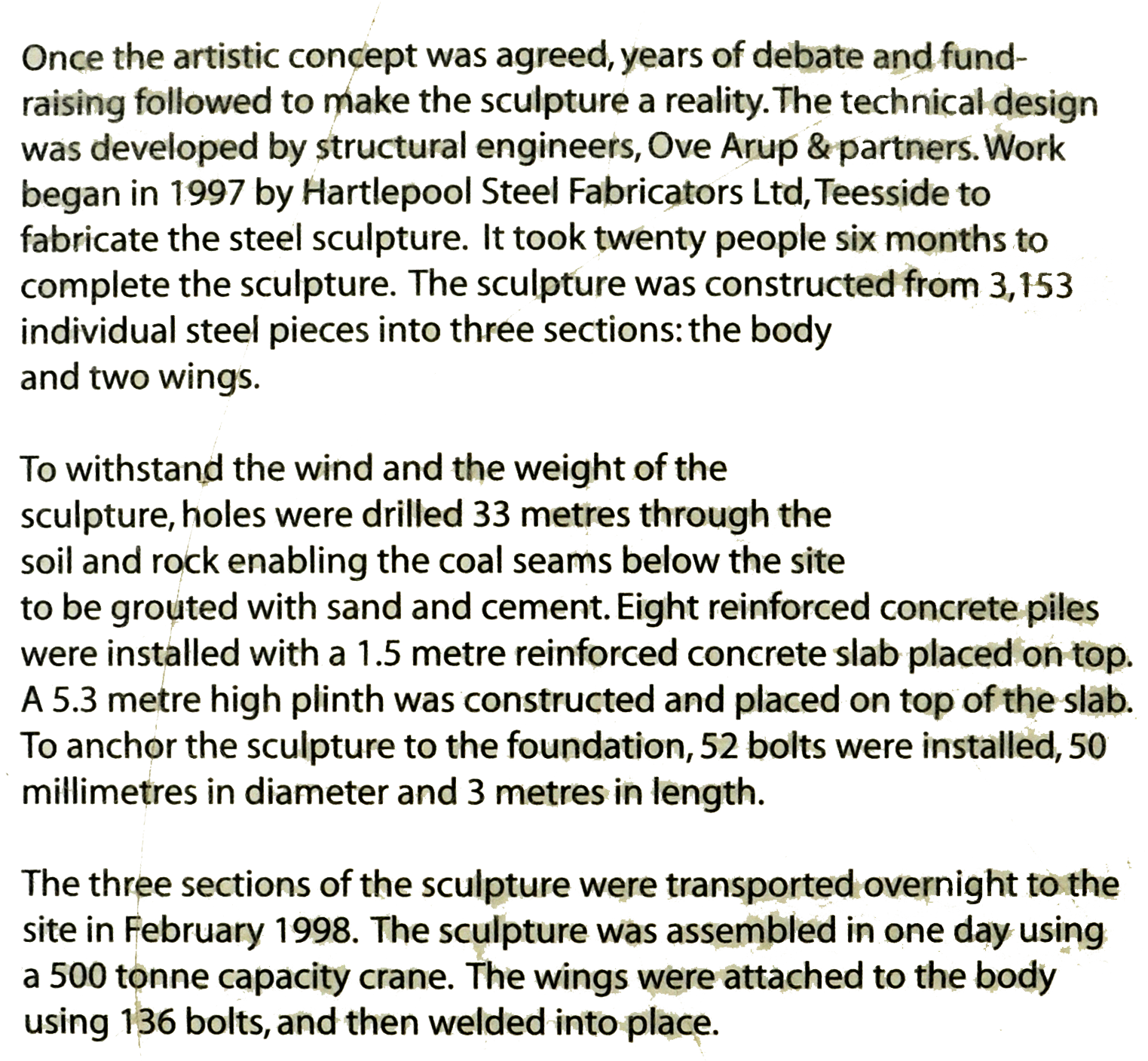


 A balanced diet . . .