Well, if you take into account an iconic landscape, Cheddar Gorge, that we drove up on the next to last day, then it’s millions of years. But let’s not quibble. More of that later.
Steph and I have just spent an excellent week (5-13 September) exploring National Trust and English Heritage properties in Somerset and west Wiltshire. From our home in North Tyneside it was a round trip of almost 700 miles (by the routes we took) to the cottage we rented (through Vrbo) in Prestleigh a couple of miles south of Shepton Mallet in central Somerset. An excellent location for moving around this region.
Over the week, we visited nine National Trust properties in Somerset and west Wiltshire (plus Cheddar Gorge that is owned and managed by the National Trust on the north side) and the two on the way south, plus four properties owned by English Heritage.
Once in Somerset, we were rather lucky with the weather, especially over the first four days when there was hardly any rain. The second half of the week was more unsettled, but with judicious use of the weather radar maps and forecasts, we could decide which direction to head to and avoid the worst of the showers. And it worked out just fine.
I’ll be posting separate stories about some of the properties we visited, and at the end of this post I have provided links to photo albums that I made for each one.
Heading south on 5 September, we split the journey over two days, stopping off at the National Trust’s Dunham Massey west of Manchester, and spending overnight at a Premier Inn in Stoke-on-Trent, only a couple of miles in fact from where I attended high school in the 1960s.
Then, the next day (Saturday), we revisited Dyrham Park (also a National Trust property) in south Gloucestershire a few miles north of Bath , a property we had first visited in August 2016 on a day trip from our former home (until five years ago) in north Worcestershire.
Dunham Massey is an early 17th century mansion, home of the Booth (Earls of Warrington) and Grey families. Lady Mary Booth (1704-72), only daughter of George, the 2nd Earl of Warrington, married her cousin Harry Grey, 4th Earl of Stamford in 1736, and their son George Harry (the 5th earl) inherited the estate, which includes a large deer park and extensive gardens, with the estate passing to the Grey family.
Dunham Massey
Dyrham Park was created in the 17th century by William Blathwayt, and has strong links to Britain’s colonial and empire past. Since our first visit, the house has undergone some serious refurbishment after the leaking roof was fixed, and we had the impression that there was more on display in the house today than almost 10 years ago.
Dyrham Park
On the third day (Sunday) we headed east to the outskirts of Salisbury to explore Old Sarum Castle, a hilltop fort that was occupied for at least 5000 years, and where William the Conqueror, post-1066, built a fine Norman Castle. It’s also where the first two Salisbury cathedrals were built, but only the footprint of the second remains. What is particularly striking (apart from the great views over Salisbury and its cathedral spire) is just how much earth was moved to construct the hillfort. The Iron Age ramparts are high and the ditches incredibly deep. Wandering around, there is a deep sense of history over the centuries.
Old Sarum Castle
Returning west from Old Sarum we headed to Stourhead that was built on the site of Stourton Manor in Wiltshire from 1717, by Henry Hoare I, son of Sir Richard Hoare who founded a private bank in 1672, now the UK’s oldest private bank and still in the ownership of the Hoare family after 12 generations.
Henry I began construction of a large Palladian mansion, but died before it was completed. It was his son, Henry II (also known as Henry the Magnificent) who made alterations to the fabric of the building, filled it with treasures, and created Stourhead’s world-famous garden.
Stourhead
On Monday we headed northeast into Wiltshire once again to visit Lacock and The Courts Garden. And as I was plotting a route home on Google Maps I discovered that the preferred routed passed within a couple of miles of Farleigh Hungerford Castle, so we made a detour there.
Lacock is a fine country house built on the foundations of a medieval abbey, and is full of the most wonderful treasures. It was the home of 19th century polymath William Henry Fox Talbot (right) one of the inventors of photography, developed through his keen interest in botany. There is an interesting museum at Lacock celebrating Fox Talbot’s work. On reflection, this was one of the best visits of the week. The National Trust also owns most of the houses in Lacock village, and after visiting the Abbey we took a short walk around. As you can see from those photos, it’s no wonder that the village has served as the backdrop for numerous film and TV productions.
Lacock
The Courts Garden in Holt is a delightful English country garden, divided into a number of ‘rooms’. Major Clarence Goff and his wife Lady Cecilie bought The Courts in 1921, developing the garden very much in line with the ideas of renowned horticulturalist Gertrude Jekyll. Major Goff gave The Courts to the National Trust in 1944, but he and his daughter Moya remained life tenants at the property. In the mid-1980s, the Trust began to take a more active role in management of the garden.
The Courts Garden
Construction of Farleigh Hungerford Castle began around 1380, and it remains one of the most complete surviving in the region. Over the centuries it became an elegant residence, and was lived in until the late 17th century. There is remarkably well-preserved chapel with wall paintings and painted tombs, and another with elegant marble effigies of Sir Edward Hungerford (d. 1648) and his wife Jane.
Farleigh Hungerford Castle
On Tuesday we headed south, no more than 23 miles from our holiday cottage, to visit three properties close by: Lytes Cary Manor, Tintinhull Garden, and Montacute House.
Lytes Cary Manor dates from the 14th century, but has been added to over the centuries. The Lytes family finally sold the estate in 1755, and it was occupied by numerous tenants subsequently until Sir Walter Jenner and his wife Flora purchased it in 1907. They added a west wing, and designed a garden inspired by the Arts and Crafts Movement. The house was left to the National Trust in 1947, and is filled with their personal possessions.
Lytes Cary Manor
Tintinhull Garden was the work of two 20th century gardeners, one amateur the other professional, around a 17th century house (not open to the public). The property was bought by Phyllis Reiss and her husband, Capt. F.E. Reiss in 1933. Phyllis died in 1961 and left Tintinhull to the National Trust. Twenty years later renowned gardener Penelope Hobhouse (right) took on the tenancy of Tintinhull and built on Reiss’s earlier garden design.
Tintinhull Garden
Montacute House is an elegant Elizabethan Renaissance country house, completed in 1601, and just a few miles from Tintinhull. Only the ground floor is currently open to the public since conservation work is making the stairs and upper floors safe to view. Most of the artefacts and paintings on display have been assembled by the National Trust, and they have been fortunate to acquire many portraits of the Phelips family who built and occupied Montacute. The house is surrounded by extensive gardens. However, we didn’t explore the gardens to any extent since thunderstorms were threatening.
Montacute House
The following day we made the longest excursion (a round trip of 110 miles) to visit Dunster Castle and Cleeve Abbey on the north Somerset coast west of Prestleigh. It was a miserable drive there and back: lots of traffic along narrow and winding trunk roads. But the grandeur of Dunster and the exceptional preservation of Cleeve made up for the driving.
Dunster Castle was originally founded after the Norman conquest of 1066 when William I gave the land to the de Mohun family who built first a timber castle on an earlier Saxon mound, during the Norman pacification of Somerset. Only the 13th century gatehouse remains from the original castle. Much of the medieval castle was demolished at the end the First English Civil War in 1646. Over the centuries Dunster became the elegant country residence of the Luttrell family who had lived there since the mid-14th century, with views over the Bristol Channel and surrounding hills. The family lived at Dunster until 1976 when it passed to the National Trust.
Here is a 5 minute potted history of Dunster Castle.
Dunster
Cleeve Abbey, just a few miles east of Dunster, was founded in the late 12th century by the Cistercians. It is remarkably well preserved, with many buildings more or less intact. In fact it was acquired by George Luttrell of Dunster Castle in 1870 with the intention of preserving what remained and making it a tourist attraction. Only the footprint of the abbey church remains after the abbey was suppressed in 1536 as part of Henry VIII’s Dissolution of the Monasteries. There is a floor of exquisite 13th century tiles.
Cleeve Abbey
On Thursday we headed northwest to explore two National Trust properties southeast of Bristol and north of Weston-Super-Mare.
Tyntesfield is one of the most opulent houses we have visited. Victorian Gothic Revival in design, it was built by William Gibbs (right, 1790-1875) who made a fortune mining and exporting guano (bird poo) from the Chincha Islands off the coast of Peru, about 235 km south of Lima, for use as fertilizer in British agriculture. As they say in Yorkshire, ‘Where’s there’s muck, there’s brass‘ (meaning ‘dirty or unpleasant activities can be lucrative’). The house has an enormous collection of family possessions, more than 70,000 apparently. Opulent as it was, Tyntesfield was a family home. It was bought by the National Trust in 2002 as the house and estate were in danger of being auctioned off piecemeal.
Tyntesfield
A few miles west of Tyntesfield stands Clevedon Court, a mid-14th century manor house and home of the Elton family since 1709. The National Trust owns the buildings, but the family has responsibility for the interiors and possessions. While there are many pieces of furniture and paintings and the like to attract one’s attention (including a collection of rare glass), what particularly grabbed mine was the fabulous collection of studio pottery made in the Sunflower Pottery close by the house by Sir Edmund Elton, the 8th Baronet. I’ll have more to say about this collection in a separate post.
Clevedon Court
Although not the quickest route back to our cottage, we took a diversion to drive through limestone Cheddar Gorge, somewhere that has been on my bucket list for many years. It’s three miles long and, in places, 400 feet deep. From the number of commercial outlets at the bottom of the Gorge, it’s a location that must receive an overwhelming number of visitors each year.
On our last day, 12 September, we headed east again to Old Wardour Castle, which was built in the 1390s for John, Lord Lovell. It’s an unusual hexagonal castle with a similar courtyard. It was partly demolished in the English Civil Wars in 1644 when Henry, Lord Arundell accidentally detonated a mine. He was the owner of the castle and was attempting to retake it from Parliamentary Forces. In the late 18th century the 8th Lord Arundell abandoned Old Wardour Castle and built a country house, New Wardour Castle, close by which can be seen from the top of the south tower. Much of the castle is accessible, and English Heritage has placed many information boards around the site in addition to a possible audio tour. They constructed a banqueting hall beside the old castle as somewhere to entertain guests visiting the ruin.
Old Wardour Castle
And that was the end of our visits. We departed early the following morning (Saturday) for the long haul north to Newcastle, with a couple of stops on the way. It took less than hours, and we were home by mid-afternoon, reflecting on a very enjoyable week in Somerset and Wiltshire, a part of the country that we knew very little about before this trip.
I guess many folks south of the Watford Gap (often seen as the gateway between Northern England and Southern England) would have seldom if ever heard of Barnard Castle, a small market town in County Durham in the northeast of the country.
That is until May 2020 (during the height of the Covid-19 pandemic) when Dominic Cummings (right), a political strategist and chief adviser to then Prime Minister Boris Johnson was accused of breaking the strict lockdown regulations. Having taken his family north to County Durham from London (over 270 miles) in mid-April to stay with his parents, the family drove 30 miles to Barnard Castle to test—so Cummings claimed in a press conference—whether he was well enough to drive, having some problems with his eyesight. Since the majority of the population had isolated as required, Cummings’ apparent breach of the lockdown rules caused quite a scandal.
Even the local optician, Specsavers (whose strapline is ‘Should have gone to Specsavers‘) got in on the act offering free eye tests for anyone visiting the town. Needless to say that the visit Steph and I made to this delightful Durham town a couple of weeks ago was not for an eye test.
No, we were there to explore the medieval castle built on a craggy outcrop overlooking the River Tees, as well as the ruins of Egglestone Abbey just a couple of miles southeast from the town center. And we planned a drive home over the glorious moorland between Teesdale and Weardale.
And we couldn’t have asked for better weather.
There is a comprehensive description and chronology of the castle’s history on the English Heritage website, so I am not going to elaborate further here, save to post the introduction on that particular page:
Barnard Castle was begun soon after 1093 on a dramatic site above the river Tees.
The castle was built to control a river crossing between the Bishop of Durham’s territory and the Honour of Richmond. Much of the present castle was built during the 12th and early 13th centuries by the Balliol family. The clifftop inner ward shows the remains of fine domestic buildings, including a magnificent round tower of around 1200.
From the 14th century onwards, the castle belonged to the earls of Warwick, and from 1471 to 1485 to the Duke of Gloucester, later Richard III.
This is the remains of the image of Richard III’s boar above the oriel window.
The round tower and oriel window from below.
After a fierce siege in 1569, when the castle was bombarded by rebels, the castle went into steep decline and was effectively abandoned by the early 17th century. It has remained an imposing ruin ever since.
Richmond Castle is just 15 miles southeast, and Middleham Castle (the boyhood home and northern stronghold of Richard III) is another 11 miles south.
Before heading to Barnard Castle, a neighbour had mentioned there was little to see there. Perhaps the ruins of the castle are not as extensive as others we have visited, but all around the site, English Heritage has placed explanatory information boards that put everything in perspective. And the young employees on reception were most helpful in pointing out different points of interest, and where precisely to view the Richard III boar!
The layout of the castle is a series of courtyards or wards, enclosed in a curtain wall, with the strongest and best fortified being the Inner Ward surrounding the Round Tower, Great Hall, and ancillary buildings like the bakery. The Inner Ward was also protected on two sides by the Great Ditch, and of course on the others by the cliff on which the castle had been built.
Entering through the main or North Gate, the expanse of the Tower Ward stretches to the Outer Ward.
The North Gate
Town Ward looking towards the Outer Ward
The Great Ditch around the Middle and Inner Wards
Curtain wall
Curtain wall
The Outer Ward
The Town Ward from the Outer Ward
The Great Ditch is rather impressive, and the Inner Ward is protected by a huge wall across the ditch.
What particularly impressed me about the Round Tower was the beauty of the dressed stone which covers the outer surface. English Heritage has opened the narrow stairs around the tower that take you up to the upper levels, with interesting views inside. Of course all the floors have long disappeared.
You can see the complete album of photos (together with images of the information boards) here.
After a walk down to the river so we could observe the castle in all its splendour on top of the crag, we headed back into the town, passing again past the impressive butter market (officially the Market Cross) built in 1747. It’s had several uses including town hall, fire station, prison, and dairy market.
I should add, for the benefit of anyone contemplating visiting Barnard Castle, that it is a busy town. There is no English Heritage parking at the castle. We parked at the long-term Queen Street car park (cash, cards, and app payment), £1.10 for 4 hours. There are 65 spaces, including two electric charging points. Great value. Well done Durham County Council!
Egglestone Abbey (formally the abbey of St Mary and St John the Baptist) was founded between 1195 and 1198 for Premonstratensian or ‘white’ canons. The only other abbey or priory of this order we have visited was in Kent, at Bayham Old Abbey.
The abbey was never prosperous, indeed quite small. It stands on a rise overlooking the Tees. English Heritage have a comprehensive history account on its website. A ground plan can be accessed here.
Today, the ruins comprise parts of the nave (with both Norman and Gothic doors), the outlines of the cloister and several other buildings, and the east range which was rebuilt in the 16th century, presumably after the Dissolution of the Monasteries. There is some particularly fine stonework.
I have posted more photos of the site and information boards in this album.
Then it was time to head home, a round trip of 120 miles.
The North Pennines National Landscape is truly spectacular, especially if the weather is good. Here is a video I made from my dashcam. It starts just before reaching Eggleston where we turned on to the B6278 to cross from Teesdale into Weardale, reaching almost 1700 feet at the highest point. It must be grim up there in mid-winter.
In July 2024 we’d visited High Force waterfall, further west up Teesdale from Barnard Castle, and crossed over from Teesdale to Weardale there. In this post you can view the video of that western route, as well as from Weardale to the Tyne Valley. We also took that latter route on our recent trip.
For many years, Steph and I toyed with becoming members of the National Trust. But as we were living overseas, and only coming back to the UK each year on leave for just a few weeks, we didn’t think it was worth the membership cost.
However, when I retired in April 2010 and we moved back to the UK, we became members in February 2011. Since then, we have visited 153 properties, mostly historic houses and gardens, but also some of the most beautiful landscapes protected by the Trust, such as the White Cliffs of Dover and the Durham coast.
We received gift membership of English Heritage (which cares for 400 historic places) at Christmas 2014, and made our first visits as members by April 2015. We had visited Witley Court, Worcestershire near our home in Bromsgrove several times before becoming members, and Belsay Hall, Dunstanburgh Castle, and Rievaulx Abbey when visiting our younger daughter in the northeast of England. Now that we live near Newcastle upon Tyne, we have in fact explored more English Heritage sites than National Trust locally; compared to further south, there are relatively few National Trust properties here.
Visiting these heritage sites gives us a purpose to get out of the house, benefit our physical and mental welfare, and to explore and learn more about the history of this nation of ours.
Over recent years, we have also taken week-long breaks or longer in various parts of the country to visit many of the heritage properties there. Such as Scotland in 2015, Northern Ireland in 2017, Cornwall in 2018, Kent and East Sussex in 2019, Hampshire and West Sussex in 2022, North Wales in 2023, and East Anglia in 2024.
This map shows all the National Trust and English Heritage properties we have now visited. You will have to zoom in to see more of the detail. There are also links to properties managed by partner organizations like the National Trust for Scotland, Historic Environment Scotland, and Cadw in Wales, as well as a few other sites not affiliated to any of these.
On this page, you can find a list of all 239 properties we have visited, by region, with links to a blog post I wrote, perhaps a photo album, or the official website. In any case, my blog posts are lavishly illustrated by my own photographs. There are also regional maps.
Just under a year ago, I wrote about some of the favorite places we had visited. Today’s blog updates the numbers somewhat.
The National Trust was the vision of its three founders in 1885: Octavia Hill, Canon Hardwicke Rawnsley, and Sir Robert Hunter.
Last week, on 12 January to be precise, the National Trust celebrated its 130th anniversary, and launched a 10-year strategy to 2035, People and Nature Thriving.
Today, the National Trust looks after more than 250,000 hectares of farmland, 780 miles of coastline and 500 historic places, gardens and nature reserves.
And despite the best (or worst) efforts of campaign group and forum Restore Trust to undermine the credibility, management, and success of the National Trust as a charity, the National Trust is overwhelmingly supported by its members (as evidenced from the support at last November’s AGM held in Newcastle), and provides a warm welcome for its thousands of members and visitors at all its sites.
As I was drafting this post, I realised that I’d first visited a couple of properties, Dovedale in Derbyshire and Little Moreton Hall near Congleton, in Cheshire more than 70 years ago, and another, Biddulph Grange, decades before the National Trust acquired the garden.
The Stepping Stones in Dovedale. That’s me, on the right beside my mother, along with my brothers and sister and cousins. I reckon this photo was taken around 1951.
My father was the staff photographer at the Congleton Chronicle, and I remember visiting Little Moreton Hall with him when he took this photo and others of the Manley Morris men in 1954.
The Manley Morris Men at Little Moreton Hall on 8 May 1954.
As to Biddulph Grange, Dad (and Mum) would visit the hospital on Christmas Day and take photos of Santa visiting the wards. Even after we moved to Leek in 1956 and Dad was no longer with the Congleton Chronicle, they would return to Biddulph Grange each Christmas until the early 1960s.
And attend some of the social functions held there for staff and friends. When Steph and I visited Biddulph Grange together for the first time in 2011, there was on display an album of photos about the previous history of the property as a hospital. I recognised many as taken by my Dad. Including this one at a staff summer dance. My mother is standing, fifth from the left, on the fourth row. I snapped this one on my phone.
New Year’s Eve, and another year coming to a close.
We just celebrated our fifth Christmas here in the northeast, on the eastern outskirts of Newcastle upon Tyne and a few miles inland from the North Sea coast. I thought I’d take this opportunity to look back on some of our 2024 highlights.
In the walled garden at Cragside, a National Trust property near Rothbury in Northumberland, in early December.
We’re both now in our mid-70s and fortunately keeping in reasonably good health. Steph has her daily yoga session before breakfast. I try (but don’t always succeed) to take a daily walk locally. As often as possible—weather-permitting—we head out to explore more of the glorious landscapes here in the northeast of England.
This past year, we’ve explored some new beaches just 10-15 miles north, at Cambois (pronounced Ka-miss) and Newbiggin-by-the-Sea, as well as returning to one of our favorite haunts: Hauxley Wildlife Discovery Centre, where there is always an abundance of bird species to observe. And it was there, around August, that I was able to tick one bird off my ornithological bucket list: a kingfisher, that we watched for almost 30 minutes from the Wildlife Centre café, as it flew from branch to branch beside the lake, occasionally diving for fish. What a sight! It’s only taken me almost 70 years!
On the beach at Newbiggin at the beginning of November
At the end of June we headed south of the River Tyne into Teesdale to visit one of the most spectacular waterfalls in the country, at High Force on the River Tees.
Afterwards, we headed up to Cow Green Reservoir in the hope of seeing some of the special Teesdale flora there, but they were past flowering. But we did enjoy crossing over into Weardale to the north, and exploring upland landscapes that were new to us.
Crossing north from Teesdale into Weardale
In mid-August we set off early one bright and sunny morning 55 miles north towards the border with Scotland, to visit four ancient sites. First of all there was the site of the Battle of Flodden Field, fought in 1513 between King James IV of Scotland and King Henry VIII of England, and in which James was killed.
The site of the Battle of Flodden Field. near Braxton Hill.
From there we headed to the Duddo Five Stones Circle, dating from the Neolithic/Bronze Age, and from where there are panoramic views of the Cheviot Hills to the south and the Lammermuir Hills to the north.
Then it was on to two castles managed by English Heritage at Etal and Norham, the latter overlooking the River Tweed, which is the border between England and Scotland. In fact, all four sites were within an easy 10 miles of each other, but it was nevertheless quite a full day. I wrote about those four visits in this post.
There is just a handful of National Trust properties in the northeast, among them Gibside (west of Newcastle), Seaton Delaval Hall (close to home), Wallington, and Cragside, all of which we visited this year.
Each Christmas we try to visit one of Trust properties to see their Christmas decorations. And this year it was Cragside and Seaton Delaval in early December, where there was the most enormous bauble hanging from the ceiling of the main hall (which was destroyed by fire at the beginning of the 19th century).
Other excursions south of the Tyne took us to York in early March to meet up with my nephew Nicholas and his wife Metta from Edmonton, Canada. Nicholas is the younger son of my late elder brother Edgar and wife Linda. Philippa joined us on this trip as she hadn’t seen Nicholas since he was a small boy. We enjoyed a satisfying pub lunch before taking a walk around the city walls.
In April, we headed south again, calling in at Mount Grace Priory for a welcome cup of coffee before heading on to our destination, Byland Abbey. En route, we stopped off at the Church of St Mary the Virgin beside the A19 trunk road south that we’d often passed but never taken the opportunity to stop. I wrote about both visits in this post.
The west front of Byland Abbey
We have to travel much further afield now to find National Trust and English Heritage properties new to us. So in September we spent a week in East Anglia, visiting twelve properties over six days. I wrote about that trip here. We rented a small cottage on a farm near the Suffolk market town of Eye.
It’s hard to choose a favorite property, but if ‘forced’ to it would be Blickling Hall. What an awesome view along the gravel drive to the entrance of this magnificent Jacobean country house.
Our big trip of the year was our annual visit from early May to June (just over three weeks) to stay with Hannah and family in St Paul, Minnesota. After our last road trip in 2019 I had wondered if we’d make another one. But nothing ventured nothing gained, we decided to hit the road again, crossing Utah and Colorado, and visiting some of the best national parks and enjoying some spectacular desert and Rocky Mountain landscapes. You can read about that trip in this post.
Flying into Las Vegas, we immediately headed to the Hoover Dam, then traveling north to Zion National Park, and on to Bryce Canyon National Park. Heading east we visited Arches and Canyonlands National Parks near Moab in eastern Utah. Then we crossed over into Colorado taking in the ‘Million Dollar Highway’ south through the San Juan range before arriving at Mesa Verde National Park. From there we headed east to Denver for the flight back to Minneapolis-St Paul.
Hoover Dam
Hoover Dam
Zion NP
Zion NP
Zion NP
Bryce Canyon NP
Bryce Canyon NP
Arches NP
Arches NP
Arches NP
Canyonlands NP
Canyonlands NP
Ouray and the start of the Million Dollar Highway
The Million Dollar Highway
The Million Dollar Highway
Mesa Verde NP
Mesa Verde NP
I-70 to Grand Junction, CO
Chimney Rock National Monument
Chimney Rock National Monument
Chimney Rock National Monument
Royal Gorge Bridge over the Arkansas River
Without doubt Bryce Canyon National Canyon was the highlight of the trip, but only just ahead of all the other fascinating places we visited.
We had a delightful time with Hannah, Michael, Callum (then 13), and Zoë (12), and their doggies Bo and Ollie, and cat Hobbes (sadly no longer with us).
Enjoying the warm weather in St Paul, we spent much of our time relaxing in the garden, taking walks around the neighbourhood, or sitting on the front patio in the late afternoon/early evening just watching the world go by on Mississippi River Boulevard (Hannah’s house is just 50 m from the bluff overlooking the Mississippi River), savouring a gin and tonic (or two).
At the end of July, Callum and Zoë flew over to Newcastle to spend a couple of weeks with us, but more importantly to hang out with their cousins Elvis (now 13) and Felix (now 11), Phil and Andi’s boys.
Arrival at NCL on 25 July
They all went camping (a first for Callum and Zoë) to Bamburgh on the north Northumberland coast, and we spent a day with them.
Enjoying fish and chips
At Souter Lighthouse
Beach fun at Bamburgh
Beach fun at Bamburgh
Noodle and Rex
Zoe, Elvis, Felix, and Callum
Saying goodbye
All too soon, their visit came to an end, but it seems plans are afoot for them to repeat the visit in 2025.
We enjoyed a couple of outings with Elvis and Felix during the year—they are so busy with all their extracurricular activities—to Belsay Hall, and we enjoyed a performance of the Alice in Wonderland pantomime in Newcastle just before Christmas.
We spent Christmas Day with Phil and Andi and family followed, on Boxing Day, by a brisk walk at Souter Lighthouse and Marsden Beach.
I’m sure there must have been other things we got up to but I don’t recall. These have certainly been many of the year’s highlights.
So as the year comes to an end, I’ll take this opportunity to wish all my followers on this blog (and others who come across it by chance) A Happy, Peaceful, and Prosperous New Year 2025!
My blog activity was much reduced this past year, just 30 stories posted with 46,000 words compared to previous years, although on average each post was longer.
I’m not sure why I’ve been less productive. While I felt quite elated mid-year about the General Election win by Labour, having booted the Conservatives out after 14 years in power, I have to admit to becoming rather depressed at the beginning of November when Donald Trump reclaimed the US presidency. His occupancy of the White House does not bode well for 2025.
Steph and I returned recently from a very enjoyable week discovering ten National Trust (NT) and two English Heritage (EH) properties in Norfolk, Suffolk, and Cambridgeshire.
We’d booked this holiday way back in February, staying in a small cottage (The Bull Pen) on Hill Farm, Suffolk, 8 miles south of the market town of Diss (which lies just over the county boundary in Norfolk).
The Bull Pen was ideal for two people. A bit like Dr Who’s Tardis really, deceptively spacious inside.
It was a long drive south from Newcastle: 289 miles door-to-door, on the A19, A1/A1(M), A14, and A140.
But we nearly didn’t get away at all. To my dismay, I discovered that the car battery had completely drained overnight. No power whatsoever! I have no idea how that happened.
Anyway, a quick call to the company that provides our maintenance and call-out contract, and a patrol man from the AA was with us by 08:30. Diagnosing a dead battery (but no other indicative faults) he fetched a new battery from a nearby depot, and we were on the road by about 09:45. Not too much of a delay, but with my wallet lighter by £230. Unfortunately, battery issues were not covered by our maintenance contract.
That wasn’t the end of our travel woes, as I will explain at the end of this post. On the way south (and on the return) we encountered significant hold-ups along the way. We finally reached our destination just before 17:00.
We had six full days to enjoy the 12 visits we made, two per day. Much as I enjoy the stunning architecture of the houses we visit, and the interior decoration and furnishings, it’s often the small details that I like to capture in my photography: a piece of porcelain, a detail on a fireplace, wallpapers (I’m obsessed with those since many have survived for 300 years), a particularly striking portrait, elaborate plasterwork on a ceiling, and the like. And these feature in the many NT and EH images I’ve accumulated over the past decade.
In the accounts below, I’ve highlighted some of the features that caught my attention. I’ve posted links to full photo albums in a list of properties at the end of this post.
And rather take up much online space providing comprehensive historical details, I’ve made links to the NT and EH websites where the property histories are set out in much more detail (and better than I could summarise).
7 September
We headed northwest into Norfolk to the Oxburgh Estate, passing the Neolithic flint mine site of Grime’s Graves on the way where flint was first mined almost 5000 years ago.
I’ve been to Grime’s Graves twice before. The first time was in July 1969 when, as a botany and geography undergraduate at the University of Southampton, I attended a two week ecology field course based at a community college near Norwich. The Breckland, with its sandy soils over chalk, has a special floral community, the reason for our visit. But while we were botanising we also took a look at this significant Neolithic site.
Grime’s Graves is dotted with the remains of numerous flint mine pits.
Then, around 1987, while we were holidaying in Norfolk, Steph and I took our daughters Hannah (then nine) and Philippa (five) to Grime’s Graves, where they descended the 9 m into one of the pits down a ladder to observe the mining galleries. How times have changed! Today, English Heritage has recently opened a custom-built staircase access to one of the pits, and descent to the depths is carefully monitored, hard hats and all. There is also a small visitor center with an interesting exhibition about the site and its history.
It’s fascinating to learn how our ancestors mined the valuable flint, using deer antlers to carve their way through the chalk, searching for the most valuable layers of flint at the deepest levels, and opening horizontal galleries at the pit bottom.
Then it was short journey on to the Oxburgh Estate, just 13 miles, where we arrived in time to enjoy a picnic lunch.
Home of the Catholic Bedingfield family for more than five centuries, Oxburgh is a beautiful moated mansion, built by the family in 1482. But obviously refurbished in various styles over subsequent centuries.
It has survived turbulent times, from the persecution of Catholics under Henry VIII and Elizabeth I, through the 17th century civil wars. The family still live there.
Oxburgh featured in a BBC series, Hidden Treasures of the National Trust. On display is a rare mezzotint print by Jacob Christoff Le Blon made around 1721/22, showing the three children of King Charles I, based on a painting of Sir Anthony Van Dyck. Click on the image below to enlarge.
Its significance had not been realised for a very long time, hidden away as it was in a dark corner at the bottom of a staircase.
Along some of the walls in upper floor corridors are a series of painted and embossed leather wallcoverings, sourced from antique markets around Europe in the early 19th century by the 6th baronet.
On display in one of the rooms are some exquisite silk embroideries created by Mary, Queen of Scots when in captivity at Hardwick Hall between 1569 and 1584. They came to Oxburgh in the late 18th century. It’s remarkable they are still in such good condition, although obviously very carefully conserved.
8 September
This was one of the longer journey days, almost to the north coast of Norfolk, to visit Blickling Hall and Felbrigg Hall.
I had a sharp intake of breath—of admiration (marred only slightly because one of the towers was covered in scaffolding)— when I first saw Blickling Hall, at the end of a long gravel drive, a stunning Jacobean mansion built in 1624.
There was an earlier Tudor house believed to be the birthplace of Anne Boleyn, second wife of Henry VIII (and mother of Elizabeth I).
This red brick mansion was built by Sir Henry Hobart (1560–1626) after he bought the estate in 1616. Seems like he enjoyed it for just a couple of years before his death. It passed through several generations of different families, eventually becoming the property of William Schomberg Robert Kerr, the 8th Marquess of Lothian (1832–1870), when he was just nine years old. It was during his tenure that many internal changes were made.
The 11th Marquess (right), Philip Kerr (1882-1940), Private Secretary to WW1 Prime Minister David Lloyd-George, and latterly UK Ambassador to the USA (where he died) and once a pro-Nazi Germany enthusiast, is however central to the story of the National Trust. Why? He was ‘the driving force behind the National Trust Act of 1937 and the creation of the Country Houses Scheme. This enabled the first large-scale transfer of mansion houses to the Trust in lieu of death duties, preserving some of the UK’s most beautiful buildings for everyone to enjoy, forever.‘
Inside the Hall there are some remarkable rooms, particularly the Long Gallery, which became a library in the 1740s.
What caught my particular attention? In the Lower Ante-Room, the walls are hung with two impressive Brussels tapestries (in the style of the paintings of David Teniers – probably the III) dating from around 1700. I was immediately drawn to the bagpiper in one of the tapestries.
Outside, the estate stretches to 4600 acres (1861 ha), but close to the house, we explored just the parterre, the temple and the Orangery.
Felbrigg Hall is only 10 miles north from Blickling. Originally Tudor, it was added to over the centuries. But it has a distinction not held by many NT properties. The last owner,Robert Wyndham Ketton-Cremer (right), commonly known as the Squire, inherited Felbrigg from his father. He devoted his life to preserving Felbrigg, finally bequeathing it [and all its contents] to the National Trust in 1969.
In 1442, the Felbrigg estate was bought by the Windhams of Norfolk, and remained in their hands until 1599 when it passed to Somerset Wyndham cousins, who adopted the Norfolk spelling of their surname.
The Jacobean front we see today was constructed between 1621 and 1624.
Felbrigg remained in the Windham family until 1863 when it was bought by wealthy Norwich merchant, John Ketton.
To the right of the entrance hall is the Morning Room (formerly the kitchen) with a fine set of paintings. Across the hall, is an elegant saloon, with a decorative ceiling, and fine marble busts, two them of arch political rivals from the late 18th/early 19th centuries: Tory William Pitt the Younger (1759-1806) and Whig Charles James Fox (1749-1806).
Fox (L) and Pitt (R)
In the Cabinet Room, full of treasures from the Grand Tour accumulated by William Windham II between 1749 and 1761, the ceiling has glorious plasterwork.
But for me the real treasure can be found in one of the upper floor rooms: Chinese silk wallpaper, from the 18th century.
The estate comprises 520 acres (211 ha), and a compact walled garden close to the house, with a impressive dovecote.
9 September
We headed southeast from our holiday cottage to take in two properties: Sutton Hoo (probably one of the most famous Anglo-Saxon burial sites in the UK if not Europe), and Flatford on the banks of the River Stour where landscape painter John Constable (1776-1837) painted some of his most famous works.
At Sutton Hoo, on land above the River Deben in southeast Suffolk, there is a group of royal burial mounds which have yielded some of the most remarkable Anglo-Saxon artefacts ever discovered, dating from around 625 BCE. One in particular must have been the burial of a rich and powerful king.
In the weeks leading up to the outbreak of war at the beginning of September 1939, local archaeologist Basil Brown uncovered a remarkable find on land owned by Edith Pretty.
Edith Pretty
Outline of the burial ship
Burial mounds
View to the River Deben
Was this an Anglos-Saxon landscape?
Carefully scaping away the layers of sandy soil, the excavation team came across the shape of an 88 ft (27 m) ship within which was a remarkable Anglo-Saxon royal burial of incomparable richness, and [which] would revolutionise the understanding of early England. The treasures from Sutton Hoo are now carefully conserved in the British Museum, and further information can be found on the museum’s website.
Replicas (beautiful in their own right) are displayed in the exhibition at Sutton Hoo. What I had not realised was that the helmet that is the iconic image of Sutton Hoo (right) was made from steel (not silver as I had imagined), and found in 100 corroded pieces. It was carefully reconstructed, enabling artisans to replicate the helmet shown here.
On reflection, however, I guess I was rather disappointed by our visit to Sutton Hoo. Don’t get me wrong. It was fascinating, and being able to look over the burial mounds site from a tower was a bonus.
But I’d expected much more from Sutton Hoo, given the prominence it has received on the ‘heritage circuit’. I just had this feeling (which for NT properties is unusual for me) that they could have made more of the experience, and perhaps English Heritage would have made a better job of presenting Sutton Hoo’s story.
Then it was on to Flatford, a hamlet in the Dedham Vale close by East Bergholt where Constable was born. Many of his most famous landscape paintings were made around Flatford, including images of the River Stour, Willy Lott’s Cottage (as in The Hay Wain), and Flatford Mill itself.
The River Stour from the bridge, looking towards Flatford Mill.
Flatford Mill
Flatford Mill
Will Lott’s Cottage – site of The Hay Wain
As the day was quite overcast, and being the early afternoon, the number of visitors there was not high. I can imagine that at certain times of the year it must get awfully crowded. We were lucky. It was quite peaceful, and we could take in the atmosphere of the place. Several people were exercising their artistic talents, in attempts to interpret The Hay Wain.
10 September Framlingham Castle was the home of the Bigod family (who came over with William the Conqueror in the Norman invasion of 1066), and the first timber fortress was constructed in 1086 by Roger Bigod, Sheriff of Norfolk. The first stone buildings date from the late 12th century.
Changing hands with, it seems, some regularity (as the Bigods were not always compliant with the king’s wishes), Framlingham eventually became the property of the Earls and Dukes of Norfolk for 400 years.
Mary Tudor was at Framlingham when she became queen in 1553.
Framlingham is unlike any other castle I have visited. Why? There never was a keep, just a curtain wall and 13 towers, enclosing a series of residential and administrative buildings. Protection was afforded to the castle by two very large defensive ditches.
In 1635, the castle was purchased by wealthy lawyer Sir Robert Hitcham, who left instructions in his will for the castle buildings to be demolished and a workhouse for local people built. The workhouse buildings are still standing.
English Heritage provides access to the castle walls, and visitors can make a complete circuit with some very fine views both internally and over the surrounding landscape that once provided a hunting park for the castle.
We really enjoyed our visit to Framlingham, and in the exhibition there’s a great animated video history of the castle (rather like the one we saw at Belsay Hall in Northumberland earlier this year).
In need of some sea air, we headed east to Dunwich Heath and Beach, just 16 miles. It’s a site of lowland heath, but when we visited the heather had more or less finished flowering. But the gorse species were still in full flower. So we made a walk of around 1½ miles, hoping to see some of the iconic birds that make Dunwich Heath their home, such as the Dartford warbler and stone curlew. It was very windy, and the only birds we encountered were a couple of pairs of stonechats.
Looking south towards the Sizewell nuclear power stations site.
11 September
This was the longest excursion we made during our holiday, a round trip of 137 miles to two proper near Cambridge: Anglesey Abbey and the Wimpole Estate.
Anglesey Abbey, a fine country house on the eastern fringes of Cambridge, had its origins in the 12th century under Henry I. The religious establishment was dissolved during the reign of Henry VIII in the 16th century, and at the beginning of the next, the Fowkes family that had acquired it some years earlier converted it to a family home. And it passed between various families over the next three centuries or so.
Until 1926, when the estate was bought by Urban Huttleston Broughton, 1st Baron Fairchild (right) and his brother Henry. Born in Massachusetts, their father was a British engineer who main a fortune in the USA in the railways, and who married the daughter of an oil tycoon Henry Huttleston Rogers, one of the world’s richest men. Fairchild and his brother inherited a huge fortune. No wonder they could afford the Anglesey Abbey estate (with Lode Mill), and refurbish and furnish it with treasures from around the world.
Having enjoyed an excellent cup of coffee in what seemed to be quite a new Visitor Centre, we headed off into the grounds, towards Lode Mill, and the various gardens (Walled, Dahlia, and Rose) that Fairchild had laid out. I’ve never seen so many statues in one place before.
Lode Mill
The main entrance
The dahlia garden
The Temple Lawn
A ceramic wall hanging in the front door porch
After enjoying a slow stroll there, we went indoors where only two main rooms on the ground floor were open plus the dining room. Renovations upstairs had closed that part of the house to the public.
In the Living Room there is a remarkable clock, which also featured in one of the BBC series about hidden treasures, and attributed to James Cox (1723-1800). Click on the image below to enlarge.
After lunch we headed southwest to the Wimpole Estate (comprising some 3000 acres or 1215 ha), where there has been settlements for 2000 years from Roman times.
The large mansion that we see today was begun in 1640, and has been the home of many families over the centuries.
We arrived there just before the heavens opened, and took shelter in the Visitor Centre before making our way up to the hall itself and on to the walled garden, one of the biggest and best that I have seen at many NT properties.
Wimpole rear view
The Walled Garden
The Walled Garden
The Yellow Drawing Room
The Chapel
In the last decade of the 19th century, Wimpole was acquired by Lord Robartes, 6th Viscount Clifden, who settled the estate on his son Gerald in 1906. Also owning Lanhydrock in Cornwall (another NT property we visited in 2018), the 7th Viscount was unable to afford the upkeep of both, and put Wimpole up for sale.
From 1938 Wimpole was first rented and then bought by Captain and Mrs Bambridge (right). After the Captain’s death Mrs Bambridge continued to live at Wimpole, and bequeathed the property and contents to the NT on her death in 1976.
The house was essentially empty when the Bambridges took on Wimpole. One NT volunteer told us that just a pair of sofas in the Yellow Drawing Room were the only items left behind.
So how did the Bambridges not only acquire Wimpole but have the resources to refurbish and furnish it with some priceless treasures that fill every room? Mrs Elsie Bambridge (1896-1976) was the younger daughter of novelist and Nobel Laureate in Literature, Rudyard Kipling, and the only one of three siblings to survive beyond early adulthood. Kipling lived at Bateman’s in East Sussex that we visited in May 2019.
Just take a look at the photo album at the end of the post to appreciate just what it must have cost to turn Wimpole into the home that Mrs. Bambridge enjoyed for several decades.
12 September
This was our final excursion, to two properties, Ickworth Estate (1800 acres or 730 ha) and Melford Hall, south of Bury St Edmunds in Suffolk.
Ickworth was mentioned in the Domesday Book of 1086. It came into the Hervey (pronounced ‘Harvey’) family in 1460, and remained with them for the next five centuries.
In 1700, Ickworth was inherited by John Hervey who became the 1st Earl of Bristol. The house we see today was completed by Frederick, the 5th Earl (later to become the 1st Marquess of Bristol), thus fulfilling the vision of his father, the 4th Earl and Bishop of Derry in Northern Ireland. Click on the image below to enlarge.
Before heading into the house, we took a long walk down to the walled garden (where a large wild flower meadow had been sown) and then to St Mary’s Church where members of the Hervey family are buried. The 4th Marquess bequeathed Ickworth to the Treasury in 1956 in lieu of death duties (and it was then passed to the National Trust, ref. my earlier comment about the National Trust Act of 1937).
The 7th Marquess (1954-1999) inherited a fortune 1985, occupying an apartment in the house on a 99 year lease. However, he frittered his inheritance away on a very flamboyant lifestyle, to say the least, and sold the lease to the NT which now wholly owns Ickworth. The East Wing has been a luxury hotel since 2002.
The Walled Garden
The Pavilion in the Walled Garden
Ickworth Church
Ickworth Church
Entrance Hall
Pompeian Room
Pompeian Room
In the Library
Melford Hall is a 16th century mansion some 13 miles south from Ickford. It’s not known with certainty who actually built the hall. It has been the home of the distinguished naval Hyde Parker family since 1786, and the 13th Baronet and his family continue to live in the South Wing.
We enjoyed wandering round the small garden surrounding the hall (there is a larger park) before exploring just the North Wing of the house. There was a significant fire there in 1942 but that was successfully repaired without having to demolish any other parts of the building.
Famous writer, illustrator and famed mycologist Beatrix Potter was a distant relation of the Hyde Parkers, and often stayed at Melford from 1890 onwards. Her bedroom is open to view and a number of her illustrations (including one of a mouse in her bed there) are displayed around the house.
And that was the last of our visits. What an enjoyable week, getting to know a part of England that we’ve hardly visited before. All was left was the long journey home. Driving in this part of the country was no joy. Such heavy traffic and congested roads. I wasn’t looking forward to the return journey north, but as I’d already worked out a diversion around that earlier hold-up in West/North Yorkshire on the way down, I was hopeful of a trouble-free trip back home. Unfortunately that wasn’t to be the case, as you can read below.
However, do take a look at the photo albums below to appreciate the beauty of the properties we visited over six days. Truly a travel through time across the east of England.
The journey Once our battery problem had been sorted, we set off around 09:45, heading south on the A19 and made good time reaching the services at Wetherby just over an hour later. A quick comfort stop and a coffee and we set off again. Just as the A1(M) downgraded to a dual carriageway A1 south of Ferrybridge we hit stationary traffic, and then took around an hour to crawl through roadworks where a bridge was being repaired on the northbound carriageway. Traffic was backed up at least 5 miles in each direction.
That was our main holdup heading south, just some slower traffic around Huntingdon and Cambridge, but not really something to write home about.
Having experienced that hold-up near Ferrybridge, I decided to look for an alternative route for the return, and found that I could join the M18 eastbound south of the roadworks, skirt Doncaster in its inner ring road, and join the M62 west which would bring us on to the A1(M) north of the roadworks.
But on the return journey we hadn’t expected the unexpected. Around 10:30, on the A1 near Stamford in Lincolnshire, we ground to a halt, and after about 10 minutes my satnav advised a diversion at the next exit, just 100 m ahead. Which I took. So did others. And we found ourselves crawling through the town center, cars parked on both sides of the street, and huge articulated trucks heading north and south trying to pass each other. The town went into gridlock, and it took more than an hour to reach the north side of the town and re-join the A1.
I later discovered that the A1 had remained closed for the next 6 hours, and the traffic backed up at least 10 miles in both directions. A woman had fallen, jumped, or been pushed (?) from a bridge, and died. The site became a potential crime scene, so the police closed the road completely, eventually redirecting traffic through other diversions. One hour through Stamford was frustrating, but nothing compared to being stuck on the A1 as so many others were.
We encountered several other serious hold-ups further north, and had to make three more diversions, arriving home just after 5 pm. What a journey, and certainly a disappointment after such a glorious week in East Anglia.
The weather during June and July was appalling, very wet and cool. However, summer returned temporarily mid-July so we grabbed that rare opportunity to visit two castles in North Yorkshire, around 62 miles south from home.
Richmond Castle (founded in the 1070s) and 12th century Middleham Castle (just 10 miles south of Richmond) in Swaledale and Wensleydale respectively, are among the most important castles in the north of England, perhaps in the country as a whole. They simply exude history! The former was at the heart of one of the largest post-Norman Conquest estates; the other was the boyhood home and later power base of one of England’s most notorious kings.
I have to admit to being a little disappointed initially with Richmond Castle. Until viewed from the south (which we did as we headed to Middleham, but could not stop because of parking restrictions), it’s not easy at ground level to appreciate just how magnificent it must have been in its heyday.
Richmond Castle from the south, with the residential accommodation on the right, and the later Keep behind.
Richmond Castle from the air, clearly showing the size of the enclosure which must have been full of other ‘temporary’ buildings when the castle was originally occupied. The residential accommodation is in the top right corner, with the Cockpit Garden beyond.
The original castle was built by Alan Rufus (a cousin of William I, the Conqueror) after 1071 but it wasn’t until the 12th century that the magnificent Keep was added.
An artist’s impression of how the castle must have looked not longer after its foundation in the late 11th century.
By the middle of the 16th century the castle had become derelict, but was revived centuries later and a barracks was built along the western wall in the 19th century, as well as a cell block adjoining the keep. In fact the castle was occupied during the Great War (1914-18) and housed conscientious objectors, with some kept as prisoners in the cell block.
I’m not going to describe in detail the history of Richmond Castle here. There is much more information on the English Heritage website, where you can also find a detailed site plan.
From the roof of the Keep there are magnificent views over the castle enclosure and to all points of the compass around Swaledale and the town of Richmond itself. The castle stands to one side of the market place.
The residential block (Scolland’s Hall), on the southeast corner of the enclosure is contemporaneous with the late 11th century curtain wall, but service buildings were added around 1300.
To the east of this area lies the Cockpit Garden (mainly yew shrubs and lawn) surrounded by walls built in the 12th century and some of uncertain age. English Heritage has developed an ornamental section on the north side.
On the eastern wall there is a small chapel, dedicated to St Nicholas and dating from the late 11th century.
The 19th century barracks block has long since been demolished, but a cell block adjoining the Keep, also from the 19th century still stands, and via steps on to its roof provide easier access to the first floor of the Keep rather than the very narrow and steep spiral staircase in the southwest corner of the ground floor.
There is an excellent exhibition on the floor above the visitor entrance and shop. I wish I’d taken more time to look at the various posters, especially those dealing with the incarceration of conscientious objectors in WW1. Read all about their fate on the English Heritage website.
But we’d already decided to move on to Middleham Castle, and having enjoyed a picnic lunch beside the River Swale (reportedly one of the fastest-flowing rivers in England), that’s precisely what we did, crossing over the bridge that replaced an original medieval one.
Middleham Castle is much more impressive, and it’s remarkable how much has survived the ravages of the centuries.
Middleham Castle from the southwest, probably from the site of William’s Hill where an original fortification was constructed shortly after the Norman Conquest.
From the moment you walk through the impressive gatehouse, it’s impossible to ignore the grandeur of this castle, which was more a palatial residence than a fortification.
Close by the castle are the remains of an early castle, probably constructed after the Norman Conquest in 1066. Known as William’s Hill, it can easily be seen from the top of Middleham’s south-east turret as the cluster of trees on the skyline in the image below.
Construction of the stone castle began in the later 12th century, and was extended over several centuries. In 1260, the castle passed into the Neville family, one of the most powerful in the kingdom. Richard Neville (1428-1471), the 16th Earl of Warwick and 6th Earl of Salisbury came to be known as ‘Warwick the Kingmaker’ given the power and influence he wielded.
Middleham’s central keep was one of the largest of any castle in the country, and the oldest part of the castle. There are extensive basements with kitchens, above which were the main hall and family apartments. Surrounding the keep is a curtain wall, with several towers, only one of which is round, the Prince’s Tower on the southwest corner.
English Heritage has a detailed ground plan of the castle on its website. There is also a comprehensive historical account here and illustrations of how the castle must have looked in its heyday. It certainly has the feel of a family residence, a show of wealth and opulence. One feature that English Heritage highlights in its introduction and on ground plan is the large number of latrines, with some dedicated latrine towers. It seems that no-one was ever caught short at Middleham.
The original entrance to the castle was on the east side, but this was changed around 1400 to a gatehouse on the north wall. The entrance to the keep is via a modern stairway to the first floor. As I ascended those stairs I imagined what it must have been like all those centuries ago as guests arrived at the castle and were escorted to their rooms. And ascending to the top of the south-east turret gives a wonderful view over the ruins and the wider landscape of Wensleydale.
The gatehouse.
The modern staircase leading to the Great Hall.
The gatehouse from the entrance to the Great Hall.
The gatehouse from the south-east turret.
The remains of the chapel tower from the entrance to the Great Hall.
The east basement.
The Great Hall, looking north.
The west basement.
The west basement.
The view southeast over Wensleydale from the south-east turret.
Surrounding the central keep on the north, west and south sides, are a series of chambers that must have once been accommodation for staff.
One interesting feature inside the south wall is a large circular ‘trough’, and a raised circular platform next to it. While the left hand feature in the image below is described as ‘ovens’ on the ground plan, there is no description for the trough.
The ovens and ‘trough’ from the south-east turret.
Both date from the 16th century when, apparently, the local folk were allowed into the castle to use the ovens and the trough. I had to ask, and the best guess is that the trough was a cider press, perhaps as shown in this illustration.
Richard, Duke of Gloucester (1452-1485) was the youngest brother of Edward IV, who spent his boyhood at Middleham (along his elder brother George, who was created Duke of Clarence). The Kingmaker’s two daughters Isabel and Anne grew up at Middleham. Isabel married Clarence, and Anne married Gloucester.
Middleham became Gloucester’s northern stronghold, a base from which to gain power and eventually the crown, becoming King Richard III in June 1483. There is a commemorative statue of Richard just inside the castle.
He was defeated by Henry Tudor (who would become King Henry VII) at the Battle of Bosworth Field (the last significant battle of the Wars of the Roses) in August 1485, where he was killed. And disappeared from history so to speak until his body was discovered beneath a car park in Leicester in 2012-13.
Two castles in one day. Being just a few miles apart it was an easy excursion for us from North Tyneside, and well worth the journey south. A highly recommended day out!
Neither castle has dedicated parking. In Richmond we chose the Fosse Car Park just below the castle. I think it was £3 for 4 hours. There is parking available in the Market Place beside the castle, but I believe it’s more time limited. In Middleham, we parked in Back Street just outside the castle, where there was space for just a handful of vehicles. Parking would be trickier, I guess, on a busier day.
9 September 1513. A momentous day. Henry VIII’s reign hung in the balance.
King James IV of Scotland (right) who was Henry’s brother-in-law, had crossed the border with an army of some 30,000 aiming to draw Henry’s troops northwards, thereby cementing his commitment to the Auld Alliance with France where Henry was busy campaigning.
The Scots faced a smaller English army of around 20,000 under the command of the Earl of Surrey who had outflanked the Scots, taking his troops east and north hoping to cut off an escape route. Well, that was the plan.
The two armies met near the village of Branxton in north Northumberland just south of the River Tweed, the effective border between the two kingdoms.
The Scots were arrayed on Braxton Hill south of the English line on the opposite hill, and with their superior number of troops and heavy artillery (although rather slow to reload), victory seemed a certainty.
But defeat was snatched from the jaws of victory. Just like at Agincourt almost a century earlier, where the French found themselves mired in boggy ground and at the mercy of English archers, so the Scots encountered marshy ground when they descended Branxton Hill to engage the English army. Their long pikes were ineffective in the ensuing melee and no match for the English billhooks.
It is estimated that 10,000 Scots were killed and many more wounded, while the English lost only 4000. Among the Scots dead was James IV.
Earlier this past week (a glorious summer’s day, one of the best this year), Steph and I headed north (a round trip of 138 miles) to visit the battlefield and a couple of nearby castles at Etal and Norham (both now owned by English Heritage) that were briefly captured by the Scots before their defeat at Flodden.
And in the course of our journey, we travelled back almost 5000 years to a stone circle at Duddo.
Standing beside the Flodden monument (erected in 1913) and looking over the battlefield, it was hard to imagine that for a brief period 511 years ago this was the site of bloody carnage. Sown to wheat and barley today (and almost ready for harvest) this landscape was incredibly beautiful and tranquil, and with views miles over the border into Scotland.
Before leaving Branxton we visited the Flodden Visitor Centre in the village: a converted telephone kiosk!
Coat of Arms of the Manners family
Etal Castle, just under 5 miles from Flodden, was the family home of the Manners family. It dates from the 12th century, and finally abandoned in the late 16th century. You can read all about its history here.
Still standing today are the Tower House (built before 1341), parts of the Curtain Wall, and the impressive Gatehouse.
After the Battle of Flodden Field, the Scottish heavy artillery was sent to Etal Castle. An opening was made in the wall of the Tower House to store the guns in the basement. And the blocked-up opening can still be seen in the rearranged stonework outside, and in the basement.
Norham Castle, stands on the bank of the River Tweed, and commands a view of one of the fords across the river. It dates from the 12th century and was finally allowed to fall into ruin by the end of the 16th century when there was no longer a threat from the Scots from across the border.
Surprisingly perhaps, the castle was founded by Ranulph Flambard, Bishop of Durham from 1099 until 1128. Durham is known as the Land of the Prince Bishops, who wielded extraordinary power in the north of England in return for defending the border. Norham came under attack frequently and occupied over the centuries, including during the Scottish incursion in 1513. English Heritage provides a comprehensive history of the castle on its website.
The Great Tower is the part of the castle still standing, although derelict. Its height was increased several times, and this can be seen in the differences in stone color.
Some of the outer defences are still standing, as is the West Gate. Parts of the site are closed off to visitors.
And although it has been ruined for four centuries, it’s not hard to imagine just how magnificent and threatening the castle would have been in its heyday.
Almost equidistant between Etal and Norham, along a footpath in the middle of wheat fields, and about 1 mile northwest from the village of Duddo, the Duddo Stone Circle stands on a hillock overlooking the Northumberland landscape. Talk about wide open skies!
Dating from about 2000 BCE, the Stone Circle comprises five standing stones, with remains of others just showing above the surface of the soil. There is also evidence of burials there around 1700 BCE.
Two of the stones stand more than 6 feet.
Click on the image below to read more about access to the Stone Circle across private land, and the history of the stones.
This was certainly one of our more enjoyable excursions since moving to the northeast almost for years ago. This was the second time we’d toured this area of north Northumberland (the first time in 1998). And it won’t be our last.
I have posted all the photographs in an online album. Just click on the image below to view those.
Steph and I are enthusiastic members of the National Trust (NT, since 2011) and English Heritage (EH, since 2015). And we have now visited 145 National Trust properties, and 43 from English Heritage. As well as a smattering of others owned by the National Trust for Scotland, Historic Environment Scotland, and the Welsh heritage organization, Cadw, as well as some not affiliated with any of these organizations.
On this map, I have included all of these properties. You can also expand the map to full screen by clicking on this icon [ ] in the top right corner of the map. Just zoom in to explore in more detail, and click on each icon for more information. They are also listed by region as well on this page.
Until three years ago, we lived in north Worcestershire, and visited many (almost all?) of the NT and EH properties within a 50 mile radius. Since 2020, we have lived in North Tyneside and have been exploring what the northeast has to offer. The NT has fewer properties close to home here in the northeast, although it does manage some spectacular stretches of coastline (as elsewhere in the country).
As you can see from the map, there are several regions of the country that we have yet to explore in any detail. We’ve still to visit the Lake District where the NT is well represented. English Heritage has more properties here in the northeast, but we’ve hardly scratched the surface yet.
Later this year we will spend a week in Norfolk and Suffolk, and have already planned which NT and EH properties to make a beeline for.
It’s hard to choose which have been my favorite visits over the past 13 years. Nevertheless, here are a few choices according to some rather arbitrary categories. The web links will take you to the stories I posted on this blog after each visit or to albums of my own photos.
Our heritage organizations are custodians of many fine properties, which frequently reflect the history of wealth accumulation over the centuries by the families that built and lived in them. As the National Trust is increasingly showing (and rightly so in my opinion, although it’s an approach not unanimously appreciated) how such wealth was accumulated, often off the back of nefarious activities like slavery. Also, even since we became members of the National Trust, visitors now have much more access than before, and photography (without flash) is now widely permitted. And that has made my visits all the more enjoyable.
So, here goes . . .
If I had to choose one property for its ostentation, it would have to be Waddesdon Manor, the former family home of the Rothschild family, near Aylesbury in Buckinghamshire. We visited in August 2014.
The North Front and main entrance
Waddesdon Manor, home of the Rothschilds
The Parterre from the first floor
What a treasure trove! Magnificent! It’s quite easy to be overwhelmed.
However, coming close behind must surely be Kingston Lacy in Dorset, Belton House in Lincolnshire, and Mount Stewart in Northern Ireland. And, of course, there’s Penrhyn Castle outside Bangor in North Wales that we visited for the first time last September.
Many of the houses have quite spectacular interiors, and I’ve taken quite an interest in those architectural features and furnishings. In 2016, we took a trip south from Bromsgrove to Claydon House in Buckinghamshire.
On arrival I discovered that, due to copyright considerations (the Verney family still live in one part of the property and own many of the furnishings), photography is not permitted inside the house. However, after a chat with the National Trust house manager, and explaining my blog and interest in design features of the house, I was given permission to photograph these and never published any photo until I’d been given clearance.
The carvings throughout the house are some of the finest in the country and work of 18th century carver and stonemason Luke Lightfoot (1722-1789).
In terms of carved woodwork, examples of the exquisite craftsmanship of Grinling Gibbons (1648-1721) can be seen at Petworth in West Sussex, Lyme in Cheshire, Belton House, and Sudbury Hall in Derbyshire.
Many properties have significant collections of paintings. There’s one that has particularly attracted my attention. It’s the enclosed courtyard at Wallington, where bright Pre-Raphaelite murals by Victorian painter William Bell Scott, several depicting local scenes and personalities, cover the walls. They are simply exquisite.
Over the many visits we’ve made, I’ve taken an interest in wallpapers, particularly those designed by William Morris. I guess one of the best examples has to be Wightwick Manor near Wolverhampton, which we visited in 2014.
I don’t have any photos from there since photography inside the house was not permitted. But here are some examples from Standen House in West Sussex.
During our visit to Northern Ireland in 2017, we spent a week visiting as many National Trust properties as possible. And there’s no doubt about it. Castle Ward, overlooking Strangford Lough, must be the most architecturally quirky anywhere across the nation.
Built in the 1760s by the 1st Viscount Bangor, he and his good lady wife were unable to agree on architectural style. So the southwest face is Classical Georgian while the northeast is Gothic. And this is repeated throughout the house. Quite extraordinary.
If I had to choose any others, it would be for the eclectic possessions accumulated by their owners and never discarded, at Erddig near Wrexham and Calke Abbey in Derbyshire. Or the active collecting of Charles Paget Wade at Snowshill Manor in the Cotswolds (below).
All of these heritage properties have claim to historic fame in one way or another. Where history was written. On reflection I have given that accolade to Chartwell, near Sevenoaks in Kent, the home of former Prime Minister Sir Winston Churchill. What a life lived!
I wasn’t sure quite what to expect, but was quite overwhelmed at the access visitors had to all areas of the house, to a huge number of Sir Winston’s possessions, and those of his wife Lady Clementine. Even Sir Winston’s huge collection of paintings. It was quite overwhelming.
Being a scientist, I’d always wanted to visit two properties in particular: Down House in Kent, the home of Charles Darwin; and Woolsthorpe Manor near Grantham in Lincolnshire, the birthplace of 17/18th century polymath, Sir Isaac Newton.
I was a little disappointed with the Down House visit. I felt that English Heritage hadn’t made as much of presenting the property as they might have.
And, due to Darwin family restrictions, photography was not permitted inside. Nevertheless, as a student of evolution, it was a privilege to wander around the house and gardens, knowing this was where Darwin formulated his theory of the origin of species.
The legacy of 18th century landscape architect Lancelot ‘Capability’ Brown (right) can be seen at multiple properties across the country. He was born in Kirkharle, Northumberland, just over 19 miles (30 km) northwest of where we now live.
For me, there are two standout landscapes that Brown designed, one of them—at Croome Court in Worcestershire—being among his earliest commissions. The other is at Stowe in Buckinghamshire.
The parkland at Croome has the Croome River that was hand dug over several years, against the backdrop of the Malvern Hills. Quite spectacular, and being one of our ‘local’ heritage sites, Croome became a favorite of ours when we lived in Bromsgrove.
Looking east along the ha-ha to the Church of St Magdalene
We visited Stowe just the once, but there’s no doubt that it is one of the finest examples of so-called ‘natural’ gardening that flourished under Capability’s supervision.
The view from in front of the East Lake Pavilion across the Octagon Lake to Stowe House
Looking west down the Grecian Valley from the Fane of Pastoral Poetry
The Temple of Concord and Victory
The Palladian Bridge from the west
The Palladian Bridge
The Temple of Ancient Virtue taken from in front of the Temple of British Worthies
Steph is a very keen gardener, so our garden visits are always a pleasure. I guess Sissinghurst in Kent, designed by Vita Sackville-West and her husband, would be at the top of our list.
A close second has to be the Arts and Craft garden at Hidcote Manor on the northern edge of the Cotswolds, the inspiration of Lawrence Johnston. Since there are so many fine heritage gardens it almost seems unfair to choose just a couple.
Cragside, near Rothbury in Northumberland was the first house to be powered by hydroelectricity. Home of William, 1st Baron Armstrong (a wealthy engineer and industrialist, eminent scientist, inventor and philanthropist), Cragside has many other innovations throughout the house. And equally impressive, 150 years later, is the estate of trees from around the world that have now matured into such magnificent specimens.
National Trust Cragside
Cragside
Cragside
And while I’m on the topic of technology, I guess anyone has to be impressed by the industrial technology that led to the construction of the bridge across the River Severn at Ironbridge in Shropshire in 1779.
Also Thomas Telford’s suspension bridges at Conwy (below) and over the Menai Strait, both completed in 1826.
Over the years, I’ve become quite an aficionado of parterres that were popular design features at many country houses. My favorite is the one at Hanbury Hall in Worcestershire, which was the heritage property closest to our home when we lived in Bromsgrove, just seven miles. We’d often pop over to Hanbury for a walk in the parkland, and take a look at the parterre in all seasons. It certainly is a credit to the garden staff and volunteers who keep it in such fine shape.
A number of properties have literary links, and a couple were the homes of Nobel Literature Laureates. Of course, I’m referring to Rudyard Kipling at Bateman’s and Sir Winston Churchill at Chartwell.
The front door and garden (7)
The House (6) from the Rose Garden (12)
The Hall
Rudyard Kipling was named after the village of Rudyard in North Staffordshire, just a few miles from my home town of Leek. Kipling’s parents had met there.
Bateman’s is an elegant Jacobean mansion in the East Sussex countryside, acquired by Kipling in 1902 and remained the family home until his death in 1936. Our visit to Bateman’s in May 2019 inspired me to reach into Kipling’s novels, which I hadn’t before, and subsequently enjoyed.
I found visits to a couple of National Trust properties quite emotional, sufficient to bring tears to my eyes. In November 2018 I celebrated my 70th birthday, and Steph and I spent a long weekend in Liverpool, taking in The Beatles Childhood Homes of John Lennon and Paul McCartney.
When I was inside John Lennon’s home at ‘Mendips’, 251 Menlove Avenue in the Woolton suburb, I was suddenly overcome with a powerful emotion. Hard to explain, but I felt myself welling up. As a teenager in the 1960s, The Beatles were very much part of my formative years.
The other place where this has happened was at The Firs, the birthplace of that great English composer Sir Edward Elgar. We’d toured the cottage, looked round the small garden, then headed back to the fascinating museum. It was when we were watching a short documentary film about Elgar to the accompaniment of one of his most memorable compositions, Variation IX commonly known as Nimrod from the Enigma Variations, that I once again felt tears coming. Music can be such a powerful stimulus.
I wrote recently about a successful birding walk around the parkland and woods at Wallington in Northumberland. But there’s one site where the birding opportunities are out of this world. In the Farne Islands just off the Northumberland coast.
Puffins, with guillemots closer to the cliff edge.
Steph and I visited there in 1998, and have plans to revisit again this year. The islands have been closed to visits for the past couple of years because of bird flu that had seriously depleted some of the colonies. We also look forward to birding on the Suffolk coast at Orford Ness later this year.
All the heritage charities maintain an impressive portfolio of castles, some more complete than others. The northeast is particularly rich in castles. Many were reduced to ruins, or slighted, centuries ago following conflicts.
But if I had to choose a couple to put at the top of my list, they would be Caernarfon Castle, owned by Cadw, and which we visited last September during an enjoyable week’s holiday exploring North Wales, and Dover Castle, owned by English Heritage.
Caernarfon (below) is one of four castles built by King Edward I in the late 13th century.
Of the four (the others being Conwy, Beaumaris, and Harlech), Caernarfon is the most complete, and Cadw allows access to much of the castle. Although it was a grey day when we visited, there were relatively few other tourists and we easily had access to all parts.
Speaking of access, English Heritage has innovatively opened up Kenilworth Castle and Hardwick Old Hall (below) by constructing internal stairways and viewing platforms that just expand one’s appreciation of these buildings.
The Derbyshire landscape west of Hardwick Old Hall.
Looking down six floors in the Old Hall. And the magnificent plasterwork on the walls.
Of the many ruined abbeys and priories we have visited, Rievaulx Abbey in North Yorkshire stands out for me (closely followed by Fountains Abbey and Whitby Abbey). I guess it must be to do with Rievaulx’s location in the valley of the River Rye. The monks knew just where to build!
View of the Abbey from Rievaulx Terrace
View of the Abbey from Rievaulx Terrace
The Day Room
The Day Room
Tiers of gothic windows
Rievaulx Abbey
However, there is one church where worship is still celebrated today, and is quite outstanding. That has to be St Mary’s Church in the village of Kempley in Gloucestershire. The interior walls are decorated with beautiful frescoes.
St Michael and the Virgin.
The north wall with its paintings of the Wheel of Life, and those of St Anthony of Egypt and St Michael and the Virgin, either side of window.
Six of the 12 apostles on the north wall of the chancel., St Mary’s Kempley
The British landscape is blessed with the remains of ancient cultures going back thousands of years, from various standing stones (like Stonehenge and the Avebury Ring), ancient villages (Chysauster in Cornwall), and Iron Age settlements and hill forts.
Impressive as Stonehenge and Avebury are, there’s something about the Calanais Stones in the Isle of Lewis in the Outer Hebrides. I first came across these standing stones in the summer of 1967, and Steph and I visited them during our tour of Scotland in 2015.
Of all the Roman remains throughout these islands, Hadrian’s Wall (and all its associated forts and watchtowers) has to the number one attraction. And it’s on our doorstep.
Housesteads from the air (Source: English Heritage)
Hadrian’s Wall, near Housesteads fort
Underfloor heating at Chester’s Roman Fort (English Heritage)
Underfloor heating
In February 2022, on a bright but sunny day, we decided to walk a short length of the Wall, from Steel Rigg Car Park to Sycamore Gap (below). And we saw the iconic tree before it was maliciously felled in 2023.
Undoubtedly there are so many more properties to choose from, and I’m sure my choices won’t be to everyone’s taste. But the heritage is out there to explore and enjoy, and that’s what Steph and I will continue to do, come rain or shine.
Fifty years ago today, Steph and I were married at the town hall (municipalidad) in the Miraflores district of Lima, where we had an apartment on Avenida José Larco. Steph had turned 24 just five days earlier; it would be my 25th in the middle of November.
Municipalidad de Miraflores, Lima
It was a brief ceremony, lasting 15 minutes at most, and a quiet affair. Just Steph and me, and our two witnesses, John and Marian Vessey. And the mayor (or other official) of course.
John, a plant pathologist working on bacterial diseases of potato, was a colleague of ours at the International Potato Center (CIP) in Lima, who had joined the center a few months before I arrived in Lima in January 1973.
Enjoying pre-lunch drinks with Marian and John at ‘La Granja Azul‘ restaurant at Santa Clara – Ate, on the outskirts of Lima.
Steph arrived in Birmingham in September 1971, just after I had finished the one-year course. I was expecting imminently to head off to Peru where I had been offered a position at CIP to help curate the large collection of native potato varieties in the CIP genebank. So, had I flown off to South America then, our paths would have hardly crossed.
But fate stepped in I guess.
My departure to Peru was delayed until January 1973. So I registered for a PhD with renowned potato expert Professor Jack Hawkes (right, head of the Department of Botany and architect of the MSc course), and began my research in Birmingham while CIP’s Director General, Richard Sawyer, negotiated a financial package from the British government to support the center’s research for development agenda, and my work there in particular.
It must have been early summer 1972 that Steph and I first got together. Having completed the MSc written exams in May, Steph began a research project on reproductive strategies in three legume species, directed by Dr Trevor Williams (who had supervised my project a year earlier on lentils). And she completed the course in September.
By then, she had successfully applied for a scientific officer position at the Scottish Plant Breeding Station in Edinburgh (SPBS, now part—after several interim phases—of the James Hutton Institute in Dundee), as Assistant Curator of the Commonwealth Potato Collection. But that position wasn’t due to start until November.
Our VW Variant in Peru, around May 1973 – before receiving a Peruvian registration plate.
In early November I took delivery of a left-hand-drive Volkswagen for shipment to Peru. On a rather dismal Birmingham morning, we loaded up the VW with Steph’s belongings and headed north to Edinburgh. She returned to Birmingham in mid-December for her graduation.
Then, just after Christmas 1972, we met up in a London for a couple of days before I was due to fly out to Lima.
At that time we could not make any firm commitments although we knew that—given the opportunity—we wanted to be together.
Again fate stepped in. On 4 January 1973, Jack Hawkes and I flew to Lima. Jack had been asked to organize a planning conference to guide CIP’s program to collect and conserve native Andean potato varieties and their wild relatives.
Potato varieties from the Andes of Peru.
While I stayed in a small hotel (the Pensión Beech, in the San Isidro district) until I could find an apartment to rent, Jack stayed with Richard Sawyer and his wife Norma. And it was over dinner one evening that Jack mentioned to Richard that I had a ‘significant other’ in the UK, also working on potato genetic resources, and was there a possibility of finding a position at CIP for her. Richard mulled the idea over, and quickly reached a decision: he offered Steph a position in the Breeding and Genetics Department to work with the germplasm collection.
With that, Steph resigned from the SPBS and made plans to move to Lima in July, with us planning to get married later on in the year.
In the CIP germplasm screenhouses in La Molina. Bottom: with Peruvian potato expert Ing. Carlos Ochoa.
A couple of weeks after I arrived in Peru, I found an apartment in Miraflores at 156 Los Pinos (how that whole area has changed in the intervening 50 years), and that’s where Steph joined me.
In our Los Pinos apartment, Miraflores in July 1973.
A few weeks later we found a larger apartment, nearby at 730 Avda. Larco, apartment 1003. Very interesting during earthquakes!
Around mid-August 1973 we began the paperwork (all those tramites!) to marry in Peru. Not as simple as you might think, but on reflection perhaps not as difficult as we anticipated.
While we were allowed to post marriage banns in the British Embassy, we had to announce our intention to marry in the official Peruvian government gazette, El Peruano, and one of the principal daily broadsheets (El Comercio if memory serves me right), and have the police visit us at our apartment to verify our address. I think we also had to have blood tests as well. This all took time, but everything was eventually in place for us to set the wedding date: 13 October.
Some friends wanted to give us a big wedding, but Steph said she just wanted an intimate, quiet day. So that’s what we organized.
In the week leading up to our wedding, we had to present all the notarised documents at the municipality. After the ceremony, we signed the registry, hand-written in enormous volumes (or tomos). There was a bank of clerical staff, all with their Parker fountain pens, inscribing the details of each wedding in their respective tomo. A week later we collected our Constancia de Matrimonio (with some errors) which detailed in which tomo (No. 83, page 706) our marriage had been recorded, as well as photocopies (now sadly faded) of the actual page.
My work, collecting potatoes, took me all over the Andes; not so much for Steph who only made visits every other week or so to CIP’s highland experiment station (at over 3000 masl) in Huancayo east of Lima, and a six hour drive away.
However, Steph and I explored Peru together as much as we could, taking our VW on several long trips, to the north and central Andes, and south to Lake Titicaca. We also delayed our honeymoon until December 1973, flying to Cusco for a few days, and spending one night at Machu Picchu.
At Machu Picchu, December 1973.
In May 1975, we returned to the UK for seven months for me to complete my PhD, returning to Lima just before New Year.
With Jack Hakes and Trevor Williams at my PhD graduation on 12 December 1975 at the University of Birmingham.
Christmas Day 1976 in Turrialba.
Then, in April 1976, we moved to Costa Rica where I worked on potato diseases and production, based in Turrialba, some 70 km east of the capital city, San José. Under the terms of our visas, Steph was not permitted to work in Costa Rica. I became regional representative for CIP’s Region II (Mexico, Central America, and the Caribbean) in August 1997 when my colleague, Oscar Hidalgo (who was based in Toluca, Mexico) headed to North Carolina to begin his PhD studies.
Our elder daughter Hannah Louise was born in San José in April 1978. Later that year, we took our first home leave in the UK and both sets of grandparents were delighted to meet their first granddaughter.
24 April 1978 in the Clinica Santa Rita, San José, Costa Rica.
On home leave in the UK in September 1978.
With Steph’s parents Myrtle and Arthur (top) in Southend-on-Sea, and mine, Lilian and Fred, in Leek.
We spent five happy years in Costa Rica before moving back to Lima at the end of November 1980, and began making plans to move to the Philippines by Easter 1981.
However, in early 1981, a lectureship was created at the University of Birmingham, in the Department of Plant Biology (formerly Botany, where Steph and I had studied), for which I successfully applied. We left CIP at the end of March and had set up home in Bromsgrove (about 13 miles south of Birmingham in north Worcestershire) by the beginning of July.
4 Davenport Drive
A decade after we were married, we were already a family of four. In May 1982 Philippa Alice was born in Bromsgrove.
30 May 1982 in Bromsgrove hospital.
During the 1980s we enjoyed many family holidays, including this one in 1983 on the canals close to home.
Many other family holidays followed, in South Wales, in Norfolk, on the North York Moors, and in 1989, in the Canary Islands.
In Tenerife, Canary Islands in July 1989. Steph is carrying the binoculars that I bought around 1964 and which I still possess.
Hannah (left) and Philippa (right) thrived at local Finstall First School, shown here on their first day of school in 1983 and 1987, respectively.
My work at Birmingham kept me very busy (perhaps too busy), but I particularly enjoyed working with my graduate students (many of them from overseas), and my undergraduate tutees.
All in all, it looked like Birmingham would be a job for life. That was not to be, however. By the end of the 1980s, academic life had sadly lost much of its allure, thanks in no small part to the policies and actions of the Thatcher government. We moved on.
By 1993, we had already been in the Philippines for almost two years, where I had been hired (from July 1991) as head of the Genetic Resources Center (GRC) at the International Rice Research Institute (IRRI) in Los Baños, some 65 km south of Manila in the Philippines. I moved there ahead of Steph and the girls (then aged 13 and nine) who joined me just after Christmas 1991.
Meeting fellow newcomer and head of communications, Ted Hutchcroft and his wife at our joint IRRI welcoming party in early 1992.
In 1993 I learned to scuba dive, a year after Hannah, and it was one of the best things I’ve ever done. Philippa trained a couple of years later.
Getting ready to dive, at Arthur’s Place, Anilao, Philippines in January 2003.
Steph was quite content simply to snorkel or beachcomb, and we derived great pleasure from our weekends away (about eight or nine a year) at Anilao, 92 km south from Los Baños. In fact, our weekends in Anilao were one of our greatest enjoyments during the 19 years we spent in the Philippines.
Steph became an enthusiastic beader and has made several hundred pieces of jewelry since then. In Los Baños we had a live-in helper, Lilia, and so in the heat of Los Baños, Steph was spared the drudgery of housework or cooking, and could focus on the hobbies she enjoyed, including a daily swim in the IRRI pool, and looking after her garden and orchids.
Steph and Lilia on our last day in IRRI Staff Housing #15 on 30 April 2010.
Hannah and Philippa completed their school education at the International School Manila (ISM) in 1995 and 1999 respectively, both passing the International Baccalaureate Diploma with commendably high scores.
Graduation at ISM: Hannah and Philippa with their friends from around the world.
Traveling to Manila each day from Los Baños had not been an easy journey, due to continual roadworks and indescribable traffic. It was at least two hours each way. By the time Philippa finished school in 1999, the buses were leaving Los Baños at 04:30 in order to reach Manila by the start of classes at 07:15.
In October 1996, Hannah started her university degree in psychology and social anthropology at Swansea University in the UK. However, after two years, she transferred to Macalester College, a highly-rated liberal arts college in St Paul, Minnesota, graduating summa cum laude in psychology and anthropology in May 2000. She then registered for a PhD in industrial and organizational psychology at the University of Minnesota. Philippa began her BSc degree in psychology at the prestigious University of Durham, UK later that same year, in October.
Hannah’s graduation in May 2000 at Macalester College, with Philippa and Michael (Hannah’s boyfriend, now her husband).
Once Hannah and Philippa had left for university, IRRI paid for return visits each year, especially at Christmas.
Christmas 2001. Michael joined Hannah for the visit.
While my work took me outside the Philippines quite often, Steph and I did manage holidays together in Hong Kong/Macau and Australia. And, together with Philippa, we toured Angkor Wat in Cambodia in December 2000.
But Steph also accompanied me on work trips to Laos, Bali, and Japan. She also joined me and my staff when we visited the rice terraces in northern Luzon in March 2009.
Enjoying a cold beer as the sun goes down, near Sagada, northern Luzon, Philippines.
Overlooking the Batad rice terraces in northern Luzon in March 2009.
However, we always used our annual home leave allowance to return to the UK, stay in our home in Bromsgrove (which we had purposely left unoccupied), and meet up with family and friends.
Philippa was awarded a 2:1 degree in July 2003, and the graduation ceremony took place inside Durham Cathedral. She then headed off to Vancouver for a year, before returning to the UK and looking for a job, eventually settling in Newcastle upon Tyne where she has lived ever since.
Outside Durham Cathedral where Phil received her BSc degree from the university’s Chancellor, the late Sir Peter Ustinov.
Hannah married Michael in May 2006, and finished her PhD. We flew to Minnesota from the Philippines.
15 May 2006, at the Marjorie McNeely Conservatory in Como Park, St Paul.
PhD graduation at the University of Minnesota.
Philippa registered for a PhD in biological psychology at Northumbria University in Newcastle upon Tyne where she was already working.
Professionally, the period between 2001 and my retirement in 2010 was the most satisfying. I had changed positions at IRRI in May, moving from GRC to join the institute’s senior management team as Director for Program Planning and Communications (DPPC). I worked with a great team, and we really made an impact to increase donor support for IRRI’s research program. However, by 2008/9 when my contract was up for renewal, Steph and I had already agreed not to continue with IRRI, but take early retirement and return to the UK.
But as our retirement date approached in April 2010, I was honored by the institute’s Board of Trustees with a farewell party (despedida) coinciding with the 50th anniversary of the very first Board meeting in April 1960.
14 April 2010 – IRRI’s 50th celebration dinner and our despedida.
Friday 30 April was my last day in the office.
With my DPPC friends. L-R: Eric, Corinta, Zeny, me, Vhel, and Yeyet.
We flew back to the UK two days later, arriving on Monday 3 May and taking delivery of our new car, a Peugeot 308, the following day.
Philippa and Andi flew off to New York in October 2010 and were married in Central Park. She graduated with her PhD in December.
By 2013 we had been married for four decades, and were well-settled into retirement, enjoying all the opportunities good weather gave us to really explore Worcestershire and neighboring counties, especially as National Trust and English Heritage members. And touring Scotland in 2015, Northern Ireland in 2017, Cornwall in 2018, East Sussex and Kent in 2019, and Hampshire and West Sussex in 2022.
We were, by then, the proud grandparents of three beautiful boys and a girl.
Callum Andrew (August 2010) – St Paul, Minnesota
Elvis Dexter (September 2011) – Newcastle upon Tyne
Zoë Isobel (May 2012) – St Paul, Minnesota
Felix Sylvester (September 2013) – Newcastle upon Tyne
And how could we ever forget a very special day in February 2012, when Steph, Philippa and my former colleague from IRRI, Corinta joined me at Buckingham Palace for an investiture.
Receiving my OBE from King Charles III (then HRH The Prince of Wales) on 14 February 2012.
With Steph and Philippa outside the gates of Buckingham Palace.
With Corinta and Steph in the courtyard of Buckingham Palace after the investiture.
Since 2010, we have traveled to the USA each year except during the pandemic years (2020-2022), and only returning there this past May and June. We’ve made some pretty impressive road trips around the USA, taking in the east and west coasts, and all points in between with the exception of the Deep South. Just click here to find a list of those road trips.
In July 2016, a few months after I broke my leg, Hannah and family came over to the UK, and we got together with Phil and Andi and the boys for the first time, sharing a house in the New Forest.
Our first group photo as a family, near Beaulieu Road station in the New Forest, 7 July 2016. L-R: Zoë, Michael, me (still using a walking stick), Steph, Callum, Hannah, Elvis, Andi, Felix, and Philippa.
And they came over again in July 2022, to our new home in the northeast of England where we had moved from Bromsgrove in October 2020 at the height of the Covid-19 pandemic.
In our garden in Backworth, North Tyneside, August 2022.
L-R: Felix, Elvis, Zoë, and Callum, at Dunstanburgh Castle, Northumberland in August 2022.
So it’s 2023, and fifty years have passed since we married.
During our visit to the USA this past May and June, we met up with Roger Rowe and his wife Norma, along the Mississippi River at La Crosse in Wisconsin.
Roger joined CIP in 1973 as head of the Breeding and Genetics Department and was our first boss. Roger also co-supervised my PhD. So it was great meeting up with them again 50 years on.
We’ve been in the northeast just over three years now, and haven’t regretted for a moment making the move north. It’s a wonderful part of the country, and in fact has given us a new lease of life.
At Steel Rigg looking east towards the Whin Sill, Crag Lough, and Hadrian’s Wall, Northumberland, February 2022.
Steph has taken great pleasure in developing her new garden here. It’s a work in progress, and quite a different challenge from her garden in Worcestershire, discovering what she can grow and what won’t survive this far north or in the very heavy (and often waterlogged) soil.
22 August 2023
I’ve had much enjoyment writing this blog since 2012, combining my interests of writing and photography. It has certainly given me a focus in retirement. I never thought I’d still be writing as many stories, over 700 now, and approaching 780,000 words. Since returning to the UK, I’ve also tried to take a daily walk of 2-4 miles. However, that’s not been possible these past six months. A back and leg problem has curtailed my daily walk, but I’m hopeful that it will eventually resolve itself and I’ll be able to get out and about locally, especially along the famous North Tyneside waggonways.
After 50 years together, we have much to be thankful for. We’ve enjoyed the countries where we have lived and worked, or visited on vacation. Our daughters and their families are thriving. Hannah is a Senior Director of Talent Management and Strategy for one of the USA’s largest food companies, and Philippa is an Associate Professor of Biological Psychology at Northumbria University.
Sisters!
With Hannah and Michael, Callum and Zoë (and doggies Bo and Ollie, and cat Hobbes) in St Paul, MN on 18 June 2023.
With Philippa and Andi, Elvis and Felix (and doggies Rex and Noodle) on 2 September 2023.
And here we are, at South Stack cliffs, in the prime of life (taken in mid-September) when we enjoyed a short break in North Wales.
Steph with Philippa and family on her birthday on 8 October.
13 October 2023 – still going strong!
While drafting this reminiscence, I came across this article by Hannah Snyder on the Northwest Public Broadcasting website, and it inspired the title I used.
As you exit the Tyne Tunnel south on the A19, there’s a road sign on the right, pointing left towards South Shields, Jarrow, and Hebburn on the A185, and a brown sign for Jarrow Hall and St Paul’s, with the English Heritage logo (right) prominently displayed. A road we’d not been down until last week.
St Paul’s is a part-Saxon church and ruins of a Saxon-medieval monastery, dating from the 7th century, which surely must be one of the most significant sites for early English Christianity. It has been an active site of worship for over 1300 years.
The site was excavated by the late Professor Dame Rosemary Cramp of Durham University (who died in April this year) between 1963 and 1978. Today, flat stones mark out the Anglo-Saxon monastery, and cobbles the later medieval buildings.
The church and monastery were built on land given by King Ecgfrith of Northumbria in AD 681, beside the River Don, on the south bank of the River Tyne, into which it flows (map). The community was founded by Benedict Biscop (right) an Anglo-Saxon abbot from a noble Northumbrian family, who had also founded—seven years earlier—St Paul’s twin, St Peter’s (below) on the north bank of the River Wear at Monkwearmouth (map).
Steph and I had first come across the name of Benedict Biscop when we visited the National Glass Centre in Sunderland in November 2022. In AD 674 Biscop had sought help from craftsmen from Gaul to make windows for St Peter’s, which is close by the glass center.
So why is St Paul’s so significant? Having entered the monastic life, aged seven, at Monkwearmouth around AD 680, and transferring later to St Paul’s at Jarrow, their most famous resident was Saint Bede (often known as the Venerable Bede). Although traveling to other ecclesiastical communities around the country, Bede essentially spent his life at Jarrow, and died there around AD 735. He is now buried in Durham Cathedral.
Portrait of Bede writing, from a 12th-century copy of his Life of St Cuthbert (British Library, Yates Thompson MS 26, f. 2r).
Bede is considered one of the most important teachers and writers of the early medieval period, his most famous work being Ecclesiastical History of the English People written about AD 731. In 1899, Pope Leo XIII declared him a Doctor of the Church, a rare accolade indeed.
So what is there to see at Jarrow¹? St Paul’s was dedicated on 23 April 685, but the only surviving Saxon section is the chancel.
The Victorian north door, with west door (and main entrance today) on the right.
The rest was added or refurbished by the Victorian architect Sir George Gilbert Scott in the 1860s. In the nave of the church the foundations of the original church can also be seen in a window placed in the floor.
The Anglo-Saxon chancel on the right. A belfry was added in the 12th century.
Click on the image below to open a larger version.
The dedication stones can be seen above the arch leading into the chancel which is the only surviving section of the original Saxon church.
The ruins alongside the church are quite extensive and date mostly from the 11th century. And, like all other ecclesiastical communities it suffered during the Dissolution of the Monasteries during the reign of Henry VIII. Here is a selection of some of the photos I took during our visit. I have put all of them (including images of the English Heritage information boards) in this photo album.
Northumbria was certainly a cradle of Christianity in England. To the south of St Paul’s and St Peter’s stand Finchale Priory and Durham Cathedral on the banks of the River Wear. North and northeast in the heart of the Northumberland landscape stand at least two medieval chapels at Edlingham (dedicated to St John the Baptist) and Heavenfield (dedicated to St Oswald), and the early Christian pilgrimage site of Lady’s Well, Holystone.
St Jon’s Anglo-Saxon church, Edlingham
¹ I must take this opportunity to recognise the very friendly and knowledgeable volunteers inside St Paul’s who made us feel most welcome.
I have been very fortunate. There’s no denying. Since I made my first trip outside the UK, to the west coast of Ireland for a botany field course in July 1968, followed a year later, in September 1969 to participate in a folk festival in Czechoslovakia, I’ve had so many opportunities to travel around the globe—to more than 60 countries (sometimes on vacation, but mostly on business associated with my work in international agricultural research).
Morris dancing at the folk festival in Strakonice, Czechoslovakia in 1969. That’s me on the extreme right.
I’ve lived and worked in three countries (besides the UK of course): Peru (1973-76); Costa Rica (1976-1980); and the Philippines (1991-2010). I’ve visited several countries multiple times, and others just the once. Whenever I was traveling on business, I would also try to fit in some tourism over a weekend if possible. I have so many memories over those 55 years. Here are some that spring to mind.
The Americas I guess I should begin this section with Peru. In 1971 I was thrilled to be offered a job in Peru, at the newly-founded International Potato Center (CIP), although I didn’t actually travel there until January 1973.
13 October 1973
So many memories. Steph and I were married in Lima in October 1973.
Looking at a farmer’s field of potatoes in the Mantaro Valley near Huancayo.
Solanum lignicaule, 2n=2x=24, from southern Peru
In Pisac market
The street of the thirteen-sided stone.
Cuzco cathedral.
School time.
North of Ayacucho, but before the Mantaro gorge.
Arequipa’s cathedral with El Misti in the background.
On the river near Puerto Bermudez
Near Cuzco in southern Peru, 1974
Machu Picchu
Sacsayhuaman at Cuzco
It’s almost impossible to choose any one aspect that stands out. The diversity of landscapes, with desert on the coast, the high Andes, and the jungle on the eastern side. The long history of agriculture in difficult environments, and the archaeology of civilizations that go way back before the invasion by the Spanish in the 16th century.
Then we moved to Costa Rica in April 1976, living in Turrialba, about 70 km east of the capita, San José. Once again I was working on potatoes and with farmers.
We enjoyed our five years in that beautiful country, and our elder daughter Hannah was born there in April 1978.
A land of volcanoes (some very active), Costa Rica is a verdant country, and there are national parks everywhere. The bird and plant life is extraordinary, so I guess this is what stands out for me in particular.
Potato fields of var. Atzimba on the slopes of the Irazu volcano
Northern Costa Rica on the way to Monteverde.
Just after we’d taken delivery of our VW Brasilia
Typical ox carts in Costa Rica
Steph and Hannah at the Monteverde Biological Reserve
A respendent quetzal that we saw at Monteverde
Carrying Hannah on my back at Monteverde
Tamarindo Beach on the Guanacaste coast in northwest Costa Rica
CATIE in Turrialba
The Turrialba volcano from our garden at CATIE
Hannah growing up at CATIE
On a visit to the Poas volcano
My work took me to all the countries of Central America, as well as to Mexico where, until 1977, CIP’s regional headquarters was based just outside Mexico City at Toluca. And also out into the Caribbean islands, to Haiti and the Dominican Republic, to Jamaica, St Kitts, Antigua, Montserrat, Barbados, and Trinidad.
In Mexico, most of my visits were to Toluca. But on one visit there, I joined the participants of a potato training course to study potato production in Mexico State, Michoacán, Puebla, Jalisco, and Guanajuato. Later, in the 1980s I also visited Nuevo Leon in the north, and Morelos south of Mexico City.
But if I had to choose one highlight, it would be the pyramids at Teotihuacán, northeast of Mexico City that Steph and visited in 1975 when we visited some friends at CIMMYT (a sister center to CIP) on our way back to the UK.
Guatemala is a fascinating and beautiful country, and I was a regular visitor. A land of lakes and volcanoes, it has a high indigenous population, who wear the most colorful fabrics.
In 1977, Steph and I flew into the Mayan city of Tikal, deep in the jungle, for an overnight stay.
On another trip I spent a few days in Belize, first in Belize City on the coast, then in Belmopan, the smallest capital city in the Americas.
The overriding memory I have of Honduras was the white-knuckle landings in Tegucigalpa. How they managed to land jets there is beyond me. What pilot skill!
I visited El Salvador and Nicaragua just once each, and then only overnight. They had virtually no potato sector.
Flying in and out of Panama City was quite a regular occurrence. It was a transit for Costa Rica from South America. The main potato area was in the west of the country near the frontier with Costa Rica (map), north of the city of David at Volcán and Boquete. A region of deep volcanic soils, it was very good potato-growing country, and one I traveled to by road from my base in Turrialba on a couple of occasions.
Potato fields in Boquete, northern Panama
It was only after I moved to the Philippines in 1991 that my work took me back to Costa Rica for the first time in about 15 years, and one other country, Venezuela, which I’d not visited before although landing at Caracas airport on several occasions. This airport is located on the Caribbean coast north of the city, and is connected by a 27 km motorway that crosses the mountains, a spectacular drive over what I assume is a northern extension of the Andes.
In the 1990s I spent a week in Caracas attending a potato network meeting, but seeing very little of the city, just the metro from hotel to meeting venue and back!
Another international agricultural research center in Cali, Colombia is CIAT (map), supported in the same way as CIP and CIMMYT (and the rice institute, IRRI, in the Philippines, that I joined in 1991). Located in the Cauca Valley, CIAT is surrounded by huge plantations of sugar cane, but the rice-growing area is nearby as well. The last time I was there (and in Peru and Mexico) was in July 2016 conducting a review of the CIAT genebank.
I was in Chile just the once, for a week in Santiago in July 1979. I’d flown down from Costa Rica to join two colleagues from Lima to carry out a short review of the Chilean potato program. Two things come to mind: wine and ABBA. Wine, because we were taken to dinner at Enoteca, a fine restaurant overlooking the city on Camino Real, where all the wines produced in Chile were on display, and we were invited to sample many of them. On one evening, while out enjoying some souvenir shopping, I heard (for the first time) the refrains of Chiquitita by ABBA emitting from one of the shops. My visit to Santiago will always be associated with ABBA.
What can I say about Brazil? It’s huge. My first visit there was in 1979 when I attended a potato conference at Poços de Caldas in Minas Gerais (map), followed by a couple of nights in Rio de Janeiro. On another occasion I attended a conference in Foz do Iguaçu (in Paraná state) close to the border with Argentina and Paraguay, and site of the impressive Iguazu Falls.
I’ve been to Brasilia twice, and once upon a time, that nearly became home for Steph and me when CIP’s Director General deliberated whether to post me to Brazil or the Philippines. In the event we returned to the UK in 1981 when I joined the faculty of the University of Birmingham.
I guess the most impressive thing I’ve experienced in Brazil is the statue of Christ at Corcovado, high above Rio de Janeiro, with the most spectacular views over the city. My dad was there in the 1930s.
I’ve been to Canada twice, the first time in 1979 (with Steph and 15 month-old Hannah) when I attended a potato conference in Vancouver, then we drove across the Rockies to meet up with my late elder brother Ed and his wife Linda in Edmonton, AB.
In the early 2000s, I made a short visit to Ottawa to meet with representatives of Canadian overseas development assistance agencies, and managed to spend a day getting to know the city, before heading back to the USA.
Parliament Hill from the banks of the Ottawa River
Over the decades I’ve traveled to the USA many times, and have now visited all states and DC except Hawaii, Alaska (although one flight touched down in Anchorage), Idaho, Nevada (I changed flights in Las Vegas), Oklahoma, Kansas, North Dakota, Louisiana, Mississippi, and Alabama. It’s such a vast country, but since 2011, Steph and I have managed several mega road trips and seen so many wonderful sights. It’s hard to pick any one. I have written about these trips and you can find a link here; just scroll down to the USA section).
However, I’ve often said since we made the visit there in 2011, that if I ever got the opportunity to return, it would be to Canyon de Chelly in northeast Arizona. It’s a special place.
Canyon de Chelly, AZ
Spider Rock in the Canyon de Chelly
There’s not a lot of potatoes grown throughout the Caribbean, with only the Dominican Republic having any significant potato program, in the central highlands close to the border with Haiti. The Dominican Republic became one of the founder members of a regional potato program, PRECODEPA, set up in 1978, so I guess I must have traveled there five or six times.
I was just the once in Haiti, in the late 1970s attending a conference for about a week. We stayed in a nice hotel overlooking Port-au-Prince, and ventured out into the city just the once. Even then the city was not a safe place to wander round, and following the disastrous 2010 earthquake followed by the cholera outbreak, the country has become even more ungovernable, and not somewhere I would want to visit again. It’s one of the poorest countries in the Western Hemisphere.
I also paid short visits to Jamaica, St Kitts, Montserrat (which had a small but thriving potato sector before the Soufrière Hills volcano erupted in 1995, covering half the island with ash), Barbados, and Trinidad. Before long-haul jets could make the flight direct from Europe to South America, Antigua was a refuelling stop, which I made a couple of times. And after being being bumped off a flight to Montserrat, I spent the night in Antigua at a luxury resort (the only hotel bed I could find on the island!) and enjoying a delicious lobster dinner for the same price as a steak.
My first trip to Asia, to Indonesia in fact, was in the early 1980s, when I attended a genetic resources meeting in Jakarta, but spending a weekend at the Bogor Botanical Garden beforehand. The oil palm tree on the right below is one of the original trees introduced into Asia and became the foundation of the oil palm industry.
Bogor botanical garden
Bogor botanical garden
One of the original oil palms in the garden
Over the 19 years I spent living in the Philippines, I returned to Indonesia several times, the most memorable being in September 2005 when the IRRI Board of Trustees held one of it bi-yearly meetings there. Steph was able to join me on that trip, and along with excursions into the Bali countryside, we also enjoyed a long weekend break at our hotel before returning to the Philippines.
Bali landscape, Indonesia
In the Philippines, we lived in Los Baños, some 60 km south of Manila, where IRRI had its research center.
On the IRRI experiment station, with Mt Makiling (a dormant volcano) in the background.
Although we didn’t travel much around the Philippines (and apart from one short trip to Cebu, we didn’t wander beyond the island of Luzon), we went to the beach most months, and in March 2009, Steph joined me and my DPPC staff when we took an office outing over five days to the rice terraces in the mountains north of Manila. Very impressive.
Looking south towards Banaue town center.
In 1993 I learnt to scuba dive, one of the best things I’ve ever done, opening up a totally new world for me. The Philippines has some of the best diving in the world, especially at Anilao south of Manila.
Diving at Anilao, Philippines
But one of the best things about the Philippines? The Filipinos! Always smiling. Such friendly people. And I had great Filipino colleagues working with and for me in both the roles I took on at IRRI.
The ‘IRRI All Stars’ who helped during the IRRI Day in October 2002.
Colleagues from the Genetic Resources Center.
In 1995, I launched a major rice biodiversity project (funded by the Swiss government), and one of my staff, Dr Seepana Appa Rao was recruited to help the national rice program in Laos to collect native varieties of rice. Over five years, I visited Laos at least twice a year, taking part several times in a baci ceremony to welcome me to the country, and other visitors as well. Steph joined me on one trip, and here we are during one such ceremony at the house of my colleague, the late Dr John Schiller.
On that particular trip, we took a weekend off, flying to Luang Prabang and enjoying a river trip on the Mekong.
Mekong River, nr. Luang Prabang, Laos
IRRI had a country program in Cambodia, and I visited a couple of times to discuss rice germplasm conservation, and stayed in Phnom Penh. But after Christmas 2000, Steph and I were joined by our younger daughter Philippa (who had just begun her undergraduate studies at the University of Durham in the UK) for a mini-break in Cambodia (and Singapore).
We flew from Phnom Penh to Siem Reap, and spent three nights there visiting the amazing Angkor Wat temple complex, and a boat trip on the Tonle Sap, before flying back to the capital for one night, and back to Singapore.
We celebrated the New Year in Singapore, taking in the beautiful botanic gardens. Work has taken me to Singapore on several occasions, and Changi airport has to be one of the world’s aviation destinations. How it must have changed since I was last there.
Work took me to Seoul in South Korea on several occasions, and Japan. Steph joined me on one trip to Japan in September 2009 when the IRRI Board of Trustees met in Tsukuba north of Tokyo. We stayed on for a long weekend sightseeing in Tokyo, although she got to see more than I did earlier in the week, when a series of excursions for IRRI and Trustee wives were organised from Tsukuba.
Narita airport was also a hub for Northwest Airlines (now Delta) for flights from Manila to the USA, so I would fly through there at least a couple of times a year, also Osaka.
I’ve been to Beijing in China a couple of times, taking in the Great Wall during my first visit in 1995.
With my colleague, Bao-Rong Lu (middle) on the Great Wall, north of Beijing
On that trip we also took in Hangzhou and Guangzhou. I was in Beijing again around 2005 for a meeting, and in 2004, Steph and I flew to Hong Kong over Christmas and New Year. We also crossed to Macau on that trip.
The view from Victoria Peak, Hong Kong
Ruins of St Paul’s, Macau
Again, Hong Kong was one of those hub airports that I passed through many times, first at the old Kai Tak airport alongside Kowloon harbor (an interesting approach), and later at the new airport reclaimed from the sea.
I’ve only been to India a handful of times, always to meetings, and only then to Delhi and Hyderabad, so I can’t say that I’ve ever seen much of the country. There’s no doubt it’s a fascinating country, but I’m not sure it’s really on my bucket list – except if I could travel on one of those luxury trains, perhaps.
The same goes for Bangladesh, with just a couple of visits to Dhaka so I can’t say that I’ve ever known the country.
I was in Sri Lanka just the once, spending most of my time in Kandy. The hotel where I stayed was outside the city, on a hill, with breath-taking views over the surrounding hills. And I remember waking up early one still morning, and listening to the bird calls echoing all around. Magic!
I been to the north and south of Vietnam. On my first trip, I traveled to Can Tho in the Mekong Delta, and on the return journey to the airport in Ho Chi Minh City, I had to cross the river in a small boat (the bridge was down) and flag down a tuk-tuk for the last 20 km or so. I caught my flight!
Then I was in Hanoi several times in connection with the rice biodiversity project, but in 2010 I was the chair of the science committee for the 3rd International Rice Congress held in that city.
Myanmar has been closed off to visitors for many years, but I was able to visit just the once in the late 1990s, to the rice genebank at Yezin, about 250 miles north of the old capital Yangon. The train ride was interminable, and the sleeper on the return journey left a lot to be desired in terms of comfort and cleanliness. Nevertheless it was an interesting visit, but compared to the cuisine of other countries in the region (especially Thailand and Indonesia) the food was not inspiring: served quite cold and swilling in oil.
I’ve been in Bangkok many times, as it where I would change flights for Vientiane in Laos, having to spend one night to catch the early morning flight on Thai or Lao Airlines. But I never got to know the country, just a couple of visits to Chiang Mai in the north (again for meetings but no tourism). The same goes for Malaysia, with meetings in Kuala Lumpur and Penang.
In 2014 IRRI once again asked me to chair the science committee for the 4th International Rice Congress that was held in Bangkok, so I made several visits there (and on to the Philippines) before the congress was held in November.
Australia
I’ve been in Australia four times. As a family, Steph, our elder daughter Hannah, Philippa and I flew from the Philippines just after Christmas 1998 to Sydney, spending just under a week there, enjoying a trip up into the Blue Mountains, and watching the awesome fireworks display over Sydney Harbour on New Year’s Eve.
I made a work trip there around 2001, taking in Canberra, the rice-growing area in the Riverina, Adelaide, and Melbourne.
In December 2003, Steph and I drove from Sydney to Melbourne over the course of a week, taking the train back to Sydney, where we enjoyed a harbour dinner cruise.
At the Sydney Harbour Bridge during our Christmas vacation in Australia in December 2003
We spent New Year’s Eve on the south coast near Melbourne.
Next stop: Antarctica
The last time I was there was November 2016, when my friend and former colleague, Professor Brian Ford-Lloyd flew from Birmingham to Melbourne for three days as part of a review of genebanks.
Enjoying a stiff one on the Emirates A380 flight from Melbourne to Dubai.
Africa
Africa now, where I have visited Morocco in the north, Ghana, Ivory Coast, and Nigeria in West Africa, Ethiopia and Kenya in East Africa, and Zambia, South Africa, Mozambique, and Madagascar in southern Africa. I wrote this general account in 2013.
There are several international agricultural research centers in Africa: ILRI (a livestock center) in Kenya and Ethiopia; World Agroforestry (ICRAF) in Kenya; IITA in Ibadan, Nigeria; and Africa Rice (WARDA) in Bouaké, Ivory Coast. I have attended meetings there on several occasions. In Ethiopia, the ILRI campus is located in Addis Ababa, and during my first visit there, in January 1993, I had the opportunity of traveling down into the Rift Valley. What I most remember about that trip, and the stay in Addis, was the incredible bird life. An ornithologist’s paradise. Likewise on the campus of IITA in Nigeria. IITA has a 1000 ha campus, and part of it has been left as pristine rainforest with its assemblage of species, some of them crop wild relatives.
Looking for wild yams on the IITA Forest Reserve.
I made my first visit to Nigeria and Ivory Coast after the genetic resources meeting in Addis Ababa in 1993. For security reasons, visitors to IITA who arrive in Lagos in the afternoon and evening spend the night there, before being escorted to Ibadan, around 2 hours by road to the northeast. I always enjoyed my visits to IITA. But Lagos airport was another thing. The situation there did improve, but throughout the 1990s, I always felt uneasy passing through, as officials (some in uniform, others in plain clothes) would often ask for a bribe.
I must have visited Ivory Coast a couple of times, the first time flying from Abidjan (the capital) to Bouaké on the national airline, a Boeing 727 that had once been the presidential aircraft! I made those visits before the disastrous civil wars of 2002-2004 and 2010-2011.
Africa Rice had to abandon its research center in Bouaké for many years, although the institute has now returned there. I planted a tree during my first visit. I wonder if it’s still there?
With Deputy Director General Perter Matlon at the tree planting.
On another occasion, I was in Ghana for a week, attending a planning meeting, and didn’t see much of Accra outside my hotel.
I’ve been in Kenya probably half a dozen times, straddled the Equator, and enjoyed the wildlife in the Nairobi National Park.
With my dear friend from CIMMYT, the late Sir Bent Skovmand (from Denmark), wheat pathologist and then head of the CIMMYT wheat genebank.
In October 2005, I was in Marrakech, Morocco to attend the annual meeting of the CGIAR, the consortium of donors and international centers. I got sick, and I had to work on a project proposal so spent much of my time in my hotel room, with just one excursion to the souk for some souvenir shopping.
Looking for silver beads for Steph.
In southern Africa, I spent several days in Lusaka, Zambia visiting the SADC genebank there. I’ve passed through Johannesburg several times, and on my transit there (on my way to Lusaka) was caught up in a car bomb incident on the day of the election that first brought Nelson Mandela to power in April 1994. On another occasion I spent a week in Durban (meetings once again) with a side trip to Pietermaritzburg, almost 90 km inland from Durban,
IRRI had a country program in Mozambique, and I was there a couple of times. The rice program joined our biodiversity project, and the CGIAR held its annual meeting there in 2009.
I was in Madagascar just the once, staying in the capital Antananarivo on the east coast, and traveling along dreadful roads north to the rice experiment station. Madagascar also participated in the rice biodiversity project.
At a training course on rice genetic resources in Madagascar in 1998.
Middle East
I had the opportunity of visiting Izmir in Turkey in April 1972, one of my first overseas trips from Birmingham, to attend a genetic resources conference. There was an excursion to Ephesus.
On another visit (also to Izmir) in the late 1970s, I spent a day in Istanbul before taking an evening flight to the UK, enjoying the Topkapi Palace and various mosques.
The Blue Mosque
I was fortunate to travel to Syria several times, to Aleppo, before the civil war pulled the country apart. Another agricultural research center, ICARDA, had its headquarters there and genebank. I even went for a job interview once. It’s a beautiful country, and I guess many of the beautiful almond orchards have probably been destroyed in the fighting. I also spent some time in Damascus, visiting the famous souk there.
In 1982, I took a party of graduate students from the University of Birmingham to Israel for a two week course on genetic resources of the Mediterranean. I wrote about that visit here.
And then there’s Dubai in the United Arab Emirates. I’ve spent a few nights there in between flights but never had enough time to explore the city. When Emirates Airlines began a service from Manila (MNL) to Dubai (DXB), and on to Birmingham (BHX), we flew that route each year on home leave, and Emirates also became my airline of choice for trips into Europe. In the 1990s it had either been with Lufthansa into Frankfurt (FRA) or KLM into Amsterdam (AMS).
Europe
Steph and I have been married almost 50 years but we’ve never taken a vacation on mainland Europe. But my work has taken me there quite often, and to three countries, Germany, Switzerland and especially Italy, several times a year between 1991 and 2010.
On that first trip to Czechoslovakia in 1969, we traveled by road, through the Netherlands, southern German, and into Czechoslovakia.
I was next in Germany in the late 1980s, when I visited agricultural research institute near Hannover (also taking in the scenic town of Celle), before crossing into East Germany. I spent several interesting days at the genebank in Gatersleben (now part of The Leibniz Institute of Plant Genetics and Crop Plant Research), before flying on to Warsaw in Poland.
There I gave a series of seminars on crop evolution and genetic conservation (focusing on potatoes) to staff of the agricultural research institute (IHAR). My hosts took me to the family home of Frédéric Chopin west of Warsaw. As we walked around the gardens, we could hear several of Chopin’s piano pieces broadcast over speakers there. His Mazurka in D Major has remained a firm favorite ever since (here interpreted by acclaimed pianist Vladimir Horowitz), and is always a reminder of that visit whenever I hear it.
I also took in Cracow in the south of the country, a most elegant city.
While I was DPPC at IRRI, my work with the institute’s donors took me many times into Europe, particularly to Germany (Bonn and Frankfurt), to Switzerland (at Bern), and to Rome in Italy.
I had a good friend, plant pathologist Dr Marlene Diekmann, who lived near Bonn, and who worked for one of the German aid agencies. Whenever I was in Bonn, we’d try and spend some time walking the wine terraces of the Ahr Valley south of Bonn.
The last time I was in Bonn was 2016 during the genebank review I mentioned earlier.
I love trains, and have often traveled that way from one European capital to another. In fact I have traveled from my former home of Bromsgrove in Worcestershire to Rome, with stops in Belgium, Germany, and Switzerland on the way.
One of the best trips I made was to view the Matterhorn in Switzerland near Zermatt. I had a free weekend before I had to travel on to Rome, so I took the opportunity of a day excursion from Bern.
My trips to France have taken in Paris, where I spent a very wet weekend once walking around the city. But it was worth it. And to Montpellier on the Mediterranean coast several times, the last being in 2016.
Brussels (in Belgium) has a beautiful central square, but I’ve never had much time to explore there.
For many years, Amsterdam was a hub airport for home leave flights back to the UK. In the Netherlands, I’ve spent time in the university town of Wageningen (east of Amsterdam), in the capital, The Hague, and in Amsterdam itself. A boat tour of the canals is well worth it.
My donor trips took me to Lisbon in Portugal and Madrid in Spain, which I wrote about in this blog post from 2019. Then in 2012, Steph and I visited my late eldest brother Martin and wife Pauline at their beautiful home in Tomar, north of Lisbon. What a glorious 10 days.
Central square in Tomar
I was in the Canary Islands (part of Spain) a couple of times, collecting various wild crop relatives. Steph, the girls, and me had a holiday there in 1989.
On the north coast of Tenerife
Looking over the Tenerife landscape.
However, the country I have visited most in Europe is Italy, and Rome in particular. I was once in the Po Valley southwest of Milan, looking at the rice research there. The Food and Agriculture Organization of the United Nations (FAO) has its headquarters in Rome, as does Bioversity International (formerly the International Plant Genetic Resources Institute, IPGRI). I guess over the 19 years I spent in the Philippines, I must have traveled to Rome at least once a year for one meeting or another, and up to five times in one year. It’s a magnificent place, although my elder daughter Hannah who has just spent a few days there commented on how dirty it was, and full of tourists. But I’ve always enjoyed my stays there, and have had ample opportunity to enjoy the history and archaeology, and the fantastic cuisine.
I’ve only been in Austria, Norway, and Denmark on one occasion each, and in the capitals Vienna, Oslo, and Copenhagen. In Vienna, I spent a week at the International Atomic Energy Agency (where they have a program in mutation breeding) consulting on germplasm databases. I visited donor agencies in Norway and Denmark, but had no time for any tourism in Oslo. It was a different situation in Copenhagen where I looked round the pretty city over a weekend.
I started this blog post in the Republic of Ireland, and Steph and I have returned there three times, two with Hannah and Philippa in the 1990s, and also in 2017 after we’d spent a little over a week touring Northern Ireland.
Northern Ireland was a revelation. Prosperous, and beautiful. We visited many National Trust properties over there, and I wrote about our 10 days there afterwards, with links in the post to many of the properties we visited.
Giant’s Causeway, Northern Ireland
In Great Britain (United Kingdom minus Northern Ireland), Steph and I have visited so many National Trust and English Heritage properties around the country. This link gives a complete list (and maps) of all those we have visited.
Since we returned to the UK in 2010, we have toured Scotland, spent time in the south and southeast of England, and in Cornwall.
South Harris beach, Outer Hebrides
Calanais Standing Stones, Isle of Lewis
Isle of Skye
Stormy weather at the Butt of Lewis
The Lizard, Cornwall
Cape Cornwall
Tintagel Castle, Cornwall
At the White Cliffs of Dover, Kent
Th whole family together for the first time, in the New Forest in 2016
South Harting from Hartin Down, West Sussex
Now that we are living in the northeast of England, we have spent time exploring Northumberland, including its incredible Roman heritage.
The Whin Sill along Hadrian’s Wall
As a small boy, I spent many holidays with my parents in different parts of Wales, and Steph and I will be returning there at the beginning of September to renew our acquaintance with North Wales after so many decades.
So, there we have it. Fifty-five years of travel. So many special experiences.
By November 2019, Steph and I finally decided to up sticks and move to Newcastle upon Tyne in the northeast of England, to be closer to our younger daughter and her family. Our elder daughter and family live in Minnesota, but a move to the USA was never on the cards.
We didn’t actually make the move until 30 September 2020 – right in the middle of the COVID-19 pandemic!
Locking up and moving out!
We were living in Bromsgrove, a small market town (population in 2001 of just over 29,000), in northeast Worcestershire, and about 13 miles south of Birmingham in the West Midlands.
We originally settled in Bromsgrove in July 1981 after returning from South America, when I joined the University of Birmingham as a lecturer in the Department of Plant Biology. Then, in 1991, I took up a position at the International Rice Research Institute (IRRI), a renowned international agricultural research center in Los Baños, about 68 km south of Manila, staying there almost 19 years until retirement beckoned in April 2010.
Do we miss Worcestershire? In some ways. It is a lovely county, and within a 50 mile radius of Bromsgrove there are many attractions, into Warwickshire, Oxfordshire, Gloucestershire, Herefordshire, and Shropshire.
Since 2011 we have been keen members of the National Trust (NT) and English Heritage (EH). Just check out the list of places (and maps) we have visited over the past decade or more.
There are fewer NT and EH properties here in the northeast, but the region has so much to offer with possibly some of the most spectacular landscapes in the country: coast, river valleys, moorlands, mountains, and a huge dose of history, especially the history and remains of the Roman occupation almost 2000 years ago.
March 2021 saw us move into our new home in Backworth, North Tyneside, and 15 minutes on the Metro from Newcastle city center. We are also just 10 minutes’ drive from the North Sea coast. The Tyne and Wear area (comprising the five metropolitan boroughs of Newcastle, North Tyneside, Gateshead, South Tyneside, and Sunderland) as well as the surrounding counties of Northumberland and Co Durham (even as far south as North Yorkshire) have so much to offer.
And since our move here in 2020, we have been out and about exploring our new home whenever the weather permits.
On this map I’ve marked all the places we have visited over the past 30 months. NT and EH properties have a dark red icon, coast and landscapes are green, other attractions are purple, and other historic sites are marked with a yellow icon. I’ve included photographs, and there are links to my blog posts and other websites where you can find more information about this wonderful corner of England.
So far, Steph and I have managed to avoid COVID-19. We still mask when we shop at the supermarket, when we travel on the Metro here in Newcastle upon Tyne, or anywhere we might be in close proximity with others. Mostly we are the only ones wearing masks.
And while most people feel that the pandemic is over and done with, latest data from the UK’s Office for National Statistics indicate that the virus is, once again, on the increase.
About 1 in 40 of England’s population (2.66%) tested positive at the end of March. COVID-19 has certainly not gone away, and given some of the horror stories circulating about the effects of long-COVID, it’s better to avoid infection if at all possible. Or at least reduce the risk of infection. That’s why we continue to mask.
And while we have been COVID-free, it has affected our nearest and dearest. Both our daughters and their families were struck down on a couple of occasions, even though everyone had been vaccinated.
As for Steph and me, we received our initial vaccinations in February and April 2021, with boosters in October that year, and in September a year later.
At New Year 2020, who would have envisioned that we were on the verge of a global pandemic. It was only on 31 December that the World Health Organization (WHO) was informed of a cluster of cases of pneumonia of unknown cause detected in Wuhan City, Hubei Province, China. A novel coronavirus (SARS-CoV-2) was subsequently identified from patient samples.
Less than a month later, two Chinese nationals staying at a hotel in York tested positive for coronavirus. It was downhill thereafter, with the first lockdown coming into force on 26 March 2020. Other lockdowns followed. The Institute for Government has published an interesting timeline of the various government measures taken over the subsequent year here in the UK.
Daily life for everyone changed overnight. Although with hindsight, we now know that not all the rules that governed the lives of millions throughout the country were followed by then Prime Minister Boris Johnson and 10 Downing Street staff!
Boris Johnson partying with Downing Street staff.
So, in retrospect, how has the COVID pandemic affected us?
Surprisingly little, if I’m honest. Despite all the inconveniences to daily life, the past three years have flown by. We’ve been rather busy. We kept to ourselves.
Another type of Corona . . .
Fortunately, we prefer the quiet life and since we don’t go pubbing, clubbing, or eating out regularly, we didn’t miss those during the lockdowns. And since the rules permitted exercise outdoors with one person in the same family bubble, we continued to enjoy the outdoors, with Steph joining me on my daily walks around Bromsgrove in Worcestershire where we were living at the time, weather permitting.
And once the National Trust started to open up once again, we seized the opportunity and headed off, on a glorious afternoon, to Dudmaston Hall in Shropshire, and several other properties close by before the end of September.
At Dudmaston Hall on 24 June 2020.
The first impacts of lockdown back in 2020 seem almost a lifetime ago. Deserted streets, and long queues at the supermarkets and shortages (caused primarily by panic buying in the first instance) of some food items and other basics like hand sanitizer and toilet rolls, until the inevitable rationing that was brought in.
Our nearest supermarket, Morrisons, was just 5 minutes or 1.6 miles away by car. Being the driver, the weekly shop fell to me since the supermarkets were only permitting entry to one person per household. I also took on the weekly shop for a widower friend and former University of Birmingham colleague, Jim Croft (a few years older than me) who lived close by. In fact I continued to shop for Jim right up till the day we moved north to Newcastle.
And talking of moving, by November 2019 (during a visit to our younger daughter Philippa and her family in Newcastle upon Tyne) we had bitten the bullet and decided we’d put our Bromsgrove house on the market, and make the move north.
Having appointed an estate agency (realtor) to handle the sale of our house, we waited until the New Year for the first adverts to be placed in the local press. Come mid-January 2020, a For Sale board had been firmly planted in our front garden, and we sat back waiting for a surge of prospective buyers. To our surprise—and disappointment, given the location of our house (proximity to excellent First and Middle schools, close to Bromsgrove town center, nearby dental and medical practices, and an upgraded commuter rail service into the center of Birmingham) we expected there would be more interest than we actually experienced.
By the end of March when the first lockdown came into effect, we’d received fewer than ten viewings. Even under lockdown, the government rules permitted house viewings to continue, as long as they were managed safely (social distancing, hand sanitation, and the like; we were always away from the house in any case during the viewings that were managed by the estate agent).
However, we decided not to accept any more viewings until the rules had been relaxed. Except for one, that had been pencilled in for a week hence. After that, we sat back, wondering when we would finally be able to make the move to Newcastle. We had already decided to rent a house there in the first instance, and use it as a base to look for a new home. But until we had sold our house, it was impossible to make any progress on finding a suitable rental property.
Come the lifting of the lockdown at the end of May, almost immediately we received a request for a second viewing from that last couple. And after a little negotiation, they made an offer which was acceptable. Less than the house had been advertised for (which I never expected to get) but considerably higher than a couple of offers we did receive earlier on, or how other estate agents had valued the house. Happy times! Or at least I thought so.
But anyone who has struggled through a house sale (and purchase) will know and understand the considerable angst that the whole conveyancing process can bring. We were at the top of a chain, since we had no purchase waiting to be completed. There was one solicitor two links below in the chain of four who made life miserable for everyone. By the end of September, however, we had all exchanged contracts and completed the sale on the 30th. And moved out that same day. We had used the intervening months to pack many of our belongings and upcycled many items that we no longer wanted to hold on to.
Fortunately I had identified a nice three-bedroom house east of Newcastle in the Shiremoor district of North Tyneside, and just 10 minutes from the North Sea coast. Offering to pay six months rent up front, I had secured a ‘reservation’ on the property at the beginning of September, not knowing exactly when we would be able to move. We moved in on 1 October.
The removal van arrived at 1 pm and was on its way south once again by 4 pm.
Within a fortnight of landing in Newcastle, we had already made an offer on a four bedroom, and two-year-old house, about a mile from where we were living at the time. It should have been the simplest sale/purchase but once again the solicitors made a meal of the process. However, the purchase was completed on 13 February 2021 and we moved on 6 March.
Moving out of Cloverfield
Moving into our new home
But because of repeated lockdowns, and the rules around meeting other family members and the like, we saw very little of our younger daughter and her family for the next 12 months. Christmas morning 2020 was enjoyed outside in a socially-distanced garden, followed by a solitary lunch for Steph and me.
Unfortunately COVID also put paid to family Christmases in 2021 and 2022.
There hasn’t been a day since that we have regretted the move north. Northumberland is an awe-inspiring county. Our home is only 10 minutes from the North Sea coast. There are miles and miles of paths and bridleways (known locally as ‘waggonways’) on the sites of old mine workings and rail lines. So even just after we moved here, and given the right weather, we have headed out into the countryside, enjoying what we like best: visiting National Trust and English Heritage properties (of which there are quite a few up here with magnificent gardens and walks), and enjoying the fresh air, socially-distanced of course. Just type Northumberland in the search box or open my National Trust and English Heritage page (organized by regions) and you’ll discover for yourselves some of the magical places we have visited over the past two and a half years. Here is just a soupçon of some of those around the northeast.
Seaton Sluice harbor.
The beach at Seaton Sluice.
National Trust Seaton Delaval Hall
National Trust Dunstanburgh Castle
Druridge Bay
English Heritage Warkworth Castle in April
National Trust Cragside
The garden at Cragside
Sycamore Gap on Hadrian’s Wall, in February 2022 just before vandals felled this iconic tree.
The Whin Sill along Hadrian’s Wall
Underfloor heating at Chester’s Roman Fort (English Heritage)
The River North Tyne at Chester’s Roman Fort
Crossing the River Tyne at Ovingham
National Trust Thomas Bewick’s home at Cherryburn
National Trust Allen Banks
Whitburn close south of the River Tyne
Marsden Cliffs south of the River Tyne
National Trust Souter Lighthouse
The Millennium Bridge in Newcastle
The Tyne Bridge, Newcastle
Grey’s Monument, Newcastle city center
Grain stores at Corbridge Roman Town, National Trust
Corbridge Roman town,
Elsdon castle – 11th century motte and bailey
Elsdon Castle
St Mary’s Lighthouse.
Bolam Lake Country Park
Shaftoe Crags
English Heritage Belsay Hall
Quarry garden at Belsay Hall
Christmas at Wallington National Trust
National Trust Wallington central atrium
Prudhoe castle from the pele yard, English Heritage
Upper Coquetdale
Chew Green, Upper Coquetdale
Coquetdale
The cascade at the Alnwick Garden
Cherry blossom at the Alnwick Garden
Looking over Coquetdale
The River Tyne at Ovingham
At this time last year, we spent a week in the south of England—staying at a cottage in the New Forest—and visiting more than a dozen National Trust and English Heritage properties, our first proper holiday since the beginning of the pandemic.
We haven’t traveled to the USA since September 2019, but we are gearing up for a visit come the end of May this year.
COVID restrictions for international travel were lifted sufficiently by July/August 2022 for Hannah and family to fly over from Minnesota, and at last (and for the first time since 2016) we had a family get-together with our two daughters, Hannah and Philippa, husbands Michael and Andi, and grandchildren Callum, Zoë, Elvis, and Felix.
York is an historic town, founded by the Romans in AD 71 and known as Eboracum. It was one of the most important settlements in Roman Britannia, sitting at the confluence of the rivers Ouse and Foss, and navigable inland from the North Sea.
Just over 80 miles south of our home in North Tyneside, we enjoyed an excursion to York last week.
From the magnificent York Minster (completed after several centuries in 1472) to the city walls dating mainly to the 13th century (but built on earlier earth banks), and the bustling and narrow streets of the medieval town around Shambles, York has a lot to offer any tourist. And even in the middle of September after children had begun the school year, the city center was extremely busy with visitors from the four corners of the world (if the languages I heard spoken were anything to go by).
While we appreciated the Minster from outside, walked through Shambles, and enjoyed a section of the city walls circuit west of the River Ouse (from Baile Hill, past Micklegate Bar, and back to the Ouse) we had traveled to York to visit the Treasurer’s House (a National Trust property behind the Minster), and Clifford’s Tower (an English Heritage property near the confluence of the two rivers, with a magnificent 360º view over the city). More images of York can be viewed here.
The journey south, on just the A19 the whole way, took around 90 minutes. Just outside York we parked at Rawcliffe Bar Park and Ride on the northwest of the city before 10:30, and took the bus into Museum Street close-by the Minster, and a 15 minute journey costing just £1.20 return (with our concessionary travel cards).
The Treasurer’s House sits just behind York Minster (off Minster Yard) and was the residence of its Treasurer (a position established in 1091) until 1547 when it was abolished during the Reformation.
The Grade 1 listed house we see today, from the early 17th century, was previously much larger comprising several additional wings that are now part of Grays Court hotel. Roman remains have been found beneath the house.
In the fading years of the 19th century, Treasurer’s House was bought by eccentric industrialist Frank Green (born 1861, right), who filled it with exquisite paintings, ceramics, and furniture. So none of the interior is contemporary to the house per se, rather a reflection of Green’s eclectic collecting passion.
The family wealth was founded by Green’s grandfather Edward, who established the an engineering firm in Wakefield in 1821. Edward Green patented (in 1845) a design—Green’s Economizer—to increase the steam-raising efficiency of boilers. The company is still in operation today.
Frank’s father, Sir Edward Green was Conservative MP for Wakefield from 1895 to 1892. He married Mary Lycett, introducing that surname into the family although it was not used by Frank but by his elder brother Edward who became the second baronet. Edward Lycett Green, 2nd Baronet took no interest in the engineering company.
L-R: Edward Green (grandfather), Sir Edward Green, and Mary Lycett (parents)
Frank Green never married. He was an irascible individual, obsessed by cleanliness and hygiene. Even down to the placement of furniture in the house, marking precisely where each piece should be replaced if it was ever moved for cleaning. And woe-betide any of staff who didn’t follow his instructions – to the letter! He even sent his laundry each week to London for cleaning. Nevertheless, he was, by all accounts, a genial host of York society, celebrities, even royalty.
He extensively remodeled the house, and opened the central part to create a great hall – because he thought all ‘good’ houses needed a hall (and a gallery). The magnificent staircase to the first floor was a purchase from another house, and none of the paintings displayed there have any connection with the house whatsoever.
Entrance hall.
Dining room ceiling.
Wedgwood cauliflower teapot.
Plaques on the wall of the great hall.
The great hall and gallery.S
Sitting room.
Staircase.
Queen’s bedroom.
King’s bedroom.
A full album of images from our visit can be found here.
By 1930, and his health declining (perhaps because of the damp conditions in York), Frank Green moved away from the Treasurer’s House and set up home in Somerset. He gave the Treasurer’s House and all its contents to the National Trust which has faithfully looked after the property ever since. Even making sure that the furniture is always replaced on the marks on the floor! He is also reputed to have left one of his Rolls Royce limousines to his chauffeur who set up a taxi business. In Somerset, Green was instrumental in saving the Exmoor pony breed during World War II.
Clifford’s Tower stands atop a very steep mound – the motte, and until recently visitors could only enter and gaze up at the blank walls. That is until English Heritage constructed a framework inside that takes visitors on to the roof and affording those panoramic views over the city.
This Norman tower was built on the orders of William I (the Conqueror) in 1068, and rebuilt a year later after it was destroyed by Vikings.
York or Jórvík had been the Scandinavian capital in northern England. In 1190 the Jews of York died in a pogrom inside the tower.
By the 18th century the tower was being used as a gaol and continued as such until the 1890s. Across the River Ouse the remains of York’s second castle can be seen at Baille Hill alongside the city walls.
By the time we had walked that section of the wall, it must have been 15:30 and catching the bus in Museum Street back to Rawcliffe Bar we were on the road home by 16:00, arriving around 17:20. York is a fascinating city and has lots to offer, and we’ll have to make plans to return again.
Steph and I have been Friends of the Alnwick Garden since April 2021, and being only 34 miles north of where we live in Newcastle, we try to visit the Garden every couple of months or so. It’s always nice to see how the Garden awakens in the Spring, flourishes during Summer, and closes down in the Autumn and Winter. And we always enjoy a welcome cup of Americano in the Pavilion Cafe.
However a stroll round the Garden usually takes no more than 90 minutes, so we often try to combine a visit there with somewhere else: on one of Northumberland’s glorious beaches, or deep in the county’s fabulous landscape.
And that’s just what we did last week, heading south from Alnwick to Lordenshaws Iron Age hill fort, south of Rothbury and beyond.
This is the route we took, and I have marked the various interesting sites along the way that encompass various aspects of Northumberland’s history over the millennia. We only stopped at three of these (having visited the others many times before): Lordenshaws, Mote Hills motte and bailey castle at Elsdon, and Winter’s Gibbet high on the moorland beyond Elsdon.
So without further ado, let’s explore what can be seen along this route.
(1) The Alnwick GardenPlanning for the Alnwick Garden began in 1997, with the first phase opening in 2001. It was the inspiration of Jane, Duchess of Northumberland. The land was donated by her husband, Ralph Percy, 12th Duke of Northumberland, and covers 42 acres. The garden is managed by a charitable trust. The garden also includes a display of some of the world’s most poisonous plants, and there is a narrative of how they have been used for various nefarious purposes.
(2) Alnwick CastleHome of the Percy family for over 700 years, and residence of the 12th Duke of Northumberland and his family, the first parts of Alnwick Castle were erected in 1096.
Today, it’s open to the public, although we have never visited. The castle has been the filming location for several movies and television programs such as two of the Harry Potter films, and Downton Abbey.
Leaving the Alnwick Garden, we headed south towards Rothbury on the B6341, with views back towards the coast from the high, heather-covered moors, then descending towards Edlingham and magnificent views over the Upper Coquet valley all the way to the Cheviot Hills and the Scottish border.
The line was closed to passenger traffic in 1930. Freight services continued until 1965.
(4) Edlingham Castle and chapel The castle dates from the 14th century, although there was an earlier manor house on the site dating from about 1300. It was the home of Sir William Felton. The castle was abandoned as a residence in the mid-17th century.
Close by the castle is the 11th century chapel of St John the Baptist. Services are still held in the chapel.
(5) Cragside This must be one of the jewels in the National Trust crown, being the first house in the world powered by hydro-electricity. It was built by Lord William and Lady Margaret Armstrong. What is particularly striking about Cragside, in addition to the magnificent house and its location, is the fact that the Armstrongs transformed an area of high Northumberland heath into a remarkable garden with trees a hundred feet tall or more, something that they would never have seen. We’ve visited there several times, even before we moved to the Northeast in 2020.
Cragside
National Trust Cragside
Cragside
Cragside
(6) Rothbury Proudly proclaimed as the ‘Capital of Coquetdale‘, Rothbury is a small, traditional market town, and a convenient staging post for tourists wishing to explore the surrounding Northumbrian landscape. It was the birthplace, in 1970, of radio and TV celebrity Alexander Armstrong (a distant cousin of the Cragside Armstrongs). In 2010, Rothbury was also the focus of a massive police manhunt.
From Rothbury, the route climbs towards the Simonside Hills. Lordenshaws hill fort is close by. On this section of the route—as from Alnwick to Rothbury—the damage to trees caused by Storm Arwen in November 2021 was very much in evidence.
(7) Lordenshaws Iron Age hill fort and rock carvingsThis was our second visit to Lordenshaws. The Iron Age fort was built around 2000 years ago. There is also a Bronze Age burial mound. Close-by are the cup and ring marks etched in large boulders, and dating from the Neolithic and Bronze Ages, 6000 to 3500 years ago. Also, the views from there over Coquetdale are impressive.
Heading west from Lordenshaws, we traveled below the Simonside ridge before reaching the meandering River Coquet. Then climbing once more before descending into the village of Elsdon, a small hamlet we had visited in 1998 and which, for us, held an interesting story.
(8) Tosson Tower The tower appears in the video above around 5 minutes mark.
It is a Pele tower built in the 14th or 15th century to protect against raiders in this border region with Scotland. It had walls 2 m thick. We didn’t stop as the tower is on private land.
I’d been trying to locate some of the villages we had visited in Northumberland in 1998. And as we entered Elsdon I realized this was one of them. On that holiday we never had a set route, just ending up each day finding bed and breakfast accommodation when and where we could. In Elsdon, we had an evening meal in the local Bird in Bush pub, before retiring for an early night. You can imagine our surprise the following morning when we came down to breakfast to discover that the landlady’s husband, who we’d met the evening before, had suffered a heart attack during the night. A doctor and ambulance had been called and he was in hospital, probably in Morpeth. We slept through the whole commotion!
(9) Mote Hills motte and bailey castle, Elsdon Parking close by the village hall (where the toilets are open to the public!), we walked the short distance up a lane to Mote Hills, the earthwork remains of a late 11th/early 12th century motte and bailey castle, and one of the finest in the country. It’s very impressive, from a distance and close up.
Click on the image below to enlarge.
We had come across the Umfraville family on one of our earlier trips, in Upper Coquetdale, at Harbottle castle. And like the castle at Elsdon, Harbottle was built on a steep mound, the motte. At Elsdon the slopes must be 60° at least, and after struggling up the sides (before we found a much easier exit) I could imagine just how easy the site would have been to defend against unwanted visitors.
Having spent around 30 minutes exploring the remains of this interesting castle, we left Elsdon, and headed southeast to the last stop on that day’s tour of Northumberland: Winter’s Gibbet.
(10) Winter’s GibbetHigh on the moors southeast from Elsdon, and with a magnificent 360° panorama, stands a sinister reminder of a late 18th century crime.
Winter’s Gibbet stands out clearly against the skyline. It a replica of the one first erected in 1792.
It was here that the body of one William Winter was hung in chains and left to rot following his execution (in August 1792 in Newcastle, along with two women accomplices) for the murder a year earlier of an old woman, Margaret Crozier who lived in a nearby Pele tower. It was the custom back in the day to leave the body of a murderer in a place overlooking the scene of their horrific crime. Click on the image below to enlarge.
William Winter was the only criminal to be ‘displayed’ at this gibbet.
From Winter’s Gibbet we headed home, passing on the way Wallington Hall, the village of Kirkharle, and Belsay Hall.
(11) Wallington This is a late 18th century mansion in the Palladian style, that replaced a medieval Pele tower on the estate (the cellars of which are still visible in the basement). It passed to the Trevelyan family in 1777.
We have visited Wallington on several occasions, and enjoyed not only walks in the garden and parkland, but also understanding the links of the Trevelyan family with the pre-Raphaelite Brotherhood of the late 19th century. I have written about our visits in three blog posts.
Capability Brown
(12) Kirkharle Just west of the A696 and about two miles south of Wallington, lies the village of Kirkharle. Birthplace in 1715/16 of the famous landscape architect, Lancelot ‘Capability’ Brown, who I wrote about after a visit to the National Trust’s Croome in Worcestershire. Brown received one of his earliest commissions from Earl Coventry to redesign the landscape at Croome and dig a large lake, the ‘Croome river’.
(13) Belsay Hall and castleThis was one of the first English Heritage properties we visited even before we moved to the Northeast. It lies about 14 miles northwest of Newcastle.
Besides the Regency style house built in the early 19th century, the Belsay estate includes an impressive garden within the quarry from which stone for the house (and castle?) was taken, and the ruins of a 14th century castle, original home of the Middleton family.
There is access to the roof of the tower with good views over the estate and the Northumbrian hills to the north.
Northumberland has something for everyone. I think we’ve hardly scratched the surface in terms of its history. And although we have traveled quite extensively already throughout the county, there is still plenty more to explore. After all, it is 1820 square miles (or 4716 km²).
A baker’s dozen¹. That’s how many National Trust (NT) and English Heritage (EH) properties—spanning more than 4500 years of history—Steph and I visited recently during the course of a 10-day and 1337 mile holiday in the south of England. We stayed at a cottage in the New Forest, near the village of Beaulieu in Hampshire, almost 300 miles due south (as the crow flies) from where we live in North Tyneside, near Newcastle upon Tyne in the northeast of England, but almost 380 miles by road.
At the end of this piece I’ll also tell you all about that extraordinary close encounter that occurred on the last day.
We took two days each way, stopping off in Banbury, Oxfordshire on the way south, and Leek, in North Staffordshire (and my ‘home town’) returning north. And on each of these four days we visited one NT or EH property, and the other nine during six days in Hampshire. The round trip took in 19 non-metropolitan and metropolitan counties². And over the course of our break we managed to walk, on average, more than four miles each day.
Click on the map below to view the NT and EH icons for each of the 13 properties.
In this post I’ve made little attempt to provide a comprehensive description of each property. Rather I have selected a few highlights that caught my attention. But there are links to National Trust or English Heritage and other sites for each property where you can find much more detail. I have however included links to the photo albums I have created to display the many photos I took during this trip.
Nostell (photo album)
Looking for somewhere to visit, about half the distant to Banbury on the first day, I came across Nostell in the National Trust handbook. Located in West Yorkshire, a few miles south of the M62 (roughly between and south of Wakefield and Pontefract) it was a convenient spot to break our journey after 110 miles on the road.
And we weren’t disappointed.
Dating from the 1730s, it was built, in Palladian style, for the Winn family who continued to live there until the property and contents were given to the National Trust in 1953.
Nostell is renowned for several treasures: an impressive doll’s house made for Susanna Winn and her sister in the 1730s; a fine collection of oil paintings including one by Pieter Brueghel the Younger, and a copy of a Holbein of the family of Sir Thomas Moore; and perhaps one of the finest collections of furniture designed and made by Thomas Chippendale.
The Nostell collection also includes a wooden clock, made in 1717, by John Harrison, the clock-making genius who made the world’s first marine chronometer.
We enjoyed a walk through the park (which covers more than 300 acres), around the lake and in the walled garden which had a stunning display of tulips.
Leaving Nostell by mid-afternoon, we headed south on the M1, M42, and M40 motorways to arrive at our Premier Inn for the night in Banbury, a distance of 142 miles.
Basildon Park (photo album)
After a satisfying Premier Inn full English breakfast (highly recommended!), we set off south again, covering the 53 miles in under 1½ hours, and crossing the lovely landscape of the Berkshire Downs close to Basildon Park which overlooks the River Thames near Pangbourne, west of Reading.
Basildon Park has had an interesting history. Built in the Palladian style and decorated inside by Robert Adam, between 1776 and 1783, it served as a convalescent hospital during WW1, a barracks for a US airborne division in WW2, and fell into disrepair thereafter. It was rescued by Lord and Lady Iliffe, who gave the property and estate to the National Trust in 1978.
Among the most impressive are the dining room, the octagonal room, and the extraordinary shell room. Much of the house has a homely feel, and apparently the Iliffe’s stipulated that each room should be displayed as though the family were still living there.
We also enjoyed a walk around the park of almost 5 miles, and came across the most wonderful display of bluebells I think I have ever seen. Unfortunately, the disease ‘ash dieback‘ has taken hold quite seriously across the estate.
Then we headed back to the A34 and south to the New Forest, and our ‘home’ for the next six nights.
The Vyne (photo album)
This is located in the north of Hampshire, a round trip of almost 120 miles from our accommodation near Beaulieu.
The Vyne, on the edge of Sherborne St John, is a Tudor mansion built for William, 1st Baron Sandys who was Lord Chamberlain to Henry VIII. At the time of the English Civil Wars in the 1640s, the Sandys family found themselves on the wrong, Royalist, side of the conflict, and they lost The Vyne which passed to the Chute (or Chewt) family. And there it remained until bequeathed to the National Trust in 1956.
The classical portico on the northwest face was added in 1654 by John Webb, a pupil of Inigo Jones.
Among the treasures of The Vyne are the Palladian staircase, in a classical Greek style added in the mid-18th century, the Oak Gallery (the most significant surviving Tudor room in the house), the Soho tapestries woven in the first two decades of the 18th century (and which had just been returned to The Vyne after years of conservation work), and the chapel, unchanged from its original Catholic origins, i.e. pre-Reformation.
Henry VIII visited The Vyne on several occasions with his first two wives, Catherine of Aragon and Anne Boleyn. All around the house Catherine’s pomegranate motif can be seen on many carvings.
There are good walking opportunities at The Vyne taking in the gardens, lake, woodland, and wetlands. We covered just over 3½ miles.
Sandham Memorial Chapel (photo album)
That same afternoon we traveled west from The Vyne to the village of Burghclere, about 17 miles, to view the Sandham Memorial Chapel.
Externally, the chapel, constructed in the 1920s, is nothing particularly special to look at. It was commissioned as a memorial to Mary Behrend’s brother, Lieutenant Henry Willoughby Sandham who died from an illness contracted in WW1.
Inside, however, is something quite altogether different. The walls are covered in a series of frescoes painted by the English artist, Sir Stanley Spencer, that were inspired by his own experiences during the war. The paintings took him six years to complete between 1926 and 1932.
These next images are courtesy of the National Trust.
The north wall paintings, and altar and east wall with THE RESURRECTION OF THE SOLDIERS by Stanley Spencer (1891- 1959) at Sandham Memorial Chapel, Burghclere, Hampshire. Artist’s work in copyright – further permission required
Oil painting on canvas, The Resurrection of the Soldiers by Sir Stanley Spencer, CBE, RA (Cookham 1891? Cliveden 1959), 1928/9. This picture is a reminder of the relationship between war, death and Christianity. The ‘Resurrection’ took Spencer nearly a year to complete. It dominates the Chapel and all the other scenes are subordinate too it. The picture is a reminder of the relationship between war, death and Christianity, not merely a convenient and familiar religious image behind the altar. The composition is based on a complex pattern of wooden crosses which was suggested to Spencer by his habit of squaring up the canvas in order to work out the design. As a living soldier hands in his rifle at the end of service, so a dead soldier carries his cross to Christ, who is seen in the middle distance receiving these crosses. Spencer’s idea was that the cross produces a different reaction in everybody.
Oil painting on canvas, Camp at Karasuli by Sir Stanley Spencer, CBE, RA (Cookham 1891? Cliveden 1959). The canvas along the top of the North wall illustrates a camp in the early morning with men cooking breakfast or carrying stones for the Serres military road, which is winding through the background of the picture. The soldier in the extreme right is driving a stake into the ground, using sacking to deaden the sound – the figure is Spencer himself. Another man is collecting discarded newspaper (‘The Balkan News’). ‘Rubbish is always rubbish, however you collect it’, was Spencer’s terse comment after receiving a reprimand for not picking up paper in an orderly manner. Other incidents depicted in this canvas include a soldier washing an officer’s shirt and a dog foraging amongst empty tins of bully beef.
Oil painting on canvas, Map Reading by Sir Stanley Spencer, CBE, RA (Cookham 1891? Cliveden 1959), 1927/32. This scene which featured in the original 1923 sketches, shows soldiers taking a rest whilst in route-march, whilst the only officer in the whole scheme of paintings is depicted studding a large map from the back of his horse. Around him soldiers sleep upon the grass and harvest bilberries from the landscape. The bright, distinct flora along the roadside is analogous to that of `Convoy of Wounded?, a painting with which an elevated view point is also shared.
Oil painting on canvas, Map Reading by Sir Stanley Spencer, CBE, RA (Cookham 1891? Cliveden 1959), 1927/32. This scene which featured in the original 1923 sketches, shows soldiers taking a rest whilst in route-march, whilst the only officer in the whole scheme of paintings is depicted studding a large map from the back of his horse. Around him soldiers sleep upon the grass and harvest bilberries from the landscape. The bright, distinct flora along the roadside is analogous to that of `Convoy of Wounded?, a painting with which an elevated view point is also shared.
Oil painting on canvas, The Resurrection of the Soldiers by Sir Stanley Spencer, CBE, RA (Cookham 1891? Cliveden 1959), 1928/9. This picture is a reminder of the relationship between war, death and Christianity. The ‘Resurrection’ took Spencer nearly a year to complete. It dominates the Chapel and all the other scenes are subordinate too it. The picture is a reminder of the relationship between war, death and Christianity, not merely a convenient and familiar religious image behind the altar. The composition is based on a complex pattern of wooden crosses which was suggested to Spencer by his habit of squaring up the canvas in order to work out the design. As a living soldier hands in his rifle at the end of service, so a dead soldier carries his cross to Christ, who is seen in the middle distance receiving these crosses. Spencer’s idea was that the cross produces a different reaction in everybody.
Oil painting on canvas, The Resurrection of the Soldiers by Sir Stanley Spencer, CBE, RA (Cookham 1891? Cliveden 1959), 1928/9. This picture is a reminder of the relationship between war, death and Christianity. The ‘Resurrection’ took Spencer nearly a year to complete. It dominates the Chapel and all the other scenes are subordinate too it. The picture is a reminder of the relationship between war, death and Christianity, not merely a convenient and familiar religious image behind the altar. The composition is based on a complex pattern of wooden crosses which was suggested to Spencer by his habit of squaring up the canvas in order to work out the design. As a living soldier hands in his rifle at the end of service, so a dead soldier carries his cross to Christ, who is seen in the middle distance receiving these crosses. Spencer’s idea was that the cross produces a different reaction in everybody.
Oil painting on canvas, The Resurrection of the Soldiers by Sir Stanley Spencer, CBE, RA (Cookham 1891? Cliveden 1959), 1928/9. This picture is a reminder of the relationship between war, death and Christianity. The ‘Resurrection’ took Spencer nearly a year to complete. It dominates the Chapel and all the other scenes are subordinate too it. The picture is a reminder of the relationship between war, death and Christianity, not merely a convenient and familiar religious image behind the altar. The composition is based on a complex pattern of wooden crosses which was suggested to Spencer by his habit of squaring up the canvas in order to work out the design. As a living soldier hands in his rifle at the end of service, so a dead soldier carries his cross to Christ, who is seen in the middle distance receiving these crosses. Spencer’s idea was that the cross produces a different reaction in everybody.
Oil painting on canvas, Camp at Karasuli by Sir Stanley Spencer, CBE, RA (Cookham 1891? Cliveden 1959). The canvas along the top of the North wall illustrates a camp in the early morning with men cooking breakfast or carrying stones for the Serres military road, which is winding through the background of the picture. The soldier in the extreme right is driving a stake into the ground, using sacking to deaden the sound – the figure is Spencer himself. Another man is collecting discarded newspaper (‘The Balkan News’). ‘Rubbish is always rubbish, however you collect it’, was Spencer’s terse comment after receiving a reprimand for not picking up paper in an orderly manner. Other incidents depicted in this canvas include a soldier washing an officer’s shirt and a dog foraging amongst empty tins of bully beef.
Oil painting on canvas, Riverbed at Todorovo, by Sir Stanley Spencer, CBE, RA (Cookham 1891? Cliveden 1959), 1930-1. The canvas runs along the top of the south wall showing soldiers, likely the 143rd Field Ambulance, RAMC, at recreation.The badges of the RAMC and the Berkshire Regiment (which Spencer later transferred to) are being made by a group of soldiers, whilst in the foreground men wash their clothes in the river. Aspects of the painting were established in the earlier paintings `Making a Red Cross? and `Scrubbing Clothes?.
Oil painting on canvas, Sorting and Moving Kitbags by Sir Stanley Spencer, CBE, RA (Cookham 1891? Cliveden 1959), 1927. Painted in Henry Lamb’s studio in Hampstead before the artist moved to Burghclere to work in the Chapel itself, the scene depicts a newly-arrived convoy in the background pointing out their kitbags to the hospital orderlies, who then would deliver the bags too the patients in their wards. The drab and limited range of colours, and the stark architecture again help to evoke a cold, cheerless institutional scene. Exhibited at Stanley Spencer’s first solo exhibition at the Goupil Gallery, London, in March 1927.
Oil painting on canvas, Map Reading by Sir Stanley Spencer, CBE, RA (Cookham 1891? Cliveden 1959), 1927/32. This scene which featured in the original 1923 sketches, shows soldiers taking a rest whilst in route-march, whilst the only officer in the whole scheme of paintings is depicted studding a large map from the back of his horse. Around him soldiers sleep upon the grass and harvest bilberries from the landscape. The bright, distinct flora along the roadside is analogous to that of `Convoy of Wounded?, a painting with which an elevated view point is also shared.
South Harting (West Sussex), Harting Down, and Uppark House and Garden (photo album)
On the Saturday we made the first of two forays into West Sussex, aiming for the village of South Harting, just east of Petersfield. Why? Well, there are two National Trust properties close by: Harting Down on the rolling chalk hills of the South Downs National Park; and Uppark House and garden. But, more importantly, South Harting is where some of Steph’s Legg ancestors come from. Her grandfather, Sidney Legg, was born there in 1893, and her mother Myrtle spent some years as a child living with her grandmother in ‘Rose Cottage, which we searched for but were unable to find.
Sidney’s father, Frederick (Steph’s great-grandfather, born 1858) was a gamekeeper, and it’s highly likely that he was the gamekeeper, or one of a group, working on the Uppark estate.
We drove up on to Harting Down, affording great views over the surrounding countryside, down into South Harting, enjoying a picnic lunch then driving on to Uppark, just a couple of miles further on.
Uppark is a late 17th century perched on the top of the down with marvellous views to the coast and even as far as The Solent and the Isle of Wight to the west on a clear day.
Only the ground floor and basement are open to the public. The Featherstonehaugh family that purchased the house in 1747 still has interest in upper floor apartments. No photography is permitted in the ground floor rooms. There are some real treasures there. But all was nearly lost in 1989 when a fire ravaged the building and destroying the upper floors. Much on the ground floor was rescued, however, and is on display today.
The dairy was not open during our visit, but the game larder (presumably where Steph’s great-grandfather spent much time) is now the tea room, and is (like the dairy) connected to the main house by a tunnel.
Another exquisite dolls’ house is on display in the basement, an equal of the one we saw at Nostell a few days before. These two dolls’ houses are certainly among the priceless treasures of the National Trust.
On the Sunday, we decided to make an easier day of it after so many days previously on the road, and spent time along the coast nearby at Lepe Country Park (with great views across to the Isle of Wight), and at King’s Hat and Hatchet Pond in the New Forest.
Mottisfont (photo album)
Mottisfont is an interesting house which shows its historical colors in different aspects of its architecture. It had been an Augustinian priory before the Reformation, and afterwards was given by Henry VIII to his Lord Chamberlain, Sir William Sandys (who we heard about at The Vyne).
It stands beside the River Test, a quintessential chalk stream full of trout, near Romsey, and west from Winchester.
It was during the 1930s that Mottisfont took its final turn, so to speak, with the arrival of Maud and Gilbert Russell, who completely refurbished the building, remodeling it in parts and exposing its medieval origins in some rooms. It came into the hands of the National Trust in 1957.
I suppose the pièce de résistance must be the Whistler Room, painted by renowned artist Rex Whistler over a period of several years. But not completed by the time he went to war (and was killed) in 1939. We’d seen work of his (much more vibrant) at Plas Newydd in Anglesey in 2017.
Hinton Ampner(photo album) Overlooking the Hampshire countryside a few miles east of Winchester, Hinton Ampner is essentially a ‘modern’ house rebuilt from the charred ruins of a much older one that stood on the site until it was severely damaged by fire in 1960. It was originally a Georgian mansion built in 1793, remodeled in the late Victorian period, and by 1936 had been ‘restored’ to its Georgian appearance by its last owner, Ralph Dutton, 8th Baron Sherborne. With no heirs, Hinton Ampner was bequeathed to the National Trust on his death in 1985.
There is a glorious view from the terrace.
Petworth House and Park (photo album)
Petworth, in West Sussex, is one of the National Trust’s jewels, and must also be one of its most-visited properties, conveniently located to London (about 52 miles southwest towards the coast).
For us it was 130 mile round-trip from our New Forest accommodation. But it was worth it, given the treasures on display and the extensive park and gardens to enjoy.
But it’s perhaps best known for the treasures accumulated by George Wyndham, 3rd Earl of Egremont (1751-1837): paintings by Titian, Van Dyck, and many by Turner who was a frequent visitor to Petworth and on display today for everyone to enjoy, many in the Somerset Room. In fact, Petworth has one of the National Trust’s most extensive and, I guess, valuable collections. In the North Gallery there is also a large collection of ancient Greek and Roman marbles, as well as several that were contemporaneous with Wyndham’s occupancy of Petworth. I found that gallery rather overwhelming.
After our visit, I posted a tweet about the visit, and someone from the National Trust replied, asking which aspect had impressed me most. Not fair! There really is a cornucopia of artistic delights. But while the Somerset Room and its oils is predictably impressive, there are two other parts of the house which caught my attention.
First is the Grand Staircase, perhaps one of the best examples I have ever had chance to appreciate.
Then there is the Carved Room, with a large portrait of Henry VIII taking center stage, but surrounded throughout the room by wall carvings by the master craftsman, Grinling Gibbons (1648-1721). We had first appreciated his work at Sudbury Hallwhen we visited in 2017.
Portchester Castle (photo album)
On our last day in the south, we decided to venture much closer to home, as it were, taking in two English Heritage properties on the east side of Southampton.
At the head of Portsmouth Harbor, Portchester Castle has stood guard since the Romans erected the first walls between AD 285 and 290. In the post-Roman era it was occupied by the Saxons, but it came into its own after the Norman conquest of 1066, when a fortified keep was erected in the northwest corner of this extensive walled enclosure.
In the subsequent centuries it underwent extensive modifications under kings such as Richard II. In the 18th century it became a prison for French prisoners from the Caribbean captured during one of the interminable conflicts with France.
English Heritage has opened many parts of the keep, even with access to the roof from where there is a panoramic view over the castle and the harbor, all the way to the naval base (where both of the UK’s aircraft carriers were currently docked).
Portschester castle roman walls
Netley Abbey (photo album)
This is the most complete surviving Cistercian monastery in southern England, under four miles east from Southampton city center. I was quite surprised how much of the monastery is still standing. During the 16th century Reformation it was seized by the crown and parts were added to or converted to a residence. Some of those Tudor influences can be seen in some of the windows.
Stonehenge (photo album)
Just under 40 miles northwest from our New Forest accommodation, the ancient monument of Stonehenge still stands proudly overlooking Salisbury Plain after more than 4500 years.
The stone circle was constructed from huge sarsen sandstone blocks that were strewn over the chalk landscape after the last Ice Age, which were also used to create other stone circles like Avebury that we visited in 2016. Unlike Avebury however, the stones at Stonehenge were dressed. What is also remarkable about Stonehenge is the presence of the so-called bluestones that were quarried in the Preseli Hills of Pembrokeshire, some 140 miles to the west. How they were transported to Stonehenge, and more importantly perhaps, why they were even chosen is somewhat of a mystery to this day, even though Stonehenge and the surrounding landscape has undergone extensive archaeological research. Much more is known, but there are still issues to be uncovered.
Stonehenge is a World Heritage Site, receiving more than 1 million visitors a year. It wasn’t too busy during our visit, and I was able cleverly to use the stones themselves to block any ‘rogue’ tourists in my photos. Take a look at the album.
The line of midsummer sunrise and sunset.
This was my second visit to Stonehenge, after more than 60 years! Returning from a caravan holiday in the New Forest with my parents and elder brother Edgar, we stopped off at Stonehenge. Back in the day, complete and close-up access to the stones was permitted. No longer; they are behind a rope, but you can get as close as 5 meters, unless you subscribe to a sunset or sunrise special tour limited to about 20 persons.
From Stonehenge, we headed north towards Swindon, crossing the M4 and traversing the Cotswolds, and arriving at Birdlip Hill (with its panoramic view over the valley of the River Severn) for a late picnic lunch.
From there we headed north to Leek as I mentioned earlier for our final night away.
Quarry Bank (photo album)
After a pleasant overnight stay in Leek (and an early morning strollaround the center of the town when we bought a dozen oatcakes), we continued our journey north, just 25 miles to Quarry Bank on the outskirts of Wilmslow and south of Manchester, where the National Trust cares for one of the most important relics of the Industrial Revolution, a cotton mill where machinery to spin and weave cotton can still be seen in action.
Built in the 1780s by Samuel Greg, who came to England at the age of 15 from Belfast in Northern Ireland, he chose the site for his mill along the banks of the River Bollin in a steep-sided valley, where the power of the river could be harnessed to turn the machines in the mill.
At nearby Styal, Greg built a small community of cottages for his workers. Greg and his wife were Unitarians. Even so, their ‘philanthropy’ smacks of a form of slavery since workers were tied to the mill though their housing and where they could spend their wages to buy food in the company shop.
The grounds (woods and gardens) are extensive and we must have walked almost 5 miles around the estate and mill. What was a little disconcerting to discover was the main runway for Manchester Airport just a short distance behind the trees at Styal, and to watch large jets gather speed as they lumbered into the air.
Inside the mill there’s much to observe. With just one or two of the looms in action, the noise was deafening. You can just imagine what a whole floor of these machines must have sounded like, how it affected the workers’ hearing, and what other accidents occurred as workers, even children worked around and under the machines and all their moving parts.
Anyway, our interesting visit to Quarry Bank was over all too soon, and we hit the road again to take us on the next and last stage of our journey (some ) north to Newcastle and home.
We covered a lot in miles, years, art, and culture. It was a great break, and nice to be able to get away, even for a short while, as the pandemic restrictions are eased.
The close encounter
Steph and I had completed our walk around the woods and gardens at Quarry Bank, and were making our way to the mill entrance over the bridge through a gate.
I was vaguely aware of another couple with a spaniel as we passed through the gate. And immediately afterwards, someone behind me—the man—called my name. Momentarily confused, I turned around but didn’t recognize him or his wife.
‘It’s Alan Brennan’, he said. And with that you could have knocked me down with a feather. I hadn’t seen him in 63 years! Let me explain.
I was born in Congleton in November 1948; Alan a year later in December 1949. We lived a few doors apart on Moody Street and were best friends. My family moved to Leek in April 1956, and I lost touch with Alan, although he has since reminded me that we did meet up in Congleton in May 1959 when I came over from Leek to take part in a village fête at Mossley just outside the town.
Here we are Coronation Day in June 1953. I’m on the extreme right, Alan on the left.
And from the late 1950s until the other day, we had never met since. After Steph and I visited Congleton in September 2013, Alan came across that blog post and got in touch by email. It was from my blog photos that he recognized me as our paths crossed at Quarry Bank.
What were the chances of that happening? I’m sure a clever mathematician could devise some formula or other. But it must be millions to one that we’d be in the same place at the same time after more than 60 years.
Me and Alan – after 63 years!
Steph, me, Alan, and Lyn
Unfortunately we couldn’t stay chatting for too long since Alan and Lyn were coming to the end of their visit to Quarry Bank, and we had to complete our tour of the mill. We also needed to get on the road before the afternoon traffic build-up around Manchester. After all, we still had almost 170 miles to cover, and as it turned out, a slower journey due to hold-ups on the motorway.
Meeting Alan and Lyn was undoubtedly the icing on the cake as far as our holiday was concerned. Certainly a close encounter of the most extraordinary kind!
¹ A baker’s dozen, i.e., a group of 13. A dozen plus one, from the former practice among bakers and other tradespeople of giving 13 items to the dozen as a safeguard against penalties for short weights and measures.
² Starting in North Tyneside (Tyne & Wear) where we now live, we traveled south through County Durham, North Yorkshire. West Yorkshire, South Yorkshire, Derbyshire, Nottinghamshire, Leicestershire, Warwickshire, Oxfordshire, Berkshire, Hampshire, West Sussex, Wiltshire, Gloucestershire, Worcestershire, West Midlands, Staffordshire, Cheshire, and Greater Manchester.
There were days, a little over a year ago, when I thought that the sale of our house in Worcestershire would never be completed. It was a really stressful time, not made any easier by the solicitors ‘managing’ the house sale chain.
Even today I find it slightly surreal that we finally managed to sell our house and move 226 miles to Newcastle upon Tyne in the northeast of England (map), in the middle of a pandemic. But, at just after 12:30 on 30 September last year, that’s what we did, closing the front door of our home of 39 years for the final time.
Since we hadn’t found anywhere to buy in the Newcastle area—the pandemic restricting any travel plans we initially had to view properties for sale—we took a six month rental on a three bedroom house in the West Allotment-Shiremoor area of the city, about six miles northeast of the city center towards the North Sea coast, moving in on 1 October.
After taking a little over a week to settle in and familiarize ourselves with the local area and shopping, we began the search for a new home to buy, armed with a list of properties that I’d already lined up through online searches of estate agent (realtor) websites.
The search didn’t take long at all. On 14 October our offer on a two-year old house in the Backworth area (just under a mile from where we were renting) was accepted. However, the actual sale didn’t complete until the first week of February this year, and we finally moved in on 6 March.
Moving out of Cloverfield on 6 March
Moving into our new home
Having spent so little time searching for somewhere to live, we could then sit back and relax, so to speak, and explore the local North Tyneside area and Northumberland more widely.
We already knew something about the county. In 1998 during one of our home leaves, Steph and I spent a week traveling around Northumberland. Then, our younger daughter Philippa commenced her degree course at Durham University in October 2000, and afterwards she moved permanently to Newcastle. So for 20 years or more we’ve had good reason to come back to this neck of the woods.
Northumberland is one of the most beautiful counties in the country, located just south of the border with Scotland, with Cumbria (and the Lake District) to the west, and North Yorkshire (and the North Pennines Area of Outstanding Natural Beauty, or AONB) to the south. There are so many interesting and beautiful locations to visit, and keep up our interest in properties owned and managed by the National Trust and English Heritage. And it’s a county with a long and illustrious history.
The Backworth area was, until 40 years ago, home to several collieries. After they were closed, the buildings demolished, rail tracks lifted, and spoil heaps leveled, the whole area has re-wilded, and the routes of the former rail links (the waggonways) to the coal depots or staithes on the River Tyne to the south have opened as footpaths and bridleways. There are miles and miles of waggonways. The plant and animal and bird life is incredible. I try to get out most days for a 2-3 mile walk along the waggonways.
Along the Cramlington Waggonway, West Allotment
Just a few miles to the east of Backworth is the North Sea coast. Northumberland boasts of some of the finest beaches in the country. Our closest is at Seaton Sluice, and many times since we moved north we have headed there for a bracing walk along the beach, weather permitting.
This interactive map (with links to other blog posts or photo albums) shows all the places we have visited over the past 12 months. And although it looks as though we have been quite busy, there’s just so much more to explore for the first time or renew our acquaintance from previous visits to Northumberland.
Being a new build house, there were only a few things that needed my attention inside and they were quickly dealt with over a few weeks. Outside was a different prospect, and a project that has kept us busy—well, kept Steph busy— ever since: the creation of a new garden. Both the front and rear of the house only had lawns. So Steph came up with a design and we called in a small company at the end of April to remove the surplus turf. Then we set about planting all the materials we’d brought from Bromsgrove and carefully nurtured over the winter.
Quite a difference for just five months. But Steph has lots more plans.
As we have for exploring Northumberland and the wider region in the coming months and years.
There is only circumstantial evidence that the Roman Emperor Septimius Severus (AD 145-211, ruling from AD 193) ever visited Coria (that we know today as Corbridge Roman town) in Northumberland. However he arrived in Britannia in AD 208 to suppress uprisings in Caledonia (Scotland).
The route to the north lay along the Roman road Dere Street. And Dere Street passed through Coria. After campaigning for three years he took ill, withdrew to Eboracum (York), and died there in 211.
Coria claims to be the most northerly town in the Roman Empire, founded almost 2000 years ago. I can’t vouch for that, but it was certainly the most northerly Roman town in Britannia, just a few miles south of Chesters Roman FortandHadrian’s Wall, the northern boundary between Roman civilization and barbarism to the north.
The remains of Corbridge Roman town lie just under 20 miles due west from Newcastle upon Tyne city center. Steph and I took our two grandsons, Elvis and Felix, there a few weeks past.
Any visitor to Corbridge can’t help but be impressed when entering the ruins, especially taking into account what is actually on display, and what is not. English Heritage has domain over only a small section of the entire Corbridge site. It stretches much further out in all directions. Just south of the site is the River Tyne where there was once a crossing. Much of the site has been excavated, but large areas were covered over once the excavations were complete, over a century ago.
Entrance to the site passes through a fine museum chronicling the history and timeline of the town, with many impressive artefacts on display from the mighty to the mundane. Among the most notable of these is the Corbridge Lion that was discovered more than a century ago inside a water tank.
Just outside the museum are the remains of two large granaries with their vaulted floors that allowed heated air to flow and keep grains dry.
These granaries stand next to the impressively wide high street that bisected the town.
Around the site are the remains of walls that have become bowed through subsidence yet impressively retained their integrity.
Another feature of the site which interested me were the sophisticated drainage channels, some covered, along the streets and connecting different buildings, presumably some carrying clean water into dwellings.
In the southwest corner of the site is a deep, wall-lined pit that apparently was the strongroom.
There’s so much to explore at Corbridge Roman town that I don’t think I did the site justice during this first visit. Another visit is surely on the cards come the Spring.
Once the weather improved in May and June, and we could get out and about more regularly, Steph and I visited several abbeys and priories managed by English Heritage that dot the landscape of this northeast corner of England, including Tynemouth Priory, Brinkburn Priory, Whitby Abbey, and Mount Grace Priory.
More recently, however, we’ve turned our attention to military historical sites, from the Romans (with visits to Chester’s Fort and Housesteads along the iconic Hadrian’s Wall) to the post-Norman conquest period of the late 11th century, with visits to Prudhoe Castle, Aydon Castle (more a fortified manor house), and most recently, Dunstanburgh Castle that proudly looks out over the North Sea on a windswept headland (home to the largest breeding colony of kittiwakes in Northumberland).
Northumberland has many castles, over 70 in fact. While most are ruins, shells of their former glory, some are still lived in today (such as Alnwick, Bamburgh, and Chillingham). All have played a significant role in British history, situated as they were at a great distance from the seat of power in London, along the border with Scotland (an independent country then), and prone to inter-familial conflict. Many castles and towers were also built for protection against the Border reivers, raiders from both England and Scotland who terrorized communities in the region.
Prudhoe Castle overlooks the River Tyne from a hill on the south bank, a little over 11 miles west of Gateshead (map).
The barony of Prudhoe had been granted to the d’Umfraville family, and construction of the castle began around 1100. It was this same family who built Harbottle Castle in the Upper Coquet valley that we visited a fortnight ago. It remained in the d’Umfraville family until 1381, when it passed by marriage to the Percy family, who became Earls and Dukes of Northumberland.
Prudhoe has an impressive gatehouse, with the room above converted to a chapel in the 13th century. The curtain wall encloses a large bailey or courtyard, and the remains of a substantial keep still stand on the west side. An 18th century manor house stands in front of the keep and now houses the offices of English Heritage and a museum.
Prudhoe castle from the pele yard, English Heritage
The dry moat
Prudhoe’s curtain wall on the north side, overlooking the River Tyne
Approaching the gatehouse
Looking back from the gatehouse
Inside the bailey
The gatehouse from the bailey
the 13th century chapel above the gatehouse
The bailey
the 18th century mansion house
The remains of the keep
Stairway inside the wall of the keep
I have posted more photos of the castle here, together with images (with descriptions) taken in the museum.
About 7 miles northwest from Prudhoe, as the crow flies, the fortified manor house of Aydon Castle occupies a site overlooking a small stream known as the Cor Burn (map). Its construction began in the late 13th century.
It’s remarkably intact, because since the 17th century it was used as a farmhouse, and apparently still occupied until the mid-1960s.
There is an outer courtyard, with enclosed battlements on the curtain wall surrounding the site, if the model of the house has been interpreted correctly (rather like those we saw at Stokesay Castle in Shropshire in 2015 (below).
Model of Aydon Castle, with enclosed battlements on two walls.
Stokesay Castle, Shropshire
English Heritage has carefully removed the wall paneling and room partitions that were in place when the house was most recently occupied. So you get a real sense of what Aydon Castle must have been like in its fortified heyday.
And there are more images and building plans here.
We have visited 14th century Dunstanburgh Castle several times, but this visit less than a month ago in mid-July was the first time we had ventured this far north since moving to the northeast last October (map).
There’s not too much of the castle left standing, apart from the main gatehouse, and a couple of towers on the east and north sides of the bailey. But the location is spectacular, and the cliffs teem with seabirds.
National Trust Dunstanburgh Castle
Even though the ruins themselves are not extensive, it’s perhaps the enjoyment of the walk from the village of Craster, some 1½ miles to the south, that attracts so many visitors. And, the Craster kippers of course.
The view south towards Craster from the ramparts of Dunstanburgh Castle.
For the past couple of months I’ve delved into Roman military fiction by British authors Simon Scarrow and Harry Sidebottom. Several of their books are set on the fringes of the Roman empire, including references to the conquest and settlement of the British Isles two millennia ago.
I’ve been to Rome more times than I can remember, always in a work capacity. Having said that, I often tried to time my arrival in Rome to give me a free weekend to explore the city, mostly on foot. Rome is a great city for walking around. History and archaeology are everywhere. And it has never ceased to amaze me just how Rome was, for hundreds of years, the hub of one of the world’s largest and most powerful empires.
Here are just a few views of ancient Rome, from the Circus Maximus, the Palatine Hill, the Arch of Constantine, the Via Sacra, the Colosseum, and the Pantheon.
Throughout England, less so in Wales and Scotland, the reminders of Roman occupation can be seen everywhere, from the towns they founded such as Londinium (London), Camulodunum (Colchester), Corinium (Cirencester); the roads they built (still evidenced today in several important highways such as Ermine Street and Watling Street, to name just two), the villas they left behind (such as Fishbourne Palace in West Sussex or Chedworth in Gloucestershire), the various garrison towns like Viriconium (Wroxeter) in Shropshire and Vindolandain Northumberland, and last but not least, perhaps the most famous landmark of all: Hadrian’s Wall stretching more than 70 miles from coast to coast across northern England.
The Romans did venture further north into Scotland, and built the Antonine Wall from the Clyde in the west to the Forth in the east. Construction began around AD142, but it was abandoned after only eight years. And so Hadrian’s Wall became the de facto northern boundary of the Roman occupation of Britain: Roman territory to the south, land of the barbarians to the north.
Steph is standing astride the north gate entrance at Chesters Roman Fort on Hadrian’s Wall: barbarians to the north (left foot), Romans to the south (right foot).
Our outing at the end of June took in two sites along Hadrian’s Wall: Chesters Roman Fort near Chollerford (map) and a little further west, Housesteads Roman Fort, one of the best examples of an auxiliary fort anywhere in Europe. And, between the two, and beside the invisible remains of Carrawburgh Fort (also know as Brocolita), stand the ruins of the small Temple of Mithras. All sites are maintained by English Heritage. We’ve been to Housesteads and the Temple at least twice before, but this was our first visit to Chesters. We weren’t disappointed.
Much of our understanding of the history and archaeology of Hadrian’s Wall is down to one man in the nineteenth century: John Clayton (1792-1890), the town clerk of Newcastle upon Tyne. He came from a wealthy family, acquired much of the land on which the Wall and other sites stand, and over a fifty year period beginning in 1840, he excavated much of what we see today (with the exception of Vindolanda where there is an active excavation and many remarkable finds still being unearthed). Many of the best pieces are now displayed in a museum named after Clayton that was opened by his family in 1896 after his death.
Chesters Roman Fort As with many Roman sites, only the outline of buildings can be seen, just a few feet high. Nevertheless, it’s possible to take in just what the site might have looked like in its heyday. And English Heritage kindly provides reconstructions of what the buildings and overall site might have looked like on display boards around the site—as they do at Housesteads and elsewhere.
We entered through the North Gate, and immediately made our way to baths on the east side of the fort, where the land slopes down to the North Tyne river. The Romans certainly knew how to choose the right spots to build their forts. But at this point the river was easily fordable, and a bridge (no longer standing) was built across the river to connect with Hadrian’s Wall on both banks.
Valley of the North Tyne at Chesters Roman Fort
Remains of Hadrian’s Wall on the east bank of the North Tyne, and immediately opposite the East Gate at Chesters Roman Fort
Chesters was primarily a cavalry fort, and there are the remains of stable barracks on the northeast corner of the fort. Elsewhere the commanding officer’s house gives some indications still of how much better he must have lived with his family than the ordinary troops. There are remains of underfloor heating and the like that must have made living in the harsh climate of Northumberland that little bit more bearable. Just beyond the commanding officer’s house, closer to the river are the ruins of the substantial bathhouse.
Barracks
Commanding officer’s house
Underfloor heating
Underfloor heating
Underfloor heating at Chester’s Roman Fort (English Heritage)
Bathhouse
Bathhouse
Bathhouse
Bathhouse
Housesteads
It’s a half mile walk uphill from the car park beside the B6318 to the main entrance to the fort. The English Heritage shop and cafe are next to the car park.
What is particularly impressive about Housesteads is its remote location. There are spectacular views from the fort over the surrounding Northumberland landscape, in all directions. And the fort and Hadrian’s Wall are intimately connected. It must have been an important site along the wall, in defence of the empire.
Among the more intact buildings is the granary, that was used to dry or keep dry any cereals and presumably other perishables.
At the bottom of the slope, in the southeast corner stand the remains of the communal latrine, which must be one of the best preserved examples.
We didn’t visit the museum close by the fort during this visit. I had seen evidence displayed there—or was it at Vindolanda just over two miles away to the southwest?—of letters received or never sent by a soldier who hailed from Syria or somewhere in that region. Roman auxiliaries came from all over the empire, and could acquire citizenship after more than 20 years service. So, as I’ve commented elsewhere, the Romans must have left more behind than just impressive ruins. Their legacy lives on in the genetics of this part of the country.
On a bright and sunny day when we visited in June, Housesteads is a great destination for all the family. From what we experienced that day, children were having a great time exploring the fort—especially the latrine! Given its exposed location, a less clement day would make for a challenging visit.
In case you would like to see more of the photos I took during this visit (and more details of each site), please click on the links below to open photo albums:


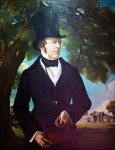 Lacock is a fine country house built on the foundations of a medieval abbey, and is full of the most wonderful treasures. It was the home of 19th century polymath William Henry Fox Talbot (right) one of the inventors of photography, developed through his keen interest in botany. There is an interesting museum at Lacock celebrating Fox Talbot’s work. On reflection, this was one of the best visits of the week. The National Trust also owns most of the houses in Lacock village, and after visiting the Abbey we took a short walk around. As you can see from those photos, it’s no wonder that the village has served as the backdrop for numerous film and TV productions.


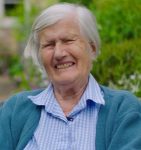 Tintinhull Garden was the work of two 20th century gardeners, one amateur the other professional, around a 17th century house (not open to the public). The property was bought by Phyllis Reiss and her husband, Capt. F.E. Reiss in 1933. Phyllis died in 1961 and left Tintinhull to the National Trust. Twenty years later renowned gardener Penelope Hobhouse (right) took on the tenancy of Tintinhull and built on Reiss’s earlier garden design.


 Tyntesfield is one of the most opulent houses we have visited. Victorian Gothic Revival in design, it was built by William Gibbs (right, 1790-1875) who made a fortune mining and exporting guano (bird poo) from the Chincha Islands off the coast of Peru, about 235 km south of Lima, for use as fertilizer in British agriculture. As they say in Yorkshire, ‘Where’s there’s muck, there’s brass‘ (meaning ‘dirty or unpleasant activities can be lucrative’). The house has an enormous collection of family possessions, more than 70,000 apparently. Opulent as it was, Tyntesfield was a family home. It was bought by the National Trust in 2002 as the house and estate were in danger of being auctioned off piecemeal.


 Durham in the northeast of the country.
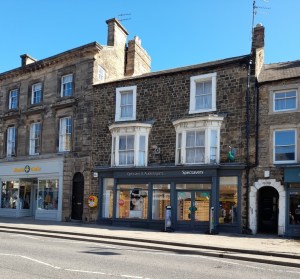 Even the local optician, Specsavers (whose strapline is ‘Should have gone to Specsavers‘) got in on the act offering free eye tests for anyone visiting the town. Needless to say that the visit Steph and I made to this delightful Durham town a couple of weeks ago was not for an eye test.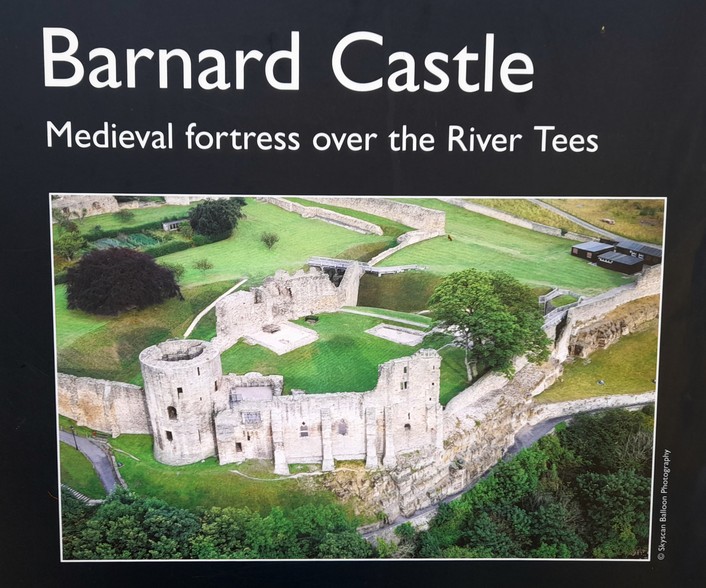
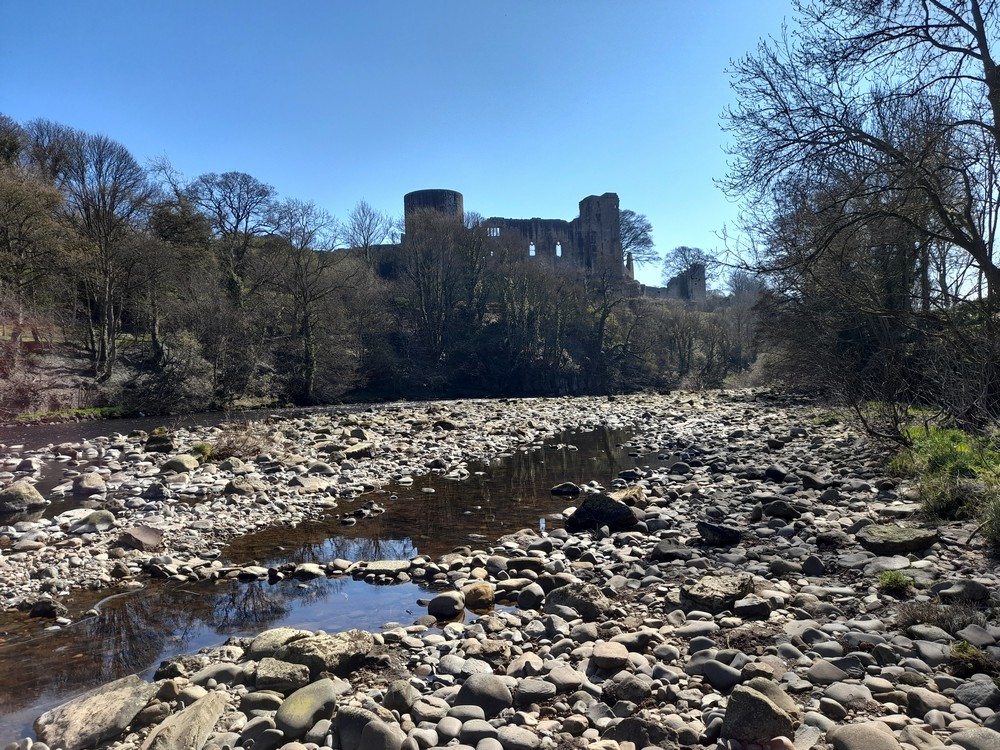
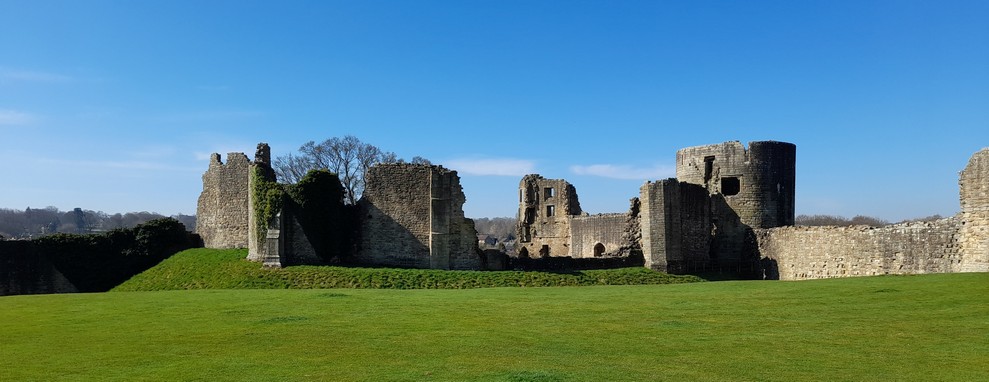
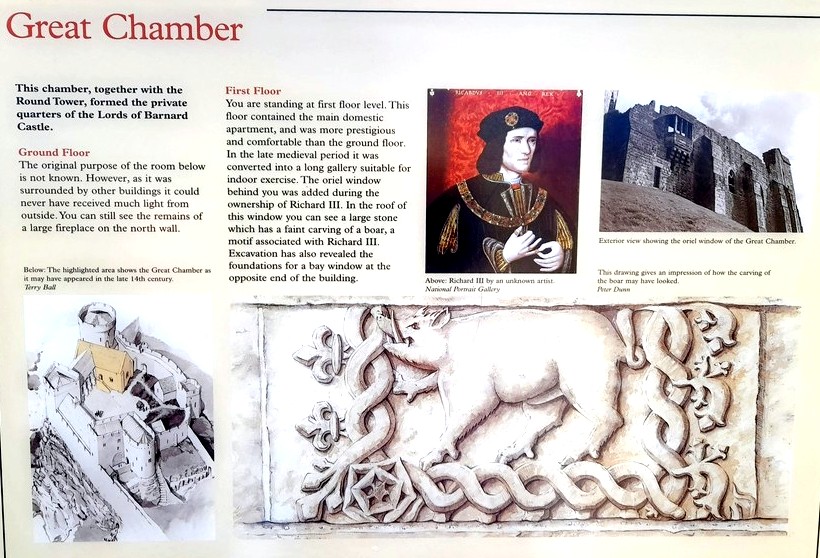
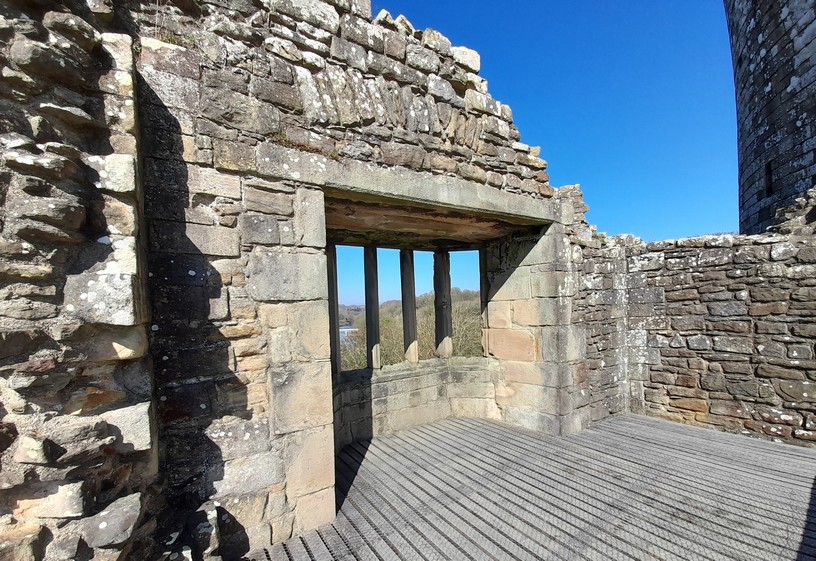
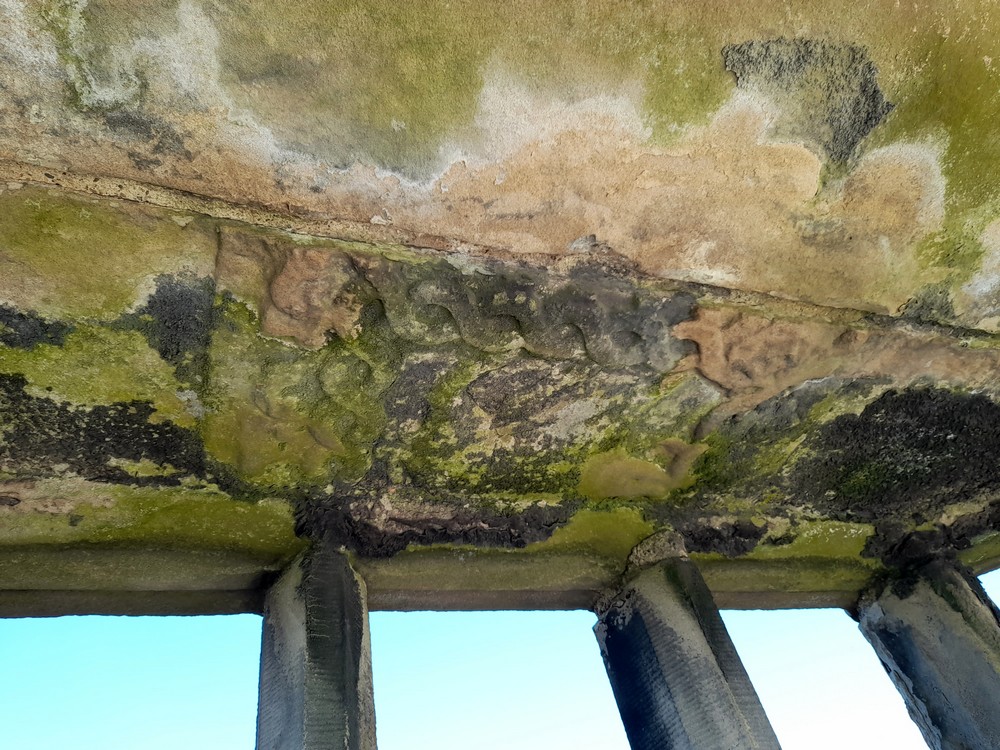
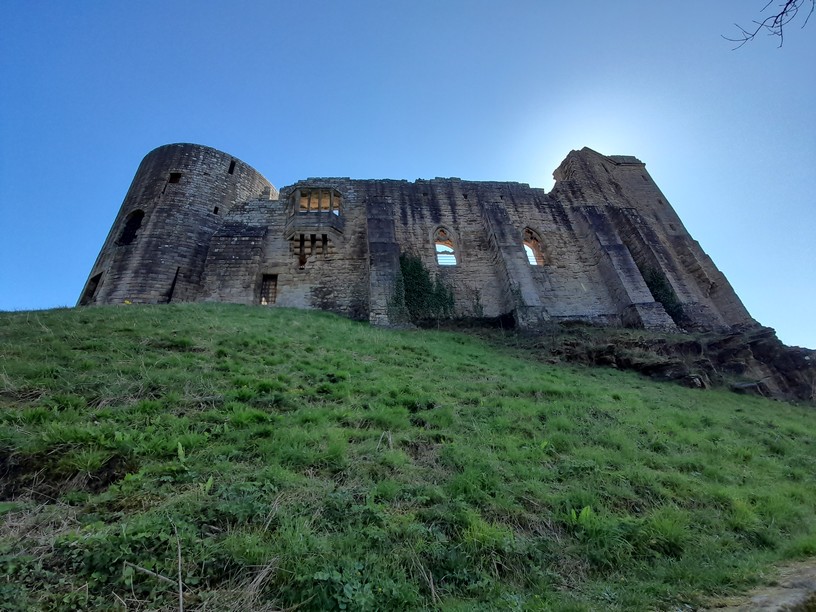
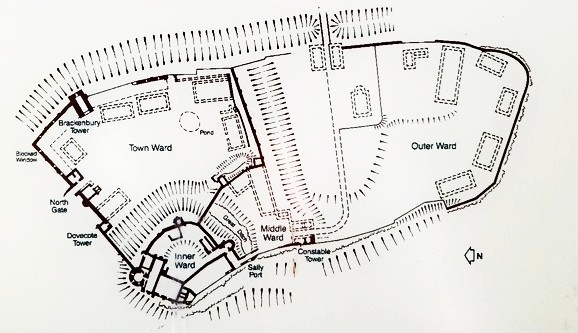


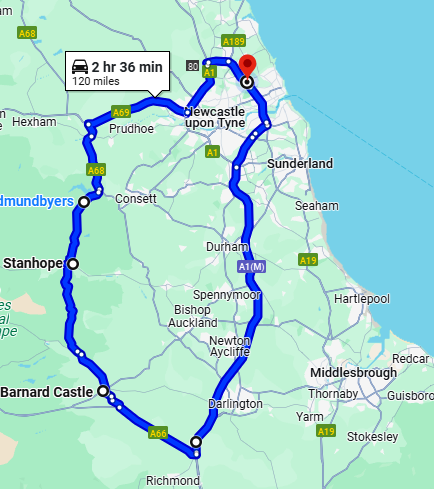
 For many years, Steph and I toyed with becoming members of the
  We received gift membership of
  The National Trust was the vision of its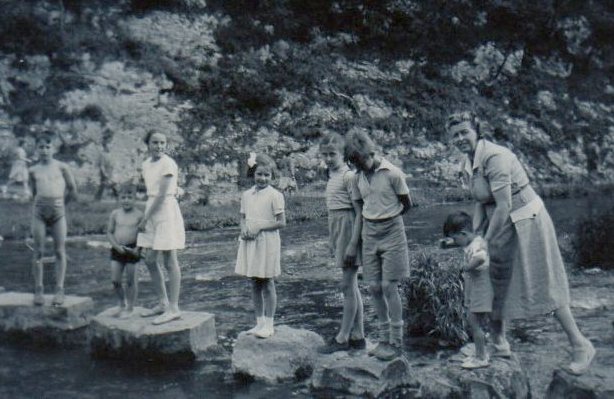
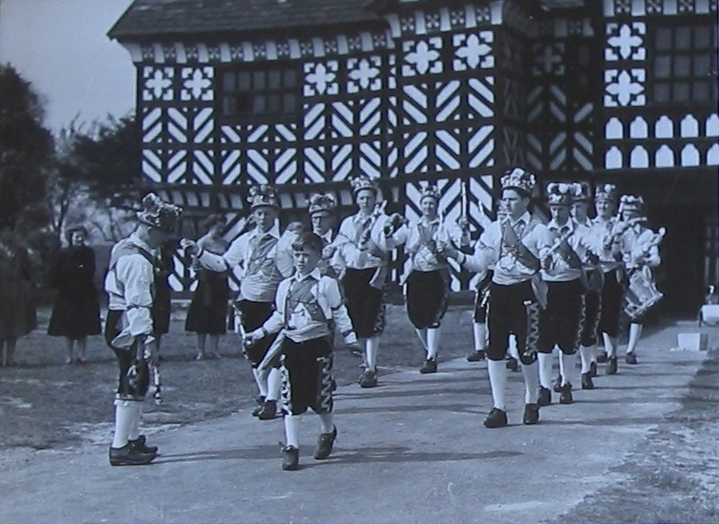
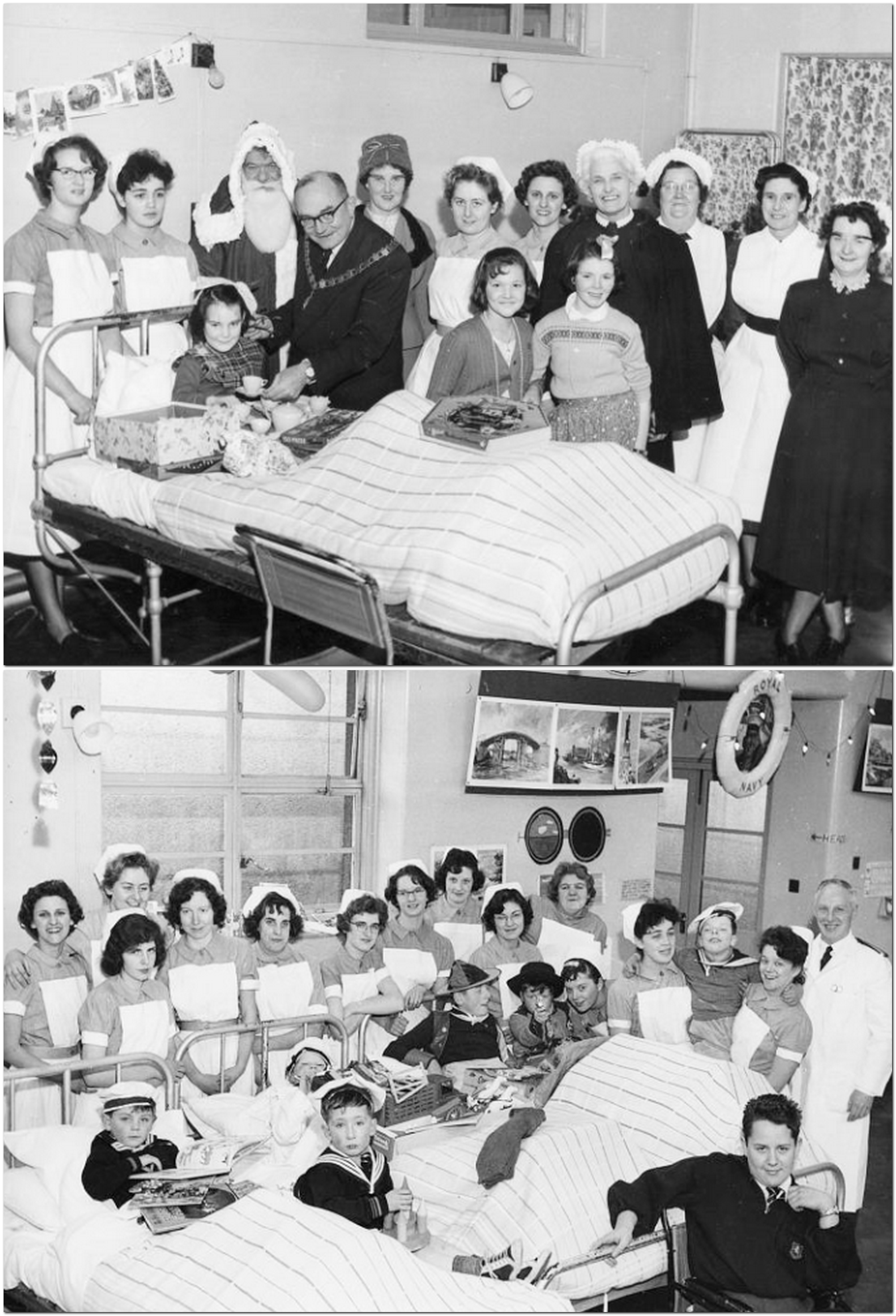
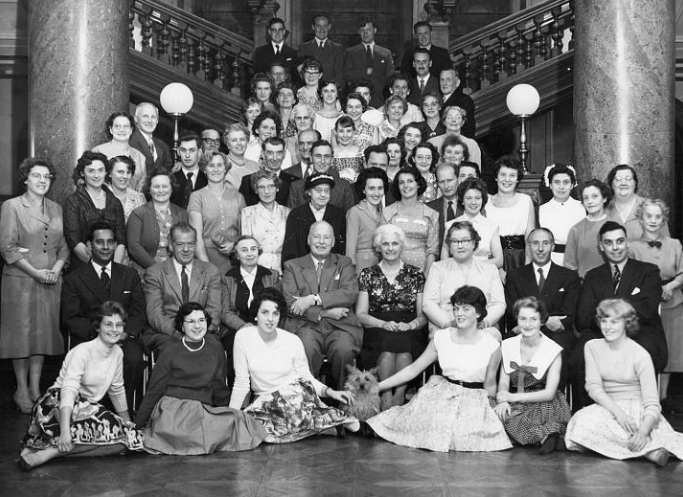
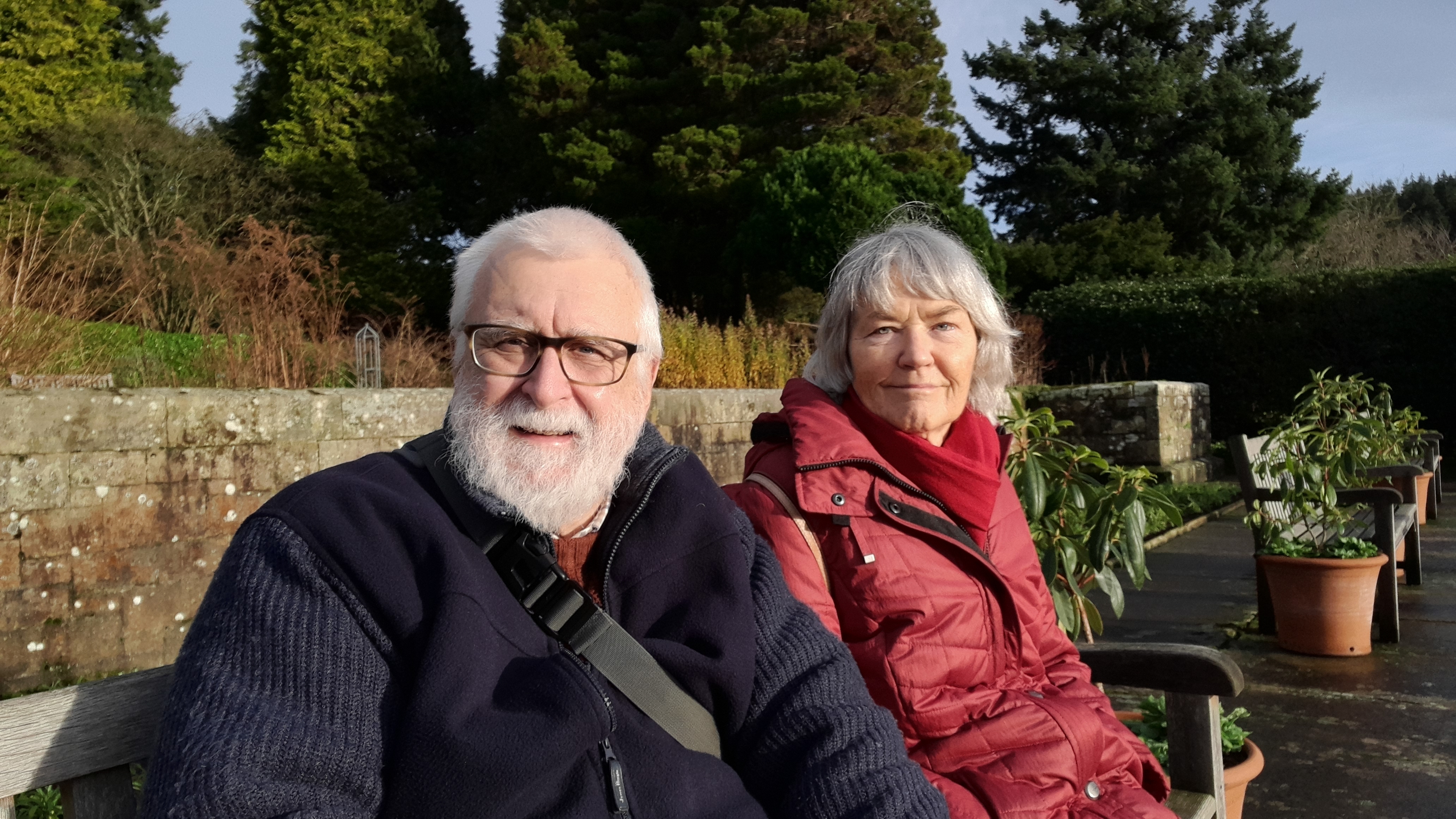
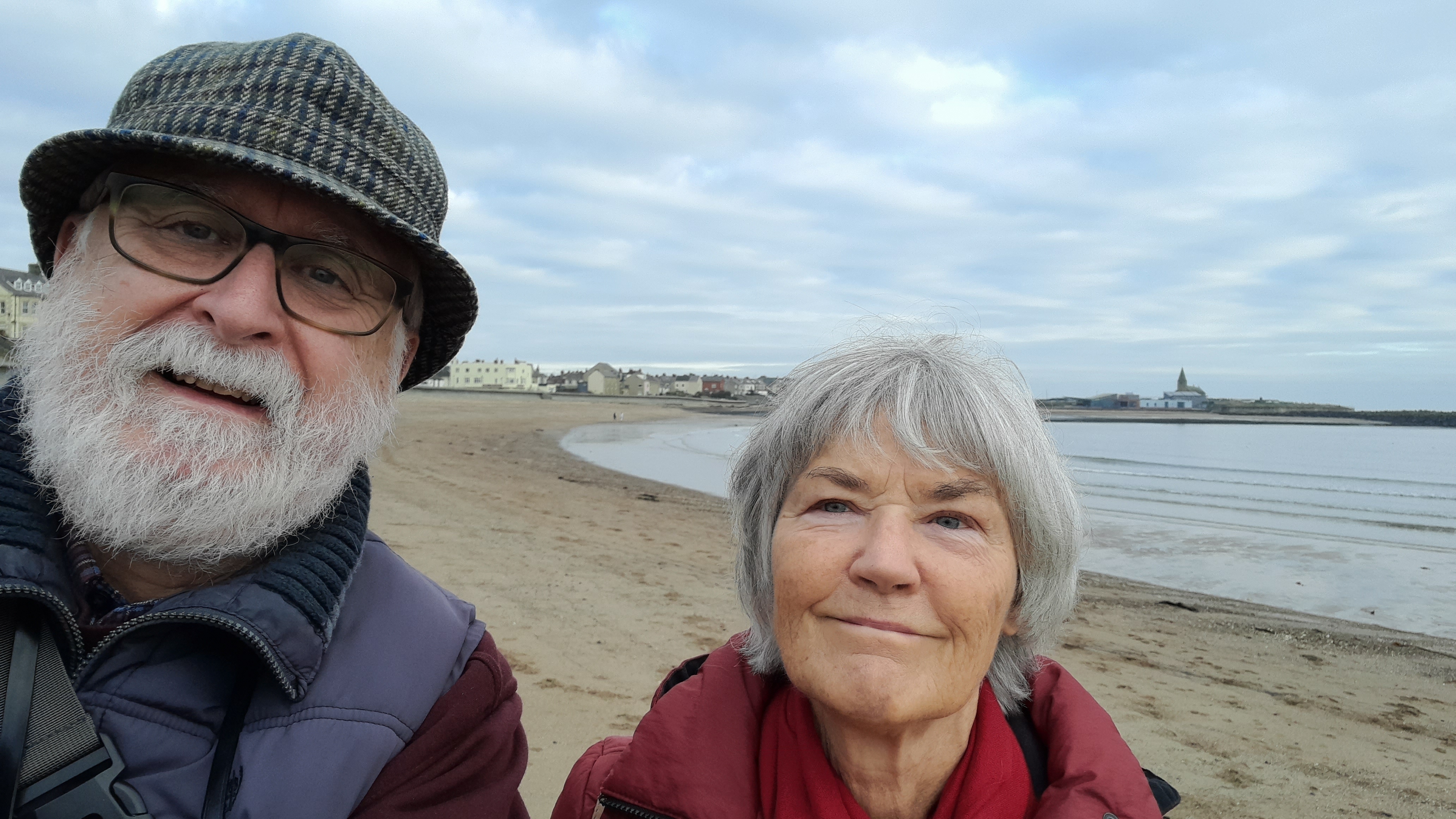
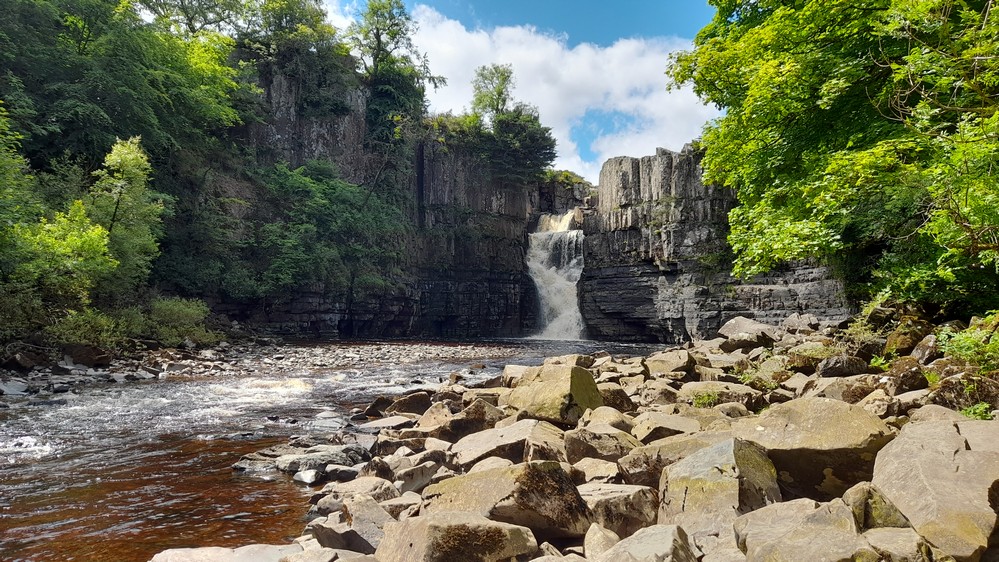
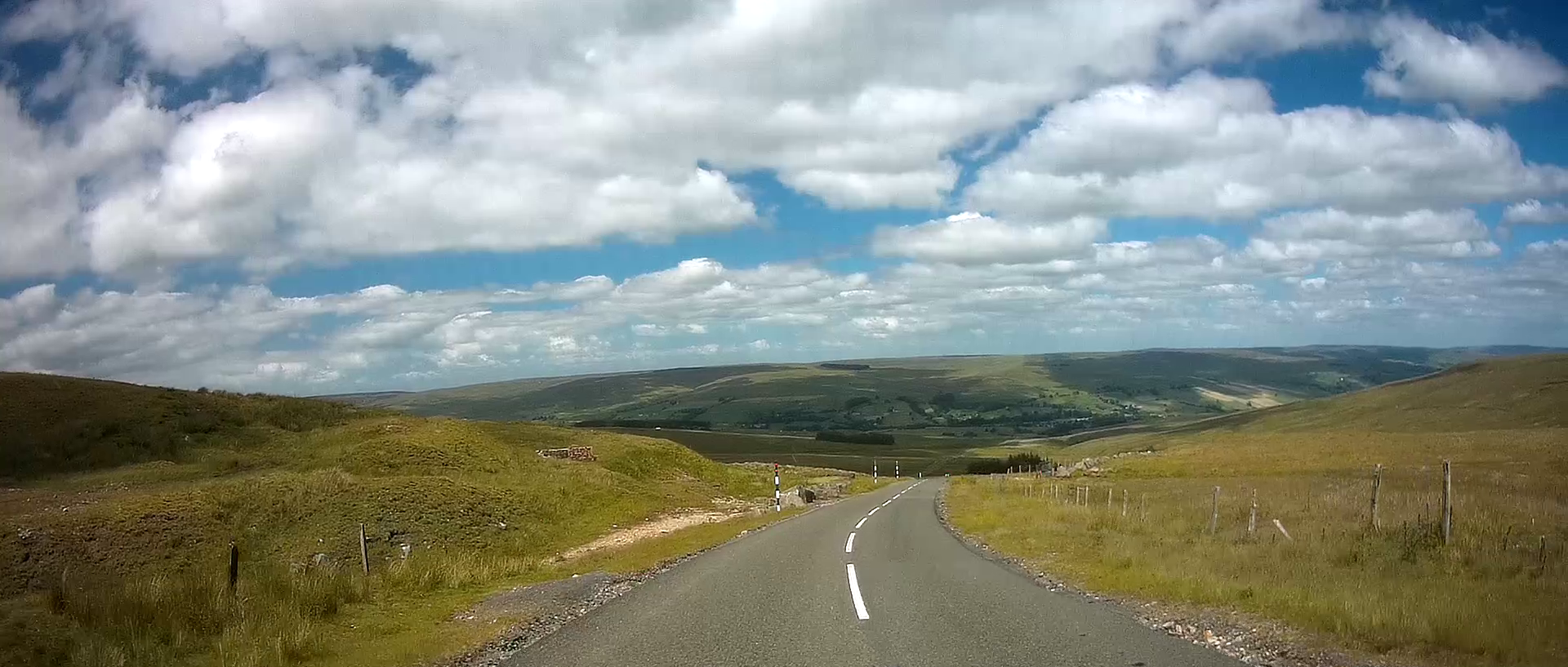
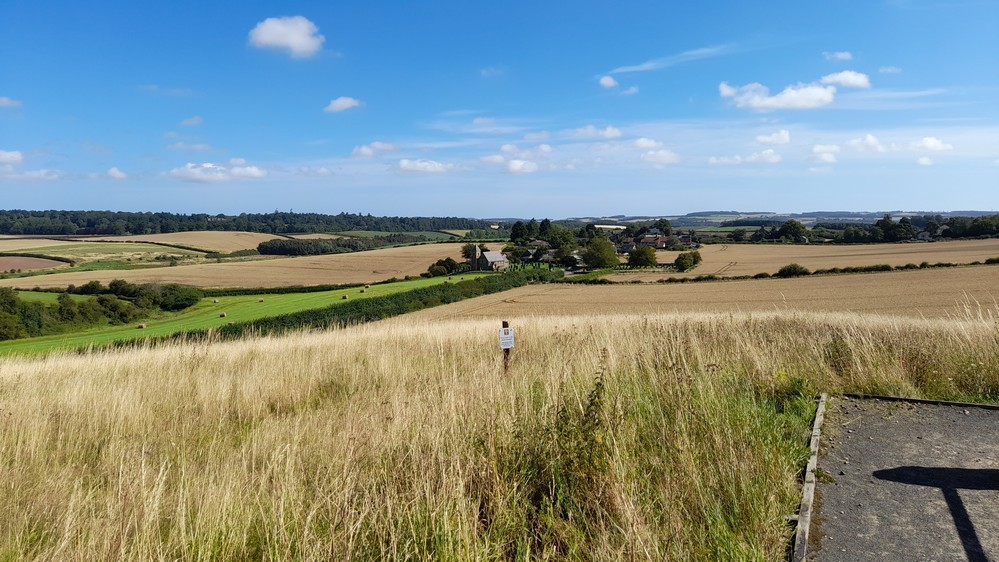
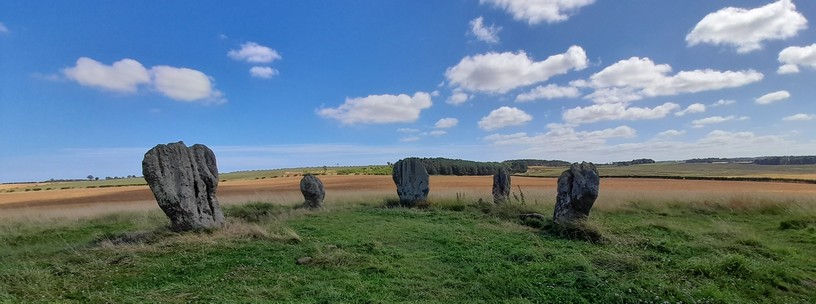
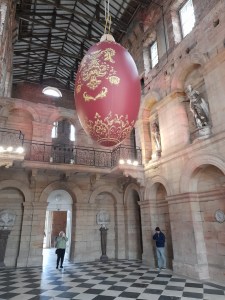 Each Christmas we try to visit one of Trust properties to see their Christmas decorations. And this year it was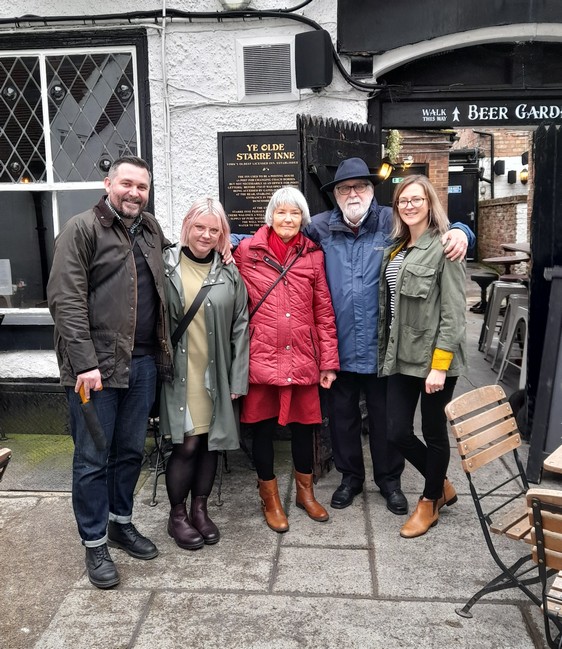
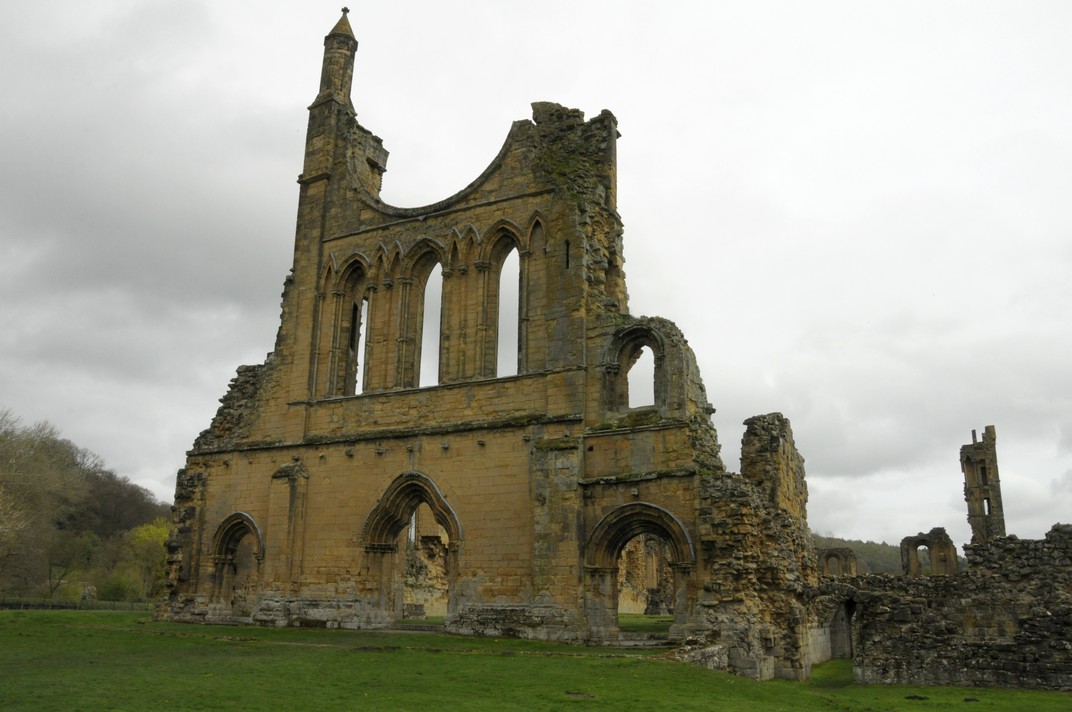
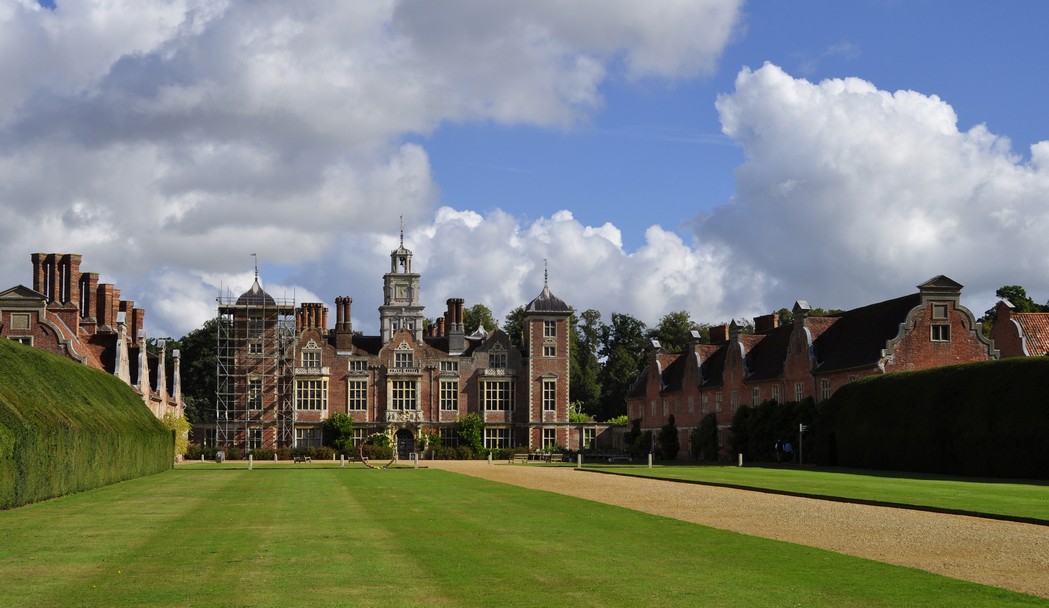


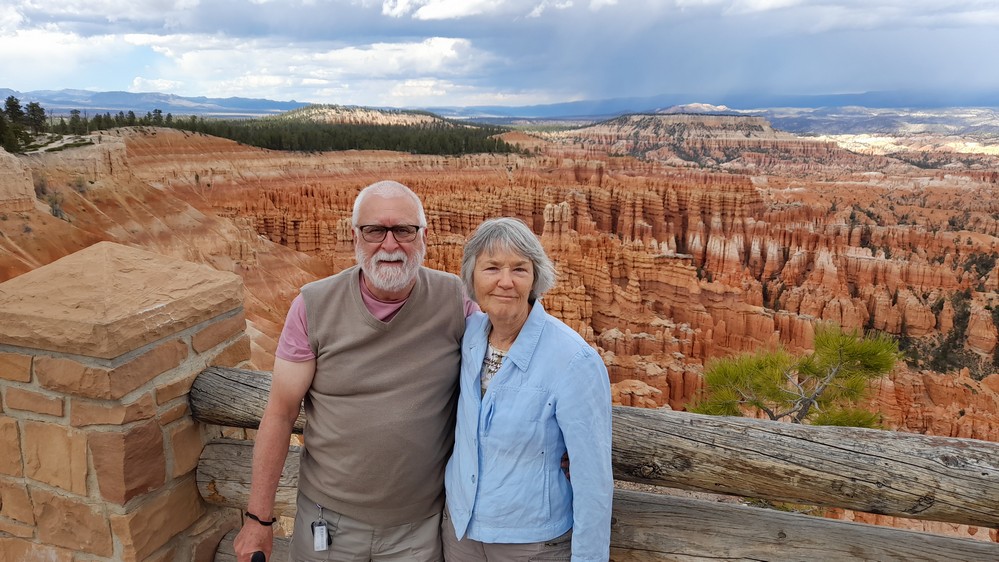
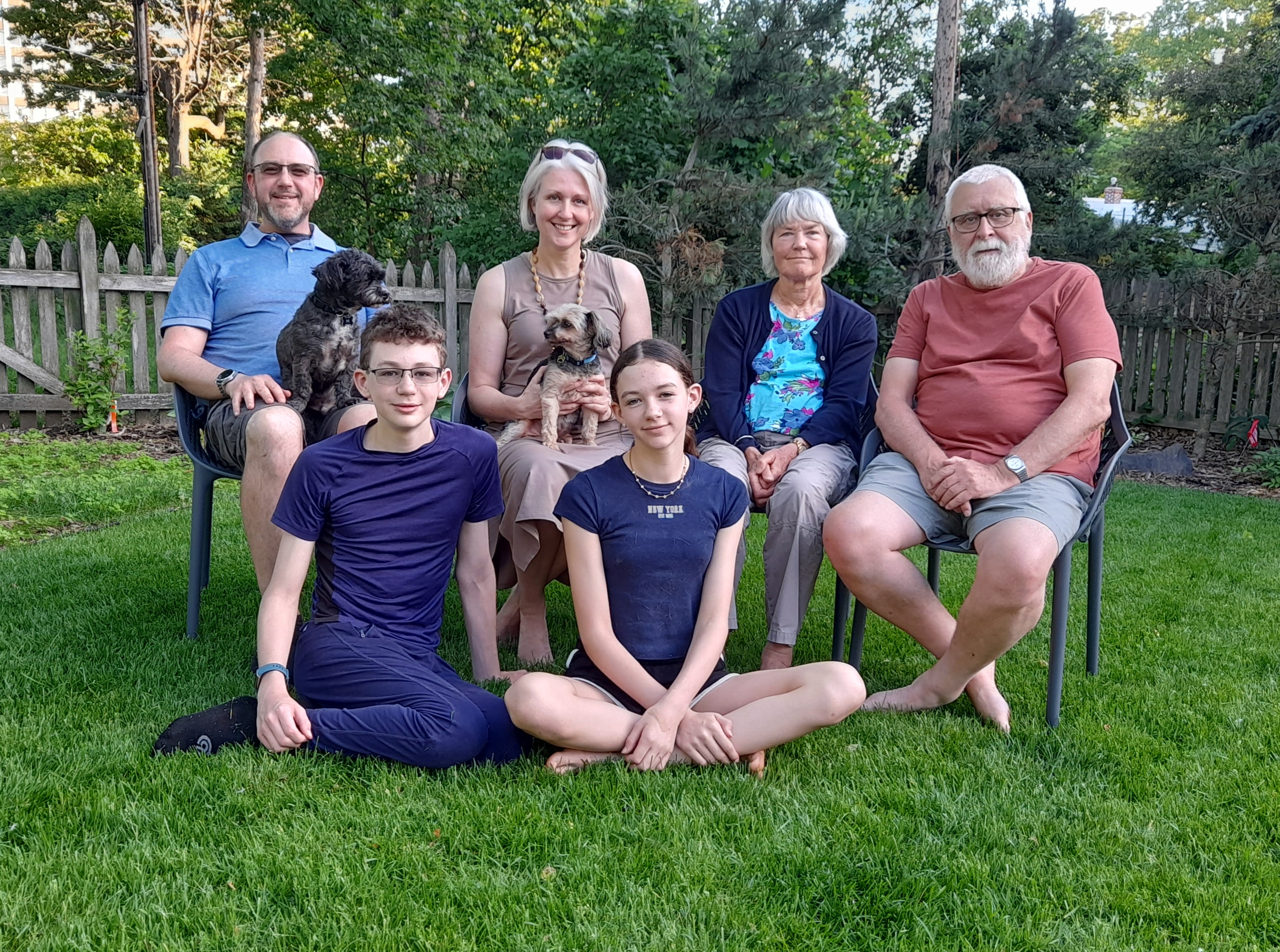
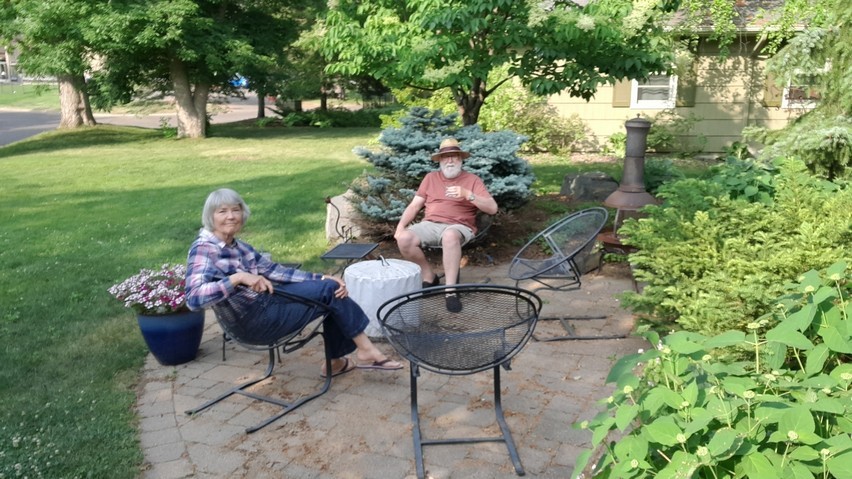
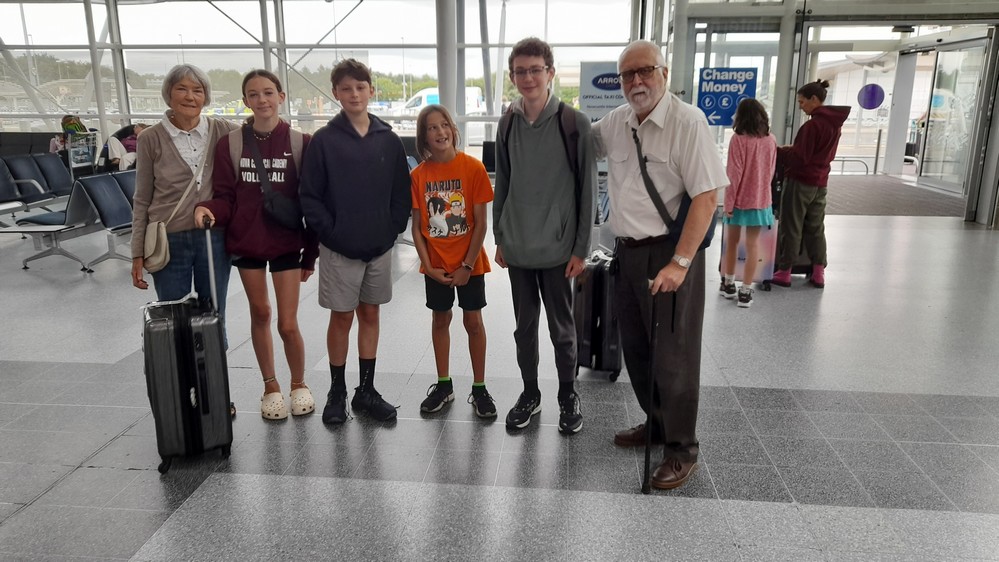


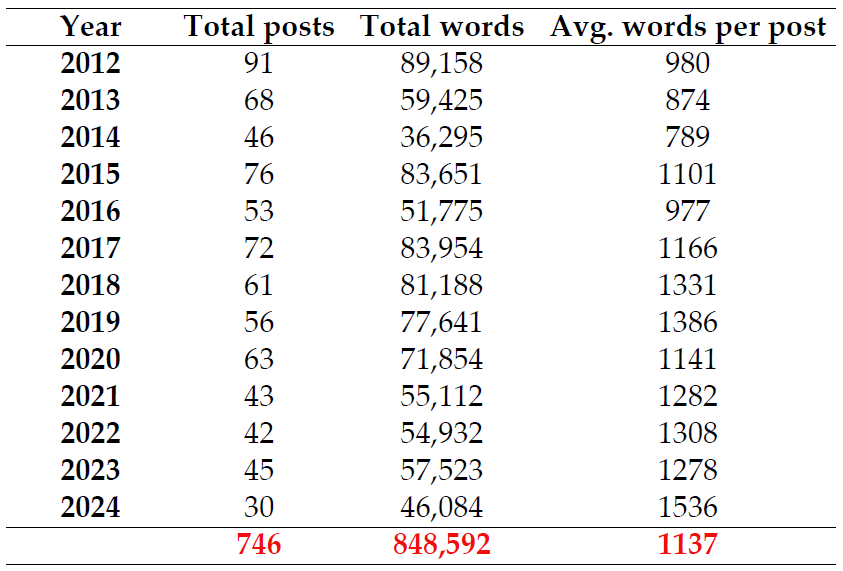


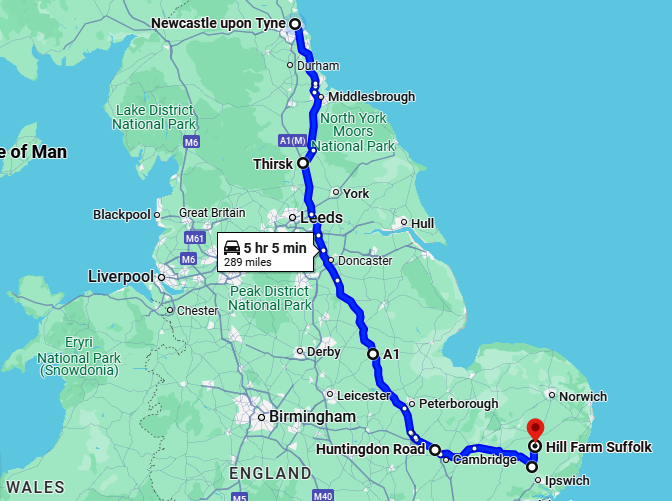
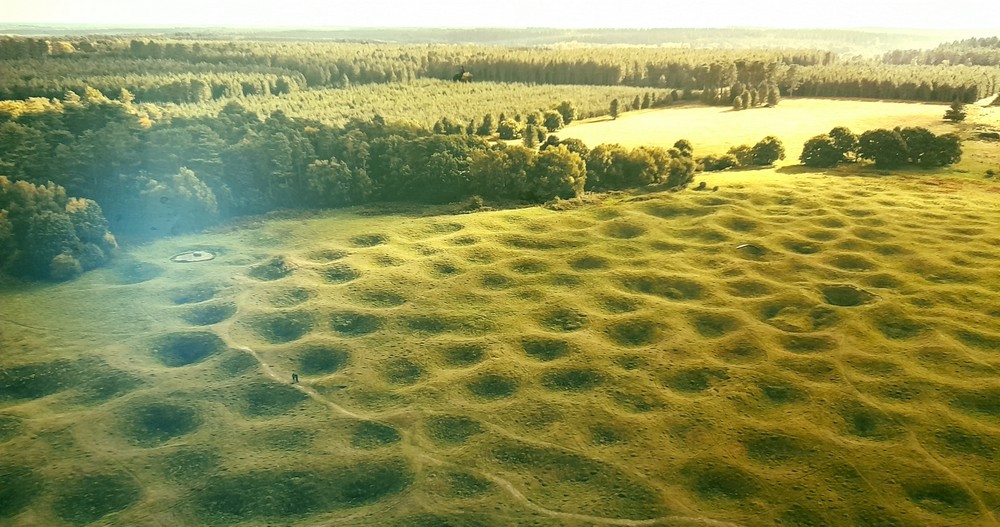


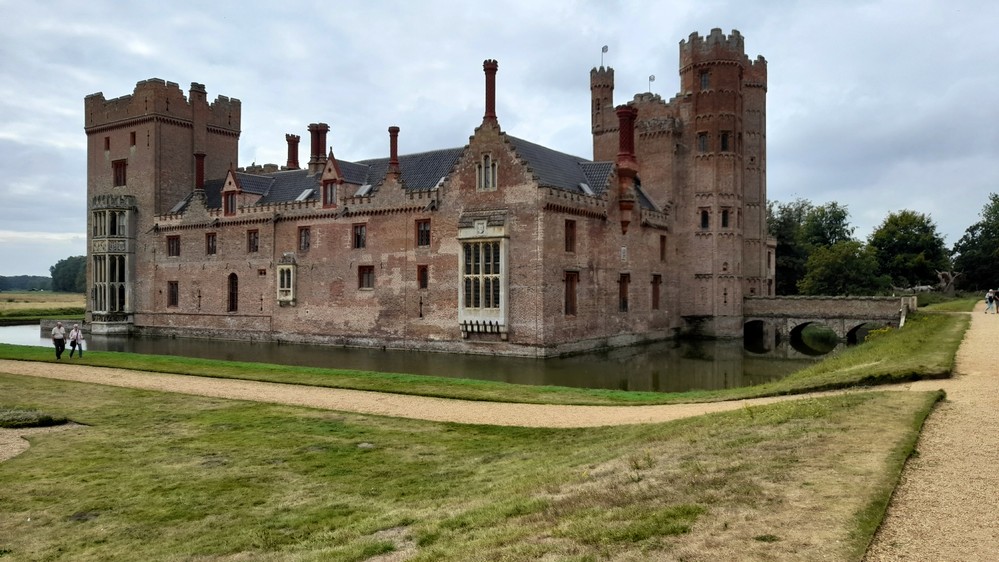
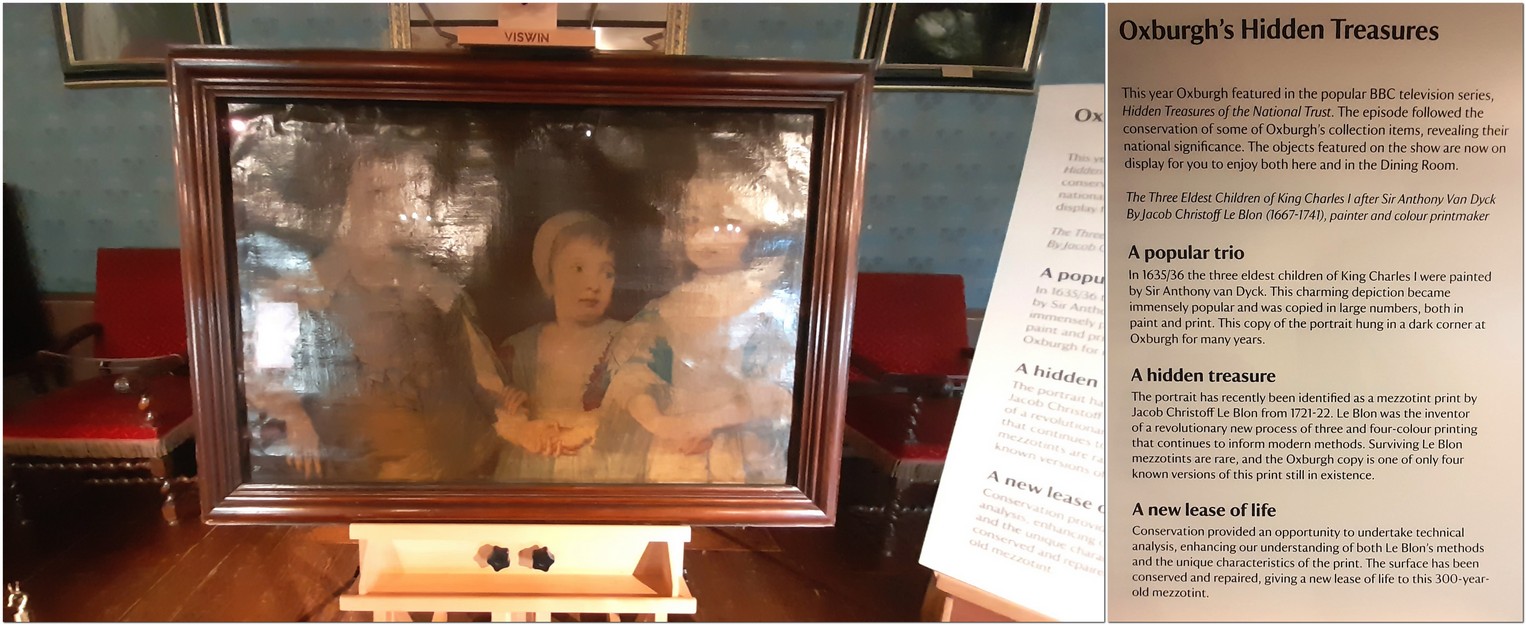


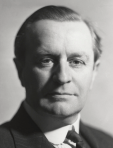 The 11th Marquess (right),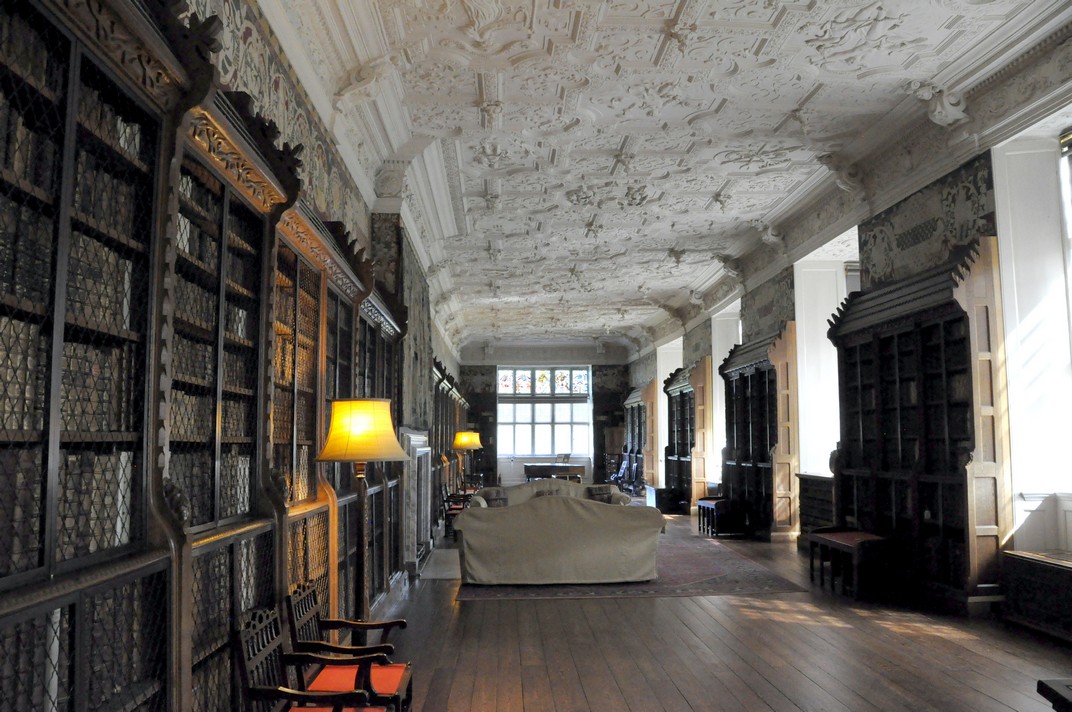


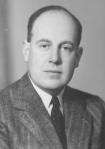
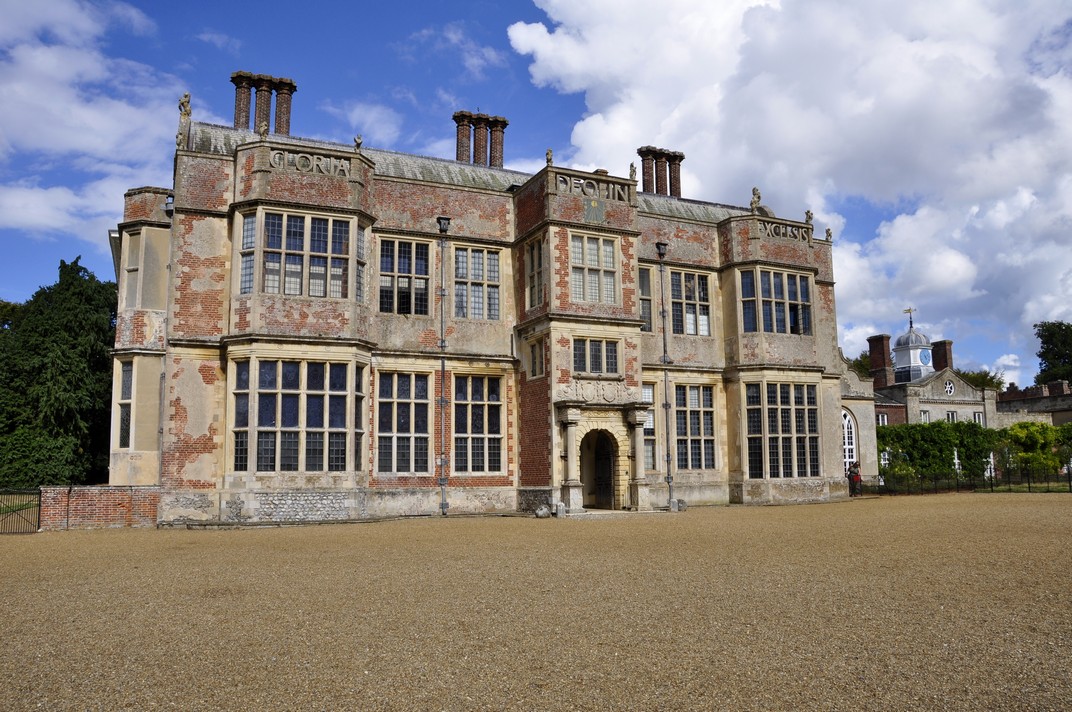
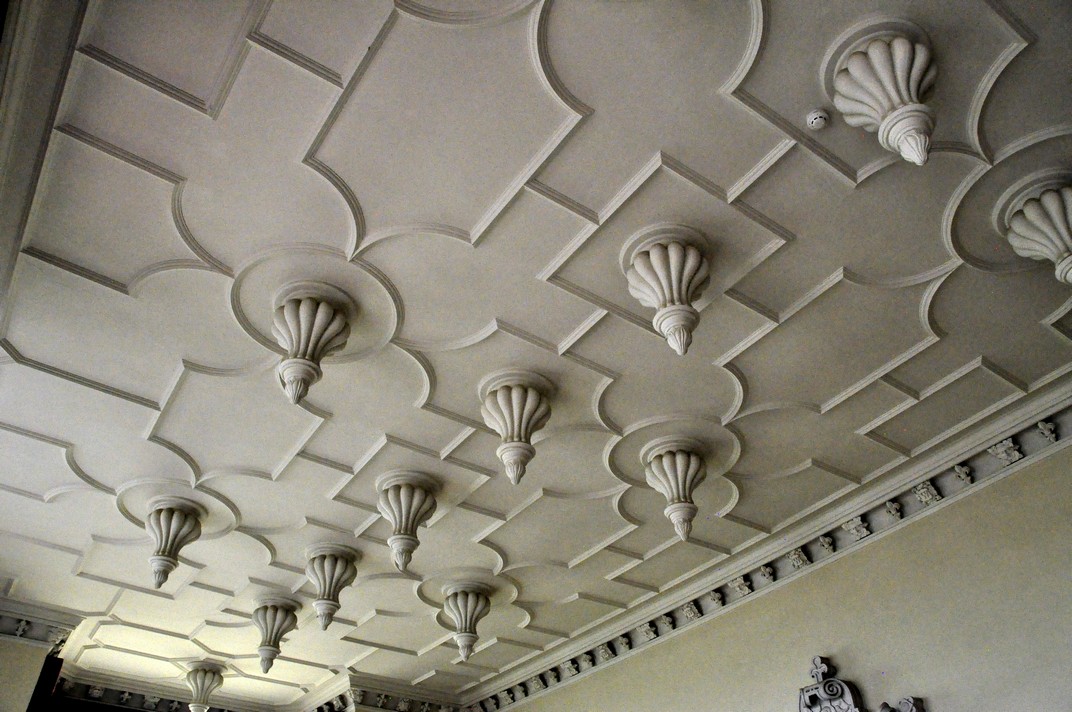
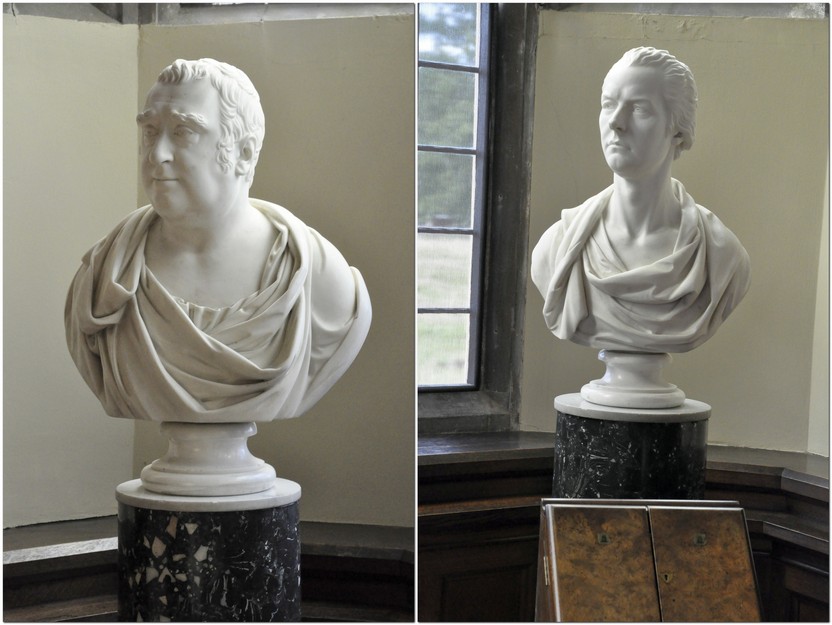
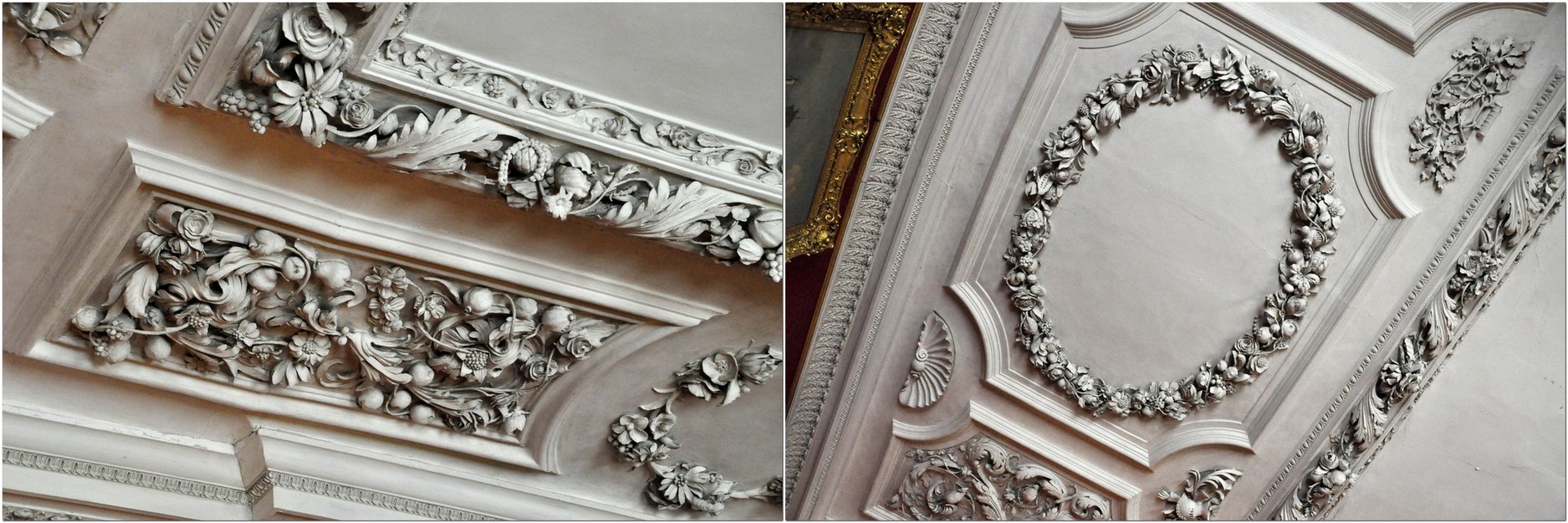


 Replicas (beautiful in their own right) are displayed in the exhibition at Sutton Hoo. What I had not realised was that the helmet that is the iconic image of Sutton Hoo (right) was made from steel (not silver as I had imagined), and found in 100 corroded pieces. It was carefully reconstructed, enabling artisans to replicate the helmet shown here.


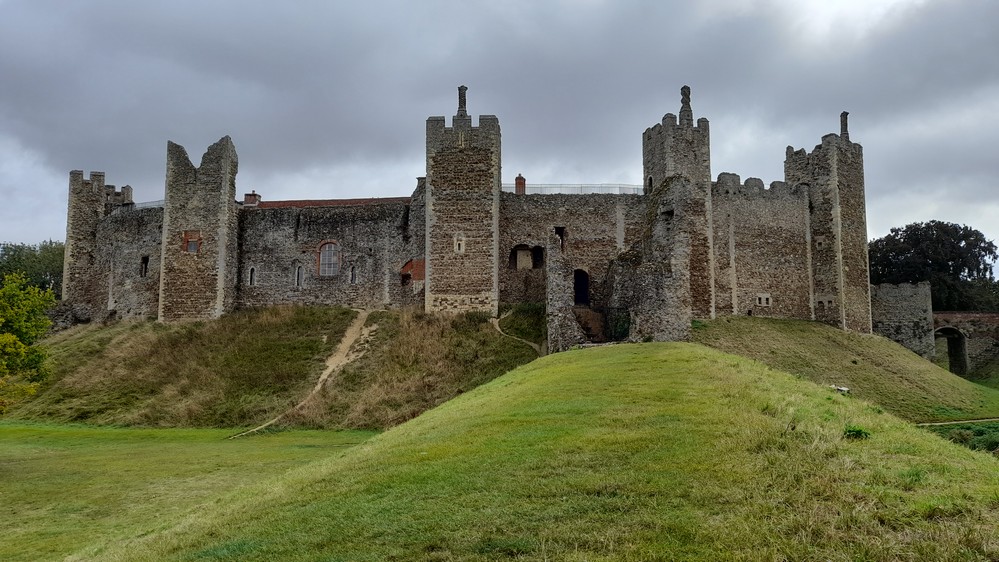


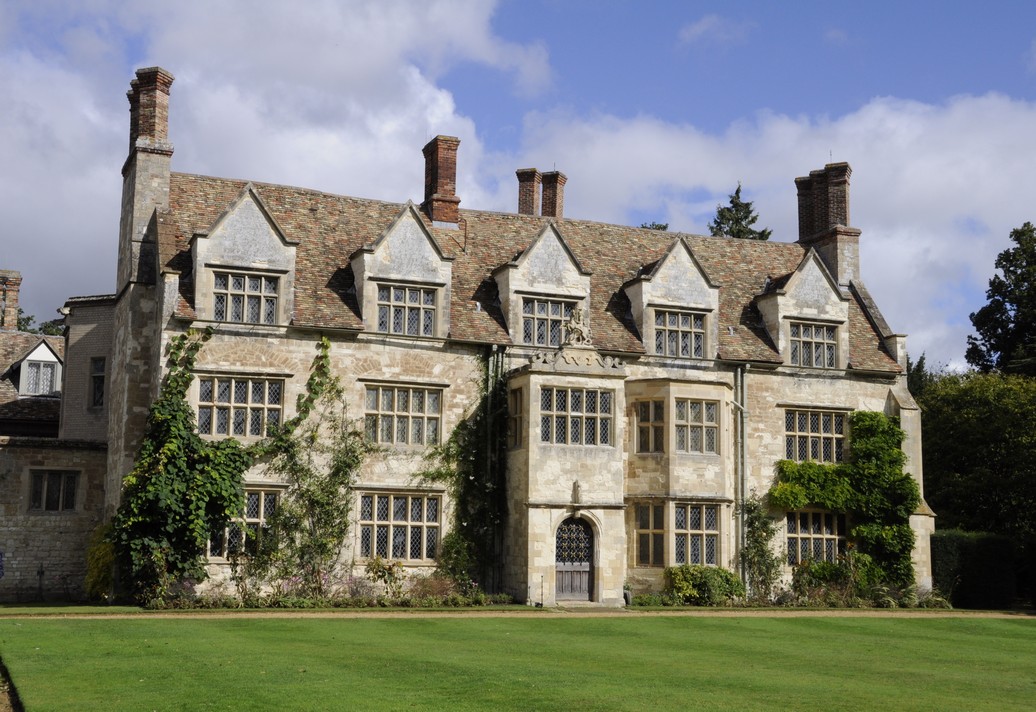
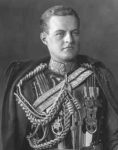 Until 1926, when the estate was bought by


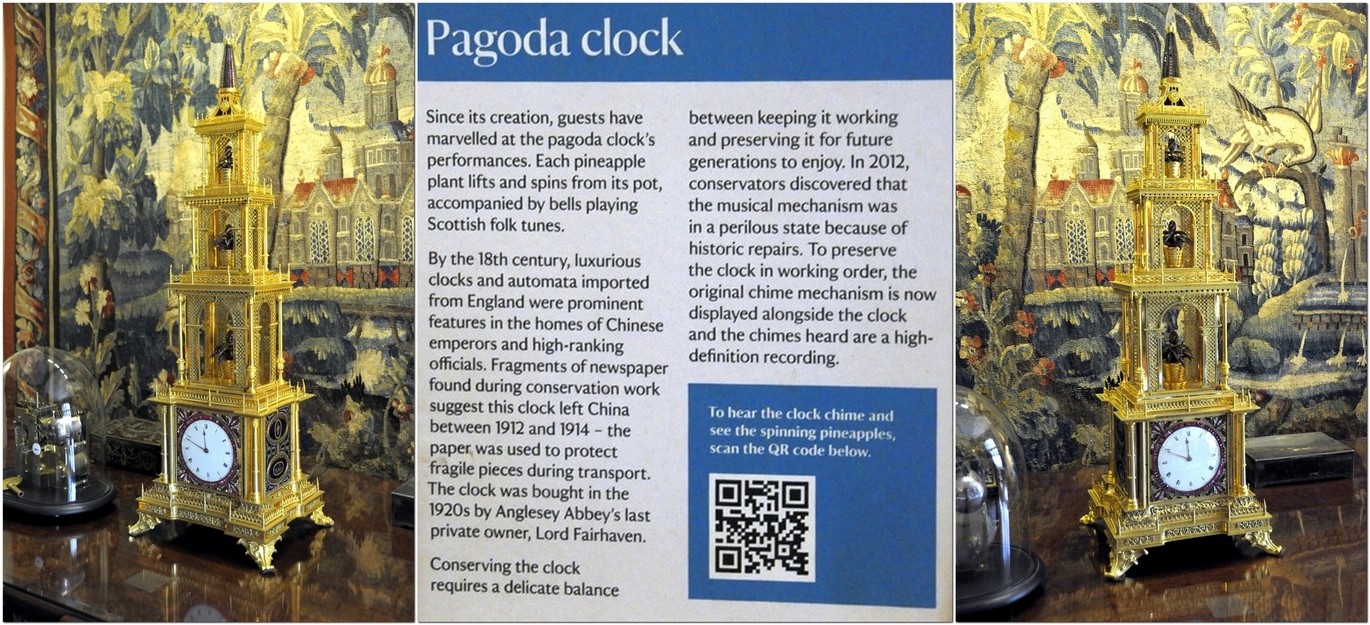
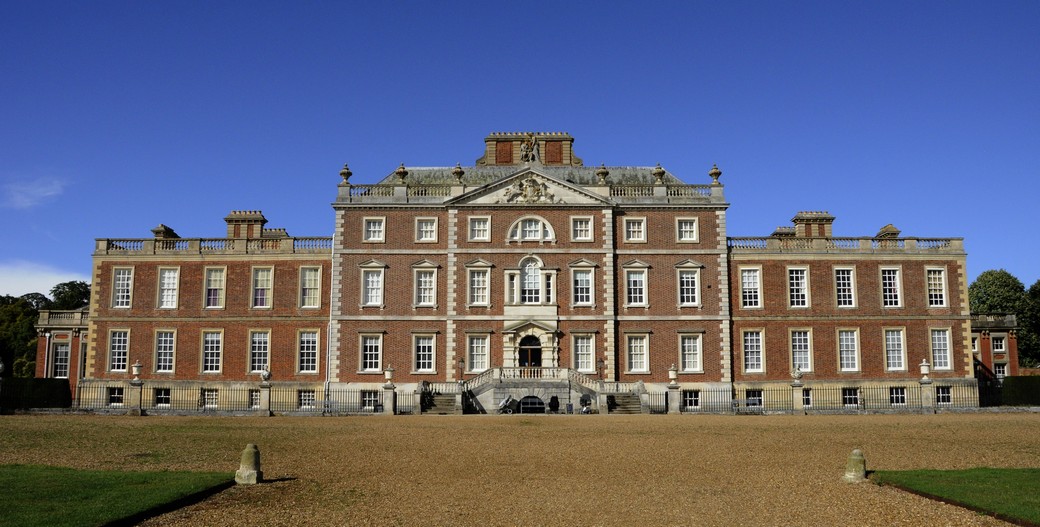


 From 1938 Wimpole was first rented and then bought by Captain and Mrs Bambridge (right). After the Captain’s death Mrs Bambridge continued to live at Wimpole, and bequeathed the property and contents to the NT on her death in 1976.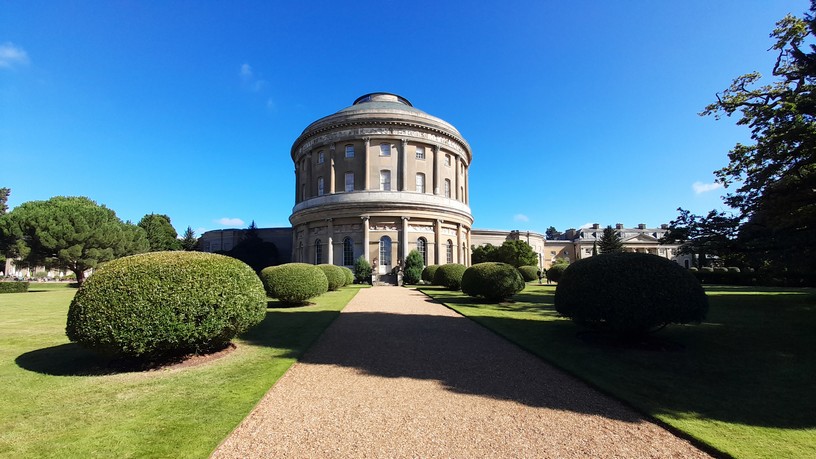
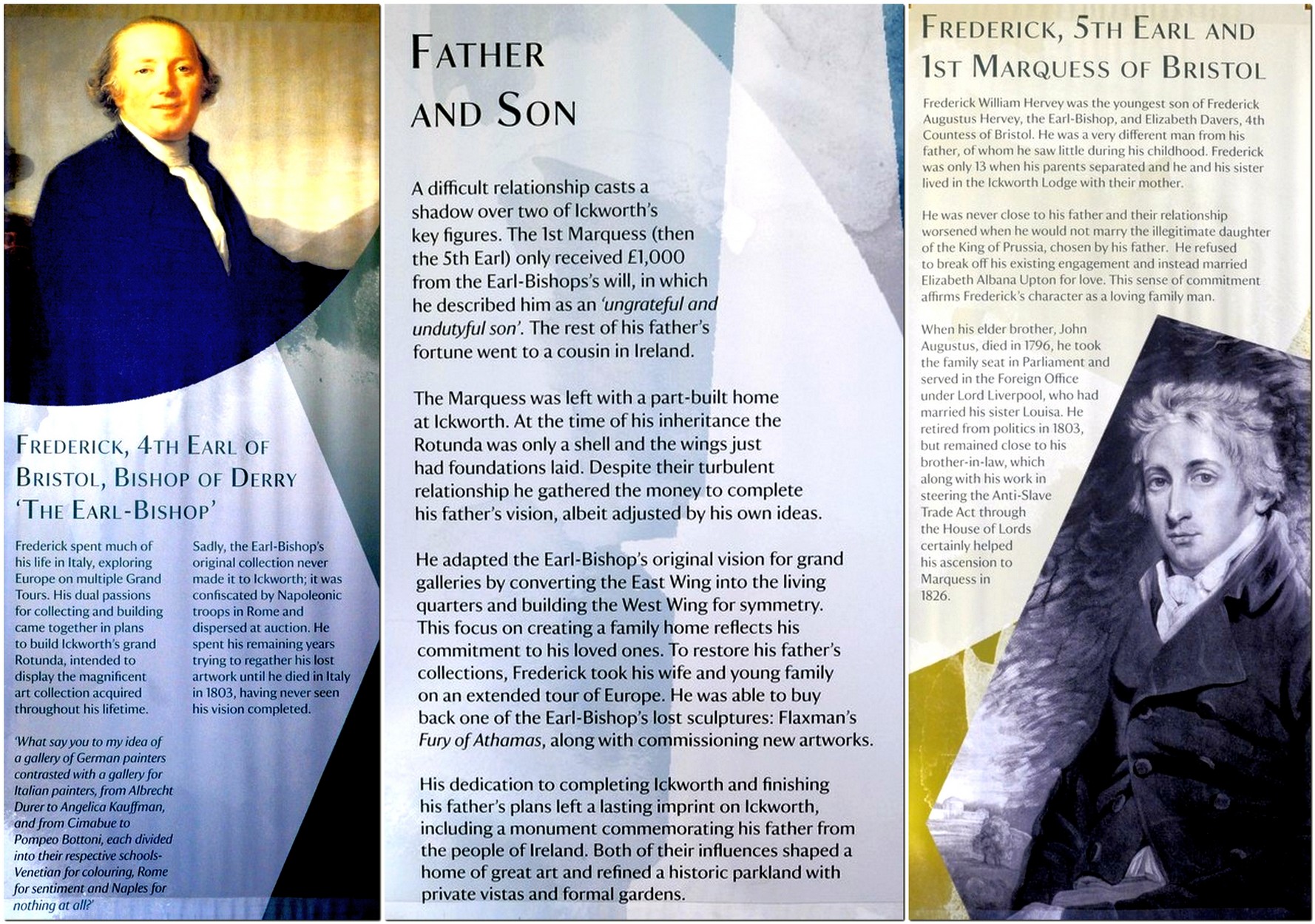


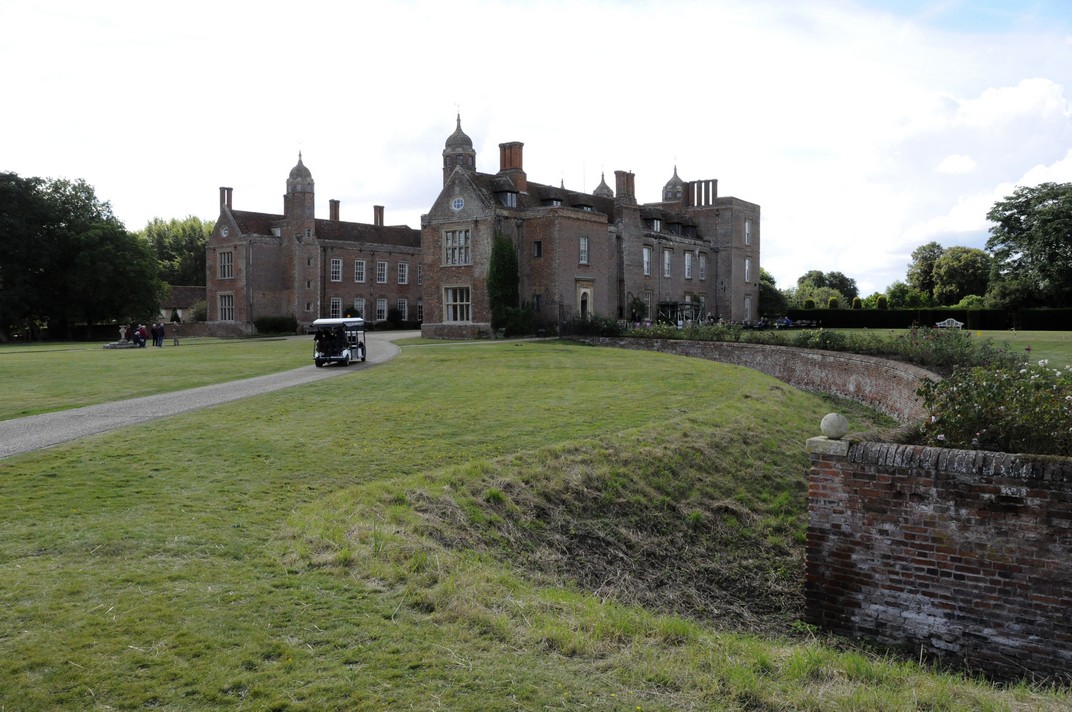


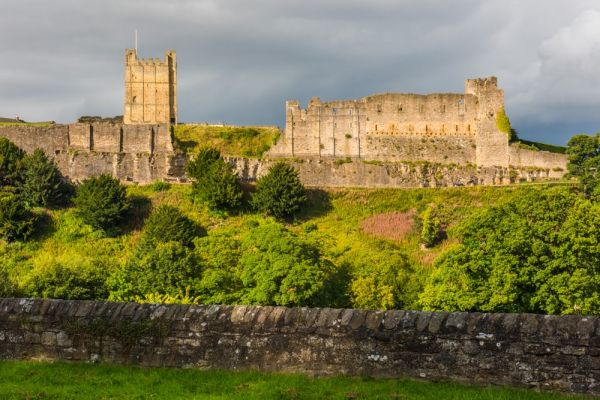
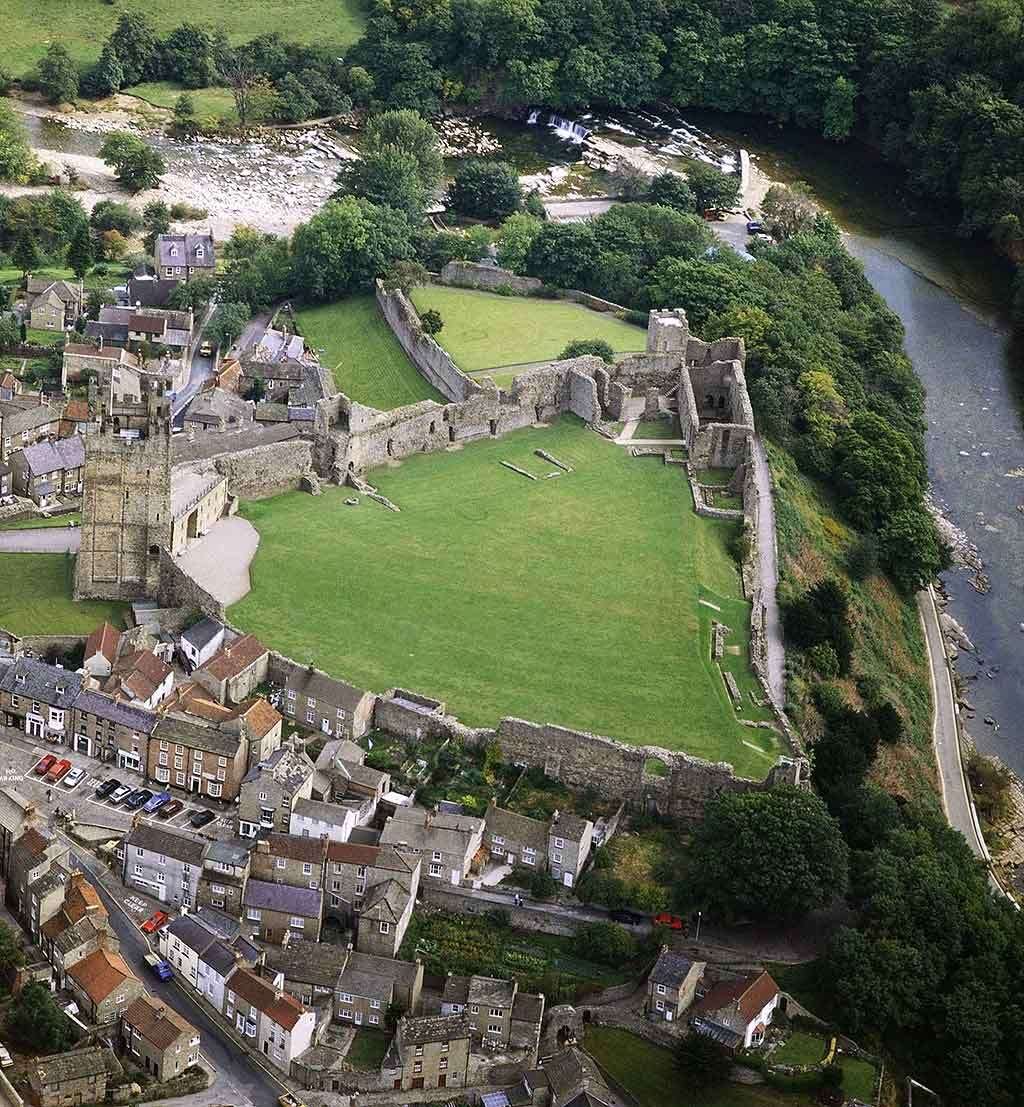
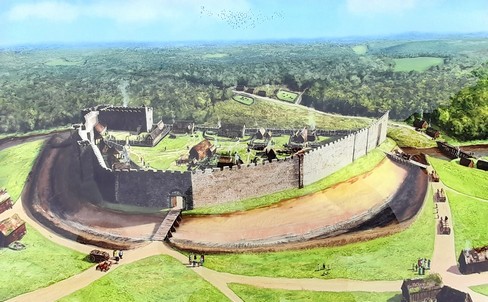


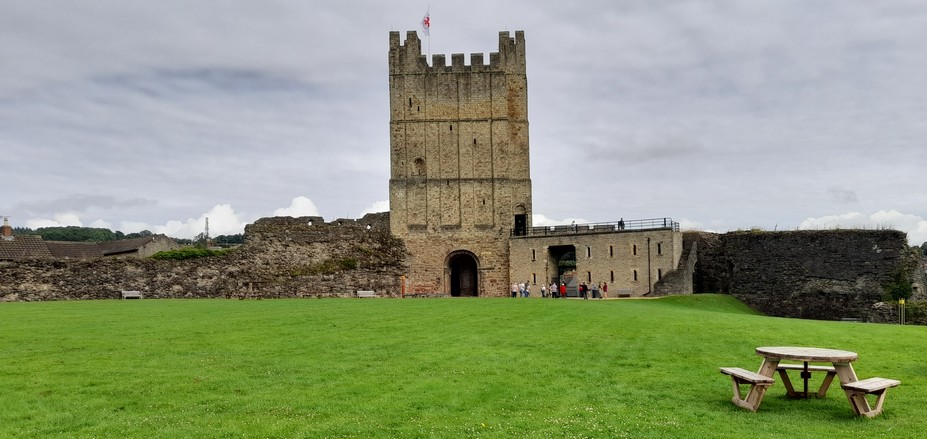
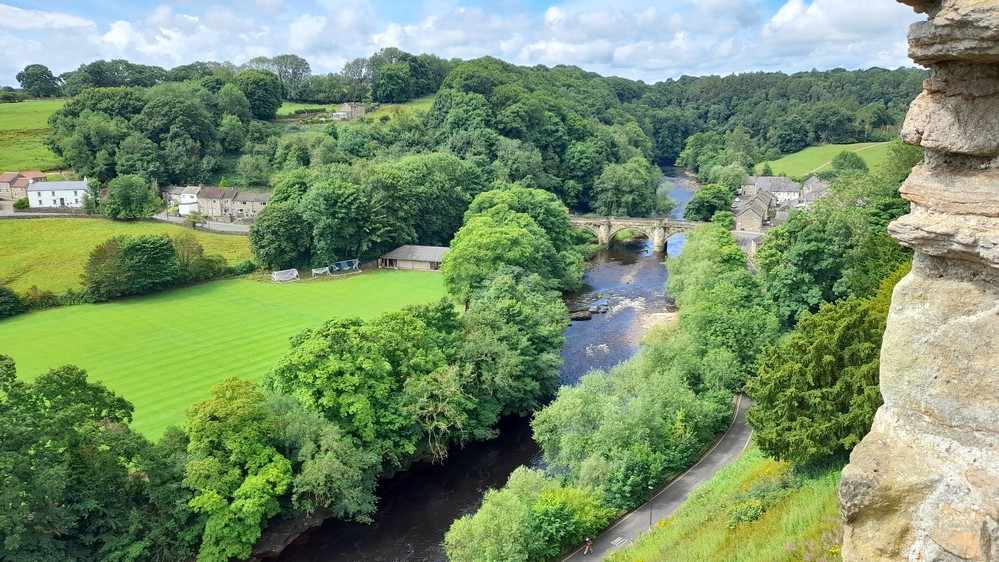
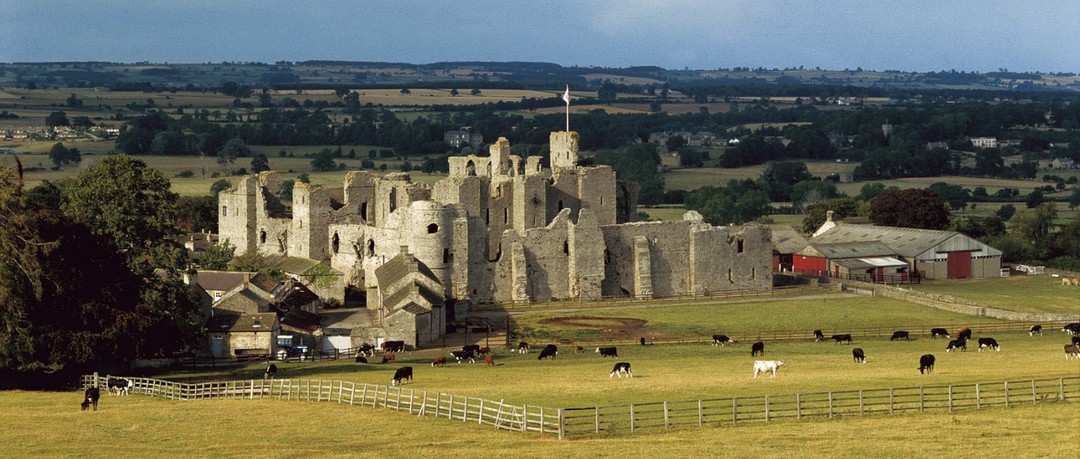
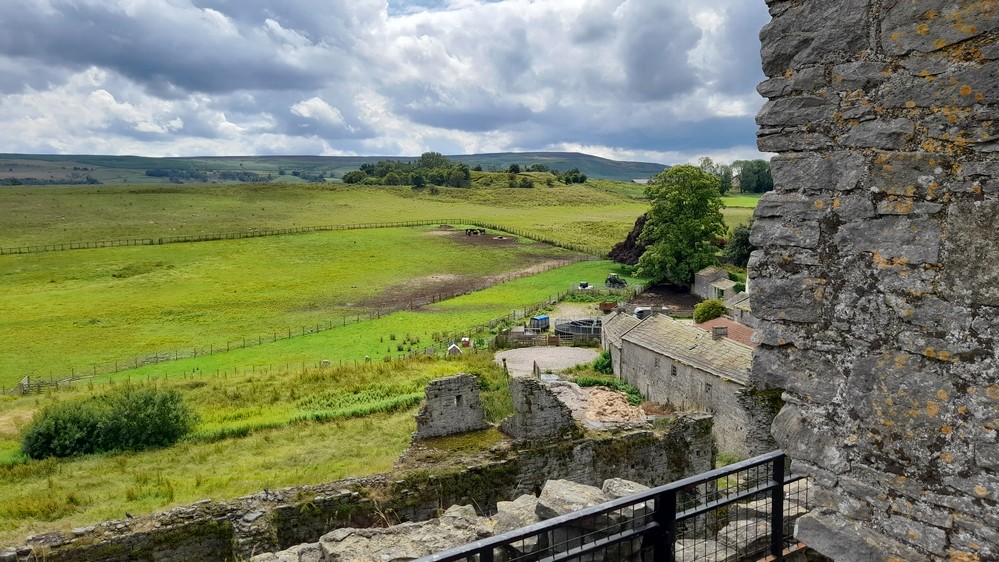


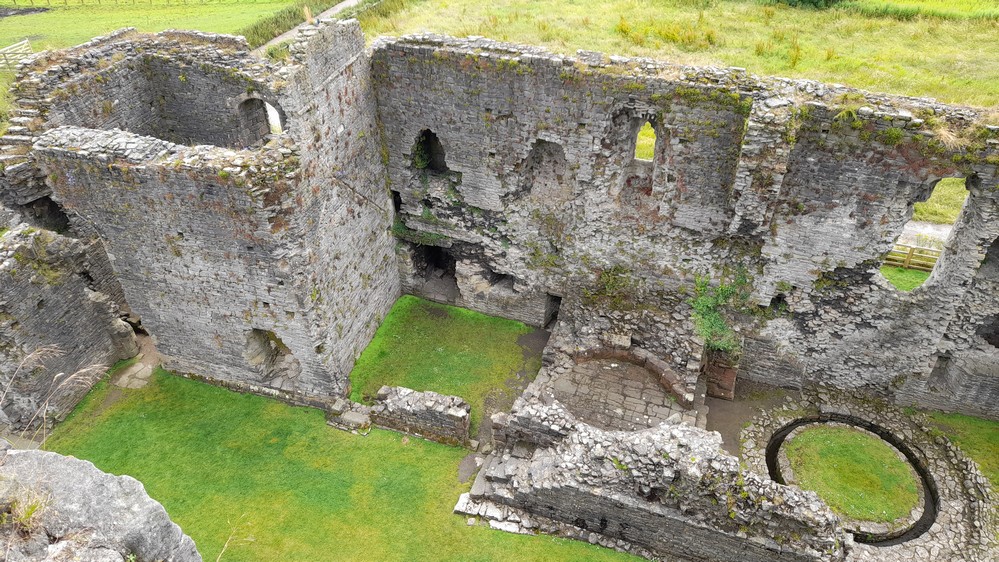
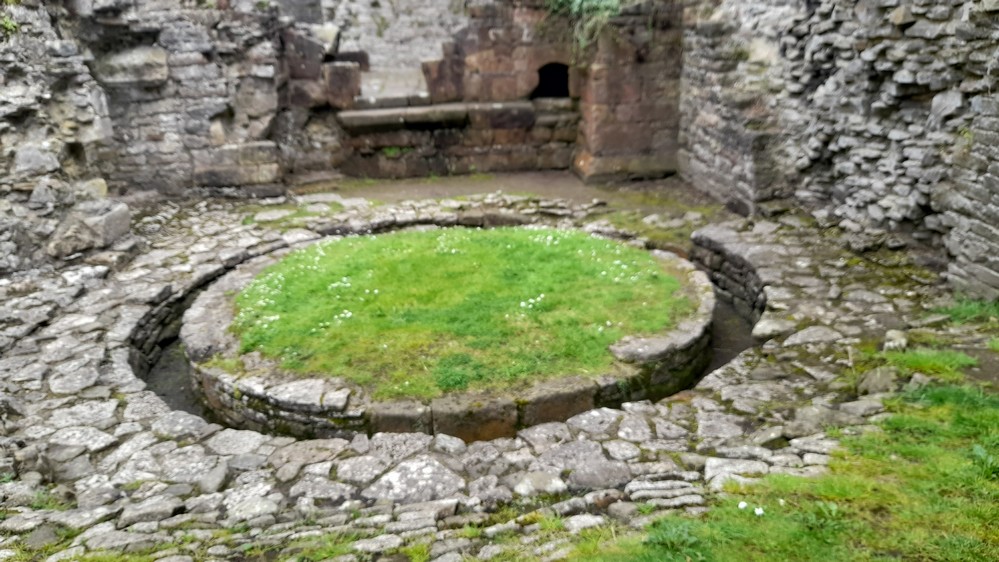
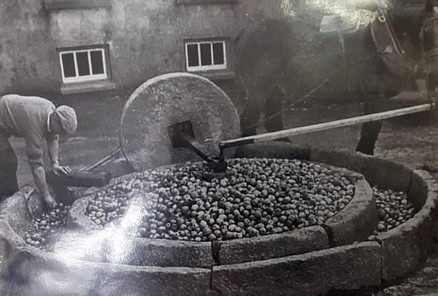
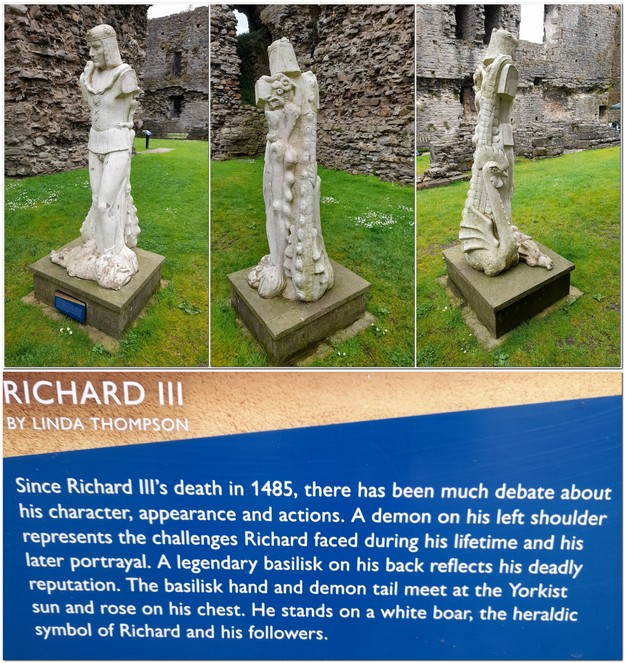
 of Scotland (right) who was Henry’s brother-in-law, had crossed the border with an army of some 30,000 aiming to draw Henry’s troops northwards, thereby cementing his commitment to the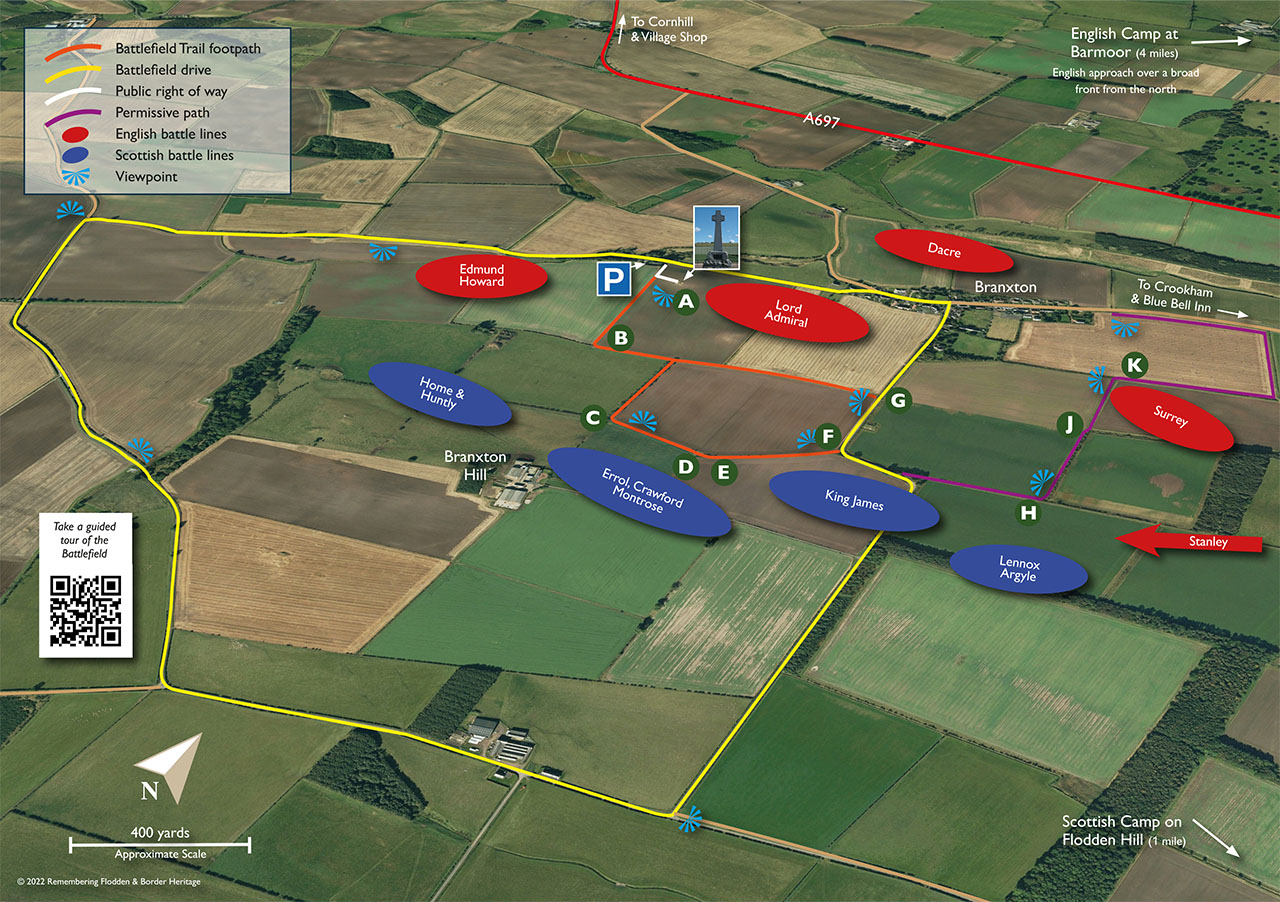
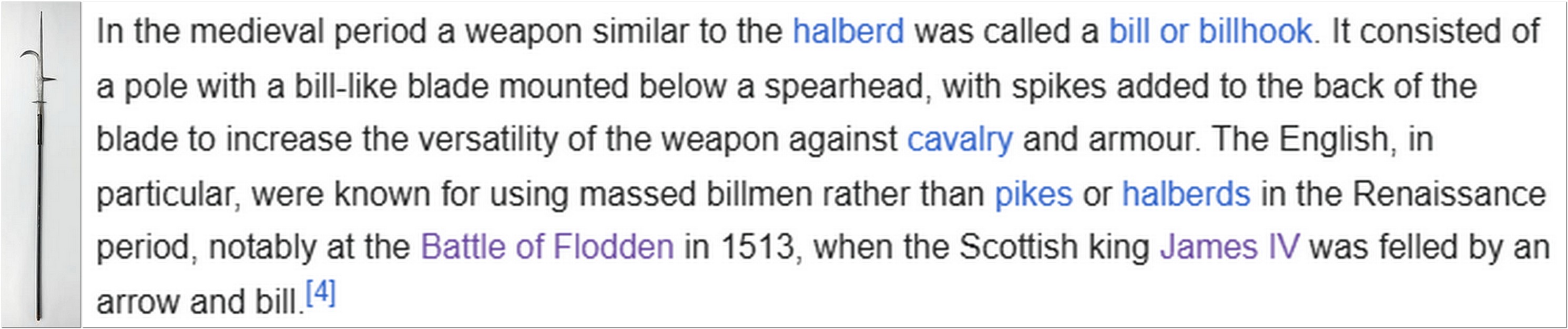





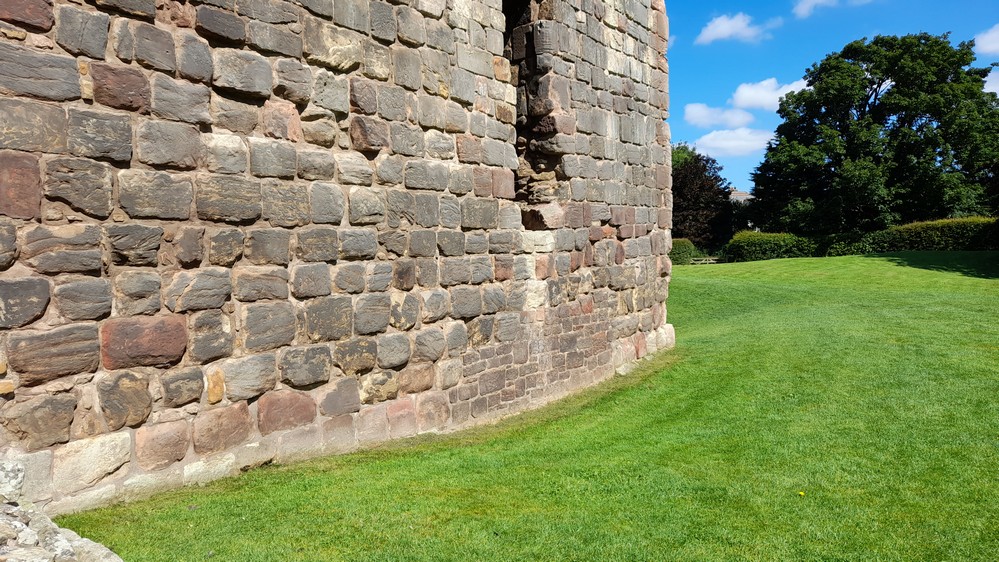
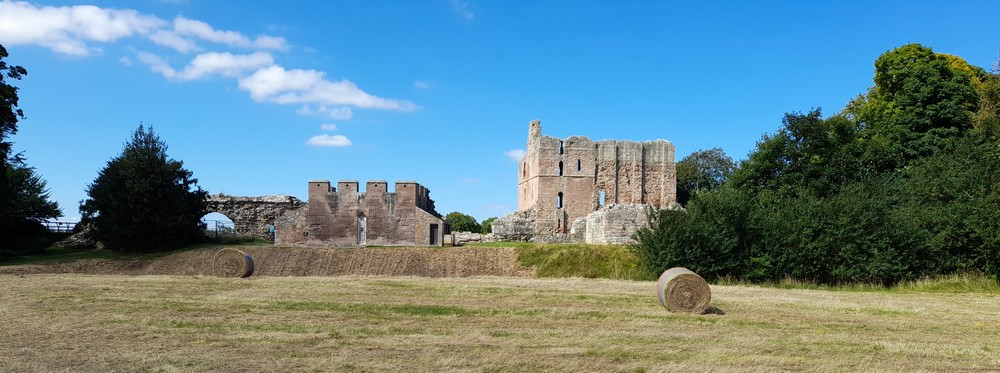


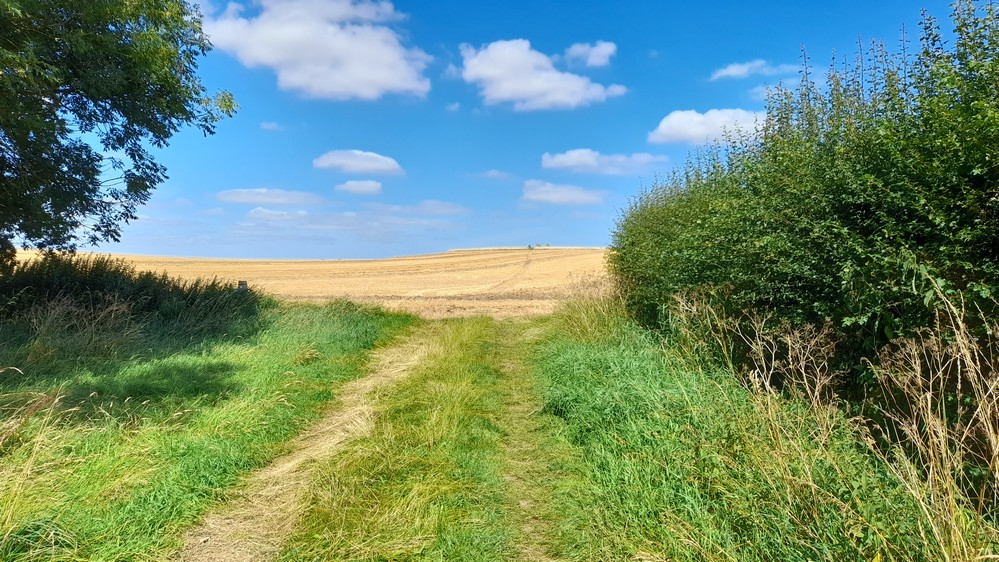
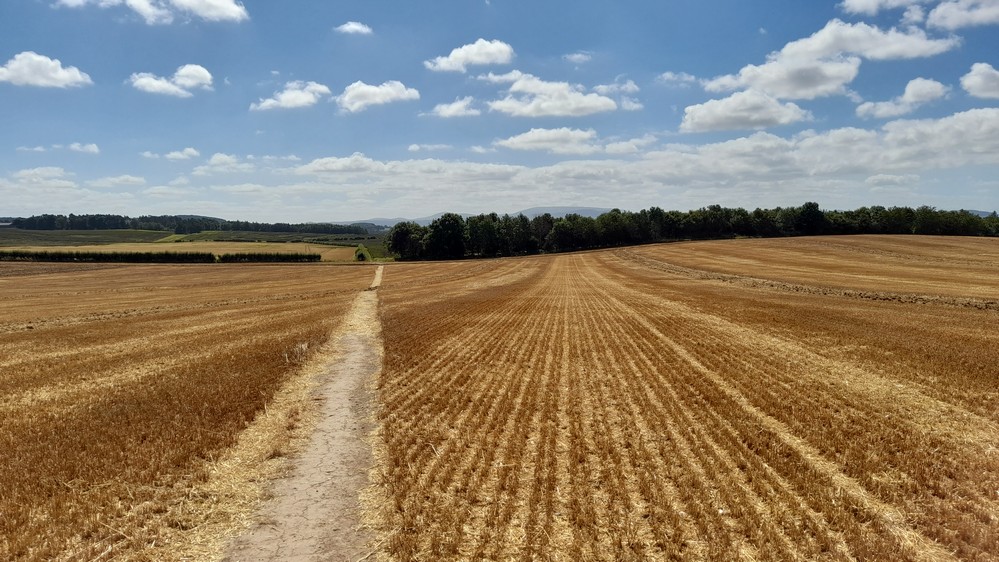
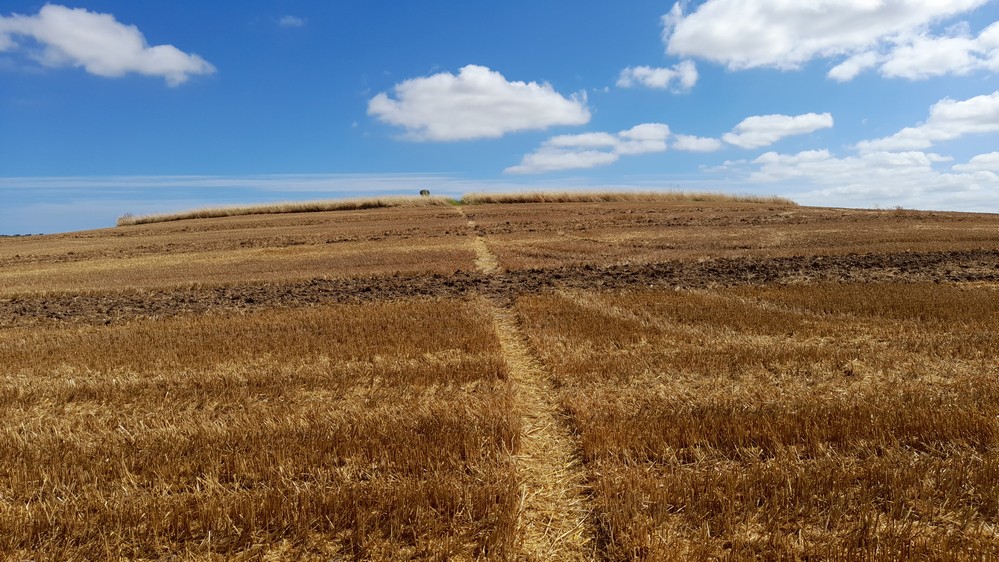
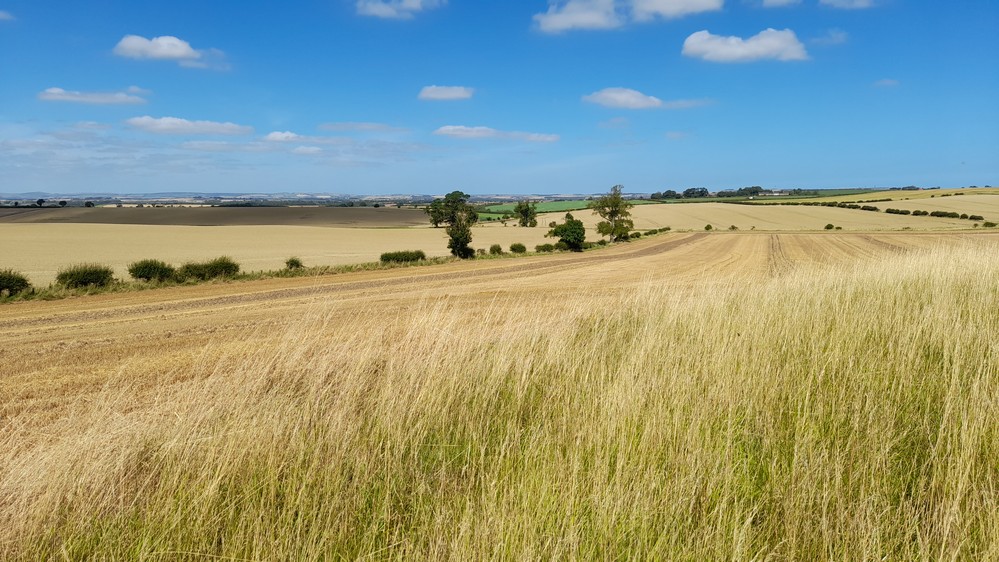
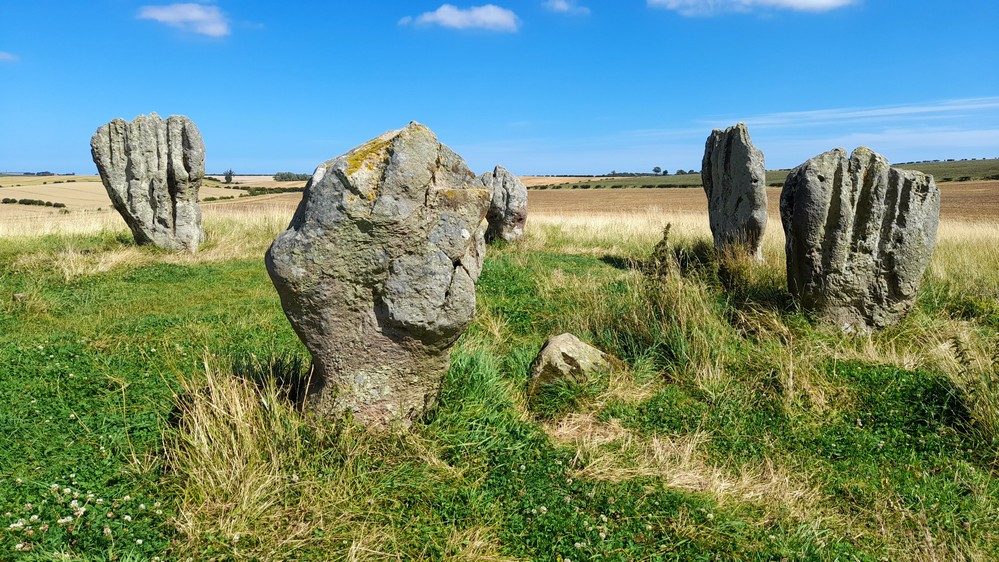
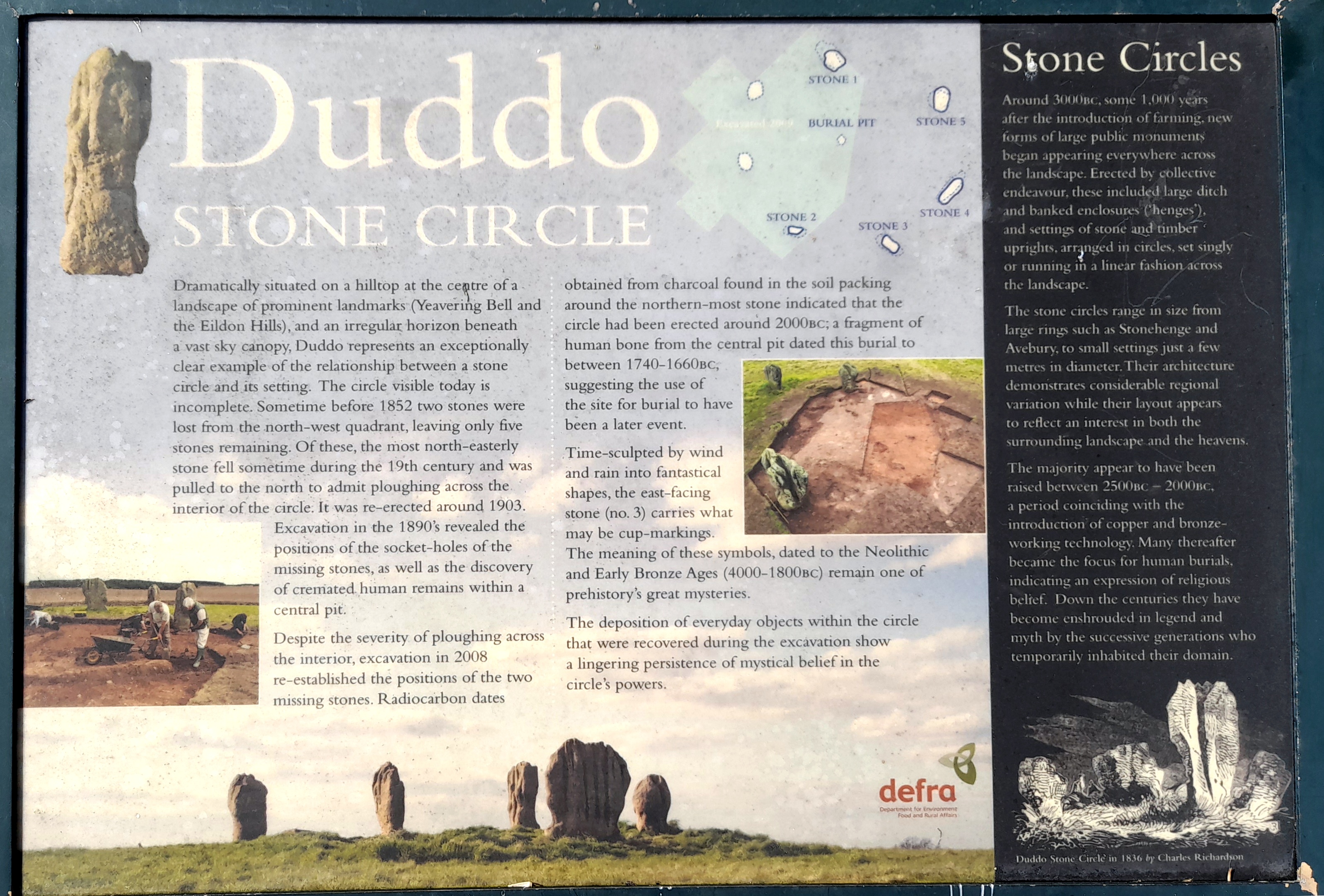
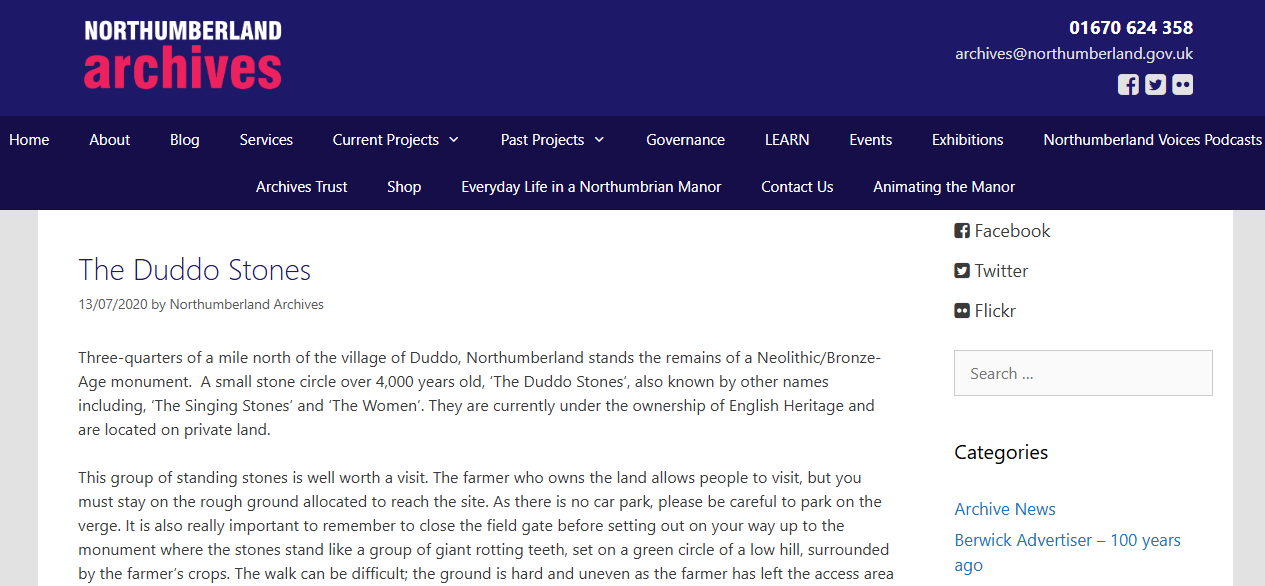


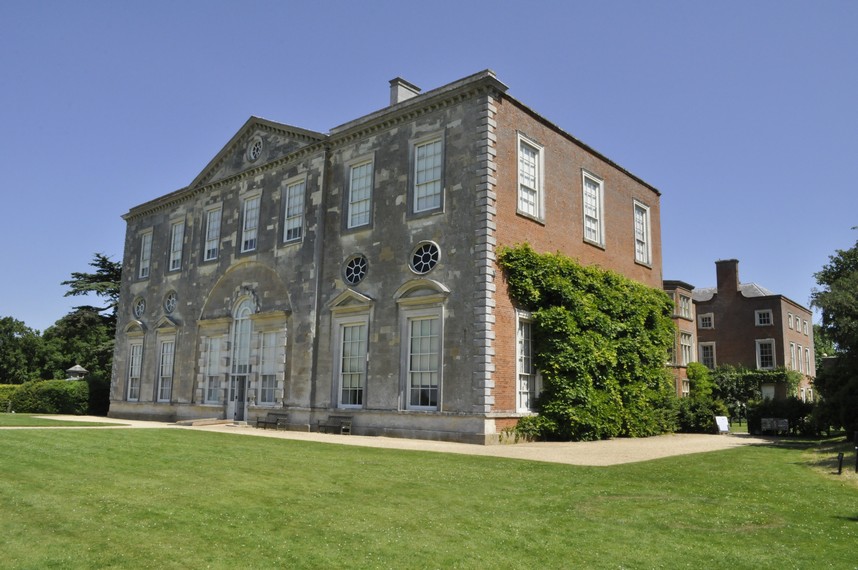


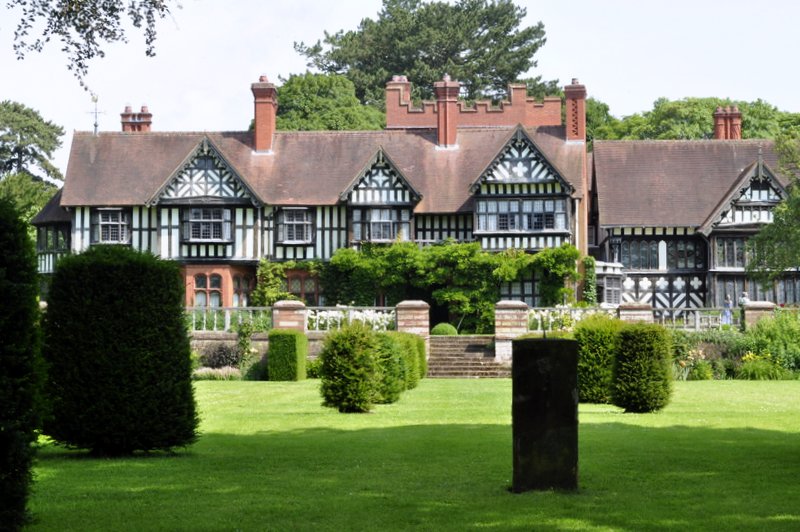


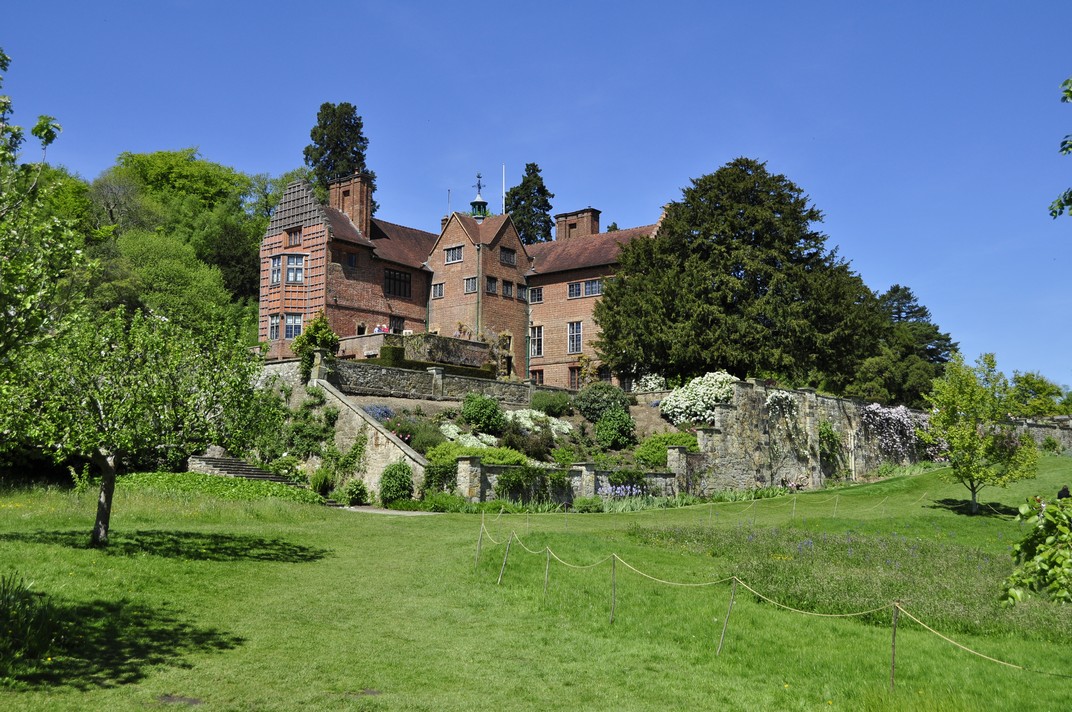


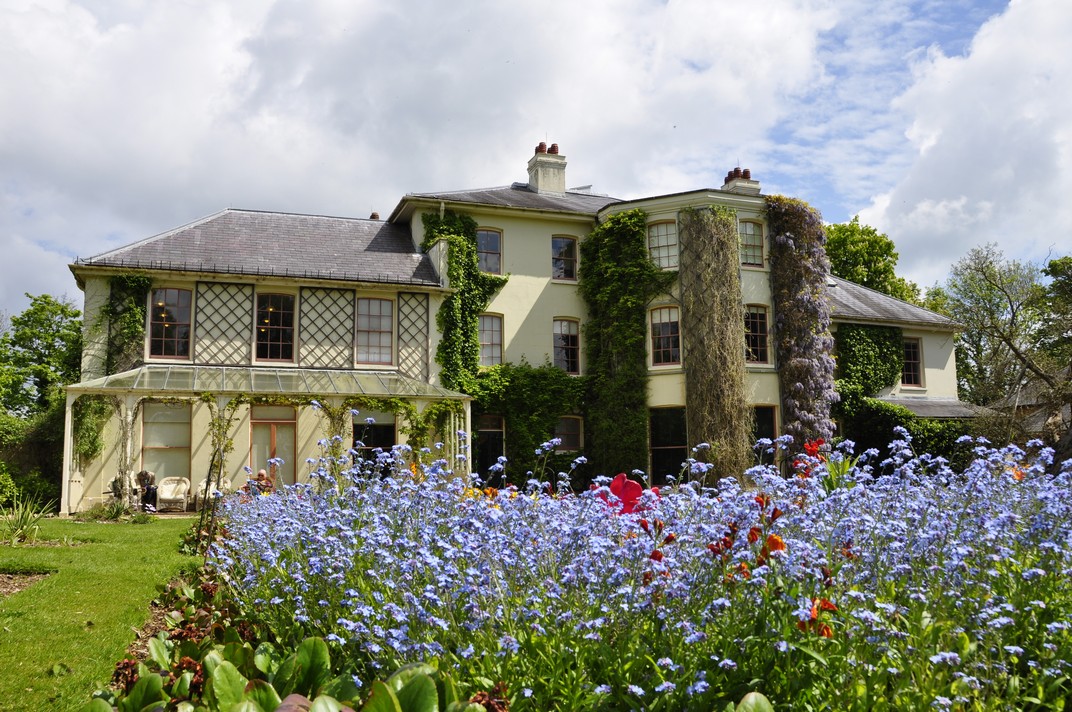
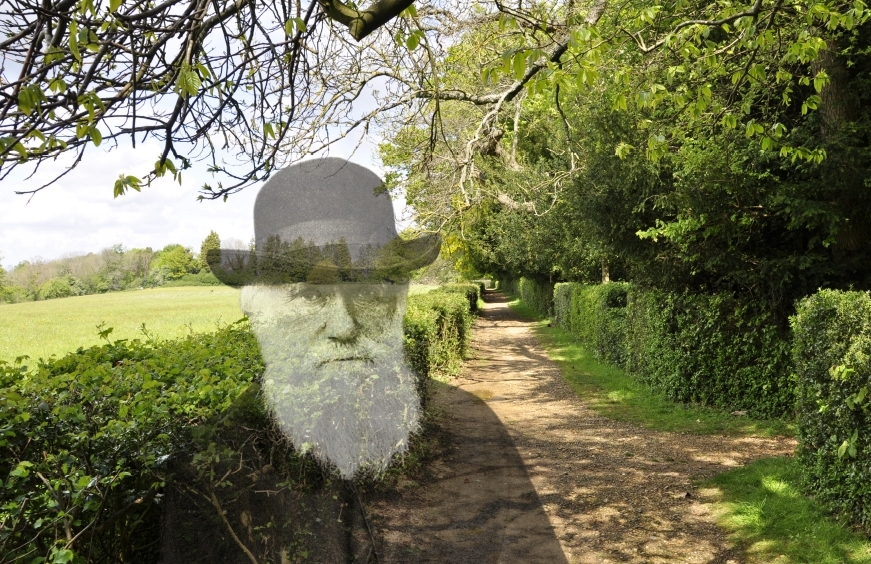



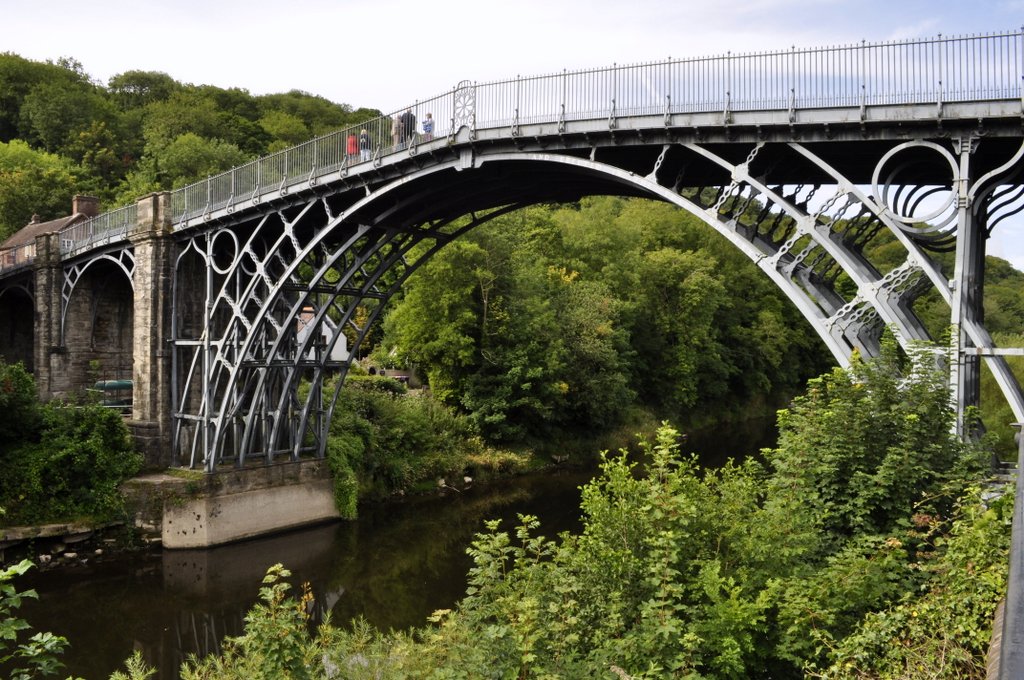
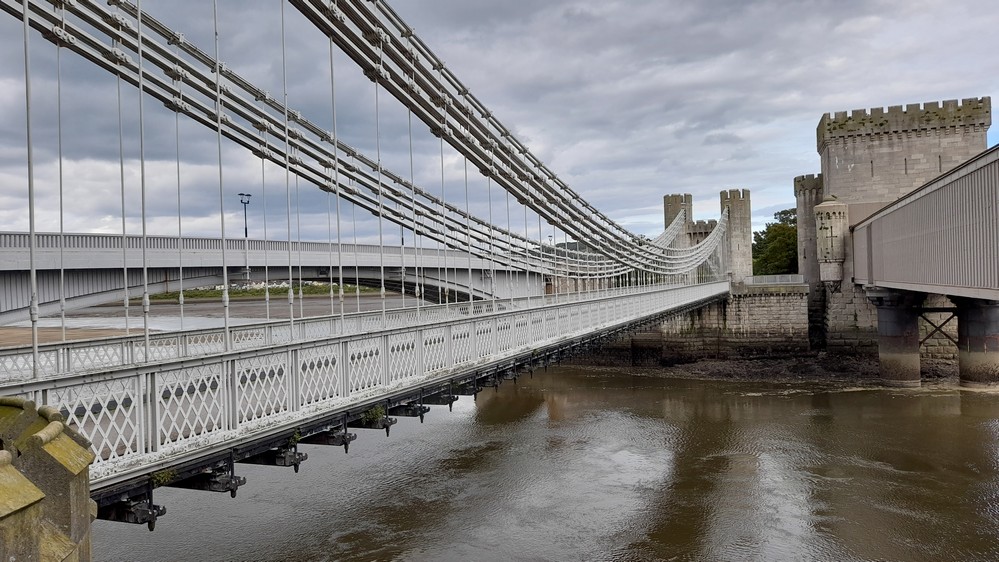


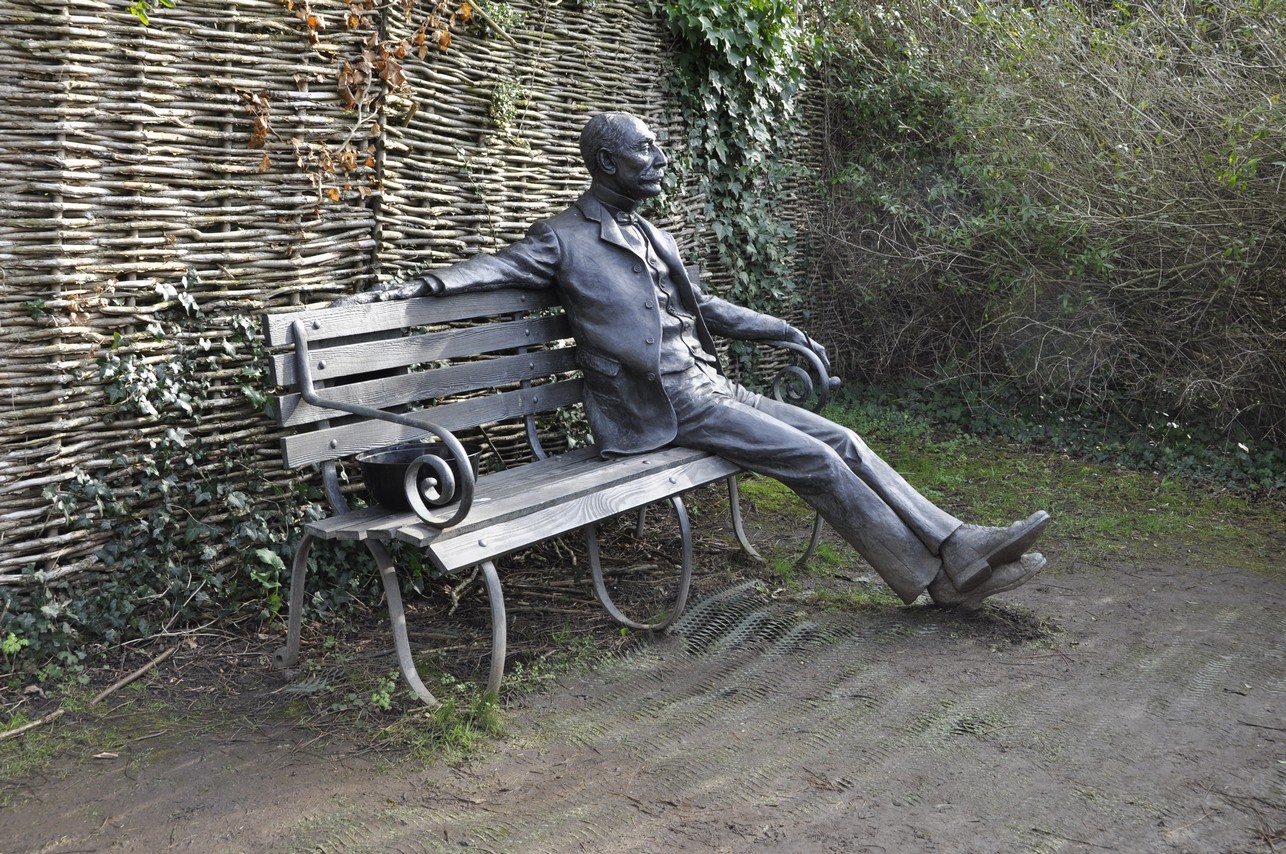
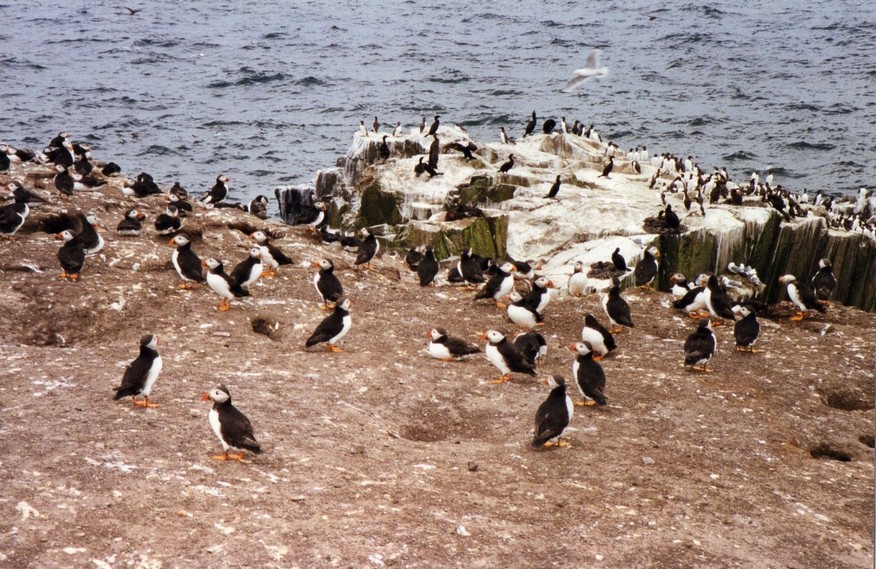
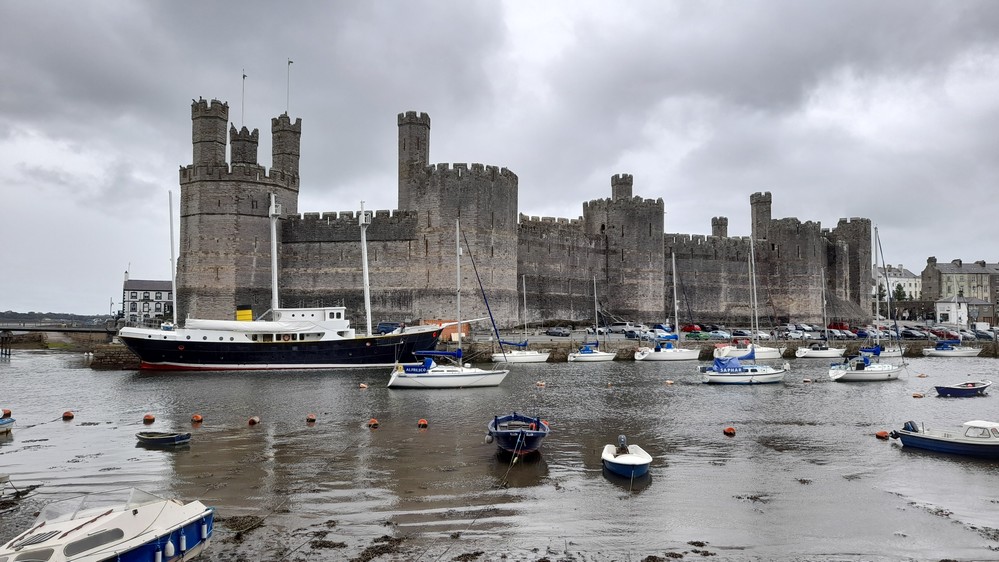


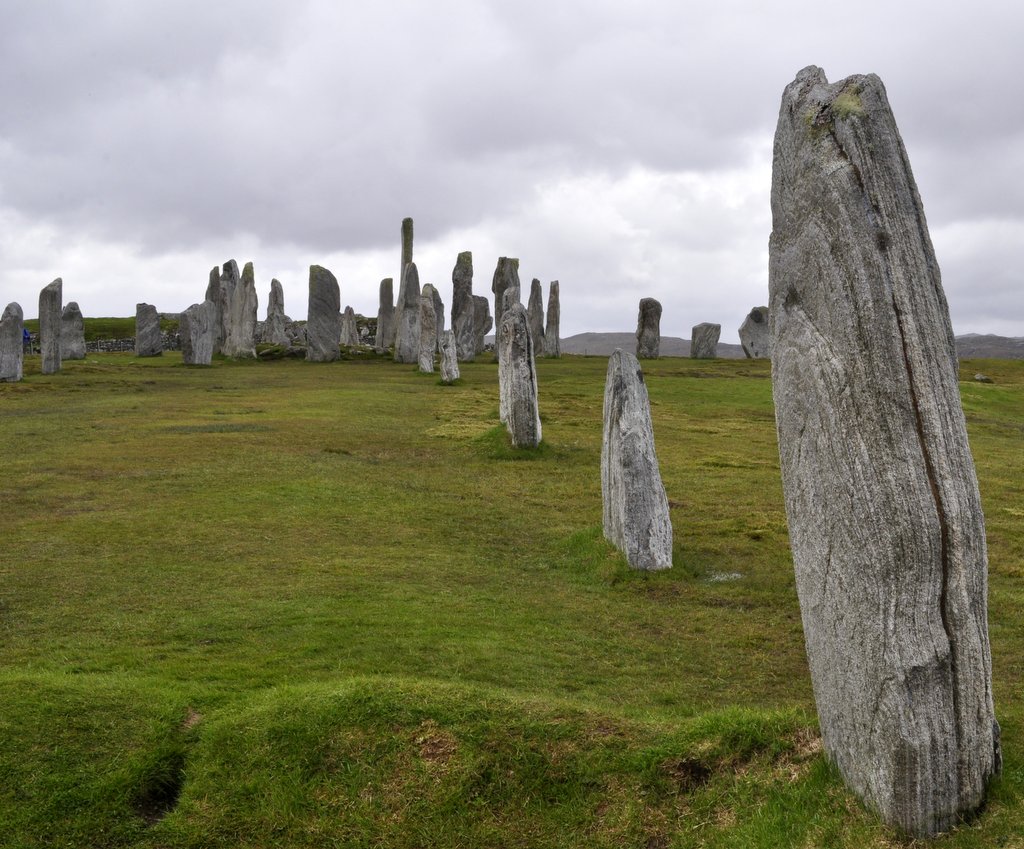


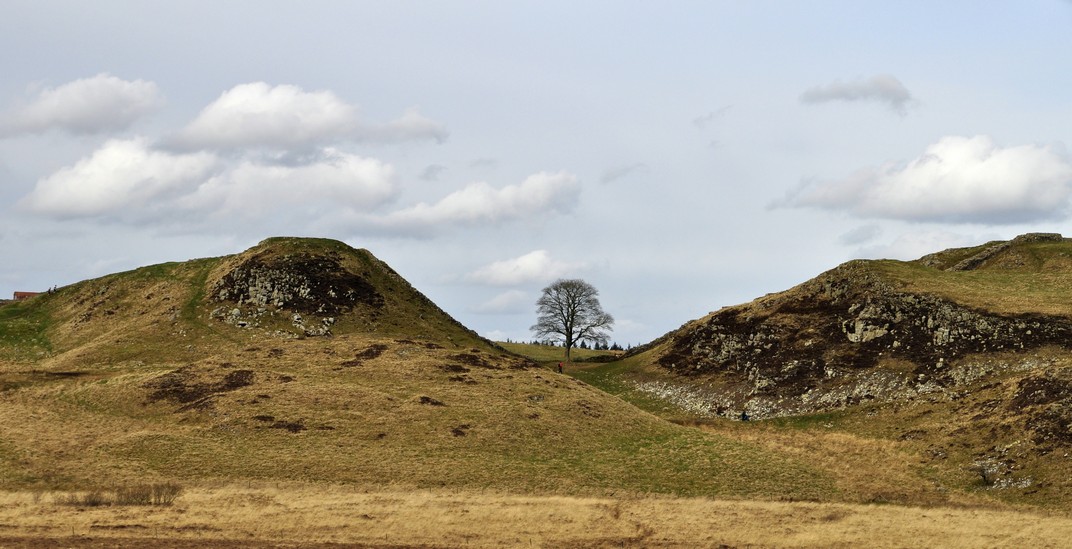
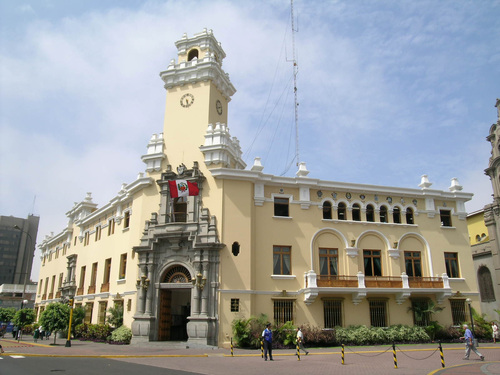
 John, a plant pathologist working on bacterial diseases of potato, was a colleague of ours at the
 It’s by chance, I suppose, that Steph and I got together in the first place. We met at the University of Birmingham, where we studied for our MSc degrees in
 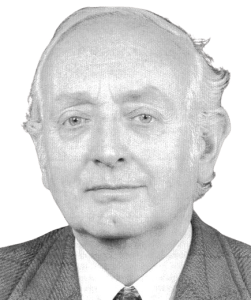 But fate stepped in I guess.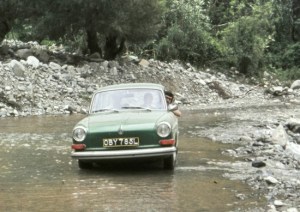
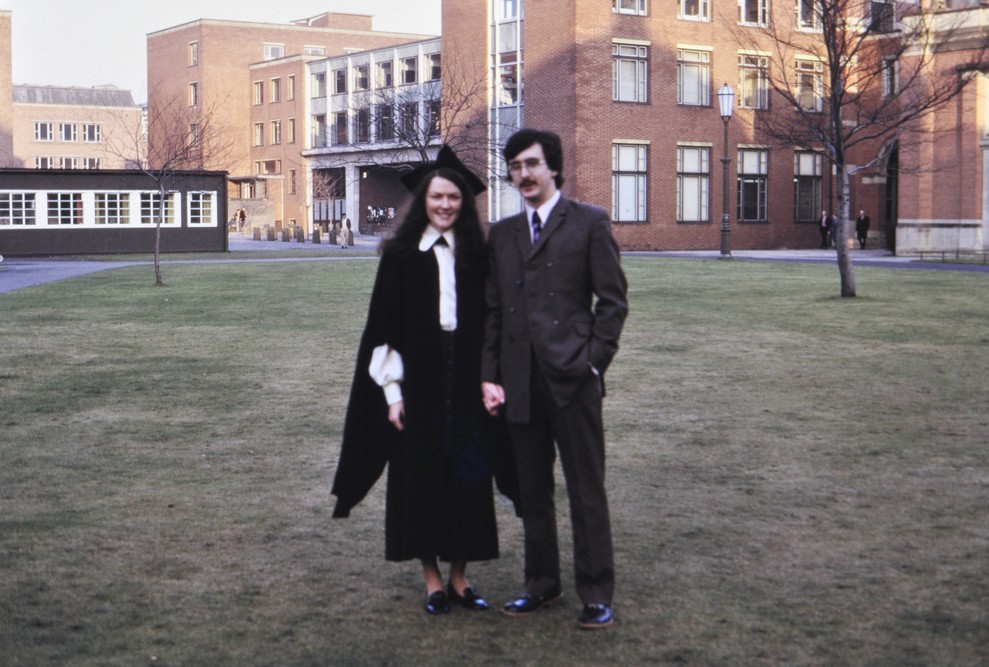

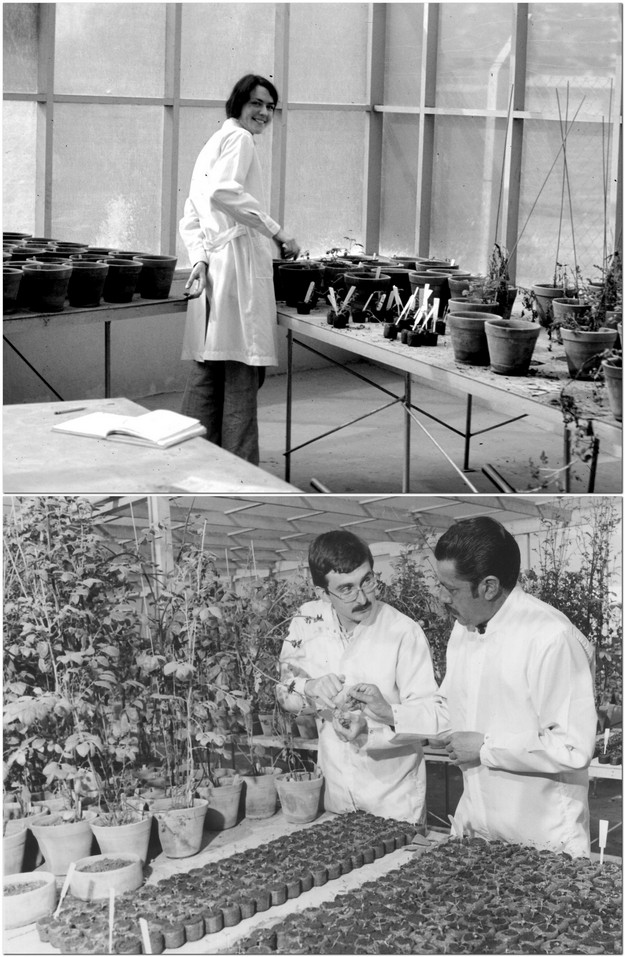
 While we were allowed to post marriage banns in the British Embassy, we had to announce our intention to marry in the official Peruvian government gazette, El Peruano, and one of the principal daily broadsheets (El Comercio if memory serves me right), and have the police visit us at our apartment to verify our address. I think we also had to have blood tests as well. This all took time, but everything was eventually in place for us to set the wedding date: 13 October.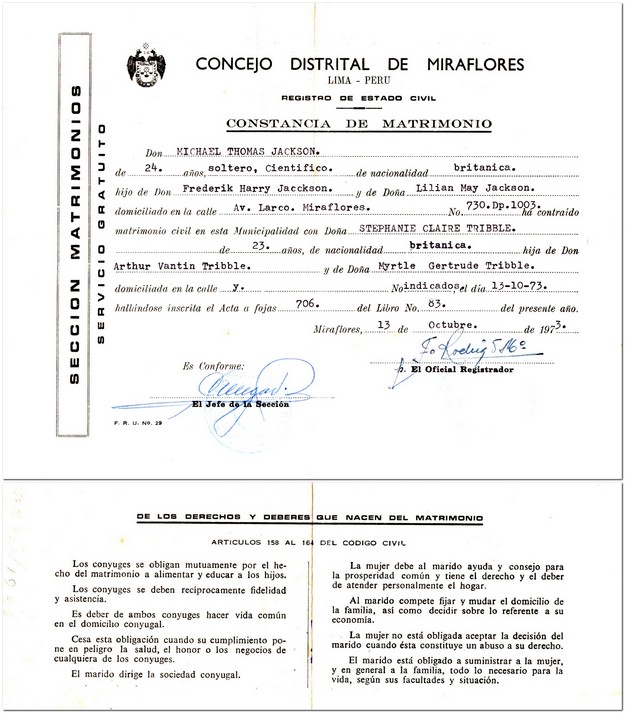
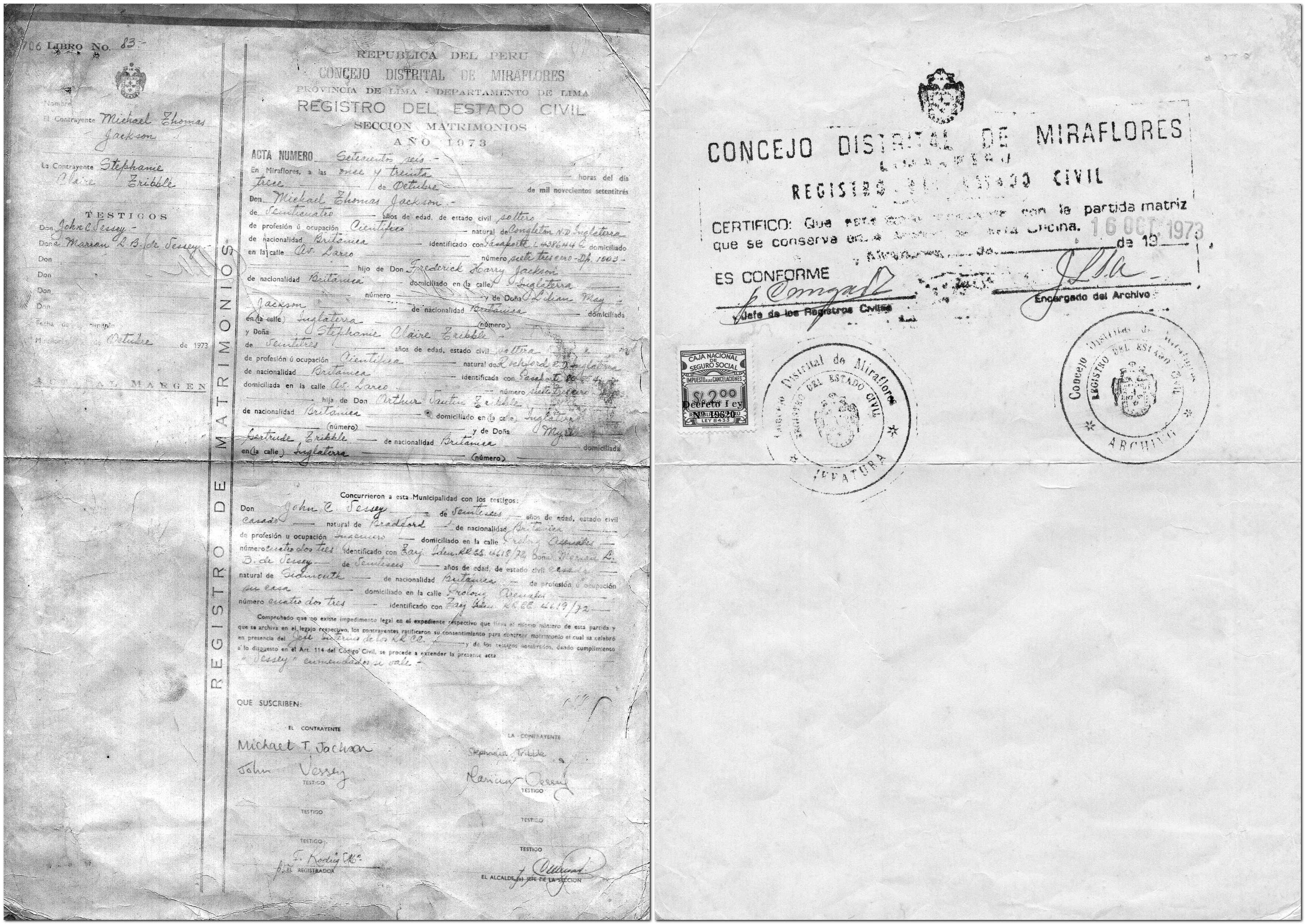


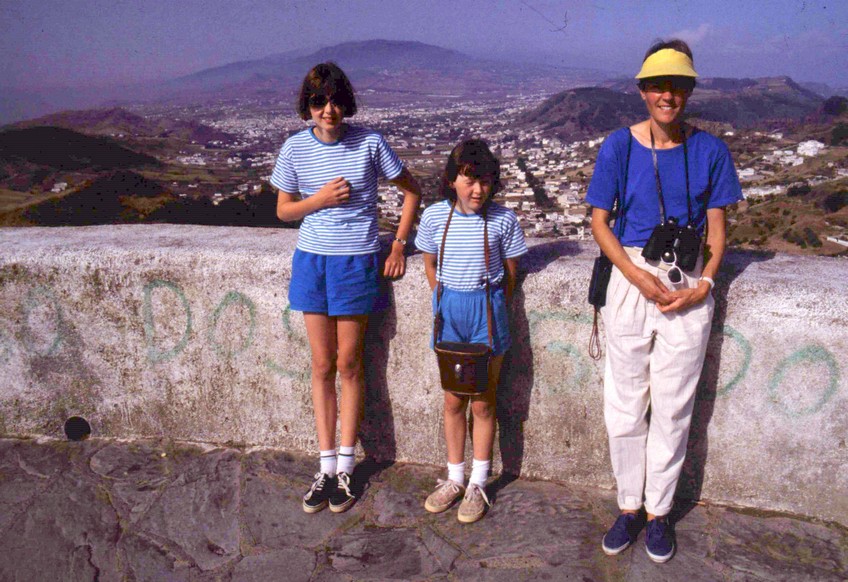

 Steph became an enthusiastic beader and has made several hundred pieces of jewelry since then. In Los Baños we had a live-in helper, Lilia, and so in the heat of Los Baños, Steph was spared the drudgery of housework or cooking, and could focus on the hobbies she enjoyed, including a daily swim in the IRRI pool, and looking after her garden and orchids.
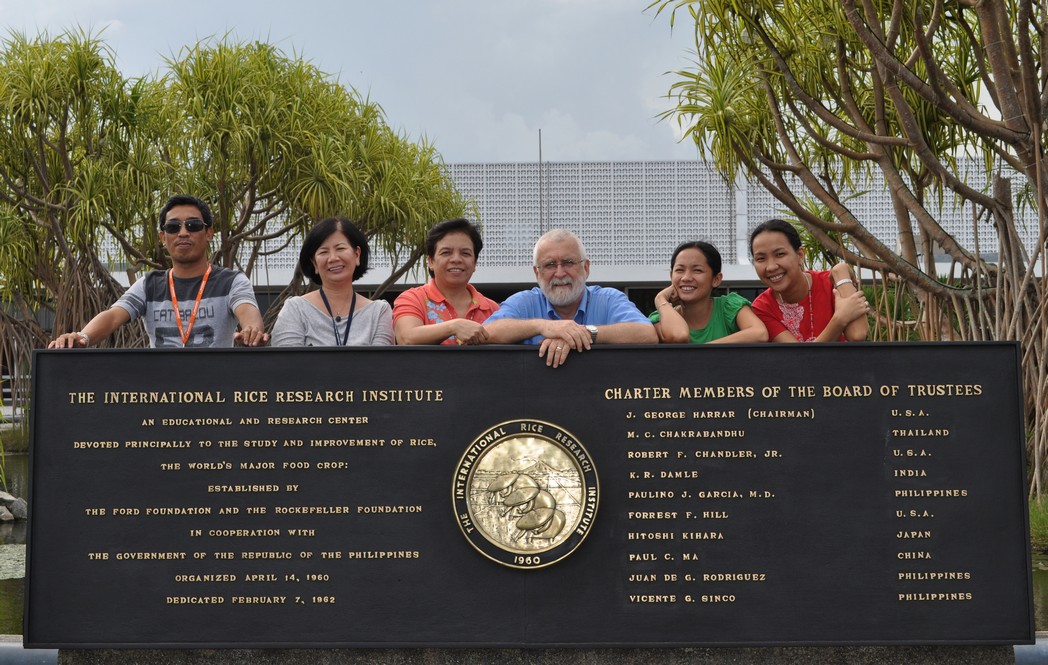
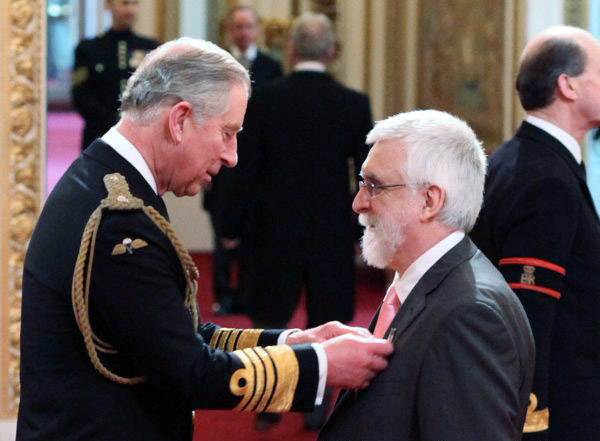

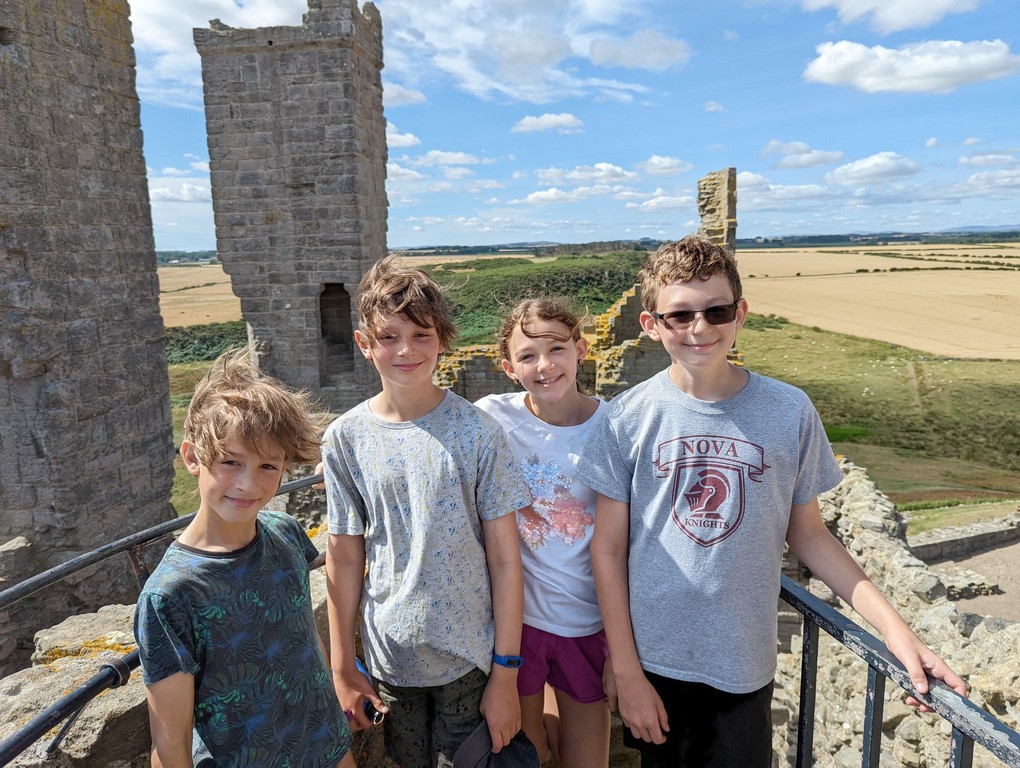
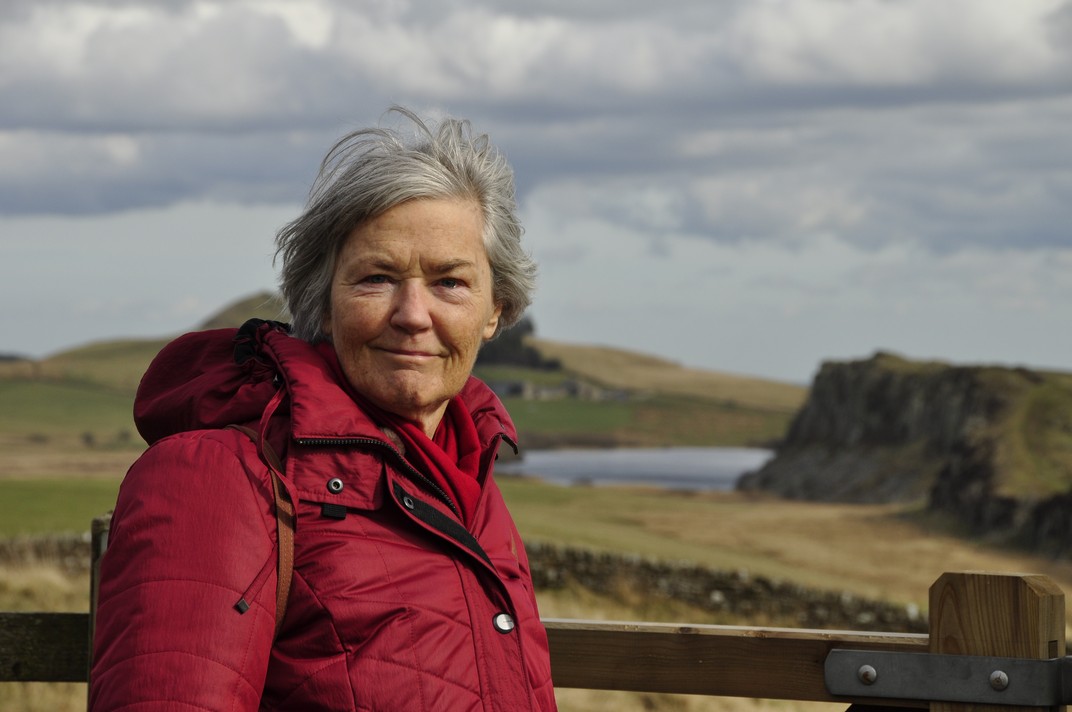
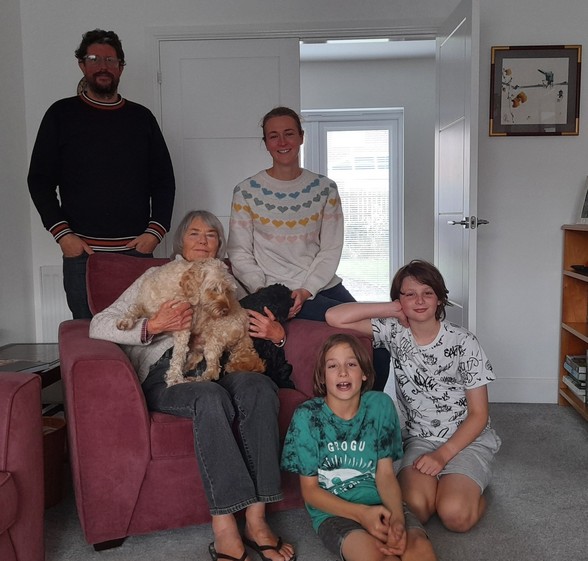
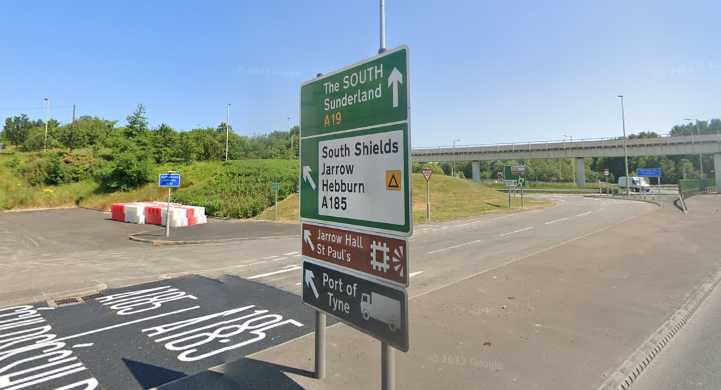
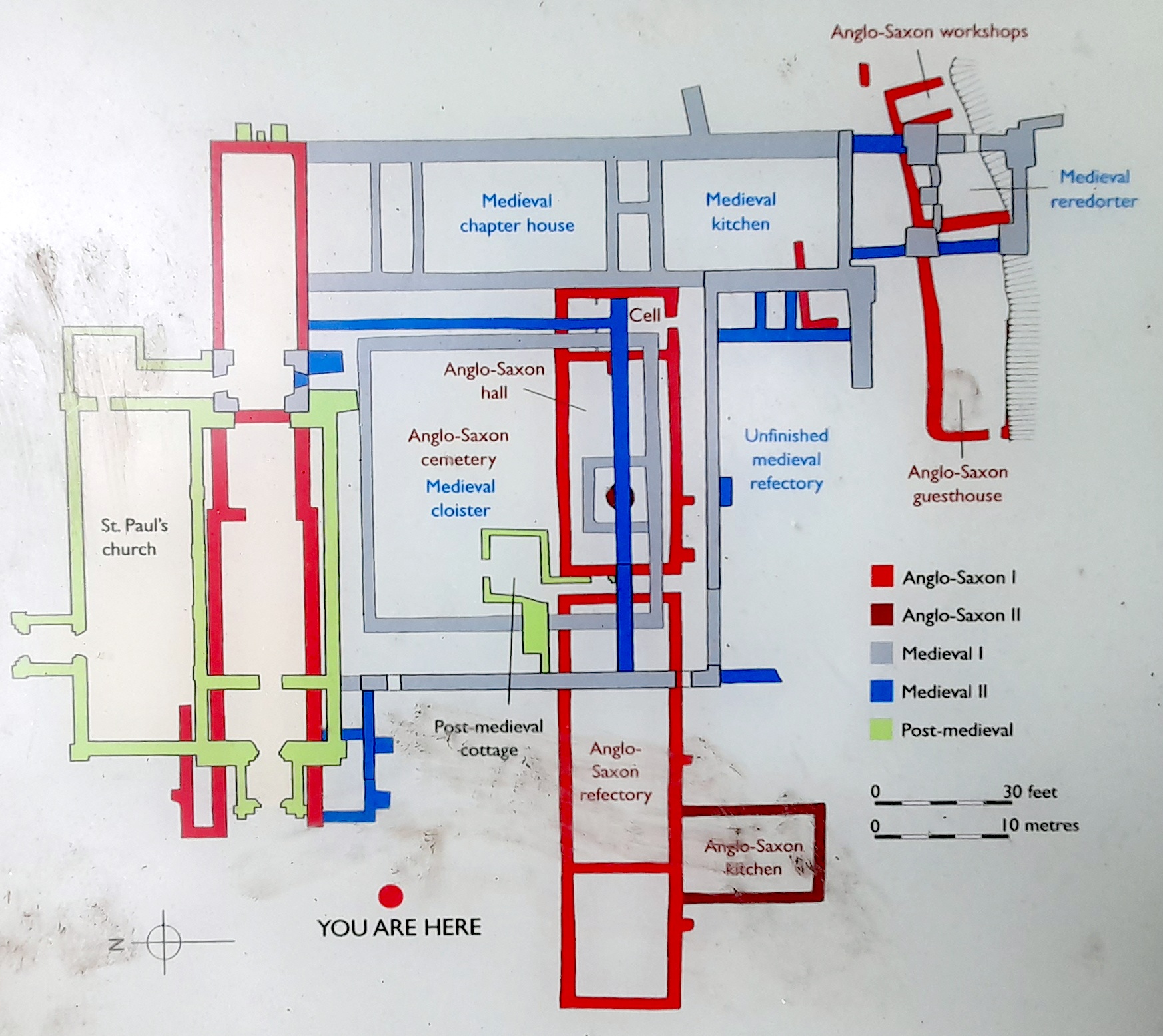
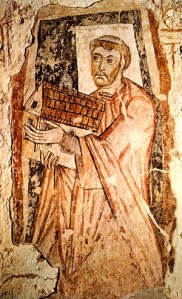 The church and monastery were built on land given by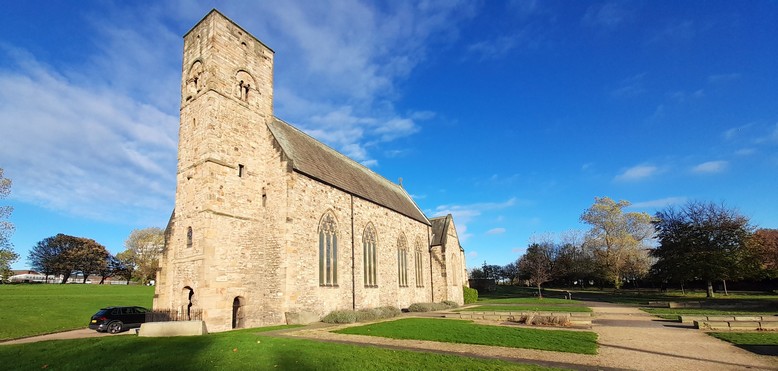

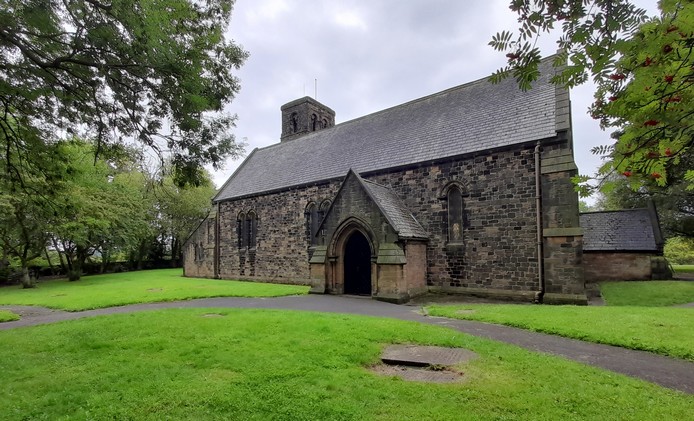
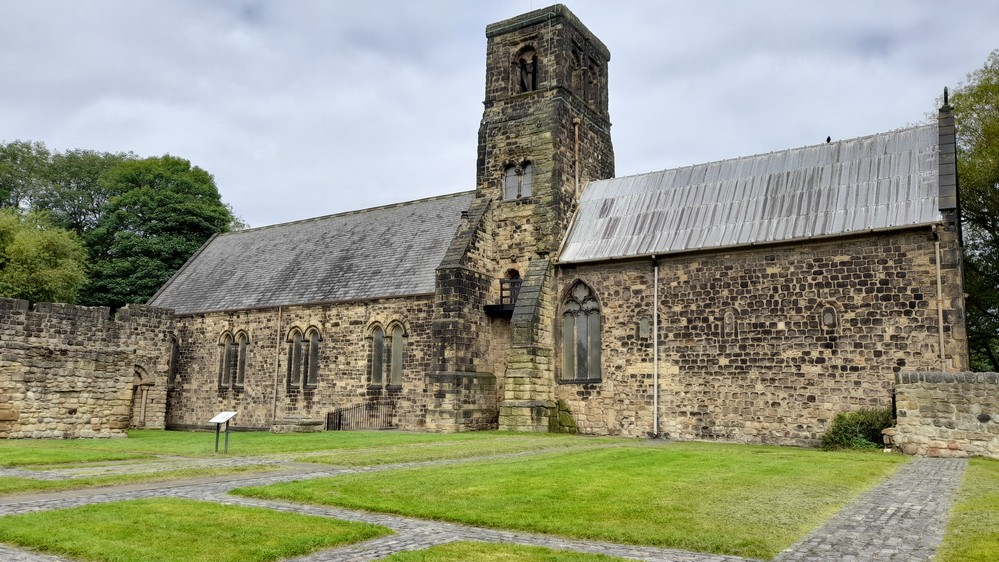

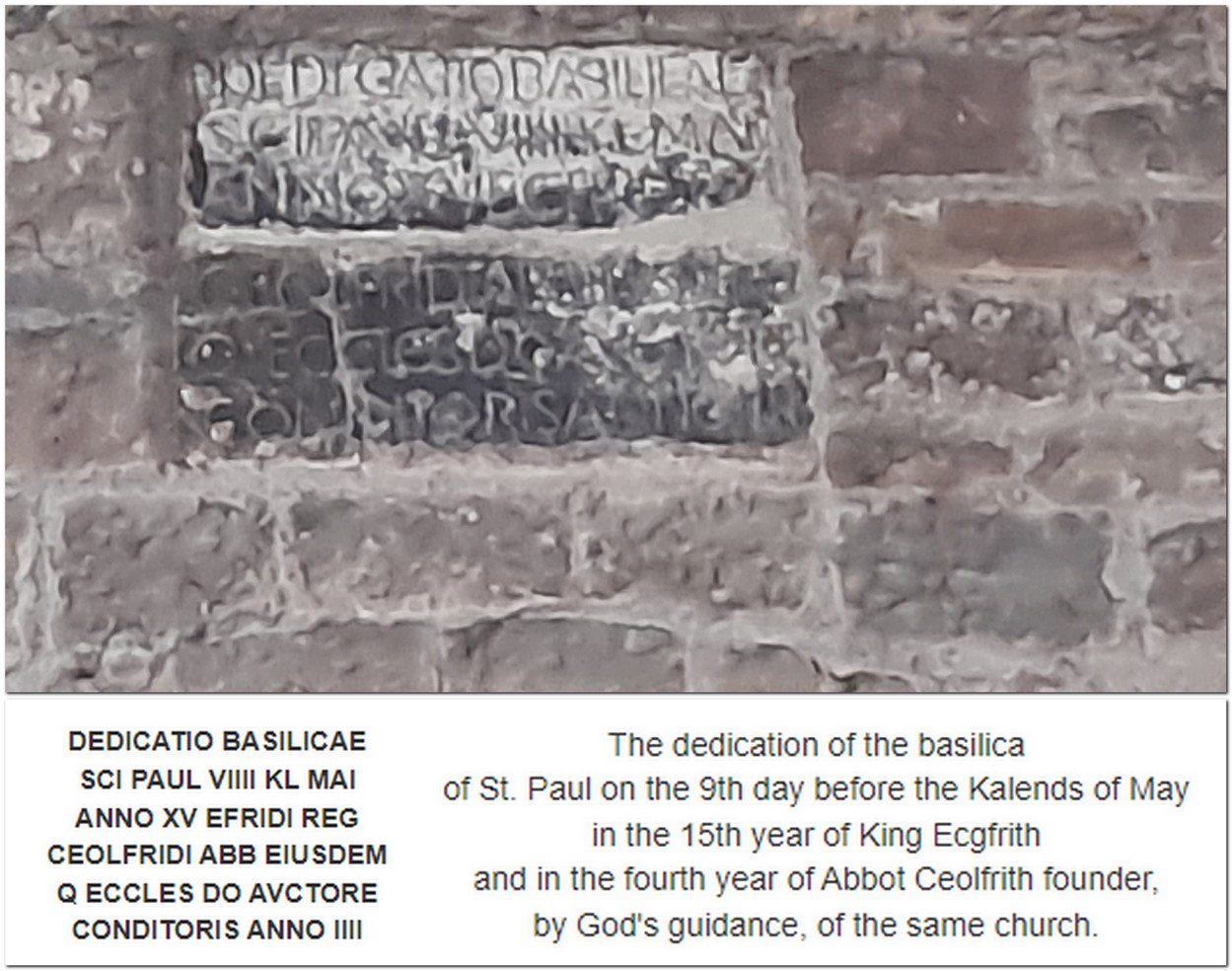


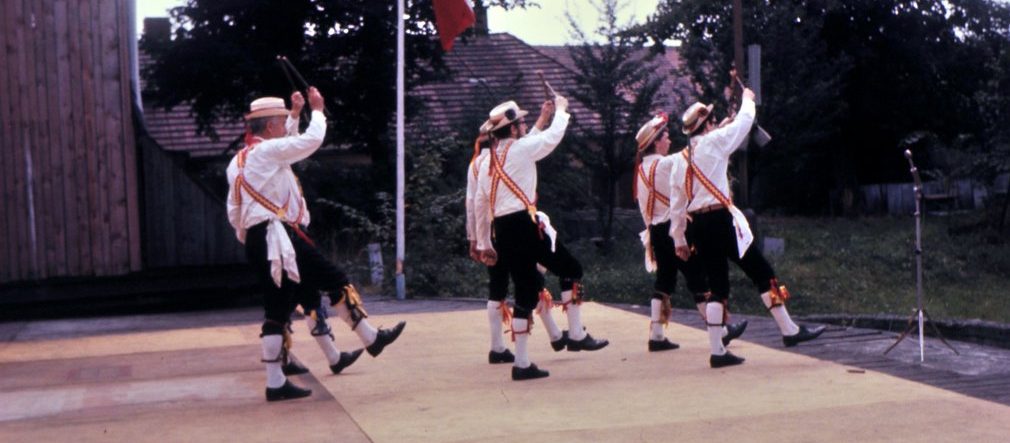


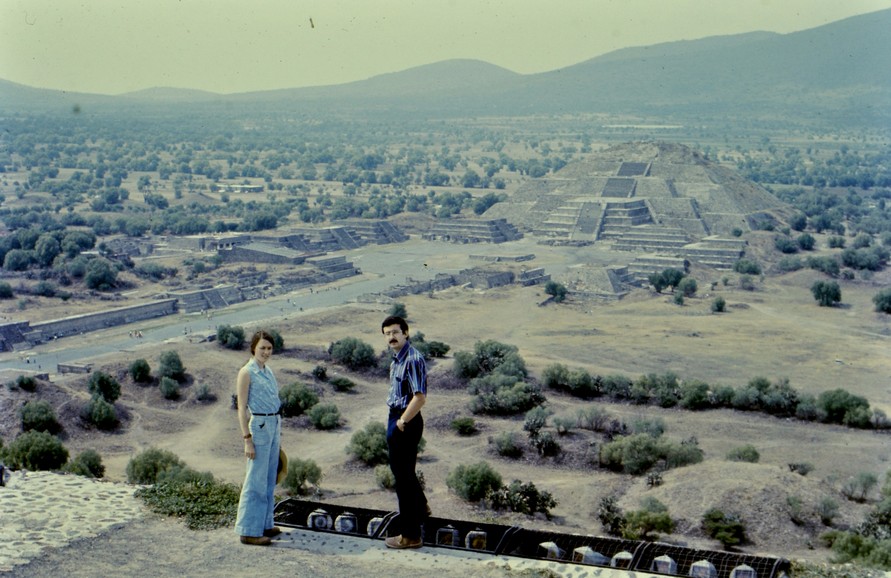




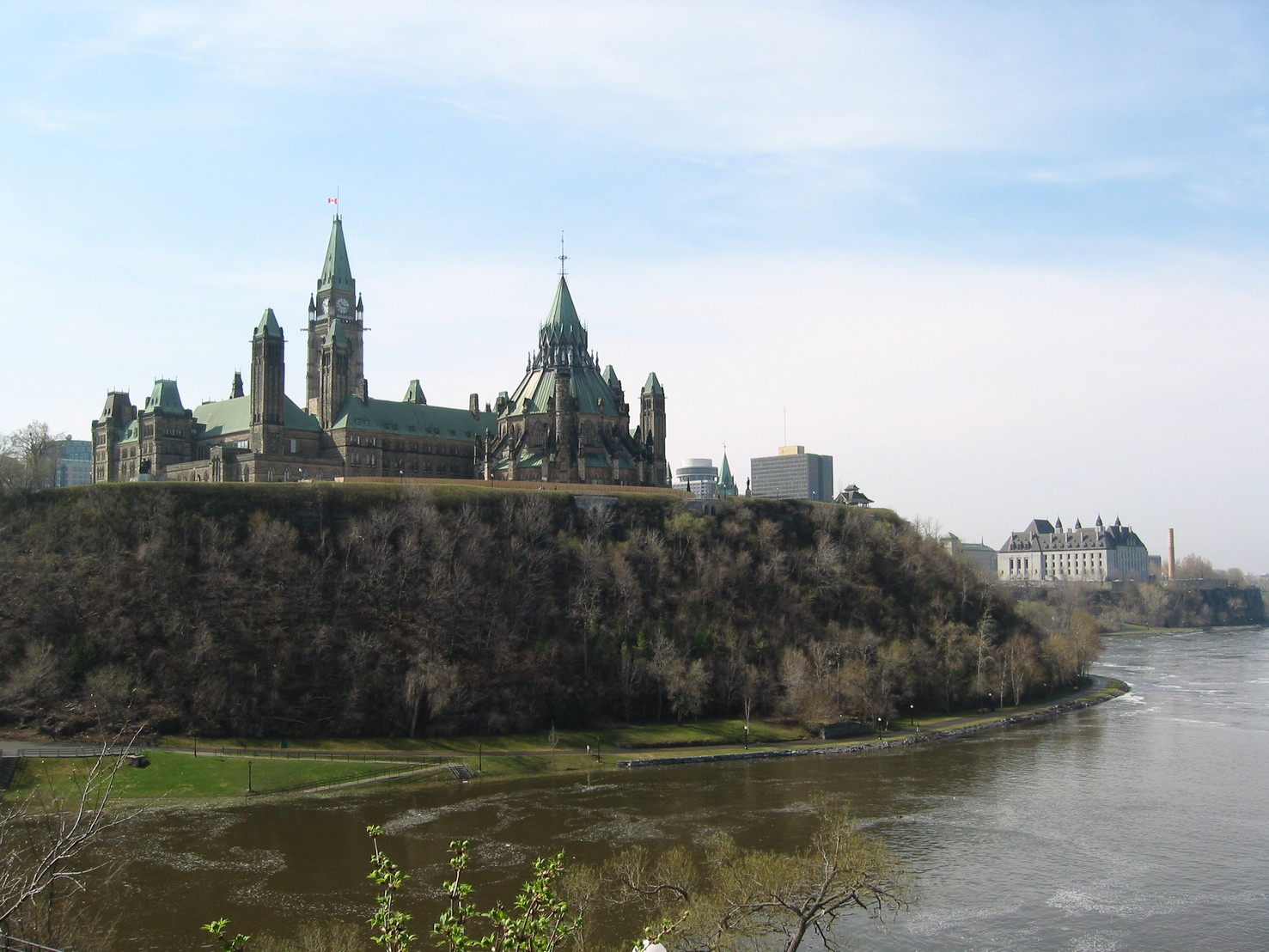


 Let’s turn to Asia now. I spent almost 19 years in the Philippines, joining the





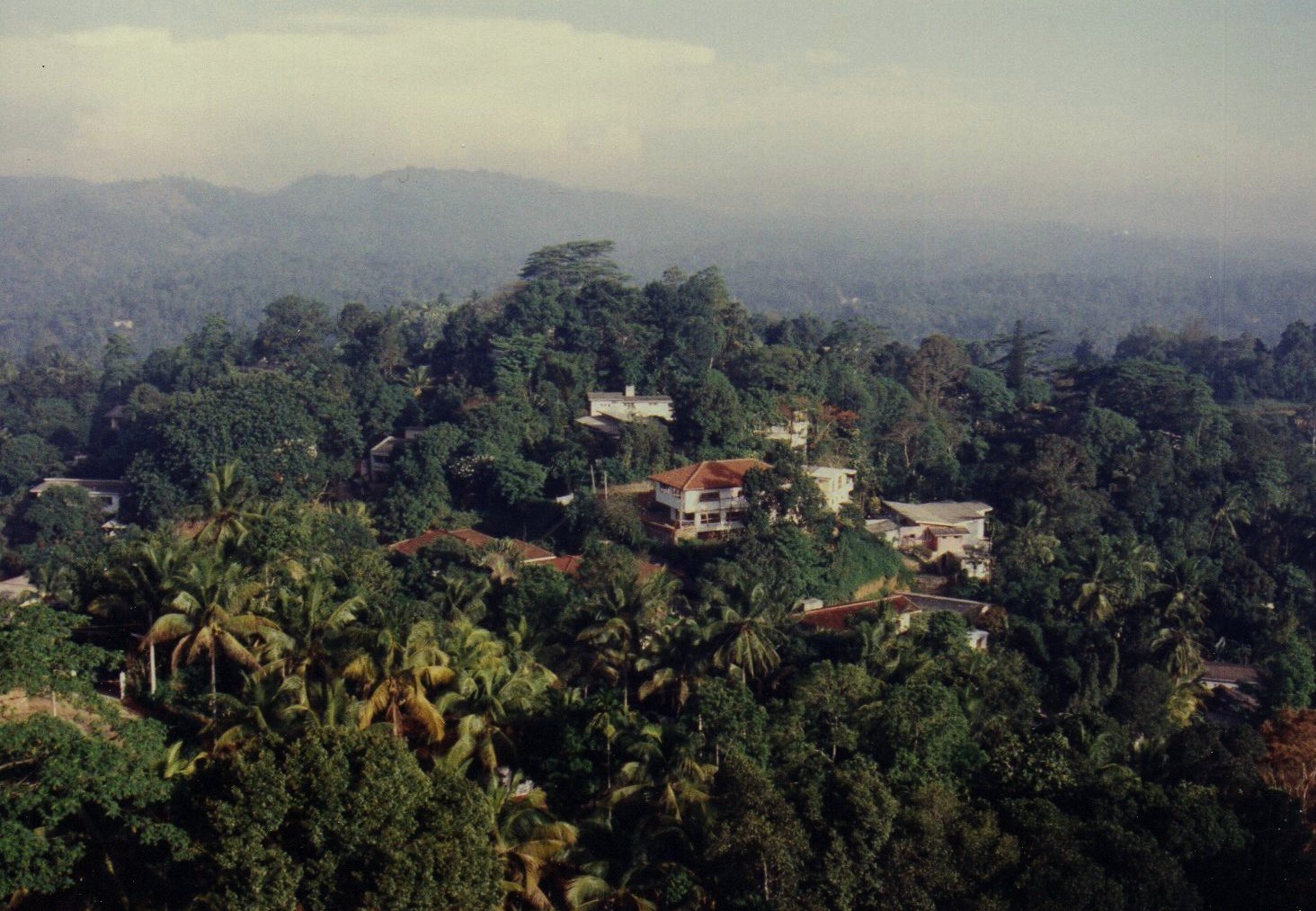
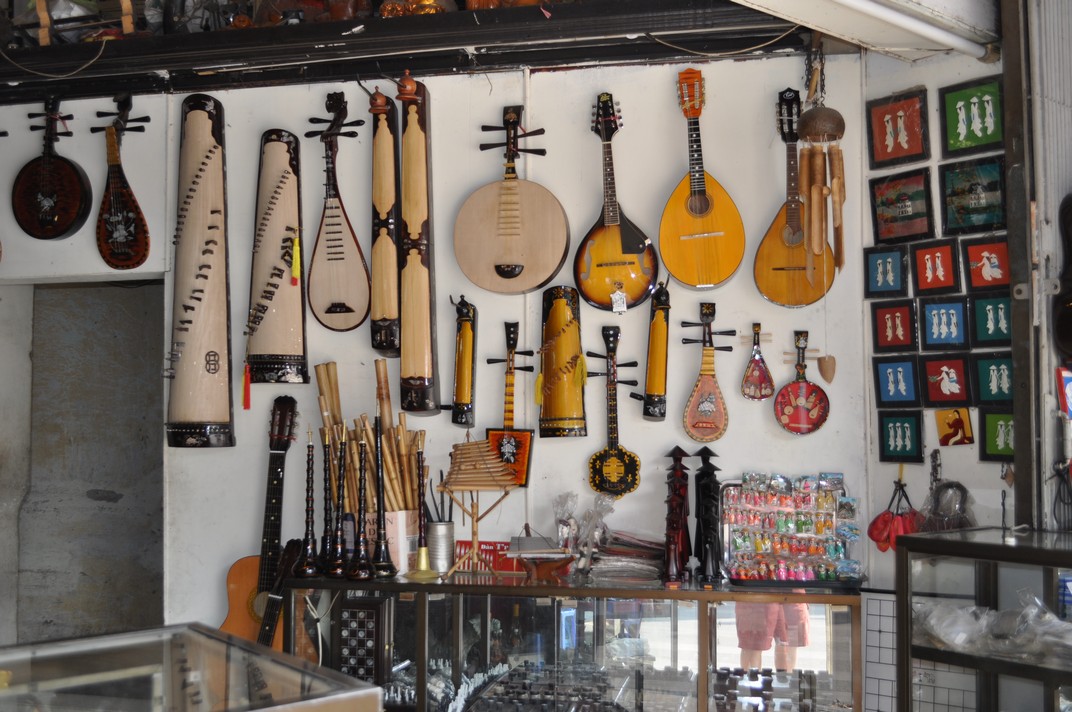
 In 2014 IRRI once again asked me to chair the science committee for the
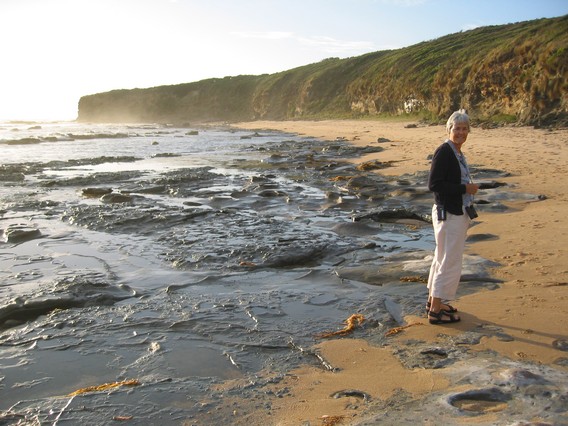


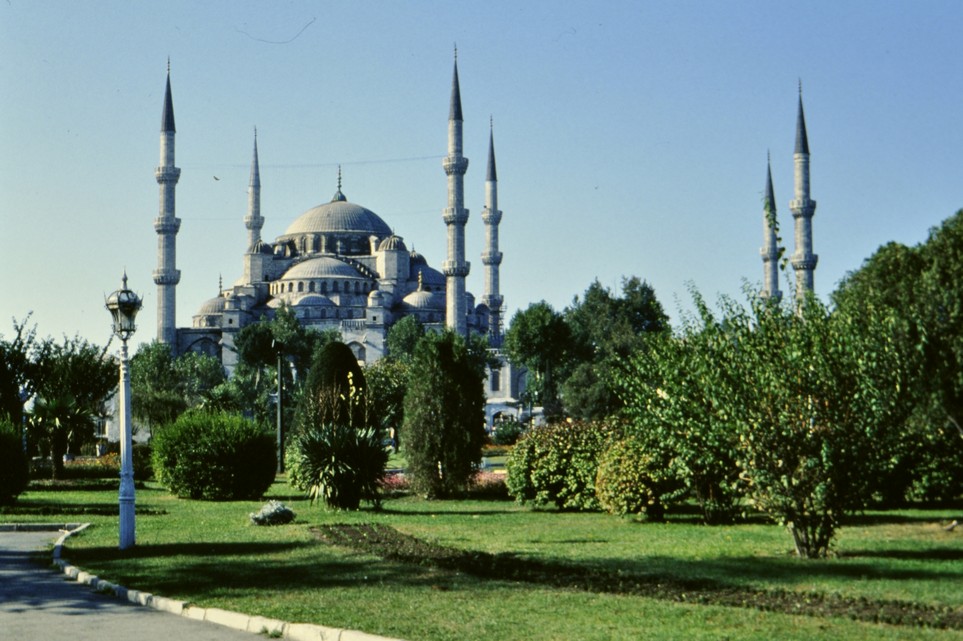
 I was next in Germany in the late 1980s, when I visited agricultural research institute near Hannover (also taking in the scenic town of Celle), before crossing into East Germany. I spent several interesting days at the
  There I gave a series of seminars on crop evolution and genetic conservation (focusing on potatoes) to staff of the agricultural research institute (IHAR). My hosts took me to the
 One of the best trips I made was to view the Matterhorn in Switzerland near Zermatt. I had a free weekend before I had to travel on to Rome, so I took the opportunity of a day excursion from Bern.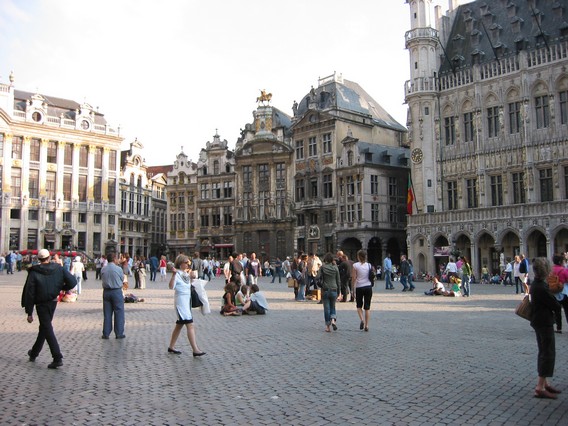
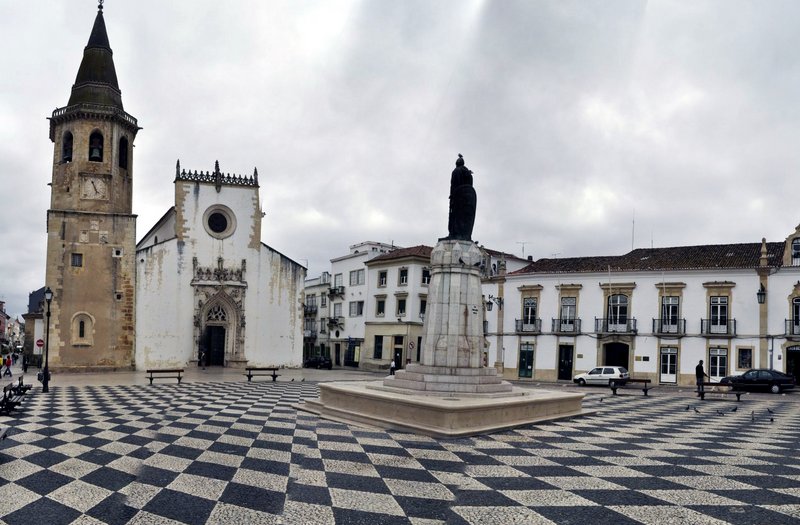

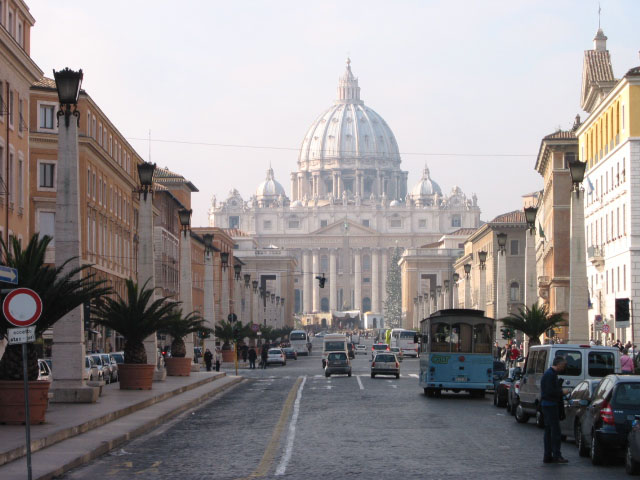


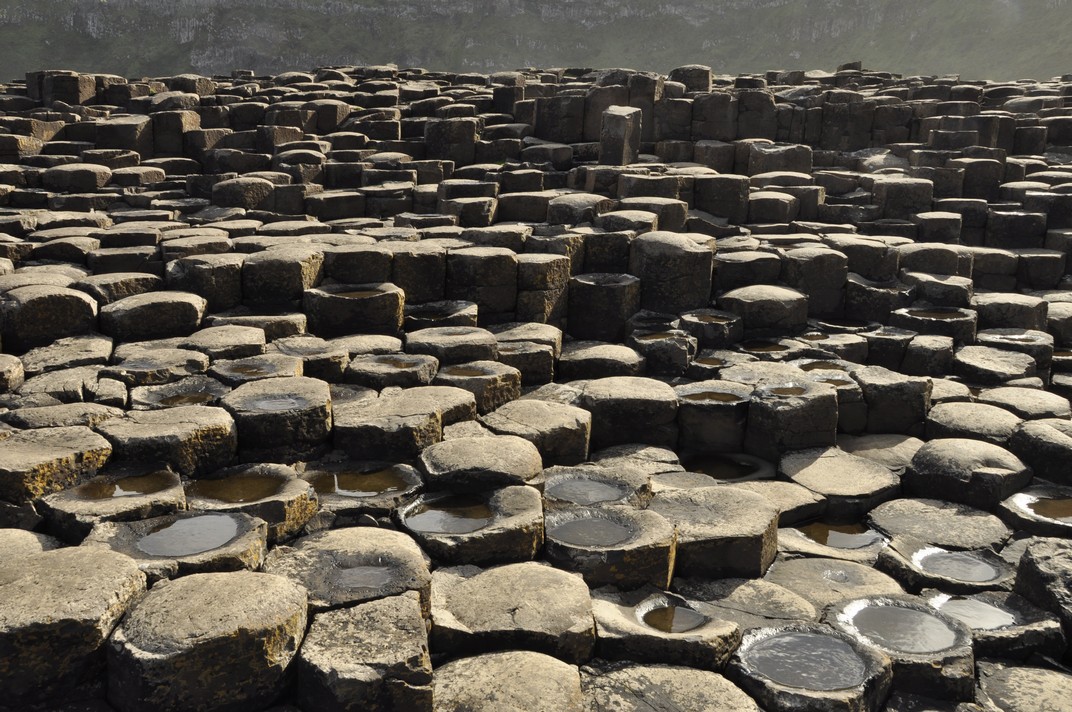


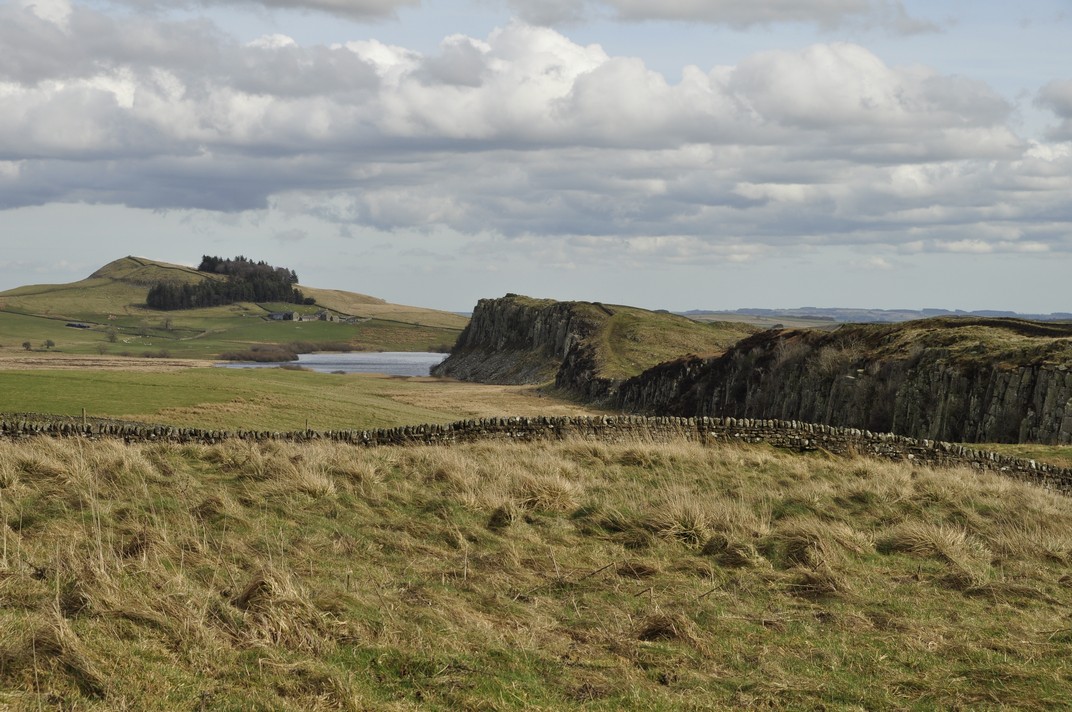
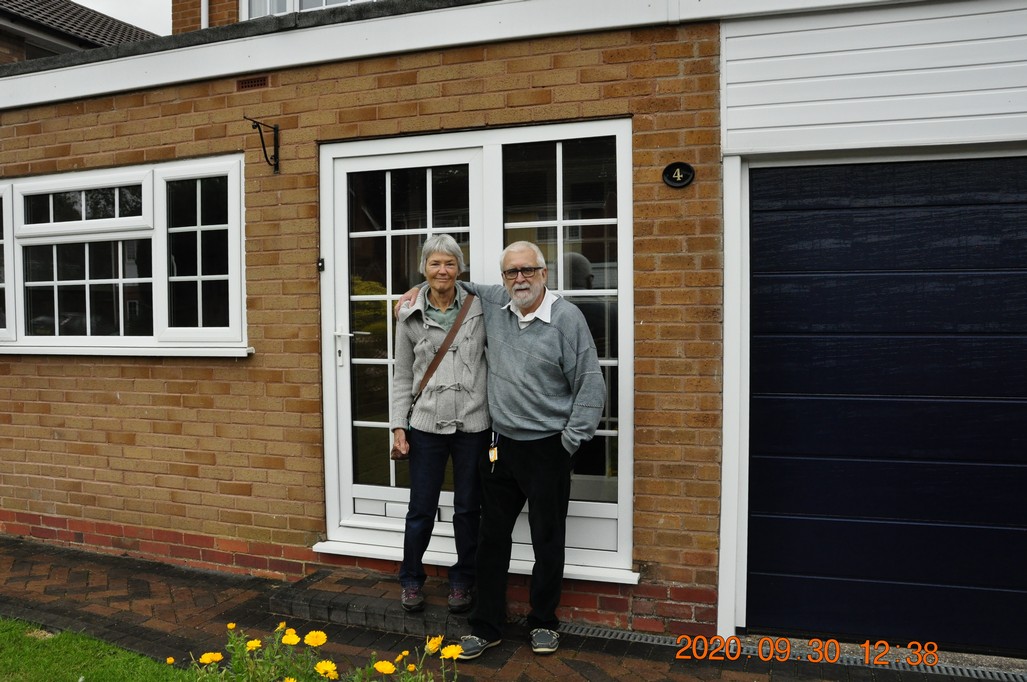
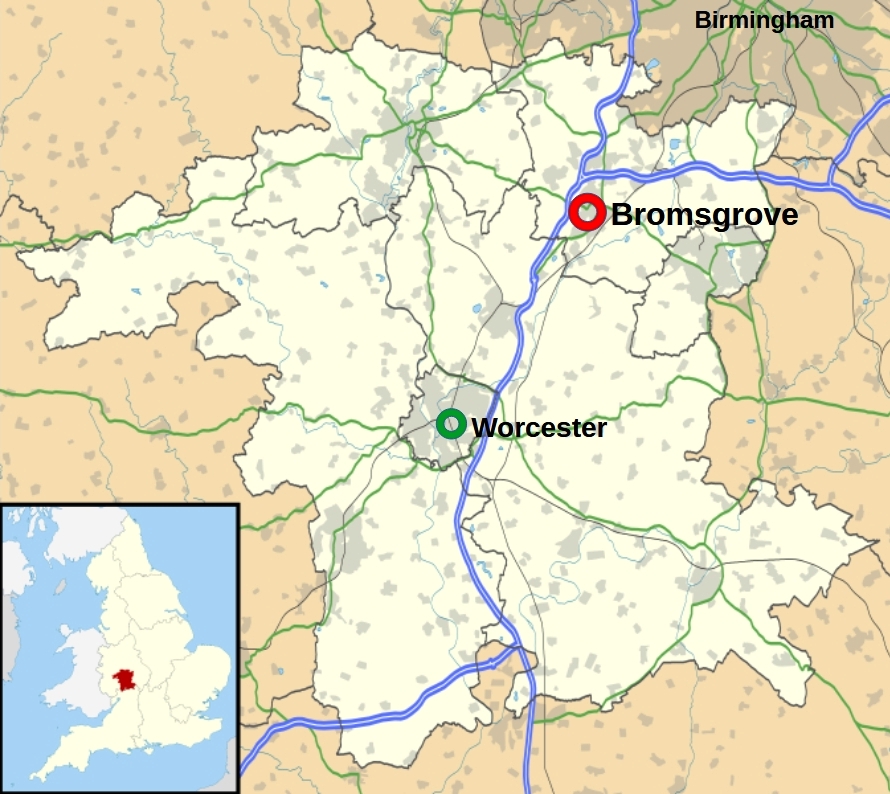
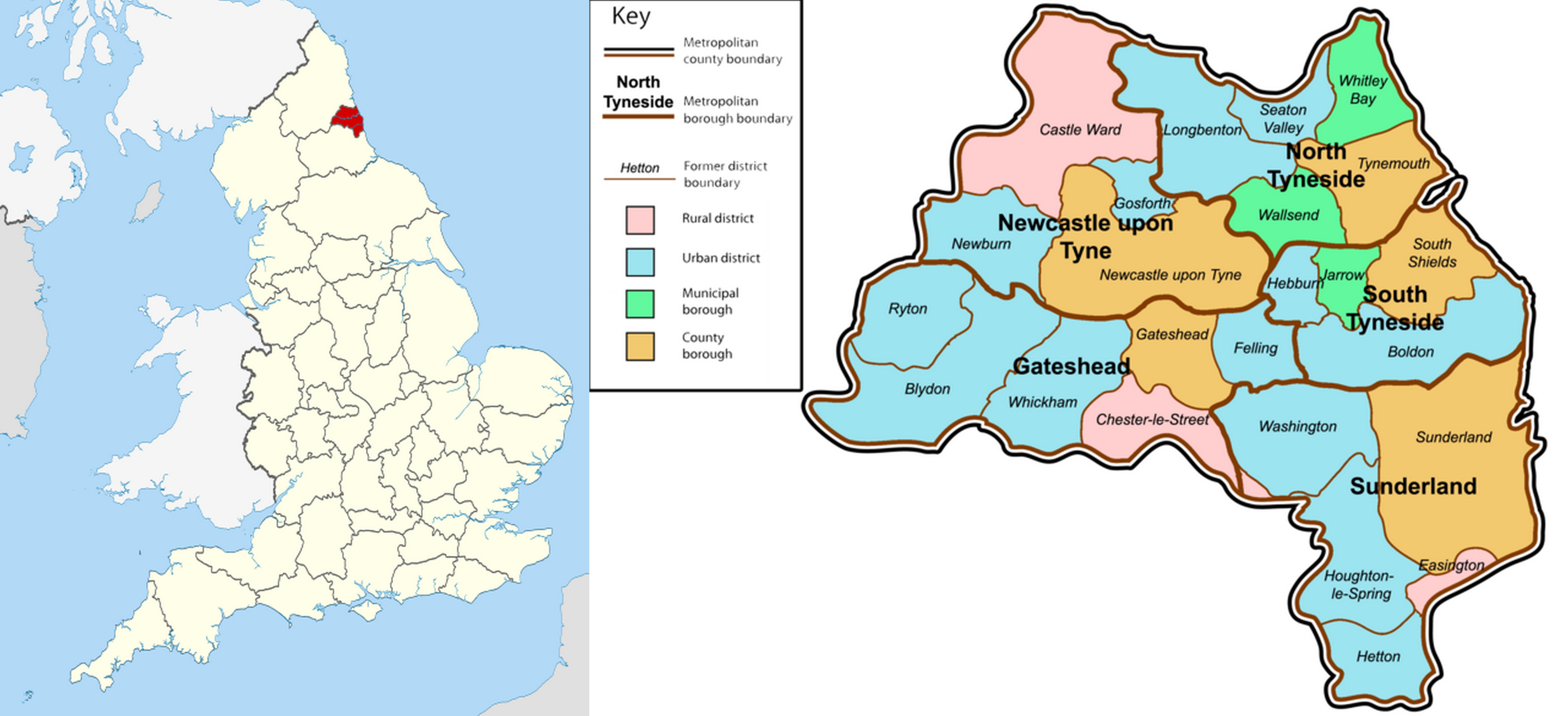
 I hope I’m not tempting Providence.
 And while most people feel that the pandemic is over and done with,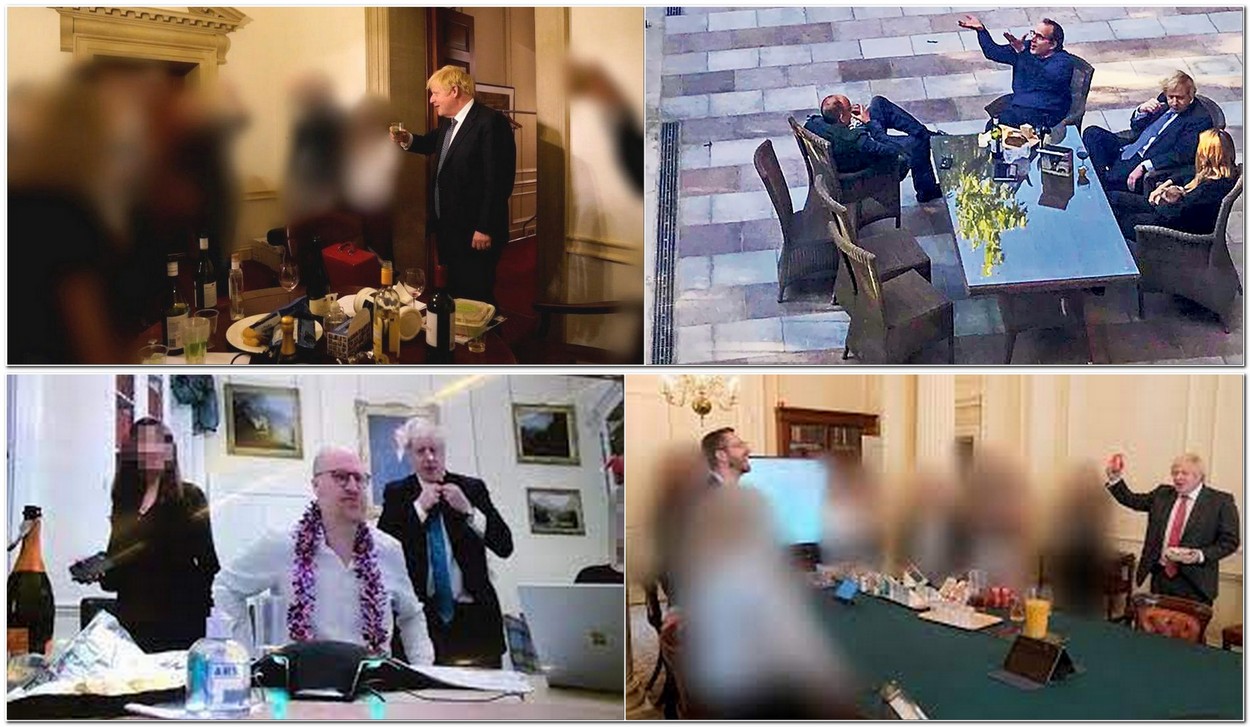



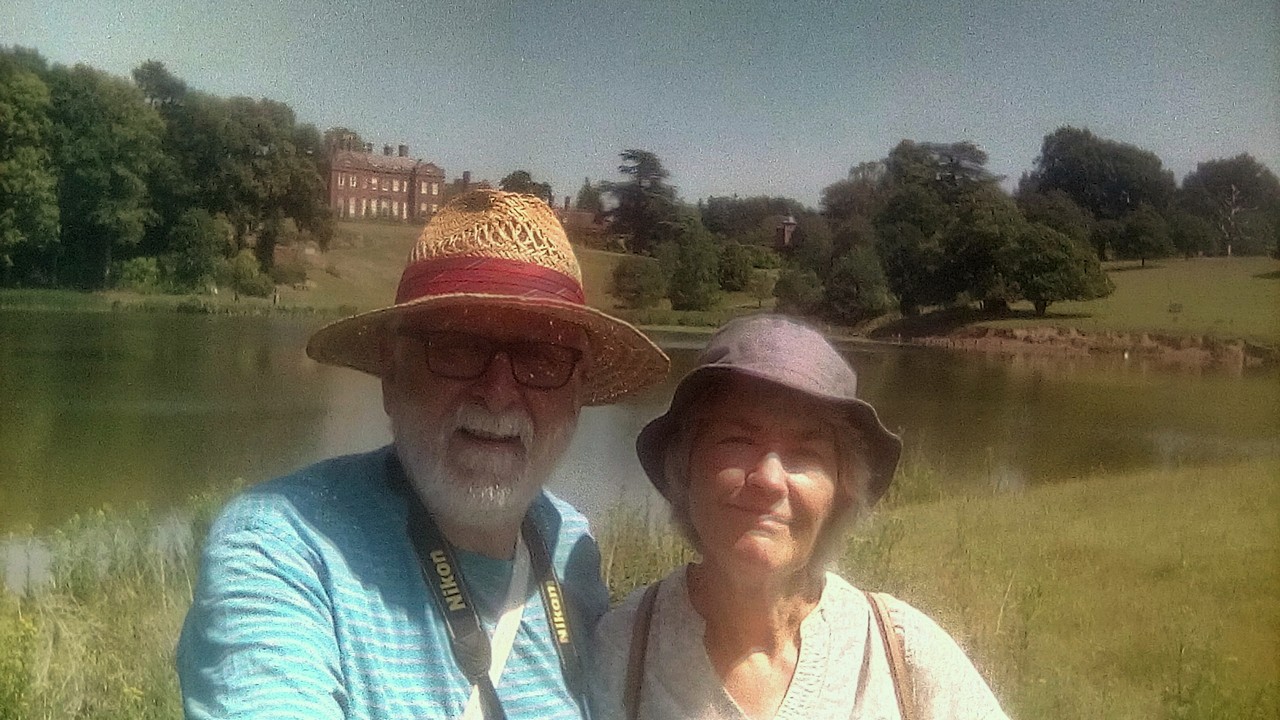
 Our nearest supermarket, Morrisons, was just 5 minutes or 1.6 miles away by car. Being the driver, the weekly shop fell to me since the supermarkets were only permitting entry to one person per household. I also took on the weekly shop for a widower friend and former University of Birmingham colleague, Jim Croft (a few years older than me) who lived close by. In fact I continued to shop for Jim right up till the day we moved north to Newcastle.
 Having appointed an estate agency (realtor) to handle the sale of our house, we waited until the New Year for the first adverts to be placed in the local press. Come mid-January 2020, a For Sale board had been firmly planted in our front garden, and we sat back waiting for a surge of prospective buyers. To our surprise—and disappointment, given the location of our house (proximity to excellent First and Middle schools, close to Bromsgrove town center, nearby dental and medical practices, and an upgraded commuter rail service into the center of Birmingham) we expected there would be more interest than we actually experienced.





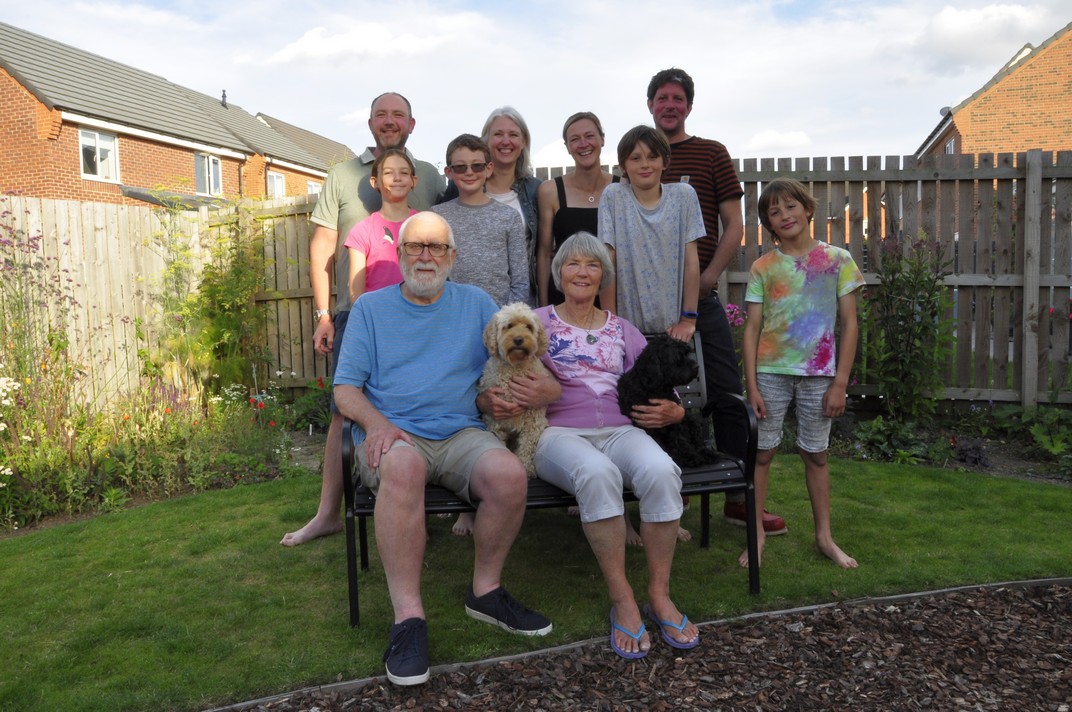
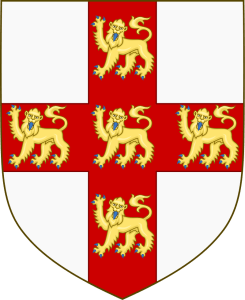 York is an historic town, founded by the Romans in AD 71 and known as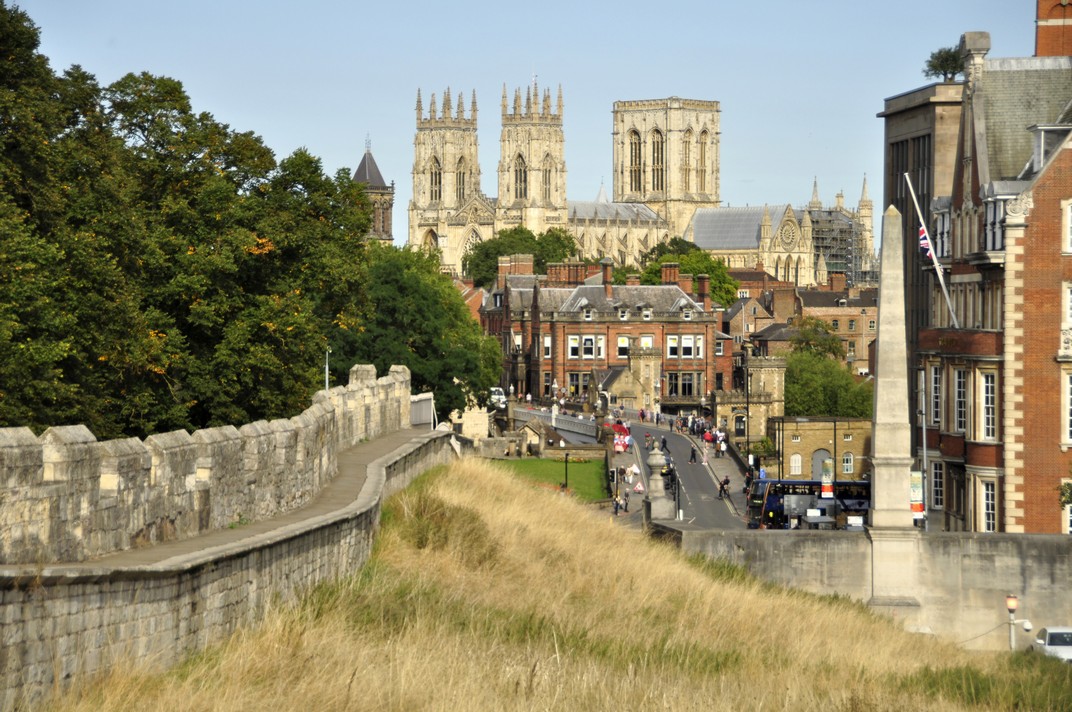


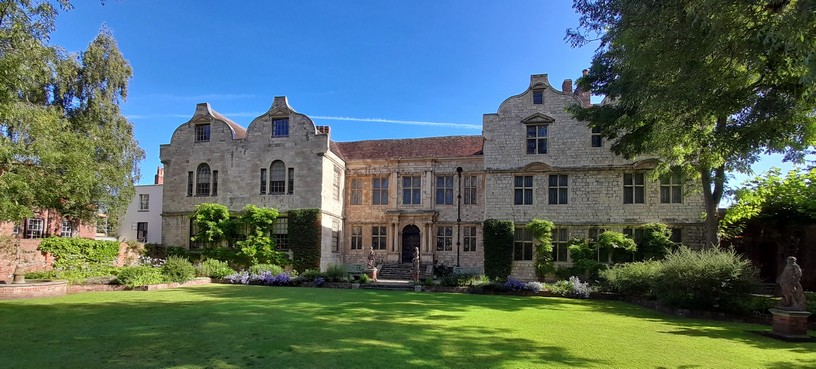
 In the fading years of the 19th century, Treasurer’s House was bought by eccentric industrialist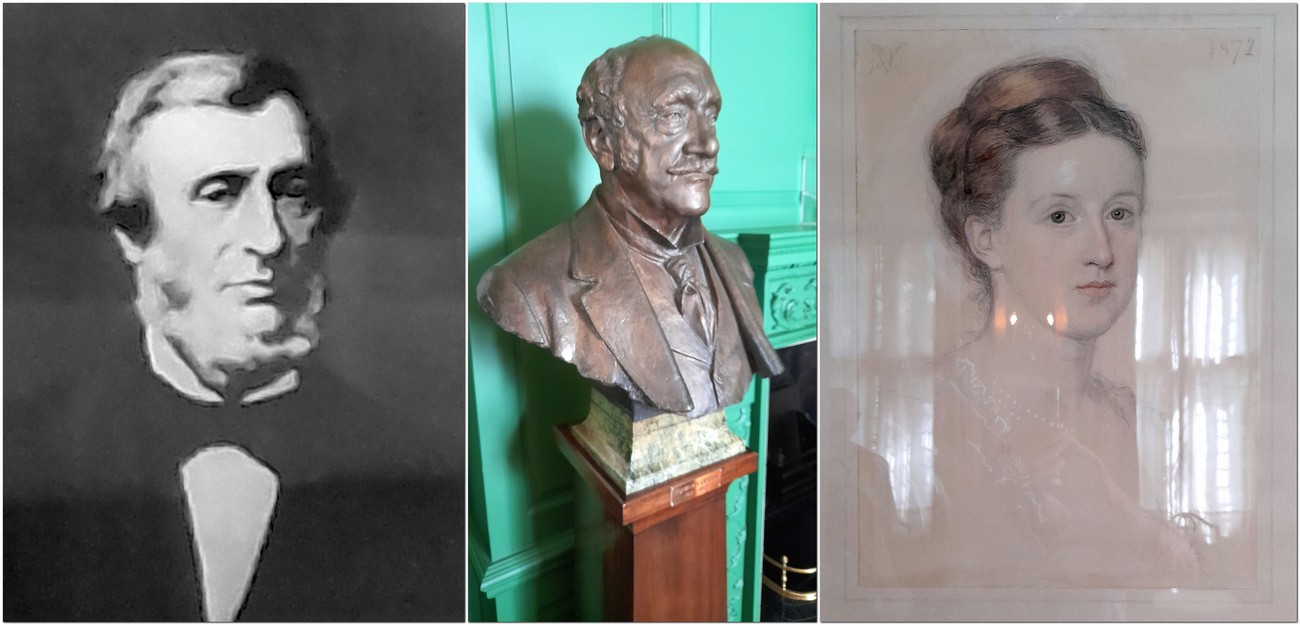


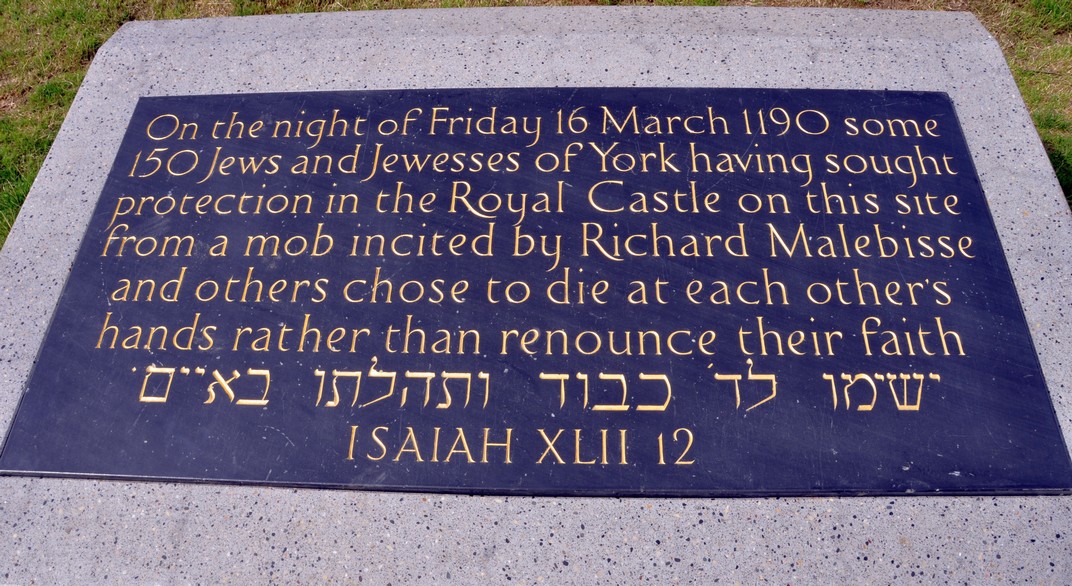
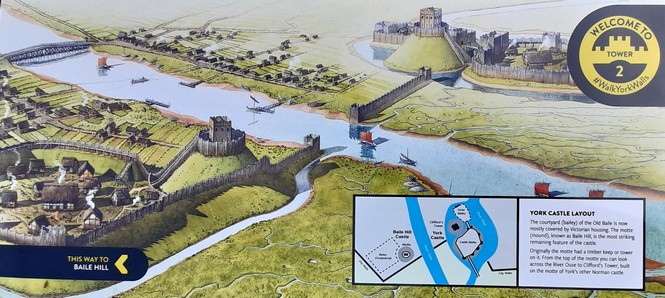
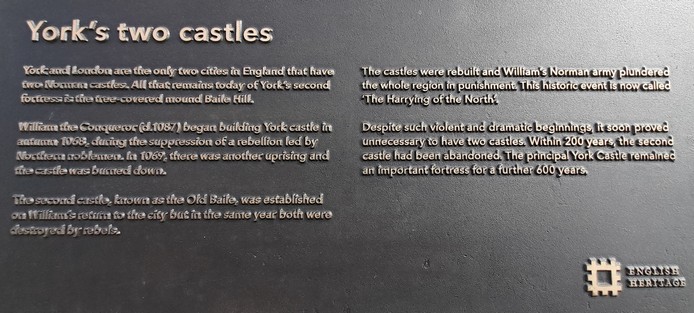


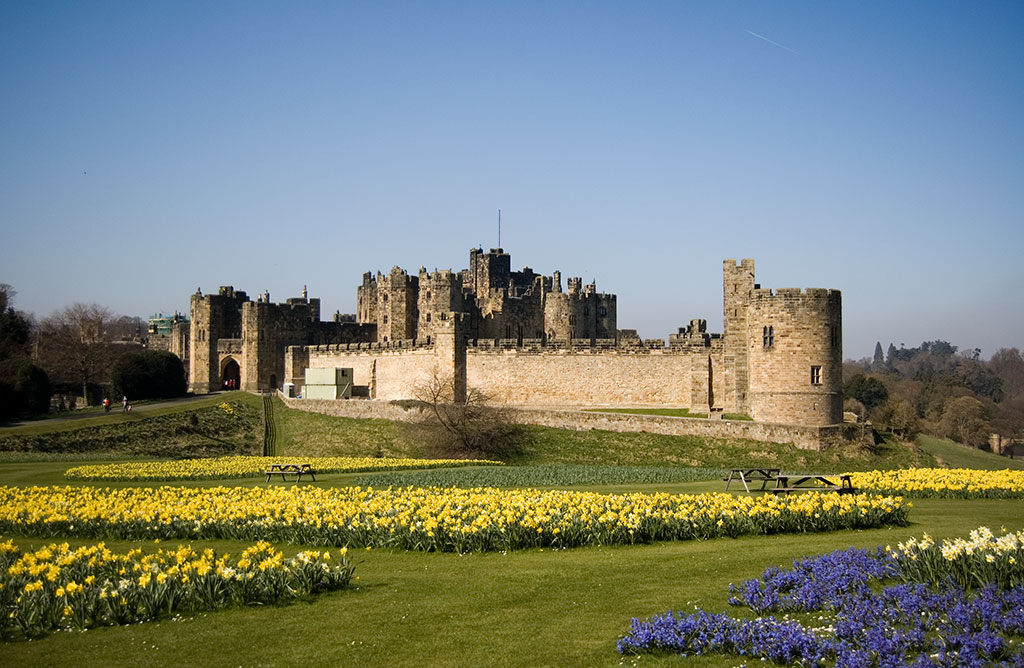
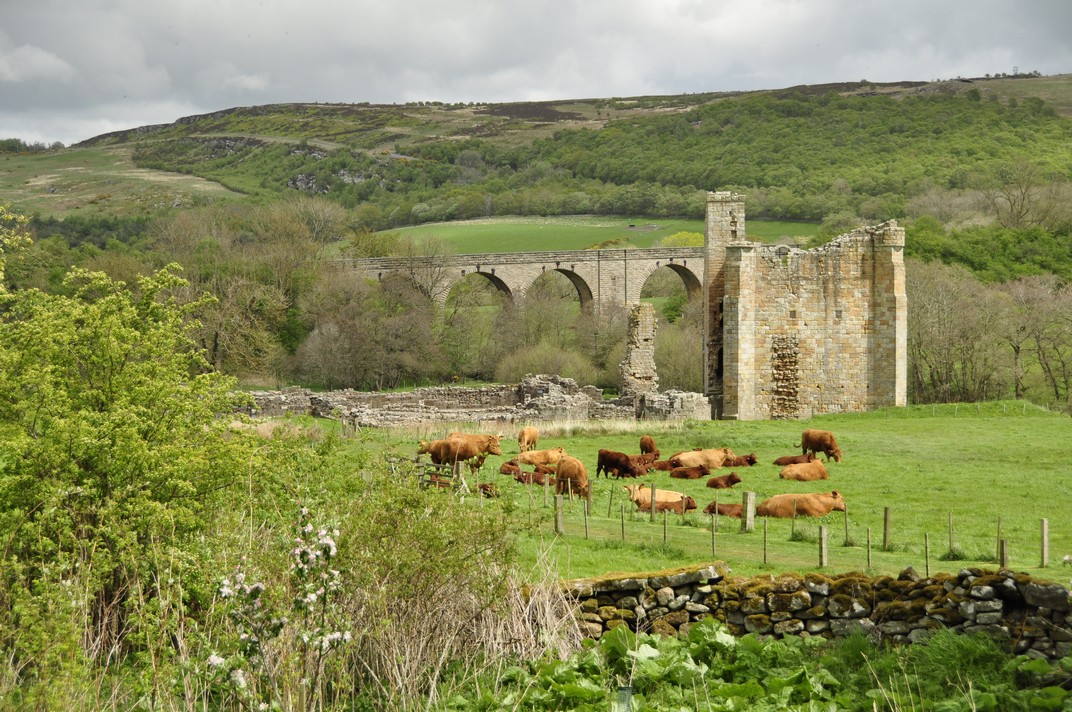


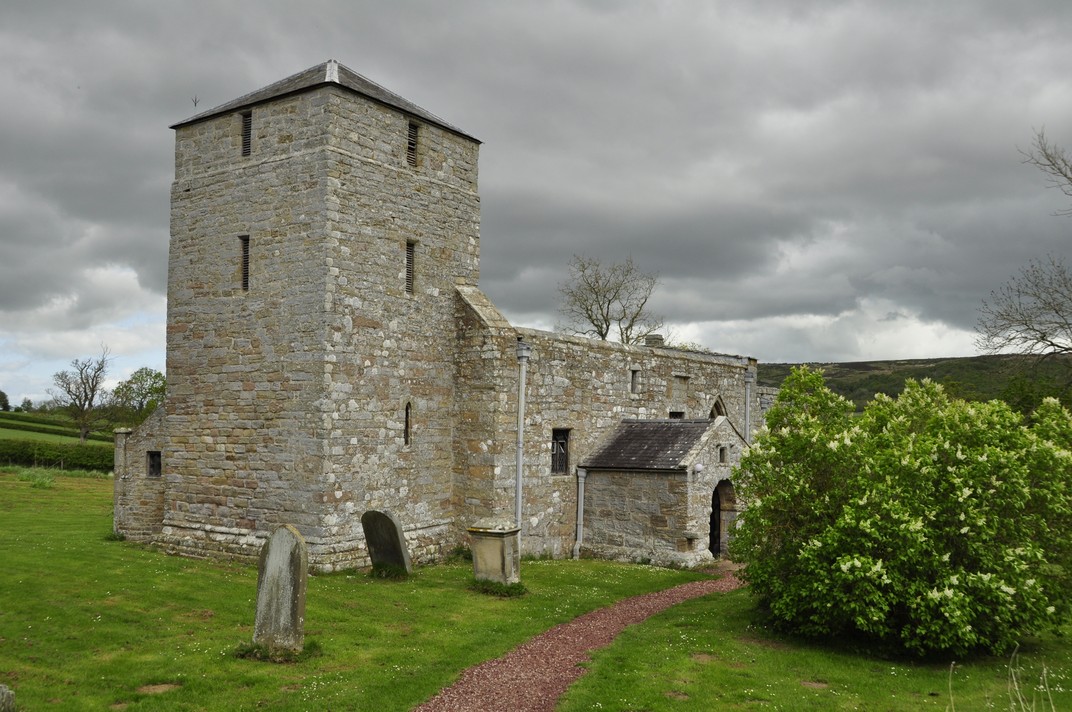


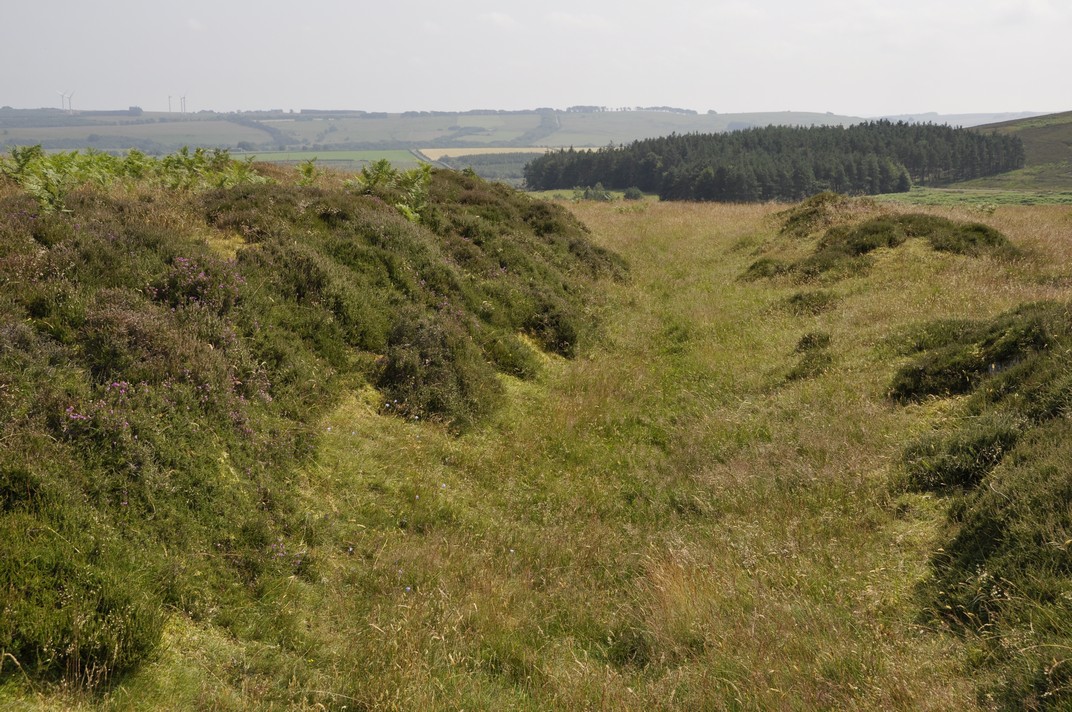
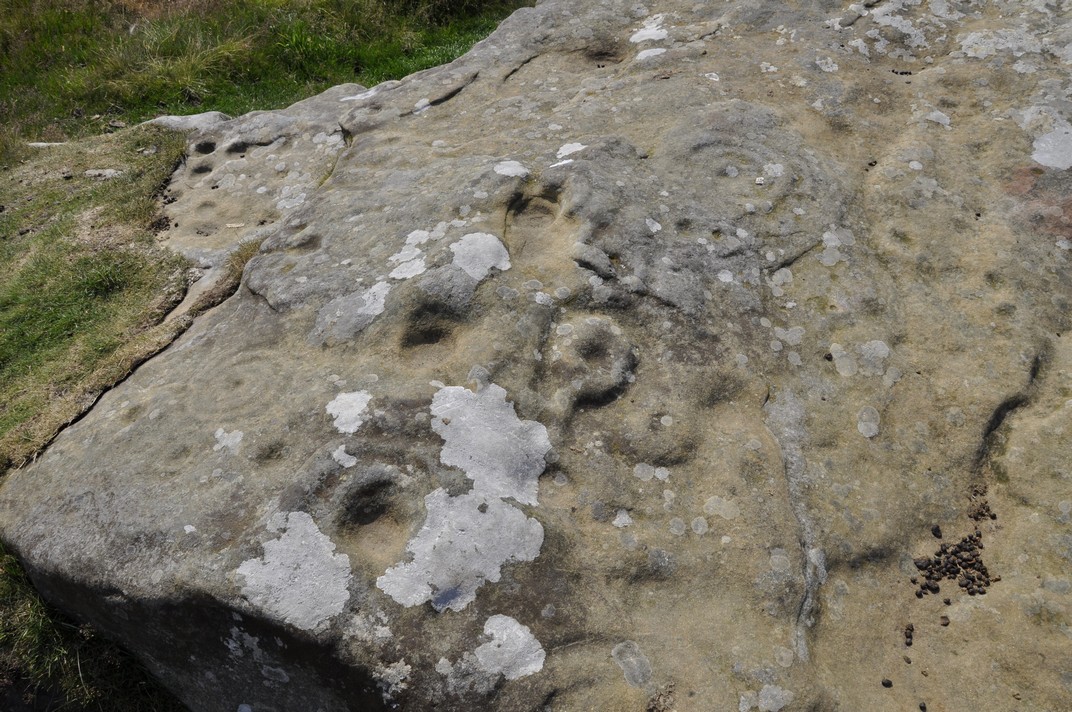
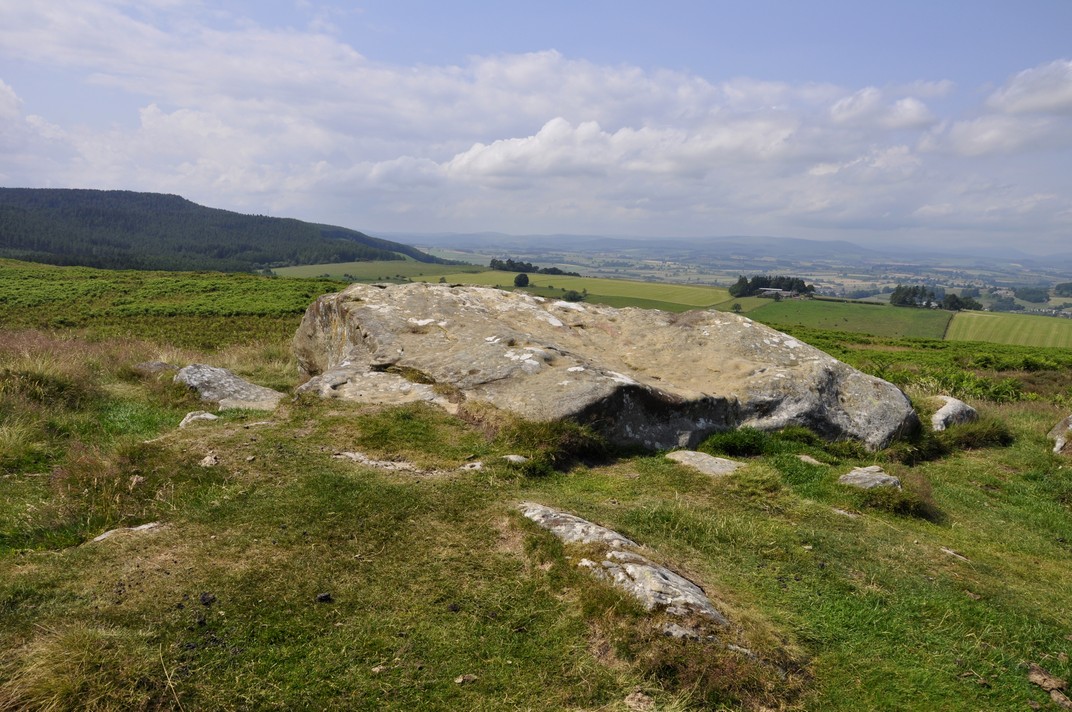
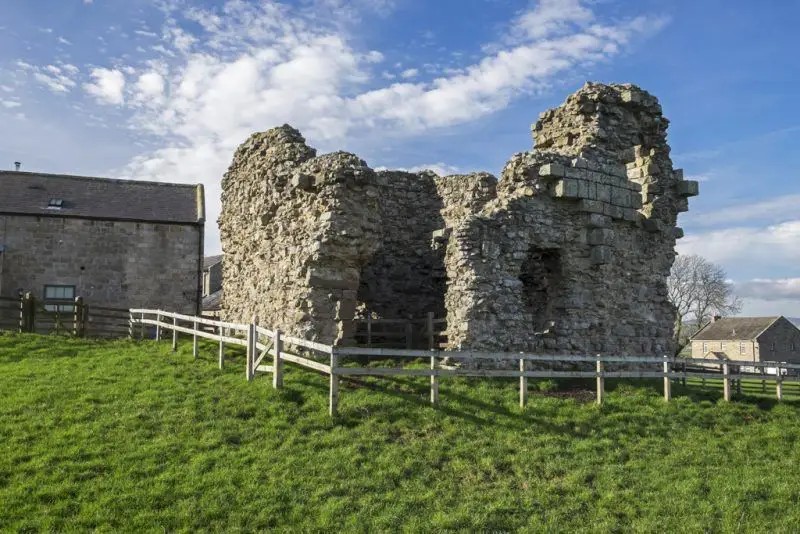
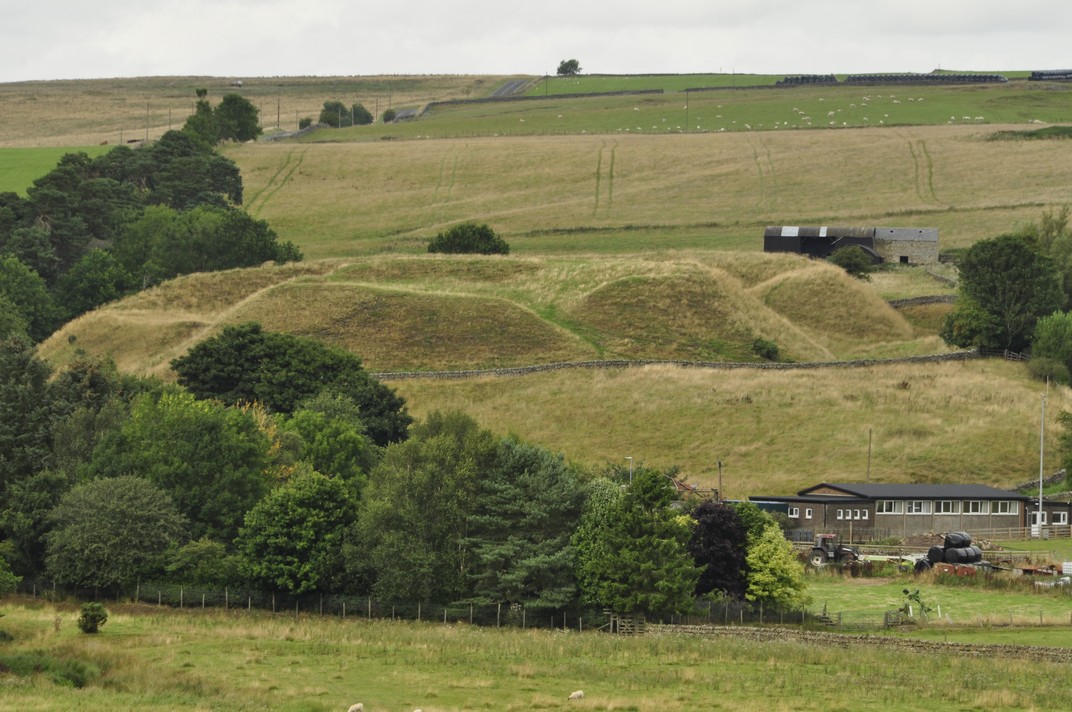
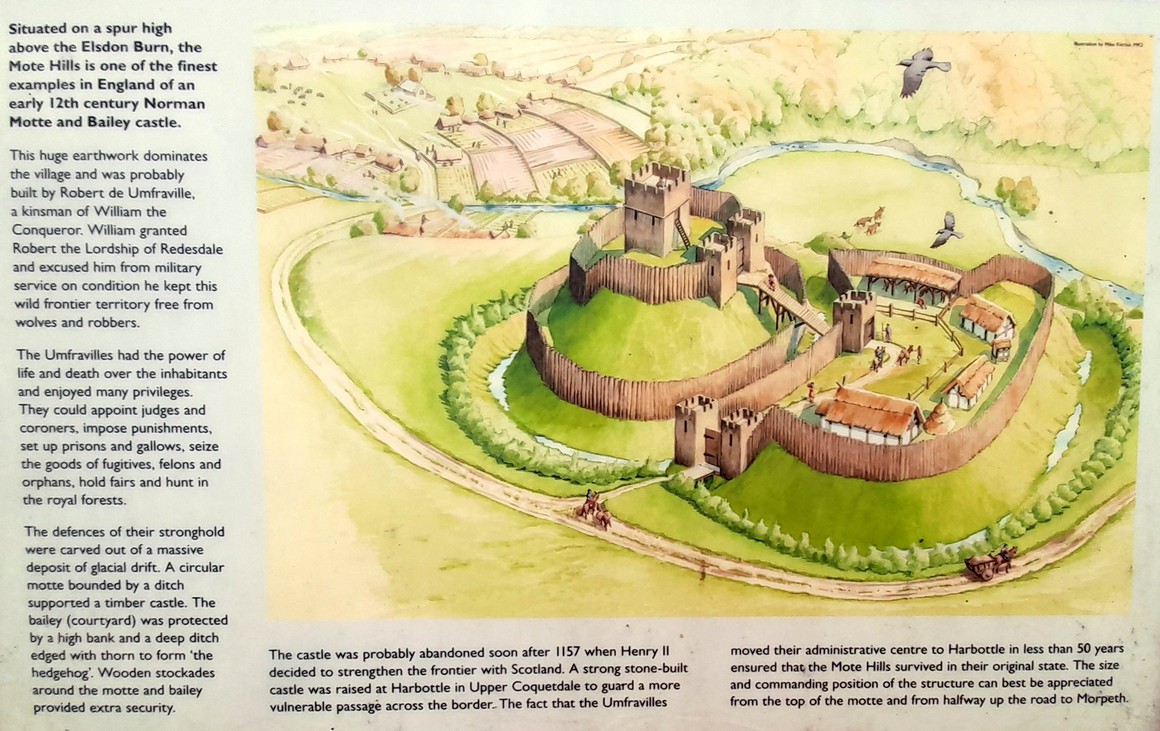
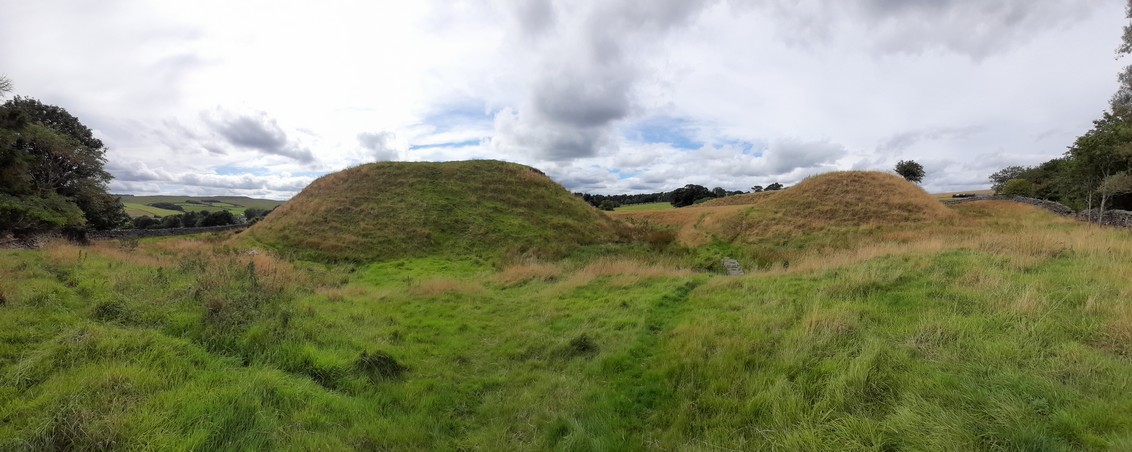
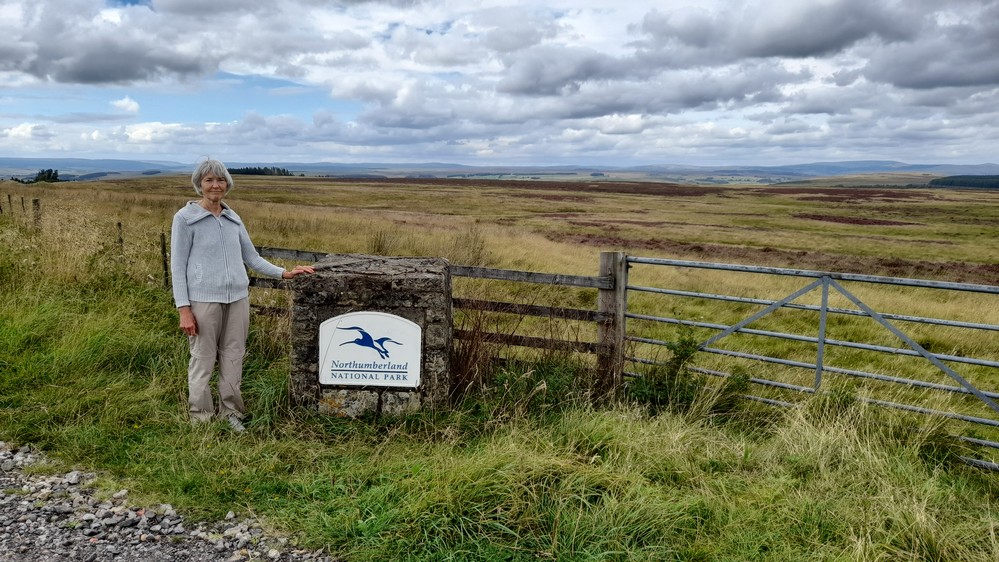
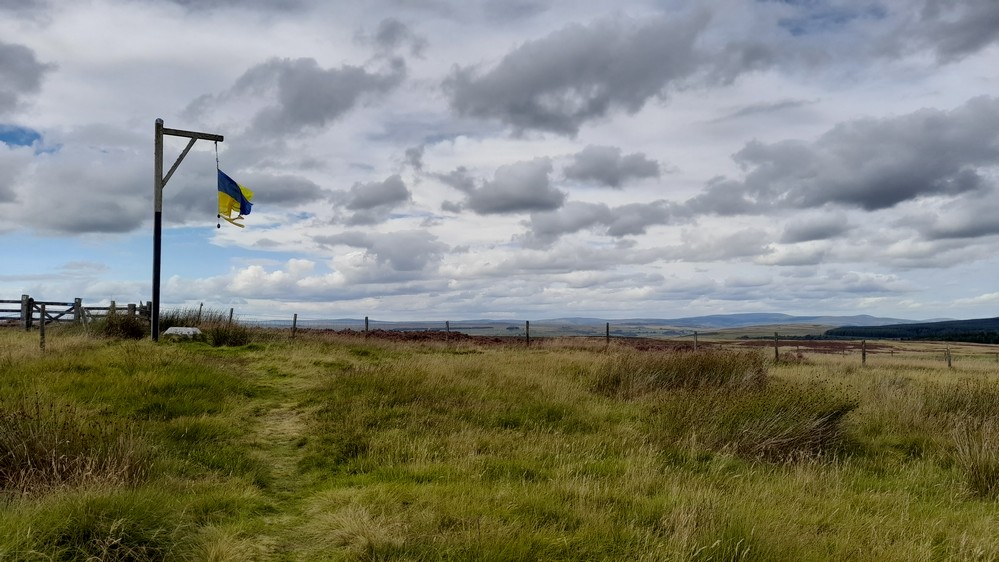
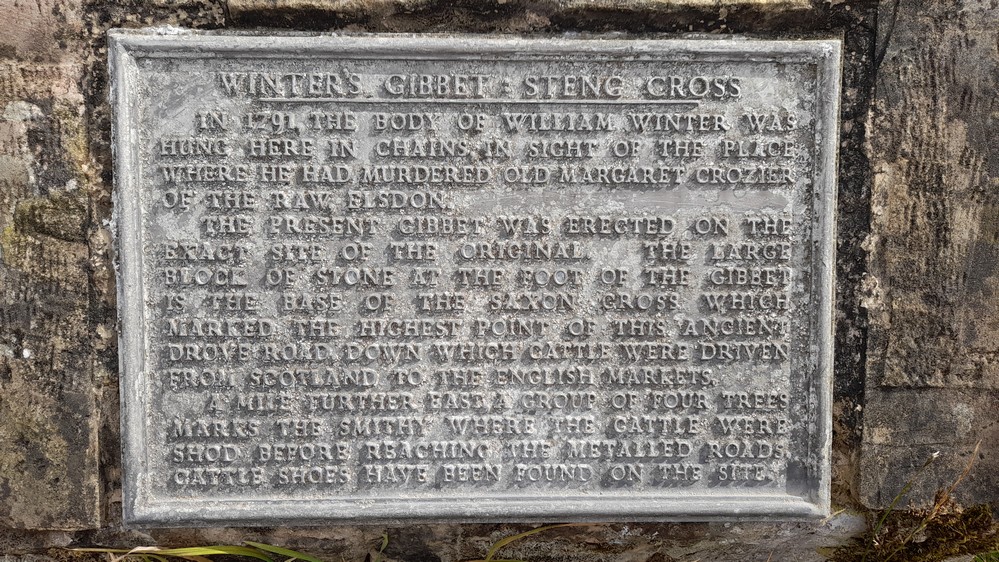


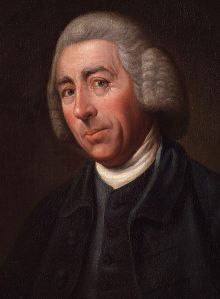
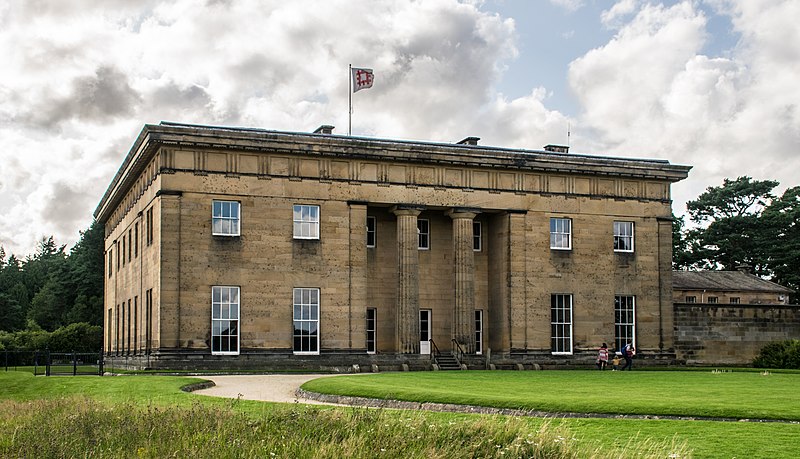
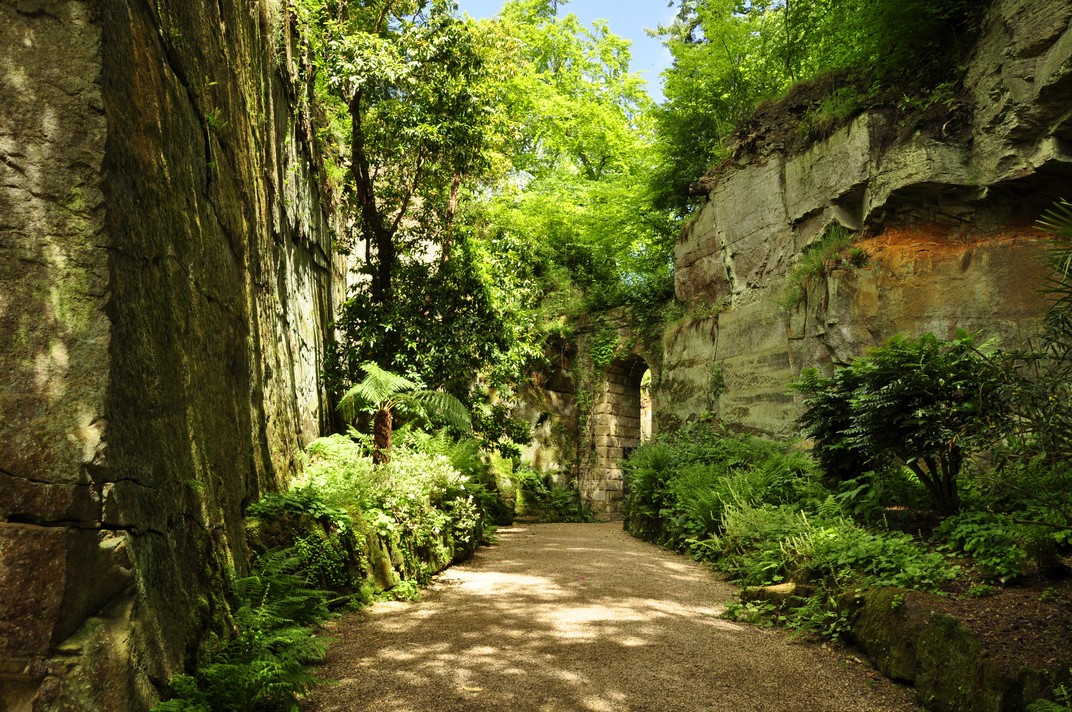
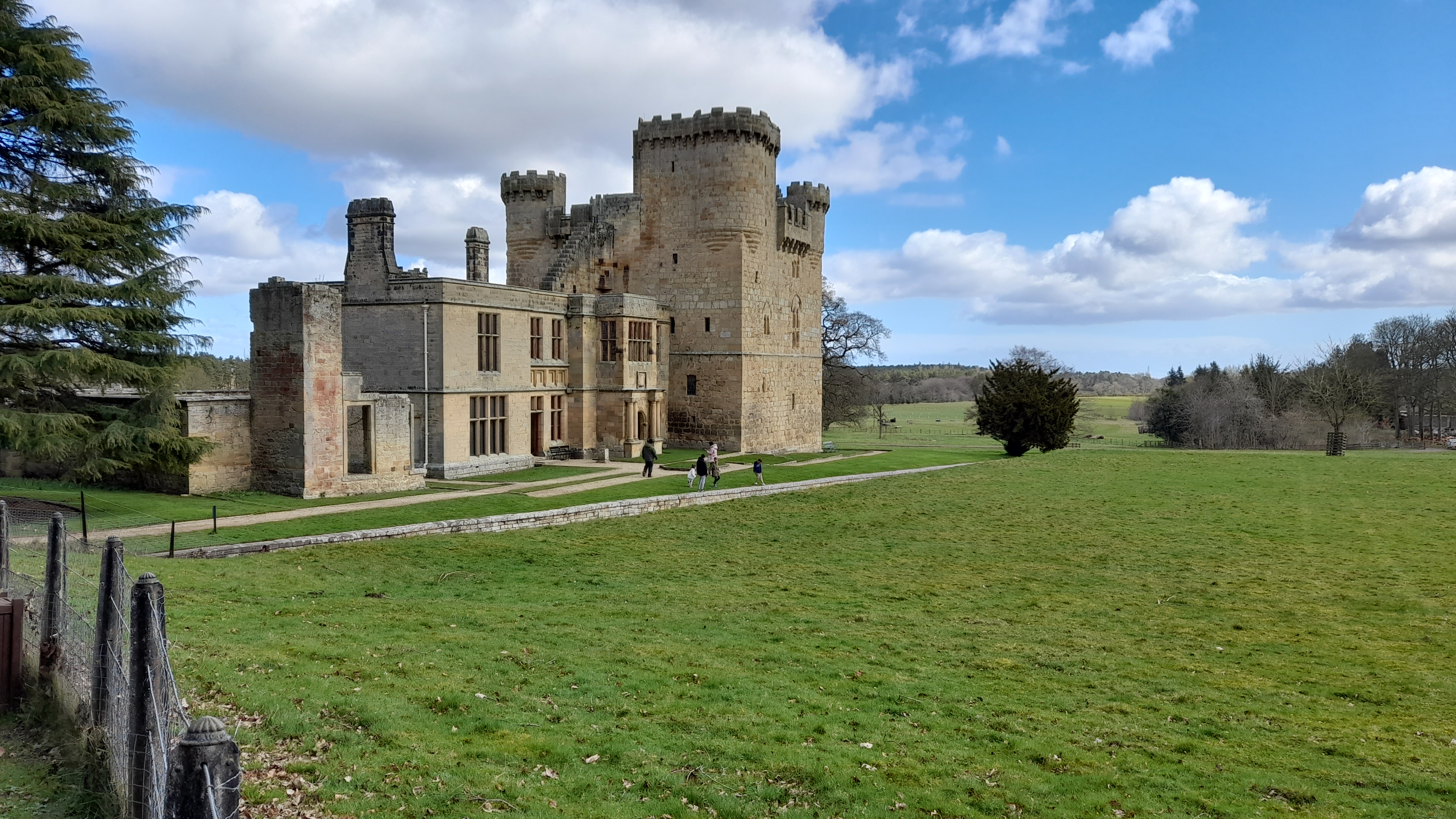
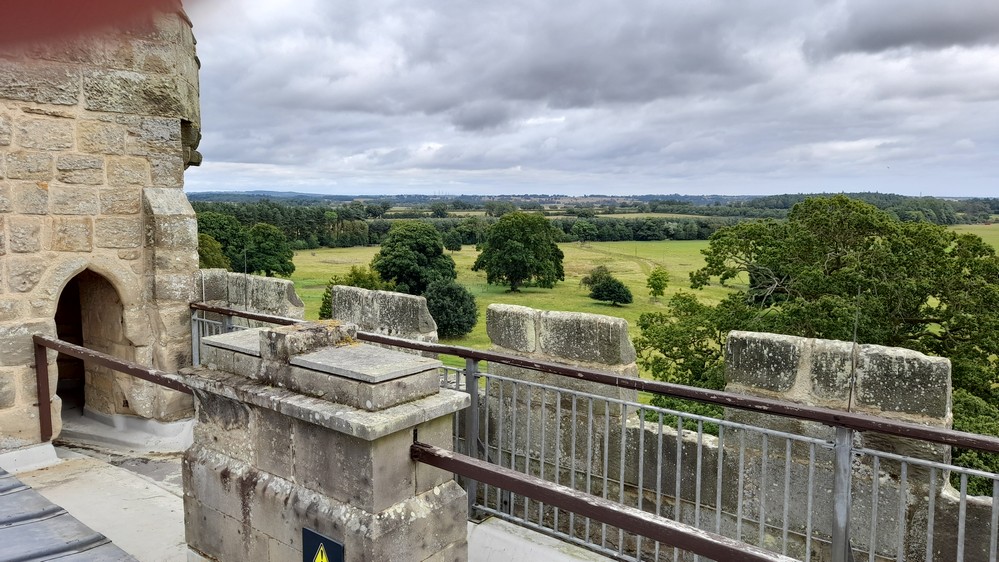
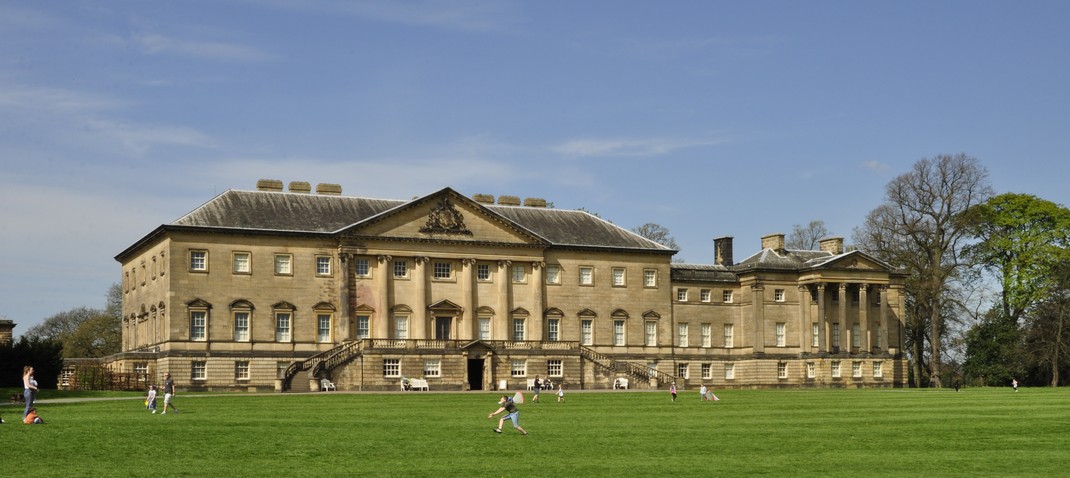


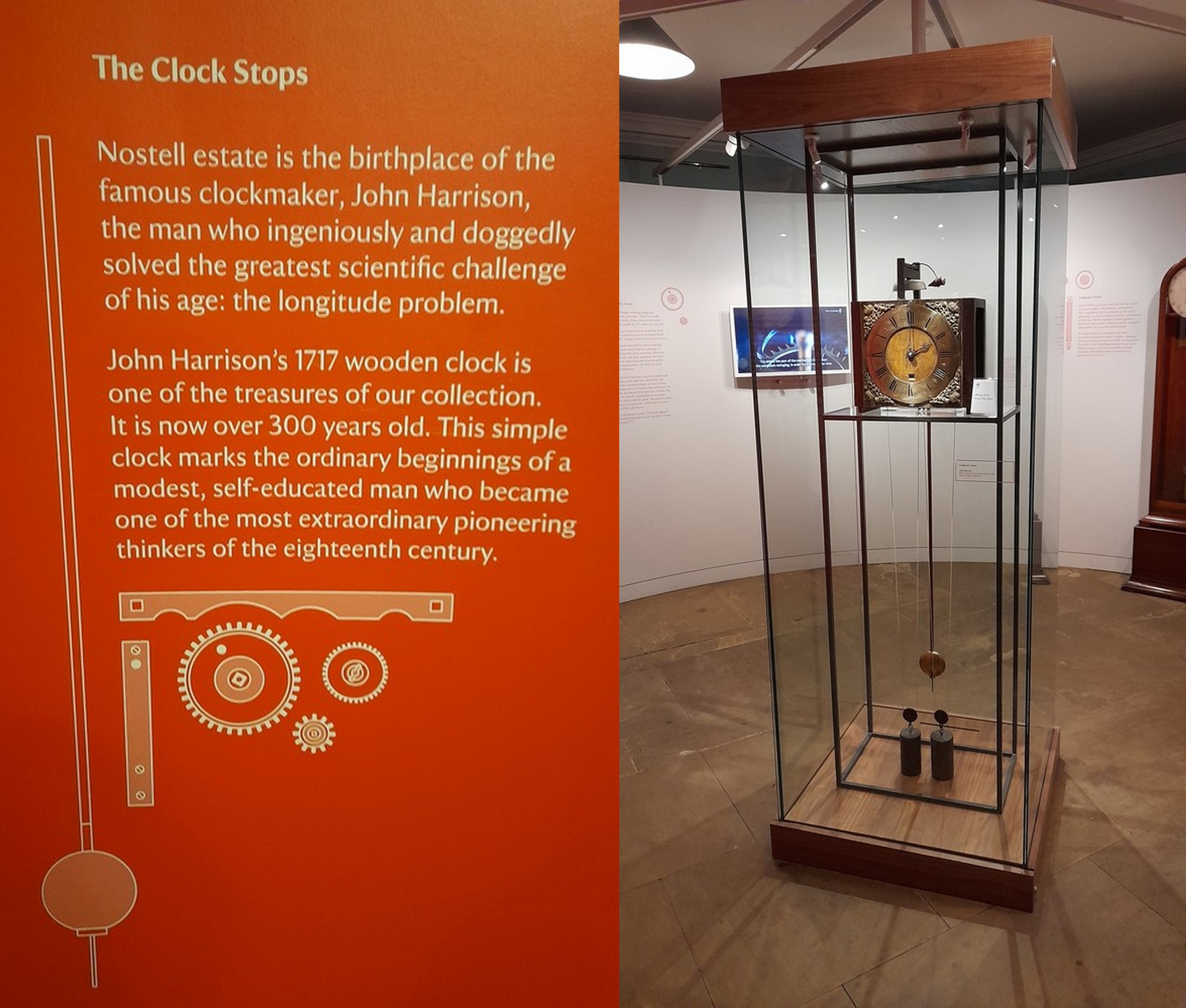


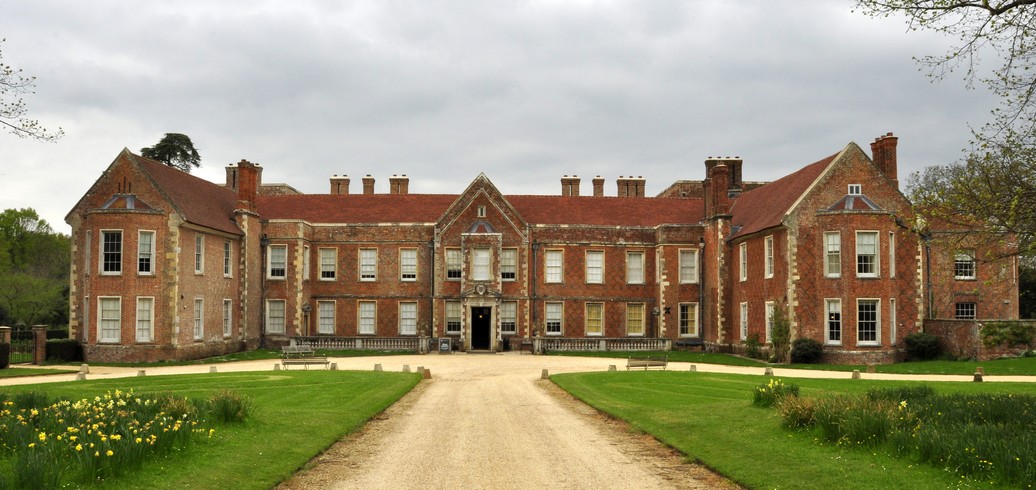
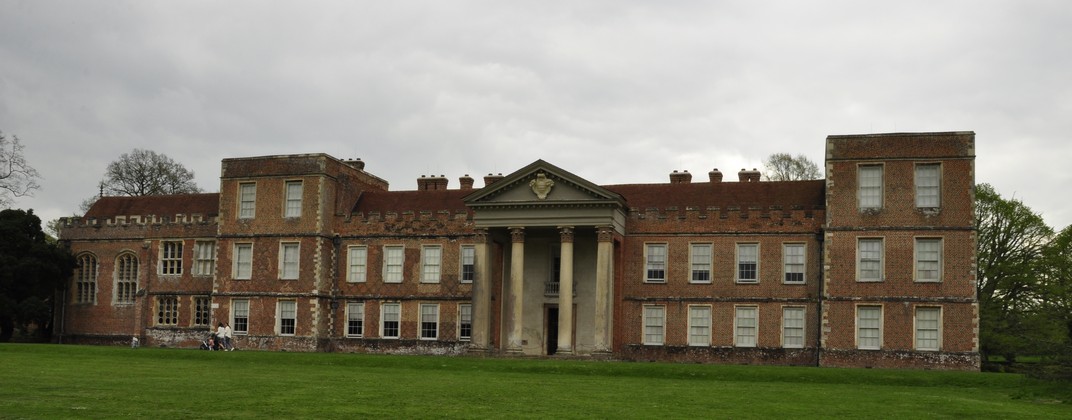


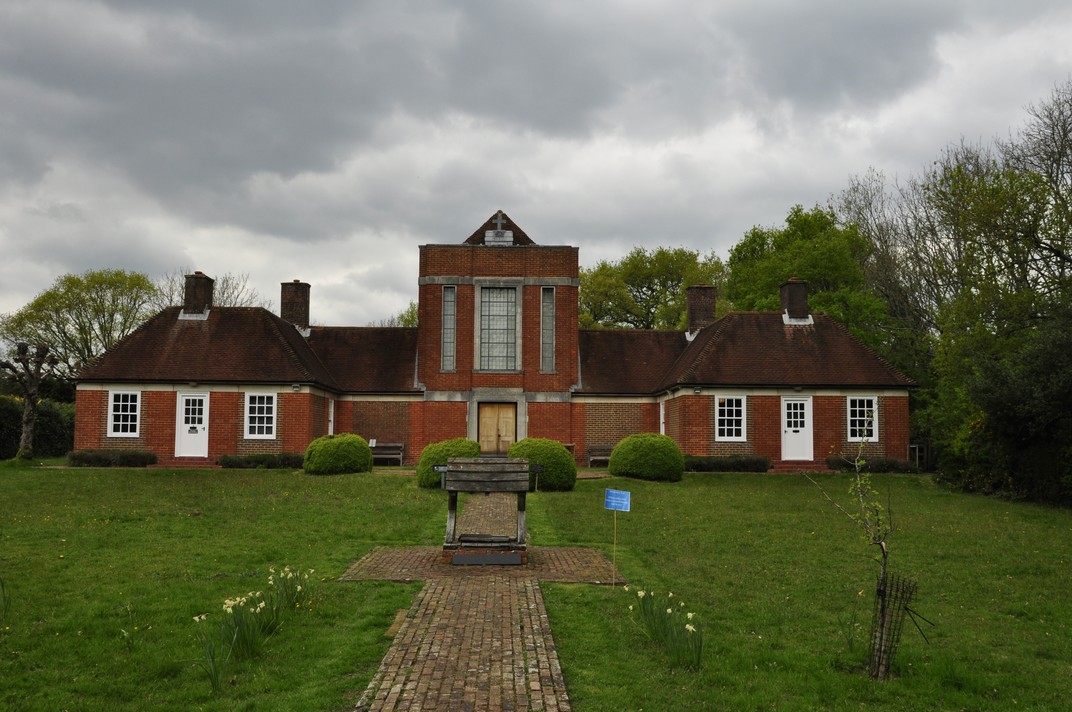


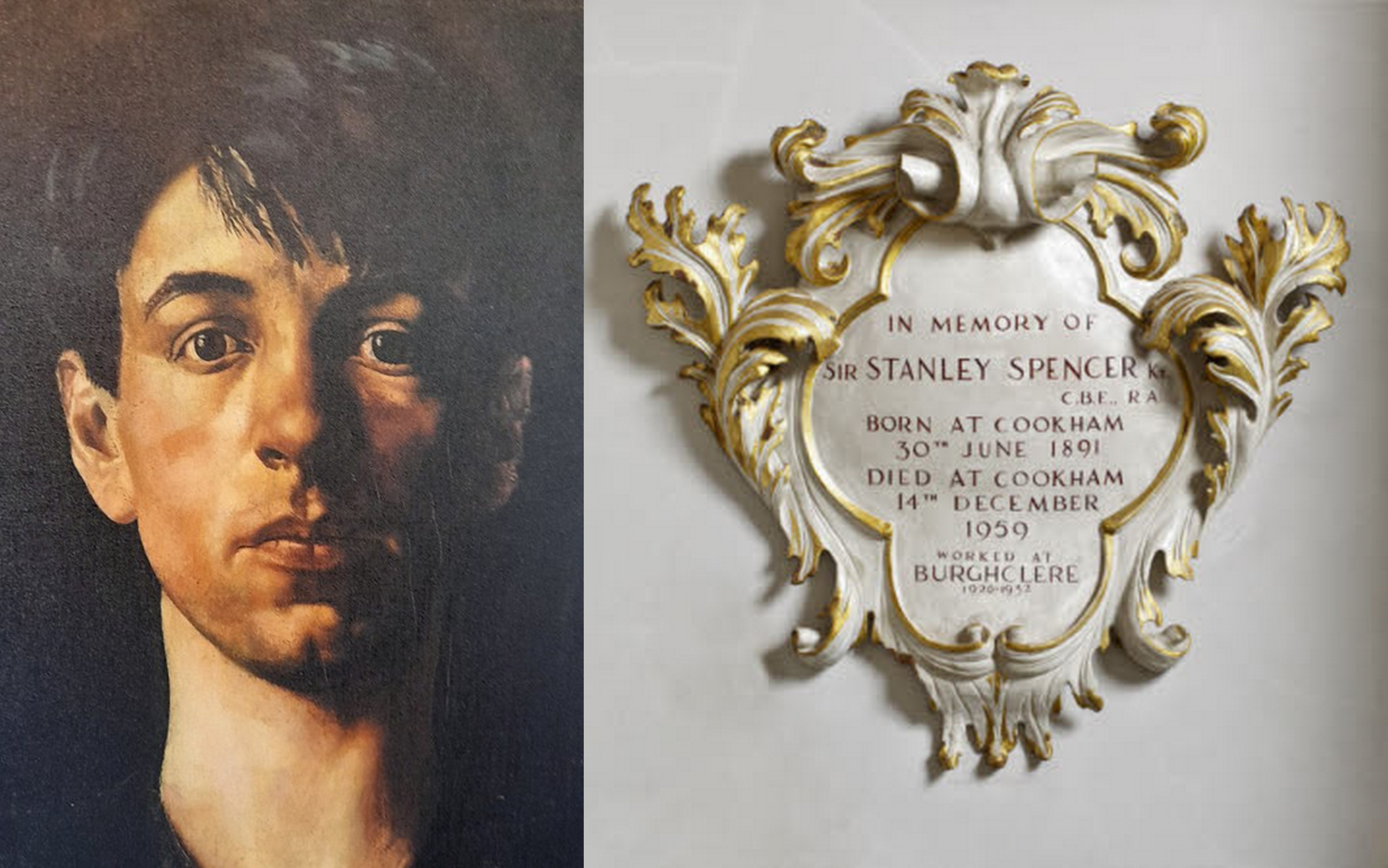


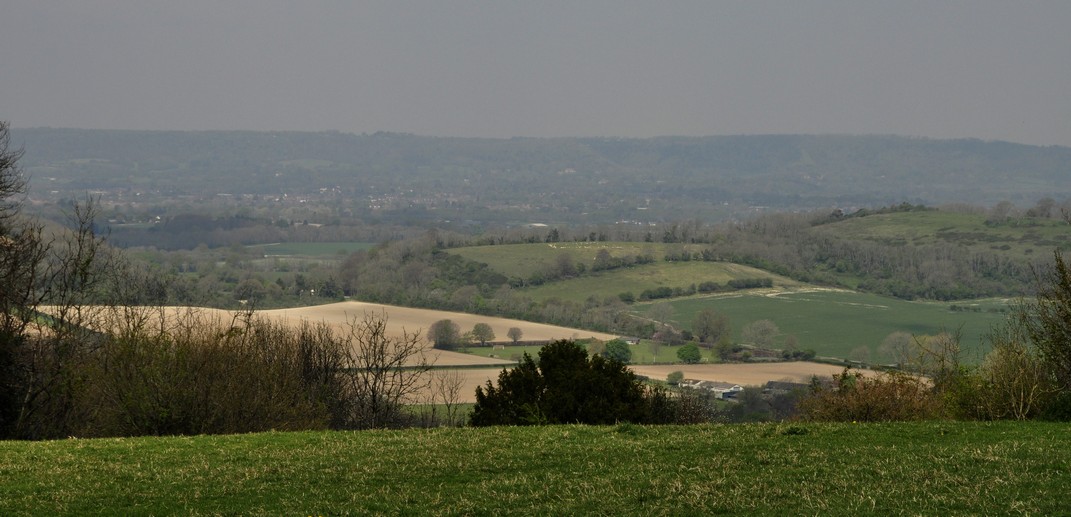
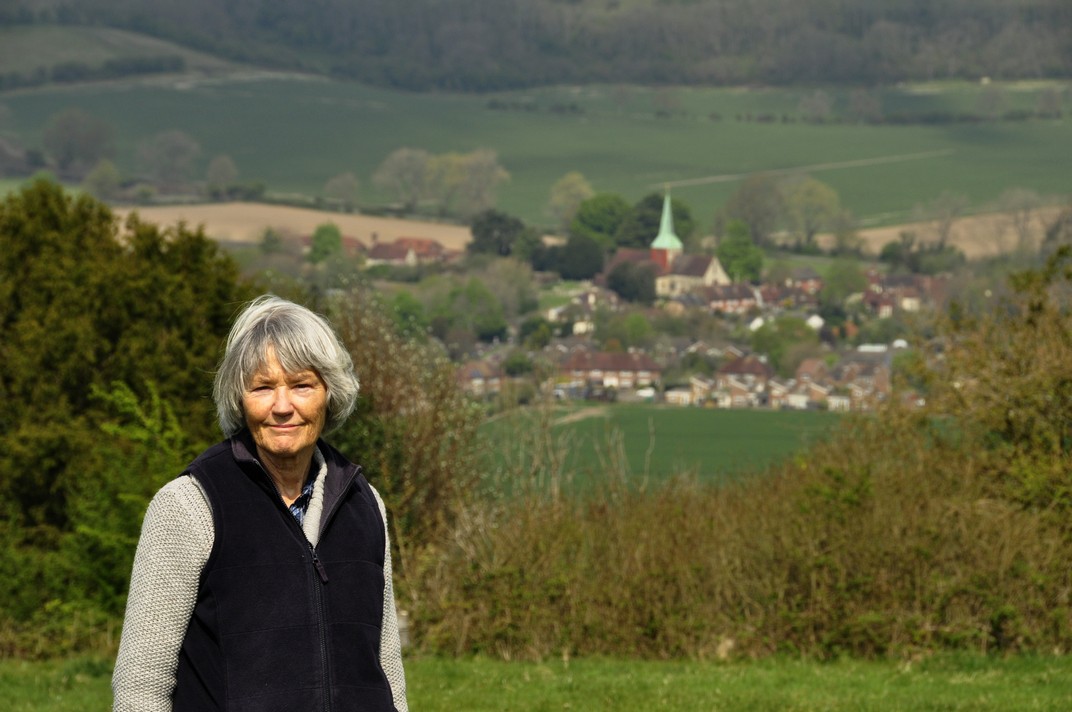
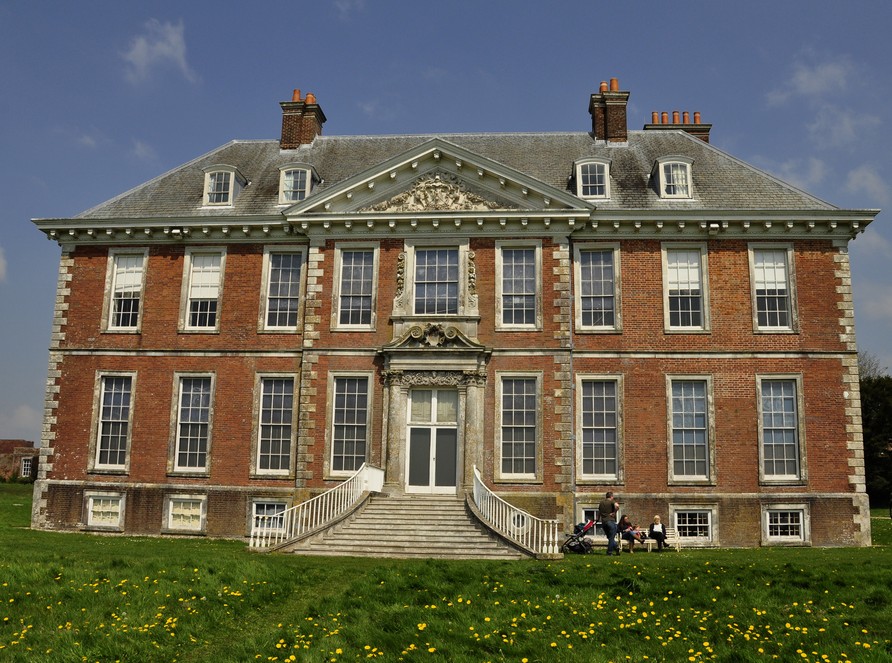
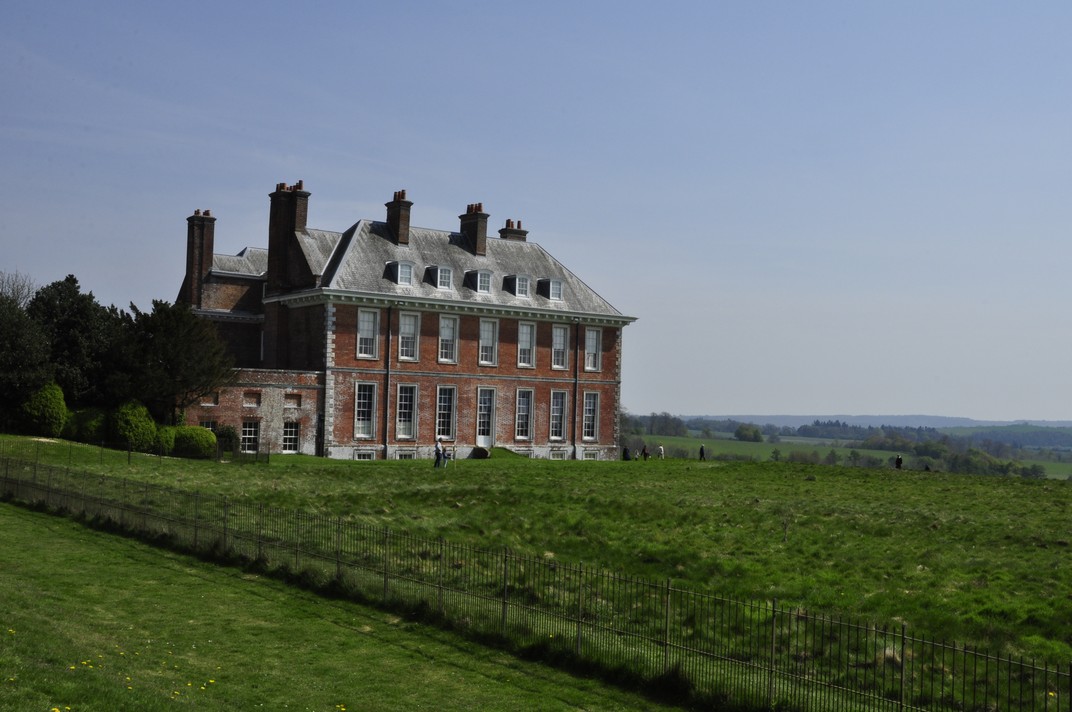


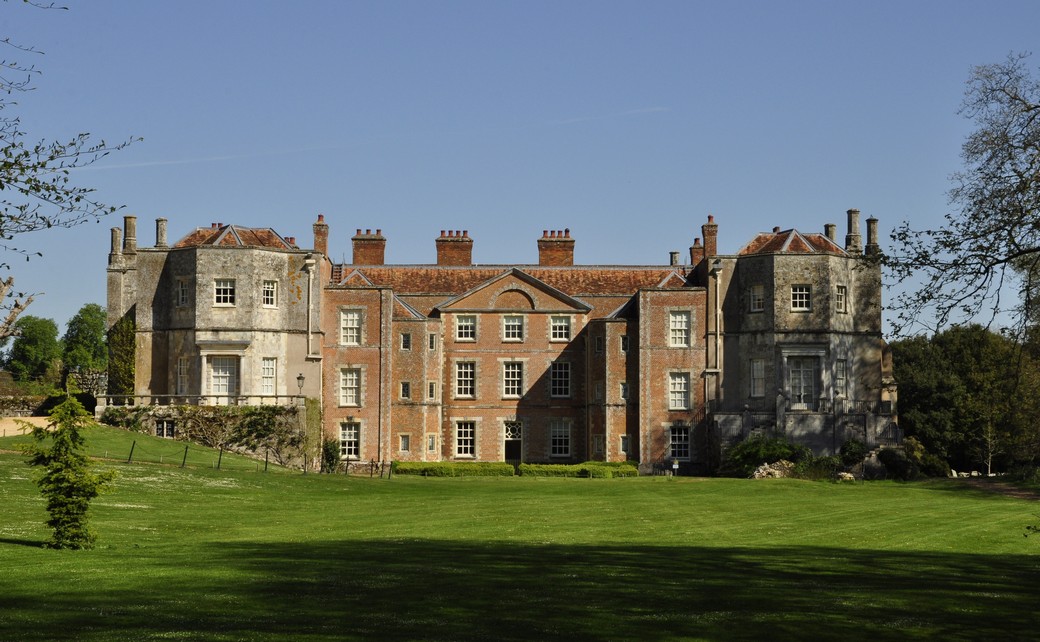


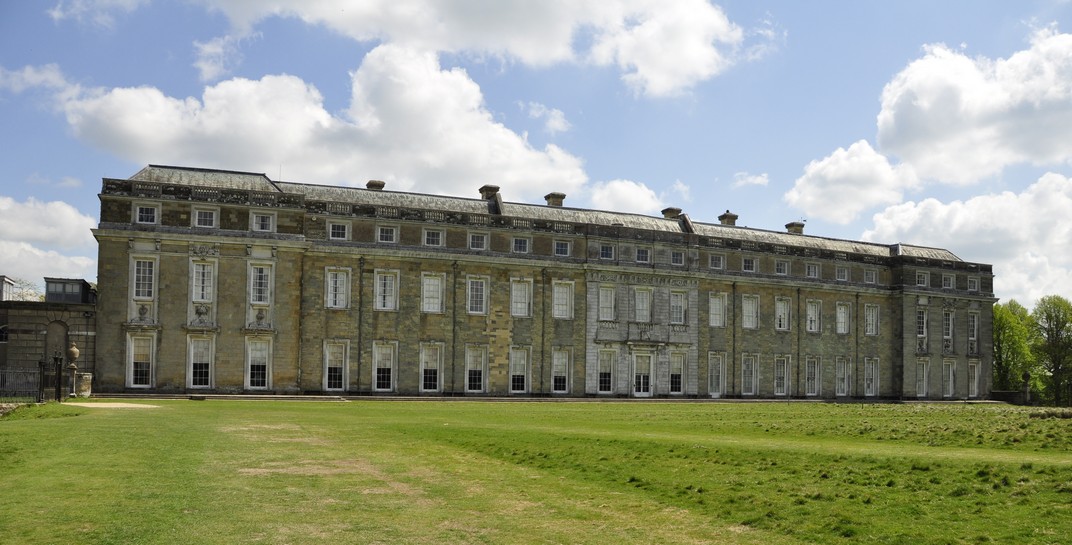
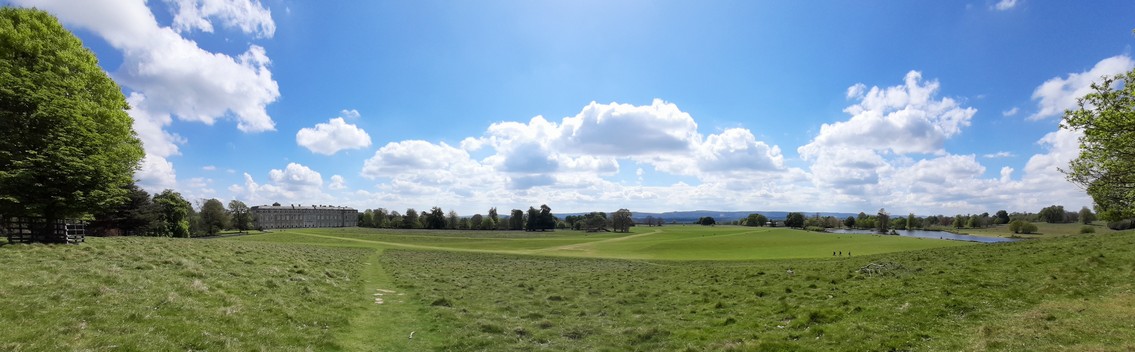


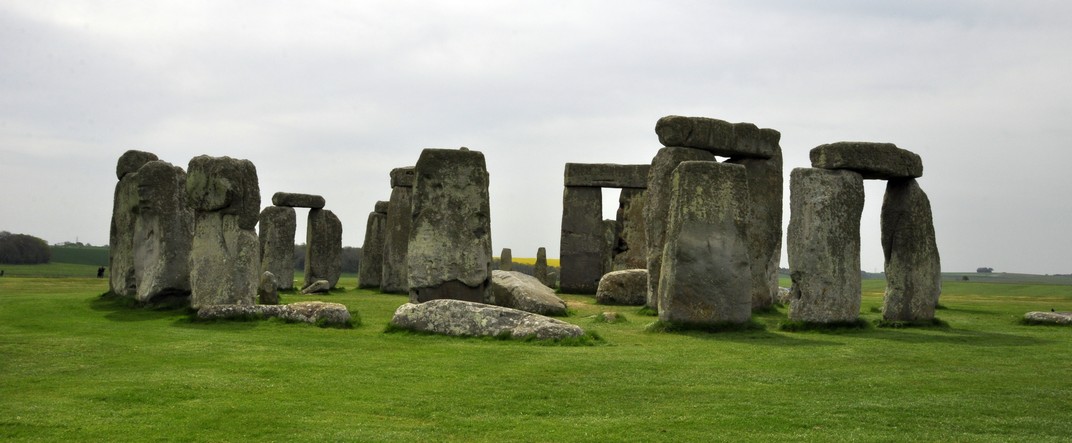
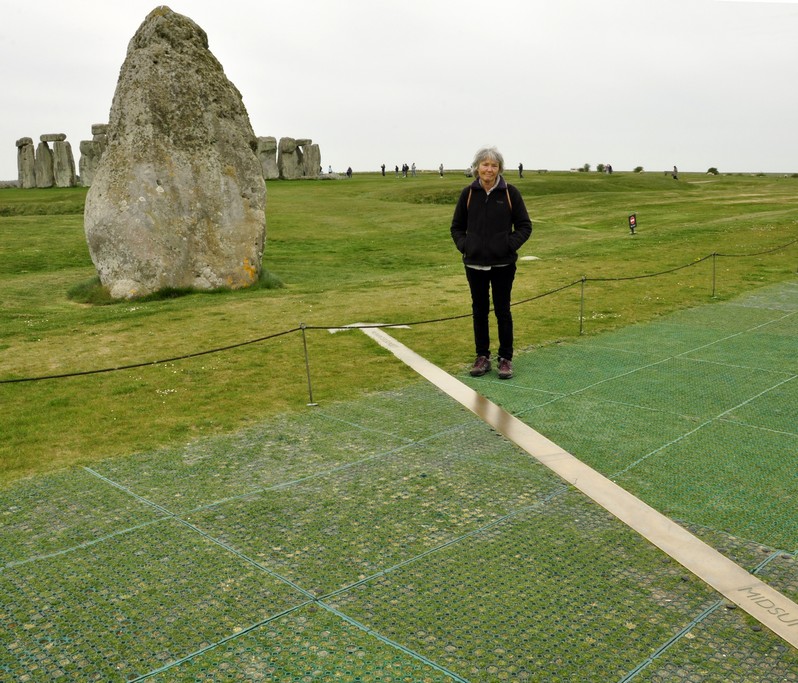
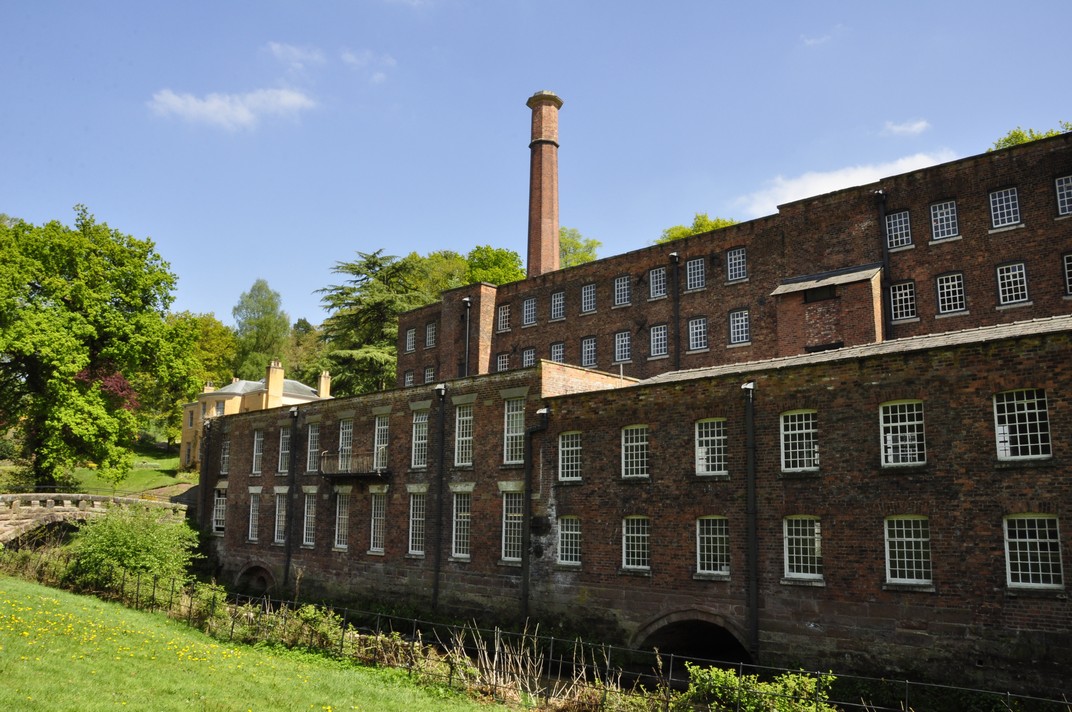


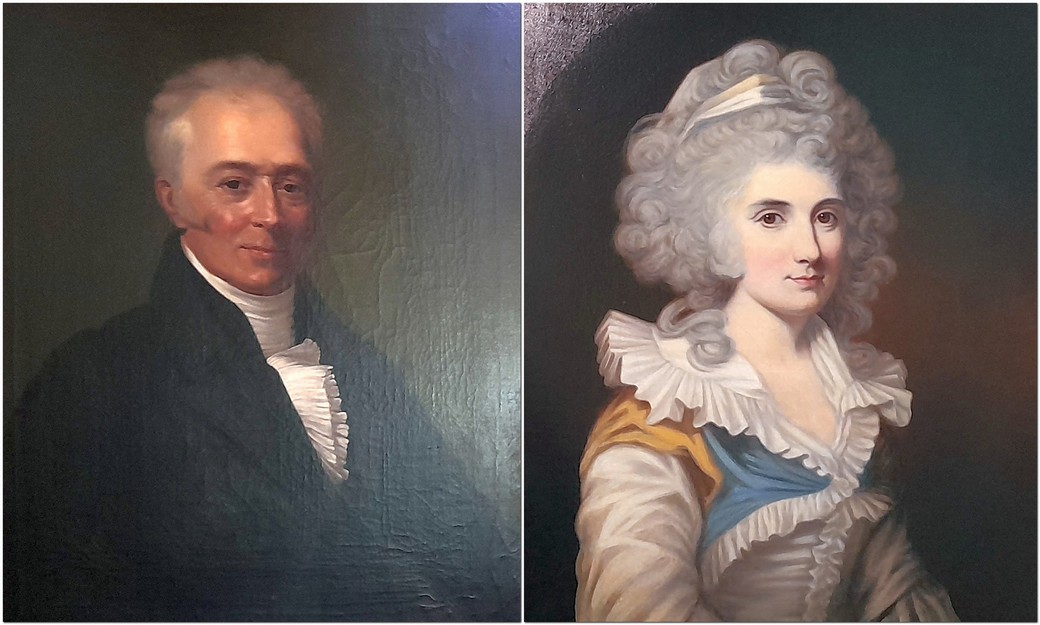


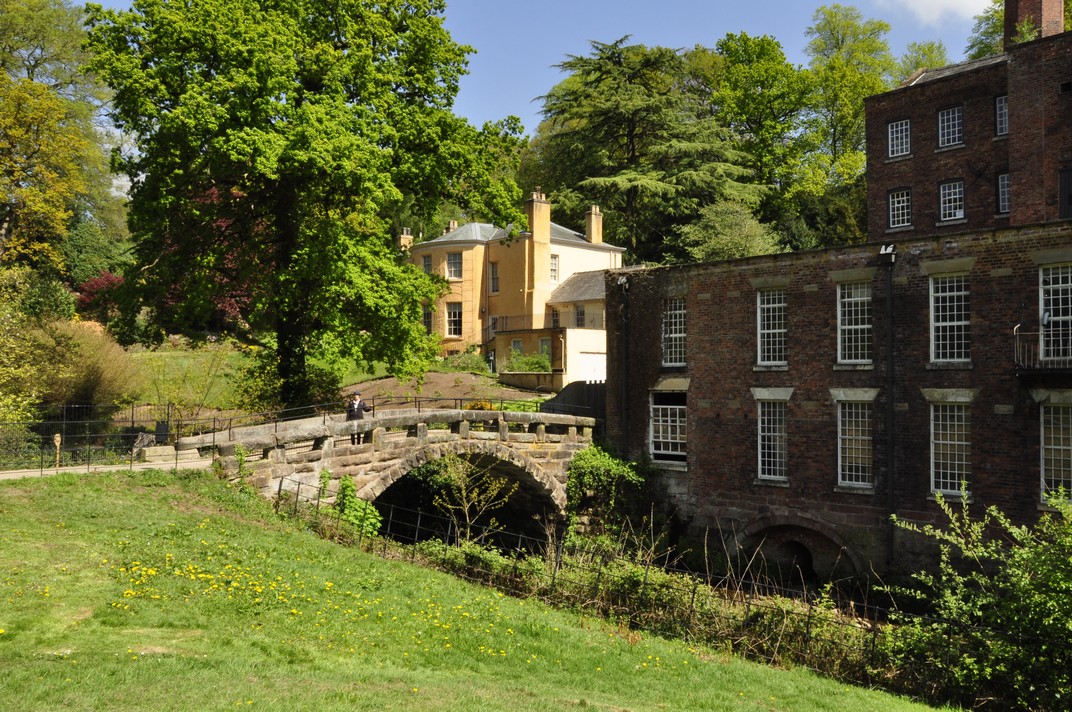
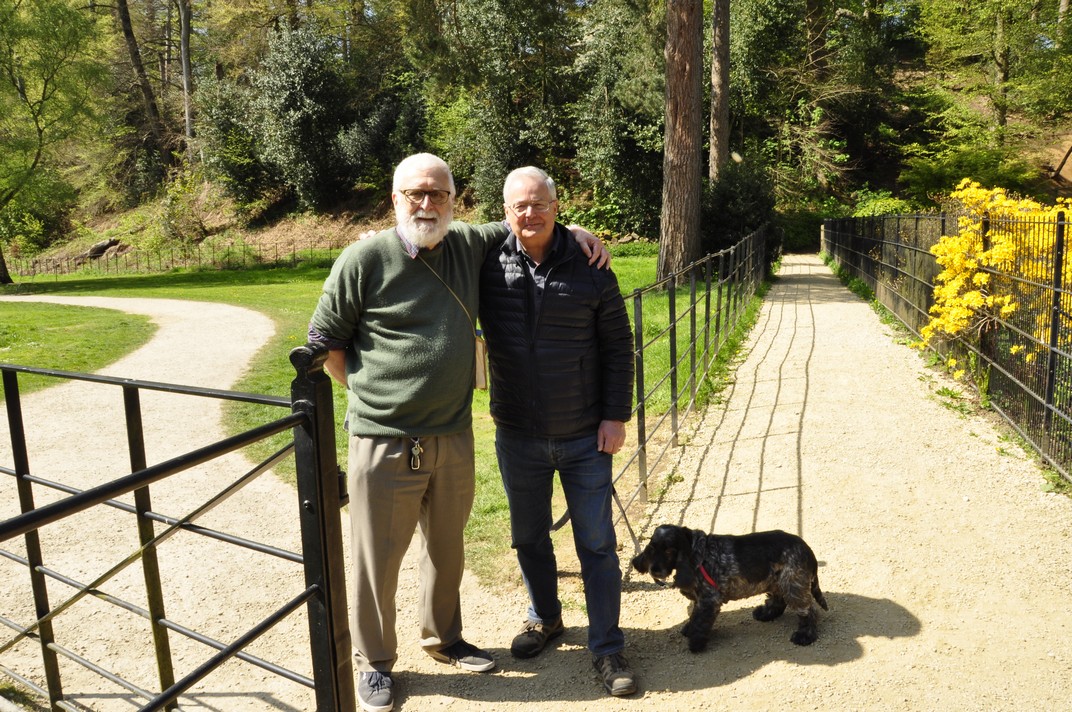

 Being a new build house, there were only a few things that needed my attention inside and they were quickly dealt with over a few weeks. Outside was a different prospect, and a project that has kept us busy—well, kept Steph busy— ever since: the creation of a new garden. Both the front and rear of the house only had lawns. So Steph came up with a design and we called in a small company at the end of April to remove the surplus turf. Then we set about planting all the materials we’d brought from Bromsgrove and carefully nurtured over the winter.
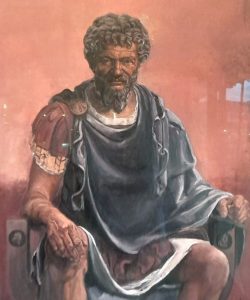
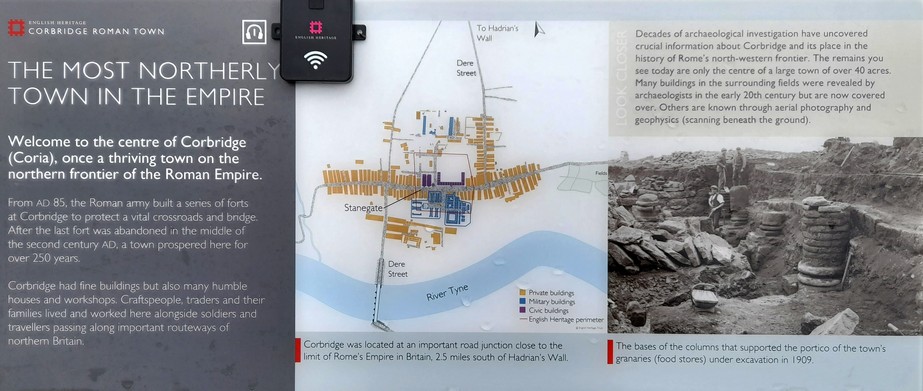
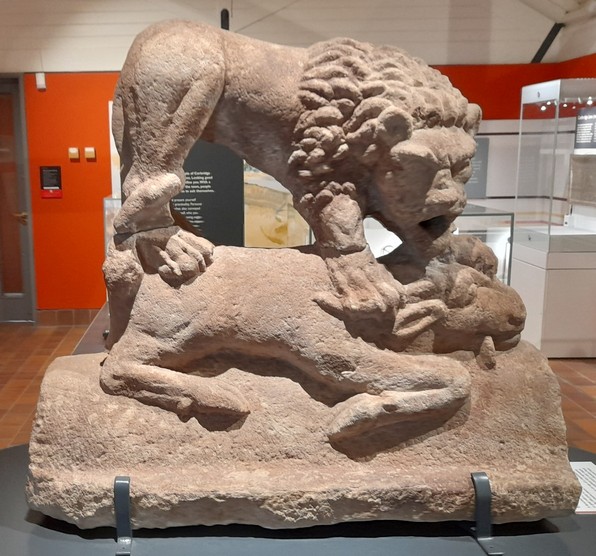


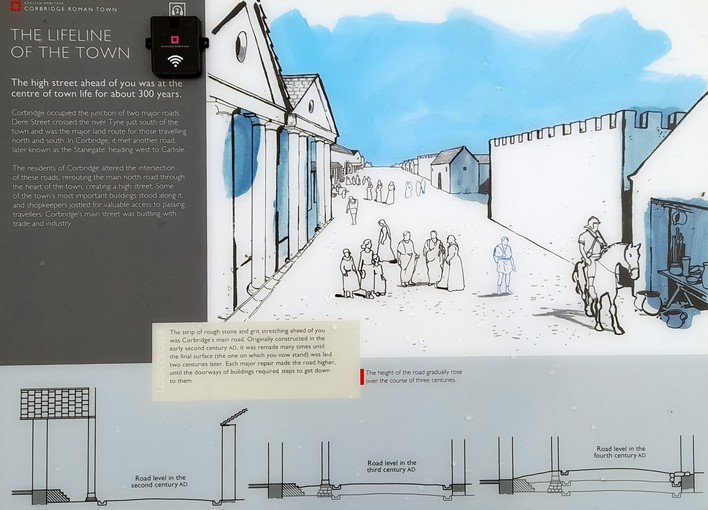


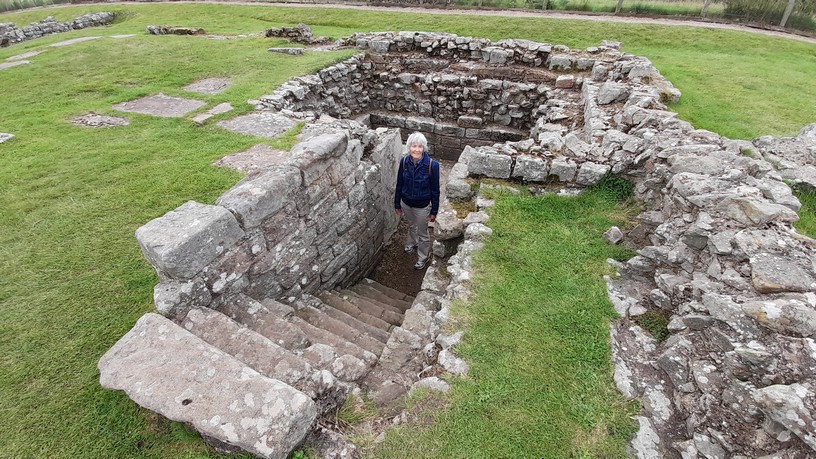
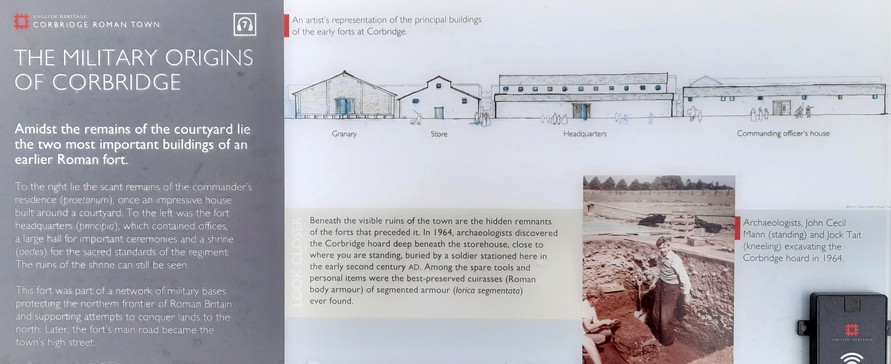
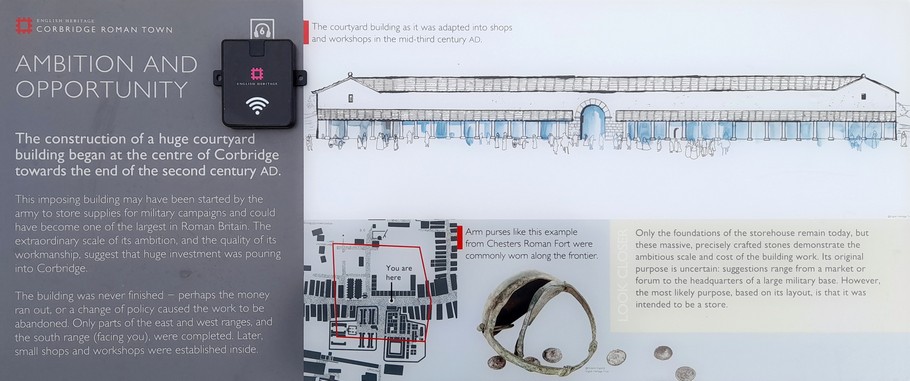
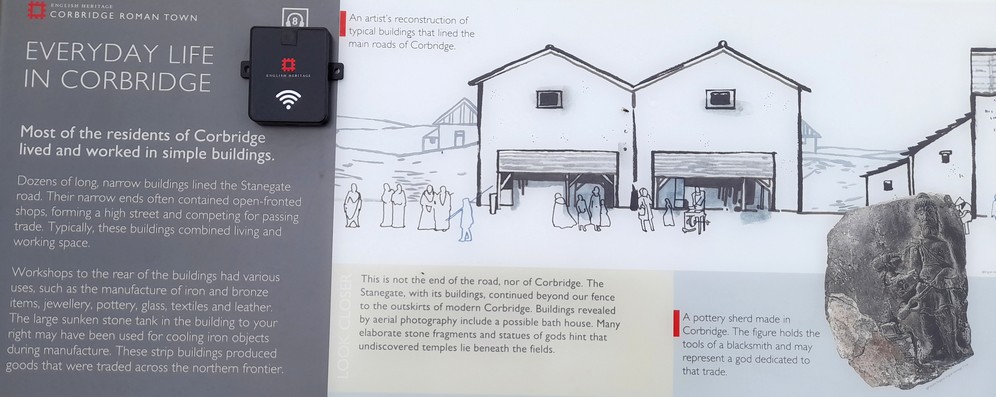
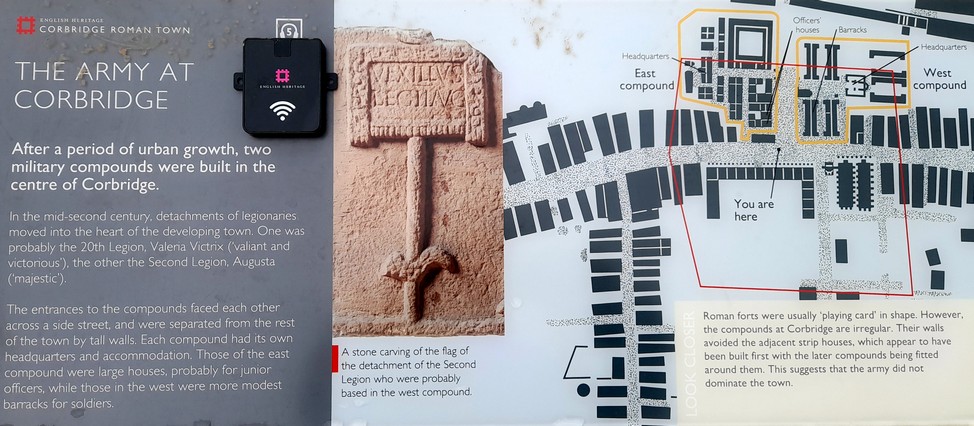
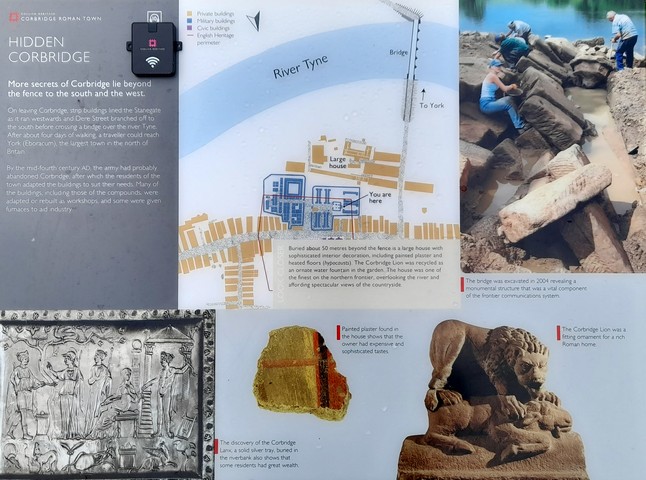
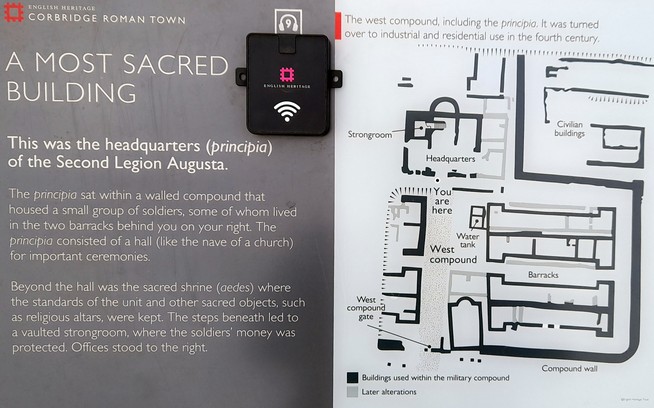
 Once the weather improved in May and June, and we could get out and about more regularly, Steph and I visited several abbeys and priories managed by English Heritage that dot the landscape of this northeast corner of England, including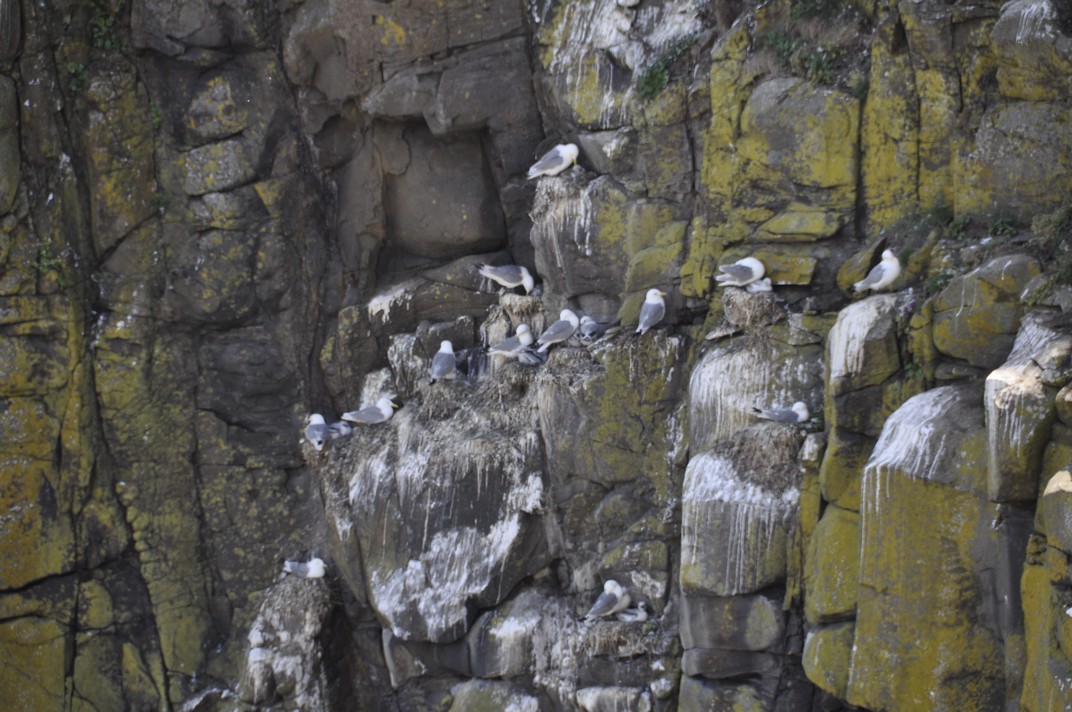


 About 7 miles northwest from Prudhoe, as the crow flies, the fortified manor house of
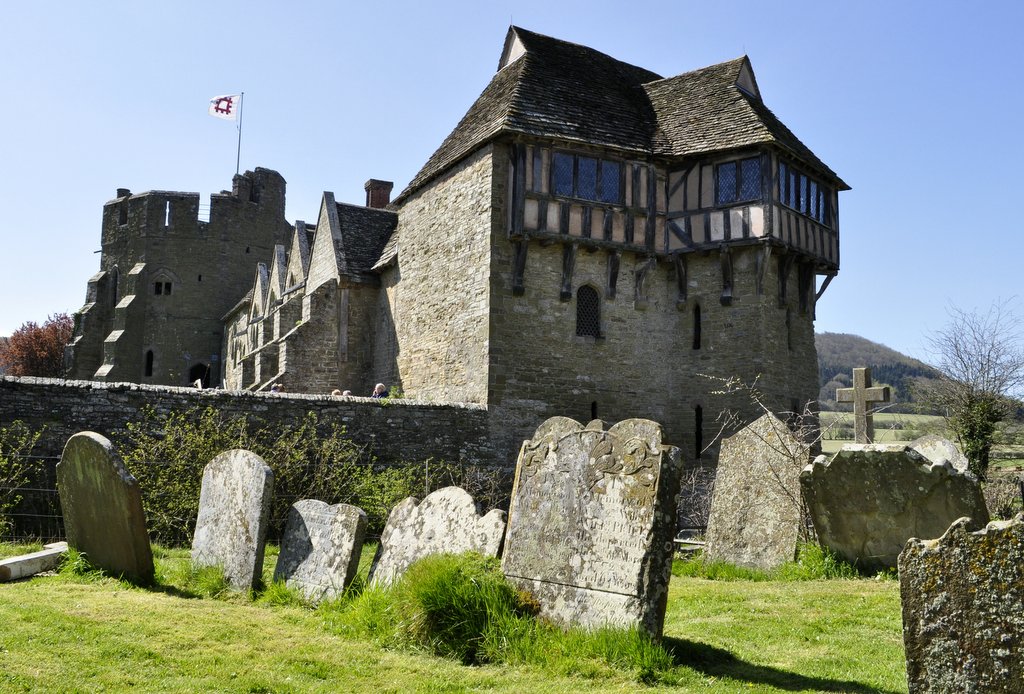


 We have visited 14th century


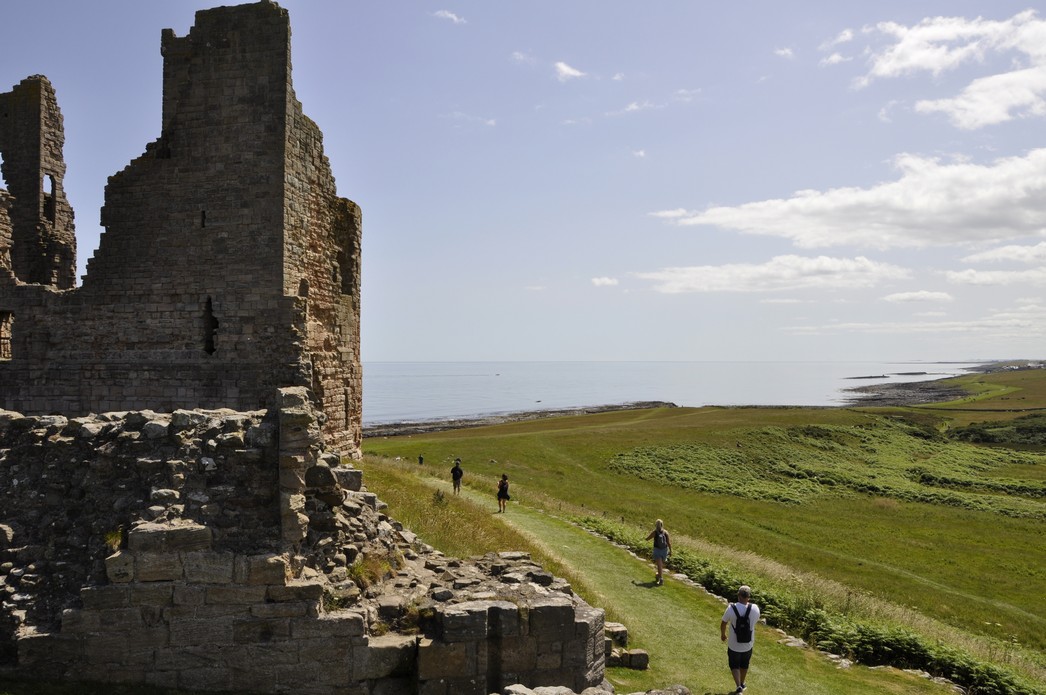
 For the past couple of months I’ve delved into Roman military fiction by British authors


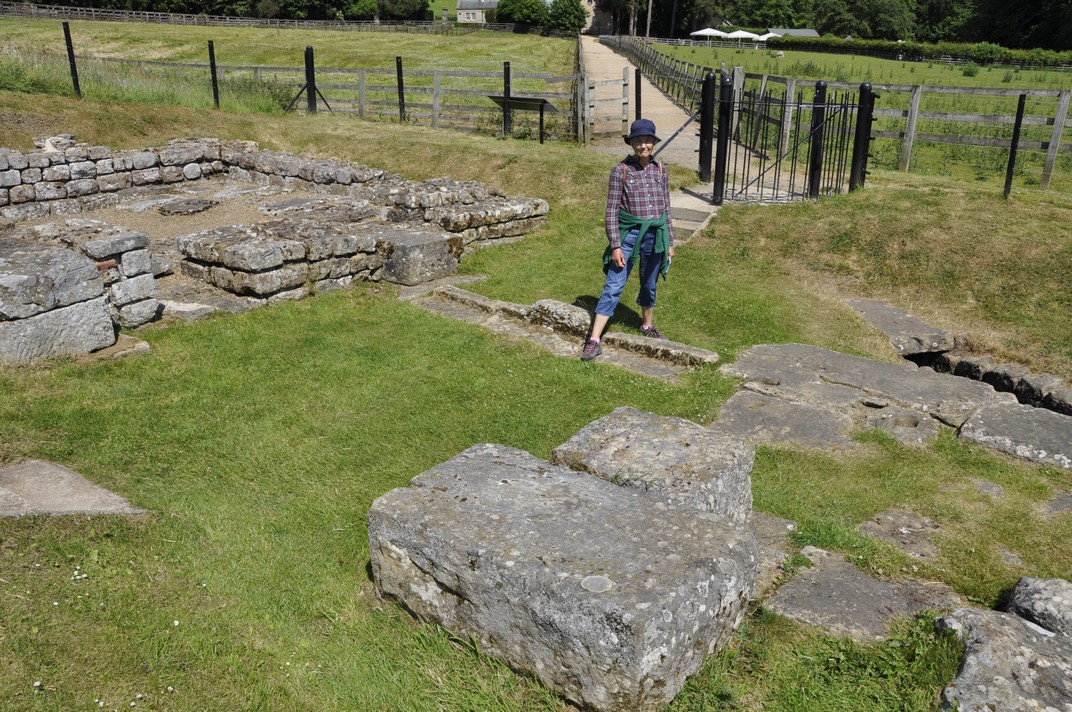
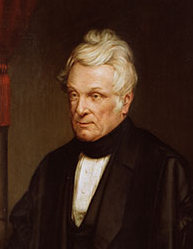 Much of our understanding of the history and archaeology of Hadrian’s Wall is down to one man in the nineteenth century:


 Chesters Roman Fort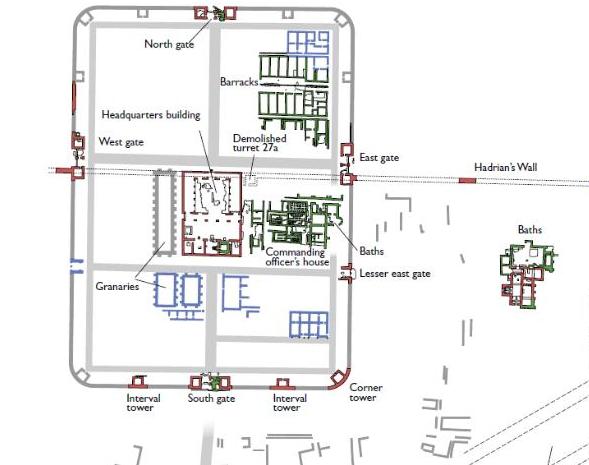
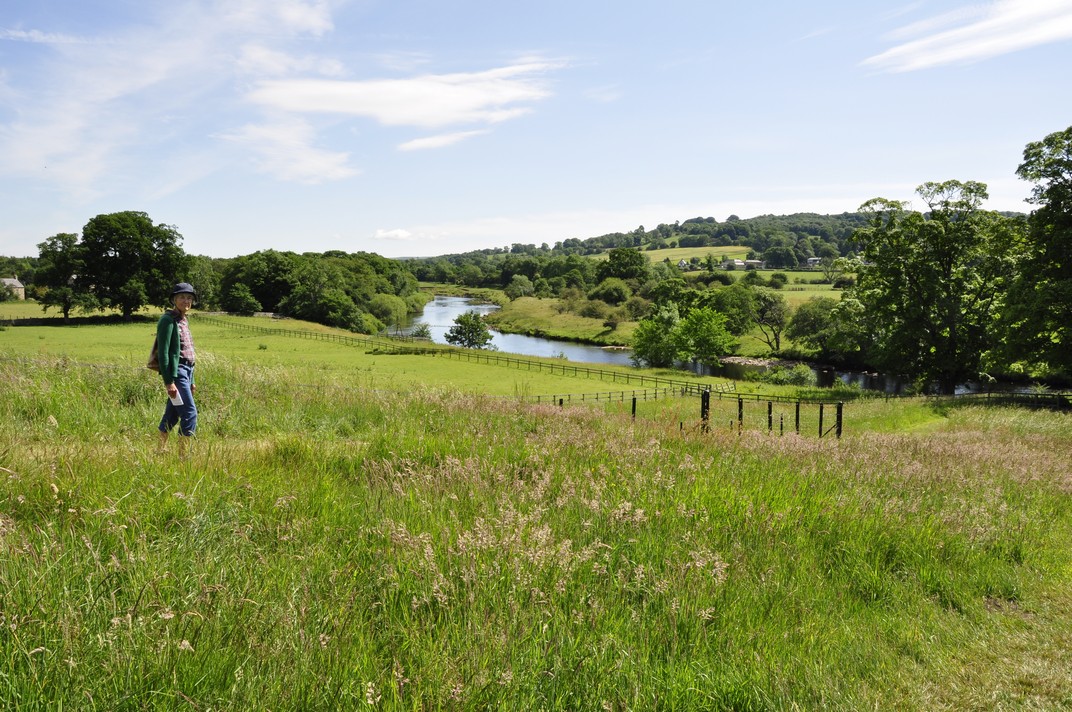
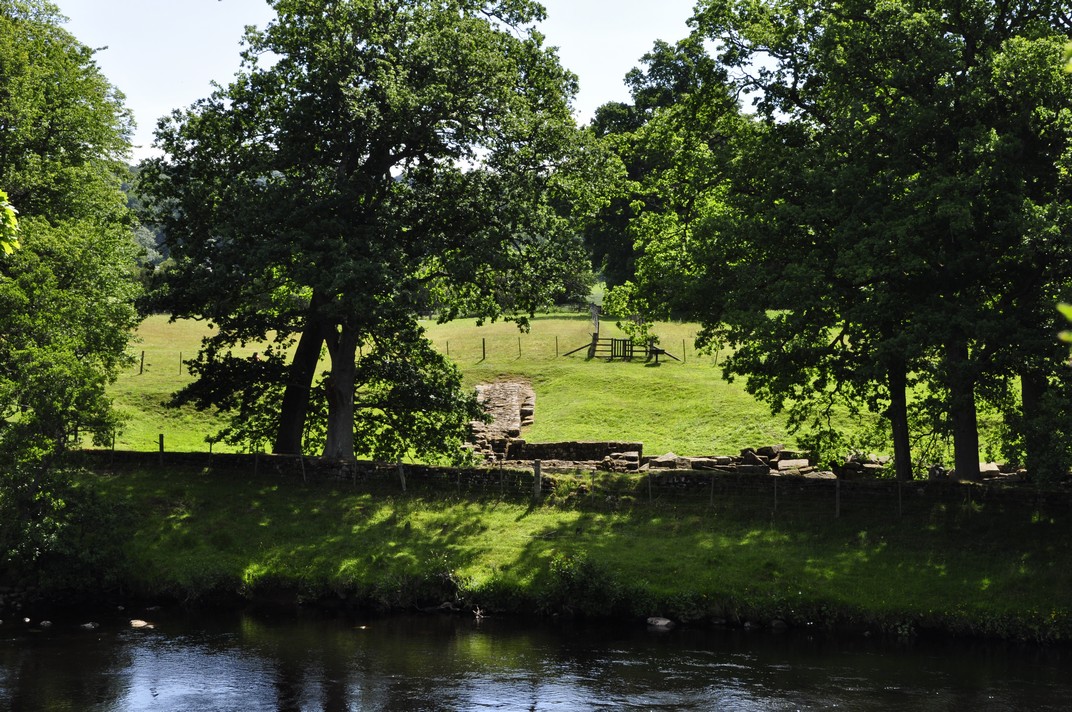


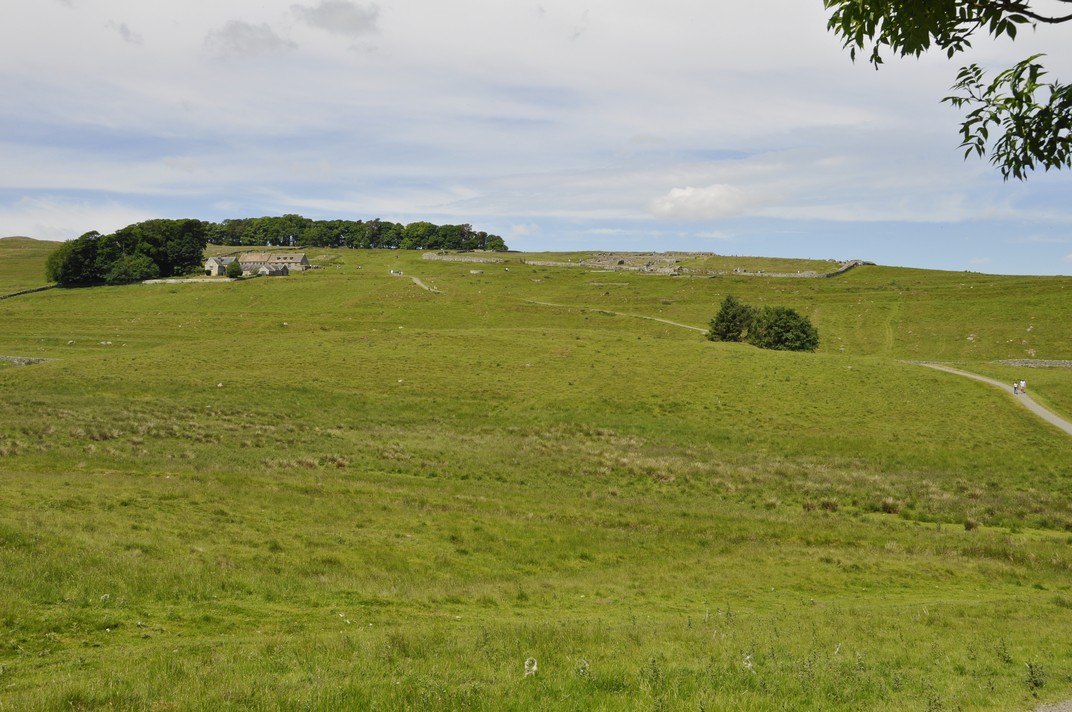
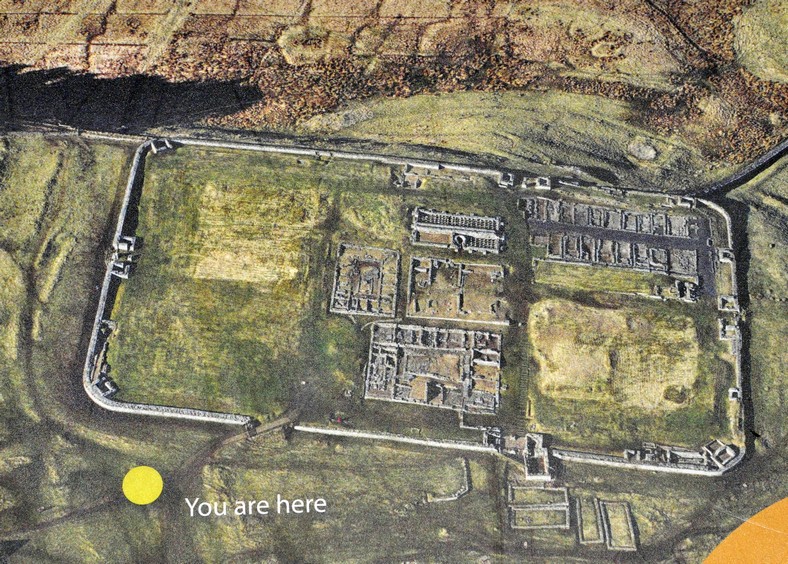
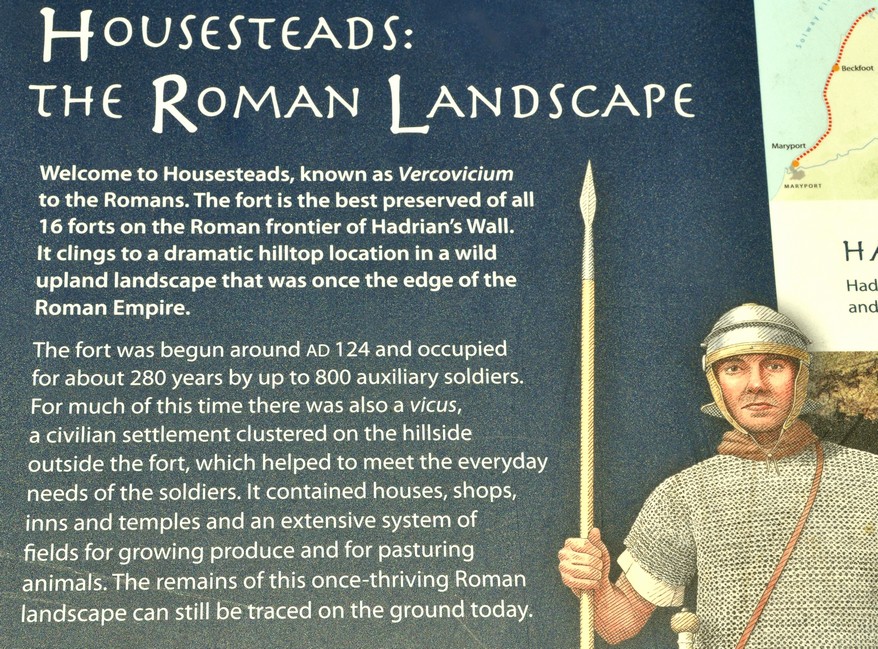 What is particularly impressive about Housesteads is its remote location. There are spectacular views from the fort over the surrounding Northumberland landscape, in all directions. And the fort and Hadrian’s Wall are intimately connected. It must have been an important site along the wall, in defence of the empire.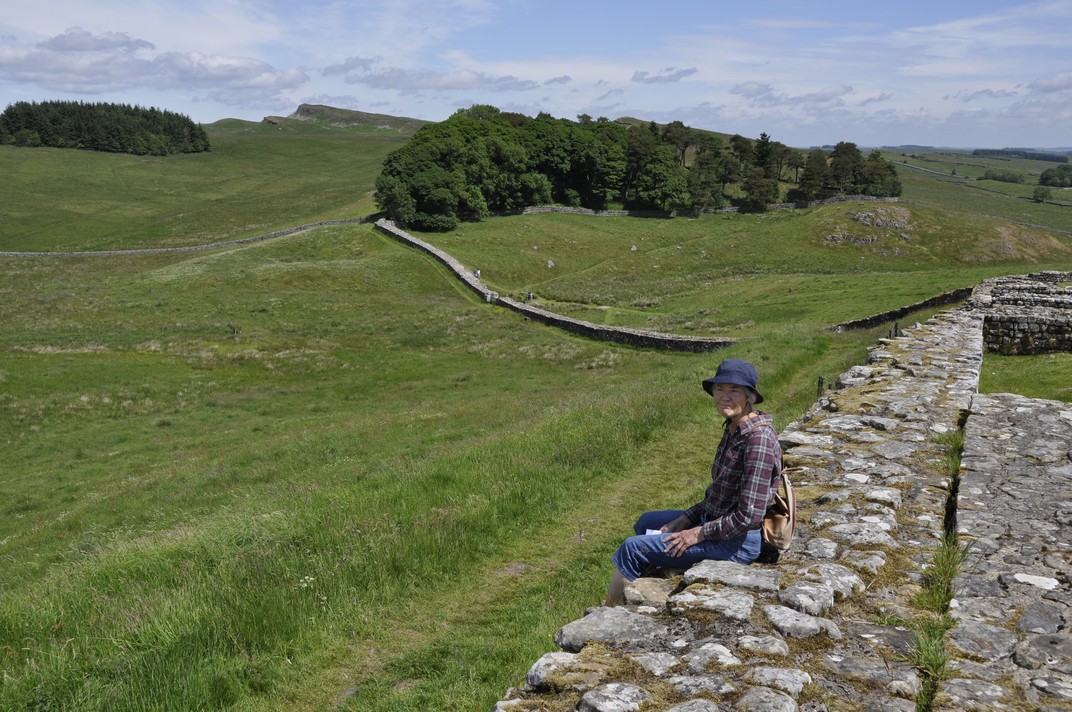
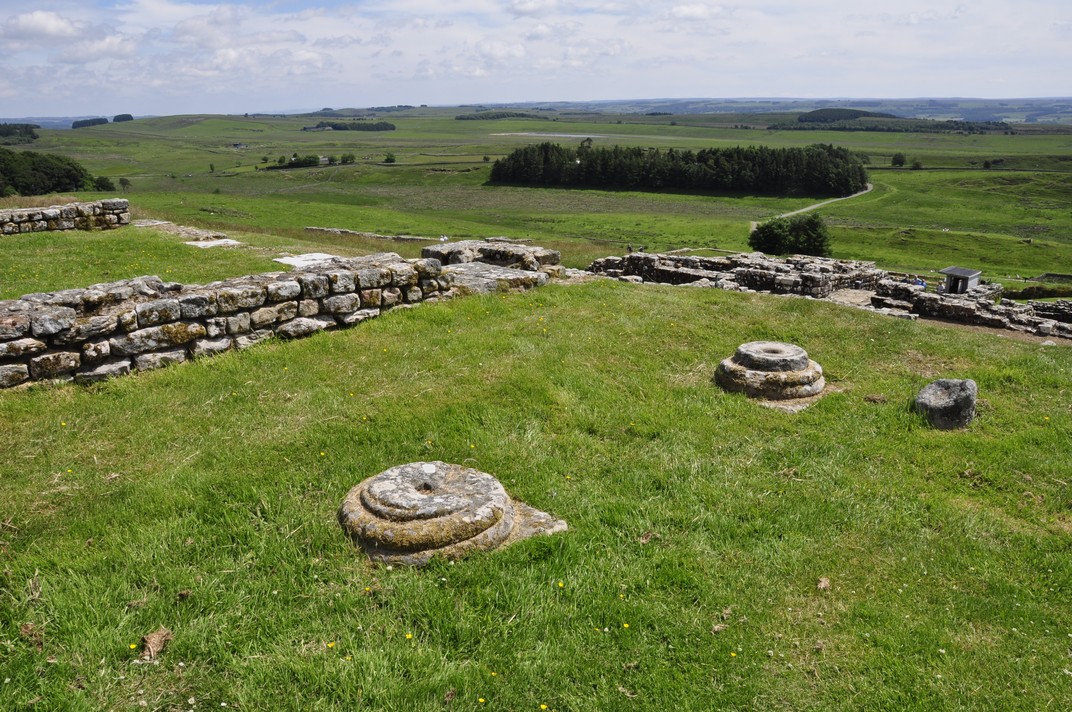
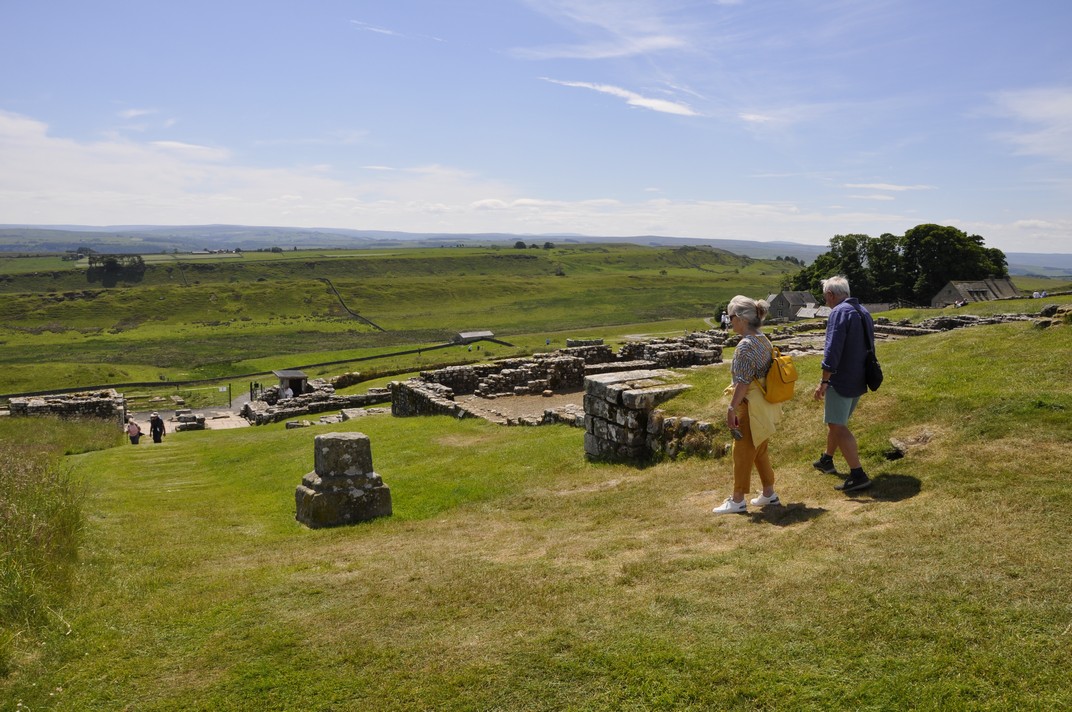


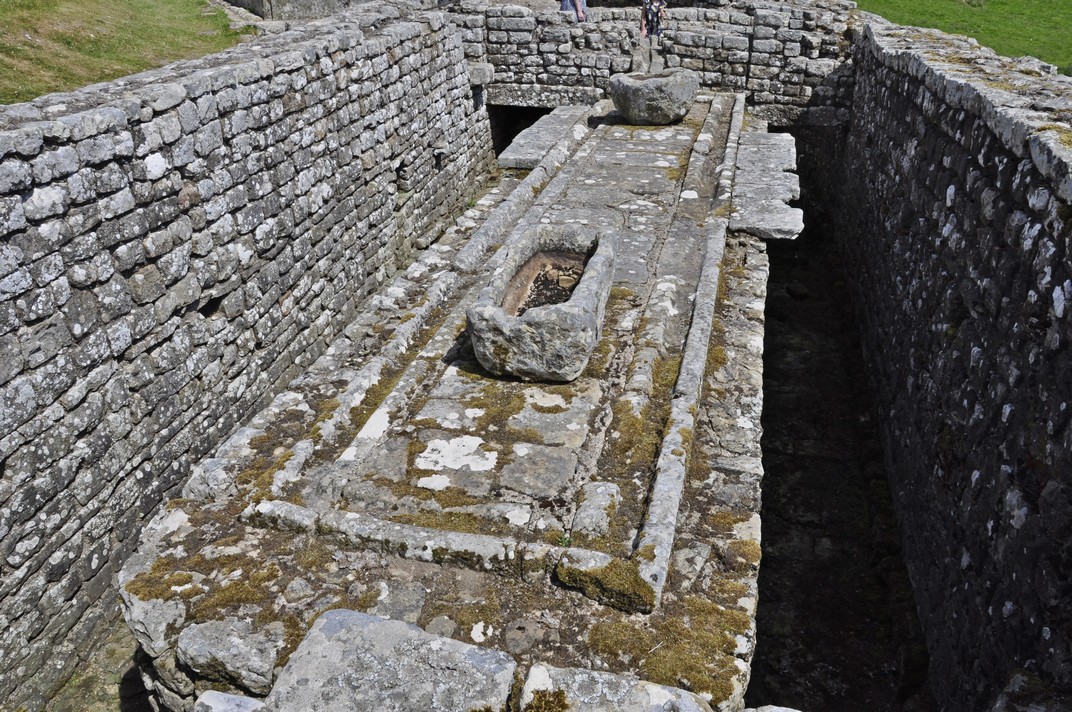
 A balanced diet . . .